MEDICAL SUITES AT OAK CREEK (THE)
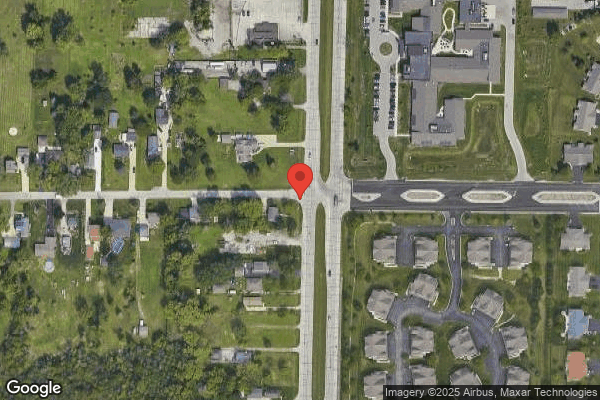
2700 HONADEL BOULEVARD, OAK CREEK, WI 53154 (414) 435-2005
For profit - Limited Liability company 144 Beds IGNITE MEDICAL RESORTS Data: November 2025 9 Immediate Jeopardy citations
Trust Grade
0/100
#297 of 321 in WI
Last Inspection: July 2024

Within standard 12-15 month inspection cycle. Federal law requires annual inspections.

Overview

The Medical Suites at Oak Creek has received a Trust Grade of F, indicating significant concerns about the quality of care provided. It ranks #297 out of 321 nursing homes in Wisconsin, placing it in the bottom half, and #26 out of 32 in Milwaukee County, meaning there are only a few local options that are worse. While the facility shows an improving trend, with issues decreasing from 36 in 2024 to 19 in 2025, it still faces serious problems. Staffing is a major concern here, rated at 1 out of 5 stars with a turnover rate of 73%, significantly higher than the state average. Additionally, the facility has incurred a troubling $297,599 in fines, which is higher than 89% of Wisconsin facilities, raising questions about compliance and care standards. Specific incidents include a resident with a Do Not Resuscitate order who did not have an updated form after admission, a resident experiencing low blood pressure without notification to a provider, and another resident who developed serious pressure injuries due to a lack of timely care. While there are some strengths, such as a slight decrease in overall issues, the weaknesses, particularly in staffing and critical care incidents, are concerning for families considering this facility for their loved ones.

Trust Score
F
0/100
In Wisconsin
#297/321
Bottom 8%
Safety Record
High Risk
Review needed
Inspections
Getting Better
36 → 19 violations
Staff Stability
⚠ Watch
73% turnover. Very high, 25 points above average. Constant new faces learning your loved one's needs.
Penalties
⚠ Watch
$297,599 in fines. Higher than 98% of Wisconsin facilities. Major compliance failures.
Skilled Nurses
⚠ Watch
Each resident gets only 22 minutes of Registered Nurse (RN) attention daily — below average for Wisconsin. Fewer RN minutes means fewer trained eyes watching for problems.
Violations
⚠ Watch
134 deficiencies on record. Higher than average. Multiple issues found across inspections.
★☆☆☆☆
1.0
Overall Rating
★☆☆☆☆
1.0
Staff Levels
★★☆☆☆
2.0
Care Quality
★☆☆☆☆
1.0
Inspection Score
Stable
2024: 36 issues
2025: 19 issues

The Good

  • Full Sprinkler Coverage · Fire safety systems throughout facility
  • No fines on record

Facility shows strength in fire safety.

The Bad

1-Star Overall Rating

Below Wisconsin average (3.0)

Significant quality concerns identified by CMS

Staff Turnover: 73%

26pts above Wisconsin avg (46%)

Frequent staff changes - ask about care continuity

Federal Fines: $297,599

Well above median ($33,413)

Significant penalties indicating serious issues

Chain: IGNITE MEDICAL RESORTS

Part of a multi-facility chain

Ask about local staffing decisions and management

Staff turnover is very high (73%)

25 points above Wisconsin average of 48%

The Ugly 134 deficiencies on record

9 life-threatening 5 actual harm
Oct 2025 8 deficiencies 1 Harm
SERIOUS (G) 📢 Someone Reported This

A family member, employee, or ombudsman was alarmed enough to file a formal complaint

Actual Harm - a resident was hurt due to facility failures

Deficiency F0697 (Tag F0697)

A resident was harmed · This affected 1 resident

**NOTE- TERMS IN BRACKETS HAVE BEEN EDITED TO PROTECT CONFIDENTIALITY** Based on interviews, record review, and facility policy review, the facility failed to ensure two of seven residents (Residents ...

Read full inspector narrative →
**NOTE- TERMS IN BRACKETS HAVE BEEN EDITED TO PROTECT CONFIDENTIALITY** Based on interviews, record review, and facility policy review, the facility failed to ensure two of seven residents (Residents (R) 48 and R158) out of a total sample of 30 received prescribed medications to manage pain. This failure resulted in harm for both residents. Findings include:1. Review of R48's admission Record, located under the Profile tab of the electronic medical record (EMR), revealed she was admitted to the facility on [DATE] following hospitalization for left tibia and femur fractures. She had diagnoses including pain, cramp and spasm, spondylosis (degenerative arthritis of the spine), dorsalgia (back pain), anxiety, and depression. Review of R48's admission Minimum Data Set (MDS), with an Assessment Reference Date (ARD) of 09/29/25 and located under the MDS tab of the EMR, revealed she scored 15 out of 15 on the Brief Interview for Mental Status (BIMS), indicating intact cognition. R48 experienced occasional pain rated at four out of 10, which occasionally made it hard to sleep at night. Review of R48's Care Plan, dated 09/26/25 and located under the Care Plan tab of the EMR, revealed, The resident has acute pain r/t [related to] L [left] oblique tibial fx [fracture], L distal femoral fx. The goal was, The resident will verbalize adequate relief of pain or ability to cope with incompletely relieved pain through the review date The approaches included: Identify and record previous pain history and management of that pain and impact on function. Identify previous responses to analgesia including pain relief, side effects, and impact on function . Monitor/document for side effects of pain medication. Provide the resident with reassurance that pain is time limited. During an interview on 10/01/25 at 9:20 AM, R48 stated when she first arrived to the facility from the hospital, none of her medications were here, and her pain was out of control. R48 stated she was in excruciating pain and had to be sent back to the emergency room for pain management. During the interview, R48 was tearful about the situation and stated that she went through all that pain unnecessarily. Review of R48's hospital Discharge summary, dated [DATE] and located under the Miscellaneous tab of the EMR, revealed, Pain control required multiple adjustments, including the addition of lidocaine [pain medication] patches, scheduled tizanidine [muscle relaxer], tramadol [pain medication], acetaminophen, and topical agents, as well as intermittent use of dilaudid [pain medication] for breakthrough pain and antispasmodics for leg spasms. The summary included orders for diazepam (a benzodiazepine medication used to treat a range of conditions, including anxiety, muscle spasms, and seizures), 5 milligrams (mg) every night and tramadol (pain medication), 100 mg every eight hours as needed and may take an additional 50 mg in between doses if needed for inadequate pain control. Review of R48's EMR under the “Orders” tab revealed admission orders, dated 09/23/25, for tramadol, 100mg three times a day for pain management and order, dated 09/23/25, for diazepam, 5mg at bedtime for anxiety. Review of R48's Clinical Progress Note, dated 09/23/25 at 5:49 PM and located under the Progress Notes tab of the EMR, revealed R48 rated her pain at seven out 10 on admission and was highly anxious and emotional. Review of a Nurses Note, dated 09/23/25 at 11:43 PM and located under the Progress Notes tab of the EMR, written by Unit Manager (UM) 3, revealed, Resident had concerns r/t pain medication. Resident stated she arrived around [1:00 PM] 9/23/25, Writer called pharmacy and faxed medication list. Pharmacy stated the [sic] received med list but have no valid scripts for tramadol and diazepam. Writer updated resident, Tylenol [acetaminophen] given. Resident concerned her pain will be out of control soon and requesting to be sent to [emergency room]. Review of R48's September 2025 Medication Administration Record (MAR), located under the Orders tab of the EMR, revealed an order for diazepam with a start date of 09/24/25. There was no record if this medication was offered on 09/23/25. The MAR also included an order for tramadol with a start date of 09/23/25; however, the box to record administration of the evening dose was blank. Additionally, the MAR documented orders for acetaminophen with a start date of 09/26/25; there was no record of an order for or administration of acetaminophen on 09/23/25. Review of an “eINTERACT SBAR Summary for Providers,” dated 09/24/25 at 12:02 AM and located under the “Progress Notes” tab of the EMR, revealed, the facility used a service called 3rd Eye to contact the on-call physician. The resident was transferred to the hospital ER before receiving a response. Review of R48's ER [Emergency Room] Documentation, dated 09/24/25 and located under the Miscellaneous tab of the EMR, revealed, [R48] . presenting to the emergency department from her subacute rehab for uncontrolled pain to her left knee. Per patient, she was recently admitted to the hospital for a femur fracture. Patient was discharged to a subacute rehab yesterday afternoon. However, the facility told her they do not have any pain medication to give her, so they sent her back to the ED [emergency department] for uncontrolled pain. Patient reports that the pain is primarily located in her knee. Review of a Nurses Note, dated 09/24/25 at 4:08 PM revealed, Resident returned to facility at [4:00 AM] from [emergency room] . Resident was treated in ER for uncontrolled pain. [Two] doses of tizanidine and 1 dose of dilaudid was given with relief. Resident is alert and oriented with no complaints of pain at this time. During an interview on 10/01/25 at 4:10 PM, the Pharmacist in Charge (PIC) at the facility's contracted pharmacy stated prescriptions, including diazepam and tramadol, were received from the discharging hospital on [DATE]; however, were not delivered to the facility until 09/24/25. The PIC was unable to determine the time the medications were delivered to the facility. The PIC stated even though the prescriptions were received from the hospital, they could not be filled until the resident was admitted into the system by the facility. The PIC stated the resident had not been entered into the system until the evening of 09/23/25. During an interview on 10/02/25 at 9:03 AM, Unit Manager (UM) 3 stated the day R48 was admitted , the nurse on duty (Licensed Practical Nurse (LPN) 7) reported to her that the hospital had never sent in her prescriptions to the pharmacy. UM3 stated R48's pain was out of control and the resident wanted to be sent to the ER to manage the pain. UM3 stated she was concerned about R48's pain and agreed she needed to go to the ER for pain management. Since the pharmacy did not have valid prescriptions, the facility could not access the prescriptions in the facility's emergency contingency kit. During an interview on 10/02/25 at 10:22 AM, LPN7 stated her shift 09/23/25 began at 7:00 PM on 09/23/25, and R48 had been admitted to the facility around 11:00 AM. LPN7 stated when she came on shift, R48 was in a lot of pain. LPN7 called the pharmacy but the pharmacy reported there were no valid prescriptions for R48. LPN7 stated at that time, R48 rated her pain at nine or ten out of ten, and added, I was [expletive] because she came in at 11:00 AM and it wasn't addressed. LPN7 added R48 was very upset about the situation and she [LPN7] reported the situation to UM3. She stated R48 was sent to the ER to get her pain under control, since there was no access to pain medication for R48. LPN7 explained that the discharging hospital had not faxed the prescriptions to the pharmacy, and she had to wait for the pharmacy to put the resident into their system. She stated she was unable to use the medication in the facility's emergency contingency kit because the pharmacy did not have a valid prescription and could not provide the authorization code needed to retrieve the medication. LPN7 stated that R48 needed to go back to the ER for adequate pain management and to get valid prescriptions for all ordered medications. During an interview on 10/03/25 at 11:50 AM, the Director of Nursing (DON) stated she was told the pharmacy did not have prescriptions from the hospital, yet the hospital had faxed the prescriptions to the pharmacy and so she was not able to obtain another set of prescriptions. The DON stated R48's pain was severe, and she had to be sent to the ER to get pain medication. The DON stated the facility staff were told they were unable to pull the medications from the emergency contingency kit, as the pharmacy did not have a valid prescription to authorize obtaining the medication. The DON stated the nurse should have contacted the Medical Director in this situation to obtain an emergency prescription. 2. Review of R158's undated Face Sheet located under the Profile tab in the EMR indicated R158 was admitted to the facility on [DATE] with diagnoses of displaced comminuted fracture of shaft of humerus and left arm. Review of R158's Admission/Readmission/Routine Head-to-Toe Evaluation – V7 located under the Evaluations tab in the EMR, dated 09/26/25 indicated R158 was alert. Under Memory/Recall Ability it was documented that R158 could recall the current season, location of own room, staff names, and faces, and where they were.Review of R158's Care Plan located under the Care Plan tab in the EMR dated 09/29/25 indicated, [R158] is on pain/opioid medication therapy r/t RUE [right upper extremity] fx [fracture]. Interventions were, Administer ANALGESIC [sic] [pain] medications as ordered by physician. Monitor/document side effects and effectiveness Q-SHIFT [sic] [every shift]. Review of R158's Nursing Progress Notes dated 09/26/25 at 3:04 PM indicated, [AGE] year female with hx [history] of ESRD [end stage renal disease] on hemodialysis, dm [diabetes mellitus] type 2 [sic]… who presented to ED [emergency department] following fall at home. She [R158] was evaluated by ortho [orthopedic] and was recommended for non-operative [sic] management with immobilization/sling and pain control… Review of R158's Admission/Readmission/Routine Head-to-Toe Evaluation – V7 located under the Evaluations tab in the EMR, dated 09/26/25 at 3:04 PM indicated R158's pain was assessed as being a 0 on a pain scale of 1-10. R158's pain goal was documented as being 0. Review of R158's Physician Orders revealed orders dated for 09/26/25 for Roxicodone 5 mg (milligrams) Give 0.5 tablet by mouth every four hours as needed for pain, Tramadol 25 mg give one tablet by mouth every six hours as needed for pain, and Acetaminophen 500 mg give two tablets by mouth every eight hours as needed for pain for seven days. Pain evaluation was also ordered on 09/26/25 to be completed every shift. Review of R158's Medication Administration Record (MAR) dated September 2025 indicated, Acetaminophen 500 mg two tablets were given on 09/27/25 at 10:46 PM, for pain documented as 8, on a zero to 10 scale. There was an E documented below the nurses' initials representing the medication was effective. On 09/28/25 at 10:53 AM, Acetaminophen 500 mg two tablets were administered to R158 for pain documented as 5. There was an E documented below the nurses' initials on the MAR representing the medication was effective in relieving R158's pain. On 09/29/25 at 4:51 PM, Acetaminophen 500 mg two tablets were administered to R158 for pain documented as 4. There was also an E documented below the nurses' initials on the MAR representing the medication was effective in relieving R158's pain. Further review of the nursing progress notes indicated no documentation to reflect an assessment for pain from admission on [DATE] through 09/30/25. Continued review of R158's “MAR” indicated no Roxicodone or Tramadol had been administered to R158 since admission on [DATE]. On 09/30/25 at 11:56 AM Registered Nurse (RN)1 was overheard saying to R158, Your pain medication is not here yet from pharmacy, but I can give you some Tylenol for now. During an interview on 09/30/25 at 12:01 PM, R158 stated her pain was a 10 in her right shoulder. I have not had any pain medication, and I am in severe pain. I went to dialysis this morning and I told them I was in pain, and they gave me two Tylenol too. I don't know what is wrong here. During an interview on 09/30/25 at 12:06 PM, RN1 stated, I will have her [NAME] [Roxicodone] by three o'clock today. The scripts were given to the unit manager and were faxed to the pharmacy an hour and a half ago. The pharmacy says they did not get the fax. As soon as they are faxed to the pharmacy again and they [pharmacy] get them [scripts], it usually takes about two hours for a STAT [immediate] delivery to come. Then I will be able to give her [R158] the [NAME] [Roxicodone]. I gave her [R158] Tylenol for now. During an interview on 09/30/25 at 1:05 PM, R158 rated her pain as a 7 and stated her pain continues to hurt in her right shoulder. They keep telling me the medicine will be here after three today. R158 was noted to be restless in bed at this time. Review of R158's MAR indicated RN1 had not documented the administration of Tylenol to the resident, nor was the pain level documented. During an interview on 09/30/25 at 3:38 PM, Unit Manager (UM)1 stated, If the admission comes from the hospital, the hospital physician can use escribes [electronic system to order medications] and that goes to our pharmacy. Today, we printed a blank script; gave it to the NP [nurse practitioner] and she filled it out for the Roxicodone and Tramadol. I faxed these to the pharmacy three times today because the pharmacy stated they had not received the scripts. We have the contingency machine that after we fax the order for a narcotic to the pharmacy and they receive the script then we can call the pharmacy and get a code to get the narcotic out of the box and give to the resident. I was not aware of the resident was not getting her pain medication. During an interview on 09/30/35 at 4:03 PM, RN1 stated, I did get the NP [nurse practitioner] sign scripts again this morning because I saw when I came in today the narcotics were not in the drawer. I gave them to [UM1] to fax to the pharmacy for me because I was extremely busy today. RN1 confirmed he had not received these narcotics from pharmacy. RN1 stated, No, I did not look in the contingency box. I really don't know what is in there. RN1 confirmed he had administered Tylenol earlier today at 12:06 PM and stated, I should have documented the first Tylenol that I gave today. During an interview on 10/01/25 at 8:47 AM, UM1 confirmed that R158's Roxicodone was delivered yesterday by the pharmacy and confirmed it was in the contingency supply which was also available for use since admission. During an interview on 10/01/25 at 08:55 AM, R158 stated, I am in pain now, but I feel better than I did yesterday after I received my pain medicine that I was supposed to be taking. During an interview on 10/01/25 at 4:10 PM, the Pharmacist in Charge (PIC) stated, The first script that we received for Roxicodone 5 mg and Tramadol 50 mg for [R158] was on 09/30/25 at 10:30 AM. Both scripts were dated 09/29/25 by the facility NP [nurse practitioner]. We did receive hospital discharge orders for this resident, but we did not receive any scripts from the hospital physician. During an interview on 10/03/25 at 7:15 PM, the Director of Nursing (DON) stated, Pain assessments should have been completed on admission for this resident. As soon as the nurses noted that the narcotics did not come from the pharmacy, then they should have called the pharmacy to see if the scripts were there. If they were not there, then the scripts should have been signed by the provider, and the nurse fax the scripts to the pharmacy right then. We have Roxicodone and Tramadol in the emergency supply here. The nurse would have to get an order from the provider, call the pharmacy and the pharmacy will give us a code to get the medication out. Review of the facility's policy Pain Management dated 02/05/25 indicated, The facility must ensure that pain management is provided to residents who require such services. Consistent with professional standards of practice… and the residents' goals and preferences… Evaluate the resident for pain and the cause(s) upon admission, during ongoing scheduled assessments, and when a significant change or status occurs… the facility in collaboration with the attending physician/prescriber… and resident and/or resident's representative will develop, implement, monitor, and revise as necessary interventions to prevent or manage each individual's pain beginning at admission… Facility staff will notify the practitioner, if the resident's pain is not controlled by the current treatment regimen…
CONCERN (D) 📢 Someone Reported This

A family member, employee, or ombudsman was alarmed enough to file a formal complaint

Potential for Harm - no one hurt, but risky conditions existed

Deficiency F0554 (Tag F0554)

Could have caused harm · This affected 1 resident

**NOTE- TERMS IN BRACKETS HAVE BEEN EDITED TO PROTECT CONFIDENTIALITY** Based on observation, record review, interview, and document review, the facility failed to determine one of 30 sampled resident...

Read full inspector narrative →
**NOTE- TERMS IN BRACKETS HAVE BEEN EDITED TO PROTECT CONFIDENTIALITY** Based on observation, record review, interview, and document review, the facility failed to determine one of 30 sampled residents (Resident (R) 132) was safe in the self-administration of physician ordered medications. This failure had the potential for R132 to not take her medication and experience adverse effects of not taking the physician ordered medications. Findings include: Review of R132's undated Face Sheet located under the Profile tab in the electronic medical record (EMR) indicated R132 was readmitted to the facility on [DATE] with diagnoses of congestive heart failure, chronic obstructive pulmonary disease, hypertension, and pain in left arm. Review of R132's quarterly Minimum Data Set (MDS) located under the MDS tab in the EMR, with an Assessment Reference Date (ARD) of 08/09/25, indicated R132 was coded for a Brief interview for Mental Status (BIMS) score of 11 out of 15 which indicated R132 was moderately cognitively impaired. Review of R132's Care Plan located under Care Plan tab in the EMR indicated there was not a care plan developed for self-administration of medications. Review of R132's Physician Orders located under the Orders tab in the EMR indicated there was not an order for R132 to self-administer medications. During an observation on 10/02/25 at 9:52 AM, Registered Nurse (RN)2 prepared the resident's medications and placed them into the medicine cup for R132. R132 held the cup of medicine in her hand and requested Tylenol. RN2 left the room, and the resident took her own medication. RN2 had her back to the door so that she could obtain the extra strength Tylenol from the medication cart in the hallway. The privacy curtain was drawn and RN2 was unable to observe R132 taking the medication in the medicine cup. During an interview on 10/02/25 at 9:59 AM, RN2 reviewed the EMR and confirmed R132 did not have an order for self-administration of medications. RN2 stated, The nurse is to observe the resident take the medications before leaving the room. During an interview on 10/02/25 at 12:40 PM, the Director of Nursing (DON) was asked if R132 could self-administer medications and the DON stated, No, she [R132] cannot. The nurse should have stayed in the room and observed the resident taking her [R132] medications or taken the pills with her [RN2] when she [RN2] left the room to get the extra Tylenol the resident wanted. Review of the facility's policy Resident Self-Administration of Medication dated 04/17/25 indicated, …Each resident is offered the opportunity to self-administer medications during the routine assessment by licensed nurse and/or the facility's interdisciplinary team. Resident's [reference will be documented on the appropriate form and placed in the medical record… Review of the facility's policy Medication Administration dated 04/09/25 indicated, …Observe resident consumption of medication…
CONCERN (D) 📢 Someone Reported This

A family member, employee, or ombudsman was alarmed enough to file a formal complaint

Potential for Harm - no one hurt, but risky conditions existed

ADL Care (Tag F0677)

Could have caused harm · This affected 1 resident

**NOTE- TERMS IN BRACKETS HAVE BEEN EDITED TO PROTECT CONFIDENTIALITY** Based on record review, interviews, and facility policy review, the facility failed to ensure baths or showers were provided acc...

Read full inspector narrative →
**NOTE- TERMS IN BRACKETS HAVE BEEN EDITED TO PROTECT CONFIDENTIALITY** Based on record review, interviews, and facility policy review, the facility failed to ensure baths or showers were provided according to the schedule for three of three residents (Resident (R) 109, R7, and R48) reviewed for bathing out of 30 sample residents. This failure had the potential to result in the residents not maintaining adequate hygiene to prevent odor and skin infections.Findings include: Based on record review, interviews, and facility policy review, the facility failed to ensure baths or showers were provided according to the schedule for three of three residents (Resident (R) 109, R7, and R48) reviewed for bathing out of 30 sample residents. This failure had the potential to result in the residents not maintaining adequate hygiene to prevent odor and skin infections. Findings include: 1.Review of R109's Face Sheet located under the Profile tab of the electronic medical record (EMR) revealed the resident was admitted on [DATE] and readmitted on [DATE] with diagnoses to include end stage renal disease, type two diabetes, ascites, absence of right left knee, and sleep apnea. Review of R109's quarterly Minimum Data Set (MDS) located under the MDS tab of the EMR with an Assessment Reference Date (ARD) of 08/27/25 revealed a Brief Interview for Mental Status (BIMS) score of 15 out of 15 which indicated R109 was cognitively intact. Review of the annual Care Area Assessment (CAA) Triggers Summary, dated 02/27/25 and located under the MDS tab of the EMR, revealed R109 required substantial to maximum assistance for bathing. Review of the July 2025 Documentation Survey Report for bathing task, located under the Reports tab of the EMR, revealed R109 did not receive a weekly bath or shower on 07/03/25 and 07/10/25. Review of the August 2025 Documentation Survey Report for bathing task, located under the Reports tab of the EMR, revealed R109 did not receive a weekly bath or shower on 08/14/25. During an interview on 09/30/25 at 10:04 AM, R109 stated there was no hot water and no showers. 2. Review of R7's Face Sheet located under the Profile tab of the EMR revealed the resident was admitted on [DATE] and readmitted on [DATE] with diagnoses to include fracture of upper end of right humerus, unspecified fall, dependence on dialysis, generalized edema, and anxiety. Review of R7's significant change in status MDS located under the MDS tab of the EMR with an ARD of 08/17/25 revealed a BIMS score of 15 out of 15 which indicated R7 was cognitively intact. Review of the annual CAA Triggers Summary, dated 02/27/25 and located under the MDS tab of the EMR, revealed R7 required partial to moderate assistance for bathing. R7 was dependent for tub/shower transfers. Review of the July 2025 Documentation Survey Report for bathing task, located under the Reports tab of the EMR, revealed R7 did not receive a weekly bath or shower on 07/04/25 and 07/11/25. Review of the August 2025 Documentation Survey Report for bathing task, located under the Reports tab of the EMR, revealed R7 did not receive a weekly bath or shower on 08/15/25. Bed baths were provided on 08/22/25 and 08/29/25 in place of a bath or shower. Review of the September 2025 Documentation Survey Report for the bathing task, located under the Reports tab of the EMR, revealed that R7 did not receive a weekly bath or shower on 09/12/25. During an interview on 09/30/25 at 8:35 AM, R7 stated there was no hot water in the shower and so a bed bath was provided. During an interview on 09/30/25 at 11:14 AM, Licensed Practical Nurse (LPN) 4 stated some of the rooms did not have hot water, so they had to take residents to a different shower room or use bucket water. During an interview on 10/01/25 at 8:45 AM, the Certified Medication Aide (CMA) stated she had to give the residents a basin bath sometimes because the sink had warm water. During an interview on 10/01/25 at 8:46 AM, Certified Nurse Aide (CNA) 2 stated she had to run the water for about 20 minutes to get some warm water and they have to do what we have to do. She stated she had to give a sponge bath to a resident while the resident sat on the toilet last week. During an interview on 10/01/25 at 3:15 PM, the Director of Nursing (DON) confirmed the missing shower documentation and was unable to confirm whether a shower or bath took place. 3. Review of R48's admission Record, located under the Profile tab of the EMR, revealed she was admitted to the facility on [DATE] following hospitalization for left tibia and femur fractures. She had diagnoses including pain, cramp and spasm, spondylosis (degenerative arthritis of the spine), dorsalgia (back pain), anxiety, and depression. Review of R48's admission MDS, with an ARD of 09/29/25 and located under the MDS tab of the EMR, revealed she scored 15 out of 15 on the BIMS, indicating intact cognition. R48 required substantial/maximum assistance with bathing and had not attempted to transfer to the shower/tub. Review of R48's Care Plan, dated 09/26/25 and located under the Care Plan tab of the EMR, revealed, The resident has an ADL [activities of daily living] self-care performance deficit r/t [related to] L [left] oblique tibial fx [fracture], L distal femoral fx. The approaches included: Bathing/showering: The resident requires max assist by 1 staff with showering weekly and as necessary. During an interview on 10/01/25 at 9:20 AM, R48 stated she felt dirty as she had not received a shower and had only one bed bath since her admission, but her hair had not been washed. She was lying in bed in a hospital gown and her hair appeared greasy and stringy.Review of R48's POC [Point of Care] Response History, located under the Tasks tab of the EMR, revealed from 09/24/25 through 10/03/25, R48 had not received a shower or bed bath. Review of R48's Documentation Survey Report, dated September 2025 and provided on paper, revealed R48 had not received a shower or bed bath. During an interview on 10/03/25 at 3:30 PM, Unit Manager (UM) 2 stated she had heard a complaint from R48 two days ago that she had not had a bath or shower since admission. UM2 stated R48 had pain and mobility challenges due to her fractures, so bed baths would be most appropriate for her. UM2 stated she was under the impression R48 was receiving bed baths and did not know why it had not been done. During an interview on 10/03/25 at 5:04 PM, CNA5 stated he worked with R48 but had not offered her a bath or shower. He stated she may have been offered a shower at some point, but the water in the shower room was cold and she may have declined a shower because of that. CNA5 stated most residents chose a bed bath because of the cold water in the shower, but he had not offered R48 a bed bath. During an interview on 10/03/25 at 5:38 PM, the DON stated there was no reason why baths and showers were not getting done. The DON expected staff to offer a shower or bed bath per the resident's schedule and preference. Review of the facility's policy titled, Resident Showers, revised 06/11/25, revealed 1. Resident will be provided with showers as per request and within reasonable accommodation, or as per facility schedule protocols (at least offered weekly)…
CONCERN (D) 📢 Someone Reported This

A family member, employee, or ombudsman was alarmed enough to file a formal complaint

Potential for Harm - no one hurt, but risky conditions existed

Deficiency F0773 (Tag F0773)

Could have caused harm · This affected 1 resident

**NOTE- TERMS IN BRACKETS HAVE BEEN EDITED TO PROTECT CONFIDENTIALITY** Based on record review and interview, the facility failed to obtain a physician order prior to obtaining laboratory tests for on...

Read full inspector narrative →
**NOTE- TERMS IN BRACKETS HAVE BEEN EDITED TO PROTECT CONFIDENTIALITY** Based on record review and interview, the facility failed to obtain a physician order prior to obtaining laboratory tests for one of one resident (Resident (R)98) out of a total sample of 30 residents. This failure had the potential of obtaining unnecessary laboratory testing from residents.Findings include:Review of R98's undated Face Sheet located under the Profile tab in the electronic medical record (EMR) indicated R98 was readmitted to the facility on [DATE] with the diagnosis of an abdominal hematoma. Review of R98's quarterly Minimum Data Set (MDS) located under the MDS tab in the EMR, with an Assessment Reference Date (ARD) of 06/18/25 indicated R98 had a Brief Interview for Mental Status (BIMS)score of 12 out of 15, which indicated R98 was moderately cognitively impaired. During an interview on 10/02/25 at 3:49 PM, Unit Manager (UM)1 stated, the [Power of Attorney (POA)] for [R98] emailed and stated that when the resident was discharged from the hospital on [DATE], the hospital doctor wanted her [R98] labs drawn. I reviewed the discharge summary, and it said on the CT [CAT] scan to follow up with abdominal CT scan if her hemoglobin was less than eight due to the CT scan in the hospital finding an abdominal hematoma. I spoke to the nurse practitioner, and she said to order a CBC [Complete Blood Count] every two weeks to monitor this. It looks like we started doing that on 08/18/25. UM1 stated Whoever orders the lab tests are responsible for putting the orders into PCC (Point Click Care). Review of R98's EMR revealed there were no physician orders for a CBC to be performed every two weeks nor were there any lab results. On 10/02/25 at 4:20 PM, the Director of Nursing (DON) requested the laboratory results. On 10/02/25 at 6:00 PM, the DON presented the laboratory test results of CBCs that were performed every two weeks, beginning 08/18/25. During an interview on 10/03/25 at 3:29 PM, the DON stated, The providers are able to put orders into PCC. If they do not, then the nurse that speaks to the provider will be responsible for placing these orders in PCC. During a phone interview on 10/03/25 at 4:09 PM, the Nurse Practitioner (NP) stated, I don't have access to put the orders into PCC. I remember talking to [name of UM1] about having these labs performed every two weeks. On 10/0/25 at 5:30 PM, the DON stated the facility did not have a policy on laboratory services.
CONCERN (D) 📢 Someone Reported This

A family member, employee, or ombudsman was alarmed enough to file a formal complaint

Potential for Harm - no one hurt, but risky conditions existed

Deficiency F0849 (Tag F0849)

Could have caused harm · This affected 1 resident

**NOTE- TERMS IN BRACKETS HAVE BEEN EDITED TO PROTECT CONFIDENTIALITY** Based on interview and record review, the facility failed to collaborate care with the hospice agency for one of one resident (R...

Read full inspector narrative →
**NOTE- TERMS IN BRACKETS HAVE BEEN EDITED TO PROTECT CONFIDENTIALITY** Based on interview and record review, the facility failed to collaborate care with the hospice agency for one of one resident (Resident (R)127) reviewed for hospice services out of a total sample of 30 residents. This failure had the potential to increase the risk of resident needs not being addressed.Findings include:Review of R127's undated Face Sheet located under the Profile tab in the electronic medical record (EMR) indicated R127 readmitted to the facility on [DATE] with diagnoses of chronic obstructive pulmonary disease and dementia. Review of R127's significant change Minimum Data Set (MDS) located under the MDS tab in the EMR, with an Assessment Reference Date (ARD) of 08/21/25 indicated R127 had a Brief Interview for Mental Status (BIMS) score of six out of 15 which indicated R127had severe cognitive impairment. Review of R127's Care Plan located under the Care Plan tab in the EMR dated 10/03/25 indicated R127 had a …terminal prognosis and is receiving hospice services. Interventions included …Observe resident closely for signs of pain, administer pain medications as ordered and notify physician immediately if there is breakthrough pain. Review of R127's Hospice binder located at the nurses' station which contained the Hospice Plan of Care indicated R127 was to receive visits from the Skilled Nurse (SN) and Home Hospice Aide (HHA) two times a week. Further review of the Hospice binder indicated there was no documentation for the SN during the week of 08/31/25 and 09/07/25. One visit was documented during the weeks of 08/24/25 and 09/14/25. Continued review indicated there was no documentation of the HHA visits during the week of 09/07/25. There was documentation of an HHA visit made on 09/03/25 but there was no further documentation indicating a second visit was made that week. During an interview on 10/03/25 at 1:33 PM, Licensed Practical Nurse (LPN)6 stated, The aide comes once a week and then the nurse comes once a week unless the resident has a change in condition, we will call them, and they will come out for an extra visit to check on her [R127]. During an interview on 10/03/25 at 5:15 PM, the Director of Nursing (DON) stated, The unit manager of the unit that the resident[R127] is on is responsible for making sure the facility gets the documentation from the hospice agency of the visits that have been made. The DON stated the hospice staff came twice a week even though the supporting documentation was not available. The DON confirmed Unit Manager (UM)1 was not in the facility and was not available for interview. On 10/03/25 at 5:30 PM, the Administrator was notified of the need for a copy of the hospice contract for the agency that is seeing R127. Prior to the exit conference on 10/03/25 at 7:30 PM, the Administrator stated he called to get the contract But it is after hours, so I doubt that we will get a copy of it. I know we have a contract with them; I just cannot find ours.
CONCERN (D) 📢 Someone Reported This

A family member, employee, or ombudsman was alarmed enough to file a formal complaint

Potential for Harm - no one hurt, but risky conditions existed

Infection Control (Tag F0880)

Could have caused harm · This affected 1 resident

**NOTE- TERMS IN BRACKETS HAVE BEEN EDITED TO PROTECT CONFIDENTIALITY** Based on observation, record review, interview, and review of policies and procedures , the facility failed to wear Personal Pro...

Read full inspector narrative →
**NOTE- TERMS IN BRACKETS HAVE BEEN EDITED TO PROTECT CONFIDENTIALITY** Based on observation, record review, interview, and review of policies and procedures , the facility failed to wear Personal Protective Equipment (PPE) when entering into a contact isolation room for one of two residents (Resident (R)56) and failed to follow infection control guidelines when administering medications to one of three residents (Resident (R)132) observed during the Medication Administration Observation out one of 30 total sampled residents. The facility also failed to review and/or revise the infection control policies in the facility annually. These failures had the potential for residents to be exposed to infections unnecessarily. Findings include:1.Review of R56's undated Face Sheet located under the Profile tab in the electronic medical record (EMR) indicated R56 was readmitted to the facility on [DATE] with the diagnosis of enterocolitis due to Clostridium Difficile (C. Diff) (an infection of the intestine). Review of R56's Physician Orders located under the Orders tab in the EMR indicated an order dated 09/19/25 for 1. Infection: C. Diff 2. Precaution Type: (contact)… During an observation on 09/30/25 at 11:32 AM, the Director of Maintenance (DOM) entered into R56's room to take a pair of earphones to R56 without PPE on. The DOM was observed touching the overbed table and as the DOM exited the room, he touched the footboard of R56's bed with his bare hand. During an interview on 09/30/25 at 11:38 AM, the DOM was asked if he saw the Contact Isolation sign on the door and the DOM stated, I did not see it on the way in. I should have dressed in PPE. During an interview on 10/02/25 at 11:37 AM, the Infection Preventionist (IP) nurse stated, They are supposed to be in full PPE which would include gloves and gown when going into a contact isolation room. During an interview on 10/02/25 at 12:40 PM, the Director of Nursing (DON) stated, I expect staff to apply PPE on before they enter the room and then take it off when they exit the room. They are to be aware of the signage on the door and to go by the directions on it. Review of the facility's policy Transmission-Based (Isolation) Precautions dated 06/04/24 indicated, …Contact precautions refer to measures that are intended to prevent transmission of infectious agents which are spread by direct and indirect contact with the resident or resident's environment… Healthcare personnel caring for residents on Contact Precautions wear a gown and gloves for all interactions that may involve contact with the resident or potentially contaminated areas in the resident's environment… Donning personal protective equipment (PPE) upon room entry and discarding before exiting theroom is done to contain pathogens, especially those that have been implicated in transmission through environmental contamination (e.g., C difficile…) … 2.Review of R132's undated Face Sheet located under the Profile tab in the electronic medical record (EMR) indicated R132 was readmitted to the facility on [DATE] with the diagnosis of congestive heart failure, chronic obstructive pulmonary disease, hypertension, and pain in left arm. Review of R132's Physician Orders located under the Orders tab in the EMR indicated an order dated 02/05/25 for Docusate Sodium 100 mg (milligram) give one capsule by mouth one time a day for constipation. Another order dated 02/06/25 for Aspirin 81 mg give one tablet by mouth one time a day for coronary artery disease. During a Medication Administration observation on 10/02/25 at 9:53 AM, Registered Nurse (RN)1 was observed pouring a capsule of Docusate Sodium and a tablet of Aspirin into her bare hands from the bottle and then placed the pills into the medicine cup. RN1 then handed the medicine cup with the pills in it to R132 to take. R132 took the medicine cup from RN1 and swallowed the pills. During an interview on 10/02/25 at 9:59 AM, RN1 was asked if she should have poured the pills from the bottle into her bare hands for R132 to take. RN1 stated, Well, I sanitized my hands before I started. But I guess, since you are asking, I should not have done that. During an interview on 10/02/25 at 11:35 AM, the IP nurse stated, They are supposed to pour the medication or pills from the bottle into the cap and then place it into the medication cup, never touching the medication. During an interview on 10/02/25 at 12:40 PM, the DON stated, They can either pour the medication into the cup and not touch the medications with their bare hands or put gloves on and then touch the medication with their hand. Review of the facility's policy Medication Administration dated 04/09/25 indicated, …Remove medication from source, taking care not to touch medication with bare hand… 3.During a review of the facility's infection control policies, the following policies that had not been reviewed and/or revised annually were:Antibiotic Prescribing Practices was last reviewed/revised on 05/29/24.Antibiotic Stewardship Program was last reviewed/revised on 05/29/24.Transmission-Based (Isolation) Precautions was last reviewed/revised on 06/04/24. During an interview on 10/03/25 at 7:15 PM, the DON stated, I know the infection control policies are to be updated annually but this is done on the corporate level here and I don't have control over that. Review of the facility's policy Antibiotic Stewardship Program dated 05/29/24 indicated, …The elements of the program and associated protocols are reviewed on an annual basis and as needed as part of the facility's review of the overall infection prevention and control program…
CONCERN (E) 📢 Someone Reported This

A family member, employee, or ombudsman was alarmed enough to file a formal complaint

Potential for Harm - no one hurt, but risky conditions existed

Deficiency F0804 (Tag F0804)

Could have caused harm · This affected multiple residents

**NOTE- TERMS IN BRACKETS HAVE BEEN EDITED TO PROTECT CONFIDENTIALITY** Based on observations, record review, interviews, and facility policy review, the facility failed to ensure food was palatable a...

Read full inspector narrative →
**NOTE- TERMS IN BRACKETS HAVE BEEN EDITED TO PROTECT CONFIDENTIALITY** Based on observations, record review, interviews, and facility policy review, the facility failed to ensure food was palatable and served at a safe and appetizing temperature for five of 30 sampled residents (Resident (R) 7, R22, R48, R90, and R124) reviewed for palatability. This failure had the potential to lead to decreased oral intake and weight loss. Findings include: 1.Review of R7's Face Sheet located under the Profile tab of the electronic medical record (EMR) revealed the resident was admitted on [DATE] and readmitted on [DATE] with diagnoses of unspecified fracture of upper end of right humerus, anemia, and depression. Review of R7's significant change in status Minimum Data Set (MDS) located under the MDS tab of the EMR with an Assessment Reference Date (ARD) of 08/17/25 revealed a Brief Interview for Mental Status (BIMS) score of 15 out of 15 which indicated R7 was cognitively intact. During an interview on 09/30/25 at 8:37 AM, R7 stated the food was not hot and that they (the kitchen) did not use hot plates or a pellet system anymore. 2. Review of R22's Face Sheet located under the Profile tab of the EMR revealed the resident was admitted [DATE] with diagnoses of heart failure, chronic kidney disease, and anemia. Review of R22's quarterly MDS located under the MDS tab of the EMR with an ARD of 09/06/25 revealed a BIMS score of 15 out of 15 which indicated R22 was cognitively intact. During an interview on 09/30/25 at 1:41 PM, R22 stated the food was a hit or miss and they were getting more cold meals. He stated something changed with the kitchen or delivery system. 3. Review of R48's Face Sheet located under the Profile tab of the EMR revealed the resident was admitted on [DATE] with diagnoses of type two diabetes, anemia, and chronic kidney disease. Review of R48's admission MDS located under the MDS tab of the EMR with an ARD of 09/29/25 revealed a BIMS score of 15 out of 15 which indicated R48 was cognitively intact. During an interview on 10/01/25 at 9:20 AM, R48 stated the food was usually lukewarm. 4. Review of R90's Face Sheet located under the Profile tab of the EMR revealed the resident was admitted [DATE] with diagnoses of adult failure to thrive, anemia, and acute kidney failure. Review of R90's quarterly MDS located under the MDS tab of the EMR with an ARD of 07/13/25 revealed a BIMS score of 15 out of 15 which indicated R90 was cognitively intact. During an interview on 09/30/25 at 12:45 PM, R90 stated the food was not warm when served, it's cold. She stated it took too long to get reheated, so she did not ask. 5. Review of R124's Face Sheet located under the Profile tab of the EMR revealed the resident was admitted on [DATE] with diagnoses of type two diabetes and anemia. Review of R124's quarterly MDS located under the MDS tab of the EMR with an ARD of 07/09/25 revealed a BIMS score of 15 out of 15 which indicated R124 was cognitively intact. During an interview on 09/30/25 at 11:00 AM, R124 stated the food was cold when it arrived. Review of the Resident Council notes, provided by the facility, dated 08/15/25, revealed Dietary: Milk sitting out all day…Food is cold because it's not being delivered on time. An observation of the lunch tray line in the kitchen on 10/02/25 at 11:21 AM, revealed the meatballs were 181 degrees Fahrenheit (F), the vegetables were 160 degrees F, and the rice was 163 degrees F. At 11:27 AM, the fruit cup was 39.4 degrees F. During an observation on 10/02/25 at 11:36 AM, alongside the Food Service Director (FSD), a test tray was plated and placed on the cart for the 300-hall (first cart). At 11:55 AM, the cart with the test tray left the kitchen and arrived in the dining room at 11:57 AM. Staff started serving from the cart at 12:06 PM. The test tray was evaluated at 12:19 PM, alongside the DM, with around nine trays left to pass from the cart. The egg roll was 127 degrees F, the meatballs with sauce were 121.8 degrees F, the vegetables were 113 degrees F, the rice was 119 degrees F, and the fruit was 63 degrees F. The DM stated the expectation was for the cold items to be around 40 degrees F and the hot foods to be around 130 degrees F. He stated he did not know why the temperatures were so low. During an interview on 10/02/25 at 3:00 PM, the Registered Dietitian (RD) stated the residents were complaining of cold food more often. She confirmed there was no pellet system in place. Review of the facility's policy titled Food Preparation Guidelines reviewed 12/17/24, revealed …3. Food shall be prepared by methods that conserve nutritive value, flavor, and appearance. This includes but is not limited to…d. Minimizing holding time prior to meal service. 4. Foods and drinks shall be palatable, attractive, and at a safe and appetizing temperature. Strategies to ensure resident satisfaction include…c. Serving hot foods/ drinks hot and cold foods/ drinks cold.
CONCERN (F) 📢 Someone Reported This

A family member, employee, or ombudsman was alarmed enough to file a formal complaint

Potential for Harm - no one hurt, but risky conditions existed

Food Safety (Tag F0812)

Could have caused harm · This affected most or all residents

Based on observations, document review, interviews, and facility policy review, the facility failed to ensure milk gallons were held at the proper temperature in the 300-hall dining room; failed to en...

Read full inspector narrative →
Based on observations, document review, interviews, and facility policy review, the facility failed to ensure milk gallons were held at the proper temperature in the 300-hall dining room; failed to ensure the pantry refrigerator and the entire main kitchen were clean for one of two observed pantries and one of one kitchen; failed to ensure food was labeled, dated, and disposed of after expiration for one of two observed pantries; and failed to ensure holding temperatures for the tray line were monitored for proper temperatures for one of one kitchen. The failures had the potential to affect potential food borne illnesses and the potential of contamination for 115 of 116 census residents that take food by their mouth. Findings include: 1.During an observation of 300-hall dining room on 09/30/25 at 12:03 PM, there were two gallons of milk stored on the counter and not held on ice or refrigeration. During an observation of 300-hall dining room on 10/01/25 at 12:22 PM, there were two gallons of milk stored on the counter and not held on ice or refrigeration. The temperature of the milk was taken after meal service. The low-fat milk gallon was tested at 48.6 degrees Fahrenheit (F). The chocolate milk gallon was tested at 47.8 degrees F. The Licensed Practical Nurse (LPN) 5 verified and confirmed the temperatures. 2. During an observation on 10/01/25 at 8:34 AM, the small pantry on the 400-hall had a refrigerator located on the inside to the right. The inside of the freezer was dirty with food debris and there was an undated, unlabeled brown liquid, frozen substance in an ice tray. The refrigerator had one ham and cheese sandwich with a date of September 12th. Two ham and cheese sandwiches were undated and unlabeled. There was one plastic cup with an unknown beverage, undated and unlabeled. During an interview on 10/01/25 at 8:36 AM, the Certified Medication Aide (CMA) 1 stated the kitchen was responsible for monitoring and cleaning the refrigerator. She stated she had no idea what was in the ice tray, it looked like coffee. She stated it looked disgusting. She stated the sandwiches should only be good for a day or two. She proceeded to throw out the undated and unlabeled sandwiches and the sandwich with the date of September 12th. There was a partial eaten sandwich in a baggie, and she proceeded to throw that partial sandwich into the trash. During an interview on 10/02/25 at 8:36 AM, the Food Service Director (FSD) stated the lock on the 400-hall pantry had been changed and he just got access. He stated he did not know when the lock was changed. The FSD confirmed that dietary was responsible for cleaning the refrigerators. 3. During an observation of the main kitchen on 10/02/25 at 8:23 AM, the floor underneath the hot plate warming storage system and the hot food holding unit was dirty with food debris. The outside and inside of the sandwich station was dirty with food debris. At 8:54 AM, the flooring underneath the oven was dirty with brown grime and excess food debris. At 9:33 AM, the ice machine had some dirty brown areas along the hard white plastic surface on the inside. At 9:35 AM, the walls behind the two-pan sink and behind the mechanical food station were dirty with food spatter. The shelving below the mixer area was dirty with food splatter. During an interview on 10/02/25 at 9:40 AM, the FSD stated that the floor underneath the oven, definitely needs to be cleaned. He stated he thought it had been cleaned about a month ago. He stated the sandwich station may have been cleaned on Sunday, weekly. He stated the ice machine had been cleaned about a month ago. He stated the walls were not on the cleaning schedule. At 10:46 AM, the drinking glasses were observed. The glasses had a hard water film, along the inside of many of them. He stated they just changed to a soft water system for the dishwasher. He stated he was unaware of how to get the hard water stains off the glasses. 4. Review of the food temperature logs provided by the facility revealed a column designated for Cook-End Temp and this column was filled out. The columns designated as Holding Temp for Temp one and Temp two were blank, throughout. Review of the records from 09/17/25- 10/02/25 for all three meals, revealed they were blank under the hot holding temperatures for Temp one and Temp two. During an interview on 10/02/25 at 11:17 AM, the [NAME] stated he never documented the temperatures from the start of tray line. He stated he only documented the cooking temperature. He stated he would take the tray line temperatures to make sure it was not cold, not below 140 degrees F, but did not document them. During an interview on 10/02/25 at 3:00 PM, the Registered Dietitian (RD) stated she completed a monthly sanitation inspection. She stated she had noticed the lack of cleanliness in the kitchen and pantry on 400-hall. She stated it had been an issue that had been brought to the facility's attention. She stated the 400-hall pantry used to have a key code lock, and then the number got changed. She stated the kitchen was supposed to monitor the refrigerator in the pantry. She stated the milk gallons were supposed to be in ice for proper practice. Review of the facility's policy titled, Food Safety Requirements, dated 03/26/25, revealed c. Refrigerated storage- foods that require refrigeration shall be refrigerated immediately…IV. Labeling, dating, and monitoring refrigerated food, including, but not limited to leftovers, so it is used by its use-by date, or frozen (where applicable)/discarded…4. When preparing food, staff shall take precautions in critical control points in the food preparation process to prevent, reduce, or eliminate potential hazards…d. Holding- staff shall monitor food temperatures while holding for delivery to ensure proper hot and cold holding temperatures are maintained. Staff shall refer to the current FDA [Food and Drug Administration] Food Code and facility policy for food temperatures as needed. Review of the 2022 Food Code by the U. S. Food and Drug Administration, located at https://www.fda.gov/media/184685/download?attachment, revealed on page 73: Time/ Temperature Control for Safety Food…(A) Under refrigeration that maintains the food temperature at…41 degrees F [Fahrenheit] or less…, page 75 revealed …Time/ Temperature control for safety food shall be maintained: At…(1) 135 degrees F or above…(2) At…41 degrees F or less, and page 112 revealed Equipment, Food-Contact Surfaces, Nonfood-Contact Surfaces, and Utensils…(A) Equipment food-contact surfaces and utensils shall be clean to sight and touch…(C) Nonfood-contact surfaces of equipment shall be kept free of an accumulation of dust, dirt, food residue, and other debris. The facility has no policy or procedure or schedule for cleaning the main kitchen including floors, walls, refrigeration units, ice machines, and equipment. In addition, the facility has no policy or procedure for checking temperatures of the food during the start of the food service, throughout and at the end of the food service.
Aug 2025 1 deficiency
CONCERN (D) 📢 Someone Reported This

A family member, employee, or ombudsman was alarmed enough to file a formal complaint

Potential for Harm - no one hurt, but risky conditions existed

Deficiency F0554 (Tag F0554)

Could have caused harm · This affected 1 resident

**NOTE- TERMS IN BRACKETS HAVE BEEN EDITED TO PROTECT CONFIDENTIALITY** Based on observation, record review, and interviews, the facility failed to ensure residents who were self-administering medicat...

Read full inspector narrative →
**NOTE- TERMS IN BRACKETS HAVE BEEN EDITED TO PROTECT CONFIDENTIALITY** Based on observation, record review, and interviews, the facility failed to ensure residents who were self-administering medications had a self-administration of medications assessment, a physician's order, and a care plan completed for two (Resident (R) 1 and R2) of two residents reviewed for self-administration of medication.Findings include:The facility's policy titled, Resident Self-Administration of Medication revised on 04/17/25, indicated, under the section Guideline: It is the guideline of this facility to support each resident's right to self-administer medication. A resident may only self-administer medications after the facility's interdisciplinary team has determined which medications may be self-administered safely. The policy indicated under section, Education and Compliance Guidelines, When determining if self-administration is clinically appropriate for a resident, the licensed nurse and/or interdisciplinary team should at a minimum consider the following:a. The medications appropriate and safe for self-administration;b. The resident's physical capacity to: swallow without difficulty, open medication bottles,administer injections;c. The resident's cognitive status, including their ability to correctly name their medicationsand know what conditions they are taken for;d. The resident's capability to follow directions and tell time to know when medications needto be taken;e. The resident's comprehension of instructions for the medications they are taking, includingthe dose, timing, and signs of side effects, and when to report to facility staff.f. The resident's ability to understand what refusal of medication is, and appropriate stepstaken by staff to educate when this occurs.g. The resident's ability to ensure that medication is stored safely and securely.1.) R1 was admitted to the facility on [DATE] with diagnoses including paraplegia, depression, and hereditary and idiopathic neuropathy.R1's quarterly Minimum Data Set (MDS) with an Assessment Reference Date (ARD) of 07/15/25, revealed the facility assessed the resident to have a Brief Interview for Mental Status (BIMS) score of 15 out of 15, which indicated R1 was cognitively intact.Review of R1's electronic medical record (EMR) lacked documentation of physician's orders for self-administration, an assessment for self-administration, and or a care plan for self-administrationOn 08/21/25 at 9:44 AM, Surveyor observed a medicine cup containing 10 on top of R1's bedside table. R1 informed Surveyor, They leave them with me twice a day. I know I have to take them, but I wait until I get done eating to take them. They will sit there for maybe 20 minutes at a time. The nurses come back around maybe an hour later to check on me to make sure I took them. I know what they're all for. I've been taking them a long time. They trust me to take them. I always stay in my room, so there is no way anyone can come take them.On 08/21/25 at 11:29 AM, Surveyor interviewed Licensed Practical Nurse (LPN) 1 regarding R1's medication administration. LPN-1 stated, I am taking care of [R1] today. We'll leave his meds because he always requests it. Maybe we should get a physician order, do a self-administration of meds assessment, and care plan to self-administer his own meds. He's always been safe giving himself his meds and he always stays in bed, so no one can walk in there and take them. He is cognitive enough to know what all his meds are and what they're for.During an interview on 08/21/25 at 12:29 PM, the Director of Nursing (DON) stated, I wasn't aware that [R1] requested to self-administer his own meds until today when the nurse saw you talking to him about the meds being on his bedside table. I agree that medicine cup containing all those meds shouldn't be left there. We must ensure the resident is assessed and safe enough to self-administer their own meds first. Then we'll get a physician order and have it care planned.[R1] is capable of self-administration and we are going to address this immediately today.During an interview on 08/21/25 at 12:51 PM, the Administrator stated, I wasn't aware of any residents self-administering meds, but we're going to follow proper procedure and put everything in place.No additional information was provided.2.) R2's was admitted to the facility on [DATE] with diagnoses including paraplegia, dependence on renal dialysis, and unspecified cord compression. R2's admission MDS with an ARD date of 05/14/25, revealed the facility assessed the resident to have a BIMS score of 15 out of 15, which indicated the resident was cognitively intact.Review of R2's EMR lacked documentation of physician's orders for self-administration, an assessment for self-administration, and or a care plan for self-administrationOn 08/21/25 at 10:29 AM, Surveyor observed a medicine cup with red liquid was sitting on his bedside table. R2 stated, ''That's my Mucinex. The night nurse brings it to me between 6:00 AM to 7:00 AM and leaves it there for me because I'm usually still sleeping. I usually take it before now. I don't leave my room, so I always remember to take it because I see it right there in front of me.During an interview on 08/21/25 at 11:41 AM, Certified Nurse Aide (CNA) 1 stated, I see meds at the bedside on 200 and 300 halls maybe two to three times weekly. I know nurses are not supposed to leave them there. They only do it for the ones that know what they are taking.During an interview on 08/21/25 at 11:53 AM, LPN2 stated, I do have a couple of residents that want their meds left at bedside and are capable of self-administering their own. They know what they are and why they take them. We should get the proper paperwork for them to self-administer their own meds. We need to talk to the physician, assess them, get an order, and have them care planned for it. These two residents [R1 and R2] have always requested us to leave them their meds and then we check back in on them maybe 15 minutes later to make sure they did.''During an interview on 08/21/25 at 11:59 AM, CNA2 stated, I do see meds at the bedside maybe two to three times weekly for three residents. Sometimes I'll find them still on the meal trays and I'll let the nurse know.During an interview on 08/21/25 at 12:29 PM, the Director of Nursing (DON) stated, I didn't realize [R2] has meds (medications) left at his bedside either until today. R2 is capable of self-administration, and we are going to address this immediately today.During an interview on 08/21/25 at 12:51 PM, the Administrator stated, I wasn't aware of any residents self-administering meds, but we're going to follow proper procedure and put everything in place.No additional information was provided.
Jul 2025 2 deficiencies
CONCERN (D) 📢 Someone Reported This

A family member, employee, or ombudsman was alarmed enough to file a formal complaint

Potential for Harm - no one hurt, but risky conditions existed

Quality of Care (Tag F0684)

Could have caused harm · This affected 1 resident

**NOTE- TERMS IN BRACKETS HAVE BEEN EDITED TO PROTECT CONFIDENTIALITY** Based on interviews and record review, the facility did not complete neurological checks in accordance with policy and procedure...

Read full inspector narrative →
**NOTE- TERMS IN BRACKETS HAVE BEEN EDITED TO PROTECT CONFIDENTIALITY** Based on interviews and record review, the facility did not complete neurological checks in accordance with policy and procedure for 2 (R3 and R4) of 2 residents reviewed for unwitnessed falls. *R3 sustained an unwitnessed fall on 6/27/25. Facility staff did not complete neurological checks in accordance with the facility's policy and procedure. *R4 sustained an unwitnessed fall on 6/9/25 and 6/23/25. Facility staff did not complete neurological checks in accordance with the facility's policy and procedure. Findings include: The facility policy dated 10/8/2024, titled Head injury (Neuro Checks) documents, in part: It is the guideline of this facility to report potential head injuries to the physician and implement interventions to prevent further injury . Assess resident following a known, suspected, or verbalized head injury. The assessment shall include, at a minimum: Vital signs, General condition and appearance, Neurological evaluation for changes . Evaluation of the head, eyes, ears, and nose for significant changes in vision, hearing, smell or bleeding . Pain assessment . Perform neuro checks as appropriate for event or resident risk factors, or per consultation by the physician. Example protocol for actual/suspected head injury may be: every 15 [minutes] for 1 hour, then hourly for 4 hours, then every 8 hours (every shift) for 72 hours. The facility policy dated 7/10/2024, titled Incidents and Accidents documents, in part: .In the event of an unwitnessed fall or a blow to the head, the nurse will initiate neurological checks as per protocol/[ Post-Acute and Long-Term Care Medical Association] guidelines and document on the neurological flow sheet. Abnormal findings will be reported to the practitioner . The facility undated Neurological flow sheet, which is part of the facility's fall packet, documents the following instructions: Vital Signs and Neuro checks: every 14 [minutes] x 1 hour. Every 30 [minutes] x 1 hour. Every hour x 4 hours, then Every 4 hours x 24 hours. (Progress along this time schedule only if signs are stable. *R3 was admitted to the facility on [DATE] with diagnosis that includes Stroke, altered mental status, Abnormal gait, Lack of coordination, and fall history. R3's 5-day Medicare Minimum Data Set (MDS) assessment dated [DATE] documents R3 is severely cognitively impaired. R3 needs partial assistance for transfers and bed mobility. R3 has had a history of falls in the last 6 months. R3's Activities of Daily Living Care plan initiated on 6/26/25 documents the following intervention: [R3] requires minimal assist with two wheeled walker and gait belt, pivot for transfers. R3's Fall Risk Evaluation, dated 6/26/25 documents that R3 is at Moderate Risk for falls. R3's progress note dated 6/27/25 at 2:03 AM documents, in part: Resident found sitting on floor next to bed, back against nightstand. Resident had removed all clothing, gown, brief and gripper socks while on floor. Resident did not know what she was trying to do when she fell. Call light was in reach [and] was not on. No apparent injury [related to] fall. [Range of Motion] [Within Normal Limits]. Bilateral (both sides) hand grasp strong and equal. No external or internal rotation noted to [Bilateral Lower Extremities]. Resident denies pain at this time. R3's Physician Assistant progress note dated 6/27/25 at 1:54 AM, documents, in part: . [R3] . found sitting on the floor with [R3's] back to the nightstand. No pain, and no obvious injuries. Occurred at 1:30 am . Orders: .Fall precautions per facility protocol. Monitor with neuro checks per facility protocol . Surveyor noted the Physician Assistant recommended that facility staff monitor neuro checks per facility protocol. Surveyor reviewed the facility fall investigation for R3's fall on 6/27/25 at 1:30 AM. Surveyor noted R3's fall was unwitnessed. Surveyor reviewed R3's electronic medical record for documentation of completed neurological (neuro) checks after R3's fall. Surveyor located the following neurological checks: R3's had a completed neuro check on 6/27/25 at 2:06 AM, 2:10 AM, and 7:17 PM documented within the electronic medical record. Surveyor noted that new vital signs were not always completed by facility staff with each of the documented neuro checks. Surveyor noted that facility staff did not document any other neuro checks related to R3's unwitnessed fall on 6/27/25. Surveyor noted that the neuro checks were not completed per facility policy. *R4 was originally admitted to the facility on [DATE] with diagnosis that includes Congestive heart failure, Kidney failure, Diabetes Mellitus, Muscle weakness, Abnormalities of gait and mobility, and History of falls. R4's admission Minimum Data Set (MDS) assessment dated [DATE] documents that R4 is cognitively intact. R4 requires supervision/touching assistance for transfers and mobility. R4's Care Area Assessment for falls dated 6/3/25 documents: Care plan will be developed to assist resident to increase strength, endurance, safety awareness, and activity; minimize and manage cognitive and communication loss, and mitigate risk factors to prevent falls with overall goal to be free of falls and fall related injury. R4's admission Fall Risk evaluation dated 5/30/25 documents that R4 is at moderate risk for falling. R4's Activities of Daily Living Care plan initiated on 5/30/25 documents the following intervention: [R4] requires assist of one with two wheeled walker with transfers. [R4] requires assist with wheelchair mobility. R4's progress note dated 6/9/25 at 5:50 AM documents, in part: writer notified resident had unwitnessed fall in room. Observed resident lying on [R4's] [Right] side on floor, next to bed. [R4] stated [R4] was attempting to ambulate and fell. [R4] does not recall if [R4] was using a [wheeled walker at] time of fall. Skin tear to [right] 5th finger, [treatment] applied. No [complaints of] pain, able to move all extremities freely. Shoes worn at time of fall, continent of bowel and bladder. Reminders given to use call light for all transfers, resident verbalized understanding . R4's MD progress note dated 6/9//25 at 5:41 AM documents, in part: . [R4] had a fall . [R4] struck her head against the bed. No complaints of headache, blurry vision . Orders: Fall precautions per facility protocol . Monitor with neuro checks per facility protocol . Surveyor noted the Physician recommended that facility staff monitor neuro checks per facility protocol. Surveyor reviewed the facility fall investigation for R4's fall on 6/9/25. Surveyor noted R3's fall was unwitnessed. Surveyor reviewed R4's electronic medical record for documentation of completed neurological (neuro) checks after R4's fall. Surveyor located the following neurological checks: R4 had a completed neuro check documented by facility staff in the electronic medical record on 6/9/25 at 6:25 AM. Surveyor noted that facility staff did not document any other neuro checks related to R4's unwitnessed fall on 6/9/25. Surveyor noted that the neuro checks were not completed per facility policy. R4 was discharged home from the facility on 6/12/25. On 6/20/25, R4 was readmitted to the facility after a fall at home. R4's admission MDS dated [DATE] documents R4 is cognitively intact. R4 requires substantial/maximal assist for transfers. R4 has a history of falls within the last month. R4's Fall risk evaluation dated 6/21/25 documents R4 is at moderate risk for falls. R4's Activities of Daily Living Care plan dated 6/21/25, documents the following intervention: The resident requires assist of one and gait belt for transfers. R4's progress note dated 6/23/25 at 12:19 AM, documents: writer notified resident self-reported falling. Observed resident lying in bed, skin tear noted to [left] forearm. Resident stated [resident] was attempting to self-transfer from bed and slid from edge of bed. Stated there was a puddle of water on the floor. Writer did not observe any spills. Gripper socks worn. [R4] denies hitting [R4's] head, able to move extremities freely. Denies pain. Encouraged resident to use call light for all transfers, resident verbalized understanding . R4's MD progress note dated 6/23/25 at 12:49 AM, documents, in part: . [R4] sustained a fall. No injuries or complaints. Unwitnessed .Orders: Fall precautions per facility protocol . Monitor with neuro checks per facility protocol . Surveyor noted the Physician recommended that facility staff monitor neuro checks per facility protocol. Surveyor reviewed the facility fall investigation for R4's fall on 6/23/25. Surveyor noted R3's fall was unwitnessed. Surveyor reviewed R4's electronic medical record for documentation of completed neurological (neuro) checks after R4's fall. Surveyor located the following neurological checks: R4 had a completed neuro check documented by facility staff on a paper record on 6/23/25 at 12:23 AM, 12:38 AM, 7:08 PM, and 11:08 PM. Surveyor noted that facility staff did not document any other neuro checks related to R4's unwitnessed fall on 6/23/25. Surveyor noted that the neuro checks were not completed per facility policy. On 7/7/25 at 12:52 AM, Surveyor interviewed Licensed Practical Nurse (LPN)-C. Surveyor asked when Neuro checks should be completed after a resident falls. LPN-C indicated that neuro checks are completed after an unwitnessed fall or a witnessed fall when the resident hits their head. Surveyor asked what is used to document neuro check assessments. LPN-C stated there is a neuro check flowsheet in the fall packet. The neuro checks are completed on paper and should be done every 15 minutes x 4, every 30 minutes x 4, every hour x 4 and then every 8 hours. On 7/7/25 at 3:02 PM, Surveyor asked Director of Nursing (DON)-B for the facility staff documentation of neuro checks completed after R3's 6/27/25 fall and R4's falls on 6/9/25 and 6/23/25. On 7/8/25 at 7:32 AM, DON-B returned to Surveyor and stated that DON-B realized that there was a problem with neuro checks not being completed as they should be. DON-B handed Surveyor a binder with education that was completed in the afternoon of 7/7/25. Included in the binder is a Quality Assurance and Process Improvement note documenting, in part: During a post-incident audit conducted on 7/7/25, incomplete or missing neuro checks were identified for three fall events . While no adverse outcomes were reported . these documentation gaps have been acknowledged as an opportunity for system level improvement. On 7/8/25 at 8:09 AM, Surveyor informed DON-B of the concern that R3 and R4's neuro checks were not complete and were missing after R3's fall on 6/27/25 and R4's falls on 6/9/25 and 6/23/25. DON-B stated that DON-B agreed. On 7/8/25 at 12:14 PM, Nursing Home Administrator (NHA)-A was informed of the above concerns. No further information was provided.
CONCERN (D) 📢 Someone Reported This

A family member, employee, or ombudsman was alarmed enough to file a formal complaint

Potential for Harm - no one hurt, but risky conditions existed

Accident Prevention (Tag F0689)

Could have caused harm · This affected 1 resident

**NOTE- TERMS IN BRACKETS HAVE BEEN EDITED TO PROTECT CONFIDENTIALITY** Based on interview and record review, the facility did not ensure each resident received adequate supervision and assistance to ...

Read full inspector narrative →
**NOTE- TERMS IN BRACKETS HAVE BEEN EDITED TO PROTECT CONFIDENTIALITY** Based on interview and record review, the facility did not ensure each resident received adequate supervision and assistance to prevent accidents for 1 (R4) of 2 residents reviewed for falls. On 6/9/25, R4 was found by facility staff on the floor between R4's bed and wall. The facility did not thoroughly investigate the fall. Findings include: The facility policy dated 7/10/2024, titled Incidents and Accidents documents, in part: It is the guideline of this facility for staff to utilize . [the electronic medical record] to report, investigate and review any accidents or incidents that occur or allegedly occur, on facility property and may involve or allegedly involve a resident . The purpose of incident reporting can include: assuring that appropriate and immediate interventions are implemented, and corrective actions are taken to prevent recurrences and improve the management of resident care . Licensed staff will utilize [the electronic medical record] to report incidents/accidents and assist with completion of any investigative information to identify root cause . The following incidents/accidents require an incident accident report but are not limited to: . fall . The nurse will enter the incident/accident information into the appropriate form/system within 24 hours of occurrence and will document all pertinent information. Documentation should include the date, time, nature of the incident, location, initial findings, immediate interventions, notifications and orders obtained or follow-up interventions . R4 was admitted to the facility on [DATE] with diagnosis that includes Congestive heart failure, Kidney failure, Diabetes Mellitus, Muscle weakness, Abnormalities of gait and mobility, and History of falls. R4's admission Minimum Data Set (MDS) assessment dated [DATE] documents that R4 is cognitively intact. R4 requires supervision/touching assistance for transfers and mobility. R4's Care Area Assessment for falls dated 6/3/25 documents: Care plan will be developed to assist resident to increase strength, endurance, safety awareness, and activity; minimize and manage cognitive and communication loss, and mitigate risk factors to prevent falls with overall goal to be free of falls and fall related injury. R4's admission Fall Risk evaluation dated 5/30/25 documents that R4 is at moderate risk for falling. R4's Activities of Daily Living Care plan initiated on 5/30/25 documents the following intervention: [R4] requires assist of one with two wheeled walker with transfers. [R4] requires assist with wheelchair mobility. R4's Fall risk Care plan initiated on 5/30/25 documents the following interventions: Be sure the resident's call light is within reach and encourage the resident to use it for assistance as needed. The resident needs prompt response to all requests for assistance. Follow facility fall protocol. R4's progress note dated 6/9/25 at 5:50 AM documents, in part: writer notified resident had unwitnessed fall in room. Observed resident lying on [R4's] [Right] side on floor, next to bed. [R4] stated [R4] was attempting to ambulate and fell. [R4] does not recall if [R4] was using a [wheeled walker at] time of fall. Skin tear to [right] 5th finger, [treatment] applied. No [complaints of] pain, able to move all extremities freely. Shoes worn at time of fall, continent of bowel and bladder. Reminders given to use call light for all transfers, resident verbalized understanding . Surveyor reviewed the facility's fall investigation packet completed by Licensed Practical Nurse (LPN)-D for R4's 6/9/25 unwitnessed fall. The second page of the fall packet is titled Fall Scene Investigation Report. Surveyor noted the date of the fall is left blank, the time of the fall is left blank, the staff/witness present at or finding resident after fall is left blank. Documented on the second page of the fall packet is that the fall occurred in the resident's room and the resident was found on the floor, and the fall was unwitnessed. The resident stated [R4] was ambulating to [R4's] bed. The root cause was resident not using assistive device [wheelchair] or walker [related to] unsteady gait. On 7/8/25 at 8:59 AM, Surveyor attempted to interview LPN-D by phone. LPN-D did not return Surveyor's call. LPN-D was not on the facility staff schedule during the survey and was not available for an in-person interview. The last page of the fall packet is titled, Assigned [Certified Nursing Assistant (CNA)] fall investigation. Surveyor noted CNA-E signed this page and it is dated 6/9/25. Surveyor noted that the time of the fall is left blank. Surveyor noted CNA-E answered some questions, including the following, in part: CNA assigned to resident at the time of the fall? CNA-E answered CNA-F. What time was your last interaction with resident? CNA-E answered [Not applicable] N/A. What was your last interaction with resident. CNA-E answered N/A. Where was the resident during the interaction? CNA-E answered N/A. What was the resident doing? CNA-E answered N/A . What is the resident toileting plan? CNA-E answered N/A. When was the resident last toileted? CNA-E answered N/A. Were assistive devices within reach? CNA-E left this answer blank. Was Call light within reach, phone within reach, water within reach? CNA-E left this answer blank . On 7/7/25 at 12:58 PM and on 7/8/25 at 9:02 AM, Surveyor attempted to interview CNA-E by phone. CNA-E did not return Surveyor's call. CNA-E was not on the facility staff schedule during the survey and was not available for an in-person interview. Surveyor noted that there were no other CNA statements included in the fall packet. Surveyor noted CNA-F was mentioned in CNA-E's statement, but the facility did not include a statement from CNA-F in the fall investigation. On 7/8/25 at 9:00 AM, Surveyor attempted to interview CNA-F by phone. CNA-F did not return Surveyor's call. CNA-F was not on the facility staff schedule during the survey and was not available for an in-person interview. Surveyor noted that the last time resident was seen, what the resident was doing prior to the fall, when the resident was last toileted, whether the call light was within reach, whether the call light was on or off, and whether fall interventions were in place at the time of the fall were not addressed in the fall investigation. Surveyor concluded that R4's 6/9/25 fall was not thoroughly investigated. On 7/7/25 at 12:29 PM, Surveyor interviewed CNA-G. Surveyor asked what a CNA should do if a resident falls. CNA-G stated that CNA-G would make sure that the resident was safe and get the nurse to assess the resident. CNA-G would help the nurse with any task after that. Surveyor asked what documentation is completed by the CNAs after a fall. CNA-G stated that there is a fall packet that includes a questionnaire that documents things like where the CNA was at when the resident fell, when the resident was last seen and toileted, and what could be done to prevent the fall from happening again. CNA-G stated that all the questions are supposed to be answered. On 7/8/25 at 8:09 AM, Surveyor interviewed Licensed Practical Nurse (LPN)-H. Surveyor asked what the facility protocol is when a resident is found on the floor. LPN-H stated LPN-H would make sure the resident is safe and then call for a Registered Nurse to complete an assessment before moving the resident. LPN-H would complete vitals. LPN-H would update the MD and the resident's Power of Attorney if needed. LPN-H would complete the fall checklist and fall packet. Surveyor asked what type of information is included in the fall packet documentation. LPN-H stated that things like when the resident was last seen, what they were doing at the time of the fall, when the resident was last toileted, and if the resident's fall interventions were in place at the time of the fall. On 7/8/25 at 9:23 AM, Surveyor interviewed Director of Nursing (DON)-B. Surveyor asked what documentation is expected of nursing and CNA staff after a resident falls. DON-B stated that the expectation going forward is that all areas of the fall packet are filled out. DON-B indicated that CNAs should not answer questions with N/A but should fill out the questions thoroughly and completely. DON-B stated that DON-B began this role about 3 weeks ago and DON-B has started education on the expectations of falls and the investigation of falls. Surveyor informed DON-B of the concerns that R4 experienced an unwitnessed fall on 6/9/25 that was not thoroughly investigated. DON-B stated that DON-B agreed that it was not thoroughly investigated. On 7/8/25 at 12:14 PM, Surveyor informed Nursing Home Administrator (NHA)-A of the concern that R4's unwitnessed fall on 6/9/25 was not thoroughly investigated. No further information was provided.
Jun 2025 2 deficiencies
CONCERN (D) 📢 Someone Reported This

A family member, employee, or ombudsman was alarmed enough to file a formal complaint

Potential for Harm - no one hurt, but risky conditions existed

Free from Abuse/Neglect (Tag F0600)

Could have caused harm · This affected 1 resident

**NOTE- TERMS IN BRACKETS HAVE BEEN EDITED TO PROTECT CONFIDENTIALITY** Based on interviews, clinical record review, and policy review, it was determined the facility failed to ensure one of three res...

Read full inspector narrative →
**NOTE- TERMS IN BRACKETS HAVE BEEN EDITED TO PROTECT CONFIDENTIALITY** Based on interviews, clinical record review, and policy review, it was determined the facility failed to ensure one of three residents (Resident(R)1) reviewed for abuse, neglect, and misappropriation was free from physical abuse. This does not ensure the protection of additional residents from abuse. Findings include: Review of the facility's policy titled Abuse, Neglect, and Exploitation, revised 05/19/25 revealed It is the guideline of this facility to provide protection for the health, welfare, and rights of each resident by developing and implementing written policies and procedures that prohibit and prevent abuse, neglect, exploitation, and misappropriation of resident property. The facility has a zero-tolerance stance around founded abuse, neglect, exploitation and misappropriation of resident property. Review of R1's undated admission Record located in the electronic medical record (EMR) under the Profile tab, indicated the resident was admitted to the facility on [DATE] with diagnoses including unilateral primary osteoarthritis of the left knee, age-related physical debility, and chronic kidney disease. Review of R1's quarterly Minimum Data Set (MDS) with an Assessment Reference Date (ARD) of 03/21/25, located in the EMR under the MDS tab, Brief Interview of Mental Status (BIMS), revealed R1's BIMS score is 15 out of 15 indicating the R1's is cognitively intact. R1 was assessed not exhibiting any behaviors. R1 was assessed as requiring partial/moderate assistance for personal hygiene: The ability to maintain personal hygiene, including combing hair, shaving, applying makeup, washing/drying face and hands, excluding baths, showers, and oral hygiene. Review of R1's Nurse Note dated 03/30/25 at 6:49PM, located in the electronic medical record (EMR) under the Progress Notes tab, revealed Reported by aide assigned to resident, that resident accused her of grabbing her wrist. The writer and nurse assigned to resident went to investigate, and the resident stated aide grabbed my wrist when I asked her to apply the cream onto my knees. Upon assessment, no bruise, redness, ROM WNL (range of motion within normal limits). Denies pain/discomfort. Resident not in any distress .incident reported to DON and Administrator. Aide was sent home per facility policy. Review of R1's Facility Reportable Incident (FRI), written statement by CNA1 on 03/30/25, revealed R1 put her light on, I went to answer it. When I entered R1's room, the resident was cleaning her bottom with wipes. She asked me to put some cream on her knees. I explained to her if she can bend over in bed and clean her own bottom then she can reach her knees and apply her cream. She stated that she knows she can do it herself, but she wants me to do it because that is my job! I explained to her that my job is to assist with things she is not able to do. I then put her arm to her knees and stated that she could rub her knees, and she started telling me I was hurting her. But I was not, her arm was already at her knees. I just placed her hand on her knees. I did not grab or pinch her arm. RN1 reported to the Administrator on 03/30/25 immediately after she was informed of the incident. The facility reported the incident to the State Agency on 03/30/25 at 8:29PM. CNA1 was sent home immediately, pending investigation. During an interview with R1 on 06/03/25 at 9:55AM, R1 stated she has arthritis in both knees, and uses Icy Hot cream for discomfort. R1 stated she had rung the call light, when CNA1 entered the room, R1 asked politely for CNA1 to apply the Icy Hot cream to her knees. CNA1 proceeded to grasp her right wrist and pulled her hand to her right knee and stated, this is your knee, and you can apply it yourself. R1 was asked if she felt she was being abused? R1 stated she felt threatened by CNA1. R1 was asked if CNA1 hurt her? R1 stated her wrist was sore after the incident. R1 was asked if she felt safe in the facility? R1 stated this was the only time this had happened, and that she did feel safe. R1 was asked if she felt the facility acted appropriately to the incident? R1 stated yes, I do, there were a lot of people involved, even the police. During an interview conducted on 06/03/25 at 10:39AM Registered Nurse (RN)1, RN 1 was asked if she recalled the incident with R1 and CNA1 on 04/14/25? RN1 stated yes, she did recall it. RN1 stated that R1 called for help and asked for CNA1 to put the cream on her knees. CNA1 told R1 that you can reach your knees, why are you asking me to do it? CNA1 proceeded to reach out to R1's hand and put it on R1's knee, and told the resident See you can reach. During an interview conducted on 06/03/25 at 10:20AM, with CNA3, CNA3 stated that he took over her care from CNA1. R1 reported to the nurse that CNA1 grabbed her wrist when she asked the CNA1 to apply the cream. R1 is always asking CNAs to rub her knees with cream. CNA3 stated he does it but other CNAs will not. During an interview conducted with Licensed Practical Nurse (LPN)1 on 06/03/25 at 10:49AM, LPN1 stated she was R1's nurse at the time of incident. LPN1 stated that R1 called the nurses station and stated that CNA1 grabbed her arm and took her arm down to knee. During an interview conducted with the Director of Nursing (DON) on 06/03/25 at 10:34AM, the DON stated he would expect that the staff would have assisted R1. Even if she could do it herself, I would expect the staff to assist the resident.
CONCERN (D) 📢 Someone Reported This

A family member, employee, or ombudsman was alarmed enough to file a formal complaint

Potential for Harm - no one hurt, but risky conditions existed

Report Alleged Abuse (Tag F0609)

Could have caused harm · This affected 1 resident

**NOTE- TERMS IN BRACKETS HAVE BEEN EDITED TO PROTECT CONFIDENTIALITY** Based on interviews and facility document review, it was determined that the facility failed to report the allegation of neglect...

Read full inspector narrative →
**NOTE- TERMS IN BRACKETS HAVE BEEN EDITED TO PROTECT CONFIDENTIALITY** Based on interviews and facility document review, it was determined that the facility failed to report the allegation of neglect for one of three residents (Resident(R)3) sampled for abuse, neglect, and misappropriation. This failure places all residents in danger of abuse, neglect, and misappropriation. Findings include: Review of the facility's policy titled Abuse, Neglect, and Misappropriation revised 05/19/25, revealed The facility will have written procedures to assist staff in identifying the different types of abuse-mental/verbal abuse, sexual abuse, physical abuse, and the deprivation by an individual of goods and services. This includes staff to resident abuse .The facility will have written procedures that include Reporting of all alleged violations to the Administrator, state agency, adult protective services and to all other required agencies (e.g., law enforcement when applicable) when specified timeframe's: a. immediately, but not later than 2 hours after the allegation is made, if the events that cause the allegation involve abuse or result in serious bodily injury . Review of R3's undated admission Record located in the EMR under the Profile tab indicates R3 was admitted to the facility on [DATE] and discharged on 05/03/25 with diagnoses including urinary tract infection, abnormalities of gait and mobility, and diabetes. Review of R3's admission MDS with an ARD of 04/24/25, located in the EMR under the MDS tab, revealed R3's BIMS score was 14 out of 15, indicating R3 was cognitively intact. R3 was assessed as not exhibiting any behaviors. R3 had impairment on both lower extremities. R3 requires partial/moderate assistance for toileting hygiene: The ability to maintain perianal hygiene, adjust clothes before and after voiding or having bowel movement. Review of R3's Grievance Summaries dated 04/20/25, provided by the facility, revealed R3 stated, at 5:00AM this morning she had her call light on for one hour to use the bathroom, the staff member came in and told her to use the bathroom in her Depends and she didn't come back. The resident received assistance around 8:00AM when her spouse arrived. During an interview conducted with the Administrator in Training (AIT) on 06/03/25 at 11:07AM, the AIT stated this was first interpreted as a grievance. The incident happened on 04/20/25 at 5:00AM, and the Director of Hospitality reported it to AIT. (Date unknown). After review by AIT and Administrator it was determined the incident should have been reported to the State Agency immediately as neglect. The incident was reported to the State Agency on 04/25/25 at 12:35PM. After submitting it to the State Agency we went through the entire investigation process. Unable to substantiate based on statements from other residents and CNA. During an interview conducted on 06/03/25 at 11:43AM with the Director of Hospitality (DH), the DH was questioned why she didn't report the allegation of neglect immediately? The DH responded the incident happened on Easter, and she went to meet with R3 and took down her complaint and submitted a grievance on 04/20/25. DH was questioned if she had considered this to be neglect or night? DH responded not at the time but understands why it is now.
Apr 2025 6 deficiencies
CONCERN (D) 📢 Someone Reported This

A family member, employee, or ombudsman was alarmed enough to file a formal complaint

Potential for Harm - no one hurt, but risky conditions existed

Transfer Notice (Tag F0623)

Could have caused harm · This affected 1 resident

**NOTE- TERMS IN BRACKETS HAVE BEEN EDITED TO PROTECT CONFIDENTIALITY** Based on record review, interview, and policy review, the facility failed to ensure three of three residents and or their repres...

Read full inspector narrative →
**NOTE- TERMS IN BRACKETS HAVE BEEN EDITED TO PROTECT CONFIDENTIALITY** Based on record review, interview, and policy review, the facility failed to ensure three of three residents and or their representatives (Resident (R) 1, R7, and R17) reviewed for facility initiated emergent hospital transfer out of a total sample of 31 were provided with a written transfer notice that contained all required information; or notify the Ombudsman's office of resident transfers. This failure has the potential to affect the resident and their Resident Representative (RR) by not having the knowledge of where and why a resident was transferred and/or how to appeal the transfer, if desired. Findings include: 1. Review of R7's admission Record from the electronic medical record (EMR) showed a facility admission date of 01/23/25. Review of R7's Progress Notes from the EMR Progress Notes tab revealed on 02/24/25 at 9:10 PM R7 had sustained a witnessed fall in her room sustaining a head wound and was transported to the hospital for evaluation. Further review of R7's EMR Progress Notes, Evaluations, and Documents tabs did not reveal any evidence of the provision of a written transfer/discharge notice to R7 or RR. During an interview on 04/02/25 at 2:53 PM, the Director of Nursing (DON) confirmed that R7 nor the RR received a written transfer/discharge notice.2. Review of the admission Record located under the Profile tab in the electronic medical record (EMR) revealed Resident (R)1 was admitted to the facility on [DATE] with diagnoses of incomplete paraplegia (paralysis), end stage renal disease, and severe malnutrition. Review of the Progress Note located in the EMR under the Progress Notes tab indicated facility staff left a voice mail for the resident's sister to notify her he was being transferred to the hospital. Review of the medical record confirmed the R1, his Power of Attorney (POA), and the Ombudsman did not receive a written copy of the transfer/discharge notice when he was sent to the emergency department on 02/03/25. During an interview on 04/02/25 at 11:02 AM, Family Member (FM)1 stated she never received a transfer/discharge notice from the facility. 3. Review of the admission Record located under the Profile tab in the EMR revealed R17 admitted to the facility with diagnoses of functional quadriplegia and peg tube placement. Review of the medical record revealed R17 was transferred to the hospital on [DATE] and a transfer/discharge notice was not provided to the resident, his POA, or the Ombudsman. During an interview on 04/02/25 at 12:15 PM, Nurse Manager (NM)2 stated she had not been giving the transfer/discharge notice to the resident and/or their representative. During an interview on 04/02/25 at 12:49 PM, NM1 stated she was not aware of the regulation to provide a transfer/discharge notice to the residents and representatives. She has not provided this form to the residents and their representatives. During an interview on 04/02/25 at 5:56 PM the Administrator confirmed the transfer/discharge notices were not provided. Review of the facility policy titled Transfer and Discharge (Including AMA [Against Medical Advice]), implemented 10/26/22, revealed: .4. The facility's transfer/discharge notice will be provided to the resident and the resident's representative in a language and manner in which they can understand. The notice will include all of the following at the time it is provided: a. The specific reason and basis for transfer or discharge. b. The effective date of transfer or discharge. c. The specific location (such as the name of the new provider or description and/or address if the location is a residence) to which the resident is to be transferred or discharged . d. An explanation of the right to appeal the transfer or discharge to the State. e. The name, address (mailing and email) and telephone number of the State entity which receives such appeal hearing requests. f. Information on how to obtain an appeal form. g. Information on obtaining assistance in completing and submitting the appeal hearing request. h. The name, address (mailing and email), and phone number of the representative of the Office of the State Long-Term Care Ombudsman. 7. The facility will maintain evidence that the notice was sent to the Ombudsman. h. The Social Services Director, or designee, will provide copies of notices for emergency transfers to the Ombudsman, but they may be sent when practicable, such as in a list of residents on a monthly basis, as long as the list meets all requirements for content of such notices.
CONCERN (D) 📢 Someone Reported This

A family member, employee, or ombudsman was alarmed enough to file a formal complaint

Potential for Harm - no one hurt, but risky conditions existed

Deficiency F0625 (Tag F0625)

Could have caused harm · This affected 1 resident

**NOTE- TERMS IN BRACKETS HAVE BEEN EDITED TO PROTECT CONFIDENTIALITY** Based on record review, interview, and facility policy review, the facility failed to ensure three of three residents (Resident ...

Read full inspector narrative →
**NOTE- TERMS IN BRACKETS HAVE BEEN EDITED TO PROTECT CONFIDENTIALITY** Based on record review, interview, and facility policy review, the facility failed to ensure three of three residents (Resident (R) 1, R7, and R17) reviewed for hospitalization, from a sample of 31 residents, received a written bed hold policy upon emergent transfer to the hospital. This failure had the potential to contribute to possible denial of re-admission and loss of the resident's home following a hospitalization for residents transferred to the hospital. Findings include: 1. Review of R7's admission Record from the electronic medical record (EMR) showed a facility admission date of 01/23/25. Review of R7's Progress Notes from the EMR Progress Notes tab revealed on 02/24/25 at 9:10 PM revealed R7 had sustained a witnessed fall in her room sustaining a head wound and was transported to the hospital for evaluation. A Nurse's Note on 02/25/25 at 3:43 AM stated R7 was being admitted to the hospital with facial fractures, dislocated shoulder, and a low hemoglobin. Further review of the R7's EMR Progress Notes, Evaluations, and Documents tabs did not reveal any evidence of the provision of a written bed hold notice to R7 or the resident's representative (RR). During an interview on 04/02/25 at 2:53 PM, the Director of Nursing (DON) confirmed R7, nor the RR, received a written bed hold notice. 2. Review of the admission Record located under the Profile tab in the electronic medical record (EMR) revealed Resident (R)1 was admitted to the facility on [DATE] with diagnoses of incomplete paraplegia (paralysis), end stage renal disease, and severe malnutrition. Review of the Progress Note located in the EMR under the Progress Notes tab indicated R1 was sent to the emergency department on 02/03/25 for low oxygen saturation. There was no evidence that the resident's Power of Attorney (POA) received a written copy of the bed hold notice. During an interview on 04/02/25 at 11:02 AM, Family Member (FM)1 stated she never received a bed hold notice from the facility. 3. Review of the admission Record located under the Profile tab in the EMR revealed R17 admitted to the facility with diagnoses of functional quadriplegia and peg tube placement. Review of the medical record revealed R17 was transferred to the hospital on [DATE]. There was no evidence that a bed hold notice was provided to the resident or his POA. During an interview on 04/02/25 at 12:15 PM, Nurse Manager (NM)2 stated she had not been giving the bed hold notice to the resident representatives. During an interview on 04/02/25 at 12:49 PM, NM1 stated she had not provided a bed hold notice to the POA. Review of the facility policy titled Transfer and Discharge (Including AMA [Against Medical Advice]), implemented 10/26/22, revealed: .12. Emergency Transfers/Discharges - initiated by the facility for medical reasons to an acute care setting such as a hospital, for the immediate safety and welfare of a resident (nursing responsibilities unless otherwise specified). g. Provide a notice of transfer and the facility's bed hold policy to the resident and representative as indicated.
CONCERN (D) 📢 Someone Reported This

A family member, employee, or ombudsman was alarmed enough to file a formal complaint

Potential for Harm - no one hurt, but risky conditions existed

Deficiency F0757 (Tag F0757)

Could have caused harm · This affected 1 resident

**NOTE- TERMS IN BRACKETS HAVE BEEN EDITED TO PROTECT CONFIDENTIALITY** Based on record review, interview, and review of the Infection Prevention and Control Program (IPCP), review of the McGreer's In...

Read full inspector narrative →
**NOTE- TERMS IN BRACKETS HAVE BEEN EDITED TO PROTECT CONFIDENTIALITY** Based on record review, interview, and review of the Infection Prevention and Control Program (IPCP), review of the McGreer's Infection Symptom Tracking criteria, and facility policy review, the facility failed to ensure one of two residents (Resident (R)8) reviewed for antibiotic use out of a sample of 31 residents received an antibiotic with justification for its use. This had the potential for the resident to receive an antibiotic unnecessarily and could potentially contribute to the development of antibiotic-resistant bacteria. Findings include: Review of R8's admission Record from the electronic medical record (EMR) Profile tab showed a facility admission date of 12/05/23, readmission on [DATE], with medical diagnoses that included immunodeficiency, type II diabetes, end stage renal disease with dialysis, and thrombocytopenia. Review of R8's EMR Progress Notes tab dated 10/30/24 revealed the resident said he started having diarrhea yesterday after dialysis which has continued into today. On 10/31/24 the resident continued to complain of diarrhea with eight episodes of diarrhea per the night. An order was given for Clostridium difficile (C-diff) PCR stat [polymerase chain reaction immediately] stool culture. On 11/01/24 the Nurses Note revealed they were still waiting on the results of the resident C-diff lab results. On 11/4/24 the Physician/Practitioner Progress Notes revealed the lab was called and they reported they had not received order or stool sample. The C-diff lab would need to be reordered/collected. On 11/7/24 the Physician/Practitioner Progress Notes revealed the lab was called again to find out the results of the C-diff and the lab reported again they had not received any stool samples for the resident. The resident reported he had large amount of diarrhea yesterday. An order was given for the resident to start oral vancomycin for presumptive C. diff since stool testing had not been completed. Review of the October and November 2024 Monthly Infection Surveillance Log revealed R8 was not listed for C-diff infection nor was the prescription / administration of Vancomycin identified. Review of the facility printed McGreer's Infection Symptom Tracking from the EMR revealed: .2. Clostridium Difficile (Both of the following criteria must be met): a. Three or more liquid/watery stools above what is normal for the patient within 24 hr period -OR- b. Presence of toxic megacolon (abnormal dilatation of large bowel, documented radiologically) -AND - c. Stool specimen C-Diff positive . During an interview on 04/03/25 at 8:25 AM the Director of Nursing (DON) confirmed R8 was not on the October or November infection control line listings and that R8 did not meet the C-Diff McGreer's criteria for infection. During an interview on 04/03/25 at 6:45 PM the DON stated that the expectation was that McGreer's criteria was followed [for infection identification] and antibiotic use. Review of the facility policy Antibiotic Stewardship Program, implemented 12/23/22, revealed: Policy: It is the policy of this facility to implement an Antibiotic Stewardship Program as part of the facility's overall infection prevention and control program. The purpose of the program is to optimize the treatment of infections while reducing the adverse events associated with antibiotic use.Policy Explanation and Compliance Guidelines.4. The program includes antibiotic use protocols and a system to monitor antibiotic use. a. Antibiotic use protocols: . ii. Laboratory testing shall be in accordance with current standards of practice. iii. The facility uses the CDC's NHSN [Center for Disease Control National Healthcare Safety Network] Surveillance Definitions, updated McGreer criteria, or other surveillance tool) to define infections. iv. The Loeb Minimum Criteria may be used to determine whether to treat an infection with antibiotics.
CONCERN (D) 📢 Someone Reported This

A family member, employee, or ombudsman was alarmed enough to file a formal complaint

Potential for Harm - no one hurt, but risky conditions existed

Laboratory Services (Tag F0770)

Could have caused harm · This affected 1 resident

**NOTE- TERMS IN BRACKETS HAVE BEEN EDITED TO PROTECT CONFIDENTIALITY** Based on interview and record review, the facility failed to provide physician ordered laboratory testing for one of two residen...

Read full inspector narrative →
**NOTE- TERMS IN BRACKETS HAVE BEEN EDITED TO PROTECT CONFIDENTIALITY** Based on interview and record review, the facility failed to provide physician ordered laboratory testing for one of two residents (Resident (R) 8) reviewed for antibiotic use from a sample of 31. This failure had the potential to affect the appropriate diagnosis and treatment of residents by practitioners. Findings include: Review of R8's admission Record from the electronic medical record (EMR) Profile tab showed a facility admission date of 12/05/23, readmission on [DATE], with medical diagnoses that included immunodeficiency, type II diabetes, end stage renal disease with dialysis, and thrombocytopenia. Review of R8's EMR Progress Notes tab revealed on 10/30/24 the resident stated he started having diarrhea yesterday after dialysis which has continued into today. On 10/31/24 the resident complained of diarrhea with eight episodes of diarrhea per the night. Orders were received to obtain a clostridium difficile (C-diff) PCR stat [polymerase chain reaction immediately] stool culture. On 11/01/24 the Nurses Note revealed they were waiting for the C-diff collection and results. On 11/04/24 the Physician/Practitioner Progress Notes revealed the lab was called and they had not received the order or stool sample. C. Diff will need to be reordered/collected. On 11/07/24 the Physician/Practitioner Progress Notes revealed the lab was called to find out about the C. Diff results and per the lab they have not received any stool samples for the resident. During an interview on 04/03/25 at 9:55 AM, the Director of Nursing (DON) confirmed that R8 never had a stool specimen sent to the laboratory. During an interview on 04/03/25 at 6:45 PM DON stated an expectation that lab testing would be completed as ordered. Review of the facility policy Antibiotic Stewardship Program, implemented 12/23/22, revealed: Policy: It is the policy of this facility to implement an Antibiotic Stewardship Program as part of the facility's overall infection prevention and control program. The purpose of the program is to optimize the treatment of infections while reducing the adverse events associated with antibiotic use. Policy Explanation and Compliance Guidelines. 4. The program includes antibiotic use protocols and a system to monitor antibiotic use. a. Antibiotic use protocols: .ii. Laboratory testing shall be in accordance with current standards of practice.
CONCERN (E) 📢 Someone Reported This

A family member, employee, or ombudsman was alarmed enough to file a formal complaint

Potential for Harm - no one hurt, but risky conditions existed

Unnecessary Medications (Tag F0759)

Could have caused harm · This affected multiple residents

Based on observation, interview, medication audit review, and policy review, the facility failed to ensure a medication administration error rate was less than 5 percent (%). There were eight errors o...

Read full inspector narrative →
Based on observation, interview, medication audit review, and policy review, the facility failed to ensure a medication administration error rate was less than 5 percent (%). There were eight errors out of 28 opportunities observed resulting in a medication error rate of 28.57% for two residents (Residents (R) 30 and R31) of three residents observed out of a total sample of 31. This had the potential for the residents to have unmet health needs. Findings include: 1. During an observation on 04/03/25 at 10:28 AM, Nurse Manager (NM)2 administered the following medications to R30: Pregabalin (for nerve pain) 2 tablets by mouth, Folic acid (B vitamin) 1 tablet by mouth, Tamsulosin (to treat enlarged prostate) 0.4 milligrams (mg) 1 tablet by mouth; and Vitamin B1 (supplement) 1 tablet by mouth. Review of the April 2025 Medication Audit Report provided by the facility revealed the medications should be administered at 9:00 AM. They were documented as administered at 10:29 AM and 10:30 AM. Review of the scheduling details for each order did not indicate the medications could be administered using a liberalized medication pass schedule. 2. Review of the scheduling details for each order did not indicate the medications could be administered using a liberalized medication pass schedule. During an observation on 04/03/25 at 10:44 AM NM2 administered the following medications to R31: Amlodipine (to treat high blood pressure) 10 mg 1 tablet by mouth Clopidogrel (blood thinner) 1 tablet by mouth Sucralfate (to prevent ulcers) 1 gram by mouth; and Pantoprazole (for GERD) 1 tablet by mouth. Review of the April 2025 Medication Audit Report provided by the facility revealed the medications should be administered at 9:00 AM. They were documented as administered at 10:38 AM. During an interview on 04/03/25 at 10:15 AM, Nurse Manager (NM)2 said you had an hour before and after the scheduled time to administer medications. She confirmed the above observed medications were administered late. During an interview on 04/03/25 at 12:42 PM, the DON stated if the order was not entered to be given per the liberalized schedule, the staff had one hour before or after the scheduled time to administer the medication. Review of the facility policy titled Medication Administration, revised 11/12/24, revealed: .10. Ensure that the six rights of medication administration are followed: a. Right resident b. Right drug c. Right dosage d. Right route e. Right time f. Right documentation
CONCERN (E) 📢 Someone Reported This

A family member, employee, or ombudsman was alarmed enough to file a formal complaint

Potential for Harm - no one hurt, but risky conditions existed

Safe Environment (Tag F0921)

Could have caused harm · This affected multiple residents

Based on observation and interview, the facility failed to ensure trash was contained in the dumpsters and the yard was maintained in a sanitary condition with views from resident windows. This failur...

Read full inspector narrative →
Based on observation and interview, the facility failed to ensure trash was contained in the dumpsters and the yard was maintained in a sanitary condition with views from resident windows. This failure created a potential sanitation issue for residents, staff, and visitors that may go outside the facility. Findings include: During an observation of the exterior of the facility on 04/01/25 at 9:00 AM revealed a dumpster area surrounded by privacy fencing with building windows on both sides of the alleyway with staff rolling out two open bins of trash with boxes that were blowing off of the top of the bin. It was noted that both of the large green dumpsters had one of the two lids open. Trash (blue exam gloves, plastic bags, plastic bottles) were observed on the ground (cement, grassy area, and in shrubs) and around the dumpsters. At 5:20 PM observation of the area showed no changes in the uncontained trash or open dumpsters. During an observation of the exterior of the facility on 04/02/25 at 8:10 AM showed uncontained trash unchanged in the alleyway. At 6:30 PM, observation of the dumpsters, yard, and alleyway showed the uncontained trash remained and one green dumpster was open. During an observation of the exterior of the facility on 04/03/25 at 5:30 AM showed one of two green dumpsters open and the yard/shrubs appeared to have additional trash lying about. During an observation of the facility exterior with the Maintenance Director (MD) on 04/03/25 at 9:10 AM, the MD confirmed the presence of uncontained gloves, pop cans, Styrofoam cups, plastic clam shell, and plastic bags on ground under the 200 room windows in grass/shrubs from the building all the way along the alleyway to the end of building. When asked on the loose trash, the MD stated he tries to pick it up once a week but due to the cold he hasn't done it for a while. During an interview on 04/03/25 at 6:47 PM, the General Manager (GM) stated it was an expectation that trash cans remain closed and anything that falls out is picked up immediately and not left lying around.
Dec 2024 2 deficiencies
CONCERN (D) 📢 Someone Reported This

A family member, employee, or ombudsman was alarmed enough to file a formal complaint

Potential for Harm - no one hurt, but risky conditions existed

Deficiency F0559 (Tag F0559)

Could have caused harm · This affected 1 resident

Based on record review, interview, and facility policy review, the facility failed to provide three of three residents (Resident (R) 5, R15, and R17) written notification of room change as indicated i...

Read full inspector narrative →
Based on record review, interview, and facility policy review, the facility failed to provide three of three residents (Resident (R) 5, R15, and R17) written notification of room change as indicated in their facility policy of 17 sample residents. Findings include: Review of the facility's policy titled, Change of Room or Roommate, dated 03/07/23, revealed 5. The notice of a change in room . will be provided in writing .and will include the reason (s) why the move or change is required . Review of the document titled, Action Summary, dated 12/04/24 provided by the Administrator, indicated R5 had a room change on 12/03/24; R15 had a room change on 11/23/24; and R17 had a room change on 11/14/24. Reviews of R5, R15, and R17's electronic medical records (EMR) reviewed no documentation that the residents had been provided with written notification of the room changes. During an interview on 12/03/24 at 2:24 PM, the Social Worker (SW) confirmed that R5's EMR lack written documentation informing the resident of the room change. During an interview with the Administrator and Director of Nursing (DON) on 12/04/24 at 3:00 PM, both confirmed that R15 and R17's EMR lacked documentation that R15 and R17 received written notification of the room change. The Administrator stated that her expectation regarding room change would be that staff documented in the EMR progress notes, and that written notification of the room change would go in the EMR under the MISC [Miscellaneous] tab.
CONCERN (D) 📢 Someone Reported This

A family member, employee, or ombudsman was alarmed enough to file a formal complaint

Potential for Harm - no one hurt, but risky conditions existed

Quality of Care (Tag F0684)

Could have caused harm · This affected 1 resident

**NOTE- TERMS IN BRACKETS HAVE BEEN EDITED TO PROTECT CONFIDENTIALITY** Based on interview and record review, the facility failed to implement a physician order for one of one resident (Resident (R) 1...

Read full inspector narrative →
**NOTE- TERMS IN BRACKETS HAVE BEEN EDITED TO PROTECT CONFIDENTIALITY** Based on interview and record review, the facility failed to implement a physician order for one of one resident (Resident (R) 1) of 17 sample residents, to be Nothing by Mouth (NPO) prior to a scheduled surgery. Specifically, R1 consumed his breakfast meal prior to being transferred to the hospital, which caused the surgery to be canceled. This deficient practice caused the resident to experience emotional stress and delay in having hip surgery. Findings include: Review of R1's electronic medical record (EMR) admission Record under the Profile tab revealed R1 was admitted to the facility on [DATE]. Review of the quarterly Minimum Data Set (MDS) with an Assessment Reference Date (ARD) of 10/01/24 in the EMR under the MDS tab revealed a Brief Interview for Mental Status (BIMS) score of eight out of 15 which indicated R1 had moderate cognitive impairment. Review of R1's Order Summary Report, dated 10/14/24 and provided by the Administrator, revealed NPO at midnight .Procedure scheduled for 10/18/24, arrival schedule for 10:45 AM. Arthroplasty hip revision . Review of R1's EMR Progress notes under the Progress notes tab, revealed documentation 10/18/24 .PT [patient] NPO at midnight .10/18/24 at 5:41 PM Resident returned from the hospital via stretcher .resident was set to have a scheduled surgery today. Surgery was canceled due to the resident eating breakfast . During an interview on 12/04/24 at 12:45 PM, R1's wife stated that she was very upset that R1 had to have his surgery canceled and then rescheduled. She stated that the nursing staff should have communicated better so that all staff knew R1 was not to have breakfast prior to being transferred to the hospital for his surgery. During an interview on 12/04/24 at 9:22 AM, the Administrator stated she learned that dietary was not notified of R1's NPO order, so dietary sent R1's breakfast tray on 10/18/24. She stated that the NPO order had not been communicated to the Certified Nurse Aides (CNAs) and that CNA1 gave R1 his breakfast tray. The Administrator stated that Licensed Practical Nurse (LPN) 7 was not notified that R1 had eaten his breakfast, so she sent him to the hospital on [DATE] for his hip surgery. The Administrator stated that the facility did not have a policy and procedure to guide nurses the procedure to follow for notifying dietary and nursing staff when a resident had a physician's order to be NPO. The Administrator also confirmed that she did not have any evidence that the facility's 24-hour report conveyed R1's NPO order.
Sept 2024 3 deficiencies
CONCERN (D) 📢 Someone Reported This

A family member, employee, or ombudsman was alarmed enough to file a formal complaint

Potential for Harm - no one hurt, but risky conditions existed

ADL Care (Tag F0677)

Could have caused harm · This affected 1 resident

**NOTE- TERMS IN BRACKETS HAVE BEEN EDITED TO PROTECT CONFIDENTIALITY** Based on interview and record review, the facility did not ensure that 2 (R402 and R404) of 4 residents reviewed for showers and...

Read full inspector narrative →
**NOTE- TERMS IN BRACKETS HAVE BEEN EDITED TO PROTECT CONFIDENTIALITY** Based on interview and record review, the facility did not ensure that 2 (R402 and R404) of 4 residents reviewed for showers and who were unable to carry out activities of daily living (ADLs) received the necessary services to maintain good hygiene. * R402 and R404 did not receive showers according to their shower schedule. Findings include: The facility policy dated 10/24/22 and titled Activities of Daily Living (ADLs) documents: The facility will, based on the resident's comprehensive assessment and consistent with the resident's needs and choices, ensure a resident's abilities in ADLs do not deteriorate unless deterioration is unavoidable. Care and services will be provided for the following activities of daily living: Bathing, dressing, grooming and oral care. A resident who is unable to carry out activities of daily living will receive the necessary services to maintain good nutrition, grooming, and personal and oral hygiene. 1.) R402 was admitted to the facility on [DATE] with diagnoses that included dependence on renal dialysis, type 2 diabetes mellitus, pleural drains, and heart disease. R402's admission Minimum Data Set (MDS) dated [DATE] documents that R402 requires maximum assistance with bathing and has a Brief Interview for Mental Status score of 15, documenting that R402 has fully intact cognitive function. R402's current care plan titled ADL self-care performance dated 6/29/24 documents under the interventions section: Bathing/Showering: Assist of 1 with a start date of 6/29/24. No care plan was located for R402 refusing care or refusing showers. On 9/10/24 at 8:15 AM, R402 was interviewed in his room and reported to Surveyor he has not had a shower or bath in the last month. R402 indicated he never refused any care while at the facility. R402 indicated he would like his weekly shower. On 9/10/24, R402's charting for Activities of Daily Living for the past 30 days was reviewed and documented: What type of bathing did resident receive? Surveyor noted a check mark under resident refused on 8/23/24. No other entries for the past 30 days were made for bathing. The record indicated a shower was to be given to R402 on Fridays. On 9/10/24 at 10:30 AM and at 11:30 AM, Director of Nursing (DON)-B was interviewed and asked for information on if R402 was offered/received showers. No information was provided. On 9/10/24 at 3:00 PM, NHA (Nursing Home Administrator)-A and DON-B were informed of the above concern regarding R402's showers. No additional information was provided as to why R402 was not provided showers. 2.) R404 was admitted to the facility on [DATE] with diagnoses that included cellulitis, type 2 diabetes mellitus, and kidney disease stage 4. R404's admission Minimum Data Set (MDS) dated [DATE] documents that R404 requires maximum assistance with bathing and has a Brief Interview for Mental Status score of 15, indicating that R404 has fully intact cognitive function. R404's current care plan titled ADL self-care performance dated 7/12/24 documents under the interventions section: Bathing/Showering: Assist of 1 with a start date of 7/12/24. No care plan was found for R404 refusing care or refusing showers. On 9/10/24 at 8:30 AM, R404 was interviewed in her room and reported to Surveyor she has not had a shower or bath in the last month. R404 indicated she never refused a shower at the facility and has never been offered a shower. R404 indicated she would like to have a shower weekly. On 9/10/24, R404's charting for Activities of Daily Living for the past 30 days was reviewed and documented: What type of bathing did resident receive? Surveyor noted a check mark under bed bath on 8/28/24 and 9/4/24 and resident not available on 9/5/24. No other entries for the past 30 days were made for bathing. The record indicated a shower was to be given to R404 on Wednesdays. On 9/10/24 at 10:30 AM and at 11:30 AM, Director of Nurses (DON)-B was interviewed and asked for information on if R404 was offered/received showers. No information was provided. On 9/10/24 at 3:00 PM, NHA-A and DON-B were informed of the above concern regarding R404's showers. No additional information was provided as to why R404 was not provided showers. No additional information was provided as to why the facility did not ensure that R402 and R404, who were unable to carry out Activities of Daily Living (ADLs) independently, received the necessary services to maintain good hygiene.
CONCERN (D) 📢 Someone Reported This

A family member, employee, or ombudsman was alarmed enough to file a formal complaint

Potential for Harm - no one hurt, but risky conditions existed

Pressure Ulcer Prevention (Tag F0686)

Could have caused harm · This affected 1 resident

**NOTE- TERMS IN BRACKETS HAVE BEEN EDITED TO PROTECT CONFIDENTIALITY** Based on observation, interview, and record review, the facility did not provide the necessary care and services to prevent and/...

Read full inspector narrative →
**NOTE- TERMS IN BRACKETS HAVE BEEN EDITED TO PROTECT CONFIDENTIALITY** Based on observation, interview, and record review, the facility did not provide the necessary care and services to prevent and/or promote healing of pressure injuries for 1 (R405) of 5 residents reviewed for pressure injury prevention and treatment. *R405 did not have off-loading boots in place per R405's care plan. Findings: 1.) R405 admitted to the facility on [DATE] with diagnoses to include, paraplegia, severe protein-calorie malnutrition, end stage renal disease, and reliance on renal dialysis. R405's admission Minimum Data Set (MDS) dated [DATE], documents that R405 has a Brief Interview for Mental Status (BIMS) score of 13, indicating that R405 is cognitively intact. R405 did not have any behaviors or refusals of care, is dependent on staff with transfers in and out of bed/chair, and is at risk for developing pressure ulcers. R405's care plan documents that R405 has Activities of Daily Living (ADL) self-care performance deficits and limitations in physical mobility and requires assist of 2 people with transfers using a Hoyer lift. R405 is at risk for alteration in skin integrity with interventions that include, Encourage patient to use firm plastic boots on both lower extremities when in bed in the morning and Encourage patient to use gray prevlon soft boots when in bed during the night. R405 has the personal preference to have his off-loading boots schedule posted in the room so staff will know the right boot at the right time with an initiation date of 04/02/2024. On 09/09/2024 at 12:13 PM, Surveyor interviewed R405. Surveyor noted a sign on R405's wall, directly across from the bed, indicating R405's off-loading boot schedule. Surveyor noted R405 was in bed and did not have offloading boots on at this time. On 09/10/2024 at 08:35 AM, Surveyor observed R405 in bed and observed R405 not have off-loading boots on. R405 informed Surveyor that he fell asleep and forgot to ask the staff to put them on. On 09/11/2024 at 05:32 AM, Surveyor observed CNA (Certified Nursing Assistant)-F and CNA-G assisting R405 with ADLs and getting up for dialysis. Surveyor noted R405 did not have boots on in bed prior to CNAs entering the room. Surveyor observed R405 be transferred into his dialysis chair using a Hoyer lift and 2 person assist, with no concerns. CNA-G asked R405 if he would like his boots on, R405 stated yes. CNA-G put R405's prevlon boots on. Surveyor waited until CNA-G and CNA-F were about to leave the room with R405, Surveyor asked CNAs if R405 has another pair of boots, and how they know which boots are to be on at what time. CNA-G informed Surveyor she would have to look in R405's care plan for that information and left the room. CNA-F stayed in the room with Surveyor and R405, Surveyor stated If only there were a sign. CNA-F began looking around R405's room. At 05:57 AM, CNA-G returned to R405's room and informed Surveyor that the care plan does not specify about the boots. CNA-F pointed out the sign on the wall to CNA-G, then exchanged R405's boots for the current pair. No further information was provided as to why R405 was not wearing off-loading boots or why the CNAs were not aware of the sign in R405's room to ensure correct off-loading boots were applied to R405, per R405's plan of care.
CONCERN (F) 📢 Someone Reported This

A family member, employee, or ombudsman was alarmed enough to file a formal complaint

Potential for Harm - no one hurt, but risky conditions existed

Deficiency F0940 (Tag F0940)

Could have caused harm · This affected most or all residents

**NOTE- TERMS IN BRACKETS HAVE BEEN EDITED TO PROTECT CONFIDENTIALITY** Based on interview and record review, the facility did not develop, implement, and maintain an effective training program for co...

Read full inspector narrative →
**NOTE- TERMS IN BRACKETS HAVE BEEN EDITED TO PROTECT CONFIDENTIALITY** Based on interview and record review, the facility did not develop, implement, and maintain an effective training program for contracted staff, consistent with contracted staff's expected roles and types of training necessary for 6 of 6 agency staff interviewed. This deficient practice has the potential to affect all 112 residents residing in the facility. * The facility does not have an effective training program consistent with expected roles and did not determine the amount or types of training necessary for agency staff. Findings include: The facility did not provide a policy and procedure for required trainings of agency/contracted staff. Surveyor reviewed staff schedules from 08/16/2024 - 08/31/2024 relating to staffing complaint allegations. Surveyor noted 33 agency staff scheduled during that period. On 09/09/2024, at 12:13 PM, Surveyor interviewed R405. Surveyor noted a sign on R405's wall, directly across from the bed, indicating R405's offloading boot schedule. Surveyor noted R405 did not have boots on at this time. R405 informed Surveyor of concerns regarding staff. R405 stated no one ever writes their name on the white board while pointing to the facility provided white board hanging on the wall in R405's room. R405 informed Surveyor that R405 likes to get up for dialysis at 05:30 AM and needs to be down to dialysis at 06:00 AM. R405 indicated that his dialysis chair should be brought to his room so he would not have to be transferred twice. R405 expressed frustration with agency staff by stating, they are only here for a paycheck and agency staff need to be trained. R405 informed Surveyor that most issues with staff are on third shift. R405 was not able to provide names of staff that were of specific concern. On 09/10/2024, at 09:36 AM, Surveyor interviewed Agency LPN-D. Agency LPN-D informed Surveyor the orientation to the facility consisted of taking report from the third shift nurse who gave a tour of the unit. Agency LPN-D was shown where necessary information can be found, as well as the report board and blood pressure machine. Agency LPN-D informed Surveyor that if the facility requires orientation paperwork to be completed prior to starting the assignment, it will be completed in the Shift Key application. Agency LPN-D informed Surveyor that Agency LPN-D was not required to fill out paperwork prior to starting at the facility. Agency LPN-D informed Surveyor there was no check list for orientation and the nurse she is relieving provided the orientation. Agency LPN-D informed Surveyor she was given a report sheet with the residents on her assignment, and she will look in the computer for more information on residents. On 09/10/2024, at 12:28 PM, Surveyor interviewed Staffing Coordinator-E. Staffing Coordinator-E informed Surveyor there are 4 units in the facility, Kindle, Ember, Sparkle, and [NAME]. Staffing Coordinator-E informed Surveyor units Kindle, Ember, and Sparkle will usually have 2 nurses and 3 CNAs and unit [NAME] will have 1 nurse and 1 CNA, depending on census. Staffing Coordinator-E informed Surveyor he will attempt to fill gaps in the schedule with staff employees first and will then use Agency staff. Staffing Coordinator-E informed Surveyor he has been using Agency staff more the last few months. Staffing Coordinator-E informed Surveyor that there is an on-call nurse 24/7 who if needed, can be called in. Staffing Coordinator-E informed Surveyor there is no formal orientation for Agency staff at this time and that tours of the facility are done by the unit managers. On 09/10/2024, at 01:08 PM, Surveyor interviewed DON-B. DON-B Informed Surveyor that the supervisor on duty, or the unit manager on night shift, we'll go over the 24-hour board, binder, established logins, go over expectations and give a tour to Agency staff upon start of shift. DON-B informed Surveyor she would have to check on orientation forms because Human Resources may do them and confirm with NHA-A. On 09/10/2024, at 01:29 PM, DON-B provided a document titled Agency Staff Orientation Check List, with no date, and DON-B informed Surveyor they will now be implementing this. On 09/10/2024, at 01:32 PM, Surveyor asked DON-B for the policy on Agency staff orientation. DON-B informed Surveyor there is no policy, but one will be implemented in 30 minutes. On 09/10/2024, at 03:21 PM, Surveyor interviewed Agency CNA-L. Agency CNA-L informed Surveyor that it was her first time at the facility and indicated DON-B gave her a tour, went over the emergency plan, care cards, and went through a checklist with Agency CNA-L. On 09/10/2024, at 03:27 PM, Surveyor interviewed Agency CNA-M. Agency CNA-M informed Surveyor she has worked at the facility prior, with the first time working at the facility being on 07/07/2024. Agency CNA-M informed Surveyor she was provided a walk through and brief orientation at that time. Agency CNA-M informed Surveyor that today she was provided an orientation check list and was given a formal orientation to the facility's Policies and Procedures. On 09/11/2024, at 06:04 AM, Surveyor went to the Nurses station on unit Kindle and asked to speak with LPN-H. Surveyor was informed that LPN-H was at the end of the hall passing medications. Surveyor walked down the hall to where the medication cart was outside of resident rooms. Surveyor noted LPN-H was not at the medication cart, and the medication cart was unlocked. LPN-H then came out of a resident room and Surveyor interviewed Agency LPN-H. Agency LPN-H informed Surveyor that this is her second time at the facility and her first day was about 1 week ago. Agency LPN-H informed Surveyor that on her first day at the facility, she was not given a tour, was not shown care plans, and was only given report from the previous shift nurse. Agency LPN-H stated she was provided a paper checklist this morning for orientation. On 09/11/2024, at 06:12 AM, Surveyor interviewed Agency LPN- I. Agency LPN- I informed Surveyor her first shift at the facility was last week, that she did not receive any orientation at that time, but was given a checklist this morning for orientation. On 09/11/2024, at 06:16 AM, Surveyor interviewed Agency LPN-J. Agency LPN-J informed Surveyor that through the Shift Key application, it matches her with facilities based on things she checks off. Agency LPN-J informed Surveyor she did not fill out any requested paperwork prior to starting at the facility. Agency LPN-J informed Surveyor that she was provided an orientation checklist to sign last night and went over different things with the supervisor. On 09/11/2024, at 07:55 AM, Surveyor interviewed RN Manager-K. RN Manager-K informed Surveyor there are 2 RNs who rotate and will orientate Agency nurses during the night shift. RN Manager-K informed Surveyor that DON-B with himself and other unit managers are responsible for orientating agency staff during day shift. RN Manager-K informed Surveyor that the orientation checklist was implemented about 1 week ago and states prior to that agency staff were given verbal orientation. No additional information was provided as to why the facility did not develop, implement, and maintain an effective training program for contracted staff, consistent with contracted staff's expected roles and types of training necessary for 6 of 6 agency staff interviewed.
Jul 2024 20 deficiencies 3 IJ
CRITICAL (J) 📢 Someone Reported This

A family member, employee, or ombudsman was alarmed enough to file a formal complaint

Immediate Jeopardy (IJ) - the most serious Medicare violation

Quality of Care (Tag F0684)

Someone could have died · This affected 1 resident

**NOTE- TERMS IN BRACKETS HAVE BEEN EDITED TO PROTECT CONFIDENTIALITY** Based on interview and record review, the facility did not ensure 1 (R35) of 23 residents experiencing a change of condition rec...

Read full inspector narrative →
**NOTE- TERMS IN BRACKETS HAVE BEEN EDITED TO PROTECT CONFIDENTIALITY** Based on interview and record review, the facility did not ensure 1 (R35) of 23 residents experiencing a change of condition received treatment and care in accordance with professional standards of practice. *R35 went to the emergency room on 9/12/2023. R35 was prescribed Prednisone for neck inflammation with no end date. R35 received a high dose of Prednisone from 9/12/23 through 9/29/2023 when the Provider ordered a Prednisone taper. R35 was hospitalized on [DATE]. Hospital documentation indicated R35 might have an element of adrenal insufficiency considering [R35] was on high dose of Prednisone for 2 to 3 weeks. R35 had a history of recurrent Urinary Tract Infections (UTI) and sepsis. On 10/1/2023 and 10/2/2023, R35 experienced low blood pressure readings. No provider was notified of R35's low blood pressures. R35 had an active order for Midodrine (a medication given to help low blood pressures). Midodrine was not given as ordered on 10/1/2023 and 10/2/2023. A provider was not notified of the missing Midodrine administrations. On 10/3/2023, Nurse Practitioner (NP)-HH documented R35 as being unstable and noted that R35 had low blood pressures that NP-HH was not contacted about. NP-HH ordered R35 be sent to the emergency room (ER). On 10/3/2023, R35 was admitted to the Intensive Care Unit (ICU) and was hospitalized with Sepsis and UTI. The facility failure to identify a change in condition and notify a provider timely, created a finding of immediate jeopardy that began on 10/1/2023. Nursing Home Administrator (NHA)-A and Director of Nursing (DON)-B were notified of the immediate jeopardy on 7/11/2024 at 12:31 PM. The immediate jeopardy was removed on 7/11/2024, however the deficient practice continues at a scope/severity of D (potential for harm/isolated). Findings include: The facility policy, entitled Notification of Changes, dated 10/24/2023, documents, in part: The purpose of this policy is to ensure the facility promptly informs the resident, consults the resident's physician and notifies, consistent with his or her authority, the resident's representative when there is a change requiring notification . The facility must inform the resident, consult with the resident's physician . when there is a change requiring such notification . Circumstances requiring notification include: . 2. Significant change in the resident's physical .status. This may include: Life threatening conditions or clinical complications. The facility policy, entitled Non-Controlled Medication Orders, dated 1/2023, documents, in part: Medications are administered only upon the receipt of a clear, complete and signed order by a person lawfully authorized to prescribe . Medication orders include the following specifics: Resident's Name. Date. Name of medication. Strength of medication . Dose and dosage form. Time or frequency of administration. Route of administration. Quantity or duration (length) of therapy, when applicable-If not specified by prescriber on a new order, the duration may be limited by automatic stop order policy . Any dose or order that appears inappropriate, considering the resident's age, condition, allergies or diagnosis, is verified by nursing with the prescriber . Written transfer orders (sent from a hospital or other health care facility) .If the order is unsigned or signed by another prescriber . the receiving nurse verifies the order with the current attending prescriber before medications are administered. The nurse documents verification on the admission order record by entering the time, date and signature .The nurse who transcribes the orders to the physician order sheet and/or MAR (Medication Administration Record) documents on the admission form the date, the time and by whom the orders were noted . Orders are transmitted to the pharmacy with any additional information required for new admission . Complete documentation by clarifying orders as necessary. R35 was admitted to the facility on [DATE] and has diagnoses that include Multiple Sclerosis, Hemiplegia/Hemiparesis following a stroke, Hydronephrosis, Neurogenic bladder, Urinary retention, and Hypotension. R35's Quarterly Minimum Data Set (MDS) assessment dated [DATE] documents that R35 is usually understood and understands. R35 is cognitively intact. R35's was hospitalized on [DATE] prior to R35's admission to the facility. Hospital Discharge paperwork dated 8/9/2023, documents the following discharge diagnoses: Sepsis, UTI, left nephrolithiasis (kidney stone) with hydronephrosis (excess fluid in a kidney due to back up of urine). R35 was admitted to the hospital on [DATE] due to a new onset of weakness that occurred at the facility. R35 was hospitalized from [DATE] through 8/12/2023. R35's Hospital Discharge paperwork, dated 8/12/2023, documents the following discharge diagnoses: complicated UTI, Suspected sepsis, and transient hypotension. R35 returned to the facility on 8/12/2023. R35's progress note, dated 8/31/2023 at 10:43 AM, NP-HH documents: review [R35's] bilateral renal ultrasound results. [R35] noted to have mild hydronephrosis . Labs also reviewed showing 25% worsening GFR (a blood test that checks how well your kidneys are working) over the past 7-10 days . [NP-HH] decided to have [R35] sent to [Emergency Department] for [evaluation] and [treatment]. R35 was admitted to the hospital from [DATE] through 9/7/2023. R35's Hospital Discharge paperwork dated 9/7/2023 documents the following discharge diagnoses: Renal Insufficiency, Complicated UTI, and C-diff (a germ that causes diarrhea and inflammation of the colon). R35 returned to the facility on 9/7/2023. Surveyor notes from 8/2/2023 through 9/7/2023, R35 had 3 admissions with the diagnosis of UTI, 2 admissions with the diagnosis of Sepsis and a documented history of hypotension. Surveyor notes R35 did not have a care plan addressing R35's risk for infection due to recurrent UTI's with Sepsis. Surveyor notes R35 did not have a care plan addressing R35's diagnosis of hypotension. On 7/10/2024 at 10:09 AM, Surveyor interviewed Director of Nursing (DON)-B. Surveyor asked if DON-B would expect staff to create a care plan with a diagnosis of recurrent UTIs with sepsis. DON-B indicated that a resident should have a care plan addressing the recurrent infections. Surveyor asked if DON-B would expect staff to create a care plan with a diagnosis of Hypotension. DON-B stated Yes. R35's MD order with a start date of 9/7/2023, documents: Midodrine oral tablet 5mg (milligrams). Give one tablet by mouth before meals for hypotension. Midodrine is used to treat low blood pressure. It works by stimulating nerve endings in blood vessels, causing the blood vessels to tighten and, thus, increasing blood pressure. Surveyor notes the Midodrine order did not have any blood pressure parameters documented within the MD order. On 9/12/2023 at 2:45 PM, NP-HH documents in a progress note: [R35] is seen and examined today . [R35] is reporting severe neck pain . [R35] stated [R35] does not feel good and requesting to be transferred to the hospital. R35 was sent to the ER on [DATE] and returned to the facility the same day. R35 was treated for neck pain. R35's Hospital After Visit Summary (AVS) dated 9/12/2023, documents R35 should start taking Prednisone 20mg take 2 tablets by mouth daily. R35's MD (Medical Doctor) order with a start date of 9/13/2023, documents Prednisone 20mg. Give 2 tablets by mouth one time a day. Surveyor notes neither the hospital AVS nor the facility's MD orders had a stop date or tapered dosing for Prednisone administration. R35's progress note dated 9/19/2023 at 6:56 PM, NP-HH documents: [R35] has new hematuria (blood in urine). [Urinary analysis] ordered and suggestive of UTI . Plan to wait for culture and sensitivity and treat as appropriate. WBC (white blood cell count) 14. (According to the laboratory report from the facility's laboratory report, a normal WBC count is between 4.8 and 10.8) R35's MD order with a start date of 9/20/2023, documents Cipro (an antibiotic medication used to treat UTI) 500mg. Give 1 tablet by mouth two times a day for a UTI for 5 days. Surveyor notes R35 received Cipro from 9/20/2023 through 9/25/2023. R35's WBC count on 9/25/2023 was 10.5. R35's progress note dated 9/29/2023 at 2:17 PM, documents: New orders received from [MD]-C for Prednisone taper. R35's MD order with a start date of 9/30/2023, documents Prednisone 10mg. Give 3 tablets by mouth one time a day for 5 days. Give 2 tablets by mouth one time a day for 5 days. Give 1 tablet by mouth one time a day for 5 days. Surveyor noted that R35 had received 40mgs of Prednisone daily from 9/12/2023 through 9/29/2023. On 7/10/2024 at 9:20 AM, Surveyor interviewed Medical Doctor (MD)-C. Surveyor asked when R35's Prednisone should have been stopped. MD-C stated that Prednisone dosage is very individualized. MD-C stated it could be 5, 7, 10 days or longer. Surveyor asked if R35 was supposed to receive Prednisone for 17 days. MD-C stated that MD-C did not have an answer. On 7/10/2024 at 10:09 AM, Surveyor interviewed DON-B regarding R35's Prednisone order with no stop date or tapered dosing. Surveyor asked what the process for entering readmission orders. DON-B stated that floor staff would take and enter the orders, a unit manager would audit the admission orders and then the Pharmacist would review the orders. DON-B stated this process was not followed when R35 was readmitted after the 9/12/2023 ER visit. DON-B indicated that the stop date or tapered dosing was missed. R35's Medication Administration Record (MAR) documents a Blood pressure (BP) before each administration of Midodrine. R35's BPs on 9/28/2023 were documented as 106/65, 108/72, and 110/65. R35's BPs on 9/29/2023 were documented as 114/68, 110/64, and 124/62. R35's MD order with a start date of 9/30/2023, documents: STAT [immediately] CBC (complete blood count) on 9/30/2023 (must call [Lab] in the morning to place STAT order) one time only for hematuria. R35's BPs on 9/30/2023 were documented as 111/60, 111/60 and 108/58. On 10/1/2023 at 7:30 AM, R35's BP was documented as 152/90. Midodrine was documented as given on the MAR. On 10/1/2023 at 11:30 AM, R35's BP was not documented. Midodrine was documented as code 9 on the MAR. The code 9 on the MAR indicates, other see notes. An eMAR (Medication administration note) documented at 2:59 PM documents: Too late to give. Surveyor notes R35 did not have a BP reading documented and a provider was not notified when R35 did not receive the afternoon dose of Midodrine. On 10/1/2023 at 4:30 PM, R35's BP was documented as 78/50, Pulse 71. Temperature 97.2. Midodrine was documented as code 11 on the MAR. The code 11 on the MAR indicates, Vitals outside parameters. Surveyor notes the facility did not consult with a physician about R35's low blood pressure and the fact that R35 did not receive the evening dose of Midodrine. On 10/2/2023 at 7:30 AM, R35's BP was not documented. Midodrine was documented as code 2 on the MAR. The code 2 on the MAR indicates, Drug refused. Surveyor notes R35 did not have a BP reading documented and a provider was not notified when R35 refused the morning dose of Midodrine. On 10/2/2023 at 11:22, R35's BP was documented as 88/56, Pulse 98, Temperature 98. Midodrine was documented as code 2 on the MAR. Surveyor notes a provider was not consulted about R35's low blood pressure and the fact tht R35 had refused the afternoon dose of Midodrine. On 10/2/2023 at 4:30 PM, R35's BP was not documented. Midodrine was documented as code 2 on the MAR. Surveyor notes R35 did not have a BP reading documented and a provider was not consulted with when R35 refused the evening dose of Midodrine. R35's progress note dated, 10/2/2023 at 3:55 PM, NP-HH documents: Labs from 9/30/2023 reviewed. Orders placed . Surveyor notes R35's WBC results from 9/30/2023 were 13.2. Surveyor notes R35's WBC count increased from 10.5 on 9/25/2023. R35's MD order with a start date of 10/2/2023 documents, in part: STAT CBC . for recurrent elevated WBC . On 10/3/2023 at 0730, R35's BP was documented as 96/54. Pulse 73. No Temperature was documented R35's progress note, dated 10/3/2023 at 10:36 AM, NP-HH documents: Labs from 10/2/23 reviewed . Surveyor notes R35's WBC results from 10/2/2023 were 16.3. Surveyor notes R35's WBC count increased from 13.2 on 9/30/2023. R35's progress note, dated 10/3/2023 at 11:50 AM, documents, in part: The change in condition reported on this evaluation are: Abnormal vital signs . Resident request to be sent to the ER. R35's progress note, dated 10/3/2023 at 12:32 PM, documents: [R35] is being sent to the [local ER] per resident request for hypotension, elevated WBC's, tachycardia. Orders to send resident to ER [placed by] [NP-HH] . R35's late-entry progress note, dated 10/3/2023 at 9:10 PM, NP-HH documents, in part: [R35] is seen and examined today in [R35's] room. [R35] is diaphoretic, stating, 'I do not feel good,' unable to give any specific symptoms. With assessment tachycardia noted, soft BP's. After review vitals from weekend noted [R35] has been hypotensive with low [systolic] BPs to 70-80s, no provider was notified. Also noted that [R35] was continued on prednisone which was ordered only for short term at the ER on 9/12; noted on 9/30 and addressed with MD who [ordered] titration dose Labs reviewed, noted elevated WBCs again but [R35] is on prednisone Due to [R35's] presentation and being unstable, concerns of possibility of sepsis and some degree of adrenal insufficiency patient is sent to ER for evaluation. R35's Hospital History and Physical dated 10/3/2023 documents, in part: [R35] presented to the ED on 10/3/2023 with complaints of hypotension and tachycardia which has been ongoing for the past 3 days associated with intermittent fevers . On arrival to the emergency department, [R35] had a temperature of 100.1 . [R35] was hypotensive with [systolic] BP in the 70's to 80's . [R35] was started on sepsis protocol . WBC result from 10/3/2023 at 12:55 PM was 20.1 .[R35] was admitted to the ICU for further management . Assessment/Plan: Septic shock secondary to [UTI] . There might be element of adrenal insufficiency also considering she was on high dose of prednisone for 2 to 3 weeks . Chronic hypotension: continue Midodrine . R35 was admitted to the ICU on 10/3/2023 and was hospitalized until 10/11/2023 when R35 returned to the facility. On 7/9/2024 at 11:15 AM, DON-B informed surveyor that NP-HH is no longer with the same medical group and does not come to the facility. DON-B provided Surveyor with MD-C's phone number and stated MD-C could answer questions regarding R35. On 7/10/24 at 9:20 AM. Surveyor interviewed MD-C regarding R35's change in condition and hospitalization on 10/3/2023. Surveyor asked when MD-C would expect to be notified of a low blood pressure reading. MD-C stated if a systolic blood pressure was less than 90, MD-C would expect a notification. Surveyor informed MD-C of the low blood pressure readings (78/50 and 88/56) R35 experienced days prior to being admitted to the hospital with sepsis. MD-C stated he would absolutely expect a call with R35's documented low blood pressures. Surveyor asked if MD-C would expect a notification alerting MD-C that R35 did not take multiple doses of Midodrine. MD-C stated, knowing the BPs (78/50 and 88/56), staff should have called with the missing doses of Midodrine. On 7/10/2024 at 10:09 AM, Surveyor interviewed DON-B. Surveyor asked what the expectation is for staff to notify a Provider if a resident is experiencing low blood pressures. DON-B stated that staff should notify the provider immediately based on the severity of symptoms. Surveyor reviewed R35's low blood pressures (78/50 and 88/56) with DON-B. DON-B stated staff should have notified the provider. Surveyor asked if staff should have notified the provider after R35 was not given multiple doses of Midodrine on 10/1/2023 and 10/2/2023. DON-B stated that DON-B would expect staff to call for the missed doses of Midodrine. The failure to identify a change of condition and to consult with a provider timely created a finding of Immediate Jeopardy. The facility removed the jeopardy on 7/11/2024 when it had completed the following: RESIDENT DIRECTLY INVOLVED: 1) [R35] was evaluated for any noted change in condition to include evaluation of vital signs on 7/11/2024. 2) [R35] had [R35's] medications reviewed to ensure provider call parameters are in place on 7/11/2024. ACTIONS FOR POTENTIALLY AFFECTED RESIDENTS: 1) Residents residing in the facility were evaluated for any noted change in condition to include evaluation of vital signs on 7/11/2024. EDUCATION: 1) Nursing staff will be educated on the facility notification of change policy to include provider notification and RN assessment and will complete a test to validate competency. 2) All staff will be educated on proper reporting of any noted changes in condition. 3) Licensed nursing staff will be educated on appropriate documentation for changes in condition. 4) Licensed nursing staff will be educated on the facility policy regarding medication reconciliation and administration. Licensed nursing staff and CNAs; including agency will receive the above re-education by 7/15/2024 or prior to next scheduled shift. MONITORING: 1) A daily audit during clinical standup will be conducted to monitor for any changes in condition to include vital signs. This audit will be conducted for one month. Results of audits/monitoring will be provided to QAPI, which may further modify audit expectations based on results of initial audits. 1) AD HOC QAPI meeting - The QAPI Committee (composed of but not limited to; Administrator, Director or Nursing, Assisted Director of Nursing, and Medical Director) to be held by 5/15/2024 to review the alleged deficiency, discuss above action items and planned audits related to findings.
CRITICAL (J) 📢 Someone Reported This

A family member, employee, or ombudsman was alarmed enough to file a formal complaint

Immediate Jeopardy (IJ) - the most serious Medicare violation

Pressure Ulcer Prevention (Tag F0686)

Someone could have died · This affected 1 resident

**NOTE- TERMS IN BRACKETS HAVE BEEN EDITED TO PROTECT CONFIDENTIALITY** Based on observation, interview, and record review the facility did not ensure that residents with pressure injuries received ne...

Read full inspector narrative →
**NOTE- TERMS IN BRACKETS HAVE BEEN EDITED TO PROTECT CONFIDENTIALITY** Based on observation, interview, and record review the facility did not ensure that residents with pressure injuries received necessary treatment and services consistent with professional standards of practice to promote healing and prevent new pressure injuries from developing for 3 (R11) of 8 residents reviewed for pressure injuries. * R11 developed a stage 4 pressure injury to the sacrum and a stage 3 to the left buttock. The left buttock was deemed heeled [DATE]. The Facility knew the risk for pressure ulcers was present due to R11 having a femur fracture and other related comorbidities. The Facility failed to take immediate action by creating a plan of care to include comprehensive interventions for prevention of pressure ulcers. The resident did not receive an air mattress until 12 days after admission and 7 days after development of pressure ulcer. A Braden Scale Evaluation was not completed until 6/5 when the pressure ulcer was discovered, and the score was 11 indicating high risk. These actions created the findings of the IJ starting [DATE]. The facility was notified of the IJ on [DATE], at 12:27 PM. The IJ was removed on [DATE] when the facility completed the following: Related to R11: -A comprehensive wound evaluation completed on 6/ 5/24 -Braden completed on [DATE] -New treatment orders obtained [DATE] -Foley initiated to aid in healing on [DATE] -Care plan initiated on [DATE] including LAL mattress -COC completed [DATE] with MD notification -Clinical leadership and RD met, reviewed and revised CP on [DATE] Facility wide: -A full house skin sweep was completed on [DATE]. -Braden's re-evaluated. -A full-time wound nurse has been hired and started on [DATE]. -Licensed nursing staff education on skin and wound policy to include what to do when a new wound is found, weekly skin check, what to do if there is a change in a wound and validated with a test initiated on [DATE]. -Certified nursing assistants' education on skin and wound policy to include what to do when a new wound is found, how to communicate changes in conditions and validated with a test initiated on [DATE]. -Risk meetings were initiated on [DATE]. Quality monitor introduction on [DATE]. -CMS Meta Star training is scheduled for [DATE]. -An audit of weekly skin will be completed during clinical stand up. * R64's bed was observed to not at the correct setting. R64 had a stage III pressure injury. * R217 obtained a pressure injury that were not documented or measured until [DATE] and [DATE]. Findings include: The Facility Policy titled Pressure Injury Prevention and Management implemented [DATE], documents (in part) . Policy Explanation and Compliance Guidelines: .3. Evaluation of Pressure Injury Risk a. Licensed nurses will conduct a pressure injury risk evaluation, using the Braden, on all residents upon admission/re-admission, weekly x four weeks, then quarterly or whenever the resident's condition changes significantly. b. The tool will be used in conjunction with other risk factors not captured by the risk evaluation tool. Examples of risk factors include, but are not limited to: i. Impaired/deceased mobility and deceased functional ability; . vii. Exposure of skin to urinary and fecal incontinence; . 4. Interventions for Prevention and to Promote Healing a. After completing a thorough assessment/evaluation, the interdisciplinary team shall develop a relevant care plan that includes measurable goals for prevention and management of pressure injuries with appropriate interventions. b. Interventions will be based on specific factors identified in the risk assessment, skin assessment, and any pressure injury assessment . c. Evidence-based interventions for prevention will be implemented for all residents who are assessed at risk or who have a pressure injury present. Basic or routine interventions could include, but are not limited to: i. Redistribute pressure (such as repositioning, protecting and/or offloading heels, etc.); ii. Minimize exposure to moisture and keep skin clean, especially of fecal contamination; iii. Provide appropriate, pressure-redistributing, support surfaces; . e. The goals and preferences of the resident and/or authorized representative will be included in the plan of care. f. Interventions will be documented in the care plan and communicated to all relevant staff. g. Compliance with interventions will be documented in the weekly summary charting . 1.) R11 was admitted to the facility on [DATE]. R11 has diagnoses which include multiple sclerosis, fracture of unspecified part of neck of right femur, muscle weakness, unspecified dementia, neuromuscular dysfunction of bladder, and legal blindness. R11's 5 Day Minimum Data Set (MDS) with an assessment reference date of [DATE] indicated R11 had a Brief Interview for Mental Status score of 06 (severe cognitive impairment). R11 is responsible for self, however, has a Power of Attorney for Healthcare set up. The MDS reads that for vision R11 is highly impaired. For rejection of care, the behavior was not exhibited. R11's MDS showed that upper extremities have no impairment and lower extremities have impairment on one side. The MDS has no unhealed pressure ulcers/injuries noted, however, is coded as a risk for pressure ulcer/injury. R11 is dependent for toileting, needs substantial/maximal assistance for shower/bathe, is partial/moderate assist for upper body dressing and is dependent for lower body dressing. R11's MDS is coded as frequently in pain and pain interferes with therapy and day to day activities occasionally. Braden Scale Evaluations were completed first on [DATE] with a score of 11 indicating high risk for pressure ulcer development and again on [DATE] with a score of 13 indicating moderate risk of pressure ulcer development. Surveyor notes the first was done 5 days after admission and the same day the pressure ulcers were identified. R11 has a Focus on plan of care at admission which reads, The resident is at risk for alteration in skin integrity. The Goal is The resident will remain free of new skin impairment through the review date with a target date of [DATE]. Interventions at admission include: o Apply barrier cream per facility protocol to help protect skin from excess moisture. Created on: [DATE] o Encourage/assist with turning and repositioning every 2-3 hours Created on: [DATE] o Provide skin/wound treatments as ordered Created on: [DATE] R11 had a Focus on plan of care added when the pressure injury was discovered which reads: o The resident has potential/actual impairment to skin integrity of the: Sacrum - Unstageable pressure ulcer L buttock - Unstageable pressure ulcer Bridge of nose - Biopsy surgical site Created on: [DATE] Revision on: [DATE] Interventions include (in part): o Air Mattress, Setting:290 Created on: [DATE] Revision on: [DATE] o Braden upon admission, weekly x 4 weeks, quarterly, and as needed. Created on: [DATE] o Cushion to wheelchair Created on: [DATE] o Encourage good nutrition and hydration in order to promote healthier skin. Created on: [DATE] o Low air loss mattress Created on: [DATE] o Turn/Reposition approx. every 2-3 hours Created on: [DATE] o Use a draw sheet or lifting device to move resident. Created on: [DATE] The admission Skin Integrity Assessment done on [DATE] shows the only skin impairment is a post biopsy on bridge of R11's nose. New Initial Wound Assessments were completed by Registered Nurse (RN)-K on [DATE] and two pressure ulcers were identified. One on the sacrum, unstageable, and one on the left buttock, stage 3, the left buttock was deemed healed on [DATE]. Surveyor notes these were identified five days after R11 admitted to the Facility. The first charting of the pressure ulcers on [DATE] measured: left buttock: 4.0cm, 5.0cm, 0.1cm depth deemed stage 3 with 100% granulation sacrum: 6.0cm, 2.5cm, n/a depth deemed unstageable with 25% granulation and 75% slough Surveyor notes a SBAR Communication Form and Progress Note form was completed on [DATE] for R11's physician. It was identified that things that make this condition worse are impaired mobility, urinary incontinence and refusal of repositioning/getting out of bed. RN-K added an observation of the resident revealing unstageable pressure ulcer to sacrum and stage 3 pressure ulcer to L buttocks with surrounding purple DTI to peri wound. Patient has impaired mobility r/t hip fx. Patient is reluctant to reposition d/t pain. Pre-medication with oxycodone required for wound evaluation. Patient incontinent of bowel and bladder, hx including neurogenic bladder. Increased amount of fluid intake resulting in heavy urination and multiple linen changes today. Patient refusing to get out of bed and repositioning d/t pain with hip fx. Surveyor notes no plan of care interventions were put in place for refusals before or after wounds discovered. Assessment by Tissue Analytics wound doctor on [DATE]: left buttock: 2.03cm, 1.58cm, 0.10cm depth deemed unstageable with slough 76-100% sacrum: 3.31cm, 2.69cm, 0.10cm depth deemed unstageable with slough 26-50% and eschar 26-50% The sacrum was debrided at this time and post debridement measured: 3.21cm, 3.69cm, 2.6cm depth deemed unstageable with slough 76-100% Physician Orders post assessment: -Encourage repositioning Q 2hrs: Document refusal every 2 hours for Wound to Sacrum Start Date: [DATE] -Complete bed rest d/t sacral wound induration. Encourage/assist with aggressive side-to-side offloading q 2-3 hours. Float heels on 1-2 pillows (unable to use Prevalon boots d/t abduction wedge). Document resistance/refusals of repositioning in progress note(s) every shift for wound care Start Date: [DATE], discontinue date: [DATE] Surveyor notes no orders for abduction wedge usage found. The wound doctor recommended a pressure redistribution mattress and wheelchair cushion for R11 and to offload heels. On [DATE] an intervention was added to the plan of care for the mattress. It had been added [DATE] for the wheelchair pressure redistribution devices. A Physician Order was entered [DATE] that addressed floating of heels. Surveyor notes all of these were put in place after the discovery of the wound and 2 of them not until after the wound doctor saw R11. Assessment by Tissue Analytics wound doctor on [DATE]: left buttock: 0.16cm, 0.42cm, 0.10cm depth deemed stage 3 with granulation 51-75% and slough 1-25% sacrum: 3.88cm. 2.54cm, 2.2cm depth deemed unstageable with slough 26-50% and eschar 26-50% The sacrum was debrided at this time and post debridement measured: 3.21cm, 3.69cm, 2.6cm depth deemed unstageable with slough 76-100% Surveyor notes that on [DATE] a Risk/Benefit Record Tool form was completed by the Facility related to R11 refusing repositioning. This documents that R11 was verbally educated that it is important for you to allow staff to reposition you. It will help with wound healing. Updates are notated to have been made to the physician and care plan. Surveyor notes no plan of care was developed for refusals of care. Surveyor notes this was done 20 days after admission and 15 days after R11 was discovered to have a pressure injury Assessment by Tissue Analytics wound doctor on [DATE]: no left buttock assessment sacrum: 4.51cm, 2.55cm, 2.5cm depth deemed stage 4 with granulation of 51-75% and slough 1-25% negative pressure wound therapy started The [DATE] Facility Wound Assessment details report for L Buttock shows healed and 100% intact skin. Assessment by Tissue Analytics wound doctor on [DATE]: sacrum: 4.33cm, 2.23cm, 1.0cm depth deemed stage 4 with granulation of 51-75% and slough 1-25% On [DATE], at 10:34am, Surveyor observed wound care with Registered Wound Care Nurse (RWCN)-G. The sacrum wound measured 3.8cm, 1.7cm, 1.1cm deep with undermining from 7 to 12o'clock and 1.4cm at 9o'clock. The wound was 10% slough and 90% granulation per RWCN-G. 0n [DATE], during wound care, Surveyor asked RWCN-G why this wound developed, and the response was that noncompliance started the wound before RWCN-G started with the facility. On [DATE], at 08:22 AM, Surveyor spoke with RWCN-G and asked again about the wounds starting and was told that the buttock was small and superficial. For the sacrum the nurse was not here but would attribute wound to pressure, incontinence, and pain with movement. RWCN-G's expectation for someone who is bed bound would be to reposition and off load and have incontinence measures to prevent skin breakdown. Have pain management in place and have an alternating pressure mattress. On [DATE], at 01:52 PM, Surveyor spoke with the Nursing Home Administrator (NHA)-A and Director of Nursing (DON)-B who stated they cannot speak of the incident prior to taking over. R11's admission on [DATE] was a transition time. The Facility has since completed education and skin sweeps. R11 wounds were identified on 6/5, the last skin sweep on [DATE] was a full house where they identified issues and moved forward to correct. The morning meeting process was revamped for more skin issue regulation. They allege compliance for skin issues was reached [DATE]. Surveyor notes that the Facility knew the risk for pressure ulcers was present due to R11 having a femur fracture. The Facility failed to take immediate action by creating a plan of care to include comprehensive interventions for prevention of pressure ulcers. The resident did not receive an air mattress until 12 days after admission and 7 days after development of pressure ulcers. A Braden Scale evaluation was not completed until 6/5 when the pressure ulcer was discovered, and the score was 11 indicating high risk. These actions created the findings of the IJ starting [DATE]. 3.) R217 admitted to the facility on [DATE] following a fall at home. Diagnoses include lymphedema, Acute Kidney Failure, Urinary Tract Infection, Contusion of left lower leg, Type 2 Diabetes Mellitus, Viral Hepatitis, Heart Failure, Hypotension and Osteoarthritis. R217's admission Minimum Data Set (MDS) with an Annual Reference Date (ARD) of [DATE] documents: Current Number of Unhealed Pressure Ulcers/Injuries at Each Stage: Number of Stage 2 pressure ulcers - 0 Number of Stage 3 pressure ulcers - 1 Number of these Stage 3 pressure ulcers that were present upon admission/entry or reentry - 1 Number of unstageable pressure ulcers due to coverage of wound bed by slough and/or eschar - 0 Number of unstageable pressure ulcers with suspected deep tissue injury (DTI) in evolution - 2 Number of these unstageable pressure ulcers that were present upon admission/entry or reentry - 2 Enter the total number of venous and arterial ulcers present - 5 On [DATE] at 11:02 AM, Surveyor observed R217 lying in bed on back with his head resting on his left hand. Prevalon boots were on both feet and and air mattress was on his bed. R217 reported he has wounds on his legs and feet from a fall in the shower at home. R217 reported he was not sure how long he was down, but didn't think it was too long because his son was home at the time. On [DATE] at 11:53 AM, Surveyor asked Director of Nursing (DON)-B what was the expectation when a nurse finds a wound. DON-B reported the nurse should document measurements and what the would looks like. Then, if we have a wound nurse, she'll come in an do an assessment and tweak it. We recently got a wound nurse hired, we didn't have one before, but I pushed for that after I was hired. Surveyor asked for all of R217's wound documentation. R217's Admission/Readmission/Routine Head-to toe Evaluation dated [DATE] documents: Braden score 15. Does the resident have any skin alterations? Yes. Description: L (left) back of knee hematoma. L lat (lateral) foot calluses. R (right) heel pressure injury. Skin tear L elbow. Surveyor noted there was not a comprehensive assessment, measurements or staging of the right heel pressure injury documented. In addition, R217's admission MDS documents 1 stage 3 pressure injury, 2 unstageable/deep tissue injuries and 5 venous and arterial ulcers as present on admission none of which were on the admission assessment. R217's Weekly Skin Check dated [DATE] documents: BLE- dry skin L calf back- unstageable 3.0 cm (centimeters) x 2.0 cm x 0.1cm (not on admission assessment) L heel- DTI 3.0 cm x 3.0 cm x 0.0 cm- wound bed dark purple in color (not on admission assessment) L lateral foot- unstageable 2.0 cm x 0.2 cm (admission assessment documents callous) L lateral great toe- callous 0.5 cm x 0.5 cm (not on admission assessment) L lateral heel- unstageable 5.0 cm x 2.0 cm x 0.0 cm (not on admission assessment) R buttocks- stage 2- 3.0 cm x 1.0 cm x 0.1cm (not on admission assessment) R heel- DTI 2.0 cm x 3.0 cm (admission assessment documents only pressure injury - no stage) R lateral calf- scabbed area 3.0 cm x 0.5 cm (not on admission assessment) R medial heel-unstageable 6.0 cm x 4.0 cm x 0.1cm (not on admission assessment) The facility Wound Assessment Details Report dated [DATE] documents wounds measured in cm: (No documentation of L calf back unstageable) Left heel DTI 5 x 3 x unknown. Deep Maroon 100%. Left lateral foot pressure unstageable 1.5 x 1.5 x 0.4 - bright pink/red 25% necrotic 75% Left lateral heel pressure unstageable 3.5 x 2.0 Purple ecchymosis 25%, necrotic 75% Right buttock DTI 1.0 x 1.0 deep maroon 100% (documentation day prior on 6/12 documents stage 2) Right heel DTI 4.0 x 3.0 Deep Maroon 100% Left medial foot vascular Diabetic/Callous 4.5 x 3.0 x unknown. Intact skin 50% deep maroon 50% (not on previous assessments). Right medial heel pressure unstageable 2 x 2.4 x unknown. 25% slough, 75% necrotic. Right lateral leg vascular 3.5 x 2.9 x 0.1. Bright beefy red 25%, necrotic 75%. Surveyor noted all wounds document Date Identified as [DATE], however the admission assessment completed on [DATE] listed only the left lateral foot calluses and right heel pressure injury (neither of which had an assessment, measurements or staging documented). R217's wounds are followed by Tissue Analytics Nurse Practitioner. [DATE] Tissue Analytic notes document: Wound #1: Left lateral foot evaluation: Diabetic Ulcer 1.28 cm Width: 1.69 cm Depth: 0.10 cm Wound bed Assessment Slough 1-25% Eschar 51-75% Wound #2: Left heel Evaluation: Pressure Ulcer - Suspected DTI. Length: 4.42 cm Width: 3.72 cm Depth: 0.10 cm Wound bed Assessment Purple. Wound #3: Right heel Evaluation: Pressure Ulcer - Suspected DTI Length: 3.49 cm Width: 5.10 cm Depth: 0.00 cm . Wound bed Assessment Purple. Wound #4: Right buttock Evaluation: Pressure Ulcer - Stage 3. Length: 1.57 cm Width: 0.55 cm Depth: 0.10 cm Wound bed Assessment Fully granulated. On [DATE] at 11:26 AM, Surveyor spoke with MDS LPN (Licensed Practical Nurse)-Z. Surveyor asked where she obtained the information regarding pressure injuries for R217's admission MDS. MDS LPN-Z reported she went to the wound rounds tab in PCC (Point Click Care) and listed all the wounds that were dated [DATE] as present on admission. Surveyor reviewed documentation of R217's admission skin assessment on [DATE] which listed only 1 pressure injury (which was not staged). Surveyor advised the facility wound notes on [DATE] then documented 3 DTI's, 3 Unstageable pressure injuries and 1 diabetic/vascular wound. MDS LPN-Z reported she was not sure, I just went by the date in the PCC wound notes, by the date entered as date identified. I know he came in with a lot of wounds, and a lot of them healed pretty quickly. On [DATE] at 12:25 PM, Surveyor observed wound care with Registered Nurse (RN) Wounds-G. Surveyor was advised R217 currently has only 2 wounds: Left heel necrotic area and left lateral foot vascular wound, all other wounds have healed. Surveyor observations of R217's wounds: Left heel: Necrotic area, no separation of edges, no drainage or odor. Left lateral foot: Vascular wound clean with red tissue wound base. No drainage, odor or redness to surrounding skin. [DATE] facility wound notes document: Left heel DTI 4.1 x 3.8 x Unknown. Deep Maroon=75%, Necrotic Hard, Firm, Adherent =25%. L lateral foot Vascular Diabetic/Ulcer 1.0 x 1.1 x 0.2 Bright Pink or Red=25%, Slough [NAME] Fibrinous=75%. Surveyor identified no concern with treatment application or infection control. No signs or symptoms of infection was noted. Surveyor advised RN Wounds-G of concern there was no assessment or measurements of R217's wounds upon admission to the facility. The facility doumentation indicates all wounds were present on admission, however the admission assessment documents only 1 pressure injury, which was not staged. It wasn't until [DATE] and [DATE] when multiple additional pressure injuries were documented and measured. RN Wounds-D stated I know we've had issues. When I started I could see right away there were issues with pressure injuries, like assessments and measurements. We had Metastar do training 2 weeks ago on assessments and measurements. They're going to come back an do another training [DATE] & 18th. On [DATE] at 2:15 PM, Nursing Home Administrator (NHA)-A was advised of the above concerns. NHA-A reported she understood, adding We have identified a lot of areas we need to work on to improve going forward. No additional information was provided. 2.) R64 was admitted to the facility on [DATE] with diagnosis that included Peripheral Vascular Disease and Traumatic Brain Injury. R64's Quarterly Minimum Data Set (MDS) dated [DATE] was reviewed and documented that R64 is not understood and his cognition is severely impaired. R64's MDs also indicated he had 3 stage 3 pressure injuries at the time of the MDS On [DATE] at 11:17 AM, R64 was observed in bed with his air mattress set at 660 pounds. On [DATE] at 2:15 PM, R64 was observed in bed with his air mattress set at 660 pounds. On [DATE] at 8:49 AM, R64 was observed in bed with his air mattress set at 660 pounds. On [DATE] at 12:45 PM, R64 was observed in bed with his air mattress set at 660 pounds. Wound Registered Nurse (WRN)-G completed treatment to both of R64's Stage 3 pressure injuries on his right wrist and left arm. After WRN-G completed the treatment she was interviewed as to why R64's bed was set to 660 pounds when his last weight was 123.8 pounds. WRN-G indicated the Certified Nursing Assistant's (CNA's) probably forgot to turn it to the correct setting after doing cares. The Surveyor indicated it had been consistently at that setting for 2 days of observations. WRN-G then changed the air mattress setting to 150 pounds. On [DATE] at 12:45, R64 was observed to have 2 stage 3 pressure injuries to his left inner forearm measuring 2 centimeters (CM) long by 1.4 CM wide by 0.1 CM deep and to his right wrist measuring 0.8 CM long by 1.1 CM wide by 0.1 CM deep. This remained essentially unchanged from previous weeks measurements. On [DATE], R64's weights were reviewed and documented his last weight on [DATE] was 123.8 pounds. On [DATE], R64's current care plan for potential for impairment of skin integrity dated [DATE] was reviewed and documented: Air mattress check function daily. Settings 180 pounds. On [DATE] at 3:00 PM, Administrator-A and Director of Nurses-B were made aware of the above findings. Additional information was requested if available. None was provided as to why R64's bed was not at the correct setting.
CRITICAL (J) 📢 Someone Reported This

A family member, employee, or ombudsman was alarmed enough to file a formal complaint

Immediate Jeopardy (IJ) - the most serious Medicare violation

Accident Prevention (Tag F0689)

Someone could have died · This affected 1 resident

**NOTE- TERMS IN BRACKETS HAVE BEEN EDITED TO PROTECT CONFIDENTIALITY** 2.) R35 was assessed to be at high risk for falls. R35 had a fall without injury on [DATE]. The facility did not conduct a fall ...

Read full inspector narrative →
**NOTE- TERMS IN BRACKETS HAVE BEEN EDITED TO PROTECT CONFIDENTIALITY** 2.) R35 was assessed to be at high risk for falls. R35 had a fall without injury on [DATE]. The facility did not conduct a fall investigation to provide a thorough root cause analysis and to ensure that fall interventions were in place and remained appropriate. Findings include: R35 was admitted to the facility on [DATE] and has diagnoses that include: Multiple sclerosis, Hemiplegia/hemiparesis following a stroke and affecting the left side, Hypotension, and Weakness. R35's Quarterly Minimum Data Set (MDS) assessment, dated [DATE], documents R35 is cognitively intact. R35's admission MDS, dated [DATE], documents the following: Did the resident have a fall any time in the last month prior to admission? Unable to determine. Did the resident have a fall any time in the last 2-6 months prior to admission? Unable to determine. admission performance for picking up object. 09-Not applicable. R35 requires partial moderate assistance to roll left and right and to move from sitting on the side of the bed to lying flat on the bed. R35's ADL (Activities of Daily Living) Care plan dated [DATE], documents R35 requires a physical assist of 2 with Hoyer mechanical lift. R35's At risk for falls Care plan dated [DATE], documents interventions that include: Anticipate and meet the resident's needs. Ensure bed brakes are locked. Ensure footwear fits properly. Ensure the resident's call light is within reach and encourage the resident to use it for assistance as needed. The resident needs prompt response to all requests for assistance. R35's Fall risk evaluation dated [DATE], documents that R35 is at high risk for falls. On [DATE] at 2:52 PM, R35's change in condition progress note documents, in part: Fall. [Blood pressure] 100/60, [Pulse] 111, [Respiratory Rate] 18 . Mental status evaluation: No changes observed. Functional Status Evaluation: Fall. Neurological Status Evaluation: No changes observed . On [DATE] at 3:32 PM, R35's progress notes document, [R35] sent to [emergency room (ER)] for further evaluation due to fall. [R35] reports that [R35] was attempting to grab a paper off the floor and leaned forward and fell. [R35] states [R35] did hit the back of [R35's] head. Nurse of Duty updated [Nurse Practitioner], order obtained to send to ER for further evaluation. [R35] agreeable. On [DATE] at 9:10 AM, R35's progress notes document, [Follow up] ER visit . [due to] fall [DATE]. [R35] is under an observation stay at this time. CT scan and x-rays all negative . R35 did not experience an injury from the fall. Surveyor noted a fall investigation was not located in R35's medical record. On [DATE] at 8:25 AM, Surveyor interviewed Medication Technician (Med Tech)-P. Med Tech-P stated that if a resident falls, Med Tech-P would notify the nurse. A Registered Nurse (RN) needs to do an assessment. The facility has a fall packet that should be completed. The nurse fills out the fall packet, but Certified Nursing Assistance (CNA)s will give statements as part of the investigation. On [DATE] at 8:16 AM, Surveyor interviewed Licensed Practical Nurse, Unit Manager (LPN UM)-J. LPN UM-J stated that if a resident has a fall, the staff are to notify a nurse so that a RN assessment can be completed. The Medical Doctor (MD) and family are notified of the fall and a fall packet is completed. Surveyor asked what was in a fall packet. LPN UM-J stated a fall packet has a list of everything that needs to be done and is located at the nurse's station. The nurse is to complete the fall packet as soon as possible after a fall. Surveyor noted R35's fall packet with a RN assessment, statements from CNAs, a thorough route cause analysis and an assessment if fall interventions were in place at the time of the fall was not located within R35's medical record. On [DATE] at 11:50 AM, Surveyor interviewed Director of Nursing (DON)-B. Surveyor asked for R35's fall investigation from R35's fall on [DATE]. DON-B stated that DON-B was not working at the facility at the time of R35's fall. DON-B stated that DON-B would expect a fall investigation to be completed with every fall, but DON-B could not locate a fall investigation for R35's fall on [DATE]. On [DATE] at the daily exit meeting, Nursing Home Administrator (NHA)-A and DON-B were notified of the concern that no fall investigation was completed on R35's [DATE] fall. No further information was provided. The Facility Policy titled, Proper Use of Bed Rails Date Implemented: [DATE], Date Reviewed/Revised: [DATE], documents in part: Policy Explanation and Compliance Guidelines: Resident Assessment 1. As part of the resident's comprehensive assessment, the following components will be considered when determining the resident's needs, and whether or not the use of bed rails meets those needs: a. Medical diagnosis, conditions, symptoms, and/or behavioral symptoms b. Size and weight c. Sleep habits d. Medications(s) e. Acute medical or surgical interventions f. Underlying medical conditions g. Existence of delirium h. Ability to toilet self safely i. Cognition j. Communication k. Mobility (in and out of bed) l. Risk of falling 2. The resident assessment must include an evaluation of the alternatives that were attempted prior to the installation or use of a bed rail and how these alternatives failed to meet to the resident's assessed needs. 3. The resident assessment must also assess the resident's risk from using bed rails. Examples of the potential risks with the use of bed rails include: a. Accident hazards . b. Barrier to residents from safely getting out of bed c. Physical restraint . d. Decline in resident function, such as muscle functioning/balance e. Skin integrity issues f. Decline in other areas of activities of daily living . 4. The resident assessment should assess the resident's risk of entrapment between the mattress and bed rail or in the bed rail itself. 5. The facility will assess to determine if the bed rail meets the definition of a restraint . Informed Consent 6. Informed consent from the resident or resident representative must be obtained after appropriate alternatives have been attempted prior to installation and use of bed rails. This information should be presented in an understandable manner, and consent given voluntarily, free from coercion. 7. The information that the facility should provide to the resident, or resident representative includes, but is not limited to: a. What assessed medical needs would be addressed by the use of bed rails; b. The resident's benefits from the use of bed rails and the likelihood of these benefits; c. The resident's risks from the use of bed rails and how these risks will be mitigated; and d. Alternatives attempted that failed to meet the resident's needs and alternatives considered but not attempted because they were considered to be inappropriate . 4.) R11 was admitted to the facility on [DATE]. R11 has diagnoses which include multiple sclerosis, fracture of unspecified part of neck of right femur, muscle weakness, unspecified dementia, neuromuscular dysfunction of bladder, and legal blindness. R11's 5 Day Minimum Data Set (MDS) with an assessment reference date of [DATE] indicated R11 had a Brief Interview for Mental Status score of 06 (severe cognitive impairment). R11 is responsible for self, however, has a Power of Attorney for Healthcare set up. The MDS reads that for vision R11 is highly impaired. For rejection of care, the behavior was not exhibited. R11's MDS showed that upper extremities have no impairment and lower extremities have impairment on one side. R11 is dependent for toileting, needs substantial/maximal assistance for shower/bathe, is partial/moderate assist for upper body dressing and is dependent for lower body dressing. R11's MDS is coded as frequently in pain and pain interferes with therapy and day to day activities occasionally. The MDS is coded that a bed rail is not used. On [DATE], at 11:24 AM, Surveyor interviewed R11 and asked about the grab bars on the bed. R11 stated that they use them to position self in bed. On [DATE], at 09:55 AM, Surveyor reviewed R11's electronic medical record which had the following plan of care intervention: o Bilateral HOB bars to assist with repositioning Created on: [DATE] On [DATE], at 01:11 PM, the paperwork requested for grab bar assessment and risks explained was provided by the Facility. A form IMR-*Nursing Evaluation (Admit/Readmit, Qtly, Annual, Sig Change) dated [DATE] was provided. For type of device to be evaluated N/A - no devices to evaluate was checked. On [DATE], at 01:40 PM, Surveyor spoke with the Director of Nursing (DON)-B and was told that they do not have an assessment completed for R11. There is none that can be located. On [DATE], at 03:25 PM, during the end of day meeting Surveyor shared the concern that no assessment was done, or risks shared with resident or their representative. 5.) R99 was admitted to the facility on [DATE]. R99 has diagnoses which include spastic hemiplegia affecting left dominant side and cerebral ischemia. R99's Quarterly Minimum Data Set (MDS) with an assessment reference date of [DATE] indicated R99 had a Brief Interview for Mental Status score of 14 (cognitively intact). The MDS reads that for rejection of care, the behavior was not exhibited. R99's MDS is coded that a bed rail is not used. On [DATE], at 09:49 AM, Surveyor observed grab bars on R99's bed. On [DATE], at 01:32 PM, Surveyor reviewed R99's electronic medical record which had a form IMR-*Nursing Evaluation (Admit/Readmit, Qtly, Annual, Sig Change) dated [DATE] which showed that an assessment had been done for right/left grab bar. Surveyor notes that no evidence of risks being discussed with resident, or their representative was on this form. On [DATE], at 01:35 PM, Surveyor reviewed R99's plan of care which had the following intervention: o Bed mobility: Independent with bilateral enabler bars Created on: [DATE] Revision on: [DATE] On [DATE], at 01:31 PM, Surveyor spoke with Registered Nurse (RN)-K about the risks being explained to resident or representative and signed as acknowledgement. RN-K stated that they never had an actual form to have resident or representative sign. On [DATE], at 08:12 AM, Surveyor spoke with the Nursing Home Administrator (NHA)-A about the concern of no risks being explained for grab bar use. NHA-A stated they will look if there is anything related to risks being explained to the family or resident. No additional information was provided. Based on observation, interview and record review, the facility did not ensure 5 (R167, R83, R35, R11, and R99) of 5 residents reviewed were provided adequate supervision and interventions to prevent accidents. R167 was admitted to the facility on [DATE] and discharged from the facility on [DATE] after an unwitnessed fall occurred on [DATE], at 10:50 PM. R167 had a Fall Risk Assessment completed on [DATE], which put R167 at high risk for falls. There were no further fall risk assessments completed after [DATE]. Despite being at high risk for falls and despite staff indicating R167 would scoot at times to the edge of the bed, there were no individualized care plan interventions addressing the high risk for falling (e.g., bed in lowest position, floor mat next to bed). On [DATE], at 10:50 PM, R167 had an unwitnessed fall from bed. The bed was not in the lowest position and there was not a floor mat next to the bed. This fall resulted in surgical intervention on [DATE] at 2:18 PM to repair a left femoral neck fracture. On [DATE], R167 developed post-surgical complications with elevated white blood cells (WBC), decreased oxygen saturations, and decreased urine output. R167 was transferred to inpatient hospice care on [DATE] at 2:41 PM and expired on [DATE]. The facility's failure to identify R167's risk factors for falls, its failure to comprehensively assess R167 by completing quarterly Fall Risk Assessments and developing an individualized fall risk care plan with revisions, and to provide care, treatment, and supervision necessary to prevent accidents, created a finding of Immediate Jeopardy (IJ), which began on [DATE]. Nursing Home Administrator (NHA)- A and Director of Nursing (DON)- B were notified of the immediate jeopardy on [DATE], at 12:29 PM. The immediate jeopardy was removed on [DATE]. However, the deficient practice continues at a severity/scope of G (actual harm that is not immediate) as the facility continues to implement its removal plan and as evidenced by the following examples: * R83 was transferred without a mechanical lift and fractured her right ankle, and the Certified Nursing Assistant's (CNA's) knew they should use the mechanical lift and decided to transfer her with 2 assist and a gait belt. When R83 fell during the transfer the CNA's got her off the floor and into her wheelchair this was not reported to the nurse on duty till several hours later. During the transfer the CNA was heard to say to R83. This resulted in actual harm to R83. * R35 was assessed to be at high risk for falls. R35 had a fall on [DATE]. The facility did not conduct a fall investigation to provide a thorough root cause analysis and to ensure that fall interventions were in place and remained appropriate. * R11 has grab bars attached to their bed frame with not documentation of an assessment being completed or risks being explained to R11 and/or their representative. * R99 has grab bars attached to their bed frame with not documentation of an assessment being completed or risks being explained to R11 and/or their representative. Findings include: The facility's policy Accidents and Supervision dated [DATE] documents: Policy: The resident environment will remain as free of accident hazards as is possible. Each resident will receive adequate supervision and assistive devices to prevent accidents. This includes: 1. Identifying hazard(s) and risk(s). 2. Evaluating and analyzing hazard(s) and risk(s). 3. Implementing interventions to reduce hazard(s) and risk(s). 4. Monitoring for effectiveness and modifying interventions when necessary. Definitions: Accident refers to any unexpected or unintentional incident, which results in injury or illness to a resident. Environment refers to any environment or area in the facility that is frequented by or accessible to residents, including (but not limited to) the residents' rooms, bathrooms, hallways, dining areas, lobby, outdoor patios, therapy areas, and activity areas. Fall refers to unintentionally coming to rest on the ground, floor, or other lower level, but not as a result of an overwhelming external force (e.g., resident pushes another resident). An episode where a resident lost his/her balance and would have fallen, if not for another person or if he/she had caught him/herself, is considered a fall. A fall without injury is still a fall. Unless there is evidenced suggesting otherwise, when a resident is found on the floor, a fall is considered to have occurred. Hazards refers to elements of the resident environment that have the potential to cause injury or illness. Risk refers to any external factor, facility characteristic (e.g., staffing or physical environment) or characteristic of an individual resident that influences the likelihood of an accident. Supervision/Adequate Supervision refers to intervention and means of mitigating risk of an accident. Policy Explanation and Compliance Guidelines: The facility shall establish and utilize a systematic approach to address resident risk and environmental hazards to minimize the likelihood of accidents. 1. Identification of Hazards and Risks - the process through which the facility becomes aware of potential hazards in the resident environment and the risk of all resident having an avoidable accident. a. All staff (e.g., professional, administrative, maintenance, etc.) are to be involved in observing and identifying potential hazards in the environment, while taking into consideration the unique characteristics and abilities of each resident. b. The facility should make a reasonable effort to identify the hazards and risk factors for each resident. c. Various sources provide information about hazards and risks in the resident environment. d. These sources may include, but are not limited to: i. Quality assessment and assurance (QAA) activities ii. Environmental rounds iii. MDS/CAA data iv. Medical history v. Physical exam vi. Facility assessment vii. Individual observation e. This information is to be documented and communicated across all disciplines. 2. Evaluation and Analysis- the process of examining data to identify specific hazards and risks and to develop targeted interventions to reduce the potential for accidents. Interdisciplinary involvement is a critical component of this process. a. Analysis may include, for example, considering the severity of hazards, the immediacy of risk, and trends such as time of day, location, etc. b. Both the facility-centered and resident-directed approaches include evaluating hazard and accident risk data, which includes prior accidents/incidents, analyzing potential causes for each hazard and accident risk, and identifying or developing interventions based on the severity of the hazards and immediacy of risk. c. Evaluations also look at trends, such as time of day, location, etc. 3. Implementation of Interventions- using specific interventions to try to reduce a resident's risks from hazards in the environment. The process includes: a. Communicating the interventions to all relevant staff b. Assigning responsibility c. Providing training as needed d. Documenting interventions (e.g, plans of action developed through the QAA Committee or care plans for the individual resident) e. Ensuring that the interventions are put into action f. Interventions are based on the results of the evaluation and analysis of information about hazards and risks and are consistent with relevant standards, including evidence-based practice g. Development of interim safety measures may be necessary if interventions cannot immediately be implemented fully h. Facility-based interventions may include, but are not limited to: i. Educating staff ii. Repairing the device/equipment iii. Developing or revising policies and procedures i. Resident-directed approaches may include: i. Implementing specific interventions as part of the plan of care ii. Supervising staff and residents, etc. iii. Facility records document the implementation of these interventions 4. Monitoring and Modification- Monitoring is the process of evaluating the effectiveness of care plan interventions. Modification is the process of adjusting interventions as needed to make them more effective in addressing hazards and risks. Monitoring and modification processes include: a. Ensuring that interventions are implemented correctly and consistently b. Evaluating the effectiveness of interventions c. Modifying or replacing interventions as needed d. Evaluating the effectiveness of new interventions 5. Supervision- Supervision is an intervention and a means of mitigating accident risk. The facility will provide adequate supervision to prevent accidents. Adequacy of supervision: a. defined by type and frequency b. Based on the individual resident's assessed needs and identified hazards in the resident environment Through Quality Assurance and Performance Improvement (QAPI) and daily rounds continue to establish and utilize the systematic approach to address resident risk and environmental hazards to minimize the likelihood of accidents. 1.) R167 was admitted to the facility on [DATE]. R167's diagnoses include dementia, palliative care, malnutrition, pleural effusion, gastritis, anxiety, orthostatic hypotension, disorientation, history of right femur fracture, fall, anemia, aortic valve insufficiency, lymphedema, and osteoarthritis. R167's Annual MDS (Minimum Data Set) completed on [DATE] documents that R167 is dependent with transferring, bathing and toileting requiring a two-person assistance with a hoyer. R167 was documented as having a BIMS (Brief Interview for Mental Status) score of 6, indicating that R167 has severe cognitive impairment. R167's care plan, dated [DATE], documents: R167 is at risk for falls related to impaired mobility, weakness, and dementia. Created on [DATE]. Interventions include: ~ Anticipate and meet R167's needs. Date initiated [DATE]. ~ Educate R167, family, and visitors on need to call for assistance when transferring in and out of the chair. Date initiated [DATE]. ~ Ensure bed brakes are locked. Date initiated [DATE]. ~ Ensure footwear fits properly. Date initiated [DATE]. ~ Ensure R167's call light is within reach and encourage the resident to use it for assistance as needed. R167 requires prompt response to all requests for assistance. Date initiated [DATE]. .~ Follow facility fall protocol. Date initiated [DATE]. ~ R167 requires non-skid socks and footwear gripper socks on at all times. Date initiated [DATE]. After the fall on [DATE], the facility added: ~ Bed in lowest position and call light within reach. Date initiated [DATE]. ~ R167 requires a fall mat. Created on [DATE] Surveyor notes R167's care plan does not include individualized care plan interventions. Surveyor reviewed R167's medical records which includes a Fall Risk Assessment performed on [DATE] and [DATE]. R167 scored high risk for falls on [DATE] and [DATE]. Surveyor notes there are no changes to R167's care plan after scoring high risk for falls on [DATE]. On [DATE], at 9:36 AM, Surveyor interviewed NHA- A and Assistant NHA- BB who indicated a Fall Risk Assessment is to be performed quarterly and as needed (PRN) for each resident within the facility. NHA- A and Assistant NHA- BB indicated if a resident is determined to be high risk for falls, the facility would investigate resident specific interventions and take a deeper dive into environmental factors. NHA- A indicates DON- B completes the Fall Risk Assessments and includes interventions on resident's care plans based on Fall Risk Assessment results. Surveyor notified NHA- A and Assistant NHA- BB of R167 having Fall Risk Assessments completed on [DATE] and [DATE]. Surveyor requested additional Fall Risk Assessments and additional information if available. NHA- A indicated what is in the system is what is available and provided no additional Fall Risk Assessments for R167. On [DATE], at 9:51 AM, Surveyor interviewed DON- B who indicates Fall Risk Assessments are to be completed quarterly and PRN. DON- B indicates the standards of care for a resident at high risk for falls would include a fall mat, bed in the lowest position and individualized care plan interventions. DON- B indicates a fall mat and low bed would be expected if a resident was high risk based on their Fall Risk Assessment. Surveyor notified DON- B of no fall mat intervention noted on R167's care plan along with no individualized care plan interventions after R167 was determined to be high risk for falls on [DATE]. Surveyor notified DON- B of R167 having a Fall Risk Assessment completed on [DATE] and [DATE]. Surveyor asked for additional information and if there were additional Fall Risk Assessments completed for R167. DON- B indicated the facility did not have additional Fall Risk Assessments completed for R167 and indicated if she were working at the facility at the time of the missing quarterly Fall Risk Assessments for R167, they would have been completed. The facility incident report dated [DATE], for incident description, documents the nurse and CNA heard R167 yelling for help. The nurse and CNA went into R167's room and found R167 on the floor lying face down. R167 had complaints of pain in her arm, neck and back and indicated her arm may be broken. R167 declined a blood pressure attempt due to pain. The nursing supervisor was contacted and assessed R167. The nurse called 911 and R167 was transported to the hospital for evaluation. The facility incident report included a Fall Scene Investigation Report indicating R167 stated she rolled out of bed. The facility incident report included a nursing progress note from the nursing supervisor dated [DATE] at 11:11 PM, indicating the nurse supervisor was notified of R167 having an unwitnessed fall in her room. The nursing supervisor observed R167 lying face down on the floor next her bed. R167 had c/o pain in her head, neck, back and right arm. The nursing supervisor instructed staff to call 911 and to not move R167. The nursing supervisor observed R167 to be continent at the time of her fall, not having footwear on and the bed was not in the lowest position. The facility incident report included a statement from CNA- W dated [DATE]. CNA- W performed cares on R167 on [DATE], at 9:00 PM. CNA- W overheard R167 yell out for help 3 times. CNA- W went into R167's room and found R167 lying face down on the floor complaining of pain. CNA- W notified the nurse. On [DATE], at 1:48 PM, Surveyor interviewed CNA- W who indicates R167 is very confused, anxious and yells out when she is confused. CNA- W indicates she was doing rounds on the unit when she heard R167 screaming for help. CNA- W went into R167's room and found R167 on the floor, face down next to her bed. CNA- W reports R167 rolled off the right side of her bed. CNA- W got the nurse after finding R167 face down on the floor. CNA- W reports R167 having a habit of trying to get up out of bed and being confused. CNA- W indicates R167 would frequently say she wants to get up which means she's probably going to do it sooner or later. CNA- W indicates R167 did not have a fall mat in place. CNA- W reports the facility called 911 and stated, I hope she's ok because we haven't seen her since. On [DATE], at 2:20 PM, Surveyor interviewed Licensed Practical Nurse (LPN)- R who reports R167 being confused at times and will scream out at times. LPN- R stated R167 did not transfer on her own and would mostly stay in bed. LPN- R stated the CNAs told LPN- R that R167 would scoot to the edge of the bed at times and the CNAs would help her get back to the middle of the bed. LPN- R indicates he never witnessed R167 scooting to the edge of her bed. LPN- R states R167 had her call light next to her, floor mats in place, and signs in her room indicating call don't fall. LPN- R indicated on [DATE], at 10:50 PM, he was at the nursing desk charting after completing his rounds when he overheard R167 scream out for help. LPN- R stated he went to R167's room and on the way overheard CNA- W say R167 was laying on the floor face down complaining of pain. LPN- R contacted the RN supervisor who completed an assessment and advised staff to not move R167 and call 911. LPN- R reports R167 on the floor, on the right side of her bed, if lying in bed. LPN- R states he was new to the facility and was not aware of R167 having previous falls. The facility incident report included interviews with facility staff. Question number 3 on the facility staff interviews asked, Have you ever witnessed R167 reaching for any items around her in the past?. There were 45 facility staff members interviewed, and 9 of those staff members indicated yes, they had witnessed R167 reaching for items around her in the past. The facility incident report included an Assigned CNA Fall Investigations dated [DATE]. On the CNA Fall Investigation, CNA- W indicates last cares performed and last interaction with R167 prior to her fall was on [DATE], at 9:00 PM. Question 15 on the Assigned CNA Fall Investigation asks, What could have been done differently to prevent this fall?. CNA- W answered question 15 indicating hourly checking because she's so confused and maybe think she can get up and walk. Question 13 on the Assigned CNA Fall Investigation asks, Have there been any changes in the resident's condition or routine in the last week? CNA- W and CNA- GG both answered question 13, indicating R167 is more confused. R167's hospital records dated [DATE], documents R167 was evaluated in the emergency room (ER) on [DATE] and sustained a left femoral neck fracture. Surgical intervention was advised by hospital staff and R167's family was hesitant for surgical intervention to repair the left femoral neck fracture. R167's family and hospital staff met several times and agreed to proceed with a left hip hemiarthroplasty which was completed on [DATE], at 2:18 PM. On [DATE], R167 developed complications with elevated white blood cells (WBC), decreased oxygen saturations, and decreased urine output post-surgical intervention. On [DATE], at 11:30 PM, R167 was noted to have very low urine output in her foley catheter and hospital staff started IV fluids. On [DATE], at 5:31 AM, hospital staff notes R167 having very low urine output of only 50 CC of urine from [DATE] at 1:45 PM to [DATE] at 5:31 AM, while receiving continuous Intravenous (IV) fluids for 5 hours. On [DATE], at 5:36 AM, R167 was receiving oxygen (O2) post left hip hemiarthroplasty and hospital staff attempted to remove O2 therapy two different times without success. R167's O2 levels would decrease to 86% after these two attempts to remove O2 therapy. Hospital records report R167 having normal WBCs of 10.5 on [DATE] prior to her left hip hemiarthroplasty. R167's WBCs increased to 22.7 on [DATE], at 4:52 AM, which is likely stress-induced post-surgical intervention per hospital records. Family and hospital staff decided to transfer R167's care to hospice due to surgical complications. R167 was transferred to inpatient hospice care on [DATE] at 2:41 PM. On [DATE], at 10:32 AM, Surveyor spoke with R167's Power of Attorney (POA) who indicated R167 passed on [DATE]. These actions created the findings of the IJ. The facility was notified of the immediate jeopardy on [DATE], at 12:29 PM. The IJ was removed on [DATE] when the facility completed the following: ~ Reviewed residents fall risk care plan starting [DATE] to ensure individualized interventions in place as needed by [DATE]. ~ Reviewed with therapy resident transfer status with care plan revisions as needed. Initiated on [DATE]. ~ Care plans reviewed for mechanical sling lifts to include sling size. Initiated on [DATE]. ~ Review of post fall meeting and new process put into place to include review of chart and full IDT review on [DATE]. ~ A weekly risk meeting will be initiated and completed weekly ongoing starting on [DATE]. ~ Quality monitor introduction on [DATE]. ~ Fall education for licensed nurses and CNAs. Initiated on [DATE]. ~ Review of trending fall report on [DATE]. Staffing allocation reviewed for the facility. ~ Transfer competencies. Initiated on [DATE]. ~ Additional lifts rented for the facility on [DATE]. ~ An audit will be completed daily during clinical stand up to complete Interdisciplinary Team (IDT) review. ~ A member of the governing body will review the plan on a weekly and as needed basis until substantial compliance has been achieved. 3.) R83 was admitted to the facility on [DATE] with diagnoses that included weakness and falls which resulted in a right femur fracture. R83's Quarterly Minimum Data Set (MDS) dated [DATE] documents a Brief interview for Mental Status score of 10, indicating that R83 is moderately impaired. The MDS also documents R83 is dependent for transfers from her bed to the wheelchair. The facility reported incident investigation submitted by the facility on [DATE] documented: On [DATE] R83 had a staff assisted fall.
CONCERN (D)

Potential for Harm - no one hurt, but risky conditions existed

Grievances (Tag F0585)

Could have caused harm · This affected 1 resident

**NOTE- TERMS IN BRACKETS HAVE BEEN EDITED TO PROTECT CONFIDENTIALITY** Based on interview and record review the facility did not ensure residents the right to voice grievances to the facility. The fa...

Read full inspector narrative →
**NOTE- TERMS IN BRACKETS HAVE BEEN EDITED TO PROTECT CONFIDENTIALITY** Based on interview and record review the facility did not ensure residents the right to voice grievances to the facility. The facility did not make prompt efforts to resolve grievances that were voiced for 1 of 23 (R217) resident reviewed for grievances. * R217 informed the APNP (Advanced Practice Nurse Practitioner) of a concern and requested to file a grievance. The APNP did not follow up on R217's request to file a grievance. Findings include: The facility policy titled Grievance Guidance dated revised 5/31/23 documents: Purpose: To provide a process to voice grievances (such as those about treatment, care, management of funds, lost clothing, or violation of rights) and respond with prompt efforts to resolve while keeping the resident and/or resident representative appropriately apprised of progress toward resolution. The grievance policy must include: As necessary, taking immediate action to prevent further potential violations of any resident right while the alleged violation is being investigated. Immediately reporting all alleged violations involving neglect, abuse, including injuries of unknown source and/or misappropriation of resident property, to the administrator of the provider and as required by state law. Ensuring that all written grievance decisions include the date the grievance was received, a summary statement of the resident's grievance, the steps taken to investigate the grievance, a summary of pertinent findings or conclusions regarding the resident's concern(s), a statement as to whether the grievance was confirmed or not confirmed, any corrective action taken or to be taken by the facility as a result of the grievance, and the date the written decision was issued. Our facility will promote the grievance process throughout the organization. This includes notifying residents of their rights related to grievances as well as educating all those affected by potential grievances or concerns on the facility grievance processes, including but not limited to: Resident, Resident representatives, Employees, Volunteers, Vendors, All other stakeholders. A grievance or concern may be expressed orally or in writing to the Grievance Official or facility staff. Forms will be located adjacent to the Resident Rights posting located through the facility, Grievances may be given to any staff member who will forward the grievance to the Grievance Officer, or they may file the grievance anonymously. Any employee of this facility who receives a complaint shall immediately attempt to resolve the complaint within their role and authority. If a complaint cannot be immediately resolved the employee shall escalate that complaint to their supervisor and the facility Grievance Official. 1.) R217 admitted to the facility on [DATE] with a diagnosis that included lymphedema, Acute Kidney Failure, Urinary Tract Infection, Contusion of Left Lower Leg, Type 2 Diabetes Mellitus, Viral Hepatitis, Heart Failure, Hypotension and Osteoarthritis. R217's physician's orders dated 6/11/24 document: PT (Physical Therapy) skilled intervention 5-6 x(times)/wk (week) x 4 weeks for therapeutic exercises, therapeutic activity, group therapy, neuro hot/cold pack for pain control as needed, muscular re-education, gait training individually or in concurrent/group setting as indicated to achieve established goals and enable pt to return home with spouse. On 7/8/24 at 11:11 AM, R217 reported to Surveyor that on Friday (7/5/24) he was supposed to get therapy, but the aides didn't get him up. R217 reported he waited 1.5 hours and then the therapist asked the aides to get him up. R217 reported 1.5 hours later the aide said they had to get a hoyer or whatever. R217 reported he didn't get out of bed until 5:00 PM and missed his therapies, and this was not the first time this has happened. R217 reported he told the nurse or doctor wearing a white coat, that he wanted to file a grievance and she said she'd let someone know. On 7/9/24 at 1:24 PM, Surveyor spoke with Director of Therapy-E. She reported R217 is still in therapy and had an evaluation completed on 6/11/24. R217's therapy notes dated 6/18/24 documented: Therapy not completed due to multiple times refused. 7/2/24 PT/OT (Occupational Therapy) documented not available and 7/5/24 therapy notes documented R217 was in bed for session. The note did not indicate why R217 was seen in bed for his therapy session. The therapist who provided the therapy session on 7/5/24 was unavailable for interview. On 7/10/24 at 2:47 PM, Surveyor spoke with Physical Therapist (PT)-I. Surveyor asked if therapists have problems with residents not being up out of bed for therapy. PT-I stated Typically if a resident is not up for therapy, we ask the aides to get them up and go back later. We're pretty flexible, we don't hold them to a specific time. If they're not up, we'll see someone else and go back and see them later. PT-I reported the therapist that worked with R217 on 7/5/24 is on vacation. Surveyor reviewed R217's progress notes which documented R217 was seen by Advanced Practice Nurse Practitioner (APNP)-F on 7/8/24. On 7/10/24 at 2:12 PM, Surveyor spoke with APNP-F who confirmed she saw R217 on 7/8/24. Surveyor asked if R217 mentioned any complaints or that he wanted to file a grievance. APNP-F stated Yes, I have that on my list. I planned on talking to Registered Nurse Unit Manage (RN-UM)-K about it the next time I'm in the building. Surveyor confirmed APNP-F hasn't told anyone about R217's concerns or that R217 wanted to file a grievance. APNP-F stated No, not yet. I was going to tell (RN-UM-K) the next time I'm in the building. Surveyor asked APNP-F what was R217's concern or complaint. APNP-F stated He said that the aides did not get him up early enough in time for therapy, and that's why they're saying he's refusing therapy. He said he's not refusing, but that he couldn't attend because they didn't get him up in time. On 7/11/24 at 10:19 AM, Surveyor spoke with Social Worker-L and asked how a resident can report a complaint or file a grievance. Social Worker-L stated They can tell someone or fill out grievance form. They can tell any staff, then they should tell any of the managers or supervisor, or can specifically ask for me. Surveyor asked how soon she would expect to be notified of a complaint or request to file a grievance. Social Worker-L stated Anything involving abuse or neglect should be reported immediately. Other things, like the temperature of food, should be reported as soon as they have an appropriate minute, but should be reported timely on the same day. Surveyor informed Social Worker-L of R217's request to file a grievance regarding not getting up for therapy, and being left in bed all day to APNP-F on 7/8/24. Surveyor asked Social Worker-L if she was aware of the complaint. Social Worker-l stated No, but she (referring to APNP-F) isn't really our staff, but I will follow up on it. On 7/11/24 at 2:15 PM, Surveyor informed Nursing Home Administrator (NHA)-A that R217 reported a complaint and requested to file a grievance to APNP-F on 7/8/24 and that there was no follow up by the facility. NHA-A rolled her eyes, stating I understand. We have identified a lot of areas we need to work on to improve going forward. No additional information was provided as to why the facility did not make prompt efforts to resolve grievances that were voiced by R217.
CONCERN (D) 📢 Someone Reported This

A family member, employee, or ombudsman was alarmed enough to file a formal complaint

Potential for Harm - no one hurt, but risky conditions existed

Free from Abuse/Neglect (Tag F0600)

Could have caused harm · This affected 1 resident

**NOTE- TERMS IN BRACKETS HAVE BEEN EDITED TO PROTECT CONFIDENTIALITY** Based on interview and record review, the facility did not protect 1 (R83) of 3 residents reviewed for abuse/neglect from being ...

Read full inspector narrative →
**NOTE- TERMS IN BRACKETS HAVE BEEN EDITED TO PROTECT CONFIDENTIALITY** Based on interview and record review, the facility did not protect 1 (R83) of 3 residents reviewed for abuse/neglect from being verbally abused and neglected. R83 was transferred without a mechanical lift and fractured her right ankle. The Certified Nursing Assistants (CNAs) were aware that they should use a mechanical lift and decided to transfer R83 with an assist of 2 and a gait belt. When R83 fell during the transfer, the CNAs got her off the floor and into her wheelchair. These events were not reported to the nurse on duty until several hours later. During the transfer, a CNA was heard telling R83 I'm not your bitch causing R83 to experience anxiety and resulting in actual harm to R84. Findings include: R83 was admitted to the facility on [DATE] with a diagnoses that included weakness and falls that resulted in a right femur fracture. R83's Quarterly Minimum Data Set (MDS) dated [DATE] documented a Brief interview for Mental Status (BIMS) score of 10, indicating that R83 is moderately impaired. The MDS also documented that R83 is dependent for transfers to and from her bed to the wheelchair. On 7/8/24, the facility submitted by an incident investigation the state agency. The investigation was reviewed and it documented: On 6/9/24 R83 had a staff assisted fall. R83 complained of pain and her right ankle appeared discolored. Nurse Practitioner was contacted and R83 was sent to the emergency room for further evaluation. On 6/10/24, the facility was informed R83 had a closed displaced bimalleolar fracture of the right ankle. On 6/9/24 at approximately 2:30 PM, CNA-JJ and CNA-KK went to R83's room to assist her in her wheelchair so she could attend bingo. CNA-JJ and CNA-KK were unable to locate a Hoyer (full mechanical lift) sling per R83's plan of care and attempted to transfer R83 with a gait belt into her wheelchair. During the transfer, R83 was lowered to the floor by CNA-KK. CNA-JJ and CNA-KK stated they were not aware that they needed to get a nurse after a staff assisted fall so both CNA-JJ and CNA-KK assisted R83 into her wheelchair and R83 went to bingo. After R83 returned from bingo CNA-JJ told LPN-LL about the assisted fall that happened with R83 earlier. CNA-JJ indicated that during the interaction with CNA-KK that CNA-KK was being aggressive with R83. CNA-JJ indicated CNA-KK told R83 I am not your slave. When CNA-KK was asked about the situation she indicated she said to R83 I'm not your bitch when she saw R83 about to call her a bitch. The investigation conclusion in the report documents: The allegation of neglect of R83 was substantiated for the following reasons: Both CNA-JJ and CNA-KK were aware of R83 being a two-person mechanical sling lift, but transferred her using a gait belt. Neither CNA-JJ or CNA-KK updated Licensed Practical Nurse (LPN)-LL of the assisted fall until after R83 returned from bingo which was approximately 2 hours later. R83 has been tearful and experiencing mood changes when speaking about the incident that occurred. A statement from LPN-LL (who no longer works at the facility) was included in the investigation and documented: at approximately 5:30 PM (3 hours after the fall) I was informed by CNA-JJ that R83 was in pain. CNA-JJ told me that R83 was lowered to the ground during a transfer. I evaluated R83 and the Nurse Supervisor was updated. During the evaluation R83 was teary eyed, which is her base line. R83 did verbalize being upset regarding the transfer that occurred. On 7/10/24, a nursing note written by LPN-LL on 6/9/24 at 6:19 PM was reviewed and documented: Staff informed writer that R83 was lowered to ground. Staff were able to get R83 back up her wheelchair. This was not immediately reported to this writer. Upon being notified, went to R83's room finding her in high back wheelchair. R83 was upset and informed me that her right ankle is always pronated inwards and this is baseline. She has trace pedal edema but no localized swelling. Acetaminophen and cold compress applied. Updated Manager on duty and Nurse Practitioner who will see her tomorrow. No redness or bruising noted at this moment. No acute distress or abnormal findings noted. Continuing to monitor per protocol. On 07/10/24 at 10:49 AM, LPN-LL was interviewed and indicated he had not been notified of R83's fall until several hours after. LPN-LL indicated he told the LPN-II, who was the house supervisor, of the fall and assumed she would take over the investigation. LPN-LL indicated he did not call the Administrator or suspend CNA-JJ and CNA-KK pending investigation and both completed their shifts. LPN-LL indicated he was unaware of any verbal abuse/aggression to R83 by CNA-KK as this was not reported to him. On 07/10/24 at 10:28 AM, Nursing Home Administrator (NHA)-A was interviewed and indicated she was not notified of the fall incident with R83 until 6/10/24 at approximately 9:30 AM. NHA-A informed Surveyor that after she was notified, she proceeded to get statements and start an investigation. NHA-A indicated the nursing supervisor who was LPN-II should have informed her right away. NHA-A indicated CNA-JJ and CNA-KK were not suspended until 6/10/24 and should have been suspended immediately after the allegation. NHA-A indicated she asked CNA-JJ about the comments CNA-KK made to R83. NHA-A indicated CNA-JJ stated CNA-KK was abrasive in her way of talking to R83 but could not remember exactly what CNA-KK said. Surveyor asked if NHA-A would consider CNA-KK saying I'm not your bitch to R83 to be verbal abuse and NHA-A said yes I would. NHA-A indicated she also asked CNA-JJ if she reported the abrasive comments CNA-KK made and that CNA-JJ did not report any comments to LPN-LL and only reported the fall. On 7/10/24, the nursing schedule for 6/9/24 was reviewed and it documented that CNA-JJ was scheduled to work until 3:00 PM. Surveyor noted that LPN-LL documented she reported R83's fall to him at 3:30 PM and CNA-KK worked till 7:00 PM. On 07/10/24 at 1:39 PM, LPN-II was interviewed and stated she doesn't remember much about R83's fall because that was too long ago. LPN-II stated she was not sure if she documented anything on the incident or if she completed any investigation. Surveyor noted that no documentation was found regarding LPN-II's involvement in the investigation and that LPN-II is not mentioned in the facility investigation even though NHA-A indicated LPN-II should have called her to report the incident as LPN-II was the house supervisor. On 7/8/24, R83 was interviewed and stated that about a month ago 2 CNA's transferred her and dropped her because they didn't use the lift like she told them to. R83 also stated that one of the CNA's swore at her and it greatly upset her. R83 did not know the CNA's name and did not see either CNA after the day of the fall. On 7/9/24, a nursing note written by LPN-NN was reviewed and documented: R83 is complaining of increased pain to right ankle. Ankle is swollen and bruising purple in color. Third eye (virtual doctor) updated about R83 wanting to go to the hospital for evaluation. Third eye physician gave orders to send to emergency room for evaluation, ambulance called. On 7/9/24, R83's emergency room report dated 6/10/24 was reviewed and documented: Diagnosis of a closed displaced bimalleolar fracture of the right ankle. A short leg splint was applied to R83's right leg and a consultation with orthopedic surgery was ordered in one week. R83 was ordered oxycodone 10 milligrams (MG) every 6 hours as needed. On 7/10/24, R83's medication administration record (MAR) was reviewed for her oxycodone use from 6/10/24 to 7/9/24 and it documented that R83 received it per request approximately 1-3 times a day. On 7/10/24, R83's orthopedic consult notes dated 6/26/24 which indicated R83 underwent an outpatient closed reduction and casting of the right leg for the right ankle fracture. On 7/10/24, R83's current care plan for activities of daily living dated 6/22/22 was reviewed and documented: Intervention: Transfers, resident requires Hoyer lift with 2 assist started 7/8/22. On 7/11/24, the facility's policy titled Abuse, Neglect and Exploitation dated 9/18/23 was reviewed and documents: Neglect means failure of the facility, its employees or service providers to provide goods and services to a resident that are necessary to avoid physical harm, pain, mental anguish or emotional distress. Willful mean the individual must have acted deliberately, not that the individual must have intended to inflict injury or emotional harm. Verbal abuse means the use of oral written or gestured communication or sounds that willfully includes disparaging and derogatory terms to residents or their families, or within their hearing distance regardless of their age, ability to comprehend or disability. An immediate investigation is warranted when suspicion of abuse, neglect or exploitation, or reports of abuse, neglect or exploitation occur. Identify staff responsible for the investigation. Provide complete and through documentation of the investigation. The above findings were shared with the NHA-A and Director of Nurses-B on 7/11/24. Additional information was requested if available, but none was provided as to why CNA-JJ and CNA-KK did not follow R83's care plan for transfers and why when CNA-KK verbally abused R83, CNA-JJ did not protect R83 and report it to LPN-LL.
CONCERN (D) 📢 Someone Reported This

A family member, employee, or ombudsman was alarmed enough to file a formal complaint

Potential for Harm - no one hurt, but risky conditions existed

Report Alleged Abuse (Tag F0609)

Could have caused harm · This affected 1 resident

**NOTE- TERMS IN BRACKETS HAVE BEEN EDITED TO PROTECT CONFIDENTIALITY** 2.) R34 was admitted to the facility on [DATE] and has diagnoses that include Cancer of the Large intestine, Type 2 Diabetes, Ch...

Read full inspector narrative →
**NOTE- TERMS IN BRACKETS HAVE BEEN EDITED TO PROTECT CONFIDENTIALITY** 2.) R34 was admitted to the facility on [DATE] and has diagnoses that include Cancer of the Large intestine, Type 2 Diabetes, Chronic Kidney Disease and Hypothyroidism. R34's Quarterly Minimum Data Set (MDS) assessment dated [DATE] documents R34 is always understood and understands. R34 is cognitively intact. On 7/8/2024 at 9:24 AM, Surveyor interviewed R34. R34 stated over a month ago, Licensed Practical Nurse (LPN)-MM was rude to R34. R34 stated LPN-MM shook LPN-MM' fist at R34 and told R34 that LPN-MM was in the military. Surveyor conducted a review of the facility's self-report incident involving R34 and LPN-MM. The facility investigation documents this allegation of abuse was discovered on 5/24/2024. The facility reported the alleged abuse to the State Survey Agency on 5/24/2024. Surveyor conducted a further review of the facility's investigation and noted the Department of Health Services form F-62447 was not submitted to the State Survey Agency until 6/7/2024, which was outside of the required 5 business day window. Surveyor reviewed an email included in the facility's self-report. The email was from the facility's previous Nursing Home Administrator sent on 6/1/2024 to the State Survey Agency. The email documented, in part: We are going through a change of ownership, and I am unable to access my documents to send the 5-day self-report . This allegation was unsubstantiated and there have been no further concerns from this resident. She feels safe here. Once I can get access to my files and a secure internet and email, I will submit this information . Surveyor reviewed an email reply from the State Survey Agency to the previous Nursing Home Administrator sent on 6/3/2024. The email documented, in part: Thank you for sending this update . If you are finding it will be a while before you are able to access your files, I would suggest submitting the 62447 . with the information you have, just without the attachments. Then you can submit the attachments via email when you have access . Surveyor notes that on 6/3/2024, the State Survey Agency instructed the previous Nursing Home Administrator to submit the 62447 form and email the attachments via email later. Surveyor notes the 62447 form was not submitted until 6/7/2024 which was 9 business days after the initial report was submitted to the State Survey Agency. On 7/15/2024 at 8:52 AM, Surveyor interviewed Nursing Home Administrator (NHA)-A. Surveyor asked why the facility submitted the report late. NHA-A stated that the previous owner was having issues logging into the facility system during the transition of ownership. NHA-A began as the Administrator at the facility on 6/7/2024. As soon as NHA-A had access, NHA-A submitted the report. Surveyor informed NHA-A of the continued concern that the report was submitted 9 working days after the initial report was submitted. No further information was provided as to why the facility failed to report allegations of abuse to the state agency within 5 business days. Based on record review and interview, the facility did not ensure that 2 (R83 & R23) of 2 reviewed allegations of abuse were immediately reported to the Administrator and that the completed investigation was sent to the state agency within 5 business days. * R83 was transferred without a mechanical lift and fractured her right ankle. During the transfer the Certified Nursing Assistant (CNA) was heard to say to R83 I'm not your bitch causing anxiety to R83. This was not immediately reported to the NHA (Nursing Home Administrator) or the LPN (Licensed Practical Nurse) on duty at the time. * R34's results of an abuse investigation were not reported to the State Survey Agency within 5 working days. Findings include: The facility's policy titled Abuse, Neglect and Exploitation and dated 9/18/23 documents: Verbal abuse means the use of oral written or gestured communication or sounds that willfully includes disparaging and derogatory terms to residents or their families, or within their hearing distance regardless of their age, ability to comprehend or disability. Reporting/Response: Reporting of all alleged violations to the Administrator, state agency, adult protective services and all other required agencies within specified timeframe's. Immediately, but not later than 2 hours after the allegation is made, if the events that cause the allegations involve abuse or result in serious bodily injury. The Administrator will follow up with government agencies, to confirm the initial report was received, and to report the results of the investigation when final within 5 working days of the incident. 1.) R83 was admitted to the facility on [DATE] with diagnoses that included weakness and falls which resulted in a right femur fracture. R83's Quarterly Minimum Data Set (MDS) dated [DATE] documents a Brief interview for Mental Status score of 10 , indicating R83 is moderately cognitively impaired.The MDS also documented that R83 is dependent for transfers to and from bed and to the wheelchair. The facility's reported incident investigation submitted by the facility on 6/10/24 documented: On 6/9/24 R83 had a staff assisted fall. R83 complained of pain and her right ankle appeared discolored. Nurse Practitioner was contacted and R83 was sent to the emergency room for further evaluation. On 6/10/24, the facility was informed R83 had a closed displaced bimalleolar fracture of the right ankle. On 6/9/24 at approximately 2:30 PM CNA-JJ and CNA-KK went to R83's room to assist her in her wheelchair so she could attend bingo. CNA-JJ and CNA-KK were unable to locate a Hoyer (full mechanical lift) sling per R83's plan of care and attempted to transfer R83 with a gait belt into her wheelchair. During the transfer, R83 was lowered to the floor by CNA-KK. CNA-JJ and CNA-KK stated they were not aware that they needed to get a nurse after a staff assisted fall so both CNA-JJ and CNA-KK assisted R83 into her wheelchair and R83 went to bingo. After R83 returned from bingo CNA-JJ told LPN-LL about the assisted fall that happened with R83 earlier. CNA-JJ indicated that during the interaction with CNA-KK that CNA-KK was being aggressive with R83. CNA-JJ indicated CNA-KK told R83 I am not your slave. When CNA-KK was asked about the situation she indicated she said to R83 I'm not your bitch when she saw R83 about to call her a bitch. A statement from LPN-LL (who no longer works at the facility) was included in the investigation and documented: at approximately 5:30 PM (3 hours after the fall) I was informed by CNA-JJ that R83 was in pain. CNA-JJ told me that R83 was lowered to the ground evaluated R83 and the Nurse Supervisor was updated. During the evaluation R83 was teary eyed, which is her base line. R83 did verbalize being upset regarding the transfer that occurred. R83's nursing note written by LPN-LL on 6/9/24 at 6:19 PM documented: Staff informed writer that R83 was lowered to ground. Staff were able to get R83 back up her wheelchair. This was not immediately reported to this writer. Upon being notified, went to R83's room finding her in high back wheelchair. R83 was upset and informed me that her right ankle is always pronated inwards and this is baseline. She has trace pedal edema but no localized swelling. Acetaminophen and cold compress applied. Updated Manager on duty and Nurse Practitioner who will see her tomorrow. No redness or bruising noted at this moment. No acute distress or abnormal findings noted. Continuing to monitor per protocol. On 07/10/24 at 10:49 AM, LPN-LL was interviewed and indicated he wad not been notified of R83's fall until several hours after. LPN-LL indicated he told the LPN-II, who was the house supervisor) of the fall and assumed she would take over the investigation. LPN-LL indicated he did not call the Administrator or suspend CNA-JJ and CNA-KK pending investigation and both completed their shifts. LPN-LL indicated he was unaware of any verbal abuse/aggression to R83 by CNA-KK and that was not reported to him, only the fall. On 07/10/24 at 10:28 AM, NHA-A was interviewed and indicated she was not notified of the incident with R83 until 6/10/24 about 9:30 AM and after that she proceeded to get statements and start an investigation. NHA-A indicated the nursing supervisor who was LPN-II should have informed her right away. On 07/10/24 at 1:39 PM, LPN-II was interviewed and indicated she doesn't remember much about R83's fall because that was too long ago. LPN-II indicated she was not sure if she documented anything on the incident or if she completed any investigation. (No documentation was found regarding LPN-II's involvement in the investigation and LPN-II is not mentioned in the facility investigation even though Administrator-A indicated LPN-II should have called her as she was the house supervisor). On 7/8/24, R83 was interviewed and indicated that about a month ago 2 CNA's transferred her and dropped her because they didn't use the lift like she told them too. R83 also indicated that one of the CNA's swore at her and it greatly upset her. R83 did not know the CNA's name and did not see either CNA after the day of the fall. On 7/11/24 at 3:00 PM, Surveyor informed NHA-A and Director of Nursing (DON)-B of the above findings. Additional information was requested if available, none was provided as to why NHA-A was not notified immediately after the allegation of verbal abuse to R83 when CNA-JJ witnessed CNA-KK talk to R83 in a derogatory manner or why the facility did not report to the allegation to the State Agency within two hours.
CONCERN (D) 📢 Someone Reported This

A family member, employee, or ombudsman was alarmed enough to file a formal complaint

Potential for Harm - no one hurt, but risky conditions existed

ADL Care (Tag F0677)

Could have caused harm · This affected 1 resident

**NOTE- TERMS IN BRACKETS HAVE BEEN EDITED TO PROTECT CONFIDENTIALITY** Based on observations, interviews and record review the facility did not ensure residents who are unable to carry out activities...

Read full inspector narrative →
**NOTE- TERMS IN BRACKETS HAVE BEEN EDITED TO PROTECT CONFIDENTIALITY** Based on observations, interviews and record review the facility did not ensure residents who are unable to carry out activities of daily living received the necessary services to maintain good nutrition, grooming, and personal and oral hygiene for 3 of 23 (R15, R64 and R229) residents reviewed for Activity of Daily Living (ADL's). * R229 was not set up for meals and was not toileted, checked or changed for a period of 4 hours. * R15 did not receive scheduled showers. * R64 was observed to have long nails during survey. Findings include: The facility policy titled Activities of Daily Living (ADLs) dated 10/24/22 documents (in part) . .Policy The facility will, based on the resident's comprehensive assessment and consistent with the resident's needs and choices, ensure a resident's abilities in ADLs do not deteriorate unless deterioration is unavoidable. Caress and services will be provided for the following activities of daily living: 1. Bathing, dressing, grooming and oral care; 2. Transfer and ambulation; 3. Toileting; 4. Eating to include meals and snacks Policy Explanation and Compliance Guidelines: 3. A resident who is unable to carry out activities of daily living will receive the necessary services to maintain good nutrition, grooming, and personal and oral hygiene. 1.) R229 admitted to the facility on [DATE] and has diagnoses that include Neuroleptic Induced Parkinsonism, Type 2 Diabetes Mellitus, Chronic Obstructive Pulmonary Disease, Atherosclerotic Heart Disease, Paroxysmal Atrial Fibrillation, Hypertension, Anxiety Disorder, Major Depressive Disorder, Heart Failure and Osteoarthritis. R229's admission Minimum Data Set (MDS) with an Annual Reference Date (ARD) of 6/20/24 documents: Urinary continence - Select the one category that best describes the resident: Always incontinent. Functional Limitation in Range of Motion: UE/LE (Upper Extremity/Lower Extremity) impairment on both sides. Eating - The ability to use suitable utensils to bring food and/or liquid to the mouth and swallow food and/or liquid once the meal is placed before the resident: Set up or clean up assistance. Toileting hygiene - The ability to maintain perineal hygiene, adjust clothes before and after voiding or having a bowel movement. If managing an ostomy, include wiping the opening but not managing equipment: Dependent. R229's Care plan Focus revised 6/23/24 documents: The resident has an ADL self-care performance deficit r/t (related to) neuroleptic induced Parkinson's, falls, T2DM (Type 2 Diabetes Mellitus), COPD (Chronic Obstructive Pulmonary Disease), weakness, hx (history) of fracture, CHF (Congestive Heart Failure), OSA (Obsructive Sleep Apnea) HTN (Hypertension), V tach (Ventricular Taccycardia), CAD (Coronary Artery Disease), anxiety, depression, osteoarthritis. Interventions dated 6/17/24 include: EATING: The resident requires setup assistance of 1. Open packages, cut food. Diet: Regular diet, Regular texture, Regular consistency. BED MOBILITY: The resident requires substantial assist of 1. PERSONAL HYGIENE/ORAL CARE: The resident requires substantial/total assist of 1. TOILET USE: The resident requires substantial assist of 1 with bedpan and toileting hygiene. R229's Care Plan Focus dated 6/23/24 documents: The resident has bladder incontinence r/t impaired mobility, weakness, Parkinson's disease. Interventions dated 6/23/24 include: INCONTINENT: Check every 2-3 hours and as required for incontinence. Wash, rinse and dry perineum. Change clothing PRN (as needed) after incontinence episodes. On 7/8/24 at 10:39 AM, Surveyor observed R229 lying in bed with the head of bed elevated approximately 30 degrees and was leaning to her right side. Surveyor noted her left arm in a sling/immobilizer device and a soft splint on her hand. R229's breakfast tray was on the table in front of her, untouched and R229 was not positioned upright to eat. As Surveyor entered the room and introduced self, R229 asked what was on the plate. Surveyor advised R229 of the meal contents consisting of a square piece of egg bake, toast and juice. R229 reported she was unable to see or reach her breakfast tray. R229 reported she fell and broke her wrist both knees. Surveyor observed the lid to the plate was in bed with the resident. On 7/9/24 at 8:32 AM, Surveyor noted the metal meal cart delivered to the unit. On 7/9/24 at 8:44 AM, Surveyor observed R229's breakfast tray sitting on the counter at the nurses station. On 7/9/24 at 8:50 AM, Surveyor observed R229's meal tray on her bedside table, which was positioned to the right side of her bed, not in front of her and the plate was covered. R229 was lying flat in bed with her eyes closed and was not positioned upright to eat. On 7/9/24 9:10 AM, Surveyor observed R229's meal tray remained on the bedside table next to the right side of her bed, not in front of her. The tray remained covered and R229 was lying flat in bed, not positioned upright to eat. On 7/9/24 at 9:20 AM, Surveyor observed 2 staff members apply personal protective equipment, enter room and closed the door. On 7/9/24 at 12:20 PM, Surveyor observed the noon/lunch metal meal cart tray delivered to unit. On 7/9/24 at 12:50 PM, Surveyor observed a facility staff member place R229's lunch tray on the counter at the nurses station, covered. On 7/9/24 at 1:10 PM, Surveyor observed R229's lunch tray remained on the counter at the nurses station, covered. On 7/9/24 at 1:20 PM, Surveyor asked Licensed Practical Nurse (LPN)-U why R229's meal tray was on the counter. LPN-U reported she was not sure. Surveyor advised LPN-U the meal cart was delivered to the unit at 12:20 PM and R229's tray was placed on the counter at 12:50 PM where it has remained for the last 30 minutes. LPN-U stated That's terrible, I don't know why it's left there. Maybe her husband brought her something or she refused, I'll take it in there. Surveyor advised LPN-U that R229's tray was placed on the counter and no staff have been in her room. LPN-U picked up the meal tray and delivered it to R229. LPN-U asked the resident Did you refuse your lunch? R229 replied No. LPN-U set up R229 to eat and asked if the food was hot enough and offered to reheat the food. R29 reported the foot was hot enough and did not want it reheated. On 7/10/24 at 8:27 AM, Surveyor observed facility staff deliver R229 her breakfast tray and set her up to eat. R229 began eating independently. Surveyor reviewed R229's POC (Point of Care) meal consumption record for the past 30 days. Documentation indicated average meal consumption 75-100%. Upon further review of documentation, Surveyor noted several meal intakes not recorded and inaccurate documentation. For example, 7/7/24 documentation indicated 3 entries entered at 11:56 AM - all marked 100%. 7/8/24 documentation indicated 3 entries entered at 6:18 PM: Refused, N/A and N/A. On 7/10/24 at 9:11 AM, Surveyor spoke with Registered Nurse Unit Manager-K. Surveyor advised of observations and concerns R229 was not set up for meals and was unable to reach her tray to eat. In addition, the meal cart was delivered to the unit at 12:20 PM. R229's tray was placed on the counter at 12:50 PM and not delivered to the resident until 1:20 PM after Surveyor advised the nurse (1 hour after the cart arrived). Surveyor reviewed R229's meal intake documentation. RN UM-K confirmed 3 entries for a day would indicate 3 meals. RN UM-K stated Sometimes they keep the tickets in their pocket and enter it all at the end of their shift. Surveyor reviewed the 3 meal intake entries for 7/7/24 entered at 11:56 AM. Surveyor advised concern times entered were before meals were provided. Surveyor advised of concern meal intake documentation is lacking and/or not accurate. On 7/11/24 at 8:45 AM, Surveyor observed R229 lying on her back in bed with the head of bed elevated approximately 30 degrees. R229 was not positioned upright to eat. Her eyes were closed and her breakfast tray was on the bedside table on the right side of the bed, covered and untouched. The meal consisted of a fried egg, toast, an unopened milk carton and juice. Silverware on the napkin was not used. Surveyor observed urine discoloration on R229's sheet from mid calf to below her shoulders. Surveyor felt the area to be wet. Surveyor noted 2 blue incontinence bed pads on top of the sheet/urine discoloration positioned under her back and buttocks. Surveyor observed crumbs of food (popcorn) on the front of her gown. On 7/11/24 at 9:10 AM, Surveyor observed R229 lying in the same position, on her back. R229 was not positioned upright to eat and her breakfast tray remained on the table next to the bed, covered/not touched or eaten. Surveyor observed the same urine discoloration on the sheet from mid calf to below her shoulders. R229 appeared to be sleeping with her eyes were closed and mouth open. Surveyor observed the same popcorn crumbs on the front of her gown. On 7/11/24 at 12:25 PM, Surveyor observed R229 lying in the same position, on her back. Surveyor observed the same popcorn crumbs on the front of her gown and the same urine discoloration on the sheet from mid calf to below her shoulders. On 7/11/24 at 12:33 PM, Surveyor observed the noon meal cart on the unit and staff were passing trays. Surveyor observed Certified Nursing Assistant (CNA)-H enter R229's room with her meal tray and leave the room [ROOM NUMBER] seconds later. Surveyor entered R229's room and observed her lunch tray was placed on the bedside table next to the right side of her bed. Surveyor noted R229 was in the same position, on her back with her eyes closed and mouth open. R229 was not positioned upright to eat and her meal tray was on the bedside table positioned on the right side of her bed, covered. Surveyor observed the same popcorn crumbs on the front of her gown and the same urine discoloration on the sheet. On 7/11/24 at 12:46 PM, Surveyor spoke with CNA-H about R229. CNA-H reported she was not her aide today and has not provided any cares. Surveyor asked if R229 is able to feed herself. CNA-H replied Yes. Surveyor asked if there was a reason R229's tray was placed on the table next to her bed and she was not set up to eat. CNA-H stated: I did. I came in, raised the head of bed and moved the table in front of her, she pushed it away. That's what she does, she's more of a snacker. Surveyor advised CNA-H she wasn't in the room very long and confirmed she is saying she raised R229's bed, set up her tray and she pushed it away. CNA-H stated Yes I did. Surveyor noted R229 was in the same position as previously observed with the same popcorn crumbs on the front of her gown. On 7/11/24 at 12:55 PM, Surveyor asked RN UM-K to accompany Surveyor to R229's room. Surveyor advised of the above observations in detail including the times observed. Surveyor pulled up the sheet covering R229 to show RN UM-K the urine discoloration extending from mid calf to below R229's shoulders. RN UM-K asked Surveyor if she just noticed the wet sheets now. Surveyor advised RN UM-K the wet urine discoloration was first observed at 8:45 AM and has been present since that time (more than 4 hours). On 7/11/24 at 2:15 PM, Nursing Home Administrator (NHA)-A was advised of the above concerns. NHA-A reported she understood, adding We have identified a lot of areas we need to work on to improve going forward. (RN UM-K) has already came to me about this and we are addressing it with the CNA. On 7/15/24 at 8:57 AM, Surveyor observed R229 lying in bed on her back with her head of bed elevated and her breakfast tray in front of her. R229 had consumed 100% of breakfast and reports feeling pretty good today. On 7/15/24 at 9:14 AM, Surveyor advised Director of Nursing (DON)-B of the above concerns regarding R229 not provided meal set up and observations of the urine discoloration/wet sheet and not having been toileted, checked or changed for more than 4 hours. Surveyor reviewed concerns with R229's meal documentation. DON-B reported she understood, adding We're trying to improve things one at a time. I will be printing that off as a reference when we do education. No additional information was provided. 2.) R15 admitted to the facility on [DATE] and has diagnoses that include anal abscess, ulcerative rectosigmoiditis with fistula, morbid obesity, dependence on renal dialysis, Type 2 Diabetes Mellitus, asthma, cirrhosis of liver, Enterocolitis, Arteriovenous malformation of digestive system vessel, Pericardial Effusion, Heart Disease, anemia and Polyneuropathy. R15's Quarterly MDS with an ARD of 2/10/24 documents: Self-Care. Shower/bathe self - The ability to bathe self, including washing, rinsing, and drying self: Partial/moderate assistance. R15's Annual MDS with an ARD of 5/10/24 documents: Interview for Daily Preferences: How important is it to you to choose between a tub bath, shower, bed bath, or sponge bath - Somewhat important. R15's Care Plan Focus dated 6/24/24 documents: The resident has an ADL self-care performance deficit and limited physical mobility r/t BKA (below knee amputation) and poor mobility. Interventions: Bathing: Physical Assist of 1 Reclining shower chair or Shower bed to be utilized on shower days. On 7/8/24 at 2:21 PM R15 reported to Surveyor he has not had a shower or bath in 4 weeks. R15's June 2024 Treatment Administration Record documents: Skin Checks Weekly every day shift every Tuesday - Must open and document Skin Evaluation for each assessment (including no new areas found). -Start Date 4/30/24 D/C (discontinued) 7/1/24. Weekly skin check by licensed nurse; Y = Skin Intact, N = Skin Not Intact. Complete weekly skin evaluation every day shift every Tuesday for skin observation -Start Date 6/11/24 - D/C 6/30/24. R15's July 2024 TAR documents: Weekly Skin Check - completed by licensed nurse - Must open and document a new Evaluation (including no new areas found) every day shift every Tuesday 7/2/24. Surveyor noted weekly skin checks for the month of June to present completed 6/20/24 (Thursday), 6/26/24 (Wednesday) and 6/30/24 (Sunday). There was no evidence skin checks were completed on R15's shower day. Surveyor reviewed the CNA book on the [NAME] unit which R15 resides. R15's room is listed to receive a shower on Tuesday. The shower book includes sheet of paper titled Daily Shower Assignments and Skin Findings which documents: All showers are to be documented in POC. If refused, notify the assigned nurse, and document the bed bath if given in POC. **A skin eval needs to be filled out for each shower given and any findings reported to the assigned nurse or management immediately. Surveyor review of R15's POC charting for the past 30 days documents: What type of bathing did resident receive? Surveyor noted a check mark under bed bath on 6/11 and 7/2/24. There was no check mark under refused for shower. There was no other documentation in R15 progress notes or medical record that R15 refused his shower in the past 30 days. On 7/10/24 at 3:00 PM, Surveyor asked for evidence R15 has received showers. On 7/11/24 at 9:56 AM, Surveyor was provided R15's POC ADL bathing log for the past 30 days. Surveyor noted the same information as noted above (bed bath 6/11 and 7/2/24), and no documentation of refusal. On 7/11/24 at 2:15 PM, NHA-A was advised of concern regarding R15's showers. No additional information was provided. On 7/15/24 the facilities policy titled Activities of Daily Living dated 10/24/22 was reviewed and documented: Care and services will be provided for bathing, dressing, grooming and oral care and eating to include meals and snacks. A resident who is unable to carry out activities of daily living will receive the necessary services to maintain good nutrition, grooming and personal and oral hygiene. 3.) R64 was admitted to the facility on [DATE] with diagnosis that included Neurocognitive disorder and Traumatic Brain Injury. R64's Quarterly Minimum Data Set (MDS) dated [DATE] was reviewed and documented that R64 is not understood and his cognition is severely impaired. On 7/9/24 at 10:00 AM, R64 was observed in bed with both wrists contracted. R64's fingernails were very long and dirty. On 7/10/24 at 11:00 AM, R64 was observed in bed with both wrists contracted. R64's fingernails were very long and dirty. On 7/11/24 at 3:00 PM, R64 was observed in bed with both wrists contracted. R64's fingernails were very long and dirty. On 7/11/24, R64's documentation for bathing indicated he had a full bed bath on 7/10/24 and did not receive nail care at that time as his nails looked unchanged on 7/11/24. On 7/10/24, R64's care plan for ADL's last dated 4/21/23 was reviewed and documented: self care deficit related to bilateral hand and upper extremity contractures. Personal hygiene physical assist of one. R64 has contractures. Keep clean to prevent breakdown. On 7/15/24 at 10:30 AM, Director of Nursing (DON)-B was interviewed and indicated R64's nails should be trimmed once a week on bath day. Additional information was requested if available. None was provided as to why R64's fingernails were not cleaned and trimmed.
CONCERN (D) 📢 Someone Reported This

A family member, employee, or ombudsman was alarmed enough to file a formal complaint

Potential for Harm - no one hurt, but risky conditions existed

Deficiency F0679 (Tag F0679)

Could have caused harm · This affected 1 resident

**NOTE- TERMS IN BRACKETS HAVE BEEN EDITED TO PROTECT CONFIDENTIALITY** Based on interview and record review, the facility did not provide an ongoing, individualized, and meaningful activities program...

Read full inspector narrative →
**NOTE- TERMS IN BRACKETS HAVE BEEN EDITED TO PROTECT CONFIDENTIALITY** Based on interview and record review, the facility did not provide an ongoing, individualized, and meaningful activities program designed to meet the residents interest and support their physical, mental and psychosocial well-being for 1 (R11) of 23 residents reviewed for activities. * The facility failed to complete an assessment of activity goals for R11 and no plan of care related to activities was developed. R11 reported that they are bored, nothing to do but watch TV in room, R11 is bed bound and legally blind. Findings include: The Facility Policy titled Activities implemented 12/23/2022, documents (in part) . Policy: It is the policy of this facility to provide on ongoing program to support residents in their choice of activities based on their comprehensive assessment, care plan, and preferences. Facility-sponsored group, individual, and independent activities will be designed to meet the interests of each resident, as well as support their physical, mental, and psychosocial well-being. Activities will encourage both independence and interaction within the community . Policy Explanation and Compliance Guidelines: 1. Each resident's interest and needs will be assessed on a routine basis. The assessment shall include, but is not limited to: .b. Activity assessment to include resident's interest, preferences and needed adaptations . 2. Activities will be designed with the intent to: a. Enhance the resident's sense of well-being, belonging, and usefulness. b. Promote of enhance physical activity. c. Promote or enhance cognition. d. Promote or enhance emotional health. e. Promote self-esteem, dignity, pleasure, comfort, education, creativity, success and independence. f. Reflect resident's interests and age. g. Reflect cultural and religious interests of the residents. h. Reflect choices of the residents . 4. Activities may be conducted in different ways: a. One-to-one programs. b. Person appropriate-activities relevant to the specific needs, interests, culture, background, etc. for the resident they are developed for . 1.) R11 was admitted to the facility on [DATE]. R11 has diagnoses which include multiple sclerosis, fracture of unspecified part of neck of right femur, muscle weakness, unspecified dementia, neuromuscular dysfunction of bladder, and legal blindness. R11's 5 Day Minimum Data Set (MDS) with an assessment reference date of 6/4/2024 indicated R11 had a Brief Interview for Mental Status score of 06 (severe cognitive impairment). R11 is responsible for self, however, has a Power of Attorney for Healthcare set up. The MDS reads that for vision R11 is highly impaired. For rejection of care, the behavior was not exhibited. R11's MDS showed that upper extremities have no impairment and lower extremities have impairment on one side. R11's MDS is coded as frequently in pain and pain interferes with therapy and day to day activities occasionally. Section F of the MDS documented that it is somewhat important to R11 to do your favorite activities. On 07/08/24, at 11:11 AM, Surveyor interviewed R11 and asked about activities. R11 responded there is nothing to do but watch TV, nothing is done in R11's room. Surveyor notes R11 has physician orders to remain in bed and is legally blind. On 07/11/24, at 09:23 AM , Surveyor spoke with Care Coordinator (CC)-N and asked what activities there are for bed bound residents. CC-N responded that activity staff go around with mobile carts, a couple times a month, that have puzzles, books, games, and crafts. Tomorrow the library cart will go around. Surveyor asked what is available for a legally blind resident to which CC-N replied activity staff can sit with them for one on ones. CC-N stated that R11 is not interested in group activities and activity staff will offer one on one services and mobile library tomorrow. On 07/11/24, at 01:06 PM, Surveyor followed up with CC-N and asked if any books in the library are audio? CC-N stated that none are audio, however if a resident wants a book read to them, activities staff can schedule a time for readings. Surveyor then asked when was the last time R11 partook of services? CC-N does not know, staff would chart if R11 partook in activities, however they do not annotate if offered and refused. Surveyor notes only one activity progress note was found from 6/6/2024, at 14:15, Activities Note: Guest attended and participated in today's BINGO activity. Will continue to encourage guest to participate in future activities. Surveyor notes this was before physician order for bed rest was entered. Surveyor reviewed R11's plan of care and there is no activity information included. Surveyor notes that this is not individualized to provide meaningful activities for R11. On 07/11/24, at 01:57 PM, Surveyor shared concerns about the lack of activity assessment and inclusion for R11 in a meeting with Facility consultants. They stated they would take a look and get back to Surveyor. The Facility provided Activity Evaluation forms to Surveyor. Instructions are to complete within 4 days of admission, quarterly, annual and significant change assessments. Please attempt to obtain as much information as possible from the resident's medical records prior to meeting with the resident to avoid asking for duplicate information. The effective dates for the forms are 6/21/2024 (21 days after admission), 6/25/2024, and 7/1/2024, all of which have nothing completed on them. Surveyor notes no assessment completed to understand R11's activity preferences or goals. On 07/11/24, at 03:18 PM, during the end of day meeting with facility, Surveyor shared that activity assessment was not done or activity plan of care created for R11. No additional information was provided as to why the facility did not provide an ongoing, individualized, and meaningful activities program designed to meet R11's interest and support R11's physical, mental and psychosocial well-being.
CONCERN (D)

Potential for Harm - no one hurt, but risky conditions existed

Pharmacy Services (Tag F0755)

Could have caused harm · This affected 1 resident

**NOTE- TERMS IN BRACKETS HAVE BEEN EDITED TO PROTECT CONFIDENTIALITY** Based on interview and record review, the facility did not ensure pharmaceutical services (including procedures that assure the ...

Read full inspector narrative →
**NOTE- TERMS IN BRACKETS HAVE BEEN EDITED TO PROTECT CONFIDENTIALITY** Based on interview and record review, the facility did not ensure pharmaceutical services (including procedures that assure the accurate acquiring, receiving, dispensing, and administering of all drugs) to meet the needs of each resident for 1 (R35) of 23 residents reviewed. *R35 went to the emergency room (ER) on 9/12/2023. R35 was prescribed Prednisone for neck inflammation with no end date or tapered dosing. The facility process of reviewing admission orders was not followed after R35 was readmitted to the facility on [DATE]. R35 received a high dose of Prednisone from 9/12/23 through 9/29/2023 when the provider ordered a Prednisone taper. R35 was hospitalized on [DATE] for a change in condition. Hospital documentation indicated R35 might have an element of adrenal insufficiency considering [R35] was on a high dose of Prednisone for 2 to 3 weeks. Findings include: The facility policy, entitled Non-Controlled Medication Orders, dated 1/2023, documents, in part: Medications are administered only upon the receipt of a clear, complete and signed order by a person lawfully authorized to prescribe . Medication orders include the following specifics: Resident's Name. Date. Name of medication. Strength of medication . Dose and dosage form. Time or frequency of administration. Route of administration. Quantity or duration (length) of therapy, when applicable-If not specified by prescriber on a new order, the duration may be limited by automatic stop order policy . Any dose or order that appears inappropriate, considering the resident's age, condition, allergies or diagnosis, is verified by nursing with the prescriber . Written transfer orders (sent from a hospital or other health care facility) .If the order is unsigned or signed by another prescriber . the receiving nurse verifies the order with the current attending prescriber before medications are administered. The nurse documents verification on the admission order record by entering the time, date and signature .The nurse who transcribes the orders to the physician order sheet and/or MAR (Medication Administration Record) documents on the admission form the date, the time and by whom the orders were noted . Orders are transmitted to the pharmacy with any additional information required for new admission . Complete documentation by clarifying orders as necessary. 1.) R35 was admitted to the facility on [DATE] and has diagnoses that include Multiple Sclerosis, Hemiplegia/Hemiparesis following a stroke, Hydronephrosis, Neurogenic bladder, Urinary retention, and Hypotension. Recurrent Urinary Tract Infections (UTI). R35's Quarterly Minimum Data Set (MDS) assessment dated [DATE] documents that R35 is usually understood and understands. R35 is cognitively intact. On 9/12/2023 at 2:45 PM, Nurse Practitioner (NP)-HH documents in a progress note: [R35] is seen and examined today . [R35] is reporting severe neck pain . [R35] stated [R35] does not feel good and requesting to be transferred to the hospital. R35 was sent to the ER on [DATE] and returned to the facility the same day. R35 was treated for neck pain. R35's Hospital After Visit Summary (AVS) dated 9/12/2023, documents R35 should start taking Prednisone 20 mg take 2 tablets by mouth daily. R35's MD (Medical Doctor) order with a start date of 9/13/2023, documents Prednisone 20 mg. Give 2 tablets by mouth one time a day. Surveyor notes neither the hospital AVS nor the facility's MD orders had a stop date or tapered dosing for Prednisone administration. R35's progress note dated 9/26/2023 at 10:47 PM, documents: Pharmacy note: [Medication Regimen Review] MRR-See report. On 7/11/2024 at 1:58, Surveyor asked Director of Nursing (DON)-B for R35's MRRs from September of 2023. On 7/15/2024 at 8:52 AM, Surveyor spoke to Nursing Home Administrator regarding R35 MRRs for September of 2023. Surveyor asked if the facility had located the MMR's. NHA-A stated, not that I am aware of, but I will double check. Surveyor notes R35's MMR from September of 2023 was not provided to Surveyor. R35's progress note dated 9/29/2023 at 2:17 PM, documents: New orders received from [MD]-C for Prednisone taper. R35's MD order with a start date of 9/30/2023, documents Prednisone 10 mg. Give 3 tablets by mouth one time a day for 5 days. Give 2 tablets by mouth one time a day for 5 days. Give 1 tablet by mouth one time a day for 5 days. Surveyor noted that R35 received 40 mg of Prednisone daily from 9/12/2023 through 9/29/2023. On 7/10/2024 at 9:20 AM, Surveyor interviewed Medical Doctor (MD)-C, who ordered the Prednisone taper on 9/29/2023. Surveyor asked when R35's Prednisone should have been stopped. MD-C stated that Prednisone dosage is very individualized. MD-C stated it could be 5, 7, 10 days or longer. Surveyor asked if R35 was supposed to receive Prednisone for 17 days. MD-C stated that MD-C did not have an answer. R35's progress note, dated 10/3/2023 at 12:32 PM, documents: [R35] is being sent to the [local ER] per resident request for hypotension, elevated [White Blood Cells], tachycardia. Orders to send resident to ER [placed by] [NP-HH] . R35's late-entry progress note, dated 10/3/2023 at 9:10 PM, NP-HH documents, in part: [R35] is seen and examined today in her room. [R35] is diaphoretic, stating, 'I do not feel good,' unable to give any specific symptoms. With assessment tachycardia noted, soft [blood pressure (bp)]'s. After review vitals from weekend noted [R35] has been hypotensive with low [systolic] BPs to 70-80s, no provider was notified. Also noted that [R35] was continued on prednisone which was ordered only for short term at the ER on 9/12; noted on 9/30 and addressed with MD who [ordered] titration dose Labs reviewed, noted elevated [white blood cell]s again but [R35] is on prednisone Due to [R35's] presentation and being unstable, concerns of possibility of sepsis and some degree of adrenal insufficiency patient is sent to ER for evaluation. R35's Hospital History and Physical dated 10/3/2023 documents, in part: [R35] presented to the ED on 10/3/2023 with complaints of hypotension and tachycardia which has been ongoing for the past 3 days associated with intermittent fevers . [R35] was admitted to the [Intensive Care Unit] for further management . Assessment/Plan: Septic shock secondary to [UTI] . There might be element of adrenal insufficiency also considering she was on high dose of prednisone for 2 to 3 weeks . R35 was admitted to the hospital on [DATE] for sepsis and UTI. R35 returned to the facility on [DATE]. On 7/10/2024 at 9:39 AM, Surveyor interviewed Licensed Practical Nurse Unit Manager (LPN UM)-J. Surveyor asked what the process is for entering medication orders when a resident returns to the facility after an ER visit. LPN UM-J stated that floor staff will enter the orders on admission. The Unit Manager will review the orders as soon as they are able. LPN UM-J indicated that entering orders is done as a team to ensure they are correct. On 7/10/2024 at 10:09 AM, Surveyor interviewed DON-B regarding R35's Prednisone order with no stop date or tapered dosing. Surveyor asked what the process for entering readmission orders. DON-B stated that floor staff would take and enter the orders, a unit manager would audit the admission orders and then the Pharmacist would review the orders. DON-B stated this process was not followed when R35 was readmitted after the 9/12/2023 ER visit. DON-B indicated that the stop date or tapered dosing was missed. On 7/11/2024 at 12:31 PM, Nursing Home Administrator (NHA)-A and Director of Nursing (DON)-B were notified of the concerns regarding R35's Prednisone. No further information was provided as to why the facility did not ensure pharmaceutical services (including procedures that assure the accurate acquiring, receiving, dispensing, and administering of all drugs) to meet the needs of R35.
CONCERN (D)

Potential for Harm - no one hurt, but risky conditions existed

Drug Regimen Review (Tag F0756)

Could have caused harm · This affected 1 resident

**NOTE- TERMS IN BRACKETS HAVE BEEN EDITED TO PROTECT CONFIDENTIALITY** 2.) R99 was admitted to the facility on [DATE] with diagnoses including anemia, hypertension and congestive heart failure. R99's...

Read full inspector narrative →
**NOTE- TERMS IN BRACKETS HAVE BEEN EDITED TO PROTECT CONFIDENTIALITY** 2.) R99 was admitted to the facility on [DATE] with diagnoses including anemia, hypertension and congestive heart failure. R99's Quarterly MDS dated [DATE] documents a BIMS score of 14, indicating that R99 is cognitively intact. Section D (Mood) documents a PHQ-9 score of 11, indicating moderate depression for R99. Section N (Medications) documents that R99 receives antidepressant medication. R99's Pharmacist note dated 1/24/2024 reads: MRR (Medication Regimen Review) complete-see report for comment. On 7/10/24 at 8:15 AM, Surveyor requested R99's MRR dated 1/24/24 from NHA-A. On 7/10/24 at 11:35 AM, Surveyor approached NHA-A to again request R99's MRR dated 1/24/24. NHA-A told Surveyor that they were not able to locate R99's MRR dated 1/24/24. Surveyor shared concern that R99's should be available for review as part of R99's medical record. No additional information was provided as to why R99 did not have pharmacy irregularities and recommendations reported to the attending physician, facility's medical director and the director of nursing and that these recommendations were acted upon. Based on record review and interview, the facility did not have evidence that the pharmacist's medication record review of any irregularities were reported to the attending Physician, Medical Director and Director of Nursing and that these reports are acted upon for 2 of 5 residents (R57 & R99) whose drug regimens were reviewed. Findings include: 1. R57 was re-admitted to the facility on [DATE] with a diagnosis that included Cerebral Infraction, Alcohol Abuse with Withdrawal, Cerebral Edema and Alcohol Dependence. R57's Quarterly MDS (Minimum Data Set) dated 5/29/24 documents a BIMS (Brief Interview for Mental Status) score of 12, indicating that R57 has moderate cognitive impaired. Section D (Mood) documents a PHQ-9 (Patient Health Questionnaire) score of 8, indicating mild depressing in R57. Section N (Medications) documents that R57 has indications for and takes antianxiety medication. R57's pharmacist note dated 12/22/23 documents, Pharmacy Note Text: MRR (medication record review) complete-see report. R57's pharmacist note dated 11/27/23 documents, Pharmacy Note Text: Readmission- See Report. R57's pharmacist note dated 9/27/23 documents, Pharmacy Note Text: MRR- See Report. Surveyor was unable to locate evidence that the pharmacist recommendations listed in R57's pharmacist notes dated 9/27/23, 11/27/23 or 12/22/23 were provided to the attending physician, the facility's medical director and the director of nursing and that the pharmacists recommendations were acted upon. On 07/11/24 at 9:32 a.m., Surveyor informed NHA (Nursing Home Administrator)-A of the above findings. Surveyor requested from NHA-A evidence to show that the pharmacist recommendations were provided to the attending Physician, the facility's Medical Director and the Director of Nursing and that these recommendations were acted upon. NHA-A informed Surveyor that she would review R57's medical record and provide this to Surveyor when she located the pharmacist recommendations. On 7/15/24 at 3:13 p.m., NHA-A informed Surveyor that she was unable to obtain evidence that R57's pharmacy recommendation for the above dates were reviewed by the Physician Medical Director and the Director of Nursing and acted upon. No additional information was provided as to why R57 did not have pharmacy irregularities and recommendations reported to the attending physician, facility's medical director and the director of nursing and that these recommendations were acted upon.
CONCERN (D)

Potential for Harm - no one hurt, but risky conditions existed

Medication Errors (Tag F0758)

Could have caused harm · This affected 1 resident

**NOTE- TERMS IN BRACKETS HAVE BEEN EDITED TO PROTECT CONFIDENTIALITY** 2.) R40 was admitted to the facility on [DATE] with diagnoses of acute embolism and thrombosis of right femoral vein and left il...

Read full inspector narrative →
**NOTE- TERMS IN BRACKETS HAVE BEEN EDITED TO PROTECT CONFIDENTIALITY** 2.) R40 was admitted to the facility on [DATE] with diagnoses of acute embolism and thrombosis of right femoral vein and left iliac vein, type 2 diabetes, muscle weakness, cognitive communication deficit, anemia, urinary tract infection, chronic kidney disease, encephalopathy, and congestive heart failure. On 7/9/24 at 3:05 PM, Surveyor reviewed R40's medical record which indicates an order was placed on 6/17/24 for Alprazolam 0.25 mg by mouth three times daily (TID) as needed (PRN) for anxiety with no end date and no rationale for not having an end date. On 7/15/24 at 9:414 AM, Surveyor interviewed Director of Nursing (DON)- B and Registered Nurse (RN) Unit Manager- K. Surveyor notified DON- B and RN Unit Manager- K of concerns with R40 having an order placed on 6/17/24 for Alprazolam 0.25 mg TID PRN with no end date and no documentation for a rationale with no end date. DON- B and RN Unit Manager- K acknowledged R40's Alprazolam 0.25 mg TID PRN order having no end date and indicated they were unable to locate rationale for the order not having an end date. RN Unit Manager- K indicated R40 has been receiving Alprazolam nightly and has a request into the provider to discuss getting Alprazolam scheduled instead of PRN. Surveyor notified DON- B and RN Unit Manager- K of concerns with R40 having an order for Alprazolam 0.25 mg TID PRN with no end date and no rational for no end date being documented. Surveyor requested additional information if available, however none was provided. No additional information was provided as to why R40 had a PRN (as needed) order for an anti-anxiety medication that did not have a documented rationale in R40's medical record that indicated the duration for the PRN order beyond 14 days. Based on interview and record review, the facility did not ensure that 2 (R57 & R40) of 5 residents reviewed who was receiving a psychotropic medication, was free from unnecessary drugs. * R57 had a PRN (as needed) order for an anti-anxiety medication that did not have a documented rationale in R57's medical record that indicated the duration for the PRN order beyond 14 days. * R40 had a PRN order for an anti-anxiety medication that did not have a documented rationale in R57's medical record that indicated the duration for the PRN order beyond 14 days. Findings include: 1. R57 was re-admitted to the facility on [DATE] with a diagnosis that included Cerebral Infraction, Alcohol Abuse with Withdrawal, Cerebral Edema and Alcohol Dependence. R57's Quarterly MDS (Minimum Data Set) dated 5/29/24 documents a BIMS (Brief Interview for Mental Status) score of 12, indicating that R57 has moderate cognitive impaired. Section D (Mood) documents a PHQ-9 (Patient Health Questionnaire) score of 8, indicating mild depressing in R57. Section N (Medications) documents that R57 has indications for and takes antianxiety medication. R57's physician order dated 6/17/2024 documents, Lorazepam 0.5 mg (milligram) tablet; give 1 tablet by mouth every 1 hour(s) as needed for anxiety/restlessness/nausea/vomiting/shortness of breath. A review of R57's June 2024 MAR (Medication Administration Record) documents that R57 received the above medication on 6/18/24. A review of R57's July 2024 MAR documents that R57 received the above medication on 7/7/24 at 7/13/24. Surveyor was unable to locate any documentation in R57's medical record the rationale or a physician assessment for R57's continued PRN use of the anti-anxiety medication Lorazepam beyond 14 days. On 07/11/24 at 9:32 a.m., Surveyor informed NHA (Nursing Home Administrator)-A of the above findings. Surveyor asked if R57 had a documented a rationale or a physician assessment for R57's continued PRN use of the anti-anxiety medication Lorazepam beyond 14 days. NHA-A informed Surveyor that she would review R57's medical record and let Surveyor know of any findings. On 7/15/24 at 3:13 p.m., NHA-A informed Surveyor that R57 had no rationale or a physician assessment for R57's continued PRN use of the anti-anxiety medication Lorazepam beyond 14 days. No additional information was provided as to why R57 had a PRN (as needed) order for an anti-anxiety medication that did not have a documented rationale in R57's medical record that indicated the duration for the PRN order beyond 14 days.
CONCERN (D)

Potential for Harm - no one hurt, but risky conditions existed

Deficiency F0804 (Tag F0804)

Could have caused harm · This affected 1 resident

**NOTE- TERMS IN BRACKETS HAVE BEEN EDITED TO PROTECT CONFIDENTIALITY** Based on observation, interview, and record review the facility did not always provide food that is palatable for 1 (R59) of 23 ...

Read full inspector narrative →
**NOTE- TERMS IN BRACKETS HAVE BEEN EDITED TO PROTECT CONFIDENTIALITY** Based on observation, interview, and record review the facility did not always provide food that is palatable for 1 (R59) of 23 residents reviewed for food. On 7/8/2024, R59 requested cold cereal and did not receive the cereal. On 7/9/2024, R59 requested oatmeal and did not receive the oatmeal. Findings include: R59 was admitted to the facility on [DATE] and has diagnoses that include kidney failure with dependence on renal dialysis, Type 2 Diabetes, and adult failure to thrive. R59's Quarterly Minimum Data Set (MDS) Assessment, dated 6/2/2024 documents R59 usually is understood and understands. R59's Brief interview for Mental Status (BIMS) score is 12 indicating R59's has a moderate cognitive impairment. On 7/8/2024 at 10:40 AM, Surveyor observed R59's breakfast tray on the bedside table. Surveyor asked R59 about the facility's food. R59 stated that R59 likes cereal (both cold and hot). R59 stated R59 would like cereal every morning but did not receive the cold/dry cereal this morning. Surveyor observed an unknown staff member enter R59's room to retrieve R59's breakfast tray. R59 asked the unknown staff member for cold/dry cereal. The unknown staff member informed R59 that they would return with the cereal. On 7/8/2024 at 2:23 PM, Surveyor interviewed R59 about the cereal request made earlier in the day. R59 stated that R59 never received the cereal. R59 indicated that R59 asked a staff member again for the cereal later in the morning. R59 indicated that staff informed R59 that R59 can just eat lunch. R59 stated that R59 was upset they never got the cereal. On 7/9/2024 at 12:56 PM, Surveyor interviewed R59 about R59's breakfast and lunch. R59 stated that R59 asked for oatmeal this am and did not receive it. R59 stated that R59 was upset they never got the oatmeal. On 7/11/2024 at 1:18 PM, Surveyor noted that R59 had visitors in R59's room. R59 informed Surveyor that R59's family had brought a box of oatmeal so that R59 could have oatmeal whenever R59 wanted it. R59's family stated that R59 told them that R59 was not getting oatmeal, so they brought a box to the facility. On 7/11/24 at 2:03 PM, Surveyor interviewed Certified Nursing Assistant (CNA)-V. Surveyor asked if there was always food available for residents even if it was outside the hours of mealtimes. CNA-V stated that food is available in the kitchenette on the unit. CNA-V stated that the kitchenette has sandwiches, jello, pudding, oatmeal, goldfish, hot and cold cereal and sometimes more. On 7/15/2024 at 8:16 AM, Surveyor interviewed Licensed Practical Nurse, Unit Manager (LPN UM)-J. LPN UM-J stated that the unit kitchenette is stocked with food for the residents that can be given to a resident at any time. Surveyor asked if staff should accommodate residents with food requests. LPN UM-J indicated that staff should get food for the resident if a resident asks for food. On 7/15/2024 at 8:23 AM, Surveyor observed the kitchenette on R59's unit. Surveyor noted that the kitchenette had a supply of pudding, applesauce, sandwiches, jello, oatmeal, and cereal. On 7/15/2024 at 9:02 AM, Surveyor informed Director of Nursing (DON)-B about R59 not receiving cereal or oatmeal on 2 different days during the survey. Surveyor asked if staff should accommodate residents with food requests. DON-B indicated that staff should have retrieved the cereal and oatmeal for R59. On 7/15/2024 at 8:52 AM, Surveyor informed Nursing Home Administrator (NHA)-A about R59 not receiving cereal or oatmeal on 2 different days during the survey. No further information was provided as to why the facility did not always ensure that R59 received palatable food.
CONCERN (E) 📢 Someone Reported This

A family member, employee, or ombudsman was alarmed enough to file a formal complaint

Potential for Harm - no one hurt, but risky conditions existed

Transfer Notice (Tag F0623)

Could have caused harm · This affected multiple residents

**NOTE- TERMS IN BRACKETS HAVE BEEN EDITED TO PROTECT CONFIDENTIALITY** 5.) R35 was admitted to the facility on [DATE] and has diagnoses that include Multiple Sclerosis, Hemiplegia/Hemiparesis followi...

Read full inspector narrative →
**NOTE- TERMS IN BRACKETS HAVE BEEN EDITED TO PROTECT CONFIDENTIALITY** 5.) R35 was admitted to the facility on [DATE] and has diagnoses that include Multiple Sclerosis, Hemiplegia/Hemiparesis following a stroke, Hydronephrosis, Neurogenic bladder, Urinary retention, and Hypotension. R35's Quarterly Minimum Data Set (MDS) assessment dated [DATE] documents that R35 is cognitively intact. R35's medical record revealed R35 was hospitalized for a change of condition 4 times: 8/31/23 through 9/7/23, 10/3/23 through 10/11/23, 11/3/23 through 11/29/23 and 12/2/23 through 12/9/23. Surveyor reviewed R35's medical record and was unable to locate evidence of transfer notices provided to R35. On 7/10/2024, during the end of the day meeting with Nursing Home Administrator (NHA)-A and Director Nursing (DON)-B, Surveyor asked for the transfer notices for R35. On 7/11/2024, DON-B reported the facility did not have evidence the transfer notice was provided to R35. On 7/11/2024 during the end of day meeting, Surveyor informed Nursing Home Administrator (NHA)-A and DON-B of the concern that R35 was not provided with transfer notices. No further information was provided as to why R35 was not given written transfer/discharge notices that included the date of transfer, reason for transfer, location of transfer, appeal rights and contact information of the State Long-Term Care Ombudsman. 6.) R59 was admitted to the facility on [DATE] and has diagnoses that include Chronic Respiratory failure, Type 2 Diabetes, End stage renal disease with dependence on renal dialysis. R59's Quarterly Minimum Data Set (MDS) assessment dated [DATE] documents R59 has a moderate cognitive impairment. R59's medical record revealed R59 was hospitalized from [DATE] through 3/24/2024 for a change in condition. Surveyor reviewed R59's medical record and was unable to locate evidence of a transfer notice provided to R59. On 7/11/2024 at 1:52 PM, Surveyor asked Director of Nursing (DON)-B for R59's transfer notice. No transfer notice was provided. On 7/11/2024 during the end of day meeting, Surveyor informed Nursing Home Administrator (NHA)-A and DON-B of the concern that R59 was not provided with a transfer notice. No further information was provided as to why R59 was not given a written transfer/discharge notice that included the date of transfer, reason for transfer, location of transfer, appeal rights and contact information of the State Long-Term Care Ombudsman. 7.) R84 was admitted to the facility on [DATE] and has diagnoses that include Quadriplegia/Paraplegia, and Chronic Heart Failure. R84's Quarterly Minimum Data Set (MDS) assessment dated [DATE] documents that R84 is cognitively intact. On 7/8/2024 at 12:34 PM, Surveyor interviewed R84. R84 stated that R84 had a recent hospitalization. R84's medical record revealed that R84 was hospitalized from [DATE] through 6/27/2024 for a change in condition. Surveyor reviewed R84's medical record and was unable to locate evidence of a transfer notice provided to R84. On 7/10/2024 at 11:05 AM, Surveyor asked Director of Nursing (DON)-B for R84's transfer notice. No transfer notice was provided. On 7/11/2024 during the end of day meeting, Surveyor informed Nursing Home Administrator (NHA)-A and DON-B of the concern that R84 was not provided with a transfer notice. No further information was provided as to why R84 was not given a written transfer/discharge notice that included the date of transfer, reason for transfer, location of transfer, appeal rights and contact information of the State Long-Term Care Ombudsman. Based on record review and interview, the facility did not provide written notification requirements with resident transfers from the facility. This was observed with 7 (R70, R37, R31, R40, R35, R59 and R84) of 7 residents reviewed that were transferred from the facility. * R70, R37, R31, R40, R35, R59 and R84 were transferred to the hospital while residing in the facility and evidence was not provided that they or their representative were given the required transfer notice information including appeal rights. Findings include: The Facility Policy titled Transfer and Discharge (including AMA) implemented 10/26/2022, documents (in part) . Policy Explanation and Compliance Guidelines: .4. The facility's transfer/discharge notice will be provided to the resident and the resident's representative in a language and manner in which they can understand. The notice will include all of the following at the time it is provided: a. The specific reason and basis for the transfer or discharge. b. The effective date of transfer or discharge. c. The specific location . to which the resident is to be transferred or discharged . d. An explanation of the right to appeal the transfer or discharge to the State. e. The name, address (mailing and email), and telephone number of the State entity which received such appeal hearing requests. f. Information on how to obtain an appeal form. g. Information on obtaining assistance in completing and submitting the appeal hearing request. h. The name, address (mailing and email), and phone number of the representative of the Office of the State Long Term Care Ombudsman . 12. Emergency Transfers/Discharges - initiated by the facility for medical reasons to an acute care setting such as a hospital, for the immediate safety and welfare of a resident . g. Provide a notice of transfer and the facility's bed hold policy to the resident and representative as indicated . 1.) R70 was admitted to the facility on [DATE]. R70's Quarterly Minimum Data Set (MDS) with an assessment reference date of 5/27/2024 indicated R70 had a Brief Interview for Mental Status score of 15 (cognitively intact). R70 is responsible for self. On 07/08/24, at 10:02 AM, Surveyor interviewed R70 who indicated being sent to the hospital recently. Surveyor reviewed R70's electronic medical record which indicated R70 was transferred to the hospital on 4/21/2024 and admitted for pneumonia symptoms, R70 returned to the same room in the facility on 5/21/2024. Surveyor requested evidence from the facility that notice of bed hold and transfer was provided to R70 and to R70's responsible party when R70 was hospitalized on [DATE]. The facility provided a copy of the IMR-*Bed hold Policy/Ombudsman Notification paperwork dated 4/21/2024. Surveyor noted the information on the forms did not have proper transfer information to include contact information, including address, phone number and email address for the State Agency, Ombudsman, or Disability Rights agency. Surveyor requested notice of transfer paperwork again and was given the SBAR Communication Form and SNF/NF to Hospital Transfer Form. Surveyor noted the information on the forms did not have contact information, including address, phone number and email address for the State Agency, Ombudsman, or Disability Rights agency. On 07/11/24, at 01:50 PM, Surveyor spoke with the Facility about the notice of transfer and ombudsman notice that should be given at time of transfer out of facility. Surveyor relayed that the paperwork must be more specific with contact information, including address, phone number and email address for the State Agency, Ombudsman, or Disability Rights agency. Facility Consultant acknowledged this need and will pull the regulation and update the form. On 07/11/24, at 03:18 PM, Surveyor provided a list of residents who were reviewed and were missing the transfer notice and/or the bed hold notice to the facility during the end of day meeting. No information was provided as to why R70 did not receive a notice of bed hold and transfer on 4/21/24. 2.) R37 was admitted to the facility on [DATE]. R37's Quarterly Minimum Data Set (MDS) with an assessment reference date of 7/4/2024 indicated R37 had a Brief Interview for Mental Status score of 04 (severe cognitive impairment). R37 has an activated Power of Attorney for Healthcare. On 07/10/24, at 12:17 PM, Surveyor reviewed R37's electronic medical record which indicated R37 was transferred to the hospital on 6/24/2024 and admitted for an unresponsive episode, R37 returned to the same room in the facility on 7/3/2024. Surveyor requested evidence from the facility that notice of bed hold and transfer was provided to R37's responsible party when R37 was hospitalized on [DATE]. The facility provided a copy of the IMR-*Bed hold Policy/Ombudsman Notification paperwork dated 6/24/2024. Surveyor noted the information on the forms did not have proper transfer information to include contact information, including address, phone number and email address for the State Agency, Ombudsman, or Disability Rights agency. Surveyor requested notice of transfer paperwork again and was given the SBAR Communication Form and SNF/NF to Hospital Transfer Form. Surveyor noted the information on the forms did not have contact information, including address, phone number and email address for the State Agency, Ombudsman, or Disability Rights agency. On 07/11/24, at 01:50 PM, Surveyor spoke with the Facility about the notice of transfer and ombudsman notice that should be given at time of transfer out of facility. Surveyor relayed that the paperwork must be more specific with contact information, including address, phone number and email address for the State Agency, Ombudsman, or Disability Rights agency. Facility Consultant acknowledged this need and will pull the regulation and update the form. On 07/11/24, at 03:18 PM, Surveyor provided a list of residents who were reviewed and were missing the transfer notice and/or the bed hold notice during the end of day meeting. No information was provided as to why R37 did not receive a notice of bed hold and transfer on 6/24/24. 4.) R40 was admitted to the facility on [DATE] with diagnoses of acute embolism and thrombosis of right femoral vein and left iliac vein, type 2 diabetes, muscle weakness, cognitive communication deficit, anemia, urinary tract infection, chronic kidney disease, encephalopathy, and congestive heart failure. R40's medical record indicates R40 was transferred to the emergency room (ER) on 6/6/24 for evaluation due to a change in condition. R40 was then admitted to the hospital on [DATE] for further evaluation and treatment. On 7/10/24 at 10:24 AM, Surveyor asked Nursing Home Administrator (NHA)- A for a copy of R40's written documentation of transfer to the hospital and documentation of the State Ombudsmen being notified of R40's transfer on 6/6/24. On 7/10/24 at 11:14 AM, in an interview with Assistant NHA- BB, Surveyor asked if R40 was given written notice of transfer to the hospital on 6/6/24 and if the Ombudsmen was notified. Assistant NHA- BB stated the facility is unable to locate documentation of a notice of transfer and documentation of the Ombudsmen being notified with R40 being transferred to the hospital on 6/6/24. Surveyor explained the concern to Assistant NHA- BB, that R40 did not receive written notification of transfer to the hospital and the State Ombudsmen was not notified of the hospital transfer. Surveyor requested additional information if available. None was provided. 3.) R31 admitted to the facility on [DATE] and has diagnoses that include Acute Respiratory Failure with Hypoxia, Chronic Obstructive Pulmonary Diseases, End Stage Renal Disease, Malignant Neoplasm of Colon, Major Depressive Disorder, Dementia, Anxiety, Colostomy status, Obstructive and Reflux Uropathy, Nephrostomy Catheter, Peripheral Vascular Disease, Hypertension, Acute Pyelonephritis and Sepsis. R31's E-interact dated 3/16/24 documented: Situation: The Change In Condition/s (CIC) reported on this CIC Evaluation are/were: Bleeding (other than GI) Tired, Weak, Confused, or Drowsy. Nursing observations, evaluation, and recommendations are: resident c/o (complained of) increased lethargic, weakness and poor appetite. C/O abdominal pain. Primary Care Provider Feedback: Primary Care Provider responded with the following feedback: Recommendations: Send to ER (Emergency Room) for eval (evaluation). R31 was subsequently admitted to the hospital. Surveyor was unable to locate evidence a transfer notice with the required regulatory information was provided to R31 or his representative. On 7/9/24 at 11:50 AM Nursing Home Administrator (NHA)-A provided surveyor SNF (Skilled Nursing Facility)/NF (Nursing Facility) to hospital transfer form. NHA-A stated That's what we use, we send to the hospital with the patient. Surveyor reviewed the form and asked if the facility provided R31 or his representative a transfer notice with the required regulatory information. NHA-A reported she thinks the SNF/NF form is what the facility provides, but will look to see if there is anything else. On 7/9/24 at 3:15 PM Surveyor asked NHA-A if she had any more information regarding transfer/discharge notice provided to the resident. NHA-A reported she thinks the SNF/NF to hospital transfer form is the only thing that was provided, but is still looking into it. On 7/11/24 at 2:15 PM NHA-A was advised of concern the facility did not provide R31 or his representative a transfer or discharge notice with the required regulatory information. No additional information was provided.
CONCERN (E)

Potential for Harm - no one hurt, but risky conditions existed

Deficiency F0625 (Tag F0625)

Could have caused harm · This affected multiple residents

**NOTE- TERMS IN BRACKETS HAVE BEEN EDITED TO PROTECT CONFIDENTIALITY** 3.) R35 was admitted to the facility on [DATE] and has diagnoses that include Multiple Sclerosis, Hemiplegia/Hemiparesis followi...

Read full inspector narrative →
**NOTE- TERMS IN BRACKETS HAVE BEEN EDITED TO PROTECT CONFIDENTIALITY** 3.) R35 was admitted to the facility on [DATE] and has diagnoses that include Multiple Sclerosis, Hemiplegia/Hemiparesis following a stroke, Hydronephrosis, Neurogenic bladder, Urinary retention, and Hypotension. R35's Quarterly Minimum Data Set (MDS) assessment dated [DATE] documents that R35 is cognitively intact. R35's medical record revealed R35 was hospitalized 4 times: 8/31/23 through 9/7/23, 10/3/23 through 10/11/23, 11/3/23 through 11/29/23 and 12/2/23 through 12/9/23. Surveyor reviewed R35's medical record and was unable to locate evidence of bed hold notices provided to R35 for the 4 hospitalizations. On 7/10/2024, during the end of the day meeting with Nursing Home Administrator (NHA)-A and Director Nursing (DON)-B, Surveyor asked for the bed hold notices for R35's hospitalizations. On 7/11/2024, DON-B reported the facility did not have evidence the bed hold notice was provided to R35 for R35's 4 hospitalizations. No further information was provided as to why R35 was not given a bed hold notice for R35's 4 hospitalizations. 4.) R59 was admitted to the facility on [DATE] and has diagnoses that include Chronic Respiratory failure, Type 2 Diabetes, End stage renal disease with dependence on renal dialysis. R59's Quarterly Minimum Data Set (MDS) assessment dated [DATE] documents R59 has a moderate cognitive impairment. R59's medical record revealed R59 was hospitalized from [DATE] through 3/24/2024. Surveyor reviewed R59's medical record and was unable to locate evidence of a bed hold notice provided to R59. On 7/11/2024 at 1:52 PM, Surveyor asked Director of Nursing (DON)-B for R59's bed hold notice. No bed hold notice was provided. On 7/11/2024 during the end of day meeting, Surveyor informed Nursing Home Administrator (NHA)-A and DON-B of the concern that R59 was not provided with a bed hold notice. No further information was provided as to why R59 was not given a bed hold notice. 2.) R40 was admitted to the facility on [DATE] with diagnoses of acute embolism of the right femoral vein and left iliac vein, type 2 diabetes, muscle weakness, cognitive communication deficit, anemia, urinary tract infection, chronic kidney disease, encephalopathy, and congestive heart failure. R40's medical record indicates R40 was transferred to the emergency room (ER) on 6/6/24 for evaluation due to a change in condition. R40 was then admitted to the hospital on [DATE] for further evaluation and treatment. On 7/10/24 at 10:24 AM, Surveyor asked Nursing Home Administrator (NHA)- A for a copy of the written bed hold notice provided to R40 or their responsible party related to R40's transfer from the facility on 6/6/24. On 7/10/24 at 11:14 AM, Assistant Nursing Home Administrator (NHA)- BB notified Surveyor the facility is unable to locate documentation of a bed hold for R40 or their responsible party for R40's transfer from the facility on 6/6/24. Surveyor notified Assistant NHA- BB of concerns with no bed hold being provided to R40 or their responsible party related to R40's transfer from the facility on 6/6/24. Surveyor requested additional information if available. None was provided. Based on record review and interview, at the time of transfer of a resident for hospitalization or therapeutic leave, the facility did not provide to the resident or the resident representative written notice which specifies the duration of the bed-hold policy for 4 of 7 (R31, R40, R35 and R59) reviewed for bed hold. Findings include: The facility undated policy titled, Bed hold Policy/Ombudsman Notification documents, in part: This form serves as a written information and notice to the resident or legal representative at the time of admission and in advance of any transfer and at the time of transfer that specifies the duration of the bed hold policy under the Medicare and Medicaid state plan of the facility. Wisconsin: This is to inform the resident/POA that it is the policy of the facility and the State of Wisconsin to hold a bed for a maximum of 15 days per hospital stay . 1. ) R31 admitted to the facility on [DATE] and has diagnoses that include Acute Respiratory Failure with Hypoxia, Chronic Obstructive Pulmonary Diseases, End Stage Renal Disease, Malignant Neoplasm of Colon, Major Depressive Disorder, Dementia, Anxiety, Colostomy status, Obstructive and Reflux Uropathy, Nephrostomy Catheter, Peripheral Vascular Disease, Hypertension, Acute Pyelonephritis and Sepsis. R31's medical record E-interact dated 3/16/24 documents: Situation: The Change In Condition/s (CIC) reported on this CIC Evaluation are/were: Bleeding (other than GI) Tired, Weak, Confused, or Drowsy. Nursing observations, evaluation, and recommendations are: resident c/o (complained of) increased lethargic, weakness and poor appetite. C/O abdominal pain. Primary Care Provider Feedback: Primary Care Provider responded with the following feedback: Recommendations: Send to ER (Emergency Room) for eval (evaluation). R31 was subsequently admitted to the hospital. Surveyor was unable to locate evidence bed hold information was provided to R31 or his representative. On 7/9/24 at 11:50 AM Nursing Home Administrator (NHA)-A provided surveyor SNF (Skilled Nursing Facility)/NF (Nursing Facility) to hospital transfer form. NHA-A stated That's what we use, we send to the hospital with the patient. Surveyor reviewed the form and asked if the facility provided R31 or his representative a bed hold notice. NHA-A reported she thinks the SNF/NF form is what the facility provides, but will look to see if there is anything else. On 7/9/24 at 3:15 PM Surveyor asked NHA-A if she had any more information regarding bed hold notice provided to the resident. NHA-A reported she thinks the SNF/NF to hospital transfer form is the only thing that was provided, but is still looking into it. On 7/11/24 at 2:15 PM NHA-A was advised of concern the facility did not provide R31 or his representative bed hold notice with the required regulatory information. No additional information was provided.
CONCERN (E)

Potential for Harm - no one hurt, but risky conditions existed

Deficiency F0761 (Tag F0761)

Could have caused harm · This affected multiple residents

Based on observation, interview, and record review, the facility did not ensure medications were labeled and stored in accordance with facility policy and procedures for 2 of 4 medication carts review...

Read full inspector narrative →
Based on observation, interview, and record review, the facility did not ensure medications were labeled and stored in accordance with facility policy and procedures for 2 of 4 medication carts reviewed for medication storage. * Observations of medications stored in medication carts with no dates listed as to when medication had been opened, including ophthalmic and liquid medications. Four ophthalmic medications and one liquid medication were noted by Surveyor with no names or open dates on the first floor medication cart. One expired stock medication was noted on the first floor medication cart. Two ophthalmic medications were noted by Surveyor with no names or open dates on the second floor medication cart. Two expired stock medications were noted on the second floor medication cart. Six expired medications were found in the first floor medication room. Findings include: 1.) On 7/10/24 at 8:30 AM, Surveyor observed the 200 unit medication cart. Surveyor noted R22's lantus insulin was not marked with an open date. On 7/10/24 at 9:30 AM, Surveyor observed the 300 unit medication cart #1. Surveyor noted R64's lantanoprost eye drops were open in medication cart without a listed open date. On 7/10/24 at 10:40 AM, Surveyor observed the 300 unit medication cart #2. Surveyor noted R81's lantanoprost eye drops were open in medication cart without a listed open date. Surveyor noted R57's deep sea nasal moisture spray was open in medication cart without a listed open date. On 7/10/24 at 11:30 AM, Surveyor met with NHA (Nursing Home Administrator)-A. Surveyor shared concerns related to unmarked medications in the medication carts on the 200 and 300 units with NHA-A. Surveyor requested facility's Medication Storage policy. No additional information was provided as to why the facility facility did not ensure medications were labeled and stored in accordance with facility policy and procedures.
CONCERN (E)

Potential for Harm - no one hurt, but risky conditions existed

Infection Control (Tag F0880)

Could have caused harm · This affected multiple residents

**NOTE- TERMS IN BRACKETS HAVE BEEN EDITED TO PROTECT CONFIDENTIALITY** 2.) R8 was admitted to the facility on [DATE] with diagnoses of pneumonia, sepsis, pericardial effusion, atrial fibrillation, ga...

Read full inspector narrative →
**NOTE- TERMS IN BRACKETS HAVE BEEN EDITED TO PROTECT CONFIDENTIALITY** 2.) R8 was admitted to the facility on [DATE] with diagnoses of pneumonia, sepsis, pericardial effusion, atrial fibrillation, gastroenteritis and colitis, weakness, gastro-esophageal reflux disease, and diarrhea. R8's progress note dated 7/5/24 at 5:06 AM, documents that R8 had large loose bowel movement with foul odor with abnormal appearance. Facility staff contacted the provider and new orders were obtained to collect a stool sample to rule out C-diff. On 7/8/24 at 9:42 AM, Surveyor observed R8's door and did not observe an isolation sign on her door. On 7/9/24 at 8:14 AM, Surveyor observed Registered Nurse (RN) Unit Manager- K putting a contact isolation sign on R8's door. Surveyor asked RN Unit Manager- K if R8 is in isolation and if this is new to R8. RN Unit Manager- K notified Surveyor he was unsure if R8 was in isolation on 7/8/24 and indicates R8 had a positive stool sample for C-diff on 7/8/24 at 4:00 PM. Surveyor again asked RN Unit Manager- K if R8 was in isolation on 7/8/24 and 7/9/24 prior to him putting the isolation sign on R8's door. RN Unit Manager- K indicated that he did not know if R8 was in isolation, but that R8 is in isolation now. On 7/9/24 at 8:14 AM, Surveyor observed staff donning gown and gloves prior to entering R8's room to bring in R8's breakfast tray. Surveyor reviewed R8's medical record which included a progress note from RN Unit Manager- K on 7/8/24 at 7:27 PM, indicating R8 had a positive stool sample for C-diff and to initiate contact isolation. On 7/11/24 at 3:05 PM, Surveyor notified Nursing Home Administrator (NHA)- A and Director of Nursing (DON)- B of concerns with R8 not being in isolation while c-diff was being ruled out and R8 experiencing symptoms and changes with her bowel movements. NHA- A and DON- B acknowledged these concerns and provided no additional information. 3.) On 7/9/24 at 12:15 PM, Surveyor observed the 300 unit linen cart housing bed linens, towels and washclothes was without a protective covering. On 7/9/24 at 4:20 PM, Surveyor observed the 300 unit linen cart housing bed linens, towels and washclothes was without a protective covering. On 7/10/24 at 9:40 PM, Surveyor observed the 300 unit linen cart housing bed linens, towels and washclothes was without a protective covering. On 7/10/24 at 11:30 AM, Surveyor conducted interview with DON-B. Surveyor asked if linen carts should have a protective cover in place for storage. DON-B responded that linen carts should be covered at all times when not in use. On 7/10/24 at 11:35 AM, Surveyor shared concern with NHA-A and DON-B regarding observations on 7/9/24 and 7/10/24 of the 300 unit's linen cart without a protective covering. No additional information was provided by the facility at this time. Based on observations, interviews and record review, the facility did not maintain an infection prevention and control program designed to provide a safe, sanitary and comfortable environment and to help prevent the development and transmission of communicable diseases and infections for 2 of 2 residents (R8 and R229) observed for infections and for 2 of 2 units observed in the facility. * R229 was positive for Covid (Coronavirus disease 2019). Staff did not utilize appropriate PPE (personal protective equipment) while in R229's room and staff was observed not wearing masks on the unit. * R8 was suspected for Clostridium Difficile and contact precautions were not implemented. * Uncovered linen was observed on the 300 unit. Findings include: The facility policy titled Covid-19 Prevention, Response and Reporting dated 5/16/23 documents (in part) . .Policy: It is the policy of this facility to ensure that appropriate interventions are implemented to prevent the spread of Covid-19 and promptly respond to any suspected or confirmed Covid-19 infections. 16. HCP (Healthcare Personnel) who enter the room of a resident with suspected or confirmed SARS-CoV2 infection should adhere to standard precautions and use a NIOSH-approved particulate respirator with N95 filters or higher, gown, gloves and eye protection. 1.) R229 admitted to the facility on [DATE] with a diagnoses that includes Neuroleptic Induced Parkinsonism, Type 2 Diabetes Mellitus, Chronic Obstructive Pulmonary Disease, Atherosclerotic Heart Disease, Paroxysmal Atrial Fibrillation, Hypertension, Anxiety Disorder, Major Depressive Disorder, Heart Failure and Osteoarthritis. R229's progress notes dated 6/29/24 at 7:45 AM documents: c/o (complains of) sore throat, nonproductive cough, tolerates covid test, positive results, covid protocol/precaution measures put in place, patient voiced understanding. On 7/8/24 at 10:17 AM, during initial pool process, Surveyor confirmed with a facility staff nurse that R229 has Covid. Surveyor observed the room to her door was open and an isolation cart was outside of her room which contained gloves, N95 masks and goggles. Surveyor noted there were no gowns on the cart. Signage on the door indicated contact and droplet precautions. Gown/gloves to be worn before entering. Mask and face shield must be worn if potential for splashes of blood or body fluids. As Surveyor was standing outside of the room, R229 called out for Surveyor to come in. Surveyor advised R229 of the need to find a gown before entering R229's room. On 7/8/24 at 10:24 AM, Surveyor observed a Licensed Practical Nurse (LPN)-AA walking toward the nurses station talking on the phone and not wearing a mask. After hanging up, Surveyor asked LPN-AA for a gown. LPN-AA searched the isolation cart and could not find a gown, stating I'll have to go to central supply to get some some more. Surveyor noted LPN-AA then pulled her mask over her face. On 7/8/24 at 10:27 AM, LPN-AA returned to the unit and advised Surveyor she was unable to find the central supply lady and would have to go to the 100 unit to get some more gowns. On 7/8/24 at 10:30 AM, LPN-AA returned to the unit with 2 gowns. Surveyor asked what I need to wear when going into room. LPN-AA stated: I wear goggles, but you have glasses so you should be OK. So you should wear a gown, gloves and N95. On 7/8/24 at 10:39 AM, Surveyor observed LPN-AA at the nurses station on the computer. Her mask was pulled down, not covering her mouth and nose. On 7/8/24 at 10:40 AM , when Surveyor was leaving R229's room, Surveyor noted there was not a bin to dispose of Personal Protective Equipment. Surveyor oberved a garbage can in the bathroom which contained no used PPE and discarded the PPE in the garbage can. On 7/8/24 at 10:47 AM, Surveyor observed two facility staff members (unknown names) in the hallway of R229's unit talking. Surveyor oberved both staff members had their masks pulled down and were not covering their mouth or nose. Both staff members replaced their masks when they observed Surveyor. On 7/8/24 at 3:06 PM, Surveyor clarified with Nursing Home Administrator (NHA)-A what was the expectation on all units because of Covid in the building. NHA-A informed Surveyor the expectation is that masks should be worn by all staff on all units throughout the facility. NHA-A informed Surveyor that a N95 mask is to be worn in R229's room. On 7/9/24 at 8:50 AM, Surveyor oberved R229 lying flat in bed with her eyes closed, appearing to be asleep. Her breakfast tray was on the bedside table, covered. Surveyor observed no used PPE in the garbage can in her room. On 7/9/24 at 9:20 AM, Surveyor observed two staff members apply PPE, enter R229's room and close the door. On 7/9/24 at 1:20 PM, Surveyor observed Licensed Practical Nurse (LPN)-U pick up R229's meal tray from the counter at the nurses station and deliver it to R229 in her room. LPN-U entered R229's room wearing only a regular mask and no other PPE. LPN-U set up R229 for her meal by raising her head of bed and setting up the meal on the tray table in front of her. LPN-U then left the room and walked back to the nurses station. Surveyor noted LPN-U did not wash or sanitizer her hands after leaving R229's room. Surveyor commented on how hot it feels wearing an N95 mask. LPN-U stated Yeah, she likes to keep her room warm. She's coming off isolation today. On 7/10/24 at 8:27 AM, Surveyor observed a facility staff member (unknown name) deliver R229's meal tray to her room. Staff entered the room wearing only a regular mask and no other PPE. Surveyor noted the staff member did not wash or sanitize her hands after leaving the room. On 7/10/24 at 9:11AM, Surveyor spoke with Registered Nurse Unit Manager-K. Surveyor asked what is the expectation for PPE on the unit. RN UM-K reported the expectation is that a mask is to be worn throughout the unit and an N95, gown and gloves whenever they enter R229's room for any reason. Surveyor confirmed the above PPE is to be worn even if staff is not providing cares. RN UM-K stated Yes, any reason. If they're Covid positive, full PPE. Surveyor advised RN UM-K of observations of staff not wearing mask on the unit, staff providing meals/entering R229's room wearing only a regular mask and not washing or sanitzing their hands after leaving the room. On 7/11/24 at 2:15 PM, Surveyor informed NHA-A of the above infection control concerns. NHA-A reported she understood, adding We have identified a lot of areas we need to work on to improve going forward. No additional information was provided as to why the facility did not maintain an infection prevention and control program designed to provide a safe, sanitary and comfortable environment and to help prevent the development and transmission of communicable diseases.
CONCERN (F) 📢 Someone Reported This

A family member, employee, or ombudsman was alarmed enough to file a formal complaint

Potential for Harm - no one hurt, but risky conditions existed

Investigate Abuse (Tag F0610)

Could have caused harm · This affected most or all residents

**NOTE- TERMS IN BRACKETS HAVE BEEN EDITED TO PROTECT CONFIDENTIALITY** Based on interview and record review, the facility did not ensure an allegation of neglect and verbal abuse for 1 (R83) of 1 res...

Read full inspector narrative →
**NOTE- TERMS IN BRACKETS HAVE BEEN EDITED TO PROTECT CONFIDENTIALITY** Based on interview and record review, the facility did not ensure an allegation of neglect and verbal abuse for 1 (R83) of 1 residents reviewed, included steps that were taken by the facility to ensure safety of the facility residents. * R83 was transferred without a mechanical lift and fell, fracturing her right ankle. The Certified Nursing Assistants (CNAs) knew they should use a mechanical lift and decided to transfer R83 with an assist of 2 and a gait belt. When R83 fell during the transfer, the CNAs got her off the floor and into her wheelchair. The fall was not reported to the nurse on duty until several hours later. During the transfer, the CNA was heard telling R83, I'm not your bitch, causing R83 to experience anxiety. Neither CNA-JJ nor CNA-KK were suspended pending an investigation and both were allowed to finish their shifts on 6/9/24, the day of R83's fall. There was no evidence that an investigation into the allegations was started until the next day when the Nursing Home Administrator was notified of the incident. This deficient practice had the potential to affect 115 of 115 residents in the facility. Findings include: R83 was admitted to the facility on [DATE] with a diagnosis that included weakness and falls which resulted in a right femur fracture. R83's Quarterly Minimum Data Set (MDS) dated [DATE] documented a Brief interview for Mental Status (BIMS) score of 10, indicating that R83 is moderately cognitively impaired. The MDS also documented that R83 is dependent for transfers to and from her bed to the wheelchair. On 7/8/24, the facility submitted by an incident investigation to the State agency. The investigation was reviewed and it documented: On 6/9/24 R83 had a staff assisted fall. R83 complained of pain and her right ankle appeared discolored. Nurse Practitioner was contacted and R83 was sent to the emergency room for further evaluation. On 6/10/24, the facility was informed R83 had a closed displaced bimalleolar fracture of the right ankle. On 6/9/24 at approximately 2:30 PM, CNA-JJ and CNA-KK went to R83's room to assist her in her wheelchair so she could attend bingo. CNA-JJ and CNA-KK were unable to locate a Hoyer (full mechanical lift) sling per R83's plan of care and attempted to transfer R83 with a gait belt into her wheelchair. During the transfer, R83 was lowered to the floor by CNA-KK. CNA-JJ and CNA-KK stated they were not aware that they needed to get a nurse after a staff assisted fall so both CNA-JJ and CNA-KK assisted R83 into her wheelchair and R83 went to bingo. After R83 returned from bingo CNA-JJ told LPN-LL about the assisted fall that happened with R83 earlier. CNA-JJ indicated that during the interaction with CNA-KK that CNA-KK was being aggressive with R83. CNA-JJ indicated CNA-KK told R83 I am not your slave. When CNA-KK was asked about the situation she indicated she said to R83 I'm not your bitch when she saw R83 about to call her a bitch. The investigation conclusion in the report documents: The allegation of neglect of R83 was substantiated for the following reasons: Both CNA-JJ and CNA-KK were aware of R83 being a two-person mechanical sling lift, but transferred her using a gait belt. Neither CNA-JJ or CNA-KK updated Licensed Practical Nurse (LPN)-LL of the assisted fall until after R83 returned from bingo which was approximately 2 hours later. R83 has been tearful and experiencing mood changes when speaking about the incident that occurred. A statement from LPN-LL (who no longer works at the facility) was included in the investigation and documented: at approximately 5:30 PM (3 hours after the fall) I was informed by CNA-JJ that R83 was in pain. CNA-JJ told me that R83 was lowered to the ground during a transfer. I evaluated R83 and the Nurse Supervisor was updated. During the evaluation R83 was teary eyed, which is her base line. R83 did verbalize being upset regarding the transfer that occurred. On 7/10/24, a nursing note written by LPN-LL on 6/9/24 at 6:19 PM was reviewed and documented: Staff informed writer that R83 was lowered to ground. Staff were able to get R83 back up her wheelchair. This was not immediately reported to this writer. Upon being notified, went to R83's room finding her in high back wheelchair. R83 was upset and informed me that her right ankle is always pronated inwards and this is baseline. She has trace pedal edema but no localized swelling. Acetaminophen and cold compress applied. Updated Manager on duty and Nurse Practitioner who will see her tomorrow. No redness or bruising noted at this moment. No acute distress or abnormal findings noted. Continuing to monitor per protocol. On 07/10/24 at 10:49 AM, LPN-LL was interviewed and indicated he had not been notified of R83's fall until several hours after. LPN-LL indicated he told the LPN-II, who was the house supervisor, of the fall and assumed she would take over the investigation. LPN-LL indicated he did not call the Administrator or suspend CNA-JJ and CNA-KK pending investigation and both completed their shifts. LPN-LL indicated he was unaware of any verbal abuse/aggression to R83 by CNA-KK as this was not reported to him. On 07/10/24 at 10:28 AM, Nursing Home Administrator (NHA)-A was interviewed and indicated she was not notified of the fall incident with R83 until 6/10/24 at approximately 9:30 AM. NHA-A informed Surveyor that after she was notified, she proceeded to get statements and start an investigation. NHA-A indicated the nursing supervisor who was LPN-II should have informed her right away. NHA-A indicated CNA-JJ and CNA-KK were not suspended until 6/10/24 and should have been suspended immediately after the allegation. NHA-A indicated she asked CNA-JJ about the comments CNA-KK made to R83. NHA-A indicated CNA-JJ stated CNA-KK was abrasive in her way of talking to R83 but could not remember exactly what CNA-KK said. Surveyor asked if NHA-A would consider CNA-KK saying I'm not your bitch to R83 to be verbal abuse and NHA-A said yes I would. NHA-A indicated she also asked CNA-JJ if she reported the abrasive comments CNA-KK made and that CNA-JJ did not report any comments to LPN-LL and only reported the fall. On 7/10/24, the nursing schedule for 6/9/24 was reviewed and it documented that CNA-JJ was scheduled to work until 3:00 PM. Surveyor noted that LPN-LL documented she reported R83's fall to him at 3:30 PM and CNA-KK worked till 7:00 PM. On 07/10/24 at 1:39 PM, LPN-II was interviewed and stated she doesn't remember much about R83's fall because that was too long ago. LPN-II stated she was not sure if she documented anything on the incident or if she completed any investigation. Surveyor noted that no documentation was found regarding LPN-II's involvement in the investigation and that LPN-II is not mentioned in the facility investigation even though NHA-A indicated LPN-II should have called her to report the incident as LPN-II was the house supervisor. On 7/8/24, R83 was interviewed and stated that about a month ago 2 CNAs transferred her and dropped her because they didn't use the lift like she told them to. R83 also stated that one of the CNAs swore at her and it greatly upset her. R83 did not know the CNA's name and did not see either CNA after the day of the fall. On 7/9/24, a nursing note written by LPN-NN was reviewed and documented: R83 is complaining of increased pain to right ankle. Ankle is swollen and bruising purple in color. Third eye (virtual doctor) updated about R83 wanting to go to the hospital for evaluation. Third eye physician gave orders to send to emergency room for evaluation, ambulance called. On 7/9/24, R83's emergency room report dated 6/10/24 was reviewed and documented: Diagnosis of a closed displaced bimalleolar fracture of the right ankle. A short leg splint was applied to R83's right leg and a consultation with orthopedic surgery was ordered in one week. R83 was ordered oxycodone 10 milligrams (MG) every 6 hours as needed. On 7/10/24, R83's orthopedic consult notes dated 6/26/24 were reviewed which indicated R83 underwent an outpatient closed reduction and casting of the right leg for the right ankle fracture. On 7/10/24, R83's current care plan for activities of daily living dated 6/22/22 was reviewed and documented: Intervention: Transfers, resident requires Hoyer lift with 2 assist started 7/8/22. On 7/10/24, R83's CNA care sheet dated 6/9/24 was reviewed and documented: Transfers R83 requires Hoyer lift with 2 assist. On 7/11/24, the facility's policy titled Abuse, Neglect and Exploitation dated 9/18/23 was reviewed and documented: Neglect means failure of the facility, its employees or service providers to provide goods and services to a resident that are necessary to avoid physical harm, pain, mental anguish or emotional distress. Willful mean the individual must have acted deliberately, not that the individual must have intended to inflict injury or emotional harm. Verbal abuse means the use of oral written or gestured communication or sounds that willfully includes disparaging and derogatory terms to residents or their families, or within their hearing distance regardless of their age, ability to comprehend or disability. An immediate investigation is warranted when suspicion of abuse, neglect or exploitation, or reports of abuse, neglect or exploitation occur. Identify staff responsible for the investigation. Provide complete and through documentation of the investigation. The facility will make efforts to ensure all residents are protected from physical and psychosocial harm, as well as additional abuse, during and after the investigation. The above findings were shared with the Administrator-A and Director of Nurses-B on 7/11/24. Additional information was requested if available, but none was provided as to why CNA-JJ and CNA-KK were not suspended pending investigation or why an investigation was not immediately started on 6/9/24 after R83 was improperly transferred and injured.
CONCERN (F)

Potential for Harm - no one hurt, but risky conditions existed

Garbage Disposal (Tag F0814)

Could have caused harm · This affected most or all residents

Based on observations and interview, the facility did not ensure garbage and refuse were properly disposed in the outside garbage storage receptacles. This deficient practice had the potential to affe...

Read full inspector narrative →
Based on observations and interview, the facility did not ensure garbage and refuse were properly disposed in the outside garbage storage receptacles. This deficient practice had the potential to affect all 115 residents residing at the facility during the onsite visit. Findings include: On 7/8/24 at 9:15, Surveyor observed the outside garbage storage receptacle area to ensure that garbage and refuse were properly disposed. Surveyor observed the facility's dumpster to be overflowing with refuse with additional garbage bags on the ground next to the receptacle. Surveyor noted swarms of flies surrounding facility's outside garbage storage receptacle area. On 7/9/24 at 10:00 AM, Surveyor observed the facility's dumpster to be overflowing with refuse with additional garbage bags on the ground next to the receptacle. Surveyor noted swarms of flies surrounding facility's outside garbage storage receptacle area. On 7/10/24 at 9:20 AM, Surveyor observed the facility's dumpster to be overflowing with refuse with additional garbage bags on the ground next to the receptacle. Surveyor noted swarms of flies surrounding facility's outside garbage storage receptacle area. On 7/10/24 at 10:00 AM, Surveyor conducted interview with NHA (Nursing Home Administrator)-A. Surveyor asked NHA-A who was responsible for cleaning and ensuring that garbage and refuse were properly disposed in the outside garbage storage receptacles. NHA-A told Surveyor that due to the facility's recent change of ownership it has been a challenge to get the facility's garbage picked up for approximately the previous 3 weeks. Survey informed NHA-A of the above findings. No additional information was provided by facility at this time.
CONCERN (F)

Potential for Harm - no one hurt, but risky conditions existed

Deficiency F0882 (Tag F0882)

Could have caused harm · This affected most or all residents

Based on staff interview and record review, the facility did not ensure a staff person designated as the Infection Preventionist (IP) completed specialized training in infection prevention and control...

Read full inspector narrative →
Based on staff interview and record review, the facility did not ensure a staff person designated as the Infection Preventionist (IP) completed specialized training in infection prevention and control. This practice had the potential to affect all 115 residents residing in the facility. * DON (Director of Nursing)-B not complete specialized training for infection prevention and control. Findings include: On 7/9/24 at 10:35 AM, Surveyor interviewed DON-B who verified that the previous IP at the facility had left their position on 7/5/24 without notice. As of 7/8/24, DON-B is currently functioning as the facility's IP. Surveyor requested to review DON-B's specialized training for Infection Prevention and Control. On 7/9/24 at 1:20 PM, DON-B told Surveyor that they are in the process of completing the CDC (Centers for Disease Control) and Prevention training modules. On 7/10/24, Surveyor shared concerns with NHA (Nursing Home Administrator)-A that DON-B who is acting as the facility's IP has not completed specialized training for Infection Prevention and Control. No additional information was provided by the facility at this time.
CONCERN (F)

Potential for Harm - no one hurt, but risky conditions existed

Deficiency F0947 (Tag F0947)

Could have caused harm · This affected most or all residents

Based on interview and record review, the facility did not ensure 5 (CNA-CC, CNA-DD, CNA-EE, CNA-FF, and CNA-GG) of 5 sampled CNAs (Certified Nursing Assistant), who had been employed at the facility ...

Read full inspector narrative →
Based on interview and record review, the facility did not ensure 5 (CNA-CC, CNA-DD, CNA-EE, CNA-FF, and CNA-GG) of 5 sampled CNAs (Certified Nursing Assistant), who had been employed at the facility for over a year, had documented performance reviews. This deficient practice has the potential to affect all 115 residents residing in the facility whom can receive care from the 5 CNAs. Findings Include: The facility's policy titled Annual Employee Evaluations and dated 5/2/23 was reviewed and documented: To comply with federal regulations, all employees will receive an annual evaluation of their work performance. On 7/15/24, CNA-CC, CNA-DD, CNA-EE CNA-FF, and CNA-GG's annual performance evaluations were requested from the facility. On 7/15/24, the list of CNAs that had worked for the facility for longer than a year was reviewed. The employment list documented: - CNA-CC began her employment with the facility on 1/17/23. - CNA-DD began her employment with the facility on 5/10/22. - CNA-EE began her employment with the facility on 2/7/23. - CNA-FF began her employment with the facility on 6/19/23. - CNA-GG began her employment with the facility on 3/30/21. On 7/15/24 at 12:10 PM, Nursing Home Administrator (NHA)-A indicated that the facility was unable to find any performance evaluations for CNA-CC, CNA-DD, CNA-EE, CNA-FF, and CNA-GG. NHA-A informed Surveyor that performance evaluations should be completed at least yearly. The above findings were shared with NHA-A and additional information was requested if available. No additional information was provided as to why the 5 CNAs listed about did not have performance reviews completed.
Apr 2024 11 deficiencies 2 IJ (1 affecting multiple)
CRITICAL (J) 📢 Someone Reported This

A family member, employee, or ombudsman was alarmed enough to file a formal complaint

Immediate Jeopardy (IJ) - the most serious Medicare violation

Deficiency F0678 (Tag F0678)

Someone could have died · This affected 1 resident

**NOTE- TERMS IN BRACKETS HAVE BEEN EDITED TO PROTECT CONFIDENTIALITY** Based on interview and record review, the facility failed to ensure 1 (R1) of 1 resident reviewed who became unresponsive and pu...

Read full inspector narrative →
**NOTE- TERMS IN BRACKETS HAVE BEEN EDITED TO PROTECT CONFIDENTIALITY** Based on interview and record review, the facility failed to ensure 1 (R1) of 1 resident reviewed who became unresponsive and pulseless received basic life support and emergency care based upon physician orders and the resident's advanced directives; including their code status. On [DATE], R1 was found unresponsive by staff. R1 had a Code Status Election document on file which had both Resuscitation and Do Not Resuscitate marked. The only signature on the form was that of R1 and the form did not clearly indicate R1's wishes nor have the correct signatures. Facility staff did not initiate CPR or other lifesaving measures for R1 upon discovery of her being unresponsive although a code was called as was 911. After an RN checked R1's electronic medical record (EMR), she informed staff responding to the facility's code system that resident was a DNR. 911 responded. Staff could not produce a document to clearly convey resident's code status, leading to emergency medical personnel initiating CPR and other lifesaving measures until a physician associated with the EMTs allowed them to cease lifesaving measures. Resident was pronounced deceased at the facility. The facility's failure to ensure R1's record accurately identified R1's wishes/advance directives and the failure to provide emergency care and basic life support to R1 in accordance with her advanced directives and wishes created a finding of immediate jeopardy at a scope and severity of a J (immediate jeopardy/isolated) which began on [DATE]. Nursing Home Administrator (NHA)-A and Director of Nursing (DON)-B were notified of the immediate jeopardy on [DATE] at 10:01 am. The immediate jeopardy was removed on [DATE] and continues at a scope and severity of an E (potential for harm/pattern) as the facility continues to implement their action plan. Findings include: The facility policy and procedure titled Cardiac Pulmonary Resuscitation (CPR)-Last reviewed 1/2024 indicates: .Policy: This facility is committed to the preservation of life and alleviation of suffering. Therefore, every Resident admitted to this facility will receive total life support, including resuscitation, unless a decision not to resuscitate has been previously made. Social Services and Nursing in collaboration with facility administration are responsible for honoring Healthcare Advance Directives. A licensed social worker, certified social service designee or licensed nurse is available to assist all Residents and representatives to prepare Advance Directives. Questions and concerns will be answered competently and confidentially. Staff are trained and prepared to assist with advance care planning. It is the policy of this facility to recognize the right of Residents and/or representatives to make informed decisions about medical care including the right to accept or refuse medical treatment, including life-sustaining care, even if the refusal could hasten death, and the right to formulate Advance Directives. Further, it is the policy of this facility to comply with applicable law and to promote the right of self-determination by encouraging the use of Advance Directives and honoring treatment preferences expressed by the Resident and/or representative and their advance directives as long as those preferences are allowed by law. Procedure: -Facility staff is responsible for determining the Advance Directive information on admission and reviewed at least quarterly and with any significant change and during each care plan conference. -All discussion will be documented in the Resident's clinical record. -Any Resident designating a desire for full code resuscitation will have a Full Code order entered in the electronic medical record. -Any Resident designating a desire for no resuscitation will have a Do Not Resuscitate (DNR) order entered in the electronic medical record in accordance with all state and federal requirements. -CPR will be initiated until DNR status can be confirmed. -If the Resident has no executed a DNR Advance Directive, CPR will be initiated. Unnamed policy and procedure revised/reviewed 4/2023 provided to Surveyor indicates the following: .-Advance Care Planning (ACP): An on-going process of discussing and clarifying the current state of a person's goals, values, and preferences for future medical care. -Advance Directive: A document by which a person makes provision for health care decisions in the event that, in the future, he/she becomes unable to make those decision. -DNR Directive: In writing. signed by the person making the declaration, or by another person in the declarant's presence and by the declarant's expressed direction; dated and witnessed. -Durable Power of Attorney for Health Care (POAHC): A signed, witnessed or notarized document in which the signer designates an agent to make health care decision if the signer is temporarily or permanently unable to make such decisions. The signer should discuss his/her values, wishes and instructions with the agent before and at the time the document is signed and discussion should continue after the document is signed. The agent must be willing to exercise his/her power and authority to make certain that the signer's values, wishes and instructions are respected. Procedure -The facility will immediately seek the physician's order. -The facility will document in the electronic medical record with Resident/representative, including, as appropriate, a Resident's wish to refuse CPR. -A valid DNR order may be electronically signed in the electronic medical record (EMR). -If the Resident has advance directives, the Resident will be asked to provide a copy which will become a part of the Resident's record. The actual Code Status Election Form provided to Residents or their representative on admission documents the following: .I, or my legal representative, have been fully informed by my physician or his/her designee, as to the anticipated results of initiating or withholding CPR and/or Automatic External Defibrillator (AED) if I stop breathing and my heart stops while a Resident of this facility. The Resident or representative are asked to choose 1 of the following 3 choices on the Code Status Election Form: -Resuscitation-I am expressing a desire to have CPR and/or external defibrillation performed in the event of cardiac arrest. I understand that in the event of an observed or unobserved cardiac arrest, nursing staff will initiate CPR and the use of AED device and emergency medical personnel will be called. -No Resuscitation-Refer to State approved DNR form if applicable. -I do not wish to make a choice at this time. I understand that if I have not made a choice, the facility's guidelines for performing CPR and utilizing the AED (automated external defibrillator) device will be followed. The form does not have details on it to include signature of a witness(s) to the form or a physician signature. R1 was admitted to the facility on [DATE] with diagnoses of Chronic Obstructive Pulmonary Disease (COPD), Obstructive Sleep Apnea, Viral Pneumonia, Morbid Obesity, Pulmonary Hypertension, Type 2 Diabetes, and dependence on oxygen (O2). R1's admission Minimum Data Set (MDS) dated [DATE], documents R1's Brief Interview for Mental Status (BIMS) score to be a 15 indicating R1's cognitive skills for daily decision making were intact. R1's MDS also documents that R1 had a discharge goal to return to the community. R1 had been admitted to the hospital for community acquired pneumonia of left lower lobe, sepsis, and bacteremia. R1's hospital paperwork dated [DATE] documents throughout the paperwork R1 had elected to be full code. The hospital paperwork also documents POAHC documents are on file as of [DATE]. R1 was discharged to the facility on [DATE]. At the time of admission ([DATE]), R1 was provided with a facility Code Status Election Form to complete. This document has both Resuscitation and Do Not Resuscitate checked. On the form, the box next to Resuscitation has an X in it and is circled and the box next to No Resuscitation has an X in it and the words are boxed off (bracketed). The document is signed by R1 but does not clearly indicate R1's wishes at the time of signature. There are no other signatures on the form to indicate who may have witnessed the signature of R1 and there is no signature of R1's physician. The Code Status Election form indicates if a resident elects a DNR status, the State of Wisconsin approved DNR form is to be completed. This form was not completed at any point in time by R1 or her representative. (Cross reference F578.) Review of R1's progress notes located in R1's EMR indicates there is no documentation of anyone having a discussion with R1 regarding her code status or clarifying the code status or advance directives. The EMR indicates on [DATE], Registered Nurse E (RN-E) entered DNR status into R1's orders. The visible audit trail in the EMR from [DATE] through the time of survey does not show an electronically signed physician order for the DNR that is visible to staff, surveyors, or EMS. On [DATE], R1's POAHC was activated by a psychologist and the Nurse Practitioner (NP). The evaluation states R1 has no orientation deficits, recent memory deficits, judgment is impaired, affect and mood is appropriate, thoughts and content are coherent and appropriate. It is documented R1 had trouble evaluating information with judgement questions, challenging, and making consistent decisions on her own behalf; is impaired. Surveyor interviewed Care Transitions Assistant F (CTA-F) on [DATE] at 8:41 AM, regarding the activation of R1's POAHC. CTA-F informed Surveyor the reason for activating the POAHC was because R1 wasn't making decisions. Review of R1's record indicates with the activation of R1's POAHC the facility did not initiate a new Code Status Election Form with the agent to confirm R1's wishes regarding CPR and DNR and steps to take should R1 be found unresponsive without a pulse. (Cross-reference F578). On [DATE], R1 started to have signs and symptoms of a possible change in condition, including shortness of breath. On [DATE], it is documented by LPN-G at 7:00 AM that R1 is awake and alert, responding to simple commands, talking, able to make needs known, nasal CPAP (continuous positive airway pressure) with O2 in place, repositioned times two, pulled up in bed, head of bed elevated, (R1) requested extra pillows for under arms. On [DATE] at approximately 8:00 AM, a shift nurse found R1 unresponsive and pulseless. Certified Nursing Assistant K (CNA-K) was told by RN-E to activate the facility's code system. RN-E went to look up R1's code status in the EMR. During this time, facility staff did not initiate CPR or other lifesaving measures. RN-E instructed CNA-K to call 911. Staff responded to the code within the facility by coming to the room and bringing a crash cart, however no staff initiated CPR for R1 despite R1's code status not being clearly designated on the facility Code Election Form and there being no State of Wisconsin DNR form for R1 as indicated on the facility policies/documents. After calling code and calling 911, facility staff did not notify the front lobby, including the Lead Director of First Impressions (LDI)-I, 911 had been called, and where the emergency was located in the facility to direct emergency medical staff (EMS) and the police department. This caused a delay in emergency personnel reaching R1 to provide basic life support. Surveyor reviewed the EMS report dated [DATE] which documents: At 8:07.49 AM per EMS report, dispatch is notified. Enroute at 8:08.49 AM. At scene at 8:13.58 AM. At patient at 8:15.37 AM. CPR is started at 8:16.22 AM. The report also documents staff reported R1 is not breathing with no pulse and is DNR. R1 is laying supine with no pulse and not breathing. Manual compressions were started (by EMS) with OPA (Oropharyngeal airway) and breaths given with O2 (oxygen) connected to BVM (bag valve mask). IO (intraosseous administration) was started in right leg with 1 epinephrine. EMS notified facility staff that paperwork is needed for DNR. Paperwork obtained by EMS is signed by R1 but not by a medical professional for DNR status. The report indicates the EMS physician (DOC 200) stated DNR paperwork can be granted and R1 was declared deceased at 8:25 AM. Surveyor reviewed the initial police report dated [DATE] and the following is documented by Police Officer (PO-V).Due to several issues while responding to the emergency and noting several concerns, such as inability to locate DNR paperwork. No life saving measures conducted, without DNR paperwork and no facility emergency called or knowledge that emergency responders were responding to the facility. Review of the police report and review of facility video footage indicates R1 was provided with CPR and other lifesaving measure by EMS until their physician determined CPR could stopped. On [DATE], Surveyor was provided the final police report dated [DATE] written by PO-V. PO-V documents that when PO-V arrived at approximately 8:09 AM, PO-V made contact with staff in the front office who were initially confused and were not aware that anybody had called for emergency responders. After 3-4 minutes, PO-V was led to the room. At 8:25 AM, EMS was able to locate the DNR paperwork that was not signed by a physician. On [DATE] at 1:45 PM, RN-E was interviewed by Surveyor. RN-E found R1 unresponsive about 8:00 AM. RN-E stated R1 preferred to get R1's medications early so RN-E would go to R1's room first. RN-E stated they hit the code button and called for help. RN-E stated everyone came running and does not remember who went to get the crash cart. RN-E stated CPR was not initiated. RN-E stated, At first we thought (R1) was a full code. RN-E did instruct someone to call 911 but does not remember who. RN-E went to the nurse's station and pulled up R1's Code Status Election form under the miscellaneous tab in R1's EMR. Surveyor noted RN-E was the nurse who processed R1's Code Election form on [DATE]. On [DATE] at 1:35 PM, Surveyor interviewed CNA-K, who was present during R1's code. CNA-K stated that RN-E instructed CNA-K to call 911 and CNA-K did. CNA-K stated that someone took the phone from CNA-K but does not remember who. CNA-K stated the blue light was going off indicating a code and someone went to get a crash cart. CNA-K stated there was a lot of commotion and CNA-K just does what I am told. On [DATE] at 1:23 PM, Surveyor interviewed CNA-J who said there was a lot of commotion when R1 was found unresponsive. CNA-J stated no one was performing CPR and people were just standing around. CNA-J stated they went to the lobby and directed the emergency responders of where to go (sic). On [DATE] at 7:18 AM, Surveyor interviewed Licensed Practical Nurse (LPN)-G. LPN-G confirmed they were present during the time R1 was found unresponsive on [DATE]. Surveyor showed LPN-G R1's Code Status Election form and asked what R1's code status would be looking at this form. LPN-G stated that resuscitation is checked and circled and LPN-G would say that R1 is a full code and CPR should be initiated. LPN-G confirmed that CPR was not performed by any facility staff on R1 when R1 was found unresponsive. LPN-G stated R1's form is very confusing and LPN-G would not know what to do. LPN-G confirmed that the State DNR form needs to be completed if a resident does not want resuscitation and a physician needs to sign and date the State DNR form. Surveyor asked LPN-G about the code process. LPN-G explained that for a code, the emergency button on the call light system is pushed. LPN-G stated it goes out to the rest of the building. LPN-G stated staff have to look at the monitor at each nurse's station to determine where the code is. LPN-G shared on the date R1 was found unresponsive, RN-E came to the nurse's station and informed LPN-G that R1 was unresponsive. LPN-G and RN-E both went back to R1's room. LPN-G was saying, What happened, I just repositioned her, and kept repeating, what's her code status? LPN-G stated someone went to go get the crash cart. RN-E left the room to determine R1's code status. LPN-G confirmed that EMS initiated CPR. On [DATE] at 11:21 AM, Surveyor interviewed RN-E regarding R1's code status due to the confusion at the time R1 was found unresponsive. RN-E stated, It was my mistake not getting the State DNR form signed by (R1). I know it is part of the process of the facility to get both forms signed. (R1) was confused about full code and DNR status and (R1) didn't know what to do, but then decided to be DNR. Surveyor reviewed the 911 call audio, which is logged at 8:06 AM and indicates there is confusion on the 911 call from facility staff regarding what R1's code status is. Specifically, someone says, Thought patient was a full code, oh wait (R1) is a DNR. Surveyor noted facility staff did not initiate CPR or other lifesaving measures for R1 per RN-E and LPN-G from the 8:06 AM 911 call to when EMS arrived at R1's bedside at 8:15.37 AM. On [DATE] at 10:42 AM, Surveyor spoke with Lead Director of First Impression (LDI-L) who confirmed that LDI-L was present in the lobby when the police and EMS responded to the facility on [DATE]. LDI-L confirmed they did not know where the code was. LDI-L stated they are usually notified by phone and then a staff member comes to the lobby to escort the emergency responders, however, on [DATE], LDI-L confirmed that LDI-L was not notified. LDI-L confirmed that there was a delay of about 5 minutes where the emergency responders were waiting in the lobby until the code location was confirmed. On [DATE] at 7:06 AM, Surveyor interviewed Maintenance Director (MD-GG) regarding the facility code alert system. MD-GG stated an alarm goes off when the emergency button is pushed. MD-GG stated it is not an overhead alarm like a fire alarm. MD-GG stated that everyone should be able to hear it. MD-GG stated it signifies what room to go to and this is gone over at orientation. MD-GG did not know why people would be running around the facility trying to figure out where the code is. MD-GG informed Surveyor that MD-GG does not test the system to see if the emergency button is working. MD-GG then showed Surveyor how it works at the nurse's station, showing the code comes over the white phone monitor system at each nurse's station and reads across the phone the room number. MD-GG stated it will show up at each nurse's station if there is a code. On [DATE] at 12:33 PM, Surveyor interviewed Nursing Home Administrator (NHA)-A regarding the code event involving R1. NHA-A stated a CNA had answered R1's call light and R1 was okay at about 7:56 AM before the event. Surveyor had reviewed the facility video footage of the hallway at the time of the code event and noted the footage did not include that time frame for Surveyor to review. When discussing the event further NHA-A stated R1 was a DNR status and no one would admit to calling 911 when looking into the event. Surveyor asked NHA-A if the facility had reviewed or investigated the event. NHA-A confirmed no statements were obtained from staff and no investigation was completed. On [DATE] at 1:18 PM, Surveyor interviewed Director of Nursing (DON-B) regarding R1. DON-B shared they were present on [DATE]. DON-B confirmed that no facility staff initiated CPR or other lifesaving measures for R1. DON-B stated that staff did not know what the code status was at first because it (code status) was confusing for R1 and that is why the alarm was initiated. DON-B confirmed that there was no investigation completed or review of the incident. On [DATE] at 1:36 PM, Surveyor asked about the confusion and if the facility knew what forms the local EMS requires to show DNR status for a resident. DON-B states that EMS follow the State DNR form. DON-B stated the facility would follow the other form (the Code Status Election form) if no resuscitation is checked and would consider the resident DNR. Surveyor showed DON-B R1's Code Status Election form and DON-B stated at first glance it is confusing about what R1's code status is and would have needed it to be clarified. On [DATE] at 7:44 AM, Surveyor shared the serious concern of R1's code status not clearly documented with the appropriate forms and signatures to ensure staff responded to the emergency and provided emergency care and the facility was unable to provide EMS the completed DNR forms for R1. Surveyor shared there was confusion as to what R1's code status was and consequently there was a delay in CPR being initiated for R1 if the code status was not clearly determined. Alternatively, if R1's wishes were to receive no resuscitation and have a DNR status, facility staff could not convey the correct information to prevent EMS from initiating CPR on R1. During this discussion the facility indicated it would carry out a mock code drill while surveyors were in the facility. NHA-A stated, It's a good idea so I can see how the system works. On [DATE] at 8:00 AM, Surveyor observed the mock code drill from Unit 2. Surveyor observed that the room number for a code shows up on the white phone system that is also used for the regular call light system. The regular call light system has a beep, pause, beep, pause. The code blue alarm goes beep, beep, beep. One CNA was overheard to say, Why do we have to tell the nurses to respond? Another Surveyor observed on another unit that not all staff responded, and one nurse was in a room and stated they did not hear the alarm. As part of the mock code staff are supposed to bring the crash carts to the emergency. On [DATE] at 8:09 AM, Surveyor interviewed LPN-HH in regards to the crash carts. LPN-HH stated there is a crash cart on each unit. LPN-HH stated every night the nurse is supposed to be checking that all supplies are stocked and the cart is ready to go. LPN-HH indicated there is an audit sheet in a binder located in the crash carts that should be filled out every night. Surveyors observed the crash carts on each unit and the following is what was observed: Unit 100-done at least weekly but found many days not completed Unit 200-only April is in the binder but only the 10th is completed Unit 300 and 400 share 1 crash cart and there were multiple blanks for March and April. The facility's failure to ensure R1's wishes were accurately and consistently identified in the medical record and the failure of facility staff to provide basic life support in an emergency situation in respect of a resident's advanced directives including the designated code status created a reasonable likelihood that serious harm could occur, thus creating a finding of immediate jeopardy starting on [DATE]. According to a 2016 Division of Appeals Board hearing decision, It is important to not lose sight of the fact than an error in deciding whether or not to resuscitate a resident has dire implications: either someone who had a desire to live faces death without any chance for survival, or a person who desired a natural death is forced to undergo significant interventions, such as chest compressions and defibrillation, in an attempt to extend a life that he or she did not want to be unnaturally extended .If staff members are required to reconcile conflicting orders involving the question of resuscitation during a medical emergency, the resulting inconsistent action is likely to cause serious harm, injury, impairment, or death. https://www.hhs.gov/sites/default/files/static/dab/decisions/alj-decisions/2016/cr4545.pdf The immediate jeopardy was removed on [DATE] when the facility initiated the following: ~ All nursing staff have begun reeducation regarding the facility's policy and procedure related to CPR, advanced directives, identification of code status, and responding to residents who are unresponsive, pulseless, and/or breathless. ~ The Medical Director reviewed all current facility policies related to the alleged deficient practice, and after review found all policies acceptable in their current form. ~ Daily audits have been initiated by the Director of Nursing and/or designee to ensure nursing staff adherence to the facility policy and procedure for CPR, advanced directives, identification of code status, and responding to residents who are unresponsive, pulseless, and/or breathless have begun on [DATE]. ~ Daily audits will occur x 2 weeks, weekly x 8 weeks, and monthly x 3 months to ensure staff adherence with facility policy and procedure. ~ Mock code blue drills have been conducted on [DATE] and will be conducted across all shifts twice weekly on various nursing units by the Director of Nursing and/or designee. ~ Results of all audits have been reviewed during weekly QAPI and will continue to be reviewed weekly by the inter-disciplinary team to ensure compliance with facility policy and procedure.
CRITICAL (K) 📢 Someone Reported This

A family member, employee, or ombudsman was alarmed enough to file a formal complaint

Immediate Jeopardy (IJ) - the most serious Medicare violation

Deficiency F0578 (Tag F0578)

Someone could have died · This affected multiple residents

**NOTE- TERMS IN BRACKETS HAVE BEEN EDITED TO PROTECT CONFIDENTIALITY** 3.) R16 was admitted to the facility on [DATE] with diagnoses of idiopathic hypotension, chronic diastolic heart failure, chroni...

Read full inspector narrative →
**NOTE- TERMS IN BRACKETS HAVE BEEN EDITED TO PROTECT CONFIDENTIALITY** 3.) R16 was admitted to the facility on [DATE] with diagnoses of idiopathic hypotension, chronic diastolic heart failure, chronic respiratory failure with hypoxia, cognitive communication deficit, ischemic cardiomyopathy, chronic kidney disease stage 3, major depressive disorder, Bell's palsy, and peripheral vascular disease. R16 signed the Code Status Election Form indicating no resuscitation (DNR) dated [DATE]. R16's DNR order was placed on [DATE] at 7:46 pm. Surveyor reviewed R16's Advanced Directives on the computer dashboard which indicates R16 is a DNR. Surveyor notes there is no updated State of Wisconsin Do Not Resuscitate Order Form after R16's admission on [DATE]. 4.) R17 was admitted on [DATE] with diagnoses of disorder of circulatory system, chest pain, peripheral vascular disease, malnutrition, history of embolism, mild cognitive impairment, syncope, heart failure, chronic kidney disease stage 3, mitral insufficiency, weakness, anxiety disorder, altered mental status, repeated falls, hyperlipidemia, and atrial fibrillation. Surveyor noted R17's DNR order was placed on [DATE] at 7:03 pm. Surveyor reviewed R17's Advanced Directives on the computer dashboard which indicates R17 is a DNR. R17 has a Code Status Election Form signed by the resident indicating no resuscitation (DNR) dated [DATE]. Surveyor notes there is no State of Wisconsin Do Not Resuscitate Order Form in R17's medical record. Based upon interview and record review, the facility did not ensure the rights of 8 (R1, R15, R16, R17, R18, R19, R20, and R21) of 15 residents to formulate their advanced directive preferences to receive cardiopulmonary resuscitation (CPR) (full code) or do not resuscitate (DNR) if found pulseless and not breathing. *R1 was admitted to the facility on [DATE]. During the admission process, R1 was given a facility Code Status Election form to complete. This document has both Resuscitation and Do Not Resuscitate checked. On the form, the box next to Resuscitation has an X in it and is circled and the box next to No Resuscitation has an X in it and the words are boxed off (bracketed). The document is signed by R1 but does not clearly indicate R1's wishes at the time of signature. There are no other signatures on the form to indicate who may have witnessed the signature of R1 and there is no signature of R1's physician. The electronic medical record (EMR) indicates on [DATE] R1 has a DNR (Do Not Resuscitate) status. The Code Status Election form indicates if a resident elects a DNR status the State of Wisconsin approved DNR form is to be completed. This was not completed at any point in time by R1 or her representative. On [DATE], R1 completed a Power of Attorney for Health Care (POAHC) form designating her son as the primary agent. On [DATE], R1's POAHC was activated. At this time R1's code status election was not reviewed or reestablished with the activation of the POAHC. This made the document signed on [DATE], which has both Resuscitation and No Resuscitation selected, the only existing code status election form. On [DATE], R1 was found unresponsive and absent of vital signs at approximately 8:00 am. The facility staff activated the facility emergency system for R1's room as they would for a resident who is a full code. While Registered Nurse (RN)-E went to check R1's code status, staff responded but no one initiated CPR or other life saving measures for R1. RN-E returned to R1's room stating R1 was a DNR. When emergency medical services (EMS) and the local police department arrived, the facility staff informed them R1 was a DNR and 911 was called on accident. When asked to produce required documents to confirm R1's code status, the facility staff could not produce documents to clearly convey what R1's code status was. EMS initiated CPR and other lifesaving measures on R1 until a physician associated with EMS allowed EMS to stop. R1 was pronounced deceased at 8:25 am. The facility staff implemented procedures for both code designations without really knowing what the accurate wishes of R1 were. R1 did not receive the right to formulate an advanced directive regarding code status that was clear as to her wishes were. *R15 admitted to the facility with an activated POAHC and a physician order documenting DNR. Verbal consents were obtained from the POAHC for 2 DNR forms, but neither form contained a signature. *R16's EMR documented resident was DNR without having a State DNR form signed per facility procedure. *R17's EMR documented R17 is a DNR without having the State DNR form signed and documented per facility procedure. *R18 elected to be DNR. The State DNR form was not signed by the physician until [DATE], 13 days after R18 indicated their code status wishes. *R19 elected to be DNR. R19 does not have a State DNR form per facility procedure. *R20 elected to be a DNR. R20 does not have a State DNR form per facility procedure. *R21 admitted with a State DNR form signed by the physician but not R21. R21 elected to be Full Code on [DATE] and [DATE]. The electronic charting system showed R21 to be a DNR on the dashboard when R21 desired to be a Full Code. The facility's failure to ensure R1's advance directive was accurately completed, and included all necessary signatures, and the failure of the facility to have a system in place to execute advance directives and to honor residents' wishes for residents including R15, R16, R17, R18, R19, R20, and R21 created a finding of immediate jeopardy at a scope and severity of a K (immediate jeopardy/pattern) that began on [DATE]. Surveyor notified Nursing Home Administrator (NHA-A) and Director of Nursing (DON-B) of the finding of immediate jeopardy on [DATE] at 10:01 AM. The immediate jeopardy was removed on [DATE]. The deficient practice continues at a scope/severity of E (potential for harm/pattern) as the facility continues to implement their action plan. Findings Include: The facility's Cardiac Pulmonary Resuscitation (CPR) policy, last reviewed 1/2024 indicates: .Policy: This facility is committed to the preservation of life and alleviation of suffering. Therefore, every Resident admitted to this facility will receive total life support, including resuscitation, unless a decision not to resuscitate has been previously made. Social Services and Nursing in collaboration with facility administration are responsible for honoring Healthcare Advance Directives. A licensed social worker, certified social service designee or licensed nurse is available to assist all Residents and representatives to prepare Advance Directives. Questions and concerns will be answered competently and confidentially. Staff are trained and prepared to assist with advance care planning. It is the policy of this facility to recognize the right of Residents and/or representatives to make informed decisions about medical care including the right to accept or refuse medical treatment, including life-sustaining care, even if the refusal could hasten death, and the right to formulate Advance Directives. Further, it is the policy of this facility to comply with applicable law and to promote the right of self-determination by encouraging the use of Advance Directives and honoring treatment preferences expressed by the Resident and/or representative and their advance directives as long as those preferences are allowed by law. Procedure: -Facility staff is responsible for determining the Advance Directive information on admission and reviewed at least quarterly and with any significant change and during each care plan conference. -All discussion will be documented in the Resident's clinical record. -Any Resident designating a desire for full code resuscitation will have a Full Code order entered in the electronic medical record. -Any Resident designating a desire for no resuscitation will have a Do Not Resuscitate (DNR) order entered in the electronic medical record in accordance with all state and federal requirements. -CPR will be initiated until DNR status can be confirmed. -If the Resident has not executed a DNR Advance Directive, CPR will be initiated. An unnamed facility policy and procedure revised/reviewed 4/2023 provided to Surveyor indicates the following: .-Advance Care Planning (ACP): An on-going process of discussing and clarifying the current state of a person's goals, values, and preferences for future medical care. -Advance Directive: A document by which a person makes provision for health care decisions in the event that, in the future, he/she becomes unable to make those decision. -DNR Directive: In writing. signed by the person making the declaration, or by another person in the declarant's presence and by the declarant's expressed direction; dated and witnessed. -Durable Power of Attorney for Health Care (POAHC): A signed, witnessed or notarized document in which the signer designates an agent to make health care decision if the signer is temporarily or permanently unable to make such decisions. The signer should discuss his/her values, wishes and instructions with the agent before and at the time the document is signed and discussion should continue after the document is signed. The agent must be willing to exercise his/her power and authority to make certain that the signer's values, wishes and instructions are respected. Procedure -The facility will immediately seek the physician's order. -The facility will document in the electronic medical record with Resident/representative, including, as appropriate, a Resident's wish to refuse CPR. -A valid DNR order may be electronically signed in the electronic medical record (EMR). -If the Resident has advance directives, the Resident will be asked to provide a copy which will become a part of the Resident's record. The actual Code Status Election Form provided to Residents or their representative on admission documents the following . I, or my legal representative, have been fully informed by my physician or his/her designee, as to the anticipated results of initiating or withholding CPR and/or Automatic External Defibrillator (AED) if I stop breathing and my heart stops while a Resident of this facility. The Resident or representative are asked to choose 1 of the following 3 choices on the Code Status Election Form: -Resuscitation-I am expressing a desire to have CPR and/or external defibrillation performed in the event of cardiac arrest. I understand that in the event of an observed or unobserved cardiac arrest, nursing staff will initiate CPR and the use of AED device and emergency medical personnel will be called. -No Resuscitation-Refer to State approved DNR form if applicable. -I do not wish to make a choice at this time. I understand that if I have not made a choice, the facility's guidelines for performing CPR and utilizing the AED device will be followed. 1.) R1 was admitted to the facility from the hospital on [DATE] with diagnoses of Chronic Obstructive Pulmonary Disease (COPD), Obstructive Sleep Apnea, Viral Pneumonia, Morbid Obesity, Pulmonary Hypertension, Type 2 Diabetes, and dependence on oxygen (O2). R1 had been admitted to the hospital for community acquired pneumonia of left lower lobe, sepsis, and bacteremia. R1's hospital paperwork dated [DATE] documents throughout the paperwork R1 had elected to be full code. The hospital paperwork also documents POAHC documents are on file as of [DATE]. R1 was discharged to the facility on [DATE]. R1's admission Minimum Data Set (MDS) dated [DATE], documents R1's Brief Interview for Mental Status (BIMS) score to be a 15 indicating R1's cognitive skills for daily decision making were intact. R1's MDS also documents R1 had a discharge goal to return to the community. Review of R1's medical record does not include any documentation or records of the referenced POAHC documents referenced in the hospital documents dated [DATE]. At the time of admission ([DATE]), R1 was provided with a facility Code Status Election Form to complete. On the form, the box next to Resuscitation has an X in it and is circled and the box next to No Resuscitation has an X in it and the words are boxed off (bracketed). The document is signed by R1 but does not clearly indicate R1's wishes at the time of signature. There are no other signatures on the form to indicate who may have witnessed the signature of R1 and there is no signature of R1's physician. Review of R1's progress notes located in R1's EMR indicates there is no documentation of anyone having a discussion with R1 regarding her code status/clarifying the code status or advance directives. The EMR indicates on [DATE], R1 has a DNR status entered into the orders by Registered Nurse (RN-E). The visible audit trail in the EMR from [DATE] through the time of survey does not show an electronically signed physician order for the DNR that is visible to staff, surveyors, or EMS. On [DATE] at 12:01 PM, Surveyor interviewed RN-E who obtained R1's code status information upon admission. RN-E stated R1 was confused about what full code was and what DNR was. RN-E stated R1's son was in the room and told R1 that it was R1's decision and R1 needed to make it. RN-E stated R1 wanted to be a full code, but then R1 didn't know what to do, and decided to be DNR. RN-E stated that R1 and her son were arguing about what the code status should be. R1's code status form was scanned in under the miscellaneous tab in R1's EMR (referring to the unclear form from [DATE]). RN-E stated that the facility uses the State DNR form but does not use the bracelet system. RN-E had no answer as to why RN-E did not have R1 complete a new Code Status Election form which clarified what R1's wishes were. Surveyor interviewed RN-H on [DATE] at 12:25 PM regarding the facility admission process and documenting a resident's code status. RN-H stated the facility policy is for the State DNR form to be filled out and stated there are 2 forms in the admission packet that need to be completed. Surveyor interviewed LPN-I on [DATE] at 12:35 PM. LPN-I informed Surveyor a State DNR form needs to be completed with a physician signature to make it valid. Review of the facility admission packet indicates the Code Status Election form is followed by the State of Wisconsin Emergency Care Do Not Resuscitate Order (DNR) form (f-44763) to be completed. The facility Code Status Election form indicates this form is to be completed if a resident is a DNR. There is no indication this form was completed or signed by a physician for R1 on [DATE] or anytime during R1's admission to the facility. Review of the progress notes and documentation by the nurse practitioner (NP) and physician indicate there is no documentation that R1's code status or advance directives were discussed with R1 by either individual. On [DATE], the facility initiated a DNR care plan for R1 with an intervention to review advance directives with R1 and/or family/responsible party quarterly and as needed. It is noted this was completed despite R1's Code Status Election form not being clear on R1's requested code status. On [DATE], Care Transitions Assistant (CTA-F) documented CTA-F met with R1 who has an elevated mood score, declined psych, R1 educated on counseling and encouraged to consider benefit of R1 to work through emotions. R1 is tearful, expressing sadness, uncertainty surrounding discharge plan. There is no documentation R1's code status/advanced directives were discussed. On [DATE] in a Care Conference note, CTA-F documents R1 and son are present. Psych is discussed and R1 decides to accept psych and a referral is made. On [DATE] at 8:41 AM, Surveyor interviewed CTA-F regarding R1's care conference on [DATE]. CTA-F informed Surveyor R1's code status and advance directives were discussed with the son at the care conference. There is no care meeting documentation to show the details of the discussion and topics discussed. On [DATE], the facility completed a POAHC document with R1 naming her son as the agent. Review of the POAHC document indicates the witness to the form was a primary nurse provider for R1. Per 155.10 (2)(d) of Chapter 155 of the State of Wisconsin state statutes, the primary nurse provider cannot serve as the witness to this document. Surveyor noted this document is also not signed by R1's agent (son) acknowledging R1's wishes. Review of R1's record following the [DATE] care conference meeting indicates CTA-F met with R1's son and shared psychiatry would be in to see R1 on [DATE]. CTA-F indicates the visit is urgent in nature as R1 cries often, has low/no motivation, is having trouble coping and adjusting, and is expressing high levels of anxiety. R1 has a history of depression. The record indicates R1's son shared no one provides updates on R1. It is documented CTA-F informed R1's son, R1 is their own person so the facility will expect R1 to keep her son updated and explain what is going on with her. It is documented R1's son shared with CTA-F they are aware of R1's POAHC documents and have been educated on the documents and that activation as of [DATE] has not occurred. On [DATE], the POAHC is activated by a psychologist and the NP, who does not date the document. The actual evaluation to determine capacity lasted 20 minutes. The evaluation states R1 has no orientation deficits, recent memory deficits, judgment is impaired, affect and mood is appropriate, thoughts and content are coherent and appropriate. It is documented R1 had trouble evaluating information with judgement questions, challenging, and making consistent decisions on her own behalf; is impaired. Surveyor interviewed CTA-F on [DATE] at 8:41 AM, about the activation of R1's POAHC documents. CTA-F informed Surveyor the reason for activating the POAHC was because R1 wasn't making decisions. Review of R1's record indicated with the activation of R1's POAHC the facility did not initiate a new Code Status Election Form with the agent to confirm R1's wishes regarding CPR and DNR and steps to take should R1 be found unresponsive without a pulse. On [DATE], R1 started to have signs and symptoms of a possible change in condition, including shortness of breath. On [DATE], it is documented by LPN-G at 7:00 AM that R1 is awake and alert, responding to simple commands, talking, able to make needs known, nasal CPAP (continuous positive airway pressure) with O2 in place, repositioned times two, pulled up in bed, head of bed elevated, (R1) requested extra pillows for under arms. On [DATE] at 8:00 AM, R1 was found by shift nurse unresponsive and without vitals. (Cross-Reference F678). On [DATE] at 1:45 PM, Surveyor interviewed RN-E. RN-E informed Surveyor she found R1 unresponsive about 8:00 AM. RN-E stated R1 preferred to get their medications early so RN-E would go to R1's room first. RN-E stated they hit the code button and called for help. RN-E stated everyone came running and does not remember who went to get the crash cart. RN-E stated CPR was not initiated by any facility staff. RN-E stated, At first we thought (R1) was a full code. RN-E did instruct someone to call 911 but does not remember who. RN-E went to the nurse's station and pulled up R1's Code Status Election form under the miscellaneous tab in R1's EMR. On [DATE] at 7:18 AM, Surveyor interviewed LPN-G who confirmed they were present on [DATE] when R1 was found unresponsive. Surveyor showed LPN-G R1's Code Status Election Form and asked what R1's code status would be upon review of this document. LPN-G stated resuscitation is checked and circled and LPN-G would say R1 is a full code and CPR should be initiated. When asked about the incident on [DATE], LPN-G confirmed CPR was not performed by any facility staff when R1 was found unresponsive but that code was called including calling 911. LPN-G stated R1's form is very confusing and LPN-G would not know what to do. LPN-G confirmed that the State DNR form needs to be completed if a resident does not want resuscitation and a physician needs to sign and date the State DNR form. LPN-G confirmed to Surveyor that they activated the emergency call light button from inside R1's room. LPN-G stated they kept asking what R1's code status was while in R1's room, but RN-E had left the room to locate the code status. On [DATE] at 11:21 AM, Surveyor interviewed RN-E again regarding R1's code status and the confusion at the time R1 was found unresponsive. RN-E stated, It was my mistake not getting the State DNR form signed by (R1). RN-E stated she knew it is part of the process of the facility to get both forms signed. RN-E shared R1 was confused about full code and DNR status and R1 didn't know what to do but then decided to be DNR. Surveyor noted this discussion was not documented to have occurred on [DATE] when R1 signed the Code Election Form. It is also noted there is no indication R1's physician or nurse practitioner were consulted with or requested to speak to R1 to help discuss and clarify R1's questions and confusion regarding her code status. On [DATE] at 1:18 PM, Surveyor interviewed Director of Nursing (DON)-B regarding R1. DON-B was present on [DATE]. DON-B confirmed that no facility staff initiated CPR. DON-B stated that staff did not know what the code status was at first because it was confusing for R1 and that is why the alarm was initiated. DON-B stated that the State DNR form should be completed if someone has chosen to have a DNR status. DON-B confirmed that it is the facility procedure to obtain code status on the Code Status Election form and if no resuscitation is the wish, the State DNR form is initiated and needs to be signed by the physician. On [DATE] at 1:36 PM, Surveyor interviewed DON-B again regarding R1. DON-B stated that EMS follows the State DNR form. DON-B stated the facility would follow the other form (Code Status Election form) and if no resuscitation is checked they would consider the resident to be DNR even without the state DNR form. Surveyor showed DON-B R1's Code Status Election form and DON-B stated at first glance it is confusing about what R1's code status is and would have needed to be clarified. Surveyor reviewed the initial police report dated [DATE] and the following is documented by Police Officer (PO-V).Due to several issues while responding to the emergency and noting several concerns, such as inability to locate DNR paperwork. No life saving measures conducted, without DNR paperwork and no facility emergency called or knowledge that emergency responders were responding to the facility . Review of the police report and review of facility video footage indicates EMS provided CPR and other lifesaving measures to R1 until their physician determined CPR could be stopped. The facility's failure to have a clear system in place and an established policy and procedure that is understood and implemented by all staff within the facility created a situation of immediate jeopardy. This failure included R1 admitting to the facility and expressing confusion regarding establishing her code status and the facility not involving either the nurse practitioner or the physician to speak with R1 and inform her of her options. R1's Code Election Form was not completed correctly and clearly to allow facility staff to know R1's code status election when R1 was found unresponsive and not breathing. The facility did not have established systems in place to ensure the activation of a POAHC was completed correctly and the agent was given the opportunity to review and establish directives and code status elections based upon R1's expressed wishes. 5.) R18 was admitted to the facility on [DATE]. R18 did not have an activated Power of Attorney. R18 signed the Code Status Election Form on [DATE] indicating no resuscitation (DNR). A DNR order was entered into the computer charting system on [DATE] and DNR appeared on R18's chart dashboard. The State of Wisconsin Emergency Care Do Not Resuscitate Order form was not signed by R18 but was signed by the physician on [DATE]. R18 did not have the appropriate DNR paperwork in place for 13 days after R18 indicated their code status wishes. 6.) R19 was admitted to the facility on [DATE]. R19 did not have an activated Power of Attorney. R19 signed the Code Status Election Form on [DATE] indicating no resuscitation (DNR). A DNR order was entered into the computer charting system on [DATE] and DNR appeared on R19's chart dashboard. The State of Wisconsin Emergency Care Do Not Resuscitate Order form was not completed or entered into R19's medical record on [DATE]. The facility provided a copy of the State of Wisconsin Emergency Care Do Not Resuscitate Order form on [DATE] to Surveyor. The form had R19's signature and date of [DATE]. The form had the signature of a Nurse Practitioner but was not dated. R19 did not have the appropriate DNR paperwork in place for 3 days after R19 indicated their code status wishes. 7.) R20 was admitted to the facility on [DATE]. R20 did not have an activated Power of Attorney. R20 signed the Code Status Election Form on [DATE] indicating no resuscitation (DNR). A DNR order was entered into the computer charting system on [DATE] and DNR appeared on R20's chart dashboard 13 days before R20 indicated their code status wishes. R20 did not have the State of Wisconsin Emergency Care Do Not Resuscitate Order form in their chart. R20 did not have the appropriate DNR paperwork in place to carry out their DNR wishes. 8.) R21 was admitted to the facility on [DATE]. R21 did not have an activated Power of Attorney (POA). R21 had the State of Wisconsin Emergency Care Do Not Resuscitate Order form in their medical record that was dated [DATE]. The patient signature line had a signature, but it was not that of the patient. The physician signature line had a signature, but no printed name to coincide with the signature. A Full Code order was entered into the computer charting system on [DATE]; R21 did not complete a Code Status Election Form at that time. A DNR order was entered into the computer charting system on [DATE] and DNR appeared on R21's chart dashboard. On [DATE], a Code Status Election Form was completed indicating R21's wish to be a Full Code. R21's spouse signed the form as the POA. R21 did not have an activated POA. A Full Code order was entered into the computer charting system and Full Code appeared on R21's chart dashboard. On [DATE], a Code Status Election Form was completed indicating R21's wish to be a Full Code. R21's spouse signed the form as the POA. R21 did not have an activated POA. A Full Code order was entered into the computer charting system and Full Code appeared on R21's chart dashboard. On [DATE], a DNR order was entered into the computer charting system and DNR appeared on R21's chart dashboard. No Code Status Election Form accompanied this order. On [DATE], Surveyor noted R21 had DNR on the chart dashboard. At 3:42 PM, Surveyor shared with Nursing Home Administrator (NHA)-A and Director of Nursing (DON)-B that charts were audited, and concerns were found with current residents that had DNR as their dashboard code status that did not have the appropriate paperwork to go with that status. On [DATE], Surveyor received a copy of a Code Status Election form that had been completed and signed by R21 on [DATE] indicating R21 wished to be resuscitated in the event of a cardiac arrest. Surveyor reviewed R21's chart dashboard and Full Code was listed as the code status. Surveyor noted R21 had the wrong status listed on the chart dashboard since [DATE], four months ago. The facility's failure to ensure residents have the right to formulate their wishes regarding advanced directives, including establishing code status created a reasonable likelihood for serious harm, thus creating a situation of immediate jeopardy that started on [DATE] when R1 was admitted to the facility and the facility did not clearly establish R1's wishes regarding CPR or Do Not Resuscitate. The immediate jeopardy was removed on [DATE] and continues at a scope and severity of an E (potential for harm/pattern) when the facility implemented the following: ~ All nursing staff are being re-educated across all shifts on the facility's advanced directive policy and procedure. ~ Social services and admissions staff are being re-educated on the facility's advanced directive policy and procedure ~ On [DATE] all nursing staff began re-education across all shifts on the facility's policy and procedure related to Advanced Directives, education also includes admission and social services personnel. ~ Facility policies were reviewed with the Medical Director (MD), and after review the MD finds all facility policies acceptable in their current form. ~ Current residents have been reviewed to ensure their advanced directive is completed and documented in accordance with the facility policy and procedure related to advanced directives by the Director of Nursing and/or designee. ~ Daily audits will occur for any new or re-admissions by the Director of Nursing and/or designee beginning [DATE] to ensure the facility's advance directive policy and procedure is followed. ~ Results of the audits will be reviewed and discussed in weekly QAPI by the inter-disciplinary team on [DATE] and weekly thereafter. ~ Daily audits will occur x 2 weeks, then weekly x 8 weeks, and monthly x 3 months to ensure substantial compliance. On [DATE] at 3:30 PM, Surveyors conducted an audit of all residents currently with DNR status in the facility. Surveyors found 7 additional residents with issues with the facility forms, physician orders, etc. 2.) On [DATE] at 3:04 p.m. Surveyor reviewed R15's medical record. R15 was admitted to the facility on [DATE] & R15's POAHC was activated on [DATE]. R15's diagnoses include malignant neoplasm, adult failure to thrive, COPD (chronic obstructive pulmonary disease,) hypertension, anxiety disorder, and depressive disorder. Review of R15's physician orders revealed an order dated [DATE] which documents Do Not Resuscitate (DNR). The resuscitation form is checked for no resuscitation. On the line for Resident Signature documents verbal: POA [first name] X. Date is 3-22-2024. The State DNR form has a handwritten notation above the patient or legal guardian or health care agent of an incapacitated patient line which documents verbal: [First name of POA] [DATE] 13:00 (1:00 p.m.). R15's physician signed this form on [DATE]. Surveyor noted neither form includes documentation of who witnessed the verbal consent. The nurses note dated [DATE] at 12:18 p.m. written by LPN/ACNO (Licensed Practical Nurse/Assistant Chief Nursing Officer)-N documents: Writer spoke with POA [first name] regarding code status, verbal consent received for DNR. Code status sent to MD (medical doctor) for signature. POA [first name] states she will be at facility Thursday [DATE] for a meeting and able to provide physical signature at that time. Surveyor noted as of [DATE], the facility does not have a fully signed code status document as the facility did not follow up on getting signatures from R15's POA.
CONCERN (D) 📢 Someone Reported This

A family member, employee, or ombudsman was alarmed enough to file a formal complaint

Potential for Harm - no one hurt, but risky conditions existed

Deficiency F0554 (Tag F0554)

Could have caused harm · This affected 1 resident

**NOTE- TERMS IN BRACKETS HAVE BEEN EDITED TO PROTECT CONFIDENTIALITY** Based on interview and record review, the facility did not ensure residents were assessed for self-administration of medications...

Read full inspector narrative →
**NOTE- TERMS IN BRACKETS HAVE BEEN EDITED TO PROTECT CONFIDENTIALITY** Based on interview and record review, the facility did not ensure residents were assessed for self-administration of medications prior to staff leaving medications at bedside for 1 (R7) of 1 residents reviewed for medication self-administration. R7 reported medications were left on the overbed table on 3/8/2024 and R7 was not assessed for the ability to self-administer medications. Findings include: The facility policy and procedure entitled Medication at Bedside dated 11/2018 states: Policy: 1. Self Administration of medications and treatment is a decision by the interdisciplinary team with input from the family or patient. 2. Physicians must provide an order for medication to be kept at bedside. 3. All medications and treatment that are self-administered are signed out in the eMar/eTar with the nurses initials. Procedure: 1. If it is determined by the interdisciplinary team, or resident or family requests to self administer, the interdisciplinary team will ensure a patient is alert and oriented and the physician is called to keep the medication at bedside. 2. A care plan will be created by the clinical staff for self administration of medication. R7 was admitted to the facility on [DATE] with diagnoses of end stage renal disease requiring renal dialysis, diabetes, peripheral vascular disease, anxiety, depression, and dementia. R7's annual Minimum Data Set (MDS) assessment dated [DATE] indicated R7 was cognitively intact with a Brief Interview for Mental Status (BIMS) score of 15. R7 had an activated Power of Attorney (POA). On 3/16/2024, R7's family met with the Director of Hospitality and a nursing supervisor and alleged R7 returned from dialysis on 3/8/2024 and had medication left on the tray table. The nursing manager was notified by R7's family on 3/8/2024 after R7 had called R7's family to tell them of the discovery of the medication. The nursing manager determined the medications that were left on the tray table were multivitamins. In an interview on 4/10/2024 at 8:51 AM, Surveyor asked Licensed Practical Nurse (LPN)-O how many morning medications R7 receives. LPN-O stated R7 was next to get medications that morning. LPN-O stated R7 takes four prescription medications and four vitamins. LPN-O stated R7 will refuse the vitamins sometimes so LPN-O separates them out. Surveyor asked LPN-O if R7's medications are left at bedside to be taken later if R7 refuses them at the time they are prepared. LPN-O stated LPN-O does not leave any medications in the room and if R7 refuses to take them, LPN-O will chart refused on the medication administration record (MAR). In an interview on 4/10/2024 at 10:43 AM, Surveyor asked LPN-BB if LPN-BB ever worked with R7. LPN-BB stated yes, LPN-BB was familiar with R7. Surveyor asked LPN-BB if R7 ever refused to take any medications when LPN-BB brought them to R7. LPN-BB stated R7 always took their medications for LPN-BB. LPN-BB stated LPN-BB prepares the medications, administers the medications, and then signs them out in the MAR. Surveyor reviewed R7's MAR for 3/8/2024. All medications for the morning were signed out as being administered by LPN-BB. In an interview on 4/10/2024 at 1:19 PM, Surveyor asked Nursing Home Administrator (NHA)-A if the medications left at R7's bedside on 3/8/2024 had been investigated. NHA-A stated yes, the medication left at R7's bedside was a vitamin and the nurses have been educated to not leave medications at bedside. NHA-A provided a Corrective Action Form that coincided with the medication left at R7's bedside on 3/8/2024. The Corrective Action Form dated 3/18/2024 indicated on 3/8/2024 LPN-BB had left a vitamin at the bedside of a resident and education was provided on the administration of medications. The form was signed by Registered Nurse Supervisor (RN Sup)-C and LPN-BB. In an interview on 4/10/2024 at 2:05 PM, Surveyor asked RN Sup-C about the Corrective Action Form with LPN-BB dated 3/18/2024. RN Sup-C stated R7 had reported medications were found at the bedside and LPN-BB said R7 had wanted to finish breakfast or something like that and R7 would take them after eating. RN Sup-C stated LPN-BB was counseled about leaving medications at bedside. Surveyor asked RN Sup-C if R7 had an evaluation for self-administering medications. RN Sup-C stated no. On 4/11/2024 at 12:10 PM, Surveyor shared with Director of Nursing (DON)-B the concern medications were left at R7's bedside on 3/8/2024 without an evaluation for self-administering medications. No further information was provided at that time.
CONCERN (D) 📢 Someone Reported This

A family member, employee, or ombudsman was alarmed enough to file a formal complaint

Potential for Harm - no one hurt, but risky conditions existed

Report Alleged Abuse (Tag F0609)

Could have caused harm · This affected 1 resident

**NOTE- TERMS IN BRACKETS HAVE BEEN EDITED TO PROTECT CONFIDENTIALITY** Based on interview, and record review, the facility did not ensure 2 (R2 and R7) of 4 Facility Reported Incidents reviewed were ...

Read full inspector narrative →
**NOTE- TERMS IN BRACKETS HAVE BEEN EDITED TO PROTECT CONFIDENTIALITY** Based on interview, and record review, the facility did not ensure 2 (R2 and R7) of 4 Facility Reported Incidents reviewed were reported to the State Agency as required. * On 3/22/24 at 8:00 pm, R2 alleged a staff member hit her on the left forearm. The facility did not report the allegations of abuse to the State Agency within 2 hours as required and did not call law enforcement. * R7's family reported to the facility an allegation R7 received the wrong medications on 3/16/2024. The facility did not submit the allegation to the State Agency until 3/18/2024. Findings include: 1.) R2 was admitted to the facility on [DATE] with diagnosis of heart disease, dysphagia, type 2 diabetes, chronic leukemia in remission, hypertension, osteoarthritis, and venous insufficiency. R2's annual MDS (minimum data set) dated 2/15/24 indicates a BIMS (brief interview for mental status) score of 7, which indicates R2 has severe cognitive impairment. R2's MDS indicates she has adequate hearing, clear speech, sometimes makes herself understood, and sometimes understands others. R2's MDS states she is dependent with toileting, dressing, and transferring. R2's comprehensive care plan dated 7/24/23, includes R2 has a behavior problem related to making false allegations against staff that are unsubstantiated, will decline cares and assistance from new staff members, calling out for assistance instead of using call light, or frequent use of call light while also yelling for assistance while light is on. On 3/22/24 at 8:00 pm, R2 alleged a female staff member hit her on the left forearm. R2 notified a staff member on 3/22/24 at 8:00 pm, a previous staff member on night shift struck her on the left arm. The facility staff performed a skin assessment and pain assessment on 3/22/24 at the time of the abuse allegations. On 3/23/24 at 12:00 pm, Nursing Home Administrator (NHA)-A submitted the Facility Reported Incident to the State Agency. Surveyor noted the report was submitted the following day on 3/23/24 after the allegation had been made by R2 instead of within the required 2 hours. The Facility Reported Incident indicates the facility did not contact law enforcement for the allegation of abuse based on R2's history. On 4/10/24 at 1:29 pm, Surveyor interviewed Nursing Home Administrator (NHA)-A. NHA-A indicated he submitted the Facility Reported Incident on 3/23/24 at 12:00 pm with R2 alleging abuse on 3/22/24. NHA-A stated the facility did not contact law enforcement indicating there was no reasonable suspicion of a crime. NHA-A indicated he was unable to get into the State Agency on-line system on 3/22/24 to send the Facility Reported Incident. Surveyor asked if NHA-A had sent an email or contacted the State Agency at the time of not being able to get into the State Agency on-line system. NHA-A indicated he did not send an email to the State Agency stating, who's going to read it at 8:00 pm at the Department of Health Services (DHS) if I send an email. Surveyor shared with the NHA-A the concern with the Facility Reported Incident being filled on 3/23/24 at 12:00 pm when the abuse allegation was made on 3/22/24 at 8:00 pm. Surveyor also shared with the NHA-A the concern with the facility not contacting law enforcement with the allegations of abuse with R2. Additional information was requested if available. No additional information was provided. 2) R7 was admitted to the facility on [DATE] with diagnoses of end stage renal disease requiring renal dialysis, diabetes, peripheral vascular disease, anxiety, depression, and dementia. R7's annual Minimum Data Set (MDS) assessment dated [DATE] indicated R7 was cognitively intact with a Brief Interview for Mental Status (BIMS) score of 15. R7 had an activated Power of Attorney (POA). Surveyor reviewed R7's physician orders and R7 was not on any diabetic medications. On 3/12/2024 at 11:20 AM, in the progress notes, Registered Nurse (RN) Supervisor (Sup)-C charted RN Sup-C came to assess R7 for weekly wound rounds and found R7 in a wheelchair in the dining room unresponsive to name and sternal rub. RN Sup-C instructed staff to lay R7 down while obtaining the crash cart. Additional staff was called to the room. R7's oxygen saturation was 67% on room air and blood glucose was 39. 2 liters of oxygen was applied via mask and the oxygen saturation went up to 92%. Intramuscular glucagon was administered at 11:29 AM and the blood sugar at 11:36 AM was 51. Emergency Medical Services responded, R7 was awake and breathing, and R7 responded to voice with disorientation and the inability to answer questions. R7 was sent to the hospital per POA request. R7 was admitted to the hospital on [DATE] with a diagnosis of hypoglycemia and was readmitted to the facility on [DATE]. On 3/16/2024, R7's family met with the Director of Hospitality and a nursing supervisor and alleged R7 received another resident's medication on 3/11/2024, the day before R7 was admitted to the hospital with hypoglycemia. The family alleged R7 received insulin that was prescribed to a resident adjacent to R7's room; R7 was not on any insulin or any other diabetic medications. The Director of Hospitality informed Nursing Home Administrator (NHA)-A of the allegation on 3/16/2024. On 3/18/2024 at 3:30 PM, NHA-A submitted the Facility Reported Incident to the State Agency. Surveyor noted the report was submitted 2 days after the allegation had been made by R7's family members instead of within the required 24 hours. In an interview on 4/10/2024 at 1:00 PM, Surveyor asked [NAME] President of Clinical Operations (VPCO)-CC why the facility did not report the allegation of R7 receiving the wrong medications until 3/18/2024 when the allegation was made on 3/16/2024. VPCO-CC stated R7's family reported to the Director of Hospitality the allegation on 3/16/2024, which was a Saturday, and that allegation was relayed to NHA-A at that time. VPCO-CC stated VPCO-CC and NHA-A discussed the allegation on Monday, 3/18/2024 and determined that the allegation needed to be reported because it was an unusual occurrence and so they reported it on 3/18/2024. On 4/10/2024 at 1:19 PM, Surveyor shared with NHA-A the concern the Facility Reported Incident involving R7 allegedly receiving the wrong medication was not submitted to the State Agency until 3/18/2024 when the allegation was made on 3/16/2024. No further information was provided at that time.
CONCERN (D) 📢 Someone Reported This

A family member, employee, or ombudsman was alarmed enough to file a formal complaint

Potential for Harm - no one hurt, but risky conditions existed

Deficiency F0661 (Tag F0661)

Could have caused harm · This affected 1 resident

**NOTE- TERMS IN BRACKETS HAVE BEEN EDITED TO PROTECT CONFIDENTIALITY** Based on interview and record review the facility did not ensure 1 (R9) of 3 Residents reviewed for discharge received a complet...

Read full inspector narrative →
**NOTE- TERMS IN BRACKETS HAVE BEEN EDITED TO PROTECT CONFIDENTIALITY** Based on interview and record review the facility did not ensure 1 (R9) of 3 Residents reviewed for discharge received a complete discharge summary including post discharge plans, follow up care necessary and medications provided to the Resident in order to communicate necessary information to the resident, continuing care provider, and other authorized persons at the time of the anticipated discharge. *R9 was discharged home on 1/22/24 without a completed discharge summary and list of medications to allow for coordination of care and to effectively transition R9 to post-facility care. Findings Include: Surveyor reviewed the facility's Discharge policy and procedure last revised/reviewed 4/23 and notes the following: .Discharge to Home: 4. A discharge form is completed by all involved members of the interdisciplinary team (IDT) that explain the Resident care needs at home. 5. An order to discharge the Resident is given by the attending MD (Medical Doctor) or NP (Nurse Practitioner) prior to discharge. 6. Teaching will be done with Resident/family on any treatment changes or special tasks that will need to be performed by Resident or other non healthcare trained person. This will be documented in the nursing notes/discharge form. 7. If necessary, dietician or licensed nurse will provide any special diet instructions. 8. If necessary, therapy will provide any necessary instructions. 9. On the day of discharge, the nurse will review the discharge form as well as the medications with the family. 11. The nursing discharge note should include the time of discharge, general physical condition of the Resident, understanding of instructions given, destination, mode of transportation, disposition of personal belonging and medications and that all parties are aware of discharge. R9 was admitted to the facility on [DATE] with diagnoses of Displaced Intertrochanteric Fracture of Left Femur, Subsequent Encounter for Closed Fracture with Routine Healing, Fracture of Unspecified Part of Neck of Left Femur, Chronic Obstructive Pulmonary Disease, Unspecified Lack of Coordination, and Need for Assistance with Personal Care. R9 discharged from the facility on 1/22/24 to the community. R9 was her own person while at the facility. R9's admission Minimum Data Set (MDS) dated [DATE] documents R9's Brief Interview for Mental Status (BIMS) score to be 15, indicating R9 was cognitively intact for daily decision making. R9's MDS documents R9 had range of motion (ROM) impairment on 1 side of the lower extremity. R9 required set up for upper body dressing and supervision for lower body dressing. R9 required partial/moderate assistance for mobility and transfers. R9's care plan contained a focused problem documenting R9's wishes to return/be discharged to previous home situation-ranch-Initiated 1/18/24 Interventions include: -Encourage R9 to discuss feelings and concerns with impending discharge. Monitor for and address episodes of anxiety, fear, distress. Initiated 1/6/24 -Establish a pre-discharge plan with R9 and evaluate progress and revise plan as needed. 1/6/24 -Make arrangements with with required community resources to support independence post-discharge. Initiated 1/6/24 -R9 discharging with home health services. Initiated 1/18/24 -R9 discharging with therapy services. 1/18/24 The SNF (Skilled Nursing Facility) Interim Discharge summary dated [DATE] documents R9 should return home with home health care to include physical (PT) and occupational therapy (OT). R9 may return with oxygen and social worker to help set up with referral if indicated. Surveyor notes R9's electronic medical record documented on 3/22/24, 2 months after R9's discharge, documented by a nurse manager who is no longer employed by the facility and available to interview: My Transition Home form dated 1/22/24 documents the following: -A home care service was set up for PT and OT. A wheelchair was ordered for R9.-Follow-up appointments were completed. -The question if medications are being sent with R9 is blank. -Section F. Physical Care is not completed. -The section for Dietary is not completed. -There is no PT and OT instructions based on current level of functioning. -There is no documentation oxygen per SNF Interim Discharge Summary was ordered for R9. -The My Transition form is only signed by the Director of Care Transitions (DCT)-Q. -R9 did not sign the form acknowledging R9 reviewed and obtained a copy of the My Transition Home form. On 4/9/24 at 4:09 PM, Surveyor spoke to R9 over the phone. R9 stated R9 did not receive any discharge instructions from the facility including a list of medications. R9 stated R9 got sent home with someone else's wheelchair, and R9's wheelchair came a couple of weeks later. On 4/10/24 at 8:32 AM, Surveyor interviewed DCT-Q in regards to R9's discharge. DCT-Q stated the expectation is the Residents signs the My Transitions form, it is sent home with the Resident, and then the signed form is scanned into the electronic medical record. DCT-Q stated nursing gets the signature and they go over medications with the Resident. DCT-Q does not know why the nurse manager placed a note in R9's electronic medical record 2 months after R9's discharge. On 4/10/24 at 3:42 PM, Surveyor shared the concern with Nursing Home Administrator (NHA)-A and Director of Nursing (DON)-B that R9 was sent home with no discharge instructions or list of medications to allow for the coordination of care post discharge.
CONCERN (D) 📢 Someone Reported This

A family member, employee, or ombudsman was alarmed enough to file a formal complaint

Potential for Harm - no one hurt, but risky conditions existed

Quality of Care (Tag F0684)

Could have caused harm · This affected 1 resident

**NOTE- TERMS IN BRACKETS HAVE BEEN EDITED TO PROTECT CONFIDENTIALITY** Based on record review and interview, the facility did not ensure residents received treatment and care in accordance with profe...

Read full inspector narrative →
**NOTE- TERMS IN BRACKETS HAVE BEEN EDITED TO PROTECT CONFIDENTIALITY** Based on record review and interview, the facility did not ensure residents received treatment and care in accordance with professional standards of practice when outside appointments are needed for 1 (R5) of 3 residents reviewed for appointments. R5 had discharge instructions from the hospital on 2/15/2024 to schedule a follow up appointment with the nephrologist within one to two weeks. The scheduler for appointments was not given the information to schedule the appointment until 3/4/2024, eighteen days after admission, and R5 did not see the nephrologist until 3/13/2024, one month after admission. Findings include: R5 was admitted to the facility on [DATE] with diagnoses of Multiple Sclerosis, urinary tract infection, trigeminal neuralgia, depression, congestive heart failure, anxiety, and chronic kidney disease. R5's admission Minimum Data Set (MDS) assessment dated [DATE] indicated R5 was cognitively intact with a Brief Interview for Mental Status (BIMS) score of 15. R5 did not have an activated Power of Attorney. On 2/15/2024 on the Hospital Discharge Summary, the physician documented R5 was to follow up with nephrology in 1-2 weeks to re-evaluate medication changes. Surveyor noted the order to be seen by nephrology in 1-2 weeks was written four times throughout the discharge summary. On 2/15/2024 on the physician orders, R5 had an order to be seen by urology on 4/17/2024 at 11:30 AM. No other appointments were documented as being scheduled on 2/15/2024. On 3/7/2024 at 11:45 AM in the progress notes, Lead Director of First Impressions (LDFI)-L charted R5 was picked up for scheduled appointment. At 1:06 PM in the progress notes, the facility charted the clinic called to inform the facility that R5 was at the wrong location for the appointment. The appointment form was reviewed and shared with the clinic that the wrong address was provided to the facility by the clinic. The clinic apologized for the inconvenience on the wrong information given and R5 was returning to the facility and a new appointment would need to be rescheduled. On 3/8/2024 at 6:56 AM in the progress notes, LDFI-L charted a new nephrology appointment had been made for 3/13/2024. On 3/13/2024 at 9:05 AM in the progress notes, LDFI-L charted R5 was picked up and transported to the appointment. In an interview on 4/10/2024 at 10:27 AM, Surveyor asked LDFI-L what the facility process was for a newly admitted resident when an appointment was needed to be made from the Discharge Summary. LDFI-L stated the nursing staff will get the appointment requests to LDFI-L by putting the slip in either the mailbox or at the reception desk. LDFI-L stated the Discharge Summary will have the clinic phone number and address or location on it and LDFI-L puts the information on a hard copy form and calls the clinic to confirm the information. LDFI-L stated LDFI-L holds onto those forms for one year. LDFI-L stated LDFI-L will put in a progress note when the resident leaves for the appointment. LDFI-L stated some physicians are at multiple locations so the clinic will make an appointment wherever the physician is where there is an opening in the schedule. Surveyor asked LDFI-L if LDFI-L had the appointment slip for R5's visit to the nephrologist. LDFI-L stated yes, LDFI-L would provide the form. On 4/10/2024 at 12:20 PM, LDFI-L provided Surveyor with the appointment form for R5's nephrology appointment that was scheduled for 3/7/2024. The bottom corner of the form had initials and a date of 3/4/2024 indicating that was when the appointment request had been received by LDFI-L. Surveyor asked LDFI-L why LDFI-L had not received the request for R5's appointment that was on the Discharge Summary on 2/15/2024 until 3/4/2024. LDFI-L did not know why the request was not received on 2/15/2024. LDFI-L stated the appointment was made as soon as the request was received and the clinic where the appointment was made confirmed the address of the appointment and when R5 went to the appointment, the clinic address had been wrong, so a new appointment was made at that time. LDFI-L stated LDFI-L could not say why it took so long for the request to get to LDFI-L's desk. In an interview on 4/10/2024 at 1:34 PM, Director of Nursing (DON)-B stated DON-B was not employed by the facility at the time R5 came in as a new resident so could not speak to what the process was for making appointments. On 4/11/2024 at 12:10 PM, DON-B stated an appointment was made for R5 on 2/15/2024 by a staff member that is no longer at the facility for a urology appointment on 4/17/2024 at 11:30 AM. Surveyor shared the concern with DON-B that R5 needed a nephrology appointment and not a urology appointment within 1-2 weeks of 2/15/2024 and R5 did not get seen by the nephrologist until 3/13/2024 where medication adjustments were made. No further information was provided at that time.
CONCERN (D) 📢 Someone Reported This

A family member, employee, or ombudsman was alarmed enough to file a formal complaint

Potential for Harm - no one hurt, but risky conditions existed

Accident Prevention (Tag F0689)

Could have caused harm · This affected 1 resident

**NOTE- TERMS IN BRACKETS HAVE BEEN EDITED TO PROTECT CONFIDENTIALITY** 2) R9 was admitted to the facility on [DATE] with diagnoses of Displaced Intertrochanteric Fracture of Left Femur, Subsequent En...

Read full inspector narrative →
**NOTE- TERMS IN BRACKETS HAVE BEEN EDITED TO PROTECT CONFIDENTIALITY** 2) R9 was admitted to the facility on [DATE] with diagnoses of Displaced Intertrochanteric Fracture of Left Femur, Subsequent Encounter for Closed Fracture with Routine Healing, Fracture of Unspecified Part of Neck of Left Femur, Chronic Obstructive Pulmonary Disease, Unspecified Lack of Coordination, and Need for Assistance with Personal Care. R9 discharged from the facility on [DATE] to the community. R9 was their own person while at the facility. R9's admission Minimum Data Set (MDS) dated [DATE] documents R9's Brief Interview for Mental Status (BIMS) score to be15, indicating R9 was cognitively intact for daily decision making. R9's MDS documents R9 had range of motion (ROM) impairment on 1 side of the lower extremity. R9 required set up for upper body dressing and supervision for lower body dressing. R9 required partial/moderate assistance for mobility and transfers. Surveyor reviewed the facility's Resident Appointments policy and procedure last revised/reviewed [DATE] and notes the following applicable: .1. Follow-up appointments written by the provider will be scheduled, documented and communicated within the electronic record. 4. Transportation will be set up as we are able to get Residents to appointments necessary for their care as determined by their MD or NP. R9's physician orders document R9 had an appointment with Medical Doctor (MD)-R on [DATE] at 9:00 AM and [DATE] at 8:30 AM. On [DATE] at 12:48 PM, Surveyor interviewed Lead Director of First Impressions (Lead of First Impressions)-L in regards to R9's appointments. Lead of First Impressions-L confirmed they are responsible for scheduling appointments and making transportation arrangements. Lead of First Impressions-L stated R9 was picked up at 7:30 AM for both the [DATE] and [DATE] appointments. Lead of First Impressions-L is not aware of any issues with those appointments but will follow-up with the transportation company. On [DATE] at 4:09 PM, Surveyor spoke to R9 by phone. R9 stated R9 was left at an appointment for a very long time. R9 recalls it was the day of a bad snow storm. R9 states R9 was dropped off at the appointment close to 8:00 AM and was not picked up until late in the afternoon. R9 stated MD-R came out to the lobby and stated, are you still here?. R9 stated the office was closing early because of the snow storm. R9 believes this was around 2:00 PM. R9 stated R9 had not had breakfast or lunch and R9's personal phone had died so R9 could not call anyone for assistance. Per R9, MD-R attempted to call the facility and was not able to get anyone to answer. R9 informed Surveyor MD-R then took R9 downstairs to the ambulatory surgery center. The staff in the ambulatory surgery center gave R9 crackers and a bottle of water. The staff tried to call the transportation company and the facility and were finally able to get a response and were informed R9 would be picked up about 3:30 PM. R9 stated it was horrible and I felt stranded. On [DATE] at 10:40 AM, Lead of First Impressions-L informed Surveyor the nurses are supposed to document when a Resident returns from an appointment. Lead of First Impressions-L confirmed there is no documentation located in R9's electronic medical record (EMR) in regards to R9's appointments. On [DATE] at 1:29 PM, Surveyor spoke to the Office Coordinator (OC)-P for MD-R. OC-P confirmed R9 was in the office building until 4:15 PM. OC-P stated they will follow-up with the physician and the ambulatory surgery center for further information. On [DATE] at 2:15 PM, Surveyor spoke to OC-P. OC-P stated MD-R does recall R9 sitting in the lobby the day of the snow storm which was [DATE]. The transportation company was running late. It was about 2:00 PM. MD-R took R9 down to the ambulatory surgery center to be safe. The ambulatory surgery center recalls R9 being there per OC-P. The center informed OC-P they kept trying to call the facility and transportation company. OC-P stated the ambulatory surgery center finally reached the transportation company about 3:30 PM and transportation arrived to pick up R9 about 4:00 PM. On [DATE] at 3:42 PM, Surveyor shared the concern with Nursing Home Administrator (NHA)-A and Director of Nursing (DON)-B that R9 had been left at a doctor's appointment for an extremely long time, approximately 8 hours and missed both breakfast and lunch. No further information was provided by the facility at this time. On [DATE] at 12:31 PM, OC-P informed Surveyor the appointments with MD-R are usually only about half an hour. OC-P stated that R9 arrived at 7:52 AM for a 9:00 AM appointment. R9 was seen early and was done by 8:59 AM. Based on interview and record review the Facility did not ensure each Resident received adequate supervision to prevent accidents for 2 (R3 & R9) of 4 Residents reviewed. * R3 was not transferred according to R3's plan of care which resulted in a fall. * On [DATE] R9 had an outside physician appointment at 9:00 a.m. The Facility did not follow up to determine where R9 was and transportation did not pick R9 up until approximately 4:00 p.m. Findings include: The Facility's Fall Prevention policy and procedure last reviewed/revised 4/2023 under policy documents, Each resident residing at this facility will be provided services and care that ensures that the resident's environment remains as free from accident hazards as is possible and each resident receives adequate supervision and assistive devices to prevent accidents. Each resident will be assessed for the casual risk factors for falling at the time of admission, upon return from a health care facility and after every fall in the facility. For the purpose of this protocol a fall is defined as an incident in which the resident unintentionally was unable to maintain his/her balance and descended to a lower level, including incidents that occur when the resident would have fallen if care staff had not intervened. The definition applies regardless of whether or not an injury occurred. 1. R3 was originally admitted to the facility on [DATE]. Diagnoses includes bilateral osteoarthritis of knee, diabetes mellitus, hypertension, congestive heart failure, and restless leg syndrome. The ADL (activities daily living) self care performance deficit and limited physical mobility care plan initiated [DATE] includes an intervention initiated [DATE] of Transfers: Assist of 2/Sit to Stand Machine. The at risk for falls care plan initiated [DATE] documents the following interventions: * Anticipate and meet the resident's needs. Initiated [DATE]. * Ensure bed brakes are locked. Initiated [DATE]. * Ensure footwear fits properly. Initiated [DATE]. * Ensure the resident's call light is within reach and encourage the resident to use it for assistance as needed. The resident needs prompt response to all requests for assistance. Initiated [DATE]. * Follow facility fall protocol. Initiated [DATE]. * Frequent reminders/assist use to use restroom. Initiated [DATE]. * Non skid socks/footwear. Initiated [DATE]. * PT (physical therapy) Evaluation. Initiated [DATE]. * PT consult for strength and mobility. Initiated [DATE]. The quarterly MDS (minimum data set) with an assessment reference date of [DATE] has a BIMS (brief interview mental status) score of 13 which indicates cognitively intact. R3 is assessed as being dependent for toileting hygiene, chair/bed to chair transfer, and toilet transfer. R3 is checked yes for an indwelling catheter and is frequently incontinent of bowel. R3 is assessed as not having any falls since prior assessment period. The nurses note dated [DATE] at 17:49 (5:49 p.m.) written by LPN (Licensed Practical Nurse)-Y documents Patient is alert and oriented and able to verbalize needs, patient has a language barrier r/t (related to) foreign language is first language, patient able to understand English and verbalizes to staff for needs. Patient is social with staff and peers and has family visits daily, wife here this shift. 1 assist for ADL's (activities daily living) and 2 assist with transfers with EZ stand. Patient has a good appetite and eats 100% of meals and set-up help only needed for meals. No cough or shortness of breath and lung sounds clear. ABD (abdomen) is round, soft and non-tender with active bowel sounds x (times) 4. Patients vision is good with no needed device and hearing is good with no hearing aids needed. Edema noted this shift and tubi-grips in place removed early r/t patient request. Catheter in place and securement device in place for catheter and catheter patent. The fall risk evaluation dated [DATE] has a score of 14. A total score of 5 or above is high risk for falls. The nurses noted dated [DATE] at 19:40 (7:40 p.m.) written by LPN-W documents Writer was notified of a witness fall at 1940 (7:40 p.m.). CNA (Certified Nursing Assistant) was assisting resident to bed via sit to stand and realized that there was no battery she told the resident that she would be right back. When she returned with the battery and tried to connect it to the sit to stand but before she could finish putting the battery in the sit to stand the resident pulled himself off the chair and stood up with the sit to stand and the chair rolled back. Resident was not connected to the sit to stand at this time he had the sit to stand belt around his waist but was not connected to machine. CNA lowered resident to the floor and came got writer. RN (Registered Nurse) assessment completed; no injury noted per RN. CNA and writer assisted resident back into bed per care plan. NP (Nurse Practitioner) and Family notified. The nurses note dated [DATE] at 19:45 (7:45 p.m.) written by RN (Registered Nurse)-X documents Writer notified resident had witnessed fall in room. Observed resident lying on the floor, feet on sit to stand, sit to stand sheet around resident but not connected to lift. CNA stated while she was replacing lift battery, resident attempted to stand up form sic (from) wc (wheelchair), BLE (bilateral lower extremities) weak and was lowered to the floor by staff. Did not hit his head, no s/s (signs/symptoms) pain no new injuries noted. Able to move all extremities freely. Foley present, gripper socks worn. On [DATE] at 10:42 a.m. Surveyor observed CNA-S and Med Tech-M transfer R3 from the toilet into the wheelchair using a sit to stand lift according to R3's plan of care. On [DATE] at 1:47 p.m. Surveyor asked CNA-S if a Resident was a two person assist with a sit to stand and the lift needed a battery could she leave the sit to stand in front of the resident without another person being there. CNA-S replied no. On [DATE] at 2:38 p.m. during the end of the day meeting with NHA (Nursing Home Administrator)-A & DON (Director of Nursing)-B Surveyor requested R3's fall investigations. On [DATE] Surveyor was provided with the Facility's fall investigation for R3. The incident report dated [DATE] at 19:40 (7:40 p.m.) under the section incident description for nursing description documents [CNA-AA first name] was assisting resident to bed via sit to stand and realized that there was no battery she told the resident that she would be right back. When she returned with the battery and tried to connect it to the sit to stand but before she could finish putting the battery in the sit to stand the resident pulled himself off the chair and stood up with the sit to stand and the chair rolled back. Resident was not connected to the sit to stand at this time he had the sit to stand belt around his wait but was not connected to machine. [CNA-AA first name] lowered resident to the floor and came got writer. Under Resident description documents Resident unable to give description. CNA-AA statement dated [DATE] for the question what need were you meeting at the time of the interaction documents helping him to bed. Under additional information documents I was assisting [R3's first name] for bed time. We were setting up to use the sit 2 stand and realized there was no battery. So I told [R3's name] that I will be right back with the battery. When I returned with the battery I tried to connect it to the sit 2 stand but before I could finish [R3's name] pulled him self off the wheelchair and stood up with the sit 2 stand. Chair rolled back so I had to lower [R3's name] to the floor and go got help. CNA-AA did not follow R3's plan of care which documents R3 requires an assist of 2 with sit to stand lift for transfers. On [DATE] at 8:23 a.m. Surveyor asked CNA-Z if she brought the sit to stand into R3's room, placed the sit to stand in front of R3 and realized the sit to stand needed a battery could she leave the sit to stand in front of R3 while she went to get a battery. CNA-Z replied no I would have to have someone stay with him and put the brakes on. On [DATE] at 8:52 a.m. Surveyor asked DON-B if CNA-AA & LPN-W still work at the Facility. DON-B informed Surveyor LPN-W does not work at the facility and CNA-AA is out on leave. On [DATE] at 8:55 a.m. Surveyor asked LPN/ACNO (Licensed Practical Nurse/Assistant Chief Nursing Officer)-N if she was working at the Facility when R3 fell on [DATE]. LPN/ACNO)-N replied no. RN Supervisor-C who was also with LPN/ACNO-N informed Surveyor the Supervisor from the other side also over saw the unit R3 resided on but RN-X is no longer here. On [DATE] at 3:46 p.m. during the end of the day meeting NHA-A and DON-B were informed of the above.
CONCERN (D) 📢 Someone Reported This

A family member, employee, or ombudsman was alarmed enough to file a formal complaint

Potential for Harm - no one hurt, but risky conditions existed

Pharmacy Services (Tag F0755)

Could have caused harm · This affected 1 resident

**NOTE- TERMS IN BRACKETS HAVE BEEN EDITED TO PROTECT CONFIDENTIALITY** Based on observation, record review, and interview, residents did not receive medications in a timely manner for 3 (R5, R3, and ...

Read full inspector narrative →
**NOTE- TERMS IN BRACKETS HAVE BEEN EDITED TO PROTECT CONFIDENTIALITY** Based on observation, record review, and interview, residents did not receive medications in a timely manner for 3 (R5, R3, and R12) of 3 residents reviewed for medication administration. R5, R3, and R12 were administered medications outside of the time range when medications were to be administered. Findings: The facility policy and procedure entitled Medication Pass Times dated 5/2023 states: Policy: 1. The following is a list of scheduled medication times: Person-centered liberalized medication pass times will be utilized when possible. Person-centered medication pass time windows are as follows: AM: 7am-10am, Afternoon: 1pm-4pm, PM: 7pm-10pm. If liberalized mediation pass times are contraindicated, the medication pass times below will be utilized according to provider orders. a. QD: 9am b. BID: 9am - 5pm c. TID: 9am - 1pm - 9pm d. QID: 9am - 1pm - 5pm - 9pm e. Q 4hr: 9am - 1pm - 5pm - 9pn - 1am - 5am f. Q 6hr: 6am - 12pm - 6pm - 12am g. Q 8hr: 6am - 2pm - 10pm h. Q 12hr: 6am - 6pm i. AC: ½ hours [sic] before meals j. PC: ½ hours [sic] after meals k. HS: at bedtime 2. These times may be changed based on resident needs, physician orders and/or specific medication requirements. 1) R5 was admitted to the facility on [DATE] with diagnoses of Multiple Sclerosis, urinary tract infection, trigeminal neuralgia, depression, congestive heart failure, anxiety, and chronic kidney disease. R5's admission Minimum Data Set (MDS) assessment dated [DATE] indicated R5 was cognitively intact with a Brief Interview for Mental Status (BIMS) score of 15. R5 did not have an activated Power of Attorney. R5 was discharged from the facility on 3/15/2024 and not in the facility during the time of the survey. R5 was not available for observation or interview. In an interview on 4/10/2024 at 8:42 AM, Registered Nurse (RN)-E stated medications are signed out as they are given so you know who has gotten what medications. RN-E stated you do not wait until later to sign them out. In an interview on 4/10/2024 at 8:45 AM, Licensed Practical Nurse (LPN)-DD stated medications are signed out as soon as they are given, otherwise it would confuse LPN-DD. LPN-DD stated it takes two to three hours to pass morning medications. Surveyor reviewed R5's physician orders, Medication Administration Record (MAR), and the Medication Administration Audit Report which listed the times medications were ordered and what times medications were signed out as being administered. R5 had the following medications scheduled for liberal AM medication pass (7am-10am): -Biotin 5 mg (milligrams) -Budesonide Extended Release 3 mg -Cholecalciferol 2000 unit -Ferrous Sulfate 325 mg -Glucosamine-Chondroitin 500-400 mg -Lactobacillus capsule -Losartan Potassium 50 mg -Multivitamin -Potassium Chloride Extended Release 10 mEq -Torsemide 10 mg -Eliquis 5 mg -Protonix delayed release 40 mg -Sotalol 60 mg -Oxybutynin Chloride extended release 5 mg The medications scheduled for liberal AM medication pass (7am-10am) were administered after 10am on the following dates: -2/16/2024: 10:49 AM -2/17/2024: 10:43 AM -2/18/2024: 10:55 AM -2/20/2024: 10:58 AM -2/22/2024: 10:34 AM -2/23/2024: 12:14 PM -2/26/2024: 10:56 AM -2/27/2024: 11:28 AM -3/9/2024: 11:03 AM (half of the medications were signed out timely) -3/11/2024: 10:08 AM R5 had the following medications scheduled for liberal HS medication pass (7pm-10pm): -Atorvastatin Calcium 40 mg -Loperamide 2 mg -Eliquis 5 mg -Protonix delayed release 40 mg -Sotalol 60 mg The medications scheduled for liberal HS medication pass (7pm-10pm) were administered after 10pm on the following dates: -2/15/2024: 11:19 PM -2/19/2024: 10:25 PM -2/25/2024: 11:47 PM -2/27/2024: 12:23 AM on 2/28/2024 -3/8/2024: 10:22 PM -3/10/2024: 10:18 PM -3/11/2024: 10:29 PM -3/12/2024: 11:27 PM -3/13/2024: 10:51 PM -3/14/2024: 12:01 AM on 3/15/2024 (half of the medications were signed out timely) -3/15/2024: 4:24 AM on 3/16/2024 R5 had Gabapentin 300 mg ordered to be given at 8am, 12 noon, 6pm, and 10pm. Gabapentin was administered later than 2 hours after the scheduled time on the following dates: -2/16/2024: 10:42 AM -2/17/2024: 10:45AM, 2:49 PM, 2:09 AM on 2/18/2024 -2/18/2024: 10:56 AM, 3:14 AM on 2/19/2024 -2/20/2024: 10:58 AM, 12:23 AM on 2/21/2024 -2/22/2024: 10:34 AM -2/23/2024: 12:09 PM (received 8am and 12 noon doses at the same time) -2/26/2024: 10:54 AM, 12:29 AM on 2/27/2024 -2/27/2024: 11:24 AM (received 8am and 12 noon doses at the same time) -2/29/2024: 12:56 AM on 3/1/2024 -3/1/2024: 2:11 PM -3/5/2024: 12:20 AM on 3/6/2024 -3/11/2024: 10:07 AM -3/15/2024: 4:24 AM on 3/16/2024 R5 had Oxcarbazepine 300 mg to be given at 8am, 12 noon, 4pm, and 8pm. Oxcarbazepine was administered later than 2 hours after the scheduled time on the following dates: -2/15/2024: 11:18 PM -2/16/2024: 10:43 AM, 6:40 PM -2/17/2024: 10:46 AM, 2:50 PM -2/18/2024: 10:58 AM -2/20/2024: 11:08 AM -2/22/2024: 10:37 AM -2/23/2024: 12:09 PM (received 8am and 12 noon doses at the same time), 6:40 PM -2/26/2024: 10:54 AM -2/27/2024: 11:25 AM (received 8am and 12 noon doses at the same time) -3/1/2024: 2:12 PM -3/10/2024: 10:17 PM -3/11/2024: 10:10 AM, 10:28 PM -3/12/2024: 11:27 PM -3/13/2024: 10:52 PM -3/15/2024: 4:24 AM on 3/16/2024 R5 had Hydralazine 25 mg ordered to be given at 6am, 2pm, and 10pm. Hydralazine was administered later than 2 hours after the scheduled time on the following dates: -2/16/2024: 4:09 PM -2/17/2024: 2:09 AM on 2/18/2024 -2/19/2024: 3:14 AM on 2/19/2024 -2/20/2024: 12:23 AM on 2/21/2024 -2/26/2024: 12:28AM on 2/27/2024 -3/5/2024: 12:19 AM on 3/6/2024 -3/6/2024: 3:54 PM for the dose due at 6 AM -3/10/2024: 10:17 PM -3/12/2024: 5:15 PM -3/13/2024: 10:50 PM -3/14/2024: 4:04 AM Biofreeze External Gel 4% was ordered on 3/1/2024 to be administered liberal AM medication pass (7am-10am) and liberal HS medication pass (7pm-10pm). It was signed out as administered late on the following dates: -3/5/2024: 1:32 PM, 12:20 AM on 3/6/2024 -3/6/2024: 10:55 AM -3/7/2024: 11:21 PM -3/8/2024: 11:54 AM -3/13/2024: 10:49 PM -3/14/2024: 12:00 midnight Torsemide 10 mg was ordered to be scheduled at 8 AM rather than liberal AM medication pass on 3/8/2024. Torsemide was administered later than 2 hours after the scheduled time on the following dates: -3/11/2024: 10:10 AM On 4/11/2024 at 12:10 PM, Surveyor met with Director of Nursing (DON)-B to share the concern R5 did not receive medications in a timely manner. DON-B had supplied the Medication Administration Audit Report so had the same information Surveyor had that showed the delays in administration. No further information was provided at that time. 2.) R3's diagnoses includes hypertension, congestive heart failure, restless leg syndrome, diabetes mellitus, and atherosclerotic heart disease. Surveyor reviewed R3's physician orders, February 2024, March 2024, and April 2024 MARs (medication administration record) and medication administration audit report to determine if R3 receives his medication late. Surveyor noted during February 2024 R3 received the following medications late: * MiraLax oral powder 17 grams/scoop. Give 1 scoop by mouth in the morning every other day for constipation. According to R3's February MAR hours of administration are L (liberal)-AM. Liberalized morning hours are 7am-10am. On 2/6/24 R3 received Miralax at 11:07 a.m. * Baclofen oral tablet 5 mg. Give 1 tablet by mouth two times a day for spasticity. According to R3's February MAR hours of administration are 0800 (8:00 a.m.) and 1400 (2:00 p.m.) On 2/9/24 R3 received his Baclofen at 15:35 (3:35 p.m.) which was late. * Acetaminophen tablet 650 mg. Give 650 mg by mouth three times a day for pain. According to R3's February MAR hours of administration for the morning dose is L-AM. Liberalized morning hours are 7am-10am. On 2/10/24 R3 received Acetaminophen at 10:47 a.m. * MiraLax oral powder 17 grams/scoop. Give 1 scoop by mouth in the morning every other day for constipation. According to R3's February MAR hours of administration are L-AM. Liberalized morning hours are 7am-10am. On 2/10/24 R3 received Miralax at 10:47 a.m. * Potassium Chloride ER 20 meq (milliequivalent) Give 1 tablet by mouth in the morning for hypokalemia. According to R3's February MAR hours of administration are L-AM. Liberalized morning hours are 7am-10am. On 2/10/24 R3 received Potassium Chloride at 10:47 a.m. * Sennosides tablet 8.6 mg. Give 2 tablet by mouth two times a day for constipation. According to R3's February MAR hours of administration for the morning dose is 0800. On 2/10/24 R3 received Sennosides at 10:43 a.m. * Metformin HCI tablet 500 mg. Give 1 tablet by mouth two times a day for HTN (hypertension). According to R3's February MAR hours of administration for the morning dose is 0800. On 2/10/24 R3 received Metformin at 10:42 a.m. * Docusate Sodium Capsule 100 mg Give 1 capsule by mouth one time a day for constipation. According to R3's February MAR hours of administration is L-AM. Liberalized morning hours are 7am-10am. On 2/10/24 R3 received Docusate Sodium at 10:41 a.m. * Icy Hot External Patch 5% (menthol Topical analgesic. Apply to lower back topically one time a day for back pain. According to R3's February MAR hours of administration is 0800. On 2/10/24 R3 received Icy Hot at 10:41 a.m. * Metoprolol Tartrate tablet 25 mg. Give 1 tablet by mouth every 12 hours for HTN. According to R3's February MAR hours of administration for the morning dose is 0800. On 2/10/24 R3 received Metoprolol Tartrate at 10:42 a.m. * Aspirin Tablet Chewable 81 mg. Give 1 tablet by mouth one time a day for heart health. According to R3's February MAR hours of administration is L-AM. Liberalized morning hours are 7am-10am. On 2/10/24 R3 received Aspirin at 10:49 a.m. * Lyrica Capsule 200 mg. Give 1 capsule by mouth two times a day for pain. According to R3's February MAR hours of administration for the morning dose is 0900 (9:00 a.m.) On 2/10/24 R3 received Lyrica at 10:44 a.m. * Icy Hot External Patch 5% (menthol Topical analgesic. Apply to lower back topically one time a day for back pain. According to R3's February MAR hours of administration is 0800. On 2/19/24 R3 received Icy Hot at 1335 (1:35 p.m.). * Acetaminophen tablet 650 mg. Give 650 mg by mouth three times a day for pain. According to R3's February MAR hours of administration for the morning dose is L-AM. Liberalized morning hours are 7am-10am. On 2/20/24 R3 received Acetaminophen at 10:17 a.m. * MiraLax oral powder 17 grams/scoop. Give 1 scoop by mouth in the morning every other day for constipation. According to R3's February MAR hours of administration are L-AM. Liberalized morning hours are 7am-10am. On 2/20/24 R3 received Miralax at 10:18 a.m. * Potassium Chloride ER 20 meq (milliequivalent) Give 1 tablet by mouth in the morning for hypokalemia. According to R3's February MAR hours of administration are L-AM. Liberalized morning hours are 7am-10am. On 2/20/24 R3 received Potassium Chloride at 10:17 a.m. * Baclofen Oral Tablet 5 mg. Give 1 tablet by mouth in the morning for spasticity. According to R3's February MAR hours of administration are 0700 (7:00 a.m.). On 2/20/24 R3 received Baclofen at 10:19 a.m. * Metoprolol Tartrate tablet 25 mg. Give 1 tablet by mouth every 12 hours for HTN. According to R3's February MAR hours of administration for the morning dose is 0800. On 2/20/24 R3 received Metoprolol Tartrate at 10:16 a.m. * Sennosides tablet 8.6 mg. Give 2 tablet by mouth two times a day for constipation. According to R3's February MAR hours of administration for the morning dose is 0800. On 2/20/24 R3 received Sennosides at 10:17 a.m. * Aspirin Tablet Chewable 81 mg. Give 1 tablet by mouth one time a day for heart health. According to R3's February MAR hours of administration is L-AM. Liberalized morning hours are 7am-10am. On 2/20/24 R3 received Aspirin at 10:17 a.m. * Docusate Sodium Capsule 100 mg Give 1 capsule by mouth one time a day for constipation. According to R3's February MAR hours of administration is L-AM. Liberalized morning hours are 7am-10am. On 2/20/24 R3 received Docusate Sodium at 10:17 a.m. * Metformin HCI tablet 500 mg. Give 1 tablet by mouth two times a day for HTN (hypertension). According to R3's February MAR hours of administration for the morning dose is 0800. On 2/20/24 R3 received Metformin at 10:16 a.m. * Icy Hot External Patch 5% (menthol Topical analgesic. Apply to lower back topically one time a day for back pain. According to R3's February MAR hours of administration is 0800. On 2/20/24 R3 received Icy Hot at 10:19 a.m. * Acetaminophen tablet 650 mg. Give 650 mg by mouth three times a day for pain. According to R3's February MAR hours of administration for the morning dose is L-AM. Liberalized morning hours are 7am-10am. On 2/24/24 R3 received Acetaminophen at 10:56 a.m. * Lyrica Capsule 200 mg. Give 1 capsule by mouth two times a day for pain. According to R3's February MAR hours of administration for the morning dose is L-AM. Liberalized morning hours are 7am-10am. On 2/24/24 R3 received Lyrica at 10:58 a.m. * Aspirin Tablet Chewable 81 mg. Give 1 tablet by mouth one time a day for heart health. According to R3's February MAR hours of administration is L-AM. Liberalized morning hours are 7am-10am. On 2/24/24 R3 received Aspirin at 10:56 a.m. * Docusate Sodium Capsule 100 mg Give 1 capsule by mouth one time a day for constipation. According to R3's February MAR hours of administration is L-AM. Liberalized morning hours are 7am-10am. On 2/24/24 R3 received Docusate Sodium at 10:57 a.m. * Baclofen Oral Tablet 5 mg Give 1 tablet by mouth in the morning for spasticity. According to R3's February MAR hours of administration is L-AM. Liberalized morning hours are 7am-10am. On 2/24/24 R3 received Baclofen at 10:57 a.m. * MiraLax oral powder 17 grams/scoop. Give 1 scoop by mouth in the morning every other day for constipation. According to R3's February MAR hours of administration are L-AM. Liberalized morning hours are 7am-10am. On 2/24/24 R3 received Miralax at 10:57 a.m. * Potassium Chloride ER 20 meq (milliequivalent) Give 1 tablet by mouth in the morning for hypokalemia. According to R3's February MAR hours of administration are L-AM. Liberalized morning hours are 7am-10am. On 2/24/24 R3 received Potassium Chloride at 10:55 a.m. * Metoprolol Tartrate tablet 25 mg. Give 1 tablet by mouth every 12 hours for HTN. According to R3's February MAR hours of administration for the morning dose is 0800. On 2/24/24 R3 received Metoprolol Tartrate at 10:55 a.m. * Sennosides tablet 8.6 mg. Give 2 tablet by mouth two times a day for constipation. According to R3's February MAR hours of administration for the morning dose is 0800. On 2/24/24 R3 received Sennosides at 10:55 a.m. * Metformin HCI tablet 500 mg. Give 1 tablet by mouth two times a day for HTN (hypertension). According to R3's February MAR hours of administration for the morning dose is 0800. On 2/24/24 R3 received Metformin at 10:55 a.m. * Icy Hot External Patch 5% (menthol Topical analgesic. Apply to lower back topically one time a day for back pain. According to R3's February MAR hours of administration is 0800. On 2/24/24 R3 received Icy Hot at 10:54 a.m. * Acetaminophen tablet 650 mg. Give 650 mg by mouth three times a day for pain. According to R3's February MAR hours of administration for the morning dose is L-AM. Liberalized morning hours are 7am-10am. On 2/25/24 R3 received morning dose of Acetaminophen at 10:53 a.m. * Lyrica Capsule 200 mg. Give 1 capsule by mouth two times a day for pain. According to R3's February MAR hours of administration for the morning dose is L-AM. Liberalized morning hours are 7am-10am. On 2/25/24 R3 received Lyrica at 10:54 a.m. * Aspirin Tablet Chewable 81 mg. Give 1 tablet by mouth one time a day for heart health. According to R3's February MAR hours of administration is L-AM. Liberalized morning hours are 7am-10am. On 2/25/24 R3 received Aspirin at 10:53 a.m. * Baclofen Oral Tablet 5 mg Give 1 tablet by mouth in the morning for spasticity. According to R3's February MAR hours of administration is L-AM. Liberalized morning hours are 7am-10am. On 2/25/24 R3 received Baclofen at 10:54 a.m. * Docusate Sodium Capsule 100 mg Give 1 capsule by mouth one time a day for constipation. According to R3's February MAR hours of administration is L-AM. Liberalized morning hours are 7am-10am. On 2/25/24 R3 received Docusate Sodium at 10:53 a.m. * Potassium Chloride ER 20 meq (milliequivalent) Give 1 tablet by mouth in the morning for hypokalemia. According to R3's February MAR hours of administration are L-AM. Liberalized morning hours are 7am-10am. On 2/25/24 R3 received Potassium Chloride at 10:51 a.m. * Metoprolol Tartrate tablet 25 mg. Give 1 tablet by mouth every 12 hours for HTN. According to R3's February MAR hours of administration for the morning dose is 0800. On 2/25/24 R3 received Metoprolol Tartrate at 10:51 a.m. * Sennosides tablet 8.6 mg. Give 2 tablet by mouth two times a day for constipation. According to R3's February MAR hours of administration for the morning dose is 0800. On 2/25/24 R3 received Sennosides at 10:51 a.m. * Metformin HCI tablet 500 mg. Give 1 tablet by mouth two times a day for HTN (hypertension). According to R3's February MAR hours of administration for the morning dose is 0800. On 2/25/24 R3 received Metformin at 10:51 a.m. * Icy Hot External Patch 5% (menthol Topical analgesic. Apply to lower back topically one time a day for back pain. According to R3's February MAR hours of administration is 0800. On 2/25/24 R3 received Icy Hot at 10:51 a.m. * Acetaminophen tablet 650 mg. Give 650 mg by mouth three times a day for pain. According to R3's February MAR hours of administration for the morning dose is L-AM. Liberalized morning hours are 7am-10am. On 2/29/24 R3 received morning dose of Acetaminophen at 10:38 a.m. * Lyrica Capsule 200 mg. Give 1 capsule by mouth two times a day for pain. According to R3's February MAR hours of administration for the morning dose is L-AM. Liberalized morning hours are 7am-10am. On 2/29/24 R3 received Lyrica at 10:38 a.m. * Aspirin Tablet Chewable 81 mg. Give 1 tablet by mouth one time a day for heart health. According to R3's February MAR hours of administration is L-AM. Liberalized morning hours are 7am-10am. On 2/29/24 R3 received Aspirin at 10:38 a.m. * Baclofen Oral Tablet 5 mg Give 1 tablet by mouth in the morning for spasticity. According to R3's February MAR hours of administration is L-AM. Liberalized morning hours are 7am-10am. On 2/29/24 R3 received Baclofen at 10:37 a.m. * Docusate Sodium Capsule 100 mg Give 1 capsule by mouth one time a day for constipation. According to R3's February MAR hours of administration is L-AM. Liberalized morning hours are 7am-10am. On 2/29/24 R3 received Docusate Sodium at 10:38 a.m. * Potassium Chloride ER 20 meq (milliequivalent) Give 1 tablet by mouth in the morning for hypokalemia. According to R3's February MAR hours of administration are L-AM. Liberalized morning hours are 7am-10am. On 2/29/24 R3 received Potassium Chloride at 10:38 a.m. * Metformin HCI tablet 500 mg. Give 1 tablet by mouth two times a day for HTN (hypertension). According to R3's February MAR hours of administration for the morning dose is 0800. On 2/29/24 R3 received Metformin at 10:35 a.m. * Sennosides tablet 8.6 mg. Give 2 tablet by mouth two times a day for constipation. According to R3's February MAR hours of administration for the morning dose is 0800. On 2/29/24 R3 received Sennosides at 10:37 a.m. * Icy Hot External Patch 5% (menthol Topical analgesic. Apply to lower back topically one time a day for back pain. According to R3's February MAR hours of administration is 0800. On 2/29/24 R3 received Icy Hot at 10:35 a.m. * Metoprolol Tartrate tablet 25 mg. Give 1 tablet by mouth every 12 hours for HTN. According to R3's February MAR hours of administration for the morning dose is 0800. On 2/29/24 R3 received Metoprolol Tartrate at 10:35 a.m. Surveyor noted during March 2024 R3 received the following medications late: * Metolazone Tablet 2.5 mg Give 1 tablet by mouth in the morning every Monday, Wednesday, Friday for diuretic. According to R3's March MAR hours of administration is L-AM. Liberalized morning hours are 7am-10am. On 3/4/24 R3 received Metolazone at 11:18 a.m. * Lyrica Capsule 200 mg. Give 1 capsule by mouth two times a day for pain. According to R3's March MAR hours of administration for the morning dose is L-AM. Liberalized morning hours are 7am-10am. On 3/4/24 R3 received Lyrica at 11:17 a.m. * Aspirin Tablet Chewable 81 mg. Give 1 tablet by mouth one time a day for heart health. According to R3's March MAR hours of administration is L-AM. Liberalized morning hours are 7am-10am. On 3/4/24 R3 received Aspirin at 11:15 a.m. * Acetaminophen tablet 650 mg. Give 650 mg by mouth three times a day for pain. According to R3's March MAR hours of administration for the morning dose is L-AM. Liberalized morning hours are 7am-10am. On 3/4/24 R3 received morning dose of Acetaminophen at 11:15 a.m. * Baclofen Oral Tablet 5 mg Give 1 tablet by mouth in the morning for spasticity. According to R3's March MAR hours of administration is L-AM. Liberalized morning hours are 7am-10am. On 3/4/24 R3 received Baclofen at 11:17 a.m. * Docusate Sodium Capsule 100 mg Give 1 capsule by mouth one time a day for constipation. According to R3's March MAR hours of administration is L-AM. Liberalized morning hours are 7am-10am. On 3/4/24 R3 received Docusate Sodium at 11:17 a.m. * Doxycycline Hyclate Tablet 100 mg. Give 1 tablet by mouth two times a day for infection for 7 days. According to R3's March MAR hours of administration is L-AM. Liberalized morning hours are 7am-10am. On 3/4/24 R3 received Doxycycline Hyclate at 11:17 a.m. * Potassium Chloride ER 20 meq (milliequivalent) Give 1 tablet by mouth in the morning for hypokalemia. According to R3's March MAR hours of administration are L-AM. Liberalized morning hours are 7am-10am. On 3/4/24 R3 received Potassium Chloride at 11:17 a.m. * Sennosides tablet 8.6 mg. Give 2 tablet by mouth two times a day for constipation. According to R3's March MAR hours of administration for the morning dose is 0800. On 3/4/24 R3 received Sennosides at 11:14 a.m. * Metformin HCI tablet 500 mg. Give 1 tablet by mouth two times a day for HTN (hypertension). According to R3's March MAR hours of administration for the morning dose is 0800. On 3/4/24 R3 received Metformin at 11:13 a.m. * Icy Hot External Patch 5% (menthol Topical analgesic. Apply to lower back topically one time a day for back pain. According to R3's March MAR hours of administration is 0800. On 3/4/24 R3 received Icy Hot at 11:13 a.m. * Metoprolol Tartrate tablet 25 mg. Give 1 tablet by mouth every 12 hours for HTN. According to R3's March MAR hours of administration for the morning dose is 0800. On 3/4/24 R3 received Metoprolol Tartrate at 11:13 a.m. * Doxycycline Hyclate Tablet 100 mg. Give 1 tablet by mouth two times a day for infection for 7 days. According to R3's March MAR hours of administration is L-AM. Liberalized morning hours are 7am-10am. On 3/7/24 R3 received Doxycycline Hyclate at 10:24 a.m. * Baclofen Oral Tablet 5 mg Give 1 tablet by mouth in the morning for spasticity. According to R3's March MAR hours of administration is L-AM. Liberalized morning hours are 7am-10am. On 3/7/24 R3 received Baclofen at 10:25 a.m. * Docusate Sodium Capsule 100 mg Give 1 capsule by mouth one time a day for constipation. According to R3's March MAR hours of administration is L-AM. Liberalized morning hours are 7am-10am. On 3/7/24 R3 received Docusate Sodium at 10:27 a.m. * Acetaminophen tablet 650 mg. Give 650 mg by mouth three times a day for pain. According to R3's March MAR hours of administration for the morning dose is L-AM. Liberalized morning hours are 7am-10am. On 3/7/24 R3 received morning dose of Acetaminophen at 10:27 a.m. * Aspirin Tablet Chewable 81 mg. Give 1 tablet by mouth one time a day for heart health. According to R3's March MAR hours of administration is L-AM. Liberalized morning hours are 7am-10am. On 3/7/24 R3 received Aspirin at 10:27 a.m. * Lyrica Capsule 200 mg. Give 1 capsule by mouth two times a day for pain. According to R3's March MAR hours of administration for the morning dose is L-AM. Liberalized morning hours are 7am-10am. On 3/7/24 R3 received Lyrica at 10:25 a.m. * Potassium Chloride ER 20 meq (milliequivalent) Give 1 tablet by mouth in the morning for hypokalemia. According to R3's March MAR hours of administration are L-AM. Liberalized morning hours are 7am-10am. On 3/7/24 R3 received Potassium Chloride at 10:23 a.m. * MiraLax oral powder 17 grams/scoop. Give 1 scoop by mouth in the morning every other day for constipation. According to R3's March MAR hours of administration are L-AM. Liberalized morning hours are 7am-10am. On 3/7/24 R3 received Miralax at 10:28 a.m. * Icy Hot External Patch 5% (menthol Topical analgesic. Apply to lower back topically one time a day for back pain. According to R3's March MAR hours of administration is 0800. On 3/7/24 R3 received Icy Hot at 10:21 a.m. * Metformin HCI tablet 500 mg. Give 1 tablet by mouth two times a day for HTN (hypertension). According to R3's March MAR hours of administration for the morning dose is 0800. On 3/7/24 R3 received Metformin at 10:22 a.m. * Sennosides tablet 8.6 mg. Give 2 tablet by mouth two times a day for constipation. According to R3's March MAR hours of administration for the morning dose is 0800. On 3/7/24 R3 received Sennosides at 10:27 a.m. * Metoprolol Tartrate tablet 25 mg. Give 1 tablet by mouth every 12 hours for HTN. According to R3's March MAR hours of administration for the morning dose is 0800. On 3/7/24 R3 received Metoprolol Tartrate at 10:22 a.m. * Baclofen Oral Tablet 5 mg Give 1 tablet by mouth in the morning for spasticity. According to R3's March MAR hours of administration is L-AM. Liberalized morning hours are 7am-10am. On 3/14/24 R3 received Baclofen at 10:57 a.m. * Docusate Sodium Capsule 100 mg Give 1 capsule by mouth one time a day for constipation. According to R3's March MAR hours of administration is L-AM. Liberalized morning hours are 7am-10am. On 3/14/24 R3 received Docusate Sodium at 10:57 a.m. * Acetaminophen tablet 650 mg. Give 650 mg by mouth three times a day for pain. According to R3's March MAR hours of administration for the morning dose is L-AM. Liberalized morning hours are 7am-10am. On 3/14/24 R3 received morning dose of Acetaminophen at 10:56 a.m. * Aspirin Tablet Chewable 81 mg. Give 1 tablet by mouth one time a day for heart health. According to R3's March MAR hours of administration is L-AM. Liberalized morning hours are 7am-10am. On 3/14/24 R3 received Aspirin at 10:57 a.m. * Lyrica Capsule 200 mg. Give 1 capsule by mouth two times a day for pain. According to R3's March MAR hours of administration for the morning dose is L-AM. Liberalized morning hours are 7am-10am. On 3/14/24 R3 received Lyrica at 10:57 a.m. * Potassium Chloride ER 20 meq (milliequivalent) Give 1 tablet by mouth in the morning for hypokalemia. According to R3's March MAR hours of administration are L-AM. Liberalized morning hours are 7am-10am. On 3/14/24 R3 received Potassium Chloride at 10:54 a.m. * Metoprolol Tartrate tablet 25 mg. Give 1 tablet by mouth every 12 hours for HTN. According to R3's March MAR hours of administration for the morning dose is 0800. On 3/14/24 R3 received Metoprolol Tartrate at 10:54 a.m. * Icy Hot External Patch 5% (menthol Topical analgesic. Apply to lower back topically one time a day for back pain. According to R3's March MAR hours of administration is 0800. On 3/14/24 R3 received Icy Hot at 10:53 a.m. * Sennosides tablet 8.6 mg. Give 2 tablet by mouth two times a day for constipation. According to R3's March MAR hours of administration for the morning dose is 0800. On 3/14/24 R3 received Sennosides at 10:55 a.m. * Metformin HCI tablet 500 mg. Give 1 tablet by mouth two times a day for HTN (hypertension). According to R3's March MAR hours of administration for the morning dose is 0800. On 3/14/24 R3 received Metformin at 10:54 a.m. * Cephalexin Oral Tablet 500 mg. Give 500 mg by mouth four times a day for UTI (urinary tract infection). According to R3's March MAR hours of administration for the morning dose is 0900 (9:00 a.m.). On 3/14/24 R3 received Cephalexin at 10:55 a.m. * Baclofen Oral Tablet 5 mg Give 1 tablet by mouth in the morning for spasticity. According to R3's March MAR hours of administration is L-AM. Liberalized morning hours are 7am-10am. On 3/15/24 R3 received Baclofen at 10:15 a.m. * Docusate Sodium Capsule 100 mg Give 1 capsule by mouth one time a day for constipation. According to R3's March MAR hours of administration is L-AM. Liberalized morning hours are 7am-10am. On 3/15/24 R3 received Docusate Sodium at 10:15 a.m. * Acetaminophen tablet 650 mg. Give 650 mg by mouth three times a day for pain. According to R3's March MAR hours of administration for the morning dose is L-AM. Liberalized morning hours are 7am-10am. On 3/15/24 R3 received morning dose of Acetaminophen at 10:15 a.m. * Aspirin Tablet Chewable 81 mg. Give 1 tablet by mouth one time a day for heart health. According to R3's March MAR hours of administration is L-AM. Liberalized morning hours are 7am-10am. On 3/15/24 R3 received Aspirin at 10:15 a.m. * Lyrica Capsule 200 mg. Give 1 capsule by mouth two times a day for pain. According to R3's March MAR hours of administration for the morning dose is L-AM. Liberalized morning hours are 7am-10am. On 3/15/24 R3 received Lyrica at 10:16 a.m. * MiraLax oral powder 17 grams/scoop. Give 1 scoop by mouth in the morning every other day for constipation. According to R3's March MAR hours of administration are L-AM. Liberalized morning hours are 7am-10am. On 3/15/24 R3 received Miralax at 10:16 a.m. * Potassium Chloride ER 20 meq (milliequivalent) Give 1 tablet by mouth in the morning for hypokalemia. According to R3's March MAR hours of administration are L-AM. Liberalized morning hours are 7am-10am. On 3/15/24 R3 received Potassium Chloride at 10:16 a.m. * Metolazone Tablet 2.5 mg Give 1 tablet by mouth in the morning every Monday, Wednesday, Friday for diuretic. According to R3's March MAR hours of administration is L-AM. Liberalized morning hours are 7am-10am. On 3/15/24 R3 received Metolazone at 4:03 p.m. * Metformin HCI tablet 500 mg. Give 1 tablet by mouth two times a day for HTN (hypertension). According to R3's March MAR hours of administration for the morning dose is 0800. On 3/15/24 R3 received Metformin at 10:12 a.m. * Cephalexin Oral Tablet 500 mg. Give 500 mg by mouth four times a day for UTI (urinary tract infection). According to R3's March MAR hours of administration includes 1700 (5:00 p.m.). On 3/15/24 R3 received the 1700 dose of Cephalexin at 18:53 (6:53 p.m.). * Cephalexin Oral Tablet 500 mg. Give 500 mg by mouth four times a day for UTI (urinary tract infection). According to R3's March MAR hours of administration for the morning dose is 0900 (9:00 a.m.). On 3/18/24 R3 received Cephalexin at 12:22 p.m. * Potassium Chloride ER 20 meq (milliequivalent) Give 1 tablet by mouth in the morning for hypokalemia. According to R3's March MAR hours of administration are L-AM. Liberalized morning hours are 7am-10am. On 3/21/24 R3 received Potassium Chloride at 10:35 a.m. * Baclofen Oral Tablet 5 mg Give 1 tablet by mouth in the morning for spastic[TRUNCATED]
CONCERN (D) 📢 Someone Reported This

A family member, employee, or ombudsman was alarmed enough to file a formal complaint

Potential for Harm - no one hurt, but risky conditions existed

Deficiency F0757 (Tag F0757)

Could have caused harm · This affected 1 resident

**NOTE- TERMS IN BRACKETS HAVE BEEN EDITED TO PROTECT CONFIDENTIALITY** Based on interview and record review, the Facility did not ensure each Resident's drug regimen was free from unnecessary drugs f...

Read full inspector narrative →
**NOTE- TERMS IN BRACKETS HAVE BEEN EDITED TO PROTECT CONFIDENTIALITY** Based on interview and record review, the Facility did not ensure each Resident's drug regimen was free from unnecessary drugs for 1 (R3) of 3 Residents reviewed. R3 receives Metformin twice a day for HTN (hypertension). Hypertension is not an appropriate diagnosis for Metformin. Findings include: R3 was originally admitted to the facility on [DATE]. R3 diagnosis includes diabetes mellitus. R3's physician order dated 7/26/23 documents Metformin HCI tablet 500 mg (milligrams) Give 1 tablet by mouth two times a day for HTN (hypertension). Metformin is not prescribed for hypertension. Surveyor reviewed R3's February 2024, March 2024, & April 2024 MARs (medication administration record) and noted R3 received Metformin HCI 500 mg twice a day according to physician orders for hypertension. According to www.webmd.com under uses documents Metformin is used with a proper diet and exercise program and possibly with other medications to control high blood sugar. It is used in patients with type 2 diabetes. Controlling high blood sugar helps prevent kidney damage, blindness, nerve problems, loss of limbs, and sexual function problems. Proper control of diabetes may also lessen your risk of a heart attack or stroke. Metformin works by helping to restore your body's proper response to the insulin you naturally produce. It also decreases the amount of sugar your liver makes and that your stomach/intestines absorb. On 4/10/24 at 2:10 p.m. Surveyor asked RN (Registered Nurse) Supervisor-C what Metformin is prescribed for. RN Supervisor-C informed Surveyor diabetes. Surveyor informed RN Supervisor-C R3 has an order for Metformin HCI 500 mg with a diagnosis of hypertension. RN Supervisor-C replied that's interesting, not sure about that one. RN Supervisor-C informed Surveyor he can clarify that order and will definitely follow up on this one. On 4/10/24 at 3:46 p.m. NHA (Nursing Home Administrator)-A and DON (Director of Nursing)-B were informed of the above.
CONCERN (D) 📢 Someone Reported This

A family member, employee, or ombudsman was alarmed enough to file a formal complaint

Potential for Harm - no one hurt, but risky conditions existed

Unnecessary Medications (Tag F0759)

Could have caused harm · This affected 1 resident

**NOTE- TERMS IN BRACKETS HAVE BEEN EDITED TO PROTECT CONFIDENTIALITY** Based on observation, interview, and record review the Facility did not ensure there was a medication error rate below 5 percent...

Read full inspector narrative →
**NOTE- TERMS IN BRACKETS HAVE BEEN EDITED TO PROTECT CONFIDENTIALITY** Based on observation, interview, and record review the Facility did not ensure there was a medication error rate below 5 percent. There were 5 medication errors in 33 opportunities which resulted in a medication error rate of 15.15%. Medication errors were identified for R12 & R3. Findings include: R12's Humalog insulin was administered late and the insulin pen was not labeled with any Resident's name & not dated when opened. R3 was administered Baclofen 10 mg (milligrams). The physician order is for Baclofen 15 mg. R3 received Lidocaine 4% patch. R3's orders are for Icy Hot External patch 5%. R3 did not receive Docusate Sodium 100 mg and Miralax 17 grams. Findings include: 1.) On [DATE] at 10:24 a.m. Surveyor observed Med Tech-M remove a Humalog insulin pen from the top drawer of the [NAME] medication cart, wiped the end with an alcohol pad and attach the needle. Med Tech-M primed the insulin pen and then showed Surveyor there are 2 units of insulin to be given to R12. Surveyor observed the Humalog insulin pen was not dated when opened and did not have R12's name on the insulin pen. On [DATE] at 10:25 a.m. Surveyor asked Med Tech-M if there is anything else she needs to do before administering R12's medication. Med Tech-M replied no that's it. Surveyor asked Med Tech-M how does she know the Humalog pen is R12's and it's not expired. Med Tech-M replied its suppose to have date & his name. On [DATE] at 10:26 a.m. Med Tech-M asked Surveyor ready and proceeded to R12's room. Before Med Tech-M entered R12's room Surveyor stated to Med Tech-M, I have to stop you and asked Med Tech-M again how does she know the Humalog insulin pen is R12's and not another Residents. Med Tech-M replied I know he takes Lispro (Humalog) for sure. I know what you mean. Med Tech-M then entered R12's room. On [DATE] at 10:29 a.m. Med Tech-M placed gloves on and asked R12 where does he want her to stick him. R12 indicated his abdomen. Med Tech-M cleansed the left lower abdomen with an alcohol pad and at 10:30 a.m. administered the 2 units of Humalog. Surveyor reviewed R12's physician orders and noted there is a physician order with an order date of [DATE] which documents Insulin Lispro Injection Solution 100 unit/ml (milliliter) (Insulin Lispro) Inject 2 units subcutaneously before meals for diabetes. May hold Lispro solution 2 units on Dialysis days Monday, Wednesday, Friday if guest not available during scheduled times. Surveyor noted [DATE] was a Tuesday. On [DATE] at 11:00 a.m. Surveyor asked LPN/ACNO (Licensed Practical Nurse/Assistant Chief Nursing Officer)-N if an insulin pen isn't labeled with the Resident's name or date when opened what should the nurse do. LPN/ACNO-N informed Surveyor they wouldn't know when it was opened so the pen should be discarded for safety purposes. On [DATE] at 12:14 p.m. Surveyor asked CNA (Certified Nursing Assistant)-S what time approximately was breakfast was served this morning. CNA-S replied about 8:30. The observation of R12's Humalog insulin being administered after breakfast and not being labeled with R12's name or when it was opened resulted in one medication error. 2.) On [DATE] at 8:02 a.m. Surveyor observed LPN (Licensed Practical Nurse)-O prepare R3's medication which consisted of Pregabalin (Lyrica) 200 mg (milligrams) 1 capsule, Potassium Chloride ER (extended release) 10 meq (milliequivalent) 2 tablets, Baclofen 10 mg 1 tablet, Metolzaone 2.5 mg 1 tablet, Metoprolol Tartrate 25 mg 1 tablet, Metformin 500 mg 1 tablet, Acetaminophen 325 mg 2 tablets, Aspirin 81 mg 1 tablet, Senna plus 8.6-50 mg 2 tablets and Lidocaine 4% patch. On [DATE] at 8:18 a.m. Surveyor verified with LPN-O the number of pills she has in R3's medication cup. On [DATE] at 8:19 a.m. LPN-O administered R3 the medication whole with water. On [DATE] at 8:21 a.m. LPN-O placed gloves on and applied the Lidocaine 4% patch on R3's lower back. On [DATE] at 10:58 a.m. Surveyor reviewed R3's physician orders and noted the following: * Order date [DATE] Baclofen Oral Tablet 5 mg (Baclofen) Give 3 tablet by mouth in the morning for spasticity. Surveyor noted LPN-O administered Baclofen 10 mg not 15 mg per MD (medical doctor) order. * Order date [DATE] Docusate Sodium Capsule 100 mg Give 1 capsule by mouth in the morning for constipation. Surveyor did not observe LPN-O administer this medication to R3. * Order date [DATE] Icy Hot External Patch 5% (Menthol (Topical Analgesic)) Apply to lower back topically one time a day for back pain. LPN-O administered Lidocaine 4% patch and Surveyor noted Lidocaine 4% patch is not included in R3's physician orders. * Order date [DATE] MiraLax Oral Powder 17 GM (gram)/scoop (Polyethylene Glycol 3350) Give 1 scoop by mouth in the morning every other day for constipation. LPN-O did not administer this medication and according to R3's April MAR (medication administration record) MiraLax should have been administered on [DATE]. On [DATE] at 12:27 p.m. Surveyor asked LPN-O after Surveyor observed her administer R3 his medication, did she have to go back and administer any additional medication to R3. LPN-O replied No but I did a blood sugar other than that he had all of his stuff, he does have some when he comes back. Surveyor noted R3 had left the facility for an outside appointment. Surveyor informed LPN-O she administered R3 Baclofen 10 mg but R3's physician orders documents R3 should have received 15 mg. Surveyor informed LPN-O she applied Lidocaine 4% patch but the physician orders are for Icy Hot External Patch 5%. Surveyor then informed LPN-O Surveyor had reviewed R3's MAR. Surveyor asked LPN-O why she initialed Docusate Sodium 100 mg and Miralax 17 grams as being administered when she didn't administer them. LPN-O informed Surveyor she must of given after as she made her way back up, doesn't really remember. This observation resulted in 4 medication errors for R3. On [DATE] at 1:24 p.m. Surveyor asked DON (Director of Nursing)-B if an insulin pen is not labeled with a Resident's name or dated when open what should the nurse do. DON-B informed Surveyor they should get a new one. Surveyor asked if anyone checks to see if the insulin pens are dated when opened & labeled with a Resident's name. DON-B replied yes we have a couple weeks ago. Surveyor informed DON-B of the observation with R12's Humalog insulin pen. Surveyor informed DON-B of R3's four medication errors.
CONCERN (E) 📢 Someone Reported This

A family member, employee, or ombudsman was alarmed enough to file a formal complaint

Potential for Harm - no one hurt, but risky conditions existed

Deficiency F0761 (Tag F0761)

Could have caused harm · This affected multiple residents

**NOTE- TERMS IN BRACKETS HAVE BEEN EDITED TO PROTECT CONFIDENTIALITY** Based on observation and interview the Facility did not ensure insulin was dated and/or labeled with a Residents name when opene...

Read full inspector narrative →
**NOTE- TERMS IN BRACKETS HAVE BEEN EDITED TO PROTECT CONFIDENTIALITY** Based on observation and interview the Facility did not ensure insulin was dated and/or labeled with a Residents name when opened in 1 of 3 medications carts. This has the potential to affect R12, R13, and any diabetic Resident on the [NAME] unit who have been prescribed Aspart or Levemir insulin. Findings include: On 4/9/24 at 10:34 a.m. Surveyor asked Med Tech-M to see the insulin pens in the [NAME] unit medication cart. Surveyor observed in the top drawer the following insulin pens: * R12's Toujeo Solostar insulin pen was not dated when opened. * R13's Lantus Solostar insulin pen was not dated when opened. * Humalog kwikpen was not dated or labeled with a Resident's name. Surveyor noted R12 had received this insulin during the medication pass observation. * An Aspart flex insulin pen dated 3/20/24 was not labeled with a Resident's name. Surveyor observed there is a white label on the insulin pen which documents E-Kit and for physician documents Emergency. * A Levemir flex insulin pen was not labeled with a Resident's name and not dated when opened. Surveyor observed there is a white label on the insulin pen which documents E-Kit and for physician documents Emergency. On 4/9/24 at 11:00 a.m. Surveyor asked LPN/ACNO (Licensed Practical Nurse/Assistant Chief Nursing Officer)-N if insulin pens should be dated when opened. LPN/ACNO-N informed Surveyor insulin should be dated when opened. Surveyor asked if the insulin pens should be labeled with a Resident's name. LPN/ACNO-N informed Surveyor the insulin pens should have a little white label from the pharmacy with a Resident's name. Surveyor asked LPN/ACNO-N what if the insulin pen is removed from contingency. LPN/ACNO-N informed Surveyor it should be dated and labeled with the name of the Resident. At 11:03 a.m. Surveyor asked LPN/ACNO-N to accompany Surveyor to the [NAME] medication cart. Surveyor showed LPN/ACNO-N R12's Toujeo Solostar insulin pen & R13's Lantus Solostar insulin pen which were not dated when opened and the Humalog, Aspart, & Levemir insulin pens which were not dated or labeled with a Resident's name when opened. On 4/10/24 at 1:24 p.m. Surveyor asked DON (Director of Nursing)-B if insulin pens should be labeled with a Resident's name and dated when open. DON-B replied yes. Surveyor informed DON-B of the above observations.
Sept 2023 4 deficiencies 1 IJ
CRITICAL (J) 📢 Someone Reported This

A family member, employee, or ombudsman was alarmed enough to file a formal complaint

Immediate Jeopardy (IJ) - the most serious Medicare violation

Accident Prevention (Tag F0689)

Someone could have died · This affected 1 resident

**NOTE- TERMS IN BRACKETS HAVE BEEN EDITED TO PROTECT CONFIDENTIALITY** Based on record review and staff and family interview, the facility did not ensure that each resident received adequate supervis...

Read full inspector narrative →
**NOTE- TERMS IN BRACKETS HAVE BEEN EDITED TO PROTECT CONFIDENTIALITY** Based on record review and staff and family interview, the facility did not ensure that each resident received adequate supervision to prevent accidents for 1 (R7) of 3 sampled residents. R7 had a history of falls, spastic movements and contractures of bilateral upper extremities. R7 was left alone seated on a mechanical lift sling on a shower chair in his room. The Certified Nursing Assistant (CNA) left R1 unattended and left the room to retrieve a bath blanket. Upon the CNA's return to R7's room, R7 was observed on the floor with bleeding from the head. R7 was transferred to the hospital and diagnosed with a laceration to the head that required 15 sutures and a fractured neck at the 1st cervical vertebrae. The failure to supervise R7 while seated on a shower chair which resulted in a fall created a finding of immediate jeopardy that began on 8/27/23. Surveyor notified NHA A (Nursing Home Administrator) of the immediate jeopardy on 8/31/23 at 11:25 AM. The immediate jeopardy was removed on 9/1/23. However the deficient practice continues at a scope/severity of E (potential for more than minimal harm/pattern) as the facility continues to implement its action plan regarding supervision. Findings include: According to the electronic face sheet, R7 was admitted to the facility on [DATE] with diagnoses of Parkinson's disease, muscle wasting with atrophy, contractures of the right and left shoulder, left hand, and the right and left elbows. R1 had repeated falls. The Minimum Data Set (MDS) with an Assessment Reference Date (ARD) of 06/10/23 indicated R7 had moderate cognitive impairment, had impairment of bilateral upper extremities and a history of falls. The Falls Care Area assessment dated [DATE], indicated R7 had difficulty maintaining sitting balance and had cognitive impairment. The facility completed a Falls Risk assessment dated [DATE], which indicated R7 was at high risk for falls. According to a falls care plan which was initiated on 01/11/22 indicated the following: The Resident is at risk for falls related to (r/t) immobility, history of falls, weakness, arthritis, bilateral upper extremities contractures. Interventions included: ~ Anticipate and meet the resident's needs ~ Ensure bed brakes are locked ~ Ensure footwear fits properly ~ Ensure the resident's call light is within reach and encourage the resident to use it for assistance as needed ~ Follow facility fall protocol ~ Ensure guest has appropriate footwear (added 03/07/22) ~ Re-educate on use of call light and wait for staff assistance (added 03/08/22) ~ Do not leave resident unattended while in the shower chair (added 08/27/23) The care plan initiated on 01/11/22 indicated, The resident has an alteration in neurological status r/t Parkinson's features. Intervention as followed: ~ Monitor/document/report as needed signs/symptoms of tremors, rigidity, dizziness, changes in level of consciousness and slurred speech (01/11/22) The facility did not complete an assessment to ensure safety while seated in a chair due to jerking movements, contractures and kyphosis. The facility also did not address safety concerns due to the jerking movements, contractures and kyphosis in the plan of care. The electronic Physician Orders indicated R7 received Baclofen 10 milligrams four times daily. (Medication is given to relieve spasms, cramping and tightness of muscles caused by medical problems). A Physician's Assistant note dated 08/25/23 indicated R7 had bilateral elbow flexion contractures with spastic tone to the bilateral upper extremities. Swan neck deformity to bilateral digits (left greater than right) with decreased range of motion in bilateral digit extension. Kyphotic (refers to an abnormally curved spine) posture. The nurses notes dated 08/27/23 documented at 10:45 AM indicated, Resident had an unwitnessed fall this morning at approximately 0948 (9:48 AM) after being left alone on the shower chair while CNA went to get a shower blanket. Resident was found on the floor with a laceration to his scalp. Supervisor began evaluation. Registered Nurse (RN) assessed. Vital signs all stable. Bleeding controlled by gauze and kerlix (a type of gauze). Cold compress applied. 911 called for transport The nurses notes dated 08/27/23 documented at 4:52 PM indicated, Report from hospital (verbal/phone)--Computerized tomography (CT scan) clear. Received 15 stitches on the scalp, hematoma (bad bruise) went down. Head wrapped in gauze and kerlix. Diagnoses--probable acute nondisplaced fracture of posterior/anterior arches of the cervical (C) 1 vertebrae. Resident will need to be in a C collar for 4 weeks. Sutures need to come out in 7-10 days. Follow up with doctor (neurosurgery) in 4 weeks. New orders for hydrocodone/acetaminophen and ibuprofen. Resident returned back to the facility at approximately 1530 (3:30 PM). Family concerned about the injury .Spoke with family---Updated cousin and son about the plan of care and education in place for the Nurse Aides. Resident is comfortable in bed. The nurses notes dated 08/28/23 documented at 5:29 PM indicated R7 weighed 105.2 pounds The emergency room After Summary Report, dated 08/27/23, indicated that R7 was diagnosed with a laceration of scalp without foreign body and a closed nondisplaced fracture of the first cervical vertebrae. On 08/28/23 at 3:00 PM, the Surveyor interviewed CNA D. CNA D indicated R7 was total care and always stays in bed. CNA D stated she had never given R7 a shower as R7 usually takes a bed bath. CNA D indicated it has always been the expectation that staff remain with a resident when on a shower chair. CNA D verified that education was implemented after R7's fall to staff that directed staff to stay with all residents when on a shower chair. On 08/28/23 at 3:05 PM, the Surveyor interviewed CMT E (Certified Medication Technician). CMT E stated that R7 had intermittent jerking movements of the bilateral upper extremities and was a fall risk. CMT E indicated she would have never left R7 alone on a shower chair because of the jerking movements and he could easily fall out of the chair. On 08/28/23 at 3:12 PM, the Surveyor interviewed LPN F (Licensed Practical Nurse). LPN F stated she was the third nurse that responded to R7's fall. LPN F stated R7 had frequent spastic movements of the bilateral upper extremities. LPN F indicated that R7 was seated on a shower chair in his room waiting to be transported to the shower room. LPN F stated the CNA left R7 unattended seated on the shower chair. LPN F indicated she assumed R7 slid off the shower chair and was observed lying on his back on the right side of the bed. LPN F stated that R7 sustained a 1-2 inch laceration to the head which was bleeding. LPN F indicated the RN was doing an assessment and LPN F left the area to get ready to transport R7 to the hospital. LPN F stated the facility initiated education to staff to not leave any residents alone while seated on a shower chair. On 08/28/23 at 3:15 PM, the Surveyor interviewed CNA G. CNA G stated that R7 has involuntary movements of the bilateral upper extremities. CNA G indicated that R7 always stays in bed and needs assistance with all Activities of Daily Living (ADLs). CNA G indicated that she was always directed to stay with residents when seated in a shower chair, but verified she has received education to not leave any resident in a shower chair unattended. On 08/28/23 at 4:40 PM, the Surveyor conducted a telephone interview with CNA H. CNA H verified she had attended to R7 on 08/27/23. CNA H indicated she had another CNA assist with transferring R7 from the bed onto a shower chair with the use of a full mechanical lift. CNA H stated the other CNA left the room after the transfer. CNA H indicated R7 was seated on the lift sling on the shower chair and she had noticed she did not have a bath blanket to cover R7. CNA H stated R7 was naked on the chair. CNA H indicated that she looked out into the hall for assistance but did not see any staff, so CNA H thought she could quickly go get a bath blanket to cover R7 before transporting R7 to the shower room. CNA H indicated she was aware she should not have left R7 alone and should have waited for assistance from another staff. CNA H stated she left the room and retrieved a bath blanket and when she returned to the room, R7 was lying on his back next to the bed and his head was bleeding. CNA H indicated R7 was saying help me and CNA H left the room to get a nurse. CNA H stated R7 does have a shuffling movement of the upper body when in bed, but she did not see that movement when seated on the shower chair. CNA H indicated the shower chair brakes were on but the chair can still be moved with the brakes on. CNA H verified she had received education to not leave any residents alone while seated on a shower chair. On 08/29/23 at 8:25 AM, the Surveyor interviewed LPN I. LPN I stated she was called by a CNA that R7 had fallen and was on the floor. LPN I indicated when she entered the room, R7 was lying on his back and his head was bleeding. LPN I stated the shower chair was observed across the room. LPN I indicated she was not sure if the brakes were on as she was concerned with caring for R7. LPN I recalled seeing the lift sling on the shower chair but could not recall if the lift sling was laid on the chair as if R7 was sitting on it or if it was crumpled as if someone picked it up off the floor and put it on the chair. LPN I stated she was aware that R7 would have been seated on the lift sling on the shower char prior to the fall as the CNAs just transferred R1 with a full mechanical lift from bed onto the chair. LPN I stated she, another LPN, and the RN entered the room to assess the fall. LPN I indicated R7 was very stiff and has contractures and kind of thrashes around. LPN I stated R7 kept saying he was so cold and was observed lying in a fetal position and was rocking back and forth. LPN I indicated R7 was covered with bath blankets, as he was naked, and then R7 began to relax. LPN I stated education was immediately started for staff to not leave any residents unattended while seated on a shower chair. On 08/29/23 at 12:00 PM, the Surveyor interviewed RN J. RN J stated she received a call to come to R7's room. RN J indicted when she entered the room, R7 was lying on his back turned slightly on the left side. RN J stated R7 sustained about a 2 inch laceration to the front, right side of the head and was bleeding. RN J indicated the CNA should not have left R7 unattended on the shower chair especially because R7 has spastic movements and takes Baclofen. RN J stated R1 has intermittent spastic movements. RN J stated she received direction from the Director of Nursing to initiate education to staff to not leave any residents unattended on a shower chair. RN J indicated R7 would not recall any specifics related to the fall. On 08/29/23 at 3:00 PM, the Surveyor conducted a telephone interview with Family Member (FM) K. FM K stated she received a call at 9:58 AM and the nurse stated R7 had fallen and was going to be sent to the hospital. FM K indicated the nurse that called her stated that R7 fell from a shower chair and it was unacceptable that R7 was left alone while seated on the chair. FM K indicated that R7 was very contracted and could not maintain balance or brace himself from the fall as he has Parkinson's. FM K stated she was told that R7 had 15 stitches in the head and sustained a neck fracture. The failure to provide supervision to a resident with a history of falls created a finding of immediate jeopardy. The facility remove the jeopardy on 9/1/23 when it had completed the following: ~ The facility reviewed and revised facility policy and procedures regarding assistance needed and supervision required for residents utilizing shower chairs. ~ The facility assessed residents as indicated regarding the use of shower chairs within the facility and revised resident care plans as indicated. ~ Facility staff were trained on facility policies and procedures regarding supervision and use of shower chairs. ~ The facility established a QAPI process to ensure substantial compliance.
SERIOUS (G) 📢 Someone Reported This

A family member, employee, or ombudsman was alarmed enough to file a formal complaint

Actual Harm - a resident was hurt due to facility failures

Deficiency F0692 (Tag F0692)

A resident was harmed · This affected 1 resident

**NOTE- TERMS IN BRACKETS HAVE BEEN EDITED TO PROTECT CONFIDENTIALITY** Based on record review and staff and family interview, the facility did not ensure 1 (R5) of 3 sampled residents received suffic...

Read full inspector narrative →
**NOTE- TERMS IN BRACKETS HAVE BEEN EDITED TO PROTECT CONFIDENTIALITY** Based on record review and staff and family interview, the facility did not ensure 1 (R5) of 3 sampled residents received sufficient fluids to maintain fluid status. R5 was admitted to the facility with a diagnosis of sepsis, acute urinary tract infection (UTI) and urinary retention with a Foley catheter. The facility did not monitor R5's fluid intake. R5 developed a low blood pressure (BP), and was not feeling well. R5 was transferred to the hospital by the request from a family member. R5 was diagnosed with severe dehydration, lactic acidosis (lactic acid build up in the bloodstream which can be caused by severe dehydration) and hypovolemia (low fluid volume) and hyponatremia (low sodium level). Findings include: On 08/30/23 the Surveyor reviewed the facility's Hydration Policy dated 05/2023. ~ Nursing (Nrsg) will routinely monitor each resident for s/s (signs/symptoms) of dehydration . ~ Nrsg will routinely observe the resident's consumption of fluids to determine if individual residents have reduced fluid intake. Pertinent observations will be recorded in the medical record. ~ The Dietary Manager of dietician will estimate each resident's fluid needs on the initial and annual nutritional assessment. Residents identified with increased fluid needs may have an extra 4-8 ounces of beverage added to their lunch and dinner trays. ~ The facility will identify the resident's beverage preference on their dietary card. ~ Water will be made available and offered at a minimum at all meals and every shift for all residents unless otherwise restricted ~ The nrsg dept completes the hydration evaluation upon admission, readmission and with a significant change. Those residents at risk for dehydration will be referred to the dietician. ~ Residents who refuse water are provided with alt. (alternate) fluids that are tolerable to the resident. According to the Hospital Discharge Summary 08/01/23, indicated R5 transferred and admitted to the facility with diagnoses of ~ Acute UTI ~ Sepsis (admitted on oral Cipro) ~ Urinary retention with Foley catheter The facility developed a Care Plan on 08/01/23 for potential for dehydration. The resident has the potential for dehydration (related/to) r/t currently on chemo, poor mobility and prostate cancer. There was one intervention of: ~ Administer medications as ordered. Monitor/document for side effects and effectiveness. No other interventions were listed. There was no documentation located in R5's medical record that recorded fluid intake. The Discharge Summary indicated R5 had baseline lab values taken at the hospital on [DATE]. The labs were indicated as follows: Blood Urea Nitrogen (BUN) 41 Creatinine (Cr) 1.21 Sodium (Na) 131 Was on an 1800 milliliters (ml) fluid restriction The facility recorded R5's BP and upon admission R5's BP was 119/82 and remained within normal limits until 08/06/23 and had dropped to 85/52. Medical record indicated no concerns until family came to pick up resident for the day and requested the resident be sent to the hospital. R5's Progress Notes indicated the following: 08/06/23 documented at 1115 (11:15 AM): son in law requesting for guest to be sent to emergency room (ER) for evaluation. Guest complained of weakness and back pain. States I'm sick. Registered Nurse (RN) in to assess. Guest noted to have increased fatigue and pasty white skin, more so in bilateral lower extremities (BLEs). Guest is own decision maker. BP 85/52, Pulse 114. 911 called . Change in condition Mental evaluation: altered level of consciousness. Increased confusion Functional status: general weakness. Cardiovascular status: resting pulse rate greater than 100 Pain: yes The Ambulance Report dated 08/06/23 indicated: Initial BP: 90/60 Pulse: 115 Administered 500 ml of normal saline BP rose to 109/52 Hospital Discharge summary dated [DATE] indicated R5 was diagnosed with: ~ Severe Dehydration ~ Lactic Acidosis ~ Hypovolemic Hyponatremia While in the ER his BP was running low normal and he was tachycardic (fast heart rate) in the low 100s. He was clinically dehydrated, had dry mucous membranes and ulcerations on his tongue. Labs revealed hyponatremia of 128, hypochloremia (low chloride level) 96, Creatinine 1.7 and elevated lactic acid 3.7. He was found to be dehydrated. Low suspicion for infection. He was started on (intravenous) IV fluids and was admitted for further management. BUN elevated to 106. On 08/28/23 at 10:45 AM, the Surveyor interviewed LPN N (Licensed Practical Nurse). LPN N verified she worked with R5 on 08/06/23. LPN N indicated she was told by the receptionist that family wanted resident sent to the ER. LPN N indicated she went into the room with RN M (Registered Nurse) and R5's legs looked white and pasty and the rest of the body looked pale and R5 was alert and oriented. LPN N stated that R5 said he was sick and had back pain and family said R5 was more fatigued. LPN N indicated if residents are on a fluid restriction the amount is monitored and would be in the Medication Administration Record. LPN N stated the facility does not monitor fluid intake alone. LPN N indicated Certified Nursing Assistants (CNAs) document combined fluid and food intake with meals. LPN N stated if a CNA documents a meal at 25% or less the software would alert licensed nursing to review, but the licensed nurses would not be able to determine specific information for how much is fluid intake or how much is food intake. On 08/28/23 at 11:10 AM, the Surveyor interviewed RN M. RN M stated family wanted resident to be sent to the hospital as he wasn't feeling good. R5 looked very pain and was alert and oriented. RN M indicated R5's BP 85/52 and his heart rate was 114. Oral mucosa was pink/moist. Tongue moist. RN M stated she had not seen R5 prior to being alerted that R5's family requested transfer to the hospital. LPN M stated family said he doesn't look right and R5 said he was weak but was ok. Did not appear in any distress. On 08/29/23 at 9:40 AM, the Surveyor interviewed RN N. RN N stated she reviews intakes on residents that are designated to be on intake/output monitoring. Not aware if CNAs document fluid intake as she has never looked. RN N indicated if a resident appears ill, the CNAs would inform licensed nursing and an assessment would be done. RN N verified the facility did not monitor R5's fluid intake. On 8/29/23 at 9:50 AM, the Surveyor interviewed CNA D. CNA D stated that not all residents have intake documented only some residents that are designated to have fluid intake monitored. If a resident does not look well, she would notify the nurse. If a resident is not eating or drinking much for a couple meals then she would notify the nurse. On 08/29/23 at 10:10 AM, the Surveyor interviewed CNA G. CNA G stated the percentage documentation in the software system for meal intake includes both food and fluid intake and are not separated. Example is no fluid intake and meal intake was 75% then documentation would be 75%, but would be unknown if there was a deficit in food or fluid intake as the documentation is combined. On 08/29/23 at 10:45 AM, the Surveyor interviewed DON B (Director of Nusing). DON B stated there is no specific spot in the medical record that documented fluid intake even for residents on a fluid restriction. Nurses just know what can be given but unknown what was actually consumed. DON B indicated a hydration screen was not completed as the dietician has 7 days to complete and R5 was not at the facility for 7 days. DON B stated the dietician told her she had 7 days to complete a hydration screen. DON B also stated the facility had not completed an investigation of the events that lead to R5's transfer to the hospital and the facility did not have a policy on residents with a fluid restriction, regarding monitor fluid intake. On 08/31/23 at 2:30 PM, the Surveyor conducted a telephone interview with Advanced Practice Nurse Practitioner (APNP) O. APNP O stated residents that are on a fluid restriction should have fluid intake monitored. APNP O indicated R5 was admitted to the hospital on [DATE] with a diagnosis of dehydration.
CONCERN (D) 📢 Someone Reported This

A family member, employee, or ombudsman was alarmed enough to file a formal complaint

Potential for Harm - no one hurt, but risky conditions existed

ADL Care (Tag F0677)

Could have caused harm · This affected 1 resident

**NOTE- TERMS IN BRACKETS HAVE BEEN EDITED TO PROTECT CONFIDENTIALITY** Based on observation and interviews, the facility did not ensure timely assistance with Activities of Daily Living (ADL) care fo...

Read full inspector narrative →
**NOTE- TERMS IN BRACKETS HAVE BEEN EDITED TO PROTECT CONFIDENTIALITY** Based on observation and interviews, the facility did not ensure timely assistance with Activities of Daily Living (ADL) care for 2 residents (R10 and R9) of 10 sampled residents. On 8/29/23, R10 waited 44 minutes for assistance with perineal care following urine incontinence. R9 reported long wait times for assistance to the bathroom which included need for assistance with perineal care when R9 had urine incontinence related to long wait times. Findings Include: Example 1: R10 was admitted to the facility on [DATE] with diagnoses to include Osteoarthritis, and Chronic Obstructive Pulmonary Disease. R10's Minimum Data Set (MDS) assessment dated [DATE] stated R10's Brief Interview for Mental Status (BIMS) score was 12 out of 15 which indicated R10 had moderate cognitive impairment. R10's medical record indicated R10 was responsible for R10's own healthcare decisions. The MDS also indicated R10 required extensive assistance of one staff person for personal hygiene. R10's Care Plan indicated R10 required use of disposable incontinence briefs to be changed as needed and for staff to clean R10's perineal area with each incontinence episode. On 8/29/23, Surveyor observed R10's call light on when Surveyor entered R10's hall at 10:23 AM. On 8/29/23 at 11:07 AM, Surveyor observed staff respond to R10's call light (44 minutes from when Surveyor entered R10's hall). On 8/29/23 at 11:15 AM, Surveyor interviewed R10 who indicated the call light on was due to need for incontinent brief change and perineal care because of urinary incontinence. R10 stated, [Staff member] came in at 10:30 (AM) and said [staff member]'d (would) come back but didn't come back until after 11 (11:00 AM) to clean me up. When questioned what time R10 had put call light on originally, R10 stated, Had to be 10:20 (AM). R10 additionally stated, They come and shut off light, say they'll be back and I end up putting light on again and the second person takes care of me. R10 indicated long call light wait times happen more frequently at night than during day. Example 2: R9 was admitted to the facility on [DATE] with diagnoses to include COPD, Diabetes Mellitus and Congestive Heart Failure. R9's MDS assessment dated [DATE] stated R9's BIMS score was 12 out of 15 which indicated R9 had moderate cognitive impairment. R9's medical record indicated R9 was responsible for R9's own healthcare decisions. The MDS also indicated that R9 required extensive assistance of two staff for Toilet Use and extensive assistance of one staff person for Personal Hygiene. On 8/29/23 at 10:27 AM, Surveyor interviewed R9 who indicated R9 had waited up to 3 hours for assistance when R9 had put R9's call light on. R9 stated, This morning I waited one or two hours. R9 indicated R9 woke up around 7:00 AM and did not receive assistance until about 9:30 or 10:00 AM. R9 stated, Sometimes I have bladder leakage and I use a towel to help absorb the excess. When asked R9 had bladder leakage this morning, R9 stated, No, I was lucky this morning. Sometimes you ring, they come but never come back. Or they come and do a little something then leave and not come back . I've had 3 days in a row where I peed myself. When questioned if the long wait times occurred any particular time of day, R9 stated, Any time of day but evenings are worse than the day. On 8/30/23 at 11:23 AM, Surveyor interviewed DON B (Director of Nursing) who indicated staff are expected to answer resident call lights within 15 minutes and, if busy, staff should give the resident a timeframe on when staff could return. Following discussion of the above examples, DON B verified what surveyor observed was not within acceptable expectation.
CONCERN (D) 📢 Someone Reported This

A family member, employee, or ombudsman was alarmed enough to file a formal complaint

Potential for Harm - no one hurt, but risky conditions existed

Pharmacy Services (Tag F0755)

Could have caused harm · This affected 1 resident

**NOTE- TERMS IN BRACKETS HAVE BEEN EDITED TO PROTECT CONFIDENTIALITY** Based on record review and interview, the facility failed to ensure accurate administration of medication for 3 residents (R8, R...

Read full inspector narrative →
**NOTE- TERMS IN BRACKETS HAVE BEEN EDITED TO PROTECT CONFIDENTIALITY** Based on record review and interview, the facility failed to ensure accurate administration of medication for 3 residents (R8, R9 and R10) of 3 sampled residents reviewed for medication administration times. R8 did not consistently receive multiple medication doses timely as ordered by R8's physician. R9 did not consistently receive multiple medication doses timely as ordered by R9's physician. R10 did not consistently receive multiple medication doses timely as ordered by R10's physician. Findings Include: Facility provided policy titled Medication Pass Times with revision/reviewed date of 05/2023 stated, Medications are administered according to a standard schedule, resident needs and physician orders . The following is a list of scheduled medication times: .a. QD (every day) : 9am b. BID (twice daily) : 9am - 5pm c. TID (three times daily) : 9am - 1pm - 5pm .h. Q 12hr (every 12 hours) : 6am - 6pm . Example 1: R8 was admitted to the facility on [DATE] with diagnosis to include wedge compression fracture of lumbar vertebrae, diabetes mellitus and multiple sclerosis. R8's Minimum Data Set (MDS) assessment dated [DATE] stated R8's Brief Interview of Mental Status (BIMS) score was 15 out of 15 which indicated R8 had no cognitive impairment. R8's medical record indicated R8 was responsible for R8's own healthcare decisions. R8's medical record contained the following physician orders: ~ Novolog Flexpen .Inject as per sliding scale .subcutaneously (inject under the skin) three times a day . ~ Baclofen Oral Tablet 5 mg (milligrams) .Give 1.5 (one and one-half) tablet by mouth three times a day . ~ Midodrine HCl Oral Tablet 5 mg .Give 1 tablet by mouth three times a day . ~ Eliquis Oral Tablet 2.5mg .Give 1 tablet by mouth every 12 hours . ~ Levothyroxine Sodium Oral Tablet 50 mcg (micrograms) .Give 1 tablet by mouth one time a day . (Standard of practice indicated this medication be given consistently at the same time every day.) ~ Insulin Glargine .100 unit/ml .Inject 12 unit subcutaneously at bedtime . On 8/30/23, Surveyor reviewed facility provided Medication Admin Audit Report for R8, which showed R8's medications received 8/13/23 through 8/30/23, indicated the following information: ~ R8's Novolog dose scheduled for 2:00 PM was administered late, being outside of the one-hour timeframe from scheduled time, on 8/16/23. ~ R8's Novolog doses scheduled for 12:00 PM were administered late, being outside of the one-hour timeframe from scheduled time, on 8/18/23 and 8/25/23. ~ R8's Novolog doses scheduled for 8:00 PM were administered late, being outside of the one-hour timeframe from scheduled time, on 8/14/23 and 8/15/23. ~ R8's Baclofen doses scheduled for 8:00 AM were administered late, being outside of the one-hour timeframe from scheduled time, on 8/19/23, 8/22/23 and 8/29/23. ~ R8's Baclofen doses scheduled for 2:00 PM were administered late, being outside of the one-hour timeframe from scheduled time, on 8/16/23 and 8/21/23. ~ R8's Baclofen doses scheduled for 8:00 PM were administered late, being outside of the one-hour timeframe from scheduled time, on 8/14/23, 8/15/23, 8/17/23 and 8/18/23. ~ R8's Midodrine HCl doses scheduled for 8:00 AM were administered late, being outside of the one-hour timeframe from scheduled time, on 8/19/23, 8/22/23 and 8/29/23. ~ R8's Midodrine HCl doses scheduled for 2:00 PM were administered late, being outside of the one-hour timeframe from scheduled time, on 8/16/23 and 8/21/23. ~ R8's Midodrine HCl doses scheduled for 8:00 PM were administered late, being outside of the one-hour timeframe from scheduled time, on 8/14/23, 8/15/23, 8/17/23 and 8/18/23. ~ R8's Eliquis doses scheduled for 8:00 AM were administered late, being outside of the one-hour timeframe from scheduled time, on 8/19/23, 8/22/23 and 8/29/23. ~ R8's Eliquis doses scheduled for 8:00 PM were administered late, being outside of the one-hour timeframe from scheduled time, on 8/14/23, 8/15/23, 8/17/23 and 8/18/23. ~ R8's Levothyroxine Sodium doses scheduled for 8:00 AM were administered late, being outside of the one-hour timeframe from scheduled time, on 8/19/23, 8/22/23 and 8/29/23. ~ R8's Insulin Glargine doses scheduled for 8:00 PM were administered late, being outside of the one-hour timeframe from scheduled time, on 8/14/23, 8/15/23, 8/17/23 and 8/18/23. Example 2: R9 was admitted to the facility on [DATE] with diagnoses to include chronic obstructive pulmonary disease (COPD), diabetes mellitus and congestive heart failure. R9's MDS assessment dated [DATE] stated R9's BIMS score was 12 out of 15 which indicated R9 had moderate cognitive impairment. R9's medical record indicated R9 was responsible for R9's own healthcare decisions. R9 was discharged to home on 8/29/23. R9's medical record contained the following physician orders: ~ Levothyroxine Sodium Tablet 150 mcg Give 1 tablet by mouth in the morning . ~ Furosemide Oral Tablet 40 mg .Give 1 tablet by mouth one time a day . On 8/30/23, Surveyor reviewed facility provided Medication Admin Audit Report for R9, which showed R9's medications received 8/1/23 through 8/30/23, indicated the following information: ~ R9's Levothyroxine doses scheduled for 7:00 AM were administered late, being outside of the one-hour timeframe from scheduled time, on 8/1/23, 8/2/23, 8/3/23, 8/4/23, 8/5/23, 8/6/23, 8/7/23, 8/8/23, 8/10/23, 8/11/23, 8/12/23, 8/13/23, 8/15/23, 8/16/23, 8/17/23, 8/18/23, 8/19/23, 8/20/23, 8/21/23, 8/22/23, 8/23/23, 8/24/23, 8/25/23, 8/26/23 and 8/28/23. ~ R9's Furosemide doses scheduled for 8:00 AM were administered late, being outside of the one-hour timeframe from scheduled time, on 8/5/23, 8/6/23, 8/11/23, 8/12/23, 8/17/23, 8/18/23, 8/19/23, 8/20/23, 8/22/23, 8/23/23, 8/24/23, 8/25/23 and 8/26/23. Example 3: R10 was admitted to the facility on [DATE] with diagnoses to include osteoarthritis and chronic obstructive pulmonary disease. R10's MDS assessment dated [DATE] stated R10's BIMS score was 12 out of 15 which indicated R10 had moderate cognitive impairment. R10's medical record indicated R10 was responsible for R10's own healthcare decisions. R10's medical record contained the following physician orders: ~ Tylenol Oral Tablet 325 mg .Give 650 mg by mouth three times a day . ~ Lovenox Injection .80mg/0.8ml (milligrams per milliliters) .Inject 70 mg subcutaneously every 12 hours . ~ Metoprolol Succinate ER .25 mg .Give 1 tablet by mouth one time a day . ~ Warfarin Sodium Oral Tablet 2 mg .Give 8 mg by mouth at bedtime . On 8/30/23, Surveyor reviewed facility provided Medication Admin Audit Report for R10, which showed R10's medications received 8/16/23 through 8/30/23, indicated the following information: ~ R10's Tylenol doses scheduled for 8:00 AM were administered late, being outside of the one-hour timeframe from scheduled time, on 8/18/23, 8/19/23, 8/20/23 and 8/23/23. ~ R10's Tylenol dose scheduled for 2:00 PM was administered late, being outside of the one-hour timeframe from scheduled time, on 8/17/23. ~ R10's Tylenol doses scheduled for 8:00 PM were administered late, being outside of the one-hour timeframe from scheduled time, on 8/17/23, 8/18/23 and 8/22/23. ~ R10's Lovenox doses scheduled for 8:00 AM were administered late, being outside of the one-hour timeframe from scheduled time, on 8/18/23, 8/19/23, 8/20/23, 8/22/23 and 8/23/23. ~ R10's Lovenox doses scheduled for 8:00 PM were administered late, being outside of the one-hour timeframe from scheduled time, on 8/17/23, 8/18/23 and 8/22/23. ~ R10's Metoprolol Succinate ER doses scheduled for 8:00 AM were administered late, being outside of the one-hour timeframe from scheduled time, on 8/18/23, 8/19/23, 8/20/23, 8/22/23 and 8/23/23. ~ R10's Warfarin Sodium doses scheduled for 8:00 PM were administered late, being outside of the one-hour timeframe from scheduled time, on 8/17/23, 8/18/23, 8/22/23, 8/24/23 and 8/28/23. On 8/29/23 at 11:53 AM, Surveyor interviewed LPN C (Licensed Practical Nurse) who indicated LPN C didn't feel like LPN C could get assigned tasks done timely. LPN C stated, I feel like the acuity is high here . Hasn't been a time I can do my med (medication) pass without 50 interruptions. When questioned if resident medications were administered late, LPN C stated, Sometimes. For example, today I had two discharges both leaving at the same time, a resident with a nosebleed, had to call the doctor and gave as needed pain pills (to various residents) so had to stop med pass for all those things. On 8/30/23 at 11:23 AM, Surveyor interviewed DON B (Director of Nursing) who indicated medications were not liberalized at facility. DON B indicated the expectation is that medications are administered within 1 hours before and 1 hour after the scheduled times. Surveyor discussed the above details for R8, R9 and R10 as noted in perspective Medication Admin Audit Reports (as stated above) with DON B. DON B verified all the examples above were administered outside acceptable medication administration timeframes. DON B verified it was the facility's responsibility to make sure nurses were able to complete tasks timely.
Jul 2023 21 deficiencies 1 IJ
CRITICAL (J)

Immediate Jeopardy (IJ) - the most serious Medicare violation

Accident Prevention (Tag F0689)

Someone could have died · This affected 1 resident

**NOTE- TERMS IN BRACKETS HAVE BEEN EDITED TO PROTECT CONFIDENTIALITY** Based upon observation, interview & record review, the facility failed to ensure 1 (R36) of 1 Residents reviewed with a modified...

Read full inspector narrative →
**NOTE- TERMS IN BRACKETS HAVE BEEN EDITED TO PROTECT CONFIDENTIALITY** Based upon observation, interview & record review, the facility failed to ensure 1 (R36) of 1 Residents reviewed with a modified consistency for their diet and swallow precautions received supervision as assessed and received a food tray with a mechanical soft consistency to prevent choking. Additionally, the facility did not ensure 1 (R22) of 5 Residents reviewed for falls had fall safety interventions being implemented. * On 3/20/23 and 4/30/23 R36 experienced choking episodes that occurred when R36 was not under the supervision of staff at mealtimes, who were to ensure that R36 took. small bites/sips, had a slow rate of intake, alternated a drink every 2-3 bites, and was in an upright position. On 6/13/23, R36 was served another resident's food trayfrom a Certified Nursing Assistant (CNA) who did not look at R36's meal card. The food on the tray provided to R36 was a regular consistency including a regular pork chop. R36 proceeded to eat the pork chop and choked. Staff were not supervising R36 at this time and a visitor for another resident had to alert nursing staff to R36 choking. R36 received the Heimlich Maneuver and expelled the piece of pork chop that she choked on. Some staff who assist with meal serving indicated they have received no training in ensuring the meal matches the meal ticket. Failure to ensure R36 received appropriate supervision to implement a swallow guideline and failure to ensure staff provided food in the consistency specified created a situation of immediate jeopardy (IJ) that began on 6/13/23. Surveyor notified Administrator (A), Director of Nursing (B), and [NAME] Present (VP) of Clinical Operations (D) of the immediate jeopardy on 7/20/23 at 2:55 PM. The immediate jeopardy was removed on 7/25/23. The deficient practice continues at a scope/severity of an E (potential for harm/pattern) as the facility implements their action plan for 13 Residents with modified diet and as evidenced by the following. * R22 has a history of falls and R22 did not have fall interventions in place during observation on the survey. Findings Include: 1.) During the survey, the facility was unable to provide Surveyor with a facility policy and procedure that addressed residents receiving the proper textured diet. The facility did provide a 'Dysphagia Orientation Instructor Review' updated 12/17, which documents the following: .1. Dysphagia means a guest is having difficulty swallowing 4. (Name of food service group) serves 3 solid diets. These include: a. Regular b. Mechanical soft-ground meat c. Pureed-baby food consistency 7. Whatever diet is in the matrix is the diet that guest should receive. It is based on speech language pathologist (SLPs) recommendation and is a physician's order. R36 was admitted to the facility on [DATE] with diagnoses of Parkinson's Disease, Type 2 Diabetes Mellitus, Hemiplegia and Hemiparesis following Cerebral Infarction Affecting Left Non-Dominant Side, Chronic Kidney Disease, Stage 3, Hyperlipidemia, Essential Hypertension, Bipolar Disorder, and Major Depressive Disorder. R36 has a legal guardian. R36 was evaluated from 7/9/21-7/23/21 by SLP at time of admission and the following is documented on the Discharge summary dated [DATE]: (R36) will implement swallowing precautions, including (small bites/sips, slow rate of intake, alternate a drink every 2-3 bites, upright for all meals), greater than 80% of the time, min cues. At time of speech therapy (ST) discharge, R36 met this goal less than 80% of the time. The ST summary documents that R36 and caregivers were instructed in functional memory techniques and safe swallow techniques in order to increase safety and decrease need for assistance with carryover demonstrated 75% of therapeutic opportunities, requiring the need for further instruction for implementation of instructions/techniques. Prognosis to maintain current level of functioning (CLOF)=good with consistent staff follow-through. Intake protocol: To facilitate safety and efficiency, it is recommended (R36) use the following strategies and/or maneuvers during oral intake: bolus size modifications and rate modification. Supervision for oral Intake=occasional supervision On 7/20/23 at 1:27 PM, Surveyor spoke with SLP-HH and asked what occasional supervision would be. SLP-HH stated it is, walking past, occasionally looking at . SLP-HH stated that during the evaluations of R36, R36 was able to follow directions only when prompted by SLP-HH. It is not clear how the specified swallowing precautions could be implemented with only occasional supervision. R36's Quarterly Minimum Data Set (MDS) dated [DATE] documents R36 has a Brief Interview for Mental Status (BIMS) score of 3, indicating that R36 demonstrates severely impaired skills for daily decision making. R36 requires supervision for eating. R36's current physician orders, last updated 1/7/23, documents R36 is on a low concentrated sweets diet, mechanical soft texture, thin consistency, no rice. Surveyor notes R36's [NAME], the tool that directs certified nursing assistants on how to take care of a Resident, documents the following for R36: Dining: Requires set up for all meals, small bites and sips at slow rate, alternate drink every 2-3 bites, upright for all meals and 30 minutes after. **encourage to eat in the dining room** Diet to be followed as prescribed: Mechanical soft with thin liquids On 7/20/23 at 1:59 PM, Surveyor read CNA-II R36's [NAME] which documents for R36 to sip at slow rate, alternate drink every 2-3 bites, small bites. CNA-II stated that requires supervision, even eating in room would need supervision, meaning someone is sitting next to (R36). That's why we try and get (R36) up to the dining room to assist with eating like that. R36's comprehensive care plan details the following regarding R36's diet and swallowing problem: (R36) has a swallowing problem due to dysphagia. Interventions initiated: All staff to be informed of Resident's special dietary and safety needs Initiated 7/16/21 Alternate small bites and sips. Use a teaspoon for eating. Do not use straws. Initiated 7/16/21 Diet to be followed as prescribed: Mechanical soft with thin liquids. Initiated 5/3/23 Keep head of bed elevated 45 degrees during meal and thirty minutes afterwards Initiated 7/16/21 Monitor for shortness of breath, choking, labored respirations, lung congestion Initiated 7/16/21 Monitor/document/report PRN (as needed) any signs/symptoms of dysphagia: Pocketing, Choking, Coughing, Drooling, Holding Food in mouth. Several attempts at swallowing, refusing to eat, appears concerned during meals Initiated 7/16/21 Refer to speech therapist (SLP) for swallowing evaluation. 3/20/23-coughing at meals, SLP to evaluate and treat as indicated 5/1/23-choking episode 4/30/23 SLP to evaluate and treat as indicated for appropriate diet Initiated 3/20/23 (R36) to eat only with supervision. Initiated 7/16/23 Risk for aspiration Initiated 6/15/23 (R36) has the potential for nutritional deficit due hyperlipidemia, cerebral vascular accident, depression, dementia, diabetes mellitus, body composition analysis, seizure disorder, hypertension. Need for therapeutic diet. Acute kidney injury, history of dehydration Initiated 4/14/23 Interventions initiated: 3/20/23 No Rice Initiated 3/20/23 Allow (R36) sufficient time to eat. Initiated 7/9/21 Provide low concentrated sweets (LCS), mechanical soft/thin diet as ordered. Monitor intake and record every meal Initiated 7/16/21 Registered dietitian to evaluate and make diet change recommendations as needed Initiated 7/9/21 Intervention initiated applicable: 12/22/21 Offer (R36) to sit in common area for meals. Dining: Requires set for all meals, small bites and sips at slow rate, alternate drink every 2-3 bites. Upright for all meals and 30 minutes after. **encourage to eat in dining room** Initiated 7/9/21 (R36) has impaired cognitive function or impaired thought processes due to dementia. Initiated 4/8/22 Interventions initiated applicable: Ask yes/no questions in order to determine R36's needs. Initiated 4/8/22 Cue, reorient and supervise as needed Initiated 4/8/22 Engage (R36) in simple, structured activities that avoid overly demanding tasks. Initiated 4/8/22 Surveyor reviewed R36's electronic medical record (EMR) which identified R36 was observed coughing on 3/20/2023. Registered Dietitian (DD) documented that R36 was observed coughing with rice at lunch. Currently on LCS, Mechanical soft diet with thin liquids. SLP notified, orders for SLP to evaluate and treat as indicated. Tray cards updated to avoid rice. Care plan reviewed and updated. Surveyor notes that R36's current tray card documents No Rice. Surveyor reviewed the SLP Discharge summary dated [DATE] for R36 and notes the following: Prognosis to maintain current level of functioning (CLOF)=excellent with consistent staff support. Swallow strategies/positions is for small bites/sips, slow rate of intake, take an occasional drink, upright for all meals, stay upright for 30 minutes after meals, no straws. (R36) continually educated on the purpose, goals and benefits of intervention. The summary documents that (R36) has had a mild/moderate decline since 3/21/23 with minimal cues and is now at 80% or greater requiring cues. Supervision for oral intake=no supervision/assistance required. On 4/30/2023 at 6:28 PM, R36's EMR contains documentation that nursing was called to R36's room by R36's roommate due to R36 choking. The following was documented: (R36's) roommate called staff in that Resident was choking. Medtech and nurse ran to (R36's) room to find (R36) already got food down and was no longer in distress. (R36) was found with head of bed elevated, call light in reach and comfortably finishing (R36's) dinner. When asking (R36) what happened, (R36) was unable to give a clear story. Nurse Practitioner updated and ordered for respiratory assessment done every shift for 3 days for possible aspiration. Lung sounds clear. Surveyor notes on 4/30/23 that if R36 received the mechanical soft diet for dinner; the menu consisted of ground turkey and Swiss sandwich with mayonnaise, three bean salad, apple crisp, submarine roll, whole milk, choice of beverage. The only difference from the mechanical soft to the regular diet for dinner is the regular diet consisted of turkey and Swiss sub sandwich instead of the ground turkey and Swiss sandwich. Otherwise, both menus had the same items. On 7/19/23 at 10:23 AM, Surveyor asked Director of Nursing (DON-B) about R36's 4/30/23 choking episode. DON-B informed Surveyor that DON-B was unaware of the 4/30/23 choking incident. On 7/19/23 at 11:20 AM, DON-B informed Surveyor that DON-B spoke to the nurse about the incident. DON-B stated since there was no witness to R36 choking except for a roommate that is unreliable. Because there was no physical evidence of a choking episode for the 4/30/23, the facility did not do an investigation or a root/cause analysis of R36's choking episode. Surveyor notes a respiratory assessment was completed for R36 every shift for 3 days per R36's treatment administration records (TARs). R36 was evaluated by ST starting on 5/1/23 after the 4/30/23 choking episode. The evaluation documents R36 requires minimum to close supervision for swallowing abilities. ST intervention warranted to address continued by mouth intake, diet tolerance for potential upgrade and implementation of swallowing precautions. ST documents that R36 has had a mild decline in speech therapy goals since the last evaluation. On 6/13/2023, R36's EMR contains the following documentation: (R36) had an episode of choking during lunch. Registered nurse (RN) provided Heimlich Maneuver. Nurse Practitioner and guardian notified. Interventions-speech and x-ray, RN assessment completed, notifications completed. On 6/19/23 at 8:02 AM, Surveyor reviewed the facility's investigation for R36's choking episode. The investigation indicates that a certified nursing assistant (CNA) observed R36 without a lunch tray. The CNA had a Resident who had refused their tray, so the CNA gave R36 the other resident's tray. The CNA's statement is that the CNA was unaware (R36) was on a mechanical soft diet. (R36) consumed the regular tray, which resulted in a complete airway obstruction. The RN performed the Heimlich Maneuver and dislodged the obstruction. RN assessment and chest x-ray confirmed there was no adverse outcome. Surveyor reviewed the menus for 6/13/23. R36 received a savory baked pork chop filet instead of ground baked pork chop with broth; Candied carrots instead of soft, cooked candied carrots; Pineapple upside down cake instead of a plain yellow cake; and a dinner roll. Surveyor reviewed the ST documentation dated 6/14/23. It is documented that (R36) has limited participation in self cares due to behaviors. (R36) is maximum dependent with self-cares due to impaired cognition, impulsivity. Impaired safety awareness. (R36) is at risk for choking and aspiration due to attention deficits, poor dental quality, and inefficient chewing. (R36) needs cues to slow down. Reports of PICA (will grab foods or objects such as puzzle pieces to eat) per nurses. Supervision for oral intake=occasional supervision, distant supervision. On 7/20/23 at 1:11 PM, Surveyor interviewed RN Assistant Chief Nursing Officer (Y) as RN-Y was the RN who performed the Heimlich Maneuver on R36. RN-Y stated on 6/13/23 RN-Y was the supervisor, manager, and helping with distributing medications. RN-Y stated the incident happened at lunch time; RN-Y was standing at the nurse's station going over paperwork when an unrelated family member to R36 notified RN-Y that R36 was choking. RN-Y stated that (R36), clearly did not have full air, not able to make any sound. RN-Y stated that R36's eyes were panicked. RN-Y stated that R36 was lodging the obstruction more trying to get the obstruction up by R36's self. RN-Y provided the Heimlich Maneuver which instantly brought relief to R36. RN-Y stated R36 choked on a pork chop. RN-Y confirmed no one was in the dining room at the time, as the staff were busy passing lunch trays. RN-Y informed Surveyor that a Resident's diet is clearly on the [NAME] for the staff to check before distributing a tray. RN-Y stated, it was clearly an issue. On 7/20/23 at 1:59 PM, Surveyor interviewed CNA-II who was working on 6/13/23 on R36's unit. CNA-II was passing lunch trays up and down the hallway. CNA-II shared they can see the dining room only from certain areas of the hallway and otherwise is obstructed with viewing the dining room. CNA-II had heard a visitor tell the nurse that R36 was choking. It was during this interview that CNA-II indicated R36 requires supervision, even eating in room would need supervision, meaning someone is sitting next to (R36). That's why we try and get (R36) up to the dining room to assist with eating like that. On 7/19/23 at 8:21 AM, Surveyor observed R36 receiving supervision from CNA-JJ, but CNA-JJ was not providing any cueing or prompting or implementing R36's swallow guidelines. Surveyor observed no other Residents in the dining room at the time. On 7/20/23 at 8:25 AM, Surveyor observed R36 receiving supervision at breakfast. CNA-H was sitting at the table with R36 and was on her phone. CNA-H did not provide any cuing or prompting or implement R36's swallow guidelines. On 7/20/23 at 9:36 AM, Surveyor interviewed Registered Dietitian (RD-DD) who shared R36 is on a mechanical soft diet with no rice since 7/8/21. RD-DD does not know if R36 would need supervision if eating in R36's room and is not sure if swallow precautions were in place prior to 6/13/23 but confirmed swallow precautions are in place now for R36. RD-DD stated that R36 is usually cooperative eating meals. Surveyor noted RD-DD indicated to Surveyor R36 was on a mechanical soft diet with no rice since 7/8/21 however, Surveyor noted R36 had received rice on 3/20/23 and R36's care plan indicates no rice was only implemented on the care plan on 3/20/23. On 7/20/23 at 12:17 PM, Surveyor interviewed RD-DD again. RD-DD stated that R36's care plan did indicate that R36 required supervision with meals but that it was RD-DD's mistake that the care plan was not updated with the 5/4/23 SLP recommendation of occasional supervision. Surveyor questioned RD-DD regarding R36's 4/30/23 and the 3/20/23 coughing/choking episodes, R36 should have had supervision at both times/episodes, but according to documentation, there was no supervision. RD-DD provided no further information at this time. On 7/20/23 at 1:00 PM, Rehabilitation Manager (KK) informed Surveyor that currently there is not a speech therapist (ST) available in the facility as they have a ST available as needed. Surveyor asked RM-KK for clarification on what occasional supervision/safe strategies would be for R36. RM-KK stated, occasional is a very broad term and is not able to answer that question. On 7/20/23 at 8:30 AM, Director of Care Transitions (K) confirmed that DCT-K will help pass breakfast and lunch trays when staff is short. DCT-K stated the expectation of all department managers is to help and pass trays. DCT-K informed Surveyor that DCT-K does not recall receiving a training on checking diets on the tray prior to distributing the trays. On 7/20/23 at 9:03 AM, Surveyor interviewed RD-DD, Server (LL), Server (MM), Server (NN), Server (OO) at the same time in the kitchen. RD-DD, Server-LL, Server-MM, Server-NN, Server-OO all confirmed they help pass trays to Residents, especially when a replacement tray is ordered. Surveyor was informed it is all hands-on deck. All stated they have not received specific training recently to make sure tickets match the correct diet. On 7/20/23 at 9:58 AM, Dietary Consultant (PP) confirmed that DC-PP was assisting with distributing trays on 7/19/23. On 7/20/23 at 10:28 AM, Executive Chef (U) stated that DC-PP is an independent contractor who started consulting on 7/19/23 for dietary. DC-PP stated the expectation would be DC-PP would be training on passing the correct tray with the correct diet to Residents. EC-U denies that any kitchen staff delivers trays to Residents but confirmed that EC-U will help distribute trays if needed. On 7/20/23 at 12:35 PM, Surveyor shared the serious concern with Administrator (A), DON-B, and VP of Clinical Operations (D) that the facility did not ensure adequate supervision was provided to R36 which resulted in R36 receiving a tray with a regular diet instead of mechanical soft diet, choked on a pork chop which required the Heimlich to clear R36's airway. Surveyor shared that R36's care plan and assessments are contradictory to the level of supervision R36 requires when eating. The facility's failure to ensure R36 received supervision to ensure safety at mealtimes related to R36's swallowing guidelines and that R36 received a modified diet created a reasonable likelihood for serious harm, resulting in a finding of immediate jeopardy that started on 6/23/23. The facility removed the immediacy on 7/25/23 when the implemented the following plan: The CNA involved was re-educated. All direct care staff were educated on ensuring the correct meal trays are given to residents. All staff who directly deliver trays to residents will also be educated if they have not been already. Nursing staff will be educated on the meal supervision policy. The facility will re-assess all residents on an altered texture diet to determine the appropriate level of supervision required at mealtime. Everyone's care plan will be updated based on those assessments. All staff will be educated on the current standards of practice by the registered dietician and/or designee. When Speech Therapy evaluates a resident, his/her recommendations will be given to nursing leadership who is responsible for updating each resident's care plan. Therapists and Licensed Nurses will be educated on this. All staff will be trained on following resident swallowing guidelines. On 7/21/2023 the facility will review the policy and procedure regarding meal monitoring with the IDT and Medical Director to determine if any additions or modifications are necessary to meet safe standards of practice. The facility will develop a Dysphagia Diet consistent with current standards of practice. On 7/21/23 the Diet Orders policy will be updated to the most up to date standards of practice. All staff will be educated on the new policy. Dining room tray audits and meal supervision will be conducted by nursing leadership daily for 2 weeks, 3x/week for 2 weeks, and weekly for 4 weeks. Tray cards will be audited for each meal to confirm accuracy. Tray cards will be audited for each of the 3 meals weekly thereafter, results of which will be brought to QAPI until such time the IDT determines that substantial compliance exists. The deficient practice continues at a scope and severity of an E (potential for harm/pattern) as the facility identified there are 13 additional residents that have the potential to be impacted by the deficient practice. There also is deficient practice concerning fall interventions for R22. 2.) R22 admitted to the facility on [DATE] and has diagnoses that include Dementia, Cerebral Infarction, Chronic Kidney Disease, Atrial Fibrillation, protein calorie malnutrition, Chronic Obstructive Pulmonary Disease, Emphysema and left femur fracture. The facility Policy and Procedure titled Fall Prevention revised 04/2023 documents (in part) . . General: To ensure all residents have the necessary interventions in place to help prevent falls and promote safety in accordance with all state and federal regulations. Policy: Each resident residing at this facility will be provided services and care that ensures that the resident's environment remains as free from accident hazards as is possible and each resident receives adequate supervision and assistive devices to prevent accidents. Every resident will be assessed for the causal risk factors for falling at the time of admission, upon return from a health care facility and after every fall in the facility. Every team member is responsible for checking the care plan of residents who are at risk for falls when beginning each day and throughout the assigned shift. R22's admission fall assessment dated [DATE] documents a score of 14, indicating high risk. R22's BIMS (Brief Interview for Mental Status) dated 4/29/23 documents a score of 9, indicating moderate cognitive impairment. R22's Care Plan Focus area documents: The resident is at risk for falls r/t (related to) weakness, impaired mobility, and dementia - date Initiated 2/17/23. Interventions include: Anticipate and meet the resident's needs. Ensure bed brakes are locked. Ensure footwear fits properly. Encourage high traffic areas - date initiated 2/28/23. Evaluate gait and ambulation capabilities, identify abnormalities - date initiated 3/3/23. Monitor pain and alleviate using non-pharmacological interventions and medications as ordered - date initiated 3/3/23. PT (Physical Therapy) Evaluation - date initiated 3/3/23. STOP sign across the bathroom - date initiated 3/5/23. Signs labeled STOP to help remind the patient to seek assistance - date initiated 3/6/23. Low bed - date initiated 4/11/23. Room Move to (room number) near nurses station - date initiated 4/25/23. Anti-roll backs placed on wheel chair - date initiated 5/10/23. Labs done for re-assessment - date initiated 5/10/23. Medication review for increased behaviors - date initiated 5/19/23. Encourage body pillows placed while resident is in bed - date initiated 6/6/23. Encourage early get up - date initiated 6/6/23. Encourage resident to wear hipsters - date initiated 6/8/23. Encourage resident to wear leg beg while not in bed - date initiated 6/11/23. Gripper socks to be worn while up in wc (wheelchair) - date initiated 6/11/23. Soft touch call light - date initiated 6/11/23. Sleep study - date initiated 6/15/23. R22's Care Plan Focus area documents: The resident has impaired cognitive function or impaired thought processes r/t Dementia - date initiated 4/24/23. Interventions include: Cue, reorient and supervise as needed. R22's Care Plan focus area documents: The resident has an alteration in musculoskeletal status r/t fracture Left trochanter and osteoarthritis of right knee - date initiated 4/24/23. Interventions include: Anticipate and meet needs. Be sure call light is within reach and respond promptly to all requests for assistance. Monitor/document for risk of falls. Educate resident/family /caregivers on safety measures that need to be taken in order to reduce risk of falls. (If resident has a care plan for falls, refer to this). R22's Certified Nursing Assistant [NAME] as of 7/19/23 documents: Encourage body pillows placed while resident is in bed. Low bed. On 7/17/23 at 9:39 AM during initial screening of residents, Surveyor observed R22's bed was not in the low position and there were no body pillows in bed. On 7/17/23 at 12:37 PM Surveyor was advised by facility staff that R22's bed was not in low position because the lunch tray is the lowest it will go on the over-bed table, it will be put back in the low position when done eating. Surveyor observed no body pillows in bed. On 7/18/23 at 6:55 AM Surveyor observed R22's bed not in low position, was at regular height, and no body pillows in bed. On 7/18/23 at 9:24 AM Surveyor observed R22 lying in bed with the head of bed elevated, breakfast tray in front of him, bed in regular position and no body pillows in bed. On 7/18/23 at 1:14 PM Surveyor observed R22 lying on his back in bed asleep, with the head of bed slightly elevated. There were no body pillows in bed. Surveyor noted the bed height/top of the bed mattress at level approximately 3 inches above Surveyor's knee. On 7/19/23 at 11:35 AM Surveyor observed R22 in his wheelchair in the hallway wheeling himself toward his room. R22 asked Surveyor: Can you help me in there (pointing to room). Surveyor observed Nurse Manager-E walking by resident and Surveyor at the time he was asking for help to his room. Surveyor asked Nurse Manager-E the resident's name and confirmed it was R22. Surveyor left area for approximately 3 minutes and returned to R22's room. Surveyor observed Nurse Manager-E sitting at the nurses station (which is directly across from R22's room). Surveyor observed R22 in his room with the door open. Surveyor knocked and entered. Surveyor observed R22 propelling his wheelchair at the foot of his bed. R22 asked his roommate to move out of the way, which he did. R22 asked Surveyor to move the bedside table. When Surveyor asked why, R22 stated: Because I want to go to bed. R22 proceeded to propel his wheelchair next to his bed. Without locking the wheelchair brakes, R22 attempted to stand to get into bed. Surveyor intervened and asked R22 to sit down in the wheelchair. Surveyor spoke with R22 briefly about where he was from and what he did for a living. R22 responded to conversation and talked with Surveyor. Surveyor advised R22 that it was close to lunch time and asked if he was hungry. R22 stated: Yes, I'll go there then. R22 proceeded to turn his wheelchair and propel himself to the doorway of his room. R22 asked: Can you take me? Surveyor walked over to where Nurse Manager-E was sitting at the nurses station, across from R22's room and advised her of observation and R22's attempt to transfer himself into bed. Nurse Manager-E stated: Really? Ok, thank you. On 7/19/23 at 12:03 PM Surveyor observed R22's empty wheelchair at the foot of his bed. Surveyor observed Certified Nursing Assistant (CNA)-H and CNA-I sitting at the nurses station across from R22's room. Surveyor confirmed they were the CNA's for R22's unit. Surveyor asked if they usually work the unit, both stated yes. Surveyor asked if they were familiar with R22, both reported yes. Surveyor advised both CNA's, after reviewing R22's medical record, it was noted he's had falls. Surveyor asked CNA-H and CNA-I if they do anything for R22 when he is in bed, such as positioning devices or body pillows. CNA-I stated: No, I've never used any body pillows. CNA-H stated: I've never even seen body pillows for him. Surveyor entered R22's room and observed him lying in bed on his back, asleep. Surveyor noted the bed height/top of the mattress at approximately 3 inches above Surveyors' knee and there were no body pillows or positioning devices in bed with R22. Surveyor asked CNA-H to accompany Surveyor to room. Surveyor observed cords on the floor behind the head of the bed, but was unable to locate a bed control. Surveyor asked CNA-H how to control the bed. Surveyor was advised there is a hand bed control or there is a button at the foot of the bed. CNA-H proceeded to push a button at the foot of the bed and R22's bed moved down to the lowest position and stopped. Surveyor noted the bed height/top of the mattress was now approximately 1 inch below Surveyors' knee. R22's care planned fall interventions of bed in low position and body pillows were not implemented during survey. While lying in bed, R22's bed was not positioned at the lowest position. On 7/20/23 at 9:13 AM Nurse Manager-E advised Surveyor that R22 soiled his body pillows this morning and she sent them to laundry. She stated: I've been doing walk through's every morning to make sure fall interventions are in place and he's had body pillows. Surveyor advised Nurse Manager-E of observations on survey, bed not in low position and body pillows not in place. Nurse Manager-E asked: Was that in the morning or afternoon? Surveyor shared observations were both morning and afternoon. Surveyor reminded Nurse Manager-E of the day she was advised R22 was trying to get into bed without assistance and he was later put to bed and body pillows were not in place. Nurse Manager-E rolled her eyes and no additional information was provided. On 7/20/23 at 9:57 AM Director of Nursing (DON)-B was advised of observations and concern R22's fall interventions not in place. Surveyor also advised DON-B of observation 7/19/23 when R22 was attempting to get into bed without assistance. Surveyor shared concern that although R22 has had multiple falls and requires increased supervision, staff did not intervene when he was stating he wanted to go to room, so he propelled himself into his room and attempted to get into bed, all while in sight of staff. DON-B stated: Well, we can't force him to stay out of his room. No additional information was provided.
CONCERN (D)

Potential for Harm - no one hurt, but risky conditions existed

Deficiency F0582 (Tag F0582)

Could have caused harm · This affected 1 resident

**NOTE- TERMS IN BRACKETS HAVE BEEN EDITED TO PROTECT CONFIDENTIALITY** Based on interview and record review the facility did not ensure 2 (R38, R35) of 3 Resident's reviewed, signed and received copi...

Read full inspector narrative →
**NOTE- TERMS IN BRACKETS HAVE BEEN EDITED TO PROTECT CONFIDENTIALITY** Based on interview and record review the facility did not ensure 2 (R38, R35) of 3 Resident's reviewed, signed and received copies of the Notice of Medicare Non Coverage (NOMNC) form and/or Skilled Nursing Facility-Advanced Beneficiary Notice (SNF-ABN) form. The SNF-ABN and NOMNC forms inform Residents of their final day of Medicare Part A insurance coverage, potential liability for payment (daily cost of care and services at the facility) and standard claim appeal rights and instructions. * On 2/8/23, Care Transitions Assistant (CTA)-O informed R38's Legal Guardian of the facility's decision to end R38's Medicare Part A coverage at the facility. CTA-O documented the notification on R38's Notice of Medicare Non Coverage (NOMNC) form. However, R38's Legal Guardian did not sign the form acknowledging receipt and understanding of the notice nor did she receive a copy of the form with the phone number and instructions on the process to appeal the facility's decision to end Medicare Part A coverage for R38. R38 remained in the facility and the facility did not provide a SNF-ABN, CMS Form #10055 to R38's legal guardian. R38's Legal Guardian was not informed in advance of R38's potential financial liability of staying at the facility once Medicare Part A coverage ended. * On 2/28/23, Care Transitions Assistant (CTA)-O informed R35's Health Care Power of Attorney(HCPOA) of the facility's decision to end R35's Medicare Part A coverage at the facility. CTA-O documented the notification on R35's Notice Of Medicare Non Coverage (NOMNC) form. However, R35's HCPOA did not sign the form indicating she received and understood the notice nor did she receive a copy of the form with the phone number and instructions on the process to appeal the facility's decision to end Medicare Part A coverage for R35. R35 remained in the facility and the facility did not provide a SNF-ABN, CMS Form #10055 to R35's HCPOA. R35's Health Care Power of Attorney was not informed in advance of R35's potential financial liability of staying at the facility once Medicare Part A coverage ended. Findings Include: Surveyor reviewed the facility's Medicare Denial Notices policy and procedure dated 11/2020 and notes the following applicable: Policy: This facility will inform each Resident before, or at time of admission, and periodically during the Resident's stay of services available in the facility and charges for those services including any charges for services not covered under Medicare for by the facility's per diem rate. The facility will provided each Resident with a written description of legal rights which includes a description of the manner of protecting personal funds. This facility will provide written notification to Residents with necessary information to decide whether or not to appeal a decision to terminate Medicare Care and services at least 3 days prior to the planned change in payer status or discharge. The NOMNC (Notice of Medicare Non-Coverage) Form, CMS #10123 is provided by the facility to a Medicare beneficiary at least 2 days prior to the end of a Medicare Part A stay or when all of Part B therapies are ending. The SNF-ABN (Skilled Nursing Home-Advance Beneficiary Notice) Form, CMS #10055, will provide information to the Resident/Representative to enable the Resident/Representative to decide if the Resident wishes to continue receiving the skilled services that may not be paid for by Medicare and the Resident assumes financial responsibility for the items or services. SNF-ABN is issued if the beneficiary intends to continue services and the facility believes the services may not be covered under Medicare. The facility will inform the beneficiary about the potential non-coverage and the option to continue services with the beneficiary accepting financial liability for the services. Resident/responsible party must choose option to continue services or not continuing services. Surveyor notes there is a signature line where Resident/responsible party must sign and date receipt of CMS 10123 and CMS 10055 documents. 1.) R38 admitted to the facility on [DATE] and R38's most recent Medicare Part A stay start date was 1/24/23. R38's last covered Medicare part A day was 2/10/23. On 2/8/23, Care Transitions Assistant-O informed via phone, R38's Legal Guardian of the facility's decision to end R38's Medicare Part A coverage at the facility. CTA-O documented the notification on R38's NOMNC form. However, R38's Legal Guardian did not sign the form indicating she received and understood the notice nor did she receive a copy of the form with the phone number and instructions on the process to appeal the facility's decision to end Medicare Part A coverage for R38. R38 remained in the facility and the facility did not provide a SNF-ABN, CMS Form #10055 to R38's legal guardian. Thus R38's legal guardian was not notified of R38's potential financial liability cost for remaining at the facility. 2.) R35 admitted to the facility on [DATE] and R35's most recent Medicare Part A stay start date was 2/1/23. R35's last covered Medicare part A day was 3/3/23. On 2/28/23, Care Transitions Assistant (CTA)-O informed via phone, R35's Health Care Power of Attorney (HCPOA) of the facility's decision to end R35's Medicare Part A coverage at the facility. CTA-O documented the notification on R35's NOMNC form. However, R35's HCPOA did not sign the form indicating she received and understood the notice nor did she receive a copy of the form with the phone number and instructions on the process to appeal the facility's decision to end Medicare Part A coverage for R35. R35 remained in the facility and the facility did not provide a SNF-ABN, CMS Form #10055 to R35's HCPOA. Thus R35's HCPOA was not notified of R38's potential financial liability cost for remaining at the facility. Surveyor was unable to interview CTA-O as they are no longer an employee of the facility. On 7/19/23, at 12:54 PM, Director of Care Transitions (DKT)-K informed Surveyor the last place DCT-K worked at, the 2 documents NOMNC and SNF-ABN were all rolled into 1 form so DCT-K assumed it was being done at the facility. DCT-K was not aware of the requirement of CMS form #10055 (SNF-ABN). DCT-K stated DCT-K initiated the correction and will start using the CMS form 10055 when required and it will never be a problem again. On 7/19/23, at 3:48 PM, Surveyor shared the concern with Nursing Home Administrator-A that the NOMNC #10123 was not signed by the residents' legal representative and CMS #10055, SNF-ABN form was not provided to the legal representative for R38 and R35. NHA-A understands the concern and provided no further information at this time.
CONCERN (D) 📢 Someone Reported This

A family member, employee, or ombudsman was alarmed enough to file a formal complaint

Potential for Harm - no one hurt, but risky conditions existed

Report Alleged Abuse (Tag F0609)

Could have caused harm · This affected 1 resident

Based on interview and record review, the facility did not ensure allegations of mistreatment or abuse were reported to the State Agency for 1 (Resident R12) of 2 allegations reviewed for abuse, negle...

Read full inspector narrative →
Based on interview and record review, the facility did not ensure allegations of mistreatment or abuse were reported to the State Agency for 1 (Resident R12) of 2 allegations reviewed for abuse, neglect, exploitation, or mistreatment. R12 reported to Surveyor an aide hurt her shoulder and night staff holler at her to go to sleep. R12 informed Surveyor these allegations had been reported previously to staff. Findings include: The Abuse, Neglect, Exploitation Prevention policy dated April 2020 documents, All facility employees, contracted individuals, family members and volunteers are educated that all alleged or suspected violations involving mistreatment, neglect, abuse or exploitation including injuries of unknown origin and involuntary seclusion and misappropriation of resident property are reported IMMEDIATELY to the Administrator but not later than two (2) hours after the alleged incident without fear of retribution, retaliation or reprisal. The Chief Executive Officer and/or Administrator ensure that all alleged or suspected violations involving mistreatment, neglect, or abuse, including injuries of unknown origin and misappropriation of resident property are investigated and reported immediately to the Wisconsin Department of Health, Division of Quality Assurance. R12's quarterly MDS (minimum data set) with an assessment reference date of 6/11/23 shows R12 has a BIMS (Brief Interview for Mental Status) score of 10 which indicates moderate cognitive impairment. R12 is assessed as requiring extensive assistance with one person physical assist for bed mobility & toilet use, requires extensive assistance with two plus staff for transfers, and does not ambulate. R12 is assessed as being always incontinent of urine & bowel. On 7/17/23 at 9:32 a.m., Surveyor asked R12 how staff treat her. R12 informed Surveyor, a few days ago an aide hurt my shoulder. Surveyor asked R12 if she reported this to anyone. R12 replied, Yea I told them they hurt my arm. R12 explained she told the aide and nurse that they hurt her arm. Surveyor asked what the aide and nurse said? R12 informed Surveyor they didn't say nothing. Surveyor asked when this occurred? R12 replied it was a few days back and still hurts. Surveyor inquired if R12 knew when during the day this occurred. R12 informed Surveyor during day time. Surveyor asked R12 if she remembers the name of the CNA (Certified Nursing Assistant) or nurse she reported this to? R12 informed Surveyor she doesn't remember and told them it hurt. Surveyor asked R12 if anyone has yelled at her? R12 informed Surveyor at night the aides holler at you to go to sleep. Surveyor asked R12 if she ever told the nurse about this? R12 replied, Yea I told the nurse. The nurse will say to go to sleep too. On 7/17/23 at 11:24 a.m., Surveyor observed CNA-L taking out R12's braids. On 7/17/23 at 12:53 p.m., Surveyor asked CNA-L if R12 voiced any concerns about her shoulder. CNA-L replied that it was sore. Surveyor asked CNA-L if R12 mentioned anyone was rough with her? CNA-L replied, Oh yeah, said to be careful because someone pulled it. Surveyor asked CNA-L if this was reported? CNA-L replied not sure because R12 said the same thing three days ago. On 7/17/23 at 12:58 p.m., Surveyor asked Administrator-A if there are any self report investigations or investigations involving R12. Administrator-A asked Surveyor if there was any investigation in particular. Surveyor inquired if there was an investigation regarding R12's shoulder or staff yelling at R12 telling R12 to go to sleep. Administrator-A replied I don't know anything about that. Administrator-A informed Surveyor he's been in her room several times and she hasn't mentioned anything to him. Surveyor informed Administrator-A R12 informed Surveyor an aide hurt her shoulder and Surveyor spoke with a CNA who informed Surveyor R12 had told her this before. Surveyor also informed Administrator-A R12 informed Surveyor that at night staff yell at her to go to sleep and she reported this to a nurse who also told her to go to sleep. On 7/17/23 at 1:01 p.m., Surveyor observed Administrator-A speaking with R12. Administrator-A reported this abuse allegation on 7/17/23 at 1:26 p.m.
CONCERN (D) 📢 Someone Reported This

A family member, employee, or ombudsman was alarmed enough to file a formal complaint

Potential for Harm - no one hurt, but risky conditions existed

Investigate Abuse (Tag F0610)

Could have caused harm · This affected 1 resident

**NOTE- TERMS IN BRACKETS HAVE BEEN EDITED TO PROTECT CONFIDENTIALITY** Based on interview and record review the Facility did not ensure allegations of mistreatment or abuse were investigated for 1 (R...

Read full inspector narrative →
**NOTE- TERMS IN BRACKETS HAVE BEEN EDITED TO PROTECT CONFIDENTIALITY** Based on interview and record review the Facility did not ensure allegations of mistreatment or abuse were investigated for 1 (R12) of 2 allegations reviewed for abuse, neglect, exploitation or mistreatment. R12 reported to Surveyor an aide hurt her shoulder and night staff holler at her to go to sleep. R12 informed Surveyor these allegations had been reported previously to staff. The Facility did not investigate these allegations until after Surveyor spoke with Administrator-A. Findings include: The Abuse, Neglect, Exploitation Prevention policy dated April 2020 documents The Chief Executive Officer and/or Administrator ensure that all alleged or suspected violations involving mistreatment, neglect, or abuse, including injuries of unknown origin and misappropriation of resident property are investigated and reported immediately to the Wisconsin Department of Health, Division of Quality Assurance. R12's quarterly MDS (minimum data set) with an assessment reference date of 6/11/23 has a BIMS (brief interview mental status) score of 10 which indicates moderate cognitive impairment. R12 is assessed as requiring extensive assistance with one person physical assist for bed mobility & toilet use, requires extensive assistance with two plus staff for transfers and does not ambulate. R12 is assessed as being always incontinent of urine & bowel. On 7/17/23 at 9:32 a.m. Surveyor asked R12 how staff treat her. R12 informed Surveyor a few days ago an aide hurt my shoulder. Surveyor asked R12 if she reported this to anyone. R12 replied :ya I told them they hurt my arm. R12 explained she told the aide and nurse that they hurt her arm. Surveyor asked what the aide and nurse said. R12 informed Surveyor they didn't say nothing. Surveyor asked when this occurred. R12 replied it was a few days back and still hurts. Surveyor inquired if R12 knew when during the day this occurred. R12 informed Surveyor during day time. Surveyor asked R12 if she remembers the name of the CNA (Certified Nursing Assistant) or nurse she reported this to. R12 informed Surveyor she doesn't remember and told them it hurt. Surveyor asked R12 if anyone has yelled at her. R12 informed Surveyor at night the aides holler at you to go to sleep. Surveyor asked R12 if she ever told the nurse about this. R12 replied ya I told the nurse. The nurse will say to got to sleep too. On 7/17/23 at 11:24 a.m. Surveyor observed CNA (Certified Nursing Assistant)-L taking R12's braids out. On 7/17/23 at 12:53 p.m. Surveyor asked CNA-L if R12 voiced any concerns about her shoulder. CNA-L replied that it was sore. Surveyor asked CNA-L if R12 mention anyone was rough with her. CNA-L replied oh ya said to be careful because someone pulled it. Surveyor asked CNA-L if this was reported. CNA-L replied not sure because R12 said the same thing three days ago. On 7/17/23 at 12:58 p.m. Surveyor asked Administrator-A if there are any self report investigations or investigations involving R12. Administrator-A asked Surveyor if there was any investigation in particular. Surveyor inquired if there was an investigation regarding R12's shoulder or staff yelling at R12 telling R12 to go to sleep. Administrator-A replied I don't know anything about that. Administrator-A informed Surveyor he's been in her room several times and hasn't mentioned anything to him. Surveyor informed Administrator-A R12 informed Surveyor an aide hurt her shoulder and Surveyor spoke with a CNA who informed Surveyor R12 had told her this before. Surveyor also informed Administrator-A R12 informed Surveyor at night staff yell at her to go to sleep and she reported this to a nurse who also told her to go to sleep. On 7/17/23 at 1:01 p.m. Surveyor observed Administrator-A speaking with R12. Surveyor noted the Facility did not investigate R12's allegation until after Surveyor spoke with Administrator-A. The nurses note dated 7/17/23 at 3:11 p.m. documents: Pt (patient) c/o (complained of) of pain to L (left) upper arm/shoulder that started approximately a few days ago. States it started hurting while staff member was attempting to roll her in bed. Full body skin assessment completed, no signs of injury noted. Patient states it only hurts when attempting to raise her arm up. [Name] NP (Nurse Practitioner) notified, orders received to obtain 2-view x ray of LUE (left upper extremity) and start Lidocaine 3% cream BID (twice a day) x (times) 7 days. Attempted to update pt's daughter, no response, LVM (left voice message) with return contact number. CW (Case Worker) updated. The nurses note dated 7/18/23 at 10:16 a.m. documents Left shoulder X-ray results negative. NP made aware. No new orders received. POA (Power of Attorney) made aware.
CONCERN (D)

Potential for Harm - no one hurt, but risky conditions existed

Deficiency F0645 (Tag F0645)

Could have caused harm · This affected 1 resident

**NOTE- TERMS IN BRACKETS HAVE BEEN EDITED TO PROTECT CONFIDENTIALITY** Based on interviews, clinical record documentation and EMR (electronic medical record review), the facility did not ensure that ...

Read full inspector narrative →
**NOTE- TERMS IN BRACKETS HAVE BEEN EDITED TO PROTECT CONFIDENTIALITY** Based on interviews, clinical record documentation and EMR (electronic medical record review), the facility did not ensure that the PASARR (Pre-admission Screen and Resident Review) for 2 of 5 Residents (R) (R40 and R68) were completed as indicated by resident characteristics. * R40 had a Level 1 PASARR (Preadmission Screen and Resident Review) dated 4/22/21 indicating R40 has a serious mental illness with medications and a diagnosis which would trigger a Level 2 screen to be completed, in order to determine the need for specialized services. A hospital discharge exemption of 30 day maximum is documented, however there is no documentation provided by the facility that R40's PASARR Level 1 screen was completed after the 30 days and sent for further review. R40 has remained in the facility. * R68 admitted to the facility on [DATE], and did not have a PASARR completed at time of admission. Findings Include: Surveyor reviewed the facility's Preadmission Screening and Annual Resident Review (PASARR) policy and procedure and notes the following: .Policy: The purpose of this policy is to ensure that individuals with mental illness and intellectual disabilities receive the care and services that they need in the most appropriate setting. The PASARR will be run upon admission and with any significant change for those individuals identified. It is the policy of this facility to screen all potential admissions on an individualized basis. As part of the preadmission process, the facility participates in the PASARR screening process. Procedure: admission and Re-admission The facility will participate in or complete the Level 1 screen for all new admissions regardless of payor source to determine if the individual meets the criterion for mental disorder, intellectual disability or related condition. The facility will refer all Level II (2) Residents all Resident with newly evident or possible mental disorder, intellectual disability or related condition for a Level II (2) review upon a significant change in status assessment to the state PASARR representative. 1. ) R40 was admitted to the facility on [DATE] with diagnoses of End Stage Renal Disease, Type 2 Diabetes Mellitus with Diabetic Neuropathy, Major Depressive Disorder and Anxiety Disorder. On 7/17/23 at 1:46 PM, Surveyor reviewed R40's Level 1 PASARR (Preadmission Screen and Resident Review), dated 4/22/21, indicating R40 has a serious mental illness with medications and a diagnosis which would trigger a Level 2 screen to be completed, in order to determine the need for specialized services. A hospital discharge exemption of a 30 day maximum exemption is documented, however, there is no documentation that the facility completed a new Level 1 PASARR after the 30 day exemption was exceeded. Based on R40's serious mental illness with medications a Level 2 would be required. Surveyor notes R40's most recent psychiatric evaluation documents R40 is on Trazodone 50 mg at night. 2. ) R68 was admitted to the facility on [DATE] with diagnoses of Rhabdomyolysis, Type 2 Diabetes Mellitus, Essential Hypertension and Post-Traumatic Stress Disorder. On 7/17/23 at 1:52 PM, Surveyor reviewed R68's electronic medical record (EMR) and was not able to locate documentation that a Level 1 PASARR had been completed. Surveyor notes R68 was evaluated by psychiatric services on 7/13/23 and was started on Buspar 5 mg, two times a day, for anxiety. On 7/18/23 at 3:22 PM, Administrator A informed Surveyor that the facility has no documentation that a new Level 1 was completed for R40 and no documentation of a Level 1 PASARR completed for R68. On 7/19/23 at 3:47 PM, NHA-A understands the concern of R40 and R68's PASARR's not being completed as required and provided no further information at this time.
CONCERN (D)

Potential for Harm - no one hurt, but risky conditions existed

Quality of Care (Tag F0684)

Could have caused harm · This affected 1 resident

**NOTE- TERMS IN BRACKETS HAVE BEEN EDITED TO PROTECT CONFIDENTIALITY** 3.) R36 was admitted to the facility on [DATE] with diagnoses of Parkinson's Disease, Type 2 Diabetes Mellitus, Hemiplegia and H...

Read full inspector narrative →
**NOTE- TERMS IN BRACKETS HAVE BEEN EDITED TO PROTECT CONFIDENTIALITY** 3.) R36 was admitted to the facility on [DATE] with diagnoses of Parkinson's Disease, Type 2 Diabetes Mellitus, Hemiplegia and Hemiparesis following Cerebral Infarction Affecting Left Non-Dominant Side, Chronic Kidney Disease, Stage 3, Hyperlipidemia, Essential Hypertension, Bipolar Disorder, and Major Depressive Disorder. R36 has a legal guardian. R36's Quarterly Minimum Data Set (MDS) dated [DATE] documents R36 has a Brief Interview for Mental Status (BIMS) score of 3, indicating that R36 demonstrates severely impaired skills for daily decision making. R36 requires extensive assistance of 2 staff for bed mobility and transfers, extensive assistance of 1 staff for dressing and toileting and supervision for eating. Surveyor reviewed R36's falls. 4/5/23 R36 was observed on the floor in R36's room next to R36's bed. R36's fall was unwitnessed. An initial post fall neurological evaluation was completed dated 4/5/23. There are no other documented neuro-checks completed for R36. R36's eInteract Change in Condition evaluation dated 4/5/23 documents R36's primary physician was contacted and the primary physician recommended neuro-check, monitor. 4/7/23 R36 observed on the floor in R36's room next to R36's wheelchair, family was in R36's room, and had asked R36 to scoot back in the chair and then fell. The fall summary does not indicate if R36 hit R36's head. An initial post fall neurological evaluation was completed dated 4/7/23. There are no other documented neuro-checks completed for R36. R36's eInteract Change in Condition evaluation dated 4/7/23 documents R36's primary physician was contacted and the box for physician recommendation contains the documentation of the name of the nurse practitioner contacted. 5/15/23 R36 was observed on R36's floor in R36's room sitting next to R36's bed. R36's fall was unwitnessed. An initial post fall neurological evaluation was completed dated 5/15/23. There are no other documented neuro-checks completed for R36. R36's eInteract Change in Condition evaluation dated 5/15/23 documents R36's primary physician was not contacted. 5/23/23 R36 was observed on R36's floor in R36's room next to R36's bed. R36's fall was unwitnessed. An initial post fall neurological evaluation was completed dated 5/23/23. There are no other documented neuro-checks completed for R36. R36's eInteract Change in Condition evaluation dated 5/23/23 documents R36's primary physician was contacted the recommendation was to continue to monitor R36. On 7/19/23 at 3:38 PM, Director of Nursing (DON) B stated for unwitnessed falls or when the Resident hits their head, an initial neuro-check is completed and then the physician is called with the findings and the physician is asked if the physician wants to continue the neuro-checks or if it is ok to stop the neuro-checks. DON-B stated the nurses's don't clearly document the call to the physician and what was decided in regards to neuro-checks. Surveyor shared the concern with Administrator A and DON-B that for R36's falls there is no documentation of what instructions the physician gave in regards to neuro-checks. No further information was provided at this time by the facility. On 7/20/23 at 8:43 AM, Surveyor interviewed Registered Nurse (RN) CC in regards to the facility procedure for neuro-checks. RN-CC stated the procedure is to complete neuro-checks every 15 minutes x 4, every 1/2 hour x 2, every hour x 4, every shift for 3 days. RN-CC stated the neuro-check form is filled out, and when the neuro-check form is completed, it is given to the unit manager to get scanned into the Resident's electronic medical record (EMR). On 7/20/23 at 8:44 AM, Unit Manager (E) stated UM-E completes a neuro-check each shift for 3 days and documents the results in the Resident's EMR. UM-E states when a Resident falls, the physician is notified and UM-E informed Surveyor that the physician does not give instructions for neuro-checks to be continued or not. The physician only responds with new orders or to send to the emergency room for evaluation. UM-E stated, the nurses weren't doing neuro-checks so it was left open for issues, so the facility got rid of completing neuro-checks a couple of years ago. 2.) R22 admitted to the facility on [DATE] and has diagnoses that include Dementia, Cerebral Infarction, Chronic Kidney Disease, protein calorie malnutrition, Chronic Obstructive Pulmonary Disease, Emphysema and left femur fracture. R22 sustained multiple falls while residing in the facility. Review of the fall investigations revealed 9 falls that were unwitnessed (unknown if resident hit his head). Surveyor noted the eInteract change in condition forms document an initial neuro (neurological) status evaluation, however there was no documentation of further neurological assessments. On 7/19/23 at 2:06 PM Surveyor asked Director of Nursing (DON)-B if the facility completes Neurological assessments following falls. DON-B reported an initial neurological assessment is done if it is known the resident hit their head or the fall is unwitnessed, then the doctor is called for direction if they want to continue neuro checks or how often/how long. DON-B stated: Most doctors are OK with just the initial. Surveyor asked where to find evidence or documentation the Physician was OK with only the initial neurological assessment or if they want to continue. DON-B reported staff would chart in the progress notes. Surveyor was unable to locate documentation. Review of the fall investigations revealed no documentation indicating the Physician was OK with just the initial neurological assessment and did not require further assessments. On 7/19/23 at 3:00 PM During daily exit meeting, Surveyor asked DON-B for evidence of neurological assessments for R22's unwitnessed falls or when he hit his head. Surveyor asked for evidence the Physician was OK with the initial neurological assessment and/or ordered no further neurological assessments. On 7/20/23 at 8:55 AM Surveyor asked DON-B for evidence of R22's neurological assessments and evidence the Physician was notified and consulted with regarding continuation of neurological assessments. DON-B reported the information would be on the eInteract form. She stated: Our policy is the staff notifies the doctor of the fall and if the doctor orders neuro checks to be done, there would be a note entered on the form. DON-B reported if nothing is documented, then there were no orders to continue neuro checks. DON-B stated: We have a good rapport with all 3 physician's and they know if they want neuro checks, to order them. If there's nothing documented in the notes, then the doctor didn't order to continue the neuro checks. Surveyor asked how the facility is aware the Physician has all the necessary information from the fall, including if it was unwitnessed and may have hit their head. DON-B stated: I don't expect the nurses to documented every detail word for word they tell the doctor. They document the physician was notified of the fall, which means I expect he was given all the information and if they want to continue neuro checks, it would be under the note. No additional information was provided and no additional neurological check assessments were provided to Surveyor. Based on interview and record review the Facility did not ensure there was evidence of physician orders for how often neuro checks were to be completed or if neuro checks were no longer required after the initial neuro check for 3 (R88, R22, & R36) of 3 Residents reviewed for falls. Findings include: The Neurological Assessment policy & procedure last revised/reviewed 5/2023 under procedure documents: 1. Neurological assessments are done upon physician order when indicated for a change of resident condition and with all head injuries. 10. Determinations of how often to check above are based on physician or nurse practitioner order or change of resident condition. 11. The neurological assessment should be documented on the neurological glow sic (flow) sheet or in the nurses notes. 1.) R88 was admitted to the facility on [DATE] with diagnoses which includes contusion of scalp, anemia, and coronary artery disease. The admission MDS (minimum data set) with an assessment reference date of 7/3/23 has a BIMS (brief interview mental status) score of 10 which indicates moderately impaired. R88 is assessed as requiring extensive assistance with one person physical assist for bed mobility & toilet use, requires limited assistance with one person physical assist for transfer and ambulation. R88 is assessed as being frequently incontinent of urine & bowel and fell in the month prior to admission. The nurses note dated 7/7/23 at 6:50 a.m. documents Pt (patient) had a unwitnessed fall 7/6/23 @ (at) 11:05 pm, no injuries. [Name of off hours Physician group] MD (Medical Doctor) notified, orders to follow facility fall protocol. NP (Nurse Practitioner) notified, D.O.N. (Director of Nursing) notified Emergency contact [Name]. notified. Pt (patient) has a change in condition with skin; yeast under both breast and redness. [Name of off hours Physician group] MD notified, DON notified, PRN (as needed) medication reordered. On 7/19/23 at 9:49 a.m. Surveyor reviewed the fall investigation completed by DON (Director of Nursing)-B for R88's fall on 7/6/23 at 11:05 p.m. which documents: Patient was found outside bedroom door sitting on her bottom with her back leaning against her wall no injuries glasses in place resident was unaware of what she was trying to do and call light not on. MD and family made aware of incident and in agreement to the current poc (plan of care) with the addition to place signs in the room to ask for assistance. all interventions were in place at the time of the incident will continue poc, the idt (interdisciplinary team) reviewed and revised the poc to meet her needs. On 7/20/23 at 9:59 a.m. Surveyor asked DON-B for a copy of neuro checks completed for R88's fall. Surveyor was provided with two neurological observation evaluations and an eInteract change in condition evaluation. The eInteract change in condition evaluation with an effective date of 7/7/23 at 05:21 (5:21 a.m.) under the section Provider Notification and Feedback answers yes to the question were the change in condition and notifications reported to primary care clinician. Under recommendation of primary clinician documents [Name of off hours Physician group] MD notified of yeast. [Name of off hours Physician group] MD, NP [Name] notified of unwitnessed fall. Under the Neurological Status Evaluation section not clinically applicable to the change in condition being reported is documented for the question Is a neurological assessment relevant to the change in condition reported. The two neurological observations evaluations have an effective date of 7/7/23 at 07:16 (7:16 a.m.) and 7/7/23 at 23:00 (11:00 p.m.). These evaluations do not document R88's physician was contacted regarding how often neuro checks should be completed for R88. Surveyor was unable to locate any progress notes regarding R88's physician's recommendations regarding neuro checks. On 7/20/23 at 8:22 a.m. Surveyor asked LPN (Licensed Practical Nurse)-G if neuro checks are completed after a Resident falls. LPN-G informed Surveyor the policy is when a Resident falls the CNAs (Certified Nursing Assistant) need to get a nurse, they can't get a Resident up. The nurse does vital signs and initial neuro checks and then neuro checks are completed every 15 minutes times four checks, every 30 minutes times four checks, then every hour for four times, every eight hours two times. Surveyor inquired if the physician is contacted. LPN-G informed Surveyor they contact the MD (medical doctor) for 72 hours. Surveyor asked if this contact is documented. LPN-G informed Surveyor there should be notes every shift for 72 hours. On 7/20/23 at 8:25 a.m. Surveyor asked RN/UM (Registered Nurse/Unit Manager)-N about neuro checks for a Resident who has fallen. RN/UM-N explained the RN has to do the assessment. If the floor nurse is a LPN and there is a RN on site they will call them before moving the patient. The RN will do the neuro eval (evaluation) and when calling the MD they will update on neuro checks. The doctor will let the nurse know if they should continue, if they should do neuro checks every shift or any specific orders and they will follow their recommendations. RN/UM-N informed Surveyor if there is a concern of a Resident hitting their head he will send out the Resident for a CT (computerized tomography) scan. Surveyor asked RN/UM-N if the physician's recommendation regarding neuro checks are documented. RN/UM-N replied I personally would document, can't speak about other nurses. I would document whatever I was told. Surveyor asked RN/UM-N would the expectation be the nurse would document. RN/UM-N replied I would say so. On 7/20/23 at 11:34 a.m. Surveyor asked LPN-M when neuro checks are completed for a Resident who has fallen. LPN-M informed Surveyor it's up to the doctor. LPN-M informed Surveyor neuro checks are done right away along with vitals, let the doctor know and they will tell you if they want neuro checks continued and how often. Surveyor asked LPN-M if it is documented if the doctor doesn't want neuro checks or if neuro checks should be continued and how often. LPN-M replied yes.
CONCERN (D) 📢 Someone Reported This

A family member, employee, or ombudsman was alarmed enough to file a formal complaint

Potential for Harm - no one hurt, but risky conditions existed

Pressure Ulcer Prevention (Tag F0686)

Could have caused harm · This affected 1 resident

**NOTE- TERMS IN BRACKETS HAVE BEEN EDITED TO PROTECT CONFIDENTIALITY** 3.) R28 was admitted to the facility on [DATE] and had diagnoses including Parkinson's Disease, Pressure Ulcer of the Sacral Reg...

Read full inspector narrative →
**NOTE- TERMS IN BRACKETS HAVE BEEN EDITED TO PROTECT CONFIDENTIALITY** 3.) R28 was admitted to the facility on [DATE] and had diagnoses including Parkinson's Disease, Pressure Ulcer of the Sacral Region, Stage 4, Muscle Wasting and Atrophy. R28's admission Minimum Data Set assessment (MDS) dated [DATE], documented R28 had a Brief Interview for Mental Status of 12, indicating R28 had moderate cognitive impairments; documented R28 was admitted with one stage 4 pressure injury; R28 required extensive assistance of two staff for transfers and extensive assistance of one staff for bed mobility and R28 did not reject care. R28's care plan initiated 6/6/23, stated, The resident has actual impairment to skin integrity r/t (related to) pressure ulcer to sacrum and had interventions including, Encourage good nutrition and hydration in order to promote healthier skin; Encourage heel protectors while in bed; Low Air Loss Mattress - ensure functioning properly and Nurse to assess/record/monitor wound healing with dressing changes. Assess and document status of wound perimeter, wound bed and healing progress. Report improvements or declines to the MD (Medical Doctor) . Surveyor noted there were no interventions relating to turning and repositioning. Surveyor reviewed R28's Electronic Medical Record (EMR) and reviewed R28's hospital discharge instructions. Hospital Discharge instructions stated, .Turning and Repositioning at least every two hours .Prevalon boots on at all times when in bed. On 07/17/23 at 10:15 AM, Surveyor observed R28 lying on back, heels did not appear elevated, Prevalon boots were not on, they were lying on a chair in the room. R28 had eyes closed and appeared to be sleeping. On 07/17/23 at 12:54 PM, Surveyor observed R28 sitting upright in their wheelchair in their room. R28 informed Surveyor sometimes staff put the Prevalon boots and sometimes staff do not. R28 stated I refuse to wear the Prevalon boots sometimes because they are so cumbersome. R28 informed Surveyor, they usually get out of bed after breakfast and stay up in the wheelchair for four to five hours. On 07/17/23 at 2:15 PM, Surveyor observed R28 sitting upright in their wheelchair. On 07/18/23 at 8:08 AM, Surveyor observed R28 lying in bed, on back, slightly to the left side. R28 was not wearing the Prevalon boots, they were lying on a chair and R28's heels did not appear to be elevated. On 07/18/23 at 1030 AM, staff were in R28's room assisting with morning cares and getting R28 up in their wheelchair. On 07/18/23 at 11:00 AM, Surveyor observed R28 sitting upright in their wheelchair. On 07/18/23 at 1:22 PM, Surveyor observed R28 sitting upright in their wheelchair, eating lunch. R28 informed Surveyor they are going out of the facility for an appointment later that day. Surveyor attempted to observe and speak with R28 on 07/19/23, however R28 was already out of the facility for a funeral when Surveyor arrived. R28 did not return prior to Surveyor leaving for the day. On 07/20/23 at 7:57 AM, Surveyor observed R28 lying in bed on back. R28 had the Prevalon boots on and R28's heels were elevated on a pillow. Surveyor reviewed wound care notes and documentation for R28's pressure injury. Surveyor noted per documentation, the wound has not healed but it has not gotten worse. Pictures of the wound were provided and Surveyor noted the tissue to the wound bed has increased in granulation tissue and decreased in slough. On 07/19/23 at 10:37 AM, Surveyor interviewed Certified Nursing Assistant (CNA)-X. Per CNA-X, staff usually assist R28 with morning cares and getting out of bed after breakfast. CNA-X stated R28 will normally lay back down in bed right before dinner or after dinner. Per CNA-X sometimes R28 will not want to lay down and will stay up until the next shift comes in at 7:00 PM. CNA-X informed Surveyor sometimes R28 refuses to wear the Prevalon boots. On 07/19/23 at 7:38 AM, Surveyor interviewed Registered Nurse (RN)-Z. Per RN-Z she is unaware of if R28 refuses to wear the Prevalon boots but staff will float R28's heels on pillows. On 07/20/23 at 10:09 AM, Surveyor interviewed Director of Nursing (DON)-B, Assistant Director of Nursing (ADON)-C and VP of Clinical Operations (VP)-D. Per DON-B someone with a coccyx wound should be repositioned at least every two hours. Surveyor asked if R28 had any repositioning interventions care planned. DON-B reviewed R28's care plan and stated no. Per DON-B staff should know to reposition residents every two hours because it is a standard of practice. Surveyor informed DON-B R28 had orders from the hospital to turn and reposition at least every two hours. Surveyor asked DON-B if it would be the expectation for someone who already has a pressure injury to have a more aggressive turning and repositioning schedule than someone who does not. DON-B stated other interventions were more important such as having an air mattress and a cushion to the wheelchair, which R28 had both. Surveyor asked DON-B if R28 refuses to wear the Prevalon boots and if the refusals are documented? DON-B informed Surveyor she was uncertain but thought R28 was always cooperative when staff tried to put the boots on. Surveyor relayed the concern R28 did not have turning and repositioning care planned as per hospital discharge orders, observations of R28 in their wheelchair for at least 4 hours, observations of R28 not wearing the Prevalon boots, R28 stating they refuse to wear the boots, but this behavior not documented and lack of documentation of education provided to R28 regarding offloading measures to promote wound healing. Surveyor asked for additional information. No additional information was provided. Based on observation, interview and record review, the Facility did not ensure that Residents with a pressure injury or at risk for pressure injuries received necessary treatment and services, consistent with professional standards of practice, to prevent the development of pressure injuries and to promote healing for 3 (R88, R144 & R28) of 6 Residents reviewed for pressure injuries. * R88 was admitted with a Stage 3 pressure injury on the left heel which has healed. R88's skin integrity care plan does not include interventions to offload R88's heels, R88's heels were observed not being offloaded and there is no documentation in R88's medical record regarding refusals. * R144 was admitted with Stage 1 pressure injuries on her heels and Stage 2 pressure injuries on her left and right buttocks. R144's heels were observed not being offloaded. On 7/18/23 R144's left and right buttock pressure injury wound bed was not cleansed prior to the application of the dressing during the treatment observation. * R28 was admitted with a Stage 4 sacrum pressure injury. R28's skin impairment care plan does not include interventions for turning & repositioning. R28 was observed in a chair for 4 to 5 hours. R28's heels were not being offloaded. There is no refusal care plan. Findings include: The Wound Policy & Procedure last revised/reviewed 5/2023 under policy documents Any resident with a wound receives treatment and services consistent with the resident's goals of treatment. Typically the goal is one of promoting healing and preventing infection unless a resident's preferences and medical condition necessitate palliative care as the primary focus. Under procedure documents Risk reduction measures such as use of heel protectors (designed for friction/shear reduction versus pressure reduction), elevation of lower extremities, participation in bowel and bladder program, etc are initiated if determined appropriate. 1.) R88 was admitted to the facility on [DATE] with a left heel Stage 3 pressure injury. This pressure injury healed on 7/11/23. Diagnoses includes unspecified severe protein calorie malnutrition, anemia, and coronary artery disease. The potential for impairment to skin integrity r/t (related to) current cellulitis, dehydration, impaired mobility initiated 6/27/23 documents the following interventions: * Air mattress. Initiated 6/27/23. * Apply barrier cram per facility protocol to help protect skin from excess moisture. Initiated 6/27/23. * Encourage activity as tolerated. Initiated 6/27/23. * Encourage good nutrition and hydration in order to promote healthier skin. Initiated 6/27/23. * Encourage/assist resident reposition when in wheelchair every 2 hours. Initiated 6/27/23. * Encourage/assist with turning and repositioning every 2-3 hours. Initiated 6/27/23. * Ensure proper fitting footwear. Initiated 6/27/23. * Identify/document potential causative factors and eliminate/resolve where possible. Initiated 6/27/23. * Monitor skin when providing cares, notify nurse of any changes in skin appearance. Initiated 6/27/23. * PT/OT (physical therapy/occupational therapy) Consultation PRN (as needed). Initiated 6/27/23. The actual impairment to skin integrity r/t abrasion to knee from a fall initiated 6/27/23 documents the following interventions: * Encourage good nutrition and hydration in order to promote healthier skin. Initiated 6/27/23. * Nurse to assess/record/monitor wound healing with dressing changes. Assess and document status of wound perimeter, wound bed and healing progress. Report improvements or declines to the MD (medical doctor). Initiated 6/27/23. * Use a draw sheet or lifting device to move resident. Initiated 6/27/23. * Weekly treatment documentation to include measurement of each area of skin breakdown's width, length, depth, type of tissue and exudate and any other notable changes or observations, by wound nurse or provider. Initiated 6/27/23. Surveyor noted neither the potential or actual skin integrity care plans include an intervention to offload R88's heels. Surveyor also noted there is not a refusal care plan. The CNA (Certified Nursing Assistant) care plan as of 7/19/23 under the skin section documents * Apply barrier cream per facility protocol to help protect skin from excess moisture. * Encourage/assist resident reposition when in wheelchair every 2 hours. * Encourage/assist with turning and repositioning every 2-3 hours. * Monitor skin when providing cares, notify nurse of any changes in skin appearance. The admission MDS (minimum data set) with an assessment reference date of 7/3/23 has a BIMS (brief interview mental status) score of 10 which indicates moderately impaired. R88 is assessed as requiring extensive assistance with one person physical assist for bed mobility & toilet use, requires limited assistance with one person physical assist for transfer and ambulation. R88 is assessed as being frequently incontinent of urine & bowel. R88 is assessed as being at risk for pressure injuries and has one Stage 1 and one Stage 3 pressure injury which was present upon admission. The Braden assessment dated [DATE], 7/11/23 & 7/18/23 all have a score of 15 which indicates at risk for pressure injury development. On 7/17/23 at 3:44 p.m. Surveyor observed R88 on an air mattress in bed on her back with head of bed elevated slightly. R88 informed Surveyor she's good and is comfortable. Surveyor observed R88's heels are not being offloaded. On 7/18/23 at 7:17 a.m. Surveyor observed R88 in bed on her back wearing glasses with the head of the bed elevated. Surveyor observed R88's heels are not being offloaded. On 7/18/23 at 7:19 a.m. Surveyor observed CNA-EE & CNA-FF enter R88's room and place gloves on. R88 asked CNA-EE what do you want me to do. CNA-EE raised the height of the bed, removed bedding and CNA-EE & CNA-FF unfastened R88's incontinence product. Surveyor observed R88's bare heels are resting directly on the mattress and are not being offloaded. CNA-FF informed R88 she is going to spray her with peri spray and it will be a little cold. CNA-FF sprayed R88's frontal perineal area with peri spray and then CNA-EE using a disposable wipe, wiped R88's inner thighs and frontal perineal area. R88 was assisted on the left side and CNA-EE removed the incontinence product, wiped the rectal area & buttocks with a disposal wipe. Surveyor observed there are no open areas. CNA-EE placed an incontinence product under R88 and applied barrier cream. R88 rolled onto her back and CNA-FF assisted with positioning R88 on the right side to straighten out the incontinence product. CNA-EE applied powder under R88's abdominal fold, CNA-FF pulled the incontinence product between R88's legs and fastened the product. R88 was positioned up in bed and covered with bedding. Surveyor observed R88's heels are resting on the mattress. CNA-EE & CNA-FF removed their gloves and cleansed their hands. Surveyor noted neither CNA-EE or CNA-FF offloaded R88's heels or asked R88 about offloading her heels. On 7/18/23 at 8:44 a.m. Surveyor observed R88 in bed on her back with the head of the bed up high. Surveyor observed R88's heels are not being offloaded. On 7/18/23 at 9:52 a.m. Surveyor observed R88 in bed on her back with the head of the bed elevated. R88 informed Surveyor she had scrambled eggs, toast and oatmeal for breakfast. Surveyor observed R88's heels are not being offloaded. On 7/18/23 at 1:17 p.m. Surveyor observed R88 sitting in a personal type recliner chair in the corner of R88's room with slippers on R88's feet. On 7/18/23 at 1:23 p.m. Surveyor asked R88 if she wears the pressure relieving boots which Surveyor observed on the counter under the TV. R88 started talking about her cousin when asked about the pressure relieving boots. On 7/18/23 at 2:00 p.m. Surveyor observed R88 continues to be sitting in the personal recliner type chair with slippers on her feet. On 7/19/23 at 7:38 a.m. Surveyor observed R88 in bed on her back with her eyes closed and wearing glasses. Surveyor observed R88's heels are not being offloaded and the pressure relieving boots are on the counter under the TV. On 7/19/23 at 8:46 a.m. Surveyor observed R88 in bed on her back with the head of the bed elevated high eating breakfast. Surveyor observed R88's heels are not being offloaded. On 7/19/23 at 9:16 a.m. Surveyor observed R88 continues to be eating breakfast stating she's eating some kind of a roll. Surveyor observed R88's heels are still not being offloaded. On 7/19/23 at 10:51 a.m. Surveyor observed R88 in bed on her back with the head of the bed elevated. Surveyor observed R88's heels are resting directly on the mattress and are not being offloaded. On 7/20/23 at 7:50 a.m. Surveyor observed R88 in bed on her back, wearing glasses, with the head of the bed elevated. Surveyor observed R88's heels are not being offloaded. On 7/20/23 at 1:36 p.m. Surveyor observed R88 sitting in the recliner type chair in the corner of her room. On 7/20/23 at 7:53 a.m. Surveyor asked CNA-EE what they are doing to prevent R88 from developing pressure injuries. CNA-EE informed Surveyor there is a pillow under R88's legs but R88 will say it's uncomfortable. R88 sits in a recliner chair. Surveyor asked if R88 wears pressure relieving boots. CNA-EE replied no I don't think she wears them. On 7/20/23 at 8:40 a.m. Surveyor asked RN/UM (Registered Nurse/Unit Manager)-N what the Facility is doing for R88 to prevent pressure injuries from reoccurring. RN/UM-N informed Surveyor R88 is on an air mattress, she has really nice Prevalon boots from the hospital but unfortunately she won't wear them, and R88 does let us use pillows but R88 has very sensitive skin. RN/UM-N informed Surveyor he thinks R88 may have staff remove the pillow but she is agreeable to it partial times. Surveyor informed RN/UM-N of the observations of R88's heels not being offload, there are no interventions in R88's care plans regarding offloading heels and there are no refusal care plan developed. On 7/20/23 at 9:51 a.m. Surveyor informed DON (Director of Nursing)-B of the above. 2.) R144 was admitted to the facility on [DATE] with two Stage 1 pressure injuries and 2 Stage 2 pressure injuries. Diagnoses includes metabolic encephalopathy, hypertension, depressive disorder, diabetes mellitus, cerebral vascular accident, hemiplegia, and anxiety disorder. The nurses note dated 7/9/23 documents Resident arrived via [Name of] ambulance from [Name of] hospital at 1400 (2:00 p.m.). Resident is alert and orientated x (times) 3. Resident does not walk she is a 2 assist and uses a wheelchair as mode of transportation. Resident is very soft spoken and can sometimes be hard to understand, Resident is a diabetic and has scattered bruising on her arms and also has two open areas on her buttocks that was being treated with barrier cream at the hospital. Resident does wear glasses and has them with her. Resident is a DNR (do not resuscitate) and signed papers POA (Power of Attorney) is not activated at this time as resident makes her own decisions. Residents granddaughter arrived shortly after resident and brought residents belongings. Residents lung sounds are clear and bowel sounds are present. The resident has actual impairment to skin integrity related to LT (left) BTX (buttock) Stage 2 care plan initiated 7/10/23 documents the following interventions * Avoid scratching and keep hands and body parts from excessive moisture. Keep fingernails short. Initiated 7/10/23. * Encourage good nutrition and hydration in order to promote healthier skin. Initiated 7/10/23. * Ensure that heels are elevated while resident is lying in bed. Initiated 7/10/23. * Evaluate and treat per physicians order. Initiated 7/10/23. * Evaluate resident for S/SX (signs/symptoms) of possible infections. Initiated 7/10/23. * Follow facility protocols for treatment of injury. Initiated 7/10/23. * Keep skin clean and dry. Use lotion on dry skin. Initiated 7/10/23. * Nurse to assess/record/monitor wound healing with dressing changes. Asses sand document status of wound perimeter, wound bed and healing progress. Report improvements or declines to the MD (medical doctor). Initiated 7/10/23. The resident has actual impairment to skin integrity r/t RT (right) BTX care plan initiated 7/10/23 documents the following interventions * Avoid scratching and keep hands and body parts from excessive moisture. Keep fingernails short. Initiated 7/10/23. * Educate resident/family/caregivers of causative factors and measures to prevent skin injury. Initiated 7/10/23. * Encourage good nutrition and hydration in order to promote healthier skin. Initiated 7/10/23. * Ensure that heels are elevated while resident is lying in bed. Initiated 7/10/23. * Evaluate and treat per physicians order. Initiated 7/10/23. * Evaluate resident for S/SX (signs/symptoms) of possible infections. Initiated 7/10/23. * Follow facility protocol for resident stated vascular access site. Initiated 7/10/23. * Identify/document potential causative factors and eliminate/resolve where possible. Initiated 7/10/23. The resident has actual impairment to skin integrity r/t PU (pressure ulcer) LT (let) heel stage 1 care plan initiated 7/10/23 documents the following interventions * Avoid scratching and keep hands and body parts from excessive moisture. Keep fingernails short. Initiated 7/10/23. * Educate resident/family/caregivers of causative factors and measures to prevent skin injury. Initiated 7/10/23. * Encourage good nutrition and hydration in order to promote healthier skin. Initiated 7/10/23. * Evaluate and treat per physician orders. Initiated 7/10/23. * Evaluate resident for S/SX of possible infections. Initiated 7/10/23. * Follow facility protocols for treatment of injury. Initiated 7/10/23. * Identify/document potential causative factors and eliminate/resolve where possible. Initiated 7/10/23. The resident has actual impairment to skin integrity r/t PU RT (right) heel stage 1 care plan initiated 7/10/23 documents the following interventions * Apply barrier cream per facility protocol to help protect skin from excess moisture. Initiated 7/10/23. * Educate resident/family/caregivers of causative factors and measures to prevent skin injury. Initiated 7/10/23. * Ensure that heels are elevated while resident is lying in bed. Initiated 7/10/23. * Evaluate and treat per physicians orders. Initiated 7/10/23. * Evaluate resident for S/SX of possible infections. Initiated 7/10/23. * Follow facility protocol for residents stated vascular access site. Initiated 7/10/23. * Follow facility protocols for treatment of injury. Initiated 7/10/23. The CNA (Certified Nursing Assistant) care card as of 7/19/23 under the skin section documents * Air mattress * Apply barrier cream per facility protocol to help protect skin from excess moisture * Bilateral heel protectors while in bed encourage offloading if she chooses not to wear them * Encourage/assist resident reposition when in wheelchair every 2 hours * Encourage/assist with turning and repositioning every 2-3 hours * Identify/document potential causative factors and eliminate/resolve where possible * Monitor skin when providing cares, notify nurse of any changes in skin appearance The physician order dated 7/10/23 documents NSW (normal saline wash) to RT (right) BTX (buttock) pat dry, F/b (followed by) foam dressing QD (every day). The physician order dated 7/10/23 documents NSW to bilateral heels pat dry F/b skin prep every shift. The physician order dated 7/11/23 documents NSW to left BTX pat dry F/b foam dressing QD. The Braden assessment dated [DATE] has a score of 15 which indicates at risk. The admission MDS (minimum data set) with an assessment reference date of 7/11/23 has a BIMS (brief interview mental status) score of 9 which indicates moderately impaired. R144 is assessed as not having any behaviors including refusal of care. R144 is assessed as requiring limited assistance with one person physical assist for bed mobility & toilet use, extensive assistance with two plus person physical assist for transfers and does not ambulate. R144 is occasionally incontinent of urine & bowel. R144 is at risk for developing pressure injuries and is assessed as having two Stage 1 and two Stage 2 pressure injuries which were present on admission. The pressure injury CAA (care area assessment) dated 7/18/23 under analysis of findings for Nature of the problem/condition documents Guest is at an increased risk for skin breakdown r/t (related to) multiple factors such as incontinence, weakness, medically complex conditions that increase the likelihood of breakdown decrease skin healing time. Pressure reduction efforts are currently in place, working with nursing therapy to improve overall mobility functioning. Guest currently has skin breakdown is receiving wound care as per orders. The Braden assessment dated [DATE] has a score of 15 which indicates at risk. On 7/17/23 at 12:20 p.m. Surveyor observed R144 in bed on an air mattress, on her back with R144's heels resting directly on the mattress. Surveyor observed a pair of pressure relieving boots on the floor. On 7/17/23 at 12:39 p.m. Surveyor asked R144 if she has any pressure injuries. R144 replied yes and stated the name of the hospital where she received the pressure injuries. Surveyor asked R144 if she wears pressure relieving boots. R144 replied yes. On 7/17/23 at 1:17 p.m. Surveyor observed R144 asleep in bed on her back with the head of the bed elevated. Surveyor observed R144's heels are not being offloaded, the pressure relieving boots are on the floor under the TV. On 7/17/23 at 2:04 p.m. Surveyor observed R144 continues to be sleeping in bed on her back. R144's heels are not being offloaded and the pressure relieving boots continue to be on the floor. On 7/17/23 at 3:42 p.m. Surveyor observed R144 in bed on her back with the head of the bed elevated. R144's heels are not being offloaded and R144's pressure relieving boots continue to be on the floor. On 7/18/23 at 7:16 a.m. Surveyor observed R144 in bed on her left side with her eyes closed and the head of the bed elevated high. R144's heels are not being offloaded and the pressure relieving boots continue to be on the floor. On 7/18/23 at 7:29 a.m. Surveyor entered R144's room with RN/UM (Registered Nurse/Unit Manager)-N & Wound NP (Nurse Practitioner)-GG. RN/UM-N & Wound NP-GG cleansed their hands and placed gloves on. Wound NP-GG assessed R144's heels stating they were Stage 1 and then RN/UM-N took pictures of R144's heels. RN/UM-N & Wound NP-GG removed their gloves, cleansed their hands and placed gloves on. R144's bed was raised , the head of the bed lowered down and RN/UM-N removed a pillow from R144's right side. Wound NP-GG unfastened R144's incontinence product and R144 was positioned on left side. RN/UM-N rolled down the soiled incontinence product while Wound NP-GG removed the dressings stating she has a rash down here. RN/UM-N using a disposable wipe, wiped the BM (bowel movement) off from R144's buttocks & between the thighs. After removing BM, RN/UM-N removed his gloves, cleansed his hands and placed gloves on. Wound NP-GG stated Stage 2 for R144's buttocks pressure injuries. RN/UM-N applied foam dressing on the left buttocks and a 2nd foam dressing on R144's right buttock pressure injury. Surveyor observed RN/UM-N did not cleanse the pressure injury with normal saline according to physician orders prior to applying the foam dressing. R144's call light was placed on and a minute later LPN (Licensed Practical Nurse)-M entered R144's room. RN/UM-N asked LPN-M for a pad and to ask a CNA (Certified Nursing Assistant) to come in & change R144's shirt. LPN-M returned with the pad, which RN/UM-N placed under R144. R144 was rolled onto her back and then onto the right side to remove the soiled product & pad. RN/UM-N & Wound NP-GG removed their gloves, cleansed their hands and placed gloves on. Wound NP-GG placed an incontinence product under R144, R144 was position side to side to straighten out the incontinence product and the product was pulled up between R144's thighs. RN/UM-N informed Wound NP-GG he could finish if she wants to do her charting, Wound NP-GG removed her gloves, cleansed her hands and left R144's room. RN/UM-N wiped R144's frontal perineal area with a disposal wipe, removed his gloves, cleansed his hand and placed gloves on. RN/UM-N applied barrier cream on R144's inner thighs & perineal area, removed his gloves, cleansed hands and placed gloves on. RN/UM-N positioned R144 on right side and then left side to move the incontinence product down, applied barrier cream on R144's buttocks, stated ok [NAME] can lay on back again, and R144 rolled onto her back. RN/UM-N removed gloves, cleansed hands, placed gloves on and fastened the incontinence product. RN/UM-N asked R144 if it's okay to put a pillow under her heels and placed a pillow under R144's calves. Surveyor observed R144's right heel is being offloaded but the left heel is resting directly on the pillow. RN/UM-N removed his gloves, cleansed his hands, covered R144 with a sheet stating he's going to send the aides in to change her shirt, raised the head of the bed, lowered the bed and placed call light in reach. On 7/18/23 at 9:56 a.m. Surveyor observed R144 on her left side. There is a pillow under R144's calves with the right heel resting directly on the mattress and the left heel resting directly on the pillow. R144's heels are not being offloaded. On 7/18/23 at 1:15 p.m. Surveyor observed R144 continues to be on her left side. There is a pillow under R144's calves with the right heel resting directly on the mattress and the left heel resting directly on the pillow. R144's heels are not being offloaded. On 7/19/23 at 7:36 a.m. Surveyor observed R144 on her back, with her eyes closed and the head of the bed elevated. Surveyor observed R144 is wearing pressure relieving boots and noted this is the first observation of R144 wearing the pressure relieving boots. On 7/20/23 at 8:46 a.m. Surveyor met with RN/UM-N to discuss R144. Surveyor informed RN/UM-N of the observations during the first two days of the survey of R144 not wearing pressure relieving boot, heels not being offloaded and the pressure relieving boots on the floor. Surveyor informed starting on 7/19/23 R144 was observed wearing her pressure relieving boots. Surveyor asked RN/UM-N during the observation on 7/18/23 with Wound NP-GG why didn't he cleanse the wound bed of R144's right & left buttocks pressure injuries prior to applying the foam dressing. RN/UM-N replied I don't have a good answer for that, it was my mistake.
CONCERN (D)

Potential for Harm - no one hurt, but risky conditions existed

Deficiency F0688 (Tag F0688)

Could have caused harm · This affected 1 resident

**NOTE- TERMS IN BRACKETS HAVE BEEN EDITED TO PROTECT CONFIDENTIALITY** Based on observation, interview, and record review the facility did not ensure 1 (R36) of 2 Residents reviewed with limited rang...

Read full inspector narrative →
**NOTE- TERMS IN BRACKETS HAVE BEEN EDITED TO PROTECT CONFIDENTIALITY** Based on observation, interview, and record review the facility did not ensure 1 (R36) of 2 Residents reviewed with limited range of motion received appropriate treatment and services to increase range of motion and/or to prevent further decrease in range of motion. *R36 was observed during the survey process to not be wearing R36's palm protectors to prevent further decrease in range of motion. Findings Include: R36 was admitted to the facility on [DATE] with diagnoses of Parkinson's Disease, Type 2 Diabetes Mellitus, Hemiplegia and Hemiparesis following Cerebral Infarction Affecting Left Non-Dominant Side, Chronic Kidney Disease, Stage 3, Hyperlipidemia, Essential Hypertension, Bipolar Disorder, and Major Depressive Disorder. R36 has a legal guardian. R36's Quarterly Minimum Data Set (MDS) dated [DATE] documents R36 has a Brief Interview for Mental Status (BIMS) score of 3, indicating that R36 demonstrates severely impaired skills for daily decision making. R36 requires extensive assistance of 2 staff for bed mobility and transfers, extensive assistance of 1 staff for dressing and toileting and supervision for eating. R36's [NAME], which provides instructions to the Certified Nursing Assistants (CNA), effective as of 7/19/23 documents that R36 is to be encouraged to wear palm protectors daily. Roll up washcloth and place in left hand. R36's comprehensive care plan documents that R36 has potential for impairment to skin integrity due to immobility, left hand tightness, left side hemiparesis initiated 7/9/21. Interventions applicable: Encourage palm protectors daily. Ensure hands are clean and dry before placement. Initiated 5/3/23 Roll up washcloth and place in left hand. Initiated 6/10/22 R36's comprehensive care plan also documents that R36 is at risk for contractures due to refusing occupational therapy and not a candidate for splinting. Initiated 7/9/21 Surveyor reviewed R36's current physician orders which document palm protectors to be worn daily, ensure hands are cleansed and thoroughly dried before placement, effective 5/4/23. On 7/17/23 at 11:05 AM, Surveyor observed no palm protectors on either the right or left hand of R36 and no rolled up washcloth in the left hand. On 7/17/23 at 2:36 PM, Surveyor observed no left palm protector on R36, no rolled up washcloth. On 7/18/23 at 11:34 AM, Surveyor observed R36 self propelling R36's wheelchair. Surveyor observed R36's left arm is flaccid, left hand is significantly contracted with fingers in palm and R36 is not wearing a palm protector or using a rolled up washcloth. Surveyor noted that palm protectors to be worn daily is documented on R36's Treatment Administration Record (TAR) and on 7/17/23 and 7/18/23, the palm protectors was documented as being placed despite observations of R36 not wearing or having devices On 5/9/23, Occupational Therapy (OT) O ended services documenting: OT recommending Left hand hygiene/thorough cleaning and drying, regular skin inspection of Left hand/digits, nail care and trimming nails, placement of Left hand palm protector throughout day and remove to cleanse hand/clean palm protector, to reduce risk of Left hand/digit skin breakdown/infection, further digit flexion into palm. Surveyor reviewed R36's electronic medical record and notes the following documentation in the nurse's progress notes: 6/16/2023 8:06 AM *eMar - Medication Administration Note Note Text: Palm protectors to be worn daily, ensure hands are cleansed and thoroughly dried before placement. one time a day for Skin Monitoring not worn, checked in room do not see palm protectors. 6/17/2023 10:50 AM *eMar - Medication Administration Note Note Text: Palm protectors to be worn daily, ensure hands are cleansed and thoroughly dried before placement. one time a day for Skin Monitoring not worn, checked in room do not see palm protectors. 6/19/2023 16:58 *eMar - Medication Administration Note Note Text: checked with PM laundry staff, could not locate palm protectors. 6/19/2023 4:58 PM *eMar - Medication Administration Note Note Text: checked with PM laundry staff, could not locate palm protectors. 6/19/2023 11:35 AM *eMar - Medication Administration Note Note Text: Palm protectors to be worn daily, ensure hands are cleansed and thoroughly dried before placement. one time a day for Skin Monitoring not worn, checked in room do not see palm protectors. 6/24/2023 2:42 PM *eMar - Medication Administration Note Note Text: Palm protectors to be worn daily, ensure hands are cleansed and thoroughly dried before placement. one time a day for Skin Monitoring not worn, checked in room do not see palm protectors. On 7/10/23, the nurse practitioner documented R36 has decreased tone in proximal Left Upper Extremity with flexion contracture to Left digits. 7/11/2023 12:00 *eMar - Medication Administration Note Note Text: Palm protectors to be worn daily, ensure hands are cleansed and thoroughly dried before placement. one time a day for Skin Monitoring Sent down to laundry after emesis episode (7/10) On 7/19/23 at 10:29 AM, Surveyor interviewed CNA H who stated that R36 does not refuse to wear R36's palm protector for CNA-H. On 7/19/23 at 3:36 PM, Surveyor shared with Administrator A and Director of Nursing B the concern that R36 was not wearing R36's palm protector for the first 2 days of survey. The facility provided no additional information at this time.
CONCERN (D)

Potential for Harm - no one hurt, but risky conditions existed

Deficiency F0692 (Tag F0692)

Could have caused harm · This affected 1 resident

**NOTE- TERMS IN BRACKETS HAVE BEEN EDITED TO PROTECT CONFIDENTIALITY** Based on observation, record review and staff interview, the facility did not ensure residents who presented with a weight chang...

Read full inspector narrative →
**NOTE- TERMS IN BRACKETS HAVE BEEN EDITED TO PROTECT CONFIDENTIALITY** Based on observation, record review and staff interview, the facility did not ensure residents who presented with a weight change were assessed promptly. This affected 2 (R9 and R28) out of 4 residents reviewed for nutritional concerns. *R28 presented with a steady weight loss from admission on [DATE] to 06/28/23. The facility assessed documented weight loss on 06/09/23 and implemented interventions. R28 continued to lose weight without reevaluation of interventions or new interventions implemented. *R9 presented with weight gain which the facility did not assess promptly. Findings include: Facility policy titled, Weight policy, dated 11/2018, documented, .4. Residents will be weighed using the same scale at the same time of day and in the same way each time they are weighed .5. All weights, upon completion will be given to the DON (Director of Nursing) or designee to determine a list of reweight's. 6. Once the reweight's have occurred any resident with an unexplained significant to insidious weight loss will have a weight loss investigation completed. 1.) R28 was admitted to the facility on [DATE] and had diagnoses including Parkinson's Disease, Pressure Ulcer of the Sacral Region, Stage 4, Muscle Wasting and Atrophy. R28's admission Minimum Data Set assessment (MDS) dated [DATE], documented R28 had a Brief Interview for Mental Status of 12, indicating R28 had moderate cognitive impairments; documented R28 weighed 114 lbs (pounds) and had no swallowing or nutrition concerns. R28's nutritional care plan, with initial date of 06/07/23, states, (R28) has the potential for nutritional deficit r/t (related to) Parkinson's, increased needs related to wound healing, HTN (hypertension) . On 07/19/23 the following was added to R28's nutrition care plan, Significant weight loss from admission weight- unplanned. The following interventions were added on 06/07/23 and 06/09/2023 Regular diet as ordered; RD (Registered Dietician) to evaluate and make diet change recommendations PRN(As needed); Evaluate any weight changes. Determine percentage changed and follow facility protocol for weight change. Obtain and document weights per MD orders and facility protocol; Provide and serve supplements as ordered and House Supplement/Boost/Ensure BID (twice a day) Prostate daily. On 07/19/2023 the following interventions were added, MD/NP (Medical Doctor/Nurse Practitioner) consider adding MIrtazipine [sic] for appetite and House supplement/Boost/Ensure/TID (three times a day). Surveyor reviewed R28's Electronic Medical Record and noted the following weights documented, 7/1/2023 9:34 AM 110.2 Lbs Hoyer 6/28/2023 7:26 AM 109.8 Lbs Wheelchair 6/20/2023 4:39 AM 110.2 Lbs Hoyer 6/16/2023 12:10 PM 114.2 Lbs (no scale documented) 6/10/2023 11:15 PM 114.0 Lbs Hoyer 6/8/2023 11:58 PM 114.0 Lbs Hoyer 6/7/2023 13:43 PM 119.0 Lbs Hoyer 6/6/2023 17:27 PM 119.6 Lbs Hoyer Surveyor noted R28 had a 4.68% weight loss from 06/06/23 to 06/09/23; a 3.50% weight loss from 06/09/23 to 07/01/23 and overall, since admission had lost 7.86%. Surveyor noted a nutritional assessment by Registered Dietician (RD)-DD dated 06/09/23 which documented acknowledgement of R28's weight loss and implemented the house supplements BID and the Prostat daily. Surveyor did not note documentation addressing R28's continued weight loss after 06/09/23. Surveyor reviewed R28's Certified Nursing Assistant (CNA) documentation for percentages of meals eaten since admission. Surveyor noted there was no notable pattern, R28 was documented as having eaten anywhere from 0%-100%, with majority of meals between 51% and 75%; there was not a documented decline in the amount eaten. On 07/17/23 at 12:54 PM, Surveyor observed R28 sitting upright in their wheelchair. R28 informed Surveyor they think they might have lost weight, but do not remember if any staff members have spoken with them about their weight loss. Per R28, they have a usual appetite, and the food was mostly good. R28 stated they do not need staff assistance for eating. At this time, R28 had a lunch tray and Surveyor observed R28 feed self without difficulty. On 07/18/23 at 1:25 PM, Surveyor interviewed Registered Nurse (RN)-CC. Per RN-CC the nurse should record a resident's weight in their chart and update the MD/NP for values greater than 3 lbs in a day and/or 5 lbs in a week. On 07/18/23 at 2:10 PM, Surveyor interviewed RD-DD. Surveyor asked RD-DD if she was aware of R28's continued weight loss. RD-DD reviewed R28's EMR and informed Surveyor the only documentation she could find from herself was on 6/9/23 addressing the first weight loss. Per RD-DD she either runs a report to determine residents that have had a weight loss or the nursing staff updates her via phone or email. RD-DD stated she was not aware of the additional weight loss, but nursing staff should have updated her and R28's weight loss should be addressed. On 7/19/2023 at 9:29 AM, after speaking with Surveyor, RD-DD documented the following in R28's progress notes, .Weight: 111.8 lbs; weight is up 1.6 lbs x 1 month (<1%); down 7.8 lbs from admission weight (6.5%). Guest states usual weight ~117 lbs. Diet: General, regular/thin. intake has been 50% meals. Guest is independent at meals. Reports decreased appetite. Denies any chew/swallow issues. Currently has House supplement/boost/ensure BID (guest reports consuming), also on Prostat 30 cc daily for increased protein needs/wound healing . Nutrition Intervention: RD recommendations: 1. Increase House supplement/Boost/Ensure to TID 2. NP/MD to consider adding low dose mirtazipine for appetite. Staff continues to monitor and encourage intake, offer alternates as appropriate . On 07/20/23 at 10:07 AM, Surveyor interviewed Director of Nursing (DON)-B. Surveyor brought forward the concern of R28's weight loss not being promptly addressed by the facility. Per DON-B, R28's weight loss could have been from using different scales. Surveyor asked for any documentation related to this or any documentation the facility was aware of R28's continued weight loss, prior to Surveyor bringing it forward, and had addressed it. No additional information was provided prior to survey exit. 2.) R9 was admitted to the facility on [DATE] and had diagnoses including End Stage Renal Disease on dialysis; Right BKA (below knee amputation) and Congestive Heart Failure. R9's most recent admission Minimum Data Set (MDS) assessment, dated 06/30/23, documented R9 had a Brief Interview for Mental Status (BIMs) assessment of 15, indicating R9 is cognitively intact and R9 had a weight of 235 lbs (pounds). R9's nutritional care plan documented: (R9) has the potential for nutritional deficit r/t (related to) ESRD (End Stage Renal Disease) on HD (Hemodialysis), .potential for weight fluctuations secondary to dialysis treatment, and had interventions including, Evaluate any weight changes. Determine percentage changed and follow facility protocol for weight changes . R9 had the following physician's orders for weights, Obtain weight one time a day for 3 Days, then one time a day every 7 day(s) for 4 Weeks, then one time a day every 1 month(s) starting on the 25th for 1 day(s). R9's weight were recorded as follows: 7/20/2023 03:08 277.2 Lbs (no scale documented) 7/17/2023 17:59 259.38 Lbs Wheelchair 7/16/2023 10:25 268.6 Lbs Hoyer 7/14/2023 16:25 266.98 Lbs Wheelchair 7/14/2023 11:00 273.15 Lbs Wheelchair 7/11/2023 08:16 237.1 Lbs Hoyer 7/5/2023 08:45 236.1 Lbs Wheelchair R9 also goes to dialysis three times a week. Post-dialysis weights were recorded as follows: 6/26/23 109.5 kg (kilograms) (240.9 lbs) 7/3/23 118.7 kg (261.14 lbs) 7/5/23 118.5 kg (260.7 lbs) 7/7/23 119.5 kg (262.9 lbs) 7/10/23 118.7 kg (261.14 lbs) Surveyor could not locate documentation in R9's Electronic Medical Record (EMR) that facility staff identified and assessed the documented weight gain: from 7/11/23 to 7/14/23 R9 apparently gained 36.05 lbs. Surveyor reviewed R9's hospital Internal Medicine History and Physical, dated 06/18/23 which documented R9 was admitted to the hospital with respiratory distress and severe bloating related to congestive heart failure volume overload. R9 was admitted to the facility after this hospital stay. On 07/18/23 at 1:25 PM, Surveyor interviewed Registered Nurse (RN)-CC. RN-CC informed Surveyor, even if a resident is on dialysis the facility staff should monitor their weight. RN-CC stated facility staff should still input the weight and notify the MD/NP (Medical Doctor/Nurse Practitioner) for values greater than 3 lbs in a day/ 5 lbs in a week. Per RN-CC the dialysis center also monitors the resident's weights and the dialysis staff may update their nephrologist of weight changes as well. On 07/18/23 at 1:56 PM, Surveyor interviewed Assistant Chief Nursing Officer (ACNO)-Y. ACNO-Y informed Surveyor the facility obtains dialysis residents' weights on the facility's scale. ACNO-Y stated both the facility and the dialysis center are responsible for monitoring residents' weights. Per ACNO-Y if there is a discrepancy in weight the facility would reweigh and the facility would report any concerns to the physician and the dialysis center would report weight concerns to the nephrologist. Surveyor asked ACNO-Y if she was aware of any weight discrepancies with R9. Per ACNO-Y, she thought the nutritionist (Registered Dietician(RD)) was working with R9 because R9 was consuming a lot of food and extra sandwiches. On 07/18/23 at 2:06 PM, Surveyor interviewed RD-DD. Per RD-DD there is a dietician that works through the dialysis company and RD-DD collaborates care of dialysis residents with the dialysis dietician. RD-DD stated for any weight changes, the nursing staff would notify her via email or she would notice when she ran her weekly weight report. Per RD-DD, herself or the nursing staff would be responsible for notifying the resident's physician with any weight changes. RD-DD stated she was not aware of any weight changes with R9. Surveyor relayed concerns of R9 having a significant weight gain, a diagnosis of congestive heart failure and the lack of facility assessment related to R9's weight gain. RD-DD reiterated she was not aware R9 had any weight gain. On 07/18/23 at 3:40 PM, RD-DD informed Surveyor she spoke with R9 regarding risk verses benefit of following dietary restrictions and informed R9's physician's office of R9's weight gain. Surveyor reviewed the above documentation provided by RD-DD. RD-DD's progress note and risk verse benefit form were dated 7/18/23, after Surveyor had spoken with RD-DD regarding R9's weight gain. On 07/19/23 at 3:05 PM, during the end of the day meeting with Director of Nursing (DON)-B, Administrator-A, Assistant Director of Nursing (ADON)-C and [NAME] President (VP) of Clinical Operations-D, Surveyor relayed concerns of R9 having a significant weight gain with no assessment documented by the facility. Surveyor asked for additional information. On 07/20/23 at 10:07 AM, Surveyor interviewed DON-B. Surveyor relayed concerns of R9 having documented weight gain that the facility had not addressed. Per DON-B, R9 had fluctuating weights while in the hospital prior to admission and that is R9's baseline. DON-B provided Surveyor with a copy of R9's hospital paperwork which documented R9's weight between 6/18/23 and 6/24/23, with weights varying from 250 lbs to 274 lbs. Surveyor explained although that may be correct, while at the facility R9 went from 237 lbs on 7/11/23 to 273.15 Lbs on 7/14/23, without documentation the facility was aware of the weight change and without an assessment related to the weight change. DON-B informed Surveyor the dialysis staff were aware of the weight change and R9 does not always finish the whole dialysis session. At this time, RD-DD came into DON-B's office and provided dialysis documentation for R9. Surveyor reviewed the dialysis notes and noted one note on 7/19/23 regarding R9 refusing to run the whole dialysis treatment and one note from 07/19/23 documented a weight increase and nephrology updated. There were no dialysis notes mentioning weight gain prior to Surveyor speaking with facility staff about R9's weight gain. Surveyor asked for additional information/documentation the facility was aware of R9's weight gain and what was done prior to Survey entrance. No additional information was provided.
CONCERN (D)

Potential for Harm - no one hurt, but risky conditions existed

Respiratory Care (Tag F0695)

Could have caused harm · This affected 1 resident

**NOTE- TERMS IN BRACKETS HAVE BEEN EDITED TO PROTECT CONFIDENTIALITY** 2.) R49 was admitted to the facility on [DATE] with diagnoses of Neurocognitive Disorder with Lewy Bodies, Dysphagia, Schizoaffe...

Read full inspector narrative →
**NOTE- TERMS IN BRACKETS HAVE BEEN EDITED TO PROTECT CONFIDENTIALITY** 2.) R49 was admitted to the facility on [DATE] with diagnoses of Neurocognitive Disorder with Lewy Bodies, Dysphagia, Schizoaffective Disorder, Anxiety Disorder, Major Depressive Disorder, and Dementia. R49 has an activated health care power of attorney (HCPOA). R49's Significant Change Minimum Data Set (MDS) dated [DATE], documents R49 has short and long term memory impairment and demonstrates severely impaired skills for daily decision making. R49's MDS documents R49 receives oxygen therapy (O2). On 7/17/23 at 9:54 AM, Surveyor observed R49's humidifier bottle on the O2 tank is not labeled with date and/or initials. Surveyor also observed that R49's O2 tubing is not dated of when the O2 tubing was last changed. On 7/18/23 at 7:03 AM, Surveyor observed R49's humidifier bottle and O2 tubing is not dated and/or has initials. On 7/19/23 at 2:07 PM, Surveyor observed R49's humidifier bottle and O2 tubing is not dated and/or has initials. Surveyor reviewed R49's current physician orders and notes there is an order to change oxygen tubing every day shift every Sunday effective 7/2/23. On 7/19/23 at 2:57 PM, Surveyor interviewed Nurse Manager (E) who stated the humidifier bottle and O2 tubing is supposed to be dated and initialed. Surveyor had NM-E observe R49's humidifier bottle and O2 tubing and NM-E validated that R49's humidifier bottle and O2 tubing is not dated and does not have initials. I swear I marked it yesterday. The other girl must have changed it and not done it. On 7/19/23 at 3:44 PM, Surveyor shared the concern with Administrator A and Director of Nursing B that R49's humidifier bottle and O2 tubing has not been marked with date and initials during the survey process. No further information was provided by the facility at this time. Based on observation, record review, and interview, the facility did not ensure respiratory care was consistent with professional standards of practice for 2 (R13 & R49) of 2 Residents reviewed for oxygen administration and care. R13 & R49 were observed receiving oxygen throughout the survey with no labeling of the tubing or humidifier bottles as to when they were last changed. Findings include: The O2 (Oxygen) Hygiene policy dated November 2018 under General documents To ensure proper utilization of oxygen equipment to prevent infection. Under policy #3 documents Tubing will be changed and/or cleaned in accordance with physician order to prevention infection. 1,) R13's diagnosis includes congestive heart failure. The physician order dated 4/26/23 documents Change O2 tubing every day shift every Mon (Monday) and as needed. The physician order dated 5/25/23 documents Change O2 tubing every night shift every Fri (Friday) and as needed. The physician orders dated 7/6/23 documents Continuous O2 (oxygen) via NC (nasal cannula) or mask to at 2 L (two liters) to keep SPO2 (oxygen saturation) > (greater) 90%. On 7/17/23 at 9:53 a.m. Surveyor observed R13 in bed on his back, with the head of the bed high. R13's eyes are closed and R13 was holding onto an electric razor. R13 is receiving oxygen via nasal cannula at 2 liters. Surveyor observed the oxygen tubing and the 340 ml (milliliter) sterile water prefilled humidifier bottle located on the oxygen concentrator are not dated. On 7/17/23 at 1:25 p.m. Surveyor observed R13 in bed on his back with the head of the bed elevated. R13 has lunch on an over bed table which is across him. R13 continues to receive oxygen via nasal cannula. Surveyor observed the oxygen tubing and humidifier bottle are not dated. On 7/18/23 at 1:29 p.m. Surveyor observed R13 in bed on his back with the head of the bed elevated. R13 continues to be receiving oxygen via nasal cannula at 2 liters. Surveyor observed the oxygen tubing and humidifier bottle are not dated. On 7/19/23 at 9:25 a.m. Surveyor observed R13 in bed on his back with the head of the bed elevated. Surveyor observed R13 is receiving oxygen via nasal cannula at 2 liters. Surveyor observed the oxygen prong is not in R13's right nostril. Surveyor observed the oxygen tubing and humidifier bottle are not dated. On 7/19/23 at 10:36 a.m. Surveyor asked LPN (Licensed Practical Nurse)-M when oxygen tubing is changed is it labeled with the date. LPN-M replied yes. Surveyor asked if the humidifier bottle is also dated. LPN-M replied yes. Surveyor informed LPN-M Surveyor did not observe R13's oxygen tubing or humidifier bottle dated and asked LPN-M to accompany Surveyor to R13's room. LPN-M checked R13's oxygen tubing and confirmed the tubing is not dated. LPN-M then checked the humidifier bottle and LPN-M confirmed the humidifier bottle is not dated. LPN-M informed Surveyor the bottle should be dated when they change it explaining they change the bottle when they see the water is down. On 7/19/23 at 3:14 p.m. during the end of the day meeting, Administrator-A and DON (Director of Nursing)-B were informed of the above.
CONCERN (D)

Potential for Harm - no one hurt, but risky conditions existed

Drug Regimen Review (Tag F0756)

Could have caused harm · This affected 1 resident

**NOTE- TERMS IN BRACKETS HAVE BEEN EDITED TO PROTECT CONFIDENTIALITY** Based on record review and interview, the facility did not have an attending physician review and document on an identified medi...

Read full inspector narrative →
**NOTE- TERMS IN BRACKETS HAVE BEEN EDITED TO PROTECT CONFIDENTIALITY** Based on record review and interview, the facility did not have an attending physician review and document on an identified medication irregularity for 1 (R36) of 5 Residents identified in a pharmacy medication regime report. Findings Include: R36 was admitted to the facility on [DATE] with diagnoses of Parkinson's Disease, Type 2 Diabetes Mellitus, Hemiplegia and Hemiparesis following Cerebral Infarction Affecting Left Non-Dominant Side, Chronic Kidney Disease, Stage 3, Hyperlipidemia, Essential Hypertension, Bipolar Disorder, and Major Depressive Disorder. R36 has a legal guardian. On 7/18/23 at 1:03 PM, Surveyor reviewed R36's pharmacy reviews. The pharmacy review on 1/26/23 documents that there is no documented medical diagnosis for R36's Seroquel and it is recommended that there should be a documented medical diagnosis to support continued use. There is no documentation of the attending physician reviewing this recommendation from the pharmacy. Surveyor reviewed R36's psychiatric consults from 1/12/23, 2/9/23, 3/23/23,4/27/23, and 6/8/23. All consults list a primary diagnosis of Dementia without behaviors and does not document any other diagnoses for the Seroquel. The pharmacy review on 5/16/23 documents that the strength of the tablets for Vitamin D and Calcium being given to R36 is not documented. On 7/18/2023 at 5:22 PM, Surveyor notes documentation in R36's electronic medical record (EMR) that the facility clarified R36's Vitamin D and Calcium orders with the nurse practitioner. Surveyor notes this is 2 months after the pharmacy recommendation was first documented, On 7/19/23 at 3:32 PM, Director of Nursing (DON) B stated that the recommendations are given to the DON-B and then given to the nurse practitioner to address. The expectation is that the turn around time should be 2-5 days from when the pharmacy recommendation was first made. Once it is completed it is then given to the nurse to transcribe. Surveyor shared with Administrator A and DON-B of R36's 1/26/23 pharmacy report has no documentation of being completed. Surveyor also shared that on 5/16/23 the pharmacy report documents a recommendation, but was not addressed by the facility until 7/18/23, last evening. No further information was provided by the facility at this time.
CONCERN (D)

Potential for Harm - no one hurt, but risky conditions existed

Medication Errors (Tag F0758)

Could have caused harm · This affected 1 resident

**NOTE- TERMS IN BRACKETS HAVE BEEN EDITED TO PROTECT CONFIDENTIALITY** Based upon interview and record review the facility did not ensure 1 (R343) of 5 residents reviewed for unnecessary medications ...

Read full inspector narrative →
**NOTE- TERMS IN BRACKETS HAVE BEEN EDITED TO PROTECT CONFIDENTIALITY** Based upon interview and record review the facility did not ensure 1 (R343) of 5 residents reviewed for unnecessary medications had monitoring of behaviors and possible side effects. R343 had medication increases in Seroquel without clear monitoring of behaviors or side effects as ordered by the physician. Findings include: R343 was admitted on [DATE] with diagnoses including Metabolic encephalopathy, acute kidney failure, dependence on renal dialysis, other symptoms and signs involving cognitive functions and awareness unspecified dementia - unspecified severity, and without behavioral disturbance, psychotic disturbance, mood disturbance, and anxiety. R343's admission Minimum Data Set Assessment (MDS), dated [DATE] documented R343 had a Brief Interview for Mental Status (BIMs) of 99 indicating R343 was unable to complete the BIMs assessment due to cognitive issues; physical and verbal behaviors towards others 1-3 days exhibited; and behaviors not towards others exhibited 1-3 days; the behaviors interfere with the resident's care and social interactions; and R343 took an antipsychotic 7 out of the last 7 days. R343's Care Plan stated, The resident uses antipsychotic medications r/t (related to) dementia/delirium, initiated date of 07/01/2023, and had interventions including, Administer PSYCHOTROPIC medications as ordered by physician. Monitor for side effects and effectiveness Q-SHIFT (every shift). R343's active physician's orders include Seroquel Oral Tablet 50 MG (milligrams) (Quetiapine Fumarate), Give 50 mg by mouth at bedtime for agitation, sleep. Surveyor noted this medication was increased from 25 mg to 50 mg on 07/10/2023. R343 admitted to the facility on [DATE] with an order for Seroquel 25 mg at bedtime. This medication had been added while R343 was in the hospital and displayed acute delirium symptoms. Surveyor noted R343's physician's orders included an order for behavior monitoring and side effect monitoring. Surveyor could not locate an Abnormal Involuntary Movement Scale (AIMs) assessment in R343's Electronic Medical Record (EMR). On 07/18/23 at 3:02 PM, during the end of the day meeting with Director of Nursing (DON)-B, Nursing Home Administrator (NHA)-A, VP of Clinical Operations (VP)-D and Assistant Director of Nursing (ADON)-C, Surveyor asked for an AIMs assessment for R343. On 07/19/23 at 8:58 AM, DON-B informed Surveyor an AIMs assessment was not completed for R343 until yesterday after Surveyor brought it the facility's attention. DON-B explained she did an audit of the AIMs assessment and R343 was the only one missing it. DON-B was uncertain as to why it was not completed. Surveyor reviewed R343's EMR and could not locate documentation of why R343's Seroquel was increased on 7/10/23. Surveyor reviewed R343's psychiatric consult dated 7/7/23, which documented no medication changes. On 07/20/23 at 2:35 PM, Surveyor asked DON-B for information about R343's Seroquel dose increase. On 07/20/23 at 2:39 PM, DON-B informed Surveyor she could not locate information on R343's Seroquel increase. Per DON-B she knows R343 went to the hospital shortly after 07/10/23 but could not find documentation regarding the increased dose. On 07/20/23 at 2:45 PM, Surveyor informed NHA-A of the concerns relating to a lack of an AIMs assessment for R343 while being on Seroquel and a lack of documentation regarding the Seroquel dose increase. On 07/20/23 at 4:00 PM, during exit with NHA-A, DON-B, ADON-C and VP-D, ADON-C provided Surveyor with a copy of an progress note by an nurse practitioner which documented, .continues to be restless/agitated during the day. Seroquel was increased from 25 mg to 50 mg HS (hour of sleep) starting last night. No other documentation was provided such as monitoring for the effectiveness of the increased dose.
CONCERN (D)

Potential for Harm - no one hurt, but risky conditions existed

Unnecessary Medications (Tag F0759)

Could have caused harm · This affected 1 resident

Based on observation, interview and record review the facility did not ensure its Medication error rates was not 5 percent or greater. The facility medication error rate was 6.25% affecting 2 of 2 (R6...

Read full inspector narrative →
Based on observation, interview and record review the facility did not ensure its Medication error rates was not 5 percent or greater. The facility medication error rate was 6.25% affecting 2 of 2 (R61 and R67) residents. Findings include: The facility policy and procedure titled Administration of Medications dated revised 04/2023 documents (in part) . .Procedure: 3. Check medication administration record prior to administering medication for the right medication, dose, route, patient and time. 4. Read each order entirely. 5. Remove medication from drawer and read label three times; when removing from drawer, before pouring and after pouring. 13. Click confirm on the eMAR (Medication Administration Record) once the medication is removed from the package. 16. Remain with the resident to ensure that the resident swallows the medication. Once resident takes the medication, hit save on the eMAR. 17. If a medication is not administered, record reason on the eMAR and notify physician or nurse practitioner. 18. If the medication is given at a time different from the scheduled time, indicate the reason in the comment section of the eMAR. 22. If medication is ordered but not available, check to see if it was misplaced and then call the pharmacy to obtain the medication. On 7/18/23 at 8:18 AM Surveyor observed Medication Technician (Med Tech)-F prepare the following medications for R77: Amlodipine 5 mg (milligrams) 1 tablet, Clopidogrel 75 mg 1 tablet, Allopurinol 300 mg 1 tablet, Bisoprolol/HCTZ (Hydrochlorothiazide) 10/6.25 mg 1 tablet, Furosemide 20 mg one half tablet, Multivitamin with minerals 1 tablet and Aspirin enteric coated 81 mg 1 tablet. Each tablet was placed in a plastic medication cup and Surveyor verified the number of tablets with Med Tech-F. Med Tech-F handed R77 the cup of pills and she swallowed them with water at 8:21 AM. Surveyor reconciled R77's medications. R77's Medication Administration Record (MAR) documented an order for Ferrous Fumarate ER (extended release) 50 MG give 1 tablet by mouth two times a day for supplementation at 9:00 AM. Surveyor noted this medication was signed out as having been administered, but was not observed to have been given during med pass observation. On 7/19/23 at 8:02 AM Surveyor observed Licensed Practical Nurse (LPN)-G prepare the following medications for R61: Acetaminophen 325 mg 2 tablets, Aspirin 81 mg chew 1 tablet, Guaifenesin ER 600 mg 1 tablet, Furosemide 40 mg 1 tablet, Allopurinol 300 mg 1 tablet, Escitalopram 10 mg 1 tablet, Levetiraceta 500 mg 1 tablet, Pantoprazole 40 mg 1 tablet, Metoprolol succinate 25 mg ER 1 tablet, Diltiazem capsule 360 mg ER 1 tablet, Azrithromycin 250 mg 1 tablet, Budesonide 3 mg DR (delayed release) 3 tablets. Each tablet was placed in a plastic medication cup and Surveyor verified the number of tablets with LPN-G. LPN-G handed R61 the cup of pills and she swallowed them with water at 8:05 AM. Surveyor reconciled R61's medications. R61's MAR documented an order for Ferrous Gluconate Oral Tablet 324 (37.5 Fe) MG give 1 tablet by mouth one time a day for Anemia at 8:00 AM. Surveyor noted this medication was signed out as having been administered, but was not observed to have been given during med pass observation. On 7/19/23 at 8::52 AM Surveyor spoke with LPN-G and advised Ferrous Gluconate was signed out as administered, but was not observed to have been given. Surveyor and LPN-G viewed the MAR together. LPN-G stated: Really? I clicked it? Let me check. LPN-G looked in the med cart and was unable to locate the Ferrous Gluconate. She stated: It usually comes in a box. I'm gonna have to go get it. On 7/19/23 at approximately 10:30 AM Surveyor advised Director of Nursing (DON)-B of observations during medication pass and the facility medication error rate. On 7/19/23 at 12:15 PM DON-B advised Surveyor she called Med Tech-F at home regarding the medication error. DON-B reported Med Tech-F reported the medication was not available so she borrowed it from the other nurses' med cart. Surveyor was unable to interview the this nurse. Surveyor advised DON-B that Med Tech-F did not advise Surveyor the medication was unavailable, nor her intention to borrow from another medication cart. Surveyor did not observed Med Tech-F obtain the medication from another medication cart. Surveyor asked for R77's MAR which documents the time stamp of medication administration times. Surveyor review of R77's MAR documented the time of the medication administered as 8:20 AM while Surveyor was present. Surveyor noted this medication was not administered. No additional information was provided.
CONCERN (D) 📢 Someone Reported This

A family member, employee, or ombudsman was alarmed enough to file a formal complaint

Potential for Harm - no one hurt, but risky conditions existed

Medical Records (Tag F0842)

Could have caused harm · This affected 1 resident

**NOTE- TERMS IN BRACKETS HAVE BEEN EDITED TO PROTECT CONFIDENTIALITY** Based on interview and record review the Facility did not ensure 1 (R143) of 26 Resident's records were complete and accurately ...

Read full inspector narrative →
**NOTE- TERMS IN BRACKETS HAVE BEEN EDITED TO PROTECT CONFIDENTIALITY** Based on interview and record review the Facility did not ensure 1 (R143) of 26 Resident's records were complete and accurately documented. R143 ambulated into the bathroom with staff, sat abruptly onto the toilet sustaining a skin tear on R143's coccyx. There is no evidence of this incident in R143's medical record. Findings include: The Facility's Documentation by exception policy last revised/reviewed 4/2023 documents under general A resident is not generally documented on daily unless there is an unusual event or circumstance that requires frequent documentation. Under policy includes documentation of: 2. Documentation should include any unusual event or change of condition of the resident. 3. Any communication with the physician, nurse practitioner, consulting physician or family should also be documented. R143 was admitted to the facility on [DATE] and discharged on 6/25/23. Diagnoses includes left femur fracture, metabolic encephalopathy, chronic obstructive pulmonary disease, hypertension, depressive disorder and anxiety disorder. The admission nursing evaluation dated 6/16/23 and completed by RN/UM (Registered Nurse/Unit Manager)-N includes documentation for The resident has skin integrity concerns. Left trochanter (hip) - non removable surgical dressing, Coccyx - skin tear. The physician order dated 6/16/23 documents Coccyx - Cleanse skin tear with NSW (normal saline wash), pat dry, apply bordered foam dressing daily, prn (as needed) every day shift for wound care. On 7/18/23 at 11:05 a.m. Surveyor spoke with R143's family member on the telephone. R143's family member informed Surveyor on the day R143 was admitted R143 fell into the toilet and cut her back side. R143's family member informed Surveyor staff were not using a gait belt with R143. During R143's record review, Surveyor noted there is a treatment for the skin tear on R143's coccyx but there is no documentation if R143 was admitted with this skin tear or how R143 sustained the skin tear at the Facility. On 7/20/23 at 8:29 a.m. Surveyor spoke with RN/UM-N regarding R143. Surveyor asked RN/UM-N if R143 fell the day she was admitted . RN/UM-N replied she did not fall. RN/UM-N explained within ten minutes of arriving at the Facility R143 had to use the bathroom. RN/UM-N informed Surveyor he was the Supervisor but the nurse & CNA (Certified Nursing Assistant) helped her to the bathroom. R143 was rushing into the bathroom, she turned and sat abruptly on the toilet seat. RN/UM-N informed Surveyor R143 either hit the back of the toilet seat or came down roughly on the raised toilet seat and got a little skin tear from the toilet. RN/UM-N informed Surveyor staff had a gait belt on R143. RN/UM-N informed Surveyor it wasn't a fall. Surveyor asked if R143 was lowered onto the floor or fell on the floor. RN/UM-N replied no, just abruptly sat down. RN/UM-N informed Surveyor when he came to do R143's admission evaluation she had the skin tear. RN/UM-N informed Surveyor while he was doing R143's skin assessment the therapist came in and stood R143 up. RN/UM-N explained while the therapist had R143 standing he put a foam dressing on the skin tear. Surveyor asked RN/UM-N if there is any documentation in R143's record as to how R143 sustained this skin tear and a dressing being placed over the skin tear. RN/UM-N replied I'm pretty sure I did. If I didn't it's my mistake. Surveyor informed RN/UM-N Surveyor was unable to locate any documentation and asked RN/UM-N if he could see if this is documented. RN/UM-N reviewed R143's medical record and informed Surveyor he doesn't see any note. RN/UM-N informed Surveyor he does see an order for wound care for R143's coccyx. RN/UM-N informed Surveyor he received orders from NP (Nurse Practitioner)-AA for R143's medication and wound care for coccyx. There is no documentation in R143's medical record for the events leading up to R143 sustaining a skin tear on the coccyx.
CONCERN (E)

Potential for Harm - no one hurt, but risky conditions existed

Abuse Prevention Policies (Tag F0607)

Could have caused harm · This affected multiple residents

Based on record review and staff interview, the facility failed to ensure that it did not employ individuals who were found guilty of abuse, neglect, exploitation or mistreatment by failure to conduct...

Read full inspector narrative →
Based on record review and staff interview, the facility failed to ensure that it did not employ individuals who were found guilty of abuse, neglect, exploitation or mistreatment by failure to conduct complete background checks, including the Background Information Disclosure (BID) form for 6 of 8 facility staff reviewed for pre-employment screening. This had the potential to affect all 95 residents who resided at the facility. Certified Nursing Assistant (CNA)-P was hired by the facility on 05/10/2022 and did not have a BID form completed. Licensed Practical Nurse (LPN)-Q was hired by the facility on 10/18/2022 and did not have a BID form completed. Certified Medication Technician (CMT)-R was hired by the facility on 06/21/2022 and did not have a BID form completed. CNA-T was hired by the facility on 02/07/2023 and did not have a BID form completed. Executive Chef (EC)-U was hired by the facility on 07/01/2022. EC-U did not have a BID form completed nor did EC-U have an Integrated Background Information System (IBIS) or Department of Justice (DOJ) criminal history record completed until 05/24/2023. CNA-V was hired by the facility on 05/23/2023 and did not have a BID form completed. Findings include: Per the facility Abuse Policy, dated November 2018: Screening This facility will not knowingly employee [sic] and [sic] individual who has been found guilty of abusing, neglecting, or mistreating residents. Prior to employment, all potential employees will be interviewed by a facility representative. Prior to employment, this facility will also run all required background checks, state required database checks, and licensure/certification checks. Surveyor reviewed eight staff for completed background check requirements. Five out of the eight staff reviewed did not have BID forms completed: Certified Nursing Assistant (CNA)-P was hired by the facility on 05/10/2022 and did not have a BID form completed. Licensed Practical Nurse (LPN)-Q was hired by the facility on 10/18/2022 and did not have a BID form completed. Certified Medication Technician (CMT)-R was hired by the facility on 06/21/2022 and did not have a BID form completed. CNA-T was hired by the facility on 02/07/2023 and did not have a BID form completed. Executive Chef (EC)-U was hired by the facility on 07/01/2022. EC-U did not have a BID form completed nor did EC-U have an Integrated Background Information System (IBIS) or Department of Justice (DOJ) criminal history record completed until 05/24/2023. CNA-V was hired by the facility on 05/23/2023 and did not have a BID form completed. On 07/19/23 at 9:47 AM, Surveyor interviewed Director of Culture (DC)-W. DC-W informed Surveyor she started working at the facility in June of this year. Surveyor shared the information regarding a lack of BID forms for the above employees. Per DC-W she thought that might be an issue. Per DC-W the facility switched to a different company to do the background checks because the new company would also verify drivers' licenses and professional licenses. DC-W informed Surveyor she was unsure when the company switched to the new background format, but it was something used corporate wide. Per DC-W, the new background format asks for authorization to run the background check, employees name and date of birth , but the form does not ask about self-disclosure. Per DC-W, she has been using the BID forms for new hires since she arrived at the facility. Surveyor asked about EC-U and why the IBIS/DOJ was dated 05/24/23, when he had a hire date of 07/01/2022. Surveyor showed DC-W an authorization for background check for EC-U dated 06/24/2022 and the IBIS/DOJ dated 05/24/2023. DC-W stated she would look for additional information. Surveyor also asked for any additional information on the lack of BID forms. On 07/19/23 at 10:25 AM, DC-W informed Surveyor, EC-U was originally hired by a contract company and then transferred to the facility in 09/2022. Per DC-W, she could not locate an IBIS/DOJ prior to 05/24/23. DC-W was unsure if anything was ran for EC-U prior to 05/24/2023 and did not have additional information. DC-W informed Surveyor she could not find any additional BID forms for the above mentioned employees. Per DC-W the facility was supposed to be using the BID forms for the last year and a half, and she was uncertain why the facility was not using the form. On 07/19/23 at 3:05 PM, during the end of the day meeting with Director of Nursing (DON)-A, Nursing Home Administrator (NHA)-A, Assistant Director of Nursing (ADON)-C and VP of Clinical Operations (VP)-D, Surveyor relayed the concern of a lack of BID forms for new hires prior to DC-W's employment. Surveyor asked for any additional information. Surveyor was not given any additional information prior to Surveyor exit.
CONCERN (E)

Potential for Harm - no one hurt, but risky conditions existed

Deficiency F0726 (Tag F0726)

Could have caused harm · This affected multiple residents

Based on interview and review of employee records, the facility did not ensure 2 out of 5 medication technicians were qualified to pass medications to residents residing in the Facility having the pot...

Read full inspector narrative →
Based on interview and review of employee records, the facility did not ensure 2 out of 5 medication technicians were qualified to pass medications to residents residing in the Facility having the potential to affect an approximate average of 30 residents residing on the units where Med Tech (MT)-R and MT-S worked. MT-R was employed by the facility on 06/21/2022 as a med tech but lacked the proper qualifications to pass medications in a skilled nursing facility (SNF). MT-S was employed by the facility on 11/08/2022 as a med tech but lacked the proper qualifications to pass medications in a SNF. Findings include: The facility's Certified Medication Assistant Job Description, not dated, documented, Required Education and Experience: .3. State certified Medication Aide training with CNA (Certified Nursing Assistant) certification or currently enrolled in a nursing program with successful documented proof of passing pharmacology course . Surveyor reviewed five random CNA certifications. MT-R was listed on the facility staff roster as a med tech hired on 06/21/2022. Surveyor was given MT-R's CNA verification; however this verification did not state MT-R had passed a qualified medication aide program. On 07/19/23 at 9:47 AM, Surveyor interviewed Director of Culture (DC)-W. Surveyor showed DC-W MT-R's CNA verification which did not include verification of successfully completed a med aide program. DC-W stated she would look into it. On 07/19/23 at 10:25 AM, Surveyor interviewed DC-W. DC-W informed Surveyor MT-R previously worked in an assisted living facility and was certified to pass medications there, but never received state certification to pass medications at a nursing home. Per DC-W, the employee formerly in her position should have verified this information prior to hire. DC-W was unsure why this was not completed. Per DC-W, MT-R last worked on 7/14/23 as a med tech. DC-W stated MT-R is a PRN (as needed) employee and only works as a med tech when working at the facility. On 07/19/23 at 12:41 PM, Surveyor asked DC-W for medication technician verification for the remaining four medication technicians employed by the facility. On 07/19/23 at 1:35 PM, DC-W informed Surveyor she could not verify MT-S as a medication aide. Per DC-W, MT-S also was certified to pass medications in an assisted living facility but was not state certified to pass medications in a SNF. DC-W stated the previous employee in her position should have verified MT-S's qualifications and DC-W was unsure why it MT-S was hired as a medication aide without proper verification. Surveyor noted of the five employees listed as medication technicians: MT-S and MT-R did not have proper qualifications to pass medications in a SNF; CMT-BB was certified to pass medications in a SNF; and CMT-F and CMT-J were active CNAs, in nursing school, and had passed a pharmacology class thereby qualifying them to pass medications in a nursing home. (Surveyor noted DC-W had to ask CMT-J and CMT-F to provide nursing school transcripts. These transcripts were not readily available to provide verification.) On 07/19/23 at 3:05 PM, during the end of the day meeting with DON-B, NHA-A, VP-D and ADON-C, Surveyor shared the above concerns related to staff working as medication techs without proper credentials. On 07/20/23 at 8:20 AM, Surveyor interviewed CMT-BB. CMT-BB informed Surveyor as a med tech she passes medications, gets vitals, does blood sugars, and administers insulin injections. Per CMT-BB, if a resident had a change in condition she would get the nurse right away. CMT-BB stated she always has a nurse to report to and she has never been in a position of charge On 07/20/23 at 10:25 AM, Surveyor interviewed DON-B. Per DON-B med techs pass medications and can administer insulin if they are trained, but not all of them administer insulin. Surveyor asked to view the competencies for the five med techs the facility employed. On 07/20/23 at 12:43 PM, Surveyor reviewed the competencies provided by DC-W. Of the three competencies provided, only CMT-J's competency documented insulin was reviewed, and CMT-J was competent to administer insulin. On CMT-F's form, the procedure and skills competency section, which includes insulin administration, was blank. The only other competency given to Surveyor was for MT-R, however, it was CNA competencies not medication tech competencies. On 07/20/23 at 1:23 PM, Surveyor interviewed DC-W. Surveyor showed DC-W MT-R's competencies were for CNA duties only and Surveyor asked if there were anymore competencies for the remaining med techs. Per DC-W that was all she could find. DC-W stated the competencies should be in the employees' record, but DC-W could not locate the other ones. On 07/20/23 at 2:45 PM, Surveyor interviewed NHA-A and VP-D. Surveyor explained the concerns of a lack of competencies for the medication techs. Surveyor asked for any additional information. No additional information was provided.
CONCERN (E)

Potential for Harm - no one hurt, but risky conditions existed

Infection Control (Tag F0880)

Could have caused harm · This affected multiple residents

Based on observation, interview and record review the facility did not maintain an infection prevention and control program designed to provide a safe, sanitary and comfortable environment and to help...

Read full inspector narrative →
Based on observation, interview and record review the facility did not maintain an infection prevention and control program designed to provide a safe, sanitary and comfortable environment and to help prevent the development and transmission of communicable diseases and infections. This deficient practice had the potential to affect 31 residents residing in the facility. Findings include: The facility glucometer, which is shared between residents, was not cleaned according to manufacturer's instructions. The facility policy and procedure titled Blood Glucose Monitoring dated November 2020 documents (in part) . .To ensure blood glucose monitoring is completed per provider orders and in accordance with all state and federal regulations. All glucometers will be cleaned per manufacturer recommendations prior to performing a bedside test. Container holding glucometer supplies will be cleaned by staff daily with appropriate sanitization solution observing manufacturer recommended wet contact time. The glucometer will be cleaned prior to each use and after each use per manufacturer recommendation. Mycolio Disinfectant Wipes label documents (in part) . .When used as directed, these wipes may be used on the following: Medical equipment surfaces/devices and patient care equipment surfaces. When used as directed on pre-cleaned hard, non-porous non-food contact surfaces, Mycolio disinfectant wipes disinfects the following microorganisms with a contact time: 3 minute contact time: Myobacterium bovis BCG (tuberculosis), Pseudomonas aeruginosa, staphyococcus aeruginosa, staphylococcus aureus, poliovirus type 1, Trichophyton mentagrophytes. 2 minute contact time: Salmonella enterica, Vancomycin resistant enterococcus faecalis (VRE), Methicillin Resistant Staphylococcus Aureus (MRSA), Influenza A (H3N2), Duck hepatitis B (surrogate for Human Hepatitis B virus) Bovine viral diarrhea virus (surrogate for human hepatitis C virus). 1 minute contact time: Human immunodeficiency virus 1 (HIV-1) Special instructions for cleaning and decontamination against HIV-1, HBV, and HCV of surfaces or objects soiled with blood or body fluids: Cleaning procedure: Blood and other body fluids must be thoroughly cleaned from surfaces and objects before application of this disinfecting towelette, A mycolio disinfectant wipe can be used for this purpose. Contact time: Allow surface to remain wet for 1 minute to kill HIV-1. Use a 2 minute contact time for HBV and HCV. On 7/18/23 at 8:00 AM Surveyor observed a glucometer wrapped in a tissue on top of the Sparkle unit medication (med) cart. On 7/18/23 at 8:14 AM Surveyor observed Medication Technician (Med Tech)-F prepare blood sugar testing for R77. Med Tech-F sanitized her hands, applied gloves and gathered supplies consisting of a glucometer, lancet and alcohol wipe. After obtaining R77's blood sugar, Med Tech-F removed her gloves and sanitized her hands. She walked back to the med cart, obtained 1 wipe from a container labeled Mycolio disinfectant wipes and wiped the glucometer for 30 seconds. She then placed the glucometer on top of a clean tissue on top of the med cart, next to the other glucometer wrapped in a tissue. Surveyor asked Med Tech-F if she had any other residents' blood sugars to do, to which she replied: No, she was my last one. Surveyor asked if any other residents on the unit require blood sugar testing. Med Tech-F stated: Yes, but the rest of them are done, she was my last one. Surveyor asked if residents have their own glucometer or if it is shared between residents. Med Tech-F stated: They are shared, that's why we have two. While one is drying, I use the other one. Surveyor asked what is the process for cleaning the glucometer. Med Tech-F stated: We have two of them, so when I finish with one, I wipe it for 30 seconds with the Mycolio wipe and put it on the tissue to air dry for 3 minutes. In the meantime, while one is drying, I use the other one. Surveyor asked if she knew how long the glucometer should remain wet after using the Mycolio wipe. Med Tech-F stated: 30 seconds and then air dry for 3 minutes. On 7/18/23 at 8:53 AM Surveyor went to the Kindle unit and spoke with Med Tech-J who reported she was done checking blood sugars. Surveyor asked what is used to clean the glucometers. Med Tech-J reached in the bottom drawer of the med cart and removed a container labeled Mycolio. Med Tech-J stated: We use these, or an alcohol wipe. Med Tech-J proceeded to open the top drawer of the med cart, removed an alcohol wipe and handed it to Surveyor. Surveyor asked if residents have their own glucometers or if they are shared between residents. Med Tech-J reported the glucometers are shared between residents. She stated: Each med cart has 2 of them, so after I clean one, I use the other one. Surveyor stated: So you use either the Mycolio wipe or an alcohol wipe to clean the glucometer? Med Tech-J stated: Yes, either one. Surveyor asked Med Tech-J if she works the same unit every day or other units. Med Tech-J reported she works other units, wherever she is assigned. On 7/18/23 at 11:10 AM Surveyor advised Nursing Home Administrator (NHA)-A of the above concerns regarding glucometer cleaning. Surveyor asked for a list of residents in the facility that require blood sugar testing utilizing the shared glucometer and if there are any residents with blood borne pathogens in the facility. On 7/18/23 at 11:32 AM Surveyor was provided the requested information and advised there were no residents with bloodborne pathogens in facility. Director of Nursing (DON)-B reported the facility did not have a specific glucometer cleaning policy and procedure, but the policy provided and expectation is for staff to follow manufacturer recommendations for contact time. Surveyor asked what the facility uses to clean the shared glucometers. DON-B reported the expectation is for staff to use Mycolio wipes. No additional information was provided. 07/18/23 03:13 PM Surveyor advised NHA-A and DON-B of concern regarding glucometer cleaning. No additional information was provided.
CONCERN (E)

Potential for Harm - no one hurt, but risky conditions existed

Deficiency F0941 (Tag F0941)

Could have caused harm · This affected multiple residents

Based on interview and record review the Facility did not ensure 5 of 5 direct staff chosen at random received communication training. CMA (Certified Medication Aide)-II, CNA (Certified Nursing Assist...

Read full inspector narrative →
Based on interview and record review the Facility did not ensure 5 of 5 direct staff chosen at random received communication training. CMA (Certified Medication Aide)-II, CNA (Certified Nursing Assistant)-P, CNA-R, LPN (Licensed Practical Nurse)-QQ & RN (Registered Nurse)-CC did not receive communication training. This has the potential to affect 37 Residents who reside on the 200 unit where CMA-II, CNA-P, LPN-QQ & RN-CC typically are assigned. Findings include: The Staff Competency Training policy & procedure dated October 2018 under Policy/Procedure documents 1. Comprehensive staff training will be completed upon hire, annually and as needed in accordance with all state and federal requirements. The Facility Assessment with the latest date of assessment or update documents 4/5/23. The section Staff Education under topic documents Communication - effective communications for direct care staff. For staff type and timing documents All staff- upon hire, monthly, PRN (as needed) and on demand if issues are identified. On 7/27/23 at approximately 11:15 a.m. Surveyor provided Administrator-A with six names highlighted on the staff list and requested their in-service training for the last year. On 7/27/23 at 12:17 p.m. DOC (Director of Culture)-W provided surveyor with in-services for the five direct staff members selected. DOC-W explained staff receive a certificate of completion after they have completed all the in-service topics which are listed on the back of sheet titled Updated Nurse New Hire/Competencies 5.23 and Updated CNA New Hire Training/Competencies 5.23. 1.) On 7/27/23 at 12:21 p.m. Surveyor reviewed the training for CMA (Certified Medication Aide)-II. CMA-II's hire date is 4/20/22. Surveyor noted on the back of sheet titled Updated CNA New Hire/Competencies 5.23 there are 23 content titles in the training provided. These content titles are Dementia Training Power Point, Dementia Quiz, Abuse Policy, Abuse Quiz, Resident Rights, Emergency Codes, Dietary processes, Swallowing/Dysphasia, Competency-Dining Experience, Infection Control PowerPoint, Hand Hygiene Competency, PPE (person protective equipment) Competency, Bloodborne Pathogens Quiz, Transfer Skills Checklist, Transfers and Bed Mobility, Splint Orientation, Splint Orientation 2, Gait Belt Competency, Body Mechanics Transfers, Prevention and Management of Skin Problems, Fall Prevention, Health Services Staff Expectations, and CNA Competency Validation. The Training completion certificate is dated April 10, 2023 which indicates CMA-II has completed the 23 content titles. Surveyor noted CMA-II was not provided with communications training. On 7/27/23 at 12:52 p.m. Surveyor asked Administrator-A who could Surveyor speak with regarding the training provided to staff. Administrator-A informed Surveyor the name of DOC-W but she has only been at the Facility for a month. Surveyor informed Administrator-A there are training missing including communications training and asked Administrator-A if he could look into this and get back to Surveyor. On 7/27/23 at 1:04 p.m. Administrator-A informed Surveyor they will have to incorporate this topic into their training and does not have any information to provide to Surveyor. 2.) On 7/27/23 at 12:23 p.m. Surveyor reviewed the training for CNA (Certified Nursing Assistant)-P. CNA-P's hire date is 5/10/22. Surveyor noted on the back of sheet titled Updated CNA New Hire/Competencies 5.23 there are 23 content titles in the training provided. These content titles are Dementia Training Power Point, Dementia Quiz, Abuse Policy, Abuse Quiz, Resident Rights, Emergency Codes, Dietary processes, Swallowing/Dysphasia, Competency-Dining Experience, Infection Control PowerPoint, Hand Hygiene Competency, PPE (person protective equipment) Competency, Bloodborne Pathogens Quiz, Transfer Skills Checklist, Transfers and Bed Mobility, Splint Orientation, Splint Orientation 2, Gait Belt Competency, Body Mechanics Transfers, Prevention and Management of Skin Problems, Fall Prevention, Health Services Staff Expectations, and CNA Competency Validation. The Training completion certificate is dated April 4, 2023 which indicates CNA-P has completed the 23 content titles. Surveyor noted CNA-P was not provided with communications training. On 7/27/23 at 12:52 p.m. Surveyor asked Administrator-A who could Surveyor speak with regarding the training provided to staff. Administrator-A informed Surveyor the name of DOC-W but she has only been at the Facility for a month. Surveyor informed Administrator-A there are training missing including communications training and asked Administrator-A if he could look into this and get back to Surveyor. On 7/27/23 at 1:04 p.m. Administrator-A informed Surveyor they will have to incorporate this topic into their training and does not have any information to provide to Surveyor. 3.) On 7/27/23 at 12:25 p.m. Surveyor reviewed the training for CNA (Certified Nursing Assistant)-R. CNA-R's hire date is 6/21/22. Surveyor noted on the back of sheet titled Updated CNA New Hire/Competencies 5.23 there are 23 content titles in the training provided. These content titles are Dementia Training Power Point, Dementia Quiz, Abuse Policy, Abuse Quiz, Resident Rights, Emergency Codes, Dietary processes, Swallowing/Dysphasia, Competency-Dining Experience, Infection Control PowerPoint, Hand Hygiene Competency, PPE (person protective equipment) Competency, Bloodborne Pathogens Quiz, Transfer Skills Checklist, Transfers and Bed Mobility, Splint Orientation, Splint Orientation 2, Gait Belt Competency, Body Mechanics Transfers, Prevention and Management of Skin Problems, Fall Prevention, Health Services Staff Expectations, and CNA Competency Validation. The Training completion certificate is dated April 17, 2023 which indicates CNA-R has completed the 23 content titles. Surveyor noted CNA-R was not provided with communications training. On 7/27/23 at 12:52 p.m. Surveyor asked Administrator-A who could Surveyor speak with regarding the training provided to staff. Administrator-A informed Surveyor the name of DOC-W but she has only been at the Facility for a month. Surveyor informed Administrator-A there are training missing including communications training and asked Administrator-A if he could look into this and get back to Surveyor. On 7/27/23 at 1:04 p.m. Administrator-A informed Surveyor they will have to incorporate this topic into their training and does not have any information to provide to Surveyor. 4.) On 7/27/23 at 12:28 p.m. Surveyor reviewed the training for LPN (Licensed Practical Nurse)-QQ. LPN-QQ's hire date is 6/21/22. Surveyor noted on the back of sheet titled Updated Nurse New Hire/Competencies 5.23 there are 25 content titles in the training provided. These content titles are Dementia Training Power Point, Dementia Quiz, Abuse Policy, Abuse Quiz, Resident Rights, Emergency Codes, Dietary processes, Swallowing/Dysphasia Quiz, Competency-Dining Experience, Infection Control PowerPoint, Hand Hygiene Competency, PPE (person protective equipment) Competency, Bloodborne Pathogens Quiz, Transfer Skills Checklist, Transfers and Bed Mobility, Splint Orientation, Splint Orientation 2, Gait Belt Competency, Body Mechanics Transfers, Prevention and Management of Skin Problems, Fall Prevention, Health Services Staff Expectations, and Licensed Nurse Competency Validation Checklist, PCC (pointclickcare) training for Nurses & PCC Order Entry. The Training completion certificate is dated June 21, 2023 which indicates LPN-QQ has completed the 25 content titles. Surveyor noted LPN-QQ was not provided with communications training. On 7/27/23 at 12:52 p.m. Surveyor asked Administrator-A who could Surveyor speak with regarding the training provided to staff. Administrator-A informed Surveyor the name of DOC-W but she has only been at the Facility for a month. Surveyor informed Administrator-A there are training missing including communications training and asked Administrator-A if he could look into this and get back to Surveyor. On 7/27/23 at 1:04 p.m. Administrator-A informed Surveyor they will have to incorporate this topic into their training and does not have any information to provide to Surveyor. 5.) On 7/27/23 at 12:30 p.m. Surveyor reviewed the training for RN (Registered Nurse)-CC. RN-CC's hire date is 4/11/22. Surveyor noted on the back of sheet titled Updated Nurse New Hire/Competencies 5.23 there are 25 content titles in the training provided. These content titles are Dementia Training Power Point, Dementia Quiz, Abuse Policy, Abuse Quiz, Resident Rights, Emergency Codes, Dietary processes, Swallowing/Dysphasia Quiz, Competency-Dining Experience, Infection Control PowerPoint, Hand Hygiene Competency, PPE (person protective equipment) Competency, Bloodborne Pathogens Quiz, Transfer Skills Checklist, Transfers and Bed Mobility, Splint Orientation, Splint Orientation 2, Gait Belt Competency, Body Mechanics Transfers, Prevention and Management of Skin Problems, Fall Prevention, Health Services Staff Expectations, and Licensed Nurse Competency Validation Checklist, PCC (pointclickcare) training for Nurses & PCC Order Entry. The Training completion certificate is dated April 11, 2023 which indicates RN-CC has completed the 25 content titles. Surveyor noted RN-CC was not provided with communications training. On 7/27/23 at 12:52 p.m. Surveyor asked Administrator-A who could Surveyor speak with regarding the training provided to staff. Administrator-A informed Surveyor the name of DOC-W but she has only been at the Facility for a month. Surveyor informed Administrator-A there are training missing including communications training and asked Administrator-A if he could look into this and get back to Surveyor. On 7/27/23 at 1:04 p.m. Administrator-A informed Surveyor they will have to incorporate this topic into their training and does not have any information to provide to Surveyor.
CONCERN (E)

Potential for Harm - no one hurt, but risky conditions existed

Deficiency F0944 (Tag F0944)

Could have caused harm · This affected multiple residents

Based on interview and record review the Facility did not ensure 6 of 6 staff chosen at random received QAPI (quality assurance performance improvement) training on the elements & goals of the Facilit...

Read full inspector narrative →
Based on interview and record review the Facility did not ensure 6 of 6 staff chosen at random received QAPI (quality assurance performance improvement) training on the elements & goals of the Facility's QAPI program. CMA (Certified Medication Aide)-II, CNA (Certified Nursing Assistant)-P, CNA-R, LPN (Licensed Practical Nurse)-QQ, RN (Registered Nurse)-CC & Server-MM did not receive QAPI program training. This has the potential to affect 37 Residents who reside on the 200 unit where CMA-II, CNA-P, LPN-QQ & RN-CC typically are assigned. Server-MM works in the kitchen. Findings include: The Staff Competency Training policy & procedure dated October 2018 under Policy/Procedure documents 1. Comprehensive staff training will be completed upon hire, annually and as needed in accordance with all state and federal requirements. On 7/27/23 at approximately 11:15 a.m. Surveyor provided Administrator-A with six names highlighted on the staff list and requested their in-service training for the last year. On 7/27/23 at 12:17 p.m. DOC (Director of Culture)-W provided surveyor with in-services for the five staff members selected and post tests for Server-MM. DOC-W explained staff receive a certificate of completion after they have completed all the in-service topics which are listed on the back of sheet titled Updated Nurse New Hire/Competencies 5.23 and Updated CNA New Hire Training/Competencies 5.23. DOC-W provided Surveyor with post tests for Server-MM. 1.) On 7/27/23 at 12:21 p.m. Surveyor reviewed the training for CMA (Certified Medication Aide)-II. CMA-II's hire date is 4/20/22. Surveyor noted on the back of sheet titled Updated CNA New Hire/Competencies 5.23 there are 23 content titles in the training provided. These content titles are Dementia Training Power Point, Dementia Quiz, Abuse Policy, Abuse Quiz, Resident Rights, Emergency Codes, Dietary processes, Swallowing/Dysphasia, Competency-Dining Experience, Infection Control PowerPoint, Hand Hygiene Competency, PPE (person protective equipment) Competency, Bloodborne Pathogens Quiz, Transfer Skills Checklist, Transfers and Bed Mobility, Splint Orientation, Splint Orientation 2, Gait Belt Competency, Body Mechanics Transfers, Prevention and Management of Skin Problems, Fall Prevention, Health Services Staff Expectations, and CNA Competency Validation. The Training completion certificate is dated April 10, 2023 which indicates CMA-II has completed the 23 content titles. Surveyor noted CMA-II was not provided with the Facility's QAPI program training. On 7/27/23 at 12:52 p.m. Surveyor asked Administrator-A who could Surveyor speak with regarding the training provided to staff. Administrator-A informed Surveyor the name of DOC-W but she has only been at the Facility for a month. Surveyor informed Administrator-A there are training missing including the Facility's QAPI program training and asked Administrator-A if he could look into this and get back to Surveyor. On 7/27/23 at 1:04 p.m. Administrator-A informed Surveyor they will have to incorporate this topic into their training and does not have any information to provide to Surveyor. 2.) On 7/27/23 at 12:23 p.m. Surveyor reviewed the training for CNA (Certified Nursing Assistant)-P. CNA-P's hire date is 5/10/22. Surveyor noted on the back of sheet titled Updated CNA New Hire/Competencies 5.23 there are 23 content titles in the training provided. These content titles are Dementia Training Power Point, Dementia Quiz, Abuse Policy, Abuse Quiz, Resident Rights, Emergency Codes, Dietary processes, Swallowing/Dysphasia, Competency-Dining Experience, Infection Control PowerPoint, Hand Hygiene Competency, PPE (person protective equipment) Competency, Bloodborne Pathogens Quiz, Transfer Skills Checklist, Transfers and Bed Mobility, Splint Orientation, Splint Orientation 2, Gait Belt Competency, Body Mechanics Transfers, Prevention and Management of Skin Problems, Fall Prevention, Health Services Staff Expectations, and CNA Competency Validation. The Training completion certificate is dated April 4, 2023 which indicates CNA-P has completed the 23 content titles. Surveyor noted CNA-P was not provided with the Facility's QAPI program training. On 7/27/23 at 12:52 p.m. Surveyor asked Administrator-A who could Surveyor speak with regarding the training provided to staff. Administrator-A informed Surveyor the name of DOC-W but she has only been at the Facility for a month. Surveyor informed Administrator-A there are training missing including communications training and asked Administrator-A if he could look into this and get back to Surveyor. On 7/27/23 at 1:04 p.m. Administrator-A informed Surveyor they will have to incorporate this topic into their training and does not have any information to provide to Surveyor. 3.) On 7/27/23 at 12:25 p.m. Surveyor reviewed the training for CNA (Certified Nursing Assistant)-R. CNA-R's hire date is 6/21/22. Surveyor noted on the back of sheet titled Updated CNA New Hire/Competencies 5.23 there are 23 content titles in the training provided. These content titles are Dementia Training Power Point, Dementia Quiz, Abuse Policy, Abuse Quiz, Resident Rights, Emergency Codes, Dietary processes, Swallowing/Dysphasia, Competency-Dining Experience, Infection Control PowerPoint, Hand Hygiene Competency, PPE (person protective equipment) Competency, Bloodborne Pathogens Quiz, Transfer Skills Checklist, Transfers and Bed Mobility, Splint Orientation, Splint Orientation 2, Gait Belt Competency, Body Mechanics Transfers, Prevention and Management of Skin Problems, Fall Prevention, Health Services Staff Expectations, and CNA Competency Validation. The Training completion certificate is dated April 17, 2023 which indicates CNA-R has completed the 23 content titles. Surveyor noted CNA-R was not provided with the Facility's QAPI program training. On 7/27/23 at 12:52 p.m. Surveyor asked Administrator-A who could Surveyor speak with regarding the training provided to staff. Administrator-A informed Surveyor the name of DOC-W but she has only been at the Facility for a month. Surveyor informed Administrator-A there are training missing including the Facility's QAPI program training and asked Administrator-A if he could look into this and get back to Surveyor. On 7/27/23 at 1:04 p.m. Administrator-A informed Surveyor they will have to incorporate this topic into their training and does not have any information to provide to Surveyor. 4.) On 7/27/23 at 12:28 p.m. Surveyor reviewed the training for LPN (Licensed Practical Nurse)-QQ. LPN-QQ's hire date is 6/21/22. Surveyor noted on the back of sheet titled Updated Nurse New Hire/Competencies 5.23 there are 25 content titles in the training provided. These content titles are Dementia Training Power Point, Dementia Quiz, Abuse Policy, Abuse Quiz, Resident Rights, Emergency Codes, Dietary processes, Swallowing/Dysphasia Quiz, Competency-Dining Experience, Infection Control PowerPoint, Hand Hygiene Competency, PPE (person protective equipment) Competency, Bloodborne Pathogens Quiz, Transfer Skills Checklist, Transfers and Bed Mobility, Splint Orientation, Splint Orientation 2, Gait Belt Competency, Body Mechanics Transfers, Prevention and Management of Skin Problems, Fall Prevention, Health Services Staff Expectations, and Licensed Nurse Competency Validation Checklist, PCC (pointclickcare) training for Nurses & PCC Order Entry. The Training completion certificate is dated June 21, 2023 which indicates LPN-QQ has completed the 25 content titles. Surveyor noted LPN-QQ was not provided with the Facility's QAPI program training. On 7/27/23 at 12:52 p.m. Surveyor asked Administrator-A who could Surveyor speak with regarding the training provided to staff. Administrator-A informed Surveyor the name of DOC-W but she has only been at the Facility for a month. Surveyor informed Administrator-A there are training missing including the Facility's QAPI program training and asked Administrator-A if he could look into this and get back to Surveyor. On 7/27/23 at 1:04 p.m. Administrator-A informed Surveyor they will have to incorporate this topic into their training and does not have any information to provide to Surveyor. 5.) On 7/27/23 at 12:30 p.m. Surveyor reviewed the training for RN (Registered Nurse)-CC. RN-CC's hire date is 4/11/22. Surveyor noted on the back of sheet titled Updated Nurse New Hire/Competencies 5.23 there are 25 content titles in the training provided. These content titles are Dementia Training Power Point, Dementia Quiz, Abuse Policy, Abuse Quiz, Resident Rights, Emergency Codes, Dietary processes, Swallowing/Dysphasia Quiz, Competency-Dining Experience, Infection Control PowerPoint, Hand Hygiene Competency, PPE (person protective equipment) Competency, Bloodborne Pathogens Quiz, Transfer Skills Checklist, Transfers and Bed Mobility, Splint Orientation, Splint Orientation 2, Gait Belt Competency, Body Mechanics Transfers, Prevention and Management of Skin Problems, Fall Prevention, Health Services Staff Expectations, and Licensed Nurse Competency Validation Checklist, PCC (pointclickcare) training for Nurses & PCC Order Entry. The Training completion certificate is dated April 11, 2023 which indicates RN-CC has completed the 25 content titles. Surveyor noted RN-CC was not provided with the Facility's QAPI program training. On 7/27/23 at 12:52 p.m. Surveyor asked Administrator-A who could Surveyor speak with regarding the training provided to staff. Administrator-A informed Surveyor the name of DOC-W but she has only been at the Facility for a month. Surveyor informed Administrator-A there are training missing including the Facility's QAPI program training and asked Administrator-A if he could look into this and get back to Surveyor. On 7/27/23 at 1:04 p.m. Administrator-A informed Surveyor they will have to incorporate this topic into their training and does not have any information to provide to Surveyor. 6.) On 7/27/23 at 12:33 p.m. Surveyor reviewed the information for Server-MM which consisted of a post test for swallowing/dysphagia orientation dated 7/6/22, abuse competency post test dated 7/6/22, transfer & bed mobility test not dated, and a quick quiz with questions regarding cleanliness of facility, how to dispose of soiled briefs, biohazards, etc not dated. Server-MM's date of hire is 7/5/22. On 7/27/23 at 12:38 p.m. Surveyor asked DOC-W if there are any in-service records for Server-MM as she had only provided Surveyor with post tests. DOC-W informed Surveyor she will have to call corporate as she has only been here for one month. On 7/27/23 at 12:52 p.m. Surveyor informed Administrator-A Surveyor had asked DOC-W for a list of training for Server-MM as Surveyor had only been provided with post tests. On 7/27/23 at approximately 1:00 p.m. Surveyor was provided with an updated non-nursing new hire training Competencies for Server-MM which documented Server-MM had successfully completed training on July 5, 2022. Surveyor inquired what training Server-MM had received. At 1:06 p.m. Administrator-A informed Surveyor Server-MM received the same training as the other staff. Surveyor noted Server-MM was not provided with the Facility's QAPI program training.
CONCERN (E)

Potential for Harm - no one hurt, but risky conditions existed

Deficiency F0946 (Tag F0946)

Could have caused harm · This affected multiple residents

Based on interview and record review the Facility did not ensure 6 of 6 staff chosen at random received annual training on the Facility's compliance and ethics program. CMA (Certified Medication Aide)...

Read full inspector narrative →
Based on interview and record review the Facility did not ensure 6 of 6 staff chosen at random received annual training on the Facility's compliance and ethics program. CMA (Certified Medication Aide)-II, CNA (Certified Nursing Assistant)-P, CNA-R, LPN (Licensed Practical Nurse)-QQ, RN (Registered Nurse)-CC & Server-MM did not receive training on the Facility's compliance and ethics program. This has the potential to affect 37 Residents who reside on the 200 unit where CMA-II, CNA-P, LPN-QQ & RN-CC typically are assigned. Server-MM works in the kitchen. Findings include: The Staff Competency Training policy & procedure dated October 2018 under Policy/Procedure documents 1. Comprehensive staff training will be completed upon hire, annually and as needed in accordance with all state and federal requirements. On 7/27/23 at approximately 11:15 a.m. Surveyor provided Administrator-A with six names highlighted on the staff list and requested their in-service training for the last year. On 7/27/23 at 12:17 p.m. DOC (Director of Culture)-W provided surveyor with in-services for the five staff members selected and post tests for Server-MM. DOC-W explained staff receive a certificate of completion after they have completed all the in-service topics which are listed on the back of sheet titled Updated Nurse New Hire/Competencies 5.23 and Updated CNA New Hire Training/Competencies 5.23. 1.) On 7/27/23 at 12:21 p.m. Surveyor reviewed the training for CMA (Certified Medication Aide)-II. CMA-II's hire date is 4/20/22. Surveyor noted on the back of sheet titled Updated CNA New Hire/Competencies 5.23 there are 23 content titles in the training provided. These content titles are Dementia Training Power Point, Dementia Quiz, Abuse Policy, Abuse Quiz, Resident Rights, Emergency Codes, Dietary processes, Swallowing/Dysphasia, Competency-Dining Experience, Infection Control PowerPoint, Hand Hygiene Competency, PPE (person protective equipment) Competency, Bloodborne Pathogens Quiz, Transfer Skills Checklist, Transfers and Bed Mobility, Splint Orientation, Splint Orientation 2, Gait Belt Competency, Body Mechanics Transfers, Prevention and Management of Skin Problems, Fall Prevention, Health Services Staff Expectations, and CNA Competency Validation. The Training completion certificate is dated April 10, 2023 which indicates CMA-II has completed the 23 content titles. Surveyor noted CMA-II was not provided with the Facility's compliance and ethics program. On 7/27/23 at 12:37 p.m. Surveyor asked Administrator-A how many Facilities the operating organization which owns the facility has. Administrator-A replied 19. Surveyor noted annual training is required if the organization operates five or more facilities. On 7/27/23 at 12:52 p.m. Surveyor asked Administrator-A who could Surveyor speak with regarding the training provided to staff. Administrator-A informed Surveyor the name of DOC-W but she has only been at the Facility for a month. Surveyor informed Administrator-A there are training missing including the Facility's compliance and ethics program and asked Administrator-A if he could look into this and get back to Surveyor. On 7/27/23 at 1:04 p.m. Administrator-A informed Surveyor they will have to incorporate this topic into their training and does not have any information to provide to Surveyor. 2.) On 7/27/23 at 12:23 p.m. Surveyor reviewed the training for CNA (Certified Nursing Assistant)-P. CNA-P's hire date is 5/10/22. Surveyor noted on the back of sheet titled Updated CNA New Hire/Competencies 5.23 there are 23 content titles in the training provided. These content titles are Dementia Training Power Point, Dementia Quiz, Abuse Policy, Abuse Quiz, Resident Rights, Emergency Codes, Dietary processes, Swallowing/Dysphasia, Competency-Dining Experience, Infection Control PowerPoint, Hand Hygiene Competency, PPE (person protective equipment) Competency, Bloodborne Pathogens Quiz, Transfer Skills Checklist, Transfers and Bed Mobility, Splint Orientation, Splint Orientation 2, Gait Belt Competency, Body Mechanics Transfers, Prevention and Management of Skin Problems, Fall Prevention, Health Services Staff Expectations, and CNA Competency Validation. The Training completion certificate is dated April 4, 2023 which indicates CNA-P has completed the 23 content titles. Surveyor noted CNA-P was not provided with the Facility's compliance and ethics program. On 7/27/23 at 12:37 p.m. Surveyor asked Administrator-A how many Facilities the operating organization which owns The facility has. Administrator-A replied 19. Surveyor noted annual training is required if the organization operates five or more facilities. On 7/27/23 at 12:52 p.m. Surveyor asked Administrator-A who could Surveyor speak with regarding the training provided to staff. Administrator-A informed Surveyor the name of DOC-W but she has only been at the Facility for a month. Surveyor informed Administrator-A there are training missing including Facility's compliance and ethics program and asked Administrator-A if he could look into this and get back to Surveyor. On 7/27/23 at 1:04 p.m. Administrator-A informed Surveyor they will have to incorporate this topic into their training and does not have any information to provide to Surveyor. 3.) On 7/27/23 at 12:25 p.m. Surveyor reviewed the training for CNA (Certified Nursing Assistant)-R. CNA-R's hire date is 6/21/22. Surveyor noted on the back of sheet titled Updated CNA New Hire/Competencies 5.23 there are 23 content titles in the training provided. These content titles are Dementia Training Power Point, Dementia Quiz, Abuse Policy, Abuse Quiz, Resident Rights, Emergency Codes, Dietary processes, Swallowing/Dysphasia, Competency-Dining Experience, Infection Control PowerPoint, Hand Hygiene Competency, PPE (person protective equipment) Competency, Bloodborne Pathogens Quiz, Transfer Skills Checklist, Transfers and Bed Mobility, Splint Orientation, Splint Orientation 2, Gait Belt Competency, Body Mechanics Transfers, Prevention and Management of Skin Problems, Fall Prevention, Health Services Staff Expectations, and CNA Competency Validation. The Training completion certificate is dated April 17, 2023 which indicates CNA-R has completed the 23 content titles. Surveyor noted CNA-R was not provided with the Facility's compliance and ethics program. On 7/27/23 at 12:37 p.m. Surveyor asked Administrator-A how many Facilities the operating organization which owns The facility has. Administrator-A replied 19. Surveyor noted annual training is required if the organization operates five or more facilities. On 7/27/23 at 12:52 p.m. Surveyor asked Administrator-A who could Surveyor speak with regarding the training provided to staff. Administrator-A informed Surveyor the name of DOC-W but she has only been at the Facility for a month. Surveyor informed Administrator-A there are training missing including the Facility's compliance and ethics program and asked Administrator-A if he could look into this and get back to Surveyor. On 7/27/23 at 1:04 p.m. Administrator-A informed Surveyor they will have to incorporate this topic into their training and does not have any information to provide to Surveyor. 4.) On 7/27/23 at 12:28 p.m. Surveyor reviewed the training for LPN (Licensed Practical Nurse)-QQ. LPN-QQ's hire date is 6/21/22. Surveyor noted on the back of sheet titled Updated Nurse New Hire/Competencies 5.23 there are 25 content titles in the training provided. These content titles are Dementia Training Power Point, Dementia Quiz, Abuse Policy, Abuse Quiz, Resident Rights, Emergency Codes, Dietary processes, Swallowing/Dysphasia Quiz, Competency-Dining Experience, Infection Control PowerPoint, Hand Hygiene Competency, PPE (person protective equipment) Competency, Bloodborne Pathogens Quiz, Transfer Skills Checklist, Transfers and Bed Mobility, Splint Orientation, Splint Orientation 2, Gait Belt Competency, Body Mechanics Transfers, Prevention and Management of Skin Problems, Fall Prevention, Health Services Staff Expectations, and Licensed Nurse Competency Validation Checklist, PCC (pointclickcare) training for Nurses & PCC Order Entry. The Training completion certificate is dated June 21, 2023 which indicates LPN-QQ has completed the 25 content titles. Surveyor noted LPN-QQ was not provided with the Facility's compliance and ethics program. On 7/27/23 at 12:37 p.m. Surveyor asked Administrator-A how many Facilities the operating organization which owns The facility has. Administrator-A replied 19. Surveyor noted annual training is required if the organization operates five or more facilities. On 7/27/23 at 12:52 p.m. Surveyor asked Administrator-A who could Surveyor speak with regarding the training provided to staff. Administrator-A informed Surveyor the name of DOC-W but she has only been at the Facility for a month. Surveyor informed Administrator-A there are training missing including the Facility's compliance and ethics program and asked Administrator-A if he could look into this and get back to Surveyor. On 7/27/23 at 1:04 p.m. Administrator-A informed Surveyor they will have to incorporate this topic into their training and does not have any information to provide to Surveyor. 5.) On 7/27/23 at 12:30 p.m. Surveyor reviewed the training for RN (Registered Nurse)-CC. RN-CC's hire date is 4/11/22. Surveyor noted on the back of sheet titled Updated Nurse New Hire/Competencies 5.23 there are 25 content titles in the training provided. These content titles are Dementia Training Power Point, Dementia Quiz, Abuse Policy, Abuse Quiz, Resident Rights, Emergency Codes, Dietary processes, Swallowing/Dysphasia Quiz, Competency-Dining Experience, Infection Control PowerPoint, Hand Hygiene Competency, PPE (person protective equipment) Competency, Bloodborne Pathogens Quiz, Transfer Skills Checklist, Transfers and Bed Mobility, Splint Orientation, Splint Orientation 2, Gait Belt Competency, Body Mechanics Transfers, Prevention and Management of Skin Problems, Fall Prevention, Health Services Staff Expectations, and Licensed Nurse Competency Validation Checklist, PCC (pointclickcare) training for Nurses & PCC Order Entry. The Training completion certificate is dated April 11, 2023 which indicates RN-CC has completed the 25 content titles. Surveyor noted RN-CC was not provided with the Facility's compliance and ethics program. On 7/27/23 at 12:37 p.m. Surveyor asked Administrator-A how many Facilities the operating organization which owns The facility has. Administrator-A replied 19. Surveyor noted annual training is required if the organization operates five or more facilities. On 7/27/23 at 12:52 p.m. Surveyor asked Administrator-A who could Surveyor speak with regarding the training provided to staff. Administrator-A informed Surveyor the name of DOC-W but she has only been at the Facility for a month. Surveyor informed Administrator-A there are training missing including the Facility's compliance and ethics program and asked Administrator-A if he could look into this and get back to Surveyor. On 7/27/23 at 1:04 p.m. Administrator-A informed Surveyor they will have to incorporate this topic into their training and does not have any information to provide to Surveyor. 6.) On 7/27/23 at 12:33 p.m. Surveyor reviewed the information for Server-MM which consisted of a post test for swallowing/dysphagia orientation dated 7/6/22, abuse competency post test dated 7/6/22, transfer & bed mobility test not dated, and a quick quiz with questions regarding cleanliness of facility, how to dispose of soiled briefs, biohazards, etc not dated. Server-MM's date of hire is 7/5/22. On 7/27/23 at 12:38 p.m. Surveyor asked DOC-W if there are any in-service records for Server-MM as she had only provided Surveyor with post tests. DOC-W informed Surveyor she will have to call corporate as she has only been here for one month. On 7/27/23 at 12:52 p.m. Surveyor informed Administrator-A Surveyor had asked DOC-W for a list of training for Server-MM as Surveyor had only been provided with post tests. On 7/27/23 at approximately 1:00 p.m. Surveyor was provided with an updated non-nursing new hire training Competencies for Server-MM which documented Server-MM had successfully completed training on July 5, 2022. Surveyor inquired what training Server-MM had received. At 1:06 p.m. Administrator-A informed Surveyor Server-MM received the same training as the other staff. Surveyor noted Server-MM was not provided with the Facility's compliance and ethics program.
CONCERN (E)

Potential for Harm - no one hurt, but risky conditions existed

Deficiency F0949 (Tag F0949)

Could have caused harm · This affected multiple residents

Based on interview and record review the Facility did not ensure 5 of 5 direct staff chosen at random received behavioral health training. CMA (Certified Medication Aide)-II, CNA (Certified Nursing As...

Read full inspector narrative →
Based on interview and record review the Facility did not ensure 5 of 5 direct staff chosen at random received behavioral health training. CMA (Certified Medication Aide)-II, CNA (Certified Nursing Assistant)-P, CNA-R, LPN (Licensed Practical Nurse)-QQ & RN (Registered Nurse)-CC did not receive behavioral health training. This has the potential to affect 37 Residents who reside on the 200 unit where CMA-II, CNA-P, LPN-QQ & RN-CC typically are assigned. Findings include: The Staff Competency Training policy & procedure dated October 2018 under Policy/Procedure documents 1. Comprehensive staff training will be completed upon hire, annually and as needed in accordance with all state and federal requirements. The Facility Assessment with the latest date of assessment or update documents 4/5/23. Under the section mental health for behavioral health needs documents for the number/average or range of residents 15-20. On 7/27/23 at approximately 11:15 a.m. Surveyor provided Administrator-A with six names highlighted on the staff list and requested their in-service training for the last year. On 7/27/23 at 12:17 p.m. DOC (Director of Culture)-W provided surveyor with in-services for the five direct staff members selected. DOC-W explained staff receive a certificate of completion after they have completed all the in-service topics which are listed on the back of sheet titled Updated Nurse New Hire/Competencies 5.23 and Updated CNA New Hire Training/Competencies 5.23. 1.) On 7/27/23 at 12:21 p.m. Surveyor reviewed the training for CMA (Certified Medication Aide)-II. CMA-II's hire date is 4/20/22. Surveyor noted on the back of sheet titled Updated CNA New Hire/Competencies 5.23 there are 23 content titles in the training provided. These content titles are Dementia Training Power Point, Dementia Quiz, Abuse Policy, Abuse Quiz, Resident Rights, Emergency Codes, Dietary processes, Swallowing/Dysphasia, Competency-Dining Experience, Infection Control PowerPoint, Hand Hygiene Competency, PPE (person protective equipment) Competency, Bloodborne Pathogens Quiz, Transfer Skills Checklist, Transfers and Bed Mobility, Splint Orientation, Splint Orientation 2, Gait Belt Competency, Body Mechanics Transfers, Prevention and Management of Skin Problems, Fall Prevention, Health Services Staff Expectations, and CNA Competency Validation. The Training completion certificate is dated April 10, 2023 which indicates CMA-II has completed the 23 content titles. Surveyor noted CMA-II was not provided with behavioral health training. On 7/27/23 at 12:52 p.m. Surveyor asked Administrator-A who could Surveyor speak with regarding the training provided to staff. Administrator-A informed Surveyor the name of DOC-W but she has only been at the Facility for a month. Surveyor informed Administrator-A there are training missing including behavioral health training and asked Administrator-A if he could look into this and get back to Surveyor. On 7/27/23 at 1:04 p.m. Administrator-A informed Surveyor they will have to incorporate this topic into their training and does not have any information to provide to Surveyor. 2.) On 7/27/23 at 12:23 p.m. Surveyor reviewed the training for CNA (Certified Nursing Assistant)-P. CNA-P's hire date is 5/10/22. Surveyor noted on the back of sheet titled Updated CNA New Hire/Competencies 5.23 there are 23 content titles in the training provided. These content titles are Dementia Training Power Point, Dementia Quiz, Abuse Policy, Abuse Quiz, Resident Rights, Emergency Codes, Dietary processes, Swallowing/Dysphasia, Competency-Dining Experience, Infection Control PowerPoint, Hand Hygiene Competency, PPE (person protective equipment) Competency, Bloodborne Pathogens Quiz, Transfer Skills Checklist, Transfers and Bed Mobility, Splint Orientation, Splint Orientation 2, Gait Belt Competency, Body Mechanics Transfers, Prevention and Management of Skin Problems, Fall Prevention, Health Services Staff Expectations, and CNA Competency Validation. The Training completion certificate is dated April 4, 2023 which indicates CNA-P has completed the 23 content titles. Surveyor noted CNA-P was not provided with behavioral health training. On 7/27/23 at 12:52 p.m. Surveyor asked Administrator-A who could Surveyor speak with regarding the training provided to staff. Administrator-A informed Surveyor the name of DOC-W but she has only been at the Facility for a month. Surveyor informed Administrator-A there are training missing including behavioral health training and asked Administrator-A if he could look into this and get back to Surveyor. On 7/27/23 at 1:04 p.m. Administrator-A informed Surveyor they will have to incorporate this topic into their training and does not have any information to provide to Surveyor. 3.) On 7/27/23 at 12:25 p.m. Surveyor reviewed the training for CNA (Certified Nursing Assistant)-R. CNA-R's hire date is 6/21/22. Surveyor noted on the back of sheet titled Updated CNA New Hire/Competencies 5.23 there are 23 content titles in the training provided. These content titles are Dementia Training Power Point, Dementia Quiz, Abuse Policy, Abuse Quiz, Resident Rights, Emergency Codes, Dietary processes, Swallowing/Dysphasia, Competency-Dining Experience, Infection Control PowerPoint, Hand Hygiene Competency, PPE (person protective equipment) Competency, Bloodborne Pathogens Quiz, Transfer Skills Checklist, Transfers and Bed Mobility, Splint Orientation, Splint Orientation 2, Gait Belt Competency, Body Mechanics Transfers, Prevention and Management of Skin Problems, Fall Prevention, Health Services Staff Expectations, and CNA Competency Validation. The Training completion certificate is dated April 17, 2023 which indicates CNA-R has completed the 23 content titles. Surveyor noted CNA-R was not provided with behavioral health training. On 7/27/23 at 12:52 p.m. Surveyor asked Administrator-A who could Surveyor speak with regarding the training provided to staff. Administrator-A informed Surveyor the name of DOC-W but she has only been at the Facility for a month. Surveyor informed Administrator-A there are training missing including behavioral health training and asked Administrator-A if he could look into this and get back to Surveyor. On 7/27/23 at 1:04 p.m. Administrator-A informed Surveyor they will have to incorporate this topic into their training and does not have any information to provide to Surveyor. 4.) On 7/27/23 at 12:28 p.m. Surveyor reviewed the training for LPN (Licensed Practical Nurse)-QQ. LPN-QQ's hire date is 6/21/22. Surveyor noted on the back of sheet titled Updated Nurse New Hire/Competencies 5.23 there are 25 content titles in the training provided. These content titles are Dementia Training Power Point, Dementia Quiz, Abuse Policy, Abuse Quiz, Resident Rights, Emergency Codes, Dietary processes, Swallowing/Dysphasia Quiz, Competency-Dining Experience, Infection Control PowerPoint, Hand Hygiene Competency, PPE (person protective equipment) Competency, Bloodborne Pathogens Quiz, Transfer Skills Checklist, Transfers and Bed Mobility, Splint Orientation, Splint Orientation 2, Gait Belt Competency, Body Mechanics Transfers, Prevention and Management of Skin Problems, Fall Prevention, Health Services Staff Expectations, and Licensed Nurse Competency Validation Checklist, PCC (pointclickcare) training for Nurses & PCC Order Entry. The Training completion certificate is dated June 21, 2023 which indicates LPN-QQ has completed the 25 content titles. Surveyor noted LPN-QQ was not provided with behavioral health training. On 7/27/23 at 12:52 p.m. Surveyor asked Administrator-A who could Surveyor speak with regarding the training provided to staff. Administrator-A informed Surveyor the name of DOC-W but she has only been at the Facility for a month. Surveyor informed Administrator-A there are training missing including behavioral health training and asked Administrator-A if he could look into this and get back to Surveyor. On 7/27/23 at 1:04 p.m. Administrator-A informed Surveyor they will have to incorporate this topic into their training and does not have any information to provide to Surveyor. 5.) On 7/27/23 at 12:30 p.m. Surveyor reviewed the training for RN (Registered Nurse)-CC. RN-CC's hire date is 4/11/22. Surveyor noted on the back of sheet titled Updated Nurse New Hire/Competencies 5.23 there are 25 content titles in the training provided. These content titles are Dementia Training Power Point, Dementia Quiz, Abuse Policy, Abuse Quiz, Resident Rights, Emergency Codes, Dietary processes, Swallowing/Dysphasia Quiz, Competency-Dining Experience, Infection Control PowerPoint, Hand Hygiene Competency, PPE (person protective equipment) Competency, Bloodborne Pathogens Quiz, Transfer Skills Checklist, Transfers and Bed Mobility, Splint Orientation, Splint Orientation 2, Gait Belt Competency, Body Mechanics Transfers, Prevention and Management of Skin Problems, Fall Prevention, Health Services Staff Expectations, and Licensed Nurse Competency Validation Checklist, PCC (pointclickcare) training for Nurses & PCC Order Entry. The Training completion certificate is dated April 11, 2023 which indicates RN-CC has completed the 25 content titles. Surveyor noted RN-CC was not provided with behavioral health training. On 7/27/23 at 12:52 p.m. Surveyor asked Administrator-A who could Surveyor speak with regarding the training provided to staff. Administrator-A informed Surveyor the name of DOC-W but she has only been at the Facility for a month. Surveyor informed Administrator-A there are training missing including behavioral health training and asked Administrator-A if he could look into this and get back to Surveyor. On 7/27/23 at 1:04 p.m. Administrator-A informed Surveyor they will have to incorporate this topic into their training and does not have any information to provide to Surveyor.
Apr 2023 1 deficiency
CONCERN (D) 📢 Someone Reported This

A family member, employee, or ombudsman was alarmed enough to file a formal complaint

Potential for Harm - no one hurt, but risky conditions existed

Notification of Changes (Tag F0580)

Could have caused harm · This affected 1 resident

**NOTE- TERMS IN BRACKETS HAVE BEEN EDITED TO PROTECT CONFIDENTIALITY** Based on interview and record the Facility did not notify a Resident's representative when there was a significant change and a ...

Read full inspector narrative →
**NOTE- TERMS IN BRACKETS HAVE BEEN EDITED TO PROTECT CONFIDENTIALITY** Based on interview and record the Facility did not notify a Resident's representative when there was a significant change and a need to alter treatment for 1 (R1) of 3 Residents. R1's activated Power of Attorney (POA) was not notified when there were medication changes, vascular wounds on R1's right and left feet along with treatments and pressure injuries to R1's right & left heels, left posterior calf, and coccyx with treatments. Findings include: R1's diagnoses includes metabolic encephalopathy, dependence on renal dialysis, diabetes mellitus, protein calorie malnutrition, congestive heart failure, hypertension, depressive disorder, and obstructive & reflux uropathy. R1's (POA) power of attorney for healthcare was activated 9/30/22. The lab report dated 12/8/22 under CBC with diff (complete blood count) with differential includes Potassium. Result is low 3.4 (reference range 3.5-5.1). The nurses note dated 12/9/22 documents NOR (new order received) Potassium 10 meq (milliequivalents) Q (every) day. Repeat CBC (complete blood count) CMP (comprehensive metabolic panel) in one week 12/15/22. Surveyor was unable to locate when R1's POA was notified of the physician's order for Potassium and lab work. On 12/26/22 R1 was sent to the hospital emergency room for altered mental status. R1 was hospitalized from [DATE] and returned to the facility on [DATE]. The nursing evaluation dated 12/29/22 for the resident has skin integrity concerns documented right toe(s), coccyx x (times) 2 MASD (moisture associated skin damage), left toe(s), other (specify) left forearm scabbed skin tear. The wound assessment dated [DATE] for R1's right 2nd toe top documents for type vascular & classification diabetic/ulcer. Measurements are 0.30 x 0.30 x unknown. The tissue type is 100% pink or red non granulating. The wound assessment dated [DATE] for R1's right 2nd toe bottom documents for type vascular & classification diabetic/ulcer. Measurements are 1.0 x 0.50 x unknown. The tissue type is 100% pink or red non granulating. The physician order dated 12/29/22 documents R (right) 2nd toe skin prep areas q (every) shift. The wound assessment dated [DATE] for R1's right 5th toe documents for type vascular & classification diabetic/ulcer. Measurements are 0.30 x 0.30 x unknown. The tissue type is 100% maroon. The physician order dated 12/29/22 documents R (right) 5th toe skin prep q shift every shift. The wound assessment dated [DATE] for R1's right medial foot documents for type vascular & classification diabetic/ulcer. Measurements are 0.5 x 1.00 x unknown. The tissue type is 100% pink or red non granulating. The physician order dated 12/29/22 for documents R (right) medial foot skin prep area q shift. The wound assessment dated [DATE] for R1's left great toe top documents for type vascular & classification diabetic/ulcer. Measurements are 1.50 x 2.00 x Unknown. The tissue type is 100% maroon. The physician orders dated 12/29/22 documents L (left) great toe top skin prep q shift every shift. The wound assessment dated [DATE] for R1's left great toe front documents type vascular & classification diabetic/ulcer. The wound status is healed with no measurements. The physician orders dated 12/29/22 documents L (left) great toe front betadine scab daily. Surveyor was unable to locate when R1's POA was notified of the multiple vascular wounds on R1's right and left foot and the treatment ordered for these wounds. On 1/13/23 R1 was transferred to the hospital for a change in condition. R1 was readmitted to the facility on [DATE]. The wound assessment dated [DATE] for left heel documents type as pressure & classification as ulceration. The clinical stage is Stage 2. Measurements are 2.4 x 1.70 x 0.00. The tissue type is epithelial (pale pink or red) 100%. The physician order dated 1/23/23 documents Cleanse left heel with NS (normal saline), pat dry and apply foam dressing every day shift for pressure ulcer. The wound assessment dated [DATE] for left posterior calf documents type as pressure & classification as ulceration. The clinical stage is Stage 1. Measurements are 4.6 x 1.00 x 0.00. The tissue type is bright pink or red 100%. The physician order dated 1/23/23 documents skin prep to left posterior calf every day shift for pressure ulcer. The wound assessment dated [DATE] for right heel documents type as pressure & classification as blister. The clinical stage is Deep Tissue Pressure Injury. Measurements are 1.50 x 2.00 x 0.00. The tissue type is intact skin 100%. The physician order dated 1/23/23 documents skin prep to right heel every day shift for pressure ulcer. The wound assessment dated [DATE] for coccyx documents type as pressure. The clinical stage is Stage 3. Measurements are 4.5 cm (centimeters) x 4.5 cm x 0.00 cm. The tissue type is epithelial (pale pink or red) 75%, and Slough non-adherent 25%. The physician orders dated 1/23/23 documents Santyl Ointment 250 unit/GM (gram) (Collagenase). Apply to coccyx topically every day shift for wound care cleanse wound with NS, pat dry. Apply Santyl f/b (followed by) foam dressing. Surveyor was unable to locate when R1's POA was notified of R1's left heel, left posterior calf, right heel, & coccyx pressure injuries and the treatments ordered. The hospital Discharge summary dated [DATE] under medications include Lactulose 10gm (gram)/(per) 15 ml (milliliters) with directions to take 15 mls by mouth daily for 7 days. The nurses note dated 1/23/23 documents [Physician's name] contacted. Resident had multiple loose stools. Lactulose discontinued. Surveyor was unable to locate when R1's POA of attorney was notified of Lactulose being discontinued. On 4/10/23 at 11:39 a.m. Surveyor spoke with R1's POA-C on the telephone. Surveyor asked POA-C if the Facility told her about any skin impairments which were either pressure injuries or vascular ulcers for R1. POA-C replied no, never mentioned anything about his feet. POA-C informed Surveyor R1 had boots on on his feet. On 4/10/23 at 2:31 p.m. Surveyor asked DON (Director of Nursing)-B where Surveyor would be able to locate when a Resident's POA was notified of medication changes or wounds with treatment. DON-B informed Surveyor they are usually in the progress notes. Surveyor informed DON-B Surveyor was unable to locate when R1's POA was notified on 12/9/23 of Potassium 10 meq daily, Lactulose being discontinued on 1/23/23, and R1's multiple vascular and/or pressure injuries on R1's feet with treatment and coccyx pressure injury with treatment. On 4/10/23 at 2:51 p.m. Surveyor asked DON-B if she was able to locate any notification to R1's POA. DON-B informed Surveyor she didn't see anything.
Mar 2023 17 deficiencies 1 IJ
CRITICAL (J) 📢 Someone Reported This

A family member, employee, or ombudsman was alarmed enough to file a formal complaint

Immediate Jeopardy (IJ) - the most serious Medicare violation

Pressure Ulcer Prevention (Tag F0686)

Someone could have died · This affected 1 resident

**NOTE- TERMS IN BRACKETS HAVE BEEN EDITED TO PROTECT CONFIDENTIALITY** Based on observation, interview, and record review, the facility failed to ensure that residents with Pressure Injuries receive ...

Read full inspector narrative →
**NOTE- TERMS IN BRACKETS HAVE BEEN EDITED TO PROTECT CONFIDENTIALITY** Based on observation, interview, and record review, the facility failed to ensure that residents with Pressure Injuries receive appropriate care, treatment, and preventative interventions to promote healing for 2 of 6 residents (R58 and R22) reviewed for pressure injuries. ~ R58 was admitted to the facility [DATE] with no pressure injuries and at high risk for skin breakdown due to pressure, arterial, and diabetic comorbidities. R58 had a plan of care in place but no resident specific interventions to prevent skin breakdown. R58 was hospitalized [DATE] through [DATE]. Upon readmission, R58 was assessed by a Licensed Practical Nurse (LPN) and not a Registered Nurse (RN). Bruising, dry, flaky feet and a scab to left pinky toe was noted but was not assessed comprehensively or reported to the Nurse Practitioner (NP) or an MD R58 developed a skin tear to his buttocks on [DATE] that was not assessed comprehensively by an RN or reported to the NP or a physician. R58's family noted a wound that was causing pain to R58's right ankle on [DATE] and alerted the LPN on duty. The LPN charted the wound as a necrotic pressure injury and reported it to the Unit Manager RN. LPN stated the wound was 3 to 4 inches in length and 2 to 3 inches long when she saw it on [DATE]. There was no RN assessment of the wound and it was not reported to the NP or physician. Diabetic foot checks were recorded as completed but no nurse could recall or remember checking R58's feet the week leading up to the family reporting the wound and no Certified Nursing Assistant (CNA), that were interviewed, could recall or remember looking at R58's feet. R58 was transferred to the hospital on [DATE] at approximately 11:15 AM and the wound was noted in the emergency room documents by a Wound MD at 4:35 PM, as an Unstageable Pressure Injury along with numerous other diabetic wounds and a Stage 2 Pressure Ulcer to his sacrum. R58's wounds continued to worsen, needing debridement and eventually causing osteomyelitis. R58 passed away [DATE]. The facility's failure to have R58's wounds and skin comprehensively assessed by an RN, the failure to complete skin and foot checks, the failure to report the wounds to the MD/NP and prevent new wounds from forming created a finding of Immediate Jeopardy (IJ) that began on [DATE]. Surveyor notified Chief Clinical Operator (CCO)-H, VP of Operations (VPO)-I, VP of Clinical Operations-J, and Assistant Chief Nursing Officer (ACNO)-D of the IJ on [DATE] at 2:02 PM. The IJ was removed on [DATE], however the deficient practice continues at a scope/severity level of D (Potential for Harm/Isolated) as evidenced by: ~ R22 did not have a comprehensive skin assessment, along with treatment orders, upon readmission to the facility from a hospital stay. Findings include: The Mayo Clinic's website describes the complications of pressure injuries, including: o Sepsis. Sepsis occurs when bacteria enter the bloodstream through broken skin and spread throughout the body. It's a rapidly progressing, life-threatening condition that can cause organ failure. o Cellulitis. Cellulitis is an infection of the skin and connected soft tissues. It can cause severe pain, redness and swelling. People with nerve damage often do not feel pain with this condition. Cellulitis can lead to life-threatening complications. o Bone and joint infections. An infection from a pressure sore can burrow into joints and bones. Joint infections (septic arthritis) can damage cartilage and tissue. Bone infections (osteomyelitis) may reduce the function of joints and limbs. Such infections can lead to life-threatening complications. http://www.mayoclinic.org/diseases-conditions/bedsores/basics/risk-factors/con-20030848 The AMDA (American Medical Directors Association) clinical practice guideline entitled 'Pressure Ulcers and Other Wounds,' dated 2017, states in part: .A pressure ulcer [Injury] is localized damage to the skin or underlying soft tissue, usually over a bony prominence or related to a medical or other device. The ulcer may present as intact skin or as an open ulcer and may be painful. The ulcer occurs as a result of intense or prolonged pressure or pressure in combination with shear. Recognition: Early recognition of pressure ulcers and of any risk associated with the development of pressure ulcers and other wounds is critical to their successful prevention and management. Assessment: The purpose of the assessment is to collect enough information to evaluate the patient's general condition, characterize a pressure ulcer; and identify related causes and complications. Step 2. Examine the patient's skin thoroughly to identify existing pressure ulcers. Examine the patient's skin upon admission or readmission. Step 3. Assess the patient's overall physical and psychosocial health and characterize the pressure ulcers. A pressure ulcer should be assessed along with the patient's overall clinical, functional, and cognitive status weekly reassessment and documentation of ulcer characteristics is recommended. More frequent assessment may be necessary for ulcers that are not responding to treatment or are worsening despite treatment. Step 4. Identify factors that can influence ulcer treatment and healing.functional status. Functional factors, including impaired mobility, a self-care deficit, and incontinence (especially fecal incontinence), may influence the severity, duration, and healing of a pressure ulcer. Step 5.Documentation should cover all pertinent characteristics of existing pressure ulcers, including location; size; depth; maceration; color of the ulcer and surrounding tissues; a description of any drainage, eschar, necrosis, odor, tunneling, or undermining; tissue types covering the wound bed; .and a description of the peri-wound skin .including type and amount of drainage. Step 6. Identifying priorities in managing the ulcer and the patient .Pain control related to the ulcer and any comorbid conditions.The same factors that increase a patient's susceptibility to developing pressure ulcers .may also impair the healing of an existing pressure ulcer . Surveyor reviewed facility's Wound Policy & Procedure with a date of [DATE]. Documented was: Policy: The facility is committed to providing a comprehensive wound management program to promote the resident's highest level of functioning and well-being and to minimize the development of in-house acquired pressure ulcers, unless the individual's clinical condition demonstrates they are unavoidable. Any resident with a wound receives treatment and services consistent with the resident's goals of treatment. Typically the goal is one of promoting healing and preventing infection unless a resident's preferences and medical condition necessitate palliative care as the primary focus. A commitment to the Wound Management Program is demonstrated by implementation of processes founded on accepted standards of practice, research-driven clinical guidelines, and interdisciplinary involvement . Procedure: Accountability The Wound Management Program identifies staff participation and accountability to include: -Person responsible for program oversight and coordination -Staff involved in prevention and treatment (and their roles) -Expectation of all caregivers to observe resident skin integrity during the daily provision of the resident's personal care admission Wound Assessment and Management -At the time of admission, the discharge records from the prior facility are reviewed for information relating to wounds or alteration in skin integrity. Staging from another facility is not adopted for use in the facility -Any Wounds assessed will be captured in the PC nursing evaluation, in progress notes, or by completing in Wound Rounds via Quick Shot (within 2-6 hours of admission) -The admission wound assessment should include at a minimum: -Interview of resident or family about history of skin alterations -4 Physical evaluation to include identification of: -Skin alterations present on admission, skin discolorations and any evidence of scarring on pressure points -Signs/symptoms/diagnosis of peripheral vascular disease -Bed mobility Continence -Recent surgical procedure Head-to-toe skin assessment -Nutritional status and issues -Completion of Braden or [NAME] Skin Risk Assessment Tool -Comprehensive assessment of any wound to include: -Location of wound -Length, width, and depth measurements recorded in centimeters -Direction and length of tunneling and undermining -Appearance of the wound base -Type and percentage of tissue in wound -Drainage amount and characteristics including color, consistency, and odor -Appearance of wound edges -Description of the peri-wound condition or evaluation of the skin adjacent to the wound -Presence or absence of new epithelium at wound rim -Risk reduction measures such as use of heel protectors (designed for friction/shear reduction versus pressure reduction), elevation of lower extremities, participation in bowel and bladder program, etc. are initiated if determined appropriate -Discussion with the attending physician and resident/ representative includes notification of any skin impairment identified on admission -Orders are verified or obtained as needed -An admission/interim/ baseline care plan is developed -Assessments and interventions implemented are documented in the resident clinical record . Documentation and Care Planning -The wound management program documentation requirements include: o Identification of the location and frequency of wound documentation o Required comprehensive description of pressure ulcer weekly, at a minimum o Delineation of in-house documentation required (for example, weekly reports to the Director of Nurses) and by whom o Goals of the wound care plan collaboratively determined with the resident, family, and interdisciplinary team o Assigned responsibility/accountability for the initial care plan and for subsequent updating o Determined facility time frames for care plan updating -Resident risk factors and interventions are documented including: o Impaired mobility o Need for pressure relief such as support surfaces, repositioning, pressure relieving devices o Assigned responsibility/ accountability for the initial care plan and for subsequent updating o Nutritional status o Incontinence o Skin condition o Complications such as infection and pain o General treatment regimen (delineating specific treatment is not necessary) . Notification -A written protocol is established for: o Physician notification of pressure ulcer presence and responses to treatment o Family notification of pressure ulcer presence, treatment plan, response to treatment, and changes in treatment due to wound deterioration o In-house notification of interdisciplinary team members of the presence of a pressure ulcer and/or deterioration in wound status o MDS Coordinator notification of the number of pressure ulcers and stages . Surveyor reviewed facility's Skin Integrity policy with a date of [DATE]. Documented was: Policy: Based on the comprehensive assessment of the resident, facility clinical staff will ensure that the resident who enters the facility without a pressure sore(s) will not develop a pressure sore(s) unless the resident's clinical condition demonstrates that the condition was unavoidable. Procedure: The licensed nurse and interdisciplinary team will assess and periodically reassess each resident's risk for developing a pressure ulcer and take action to address any identified risks. -The interdisciplinary team will create a written plan for the identification of risk for and prevention of pressure ulcers. o Identification and evaluation of risk factors of: o Increased/decreased mobility and decreased functional ability o Cognitive impairment o Under-nutrition, malnutrition including significant weight loss with mobility/positioning concerns o Use of medications which may affect wound healing o Any decline in clinical status or co-morbid diagnoses affecting mobility/positioning or ability of skin to endure effects of pressure o History of healed ulcer(s) o Exposure of skin to urinary and fecal incontinence -The nurse will perform a full-body initial skin assessment to identify if the resident is at risk for a pressure ulcer within 2-6 hours of admission to the facility and weekly. o Identification, on admission of the presence of a pressure ulcer, or the presence of possible deep tissue injury or skin areas at risk for breakdown o Wound site and characteristics at the time of admission o Possibility of underlying tissue damage related to immobility or illness prior to admission o Skin condition on or within 24 hours of admission o History of impaired nutrition o History of previous pressure ulcers . -Care planning for pressure ulcers will: o Be based on assessment and will be consistent with resident's specific conditions, risks, needs, behaviors, preferences, and current standards of practice o Will include specific interventions/ services to prevent development of pressure ulcers and/or to treat existing pressure ulcers and potential associated complications and will include measurable goals and time tables and will include: o Pressure redistribution/relief based on identified resident needs including repositioning, heel protection, use of wheelchair, reclining chair, and bed/mattress pressure redistribution surfaces o Prevention of shearing and friction o Weekly skin assessments by licensed nurses and twice weekly skin observations by direct care providers o Identification of comorbid conditions affecting risk for and healing of pressure ulcers and efforts to stabilize conditions o Daily evaluation of status of dressing and surrounding skin o Pressure ulcer care and treatment as ordered by physician including type of dressing, frequency of dressing change, wound cleansing techniques, debridement of wound and prevention/ management of infections o Approaches to manage and monitor pain including preemptive measures if pain occurs during dressing changes o Resident and/or Responsible Party choices and preferences including alternative efforts if resident refuses or resists staff interventions to reduce risk or treat existing pressure ulcers o Care plan revisions will include: -Care plan will be revised to modify prevention strategies and address the presence and treatment of any newly developed pressure ulcer. 1.) R58 was admitted to the facility on [DATE] with diagnoses that included Cardiogenic Shock, End Stage Renal Disease (ESRD) with Dependence on Renal Dialysis, Type 2 Diabetes Mellitus (DM), Chronic Obstructive Respiratory Disease (COPD), Morbid (Severe) Obesity Due to Excess Calories, Absence of Other Left Toe(s), Ventricular Tachycardia, Personal History of Malignant Neoplasm of Bladder, Peripheral Vascular Disease, Gastrointestinal Hemorrhage, Coronary Artery Disease (CAD), and Peripheral Autonomic Neuropathy. Surveyor reviewed R58's Braden Scale for Predicting Pressure Sore Risks with assessment dates of [DATE], [DATE], and [DATE]. Documented for all was a score of 12 which indicated high risk. Surveyor reviewed R58's admission Minimum Data Set (MDS) with an assessment reference date of [DATE]. Documented under Section C, Cognition was a Brief Interview for Mental Status (BIMS) score of 15 which indicated cognitively intact. Documented under Section G, Functional Status for Bed Mobility was 2/2 which indicated Limited assistance - resident highly involved in activity, staff provide guided maneuvering of limbs and other non-weight bearing assistance; One person physical assist. Documented under Transfers was 4/3 which indicated Total dependence - full staff performance every time during entire 7-day period; Two plus persons physical assist. Documented under Section M, Determination of Pressure Ulcer/Injury Risk was Is this resident at risk of developing pressure ulcers/injuries? Yes. Does this resident have one or more unhealed pressure ulcers/injuries? No. Surveyor reviewed R58's Care Area Assessment (CAA) related to Pressure Ulcer/Injury with an assessment date of [DATE]. Documented under Nature of the Problem/Condition was The [pressure injury] CAA triggered because this guest needs limited to extensive assistance with [activities of daily living (ADLs)], mobility, and [bowel and bladder (B&B)] management. This guest is at risk for pressure injury and skin breakdown. The plan is for nursing to monitor his skin integrity. The goal is for this guest to remain free of skin breakdown while participating in therapy to regain his strength and return to the community [at previous level of functioning - minimal assist (PLOF-MI)]. Surveyor reviewed R58's Comprehensive Care Plan with initiation date of [DATE]. Documented was: Focus: The resident has potential for impairment to skin integrity [related to (r/t)] limited mobility, heart failure, impaired mobility, ESRD, DM, CAD Goal: The resident will remain free of new skin impairment through the review date Interventions: ~ Apply barrier cream per facility protocol to help protect skin from excess moisture. ~ Avoid scratching and keep hands and body parts from excessive moisture. Keep fingernails short. ~ Change bedding/clothing if moist ~ Encourage activity as tolerated ~ Encourage good nutrition and hydration in order to promote healthier skin. ~ Encourage proper fitting footwear ~ Encourage that heels are elevated while resident is lying in bed ~ Encourage/assist resident reposition when in wheelchair every 2 hours ~ Encourage/assist with turning and repositioning every 2-3 hours ~ Monitor skin when providing cares, notify nurse of any changes in skin appearance ~ Use draw sheet when turning/repositioning. Surveyor noted there were no updates, revisions, or additional skin or wound care plans added to R58's chart throughout his stay at the facility. There were no resident specific interventions put in place for R58 to prevent skin breakdown. Surveyor reviewed R58's MD Orders. Documented with a start date of [DATE] was Diabetic foot checks [every bedtime (q HS)] at bedtime. Documented with a start date of [DATE] was Skin Checks Weekly Thursday AMS complete under evaluations in [electronic chart] every day shift every Thu for SKIN CHECK - Must open and document Skin Evaluation for each assessment (including no new areas found). R58 was hospitalized from [DATE] through [DATE]. Upon readmission, LPN-S assessed R58. Surveyor reviewed R58's readmission Nursing Evaluation with a date of [DATE]. Documented under the Skin Integrity was: a. Does the resident have skin integrity concerns? Yes. 1a. Skin Impairments: Document impairment site. Under Description document initial wound measurements and general evaluation: Site: 49) Right heel. Description: dry and hard; flaky skin. Site: 50) Left heel. Description: dry and hard; flaky skin. Site: 52) Left toe(s). Description: pinky toe healed scab. Site: Other (specify). Description: left and right arm bruising . There were no comprehensive assessment or measurement of the pinky toe wound or bruising to left and right arm by an RN. There were no other assessments of the wounds or measurements. There were no treatment orders or new preventative measures added to R58's care plan to prevent further breakdown. Surveyor reviewed R58's MD Orders. Documented with a start date of [DATE] was Diabetic foot checks q HS at bedtime. Documented with a start date of [DATE] was Skin Checks Weekly Monday AM every day shift every Mon - Must open and document Skin Evaluation for each assessment (including no new areas found). Surveyor reviewed R58's Skin Observation assessment with a date of [DATE]. Documented by Assistant Chief Nursing Officer RN (ACNO)-C was: A. Skin Observation. 1. Does the Resident have ANY Skin Issues Observed (including new and old)? B. No . Surveyor reviewed R58's Skin Observation assessment with a date of [DATE]. Documented by LPN-S was A. Skin Observation. 1. Does the Resident have ANY Skin Issues Observed (including new and old)? A. Yes. Document and Describe ALL Skin Issues. 2. Skin Issues: Site: 32) Left buttocks. Description: open area. 3. Other Observations: blank. 4. Wound Team Notified of new area? a. Yes. Surveyor reviewed R58's eINTERACT SBAR Summary for Providers with an assessment date of [DATE]. Documented was: Situation: The [Change In Condition/s (CIC)] reported on this CIC Evaluation are/were: Change in skin color or condition . - Skin Status Evaluation: Skin tear . Primary Care Clinician Notified: NO . Surveyor noted there was no comprehensive assessment of the wound bed by an RN. There were no other assessments of the wound or measurements. Surveyor reviewed R58's MD Orders. Documented by LPN-S with a start date of [DATE] was daily foam border to buttock every day and night shift for skin integrity. The order was discontinued on [DATE]. Documented by ACNO-C with a start date of [DATE] was daily foam border to buttock every day shift for skin integrity. Surveyor reviewed R58's Treatment Administration Record (TAR) for [DATE] through [DATE]. Diabetic foot checks were documented as completed on all dates from [DATE] through [DATE]. Surveyor reviewed R58's Pain Evaluation assessment with a date of [DATE]. Documented was .Numerical Pain Scale: 1b. Pain score out of 10 where 1 is mild pain and 10 is the worst pain: h. 7. 2. Pain Location: Site: 49) Right heel. Description: open necrotic area . Surveyor noted there was no further assessment of R58's pain or the wound causing the pain. Surveyor reviewed R58's Progress Notes. Documented on [DATE] at 11:15 AM was Resident's life vest starting alarming. Life vest delivered 2 shocks. 911 called. Instructions for life vest explained to paramedics. Extra life vest batteries sent with paramedics. Resident transferred to [hospital]. NP aware. Surveyor reviewed R58's Hospital Record from admission to the ER on [DATE]. Documented at 3:05 PM was History of the Present Illness: [R58] presenting with a LifeVest shock. He was at his facility getting ready to go to dialysis when his life vest deep to (sic). He received 2 shocks 1 minute apart. He has been coughing for the last week or 10 days. He has also noticed a wound on his right ankle in the last day although it has been painful for a couple of weeks since he left the hospital and went to his current facility . Extremities: Wound with eschar right posterior ankle . ER MD requested a Wound Consult and Wound MD assessed R48 at 4:35 PM on [DATE]. Documented was: SUBJECTIVE: Chief Complaint: Lower leg ulcers Wound/Ulcer Present: Diabetic lower extremity ulcer: [NAME] grade 1 (superficial diabetic ulcer). Diabetic foot exam performed? No. Current Vascular Assessment: Venous duplex study. Current Antibiotic Regimen: None. Current Offloading Modality: unsure. Additional Wound Category: None Maximum Baseline Ambulatory Status: Unable to assess History of Present Illness: [R58] with past medical history of hypertension, severe aortic stenosis, hypercholesterolemia, coronary artery disease, chronic kidney disease, renal calculi, diabetes type 2, and sleep apnea. Presenting to the ED with a LifeVest shock. He received 2 shocks 1 minute apart. Hx of Covid last week - currently in Covid isolation Wound care consulted to evaluate lower leg wounds and sacral wounds. Interval history ([DATE]): L/S [DATE] for lower leg wounds. States he noticed a wound on his right ankle for the past few days. X-ray ordered R ankle . Also complaining of sore on sacral that is uncomfortable . DIAGNOSES: Diabetic lower extremity ulcer, [NAME] grade 1 (superficial diabetic ulcer) L toe Pressure ulcer of the lower extremity, stage Unstageable R heel Pressure ulcer, other site, stage II sacral, lower leg ulcers . Wound NP update on [DATE] documented: admitted for [bilateral lower extremities] wounds and sacral pressure ulcer - present on admission. Right heel and Achilles eschar is starting to slough from margins with tunneling proximally near Achilles and early cellulitis to peri wound. -Discussed with [Surgeon], patient, family: they are interested in pursuing further interventions to help with wound healing including surgical intervention. Aware that his PAD increases risk for wound non-healing and limb loss. Aware that patient may ultimately need an amputation in the future regardless of current wound care actions. -Surgical consultation for debridement vs amputation . -Can start with an X-ray of affected area, may need MRI depending on surgeries impression for debridement candidacy. Sacral ulcers tender. Needs to mobilize in bed, continue offloading surfaces. Left toe eschar is stable. Local wound care: Vashe moist packing strip to right Achilles tunnel and Vashe moist gauze to slough at wound margins. Cover with dry dressing. Change daily and PRN. Betadine paint to L toe eschar's and right knee scabs. Layer Lidocaine and Calazime cream to sacral pressure ulcer BID and PRN. Interdry to skin folds. Change daily and PRN. Vaseline daily to left heel callus. Prevalon boots at all times while in bed . Infectious diseases: Signs of cellulitis and turbid drainage from tunnel. Primary team starting empiric abx. Cultured today. Endocrine: Encourage glycemic control to promote wound healing. Nutrition: Encourage protein rich diet to promote wound healing. Offloading: At risk for pressure ulcers aggressive off-loading with a stage IV mattress with skin guard mattress. gel chair cushion and Prevalon boots at all times while in bed, Must turn at least q2 and reposition frequently. Hospital Discharge Summary with a date of [DATE] documented: Cause of Death: 1. Renal Failure Interval Between Onset & Death: Years Other Significant Conditions 1. Left foot osteomyelitis 2. Severe aortic stenosis 3. Pulmonary embolism 4. Ischemic cardiomyopathy 5. Chronic hypotension Hospital Course: .presented to ED after receiving 2 shocks from LifeVest. Patient was asymptomatic. Evaluated by electrophysiology, upon review of tracing LifeVest shock was due to an artifact. Hospital stay complicated by multiple events, initially epistaxis that required packing, severe hypotension despite midodrine that persisted despite increasing the dose to 15 mg [three times daily]. During hospital stay evaluated by Cardiology given known severe aortic stenosis but was deemed not a candidate for TAVR (transcatheter aortic valve replacement). Patient with very poor oral intake, after discussion with patient and his family decision was made to place a G-tube and was started on tube feeds up to goal. On admission patient with a wound on the right heel that during hospital stay worsen and required extensive surgical debridement, infection involved all the way down to the calcaneus bone. Patient treated with broad-spectrum antibiotics, amputation was considered but patient consider very high risk. Patient also developed a GI bleed with drop in hemoglobin requiring [blood] transfusion and stopping anticoagulation, since then hemoglobin remained stable but blood pressure consistently low to the point he could not tolerate dialysis x2. During hospital stay multiple family meetings were held with the family and palliative care, eventually as patient continued to decline on 02/10 decision was to transition to comfort care in the hospital. Patient eventually expired on 2/11 1048. On [DATE] at 10:30 AM, Surveyor interviewed Certified Nursing Assistant (CNA)-L. Surveyor asked if she remembers providing cares to R58? CNA-L stated maybe a couple of times. Surveyor asked if she would provide foot care to R58? CNA-L stated she does not remember. Surveyor asked if she remembers looking at his feet the week leading up to his discharge? CNA-L stated no, she does not remember. On [DATE] at 9:09 AM, Surveyor interviewed RN-N. Surveyor asked if she remembers looking at R58's feet the week leading up to his discharge? RN-N stated no, she does not remember. On [DATE] at 9:20 AM, Surveyor interviewed LPN-K. Surveyor asked if she remembers looking at R58's feet the week leading up to his discharge? LPN-K stated no, she does not remember. Surveyor asked if she remembers completing a diabetic foot check on [DATE] that she signed out as completed? LPN-K stated she thinks she put lotion on his feet once but not sure when that was. Surveyor asked if she remembers any open areas or wounds? LPN-K stated she does not remember. On [DATE] at 9:49 AM, Surveyor interviewed LPN-R. Surveyor asked if she remembers looking at R58's feet the week leading up to his discharge? LPN-R stated no, she does not remember. Surveyor asked if she remembers completing a diabetic foot check on [DATE] that she signed out as completed? LPN-R stated she does not remember. Surveyor asked if she remembers any open areas or wounds? LPN-R stated she does not remember. On [DATE] at 10:13 AM, Surveyor interviewed LPN-T. Surveyor asked if she remembers looking at R58's feet the week leading up to his discharge? LPN-T stated no, she does not remember. Surveyor asked if she remembers completing a diabetic foot check on [DATE] that she signed out as completed? LPN-T stated she does not remember. Surveyor asked if she remembers any open areas or wounds? LPN-T stated no, if he did have wounds there were no treatments on her shift (7:00 PM to 7:00 AM.) Surveyor asked if LPN-T found a wound who would she report it to? LPN-T stated she would chart it and then tell the unit manager assigned to that unit. On [DATE] at 10:23 AM, Surveyor interviewed NP-F who oversaw R58's care. Surveyor asked when was the last time she saw R58 before he discharged ? NP-F stated [DATE] she had a visit with him; that she did speak with him about Paxlovid a few days after that but did not assess him. Surveyor asked NP-F if R58 was ever out of bed? NP-F stated she always saw him in bed but he did have dialysis three times a week so he did get out of bed sometimes. Surveyor asked if she was updated on any wounds? NP-F stated she was unaware he had any wounds. Surveyor asked if she would expect to be updated with new wounds? NP-F stated yes. Surveyor noted the [DATE] and [DATE] wounds that were documented. NP-F stated that was a weekend so they may have called the on-call service. Surveyor noted they did not call the on-call service. Surveyor asked if she ever assessed R58's feet? NP-F stated not that she could recall. On [DATE] at 1:45 PM and [DATE] at 9:40 AM, Surveyor interviewed LPN-S. Surveyor asked if she finds an open area who does she report it to? LPN-S stated usually the unit manager (ACNO-C,) wound team, or the Director of Nursing (DON)-B. Surveyor asked who calls the MD and gets orders? LPN-S stated the nurse doing the assessment, either the unit manager or RN. Surveyor asked about the wound found to R58's buttocks on [DATE]. LPN-S stated it looked like a skin tear and she applied some cream to it. Surveyor asked if she reported this to anyone? LPN-S stated yes, to ACNO-C when she found it. Surveyor asked about the necrotic area to R58's ankle. LPN-S stated R58's spouse told her he was having pain from a wound on his ankle. LPN-S stated she was unaware of any wound and looked at R58's right ankle and found a 3 to 4 inches by 2 to 3 inches
SERIOUS (G) 📢 Someone Reported This

A family member, employee, or ombudsman was alarmed enough to file a formal complaint

Actual Harm - a resident was hurt due to facility failures

Deficiency F0692 (Tag F0692)

A resident was harmed · This affected 1 resident

**NOTE- TERMS IN BRACKETS HAVE BEEN EDITED TO PROTECT CONFIDENTIALITY** UNCORRECTED ON REVISIT Based interview and record review the facility did not ensure 1 (R68) of 3 residents received the necessa...

Read full inspector narrative →
**NOTE- TERMS IN BRACKETS HAVE BEEN EDITED TO PROTECT CONFIDENTIALITY** UNCORRECTED ON REVISIT Based interview and record review the facility did not ensure 1 (R68) of 3 residents received the necessary hydration needs to prevent dehydration. On 3/8/23 R68 was transferred to the hospital due to a change in condition. The hospital record dated 3/8/23 indicated R68 was severely dehydrated and needed 14 liters of lactated ringers to rehydrate. R68 was receiving pureed foods and nectar thick liquids and the facility was not monitoring R68's fluid intake. Assistant Chief Nursing Officer CC stated R68 would refuse to drink at times. There is no evidence of R68 refusing to drink. There is no evidence R68 was educated on the importance of nectar thick liquids, options to the diet or discussion of possible waiver to the diet. Findings include: The facility policy for residents with thickened liquids dated November 2018 indicate . 5. Instructions on monitoring of residents on thickened liquids will be directed by Speech Therapy an/or provider as needed. 7. If a resident refuses to follow treatment plan, the physician will be notified, education done and the care plan updated to reflect the resident's non compliance . R68 was admitted to the facility on [DATE] with diagnoses of metabolic encephalopathy, acute respiratory failure, type 2 diabetes, dysphagia and cardiomyopathy. R68 was transferred to the hospital on 3/8/23 as a result of a change in condition. R68 did not return to the facility. The admission MDS (minimum data set) dated 2/19/23 indicates R68 was cognitively impaired, needed extensive assistance with bed mobility, transfers and dressing. R68 needed limited assistance with meals. The hospital speech therapist recommendations dated 2/9/23 indicate R68 is to have a pureed diet with nectar thick liquids and needs supervision with meals. Speech therapy DD's note dated 3/1/23 indicates she discussed with R68 that he would need to continue with the pureed foods and nectar thick liquids. The note indicates R68 expressed understanding and agreement. The comprehensive nutrition assessment dated [DATE] indicates R68 appeared thin, not well nourished and moderate fat and muscle loss. The assessment indicates R68 has evident protein calorie malnutrition related to acute on chronic condition AEB (as evidence by) hx (history) inadequate oral intake, muscle/fat wasting, decline in function. The nutrition intervention was mighty shakes TID (three times a day) with meals for nutritional supplementation. Probiotic BID (twice a day). Mechanically altered diet per SLP (speech language pathologist) recommendations. Staff continues to monitor and encourage intake, offer alternate as appropriate. Nutritional needs were assessed at 1910 calories, 83 grams protein and 2090 ml (milliliter) of fluids. Surveyor reviewed R68's meal intake, and noted it varied from 25% to 75% for intake. Surveyor noted the meal intake does not indicate how much fluids R68 was taking in. Surveyor reviewed the MAR (medication administration record) for R68. The MAR revealed Mighty shakes supplements were being given with meals but the amount that R68 drank is not calculated. The nutritional care plan indicates one of the interventions as Provide general, pureed/nectar thick liquids diet as ordered. Monitor intake and record every meal. The nurses note dated 3/8/23 indicates R68 became unresponsive, BP 60/30, sent out via 911, NP and family update. Surveyor obtained R68's hospital record for 3/8/23. The hospital record dated 3/8/23 indicates R68 came in with severe dehydration and hyperkalemia (high potassium). The hospital record indicates on 3/8/23 R68 received two liters of normal saline IV solution in the emergency department. On 3/9/23 R68 received a total of seven liters of lactated ringers solution and one 500 ml lactated ringers solution. On 3/10/23 R68 received total of two liters of lactated ringers and one 500ml lactated ringers solution. On 3/11/23 R68 received a total of two liters of lactated ringers solution. On 3/12/23 R68 received one liter of lactated ringers and one 500 ml of lactated ringers solution. On 3/13/23 at 11:30 a.m. Surveyor interviewed Assistant Chief Nursing Officer CC. Assistant Chief Nursing Officer CC stated on 3/8/23 R68 was found slumped over in his wheelchair and unresponsive with a low blood pressure. Assistant Chief Nursing Officer CC stated R68 was sent out 911 to the hospital. Surveyor explained to Assistant Chief Nursing Officer CC that R68 was admitted to the hospital with severe dehydration. Surveyor asked Assistant Chief Nursing Officer CC if R68's fluids were being monitored along with his meal intakes. Assistant Chief Nursing Officer CC stated they don't monitor fluids unless there is a doctor's order for it. Surveyor asked if R68 needed assistance with drinking. Assistant Chief Nursing Officer CC stated that R68 did need assistance and would at times refuse to drink the thickened fluid. Assistant Chief Nursing Officer CC stated she would offer R68 fluids while he was sitting near the nurses' station and R68 would refuse. Assistant Chief Nursing Officer CC stated R68's health was declining, and she was thinking a conversation about hospice would need to be discussed but this did not occur. Assistant Chief Nursing Officer CC stated fluids are monitored for residents on renal diets or fluid restrictions. On 3/13/23 at 2:00 p.m. Surveyor interviewed Speech Therapist GG. Speech Therapist GG stated R68 needed supervision with eating and drinking because of his dysphagia. Speech Therapist GG stated R68 did not refuse to eat or drink while she was working with him. Speech Therapist GG stated if a cup was given to R68 he would drink it. Speech Therapist GG stated if R68 was refusing then she would go down the education route, but it didn't get to that point with R68. On 3/13/23 at 2:10 p.m. Surveyor interviewed Certified Nursing Assistant (CNA) EE. Surveyor asked CNA EE if they took care of R68 and she stated she often did take care of him. Surveyor asked if R68 would refuse to eat or drink. CNA EE stated R68 did not refuse but did he did say he did not like the texture of the pureed food, but he ate it anyway. CNA EE stated when a cup was handed to R68 he would drink it. On 3/13/23 at 3:20 p.m. Surveyor discussed with Assistant Chief Nursing Officer D the concern R68 was admitted to the facility with diagnosis of dysphagia, had a nutritional assessment of R68 having inadequate oral intake and needed pureed food and nectar thick liquids and there was no monitoring of the liquid intakes. Surveyor explained Assistant Chief Nursing Officer CC stated R68 would refuse to drink the thickened fluids, but other staff interviews mention he did not refuse to drink. There is no evidence R68 refused to eat or drink. There is no evidence of monitoring of his fluids. There is no evidence if R68 was refusing that education was provided and the physician was made aware. Surveyor explained to Assistant Chief Nursing Officer D, R68 was admitted to the hospital on [DATE] with severe dehydration and there is no evidence the facility was monitoring R68 to prevent dehydration. Assistant Chief Nursing Officer D had no further information to provide.
CONCERN (D) 📢 Someone Reported This

A family member, employee, or ombudsman was alarmed enough to file a formal complaint

Potential for Harm - no one hurt, but risky conditions existed

Notification of Changes (Tag F0580)

Could have caused harm · This affected 1 resident

Based on record review and interview, the facility did not ensure a resident's emergency contact was notified of significant changes in their status. This was discovered with 1(R22) of 3 residents rev...

Read full inspector narrative →
Based on record review and interview, the facility did not ensure a resident's emergency contact was notified of significant changes in their status. This was discovered with 1(R22) of 3 residents reviewed with a change in condition. R22 was readmitted from the hospital, along with 5 new pressure injuries, their emergency contact was not notified. Findings include: Surveyor reviewed the facility's policy and procedure on Notification of Family/ DPOA(Durable Power of Attorney) dated July 2020. The Procedure includes: changes of condition, including but not limited to: new skin injuries and re-hospitalizations. 1.) R22 medical record was reviewed by Surveyor. R22 is their own person and has designated Emergency Contacts in their medical record. The Progress Note on 2/14/23 at 9:34 AM indicates R22 had a change in condition. R22 Emergency Contact was notified the facility is sending R22 to the hospital. R22 medical record did not indicate R22 had any pressure injuries at the time of transfer. The Progress Note on 2/23/23 ay 7:31 PM indicates R22 returned to the facility from the hospital. There is no indication R22 Emergency Contact was notified of their return to the facility, nor R22 indicating they did not want their Emergency Contact updated. The Progress Note on 2/23/23 at 11:40 PM indicates R22 has skin integrity concerns that include: front neck surgical site, left buttock stage 3 wound per hospital report, right buttock stage 3 wound per hospital report, right knee (blank), right heel (blank). There is no documentation R22 Emergency Contact was updated on these skin areas, nor R22 was aware. On 2/24/23 at 10:33 AM R22 had a comprehensive skin assessment completed by DON-B (Director of Nurses). The following was assessed: *Right heel unstageable pressure injury measuring 5.5 cm by 7.0 cm; 80% necrotic and 20% pink pale non-granulating; moderate serosanguineous drainage. * Right posterior knee stage 2 pressure injury measuring 0.8 cm by 8.00 cm; 100 % pale pink non-granulating; scant serosanguineous drainage. * Right outer leg deep tissue injury measuring 18.0 cm by 1.4 cm; 100% deep maroon. * Sacrum stage 2 pressure injury measuring 7 cm by 6 cm; 100 % pale pink non-granulating; scant serous drainage. * Left Lower Leg Back deep tissue injury measuring 6 cm by 1 cm; 100% deep maroon. R22 medical record does not include documentation that R22 was aware of wound status and their Emergency Contact was notified of the new wounds. On 3/8/23 at 2:15 PM Surveyor spoke with R22 Emergency Contact. They were not aware of R22 pressure injury status. On 3/9/23 at 9:16 AM Surveyor spoke with LPN-G (Licensed Practical Nurse) who documented R22 return from the hospital and initial skin notation. LPN-G did not notify R22 Emergency Contact about R22 return or skin concerns. On 3/13/23 at 3:12 PM at the Facility Exit Meeting Surveyor shared the concerns with R22 notification. DON-B was not available at this time.
CONCERN (D) 📢 Someone Reported This

A family member, employee, or ombudsman was alarmed enough to file a formal complaint

Potential for Harm - no one hurt, but risky conditions existed

Grievances (Tag F0585)

Could have caused harm · This affected 1 resident

**NOTE- TERMS IN BRACKETS HAVE BEEN EDITED TO PROTECT CONFIDENTIALITY** Based on interview and record review the facility did not ensure 2 (R12 & R63) of 8 residents reviewed for grievances had their ...

Read full inspector narrative →
**NOTE- TERMS IN BRACKETS HAVE BEEN EDITED TO PROTECT CONFIDENTIALITY** Based on interview and record review the facility did not ensure 2 (R12 & R63) of 8 residents reviewed for grievances had their grievances fully investigated or followed up on by the facility to ensure resolution of the concern. R12's family submitted multiple grievances to the facility that were not fully investigated and/or had no resolution. Findings include: Surveyor reviewed facility's Grievances policy with a date of April 2022. Documented was: Grievance Guideline Purpose: To provide a process to voice grievances (such as those about treatment, care, management of funds, lost clothing, or violation of rights) and respond with prompt efforts to resolve while keeping the resident and / or resident representative appropriately apprised of progress toward resolution . Grievances The Grievance Official will initiate the appropriate notification and investigation processes per individual circumstance and facility guidelines. The investigation will consist of at least the following: - A review of the completed complaint report - An interview with the person or persons reporting the grievance - Interviews with any witnesses to the concern - A review of the medical record if indicated - A search of resident room (with resident permission) - Interview with staff members having contact with the resident during the relevant periods or shifts of the alleged incident - Interview with the resident roommate, family members and visitors - Completion of a root cause analysis of all circumstances surrounding the concern As necessary, the Grievance Official and facility leadership will take immediate action to prevent further potential continuations of any additional and like resident concerns while the grievance is being investigated. RESOLUTION The Grievance Official will complete a response to the resident and / or resident representative which includes: - Date of grievance - Summary of grievance - Investigation steps - Findings - Resolution outcome and actions taken with date decision was determined . R12 was admitted to the facility 6/24/22 with diagnoses that included Unspecified Dementia without Behavioral Disturbances, Encounter for Surgical Aftercare Following Surgery on the Digestive System and Adult Failure to Thrive. R12 had designated her Power of Attorney (POA)-KK to help speak for R12. On 2/25/23 POA-KK sent 13 Grievances to the facility via email. Documented Grievance with a date of 2/5/23 by POA-KK was: I arrived at Ignite to see (R12). I saw the [Registered Nurse (RN)-II)] when I was in the front foyer . I stopped him and informed him that (R12's) roommate, [R63], had some concerns and I would like someone to please speak to her. I stated that one of her issues was that she did not have a clock in her room and would like one. I also informed him that she told me that she has not had her glasses since shortly after arriving at the facility and I had a left a message for the other [Assistant Chief Nursing Officer (ACNO)-D], earlier in the week, but, did not receive a response. I was informed that he would take care of it by contacting maintenance and it would be addressed the following day, on Monday. He stated he would speak to [ACNO-D] about [R63] not having her glasses. I arrived to (R12's) room shortly after this exchange and found her laying in a sopping wet diaper with no pants on and the sheet and chuck completely saturated. I went immediately to the nursing station where there were several staff members and asked who (R12's) aid (sic) was for the day. [Certified Nursing Assistant (CNA)-Q] indicated it was her. I asked her if she could please come with me to (R12's) room. Upon showing her the condition I found (R12) in, she stated that it was the student's fault. I know that there had previously been students in the unit during the week (not that I or (R12) was told about it), but, I did not know that they were there on the weekend. I was in the process of cleaning (R12) up by changing the bedding, her clothing, washing her, and putting a clean diaper on her - not once did she offer to help me. Investigation Summary Page Staff Investigating Grievance: [RN-II] Title: Supervisor Via cellphone Investigation Summary (Attach Documentation as Needed): [R12's] [POA-KK] approached me [with] concerns on roommates clock [and] glasses]. I put a clock in the room from an empty room [and] left [social services] a message regarding her glasses. I believe [social services] may contact [eye doctors]. She stated (R12) was soaking wet. I talked to [CNA-Q] who stated she never said that. [Students] were not even scheduled on the weekend. Via cell phone interview with [RN-II] [Signed by Director of Nursing (DON)-B] 3/1/23 Grievance Follow-Up Page Staff Member Following up: [CNA-Q] Title: CNA Date: 3/1/23 She never came and got me. I had went (sic) in there 45 min prior to daughter even being there and changed her. She never showed me (R12) being soaked. [Signed by CNA-Q] [Signed by DON-B] Surveyor noted there was no interview with the person reporting the grievance, no interview with other staff members having contact with the resident during the relevant periods or shifts of the alleged incident, no interview with the resident's roommate, no completion of a root cause analysis of all circumstances surrounding the concern, no resolution or response to the resident representative which included date of grievance, summary of grievance, investigation steps, findings, and no resolution outcome and actions taken with date decision was determined. Documented Grievance with a date of 2/6/23 by POA-KK was: My (family member) . was at the facility from 3:15PM until 4:30PM. At 6:30PM I received a call from (R12) who was very upset that she was sopping wet and was told by her aid (did not know who it was) that she would be back to change her after she came in her room and shut the call light off. I informed (R12) she should hit the call light again and we would wait and see if someone came back in. An aid came into the room while I was on the phone with (R12) and was arguing with her that she wasn't wet as she had just been changed. (R12) repeatedly told her that her bed and pajama bottoms were wet and she would like to be changed. She was told repeatedly that she wasn't wet. I arrived at the facility 20 minutes later 6:50PM and found (R12's) diaper, pajama bottoms, and sheet (no chuck) was wet. The diaper that was on her was too large and due to this reason, it leaked everywhere. The aid happened to be outside the room with the cart and I asked her if she was the person speaking to (R12) 20 minutes earlier and she said, yes, her name is [CNA-LL]. I informed her that (R12) was in fact wet and so was her pajamas and sheet as the diaper that was on her was way too large. She stated, well don't tell me I didn't do my job, because I just changed her. I responded to her that I never said she didn't, just that she was wet now and so was everything else. I began changing (R12's) bedding and her, and was not asked if I needed help . 2/7/23: When I arrived I found her pajamas saturated with urine laying on a clean blanket on her chair - she had no pants on. RESIDENT GRIEVANCE FORM DATE: 2/25 RESIDENT: [R12] . NAME OF PERSON FILING GRIEVANCE: [POA-KK] STATEMENT OF GRIEVANCE (Explanation of incident to include dates, times and witnesses as applicable): CNA - went into the room [at] least every two hours to [check and change]. [At] no time was she soaked or the linen being dirty. INVESTIGATED BY: [Signed by DON-B] DATE OF RESOLUTION: 2/28/23 SUMMARY OF RESOLUTION: unable to substantiate ADMINISTRATOR'S SIGNATURE: [Signed by DON-B] DATE: 2/28/23 Documented Grievance with a date of 2/8/23 by POA-KK was: I was at the facility from 4:00PM until 6:30PM. I fed her, toileted her, cleaned her dentures, combed her hair, washed her, and put a clean diaper on her. At 8:30PM I received a call from her crying and apologizing, stating she didn't know what to do. She had been waiting for a bed pan since 7:30PM and no one had come. She couldn't help it and had a bowel movement in her diaper and was sorry. I directed her to hit the call button while she was on the phone with me. Someone came in almost immediately, (R12) attempted to tell her she needed help and had been waiting an hour but, she shut off her call button and left the room stating she would be back. I told (R12) to hit the button again. She came back into the room, went directly to shut the call light off and I told (R12) to tell her I wanted to speak with her. Due to her dementia (R12) sometimes states that l am her mother, she stated to the aid, my mother wants to talk to you I could hear her laughing at her and stated, YOUR MOTHER wants to talk to me? Hahahahhaha. My mother responded, yes, my mother. She got on the phone and I asked her whom I was speaking to, she said [CNA-O]. I stated that (R12) had waited over an hour for a bed pan and seeing as no one responded to her call light she defecated in her diaper and was now sitting in crap and had been for quite some time. She responded to me, well, (R12) isn't the only person here. I stated, you did not just say that to me did you [CNA-O]? I continued, you are going to say that to me when (R12) has been sitting in shit for an hour and calling me crying? I told her I was aware that (R12) is not the only resident there, and I know this as I am there a minimum of five days a week. I asked her if she wanted me to come there and she asked me what would I come there for and I stated, to do your job. I stated that the time it was taking her to argue with me on the phone about doing her job, she could have already changed her. I asked her directly if she would please help (R12) and change her diaper, I stated that I would pay her. She said then said she would take care of it. I thanked her and asked her to tell (R12) I would call her back in 15 minutes. I called back about 10 minutes later and [CNA-O] was just leaving the room. (R12) thanked her and her response was, YEP. RESIDENT GRIEVANCE FORM DATE: 2/25 RESIDENT: [R12] . NAME OF PERSON FILING GRIEVANCE: [POA-KK] STATEMENT OF GRIEVANCE (Explanation of incident to include dates, times and witnesses as applicable): Writer spoke at length [with] CNA via telephone who stated all allegations were untrue. See statement INVESTIGATED BY: [Signed by DON-B] DATE OF RESOLUTION: 2/28/23 SUMMARY OF RESOLUTION: unable to substantiate ADMINISTRATOR'S SIGNATURE: [Signed by DON-B] DATE: 2/28/23 Employee Statements Per CNA she did not laugh [at] [POA-KK], she did not state [R12] isn't the only one here. [R12] was never sitting in [feces], I [check and changed] her every two hours [and] went into her room multiple times to see if she needed anything. [POA-KK] was very rude [and] aggressive to staff per norm [and] was making false allegations that were not true. Signature: via telephone with [CNA-O] 2/28/23 [Signed by DON-B] Documented Grievance with a date of 2/9/23 by POA-KK was: I arrived at the facility at 4:00PM. Upon entering the room, I observed that the room was in complete disarray. I found her lunch tray sitting on her desk (at 4:00) next to items used for toileting. Her tray table was completely filthy as something was spilled on it and there was garbage that needed to be thrown in the trash. She did not have any water or anything else to drink available to her. I am unclear as to how another human being would think that putting toileting items next food items would be OK. No one could even take 3 minutes to clean up what was spilled and throw some garbage away? I took the tray out to the dining room and proceeded to clean up the mess. RESIDENT GRIEVANCE FORM DATE: 2/25 RESIDENT: [R12] . NAME OF PERSON FILING GRIEVANCE: [POA-KK] STATEMENT OF GRIEVANCE (Explanation of incident to include dates, times and witnesses as applicable): See statement. Per CNA she gave resident her bottled water [and] the room wasn't a mess [because] she always straightens the room up. INVESTIGATED BY: [Signed by DON-B] DATE OF RESOLUTION: 2/28/23 SUMMARY OF RESOLUTION: unable to substantiate ADMINISTRATOR'S SIGNATURE: [Signed by DON-B] DATE: 2/28/23 Employee Statements [R12] will ask for bottled water out of her fridge [and] will not accept water from the facility. On the 9th I did give her a water bottle. Patient tends to call daughter [and] not put her light on. The room was cleaned [and] there wasn't a mess. Signature: [signed by CNA-Q] Documented Grievance with a date of 2/10/23 by POA-KK was: I arrived at the facility around 3:30. (R12) was complaining of pain and informed me that she believed she had told the aid about it. I checked her and she did not have any pain patches on her knees or upper right arm, she was begging for Tylenol. I went and got the nurse and questioned (again) whether or not she was receiving a daily regimen of Tylenol as previously discussed with the [Hospice Nurse]. My understanding was that when we met in December . the decision was made to place her on a daily regimen of Tylenol, apparently this did not occur. The nurse I spoke to was unable to provide me with a direct answer as to whether or not this was ordered. She was given two Tylenol and I was given three pain patches that I put on her. RESIDENT GRIEVANCE FORM DATE: 2/25 RESIDENT: [R12] . NAME OF PERSON FILING GRIEVANCE: [POA-KK] STATEMENT OF GRIEVANCE (Explanation of incident to include dates, times and witnesses as applicable): Patches were put on. Tylenol is scheduled [and] was administered. INVESTIGATED BY: [Signed by DON-B] DATE OF RESOLUTION: 2/28/23 SUMMARY OF RESOLUTION: unable to substantiate see [Medication Administration Record (MAR)] ADMINISTRATOR'S SIGNATURE: [Signed by DON-B] DATE: 2/28/23 [MAR was attached but unable to determine time medications administered] Employee Statements I gave resident her patches [and] scheduled as ordered. See MAR. Signature: via telephone 2/28/23 [signed by DON-B] Documented Grievance with a date of 2/12/23 by POA-KK was: I arrived at the facility at 2:00PM. (R12) was completely wet from urine and so was her clothing and bedding. It was clear that she had not been provided any care this day regarding her clothes being changed or even her diaper being checked/changed. I completed a full bed change, washed her, put clean clothes/diaper on her. I cleaned her dentures and brushed her hair. These two things are never done, ever. I continued to clean the room for both her and her roommate, disinfecting tables, door handles, remotes, etc. I have repeatedly informed all the staff that work with her (when I am there) that she has dementia. She does not know if she is wet or not, or even if she has to use the bathroom. Someone could ask her if she is wet and she will not know. I have requested repeatedly that they not ask her, but, rather check her. It doesn't make sense that staff would rather wait until she is completely sopping wet with urine and then everything needs to be changed, versus, physically checking her and then changing her if needed. I have also informed staff that she will sometimes hit the button for assistance and when staff come to attend to her, she will not remember what she needed. Sometimes, she does not even remember that she hit the call button. Staff need to be aware, that someone with dementia, especially her very short-term memory loss, is not going to remember what they need. Instead of asking her, maybe they could actually take two minutes and check her and talk to her to see if she will remember what she needed? Why is her condition not being relayed to staff that are working with her? These issues, along with all the other ones could be addressed by adequate communication, which appears to be non-existent in the facility. RESIDENT GRIEVANCE FORM DATE: 2/25 RESIDENT: [R12] . NAME OF PERSON FILING GRIEVANCE: [POA-KK] STATEMENT OF GRIEVANCE (Explanation of incident to include dates, times and witnesses as applicable): See attached. INVESTIGATED BY: [Signed by Nursing Home Administrator (NHA)-A] DATE OF RESOLUTION: 3/1/23 SUMMARY OF RESOLUTION: unable to substantiate. Aide stated she checked on guest frequently and changed her when wet. ADMINISTRATOR'S SIGNATURE: [Signed by NHA-A] DATE: 3/2/23 Employee Statements Checked on patient and changed frequently. She was not saturated. I do not remember the exact time. I changed her but I charted it at [1:51 PM]. Signature: [signed by CNA-MM] Documented Grievance with a date of 2/13/23 by POA-KK was: My [family member] was at the facility from 3:15PM to 4:30PM. He indicated that he cleaned (R12's) room and fed her due to the food in the facility being inedible about 80% of the time. The food that arrives for residents is always late and the times are sporadic. More often than not, it is not what is indicated on the menu. I recognize that in some cases adjustments need to be made based on what is available, but, every meal this occurs? I have attempted to contact the kitchen on numerous occasions to request a soup/sandwich to substitute for a meal. I have attempted to call two hours previous to the meal being served (whenever that may be) as I have been directed to do. I have never gotten a response. No one answers the phone and messages go unanswered. On this day, [family member] went to wash a dish in the sink in the dining room and observed [another resident] (on the floor that we have both been accustomed to seeing/talking to) who was sitting in his wheel chair with a puddle of urine dripping from him. [Family member] stated that he went to the nurse's station and reported it to staff. About a half hour later he went to leave, and [resident] was sitting in the same place in the same condition. He said there was an aid sitting at a table with another resident and he proceeded to point the mess out to her, and she just stared at him. He then asked her if she was going to address it as it was not very sanitary and she got up and walked away. At 6:45PM (R12) called me and told me she was wet and needed to be changed, I directed her to hit the call button. I waited on the phone with her to ensure someone came in to attend to her. An aid entered the room and proceeded to turn off the call light and told her she would be right back, I heard her say this. We waited 15 minutes and I directed her to hit the call button again, as I realize that shift change occurs at 7:00PM. 7:15PM no response. 7:30PM no response. 7:45PM no response. 8:00PM no response. I arrived at the facility at 8:20PM and observed that there were no less than 10 lights on RED, there was no staff anywhere. I proceeded to start a full bed change as everything was sopping wet with urine. A staff person was then outside the door and I went to talk to her as I was in the process of doing your employees' job. I was told that no one showed up for work and she was assisting the residents even though she was a med passer. I told her I would take care of (R12) if she could assist her roommate with being changed and getting ready for bed. I completed a full bed change, changed her pajamas, and put a clean diaper on her. Part of the problem is that the diaper someone had put on her was the wrong size (way too big - tan, she wears the blue size) so, urine had leaked everywhere. I proceeded to get the women water and snacks and left after 9:00PM. I worked 10 hours this day and arrived at the facility in my pajamas to care for my mother. Is this OK? Is this normal? Are you not being paid to care for her, because I'm not. Maybe you should consider putting me on the payroll to compensate me for doing your staffs job? After 9 months of my mother being in the facility, I am continuing to question why you are running 12 hour shifts for employees, when clearly, this is not working. Your staff is overwhelmed and they are exhausted after 8 hours, they can't do it. It appears that this is why you cannot retain staff. There are CNA's that are awesome and are doing this work because they care, but, you continue to place unrealistic demands on them that they cannot meet. RESIDENT GRIEVANCE FORM DATE: 2/25 RESIDENT: [R12] . NAME OF PERSON FILING GRIEVANCE: [POA-KK] STATEMENT OF GRIEVANCE (Explanation of incident to include dates, times and witnesses as applicable): See statement from CNA who stated she did assist residents [with] cares [and] never made the comment to daughter that she was the only CNA there. INVESTIGATED BY: [Signed by DON-B] DATE OF RESOLUTION: 3/2/23 SUMMARY OF RESOLUTION: See summary ADMINISTRATOR'S SIGNATURE: [Signed by NHA-A] DATE: 3/2/23 Employee Statements Per [CNA-RR] she assisted [resident] about 15 min after family member made her aware of his incontinence. I never told [POA-KK] that I was the only person there. I also did change and assist her, I can't remember the time but I had help from the nurse [and] another CNA. [POA-KK] was rude [and] made [accusations] that I shut her light off but that's because I went to get a new brief. Signature: via telephone [CNA-MM] 3/2/23 Employee Statements Educated staff on answering phone. I also spread (sic) break times so someone will always be in kitchen to answer the phone. Signature: [Signed by RN-II] Documented Grievance with a date of 2/16/23 by POA-KK was: 4:00PM Quarterly Meeting with [Social Worker (SW)-NN], (R12), and myself . During the meeting I was very emotional as I attempted to relay how the lack of care my mother receives on an almost daily basis is affecting my life. I cried several times in discussing how I just want the best for her, and just want the individuals who are responsible for her care to do their job, so, I don't have to. [SW-NN] appeared very empathetic, however, as I talked about the lack of communication from staff and how this is a large part of the problem, I was not reassured in anyway that anything would change. She stated that she recognized that there are a lot of issues related to staffing, food service, and overall daily operations within the facility. We discussed the progression of (R12's) disease and I requested, again, that staff be made aware of her condition and that they not enter her room and ask her what she needs, but, rather physically check her to ensure she is clean and her diaper is changed. She informed me that she would address this by requesting that she be placed on a two-hour round, where someone would come in and change her every two hours. I informed her that I recognize that there are going to be issues in any facility, but, I wanted to work with staff in any way I could to ensure that the last days (R12) has on the face of the planet will be of comfort and assurance, not chaos. After our meeting, I asked [SW-NN] if she would be willing to meet with me and (R12's) roommate, [R63], she said she would. I had previously spoke with [R63] regarding ongoing issues she is having, and how she doesn't really have anyone to advocate for her. Her [brother] has his hands full, as he is elderly, and there are other family members who are also having severe medical issues that he attends to. Even though he is her POA, he is not really available to address her everyday needs. She did contact him several weeks before this to ask him to borrow her some money, because she does not have access to her money (her wallet is in her apartment). [Brother] came and visited her a few weeks ago and brought her $100. I had started purchasing her some snacks and soda prior to this, but, informed her that I was not in a position to continue to do this for her. I shopped for her on several occasions buying her what she wanted and ensuring her money was accounted for. I also contacted [Dietary] and informed her what she likes to eat and requested changes be made regarding what she was being served, starting with a bowl of oatmeal daily. I had also informed the weekend [RN-II] that she was requesting a clock in her room as she did not know what time it was. My [family member] went and purchased her a battery for her watch so, she at least had that. I pointed out to [SW-NN], that [R63] had on a band indicating NO CPR and [R63] had informed me that she did not agree to this and neither did her [brother]. This was extremely concerning giving the implications of what could have happened. [SW-NN] checked her computer and determined that the band was put on in error, she removed it right there. [R63] informed [SW-NN] that she had no issues with me speaking for her and I proceeded to tell her that the woman cannot see. She appeared confused and asked me what I was talking about. I stated that when she arrived at the facility she had glasses (they were red) and then they disappeared. She has not had glasses in 3 months and she cannot see without them. Can you imagine that? You are dependent on other people for everything and you can't even see, because your glasses are gone. [SW-NN] stated that there is an optometrist that comes into the facility and she could help her with this. The smile on the woman's face was priceless! The thought of being able to see people and watch TV again was overwhelming to her. We discussed her bed, and the fact that she is extremely uncomfortable on the air mattress and she requested to get a regular bed. I also informed her that she has no clothes and I had brought her two quilts due to always being cold (they have yet to be washed, this was three weeks ago. I gave her one of (R12's) nightgowns, that she absolutely loves, and we were told that [SW-NN] would look for clothes for her. I informed her that I contacted [R63's], [Case Manager], to see if she would be willing to contact [R63's] landlord to arrange going into her apartment and getting her some of her things including, clothing/slippers, glasses, dentures, etc. [R63] said she trusts [Case Manager] as she has worked with her for 8 years. I did not get a call back from [Case Manager] when I called and left a message, so, [SW-NN] stated she would follow up on this as well. The only thing that came as a result of this conversation, is that there was a clock hung in her room. No update on getting a new bed, still no glasses, no clothes, dirty blanket I brought her, nothing. Do you think this is acceptable? She is a human being and does not deserve to be treated this way. Why? Why is this happening to individuals that have been placed in your care? Would this be acceptable for your mother, your father, your sister, your brother, your aunt, your uncle, your loved one - is this acceptable? Grievance Follow-Up Page Staff Member Following up: [Director of Care Transitions (DCT)-E] Title: DCT Date 3/1/23 Resolution Communicated To: POA of roommate Summary: [DCT-E] [follow up (f/u)] with POA of roommate accordingly [and] onsite [services] referred as needed. [Social services] has been in contact [with] appropriate members of other resident's family. Social Services Director Signature: [Signed by DCT-E] General Manager Signature: [Signed by NHA-A] Surveyor noted there was no interview with the person reporting the grievance, no interview with other staff members having contact with the resident during the relevant periods or shifts of the alleged incident, no interview with the residents roommate, no completion of a root cause analysis of all circumstances surrounding the concern, no resolution or response to the resident representative which included date of grievance, summary of grievance, investigation steps, findings, and no resolution outcome and actions taken with date decision was determined. Documented Grievance with a date of 2/17/23 by POA-KK was: Before leaving the facility on 2/16/23 I changed (R12), cleaned her room, had snacks available for her, and water and soda in her fridge. I wrote on a dry erase board that I have in her room, that, I would be out of town on Friday and Saturday, so, she would remember I would not be coming on these days. On Friday morning, I was in an accident in which my truck and trailer were totaled. We were driving up North to go fishing and hit ice. My [family member] and I were lucky we were not injured or killed. I called (R12) to tell her what happened and informed her we were fine and we were still going to go on our trip. I informed her that I would call her or she could call me throughout the weekend and everything was fine. I mention this, as you can imagine, having something like that happen, in which I, or [family member], could have been severely injured or killed is extremely stressful. At approximately 4:00PM I received a call from (R12) and she was hysterical. She said she wasn't sure what was going on, but, someone had come into her room and placed her microwave and toaster on the floor. She informed me that she attempted to ask the man why he was doing this and he simply stated, it's direction from the big boss. I attempted to calm her down and tell her it was OK, I would figure out what the issue was and would call her back. I contacted [DOCT-E], regarding the matter and left a message. She called me right back, and I informed her I was extremely confused about what was going on. I asked her why someone would do this to my mom. She stated, we aren't doing anything to your mom. I stated, let me choose my words wisely, why did someone not speak to me if this was a problem and instead, this was done without my knowledge when I was not there, clearly upsetting my mom? I stated, the microwave and toaster have been in her room for 5 months, and there has never been any issues and no one has ever said anything to me about it. I previously contacted the state and was informed that there are no regulations regarding having these items in her room, so, what is the issue? She stated, it is a safety issue. I stated, if this is the case, why could you not wait to talk to me about it directly, and instead you do this when clearly the staff knew I would not be there due to what I wrote on the dry erase board. She stated, we don't have time to wait for everyone . I hung up the phone as I will no longer listen to her speaking to me, in her condescending way. Wait for me? I am there five days a week and she is aware of this, but, nothing was said by her or any other staff member about this until I take a weekend off? You have no problem with me being a CNA, a Social Worker, a Maintenance worker, or a Housekeeper, but, this you have an issue with? What safety issue is there? I have yet to have anyone explain to me what potential harm this may cause to property or a person. I have read the admission Packet and there is nothing in there specific to this, so, I am requesting in writing, as to whether or not I have your permission to keep the items in the room, unplugged, and they will only be used by me to feed (R12), because the facility appears to have issues in this area. Do you really think that I want to drive myself insane everyday trying to figure out what I can feed her? If there are days when I am working and I am unable to bring her a home cooked meal, I have to have something there to give her. Being able to heat up some soup or give her some peanut butter toast, should not be a luxury. For whatever reason, that there is not a communal microwave available, unless I ask staff to heat something up, is an inconvenience to me and them. I would prefer that they assist the residents with their needs versus running around daily to heat up food for (R12) - it doesn't make sense. I am [AGE] years old, and I am quite versed in how to operate a microwave and a toaster. Furthermore, if the food that was being given to her was adequate, I would not have to do this, which, trust me, would make my life so much easier. No fresh fruit, no salads, no soup (even though it's on the ticket daily), no snacks, no nothing. Do you like the tuna casserole that is being served
CONCERN (D) 📢 Someone Reported This

A family member, employee, or ombudsman was alarmed enough to file a formal complaint

Potential for Harm - no one hurt, but risky conditions existed

Report Alleged Abuse (Tag F0609)

Could have caused harm · This affected 1 resident

**NOTE- TERMS IN BRACKETS HAVE BEEN EDITED TO PROTECT CONFIDENTIALITY** 2.) Surveyor reviewed facility's Grievances policy with a date of April 2022. Documented was: Grievance Guideline Purpose: To pr...

Read full inspector narrative →
**NOTE- TERMS IN BRACKETS HAVE BEEN EDITED TO PROTECT CONFIDENTIALITY** 2.) Surveyor reviewed facility's Grievances policy with a date of April 2022. Documented was: Grievance Guideline Purpose: To provide a process to voice grievances (such as those about treatment, care, management of funds, lost clothing, or violation of rights) and respond with prompt efforts to resolve while keeping the resident and / or resident representative appropriately apprised of progress toward resolution . - Consistent with §483.12(c(1), immediately reporting all alleged violations involving neglect, abuse, including injuries of unknown source, and/or misappropriation of resident property, by anyone furnishing services on behalf of the provider, to the administrator of the provider; and as required by State law - Ensuring that all written grievance decisions include the date the grievance was received, a summary statement of the resident's grievance, the steps taken to investigate the grievance, a summary of the pertinent findings or conclusions regarding the resident's concerns(s), a statement as to whether the grievance was confirmed or not confirmed, any corrective action taken or to be taken by the facility as a result of the grievance, and the date the written decision was issued . Upon receipt of a grievance or concerns, the Grievance Official will review the grievance, determine immediately if the grievance meets a reportable complaint consistent with the facility Abuse Prevention Policy. The Grievance Official will immediately report all alleged violations involving neglect, abuse, including injuries of unknown sources and / or misappropriation of resident property by anyone to the Administrator as required by State Law . R12 was admitted to the facility 6/24/22 with diagnoses that included Unspecified Dementia without Behavioral Disturbances, Encounter for Surgical Aftercare Following Surgery on the Digestive System and Adult Failure to Thrive. R12 had designated her daughter as Power of Attorney (POA)-KK. Surveyor reviewed documented Grievance with a date of 2/8/23 by filed by POA-KK about R12 . Documented was: I was at the facility from 4:00PM until 6:30PM. I fed her, toileted her, cleaned her dentures, combed her hair, washed her, and put a clean diaper on her. At 8:30PM I received a call from her crying and apologizing, stating she didn't know what to do. She had been waiting for a bed pan since 7:30PM and no one had come. She couldn't help it and had a bowel movement in her diaper and was sorry. I directed her to hit the call button while she was on the phone with me. Someone came in almost immediately, (R12) attempted to tell her she needed help and had been waiting an hour but, she shut off her call button and left the room stating she would be back. I told (R12) to hit the button again. She came back into the room, went directly to shut the call light off and I told (R12) to tell her I wanted to speak with her. Due to her dementia my mother sometimes states that l am her mother, she stated to the aid, my mother wants to talk to you I could hear her laughing at her and stated, YOUR MOTHER wants to talk to me? Hahahahhaha. (R12) responded, yes, my mother. She got on the phone and I asked her whom I was speaking to, she said [Certified Nursing Assistant (CNA)-O]. I stated that (R12)had waited over an hour for a bed pan and seeing as no one responded to her call light she defecated in her diaper and was now sitting in crap and had been for quite some time. She responded to me, well, (R12) isn't the only person here. I stated, you did not just say that to me did you [CNA-O]? I continued, you are going to say that to me when (R12) has been sitting in shit for an hour and calling me crying? I told her I was aware that (R12) is not the only resident there, and I know this as I am there a minimum of five days a week. I asked her if she wanted me to come there and she asked me what would I come there for and I stated, to do your job. I stated that the time it was taking her to argue with me on the phone about doing her job, she could have already changed her. I asked her directly if she would please help (R12) and change her diaper, I stated that I would pay her. She said then said she would take care of it. I thanked her and asked her to tell (R12) I would call her back in 15 minutes. I called back about 10 minutes later and [CNA-O] was just leaving the room. (R12) thanked her and her response was, YEP. RESIDENT GRIEVANCE FORM DATE: 2/25 RESIDENT: [R12] . NAME OF PERSON FILING GRIEVANCE: [POA-KK] STATEMENT OF GRIEVANCE (Explanation of incident to include dates, times and witnesses as applicable): Writer spoke at length [with] CNA via telephone who stated all allegations were untrue. See statement INVESTIGATED BY: [Signed by Director of Nursing (DON)-B] DATE OF RESOLUTION: 2/28/23 SUMMARY OF RESOLUTION: unable to substantiate ADMINISTRATOR'S SIGNATURE: [Signed by DON-B] DATE: 2/28/23 Employee Statements Per CNA she did not laugh [at] daughter, she did not state your mother isn't the only one here. [R12] was never sitting in [feces], I [check and changed] her every two hours [and] went into her room multiple times to see if she needed anything. [POA-KK] was very rude [and] aggressive to staff per norm [and] was making false allegations that were not true. Signature: via telephone with [CNA-O] 2/28/23 [Signed by DON-B]. Surveyor noted that CNA-O allegedly laughed at resident and made fun of her. Surveyor noted this as an allegation of abuse. Surveyor reviewed self-reports submitted to the state agency. There was no report of abuse from 2/8/23 for R12 reported to the state agency. Surveyor reviewed documented Grievance with a date of 2/20/23 by filed by POA-KK about R12. Documented was: On the above date, I received a call from (R12's) [Hospice CNA]. She informed me that this morning was the 3rd time in two weeks where she had found (R12) soaked in urine from head to toe. She informed me that she had completed a full bed change, bathed her, and put clean clothes and a fresh diaper on her. While I was on the phone with her, she was out by the nurse's station attempting to speak to someone regarding the issue. The two aids she spoke to said they didn't know who was in charge. She talked to [RN-SS] and she was told that she could speak to [Assistant Chief Nursing Officer (ACNO)-D]. I told her where her office was and she was going to attempt to speak with her. Due to my job responsibilities, I could not stay on the phone with her while she attempted to talk to someone. [Family member] was at the facility from 3:15PM to 4:30PM. He stated that (R12) was doing OK, but, was really confused. He informed me he cleaned up her room and provided her with some snacks and a soda. At 7:15PM, (R12) called me and told me that she had to use the bedpan and needed help with being boosted as she had slid down in the bed. I directed her to hit the call button, which she did, and I waited on the phone with her. As soon as I heard someone come in the room I told her they would attend to her and I would call her back in 10 minutes to ensure she was taken care of. Within 5 minutes she called me back and was crying. She said that someone came in the room and grabbed her by her bad arm in an attempt to move her. She was crying. She said that after this happened the woman left the room. I told her I was on my way and arrived at the facility just before 8:00PM. Upon entering the [unit], I saw a nurse who I am not familiar with, [RN-M], and I went to talk to her. I informed her of what transpired and what my mother reported to me, she just stared at me blankly. I informed her I wanted this reported and asked her who the aids were. She informed me that [CNA-V] and [CNA-TT] were working (I don't know [CNA-V], and I don't want to know her, but, [CNA-TT], I believe I have met before). Upon entering the room (R12) was laying with her head in one corner of the bed and her body the opposite way (see picture) she, did not have any pajama pants on and she was sopping wet. I hit the call button and proceeded to get her sopping wet diaper off of her and get clean clothes together to change her. I put her on the bed pan and went to throw the sopping wet diaper away when [name of person] walked in the room. I have never met this woman, and I said Hi, and she immediately said to me, what's da problem. I said, well, it's after 8:00 at night and I am standing here in my pajamas and slippers, with no bra on because apparently (R12) was wet, needed to use the bed pan, and someone pulled on her arm causing her pain. I asked her how many times she was in the room with her in the last hour and she said twice. She then became indignant with me and stated that she changed her and proceeded to get [R63] to say this as well. [R63] responded that she didn't know what she did and she was not going to get her involved. As I went to the garbage can in the bathroom to show her the sopping wet diaper, I asked her what color her pajama bottoms were when she changed her, (she didn't have any on) and she immediately said she was going to go get the nurse. I informed her that I already spoke to [RN-M], so, there was no point to it, and I shut the door when she left. Upon getting (R12) off the bed pan, I washed her up, changed the sheet and chuck, and put clean pajamas/diaper on her, I went out in the hall and asked [RN-M] if she would help me boost her. [CNA-TT] came in the room and assisted me and took care of the bed pan. I had asked [R63] while this was going on if she was wet and she said she was, I told her I would ask someone to come and help her and she adamantly said, no, she would rather be wet than have [CNA-V] assist her, as she was afraid of her. [CNA-TT] helped [R63] get ready for bed. I gave both the women ice cream and put some water on their tables and left at about 9:00PM. RESIDENT GRIEVANCE FORM DATE: 2/25/23 RESIDENT: [R12] . NAME OF PERSON FILING GRIEVANCE: [POA-KK] STATEMENT OF GRIEVANCE (Explanation of incident to include dates, times and witnesses as applicable): See statements. CNA [changed] [patient] 2x prior to daughter being there. INVESTIGATED BY: [Signed by DON-B] DATE OF RESOLUTION: [blank] SUMMARY OF RESOLUTION: [blank] ADMINISTRATOR'S SIGNATURE: [Signed by NHA-A] DATE: 3/6/23 Employee Statements I went into [R12's] room when I first came on to shift because her light. I went in there to see what she wanted, she stated to me she didn't ring her bell that she didn't know why it was on. So, I turned off her light and proceeded to exit the room to start on my rounds about 7:10. I had started my rounds as I was moving from room to room I noticed [R12's] light on so I was went to answer it. She stated she wanted to be changed so proceeded to clear her up and her roommate up. After I was done I removed my garbage out of her room and proceeded to continue on with my rounding on others. So, as I am moving around in the hallway I noticed [R12's] room light was on so I went in to answer the light. Soon as I went into her room it was a lady yelling, screaming, pointing in my face asking me how many times been in there. I responded twice then she proceeds to say her mom was wet. I told her I was just in I was just in there changing (R12) so she couldn't be (sic) wet. So, she grabbed [sic] a diaper out of the garbage and was holding it up to my face. I told her she was being (sic) really rude and I'll step out and get the nurse. I spoke with [RN-M] and told her about what had happened and she said OK. I told her that I was just in there to change [R12] and they can roll the camera back when I was in there and see me leave out with my garbage right before as [POA-KK] came. Also, after I changed [R12] I hung her pants on the back of the chair in the room. So, she didn't even have pants on when her daughter came. [signed by CNA-V] Employee Statement 03/01/2023 On 2/20/23 a woman came rushing down the hallway and stated she was the [POA-KK] of the [R12]. She asked the names of the CNAs working tonight and gave said information. [POA-KK] states (R12) called her [complaining of (c/o)] needing the bathroom and that she should not have to come over here and change (R12). [POA-KK] had made several complaints in a very short amount of time and took a few moments to process everything that was said. I told woman I would get the CNAs right away as I was under impression they had already been in the room and had changed the pt. The woman states never mind and she'll do it since she's all the way there already. The woman asks who the manager will be in the morning. The pt had no c/o pain and reported no arm pulling to writer. Spoke [with] CNAs regarding checking [and] changing pt [every 2 hours and [as needed (PRN)]. [Completed by RN-M] Employee Statement To: [RN-II] From: [CNA-TT] RE: RESIDENCE GRIEVANCE FORM Thanks for sending the residence grievance form to me. I did not work on that day and was unaware of what happened regarding the resident. Thanks, and Blessings! [Signed by CNA-TT] Date: March 6, 2023 Surveyor noted a staff member allegedly pulled on R12's bad arm and caused her pain. Surveyor noted this as an allegation of abuse. Surveyor reviewed self-reports submitted to the state agency. There was no report of abuse from 2/20/23 for R12 reported to the state agency. On 3/13/23 at 11:12 AM Surveyor interviewed Director of Care Transitions (DCT)-E. Surveyor asked who was in charge of grievances. DCT-E stated she was. Surveyor asked about the grievance filed by POA-KK on 2/8/23. DCT-E stated it was unsubstantiated because DON-B interviewed the CNA and she said it was not true. Surveyor asked if the facility would consider this an allegation of abuse or neglect. DCT-E stated it would definitely be something to investigate but not sure about abuse, DON-B would investigate that. Surveyor asked if it was reported to the state agency as an allegation of abuse or neglect. DCT-E stated she did not think so. Surveyor asked about the grievance filed by POA-KK on 2/20/23. DCT-E stated it was unsubstantiated because DON-B interviewed the CNA and she said she did not grab her, she just moved her. Surveyor asked if the facility would consider this an allegation of abuse. DCT-E stated she but not sure about abuse, because she was unsure if R12 was hurt or not. Surveyor noted that is why there is the process of reporting allegations of abuse and then time to investigate the allegation to see if the abuse actually happened. Surveyor asked if it was reported to the state agency as an allegation of abuse. DCT-E stated no. Surveyor asked for any additional reported incidents or self-reports for R12. No additional information was provided and DON-B was unavailable for interview. Based on interview and record review the facility did not ensure 2 (R42 and R12) of 13 residents with allegations of abuse or neglect had these allegations reported to the State agency. R42's Managed Care staff reported to the facility on [DATE] regarding an allegation of neglect that occurred on 12/17/22. The allegation indicates the facility staff did not give R42 oxygen when he needed it so R42 called 911 for assistance. This allegation was not shared with NHA A until 12/28/22. The allegation was investigated but not reported to the state agency. R12 had an allegation of abuse that was not reported to the State agency. Findings include: The facility's abuse policy dated November 2018 indicate: Reporting of potential abuse- If an allegation of abuse is made, the facility employee who becomes made aware of the allegation is required to immediately report the allegation to the facility Administrator. If the Administrator is not present, the employee should immediately report the allegation to their immediate supervisor and/or the facility Director of Nursing. The facility Administrator or designee shall report the initial notification to the Department of Health and Senior Services immediately (within 2 hours if actual harm is suspected, and 24 hours for all other alleged allegations. The initial report should contain the following information, if known at the time of report: -Name, age, diagnosis and mental status of the resident allegedly abuse or neglected -Type of abuse reported (physical, sexual, misappropriation, neglect, verbal or mental abuse) -Date, time, location and circumstances of the alleged incident -any obvious injuries or complaints of injury -Steps facility has taken to protect the resident -Any additional information relevant to the allegation The administrator or designee will also inform any responsible party of the allegation and that an investigation is being conducted. If reasonable suspicion of a crime has occurred, local law enforcement shall be notified immediately. 2. Five day Final abuse investigation report. Within five working days after the report of the occurrence, a complete written report of the conclusion of the investigation, including steps the facility has taken in response to the allegation, will be sent to the Department of Health and Senior Services. 1.) R42 was admitted to the facility on [DATE] with diagnoses of ventricular fibrillation, metabolic encephalopathy, COPD (chronic obstructive pulmonary disease), type 2 diabetes and atrial fibrillation. R42 was discharged on 12/17/22 to the hospital and did not return to the facility. Surveyor reviewed the grievance log and discovered a grievance for R42 dated 12/28/22. The grievance indicate R42's Managed Care Staff corresponded with the facility on 12/21/22 via a provider portal. The correspondence indicates on 12/17/22 R42 was complaining of having shortness of breath and the facility nursing staff just came in by R42 checked his oxygen level and stated it was fine and left without resolving the issue of his shortness of breath. R42 had to call 911 himself to be transported to the hospital. The facility did not conduct the investigation until 12/28/22. On 3/13/23 at 1:30 p.m. Surveyor interviewed Director of Care Transition E. Surveyor asked why the investigation began on 12/28/22, when the facility received the correspondence on 12/21/22. Director of Care Transition E stated human resources is the only one that has access to that portal, and they were on vacation. So, when they came back from vacation, they reported this allegation to Nursing Home Administrator (NHA) A. Surveyor asked Director of Care Transition E if this investigation was reported to the state agency and she stated it was not. On 3/13/23 at 3:20 p.m. Surveyor explained to Assistant Chief Nursing Officer D the concern an allegation of neglect was not investigated timely because only one staff person has access to a portal that communicates with the Managed Care and concern this investigation was not reported to the State agency. Assistant Chief Nursing Officer D had no further information to provide.
CONCERN (D) 📢 Someone Reported This

A family member, employee, or ombudsman was alarmed enough to file a formal complaint

Potential for Harm - no one hurt, but risky conditions existed

Investigate Abuse (Tag F0610)

Could have caused harm · This affected 1 resident

**NOTE- TERMS IN BRACKETS HAVE BEEN EDITED TO PROTECT CONFIDENTIALITY** UNCORRECTED ON REVISIT Based on observation, interview, and record review, the facility did not thoroughly investigate or preven...

Read full inspector narrative →
**NOTE- TERMS IN BRACKETS HAVE BEEN EDITED TO PROTECT CONFIDENTIALITY** UNCORRECTED ON REVISIT Based on observation, interview, and record review, the facility did not thoroughly investigate or prevent further potential abuse while the investigation was in progress for 3 (R66, R67, R12) of 13 residents reviewed. * R66 and R67 were involved in a resident to resident altercation on 3/8/2023 that was not thoroughly investigated including putting interventions in place on R66 and R67's care plan to prevent further resident to resident abuse. The facility investigation determined the injury sustained by R66 was not as a result of a resident to resident altercation but did not investigate further to determine the cause of the injury of unknown origin. * R12 has 2 grievances filed by R12's Power of Attorney (POA) with allegations of abuse/neglect that were not investigated by the facility. Findings include: The facility policy and procedure entitled Abuse Policy dated 11/2018 states: The facility Administrator will be designated as the facility Abuse Coordinator and is responsible for overseeing all components of the abuse policy. Prevention: This facility will prohibit abuse, neglect, and mistreatment of residents. Resident care plans will be reassessed on a regular basis and any necessary changes will be implemented as needed. Resident behaviors will be monitored regularly for any changes and any aggressive behaviors that might lead to abuse will be assessed and any necessary interventions will be implemented. This facility will notify all residents of the Abuse Policy and will inform them that any concerns and/or allegations of abuse should be reported to facility administration without any fear of retaliation. Residents will also be notified regarding the facility grievance policy and 24-hour hotline. This facility will make every effort to identify residents who are at high risk for potential abuse of other residents. Facility staff will report immediately to facility administration any identified behaviors, injuries, bruises, and/or any concerns of potential abuse of residents. Investigation: Any allegation of abuse must be reported immediately to the facility Director of Nursing and Administrator. The facility Administrator will initiate and complete a thorough investigation of the allegations and will gather and document all relevant information. Facility Administrator or designee will visit the resident and notify them that they are safe and that an investigation has been initiated. Immediate action will be taken to protect facility residents from further abuse. Two facility staff members will conduct an interview with the resident. The responsible party will be contacted and notified of the allegation. Interviews will be conducted and documented with any witnesses, staff, other residents, or visitors who potentially have any knowledge or information regarding the allegation. Interviews will be conducted with a sample of other residents residing on the same unit as the resident. Every staff member working on the specific unit that the resident resides who was working or present during the period of time of the allegation will be interviewed. A licensed nurse will assess the resident for signs of injury and notify the physician and responsible party of any findings. All interviews, statements, and/or information will be documented and collected by facility Administrator or designee. Protection: . If another resident is identified in the allegation, a licensed staff member will complete an evaluation of the resident's status and condition and notify the physician to determine if any treatment is necessary. Facility Administrator or designee will assess all of the relevant information and determine whether or not a discharge from the facility is needed. The resident will be prohibited from having any contact with the resident alleging abuse while the investigation is completed. The facility Administrator or designee will determine if further action and/or intervention is needed upon completion of the investigation. Definitions: Abuse: the infliction of physical, sexual, or emotional injury or harm including financial exploitation by any person, firm, or corporation. Neglect: the failure to provide services to an eligible adult by any person, firm, or corporation with a legal or contractual duty to do so, when such failure presents either an imminent danger to the health, safety, or welfare of the client or a substantial probability that death or serious physical harm would result . 1.) R66 was admitted to the facility on [DATE] and had diagnoses to include type 2 diabetes, interstitial lung disease, weakness, unsteadiness on feet, dementia, and anxiety. R66's quarterly Minimum Data Set (MDS) dated [DATE] indicated R66 had moderately impaired cognition with a Brief Interview Mental Status (BIMS) score of 9 and coded R66 needing supervision with bed mobility, transferring, walking, and toileting, and limited assist with dressing and extensive assist with hygiene. R66 used a wheeled walker and had episodes of hallucinating 1-3 days in a week, was at risk for wandering, and had a history of falls. R66 was occasionally incontinent of urine and frequently incontinent of bowel. R67 was admitted to the facility on [DATE] and had diagnoses to include rhabdomyolysis (damage to muscle tissue,) type 2 diabetes, weakness, age-related physical disability, and post-traumatic stress disorder. R67's significant change MDS dated [DATE] indicated R67 had intact cognition with a BIMS score of 15 and coded R67 needing limited assist with bed mobility and hygiene and extensive assist with transferring, dressing, and toileting. R67 required a Hoyer lift and assistance of 2 people with transfers and was not ambulatory. R67 was always incontinent of urine and bowel. On 3/8/2023 at 8:21 AM in the progress notes for R66, nursing charted R66 had an unwitnessed physical altercation with R67. Nursing charted according to R66, R67 swung at R66. R66 has an abrasion to nose. Nursing charted R66 had no pain and R66's vital signs were stable, pain and skin assessment completed. Nursing charted that R66's POA, Physician, and administration were notified. On 3/8/2023 at 8:32 AM in the progress notes for R67, nursing charted R67 had an unwitnessed altercation with R66. Nursing charted according to R67, R66 removed R67's covers off of R67 after R66 returned from the bathroom. Nursing charted R67 stated R66 told R67 to get out of R66's house. Nursing charted R67 denied hitting R66. Nursing charted R67 has no signs of skin alterations, denies pain, vital signs were stable, and a skin/pain assessment was completed. Nursing charted that R67's POA, Physician, and administration were notified. Surveyor reviewed the facility self-report which was submitted to the State Agency on 3/8/2023. Documented under Investigation Summary the Nursing Home Administrator (NHA)-A documented a summary statement of the self-report. NHA-A wrote, at approximately 3:30 AM on 3/8/2023, R66 got up to use the bathroom. NHA-A wrote when R66 came out of the bathroom, R67 noticed R66's bridge of nose was bleeding and R67 asked what happened to R66's nose. NHA-A wrote that R66 replied to R67 that R67 hit R66 and R66 asked R67 to get out of R66's room, R66 then pulled R67's covers off the bed. NHA-A wrote the facility conducted an investigation to ensure there was no truth to R66's statement. NHA-A wrote R66 has a BIMS score of 9/15 with increased confusion at nighttime. NHA-A wrote on 3/2/2023 R66 had a fall that resulted in bruises and abrasions that were fairly minor and R66 was able to be treated at the facility. NHA-A wrote the abrasion on the bridge of R66's nose was documented as a result of that fall. (Surveyor reviewed R66's medical record; R66 did not have a fall on 3/2/2023 and no documentation was found regarding the abrasion to the bridge of the nose.) NHA-A wrote that interviews and reenactment of the situation between R66 and R67 leading to the allegation were conducted. NHA-A wrote that NHA-A does not see a plausible way for R67 to strike R66 and cause harm. NHA-A wrote R67 lacks strength to cause any harm to R66 and R67's bedridden status reduces the likelihood of the situation to have occurred. NHA-A wrote that R66 and R67 were moved into new rooms with R66 and R67's consent. NHA-A wrote that R66 is not able to recall the event that occurred. NHA-A wrote R67 was able to recall the event and R67 states R67 feels safe and does not have any adverse emotional trauma related to what had occurred. On 3/8/2023 the NHA-A obtained a statement from R67. NHA-A wrote R67 stated that last night around 3:30 AM R66 got up to go to the bathroom. When R66 came out, R67 noticed R66's nose was bleeding. R67 asked R66 what happened and R66 stated R67 punched R66. R66 then took of R67's covers. NHA-A wrote that R67 states R67 blew off R66 and went back to bed. There are two certified nursing assistant (CNA) statements in the self-report that were obtained via phone by the staffing coordinator. The two statements do not have dates on them. In the first statement the staffing coordinator wrote the CNA did not see anything, the CNA walked into R66 and R67's room and R66 was bleeding. The CNA did not witness a fight. The second statement the staffing coordinator wrote the CNA did not witness an altercation. The CNA went into R66 and R67's room and there was an abrasion on top of R66 nose. The CNA asked R66 what happened and R66 did not respond. The CNA stated that R67 mentioned R66 was messing with R67's bed. Surveyor noted no licensed nursing staff was interviewed regarding the altercation between R66 and R67 and no investigation was completed to discover the origin of the abrasion to the bridge of the nose. On 3/13/2023 at 8:35 AM, Surveyor observed R66 lying in bed. Surveyor observed a scab to the bridge of R66's nose. Surveyor asked R66 how R66 got the scab to the nose. R66 replied that R66 does not recall how it got there and probably scratched it. Surveyor asked R66 if R66 had issues with other residents. R66 replied that R66 was the only person in the facility and did not have issues with anyone. On 3/13/2023 at 8:39 AM, Surveyor interviewed Licensed Practical Nurse (LPN)-FF. Surveyor asked LPN-FF if LPN-FF had any information regarding the room change for R66 and R67? LPN-FF replied that LPN-FF only knew R66 and R67 used to be roommates, but the social worker would have more information. On 3/13/2023 at 3:53 PM, Surveyor informed Assistant Chief Nursing Officer-D of Surveyor's concern that R66 and R67's altercation on 3/8/2023 was not thoroughly investigated to determine the origin of the nose abrasion for R66. No further information was provided at that time. 2.) R12 was admitted to the facility 6/24/22 with diagnoses to include Unspecified Dementia without Behavioral Disturbances, Encounter for Surgical Aftercare Following Surgery on the Digestive System, and Adult Failure to Thrive. R12 had designated her daughter as Power of Attorney (POA)-KK. Surveyor reviewed documented Grievance with a date of 2/8/23 by filed by POA-KK about R12. Documented was: I was at the facility from 4:00PM until 6:30PM. I fed her, toileted her, cleaned her dentures, combed her hair, washed her, and put a clean diaper on her. At 8:30PM I received a call from her crying and apologizing, stating she didn't know what to do. She had been waiting for a bed pan since 7:30PM and no one had come. She couldn't help it and had a bowel movement in her diaper and was sorry. I directed her to hit the call button while she was on the phone with me. Someone came in almost immediately, my mom attempted to tell her she needed help and had been waiting an hour but, she shut off her call button and left the room stating she would be back. I told (R12) to hit the button again. She came back into the room, went directly to shut the call light off and I told (R12) to tell her I wanted to speak with her. Due to her dementia (R12) sometimes states that I am her mother, she stated to the aid, my mother wants to talk to you I could hear her laughing at her and stated, YOUR MOTHER wants to talk to me? Hahahahhaha. (R12) responded, yes, my mother. She got on the phone and I asked her whom I was speaking to, she said [Certified Nursing Assistant (CNA)-O]. I stated that (R12) had waited over an hour for a bed pan and seeing as no one responded to her call light she defecated in her diaper and was now sitting in crap and had been for quite some time. She responded to me, well, (R12) isn't the only person here. I stated, you did not just say that to me did you [CNA-O]? I continued, you are going to say that to me when (R12) has been sitting in shit for an hour and calling me crying? I told her I was aware that (R12) is not the only resident there, and I know this as I am there a minimum of five days a week. I asked her if she wanted me to come there and she asked me what would I come there for and I stated, to do your job. I stated that the time it was taking her to argue with me on the phone about doing her job, she could have already changed her. I asked her directly if she would please help (R12) and change her diaper, I stated that I would pay her. She said then said she would take care of it. I thanked her and asked her to tell (R12) I would call her back in 15 minutes. I called back about 10 minutes later and [CNA-O] was just leaving the room. (R12) thanked her and her response was, YEP. RESIDENT GRIEVANCE FORM DATE: 2/25 RESIDENT: [R12] . NAME OF PERSON FILING GRIEVANCE: [POA-KK] STATEMENT OF GRIEVANCE (Explanation of incident to include dates, times and witnesses as applicable): Writer spoke at length [with] CNA via telephone who stated all allegations were untrue. See statement INVESTIGATED BY: [Signed by Director of Nursing (DON)-B] DATE OF RESOLUTION: 2/28/23 SUMMARY OF RESOLUTION: unable to substantiate ADMINISTRATOR'S SIGNATURE: [Signed by DON-B] DATE: 2/28/23 Employee Statements Per CNA she did not laugh [at] [POA-KK], she did not state your mother isn't the only one here. [R12] was never sitting in [feces], I [check and changed] her every two hours [and] went into her room multiple times to see if she needed anything. [POA-KK] was very rude [and] aggressive to staff per norm [and] was making false allegations that were not true. Signature: via telephone with [CNA-O] 2/28/23 [Signed by DON-B]. Surveyor noted that CNA-O allegedly laughed at resident and made fun of her. Surveyor noted this as an allegation of abuse. Surveyor noted there was no investigation into the allegation of abuse to R12. No other staff statements, interviews of other residents, or follow-up of psychosocial harm caused to R12 from this incident could be located. Surveyor reviewed documented Grievance with a date of 2/20/23 by filed by POA-KK about R12 . Documented was: On the above date, I received a call from (R12's) [Hospice CNA]. She informed me that this morning was the 3rd time in two weeks where she had found (R12) soaked in urine from head to toe. She informed me that she had completed a full bed change, bathed her, and put clean clothes and a fresh diaper on her. While I was on the phone with her, she was out by the nurse's station attempting to speak to someone regarding the issue. The two aids she spoke to said they didn't know who was in charge. She talked to [RN-SS] and she was told that she could speak to [Assistant Chief Nursing Officer (ACNO)-D]. I told her where her office was and she was going to attempt to speak with her. Due to my job responsibilities, I could not stay on the phone with her while she attempted to talk to someone. [Family member] was at the facility from 3:15PM to 4:30PM. He stated that (R12) was doing OK, but, was really confused. He informed me he cleaned up her room and provided her with some snacks and a soda. At 7:15PM, (R12) called me and told me that she had to use the bedpan and needed help with being boosted as she had slid down in the bed. I directed her to hit the call button, which she did, and I waited on the phone with her. As soon as I heard someone come in the room I told her they would attend to her and I would call her back in 10 minutes to ensure she was taken care of. Within 5 minutes she called me back and was crying. She said that someone came in the room and grabbed her by her bad arm in an attempt to move her. She was crying. She said that after this happened the woman left the room. I told her I was on my way and arrived at the facility just before 8:00PM. Upon entering the [unit], I saw a nurse who I am not familiar with, [RN-M], and I went to talk to her. I informed her of what transpired and what (R12) reported to me, she just stared at me blankly. I informed her I wanted this reported and asked her who the aids were. She informed me that [CNA-V] and [CNA-TT] were working (I don't know [CNA-V], and I don't want to know her, but, [CNA-TT], I believe I have met before). Upon entering the room (R12) was laying with her head in one corner of the bed and her body the opposite way (see picture) she, did not have any pajama pants on and she was sopping wet. I hit the call button and proceeded to get her sopping wet diaper off of her and get clean clothes together to change her. I put her on the bed pan and went to throw the sopping wet diaper away when [name of person] walked in the room. I have never met this woman, and I said Hi, and she immediately said to me, what's da problem. I said, well, it's after 8:00 at night and I am standing here in my pajamas and slippers, with no bra on because apparently (R12) was wet, needed to use the bed pan, and someone pulled on her arm causing her pain. I asked her how many times she was in the room with her in the last hour and she said twice. She then became indignant with me and stated that she changed her and proceeded to get [R63] to say this as well. [R63] responded that she didn't know what she did and she was not going to get her involved. As I went to the garbage can in the bathroom to show her the sopping wet diaper, I asked her what color her pajama bottoms were when she changed her, (she didn't have any on) and she immediately said she was going to go get the nurse. I informed her that I already spoke to [RN-M], so, there was no point to it, and I shut the door when she left. Upon getting (R12) off the bed pan, I washed her up, changed the sheet and chuck, and put clean pajamas/diaper on her, I went out in the hall and asked [RN-M] if she would help me boost her. [CNA-TT] came in the room and assisted me and took care of the bed pan. I had asked [R63] while this was going on if she was wet and she said she was, I told her I would ask someone to come and help her and she adamantly said, no, she would rather be wet than have [CNA-V] assist her, as she was afraid of her. [CNA-TT] helped [R63] get ready for bed. I gave both the women ice cream and put some water on their tables and left at about 9:00PM. RESIDENT GRIEVANCE FORM DATE: 2/25/23 RESIDENT: [R12] . NAME OF PERSON FILING GRIEVANCE: [POA-KK] STATEMENT OF GRIEVANCE (Explanation of incident to include dates, times and witnesses as applicable): See statements. CNA [changed] [patient] 2x prior to daughter being there. INVESTIGATED BY: [Signed by DON-B] DATE OF RESOLUTION: [blank] SUMMARY OF RESOLUTION: [blank] ADMINISTRATOR'S SIGNATURE: [Signed by NHA-A] DATE: 3/6/23 Employee Statements I went into [R12's] room when I first came on to shift because her light. I went in there to see what she wanted, she stated to me she didn't ring her bell that she didn't know why it was on. So, I turned off her light and proceeded to exit the room to start on my rounds about 7:10. I had started my rounds as I was moving from room to room I noticed [R12's] light on so I was went to answer it. She stated she wanted to be changed so proceeded to clear her up and her roommate up. After I was done I removed my garbage out of her room and proceeded to continue on with my rounding on others. So, as I am moving around in the hallway I noticed [R12's] room light was on so I went in to answer the light. Soon as I went into her room it was a lady yelling, screaming, pointing in my face asking me how many times been in there. I responded twice then she proceeds to say (R12) was wet. I told her I was just in I was just in there changing (R12) so she couldn't be (sic) wet. So, she grabbed [sic] a diaper out of the garbage and was holding it up to my face. I told her she was being (sic) really rude and I'll step out and get the nurse. I spoke with [RN-M] and told her about what had happened and she said OK. I told her that I was just in there to change [R12] and they can roll the camera back when I was in there and see me leave out with my garbage right before as [POA-KK] came. Also, after I changed [R12] I hung her pants on the back of the chair in the room. So, she didn't even have pants on when [POA-KK] came. [signed by CNA-V] Employee Statement 03/01/2023 On 2/20/23 a woman came rushing down the hallway and stated she was [POA-KK] of the [R12]. She asked the names of the CNAs working tonight and gave said information. Pt. [POA-KK] states (R12) called her [complaining of (c/o)] needing the bathroom and that she should not have to come over here and change (R12). [POA-KK] had made several complaints in a very short amount of time and took a few moments to process everything that was said. I told woman I would get the CNAs right away as I was under impression they had already been in the room and had changed the pt. The woman states never mind and she'll do it since she's all the way there already. The woman asks who the manager will be in the morning. The pt had no c/o pain and reported no arm pulling to writer. Spoke [with] CNAs regarding checking [and] changing pt [every 2 hours and [as needed (PRN)]. [Completed by RN-M] Employee Statement To: [RN-II] From: [CNA-TT] RE: RESIDENCE GRIEVANCE FORM Thanks for sending the residence grievance form to me. I did not work on that day and was unaware of what happened regarding the resident. Thanks, and Blessings! [Signed by CNA-TT] Date: March 6, 2023 Surveyor noted a staff member allegedly pulled on R12's bad arm and caused her pain. Surveyor noted this as an allegation of abuse. Surveyor noted there was no investigation into the allegation of abuse to R12. No other staff statements, interviews of other residents, follow-up of physical or psychosocial harm, no skin assessments or pain assessments were completed investigating any outcome to R12 from this incident. On 3/13/23 at 11:12 AM, Surveyor interviewed Director of Care Transitions (DCT)-E. Surveyor asked who was in charge of grievances? DCT-E stated she was. Surveyor asked about the grievance filed by POA-KK on 2/8/23. DCT-E stated it was unsubstantiated because DON-B interviewed the CNA and she said it was not true. Surveyor asked if the facility would consider this an allegation of abuse? DCT-E stated it would definitely be something to investigate but not sure about abuse, DON-B would investigate that. Surveyor asked if it was investigated as an allegation of abuse? DCT-E stated she did not think so. Surveyor asked about the grievance filed by POA-KK on 2/20/23. DCT-E stated it was unsubstantiated because DON-B interviewed the CNA and she said she did not grab her, she just moved her. Surveyor asked if the facility would consider this an allegation of abuse? DCT-E stated she was not sure about abuse, because she was unsure if R12 was hurt or not. Surveyor noted that is why there is the process of investigating the allegation to see if the abuse actually happened. Surveyor asked if it was investigated as an allegation of abuse? DCT-E stated no. Surveyor asked for any additional incident investigations for R12. No additional information was provided and DON-B was unavailable for interview.
CONCERN (D) 📢 Someone Reported This

A family member, employee, or ombudsman was alarmed enough to file a formal complaint

Potential for Harm - no one hurt, but risky conditions existed

ADL Care (Tag F0677)

Could have caused harm · This affected 1 resident

**NOTE- TERMS IN BRACKETS HAVE BEEN EDITED TO PROTECT CONFIDENTIALITY** 3.) R47 was admitted to the facility on [DATE] with diagnoses of spinal stenosis, diabetes, pressure ulcer of the right hip, and...

Read full inspector narrative →
**NOTE- TERMS IN BRACKETS HAVE BEEN EDITED TO PROTECT CONFIDENTIALITY** 3.) R47 was admitted to the facility on [DATE] with diagnoses of spinal stenosis, diabetes, pressure ulcer of the right hip, and pressure ulcer to the right buttock with Methicillin Susceptible Staphylococcus Aureus infection. R47's quarterly Minimum Data Set (MDS) assessment dated [DATE] indicated R47 was cognitively intact with a Brief Interview for Mental Status (BIMS) score of 14 and coded as needing total assistance with bathing. On 2/22/2023 at 12:48 AM, R47 told a police officer that R47 had been in the wheelchair from 1:00 PM that afternoon until the time the police officer arrived at approximately 12:50 AM. R47 told the police officer R47 had been trying to contact facility staff to transfer R47 from the wheelchair to the bed and was sitting in a urine-soaked adult diaper. The police officer noted a strong smell of urine and feces while inside the room. R47 told the police officer R47 was supposed to have showers twice a week on Saturdays and Wednesdays but that does not routinely happen. Surveyor reviewed R47's bathing/shower documentation by Certified Nursing Assistants (CNAs) for December 2022, January 2023, and February 2023. December 2022 - R47 received a bath/shower on 12/1/2022, 12/8/2022, and 12/10/2022. The documentation does not indicate if it was a shower or bath that was provided. On 12/15/2022, the CNA documented NA indicating Not Applicable with no other explanation. R47 did not have a bath or shower documented after 12/10/2022 until 1/1/2023, 21 days. January 2023 - R47 received a bath/shower on 1/1/2023 and then on 1/12/2023, eleven days later. R47 received a bath or shower twice weekly from 1/12/2023 until the time of discharge 3/2/2023. On 3/13/2023 at 3:00 PM, Surveyor shared with Director of Clinical Operations-H, Director of Clinical Operations-I, and Assistant Chief Nursing Officer-D the concern of R47 not having incontinence care done on 2/22/2023 and baths or showers not completed twice weekly as per resident preference and Care Plan. 2.) R60's medical record was reviewed by Surveyor. R60 is their own person. R60 had a Quarterly MDS (minimum data set) assessment completed on 12/22/22. This assessment indicates no cognitive impairment; requires 2 staff for transfers and 1 assist for hygiene/toileting, mechanical lift for non-ambulatory. The Bathing section for a 7 day look back indicates no bathing was provided. The Annual MDS assessment completed on 9/21/22 indicates no cognitive impairments, requires 2 assist with transfers and 1 assist with hygiene/toileting, Hoyer lift for non-ambulatory. The Bathing section 7 day look back indicates 1 bath was provided and 1 was refused. R60's plan of care was reviewed with the following: -A self-care performance deficit and limited physical mobility initiated 9/11/2020 with interventions of: -Bathing with physical assist of one; Toileting requires assist of 1 staff; Transfers with Hoyer; Hygiene and dressing assist of 1 staff. - Has Bladder incontinence initiated 9/11/2020 with interventions of:- check and change; uses disposable briefs; check every 2- 3 hours for incontinence. -Has potential for impaired skin integrity related to incontinence initiated 10/16/2020 with interventions of:- Apply barrier cream to protect skin from excessive moisture; change bedding/clothing if moist; encourage bed bath when showers declined. The facility's Grievance's were reviewed. On 10/5/2022 R60 indicated the Staff did not change them. The Investigation indicates R60 was up in the wheelchair too long and did not want a shower. R60 refused a bed bath at first and then changed their mind once they were in bed. The resolution was R60 received a bed bath. On 1/15/23 R60 expressed they were not getting their showers on their scheduled days. The Investigation indicates R60 has received their scheduled showers with 1 refusal. R60 was on a Covid Isolation as well during this time. There is an attached shower documentation with a 30-day look back. The Shower are Tuesday/Friday PM and as needed. R60 is supposed to have showers twice a week and as needed. The 30 day look back indicates R60 had either a bed-bath or shower 3 times in 30 days. There is no additional information about the showers/bed baths. On 3/8/2023 at 10:17 PM, Surveyor observed R60 in their room. R60 was sitting in a wheelchair next to the bed. R60 stated R60 had pushed the call light over an hour ago and the CNA came in and told R60 that the CNA was the only one working until 10:00 PM so R60 would have to wait until after 10:00 PM to get any assistance. R60 stated R60 had a bowel movement over an hour ago and has been sitting in it since that time. R60 stated CNA-V said CNA-V would come back as soon as the other CNA got to work. Surveyor asked R60 how R60 is transferred from the wheelchair to the bed. R60 stated they use a lift because R60 had left-sided weakness from a stroke. At 10:25 PM, CNA-V and CNA-W came into R60's room with a mechanical lift to put R60 to bed and provide cares. At 10:44 PM, Surveyor asked CNA-V if R60 had a bowel movement and needed cleaning up after being transferred to bed. CNA-V stated yes, R60 had a bowel movement. On 3/9/23 at 8:37 AM Surveyor spoke with R60. They indicated they are supposed to have showers on Tuesday and Friday Evenings. R60 indicated they do not get showers due to there is no staff available. R60 indicated they used to use the bathroom when they first got to the facility. They don't get up now to use the bathroom. They rely on staff. On 3/9/23 at 11:48 AM Surveyor spoke with RN-M (Registered Nurse who has been involved with R60's care at the facility. RN-M indicates R60 will shower depending on their mood and if they are up in their wheelchair. When R60 stays up later they will take showers, if staff put R60 in bed early R60 doesn't want to get up again to shower. On 3/9/23 at 1:08 PM Surveyor spoke with ACNO-D (Assistant Chief Nursing Officer) who oversees R60's living unit. ACNO-D indicated R60 will refuse showers and it also depends on their mood. ACNO-D did not indicate any revised interventions to ensure showering was completed. On 3/13/23 at 8:48 AM Surveyor spoke with DCT-E (Director of Care Transitions). DCT-E is currently taking over and did not conduct the Grievance's for R60. The previous Social Worker is no longer at the facility. DCT-E indicates they conduct Care Conferences and just knows R60 refuses showers. DCT-E did not know the circumstances why R60 refuses showers besides R60's mood varies. On 3/13/23 at 3:12 PM at the Facility Exit Meeting Surveyor shared the concerns with R60's showers and incontinence care. No further information was provided. UNCORRECTED ON REVISIT Based on record review and staff interviews, the facility did not ensure 3 out of 12 residents ( R61, R47, R60) who were dependent on staff assistance for activities of daily living were provided with the necessary services to maintain grooming and personal hygiene by receiving a bath and/ or shower per the plan of care. R47 and R61 are dependent on staff assistance for showers/ bathing. Both R47 and R61 were not provided with scheduled showers/ baths per the plan of care. R60 is dependent on staff for bathing/ showers as well as incontinence cares. R60 was not provided with showers or incontinence care per the plan of care. 1.) R61 was originally admitted to the facility on [DATE] and discharged on 11/16/22. admission MDS (Minimum Data Set), dated 8/29/22, stated that it is very important to him to choose between a tub bath, shower, bed bath or sponge bath. R61 needs extensive assistance/ 1-person physical assist for personal hygiene. R61 is totally dependent on staff for bathing. Shower/ bathing: the ability to bathe self, including washing, rinsing, and drying self- R61 needs substantial/ maximal assistance from staff. R61 had a BIMS (brief interview for mental status) score of 15 - cognitively intact. A review of the individual plan of care for R61 stated that R61 has an Assistance for Daily Living (ADL) self-care performance deficit and limited physical mobility r/t (related to) Primary Dx (diagnosis): Right hip Arthrotomy/wash, Osteomyelitis, Degenerative Lumbar Spondylosis, Septic Arthritis, Valvular Heart Disease Ankylosis of the bilateral sacroiliac joints, severe bilateral degenerative hip, Pelvic abscess. This plan of care was initiated on 08/23/202. Interventions included: -Bathing: Physical Assist, Personal Hygiene: Physical Assist Date Initiated: 08/23/2022. According to the Certified Nursing Assistant (CNA) care tracker, R61 is to receive a shower on Monday and Friday evenings. Surveyor conducted a review of the CNA documentation on the care tracker for the months of August, September, October and November 2022. The following was noted: August 2022; R61 received a shower on Sunday 8/28/22 and Tuesday 8/30/22. September 2022; R61 received a shower on Saturday 9/10/22, Refused on Tuesday 9/13/22, Saturday 9/24/22 and Tuesday 9/27/22. The facility documented that 3 total showers for the month of September 2022 were provided to R61. October 2022; R61 received a shower on Saturday 10/1/22 (refused), Saturday 10/8/22, Tuesday 10/11/22, Saturday 10/15/22 and Saturday 10/22/22. The facility documented that R61 was only provided with 4 total showers for the month of October 2022. November 2022; R61 was not provided any showers in the Month of November 2022. R61 was discharged on 11/16/22 and did not return. On 3/13/23 at 3:00 p.m., Surveyor shared the above information about R61 only receiving 9 showers from 8/23/22 until 11/16/22 with the administrative staff. No additional was provided as to why the facility did not assist R61 with twice weekly showers per the plan of care.
CONCERN (D) 📢 Someone Reported This

A family member, employee, or ombudsman was alarmed enough to file a formal complaint

Potential for Harm - no one hurt, but risky conditions existed

Accident Prevention (Tag F0689)

Could have caused harm · This affected 1 resident

**NOTE- TERMS IN BRACKETS HAVE BEEN EDITED TO PROTECT CONFIDENTIALITY** UNCORRECTED ON REVISIT Based on interview, and record review, the facility did not ensure that 1 (R48) of 6 residents reviewed f...

Read full inspector narrative →
**NOTE- TERMS IN BRACKETS HAVE BEEN EDITED TO PROTECT CONFIDENTIALITY** UNCORRECTED ON REVISIT Based on interview, and record review, the facility did not ensure that 1 (R48) of 6 residents reviewed for accidents received adequate interventions to prevent the resident from sustaining continued falls. R48 had falls while in the facility that were not investigated to find the root cause of the fall, care plans were not always revised with recommended interventions that were patient centered or patient specific. Additionally, the facility did not complete evaluations of current interventions after falls occurred to determine if those interventions were adequate in preventing future falls. Staff statements regarding R48's falls presented conflicting timelines and details regarding R48's falls that were not addressed by the facility to ensure a thorough root cause analysis was completed regarding R48's falls. Findings include: The facility policy, titled INCIDENTS-ACCIDENTS, dated 11/2018 states: It is the policy of Avanti (sic) to ensure proper usage of facility equipment and policy and procedures. POLICY: . 4. If an incident or accidents occurs, a full investigation will be initiated, including staff interviews, equipment checks, and follow through on policy and procedures. 7. Facility will monitor the effectiveness of the interventions including adequate supervision consistent with the resident's needs, goals, plan of care, and current standards of practice in order to reduce the risk of an accident. The facility policy, titled Post-Fall Policy, dated 11/2020 states: To ensure all appropriate measures are implemented to ensure resident safety post-fall in accordance with all state and federal regulations. Each resident residing in this facility will be provided services and care that ensures that the resident's environment remains free from accident hazards as is possible and each resident receives adequate supervision and assistive devices to prevent accidents. Every resident will be assessed for casual risk factors for falling at the time of admission, upon return from a health care facility and after every fall in the facility. Each resident of this facility who experiences a fall will be treated and assessed to adequately treat any current injuries, either physical or psychosocial, and comprehensively assessed to determine casual effects of the fall to develop interventions to prevent further falls. Procedure: *When a resident has fallen the caregiver present during fall will stay with the residents and get someone to find the nurse after providing a safe place for the resident to lie while moving the resident as little as possible. *If the incident is un-witnessed the person that finds the resident will remain with the resident until the nurse comes to assess the resident. *A fall is defined as an incident in which the resident unintentionally was unable to maintain his/her balance and descended to a lower level, including incidents that occur when the resident would have fallen if care partners had not intervened. The definition applies regardless of whether or not an injury occurred. *The licensed practical nurse (LPN)/ RN will assess the resident for injury and give care/treatment needed at that time. Evaluating the resident's needs for: -First aid, - Assessments (vital signs, skin assessment, and neurological assessment), -range of motion, . -pain . - The LPN/RN notifies the physician of the fall and findings from his/her assessment. The physician makes the clinical decision to transfer resident to hospital or monitor and treat in facility. R48 was admitted to the facility on [DATE], R48 transitioned to Hospice care on 2/6/2023 and passed away on 2/21/2023 in the facility. R48's diagnoses included end stage renal disease, Large B- Cell Lymphoma, Type 2 Diabetes, morbid obesity, lack of coordination, difficulty in walking, history of insomnia, and need for assistance with personal care. R48's admission minimum data set (MDS) assessment dated [DATE] indicated R48 had moderately impaired cognition with a Brief Interview for Mental Status (BIMS) score of 12 and assessed R48 as needing extensive assistance with transferring, dressing, bathing, and toileting and R48 needed limited assisted with bed mobility and hygiene. R48 was occasionally incontinent of urine, always incontinent of bowel, wore an adult brief and used a bed pan. R48 was coded high risk for falls with a fall risk score of 6. R48's Risk for Falls Care Plan was initiated on 1/17/2023 with the following interventions: - Anticipate and meet the resident's needs. - Ensure bed brakes are locked. - Ensure footwear fits properly. - Ensure the residents call light is within reach and encourage the resident to use it for assistance as needed. The resident needs prompt response to all requests for assistance. On 1/17/23 a care plan was initiated for R23 with a focus area indicating the resident is on sedative/hypnotic therapy r/t (related to) insomnia. Goals include: the resident will be free of any discomfort or adverse side effects of hypnotic use through the review date - target date 5/3/23. Interventions include: - Administer SEDATIVE/HYPNOTIC medication as ordered by physician. Monitor/document side effects and effectiveness. Q-shift (each shift). - Monitor/Document/Report PRN (as needed) for following adverse effects of SEDATIVE/HYPNOTIC therapy: daytime drowsiness, confusion, loss of appetite in the morning, increased risk of falls, dizziness. On 1/18/2023 at 5:32 AM in the progress notes, nursing charted R48 was found on R48's bedroom floor at 5:20 AM. R48 stated R48 rolled out bed. On 1/18/2023 nursing started a fall investigation report for R48's fall. Nursing documented related to the fall that the bed height was not appropriate for R48 and there was equipment malfunction and listed on the investigation report R48's bed remote plug broken. Nursing documented the initial interventions taken after R48's fall was low bed, remote fixed, and floor mats. On the fall risk evaluation nursing documented that R48 was encouraged to use the call light for help and for R48's bed to stay in a low position. On 1/18/2023 the interdisciplinary team (IDT) did not document anything in the root cause of the fall and concluded intervention to have body pillows for R48. R48's Risk for Falls Care Plan was revised on 1/18/2023 to include the following interventions: -body pillows while in bed Surveyor noted that there was not an RN assessment done for R48 after R48's fall before R48 was moved back to bed. Surveyor noted the floor mat and low bed interventions were not added to the care plan as interventions after R48's fall. Surveyor noted there is no detail by the IDT to explain why their recommendation differed from the recommended intervention at the time of the fall and how the recommended intervention related to the completion of a root cause analysis. On 1/19/2023 at 2:00 AM in the progress notes nursing charted R48 was found on R48's bedroom floor. R48 stated R48 was trying to get to the bathroom. On 1/19/2023 at 2:00 AM nursing started a fall investigation report for R48's fall. Nursing documented that R48 was ambulating without assistance, call light was in reach and R48 did not use the call light. Nursing charted that R48 was put back into bed. On 1/19/2023 at 3:07 AM nursing documented that 3rd Eye (after hours on call for physicians) was contacted. The certified nursing assistant (CNA) documented on the fall investigation report that R48 was watching television until 11:00 PM. The CNA indicated they toileted R48 and R48 went to bed. The CNA documented that at 12:00 AM R48 got out of bed and that is when R48 fell and was found on the floor by the CNA. Surveyor noted there is a discrepancy in the time of R48's fall. Nursing documented that R48 fell at 2:00AM and the CNA documented R48 was found at 12:00 AM. In the investigation documentation for R48's fall on 1/19/2023 the root cause is crossed out and not assessed. Nursing documented that education was provided to R48 to use call light for assistance. On the fall risk evaluation, nursing documented R48 will not use call light for assistance even though R48 was educated to do so. Surveyor noted that this intervention was not assessed if appropriate for resident. The call light is documented as being in reach at time of fall, but R48 did not use it. There was no assessment done to see if R48 knew how to use the call light or if R48 could see the call light. Surveyor also noted with the timeline discrepancies between staff involved in the fall it would be difficult to determine a clear root cause for this fall as there is not clear detail on when staff last saw R48 or provided cares to R48. There also would be question as to whether R48's insomnia may be a factor in the fall etc. to help establish effective interventions to prevent future falls. R48's Risk for Falls Care Plan was revised on 1/19/2023 with the following interventions: -Signs in room to remind guest to call for assistance. Surveyor noted R48 wears glasses, and it is not clear if R48 can see such a sign if he wakes up without glasses to remind him to call for assistance. R48's intervention to encourage R48 to use call light for assistance continues to not be assessed to determine if it was an appropriate intervention for R48 to prevent falls. On 1/25/2023 at 12:45 AM in the progress notes nursing charted R48 was found on floor in a sitting position. R48 stated R48 was trying to get out of bed. Nursing charted R48 was assisted back into bed. On 1/25/2023 at 3:11 AM nursing documented 3rd eye was contacted. On 1/25/2022 nursing documented conflicting information regarding R48's mental status at the time of the fall. R48's mental status was documented as being alert and oriented X2, on the fall investigation sheet. It is also documented that R48 had a mental status of alert and oriented X4. On the fall scene investigation report nursing documented R48's mental status prior to fall, as being alert and oriented X3. On the CNA fall investigation report, the CNA documents R48 was displaying confusion before the fall. Surveyor noted the discrepancy in the assessment of R48's mental status at time of fall and noted R48 was not assessed by an RN for R48's confusion prior to R48's fall. In information provided by the CNA related to R48's fall, the CNA notes R48 was displaying confusion prior to the fall. On 1/25/2023 on R48's fall scene investigation report nursing documented that the root cause of fall was: R48 did not use the call light and ambulated without assistance. The CNA documented that R48 was last changed at 12:00 AM. The CNA documented that at 12:45 AM R48 put on the call light, when the CNA walked into R48's room R48 was observed sitting on R48's floor on the side of R48's bed. Surveyor noted a discrepancy between the nursing and CNA documentation on the fall scene investigation report noting nursing and the CNA both documented different information regarding if R48 pushed the call light or not prior to R48's fall. Surveyor noted there is no detail or information to determine if indeed R48 activated their call light, how long was the call light on before staff responded. Surveyor also noted there is no detail to explain why nursing indicated on the fall reports that the call light was not activated. On 1/25/2023 on R48's fall risk evaluation report nursing documented R48 was restless on night shift and awake. Surveyor noted there were no assessments or root cause analysis to determine why R48 was restless and awake on night shift or to assess if interventions were appropriate for R48 at nighttime despite R48 having a care plan related to insomnia. R48's Risk for Falls Care Plan was revised on 1/25/2023 with the following interventions: -Scoop mattress placed to ensure safety. Surveyor noted that there is no documentation to clearly indicate if/when the scoop mattress was put on R48's bed. On 2/3/2023 at 3:55 AM in the progress notes nursing charted R48 had a fall at 2:00 AM. Nursing charted R48 stated R48 was sleeping and rolled out of bed. On 2/3/2023 in the fall investigation report nursing documented that R48 was assisted back to bed and nursing notified 3rd Eye at 2:51 AM. On 2/3/2023 in the fall scene investigation report nursing documented that R48 was incontinent of bowel. The CNA documented that the CNA checked on and changed R48 at 8:00 PM, the CNA checked on R48 again at 10:00 PM and R48 was asleep, and R48 rolled out of bed and the CNA notified nursing. Surveyor noted a discrepancy in the time of CNA's documentation of when R48's fall happened and what time nursing documented when R48's fall happened. Surveyor noted that staff did not specify what time R48 was incontinent of bowel. No information was included in the post fall documents to indicate if R48 had voided the last time R48 was toileted which was at 8:00 PM. On 2/3/2023 in the fall scene investigation report for R48 nursing documented the root cause of the fall was R48 did not have side barriers on bed. On 2/3/2023 in the assigned CNA fall investigation report for R48 the CNA documented that body pillows were not in place at the time of R48's fall, the CNA also noted R48's fall was at 11:00 PM. Surveyor noted the time of R48's fall is different from when nursing wrote R48's time of fall was. Surveyor noted that the IDT did not investigate the actual time of fall or assess to see if R48's bed was appropriate for R48 or if the interventions in place were appropriate due to R48 rolling out of bed several times. Surveyor noted previous recommendations were for R48 to have a scoop mattress, it is unclear if this intervention was in place at the time of this fall as the recommendation is for interventions that were previously recommended and should have been in place. On 2/3/2023 in the post fall neurological evaluation done for R48's fall nursing checked that R48 was oriented only to situation. Surveyor noted the nursing documentation related to R48's fall was being completed by a Licensed Practical Nurse. Surveyor noted R48 being oriented to situation only would be a change for R48. In other documentation regarding the fall, it is documented R48's mental status was alert and oriented times 4. R48's Risk for Falls Care Plan was revised on 2/3/2023 with the following interventions: -move R48 to room closer to nursing station for safety. Surveyor noted that this intervention was not done immediately after R48's fall and no other interventions were put in place to prevent further accidents from happening to R48 until the room change could take place for R48. Surveyor noted there is no review of R48's continence status or if R48's care plan for continence should be revised. Surveyor noted there was no clear review to determine what fall intervention should have been in place at the time of the fall and what intervention were in place at the time of the fall. Surveyor noted R48 was displaying confusion and a pattern of falls at around the same time of night with a history of insomnia. There is no indication this was taken into consideration to determine interventions for R48 or to help determine if a room change would be in the best interest of R48 overall. On 3/8/2023 at 12:22 PM Surveyor spoke with family member-GGG. Family member-GGG reported that family member-GGG would often stay overnight when able because there was not enough staffing to care for R48 through the night. Family member-GGG reported R48 would call family member-GGG often looking for help and when family member-GGG called the facility no one would pick up the phone at the facility. Family member-GGG reported they lived 2 hours away from R48, so family member-GGG was not able to go to facility to be with R48 all the time. Family member-GGG reported that family member-GGG feels the falls did (R48) in and R48 went downhill after that. On 3/8/2023 at 3:30 PM Surveyor spoke with family member-FFF. Family member-FFF reported R48 would call family member-FFF on the phone asking for help. When family member-FFF would arrive at the facility R48 and family-member-FFF would wait 45 minutes to an hour until staff answered R48's call light. Family member-FFF would sometimes look for staff and always found staff in a meeting room on the other side of the building. Family member-FFF reported staff were never with residents when needed. Family member-FFF reported one of the CNA's told family member-FFF that the CNA would show family member-FFF how to do the cares for R48 so family member-FFF could do them for R48. R48 reported that R48 did not urinate often because of being on dialysis, so when R48's adults brief has urine in it or was very wet family member-FFF knew R48 was not toileted for a long period of time. Family member-FFF reported R48 was not getting better and not getting the treatment R48 deserved and family member-FFF felt that did R48 in and R48 gave up. On 3/9/2023 at 10:32 AM Surveyor called and left messages for nursing staff that initiated R48's fall reports. Surveyor did not get a call back from nursing staff . On 3/14/2023 at 12:50 PM surveyor shared concerns with the assistant chief nursing officer-D regarding R48 falls. No further information provided.
CONCERN (D) 📢 Someone Reported This

A family member, employee, or ombudsman was alarmed enough to file a formal complaint

Potential for Harm - no one hurt, but risky conditions existed

Deficiency F0740 (Tag F0740)

Could have caused harm · This affected 1 resident

UNCORRECTED ON REVISIT Based on record review and interview, the facility did not ensure a resident received continuous psychological visits. This was discovered with 1 (R60) of 1 residents with psych...

Read full inspector narrative →
UNCORRECTED ON REVISIT Based on record review and interview, the facility did not ensure a resident received continuous psychological visits. This was discovered with 1 (R60) of 1 residents with psychological reviews. R60 had been receiving active psychological services for medication and behavior monitoring. When the facility changed medical practitioners/services R60 was not transitioned to the new medical group to receive continued psychological services. Findings include: R60's medical record was reviewed by Surveyor. R60 is their own person and has resided in the facility since 9/10/2020. R60 has diagnoses that include obsessive-compulsive disorder, anxiety disorder, major depressive disorder and extrapyramidal and movement disorder. R60's Physician Plan of Care, active as of 3/8/23, indicates Psychologist or Psychiatrist to evaluate and treat as needed. R60's current psychotropic medications include: - Alprazolam 0.25 mg three times a day for anxiety. - Belsomra 10 mg at bedtime for insomnia. - Duloxentine 60 mg once a day for Depression. - Fluvoxamine Maleate 100 mg three times a day for obsessive-compulsive disorder. R60 was being seen by Psych services. Review of R60's medical record indicates 10/17/22 was the last Psych Follow-up with R60. This Psych Follow-up indicates to follow up in 1 month or sooner if acute issues arise. There is no documentation in R60's medical record of a psych follow-up visit. On 3/9/23 at 8:37 AM Surveyor spoke with R60. R60 indicated they did not feel their psych medications were prescribed correctly. They feel their anxiety medications were decreased and wants their medications the way there were before. R60 indicated they have not had any psych visits for awhile. On 3/9/23 at 9:04 AM Surveyor spoke with DCT-E (Director of Care Transitions). DCT-E indicate a new Medical Group took over last Fall. DCT-E stated the resident would have to request to consent. DCT-E indicated they spoke with R60 and they did not want psych services. DCT-E indicated residents were not automatically transferred to the new Medical Group. DCT-E indicated they did not follow-up on the 10/17/22 Psych Follow-up order to see R60 in 1 month and that DCT-E will look for additional information. On 3/9/23 at 1:08 PM Surveyor spoke with ACNO-D (Assistant Chief Nursing Officer) who oversees R60's living unit. ACNO-D was not aware of any current psych concerns and did not have information related to Psych Consults. On 3/13/23 at 8:48 AM DCT-E spoke with Surveyor. The new Medical Group took over on 11/30/2022. DCT-E indicated there was a previous Social Worker during that time as well. DCT-E provided a Progress Note that they approached R60 on 1/11/23 for Psych Services and R60 declined. DCT-E did not have any information regarding the psych follow-up from 10/17/22. On 3/13/23 at 10:46 AM Surveyor spoke with NP-F (Nurse Practitioner) who follows R60's care at the facility. NP-F took over R60's medical needs last fall. NP-F would expect R60 to be seen by a Psych Service to follow their medications with diagnoses. NP-F was not aware of R60 not receiving psych services. On 3/13/23 at 3:12 PM at the Facility Exit Meeting Surveyor shared the concerns with R60's lack of psych follow-up. There was no additional information.
CONCERN (D) 📢 Someone Reported This

A family member, employee, or ombudsman was alarmed enough to file a formal complaint

Potential for Harm - no one hurt, but risky conditions existed

Infection Control (Tag F0880)

Could have caused harm · This affected 1 resident

UNCORRECTED ON REVISIT Based on observation, record review and interview, the facility did not ensure facility staff utilized hand hygiene in accordance with acceptable standards of practice during in...

Read full inspector narrative →
UNCORRECTED ON REVISIT Based on observation, record review and interview, the facility did not ensure facility staff utilized hand hygiene in accordance with acceptable standards of practice during incontinence care for 1 (R12) of 3 residents reviewed for incontinence care. Staff did not wash hands or change gloves in accordance with standards of practice for hand hygiene during incontinence cares for R12; potentially exposing her to infection. Findings include: Surveyor reviewed the facility's Handwashing policy with a date of November 2018. Documented was: 1. Handwashing is done before and after resident contact, before and after any procedure, after using a Kleenex or the rest room, before eating and handling food, when hands are obviously soiled and regardless of glove use. 2. If using waterless system, put alcohol based hand rinse on hands and rub hands together for approximately 10-15 seconds or until hand sanitizer has absorbed on hands. 3. If using a system with soap and water, turn water on to desired temperature. 4. Do not touch inside of sink or front of sink if possible. 5. Wet hands with water and apply soap. 6. Rub hands together for about 20 seconds, making sure to wash between fingers. 7. Rinse hand thoroughly under running water. 8. Obtain paper towel. If paper towel dispenser needs to be pushed down, do so with forearm or prior to washing hands. 9. Dry hands using paper towels. Use paper towel to turn off faucet. 10. Discard paper towel. Surveyor reviewed the facility's Gloves policy with a date of November 2018. Documented was: 1. Gloves are worn when there is a chance of coming into contact with excretions, secretions, blood, body fluids, mucous membranes, non-intact skin or other potentially infective material. 2. Gloves are discarded in the waste receptacle in the resident's room. 3. Staff should not walk in the hall or from room to room with the same gloves on their hands. 4. Hands should always be washed after removing the gloves. 5. Gloves are one time use only item. R12 was admitted to the facility 6/24/22 with diagnoses that included Unspecified Dementia without Behavioral Disturbances, Encounter for Surgical Aftercare Following Surgery on the Digestive System and Adult Failure to Thrive. R12 had designated her Power of Attorney (POA) to be POA-KK. Surveyor reviewed R12's MDS (Minimum Data Set) Quarterly Assessment with an assessment reference date of 2/5/23. Documented under Cognition was a BIMS (brief interview mental status) score of 03 which indicated cognitively impaired. Documented under Functional Status for Bed Mobility was 2/2 which indicated Limited assistance - resident highly involved in activity; staff provide guided maneuvering of limbs or other non weight-bearing assistance; One person physical assist. Documented under Functional status for Toilet Use was 4/2 which indicated Total dependence; One person physical assist. On 3/8/23 at 10:57 AM, Surveyor entered R12's room who stated she needed to get off the bedpan because it was in the wrong place. Surveyor instructed her to push her call light. At 10:59 AM, Certified Nursing Assistant (CNA)-Q entered the room. R12 stated the bed pan was in the wrong place. CNA-Q donned gloves without washing hands. CNA-Q lifted the blanket off R12 and instructed her to roll to the left. CNA-Q moved the bedpan with left hand and held on to R12's hip with the right hand. CNA-Q instructed R12 to roll back to a seated position. R12 stated that the bedpan was positioned better. CNA-Q doffed gloves and discarded, did not sanitize hands. CNA-Q asked R12 if she wanted her Prevalon boots on. R12 stated yes. CNA-Q did not sanitize hands and proceeded to lift the blanket. CNA-Q placed Prevalon boots to both of R12's feet. CNA-Q replaced blanket and stated to R12 to push call light when she was ready to get off the bedpan. CNA-Q walked to roommates' (R63) bed without sanitizing hands. CNA-Q asked if R63 needed anything and R63 responded no. CNA-Q exited room without washing or sanitizing hands. Surveyor left room and waited in hallway to allow for privacy for R12. At 11:20 AM R12's call light was lit and visible from hallway. Surveyor entered room and at 11:21 AM CNA-Q entered R12's room and asked her if she was done on the bedpan. R12 stated yes. CNA-Q did not wash or sanitize hands and donned gloves. CNA-Q picked up the garbage can with gloved hands and moved to the side of the bed. CNA-Q picked up the bed remote with gloved hand and reclined the head of bed. CNA-Q removed the blanket and held bedpan with their right hand and instructed R12 to roll to left side. CNA-Q placed both hands on bedpan, that was half full of urine, and slid bedpan out from under R12. CNA-Q placed bedpan on top of the garbage can on the floor and returned to R12. CNA-Q did not change gloves or sanitize hands. CNA-Q opened a drawer at the bedside and removed a disposable wipe. CNA-Q wiped the backside and buttocks of R12. CNA-Q discarded the wipe and removed gloves, but did not sanitize hands. CNA-Q entered the bathroom, turned on water and filled a basin with soap and water. CNA-Q returned to R12 at bedside and set down basin and donned new gloves. CNA-Q did not wash or sanitize hands. CNA-Q washed R12's peri area in front with washcloth and dried with towel. CNA-Q did not change gloves or sanitize hands. CNA-Q applied barrier cream to front peri area with gloved hand and instructed R12 to roll to the left side. CNA-Q applied barrier cream to buttocks. CNA-Q did not remove gloves or sanitize hands. CNA-Q replaced the brief and attached it on the right side, then left side. CNA-Q pulled up R12's pants and replaced blanket. CNA-Q picked up bedpan from the garbage can and walked to the bathroom. CNA-Q emptied the bedpan in toilet, turned on the water with gloved hand, ran water into bedpan and emptied into the water into the toilet. CNA-Q then set the bedpan down, removed their gloves and washed hands with soap and water. Surveyor noted CNA-Q did not sanitize or wash hands before start of cares, did not change gloves or sanitize hands in-between cares and cleaning resident and touching the bedpan with urine in it and did not sanitize hands or change gloves before touching patient and multiple other surfaces. On 3/13/23 at 10:38 AM Surveyor interviewed Assistant Chief Nursing Officer (ACNO)-D. Surveyor asked when CNA's should be sanitizing or washing hands when providing incontinence care. ACNO-D stated before starting cares, upon entering room, with glove changes. Surveyor asked when CNA's should be changing gloves during incontinence care. ACNO-D stated after removing dirty brief, anytime gloves are dirty. Surveyor noted CNA-Q did not sanitize or wash hands before start of cares, did not change gloves or sanitize hands in-between cares and cleaning resident and touched bedpan with urine in it and did not sanitize hands or change gloves before touching patient and multiple other surfaces. ACNO-D stated I will have to do some education. ACNO-D stated CNA-Q should have changed her gloves in between any dirty to clean and washed or sanitized her hands between glove changes.
CONCERN (E) 📢 Someone Reported This

A family member, employee, or ombudsman was alarmed enough to file a formal complaint

Potential for Harm - no one hurt, but risky conditions existed

Free from Abuse/Neglect (Tag F0600)

Could have caused harm · This affected multiple residents

**NOTE- TERMS IN BRACKETS HAVE BEEN EDITED TO PROTECT CONFIDENTIALITY** Based on record review and interview, the facility did not ensure residents were free from neglect or abuse for 7 (R47, R69, R70...

Read full inspector narrative →
**NOTE- TERMS IN BRACKETS HAVE BEEN EDITED TO PROTECT CONFIDENTIALITY** Based on record review and interview, the facility did not ensure residents were free from neglect or abuse for 7 (R47, R69, R70, R42, R27, R66, and R67) of 13 residents reviewed for abuse and neglect. R47, R69, R70, R42, and R27 did not receive treatment and services when needed or in a timely manner from facility staff and called the police to intervene in order to get the care they needed. R66 and R67 had a resident-to-resident altercation, and the incident was not investigated thoroughly to determine a root cause analysis in order to implement interventions to protect R66, R67, and other residents from future potential abuse. Findings include: The facility policy and procedure entitled Abuse Policy dated 11/2018 states: The facility Administrator will be designated as the facility Abuse Coordinator and is responsible for overseeing all components of the abuse policy. Prevention: This facility will prohibit abuse, neglect, and mistreatment of residents. Resident care plans will be reassessed on a regular basis and any necessary changes will be implemented as needed. Resident behaviors will be monitored regularly for any changes and any aggressive behaviors that might lead to abuse will be assessed and any necessary interventions will be implemented. This facility will notify all residents of the Abuse Policy and will inform them that any concerns and/or allegations of abuse should be reported to facility administration without any fear of retaliation. Residents will also be notified regarding the facility grievance policy and 24-hour hotline. This facility will make every effort to identify residents who are at high risk for potential abuse of other residents. Facility staff will report immediately to facility administration any identified behaviors, injuries, bruises, and/or any concerns of potential abuse of residents. Investigation: Any allegation of abuse must be reported immediately to the facility Director of Nursing and Administrator. The facility Administrator will initiate and complete a thorough investigation of the allegations and will gather and document all relevant information. Facility Administrator or designee will visit the resident and notify them that they are safe and that an investigation has been initiated. Immediate action will be taken to protect facility residents from further abuse. Two facility staff members will conduct an interview with the resident. The responsible party will be contacted and notified of the allegation. Interviews will be conducted and documented with any witnesses, staff, other residents, or visitors who potentially have any knowledge or information regarding the allegation. Interviews will be conducted with a sample of other residents residing on the same unit as the resident. Every staff member working on the specific unit that the resident resides who was working or present during the period of time of the allegation will be interviewed. A licensed nurse will assess the resident for signs of injury and notify the physician and responsible party of any findings. All interviews, statements, and/or information will be documented and collected by facility Administrator or designee. Protection: . If another resident is identified in the allegation, a licensed staff member will complete an evaluation of the resident's status and condition and notify the physician to determine if any treatment is necessary. Facility Administrator or designee will assess all of the relevant information and determine whether or not a discharge from the facility is needed. The resident will be prohibited from having any contact with the resident alleging abuse while the investigation is completed. The facility Administrator or designee will determine if further action and/or intervention is needed upon completion of the investigation. Definitions: Abuse: the infliction of physical, sexual, or emotional injury or harm including financial exploitation by any person, firm, or corporation. Neglect: the failure to provide services to an eligible adult by any person, firm, or corporation with a legal or contractual duty to do so, when such failure presents either an imminent danger to the health, safety, or welfare of the client or a substantial probability that death or serious physical harm would result. 1.) R47 was admitted to the facility on [DATE] with diagnoses of spinal stenosis, diabetes, pressure ulcer of the right hip, and pressure ulcer to the right buttock with Methicillin Susceptible Staphylococcus Aureus infection. R47's quarterly Minimum Data Set (MDS) assessment dated [DATE] indicated R47 was cognitively intact with a Brief Interview for Mental Status (BIMS) score of 14. R47's Activities of Daily Living (ADL) Care Plan dated 7/6/2022 showed R47 needed assistance with all aspects of care. On 1/10/2023 at 9:31 PM, R47 called 911 from the facility to report to the police there were no staff on the floor and R47 wanted to go to bed. The police Case Details Report stated R47 told the police officer R47 called 911 because R47 could not find a staff member to help R47 get to bed. The police officer located staff and advised them of R47's complaint. Surveyor did not find any documentation in the facility or R47's medical record of R47 calling the police on 1/10/2023 or an investigation of why R47 felt the need to call the police. On 2/22/2023 at 12:48 AM, R47 called 911 from the facility. The police Incident Report stated R47 called 911 due to not being cared for and not being able to reach facility staff. The Report stated the police officer attempted to ring the exterior intercom system due to the business being locked; no staff answered the call for several minutes. The police officer observed an employee walk past the front entrance and let the police officer into the building. The police officer informed the employee why the police were there, and the staff member escorted the police officer to R47's room. R47 told the police officer that R47 had been in the wheelchair from 1:00 PM that afternoon until the time the police officer arrived at approximately 12:50 AM. R47 told the police officer R47 had been trying to contact facility staff by calling on R47's phone but was unable to reach anyone. R47 told the police officer R47 tried to call the staff approximately 30-40 times with no results. R47 told the police officer R47 had back pain from sitting the wheelchair for an extended period of time and was sitting in a urine-soaked adult diaper. The police officer noted a strong smell of urine and feces while inside the room. The police officer noted a nurse was inside R47's room and had already moved R47 from the wheelchair to the bed when the police officer had arrived. The nurse, Licensed Practical Nurse (LPN)-G, was assisting R47 and LPN-G informed the police officer the facility was short staffed and that most of the staff had been on the other side of the facility attending to patients. LPN-G left the room after seeing to R47's needs. R47 told the police officer this was not the first time R47 had been treated that way since R47's arrival. R47 told the police officer R47 was supposed to have showers twice a week on Saturdays and Wednesdays but that does not routinely happen. The police officer asked R47 if a shower was missed on a particular day, does staff offer to give R47 a shower the next day. R47 answered R47 had to wait until the next scheduled shower day. R47 told the police that R47 had not yet received medication that was scheduled to be given at 11:00 PM. R47 told the police officer that LPN-G said LPN-G would be back with the medication. The police officer noted that no medications were given to R47 in the hour that the police officer was in the building. The police officer attempted to look for LPN-G prior to leaving the facility to follow up on the complaint and the medication but was unable to locate any staff within the facility. The police officer was unable to be let out of the facility due to it being secured and needing an employee to unlock the front door. In order for the police officer to exit the facility, the police officer had to use an emergency unlock button to open the door. Surveyor reviewed medication administration times for R47 on 2/21/2023. R47 had seven medications scheduled at 8:00 PM. Those medications were administered at 10:43 PM, prior to the police officer's arrival. Surveyor did not find any documentation in the facility or R47's medical record of R47 calling the police on 2/22/2023 or an investigation of why R47 felt the need to call the police. In an interview on 3/9/2023 at 3:19 PM, Surveyor asked LPN-G what LPN-G could recall of the police coming to the facility on 2/22/2023 at 12:48 AM. LPN-G recalled they were short-staffed that night with only one Certified Nursing Assistant (CNA) on the unit and R47 was a Hoyer transfer so R47 could not be put back to bed with only one staff. LPN-G stated the on-call manager came in and assisted LPN-G to get R47 into bed. Surveyor asked LPN-G if R47 was incontinent at the time R47 was put to bed. LPN-G could not remember. Surveyor asked LPN-G if R47 had gotten medication that evening. LPN-G stated R47 had received medication before the police arrived. Surveyor asked LPN-G how long it normally takes nurses to pass medications on the unit. LPN-G stated it takes 3-4 hours to pass medications if there are two nurses working on the unit, but if there is only one nurse working, it can take six hours to pass medications. LPN-G recalled the CNA that was working on that unit had been pulled to help on another unit, so it was just LPN-G on the unit alone and that was why LPN-G had to wait for the on-call manager to come in to transfer R47 to bed. Surveyor asked LPN-G if anyone else was aware the police had been called to the facility. LPN-G did not know. On 2/23/2023 at 9:52 PM, R47 called 911 from the facility. The police Case Details Report stated a 911 hang up call came from the facility and there was no answer on call back. Police Officer (PO)-OO reported speaking to R47 who stated R47 had been calling for an hour and a half for someone to come and lift R47 into bed from the wheelchair. Staff assisted R47 into bed once PO-OO had arrived. In an interview on 3/8/2023 at 6:10 PM, Surveyor asked PO-OO about the events at the facility on 2/23/2023. PO-OO stated the police call center had received about four different 911 calls from the facility and R47 was the only person that stayed on the phone. R47 had called from the cell phone and said R47 had been trying to find medical personnel to assist R47 into bed from the wheelchair. PO-OO stated upon arriving at the facility, PO-OO was unable to enter through the front door as nobody would answer the intercom system to allow access to the building. PO-OO was able to enter through an emergency exit after knocking on the door and getting a nurse's attention. PO-OO stated the nurse advised PO-OO that the nurse and one CNA had been taking care of 38 different patients. PO-OO went to speak to R47 and found R47 had just been put into bed and a CNA was in the room assisting R47. PO-OO walked the different units to try and determine where the other 911 calls originated, and all staff advised PO-OO they were unaware of any other issues. Surveyor did not find any documentation in the facility or R47's medical record of R47 calling the police on 2/23/2023 or an investigation of why R47 felt the need to call the police. In an interview on 3/13/2023 at 9:35 AM, Surveyor asked LPN-QQ what LPN-QQ could recall on 2/23/2023 when the police responded to a 911 call placed by R47. LPN-QQ stated R47 wanted to go to bed, but they were short-staffed with only one nurse and one CNA on the unit. LPN-QQ stated they were not ignoring R47 or R47's needs, but R47 was a transfer with a mechanical lift and needed two staff members to transfer R47. LPN-QQ stated they responded to R47 when they had the time. Surveyor asked LPN-QQ if R47 was incontinent at the time R47 was transferred into bed. LPN-QQ could not remember. Surveyor asked LPN-QQ what staff do when 911 is called by a resident. LPN-QQ stated LPN-QQ would let the managers or supervisor know 911 was called. 2.) R69 was admitted to the facility on [DATE]. R69's admission Minimum Data Set (MDS) assessment dated [DATE] indicated R69 had moderate cognitive impairment with a Brief Interview of Mental Status (BIMS) score of 11. R69's Activities of Daily Living (ADL) Care Plan initiated 10/21/2022 indicated R69 needed assistance with all aspects of care. On 12/4/2022 at 9:00 AM, R69 called 911 from the facility. The police Case Details Report stated R69 needed a monitor reattached, and the nurses were not helping R69. R69 told the police officer staff would not plug in a machine in R69's room and R69 was told it would have to wait until later. R69 could not say what the machine's function was. Staff came to R69's room and plugged the machine in. Surveyor did not find any documentation in the facility or R69's medical record of R69 calling the police on 12/4/2022 or an investigation of why R69 felt the need to call the police. In an interview on 3/13/2023 at 10:21 AM, Registered Nurse (RN)-SS was working on the unit with R69 on 12/4/2022. RN-SS did not recall R69 calling the police. RN-SS stated if RN-SS knew the police came to the facility, RN-SS would let management know. RN-SS stated the police do not necessarily talk to staff when they come in. RN-SS stated some residents call 911 all the time. RN-SS stated RN-SS has seen the police in a resident room and stopped in to ask if they needed something, but the police do not necessarily check in with the nurse. RN-SS stated the police have to check in at the front desk when they come in, but RN-SS did not know what the police tell the front desk for the reason of the visit. 3.) R70 was admitted to the facility on [DATE]. R70's admission Minimum Data Set (MDS) assessment dated [DATE] indicated R70 was cognitively intact with a Brief Interview of Mental Status (BIMS) score of 15. R70's Activities of Daily Living (ADL) Care Plan initiated on 12/14/2022 indicated R70 needed assistance with all aspects of care. On 12/17/2022 at 7:31 AM, R70 called 911 from the facility. The police Case Details Report stated R70 claimed R70 was being abused, said no one was helping R70, R70 requested water two hours ago and had not received it, and no one was emptying the urine bottle. A nurse walked in at the end of the 911 call and stated R70's call light had just gone on. The police officer checked on R70 and a nurse was in the room with R70. Surveyor did not find any documentation in the facility or R70's medical record of R70 calling the police on 12/17/2022 or an investigation of why R70 felt the need to call the police. 4.) R42 was admitted to the facility on [DATE]. R42's admission Minimum Data Set (MDS) assessment dated [DATE] indicated R42 was cognitively intact with a Brief Interview of Mental Status (BIMS) score of 13. R42's Activities of Daily Living (ADL) Care Plan initiated on 11/30/2022 indicated R42 needed assistance with all aspects of care. On 12/17/2022 at 12:30 PM, R42 called 911 from the facility. The police Case Details Report stated R42 said the nurses have not come to R42's room to provide R42 with oxygen. The police officer reported contact was made with the facility staff who reported they were aware of the situation and would be taking care of the issue. On 12/17/2022 at 1:24 PM in the progress notes, nursing charted an SBAR (Situation, Background, Assessment, Recommendation) due to R42 complaining of shortness of breath. R42's vital signs were blood pressure 126/77, pulse 86, temperature 97.3 degrees, and oxygenation 99% on room air. An order was received to send R42 to the hospital for evaluation and treatment. At 6:56 PM in the progress notes, nursing charted R42 was admitted to the hospital for shortness of breath. At 7:04 PM in the progress notes, nursing charted the hospital admitting diagnoses were COVID-19, respiratory distress, acute pulmonary edema, and to manage hemodialysis. Surveyor did not find any documentation in the facility or R70's medical record of R42 calling the police on 12/17/2022 or an investigation of why R42 felt the need to call the police. 5.) R27 was admitted to the facility on [DATE]. R27's admission Minimum Data Set (MDS) assessment dated [DATE] indicated R27 was cognitively intact with a Brief Interview for Mental Status (BIMS) score of 14. R27's Activities of Daily Living (ADL) Care Plan initiated on 11/25/2022 indicated R27 needed assistance with all aspects of care. R27's Manipulation Behavioral Problem Care Plan initiated on 12/24/2022 indicated R27 uses the call light after needs have been met, false accusations that staff are not assisting R27 and R27 feels threatened. Surveyor reviewed R27's progress notes and no documentation was found in R27's record of manipulative behaviors. On 1/7/2023 at 1:14 AM, R27 called 911 from the facility. The police Case Details Report stated a 911 call was received when R27 was pushing phone buttons and then disconnecting. Police dispatch took an immediate second 911 call from R27 and R27 stated R27 was tangled in the phone cord, blankets, and boots. R27 did not need an ambulance but wanted someone to untangle R27 and bring R27 a glass of water. A phone call was placed to the facility to advise them of R27's request. The police officer confirmed there were no problems. Surveyor did not find any documentation in the facility or R27's medical record of R27 calling the police on 1/7/2023 or an investigation of the circumstances of the police responding to a 911 call. On 2/8/2023 at 5:27 PM, R27 called 911 from the facility. The police Case Details Report stated R27 felt R27 and others at the facility were being mistreated. While dispatch was on the phone with R27, a staff member came into R27's room and was yelling at R27 and telling R27 not to press the call light. R27 told the police officer R27 feared for his physical and mental safety. R27 told the police officer that R27 felt threatened by the staff's demeaning attitude and threatening looks. R27 told the police officer that R27 had not been hurt but does not feel comfortable and R27's complaints have not been heard. Staff told the police officer that a supervisor had spoken with R27 around 4:00 PM about R27's concerns and that R27 suffers from dementia. On 2/8/2023 at 6:48 PM in the progress notes, LPN-FF charted R27 called 911 at approximately 6:00 PM while LPN-FF was taking a 15-minute break. LPN-FF got a report that R27 was stating R27 felt unsafe, and staff had been threatening him with our eyes. LPN-FF charted the police did not find any abuse in their investigation. LPN-FF talked with R27 about the concerns and reassured R27 that staff have R27's best interest and R27 should feel safe in the environment. LPN-FF talked to R27 and calmed R27 down. During the conversation, R27's roommate laughed at comments made and that upset R27. LPN-FF again reassured R27 that R27 was safe, and no one had physically harmed R27. In an interview on 3/13/2023 at 10:26 AM, LPN-FF stated LPN-FF was on a 15-minute break on 2/8/2023 when R27 called the police. LPN-FF stated a Med Tech was working on the unit covering LPN-FF until LPN-FF came back from break. Surveyor asked LPN-FF if LPN-FF notified anyone that the police were in the building talking to R27. LPN-FF stated the nurse manager would be told and then it would be passed on in report that the resident called 911. LPN-FF stated that was not the first time R27 had called the police. LPN-FF stated R27 told LPN-FF that the CNAs were giving R27 threatening stares. LPN-FF stated LPN-FF talked R27 down and R27 thought that the staff did not want R27 at the facility. GRIEVANCES Surveyor reviewed the facility grievance log. No entries were made in the log that correlated to the 911 calls placed by residents that were not getting care or services in a timely manner. INTERVIEWS On 3/8/2023 at 3:00 PM, Surveyor asked Nursing Home Administrator (NHA)-A and Chief Nursing Officer (CNO)-B for a log or list of when the police have been called by staff and residents to the facility using 911 since November 2022. NHA-A stated there is no log of when police come to the facility. In an interview on 3/9/2023 at 2:15 PM, Surveyor asked NHA-A if NHA-A was aware of when the police are called to the facility by residents. NHA-A stated some residents inappropriately call the police. NHA-A stated any care concerns are written up as grievances and if there is an allegation of neglect, it is filed with the State Agency. Surveyor shared with NHA-A the police were called to the facility 26 times in December 2022 and January 2023, and more calls came in February 2023 and March 2023. (A total of 42 calls were provided to Surveyor from the police department.) NHA-A was not aware of the police being called that many times. Surveyor asked NHA-A if NHA-A was made aware when residents call 911 or when the police are in the building investigating a call. NHA-A stated NHA-A is told about any actual emergencies called to 911, but otherwise staff do not let NHA-A know about any other calls. Surveyor shared with NHA-A the concern residents are calling 911 because they are not receiving the cares that they need in a timely manner and the only recourse they have is to call 911 which could be considered an allegation of neglect. NHA-A stated they will discuss this in the next QAPI meeting and educate staff to let management know of abuse or neglect allegations. NHA-A stated if the resident calls 911 because they feel they are not getting the care they need, then, if it was NHA-A, NHA-A would ask to transfer to another facility. In an interview on 3/13/2023 at 10:37 AM, Surveyor asked Assistant Chief Nursing Officer (ACNO)-D what the process or procedure was when police enter the building to answer a 911 call that was placed by a resident. ACNO-D stated NHA-A and CNO-B want to know about any time the police are in the building. ACNO-D was not sure if the police signed in when they entered the building. ACNO-D stated the police usually ask where the resident is and then they proceed to the resident's room. Surveyor shared with ACNO-C the conversations with RN-SS and LPN-FF; they would let the Unit Manager or supervisor know of the police presence. ACNO-D agreed and stated the Unit Manager would pass it up the chain of command. Surveyor shared with ACNO-D that NHA-A was unaware of when the police were in the building and Surveyor could not find any documentation that the 911 calls were being followed up to determine if they were allegations of abuse or neglect. ACNO-D did not know if any of the 911 calls were being investigated. Surveyor shared with ACNO-D that there was a gap in the facility process for when residents call 911 and staff pass that information of police being in the building up the chain of command, NHA-A, who is at the top of the chain, was unaware the police were in the building and no follow-up was done to determine why residents are calling 911 for care concerns. In an interview on 3/13/2023 at 10:53 AM, RN-UU stated if a resident calls 911, RN-UU lets the CNO, the ACNO, or the Manager on Duty know about the situation. In an interview on 3/13/2023 at 11:17 AM, Hospitality Director-VV stated if a police officer comes through the front door, the receptionist will call Hospitality Director-VV and Hospitality Director-VV will notify administration. Hospitality Director-VV stated about seven to eight months ago, a resident with a common first name called 911 and Hospitality Director-VV and the police could not discover who called. Hospitality Director-VV stated they went to every room with a resident by that name and checked on every unit but were unable to find anyone that called or had a concern. Surveyor asked Hospitality Director-VV if a grievance is filled out for anyone who calls 911 with care concerns. Hospitality Director-VV stated it depends on if the concern was legitimate or not. Hospitality Director-VV stated some residents are frequent callers or have dementia, so the facility lets the family know and for frequent callers, it is in their care plan and the family is made aware. Surveyor asked Hospitality Director-VV how a 911 call is handled in the middle of the night when there is no one at the reception desk. Hospitality Director-VV stated there is a PM Manager through the evening shift and after hours there is a nurse in charge. Hospitality Director-VV stated there is a button at the front door that rings to all the units and a message can be left that the units can pick up and hear. In an interview on 3/13/2023 at 2:27 PM, Director of Care Transitions-E stated employees on orientation learn how to fill out a grievance form and also know they can let their supervisor know of any grievances so the supervisor can follow up. Surveyor asked Director of Care Transitions-E how 911 calls are handled regarding grievances. Director of Care Transitions-E stated it depends on the scenario; if the staff did not come and the call light was on for a long time, then yes, a grievance form would be filled out. Director of Care Transitions-E stated if the resident used a life alert button instead of the call light, then no grievance form would be filled out, so it just depends. Surveyor asked if a log was completed when the police are called by a resident in order to determine if the resident had a legitimate grievance or allegation of abuse or neglect. Director of Care Transitions-E stated they do not keep a log for when the police are called. Surveyor asked Director of Care Transitions-E if any grievance was filed in the last three months due to a 911 call placed by a resident. Director of Care Transitions-E stated they would have to look. Surveyor supplied Director of Care Transitions-E with a list of residents that had called 911 with care concerns. On 3/14/2023 at 8:57 AM, Director of Care Transitions-E stated there were no grievances filed for any of the residents on the list Surveyor had provided. On 3/13/2023 at 3:12 PM, Surveyor shared with Director of Clinical Operations-H, Director of Clinical Operations-I, and ACNO-D the concern no follow up was completed for residents that called 911 when cares and services were not being provided by staff and that those could be considered allegations of neglect. Surveyor shared NHA-A was not aware of when the police were in the building to investigate the 911 calls. No further information was provided at that time. Resident to Resident abuse concerns: 6.) R66 was admitted to the facility on [DATE] and had diagnoses that include type 2 diabetes, interstitial lung disease, weakness, unsteadiness on feet, dementia, and anxiety. R66's quarterly Minimum Data Set (MDS) dated [DATE] indicated R66 had moderately impaired cognition with a Brief Interview Mental Status (BIMS) score of 9 and coded R66 needing supervision with bed mobility, transferring, walking, and toileting, and limited assist with dressing and extensive assist with hygiene. R66 used a wheeled walker and had episodes of hallucinating 1-3 days in a week, at risk for wandering and had a history of falls. R66 was occasionally incontinent of urine and frequently incontinent of bowel. R67 was admitted to the facility on [DATE] and had diagnoses that include rhabdomyolysis (damage to muscle tissue), type 2 diabetes, weakness, age-related physical disability, and post-traumatic stress disorder. R67's significant change MDS dated [DATE] indicated R67 had intact cognition with a BIMS score of 15 and coded R67 needing limited assist with bed mobility and hygiene and extensive assist with transferring, dressing, and toileting. R67 required a Hoyer lift and assistance of 2 people with transfers and was not ambulatory. R67 was always incontinent of urine and bowel. Surveyor reviewed the facility self-report submitted to the State Agency on 3/8/2023. Documented under Investigation Summary the Nursing Home Administrator (NHA)-A documented a summary statement of the self-report. NHA-A wrote, at approximately 3:30 AM on 3/8/2023, R66 got up to use the bathroom. NHA-A wrote when R66 came out of the bathroom, R67 noticed R66's bridge of nose was bleeding and R67 asked what happened to R66's nose. NHA-A wrote that R66 replied to R67 that R67 hit R66 and R66 asked R67 to get out of R66's room, R66 then pulled R67's covers off the bed. NHA-A wrote the facility conducted an investigation to ensure there was no truth to R66's statement. NHA-A wrote R66 has a BIMS score of 9/15 with increase confusion at nighttime. NHA-A wrote on 3/2/2023 R66 had a fall that resulted in bruises and abrasions that were fairly minor and R66 was able to be treated at the facility. NHA-A wrote the abrasion on the bridge of R66's nose was documented as a result of that fall. NHA-A wrote that interviews and reenactment of the situation between R66 and R67 leading to the allegation was conducted. NHA-A wrote that NHA-A does not see a plausible way for R67 to strike R66 and cause harm. NHA-A wrote R67 lacks strength to cause any harm to R66 and R67's bedridden status reduces the likelihood of the situation to have occurred. NHA-A wrote that R66 and R67 were moved into new rooms with R66 and R67's consent. NHA-A wrote that R66 in not able to recall the event that occurred. NHA-A wrote R67 was able to recall the event and R67 states R67 feels safe and does not have any adverse emotional trauma related to what had occurred. On 3/8/2023 the NHA-A obtained a statement from R67. NHA-A wrote R67 stated that last night around 3:30 AM R66 got up to go to the bathroom. When R66 came out, R67 noticed R66 nose was bleeding. R67 asked R66 what happened and R66 stated R67 punched R66. R66 then took of R67's covers. NHA-A wrote that R67 states R67 blew off R66 and went back to bed. There are two certified nursing assistant (CNA) statements in the self- report that were obtained via phone by the staffing coordinator. The two statements do not have dates on them. In the first statement the staffing coordinator wrote the CNA did not see anything, the CNA walked into R66 and R67's room and R66 was bleeding. The CNA did not witness a fight. On the second statement the staffing coordinator wrote the CNA did not witness an altercation. The CNA went into R66 and R67's room and there was an abrasion on top of R66 nose. The CNA asked R66 what happened and R66 did not respond. The CNA stated that R67 mentioned R66 was messing with R67's bed. On 3/8/2023 at 8:21 AM in the progress notes for R66, nursing charted R66 had an unwitnessed physical altercation with R67. Nursing charted according to R66, R67 swung at R66. R66 has an abrasion to nose. Nursing charted R66 had no pain and R66's vital signs were stable, pain and skin assessment completed. Nursing charted that R66's POA, Physician, and administration was notified. On 3/8/2023 at 8:32 AM in the progress notes for R67, nursing charted R67 had an unwitnessed altercation with R66. Nursing charted according to R67, R66 removed R67's covers off of R67 after R66 returned from the bathroom. Nursing charted R67 stated R66 told R67 to get out of R66's house. Nursing charted R67 denied hitting R66. Nursing charted R67 has no signs of skin alterations, denies pain, vital signs were stable, and a skin/ pain assessment were completed. Nursing charted that R67's POA, Physician, and administration were notified. On 3/13/2023 at 8:35 AM Surveyor observed R67 in the bedroom next to R66's room. R67 was lying in bed. Surveyor asked R67 about the altercation between R66 and R67 that occurred on 3/8/23. R67 replied R67 woke up and saw R66's nose bleeding. R67 asked R66 what happened and R66 took R67's sheets off and R66 said R67 hit R66. R67 stated R67 never hit R66 and R67 was glad R67 moved out of the room. Surveyor asked R67 when R67 moved rooms. R67 replied almost immediately the next morning R67 moved to the room next door. Surveyor asked R67 if R67 sees R66 anymore. R67 replied that R66 wanders in every now and then, but R66 does not remember what happened and then would walk out of R67's room. On 3/13/23 at 8:39 AM Surveyor[TRUNCATED]
CONCERN (E) 📢 Someone Reported This

A family member, employee, or ombudsman was alarmed enough to file a formal complaint

Potential for Harm - no one hurt, but risky conditions existed

Transfer Notice (Tag F0623)

Could have caused harm · This affected multiple residents

**NOTE- TERMS IN BRACKETS HAVE BEEN EDITED TO PROTECT CONFIDENTIALITY** Based on interview and record review, the facility did not notify the Resident or Resident's representative in writing of a tran...

Read full inspector narrative →
**NOTE- TERMS IN BRACKETS HAVE BEEN EDITED TO PROTECT CONFIDENTIALITY** Based on interview and record review, the facility did not notify the Resident or Resident's representative in writing of a transfer and the reasons for the transfer including the effective date of transfer, the location to which the Resident is transferred, a statement of the Resident's appeal rights with the name, address, and telephone number of the entity which receives the request, and information on how to obtain an appeal form as well as the name, address, and telephone number of the Office of the State Long-Term Care Ombudsman for 14 (R83, R87, R84, R85, R88, R86, R68, R89, R90, R91, R92, R93, R94, and R82) of 14 Residents reviewed for transfers to the hospital. *R83 was transferred and admitted into the hospital on 3/13/2023. No documentation was found indicating a transfer notice was provided to R83 or R83's representative. *R87 was transferred and admitted into the hospital on 3/18/2023. No documentation was found indicating a transfer notice was provided to R87 or R87's representative. *R84 was transferred and admitted into the hospital on 3/6/2023. No documentation was found indicating a transfer notice was provided to R84 or R84's representative. *R85 was transferred and admitted into the hospital on 3/4/2023. No documentation was found indicating a transfer notice was provided to R85 or R85's representative. *R88 was transferred and admitted into the hospital on 3/10/2023. No documentation was found indicating a transfer notice was provided to R88 or R88's representative. *R86 was transferred and admitted into the hospital on 3/3/2023. No documentation was found indicating a transfer notice was provided to R86 or R86's representative. *R68 was transferred and admitted into the hospital on 3/8/2023. No documentation was found indicating a transfer notice was provided to R68 or R68's representative. *R89 was transferred and admitted into the hospital on 3/9/2023. No documentation was found indicating a transfer notice was provided to R89 or R89's representative. *R90 was transferred and admitted into the hospital on 3/10/2023. No documentation was found indicating a transfer notice was provided to R90 or R90's representative. *R91 was transferred and admitted into the hospital on 3/12/2023. No documentation was found indicating a transfer notice was provided to R91 or R91's representative. *R92 was transferred and admitted into the hospital on 3/14/2023. No documentation was found indicating a transfer notice was provided to R92 or R92's representative. *R93 was transferred and admitted into the hospital on 3/15/2023. No documentation was found indicating a transfer notice was provided to R93 or R93's representative. *R94 was transferred and admitted into the hospital on 3/19/2023. No documentation was found indicating a transfer notice was provided to R94 or R94's representative. *R82 was transferred and admitted into the hospital on 3/21/2023. No documentation was found indicating a transfer notice was provided to R82 or R82's representative. Findings Include: Surveyor reviewed the facility's Transfer Agreement policy and procedure dated 4/22 and noted the following: Purpose: .To provide a formalized arrangements with one or more hospitals approached for participation under the Medicare and Medicaid programs within proximity to our facility. Guideline: Where possible, our facility will have in effect a written transfer agreement with one or more hospitals approved for participation under the Medicare and Medicaid programs that reasonable assures that: -Residents will be transferred from the facility to the hospital, and ensured of timely admission to the hospital when transfer is medically appropriate as determined by the attending physician or, in an emergency situation, by another practitioner in accordance with and consistent with state law. Surveyor also reviewed the facility's Discharges policy and procedure dated 11/2018 and the following is applicable to hospital transfers: 4. Inform the Resident and the Resident's responsible party of the transfer. 5. Prepare a transfer form, send the original with the Resident and put a copy in the chart. 1.) R83 was admitted to the facility on [DATE] with diagnoses of Metabolic Encephalopathy, Dependence on Renal Dialysis, Sepsis, Peripheral Vascular Disease, Essential Hypertension, and Adult Failure to Thrive. R83 has an activated Health Care Power of Attorney (HCPOA). R83 discharged to the hospital on 3/13/23 and the facility did not notify R83 or R83's representative in writing of the transfer and the reasons for the transfer including the effective date of transfer, the location to which R83 is transferred, a statement of the R83's appeal rights with the name, address, and telephone number of the entity which receives the request, and information on how to obtain an appeal form as well as the name, address, and telephone number of the Office of the State Long-Term Care Ombudsman. R83's primary payer source is managed care. R83 has not returned to the facility. 2.) R87 was admitted to the facility on [DATE] with diagnoses of Metabolic Encephalopathy, Malignant Neoplasm of Breast and Bone, Adult Failure to Thrive, Anxiety Disorder, and Major Depressive Disorder. R87 has an activated Health Care Power of Attorney (HCPOA). R87 discharged to the hospital on 3/18/23 and the facility did not notify R87 or R87's representative in writing of the transfer and the reasons for the transfer including the effective date of transfer, the location to which R87 is transferred, a statement of the R87's appeal rights with the name, address, and telephone number of the entity which receives the request and information on how to obtain an appeal form as well as the name, address, and telephone number of the Office of the State Long-Term Care Ombudsman. R87's primary payer source is managed care. R87 has not returned to the facility. 3.) R84 was admitted to the facility on [DATE] with diagnoses of Cerebral Infarction, Chronic Lymphocytic Leukemia, Type 2 Diabetes Mellitus, Chronic Obstructive Pulmonary Disease, Essential Hypertension, Suicidal Ideations, and Adjustment Disorder with Mixed Anxiety and Depressed Mood. R84 is their own person. R84 discharged to the hospital on 3/6/23 and the facility did not notify R84 in writing of the transfer and the reasons for the transfer including the effective date of transfer, the location to which R84 is transferred, a statement of the R84's appeal rights with the name, address, and telephone number of the entity which receives the request and information on how to obtain an appeal form as well as the name, address, and telephone number of the Office of the State Long-Term Care Ombudsman. R84's primary payer source is managed care. R84 returned to the facility on 3/9/23 and discharged back to the hospital on 3/17/23 and has not returned. 4.) R85 was admitted to the facility on [DATE] with diagnoses of Type 2 Diabetes Mellitus, Morbid Obesity, Fracture of Unspecified Part of Neck of Left Femur, Parkinson's Disease, Bipolar Disorder, Anxiety Disorder, and Major Depressive Disorder. R85 is their own person. R85 discharged to the hospital on 3/4/23 and the facility did not notify R85 in writing of the transfer and the reasons for the transfer including the effective date of transfer, the location to which R85 is transferred, a statement of R85's appeal rights with the name, address, and telephone number of the entity which receives the request and information on how to obtain an appeal form as well as the name, address, and telephone number of the Office of the State Long-Term Care Ombudsman. R85's primary payer source is managed Medicaid and R85 has not returned to the facility. 5.) R88 was admitted to the facility on [DATE] with diagnoses of Malignant Neoplasm of Vagina, Chronic Kidney Disease, Stage 4, Unspecified Atrial Fibrillation, Essential Hypertension, Cerebrovascular Disease, Dysphagia, and Hematemesis. R88 has an activated Health Care Power of Attorney (HCPOA). R88 discharged to the hospital on 3/1/23 and the facility did not notify R88 or R88's representative in writing of the transfer and the reasons for the transfer including the effective date of transfer, the location to which R88 is transferred, a statement of R88's appeal rights with the name, address, and telephone number of the entity which receives the request and information on how to obtain an appeal form as well as the name, address, and telephone number of the Office of the State Long-Term Care Ombudsman. R88's primary payer source is hospice Medicare. R88 returned to the facility on 3/18/23. 6.) R86 was admitted to the facility 2/20/23 with diagnoses of Unspecified Atrial Fibrillation, Heart Failure, Anorexia, Depression, and Major Depressive Disorder. R86 is their own person. R86's primary payer source was managed care insurance. R86 was discharged to the hospital on 3/3/23, and the facility did not notify R86 in writing of the transfer and the reasons for the transfer including the effective date of transfer, the location to which R86 is transferred, a statement of R86's appeal rights with the name, address, and telephone number of the entity which receives the request and information on how to obtain an appeal form as well as the name, address, and telephone number of the Office of the State Long-Term Care Ombudsman. R86 returned to the facility on 3/7/23 and discharged to another facility on 3/20/23. 7.) R68 was admitted to the facility on [DATE] with diagnoses of Metabolic Encephalopathy, Severe Sepsis with Septic Shock, Type 2 Diabetes Mellitus, Dysphagia, and Essential Hypertension. R68 has an unactivated Health Care Power of Attorney (HCPOA). R68's primary payer source was managed care insurance. R68 was discharged to the hospital on 3/8/23, and the facility did not notify R68 in writing of the transfer and the reasons for the transfer including the effective date of transfer, the location to which R68 is transferred, a statement of R68's appeal rights with the name, address, and telephone number of the entity which receives the request and information on how to obtain an appeal form as well as the name, address, and telephone number of the Office of the State Long-Term Care Ombudsman. The hospital was informed R68 could not return to the facility on 3/16/23. 8.) R89 was admitted to the facility on [DATE] with diagnoses of Chronic Respiratory Failure with Hypoxia, Chronic Obstructive Pulmonary Disease, Type 2 Diabetes Mellitus with Diabetic Chronic Kidney Disease, Morbid Obesity, and Major Depressive Disorder. R89 is their own person. R89's primary payer source is managed Medicaid. R89 discharged to the hospital on 3/9/23, and the facility did not notify R89 in writing of the transfer and the reasons for the transfer including the effective date of transfer, the location to which R89 is transferred, a statement of R89's appeal rights with the name, address, and telephone number of the entity which receives the request and information on how to obtain an appeal form as well as the name, address, and telephone number of the Office of the State Long-Term Care Ombudsman. R89 returned to the facility on 3/16/23. 9.) R90 was admitted to the facility on [DATE] with diagnoses of Metabolic Encephalopathy, Osteomyelitis, Type 2 Diabetes Mellitus, Kidney Transplant Failure, Peripheral Vascular Disease, and End Stage Renal Disease. R90 has an activated Health Care Power of Attorney (HCPOA). R90's primary payer source was Medicare. R90 was discharged to the hospital on 3/10/23, and the facility did not notify R90 or R90's representative in writing of the transfer and the reasons for the transfer including the effective date of transfer, the location to which R90 is transferred, a statement of the R90's appeal rights with the name, address, and telephone number of the entity which receives the request and information on how to obtain an appeal form as well as the name, address, and telephone number of the Office of the State Long-Term Care Ombudsman. The hospital was informed on 3/15/23, R90 could not return to the facility. 10.) R91 was admitted to the facility on [DATE] with diagnoses of Chronic Obstructive Pulmonary Disease, Chronic Respiratory Failure with Hypoxia, Dysphagia, Cerebral Infarction, Major Depressive Disorder, and Anxiety Disorder. R91 was their own person. R91's primary payer source was managed care. R91 was discharged to the hospital on 3/12/23, and the facility did not notify R91 in writing of the transfer and the reasons for the transfer including the effective date of transfer, the location to which R91 is transferred, a statement of the R91's appeal rights with the name, address, and telephone number of the entity which receives the request and information on how to obtain an appeal form as well as the name, address, and telephone number of the Office of the State Long-Term Care Ombudsman. The hospital was informed R91 could not return to the facility. 11.) R92 was admitted to the facility on [DATE] with diagnoses of Type 2 Diabetes Mellitus with Hyperglycemia, Chronic Kidney Disease, Dementia, Early Onset Alzheimer's Disease, Generalized Anxiety Disorder, and Major Depressive Disorder. R92 is their own person. R92's primary payer source is managed Medicaid. R92 discharged to the hospital on 3/14/23 and 3/20/23 and the facility did not notify R92 in writing of the transfer and the reasons for the transfer including the effective date of transfer, the location to which R92 is transferred, a statement of the R92's appeal rights with the name, address, and telephone number of the entity which receives the request and information on how to obtain an appeal form as well as the name, address, and telephone number of the Office of the State Long-Term Care Ombudsman. R92 returned to the facility on 3/22/23. 12.) R93 was admitted to the facility on [DATE] with diagnoses of Type 1 Diabetes Mellitus, Morbid Obesity, Obesity, Chronic Diastolic Heart Failure, and End Stage Renal Disease. R93 is their own person. R93's primary payer source is Medicaid. R93 was discharged to the hospital on 3/15/23 and the facility did not notify R93 in writing of the transfer and the reasons for the transfer including the effective date of transfer, the location to which R93 is transferred, a statement of the R93's appeal rights with the name, address, and telephone number of the entity which receives the request and information on how to obtain an appeal form as well as the name, address, and telephone number of the Office of the State Long-Term Care Ombudsman. R93 returned to the facility on 3/20/23. 13.) R94 was admitted to the facility on [DATE] with diagnoses of Parkinson's Disease, Obstructive and Reflux Uropathy, Unspecified Dementia, Paranoid Schizophrenia, and Anxiety Disorder. R94 has an activated Health Care Power of Attorney (HCPOA). R94 discharged to the hospital on 3/19/23 and the facility did not notify the R94 or R94's representative in writing of the transfer and the reasons for the transfer including the effective date of transfer, the location to which R94 is transferred, a statement of R94's appeal rights with the name, address, and telephone number of the entity which receives the request and information on how to obtain an appeal form as well as the name, address, and telephone number of the Office of the State Long-Term Care Ombudsman. R94's primary payer source is managed Medicaid. As of 3/22/23, R94 has not returned to the facility. 14.) R82 was admitted to the facility on [DATE] with diagnoses of Encephalopathy, Chronic Obstructive Pulmonary Disease, Epilepsy, Essential Hypertension, and Unspecified Dementia. R82 has an activated Health Care Power of Attorney (HCPOA). R82 discharged to the hospital on 3/21/23 and the facility did not notify the R82 or R82's representative in writing of the transfer and the reasons for the transfer including the effective date of transfer, the location to which R82 is transferred, a statement of R82's appeal rights with the name, address, and telephone number of the entity which receives the request and information on how to obtain an appeal form as well as the name, address, and telephone number of the Office of the State Long-Term Care Ombudsman. R82's primary payer source was managed Medicare. As of 3/22/23, R82 has not returned to the facility. On 3/23/23 at 11:41 AM, Surveyor informed Administrator (NHA-A) and Director of Nursing (DON-B) that Surveyor has repeatedly asked for transfer forms for all 14 (R83, R87, R85, R88, R86, R68, R89, R90, R91, R92, R93, R94, and R82) Residents transferred to the hospital per regulation. NHA-A informed Surveyor that the facility can not produce any documented/written transfer form per regulation. No further information was provided at this time.
CONCERN (E) 📢 Someone Reported This

A family member, employee, or ombudsman was alarmed enough to file a formal complaint

Potential for Harm - no one hurt, but risky conditions existed

Safe Transfer (Tag F0626)

Could have caused harm · This affected multiple residents

**NOTE- TERMS IN BRACKETS HAVE BEEN EDITED TO PROTECT CONFIDENTIALITY** Based on interview and record review the facility did not ensure that 4 (R68, R90, R91 and R83) of 14 Residents reviewed was per...

Read full inspector narrative →
**NOTE- TERMS IN BRACKETS HAVE BEEN EDITED TO PROTECT CONFIDENTIALITY** Based on interview and record review the facility did not ensure that 4 (R68, R90, R91 and R83) of 14 Residents reviewed was permitted to return to the facility following a hospitalization. *On 3/8/23 R68 was transferred to the hospital. R68 and R68's representative did not receive notification of the transfer including appeal rights, bed-hold notice which would have included information permitting a resident to return, or a 30 day discharge notice. On 3/16/23, the hospital was notified that the facility would not permit R68 to return to the facility. *On 3/10/23 R90 was transferred to the hospital. R90 and R90's representative did not receive notification of the transfer including appeal rights, bed-hold notice which would have included information permitting a resident to return, or a 30 day discharge notice. On 3/15/23, the hospital was notified that the facility would not permit R90 to return to the facility. *On 3/12/23 R91 was transferred to the hospital. R91 and R1's representative did not receive notification of the transfer including appeal rights, bed-hold notice which would have included information permitting a resident to return, or a 30 day discharge notice. On 3/15/23, the hospital was notified that the facility would not permit R91 to return to the facility. On 3/13/23, R83 was discharged to the hospital from the facility and admitted to another skilled nursing facility on 3/23/23. Findings include: Surveyor reviewed the following undated facility Bed Hold Notice policy and procedure and notes the following applicable: .It is the policy of the facility to remind you of the bed-hold policy for such absences and to provide you/your representative with information about holding your bed. The facility complies with the Nursing Home Care Act to ensure you resident rights are met regarding bed-holds. If your stay in the facility is paid by Medicare, Managed Care(Insurance), or Private Pat, there is no bed-hold benefit. As a result, please let the facility know if you are choosing to request your bed be held. There are some circumstances in which the facility may ask you to pay a fee to hold your bed. Please speak with a facility representative upon discharge, or within 24 hours, to discuss you plans or your bed may be relinquished. On 3/22/23, Surveyor reviewed all discharges from the facility from 3/1/23-3/22/23. Surveyor notes there was 14 Resident discharges to the hospital during this time period. On 3/22/23 at 11:21 AM, Social Worker(SW-E) informed Surveyor that no 30 day discharge letters had been given to any Resident. On 3/23/23 at 11:42 AM, Admissions(AD-XX) explained to Surveyor that the facility is not taking any admissions due to the facility being in denial of payment. AD-XX explained that the facility is only taking long term Medicaid Residents back from the hospital. AD-XX stated that the facility is not taking any short term Residents with Medicare of Managed Care insurance back from the hospital because the facility is in denial of payment. AD-XX stated AD-XX was instructed to only take back the Residents with Medicaid from the hospital. AD-XX stated the directive was given by 'Administration'. On 3/22/23 at 4:21 PM, Surveyor interviewed both Chief Clinical Officer (CCO-H) and VP of Operations (VPO-I) in regards to discharges from the facility. Both informed Surveyor that there were conversations about discharged Residents that were in the hospital. Surveyor was informed that the corporate social worker was also a part of that conversation. Both CCO-H and VPO-I informed Surveyor that the therapy department was starting furlough due to the facility being in denial of payment as a result of a staffing tag the facility received. On 3/23/23 at 9:25 AM, Surveyor reached out to four hospitals whom the facility identified Residents had been admitted to. Surveyor was able to speak with Supervisor of Social Services (SS-DDD) in regard to three Residents whom were still a patient in the hospital. SS-DDD stated SS-DDD would get back to Surveyor with more information. On 3/23/23 at 10:03 AM, SS-DDD informed Surveyor that R68 was not medically ready to be discharged from the hospital. SS-DDD informed Surveyor that the hospital was notified on 3/16/23 that the facility would not allow R68 to return to the facility. The facility notified on 3/15/23 that R90 would not be able to return to the facility. The hospital has not been able to find placement for R90. The facility notified the hospital on 3/15/23 that R91 would not be able to return to the facility and the hospital has found alternative placement for R91. SS-DDD stated that AD-XX informed the hospital that R68, R90, R91, would not be able to return to the facility. 1)R68 was admitted to the facility on [DATE] with diagnoses of Metabolic Encephalopathy, Severe Sepsis with Septic Shock, Type 2 Diabetes Mellitus, Dysphagia, and Essential Hypertension. R68's primary payer source was managed care insurance. R68 was discharged to the hospital on 3/8/23 and the hospital was informed R68 could not return to the facility. 2)R90 was admitted to the facility on [DATE] with diagnoses of Metabolic Encephalopathy, Osteomyelitis, Type 2 Diabetes Mellitus, Kidney Transplant Failure, Peripheral Vascular Disease, and End Stage Renal Disease. R90's primary payer source was Medicare. R90 was discharged to the hospital on 3/10/23 and the hospital was informed R90 could not return to the facility. 3)R91 was admitted to the facility on [DATE] with diagnoses of Chronic Obstructive Pulmonary Disease, Chronic Respiratory Failure with Hypoxia, Dysphagia, Cerebral Infarction, Major Depressive Disorder, and Anxiety Disorder. R91's primary payer source was managed care. R91 was discharged to the hospital on 3/12/23 and the hospital was informed R91 could not return to the facility. 4)R83 was discharged from the facility on 3/13/23 with diagnoses of Metabolic Encephalopathy, Sepsis, Unspecified Organism, End Stage Renal Disease, Anemia In Chronic Kidney Disease, Essential (PRIMARY) Hypertension, Type 2 Diabets Mellitus With Diabetic Chronic Kidney Disease, Hyperkalemia, Other Cerebral Infarction Due To Occlusion Or Stenosis Of Small Artery, Acquired Absence Of Other Specified Parts Of Digestive Tract, and Gastro-Esophageal Reflux Disease Without Esophagitis. R83's primary payer source was managed care insurance. R83 did not return to the facility and was admitted to another Skilled Nursing Facility(SNF) on 3/23/23. On 3/23/23 at 10:17 AM, Surveyor again interviewed AD-XX in regards to the hospital discharges. AD-XX stated that AD-XX was given the directive to call the hospitals and inform them the facility would not be able to take the Residents back to the facility by VPO-I and [NAME] President of Admissions and Marketing (VPA-EEE). AD-XX stated that AD-XX was given the directive on 3/15/23 to call and inform the hospitals that the facility could not take the Medicare and managed care payer source facility Residents back to the facility. Surveyor confirmed with AD-XX that AD-XX was instructed to only take the long term Medicaid Residents back to the facility due to the facility being in denial of payment. AD-XX stated: It was very hard for me to do that. I didn't believe it was right. I care about the Residents. On 3/23/23 at 11:41 AM, Surveyor interviewed CCO-H, VPO-I, Assistant Chief Nursing Officer (CNO-D), Director of Nursing (DON-B) and Administrator (NHA-A) in regards to the three Residents not being permitted to return to the facility. NHA-A and DON-B confirmed they were not in the building during this time period and were unaware that a directive had been given to not allow the Residents to return to the facility. VPO-I confirmed that the facility being in denial of payment was part of the reason for relocating Residents from the facility. VPO-I denies giving the directive to not permit Residents to return from the hospital. Surveyor shared the concern that the hospital confirmed the hospital was informed that the three Residents could not return to the facility. No further information was provided by the facility.
CONCERN (E) 📢 Someone Reported This

A family member, employee, or ombudsman was alarmed enough to file a formal complaint

Potential for Harm - no one hurt, but risky conditions existed

Deficiency F0660 (Tag F0660)

Could have caused harm · This affected multiple residents

**NOTE- TERMS IN BRACKETS HAVE BEEN EDITED TO PROTECT CONFIDENTIALITY** Based on interview and record review, the facility did not develop and implement an effective discharge planning process for 10 ...

Read full inspector narrative →
**NOTE- TERMS IN BRACKETS HAVE BEEN EDITED TO PROTECT CONFIDENTIALITY** Based on interview and record review, the facility did not develop and implement an effective discharge planning process for 10 (R73, R74, R75, R76, R77, R78, R79, R80, R81, and R95) of 10 Residents reviewed who were transferred to another skilled nursing facility(SNF). *R73's discharge plan was originally to be discharged home upon completion of rehabilitation. R73 was abruptly discharged to another facility and no discharge planning occurred for R73 to be transferred to another facility. R73 discharged from the facility on 3/17/23. * R74's discharge plan was originally to be discharged home upon completion of rehabilitation. R74 was abruptly discharged to another facility and no discharge planning occurred for R74 to be transferred to another facility. R74 discharged from the facility on 3/17/23. *R75's discharge plan was originally to be discharged home upon completion of rehabilitation. R75 was abruptly discharged to another facility and no discharge planning occurred for R75 to be transferred to another facility. R75 discharged from the facility on 3/17/23. *R76's discharge plan was originally to be discharged home upon completion of rehabilitation. R76 was abruptly discharged to another facility and no discharge planning occurred for R76 to be transferred to another facility. R76 discharged from the facility on 3/17/23. *R77's discharge plan was originally to be discharged home upon completion of rehabilitation. R77 was abruptly discharged to another facility and no discharge planning occurred for R77 to be transferred to another facility. R77 discharged from the facility on 3/18/23. *R78's discharge plan was originally to be discharged home upon completion of rehabilitation. R78 was abruptly discharged to another facility and no discharge planning occurred for R78 to be transferred to another facility. R78 discharged from the facility on 3/18/23. *R79's discharge plan was originally to be discharged home upon completion of rehabilitation. R79 was abruptly discharged to another facility and no discharge planning occurred for R79 to be transferred to another facility. R79 discharged from the facility on 3/18/23. *R80's discharge plan was originally to be discharged home upon completion of rehabilitation. R80 was abruptly discharged to another facility and no discharge planning occurred for R80 to be transferred to another facility. R80 discharged from the facility on 3/21/23. *R81's discharge plan was originally to be discharged home upon completion of rehabilitation. R81 was abruptly discharged to another facility and no discharge planning occurred for R81 to be transferred to another facility. R81 discharged from the facility on 3/21/23. *R95's discharge plan was originally to be discharged home upon completion of rehabilitation. R95 was abruptly discharged to another facility and no discharge planning occurred for R95 to be transferred to another facility. R95 discharged from the facility on 3/16/23. Findings Include: Surveyor reviewed the facility's Discharges policy and procedure dated 11/2018 and noted the following applicable to Residents being discharged to SNFs. .Discharge to Another Facility 1. Obtain an order for discharge 2. Explain to Resident reason for discharge 3. Prepare transfer form; original goes with patient, copy in chart. 4. If Resident is going to another nursing home, and payer type is public aid, send medications with the Resident. 5. Attempt to send belongings with the Resident 6. Call the receiving facility and give report. 7. Document in nursing notes time of transfer, where Resident is going, condition of Resident, method of transportation, disposition of all belongings and medications and that all parties are aware of the discharge. 1)R73 was admitted to the facility on [DATE] with diagnoses of Radiculopathy, Cervical Region, Polymyalgia Rheumatica, Chronic Kidney Disease, Stage 4, Morbid Obesity, Type 2 Diabetes Mellitus, Anorexia, and Cognitive Communication Deficit. R73 is R73's own person. R73's primary payer source was Medicare A. R73 was discharged on 3/17/23 to another SNF. A physician order for R73's discharge to another SNF was obtained on 3/15/23. R73 had the following care plan effective 2/10/23 in regards to discharge planning: -R73 wishes to return/be discharged to previous home situation. Initiated 2/10/23 Surveyor notes this discharge care plan was not revised to indicate R73 wanted to be discharged to another SNF. Surveyor reviewed all electronic medical records(EMR) for R73 from 2/10/23 until 3/22/23. Surveyor notes there is no documentation that R73 requested to be discharged to another SNF, had been presented options for SNFs, or that a discharge planning meeting had been conducted. On 3/17/23, the first discharge planning documentation is that R73 was being discharged to another facility on 3/17/23 by car/taxi, discharge instructions reviewed with R73 and R73 ambulates independently with devices. 2)R74 was admitted to the facility on [DATE] with diagnose of Disease of Spinal Cord, Malignant Neoplasm of Bladder, and Nerve Root and Plexus Compressions in Diseases. R74 is R74's own person. R74's primary payer source was Medicare A. Surveyor requested a physician's order for discharge to another SNF, but was not provided with the documentation. R74 was discharged to another SNF on 3/17/23. There is no documentation that a physician's order was obtained for R74's discharge to another SNF. R74 had the following care plan effective 3/14/23 in regards to discharge planning: -R74 wishes to return/be discharged to previous home situation. Initiated 3/14/23 Surveyor notes this discharge care plan was not revised to indicate R74 wanted to be discharged to another SNF. Surveyor reviewed all electronic medical records(EMR) for R74 from 3/13/23 until 3/22/23. Surveyor notes there is no documentation that R74 requested to be discharged to another SNF, had been presented options for SNFs, or that a discharge planning meeting had been conducted. On 3/15/23, the first discharge planning documentation is that R74 was agreeable to transfer to alternative SNF for continued rehabilitation. Referrals were sent to two SNFs. On 3/16/23, 3 more referrals were sent to SNFs. On 3/17/23, it is documented that R74 is being discharged to a SNF out of state, and not one of the SNF that referrals were originally sent to. 3)R75 was admitted to the facility on [DATE] with diagnoses of Morbid Obesity, Type 2 Diabetes Mellitus, Chronic Kidney Disease, Stage 3, and Peripheral Vascular Disease. R75 is R75's own person. R75's primary payer source was Medicare A. R75 was discharged to another facility on 3/17/23. A physician order for R75's discharge to another SNF was obtained on 3/16/23. R75 had the following care plan effective 3/7/23 in regards to discharge planning: -R75 wishes to return/be discharged to previous home situation. Initiated 3/7/23 Surveyor notes this discharge care plan was not revised to indicate R75 wanted to be discharged to another SNF. Surveyor reviewed all electronic medical records(EMR) for R75 from 3/7/23 until 3/17/23. Surveyor notes there is no documentation that R75 requested to be discharged to another SNF, had been presented options for SNFs, or that a discharge planning meeting had been conducted. On 3/10/23, the first discharge planning documentation is that R75 had the goal to return home upon completion of therapy. On 3/16/23, R75 consented to a SNF referral. On 3/17/23, R75 was discharged to another SNF. 4)R76 was admitted to the facility on [DATE] with diagnoses of Dependence on Renal Dialysis, Cardiac Arrest, Chronic Obstructive Pulmonary Disease, Dysphagia, Heart Failure, and End Stage Renal Disease. R76 is R76's own person. R76's primary payer source was Medicare A. R76 was discharged from the facility on 3/17/23 to another SNF. A physician order for R76's discharge to another SNF was obtained on 3/15/23. R76 had the following care plan effective 2/28/23 in regards to discharge planning: -R76 wishes to return/be discharged to previous home situation. Initiated 2/28/23 Surveyor notes this discharge care plan was not revised to indicate R76 wanted to be discharged to another SNF. Surveyor reviewed all electronic medical records(EMR) for R76 from 2/28/23 until 3/17/23. Surveyor notes there is no documentation that R76 requested to be discharged to another SNF, had been presented options for SNFs, or that a discharge planning meeting had been conducted. On 3/7/23, the first discharge planning documentation is that R76 was agreeable to move to a first floor apartment and referrals sent to assisted living facility's. On 3/15/23, it documented that R76 and family is agreeable to referral to be sent to another SNF. On 3/17/23, R76 and family notified of transfer to another SNF other than the original referral sent to. 5)R77 was admitted to the facility on [DATE] with diagnoses of Type 2 Diabetes Mellitus, Chronic Kidney Disease, Stage 3 and Essential Hypertension. R77 is R77's own person. R77's primary payer source was Medicare A. R77 discharged from the facility on 3/18/23 to another SNF. A physician order for R77's discharge to another SNF was obtained on 3/15/23. R77 had the following care plan effective 3/14/23 in regards to discharge planning: -R77 wishes to return/be discharged to previous home situation. Initiated 3/14/23 Surveyor notes this discharge care plan was not revised to indicate R77 wanted to be discharged to another SNF. Surveyor reviewed all electronic medical records(EMR) for R77 from 3/14/23 until 3/18/23. Surveyor notes there is no documentation that R77 requested to be discharged to another SNF, had been presented options for SNFs, or that a discharge planning meeting had been conducted. On 3/16/23, the first discharge planning documentation is that family consented to referrals to another SNF. On 3/18/23, R77 was discharged to another SNF. 6)R78 was admitted to the facility on [DATE] with diagnoses of Multiple Sclerosis, Disorder Involving the Immune Mechanism, Essential Hypertension, and Chronic Fatigue. R78 is R78's own person. R78's primary payer source was Medicare A. R78 discharged from the facility on 3/18/23. A physician order for R78's discharge to another SNF was obtained on 3/15/23. R78 had the following care plan effective 3/13/23 in regards to discharge planning: -R78 wishes to return/be discharged to previous home situation. Initiated 3/13/23 Surveyor notes this discharge care plan was not revised to indicate R78 wanted to be discharged to another SNF. Surveyor reviewed all electronic medical records(EMR) for R78 from 3/10/23 until 3/18/23. Surveyor notes there is no documentation that R78 requested to be discharged to another SNF, had been presented options for SNFs, or that a discharge planning meeting had been conducted. On 3/13/23, a care conference was held, and documentation indicates the goal was for R78 to return home with spouse. On 3/18/23, documentation indicates R78 was discharged to another SNF and transported by car/taxi. 7)R79 was admitted to the facility on [DATE] with diagnoses of Coronary Artery Disease, Hypertension, Peripheral Vascular Disease, and Respiratory Failure. R79 was R79's own person. R79's primary payer source was Medicare A. R79 discharged from the facility on 3/18/23 to another SNF. A physician order for R79's discharge to another SNF was obtained on 3/17/23. R79 had the following care plan effective 3/13/23 in regards to discharge planning: -R79 wishes to return/be discharged to previous home situation. Initiated 3/13/23 Surveyor notes this discharge care plan was not revised to indicate R79 wanted to be discharged to another SNF. Surveyor reviewed all electronic medical records(EMR) for R79 from 3/13/23 until 3/18/23. Surveyor notes there is no documentation that R79 requested to be discharged to another SNF, had been presented options for SNFs, or that a discharge planning meeting had been conducted. On 3/17/23, documentation indicates R79 would prefer discharge to home with family support. Additional documentation indicates R79 was discharged to another SNF on 3/17/23. 8)R80 was admitted to the facility on [DATE] with diagnoses of Multiple Fractures of Ribs, Type 2 Diabetes Mellitus, Hypokalemia, Essential Hypertension, and Chronic Kidney Disease, Stage 3. R80 is R80's own person. R80's primary payer was managed Medicare. R80 discharged from the facility to another SNF on 3/21/23. A physician order for R80's discharge to another SNF was obtained on 3/15/23. R80 had the following care plan effective 3/15/23 in regards to discharge planning: -R80 wishes to return/be discharged to previous home situation. Initiated 3/15/23 Surveyor notes this discharge care plan was not revised to indicate R80 wanted to be discharged to another SNF. Surveyor reviewed all electronic medical records(EMR) for R80 from 3/3/23 until 3/21/23. Surveyor notes there is no documentation that R80 requested to be discharged to another SNF, had been presented options for SNFs, or that a discharge planning meeting had been conducted. On 3/17/23, documentation indicates R80 is being discharged to another facility and transported by car/taxi. On 3/21/23, R80 was discharged to another SNF. 9)R81 was admitted to the facility on [DATE] with diagnoses of Chronic Respiratory Failure with Hypoxia, Hypokalemia, Barrett's Esophagus, Chronic Kidney Disease, Unspecified Dementia, and Adjustment Disorder with Depressed Mood. R81 has an activated Health Care Power of Attorney(HCPOA). R81's primary payer source was Medicare A. R81 discharged from the facility to another SNF on 3/21/23. A physician order for R81's discharge to another SNF was obtained on 3/15/23. R81 had the following care plan effective 3/10/23 in regards to discharge planning: -R81 wishes to return/be discharged to previous home situation. Initiated 3/10/23 Surveyor notes this discharge care plan was not revised to indicate R81 wanted to be discharged to another SNF. Surveyor reviewed all electronic medical records(EMR) for R81 from 3/10/23 until 3/21/23. Surveyor notes there is no documentation that R81 requested to be discharged to another SNF, had been presented options for SNFs, or that a discharge planning meeting had been conducted. On 3/20/23, documentation indicates R81 was discharged to another SNF. 10)R95 was admitted to the facility on [DATE] with diagnoses of Chronic Respiratory Failure with Hypoxia, Chronic Obstructive Pulmonary Disease, Type 2 Diabetes Mellitus, Cognitive Communication Deficit, and Anxiety Disorder. R95 has an activated Health Care Power of Attorney(HCPOA). R95's primary payer source was Medicare A. R95 discharged from the facility on 3/16/23 to another SNF. A physician order for R95's discharge to another SNF was obtained on 3/15/23. R95 had the following care plan effective 3/9/23 in regards to discharge planning: -R95 wishes to return/be discharged to previous home situation. Initiated 3/9/23 Surveyor notes this discharge care plan was not revised to indicate R95 wanted to be discharged to another SNF. Surveyor reviewed all electronic medical records(EMR) for R95 from 3/8/23 until 3/16/23. Surveyor notes there is no documentation that R95 requested to be discharged to another SNF, had been presented options for SNFs, or that a discharge planning meeting had been conducted. On 3/16/23, documentation indicates that family consented for R95 to be transferred to an alternative SNF, referral sent, and R95 was discharged to an alternative SNF on 3/16/23. Surveyor notes that R73, R74, R75, R76, R77, R78, R79, R80, R81, and R95's primary payer source while a Resident at the facility was either Medicare A or a managed care insurance. On 3/22/23 at 11:21 AM, Surveyor confirmed with Social Worker(SW-E) that the facility had not initiated any 30 day discharge notices. On 3/22/23 at 4:00 PM, Surveyor addressed the concern with SW-E that proper discharge planning had not been implemented for/with R73, R74, R75, R76, R77, R78, R79, R80, R81, and R95 who were transferred to another SNF. SW-E stated the facility was pairing down facility staff including therapy staff, it was discussed as team and the decision was made to approach the Residents to have the Residents transferred to another SNF. SW-E indicates SW-E asked the Residents if they wanted to go to another SNF and SW-E obtained consent. SW-E stated R73, R74, R75, R76, R77, R78, R79, R80, R81, and R95 were informed they were being transferred to another SNF due to quality of care issues. SW-E stated the facility was not able to take admissions due to denial of payment and the facility needed to cut down on therapy staff due to census. Surveyor asked SW-E who gave the directive to transfer Residents to other SNFs. SW-E stated, it was a team decision. On 3/22/23 at 4:08 PM, Surveyor interviewed Administrator(NHA-A) who stated NHA-A was not in the building during this time period. NHA-A stated the decision or meeting to transfer Residents to other SNFs took place without NHA-A's knowledge. Surveyor asked NHA-A who was in charge while NHA-A was out of the building. NHA-A informed Surveyor that Chief Clinical Officer(CCO-H) and VP of Operations(VPO-I) were in charge. On 3/22/23 at 4:21 PM, Surveyor interviewed both CCO-H and VPO-I together. CCO-H and VPO-I stated that the therapy department was starting 'furlough' due to the facility being in denial of payment. CCO-H and VPO-H stated that the corporate social worker suggested talking to Residents and suggesting Residents go to other SNFs. CCO-H and VPO-I understood that Residents were given choices and if the Residents demanded to stay, the facility would have let them stay. On 3/23/23 at 11:41 AM, Surveyor interviewed NHA-A, Director of Nursing(DON-B), CCO-H and VPO-I in regards to Surveyor's concern that R73, R74, R75, R76, R77, R78, R79, R80, R81, and R95 did not receive proper discharge planning consisting of being provided options along with a formal discharge planning team meeting. Surveyor was informed that R73, R74, R75, R76, R77, R78, R79, R80, R81, and R95 were not given the opportunity to tour alternative SNFs. VPO-I confirmed that the facility being in denial of payment was part of the reason to relocate Residents to alternative SNFs. VPO-I stated that therapy and other staff were being furloughed because the state had given a staffing cite. The facility assessed the ability to care for Residents. Surveyor shared the concern with NHA-A, DON-B, CCO-H, and VPO-I that R73, R74, R75, R76, R77, R78, R79, R80, R81, and R95 did not receive proper discharge planning in the transition to alternative SNFs. Surveyor shared the concern that the facility when agreeing to admit R73, R74, R75, R76, R77, R78, R79, R80, R81, and R95, the facility was in agreement that R73, R74, R75, R76, R77, R78, R79, R80, R81, and R95's needs could be met. No further information was provided by the facility at this time.
CONCERN (E) 📢 Someone Reported This

A family member, employee, or ombudsman was alarmed enough to file a formal complaint

Potential for Harm - no one hurt, but risky conditions existed

Deficiency F0947 (Tag F0947)

Could have caused harm · This affected multiple residents

Based on interview and record review the facility did not ensure 5 Certified Nursing Assistants (CNA-L, CNA-ZZ, CNA-AAA, CNA-BBB and CNA-CCC) of 5 reviewed received the required in-service training fo...

Read full inspector narrative →
Based on interview and record review the facility did not ensure 5 Certified Nursing Assistants (CNA-L, CNA-ZZ, CNA-AAA, CNA-BBB and CNA-CCC) of 5 reviewed received the required in-service training for nurse aides. The in-service training must be sufficient to ensure the continuing competence of nurse aides but must be no less than 12 hours per year. Findings include: Surveyor reviewed the facility's Training Requirements policy with a date of July 2020. Documented was: Policy: This facility has developed, implemented, and maintains an effective training program for all new and existing staff, individuals providing services under a contractual arrangement, and volunteers, consistent with defined and expected roles. The facility determines the amount and types of training necessary based on the Facility Assessment and individual training needs based on each staff member's performance evaluation. Competencies and skill sets for all new and existing staff, individuals providing services under a contractual arrangement, and volunteers will be consistent with expected roles. It is the policy of this facility that all certified personnel including but not limited to Certified Nurse Aides and Certified Medication Aides participate in regularly scheduled in-service training classes based on Federal Rules of Participation and on identified educational needs of each individual staff member through competency evaluation . Required training with demonstration of competency on topics for all staff including but are not limited to: o Communication o Resident Rights and Facility Responsibilities o QAPI o Infection Prevention and Control o Prevention of Abuse, Neglect, Exploitation and Mistreatment o Dementia Management and Resident Abuse o Behavioral Health as identified in Facility Assessment o Compliance and Ethics o HIPAA and Confidentiality o Emergency Preparedness and Safety Procedures o Missing Resident Protocol . All direct care staff are required to attend twelve (12) hours of continuing education and demonstrate competency annually including but not limited to: o Dementia o Infection Control including bloodborne pathogens and Antibiotic Stewardship o HIPAA and confidentiality o Resident rights and facility responsibilities o Prevention of abuse, neglect, exploitation and mistreatment of residents o Compliance and ethics o Advance directives and the Patient Self Determination Act o Emergency preparedness o Quality Assurance/Performance Improvement (QAPI) o Communication o Safety and hazard training program Behavioral Health including but not limited to Trauma-Informed Care and Substance Use Disorder as identified in Facility Assessment o Non-Pharmacological Interventions . o The facility will keep a record of all trainings for each staff member o Training requirements will be met prior to staff and volunteers independently providing services to residents, annually and as necessary based on but not limited to: - The Facility Assessment - Training based on individual staff member needs identified on the staff member's performance evaluation(s) . Surveyor reviewed the Facility Assessment with a reviewed date of 2/9/23 to identify resources the facility needs to care for their residents. Documented under Staff Education was: Topic: Communication - effective communications for direct care staff Staff Type and Timing (on hire, annual, [as needed (PRN)], On Demand), How: All staff- upon hire, monthly, PRN and on demand if issues are identified Face to Face Topic: Resident's rights and facility responsibilities - ensure that staff members are educated on the rights of the resident and the responsibilities of a facility to properly care for its residents Staff Type and Timing (on hire, annual, PRN, On Demand), How: All staff- upon hire, PRN annually Face to Face, written materials given Topic: Abuse, neglect, and exploitation - training that at a minimum educates staff on - (1) Activities that constitute abuse, neglect, exploitation, and misappropriation of resident property; (2) Procedures for reporting incidents, of abuse, neglect, exploitation, or the misappropriation of resident property; and (3) Education related to responsibilities as mandated reporters Staff Type and Timing (on hire, annual, PRN, On Demand), How: All staff- upon hire, PRN annually Face to Face, written materials given Topic: Infection control - a facility must include as part of its infection prevention and control program mandatory training that includes the written standards, policies, and procedures for the program Staff Type and Timing (on hire, annual, PRN, On Demand), How: All staff Upon hire, annually, PRN Face to Face, return demonstration, written materials given Topic: Culture change (that is, person-centered and person-directed care) Staff Type and Timing (on hire, annual, PRN, On Demand), How: All staff Upon hire, annually, PRN Face to Face, written materials given . Topic: Identification of resident changes in condition, including how to identify medical issues appropriately, how to determine if symptoms represent problems in need of intervention, how to identify when medical interventions are causing rather than helping relieve suffering and improve quality of life Staff Type and Timing (on hire, annual, PRN, On Demand), How: All staff on components of this, but primarily clinical staff Topic: Cultural competency (ability of organizations to effectively deliver health care services that meet the social, cultural, and linguistic needs of residents) Staff Type and Timing (on hire, annual, PRN, On Demand), How: See Resident's Rights and Cultural Change . Surveyor reviewed facility's Certified Nursing Assistant Annual Training Hours January - December 2022. Documented was the Training/Inservice to be completed, the time amount it would take to complete the training and the due date. Documented was: Residents Rights - 45 Minutes - June 2022 Quiz QAPI - 1 Hour - June 2022 Inservice Abuse & Neglect - 45 Minutes - December 2022 Quiz Dementia Training - 30 Minutes - December 2022 Quiz Hand Hygiene (Infection Control) - 15 Minute - June 2022 Demonstration PPE (Infection Control) - 1 Hour - June 2022 Demonstration Ethics & Culture (Customer Service Video) - 1.5 Hour - June 2022 Quiz Body Mechanics & Transfers - 30 Minutes - December 2022 Demonstration Transfers & Bed Mobility - 30 Minutes - December 2022 Demonstration Dysphagia - 45 Minutes - December 2022 Quiz Dining Experience - 30 minutes - December 2022 competency Infection Control (PowerPoint follow up) - 1 hour - December 2022 competency Fall Prevention (PowerPoint) - 30 minutes - June 2022 Competency Standard Precautions - 45 Minutes - June 2022 Competency Dietary Process - 15 Minutes/15 Minutes - June/ December Competency Resident Right (Grievance Process) - 30 minutes - December 2022 competency Blood Born Demonstration - 1 hour - December 2022 Quiz / competency. On 3/22/23, Surveyor requested Abuse/Neglect, Dementia, Infection Control, QAPI, Ethics and Compliance, Resident Rights and other trainings to total over 12 hours from 2022 and 2023 for CNA-L, CNA-ZZ, CNA-AAA, CNA-BBB and CNA-CCC. Staffing Coordinator (SC)-YY provided the paperwork that documented the following: CNA-L was rehired on 12/16/21 and had documented Abuse/Neglect, Dementia, Infection Control, Ethics and Compliance, Resident Rights training. There was no documentation of QAPI or required 12 hour annual training. CNA-ZZ was hired on 8/11/20 and had documented Abuse/Neglect, Dementia, Infection Control, QAPI, Ethics and Compliance, Resident Rights training. There was no documentation of required 12 hour annual training. CNA-AAA was hired on 5/4/21 and had documented Abuse/Neglect, Dementia, Infection Control, QAPI, Ethics and Compliance, Resident Rights training. There was no documentation of required 12 hour annual training. CNA-BBB was hired on 8/18/20 and had documented Abuse/Neglect, Dementia, Infection Control, QAPI, Ethics and Compliance, Resident Rights training. There was no documentation of QAPI or required 12 hour annual training. CNA-CCC was hired on 5/11/21 and had documented Abuse/Neglect, Dementia, Infection Control, QAPI, Ethics and Compliance, Resident Rights training. There was no documentation of required 12 hour annual training. On 3/22/23 at 3:28 PM, Surveyor interviewed CNA-CCC. Surveyor showed CNA-CCC the paper quiz for Resident Rights and Cultural Competence with her name and date of 6/22/22 on it. Surveyor asked if she remembered the training. CNA-CC stated no. Surveyor asked if she remembers completing the quizzes. CNA-CC stated no, not at all and that is not my handwriting. Surveyor noted the write-in answers for 2 questions on the Cultural Competence quiz. Surveyor asked if she was sure she did not complete the training. CNA-CC stated yes she was sure, noting the answer to question 6 as being misspelled as Compliance Officar instead of Officer. CNA-CC stated I know how to spell. Surveyor asked if she knew who the Compliance Officer was at the facility. CNA-CC stated no, she does not know what that is. On 3/22/23 at 2:22 PM Surveyor interviewed Assistant Chief Nursing Officer (ACNO)-D. Surveyor asked how training was completed for the staff. ACNO-D stated there were competencies, verbal trainings, annual and quarterly trainings in meetings and other as needed trainings. Surveyor asked how trainings were tracked. ACNO-D stated once they are completed a hard copy is placed in their employee file. On 3/22/23 at 4:06 PM Surveyor interviewed Staffing Coordinator (SC)-YY who oversaw Human Resources and employee files. Surveyor asked who instructed the trainings for Resident Rights and Cultural Compliance in June 2022. SC-YY stated the 2 former social workers. The former Social Workers were no longer employed at the facility and unable to be interviewed. Surveyor requested the 12 hour CNA training documentation for the 5 CNAs from their employee files. On 3/23/23 at 7:30 AM Surveyor interviewed Nursing Home Administrator (NHA)-A. Surveyor asked if the 12 hour CNA training documentation had been found. NHA-A stated they were not able to produce any other documentation. Surveyor asked how the training was tracked/completed. NHA-A stated the facility does not have them sign-off on anything. Surveyor asked how the facility knows each staff member completed the training if they do not sign-off that it was completed. NHA-A stated that was something the facility would be working on. Surveyor asked about the Certified Nursing Assistant Annual Training Hours January - December 2022 sheet that was reviewed. NHA-A stated that was the plan for the training but they have no documentation that it was completed.
CONCERN (F) 📢 Someone Reported This

A family member, employee, or ombudsman was alarmed enough to file a formal complaint

Potential for Harm - no one hurt, but risky conditions existed

Deficiency F0725 (Tag F0725)

Could have caused harm · This affected most or all residents

Based on observation, record review, and interview, the facility did not ensure sufficient nursing staff was available to provide nursing and related services to assure residents attained or maintaine...

Read full inspector narrative →
Based on observation, record review, and interview, the facility did not ensure sufficient nursing staff was available to provide nursing and related services to assure residents attained or maintained the highest practicable physical, mental, and psychosocial well-being of each resident as determined by the resident assessments and individual plans of care and considering the number, acuity, and diagnoses of the facility's resident population in accordance with the facility assessment potentially affecting 112 of 112 residents in the facility. Residents voiced concerns there were not enough staff to care for their needs from 7:00 PM to 7:00 AM. Observations were made of residents not being put to bed when requested by the resident due to needing two staff to use a mechanical lift to transfer the resident and incontinence cares not completed when requested by the resident. Observations were made of medications being administered at 11:00 PM when the medication was scheduled for 8:00 PM. Oxygen was not provided to R64 for five hours after admission due to staff not bringing an oxygen concentrator to the room. Staff voiced concerns of not being able to attend to residents' needs when there were not enough staff on the unit to assist with answering call lights, providing incontinence cares, and transferring residents from wheelchairs to beds. Findings include: The Facility Assessment stated the following for RN (Registered Nurse), LPN (Licensed Practical Nurse), and CNA (Certified Nursing Assistant) staffing coverage: TBD (to be determined) based on acuity, census, and facility geography. No numbers of staff or range of staff was listed to show adequate coverage to provide care for the residents in the facility. The facility uses a 12-hour staffing schedule. Day shift is from 7:00 AM to 7:00 PM. Night shift is from 7:00 PM to 7:00 AM. There are three units in the facility, each with a census averaging 35 residents. In an interview on 3/13/2023 at 1:45 PM, Staffing Coordinator-BB stated each unit can hold 40 residents and Staffing Coordinator-BB tries to have two nurses or one nurse and one Med Tech on each unit along with two to three CNAs for the day shift, a total of 6 nurses and 9 CNAs. Staffing Coordinator-BB stated on night shift there should be two nurses and two CNAs on each unit, a total of 6 nurses and 6 CNAs, plus there is a PM Supervisor from 4:00 PM to 7:00 PM. Staffing Coordinator-BB stated there is also an admission nurse that is in the building from 4:00 PM to 2:00 AM that helps along with the PM Supervisor and there is also an on-call nurse. Staffing Coordinator-BB stated any of those individuals can be called in to help and can work as either a nurse or a CNA. Surveyor asked Staffing Coordinator-BB how they determined how many staff were needed per shift. Staffing Coordinator-BB stated there is a staffing ladder that is used to figure out how many staff are needed based on the census. Surveyor noted the acuity of the residents was not figured in when calculating the staffing needs. On 12/25/2022, the census was 103 residents. Day shift had four nurses that worked a 12-hour shift, one nurse that worked an 8-hour shift, and one Med Tech that worked a 12-hour shift for passing medications. Day shift had seven CNAs that worked the 12-hour shift and one CNA that worked a 9-hour shift. Night shift had three nurses that worked a 12-hour shift, one nurse worked a 4-hour shift as a CNA, and one Med Tech that worked a 6-hour shift. Night shift had two CNAs that worked a 12-hour shift and one CNA that worked a 9-hour shift. Surveyor noted the night shift had one nurse and one CNA on two of the three units and one unit did not have any CNAs from 1:00 AM to 3:00 AM. On 12/26/2022, the census was 103 residents. Day shift had 4 nurses that worked a 12-hour shift, a Med Tech that worked an 8-hour shift, 4 CNAs that worked a 12- hour shift, and 1 CNA worked a 10.5-hour shift. Night shift had 3 nurses and 5 CNAs that worked a 12-hour shift. Surveyor noted one unit had one nurse and one CNA on both day and night shift. On 1/1/2023, the census was 104 residents. Day shift had five nurses that worked a 12-hour shift, 5 CNAs that worked a 12-hour shift, and one CNA that worked a 6-hour shift. Night shift had four nurses and five CNAs that worked a 12-hour shift. Surveyor noted one unit on day shift had one CNA for six hours and one unit on night shift had one CNA for the whole shift. On 2/5/2023, the census was 107 residents. Day shift had five nurses, one Med Tech, and nine CNAs that worked a 12-hour shift. Night shift had three nurses and three CNAs that worked a 12-hour shift and one CNA that worked a 4-hour shift. Surveyor noted night shift had one nurse and one CNA on each unit. On 2/7/2023, the census was 106 residents. Day shift had six nurses and eight CNAs that worked a 12-hour shift. Night shift had three nurses and two CNAs that worked a 12-hour shift, one CNA that worked a 9-hour shift, one CNA that worked an 8.5-hour shift, and one CNA that worked a 4-hour shift. Surveyor noted one unit on night shift had one CNA for the whole shift, one unit had one CNA for two and a half hours and then two CNAs for the rest of the shift, and one unit had no CNAs from 7:00 PM to 8:00 PM, one CNA from 8:00 PM to 10:00 PM, two CNAs from 10:00 PM to midnight, and one CNA from midnight to 7:00 AM. On 2/13/2023, the census was 104 residents. Day shift had five nurses and six CNAs that worked a 12-hour shift and two CNAs that worked a seven-hour shift. Night shift had two nurses and four CNAs that worked a 12-hour shift and one nurse that worked an 11-hour shift. Surveyor noted two of the three units on night shift had one nurse and one CNA. On 2/15/2023, the census was 99 residents. Day shift had five nurses and six CNAs that worked a 12-hour shift, one CNA that worked and 8-hour shift, and one CNA and one Med Tech that worked a 6-hour shift. Night shift had three nurses and five CNAs that worked a 12-hour shift. Surveyor noted one unit on night shift had one nurse and one CNA. On 2/16/2023, the census was 103 residents. Day shift had three nurses, one Med Tech, and five CNAs that worked a 12-hour shift, and two CNAs that worked an 8-hour shift. Night shift had three nurses and five CNAs that worked a 12-hour shift. Surveyor noted one unit on night shift had one nurse and one CNA. On 2/19/2023, the census was 107 residents. Day shift had five nurses, one Med Tech, and eight CNAs that worked a 12-hour shift. Night shift had three nurses and two CNAs that worked a 12-hour shift, one CNA that worked an 11-hour shift, one CNA that worked a 7-hour shift, and one CNA that worked a 5.5-hour shift. Surveyor noted one unit had two CNAs from 7:00 PM to 12:30 AM and then one CNA from 12:30 AM to 7:00 AM, one unit had one CNA from 7:00 PM to midnight and then two CNAs from midnight to 7:00 AM, and one unit had no CNAs from 7:00 PM to 8:00 PM and then one CNA from 8:00 PM to 7:00 AM. On 2/21/2023, the census was 109 residents. Day shift had three nurses, one Med Tech, and eight CNAs that worked a 12-hour shift, one nurse worked a 7-hour shift, and one nurse worked a 6-hour shift. Night shift had three nurses and three CNAs that worked a 12-hour shift, and one nurse worked a 5-hour shift. Surveyor noted two units on night shift had one nurse and one CNA and one unit had two nurses and one CNA from 7:00 PM to midnight and then one nurse and one CNA from midnight to 7:00 AM. On 2/22/2023, the census was 111 residents. Day shift had three nurses and six CNAs that worked a 12-hour shift, one nurse and one CNA that worked an 8-hour shift, and one nurse that worked a 6-hour shift. Night shift had three nurses and five CNAs that worked a 12-hour shift. Surveyor noted one unit on night shift had one nurse and one CNA. On 2/23/2023, the census was 111 residents. Day shift had three nurses and eight CNAs that worked a 12-hour shift. Night shift had two nurses and four CNAs that worked a 12-hour shift, one nurse that worked an 8-hour shift, one nurse worked a 5-hour shift, and one nurse worked a 2-hour shift. Surveyor noted on day shift, the Director of Nursing and the LPN Supervisor covered one unit due to call-ins from nursing staff and on night shift, two of the three units had one nurse and one CNA. On 2/27/2023, the census was 112 residents. Day shift had three nurses and six CNAs that worked a 12-hour shift, one CNA that worked a 9-hour shift, one nurse that worked a 7-hour shift, one nurse that worked a 6-hour shift, one nurse that worked a 5-hour shift, and one nurse that worked a 4-hour shift. Night shift had three nurses and five CNAs that worked a 12-hour shift. Surveyor noted one unit on night shift had one nurse and one CNA. On 2/28/2023, the census was 112 residents. Day shift had four nurses and six CNAs that worked a 12-hour shift, one nurse and one CNA that worked an 8-hour shift, and one nurse that worked a 5-hour shift. Night shift had three nurses and four CNAs that worked a 12-hour shift and one CNA that worked a 10-hour shift. Surveyor noted one unit on night shift had one CNA from 7:00 PM to 9:00 PM and one unit had one nurse and one CNA. On 3/1/2023, the census was 112 residents. Day shift had five nurses and five CNAs that worked a 12-hour shift, one CNA that worked a 9-hour shift, one CNA that worked an 8-hour shift, one CNA that worked a 6-hour shift, and one CNA that worked a 5-hour shift. Night shift had three nurses and five CNAs that worked a 12-hour shift. Surveyor noted one unit on night shift had one nurse and one CNA. On 3/3/2023, the census was 112 residents. Day shift had three nurses, one Med Tech, and five CNAs that worked a 12-hour shift, one CNA that worked a 9-hour shift, one nurse that worked an 8-hour shift, and one nurse and one Med Tech that worked a 6-hour shift. Night shift had four nurses and four CNAs that worked a 12-hour shift. Surveyor noted two units on night shift had one nurse and one CNA. On 3/8/2023, the census was 112 residents. Day shift had four nurses, one Med Tech, and six CNAs that worked a 12-hour shift, one CNA worked a 9.5-hour shift, one CNA worked an 8-hour shift, and one nurse worked a 6-hour shift. Night shift had three nurses and five CNAs that worked a 12-hour shift. Surveyor noted one unit on night shift had one nurse and one CNA. On 3/8/2023 at 9:34 PM, Surveyor entered the facility and clarified with LPN-T what staff was in the building working from 7:00 PM to 7:00 AM. LPN-T stated each unit had an LPN and two CNAs except for one unit that was expecting to have a second CNA come in at 10:00 PM. In an interview on 3/8/2023 at 9:45 PM, CNA-V stated CNA-V was the only CNA on the unit at that time and it was hard keeping up with all the residents by herself. On 3/8/2023 at 9:48 PM, Surveyor noted a call light was on for R12. Surveyor knocked on R12's door. R63 was in the first bed and invited Surveyor into the room. Surveyor told R63 the call light was on and R63 stated staff had been in the room about a half hour ago. The call light was answered at 9:59 PM, eleven minutes later, by CNA-V. On 3/8/2023 at 9:52 PM, Surveyor noted LPN-U was passing medications. A resident was sitting in the unit dining room/common area with a personal stereo playing music loudly. CNA-V stopped to talk to the resident to offer a cookie before going to the next resident room. On 3/8/2023 at 10:00 PM, CNA-V asked LPN-U to help with R12, but LPN-U was busy with another resident. A call light went off in the room next to where LPN-U was working at 10:03 PM. At 10:05 PM, the resident, where the light had gone off, came out into the hallway, walking with a walker and speaking Spanish. CNA-W had just gotten to the nurses' station on the unit to start working but did not have a mask on and did not know where to find a mask. CNA-W stated, I can't find a nurse, not an aide . At 10:08 PM, CNA-V intercepted the resident walking with a walker and sent the resident back into the room stating they would be in to help the resident in just a little while. CNA-V went into the resident's room and turned the call light off. In an interview on 3/8/2023 at 10:11 PM, Surveyor asked LPN-U if all the action that was observed on the unit was typical. LPN-U stated it's very hectic with only one nurse and one CNA. Surveyor noted LPN-U was still passing medications that were scheduled to be passed at 8:00 PM. Surveyor asked LPN-U if it was typical for LPN-U to still be passing meds this late into the shift. LPN-U stated LPN-U has to help the CNA with cares and things because there is no one else to assist and blood sugars and blood pressures have to be gotten for some residents with their medications so LPN-U stated LPN-U's goal is to get medications passed by midnight. Surveyor asked LPN-U what time LPN-U started to pass medications. LPN-U stated the shift starts at 7:00 PM and right after report, LPN-U starts passing medications. Surveyor asked LPN-U how many residents were on the unit. LPN-U stated 36 residents. On 3/8/2023 at 10:17 PM, Surveyor observed R60 in their room. R60 was sitting in a wheelchair next to the bed. R60 stated R60 had pushed the call light over an hour ago and the CNA came in and told R60 that the CNA was the only one working until 10:00 PM so R60 would have to wait until after 10:00 PM to get any assistance. R60 stated R60 had a bowel movement over an hour ago and has been sitting in it since that time. R60 stated CNA-V said CNA-V would come back as soon as the other CNA got to work. Surveyor asked R60 how R60 transfers from the wheelchair to the bed. R60 stated they use a lift because R60 had left-sided weakness from a stroke. At 10:25 PM, CNA-V and CNA-W came into R60's room with a mechanical lift to put R60 to bed and provide cares. At 10:44 PM, Surveyor asked CNA-V if R60 had a bowel movement and needed cleaning up after being transferred to bed. CNA-V stated yes, R60 had a bowel movement. On 3/8/2023 at 10:27 PM, Surveyor observed LPN-Z passing medications that were scheduled for 8:00 PM. Surveyor asked LPN-Z how long it takes to pass medications. LPN-Z stated usually it takes about two hours, but there were two admissions that evening that wanted things done for them, so was still passing medications at that time. Surveyor asked LPN-Z how many CNAs were working on that unit tonight and how many residents were on that unit. LPN-Z stated two CNAs were working but did not know what the census of the unit was. On 3/8/2023 at 10:32 PM, Surveyor noted there were approximately four call lights activated at that time on the unit. A staff member went into a room where the light had been active for approximately four minutes. The resident told the staff member they wanted their medications and had not received them yet. On 3/8/2023 at 10:37 PM a family member of a resident came up to Surveyor and asked if the oxygen was ready yet. (Surveyor noticed the family walking up and down the hallway at 10:30pm). Surveyor informed the family that the Surveyor was not an employee of the facility. The family member stated they had been waiting awhile and walked back to the resident's room. Surveyor followed the family member to R64's room. Surveyor observed R64 lying in bed with a portable oxygen tank on side table set at 3L/minute. Surveyor asked R64's family member how long they have been waiting for oxygen. The family member stated they could not remember but it had been a while. The family member stated they brought the portable oxygen from home and wanted to get back home so R64 could go to bed. On 3/8/2023 at 10:40 PM R64 put the call light on. CNA-WW walked in and assisted R64 to the bathroom. Surveyor asked CNA-WW if R64 would be getting the oxygen soon. CNA-WW stated that nursing knew about R64 needing an oxygen concentrator and it would be coming. Surveyor asked CNA-WW how many residents CNA-WW is providing care for. CNA-WW stated typically 18-20 residents and CNA-WW feels overwhelmed a lot of the time. Surveyor asked CNA-WW if CNA-WW received help with caring for the residents. CNA-WW replied if CNA-WW asks for help, CNA-WW can get it. On 3/8/2023 at 10:44 PM, Surveyor observed a staff member, Assistant Chief Nursing Officer (ACNO)-C, that had not been in the building when Surveyor entered the building at 9:30 PM, at the medication cart getting medication and water in a cup and bring the medication and water down the hall to a resident. Surveyor asked LPN-U who was helping pass medications. LPN-U stated another nurse just showed up at the facility and got medications for someone. LPN-U stated they did not know anyone was coming in to help. On 3/8/2023 at 10:48 PM, Surveyor observed another staff member, RN Supervisor-AA, that had not been in the building when Surveyor entered the building at 9:30 PM, on a unit assisting residents. Surveyor asked RN Supervisor-AA why she was in the building at 10:48 PM. RN Supervisor-AA stated RN Supervisor-AA does the admissions and was in the facility earlier, went home, and came back because two admissions came in that evening. In an interview on 3/8/2023 at 10:54 PM, ACNO-C stated ACNO-C was on call this evening. ACNO-C stated the PM Supervisor LPN-T was working the unit passing meds, so ACNO-C came in to help after getting a call from LPN-T. On 3/8/2023 at 11:00 PM surveyor observed Assistant Chief Nursing Officer (ACNO)-C bringing an oxygen concentrator to R64's bedroom. ACNO-C asked R64 how much oxygen she was supposed to be getting. ACNO-C plugged in the oxygen concentrator, but the oxygen concentrator did not work. ACNO-C went to grab a new concentrator. At 11:05 PM ACNO-C brought in a new oxygen concentrator that worked and got R64 set up with oxygen. On 3/8/2023 at 11:10 PM, Surveyor observed LPN-Z was still passing medications that were due at 8:00 PM. In an interview on 3/8/2023 at 11:14 PM, CNA-X and CNA-Y stated they did not have any concerns with staffing. CNA-X stated if there was only one CNA on a unit, another unit would send one of their CNAs to help after their residents were settled. Surveyor asked if they had any showers scheduled tonight. CNA-X stated they had only one bed bath scheduled, and CNA-Y stated they had two showers scheduled but both residents refused. Surveyor noted during the observations of the facility on 8/3/2023 from 9:30 PM to 11:30 PM, all three units were very active and somewhat chaotic. Call lights were going off, music was playing loudly by a resident in the unit community area, a television in a gathering area on a unit was on at a loud volume with no one watching, and the majority of residents were awake with lights on in the rooms. Nurses on two of the units were passing medications scheduled for 8:00 PM after 11:00 PM. The facility policy and procedure entitled Medication Administration Times/Person Centered Care dated 11/2020 states: 1. Unless otherwise directed by the provider medication pass times will follow person-centered care, the following medication pass windows are as follows: I. AM Pass (7am-10am) II Afternoon Pass (1pm-4pm) III. HS Pass (7pm-10pm) 2. Medications ordered as once daily may be administered in accordance with the person-centered care model and resident preference unless otherwise directed by the provider. 3. Medications requiring vital sign parameters will be added to the medication order as directed by the provider under supplementary documentation. 4. Medications may be administered 1 hour before or 1 hour after the liberalized medication pass times in accordance with resident preferences and the electronic medical record. 5. Unless otherwise directed by the provider, medications will be administered in accordance with the liberalized medication pass times and resident preferences. Surveyor noted all medications in the electronic medical record had a specific time listed as when they were to be administered. The electronic medical record did not use the AM Pass, Afternoon Pass, or HS Pass windows as described in the policy and procedure. On 3/13/2023 at 10:00 AM, Surveyor asked CNA-JJ how staffing was in the facility. CNA-JJ stated honestly it is not great and the residents cannot get the quality of care they deserve. Surveyor asked CNA-JJ if any thing gets missed such as showers or cares. CNA-JJ stated CNA-JJ would get their duties done and does not miss anything but stated residents had been complaining that they do not get showered on second shift. (Cross reference F677) On 3/14/2023 at 8:08 AM, Surveyor asked ACNO-CC what the facility policy was for residents that use a sit-to-stand lift. ACNO-CC stated one CNA can transfer a resident with a sit-to-stand lift. Surveyor asked ACNO-CC how many residents were on that unit and how many residents require a mechanical lift using two staff to transfer. ACNO-CC stated there were 28 residents on that unit and 9 of the residents used a mechanical lift. Surveyor reviewed the unit census and there were 35 residents on that unit at that time with 9 residents using a mechanical lift for transfers. Surveyor reviewed all resident Care Plans in the facility on 3/14/2023 to see what their transfer status was to help determine acuity of the residents. -100 Unit: 35 residents with 9 mechanical lifts. -200 Unit: 39 residents with 10 mechanical lifts. -300 Unit: 34 residents with 13 mechanical lifts. Total residents: 108. Residents needing assist of two for transfers: 32. Surveyor noted the large number of residents needing an assist of 2 for transfers would delay cares if only one CNA was assigned to each unit. On 3/13/2023 at 3:12 PM, Surveyor shared with Director of Clinical Operations-H, Director of Clinical Operations-I, and ACNO-D the observations and interviews made on 3/8/2023 from 9:30 PM to 11:30 PM with the concerns R60 was incontinent of stool and had to wait over an hour and a half to be put to bed and have incontinence cares completed due to only one CNA on the unit when R60 needs two staff members to transfer R60 with a mechanical lift, medications being passed to residents after 11:00 PM, oxygen not supplied to R64 timely, and residents and staff voicing concerns that cares are not being provided due to lack of staff. (Cross reference F600.) The Facility Assessment does not indicate the number of staff needed to provide care to the residents and the interview with Staffing Coordinator-BB did not take the acuity of the residents into account when scheduling nurses and CNAs. No further information was provided at that time.
CONCERN (F) 📢 Someone Reported This

A family member, employee, or ombudsman was alarmed enough to file a formal complaint

Potential for Harm - no one hurt, but risky conditions existed

Administration (Tag F0835)

Could have caused harm · This affected most or all residents

**NOTE- TERMS IN BRACKETS HAVE BEEN EDITED TO PROTECT CONFIDENTIALITY** UNCORRECTED ON REVISIT Based on observations, interviews, and record reviews, the facility was not administered in a manner that...

Read full inspector narrative →
**NOTE- TERMS IN BRACKETS HAVE BEEN EDITED TO PROTECT CONFIDENTIALITY** UNCORRECTED ON REVISIT Based on observations, interviews, and record reviews, the facility was not administered in a manner that allowed residents to attain and maintain their highest level of well-being. This has the potential to affect all 112 residents residing in the facility. There was a total of 28 calls to 911 made by residents and family members to report allegations of neglect, abuse, and lack of staff to meet their needs. These visits to the facility by law enforcement were not followed up on by the facility to address the residents and or families' concerns. Residents and/or families filed a number of grievances with the facility. Review of those grievances found that the facility did not seek resolution to the concerns. 9 complaints received by the state agency had been filed as a grievance with the facility. The facility had knowledge there was a concern but did not take action. A total of 8 deficiencies are being recited as a result of the complaint investigations and the revisit survey. The facility was made aware of concerns on 12/14/22 and did not take appropriate action to correct the deficiencies as evidenced by the ongoing complaints being received. This is evidenced by: Example 1: On 3/8/23 and 3/9/23 Surveyor made contact with the Oak Creek Police Department and requested a log of 911 calls that have been received from the facility. In December, there were a total of 12 calls, 9 of which were from family and/or residents alleging abuse/neglect including lack of staff or inability to reach staff. In January, there were a total of 14 calls, 11 of which were from family and /or resident alleging abuse/neglect including lack of staff or inability to reach staff. In February, there were a total of 13 calls, 8 of which were from family and/or residents alleging abuse/neglect including lack of staff or inability to reach staff. A review of the reports finds that with each call, the police made contact with staff either in person or via telephone to follow up on calls received by the residents and/or families. Surveyors reviewed resident records and noted that only 3 of the total 28, 911 calls were followed up on including documentation in the resident record. There is no indication staff reported these as allegations of abuse or neglect or completed thorough investigations as required by regulation. Surveyor reviewed the Facility Assessment with a reviewed date of 2/9/23 and noted facility Administration identified under resources the facility needs to care for their residents. Topics for Staff Education include: Topic: Communication - effective communications for direct care staff Staff Type and Timing (on hire, annual, [as needed (PRN)], On Demand), How: All staff- upon hire, monthly, PRN and on demand if issues are identified Topic: Resident's rights and facility responsibilities - ensure that staff members are educated on the rights of the resident and the responsibilities of a facility to properly care for its residents Staff Type and Timing (on hire, annual, PRN, On Demand), How: All staff- upon hire, PRN annually Topic: Abuse, neglect, and exploitation - training that at a minimum educates staff on - (1) Activities that constitute abuse, neglect, exploitation, and misappropriation of resident property; (2) Procedures for reporting incidents, of abuse, neglect, exploitation, or the misappropriation of resident property; and (3) The facility policy and procedure entitled Abuse Policy dated 11/2018 states: The facility Administrator will be designated as the facility Abuse Coordinator and is responsible for overseeing all components of the abuse policy . Investigation: Any allegation of abuse must be reported immediately to the facility Director of Nursing and Administrator .Abuse: the infliction of physical, sexual, or emotional injury or harm including financial exploitation by any person, firm, or corporation. Neglect: the failure to provide services to an eligible adult by any person, firm, or corporation with a legal or contractual duty to do so, when such failure presents either an imminent danger to the health, safety, or welfare of the client or a substantial probability that death or serious physical harm would result. On 3/9/23 at 2:15 pm Surveyors spoke with NHA A (Nursing Home Administrator). NHA A was asked if he was aware of the number of calls that were made to 911 by families and/or residents. NHA A indicated he was not. NHA A was asked if this was something that he should be made aware of. NHA A agreed he should have been made aware and follow up should have occurred. Facility administration should have been aware of the alegations of abuse and neglect as staff are required to report all allegations to the Director of Nursing and the Administrator, according to their policy and procedure. Staff were aware of the police prescence in the building as well as the calls made to 911 as the police reports indicate that contact with facility staff was made at the time of each of the calls. These failures contributed to the continued calls to 911 and the continued allegations of abuse and neglect. On 3/8/23 Surveyors returned to the building at 9:34 pm to find the facility staffed with a total of 3 LPNs and 5 CNAs to care for 112 residents. (1 LPN and 2 CNAs on 2 units and 1 LPN and 1 CNA on the third unit) which was not sufficient to meet resident needs. Staff's failure to report allegations of abuse and neglect lead to the facility failing to recognize the allegations were partially related to a lack of staff in the facility to meet resident needs. (Refer to F725.) Example 2: Surveyors investigated 26 complaints during this survey. Review of the facility grievance log found that 9 of these complaints had been brought to the facility's attention through their grievance process. However, review of the grievances found that staff did not work towards resolution of the concern, but rather filed them as Unsubstantiated with no further follow up. On 3/13/23 at 11:12 AM Surveyor interviewed Director of Care Transitions (DCT)-E; who is part of the facility's administration staff. Surveyor asked who was in charge of grievances. DCT-E stated she was. Surveyor asked about the grievances sent by Power of Attorney (POA)-KK who had submitted all of her grievances via email to facility administration after verbally expressing grievances to staff when in the facility. DCT-E stated that POA-KK does not like the facility, calls it Hell on Earth is rude to staff and is always complaining that no one is helping R12. DCT-E stated she offered POA-KK to start the referral process to move R12 to a different facility. DCT-E stated because of all the nasty comments POA-KK makes about the facility. DCT-E stated the conversations they have are not constructive so it may be in her best interest to find alternative placement. Surveyor asked why she would suggest the resident move instead of resolving the grievances. DCT-E stated the grievances were unsubstantiated. Surveyor asked what that meant. Surveyor handed DCT-E the 2/6/23 grievance as an example. DCT-E stated that grievance was unsubstantiated because the staff had just changed R12. Surveyor asked how that is a resolution and were there other interviews or an investigation. DCT-E stated DON-B would have done that and she did interview the aide. Surveyor asked if POA-KK keeps filing grievances about the same thing, how is it resolved. DCT-E stated she does not think the issues with POA-KK will ever be resolved. DCT-E stated there are going to be times R12 is wet, she is on a check and change schedule but POA-KK's expectations are just too high. Surveyor asked how the grievances will ever be resolved if the facility cannot address the issues. DCT-E stated all of the grievances from POA-KK came in at once (on 2/25/23 via email.) DCT-E stated we did our best. Surveyor noted that there was no resolution to any of the grievances, no follow-up to the POA and no thorough investigation into any of the allegations. Surveyor asked for any additional information regarding addressing the issues brought forward. No additional information was provided and DON-B was unavailable for interview. The facility's Grievances policy with a date of April 2022 indicates: The Grievance Official will initiate the appropriate notification and investigation processes per individual circumstance and facility guidelines. The investigation will consist of at least the following: - A review of the completed complaint report - An interview with the person or persons reporting the grievance - Interviews with any witnesses to the concern - A review of the medical record if indicated - A search of resident room (with resident permission) - Interview with staff members having contact with the resident during the relevant periods or shifts of the alleged incident - Interview with the resident roommate, family members and visitors - Completion of a root cause analysis of all circumstances surrounding the concern As necessary, the Grievance Official and facility leadership will take immediate action to prevent further potential continuations of any additional and like resident concerns while the grievance is being investigated. RESOLUTION The Grievance Official will complete a response to the resident and / or resident representative which includes: - Date of grievance - Summary of grievance - Investigation steps - Findings - Resolution outcome and actions taken with date decision was determined . Administration was aware of grievances that existed within the facility as DON B had signed the grievances as being completed. Despite Administration being aware of staffing concerns, care concerns, neglect and abuse concerns within the facility through the grievance process, Administration failed to thoroughly and promptly address grievances and concerns to come to a resolution. Many of these grievances, due to not being addressed, led to complaints being filed with the state agency and the need for an additional complaint survey to investigate unresolved concerns. (Refer to F585.) Example 3: On 1/4/2023 the facility was issued the 2567 - Statement of Deficiencies for a survey that concluded on 12/14/23. On 1/13/2023 the facility administration submitted a plan of correction indicating steps they would be taking to achieve substantial compliance, to include audits and QAPI review. Through implementation of the facility audit and QAPI process, the facility should have been aware of continued existing concerns within the facility to include deficiencies uncorrected at the time of revisit: 1. The facility was made aware of concern with the lack of thorough investigation into an allegation of neglect following the 12/14/22 survey. Administration was aware of the issued identified during the 12/14/22 survey through the issuance of the Statement of Deficiencies. The awareness is further confirmed by the signing of the Statement of Deficiencies as well as the writing and submission of the Plan of Correction. During the 3/23/22 survey, this deficiency was not corrected as the facility had 3 allegations of abuse that were not thoroughly investigated. (Refer to F610.) * R66 and R67 were involved in a resident to resident altercation on 3/8/2023 that was not thoroughly investigated including putting interventions in place on R66 and R67's care plan to prevent further resident to resident abuse. The facility investigation determined the injury sustained by R66 was not as a result of a resident to resident altercation but did not investigate further to determine the cause of the injury of unknown origin. * R12 has 2 grievances filed by R12's Power of Attorney (POA) with allegations of abuse/neglect that were not investigated by the facility. 2. The facility was made aware of concerns that residents were not receiving ADL (activities of daily living) cares following the 12/14/22 survey. Since that survey, the state agency has received 12 complaints with allegations that residents are not receiving cares. During the 3/23/23 survey, Surveyors found the Oak Creek Police Department responded to a number of 911 calls they received from residents and/or family related to residents not receiving needed cares including transfers to bed, assessments, oxygen, showers, etc. Concerns were again identified that 3 residents did not receive the assistance with ADL cares they needed. (Refer to F677) * R47 and R61 are dependent on staff assistance for showers/ bathing. Both R47 and R61 were not provided with scheduled showers/ baths per the plan of care. * R60 is dependent on staff for bathing/ showers as well as incontinence cares. R60 was not provided with showers or incontinence care per the plan of care. 3. The facility was made aware of concerns that residents were not receiving appropriate care to prevent the development of pressure injuries resulting in actual harm to the residents following the 12/14/22 survey. Administration was aware of the issued identified during the 12/14/22 survey through the issuance of the Statement of Deficiencies. The awareness is further confirmed by the signing of the Statement of Deficiencies as well as the writing and submission of the Plan of Correction. Since the completion of that survey, the state agency has received 3 additional complaints. During the 3/23/23 survey, the deficiency was found to be uncorrected as 2 residents developed pressure injuries as appropriate measures to prevent the development of pressure injures were not implemented. (Refer to F686.) * R58 was admitted to the facility 12/16/22 with no pressure injuries and at high risk for skin breakdown due to pressure, arterial and diabetic comorbidities. R58 had a plan of care in place but no resident specific interventions to prevent skin breakdown. R58 was hospitalized [DATE] through 1/4/23. Upon readmission, R58 was assessed by a Licensed Practical Nurse (LPN) and not a Registered Nurse (RN) and bruising, dry flaky feet and a scab to left pinky toe was noted but was not assessed comprehensively or reported to the Nurse Practitioner (NP). R58 developed a skin tear to his buttocks on 1/13/23 that was not assessed comprehensively by an RN or reported to the NP. R58's family noted a wound causing pain to R58's right ankle on 1/15/23 and alerted the LPN on duty. The LPN charted the wound as a necrotic pressure injury and reported it to the Unit Manager RN. LPN stated the wound was 3 to 4 inches in length and 2 to 3 inches long when she saw it on 1/15/23. There was no RN assessment of the wound and it was not reported to the NP. Diabetic foot checks were recorded as completed but no nurse could recall or remember checking R58's feet the week leading up to the family reporting the wound and no Certified Nursing Assistant (CNA) could recall or remember looking at R58's feet. R58 was transferred to the hospital on 1/16/23 at approximately 11:15 AM and the wound was noted in the emergency room documents by a Wound MD at 4:35 PM as an Unstageable Pressure Injury along with numerous other diabetic wounds and a Stage 2 Pressure Ulcer to his sacrum. R58's wounds continued to worsen, needing debridement and eventually causing osteomyelitis. R58 passed away 2/11/23. * R22 did not have a comprehensive skin assessment, along with treatment orders, upon readmission to the facility from a hospital stay. 4. Following the 12/14/22 survey, the facility was made aware that there were concerns related to supervision to prevent accidents including falls and safe consumption of food and beverages. Since that survey, the state agency received 6 complaints alleging concerns with falls. Administration was aware of the issued identified during the 12/14/22 survey through the issuance of the Statement of Deficiencies. The awareness is further confirmed by the signing of the Statement of Deficiencies as well as the writing and submission of the Plan of Correction. During the 3/23/22 survey, surveyors identified a concern with a resident who was not assessed by an RN or physician following 2 falls. (Refer to F689.) The facility was made aware of concerns with nutrition/hydration status following the 12/14/22 survey. Since that survey, the state agency received 2 complaints related to nutrition/hydration. During the 3/23/22 survey, surveyors identified a concern with a resident who experienced profound dehydration. The facility was not monitoring the resident's fluid intake or assisting with fluids. (Refer to F692.) * On 3/8/23 R68 was transferred to the hospital due to a change in condition. The hospital record dated 3/8/23 indicated R68 was severely dehydrated and needed 14 liters of lactated ringers to rehydrate. R68 was receiving pureed foods and nectar thick liquids and the facility was not monitoring R68's fluid intake. Assistant Chief Nursing Officer CC stated R68 would refuse to drink at times. There is no evidence of R68 refusing to drink. There is no evidence R68 was educated on the importance of nectar thick liquids, options to the diet or discussion of possible waiver to the diet. 5. The facility was made aware of concerns related to behavioral health services following the 12/14/22 survey. Administration was aware of the issued identified during the 12/14/22 survey through the issuance of the Statement of Deficiencies. The awareness is further confirmed by the signing of the Statement of Deficiencies as well as the writing and submission of the Plan of Correction. During the 3/23/22 survey, Surveyors identified a concern that 1 person who had been followed by psychiatric services for medication and behavior monitoring did not receive services after a change in psychiatric service providers. The resident requested to see a provider related to medication changes. * R60 had been receiving active psychological services for medication and behavior monitoring. When the facility changed medical practitioners/services R60 was not transitioned to the new medical group to receive continued psychological services. Administration was aware that psychological service provider was no longer practicing at the facility, and did not ensure that residents were provided with the needed and requested services. (Refer to F740.) 6. Following the 12/14/22 survey, the facility was made aware of concerns with breaks in infection control practices. During the 3/23/22 survey, Surveyors identified breaks in infection control when staff did not practice hand hygiene at appropriate intervals while providing cares. 7. The facility was made aware of concerns related to infection control following the 12/14/22 survey. Administration was aware of the issued identified during the 12/14/22 survey through the issuance of the Statement of Deficiencies. The awareness is further confirmed by the signing of the Statement of Deficiencies as well as the writing and submission of the Plan of Correction. During the 3/23/22 survey, staff did not wash hands or change gloves in accordance with standards of practice for hand hygiene during incontinence cares for R12; potentially exposing her to infection. (Refer to F880)
Dec 2022 15 deficiencies 1 IJ
CRITICAL (J) 📢 Someone Reported This

A family member, employee, or ombudsman was alarmed enough to file a formal complaint

Immediate Jeopardy (IJ) - the most serious Medicare violation

Pressure Ulcer Prevention (Tag F0686)

Someone could have died · This affected 1 resident

**NOTE- TERMS IN BRACKETS HAVE BEEN EDITED TO PROTECT CONFIDENTIALITY** Based on observation, interview, and record review, the facility did not ensure that 3 of 4 residents (R22, R28, R46) reviewed f...

Read full inspector narrative →
**NOTE- TERMS IN BRACKETS HAVE BEEN EDITED TO PROTECT CONFIDENTIALITY** Based on observation, interview, and record review, the facility did not ensure that 3 of 4 residents (R22, R28, R46) reviewed for pressure injuries received appropriate care to prevent the development of and/or promote the healing of pressure injuries. R22 was admitted with a pressure injury to his left buttock which subsequently healed. R22 was assessed by the facility to be high risk for pressure injury development. The facility did not implement interventions to prevent recurrence of the pressure injury. After 3 days of observations of staff not offering or assisting R22 with repositioning, a recurrent Stage 2 pressure injury was identified on R22's left buttock. In addition, R22 developed unstageable pressure injuries on both heels after admission to the facility. Facility documentation indicates R22 chooses not to follow interventions, however observations and interviews found R22 is not offered or assisted with implementing those interventions. R28 was admitted to the facility with a right tibia fracture for which an immobilizer is worn. R28 developed 7 pressure injuries, 6 of which were on his left leg, foot, and toes. The facility indicated the injuries were related to rubbing on the immobilizer but did not implement any measures to promote healing or prevent new pressure injuries from occurring. Observations of the areas found they were on bony prominences prone to pressure injury development. R46 was admitted to the facility following a below the knee amputation related to osteomyelitis in the left foot, peripheral vascular disease, and diabetes. The facility did not implement interventions to prevent the development of pressure injuries such as protecting R46's right foot from pressure. R46 subsequently developed a pressure injury to the right heel and was sent to the hospital for wound healing. An orthopedic consult recommended the use of a pressure relief boot for the right foot. The facility indicated R46 refused to wear it, however, the intervention was never added to the care plan and no physician's order was obtained. Findings include: Example 1: R22 was admitted to the facility on [DATE] with diagnoses including injury at the C5 (Cervical Spine 5), paraplegia, fusion of spine - cervical region, spastic quadriplegia,, protein calorie malnutrition, spinal stenosis of cervical region, and clinical depression. R22's admission Minimum Data Set (MDS) dated [DATE] was coded to indicate R22 had clear speech, understood and was understood by others, scored 15 on the Brief Interview for Mental Status (BIMS) suggesting intact cognition, and did not experience behavioral symptoms or refusal of care. R22 required total assistance with bed mobility, transfers, dressing, toilet use, personal hygiene, and bathing; had functional limitations in the bilateral upper and lower extremities; had an indwelling urinary catheter and was always incontinent of bowel. The MDS indicated R22 was at risk for developing pressure ulcers and was admitted with two Stage 3 pressure ulcers. Skin and wound treatments coded on the MDS included pressure reducing devices for the bed and chair, pressure ulcer and surgical wound care, and applications of dressings (with or without topical medications) other than to the feet. R22's Significant Change in Status MDS dated [DATE] was coded similarly; however, the MDS indicated the resident had a facility acquired Stage 2 pressure ulcer that was not present on the previous assessment. Skin and wound treatments include the items listed above and nutrition or hydration interventions to manage skin problems. R22's care plan included the following entry initiated 08/15/22, The resident has potential for impairment to skin integrity r/t (related to) impaired mobility . Interventions dated 08/15/22 included: Apply barrier cream per facility protocol to help protect skin from excess moisture, Encourage/Assist with turning and repositioning every 2-3 hours .Ensure that heels are elevated while resident is laying in bed. Additional interventions were added on the following dates: ~08/25/22: Assist resident in adjusting water temperature to prevent scalding/burns, remind resident when providing warm drinks. Encourage/assist resident to reposition when in wheelchair every 2 hours. ~09/19/22: Encourage good nutrition and hydration in order to promote healthier skin. ~09/20/22: Monitor skin when providing cares (care), notify nurse of any changes in skin appearance. A care plan entry was initiated on 09/19/22 and read, The resident has actual impairment to skin integrity r/t bilateral heels PU (pressure ulcer). Interventions dated 09/19/22 included: Educate resident/family/caregivers of causative factors and measures to prevent skin injury .Ensure that heels are elevated while resident is lying in bed .Evaluate and treat per physician orders .Evaluate resident for s/sx (signs/symptoms) of possible infections .Identify/document potential causative factors and eliminate/resolve where possible Nurse to assess/record/monitor wound healing with dressing changes .Assess and document status of wound perimeter, wound bed and healing progress. Report improvements or declines to the MD (Medical Doctor). A Pressure Ulcer Unavoidability document noted: 1. Site: 49) Right heel, Pressure: Length 3.5 (centimeters) Width: 5.0 (cm) Unstageable. 2. Site: 50) Left heel. Pressure: Length: 3.0 Width 2.5 Unstageable. Date noted: 9/19/22. ~Risk Factors: Other. Limited movement in BUE (bilateral upper extremities) and no movement in BLE (bilateral lower extremities) with foot drop. Two or more Diagnoses/Conditions: Quadreplegia [sic], continuous or chronic urinary incontinence, chronic bowel incontinence. Education given on importance of floating heels at all times. Also the importance of eating well balanced meals and how good nutrition aids in wound healing. ~Current and Prior Interventions: Floating heels, wound care, nutritional supplements, monitoring percentage of intake. ~Describe non-compliance with interventions: When up in chair and wheelchair he refuses elevating legs and using a pillow so his heals [sic] are not resting on a hard surface and limiting blood flow to the area. ~Summary: Patient in general has not been interested in being part of recovery. He tends to stay in bed and refuses going into recliner, etc. Guest is allowing us now (to) float heels, wound care nurse seeing weekly and nurse manager is changing dressing daily. Daily reminder of importance of nutritional intake. On 12/05/22 at 11:30 a.m., R22 was interviewed and indicated he had pressure ulcers on both of his heels that had developed since admission and were first identified on 09/19/22. At the time of interview the resident was in bed with his heels floated. R22 stated, The staff float my heels on pillows so my heels don't touch the mattress. They are supposed to come in every 2 hours and reposition me and adjust my pillows. Last time anyone came in to reposition me was around 8:00 a.m. today. No one has been back since then except to serve me my breakfast tray and give me my medications. R22 was subsequently observed in bed lying on his back, with his heels floated from 11:30 a.m. to 3:10 p.m. During the observation he was not repositioned. R22 verified he had not been repositioned during that time. On 12/06/22 at 8:30 a.m., R22 was observed in bed on his back with the head of the bed raised eating his breakfast with his heels floated. R22 indicated he had last been turned by the night shift around 6:30 a.m. and had not seen any day shift CNAs (Certified Nursing Assistant) yet. R22 was observed from 8:30 a.m. to 12:15 p.m. At 11:32 a.m., CNA-I was observed exiting R22's room. During interview, CNA-I indicated she was assigned to take care of R22 that day and said she had stopped in to see if R22 needed anything. CNA-I stated she had not repositioned R22 since she came on duty and said that R22, Asks when he wants to be repositioned. At 12:15 p.m., R22 verified he had not been repositioned or had his pillows adjusted since the day shift staff came on duty. R22's Care [NAME] as of 12/06/22 included: Bed mobility. Patient requires physical assist x1-2 (of one to two staff) for repositioning (from) side to side every 2 hours. Physical assist x2 for bed positioning. Skin: Ensure that heels are elevated while resident is lying in bed. Monitor skin when providing cares (care), notify nurse of any changes in skin appearance. Tubi-grips on BLE (bilateral lower extremities) on AM off HS (on in the morning and off at night. Transfers: Resident requires physical assist x1 with sit to stand mechanical lift. On 12/07/22 at 8:15 a.m., R22 was observed on his back with the head of the bed elevated. The resident indicated he was ready for breakfast. The night shift had repositioned him and given him something to eat to tide him over until breakfast. Breakfast was delivered at approximately 8:40 a.m. During observation from 8:15 a.m. to 11:10 a.m., R22 remained in the same position, on his back with the head of the bed raised. At 11:10 a.m., R22 was interviewed and indicated the night staff told him he was getting a bedsore on his buttocks so he had better start getting up out of bed more. R22 said, They offered me Tubigrips to wear on my legs but they are not always put on. Once in a great while they put them on me. After I was here for a month and a half, I got sores on both my heels. The only thing I have done to keep my feet off the bed is have pillows placed under my legs. I have never been offered any types of boots to wear in bed or when up. A nurse talked about some type of cushion that could be placed between my legs so my feet would stay off the mattress. Nothing was ever brought to my room to try and no one ever mentioned it again. I don't wear any footwear except gripper socks which I wear all the time. R22 stated he had last been repositioned by the night shift about 6:00 a.m. R22 stated it was much easier to reposition when two staff assisted as he can't help at all with repositioning. R22 indicated no day shift staff had repositioned him on 12/07/22. R22's care plan was updated on 12/8/22 to indicate R22 had a pressure injury to the left buttock. Interventions dated 12/08/22 included, Apply barrier cream per facility protocol to help protect skin from excess moisture .Avoid scratching and keep hands and body parts from excessive moisture .Keep fingernails short .Encourage good nutrition and hydration in order to promote healthier skin .Use a draw sheet or lifting device to move resident .Use caution during transfers and bed mobility to prevent striking arms, legs and hands against any sharp or hard surface .Weekly treatment documentation to include measurement of each area of skin breakdown's width, length, depth, type of tissue and exudate and any other notable changes or observations, by wound nurse or provider. Surveyor requested to review Wound Round notes or other information related to R22's skin assessments/pressure injuries since admission. The following information was provided by DON-B (Director of Nursing) on 12/13/22: 8/27/22 admission: Does the resident have any skin issues observed (including new and old)? No. No skin issues described. Wound team notified of new areas? No. 9/3/22 Other: Does the resident have any skin issues observed (including new and old)? No. No skin issues described. Wound team notified of new areas? No. 9/10/22 Weekly: Does the resident have any skin issues observed (including new and old)? No. No skin issues described. Wound team notified of new areas? No. 10/01/22 Weekly: Does the resident have any skin issues observed (including new and old)? No. No skin issues described. Wound team notified of new areas? No. 10/22/22 admission: Does the resident have any skin issues observed (including new and old)? Yes. Document and Describe All skin issues: 50) Left Heel Description: PU (pressure ulcer). 49) Right Heel. Description: PU. Wound team notified of new areas? Yes. 11/05/22 admission: Does the resident have any skin issues observed (including new and old)? Yes. Document and Describe All skin issues: Other. Description: Bilateral heels pressure. Wound team notified of new areas? No. 11/12/22 admission: Does the resident have any skin issues observed (including new and old)? Yes. Document and Describe All skin issues: Other Bilateral heels PU healing well. Wound team notified of new areas? No. 12/08/22: Does the resident have any skin issues observed (including new and old)? Yes. Document and Describe All skin issues: 32) Left buttock. Description: open area. 31) Right buttock. Description: open area. Wound team notified of new areas? Yes. Wound Round Notes: 12/08/22: Braden Score (Scale for Predicting Pressure Ulcer Risk): 10 (High Risk). Active Wounds (Active/Closed) Active Wounds: Wound Site: L buttocks. Date Identified: 12/8/22. Type: Pressure. Classification: Ulceration. Status: Active. Clinical Stage: Stage 2. Wound Site: L Heel. Date Identified: 9/19/22. Type: Pressure. Classification: Ulceration. Status: Active. Clinical Stage: Unstageable. Wound Site: R heel. Date Identified: 9/19/22. Type: Pressure. Classification: Ulceration. Status: Active. Clinical Stage: Unstageable. Inactive Wounds (healed): .Wound Site: L buttocks: Date Identified: 8/16/22. Type: Pressure. Classification: Ulceration. Status: Healed. .Wound Site: R heel. Date Identified: 9/19/22. Type: Pressure. Classification: Ulceration. Status: Healed. Clinical Stage: Unstageable R22's progress Health Status notes entered on 12/08/22 by RN-H (Registered Nurse) indicated, .left buttocks. Measurements recorded. Peri wound: WNL (within normal limits), wound bed light pink/red, nongratulating (non-granulating) tissue. No c/o (complaints of) pain or discomfort to area. L buttocks cleansed, barrier cream applied. Resident and NP updated. A Wound Assessment Detail Report dated 12/08/22 and written by RN-H stated, Assessment Date: 12/8/2022 10:29 a.m. Wound: L buttocks. Status: Active. Type: Pressure. Classification: Ulceration. Source: Facility acquired. Date identified: 12/8/2022. Clinical Stage: Stage 2. Tissue Type: pink or red non-granulating = 100%. Exudate: None/ Periwound Criteria: normal. Wound Edge: Distinct and attached. Pain Scale: 0. Outcome; Probable improvement. Size: 0.50 x 0.50 x 0.10 (L x W X D) On 12/8/22 at 11:46 a.m., R22 indicated he was told by the night staff that he had a new pressure ulcer on his buttocks. The nurses looked at it this morning and told me it was a new pressure ulcer. On 12/08/22 at 12:10 p.m., RN-H was interviewed and stated, R22 does have a pressure ulcer on his left buttocks. It is a Stage 2. He has a standing order for preventative barrier cream. All residents get this ordered on admission to the facility. I took a picture with a measurement. This new pressure ulcer is facility acquired. I don't know why R22 no longer gets out of bed. When he worked with therapy he was out of bed in his chair. If he wants to get up or be repositioned, he can ask us. Residents should be repositioned every 2 hours or as requested. On 12/13/22 at 10:00 a.m., RN-L was interviewed and indicated R22 was alert and oriented times 4 and was able to make his needs known. RN L indicated she felt R22 was reliable with what he told staff. RN-L said, He is very particular about how he wants his care provided. Every 2 hours he is to be repositioned and his pillows adjusted. It really takes two staff to reposition him as he is unable to assist. He has very limited movement of his arms. He has never refused to be repositioned for me. I have not heard other staff say he refuses cares. He used to get up when he went to therapy. I do not know why they stopped getting him up. He developed pressure ulcers on his bilateral heels in September. We were floating his heels since he was admitted . He is high risk to develop pressure ulcers. We are now using 3 pillows under his legs to float his heels. He likes a towel placed between his legs also. I don't remember him ever refusing to have the pillows placed under his lower extremities in bed. He was admitted with pressure ulcers on his buttocks that have healed. RN-L stated R22 developed a pressure ulcer last week (12/08/22) on his buttocks. The pressure ulcer was facility acquired. RN-L stated she had not seen R22's pressure injury as he transferred to a different neighborhood last week. Example 2: Resident #28 (R28) was admitted to the facility on [DATE] with diagnoses including right fractured tibia with right lower leg immobilizer, renal failure, history of falls, diabetes, and heart disease. The resident's MDS dated [DATE] indicated the resident was cognitively intact with a BIMS score of 15. R28 was non-ambulatory due to a leg fracture and required extensive assistance with bathing and personal hygiene. The MDS indicated the resident was at risk for pressure ulcer development but did not have a pressure ulcer at the time of the assessment. The resident's care plan initiated 10/28/22 indicated the resident had the potential for impairment to skin integrity related to impaired mobility. Interventions included, Apply barrier cream per facility protocol to help protect skin from excess moisture .Encourage activity as tolerated .Encourage good nutrition and hydration in order to promote healthier skin .Ensure proper fitting footwear Monitor skin when providing cares, notify nurse of any changes in skin appearance .Encourage/assist with turning and repositioning every 2-3 hours .Ensure that heels are elevated while resident is lying in bed .Identify/document potential causative factors and eliminate/resolve where possible . R28's physician orders included: ~10/28/22: Braden (skin assessment) to be completed in Point Click Care one time a day every 7 day(s) for 4 weeks ~11/05/22: Knee immobilizer to RLE (right lower extremities) at all times. May loosen while in bed. Every shift. ~11/05/22: Wound consult as needed This was ordered again on 12/08/22. ~11/05/22: Skin checks weekly. Every day shift every Wed, Sat (Wednesday, Saturday) -Must open and document skin evaluation for each assessment. This was ordered again on 12/08/22. ~12/06/22: Tubigrip (tubular support bandage) every shift. On 11/23/22 a podiatry consult was ordered with a scheduled date for 01/24/2023. During interview with R28 on 12/09/22 at 2:00 p.m., the resident reported he had several open areas on his left front leg, left ankle, left toes and a toe on his right foot. The resident stated he didn't know how they occurred but staff told him, it must be from rubbing up against the immobilizer. R28 stated that he was supposed to have Tubigrip to wear but he never received it. The resident was observed wearing white ankle socks on both feet. No dressings were observed covering the wounds. He stated he just got an order to remove the knee immobilizer today, 12/09/22. He also started physical therapy. The resident stated, I wear my shoes when I go out from the facility and when I'm working with physical therapy. R28 had a Braden Scale for Predicting Pressure Ulcer Risk score of 15 indicating moderate risk was documented on 12/08/22. The resident's record indicated the resident developed the following open areas after admission to the facility and described as trauma and abrasions as indicated below. Active wounds at that time included: Active wounds at the time of survey included 1. 12/06/22 the fourth right toe Trauma / abrasion was measured at 2 cm x 1 cm x blank (not entered by staff); 2. 12/13/22 the left lower leg measurements were 2 cm x 0.50 cm x 0 cm; 3. 12/13/22 the left ankle lower (heel) measurements were 0.5 cm x 0.5 cm x 0 cm; 4. On 12/13/22 the left fifth toe measurements were Sm. Area; 5. On 12/13/22 the left fourth toe measurements were 1 cm x 0.5 cm x blank; 6. On 12/13/22 the left third toe measurements were 2 cm x 1 cm x blank; and 7. On 12/13/22 the left second toe measurements were 1 cm x 1 cm x 0 cm. The wounds on the right fourth toe, left fifth toe, left fourth toe, left third toe, left second toe wound, and left lower leg were first identified on 11/25/22 as a trauma/abrasion with necrotic soft adherent tissue 100%. Observation of a photo indicated the open area was over a bony prominence. The left ankle medial wound was first identified on 12/06/22 as a trauma/abrasion with bright pink or red tissue-100%. Observation of a photo indicated the open area was over a bony prominence. Example 3: R46 was admitted to the facility on [DATE] with diagnoses that included left foot osteomyelitis, status post left below the knee amputation, peripheral vascular disease, sepsis, COVID-19, end stage renal disease, and diabetes. The comprehensive MDS dated [DATE] and quarterly MDS dated [DATE] indicated a BIMS score of 13 and 14, which indicated intact cognition, and that R46 required extensive to total assistance of one with ADLs. The MDS comprehensive and quarterly MDSs indicated R46 was at risk for skin breakdown; did not have a pressure ulcer or diabetic foot ulcer; had surgical wound (identified in comprehensive MDS); and used pressure reducing device in bed and chair, surgical wound care, and application of ointments/medications to other than feet. R46's care plan initiated on 05/06/22 included the following statement: Focus: The resident has potential for impairment to skin integrity r/t impaired mobility. Interventions included: ~Apply barrier cream per facility protocol to help protect skin from excess moisture. Date Initiated: 05/08/2022 ~Change bedding/clothing if moist. Date Initiated: 05/10/2022 ~Dietary Consult as needed. Date Initiated: 05/10/2022 ~Do not allow linens to be creased/folded under resident, keep bedding as smooth as possible. Date Initiated: 05/10/2022 ~Encourage activity as tolerated. Date Initiated: 05/06/2022 ~Encourage good nutrition and hydration in order to promote healthier skin. Date Initiated: 05/06/2022 ~Encourage/assist with turning and repositioning every 2-3 hours. Date Initiated: 05/10/2022 ~Ensure proper fitting footwear. Date Initiated: 05/08/2022 ~Monitor skin when providing cares, notify nurse of any changes in skin appearance. Date Initiated: 05/08/2022 ~PT/OT Consultation. Date Initiated: 05/10/2022 ~Use draw sheet when turning/repositioning Date Initiated: 05/06/2022 A second care plan focus area initiated on 05/08/22 stated, The resident has actual impairment to skin integrity. 1. Right heel. Interventions dated 05/08/22 included the following: ~Encourage good nutrition and hydration in order to promote healthier skin ~Nurse to assess/record/monitor wound healing with dressing changes. Assess and document status of wound perimeter, wound bed and healing progress. Report improvements or declines to the MD ~Weekly treatment documentation to include measurement of each area of skin breakdown's width, length, depth, type of tissue and exudate and any other notable changes or observations, by wound nurse or provider Provider orders were as follows: ~05/06/22: Podiatrist Consult as Needed. ~05/06/22: Diabetic foot checks at bedtime. ~05/06/22: LLE (left lower extremity) amputation site- cleanse with NS, pat dry. Cover incision with ABD FB kerlix daily, prn (as needed) every day shift AND as needed for wound care. ~05/6/22: Wound Consult as needed ~06/10/22: Wound Consult as needed. ~08/23/22: Santyl Ointment 250 UNIT/GM (Collagenase) Apply to R heel topically every day shift for wound care. ~09/10/22: Wound Consult as needed. ~09/10/22: Collagenase Ointment 250 UNIT/GM Apply to right foot 1,2 toe topically one time a day for infection. ~09/10/22: Podiatrist Consult as Needed. ~09/12/22: Santyl Ointment 250 UNIT/GM (Collagenase) Apply to R heel topically every day shift for wound care santyl FB foam dressing. ~09/27/22: Betadine R 2nd and 3rd toe BID every shift for wound care. Skin observation notes were reviewed the time period R46 was at the facility (05/08/22 to 11/02/22) in PCC and showed two entries: *07/24/22 that indicated R46 had No new skin lesions. *08/20/22 indicated New Skin Issue: Right Heel PU (pressure ulcer) and PU (pressure ulcer) 2nd and 3rd toe on R foot. According to document review, the identification and status of R46's right heel wound included the following: 08/20/22 eINTERACT SBAR Summary for Providers Late Entry by RN-FF stated, .Skin wound or ulcer started 08/20/22 . Pressure ulcer/injury Right heel PU, Date of clinical notification: 08/20/22(.) The right heel wound was identified as a pressure ulcer/injury however a description including measurements was not included in the document. 08/22/22 Orthopedic Consult to Evaluate Prosthesis recommended R46 wear pressure relief boot on R foot when in bed. Surveyor did not find an order for pressure relief boots in the electronic health record on or after this date. The boots were not added to the care plan and there was no documentation provided indicating the resident used pressure relief boots. An evaluation of R46's right heel wound was conducted on 10/29/22 through Telehealth Evaluation. The visit summary note described the wound to have Purulent Drainage a left [sic] heal [sic] wound. Pt (patient) reports redness of the heal [sic] starting about 4 weeks ago. He hasn't noticed much change since that time though. He hadn't noticed wheezing [sic] from the wound (though it is present on my exam). He denies fever or other complaint such as dysuria or abdominal pain. He has not been on abx (antibiotics) recently for the foot and is awaiting a vascular surgeon consult per the RN. Three days after the telehealth evaluation, on 11/01/22, a Physician-Progress Note states, R46 reports pain in the right foot, intensity 3/10, duration chronic, frequency intermittent, described as dull and non-radiating. Functional gains limited by pain and weakness. Pain right foot pain. There were no recommendations regarding intervention for the pain. One week after the telehealth evaluation was conducted, R46 was discharged to the hospital. According to an eINTERACT Transfer Form dated 11/02/22, resident was discharge(d) to Hospital for Wound to heel. During interview on 12/13/22 at 3:18 p.m. DON-B indicated R46's right heel wound was a diabetic ulcer of the heel; a WOUND ASSESSMENT DETAILS REPORT was provided, with assessment date of 08/22/22. According to the assessment, the wound was described as Vascular Diabetic/Ulcer Facility-acquired 08/22/2022, Superficial 2.50 x 1.50 x Unknown (L x W x D) 3.75 cm 2. The form indicated R46 had a Braden Score of 15 on 10/02/22 with risk factors that included: Braden Score 15 - high risk; Sensory = 2 very limited; Moisture = 3 occasionally moist; Activity = 2 chairfast; Mobility = 3 slightly limited; Nutrition = 3 - adequate; and Friction and Shear = 2 - potential problem. DON-B indicated R46 was followed by the vascular surgeon beginning toward the end of October 2022. R46 was not assessed by the wound care nurse until 11/01/22. During the exit meeting on 12/14/22, DON-B indicated R46 refused to wear a pressure relief boot. There was no indication R46 refused to wear a pressure relief boot. There was no evidence the facility implemented an alternative such as using a pillow to float the heel off the mattress. There was no evidence the recommendation was shared with the physician to obtain an order and the intervention was not added to the care plan.
SERIOUS (G) 📢 Someone Reported This

A family member, employee, or ombudsman was alarmed enough to file a formal complaint

Actual Harm - a resident was hurt due to facility failures

Accident Prevention (Tag F0689)

A resident was harmed · This affected 1 resident

**NOTE- TERMS IN BRACKETS HAVE BEEN EDITED TO PROTECT CONFIDENTIALITY** Based on observation, interview, and record review, the facility did not ensure 8 of 11 sampled residents (R5, R3, R6, R17, R4, ...

Read full inspector narrative →
**NOTE- TERMS IN BRACKETS HAVE BEEN EDITED TO PROTECT CONFIDENTIALITY** Based on observation, interview, and record review, the facility did not ensure 8 of 11 sampled residents (R5, R3, R6, R17, R4, R12, R2, and R17) reviewed for falls/accidents received appropriate care and supervision to prevent incidents. R5 experienced 3 falls while at the facility. The second fall resulted in a fractured nose and a fractured wrist. The third fall resulted in a subdural hematoma. The facility implemented new interventions after the falls, but did not conduct a thorough investigation to determine the cause of the falls. Upon admission, R3 was to have anti-roll back brakes installed on their wheelchair. This was not done. On 10/18/22, R3 had a fall which the facility indicated the wheelchair rolled back on R3 causing a fall. The facility identified anti-roll back brakes as a new intervention following the fall. R3 was diagnosed with a hip fracture following this fall. Following return from hospitalization for the hip fracture, R3 had another fall where the wheelchair rolled back. The facility again identified anti-roll back brakes as a new intervention for R3. R3 had an additional 4 falls where the facility did not thoroughly investigate the falls in order to identify the root cause and did not implement interventions that addressed the causes of the falls. R46 had multiple falls at the facility. Following each fall, the facility implemented new interventions, but did not conduct a thorough investigation to determine the root cause of R46's attempts at self transfer. R17 had 6 falls with 5 of those being from bed. Although the facility implemented interventions after each fall, they did not address the root cause of the falls from bed and did not implement interventions to limit falls from bed. R4 had 3 falls while at the facility. The fall assessments did not address if all care planned interventions were in place at the time of each fall. Following those falls, there was no reassessment and/or modifications to the care plan interventions. There was no investigation to determine the root cause of R4's falls. R12 experienced 5 falls. There was no evidence that orders for an x-ray and for resident to be sent to the emergency room were followed through for 2 falls. There was also no evidence of the findings and treatment required. There was no investigation to determine the root cause of R12's falls and no new interventions added to the care plan despite being identified in the fall assessment. R2 had 6 falls in the last 2 months. Although R2 was able to tell staff what he was trying to do at the time of the falls, these statements were not taken into consideration while identifying the root cause and to develop care plan approaches to reduce the risk of falls. Observations made by Surveyor found that care planned interventions were not consistently implemented related to falls. R2 had an intervention that he was to be served hot beverages in a cup with a lid following an incident where he spilled hot coffee on himself while using a foam cup. If R2 refused to use a cup with a lid, staff were to stay with R2 while he drank the hot beverage. These interventions, which were verbalized by the NHA (Nursing Home Administrator) and DON (Director of Nursing) were not added to the care plan and were not know by staff. Multiple observations of R2 using a foam cup found that the cup would bend/fold while R2 was trying to drink from it. There were no staff supervising R2 while he drank hot beverages from the foam cup. R17 had a Speech Therapy intervention to eat in the dining hall for all meals related to an episode of aspiration. R17 was observed on multiple occasions to be eating in the TV area and her room without any supervision. Findings include: On 12/05/22, ADON-C (Assistance Director of Nursing) provided the facility policy and procedure that addressed Fall Prevention that was dated 11/2020. The policy stated, .Every resident will be assessed for the causal risk factors for falling at the time of admission, upon return from a health care facility, and after every fall in the facility . Surveyor reviewed the facility's fall documentation and noted there had been 351 falls at the facility since 04/01/22. NHA-A (Nursing Home Administrator) and DON-B (Director of Nursing) shared that a new process for managing falls was implemented approximately three months prior to the survey. Falls for the past 3.5 months (09/15/22-12/05/22) were reviewed and 172 falls were documented. Example 1: R5 was admitted to the facility on [DATE] and had diagnoses including mental health disorders, dementia, unsteadiness on feet, and diabetes; R5 had a recent injury of the head and fracture of the lower end of right radius on 11/06/22. R5's admission Minimum Data Set (MDS) completed on 09/22/22 included a BIMS (Brief Interview for Mental Status) score of 3 suggesting the resident had severely impaired cognition. According to the MDS, the resident required limited assistance with bed mobility and transfers. The resident was non-ambulatory with a wheelchair and was totally dependent on staff for locomotion. The resident's care plan dated 09/17/22 indicated the resident was at risk for falls related to weakness. The goal was to keep the resident free of minor injury through the review date. Interventions included: ask visitors to inform staff when leaving, ensure footwear fits properly, and encourage resident to stay properly hydrated, educate that dehydration increases risk of falls. The resident's Kardex was not available for review because the resident was no longer in the facility. According to facility documentation, R5 experienced 3 falls since admission. Facility documentation related to the resident's falls, provided by ADON-C was reviewed. ~10/21/22 - R5 experienced a non-injury fall on 10/21/22 at 10:18 p.m.: Resident was observed by CNA (Certified Nursing Assistant) sliding out of wheel chair onto the dining hall floor .Guest stated she was trying to remove herself from the dining area back to her room. A note added to the incident report on 10/24/22 included, Resident is alert with confusion and needs moderate assist with ADLs (activities of daily living) and transfers . MD and family made aware of the above incident and in agreement to the current POC (plan of care) with the addition to putting Dycem under the w/c (wheelchair) cushion to prevention of falls. All interventions were in place at the time of the fall .IDT (Interdisciplinary Team) reviewed and revised the POC to meet her needs. On 10/21/22, a Fall Risk Evaluation was conducted post fall. The [NAME] II Fall Risk Model documented score was 17 indicating the resident was at high risk for falls. R5's care plan was updated to include approaches of Dycem under the cushion, do not leave resident unattended in the bathroom, educate resident/family/visitors on need to call for assistance when transferring in/out chair. ~10/30/22 - R5 experienced a fall with subsequent injury on 10/30/22 at 8:15 p.m.: CNA reports pt (patient) is on the floor in hallway outside of room while conducting rounds Resident Unable to give Description. No witnesses found. Fall interventions in place at time of incident. The report indicated the resident was transferred to the emergency room. According to the ED (emergency department) report, Guest is an [AGE] year old female with history of dementia .Assist of 1 with ADLs and transfers .abrasion to top of right hand with c/o (complaints of) pain, hematoma above left eye and bruising to bridge of nose .Guest returned with fracture to nose and right wrist. Interventions in place at time of fall. IDT (Interdisciplinary Team) reviewed with new intervention to offer a walk when notice guest becoming agitated or restless. On 10/30/22 a Fall Risk Evaluation was conducted post fall. The [NAME] II Fall Risk Model documented score was 17 indicating the resident was at high risk for falls. R5's care plan was updated to include interventions of evaluate gait and ambulation capabilities, identify abnormalities, physical therapy to evaluate, and when restless and agitated offer a walk. ~11/06/22 - According to an incident report R5 experienced a fall with subsequent injury on 11/06/22 at 2:30 a.m.: Guest was observed on the floor of bedroom laying on her left side bleeding from head and nose .guest very confused and doesn't remember getting out of bed or the reason she got out of bed. No witnesses found. Fall safety interventions in place at time of incident. A note added to the report, dated 11/07/22 stated, .guest was observed on the floor in front of her bathroom lying on her left side with apparent injury to her head. First aid was administered, and resident was sent out immediately to r/o (rule out) an acute head injury .Resident was observed about an hour prior to incident sleeping in the bed and toileted at 12:30 a.m. and was last observed at 1:00 a.m. According to the Incident report, Resident did return with a subdural hematoma. Hospice was ordered. All interventions will remain in place for preventatives along with encouraging hipsters because resident has poor safety awareness of her impaired cognition r/t dementia. The IDT reviewed and revised the POC to meet her needs. On 11/06/22, a Fall Risk Evaluation was conducted post fall. The [NAME] II Fall Risk Model documented score was 17 indicating the resident was at high risk for falls. On 11/06/22 at 7:58 a.m., an entry in the progress notes indicated the resident returned to the facility from the Emergency Department. The resident was alert and awake. On a 11/12/22 at 4:05 p.m., the resident was found Nonresponsive, no vital signs, no sign of life, apical pulse absent. Resident was a DNR (do not resuscitate) awaiting hospice on Monday. The incident reports for falls on 10/21/22, 10/30/22, and 11/06/22 did not address whether all care planned interventions were in place including whether the resident was kept hydrated, whether the resident was wearing the appropriate footwear (gripper socks), etc Although the facility added interventions following each fall, the facility did not conduct a root cause analysis to identify or investigate the reason for the falls. Example 2: R3 was admitted on [DATE] with readmission dates of 09/09/22 and 11/02/22. The resident's diagnoses included metabolic encephalopathy, chronic obstructive pulmonary disease (COPD), protein-calorie malnutrition, muscle weakness, lack of coordination, muscle wasting and atrophy, chronic kidney disease Stage 4, and dementia. On 10/21/22, R3 had a closed left hip fracture. R3's MDS dated [DATE] was coded to indicate R3 scored 13 on the BIMS indicating intact cognition; required limited assistance with bed mobility, transfers, walking in room, and personal hygiene; and required extensive assistance with dressing and toilet use. When ambulating, R3 was not steady but he was able to stabilize without staff assistance; when moving from seated-to-standing position and during surface-to-surface transfers, the resident was not steady but he was able to stabilize with assistance. Moving on and off the toilet and turning around did not occur. According to the MDS, R3 had functional limitations in range of motion in one lower extremity and used a walker for mobility. The MDS indicated the resident had falls within the last month and within the last 2-6 months. No MDS was completed following the resident's 11/02/22 re-admission. R3's current care plan indicated the resident was at risk for falls r/t weakness. Interventions included the items listed below. All interventions were initiated on 09/09/22 unless otherwise noted. Anti-roll backs Anticipate and meet the resident's needs Ensure bed brakes are locked Ensure footwear fit properly Ensure that resident's call light is within reach and encourage the resident to use it for assistance as needed. Follow facility fall protocol Re-education for assistance (added on 09/17/22) Assist resident into wheelchair before all meals (added on 09/19/22) No plastic/paper draw sheets to be used in bed (added on 09/19/22) PT to evaluate and treat as ordered or PRN (added on 10/10/22) Med review (added on 11/13/22) Body pillows to L, R (Left, Right) sides while in bed (added on 12/08/22 following inquiry by Surveyor) Bed in low position (added on 12/09/22 following inquiry by Surveyor) Stop sign in place to remind resident to call for assistance when needing assistant (added on 12/09/22 following inquiry by Surveyor) Room change (added on 12/14/22; was related to the resident being positive for COVID-19) Scoop mattress (added on 12/13/22 following inquiry by Surveyor) The resident's current care plan included a statement dated 09/09/22 indicating the resident had an ADL self-care performance deficit and limited physical mobility r/t weakness. Interventions included: 09/09/22: Bed mobility assist x1 09/09/22: Toileting: Resident requires A-1 (assist of one) with toileting 09/09/22: Uses wheelchair: Self propels wheelchair (Does not use foot pedals, ask resident to lift feet if pushing w/c) 09/12/22: Ambulation: x1 staff physical assist (use gait belt) and 2 ww (wheeled walker) in room. 09/12/22: Transfers: Resident requires assist A-1 with 2 ww and gait belt for transfers A care plan problem dated 09/12/22 stated, The resident has impaired cognitive function or impaired thought process r/t primary DX (diagnosis): acute toxic encephalopathy, r/t (related to) UTI, dementia, weakness. Interventions included: Ask yes/no questions in order to determine the resident's needs. Cue, reorient and supervise as needed. Use task segmentation to support short term memory deficits. Break tasks into one step at a time. Fall Risk Evaluations completed on 07/13/22, 07/29/22, 09/09/22, 09/17/22, 09/19/22, 10/08/22, 11/01/22, 11/07/22, 11/08/22, 11/13/22, and 12/13/22 indicated the resident was at high risk for falls. R3 had orders for psychotropic medication including Seroquel, an antipsychotic medication, which increased the resident's risk for falls. A Behavioral and Psychotropic Medication Evaluation dated 11/16/22 stated, Guest has had a GDR (gradual dose reduction) on ordered Seroquel. Guest is impulsive leading to falls, verbally aggressive to spouse, confusion. Evaluation: Appears controlled. Review of Incident Reports provided by AC-C indicated that since October 22 the resident experienced six falls. ~10/08/22 - R3 fell on [DATE] at 7:31 a.m. The report stated, CNAs observed resident on the floor next to bed with his pillow and blanket sleeping during rounds. R: (Resident) Stated around 0230 (2:30 a.m.) he attempted to get into bed but didn't make it and didn't want to yell for help so he pulled a pillow and blanket on the floor to sleep. Resident stated no pain. Immediate action: Wife and MD updated. DON and weekend manager notified. VSS no visual injuries noted. Neuro checks negative. No c/o pain. NNO (No New Orders). ROM WNL .Other info: Fall safety interventions in place at time of incident. Notes included in the incident report dated 10/17/22 indicated, On [DATE] around 0731 he was observed lying on the floor with his pillow and sheet. Resident stated he fell around 0230 and fell asleep there. Statements show he was not on the floor around that time. All interventions were in place at the time of the incident. The MD and family were made aware of the above incident and in agreement to the current POC with the addition of therapy working on strengthening. The IDT reviewed and revised his POC to meet his needs . On 12/15/22, NHA-A provided additional information including a Fall Risk Check List, Fall Scene Investigation Report and Interview/Statement Records related to the fall that occurred on 10/18/22. The Fall Risk Check List indicated an Immediate Intervention was put in place on the care plan. Therapy was to follow up. The Fall Scene Investigation Report stated, (R3) stated he was trying to get into bed. Mental Status: Unknown. Usual mental status: Alert and oriented x3. Re-creation of Last 3 hours before fall: Patient was in bed around 4:30 a.m. to 5:00 a.m. Re-enactment of Falls: Resident self transferred. Fall Huddle: No new changes. Root cause of fall: (symbol for no was entered). Initial root cause: Poor judgement. Initial intervention: Call don't fall sign. Fall Team Meeting Notes: Summary of meeting: No systemic issues. Conclusion: Will have therapy P/U (pick up) for strengthening. An interview statement from the CNA who was responsible for R3's care at the time of the fall indicated the last time he had observed R3 was between 4-5:30 a.m. The intervention of therapy evaluation does not immediately reduce the risk of falls or injuries from falls. ~10/18/22 - An incident report indicated that R3 fell on [DATE] at 2:57 p.m. The report stated, .heard thumping coming from resident's room. noted bathroom door locked, after opening door resident was laying on his back on the floor with his pants at his ankle. Resident statement: Stood up after using the bathroom and pants got stuck under shoe and I slipped. Immediate action: Vitals, neuro check, ROM, skin assessment, md and family updated. No injuries observed at time of incident. Oriented x4. No injuries observed post incident. Situation Factors: transferring independently, ambulating without assistance. Other Info: Fall safety interventions in place at time of incident. On 12/15/22 NHA-A provided additional information including a Fall Risk Check List, Fall Scene Investigation Report, and Interview/Statement Records related to the fall that occurred on 10/18/22. The Fall Risk Check List indicated an Immediate Intervention was put in place on the care plan. Anti-roll brakes were added. According to the care plan, this was an intervention put in place in September. The Fall Scene Investigation Report stated, Resident was attempting a self transfer. Mental Status: Alert and Oriented x4. Usual mental status: Wearing shoes and socks. Baseline. Re-creation of Last 3 hours before fall: Resident sitting in wheelchair watching TV drinking water. Call light not on resident didn't need anything. Re-enactment of Falls: Resident self transferred to the bathroom .Root cause of fall: Amount of assistance in effect, footwear. Initial root cause: Self transferring in bathroom. Initial intervention: Anti roll back w/c .Conclusion: Resident took self to the bathroom and when he attempted to get back into w/c it rolled back. Additional care plan/nurse aide assignment updates: Will add anti roll backs. One CNA interview/statement indicated the CNA had last seen R3 in his chair in hallway at 10:30 a.m. Two other staff members interviewed indicated they had not seen the resident that day. The facility did not consider the resident's statement (pants got stuck on shoe causing resident to slip) when indicating anti-roll back brakes as an intervention. In addition, anti-roll back brakes were an intervention that was to be in place as of 9/9/22. On 12/13/22 at 10:00 a.m., Surveyor interviewed RN-L about the anti-roll back brakes. RN-L could not recall if the anti-roll backs were on R3's wheelchair at the time of the fall. If the anti-roll backs were on the chair at the time of the fall this would not be a new intervention. RN L did not know if R3 had anti-roll backs on his wheelchair currently. On 12/7/22 at 10:20 a.m., CNA K was interviewed. She did not know if R3 had anti-roll backs on his wheelchair. On 12/13/22 at approx. 2:00 p.m., Surveyor spoke with NHA-A and DON-B. No additional information was received indicating when the anti-roll back brakes were applied. Although no injury was apparent at the time of the fall, R3 began to experience an increase in pain beginning on 10/21/22: ~10/21/22 at 9:41 p.m. - a nurse added the following: Evaluation: Pain (uncontrolled). Outcome of Physical Assessment: Pain Status Evaluation: Does the resident/patient have pain? Yes. ~10/21/22 at 10:46 p.m. - Daily Skilled Note: .Most recent pain level: 9 on 10/21/22 at 8:53 p.m. ~10/22/22 at 2:15 a.m. - a nurse added the following: Resident sent to ER via Bell Ambulance at the request of POA and family due to bruising and swelling of the left hip, resident admitted to St. Luke's Medical Center for closed left hip fx. (fracture). The resident remained at the hospital until readmission on [DATE]. Fall documentation continues: ~11/07/22 - According to an incident report, R3 had a fall on 11/7/22 at 2:10 a.m. The report stated, Guest was observed lying on the floor next to bed. Call light in reach but not activated. And guest is barefoot .Stated he was trying to get himself up to look for (sic) and rolled onto the floor .VS stable, ROM WNL, denies pain, assisted back to bed, no SKIN alteration noted neuro checks WNL. Pain: 0 Oriented to person and time. Psychological Factors: confused. Situation: improper footwear and none. Call light in reach. Transferring independently. Other Info: Fall safety interventions in place at time of incident. Education/non skid footwear applied. POA called 0222 (2:22 a.m.). Notes dated 11/07/22 and included in the report indicated, Guest found lying on the floor next to bed. Call light within reach but was not sounding. Guest was barefoot at time of fall. Staff checked on guest approximately 10-15 minutes prior to fall and guest was not soiled and stated he did not need anything. Urostomy in place. Nursing assessment completed with no injury noted. ROM WNL .Interventions in place at time of fall. IDT reviewed with new intervention to encourage use of gripper socks Summary: Encourage use of gripper socks . On 12/15/22, NHA-A provided additional information including a Fall Risk Check List, Fall Scene Investigation Report, and Interview/Statement Records related to the fall that occurred on 11/07/22. The Fall Risk Check List indicated the Immediate Intervention put in place on the care plan was gripper socks. The Fall Scene Investigation Report indicates the fall was on 11/07/22 at 2:10 a.m. The report read, Fall summary: found on floor .Resident was attempting a self transfer. Mental Status: Alert and Oriented x2. Normal mental status. Footwear: barefoot. Re-creation of Last 3 hours before fall: Guest in bed sleeping. Aide checked on him about 15 minutes prior to fall, guest dry and stated he did not need anything. Re-enactment of Fall: Resident was up looking for significant other .Initial root cause: Self transferring/confusion. Initial intervention: Encourage gripper socks .Conclusion: Resident continues to self transfer. Additional care plan/nurse aide assignment updates: Will encourage gripper socks to help prevent falls. Two CNA interview statements indicated they had last seen R3 laying down watching tv at 2:00 a.m. ~11/13/22 - R3 had a fall on 11/13/22 at 3:53 p.m. The report stated, Pt was observed on the floor sitting up next to the wheelchair .reports he slipped out of his wheelchair reaching for his shoe under the bed. Immediate Action Assisted patient with gait belt back into his wheelchair after assessment. Skin assessment, ROM, Neuro assessment completed and all baseline. No injuries noted. Oriented to person and place. Physiological: confused. Situation factors: call light in reach and transferring independently. Other information: Fall safety interventions in place at time of incident. Family notified at 1558 (3:58 p.m.). Notes dated 11/14/22 included the following: On 11/13/22 around 1400 (2:00 p.m.) guest was found on the floor next to bed stated he was looking for his shoes. Resident was last seen around 12:30 (p.m.) sitting in his wheelchair watching tv. All interventions were in placed at the time of the incident .The MD and family were made aware of the above incident and in agreement to the current POC with the addition to doing a med review. The med review consists of a GDR of his Seroquel. The IDT reviewed and revised the POC to meet his needs . On 12/15/22 NHA-A provided additional information including a Fall Risk Check List, Fall Scene Investigation Report, and Interview/Statement Records related to the fall that occurred on 11/13/22. The Fall Check Risk Check List indicated the Immediate Intervention that was put in place on the care plan was shoes on. The Fall Scene Investigation Report included: Fall summary: found on floor .Reaching for something - reaching for shoe. Mental Status: Alert and Oriented x2. Mental status: unchanged. Footwear: slippers. Re-creation of Last 3 hours before fall: Prior to fall resident was in wheelchair watching tv. Re-enactment of Falls: Resident has had increased confusion. Fall Huddle: Nothing Different. Root cause of fall: (symbol indicating no was documented). Initial root cause: Resident did not ask for assistance. Initial intervention: Anti roll backs, gripper socks, low bed, see C.P. (care plan). Fall Team Meeting Notes .Will do medication review to GDR Seroquel to r/o (rule out) possible increased fall risk from S/E (side effects). Conclusion: Resident continues to self transfer. Additional care plan/nurse aide assignment updates: Med review add for intervention. Anti-roll back brakes were to be in place on 9/9/22 per the care plan and were also identified as an intervention following the 10/18/22 fall. ~12/09/22 - According to an incident report, R3 had a fall on 12/09/22 at 4:27 a.m. The report stated, (R3) was found laying on his back on his left side of his bed. He was wrapped in his bedding. Resident alert, responding clearly. Vitals WNL. No apparent injuries Movement in upper and lower extremities. Continent of bowel. Urine leaking from urostomy bag. Resident states he rolled out of bed while sleeping, denies hitting head or pain. Immediate action: neuro checks completed, Vital signs assessed, transferred resident back to bed with assistance from CNA. No injuries observed at the time of the incident. Mental status: Oriented to person, situation and time. Mobility: Bedridden. Interventions in place at time of fall: low bed. On 12/13/22 at 10:00 a.m., DON-B provided the Fall Scene Investigation Report which did not identify if the bed was in the low position. Additional care plan/nurse aide assignments updates were: Low bed and stop sign. The statements from staff do not identify if the bed was in the low position. DON-B indicated this was the completed investigation. No additional information was available. On 12/13/22 at 10:00 a.m., DON-B provided the Fall Risk Check List which identified immediate interventions put in place and added to the care plan, the Fall Scene Investigation Report, and Interview/Statement Records related to the fall that occurred on 12/09/22. The Fall Scene Investigation Report incorrectly identified the date of the fall as 11/13/22 at 2:10 p.m. rather than 12/09/22 at 4:27 a.m. The report documented, Fall summary: found on floor unwitnessed .rolling/sliding out of bed. Mental Status: Alert and Oriented. Mental status: Baseline. Footwear: slippers. Re-creation of Last 3 hours before fall: resident was in bed watching tv. Re-enactment of Falls: Patient confused, unable to say what he was trying to do. Root cause of fall: None. Initial root cause: Resident rolled out of bed while sleeping. Initial intervention: proper bed positioning, bed linen straightened out, so resident doesn't tangle and slip out .Summary of meeting: No systemic condition. According to the conclusion: Resident is confused at times, had body pillows in place .Additional care plan/nurse aide assignment updates: Low bed and stop signs. On 12/05/22 at approximately 10:00 a.m. during the initial tour, R3's room door was observed closed. A sign on the door indicated Contact/Droplet Precautions were implemented for the resident. A Personal Protective Equipment (PPE) cart was observed outside of the resident's room. R3's door remained closed from 11:20 a.m. to 12:39 on 12/05/22 when CNA-I was observed donning PPE and delivering R3's noon meal tray. CNA-I indicated R3 was eating the meal while in bed. CNA-I stated, (R3) requires assistance with ambulation and transfers. (R3) had quite a few falls while trying to transfer himself. CNA-I said that nursing staff had been instructed to keep all resident room doors closed due to the COVID-19 outbreak and indicated that R3 was checked every 2 hours to see if he needs anything. According to CNA-I, R3 did not use his call light. CNA-I stated, We have not been instructed to check on the residents any more often than every 2 hours. R3's room door remained closed from 1:00 p.m. to 4:00 p.m. No staff were observed donning PPE to enter the room. On 12/05/22 at 4:02 p.m., CNA-K indicated during interview that she had not provided any care for R3 that day. At 4:05 p.m., CNA-I indicated she had not done anything for R3 since delivering his lunch tray. At 4:10 p.m. CNA-J stated she had not checked on R3 since that morning. On 12/06/22 at 8:15 a.m., CNA-J stated she had not been in R3's room that morning and indicated that she had been busy assisting her other assigned residents. At 8:20 a.m. CNA-J donned PPE and delivered R3's breakfast tray. Upon exiting R3's room, CNA-J verified that R3 was eating breakfast in bed that morning. CNA-J said, R3 tries to get up by himself and has had falls. He tries to take himself to the bathroom. The facility does not use any type of alarms. On 12/06/22 at 9:35 a.m., RN-L exited R3's room after administering his medication and discarding his breakfast containers. RN-L said that R3 was in bed watching television. From 9:35 a.m. until 12:25 p.m., when CNA-I donned PPE and delivered R3's noon meal tray, no staff was entering or exiting R3's room. CNA-I indicated she helped R3 transfer into his wheelchair for lunch and placed the call light within reach. During periodic observations on 12/07/22, R3's room door was closed whenever the Surveyor walked past the resident's room. On 12/13/22 at 10:00 a.m., RN-L was interviewed and indicated R3 had a cognitive deficit and was very impulsive. RN-L stated, In the late afternoon he gets really agitated especially when his wife comes in and he sun downs. (R3) requires assistance of one staff, with a gait belt and wheeled walker to transfer and ambulate. After his hip fracture he required assistance of two staff. He tries to transfer himself all the time. I don't think he could remember how to use the call light even if told how to. I don't know if he would read a stop sign instructing him to ring for assistance prior to transferring. He maybe could understand the sign if it was read to him. Not sure how long he would remember it. I don't believe he has ever had a low bed. The facility does not use any type of alarms or floor mats. Nursing staff are instructed to monitor residents every 2 hours and provide toileting and repositioning. Nursing has never been instructed to increase the frequency of checking on (R3). No change in how often to check on him since administration instructed us to keep the room doors closed due to the COVID outbreak. R3 was a high fall risk - when he was on his previous unit and on this unit, he is in a room close to the nurses' station for closer monitoring. I've never been here when he had a fall. I don't ever remember R3 having body [TRUNCATED]
SERIOUS (G) 📢 Someone Reported This

A family member, employee, or ombudsman was alarmed enough to file a formal complaint

Actual Harm - a resident was hurt due to facility failures

Deficiency F0692 (Tag F0692)

A resident was harmed · This affected 1 resident

**NOTE- TERMS IN BRACKETS HAVE BEEN EDITED TO PROTECT CONFIDENTIALITY** Based on observation, interview and record review the facility did not ensure 2 of 2 residents (R17 and R10) reviewed for weight...

Read full inspector narrative →
**NOTE- TERMS IN BRACKETS HAVE BEEN EDITED TO PROTECT CONFIDENTIALITY** Based on observation, interview and record review the facility did not ensure 2 of 2 residents (R17 and R10) reviewed for weight loss maintained acceptable parameters of nutritional status, such as usual body weight. R17 was to have weight monitored per physician order daily for 3 days, once a week for 3 weeks, and then once a month thereafter. R17 was weighed on 10/24/22 and 11/1/22. When R17's weight was obtained on 12/6/22 after inquiry from Surveyor, it was found R17 had a 15.4 pound weight loss in 1 month. R17 did not consistently receive a supplement with all meals, and did not consistently receive a snack. Amount of supplement and snacks consumed were not documented. R10 had an over 100 weight gain in 3 days. This was significant weight change was not identified and a reweigh was not completed. Findings include: On 12/05/22 at 1:45 p.m., ADON-C (Assistant Director of Nursing) provided a facility policy and procedure for managing weights that was last revised November 2018 that stated: All residents will be weighed on admission, readmission, weekly for the first 4 weeks and then at least monthly. Weekly weights will also be done with a significant change of condition, food intake decline that has persisted for more than one week, or with a physician order .All weights, upon completion, will be given to the DON or designee to determine a list of reweighs. Once the reweighs have occurred any resident with an unexplained significant to insidious weight loss will have a weight loss investigation completed. Dietary recommendations will be forwarded to the physician or NP by the DON or designee. Example 1: R17 was admitted on [DATE] with multiple medical conditions including Parkinson's Disease, encephalopathy, tremors, diabetes, and failure to thrive. R17's admission MDS completed on 10/24/22 indicated the resident scored 9 on the BIMS suggesting the resident had moderately impaired cognition. The resident had clear speech and was usually understood by others, and required limited assistance for eating. R17's admission weight was 148 pounds at 5 feet 4 inches and the resident had no problems with eating and was on a mechanical soft diet. A lab result dated 10/20/22 indicated R17 had an albumin of 3.4 grams per deciliter (gm/dL); normal range is from 3.4 to 4.8 gm/dL. R17 had an order dated 11/04/22 for Magic Cup Dessert with meals for Nutritional Supplementation 1 cup with meals TID (three times a day) . which was to be provided by dietary). On 12/06/22 at approximately 9:00 a.m. R17 was observed sitting in her wheelchair in the common area where the TV was located with a meal tray in front of her. The resident was not eating her breakfast and no Magic Cup nutritional supplement was on the tray. LPN-V (Licensed Practical Nurse) was asked if the resident received a supplement. LPN-V stated, Yes, she gets a Magic Cup. LPN-V was asked if the Magic Cup was provided by nursing. LPN-V said, No, dietary brings that up from the kitchen. On 12/06/22 during the noon meal, R17 was observed refusing to eat. The staff offered R17 several options which she refused. There was no Magic Cup or other supplement on the tray or offered to the resident. Review of documented weights indicated the resident was weighed on admission and then on 11/01/22 and weighed 148 pounds. A current weight could not be located in the record. On 12/06/22 at 10:00 a.m. the Surveyor asked ADON-C about R17's current weight. The resident was weighed on 12/06/22 at 2:32 p.m. following inquiry by Surveyor and weighed 132.6 pounds, a 15.4-pound or 10.4% weight loss in 1 month. There was no documentation found to support the resident was weighed according to provider orders: One time only for 1 Day AND one time a day for 3 Days AND one time a day every 7 day(s) for 3 Weeks AND one time a day starting on the 1st and ending on the 5th every month. R17's meal intake was to be documented by staff. Review of meal intake records indicated the resident's intake was not consistently documented. Meal intake was only recorded on 13 days and did not include meal intake for all three meals. R17 had an order for a bedtime snack dated 10/24/22; documentation indicated the snacks were provided on 14 days of the past 30 days that included: 11/13/22, 11/15/22, 11/19/22, 11/20/22, 11/24/22, 11/26/22, 11/27/22, 11/28/22 to 12/01/22, 12/05/22, 12/09/22, and 12/10/22. The type of snack was not documented and there was no information that indicated the amount of the snack consumed by R17. There was also no documentation in the medical record was found to indicate if R17 had consumed the Magic Cup supplement that is to be provided at each meal. On 12/07/2022 at 8:52 a.m. R17 was refusing breakfast. A supplement drink was on the resident's tray. A Dietary Note dated 12/07/22 at 1:08 p.m. stated, Weight 12/06/22 132.4 lbs (pounds) weight is down 15.6 lbs. x 2 months (10.5%) . Surveyor was told the weight change was 15.4 pounds as calculated above. Doetary note continues, .Guest declines meals at times, declining Magic cup supplement. Nutrition Diagnosis: Significant weight loss related to inadequate oral intake intervention: Boost supplement trialed with guest, states she would drink supplement RD (Registered Dietitian) recommendation. Intervention: House supplement/Boost/Ensure 1 carton/bottle po TID for nutrition supplement .Discontinue Magic cup TID. Staff continues to monitor and encourage intake. Monitoring and Evaluation: Weight: maintain at 132 lbs. +/- 3%. Intake: >50% meals. 100% supplement. Labs: monitored per MD/NP. Example 2: R10 was admitted to the facility on [DATE] MDS completed on 11/24/22 was coded to indicate the R10 scored 11 on the BIMS suggesting moderately impaired cognition, required limited assistance with eating, and weighed 215 pounds. The care plan initiated on 08/19/22 indicated R10 had the potential for nutritional deficit related to heart disease, diabetes, and obesity. The goal was to maintain adequate nutritional status as evidenced by maintaining weight without any unplanned significant changes. The interventions included: Allow resident sufficient time to eat. Date Initiated: 08/19/2022 Diabetic diet as ordered. Date Initiated: 08/19/2022 Evaluate any weight changes. Determine percentage changed and follow facility protocol for weight change. Date Initiated: 08/25/2022 Obtain and document weights per MD orders and facility protocol. Date Initiated: 08/19/2022 Obtain and monitor lab/diagnostic work as ordered. Report results to MD and follow up as indicated. Date Initiated: 08/25/2022 Nursing Provide LCS [low concentrated sweets], REGULAR/THIN diet as ordered. Monitor intake and record every meal. Date Initiated: 08/25/2022 RD to evaluate and make diet change recommendations PRN. Date Initiated: 08/19/2022 The resident's [NAME] (undated) included direction to staff related to the resident's eating/nutrition as follows: Diabetic diet as ordered. Provide LCS, Regular/Thin diet as ordered. Monitor intake and record every meal. R10 had a physician's order dated that read, Weights - one time only for 1 Day AND one time a day for 3 Days AND one time a day every 7 day(s) for 3 weeks AND one time a day starting on the 1st and ending on the 5th every month. A comprehensive nutrition assessment dated [DATE] and completed by a Registered Dietitian stated, Assessment: Guest .RD recommendations: 1. Change diet to LCS, regular/thin. Intake adequate to meet estimated nutritional needs. Staff continues to monitor and encourage intake. Offer alternates as appropriate. Weight: fluctuation anticipated with diuretic therapy intake: 75% meals. Labs: monitored per MD/NP orders. There were no subsequent nutrition notes. The resident's weight record indicated the resident weighed the following in pounds: 11/05/22 - 225.0 (standing) 11/29/22 - 218.6 (standing) 12/02/22 - 332 pounds (standing); A weight gain of 113.4 pounds. The resident was not reweighed on this date. Although the record documented other weight fluctuations, the 113.4 pound recorded weight gain was not identified or addressed. R10 was interviewed on 12/06/22 at 12:15 p.m. while eating the noon meal. The resident denied having problems with care and services and stated the food quality was Alright.
CONCERN (D) 📢 Someone Reported This

A family member, employee, or ombudsman was alarmed enough to file a formal complaint

Potential for Harm - no one hurt, but risky conditions existed

Deficiency F0565 (Tag F0565)

Could have caused harm · This affected 1 resident

The grievance documents do not identify how the grievances were investigated, if interviews with staff/residents were completed, or the outcome of the investigation. Resident Council Minutes did not i...

Read full inspector narrative →
The grievance documents do not identify how the grievances were investigated, if interviews with staff/residents were completed, or the outcome of the investigation. Resident Council Minutes did not include actions taken regarding the concerns voiced by residents. Findings include: The policy addressed Resident Council stating, All grievances identified during the Resident Council meeting will be submitted immediately to the Grievance Official for investigation and resolution. Reporting of resolution outcomes will be provided to the Resident Council .The Grievance Official will initiate the appropriate notification and investigation processes per individual circumstance and facility guidelines . Resolution: The Grievance Official will complete a response to the resident and/or resident representative which includes: Date of grievance, Summary of Grievance. Investigation steps. Findings. Resolution outcome and actions taken with date decision was determined. On 12/06/22 at 9:43 a.m. ADON-C (Assistant Director of Nursing) informed Surveyor the facility had not held resident council meetings prior to September and provided resident council minutes for September, October, and November. September 2022 resident council minutes state, Nursing Cares: Guests reported they have experienced long call wait times. Waiting to get put to bed. All guests could not identify a date or date time/ratios that long call lights occurred. Concern reported during managers meeting on 9/2/22. October 2022 resident council minutes state, Nursing Concerns/Cares: (Residents) asked that staff members .introduce themselves at the start of the shift. Concern was presented during managers meeting on 10/6/22. November 2022 resident council minutes state, Nursing Cares: #1. All guests reported that staff members will not introduce themselves . #2. (3 residents) reported experiencing long call light wait times between 7pm and 7am. All guests were unable to provide a date and time of the occurrences. Kitchen/Dietary: All residents expressed concerns with receiving cold food. No consistency was reported for days or meals. F/U (follow-up) tracking: Kitchen: All residents were asked if they would like to file a grievance, all denied. Informed dietary manager of the concerns on 11/3/22. Nursing: #1. All guests were asked if they would like to file a grievance. All residents denied. Concerns were reported to all managers on 11/3/22. No additional information was provided to show that action was taken related to the resident concerns voiced at the Resident Council meetings that occurred from September to December. No resolution was documented. On 12/06/22 at 9:43 a.m. ADON-C stated she had provided all the information she had to present to the Surveyors, meaning other than the Resident Council Minutes, there was no further information that demonstrated the grievances were reviewed and remedied.
CONCERN (D) 📢 Someone Reported This

A family member, employee, or ombudsman was alarmed enough to file a formal complaint

Potential for Harm - no one hurt, but risky conditions existed

Investigate Abuse (Tag F0610)

Could have caused harm · This affected 1 resident

**NOTE- TERMS IN BRACKETS HAVE BEEN EDITED TO PROTECT CONFIDENTIALITY** Based on observation, interview and record review the facility did not take all appropriate steps to thoroughly investigate alle...

Read full inspector narrative →
**NOTE- TERMS IN BRACKETS HAVE BEEN EDITED TO PROTECT CONFIDENTIALITY** Based on observation, interview and record review the facility did not take all appropriate steps to thoroughly investigate allegations for 1 of 2 residents (R1). R1's family member filed a complaint that staff would not take R1 to the bathroom. Review of the facility's investigation found that it was not thorough as there were no resident interviews completed and no other staff interviews completed to determine the extent of the concern with a particular staff member. Findings include: On 12/05/22 at 1:45 p.m., ADON-C (Assistant Director of Nursing) provided the facility's Abuse Policy updated on 11/2018. The policy included the following: .Investigation: The facility Administrator will initiate and complete a thorough investigation of the allegations and will gather and document all relevant information .Two facility management staff members will conduct an interview with the resident. The responsible party will be contacted and notified of the allegation. Interviews will be conducted and documented with any witnesses, staff, other residents, or visitors who potentially have any knowledge or information regarding the allegation. Interviews will be conducted with a sample of other residents residing on the same unit as the resident. Every staff member working on the specific unit that the resident resides who was working or present during the period of time of the allegation will be interviewed R1 was admitted to the facility on [DATE] and discharged on 10/26/22. R1's diagnoses included immune disorder, gastrointestinal disorder with abdominal pain, and weakness with difficulty walking. According to the MDS (Minimum Data Set) assessment, completed on 10/25/22, R1's BIMS (Brief Interview for Mental Status) score was 14 suggesting the resident's cognition was intact. R1's care plan was initiated on 10/19/22 indicating the resident requires physical assistance of 1 staff and a 2 wheeled walker for transfers and the assistance of 1 staff for toileting. On 10/24/22, R1's family reported that on 10/22/22, CNA-E (Certified Nursing Assistant), did not assist R1 to the bathroom and told R1 urinate in her brief and she would clean her up afterward. DON-B (Director of Nursing) and NHA-A (Nursing Home Administrator) were notified of the concern on 10/24/22 According to the Investigation Report, the facility investigation did not include an interview with R1, other residents who may have received care from CNA-E or staff who may have worked with CNA-E or other potential witnesses. On 12/13/22, NHA-A told Surveyor that interviews with other residents had been done, but no evidence of those interviews were provided
CONCERN (D) 📢 Someone Reported This

A family member, employee, or ombudsman was alarmed enough to file a formal complaint

Potential for Harm - no one hurt, but risky conditions existed

Deficiency F0688 (Tag F0688)

Could have caused harm · This affected 1 resident

**NOTE- TERMS IN BRACKETS HAVE BEEN EDITED TO PROTECT CONFIDENTIALITY** Based on observation, interview, and record review, the facility did not provide care and services to maintain 1 of 21 residents...

Read full inspector narrative →
**NOTE- TERMS IN BRACKETS HAVE BEEN EDITED TO PROTECT CONFIDENTIALITY** Based on observation, interview, and record review, the facility did not provide care and services to maintain 1 of 21 residents reviewed for declines in mobility. R2 was discharged from therapy on 10/11/22 indicating that R2 should be transferred and ambulated with moderate assistance of 1 staff, using a gait belt and a 2 wheeled walker. As of 12/12/22, staff were using a mechanical lift to transfer R2 and were not assisting him to ambulate. There was no referral to therapy related to the decline until Surveyor began investigating. Findings include: R2 was admitted to the facility on [DATE] with diagnoses to include difficulty walking and unsteadiness, and cognitive communication deficit. The admission MDS (Minimum Data Set) assessment dated [DATE] indicated R2 required extensive assistance of two persons for bed mobility and transfers, had no functional limitations in range of motion, and used a wheelchair for mobility; R2 received physical and occupational therapy with a start date of 07/13/22. The quarterly MDS dated [DATE] demonstrated improvement as R2 required limited assistance of one person for bed mobility, transfers, walking in the room and corridor, locomotion on and off the unit, had no functional limitations in range of motion and used a walker for a mobility device. R2's care plan initiated on 07/13/22 stated, The resident has an ADL (activity of daily living) self-care performance deficit and limited physical mobility r/t (related to) generalized weakness. Interventions included: Bed Mobility: Physical Assist .Transfers: Resident requires physical assistance of 1 staff, gait belt and FWW (front wheeled walker). R2's care plan was updated on 09/29/22 to indicate: Ambulation x1 (one staff), Physical Assist use gait belt .Bed Mobility: Physical Assist with HOB [head of bed] bars. R2's current care plan that was reviewed on 12/12/22 stated, .Ambulation: Assist x2 with hoyer lift sic Bed Mobility: Physical Assist x2 with HOB bars .Transfers: Assist x2 with hoyer lift sic. R2's Care [NAME] that was dated 12/06/22 included: Transfers: Resident requires physical assistance of 1 staff assist, gait belt and FWW (front wheeled walker). Mobility: Ambulation: X1 staff Physical Assist (use gait belt). R2's Care [NAME] was updated on 12/12/22 to include, Ambulation: Assist x2 with hoyer lift, Bed Mobility: Physical Assist x2 with HOB bars, Transfers: Assist x2 with hoyer lift. R2's Daily Skilled progress notes written by nursing staff describing the resident's abilities to transfer and ambulate included: 10/07/22 Resident is receiving skilled services for: Physical Therapy, Occupational Therapy. ADL Function: The resident walks. The resident requires partial/moderate assistance while ambulating. The resident requires partial/moderate while transferring. The resident requires partial/moderate assistance for bed mobility. The resident requires partial/moderate assistance for wheelchair mobility. 10/08/22 Resident is receiving skilled services for: Physical Therapy, Occupational Therapy. ADL Function: The resident does not walk. The resident requires substantial/max assistance while ambulating. The resident requires substantial/max while transferring. The resident requires substantial/max assistance for bed mobility. The resident requires substantial/max assistance for wheelchair mobility. 11/01/22 - Resident is receiving skilled services for: Physical Therapy, Occupational Therapy. ADL Function: The resident does not walk. The resident requires substantial/max assistance while transferring. The resident requires substantial/max assistance for bed mobility. The resident requires substantial/max assistance for w/c (wheelchair) mobility. The exact same note was written on 11/08/22, 11/11/22,11/13/22, 11/14/22, and 11/20/22. 11/10/22 - Resident is receiving skilled services for: Physical Therapy, Occupational Therapy. ADL Function: The resident does not walk. The resident is 100% dependent while walking. The resident is 100% dependent while transferring. The resident is 100% dependent for bed mobility. The resident is 100% dependent for wheelchair mobility. 12/03/22 - Resident is receiving skilled services for: Physical Therapy, Occupational Therapy. ADL Function: The resident does not walk. The resident is 100% dependent while walking. The resident is 100% dependent while transferring. The resident is 100% dependent for bed mobility. The resident is 100% dependent for wheelchair mobility. On 12/06/22 at 2:45 p.m., Surveyor spoke with CNA-J (Certified Nursing Assistant) related to R2's transfer and ambulation status. CNA-J stated she would have to check the Care [NAME] for R2 to determine if R2 had the ability to ambulate. CNA-J said R2 was, Transferred with a sit-to-stand lift. At 3:30 p.m., Surveyor spoke again to CNA-J who indicated R2 no longer transfers or ambulates as indicated on the Care [NAME]. CNA-J said, R2 now uses a sit-to-stand lift with assistance of one staff but he could really use a Hoyer lift. He is not standing well in the sit-to-stand. R2 is no longer ambulatory. He's kind of stiff all over. R2 is no longer walked. On 12/06/22 at 3:40 p.m., Surveyor spoke with CNA-I who stated she was assigned to provide care for R2 on that day. CNA-I stated she had transferred R2 with the sit-to-stand lift but did not ambulate him. She indicated she did not feel it would be safe to transfer him by herself using a gait belt and walker as indicated in the care plan. On 12/06/22 at 3:45 p.m., Surveyor spoke with RN-L (Registered Nurse) who indicated she did not know if R2 ambulated or still transferred with assistance of one staff. RN-L stated she would submit a referral to physical therapy to re-evaluate the resident for rehabilitative services. On 12/07/22 at 9:40 a.m., RN-L informed the Surveyor that physical therapy had reassessed R2 and he now required a Hoyer mechanical lift for transfers and was no longer ambulatory. R2 was going to receive physical therapy services again as a result of the decline in physical functioning. On 12/7/22 at 12:23 p.m., PTA-EE (Physical Therapy Aide) was interviewed. PTA-EE stated, There is a restorative program where the rehab tech goes around and sees certain residents. If therapy staff are notified of any resident who has become weaker, has a change in transfer or ambulation ability, we would go see the resident and work to get the resident back to his/her baseline. On 12/13/22 at 2:25 p.m., the DOR-Z (Director of Rehab) was interviewed related to R2's ambulation and transfer status. DOR-Z said R2 was discharged from therapy on 10/11/22. Recommendations at the time of discharge were for assist of 1 with bed mobility, assist of 1 with a gait belt and 2 wheeled walker for transfers and ambulation. DOR-Z indicated she received a call from the nurses on Unit 1 (Kindle) last week (the week of 12/5/22) asking for an evaluation of R2's transfer and ambulation status. DOR-Z stated, R2 has had declines in ambulation and transfer ability. He is stiff all over but does not have contractures. DOR-Z indicated that after assessing R2, she determined R2 needs to be transferred with a Hoyer lift and is not to be ambulated by nursing staff. DOR-Z said, the nurses on the floor are to notify therapy staff when a resident has declines in ambulation, transfers, or range of motion. DOR-Z indicated she had not been contacted by nursing related to R2's decline until last week following inquiry by Surveyor. DOR-Z stated, I screen each resident quarterly. Nursing can downgrade a resident from transfers with assist of one (staff), gait belt and walker to a sit-to-stand lift. Nursing should not wait for therapy to do a screen if the downgrade is necessary. When they change the transfer or ambulation status of the resident they should notified therapy for a re-evaluation. DOR-Z indicated R2 was placed back on physical therapy last week with his wife's consent. DOR-Z clarified that the facility has never had a restorative nursing program, but there was a restorative technician in the therapy department with a list of residents she performs exercises for and ambulation. At 3:00 p.m., DOR-Z provided a list of 7 residents the restorative technician assisted to ambulate or perform exercises. R2 was not receiving services provided by the restorative technician. On 12/13/22 at 4:00 p.m., Surveyor spoke with DON-B and NHA-A (Nursing Home Administrator) about R2. NHA-A confirmed that the facility does not have a restorative program. DON-B indicated restorative care was incorporated into the direct care provided by CNAs for activities of daily living, stating, It's just the movement with dressing. We do not have anyone in charge of a restorative program. DON-B stated that when declines are observed, nursing brings it up at the morning meetings which DOR-Z attends and then therapy screens the residents who have functional declines. There was no evidence that R2's declines were discussed with therapy at any time until Surveyor inquired about R2's status.
CONCERN (D) 📢 Someone Reported This

A family member, employee, or ombudsman was alarmed enough to file a formal complaint

Potential for Harm - no one hurt, but risky conditions existed

Incontinence Care (Tag F0690)

Could have caused harm · This affected 1 resident

**NOTE- TERMS IN BRACKETS HAVE BEEN EDITED TO PROTECT CONFIDENTIALITY** Based on observation, interview, and record review, the facility did not ensure 1 of 2 residents (R27) reviewed for bowel and bl...

Read full inspector narrative →
**NOTE- TERMS IN BRACKETS HAVE BEEN EDITED TO PROTECT CONFIDENTIALITY** Based on observation, interview, and record review, the facility did not ensure 1 of 2 residents (R27) reviewed for bowel and bladder incontinence received care and assistance to admitted to the facility continent of bowel and bladder, or occasionally incontinent of bladder, received services and assistance to maintain continence Upon admission, R27 was continent of bowel and occasionally incontinent of urine. Since admission R27 has increased bowel and bladder incontinence. R27 indicated staff do not respond to the call light and that the urinal is not placed within reach. The facility has not implemented a plan for R27 to improve his bowel and bladder continence or to identify the reasons for the decline in bowel and bladder function. Findings include: On 12/13/22 beginning at 4:00 p.m. the Surveyor asked DON-B for a policy and procedure for bowel and bladder training; a policy and procedure was not provided. R27 was admitted to the facility on [DATE] with diagnoses including cerebral palsy, peripheral vascular disease, and Type 2 diabetes. R27's admission MDS dated [DATE] included a BIMS score of 14 suggesting intact cognition. R27 was occasionally incontinent of bladder and was always continent of bowel. According to the MDS, the resident was not on a urinary toileting program. R27's care plan contained the following: 11/25/22 The resident has an ADL self-care performance deficit and limited physical mobility. The interventions include: Toileting: Resident requires physical assistance of 1 with bedpan urinal at bedside with toileting . 12/01/22 The resident has bladder incontinence r/t (related to) impaired mobility. The interventions included Brief Use: The resident use disposable briefs. Change as needed. Clean peri-area with each incontinence episode. Ensure the resident has unobstructed path to the bathroom. R27's Bowel and Bladder Tool/Eval Dated 11/25/22 Admission identified R27 did not have new or worsening bladder incontinence. No further information was provided within this tool. Daily Skilled Note[s] dated 11/26/22 and 12/05/22 stated, the resident requires partial/moderate assistance while toileting. Review of R27's Task: Bowel Continence record identified R27 was incontinent of stool on 11/30/22 and 12/08/22. Resident 27's Task: Bladder Incontinence record identified R27 was incontinent of bladder on 11/27/22, 11/30/22, 12/05/22 and 12/08/22. On 12/06/22 at 12:01 p.m. CNA-K (Certified Nursing Assistant) exited R27's room and informed the Surveyor that R27 would be unavailable until the CNA was finished assisting the resident with incontinence care stating, He (R27) was incontinent of bowel. On 12/06/22 at 1:00 p.m. R27 stated, Yes, I was incontinent of BM this morning. Never was incontinent of BM until I came here. They don't answer my call light so I end up having accidents. I don't like being incontinent but what am I going to do? That is the way it is around this place. I'm incontinent of urine more now since I came here. I can't even reach the urinal. Surveyor noted that they urinal was on the bedside stand and out of R27's reach. R27 continued, I can't use it if I can't reach it. This happens more often than I like. Never seems to be any staff around when you need them. On 12/07/22 at 1:30 p.m. CNA-I stated, We check on all the residents every 2 hours. R27 is usually incontinent of urine and sometimes of bowel. He uses a bedpan, transfers with using a Hoyer lift and assist or 2 CNAs. His urinal and call light should be in reach. On 12/13/22 at 4:00 p.m. DON-B stated she did not have a list of residents on a bowel and bladder program, and no one was responsible for a bowel and bladder program. DON-B stated the unit managers on each unit review the residents and will put a program in place to prompt the resident with toileting. DON-B informed Surveyor the nurses document the bowel and bladder assessments in the residents' progress notes. Surveyor requested a copy of the bowel and bladder training program, the program was not provided to the Surveyor. No list of residents who were on a bowel and bladder program was provided. Of all the record reviews completed there were no resident MDSs that identified the resident was on a program, and no reviewed care plans identified a bowel and bladder program.
CONCERN (D) 📢 Someone Reported This

A family member, employee, or ombudsman was alarmed enough to file a formal complaint

Potential for Harm - no one hurt, but risky conditions existed

Respiratory Care (Tag F0695)

Could have caused harm · This affected 1 resident

**NOTE- TERMS IN BRACKETS HAVE BEEN EDITED TO PROTECT CONFIDENTIALITY** Based on observation, interview, and record review the facility did not ensure 1 of 1 resident reviewed for respiratory services...

Read full inspector narrative →
**NOTE- TERMS IN BRACKETS HAVE BEEN EDITED TO PROTECT CONFIDENTIALITY** Based on observation, interview, and record review the facility did not ensure 1 of 1 resident reviewed for respiratory services received recommended treatments. R15 has disagnoses of Chronic Obsructive Pulmonary Diease, and Congestive Heart Failure. R15's care plan includes an intervention for sustained deep breaths and order from Respiratory Therapy to do deep breathing exercies, 10 repetitions 4 times a day. There is no evidence R15 completed the exercises and no evidence that staff were instructing or monitoring R15 for completion. There was no monitoring of her blood oxygen levels. R15 was diagnosed with bronchitis, and complained of chest congestion that she could not clear. Evidence includes: R15 was admitted on [DATE] with diagnoses that included CHF and COPD. The resident was legally blind. The comprehensive MDS 07/08/22 and quarterly MDS dated [DATE] were coded to indicate the resident scored 15 on the BIMS and had intact cognition. Both assessments indicated the resident experienced shortness of breath when lying flat. The care plan dated 06/10/22 indicated: The resident has altered respiratory status/difficulty breathing r/t COPD, CHF. Interventions dated 06/10/22 included in part, Encourage sustained deep breaths by: Using demonstration (emphasizing slow inhalation, holding end inspiration for a few seconds, and passive exhalation); Using incentive spirometer (place close for convenient resident use); Asking resident to yawn R15's current provider orders included in part, Respiratory therapy evaluation and treatment if indicated. RT Porgress Note from 6/13/22 states, Resident is Tolerating room air well. Breathing exercises done with resident 10x (times). Encouraged to do them QID (four time a day) for 10x. Take weights and vitals daily . R15 was seen by RT an addition 4 times through June and July 2022. On 11/10/22 at 9:09 a.m. an eINTERACT SBAR Summary for Providers was documented and stated, The Change In Condition/s reported on this CIC Evaluation are/were: Functional decline (worsening function and/or mobility). A nurse practitioner note dated 11/11/22 read, Pneumonia-stable on Levaquin (antibiotic), incentive spirometry encouraged. Medical Doctor/Nurse Practitioner noted dated 11/25/22 stated: f/u (follow/up) for pneumonia, hyperkalemia, CHF, atrial fibrillation .Patient is stable in no acute distress. Patient continues to decline in condition, patient reports little to no appetite, and congestion and cough .lung sounds diminished, lung sounds coarse throughout .pneumonia-stable on Levaquin, incentive spirometry encouraged, neb tx (nebulizer treatment) CHF-stable monitor weights, on lasix, referral to hospice. Surveyor spoke with R15 on 12/7/22 at 9:30 a.m. During this interview, R15 stated that she had chest congestion and can't seem to expectorate wishing she could bring it up. Surveyor heard R15's congestion when she coughed. On 12/9/22 at 9:56 a.m., Surveyor informed the AC-AA (Assistant Chief) that R15 indicated she had chest congestion that she can't seem to expectorate and wished she could bring it up. Surveyor also communicated that congestion was audible to the Surveyor when the resident coughed. Surveyor asked if RT had been consulted. AC-AA stated the nurse practiotioner had diagnosed R15 with bronchitis a week or week and a half ago and the resident was started on an antibiotic. AC-AA indicated there is a standing order for all residents. AC-AA stated RT was at the facility yesterday. Surveyor asked AC-AA if there was a note as the last RT note in R15's record was from July 2022. AC-AA stated, RT is a contracted service and RT is supposed to document when they come in for visits. A review of the Vital Signs section of the electronic health record showed the last oxygen saturation level (pulse oximetry) was performed on 11/24/22 and was 96%. Following Surveyor inquiry and staff interview about the resident's chest congestion, the resident's oxygen saturation level was obtained on 12/08/22 with pulse oximetry and was 95%. An RT progress note from 12/8/22 was entered on 12/9/22 and stated, 94% on room air. HR (heart rate) 82, RR (respiratory rate) 19. Slightly coarse bilaterally. Breathing exercises done with resident. Demonstrated understanding. Continue breathing exercises qid for 10 reps each . On 12/14/22 at 9:14 a.m., Surveyor asked R15 about breathing exercises Respiratory Therapy did with her. R15 stated, I'm not sure what exercises you mean. Maybe they will send the nurse to help me. I have not done that (breathing exercises). I still have congestion once in a while. During the exit conference on 12/14/22 at 4:00 pm., DON-B indicated that R15 performed breathing exercises independently. DON-B was informed that R15 was not aware of what the breathing exercised were. Surveyor asked how staff were monitoring and ensuring R15 was completing the breathing exercises correctly, with the correct number of repetitions, 4 times a day. DON-B indicated the breathing exercises will be added to the medication administration recrod. NHA-A (Nursing Home Administrator) indicated the breathing exercises would be placed on the treatment administration record.
CONCERN (D) 📢 Someone Reported This

A family member, employee, or ombudsman was alarmed enough to file a formal complaint

Potential for Harm - no one hurt, but risky conditions existed

Deficiency F0697 (Tag F0697)

Could have caused harm · This affected 1 resident

**NOTE- TERMS IN BRACKETS HAVE BEEN EDITED TO PROTECT CONFIDENTIALITY** Based on observation, interview and record review, the facility did not ensure 1 of 4 residents (R22) reviewed for pain. R22 has...

Read full inspector narrative →
**NOTE- TERMS IN BRACKETS HAVE BEEN EDITED TO PROTECT CONFIDENTIALITY** Based on observation, interview and record review, the facility did not ensure 1 of 4 residents (R22) reviewed for pain. R22 has a number of diagnoses that are reasonably likely to cause pain. R22's pain assessment identified R22's pain had gone from occasional to severe and constant. Review of the medication records found R22 received as needed pain medication in November and December 2022. Staff indicated R22 no longer gets out of bed, but did not know why. The facility did not comprehensively assess R22's pain management regime to determine if the current as needed pain medication regime was effective in managing R22's pain. Findings include: The facility's policy titled, Pain Management, dated 10/2022 stated, It is the responsibility of all clinical staff to assess and periodically reassess the resident for pain and relief from pain. The resident will have routine reassessments performed per policy weekly. Should reassessment activities identify presence of pain as a new condition for the resident the comprehensive initial pain assessment form will be completed at that time . R22 was admitted to the facility on [DATE] with diagnoses including injury at the C5 (cervical 5) level of the cervical spinal, paraplegia, fusion of spine - cervical region, spastic quadriplegia, arthrodesis, protein calorie malnutrition, spinal stenosis of cervical region, and clinical depression. R22's admission Minimum Data Set (MDS) dated [DATE] was coded to indicate scored 15 on the Brief Interview for Mental Status (BIMS) suggesting intact cognition and did not experience behavioral symptoms or refusal of care. R22's pain assessment in the 08/18/22 MDS indicated R22 received PRN (as needed) pain medication, or was offered and declined, for occasional pain rated a 3 (on a scale of 0 to 10, with 10 being the worst pain possible). R22's MDS dated [DATE] also included a pain assessment indicating R22 received PRN pain medication, or was offered and declined, for almost constant, severe pain. The pain made it hard for the resident to sleep at night. R22's care plan initiated on 08/14/22 has a problem area of potential for pain. Interventions initiated on 08/14/22 included: Anticipate the resident's need for pain relief and respond immediately to any complaint of pain. Additional approaches were initiated on 09/02/22, Identify and record previous pain history and management of that pain and impact on function, Identify previous response to analgesia including pain relief, side effects and impact on function, and Monitor/document for probable cause of each pain episode. Remove/limit causes where possible. R22's provider orders for pain management included: ~08/12/22: Oxycodone HCL Tablet 10mg. (milligrams) Give 1 tablet every 4 hours as needed for pain ~08/12/22: Oxycodone HCL Tablet 10mg. Give 0.5 tablet by mouth (For pain) ~08/12/22: Acetaminophen Tablet 325mg. Give 2 tablets by mouth every 6 hours as needed for pain or elevated temperature. Do not exceed 3 grams of Tylenol in 24 hours. ~08/13/22: Pain - Evaluate pain every shift for pain evaluation ~10/24/22: Icy Hot Patch - Menthol Apply to bilateral shoulders ~12/06/22: Referral to pain management for spastic quadriplegia, arthrodesis, chronic pain ~Tizanidine HCL Tablet 2mg Give one tablet by mouth every 8 hours as needed for muscle spasms. R22's pain assessment in the 08/18/22 MDS indicated R22 received PRN (as needed) pain medication, or was offered and declined, for occasional pain rated a 3 (on a scale of 0 to 10, with 10 being the worst pain possible). R22's pain assessment in the 10/03/22 MDS indicated R2 received PRN pain medication, or was offered and declined, for almost constant, severe pain. The pain made it hard for the resident to sleep at night R22's Pain Evaluations were: ~08/12/22 - admission: Pain score: 0 out of 10. Acceptable level of pain: 2 out of 10. ~09/20/22 - Other: Pain score: 2 out of 10. Location: neck. Pain does not radiate. Characteristic of current pain: constant. Description: Dull. Acceptable level of pain 2 out of 10. Manner of expressing pain: restlessness, facial expressions, moaning. Onset of pain: recent-within the last 3 months. Type/frequency of pain: occasionally. The intensity/change in description has not changed in the past 7 days. Worst pain in the past 24 hours: 9. Current pain medication regime: narcotics. Frequency: prn. Additional comments: Resident denies any pain or discomfort, states he does not have much feeling d/t (due to) paraplegia. Current pain regime is effective. Goal is met and PRN's are effective at this time. NP (Nurse Practitioner) aware of current pain ratings. ~12/08/22 - Other: Pain score 0 out of 10. The intensity/change in description has not changed in the past 7 days. Worst pain in the last 24 hours was 0. Frequency type(s) for medication administration: PRN. A Health Status Note dated 08/18/22 and written by a Registered Nurse stated, Met with family regarding pain control and 1:1 feeding. Scribing RN placed orders for TID (three times a day) scheduled pain assessments on the MAR (medication administration record) This was in response to concerns with pain control. Nursing progress documented from 11/01/22 through 11/25/22 indicated the resident's pain intensity level was 0 except on 11/09/22 at 10:22 p.m. when the resident rated his pain intensity as 5. There were no pain scores entered in the progress notes from 11/26/22 to 12/06/22. On 12/06/22 an order was placed for a pain management consult. R22's progress notes, evaluation notes, or physician/nurse practitioner notes did not contain documentation as to why a referral to pain management for spastic quadriplegia, arthrodesis and chronic pain was obtained. Provider notes from 10/27/22 through 11/16/22 indicated, Spondylosis without myelopathy or radiculopathy, cervical - pain controlled. A nurse practitioner noted dated 12/06/22 read, Patient is stable in no acute distress. Assessment/Plan: 8. Spastic quadriplegia stable on muscle relaxers (Tizanidine HCL). Review of the November 2022 MAR indicated R22 received: ~PRN acetaminophen once on 11/01/22, 11/02/22, 11/05/22, 11/06/22, 11/08/22, 11/09/22, 11/10/22, 11/11/22, 11/14/22, 11/15/22, 11/16/22, 11/17/22, 11/19/22, 11/20/22, 11/21/22, 11/22/22, 11/24/22, 11/25/22, 11/26/22, 11/28/22, 11/29/22, and 11/30/22, (a total of 22 times) and twice on 11/03/22 PRN oxycodone HCL once on 11/02/22, 11/03/22, 11/0522, 11/06/22, 11/09/22, 11/10/22, 11/11/22, 11/12/22, 11/14/22, 11/15/22, 11/16/22, 11/17/22, 11/18/22, 11/19/22, 11/25/22, 11/26/22, 11/27/22, and 11/29/22, (a total of 18 times) and twice on 11/08/22, 11/13/22, 11/19/22, 11/20/22, 11/21/22, and 11/30/22 (a total of 6 times); and PRN tizanidine HCL once on 11/01/22, 11/02/22, 11/05/22, 11/14/22, 11/15/22, 11/19/22, 11/22/22, 11/23/22, 11/25/22, 11/27/22 and 11/30/22 (a total of 11 times) and twice on 11/08/22, and 11/13/22. Review of the December 2022 MAR from 12/01/22 through 12/13/22 indicated R22 received: PRN acetaminophen on 12/01/22 at 8:59 p.m. for a pain level of 5, 12/04/22 at 11:04 a.m. for a pain level of 5, 12/05/22 at 9:57 p.m. for a pain level of 4, and on 12/06/22 at 9:53 a.m. for a pain level of 5 and at 9:44 p.m. for a pain level of 4. PRN oxycodone HCL on 12/02/22 at 9:48 a.m. for a pain level of 3, 12/04/22 at 11:07 a.m. for a pain level of 5, and 12/05/22 at 9:57 p.m. for a pain level of 5. The medication was administered twice on: 12/01/22 at 9:09 a.m. for a pain level of 7 and at 9:00 pm for a pain level of 5 and on 12/06/22 at 9:53 a.m. for a pain level of 5 and at 9:44 p.m. for a pain level of 4. PRN tizanidine HCL on 12/02/22 at 9:08 a.m., 12/04/22 at 11:04 a.m., 12/05/22 at 9:58 p.m., and 12/06/22 at 9:54 a.m. Icy Hot Patch on 12/01/22 at 9:00 p.m., 12/05/22 at 9:57 p.m. and 12/06/22 at 9:43 p.m. On 12/06/22 at 11:00 a.m., R22 was interviewed and indicated he was currently having pain that he rated 9 out of 10. R22 said, Sometimes the nurses ask me about my pain but a lot of the time they don't. I have to ask when I want something for pain. The pain medication helps but when it wears off the pain comes back. I have never had a pain consult that I know of. Don't remember ever being asked if I wanted one. I started using a patch (Icy Hot patch) for my shoulders about a month ago. It helps but I have to ask for it. I don't think I am on any scheduled pain medications. When I was standing with the sit-to-stand lift to get into my chair I had to hold onto the bars and sometimes it really hurt (the resident's shoulders). I don't get up anymore so I don't know if it would still hurt. I don't know why they ordered a pain consult (on 12/06/22) - never asked me about it. I think it is a good idea. On 12/06/22 at 1:49 p.m., LPN-M (Licensed Practical Nurse) was interviewed about R22's pain. LPN-M indicated that R22 frequently asks for his PRN medications for pain and spasms. LPN-M said that when she goes into his room, R22 will tell her if he needs pain medication and stated, Often the pain is in his shoulders. He is supposed to be repositioned with pillows every 2 hours. He stays in bed and doesn't get up. LPN-M indicated that she did not know why R22 did not receive scheduled pain medication rather than PRN. LPN-M confirmed that R2 was not on any scheduled pain medication. On 12/06/22 at 2:50 p.m., CNA-J (Certified Nursing Assistant) was interviewed. CNA-J said that R22 complains of pain with repositioning at times and when he complains of pain she informs the nurse. On 12/07/22 at 11:46 a.m., R22 was interviewed and indicated he woke up during the night with a lot of pain in his shoulders. R22 said, I was stiff. I usually have pain in my shoulders. I have spasms that I receive medication for. I ask for that medication when I need it. The resident did not specify the pain medication he was referring to. On 12/13/22 at 10:00 a.m., RN-L (Registered Nurse) was interviewed about R22's pain management. RN-L did not know why a referral was made to pain management or why R22 did not receive scheduled pain medication rather than PRN. RN-L said, He is alert and oriented times 4, is reliable in what he tells you and can definitely let us know when he is having pain and rate it. He also has spasms that he has medication for when he needs it. The nursing staff work 12 hour shifts so we monitor his pain every shift. On 12/13/22 at approximately 1:00 p.m., NHA-A (Nursing Home Administrator) and DON-B (Director of Nursing) were interviewed regarding R22's pain management. DON-B stated she did not know the referral was made to pain management on 12/06/22. DON-B said, When staff move his legs he complains of pain. He is pretty vocal and lets the nurses know if he is having pain. He is able to ask for pain medication when he needs something. I don't know why he is not on scheduled pain medication. He receives as needed gels and patches for pain which he uses quite frequently.
CONCERN (D) 📢 Someone Reported This

A family member, employee, or ombudsman was alarmed enough to file a formal complaint

Potential for Harm - no one hurt, but risky conditions existed

Deficiency F0740 (Tag F0740)

Could have caused harm · This affected 1 resident

**NOTE- TERMS IN BRACKETS HAVE BEEN EDITED TO PROTECT CONFIDENTIALITY** Based on observation and record review, the facility did not ensure that 2 of 2 residents (R17 and R18) reviewed for behavioral ...

Read full inspector narrative →
**NOTE- TERMS IN BRACKETS HAVE BEEN EDITED TO PROTECT CONFIDENTIALITY** Based on observation and record review, the facility did not ensure that 2 of 2 residents (R17 and R18) reviewed for behavioral health. R17 demonstrated a series of behaviors that appeared to be triggered by R18 and/or their actions. The facility did not document R17's behaviors and did not identify the pattern of R17's behaviors. R18 had care plan in place related to behaviors. Staff were not provided with direction on how to approach R18 when behaviors were observed. In addition, staff did not decrease stimulation when the behaviors were noted. Findings include: Example 1: R17 was admitted on [DATE] with multiple medical conditions including Bipolar 1 and Schizophrenia, Parkinson's Disease, encephalopathy, tremors, diabetes, and failure to thrive. R17's admission MDS completed on 10/24/22 indicated the resident scored 9 on the BIMS suggesting the resident had moderately impaired cognition, risk for depression, had clear speech and was usually understood by others. R17 was dependent on staff for all activities of daily living. R17's care plan initiated 10/18/22 indicated the resident had behavioral symptoms related to dementia, bipolar 1 disorder, and schizophrenia. Interventions included in part, Administer medications as ordered. Monitor/document for side effects and effectiveness. Date Initiated: 10/18/2022 R17's care plan also indicated the resident had a psychosocial wellbeing problem (potential) r/t (related to) recent hospitalization. Date Initiated: 10/18/2022. Interventions included in part: Encourage participation from resident who depends on others to make own decisions. Date Initiated: 10/18/2022 Increase communication between resident/family/caregivers about care and living environment: Explain all procedures and Treatments, Medications, Results of labs/tests , Condition , All changes, Rules, Options. Date Initiated: 10/18/2022 Provide opportunities for the resident and family to participate in care. Date Initiated: 10/18/2022 When conflict arises, remove residents to a calm safe environment and allow to vent/share feelings. Date Initiated: 10/18/2022 A third focus area in R17's care plan addressed depression and stated, Resident/guest has depressive symptoms as evidenced by PHQ-9 interview. Date Initiated: 10/19/2022. Interventions included, Encourage resident/guest to express feelings. Date Initiated: 10/19/2022 R17 had the following provider orders: ~10/18/22: Hydroxyzine HCL 25 mg one two times a day for anxiety. ~10/18/22: psychologist or psychiatrist consult as needed ~10/19/22: staff to monitor the resident for targeted behaviors that included pacing, irritability, and sadness. Interventions to be documented included: 1=Redirect, 2=Remove from Environment, 3=See Notes, 4=PRN [as needed medication] Given. Staff were to document the effectiveness of interventions as follows: Outcome: 1=Effective, 2=Not Effective Monitor resident for s/s [signs or symptoms] of medication side effects and notify physician if noted. Every shift for Anxiety, Depression. Document corresponding numbers for #episode, Interventions, and Outcome . ~11/22/22: QUETIAPINE Fumarate [an antipsychotic medication] one tablet (25 mg) by mouth at bedtime. According to the resident's treatment record and progress notes, the resident had no documented behavioral symptoms in December 2022. On 12/05/22 at 9:37 a.m., R17 was observed sitting in the common area where the TV was located with an overbed table in front of her. The resident had a throw blanket around her shoulders and the resident was quiet. R17 had a water bottle sitting in front of her and within reach. On 12/06/22 at 8:52 a.m. R17 was observed sitting in front of a large TV with an overbed table in front of her. Breakfast was being served and the resident was asking staff to provide her with more water. The resident appeared agitated with increased movements and verbalization until staff responded at 9:30 a.m. and provided the resident with a beverage. These behavioral symptoms were not documented. On 12/06/22 during the noon meal at 12:20 p.m., R17 was in the dining hall. During this time R18 was playing a radio with country music at a loud volume. Staff walked by and told R18 to turn the radio down on several occasions because they could not hear if call lights were on or if residents were calling for help. R18 turned the volume down until the staff member left the area and then turned it back up. When the volume was turned up R17 would cry out and moan and yelled, He's a pain in the [expletive]. These behavioral symptoms were not documented and no approaches were implemented to address R17's behavioral symptoms that were triggered by interactions with R18. On 12/07/22 at 10:36 a.m., R17 was sitting in her wheelchair in the common area where the TV was located with an overbed table in front of her. R17 was crying out and yelling and there was an increase in arm movements and legs. R17 was sitting in front of the TV and R18 was self-propelling his wheelchair towards R17. R17 yelled at R18 to Get out. Then said, I'm afraid he's going to hurt me. He's crazy. These behavioral symptoms were not documented, and no approaches were implemented to address R17's behavioral symptoms that were triggered by interactions with R18. On 12/08/22 at 12:56 p.m., R17 was in the TV area eating. R18 was pushed by a staff member past R17 and R17 yelled out, No, no you can't do that. Staff did not respond. These behavioral symptoms were not documented, and no approaches were implemented to address R17's behavioral symptoms that were triggered by interactions with R18. A Psychiatric Assessment was documented on 12/08/22 that stated, R17 noted to be distressed. Writer approached and attempted to redirect however, unable to and staff came to assist. Appetite is noted to be good per patient with current weight 132 pounds which is a 16 pound weight loss since 10/12/22. Sleep pattern stable per Resident per documentation. Discussed with staff at behavioral meeting. Resident recently moved to the unit. They report that she was doing well on previous unit with no behaviors or mood concerns. Staff are hoping that behaviors and mood will improve as Resident adjusts to the new unit. Would not recommend any medication changes at this time. Will plan to follow up in one month to reassess. Staff encouraged to monitor mood and behaviors and notify .with any concerns. Recommendations: No medication changes at this time. Maintain individualized plan of care, encourage activities of interest and social interactions. Please contact me with psychosis, mood or behavioral concerns. Plan of care discussed with staff. On 12/09/22 at 8:33 a.m. was taken to her room by staff and returned to the TV area. R18 was in the hall near his room across from the TV area. R17 said, I don't like him. I want another wing someplace - I need a doctor. These behavioral symptoms were not documented and no approaches were implemented to address R17's behavioral symptoms that were triggered by interactions with R18. Example 2: R18 was admitted to the facility on [DATE] with diagnoses which included mental health disorder. The most recent completed Minimum Data Set (MDS) dated [DATE] included a BIMS of 11 indicating moderate cognitive impairment. The MDS indicated R18 exhibited verbal behaviors toward others four of six days in a seven-day period. The resident was assessed to be non-ambulatory and used a wheelchair for mobility. R18 was dependent on staff for extensive to total assistance with all activities of daily living except for eating. R18's care plan did not address him playing his music in the dining hall at a loud volume with approaches or interventions to ensure other residents were not disturbed. The care plan addressed other behaviors: sexually inappropriate and yelling out at times. Date Initiated: 08/11/2022. Interventions included: Administer medications as ordered. Monitor/document for side effects and effectiveness. Date Initiated: 08/11/2022 Anticipate and meet the resident's needs. Date Initiated: 08/11/2022 Assist the resident to develop more appropriate methods of coping and interacting listening to music. Encourage the resident to express feelings appropriately. Date Initiated: 08/11/2022 If reasonable, discuss the resident's behavior. Explain/reinforce why behavior is inappropriate and/or unacceptable to the resident. Date Initiated: 08/11/2022 Provide a calm and safe environment to allow resident to express feelings as needed Date Initiated: 08/11/2022 Provide resident with area for decreased stimulation as needed for negative behaviors. Date Initiated: 08/11/2022 Psychiatric/Psychogeriatric consult as indicated. Date Initiated: 08/11/2022 The resident [NAME] included a direction to staff to report any changes in mental status caused by situational stressor. Notify the MD if and changes in mood, behavior and/or psychosocial status is observed. It also included direction related to Mood and Behavior which directed staff to Observe and report any changes in mental status caused by situational stressor. Notify the MD if and changes in mood, behavior and or psychosocial status is observed. Neither the care plan nor [NAME] included directions to staff on how to approach R18 when he was playing loud music in the dining hall that disturbed other residents. R18 had psychotropic medication order that included: ~Divalproex Sodium Tablet Delayed Release 500mg Give 2 tablets by mouth two times a day for schizophrenia 12/12/2022 ~Fluphenazine HCL Tablet 10 mg Give 1 tablet by mouth two times a day for schizophrenia 10/28/2022 ~Abilify Tablet 20 mg Give 1 tablet by mouth one time a day for schizophrenia 10/29/2022 ~Benztropine Mesylate Tablet 0.5 mg Give 1 tablet by mouth two times a day for AIMS (movement disorder). On 12/06/22 R18 was observed in the dining hall playing a radio with country music at a loud volume. Staff walked by and told R18 to turn the radio down on several occasions because they could not hear if call lights were on or if residents were calling for help. R18 turned the volume down until the staff member left the area and then turned it back up. When the volume was turned up R17 would cry out and moan and yelled, He's a pain in the [expletive]. Although one of the interventions was to provide the resident with an area to decrease stimulation as needed for negative behaviors, the facility did not identify playing music at elevated volumes as a problem area and did not use this intervention for playing music at elevated volumes. There were no directions to staff on how to approach R18 when he was playing loud music in the dining hall that disturbed other residents.
CONCERN (D) 📢 Someone Reported This

A family member, employee, or ombudsman was alarmed enough to file a formal complaint

Potential for Harm - no one hurt, but risky conditions existed

Deficiency F0773 (Tag F0773)

Could have caused harm · This affected 1 resident

**NOTE- TERMS IN BRACKETS HAVE BEEN EDITED TO PROTECT CONFIDENTIALITY** Based on interview and record review, the facility did not obtain ordered lab services for 1 of 46 sampled residents (R15) R15 ...

Read full inspector narrative →
**NOTE- TERMS IN BRACKETS HAVE BEEN EDITED TO PROTECT CONFIDENTIALITY** Based on interview and record review, the facility did not obtain ordered lab services for 1 of 46 sampled residents (R15) R15 was to have labs drawn every Thursday. There is no evidence that the ordered labs were drawn 7 out of 10 weeks since 10/1/22. Findings include: R15 was admitted to the facility from an acute care hospital on [DATE] with diagnoses including orthostatic hypotension, failure to thrive, dehydration, congestive heart failure (CHF), chronic obstructive pulmonary disease (COPD), and protein calorie malnutrition. R15's provider orders included an order for lab work dated 06/09/22: CBC (complete blood count), BMP (basic metabolic panel) .Phos [sic] order one time a day every Thu (Thursday) for labs Review of Medication Administration Records (MARs) from 10/01/22 through 12/09/22 showed the labs were not obtained on 10/06/22, 10/13/22, 10/20/22, 10/27/22, 11/17/22, 11/24/22, and 12/08/22 as ordered. On 12/09/22 at 9:56 a.m., AC-AA (Assistant Chief) stated, If resident is on the PAN (post-acute network) program; labs are usually ordered per provider request. Their standing order is weekly. AC-AA confirmed that the labs were not obtained as ordered and staff did not contact the provider for further clarification regarding the frequency the lab tests should be obtained.
CONCERN (E) 📢 Someone Reported This

A family member, employee, or ombudsman was alarmed enough to file a formal complaint

Potential for Harm - no one hurt, but risky conditions existed

ADL Care (Tag F0677)

Could have caused harm · This affected multiple residents

**NOTE- TERMS IN BRACKETS HAVE BEEN EDITED TO PROTECT CONFIDENTIALITY** Based on observation, interview and record review, the facility did not ensure that 6 of 21 residents (R4, R11, R2, R3, R25, R39...

Read full inspector narrative →
**NOTE- TERMS IN BRACKETS HAVE BEEN EDITED TO PROTECT CONFIDENTIALITY** Based on observation, interview and record review, the facility did not ensure that 6 of 21 residents (R4, R11, R2, R3, R25, R39) reviewed for ADLs (activities of daily living) were provided with necessary services. R4, R11, R2, R3, R25, and R39 were not provided with bathing assistance. Findings include: On 12/14/22 at 2:15 p.m. DON-B stated that if a resident is diagnosed with COVID-19, those residents do not receive a bath or shower for 14 days. Instead, the staff should wash the resident up at bedside and record that a bed bath was provided. Upon review of Tasks section of the documentation and nurses notes, bed baths were not addressed as being given in the place of a shower or full bath. DON-B confirmed that the dates for when baths/showers were provided to residents was inclusive; no other dates were located in the residents' records. Example 1: R4 was admitted to the facility on [DATE]. The most recent MDS (Minimum Data Set) dated 10/23/22 indicated R4 required total assistance for bathing. R4's care plan initiated 10/17/22 identified a focus area for ADL (activities of daily living) self-care performance deficit and limited physical mobility . Interventions indicated that R4 required assistance of 1 staff for personal hygiene and for bathing. According to R4's Bathing Task documentation for the past 30 days indicates R4 had not received a shower or bath. The documentation indicated either the resident refused or it was not applicable without further explanation. Surveyor observed R4's hair appeared oily and was combed back away from her face. The resident's fingernails were long (approximately ½ inch beyond her fingertips) and discolored brown. Example 2: R11 was admitted to the facility on [DATE]. R11's MDS dated [DATE] indicated R11 required extensive assistance or was totally dependent on staff for all activities of daily living. The most recent quarterly MDS dated [DATE] indicated R11 required limited assistance for toilet use and personal hygiene, and bathing did not occur during the assessment period. R11's care plan initiated 08/19/22 indicated, ADL self-care performance deficit and limited physical mobility . The care plan indicated R11 required physical assistance of 1 for bathing and personal hygiene. According to the December 2022 shower schedule, R11 was to receive a shower on 12/03/22, 12/07/22 and 12/10/22; there was no documentation indicating specifically why a shower or bath was not provided. Either the resident refused or it was not applicable without further explanation. Surveyor spoke with R11 and asked if she was assisted with showers on Saturdays and Wednesdays, but R11 could not recall if the showers occurred. During review of December 2022 documentation for bathing it could not be determined if twice a week bathing/showers occurred. R11's hair appeared oily and combed back away from her face. The resident's skin on her face appeared oily. R2 was admitted to the facility on [DATE]. The resident's quarterly MDS on 10/07/22 indicated that bathing did not occur during the reporting period. R2's Care [NAME] indicated Bathing: A-1 (assist of 1). According to R2's bath sheet, R2 is to receive a bath every Thursday and Sunday night and as needed. Task Section for Baths indicated R2 did not receive a bath on 11/13/22 (documented as not applicable) and 12/5/22 (documented as refused) On 12/06/22 at 2:20 p.m. R2 was interviewed related to bathing. R2 stated, I can't remember the last time I bathed. I would like a good bath to clean up. Example 3: R3 was re-admitted to the facility on [DATE]. R3's 09/15/22 admission MDS identified a BIMS score of 11, suggesting moderately impaired cognition. He required extensive assistance of 1 with bathing. Care [NAME]: 12/06/22 indicated Bathing: Physical Assist. According to R3's bath sheet, R3 is to receive a shower every Thursday and Sunday night and as needed. Review of the Task Section for Baths identified R3 had a bath on 11/27/22 (Sunday) with no evidence of bathing after that date. Example 4: R25 was admitted to the facility on [DATE]. R25's admission MDS dated [DATE] indicates she required extensive assist with bathing. R25's undated Care [NAME] identified she was to receive a bath on Monday and Friday mornings and as needed. The care [NAME] included a Bathing section: Review of the Task Section for Baths identified R25 had not received a bath or shower since admission to the facility. On 12/06/22 at 9:30 a.m., R25 indicated that she was being discharged today (12/06/22) and confirmed she had not received a bath or shower since coming to the facility. R25 stated she washed herself up. R25 stated she wished she could have a shower before she left that morning but did not receive one. She said at home she washed her hair a couple times a week. Surveyor noted R25's hair appeared greasy and unkept. Example 5: R39 was admitted to the facility on [DATE]. R39's undated Care [NAME] identified she was to receive a shower on Mondays and Thursdays and as needed. Review of the Task Section for Baths did not indicate any showers had been received. On 12/13/22 at 2:15 p.m. DON-B confirmed there was no documentation indicating R39 received any showers stating, Maybe her showers didn't get scheduled.
CONCERN (E) 📢 Someone Reported This

A family member, employee, or ombudsman was alarmed enough to file a formal complaint

Potential for Harm - no one hurt, but risky conditions existed

Deficiency F0679 (Tag F0679)

Could have caused harm · This affected multiple residents

**NOTE- TERMS IN BRACKETS HAVE BEEN EDITED TO PROTECT CONFIDENTIALITY** Based on observation, interview and record review, the facility did not provide an activity program that met the needs of 4 of 1...

Read full inspector narrative →
**NOTE- TERMS IN BRACKETS HAVE BEEN EDITED TO PROTECT CONFIDENTIALITY** Based on observation, interview and record review, the facility did not provide an activity program that met the needs of 4 of 12 sampled residents. R26, R14, R7, and R44 all expressed that they had little to do and would like to have more things to do while residing in the facility. Findings include: Review of the November and December 2022 activity calendars revealed that each week there were three to four planned activities and there were activity packets available in the dining areas of each unit. Example 1: R26 was admitted to the facility on [DATE]. R26's MDS dated 10/2022 was coded to indicate the resident scored 8 on the BIMS suggesting moderately impaired cognition. The section regarding activity preferences was not completed. R26's care plan initiated 08/28/22 included a focus area for activities and stated, The resident has little or no activity involvement r/t (related to) disinterest, resident wishes not to participate. The goal read, Resident will participate in leisure activities as desired through the review date .11/03/2022. Interventions included: Invite/encourage the resident to attend activities .Provide activities with family and staff. Provide resident with 1:1 activity. R26's Leisure Preferences listed on the care plan included committees/clubs, discussion groups, having visitors, hobbies, learning/education. On 12/05/22 at 1:19 p.m. and 3:23 p.m., R26 was observed in the dining hall reading a book. On 12/06/22 at 3:15 p.m., R26 was sitting in the dining hall. The resident said to LPN-V (Licensed Practical Nurse) that she was running out of books to read. The LPN brought the resident a board game and played the game with the resident. On 12/07/22 at 11:30 a.m., R26 was sitting in the dining hall. During interview with the Surveyor, R26 stated, I want to know how long I've been here and when I can go home. I hate it here, there is nothing here to stimulate my brain. R26 did participated in one group activity on 12/06/22. Example 2: R14 was initially admitted to the facility on [DATE] The resident's comprehensive MDS, dated [DATE], included a BIMS score of 10 suggesting moderately impaired cognition. The MDS included the following preferred activities of R14: having books, newspapers, and magazines to read, listening to preferred music, being around animals/pets, keeping up with the news, doing things with groups of people, doing favorite activities, and going outside to get fresh air. R14's care plan dated 10/17/22 indicated Leisure Preferences of card/games, computer/video games, exercise/ports, having visitors, and outdoor activities. On 12/06/22 at 9:12 a.m., R14 was observed sitting in a wheelchair in her room. R14 stated, I want to talk to somebody. I wish I could do some of the things other ladies are doing. I want to talk to my sister. Why can't I go out? On 12/12/22 at 2:57 p.m., the Surveyor observed R14 with a visitor. Surveyor asked R14 how she was feeling today. R14 replied I am feeling better. Surveyor did not observe the facility offering any of the other activities provided for R14. Example 3: R7 was admitted to the facility on [DATE]. The most recent comprehensive (admission) MDS dated [DATE] included a BIMS score of 5, suggesting severely impaired cognition. The MDS included the following activity preferences as very important to the resident having books, newspapers, and magazines to read, participating in religious services; activity preferences that are somewhat important included being around animals, keeping up with the news, doing things with groups of people, doing favorite activities, and going outside to get fresh air. The care plan dated 11/01/22 included the following: The resident has little or no activity involvement r/t resident wishes not to participate. R7 will participate in their leisure activities as desired through the review date. Explain to the resident the importance of social interaction, leisure activity time. Encourage the resident's participation by asking them to attend group activities weekly. Invite/encourage the resident's family members to attend activities with resident in order to support participation. Provide resident in room activities. On 12/05/22 from 1:00 p.m. to 3:50 p.m., R7 was observed sitting in his chair in his room looking out the window or out his room door. No activities or items for leisure activity were present in his room. On 12/06/22 at 12:00 p.m. R7 was observed seated in his chair in his room, with the overbed table in the high position; the resident was looking under the table. The television was on. R7 indicated he didn't watch TV. No other activity items were observed in R7's room. R7 stated, There is nothing to do. I can't leave. At 3:20 p.m. R7 was looking out the window. When asked how he was doing he said, I need something to do. I like talking to you. No leisure activity items were present in his room except the television that was on. Example 4: R44 was admitted to the facility on [DATE]. The resident's MDS, dated [DATE], included a BIMS score of 15 suggesting intact cognition. R44's care plan included leisure preferences of cards/games, committees/clubs, computer/video games, creative arts, discussion group, having visitors, hobbies, activities, and puzzles/trivia. On 12/12/22 at 3:10 p.m. R44 was observed seated in the main lounge while drinking a cup of coffee. R44 stated she tries to find things to do so that she can leave her room. R44 stated that she tries to visit with staff but they are busy and cannot visit for long. She prefers to socialize and stay busy. She expressed she was happy to have physical therapy start up again because it would get her out of her room and keep her busy. R44 indicated that she cannot read because her vision is not good. She used to like to read and do puzzles and crafts but does not do so any longer. R44 stated she had been to a couple of activities such as bingo. No one had ever brought any activity packet to her room or offered her one. On 12/13/22 beginning at 8:30 a.m., when asked if the resident attended activities, R44 said she had been here since October 2022 and had attended two activities. When interviewed on 12/13/22 at approximately 3:00 p.m. the Director of Hospitality, (DH-U) stated that she oversees the activity department but now she has been filling in for the activities department providing 1:1 and group activities for residents and scheduling/organizing of activities since the beginning of November. The previous activity employee left early November. DH-U explained that she develops the activity calendar, including four activities a week and she also provides 10-15 activity packet to each unit; activity packets include items such as sudoku, crossword puzzles and coloring. Surveyors did not observe any packets in resident rooms during survey. When interviewed on 12/14/22 at 11:00 a.m. DH-U confirmed that she was currently the only staff member in both the hospitality department and activity department for 105 residents at the facility; her goal was to hire someone to work Sundays through Thursdays and DH-U would cover Fridays and Saturdays. During the daily meeting with leadership staff on 12/13/22 and 12/14/22 at 4:00 p.m., leadership staff were informed about concerns with no activities offered to residents. No additional information was provided.
CONCERN (F) 📢 Someone Reported This

A family member, employee, or ombudsman was alarmed enough to file a formal complaint

Potential for Harm - no one hurt, but risky conditions existed

Administration (Tag F0835)

Could have caused harm · This affected most or all residents

Based on observations, interviews, and record reviews, the facility was not administered in a manner that allowed all residents to reach their highest level of well-being. The administration inaction ...

Read full inspector narrative →
Based on observations, interviews, and record reviews, the facility was not administered in a manner that allowed all residents to reach their highest level of well-being. The administration inaction led to the issuance of 14 other deficiencies of which facility management should have been aware. Review of facility history for the past year indicates of the 14 deficiencies issued 9 citations have previously been cited for regulatory noncompliance. This deficient practice has the potential to affect all 105 residents in the facility at the time of the survey. Findings include: During this past year, the facility has had 7 different surveys; 6 surveys were related to complaints with one including a focused infection control survey. The facility also had a recertification survey that included complaint investigations. The facility received multiple citations on each survey. During this most recent survey on 12/5/22-12/14/22 the facility has been issued a total of 15 deficiencies (which includes F835) with 9 citations previously cited during this past year. The current 14 deficiencies include: F565 - Resident/Family Groups and Response The resident group reported concerns during Resident Council Meetings. A facility staff member is present at the meetings and was at the meetings that the concerns were voiced. Although they opted not to file a formal grievance, the facility was responsible to respond to the Resident Council concerns. There was no evidence the facility took any action on these concerns and did not report back to the Resident Council on actions taken. F610 - Investigate/Prevent/Correct Alleged Violations Family complained about a staff member refusing to assist a resident to the bathroom. The facility was made aware of the allegation and did an investigation; however, the facility did not thoroughly investigate to determine if other residents were affected. Review of the facility's survey history for the past year indicates the facility has been cited for noncompliance at F610 at a scope and severity (S/S) of a D (potential for harm/isolated) on 1/27/22, 8/15/22 and 9/21/22 in addition to this most recent survey. F677 - Activities of Daily Living for Dependent Residents 6 residents were not provided with showers for extended periods of time. On 12/14/22 at 2:15 p.m. DON-B stated that if a resident is diagnosed with COVID-19, those residents do not receive a bath or shower for 14 days. Instead, the staff should wash the resident up at bedside and record that a bed bath was provided. Upon review of Tasks section of the documentation and nurses' notes, bed baths were not addressed as being given in the place of a shower or full bath. DON-B confirmed that the dates for when baths/showers were provided to residents was inclusive; no other dates were located in the residents' records. Review of the facility's survey history for the past year indicates the facility has been cited for noncompliance at F677 on 1/27/22 - S/S - D (potential for harm/isolated), 2/16/22 -S/S - E (potential for harm/pattern), 3/30/22 - S/S-E, and 8/15/22 - S/S - E in addition to this most recent survey. F679 - Activities Meet Interest/Needs of Each Resident 4 residents voiced concern that there was very little to do. Activity calendar includes approximately 1 group activity a week. The facility has been without activities staff since November. On 12/13/22, DH-U (Director of Hospitality) she oversees the activity department but has been filling in for the activities staff providing 1:1 and group activities for residents and scheduling/organizing of activities since the beginning of November. DH-U explained that she develops the activity calendar, including four activities a week and she also provides 10-15 activity packet to each unit; activity packets include items such as sudoku, crossword puzzles and coloring. Surveyors did not observe any packets in resident rooms during survey. When interviewed on 12/14/22 at 11:00 a.m. DH-U confirmed that she was currently the only staff member in both the hospitality department and activity department for 105 residents at the facility; her goal was to hire someone to work Sundays through Thursdays and DH-U would cover Fridays and Saturdays. F686 - Treatment/Services to Prevent/Heal Pressure Ulcers 3 residents had facility acquired pressure injuries. Ordered treatments/interventions were not followed though on and not placed on the residents' care plans. DON-B indicated the residents refused interventions such as pressure relief boots even though there was no evidence that they had been offered or trialed by the resident. The facility relied on the residents to tell the staff what care they needed and when they needed it and did not have a proactive plan in place. As a result, residents were noted to go extended periods of time without assistance with repositioning. Review of the facility's survey history for the past year indicates the facility has been cited for noncompliance at F686 on 12/15/21 at a scope and severity (S/S) of a J (immediate jeopardy/isolated), on 2/16/22 - S/S - G (actual harm/isolated), on 3/30/22 - S/S - G, and 9/21/22 - S/S - G in addition to this most recent survey. F688 - Increase/Prevent Decrease in ROM (Range of Motion)/Mobility A resident had a significant decline in transfer and ambulation abilities after being discharged from therapy services. The facility does not have a restorative program or plan to assist residents in maintaining their abilities. On 12/13/22 at 4:00 p.m., Surveyor spoke with DON-B and NHA-A. NHA-A confirmed that the facility does not have a restorative program. DON-B indicated restorative care was incorporated into the direct care provided by CNAs for activities of daily living, stating, It's just the movement with dressing. We do not have anyone in charge of a restorative program. F689 - Free of Accident Hazards/Supervision/Devices According to review of facility fall documentation completed by Surveyor the facility had a total of 351 falls since 04/01/22. NHA-A and DON-B shared that a new process for managing falls was implemented approximately three months prior to the survey. Surveyor reviewed the fall information and found the facility had 179 falls in 5.5 months (4/1/22-9/14/22) and 172 falls in less than 3 months (9/15/22-12/05/22) after implementing a new fall management program. These numbers demonstrate an increase in the number of falls. Surveyors identified that care planned approaches were not implemented, such as anti-roll back breaks, and that the facility did not complete a thorough review of the falls to identify a root cause of the fall and to implement appropriate interventions. Review of the facility's survey history for the past year indicates the facility has been cited for noncompliance at F689 at a scope and severity (S/S) of a D (potential for harm/isolated) on 12/15/21, on 8/15/22 at a S/S - G (actual harm/isolated) in addition to this most recent survey. On 12/13/22 at 1:00 p.m., the Surveyor met with Nursing Home Administrator (NHA)-A and Director of Nursing (DON)-B. DON-B stated 2-hour checks is the facility policy for all residents. Surveyor noted this policy is universally applied and does not take into consideration individual residents' assessments or individualized needs to prevent falls and ensure supervision. Surveyor reviewed the facility's fall documentation and noted there had been 351 falls at the facility since 04/01/22. NHA-A (Nursing Home Administrator) and DON-B (Director of Nursing) shared that a new process for managing falls was implemented approximately three months prior to the survey. Falls for the past 3.5 months (09/15/22-12/05/22) were reviewed and 172 falls were documented. F690 - Bowel/Bladder Incontinence 1 resident experienced decline in their bowel and bladder continence since admission to the facility. Resident interviews found staff were not responding to their requests to use the bathroom, and not placing a urinal within the resident's reach. On 12/13/22 at 4:00 p.m. DON-B stated she did not have a list of residents on a bowel and bladder program, and no one was responsible for a bowel and bladder program. Surveyor requested a copy of the bowel and bladder training program; the program was not provided to the Surveyor. No list of residents who were on a bowel and bladder program was provided. Of all the record reviews completed there were no resident MDS's that identified the resident was on a program, and no reviewed care plans identified a bowel and bladder program. Review of the facility's survey history for the past year indicates the facility has been cited for noncompliance at F690 at a scope and severity (S/S) of a D (potential for harm/isolated) on 12/15/21 and 2/16/22 in addition to this most recent survey. F692 - Nutrition/Hydration Status Maintenance R17 was not weighed at appropriate intervals. When she was weighed at the request of the surveyor, it was found she had an over 15-pound weight loss. Observations found resident was not consistently receiving an ordered supplement or snack. Staff were not recording the intakes of the supplement or snack. R10 had an over 100-pound weight gain in 3 days. There was no evidence the weight was reviewed or that a reweight was obtained to determine if this was accurate. The facility's policy and procedure for managing weights that was last revised November 2018 that stated, All residents will be weighed on admission, readmission, weekly for the first 4 weeks and then at least monthly All weights, upon completion, will be given to the DON or designee to determine a list of reweighs. Once the reweighs have occurred any resident with an unexplained significant to insidious weight loss will have a weight loss investigation completed . Dietary recommendations will be forwarded to the physician or NP by the DON or designee. There was no evidence that the weights were reported to the DON. Review of the facility's survey history for the past year indicates the facility has been cited for noncompliance at F692 at a scope and severity (S/S) of a D (potential for harm/isolated) on 8/15/22 at a S/S - D (potential for harm/isolated) in addition to this most recent survey. F695 - Respiratory/Tracheostomy Care and Suctioning R15's care plan includes an intervention for sustained deep breaths and order from Respiratory Therapy to do deep breathing exercises, 10 repetitions 4 times a day. There is no evidence R15 completed the exercises and no evidence that staff were instructing or monitoring R15 for completion. During the exit conference on 12/14/22 at 4:00 pm., DON-B indicated that R15 performed breathing exercises independently. DON-B was informed that R15 was not aware of what the breathing exercises were. Surveyor asked how staff were monitoring and ensuring R15 was completing the breathing exercises correctly, with the correct number of repetitions, 4 times a day. DON-B indicated the breathing exercises will be added to the medication administration record. NHA-A (Nursing Home Administrator) indicated the breathing exercises would be placed on the treatment administration record. Review of the facility's survey history for the past year indicates the facility has been cited for noncompliance at F695 at a scope and severity (S/S) of a D (potential for harm/isolated) on 3/30/22 in addition to this most recent survey. F697 - Pain Management Resident received almost daily PRN pain medications. There was no assessment of the regimen to determine the effectiveness. Staff interviews all indicated that they relied on the resident to tell them he wanted pain medication and did not proactively address the pain needs. On 12/13/22 at approximately 1:00 p.m., NHA-A and DON-B were interviewed regarding R22's pain management. DON-B stated she did not know the referral was made to pain management on 12/06/22. DON-B said, When staff move his legs he complains of pain. He is pretty vocal and lets the nurses know if he is having pain. He is able to ask for pain medication when he needs something. I don't know why he is not on scheduled pain medication. He receives as needed gels and patches for pain which he uses quite frequently. Review of the facility's survey history for the past year indicates the facility has been cited for noncompliance at F697 at a scope and severity (S/S) of a D (potential for harm/isolated) on 3/30/22 in addition to this most recent survey. F740 - Behavioral Health Services Facility staff did not monitor for and document resident behaviors and did not assess behavioral symptoms to determine if there is a pattern that could be addressed. The interventions for these behaviors did not give staff clear direction on how to approach the residents to address the behaviors. Staff did not consistently implement care planned interventions to address behaviors. F773 - Lab Services Physician Order/Notify of Results Staff did not recognize that a resident's labs were drawn as ordered by the physician. On 12/09/22 at 9:56 a.m., AC-AA (Assistant Chief) stated, If resident is on the PAN (post-acute network) program; labs are usually ordered per provider request. Their standing order is weekly. AC-AA confirmed that the labs were not obtained as ordered and staff did not contact the provider for further clarification regarding the frequency the lab tests should be obtained. F880 - Infection Prevention and Control Staff were observed to not wear the appropriate or clean PPE when assisting residents who were on contact and/or droplet precautions. Although staff and visitors were instructed to sanitize their hands and don PPE before entering the affected units, there was no hand sanitizer provided. Review of the facility's survey history for the past year indicates the facility has been cited for noncompliance at F880 at a scope and severity (S/S) of an E (potential for harm/pattern) on 3/30/22 and at a S/S of L (immediate jeopardy/widespread) in addition to this most recent survey.
CONCERN (F) 📢 Someone Reported This

A family member, employee, or ombudsman was alarmed enough to file a formal complaint

Potential for Harm - no one hurt, but risky conditions existed

Infection Control (Tag F0880)

Could have caused harm · This affected most or all residents

**NOTE- TERMS IN BRACKETS HAVE BEEN EDITED TO PROTECT CONFIDENTIALITY** Based on observation and interviews, the facility has not ensure staff used appropriate Personal Protective Equipment (PPE) when...

Read full inspector narrative →
**NOTE- TERMS IN BRACKETS HAVE BEEN EDITED TO PROTECT CONFIDENTIALITY** Based on observation and interviews, the facility has not ensure staff used appropriate Personal Protective Equipment (PPE) when entering rooms of resident who are on transmission based precautions. This has the potential to affect all residents. Dietary staff were observed not implementing appropriate precautions when distributing meal trays to residents on transmission based precautions. Nursing staff were observed assisting a resident who was positive for COVID-19 with a meal. The roommate asked for assistance. The nursing staff did not doff the contaminated PPE or perform hand hygiene before assisting the roommate with their meal. Findings include: Contact Precautions Signs provided the following instructions: Perform hand hygiene before entering and before leaving room. Wear gloves when entering room or cubicle and when touching patient's intact skin, surfaces, or articles in close proximity. Wear gown when entering room or cubicle and whenever anticipating that clothing will touch patient items or potentially contaminated environmental surfaces. Contact and Droplet Precautions Signs provided the following instructions: Clean hands with soap and water when entering and leaving room. Gown and glove before entering room. Masks and face shields were to be worn when there was a potential for splashes of blood or body fluid. The facility required all staff were required to wear masks and eye protection at all time. On 12/05/22 during the initial tour at approximately 9:40 a.m., Surveyor 03397 observed the doors to [NAME] were closed. A sign on the door indicated that staff and visitors were required to wear a gown, gloves, face mask and eye protection when entering the neighborhood/unit. A Personal Protective Equipment (PPE) cart was outside the closed doors with the required PPE. No hand sanitizer was located in the PPE cart or on the wall in the hallway; there was no hand sanitizer dispenser leading to the closed doors. On 12/05/22 during the initial tour at approximately 10:15 a.m., the doors to Kindle were closed. A sign on the door indicated staff and visitors were required to wear a face mask and eye protection. A PPE cart was outside the closed doors with the required PPE and gloves and gowns. No hand sanitizer was located in the PPE cart or on the wall in the hallway leading to the closed doors. Staff and visitors were observed entering and exiting Kindle on 12/05/22, 12/06/22, and 12/07/22 without performing hand hygiene. The first hand sanitizer dispenser was located outside of room [ROOM NUMBER] after entering Kindle, approximately twenty feet from the entrance. Staff and visitors who entered and exited the unit were not observed using the dispenser. On the Kindle Unit, 7 residents were on contact/droplet precautions (requiring gown and gloves in addition to the masks and eye protection) while 1 resident was on contact precautions (requiring gloves when entering the room and the use of a gown if the staff/visitor have any chance of coming in contact with surfaces in the room, in addition to masks and eye protection). Signs were posted outside of each door for residents who were on precautions. On 12/05/22 at 12:33 p.m., Surveyor observed Dietary Server (DS-T) delivering meal trays on the Kindle Unit. DS-T was observed to enter 6 resident rooms to deliver meal trays. Each time coming into contact with a potentially contaminated surface in the room. After exiting each room, DS-T did not performed hand hygiene before picking up the next resident meal tray. DS-T exited the Kindle unit with the food cart without performing hand hygiene and proceeded down the hallway. DS-T indicated she was only serving on Kindle for that meal. On 12/05/22 at 1:29 p.m., Dietary Server (DS-S) was observed, pushing a food cart and pulling a wheeled garbage can down the hallway on the Kindle. DS-S was observed to enter 2 rooms touching potentially contaminated surfaces. When exiting rooms, DS-S carried used foam containers and placed them in the garbage. DS-S did not perform hand hygiene after exiting the rooms with garbage. DS-S then approached a room with a Contact/Droplet Precaution sign on the door. Without performing hand hygiene or donning a gown and gloves, DS-S entered the room, picked up the resident's used foam containers, placed them in the garbage can and transported the food cart and garbage can to the doorway to another room. Without performing hand hygiene DS-S continued to transport the food cart and garbage can from room to room without conducting hand hygiene or donning gloves. 3 of these rooms had resident who were on contact/droplet precautions and would require the donning of gloves and a gown. DS-S did not don the appropriate PPE before entering the rooms and did not perform hand hygiene after exiting. Before exiting the unit, DS-S was observed to push the foam containers down into the garbage can without wearing gloves. DS-S exited the Kindle Unit transporting the food cart and garbage can without performing hand hygiene. Both staff continued to work in the dietary department for the remainder of their shift. On 12/12/22 at 9:00 a.m. Surveyor was notified by RN-GG (Registered Nurse) that one resident in room [ROOM NUMBER]A tested positive for COVID-19 that morning. RN-GG who was caring for the resident stated, The resident felt hot to the touch this morning so I took her temperature and tested her for COVID-19. The resident's COVID-19 result was positive. On 12/12/22 at 12:33 p.m., a nursing staff member was observed in room [ROOM NUMBER]A. There were signs posted on the room door directed staff to gown, gloves, wear a face mask and goggles or a face shield. The nursing staff member performed hand hygiene, donned a gown, gloves, and eye protection prior to entering the room. The nursing staff member provided meal assistance for the resident who was positive for COVID-19. The other resident (who was negative for COVID-19) asked for assistance. The nursing staff member went to the roommate who was located on the other side of the room and provided assistance without first changing out the gown, gloves and performing hand hygiene.
Mar 2022 21 deficiencies
CONCERN (D)

Potential for Harm - no one hurt, but risky conditions existed

Deficiency F0551 (Tag F0551)

Could have caused harm · This affected 1 resident

**NOTE- TERMS IN BRACKETS HAVE BEEN EDITED TO PROTECT CONFIDENTIALITY** Based on staff interviews and record review, the facility did not ensure a Resident (R), who was not able to make decisions for ...

Read full inspector narrative →
**NOTE- TERMS IN BRACKETS HAVE BEEN EDITED TO PROTECT CONFIDENTIALITY** Based on staff interviews and record review, the facility did not ensure a Resident (R), who was not able to make decisions for self, had a legal decision maker and/or was in the least restrictive setting for 1 (R19) of 33 sampled residents reviewed for advanced directives. The facility did not petition the court for R19, who had no legal guardian or advanced directives, to be assigned a legal guardian of person and protectively placed at the facility for R19's admission to the facility on 7/8/21. Findings include: On 3/28/22, Surveyor reviewed R19's medical record. R19 was admitted to the facility on [DATE] with diagnosis to include Dementia (a group of symptoms associated with a decline in memory severe enough to reduce a person's ability to perform everyday activities) without Behavioral Disturbance. R19's Minimum Data Set (MDS) assessment dated [DATE] stated R19's Brief Interview for Mental Status (BIMS) score was 05 out of 15 which indicated R19 had severe cognitive impairment. R19's medical record contained a Determination and Order on Petition for Guardianship Due to Incompetency dated 10/8/20 which granted Guardian of Estate (not of person) and a Letter of Guardianship of the Estate Due to Incompetency dated 10/8/20. There were no Power of Attorney for Healthcare documents in R19's medical record. On 3/30/22 at 9:13 AM, Surveyor interviewed Social Worker (SW)-C who stated, I know that [R19] had a guardian . I feel like somebody was out recently to see [R19]. SW-C indicated there was no documentation in R19's medical record of that visit. On 4/1/22, Nursing Home Administrator (NHA)-A sent an email to Surveyor with the following information: We have calls out to the patient's case worker and [R19's] [family member] to see if there is any Healthcare Power of Attorney paperwork or any Guardianship paperwork other than the Guardian of Estate paperwork we already have. We have not heard from either one yet, but will continue trying to get as much information as possible before next steps are determined. On 4/5/22, Surveyor received the following information from NHA-A via email: We heard back from [named person], the Family Care Case Worker for [R19]. They are currently seeking Guardianship for [R19]. On 4/5/22, Surveyor questioned NHA-A via email what steps the facility should have taken on or prior to R19's admission to the facility. Surveyor received the following response from NHA-A via email: The facility should have attempted to obtain information related to guardianship or poa (power of attorney for healthcare) documentation as this resident is confused and potentially unable to make sound medical decisions.
CONCERN (D)

Potential for Harm - no one hurt, but risky conditions existed

Deficiency F0582 (Tag F0582)

Could have caused harm · This affected 1 resident

Based on staff interview and record review, the facility did not ensure written notification of coverage change and the financial liability for continued stay at the facility was provided to a Residen...

Read full inspector narrative →
Based on staff interview and record review, the facility did not ensure written notification of coverage change and the financial liability for continued stay at the facility was provided to a Resident (R) whose Medicare Part A benefits were ending for 2 (R30 and R34) of 3 residents reviewed for Medicare Part A notifications. The facility did not provide R30 and R34 with a Skilled Nursing Facility Advanced Beneficiary Notice of Non-coverage (SNFABN) form (SNFABN forms document daily rate liability for continued cost of stay). Findings include: Per the Centers for Medicare and Medicaid Services (CMS) Form Instructions, the SNFABN provides information to the beneficiary so that he or she can decide whether or not to get the care that may not be paid for by Medicare and assume financial responsibility. The SNFABN includes information such as the care that may or may be covered by Medicare, the estimated cost of the corresponding care that may not be covered by Medicare, and appeal options. On 3/30/22, Surveyor reviewed a sample of residents for Medicare Part A notifications. Surveyor noted two of three sampled residents, R30 and R34, remained at the facility following termination of Medicare Part A coverage. The facility only provided Surveyor with Notice of Medicare Non-Coverage (NOMNC) forms for both R30 and R34. On 3/30/22 at 12:09 PM, Surveyor interviewed Social Worker (SW)-C who indicated SW-C was responsible for sending notifications to residents of Medicare termination. SW-C explained that SW-C did not utilized SNFABN forms at the facility and confirmed that the facility did not have documentation of SNFABN provided to R30 or R34. On 3/30/22 at 12:12 PM, Surveyor interviewed Nursing Home Administrator (NHA)-A who indicated that SW-C was responsible for sending all notifications related to Medicare non-coverage. Surveyor informed NHA-A of missing SNFABN documentation for R30 and R34. No additional information was provided.
CONCERN (D)

Potential for Harm - no one hurt, but risky conditions existed

Employment Screening (Tag F0606)

Could have caused harm · This affected 1 resident

Based on record review and staff interview, the facility failed to ensure that it did not employ individuals who were found guilty of abuse, neglect, exploitation or mistreatment by failure to conduct...

Read full inspector narrative →
Based on record review and staff interview, the facility failed to ensure that it did not employ individuals who were found guilty of abuse, neglect, exploitation or mistreatment by failure to conduct complete background checks timely for 3 of 8 facility staff reviewed for pre-employment screening. This had the potential to affect all 87 residents who resided at the facility. Certified Nursing Assistant (CNA)-G was hired at the facility 3/1/22. Facility staff did not conduct complete and thorough background checks/screenings prior to CNA-G working with residents. CNA-H was hired at the facility 3/1/22. Facility staff did not conduct complete and thorough background checks/screenings prior to CNA-H working with residents. Director of First Impressions (DFI)-I was hired at the facility 2/8/22. Facility staff did not conduct complete and thorough background checks prior to DFI-I working at the facility. Findings include: Per the facility Abuse Policy, dated November 2018: Screening This facility will not knowingly employee [sic] and [sic] individual who has been found guilty of abusing, neglecting, or mistreating residents. Prior to employment, all potential employees will be interviewed by a facility representative. Prior to employment, this facility will also run all required background checks, state required database checks, and licensure/certification checks. Per Wisconsin State Statute 50.065(2)(b)2. to 5. Every entity shall obtain all of the following with respect to a caregiver of the entity: 1. A criminal history search from the records maintained by the department of justice. 2. Information that is contained in the registry under s. 146.40 (4g) regarding any findings against the person. 3. Information maintained by the department of safety and professional services regarding the status of the person's credentials, if applicable. 4. Information maintained by the department regarding any final determination under s. 48.981 (3) (c) 5m. or, if a contested case hearing is held on such a determination, any final decision under s. 48.981 (3) (c) 5p. that the person has abused or neglected a child. 5. Information maintained by the department under this section regarding any denial to the person of a license, certification, certificate of approval or registration or of a continuation of a license, certification, certificate of approval or registration to operate an entity for a reason specified in sub. (4m) (a) 1. to 5. and regarding any denial to the person of employment at, a contract with or permission to reside at an entity for a reason specified in sub. (4m) (b) 1. to 5. On 3/29/22, Surveyor completed the survey staffing task related to caregiver background checks and pre-employment screening. Surveyor requested facility background check information for eight sampled staff members and noted the following: CNA-G's personnel file was missing a Background Information Disclosure form. Additionally, the Integrated Background Information Systems form (IBIS)(used in implementation of uniform caregiver background check legislation) and Department of Justice response letter (Z-0005) (discloses criminal history report) were dated 3/29/22. CNA-H's personnel file was missing a Background Information Disclosure form. Additionally, the Integrated Background Information Systems form (IBIS)(used in implementation of uniform caregiver background check legislation) and Department of Justice response letter (Z-0005)(discloses criminal history report) were dated 3/29/22. DFI-I's personnel file was missing a Background Information Disclosure form. Additionally, the Integrated Background Information Systems form (IBIS)(used in implementation of uniform caregiver background check legislation) and Department of Justice (DOJ) response letter (Z-0005) (discloses criminal history report) were dated 3/29/22. On 3/29/22 at 12:19 PM, Surveyor interviewed [NAME] President of Culture and Engagement (VP)-F related to employee background check information and processes. VP-F indicated that the facility had recent turnover in the Human Resources position at the facility and that VP-F was assisting in securing this information during the recertification survey. VP-F indicated that, due to HR turnover, new employees did not have thorough background screens completed and verified that CNA-G CNA-H, and DFI-I's IBIS and DOJ forms had been completed that morning after having been requested by Surveyor.
CONCERN (D)

Potential for Harm - no one hurt, but risky conditions existed

Assessment Accuracy (Tag F0641)

Could have caused harm · This affected 1 resident

**NOTE- TERMS IN BRACKETS HAVE BEEN EDITED TO PROTECT CONFIDENTIALITY** Based on record review and staff interview, the facility did not ensure MDS (Minimum Data Set) assessments were completed and ac...

Read full inspector narrative →
**NOTE- TERMS IN BRACKETS HAVE BEEN EDITED TO PROTECT CONFIDENTIALITY** Based on record review and staff interview, the facility did not ensure MDS (Minimum Data Set) assessments were completed and accurate for 2 Residents (R) (R7 and R74) of 2 residents reviewed for Minimum Data Set (MDS) accuracy. R7's medical record contained MDS assessment dated [DATE] which was incorrectly coded in Section N0410 for receipt of antipsychotic and antidepressant medications. R74's medical record contained MDS assessment dated [DATE] which was incorrectly coded for discharge destination data in Section A. Findings include: 1. On 3/28/22, Surveyor reviewed R7's medical record. R7 was admitted to the facility on [DATE] with diagnoses to include End-stage Renal Disease (a condition in which the kidneys no longer function normally). On 3/30/22, Surveyor reviewed R7's physician orders which no longer contained a physician's order for an antipsychotic medication following discontinuation of the antipsychotic Olanzapine, which was discontinued on 10/11/21. Additionally, R7's medical record never contained a physician's order for an antidepressant since admission on [DATE]. On 3/30/22, Surveyor reviewed R7's MDS assessment dated [DATE] which indicated in section N0410, R7 had received six days each of antipsychotic and antidepressant medications in the 7-day look-back period of the assessment timeframe. On 3/30/22 at 12:01 PM, Surveyor interviewed MDS Coordinator (MDS)-J who indicated MDS-J reviews the Medication Administration Record when completing section N of MDS assessments. MDS-J verified R7 had not received antipsychotic or antidepressant medications in the look-back period for R7's MDS dated [DATE]. MDS-J stated, Maybe was looking at somebody else's (MAR) by accident. MDS-J verified R7's MDS dated [DATE] was coded incorrectly. 2. On 3/29/22, Surveyor reviewed R74's medical record. R74 was admitted to the facility on [DATE] with diagnoses to include Fracture of Left Femur (broken long bone in upper leg) with Routine Healing. R74's medical record included the following nursing note: ~ On 3/8/2022 at 11:30 PM: Resident left building at 2107 (9:07 PM) in the company of [R74's] [named family member]. Resident previously signed AMA (Against Medical Advice) paperwork. NP (Nurse Practitioner) and MD (Medical Doctor/Physician) aware of resident decision . Additionally, R74's medical record contained an MDS assessment dated [DATE] which was coded in section A2100 as 03 for Acute Hospital being R74's discharge destination. On 3/30/22 at 12:07 PM, Surveyor interviewed MDS-J who verified R74's MDS assessment dated [DATE] was coded incorrectly in section A2100.
CONCERN (D)

Potential for Harm - no one hurt, but risky conditions existed

Deficiency F0661 (Tag F0661)

Could have caused harm · This affected 1 resident

**NOTE- TERMS IN BRACKETS HAVE BEEN EDITED TO PROTECT CONFIDENTIALITY** 4. On 3/30/22, Surveyor reviewed R44's Electronic Health Record (EHR) which showed R44 discharged from the facility to home on 3...

Read full inspector narrative →
**NOTE- TERMS IN BRACKETS HAVE BEEN EDITED TO PROTECT CONFIDENTIALITY** 4. On 3/30/22, Surveyor reviewed R44's Electronic Health Record (EHR) which showed R44 discharged from the facility to home on 3/13/22. ~Progress Note dated 3/13/2022 at 11:06 AM indicates: Resident discharged via car with family with all belongings, resident did not stop by the desk as informed to grab paperwork to take home with. Left a message to spouse that written script was left here, along with the paperwork. On 3/30/22 at 9:10 AM, Surveyor interviewed Social Worker (SW)-C who indicated SW-C was not involved in discharge summary process at facility. When questioned about recapitulation of stay, SW-C stated, I am not sure what that is or what it looks like. On 3/30/22 at 10:02 AM, Surveyor interviewed Nursing Home Administrator (NHA)-A. When questioned about facility's discharge summary and recapitulation of stay process, NHA-A stated, I was told there was an evaluation (task in electronic medical record) they (staff) would do. NHA-A verified there was no discharge summary or recapitulation of stay in R73's medical record and verified the facility should have completed one for R37's discharge on [DATE]. Between 3/28/22 and 3/30/22, Surveyor reviewed R323's EHR which showed R44 discharged from the facility to home on 2/17/22. ~Progress Note dated 2/17/2022 at 11:38 AM indicated: Resident discharged via family. Wound to back cleaned and redressed prior to DC (discharge). All paperwork gone over and given to guest. All personal belongings accounted for and sent with. Surveyor located and reviewed a discharge assessment for R323 titled My Transition Home that was initiated 2/16/22. Surveyor noted that the assessment was not completed and did not include recapitulation of R323's medications or aftercare instructions once discharged . On 3/30/22 at 10:51 AM, Surveyor interviewed Social Worker (SW)-C who indicated SW-C only completed portions of R323's discharge paperwork and that nursing staff would be responsible for completing the discharge process with the resident. When questioned about R232's recapitulation of stay, SW-C verified that it had not been completed. On 3/30/22 at 10:02 AM, Surveyor interviewed Nursing Home Administrator (NHA)-A. When questioned about facility's discharge summary and recapitulation of stay process, NHA-A stated, I was told there was an evaluation (task in electronic medical record) they (staff) would do. Based on interview and record review, the facility did not complete a discharge summary, including a recapitulation of the resident's stay, for 3 Resident (R) (R73, R323 and R44) of 3 residents reviewed for discharge. R73 was discharged from the facility on 12/31/21. R73's medical record did not contain a completed discharge summary. R323 discharged from the facility on 2/17/22. R323's medical record did not contain a completed discharge summary or recapitulation of stay. R44 was discharged from the facility on 3/13/22. R44's medical record did not contain a completed discharge summary. Findings include: On 3/28/22, Surveyor reviewed R73's medical record. R73 was admitted to the facility on [DATE] with diagnoses to include Inflammatory Polyarthropathy (an auto-immune type of arthritis that affects multiple joints of the body and is accompanied by stiffness, pain and swelling). R73's discharged from the facility on 12/31/21. R73's medical record contained the following progress notes: ~ On 12/29/21: Care conference held with guest, guest's [family member], [named] Health care coordinator, and IDT (interdisciplinary team). IDT update given. Guest's goals and progress discussed. Per therapy, 24/7 care recommended at this time with improvement expected. Per [named] Health care coordinator . LCD (last covered day) of 1/3/2022 and discharge to home on 1/4/2022. Guest's discharge plan to return home living with [other family member]. Guest and guest [family member] to confirm discharge with guest's [other family member] as [other family member] is COVID+ with isolations precautions ending 1/4/2022. ~ On 12/31/21: Social Service Note . Guest expressed understanding. LCD of 1/3/22 with DC (discharge) on 1/4/22. Guest states [R73] will be staying with a friend upon discharge and that [friend] will be with [R73] 24/7 . [named home care agency] to follow. ~ On 12/31/21: Received report from day staff that family came and took guest home around 5pm on 12/31/2021. On 3/30/22 at 9:10 AM, Surveyor interviewed Social Worker (SW)-C who indicated SW-C was not involved in discharge summary process at facility. When questioned about recapitulation of stay, SW-C stated, I am not sure what that is or what it looks like. On 3/30/22 at 10:02 AM, Surveyor interviewed Nursing Home Administrator (NHA)-A. When questioned about facility's discharge summary and recapitulation of stay process, NHA-A stated, I was told there was an evaluation (task in electronic medical record) they (staff) would do. NHA-A verified there was no discharge summary or recapitulation of stay in R73's medical record and verified the facility should have completed one for R37's discharge on [DATE].
CONCERN (D)

Potential for Harm - no one hurt, but risky conditions existed

Quality of Care (Tag F0684)

Could have caused harm · This affected 1 resident

Based on interview and record review, the facility did not ensure that 1 (R323) of 1 residents reviewed for concerns related to physician orders, received treatment and care in accordance with profess...

Read full inspector narrative →
Based on interview and record review, the facility did not ensure that 1 (R323) of 1 residents reviewed for concerns related to physician orders, received treatment and care in accordance with professional standards of practice, the comprehensive person-centered care plan, and the residents' choices. R323 was admitted to the facility with a physician order that called for daily dressing changes to R323's back. The facility could not provide documentation that R323's wound dressing was changed daily and per physician orders. Findings include: From 3/28/22 through 3/30/22, Surveyor investigated concerns related to an anonymous complaint submitted to the State Survey Agency (SSA) in conjunction with the facility's annual recertification survey. On 3/29/22 at 11:02 AM, Surveyor spoke via phone with Confidential Complainant (CC)-K related to allegations documented in the written complaint. During the phone interview, CC-K indicated that facility staff did not assess or change the wound dressing on R323's back per the physician orders. Between 3/28/22 and 3/30/22, Surveyor reviewed the electronic medical record for R323. R323 admitted to the facility 1/18/22 with diagnoses including acute kidney failure, weakness, need for assistance with personal cares, and chronic obstructive pulmonary disease (COPD). R323 was R323's own decision-maker and, per Minimum Data Set (MDS) assessments, R323 was cognitively intact. R323 discharged from the facility 2/17/22. Surveyor reviewed a 2/8/22 physician communication sheet which documented a wound to R323's right-sided back. The exam notes indicated that R323 had two wounds to the right-side of R323's back with each wound measuring approximately 1.2 centimeters (CM) round with slough on the base and immediate erythema (reddening of the skin). The orders for R323's back wounds instructed facility staff to clean daily with soap and water and/or hypochlorite (eg. Puracyn). Dress with dry gauze daily and monitor for signs of infection. Additionally, Surveyor reviewed all past orders related to care of R323's back wounds which included: R (right) back wound: Cleanse with wound wash or NS (Normal saline,) pat dry, apply with medihoney, cover with nonadherent and secure with hypafix tape daily (Start date 1/28/22, End date 2/10/22). R back wound: Clean daily with soap and water and/or hypochlorite (eg.Puracyn) pat dry, cover with dry dressing (Start date 2/10/22, End date 2/14/22.) R back wound: Clean daily with soap and water, pat dry, cover with xeroform and dry gauze dressing daily (Start date 2/15/22, End date 2/17/22.) Surveyor reviewed R323's Medication Administration Record (MAR) and Treatment Administration Record (TAR) for January and February 2022 and noted the missing documentation for wound care to R323's back for 2 of 4 days in January (1/28 and 1/29) and 6 of 17 days in February (2/1, 2/2, 2/8, 2/12, 2/13, and 2/14). On 3/30/22 at 1:44 PM, Surveyor interviewed Director of Nursing (DON)-B related to missing wound care documentation. DON-B could not verify that the wound care had been completed as ordered and indicated the expectation would be that nursing staff document treatments when provided.
CONCERN (D)

Potential for Harm - no one hurt, but risky conditions existed

Pressure Ulcer Prevention (Tag F0686)

Could have caused harm · This affected 1 resident

**NOTE- TERMS IN BRACKETS HAVE BEEN EDITED TO PROTECT CONFIDENTIALITY** Based on interview, observation, and record review, the facility did not provide the necessary care and services to prevent and/...

Read full inspector narrative →
**NOTE- TERMS IN BRACKETS HAVE BEEN EDITED TO PROTECT CONFIDENTIALITY** Based on interview, observation, and record review, the facility did not provide the necessary care and services to prevent and/or promote healing of pressure injuries for 2 of 8 residents (R) (R38 and R47) reviewed for pressure injury prevention and treatment. R38 had no documented treatment of R38's stage 4 Pressure Injury (PI) from 3/15/22 to 3/29/22. R47 was observed to not have heels floated on 3 occasions and had missing treatments to R47's Stage 2 PI to Sacrum. Findings include: Facility policy titled, Wound Policy and Procedure dated March 2020 indicates: ~Standards of Practice and Guidelines: The following resources provide the framework and guiding principles for the pressure ulcer prevention and management program: Agency for Healthcare Research and Quality (AHRQ). AHRQ Clinical practice guidelines. Pressure ulcers in adults: Prediction and Prevention and Treatment of Pressure Ulcers. ~Wound Management Principles: Control or elimination of causative factors such as: Pressure, shear, friction . ~Documentation and Care Planning indicated: The wound management documentation requirements include: Required comprehensive description of pressure ulcer weekly, at a minimum. 1. R38 was admitted to the facility on [DATE] with a Stage 4 Pressure Injury. R38 refused Surveyor interview during the Long Term Care Survey Process initial interview but was chosen as an offsite selected resident. R38 had related diagnoses that included: Right lung cancer metastasized, fusion of spine to bone, obesity, and anxiety. Between 3/28/22 and 3/30/22, Surveyor reviewed R38's electronic health record (EHR). R38 had a related care plan for: ~Actual impairment to skin integrity admitted with: 1. sacral stage IV . Approaches included: Evaluate and treat per physicians orders. Follow facility protocol for residents stated vascular access site. Nurse to assess/record/monitor wound healing with dressing changes. Assess and document status of wound perimeter, wound bed and healing progress. Report improvements or declines to the MD. Weekly treatment documentation to include measurement of each area of skin breakdown's width, length, depth, type of tissue and exudate and any other notable changes or observations, by wound nurse or provider. R38's related physician orders indicated: ~3/18/22 - Sacrum wound: Cleanse sacral wound with wound cleanser, pat dry with gauze sponges. Apply nystatin powder then zinc to peri-wound Cover with hydrafera blue and abd pad then secure with hypafix tape Date and sign dressing. Change EOD (every other day) and prn if soiled or increase in drainage. Do Not Use Border Foam-aggravates adhesive allergy. one time a day every other day for wound care. The order had a red tag in the facilities EHR that indicated: Other: Pending Order Signature ~1/17/22 - Skin Checks Weekly - every day shift every Monday - Must open and document Skin Evaluation for each assessment (including no new areas found). Between 3/28/22 and 3/30/22, Surveyor reviewed R38's Medication and Treatment Administration Records (MAR / TAR). R38's TAR showed the following: **Order date 3/18/22 Pending order signature - Sacrum wound: Cleanse sacral wound with wound cleanser, pat dry with gauze sponges. Apply nystatin powder then zinc to peri-wound Cover with hydrafera blue and abd pad then secure with hypafix tape Date and sign dressing. Change EOD (every other day) and prn if soiled or increase in drainage. Do Not Use Border Foam-aggravates adhesive allergy. one time a day every other day for wound care. There was no treatment signed out on 3/19/22, 3/21/22, 3/23/22, 3/25/22, or 3/27/22. The Previous order for treatment for R38's Stage 4 Sacral wound was initiated on 2/25/2022 and discontinued on 3/18/22 and this indicated: Sacrum wound: Cleanse sacral wound with wound cleanser, pat dry with gauze sponges. Apply nystatin powder then [NAME] to peri-wound cover with calcium alginate and abd pad then secure with hypaflax tape. Date and sign dressing. Change BID and PRN if soiled or increase in drainage. Do not use border foam - aggravates adhesive allergy. Two times a day for wound care. Between 3/28/22 and 3/30/22, Surveyor reviewed R38's progress notes which showed: ~ 3/30/2022 at 7:22 AM - Nurses note - Dressing to sacrum soiled with moderate amount of drainage, thick/yellow, no odor. Wound care completed per order. Redness to peri wound. Pt. tolerated all cares. ~3/29/2022 at 4:03 PM - Nurses Note - Dressing change completed. redness bordering, no odor noted ~3/19/22 at 10:07 PM - Skin / Wound note - skin breakdown to bilateral feet and right buttock - this note did not specifically address the stage 4 wound. Surveyor did not note any notes between 3/19/22 and 3/29/22. Between 3/28/22 and 3/30/22, Surveyor reviewed R38's wound assessments which showed the last wound assessment was completed on 3/15/22 and the Stage 4 Sacral wound measured 5.5 centimeters (cm) long X 6.5 cm wide X .8 centimeters (cm) deep, Surveyor requested to observe R38's wound treatment on 3/30/22, however R38 did not want Surveyor observing and preferred dressing to be changed later in the day. Facility was asked to send an updated wound assessment to Surveyor once completed. On 4/1/22 at 3:29 PM, Director of Nursing (DON-B) sent R38's updated wound assessment which was completed on 4/1/22. This assessment showed R38's wound did not deteriorate. Measurements were 5 cm long X 6 cm wide X .25 cm deep. On 3/30/22 at 12:55 PM, DON-B indicated in interview that DON-B was unsure why the order read pending order signature and could not supply documentation that the wound was treated per the order or weekly wound assessments were completed between 3/15/22 and 3/30/22. DON-B also indicated that the facility was between wound nurses and the facility was currently looking for a wound nurse. DON-B indicated DON-B would be doing the dressing change and wound assessment for R38 when R38 would allow. 2. R47 was admitted to the facility on [DATE] and had related diagnoses of: Spinal Stenosis (Surgical region), Need for assistance with personal care, muscle wasting and atrophy, abnormalities of gait and mobility, cognitive communication deficit. Per R47's Activities of Daily Living Care Plan, R47 required a hoyer lift for transfer. On 3/28/22 at 3:20 PM, Surveyor interviewed R47 and R47's spouse who was also in the room. R47 and spouse indicated that treatments to R47's PI were not being completed. Between 3/28/22 and 3/30/22, Surveyor reviewed R47's EHR and noted: ~R47 had an order initiated on 2/28/22 for treatment to sacral ulcer: Sacral Ulcer Stage 2: Cleanse with NS or wound cleanser, pat dry, apply medi honey and border gauze. In the afternoon every Monday, Wednesday, and Friday for wound care. This order was discontinued on 3/25/22. There was a treatment missing on 3/21/22. ~R47 had an order initiated on 3/25/22 that indicated: Treatment Sacrum: Cleanse with wound cleanser, pat dry, apply calcium alginate, followed by foam dressing daily every Monday, Wednesday, and Friday and PRN every day shift ever Monday, Wednesday, Friday for wound care. Surveyor noted there was a missing treatment date on 3/28/22 ~R47 had an order on R47's Treatment Administration Record (TAR) for Heels off bed (encourage to float heels. Bilateral prevalon / bunny boots to heels at all times, every shift for wound care. Initiated 3/13/22. ~R47 had a treatment order for heel that indicated: Treatment left heel, cleanse with soap and water or may use wound cleanser, pat dry, apply skin prep BID, ensure bilateral heels are offloading for pressure every day and night shift for wound. Initiated 3/25/22. On 3/29/22 at 11:10 AM, Surveyor went into R47's room immediately after Certified Nursing Assistant (CNA) staff went into R47's room to transfer R47 from recliner chair to bed. Surveyor observed both heels touching the mattress and there was no blue pillow under R47's legs to keep heels off of bed. On 3/29/22 at 2:00 PM, Surveyor noted R47's heels were still not floated and were touching directly on the mattress. On 3/29/22 at 2:27 PM, Surveyor observed Registered Nurse (RN-V) provide the treatment to R47's heel. At this time Registered Nurse (RN-V) confirmed that R47's heels were not floated and were touching the mattress. After treatment to R47's heel, which was noted to not be open, RN-V placed a blue cushion under R47's legs to keep heels off the bed and provided education to both R47 and spouse who was also in the room. R47's spouse indicated to Surveyor and RN-V that no one had completed R47's wound care on R47's bottom yesterday. RN-V informed R47's spouse that RN-V was not sure about the treatment yesterday, however RN-V had completed R47's sacral wound treatment this AM as R47 had been soiled and CNA staff came to get RN-V to put a new dressing on. On 3/30/22 at 2:16 PM, Surveyor interviewed DON-B who confirmed heels should not be touching the mattress if a resident's heels are an area of concern. DON-B also indicated that the sacral wound treatment should be charted if it was completed and was unsure why it was not charted.
CONCERN (D)

Potential for Harm - no one hurt, but risky conditions existed

Respiratory Care (Tag F0695)

Could have caused harm · This affected 1 resident

**NOTE- TERMS IN BRACKETS HAVE BEEN EDITED TO PROTECT CONFIDENTIALITY** Based on observation, interview, and record review the facility did not provide the necessary respiratory care and services cons...

Read full inspector narrative →
**NOTE- TERMS IN BRACKETS HAVE BEEN EDITED TO PROTECT CONFIDENTIALITY** Based on observation, interview, and record review the facility did not provide the necessary respiratory care and services consistent with current professional standards of practice for 2 residents (R) (R62, R67) of 2 residents reviewed for oxygen use. R62 was using oxygen from a concentrator and did not have a physician's order for use, a care plan in place, or cleaning schedule for the oxygen tubing. R67 was using oxygen from a concentrator and the facility could not documentation showing the oxygen tubing had been changed. Findings include: The facility provided a policy titled, Door signs dated November 2018. Under general it states: Provide guidance to staff and family of any precautions or oxygen use upon entering a patients room. Guidelines indicate: 1. Residents who are admitted on oxygen or isolation precautions will have orders recorded in the residents chart. Oxygen signs will be placed outside of door - for both concentrators or liquid oxygen. Signs will be removed from door when oxygen is discontinued or isolation is discontinued. 1. R62 was admitted to the facility on [DATE] and had related diagnoses that included: chronic obstructive pulmonary disease (COPD) (causes decreased airflow to the lungs), Chronic Respiratory failure with hypoxia (low oxygen); and Centrilobular Emphysema (a form of COPD that affects the upper lobes of the lungs). R67 had a Brief Interview of Mental Status score of 15/15 which indicated R62 was cognitively intact. On 3/28/22 at 11:18 AM, Surveyor interviewed R62 as part of the long term care survey process. Surveyor noted during this interview that R62 was using Oxygen. Surveyor could not locate a date on the oxygen tubing and R62 could not recall a staff memeber changing the tubing since admission. R62's Minimum Data Set (MDS) (a comprehensive assessment of a resident done at regular intervals) indicated R62 was using oxygen. Between 3/28/22 and 3/30/22, Surveyor reviewed R62's electronic health record and could not find a physician's order, care plan, or how the facility was monitoring and ensuring oxygen tubing was changed. Surveyor did note that on R62's hospital discharge orders dated 3/15/22 indicated an order stating: Oxygen gas: Inhale 4 Liters / Minute into the lungs continuous. Surveyor noted that all of the orders with the exception of this one had a checkmark listed next to it. On 3/30/22 at 9:06 AM, Surveyor interviewed DIrector of Nursing (DON-B) who confirmed there was no order or care plan and there should be one in place. Additionally, DON-B indicated the expectation is that oxygen tubing be changed weekly and DON-B could not find a policy speaking to the oxygen tubing being changed. 2. R67 was admitted to the facility on [DATE] and had the following related diagnoses: R67 had a BIMS score of 15/15 which indicates R67 is cognitively intact. On 3/28/22 at 11:42 AM, Surveyor interviewed R67 as part of the long term care survey process and noted that R67 was using oxygen. Surveyor did not observe a date on the oxygen tube that it had been changed. Additionally, R67 could not recall anyone changing the tubing since admission. Between 3/28/22 and 3/30/22, Surveyor reviewed R67's EHR and noted R67 had an order for O2 use that indicated: Oxygen 2 Liters at baseline. Titrate oxygen 2 - 10 Liters to keep saturations > 92%. Additionally R62 had a care plan that indicated: [NAME] has altered respiratory status / difficulty breathing related to asthma, lunch cancer, OSA. Surveyor could not locate documentation that R67's oxygen tubing had been changed. On 3/30/22 at 9:06 AM, Surveyor interviewed DON-B who confirmed there was no documentation that tubing was changed.
CONCERN (D)

Potential for Harm - no one hurt, but risky conditions existed

Deficiency F0697 (Tag F0697)

Could have caused harm · This affected 1 resident

**NOTE- TERMS IN BRACKETS HAVE BEEN EDITED TO PROTECT CONFIDENTIALITY** Based on staff and resident interviews and record review, the facility did not provide adequate pain relief for 1 (R) (Resident)...

Read full inspector narrative →
**NOTE- TERMS IN BRACKETS HAVE BEEN EDITED TO PROTECT CONFIDENTIALITY** Based on staff and resident interviews and record review, the facility did not provide adequate pain relief for 1 (R) (Resident) (R176) of 3 sampled residents reviewed for pain. R176 was admitted to the facility following a hospital stay and was dependent on licensed nursing staff to administer analgesia. R176 was experiencing increased pain on 3/27/22 and requested PRN (as needed) pain medication. The nurse did not provide the pain medication until approximately 2.5 hours after R176 requested it. Findings include: The facility's Pain Management policy, dated November 2018, states: It is the policy of this facility to respect and support the resident's right to optimal pain assessment and management .Chronic pain may produce anorexia (lack or loss of appetite), lethargy (lack of energy), depression, immobility, social isolation .Each and every resident has a right to the assessment and management of pain. Effective pain management can remove the adverse psychological and physiological effects of unrelieved pain. Optimal management of the resident experiencing pain enhances the healing and promotes both physical and psychological wellness. If the resident has been identified with pain, the elder will undergo reassessment of pain at least once per shift and before and after every pain control mechanism employed by the elder's care providers. The importance of the resident's participation in the development and implementation of his/her own pain management plan cannot be overemphasized. Geriatric Pain. org. Core Principles of Pain Treatment states: Although treatment regimens range from the relatively simple, short-term management to complex, long-term therapy required for many chronic pain syndromes, all pain treatment is guided by the same underlying principles. 1. Every older adult deserves adequate pain management. Certain populations, including racial minorities, people with limited ability to communicate, older adults, and people with past or current substance abuse, are at higher risk for inadequate pain management. 3. Follow the principles of pain assessment. Pain is a subjective experience; the resident is the best judge of his or her own pain, and the expert on each pain treatment's effectiveness on him/herself. R176 was admitted to the facility on [DATE] with diagnoses to include malignant neoplasm of bronchus or lung (lung cancer) and secondary malignant neoplasm of bone (cancer that started in another area of the body that has spread to the bone). R176's medical record indicated R176 had a BIMS (Brief Interview for Mental Status) score of 15, indicating R176 was cognitively intact. R176's pain assessment completed on 3/23/22 revealed that R176's acceptable level of pain was a 2 out of 10 on a 10 point scale with 10 being the highest level of pain. On 3/28/22 at 11:28 AM, the Surveyor interviewed R176. R176 was noted to be upset when R176 explained to the surveyor that yesterday R176 was experiencing increased pain. R176 stated R176 had a PRN pain medication order for 15 mg (milligrams) of oxycodone (a fast acting opiod analgesic used to control moderate to severe pain). R176 stated R176's physician ordered that medication every 6 hours as needed. R176 showed the Surveyor a note where R176 was keeping track of the last time R176 had a pain pill. R176 had written down that R176 last had a pain pill that morning at 6:00 AM. R176 stated that R176 put R176's call light on at noon (this was written on R176's note as well), and a staff person answered the call light. R176 told the staff person R176 was experiencing pain and needed a pain pill. The staff person told R176 the staff person would tell the nurse. R176 never received the pain pill, so approximately 1 hour later R176 put R176's call light on again. The call light was answered by a different staff person who stated the staff person would let the nurse know R176 needed a pain pill. R176 stated R176's pain level by this point was a 9-9.5 on a scale of 10 and R176 was crying R176 was in so much pain. R176 stated R176 could barely tolerate the pain. R176 stated R176 was unable to recall who the staff person was that answered R176's call light, as R176 was in so much pain R176 couldn't think. R176 proceeded to tell the Surveyor that R176 had small cell lung cancer and it had spread to R176's bones. R176 stated the cancer is all on my left side in R176's scapula (collar bone), ribs and neck. R176 stated R176 asked for the PRN oxycodone because it was the pain medication that was the fastest acting and most effective. R176 stated R176 finally received the oxycodone from the nurse at 2:30 PM (which was also written on the note that R176 was using to keep track of what time R176 received pain pills). R176 stated when the nurse finally entered R176's room with the pain pill, the nurse looked hurried. R176 went on to say that the facility cannot have just 1 nurse working on the unit to take care of all of these people. Following this interview, R176 stated R176 hoped R176 wasn't going to get in trouble for talking to the Surveyor about this concern with not getting pain medication timely. R176 stated R176 didn't want this coming back on R176. The Surveyor reviewed R176's MAR (Medication Administration Record) for the month of March. On the day in question (March 27th) there was not any PRN oxycodone signed out on the MAR and there was not any pain assessment completed for R176 by the nurse on duty for the AM shift of 3/27/22. On 3/28/22 at 12:22 PM, the Surveyor interviewed LPN (Licensed Practical Nurse)-D via telephone regarding the administration of pain medication for R176 on 3/27/22. LPN-D indicated LPN-D was fairly new as an employee to the facility and that LPN-D only had the opportunity to shadow another nurse for 2 shifts and then was placed on the unit where R176 resided as the only licensed nurse. LPN-D stated LPN-D was overwhelmed with the amount of patients on the unit and the care they needed. LPN-D stated LPN-D's shift that day had started with another resident who had fallen which took a lot of LPN-D's time. LPN-D stated LPN-D had a very hectic day. LPN-D stated that initially LPN-D was working with only one other staff person on the unit until another staff person came in later in the shift to help. LPN-D provided the pain medication as soon as LPN-D had time. LPN-D stated LPN-D felt horrible as a nurse and LPN-D added LPN-D would never want the patients to feel that LPN-D was not giving the appropriate care. When the Surveyor asked if LPN-D completed a pain assessment on R176 prior to providing the PRN pain medication, LPN-D stated LPN-D did not assess R176's pain level. On 3/28/22 at 12:40 PM, the Surveyor interviewed HA (Hospitality Aide)-L who was working on 3/27/22 but could not specifically remember answering R176's call light nor did HA-L specifically remember this resident or anything about R176's pain. HA-L stated it was a very busy day. On 3/28/22 at 1:36 PM, the Surveyor interviewed CNA (Certified Nursing Assistant)-E via telephone. CNA-E verified that CNA-E did answer R176's call light during CNA-E's shift on 3/27/22 and that R176 was asking for pain medication. CNA-E also verified that CNA-E did let the nurse know that R176 needed pain medication. On 3/30/21 at 10:39 AM, the Surveyor interviewed DON (Director of Nursing)-B regarding the expectation of nurses with regard to administration of pain medication to residents. DON-B stated nursing staff should be providing pain medications timely and should be prioritizing pain management over paperwork and everything else.
CONCERN (D)

Potential for Harm - no one hurt, but risky conditions existed

Medication Errors (Tag F0758)

Could have caused harm · This affected 1 resident

**NOTE- TERMS IN BRACKETS HAVE BEEN EDITED TO PROTECT CONFIDENTIALITY** 2. On 3/30/22, Surveyor reviewed R43's medical record. R43 was admitted to the facility on [DATE] with diagnoses to include Majo...

Read full inspector narrative →
**NOTE- TERMS IN BRACKETS HAVE BEEN EDITED TO PROTECT CONFIDENTIALITY** 2. On 3/30/22, Surveyor reviewed R43's medical record. R43 was admitted to the facility on [DATE] with diagnoses to include Major Depressive Disorder (a mental disorder characterized by a persistently depressed mood and long-term loss of pleasure or interest in life). R43's physician orders contained the following: Quetiapine Fumarate (an antipsychotic medication used to treat mood disorders) Tablet 50 mg (milligrams) Give 1 tablet by mouth in the morning for mood conditions. R43's medical record did not contain any TD assessments. On 3/30/22 at 1:42 PM, Surveyor interviewed Director of Nursing (DON)-B who verified R43's medical record did not contain any TD assessments. DON-B indicated TD assessments should be conducted within 24 hours of admission or starting a new medication (which would require TD assessments) and then every six months. Based on staff interview and record review, the facility did not ensure that residents were free from unnecessary antipsychotic medications by monitoring for adverse reactions for 2 of 5 Residents (R) R32 and R43 reviewed for unnecessary medications. R32 was prescribed Seroquel (an antipsychotic medication). The facility did not complete TD (Tardive Dyskinesia) assessments to monitor for side effects of the medication. R43 was prescribed Seroquel (also known as quetiapine fumarate). The facility did not complete TD assessments to monitor for side effects of the medication. Findings include: 1. On 3/30/22, the Surveyor reviewed R32's medical record. R32 was admitted to the facility on [DATE] with diagnoses to include: dementia without behavioral disturbance, anxiety disorder unspecified, major depressive disorder recurrent, obsessive compulsive disorder unspecified, and panic disorder. R32's medical record did not contain any TD assessments. On 3/30/22 at 11:07 AM, MDSC (MDS Coordinator)-J verified there were not any TD assessments in R32's medical record. See staff interview under example #2.
CONCERN (D)

Potential for Harm - no one hurt, but risky conditions existed

Medical Records (Tag F0842)

Could have caused harm · This affected 1 resident

**NOTE- TERMS IN BRACKETS HAVE BEEN EDITED TO PROTECT CONFIDENTIALITY** R37 admitted to the facility on [DATE] and had a Brief Interview of Mental Status (A brief verbal test that is used as an indica...

Read full inspector narrative →
**NOTE- TERMS IN BRACKETS HAVE BEEN EDITED TO PROTECT CONFIDENTIALITY** R37 admitted to the facility on [DATE] and had a Brief Interview of Mental Status (A brief verbal test that is used as an indicator to an individual's level of cognition) score of 15/15 on the 2/20/22 Minimum Data Set (MDS). R37 was was taking the following medications for constipation: ~ linaclotide Capsule 290 Micrograms (MCG) - Give 1 capsule by mouth one time a day for constipation ~Senna-Plus Tablet 8.6-50 Milligrams (MG) (Sennosides-Docusate Sodium) - Give 2 tablet by mouth every 12 hours as needed for constipation and Give 2 tablet by mouth one time a day for constipation. On 3/28/22 at surveyor interviewed R37 as part of the Long Term Care Survey Process. R37 indicated at this time that R37 had not received medications for constipation over the weekend and was bound up. On 3/30/22, Surveyor reviewed R37's Electronic Health Record (EHR) Bowel Movement task and noted the Bowel Movement task had multiple days missing and the last Bowel Movement noted for R37 was 3/13/22. Surveyor also noted that R37's Medication Administration Record showed that R37 had received medications for constipation. On 3/30/22, Surveyor reviewed R37's bowel movement task documentation for the past 30 days and noted that there was missing documentation. Of note in this task, facility staff have the option to document the size of the Bowel Movement (large, medium, small), if there was None, or Resident not available, resident refused, or not applicable. Documentation showed the following: ~3/6/22 - Large ~3/10/22 - None ~3/12/22 - None ~3/13/22 - Medium ~3/27/22 - None On 3/30/22 at 1:32 PM, Surveyor interviewed Assistant Director of Nursing (ADON -R). ADON-R indicated that it looked like there were 2 places staff were charting on bowel movements. On the task that indicates Bowel Continence on 3/27/22, staff indicated that R37 was continent which meant that R37 had a bowel movement. On 3/30/22, Surveyor then reviewed R37's bowel continence task documentation for the past 30 days and noted that documentation had occured on the following days: ~3/6/22 - Continent ~3/10/22 - No Bowel Movement ~3/12/22 - Continent ~3/13/22 - Continent ~3/27/22 - Continent On 3/30/22 at 1:32 PM, Surveyor interviewed Director of Nursing (DON-B) who confirmed there were days missing for bowel documentation and indicated that bowel documentation should be done daily for residents. Based on record review and interview, the facility did not ensure resident medical records contained accurate and complete documentation for 3 Residents (R) (R19, R37 and R34) of 33 sampled residents. R19's medical record did not contain weight measurements reportedly obtained in February and March 2022. R37's medical record did not contain consistent bowel documentation obtained in February and March 2022. R34's medical record did not contain weight measurements reportedly obtained in March 2022. Findings include: On 3/28/22, Surveyor reviewed R19's medical record. R19 was admitted to the facility on [DATE] with diagnosis to include Dementia (a group of symptoms associated with a decline in memory severe enough to reduce a person's ability to perform everyday activities) without Behavioral Disturbance. R19's medical record contained a Comprehensive Nutrition assessment dated [DATE] which stated, . current weight is down 31.98 lbs (pounds) x (times) 3 months; guest previously with BLE (bilateral lower extremity) edema . Weight change related to resolution of edema . RD (registered dietician) recommendations: Continue with current plan of care. Weight requested to verify change. Usual weight ~ (about) 160 lbs. Reweight requested to verify significant change . R19's Care Plan stated the following: [R19] has the potential for nutritional deficit . with interventions to include . Evaluate any weight changes. Determine percentage changed and follow facility protocol for weight change. Obtain and document weights per MD orders and facility protocol . R19's most recent weight measurement in R19's medical record was 161.6 pounds obtained on 12/9/21. No further weight measurements were documented. On 3/30/22 at 7:48 AM, Surveyor interviewed Registered Dietician (RD)-Q who indicated weights were to be obtained per facility policy. RD-Q indicated facility policy was to obtain resident weight measurements on admission, weekly for four weeks then monthly unless individual resident condition requires more frequent weights. RD-Q stated, We do have a problem with this and indicated facility had started a Performance Improvement Plan to address weight concerns. On 3/30/22, Surveyor reviewed R19's medical record which contained a weight measurement documented 3/29/22. On 12/09/2021, the resident weighed 161.6 lbs. On 03/29/2022, the resident weighed 159.0 pounds which is a -1.61 % Loss. On 3/30/22, Surveyor reviewed facility provided excel spreadsheet Dietician indicated interim Director of Nursing (DON) was completing. The spreadsheet list included R19's name with weights as follows: week of 2/15 = 159# week of 2/26 = 161# week of 3/5 = 161.5# week of 3/12 = 159.5# On 3/30/22 at 8:20 AM, Surveyor interviewed DON-B who indicated DON-B had started work at the facility on 3/28/22. DON-B indicated weight measurements should be obtained upon admission, daily for three days, weekly for weeks then monthly unless weight changes indicate more frequent monitoring. DON-B stated, I just talked to the dietician about it and [RD-Q] thinks the turn around of staff was a concern (regarding weight monitoring). I told [RD-Q] to start education with staff today. On 3/30/22 at 10:04 AM, Surveyor interviewed Nursing Home Administrator (NHA)-A who verified resident medical information such as weight measurements should get into the medical record as soon as practicable but no longer than 24 hours (after obtained weight measurement). 3. R34 was admitted to the facility on [DATE] with diagnoses to include displaced fracture of greater trochanter (the boney landmark at the top of your femur (thigh bone), repeated falls, sepsis (a potentially life-threatening condition that occurs when the body's response to an infection damages its own tissues), urinary tract infection site not specified, and acute respiratory failure with hypoxia (low oxygen level in the blood). R34's MDS (Minimum Data Set) dated 2/14/22 indicated R34 did not walk and needed staff assistance for R34's ADL's (activities of daily living). The Surveyor reviewed R34's TAR (Treatment Administration Record) and MAR (Medication Administration Record) and noted R34's medical record did not contain an order to obtain weights. R34's nutritional care plan stated the following: Resident has has the potential for nutritional deficit r/t fx (fracture), sepsis, AKI (acute kidney injury- sudden episode of kidney failure or kidney damage that happens within a few hours or a few days), weakness, GERD (gastro esophageal reflux disease), HTN (hypertension-high blood pressure), schizophrenia (serious mental disorder in which people interpret reality abnormally), iron deficiency anemia. Poor dentition (not having enough teeth that have a partner on the opposite jaw to be able to chew properly). 3/9/22; Significant weight loss related to diuretic therapy. Increased nutrient needs related to wound healing .Obtain and document weights per MD orders and facility protocol. R34 had 3 weights documented in R34's medical record at the time of the survey. They are as follows: ~2/7/22-171 pounds ~2/15/22-172.9 pounds ~2/22/22-164 pounds See staff interview under example #1.
CONCERN (E)

Potential for Harm - no one hurt, but risky conditions existed

Deficiency F0552 (Tag F0552)

Could have caused harm · This affected multiple residents

**NOTE- TERMS IN BRACKETS HAVE BEEN EDITED TO PROTECT CONFIDENTIALITY** Based on staff interview and record review, the facility did not ensure 4 Residents (R) (R51, R43, R5 and R32) of 5 residents re...

Read full inspector narrative →
**NOTE- TERMS IN BRACKETS HAVE BEEN EDITED TO PROTECT CONFIDENTIALITY** Based on staff interview and record review, the facility did not ensure 4 Residents (R) (R51, R43, R5 and R32) of 5 residents reviewed for unnecessary medications had documentation the residents or legal representatives had been informed in advance of the risks and benefits of prescribed psychotropic medications. R51 was prescribed mirtazapine (an antidepressant medication, prescribed for appetite). The facility did not obtain written consent from R51's POAH (Power of Attorney for Healthcare) agent for this medication. R43 was prescribed escitalopram oxalate (an antidepressant medication, prescribed for depression). The facility did not obtain written consent from R43's POAH agent for this medication. R5 was prescribed alprazolam (an antianxiety medication), duloxetine (an antidepressant medication), and fluvoxamine (an antidepressant medication, used to treat OCD (obcessive compulsive disorder which is characterized by unreasonable thoughts and fears (obsessions) that lead to compulsive behaviors). The facility did not obtain written consent from R5 for these medications. R32 was prescribed trazodone (an antidepressant medication). The facility did not obtain written consent from R32's legal representative for this medication. Findings include: 1. On 3/28/22, Surveyor reviewed R51's medical record. R51 was admitted to the facility on [DATE] with diagnoses to include Parkinson's Disease (a progressive nervous system disorder that affects movement). R51's Minimum Data Set (MDS) assessment dated [DATE] stated R51's Brief Interview for Mental Status (BIMS) score was 03 out of 15 which indicated R51 had severe cognitive impairment. R51's medical record contained a POAH document dated 1/8/14 which was activated on 7/16/14 which indicated R51's POAH agent was responsible for R51's medical decisions. On 3/29/22, Surveyor reviewed R51's physician orders which contained the following: ~ Mirtazapine Tablet 15 mg (milligrams) Give 15 mg by mouth at bedtime for appetite. Surveyor was unable to located informed consent documentation in R43's medical record. 2. On 3/30/22, Surveyor reviewed R43's medical record. R43 was admitted to the facility on [DATE] with diagnoses to include Major Depressive Disorder (a mental disorder characterized by a persistently depressed mood and long-term loss of pleasure or interest in life). R43's MDS assessment dated [DATE] stated R43's BIMS score was 08 out of 15 which indicated R43 had moderate cognitive impairment. R43's medical record contained a POAH document dated 6/7/16 which was activated on 3/4/21 which indicated R43's POAH agent was responsible for R43's medical decisions. On 3/30/22, Surveyor reviewed R43's physician orders which contained the following: ~ Escitalopram Oxalate Tablet 10 mg Give 1 tablet by mouth one time a day for Depression Surveyor was unable to located informed consent documentation in R43's medical record. On 3/30/22 at 1:42 PM, Surveyor interviewed Director of Nursing (DON)-B who verified the facility had no proof informed consents were obtained for the high-risk medications detailed above for R5, R32, R43, and R51. DON-B stated, Should get ASAP (as soon as possible) when questioned how soon written informed consents should be obtained following receipt of a physician order for high-risk medications. 3. On 3/30/22, the Surveyor reviewed R5's medical record. R5 had diagnoses to include obsessive compulsive disorder, anxiety disorder unspecified, and major depressive disorder, recurrent. The Surveyor noted R5's current physician's orders included the following medications with black box warnings (the strictest warning put in the labeling of prescription drugs or drug products by the Food and Drug Administration (FDA) when there is reasonable evidence of an association of a serious hazard with the drug.): ~Alprazolam 0.5 mg take 1 tablet by mouth twice daily as needed for anxiety. ~Duloxetine Hcl DR 30 mg my mouth daily for depression. ~Fluvoxamine maleate 100 mg three times per day for obsessive compulsive disorder. R5's medical record did not include informed consents for any of these medications, including the risks and benefits of the medications, potential side effects, adverse reactions, or alternatives to treatment. 4. On 3/30/22, the Surveyor reviewed R32's medical record. R32 had diagnoses to include anxiety disorder, major depressive disorder recurrent, obsessive compulsive disorder unspecified, and panic disorder. The Surveyor noted R32's current physician's orders included the following medications with black box warnings (the strictest warning put in the labeling of prescription drugs or drug products by the Food and Drug Administration (FDA) when there is reasonable evidence of an association of a serious hazard with the drug.): ~Trazodone Hcl 50 mg 1 tablet at bedtime for depression. R32's medical record did not include informed consents for this medication, including the risks and benefits of the medication, potential side effects, adverse reactions, or alternatives to treatment. See staff interview following example #2.
CONCERN (E)

Potential for Harm - no one hurt, but risky conditions existed

Deficiency F0645 (Tag F0645)

Could have caused harm · This affected multiple residents

**NOTE- TERMS IN BRACKETS HAVE BEEN EDITED TO PROTECT CONFIDENTIALITY** Based on record review and interview, the facility did not ensure PASRR (Pre-admission Screen and Resident Review) requirements ...

Read full inspector narrative →
**NOTE- TERMS IN BRACKETS HAVE BEEN EDITED TO PROTECT CONFIDENTIALITY** Based on record review and interview, the facility did not ensure PASRR (Pre-admission Screen and Resident Review) requirements were met for 4 Residents (R) (R19, R51, R10 and R57) of 5 sampled residents. R19's Level 1 PASRR documented R19 had a current diagnosis of a major mental disorder and was receiving medications to treat the symptoms or behaviors of the major mental disorder. Level 1 process was completed late and Level 2 PASRR evaluation was not completed for R19. R51's Level 1 PASRR documented R51 had a current diagnosis of a major mental disorder and was receiving medications to treat the symptoms or behaviors of the major mental disorder. Level 2 PASRR evaluation was not completed for R51. R10's Level 1 PASRR documented R10 had a current diagnosis of a major mental disorder and was receiving medications to treat the symptoms or behaviors of the major mental disorder. Level 2 PASRR evaluation was not completed for R10. R57's Level 1 PASRR documented R57 had a current diagnosis of a major mental disorder and was receiving medications to treat the symptoms or behaviors of the major mental disorder. Level 1 process was completed late for R57. Findings include: Facility provided policy titled PASARR Policy/Procedure with effective date of 2/4/2021 stated, . The PASARR process requires that all applicants to Medicaid-certified nursing facilities be screened for possible serious mental disorders, intellectual disabilities, and related conditions. This initial screening is referred to as Level 1 Identification . and is completed prior to admission to a nursing facility . A positive Level 1 screen necessitates an in-depth evaluation of the individual, by the state-designated authority, known as Level II PASARR, which must be conducted prior to admission to the facility . Exemptions from Level II screening: Hospital discharge exemption: Short term length of stay will not exceed a 30-day period . 1. On 3/28/22, Surveyor reviewed R19's medical record. R19 was admitted to the facility on [DATE] with diagnoses to include dementia (a group of symptoms associated with a decline in memory severe enough to reduce a person's ability to perform everyday activities) without behavioral disturbance. R19's medical record contained a PASRR Level I Screen dated 8/20/21 which indicated R19 had a serious mental illness with diagnosis of Major Depressive Disorder (a mental disorder characterized by a persistently depressed mood and long-term loss of pleasure or interest in life) and received the medication Zoloft (used to treat depression). The Hospital Discharge Exemption - 30 Day Maximum box was checked No. There was no Level II in R19's medical record. On 3/29/22, facility provided Surveyor with a County Review of Nursing Home . Referrals document dated 3/29/22 for R19 which indicated nursing facility admission was recommended with box marked for Hospital Discharge Exemption - 30 day maximum. 2. On 3/28/22, Surveyor reviewed R51's medical record. R51 was admitted to the facility on [DATE] with diagnoses to included Parkinson's Disease (a progressive nervous system disorder that affects movement). R51's medical record contained a PASRR Level I Screen dated 6/8/21 which indicated R51 had a serious mental illness with diagnoses of Schizophrenia (a serious mental disorder in which people interpret reality abnormally) and Anxiety (exaggerated tension, worrying, and nervousness about daily life events) and received the medications of Fluvoxamine (used to treat depression or obsessive-compulsive disorders) and Mirtazapine (used to treat depression or as appetite stimulant). The Hospital Discharge Exemption - 30 Day Maximum box was checked Yes. There was no Level II in R51's medical record. 3. On 3/28/22, Surveyor reviewed R10's medical record. R10 was admitted to the facility on [DATE] with diagnoses to include Aftercare following Surgical Amputation (removal) of Right 5th Toe. R10's medical record contained a PASRR Level I Screen dated 9/28/21 which indicated R10 had a serious mental illness with diagnoses not listed but checked Yes and received the medication Ativan (used to treat anxiety). The Hospital Discharge Exemption - 30 Day Maximum box was checked Yes. There was no Level II in R10's medical record. 4. On 3/28/22, Surveyor reviewed R57's medical record. R57 was admitted [DATE] with diagnosis to include Hemiplegia (paralysis/immobility of one side of the body) and hemiparesis (muscular weakness or partial paralysis restricted to one side of the body) following cerebral infarction (also known as stroke, is a brain lesion in which a cluster of brain cells die when they don't get enough blood) affecting right dominant side. R57's medical record contained a PASRR Level I Screen dated 3/14/22 which indicated R57 had a serious mental illness with diagnoses not listed but checked Yes and received the medication Lexapro (used to treat depression or anxiety). The Hospital Discharge Exemption - 30 Day Maximum box was checked Yes. On 3/30/22 at 9:16 AM, Surveyor interviewed Social Worker (SW)-C who indicated PASRR Level II forms should be completed if deemed by completion of PASRR Level I process. SW-C indicated when PASRR Level I completion indicated Hospital 30-day Exemption, SW-C puts the Level I in a file which is reviewed by SW-C monthly then SW-C completes PASRR Level II process if needed. SW-C indicated SW-C was not sure what happened in the PASRR process for R19, R51, R10 and R57. On 3/30/22 at 10:08 AM, Surveyor interviewed Nursing Home Administrator (NHA)-A who verified PASRR Level I process should be completed on or prior to the day of admission to facility. NHA-A stated, Sometimes takes a while to get (PASRR Level II) back but (facility) should document effort to obtain (PASRR Level II) in progress notes. NHA-A verified R19's PASRR Level I was completed after R19's admission. NHA-A verified R57's PASRR Level I was completed after R57's admission. NHA-A verified R19's, R51's and R10's PASRR Level II process should have been completed when it was determined stay at facility would exceed 30 days.
CONCERN (E)

Potential for Harm - no one hurt, but risky conditions existed

Comprehensive Care Plan (Tag F0656)

Could have caused harm · This affected multiple residents

**NOTE- TERMS IN BRACKETS HAVE BEEN EDITED TO PROTECT CONFIDENTIALITY** 4. R62 was admitted to the facility on [DATE] and had related diagnoses that included: chronic obstructive pulmonary disease (CO...

Read full inspector narrative →
**NOTE- TERMS IN BRACKETS HAVE BEEN EDITED TO PROTECT CONFIDENTIALITY** 4. R62 was admitted to the facility on [DATE] and had related diagnoses that included: chronic obstructive pulmonary disease (COPD) (causes decreased airflow to the lungs), chronic respiratory failure with hypoxia (low oxygen); and centrilobular emphysema (a form of COPD that affects the upper lobes of the lungs). R67 had a Brief Interview of Mental Status score of 15/15 which indicated R62 was cognitively intact. On 3/28/22 at 11:18 AM, Surveyor interviewed R62 as part of the long term care survey process. Surveyor noted during this interview that R62 was using oxygen. R62's Minimum Data Set (MDS) (a comprehensive assessment of a resident done at regular intervals) indicated R62 was using oxygen. Between 3/29/22 and 3/30/22, Surveyor reviewed R62's Electronic Health Record which showed that there was no care plan put in place related to R62's oxygen use. On 3/30/22 at 9:06 AM, Surveyor interviewed Director of Nursing (DON-B) who confirmed DON-B could not find a care plan related to R62's oxygen use and R62 should have one if R62 is using oxygen. 3. R324 initially admitted to the facility 12/21/21 with diagnoses including spondylosis (degeneration of the spine), weakness, repeated falls, severe protein-calorie malnutrition, and dehydration. Per R324's most recent Minimum Data Set (MDS) assessment, dated 2/7/22, R324 required extensive assistance from staff in completing activities of daily living (ADLs) and required assistance with eating. R324 had a nutrition care plan, initiated 12/22/21, which stated that R324 had a potential for nutritional deficit. Interventions included on R324's care plan to address weight loss and nutrition included maintaining weight without unplanned significant changes and obtaining and documenting weights per physician orders and facility protocol. Surveyor reviewed R324's physician orders and noted the following related to obtaining R324's weights: ~admission weight, one time only for 3 days and one time a day every 7 day(s) for monitoring weight for 4 weeks (ordered 12/22/2021). ~admission weight, one time only for malnutrition for 1 day and one time a day every 7 day(s) for monitoring weight for 4 Weeks (ordered 1/26/22). Surveyor reviewed R324's weight record and noted only two documented weights while R234 resided at the facility versus documented weights as outlined in R324's care plan. On 12/23/2021, the resident weighed 140 pounds. On 1/26/2022, the resident weighed 129 pounds which constituted a 7.86 % loss. On 3/30/22 at 7:59 AM, Surveyor interviewed Dietician-Q related to R324's weight loss. Dietician-Q explained that the facility protocol for obtaining weights included weighing a resident upon admission, weekly for four weeks, and then monthly or more frequently as ordered. Dietician-Q verified with Surveyor that R324 only had two documented weights while residing at the facility. Based on observation, record review and interview, the facility did not ensure a comprehensive, person-centered care plans were developed and implemented for 4 Residents (R) (R43, R51, R324 and R62) of 33 sampled residents. R43 had physician orders for psychotropic (substances that affect a person's mental state) medications. The facility did not develop a care plan to monitor for effectiveness or side effects of these medications. R51 had a physician order for a psychotropic medication. The facility did not develop a care plan to monitor for effectiveness or side effects of this medication. R324's comprehensive nutritional care plan was not consistently implemented to obtain and document weights per physician orders and facility protocol. R62 was using continuous Oxygen via a concentrator. The facility did not develop a care plan related to R62's oxygen use. Findings include: 1. On 3/28/22, Surveyor reviewed R43's medical record. R43 was admitted to the facility on [DATE] with diagnoses to include Diabetes Mellitus (a disease in which blood sugar levels are too high) and Chronic Obstructive Pulmonary Disease (a chronic inflammatory lung disease that causes obstructed airflow from the lungs). R43's medical record contained the following physician orders: ~ Quetiapine Fumarate (used to treat certain mental/mood conditions) Tablet 50 mg (milligrams) Give 1 tablet by mouth in the morning for mood conditions. ~ Lorazepam (used to treat feelings of anxiety) Tablet 0.5 mg *Controlled Drug* Give 0.5 (one half) tablet by mouth three times a day for Anxiety/seizures. ~ Escitalopram Oxalate (used to treat depression) Tablet 10 mg Give 1 tablet by mouth one time a day for Depression. R43's care plan did not include mention of R43's use of the above psychotropic medications. On 3/30/22 at 2:19 PM, Surveyor interviewed Director of Nursing (DON)-B who verified facility had not developed a care plan for R43 to address R43's use of the above psychotropic medications. DON-B verified facility should have developed and implemented care plan to monitor for effectiveness or side effects of these high-risk medications. 2. On 3/28/22, Surveyor reviewed R51's medical record. R51 was admitted to the facility on [DATE] with diagnoses to include Parkinson's Disease (a progressive nervous system disorder that affects movement). R51's medical record contained the following physician's order: ~ Mirtazapine (used to treat depression and sometimes to stimulate appetite) Tablet 15 mg Give 15 mg by mouth at bedtime for appetite. R51's care plan did not include mention of R51's use of the above psychotropic medication. On 3/30/22 at 8:40 AM, Surveyor interviewed DON-B who verified facility had not developed a care plan for R51 to address R51's use of the above psychotropic medication. DON-B verified facility should have developed and implemented care plan to monitor for effectiveness or side effects of this high-risk medication.
CONCERN (E)

Potential for Harm - no one hurt, but risky conditions existed

ADL Care (Tag F0677)

Could have caused harm · This affected multiple residents

**NOTE- TERMS IN BRACKETS HAVE BEEN EDITED TO PROTECT CONFIDENTIALITY** Based on observation, interview, and record review, the facility failed to ensure assistance was provided with activities of dai...

Read full inspector narrative →
**NOTE- TERMS IN BRACKETS HAVE BEEN EDITED TO PROTECT CONFIDENTIALITY** Based on observation, interview, and record review, the facility failed to ensure assistance was provided with activities of daily living for 4 Residents (R) (R19, R45, R51 and R57) of 4 residents reviewed for activities of daily living (ADL) assistance. R19 did not receive meal supervision and bathing assistance as required on individual plan of care. R45 did not receive bathing assistance as required on individual plan of care. R51 did not receive bathing assistance as required on individual plan of care. R57 did not receive bathing assistance as required on individual plan of care. Findings include: 1. On 3/28/22, Surveyor reviewed R19's medical record. R19 was admitted to the facility on [DATE] with diagnosis to include dementia (a group of symptoms associated with a decline in memory severe enough to reduce a person's ability to perform everyday activities) without behavioral disturbance. R19's Minimum Data Set (MDS) assessment dated [DATE] stated R19's Brief Interview for Mental Status (BIMS) score was 05 out of 15 which indicated R19 had severe cognitive impairment. On 3/28/22 at 11:30 AM, Surveyor observed R19 in R19's bed with head-of-bed elevated. Surveyor observed an overbed table in front of R19 with a milk-like substance spilled over the surface of the overbed table with no food tray present. Surveyor observed R19 had food that appeared to be eggs and bread on the chest area of the gown R19 was wearing. Surveyor attempted to interview R19. R19 made brief eye contact with Surveyor but kept falling asleep and did not answer any questions. On 3/28/22 at 2:46 PM, Surveyor observed R19 in R19's bed with head-of-bed elevated. Surveyor observed what appeared to be fries and ketchup on the chest area of R19's gown. The overbed table in front of R19 was clean with no food tray present. On 3/29/22 at 10:07 AM, Surveyor observed R19 sitting in wheelchair at bedside with overbed table in front of R19. Table was clean. R19's gown was clean. On 3/29/22, Surveyor reviewed R19's medical record. R19's care plan included the following: The resident has an ADL self-care performance deficit and limited physical mobility . with interventions to include: Bathing: Physical Assist . Additionally, R19's care plan included the following: [R19] has a swallowing problem r/t (related to) Dysphagia (difficulty swallowing) with interventions to include: All staff to be informed of resident's special dietary and safety needs . Alternate small bites and sips. Use a teaspoon for eating. Do not use straws . Keep head of bed elevated 45 degrees during meal and thirty minutes afterwards. Monitor for shortness of breath, choking, labored respirations, lung congestion. Monitor/document/report PRN (as needed) any s/sx (signs or symptoms) of dysphagia: Pocketing, Choking, Coughing, Drooling, Holding food in mouth, Several attempts at swallowing, Refusing to eat, Appears concerned during meals . Resident to eat only with supervision. R19's medical record contained Certified Nursing Assistant (CNA) documentation of bathing for the past 30 days which indicated bathing task was scheduled to be completed on Mondays and Fridays. CNA bathing documentation indicated R19 had refused bathing on 3/1/22, had received bathing on 3/4/22, 3/11/22 and 3/14/22. There was no documented bathing for the scheduled days of 3/8/22, 3/18/22, 3/21/22, 3/25/22 or 3/28/22. On 3/29/22 at 12:27 PM, Surveyor observed R19 eating alone in R19's room while sitting in a recliner. Surveyor started continuous observation from hall at this time to monitor situation. On 3/29/22 at 12:46 PM, Surveyor entered R19's room. Surveyor observed R19's food tray and plate pulled half off table onto R19's lap. Surveyor observed R19 eating foods with fingers. Surveyor observed food on floor by R19 and food on floor the opposite side of bed (resident sitting by window). Surveyor asked R19 how R19's lunch was. R19 stated Almost. On 3/29/22 at 1:01 PM, Surveyor heard a crashing noise from Surveyor position at nurse station (able to view resident's room entrance). Surveyor entered R19's room. Surveyor observed R19's plate on floor. Surveyor had observed no staff had entered R19's room since continuous observation started at 12:27 PM. On 3/29/22 at 1:16 PM, Surveyor moved closer to R19's room door from location at nurse station. On 3/29/22 at 1:19 PM, Surveyor observed Dietary Aide (DA)-M enter R19's room. Surveyor heard crashing sound. Surveyor witnessed DA-M state to Housekeeper (HK)-N (who was outside R19's room in hall), [R19] dropped [R19's] whole tray. There's broken glass. On 3/29/22 at 1:20 PM, Surveyor witnessed HK-N state to DA-M, I called my boss because I don't know where anybody is. I'll go in there. On 3/29/22 at 1:21 PM, Surveyor witnessed HK-N state to CNA-O who was walking in hall outside R19's room, Can you help us? There's glass all over the place . On 3/29/22 at 1:25 PM, Surveyor interviewed HK-N who indicated resident rooms were cleaned every day starting at 7:00 AM in resident areas. HK-N stated, I try to come back more than once a day (to R19's room). Some rooms are like that. On 3/29/22 at 1:32 PM, Surveyor interviewed CNA-O who stated, [R19]'s just a messy eater. When questioned what tasks staff needed to assist R19 with for meals, CNA-O stated, Just open up things for [R19]. I usually put a towel around [R19.] Need to remind [R19] to use [R19's] silverware. When questioned if R19 can be left alone when eating, CNA-O stated, [R19]'s only supervised .just check on [R19]. 2. On 3/28/22, Surveyor reviewed R45's medical record. R45 was admitted to the facility on [DATE] with diagnoses to include respiratory failure (a syndrome in which the respiratory system fails in one or both of its gas exchange functions: oxygenation and carbon dioxide elimination) with hypoxia (a condition in which the body or a region of the body is deprived of adequate oxygen supply at the tissue level). R45's MDS dated [DATE] stated R45's BIMS score was 15 out of 15 which indicated R45 had no cognitive impairment. On 3/28/22 at 10:34 AM, Surveyor interviewed R45 who stated, I haven't been getting showers like I should. Supposed to get twice week. R45 indicate R45 couldn't remember tat last time R45 received a shower. On 3/29/22, Surveyor reviewed R45's medical record. R45's care plan included the following: The resident has an ADL self-care performance deficit and limited physical mobility . with interventions to include: Bathing: Physical Assist . R45's medical record contained CNA documentation of bathing for the past 30 days which indicated bathing task was scheduled to be completed on Thursdays and Sundays. CNA bathing documentation indicated R45 had received bathing on 2/28/22, 3/13/22, 3/17/22 and 3/27/22. There was no documented bathing for the scheduled days of 3/3/22, 3/6/22, 3/10/22, 3/20/22 or 3/24/22. There were no documented refusals the past 30 days. 3. On 3/28/22, Surveyor reviewed R51's medical record. R51 was admitted to the facility on [DATE] with diagnoses to include Parkinson's Disease (a progressive nervous system disorder that affects movement). R51's MDS assessment dated [DATE] stated R51's BIMS score was 03 out of 15 which indicated R51 had severe cognitive impairment. On 3/29/22, Surveyor reviewed R51's medical record. R51's care plan included the following: [R51] has an ADL self-care performance deficit and limited physical mobility . with interventions to include: Personal Hygiene/Dressing/Grooming: Assist of 1 There was no mention of bathing on R51's care plan. R51's medical record contained CNA documentation of bathing for the past 30 days which indicated bathing task was scheduled to be completed on Mondays and Fridays. CNA bathing documentation indicated R51 had received bathing on 3/11/22 and 3/15/22. There was no documented bathing for the scheduled days of 3/18/22, 3/21/22, 3/25/22 or 3/28/22. There were no documented refusals the past 30 days. 4. On 3/28/22, Surveyor reviewed R57's medical record. R57 was admitted [DATE] with diagnosis to include Hemiplegia (paralysis/immobility of one side of the body) and Hemiparesis (muscular weakness or partial paralysis restricted to one side of the body) following Cerebral Infarction (also known as stroke, is a brain lesion in which a cluster of brain cells die when they don't get enough blood) affecting Right Dominant Side. R57's MDS assessment dated [DATE] stated R57's BIMS score was 05 out of 15 which indicated R57 had severe cognitive impairment. On 3/28/22 at 1:35 PM, Surveyor interviewed R57's Family Member (FM)-P via phone. FM-P stated, They (facility) are very understaffed . It's worse on weekends . Showers are not being given. FM-P indicated R57 had a bunch of knots in [R57's] hair and stated, If they were washing [R57's] hair they (the knots) wouldn't be there. Additionally, FM-P stated, Staff is very nice, trying their best. FM-P indicated R57's family didn't like to complain and was worried about retaliation. On 3/29/22, Surveyor reviewed R57's medical record. R57's care plan included the following: The resident has an ADL self-care performance deficit and limited physical mobility . with interventions to include: Bathing: Physical Assist . · R57's medical record contained CNA documentation of bathing for the past 30 days which indicated bathing task was scheduled to be completed on Tuesdays and Fridays. CNA bathing documentation indicated R57 had received bathing on 3/15/22. There was no documented bathing for the scheduled days of 3/18/22, 3/22/22 or 3/25/22. R57 was scheduled for a bath on the evening of 3/29/22. There were no documented refusals the past 30 days. On 3/30/22, Surveyor reviewed R57's medical record. There was no documented bathing for 3/29/22. On 3/30/22 at 8:13 AM, Surveyor interviewed CNA-O. When questioned if staff had any concerns with completing bathing tasks for residents, CNA-O stated, Only when short-staffed. When questioned how often facility was short-staffed, CNA-O stated, Often. Past couple of months almost every day. CNA-O indicated CNA-O was the only CNA on 200 unit for day shift until 8:00 AM. (There were 38 residents housed on 200 unit.) On 3/30/22 at 8:20 AM, Surveyor interviewed Director of Nursing (DON)-B. DON-B indicated DON-B's first day of employment with facility was 3/28/22. Surveyor discussed Surveyor's observations of R19's food service (as listed above) with DON-B. When questioned what the term supervision meant on R19's dysphagia care plan, DON-B stated, That somebody would be with [R19]. Somebody like that I would have in the dining room. DON-B verified staff should have been with R19 while R19 ate. When questioned what expectation there would be for personal hygiene following meals, DON-B stated, Sooner than that (what was observed by Surveyor). Surveyor discussed with DON-B the missed showers for R19, R45, R51 and R57. When questioned what the expectation was regarding showers, DON-B stated, Residents are to have a shower twice a week and document if they refuse. DON-B indicated if residents refuse showers, staff should follow-up the next day to try to give the resident a shower. DON-B verified the medical records of R19, R45, R51 and R57 indicated those residents did not receive showers as required on individual plan of care. DON-B indicated facility was struggling with staffing. DON-B stated, We have a lot of staff starting and applications. DON-B further stated, I have told the facility we have to slow down on admissions (of new residents). If we don't have the staff, we can't take the admissions.
CONCERN (E)

Potential for Harm - no one hurt, but risky conditions existed

Infection Control (Tag F0880)

Could have caused harm · This affected multiple residents

**NOTE- TERMS IN BRACKETS HAVE BEEN EDITED TO PROTECT CONFIDENTIALITY** 2. R47 was admitted to the facility on [DATE]. Per R47's most recent Minimum Data Set (MDS) Assessment (a complrehensive assessm...

Read full inspector narrative →
**NOTE- TERMS IN BRACKETS HAVE BEEN EDITED TO PROTECT CONFIDENTIALITY** 2. R47 was admitted to the facility on [DATE]. Per R47's most recent Minimum Data Set (MDS) Assessment (a complrehensive assessment completed for residents at regular intervals or on a change of condition) dated 3/3/22 indicated R47 required 2 person physical assist for bed mobility, transfers, bathing, and toileting. On 3/28/22 at 3:35 PM, Surveyor observed Certified Nursing Assistant (CNA)-U and CNA-W provide assistance in transferring R47 from the dialysis chair to R47's bed using a hoyer lift. CNA-U and CNA-W performed hand hygiene and donned gloves and completed the transfer. CNA-W was operating the lift and CNA-U was assisting R47 while on the lift. After resident was placed in bed, CNA-U checked R47's peri-area for wetness by opening R47's incontinence product. Surveyor heard CNA-U indicate to family member in the room that R47 was still dry and did not need to be changed. CNA-U put the incontinence product back on. Surveyor observed CNA-U pull up R47's sheet with the same gloved hands that CNA-U used to check for incontinence. CNA-U doffed the gloves but did not perform hand hygiene. CNA-U then pushed the bedside table over to bed and picked up R47's lunch plate that was on the bedside table, and walked out of the room to re-heat R47's lunch in the microwave. CNA-U or CNA-W did not perform hand hand hygiene when leaving the room. As CNA-U was carrying R47's Lunch plate in the hallway, CNA-U performed hand hygiene with hand sanitizer in the hallway. On 3/8/22 at 3:45 PM, CNA-U confirmed CNA-U confirmed CNA-U did not perform hand hygiene (HH) after checking R47's peri-area. On 3/8/22 at 3:48 PM, CNA-W confirmed CNA-W did not perform appropriate HH after checking R47's Peri-area. On 3/30/22 at 2:02 PM, Surveyor interviewed Director of Nursing (DON-B) who confirmed that HH should have been completed after checking R47's per-area. 3. R71 was admitted to the facility on [DATE] and had related diagnoses that included: post heart transplant status (resident indicated transplant occurred approximately 8 months prior). R71's Brief Interview for Mental Status Score was 15/15 which indicates resident was cognitively intact. R71's order for wound was listed as: Wound care sternum - apply santyl and foam dressing daily every day shift for wound care On 3/29/22 at 12:32 PM, Surveyor was interviewing R71 when Registered Nurse (RN-V) entered the room and asked if RN-V could change R47's dressing on surgical wound on R47's chest. Surveyor observed RN-V perform hand hygiene and don (put on) gloves. RN-V then took the old dressing off, cleansed the wound with a washcloth, placed santyl cream on the area, opened the new dressing and placed the new dressing on the wound. RN-V removed gloves and exited the room. Surveyor did not observe any hand hygiene throughout the process. On 3/29/22 at 12:40 PM, Surveyor interviewed RN-V who indicated RN-V only performed hand hygiene when RN-V entered the room prior to donning gloves. RN-V confirmed RN-V did not perform hand hygiene at any time in between. On 3/30/22 at 2:02 PM, Surveyor interviewed DON-B who confirmed the expectation that hand hygiene should have been during the dressing change. 4. The Centers for Disease Control indicates the following under Syndromic and Empiric Applications of Transmission-Based Precautions: Diagnosis of many infections requires laboratory confirmation. Since laboratory tests, especially those that depend on culture techniques, often require two or more days for completion, Transmission-Based Precautions must be implemented while test results are pending based on the clinical presentation and likely pathogens. Use of appropriate Transmission-Based Precautions at the time a patient develops symptoms or signs of transmissible infection, or arrives at a healthcare facility for care, reduces transmission opportunities. While it is not possible to identify prospectively all patients needing Transmission-Based Precautions, certain clinical syndromes and conditions carry a sufficiently high risk to warrant their use empirically while confirmatory tests are pending (Table 2). Infection control professionals are encouraged to modify or adapt this table according to local conditions. Appendix A goes on to list Diarrhea as a symptom and to implement contact precautions. Additionally the facility follows McGeers Criteria. McGeers Criteria indicates in the Gastrointestinal Area: At least 1 criteria must be present: Diarrhea (3 or more liquid or water stools above what is normal for the resident within a 24-hour period. Vomiting; 2 or more episodes in a 24-hour period. Norovirus Gastro-enteritis: Both criteria must be present: At least 1 of the following subcriteria; Diarrhea: 3 or more liquid or water stools above what is normal for the residnet within a 24-hour period. Vomiting: 2 or more episodes [NAME] 24-hour period and must have a stool specimen for which norovirus is positively detected. Clostridium Difficile infection: Both Criteria must be present: At least 1 of the following subcriteria: Diarrhea: 3 or more liquid or water stools above what is normal for the resident within a 24 hour period. Presencs of toxic megacolon (abnorlam dilation of the large bowel, documented radiologically). On 3/28/22 at 11:32 AM, Surveyor interviewed R71 was interviewed as part of the long term care survey process. R71 indicated to Surveyor in this interview that R71 was not doing well and was throwing up and had diarrhea all morning. Surveyor noted that R71 was not placed on any type of precautions. Between 3/28/22 at 3/30/22, Surveyor reviewed R71's progress notes which indicated: ~3/28/2022 at 11:40 AM, Physician/PA(Physician's Assistant)/NP (Nurse Practitioner) Progress Note: Chief Complaint - Nausea, vomiting; Subjective Alerted by PM&R specialist patient has been experiencing nausea nd vomiting this AM. Patient reporting feeling well yesterday, but woke up this AM nauseous. Has been vomiting 3-4 times throughout the morning. Reports small BM yesterday. No abdominal pain, distension Nausea with vomiting, unspecified: zofran, KUB (kidney, ureter, and bladder) (A KUB is a diagnostic test that is used for detecting kidney stones and diagnosing multiple disorders of the urinary tract.) ordered. Orders for RN to check residuals prior to administering tube feeding at night. If >200 hold X60 minutes and recheck. If still >200, hold tube feeding and contact provider. ~3/28/2022 at 3:39 PM, Physician/PA/NP - Progress Note: Chief Complaint: . now with BLE (bilateral Lower Extremity) weakness and nausea/vomiting.Patient has continued BLE weakness, which is constant, present in the ankle and toes, increased with activity, and decreased at rest. He complains of nausea and vomiting 3-4 times this morning. Last passed stool this morning. Denies dizziness, abd (Abdominal) discomfort, or other symptoms. States he felt well last night .Discussed plan of care with patient. Ordered Zofran 4 mg TID (three times a day) PRN (as needed) for nausea. Primary care NP notified of new symptoms and will evaluate. Patient to continue current medications and rehabilitation services per orders. ~3/29/2022 at 10:12 AM, Physician/PA/NP - Progress Note: Chief Complaint Nausea, vomiting. Reporting improvement in nausea and vomiting. No episodes since yesterday. Was able to tolerate small amount of food and liquids this morning. Has been focusing on liquids and soft bland diet in an effort to ease back into eating. Reporting 3 BMs over the last 8 hours which were medium and soft. Denies any abdominal pain .Nausea with vomiting, unspecified: Resolved. Continue to monitor for recurrence. Zofran as needed. Ileus, unspecified: KUB with possible indication of ileus. Patient with multiple bowel movements overnight, resolution of nausea and vomiting. Declining addition of Miralax. Will repeat KUB tomorrow for ongoing monitoring. Encouraged fluids. ~3/30/2022 at 9:49 AM Physician/PA/NP Progress Note .Patient seen resting in bed. Results of KUB discussed. Endorsing episodes of diarrhea, 2 and last 6 hours. Is requesting Imodium. Denies any ongoing nausea or vomiting. Denies any increased weakness, fever or chills, abdominal pain 3/28/2022 KUB: Moderate gas in nondistended loops of small bowel and colon which may represent ileus. Mild degree osteopenia. Mild spondylosis demonstrated. No bowel obstruction .Diarrhea, unspecified: Imodium x1. Patient not on stool softeners. Encouraged fluid intake to prevent dehydration. Labs ordered ~3/30/2022 at 11:30 AM, Health Status Note (nurses note) - KUB negative 3/29/22 (Nausea) On 3/30/22 at 9:06 AM, Surveyor interviewed DON-B who indicated if resident had 3 or more loose stools in 24 hours a resident would be placed on precautions. DON-B checked charting and charting noted that R71 had 1 bowel movement (BM) on 3/27 and one on 3/28. DON-B indicated a KUB X-ray was completed and DON-B indicated this test came back normal. DON-B indicated per progress note resident was having vomiting and MD saw resident and is being followed. DON-B was going to update the MD with those results. On 3/30/22 at 2:10 PM, Surveyor interviewed DON-B who indicated the Nurse Practitioner was doing a culture for C Difficile and resident was placed on precautions. Surveyor: [NAME], [NAME] J. Per the Centers for Disease Control and Prevention (CDC) webpage entitled New Admissions and Residents who Leave the Facility states: In general, all residents who are not up to date with all recommended COVID-19 vaccine doses and are new admissions and readmissions should be placed in quarantine, even if they have a negative test upon admission, and should be tested as described in the testing section above; COVID-19 vaccination should also be offered. On 3/28/22, Surveyor reviewed five sampled residents for review of immunizations as part of the Long Term Care Survey Process. As part of the immunization review, Surveyor selected R177 and R326 whose COVID-19 vaccination status on the facility COVID-19 Resident Matrix was noted as Unknown. R177 admitted to the facility 3/24/22. Through review of R177's record, Surveyor could not locate information that indicated R177 had been offered, had previously received COVID-19 vaccination, or was within a 90-day period of having contracted COVID-19. On 3/28/22 and 3/29/22, Surveyor observed R177's room to not have signage indicating that R177 was under any type of transmission-based precautions. No supply cart was observed containing personal protective equipment outside of R177's room. Additionally, Surveyor observed staff enter the room without full PPE indicative of droplet and contact precautions (N95 respirator, gown, or gloves). R177 passed away 3/30/22. R326 admitted to the facility 3/28/22. Through review of R326's record, Surveyor could not locate information that indicated R326 had been offered, had previously received COVID-19 vaccination, or was within a 90-day period of having contracted COVID-19. On 3/29/22, and 3/30/22, Surveyor observed R326's room to not have signage indicating that R326 was under any type of transmission-based precautions. No supply cart was observed containing personal protective equipment outside of R326's room. Additionally, Surveyor observed staff enter the room without full PPE indicative of droplet and contact precautions (N95 respirator, gown, or gloves). On 3/30/22 at 1:24 PM, Surveyor interviewed Director of Nursing (DON)-B who was acting Infection Preventionist for the facility. DON-B indicated that DON-B had just started in DON-B's role at the facility on 3/28/22 and that the infection prevention and control program was still under work. DON-B directed Surveyor toward an infection control Performance Improvement Plan (PIP) dated prior to survey start date which addressed issues the facility quality assurance team had identified as needing improvement. The PIP addressed facility policies and procedures as well as data tracking and record keeping within the infection control program. When asked about new admission status and provision of vaccines, specifically as it concerned R177 and R326, DON-B indicated that DON-B did not know the COVID-19 vaccination status for R177 and R326. DON-B indicated that once the infection control program is fully implemented by DON-B, residents will be asked vaccination status upon admission to the facility and offered doses, as applicable. Surveyor asked DON-B about how DON-B plans to actively monitor vaccine status and potential infections in real time. DON-B explained that DON-B would monitor the facility 24-hour boards and individual resident charts. DON-B verified with Surveyor that, given the unknown vaccination status of R177 and R326 as well as not being on quarantine precautions, potential risk for infection spread in the facility existed. By survey exit on 3/30/22, no additional information was supplied to Surveyor to indicate that R177 and R326 had received or been offered vaccination against COVID-19 or were in the 90-day infection window to address the lack of isolation precautions. Based on observation, record review and staff nterview, the facility did not maintain an infection prevention and control program designed to provide a safe, sanitary and comfortable environment and to help prevent the development and transmission of communicable diseases and infections in 3 of (R)(Residents R2, R47, R71) of 7 sampled residents for care observations and 2 (R177 and R326) of 5 sampled residents reviewed for immunizations. Staff did not appropriately remove gloves and/or cleanse hands during the provision of incontinence cares for R2 and R47. Staff did not appropriately remove gloves and / or cleanse hands during the provision of wound care for R71. R71 was not appropriately placed on precautions after episodes of vomiting and diarrhea until it was confirmed that R71 did not have something contagious. Staff did not initiate isolation precautions for newly admitted residents, R177 and R326, who were not vaccinated against COVID-19 infection. Findings include: R2 was admitted to facility with multiple diagnosis including atrial fibrillation, anemia, coronary heart disease, congestive heart failure, peripheral vascular disease, renal failure and history of hip fracture. R2's MDS (Minimum Data Set) dated 3/16/22 indicates R2 requires extensive assist with hygiene, bed mobility and transfers. On 3/30/22 at 8:10 AM Surveyor observed CNA-Z and Med Tech-ZZ with incontinence cares with R2. CNA-Z entered room did not sanitize hands, donned gloves, assisited R2's legs back onto bed. CNA-Z removed gloves, did not sanitize hands, left room to get assistance with R2. Re entered room, did not sanitize hands donned new gloves. Med tech-ZZ entered room sanitized hands, donned new gloves, assisted R2 up into bed with CNA-Z. R2 was incontinent of bowel and bladder so CNA-Z and Med tech-ZZ decided to clean up R2. CNA-Z and Med tech-ZZ assisted R2 to his right side, rolled sheets under R2, then rolled R2 onto his back then removed brief partially. CNA-Z with the same gloved hands grabbed new brief and new wipes. CNA-Z then cleansed scrotum area on both sides, with new wipe cleansed penis and then scrotum area again. CNA-Z at this point decided needed a wash bin and wash clothes to help cleanse R2. CNA-Z left to get wash bin and wash clothes, removed gloves did not wash or cleanse hands. Returned to room with bin and wash clothes, did not wash or sanitize hands, donned new gloves. Filled bin with warm water, then washed scrotum area with clean wash cloth, then cleansed again. CNA-Z and Med tech-ZZ then assisted R2 onto his left side, Med tech-ZZ then removed old sheet and soiled brief. R2 was incontinent of bowel, Med tech-ZZ with the same gloved hands cleansed the buttocks area front to back, then wiped again with a lean wipe front to back. Med tech-ZZ did not remove gloves assisted R2 onto his back touching R2 and clean sheets, touched other multiple objects in room including R2's remote. Med tech-ZZ then removed gloves and washed hands at sink. Med tech-ZZ then assisted R2 with bed pan under R2. CNA-Z continued cares with R2 with the same gloved handstouching resident and mulptiple objects in room. On 3/30/22 at 8:32 AM Surveyor interviewed CNA-Z and Med tech-ZZ. CNA-Z verified that did not wash or sanitize hands before donning gloves and removing gloves and during all cares with R2. CNA-Z indicated that she did not even have hand sanitizer on her. Med tech-D verifieed that she did not wash or sanitizes hands before cleansing R2's buttocks area.
CONCERN (F)

Potential for Harm - no one hurt, but risky conditions existed

Deficiency F0804 (Tag F0804)

Could have caused harm · This affected most or all residents

**NOTE- TERMS IN BRACKETS HAVE BEEN EDITED TO PROTECT CONFIDENTIALITY** Based on observation and interview, the facility did not ensure that food was palatable and served at a safe and appetizing temp...

Read full inspector narrative →
**NOTE- TERMS IN BRACKETS HAVE BEEN EDITED TO PROTECT CONFIDENTIALITY** Based on observation and interview, the facility did not ensure that food was palatable and served at a safe and appetizing temperature or residents received requested items on Resident (R67, R373, R62, R5, R176, R39) trays across all three resident units. This had the potential to affect all 87 residents residing at the facility. R71 did not receive requested items on meal trays. Multiple residents voiced concerns regarding the temperature of foods served, specifically on room trays. Food temperature observations confirmed room tray meals were not served at palatable temperatures. (200 wing (Resident (R67, R373, R62, R5, R176, R39) Findings include: 1. On 3/28/22 at 11:32 AM, Surveyor interviewed R71 who indicated that R71 has requested 2 milks (either 2% or whole) milk on every meal tray and a side salad and was not receiving this consistently. R71 was admitted to the facility on [DATE] and had a Brief Interview of Mental Status Score of 15/15. R71 had related diagnoses including: Gastronomy status (opening to stomach), unspecified severe protein calorie malnutrition, abnormal weight loss. R71's physicians orders show that R71 was receiving Enteral Feed (tube feeding) at bedtime Start at: 8:00 PM to 1:00 AM, Nepro with Carb Steady per Tube feeding via: Kangaroo Pump; Rate: 60 ml/hr for 5 /hours/day. Additionally, R71's nutritional assessment dated [DATE] indicated: Guest with Acute Kidney Injury, now needing dialysis. Weight: 128.0 lbs. Guest reports usual weight prior to recent illness >200 lbs. Diet: Liberal renal, regular/thin. Intake has been 50% meals. Guest desires diet liberalization I think I'll eat better when I like the food. Guest currently has supplemental tube feeding. Declines use of oral intake due to dislike of all nutritional supplements. Started on Prostat BID (twice a day) via G/J tube for increased protein needs. Surveyor noted resident's significant weight loss occurred prior to admission to facility. On 3/29/22 at 12:15 PM, Surveyor observed R71's lunch tray and dining card. R71's dining card indicated that R71 was supposed to get milk on the lunch tray. R71 indicated R71 did not get milk on his tray and had requested a burger and showed Surveyor that R71 did not receive a burger, but had received the chicken meal. Surveyor observed R71 to have a container of juice on lunch tray and had a carton of milk sitting on the bedside table. R71 indicated R71 received the juice on the tray, however, did not receive any milk. R71 indicated that Certified Nursing Assistant (CNA) staff had gone into R71's personal refrigerator to get R71 a carton of milk. At this time R71 indicated the milk was really warm and would like cold milk. Surveyor informed the kitchen staff at this time and was brought a carton of cold milk. On 3/29/22 at 12:42 PM, Surveyor interviewed CCD-T who regarding R71's request. CCD-T reviewed R71's dietary cards in the computer system and the cards in the system were noted to have no juice just for the breakfast meal. Though the card did state Milk towards the top of the card for lunch and dinner, but not for breakfast. CCD-T could not find where it said that R71 requested a side salad. CCD-T updated this in the system. DM-S confirmed at this time that DM-S did speak to R71 and was aware of the milk request and the side salad. However, with DM-S being new, DM-S didn't put it in the system correctly. CCD-T indicated that staff on the line should be reviewing this as they are serving to ensure residents get what they request as the facility always wants to follow resident choice. As far as the burger R71 requested, CCD-T and DM-S thought this was for the supper meal and not the lunch meal, so that was a miscommunication. CCD-T indicated that staff should be highlighting anything out of the norm on the cards prior to meal service so it is easier to see for the staff working the tray line. DM-S agreed and DM-S did go to follow up with R71 regarding choices and indicated DM-S would continue to follow up with R71 regularly. CCD-T indicated that about 8 weeks ago, the facility changed the process for drink options for meals. The facility went from having a dining cart where change to putting the drinks on the resident trays directly, where previously, there was a beverage cart delivered to each unit and unit staff would go around and ask residents what they preferred to drink. CCD-T indicated that CCD-T would like to get back to this kind of service. 2. The facility always available menu titled Fireside Grille indicates lunch is served at Noon. On 3/28/22 at 11:42 AM, Surveyor interviewed R67 on the 200 wing as part of the long term care survey process who indicated the food was often cold. On 3/28/22 at 1:15 PM, Surveyor observed the lunch trays arrive in a metal insulated cart with doors to the 200 unit. On 3/28/22 at 1:20 PM, Surveyor interviewed R373 on the 200 wing who indicated lunch that day was lukewarm. On 3/28/22 at 1:21 PM, Surveyor interviewed R62 on the 200 wing who indicated the food temperature was so-so. On 3/28/22 at 1:32 PM, Surveyor requested the temperature of the last tray taken off the cart for the 200 unit with a facility thermometer. The menu for this date was vegetable lasagna and vegetables (cauliflower). Dietary Aid (DA-X) took the temperature of the vegetable lasagna and cauliflower as surveyor observed. The vegetable lasagna had a temperature of 104 degrees and the vegetables had a temperature of 96 degrees. Surveyor taste tested the tray and the lasagna tasted luke warm. The vegetables temperature was cool to taste. Surveyor also noted that the plates were not on plate warmers. The plates were set directly on a tray with a metal plate cover that had a hole in the top. On 3/28/22 at 1:35 PM, Surveyor interviewed DM-S and informed DM-S of residents concern with cold foods and the temperatures of the food. DM-S confirmed the temperatures seemed low. DM-S indicated the facility does have insulated plate holders, however the plates don't fit in the plate holders and the facility needs to get smaller plates. DM-S indicated for serving food is put on the plate, which is set directly on the tray with a metal plate cover that has a hole in the top then placed in the cart. DM-S indicated the carts do not plug in to heat, but are just insulated carts. DM-S indicated DM-S would like to get new plates and it would be great to get carts that plug in. DM-S confirmed it was important for guests (residents) to have hot meals. DM-S indicated the goal is to start serving the food out of the unit kitchenettes so food is hot when served to the guests (residents). On 3/29/22 at 12:15 PM, Surveyor observed the lunch service out of the kitchen and noted the facility was using insulated plate holders for the lunch meal. 5. On 3/28/22 at 12:55 PM, Surveyor observed staff passing meal trays down the 100-wing (Kindle unit) for the first observed meal of survey. Surveyor noted that the 100-wing resident unit consisted of three main corridors across which the meal cart was brought. Surveyor observed and noted the tray cart's door remained open throughout the entire dining meal pass. Surveyor observed that the meal cart was not insulated and meal plates did not contain a heat-retention element underneath them. At 12:58 PM, Surveyor interviewed R39 related to R39's meal tray which had just been received. R39 indicated that the temperature of the food was okay but lukewarm. On 3/28/22 at 1:12 PM, Surveyor interviewed Dietician-Q who was assisting with passing meal trays down the 100-wing. Dietician-Q verified with Surveyor that the tray cart door was open and that it should be closed when moving and passing out meal trays down the resident units. When asked what the process is for meal trays for individuals who are not in their room, Dietician-Q indicated that staff would leave the tray in the resident room with the cover on top. 3. On 3/28/22 at 10:09 AM, the Surveyor was completing an initial interview with R5 in R5's room when the Surveyor noted R5 did not eat R5's breakfast meal. When asked why R5 did not eat R5's breakfast, R5 indicated that R5's pancakes were cold again this morning. R5 stated R5's pancakes are always cold and that eating cold food is not fun. R5 further stated R5's food is barely warm when R5 gets it. R5's preference was to eat in R5's room for meals. 4. On 3/28/22 at 2:04 PM, the Surveyor was interviewing R176 regarding another matter when R176 mentioned that R176's food is luke warm when R176 receives it. R176 stated meals at this facility are just not a very good experience. R176 further stated staff do not have time to reheat food. R176's preference is to eat meals in R176's room.
CONCERN (F)

Potential for Harm - no one hurt, but risky conditions existed

Food Safety (Tag F0812)

Could have caused harm · This affected most or all residents

**NOTE- TERMS IN BRACKETS HAVE BEEN EDITED TO PROTECT CONFIDENTIALITY** Based on observation, interview, and record review the facility did not ensure food was stored and prepared in a safe and sanita...

Read full inspector narrative →
**NOTE- TERMS IN BRACKETS HAVE BEEN EDITED TO PROTECT CONFIDENTIALITY** Based on observation, interview, and record review the facility did not ensure food was stored and prepared in a safe and sanitary manner, which had the potential to affect all 87 Residents (R) at the facility. Resident refrigerators were not being monitored for safe temperatures and R71 was drinking milk that had been at an unsafe temperature for an unknown period of time. The portable salad bar was not being monitored for temperatures and was storing cold storage items. R47's lunch tray was left out at room temperature for more than 2 hours. When reheating R47's lunch tray, staff did not utilize a thermometer to ensure the lunch plate was reheated to a safe temperature. Items located in the kitchen and in kitchenettes were not properly dated or were past the manufacturers best by date. Kitchen equipment was not in a clean condition or covered. The microwave, deep fryer, portable salad bar, and slicer in the main kitchen as well as the refrigerator in the 200 wing kitchenette was not clean. The mixer bowl was not covered. Holding temperatures were not checked or monitored prior to meal service out of the steam table. The facility was not utilizing an irreversible temperature gauge in the main dishwasher. Findings include: On 3/28/22 at 9:31 AM, the initial kitchen tour began with Dietary Manager (DM-S) and Registered Dietician (RD-Q). The facility uses the Federal Drug Administration (FDA) food code. Temperature monitoring of refrigerators and coolers Facility policy titled Refrigeration Policy dated November 2018 indicates: 1. Refrigerators are monitored daily for temperature control by housekeeping staff. Temperature must be below 46 degrees Fahrenheit (F). 2. If temperature is above 46 degrees F, maintenance will be notified and all items in fridge will be checked to ensure nothing is spoiled, unappetizing, etc. 3. Nursing staff monitors refrigerators weekly. 6. At anytime staff feels food is unsafe for resident / patients to eat, staff will remove and inform the resident / patient. On 3/29/22 at 12:30 PM, Surveyor was interviewing R71 regarding receiving milk on R71's meal trays. R71 indicated R71 did not receive milk on R71's tray, however a Certified Nursing Assistant (CNA) staff took a milk out of R71's in-room refrigerator. R71 stated the milk was warm and R71 liked cold milk and wished R71 could have a cold milk. Surveyor asked R71 if Surveyor could look in R71's in-room refrigerator and R71 agreed. Surveyor noted the unit was a small dorm size under counter refrigerator. Surveyor opened the door and found 2 thermometers in the unit (one hanging on a rack inside of the unit and another hanging on the door). The unit did not feel cold when Surveyor placed hand in the unit. The thermometer inside the unit read 64 degrees Fahrenheit and the thermometer on the door read 58 degrees Fahrenheit. Surveyor asked R71 to stop drinking the milk as the refrigerator was not properly keeping the items in the unit cold. Surveyor then reported this to the kitchen who then got R71 a cold milk. R71 was unsure how long the milk and other food items had been in that refrigerator unit. R71 also indicated that R71 was not aware of anyone monitoring temperatures. On 3/30/22 at 10:43 AM, Surveyor interviewed [NAME] President of Culture and Engagement (VPCE-F) regarding the in room refrigerator temperature policy and VPCE-F confirmed this policy was not being followed and there was no monitoring of the guest in-room refrigerator units. Facility policy titled QRT Food Storage dated 9/1/2021 indicated: All dry goods will be appropriately stored in accordance with the FDA Food Code. All Time/Temperature Control for Safety (TCS) foods, frozen and refrigerated, will be appropriately stored in accordance with guidelines of the FDA Food Code. Guidelines. 4. An accurate thermometer will be kept in each refrigerator and freezer. On 3/28/22 during the initial kitchen tour, Surveyor noted there were cold storage items being stored in a portable salad bar that was located in the main kitchen. Surveyor did not see a thermometer inside of this salad bar nor was there a temperature monitoring sheet for this unit. On 3/28/22 during the initial kitchen tour, Surveyor interviewed Dietary Manager (DM-S) who indicated there was no log for this unit and staff should be monitoring the temperature daily. Microwave Food / food left out at room temperature The FDA food code at 3-401.12 Microwave Cooking states: The rapid increase in food temperature resulting from microwave heating does not provide the same cumulative time and temperature relationship necessary for the destruction of microorganisms as do conventional cooking methods. In order to achieve comparable lethality, the food must attain a temperature of 165 degrees F in all parts of the food. Since cold spots may exist in food cooking in a microwave oven, it is critical to measure the food temperature at multiple sites when the food is removed from the oven and then allow the food to stand covered for two minutes post microwave heating to allow thermal equalization and exposure. Although some microwave ovens are designed and engineered to deliver energy more evenly to the food than others, the important factor is to measure and ensure that the final temperature reaches 165 degrees Fahrenheit (F) throughout the food. The factors that influence microwave thermal processes include many of the same factors that are important in conventional processes (mass of objects, shape of objects, specific heat and thermal conductivity, etc.). However, other factors are unique in affecting microwave heating, due to the nature of the electric field involved in causing molecular friction. These factors are exemplified by moisture and salt contents of foods, which play a far more important role in microwave than conventional heating. The FDA food code at 3-403.11 Reheating for Hot Holding (B) indicates: .Time / Temperature control for safety food reheated in a microwave oven for hot holding shall be reheated so that all parts of the food reach a temperature of at least 165 degrees Fahrenheit (F) and the food is rotated or stirred, covered, and allowed to stand covered for 2 minutes after reheating. The FDA Food code at Annex 5: Conducting Risk Based Inspections G. Assess Active Managerial Control of Foodborne Illness Risk Factors and Implementation of Food Code Interventions 7. indicates: Cooked hot food should be discarded immediately if the food is: Above 70 degrees F and more than two hours into the cooling process; On 3/28/22 at 3:20 PM, Surveyor interviewed R47 and spouse who was in the room with resident as part of the Long Term Care Survey Process. R47 had returned from dialysis. Surveyor noted that R47's lunch tray was sitting on the bedside table with a cover on it. Surveyor had asked how meals worked after dialysis. R47's spouse indicated that the lunch plate sits out in the room until R47 gets back and then staff reheat the lunch. R47 confirmed this. Surveyor noted that R47's lunch tray was delivered between 1:15 PM and 1:32 PM based on previous dining observation. On 3/28/22 at 3:35 PM, Surveyor observed staff transfer R47 from the dialysis chair into bed. On 3/28/22 at 3:55 PM, After this transfer and cares were completed, Certified Nursing Assistant (CNA-W) took R47's lunch tray out of the room and into the kitchenette located on the unit. CNA-W indicated the lunch trays usually sit in the residents room until they get back from dialysis and then staff reheat the lunch tray in the microwave located in the kitchenette. Surveyor noted that CNA-W did not use a thermometer to check the temperature of the food after reheating. At this time, CNA-W confirmed that a thermometer was not used and indicated that CNA-W does not use a thermometer when reheating food in the microwave. On 3/30/22 at 9:15 AM, Surveyor interviewed Nursing Home Administrator (NHA-A) regarding R47's lunch tray that contained hold hot items sitting out at room temperature for over 2 hours and staff not using a thermometer to reheat the lunch tray. NHA-A confirmed that if residents are not in their rooms or are at an appointment, lunch trays should not be left sitting out in the room and staff should be using a thermometer to reheat the meals. Item dating / expired items The FDA food code 2017 documents at 3-501.17, Ready to Eat, Time Temperature Control for Safety Food Date Marking ready-to eat, time/temperature control for safety food prepared and held in a food establishment for more than 24 hours shall be clearly marked to indicate the date or day by which the food shall be consumed on the premises, sold, or discarded when held at a temperature of 41 degrees F or less for a maximum of 7 days. The day of preparation shall be counted as Day 1. The FDA Food Code 2017 at 3-501.17 (B) indicates: Commercially processed food open and hold cold .refrigerated, ready to eat time/temperature control for safety food prepared and packaged by a food processing plant shall be clearly marked, at the time the original container is opened in a food establishment and if the food is held for more than 24 hours, to indicate the date or day by which the food shall be consumed on the premises, sold, or discarded, based on the temperature and time combinations specified in paragraph (A) of this section and: (1) The day the original container is opened in the food establishment shall be counted as Day 1; and (2) The day or date marked by the food establishment may not exceed a manufacturer's use-by date if the manufacturer determined the use-by date based on food safety. The FDA food code at Manufacturer's use-by dates indicates: .the manufacturer's use-by date is its recommendation for using the product while its quality is at its best. Although it is a guide for quality, it could be based on food safety reasons. It is recommended that food establishments consider the manufacturer's information as good guidance to follow to maintain the quality (taste, smell, and appearance) and salability of the product. If the product becomes inferior quality-wise due to time in storage, it is possible that safety concerns are not far behind. Facility policy titled QRT Food Storage dated 9/1/2021 indicated: All dry goods will be appropriately stored in accordance with the FDA Food Code. All Time/Temperature Control for Safety (TCS) foods, frozen and refrigerated, will be appropriately stored in accordance with guidelines of the FDA Food Code. Guidelines. 5. All foods will be stored wrapped or in covered containers, labeled and dated, and arranged in a manner to prevent cross contamination. 10. All packaged and canned food items will be kept clean, dry, and properly sealed. On 3/28/22 during the initial tour, the following items were noted to be either past the manufacturer best by date, use by date or not labeled properly. Dry Storage Area: ~1 - 25 lb bag Golden Dipt Panko Japanese Style Bread Crumbs located in a large plastic bin with a cover was opened and did not contain an open date. Additionally there were 3 loose pepper packets and a plastic spoon lying in the bottom of the container. ~1 - non-original container that contained dried peas for split pea soup with a prep date of 1/11/22 and contained no use by or expiration date from the original packaging. ~6 - 16 ounce (oz) bags of Snowflake Sweetened coconut with a sell by date of 4/10/21. ~1 - 16 ounce (oz) bags of Snowflake Sweetened coconut with a manufaturer best by date of 4/1/21. ~4 - 32 oz bags of California sun dried raisins with a manufacturer best by date of 2/11/22. ~1 - 56 oz Hormel Calorie and Protein Supplement with a use by date of 3/4/22. Cooler ~1 - 2% gallon of Country Fresh milk with a manufacturer best by date of 3/23/22. ~17 - half pints of [NAME] Moo Chocolate Milk with a manufacturer best by date of 3/27/22. ~1 - 32 oz package of [NAME] Choice Virginia Smoked Ham that was opened and had no open date or use by date. ~1 - plastic container labeled pureed egg and dated 3/21/22 with no use by date. Interview with DM-S indicated a shelf life of 3 days. Freezer ~1 - 30 lb box of [NAME] Choice Garden Vegetable Blend - the bag was open and not sealed. Portable Salad Bar Cart ~1 - container of cottage cheese with open date of 3/15 and no use by date. ~1 - 80 oz bag of [NAME] Gusto mozzarella cheese with no open date or use by date. On 3/28/22 during the initial kitchen tour both DM-S and Registered Dietician (RD-Q) acknowledged all of the above items were out of compliance. DM-S indicated that DM-S had just started 3 days prior and was able to state what the requirements were and indicated DM-S would be developing a process to ensure compliance with dating processes and checking expiration dates. 200 wing kitchenette Facility policy titled Resident / Food Visitor Policy dated October 2019 indicates: Procedure: Food and Nutrition items brought to the facility by residents, family members or other visitors will be evaluated by the nursing staff to ensure the items are appropriately and clearly labeled with the resident's name and the contents of the packaging, and the date the item was delivered. On 3/28/22 at 12:06 PM, Surveyor reviewed the 200 wing Kitchenette and found the following items out of compliance: 1 - 8 oz can of Shasta Twist opened with no open date. 1 - 16 oz container of [NAME] French Onion dip already opened. No open date or use by date. 1 - 24 oz seasoned corn tortilla rounds already opened and did not contain and open date. 1 - 64 oz jar of [NAME] Concord Grape Jelly already opened sitting on a shelf and did not contain an open date. 1 - 64 oz jar of [NAME] Concord Grape Jelly already opened and sitting on a shelf with no open date. Additionally, this container had sticky grape jelly on the outside of the jar. 6 - Meal traditions Frozen chicken patty with whole kernel corn and spring vegetables not labeled On 3/28/22 at 1:45 PM, Surveyor interviewed DM-S about the above items located in the kitchenette and DM-S confirmed the above items should be dated properly and equipment should be cleaned. Kitchen and kitchenette equipment The FDA food code 2017 documents at 4-601.11 Equipment, Food-Contact Surfaces, Nonfood-Contact Surfaces, and Utensils (A) Equipment food-contact surfaces and utensils shall be clean to sight and touch. B) The food-contact surfaces of cooking equipment and pans shall be kept free of encrusted grease deposits and other soil accumulations. (C) Nonfood-contact surfaces of equipment shall be kept free of an accumulation of dust, dirt, food residue, and other debris. The FDA food code at 4-602.12 Cooking and Baking Equipment (B) indicates The cavities and door seals of microwave ovens shall be cleaned at least every 24 hours by using the manufacturer's recommended cleaning procedure Facility policy titled Safe Food Handling dated 9/1/2021 indicated: 2. All utensils, food contact equipment, and food contact surfaces will be cleaned and sanitized after every use. On 3/28/22 during the initial kitchen tour, Surveyor noted the following equipment not in a clean or covered condition. ~Large Univex mixer bowl was not covered. ~Globe Slicer located in the dry storage room and dried food in the cutting wheel. ~Sharp microwave in the kitchen had crumbs and splatter. ~Portable salad bar cart had plastic containers that contained dirt, an onion peel, dried food, and had splatter on the covers. ~Frymaster Deep Fryer located in the kitchen had splatter on the outside of it. On 3/28/22 during the initial kitchen tour, DM-S confirmed the above were not clean or covered and would be working on getting them cleaned and setting up a deep clean schedule. On 3/28/22 at 12:06 PM, Surveyor inspected the 200 wing kitchenette and found the following equipment not clean: ~Large refrigerator had splatter on the bottom. There was a container in the back with a pink lid that was stuck to the bottom of the shelf by a sticky substance. ~Hamilton Beach Microwave had crumbs and splatter inside and on the door. On 3/28/22 at 1:45 PM, Surveyor interviewed DM-S who confirmed that these were not cleaned and should be. DM-S would be developing a cleaning schedule for the kitchenettes as well. Holding temperatures Facility Policy titled Safe Food Handling dated 9/1/2021 indicated: 13. Temperature for Time/Temperature Control for Safety (TCS) foods will be recorded at time of service, and monitored periodically during meal service periods. On 3/29/22 at 12:42 PM, Surveyor requested to see the holding temperature logs for meals for the facility for February and March. The facility's logs for these 2 months were incomplete. The only days and meals holding temperatures were recorded prior to meal service was: February 12 - Breakfast and lunch only February 13 - Breakfast and lunch only February 14 - Breakfast and lunch only February 15 - Breakfast and lunch only February 16 - Breakfast and lunch only February 21 - Breakfast and lunch only March 26 - Breakfast and lunch only March 27 - Breakfast and lunch only March 28 - Breakfast and lunch only March 29 - Breakfast and lunch only On 3/29/22 at 12:58 PM, Surveyor interviewed Corporate Culinary Director (CCD-T) who confirmed there were dates missing. CCD-T did not have an answer why logs were not completed and would be initiating an inservice immediately. Dishwasher temping The FDA food code at 4-501.112 Mechanical Warewashing Equipment, Hot Water Sanitization Temperatures indicates: The temperature of hot water delivered from a warewasher sanitizing rinse manifold must be maintained according to the equipment manufacturer's specifications and temperature limits specified in this section to ensure surfaces of multiuse utensils such as kitchenware and tableware accumulate enough heat to destroy pathogens that may remain on such surfaces after cleaning. The surface temperature must reach at least 160 degrees F as measured by an irreversible registering temperature measuring device to affect sanitization. When the sanitizing rinse temperature exceeds 194 degrees F at the manifold, the water becomes volatile and begins to vaporize reducing its ability to convey sufficient heat to utensil surfaces. The lower temperature limits of 165 degrees F for a stationary rack, single temperature machine, and 180 degrees F for other machines are based on the sanitizing rinse contact time required to achieve the 160 degree F utensil surface temperature. The FDA food code at 4-302.13 Temperature Measuring Devices, Manual and Mechanical Warewashing (B) indicates: In hot water mechanical warewashing operations, an irreversible registering temperature indicator shall be provided and readily accessible for measuring the utensil surface temperature. On 3/29/22 at 1:41 PM, Surveyor observed the facilities dishwashing process. Surveyor interviewed Dietary Manager in Training (DMT-Y) who indicated the facility tracks temperatures on the dishwasher using the external gauge. DMT-Y indicated that there is no type of internal surface temperature taken (strips or an irreversible temperature gauge). On 3/29/22 at 1:55 PM, CCD-T confirmed there were no test strips available to test the internal surface temperature or there was not an irreversible temperature gauge. CCD-T indicated CCD-T would be heading out to a store to try to locate a test strip.
MINOR (C)

Minor Issue - procedural, no safety impact

Transfer Notice (Tag F0623)

Minor procedural issue · This affected most or all residents

**NOTE- TERMS IN BRACKETS HAVE BEEN EDITED TO PROTECT CONFIDENTIALITY** 4. The Surveyor reviewed R44's medical record and it included documentation that R44 was transferrred to the hospital on 2/10/22...

Read full inspector narrative →
**NOTE- TERMS IN BRACKETS HAVE BEEN EDITED TO PROTECT CONFIDENTIALITY** 4. The Surveyor reviewed R44's medical record and it included documentation that R44 was transferrred to the hospital on 2/10/22. R44's medical record did not include documentation that the facility provided R44 and/or their representative with a transfer notice. In addition, R44's medical record did not include documentation that the Ombudsman had been informed of the residents transfer On 3/30/22 at 10:51 AM, Surveyor interviewed NHA-A who indicated the transfer notice and notification to the ombudsman was no completed. See staff interview following example 1. Based on interview and record review, the facility did not ensure that 4 of 4 Residents (R) (R51, R56, R35, and R44) reviewed for hospitalizations received the proper notice to include date of transfer, reason for transfer, location of transfer, appeal rights and contact information of the State Long-Term Care Ombudsman. Additionally, the facility did not notify the State Long-Term Care Ombudsman of transfers and discharges. This had the potential to affect all 87 residents. R51 was transferred to the hospital on 2/24/22. The facility did not provide R51's Power of Attorney for Healthcare (POAH) agent with a written transfer notice at the time of the transfer and the Ombudsman was not informed. R56 was transfered to the hospital on 3/1/22 and 3/14/22. The facility did not provide R56 with a written transfer notice and the Ombudsman was not informed. R35 was transfered to the hospital on 1/31/22. The facility did not provide R35 with a written transfer notice and the Ombudsman was not informed. R44 was transferred to the hospital on 2/10/22. The facility did not provide R44 with a written transfer notice and the Ombudsman was not informed. Findings include: Facility provided policy titled Admission, Transfer, Discharge Policy and Procedure dated November 2018 stated, . The State Ombudsman will be notified of any/all facility-initiated discharges for assistance with transition and support of the resident and representative . This policy did not contain mention of, or a process for, written transfer notices to residents or resident representatives. 1. On 3/28/22, Surveyor reviewed R51's medical record. R51 was admitted to the facility on [DATE] with diagnoses to include Parkinson's Disease (a progressive nervous system disorder that affects movement). R51's Minimum Data Set (MDS) assessment dated [DATE] stated R51's Brief Interview for Mental Status (BIMS) score was 03 out of 15 which indicated R51 had severe cognitive impairment. R51's medical record contained a POAH document dated 1/8/14 which was activated on 7/16/14 which indicated R51's POAH agent was responsible for R51's medical decisions. R51's medical record indicated R51 was hospitalized on [DATE] for multiple Pulmonary Embolisms (blockages in one or more of the pulmonary arteries in the lungs). On 3/30/22 at 9:30 AM, Surveyor interviewed Social Worker (SW)-C who indicated SW-C was not involved in the process to provide written transfer notices to residents. On 3/30/22 at 10:13 AM, Surveyor interviewed Nursing Home Administrator (NHA)-A who indicated NHA-A had started at facility approximately one month prior to survey. When questioned about written transfer notices, NHA-A stated, I have not gotten to that system yet. I would have to review the policy. NHA-A indicated being unaware transfer to hospital was included in written transfer notice requirements. When questioned what process the facility had for State Ombudsman notification of discharges and transfers, NHA-A stated, The Social Worker should to that monthly. I told [SW-C] it was my expectation when I started. On 3/30/22 at 10:51 AM, Surveyor interviewed NHA-A who indicated SW-C had never emailed State Ombudsman so the requirement of State Ombudsman notification of resident discharges and transfers was never implemented. On 3/30/22 at 2:30 PM, Surveyor interviewed NHA-A who indicated facility did not have forms to use for written transfer notices. NHA-A verified facility had not provided any residents with written transfer notices. 3. The Surveyor reviewed R35's medical record and it included documentation that R35 was transferrred to the hospital on 1/31/22. R35's medical record did not include documentation that the facility provided R35 and/or their representative with a transfer notice. In addition, R35's medical record did not include documentation that the Ombudsman had been informed of the residents transfer. On 3/30/22 at 11:23 AM, MDSC (MDS Coordinator)-J verified there was not a transfer form in R35's medical record. See staff interview following example #1. 4. The Surveyor reviewed R56's medical record which included documentation that R56 was transferrred to the hospital on 3/1/22 and 3/14/22/22. R56's medical record did not include documentation that the facility provided R56 and/or their representative with a transfer notice. In addition, R56's medical record did not include documentation that the Ombudsman had been informed of the residents transfer. See staff interview following example #1.
MINOR (C)

Minor Issue - procedural, no safety impact

Deficiency F0625 (Tag F0625)

Minor procedural issue · This affected most or all residents

**NOTE- TERMS IN BRACKETS HAVE BEEN EDITED TO PROTECT CONFIDENTIALITY** 4. On 3/30/22, the Surveyor reviewed R44's medical record. The Surveyor noted R44 was transferred to the hospital on 2/10/22 for...

Read full inspector narrative →
**NOTE- TERMS IN BRACKETS HAVE BEEN EDITED TO PROTECT CONFIDENTIALITY** 4. On 3/30/22, the Surveyor reviewed R44's medical record. The Surveyor noted R44 was transferred to the hospital on 2/10/22 for low blood pressure and observation. The resident was not provided with a written notice of bed hold. On 3/30/22 at 10;51 AM, NHA-A verified there was not a bed hold notice in R44's medical record. Based on interview and record review, the facility did not ensure that 4 of 4 Residents (R) (R51, R56, R35, and R44) reviewed for hospitalizations received written information of the duration of the bed hold policy, the reserve bed payment policy and the right to return to the facility. R51 was transferred to the hospital on 2/24/22. The facility did not provide R51's Power of Attorney for Healthcare (POAH) agent with a written notice of bed hold. R56 was transferred to the hospital on 1/31/22. The facility did not provide R56 or R56's representative with a written notice of bed hold. R35 was transferred to the hospital on 1/31/22. The facility did not provide R35 or R35's representative with a written notice of bed hold. R44 was transferred to the hospital on 2/10/22. The facility did not provide R44 with a written notice of bed hold. Findings include: Facility provided policy titled Bed Hold Policy dated November 2018 stated, . this facility will provide written information to the resident and/or resident representative that specifies: the duration of the state bed-hold policy during which the resident is permitted to return and resume residency in the facility; the reserve bed payment policy in the state plan; the facility's policies regarding bed-hold period, which are consistent with the law permitting the resident to return . All information provided to a resident and/or representative requires a signature of receipt of the policy by the resident and/or representative including . bed hold information provided at the time of discharge/transfer related to hospitalization . On 3/30/22 at 9:30 AM, Surveyor interviewed Social Worker (SW)-C who indicated SW-C was not involved in the process to provide written bed hold notices to residents. On 3/30/22 at 10:13 AM, Surveyor interviewed Nursing Home Administrator (NHA)-A who indicated NHA-A had started a facility approximately one month prior to survey. When questioned about written transfer notices, NHA-A stated, I have not gotten to that system yet. I would have to review the policy. NHA-A verified residents should receive written bed hold notices for discharges or transfers. On 3/30/22 at 2:30 PM, Surveyor interviewed NHA-A who indicated facility did not have forms to use for written bed hold notices. NHA-A verified facility had not provided residents with written bed hold notices. 1. On 3/28/22, Surveyor reviewed R51's medical record. R51 was admitted to the facility on [DATE] with diagnoses to include Parkinson's Disease (a progressive nervous system disorder that affects movement). R51's Minimum Data Set (MDS) assessment dated [DATE] stated R51's Brief Interview for Mental Status (BIMS) score was 03 out of 15 which indicated R51 had severe cognitive impairment. R51's medical record contained a POAH document dated 1/8/14 which was activated on 7/16/14 which indicated R51's POAH agent was responsible for R51's medical decisions. R51's medical record indicated R51 was hospitalized on [DATE] for multiple Pulmonary Embolisms (blockages in one or more of the pulmonary arteries in the lungs). 3. On 3/30/22, the Surveyor reviewed R35's medical record. The Surveyor noted R35 was transferred to the hospital on 1/31/22 for bleeding noted to the rectal area. The resident and/or the resident's representative was not provided with a written notice of bed hold. On 3/30/22 at 11:23 AM, MDSC (MDS Coordinator)-J verified there was not a bed hold notice in R35's medical record. 4. On 3/30/22, the Surveyor reviewed R56's medical record. The Surveyor noted R56 was transferred to the hospital on 3/1/22 and 3/14/22 for diaphoresis weakness and pneumonia. The resident and/or the resident's representative was not provided with a written notice of bed hold.
MINOR (C)

Minor Issue - procedural, no safety impact

Garbage Disposal (Tag F0814)

Minor procedural issue · This affected most or all residents

Based on observation and staff interview, the facility did not ensure garbage and refuse were properly disposed of in the outside garbage receptacles. This deficient practice had the potential to affe...

Read full inspector narrative →
Based on observation and staff interview, the facility did not ensure garbage and refuse were properly disposed of in the outside garbage receptacles. This deficient practice had the potential to affect all 87 residents at the facility. The outside refuse dumpsters contained open lids, gargage stacked above the rim of the dumpster so lids were unable to close tightly, and a leaky garbage bag sitting on a piece of cardboard on the ground. Findings include: On 3/28/22 at 9:31 AM, Surveyor began the initial kitchen tour with Dietary Manager (DM-S) and Registered Dietician (RD-Q) During the initial kitchen tour, Surveyor, DM-S and RD-Q reviewed the outside refuse and dumpster area. Surveyor noted the following: ~a large black bag was sitting on a piece of cardboard on the ground next to the middle dumpster and had a white color liquid leaking out of it. ~The middle dumpster had garbage bags packed high that the cover was unable to close tightly ~There were 3 covers over the dumpsters that were open. On 3/28/22, during this portion of the initial kitchen tour, DM-S and RD-Q confirmed the lids were opened and closed the lids that could be closed. DM-S picked up the bag that was on the ground that was leaking and placed it on the heap of bags in the dumpster (though the lid was not able to close tighltly). DM-S, who had started 3 days prior, nor RD-Q were able to identify when the garbage was scheduled to be picked up, though DM-S indicated DM-S had hoped it would be picked up today.
Understanding Severity Codes (click to expand)
Life-Threatening (Immediate Jeopardy)
J - Isolated K - Pattern L - Widespread
Actual Harm
G - Isolated H - Pattern I - Widespread
Potential for Harm
D - Isolated E - Pattern F - Widespread
No Harm (Minor)
A - Isolated B - Pattern C - Widespread

Questions to Ask on Your Visit

  • "What changes have you made since the serious inspection findings?"
  • "Why is there high staff turnover? How do you retain staff?"
  • "Can I speak with families of current residents?"
  • "What's your RN coverage like on weekends and overnight?"

Our Honest Assessment

Strengths
  • • Licensed and certified facility. Meets minimum state requirements.
Concerns
  • • Multiple safety concerns identified: 9 life-threatening violation(s), Special Focus Facility, 5 harm violation(s), $297,599 in fines, Payment denial on record. Review inspection reports carefully.
  • • 134 deficiencies on record, including 9 critical (life-threatening) violations. These warrant careful review before choosing this facility.
  • • $297,599 in fines. Extremely high, among the most fined facilities in Wisconsin. Major compliance failures.
  • • Grade F (0/100). Below average facility with significant concerns.
Bottom line: This facility is on CMS's Special Focus list for poor performance. Consider alternatives strongly.

About This Facility

What is Medical Suites At Oak Creek (The)'s CMS Rating?

CMS assigns MEDICAL SUITES AT OAK CREEK (THE) an overall rating of 1 out of 5 stars, which is considered much below average nationally. Within Wisconsin, this rating places the facility higher than 0% of the state's 100 nursing homes. A rating at this level reflects concerns identified through health inspections, staffing assessments, or quality measures that families should carefully consider.
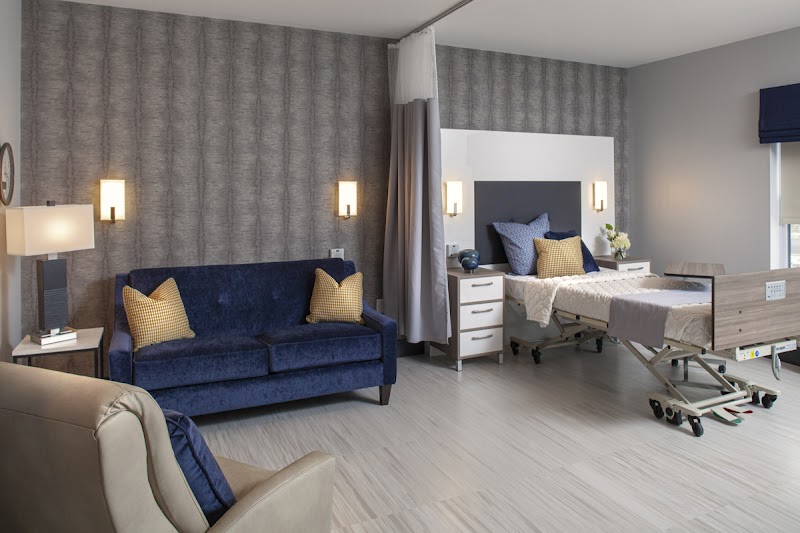
How is Medical Suites At Oak Creek (The) Staffed?

CMS rates MEDICAL SUITES AT OAK CREEK (THE)'s staffing level at 1 out of 5 stars, which is much below average compared to other nursing homes. Staff turnover is 73%, which is 26 percentage points above the Wisconsin average of 46%. High turnover can affect care consistency as new staff learn residents' individual needs. RN turnover specifically is 61%, which is notably high. RNs provide skilled clinical oversight, so turnover in this role can affect medical care quality.

What Have Inspectors Found at Medical Suites At Oak Creek (The)?

State health inspectors documented 134 deficiencies at MEDICAL SUITES AT OAK CREEK (THE) during 2022 to 2025. These included: 9 Immediate Jeopardy (the most serious level, indicating potential for serious harm or death), 5 that caused actual resident harm, 117 with potential for harm, and 3 minor or isolated issues. Immediate Jeopardy findings are rare and represent the most serious regulatory concerns. They require immediate corrective action.
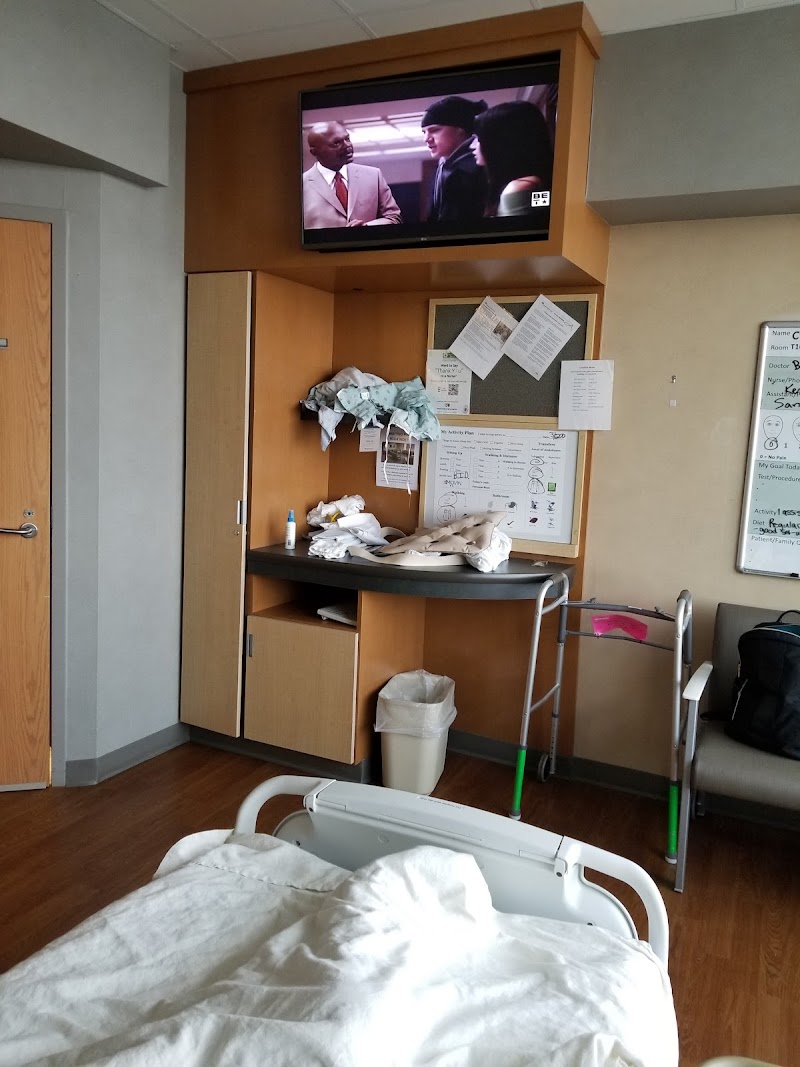
Who Owns and Operates Medical Suites At Oak Creek (The)?

MEDICAL SUITES AT OAK CREEK (THE) is owned by a for-profit company. For-profit facilities operate as businesses with obligations to shareholders or private owners. The facility is operated by IGNITE MEDICAL RESORTS, a chain that manages multiple nursing homes. With 144 certified beds and approximately 124 residents (about 86% occupancy), it is a mid-sized facility located in OAK CREEK, Wisconsin.

How Does Medical Suites At Oak Creek (The) Compare to Other Wisconsin Nursing Homes?

Compared to the 100 nursing homes in Wisconsin, MEDICAL SUITES AT OAK CREEK (THE)'s overall rating (1 stars) is below the state average of 3.0, staff turnover (73%) is significantly higher than the state average of 46%, and health inspection rating (1 stars) is much below the national benchmark.

What Should Families Ask When Visiting Medical Suites At Oak Creek (The)?

Based on this facility's data, families visiting should ask: "What changes have been made since the serious inspection findings, and how are you preventing similar issues?" "How do you ensure continuity of care given staff turnover, and what is your staff retention strategy?" "Can you walk me through typical staffing levels on day, evening, and night shifts?" "Can I visit during a mealtime to observe dining assistance and food quality?" These questions are particularly relevant given the facility's Immediate Jeopardy citations, the facility's high staff turnover rate, and the below-average staffing rating.

Is Medical Suites At Oak Creek (The) Safe?

Based on CMS inspection data, MEDICAL SUITES AT OAK CREEK (THE) has documented safety concerns. Inspectors have issued 9 Immediate Jeopardy citations (the most serious violation level indicating risk of serious injury or death). The facility is currently on the Special Focus Facility watch list (a federal program monitoring the lowest-performing 1% of nursing homes nationwide). The facility has a 1-star overall rating and ranks #100 of 100 nursing homes in Wisconsin. Families considering this facility should ask detailed questions about what corrective actions have been taken since these incidents.

Do Nurses at Medical Suites At Oak Creek (The) Stick Around?

Staff turnover at MEDICAL SUITES AT OAK CREEK (THE) is high. At 73%, the facility is 26 percentage points above the Wisconsin average of 46%. Registered Nurse turnover is particularly concerning at 61%. RNs handle complex medical decisions and coordinate care — frequent RN changes can directly impact care quality. High turnover means new staff may not know residents' individual needs, medications, or preferences. It can also be disorienting for residents, especially those with dementia who rely on familiar faces. Families should ask: What is causing the turnover? What retention programs are in place? How do you ensure care continuity during staff transitions?

Was Medical Suites At Oak Creek (The) Ever Fined?

MEDICAL SUITES AT OAK CREEK (THE) has been fined $297,599 across 7 penalty actions. This is 8.3x the Wisconsin average of $36,055. Fines at this level are uncommon and typically indicate a pattern of serious deficiencies, repeated violations, or failure to correct problems promptly. CMS reserves penalties of this magnitude for facilities that pose significant, documented risk to resident health or safety. Families should request specific documentation of what issues led to these fines and what systemic changes have been implemented.

Is Medical Suites At Oak Creek (The) on Any Federal Watch List?

MEDICAL SUITES AT OAK CREEK (THE) is currently an SFF Candidate, meaning CMS has identified it as potentially qualifying for the Special Focus Facility watch list. SFF Candidates have a history of serious deficiencies but haven't yet reached the threshold for full SFF designation. The facility is being monitored more closely — if problems continue, it may be added to the official watch list. Families should ask what the facility is doing to address the issues that led to this status.