OCONTO HEALTH AND REHAB CENTER
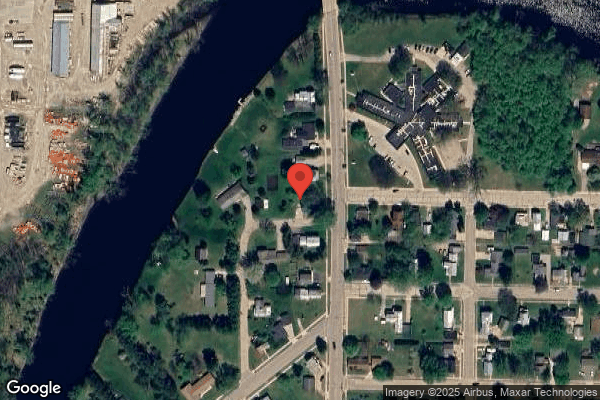

101 FIRST ST, OCONTO, WI 54153 (920) 834-4575
For profit - Corporation 50 Beds CHAMPION CARE Data: November 2025 3 Immediate Jeopardy citations
Trust Grade
2/100
#230 of 321 in WI
Last Inspection: July 2024

Within standard 12-15 month inspection cycle. Federal law requires annual inspections.

Overview

Oconto Health and Rehab Center has received a Trust Grade of F, which indicates poor performance and significant concerns about its care quality. It ranks #230 out of 321 facilities in Wisconsin, placing it in the bottom half of all nursing homes in the state, although it is #2 out of 3 in Oconto County, meaning only one local option is better. The facility shows an improving trend in terms of compliance issues, reducing from 15 in 2024 to 9 in 2025. However, staffing is a weakness, with a rating of only 2 out of 5 stars and a concerning turnover rate of 62%, which is higher than the state average. Recent incidents include a resident being inadequately supervised, allowing them to leave the facility multiple times, and a serious case of a resident being inappropriately touched by another resident, indicating significant safety concerns.

Trust Score
F
2/100
In Wisconsin
#230/321
Bottom 29%
Safety Record
High Risk
Review needed
Inspections
Getting Better
15 → 9 violations
Staff Stability
⚠ Watch
62% turnover. Above average. Higher turnover means staff may not know residents' routines.
Penalties
⚠ Watch
$18,819 in fines. Higher than 87% of Wisconsin facilities, suggesting repeated compliance issues.
Skilled Nurses
○ Average
Each resident gets 36 minutes of Registered Nurse (RN) attention daily — about average for Wisconsin. RNs are the most trained staff who monitor for health changes.
Violations
⚠ Watch
45 deficiencies on record. Higher than average. Multiple issues found across inspections.
★★☆☆☆
2.0
Overall Rating
★★☆☆☆
2.0
Staff Levels
★★★★☆
4.0
Care Quality
★★☆☆☆
2.0
Inspection Score
Stable
2024: 15 issues
2025: 9 issues

The Good

  • 4-Star Quality Measures · Strong clinical quality outcomes
  • Full Sprinkler Coverage · Fire safety systems throughout facility
  • No fines on record

Facility shows strength in quality measures, fire safety.

The Bad

2-Star Overall Rating

Below Wisconsin average (3.0)

Below average - review inspection findings carefully

Staff Turnover: 62%

16pts above Wisconsin avg (46%)

Frequent staff changes - ask about care continuity

Federal Fines: $18,819

Below median ($33,413)

Minor penalties assessed

Chain: CHAMPION CARE

Part of a multi-facility chain

Ask about local staffing decisions and management

Staff turnover is elevated (62%)

14 points above Wisconsin average of 48%

The Ugly 45 deficiencies on record

3 life-threatening 1 actual harm
Mar 2025 6 deficiencies
CONCERN (D) 📢 Someone Reported This

A family member, employee, or ombudsman was alarmed enough to file a formal complaint

Potential for Harm - no one hurt, but risky conditions existed

Notification of Changes (Tag F0580)

Could have caused harm · This affected 1 resident

Based on staff interview and record review, the facility did not ensure a physician was notified of a change in condition for 1 resident (R) (R7) of 1 sampled resident. R7's physician was not updated...

Read full inspector narrative →
Based on staff interview and record review, the facility did not ensure a physician was notified of a change in condition for 1 resident (R) (R7) of 1 sampled resident. R7's physician was not updated when a reddened and painful skin area on R7's groin and scrotum worsened. Findings include: The facility's Notification of Changes policy, last reviewed 8/27/24, indicates: The facility must inform the resident, consult with the resident's physician .when there is a change .3. Circumstances that require a need to alter treatment. This may include: a. New treatment. b. Discontinuation of current treatment due to: i. Adverse consequences. ii. Acute condition. iii. Exacerbation of a chronic condition . From 3/11/25 to 3/12/25, Surveyor reviewed R7's medical record. R7 was admitted to the facility with diagnoses including dementia, epilepsy, schizophrenia, anxiety, and traumatic brain injury. R7's Minimum Data Set (MDS) assessment, dated 2/22/25, had a Brief Interview for Mental Status (BIMS) score of 9 out of 15 which indicated R7 had moderately impaired cognition. R7 had a Guardian who made medical decisions for R7. On 3/12/25, Nursing Home Administrator (NHA)-A provided documentation of 1:1 education signed and dated on 2/12/25 by NHA-A and Certified Nursing Assistant (CNA)-E that indicated CNA-E would provide care for R7's groin and scrotum slowly and more carefully. On 3/12/25 at 3:17 PM, Surveyor interviewed NHA-A who indicated R7 had redness and pain in the scrotum and groin area prior to the education provided to CNA-E. NHA-A provided documentation, dated 12/24/24, that R7's primary care provider ordered an antifungal powder to be applied to R7's groin and documentation that R7's care plan was updated with an intervention to allow R7 to wash R7's own peri area on 2/13/25. When Surveyor asked if R7's groin had worsened from 12/24/24 to 2/12/25 and if R7's physician should have been updated on 2/12/25, NHA-A indicated R7's physician should have been updated on 2/12/25 with R7's change in skin condition.
CONCERN (D) 📢 Someone Reported This

A family member, employee, or ombudsman was alarmed enough to file a formal complaint

Potential for Harm - no one hurt, but risky conditions existed

Grievances (Tag F0585)

Could have caused harm · This affected 1 resident

Based on staff and resident representative interview and record review, the facility did not ensure a grievance was documented, thoroughly investigated, and resolved for 1 resident (R) (R18) of 19 sam...

Read full inspector narrative →
Based on staff and resident representative interview and record review, the facility did not ensure a grievance was documented, thoroughly investigated, and resolved for 1 resident (R) (R18) of 19 sampled residents. Guardian (GDN)-I (R18's court-appointed Guardian) submitted a grievance on 2/25/25 regarding concerns with cleanliness, R18's roommate, and showers. The grievance form indicated there was follow-up on 2/26/25, however, GDN-I indicated GDN-I was not updated regarding all components of the grievance and how the grievance was resolved. Findings include: The facility's Grievances policy, revised 10/22/24, indicates: It is the policy of this facility to provide a process to voice grievances (such as those about treatment, care, management of funds, lost clothing, or violation of rights) and respond with prompt efforts to resolve while keeping the resident and/or resident representative appropriately apprised of progress toward resolution .Our facility will promote the grievance process throughout the organization. This includes notifying residents of their rights related to grievances as well as educating all those affected by potential grievances or concerns of the facility's grievance process, including but not limited to, residents, resident representatives, employees, volunteers, vendors, and all other stakeholders .The Grievance Officer is the Nursing Home Administrator (NHA) and/or Designee appointed by the NHA. This individual is responsible for oversight of the grievance process in conjunction with facility administration and .receives and tracks all grievances through to their conclusion, leads necessary investigations, works with facility staff using a root cause analysis process for resolution of the grievance or concern .completes written grievance resolutions/decisions to the resident involved .Any employee of the facility who receives a complaint shall immediately attempt to resolve the complaint within their role and authority. If a complaint cannot be immediately resolved, the employee shall escalate the complaint to their supervisor and the Grievance Officer. Grievances will be recorded and logged . On 3/11/25, Surveyor reviewed the facility's grievance log and noted a grievance from GDN-I, dated 2/25/25, that indicated GDN-I informed NHA-A during a visit that R18 had food on R18's shirt, bedside table, and floor. Staff did not disinfect the table, change R18's soiled clothing, or clean the food off the floor. GDN-I also indicated R18's roommate was not appropriate for R18 and requested a different roommate or a private room. In addition, GDN-I indicated R18 had not received a shower and GDN-I requested R18 receive two showers per week. The grievance form indicated staff education was provided on changing soiled clothing and R18 was scheduled for two weekly showers. Education was also provided to housekeeping staff. The form indicated the grievance was resolved on 2/26/25 at 12:00 AM and the resolution was reported to GDN-I the same day. A note on the grievance indicated R18 was in a new room and refused showers. From 3/11/25 to 3/12/25, Surveyor reviewed R18's medical record. R18 was admitted to the facility for rehab and had diagnoses including dementia, Alzheimer's disease, diabetes type 2, schizoaffective disorder, and bipolar disorder. R18's Minimum Data Set (MDS) assessment, dated 2/25/25, indicated R18 had severely impaired cognition. On 3/12/25 at 10:35 AM, Surveyor interviewed GDN-I who indicated the grievance was submitted the first day GDN-I visited R18. GDN-I indicated GDN-I entered R18's room after lunch and saw breakfast food on R18 and the floor. GDN-I indicated R18 had been at the facility for over a week and had not had a shower. GDN-I requested R18 have two showers per week because R18 looked unkept. GDN-I also indicated R18's roommate was inappropriate for R18 due to behavioral concerns and requested a room change for R18 which was granted. GDN-I indicated NHA-A stated NHA-A would talk to staff, however, GDN-I was not informed of what was discovered during the investigation, was not sure if there were any actions taken to correct the concerns, and was not provided follow-up or a resolution. GDN-I indicated there had been some improvement, however, GDN-I's cleanliness concern was not fully addressed and GDN-I did not know if there were interventions implemented to prevent the concerns from occurring in the future. On 3/12/25 at 2:38 PM, Surveyor interviewed NHA-A who indicated NHA-A spoke with GDN-I on the day the concern was reported and informed GDN-I what would be done. NHA-A indicated NHA-A considered that follow-up for the concerns. NHA-A indicated a room change occurred and NHA-A spoke with staff regarding the concerns. NHA-A indicated NHA-A updated GDN-I about the room change and shower schedule change the following Monday (3/3/25) and indicated all follow-up information was contained on the grievance form. NHA-A did not indicate why the follow-up was documented at 2/26/25 at 12:00 AM, and did not provide any further follow-up or resolution for the grievance.
CONCERN (D) 📢 Someone Reported This

A family member, employee, or ombudsman was alarmed enough to file a formal complaint

Potential for Harm - no one hurt, but risky conditions existed

Report Alleged Abuse (Tag F0609)

Could have caused harm · This affected 1 resident

**NOTE- TERMS IN BRACKETS HAVE BEEN EDITED TO PROTECT CONFIDENTIALITY** Based on staff interview and record review, the facility did not ensure an allegation of abuse was reported to the State Agency ...

Read full inspector narrative →
**NOTE- TERMS IN BRACKETS HAVE BEEN EDITED TO PROTECT CONFIDENTIALITY** Based on staff interview and record review, the facility did not ensure an allegation of abuse was reported to the State Agency (SA) for 1 resident (R) (R1) of 19 sampled residents. R1 indicated Certified Nursing Assistant (CNA)-E was abusive to R1. R1 reported the incident to staff. The allegation of abuse was not reported to the SA. Findings include: The facility's Abuse, Neglect, and Exploitation policy, dated 12/2/24, indicates: An immediate investigation is warranted when suspicion of abuse, neglect or exploitation, or reports of abuse, neglect or exploitation occur .the facility will have written procedures that include: 1. Reporting of all alleged violations to the Administrator, State Agency, Adult Protective Services, and to all other required agencies within specified time frames: a. Immediately, but not later than 2 hours after the allegation is made, if the events that cause the allegation involve abuse or result in serious bodily injury . From 3/11/25 to 3/12/25, Surveyor reviewed R1's medical record. R1 was admitted to the facility on [DATE] and had diagnoses including cerebrovascular accident (stroke), left hemiparesis, dysphagia, and diabetes. A Minimum Data Set (MDS) assessment, dated 1/11/25, had a Brief Interview for Mental Status (BIMS) score of 12 out of 15 which indicated R1 had moderately impaired cognition. R1 had an activated Power of Attorney for Healthcare (POAHC). On 3/11/25 at 5:08 PM, Surveyor interviewed R1 who indicated via writing and demonstration that CNA-E had grabbed and twisted R1's right wrist which caused R1 pain. R1 indicated R1 felt the abuse was purposeful. R1 indicated R1 reported the incident to an unidentified staff member and R1's POAHC. On 3/12/25 at 10:15 AM, Surveyor interviewed R1's POAHC (POAHC-J) who indicated R1 reported the physical abuse during the summer of 2024. POAHC-J indicated POAHC-J reported the incident to Registered Nurse (RN)-G and Licensed Practical Nurse (LPN)-H. POAHC-J indicated POAHC-J did not receive any follow-up regarding the allegation of abuse. On 3/12/25 at 2:04 PM, Surveyor interviewed RN-G who indicated RN-G did not recall R1's allegation that CNA-E twisted R1's right wrist. Surveyor was unable to interview LPN-H during the survey. On 3/12/25 at 2:38 PM, Surveyor interviewed Nursing Home Administrator (NHA)-A and DON-B who denied any knowledge of R1's allegation of abuse and indicated the allegation of abuse was not reported to the SA or local law enforcement.
CONCERN (D) 📢 Someone Reported This

A family member, employee, or ombudsman was alarmed enough to file a formal complaint

Potential for Harm - no one hurt, but risky conditions existed

Investigate Abuse (Tag F0610)

Could have caused harm · This affected 1 resident

**NOTE- TERMS IN BRACKETS HAVE BEEN EDITED TO PROTECT CONFIDENTIALITY** Based on staff and resident representative interview and record review, facility did not thoroughly investigate an allegation of...

Read full inspector narrative →
**NOTE- TERMS IN BRACKETS HAVE BEEN EDITED TO PROTECT CONFIDENTIALITY** Based on staff and resident representative interview and record review, facility did not thoroughly investigate an allegation of abuse for 1 resident (R) (R1) of 19 sampled residents. R1 and R1's Power of Attorney for Healthcare ((POAHC)-J) reported an allegation of physical abuse to staff that involved Certified Nursing Assistant (CNA)-E. The facility did not thoroughly investigate the allegation of abuse. Findings include: The facility's Abuse, Neglect and Exploitation policy, dated 12/2/24, indicates: An immediate investigation is warranted when suspicion of abuse, neglect or exploitation, or reports of abuse, neglect or exploitation occur. B. Written procedures for investigations include: 1. Identifying staff responsible for the investigation; .3 Investigating different types of alleged violations; 4. Identifying and interviewing all involved persons, including the alleged victim, alleged perpetrator, witnesses, and others who might have knowledge of the allegation; 5. Focusing the investigation on determining if abuse, neglect, exploitation, and/or mistreatment has occurred, the extent, and cause; and 6. Providing complete and thorough documentation of the investigation . From 3/11/25 to 3/12/25, Surveyor reviewed R1's medical record. R1 was admitted to the facility on [DATE] and had diagnoses including cerebrovascular accident (stroke), left hemiparesis, dysphagia, and diabetes. R1's Minimum Data Set (MDS) assessment, dated 1/11/25, had a Brief Interview for Mental Status (BIMS) score of 12 out of 15 which indicated R1 had moderately impaired cognition. R1 had an activated POAHC. On 3/11/25 at 5:08 PM, Surveyor interviewed R1 who indicated via writing and demonstration that CNA-E had grabbed and twisted R1's right wrist which caused R1 pain. R1 indicated R1 felt the abuse was purposeful. R1 indicated R1 reported the incident to an unidentified staff member and R1's POAHC. On 3/12/25 at 10:15 AM, Surveyor interviewed POAHC-J who indicated R1 reported allegation of physical abuse in the summer of 2024. POAHC-J indicated POAHC-J reported the incident to Registered Nurse (RN)-G and Licensed Practical Nurse (LPN)-H. POAHC-J indicated POAHC-J did not receive any follow-up on the allegation of abuse. On 3/12/25 at 2:04 PM, Surveyor interviewed RN-G who indicated RN-G did not recall R1's allegation that CNA-E twisted R1's right wrist. Surveyor was unable to interview LPN-H during the survey. Surveyor noted the facility did not obtain statements from R1 and CNA-E as well as other residents and staff and did not thoroughly investigate the allegation of abuse. On 3/12/25 at 2:38 PM, Surveyor interviewed Nursing Home Administrator (NHA)-A and DON-B who indicated NHA-A and DON-B both investigate resident concerns. NHA-A and DON-B indicated neither were aware of an allegation of physical abuse involving R1 and CNA-E.
CONCERN (D) 📢 Someone Reported This

A family member, employee, or ombudsman was alarmed enough to file a formal complaint

Potential for Harm - no one hurt, but risky conditions existed

Deficiency F0659 (Tag F0659)

Could have caused harm · This affected 1 resident

Based on staff interview and record review, the facility did not ensure showers, feeding assistance, and activities of daily living (ADLs) were performed by a qualified person for 2 residents (R) (R15...

Read full inspector narrative →
Based on staff interview and record review, the facility did not ensure showers, feeding assistance, and activities of daily living (ADLs) were performed by a qualified person for 2 residents (R) (R15 and R19) of 19 sampled residents. This practice had the potential to affect more than 4 of the 41 residents residing in the facility. The facility did not ensure Hospitality Aide (HA)-D performed responsibilities that were within HA-D's scope of practice when HA-D assisted with showering, feeding, and transferring R15 and R19. Findings include: On 3/11/25 at 6:26 PM, Surveyor interviewed R15 who indicated HA-D completed cares, showers, and transfers for R15 and assisted with washing and getting R15 dressed. (R15 wished to remain anonymous. R15's most recent Minimum Data Set (MDS) assessment indicated R15 was not cognitively impaired.) On 3/12/25, Surveyor reviewed the job description and responsibilities for Hospitality Aides provided by Nursing Home Administrator (NHA)-A. Surveyor reviewed a Hospitality Aide document, signed by HA-D on 1/29/25, that indicated: To provide support and assistance to Nursing Department .Essential Functions .Makes beds, labels clothing and belonging, completes admission and discharge inventory lists, distributes laundry, passes meal trays, offers basic tray set up. May assist with feeding, if competency demonstrated .answers call lights - provides only basic assistance .no hands-on care allowed. On 3/12/25 at 11:56 AM, Surveyor interviewed HA-D who indicated HA-D's job responsibilities included 1:1 supervision with residents and assisting with passing water and meal trays. HA-D indicated HA-D could not do personal cares. HA-D confirmed HA-D has functioned as the second person for lifts and transfers and has assisted with feeding, dressing, and grooming residents. HA-D indicated HA-D has given showers, including for R19 who mostly showered independently, and was in the shower room alone with R19. HA-D indicated HA-D does not do a lot of peri-care and just assists with positioning in bed during cares. HA-D confirmed HA-D was not a Certified Nursing Assistant (CNA) and did not receive education related to providing cares or feeding and transferring residents. On 3/12/25 at 12:30 PM, Surveyor requested trainings and competencies HA-D had completed for HA-D's position. On 3/12/25 at 12:40 PM, Surveyor interviewed R19 who indicated HA-D assisted with R19's shower. R19 indicated R19 washed R19's self independently but required the assistance of HA-D to dress and dry off and to transfer with a Hoyer lift. R19 indicated HA-D has assisted R19 with washing and dressing from time to time. On 3/12/25, Surveyor reviewed R19's medical record. R19 had diagnoses including traumatic spinal cord injury with paraplegia, neurogenic bladder with placement of indwelling catheter, and type 2 diabetes. R19's MDS assessment, dated 1/18/25, had a Brief Interview for Mental Status (BIMS) score of 15 out of 15 which indicated R19 was not cognitively impaired. On 3/12/25 at 2:38 PM, Surveyor interviewed NHA-A and Director of Nursing (DON)-B who indicated neither were aware HA-D had fed residents. NHA-A and DON-B indicated HA-D did not receive training or complete a competency to feed residents. NHA-A and DON-B confirmed HA-D should not shower or be alone with residents in the shower room even if the resident are able to wash independently. NHA-A and DON-B confirmed it is out of HA-D's scope of practice to assist with dressing (other than to hand items to residents), wash residents, provide cares, and be the second staff for lifts and transfers.
CONCERN (D) 📢 Someone Reported This

A family member, employee, or ombudsman was alarmed enough to file a formal complaint

Potential for Harm - no one hurt, but risky conditions existed

Infection Control (Tag F0880)

Could have caused harm · This affected 1 resident

Based on observation, staff interview, and record review, the facility did not establish and maintain an infection prevention and control program designed to prevent the transmission of communicable d...

Read full inspector narrative →
Based on observation, staff interview, and record review, the facility did not establish and maintain an infection prevention and control program designed to prevent the transmission of communicable disease and infection for 1 resident (R) (R10) of 1 resident observed during the provision of cares. R10 had an indwelling catheter and was on enhanced barrier precautions (EBP). On 3/11/25, Certified Nursing Assistant (CNA)-E and CNA-F did not wear gowns while completing personal hygiene and catheter care for R10. In addition, Registered Nurse (RN)-G did not wear a gown or complete hand hygiene between glove changes during wound care for R10. Finding include: The facility's Enhanced Barrier Precautions policy, dated 2/5/25, indicates: Enhanced Barrier Precautions (EBP) refer to an infection control intervention designed to reduce transmission of multidrug-resistant organisms that employs targeted gown and glove use during high-contact resident cares .initiation of EBP: .i. Wounds and/or indwelling medical devices (e.g., central lines, urinary catheters .) .Implementation of EBP: a. Make gowns and gloves available immediately near or outside the resident's room .4. High-contact resident cares include: a. dressing, b. bathing, c. transferring, d. providing hygiene, e. changing linens, f. changing briefs or assisting with toileting, g. device care or use: .urinary catheters .h. wound care: any skin opening requiring a dressing . The facility's Hand Hygiene policy, dated 5/29/24, indicates: All staff will perform proper hand hygiene procedures to prevent the spread of infection .hand hygiene is a general term for cleaning your hands by handwashing with soap and water or the use of an antiseptic hand rub, also known as an alcohol-based hand rub (ABHR) .Hand hygiene is indicated and will be .performed before and after handling clean or soiled dressings, linens, etc., during resident care, moving from a contaminated body site to a clean body site, after handling contaminated items with blood, body fluids, secretions or excretions .If your task requires gloves, perform hand hygiene prior to donning gloves, and immediately after removing gloves . From 3/11/25 to 3/12/25, Surveyor reviewed R10's medical record. R10 had diagnoses including quadriplegia, diabetes, polyneuropathy, and a pressure ulcer. R10 had an indwelling urinary catheter and an ostomy. R10's Minimum Data Set (MDS) assessment, dated 2/19/25, had a Brief Interview for Mental Status (BIMS) score of 15 out of 15 which indicated R10 was not cognitively impaired. On 3/11/25 at 7:03 PM, Surveyor observed an EBP sign posted on R10's door but noted there were no gowns near or outside R10's door. Surveyor entered the room and observed CNA-E provide catheter care without a gown. CNA-F then entered the room without a gown and assisted CNA-E with peri-care. After the provision of peri-care, CNA-E and CNA-F changed R10's brief. On 3/11/25 at 7:45 PM, Surveyor observed RN-G provide wound care for R10. RN-G washed hands and donned gloves but did not don a gown. RN-G removed R10's dressing and removed gloves. Without complete hand hygiene, RN-G donned clean gloves. RN-G cleansed R10's wound with saline and blotted the wound with gauze. RN-G then changed gloves without completing hand hygiene. RN-G applied Medihoney, zinc, and antifungal ointment to the wound with a tongue depressor and changed gloves without completing hand hygiene. RN-G then retrieved tape and washed hands with soap and water. RN-G donned clean gloves, put a dressing over R10's wound, taped the dressing in place, and removed gloves. Without completing hand hygiene, RN-G donned clean gloves, put a treatment in R10's anal cavity, applied a clear dressing over the area, and removed gloves. RN-G then washed hands with soap and water. On 3/11/25 at approximately 8:20 PM, Surveyor interviewed CNA-E who stated CNA-E should have worn a gown during cares for R10. Surveyor also interviewed CNA-F who indicated a gown should be worn during catheter care. On 3/11/25 at 8:35 PM, Surveyor interviewed RN-G who indicated RN-G should have washed hands between gloves changes and should have worn a gown during wound care for R10. On 3/12/25 at 10:15 AM, Surveyor interviewed Director of Nursing (DON)-B who indicated R10 was on EBP and CNA-E and CNA-F should have worn gowns during high-contact resident care. DON-B indicated RN-G should have worn a gown during wound care and completed hand hygiene every time RN-G removed gloves. DON-B indicated Nursing Home Administrator (NHA)-A was also the facility's Infection Preventionist. On 3/12/25 at 11:18 AM, Surveyor interviewed NHA-A who indicated R10 was on EBP and CNA-E and CNA-F should have worn gowns while providing hygiene care for R10. NHA-A also indicated RN-G should have worn a gown and completed hand hygiene in between glove changes during wound care. NHA-A provided R10's care plan (initiated on 1/14/25) which indicated R10 was on EBP due to an indwelling urinary catheter, ostomy, and wounds. NHA-A indicated there should be a personal protective equipment (PPE) cart with gowns outside R10's room.
Feb 2025 3 deficiencies
CONCERN (D) 📢 Someone Reported This

A family member, employee, or ombudsman was alarmed enough to file a formal complaint

Potential for Harm - no one hurt, but risky conditions existed

Notification of Changes (Tag F0580)

Could have caused harm · This affected 1 resident

**NOTE- TERMS IN BRACKETS HAVE BEEN EDITED TO PROTECT CONFIDENTIALITY** Based on staff and resident representative interview and record review, the facility did not ensure a physician and Guardian wer...

Read full inspector narrative →
**NOTE- TERMS IN BRACKETS HAVE BEEN EDITED TO PROTECT CONFIDENTIALITY** Based on staff and resident representative interview and record review, the facility did not ensure a physician and Guardian were notified of medication refusals for 1 resident (R) (R3) of 11 sampled residents. R3 refused multiple medications in January and February of 2025. The facility did not notify R3's physician or Guardian. Findings include: The facility's Medication Administration policy, dated 1/2024, indicates: .2. If a dose of regularly scheduled medication is withheld, refused, or given at other than the scheduled time .If two consecutive doses of a vital medication are withheld or refused, the physician is notified. On 2/12/25, Surveyor reviewed R3's medical record. R3 was admitted to the facility on [DATE] and had diagnoses including diabetes mellitus type 2, hypertension, obsessive compulsive disorder (OCD), depression, disruptive mood dysregulation disorder, personality disorder, and dysphagia (difficulty swallowing). R3's Minimum Data Set (MDS) assessment, dated 12/16/24, had a Brief Interview for Mental Status (BIMS) score of 9 out of 15 which indicated R3 had moderately impaired cognition. R3 had a corporate Guardian for decision making. R3's medical record indicated R3 was prescribed the following medications and refused the following medications at least twice in a row without physician notification: Aspirin 81 milligram (mg) chewable tablet once daily for heart health ~Refused 1/2/25, 1/3/25, 1/12/25, 1/13/25, 1/14/25, 1/17/25, and 1/18/25 Atorvastatin 10 mg once daily for hypertension ~Refused 1/26/25, 1/27/25, 2/5/25, 2/6/25, 2/8/25, and 2/9/25 Divalproex Sodium Extended Release 24 hour 500 mg (4 tablets) once daily for OCD ~Refused 1/26/25, 1/27/25, 2/5/25, 2/6/25, 2/8/25, and 2/9/25 Fluoxetine HCL 20 mg once daily for depression ~Refused 1/2/25, 1/3/25, 1/12/25, 1/13/25, 1/14/25, 1/17/25, and 1/18/25 Hydrochorothiazide 12.5 mg once daily for hypertension ~Refused 1/2/25, 1/3/25, 1/12/25, 1/13/25, 1/14/25, 1/17/25, and 1/18/25 Hydroxyzine 25 mg in AM and 12.5 mg in PM once daily for personality disorder ~Refused (PM dose) 1/26/25, 1/27/25, 2/5/25, 2/6/25, 2/8/25, and 2/9/25 ~Refused (AM dose) 1/2/25, 1/3/25, 1/12/25, 1/13/25, 1/14/25, 1/17/25, and 1/18/25 Losartan 100 mg once daily for hypertension ~Refused 1/2/25, 1/3/25, 1/4/25, 1/12/25, 1/13/25, 1/14/25, 1/17/25, and 1/18/25 Norvasc 10 mg once daily for hypertension ~Refused 1/2/25, 1/3/25, 1/4/25, 1/12/25, 1/13/25, 1/14/25, 1/17/25, and 1/18/25 Pantoprazole 40 mg once daily for gastroesophageal reflux disease (GERD) ~Refused 1/2/25, 1/3/25, 1/4/25, 1/12/25, 1/13/25, 1/14/25, 1/17/25, and 1/18/25 Potassium oral tablet once daily for hypokalemia ~Refused 1/2/25, 1/3/25, 1/4/25, 1/12/25, 1/13/25, 1/14/25, 1/17/25, and 1/18/25 Risperidone 1 mg in AM and 2 mg in PM once daily for personality disorder ~Refused AM dose 1/2/25, 1/3/25, 1/4/25, 1/12/25, 1/13/25, 1/14/25, 1/17/25, and 1/18/25 ~Refused PM dose 1/5/25, 1/6/25, 1/8/25, 1/9/25, 1/26/25, and 1/27/25 Metformin 500 mg twice daily for diabetes mellitus type 2 ~Refused AM dose 1/2/25, 1/3/25, 1/4/25, 1/12/25, 1/13/25, 1/14/25, 1/17/25, and 1/18/25 R3's medical record did not include physician or Guardian notification for R3's medication refusals. On 2/12/25 at 12:31 PM, Surveyor interviewed R3's Guardian ((GD)-D) who was not aware R3 had been refusing medication and indicated medication refusals were not discussed at R3's care conference on 2/4/25. On 2/12/25 at 2:30 PM, Surveyor interviewed Director of Nursing (DON)-B who verified staff should have contacted R3's physician regarding R3's medication refusals. DON-B indicated notification should occur after 3 medication refusals.
CONCERN (D) 📢 Someone Reported This

A family member, employee, or ombudsman was alarmed enough to file a formal complaint

Potential for Harm - no one hurt, but risky conditions existed

Deficiency F0692 (Tag F0692)

Could have caused harm · This affected 1 resident

**NOTE- TERMS IN BRACKETS HAVE BEEN EDITED TO PROTECT CONFIDENTIALITY** 2. On 2/12/25, Surveyor reviewed R1's medical record. R1 was admitted to the facility on [DATE] and had diagnoses including diab...

Read full inspector narrative →
**NOTE- TERMS IN BRACKETS HAVE BEEN EDITED TO PROTECT CONFIDENTIALITY** 2. On 2/12/25, Surveyor reviewed R1's medical record. R1 was admitted to the facility on [DATE] and had diagnoses including diabetes mellitus, amputation of right hand, and hemiplegia (paralysis/immobility of one side of the body) following cerebral infarction (also known as stroke) affecting the left side. R1's MDS assessment, dated 1/25/25, indicated R1 was rarely/never understood. R1's medical record indicated R1 had a Power of Attorney for Healthcare (POAHC) who was responsible for R1's healthcare decisions. R1's care plan indicated R1 required total assistance with eating. R1's care plan also indicated R1 had dehydration and a potential for fluid deficit and contained an intervention (dated 11/22/24) to offer fluids to R1 hourly. On 2/12/25, Surveyor observed staff offer and provide R1 with fluids on an hourly basis On 2/12/25, Surveyor reviewed Certified Nursing Assistant (CNA) documentation of R1's fluid intake each shift from 1/1/25 through 2/11/25. R1's medical record indicated R1 was hospitalized for three days in January. Of the 118 shift opportunities for documentation, 67 shifts had missing fluid intake documentation which indicated 56.78% of shifts were missing documentation. On 2/12/25 at 1:49 PM, Surveyor interviewed DON-B who indicated staff should offer fluids to R1 every 30 minutes to an hour. DON-B indicated R1 usually accepts fluids when offered. DON-B indicated CNAs are expected to document R1's fluid intake every shift and nurses are expected to ensure the documentation is completed timely. DON-B verified the missing documentation indicated above and stated, Makes it look like (R1) is not getting the fluid (R1) needs. Based on observation, staff and resident representative interview, and record review, the facility did not provide treatment and services to prevent weight loss and hydration for 2 residents (R) (R3 and R1) of 11 sampled residents. R3 had an order for a mechanical soft diet with ground meat. On 12/20/24, a swallow study and speech therapy evaluation was requested for a possible diet upgrade. On 12/30/24, Speech Therapy (ST) upgraded R3's diet, however, R3's diet order was not changed. As of 2/12/25, the swallow study was not completed. In addition, R3's meal intakes were not consistently documented. R1 was at risk for dehydration. Staff did not consistently document or monitor R1's fluid intake to determine if hydration interventions were effective. Findings include: The facility's Nutritional Management policy, dated 4/9/24, indicates: The facility provides care and services to each resident to ensure the resident maintains acceptable parameters of nutritional status in the context of his or her overall condition. 2. Identification/Assessment .IV. Food and fluid intake. The facility's Hydration (Food/Fluid) Monitoring policy, dated 10/30/24, indicates: .6. Record beverage intake in designated locations. 1. On 2/12/25, Surveyor reviewed R3's medical record. R3 was admitted to the facility on [DATE] and had diagnoses including visual loss both eyes, unspecified sensorineural hearing loss, moderate intellectual disability, obsessive compulsive disorder (OCD), disruptive mood dysregulation disorder, personality disorder, and dysphagia (difficulty swallowing). R3's Minimum Data Set (MDS) assessment, dated 12/16/24, had a Brief Interview for Mental Status (BIMS) score of 9 out of 15 which indicated R3 had moderately impaired cognition. R3 had a corporate Guardian for decision making. R3's medical record indicated R3's admission weight on 11/5/24 was 169.4 pounds (lbs). Upon admission, R3 had an order for a mechanical soft diet with ground meat. R3's last weight on 1/22/25 was 158.4 lbs. A quarterly assessment, dated 2/4/25, indicated R3 had a 7.3% weight loss in 3 months. (A significant weight loss is considered 7.5% in 3 months.) Surveyor reviewed R3's meal intakes for January and February of 2025 and noted approximately 20% of R3's intakes were not documented in January and approximately 33% of R3's intakes were not documented in February. The intakes that were documented noted the percentage of the meal that R3 ate or if R3 refused the meal. Communication to R3's physician on 12/20/24 indicated R3 had an order for a regular mechanical soft diet with ground meat. R3 did not like ground meat and requested regular food. An order/referral for a swallow study was requested to see if R3's diet could be upgraded. A Nurse Practitioner (NP) gave an order for a ST evaluation for a potential diet upgrade from ground meat. On 12/30/24, ST evaluated R3 and recommended a mechanical soft diet with cut up meat. A progress note, dated 2/4/25, indicated R3's family expressed concern at a care conference that R3 had lost weight and was not receiving meals. Registered Dietitian (RD)-F was aware of R3's weight loss. Director of Nursing (DON)-B was awaiting a response regarding starting a house supplement. The note indicated R3 refused meals at times and staff offered alternatives. R3's family was not aware R3 was on a mechanical soft diet. The team discussed asking R3's physician to order a swallow study to see if R3's swallowing issues had resolved and if R3's diet could be upgraded. On 2/12/25 at 11:50 AM, Surveyor observed staff deliver a meal tray to R3's room. R3's meal ticket indicated R3 should receive a mechanical soft diet with ground meat. Surveyor noted R3's tray contained ground meat with gravy. R3 refused lunch and indicated to staff that R3 had a big breakfast. On 2/12/25 at 12:31 PM, Surveyor interviewed R3's Guardian ((GD)-D) who indicated R3 was supposed to have a swallow study as indicated during R3's care conference on 2/4/25. GD-D had not heard if a swallow study was scheduled. GD-D also did not know R3 was prescribed a diet with ground meat. GD-D indicated R3 ate a regular diet prior to getting sick and GD-D thought the ground meat order originated when R3 was in the hospital. GD-D indicated a family member bought R3 a hamburger which R3 ate with no concerns. GD-D indicated R3 should be upgraded to a regular diet so R3 will want to eat and not lose weight. On 2/12/25 at 12:45 PM, Surveyor interviewed Speech Therapist (ST)-E who saw R3 on two occasions upon admission. ST-E received a referral in mid-December to see if R3's diet could be upgraded. ST-E saw R3 on 12/30/24 and recommended an upgrade from ground meat to cut up meat. ST-E filled out a physician order form with the recommendation. The form, dated 12/30/24, contained a diet clarification order for a mechanical soft diet with cut up meat. ST-E indicated ST-E sent a copy of the form to R3's nurse and the kitchen. ST-E indicated ST-E received a referral that morning (2/12/25) to evaluate R3 for a diet upgrade but thought ST-E evaluated R3 a month and a half ago. When asked about the swallow study, ST-E stated swallow studies go through the physician and the resident is scheduled for an outside appointment. On 2/12/25 at 1:14 PM, Surveyor interviewed RD-F who indicated RD-F completed R3's quarterly evaluation and noted R3 was close to a significant weight loss since admission. RD-F requested that R3 start a supplement. RD-F was not aware that R3 was evaluated on 12/30/24 by ST and that ST had requested a diet upgrade. When asked if RD-F was aware that swallow studies were requested to see if R3's diet could be upgraded, RD-F stated RD-F was not aware. When informed that R3's intakes were not documented consistently, RD-F confirmed staff should document intakes for each meal because RD-F uses the documentation for assessments. On 2/12/25 at 2:30 PM, Surveyor interviewed DON-B who reviewed the communication to the physician in December regarding a diet upgrade for R3. DON-B indicated a swallow study was not scheduled. DON-B indicated staff notified R3's physician after a care conference on 2/4/25 and requested an ST evaluation and swallow study. DON-B indicated the physician replied to have ST evaluate R3 but did not address the swallow study. DON-B indicated staff who received the reply should have contacted the physician directly to address the swallow study. DON-B reviewed the request on 12/20/24 and verified the physician ordered an ST evaluation for R3 but did not address the swallow study then either. DON-B was not aware ST saw R3 on 12/30/24 and recommended a diet upgrade. DON-B indicated R3's new diet order should have been implemented. DON-B also indicated staff should document meal intakes for all residents' meals.
CONCERN (D) 📢 Someone Reported This

A family member, employee, or ombudsman was alarmed enough to file a formal complaint

Potential for Harm - no one hurt, but risky conditions existed

Pharmacy Services (Tag F0755)

Could have caused harm · This affected 1 resident

**NOTE- TERMS IN BRACKETS HAVE BEEN EDITED TO PROTECT CONFIDENTIALITY** Based on observation, staff interview, and record review, the facility did not provide pharmaceutical services to meet the needs...

Read full inspector narrative →
**NOTE- TERMS IN BRACKETS HAVE BEEN EDITED TO PROTECT CONFIDENTIALITY** Based on observation, staff interview, and record review, the facility did not provide pharmaceutical services to meet the needs of 2 residents (R) (R5 and R6) of 4 sampled residents. R5 did not receive calcium 200 milligrams (mg) as ordered during the AM medication pass on 2/12/25. In addition, staff did not update R5's physician regarding the missed medication. R6 did not receive Seroquel XR 50 mg as ordered during the AM medication pass on 2/12/25. Findings include: The facility's Medication Administration Policy, revised 11/12/24, indicates: .10. Ensure that the six rights of medication administration are followed .b. Right drug .11. Review Medication Administration Record (MAR) to identify medication to be administered .22. If medication is unable to be administered due to the unavailability of the medication, notify the pharmacy to obtain alternative medication options, to include contingency availability, and consult with the physician . 1. On 2/12/25, Surveyor reviewed R5's medical record. R5 was admitted to the facility on [DATE] and had diagnoses including disorder of bone, pulmonary fibrosis (a serious lung disease that makes it hard for the lungs to function normally), chronic systolic heart failure, and bipolar disorder. A Minimum Data Set (MDS) assessment had not yet been completed for R5. R5 was responsible for R5's medical decisions. On 2/12/25 at 8:34 AM, Surveyor observed Licensed Practical Nurse (LPN)-C administer R5's medication. R5's AM medications included calcium 200 mg once daily (supplement). LPN-C indicated the calcium was not in the medication cart. LPN-C checked other areas in the facility and indicated the facility was out of calcium 200 mg. LPN-C updated the staff who ordered medication and marked the calcium as not administered. LPN-C did not notify R5's physician. On 2/12/25 at 12:21 PM, Surveyor interviewed Director of Nursing (DON)-B who indicated LPN-C should have followed the facility's Medication Administration Policy and updated the physician that R5's calcium 200 mg was not administered because it was not available. 2. On 2/12/25, Surveyor reviewed R6's medical record. R6 was admitted to the facility on [DATE] and had diagnoses including Hirschsprung disease (a rare birth defect that prevents stool from moving normally through the large intestine), chronic obstructive pulmonary disease (COPD), anxiety, depression, and schizoaffective disorder. An MDS assessment had not yet been completed for R6. R6 was responsible for R6's medical decisions. On 2/12/25 at 9:03 AM, Surveyor observed LPN-C administer R6's medication. LPN-C indicated there was no Seroquel in the medication cart for R6. LPN-C removed quetiapine (generic equivalent of Seroquel) from the facility's contingency stock and administered the medication to R6. LPN-C showed the medication to Surveyor which was quetiapine 25 mg. LPN-C indicated LPN-C gave two 25 mg tablets to R6 which equaled the 50 mg dose that was ordered. On 2/12/25 at approximately 10:00 AM, Surveyor reviewed R6's medical record and noted R6 had an order for Seroquel XR (extended release) 50 mg give 1 tablet by mouth once daily for schizoaffective disorder. On 2/12/25 at approximately 11:30 AM, Surveyor interviewed LPN-C who indicated the quetiapine that LPN-C administered to R6 was not extended release. LPN-C indicated LPN-C would update the physician regarding the medication error. On 2/12/25 at 12:21 PM, Surveyor interviewed DON-B who indicated LPN-C administered an incorrect medication to R6 which resulted in a medication error.
Nov 2024 3 deficiencies
CONCERN (D) 📢 Someone Reported This

A family member, employee, or ombudsman was alarmed enough to file a formal complaint

Potential for Harm - no one hurt, but risky conditions existed

Deficiency F0567 (Tag F0567)

Could have caused harm · This affected 1 resident

**NOTE- TERMS IN BRACKETS HAVE BEEN EDITED TO PROTECT CONFIDENTIALITY** Based on resident and staff interview and record review, the facility did not allow 1 resident (R) (R2) of 3 sampled residents t...

Read full inspector narrative →
**NOTE- TERMS IN BRACKETS HAVE BEEN EDITED TO PROTECT CONFIDENTIALITY** Based on resident and staff interview and record review, the facility did not allow 1 resident (R) (R2) of 3 sampled residents to set up a petty cash fund or Resident Fund Management Service (RFMS) account. R2's Corporate Guardian (CG)-H asked the facility to set up a resident account for R2. CG-H was told an account could not be set up and the facility could not cash checks for R2 unless CG-H provided direct deposit account information. Findings include: The facility's Resident Personal Funds policy, revised 7/4/24, indicates: .2) If the resident chooses to deposit personal funds with the facility, upon written authorization of a resident, the facility must act as a fiduciary of the resident's funds and hold, safeguard, manage, and account for the personal funds of the resident deposited with the facility. Deposit of Funds: .3) Residents whose care is funded by Medicaid; the facility will deposit the residents' personal funds in excess of $50 in an interest-bearing account separate from any of the facility's operating accounts, and that credits all interest earned on residents' funds to that account .4) The facility will maintain personal funds that do not exceed $50 in a non-interest bearing account, or petty cash fund. On 11/22/24, Surveyor reviewed R2's medical record. R2 was admitted to the facility on [DATE] with diagnoses including dementia, schizophrenia, and anxiety. R2's Minimum Data Set (MDS) assessment, dated 8/27/24, had a Brief Interview for Mental Status (BIMS) score of 3 out of 15 which indicated R2 had severely impaired cognition. R2 had a corporate guardian. On 11/22/24 at 9:11 AM, Surveyor interviewed Business Office Manager (BOM)-E regarding the facilty's RFMS. BOM-E indicated a resident's name is entered in the system and the resident or their representative sign documentation that gives approval for the facility to establish an account via direct deposit. BOM-E indicated residents and/or their representatives can also provide cash, checks, and money orders that BOM-E can put in the account. BOM-E indicated the facility accepts corporate guardian accounts and verified BOM-E and Social Worker (SW)-F had been in contact with CG-H. BOM-E verified R2 had asked about money and indicated R2 did not have an account because CG-H had not been responsive to R2's needs. BOM-E indicated the facility was unable to open an account for R2 because CG-H stated the guardianship organization could not give out bank account information for direct deposit. BOM-E verified CG-H had sent two fifty dollar checks to the facility for R2. BOM-E stated the facility could not process the checks because CG-H had not signed the facility's RFMS authorization agreement. BOM-E indicated an account could be established for R2 if CG-H responded appropriately and indicated the facility could not open an account for R2 from the documentation. BOM-E confirmed both checks were returned to CG-H. On 11/22/24 at 11:49 AM, Surveyor interviewed BOM-E who indicated the facility could not set up an account that did not require an automatic transfer. BOM-E indicated once the account was established, the facility had the legal authority to cash checks, however, the facility could not cash checks until that time. On 11/22/24 at 12:49 PM, Surveyor interviewed BOM-E who confirmed the facility did not have a process to receive checks/cash and create petty cash accounts for residents. BOM-E indicated it was not the facility's responsibility and was up to the guardian. BOM-E indicated a petty cash account was available if a direct deposit account was established by the guardian. BOM-E indicated the facility cannot manage all residents' finances without any type of legality and would be unable to manage petty cash accounts for multiple residents. BOM-E was not sure how R2 could have access to money and indicated the only thing the facility could do was provide the RFMS form for CG-H to sign. On 11/22/24 at 1:05 PM, Surveyor interviewed Nursing Home Administrator (NHA)-A who asked how the facility could track R2's petty cash account if R2 didn't already have a bank account. NHA-A verified the facility had a petty cash tracking process and indicated NHA-A was new and still learning. NHA-A verified if residents ask the facility to handle funds, the facility should handle their funds. On 11/22/24 at 1:51 PM, Surveyor interviewed R2 who indicated R2 wanted to be like everybody else and be able to buy things, including soda. R2 indicated R2 did not know how to obtain an account but would like to have one. R2 also stated R2 had no other money and would like if the facility could help R2 establish an account.
CONCERN (D) 📢 Someone Reported This

A family member, employee, or ombudsman was alarmed enough to file a formal complaint

Potential for Harm - no one hurt, but risky conditions existed

Deficiency F0688 (Tag F0688)

Could have caused harm · This affected 1 resident

**NOTE- TERMS IN BRACKETS HAVE BEEN EDITED TO PROTECT CONFIDENTIALITY** Based on observation, staff interview, and record review, the facility did not ensure services were provided to prevent further ...

Read full inspector narrative →
**NOTE- TERMS IN BRACKETS HAVE BEEN EDITED TO PROTECT CONFIDENTIALITY** Based on observation, staff interview, and record review, the facility did not ensure services were provided to prevent further decrease in range of motion for 1 resident (R) (R1) of 8 sampled residents. R1's plan of care did not contain interventions to address R1's contracted left hand. Findings include: On 11/22/24, Surveyor reviewed R1's medical record. R1 was admitted to the facility on [DATE] and had diagnoses including diabetes mellitus, amputation of right hand, and hemiplegia (paralysis/immobility of one side of the body) following cerebral infarction (also known as stroke) affecting the left side. R1's Minimum Data Set (MDS) assessment, dated 10/26/24, indicated R1 was rarely/never understood. R1's medical record indicated R1 had a Power of Attorney for Healthcare (POAHC) who was responsible for R1's healthcare decisions. On 11/22/24 at 9:11 AM, Surveyor observed R1 in bed. Surveyor noted R1 had a below-the-elbow amputation of the right arm and R1's left hand/fingers were contracted and contained a rolled up wash cloth. On 11/22/24, Surveyor reviewed R1's care plan which did not address R1's left hand contracture. On 11/22/24 at 2:47 PM, Surveyor interviewed Nursing Home Administrator (NHA)-A who verified R1's care plan did not address R1's left hand contracture. NHA-A indicated the facility's MDS nurse had been working on it. NHA-A indicated R1 used to be able to open R1's left had a little bit. NHA-A indicated therapy staff were going to find a piece of foam to place in R1's left hand and staff were using a wash cloth in the meantime. NHA-A verified R1's care plan should have included interventions to prevent R1's left hand contracture from worsening. On 11/26/24, Hospice RN (HRN)-G returned Surveyor's call from 11/22/24. On 11/26/24 at 8:15 AM, Surveyor interviewed HRN-G who verified HRN-G was R1's primary Hospice nurse. HRN-G indicated a Hospice Certified Nursing Assistant (CNA) who was assigned to R1 updated HRN-G during the first week of November (2024) that the Hospice CNA had to clean green slime out of the palm of R1's left hand and that the odor from R1's left hand was stinky. HRN-G indicated HRN-G assessed R1's hand after the Hospice CNA provided care and found no redness or open wound. HRN-G placed a wash cloth in R1's left hand. HRN-G indicated HRN-G informed facility staff of the Hospice CNA's report at a care conference held on 11/13/24.
CONCERN (D) 📢 Someone Reported This

A family member, employee, or ombudsman was alarmed enough to file a formal complaint

Potential for Harm - no one hurt, but risky conditions existed

Deficiency F0692 (Tag F0692)

Could have caused harm · This affected 1 resident

**NOTE- TERMS IN BRACKETS HAVE BEEN EDITED TO PROTECT CONFIDENTIALITY** Based on observation, staff interview, and record review, the facility did not consistently monitor nutrition/hydration intake f...

Read full inspector narrative →
**NOTE- TERMS IN BRACKETS HAVE BEEN EDITED TO PROTECT CONFIDENTIALITY** Based on observation, staff interview, and record review, the facility did not consistently monitor nutrition/hydration intake for 1 resident (R) (R1) of 3 sampled residents. R1 had orders for one-on-one feeding assistance and meal and fluid intake to be documented each meal. Staff did not consistently document those items. In addition, R1's care plan was not updated with an intervention for staff to offer and provide R1 water every hour. Findings include: On 11/22/24, Surveyor reviewed R1's medical record. R1 was admitted to the facility on [DATE] and had diagnoses including diabetes mellitus, amputation of right hand, and hemiplegia (paralysis/immobility of one side of the body) following cerebral infarction (also known as stroke) affecting the left side. R1's Minimum Data Set (MDS) assessment, dated 10/26/24, indicated R1 was rarely/never understood. R1's medical record indicated R1 had a Power of Attorney for Healthcare (POAHC) who was responsible for R1's healthcare decisions. R1's medical record indicated R1 weighed 183.5 pounds (lbs) on 5/7/24. On 11/7/24, R1 weighed 156.5 lbs which was a 14.71 % weight loss. R1's care plan indicated R1 required total assistance with eating and contained an intervention, dated 8/20/24, to offer fluids to R1 frequently. On 11/22/24 at 9:11 AM, Surveyor observed R1 in bed and noted R1 had a below-the-elbow amputation of the right arm and a flaccid (soft and limp) left arm/hand. On 11/22/24, Surveyor reviewed a Grievance Report, dated 11/7/24, that indicated a Certified Nursing Assistant (CNA) brought a supper tray to R1's room. The Grievance report indicated the CNA returned 37 minutes later to feed R1 but just took the tray. The Grievance investigation indicated the facility educated staff on 11/8/24 and 11/14/24 to make sure R1 was fed even when family was present and to provide R1 with water every hour. The education forms contained a total of four different CNA signatures (two CNAs signed twice between the two dates). R1's medical record contained a note, dated 9/18/24, that indicated R1 was seen by Medical Director (MD)-C who indicated R1 should be one-on-one for meals to increase intake, should be evaluated and treated by the Registered Dietitian (RD) for a 10 lb weight loss, and staff should record R1's intakes. R1's medical record contained an RD note, dated 9/19/24, that indicated R1 triggered for significant weight loss, had orders for one-on-one for meals to monitor intake, and had no swallowing or chewing issues. In addition to other interventions, the RD recommended R1's supplement shake be increased from twice daily to three times daily to promote calorie intake. The RD also indicated staff should honor R1's food preferences whenever medically possible to maximize acceptance. Surveyor reviewed R1's September, October and November (2024) Treatment Administration Records (TARS) which contained orders for one-on-one for meals and record intake three times a day (effective 9/19/24). Surveyor noted there were two missing entries in September, six missing entries in October, and three missing entries in November. On 11/22/24 at 12:28 PM, Surveyor interviewed MD-C via phone. MD-C verified MD-C was the facility's Medical Director and R1's physician. MD-C indicated R1's order for one-on-one for meals was prompted by R1's family's concern of poor oral intake as well as R1's weight loss. MD-C indicated R1 was not able to consistently use R1's extremities. Surveyor reviewed CNA documentation of R1's fluid intake on each shift for September, October and November (2024). Surveyor noted there were 33 missing entries in September, 56 missing entries in October, and 25 missing entries in November. On 11/22/24 at 2:33 PM, Surveyor interviewed Nursing Home Administrator (NHA)-A who indicated NHA-A expects CNAs to document fluid intake every shift. NHA-A indicated the missing documentation meant R1 didn't receive anything and NHA-A could not prove R1 received fluids during those shifts. On 11/22/24 at 2:47 PM, Surveyor interviewed NHA-A who indicated staff should offer R1 something to drink, preferably water, at least once per hour. NHA-A verified R1's care plan did not indicate R1 should be offered/provided water every hour. When Surveyor indicated there were only four CNA signatures on the facility's education, NHA-A indicated the facility only had five CNA employees and used multiple agency CNAs. NHA-A verified if interventions were not on a resident's care plan, staff (including agency staff) would not know to complete the task. On 11/22/24 at 2:49 PM, Surveyor interviewed CNA-D who indicated R1 required staff assistance for meals and fluid intake as well as all other activities of daily living (ADLs). CNA-D indicated CNA-D was not aware that R1 should be offered fluid at least every hour.
Sept 2024 2 deficiencies 1 IJ
CRITICAL (J) 📢 Someone Reported This

A family member, employee, or ombudsman was alarmed enough to file a formal complaint

Immediate Jeopardy (IJ) - the most serious Medicare violation

Accident Prevention (Tag F0689)

Someone could have died · This affected 1 resident

**NOTE- TERMS IN BRACKETS HAVE BEEN EDITED TO PROTECT CONFIDENTIALITY** Based on staff interview and record review, the facility did not provide adequate supervision to prevent accidents for 1 residen...

Read full inspector narrative →
**NOTE- TERMS IN BRACKETS HAVE BEEN EDITED TO PROTECT CONFIDENTIALITY** Based on staff interview and record review, the facility did not provide adequate supervision to prevent accidents for 1 resident (R) (R1) of 3 sampled residents. On 6/8/24, R1 exited the facility without signing out and told staff when found that R1 intended to walk to a location in another city that was 37 miles from the facility. On 6/14/24, R1 exited the facility without signing out and told staff when found that R1 intended to walk to the same location. On 7/30/24, R1 left the facility and was found by police walking on a county highway that was 1.4 miles from the facility. On 8/6/24, R1 exited the facility without signing out and was found by police after 9:00 PM walking into on-coming traffic on an interstate highway off-ramp that was over 1.5 miles from the facility. On 8/18/24, R1 left the facility and was found by police walking on a country road approximately 4 miles from the facility. The road was on the opposite side of the highway from the facility and there were overpasses which R1 likely walked under. The facility did not provide adequate supervision to prevent R1 from exiting the facility without signing out on 6/8/24, 6/14/24, and 8/6/24. In addition, the facility did not have a system to monitor R1's whereabouts (including on 7/30/24 and 8/18/24) despite the fact R1 refused to wear a Wanderguard and continually left the facility. The facility's failure to implement safety interventions for a resident and provide supervision to prevent the resident from exiting the facility without staff knowledge created a reasonable likelihood for serious harm which lead to a finding of Immediate Jeopardy (IJ) that began on 7/30/24. Nursing Home Administrator (NHA)-A was notified of the IJ on 8/27/24 at 4:58 PM. The IJ was removed on 8/28/24, however, the deficient practice continues at a scope/severity level D (potential for more than minimal harm/isolated) as the facility continues to implement its action plan. Findings include: The facility's Elopements and Wandering Residents policy, with a revision date of 9/16/23, indicates: This facility ensures that residents who exhibit wandering behavior and/or are at risk for elopement receive adequate supervision to prevent accidents, and receive care in accordance with their person-centered plan of care addressing unique factors contributing to wandering or elopement risk .If a resident is determined to be at risk for elopement or known to wander or elope: i. The resident's picture will be placed in the Wander Communication Binder. ii. If an alert bracelet system is used and deemed to be appropriate the bracelet will be applied .4. The Interdisciplinary Team (IDT), together with the resident's representative, should attempt to determine situations that may trigger a desire to leave and individual expressions in which staff should know could be a sign the resident may wander .6. Monitoring and Managing Residents at Risk for Elopement or Unsafe Wandering: a. Residents will be evaluated for risk of elopement and unsafe wandering upon admission and throughout their stay by the IDT. b. The IDT will evaluate the unique factors contributing to risk in order to develop a person-centered care plan. c. Interventions to increase staff awareness of the risk or to minimize risks associated with hazards will be added to the care plan and communicated to appropriate staff. d. Adequate supervision in accordance with evaluations will be provided to help prevent accidents or elopements .f. The effectiveness of interventions will be evaluated, and changes will be made as needed .8. Procedure Post-Elopement: a. A nurse will perform a physical evaluation, document, and report findings to the physician .c. A Social Services Designee will re-assess the resident and make any referrals for counseling or psychological/psychiatric consults . On 8/27/24, Surveyor reviewed R1's medical record. R1 was admitted to the facility on [DATE] with diagnoses including Huntington's disease (a neurodegenerative disease exhibited by problems with mood or mental abilities and a general lack of coordination), diabetes mellitus, chronic kidney disease, and depression. R1's Minimum Data Set (MDS) assessment, dated 6/3/24, stated R1's Brief Interview for Mental Status (BIMS) score was 12 out of 15 which indicated R1 had moderate cognitive impairment. R1's medical record indicated R1 was responsible for R1's healthcare decisions. R1's care plan, dated 6/25/24, indicated R1 had decreased safety awareness and insight and contained the following interventions: ~ Arrange for transportation if R1 requests to go to appointments, the Department of Motor Vehicles (DMV), [NAME] Bay, etc. (initiated 7/22/24); ~ Continue to remind R1 to sign out when leaving the facility (initiated 8/6/24); ~ Distract R1 if agitated by offering pleasant diversions, structured activities, food, conversation, television, or book (initiated 6/25/24); ~ Identify pattern of behaviors: Is R1 looking for something? Does it indicate the need for more exercise? Intervene as appropriate (initiated 6/25/24); ~ Staff will inform local police if R1 has been away from facility over 2 hours (initiated 8/5/24). R1's care plan also indicated R1 had impaired cognitive function or thought processes, had difficulty distinguishing between television and reality, lacked understanding of distance between places, had decreased safety awareness (initiated 6/3/24) and was at risk for self-inflicted, life-threatening injury related to a history of suicidal intent (initiated 6/10/24) (related to an attempted suicide in 2015). R1's medical record contained the following assessments: ~ On 2/27/24, R1 was assessed at high risk for falls and low risk for elopement. ~ On 6/1/24, R1 was assessed at moderate risk for falls and low risk for elopement. ~ On 7/31/24, R1 was assessed at low risk for elopement. ~ On 8/20/24, R1 was assessed at low risk for elopement. Surveyor reviewed a Wander Communication Binder at the nurses' station. The binder contained pictures and information regarding three residents, but did not include R1. ~ A progress note, dated 6/8/24 at 3:53 PM indicated R1 ambulated out the front door pushing R1's wheelchair. R1 sat outside talking to other residents and then decided to leave the facility. Staff found R1 down the street walking toward Main Street. R1 stated the food was salty and R1 was heading to an emergency room (ER) in another city. R1 was brought back to the facility. Staff redirected R1 several times but R1 was fixated on going to another city and was placed on 15 minute checks. A corresponding police report, dated 6/8/24 at 6:30 PM, indicated staff reported that R1 was at a location on Main Street approximately 0.4 miles from the facility attempting to buy soda and staff needed R1 to return to the facility. An officer transported R1 back to the facility. Staff stated R1 had Huntington's disease and randomly left the facility when no one was looking. ~ Progress notes, dated 6/14/24 at 8:02 AM and 2:05 PM indicated R1 exited the front door, walked toward the bridge, and stated R1 was walking to a hospital. R1 was transported to the hospital for evaluation. R1 returned from the hospital at 2:00 PM and stated R1 would go back to the hospital if R1 was given any more antibiotics. ~ R1's medical record indicated between 6/15/24 and 6/30/24, R1 refused most oral medications but allowed insulin administration. A progress note, dated 6/17/24, indicated R1 stated R1 hoped R1 got a super big infection that puts me in the hospital. ~ An Examining Physician's Report (Adult Guardianship), dated 6/26/24, completed and signed by R1's physician, indicated R1 had Huntington's disease which caused progressive dementia and physical impairments, worsening memory, a flat affect, wandering and aggressive behavior, and R1 did not understand R1's memory or judgement impairments. The report indicated R1's incapacity was permanent and progressive. A SLUMS (St. Louis University Mental Status) Examination, dated 6/26/24, indicated R1 scored 12 (a score of 1-19 indicates dementia). ~ A police report, dated 7/11/24 at 5:31 PM, indicated at approximately 5:15 PM, an officer was dispatched to a business approximately 1.5 miles from the facility for a welfare check for R1 who stated R1 was a customer and walked 4 miles with R1's wheelchair. While the officer was en route, the officer observed R1 walking with a wheelchair approximately 1 mile from the facility. Due to the heat and distance, the officer offered R1 a ride back to the facility. (There was not a corresponding progress note in R1's medical record.) ~ A progress note, dated 7/30/24 at 8:01 PM, indicated a concerned citizen reported they saw R1 pushing a wheelchair far from the facility. The Assistant Director of Nursing (ADON) was notified. The note indicated staff would check for R1 at bedtime and notify the police if R1 was not there. ~ A progress note, dated 7/30/24 at 8:27 PM, indicated staff received a call from the police department that R1 was found in traffic outside the city. The writer informed the officer that R1 was R1's own person, signed R1's self out, and staff could not force R1 to return. The officer stated R1 did not want to return to the facility and the officer would bring R1 back to the city and call R1's emergency contact. A corresponding police report, dated 7/30/24 at 8:08 PM, indicated an officer was dispatched to an intersection of county highways approximately 1 mile from the facility. Dispatch stated R1 was alternating between pushing R1's wheelchair south on the highway and sitting in the wheelchair to take a break. A car with hazards lights was following R1 approximately 1.4 miles from the facility. The officer observed R1 on the side of the road. The citizen stated they called the police and tried to give R1 a ride back to the facility, but R1 refused. The officer identified R1 from previous contact. R1 stated R1 was going to a county psychiatric institution because the facility did not take care of R1. The officer informed R1 that walking on a county highway was a safety hazard. The officer called the facility, asked staff to pick up R1, and was told no. Staff stated there was nothing they could do because R1 was R1's own person. The officer contacted R1's emergency contact who stated they were in another city, recently had a medical issue, and couldn't drive. Approximately 15 minutes later, the officer convinced R1 to return to the facility. R1 whispered and some of R1's answers did not make sense. The officer requested an ambulance and R1 was transported to the hospital. ~ Progress notes, dated 7/30/24 10:45 PM and 11:30 PM, indicated the police found R1 in a traffic lane. R1 asked to be transported to a psychiatric institution or hospital. The police convinced R1 to go back to the facility, however, R1 refused to stay unless the facility gave R1 $25,000. R1 was transported to the hospital via ambulance at 9:00 PM and returned to the facility at 9:15 PM. R1 was treated for a urinary tract infection (UTI) with a one-time dose of antibiotics. ~ A Risk/Benefit Record, dated 8/1/24, indicated risk versus benefit education was provided by staff regarding R1 leaving the facility, notifying staff where R1 was going, and signing out. R1 was asked if staff could put a Wanderguard on R1's walker. R1 declined, but stated R1 would sign out and let staff know where R1 was going. ~ A progress note, dated 8/6/24 at 10:40 PM, indicated R1 returned to the facility at approximately 10:17 PM via police escort. R1 was found on the interstate near oncoming traffic. R1 had no apparent injuries, refused vital signs, refused medication, and stated R1's body works fine. A corresponding police report, dated 8/6/24 at 9:10 PM, indicated a welfare check was conducted for R1 at an intersection (one of the streets ran along a river) approximately 1.2 miles from the facility. The officer was not able to locate R1 upon arrival. Dispatch received a call a few moments later that R1 was on an interstate highway. The officer observed R1 walking on the fog line of an interstate highway off-ramp that was over 1.5 miles from the facility. R1 was self-propelling R1's wheelchair into head-on traffic and it was dark. The officer stated R1 was difficult to understand and R1's mental state was not 100%. R1 stated R1 was going to a county psychiatric institution and was taking back roads to get there. When the officer stated R1 was on a major highway and could not ride or walk on the side of the highway, R1 became argumentative and additional officers arrived. R1 was adamant about walking on the highway to get where R1 was going. R1 wanted to go anywhere but the facility and stated staff did not care if R1 came back. The officer spoke to R1 for less than twenty minutes, but determined R1's mental status was compromised. The officer brought R1 back to the facility. R1 apologized and stated R1 had a difficult time going back to the facility due to the way R1 was treated by staff. ~ A progress note, dated 8/18/24 at 3:10 PM, indicated R1 was R1's own person and signed out of the facility. An off-duty employee reported R1 was near a gas station and grocery store by a busy highway. Staff called the non-emergent dispatch line and asked police to check on R1. An officer reported that R1 stated R1 was taking a walk and would be back. The officer reinforced to R1 that R1 could not walk on the highway. A corresponding police report, dated 8/18/24 at 3:03 PM, indicated an officer was dispatched to an area near a grocery store where R1 was walking with a wheelchair and the officer located R1 near the store's driveway. Staff stated they were worried that R1 was trying to walk to a city that was 16 miles from the facility. R1 stated R1 wanted to go to the DMV in another city. The officer informed R1 that the DMV was closed and would reopen on 8/20/24. R1 stated R1 had a paper copy of R1's drivers license and wanted a card. The officer stated the officer didn't want to see R1 walk to another city and get hit by a car. R1 stated R1 would get food from the grocery store and go back to the facility. The officer called the facility and stated the officer would wait with R1 until staff picked up R1. Staff stated R1 was R1's own person and was free to walk around when R1 wanted. ~ A progress note, dated 8/18/24 at 5:50 PM, indicated a citizen called the facility and reported R1 was on a country road heading to the DMV in another city. The writer asked the citizen to stall and small talk with R1. The writer called the non-emergent dispatch line and updated them on R1's diagnosis of Huntington's disease, R1's location, and R1's description. The writer told dispatch they were concerned for R1's safety. A corresponding police report, dated 8/18/24 at 5:49 PM, indicated officer received a call that R1 was walking on a country road that was on the opposite side of an interstate highway from the facility. R1 left the facility several times recently attempting to go to other cities. R1's explanations for leaving the facility usually didn't make sense and R1 used a wheelchair to walk at a slow pace. Dispatch paged a county crisis worker and stated the officer was concerned that R1 would get lost in the dark and/or hit by a car. The crisis worker stated the facility was responsible for taking care of R1. The officer called the facility and asked staff to pick up R1. Approximately 30 minutes later, another officer responded to R1's location on the country road and transported R1 back to the facility. The officer reported R1 was walking down the middle of the road with no safety equipment to increase visibility for traffic. The report indicated there was continued neglect for R1's well-being as staff understood R1 was a potential threat to R1's safety but continued to let R1 leave unsupervised stating R1 was R1's own person. ~ Progress notes, dated 8/18/24 at 6:21 and 6:40 PM, indicated the writer spoke with an officer who contacted the county's Human Resources and stated there was nothing they could do because it was the facility's responsibility to make sure R1 returned. The writer contacted the Director of Nursing (DON) and made arrangements for staff to pick up R1 in the facility's van. A corresponding police report, dated 8/18/24 at 5:49 PM, indicated an officer was dispatched to a county road due to an elderly person wheeling northbound in the road in a wheelchair. R1 stated R1 was going nowhere in particular but did not want to be at the nursing home anymore. The officer transported R1 back to the facility. ~ A progress note, dated 8/20/24 at 12:28 AM, indicated R1 left the facility without signing out at approximately 8:10 PM. Non-emergency services were contacted at approximately 8:15 PM. R1 returned to the facility unescorted at approximately 8:20 PM. At approximately 8:25 PM, police arrived and stated the facility was not allowed to call the sheriff's department for this anymore. (There was no police report associated with the note.) ~ A progress note, dated 8/22/24 at 3:28 PM, indicated the writer spoke with R1 who stated R1 liked the facility and staff were nice and helpful, but R1 wanted to go to another city. R1 stated R1 liked to walk and needed 2 Diet Cokes per day but had no money. On 8/27/24 at 9:00 AM, Surveyor observed R1 in bed. On 8/27/24 at 9:12 AM, Surveyor interviewed Adult Protective Services Worker (APSW)-C via phone who verified APSW-C received information from the facility regarding guardianship for R1. APSW-C stated there was a residency concern regarding what county was responsible for R1. APSW-C stated the facility had not asked APSW-C for guidance on how to keep R1 safe while guardianship was in process. APSW-C stated APSW-C would have suggested the facility implement door monitors, walk with R1 outside for safety, encourage R1's return to the facility, and work with R1's physician on medication. On 8/27/24 at 9:45 AM, Surveyor interviewed R1 who was in bed. R1 expressed no concerns regarding staff treatment, stated I'm just getting older and stated R1 had no way to get anywhere because R1 had no money. R1 had a flat affect and provided short answers to Surveyor's questions. On 8/27/24 at 11:41 AM, Surveyor interviewed Licensed Practical Nurse (LPN)-E who stated LPN-E worked at the facility for approximately nine months and could not recall if the facility did elopement drills. When asked about R1's elopement status, LPN-E stated R1 was R1's own person and could sign R1's self out. LPN-E stated when the police brought R1 back, staff checked R1 for injuries and reminded R1 to sign out and let staff know when R1 left. On 8/27/24 at 12:06 PM, Surveyor interviewed NHA-A who reviewed sign out forms for R1 since admission. NHA-A stated R1 starting exiting the facility in mid-June without signing out or letting staff know after R1's friend got sick and could no longer see R1 or take R1 out of the facility. When Surveyor indicated several sign-out entries by R1 contained illegible dates and times, NHA-A verified many of R1's entries were illegible. On 8/27/24 at 12:59 PM, Surveyor interviewed DON-B. When asked what the facility did to keep R1 safe, DON-B stated staff checked on R1 to see if R1 went where R1 said R1 was going and stated, If (R1) agrees to come with us, we'll give (R1) a ride back. DON-B stated staff spoke with the police department and agreed if R1 was gone for more than two hours, staff would call the police to check on R1. DON-B indicated there was no documentation of the conversation but stated the Fire Chief was there. DON-B stated in June of 2024, a Certified Nursing Assistant (CNA) was on a walk with R1 and called the facility because R1 wanted to go to another city. DON-B met the CNA and R1 at an elementary school approximately 0.5 miles from the facility. The CNA called the rescue squad and R1 was adamant with the Fire Chief that R1 wanted to walk to another city. R1 stated R1 knew the city was 45 miles away and it would take R1 a couple days to get there which was why R1 had water and a sweatshirt. DON-B verified walking on an interstate highway was a safety threat and stated, That's why we set up if gone for more than two hours to call police. DON-B verified a lot can happen in two hours and there were concerns for R1's safety. DON-B stated if R1 didn't sign out, staff were to re-educate R1 when R1 returned to the facility. On 8/27/24 at 4:16 PM, Surveyor interviewed Social Services Designee (SSD)-F who had been in SSD-F's current role for approximately one year. SSD-F stated a month or two ago, R1 stated R1 wanted to go to another city and reconnect with family. SSD-F set up a meeting with R1 and the Aging and Disability Resource Center (ADRC) who spoke to R1, but stated they were not done with their assessment yet and had 30 days. SSD-F stated the IDT talked about R1's safety daily but SSD-F could not recall specifics. SSD-F stated the facility felt guardianship should be pursued which is why R1's physician completed guardianship exam documents. SSD-F verified SSD-F did not document the discussion with R1 but should have. SSD-F stated, It (R1's safety) was always talked about, but the big thing was (R1) was (R1's) own person and able to sign (R1's) self out so everyone was not sure if we were allowed to keep (R1) here. I know a few times staff has brought (R1) back. The failure to supervise a resident with impaired safety awareness, impaired cognitive function, and a history of exiting the facility without signing out or letting staff know the resident was leaving created a reasonable likelihood for serious harm which lead to a finding of Immediate Jeopardy. The facility removed the jeopardy on 8/28/24 when it completed the following: 1. Educated residents who leave the facility independently to sign out with their location and when they will return. 2. Offered R1 transportation to locations not within walking distance. 3. Updated the Wander Communication Binder. 4. Initiated monthly elopement drills. 5. Reeducated staff on the elopement/wander policy, including care planning and identification of potential elopement risks.
CONCERN (D) 📢 Someone Reported This

A family member, employee, or ombudsman was alarmed enough to file a formal complaint

Potential for Harm - no one hurt, but risky conditions existed

Deficiency F0745 (Tag F0745)

Could have caused harm · This affected 1 resident

**NOTE- TERMS IN BRACKETS HAVE BEEN EDITED TO PROTECT CONFIDENTIALITY** Based on staff interview and record review, the facility did not provide appropriate medically-related social services for 1 res...

Read full inspector narrative →
**NOTE- TERMS IN BRACKETS HAVE BEEN EDITED TO PROTECT CONFIDENTIALITY** Based on staff interview and record review, the facility did not provide appropriate medically-related social services for 1 resident (R) (R1) of 3 sampled residents. R1's hospital discharge summary indicated R1 had a history of a suicide attempt, was followed by a psychiatrist in the community, and had psychotropic medication discontinued while in the hospital prior to admission to the facility. The facility did not follow-up and assist R1 with the continuance of psychiatric services or attempt to expedite the guardianship process (example: request for emergency protective placement) in a timely manner when R1 left the facility multiple times and demonstrated unsafe behavior. Findings include: The facility's Elopements and Wandering Residents policy, with a revision date of 9/16/23, indicates: This facility ensures that residents who exhibit wandering behavior and/or are at risk for elopement receive adequate supervision to prevent accidents, and receive care in accordance with their person-centered plan of care addressing unique factors contributing to wandering or elopement risk .4. The Interdisciplinary Team (IDT) together with the resident's representative should attempt to determine situations that may trigger a desire to leave and individual expressions in which staff should know could be a sign the resident may wander .8. Procedure Post-Elopement .c. A Social Service Designee will re-assess the resident and make any referrals for counseling or psychological/psychiatric consults. On 8/27/24, Surveyor reviewed R1's medical record. R1 was admitted to the facility on [DATE] with diagnoses including Huntington's disease (a neurodegenerative disease exhibited by problems with mood or mental abilities and a general lack of coordination), diabetes mellitus, chronic kidney disease, and depression. R1's Minimum Data Set (MDS) assessment, dated 6/3/24, stated R1's Brief Interview for Mental Status (BIMS) score was 12 out of 15 which indicated R1 had moderate cognitive impairment. R1's medical record indicated R1 was responsible for R1's healthcare decisions. R1's care plan indicated R1 had decreased safety awareness and insight (initiated on 6/25/24); had impaired cognitive function or thought processes, difficulty distinguishing between television and reality, decreased safety awareness, and lacked understanding of distance between places (initiated on 6/3/24); and was at risk for self-inflicted, life-threatening injury related to history of suicidal intent (initiated on 6/10/24). ~ A progress note, dated 6/8/24 at 3:53 PM, indicated R1 ambulated out the front door pushing R1's wheelchair. Staff found R1 down the street. R1 stated the food was salty and R1 was heading to an emergency room (ER) in another city. When R1 returned, staff redirected R1 several times, however, R1 was fixated on going to another city and was placed on 15 minute checks. ~ A police report, dated 6/8/24 at 6:30 PM, indicated staff reported R1 was at a location on Main Street approximately 0.4 miles from the facility attempting to buy soda and needed to return to the facility. Staff stated R1 had Huntington's disease and randomly left the facility when no one was looking. ~ A progress note, dated 6/14/24 at 8:02 AM, indicated R1 exited the front door, walked toward the bridge, and stated R1 was walking to the hospital. R1 was transported to the hospital for evaluation. ~ A progress note, dated 6/14/24 at 2:05 PM, indicated R1 returned from the hospital at 2:00 PM and stated R1 would go back to the hospital if R1 was given more antibiotics. ~ A progress note, dated 6/14/24 at 2:38 PM, indicated the hospital determined it was unclear if the change in R1's behavior was due to acute infection or the progression of R1's chronic neurologic condition such as normal pressure hydrocephalus (NPH) (a condition that happens when a person has too much of a certain kind of fluid in parts of the brain) or Huntington's disease. It was recommended to follow-up with Neurology in the next 1-2 weeks. ~ R1's medical record indicated between 6/15/24 and 6/30/24, R1 refused most oral medications but allowed staff to administer insulin. A progress note, dated 6/17/24, indicated R1 stated R1 hoped R1 got a super big infection that puts me in the hospital. ~ R1's medical record indicated staff notified R1's physician of R1's exits from the facility and medication refusals. A progress note, dated 6/17/24, indicated a Nurse Practitioner (NP) requested the Social Worker (SW) ensure R1's Power of Attorney for Healthcare (POAHC) documents were in place since they likely needed to be activated at some point. ~ An Examining Physician's Report (Adult Guardianship), dated 6/26/24, completed and signed by R1's physician, indicated R1 had Huntington's disease which caused progressive dementia and physical impairments, worsening memory, a flat affect, wandering and aggressive behavior, and R1 did not understand R1's memory or judgement impairments. R1 refused to complete a Power of Attorney (POA) document when R1 had capacity. The report indicated R1's incapacity was permanent and progressive. A SLUMS (St. Louis University Mental Status) Examination, dated 6/26/24, indicated R1 scored 12 (a score of 1-19 indicates dementia). ~ A Social Services note, dated 7/1/24 at 11:37 AM, indicated the writer spoke to an Adult Protective Services (APS) worker who provided a fax number to send the examining physician's report in order to start the guardianship process. ~ A police report, dated 7/11/24 at 5:31 PM, indicated at approximately 5:15 PM, an officer was dispatched to a business that was approximately 1.5 miles from the facility for a welfare check. R1 was outside the business and stated R1 had walked four miles with R1's wheelchair. While en route, the officer observed R1 walking with a wheelchair approximately one mile from the facility. ~ A progress note, dated 7/30/24 at 8:01 PM, indicated a concerned citizen reported they saw R1 pushing a wheelchair far from the facility. The note indicated since R1 was R1's own person and staff would check for R1 at bedtime and notify the police if R1 was not there. ~ A progress note, dated 7/30/24 at 8:27 PM, indicated staff were notified by the police that R1 was found in traffic outside the city. The writer informed the officer that R1 was R1's own person, signed R1's self out, and staff could not force R1 to return. ~ Progress notes, dated 7/30/24 at 10:45 PM and 11:30 PM, indicated the police found R1 in a traffic lane. R1 asked to be transported to a psychiatric institution or hospital. R1 returned to the facility but only agreed to stay if the facility gave R1 $25,000. R1 was transported to the hospital via ambulance at 9:00 PM per R1's request. R1 was treated with a single dose of intravenous (IV) antibiotics and returned to the facility at 9:15 PM. A corresponding police report, dated 7/30/24 at 8:08 PM, indicated an officer was dispatched to an intersection of county highways approximately 1 mile from the facility after a report that R1 was alternating between pushing R1's wheelchair south on the county highway and sitting in the wheelchair to take a break. A car with its hazards lights on was following R1 approximately 1.4 miles from the facility. The officer observed R1 on the side of the road. R1 stated R1 was going to a county psychiatric institution because the nursing home did not take care of R1. R1 whispered and some of R1's answers didn't make sense. The officer asked staff to pick up R1 and was told no. Staff stated there was nothing they could do because R1 was R1's own person. The officer convinced R1 to return to the facility. The officer requested an ambulance and R1 was transported to the hospital. ~ A progress note, dated 7/31/24 at 2:32 PM, indicated R1 had a flat affect (a sign of depression), ate breakfast and 25% of lunch, and stayed in bed most of the shift. ~ A progress note, dated 8/6/24 at 10:40 PM, indicated R1 returned to the facility at approximately 10:17 PM via police escort. R1 was found on the interstate near oncoming traffic. R1 refused vital signs and medication. A corresponding police report, dated 8/6/24 at 9:10 PM, indicated a welfare check was conducted for R1 at an intersection (one of the streets ran along a river) approximately 1.2 miles from the facility. The officer was not able to locate R1 upon arrival. Dispatch then received a call that R1 was on an interstate highway. The officer observed R1 walking on the fog line of an interstate highway off-ramp that was over 1.5 miles from the facility. R1 was self-propelling R1's wheelchair into head-on traffic and it was dark. R1 was difficult to understand and R1's mental state was not 100%. R1 stated R1 was going to a county psychiatric institution and was taking back roads to get there. R1 stated R1 wanted to go anywhere but the facility and staff did not care if R1 came back. The officer spoke to R1 for less than twenty minutes, but determined R1's mental status was in need of evaluation. ~ A Social Services note, dated 8/7/24 at 10:18 AM, indicated an email was sent to a county APS worker regarding the status of R1's guardianship. ~ A Social Services note, dated 8/7/24 at 10:41 AM, indicated the writer spoke with R1 about signing with a Managed Care Organization (MCO) to help R1 find alternate placement. R1 and the writer spoke to a worker from the Aging and Disability Resource Center (ADRC) who stated they would meet with R1 on 8/12/24 at 1:00 PM. ~ A Social Services note, dated 8/13/24 at 11:56 AM, indicated the writer received an email from Adult Protective Services Worker (APSW)-C requesting documentation on R1. The writer emailed the requested documents. ~ A progress note, dated 8/18/24 at 3:10 PM, indicated an off-duty employee reported R1 was near a busy highway. The writer asked police to check on R1. An officer reported that R1 stated R1 was taking a walk and would be back. A corresponding police report, dated 8/18/24 at 3:03 PM, indicated an officer was dispatched to an area near a grocery store to locate R1 who was walking with a wheelchair to a city that was 16 miles from the facility. R1 stated R1 wanted to go to the DMV in another city. The officer informed R1 the DMV was closed and would reopen on 8/20/24. R1 stated R1 had a paper copy of R1's drivers license and wanted a card. The officer called the facility and asked staff to pick up R1. Staff stated R1 was R1's own person and was free to walk around when R1 wanted. ~ A progress note, dated 8/18/24 at 5:50 PM, indicated a citizen reported R1 was on a country road heading to the Department of Motor Vehicles (DMV) in another city. The writer called dispatch who said they'd send an officer. The note indicated the writer would update R1's physician as R1 had perseveration with Huntington's disease. A corresponding police report, dated 8/18/24 at 5:49 PM, indicated R1 was walking on a country road that was on the opposite side of an interstate highway from the facility and R1's explanations for leaving the facility usually didn't make sense. Dispatch paged a county crisis worker who stated the facility was responsible for taking care of R1. The officer called the facility and asked staff to pick up R1. Approximately 30 minutes later, another officer responded to R1's location on the country road. The officer reported R1 was walking down the middle of the road with no safety equipment to increase visibility for traffic. The report indicated there seemed to be continued neglect for R1's well-being as staff continued to state R1 was R1's own person and let R1 leave unsupervised. A second police report, dated 8/18/24 at 5:49 PM, indicated an officer was dispatched to a county road due to an elderly person wheeling northbound in the road in a wheelchair. ~ Progress notes, dated 8/18/24 at 6:21 and 6:40 PM, indicated the writer spoke with an officer who contacted the county's Human Resources and stated there was nothing they could do because it was the facility's responsibility to make sure R1 returned. ~ A progress note, dated 8/22/24 at 3:28 PM, indicated the writer spoke with R1 to see if R1 was unhappy at the facility. R1 stated R1 liked the facility, but R1 wanted to go to another city. R1 stated R1 liked to walk and needed 2 Diet Cokes per day but had no money. The SW and Business Office Manager (BOM) were working on getting R1's Social Security fixed and getting R1 placed in another city. ~ A note, dated 8/23/24 at 9:18 AM, indicated R1 was not on psychotropic medication and had a history of behavior issues. R1's behavior included socially inappropriate behavior (yelling, spitting, public disrobing, public urination/defecation), repetitive behavior (chanting, continuous calling out, repetitive questions, pacing, etc.), refusing care/medication/treatment, and increased behaviors in the evening hours (Sundown syndrome). R1 had not received routine or as needed (PRN) psychotropic medication in the past 7 days and declined psychiatric evaluations. R1 had intact cognition but decreased safety awareness and displayed a lack of insight. On 8/27/24 at 9:12 AM, Surveyor interviewed Adult Protective Services Worker (APSW)-C via phone who verified APSW-C received information from the facility regarding guardianship for R1. APSW-C stated there was a residency concern regarding which county was responsible for R1. APSW-C stated the facility had not asked for guidance on how to keep R1 safe while guardianship was in process. APSW-C stated APSW-C would have suggested the facility implement door monitors, walk with R1 outside, encourage R1's return to the facility, and work with R1's physician regarding medication. When asked if the facility was aware of the county residency issue, APSW-C stated APSW-C was about to contact the facility prior to Surveyor's call. On 8/27/24 at 9:29 AM, Surveyor interviewed State Ombudsman (SO)-D via phone who stated the facility had not contacted SO-D regarding R1. When asked what advice SO-D would have given the facility, SO-D stated SO-D would have asked if the facility requested a psychiatric consult and suggested they talk with R1 to find out what R1 thought was wrong. SO-D also suggested the facility find someone who R1 felt comfortable opening up to, use a Wanderguard system, and/or find volunteers to take R1 on outings. SO-D stated, (R1) is ultimately (R1's) own person and has a right to make bad choices .They can't keep (R1) there from a resident right's perspective as (R1) is not protectively placed at this time, but they need to keep (R1) safe. On 8/27/24 at 9:45 AM, Surveyor interviewed R1 who was in bed. R1 had a flat affect and stated R1 was just getting older and had no way to get anywhere because R1 had no money. On 8/27/24 at 11:34 AM, Surveyor observed R1 in bed. The lights were off and the room was dark. R1 stated R1 was okay. Surveyor reviewed emails to/from Social Services Designee (SSD)-F and APSW-C from 8/7/24 to 8/27/24. On 8/7/24, SSD-F emailed APSW-C about the status of R1's guardianship. APSW-C indicated APSW-C had not received a fax regarding R1. On 8/8/24, APSW-C emailed SSD-F regarding R1's residency status and requested SSD-F send detailed information. On 8/13/24, SSD-F emailed APSW-C and indicated R1 was admitted to the facility due to weakness and a fall at R1's apartment. R1 was enrolled in an MCO who stated they would pay for R1 to return to R1's apartment but would not pay for long term care. R1 did not want to return to R1's apartment and chose to disenroll with the MCO. R1 currently wanted to move to another city and was brought back to the facility by police on a number of occasions when R1 tried to walk to another city. R1 also signed out of the facility and walked to the bank or store. R1 declined assistance with POA documentation and had one friend that visited occasionally on weekends. The next email, dated 8/27/24 at 8:29 AM from SSD-F to APSW-C, asked how things were going with R1's guardianship. On 8/27/24 at 12:59 PM, Surveyor interviewed Director of Nursing (DON)-B who verified R1 should have protective placement which was the purpose for seeking guardianship and stated, If they are their own person, they have the right to make the choice to leave the facility, even if it's a poor choice. When asked about a psychiatric referral, DON-B said DON-B thought R1 had a psychiatric referral and then stated, (R1) refuses. (R1) doesn't want anyone to know what is going on in (R1's) head. During an interview on 8/27/24 at 1:44 PM, DON-B verified R1 did not have a psychiatric referral but stated R1 had a neurology appointment scheduled in October of 2024 which was the earliest appointment available. On 8/27/24 at 4:16 PM, Surveyor interviewed SSD-F who had been in SSD-F's current role for approximately one year and was trained by the prior SSD. SSD-F stated a month or two ago, R1 stated R1 wanted to go to another city and reconnect with family. SSD-F set up a meeting with R1 and the ADRC who spoke to R1, but stated they were not done with their assessment yet and had 30 days to complete it. SSD-F stated R1's physician completed an exam to start the guardianship process which SSD-F submitted. SSD-F stated SSD-F learned that day that APS thought a different county should handle R1's case. SSD-F contacted that county regarding the next steps. SSD-F did not provide an answer when asked why there was a 38 day delay (from 7/1/24 to 8/7/24) in response from APS regarding R1's guardianship. SSD-F stated SSD-F took direction from DON-B and Nursing Home Administrator (NHA)-A. Following a discussion of the information in R1's hospital discharge summary, SSD-F stated, I don't recall that. If I was supposed to do something with that I didn't know. SSD-F verified the psychiatric concerns listed in the discharge summary should have been followed-up on. SSD-F stated the facility felt guardianship should be pursued which is why R1's physician completed guardianship exam documents. SSD-F verified SSD-F did not document the discussion with R1 but should have. SSD-F stated, It (R1's safety) was always talked about, but the big thing was (R1) was (R1's) own person and able to sign (R1's) self out so everyone was not sure if we were allowed to keep (R1) here . SSD-F verified SSD-F was dependent on the facility for what knowledge SSD-F needed for the SSD role and stated, I don't know unless I ask. I have no issue learning.
Aug 2024 1 deficiency
CONCERN (D) 📢 Someone Reported This

A family member, employee, or ombudsman was alarmed enough to file a formal complaint

Potential for Harm - no one hurt, but risky conditions existed

Abuse Prevention Policies (Tag F0607)

Could have caused harm · This affected 1 resident

Based on staff interview and record review, the facility did not ensure their abuse policy was implemented for 2 of 8 employees reviewed for background checks. The facility did not complete an out-of-...

Read full inspector narrative →
Based on staff interview and record review, the facility did not ensure their abuse policy was implemented for 2 of 8 employees reviewed for background checks. The facility did not complete an out-of-state background check for Director of Nursing (DON)-B. The facility did not have a completed Background Information Disclosure (BID) form for Laundry Aide (LA)-C. Findings include: The facility's Abuse, Neglect, and Exploitation policy, with an implementation date of 9/18/23, indicates: Screening: A. Potential employees will be screened for a history of abuse, neglect, exploitation, or misappropriation of resident property. 1. Background, reference, and credentials checks shall be conducted on potential new employees, contracted temporary staff, students affiliated with academic institutions, volunteers, and consultants .3. The facility will maintain documentation of proof that the screening occurred. On 8/20/24, Surveyor reviewed DON-B's background check information. DON-B was hired on 2/28/20. DON-B's four year BID form was completed on 1/5/24. DON-B checked Yes to question 4 which asked if the employee had resided outside of the state in the past 3 years. On 8/20/24, Surveyor reviewed LA-C's background check information. LA-C was hired by the facility on 7/19/24. Surveyor noted LA-C completed pages 1 and 4 of the BID form; however, pages 2 and 3 were missing. On 8/20/24 at 1:15 PM, Surveyor interviewed Business Office Manager (BOM)-D who stated BOM-D was hired in April, was new to the Human Resources role, and was still learning. BOM-D stated BOM-D was going through files to make sure everything was completed for employees. BOM-D stated BOM-D could not find an out-of-state background check that was completed for DON-B whose four year background check was completed prior to BOM-D's hire. BOM-D acknowledged an out-of-state background check should be completed for an employee who resided out of the state within the past 3 years. BOM-D also stated BOM-D could not locate pages 2 and 3 of LA-C's BID form. BOM-D acknowledged the BID form should be fully completed.
Jul 2024 6 deficiencies
CONCERN (D)

Potential for Harm - no one hurt, but risky conditions existed

Deficiency F0554 (Tag F0554)

Could have caused harm · This affected 1 resident

**NOTE- TERMS IN BRACKETS HAVE BEEN EDITED TO PROTECT CONFIDENTIALITY** Based on observation, staff and resident interview, and record review, the facility did not ensure a self-administration of medi...

Read full inspector narrative →
**NOTE- TERMS IN BRACKETS HAVE BEEN EDITED TO PROTECT CONFIDENTIALITY** Based on observation, staff and resident interview, and record review, the facility did not ensure a self-administration of medication assessment was accurately completed for 1 resident (R) (R11) of 4 sampled residents. On 7/2/24, Surveyor observed medication at R11's bedside. A self-administration of medication assessment and physician's order did not accurately reflect the medications R11 was allowed to self-administer. In addition, R11's plan of care did not indicate how R11 would store and secure the medications kept in R11's room. Findings include: The facility's Resident Self-Administration of Medication policy, with copyright date of 2024, indicates: .14. The care plan must reflect resident self-administration and storage arrangements for such medications. On 7/2/24, Surveyor reviewed R11's medical record. R11 was admitted to the facility on [DATE] with diagnoses including diabetes mellitus and hypertension. R11's Minimum Data Set (MDS) assessment, dated 6/26/24, had a Brief Interview for Mental Status (BIMS) score of 15 out of 15 which indicated R11 had intact cognition. R11 was responsible for R11's healthcare decisions. A care plan indicated R11 could self-administer eye drops, nasal spray, and inhaled medications as appropriate and safely dispensed by staff. The care plan did not reflect where R11 stored the self-administered medications. R11 had a physician order that stated R11 could self-administer Flonase, nebulizer treatments, and Refresh eye drops. R11's Medication Administration Record (MAR) indicated R11 was prescribed Flonase, an albuterol inhaler, and Refresh eye drops. R11's MAR did not contain previous or recent orders for nebulizer treatments. R11's most recent Self-Administration of Medication Evaluation, dated 6/25/24, indicated it was not recommended that R11 self-administer medication, however, the evaluation also indicated R11 self-administered eye drops, nasal spray, and inhaled medication. The evaluation further indicated R11 could correctly self-administer inhalant medication but could not correctly administer eye drops or eye ointments. On 7/2/24 at 1:59 PM, Surveyor interviewed R11 who stated R11 takes (R11's) medications and pointed to a plastic bag which contained fluticasone (Flonase), eye drops, and an albuterol inhaler. On 7/3/24 at 9:25 AM, Surveyor interviewed R11 who stated R11 stores R11's medications in the top drawer of R11's unlocked bedside table. R11 stated R11 tells staff when R11 needs more medication. On 7/3/24 at 11:24 AM, Surveyor interviewed Director of Nursing (DON)-B who confirmed R11's care plan should indicate where R11's medications are stored and if they are locked or not locked in R11's room. On 7/3/24 at 11:28 AM, Surveyor interviewed DON-B regarding R11's Self-Administration of Medication Evaluation. DON-B confirmed the evaluation should recommend that R11 can safely self-administer medication and can safely self-administer eye drops and eye ointments. On 7/3/24 at 12:55 PM, Surveyor interviewed DON-B who confirmed R11's physician order should be for an albuterol inhaler instead of a nebulizer treatment which are two different treatments. DON-B confirmed R11 did not have a physician's order to self-administer the albuterol inhaler.
CONCERN (D)

Potential for Harm - no one hurt, but risky conditions existed

Deficiency F0645 (Tag F0645)

Could have caused harm · This affected 1 resident

**NOTE- TERMS IN BRACKETS HAVE BEEN EDITED TO PROTECT CONFIDENTIALITY** Based on staff interview and record review, the facility did not ensure Pre-admission Screen and Resident Review (PASRR) require...

Read full inspector narrative →
**NOTE- TERMS IN BRACKETS HAVE BEEN EDITED TO PROTECT CONFIDENTIALITY** Based on staff interview and record review, the facility did not ensure Pre-admission Screen and Resident Review (PASRR) requirements were met for 1 resident (R) (R7) of 14 sampled residents. R7's PASRR Level I Screen was completed inaccurately, therefore, a PASRR Level II Screen was not completed. Findings include: The Department of Health Services (DHS) document titled Preadmission Screen and Resident Review (PASRR) Level I Screen (F-22191), with a revision date of 7/2017, indicates: Nursing facilities must not admit any new resident who is suspected of having a serious mental illness or a developmental disability unless the State mental health authority/State developmental disability authority or designee has evaluated the person and determined if the person needs nursing facility placement and if the person needs specialized services .If a Level II Screen is required, the information on the (Level I) form is matched with information from the person's Level II Screen to ensure the facility, the department's designee/contractor, and the department have complied with all applicable federal statutes and regulations. On 7/1/24, Surveyor reviewed R7's medical record. R7 was admitted to the facility on [DATE] with diagnoses including post-traumatic stress disorder (PTSD). R7's Minimum Data Set (MDS) assessment, dated 4/6/24, had a Brief Interview for Mental Status (BIMS) score of 11 out of 15 which indicated R7 had moderate cognitive impairment. R7's Power of Attorney for Healthcare (POAHC) was responsible for R7's healthcare decisions. An Inpatient Psychiatric Consultation, that was dated 8/25/23 and occurred during a hospitalization prior to R7's admission to the facility, indicated R7 was seen for suicidal ideation. The consultation indicated R7 struggled with anxiety and depression since age [AGE]. A hospital Discharge summary, dated [DATE], indicated R7 had active problems including recurrent major depressive disorder and suicidal thoughts. R7's PASRR Level I Screen, dated 8/30/23, indicated R7 was not suspected of having a serious mental illness and did not have a current diagnosis of mental illness. R7's MDS assessment, dated 9/5/23, indicated a PASRR Level II Screen was not completed. Current diagnoses for R7 were listed as anxiety, depression, and PTSD. On 7/2/24 at 2:19 PM, Surveyor interviewed Registered Nurse (RN)-D who verified RN-D was the facility's MDS coordinator. RN-D stated R7's PASRR Level I Screen should have indicated R7 had mental illness diagnoses. RN-D stated R7 did not receive medication to treat R7's mental health diagnoses. RN-D stated when RN-D completed R7's MDS, RN-D assumed since only a PASRR Level I Screen was completed that a Level II Screen was not required. On 7/3/24 at 11:28 AM, Surveyor interviewed Director of Nursing (DON)-B who verified R7's PASRR Level I Screen should have indicated R7 was suspected of having a mental illness and a PASRR Level II Screen should have been completed. DON-B stated DON-B expects staff to follow the PASRR guidelines for Level I and Level II Screens.
CONCERN (D)

Potential for Harm - no one hurt, but risky conditions existed

Comprehensive Care Plan (Tag F0656)

Could have caused harm · This affected 1 resident

**NOTE- TERMS IN BRACKETS HAVE BEEN EDITED TO PROTECT CONFIDENTIALITY** Based on observation, staff and resident interview, and record review, the facility did not ensure comprehensive resident-center...

Read full inspector narrative →
**NOTE- TERMS IN BRACKETS HAVE BEEN EDITED TO PROTECT CONFIDENTIALITY** Based on observation, staff and resident interview, and record review, the facility did not ensure comprehensive resident-centered care plans were implemented for 2 residents (R) (R7 and R15) of 14 sampled residents. On 7/2/24, Surveyor observed a bed rail on R7's bed. R7's care plan did not indicate the need for a bed rail. R15 had a history of being sexually assaulted. R15's care plan did not contain information related to R15's request for no caregivers of the opposite gender. Findings include: The facility's Proper Use of Bed Rails policy, with a copyright date 2023, indicates: It is the policy of this facility to utilize a person-centered approach when determining the use of bed rails .16. Responsibilities of ongoing monitoring and supervision are specified as follows: a. Direct care staff will be responsible for care and treatment in accordance with the plan of care. On 7/1/24, Surveyor reviewed R7's medical record. R7 was admitted to the facility on [DATE] with diagnoses including Parkinson's disease and fibromyalgia. R7's Minimum Data Set (MDS) assessment, dated 4/6/24, had a Brief Interview for Mental Status (BIMS) score of 11 out of 15 which indicated R7 had moderate cognitive impairment. The MDS assessment did not indicate R7 used bed rails. R7's Power of Attorney for Healthcare (POAHC) was responsible for R7's healthcare decisions. R7's care plan indicated R7 had Parkinson's disease and contained the following interventions: Adaptive devices as recommended by therapy or Medical Doctor (MD); Monitor for safe use; Monitor/document to ensure appropriate use of safety/assistive devices. The care plan did not mention bed rail use as of 7/2/24. R7's care plan history indicated R7 had an intervention, initiated on 9/18/23 and discontinued on 6/11/24, for side rails and used 2 half rails per MD order to assist with bed mobility. The care plan also indicated staff should observe for risk of injury or entrapment related to side rail use. On 7/2/24 at 12:17 PM, Surveyor interviewed R7 who stated R7 used to have bed rails on both sides of R7's bed, but now only had a bed rail on the left side. R7 stated, I need one on the right side for positioning. R7 stated if R7 had bilateral bed rails, R7 would be able to turn R7's self. Surveyor observed a bed rail on the upper left half of R7's bed but not on the right side of R7's bed. R7's medical record did not contain a physician's order for bed rail use. On 7/2/24 at 2:23 PM, Surveyor interviewed Registered Nurse (RN)-D who said the facility was trying to be more compliant with bed rail safety and stated R7 told RN-D that R7 did not need or want bed rails. RN-D stated, Once they were gone (from R7's bed), (R7) asked for them back. RN-D stated R7 needed therapy to get stronger and R7 was not reapproved for bed rails. Following a discussion of the above observation and conversation with R7, RN-D stated, (R7's) not approved to have bed rails. RN-D said many of the facility's beds are designed so that bed rails are not removable and stated staff are supposed to leave the rails down on those beds. On 7/2/24 at 2:34 PM, Surveyor interviewed Director of Rehab (DOR)-E who stated R7 received physical therapy (PT) and occupational therapy (OT). DOR-E reviewed R7's therapy notes and stated one of R7's goals was to increased independence with bed mobility and transfers. DOR-E stated R7's therapy notes did not contain anything specific about bed rail use but contained a long term goal of completing bed mobility with contact guard assistance of one staff. On 7/2/24 at 3:31 PM, Surveyor interviewed Director of Nursing (DON)-B who stated an assessment should have been completed and verified R7 should not have bed rails unless therapy indicates R7 requires bed rails. On 7/2/24 at 3:47 PM, Surveyor interviewed RN-D who stated RN-D asked a Certified Nursing Assistant (CNA) last week to give RN-D input about which residents need bed rails. Surveyor reviewed an undated list of residents provided by RN-D. Next to R7's name was hand-written .uses them (bed rails) to turn and boost self. 2. On 7/1/24, Surveyor reviewed R15's medical record. R15 was admitted to the facility on [DATE] with diagnoses including cerebral infarction and congestive heart failure. R15's MDS assessment, dated 4/10/24, had a BIMS score of 12 out of 15 which indicated R15 had moderate cognitive impairment. R15 was responsible for R15's healthcare decisions. R15's care plan stated R15 experienced trauma related to being bullied and sexually assaulted. On 7/1/24 at 9:05 AM, Surveyor interviewed R15 who reported no concerns with most of the staff except CNA-F and stated, I can't stand that bastard. (CNA-F) tried coming in last night. I wouldn't let (CNA-F) in here. R15 would not give details about why R15 disliked CNA-F. On 7/2/24 at 2:12 PM, Surveyor interviewed Human Resources (HR)-G who stated CNA-F had not had any disciplinary actions related to work performance. Surveyor reviewed a Performance Evaluation, dated 2/10/23, that indicated no concerns with CNA-F's work performance or competency skills. On 7/2/24 at 3:39 PM, Surveyor interviewed DON-B who was not aware of concerns R15 or any resident had with CNA-F. DON-B stated R15 preferred not to have staff of the opposite gender care for R15. DON-B verified the individualized intervention was not on R15's care plan but should have been, especially with R15's history of sexual assault.
CONCERN (D)

Potential for Harm - no one hurt, but risky conditions existed

ADL Care (Tag F0677)

Could have caused harm · This affected 1 resident

Based on observation, staff and resident interview, and record review, the facility did not ensure nail care was provided for 1 resident (R) (R21) of 14 sampled residents who required assistance with ...

Read full inspector narrative →
Based on observation, staff and resident interview, and record review, the facility did not ensure nail care was provided for 1 resident (R) (R21) of 14 sampled residents who required assistance with activities of daily living (ADL). Staff did not provide toenail clipping and cleaning for R21. Findings include: The facility's undated Nail Care Policy indicates: The purpose of this procedure is to provide guidelines for the provision of care to a resident's nails for good grooming and health .2. Identify conditions that increase risk for foot or nail problems, such as diabetes .4. Routine nail care, to include trimming and filing, will be provided on a regular schedule (such as weekly on Wednesday 3-11 shift or shower day). Nail care will be provided between scheduled occasions as the need arises .Principles of nail care: a. Nails should be kept smooth to avoid skin injury. On 7/2/24, Surveyor reviewed R21's medical record. R21 had diagnoses including fractured left pubis, emphysema, and asthma. R21's Minimum Data Set (MDS) assessment, dated 5/15/24, had a Brief Interview for Mental Status (BIMS) score of 5 out of 15 which indicated R21 had severe cognitive impairment. R21 had an activated Power of Attorney for Health Care (POAHC) since 5/15/24. R21's care plan indicated R21 was dependent on staff for all cares On 7/1/24 at 12:25 PM and 7/3/24 at 9:07 AM, Surveyor observed R21 in a wheelchair in R21's room. Surveyor noted R21's toenails were thick, discolored, had ¼ inch long growth with substance underneath, and had started to curl over. On 7/3/24 at 12:55 PM, Surveyor interviewed R21 who stated sometimes R21's big toe hurts. Surveyor reviewed R21's weekly bath/shower assessments and noted R21's toenails had not been trimmed since admission. On 7/2/24 at 9:00 AM, Surveyor interviewed Certified Nursing Assistant (CNA)-F who stated CNA-F provides nail care during daily grooming. CNA-F stated grooming includes clipping of nails. On 7/3/24 at 9:13 AM, Surveyor interviewed Assistant Director of Nursing (ADON)-C who stated nail care was provided weekly on the resident's shower day. ADON-C also verified the facility had access to a podiatrist. On 7/3/24 at 12:38 PM, Surveyor and DON-B observed R21's toenails. DON-B verified R21's toenails needed trimming and stated R21's toenails should be trimmed with weekly showers. DON-B stated DON-B would have the Medical Doctor (MD) assess R21's toenails.
CONCERN (D)

Potential for Harm - no one hurt, but risky conditions existed

Medical Records (Tag F0842)

Could have caused harm · This affected 1 resident

**NOTE- TERMS IN BRACKETS HAVE BEEN EDITED TO PROTECT CONFIDENTIALITY** Based on observation, staff and resident interview, and record review, the facility did not ensure medical records contained acc...

Read full inspector narrative →
**NOTE- TERMS IN BRACKETS HAVE BEEN EDITED TO PROTECT CONFIDENTIALITY** Based on observation, staff and resident interview, and record review, the facility did not ensure medical records contained accurate and complete documentation for 2 residents (R) (R7 and R10) of 14 sampled residents. On 7/2/24, Surveyor observed a bed rail on R7's bed. R7's care plan did not indicate the need for a bed rail and R7's medical record did not contain documentation of assessments staff indicated were completed. R10's cane was taken away by staff. R10's medical record did not contain documentation of a discussion with R10 regarding the removal and under what conditions R10 could have the cane returned. Findings include: 1. On 7/1/24, Surveyor reviewed R7's medical record. R7 was admitted to the facility on [DATE] with diagnoses including Parkinson's disease and fibromyalgia. R7's Minimum Data Set (MDS) assessment, dated 4/6/24, had a Brief Interview for Mental Status (BIMS) score of 11 out of 15 which indicated R7 had moderate cognitive impairment. The MDS assessment did not indicate R7 used bed rails. R7's Power of Attorney for Healthcare (POAHC) was responsible for R7's healthcare decisions. R7's care plan indicated R7 had Parkinson's disease and contained interventions including: Adaptive devices as recommended by therapy or Medical Doctor (MD); Monitor for safe use; Monitor/document to ensure appropriate use of safety/assistive devices. R7's care plan did not mention bed rail use as of 7/2/24. R7's care plan history indicated R7 had an intervention for side rails, initiated on 9/18/23 and discontinued on 6/11/24, and used 2 half rails per MD order to assist with bed mobility. The care plan also instructed staff to observe for risk of injury or entrapment related to side rail use. On 7/2/24 at 12:17 PM, Surveyor interviewed R7 who stated R7 used to have bed rails on both sides of R7's bed, but now only had a bed rail on the left side. R7 stated, I need one on the right side for positioning. R7 stated if R7 had bilateral bed rails, R7 would be able to turn R7's self. Surveyor observed a bed rail on the upper left half of R7's bed but not on the right side of the bed. R7 did not have a physician order for bed rail use as of 7/2/24. On 7/2/24 at 2:23 PM, Surveyor interviewed Registered Nurse (RN)-D who said the facility was trying to be more compliant with bed rail safety and stated R7 told RN-D that R7 did not need or want bedrails. RN-D stated, Once they (the bedrails) were gone (from R7's bed), (R7) asked for them back. RN-D stated R7 needed therapy to get stronger and R7 was not reapproved for bed rail use. Following a discussion of the above observation and conversation with R7, RN-D stated, (R7's) not approved to have bed rails. RN-D stated many of the facility's beds were designed so that bed rails were not removable and stated staff were supposed to leave the rails down on those beds. When asked if assessments were completed regarding whether or not R7 should have bed rails, RN-D stated, I just had (R7) show me (R7) could roll without the rails. RN-D verified RN-D did not document the assessment in R7's medical record. RN-D stated RN-D removed the bed rail's from R7's care plan on 5/23/24. RN-D stated R7 started with therapy on 6/10/24 to determine bed rail need and safety. When asked what assessment should have been documented to determine the need for bed rails, RN-D stated RN-D went to residents that had bed rails, discussed the need, and had the residents demonstrate how they used the bed rails. RN-D verified the assessments should be documented residents' medical records. On 7/2/24 at 2:34 PM, Surveyor interviewed Director of Rehab (DOR)-E who stated R7 received physical therapy (PT) and occupational therapy (OT). DOR-E reviewed R7's therapy notes and stated one of R7's goals was related to increased independence with bed mobility and transfers. DOR-E verified R7's therapy notes did not contain anything specific to bed rail use and stated the notes contained a long term goal of completing bed mobility with contact guard assistance of one staff. On 7/2/24 at 3:31 PM, Surveyor interviewed Director of Nursing (DON)-B who stated an assessment should have been completed and documented in R7's medical record. On 7/2/24 at 3:47 PM, Surveyor interviewed RN-D who stated RN-D asked a Certified Nursing Assistant (CNA) last week to give RN-D input about which residents need bed rails. Surveyor reviewed an undated list of residents provided by RN-D. Next to R7's name was hand-written .uses them (bed rails) to turn and boost self. 2. On 7/1/24, Surveyor reviewed R10's medical record. R10 was admitted to the facility on [DATE] with diagnoses including cerebral infarction (commonly known as stroke). R10's MDS assessment, dated 5/18/24, had a BIMS score of 15 out of 15 which indicated R10 had intact cognition. R10 was responsible for R10's healthcare decisions. On 7/2/24 at 10:59 AM, Surveyor interviewed R10 who stated a cane that belonged to R10's grandfather was removed from R10's room by staff. R10 stated DON-B knew where the cane was but wouldn't give it to R10. R10 stated staff took the cane because they were afraid R10 was going to hit them with it. On 7/2/24 at 11:20 AM, Surveyor interviewed Licensed Practical Nurse (LPN)-H who stated LPN-H was not aware of any concerns regarding a cane for R10. When asked if R10 had ever threatened to harm staff, LPN-H stated, Not that I am aware of. On 7/2/24 at 2:38 PM, Surveyor interviewed DOR-E who stated DOR-E did not know anything about R10's cane. DOR-E stated DOR-E was R10's therapist and indicated a cane would not be appropriate or safe for R10's mobility. DOR-E stated DOR-E had not seen a cane in R10's room since R10 started therapy on 5/17/24. On 7/2/24 at 3:36 PM, Surveyor interviewed DON-B who stated R10 swung the cane at staff when they tried to assist R10 out of bed. DON-B stated, It is sitting in my office behind my door. I told (R10) when therapy says its safe for (R10) to have it, (R10) can have it back. When asked if the discussion was documented, DON-B stated, No, just verbal between (R10) and I. A progress note in R10's medical record, dated 4/10/24, indicated: R10 used vulgar language and raised R10's voice. R10 made multiple threats to staff and said R10 was going to smack staff. R10 was upset because R10 was taken out at 7:30 AM for a cigarette. R10 had R10's hand on the cane, raised it up, and said, I am going to start kicking asses with my cane! R10 also said R10 was going to get R10's self up and go outside and if R10 fell it would be all our asses fault because R10 couldn't walk. Surveyor reviewed an undated handwritten note signed by CNA-F that indicated R10 tried to hit CNA-F with R10's cane on the PM shift. On 7/3/24 at 11:56 AM, Surveyor interviewed Nursing Home Administrator (NHA)-A who stated NHA-A was aware R10's cane was taken away because R10 tried to hit staff with it. When asked if the cane removal should have been documented in R10's medical record, NHA-A stated NHA-A did not know where R10's cane was but verified there should be documentation of the discussion with R10 about the cane removal.
CONCERN (F)

Potential for Harm - no one hurt, but risky conditions existed

Infection Control (Tag F0880)

Could have caused harm · This affected most or all residents

**NOTE- TERMS IN BRACKETS HAVE BEEN EDITED TO PROTECT CONFIDENTIALITY** 4. On 7/2/24, Surveyor reviewed R23's medical record. R23 was admitted to the facility on [DATE] with diagnoses including cerebr...

Read full inspector narrative →
**NOTE- TERMS IN BRACKETS HAVE BEEN EDITED TO PROTECT CONFIDENTIALITY** 4. On 7/2/24, Surveyor reviewed R23's medical record. R23 was admitted to the facility on [DATE] with diagnoses including cerebral infarction (commonly known as stroke), diabetes, and thyrotoxicosis. R23's MDS assessment, dated 4/30/24, had a BIMS score of 15 out of 15 which indicated R23 had intact cognition. On 7/2/24, Surveyor reviewed R189's medical record. R189 was admitted to the facility on [DATE] with diagnoses including encephalopathy, polyneuropathy, and carcinoma of cervix. R189's MDS assessment, dated 6/19/24, had a BIMS score of 10 out of 15 which indicated R189 had moderate cognitive impairment. On 7/2/24 at 7:46 AM, Surveyor observed LPN-J obtain R189's blood pressure. LPN-J did not sanitize the blood pressure cuff after use. LPN-J then used the cuff to obtain R23's blood pressure. On 7/2/24 at 8:01 AM, Surveyor interviewed LPN-J who stated LPN-J does not sanitize blood pressure cuffs between residents unless a resident is on transmission-based precautions. On 7/2/24 at 12:37 PM, Surveyor interviewed DON-B who verified DON-B expects staff to sanitize blood pressure cuffs between residents unless the cuff is disposable. 3. On 7/1/24, Surveyor reviewed R32's medical record. R32 was admitted to the facility on [DATE] with diagnoses including Cauda equina syndrome (a condition that occurs when the bundle of nerves below the end of the spinal cord is damaged), unstageable pressure ulcer, neuromuscular dysfunction of bladder, and anxiety. R32 had an indwelling catheter. R32's Minimum Data Set (MDS) assessment, dated 5/19/24, had a Brief Interview for Mental Status (BIMS) score of 15 out of 15 which indicated R32 had intact cognition. R32 was responsible for R32's healthcare decisions. On 7/1/24 at 10:44 AM, Surveyor observed an EBP sign outside R32's room. Surveyor interviewed R32 who confirmed R32 was on EBP due to an indwelling catheter and pressure injuries. R32 stated staff wore a gown and gloves most of the time when providing care. On 7/2/24 at 2:13 PM, Surveyor interviewed R32 in R32's room. When Surveyor asked about a barrier cream, R32 opened a cupboard which was in a state of disarray. The cupboard contained 3 plastic basins filled with medical supplies, some of which appeared used. The supplies included open boxes of gloves, open boxes of bandages, wound dressings, Foley catheter tubing, plastic syringes, bottles of solution, tubes of cream, and empty plastic packaging. A second Surveyor also entered the room to observe the items. Surveyors observed an unpackaged syringe on top of gloves on the floor of the cupboard and a partially opened syringe in a basin. Surveyors also observed 4 open saline containers with dates from June of 2024. Surveyors observed gloves on top of the basins, scattered on top of various items, and along the front of the cupboard floor. Some of the gloves were balled up and inverted and appeared to be used. A balled up white gown was also observed on top of a basin of supplies. When Surveyor asked about the items, R32 stated the items were R32's personal supplies and staff used the items to provide care. Surveyor also observed a PPE cart at the back of the room (not at the entrance or in the hallway) and an open, unpackaged, blue PPE gown draped across an area to the left of the PPE cart that contained a table/dresser and clothing. Surveyor did not observe a garbage can near the exit for PPE disposal. On 7/2/24 at 2:22 PM, Surveyor interviewed DON-B in R32's room and R32 showed DON-B the cupboard of supplies. DON-B observed the cupboard and stated it was not acceptable. R32 told DON-B that staff used R32's personal supplies to provide care. R32 asked DON-B to tell staff to use R32's supplies instead of the facility's supplies. DON-B told R32 that staff should use the facility's supplies. DON-B verified the 4 bottles of saline were out-of-date and used to flush R32's catheter. DON-B confirmed R32's room contained used gloves and gowns. DON-B also verified the room contained used catheter flush syringes and indicated the cupboard and supplies were a mess. DON-B stated the items should not be in R32's room and stated staff should not use R32's personal supplies. DON-B started to remove the gowns, gloves, saline solution, and syringes, and stated the PPE cart should be by the door. When DON-B picked up the blue gown near the PPE cart, R32 stated staff took off the used gown and left it by the PPE cart. On 7/2/24 at 3:25 PM, Surveyor interviewed DON-B who stated DON-B cleaned up the medical supplies in R32's room. DON-B verified most of the items were from R32's personal supply. DON-B stated DON-B expects staff to follow PPE and infection control policies and stated staff should dispose of used medical items and PPE in a garbage can inside the door. DON-B confirmed R32 was on EBP due to wounds and a catheter and stated staff received education regularly. Based on observation, staff and resident interview, and record review, the facility did not maintain an infection prevention and control program designed to provide a safe and sanitary environment to prevent the transmission of communicable disease and infection for 2 (Human Resources (HR)-G and Certified Nursing Assistant (CNA)-F) of 3 staff reviewed for infection surveillance and 4 residents (R) (R13, R32, R23, and R189) of 14 sampled residents. This practice had the potential to affect all 35 residents residing in the facility. The facility did not complete details of a staff illness line list used for infection surveillance for HR-G and CNA-F. During an observation on 7/2/24, CNA-I did not perform appropriate hand hygiene during the provision of care for R13. During an observation on 7/2/24, R32's room contained used personal protective equipment (PPE). In addition, medical supplies were stored in R32's room. During an observation on 7/2/24, Licensed Practical Nurse (LPN)-J did not sanitize a blood pressure cuff between use for R189 and R23. Findings include: The facility's Infection Surveillance policy, with a revised date of 5/21/23, indicates: A system of infection surveillance serves as a core activity of the facility's infection prevention and control program. Its purpose is to identify infections and to monitor adherence to recommended infection prevention and control practices in order to reduce infections and prevent the spread of infections .1. The Infection Preventionist serves as the leader in surveillance activities, maintains documentation of incidents, findings, and any corrective actions made by the facility .10. Employee, volunteer, and contract employee infections will be tracked .Equipment protocol: a. All reusable items and equipment requiring special cleaning, disinfection, or sterilization shall be cleaned in accordance with our current procedures governing the cleaning and sterilization of soiled or contaminated equipment. The facility's Hand Hygiene policy, with a copyright date of 2024, indicates: All staff will perform proper hand hygiene procedures to prevent the spread of infection to other personnel, residents, and visitors. This applies to all staff working in all locations in the facility .1. Staff will perform hand hygiene when indicated, using proper technique consistent with accepted standards of practice .A Hand Hygiene Table attached to the policy stated staff should perform hand hygiene: After handling contaminated objects; Before applying and after removing personal protective equipment (PPE), including gloves; Before and after handling clean or soiled dressings, linens, etc.; Before and after providing care to residents in isolation; After handling items potentially contaminated with blood, body fluids, secretions, or excretions; When moving from a contaminated body site to a clean body site during resident care. The facility's Enhanced Barrier Precautions policy, with a review date of 6/1/24, indicates: It is the policy of this facility to implement enhanced barrier precautions (EBP) for the prevention of transmission of multidrug-resistant organisms .EBP refer to infection control interventions designed to reduce transmission of multidrug-resistant organisms that employs targeted gown and glove use during high-contact resident care activities .2. b. An order for EBP will be obtained for residents with any of the following: i. Wounds .and/or indwelling medical devices .3. a. Make gowns and gloves immediately available near or outside the resident's room .d. Position a trash can inside the resident's room near the exit for discarding PPE after removal, prior to exit of the room .4. High-contact resident care activities include: .d. Providing hygiene .f. Changing briefs or assisting with toileting. The facility's Transmission Based Precautions Policy, with a review date of 5/21/23, indicates: Donning personal protective equipment (PPE) upon room entry and discarding before exiting the room is done to contain pathogens, especially those that have been implicated in transmission through environmental contamination. The facility's undated Personal Protective Equipment policy indicates: 1. All staff who have contact with residents and/or their environments must wear PPE as appropriate during resident care and at other times in which exposure to blood, body fluids or other potentially infectious materials is likely .4. a. Gloves .vii. Dispose of used gloves in appropriate waste receptacle. viii. Do not reuse gloves. b. Gowns .v. Dispose of used gowns in appropriate waste receptacle. vi. Do not reuse gowns. 1. On 7/3/24, Surveyor reviewed a staff line list used for infection surveillance that indicated HR-G had an illness onset date of 6/11/24 with symptoms including fatigue, chest congestion, and cough. HR-G tested negative for COVID-19 and returned to work on 6/12/24. The line list did not contain a well date for HR-G. A staff line list also indicated CNA-F had an illness onset date of 5/24/24 with symptoms including sore throat and cough. The line list contained a well date of 5/25/24 and a return to work date of 5/27/24. The line list did not indicate CNA-F was tested for COVID-19. On 7/3/24 at 10:34 AM, Surveyor interviewed Director of Nursing (DON)-B who stated DON-B was the facility's Infection Preventionist (IP). DON-B stated HR-G wore a mask when HR-G returned to work, stayed in HR-G's office, and stayed away from residents. DON-B verified HR-G's well-date should have been documented on the line list. DON-B verified CNA-F should have been tested for COVID-19 and indicated DON-B had a sheet staff completed when they entered the facility. DON-B verified the results of CNA-F's COVID-19 test should have been documented on the line list and indicated the missing information was DON-B's error. The facility did not provide Surveyor with proof of CNA-F's COVID-19 test. 2. On 7/1/24, Surveyor reviewed R13's medical record. R13 was admitted to the facility on [DATE] with diagnoses including cerebral infarction (commonly known as stroke). R13's Minimum Data Set (MDS) assessment, dated 4/23/24, had a Brief Interview for Mental Status (BIMS) score of 13 out of 15 which indicated R13 had minimal cognitive impairment. R13 was responsible for R13's healthcare decisions. R13 had a urinary catheter and was placed on EBP to help protect R13 from infection. On 7/1/24 at 9:33 AM, Surveyor observed a sign near R13's door. The sign indicated R13 was on EBP and listed PPE staff should wear for care, including a gown and gloves for personal hygiene. On 7/2/24 at 11:45 AM, Surveyor observed CNA-I and Licensed Practical Nurse (LPN)-H provide perineal care for R13. Surveyor observed CNA-I and LPN-H enter R13's room and provide care without donning a gown. During the provision of care, Surveyor observed CNA-I complete front perineal care, remove gloves, and without performing hand hygiene, don new gloves. CNA-I then provided catheter care, removed gloves, donned new gloves, provided additional catheter care, and removed gloves. Without performing hand hygiene, CNA-I donned new gloves, provided catheter tubing care, and removed gloves. CNA-I then donned new gloves, dried R13's front perineal area, removed gloves, donned new gloves, dried R13's catheter area, and removed gloves. Without performing hand hygiene, CNA-I obtained wet wipes, donned new gloves, rolled R13 onto R13's left side, cleansed R13's right buttocks, and removed gloves. CNA-I then donned new gloves, cleansed R13's left buttocks, removed gloves, donned new gloves, cleansed R13's left buttocks again, and removed gloves. Without performing hand hygiene, CNA-I donned new gloves, provided rear perineal care, removed gloves, donned new gloves, provided additional rear perineal care, and removed gloves. Without performing hand hygiene, CNA-I donned new gloves, dried R13's rear perineal area, removed R13's soiled brief, and removed gloves. CNA-I then put a clean brief partially under R13, donned new gloves, assisted LPN-H with repositioning R13, fastened R13's brief, put soiled linen in a garbage bag, removed gloves, and washed hands. On 7/2/24 at 12:05 PM, Surveyor interviewed CNA-I who verified CNA-I should have worn the appropriate PPE for EBP and should have performed hand hygiene between gloves changes and before touching clean items. On 7/2/24 at 3:14 PM, Surveyor interviewed R13 and asked if staff wore gowns when they provided personal care. R13 stated, They do once in a while. They don't do it all the time. On 7/2/24 at 3:28 PM, Surveyor interviewed DON-B who verified staff should wear the appropriate PPE for EBP when caring for R13 and verified CNA-I should have performed hand hygiene between gloves changes, when gloves were removed, and before CNA-I touched clean items.
Jun 2024 2 deficiencies
CONCERN (D) 📢 Someone Reported This

A family member, employee, or ombudsman was alarmed enough to file a formal complaint

Potential for Harm - no one hurt, but risky conditions existed

Deficiency F0558 (Tag F0558)

Could have caused harm · This affected 1 resident

**NOTE- TERMS IN BRACKETS HAVE BEEN EDITED TO PROTECT CONFIDENTIALITY** Based on observation and staff and resident interview, the facility did not ensure 3 residents (R) (R1, R7, and R8) of 9 sampled...

Read full inspector narrative →
**NOTE- TERMS IN BRACKETS HAVE BEEN EDITED TO PROTECT CONFIDENTIALITY** Based on observation and staff and resident interview, the facility did not ensure 3 residents (R) (R1, R7, and R8) of 9 sampled residents had call lights within reach. R1, R7, and R8 were observed in their rooms without a call light within reach or a means to notify staff if assistance was needed. Findings include: On 6/3/24, Surveyor reviewed R1's medical record. R1 was admitted to the facility on [DATE] with diagnoses including cerebral infarction with left sided paralysis, below elbow amputation of right arm, and anxiety disorder. R1's Minimum Data Set (MDS) assessment, dated 5/12/24, stated R1's Brief Interview for Mental Status (BIMS) score was 12 out of 15 which indicated R1 had minimal cognitive impairment. R1's medical record indicated R1's Power of Attorney for Healthcare (POAHC) was responsible for R1's healthcare decisions. R1's care plan included the intervention Place call light within reach with no specific instruction regarding what type of call light or placement was needed to accommodate R1's left arm paralysis and right arm below elbow amputation. R1's care plan indicated R1 was dependent on staff for all activities of daily living (ADLs). On 6/3/24, Surveyor reviewed R7's medical record. R7 was admitted to the facility on [DATE] with diagnoses including congestive heart failure and diabetes mellitus. R7's MDS assessment, dated 4/10/24, stated R7's BIMS score was also 12 out of 15. R7's medical record indicated R7 was responsible for R7's healthcare decisions. R7's care plan indicated R7 required staff assistance for most ADLs including toilet use and transfers. On 6/3/24, Surveyor reviewed R8's medical record. R8 was admitted to the facility on [DATE] with diagnoses including chronic pain syndrome and anxiety disorder. R8's MDS assessment, dated 4/30/24, stated R8's BIMS score was 15 out of 15 which indicated R8 had no cognitive impairment. R8's medical record indicated R8 was responsible for R8's healthcare decisions. R8's care plan indicated R8 required staff assistance for most ADLs including toilet use and transfers. On 6/3/24 at 2:31 PM, Surveyor observed R1 sideways in bed with R1's feet hanging off the mattress and calling out, Where's (person's name)? When Surveyor knocked on the door R1 stated, Nobody wants to help me get out of bed. Surveyor observed a soft-touch call light near R1's left elbow. When Surveyor asked if R1 could activate the call light, R1 stated, I don't know where it is. Surveyor indicated the call light was near R1's left arm. R1 stated, I can't use my left arm. Surveyor located staff who entered R1's room and assisted R1 into R1's wheelchair. On 6/3/24 at 2:55 PM, R7 called to Surveyor from R7's room as Surveyor passed by in the hallway. R7 asked if Surveyor could give R7 the call light which was observed on R7's bed. R7 was in a chair approximately three to four feet away from the bed and was unable to reach the call light. On 6/3/24 at 3:00 PM, Surveyor observed R8's call light on R8's bed with R8's bedside table between R8 and the bed. When Surveyor asked if R8 could reach call light, R8 stated R8 could not reach the call light. On 6/3/24 at 3:18 PM, Surveyor observed R1 in a wheelchair next to R1's bed. R1 was repeating, Can someone cover me up with my jacket? R1's call light was observed on R1's lower chest near R1's left elbow. On 6/3/24 at 3:19 PM, Surveyor and Director of Nursing (DON)-B entered R1's room. When asked if R1's call light was placed properly to accommodate R1's needs, DON-B stated the call light on R1's chest was okay. DON-B stated R1 could activate the call light with the stump of R1's right arm. When Surveyor asked R1 to activate the call light, R1 stated, I don't know where it is. When DON-B stated the call light was on R1's chest, R1 placed the stump of R1's right arm on R1's upper right chest. When Surveyor asked if that was where R1 preferred R1's call light to be, R1 indicated that was correct. R1 felt around R1's chest until R1 reached edge of the call light and activated it. Surveyor verified the call light was functioning. DON-B offered R1 a blanket and moved R1's call light to R1's upper right chest. DON-B verified R1's care plan did not indicate R1's need for a soft-touch call light or need for specific placement of the call light.
CONCERN (D) 📢 Someone Reported This

A family member, employee, or ombudsman was alarmed enough to file a formal complaint

Potential for Harm - no one hurt, but risky conditions existed

Pharmacy Services (Tag F0755)

Could have caused harm · This affected 1 resident

**NOTE- TERMS IN BRACKETS HAVE BEEN EDITED TO PROTECT CONFIDENTIALITY** Based on observation, staff interview, and record review, the facility did not ensure the accurate administration of medication ...

Read full inspector narrative →
**NOTE- TERMS IN BRACKETS HAVE BEEN EDITED TO PROTECT CONFIDENTIALITY** Based on observation, staff interview, and record review, the facility did not ensure the accurate administration of medication for 1 resident (R) (R1) of 9 sampled residents. In addition, the facility did not provide pharmaceutical services to ensure the safe handling of drugs and biologicals for 1 (R9) of 11 residents observed during medication administration. R1 did not receive multiple doses of hydrocortisone (a steroid medication) as ordered by R1's physician. During medication pass on [DATE], Surveyor noted slot 2 of R9's second card of buspirone (used to treat anxiety) contained a half pill that was taped in the slot. In addition, Surveyor observed Registered Nurse (RN)-C destroy a half tablet of buspirone by discarding it in the garbage. Findings include: The facility's undated Medication Administration policy indicates: Medications are administered by licensed nurses, or other staff who are legally authorized to do so in this state, as ordered by the physician and in accordance with professional standards of practice. The facility's Destruction of Unused Drugs Policy, with a copyright date of 2024, indicates: All unused, contaminated or expired prescription drugs shall be disposed of in accordance with state laws and regulations .1. Drugs will be destroyed in a manner that renders the drugs unfit for human consumption and disposed of in compliance with all current and applicable state and federal requirements. 2. Unused, unwanted, and non-returnable medications should be removed from their storage area and secured until destroyed. 1. On [DATE], Surveyor reviewed R1's medical record. R1 was admitted to the facility on [DATE] with diagnoses including cerebral infarction (stroke) with left-sided paralysis, below elbow amputation of right arm, and anxiety disorder. R1's Minimum Data Set (MDS) assessment, dated [DATE], stated R1's Brief Interview for Mental Status (BIMS) score was 12 out of 15 which indicated R1 had minimal cognitive impairment. R1's medical record indicated R1's Power of Attorney for Healthcare (POAHC) was responsible for R1's healthcare decisions. R1's medical record indicated R1 was readmitted to the facility following a hospital stay on [DATE] and had an allergy to cortisone (a drug related to hydrocortisone). R1's medical record did not indicate the type of reaction R1 had to cortisone in the past. A hospital Discharge summary, dated [DATE], stated, .Medication changes .Take tablet hydrocortisone 10 mg (milligrams) in the morning, 5 mg in the evening and 5 mg at night . A nurse progress note, dated [DATE], indicated the writer sent a message to the physician that indicated R1 had an allergy to hydrocortisone and to please clarify the order. A nurse progress note, also dated [DATE], indicated: Per Nurse Practitioner (NP), have physician clarify medication orders during physician's visit tomorrow. The note instructed staff to hold R1's hydrocortisone until the physician's visit. The NP indicated R1 received hydrocortisone in the hospital with no adverse reaction and R1 may not have a true allergy to hydrocortisone. A physician visit note, dated [DATE], did not mention or address the hospital order for hydrocortisone. An Endocrinology physician visit note, dated [DATE], stated, .Continue hydrocortisone 10 mg after breakfast, 5 mg after supper . A nurse progress note, dated [DATE], indicated to continue with hydrocortisone 10 mg after breakfast and 5 mg after dinner per Endocrinology. R1's medication administration record (MAR) indicated the facility did not start administering hydrocortisone to R1 until the breakfast dose on [DATE]. On [DATE] at 12:59 PM, Surveyor interviewed Director of Nursing (DON)-B who indicated DON-B found R1's Endocrinology note buried on the nurses' station desk on [DATE]. DON-B stated staff should have followed-up with R1's physician when R1's physician did not address the hydrocortisone allergy question on [DATE]. DON-B verified R1's orders from the [DATE] Endocrinology visit should have been processed on [DATE]. On [DATE] at 2:35 PM, Surveyor interviewed DON-B who indicated the facility had not yet educated all nurses regarding timely transcription and clarification of physician orders. DON-B stated staff were provided informal undocumented education about not passing off work onto the next nurse. 2. On [DATE], Surveyor reviewed R9's medical record. R9 was admitted to the facility on [DATE] with diagnoses including bipolar disorder and unspecified mental disorder to unknown physiological condition. R9's MDS assessment, dated [DATE], indicated R9 also had a BIMS score of 12 out of 15. R9 had an order, dated [DATE], for buspirone HCL oral tablet 15 mg give 1 tablet by mouth three times a day for anxiety. During an observation of medication administration on [DATE] at 12:53 PM, Surveyor observed RN-C discard a half tablet of buspirone in the garbage on the medication cart after RN-C cut a whole tablet in half. Pharmacy sent the facility two medication cards with 10 mg per card. Staff needed to cut one 10 mg tablet in half to obtain the prescribed dose of 15 mg. Surveyor also noted slot 2 of R9's second card of buspirone contained a half pill that was taped in the slot. RN-C verified a half pill was taped in the slot and stated RN-C did not use the half pill because RN-C did not split the pill and couldn't verify if the medication was buspirone. At the time of the disposal, Surveyor asked RN-C if the garbage on the medication cart is where RN-C should dispose of medication. RN-C stated yes. When Surveyor asked RN-C if wasted medication should be put in the Drugbuster (solution that dissolves medications safely) or a similar drug disposal system, RN-C indicated the medication should have been put in the Drugbuster and not the garbage.
Apr 2024 1 deficiency
CONCERN (D) 📢 Someone Reported This

A family member, employee, or ombudsman was alarmed enough to file a formal complaint

Potential for Harm - no one hurt, but risky conditions existed

Grievances (Tag F0585)

Could have caused harm · This affected 1 resident

**NOTE- TERMS IN BRACKETS HAVE BEEN EDITED TO PROTECT CONFIDENTIALITY** Based on staff and resident interview and record review, the facility did not thoroughly document, investigate, or resolve griev...

Read full inspector narrative →
**NOTE- TERMS IN BRACKETS HAVE BEEN EDITED TO PROTECT CONFIDENTIALITY** Based on staff and resident interview and record review, the facility did not thoroughly document, investigate, or resolve grievances for 2 residents (R) (R5 and R6) of 6 residents. R5 reported Certified Nursing Assistant (CNA)-C did not change R5's clothing from the day prior. The facility did not document, investigate, or thoroughly resolve the grievance. R6 reported that R6 was wet and CNA-C ignored R6. The facility did not document, investigate, or thoroughly resolve the grievance. Findings include: The facility's Resident and Family Grievances policy, dated 9/7/23, indicates: It is the policy of this facility to support each resident's and family member's right to voice grievances without discrimination or reprisal .Prompt efforts to resolve include facility acknowledgement of a complaint/grievance and actively working toward resolution of the complaint/grievance .10. B. The staff member receiving the grievance will record the nature and specifics of the grievance on the designated grievance form or assist the resident or family member to complete the form .ii. Report any allegations involving neglect, abuse, injuries of unknown source, and/or misappropriation of resident property immediately to the administrator and follow procedures for those allegations. On 4/16/24, Surveyor reviewed the facility's grievance file which included a grievance, dated 2/14/24, for R7. The investigation included an employee warning notice, dated 2/18/24, and performance improvement plan dated, 2/20/24, for CNA-C. The warning notice indicated R5 was observed in the same clothing as the previous day and CNA-C did not assist R5 with changing R5's clothing. The warning notice also indicated R6 stated R6 was left soiled and ignored by CNA-C who did not assist R6. Surveyor noted the grievance file did not contain grievances for R5 and R6's concerns and there was no indication that R5 and R6's concerns were investigated or resolved. On 4/16/24, Surveyor reviewed R5's medical record. R5 was admitted to the facility with diagnoses including diabetes, left side hemiparesis (paralysis on one side of the body), and anxiety. R5's Minimum Data Set (MDS) assessment, dated 2/14/24, contained a Brief Interview for Mental Status (BIMS) score of 0 out of 15 which indicated R5 had severely impaired cognition. R5 had an activated Power of Attorney (POA). On 4/16/24 at 1:48 PM, Surveyor interviewed R5 who indicated R5 reported concerns in the past that CNA-C was rough during cares. On 4/16/24 at 2:14 PM, Surveyor interviewed Nursing Home Administrator (NHA)-A who indicated R5's concerns that CNA-C was rough during cares were investigated and addressed in a previous grievance from 11/14/23. On 4/16/24, Surveyor reviewed R6's medical record. R6 was admitted to the facility on [DATE] with diagnoses including Parkinson's Disease, schizophrenia, depression, and anxiety. R6's MDS assessment, dated 2/2/24, contained a BIMS score of 8 out of 15 which indicated R6 had moderate cognitive impairment. R6 had a Guardian for decision making. On 4/16/24 at 1:51 PM, Surveyor interviewed R6 who did not recall the incident reported on 2/18/24. On 4/16/24 at 2:14 PM, Surveyor interviewed Director of Nursing (DON)-B and NHA-A. DON-B indicated there should have been more documentation regarding R5 and R6's concerns, including resident and staff interviews to see if other residents experienced the same treatment. DON-B stated education was provided to CNA-C who wasn't intentionally rough. DON-B stated the technique CNA-C used was the issue. NHA-A stated CNA-C is on CNA-C's last chance. NHA-A stated NHA-A is aware there are problems with CNA-C and NHA-A is addressing them.
Oct 2023 1 deficiency 1 IJ
CRITICAL (J) 📢 Someone Reported This

A family member, employee, or ombudsman was alarmed enough to file a formal complaint

Immediate Jeopardy (IJ) - the most serious Medicare violation

Free from Abuse/Neglect (Tag F0600)

Someone could have died · This affected 1 resident

**NOTE- TERMS IN BRACKETS HAVE BEEN EDITED TO PROTECT CONFIDENTIALITY** Based on staff and resident interview and record review, the facility did not ensure a safe environment that was free from abuse...

Read full inspector narrative →
**NOTE- TERMS IN BRACKETS HAVE BEEN EDITED TO PROTECT CONFIDENTIALITY** Based on staff and resident interview and record review, the facility did not ensure a safe environment that was free from abuse for 1 Resident (R) (R1) of 3 sampled residents. On 10/2/23 at approximately 7:45 PM, R1 told Certified Nursing Assistant (CNA)-C that R2 had inappropriately touched R1 and had tried to get into R1's brief. CNA-C indicated the incident didn't happen and no action was taken. Approximately fifteen minutes later at 8:00 PM, staff heard R1 yell. Staff entered R1's closed door and observed R2, who was completely disrobed, on top of R1 and inappropriately touching R1. The facility's failure to supervise a resident who allegedly sexually abused another resident created a finding of immediate jeopardy that began on 10/2/23 at approximately 7:45 PM. Surveyor notified Nursing Home Administrator (NHA)-A of the immediate jeopardy on 10/19/23 at 3:15 PM. The immediate jeopardy was removed and corrected on 10/2/23 at 8:00 PM. Findings include: The facility's Abuse, Neglect and Exploitation policy, with a copyright date of 2023, indicated: It is the policy of this facility to provide protections for the health, welfare and rights of each resident by developing and implementing written policies and procedures that prohibit abuse, neglect, exploitation and misappropriation of resident property .An immediate investigation is warranted when suspicion of abuse, neglect or exploitation, or reports of abuse, neglect or exploitation occur .The facility will make efforts to ensure all residents are protected from physical and psychosocial harm, as well as additional abuse, during and after the investigation . On 10/19/23, Surveyor reviewed R1's medical record. R1 was admitted to the facility on [DATE] with diagnoses to include cerebral infarction (also known as stroke; a brain lesion in which a cluster of brain cells die when they don't get enough blood) which resulted in hemiplegia (paralysis/immobility of one side of the body) of left side, right hand amputation, anxiety disorder, and depression. R1's Minimum Data Set (MDS) assessment, dated 10/2/23, stated R1's Brief Interview for Mental Status (BIMS) score was 14 out of 15 which indicated R1 was not cognitively impaired. On 10/19/23, Surveyor reviewed R2's medical record. R2 was admitted to the facility on [DATE] with diagnoses to include unspecified dementia (a group of symptoms associated with a decline in memory severe enough to reduce a person's ability to perform everyday activities) with behavior disturbance and macular degeneration (an eye condition which causes blurred or reduced central vision). R2's MDS assessment, dated 9/15/23, stated R2's BIMS score was 6 out of 15 which indicated R2 had severe cognitive impairment. R2's medical record indicated R2's Power of Attorney for Healthcare (POAHC) was responsible for R2's healthcare decisions. On 10/19/23, Surveyor reviewed the facility's investigation regarding an incident that occurred on 10/2/23 between R1 and R2. The investigation indicated: When writer (NHA-A) arrived on 10/2/23, NHA-A took a statement from R1 at 9:45 PM. R1 stated R2 entered R1's room and put a call light around R1's neck. While R2 put the call light around R1's neck, R2 tried to go into R1's brief. R1 activated the call light and attempted to holler for assistance. CNA-C entered the room. R1 told CNA-C that R2 put the call light around R1's neck and was going through R1's brief, but CNA-C said R2 did not do that because R2 was not in the room and the call light was not around R1's neck. According to R1, R2 came back into R1's room, undressed and got into bed with R1. R1 stated R2 crawled over R1's body, touched R1's chest, and said, I want to put your (genital) in my mouth .(R2's spouse's name), I have never felt like this in a long time and you are making me hot .and Give me a kiss. You are teasing me. During that time, R1 kicked the wall to get staffs' attention. R1 stated R2 briefly had R1's (genital) in R2's mouth, but not for long because R1 turned away from R2 to get away. When CNA-D entered the room, CNA-D observed R2's head on R1's stomach facing R1's private area. CNA-D stated R1's brief was intact, but R2 was pulling at it. CNA-D attempted to separate R2 from R1, but R2 was combative and said, Leave me alone, this is my (spouse), (spouse's name). CNA-D stepped out of R1's room and yelled for assistance. Licensed Practical Nurse (LPN)-E arrived, assisted R2 into R2's wheelchair, and covered R2 with a blanket. CNA-D and CNA-C assisted R2 back to R2's room where they helped dress R2 and put R2 to bed. The facility initiated 1:1 supervision for R2 at 8:30 PM on 10/2/23. An Ad Hoc QAPI (Quality Assurance Performance Improvement) meeting on 10/6/23 at 9:00 AM indicated the root cause was that R1's allegation was not taken seriously. Throughout the week, the Social Services Director met with R1. Progress notes indicated R1 felt safe, but wanted to speak with a telehealth psychiatric physician about the incident. NHA-A followed up with R1 on 10/6/23 to check on R1's well-being. R1 informed NHA-A that R1 was doing well, but had recurring thoughts about whether the police were going to arrest R1. NHA-A assured R1 that R1 did nothing wrong and that the police had already closed the case. On 10/19/23, Surveyor reviewed a documented interview with R1, dated 10/2/23, that contained the following: The first time (R2) came in, (R2) was in (R2's) wheelchair by the refrigerator, and I was looking for my call light. (R2) noticed I was looking for my call light and grabbed my call light and put it around my neck. While (R2) was giving me my call light, (R2) was also trying to go in my brief. I turned the call light on, and I was hollering for someone to come in. (CNA-C) came in and I told (CNA-C) that (R2) was trying to get in my brief and had the call light around my neck. (CNA-C) said, Nope (R2) did not do that. I responded by saying look at my brief. It is ripped I did not do that. (CNA-C) took (R2) out of the room and then (CNA-C) left. (R2) came into my room again and continued to put (R2's) hand in my brief. (R2) got out of the wheelchair and took all of (R2's) clothes off and started to rub my chest and said let me get in the bed with you. (R2) got in bed with me and was crawling all over me. (R2) sat on my legs and was crawling all over my body. (R2) said that I want to put your (genital) in my mouth. (R2) said take your pants off and then started to take my brief off. I told (R2) I did not have any pants on, and (R2) started taking the brief and throwing it on the floor. (R2) scratched my right arm and my right side with (R2's) rings. During this time, no one was answering the call light, so I attempted to kick the wall to see if someone would answer me. (R2) kept saying give me a kiss and kept saying stop teasing me. (R2) said, (R2's spouse's name), I never felt like this in a long time, and you are making me hot. (R2) then stated where is your other hand did you die too? I told (R2) I had a stroke and blood clots. I felt very uncomfortable the whole time. (R2) said if I don't get in your bed we are going across the hallway to other room across the hallway. Right before (CNA-D) came into the room, (R2) grabbed my (genital) and put a little bit of it into (R2's) mouth. I do not think it was for very long because I kept trying to turn to the wall side of the bed until (R2) was over there and then I turned to the other side of the bed. When (CNA-D) came in, (R2's) head was still over my crotch. (CNA-D) told the (R2) get out and do not go into the room. (CNA-D) assisted (R2) outside my room. On 10/19/23, Surveyor reviewed a documented interview with R1, dated 10/6/23, that contained the following: I will start with the first time (R2) came in here and came up beside my bed and I told (R2) I was looking for my call light. (R2) gave me the call light and then put it on the other side of the bed and then (R2) backed up with the cable in (R2's) wheelchair. The cable ended up around my neck and (R2) just kept backing up and it started to choke me, so I pushed the button. (CNA-C) came in and I told (CNA-C) (R2) had already started to pull at my brief and was choking me with my call light. (CNA-C) said, No (R2) did not. I then told (CNA-C) that I did not rip my brief or put the call light around my neck. After (CNA-C) left, (R2) came back into the room and said, I am going to get into the bed with you. (R2) then said, Give me a kiss. Don't you love me anymore? (R2) kept saying, Stop teasing me. I told (R2) this is a nursing home, and we are not allowed to do those kinds of things here. Then (R2) got undressed and got up in my bed and was rubbing my chest and climbing on me and going from one side of the bed to the other side of the bed. I hit the call light and started to holler. (R2) told me to be quiet so nobody would come in. I told (R2) I wanted someone to come in. Then (R2) said, You are making me hot (R2's spouse's name). (R2) also said, Where's your hand, did it die too? This freaked me out when (R2) asked about my arm because I did not know what (R2) meant by it. I got nervous and shaky and started kicking the wall. That is when (CNA-D) came in. (CNA-D) came in the door, and (R2) was ripping at my brief. (CNA-D) told (R2) to get out and not come into my room. On 10/19/23 at 10:40 AM, Surveyor interviewed R1 who declined to discuss the details of the incident. R1 indicated R2 had not been in R1's room since the incident and R1 felt safe at the facility. On 10/19/23, Surveyor reviewed an interview statement from CNA-C, signed and dated 10/4/23, that indicated: On 10/2/23 at approximately 7:45 PM, CNA-C provided care at the end of the 200 wing. When CNA-C exited the room, CNA-C noticed R1's call light was on, entered R1's room and asked what R1 needed. R1 said there was a little old lady in R1's room who pulled at R1's brief and put R1's call light by R1's neck. CNA-C noted R1's brief was intact and the top was folded over the way CNA-C left it, and R1's call light was draped over R1's shoulder and across R1's chest. CNA-C turned off the call light, went to the nurses' station, and reported what R1 said to Registered Nurse (RN)-F. CNA-C also told RN-F that CNA-C thought R1 made up the incident because there was no one in R1's room, R1's brief was intact, and the call light was draped across R1's chest. On 10/19/23 at 2:20 PM, Surveyor interviewed CNA-C who indicated CNA-C entered R1's room sometime before 8:00 PM on 10/2/23 in response to R1's call light. CNA-C indicated there was no one in R1's room at that time. CNA-C stated, Nothing (R1) said was visible. Call light was where I put it, not around (R1's) neck. Brief was as I put it (when CNA-C assisted R1 earlier in the shift). CNA-C indicated CNA-C looked at R1's brief and saw nothing wrong. When asked if CNA-C looked for R2, CNA-C stated, (R2) was kinda on a roll that night, roaming (R2's) hall and out front by TV. I believe I saw (R2) by TV area (when CNA-C left R1's room). CNA-C indicated RN-F was in the front office when CNA-C reported what R1 said and also told RN-F that CNA-C saw no observation that it was true. On 10/19/23, Surveyor reviewed an email from RN-F to Director of Nursing (DON)-B, dated 10/9/23, that contained RN-F's statement regarding the incident on 10/2/23 at approximately 8:00 PM and indicated: RN-F finished charting and went to find LPN-E to tell LPN-E goodbye. RN-F saw the medication cart on the 200 hall, called for LPN-E, and heard LPN-E tell RN-F from R1's room to hurry up and get in there. When RN-F reached R1's doorway and looked in, RN-F witnessed LPN-E assist R2, who was completely disrobed, and encourage R2 to sit down in R2's wheelchair. LPN-E told RN-F what was reported to LPN-E by CNA-D and what LPN-E saw when LPN-E entered R1's room. RN-F immediately went to the nurses' station and called DON-B to report the incident while LPN-E removed R2 from R1's room. On 10/20/23 at 11:11 AM, Surveyor interviewed RN-F via phone. RN-F indicated CNA-C did not tell RN-F about the first allegation from R1. RN-F indicated RN-F did not know anything occurred until RN-F was called into R1's room by LPN-E as stated in RN-F's email to DON-B. RN-F indicated if CNA-C would have told RN-F about the first allegation, RN-F would have immediately informed DON-B or NHA-A and made sure R2 stayed away from other residents. On 10/19/23, Surveyor reviewed R1's medical record which indicated R1 did not have a history of similar allegations against other residents. During the investigation, Surveyor noted the care plan interventions implemented to protect other residents from R2 were in place. The failure to supervise a resident following an allegation of sexual abuse by another resident led to serious harm for R1 which created a finding of immediate jeopardy. The facility removed and corrected the jeopardy on 10/2/23 when it completed the following: 1. Put R2 on 1:1 supervision when out of room; Motion sensor on while in room to alert staff if R2 exits the room. 2. Moved R2 to a room further down the hallway from R1. 3. Offered telehealth psych services and a meeting with R1's physician. 4. Social Worker will meet with R1 once or twice daily. 5. Completed individual education with CNA-C and all staff education on abuse/reporting requirements.
Oct 2023 1 deficiency
CONCERN (D) 📢 Someone Reported This

A family member, employee, or ombudsman was alarmed enough to file a formal complaint

Potential for Harm - no one hurt, but risky conditions existed

Pharmacy Services (Tag F0755)

Could have caused harm · This affected 1 resident

**NOTE- TERMS IN BRACKETS HAVE BEEN EDITED TO PROTECT CONFIDENTIALITY** 4. R1 was admitted to the facility on [DATE] with diagnosis that included spinal stenosis lumbar region, anxiety disorder, and e...

Read full inspector narrative →
**NOTE- TERMS IN BRACKETS HAVE BEEN EDITED TO PROTECT CONFIDENTIALITY** 4. R1 was admitted to the facility on [DATE] with diagnosis that included spinal stenosis lumbar region, anxiety disorder, and encephalopathy. R1's Minimum Data Set (MDS) assessment, dated 5/24/23, contained a Brief Interview for Mental Status (BIMS) score of 14 out of 15 which indicated R1 was not cognitively impaired. On 10/11/23, Surveyor reviewed R1's medical record and noted R1 had a physician's order for a Lidocaine Patch 4% to apply in AM and remove at HS (evening). On 10/11/23 at 1:00 PM, Surveyor interviewed R1 who indicated R1 did not receive the patch that day and the pain patch usually fell off anyway. R1 did not state R1 was in pain during the interview. Surveyor also asked R1 on 10/11/23 at 1:54 PM if R1 had pain, and R1 said No. On 10/11/23, Surveyor reviewed R1's MAR and noted Medication Technician (MT)-D signed out R1's Lidocaine patch in the morning. The MAR contained code 15, but Surveyor could not determine what the code meant. On 10/11/23 at 1:18 PM, Surveyor interviewed MT-D who indicated MT-D did not provide R1's patch. MT-D stated MT-D assisted LPN-C with medication pass that morning. MT-D indicated LPN-C stated LPN-C administered R1's medications. MT-D indicated MT-D must have clicked that the Lidocaine patch was given because LPN-C told MT-D that R1's medications were administered. MT-D confirmed it's not MT-D's standard of practice to sign out medications if they are not provided. On 10/11/23 at 1:22 PM, Surveyor interviewed LPN-C who stated LPN-C did not apply a Lidocaine patch to R1 on 10/11/23. LPN-C stated MT-D came in to assist LPN-C with medication pass and took R1's wing. When Surveyor stated MT-D indicated LPN-C told MT-D that R1's medications were already administered, LPN-C stated again that LPN-C did not provide a Lidocaine patch to R1. LPN-C then stated R1 was in the lobby that morning and LPN-C administered R1's other medications, but did not provide the patch. LPN-C indicated when MT-D asked if anyone already received medication, LPN-C told MT-D that R1 did. LPN-C indicated MT-D must have thought that meant the Lidocaine patch was administered as well. LPN-C stated R1 must have not gotten the Lidocaine patch and LPN-C would provide the patch after R1's activity. On 10/11/23 at 1:38 PM, Surveyor interviewed DON-B who indicated DON-B's expectation was that if MT-D signed out the patch, MT-D administered the patch. DON-B indicated DON-B did not know what code 15 meant and would ensure R1 received the Lidocaine patch after R1's activity. Based on observation, staff and resident interview, and record review, the facility did not provide pharmaceutical services to ensure the accurate acquiring, receiving, dispensing, and administering of all drugs and biologicals for 3 Residents (R) (R1, R2, and R4) of 3 residents reviewed for medication administration. R1 received scheduled medications outside of the facility's acceptable time frame on 9/23/23, 9/27/23, 10/2/23, 10/7/23, and 10/10/23. In addition, R1's Lidocaine Patch was not applied on 10/11/23. R2's 12:00 PM medication was administered at 1:08 PM on 10/11/23. R4's 12:00 PM medication was administered at 1:10 PM on 10/11/2. Findings include: The facility's undated Timely Administration of Medication policy indicated: To ensure timely ordering and administration of medication .compare the medications available to the MAR (Medication Administration Record) for each resident .time to be administered. The facility's Medication Administration policy, with a copyright date of 2023, indicated: Medications are administered .in accordance with professional standards of practice .17. Sign MAR after administered. 1. On 10/11/23, Surveyor reviewed R1's MAR for a sample of 6 days between 9/23/23 and 10/10/23. On 9/23/23, R1 received the following 6:00 AM medications at 10:08 AM: - Haloperidol 10 mg (milligrams) (anti-psychotic medication) - Lisinopril 20 mg (high blood pressure medication) On 9/23/23, R1 received the following 7:00 AM medications at 10:09 AM: - Oxcarbazepine 300 mg (anti-seizure medication) - Apixaban 5 mg (anti-coagulant) - Benztropine 2 mg (anti-Parkinson's medication) - Tiotropium Bromide Capsule 18 mcg (micrograms) (chronic obstructive pulmonary disease inhaled medication) - Furosemide 20 mg (diuretic medication) - Lidocaine Patch 4% (pain patch) - Amlodipine 10 mg (high blood pressure medication) - Lyrica 75 mg (nerve pain medication) - Vitamin D 50 mcg On 9/23/23, R1 received the following 8:00 AM medication at 10:07 AM: - Naproxen Sodium 220 mg (anti-inflammatory medication) On 9/23/23, R1 received the following 10:00 AM medication at 1:01 PM: - Oxcarbazepine 300 mg On 9/23/23, R1 received the following 6:00 PM medications at 9:04 PM: - Oxcarbazepine 300 mg - Lyrica 75 mg - Naproxen Sodium 220 mg On 9/27/23, R1 received the following 6:00 PM medications at 8:43 PM: - Oxcarbazepine 300 mg - Lyrica 75 mg - Naproxen Sodium 220 mg On 9/30/23, R1 received the following 6:00 AM medications at 9:50 AM: - Haloperidol 10 mg - Lisinopril 20 mg On 9/30/23, R1 received the following 7:00 AM medications at 9:51 AM: - Oxcarbazepine 300 mg - Apixaban 5 mg - Benztropine 2 mg - Tiotropium Bromide Capsule 18 mcg - Furosemide 20 mg - Lidocaine Patch 4% - Amlodipine 10 mg - Lyrica 75 mg - Vitamin D 50 mcg On 9/30/23, R1 received the following 8:00 AM medication at 9:50 AM: - Naproxen Sodium 220 mg On 9/30/23, R1 received the following 12:00 PM medication at 1:33 PM: - Benztropine 1 mg On 9/30/23, R1 received the following 6:00 PM medications at 8:43 PM: - Oxcarbazepine 300 mg - Lyrica 75 mg - Naproxen Sodium 220 mg On 10/2/23, R1 received the following 3:00 PM medications at 6:26 PM: - Atorvastatin 10 mg (cholesterol medication) - Apixaban 5 mg - Benztropine 2 mg - Quetiapine 400 mg (anti-psychotic medication) - Haloperidol 10 mg On 10/7/23, R1 received the following 6:00 AM medications at 9:13 AM: - Haloperidol 10 mg - Lisinopril 20 mg On 10/7/23, R1 received the following 7:00 AM medications at 9:14 AM: - Oxcarbazepine 300 mg - Apixaban 5 mg - Benztropine 2 mg - Tiotropium Bromide Capsule 18 mcg - Furosemide 20 mg - Lidocaine Patch 4% - Amlodipine 10 mg - Lyrica 75 mg - Vitamin D 50 mcg On 10/7/23, R1 received the following 10:00 AM medications at 12:30 PM: - Oxcarbazepine 300 mg On 10/7/23, R1 received the following 3:00 PM medications at 6:26 PM: - Atorvastatin 10 mg - Apixaban 5 mg - Benztropine 2 mg - Quetiapine 400 mg - Haloperidol 10 mg On 10/10/23, R1 received the following 3:00 PM medications at 4:36 PM: - Atorvastatin 10 mg - Apixaban 5 mg - Benztropine 2 mg - Quetiapine 400 mg - Haloperidol 10 mg On 10/10/23, R1 received the following 6:00 PM medications at 8:43 PM: - Oxcarbazepine 300 mg 2. On 10/11/23, Surveyor observed Licensed Practical Nurse (LPN)-C administer the following medication to R2 at 1:08 PM: - Acetaminophen 500 mg (analgesic medication) On 10/11/23, Surveyor reviewed R2's medical record and noted the following order: - Acetaminophen 500 mg two tablets three times per day for pain at 12:00 PM Surveyor noted on 10/11/23, R2 was administered R2's 12:00 PM medication at 1:08 PM which was not within the facility's acceptable time frame between 11:00 AM and 1:00 PM. 3. On 10/11/23, Surveyor observed LPN-C administer the following medication to R4 at 1:10 PM: - Lorazepam 0.5 mg (anti-anxiety medication) On 10/11/23, Surveyor reviewed R4's medical record and noted the following order: - Lorazepam 0.5 mg three times a day for anxiety at 12:00 PM Surveyor noted that on 10/11/23, R4 was administered R4's 12:00 PM medication at 1:10 PM which was not within the facility's acceptable time frame between 11:00 AM and 1:00 PM. On 10/11/23 at 1:29 PM, Surveyor interviewed Director of Nursing (DON)-B who stated the acceptable time frame for medication administration is one hour before and one hour after the scheduled time. DON-B verified R2 and R4 did not receive their 12:00 PM medications within the facility's acceptable time frame. DON-B also verified R1 did not receive multiple medications within the facility's acceptable time frame on 9/23/23, 9/27/23, 9/30/23, 10/2/23, 10/7/23, and 10/10/23.
Jun 2023 7 deficiencies
CONCERN (D)

Potential for Harm - no one hurt, but risky conditions existed

Deficiency F0583 (Tag F0583)

Could have caused harm · This affected 1 resident

**NOTE- TERMS IN BRACKETS HAVE BEEN EDITED TO PROTECT CONFIDENTIALITY** Based on observation, and staff and resident interview, the facility did not ensure privacy during pericare for 2 Residents (R11...

Read full inspector narrative →
**NOTE- TERMS IN BRACKETS HAVE BEEN EDITED TO PROTECT CONFIDENTIALITY** Based on observation, and staff and resident interview, the facility did not ensure privacy during pericare for 2 Residents (R11 and R24) of 16 residents reviewed. During an observation of pericare for R24, Surveyor observed a nurse open the door and enter the room on two occasions. On both occasions, the privacy curtain was open and R24 was exposed. While staff assisted R11 with bed pan use, Surveyor entered the room and noted the privacy curtain was open. Findings include: 1. R24 was admitted to the facility on [DATE] with diagnoses that included cerebral infarction and dysphagia. R24 resided in double room with another resident. R24 had a care plan that indicated: (R24) presents with an alteration in ability to communicate related to impaired speech, impaired cognition. (R24) has problems with reception, transmission of information. (R24) can become frustrated when unable to convey (R24's) message. (R24) has a communication board/computer. On 6/6/23 at 11:19 AM, Surveyor observed Registered Nurse (RN)-M enter R24's room. When RN-M opened the door, Surveyor was in the hallway. Surveyor noted R24 was exposed to the hallway when staff were completing pericare. RN-M closed the door behind RN-M. RN-M then exited the room and Surveyor noted R24 was exposed to the hallway a second time. On 6/6/23 at 11:21 AM, Surveyor observed RN-M again enter R24's room. When RN-M opened the door, Surveyor noted R24 was exposed to the hallway. RN-M closed the door behind RN-M and then exited the room a few seconds later. Surveyor noted when RN-M opened the door to exit, R24 was again exposed to the hallway. Surveyor asked RN-M if staff were performing cares on R24. RN-M stated yes. On 6/6/23 at 11:22 PM, Surveyor observed Unit Manager (UM)-O walk past R24's room with another staff. Surveyor informed UM-O that R24's privacy curtain was not closed and staff went in and out of R24's room which exposed R24 to the hallway. UM-O thanked Surveyor and staff entered the room to close R24's privacy curtain. On 6/6/23 at 3:35 PM, Surveyor interviewed R24 who indicated yes with R24's communication device when asked if R24 wanted the privacy curtain closed during cares. 2. R11 was admitted to the facility on [DATE] and had a care plan that stated: Toilet Use: I require (1-2) staff participation to use bariatric bedpan. On 6/6/23 at 10:06 AM, Surveyor entered R11's room to observe Certified Nursing Assistant (CNA)-N assist R11 off the bedpan. Surveyor knocked and then opened R11's door. Surveyor noted the privacy curtain was not pulled and when Surveyor opened the door, R11 was exposed to the hallway. CNA-N immediately closed R11's privacy curtain. On 6/6/23 at 4:03 PM, Surveyor interviewed Nursing Home Administrator (NHA)-A who stated NHA-A expected staff to utilize privacy curtains at all times during cares.
CONCERN (D)

Potential for Harm - no one hurt, but risky conditions existed

Deficiency F0688 (Tag F0688)

Could have caused harm · This affected 1 resident

**NOTE- TERMS IN BRACKETS HAVE BEEN EDITED TO PROTECT CONFIDENTIALITY** Based on observation, staff and resident interview, and record review, the facility did not ensure the appropriate care and serv...

Read full inspector narrative →
**NOTE- TERMS IN BRACKETS HAVE BEEN EDITED TO PROTECT CONFIDENTIALITY** Based on observation, staff and resident interview, and record review, the facility did not ensure the appropriate care and services were provided to increase and/or prevent further decrease in range of motion for 1 Resident (R) (R27) of 16 residents reviewed. R27 had a leg brace to prevent contractures. The brace was not consistently offered or applied per R27's plan of care. Findings include: R27 was admitted to the facility on [DATE] with diagnoses that included cerebral vascular accident (stroke). R27's Minimum Data Set (MDS) assessment, dated 5/5/23, contained a Brief Interview for Mental Status (BIMS) score of 15 out 15 which indicated R27 did not have cognitive impairment. The MDS indicated R27 had impairment on one side for upper and lower extremity range of motion. On 6/6/23, Surveyor reviewed R27's medical record which contained a care plan that indicated R27 had limited physical mobility related to contractures. The care plan contained the following approach: Apply brace to left leg Q (every) AM and remove at HS (evening). Surveyor reviewed R27's Treatment Administration Record (TAR) which indicated R27 refused the brace in the AM on 6/3/23, 6/4/23, and 6/5/23; however, the TAR indicated the brace was removed on the PM shift on 6/3/23, 6/4/23, and 6/5/23. On 6/6/23 at 11:09 AM, Surveyor interviewed R27 who stated staff don't offer to apply R27's leg brace. R27 stated R27's left leg contracts and therapy worked with R27 on extending the leg and using the brace. R27 stated R27 did not refuse to wear the brace. R27 stated a physical therapist was applying the brace; however, the physical therapist left the facility. R27 indicated the physical therapist told R27 they would add an intervention to R27's care plan to apply the brace daily. R27 again stated the brace was not applied daily. On 6/6/23 at 3:03 PM, Surveyor observed R27 in a wheelchair without the leg brace. R27 stated staff did not offer to apply R27's brace. Surveyor noted the leg brace was on top of a cabinet in R27's room. On 6/7/23, Surveyor reviewed R27's medical record and noted R27's TAR indicated R27's leg brace was applied in the AM and removed at HS on 6/6/23. On 6/7/23 at 12:22 PM, Surveyor observed R27 in bed without the leg brace. R27 stated staff did not offer to apply R27's brace. Surveyor reviewed R27's TAR and noted documentation on 6/7/23 that R27's leg brace was applied in the AM. Surveyor noted the leg brace was in the same spot Surveyor observed the brace on 6/6/23 (in R27's room on top of a cabinet). On 6/7/23 at 12:25 PM, Surveyor interviewed Certified Nursing Assistant (CNA)-L who stated CNA-L thought staff should apply the brace only if R27 asked. CNA-L stated nobody showed CNA-L how to apply the brace. CNA-L also stated CNA task charting did not include application of the brace or if R27 refused the brace. CNA-L stated CNA-L was not aware whether or not CNA-L needed to tell anyone if R27's brace was not applied. On 6/7/23 at 1:06 PM, Surveyor interviewed Registered Nurse (RN)-M who documented on 6/6/23 and 6/7/23 that R27's leg brace was applied and removed. RN-M stated R27's leg brace was on briefly on 6/7/23. RN-M stated R27 said R27 didn't want the brace on because it hurt. Surveyor asked about the documentation on 6/6/23 and the observation that R27 did not have the brace applied. RN-M stated RN-M was not aware of that. On 6/7/23 at 1:10 PM, Surveyor interviewed Director of Nursing (DON)-B who verified RN-M documented R27's brace was applied on the 6/7/23 AM shift. DON-B stated the brace should be on if it was documented as such or the documentation should indicate the brace was offered and refused. On 6/7/23 at 1:12 PM, Surveyor observed RN-M in R27's room. On 6/7/23 at 1:12 PM, Surveyor interviewed R27 who was in bed. R27 stated the brace was just applied. Surveyor observed the brace on R27's leg and noted R27's leg appeared straighter.
CONCERN (D)

Potential for Harm - no one hurt, but risky conditions existed

Deficiency F0728 (Tag F0728)

Could have caused harm · This affected 1 resident

Based on staff interview and record review, the facility did not ensure a Nursing Assistant (NA) completed a competency evaluation for 1 of 5 Certified Nursing Assistants (CNAs) reviewed. CNA-H was em...

Read full inspector narrative →
Based on staff interview and record review, the facility did not ensure a Nursing Assistant (NA) completed a competency evaluation for 1 of 5 Certified Nursing Assistants (CNAs) reviewed. CNA-H was employed by the facility as a CNA, but did not complete the Nurse Aide competency exam. Findings include: CNA-H was hired by the facility on 3/20/23 as a CNA. On 6/5/23, Surveyor requested background check and CNA registry information for CNA-H. On 6/6/23, Surveyor reviewed background check and Nurse Aide registry information for CNA-H. Surveyor reviewed a copy of CNA-H's Certificate of Successful Completion of Nurse Aide Program from (a local technical college), dated 10/11/22, but noted no Wisconsin Nurses Aide Registry information for CNA-H. Surveyor requested Wisconsin Nurses Aide Registry information for CNA-H from Nursing Home Administrator (NHA)-A. On 6/6/23 at 3:59 PM, Surveyor interviewed NHA-A who stated NHA-A was unaware that CNA-H was not on the Nurse Aide Registry until Surveyor asked for CNA-H's Nurses Aide Registry information. NHA-A stated CNA-H worked in the facility as a CNA, but should not have. NHA-A stated NHA-A called CNA-H and left a voice message that stated until CNA-H completed Nurse Aide competency testing, CNA-H would be employed by the facility as a hospitality aide. On 6/6/23, Surveyor reviewed CNA-H's timecard that indicated CNA-H worked the following shifts as a CNA: 3/20/23, 3/23/23, 3/25/23, 4/10/23, 4/13/23, 4/16/23, 4/23/23, 4/26/23, 4/29/23, 4/30/23, 5/2/23, 5/10/23, 5/12/23, 5/13/23, 5/20/23, 5/27/23, and 5/28/23.
CONCERN (D)

Potential for Harm - no one hurt, but risky conditions existed

Pharmacy Services (Tag F0755)

Could have caused harm · This affected 1 resident

**NOTE- TERMS IN BRACKETS HAVE BEEN EDITED TO PROTECT CONFIDENTIALITY** Based on staff and resident interview, and record review, the facility did not administer medications timely for 3 Residents (R)...

Read full inspector narrative →
**NOTE- TERMS IN BRACKETS HAVE BEEN EDITED TO PROTECT CONFIDENTIALITY** Based on staff and resident interview, and record review, the facility did not administer medications timely for 3 Residents (R) (R16, R15, and R11) of 16 residents. R16, R15 and R11 did not receive their AM medications within the facility's AM medication pass time frame on 6/3/23. Findings include: The facility's Medication Administration policy, copyright 2023, contained the following information: Medications are administered by licensed nurses, or other staff who are legally authorized to do so in this State, as ordered by the physician and in accordance with professional standards of practice, in a manner to prevent contamination or infection. 1. R16 was admitted to the facility on [DATE]. R16's Minimum Data Set (MDS) assessment, dated 3/1/23, contained a Brief Interview for Mental Status (BIMS) score of 15 out of 15 which indicated R16 was not cognitively impaired. On 6/5/23 at 9:08 AM, Surveyor interviewed R16 who stated R16 did not receive R16's AM medications until almost 12:00 PM over the weekend. R16 stated one of the medications was a water pill that R16 liked to take in the morning because it made R16 have to go to the bathroom frequently. R16 stated receiving the medication late causes R16 to go to the bathroom all afternoon and into the evening. On 6/6/23, Surveyor reviewed R16's administration times for 6/3/23 and 6/4/23. Surveyor noted on 6/3/23, R16's AM medications were administered late. Medications scheduled to be administered at 6:00 AM included: ~Levothyroxine Sodium Tablet for underactive thyroid; Administered at 11:33 AM ~Fluticasone Furoate-Vilanterol Aerosol Powder Breath activated for COPD (chronic obstructive pulmonary disease); Administered at 11:35 AM ~Sennosides Tablet for constipation; Administered at 11:36 AM ~Amlodipine Besylate Oral Tablet for hypertension; Administered at 11:33 AM ~Fluoxetine for depression; Administered at 11:35 AM Medications scheduled to be administered at 7:00 AM included: ~Potassium Chloride supplement; Administered at 11:37 AM ~Cephalexin Oral Tablet (2 times per day); Administered at 11:37 AM ~Tylenol for pain (3 times per day); Administered at 11:36 AM ~Ropinirole for restless leg syndrome (2 times per day); Administered at 11:37 AM ~Lidocaine topical for pain (3 times per day); Administered at 11:38 AM ~Bumex for cardiac failure (water pill) (2 times per day); Administered at 11:36 AM ~Apixaban for chronic afibrillation (2 times per day); Administered at 11:37 AM ~Calcium Citrate for hypocalcemia; Administered at 11:37 AM ~Cholecalciferol for supplement/mineral; Administered at 11:37 AM 2. R15 was admitted to the facility on [DATE]. R15's MDS assessment, dated 5/1/23, contained a BIMS score of 15 out of 15 which indicated R15 was not cognitively impaired. On 6/5/23 at 8:51 AM, Surveyor interviewed R15 who stated R15 did not receive R15's AM medications over the weekend until 10:00 or 11:00 AM. On 6/6/23, Surveyor reviewed R15's medication administration times for 6/3/23 and 6/4/23 and noted medications scheduled to be administered at 6:00 AM on 6/3/23 included: ~Tamsulosin for urinary retention; Administered at 11:41 AM ~Omeprazole for GERD (gastroesophageal reflux disease); Administered at 11:41 AM ~Folic Acid Tablet for supplement; Administered at 11:41 AM ~B Complex Tablet for supplement; Administered at 11:40 AM ~Cetirizine for allergies; Administered at 11:41 AM ~Allopurinol for gout; Administered at 11:40 AM ~Amlodipine for hypertension; Administered at 11:45 AM ~Fluoxetine for depression; Administered at 11:41 AM Medications scheduled to be administered at 7:00 AM on 6/3/23 included: ~Clonazepam for anxiety (2 times per day); Administered at 11:42 AM ~Hydrocodone for pain for rheumatoid arthritis; Administered at 11:45 AM ~Magnesium Oxide for pain (2 times per day); Administered at 11:44 AM ~Prednisone for rheumatoid arthritis; Administered at 11:44 AM ~Colchicine for gout; Administered at 11:42 AM ~Flonase for allergies; Administered at 11:42 AM ~Metoprolol for hypertension (2 times per day); Administered at 11:44 AM 3. R11 was admitted to the facility on [DATE]. R11's MDS assessment, dated 3/1/23, contained a BIMS score of 15 out of 15 which indicated R11 was not cognitively impaired. On 6/5/23 at 9:12 AM, Surveyor interviewed R11 who stated R11 did not receive R11's AM medications over the weekend until 12:00 PM. On 6/6/23, Surveyor reviewed R11's medication administration times for 6/3/23 and 6/4/23 and noted medications scheduled to be administered at 6:00 AM on 6/3/23 included: ~Multivitamin Gummies; Administered at 12:02 PM ~Spiriva handihaler capsule for COPD; Administered at 12:02 PM ~Digoxin for atrial fibrillation; Administered at 11:59 AM ~Duloxetine for depression; Administered at 12:01 PM ~Levothyroxine for hypothyroidism; Administered at 12:01 PM ~Allopurinol for gout; Administered at 11:59 AM ~Furosemide Tablet for edema; Administered at 12:01 PM Medications scheduled to be administered at 7:00 AM on 6/3/23 included: ~Potassium Chloride; Administered at 12:03 PM ~Senna for constipation; Administered at 12:03 PM ~Magestrol Acetate Tablet for uterine cancer (2 times per day); Administered at 12:02 PM ~Systane Gel for eye irritation (2 times per day); Administered at 12:03 PM ~Prednisolone for eye irritation (2 times per day); Administered at 12:03 PM ~Metoprolol for hypertension (2 times per day); Administered at 12:03 PM On 6/6/23 at 3:40 PM, Surveyor interviewed Licensed Practical Nurse (LPN)-K who administered medication on 6/3/23. LPN-K verified LPN-K finished the AM medication pass at approximately 12:00 PM. LPN-K stated LPN-K usually worked 2:00 PM to 6:00 AM; however, LPN-K picked up the 6/3/23 AM shift. LPN-K stated LPN-K was not familiar with residents' AM medications so it took LPN-K longer to administer medications. LPN-K also stated many residents are on supplements on the wing where R16, R15, and R11 reside and since the facility does not use pill packs, LPN-K had to find supplements that ran out. On 6/6/23 at 4:15 PM, Surveyor interviewed Director of Nursing (DON)-B who verified the facility has an AM medication administration time of 6:00 AM to 10:00 AM. DON-B stated DON-B expected all AM medications to be administered by 10:00 AM.
CONCERN (D)

Potential for Harm - no one hurt, but risky conditions existed

Deficiency F0757 (Tag F0757)

Could have caused harm · This affected 1 resident

**NOTE- TERMS IN BRACKETS HAVE BEEN EDITED TO PROTECT CONFIDENTIALITY** Based on staff interview and record review, the facility did not ensure monitoring of a high-risk medication for 1 Resident (R) ...

Read full inspector narrative →
**NOTE- TERMS IN BRACKETS HAVE BEEN EDITED TO PROTECT CONFIDENTIALITY** Based on staff interview and record review, the facility did not ensure monitoring of a high-risk medication for 1 Resident (R) (R191) of 16 residents reviewed. R191's medical record did not contain monitoring for side effects of oxycodone (an opioid medication). Findings include: The facility's Medication Monitoring policy, copyright 2023, contained the following information: This facility takes a collaborative, systematic approach to medication management, including the monitoring of medications for efficacy and adverse consequences .Adverse Consequences is a broad term referring to unwanted, uncomfortable, or dangerous effects that a drug may have, such as impairment or decline in an individual's mental or physical condition or psychosocial status .6. Interventions shall be identified on the resident's comprehensive plan of care for the systematic monitoring of high-risk medication to facilitate early identification of adverse consequences. According to the Davis's Drug Guide for Nurses 18th edition copyright 2023 adverse reactions/side effects of oxycodone include but are not limited to: orthostatic hypertension, dry mouth, dizziness, loss of appetite, altered mental status, anxiety, constipation, depression, nausea, vomiting, pruritus, respiratory distress, sedation, urinary retention .Monitor for respiratory depression, rate, depth, after administration of pain medications. On 6/6/23, Surveyor reviewed R191's medical record. R191 was admitted to the facility on [DATE] following a surgical spinal fusion and had a physician's order for oxycodone-acetaminophen 5-325 mg (milligram) tablets: Give 1 tablet by mouth every 4 hours as needed for acute pain. Surveyor reviewed R191's care plan and noted the the care plan did not include monitoring for side effects of oxycodone-acetaminophen. On 6/6/23 at 9:37 AM, Surveyor interviewed Director of Nursing (DON)-B who stated if a resident is on pain medication, the care plan should include monitoring for side effects of pain medication. DON-B verified R191's plan of care did not contain monitoring for side effects of oxycodone-acetaminophen. DON-B stated DON-B would provide Surveyor with a copy of 191's baseline care plan. On 6/6/23 at 11:07 AM, Surveyor received R191's baseline care plan from DON-B. Surveyor noted the baseline care plan included the following: pain - signs and symptoms monitor see Treatment Administration Record (TAR). Surveyor reviewed R191's TAR and noted a pain scale evaluation was completed each shift. Surveyor noted R191's medical record, including R191's TAR, did not contain documentation that staff monitored R191 for the side effects of oxycodone-acetaminophen.
CONCERN (E)

Potential for Harm - no one hurt, but risky conditions existed

Safe Environment (Tag F0584)

Could have caused harm · This affected multiple residents

Based on observation, staff and resident interview, and record review, the facility did not provide a safe, clean, comfortable, and home-like environment for 10 Residents (R) (R37, R30, R33, R21, R2, ...

Read full inspector narrative →
Based on observation, staff and resident interview, and record review, the facility did not provide a safe, clean, comfortable, and home-like environment for 10 Residents (R) (R37, R30, R33, R21, R2, R8, R29, R24, R27, and R25) of 18 sampled residents. During an observation in the main dining, Surveyor observed dead bugs in the ceiling lights, spiderwebs in the windowsills, stained and warped ceiling tiles and noted the condition of the walls needed repair. R33 stated the condition of the dining room prevented R33 from eating in the dining room for meals. During observations and resident interviews, Surveyor noted R37, R30, R33, R21, R2, R8, R29, R24, R27, and R25's rooms contained holes in the floor, cracked floor tiles, floors that were uneven and soft and/or stained ceiling tiles. R30, R21, and R25 stated the condition of their floors created difficulties with walking and room comfort. R25 and R33 stated the warped, brown and yellow stained ceiling tiles were not home-like. Findings include: 1. During an interview with R37 on 6/5/23 at 9:00 AM, Surveyor noted R37's floor was uneven and appeared to be in a V-shape. The floor slanted from the window wall down toward the middle of the room and from the entrance down toward the middle of the room. Surveyor noted the floor depressed and felt soft when Surveyor walked over the area. There were several cracked floor tiles in the middle of the room where the floor slanted downward and contained a soft spot. At 9:06 AM, Certified Occupational Therapy Assistant (COTA)-I entered R37's room to speak with R37 regarding a therapy session. COTA-I stated COTA-I was aware the floors were uneven and several rooms contained soft spots on the 100 wing. On 6/6/23, Surveyor reviewed R37's medical record and noted R37 was admitted to the facility following a fall with injury. A fall risk assessment, dated 4/27/23, indicated R37 was at moderate risk for falls and required stand-by assistance of one staff with a walker for ambulation. During an environmental tour with Director of Maintenance (DM)-C beginning on 6/6/23 at 7:45 AM, Surveyor and DM-C observed multiple resident rooms with uneven floors. DM-C verified the presence of several cracked floor tiles in the middle of R37's room and a visible downward slant of the floor toward the middle of the room. DM-C confirmed the floor appeared to have a crack in the tiles running the entire length of the floor in a horizontal direction and verified the floor in the middle of the room felt soft. Surveyor and DM-C also observed a two inch gap between the floor and the wall border along the right side of the room. 2. During an interview on 6/5/23 at 9:14 AM, Surveyor noted R30's floor was uneven and appeared to be in a V-shape. The floor slanted from the window wall down toward the middle of the room and from the entrance of the room down toward the middle of the room. Surveyor noted the floor depressed and felt soft when Surveyor walked on the area. Surveyor noted a hole approximately 9 inches long and 3 inches wide near R30's bed that contained crushed floor tiles and visible concrete. R30 stated the uneven floor caused R30's bed to move on its own which freaked R30 out. R30 stated the hole was present when R30 moved into the room and the condition of the room was not home-like. On 6/6/23, Surveyor reviewed R30's medical record and noted R30's plan of care, dated 11/17/22, indicated R30 used a wheelchair, required the assistance of one staff for transfers, and often transferred independently. A fall risk assessment, dated 12/13/22, indicated R30 was at high risk for falls. During an environmental tour with DM-C beginning on 6/6/23 at 7:45 AM, DM-C verified R30's room had a visible slant to the floor. R30's bed was approximately one foot from the wall and DM-C verified R30's bed had moved toward the middle of the room. DM-C also verified R30's floor contained a hole with crushed tile and visible concrete. DM-C stated DM-C knew floors on the 100 wing were bad and stated the condition of the floors recently got worse. DM-C stated that is pretty bad regarding the condition of R30's floor. 3. During an interview on 6/5/23 at 10:47 AM, R33 stated R33's room and the dining room were not a home-like environment. R33's room contained cracked walls and what really bothers R33 are the ceiling tiles. Surveyor noted two warped ceiling tiles that caved inward and were covered in dark brown and yellow stains and one ceiling tile that contained brown stains. R33 stated R33 informed maintenance staff the ceiling tiles needed to be replaced following a roof leak; however, the ceiling tiles were not replaced. R33 stated R33 no longer had a desire to eat in the dining room due to the unclean, unpleasant conditions, including dead bugs in the lights and spiders and spiderwebs in the windowsills. R33 also stated the cracked walls and chipped paint were unappealing and prevented R33 from dining in the dinning room because the condition of the dining room was just gross. During an environmental tour on 6/6/23, Surveyor interviewed DM-C regarding the warped and stained ceiling tiles. DM-C verified the roof leaked due to a large snow fall at the end of March, but was fixed. DM-C verified DM-C was responsible for replacing ceiling tiles and stated DM-C replaced them when they required replacing. 4. During an interview on 6/5/23, Surveyor observed R21's floor and noted the floor was uneven and appeared to be in a V-shape. The floor slanted from the window wall down toward the middle of the room and from the entrance of the room down toward the middle of the room. The floor had visible holes in front of R21's recliner and next to R21's commode. Surveyor walked to the middle of the room and noted the floor depressed and was soft when Surveyor walked over the area. Surveyor observed a crack in the floor approximately 1-1/2 inches thick and two circular holes that appeared to be sink holes. One of the holes appeared to be filled and was continuing to sink. Both holes were approximately 1/2-1 inch deep. R21 indicated R21 had a difficult time moving R21's walker over the area and stated the entire floor is uneven. R21 stated the holes, cracks and uneven flooring were there when R21 moved into the room. On 6/6/23, Surveyor reviewed R21's medical record which indicated R21 ambulated and transferred independently with the use of a walker. A fall risk assessment, dated 4/20/23, indicated R21 was at moderate risk for falls. During an environmental tour with DM-C beginning on 6/6/23 at 7:45 AM, DM-C verified R21's floor slanted toward the middle of the room and had visible holes. DM-C also verified the floor contained soft spots and a dip, and slanted downward toward the middle of the room where the floor was visibly lower than the sides of the room. R21, who was in the room at the time, stated the holes in the floor made it difficult for R21 to ambulate with a walker because the legs of the walker caught on the holes. 5. During an interview on 6/5/23 at 11:00 AM, Surveyor observed R2 and R8's double occupancy room and noted the floor was uneven and appeared to be in a V-shape. The floor slanted from the window wall down toward the middle of the room and from the entrance of the room down toward the middle of the room. Surveyor noted the floor depressed and felt soft when Surveyor walked over the area. Surveyor also noted a small area of water pooled in the middle of the floor. On 6/6/23, Surveyor reviewed R2 and R8's medical records. R2's care plan indicated R2 used a wheelchair and was dependent on staff for transfers with a Hoyer lift. The care plan noted R2 frequently forgot R2 needed assistance and attempted to self-transfer and ambulate. A fall risk assessment, dated 5/1/23, indicated R2 was at high risk for falls. R8 transferred independently and required the assistance of a walker for ambulation. A fall risk assessment, dated 4/20/23, indicated R8 was at low risk for falls. During an environmental tour with DM-C beginning on 6/6/23 at 7:45 AM, DM-C verified R2 and R8's floor was uneven and slanted down toward the middle of the room. DM-C stated the room is caving right in and confirmed the floor in the middle of the room had a soft spot. 6. During an environmental tour of the 100 wing with DM-C beginning on 6/6/23 at 7:45 AM, DM-C verified R29's floor was higher on the left side of the room, sloped down toward the middle of the room, and became even in the middle toward the right side of the room. DM-C stated the sloped floor appeared to have a hull that sloped from the wall to the middle of the room. On 6/6/23, Surveyor reviewed R29's medical record and noted R29 used a wheelchair and was dependent on staff for transfers with a Hoyer lift. A fall risk assessment, dated 5/9/23, indicated R29 was at high risk for falls. Surveyor noted R29 had a fall on 4/11/23. A fall report indicated R29 was being transported in a shower chair from R29's room to the shower room. When staff pushed the shower chair over the transition in R29's doorway, the support bar of the shower chair came undone and caused R29 to slide out of the shower chair. R29 was assisted to the ground with the use of a Hoyer sling. On 6/7/23 at 11:38 AM, Surveyor interviewed Director of Nursing (DON)-B who stated the doorway of R29's room contained a bump that caused the footrest support bar to come off the shower chair which caused R29 to slowly slide out of the chair. On 6/7/23 at 11:45 AM, Surveyor observed the threshold in R29's doorway and noted the floor was uneven and the tiles in the room were lower than the threshold which caused a bump due to the uneven flooring. 7. During an environmental tour with DM-C beginning on 6/6/23 at 7:45 AM, Surveyor and DM-C noted R24 and R27's double occupancy room had an approximately 1-inch crack that created a gap between the wall and the floor that ran the length of the room. On 6/6/23, Surveyor reviewed R24 and R27's medical records. R24 used a wheelchair and was fully dependent on staff for transfers. A fall risk assessment, dated 5/23/23, indicated R24 was at moderate risk for falls. R27 used a wheelchair and was fully dependent on staff for transfers with a Hoyer lift. A fall risk assessment, dated 5/5/23, indicated R27 was at moderate risk for falls. 8. During an environmental tour of the 100 wing with DM-C beginning on 6/6/23 at 7:45 AM, Surveyor and DM-C noted R25's floor was uneven and appeared to be in a V-shape. The floor slanted from the window wall down toward the middle of the room and from the entrance of the room down toward the middle of the room. Surveyor noted the floor depressed and felt soft when Surveyor walked over the area. On 6/7/23 at 8:26 AM, Surveyor interviewed R25 who stated R25's room was not home-like. R25 stated the floors were very uneven and there were cracks in the floor tiles. R25 also stated the wall contained a crack that was approximately 1-1/2 inches long. R25 stated the room also contained two brown-stained ceiling tiles that required replacing and made the room seem unkept and unclean. On 6/7/23, Surveyor reviewed R25's medical record and noted R25 required the assistance of two staff for transfers. A fall risk assessment, dated 5/30/23, indicated R25 was at moderate risk for falls. On 6/5/23, Surveyor interviewed Housekeeping Staff (HKS)-F who stated the floors were uneven since HKS-F began employment. HKS-F stated the floors felt saggy and that all staff, to HKS-F's knowledge, knew about the floors and talked about them. HKS-F was unsure if the state of the floors was reported to anyone. During an environmental tour with DM-C beginning on 6/6/23 at 7:45 AM, DM-C stated DM-C knew the floors were uneven during DM-C's 2-3 year employment at the facility. DM-C stated the facility did not address the uneven floors and did not obtain an engineering report. DM-C stated DM-C believed the facility was built on a plot of land where a saw mill used to store sawdust which caused whatever is buried underneath to begin moving. DM-C also stated DM-C believed the whole corridor's slab was settling and the foundation was sinking. On 6/6/23 at 2:19 PM, Surveyor interviewed Nursing Home Administrator (NHA)-A who stated NHA-A did not receive complaints from residents or staff regarding uneven floors on the 100 wing. NHA-A was unsure if anyone monitored the floors and was unsure if staff had knowledge of the floors. NHA-A also stated NHA-A was unaware staff talk about how the building feels like it is sinking and the belief the facility was built on a plot of land that stored saw dust. 9. During an observation in the main dining room on 6/5/23 at 11:45 AM, Surveyor noted the ceiling lights contained dead bugs. Three dining room light covers contained four dead bugs, one dining room light cover contained seven dead bugs and one dining room light cover contained twenty-two dead bugs. Surveyor also noted several ceiling tiles that contained brown stains and two ceiling tiles that were fully covered in dark brown stains, appeared warped and exposed the ceiling near the entrance to the kitchen. Surveyor noted the dining room walls contained cracks, peeling paint, paint chips, and an area of bubbled paint where it appeared a hole was repaired. Trim was missing on several walls and corners and drywall was visible in multiple areas. An area near the entrance from the kitchen had drywall hanging off the corner of the wall. Surveyor also noted several large spiderwebs in the windowsills. On 6/7/23 at 9:04 AM, Surveyor interviewed HKS-F and HKS-G who stated the housekeeping department was responsible for cleaning the floors, dusting the room, cleaning the sink and removing the spiderwebs. HKS-F stated the weather had not cooperated enough for staff to remove the spiderwebs. HKS-F and HKS-G stated maintenance staff were responsible for removing and cleaning the light fixtures.
CONCERN (F)

Potential for Harm - no one hurt, but risky conditions existed

Food Safety (Tag F0812)

Could have caused harm · This affected most or all residents

Based on observation, staff interview, and record review, the facility did not ensure food was stored and prepared in a sanitary manner. This practice had the potential to affect 35 of 36 residents re...

Read full inspector narrative →
Based on observation, staff interview, and record review, the facility did not ensure food was stored and prepared in a sanitary manner. This practice had the potential to affect 35 of 36 residents residing in the facility (One resident received nutrition exclusively via tube feeding.) Staff did not test Quaternary sanitizing solution per manufacturer's instructions. Kitchen ceiling vents in the food preparation area contained visible dust. Cook (CK)-E did not wear a hairnet when CK-E entered the kitchen and began food preparation. The ice machine in the kitchen was not clean and contained a dusty filter. Findings include: Dietary Manager (DM)-D stated the facility followed the FDA (Food and Drug Administration) Food Code. 1. Sanitizing Solution Testing Quaternary test strips used by the facility contained a package insert that indicated the solution should be between 65 and 75 degrees Fahrenheit (F) at the time of testing. During an initial tour of the kitchen on 6/5/23 at 7:45 AM, DM-D stated staff used sanitizer buckets to clean kitchen prep and surface areas. DM-D also stated staff used the three-compartment sink with sanitizer solution to complete dish washing. Surveyor observed baking sheets, pans, and utensils used to serve and prepare food in the three-compartment sink to be washed. DM-D stated the facility used Sani Squad Quaternary sanitizing solution and Hydrion Quaternary test strips. Surveyor reviewed a form containing PPM (parts per million) for sanitizing buckets and the three-compartment sink. Surveyor noted Quat Sanitizer was listed on the form and documented PPM of the sanitizer buckets were within normal range. Surveyor noted the water temperature of the sanitizing solution was not obtained. Surveyor interviewed DM-D who stated staff used Hydrion test strips to test PPM, but did not test the temperature of the water. On 6/5/23 at 11:46 AM, Surveyor observed dishes and utensils used to serve and prepare food in the three-compartment sink. Surveyor reviewed the PPM log for the sanitizer buckets and three-compartment sink and noted the water temperature was not documented. DM-D verified the water temperature was not obtained prior to using test strips to test the sanitizing solution. On 6/7/23 at 8:49 AM, Surveyor interviewed DM-D regarding the three-compartment sink and sanitizing solution. DM-D verified staff did not test the water of the sanitizing solution in the three-compartment sink or the sanitizing bucket used to clean food preparation areas. DM-D reviewed the Hydrion Quat test strips package insert and noted the insert stated the water temperature must be between 65-75 degrees Fahrenheit prior to testing the sanitizing solution. 2. Ceiling and Ceiling Vents in Food Preparation Area The FDA Food Code 2022 indicates at 4-601.11 Equipment, Food-Contact Surfaces, Nonfood-Contact Surfaces, and Utensils .(C) Non-food contact surfaces and equipment shall be kept free of an accumulation of dust, dirt, food residue, and other debris. During an initial tour of the kitchen on 6/5/23 at 7:45 AM, Surveyor noted ceiling vents that provide the kitchen with heat and air conditioning were on and appeared to have a dark gray, caked on dusty substance on the vents, as well as the surrounding ceiling. The vents were located above the steam table and food preparation area along with storage racks for cups, mixing bowls, plate covers and other food service items. During a continuous kitchen observation on 6/5/23 at 11:46 AM, Surveyor interviewed DM-D who stated maintenance staff are responsible for cleaning the ceiling vents. DM-D confirmed the ceiling vents were dirty and dusty with dust particles blowing from the vent. Surveyor reviewed the kitchen's cleaning log and noted ceiling vents were not listed on the cleaning responsibility list for kitchen staff. On 6/6/23 at 11:25 AM, Surveyor noted the ceiling vents were still caked with dirt and dust along with the surrounding ceiling. DM-D stated maintenance staff would be made aware of the need to clean the ceiling vents. On 6/7/23 at 8:49 AM, Surveyor noted the ceiling vents and surrounding ceiling were not yet cleaned. 3. Hair Nets The FDA Food code 2022 at 2-402.11 indicates .Food Employees shall wear hair restraints such as hats, hair coverings or nets, beard restraints, and clothing that covers body hair, that are designed and worn to effectively keep their hair from contacting exposed food; clean equipment, utensils, and linens; and unwrapped single-service and single-use articles. During a continuous kitchen observation on 6/6/23 at 11:25 AM, Surveyor observed CK-E enter the kitchen from break. CK-E donned an apron, completed hand hygiene, and began food preparation at the prep counter. Surveyor noted CK-E did not don a hair net. Surveyor interviewed CK-E regarding the use of hair nets. CK-E stated CK-E should have donned a hair net when entering the kitchen. DM-D then instructed CK-E to put a hair net on before completing any food preparation. 4. Ice Machine During an observation in the main dining room on 6/5/23 at 11:45 AM, Surveyor noted an ice machine had streaks of what appeared to be clear and white liquids, handprints, smudges of white/brown food particles and a dirty, dusty machine filter. On 6/7/23 at 8:45 AM, Surveyor interviewed DM-D who stated either the maintenance or housekeeping department cleaned the ice machine. On 6/7/23 at 9:04 AM, Surveyor interviewed Housekeeping Staff (HKS)-F and HKS-G regarding the ice machine. HKS-G stated if the ice machine is dirty, housekeeping staff wipe the outside of the machine; however, the maintenance department was responsible for cleaning the machine. On 6/6/23, Surveyor requested documentation from Nursing Home Administrator (NHA)-A regarding cleaning of the ice machine. NHA-A stated it was the maintenance department's responsibility to clean the ice machine. Surveyor reviewed the documentation which indicated maintenance cleans and checks filters, cleans coils, sanitizes the interior and delimes the machine if necessary. The documentation did not indicate the outside of the ice machine was cleaned and sanitized by maintenance for the 12-month period from 6/30/22 - 5/31/23 that was provided to Surveyor.
Feb 2023 1 deficiency
CONCERN (D) 📢 Someone Reported This

A family member, employee, or ombudsman was alarmed enough to file a formal complaint

Potential for Harm - no one hurt, but risky conditions existed

Report Alleged Abuse (Tag F0609)

Could have caused harm · This affected 1 resident

Based on record review and staff interview, the facility did not ensure an allegation of misappropriation of property was reported to law enforcement for 1 Resident (R3) of 2 residents. The facility r...

Read full inspector narrative →
Based on record review and staff interview, the facility did not ensure an allegation of misappropriation of property was reported to law enforcement for 1 Resident (R3) of 2 residents. The facility reported R3's allegation of misappropriation of property to the State Agency on 1/17/23; however, the allegation was not reported to law enforcement. Findings include: The facility's Abuse Investigation and Reporting policy contained the following information: .Reporting: 1. All alleged violations involving abuse, neglect, exploitation, or mistreatment, including injuries of unknown source and misappropriation of property will be reported by the facility Administrator, or his/her designee, to the following persons or agencies .e. Law enforcement officials. On 2/22/23, Surveyor reviewed R3's medical record. R3 was admitted to the facility with diagnoses to include dementia, major depression and adjustment disorder with mixed anxiety (when a person experiences more stress than would normally be expected in response to a stressful or unexpected event). R3's Minimum Data Set (MDS) assessment, dated 1/14/23, contained a Brief Interview for Mental Status (BIMS) score of 10 out of 15 which indicated R3 had moderately impaired cognition. On 2/22/23, Surveyor reviewed the facility's investigation regarding R3's statement that R3 was missing $220. The facility completed a thorough investigation; however, the facility did not report the allegation of misappropriation to law enforcement. On 2/22/23 at 1:38 PM, Surveyor interviewed Director of Nursing (DON)-B regarding the allegation of misappropriation. DON-B confirmed the facility's policy states to call law enforcement, but verified law enforcement was not contacted. DON-B stated the facility's policy regarding misappropriation of property was discussed with Nursing Home Administrator (NHA)-A and both agreed law enforcement should have been notified.
Mar 2022 11 deficiencies 1 IJ (1 affecting multiple)
CRITICAL (K)

Immediate Jeopardy (IJ) - the most serious Medicare violation

Deficiency F0692 (Tag F0692)

Someone could have died · This affected multiple residents

**NOTE- TERMS IN BRACKETS HAVE BEEN EDITED TO PROTECT CONFIDENTIALITY** 4. Between 02/14/22 and 02/17/22, Surveyor reviewed the medical record for R24. R24 most recently readmitted to the facility on ...

Read full inspector narrative →
**NOTE- TERMS IN BRACKETS HAVE BEEN EDITED TO PROTECT CONFIDENTIALITY** 4. Between 02/14/22 and 02/17/22, Surveyor reviewed the medical record for R24. R24 most recently readmitted to the facility on [DATE] with diagnoses to include, but not limited to, dementia and hypertension. R24's most recent quarterly Minimum Data Set (MDS) assessment, dated 12/25/21, documented that R24 required set-up assistance for eating. R24's MDS documented that R24's weight was 128 pounds, and that R24 had a weight loss of 5% or more in the last month or loss of 10% or more in last 6 months that was not desirable through a weight loss program. R24's Brief Interview of Mental Status (BIMS) score documented a 3 out of 15, indicating severe cognitive impact. R24 is [AGE] years old. Surveyor located and reviewed the nutritional assessment on file for R24, dated 04/05/21. Surveyor was unable to locate any additional nutritional assessments completed for R24 since initial admission on [DATE]. R24's nutritional assessment documented that R24 was at moderate nutritional risk secondary to multiple medical diagnoses including dementia, history of COVID-19, hypertension; need for oral supplement and snacks to meet nutritional needs, variable meal intakes and weight fluctuations. MDS criteria for significant weight loss had not been identified in the 04/05/21 nutritional assessment. After indicators of weight loss were triggered via the MDS process, no additional nutritional assessment was completed. Current physician orders for R24 were reviewed with the following pertinent orders to weight loss and supplementation of weight: ~4 ounce House Shake, three times a day. Start date 01/30/22 (The MAR does not reflect the actual amount of fluids R24 drank of the supplement instead all supplements and medications for nutrition were simply documented as administered) ~Encourage to get up for meals three times a day. Start date 05/30/21 ~Weekly skin check with weight, vital signs, head to toe assessment, ear check and nail care. Document exceptions or abnormalities from baseline in progress note, if applicable. Every Saturday. Start date 08/15/20 ~ 20 milligram Furosemide (diuretic) tablet once a day for hypertension (high blood pressure). Start date 07/01/19. ~Regular diet, regular texture, and regular consistency Surveyor reviewed documented weights for R24. Over the last six months prior to survey, the following weights were noted: 08/11/21-142.5 09/22/21-135.1 10/04/21-135.6 11/15/21-137.9 12/15/21-128.3; 7.48% weight loss since previous month, no documentation of reweight in record, no dietary progress note located, no update to care plan noted 01/19/22-128.5 02/01/22-130.2 02/13/22-128.9 02/14/22-128.0; 10.18% loss from 8/11/21 weight. Additionally, R24's weights were documented monthly versus, as outlined in the physician orders, to complete weekly skin check with weight. Refusal of meals or meal intake tracking for R24 was reviewed for the past thirty days prior to survey. The following dates included missing intake documentation or missing refusal documentation: 01/20/22 - two missing intakes/documentations of refusal 01/21/22 - two missing intakes/documentations of refusal 01/22/22 - two missing intakes/documentations of refusal 01/23/22 - one missing intake/documentation of refusal 01/24/22 - one missing intake/documentation of refusal 01/25/22 - one missing intake/documentation of refusal 01/31/22 - one missing intake/documentation of refusal 02/01/22 - two missing intakes/documentations of refusal 02/03/22 - no documented intakes/refusals 02/05/22 - two missing intakes/documentations of refusal 02/06/22 - no documented intakes/refusals 02/07/22 - one missing intake/documentation of refusal 02/09/22 - two missing intakes/documentations of refusal 02/10/22 - no documented intakes/refusals 02/14/22 - two missing intakes/documentations of refusal R24's Activities of Daily Living (ADL) Self Performance Care Plan indicated the following approaches in regards to R24's eating function: -I am able to eat without assist after my meal has been set-up for me. At times I require prompts to continue. (Revised 03/07/21) -I am to be encouraged to be seated up in my wheelchair for all meals. (Revised 01/11/22) Surveyor completed observations of R24 during select mealtimes at the facility. Surveyor noted R24 was provided set-up assistance but inconsistent encouragement during dining. Additionally, Surveyor observed R24 to be lying in bed for all observed meals. On 02/15/22 at 11:10 AM, Surveyor observed R24's breakfast tray on R24's side table. The meal tray was noted to be uncovered and alongside R24's bed out of R24's reach. CNA task documentation noted 26-50% of meal eaten. On 02/16/22 at 8:23 AM, Surveyor observed facility staff bring R24 a breakfast tray in R24's room. Surveyor noted R24 was lying in bed with eyes closed. Staff set R24's tray on R24's over-the-bed table, uncovered the plate, and exited the room. At 8:54 AM, Surveyor observed R24 still lying in bed with eyes closed. R24's breakfast tray remained untouched. CNA task documentation noted R24 as having refused breakfast. On 02/16/22 at 12:07 PM, Surveyor observed NA-N bring the noontime meal tray to R24. R24 was lying in bed. Surveyor observed NA-N ask R24 which items on the tray R24 would like to eat, offer alternative food options, and provide set-up assistance with the tray before exiting the room. Surveyor observed R24 consume the noon meal with no concerns noted. CNA task documentation noted 26-50% of meal eaten. On 02/17/22 at 8:16 AM, Surveyor observed CNA-O bring R24 a breakfast tray in R24's room. Surveyor noted R24 was lying in bed, positioned drooping down in bed. CNA-O placed R24's meal tray on R24's over-the-bed table and uncovered R24's plate before exiting the room. CNA task documentation for meal intake was not entered into the facility record system for this meal. On 02/16/22 at 9:33 AM, Surveyor interviewed DM-F related to R24's level of assistance with eating. When asked if R24 requires assistance in eating, DM-F stated, Yes, very much so. Lots of cueing, encouragement. On 02/16/22 at 10:50 AM, Surveyor interviewed Dietician-D who stated Dietician-D performs the initial nutrition assessment within the first week of admission and annually. DM-F would perform the nutritional history that includes preferences and weights. DM-F also performs quarterly nutritional assessments. Dietician-D would add into the resident's care plan if they expect weight loss or add goals like BMI (body mass index) to stay within normal limits. 5. Between 02/14/22 and 02/17/22, Surveyor reviewed the medical record for R37. R37 admitted to the facility on [DATE] with diagnoses to include, but not limited to, chronic obstructive pulmonary disease (COPD), peripheral vascular disease, and gastro-esophageal reflux disease (GERD). R37's most recent annual Minimum Data Set (MDS) assessment, dated 01/26/22, documented that R37 required set-up assistance for eating. R37's MDS documented that R37's weight was 153 pounds with no known weight loss. Surveyor located and reviewed the nutritional assessment on file for R37, dated 07/28/19. Surveyor was unable to locate any additional nutritional assessments completed for R37. R37's nutritional assessment documented that R37 was on a general diet. Additionally, R37's assessment did not indicate risk for nutrition, did not include recommendations or plans for weight maintenance, and did not include a recommended body weight range. R37 is [AGE] years old. R37's nutrition care plan, with a revision date of 04/28/21, included a focus area which stated, I need Dietary staff to Offered (sic) a Moist Mech Soft Avoid foods high in Potassium, Nectar Liquids diet plan. Note not to use salt sub.[substitute]. Observe weights and intakes. Observe skin and labs. Honor food preferences. Offer all meals in main dining room daily. Surveyor noted that the mechanical soft diet noted on the care plan was not reflected on the initial nutritional assessment on file for R37. Surveyor completed dining observations for R37. Surveyor noted meals were eaten in R37's room each day. On 02/16/22 at 8:39 AM, Surveyor observed R37 sitting in R37's room in a recliner eating breakfast independently. Surveyor noted the meal tray included mechanically soft food. Additionally, at 8:30 AM on 02/17/22, R37 was observed eating breakfast in R37's room. Surveyor reviewed MDS indicators for R37's annual/initial MDS nutrition evaluations and noted consistent weight loss year-over-year: 07/25/19-188 pounds 04/09/20-168 pounds 01/30/21-149 pounds 01/26/22-153 pounds Surveyor reviewed documented weights for R37 and noted: 01/04/22-152.9; 5.56% weight loss since previous month, no documentation of reweight in record, no dietary progress note located, no update to care plan noted 02/14/22-144.4 3. R32 was admitted [DATE] with pertinent diagnoses including Diabetes Mellitus (DM) Type 2, dementia, metabolic encephalopathy (alteration of brain function or consciousness due to failure of other internal organs,) CKD (chronic kidney disease) Stage 3, failure, anxiety disorder, and major depressive disorder. R32's most recent Basic Interview for Mental Status (BIMS) on 01/14/22 was 3 indicating severely impaired cognition. R32's BIMS at admission was 12 indicating moderately impaired cognition. R32 is [AGE] years old. On 02/15/22 at 11:16 AM, Surveyor interviewed R32's activated Healthcare Power of Attorney (HC-POA). HC-POA stated R32 did have weight loss and could see R32 appeared to look like R32 had weight loss when HC-POA visited. R32's medical record contained one Nutritional assessment dated [DATE] performed by Dietician-D. The Nutritional Assessment included: Diet Order: consistent carbohydrate, cardiac diet, regular consistency with thin liquids Food Allergy or Intolerance: NKFA (no known food allergies) Most recent height in inches: 68 Most recent weight: 220.2 lbs Recommended Weight Range: 140 lbs +/- 10% Adjusted Body Weight: 160 lbs Status: Obese Diuretic Therapy: Yes Planned Weight Changes: No Medications (Nutritional impact): furosemide (diuretic), Flomax (urinary retention), potassium chloride, metformin (anti-diabetic), sitagliptin phosphate (anti-diabetic.) Skin Breakdown: No Other/Comments: 05/12/21 Braden scale score (scale for predicting pressure injury risk) = 19, low risk Edema: No Estimated Nutritional Needs: Adj wt (adjusted weight) 73 kg (kilograms) (160.6 lbs) .Total kcal 1679-1825 .Total Protein 58-73 .Total Fluids, Total mls (milliliters) 1679 - 1825 Nutritional Assessment/Recommendations: Assessment: Resident admitted to SNF (Skilled Nursing Facility) for therapies and skilled nursing care s/p (status post) hospitalization for fall at home, altered mental status, and UTI (urinary tract infection). Resident [named individual] POA (Power of Attorney) however resident is able to make simple nutritional needs and preferences. Resident appears to be tolerating current diet well with no chewing or swallowing difficulties. Variable meal intakes noted, 25-75% with occasional acceptance of snacks. Dehydration score=3, low risk. Weight trend reviewed, stable since admission. BMI=33.4 obese. Resident is currently at moderate nutritional risk secondary to multiple medical diagnosis including DM, metabolic encephalopathy, dementia, hyperlipidemia, anxiety disorder, CKD-stage 3, major depressive disorder, hypertension; need for therapeutic diet, variable meal intakes, and high BMI (body mass index.) Goals: Diet compliance. Consume and tolerate >50% of meals, consistently to help maintain good skin integrity with no s/s (signs and symptoms) of dehydration or malnutrition. No significant weight changes per MDS criteria however gradual weight loss desired which may be beneficial for multiple medical diagnoses. Plan/Recommendations: Monitor meal intake, labs prn (as needed), weight trend, skin integrity, diet compliance and plan of care. R32's medical record contained one Nutritional History dated 05/26/2021 by DM-F. The Nutritional History included: Diet Order: Offered Consist[[NAME]] Carb (carbohydrate) - Diabetic, Cardiac -Low Fat, Low chol (cholesterol) NAS (no added salt) Supplements: blank Diagnosis: Dem (dementia), Kid Fail (kidney failure), Hyperlip (hyperlipidemia), HTN (hypertension), UTI, Edema Medications: blank Most Recent Height: 66 Most Recent Weight: 281.6 Recommended weight range: blank Skin Breakdown: No Allergies: No Food intolerances: No Cultural, religious, ethnic food restrictions: No List Resident's daily food preferences (such as type of eggs, cereal, etc.): blank List the Resident's least favorite foods: blank List Resident's beverage choices for each meal: blank Will meals be eaten in dining room: No Is assistance required: No Does Resident have dental problems which will affect intake: No Are there difficulties chewing or swallowing: No Does Resident have a good appetite? Yes Have there been recent changes in intake/appetite? No Does Resident complain of changes in food taste? No Has there been a recent weight loss? No Has there been a recent weight gain? No Are there complaints of diarrhea or constipation? No Comments: Seeing ST (Speech Therapy) at this time. Observe weights and intakes. Observe skin and labs. Honor food preferences. Offer all meals in room at this time. Offer set-up of meals as needed daily. Observe for meal refusals and meal satisfaction. Offer snacks and fluids. Encourage fluids w/ (with) and between meals daily. Offer meal time reminders as needed daily. Observe appetite and eating abilities. Encourage nutrition as able as needed daily. RD (Registered Dietician) review PRN. Record food intakes. Offer alternate food items for all meals as requested. R32's Meal Ticket (contains a resident's diet and specific instructions) dated 02/16/2022 for breakfast stated: Dislikes: Egg; Likes: blank. R32's quarterly care conference dietary notes documented by DM-F included: 05/08/21 - Elder is seeing ST (Speech Therapy) at this time. Offered a Diabetic, Cardiac diet plan. Aware of meal times-no nutritional concerns at this time. Snacks between meals as she pleases daily. Makes needs known. 08/03/21 - Offered a General, Consistent Carb diet plan. Weight is slightly down since admission. Select preferences and patterns. Skin intact. Makes needs known. Aware of meal times - independent. Snacks between meals as (R32) pleases daily. 11/03/21 - Offered a Consistent Carb - Diabetic, Cardiac - Low Fat, Low Chol, NAS diet plan. (R32) has had a weight loss since admission. (R32) has fluid concerns nursing deals with. (R32) keeps to self in room as preferred. (R32) has lived a rather extensive wealthy lifestyle prior to admission with a daily routine that (R32) stuck to. Aware of meal times - feeds self, snacks between meals as (R32) pleases. Makes needs known. 12/27/21 - Offered [Vit] D3, Oyster supplement. Offered Consistent [Carb] - Diabetic, Cardiac - Low Fat, Low [Chol], NAS diet plan. Aware of meal times - independent. Snacks between meals as (R32) pleases daily. Small appetite and intakes. Weight loss fluctuation. Makes needs known. Select patterns and preferences and odd behaviors. R32's MDS contained the following weights: 05/12/21: 220 lbs. 06/01/21: 219 lbs. 09/01/21: 206 lbs. 11/24/21: 192 lbs. MDS section K0300 indicated a loss of 5% or more in the last month or loss of 10% or more in last 6 months as 2. Yes, not on physician-prescribed weight-loss regimen. 12/21/21: 185 lbs. 12/31/21: 179 lbs (6.77% weight loss in one month from 11/24/21.) Not identified in MDS as weight loss. 01/14/22: 179 lbs. Identified in MDS as weight loss. R32's medical record dated 02/14/2022 contained R32's most recent weight as 153.7 lbs which was a 25.39% weight loss in 5.5 months and 14.13% weight loss in one month. R32's medical record included weight summary and warnings as weights were documented in electronic medical records as indicated below: *05/05/2021, 220.2 lbs, Scale: Standing, no warnings *05/16/2021, 218.6 lbs, Scale: Standing, no warnings *06/04/2021, 218.2 lbs, Scale: Standing, no warnings *06/08/2021, 217.1 lbs, Scale: Standing, no warnings *07/09/2021, 218.0 lbs, Scale: Standing, no warnings *07/13/2021, 215.8 lbs, Scale: Standing, no warnings *08/11/2021, 206.0 lbs, Scale: Standing Warnings: -5% change [Comparison Weight 07/09/2021, 218 lbs, -5.5%, -12.0 lbs] *09/28/2021, 200.7 lbs, Scale: Standing Warnings: -7.5% change [Comparison Weight 07/09/2021, 218 lbs, -7.9%, -17.3 lbs] *10/14/2021, 198.3 lbs, Scale: Standing, no warnings *11/02/2021, 191.8 lbs, Scale: Standing Warnings: -10% change [Comparison Weight 05/16/2021, 218.6 lbs, -12.3%, -26.8 lbs] *12/09/2021, 185.3 lbs, Scale: Standing Warnings: -7.5% change [Comparison Weight 09/28/2021, 200.7 lbs, -7.7%, -15.4 lbs], -10% change [Comparison Weight 07/09/2021, 218 lbs, -15.0%, -32.7 lbs] *12/24/2021, 185.3 lbs, Scale: Mechanical Lift Warnings: -7.5% change [Comparison Weight 09/28/2021, 200.7 lbs, -7.7%, -15.4 lbs], -10% change [Comparison Weight 07/09/2021, 218 lbs, -15.0%, -32.7 lbs] *12/25/2021, 185.5 lbs, Scale: Mechanical Lift Warnings: -7.5% change [Comparison Weight 09/28/2021, 200.7 lbs, -7.6%, -15.2 lbs], -10% change [Comparison Weight 07/09/2021, 218 lbs, -14.9%, -32.5 lbs] *12/26/2021, 178.6 lbs, Scale: Mechanical Lift Warnings: -7.5% change [Comparison Weight 09/28/2021, 200.7 lbs, -11.0%, -22.1 lbs], -10% change [Comparison Weight 07/09/2021, 218 lbs, -18.1%, - 39.4 lbs] *01/01/2022, 179.4 lbs, Scale: Mechanical Lift Warnings: -7.5% change [Comparison Weight 10/14/2021, 198.3 lbs, -9.5%, -18.9 lbs], -10% change [Comparison Weight 07/09/2021, 218.0 lbs, -17.7%, -38.6 lbs] *02/14/2022, 153.7 lbs Scale: Mechanical Lift Warnings: -7.5% change [Comparison Weight 12/09/2021, 185.3 lbs, -17.1%, -31.6 lbs], -10% change [Comparison Weight 09/28/2021, 200.7 lbs -23.4%, -47 lbs] R32 lost 66.5 lbs. in 10 months, a loss of 30%. R32's MDS Section G contained the following Activities of Daily Living (ADL) Assistance: 05/12/2021: H. Eating - how resident eats and drinks, regardless of skill . Self-Performance: 0. Independent - no help or staff oversight at any time Support: 1. Setup help only. 09/01/2021: H. Eating - how resident eats and drinks, regardless of skill . Self-Performance: 1. Supervision - oversight, encouragement or cueing Support:1. Setup help only. 11/24/2021: H. Eating - how resident eats and drinks, regardless of skill . Self-Performance: 0. Independent - no help or staff oversight at any time Support:1. Setup help only. 12/31/21: H. Eating - how resident eats and drinks, regardless of skill . Self-Performance: 0. Independent - no help or staff oversight at any time Support:1. Setup help only. 01/14/2022: H. Eating - how resident eats and drinks, regardless of skill . Self-Performance: 1. Supervision - oversight, encouragement or cueing Support: 2. One person physical assist. On 02/16/22 at 9:32 AM, Surveyor interviewed Dietary Manager (DM)-F regarding R32's weight loss. DM-F stated it was challenging meeting everyone's individual needs compared to when group dining was allowed to happen. DM-F stated the nutritional intervention in place for R32 was nurses provided house shake to R32 as a nutritional supplement. DM-F stated R32 had a lot of behaviors that could make it difficult to eat. DM-F stated R32 can feed self and at times will allow staff to assist with eating. DM-F stated R32 wants to be independent, but that is not in R32's best interest. DM-F stated the interventions in place are to provide the house shake to R32 and assist if R32 allows. Review of R32's medical record did not include an order for house shake. House shake was not included in R32's care plan. R32's dietary care plan included: Focus: I have an alteration in my nutritional status secondary to multiple diagnoses . need for therapeutic diet, variable meal intakes suspected due to my mood swings and behaviors, and high BMI (body mass index.) 05/06/21 revised 02/16/22. Goal: I will be compliant with therapeutic diet as recommended by MD/NP (Medical Doctor/Nurse Practitioner.) I will consume and tolerate >50% of meals, consistently to help maintain good skin integrity with no s/s (signs and symptoms) of dehydration or malnutrition. I will have no significant weight changes per MDS criteria however gradual weight loss desired which may be beneficial for multiple medical diagnosis. Weight goal: BMI to remain WNL (within normal limits.) Date initiated 05/06/21 revised 02/16/22. Interventions: Diet - Consistent carbohydrate, cardiac diet, regular texture, regular consistency. Date initiated 09/02/21. Revision on 12/01/21. Discuss nutritional approaches with IDT (interdisciplinary team) as needed. Review with nurse prn (as needed) for changes in medical status that may impact nutritional status. Encourage diet compliance. Date initiated 07/15/21. Obtain weight per facility protocol using same weight method for weight trend accuracy. Report significant weight changes to MD/NP and RD/DM (Registered Dietician/Dietary Manager.) Date initiated 05/14/21. Dehydration Risk Screener: 05/06/21 low risk 3 - states no weight loss 06/01/21 low risk 3 - states no weight loss 09/01/21 low risk 3 - states no weight loss 12/25/21 mild risk 6 - states no weight loss. On 02/16/22 at 10:50 AM, Surveyor interviewed Dietician-D who stated Dietician-D performs the initial nutrition assessment within the first week of admission and annually. DM-F would perform the nutritional history that includes preferences and weights. DM-F also performs quarterly nutritional assessments. Dietician-D would add into the resident's care plan if they expect weight loss or add goals like BMI (body mass index) to stay within normal limits. On 02/16/22 at 3:33 PM, Surveyor interviewed Dietician-D who stated if Dietician-D needs to make a dietary recommendation for a resident, Dietician-D would sent the recommendation to DM-F through email or if in the facility, would discuss in person. Dietician-D stated it would be up to the MD or facility to implement the recommendations. Dietician-D verified Dietician-D did not have any communication or emails pertaining to R32. Dietician-D did not recall any communication regarding R32 and weight loss. Dietician-D stated R32's weight loss was a significant weight loss according to MDS. Dietician-D stated it was not necessarily desired to have R32 lose that much weight, but is still expected to see some desirable weight loss. Dietician-D stated communication could always be better and went on to explain Dietician-D oversees six facilities and the company is in the process of outsourcing this facility and another facility due to substantial drive times. Dietician-D stated if the facility had notified Dietician-D of R32's significant weight loss, Dietician-D would perform an assessment on R32 which would trigger new dietary interventions. Dietician-D stated the expectation is Dietician-D and DM-F should know about weight loss in residents. Dietician-D stated the MD or Nurse Practitioner (NP) should also be informed. Dietician-D stated if a resident had desired weight loss, Dietician-D would not expect MD to know, but MD or NP know that a resident had significant weight loss. Dietician-D would expect re-weigh from R32's last weight taken on 02/14/22 due to weight loss from previous weight. Dietician-D verified R32 did see weight loss while reviewing R32's medical record with Surveyor. Dietician-D stated resident's needs are calculated and if they eat more than 50% of what they are provided for meals they are getting what they need because meals are calculated to be 2000 calories per day. Residents are also offered snacks. Dietician-D stated Dietician-D would also look to see if R32 was breathing better after weight loss considering R32's current health. R32's meal intake between 01/19/22 through lunch 02/17/22 had an opportunity for 89 meals to be documented. Documentation was as followed: What percentage of the meal was eaten? 0-25% - 6 meals 26% - 50% - 9 meals 51% - 75% - 21 meals 76% - 100% - 12 meals Resident Not Available - 1 meal Resident Refused - 4 meals Not Applicable - 0 meals 36 meals not documented. R32's HS (bedtime) snack acceptance between 01/18/22 through 02/15/22 had an opportunity for 29 snacks to be documented. Documentation was as followed: Did resident accept snack? Yes - 13 No - 6 Resident Not Available - 0 Resident Refused - 0 Not Applicable - 3 7 snacks not documented. On 02/16/22 at 3:56 PM, Surveyor interviewed Director of Nursing (DON)-B who stated R32 may have had weight loss because R32 goes through spurts of throwing food and not eating. DON-B stated R32 refuses many things, like weights, and had many behaviors. DON-B stated Dietician-D will send resident specific nutrition recommendations to DON-B, and will then forward to the MD and ask if MD wants to implement the recommendation, to send the order. DON-B also stated that meal percent eaten should be documented for all meals. On 02/17/22 at 12:54 PM, Surveyor interviewed DON-B who stated on Fridays when the MD rounds, MD will talk to nurses and go through the facility's list of resident concerns. If MD adds an order for a resident, the orders are transcribed into the resident's medical record. DON-B stated a lot of R32's weight loss is due to R32's mood. DON-B stated R32 generally will eat breakfast but will throw or dump out lunch and dinner. Based on observation, interview, and record review, the facility did not ensure residents maintained acceptable parameters of nutritional status for 5 Residents (R) (R13, R17, R32, R24, and R37) of 8 reviewed for nutrition concerns. R17 sustained a severe weight loss of 25.51% from 09/06/21 to 02/05/22. The facility did not implement Dietician-D's recommendations for monitoring nutritional status. Additionally, the facility did not have a systemic process to record, monitor, and assess R17's intake when R17 developed a stage IV pressure injury. R13 sustained a severe weight loss of 16.43% from 08/11/21 to 02/17/22. The facility did not properly assess, evaluate, and address R13's nutritional status. The facility did not have a systematic process to record, monitor, and assess R13's intake needs and implement corrective actions to prevent malnourishment for R13. The facility did not accurately assess, evaluate, and address the nutritional needs of R32. R32 sustained severe weight loss. R32's medical record dated 02/14/22 contained R32's most recent weight as 153.7 lbs which was a 25.39% weight loss in 5.5 months and 14.13% weight loss in one month. R24 sustained a severe 10.18% weight loss between 08/11/21 and 02/14/22. The facility did not provide timely assessments or interventions to ensure R24 maintained nutrition status or was maintaining R24's usual body weight. R37 sustained a severe weight loss of 5.56% between 01/04/22 and 02/14/22. The facility did not provide timely assessments or interventions to ensure R37 maintained nutrition status or was maintaining R37's usual body weight. Additionally, observations were made whereby R37 was not provided dining assistance when assistance was required per resident care plan. These failures created a finding of Immediate Jeopardy that began on 08/11/21. NHA (Nursing Home Administrator)-A was notified of the Immediate Jeopardy on 03/02/22 at 12:45 PM. The Immediate Jeopardy was removed on 03/03/22, however the deficient practice continues at a scope and severity of E (potential for more than minimal harm, pattern) as the facility continues to implement its action plan. Findings Include: The facility policy and procedure titled, Weight Assessment and Intervention, states; Weight Assessment: 1. The nursing staff will measure resident weights on admission, the next day, and weekly for two weeks thereafter. If no weight concerns are noted at this point, weights will be measured monthly thereafter. 2. Weights will be recorded in residents medical record. 3. Any weight change of 5% or more since the last weight assessment a weight will be retaken for confirmation. If the weight is verified, nursing will notify the Dietician. 4. The Dietician will respond after notification. 5. The Dietician will review the unit Weight Record by the 15th of the month to follow individual weight trends over time. Negative trends will be evaluated by the treatment team whether or not the criteria for significant weight change has been met. 6. The threshold for significant unplanned and undesired weight loss will be based on the following criteria: a. 1 month - 5% weight loss is significant; greater than 5% is severe. b. 3 months - 7.5% weight loss is significant; greater than 7.5% is severe. c. 6 months - 10% weight loss is significant; greater than 10% is severe. 7. If the weight is desirable, this will be documented and no change in the care plan will be necessary. 1. R17 was admitted to the facility with diagnoses to include hypertension, dementia, and osteoarthritis. R17 also has a Stage IV Pressure Injury on the left heel along with a Stage II and an Unstageable Pressure Injury to the left toes. R17's most recent MDS assessment, dated 02/01/22, indicates R17 requires one staff assist along with supervision during eating. R17 is [AGE] years old. R17's nutritional care plan, revised 07/11/19, states: I Have: Potential for Alteration in nutrition. Weight Fluctuation. Potential for Skin Problems and or breakdown. BECAUSE I: Adjustment to the nursing facility. Loss of husband - adjusted from that. Elder is on the go walks all over facility as she pleases. Dietary staff: Observe weights and intakes. Observe skin and labs. Honor food preferences. Offer all meals in the main dining room daily or room trays as requested. Offer set-up of meals as needed daily. Observe for meal refusals and meal satisfaction. Offer snacks and fluids. Encourage fluids w/and in between meals daily. Offer meal time reminders as needed daily. Observe appetite and eating abilities. Encourage nutrition as able as needed daily. RD review PRN. Offer alternate food items for all meals requested. I will have no significant weight changes per MDS criteria. Weight goal: BMI to WNL. Gradual weight loss expected with disease progression and overall decline. I will consume and tolerate >50% of meals, consistently to help promote healing with no s/s of dehydration or malnutrition. I will not experience negative effects related to dehydration/fluid deficit. Discuss nutritional approaches with IDT as needed. Review with nurse, prn for changes in medical status that may impact nutritional status. Obtain weight per facility protocol using same weight method for weight trend accuracy. Report significant weight changes to MD/NP and RD/DM. Offer and encourage NT fluids throughout the day to help maintain hydration status. Monitor for s/s of dehydration and report significant changes to MD/NP. Offer HS snack. Report acceptance. provide oral supplement per MD order I need my nurses to observe weights and intakes. Observe skin and labs. Observe for meal refusals and meal satisfaction. Encourage fluids w/ and in between meals daily. Offer meal time reminders as needed daily. Observe appetite and eating abilities. Encourage nutrition as able as needed daily. I need my aides to obtain weekly weights. Observe skin report any skin redness to CN promptly. Offer set-up, assistance, cues and encouragement for all meals as needed daily. Observe for meal refusals and meal satisfaction. Offer snacks and fluids.
SERIOUS (G)

Actual Harm - a resident was hurt due to facility failures

Pressure Ulcer Prevention (Tag F0686)

A resident was harmed · This affected 1 resident

**NOTE- TERMS IN BRACKETS HAVE BEEN EDITED TO PROTECT CONFIDENTIALITY** Based on observation, record review, and staff interview, the facility did not ensure each resident received necessary treatment...

Read full inspector narrative →
**NOTE- TERMS IN BRACKETS HAVE BEEN EDITED TO PROTECT CONFIDENTIALITY** Based on observation, record review, and staff interview, the facility did not ensure each resident received necessary treatment to prevent pressure injuries from developing for 2 Residents (R) (R8 and R17) of 4 sampled residents reviewed for pressure injuries. Facility staff did not properly assess R17's deep tissue injury that developed around 12/15/21 until 01/26/22. R17's care plan was not updated to include current pressure injuries and interventions and the treatment record shows missing treatments. On 02/21/21, R17's heel ulcer was mechanically debrided into a Stage IV and was found to be infected. Findings include: The facility policy titled, Pressure Ulcers/Skin Breakdown revised April 2018, states: The nurse shall describe and document/report the following: full assessment of pressure sore including location, stage, length, width and depth, presence of exudates or necrotic tissue; pain assessment; resident's mobility status; current treatments, including support surfaces; and all active diagnoses. According to Clinical insights: Understanding the link between nutrition and pressure ulcer prevention (2015,) Nutritional status plays a central role in the process of wound healing. Malnutrition accompanies a poor outcome and brings about higher morbidity and mortality. Malnutrition should be recognized rapidly and treated accordingly in all patients suffering from pressure ulcers. Malnutrition impedes pressure ulcer healing. Unplanned weight loss - which is defined as 5% weight loss within 1 month or 10% within 6 months by the minimum data set - is a major risk factor for malnutrition and pressure ulcer development. 1. R17 was readmitted to the facility from the hospital on [DATE] with diagnoses to include left femur fracture, dementia, and a history of DVT (venous blood clot) in left leg. R17's most recent Minimum Data Set (MDS) assessment, dated 12/09/21, indicates that R17's Brief Interview for Mental Status (BIMS) score was a 4, indicating severe impairment. R17's MDS also states that R17 requires extensive assistance for repositioning, transferring, dressing, and hygiene and that R17 had limited range of motion in one lower extremity. R17's MDS indicates a risk for pressure injuries with no current open areas. R17's care plan, revised 12/24/21 states, I have the potential for pressure ulcer development and skin impairment related to decreased immobility and incontinence . Goals include, I will have intact skin .through review date with the following interventions: Administer medications as ordered. Monitor/document for side effects and effectiveness. Administer treatments as ordered and monitor for effectiveness. Educate me/family/caregivers as to causes of skin breakdown, including: transfer/positioning requirements .good nutrition and frequent repositioning. Monitor nutritional status. Serve diet as ordered, monitor intake and record. R17's care plan did not reflect R17's current pressure injuries or treatments and did not include R17's pressure-reducing boot. R17's medical record showed multiple missing meal intakes as well as no monitoring for R17's fluids. (See F692) R17's medical record contained the following Bath/Shower forms and skin assessments since R17's readmission from 12/02/21 to 02/17/21: - 12/14/21: no skin concerns noted, indicates, between toes washed and dried - 12/24/21: no skin concerns noted, indicates, between toes washed and dried A weekly skin check was also done on 12/24/21 with no concerns noted. - 12/30/21: no skin concerns noted, indicates, between toes washed and dried - 01/12/22: no skin concerns noted - 01/19/22: no skin concerns noted, indicates, between toes washed and dried R17's medical record contained the following Weekly Wound Assessments: ~ 01/26/22: - Left heel wound, nonhealing hematoma, 5cm x 5cm x 0.1cm, 100% thick hard black non-viable tissue, moderate amount of seroussanguinous (blood-tinged) exudate (drainage), no odor, pain associated with wound, Tramadol TID (three times per day), Resident had a traumatic injury to her left heel from hitting it on her wheelchair foot pedal. It has since deteriorated into an open wound. Wound dressing is dakins wet to dry to be changed daily. Will continue to monitor. - Left toes, pressure, 0.3cm x .03cm x 0.1cm, unstageable, 50% granulation (healing tissue) and 50% slough (yellow/gray non viable tissue), moderate amount of seroussanguinous drainage, no odor, pain associated with wound, Tramadol TID, Resident was noted to have an unstageable pressure injury between [R17's] 4 and 5th toes on [R17's] left foot. Wound dressing is hydrofera blue classic to the wound bed to be changed QOD (every other day). Will continue to monitor. - Left medial foot, pressure, 0.2cm x 0.2cm x 0.1 cm, unstageable, 100% slough, moderate amount of seroussanguinous drainage, no odor, pain associated with wound, Tramadol TID, Resident was noted to have an unstageable pressure injury on the medial aspect of her left foot. Wound dressing is medihoney to the wound bed, covered with foam dressing to be changed daily. Will continue to monitor. ~ 02/02/22: - Left heel wound, nonhealing hematoma, 5cm x 5cm x 0.1cm, 100% thick hard black non-viable tissue, moderate amount of seroussanguinous (blood-tinged) exudate (drainage), no odor, pain associated with wound, Tramadol TID (three times per day), Resident had a traumatic injury to her left heel from hitting it on her wheelchair foot pedal. It has since deteriorated into an open wound. Wound dressing is dakins wet to dry to be changed daily. Will continue to monitor. - Left toes, pressure, 0.3cm x .03cm x 0.1cm, unstageable, 50% granulation (healing tissue) and 50% slough (yellow/gray non viable tissue), moderate amount of seroussanguinous drainage, no odor, pain associated with wound, Tramadol TID, Resident was noted to have an unstageable pressure injury between [R17's] 4 and 5th toes on [R17's] left foot. Wound dressing is hydrofera blue classic to the wound bed to be changed QOD (every other day). Will continue to monitor. - Left medial foot, pressure, 0.2cm x 0.2cm x 0.1 cm, unstageable, 100% slough, moderate amount of seroussanguinous drainage, no odor, pain associated with wound, Tramadol TID, Resident was noted to have an unstageable pressure injury on the medial aspect of her left foot. Wound dressing is medihoney to the wound bed, covered with foam dressing to be changed daily. Will continue to monitor. ~ 02/09/22: - Left heel wound, nonhealing hematoma, 5cm x 5cm x 0.1cm, 100% thick hard black non-viable tissue, moderate amount of seroussanguinous (blood-tinged) exudate (drainage), no odor, pain associated with wound, Tramadol TID (three times per day), Resident had traumatic injury to her left heel from hitting it on her wheelchair foot pedal. It has since deteriorated into an open wound. Wound has not had any significant progress since last checked. Wound treatment is going to be medihoney to the wound bed and covered with foam dressing to be changed BID (twice a day) If wound continues to not make progress, wound clinic referral will be requested. Will continue to monitor. - Left toes, pressure, 0.3cm x .03cm x 0.1cm, unstageable, 50% granulation (healing tissue) and 50% slough (yellow/gray non viable tissue), moderate amount of seroussanguinous drainage, no odor, pain associated with wound, Tramadol TID, Resident was noted to have an unstageable pressure injury between [R17's] 4 and 5th toes on [R17's] left foot. Wound dressing is hydrofera blue classic to the wound bed to be changed QOD (every other day). Will continue to monitor. - Left medial foot, pressure, 0.2cm x 0.2cm x 0.1 cm, unstageable, 100% slough, moderate amount of seroussanguinous drainage, no odor, pain associated with wound, Tramadol TID, Resident was noted to have an unstageable pressure injury on the medial aspect of her left foot. Wound dressing is medihoney to the wound bed, covered with foam dressing to be changed daily. Will continue to monitor. R17's treatment record shows the following orders and administrations: 01/24/22 - 01/31/22: - Cleanse between 4th and 5th digits in left foot, insert moistened hydrofera classic, wrap in kerlex, one time a day every other day. (Missing 1 of 4 opportunities) - Cleanse DTI (deep tissue injury) to left heel, apply wet-to-dry dressing, cover with ABD, wrap with kerlix one time a day. (Missing 2 of 8 opportunities) - Cleanse wound to medial left foot, apply medi-honey, cover with foam boarder dressing one time a day. (Missing 2 of 8 opportunities) 02/01/22 - 02/17/22: - Cleanse between 4th and 5th digits in left foot, insert moistened hydrofera classic, wrap in kerlex, one time a day every other day. - Cleanse DTI (deep tissue injury) to left heel, apply wet-to-dry dressing, cover with ABD, wrap with kerlix BID. (Missing 4 of 14 opportunities) Order changed on 2/9 to apply medihoney to the wound (Missing 3 of 16 opportunities) - Cleanse wound to medial left foot, apply medi-honey, cover with foam boarder dressing one time a day. (Missing 1 of 17 opportunities) Facility staff failed to document R17's meal intake for 57 of 87 opportunities since 01/18/22. 18 of 57 meals documented fall below R17's goal of consuming >50% of meals. Facility staff failed to document R17's fluid intake for all of the last 30 days. R17's medical record contained the following progress notes: - 01/22/2022 at 4:55 P.M. a nurse's note states: Writer was called to resident's room to assist with assessing DTI on resident's left heel. It was determined that the DTI had deteriorated and is now an open wound. It was also noted that resident had pressure injuries to the medial aspect of her left foot and on the lateral aspect of her 4th toe and the medial aspect of her 5th toe. Heel dressing with be wet to dry changed daily. Medial foot dressing will honey and bordered foam dressing changed daily. Toe injuries will be hydrofera blue classic changed EOD. Will continue to monitor. - 01/29/2022 at 1:46 P.M. Nurses Note states MD-O referral to wound care [named clinic]. - 02/11/22, R17's physician notes Significant DTI to the left heel with significant eschar An order was added by the physician stating, If no word from [wound clinic] by Tues 2/15 please call. - 02/12/22 Nurses's Note: Wound dressing to Medial left foot, medihoney to the woundbed, covered with foam dressing changed daily. Slight odor and slight amount of yellow drainage from medial wound and heel wound. Resident cooperative but had discomfort during dressing change. Will continue to monitor. - 02/13/2022 Nurse's Note: Wound dressing to Medial left foot, medihoney to the wound bed, covered with foam dressing changed daily. Foul odor and moderate amount of yellow/green drainage from medial wound and heel wound. Resident was not cooperative during dressing change. - 02/14/2022 Nurse's Note: Wound dressing to Medial left foot, medihoney to the wound bed, covered with foam dressing changed daily. Foul odor and moderate amount of sero/sang drainage from medial wound and heel wound. Resident was not cooperative during dressing change - 02/17/2022 Note Text: Wound dressing to the left foot, Medihoney was applied covered with foam dressing change daily. Slight odor and slight amount of drainage from heel wound. Will continue to monitor On 02/15/22 at 9:45 A.M., Surveyor interviewed R17's Power of Attorney (POA), who stated concerns about dressing changes being missed for R17's wounds. On 02/16/22 at 10:02 A.M., Surveyor observed Registered Nurse (RN)-E provide wound care to R17. RN-E verified that R17, hit [R17's] foot on the wheelchair pedal around 12/15/21. RN-E stated that a pressure-reducing boot was started at that time. RN-E further stated that R17 had no pressure-relieving interventions for R17's left foot in place prior to the development of the deep tissue injury on R17's left heel in December 2021. RN-E agreed that R17 had, some limited range of motion in the left lower extremity due to the femur fracture. RN-E verified that there were no assessments of R17's DTI from when it developed in December until 01/26/22. RN-E shared that R17's wound clinic appointment was scheduled for 02/23/22. On 02/16/22 at 1:14 P.M., Surveyor interviewed Certified Nursing Assistant (CNA)-P, who verified that R17's heel boot was not started until after the bruise started on R17's heel. CNA-N also said that R17 was in bed for a while after returning from the hospital post-femur fracture. On 02/17/22 at 11:11 A.M., Surveyor interviewed the Director of Nursing (DON)-B, who agreed that R17 would have been at high risk for developing pressure injuries to the left leg and foot due to impaired mobility and pain following the fracture along with the history of DVT in left leg. DON-B verified that there were no assessments of R17's DTI prior to 01/26/22, even though it developed around 12/15/21. On 02/17/22, R17 was admitted to the hospital for elevated white blood cell count. Physician notes from the hospital state, appears malnourished with significant weight loss. R17's heel injury was cultured, which showed growth of Proteus Mirabilis (bacterium). On 02/21/22, R17's heel wound was mechanically debrided (removal of dead tissues) to reveal a stage IV pressure injury measuring 5.3cm x 6.1cm x 1.5 cm. R17's left medial foot wound was assessed to be a stage III injury measuring 0.8cm x .5cm x 0.2cm. R17 received antibiotics while in the hospital. On 02/24/22 at 5:04 P.M., Surveyor interviewed MD-Q, who verified that they were first informed of R17's wounds on 01/23/22 after the DTI had opened up and observed the wound on 02/11/22. MD-Q was not updated on the increase in foul odor and yellow drainage (signs of infection) in R17's wounds. MD-Q stated that they would expect the facility to notify of signs and symptoms of infection and, if properly notified, MD-Q would have assessed the wound and ordered labs and cultures to direct treatment. MD-Q also verified that R17's DTI to the left heel could have been prevented if pressure-relieving interventions had been put in place when R17 was readmitted to the hospital.
CONCERN (D)

Potential for Harm - no one hurt, but risky conditions existed

Safe Environment (Tag F0584)

Could have caused harm · This affected 1 resident

2. Facility policy titled Disposable Dishes and Utensils states: This facility will use single-service items only in extenuating circumstances, such as dish machine failure, individual resident needs,...

Read full inspector narrative →
2. Facility policy titled Disposable Dishes and Utensils states: This facility will use single-service items only in extenuating circumstances, such as dish machine failure, individual resident needs, or other documented reason. On 2/14/22 at 6:36 PM, Surveyor observed Dietary Aid (DA-J) washing dishes. Surveyor noted that DA-J was pulling disposable one-time use plates out of the food cart that was delivered from the unit back to the kitchen. DA-J was tossing the plates into the garbage. When asked, DA-J indicated DA-J thought the plate warmer was too hot and kitchen staff decided to utilize disposable plates for the supper meal. On 2/15/22 at 10:31 AM, Surveyor interviewed Dietary Manager (DM-F) who indicated staff should only be using disposable plates in special circumstances such as the dishwasher breaking down. DM-F indicated there is a reminder regarding this posted on the board in the kitchen as well. On 2/16/22 at 12:30 PM, Surveyor observed the lunch meal being served to residents and the dessert was being served on disposable one-time use plates. On 2/16/22 at 1:28 PM, Surveyor interviewed DM-F who confirmed the dessert at the lunch meal was served on disposable plates. DM-F indicated the facility has regular dessert plates and the dessert should have been served on them. Based on observation, staff, and resident interviews, the facility did not maintain an environment that was clean, comfortable, and home-like for 1 Resident (R) (R35) of 3 Residents reviewed for facility environmental concerns. Additionally, the facility did not ensure consistent use of non-disposable dinnerware. Facility practices had the potential to affect 43 of 44 residents who utilized dining services at the facility (one resident was fed via tube feeding). Surveyor observed R35's personal room refrigerator to contain multiple areas of yellow-brown, sticky residue and built up food and grime debris. The facility served the residents supper meal on 02/14/22 on disposable plates. The facility served the lunch dessert on 02/16/22 on disposable plates. Findings include: The facility policy titled, Patient Care Policy for Personal Refrigerators, with a revision date of 7/19/17, states: Scope: All Patient rooms Purpose: To provide for the proper and safe storage of patient personal food/beverage items. Policy: Food and nutrition products will be stored under proper conditions of sanitation, temperature, light, moisture, ventilation, and security to maintain product stability. Procedure: A. Cleaning: Refrigerators will be cleaned according to the following schedule -Refrigerator Type -Patient Nutrition Refrigerators/Freezers B. Department Responsible for Cleaning -Interior and exterior surfaces-Nutrition Services C. Cleaning Frequency -Weekly or as needed On 2/15/22 at 10:24 AM, Surveyor interviewed R35 related to R35's care at the facility. R35 indicated that one of R35's main concerns with the facility was that staff did not clean the inside of R35's personal refrigerator in R35's room and it was gross. R35 prompted Surveyor to open R35's refrigerator. Surveyor observed multiple areas of sticky, yellow-brown food residue covering the bottom surfaces and splattered across the inside of R35's refrigerator. Surveyor also noted a tipped over bottle of red sauce and food crumbs along the refrigerator shelves. R35 expressed to Surveyor that R35 had asked housekeeping staff to clean the refrigerator in the past but staff had told him that housekeeping staff does not have time to clean out room refrigerators. On 2/17/22 at 3:14 PM, Surveyor interviewed Dietary Manager (DM)-F related to cleaning of resident room refrigerators, as delineated in the facility policy. DM-F verified with Surveyor that nutrition services staff does not clean out resident refrigerators and that cleaning of resident refrigerators would be handled by housekeeping staff. On 2/16/22 at 10:32 AM, Surveyor interviewed Housekeeping Aide (HA)-G related to cleaning at the facility. When asked about staffing for the housekeeping department and ability to get work done, HA-G indicated that staffing can vary. HA-G indicated that both HA-G and the other housekeeping aide on staff for the day only worked at the facility part-time. HA-G expressed that the facility could use two full-time housekeeping staff on every day. HA-G explained that housekeeping staff cleaned resident room and hallway floors daily as well as emptied garbage cans. When asked about resident room refrigerators, HA-G indicated that HA-G would clean out the refrigerators if a resident asked and HA-G had time but that was not on the usual schedule. HA-G indicated that R35's room was typically cleaned while R35 was in therapy. On 2/17/22 at 11:03 AM, Surveyor completed follow-up interview with R35. R35 indicated that staff had finally cleaned out R35's refrigerator after the initial interview with Surveyor.
CONCERN (D)

Potential for Harm - no one hurt, but risky conditions existed

ADL Care (Tag F0677)

Could have caused harm · This affected 1 resident

**NOTE- TERMS IN BRACKETS HAVE BEEN EDITED TO PROTECT CONFIDENTIALITY** Based on observation, record review, and staff and resident interviews, the facility did not ensure 3 Residents (R) (R14, R30, R...

Read full inspector narrative →
**NOTE- TERMS IN BRACKETS HAVE BEEN EDITED TO PROTECT CONFIDENTIALITY** Based on observation, record review, and staff and resident interviews, the facility did not ensure 3 Residents (R) (R14, R30, R35) of 4 residents who required the assistance of staff for ADLs (activities of daily living) were provided care in a timely and consistent manner. R14 was not provided tub baths based on R14's preference. R14 did not receive five weekly scheduled showers. R35 was not provided showers based on R35's preference. R35 did not receive six weekly scheduled showers and received bed baths in lieu of showers for four documented weeks. R30 was not provided showers based on R30's preferences. R30 did not receive showers between 01/11/22 through 01/22/22 and from 01/24/22 through 02/08/22. Findings include: 1. R14 most recently readmitted to the facility 06/17/20 with diagnoses to include dementia, congestive heart failure, and bullous pemphigoid. R14's most recent Minimum Data Set (MDS) assessment, dated 02/03/22, documented in Section G0120: Bathing that R14 had not completed bathing activity within the look-back period. However, R14's MDS did document that R14 required one-person physical assistance with personal hygiene. R14's Brief Interview of Mental Status (BIMS) assessment documented a score of 15, indicating R14 was cognitively intact. R14's Activities of Daily Living (ADL) Self-Performance care plan, last revised 02/10/21, documented that R14 was able to complete bathing to upper body areas but required one staff assistance to complete the bathing task. On 02/14/22 at 8:26 PM, Surveyor interviewed R14 who stated R14 had not received a shower or tub bath for about two weeks. R14 indicated that the facility was short of staff and that they [staff] could just let me in there [tub bath], I'll wash myself up. On 02/16/22 at 4:55 PM, Surveyor interviewed nurse aide in training (NA)-N related to staffing and the provision of baths. NA-N indicated that there were not enough staff available to provide showers and tub baths as scheduled and requested by residents. NA-N indicated that most residents receive complete bed baths. On 02/17/22 at 9:35 AM, Surveyor interviewed DON-B related to showers at the facility. DON-B indicated that the facility tries to accommodate resident preference as much as possible in the provision of showers versus bed baths. DON-B explained that if a resident doesn't receive a shower or bath as requested, facility staff with substitute bathing for more frequent bed baths. DON-B indicated that staffing for providing showers varies and that the facility has, in the past, utilized home health aides as bath aides for the facility. Surveyor requested and reviewed weekly bath documentation for R14 since November 2021. Surveyor noted that R14 had 5 missed opportunities for weekly baths. Bath documentation was not provided for the following weeks: 12/05/21, 12/19/21, 01/23/22, 01/30/22, and 02/06/22. 2. Between 02/14/22 and 02/17/22, Surveyor reviewed the medical record for R35. R35 admitted to the facility 09/17/21 with diagnoses including Cerebral Infarction (ischemic stroke,) Rheumatoid Arthritis, and Recurrent Depressive Episodes. R35's most recent MDS assessment, dated 02/01/22, documented that R35's Brief Interview of Mental Status (BIMS) score was 15, indicating that R35 was cognitively intact. Additionally, R35's MDS documented in Section G0120: Bathing that R35 had not completed bathing activity within the look-back period. However, R35's MDS did document that R35 required extensive assistance of one staff with personal hygiene and was dependent upon staff for transfers. R35's most recent annual MDS assessment documented in Section F: Preferences for Routines and Activities that choosing between a tub bath, shower, bed bath, or sponge bath was very important to R35. R35's Activities of Daily Living (ADL) Self-Performance care plan documented that R35 required one-staff participation with bathing and preferred baths as early in the morning as possible on bath days. On 02/15/22 at 10:22 AM, Surveyor interviewed R35 who stated R35 was not consistently receiving showers or baths. R35 explained that staff will, at times, assist R35 with getting cleaned up in bed but that R35 prefers a full shower or bath. R35 indicated that a grievance had been filed with the facility after R35 went approximately five weeks without a shower. R35 indicated that, during this time, R35's hair got dirty, facial hair was growing out, and R35's nails grew long. R35 indicated that, after filing a grievance, the facility staff did provide a shower, but that showers and baths are not provided consistently. Surveyor reviewed grievance filed with facility which indicated the grievance had been resolved. Surveyor requested and reviewed weekly bath documentation for R35 since November 2021. Surveyor noted that R35 had 6 missed opportunities for weekly baths and received bed baths in lieu of resident preferred showers 4 additional weeks in that timeframe. Bath documentation was not provided to Surveyor for the following weeks: 11/07/21, 11/28/21, 12/12/21, 12/26/21, 01/02/22, and 01/09/22. R35 received documented bed baths instead of showers on the following weeks: 11/22/21, 12/08/21, 01/24/22, 02/02/22. On 02/16/22 at 4:55 PM, Surveyor interviewed nurse aide in training (NA)-N related to staffing and the provision of baths. NA-N indicated that there were not enough staff available to provide showers and tub baths as scheduled and requested by residents. NA-N indicated that most residents receive complete bed baths. On 02/17/22 at 9:35 AM, Surveyor interviewed DON-B related to showers at the facility. DON-B indicated that the facility tries to accommodate resident preference as much as possible in the provision of showers versus bed baths. DON-B explained that if a resident doesn't receive a shower or bath as requested, facility staff with substitute bathing for more frequent bed baths. DON-B indicated that staffing for providing showers varies and that the facility has, in the past, utilized home health aides as bath aides for the facility. Surveyor asked DON-B about R35's showers. DON-B indicated that R35 often would forget that a shower had been provided and that, in the past, facility staff have asked that R35 sign R35's bath sheets to acknowledge provision of baths. DON-B indicated that that practice was no longer in use. R30 was admitted [DATE] with pertinent diagnoses of respiratory failure with hypoxia, COPD (chronic obstructive pulmonary disease), diabetes, congestive heart failure, and edema. R30's MDS (Minimum Data Set) dated 11/17/21 Section G0120 Bathing stated that R30 needed one person physical assist. R30's MDS dated [DATE] Section G0120 Bathing indicated R30 needed two+ persons physical assist. On 02/14/22 at 8:26 PM, Surveyor interviewed R30 who stated R30 had not received a shower for about one month. R30 stated approximately two weeks ago an unknown Certified Nursing Assistant (CNA) came into R30's room at approximately 2:00 AM to give R30 a shower. R30 did not want a shower in the middle of the night, but R30 took a shower at approximately 3:30 AM stating R30 wanted a shower. On 02/16/22 at 4:13 PM, Surveyor interviewed Director of Nursing (DON)-B regarding R30 receiving a shower at approximately 3:30 AM. DON-B stated the day prior to R30 receiving the early morning shower, R30 stated R30 did not want an evening shower and R30 wanted to get a shower early the next day. DON-B stated when staff went to give R30 a shower, it could have been early in the morning because staff were trying to accommodate R30's request. DON-B stated R30 just told staff R30 wanted morning showers. DON-B stated R30 was scheduled for Saturday morning showers, but that is being reviewed due to staff availability. DON-B stated the resident's shower schedule and weekly skin assessments that are in the electronic medical record (EHR) would be documented as complete when a resident receives a shower and skin assessment. DON-B stated CNAs would fill out a weekly bath/shower assessment sheet and the Registered Nurse would document in EHR. DON-B stated staff try very hard to give showers, and will do bed baths if CNAs are unable to complete a resident's shower. On 02/17/22 at 12:09 PM, DON-B provided the weekly bath/shower assessment sheets for R30 for 11/13/21 (Refused), 12/18/22, 01/10/22, 01/23/22, and 02/09/22 stating when showers are provided, staff fill out shower sheets. No shower sheets provided from 01/11/22 through 01/22/22 and from 01/24/22 through 02/08/22. R30's Minimum Data Set (MDS) Section F0800 dated 11/17/22 stated staff assessed R30's bath/shower preference and documented 'yes' to shower. No MDS section F was completed during R30's admission to the facility was completed using the resident's voice.
CONCERN (D)

Potential for Harm - no one hurt, but risky conditions existed

Respiratory Care (Tag F0695)

Could have caused harm · This affected 1 resident

**NOTE- TERMS IN BRACKETS HAVE BEEN EDITED TO PROTECT CONFIDENTIALITY** 2. Between 02/14/22 and 02/17/22, Surveyor reviewed the medical record for R22. R22 admitted to the facility 03/22/21 with diagn...

Read full inspector narrative →
**NOTE- TERMS IN BRACKETS HAVE BEEN EDITED TO PROTECT CONFIDENTIALITY** 2. Between 02/14/22 and 02/17/22, Surveyor reviewed the medical record for R22. R22 admitted to the facility 03/22/21 with diagnoses to include Chronic Obstructive Pulmonary Disease (COPD), Chronic Respiratory Failure with Hypoxia, Emphysema, and Congestive Heart Failure. R22's 01/31/22 Minimum Data Set (MDS) assessment, under Section O: Special Treatments and Programs, indicated that R22 received oxygen therapy while a resident. On 02/15/22 at 9:15 AM, Surveyor interviewed R22 in R22's room. Surveyor observed R22 wearing a nasal cannula connected to an oxygen concentrator running at 2 liters per minute (LPM). R22 indicated that R22 used oxygen to help with R22's COPD. Surveyor completed further review of R22's medical record. R22's care plan included direction that R22 received humidified oxygen via nasal cannula at two liters continuously. However, R22's electronic physician orders did not contain direction for R22's supplemental oxygen use to include range for liters per minute and directions for use. R22's physician orders did contain direction for respiratory assessments twice daily. On 02/17/22 at 9:35 AM, Surveyor asked Director of Nursing (DON)-B for physician orders for R22's oxygen use. DON-B confirmed with Surveyor that the orders were not in the electronic record but indicated that R22 did have physician orders for supplemental oxygen use from hospital discharge paperwork as the facility oxygen company had previously asked for R22's oxygen orders. On 02/17/22, DON-B provided Surveyor with an interagency referral form with physician signature dated 03/22/21. Surveyor noted the box next to oxygen was checked with direction of 2-lpm. No further physician direction for oxygen use was included on the referral form. Based on interview and record review, the facility did not provide necessary respiratory care and services consistent with professional standards of practice for 2 Residents (R30 and R22) of 2 residents reviewed for oxygen use. R30's electronic health record contained twelve missed respiratory assessments for continuous oxygen therapy due to Congestive Heart Failure (CHF) and pneumonia. R22's electronic health record did not contain transcribed orders for use of supplemental oxygen. Findings include: R30 was admitted [DATE] with pertinent diagnoses of respiratory failure with hypoxia, COPD (chronic obstructive pulmonary disease), diabetes, congestive heart failure, and edema. R30's medical record included the following orders: Respiratory assessment for continuous 02 (Oxygen) two times a day for CHF, pneumonia with a start date of 11/10/2021. Respiratory assessment included documenting liters per minute of O2 being administered, respiration rate, and O2 saturation (non-invasive measurement of Oxygen levels in blood.) Staff who performed the respiratory assessment documented in the electronic medical record as being completed by entering values, a check mark, and initials, or by entering staff initials and a chart code indicating why the respiratory assessment was not completed. R30's medical record included the following dates that did not contain documentation indicating the respiratory assessment being completed or a chart code indicating why the respiratory assessment was not performed: 11/12/21 day shift 01/09/22 day shift 01/14/22 day shift 01/18/22 day shift 01/21/22 day shift 01/28/22 day shift 01/29/22 day shift 01/31/22 day shift 02/01/22 day shift 02/07/22 day shift 02/08/22 day shift 02/15/22 day shift
CONCERN (D)

Potential for Harm - no one hurt, but risky conditions existed

Deficiency F0712 (Tag F0712)

Could have caused harm · This affected 1 resident

3. On 03/07/22, Surveyor reviewed R17's medical record. R17 had diagnoses to include pressure-induced deep tissue damage to the left heel, dysphagia (difficulty swallowing,) and dementia. Surveyor rev...

Read full inspector narrative →
3. On 03/07/22, Surveyor reviewed R17's medical record. R17 had diagnoses to include pressure-induced deep tissue damage to the left heel, dysphagia (difficulty swallowing,) and dementia. Surveyor reviewed R17's physician visit notes from 08/25/21 through 03/07/22. Surveyor noted R17 was seen by a physician on 10/27/21, but not again until 01/14/22. On 03/07/22 at 3:20 PM, Surveyor interviewed MT (Medication Technician)-L (who was also the unit clerk). MT-L verified physician visit notes indicated R37, R24, and R17 were not seen by a physician or nurse practitioner for a total of 79 days which was beyond the 60 day plus 10 day grace period requirement for provider visits. Based on staff interview and record review, the facility did not ensure physician visits were timely for 3 Residents (R) (R37, R24, and R17) of 5 residents reviewed for physician visits. R37, R24, and R17 were not seen by a physician or nurse practitioner every 60 days as required. Findings include: 1. On 03/07/22, Surveyor reviewed R37's medical record which documented R37 was admitted to the facility with diagnoses to include, chronic obstructive pulmonary disorder (COPD,) bipolar, and cerebrovascular disease. Surveyor reviewed R37's physician notes from 08/25/21 through 03/07/22. Surveyor noted R37 was seen by a physician on 10/27/21, but not again until 01/14/22. 2. On 03/07/22, Surveyor reviewed R24's medical record which documented R24 was admitted to the facility with a diagnosis of dementia. Surveyor reviewed R24's physician notes from 08/25/21 through 03/07/22. Surveyor noted R24 was seen by a physician on 10/27/21, but not again until 01/14/22.
CONCERN (D)

Potential for Harm - no one hurt, but risky conditions existed

Pharmacy Services (Tag F0755)

Could have caused harm · This affected 1 resident

Based on observation, interview, and record review, the facility did not provide pharmaceutical services to assure accurate and safe administration of medications for 1 Resident (R) (R14) of 17 total ...

Read full inspector narrative →
Based on observation, interview, and record review, the facility did not provide pharmaceutical services to assure accurate and safe administration of medications for 1 Resident (R) (R14) of 17 total sampled residents. Additionally, pharmacist recommendations were not implemented for 1 (R35) of 5 residents sampled for medication review. R14 had an opened tube of Triamcinolone acetonide 0.1% topical cream (a prescription corticosteroid medication used to treat various skin conditions) on R14's side table. R14 indicated that R14 used the cream. R14's record did not contain an updated order for use of the Triamcinolone acetonide or an assessment for self-administration of the cream. R35's pharmacist recommendation from November 2021 included direction to reduce Clonazepam (an anti-anxiety medication in the benzodiazapene family) from 0.5 milligrams three times a day to a reduced dose. Recommendation for reduction of Clonazepam was not transcribed into R35's record and implemented. Findings include: 1. Between 02/14/22 and 02/17/22, Surveyor reviewed the medical record for R14. R14 most recently admitted to the facility 06/17/20 with diagnoses including Unspecified Dementia, Bullous Pemphigoid (rare skin condition causing large, fluid-filled blisters,) and Psoriasis (condition in which skin cells build up and form scales and itchy, dry patches). R14's most recent Minimum Data Set (MDS) assessment, dated 02/03/22, documented that R14 required supervision with one staff physical assistance for personal hygiene activities. Additionally, R14's Brief Interview of Mental Status (BIMS) score documented a score of 15, indicating that R14 was cognitively intact. On 02/14/22 at 8:25 PM, Surveyor interviewed R14 in R14's room as part of the initial survey process. During interview, Surveyor observed an opened tube of Triamcinolone acetonide 0.1% topical cream on R14's side table. When asked about the cream, R14 indicated that R14 used the cream on R14's skin and that R14 needed an additional tube as the cream was almost gone. On 02/16/22 at 9:02 AM, Surveyor observed R14 in R14's room. Again, Surveyor observed the Triamcinolone acetonide 0.1% cream on R14's side table. R14 again confirmed with Surveyor that R14 applies the cream regularly to R14's skin. Surveyor further reviewed R14's medical record and could not locate a current order for the Triamcinolone acetonide 0.1% cream in R14's chart or an assessment for self-administration of medications. On 02/17/22 at 9:35 AM, Surveyor interviewed Director of Nursing (DON)-B related to the cream in R14's room. When asked what the facility expectation would be in regards to self-administration of medications, DON-B indicated that R14 should have an assessment completed for self-administration of the cream and physician orders related to its use. DON-B indicated that DON-B would immediately follow-up to determine the origin of the cream and get physician orders if applicable. At 1:15 PM, Surveyor followed-up with DON-B related to R14's Triamcinolone acetonide 0.1%. DON-B indicated that the tube of cream was from a previous physician's order that had been completed in 2021. DON-B expressed that DON-B had reached out to R14's physician to update the order and had removed the cream from R14's room pending a self-administration assessment. Surveyor reviewed the previous physician order for R14, with a completion date of 10/02/21, which stated: Apply TRIAMCINOLONE BID [twice a day] for 2 weeks then stop for 1 week. Repeat if necessary. Two times a day for B. [bullous] pemphigoid 2. Between 02/14/22 and 02/17/22, Surveyor reviewed the medical record for R35. R35 admitted to the facility 09/17/21 with diagnoses including Cerebral Infarction (ischemic stroke), Unspecified Anxiety Disorder, and Recurrent Depressive Episodes. R35's most recent Minimum Data Set (MDS) assessment, dated 02/01/22, documented that R35's Brief Interview of Mental Status (BIMS) score was 15, indicating that R35 was cognitively intact. On 02/15/22 at 2:30 PM, Surveyor reviewed R35's pharmacy documentation as part of the medication review. R35's pharmacist note to attending physician/prescriber for the medication regimen review, dated 11/19/21, included the following recommendations in relation to R35's medications: This resident has been taking Clonazepam 0.5 mg [milligram] Tid [three times a day] since 11/20. Please evaluate the current dose and consider a dose reduction. No physician response was documented on the pharmacist note sheet provided to Surveyor. R35's physician orders still contained direction for Clonazepam 0.5 MG, three times a day including: Clonazepam 0.5 MG disintegrating tablet by mouth two times a day for Anxiety; and Clonazepam 0.5 MG tablet by mouth one time a day for anxiety On 02/17/22 at 1:21 PM, Surveyor interviewed Assistant Director of Nursing (ADON)-C related to R35's pharmacy recommendation. ADON-C provided Surveyor with the physician response which indicated, Condition stable: Attempt dose reduction to Clonazepam 0.5mg q [every] am and hs and Clonazepam 0.25mg q afternoon. ADON-C indicated that the dose reduction and pharmacist recommendation should have been followed up on. ADON-C confirmed with Surveyor that the physician order for reduction of Clonazepam did not get transcribed in R35's record.
CONCERN (D)

Potential for Harm - no one hurt, but risky conditions existed

Deficiency F0761 (Tag F0761)

Could have caused harm · This affected 1 resident

Based on observation and interview, the facility did not ensure medications were discarded according to the manufacturer's expiration date for bulk bottles of medication stored in three of four medica...

Read full inspector narrative →
Based on observation and interview, the facility did not ensure medications were discarded according to the manufacturer's expiration date for bulk bottles of medication stored in three of four medication storage areas. Twelve bottles of expired bulk drugs were in the facility's stock drug room and two medication carts available for resident use with expiration dates ranging between and 10/2020 and 12/2021. Findings: On 02/15/22 at 8:51 AM, Surveyor observed Medication Technician (MT)-L preparing to administer medications to R30 from the 400 hall medication cart. Surveyor checked the expiration date of Vitamin B12 100 microgram bulk bottle. Manufacturers use by date was 06/2021. MT-L agreed the bulk bottle was expired. MT-L stated MT-L does the ordering of bulk medications and checked expiration dates of bulk medications monthly. On 02/17/22 at 8:03 AM, Surveyor interviewed Licensed Practical Nurse (LPN)-M after observing medication pass. Surveyor inspected the 100 hall medication cart's bulk bottles of medications for expired medications. Surveyor identified one bottle of meclizine 12.5 milligram (MG) tablet bulk bottle with manufacturers use by date of 10/2021. LPN-M stated medication passers used to check the dates of bulk medications in the carts but has been difficult to check monthly with the staff shortage. On 02/17/22 at 8:50 AM, Surveyor interviewed Director of Nursing (DON)-B who stated the pharmacy used to come in monthly to check for outdates but had stopped coming in when COVID-19 started, about two years ago. DON-B stated the medication technicians would check for outdated medications at least once a month. DON-B stated medication technicians should still be checking for outdated medications, but the task had been set to the side due to staffing shortages. DON-B stated staff should check for expiration dates when passing medications. Surveyor inspected hall 400 cart's bulk medication bottles for expired medications. Surveyor found the following expired bulk medications: Calcium carbonate chewable tablets with manufacturers use by date of 09/2021 Docusate100 MG with manufacturers use by date of 10/2021 Acetaminophen 500 MG with manufacturers use by date of 11/2021 DON-B verified the expired bulk medications. On 02/17/22 at 8:58 AM, Surveyor inspected the medication room bulk medications for expiration dates. Surveyor found the following expired bulk medications: Bisacodyl 10 MG suppositories in medication refrigerator with manufacturers use by date of 12/31/20 Aspirin 325 MG with manufacturers use by date of 09/2021 Aspirin 325 MG with manufacturers use by date of 10/2020 Famotidine 10 MG with manufacturers use by date of 07/2021 Calcium 600 +D3 with manufacturers use by date of 06/2021 Potassium Chloride 20 mEq (milliequivalent) powder packets with manufacturers use by date of 12/2021 Lubricant eye drops bulk box with manufacturers use by date of 10/2021 DON-B verified the expired bulk medications.
CONCERN (D)

Potential for Harm - no one hurt, but risky conditions existed

Laboratory Services (Tag F0770)

Could have caused harm · This affected 1 resident

**NOTE- TERMS IN BRACKETS HAVE BEEN EDITED TO PROTECT CONFIDENTIALITY** Based on interview and record review, the facility did not provide laboratory services as ordered by the physician for 1 of 3 sa...

Read full inspector narrative →
**NOTE- TERMS IN BRACKETS HAVE BEEN EDITED TO PROTECT CONFIDENTIALITY** Based on interview and record review, the facility did not provide laboratory services as ordered by the physician for 1 of 3 sampled residents (R) (R45) for closed records. The physician ordered a Basic Metabolic Panel (BMP) (a blood test that measures your glucose (sugar) level, electrolyte, fluid balance, and kidney function) for R45 to be collected on 1/31/22. The Facility did not collect the lab. Findings include: R45 was admitted to the facility on [DATE] after a hospital stay from 10/31/21 to 12/16/21. R45 was admitted related to altered mental status and Cellulitis (A bacterial infection of the skin that can spread rapidly) to Bilateral Lower Extremities (BLE). R45 had additional related diagnoses which including: Acute Kidney Failure, Heart Failure, Covid-19, Hypertension (high blood pressure), Cardiomyopathy (heart muscle disease), and Hyperlipidemia (blood has too many fats). R45 passed away at the facility on 2/1/22. On 2/17/21, Surveyor reviewed R45's Electronic Health Record (EHR) which revealed R45's physician wrote an order for: Add scoot chair, subQ Hydration 500 ml once, BMP on 1/31. On 2/17/22, Surveyor noted the order was placed in R45's EHR: BMP one time only until 01/31/2022 at 11:59 PM. Surveyor could not find the results of this lab or physician communication. 02/17/22 at 5:22 PM, Surveyor interviewed R45's Primary Care Provider (PCP-I) who confirmed that PCP-I had written the order and the lab was never completed. PCP-I indicated R45 was end stage and R45's Power of Attorney had agreed with gentle hydration and wanted to keep R45 comfortable. PCP-I indicated the labs would have most likely indicated R45 was in end stages and in organ failure and PCP-I would have continued to keep R45 comfortable. On 2/17/22 at 10:29 AM, Surveyor interviewed Director of Nursing (DON-B) who confirmed R45's physician placed the order and the order was entered into the electronic health record . DON-B indicated when a physician places an order, it would get printed and entered into the residents EHR. Due to the timing of the order, DON-B indicated the order would have gone into the lab book and the nurse would have completed the blood draw in the early morning on 1/31/22. If the lab was not able to be completed, it would be notated in the EHR and the Physician would be notified. DON-B confirmed the lab was not completed.
CONCERN (E)

Potential for Harm - no one hurt, but risky conditions existed

Medical Records (Tag F0842)

Could have caused harm · This affected multiple residents

3. On 03/07/22, Surveyor reviewed R17's medical record. R17 had diagnoses to include pressure-induced deep tissue damage to the left heel, dysphagia (difficulty swallowing) and dementia. Surveyor note...

Read full inspector narrative →
3. On 03/07/22, Surveyor reviewed R17's medical record. R17 had diagnoses to include pressure-induced deep tissue damage to the left heel, dysphagia (difficulty swallowing) and dementia. Surveyor noted R17's medical record indicated R17 was seen by a physician on 08/25/21; however, the visit note, as well as subsequent provider visit notes, were not contained in R17's medical record. On 03/07/22 at 3:00 PM, Surveyor interviewed DON (Director of Nursing)-B regarding R17's physician visit notes. Surveyor requested R17's physician visit notes from 08/25/21 through 03/07/22. DON-B retrieved R17's visit notes from Epic (a computer software system used by medical providers). Surveyor noted R17 was also seen by a physician on 10/27/21, 01/14/22 and 02/11/22; however, the visit notes were not contained in R17's medical record. 4. On 03/07/22, Surveyor reviewed R13's medical record. R13 had diagnoses to include a displaced left femur (thighbone) fracture, dysphagia, Alzheimer's disease, and generalized anxiety disorder. Surveyor noted the most recent physician visit note contained in R13's medical record was dated 11/03/21. On 03/07/22 at 3:00 PM, Surveyor interviewed DON-B regarding R13's physician visit notes. Surveyor requested R13's physician visit notes from 11/04/21 through 03/07/22. DON-B retrieved R13's physician visit notes from Epic. Surveyor noted R13 was also seen by a physician on 12/15/21, 01/28/22 and 02/25/22; however, the visit notes were not contained in R13's medical record. 5. On 03/07/22, Surveyor reviewed R32's medical record. R32 had diagnoses to include a displaced left femur fracture, diabetes, metabolic encephalopathy (a problem in the brain caused by a chemical imbalance in the blood), dementia, and acute kidney failure. Surveyor noted the most recent physician visit note contained in R32's medical record was dated 11/03/21. On 03/07/22 at 3:00 PM, Surveyor interviewed DON-B regarding R32's physician visit notes. Surveyor requested R32's physician visit notes from 11/04/21 through 03/07/22. DON-B retrieved R32's physician visit notes from Epic. Surveyor noted R32 was also seen by a physician on 12/15/21 and 01/28/22; however, the visit notes were not contained in R32's medical record. On 03/07/22 at 3:20 PM, Surveyor interviewed MT (Medication Technician)-L (who also functioned as the unit clerk) regarding provider visit notes. MT-L stated provider visit notes should be contained in residents' hard charts under the consult or progress notes section. MT-L stated, Nurses who take the orders during rounds should print the notes. MT-L stated if there were no new orders, the notes should still be printed and placed in the charts. MT-L stated MT-L did not scan provider notes into residents' electronic medical records. Based on staff interview and record review, the facility did not ensure physician visit notes were obtained and included in Resident (R) medical records for 5 (R37, R24, R17, R13, and R32) of 5 residents reviewed for physician visit notes. The facility did not obtain physician visit notes for R37, R24, R17, R13, and R32 who resided at the facility. Findings include: 1. On 03/07/2022, Surveyor reviewed R37's medical record which documented R37 was admitted to the facility with diagnoses to include chronic obstructive pulmonary disorder, bipolar, and cerebrovascular disease. Surveyor was unable to locate monthly physician notes after 08/25/2021. There were not any other physician or nurse practitioner visits documented after 08/25/2021. 2. On 03/07/2022, Surveyor reviewed R24's medical record which documented R24 was admitted to the facility with a diagnosis of dementia. Surveyor was unable to locate monthly physician notes after 08/25/21. There were not any other physician or nurse practitioner visits documented after 08/25/2021.
CONCERN (F)

Potential for Harm - no one hurt, but risky conditions existed

Food Safety (Tag F0812)

Could have caused harm · This affected most or all residents

Based on observation, interview, and record review, the facility did not ensure food was stored and prepared in a safe and sanitary manner, which had the potential to affect 43 of 44 Residents (R) (on...

Read full inspector narrative →
Based on observation, interview, and record review, the facility did not ensure food was stored and prepared in a safe and sanitary manner, which had the potential to affect 43 of 44 Residents (R) (one resident received nutrition by enteral nutrition (a feeding tube)). Staff did not wash hands between handling dirty and clean dishes when doing the dishes. Dishwasher was not reaching temperature and the dishwashing temperature log was not accurate. Staff was not wearing a hairnet when Surveyor entered the kitchen. Findings include: On 02/14/22 at 6:25 PM, Surveyor entered the kitchen for the initial kitchen tour. The only one working in the kitchen at this time was Dietary Aid (DA-J). Handwashing Facility Policy titled Preventing Foodborne Illness - Employee Hand Hygiene and Sanitary Practices indicates at 6.f. Employees must wash their hands: After handling soiled equipment or utensils. On 02/14/22 during the initial kitchen tour, Surveyor observed Dietary Aid (DA-J) doing the dishes. Surveyor observed DA-J with bare hands empty several trays off of the supper cart that was returned from the unit. While bare handed, DA-J threw plates away, picked up used silverware to place it in the bin, picked up cups and trays to rinse, and then placed in the dishwasher racks to be run. DA-J then ran 2 dishwasher racks through the dishwasher. DA-J then walked over to the clean side of the dishwasher and placed bare hands on the clean trays to stack them. Surveyor did not observe DA-J wash hands between handling the dirty dishes and touching the clean dishes. On 02/14/22 during the initial kitchen tour, Surveyor interviewed DA-J regarding handwashing. DA-J was not aware DA-J should wash hands between handling dirty dishes and clean dishes. On 02/15/22 at 10:31 AM, Surveyor interviewed Dietary Manager (DM-F) who indicated that staff should be washing hands prior to putting away clean dishes. Dishwasher temperatures Facility Policy titled: Policy and Procedure for Dish machine Temperatures indicates: 2. After machine is filled it must be run empty until the temperatures reach acceptable range, you may then begin running dishes through. 3. Each day the temperatures from the outside thermometers must be documented on list provided daily. 4. You may not run dishes until the temperature on the wash and rinse have reached proper ranges. 5. Proper wash temperatures range from 150 degrees or above. 6. Proper rinse temperatures range from 180 degrees or above. 7. If machine does not reach proper rinse temperature. You may not run dishes-contact (named) company. 8. Report any problems immediately to supervisor and maintenance immediately. On 02/14/22 during the initial kitchen tour, Surveyor observed DA-J doing the dishes. DA-J loaded a dishwasher rack and ran it through the dishwasher. Surveyor observed the wash temperature to reach 148 and the rinse temperature to reach 140 degrees. Surveyor asked DA-J to run the dishwasher again. Wash temperature was 148 and rinse temperature was 140. Surveyor asked DA-J to run dishwasher a 3rd time. Wash temperature reached 148 and rinse temperature reached 140 degrees. DA-J and Surveyor confirmed the needle was not moving. On 02/14/22 at 6:45 PM, Surveyor reviewed the dishwasher temperature log and noted that the dishwasher temperatures were not filled in for 02/14/22. On 02/14/22 at 6:45 PM, Surveyor interviewed DA-J who confirmed the date of 02/14/22 was not filled out. DA-J also indicated DA-J was not aware the dishwasher log needed to be filled out daily and was not aware the dishwasher temperature needed to be checked. DA-J was not aware of the proper temperatures the dishwasher should be reaching during the wash and rinse cycle. DA-J indicated DA-J had started working at the facility 2 weeks prior. On 02/15/22 at 10:09 AM, Surveyor observed DA-K doing dishes. Surveyor observed the wash and rinse cycle temperatures on the dishwasher. The wash cycle did reach 165 degrees and the rinse cycle did reach 190 degrees. Surveyor informed DA-K regarding the dishwasher not reaching temperature last night. DA-K was not aware that anyone had looked at the dishwasher since the start of DA-K's shift. DA-K indicated the temperatures for the dishwasher get logged daily. On 02/15/22 at 10:12 AM, Surveyor noted the dishwasher temperature log was completely filled in through 02/15/22. This includes 02/14/22 (which was blank as of 6:45 PM the night prior. Surveyor noted that the 02/14/22 and 02/15/22 temperatures were filled in with the same handwriting. The 02/14/22 temperatures indicated wash - 165 degrees and rinse 187 degrees. The 02/15/22 temperatures indicated wash 171 degrees and rinse 190 degrees. On 02/15/22 at 10:12 AM, Surveyor asked DA-K if DA-K knows how 02/14/22 got filled in since it was not filled in last night and the staff working was not aware it needed to be filled in. Surveyor also let DA-K know the dishwasher was not reaching temperature last night. DA-K was unsure how the log got filled in. On 02/15/22 at 10:31 AM, Surveyor interviewed DM-F who indicated training had been spotty for DA-J due to staffing so DA-J may not have been aware of dishwashing procedures. DM-F indicated DA-J should have contacted maintenance or writer if the dishwasher was not reaching temperature. DM-F was unaware the log was not filled in on 02/14/22 and that it was now filled in with the same handwriting as 02/15/22. On 02/15/22, Surveyor reviewed infection control logs and did not note any gastro-intestinal outbreaks in the facility. Hairnets State of Wisconsin Food code at 2-402.11 indicates: .Food Employees shall wear hair restraints such as hats, hair coverings or nets, beard restraints, and clothing that covers body hair, that are designed and worn to effectively keep their hair from contacting exposed food; clean equipment, utensils, and linens; and unwrapped single-service and single-use articles. Facility policy titled Personal Hygiene: Nutrition Services Employees practice optimal personal hygiene states: Procedure: .8. Hair nets or dietary bouffant must be worn at all times while on duty. The hair restraint must cover hair completely. On 02/14/22 at 6:25 PM, Surveyor noted that Dietary Aid (DA-J) was not wearing a hairnet. Surveyor greeted DA-J and explained the process for the initial kitchen tour. DA-J indicated DA-J had started 2 weeks ago but would try to answer any questions Surveyor had. Surveyor asked DA-J if we could start in the dry storage area and walk Surveyor through the various areas. As we began walking towards the dry storage, Surveyor asked DA-J if DA-J should be wearing a hairnet. DA-J confirmed DA-J was not wearing a hairnet and should be wearing a hairnet. DA-J felt around hair and indicated the hair restraint must have fallen off. Surveyor requested DA-J to put hairnet on and DA-J did put a hairnet on. On 02/15/22 at 10:31 AM, Surveyor interviewed Dietary Manager (DM-F) who indicated that DA-J should have been wearing a hairnet and it is the expectation that all staff wear hairnets in the kitchen. DM-F indicated DA-J is new and training has been tough due to staffing.
Understanding Severity Codes (click to expand)
Life-Threatening (Immediate Jeopardy)
J - Isolated K - Pattern L - Widespread
Actual Harm
G - Isolated H - Pattern I - Widespread
Potential for Harm
D - Isolated E - Pattern F - Widespread
No Harm (Minor)
A - Isolated B - Pattern C - Widespread

Questions to Ask on Your Visit

  • "What changes have you made since the serious inspection findings?"
  • "Why is there high staff turnover? How do you retain staff?"
  • "Can I speak with families of current residents?"
  • "What's your RN coverage like on weekends and overnight?"

Our Honest Assessment

Strengths
  • • Licensed and certified facility. Meets minimum state requirements.
Concerns
  • • Multiple safety concerns identified: 3 life-threatening violation(s), 1 harm violation(s). Review inspection reports carefully.
  • • 45 deficiencies on record, including 3 critical (life-threatening) violations. These warrant careful review before choosing this facility.
  • • $18,819 in fines. Above average for Wisconsin. Some compliance problems on record.
  • • Grade F (2/100). Below average facility with significant concerns.
Bottom line: This facility has 3 Immediate Jeopardy findings. Serious concerns require careful evaluation.

About This Facility

What is Oconto Health And Rehab Center's CMS Rating?

CMS assigns OCONTO HEALTH AND REHAB CENTER an overall rating of 2 out of 5 stars, which is considered below average nationally. Within Wisconsin, this rating places the facility higher than 0% of the state's 100 nursing homes. A rating at this level reflects concerns identified through health inspections, staffing assessments, or quality measures that families should carefully consider.

How is Oconto Health And Rehab Center Staffed?

CMS rates OCONTO HEALTH AND REHAB CENTER's staffing level at 2 out of 5 stars, which is below average compared to other nursing homes. Staff turnover is 62%, which is 16 percentage points above the Wisconsin average of 46%. High turnover can affect care consistency as new staff learn residents' individual needs.

What Have Inspectors Found at Oconto Health And Rehab Center?

State health inspectors documented 45 deficiencies at OCONTO HEALTH AND REHAB CENTER during 2022 to 2025. These included: 3 Immediate Jeopardy (the most serious level, indicating potential for serious harm or death), 1 that caused actual resident harm, and 41 with potential for harm. Immediate Jeopardy findings are rare and represent the most serious regulatory concerns. They require immediate corrective action.

Who Owns and Operates Oconto Health And Rehab Center?

OCONTO HEALTH AND REHAB CENTER is owned by a for-profit company. For-profit facilities operate as businesses with obligations to shareholders or private owners. The facility is operated by CHAMPION CARE, a chain that manages multiple nursing homes. With 50 certified beds and approximately 37 residents (about 74% occupancy), it is a smaller facility located in OCONTO, Wisconsin.

How Does Oconto Health And Rehab Center Compare to Other Wisconsin Nursing Homes?

Compared to the 100 nursing homes in Wisconsin, OCONTO HEALTH AND REHAB CENTER's overall rating (2 stars) is below the state average of 3.0, staff turnover (62%) is significantly higher than the state average of 46%, and health inspection rating (2 stars) is below the national benchmark.

What Should Families Ask When Visiting Oconto Health And Rehab Center?

Based on this facility's data, families visiting should ask: "What changes have been made since the serious inspection findings, and how are you preventing similar issues?" "How do you ensure continuity of care given staff turnover, and what is your staff retention strategy?" "Can you walk me through typical staffing levels on day, evening, and night shifts?" "Can I visit during a mealtime to observe dining assistance and food quality?" These questions are particularly relevant given the facility's Immediate Jeopardy citations, the facility's high staff turnover rate, and the below-average staffing rating.

Is Oconto Health And Rehab Center Safe?

Based on CMS inspection data, OCONTO HEALTH AND REHAB CENTER has documented safety concerns. Inspectors have issued 3 Immediate Jeopardy citations (the most serious violation level indicating risk of serious injury or death). The facility has a 2-star overall rating and ranks #100 of 100 nursing homes in Wisconsin. Families considering this facility should ask detailed questions about what corrective actions have been taken since these incidents.

Do Nurses at Oconto Health And Rehab Center Stick Around?

Staff turnover at OCONTO HEALTH AND REHAB CENTER is high. At 62%, the facility is 16 percentage points above the Wisconsin average of 46%. High turnover means new staff may not know residents' individual needs, medications, or preferences. It can also be disorienting for residents, especially those with dementia who rely on familiar faces. Families should ask: What is causing the turnover? What retention programs are in place? How do you ensure care continuity during staff transitions?

Was Oconto Health And Rehab Center Ever Fined?

OCONTO HEALTH AND REHAB CENTER has been fined $18,819 across 2 penalty actions. This is below the Wisconsin average of $33,267. While any fine indicates a compliance issue, fines under $50,000 are relatively common and typically reflect isolated problems that were subsequently corrected. Families should ask what specific issues led to these fines and confirm they've been resolved.

Is Oconto Health And Rehab Center on Any Federal Watch List?

OCONTO HEALTH AND REHAB CENTER is not on any federal watch list. The most significant is the Special Focus Facility (SFF) program, which identifies the bottom 1% of nursing homes nationally based on persistent, serious quality problems. Not being on this list means the facility has avoided the pattern of deficiencies that triggers enhanced federal oversight. This is a positive indicator, though families should still review the facility's inspection history directly.