SURING HEALTH AND REHAB CENTER
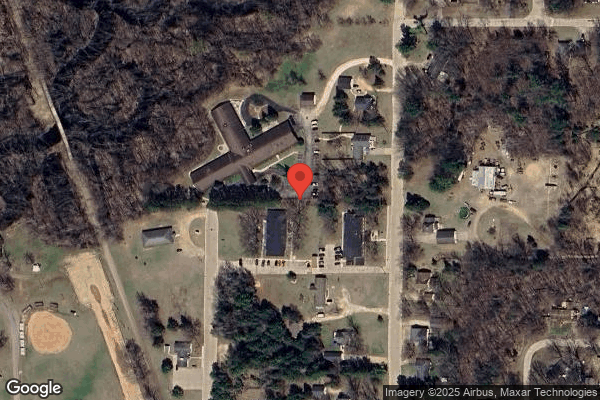
430 MANOR DR, SURING, WI 54174 (920) 842-2191
For profit - Corporation 50 Beds CHAMPION CARE Data: November 2025 1 Immediate Jeopardy citation
Trust Grade
33/100
#246 of 321 in WI
Last Inspection: September 2024

Within standard 12-15 month inspection cycle. Federal law requires annual inspections.

Overview

Suring Health and Rehab Center has a Trust Grade of F, indicating significant concerns about the quality of care provided. Ranked #246 out of 321 nursing homes in Wisconsin places it in the bottom half, and it is the lowest-ranked facility in Oconto County. While the facility is showing some improvement, reducing issues from 10 in 2024 to 3 in 2025, many areas still raise alarms. Staffing is a concern with a rating of 2 out of 5 stars and a high turnover rate of 58%, which is above the state average of 47%. Although there have been no fines recorded, the RN coverage is less than what 77% of Wisconsin facilities offer, potentially impacting the quality of care. Specific incidents include a resident not receiving timely care for pain and breathing issues, staff failing to maintain proper food hygiene, and not adhering to dietary restrictions for several residents, which could affect their health. Overall, while there are some strengths, such as no fines and a good quality measure rating, the weaknesses significantly overshadow them, making this facility a concerning choice for families.

Trust Score
F
33/100
In Wisconsin
#246/321
Bottom 24%
Safety Record
High Risk
Review needed
Inspections
Getting Better
10 → 3 violations
Staff Stability
⚠ Watch
58% turnover. Above average. Higher turnover means staff may not know residents' routines.
Penalties
✓ Good
No fines on record. Clean compliance history, better than most Wisconsin facilities.
Skilled Nurses
○ Average
Each resident gets 31 minutes of Registered Nurse (RN) attention daily — about average for Wisconsin. RNs are the most trained staff who monitor for health changes.
Violations
⚠ Watch
29 deficiencies on record. Higher than average. Multiple issues found across inspections.
★★☆☆☆
2.0
Overall Rating
★★☆☆☆
2.0
Staff Levels
★★★★☆
4.0
Care Quality
★★☆☆☆
2.0
Inspection Score
Stable
2024: 10 issues
2025: 3 issues

The Good

  • 4-Star Quality Measures · Strong clinical quality outcomes
  • Full Sprinkler Coverage · Fire safety systems throughout facility
  • No fines on record

Facility shows strength in quality measures, fire safety.

The Bad

2-Star Overall Rating

Below Wisconsin average (3.0)

Below average - review inspection findings carefully

Staff Turnover: 58%

12pts above Wisconsin avg (46%)

Frequent staff changes - ask about care continuity

Chain: CHAMPION CARE

Part of a multi-facility chain

Ask about local staffing decisions and management

Staff turnover is elevated (58%)

10 points above Wisconsin average of 48%

The Ugly 29 deficiencies on record

1 life-threatening
Sept 2025 1 deficiency 1 IJ
CRITICAL (J) 📢 Someone Reported This

A family member, employee, or ombudsman was alarmed enough to file a formal complaint

Immediate Jeopardy (IJ) - the most serious Medicare violation

Quality of Care (Tag F0684)

Someone could have died · This affected 1 resident

**NOTE- TERMS IN BRACKETS HAVE BEEN EDITED TO PROTECT CONFIDENTIALITY** Based on staff and resident interview and record review, the facility did not ensure 1 of 5 sampled residents (R1) received care...

Read full inspector narrative →
**NOTE- TERMS IN BRACKETS HAVE BEEN EDITED TO PROTECT CONFIDENTIALITY** Based on staff and resident interview and record review, the facility did not ensure 1 of 5 sampled residents (R1) received care and treatment in accordance with professional standards of practice (N6, Wisconsin Nurse Practice Act) and failed to ensure a change of condition was recognized and acted upon timely.On 8/26/25, R1 complained of increased pain and difficulty breathing. The Nurse Practitioner (NP) was notified and indicated R1 could have additional acetaminophen up to 4000 milligrams (mg) in a 24 hour period in addition to tramadol and could use diclofenac or stock pain reliever for back/shoulder pain. The NP also gave an order to try to wean R1 off oxygen which the NP presumed was used for anxiety/pain and indicated if R1 continued to require oxygen, staff should notify the NP. The orders were not transcribed in R1's medical record at that time. According to staff interviews, R1 was tearful, reported ongoing pain and difficulty breathing, and cried out in pain during the evening hours. R1's medical record did not contain evidence of assessments of R1's condition or documentation that R1 required oxygen throughout the evening. There were no additional updates to the NP or Medical Doctor (MD) until R1 requested to go to the emergency room (ER). At the ER, R1 was diagnosed with sepsis, right pleural effusion, and acute renal failure and was subsequently transferred to another hospital and admitted to the Intensive Care Unit (ICU). The facility's failure to recognize a change of condition, complete thorough assessments, and provide timely care for a resident with increased pain and difficulty breathing despite the use of oxygen led to a finding of immediate jeopardy that began on 8/26/25. Nursing Home Administrator (NHA)-A was notified of the immediate jeopardy on 9/5/25 at 9:57 AM. The immediate jeopardy was removed on 9/5/25, however, the deficient practice continues at a scope/severity level D (potential for more than minimal harm/isolated) as the facility continues to implement its action planFindings include:The facility's Pain Management policy, dated 2/5/25, indicates the facility must ensure pain management is provided to residents who require such services, consistent with professional standards of practice, the comprehensive person-centered care plan, and the resident's goals and preferences. Facility staff should use a systematic approach for recognition, assessment, treatment, and monitoring of pain. The facility's Notification of Changes policy, dated 3/2025, indicates the facility must inform the resident, consult with the resident's physician, and/or notify the resident's family member or legal representative when there is a change in condition such as a significant change in the resident's physical, mental, or psychosocial condition and circumstances that require a need to alter treatment. According to the Wisconsin Nurse Practice Act, N6.03(1): A Registered Nurse (RN) shall utilize the nursing process in the execution of general nursing procedures in the maintenance of health, prevention of illness or care of the ill. The nursing process consists of the steps of assessment, planning, intervention, and evaluation. This standard is met through performance of each of the following steps of the nursing process: (a) Assessment. Assessment is the systematic and continual collection and analysis of data about the health status of a patient culminating in the formulation of a nursing diagnosis. (b) Planning. Planning is developing a nursing plan of care for a patient which includes goals and priorities derived from the nursing diagnosis. (c) Intervention. Intervention is the nursing action to implement the plan of care by directly administering care or by directing and supervising nursing acts delegated to L.P.N.s (Licensed Practical Nurse) or less skilled assistants. (d) Evaluation. Evaluation is the determination of a patient's progress or lack of progress toward goal achievement which may lead to modification of the nursing diagnosis.On 9/3/25, Surveyor reviewed R1's medical record. R1 had diagnoses including heart failure, diabetes, anxiety, and lymphedema. R1's Minimum Data Set (MDS) assessment, dated 6/28/25, had a Brief Interview for Mental Status (BIMS) score of 15 out of 15 which indicated R1 had intact cognition. R1 was R1's own decision maker.A care plan, dated 7/23/25, indicated R1 had altered respiratory status/difficulty breathing related to heart failure with a goal to maintain a normal breathing pattern. The care plan contained interventions to use oxygen per nasal cannula 1 to 4 liters per minute (LPM) as needed for shortness of breath (SOB), respiratory distress, or comfort; and monitor for signs/symptoms of respiratory distress and report to physician as needed, including increased respirations, decreased pulse oximetry, increased heart rate, restlessness, diaphoresis, headaches, lethargy, confusion, cough, pleuritic pain, accessory muscle usage, and skin color changes to blue/grey.R1's Medication Administration Record (MAR) indicated R1 received scheduled acetaminophen (a non-opioid anlagesic medication used to treat mild to moderate pain) 1000 mg three times daily for pain (up to 4000 mg total per day) (start date 6/21/25); tramadol (an opioid medication used to treat pain) 50-100 mg every 6 hours as needed for pain related to lymphedema (start date 6/3/25); and acetaminophen 650 mg every 4 hours as needed for fever/pain (start date 4/22/25). R1 also had an order in pending status on 8/27/25 for diclofenac sodium gel (a pain relieving medication) apply to back/shoulder topically every 6 hours as needed for pain.R1's medical record indicated R1 complained of right shoulder and back pain at a level 5 out of 10 (based on a numeric scale of 10 being the worst pain) and difficulty breathing on 8/26/25 at 2:00 AM. Tramadol 100 mg was administered and supplemental oxygen was provided via nasal cannula at 2 LPM. R1 attributed the pain to a pulled shoulder muscle from using the sit-to-stand lift. Unit Manager (UM)-E documented at 4:33 AM that the pain medication was effective and R1 had a pain level of 0 out of 10.On 8/26/25 at 8:04 AM, UM-E notified R1's physician that R1 had increased shoulder and back pain during the night that R1 attributed to using a sit-to-stand lift and complaints of SOB while lying in bed. R1's vital signs were assessed. R1 had a pulse rate of 93 and an oxygen saturation level of 94% on room air. R1 was placed on supplemental oxygen which helped R1's SOB so R1 was able to sleep. R1's MAR indicated R1 received tramadol 100 mg for pain at a level 7 out of 10 on 8/26/25 at 8:38 AM.On 8/26/25 at 9:35 AM, an NP responded to the 8:04 AM update and indicated R1 could have additional acetaminophen up to 4000 mg in a 24 hour period in addition to tramadol and could use diclofenac or stock pain reliever for back/shoulder pain. An order indicated to try to wean R1 off oxygen which the NP presumed was used for anxiety/pain and indicated if R1 continued to require oxygen, staff should notify the NP. On 9/3/25 at 1:11 PM and at 3:31 PM, Surveyor interviewed Certified Nursing Assistant (CNA)-F who gave R1 a shower on 8/26/25. CNA-F indicated CNA-F usually provides R1's shower right away in the morning because it is an extensive process due to R1's edema wraps and routine. CNA-F stated R1 was using oxygen when CNA-F entered the room and R1 stated staff thought oxygen would help R1's pain. R1 indicated the pain was all over and not anywhere specific. CNA-F indicated CNA-F usually asks the nurse to administer pain medication prior R1's shower because R1 is usually in pain and cries at the start of the shower, however, CNA-F can get R1 to relax and calm down as the shower proceeds. CNA-F indicated it takes time to complete R1s shower but R1 usually enjoys it CNA-F indicated when R1 received a shower on 8/26/25 between 10:00 and 11:00 AM, R1's pain was different than usual. R1 cried throughout the shower and screamed out in pain when CNA-F reached out to R1 without making contact. CNA-F rushed through R1's shower due to R1's discomfort. CNA-F did not observe R1 struggling to breathe though and indicated R1 was still crying when CNA-F took R1 back to R1's room. After the shower, CNA-F informed the nurse who indicated they would check on R1. CNA-F stated that at approximately 2:00 PM, CNA-F went back to check on R1 because CNA-F was concerned about R1's condition in the shower. CNA-F indicated R1 looked worn out and was sitting in bed bent over a bedside table with R1's head down. CNA-F put a blanket over R1 and told R1 to tell the nurse if R1 felt worse.R1's medical record indicated R1's pain was at a level 0 out of 10 on 8/26/25 at 11:07 AM and was also at a level 0 out of 10 when R1's scheduled acetaminophen was administered at 11:36 AM.On 9/3/25 at 10:53 AM, Surveyor interviewed Licensed Practical Nurse (LPN)-H who worked the 8/26/25 AM shift. LPN-H was notified during report that R1 had increased pain during the night and UM-E sent a message to the NP. UM-E informed LPN-H that UM-E administered oxygen to R1 during the night. LPN-H checked on R1 between 6:00 and 7:00 AM and indicated R1 was sleeping. LPN-H stated the next time LPN-H heard something was at approximately 9:00 AM when CNA-F asked for something for pain for R1. LPN-H administered R1 PRN tramadol and checked R1's vitals signs. LPN-H spoke to R1 and indicated everything seemed okay. LPN-H stated R1 later received a shower and LPN-H didn't hear from R1 for the remainder of the shift. LPN-H approached the NP who was in the building that day. The NP indicated the NP was not planning to see R1 but had gotten an update through the system. LPN-H stated R1 did not complain of pain or breathing issues. In a subsequent interview at 12:39 PM, LPN-H did not recall if R1 used oxygen during the shift. LPN-H indicated the last time LPN-H saw R1 was at approximately1:00 PM when LPN-H administered R1's scheduled acetaminophen. When asked if LPN-H saw the NP's response and orders at 9:35 AM, LPN-H indicated LPN-H did not see either at that time but processed the orders during LPN-H's next shift which started on 8/26/25 at 10:00 PM and went through 6:00 AM on 8/27/25.R1's MAR indicated R1 was only administered scheduled acetaminophen on 8/26/25 at 9:07 PM and R1's pain was at a level 0 out of 10. The MAR did not indicate any PRN pain medication was administered to R1 after 8:38 AM on 8/26/25. Surveyor also noted NP's orders received by the facility at 9:35 AM on 8/26/25 after UM-E notified the physician were not transcribed into R1's medical record until 8/27/25 at 3:32 AM. On 9/3/25 at 10:24 AM, Surveyor interviewed CNA-G who worked the 8/26/25 PM shift. CNA-G started at approximately 2:00 PM and was told in report that R1 was lethargic and not feeling well and wasn't R1's usual self. CNA-G indicated there was no mention of pain, nausea, or breathing difficulties. When CNA-G entered R1's room at approximately 3:00 PM, R1 complained of pain on the right side around the rib cage and arm and asked to be transferred to the commode. CNA-G indicated R1 would only let CNA-G raise R1 so far in the EZ Stand (a mechanical lift) during the transfer because it hurt too much. CNA-G stated R1 provided no energy or help during the lifting process and stated it hurt around R1's rib change and to move R1's arm up. CNA-G positioned R1 on the commode and notified RN-D that R1 would like pain medication. RN-D stated RN-D would check with R1. R1 then activated the call light, told CNA-G that R1 could not breathe, and asked to be transferred to the recliner. CNA-G transferred R1 into the recliner and put oxygen on R1 until RN-D could assess R1. When R1 activated the call light again after dinner trays were passed, CNA-G told R1 that CNA-G would ask RN-D for pain medication. R1 told CNA-G that RN-D had already been in R1's room and R1 wanted something stronger. CNA-G retrieved the pulse oximeter, walked into the hallway, and told RN-D that R1 was having dificulty breathing. RN-D said RN-D would get there as soon as RN-D could. CNA-G answered other residents' call lights and then heard moaning from R1's room between 6:30 and 7:00 PM. CNA-G entered R1's room and asked what CNA-G could do. R1 said R1 just hurt. CNA-G notified RN-D. CNA-G stated staff tried to make R1 comfortable by offering repositioning, pillows under R1's back, and heat/ice. CNA-G was in the process of putting other residents to bed and heard R1 call out, Help me. Help me. It hurts. It hurts. CNA-G and RN-D immediately entered R1's room. RN-D said the only thing RN-D could do was send R1 out to be evaluated. CNA-G indicated R1 usually had pain but didn't usually yell like that during transfers. CNA-G did not know what RN-D gave R1 for pain or what else RN-D had done. On 9/4/25 at 2:36 PM, Surveyor interviewed RN-D via phone who indicated RN-D was not updated on any concerns for R1 during shift report. RN-D indicated RN-D administered metformin to R1 prior to 6:30 PM and R1 did not report any pain. RN-D did not recall being told by staff that R1 complained of pain between 3:00 and 4:00 PM. RN-D also didn't recall being told by a CNA that R1 was still in pain, had difficulty breathing, and needed oxygen after 4:00 PM. RN-D indicated R1 always used oxygen and RN-D did not expect to be updated that R1 needed oxygen. (Of note: R1's medical record did not indicate R1 always used oxygen.) RN-D also didn't recall being informed by staff that R1 was in pain after dinner trays were passed. RN-D indicated RN-D heard R1 cying in pain across the hall at approximately 6:30 PM. RN-D checked on R1 who indicated R1 was in pain which could have been due to therapy. RN-D checked R1's vital signs which RN-D indicated were fine, however, RN-D didn't document the vital signs and could not recall what they were. RN-D stated RN-D focused on a musculoskeletal assessment but did not document the assessment or inform Surveyor of the results. RN-D indicated R1 complained of pain in the shoulder and thorax and RN-D provided scheduled acetaminophen at that time. R1 refused tramadol and Biofreeze (a topical pain reliever) because R1 wanted something later if the pain got worse. RN-D did not complete a pain assessment at that time but asked R1 the location of the pain. RN-D was going to contact the physician for a different pain reliever but didn't do so because R1 wanted to go to the hospital. RN-D then focused on calling the physician so R1 could be transferred. When Surveyor indicated R1's scheduled acetaminophen was administered at 9:07 PM and R1's pain was rated at a level 0 out of 10, RN-D indicated R1 did not indicate R1 had pain until approximatey 20 minutes later. Between 9:00 and 10:00 PM, R1 told RN-D that R1 had difficulty breathing and wanted to go to the hospital. RN-D did not complete a respiratory assessment because RN-D called the physician and 911 and R1 did not want RN-D to touch R1. RN-D notified Director of Nursing (DON)-B between 9:00 and 10:00 PM that R1 was transferred to the hospital but had not spoken to DON-B prior. A progress note, dated 8/26/25 at 9:25 PM, indicated the physician was notified that R1 had increased pain on the right side of the chest and difficulty breathing and wanted to go to the ER. At approximately 10:30 PM, R1 left the facility with 911 transport to the hospital. A progress note at 11:52 PM indicated R1 refused tramadol and acetaminophen when offered. Hospital documentation indicated R1 arrived at the hospital on 8/26/25 at 10:42 PM and had diagnoses including sepsis, right pleural effusion, and acute renal failure. At 11:17 PM, R1 received fentanyl (an opioid medication used to treat pain) 100 micrograms (mcg). At 11:32 PM, R1 had a fever of 102.5 degrees Fahrenheit (F) and was placed on oxygen at 5 LPM. At midnight, R1 received acetaminophen 1000 mg and ketorolac tromethamine (a nonsteroidal anti-inflammatory medication used to treat pain) 15 mg. On 8/27/25 at 1:40 PM, R1 was transferred to the ICU at another hospital. On 9/3/25 at 6:59 PM, Surveyor interviewed R1 who was in the hospital. R1 indicated R1 was tired all day on 8/26/25 and it hurt to breathe. R1's pain and breathing got progressively worse throughout the day. R1 indicated sometime after supper between 7:00 and 9:00 PM, R1 told RN-D that something needed to be done and asked to go to the hospital. R1 was transferred to the ER and diagnosed with sepsis and a bacterial infection and told that R1's lungs were filled with fluid. R1 could not recall if R1 was offered tramadol or received pain medication at the facility that day but stated if R1 did receive pain mediation, it didn't work because R1 was in a lot of pain and it was hard to breathe. R1 stated R1 was fuzzy on the details of the day. R1 stated staff knew R1 was hurting and having difficulty breathing and at approximately 9:00, R1 couldn't take it any longer. RN-D entered R1's room close to 7:00 PM. R1 thought RN-D was going to give R1 Tylenol, however, R1 wasn't sure if R1 received it and told RN-D that R1 needed something stronger. R1 did not recall if R1 received a stronger medication. R1 recalled telling a CNA that R1 needed to see a nurse. R1 stated R1's pain was at a level 10 out of 10 that evening and was like nothing R1 had felt before. R1 stated staff did not send R1 to the ER until R1 requested to go. R1 stated staff offered ice and heat and indicated it was easier for R1 to sit up than lay down. R1 did not recall using oxygen during the day but stated R1 used oxygen toward the evening and the night prior.On 9/3/25 at 3:44 PM, Surveyor interviewed R1's primary MD ((MD)-C) from the facility who indicated when R1 complained of a different type of pain in the shower, staff should've notified MD-C about R1's change in condition. MD-C also indicated if anything is off or if a resident isn't acting like themself, staff should notify MD-C. MD-C indicated if R1 had increased SOB despite the use of oxygen, did not get better with oxygen, or needed increased oxygen, staff should've notified MD-C. On 9/3/25 at 4:13 PM, Surveyor interviewed DON-B who indicated the orders received from the NP at 9:35 AM on 8/26/25 for increased acetaminophen, diclofenac cream, and to wean R1 from oxygen should have been transcribed in R1's medical record within 2 hours of receipt of the orders. DON-B indicated the nurse who provided care for R1 should have completed a full assessment, including vital signs and a range of motion assessment, and updated the physician with the results. DON-B also indicated staff should have administered as needed diclofenac gel, acetaminophen, and/or tramadol and should have documented the actions taken to alleviate R1's pain in real time. DON-B indicated if a resident has pain, staff should complete a pain assessment, provide non-pharmacological interventions, and/or administer and document medications. DON-B spoke with RN-D who cared for R1 from 6:00 PM until R1 was transferred to the ER regarding the steps to take to provide care for R1. DON-B indicated RN-D did not complete the steps DON-B had provided. DON-B discussed with staff the importance of visualizing a resident to ensure pain medication is effective and confirmed oxygen use should be documented in the resident's medical record. DON-B indicated staff discussed implementing a triple carbon copy system so if staff have a concern, they can fill out a copy and give it to the nurse, DON-B, and NHA-A to ensure follow-up.The failure to recognize and act upon a change in condition in a timely manner led to serious harm for R1 who was still hospitalized on [DATE] and created a finding of immediate jeopardy. The immediate jeopardy was removed on 9/5/25, however, the deficient practice conitnues at a scope/severity level D (potential for more than minimal harm/isolated) as the facility continues to implement the following action plan:Completed a head-to-toe assessment for all in-house residents.Implemented an eInteract Point Click Care (PCC) Evaluation for Change in Condition and use of internet tools and resources.Reviewed in-house residents in daily Interdisciplinary Team (IDT) meetings for completion, documention, and identification of a change in condition, assessments (including vital signs), and provider notification.Educated staff on the facility's policies regarding notification, pain management, identifying a change in condition, and transcription and documentation of orders.Implemented audits and reviewed progress notes for change of condition response.
Jan 2025 2 deficiencies
CONCERN (D) 📢 Someone Reported This

A family member, employee, or ombudsman was alarmed enough to file a formal complaint

Potential for Harm - no one hurt, but risky conditions existed

Notification of Changes (Tag F0580)

Could have caused harm · This affected 1 resident

**NOTE- TERMS IN BRACKETS HAVE BEEN EDITED TO PROTECT CONFIDENTIALITY** Based on staff interview and record review, the facility did not ensure notifications were completed in a timely manner followin...

Read full inspector narrative →
**NOTE- TERMS IN BRACKETS HAVE BEEN EDITED TO PROTECT CONFIDENTIALITY** Based on staff interview and record review, the facility did not ensure notifications were completed in a timely manner following a fall with injury for 1 resident (R) (R1) of 7 sampled residents. R1 incurred a head injury during a Hoyer lift transfer on 11/14/24 when the lift tipped over on R1 and a metal bar struck R1 in the forehead. The facility did not notify R1's Hospice agency until 11/19/24 or R1's physician until 11/21/24. Findings include: The facility's Incidents and Accidents policy, dated 12/29/22, indicates: .5. The following incidents/accidents require an incident/accident report but are not limited to: .equipment malfunction, observed accidents/incidents, resident injuries due to staff handling .9. The nurse will contact the resident's practitioner to inform them of the incident/accident, report any injuries or other findings, and obtain orders if indicated, which may include transportation to the hospital dependent upon the nature of the injury(ies) .12. Documentation should include the date, time, nature of the incident, location, initial findings, immediate interventions, notification, and orders obtained or follow-up interventions. From 1/22/25 to 1/23/25, Surveyor reviewed R1's medical record. R1 was admitted to the facility on [DATE] and had diagnoses including hemiplegia of the right side, type 2 diabetes, and history of transient ischemic attack (TIA) and cerebral infarct (stroke). R1's Minimum Data Set (MDS) assessment, 12/15/24, had a Brief Interview for Mental Status (BIMS) score of 13 out of 15 which indicated R1 had intact cognition. R1 started Hospice services in March of 2024. R1's medical record indicated R1 was injured during a Hoyer lift transfer on 11/14/24 when the lift tipped over on R1 and a metal bar struck R1 in the forehead. A note, dated 11/14/24 at 1:18 PM, indicated R1 had a red area on the face related to an injury from the Hoyer lift. The note instructed staff to monitor R1 for bruising. A note, dated 11/19/24, indicated R1 complained of a headache and vomiting. Documentation indicated R1 had a headache for the past 2 days along with dizziness and double vision and had trouble grabbing items. It was also noted that R1 had a large indent above the right eyebrow with redness and bruising. A note sent via the facility's medical record/charting system indicated Medical Doctor (MD)-C was notified on 11/21/24 at 12:15 PM that R1 was struck in the head with a Hoyer lift (on 11/14/24) and staff wanted to inform MD-C of R1's head injury, symptoms, and condition. On 1/22/25 at 11:19 AM, Surveyor interviewed Hospice Registered Nurse (HRN-D) who confirmed HRN-D first saw R1 on 11/19/24 following the incident on 11/14/24. R1's Hospice records indicated facility staff notified Hospice of the incident on 11/19/24. Facility staff reported that R1 was hit in the head with a Hoyer lift and had been complaining of blurred vision and headaches since the incident. HRN-D documented that R1 had a small 5 centimeter (cm) swelling on forehead. On 1/22/25 at 1:40 PM, Surveyor interviewed Director of Nursing (DON)-B who verified MD-C was first notified of the incident on 11/21/24. DON-B confirmed a Hospice CNA indicated they updated the Hospice agency following the incident, however, the facility did not directly notify the Hospice agency until 11/19/24. On 1/23/25 at 8:17 AM, Surveyor interviewed Certified Nursing Assistant (CNA)-E who confirmed CNA-E was in R1's room at the time of the incident and indicated DON-B was aware of the incident. On 1/23/25 at 11:39 AM, Surveyor interviewed Nursing Home Administrator (NHA)-A who indicated R1 was seen by HRN-D on 11/19/24. NHA-A confirmed MD-C was not notified of the incident until 11/21/24 via the facility's medical record/charting system. On 1/23/25 at 12:28 PM, Surveyor interviewed MD-C who confirmed MD-C was not aware of the incident until 11/21/24 when a note was sent to MD-C. MD-C denied any communication with the Hospice agency related to the incident. MD-C indicated MD-C had no knowledge that R1 had signs or symptoms of a head injury before the 11/21/24 note. MD-C indicated MD-C would expect the facility to document the injury, notify MD-C right away, and monitor R1 for signs and symptoms related to the incident.
CONCERN (D) 📢 Someone Reported This

A family member, employee, or ombudsman was alarmed enough to file a formal complaint

Potential for Harm - no one hurt, but risky conditions existed

Accident Prevention (Tag F0689)

Could have caused harm · This affected 1 resident

**NOTE- TERMS IN BRACKETS HAVE BEEN EDITED TO PROTECT CONFIDENTIALITY** Based on staff interview and record review, the facility did not ensure the resident environment remained as free of accident ha...

Read full inspector narrative →
**NOTE- TERMS IN BRACKETS HAVE BEEN EDITED TO PROTECT CONFIDENTIALITY** Based on staff interview and record review, the facility did not ensure the resident environment remained as free of accident hazards as possible for 1 resident (R) (R1) of 3 sampled residents. R1 was transferred from bed to Broda chair via Hoyer lift on 11/14/24. Staff did not ensure R1's catheter bag was disconnected from the bed prior to the transfer which created resistance and caused the Hoyer lift to fall and strike R1 in the head. R1 exhibited signs and symptoms of a head injury but was not offered the opportunity to seek medical evaluation at the hospital. Findings include: The facility's Accidents and Supervision policy, revised 12/29/22, indicates: The resident environment will remain as free of accident hazards as possible. Each resident will receive adequate supervision and assistive devices to prevent accidents .b. The facility should make a reasonable effort to identify the hazards and risk factors for each resident .3. Implementation of Interventions: Use specific interventions to try to reduce a resident's risks from hazards in the environment. The process includes: a. Communicating the interventions to all relevant staff .c. Providing training as needed .e. Ensuring the interventions are put into action .h. Facility-based interventions may include, but are not limited to .i. Educating staff . The facility's Incidents and Accidents policy, revised 12/29/22, indicates: It is the policy of this facility for staff to utilize risk management to report, investigate, and review any accidents or incidents that occur or allegedly occur on facility property and may involve .a resident .The purpose of incident reporting can include: .Conducting root cause analysis to ascertain causative/contributing factors .to avoid further occurrences .5. The following incidents/accidents require an incident/accident report but are not limited to: .Observed accidents/incidents .7. Any injuries will be assessed by the licensed nurse or practitioner and the affected individual will not be moved until safe to do so .9. The nurse will contact the resident's practitioner to inform them of the incident/accident, report any injuries or other findings, and obtain orders, if indicated, which may include transportation to the hospital dependent upon the nature of the injury(ies) . From 1/22/25 to 1/23/25, Surveyor reviewed R1's medical record. R1 was admitted to the facility on [DATE] and had diagnoses including hemiplegia (paralysis one side of the body) of the right side, diabetes, morbid obesity, pressure ulcers, and asthma. R1's Minimum Data Set (MDS) assessment, dated 12/15/24, had a Brief Interview for Mental Status (BIMS) score of 13 out of 15 which indicated R1 was not cognitively impaired. R1 was responsible for R1's healthcare decisions. On 1/22/25, Surveyor reviewed the facility's Verification of Investigation that was completed on 11/14/24 following a fall that occurred when Certified Nursing Assistant (CNA)-E and Hospice CNA (HCNA)-H transferred R1 with a Hoyer lift. The investigation indicated R1's catheter bag was attached to the Hoyer lift during the transfer which caused the lift to tip over onto R1. The investigation indicated HCNA-H (who was new to caring for R1) left the facility afterward and reported the incident to the Hospice agency. The facility contacted R1's Hospice nurse and requested HCNA-H not return to the facility. Surveyor noted the investigation did not contain physical assessments of R1 following the incident, a statement from R1's roommate (R2), other resident interviews, staff statements, or documentation that indicated all staff who completed Hoyer transfers received education. On 1/22/25, Surveyor requested physical assessments of R1 following the incident, a witness statement from R2, other resident interviews, statements from staff who were involved or witnessed the incident, and proof of staff education. The facility did not provide the information during the survey. On 1/22/25 at 9:47 AM, Surveyor interviewed R2 (R1's former roommate) who indicated R1 had severe pain and headaches every day following the fall on 11/14/24. On 1/22/25 at 12:23 PM, Surveyor interviewed CNA-G who verified CNA-G provided assistance following R1's fall on 11/14/24. CNA-G indicated R1 was confused, dizzy, and unable to state where R1 was. CNA-G indicated R1 looked at CNA-G and stated R1 could not see CNA-G. CNA-G indicated it was difficult to get R1 up in the Hoyer after the incident because R1 became winded, dizzy, and constantly had headaches. CNA-G indicated CNA-G did not get R1 up as much after the incident due to R1's medical condition. On 1/23/25 at 7:55 AM, Surveyor interviewed CNA-E who indicated on 11/14/24 at approximately 11:15 AM, CNA-E and HCNA-H were transferring R1 from bed to Broda chair when R1's catheter bag got caught and caused the Hoyer lift to fall over and land on R1's forehead. R1's catheter was pulled out and CNA-E called for assistance. Licensed Practical Nurse (LPN)-F and CNA-G entered the room and lifted the Hoyer off of R1. CNA-E indicated R1 sustained a dent in the forehead above the right eyebrow and complained of headaches a couple of days later. CNA-E indicated R1's eyes shook when R1 stared at CNA-E which occurred until R1 passed away on 12/19/24. CNA-E informed the charge nurse of R1's condition and was told it was normal. CNA-E indicated CNA-E was not interviewed regarding the incident and denied receiving education about Hoyer lift transfers following the incident. On 1/23/25 at 11:00 AM, Surveyor interviewed LPN-F who recalled the incident on 11/14/24. LPN-F indicated R1 had a red and tender-to-touch area on the forehead. LPN-F indicated R1's neurological assessments were normal. LPN-F did not state why LPN-F did not document the assessments. On 1/22/25 at 1:38 PM and 1/23/25 at 11:43 AM, Surveyor interviewed Director of Nursing (DON)-B who indicated LPN-F completed a physical assessment of R1 on 11/14/24 but verified the assessment was not documented on the date of the incident. DON-B was unaware if background checks or competencies were completed for HCNA-H prior to providing care for R1. DON-B verified staff and resident interviews were not completed following the incident. DON-B indicated DON-B verbally educated CNA-E, HCNA-H, and LPN-F following the incident to slow down when performing care and advocate for safety, however, no other staff were provided education. DON-B verified R1 was not offered the opportunity to be examined at the hospital following the injury. DON-B also verified the facility did not notify R1's Hospice agency of the incident until 11/19/24 or notify R1's primary physician until 11/21/24.
Dec 2024 1 deficiency
CONCERN (D) 📢 Someone Reported This

A family member, employee, or ombudsman was alarmed enough to file a formal complaint

Potential for Harm - no one hurt, but risky conditions existed

Infection Control (Tag F0880)

Could have caused harm · This affected 1 resident

**NOTE- TERMS IN BRACKETS HAVE BEEN EDITED TO PROTECT CONFIDENTIALITY** Based on observation, staff interview, and record review, the facility did not maintain an infection prevention and control prog...

Read full inspector narrative →
**NOTE- TERMS IN BRACKETS HAVE BEEN EDITED TO PROTECT CONFIDENTIALITY** Based on observation, staff interview, and record review, the facility did not maintain an infection prevention and control program designed to prevent the transmission of communicable disease and infection for 1 resident (R) (R4) of 4 sampled residents. R4 had an indwelling Foley catheter. Enhanced Barrier Precautions (EBP) were not initiated for R4. In addition, R4's uncovered catheter drainage bag was in contact with the floor during provision of cares on [DATE]. Findings include: The facility's undated Enhanced Barrier Precautions (EBP) policy indicates an order for EBP will be obtained for residents with any of the following: .indwelling medical devices such as urinary catheters. Implementation of EBP will include making gowns and gloves available immediately outside the resident's room. Personal protective equipment (PPE) will be worn during high-contact resident care activities, such as dressing, bathing, transferring, providing hygiene, changing linens, changing briefs, or assisting with toileting, etc. The facility's Catheter Care policy, revised [DATE], indicates the facility will ensure residents with indwelling catheters receive appropriate catheter care and maintain their dignity and privacy when indwelling catheters are in use. Privacy bags will be available and catheter drainage bags will be covered at all times while in use. On [DATE], Surveyor reviewed R4's medical record. R4 was admitted to the facility on [DATE] and had diagnoses including type 2 diabetes, morbid obesity, severe sepsis, and chronic kidney disease stage 3. R4 was re-admitted from the hospital with a Foley catheter on [DATE] after treatment for a urinary tract infection (UTI) and urosepsis. R4's Minimum Data Set (MDS) assessment, dated [DATE], stated R4's Brief Interview for Mental Status (BIMS) score was 15 out of 15 which indicated R4 had intact cognition. R4 was R4's own decision maker. R4's medical record did not contain an order for EBP. Surveyor noted R4 recently completed a course of antibiotics for a UTI on [DATE]. On [DATE] at 9:50 AM, Surveyor observed R4's doorway and room. Surveyor did not observe a sign that indicated R4 was on EBP or a storage bin containing gowns and gloves required for EBP. On [DATE] at 10:05 AM, Surveyor observed Certified Nursing Assistant (CNA)-C and CNA-D transfer R4 and provide cares including personal hygiene, dressing, assistance with toileting, and a linen change. CNA-C and CNA-D did not wear gowns during the provision of high-contact cares. At 10:06 AM, CNA-C and CNA-D transferred R4 from the bed to the commode via Sit-to-Stand lift. At the start of the transfer, CNA-C placed R4's catheter bag on the foot rest of the lift and then placed the catheter bag on the floor when CNA-D raised R4 in the lift. R4's catheter bag did not have a privacy cover and there was no barrier between the bag and the floor. At 10:09 AM, CNA-C and CNA-D transferred R4 to the commode. CNA-C placed R4's uncovered catheter bag on the foot rest of the lift during toileting and hygiene cares. At 10:32 AM, CNA-C and CNA-D transferred R4 into a power scooter via Sit-to-Stand lift. Surveyor noted R4's catheter bag was still on the foot rest of the lift and R4's right foot (with a grippy sock) was standing on the uncovered catheter bag. CNA-C then put R4's uncovered catheter bag on the floor and tidied up the room while CNA-D removed the lift from R4's room. At 10:36 AM, CNA-C covered R4's catheter bag with a privacy bag that was secured to R4's scooter. On [DATE] at 11:35 AM, Surveyor interviewed Director of Nursing (DON)-B regarding EBP, catheter care, and appropriate infection control practices. DON-B verified R4 should be on EBP due to an indwelling catheter and verified CNA-C and CNA-D should have worn gowns and gloves during the provision of high-contact cares. DON-B verified R4 was not currently on EBP and indicated it was missed. DON-B verified R4's catheter bag should not have been put on the foot rest or the floor and should be in a privacy bag at all times.
Sept 2024 8 deficiencies
CONCERN (D)

Potential for Harm - no one hurt, but risky conditions existed

Deficiency F0551 (Tag F0551)

Could have caused harm · This affected 1 resident

**NOTE- TERMS IN BRACKETS HAVE BEEN EDITED TO PROTECT CONFIDENTIALITY** Based on staff interview and record review, the facility did not ensure court-ordered protective placement was obtained for 1 re...

Read full inspector narrative →
**NOTE- TERMS IN BRACKETS HAVE BEEN EDITED TO PROTECT CONFIDENTIALITY** Based on staff interview and record review, the facility did not ensure court-ordered protective placement was obtained for 1 resident (R) (R26) of 16 sampled residents. R26 was under guardianship. The facility did not ensure court-ordered protective placement in the least restrictive environment was obtained after R26's nursing home stay exceeded 60 days. Findings include: From 9/3/24 to 9/5/24, Surveyor reviewed R26's medical record. R26 was admitted to the facility on [DATE] with a diagnosis of Alzheimer's disease. R26's Minimum Data Set (MDS) assessment, dated 8/17/24, had a Brief Interview for Mental Status (BIMS) score of 2 out of 15 which indicated R26 had severely impaired cognition. R26 had a guardianship that was activated on 1/24/22. R26's medical record did not contain protective placement paperwork. On 9/4/24 at 8:55 AM, Surveyor interviewed Social Worker (SW)-H who confirmed R26 had a guardian but did not have protective placement in the facility. SW-H indicated a law firm completed R26's guardianship but did not pursue protective placement and the courts were backed up. SW-H indicated a resident had 60 days in the facility prior to the pursuance of protective placement. SW-H acknowledged R26 resided at the facility since 2/16/22 and stated at the time of R26's admission, another admissions person would've looked at guardianship.
CONCERN (D)

Potential for Harm - no one hurt, but risky conditions existed

Pressure Ulcer Prevention (Tag F0686)

Could have caused harm · This affected 1 resident

**NOTE- TERMS IN BRACKETS HAVE BEEN EDITED TO PROTECT CONFIDENTIALITY** Based on staff, resident, and family interview and record review, the facility did not provide the necessary care and services t...

Read full inspector narrative →
**NOTE- TERMS IN BRACKETS HAVE BEEN EDITED TO PROTECT CONFIDENTIALITY** Based on staff, resident, and family interview and record review, the facility did not provide the necessary care and services to prevent and/or promote healing of pressure injuries for 1 resident (R) (R5) of 4 sampled residents. R5's plan of care indicated R5 had left buttock and right sacral moisture-associated skin damage (MASD) and contained an intervention to turn/reposition R5 every 2-3 hours. The intervention was not consistently implemented. Findings include: The facility's Turning and Repositioning policy, with an implementation date of 6/25/24, indicates: All residents at risk of or with existing pressure injuries, will be turned and repositioned, unless it is contraindicated due to a medical condition. In this case, small shifts in repositioning will be employed. Turning and repositioning is a primary responsibility of nursing assistants; however, all nursing staff are expected to assist with turning and repositioning. From 9/3/24 to 9/5/24, Surveyor reviewed R5's medical record. R5 was admitted to the facility on [DATE] and had diagnoses including moisture-associated skin dermatitis (MASD) and hemiplegia (weakness on one side of the body) affecting the right dominant side. R5's Minimum Data Set (MDS) assessment, dated 8/24/24, had a Brief Interview for Mental Status (BIMS) score of 13 out of 15 which indicated R5 had intact cognition. R5 started Hospice services on 8/14/24. On 9/3/24 at 9:31 AM, Surveyor interviewed R5 and R5's spouse who was visiting R5. R5 and R5's spouse indicated R5 recently saw a wound doctor due to areas of concern on R5's buttock. The wound doctor indicated R5 should be repositioned every 2-3 hours which R5 stated didn't occur. R5's spouse indicated staff did not have enough time to reposition R5 every 2-3 hours. R5's medical record indicated: ~ R5's care plan indicated R5 had actual impairment to skin related to end stages of life. The care plan indicated R5 had left buttock and right sacral MASD and contained an intervention to turn/reposition R5 every 2-3 hours. ~ On 8/26/24, R5 saw wound care nurse for an initial evaluation due to skin concerns on R5's left buttock. The wound note indicated R5 had MASD on the right sacral area with partial thickness skin breakdown. The wound bed was pink with no slough. The periwound was intact with no odor or sign of infection. R5 also had a a macerated (superficial open area with pink tissue to the wound bed) area on the left buttock due to incontinence of urine and stool. The periwound was intact with no odor or sign of infection. ~ A Hospice Registered Nurse (RN) note, dated 8/27/24, indicated a Hospice RN spoke with a facility nurse who reported no new concerns. The Hospice RN spoke with the charge nurse who provided a medication list and new orders for R5's left buttock wound. When the Hospice RN arrived at the facility, R5 was in bed brushing R5's teeth. R5's spouse was assisting R5 with morning cares. R5's spouse stated R5 was usually ready for the day by 11:00 AM, but staff had not come in to assist yet. Per the Wound RN's directions, R5 should be repositioned every 2 hours which R5's spouse stated was not being done. R5's spouse also expressed frustration that the facility was short-staffed and cares were not done in a timely manner. The Hospice RN spoke with the charge nurse following the visit to ensure R5's care plan included 2 hour repositioning. The charge nurse verified repositioning was care planned and stated staff had been repositioning R5. The Hospice RN reported R5 and R5's spouse denied R5 was being repositioned. The charge nurse stated R5 was in R5's wheelchair and outside today. The Hospice RN corrected the charge nurse and indicated R5 had not left R5's bed today which another staff confirmed. The Hospice RN urged the charge nurse to have staff comply with 2 hour repositioning due to the wound on R5's buttock. Surveyor reviewed a Certified Nursing Assistant (CNA) task sheet for turning and repositioning for the past 30 days. Surveyor noted the task was not signed out as completed at all on 5 out of 35 days and was not signed out on at least one of the shifts for 16 out of 35 days. On 9/4/24 at 4:30 PM, Surveyor interviewed Licensed Practical Nurse (LPN)-K who indicated there were usually 2 CNAs and 1 nurse scheduled for the PM shift. LPN-K indicated it was busy and challenging to get everything done. LPN-K indicated staff were not able to reposition residents as often as they should but they tried. On 9/5/24 at 12:46 PM, Surveyor interviewed CNA-I who stated during the AM shift there were usually 2 CNAs on CNA-I's wing and it was busy. CNA-I stated CNA-I tried to reposition residents, but it was a struggle at times and it did not always get done. On 9/5/24 at 2:12 PM, Surveyor interviewed Director of Nursing (DON)-B who stated CNAs should document repositioning in residents' medical records. DON-B indicated DON-B expects staff to reposition residents every 2-3 hours if they need it and expects CNAs to document every time repositioning is completed, but at least document that it was completed on their shift. Surveyor showed DON-B the CNA documentation that indicated some days/shifts repositioning was not completed at all. Surveyor also noted staff documented No which meant repositioning had not been done on their shift. DON-B acknowledged R5 should be repositioned every 2-3 hours.
CONCERN (D)

Potential for Harm - no one hurt, but risky conditions existed

Deficiency F0688 (Tag F0688)

Could have caused harm · This affected 1 resident

**NOTE- TERMS IN BRACKETS HAVE BEEN EDITED TO PROTECT CONFIDENTIALITY** Based on observation, staff interview and record review, the facility did not ensure a cervical collar was implemented per the p...

Read full inspector narrative →
**NOTE- TERMS IN BRACKETS HAVE BEEN EDITED TO PROTECT CONFIDENTIALITY** Based on observation, staff interview and record review, the facility did not ensure a cervical collar was implemented per the physician's order for 1 resident (R) (R32) of 1 sampled resident. R32 was admitted to the facility following a neck fracture. During an observation on 9/3/24, R32's cervical collar (neck brace) was on R32's bed. R32 indicated the collar should be on. R32's plan of care did not indicate when R32 should wear the collar or if the collar could be removed. Findings include: From 9/3/24 to 9/5/24, Surveyor reviewed R32's medical record. R32 was admitted to the facility on [DATE] with a diagnosis of unspecified displaced fracture of second cervical vertebra (fracture in upper neck). R32's Minimum Data Set (MDS) assessment, dated 7/27/24, stated R32's Brief Interview for Mental Status (BIMS) score was 14 out of 15 which indicated R32 had intact cognition. R32's medical record indicated R32 was responsible for R32's healthcare decisions. On 9/3/24 at 10:10 AM, Surveyor entered R32's room. R32 stated my neck hurts and I need to put this back on. Surveyor observed a cervical collar on R32's bed. R32 put the cervical collar on, pointed to R32's neck, and stated, They gave me something for my neck pain. I broke 3 bones and it's not healing. R32 also indicated R32 was not sure of R32's next appointment or when R32 could ask about new padding and when to take the collar off. On 9/3/24 at 11:18 AM, Surveyor observed a nurse leave R32's room. Surveyor entered R32's room and noted R32 was not wearing the cervical collar. R32's care plan indicated R32 had an alteration in musculoskeletal status related to a cervical fracture and multiple left-sided rib fractures and contained interventions to give analgesics as ordered by the physician, monitor and document for side effects and effectiveness, and monitor placement of the cervical collar. The care plan did not indicate the frequency of when R32 should wear the collar or if the collar could be removed. R32's Treatment Administration Record (TAR) indicated to monitor for skin breakdown every 4 hours but did not indicate to monitor if R32 wore the cervical collar. R32's Medication Administration Record (MAR) and TAR did not contain orders for wearing the cervical collar. A Neuroscience Group consultation report, dated 5/13/24, contained recommendations for a cervical X-ray and to wear the cervical collar at all times except during hygiene. The report stated to follow-up in 8 weeks with a CT (computed tomography) scan. A Neuroscience Group consultation report, dated 7/8/24, contained recommendations for a CT scan prior to removal of the collar and to notify nursing upon completion of the scan. R32's May 2024 MAR indicated: Monitor: Keep cervical collar on at all times every shift for C2, C3 fracture until follow-up appointment (start date 4/25/24, discontinue date 5/16/24). R32's MAR indicated the order was discontinued after 5/16/24 and nursing staff no longer monitored if R32 wore the collar each shift. On 9/5/24 at 8:36 AM, Surveyor interviewed Certified Nursing Assistant (CNA)-G. When asked when R32 should wear the cervical collar, CNA-G stated R32 should wear the collar twenty four/seven but could remove the collar to shower. When asked how CNA-G knew that information, CNA-G replied, My nurse. On 9/5/24 at 8:40 AM, Surveyor interviewed Registered Nurse (RN)-F. When asked when R32 should wear the cervical collar, RN-G replied, At all times. It's what the order says. When Surveyor requested to see the order, RN-F indicated RN-F could not find the order. On 9/5/24 at 9:09 AM, Surveyor interviewed Director of Nursing (DON)-B about the order for R32's cervical collar. DON-B stated, The last I received was a phone call from there after the result from the CT (scan) to wear for 6-8 more weeks. When Surveyor asked DON-B to show Surveyor the current order, DON-B could not find the order and indicated there should be an order to wear the collar and when to take it off. On 9/5/24 at 10:26 AM, DON-B approached Surveyor and stated, At that time, we had another patient with a (cervical) collar and the discontinue order was for a different resident. DON-B indicated the correct order for R32's cervical collar was in place now and 6 weeks was next week.
CONCERN (D)

Potential for Harm - no one hurt, but risky conditions existed

Deficiency F0692 (Tag F0692)

Could have caused harm · This affected 1 resident

**NOTE- TERMS IN BRACKETS HAVE BEEN EDITED TO PROTECT CONFIDENTIALITY** Based on staff interview and record review, the facility did not provide necessary treatment and services related to nutrition f...

Read full inspector narrative →
**NOTE- TERMS IN BRACKETS HAVE BEEN EDITED TO PROTECT CONFIDENTIALITY** Based on staff interview and record review, the facility did not provide necessary treatment and services related to nutrition for 2 residents (R) (R17 and R13) of 3 sampled residents. R13 was at risk for weight loss and R13's dentures were missing. R13's diet was not altered until the R13's dentures were found. Registered Dietitian (RD)-J was not contacted per the physician's request to review R17's tube feeding when a new medication was started. Findings include: 1. From 9/3/24 to 9/5/24, Surveyor reviewed R13's medical record. R13 was admitted to the facility on [DATE] and had a diagnosis of moderate protein calorie malnutrition. R13's Minimum Data Set (MDS) assessment, dated 8/3/24, had a Brief Interview for Mental Status (BIMS) score of 13 out of 15 which indicated R13 had intact cognition. R13's medical record indicated the following: ~ A mini-nutritional assessment, dated 7/29/24, indicated R13 was malnourished. ~ R13's plan of care indicated R13 had altered nutrition, a history of chewing problems, weight fluctuations, and dentures. ~ On 8/25/24, R13 weighed 83.7 pounds; On 9/1/24, R13 weighed 82.4 pounds. ~ A weight change note, dated 8/25/24 at 4:20 PM, indicated: Weight Warning: Continued weight loss noted. R13's appetite is poor. R13 often eats bites for meals and chooses to eat on R13's own when offered assistance by staff. R13 is a picky eater. Staff and R13's family provide foods R13 will eat and enjoy. The writer called R13's family regarding R13's continued weight loss and over-all decline. On 9/3/24 at 12:50 PM, Surveyor interviewed R13 who was in bed with the head of the bed elevated and a lunch tray in front of R13. R13 was moaning loudly and was not eating lunch. Surveyor asked how R13's lunch was and observed cut up chicken on R13's plate. R13 stated R13 wanted eggs because R13 didn't have bottom teeth and couldn't chew. On 9/5/24 at 12:06 PM, Surveyor observed R13 eating lunch in bed. Surveyor observed eggs on R13's plate. When Surveyor asked how R13's lunch was, R13 stated the meal was good. When Surveyor asked if R13 was wearing R13's dentures, R13 stated R13's dentures had been missing for approximately a week. R13 stated staff were aware and had searched for them. R13 indicated R13 could eat soft food without dentures. On 9/5/24 at 12:20 PM, Surveyor interviewed Certified Nursing Assistant (CNA)-I who indicated R13's dentures had been missing since last week. CNA-I indicated R13 had 2 set of dentures and the bottom dentures of R13's good set were missing. CNA-I stated CNA-I looked for R13's dentures early last week. On 9/5/24 at 12:23 PM, Surveyor interviewed Dietary Manager (DM)-C who was not aware R13's dentures were missing. Surveyor informed DM-C of the observation on 9/5/24 of cut up chicken on R13's lunch plate and R13's comments that R13 could not eat because R13's dentures were missing. DM-C indicated DM-C wanted to know if R13's dentures were missing so DM-C could adjust R13's diet. DM-C also indicated R13 ordered alternate foods regularly and sometimes did so last minute. On 9/5/24 at 12:25 PM, Surveyor interviewed Director of Nursing (DON)-B who was not aware R13's dentures were missing. On 9/5/24 at 12:26 PM, Surveyor interviewed Nursing Home Administrator (NHA)-A who also not aware R13's dentures were missing. Surveyor informed NHA-A of R13's lunch and comments as well as staff comments. NHA-A acknowledged dietary should have been notified so R13's diet could have been altered. NHA-A stated NHA-A would search for R13's dentures. On 9/5/24 at 12:42 PM, NHA-A approached Surveyor and stated R13's dentures were found in R13's crayon bin. 2. From 9/3/24 to 9/5/24, Surveyor reviewed R17's medical record. R17 was admitted to the facility on [DATE] with diagnoses including gastrostomy status (G-tube feeding) and malignant neoplasm of oropharynx (throat cancer). A physician note, dated 8/28/24, indicated R17 had low sodium and elevated potassium and a dose of Kayexalate was sent. The note also stated to make dietary aware for any adjustments to R17's tube feeding. A progress noted, dated 8/28/24 at 11:32 AM, indicated the writer was notified by a Medical Doctor (MD) that R17 had low sodium and elevated potassium and asked that dietary be made aware. A dose of Kayexalate was sent. The Kayexalate order needed clarification because there was no dose and the writer was waiting for a response. In addition, R17's urinary analysis (UA) culture was abnormal and the facility was waiting on sensitivity results. On 9/5/24, DON-B provided Surveyor with an email response from RD-J time stamped 9/5/24 at 2:23 PM that indicated RD-J's recommendations were to monitor and document fluids consumed orally in the fluid task and document the flushes in R17's Medication Administration Record (MAR). R17's fluids would be reassessed in 3 days to determine R17's overall fluid consumption (both flushes and orally) and recommendations made based on R17's consumption. It was recommended that the nurse follow-up with the MD if labs were needed. On 9/5/24 at 2:55 PM, Surveyor interviewed DON-B who indicated RD-J's response was received today and DON-B expected a response sooner than 8 days after the physician's request. On 9/5/24 at 3:12 PM, Surveyor interviewed RD-J via phone. RD-J indicated RD-J was not notified by the facility until today. RD-J indicated the facility usually emailed RD-J with this type of information. RD-J reviewed RD-J's communication with the facility and stated the facility did not notify RD-J of the physician's request prior to that day.
CONCERN (D)

Potential for Harm - no one hurt, but risky conditions existed

Infection Control (Tag F0880)

Could have caused harm · This affected 1 resident

Based on observation, staff interview, and record review, the facility did not maintain an infection prevention and control program designed to help prevent the development and transmission of disease...

Read full inspector narrative →
Based on observation, staff interview, and record review, the facility did not maintain an infection prevention and control program designed to help prevent the development and transmission of disease and infection during the provision of care for 2 residents (R) (R12 and R29) of 2 sampled residents. On 9/4/24, staff did not complete proper hand hygiene during medication pass for R12 and R29. Findings include: The facility's Hand Hygiene policy, dated 12/23/24, indicates: All staff will perform proper hand hygiene procedures to prevent the spread of infection to other personnel, residents, and visitors. This applies to all staff working in all locations within the facility .2. Hand hygiene is indicated and will be performed under the conditions listed in, but not limited to the attached hand hygiene table. The hand hygiene table attached to the policy indicates staff should perform hand hygiene before preparing or handling medication. On 9/4/24 at 8:20 AM, Surveyor observed Registered Nurse (RN)-F prepare medication for R12. After medication preparation, RN-F did not perform hand hygiene prior to administering the medication to R12. On 9/4/24 at 8:35 AM, Surveyor observed RN-F prepare medication for R29. RN-F did not perform hand hygiene prior to medication preparation, after medication preparation, or prior to administering the medication to R29. On 9/4/24 at 8:40 AM, Surveyor interviewed RN-F who indicated hand hygiene should be performed before preparing medication, after preparing medication, and when finished administering medication. RN-F verified RN-F did not perform hand hygiene before and after medication preparation. On 9/5/24 at 10:56 AM, Surveyor interviewed Director of Nursing (DON)-B who verified hand hygiene was not completed during medication pass. DON-B stated DON-B expects staff to perform hand hygiene prior to medication preparation, after medication preparation, and after medication distribution.
CONCERN (D)

Potential for Harm - no one hurt, but risky conditions existed

Deficiency F0883 (Tag F0883)

Could have caused harm · This affected 1 resident

**NOTE- TERMS IN BRACKETS HAVE BEEN EDITED TO PROTECT CONFIDENTIALITY** Based on staff interview and record review, the facility did not ensure a vaccination was offered for 1 resident (R) (R10) of 5 ...

Read full inspector narrative →
**NOTE- TERMS IN BRACKETS HAVE BEEN EDITED TO PROTECT CONFIDENTIALITY** Based on staff interview and record review, the facility did not ensure a vaccination was offered for 1 resident (R) (R10) of 5 sampled residents. R10 was not offered the PCV20 vaccination in accordance with Centers for Disease Control and Prevention (CDC) guidelines and the facility's policy. Findings include: The facility's Pneumococcal Vaccine (Series) policy, with an implementation date of 6/2023, indicates: It is our policy to offer residents .immunization against pneumococcal disease in accordance with current CDC guidelines and recommendations. 2. Each resident will be offered a pneumococcal immunization unless it is medically contraindicated or the resident has already been immunized. Following assessment for any medical contraindications, the immunization may be administered in accordance with physician-approved standing orders .7. A pneumococcal vaccination is recommended for all adults 65 years and older and based on the following recommendations: For adults 65 years or older who have received PCV13 at any age and PPSV23 before age [AGE] years: Give 1 dose of PCV20 at least 5 years after the last pneumococcal vaccine. From 9/3/24 to 9/5/24, Surveyor reviewed R10's medical record. R10 was admitted to the facility on [DATE] with diagnoses including diabetes and cerebral infarction. R10's Minimum Data Set (MDS) assessment, dated 6/11/24, had a Brief Interview for Mental Status (BIMS) score of 14 out of 15 which indicated R10 had intact cognition. R10 was R10's own person and was greater than [AGE] years old. Surveyor reviewed R10's vaccinations. R10 signed a consent form for the influenza and COVID-19 vaccine, dated 10/11/23. The consent form also contained dates that R10 received the PPSV23 vaccine (9/19/12) and the PCV13 vaccine (3/13/15). The line that would have contained the date for the PCV15 or PCV20 vaccine was blank. R10's medical record did not indicate R10 was offered the PCV20 vaccine. On 9/5/24 at 11:49 AM, Surveyor interviewed Director of Nursing (DON)-B who indicated R10 was not offered the PCV20 vaccine. DON-B indicated R10 should have been offered the PCV20 vaccine at the time R10 signed the consent form for the influenza and COVID-19 vaccines.
CONCERN (E)

Potential for Harm - no one hurt, but risky conditions existed

Menu Adequacy (Tag F0803)

Could have caused harm · This affected multiple residents

Based on observation, staff interview, and record review, the facility did not ensure diet orders and menus were followed to ensure nutritional needs were met for 13 residents (R) (R30, R16, R1, R11, ...

Read full inspector narrative →
Based on observation, staff interview, and record review, the facility did not ensure diet orders and menus were followed to ensure nutritional needs were met for 13 residents (R) (R30, R16, R1, R11, R12, R20, R24, R2, R10, R4, R6, R5, and R7) of 13 residents. During the 9/3/24 lunch meal, the facility served full serving desserts and did not offer diet desserts or ¼ size servings for R30, R16, R1, R11, R12, R20, R24, R2, R10, R4, R6, R5, and R7 who were ordered carbohydrate-controlled diets. During the 9/3/24 lunch meal, the facility did not ensure all menu items were served to residents. Findings include: The facility's Therapeutic Diet Orders document, dated 4/9/24, indicates: The facility provides all residents with foods in the appropriate form and/or the appropriate nutritive content as prescribed by a physician, and/or assessed by the Interdisciplinary Team (IDT) to support the resident's treatment/plan of care, in accordance with his/her goals and preferences .therapeutic diet is a diet ordered by a physician, or delegated registered or licensed dietician, as part of treatment for a disease or clinical condition. Examples include low salt, diabetic, or low cholesterol diets .Dietary and nursing staff are responsible for providing therapeutic diets in the appropriate form and/or the appropriate nutritive content as prescribed. On 9/3/24 at 10:15 AM, Surveyor received the facility's Resident Diet/Texture/Tray Aid Report, printed 9/3/24, that indicated the following: ~ R30 had an order for a controlled carbohydrate diet. ~ R16 had an order for a consistent carbohydrate diet. ~ R1 had an order for a consistent carbohydrate diet. ~ R11 had an order for a diabetic diet with limited sweets. ~ R12 had an order for a consistent carbohydrate diet. ~ R20 had an order for a limited sweets diet. ~ R24 had an order for a diabetic diet with limited sweets. ~ R2 had an order for a consistent carbohydrate diet. ~ R10 had an order for a consistent carbohydrate diet. ~ R4 had an order for a consistent carbohydrate diet. ~ R6 had an order for a consistent carbohydrate diet. ~ R5 had an order for a controlled carbohydrate diet. ~ R7 had an order for a consistent carbohydrate diet. On 9/3/24 at 12:45 PM, Surveyor interviewed Anonymous Resident (AR)-99 who stated AR-99 takes pictures of the menus and finds it concerning that the menu frequently changes without prior knowledge. AR-99 also stated AR-99 does not get all the items that are listed for meals. Surveyor observed the menu binder for week 3 of spring/summer 2024. The menu indicated lunch was meatloaf, parslied potatoes, carrots, a dinner roll, and bread pudding. Surveyor noted the serving size for low concentrated sweets/low sugar diets was a ¼ cup of bread pudding. The serving size for regular diets was a ½ cup of bread pudding. During a continuous kitchen observation that began at 11:03 AM on 9/4/24, Surveyor observed Dietary Manager (DM)-C place desserts on meal trays. Surveyor noted all meal tickets indicated the ordered diets coincided with the Resident Diet/Texture/Tray Aid Report provided by Nursing Home Administrator (NHA)-A. Surveyor observed DM-C take a serving of bread pudding off the top of the cart and place it on R30's tray. Surveyor noted the bread pudding was the same size as all other desserts. Surveyor interviewed DM-C who stated dessert is baked and cut into equal pieces that equal the total amount of residents to be served. Surveyor continued to observe DM-C take desserts off the top of the cart and place them on meal trays. When there were no more desserts on top of the cart, DM-C took desserts off the bottom of the cart and placed them on meal trays, including trays of residents who were ordered low sweet, consistent carbohydrate, and diabetic diets. In addition, Surveyor observed lunch service at the tray line and noted there were no dinner rolls served to residents. On 9/4/24 at 2:02 PM, Surveyor interviewed DM-C and Regional Dietary Manager (RDM)-D who stated low concentrated sweets serving sizes for the lunch meal were served to all residents with a consistent carbohydrate, diabetic, and low sweet/sugar diets. DM-C and RDM-D confirmed 13 residents on the Resident Diet/Texture/Tray Aid Report were ordered consistent carbohydrate, diabetic, or low sweet/sugar diets. RDM-D stated ¼ cup servings were located on the bottom of the cart despite the fact DM-C indicated the serving sizes were the same size on the top and bottom of the cart. DM-C and RDM-D stated they did not know dinner rolls were on the lunch menu and confirmed dinner rolls were not served.
CONCERN (F)

Potential for Harm - no one hurt, but risky conditions existed

Food Safety (Tag F0812)

Could have caused harm · This affected most or all residents

Based on observation, staff interview, and record review, the facility did not ensure food was prepared in a sanitary manner. This practice had the potential to affect all 34 residents residing in the...

Read full inspector narrative →
Based on observation, staff interview, and record review, the facility did not ensure food was prepared in a sanitary manner. This practice had the potential to affect all 34 residents residing in the facility. Staff did not perform proper hand hygiene while plating food. Staff did not wear a beard net that covered all facial hair while plating food. Staff did not check the water temperature of the sanitizing solution prior to testing the parts per million (ppm). Findings include: On 9/2/24 at 8:24 AM, Surveyor began an initial tour of the kitchen with [NAME] (CK)-E who stated the facility followed the Federal Food Code. Hand Hygiene: The 2022 Food and Drug Administration (FDA) Food Code documents at 3-304.15 Gloves Use Limitation: (A) If used, single-use gloves shall be used for only one task such as working with ready-to-eat food or with raw animal food, used for no other purpose, and discarded when damaged or soiled, or when interruptions occur in the operation. The facility's Handwashing policy, with a review date of 3/14/24, indicates: 1. When to wash hands: a. When entering the kitchen at the start of a shift. b. After touching bare human body parts other than clean hands and wrists .f. After handling soiled equipment or utensils. g. During food preparation, as often as necessary to remove soil or contamination and prevent cross contamination when changing tasks .i. Before donning disposable gloves for working with food and after gloves are removed. j. After engaging in other activities that contaminate hands. On 9/3/24 at 11:24 AM, Surveyor observed CK-E plate food while Dietary Manager (DM)-C covered the plates and put the plates in a food cart. During breaks in plating food, Surveyor observed CK-E adjust CK-E's beard net, touch the stove repetitively, and then continue to plate food without completing hand hygiene. Beard Net: The 2022 FDA Food Code documents at 2-402.11: Food employees shall wear hair restraints such as hats, hair coverings or nets, beard restraints, and clothing that covers body hair, that are designed and worn to effectively keep their hair from contacting exposed food, clean equipment, utensils, linens, and unwrapped single-service and single-use articles. During an observation on 9/3/24 that began at 11:24 AM, Surveyor observed CK-E adjust CK-E's beard net to cover CK-E's facial hair on multiple occasions. Surveyor noted the beard net did not cover CK-E's mustache or upper cheek area (which contained hair) while CK-E plated food. On 9/3/24 at 12:43 PM, Surveyor interviewed Registered Nurse (RN)-F about a resident's complaint of hair in their food during the lunch meal on 9/3/24. RN-F stated a hair was imbedded in pea salad and it was not the resident's hair. Sanitizing Solution: The Hydrion Quaternary test strip package insert directions indicate the test solution should be between 65 and 75 degrees Fahrenheit (F) at the time of testing. A sign on a wall in the kitchen indicated the water temperature in the sanitizing buckets should be checked prior to the ppm test and should be 65 to 75 degrees F. On 9/2/24 at 8:24 AM, Surveyor observed CK-E sanitize the countertops. On 9/3/24 at 12:44 PM, Surveyor interviewed CK-E. When asked how to prepare a bucket of sanitizing solution to sanitize the countertops, CK-E stated pH test strips were used each time and logged. When asked if CK-E checked the water temperature prior to using a test strip, CK-E indicated CK-E did not check or document the water temperature. When Surveyor referred to the sign on the wall that indicated the water temperature should be checked prior to the ppm test, CK-E stated CK-E should have checked the temperature.
Jan 2024 1 deficiency
CONCERN (D) 📢 Someone Reported This

A family member, employee, or ombudsman was alarmed enough to file a formal complaint

Potential for Harm - no one hurt, but risky conditions existed

Report Alleged Abuse (Tag F0609)

Could have caused harm · This affected 1 resident

**NOTE- TERMS IN BRACKETS HAVE BEEN EDITED TO PROTECT CONFIDENTIALITY** Based on staff interview and record review, the facility did not ensure a potential allegation of misappropriation was reported ...

Read full inspector narrative →
**NOTE- TERMS IN BRACKETS HAVE BEEN EDITED TO PROTECT CONFIDENTIALITY** Based on staff interview and record review, the facility did not ensure a potential allegation of misappropriation was reported timely to the State Agency for 1 Resident (R) (R5) of 5 residents reviewed. R5 notified staff that R5's checkbook was missing. Staff did not report R5's missing checkbook to administration who in turn did not report the potential allegation of misappropriation to the State Agency. Findings include: The facility's Abuse, Neglect, and Exploitation policy, with a copyright of 2023, indicated: Reporting/Response: Reporting of all alleged violations to the Administrator, State Agency, Adult Protective Services, and to all other required agencies (e.g., Law Enforcement when applicable) within specified timeframes: b. Not later than 24 hours if the events that cause the allegation do not involve abuse and do not result in serious bodily injury. R5 was admitted to the facility on [DATE]. R5's most recent Minimum Data Set (MDS) assessment, dated 10/30/23, contained a Brief Interview for Mental Status (BIMS) score of 14 out of 15 which indicated R5 had intact cognition. On 1/3/23 at 11:45 AM, Surveyor interviewed R5. Surveyor asked if R5 had any concerns regarding missing items. R5 indicated R5 could not locate a checkbook that was usually kept in R5's purse. R5 stated R5 told staff and a couple of staff searched for the checkbook. R5 indicated the staff stated R5 must not have brought the checkbook to the facility upon admission in July. R5 indicated staff stated maybe R5 gave the checkbook to R5's parent. R5 asked Surveyor, Why would I do that? R5 stated R5 needed to contact the bank to order new checks and ensure nothing was taken out of the account. R5 stated Unit Clerk (UC)-C was one of the staff who assisted in searching R5's room for the checkbook. On 1/3/23 at 11:55 AM, Surveyor interviewed UC-C who verified UC-C assisted in searching R5's room. UC-C indicated R5 told staff about the missing checkbook, and UC-C and Registered Nurse (RN)-D searched R5's room. UC-C stated R5's purse contained a blue wallet and some papers that contained bank numbers. UC-C was unsure if R5 had the checkbook upon admission. UC-C stated RN-D contacted R5's parent and sister, but was unsure if there was a resolution. When asked if UC-C reported R5's missing checkbook to Nursing Home Administrator (NHA)-A, UC-C stated RN-D would have done that. On 1/3/23 at 12:00 PM, Surveyor interviewed RN-D who stated R5 told CNA staff that R5's checkbook was missing which was then reported to RN-D. RN-D indicated R5 said the checkbook was kept in R5's purse. RN-D and UC-C searched R5's room and found a wallet with some papers that contained account numbers. RN-D contacted R5's parent who was not aware of the missing checkbook and asked RN-D to contact R5's sister. RN-D contacted R5's sister on 12/29/23 and left a message, but did not receive a return call. RN-D thought RN-D charted about R5's missing checkbook, however, R5's medical record did not contain documentation about the missing checkbook On 1/3/23 at 12:30 PM, Surveyor interviewed NHA-A who indicated NHA-A was not aware R5 was missing a checkbook, but stated NHA-A would look into it. On 1/3/23 at 1:26 PM, NHA-A indicated prior R5's admission, R5 resided in another home, was hospitalized , and was admitted to the facility from the hospital in July. NHA-A indicated R5's sister packed R5's belongings in the hospital. NHA-A interviewed R5 who stated R5 was missing a multi-color wallet that held a checkbook. NHA-A stated R5 called the bank who verified there were no transactions on R5's account since July. NHA-A stated R5 gave NHA-A permission to contact R5's sister to see if R5's sister had the checkbook. NHA-A confirmed R5's missing checkbook should have been reported to NHA-A and stated if NHA-A knew about the missing checkbook, NHA-A would have started an investigation and filled out a grievance form.
Aug 2023 8 deficiencies
CONCERN (D)

Potential for Harm - no one hurt, but risky conditions existed

Notification of Changes (Tag F0580)

Could have caused harm · This affected 1 resident

**NOTE- TERMS IN BRACKETS HAVE BEEN EDITED TO PROTECT CONFIDENTIALITY** Based on staff interview and record review, the facility did not ensure a physician was notified timely of a change in condition...

Read full inspector narrative →
**NOTE- TERMS IN BRACKETS HAVE BEEN EDITED TO PROTECT CONFIDENTIALITY** Based on staff interview and record review, the facility did not ensure a physician was notified timely of a change in condition for 1 Resident (R47) of 7 residents reviewed for hospitalization. R47's physician was not notified when there was blood in R47's urine. Findings include: The facility's Notification of Changes policy, copyright 2022, indicated: Compliance guidelines; the facility must inform the resident, consult with the resident's physician and/or notify the resident's family member or legal representative when there is a change requiring notification. 2. Significant change in the resident's physical, mental or psychosocial condition such as deterioration in heath, mental or psychosocial status. This may include: b. Clinical complications. R47 was admitted to the facility on [DATE] with diagnoses that included acute kidney failure, dementia, and urge incontinence. Between 8/1/23 and 8/2/23, Surveyor reviewed R47's medical record which indicated R47 had an indwelling catheter. A progress note, dated 6/25/23 at 9:38 PM, indicated: Urine red. Catheter flushed related to catheter was kinked when resident in bed and urine leaked and soiled sheets. Surveyor was unable to determine if R47's physician was notified. On 8/2/23 at 11:07 AM, Surveyor interviewed Director of Nursing (DON)-B who indicated R47's physician was not notified of blood in R47's urine and confirmed staff should have notified the physician. On 8/2/23 at 11:16 AM, Surveyor interviewed Medical Doctor (MD)-C via phone who indicated MD-C would want to be notified if there was blood in R47's urine.
CONCERN (D) 📢 Someone Reported This

A family member, employee, or ombudsman was alarmed enough to file a formal complaint

Potential for Harm - no one hurt, but risky conditions existed

Grievances (Tag F0585)

Could have caused harm · This affected 1 resident

**NOTE- TERMS IN BRACKETS HAVE BEEN EDITED TO PROTECT CONFIDENTIALITY** Based on staff interview and record review, the facility did not document, investigate, and/or record resolution of a grievance ...

Read full inspector narrative →
**NOTE- TERMS IN BRACKETS HAVE BEEN EDITED TO PROTECT CONFIDENTIALITY** Based on staff interview and record review, the facility did not document, investigate, and/or record resolution of a grievance for 1 Resident (R) (R198) of 17 residents reviewed for grievances. The facility did not document and investigate a grievance expressed by R198. Findings include: The facility's Resident and Family Grievances policy, copyright 2023, indicated: 10. Procedure: b. The staff member receiving the grievance will record the nature and specifics of the grievance on the designated grievance form, or assist the resident or family member to complete the form. i. Take immediate actions needed to prevent further potential violations of any resident right. 11. Evidence demonstrating the results of all grievances will be maintained for a period of no less than 3 years from the issuance of the grievance decision. R198 was admitted to the facility on [DATE] with diagnoses that included stage 4 pancreatic cancer. R198 was admitted to hospice services on 3/17/23. R198 was R198's own person. Between 7/31/23 and 8/2/23, Surveyor investigated a complaint submitted to the State Agency that indicated R198 reported concerns regarding a caregiver and the caregiver was removed from caring for R198. On 8/1/23 at 11:55 AM, Surveyor interviewed Assistant Director of Nursing (ADON)-E who recalled that R198 did not care for Certified Nursing Assistant (CNA)-D and preferred that another aid care for R198. ADON-E indicated neither family or hospice expressed concerns that R198 was fearful, but had concerns about CNA-D being professional and personable. ADON-E indicated a grievance form was not completed because ADON-E heard the concern, told CNA-D to not care for R198, and the matter was taken care of. On 8/1/23 at 2:02 PM, Surveyor interviewed CNA-D via phone who indicated R198 didn't care for CNA-D and thought it was more of a personality issue. CNA-D confirmed CNA-D was told to not go into R198's room or care for R198, but could not recall who told CNA-D or if there was a specific reason why other than that R198 did not like CNA-D. On 8/1/23, Surveyor reviewed a hospice note, dated 4/19/23 and written by Registered Nurse (RN)-K, that indicated: R198 was afraid of one of the male caregivers they have on staff. Multiple complaints have been given to the DON (Director of Nursing). Surveyor was unable to interview RN-K during the investigation. On 8/1/23 at 3:42 PM, Surveyor interviewed Nursing Home Administrator (NHA)-A, DON-B, and Regional Director (RD)-J who confirmed a grievance form should have been completed if a staff person was told to not care for R198. NHA-A and DON-B also confirmed they did not see the hospice note written by RN-K and if the note was reviewed, action would have been taken.
CONCERN (D)

Potential for Harm - no one hurt, but risky conditions existed

Abuse Prevention Policies (Tag F0607)

Could have caused harm · This affected 1 resident

Based on staff interview and record review, the facility did not implement their abuse policy in regard to screening 3 of 8 employees reviewed for background checks. An out of state background check ...

Read full inspector narrative →
Based on staff interview and record review, the facility did not implement their abuse policy in regard to screening 3 of 8 employees reviewed for background checks. An out of state background check was not completed for Driver (DR)-F who resided in another state within 3 years of hire. Hospitality Aide (HA)-H's Background Information Disclosure (BID) form was not dated. Certified Nursing Assistant (CNA)-G's background check was not completed within the last four years. Findings include: The facility's Abuse, Neglect and Exploitation policy indicated: Policy: It is the policy of this facility to provide protections for the health, welfare and rights of each resident by developing and implementing written policies and procedures that prohibit and prevent abuse, neglect, exploitation and misappropriation of resident property .1. Screening A. Potential employees will be screened for a history of abuse, neglect, exploitation, or misappropriation of resident property. 1. Background, reference, and credentials checks shall be conducted on potential employees, contracted temporary staff, students affiliated with academic institutions, volunteers, and consultants . On 7/31/23 at 4:26 PM, Surveyor completed the staffing and background task which revealed: DR-F was hired on 2/8/21. DR-F's BID form, dated 2/8/21, indicated DR-F lived in another state (South Dakota) besides Wisconsin within the past three years of hire. DR-F's background check did not include a criminal background check for South Dakota. HA-H was hired on 6/1/23. HA-H's BID was not dated. HA-H's Department of Justice (DOJ) and Integrated Background Information System (IBIS) checks were dated 5/25/23. CNA-G's BID, DOJ and IBIS forms were dated 1/8/19 which indicated CNA-G's background check was completed more than four years prior. On 8/1/23 at 4:41 PM, Surveyor interviewed Nursing Home Administrator (NHA)-A who verified CNA-G's background check was beyond four years and stated the facility would complete an updated background check. NHA-A verified HA-H's original BID form was not dated and stated HA-H completed a new BID form. NHA-A also verified DR-F's original background check did not include South Dakota. NHA-A verified no additional documentation was found and the identified concerns were an oversight.
CONCERN (D)

Potential for Harm - no one hurt, but risky conditions existed

Unnecessary Medications (Tag F0759)

Could have caused harm · This affected 1 resident

**NOTE- TERMS IN BRACKETS HAVE BEEN EDITED TO PROTECT CONFIDENTIALITY** Based on observation, staff interview and record review, the facility did not ensure it was free of a medication error rate of 5...

Read full inspector narrative →
**NOTE- TERMS IN BRACKETS HAVE BEEN EDITED TO PROTECT CONFIDENTIALITY** Based on observation, staff interview and record review, the facility did not ensure it was free of a medication error rate of 5% or greater. During medication administration observations, 4 errors occurred during 29 opportunities which resulted in a 13.79% medication error rate affecting 2 Residents (R) (R34 and R40) of 3 residents observed during medication pass. On [DATE], Surveyor intervened before R34 was administered an inaccurate and expired dose of docusate sodium (used to promote bowel movements). In addition, on [DATE], R34 was not administered a scheduled dose of Coenzyme Q10 (used to promote heart health in certain patients). On [DATE], Surveyor intervened before R40 was administered an expired dose of Artificial Tears (used to treat dry eyes) eye drops. In addition, on [DATE], R40 was not administered a scheduled dose of cyclosporine emulsion (used to treat dry eyes caused by inflammation). Findings include: The facility's Medication Administration policy, dated 06/2023, indicated: Medications are administered by licensed nurses, or other staff who are legally authorized to do so in this state, as ordered by the physician and in accordance with professional standards of practice .11. Compare medication source (bubble pack, vial, etc) with MAR (Medication Administration Record) to verify resident name, medication name, form, dose, route, and time .12. Identify expiration date. If expired, notify nurse manager . The facility's Medication Administration policy, dated 01/23, indicated: b. The nurse shall place a 'date opened' sticker on the medication if one is not provided by the dispensing pharmacy and enter the date opened. c. Certain products or package types such as multi-dose vials and ophthalmic (eye) drops have specified shortened end-of-use dating, once opened, to ensure medication purity and potency .Position statements from American Society of Ophthalmic Registered Nurses and American Society of Cataract & Refractive Surgery (ASCRS) state that the multi-use eye drops and ointments should be disposed of 28 days after initial use . 1. On [DATE], Surveyor reviewed R34's medical record. R34 was admitted to the facility on [DATE] with diagnoses to include wedge compression fracture of lumbar (lower back) vertebra and congestive heart failure. R34's medical record indicated R34 was responsible for R34's healthcare decisions. On [DATE] at 8:30 AM, Surveyor observed Registered Nurse (RN)-M prepare medications to administer to R34, including a docusate sodium 250 mg (milligram) capsule from a bottle with an expiration date of 7/2023. When asked what date a medication was considered expired when only a month and year were listed, RN-M stated, At the end of that month. RN-M verified the date of [DATE] was past the expiration date of the prepared docusate sodium capsule. Surveyor observed RN-M remove the docusate sodium capsule from R34's medication cup. RN-M indicated the facility did not have a supply of Coenzyme Q10 to administer to R34. Surveyor observed RN-M look for a new bottle of unexpired docusate sodium 250 mg in the facility's medication room. Surveyor noted RN-M was unable to locate a bottle of docusate sodium 250 mg that was not expired. Surveyor observed RN-M administer R34's morning medications without R34's docusate sodium or Coenzyme Q10. On [DATE], Surveyor reviewed R34's medical record which contained the following physician orders: ~ Colace Oral Capsule 100 mg (Docusate Sodium) Give 1 capsule by mouth two times a day for Constipation ~ Coenzyme Q10 Oral Capsule (Coenzyme Q10 (Ubidecarenone)) Give 100 mg by mouth one time a day for Cardiac Health On [DATE] at 9:04 AM, Surveyor interviewed RN-M who verified RN-M would have administered the expired medication to R34 had Surveyor not intervened. On [DATE] at 10:11 AM, Surveyor interviewed RN-M who indicated R34 requested a gel capsule form of docusate sodium not that long ago. RN-M verified R34's physician's order was for 100 mg of docusate sodium, not 250 mg. RN-M verified R34 received 250 mg of docusate sodium for at least a couple of days. 2. On [DATE], Surveyor reviewed R40's medical record. R40 was admitted to the facility on [DATE] with diagnoses to include macular degeneration (an eye condition which causes blurred or reduced central vision). R40's medical record indicated R40 was responsible for R40's healthcare decisions. On [DATE] at 9:00 AM, Surveyor observed RN-M prepare medications to be administered to R40, including a bottle of Artificial Tears eye drops with an open date of [DATE]. When asked how long Artificial Tears can be safely administered after opened, RN-M indicated 28 days. RN-M verified the date of [DATE] was past the end-of-use date of the opened Artificial Tears bottle. Surveyor observed RN-M remove the outdated Artificial Tears bottle and obtain a new bottle of Artificial Tears which RN-M dated with an open date of [DATE]. RN-M indicated RN-M was unable to administer cyclosporine emulsion, also ordered for R40, because the facility did not have the medication. On [DATE], Surveyor reviewed R40's medical record which contained the following physician orders: ~ Polyvinyl Alcohol-Povidone PF (Artificial Tears) Solution 1.4-0.6 % Instill 1 drop in both eyes one time a day for Dry Eyes ~ Cyclosporine Emulsion 0.05 % Instill 1 drop in both eyes three times a day for Dry Eyes 1 Drop On [DATE] at 9:04 AM, Surveyor interviewed RN-M who verified RN-M would have administered the outdated medication to R40 had Surveyor not intervened. On [DATE] at 10:28 AM, Surveyor interviewed Director of Nursing (DON)-B who verified administering expired and outdated medications, administering the wrong dose and not administering medications ordered by the physician were considered medication errors.
CONCERN (D) 📢 Someone Reported This

A family member, employee, or ombudsman was alarmed enough to file a formal complaint

Potential for Harm - no one hurt, but risky conditions existed

Deficiency F0849 (Tag F0849)

Could have caused harm · This affected 1 resident

**NOTE- TERMS IN BRACKETS HAVE BEEN EDITED TO PROTECT CONFIDENTIALITY** Based on staff interview and record review, the facility did not ensure coordination of hospice services for 1 Resident (R) (R19...

Read full inspector narrative →
**NOTE- TERMS IN BRACKETS HAVE BEEN EDITED TO PROTECT CONFIDENTIALITY** Based on staff interview and record review, the facility did not ensure coordination of hospice services for 1 Resident (R) (R198) of 2 residents reviewed for hospice services. The facility did not receive hospice notes or a hospice care plan for R198 which resulted in R198's medications not being adjusted per hospice's request. Findings include: A contract between the facility and Hospice Company (HC)-L indicated: Hospice plan of care definition: written care plan established, maintained, and reviewed and modified, at intervals identified by the Hospice interdisciplinary team in coordination with Facility and each Hospice patient's attending physician. The Hospice plan of care will reflect (iv) drugs and treatment necessary to meet the needs of the Hospice Patient. Responsibilities of Facility: Provision of services: Facility Services: .Facility shall comply with each Hospice Patient's Hospice plan of Care .Coordination of Care: Hospice and Facility shall communicate with one another regularly and as needed for each particular Hospice patient. Each party is responsible for documenting such communications in its respective clinical records to ensure that the needs of Hospice patients are met 24 hours per day. Designated Facility Member: Facility shall designate a member of Facility's interdisciplinary team who is responsible for working with Hospice representatives to coordinate care to each Hospice patient provided by Facility and Hospice. Facility's designated interdisciplinary team member shall be responsible for: iii. Communication with Hospice Physicians, Hospice patients' attending Physicians (if any) and other practitioners participating in the provision of care to Hospice Patients as needed to coordinate Hospice Services with the medical care provided by Physicians. (iv) obtaining patient-specific information from Hospice as required by applicable laws and regulations. Creation and Maintenance of Records: Each party shall prepare and maintain complete and detailed records concerning each Hospice Patient receiving services under this Agreement .Each clinical record shall completely, promptly and accurately document all services provided to, and events concerning, each Hospice Patient, including evaluations, treatments, progress notes .physician orders entered pursuant to this Agreement and Discharge summaries. Each record shall document that the specified services .shall be readily accessible and systemically organized to facilitate retrieval by either party. On 7/31/23, Surveyor reviewed R198's medical record. R198 was admitted to the facility on [DATE] with a diagnosis of stage 4 pancreatic cancer and entered into hospice services on 3/17/23. Surveyor noted there were only 2 Hospice visit sheets in R198's paper record. Surveyor also noted R198's facility medical record did not contain a Hospice plan of care or Hospice progress notes. On 7/31/23, Surveyor requested R198's hospice records. On 8/1/23 at 12:15 PM, Surveyor received hospice notes from the facility. The notes were dated with the following fax time stamps: 7/31/23 at 8:06 PM and 8/1/23 time stamped between 11:52 and 11:58 AM. On 8/1/23, Surveyor reviewed R198's hospice notes and noted the following: ~3/17/23 Hospice Certification of Terminal Illness note indicated: Current medications and treatments related to primary diagnoses include: .apixaban (recommend stopping given GI (gastrointestinal) bleed). ~3/17/23 Hospice Plan of Care indicated under orders: CREON Capsule 12,000 units Oral Capsule: Take 2 capsules (24,000) units total by mouth three time daily with meals. ~4/4/23 at 3:51 PM, Hospice encounter note written by Registered Nurse (RN)-K indicated: Call to (named pharmacy) for suggestions on chronic diarrhea related to pancreatic cancer and insufficiency. They suggest increasing CREON first as this is a very low dose. Max dose would be 36,000 units. Telephone encounter out to (named Nurse Practioner) regarding request. Update given to RN at facility and family. We can always add in cholestyramine at any time. ~4/12/23 at 4:55 PM - Comments: Increase of CREON did not subside diarrhea per patient thinks it works for a couple hours. Will request another increase for comfort. Recommendations: Update (Primary Care Provider) regarding diarrhea and suggest increase of CREON per (named pharmacy). ~4/26/23 at 4:50 PM, written by RN-K after R198's discharge from the facility: Request for increase of CREON to 2 capsules 3 times per day. After collaborating with family about medications, found that facility was not giving correct dosage of medication. On 7/31/23, Surveyor reviewed R198's medical record and noted no changes as ordered for Eliquis or CREON. R198 received the following while residing at the facility: ~Eliquis Oral Tablet 2.5 MG (Apixaban) Give 2.5 mg by mouth two times a day for coagulation. This was initiated on 1/31/23. R198 received the medication through discharge on [DATE]. ~CREON Capsule Delayed Release Particles 12000-38000 UNIT Give 1 capsule by mouth with meals. Surveyor noted the same dose was given to R198 from 1/10/23 (admission) through 4/26/23 (discharge). On 8/1/23 at 11:55 AM, Surveyor interviewed Assistant Director of Nursing (ADON)-E who served in the Director of Nursing (DON) role when R198 was on hospice. ADON-E indicated HC-L only called if there was a need. Hospice staff came and asked facility staff how everything was going, but if there were any changes, hospice needed to call, fax, or tell someone verbally. ADON-E confirmed there was not a binder where notes/visits were kept. On 8/1/23 at 3:00 PM, Surveyor interviewed Medical Doctor (MD)-C who was R198's primary physician. Regarding Eliquis (apixaban), MD-C indicated MD-C saw R198 on 4/20/23 and indicated in the note that R198 was still on apixaban, but MD-C did not see Eliquis on R198's medication list from the provider side. MD-C could not see which provider took Eliquis off R198's medication list. MD-C could also see in R198's medical record that there were notes from hospice to increase R198's CREON, but it looked like the request was sent to a different Nurse Practioner and a different pharmacy. MD-C indicated MD-C was not aware of the notation and was not contacted by Hospice or the facility regarding the above medication requests. MD-C indicated if the facility was aware, they would have contacted MD-C regarding the request. On 8/1/23 at 3:42 PM, Surveyor interviewed Nursing Home Administrator (NHA)-A, DON-B, and Regional Director (RD)-J. DON-B confirmed the facility did not receive HC-L's hospice care plan or visit notes for R198. DON-B also confirmed the notes and care plan given to Surveyor were not part of R198's medical record at the facility. DON-B stated this was the first time the facility used HC-L and DON-B was as not familiar with HC-L or their staff. DON-B and NHA-A indicated they were not aware of medication change requests contained in the Hospice notes/care plan/or certification note because they did not receive copies of the notes. DON-B and NHA-A confirmed if had they received copies of the notes, the facility would have followed up on the medication change requests. DON-B indicated the facility did not have hospice binders for residents and agreed Hospice notes and Hospice care plans should be a part of the medical record.
CONCERN (D)

Potential for Harm - no one hurt, but risky conditions existed

Infection Control (Tag F0880)

Could have caused harm · This affected 1 resident

**NOTE- TERMS IN BRACKETS HAVE BEEN EDITED TO PROTECT CONFIDENTIALITY** Based on observation, staff interview and record review, the facility did not ensure staff performed proper hand hygiene for 1 R...

Read full inspector narrative →
**NOTE- TERMS IN BRACKETS HAVE BEEN EDITED TO PROTECT CONFIDENTIALITY** Based on observation, staff interview and record review, the facility did not ensure staff performed proper hand hygiene for 1 Resident (R) (R34) of 7 residents observed during the provision of care. During an observation of care for R34 on 8/1/23, Registered Nurse (RN)-M did not consistently perform appropriate hand hygiene. Findings include: The facility's Hand Hygiene policy, dated 06/2023, indicated: All staff will perform proper hand hygiene procedures to prevent the spread of infection to other personnel, residents, and visitors. This applies to all staff working in all locations within the facility .Hand hygiene is indicated and will be performed under the conditions listed in, but not limited to, the attached hand hygiene table .The use of gloves does not replace hand hygiene. If your task requires gloves, perform hand hygiene prior to donning gloves, and immediately after removing gloves .The attached Hand Hygiene Table indicated either Soap and Water or Alcohol Based Hand Rub (ABHR), with ABHR indicated as preferred, in a list of situations including the following: - Before performing invasive procedures - Before applying and after removing personal protective equipment (PPE), including gloves On 8/1/23, Surveyor reviewed R34's medical record. R34 was admitted to the facility on [DATE] with diagnoses to include wedge compression fracture of lumbar (lower back) vertebra and congestive heart failure. R34's medical record indicated R34 was responsible for R34's healthcare decisions. On 8/1/23 at 8:30 AM, Surveyor observed RN-M obtain R34's blood pressure. Without performing hand hygiene, RN-M applied gloves, administered R34's nasal spray, and removed gloves. Without performing hand hygiene, RN-M administered R34's oral medications, opened R34's curtain, and walked to the medication cart in the hallway outside R34's room. RN-M then removed keys from RN-M's pocket, unlocked the medication cart, and put R34's nasal spray in a box. RN-M placed the box in a medication cart drawer, touched the computer mouse, and removed R34's insulin pen, a syringe and other supplies from a medication cart drawer. RN-M then drew up R34's insulin dose from R34's insulin pen into a syringe and indicated the facility did not have the correct needles for the insulin pen. Without performing hand hygiene, RN-M applied gloves, administered R34's insulin, removed gloves and washed hands. On 8/1/23 at 9:04 AM, Surveyor interviewed RN-M who verified RN-M did not wash or cleanse hands prior to applying gloves or after removing gloves. On 8/1/23 at 10:28 AM, Surveyor interviewed Director of Nursing (DON)-B who verified RN-M should have performed hand hygiene prior to applying gloves and immediately after removing gloves.
CONCERN (E)

Potential for Harm - no one hurt, but risky conditions existed

Transfer Notice (Tag F0623)

Could have caused harm · This affected multiple residents

5. On 7/31/23, Surveyor reviewed R15's medical record. R15's medical record did not contain a written notification of transfer for hospital transfers on 5/23/23 and 5/26/23. 6. On 7/31/23, Surveyor r...

Read full inspector narrative →
5. On 7/31/23, Surveyor reviewed R15's medical record. R15's medical record did not contain a written notification of transfer for hospital transfers on 5/23/23 and 5/26/23. 6. On 7/31/23, Surveyor reviewed R39's medical record. R39's medical record did not contain a written notification of transfer for a hospital transfer on 7/21/23. On 8/1/23, Surveyor requested written transfer notices for R23, R32, R47, R20, R15, and R39 from Nursing Home Administrator (NHA)-A and Director of Nursing (DON)-B. DON-B provided a Bed Hold Policy for each resident, but not a written notification of transfer. Surveyor reviewed the Bed Hold Policy which did not include the required transfer notification documentation. On 8/2/23 at 12:40 PM, Surveyor interviewed DON-B who verified the facility does not provide written transfer notices. 3. On 7/31/23, Surveyor reviewed R47's medical record. R47's medical record did not contain a written notification of transfer for a hospital transfer on 6/27/23. Based on staff interview and record review, the facility did not ensure a written notification of transfer, including the reason for the transfer, location of the transfer, appeal rights, and contact information for the State Long-Term Care Ombudsman was provided for 6 Residents (R) (R23, R32, R47, R20, R15, and R39) of 6 residents reviewed for hospitalization. R23 was not provided a written transfer notice when R23 was transferred to the hospital on 6/5/23, 7/12/23, and 7/26/23. R32 was not provided a written transfer notice when R32 was transferred to the hospital on 7/10/23. R47 was not provided a written transfer notice when R47 was transferred to the hospital on 6/27/23. R20 was not provided a written transfer notice when R20 was transferred to the hospital on 5/18/23. R15 was not provided a written transfer notice when R15 was transferred to the hospital on 5/23/23 and 5/26/23. R39 was not provided a written transfer notice when R39 was transferred to the hospital on 7/21/23. Findings include: 1. On 7/31/23, Surveyor reviewed R23's medical record. R23's medical record did not contain a written notification of transfer for hospital transfers on 6/5/23, 7/12/23, and 7/26/23. 2. On 7/31/23, Surveyor reviewed R32's medical record. R32's medical record did not contain a written notification of transfer for a hospital transfer on 7/10/23. 4. On 7/31/23, Surveyor reviewed R20's medical record. R20's medical record did not contain a written notification of transfer for a hospital transfer on 5/18/23.
CONCERN (E)

Potential for Harm - no one hurt, but risky conditions existed

Pharmacy Services (Tag F0755)

Could have caused harm · This affected multiple residents

**NOTE- TERMS IN BRACKETS HAVE BEEN EDITED TO PROTECT CONFIDENTIALITY** 3. On [DATE] at 9:53 AM, Surveyor noted an unlocked and unattended medication cart was against the wall between rooms [ROOM NUMB...

Read full inspector narrative →
**NOTE- TERMS IN BRACKETS HAVE BEEN EDITED TO PROTECT CONFIDENTIALITY** 3. On [DATE] at 9:53 AM, Surveyor noted an unlocked and unattended medication cart was against the wall between rooms [ROOM NUMBERS] for approximately 4 minutes. Surveyor observed RN-M in room [ROOM NUMBER] and an unidentified visitor in the hall between rooms [ROOM NUMBERS]. On [DATE] at 9:57 AM, Surveyor interviewed RN-M regarding the unlocked and unattended medication cart. RM-M verified the medication cart was supposed to be locked. On [DATE] at 10:08 AM, Surveyor interviewed DON-B regarding above observation. DON-B verified DON-B expects medication carts to be locked when not in the line of sight of the nurse. 2. On [DATE] at 11:10 AM, Surveyor interviewed R5 and observed nine oral tablets/pills on R5's bedside table. R5 stated sometimes staff leave the room prior to R5 taking R5's medication and other times staff watch R5 take R5's medication. R5 stated staff know R5 can't take them all at once. On [DATE] at 11:53 AM, Surveyor interviewed R5 who stated R5 took all of the medications left in R5's room. Surveyor did not observe any medications on R5's bedside table. On [DATE] at 11:54 AM, Surveyor interviewed Licensed Practical Nurse (LPN)-I who verified LPN-I provided R5's AM medications and left them in the room for R5 to self-administer. LPN-I stated R5 takes approximately thirty minutes to take medications. LPN-I stated at one point R5 had an order to self-administer medication; however, LPN-I did not see a self-administration of medication order in R5's medical record at the time of the interview. On [DATE] at 11:16 AM, Surveyor reviewed R5's medical record and did not observe an order for self-administration of medication. On [DATE] at 1:27 PM, Surveyor interviewed DON-B who stated R5 did not have a self-administration of medication assessment and DON-B did not plan to conduct an assessment because DON-B did not believe R5 could safely and accurately self-administer medication. Based on observation, staff interview and record review, the facility did not ensure the accurate and safe administration of pharmaceuticals for 5 Residents (R) (R34, R27, R18, R40, and R5) of 5 sampled residents and with the potential to affect all 22 residents residing on the 100 wing. On [DATE], Surveyor intervened before R34 was administered an inaccurate and expired dose of docusate sodium (used to promote bowel movements). On [DATE], R27 was administered an inaccurate and expired dose of docusate sodium. On [DATE], R18 was administered an inaccurate and expired dose of docusate sodium. R40 was administered outdated Artificial Tears (used to treat dry eyes) eye drops from [DATE] through [DATE]. In addition, on [DATE], R40 self-administered six oral medications. The facility did not assess R40 for safe self-administration of medication and did not obtain a physician's order for R40 to self-administer medication. On [DATE], Surveyor observed medications left at R5's bedside. R5 did not have a self-administration of medication assessment or a physician's order to self-administer medication. On [DATE], Registered Nurse (RN)-M left a medication cart unlocked and unattended on the 100 wing. Medications for 22 residents were stored in the medication cart. Findings include: The facility's Medication Administration policy, dated 06/2023, indicated: Medications are administered by licensed nurses, or other staff who are legally authorized to do so in this state, as ordered by the physician and in accordance with professional standards of practice .11. Compare medication source (bubble pack, vial, etc) with MAR (Medication Administration Record) to verify resident name, medication name, form, dose, route, and time .12. Identify expiration date. If expired, notify nurse manager . The facility's Medication Administration policy, dated 01/23, indicated: .b. The nurse shall place a 'date opened' sticker on the medication if one is not provided by the dispensing pharmacy and enter the date opened. c. Certain products or package types such as multi-dose vials and ophthalmic (eye) drops have specified shortened end-of-use dating, once opened, to ensure medication purity and potency .Position statements from American Society of Ophthalmic Registered Nurses and American Society of Cataract & Refractive Surgery (ASCRS) state that the multi-use eye drops and ointments should be disposed of 28 days after initial use . The facility's Medication Storage policy, dated 06/2023, indicated: It is the policy of this facility to ensure all medications housed on our premises will be stored in the pharmacy and/or medication rooms according to the manufacturer's recommendations and sufficient to ensure proper sanitation, temperature, light, ventilation, moisture control, segregation, and security .All drugs and biologicals will be stored in locked compartments (i.e., medication carts, cabinets, drawers, refrigerators, medication rooms) .During a medication pass, medications must be under the direct observation of the person administering medications or locked in the medication storage area/cart .The pharmacy and all medication rooms are routinely inspected by the consultant pharmacist for discontinued, outdated, defective, or deteriorated medication with worn, illegible, or missing labels. These medications are destroyed in accordance with our Destruction of Unused Drugs Policy. The facility's Resident Self-Administration of Medication policy, dated 06/2023, indicated: It is the policy of this facility to support each resident's right to self-administer medication. A resident may only self-administer medications after the facility's interdisciplinary team has determined which medications may be self-administered safely .When determining if self-administration is clinically appropriate for a resident, the interdisciplinary team should at a minimum consider the following: .The resident's physical capacity .The results of the interdisciplinary team assessment are recorded on the Medication Self-Administration Assessment Form, which is placed in the resident's medical record . All nurses and aides are required to report to the charge nurse on duty any medication found at the bedside not authorized for bedside storage .The care plan must reflect resident self-administration and storage arrangements for such medications . 1. On [DATE], Surveyor reviewed R34's medical record. R34 was admitted to the facility on [DATE] with diagnoses to include wedge compression fracture of lumbar (lower back) vertebra and congestive heart failure. R34's medical record indicated R34 was responsible for R34's healthcare decisions. On [DATE], Surveyor reviewed R27's medical record. R27 was admitted to the facility on [DATE] with diagnoses to include Parkinson's disease. R27's medical record contained a Power of Attorney for Healthcare (POAHC) document, dated [DATE] and activated [DATE], which indicated R27's POAHC agent was responsible for R27's healthcare decisions. On [DATE], Surveyor reviewed R18's medical record. R18 was admitted to the facility on [DATE] with diagnoses to include rheumatoid arthritis. R18's medical record indicated R18 was responsible for R18's healthcare decisions. On [DATE] at 8:30 AM, Surveyor observed RN-M prepare medications to be administered to R34, including a docusate sodium 250 mg (milligram) capsule from a bottle with an expiration date of 7/2023. When asked what date a medication was considered expired when only a month and year were listed, RN-M stated, At the end of that month. RN-M verified [DATE] was past the expiration date of the prepared docusate sodium capsule. Surveyor observed RN-M remove the docusate sodium 250 mg capsule from R34's medication cup. Surveyor observed RN-M look for new bottle of unexpired docusate sodium 250 mg in the facility's medication room. Surveyor observed RN-M locate one bottle of docusate sodium 250 mg in the medication cabinet which also had an expiration date of 7/2023. RN-M indicated there were no other bottles of docusate sodium 250 mg available. Surveyor observed RN-M locate one bottle of docusate sodium 100 mg in the medication cabinet which also had an expiration date of 7/2023. When asked if RN-M administered the expired docusate sodium 250 mg from RN-M's medication cart to any other residents on the morning of [DATE], RN-M indicated RN-M administered one capsule from the expired docusate sodium 250 mg bottle to R27. Surveyor observed RN-M and Licensed Practical Nurse (LPN)-I locate in LPN-I's medication cart a bottle of docusate sodium 250 mg which also contained an expiration date of 7/2023. When asked if LPN-I administered the expired docusate sodium 250 mg from LPN-I's medication cart to any residents on the morning of [DATE], LPN-I indicated LPN-I administered one capsule from the expired docusate sodium 250 mg bottle to R18. When asked if LPN-I knew the docusate sodium was expired, LPN-I stated, Now I do. Surveyor observed RN-M administer R34's morning medications without R34's docusate sodium dose. On [DATE], Surveyor reviewed R34's medical record which contained the following physician order: ~ Colace Oral Capsule 100 mg (Docusate Sodium) Give 1 capsule by mouth two times a day for Constipation On [DATE], Surveyor reviewed R27's medical record which contained the following physician order: ~ Docusate Sodium Oral Capsule 100 MG (Docusate Sodium) Give 100 mg by mouth two times a day for Constipation/Promotion of Bowel Movement On [DATE], Surveyor reviewed R18's medical record which contained the following physician order: ~ Colace Capsule (Docusate Sodium) Give 100 mg by mouth two times a day for Constipation On [DATE] at 9:04 AM, Surveyor interviewed RN-M who verified RN-M would have administered the expired medication to R34 had Surveyor not intervened. On [DATE] at 10:11 AM, Surveyor interviewed RN-M who indicated R34 had requested a gel capsule form of docusate sodium not that long ago. RN-M verified R34's physician's order was for 100 mg of docusate sodium, not 250 mg. RN-M verified R34 received 250 mg of docusate sodium for at least a couple of days. 2. On [DATE], Surveyor reviewed R40's medical record. R40 was admitted to the facility on [DATE] with diagnoses to include macular degeneration (eye condition which causes blurred or reduced central vision). R40's medical record indicated R40 was responsible for R40's healthcare decisions. On [DATE] at 9:00 AM, Surveyor observed RN-M prepare medications to be administered to R40, including a bottle of Artificial Tears eye drops with an open date of [DATE]. When asked how long Artificial Tears eye drops can be safely administered after opened, RN-M indicated 28 days. RN-M verified the date of [DATE] was past the end-of-use date of the opened Artificial Tears. Surveyor observed RN-M remove the outdated Artificial Tears bottle and obtain a new bottle for R40 which RN-M dated with open date of [DATE]. RN-M indicated RN-M was unable to administer cyclosporine emulsion (eye drops), also ordered for R40, because the facility did not have a supply of the medication. Surveyor also observed RN-M prepare R40's oral medications which included two tablets of calcium with vitamin D (used as a supplement) 600/400 mg/unit, one tablet of paroxetine (used to treat depression) 30 mg, one capsule of fish oil (used to promote heart health) 1200 mg, one capsule of psyllium (used to promote bowel movements), and one capsule of Aggrenox (used as a blood thinner) 25-200 mg. In addition, Surveyor observed RN-M prepare one tablet of PreserVision multivitamin (used as a supplement to promote eye health) from a bottle with an expiration date of 5/2023. When asked about the expiration date of the PreserVision, RN-M verified the PreserVision was expired and removed the dose from R40's medication cup. Surveyor observed RN-M obtain an unexpired bottle of PreserVision from the medication room and place one tablet of PreserVision in R40's medication cup with R40's other oral medications listed above. Surveyor observed RN-M administer the correct dose of Artificial Tears eye drops to R40. RN-M then exited R40's room and left R40's oral medication cup with the above oral medications sitting on a table near R40. Surveyor observed R40 reach toward the medication cup prior to RN-M and Surveyor exiting room. Surveyor exited the room after RN-M the exited room and noted R40 had not touched the medication cup at that time. On [DATE], Surveyor reviewed R40's medical record which contained the following physician orders: ~ Polyvinyl Alcohol-Povidone PF (Artificial Tears) Solution 1.4-0.6 % Instill 1 drop in both eyes one time a day for Dry Eyes ~ Calcium Carbonate-Vit D-Min Tablet 600-400 mg-unit Give 2 tablet (sic) by mouth one time a day for Supplement ~ Paroxetine HCl (hydrochloride) Tablet 30 mg Give 30 mg by mouth one time a day for Depression ~ PreserVision AREDS Tablet (Multiple Vitamins-Minerals) Give 1 tablet by mouth one time a day for Supplement ~ Omega-3 Capsule ([NAME] Oil) Give 1200 capsule by mouth two times a day for Supplement ~ Psyllium Capsule Give 1 caplet by mouth two times a day related to Gastroesophageal Reflux Disease ~ Aspirin-Dipyridamole (Aggrenox) ER (extended release) Capsule Extended Release 12 Hour 25-200 mg Give 1 capsule by mouth two times a day for Anticoagulation On [DATE] at 9:04 AM, Surveyor interviewed RN-M who verified RN-M would have administered the outdated medication to R40 had Surveyor not intervened. On [DATE] at 9:45 AM, Surveyor interviewed R40. Surveyor did not observe a medication cup on R40's table. R40 indicated R40 self-administered the medications from the cup after RN-M left the room. R40 stated, I dropped one (capsule or tablet) but I found it. It caught on my pants. I can't see, but I can feel with my fingers. R40 indicated most of the time nurses leave the medications in a cup and go out so R40 self-administers oral medications often. R40 further stated, My eye drops, they put one in (one type of eye drop) and leave and then I wait for a minute. I put the second one in (the other type of eye drop) then I walk it (the second bottle of eye drops) up to them (nursing staff). That's not all the time. Sometimes they wait for the second one. I have macular degeneration and it's getting worse. On [DATE] at 9:49 AM, Surveyor interviewed RN-M who stated, I remember (R40) reaching for (R40's) cup. I don't normally leave (R40's) meds. Following a discussion of what R40 told Surveyor in the above interview, RN-M stated, I believe (R40). RN-M verified R40 did not have a physician order or assessment to self-administer medication. On [DATE] at 10:28 AM, Surveyor interviewed Director of Nursing (DON)-B. Following a discussion of the above observations, DON-B verified administering expired and outdated medications, administering the wrong medication dose and not administering medications ordered by the physician were considered medication errors. DON-B indicated R40 generally took medications one pill at a time and verified R40's medications should not have been left with R40 to self-administer.
Mar 2023 1 deficiency
CONCERN (D) 📢 Someone Reported This

A family member, employee, or ombudsman was alarmed enough to file a formal complaint

Potential for Harm - no one hurt, but risky conditions existed

Deficiency F0804 (Tag F0804)

Could have caused harm · This affected 1 resident

Based on observation and staff and resident interview, the facility did not ensure food was served at a palatable temperature for 3 Residents (R) (R1, R2 and R3) of 5 residents. On 3/28/23, R1's lunc...

Read full inspector narrative →
Based on observation and staff and resident interview, the facility did not ensure food was served at a palatable temperature for 3 Residents (R) (R1, R2 and R3) of 5 residents. On 3/28/23, R1's lunch meal contained items that were lukewarm to taste. In addition, R2 and R3 indicated their meals were not served at a palatable temperature. Findings include: On 3/28/23 at 11:39 AM, Surveyor observed Unit Clerk (UC)-C wheel a cart with resident meals to the Cedar Lane unit. On 3/28/23 at 11:50 AM, Surveyor observed UC-C deliver the last plate of food on the cart to R1. Surveyor took the temperature of the food on the plate. The temperature of the beef stroganoff with noodles was 128.8 degrees Fahrenheit (F) and the temperature of the broccoli/cauliflower vegetable mix was 123.2 degrees F. UC-C verified the temperatures of the beef stroganoff with noodles and broccoli/cauliflower vegetable mix. Surveyor tasted the beef stroganoff with noodles and the broccoli/cauliflower vegetable mix which were lukewarm to taste. On 3/28/23 at 11:54 AM, Surveyor interviewed R2 regarding food temperatures. R2 verified the beef stroganoff with noodles and the broccoli/cauliflower vegetable mix were not served hot that day and stated, lunch is not hot, never is. We're used to it. Don't like it, but used to it. On 3/28/23 at 11:57 AM, Surveyor interviewed R3 regarding food temperatures. R3 verified the beef stroganoff with noodles and broccoli/cauliflower vegetable mix were not served hot that day and stated the lunch food was warm today, not hot.
Dec 2022 1 deficiency
CONCERN (D) 📢 Someone Reported This

A family member, employee, or ombudsman was alarmed enough to file a formal complaint

Potential for Harm - no one hurt, but risky conditions existed

Accident Prevention (Tag F0689)

Could have caused harm · This affected 1 resident

**NOTE- TERMS IN BRACKETS HAVE BEEN EDITED TO PROTECT CONFIDENTIALITY** Based on staff interview and record review, the facility did not ensure adequate supervision and assistance to prevent accidents...

Read full inspector narrative →
**NOTE- TERMS IN BRACKETS HAVE BEEN EDITED TO PROTECT CONFIDENTIALITY** Based on staff interview and record review, the facility did not ensure adequate supervision and assistance to prevent accidents for 1 Resident (R) (R1) of 3 sampled residents. R1 required direct staff supervision with meals. On 7/18/22, Speech Therapist (ST)-C found R1 in R1's room unsupervised with a lunch tray and trying to feed R1's self. R1's nutrition care plan was not updated to reflect R1's change in nutritional intake and requirement for supervision. Findings include: R1 was admitted to the facility on [DATE] with diagnoses to include stroke with left-sided weakness, hypertension (high blood pressure) and anemia. R1's most recent Minimum Data Set (MDS) assessment, dated 6/21/22, indicated R1's cognition was moderately impaired and R1 required extensive assistance from two staff for activities of daily living (ADLs). R1's MDS also documented R1 had a G-tube (gastronomy feeding tube) present upon admission. On 12/12/22, the Surveyor reviewed R1's speech therapy notes. R1 began working with ST-C on 6/21/22 for neuromuscular stimulation and trialing various textures of food and drink to assess R1's swallowing ability. A note written by ST-C, dated 7/18/22, stated, Went in room (R1) was trying to self feed don't know if (R1) was fed and left with tray or just left with tray. Told (Therapy Director (TD)-D). On 12/12/22 at 10:29 AM, the Surveyor interviewed TD-D who could not recall the incident or any follow-up provided. TD-D stated that if a concern like that was brought to TD-D's attention, TD-D immediately informed Director of Nursing (DON)-B so that staff intervention and/or education could be completed. On 12/12/22 at 10:38 AM, the Surveyor interviewed DON-B and Nursing Home Administrator (NHA)-A. Neither DON-B or NHA-A had any recollection of the incident or any follow-up that may have been provided. In addition, DON-B verified R1 required direct supervision with all meals. On 12/13/22 at 1:00 PM, the Surveyor interviewed ST-C regarding R1's oral status and the requirement for supervision. ST-C verified R1 required direct supervision while eating throughout R1's stay at the facility, whether with ST-C or with nursing staff. ST-C stated nursing staff began assisting R1 with eating beginning on 7/21/22 after ST-C assessed R1 and determined it was safe to do so. The Surveyor asked ST-C about the incident on 7/18/22 when R1 was left unsupervised with a meal tray. ST-C stated ST-C could not directly recall the event, but stated, If it's in my notes, it happened. ST-C stated that any concerns would have been discussed with TD-D. ST-C did not recall any follow-up regarding the lack of supervision on 7/18/22. ST-C added that R1 had no concerns related to coughing, choking or difficulty swallowing while in the facility. On 12/12/22, the Surveyor reviewed R1's care plan. R1's care plan, developed on 6/14/22, contained a focus area that stated, Resident has a nutritional problem (related to) cerebral infarction, dysphagia, causing dependence on tube feeding (TF) for nutritional areas. The interventions did not include R1's requirement for supervision with meals.
Aug 2022 6 deficiencies
CONCERN (D)

Potential for Harm - no one hurt, but risky conditions existed

Deficiency F0554 (Tag F0554)

Could have caused harm · This affected 1 resident

**NOTE- TERMS IN BRACKETS HAVE BEEN EDITED TO PROTECT CONFIDENTIALITY** Based on record review, observation and interview, the facility did not ensure one resident (R) (R19) of 17 residents reviewed h...

Read full inspector narrative →
**NOTE- TERMS IN BRACKETS HAVE BEEN EDITED TO PROTECT CONFIDENTIALITY** Based on record review, observation and interview, the facility did not ensure one resident (R) (R19) of 17 residents reviewed had a self-administration of medication assessment completed/documented for 2 of 2 inhalers nor a physician order to self-administer the inhaler for 1 of 2 inhalers prescribed for the resident. Surveyor witnessed R19 to have physician-prescribed inhalers at R19's bedside. R19 did not have a documented assessment to indicate self-administration of medication was clinically appropriate and safe. Findings include: Facility policy titled Self-Administration of Medications with a revision date of December 2016 read as follows: Residents have the right to self-administer medications if the interdisciplinary team has determined that it is clinically appropriate and safe for the resident to do so. 1. As part of their overall evaluation, the staff and practitioner will assess each resident's mental and physical abilities to determine whether self-administrating medications is clinically appropriate for the resident. 2. In addition to general evaluation of decision-making capacity, the staff and practitioner will perform a more specific skill assessment including (but not limited to) the resident's: a. Ability to read and understand medication labels; b. Comprehension of the purpose and proper dosage and administration time for his or her medications: c. Ability to remove medications from a container and to ingest and swallow (or otherwise administer) the medication; and d. Ability to recognize risks and major adverse consequences of his or her medications. 5. The staff and practitioner will document their findings and the choices of resident who are able to self-administer medications 8. Self-administration medications must be stored in a safe and secure place, which is not accessible by other residents . 9. Staff shall identify and give to the Charge Nurse any medications found at the bedside that are not authorized for self-administration . R19 was admitted to the facility on [DATE] with diagnoses to include hemiplegia (paralysis to one side of the body) of the left side and chronic obstructive pulmonary disease (COPD) (constriction of airways and difficulty or discomfort in breathing). A cognitive screen was conducted on R19 on 5/27/22 with a score of 10/15 indicating moderately impaired cognition. R19's physician-ordered medications included Albuterol inhaler 2 puffs inhale orally every 4 hours as needed for SOB (shortness of breath) or wheezing. On 8/8/22 at 10:42 AM, Surveyor interviewed R19 at which time the Surveyor observed an inhaler to be on R19's over-bed-table. R19 indicated that was a rescue inhaler called Trelegy. R19 was noted to have a roommate (R17), whose cognitive score on 5/12/22 was also 10 (moderate impairment). No staff were present in the room at the time. On 8/9/22 at 11:40 AM, Surveyor interviewed R19 at which time the Surveyor did not see the inhaler in R19's room. R19 indicated the nurse took the inhaler back. R19 stated, The nurses forget to take it (inhaler) out sometimes. On 8/9/22, Surveyor reviewed R19's electronic health record (EHR). R19 had two inhalers prescribed, 1) Albuterol Sulfate (a short-acting medication commonly used in rescue inhalers) 2 puffs inhale orally every 4 hours as needed for SOB (shortness of breath) or wheezing related to COPD. 2) Trelegy Ellipta (a maintenance (not rescue) in haler) 1 puff inhale orally one time a day related to COPD. On 7/25/22 facility medication technician (med tech) (MT)-O requested an order to keep the Albuterol inhaler at R19's bedside which R19's provider approved. Surveyor reviewed R19's EHR and did not locate a self-administration assessment/evaluation. R19's care plan did not contain information related to self-administration of medications. On 8/9/22 at 3:15 PM, Surveyor interviewed Director of Nursing (DON)-B who confirmed there was no documented medication administration assessment for R19. DON-B provided Surveyor with an order for the Albuterol inhaler to be left at bedside, dated 7/25/22. On 8/10/22 at 8:46 AM, Surveyor interviewed MT-O who confirmed getting the order for Albuterol to be left at bedside for R19 because, R19 wanted it (inhaler) with R19. MT-O indicated, once I got the order, I explained to R19 when and how to use it. Licensed practical Nurse (LPN)-M was in the area and interjected that LPN-M told MT-O to get the order. Both LPN-M and MT-O confirmed the bedside order was for Albuterol, not Trelegy. LPN-M stated, Because it (Albuterol) is a rescue inhaler. At 8:48 AM, MT-O then stated, But I dropped the Trelegy one off in (R19's) room this morning and forgot to pick it up. Both MT-O and LPN-M confirmed there was not a bedside order for Trelegy. MT-O stated, I will go get it (Trelegy). Surveyor followed MT-O to R19's room. Surveyor observed R19 to be in bed and in bed with R19 was both the Trelegy and the Albuterol inhalers. MT-O took the Trelegy inhaler and R19 stated, Why can't I have that, I used to at home? MT-O stated, Because we do not have an order for you to keep this one. MT-O left the Albuterol inhaler with R19 and left the room. At 8/10/22 at 9:03 AM, Surveyor interviewed R19 who stated, Some of the staff leave the Trelegy for (R19), they forget it so (R19) hides it and can get away with it (keeping it) for days. R19 indicated they (staff) sometimes forget to give it (inhaler) to (R19). R10 stated, The ones (staff) who did not go to school for nursing are not as smart to catch it. When asked if a nurse or staff have ever worked with or taught or gone over how to use and how much to use the inhaler with R19, R19 stated, Of course not, they do not talk to me about that stuff. On 8/10/22 at 9:07 AM, Surveyor interviewed LPN-M who verified completion of an assessment of R19 prior to this survey, but LPN-M did not enter the assessment into R19's medical record/EHR. LPN-M indicated having watched R19 to be sure R19 could administer the medication properly and know when to administer and if R19 was short of breath after taking the inhaler. Surveyor indicated to LPN-M that R19 did not recall the assessment/evaluation to which LPN-M stated, Yes (R19) has a bad memory. On 8/10/22 at 10:35 AM, Surveyor reviewed R19's EHR which now contained a self-administration of medication assessment and self-administration care plan dated 8/9/22.
CONCERN (D)

Potential for Harm - no one hurt, but risky conditions existed

Comprehensive Care Plan (Tag F0656)

Could have caused harm · This affected 1 resident

**NOTE- TERMS IN BRACKETS HAVE BEEN EDITED TO PROTECT CONFIDENTIALITY** Based on interview and record review the facility did not develop and/or implement the comprehensive care plan for 1 Resident (R...

Read full inspector narrative →
**NOTE- TERMS IN BRACKETS HAVE BEEN EDITED TO PROTECT CONFIDENTIALITY** Based on interview and record review the facility did not develop and/or implement the comprehensive care plan for 1 Resident (R20) of 17 Residents reviewed. R20's Specialized Services care plan was not developed and portions of the Specialized Services identified for R20 on the PASARR (Preadmission Screening and Resident Review) Level 2 dated 4/13/22, were not identified or implemented on the comprehensive care plan. Additionally, R20's Passive Range of Motion was not being implemented consistently. Findings include: R20 was admitted to the facility on [DATE] and had related diagnoses that included: Profound intellectual disability, Cerebral Palsy, congenital malformation syndrome predominantly associated with short stature; aphasia; atresia of aoramina of Magendie and Luschka (obstructive hydrocephalus (a buildup of fluid in the brain and can cause brain damage)). R20 is severely impaired cognitively, required a feeding tube, extensive assistance for all care needs and required staff to anticipate needs as R20 is not able to communicate. Between 8/8/22 and 8/10/22, Surveyor reviewed R20's medical record and noted that on 4/13/22, R20 had a PASARR Level 2 screen that identified R20 as requiring Specialized Services due to R20's intellectual disability and care needs. The purpose of a PASARR screen is to: ~Evaluate individuals seeking admission to nursing facilities and current nursing facility residents to determine if they have a serious mental illness or a intellectual disability. ~Identify the individual's strengths and needs. ~Determine if the individual needs specialized psychiatric rehabilitation services to address his/her mental illness issues or specialized services to address his/her mental illness or intellectual disability issues. The following Specialized Services were identified in the PASARR Level II Screening and assessment. -Staff administer meds and monitor overall health status -Staff administer tube feedings and monitor weight -Is unable to participate in ADL (Activities of Daily Living) activities - may benefit in a restorative and nursing program to maintain or improve strength -Would benefit from Passive ROM (Range of Motion) to prevent further contractures -Staff anticipate and meet all needs, look for non-verbal signs of communication -Provide social and environmental stimulation - appears to enjoy sitting in common areas, watching TV, and Family Visits. -Hand over hand with simple explanation should be provided while interacting -Staff should provide social stimulation and rec therapy On 8/9/22, Surveyor reviewed R20's care plans and did not find a care plan that identified R20 as requiring Specialized Services based on the PASARR level 2 screening. While R20's current care plans addressed the monitoring of R20's overall health status, weight monitoring, administering tube feeding, providing social and environmental stimulation and rec therapy, and providing Passive ROM. The care plan did not address: Hand over Hand with simple explanation provided while interacting. On 8/9/22 at 9:10 AM, Surveyor interviewed Social Worker (SW-J) who indicated that once SW-J received the Level 2 back, SW-J talked with the State Mental Health Agency, R20's Guardian, and Activities Staff (AD-K). SW-J indicated that AD-K logs a lot of 1:1 time with R20 and R20's guardian visits regularly to take R20 outside. SW-J indicated that R20 does not have a specific care plan that indicated R20 required Specialized Services. SW-J was not sure about the Range of Motion and how that was implemented. On 8/09/22 at 3:17 PM, Surveyor interviewed SW-J who confirmed that the 'Hand Over Hand and simple explanation when interacting was not on R20's care plan. As for monitoring of activities, SW-J indicated that AD-K does a paper log for R20 and activity involvement and charts activity 1:1's with R20 as well. On 8/9/22, Surveyor reviewed R20's activity charting in the electronic health record and found the following documented: ~8/8/2022 at 12:20 PM, Activities Note: one to one - music - read a book: the lost balloon ~7/15/2022 at 11:26 AM, Activities Note: one to one time ~6/15/2022 at 11:27 AM, Activities Note: one to one ~6/14/2022 at 1:12 PM, Activities Note: Sensory: Music ~6/13/2022 at 12:17 PM, Activities Note: Sensory Activities ~6/12/2022 at 2:16 PM, Activities Note: Music with [NAME] and [NAME]: Gospel ~6/8/2022 at 11:33 AM, Activities Note: Sensory:Music ~5/31/2022 at 3:41 PM, Activities Note: Read Book ~5/27/2022 at 1:30 PM, Activities Note: one to one time On 8/8/22, in the afternoon, Surveyor observed R20 outside with Guardian. On 8/09/22 at 3:29 PM, Surveyor interviewed AD-K who indicated that AD-K was not aware of the identification on the PASARR Level 2 screen to provide hand over hand assistance. AD-K also indicated that AD-K just charts R20's activity involvement in the electronic health record in progress notes. AD-K indicated from about November up until a couple of months ago, charted on paper for R20's guardian, but the last few months have been in the electronic health record. AD-K indicated that AD-K has a goal of trying to see R20, 3 times per week and provides sensory programming or takes outside or sits in common area. AD-K indicated that R20's guardian also visits 2 or 3 times per week. AD-K indicated that sometimes AD-K might get busy and miss charting for R20. On 8/9/22, Surveyor reviewed R20's Passive Range of Motion (PROM) documentation based on the identification of this as a Specialized service on R20's PASARR Level 2 screen. On 8/19/21, R20's Occupational Therapy Discharge instructions indicated PROM elbow extension maintain stretch/Bilateral Upper Extremity (BUE), finger extension BUE. On 8/19/21, R20's Physical Therapy Discharge instructions indicated Lower Extremity (LE) range of motion presented to NS (Nursing staff). On 8/5/21, R20's care plan was updated with an approach to do PROM with dressing/undressing and PRN (as needed) to prevent contractures from worsening. On 8/09/22 at 10:02 AM, Surveyor observed for signage in room to include instructions for ROM exercises that staff would do with resident. Surveyor could not locate a sign in the room. On 8/09/22 at 10:06 AM, Surveyor checked R20's electronic health record and could not find documentation that PROM exercises were being completed. On 8/9/22 at 11:03 AM, Surveyor interviewed Certified Nursing Assistant (CNA)-H who indicated that completing ROM exercises depends on staffing. CNA-H indicatead if they were the only staff person it was difficult to complete. CNA-H indicated that CNA-H ideally would complete the exercises once a day and then chart in the system. CNA-H indicated CNA-H probably completed the UE exercises more than LE and should maybe think about rotating so both are getting done when time permits. On 8/9/22, Surveyor reviewed R20's Minimum Data Set (MDS) at Section O500 A (which identifies the number of days in the past 7 days a resident has received (PROM) for at least 15 minutes a day). R20's MDS dated [DATE]; 2/192; 11/19/21; 8/19/21; 7/29/21 indicated R20 had received Passive Range of Motion 0 times in the past 7 days. On 8/9/22 at 3:21 PM, Surveyor interviewed Director of Rehabilitation (DR-I) who indicated the therapy department had recently began providing the Range of Motion program for residents who were not currently active in therapy. This issue was identified in morning meetings and because staffing was difficult, a new program would be helpful to get ROM completed. This program just started at the end of July and DR-I indicated the program was rather primitive. DR-I explained, at the end of the day, or when therapists have time, they will go around to provide ROM exercises to residents not currently in therapy. The therapists write who they saw on a sheet and hand it to DR-I who logs it into a spreadsheet. The sheets provided to Surveyor showed that R20 was seen for Range of Motion exercises on 7/28/22, 8/4/22, and was on the list for today (8/9/22). During this interview DR-I also was not aware that providing ROM exercises was identified on R20's PASARR Level 2 screen as a Specialized Service. On 8/10/22 at 10:53 AM, Surveyor interviewed Director of Nursing (DON-B) who verified there was no documentation of Passive Range of Motion in the electronic health record. DON-B stated Everyone knows nursing is short staffed, so the facility came up with this program and the Therapy was expected to complete the documentation. Surveyor requested to see any documentation that staff had been completing R20's PROM between August of 2021 and the end of July 2022, since R20 had a PROM program for 11 months prior to therapy completing and documenting. DON-B indicated that only Restorative Programs are documented on in the electronic health record, not maintenance programs. DON-B confirmed there was no documentation on PROM exercises for R20 between the above dates. DON-B indicated there should be an exercise sheet in R20's room, though Surveyor indicated there was not one hanging anywhere. DON-B indicated R20's PROM program was only in R20's care plan which then pulls to the CNA care card. DON-B indicated they would expect a PROM program to be completed 5 times per week.
CONCERN (D)

Potential for Harm - no one hurt, but risky conditions existed

Tube Feeding (Tag F0693)

Could have caused harm · This affected 1 resident

**NOTE- TERMS IN BRACKETS HAVE BEEN EDITED TO PROTECT CONFIDENTIALITY** Based on interviews and record review, the facility did not ensure 1 Resident (R) R14 of 1 resident reviewed with a PEG tube (pe...

Read full inspector narrative →
**NOTE- TERMS IN BRACKETS HAVE BEEN EDITED TO PROTECT CONFIDENTIALITY** Based on interviews and record review, the facility did not ensure 1 Resident (R) R14 of 1 resident reviewed with a PEG tube (percutaneous endoscopic gastrostomy; a medical procedure in which a tube is passed into a patient's stomach through the abdominal wall) received treatment and services to prevent adverse consequences of enteral feeding. R14's discharge summary from the hospital contained tube feeding orders for TF (Tube Feeding) high protein with fiber liquid 60mL/hr (milliliter per hour) per G Tube route continuous for 60 days. R14's Medication Administration Record (MAR) indicated R14 received Enteral Feeding Order one time a day 103 ml/hr of Jevity 1.2 over 14 hours. Findings: Facility policy titled Enteral Nutrition with revised dated November 2018 indicated: Enteral nutrition is ordered by the provider based on the recommendations of the dietitian. R14 was admitted on [DATE] with diagnoses to include dysphagia (difficulty swallowing) following cerebral infarction (stroke), pneumonia, nontraumatic subarachnoid hemorrhage (bleeding in the space between the brain and the tissue covering the brain), aphasia (loss of ability to understand or express speech), hemiplegia and hemiparesis (muscle weakness or partial paralysis on one side of the body) and diabetes mellitus type two. R14's most recent Minimum Data Set (MDS) assessment, dated 7/26/22, staff assessment for mental status indicated R14 had memory problems and cognition was severely impaired. R14 had a Guardian. On 8/8/22 through 8/10/22, Surveyor reviewed R14's discharge summary from the hospital dated 7/13/22. R14's discharge summary indicated R14 current discharge medication list TF high protein with fiber liquid 6/hr by Per G Tube route continuous for 60 days. On 8/8/22 through 8/10/22, Surveyor reviewed R14's MAR. R14's order dated 6/22/22 through 8/3/22 was Enteral Feed Order one time a day 103 ml/hr of Jevity 1.2 over 14 hours. Flush with 60 ml normal saline pre and post feeding. Surveyor noted on the following days the facility staff signed of on the MAR that R14 received the above: 7/14/22, 7/15/22, 7/16/22, 7/17/22, 7/18/22, and 7/19/22. On 8/8/22 through 8/10/22, Surveyor reviewed R14's medical record and R14's progress notes contained the follow documentation: Health Status Note dated 7/19/22 at 9:23 PM: Resident (R14) had had 3 emesis episodes. One episode while on the tube feeding and two episodes after tube feeding was stopped. Nurses Note dated 7/20/22 at 6:58 AM: Writer called POA (Power of Attorney) to update on change of condition Resident (R14) had a low blood pressure and elevated pulse this morning, not sure if this was because R14 didn't tolerate tube feed last night and had a few emesis, however POA wanted resident (R14) sent to the ER (Emergency Room) . On 8/8/22 through 8/10/22, Surveyor reviewed R14's discharge summary from the hospital dated 8/3/22. R14's discharge summary indicated R14 was admitted to the hospital with septic shock. On 8/10/22 at 9:11 AM, Surveyor interviewed R14's provider MD (Medical Doctor)-G regarding R14's Peg Tube Enteral Feeding. MD-G verified R14's order on for the tube feeding was 6/hr continuous. Surveyor verified with MD-G R14's order from 7/13/22 through 7/20/22 should have been 6/hr continuous and MD-G stated yup (yes). Surveyor asked MD-G if R14 receiving the incorrect order for enteral tubing could this have caused R14 rehospitalization. MD-G responded it was questionable, but the most recent hospitalization did not show pneumonia. On 8/10/22 at 9:47 AM, Surveyor interviewed DON-B regarding R14's enteral feedings. Surveyor showed DON-B R14's Discharge summary dated [DATE] and R14's MAR. DON-B confirmed that they would expect R14's order to be the same as the discharge summary from the hospital unless the provider or dietician changed the order. On 8/10/22 at 10:12 AM, DON-B made a statement to Surveyor regarding R14's enteral feeding. DON-B verified R14's order was wrong and it should have been 6/hr continuous.
CONCERN (E)

Potential for Harm - no one hurt, but risky conditions existed

Deficiency F0761 (Tag F0761)

Could have caused harm · This affected multiple residents

**NOTE- TERMS IN BRACKETS HAVE BEEN EDITED TO PROTECT CONFIDENTIALITY** Based on observation, record review and staff interviews, the facility did not implement a system to ensure safe storage of medi...

Read full inspector narrative →
**NOTE- TERMS IN BRACKETS HAVE BEEN EDITED TO PROTECT CONFIDENTIALITY** Based on observation, record review and staff interviews, the facility did not implement a system to ensure safe storage of medications in 2 of 2 medications carts. Licensed Practical Nurse (LPN)-L left medication cart on 100-wing unlocked and unattended multiple times on 8/8/22. Medications for 20 residents were stored in this medication cart. LPN-M left a bottle of Aspirin (medication with side effects to include bleeding tendencies) unattended on top of cart in 200-wing. Findings include: Facility provided policy titled Storage of Medication with revision date of April 2019 stated, . 1. Drugs and biologicals used in the facility are stored in locked compartments . 3. The nursing staff is responsible for maintaining medication storage . 8. Compartments (including, but not limited to . carts .) containing drugs and biologicals are locked when not in use . 9. Unlocked medication carts are not left unattended . During Medication Administration Observations on 100-wing on 8/8/22, Surveyor observed the following: ~ On 8/8/22 at 12:00 PM, Surveyor observed LPN-L leave the medication cart, which stored the medications for the 20 residents residing on the 100-wing, unlocked in hall and out of line-of-sight while LPN-L entered room [ROOM NUMBER] to administer oral medications. ~ On 8/8/22 at 12:01 PM, Surveyor observed LPN-I return to the medication cart to obtain a blood glucose (sugar) monitoring machine. Surveyor observed LPN-L re-enter room [ROOM NUMBER], again leaving medication cart unlocked in hall and out of line-of-sight. ~ On 8/8/22 12:05 PM, Surveyor observed LPN-I, who had returned to medication cart to prepare insulin (used to treat high blood sugar), re-enter room [ROOM NUMBER] to administer insulin injection, again leaving medication cart unlocked in hall and out of line-of-sight. ~ On 8/8/22 at 12:08 PM, Surveyor observed LPN-L enter room [ROOM NUMBER], again leaving medication cart unlocked in hall and out of line-of-sight. ~ On 8/8/22 at 12:14 PM, Surveyor observed LPN-L enter room [ROOM NUMBER] to administer oral medication and obtain blood sugar reading, again leaving medication cart unlocked in hall and out of line-of-sight. ~ On 8/8/22 at 12:19 PM, Surveyor observed LPN-L, who had returned to medication cart, re-enter room [ROOM NUMBER] to administer insulin, again leaving medication cart unlocked in hall and out of line-of-sight. On 8/8/22 at 12:21 PM, Surveyor interviewed LPN-I who verified LPN-I had left cart unlocked and unattended multiple times during medication administration task. When questioned what the importance of locking the medication cart when unattended was, LPN-I stated, So nobody can get into it and take meds (medications). On 8/8/22 at 12:26 PM, Surveyor observed LPN-I enter room [ROOM NUMBER], again leaving medication cart unlocked in hall and out of line-of-sight. On 8/9/22 at 7:31 AM, during Medication Administration Observation on 200-wing, Surveyor observed LPN-M leave a bottle of Aspirin 81mg (milligrams) unattended on top of locked medication cart and out of line-of-sight when LPN-M entered room [ROOM NUMBER] to administer medications. On 8/9/22 at 7:45 AM, Surveyor interviewed LPN-M who verified LPN-M had left the bottle of Aspirin 81mg on top of medication cart unattended. When questioned what the importance of not leaving medication unattended was, LPN-M stated, Cuz (because) anybody can grab it (medication). On 8/9/22 at 8:02 AM, Surveyor interviewed Director of Nursing (DON)-B who, following discussion of the above observations, verified medication carts were to be locked when unattended. DON-B indicated medications were to be locked in medication cart and not left unattended on top of cart.
CONCERN (E)

Potential for Harm - no one hurt, but risky conditions existed

Deficiency F0804 (Tag F0804)

Could have caused harm · This affected multiple residents

**NOTE- TERMS IN BRACKETS HAVE BEEN EDITED TO PROTECT CONFIDENTIALITY** Based on interview and observation, the facility did not provide food at a palatable temperature which had the ability to impact...

Read full inspector narrative →
**NOTE- TERMS IN BRACKETS HAVE BEEN EDITED TO PROTECT CONFIDENTIALITY** Based on interview and observation, the facility did not provide food at a palatable temperature which had the ability to impact 39 of 41 Residents (R) (2 residents were fed via enteral (tube) feeding) eating in their rooms. Seven residents (R9, R10, R11, R15, R26, R40, and R295) had concerns of cold food being served which were identified as part of the long term care survey resident screening process. Findings include: Facility policy titled Nutritional Value Appearance, Palatable and Food Temperatures Guideline effective date of September 2021 indicated: To provide food that is prepared through methods that conserve nutritional value, flavor, and appearance. To ensure food is appetizing to our residents, palatable and served at appropriate temperatures. Between 8/8/22 and 8/10/22 Surveyors interviewed residents and made observations, took the temperature of food at and during service and at delivery, as well as taste-tested lunch trays being served to residents in their rooms. During this time period, all residents were eating meals in their rooms due to a COVID-19 outbreak in the facility which began on 8/4/22. On 8/8/22, Surveyors screened residents as part of the long term care survey process. The following residents identified concerns regarding the temperature of the food when they received it. ~R9 was admitted to the facility on [DATE]. R9 indicated R9 eats meals in R9's room and the food is always cold - all meals breakfast, lunch and supper. ~R10 was admitted to the facility on [DATE]. R10 indicated R10 eats meals in R10's room and the food was generally warm to cold when R10 received it. ~R11 was admitted to the facility on [DATE]. R11 indicated R11 eats meals in R11's room and the food was generally warm to cold when R11 received it. ~R15 was admitted to the facility on [DATE]. R15 indicated R15 eats meals in R15's room and the food was generally warm to cold when R15 received it. R15 indicated that the meals weren't being served hot, even before this most recent COVID-19 outbreak. ~R26 was admitted to the facility on [DATE]. R26 indicated R26 does not typically receive meals in R26's room, however, since receiving meals in room R26 indicated food was generally warm to cold when R26 received it. ~R40 was admitted to the facility on [DATE]. R40 indicated R40 eats meals in R40's room and the food was generally warm to cold when R40 received them. R40 indicated meals have not been hot since R40 had been admitted to the facility. ~R295 was admitted to the facility on [DATE]. R295 indicated R295 eats meals in R295's room and the food was generally warm to cold when R295 received them. On 8/8/22 between 12:05 PM and 12:38 PM, Surveyors observed the lunch dining service and made the following observations and interviews: ~On 8/8/22 at 12:05 PM, the lunch cart arrived to the B unit in a metal 3 door cart. The B unit had 21 residents residing on the unit. One Certified Nursing Assistant, (CNA)-C, passed the trays. Surveyor observed a ceramic plate with spaghetti and a breadstick placed directly on the plastic serving tray. The plate was covered with Saran wrap. There was no insulated bottom or cover on the lunch plate to help hold heat in. ~On 8/8/22 at 12:25 PM, Surveyor interviewed CNA-C who indicated that usually there is only one CNA that passes meal trays down the B unit, but usually many of the residents on the B unit eat in the dining room. Surveyor observed CNA-C closing the door of the cart between tray pass. CNA-C did have to don (put on) and doff (take off) Personal Protective Equipment (PPE) when delivering meals to the 7 residents in isolation or on quarantine due to COVID-19 down the B unit. ~On 8/8/22 at 12:31 PM, Surveyor requested Dietary Manager (DM-D) take the temperature of a meal near the end of the B unit lunch service. DM-D tested the fourth to last meal to be served. DM-D put the thermometer in the Saran wrap on the plate. The temperature of the spaghetti was 117.2 degrees Fahrenheit (F). The lunch pass for the B unit took 30 minutes for one CNA to complete. ~On 8/8/22 at 12:22 PM, Surveyor noted that the A unit cart of lunch meals arrived to the unit and two staff were assisting with meal pass. ~On 8/8/22 at 12:36 PM, Surveyor interviewed R9 regarding the lunch meal temperature. R9 stated, It's the same, it ain't cold but YOU wouldn't eat it; but if I don't, I won't have anything else to eat. R9 added, since residing at the facility, There has been one meal that has been a decent temperature, like you would get at home and that was in November. ~On 8/8/22 at 12:38 PM, Surveyor requested DM-D take the temperature of the last meal to be served on the A unit cart. This meal's temperature was noted to be 134 degrees F. The lunch pass for the A unit took 16 minutes for 2 CNAs to complete. ~On 8/8/22 at 12:56 PM, Surveyor interviewed R15 who resides on the B unit and indicated that lunch was warm today .not hot, but warm. Surveyor noted that R15 received R15's meal at 12:25 (20 minutes after lunch pass began on the B unit). On 8/9/22 from 11:29 AM to 12:27 PM, Surveyor observed lunch service in the main kitchen. The lunch was a barbecue chicken breast, mixed vegetables, and baked beans. Temperatures were done at initial, mid, and post service from the steam table. ~On 8/9/22 at 11:29 AM, initial temperatures in the steam table were as follows: Chicken breast 200 degrees F, baked beans 196 degrees F, vegetables 190 degrees F. ~On 8/9/22 at 11:29 AM, Surveyor noted [NAME] -E to take a plate, place the chicken breast and vegetables on the plate, cover the plate with Saran wrap and place it on the tray on the tray line. Cook-E then took a plastic insulated bowl and placed the beans in a bowl and put a plastic cover on that fit the lid of the bowl. Once the tray was completed, Dietary Aid (DA)-F opened the cart door, placed the tray in the cart, and closed the door. ~On 8/9/22 at 11:55 AM, Surveyor interviewed Cook-E and DA-F who indicated that they were not aware if the facility had insulated bottoms or tops to cover the plates. Both staff indicated that the Saran wrap was being used to cover the food since they had started working at the facility. Neither staff had heard concerns about food being cold. Surveyor requested that Cook-E put a test tray on each cart so Surveyor could test the food for temperature. Cook-E indicated that when meal service is normal (not in outbreak-status) and residents come to the Dining Room to eat, the unit trays are served first and then the dining room is served. When the dining room is served the food goes from the kitchen directly out to the dining room. ~On 8/9/22 at 11:59 PM, Cook-E and DA-F completed the B unit cart and it was sent out to the unit. Surveyor requested Cook-E take the holding temperature of the food in the steam table after the B cart was completed and sent to the unit. The temperatures were as follows: Chicken 100 degrees F, Beans 192 degrees F, and Vegetables 186 degrees F. ~On 8/9/22 at 12:21 PM, Cook-E indicated that there were not any more beans or vegetables and there were 3 meal trays to complete. DM-D came out to assist and began making wax beans and pasta. ~On 8/9/22 at 12:25 PM, Surveyor requested Cook-E to take the holding temperature of the remaining chicken breasts. The temperature of the chicken breast was 188 degrees F. ~On 8/9/22 at 12:27 PM, Surveyor observed the A unit lunch cart depart the kitchen and then arrived to A unit. On 8/9/22 between 11:59 AM and 12:41 PM, Surveyor observed meals being passed to residents in their rooms, took the temperatures of meals at delivery, and taste-tested a meal at the end of each unit's service for temperature palatability. On 8/9/22 at 12:24 PM, Surveyor observed lunch trays being passed on B unit. Surveyor noted the plate of food to be covered by Saran wrap. The final tray was a test tray and was taste-tested by the Surveyor. Surveyor tasted the meal and noted the following: ~Chicken breast was warm (not hot) when tasted. ~Mixed vegetables were lukewarm to cold when tasted. ~Baked beans were warm to hot. (Baked beans were in a separate thick plastic bowl with a lid on the bowl.) With second bites of each food item, the Surveyor noted that once the Saran wrap was removed from the plated food, the food temperatures dropped rapidly. On 8/9/22 at 12:41 PM, Surveyor observed the last 3 meal trays, that included the wax beans and noodles, being delivered to the 3 residents at the end of A unit. At this time, Surveyors temperature and taste-tested the 2nd to last tray served on the A unit out of the cart and noted the following. ~Chicken was 118 degrees F and was warm when tasted. ~Vegetables were 110 degrees F and lukewarm to cold when tasted ~Baked beans were 127 degrees and warm to hot when tasted. On 8/9/22 at 11:03 AM, Surveyor interviewed CNA-H who indicated that residents do complain that the food is cold; however, it is mostly the residents that eat in their rooms. CNA-H indicated CNA-H has not heard it from residents that regularly eat in the dining room. On 8/9/22 at 12:15 PM, Surveyor interviewed CNA-N who indicated residents complain of food being cold all the time. CNA-N added, by the time we (CNAs) get the trays passed to the whole hall, the food gets cold. CNA-N stated, The plastic (pointing to the Saran wrap over the plated food) sucks. CNA-N indicated the kitchen used to put a hard plastic cover over and under the food plates but that they (kitchen staff) were told they could not use the plastic covers anymore. CNA-N was not aware who told the kitchen staff this or why. On 8/9/22 at 12:17 PM, Surveyor interviewed CNA-H who indicated resident do complain of cold food on the room trays. CNA-H indicated the residents who eat in the dining room (when not in outbreak status) do not complain of cold food as much as those residents who get their meals in their rooms. On 8/9/22 at 12:48 PM, Surveyor interviewed R10 regarding the meal trays. R10 reported the chicken is cold but the beans are hot. R10 did not get vegetables. On 8/9/22 at 12:46 PM, Surveyor interviewed R11 regarding the meal trays. R11 reported the chicken and vegetables are cold but that the beans are hot. On 8/9/22 at 12:49, Surveyor interviewed R26 regarding the meal tray. R26 discussed R26's meal tray was hot and the best in awhile. R26 discussed received a different tray due to the kitchen running out of food. R26 received pasta, chicken, white beans and pudding. On 8/9/22 at 12:49 PM, Surveyor interviewed R295 regarding the meal tray. R295 discussed R295's meal tray was nice and hot. R295 discussed received a different tray due to them running out of food. R295 received pasta, chicken, white beans and pudding. On 8/09/22 at 1:15 PM, Surveyor reported to DM-D the findings of the food temperatures and interviewed DM-D. DM-D indicated that covering the plates with Saran wrap had been going on for a year or better. DM-D indicated the facility used to have the dome covers and bases but they warped in the dishwasher. DM-D indicated that DM-D had already spoken with Nursing Home Administrator (NHA-A) and they were going to look at a hot plate system. DM-D indicated that the equipment that holds the plates does heat the plates prior to service and it is working and DM-D had turned it on at 10 AM today. DM-D indicated food is talked about at the monthly resident council meeting and DM-D was not aware of any concerns of cold food. DM-D also indicated that DM-D had not done any audits on food temperature for residents. The only temperatures that are taken are at meal service in the steam tables. On 8/10/22 at 2:25 PM, DM-D indicated in interview that DM-D expects the food to be hot for residents including the residents that choose to eat in their rooms.
CONCERN (E)

Potential for Harm - no one hurt, but risky conditions existed

Infection Control (Tag F0880)

Could have caused harm · This affected multiple residents

**NOTE- TERMS IN BRACKETS HAVE BEEN EDITED TO PROTECT CONFIDENTIALITY** Based on observations and interviews, the facility did not ensure staff utilized appropriate personal protective equipment (PPE)...

Read full inspector narrative →
**NOTE- TERMS IN BRACKETS HAVE BEEN EDITED TO PROTECT CONFIDENTIALITY** Based on observations and interviews, the facility did not ensure staff utilized appropriate personal protective equipment (PPE) to prevent the spread of infectious disease for residents residing on B unit. This had the potential to affect the 16 of 21 residents residing on B unit who had not yet tested positive for COVID-19. Additionally, based on record review, observations and interviews, the facility did not ensure staff performed proper hand hygiene for 2 Residents (R) (R292 and R10) of 2 residents observed for blood glucose (sugar) monitoring. Certified Nursing Assistant (CNA)-C did not change CNA-C's N95 respirator nor clean protective eyewear when exiting COVID-19 positive resident rooms and subsequently entered resident rooms who were not COVID-19 positive. Licensed Practical Nurse (LPN)-L did not utilize appropriate hand hygiene following obtaining blood sugar reading for R292. LPN-L did not utilize appropriate hand hygiene following obtaining blood sugar reading for R10. Findings include: Facility policy titled Coronavirus Infection Prevention Control and Recommendations with a revision date of 3/5/22 read as follows: Infection control procedures including administrative rules and engineering controls, environmental hygiene, correct work practices and appropriate use of personal protection equipment are all necessary to prevent infections from spreading during healthcare delivery . Personal Protective Equipment: 17. The facility will ensure staff are trained and demonstrate an understanding of when to use PPE, what PPE is necessary, how to properly don, use and doff PPE in a manner to prevent self-contamination; how to properly dispose of or disinfect and maintain PPE and the limitation of PPE . 19. Health care personnel caring for residents in 14-day quarantine/observation should use all recommended PPE, including a respirator (or facemask if a respirator is not available), gown, gloves and eye protection (i.e., contact and droplet precautions, in addition to standard precautions). CDC (Centers for Disease Control) guidelines read as follows: Interim Infection Prevention and Control Recommendations for Healthcare Personnel During the Coronavirus Disease 2019 (COVID-19) Pandemic updated 2/2/22: Source control refers to use of respirators or well-fitting facemasks or cloth masks to cover a person's mouth and nose to prevent spread of respiratory secretions when they are breathing, talking, sneezing, or coughing. Source control options for HCP (Healthcare Personnel) include: A NIOSH-approved N95 or equivalent or higher-level respirator OR A respirator approved under standards used in other countries that are similar to NIOSH-approved N95 filtering facepiece respirators (Note: These should not be used instead of a NIOSH-approved respirator when respiratory protection is indicated) OR A well-fitting facemask. When used solely for source control, any of the options listed above could be used for an entire shift unless they become soiled, damaged, or hard to breathe through. If they are used during the care of patient for which a NIOSH-approved respirator or facemask is indicated for personal protective equipment (PPE) (e.g., NIOSH-approved N95 or equivalent or higher-level respirator) during the care of a patient with SARS-CoV-2 infection, facemask during a surgical procedure or during care of a patient on Droplet Precautions, they should be removed and discarded after the patient care encounter and a new one should be donned. On 8/8/22 at 8:50 AM, Surveyor interviewed Nursing Home Administrator (NHA)-A who indicated the facility was currently in a COVID-19 outbreak with five residents on B unit and one resident on A unit testing positive in addition to one staff with COVID-19. On 8/8/22 at 9:30 AM, Surveyor noted resident rooms 114, 201, 204, 206, 208, 211, 213 and 216 to have sign on the room doors which read Droplet/Contact Precautions in addition to Standard Precautions. The signage further instructed staff entering room to clean hands when entering and exiting, wear gown, N95 respirator, eye protection and gloves. The instructions on the sign included how to put on and take off PPE. Instructions to take off PPE noted: 4. Mask and eye cover: Remove from earpiece or ties to discard. The room doors were closed and isolation carts were noted outside the doors which contained boxes of N95 respirators on top of the carts and gowns and gloves in the drawers of the carts. On 8/8/22, Surveyor observed the lunch meal being passed to resident rooms on the 200 unit. Of note, due to COVID-19 outbreak, all residents are eating in their rooms. The following observations were made. 12:13 PM, Surveyor observed CNA-C passing lunch trays to resident rooms alone. CNA-C was noted to be wearing eye protection and a N95 respirator. CNA-C indicated to Surveyor that it is typical for CNA-C to pass the trays to the entire unit alone. CNA-C added, When passing trays I go into resident's rooms who are not COVID-positive first. 12:13 PM, CNA-C delivered lunch trays to room [ROOM NUMBER]. This room was not under Droplet/Contact precautions. 12:14 PM, CNA-C puts on gloves, removed meal tray from the meal tray cart and entered room [ROOM NUMBER], closing the door behind. 12:18 PM, CNA-C exited room [ROOM NUMBER], gown and gloves were observed to already have been removed. CNA-C sanitized hands in the doorway as exited the room. Surveyor observed Droplet/Contact precautions signage on the door of room [ROOM NUMBER] and an isolation cart outside the door. Surveyor interviewed CNA-C who confirmed room [ROOM NUMBER] had a resident residing in it who recently tested positive for COVID-19. CNA-C was not seen cleaning/sanitizing CNA-C's protective eyewear nor change CNA-C's N95 mask. 12:20 PM, CNA-C entered room [ROOM NUMBER] with one tray and then exited and reentered with a second tray. room [ROOM NUMBER] was observed to not have Droplet/Contact precaution signage on the open door nor was there an isolation cart outside the room. CNA-C confirmed residents in room [ROOM NUMBER] were not COVID-19 positive. CNA-A utilized hand sanitizer after exiting room [ROOM NUMBER]. 12:24 PM, CNA-C delivered a tray to a resident who is in the Activity Room half way down the unit hallway. CNA-C confirmed resident was not COVID-19 positive. 12:25 PM, CNA-C delivered a tray to room [ROOM NUMBER]. room [ROOM NUMBER] was observed to not have Droplet/Contact precaution signage on the open door nor was there an isolation cart outside the room. 12:28 PM, CNA-C delivered a tray to room [ROOM NUMBER]. room [ROOM NUMBER] was observed to not have Droplet/Contact precaution signage on the open door nor was there an isolation cart outside the room. 12:29 PM, CNA-C delivered a tray to room [ROOM NUMBER]. room [ROOM NUMBER] was observed to not have Droplet/Contact precaution signage on the open door nor was there an isolation cart outside the room. 12:30 PM, CNA-C puts on a gown and gloves and entered room [ROOM NUMBER] which is noted to have a Droplet/Contact precaution signage on the closed door. CNA-C entered room and closed the door behind. 12:33 PM, CNA-C exited room [ROOM NUMBER]. Gown and gloves are observed to already have been removed. CNA-C is observed cleaning eye protection at the isolation cart and performs hand hygiene with hand sanitizer. CNA-C did not remove the N95 respirator. CNA-C proceeded to pass a tray to another COVID-19 positive room after putting on a new gown and gloves. On 8/10/22 at 10:55 AM, Surveyor observed the following additional rooms to have Droplet/Contact precautions signage, isolation carts outside the door and the room doors closed: Rooms 208, 209, 212 and 215. On 8/10/22 at 10:55, Surveyor interviewed CNA-C who indicated three new residents (R33, R22 and R5) now have tested positive for COVID-19 on the unit which also led to additional residents (to include R20 and R6 who were moved out of their rooms) being exposed to COVID-19 as roommates to the positive residents. CNA-C confirmed the exposed residents are also now on precautions. On 8/10/22 from 10:55 AM to 11:16 AM, Surveyor observed CNA-C passing water to residents residing on 200 unit. Observations are as follows: 10:55 AM, CNA-C entered room [ROOM NUMBER] (resident is COVID positive) after putting on gown and gloves. On exit, the gown and gloves were noted to be removed and CNA-C performed hand hygiene as exited the room; however, did not change mask or clean eye protection. 10:59 AM, CNA-C puts on gown and gloves, entered room [ROOM NUMBER] (which had Droplet/Contact precaution signage) and delivered clothing. Upon exiting room, CNA-C had already removed gown/gloves and is noted to perform hand hygiene but does not change N95 nor clean eye protection. 11:00 AM, CNA-C opens door to room [ROOM NUMBER] and tells resident from doorway that CNA-C will return in two minutes. 11:00 AM, CNA-C entered room [ROOM NUMBER] where two residents who have not tested positive for COVID-19, nor were exposed reside. 11:02 AM, CNA-C exited room [ROOM NUMBER], leaves B unit and returns shortly after and reentered room [ROOM NUMBER], entering resident room bathroom where one of the residents was waiting. CNA-C exited room [ROOM NUMBER] at 11:06 AM. 11:07 AM, CNA-C puts on gown and gloves and entered room [ROOM NUMBER]. room [ROOM NUMBER] had Droplet/Contact precautions signage. 11:08 AM, CNA-C exited room [ROOM NUMBER], gown and gloves were already removed. CNA-C is seen using hand sanitizer on hands. CNA-C does not change mask nor clean/sanitize eye protection. 11:09 AM, CNA -C put on a new gown and gloves, CNA-C picks up clean clothing from a cart in the hall and begins to enter room [ROOM NUMBER]. Surveyor interviewed CNA-C who the resident in room [ROOM NUMBER] had recent exposure to a COVID positive roommate, but had not tested positive at this time. 11:12 AM, CNA-C exited room [ROOM NUMBER], gown and gloves are observed to have been removed already. CNA-C does not change N95 nor sanitize/clean eye protection. 11:12 AM, CNA-C entered room [ROOM NUMBER] where two residents who had not tested positive nor had known COVID exposure reside to pass them ice water. 11:14 AM, CNA-C passed water/ice to room [ROOM NUMBER] which contained Droplet/Contact precaution signage. CNA-C did not gown up, but reached arm into the door only to provide the water. 11:15 AM, CNA-C passed water to rooms [ROOM NUMBERS], neither of which were on precautions. 11:16 AM, CNA-C puts on gown and gloves and entered room [ROOM NUMBER], which had a Droplet/Contact precautions sign and a positive resident residing in it. When CNA-C exited the room gown and gloves were already removed. CNA-C did not change the N95 nor sanitize/clean eye protection. On 8/10/22, Surveyor reviewed the resident vaccination records. Resident vaccination rate was noted to be 97.2%. On 8/10/22 at 10:18 AM, Surveyor interviewed Director of Nursing (DON)-B who confirmed having an ample supply of N95 respirators at the facility due to utilizing the state's stock pile for ordering. DON stated, They have been really good (DON-B points to N95). DON-B confirmed the expectation for staff PPE use was to wipe eye protection and change the N95 respirator after being in a room where a resident was COVID-19 positive. DON-B confirmed N95 respirators are located on the isolation carts outside the room and also that staff may put a N95 in their pocket for changing at the door as exiting the room. DON-B stated, We follow the CDC guidelines and it (PPE guidelines) is in our COVID policy. DON-B confirmed there are three new COVID-positive residents (R33, R22 and R5) as of today and an additional three residents (R22, R6 and R4) considered to be exposed due to having close contact with the newly-positive residents. On 8/10/22 at 11:28 AM, Surveyor interviewed CNA-C. CNA-C confirmed not changing the N95 respirator after leaving resident rooms who were positive for COVID-19 and/or recently exposed to COVID-19 and on Droplet/Contact precautions. CNA-C stated, I know I should wipe my goggles too. CNA-C confirmed not sanitizing/cleaning CNA-C's goggles on a consistent basis including after contact with COVID-positive residents. CNA-C indicated that there are wipes on the isolation carts in the halls which could be utilized to wipe eye protection with. CNA-C confirmed not using resident room sinks to clean goggles either. 2. Facility provided policy titled Handwashing/Hand Hygiene with revision date of August 2020 stated, This facility considers hand hygiene the primary means to prevent the spread of infections . All personnel shall follow the handwashing/hand hygiene procedures to help prevent the spread of infections to other personnel, residents, and visitors . 7. Use and alcohol-based hand rub containing at least 62% alcohol; or, alternatively, soap (antimicrobial or non-antimicrobial) and water for the following situations: . m. After removing gloves . On 8/8/22 at 12:09 PM, Surveyor observed LPN-L obtain R292's blood sugar reading. Following the fingerstick procedure, Surveyor observed LPN-L remove LPN-L's gloves and, without performing hand hygiene, administer oral medications to R292, obtain a paper towel, wipe up water spilled on R292's shirt, assist R292 with covering R292's arm with blanket and then perform hand hygiene. On 8/8/22 at 12:15 PM, Surveyor observed LPN-L obtain R10's blood sugar reading. Following the fingerstick procedure, Surveyor observed LPN-L remove LPN-L's gloves and, without performing hand hygiene, administer oral medications to R10, touch R10's room door handle to open door for exit and then perform hand hygiene. On 8/8/22 at 12:21 PM, Surveyor interviewed LPN-L who verified LPN-L had not performing hand hygiene following glove removal and should have. On 8/9/22 at 8:02 AM, Surveyor interviewed DON-B who verified LPN-L should have performed hand hygiene immediately following glove removal and prior to touching anything.
Understanding Severity Codes (click to expand)
Life-Threatening (Immediate Jeopardy)
J - Isolated K - Pattern L - Widespread
Actual Harm
G - Isolated H - Pattern I - Widespread
Potential for Harm
D - Isolated E - Pattern F - Widespread
No Harm (Minor)
A - Isolated B - Pattern C - Widespread

Questions to Ask on Your Visit

  • "What changes have you made since the serious inspection findings?"
  • "Why is there high staff turnover? How do you retain staff?"
  • "Can I speak with families of current residents?"
  • "What's your RN coverage like on weekends and overnight?"

Our Honest Assessment

Strengths
  • • No fines on record. Clean compliance history, better than most Wisconsin facilities.
Concerns
  • • Multiple safety concerns identified: 1 life-threatening violation(s). Review inspection reports carefully.
  • • 29 deficiencies on record, including 1 critical (life-threatening) violation. These warrant careful review before choosing this facility.
  • • Grade F (33/100). Below average facility with significant concerns.
  • • 58% turnover. Above average. Higher turnover means staff may not know residents' routines.
Bottom line: Trust Score of 33/100 indicates significant concerns. Thoroughly evaluate alternatives.

About This Facility

What is Suring Health And Rehab Center's CMS Rating?

CMS assigns SURING HEALTH AND REHAB CENTER an overall rating of 2 out of 5 stars, which is considered below average nationally. Within Wisconsin, this rating places the facility higher than 0% of the state's 100 nursing homes. A rating at this level reflects concerns identified through health inspections, staffing assessments, or quality measures that families should carefully consider.

How is Suring Health And Rehab Center Staffed?

CMS rates SURING HEALTH AND REHAB CENTER's staffing level at 2 out of 5 stars, which is below average compared to other nursing homes. Staff turnover is 58%, which is 12 percentage points above the Wisconsin average of 46%. High turnover can affect care consistency as new staff learn residents' individual needs.

What Have Inspectors Found at Suring Health And Rehab Center?

State health inspectors documented 29 deficiencies at SURING HEALTH AND REHAB CENTER during 2022 to 2025. These included: 1 Immediate Jeopardy (the most serious level, indicating potential for serious harm or death) and 28 with potential for harm. Immediate Jeopardy findings are rare and represent the most serious regulatory concerns. They require immediate corrective action.
Who Owns and Operates Suring Health And Rehab Center?

SURING HEALTH AND REHAB CENTER is owned by a for-profit company. For-profit facilities operate as businesses with obligations to shareholders or private owners. The facility is operated by CHAMPION CARE, a chain that manages multiple nursing homes. With 50 certified beds and approximately 40 residents (about 80% occupancy), it is a smaller facility located in SURING, Wisconsin.

How Does Suring Health And Rehab Center Compare to Other Wisconsin Nursing Homes?

Compared to the 100 nursing homes in Wisconsin, SURING HEALTH AND REHAB CENTER's overall rating (2 stars) is below the state average of 3.0, staff turnover (58%) is significantly higher than the state average of 46%, and health inspection rating (2 stars) is below the national benchmark.

What Should Families Ask When Visiting Suring Health And Rehab Center?

Based on this facility's data, families visiting should ask: "What changes have been made since the serious inspection findings, and how are you preventing similar issues?" "How do you ensure continuity of care given staff turnover, and what is your staff retention strategy?" "Can you walk me through typical staffing levels on day, evening, and night shifts?" "Can I visit during a mealtime to observe dining assistance and food quality?" These questions are particularly relevant given the facility's Immediate Jeopardy citations, the facility's high staff turnover rate, and the below-average staffing rating.

Is Suring Health And Rehab Center Safe?

Based on CMS inspection data, SURING HEALTH AND REHAB CENTER has documented safety concerns. Inspectors have issued 1 Immediate Jeopardy citation (the most serious violation level indicating risk of serious injury or death). The facility has a 2-star overall rating and ranks #100 of 100 nursing homes in Wisconsin. Families considering this facility should ask detailed questions about what corrective actions have been taken since these incidents.

Do Nurses at Suring Health And Rehab Center Stick Around?

Staff turnover at SURING HEALTH AND REHAB CENTER is high. At 58%, the facility is 12 percentage points above the Wisconsin average of 46%. High turnover means new staff may not know residents' individual needs, medications, or preferences. It can also be disorienting for residents, especially those with dementia who rely on familiar faces. Families should ask: What is causing the turnover? What retention programs are in place? How do you ensure care continuity during staff transitions?

Was Suring Health And Rehab Center Ever Fined?

SURING HEALTH AND REHAB CENTER has no federal fines on record. CMS issues fines when nursing homes fail to meet care standards or don't correct problems found during inspections. The absence of fines suggests the facility has either maintained compliance or corrected any issues before penalties were assessed. This is a positive indicator, though families should still review recent inspection reports for the full picture.

Is Suring Health And Rehab Center on Any Federal Watch List?

SURING HEALTH AND REHAB CENTER is not on any federal watch list. The most significant is the Special Focus Facility (SFF) program, which identifies the bottom 1% of nursing homes nationally based on persistent, serious quality problems. Not being on this list means the facility has avoided the pattern of deficiencies that triggers enhanced federal oversight. This is a positive indicator, though families should still review the facility's inspection history directly.