
Edenbrook Omro

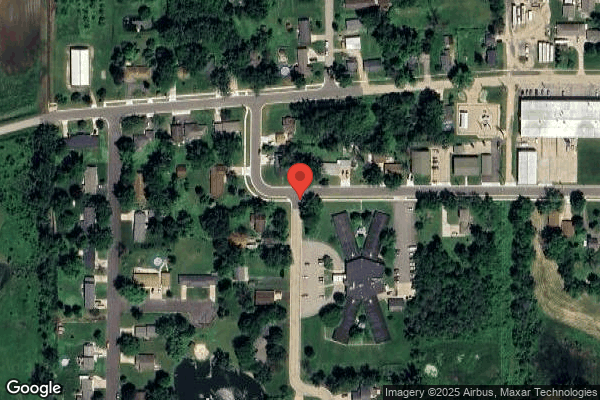
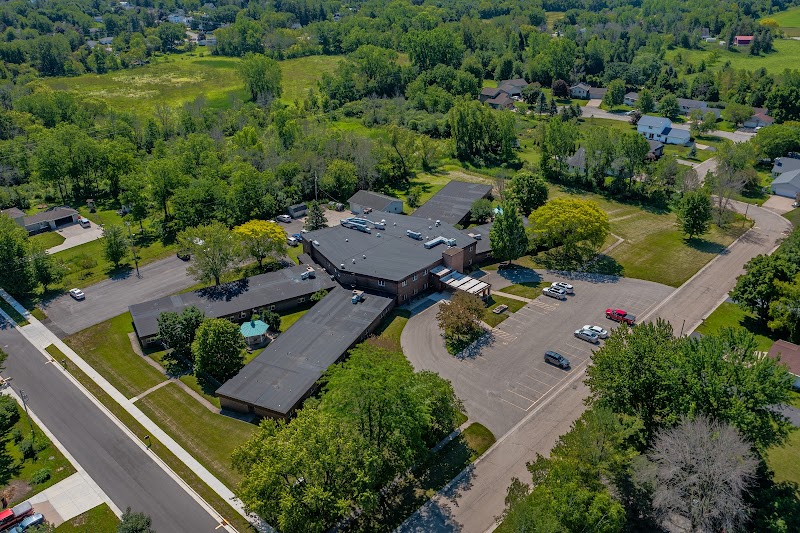
500 GRANT AVE, OMRO, WI 54963 (920) 685-2755
For profit - Limited Liability company 50 Beds EDEN SENIOR CARE Data: November 2025
Trust Grade
55/100
#150 of 321 in WI
Last Inspection: July 2024

Within standard 12-15 month inspection cycle. Federal law requires annual inspections.

Overview

Edenbrook Omro has a Trust Grade of C, which means it is average and sits in the middle of the pack compared to other nursing homes. It ranks #150 out of 321 facilities in Wisconsin, placing it in the top half, and #7 out of 8 in Winnebago County, indicating that there is only one local option that is better. The facility's trend is worsening, as it increased from 6 issues in 2023 to 7 in 2024. Staffing is a concern with a turnover rate of 62%, which is higher than the state average of 47%, but it does have good RN coverage, exceeding 98% of state facilities, meaning residents may receive better oversight. While there have been no fines recorded, there are notable issues, such as a resident acquiring a pressure ulcer due to insufficient monitoring and the facility's failure to maintain proper infection control practices, which could affect all residents.

Trust Score
C
55/100
In Wisconsin
#150/321
Top 46%
Safety Record
Moderate
Needs review
Inspections
Getting Worse
6 → 7 violations
Staff Stability
⚠ Watch
62% turnover. Above average. Higher turnover means staff may not know residents' routines.
Penalties
✓ Good
No fines on record. Clean compliance history, better than most Wisconsin facilities.
Skilled Nurses
✓ Good
Each resident gets 87 minutes of Registered Nurse (RN) attention daily — more than 97% of Wisconsin nursing homes. RNs are the most trained staff who catch health problems before they become serious.
Violations
⚠ Watch
19 deficiencies on record. Higher than average. Multiple issues found across inspections.
★★★☆☆
3.0
Overall Rating
★★★☆☆
3.0
Staff Levels
★☆☆☆☆
1.0
Care Quality
★★★★☆
4.0
Inspection Score
Stable
2023: 6 issues
2024: 7 issues

The Good

  • Full Sprinkler Coverage · Fire safety systems throughout facility
  • No fines on record

Facility shows strength in fire safety.

The Bad

3-Star Overall Rating

Near Wisconsin average (3.0)

Meets federal standards, typical of most facilities

Staff Turnover: 62%

16pts above Wisconsin avg (46%)

Frequent staff changes - ask about care continuity

Chain: EDEN SENIOR CARE

Part of a multi-facility chain

Ask about local staffing decisions and management

Staff turnover is elevated (62%)

14 points above Wisconsin average of 48%

The Ugly 19 deficiencies on record

1 actual harm
Oct 2024 5 deficiencies
CONCERN (D) 📢 Someone Reported This

A family member, employee, or ombudsman was alarmed enough to file a formal complaint

Potential for Harm - no one hurt, but risky conditions existed

Deficiency F0554 (Tag F0554)

Could have caused harm · This affected 1 resident

**NOTE- TERMS IN BRACKETS HAVE BEEN EDITED TO PROTECT CONFIDENTIALITY** Based on observation, staff interview, and record review, the facility did not ensure 3 residents (R) (R6, R7, and R4) of 12 sam...

Read full inspector narrative →
**NOTE- TERMS IN BRACKETS HAVE BEEN EDITED TO PROTECT CONFIDENTIALITY** Based on observation, staff interview, and record review, the facility did not ensure 3 residents (R) (R6, R7, and R4) of 12 sampled residents were assessed as able to safely and accurately self-administer medication. On 10/16/24, Surveyor observed Licensed Practical Nurse (LPN)-D leave a cup with medication on R6's bedside table. R6 did not have a physician's order or an assessment that indicated R6 could self-administer medication. On 10/6/24, Surveyor observed Registered Nurse (RN)-E leave a cup with medication on R7's table for R7 to self-administer. R7 did not have a physician's order or an assessment that indicated R7 could self-administer medication. On 10/16/24, Surveyor observed RN-E leave cups with medication R4's table for R4 to self-administer. R4 did not have a physician's order or an assessment that indicated R4 could self-administer medication. Findings include: The facility's Administering Medications policy, dated 1/2024, indicates: To ensure safe and effective administration of medication in accordance with physician orders and state/federal regulations .Procedure: .5. Medications may be self-administered by the resident or resident representative who have been assessed and determined to be safe and upon physician order. 1. On 10/16/24, Surveyor reviewed R6's medical record. R6 was admitted to the facility on [DATE] with diagnoses including spinal cord dysfunction, paraplegia, diabetes, and malnutrition. R6's Minimum Data Set (MDS) assessment, dated 9/25/24, had a Brief Interview for Mental Status (BIMS) score of 15 out of 15 which indicated R6 had intact cogitation. R6 was responsible for R6's healthcare decisions. On 10/16/24 at 12:00 PM, Surveyor observed LPN-D leave a medication cup with 10 milligrams (mg) of metoclopramide and 20 mg of baclofen on R6's bedside table. R6's medical record did not contain a self-administration of medication assessment or a physician's order to self-administer medication. 2. On 10/16/24, Surveyor reviewed R7's medical record. R7 was admitted to the facility on [DATE] with diagnoses including diabetes, anemia, and renal failure. R7's MDS assessment, dated 9/8/24, had a BIMS score of 15 out of 15 which indicated R7 had intact cognition. R7 was responsible for R7's healthcare decisions. On 10/16/24 at 12:16 PM, Surveyor observed RN-E leave a medication cup with 25 mg of Hydralazine and 125 mg of vitamin D3 on R7's table for R7 to self-administer. R7's medical record did not contain a self-administration of medication assessment or a physician's order to self-administer medication. 3. On 10/16/24, Surveyor reviewed R4's medical record. R4 was admitted to the facility on [DATE] with diagnoses including multiple fractures, coronary artery disease, heart failure, and cerebral vascular accident (stroke). R4's MDS assessment, dated 8/23/24, had a BIMS score of 15 out of 15 which indicated R4 had intact cognition. R4 was responsible for R4's healthcare decisions. On 10/16/24 at 12:18 PM, Surveyor observed RN-E leave medication cups with 325 mg of iron sulfate, 625 mg of Fiber-Lax, 1 mg of folic acid, and 10 milliliters (ml) of sucralfate on R4's table for R4 to self-administer. R4's medical record did not contain a self-administration of medication assessment or a physician's order to self-administer medication. On 10/16/24 at 1:32 PM, Surveyor interviewed Director of Nursing (DON)-B who verified R6, R7, and R4 were not assessed as able to safely and accurately self-administer medication and did not have a physician's order to do so.
CONCERN (D) 📢 Someone Reported This

A family member, employee, or ombudsman was alarmed enough to file a formal complaint

Potential for Harm - no one hurt, but risky conditions existed

Deficiency F0558 (Tag F0558)

Could have caused harm · This affected 1 resident

**NOTE- TERMS IN BRACKETS HAVE BEEN EDITED TO PROTECT CONFIDENTIALITY** Based on observation, staff and resident interview, and record review, the facility did not ensure 1 resident (R) (R3) of 4 samp...

Read full inspector narrative →
**NOTE- TERMS IN BRACKETS HAVE BEEN EDITED TO PROTECT CONFIDENTIALITY** Based on observation, staff and resident interview, and record review, the facility did not ensure 1 resident (R) (R3) of 4 sampled residents had a call light within reach. On 10/16/24, R3 was observed in R3's room without a call light within reach. Findings include: On 10/16/24, Surveyor requested the facility's call light policy which was not provided. On 10/16/24, Surveyor reviewed R3's medical record. R3 was admitted to the facility on [DATE] with diagnoses including spastic quadriplegic cerebral palsy, generalized anxiety disorder, unspecified behavioral and emotional disorders, unspecified intellectual disabilities, muscle wasting and atrophy, and cognitive communication deficit. R3's Minimum Data Set (MDS) assessment, dated 7/3/24, had a Brief Interview for Mental Status (BIMS) score of 14 out of 15 which indicated R3 had intact cognition. R3's pain care plan, dated 6/30/24, contained interventions to assist R3 to meet needs, maintain safety, and keep R3's call light within reach. On 10/16/24 at 10:45 AM, Surveyor observed R3 in a wheelchair in the middle of R3's room. Surveyor noted R3's call light was on the bed. When Surveyor asked if R3 could reach the call light, R3 stated, No. When Surveyor asked how R3 would get help if needed, R3 responded, I just call out. On 10/16/24 at 10:48 AM, Surveyor interviewed Certified Nursing Assistant (CNA)-C regarding R3's call light. CNA-C saw the call light on R3's bed and placed the call light in R3's lap. On 10/16/24 at 1:32 PM, Surveyor interviewed Director of Nursing (DON)-B who indicated a call light should be on the resident's person or near them.
CONCERN (D) 📢 Someone Reported This

A family member, employee, or ombudsman was alarmed enough to file a formal complaint

Potential for Harm - no one hurt, but risky conditions existed

Pharmacy Services (Tag F0755)

Could have caused harm · This affected 1 resident

**NOTE- TERMS IN BRACKETS HAVE BEEN EDITED TO PROTECT CONFIDENTIALITY** Based on staff interview and record review, the facility did not provide pharmaceutical services to ensure an allergy was convey...

Read full inspector narrative →
**NOTE- TERMS IN BRACKETS HAVE BEEN EDITED TO PROTECT CONFIDENTIALITY** Based on staff interview and record review, the facility did not provide pharmaceutical services to ensure an allergy was conveyed prior to a medication order for 1 resident (R) (R1) of 12 sampled residents. R1 had an allergy to Zofran which was documented in R1's hospital discharge summary and the facility's admission orders. R1 was administered Zofran on 9/6/24 and 9/7/24. Findings include: The facility's Administering Medications policy, dated 1/2024, indicates: To ensure safe and effective administration of medication in accordance with physician orders and state/federal regulations .Procedure: 4. Medications shall be administered per provider's written/verbal orders upon verification of the right medication, dose, route, time, and positive verification of the resident's identity when no contraindications are identified, and the medication is labeled according to accepted standards. On 10/16/24, Surveyor reviewed R1's medical record. R1 was admitted to the facility on [DATE] with diagnoses including cerebrovascular accident (stroke), neuropathic pain, and dysphagia. R1's Minimum Data Set (MDS) assessment, dated 6/11/24, stated R1's Brief Interview for Mental Status (BIMS) score was 0 out of 15 which indicated R1 had severe cognitive impairment. R1 had a guardian for healthcare decisions. R1's medical record and a hospital Discharge summary, dated [DATE], indicated R1 was allergic to Zofran with side effects of headache and dizziness. On 9/6/24, a nurse notified Medical Doctor (MD)-F that R1 had nausea. MD-F ordered Zofran and was not informed by the nurse that R1 had an allergy to Zofran. R1 was provided a dose of Zofran on 9/6/24 and 9/7/24. On 10/16/24 at 11:15 AM, Surveyor interviewed Registered Nurse (RN)-E who indicated medication orders should be reviewed for allergies when staff are on the phone with the MD. RN-E indicated if an order was given and a concern was identified, RN-E would call the MD back to clarify the order. RN-E indicated allergies are listed in red at the top of the medication page and said RN-E hoped the pharmacy would catch the order prior to providing the medication. On 10/16/24 at 11:25 AM, Surveyor interviewed Licensed Practical Nurse (LPN)-D who indicated nurses should provide the MD with a list of residents' allergies when they receive telephone orders. On 10/16/24 at 11:31 AM, Surveyor interviewed Director of Nursing (DON)-B who indicated nurses should verify a resident is not allergic to a medication when they receive a medication order. DON-B verified the facility's medical record system should alert nurses to allergies when a medication order is entered. On 10/16/24 at 12:27 PM, Surveyor interviewed MD-F who did not recall the telephone conversation with the nurse who reported R1's nausea. MD-F indicated if MD-F was aware of the allergy, MD-F would have prescribed a different medication.
CONCERN (E) 📢 Someone Reported This

A family member, employee, or ombudsman was alarmed enough to file a formal complaint

Potential for Harm - no one hurt, but risky conditions existed

Deficiency F0761 (Tag F0761)

Could have caused harm · This affected multiple residents

Based on observation, staff interview, and record review, the facility did not ensure all drugs and biologicals were stored in accordance with the facility's policy when 1 of 2 medication carts was ob...

Read full inspector narrative →
Based on observation, staff interview, and record review, the facility did not ensure all drugs and biologicals were stored in accordance with the facility's policy when 1 of 2 medication carts was observed unlocked and unattended during medication pass. This practice had the potential to affect more than 4 of the 31 residents residing in the facility. On 10/16/24, the 100 wing medication cart was left unlocked and unattended during medication administration for 3 residents (R) (R6, R7, and R4). Findings include: The facility's Administering Medications policy, dated 1/2024, indicates: To ensure safe and effective administration of medication in accordance with physician orders and state/federal regulations .Procedure: .18. Medications will remain secured in a locked cabinet/cart unless in direct view of the individual administering the medication. The facility's Medication Storage policy, dated 2/2024, indicates: To ensure medications and biological are stored in a safe, secure storage and safe handling .General Guidelines: .7. Compartments containing medications should be locked when not in use. Trays or carts used to transport such items should not be left unattended. On 10/16/24 at 12:00 PM, Surveyor observed Licensed Practical Nurse (LPN)-D leave a medication cart unlocked and unattended in the hallway with the drawers exposed during medication pass for 3 of 12 residents. On 10/16/24 at 12:20 PM, Surveyor interviewed LPN-D who verified the medication cart should not be left open when unattended. LPN-D stated LPN-D usually locked the cart but forgot that day. On 10/16/24 at 1:32 PM, Surveyor interviewed Director of Nursing (DON)-B who confirmed medication carts should be locked when unattended.
CONCERN (E) 📢 Someone Reported This

A family member, employee, or ombudsman was alarmed enough to file a formal complaint

Potential for Harm - no one hurt, but risky conditions existed

Infection Control (Tag F0880)

Could have caused harm · This affected multiple residents

Based on observation, staff interview, and record review, the facility did not maintain an infection prevention and control program designed to help prevent the development and transmission of disease...

Read full inspector narrative →
Based on observation, staff interview, and record review, the facility did not maintain an infection prevention and control program designed to help prevent the development and transmission of disease and infection for 6 residents (R) (R6, R8, R9, R10, R11, and R4) of 12 sampled residents observed during medication administration. On 10/16/24, Licensed Practical Nurse (LPN)-D did not complete hand hygiene during medication administration for R6, R8, R9, and R10. On 10/16/24, Registered Nurse (RN)-E did not sanitize the blood pressure cuff between use for R11 and R4. Findings include: The facility's Hand Hygiene policy, dated 1/16/23, indicates: To provide guidelines to staff for proper and appropriate hand washing and hygiene techniques that will aid in the prevention of the transmission of infections .Using Alcohol-Based Hand Gel: .c. Before preparing or handling medications; d. Before applying gloves and after removing gloves or other PPE. The Centers for Disease Control and Prevention (CDC) website's Guideline for Disinfection and Sterilization in Healthcare Facilities, dated 2008, indicates: .Medical equipment surfaces (e.g., blood pressure cuffs, stethoscopes, hemodialysis machines, and X-ray machines) can become contaminated with infectious agents and contribute to the spread of health-care-associated infections. For this reason, non-critical medical equipment surfaces should be disinfected with an Environmental Protection Agency (EPA)-registered low or intermediate-level disinfectant. Use of a disinfectant will provide antimicrobial activity that is likely to be achieved with minimal additional cost or work .4. Selection and Use of Low-Level Disinfectants for Noncritical Patient-Care Devices: .Disinfect non-critical medical devices (e.g., blood pressure cuff) with an EPA-registered hospital disinfectant using the label's safety precautions and use directions. On 10/16/24 at 12:00 PM, Surveyor observed LPN-D prepare medication for R6. LPN-D did not complete hand hygiene prior to medication preparation. On 10/16/24 at 12:10 PM, Surveyor observed LPN-D prepare medication for R8. LPN-D donned and doffed gloves during medication preparation but did not complete hand hygiene prior to glove application or after glove removal. On 10/16/24 at 12:15 PM, Surveyor observed LPN-D prepare medication for R9. LPN-D donned and doffed gloves during medication preparation but did not complete hand hygiene prior to glove application or after glove removal. On 10/16/24 at 12:20 PM, Surveyor observed LPN-D prepare medication for R10. LPN-D donned and doffed gloves during medication preparation but did not complete hand hygiene prior to glove application or after glove removal. On 10/16/24 at 12:25 PM, Surveyor observed RN-E during medication administration. Surveyor noted RN-E took R11's blood pressure and did not sanitize the blood pressure cuff after use. RN-E then took R4's blood pressure with the same cuff and did not sanitize the cuff after use. Surveyor noted R4 was on evidence-based precautions (EBP) for infection and had an indwelling catheter. On 10/16/24 at 12:20 PM, Surveyor interviewed LPN-D who indicated LPN-D usually completed hand hygiene before and after glove application and before medication preparation. LPN-D indicated LPN-D was nervous and forgot to perform hand hygiene. On 10/16/24 at 1:32 PM, Surveyor interviewed Director of Nursing (DON)-B who indicated DON-B expects nursing staff to complete hand hygiene before and after medication preparation and before and after donning and doffing gloves per the facility's policy. DON-B also verified DON-B expects staff to sanitize equipment between residents if EBP are in place.
Jul 2024 2 deficiencies
CONCERN (D)

Potential for Harm - no one hurt, but risky conditions existed

Deficiency F0692 (Tag F0692)

Could have caused harm · This affected 1 resident

**NOTE- TERMS IN BRACKETS HAVE BEEN EDITED TO PROTECT CONFIDENTIALITY** Based on staff and resident interview, and record review, the facility did not ensure 2 residents (R) (R9 and R434) of 4 sampled...

Read full inspector narrative →
**NOTE- TERMS IN BRACKETS HAVE BEEN EDITED TO PROTECT CONFIDENTIALITY** Based on staff and resident interview, and record review, the facility did not ensure 2 residents (R) (R9 and R434) of 4 sampled residents received the necessary care and services to prevent and/or monitor weight loss. R9 had an order to be weighed 3 times per week. R9's weights were not completed in accordance with the physician's order. In addition, R9 experienced a significant weight loss of 14.29% from 3/22/24 to 7/2/24. R434 was admitted to the facility on [DATE] and had an order for weights to be completed for the first 7 days after admission and one time a day every Monday, Wednesday, and Friday. R434's weights were not completed in accordance with the physician's order. Findings Include: The facility's Resident Height and Weight policy, with a revision date 7/7/23, indicates: A significant weight change is defined as a 5% weight change over 30 days, 7.5% weight change over 90 days, or a 10% weight change over 180 days .Upon admission and two days following, the nursing department staff will weigh the resident on the appropriate scale weekly for 4 weeks and then monthly unless otherwise ordered by the physician, recommended by the Dietitian, or the resident's medical condition requires .Weekly or monthly weights are recommended if any of the following are present .significant unplanned weight loss in 30, 90, or 180 days .gradual unplanned weight loss over multiple months .unstable congestive heart failure (CHF) or significant edema. 1. From 7/22/24 through 7/24/24, Surveyor reviewed R9's medical record. R9 was admitted to the facility on [DATE] and had diagnoses including type 2 diabetes mellitus with diabetic polyneuropathy, abnormal weight loss, edema, unspecified dementia with psychotic disturbance, and unspecified protein-calorie malnutrition. R9's Minimum Data Set (MDS) assessment, dated 5/3/24, had a Brief Interview for Mental Status (BIMS) score of 11 out of 15 which indicated R9 had moderate cognitive impairment. R9's medical record indicated R9 weighed 199.5 pounds on 3/22/24 and 171 pounds on 7/2/24 which indicated R9 had a significant weight loss of 14.29% over a 14 week (102 day) period. R9 had a physician's order, dated 2/20/24, to be weighed on Monday and Friday which was revised on 6/6/24 to Tuesday, Thursday, and Saturday. R9's medical record contained the following weights: ~ Week of 7/21/24 - 7/24/24: No weights recorded ~ Week of 7/14/24 - 7/20/24: No weights recorded ~ Week of 7/7/24 - 7/13/24: No weights recorded ~ Week of 6/30/24 - 7/6/24: 7/2/24 - 171 pounds ~ Week of 6/23/24 - 6/29/24: 6/28/24 - 167 pounds ~ Week of 6/9/24 - 6/15/24: 6/15/24 - 164 pounds; 6/13/24 - 163 pounds ~ Week of 4/21/24 - 4/27/24: No weights recorded ~ Week of 4/7/24 - 4/13/24: 4/12/24 - 189 pounds ~ Week of 3/24/24 - 3/30/24: 3/29/24 - 189.5 pounds ~ Week of 3/17/24 - 3/23/24: 3/22/24 - 199.5 pounds; 3/22/24 - 199.5 pounds On 7/24/24, Surveyor reviewed R9's treatment administration record (TAR) which contained several entries for R9's weights coded 9 for See progress note. R9's progress notes did not contain documentation regarding R9's weights. On 7/24/24 at 11:34 AM, Surveyor interviewed Director of Nursing (DON)-B who stated staff should weigh newly admitted residents on the day of admission, 2 days after, weekly for 4 weeks, and then monthly. DON-B stated if a resident has certain medical issues, weights should be completed daily unless otherwise specified by the physician. DON-B stated R9 frequently refused weights which nurses should record in the TAR. DON-B stated code 9 in the TAR indicates the nurse should have entered a progress note with the rationale for why R9's weight was not obtained. DON-B acknowledged nursing staff did not consistently enter progress notes and put Per DON in progress notes. DON-B stated staff are supposed to give the weights to DON-B to enter so DON-B can ensure there are no discrepancies. DON-B stated if weights aren't turned in, DON-B is unaware they should have been completed. DON-B verified there were issues with the current process. 2. From 7/22/24 through 7/24/24, Surveyor reviewed R434's medical record. R434 was admitted to the facility on [DATE] with diagnoses including fracture of lower end of left femur, anemia, morbid obesity due to excessive calories, type 2 diabetes, and dyskinesia of esophagus. R434's MDS assessment, dated 7/22/24, had a BIMS score of 15 out of 15 which indicated R434 had intact cognition. A Nurse Practitioner (NP) note, dated 7/19/24, indicated R434 struggled with fluid overload and edema during and post hospitalization. The note also stated R434's home weight was approximately 211 pounds. R434 had a physician's order, dated 7/19/24, for weights one time a day for 7 days and one time a day Monday, Wednesday, and Friday for CHF. R434's initial admit weight on 7/18/24 was 230.5 pounds. No additional weights were recorded in R434's medical record. On 7/22/24 at 11:28 AM, Surveyor interviewed R434 who stated R434 did not have a bowel movement in over a week and had a history of edema. R434 denied having been weighed since the day R434 was admitted . On 7/24/24 at 11:34 AM, Surveyor interviewed DON-B who stated residents should be weighed on the day of admission, 2 days after, weekly for 4 weeks, and then monthly. DON-B stated if a resident has certain medical issues, such as CHF, weights should be completed daily unless otherwise specified by the physician. DON-B stated R434 should have been weighed daily per the physician's order. DON-B acknowledged R434 should have been weighed multiple times following R434's initial weight.
CONCERN (D)

Potential for Harm - no one hurt, but risky conditions existed

Infection Control (Tag F0880)

Could have caused harm · This affected 1 resident

**NOTE- TERMS IN BRACKETS HAVE BEEN EDITED TO PROTECT CONFIDENTIALITY** Based on observation, staff interview, and record review, the facility did not ensure staff performed proper hand hygiene for 1 ...

Read full inspector narrative →
**NOTE- TERMS IN BRACKETS HAVE BEEN EDITED TO PROTECT CONFIDENTIALITY** Based on observation, staff interview, and record review, the facility did not ensure staff performed proper hand hygiene for 1 resident (R) (R2) of 3 residents observed during the provision of care. Registered Nurse (RN)-C did not perform appropriate hand hygiene during care for R2 on 7/22/24. Findings include: The facility's Hand Hygiene policy, with a revision date of 1/16/23, indicates: To provide guidelines to staff for proper and appropriate hand washing and hygiene techniques that will aide in the prevention of the transmission of infections .2. The use of gloves does not replace hand hygiene. 3. Hand hygiene is always the final step after removing and disposing of personal protective equipment (PPE). In addition, the policy indicates staff should perform hand hygiene under the following conditions: Before applying gloves and after removing gloves; After handling items potentially contaminated with blood, body fluids, or secretions; Before moving from a contaminated body site to a clean body site during resident care. On 7/22/24, Surveyor reviewed R2's medical record. R2 was admitted to the facility on [DATE] with diagnoses including chronic obstructive pulmonary disease. R2 had open areas on both buttocks from moisture-associated skin damage (MASD) which put R2 at high risk for infection and required enhanced barrier precautions (EBP) to prevent unintended transfer of infectious disease. On 7/22/24 at 1:21 PM, Surveyor observed RN-C provide wound care to the open areas on R2's buttocks. Surveyor observed RN-C remove the old dressing from R2's right buttock (there was not a dressing on the left buttock). Without changing gloves and cleansing hands, RN-C cleansed both buttocks with a wipe and removed RN-C's gloves. RN-C then applied new gloves, put zinc paste on the open areas on R2's left and right buttocks, and removed an absorbent pad soiled with blood. Without changing gloves and cleansing hands, RN-C applied clean dressings to R2's left and right buttocks, secured both dressings with tape, and gathered used supplies including R2's old dressing. RN-C then covered R2 with a blanket and put the used supplies in the garbage. RN-C repositioned R2 with the help of Director of Nursing (DON)-B and then removed RN-C's PPE and cleansed hands. On 7/22/24 at 1:42 PM, Surveyor interviewed RN-C who verified RN-C should have changed gloves and completed hand hygiene between glove changes when done with dirty before going to clean. RN-C verified RN-C missed hand hygiene opportunities in the above observation. On 7/24/24 at 10:36 AM, Surveyor interviewed DON-B who verified staff should change gloves between dirty and clean tasks and complete hand hygiene in between glove changes.
Jun 2023 5 deficiencies 1 Harm
SERIOUS (G)

Actual Harm - a resident was hurt due to facility failures

Pressure Ulcer Prevention (Tag F0686)

A resident was harmed · This affected 1 resident

**NOTE- TERMS IN BRACKETS HAVE BEEN EDITED TO PROTECT CONFIDENTIALITY** 2. R30 was admitted to the facility on [DATE] with diagnoses that included diverticulitis (inflammation in parts of the digestiv...

Read full inspector narrative →
**NOTE- TERMS IN BRACKETS HAVE BEEN EDITED TO PROTECT CONFIDENTIALITY** 2. R30 was admitted to the facility on [DATE] with diagnoses that included diverticulitis (inflammation in parts of the digestive system), clostridium difficile (infection of the large intestine), and moderate cognitive impairment. R30 required extensive assistance of staff with most ADLs. R30's Baseline care plan, dated 5/31/23, indicated R30 did not have any skin irregularities. R30's Braden Scale for Predicting Pressure Ulcer Risk, dated 5/31/23 and 6/7/23, indicated R30 was at mild risk for skin breakdown. A progress note, dated 6/10/23 at 9:18 PM, contained the following information: CNA called writer to R30's room. Writer noted a red area and a 0.5 cm (centimeter) by 0.5 cm open area on R30's coccyx. Chamosyn with Manuka Honey (nourishing skin barrier cream) was applied. A progress note, dated 6/10/23 at 9:42 PM, stated the on-call provider was notified of the open area and treatment. A Skin and Wound Evaluation, dated 6/10/23, stated R30 had an in-house-acquired abrasion to the coccyx. An air mattress and additional interventions were implemented, including heel suspension/protection device. During an initial tour of the facility on 6/12/23 at 10:04 AM, Surveyor interviewed R30 who was in bed on an air mattress. R30 stated R30 had a sore near the rectum. Surveyor noted R30's heels were in direct contact with the mattress. Surveyor observed heel protection boots in R30's room; one boot was on R30's wheelchair and the other was on the floor beneath the wheelchair. R30 stated the boots were not really used and staff sometimes forget to elevate R30's heels. R30 stated R30 would not refuse to elevate R30's heels. On 6/12/23 at 12:46 PM, Surveyor interviewed R30's daughter who stated the air mattress was put on R30's bed the day prior (6/11/23). R30's daughter stated the coccyx wound was discovered during cares when staff wiped the area and R30 said ow. On 6/12/23 at 3:22 PM, Surveyor observed R30 in bed with a pillow between R30's knees. R30's heels were in direct contact with the mattress. On 6/13/23 at 10:45 AM, Surveyor interviewed WCCN-D who initiated the interventions for an air mattress, Chamosyn with Manuka Honey, a wheelchair cushion, a recliner cushion, repositioning, and offloading heels with pillows or boots. WCCN-D stated R30's heels should be floated on pillows or with the boots and stated R30 brought boots to the facility from the hospital. On 6/13/23 at 10:57 AM, Surveyor interviewed CNA-I who stated pressure injury prevention interventions for R30 included being up for meals, positioning side to side, and offloading heels with boots or pillows. CNA-I verified R30's heels should be offloaded when R30 was in bed. On 6/14/23 at 2:12 PM, Surveyor interviewed DON-B who stated residents should be assessed for pressure injury risk and staff should implement interventions to prevent further pressure injury development. DON-B stated the standard was to prevent, provide education, and monitor daily. Based on observation, staff and resident interview, and record review, the facility did not ensure necessary care and services were provided to prevent pressure injuries from developing or worsening and/or promote healing for 2 Residents (R) (R10 and R30) of 4 sampled residents. R10 was admitted to the facility following a fall that resulted in a right hip fracture. R10 was assessed to be at risk for the development of pressure injuries. Interventions to elevate and protect R10's heels were not initiated until R10 developed suspected deep tissue injuries (DTIs) (areas of soft tissue damage due to pressure or shear which are anticipated to evolve into a deep PI, but have not yet done so. The affected skin is discolored purple or maroon, may be painful, firm, mushy, boggy, and warmer or cooler than adjacent skin. The wound may further evolve and become covered by eschar characterized by dark, crusty tissue at either the bottom or the top of a wound) to both heels approximately 3 weeks after admission. This example was cited at a level G (Actual Harm/Isolated). R30 developed a pressure injury to the coccyx after admission. Staff did not ensure interventions were followed to prevent the development of further pressure injuries. During multiple observations, R30's heels were not ofloaded with pillows or protective boots. Findings include: The facility's Pressure Injury Prevention and Wound Care Management policy, revised 2/24/23, contained the following information: Purpose: The purpose of the policy is to provide healthcare staff with the standards of care, and processes to be followed for all residents. *To identify factors that place residents at risk for the development of pressure injuries and to implement appropriate interventions to prevent the development of clinically avoidable wounds. *To promote a systemic approach and monitoring process for the care of residents with existing wounds and for those who are at risk for skin breakdown. Procedure: Risk Identification and Assessment: 3. Risk factors identified by the Braden Scale, MDS (Minimum Data Set), or other assessment should be reviewed and addressed as determined appropriate through the RAI (Resident Assessment Instrument) process, including the resident's care plan. These risk factors include but are not limited to; b. Impaired or decreased mobility and functional ability d. Comorbid conditions J. Resident refusal of some aspects of care and treatment 1. During an initial tour of the facility on 6/12/23, Surveyor noted R10's door had a sign that indicated R10 was on contact precautions (implemented when residents have an infection that can be spread by contact with the skin including mucous membranes, feces, vomit, urine, wound drainage or other body fluids). Surveyor asked staff about the sign and was told R10 had infected sores on R10's heels. From 6/12/23 through 6/14/23, Surveyor reviewed R10's medical record. R10 was admitted to the facility on [DATE] with diagnoses that included fracture of unspecified part of right femur (thigh bone), muscle weakness, other reduced mobility, and pain in right hip. R10's admission MDS assessment, dated 3/14/23, contained a Brief Interview for Mental Status (BIMS) score of 15 out of 15 which indicated R10 was not cognitively impaired. R10 required extensive assistance of staff for activities of daily living (ADLs), including bed mobility, transfers and personal hygiene, and had limited range of motion to the right lower extremity. R10 was at risk for the development of pressure injuries and was not on a turning/repositioning program. R10's admission skin assessment, dated 3/8/23, indicated R10 did not have any pressure injuries. R10's plan of care indicated R10 was at risk for alteration in skin integrity related to impaired mobility status post right hip fracture. A care plan, initiated on 3/9/23, contained the following intervention: ~Float my heels and use heel suspension boots while I am in bed (initiated on 3/29/23). A Mini-Nutritional Assessment (MNA)/Summary was completed on 3/9/23. R10 scored 8 out of 14 on the assessment which indicated R10 was at risk for malnutrition. A Registered Dietitian-Nutrition Assessment was also completed on 3/9/23. The summary indicated an ordered diet would be provided and R10 would be monitored for the need for dietary interventions. A nursing note, dated 3/12/23, indicated R10 was a one assist with transfers, made R10's needs known, stayed in bed all day and refused to get up. A nursing note, dated 3/19/23, indicated R10 liked to spend the majority of R10's time in bed, but got up in a wheelchair at times. A nursing note, dated 3/25/23, indicated R10 needed encouragement to get up and sit in chair. A nursing note, dated 3/27/23, indicated R10 required extensive assistance of staff with ADLs and didn't assist staff with washing up or turning. A nursing note, dated 3/28/23, indicated R10 liked to spend the majority of R10's time in bed, but got up in a wheelchair at times with much encouragement. A nursing note, dated 3/28/23, indicated R10 had weeping from the heel/foot area and heels that were mushy, and dark purple/black in color with scabbed areas on the outer edges. R10's feet were propped up on pillow at the time of the check and R10 stated, I don't like to have them up at all. Surveyor reviewed R10's medical record from 3/8/23 (the date of admission) until 3/28/23 when staff discovered R10's bilateral heel pressure injuries. Prior to 3/28/23, there were no documented pressure injury preventative interventions in place other than an alternating air mattress at the time of admission. In addition, R10's medical record did not contain documentation that additional offloading interventions were offered prior to R10 developing the bilateral heel pressure injuries. R10's TAR (Treatment Administration Record) contained an order, dated 4/4/23, to float heels off of bed every shift. On 6/13/23 at 2:03 PM, Surveyor observed R10's heels during wound care completed by two nurses, including Wound Care Certified Nurse (WCCN)-D. Following the observation, Surveyor interviewed WCCN-D who stated R10's pressure injuries were facility-acquired. When Surveyor asked what offloading interventions were put in place upon admission, WCCN-D stated R10 did not have protective boots until R10 developed the pressure injuries and R10's heels were not always floated off the mattress. WCCN-D stated R10's pressure injuries were found when a CNA (Certified Nursing Assistant) provided care and noticed blood on the sheet under R10's feet. WCCN-D stated R10 had an air mattress in place upon admission and indicated the development of pressure injuries to R10's heels didn't look good. Heel wound measurements on 6/12/23 were documented as follows: ~Left heel: 4.7 cm (centimeters) in length x 1.6 cm in width with depth documented as n/a ~Right heel: 4.2 cm in length x 2.8 c. in width with depth documented as n/a On 6/13/23 at 3:25 PM, Surveyor interviewed LPN (Licensed Practical Nurse)-J who completed R10's admission skin assessment on 3/8/23. LPN-J verified R10 did not have pressure injuries on R10's heels upon admission. LPN-J stated LPN-J made it a point to check residents' heels upon admission. LPN-J verified R10 was not issued protective heel boots upon admission. LPN-J verified a CNA notified LPN-J on 3/28/23 there was blood on R10's sheet near R10's feet. On 3/28/23, LPN-J took a picture of one heel, but was unable to get a picture of the other heel because R10 was in bed at the time. On 3/28/23, LPN-J put foam dressings on R10's heels, applied protective boots, and updated WCCN-D. On 6/13/23 at 3:32 PM, Surveyor interviewed CNA-K who verified CNA-K observed blood on R10's sheet near R10's feet. CNA-K could not recall the date of the observation, but stated CNA-K notified LPN-J. CNA-K did not recall R10 having protective heel boots prior to developing the pressure injuries. On 6/14/23 at 1:49 PM, Surveyor interviewed ROM (Regional Operations Manager)-C regarding offloading interventions staff used to protect R10's heels from breakdown from 3/8/23 until the pressure injuries were discovered on 3/28/23. ROM-C reviewed R10's medical record and stated R10 had an alternating air mattress on R10's bed. On 6/14/23 at 8:41 AM, Surveyor interviewed R10 who verified R10 did not have bilateral heel pressure injuries when R10 was admitted to the facility. R10 stated initially staff did not offer R10 protective heel boots and did not offload R10's heels with a pillow until after the pressure injuries were discovered. R10 stated R10 would have allowed R10's heels to be elevated off the mattress if staff offered. A fax to MD (Medical Doctor)-G, dated 3/29/23, indicated R10 had two intact DTIs on the right heel and one intact DTI on the left heel. The fax stated R10 had an air mattress and now wore heel boots in bed. Staff asked for orders to apply a daily dry dressing followed by Kerlix wrap and monitor for healing/opening. Despite the fact interventions (aside from an air mattress) weren't in place to protect R10's heels from 3/8/23 until 3/28/23, MD-G signed a statement on 3/29/23 that stated R10's pressure injuries were unavoidable due to non-compliance with turning/repositioning. A nursing note, dated 4/11/23, contained the following information: .New in house acquired DTIs to bilateral heels. New treatment order noted for dry dressing and wrap with Kerlix. Care plan updated for heel suspension boots and float heels .Care plan interventions: Skin care plan updated: LAL (low air loss) mattress, pressure relieving cushion for (wheelchair), ProHeal supplement for healing, heel boots and floating heels. Will initiate repositioning schedule. A nursing note, dated 4/12/23, contained the following information: Received orders from MD-G to discontinue treatment to heels. Betadine paint to bilateral eschar area daily and cover with dry dressing. A nursing note, dated 4/13/23, indicated R10's heels opened and orders were obtained from Advanced Practice Nurse Prescriber (APNP)-M for Xeroform (a fine mesh gauze occlusive dressing that maintains a moist wound environment) with bordered gauze to open areas of heels. Change daily and PRN (as needed). A fax to MD-G, dated 5/3/23, requested an order for R10 to be seen by the wound clinic. A consultation report from Wound Clinic Wound Nurse Practitioner (WNP)-L, dated 5/15/23, contained the following information: -Unstageable bilateral heel ulcers; Xeroform as a contact layer and ABD (abdominal) (a non-woven, thick, absorbent pad)/kling (absorbent gauze which clings to itself when wrapped); change daily and PRN; Continue offloading boots and offloading program; Consult placed to podiatry for debridement (surgical removal of necrotic, infected and non-healing tissue from the wound base); Follow up as needed. On 6/14/23 at 8:58 AM, Surveyor interviewed WNP-L who stated R10 had nasty heel ulcers and the eschar was too extensive for WNP-L to debride so R10 was referred to podiatry. WNP-L stated R10 was skin and bones, but offloading and good nutrition would have helped protect R10's heels. On 6/14/23 at 12:17 PM, Surveyor interviewed APNP-M who completed a compliance visit on 4/13/23 and noted R10 had dressings on both heels. APNP-M stated R10 declined to have the dressings removed so APNP-M could observe R10's heels. APNP-M stated R10's albumin (a protein) (abnormal levels of albumin can cause health problems and be signs of other issues such as kidney and liver disease) was low and could play a role in skin breakdown. APNP-M also stated not elevating R10's heels could play a significant role as well. A nursing note, dated 5/16/23, indicated R10's pressure injuries increased in size and contained more moisture. A podiatry consultation report, dated 5/22/23, stated R10 had stable eschar on both heels and was scheduled for surgical debridement on 6/1/23. The report contained orders for no bandages and to keep R10's heels offloaded/floated with a pillow. A podiatry consultation report, dated 6/1/23, indicated surgical debridement was performed on R10's heels and contained the following orders: -Leave dressings intact until follow up appointment with wound clinic. -Non-weight bearing to both feet. A wound clinic consultation report, dated 6/7/23, indicate a wound culture of R10's pressure injuries tested positive for pseudomonas (an MDRO (multidrug-resistant organism) and extensively drug-resistant bacteria that may be hard to treat because the bacteria may not respond to antibiotics) and contained the following orders: -Five minute acetic acid soaks; pat dry; apply adaptic, ABD and Kerlix; complete daily. -Doxycycline (an antibiotic) 100 mg (milligrams) BID (twice daily) for 2 weeks. -House protein supplement BID. -Follow up in 2 weeks. -Infectious Disease consult. A nursing note, dated 6/8/23, stated R10 was placed in contact isolation. A nursing note, dated 6/12/23, stated R10 was admitted to Hospice. On 6/14/23 at 2:12 PM, Surveyor interviewed DON (Director of Nursing)-B who verified R10's pressure injuries were facility-acquired and stated the best practice was prevention. DON-B verified DON-B expected staff to identify risk factors for skin breakdown and implement interventions for residents at risk for pressure injuries. On 6/14/23 at 3:00 PM, Surveyor interviewed ROM-C who stated staff should assess the current condition of a resident and implement interventions based on the assessment. ROM-C stated a plan of care should be developed for the resident and staff should follow the plan of care.
CONCERN (D)

Potential for Harm - no one hurt, but risky conditions existed

Notification of Changes (Tag F0580)

Could have caused harm · This affected 1 resident

**NOTE- TERMS IN BRACKETS HAVE BEEN EDITED TO PROTECT CONFIDENTIALITY** Based on staff interview and record review, the facility did not ensure a physician was notified of a change in weight for 1 Res...

Read full inspector narrative →
**NOTE- TERMS IN BRACKETS HAVE BEEN EDITED TO PROTECT CONFIDENTIALITY** Based on staff interview and record review, the facility did not ensure a physician was notified of a change in weight for 1 Resident (R) (R30) of 2 residents reviewed for nutrition. R30's weight decreased 7.5 pounds from 5/31/23 through 6/9/23. R30 lost 5.34% of R30's body weight in a nine-day period. R30's physician was not notified of the weight loss. Findings include: The facility's undated Resident Heights and Weights policy contained the following information: A significant weight change is defined as a 5% weight change over 30 days, 7.5% weight change over 90 days or a 10% weight change over 180 days .If a re-weigh verifies a significant, unplanned weight change, this is communicated to the resident's Physician, POA (Power of Attorney), Dietitian and any others deemed necessary by the Interdisciplinary team. The facility's Change in Condition policy, revised 7/6/21, contained the following information: .2. Specific information that requires a prompt notification includes, but is not limited to: e. Significant weight change (gain/loss of 5% or more in past thirty days, 7.5% or more in past three months or 10% or more in past six months). R30 was admitted to the facility on [DATE] with diagnoses that included diverticulitis (inflammation in parts of the digestive system), clostridium difficile (infection of the large intestine), and moderate cognitive impairment. R30 had an activated Power of Attorney for Healthcare (POAHC) and required extensive staff assistance with most activities of daily living (ADLs). R30's documented weights included: 6/9/23 at 11:59 AM - 133.0 pounds 6/8/23 at 9:14 AM - 130.5 pounds 6/3/23 at 1:03 PM - 135.0 pounds 6/2/23 at 7:48 AM - 138.0 pounds 6/1/23 at 7:25 PM - 138.0 pounds 5/31/23 at 9:24 PM - 140.5 pounds 5/31/23 at 8:57 PM - 140.5 pounds R30's Baseline care plan, dated 5/31/23, documented R30's dietary goal was to maintain R30's current weight. R30's Baseline Nutrition Data Collection document, dated 6/1/23, stated R30 weighed 140.5 pounds and R30's weight would be monitored. On 6/13/23 at 2:45 PM, Surveyor interviewed RD-E who stated the physician was not updated regarding R30's recent weight loss. RD-E stated RD-E spoke with R30's POA and was told 133 pounds was R30's baseline weight. RD-E stated the last weight for R30 was on 6/9/23. RD-E stated RD-E does not always start supplements for residents because then residents might not eat their meals. RD-E stated RD-E would not order a supplement unless R30 was below R30's baseline weight of 133 pounds. On 6/13/23 at 2:55 PM, Surveyor interviewed Medical Doctor (MD)-G who stated some of R30's weight loss could be attributed to edema, but was probably a combination of edema and nutrition. MD-G stated if MD-G was notified of the weight loss, MD-G would have ordered a protein supplement for R30 based on the weight loss and the development of a pressure injury. On 6/14/23 at 9:45 AM, Surveyor interviewed Director of Nursing (DON)-B who stated R30's physician should have been notified of R30's weight loss according to the facility's policy and procedure.
CONCERN (D)

Potential for Harm - no one hurt, but risky conditions existed

Deficiency F0692 (Tag F0692)

Could have caused harm · This affected 1 resident

**NOTE- TERMS IN BRACKETS HAVE BEEN EDITED TO PROTECT CONFIDENTIALITY** Based on staff interview and record review, the facility did not provide care and services to maintain acceptable parameters of ...

Read full inspector narrative →
**NOTE- TERMS IN BRACKETS HAVE BEEN EDITED TO PROTECT CONFIDENTIALITY** Based on staff interview and record review, the facility did not provide care and services to maintain acceptable parameters of nutritional status for 1 Resident (R) (R30) of 2 residents reviewed for nutrition. R30's weight decreased 7.5 pounds from 5/31/23 through 6/9/23. R30 lost 5.34 % of R30's body weight in a nine-day period. R30's nutrition plan was not revised to add supplements after R30 lost weight and developed a pressure injury. Findings include: The facility's undated Resident Heights and Weights policy contained the following information: A significant weight change is defined as a 5% weight change over 30 days, 7.5% weight change over 90 days or a 10% weight change over 180 days .If a re-weigh verifies a significant, unplanned weight change, this is communicated to the resident's Physician, POA, Dietitian and any others deemed necessary by the Interdisciplinary team. The policy also indicates if a resident's weights identify a significant weight change, the resident's care plan is updated with interventions, including but not limited to, adding a fortified or calorie dense food/snack and/or the provision of nutritional supplements. R30 was admitted to the facility on [DATE] with diagnoses that included diverticulitis (inflammation in parts of the digestive system), clostridium difficile (infection of the large intestine), and moderate cognitive impairment. R30 had an activated Power of Attorney for Healthcare (POAHC) and required extensive staff assistance with most activities of daily living (ADLs). R30's documented weights included: 6/9/23 at 11:59 AM - 133.0 pounds 6/8/23 at 9:14 AM - 130.5 pounds 6/3/23 at 1:03 PM - 135.0 pounds 6/2/23 at 7:48 AM - 138.0 pounds 6/1/23 at 7:25 PM - 138.0 pounds 5/31/23 at 9:24 PM - 140.5 pounds 5/31/23 at 8:57 PM - 140.5 pounds R30's Baseline Nutrition Data Collection document, dated 6/1/23, stated R30 weighed 140.5 pounds and R30's weight would be monitored. R30's Registered Dietitian Nutrition Assessment, dated 6/2/23 and signed on 6/5/23, contained a weight of 138 pounds. The assessment indicated R30 did not currently have edema, but had some edema upon admission. The assessment indicated R30 was at risk for malnutrition and stated Registered Dietitian (RD)-E would provide an ordered diet and monitor for the need for dietary interventions. R30's Mini-Nutrition Assessment, dated 6/5/23, indicated R30 was at risk for malnutrition and had a moderate decrease in food intake over the past three months. A progress note, dated 6/12/23 at 8:59 AM, contained the following information: Weight Warning: 133.0 lbs; Date: 6/9/23 at 11:59 AM; -5.0% change .RD review: Weight is down 2 pounds in 1 week and 7.5 pounds since admission .R30 is on a diuretic and had bilateral lower extremity edema present upon admission which has since resolved; R30's meal intakes vary from 26-100%; Will monitor at this time. A daily skilled nursing note, dated 6/12/23 at 2:55 PM, contained the following information: .R30 up at lunch time briefly, back to bed, offloading with pillow; Participated in therapies; Appetite is fair; Offered snacks left at bedside . On 6/13/23 at 2:45 PM, Surveyor interviewed RD-E who stated RD-E spoke with R30's POAHC who stated 133 pounds was R30's baseline weight. RD-E stated RD-E watched R30's weight every day, but verified R30 was not weighed daily. RD-E stated R30's last weight was obtained on 6/9/23. RD-E stated RD-E does not always start supplements for residents because then residents might not eat their meals. RD-E stated RD-E would not order a supplement unless R30 was below R30's baseline weight of 133 pounds. On 6/13/23 at 2:55 PM, Surveyor interviewed Medical Doctor (MD)-G who indicated some of R30's weight loss could be attributed to edema, but was probably a combination of edema and nutrition. MD-G stated MD-G would have ordered a protein supplement for R30 based on weight loss and the development of a pressure injury. Director of Nursing (DON)-B stated to Surveyor that DON-B looked for but could not find a nutrition services policy.
CONCERN (D)

Potential for Harm - no one hurt, but risky conditions existed

Drug Regimen Review (Tag F0756)

Could have caused harm · This affected 1 resident

**NOTE- TERMS IN BRACKETS HAVE BEEN EDITED TO PROTECT CONFIDENTIALITY** Based on staff interview and record review, the facility did not ensure pharmacy recommendations were addressed by a physician f...

Read full inspector narrative →
**NOTE- TERMS IN BRACKETS HAVE BEEN EDITED TO PROTECT CONFIDENTIALITY** Based on staff interview and record review, the facility did not ensure pharmacy recommendations were addressed by a physician for 2 Residents (R) (R3 and R6) of 5 residents reviewed. Two out of three pharmacy recommendations for R3 did not contain a response from R3's physician. Two out of six pharmacy recommendations for R6 did not contain a response from R6's physician. Findings include: The facility's Medication Regimen Review policy, dated of 3/6/19, contained the following information: .6. Any irregularities will be communicated to the physician utilizing a written recommendation and report for consideration. 1. R3 was admitted to the facility on [DATE] with diagnoses that included post traumatic stress disorder (PTSD), generalized anxiety disorder, paranoid schizophrenia, and major depressive disorder. On 10/26/22, the pharmacy reviewed R3's medications and recommended a dose reduction for the following psychotropic medications: ~temazepam (a benzodiazepine) 15 mg (milligrams) by mouth at bedtime for insomnia ~diazepam (a benzodiazepine) 2.5 mg by mouth three times daily for muscle spasticity ~quetiapine IR (an antipsychotic) 150 mg by mouth at bedtime for schizophrenia ~quetiapine ER 200 mg by mouth at bedtime for schizoaffective disorder ~duloxetine (an antidepressant) 120 mg by mouth once daily for depression On 12/28/22, the pharmacy recommended a dose reduction for the same psychotropic medications listed in the 10/26/22 pharmacy recommendation. On 6/14/22, the facility was unable to provide documentation that a physician responded to the pharmacy's recommendations. 2. R6 was admitted to the facility on [DATE] with diagnoses that included bipolar II disorder, borderline personality disorder, other low back pain, generalized edema, and other specified anxiety disorder. On 4/26/23, the pharmacy recommended a dose reduction for the following psychotropic medications: ~olanzapine (an antipsychotic) 10 mg by mouth at bedtime for bipolar disorder ~venlafaxine ER (an antidepressant) 225 mg by mouth once daily related to borderline personality disorder ~lamotrigine (an anticonvulsant) 0.5 mg by mouth twice daily for bipolar disorder. The recommendation also asked the physician to provide a rationale for extending the use of PRN (as needed) lorazepam (an anxiolytic) for anxiety beyond 14 days. On 5/24/23, the pharmacy again recommended the physician provide a rationale for extending the use of PRN lorazepam for more than 14 days. On 6/14/23, the facility was unable to provide documentation that a physician responded to the recommendations. On 6/14/23 at 11:31 AM, Surveyor interviewed Director of Nursing (DON)-B who worked at the facility for approximately three weeks. DON-B stated DON-B was unsure what previous staff did with the recommendations. DON-B stated there was confusion regarding who received pharmacy recommendations when they were sent to the facility. DON-B stated DON-B expected staff to provide timely follow up and indicated the facility will implement a new process to ensure pharmacy recommendations are addressed by a physician.
CONCERN (F)

Potential for Harm - no one hurt, but risky conditions existed

Infection Control (Tag F0880)

Could have caused harm · This affected most or all residents

Based on observation, staff interview, and record review, the facility did not establish and maintain an infection prevention and control program based on current standards of practice, designed to pr...

Read full inspector narrative →
Based on observation, staff interview, and record review, the facility did not establish and maintain an infection prevention and control program based on current standards of practice, designed to provide a safe environment and to help prevent the development and transmission of communicable disease and infection. This practice had the potential to affect all 36 residents residing in the facility. The facility did not have a system for preventing the growth and spread of Legionella in the facility's water system. The facility's Water Management Plan (WMP) was not based on current standards of practice and did not: - Include water management team members who were knowledgeable about Legionella - Identify acceptable ranges of control limits and corrective actions when control limits are not met Findings include: The 7/6/18 revised CMS (Centers for Medicare and Medicaid Services) Quality, Safety and Oversight Letter 17-30 titled, Requirement to Reduce Legionella Risk in Healthcare Facility Water Systems to Prevent Cases and Outbreaks of Legionnaires' Disease (LD) states: Facilities must have water management plans and documentation that, at a minimum, ensure each facility: - Specifies testing protocols and acceptable ranges for control measures and documents the results of testing and corrective actions taken when control limits are not maintained. The 6/24/21 CDC (Centers for Disease Control and Prevention) Toolkit titled Developing a Water Management Program to Reduce Legionella Growth & Spread in Buildings identifies the key elements of a water management program for healthcare facilities to include: 1. Establish a water management program team. 2. Describe the building water systems using text and flow diagrams. 3. Identify areas where Legionella could grow and spread. 4. Describe where control measures should be applied and how to monitor them. 5. Establish ways to intervene when control limits are not met. 6. Make sure the program is running as designed and is effective. 7. Document and communicate all the activities. The CDC's Core Infection Prevention and Control Practices for Safe Healthcare Delivery in All Settings located at https://www.cdc.gov/infectioncontrol/guidelines/core-practices/index.html#anchor_72633 states: This document concisely describes a core set of infection prevention and control practices that are required in all healthcare settings, regardless of the type of healthcare provided. The practices were selected from among existing CDC recommendations and are the subset that represent fundamental standards of care that are not expected to change based on emerging evidence or to be regularly altered by changes in technology or practices and are applicable across the continuum of healthcare settings . Core Practice Category 4. Performance Monitoring and Feedback notes: 3. Train performance monitoring personnel and use standardized tools and definitions CDC Legionella Control Measures for Potable Water systems recommendation .3. Water Systems in Health-Care Facilities .b. Water Temperature and Pressure .To minimize the growth and persistence of gram-negative waterborne bacteria hot water should be stored above 140°F (Fahrenheit) (60°C (Celsius)) and circulated with a minimum return temperature of 124°F. On 6/13/23, Surveyor reviewed the facility's Water Management Program which contained the following information: - The Water Management Program will be championed by the Maintenance Director. This role will know the water system, monitor, and document control locations and limits. -7. Document and communicate .maintain records of service. - Environmental Assessment of Water Systems (Appendix A) 2. How is the hot water system configured to deliver water to each building? Indicates boiler 1 and boiler 2 usual temperature settings are 120 degrees F. On 6/14/23 at 10:09 AM, Surveyor interviewed Maintenance Director (MD)-H who verified MD-H was not aware the hot water heater (boiler) temperature needed to be 140 degrees F with a return of 126 degrees F. On 6/14/23 at 10:12 AM, Surveyor noted the hot water heater in the south boiler room which accessed resident rooms in Chase Hall was set at 120 degrees F. MD-H stated the water heater was normally set at 140 degrees F, but had pressure valve issues. MD-H stated a plumber was consulted who recommended MD-H turn the temperature down. MD-H set the temperature dial at 120 degrees F. After the part was replaced, the temperature dial was not reset to 140 degrees F. MD-H stated the boilers had dials instead of temperature gauges. Surveyor noted the boiler did not contain a temperature gauge to measure the return temperature. After the mixing valve, Surveyor also noted a temperature grid that read 112 degrees F. MD-H stated if the temperature at the temperature grid after the mixing valve was 112 degrees F and if the temperature of resident room faucets was 105-115 degrees F, that was sufficient. Surveyor also inspected the north boiler room hot water storage tank. The temperature measured 123 degrees F via the temperature gauge. On 6/14/23 at 12:00 PM, Surveyor interviewed MD-H again and verified the following: - MD-H was involved in developing the facility's Water Management Plan. - There was no documentation of hot water heater temperature settings. - There was no way to measure the return temperature of the water. - The facility did not check the pH; the city checked the pH every 3 years. - MD-H was not fully educated on the CDC guidance for water management of Legionella. - MD-H stated MD-H was sent information on Legionella last year, but only knew the basics, including that you could get sick from it and can get it from stagnant water.
Mar 2023 1 deficiency
CONCERN (D) 📢 Someone Reported This

A family member, employee, or ombudsman was alarmed enough to file a formal complaint

Potential for Harm - no one hurt, but risky conditions existed

Deficiency F0551 (Tag F0551)

Could have caused harm · This affected 1 resident

**NOTE- TERMS IN BRACKETS HAVE BEEN EDITED TO PROTECT CONFIDENTIALITY** Based on staff interview and record review, the facility did not ensure rights were exercised by the appropriate decision-maker ...

Read full inspector narrative →
**NOTE- TERMS IN BRACKETS HAVE BEEN EDITED TO PROTECT CONFIDENTIALITY** Based on staff interview and record review, the facility did not ensure rights were exercised by the appropriate decision-maker prior to and after findings of incapacity for 1 Resident (R1) of 3 sampled residents. The facility did not ensure R1, who did not have an activated Power of Attorney (POA) for healthcare, signed R1's own form designating who R1 wanted to have access to R1's medical information regarding changes in R1's care plan, medication, and physical status. Information was released to Family Member (FM)-D who was listed on the form. In addition, the facility disclosed R1's financial information to FM-D without POA for finance documentation that named FM-D or a financial information release. Findings include: 1. On 3/27/23, Surveyor reviewed R1's medical record which documented R1 did not have an activated POA for healthcare and was responsible for R1's own decision making at the time of admission on [DATE]. R1's Notification of Change and Release of Information document indicated information regarding care plan changes, medications, and physical status could be released to R1's spouse (POA-E) and FM-D. The document also indicated financial information, room changes, and discharge planning could be discussed with POA-E. The form was signed by POA-E who was not authorized to act as POA at that time because R1 did not have a finding of incapacity to activate a POA at the time of admission. R1 was assessed as incapacitated on 12/7/22 and regained capacity on 3/2/23. On 3/27/23 at 1:45 PM, Nursing Home Administrator (NHA)-A verified R1 did not designate an alternate person to sign forms upon admission and R1 should have signed R1's own Notification of Change and Release of Information form. 2. On 3/27/23, Surveyor reviewed the facility's grievance file which contained a grievance submitted on 3/2/23 by FM-D who alleged Business Office Manager (BOM)-C kept R1's credit card. The facility investigated and found BOM-C opened R1's mail. (R1 was assessed as incapacitated on 12/7/22 and regained capacity on 3/2/23.) On 3/27/23 at 12:12 PM, Surveyor interviewed BOM-C regarding R1's mail. BOM-C could not recall the date BOM-C opened R1's mail. BOM-C stated R1's mail was accidentally opened along with facility mail. BOM-C contacted FM-D to ask what to do with the contents of R1's mail. FM-D directed BOM-C to pass the contents of the open letter to POA-E. BOM-C stated BOM-C batch opens facility mail and immediately discards envelopes so BOM-C did not replace the contents in the envelope. BOM-C stated FM-D seemed to understand financial information and indicated to BOM-C that FM-D was going to work on R1's Medicaid application. BOM-C stated BOM-C felt POA-E did not understand the financial information because POA-E asked BOM-C to assist with gathering materials Medicaid requested. BOM-C stated BOM-C believed FM-D was POA-E's POA. BOM-C confirmed the facility did not have documentation to show POA-E was incapacitated and confirmed R1 did not have a POA for finance on file.
Aug 2022 6 deficiencies
CONCERN (D)

Potential for Harm - no one hurt, but risky conditions existed

Notification of Changes (Tag F0580)

Could have caused harm · This affected 1 resident

**NOTE- TERMS IN BRACKETS HAVE BEEN EDITED TO PROTECT CONFIDENTIALITY** Based on record review and staff interview, the facility did not notify a physician of resident change of condition for 1 Reside...

Read full inspector narrative →
**NOTE- TERMS IN BRACKETS HAVE BEEN EDITED TO PROTECT CONFIDENTIALITY** Based on record review and staff interview, the facility did not notify a physician of resident change of condition for 1 Resident (R) (R135) of 1 reviewed for physician notification. R135's weight changed by over three lbs (pounds) in April 2022. R135's physician was not notified of R135's weight changes as physician ordered. Findings include: On 8/1/22, Surveyor reviewed R135's medical record. R135 was admitted to the facility on [DATE] with diagnoses to include Congestive Heart Failure (heart failure can lead to the build-up of fluids in the body). R135 was discharged from the facility on 4/27/22. R135's medical record indicated R135 was weighed as follows: ~ 4/20/22 weight = 148.5 lbs ~ 4/21/22 weight = 148.5 lbs ~ 4/22/22 weight = 144 lbs (3.5 lbs loss within 24 hrs) ~ 4/23/22 weight = 142 lbs (5.5 lbs loss within 48 hrs) ~ 4/24/22 weight = 140 lbs - this weight was struck out by Registered Dietician (RD) on 4/26/22 with a note recommending re-weigh ~ 4/25/22 weight = 144.5 lbs (4 lbs loss compared to admission weight) ~ 4/26/22 weight = 144.5 lbs No weight was recorded for 4/27/22. R135's medical record contained the following physician order: ~ Call MD (physician) if weight increases or decreases by 3# (lbs) in one day or 3# in one week. (order dated 4/20/22) R135's care plan stated, .Weigh resident per facility policy or as ordered. Notify MD/NP (Nurse Practitioner) per order or with significant changes. R135's medical record did not contain evidence of physician notification of R135's weight changes. On 8/3/22 at 11:35 AM, Surveyor interviewed Director of Nursing (DON)-B who verified R135's medical record did not contain evidence of physician notification of R135's weight changes. DON-B verified R135's physician should have been updated with R135's weight changes as ordered by R135's physician.
CONCERN (D)

Potential for Harm - no one hurt, but risky conditions existed

ADL Care (Tag F0677)

Could have caused harm · This affected 1 resident

**NOTE- TERMS IN BRACKETS HAVE BEEN EDITED TO PROTECT CONFIDENTIALITY** Based on observation, and resident interviews, the facility did not ensure timely assistance with Activities of Daily Living (AD...

Read full inspector narrative →
**NOTE- TERMS IN BRACKETS HAVE BEEN EDITED TO PROTECT CONFIDENTIALITY** Based on observation, and resident interviews, the facility did not ensure timely assistance with Activities of Daily Living (ADL) care for 2 Residents (R) (R7 and R27) of 3 supplemental sampled residents reviewed. R7 waited 28 minutes for assistance with perineal care following a bowel movement. R27 waited 44 minutes for assistance with obtaining drinking water. R27 reported longer wait times for assistance to the bathroom to have a bowel movement. Findings include: On 8/2/22, Surveyor reviewed R7's medical record. R7 was admitted to the facility on [DATE] with diagnoses to include Morbid Obesity (a serious health condition that results from abnormally high excess body fat to an extent that it has a negative effect on health). R7's Minimum Data Set (MDS) assessment dated [DATE] stated R7's Brief Interview for Mental Status (BIMS) score was 15 out of 15 which indicated R7 had no cognitive impairment. R7's MDS also indicated R7 required physical assistance of one staff member for personal hygiene. On 8/2/22, Surveyor reviewed R27's medical record. R27 was admitted to the facility 1/19/18 with diagnoses to include Hemiplegia (paralysis/immobility of one side of the body) and Hemiparesis (muscular weakness or partial paralysis restricted to one side of the body) following Cerebrovascular Disease (a variety of medical conditions that affect the blood vessels of the brain) affecting Left Non-Dominant Side. R27's MDS stated R27's BIMS score was 15 out of 15 which indicated R27 had no cognitive impairment. R27's MDS also indicated R27 required physical assistance of one staff member for toilet use. On 8/2/22 at 10:32 AM, Surveyor observed R27's call light activate. Surveyor observed staff respond to R27's call light at 11:17 AM, which was a 44 minute call light response time. On 8/2/22 at 10:33 AM, Surveyor observed R7's call light activated. Surveyor observed staff respond to R7's call light at 11:01 AM, which was a 28 minute call light response time. On 8/2/22 at 11:18 AM, Surveyor interviewed R7 who was sitting on a commode (portable toilet). R7 indicated R7 had activated call light because of commode use. On 8/2/22 at 11:25 AM, Surveyor interviewed R27 who indicated R27 had activated call light because R27 wanted water to drink. R27 then stated, I've waited longer. When asked for an example when R27 had waited longer than 44 minutes for call light response, R27 stated, Like when I have to use the bathroom to have a bowel movement. On 8/3/22 at 11:16 AM, Surveyor interviewed Director of Nursing (DON)-B who indicated an acceptable call light response time was 15 minutes or less. DON-B indicated R7 was independent for commode use and usually activated call light when R7 was finished using the commode and required assistance. On 8/3/22 at 11:50 AM, Surveyor interviewed R7 who verified R7 did not need staff help to use commode. When questioned what R7 needed when R7 activated call light at 10:33 AM on 8/2/22, R7 stated, I got up, used commode, then I was waiting on the bed to be cleaned up. R7 indicated R7 was unable to clean R7's self after toilet use. R7 indicated R7 had a bowel movement while on commode and needed staff assistance for perineal care. R7 stated, When you saw me on the commode yesterday, I was just sitting there while the CNA (Certified Nursing Assistant) went to get a new sheet for the bed.
CONCERN (D)

Potential for Harm - no one hurt, but risky conditions existed

Pressure Ulcer Prevention (Tag F0686)

Could have caused harm · This affected 1 resident

**NOTE- TERMS IN BRACKETS HAVE BEEN EDITED TO PROTECT CONFIDENTIALITY** Based on observation, staff and resident interview, and record review, the facility did not ensure the provision of care consist...

Read full inspector narrative →
**NOTE- TERMS IN BRACKETS HAVE BEEN EDITED TO PROTECT CONFIDENTIALITY** Based on observation, staff and resident interview, and record review, the facility did not ensure the provision of care consistent with professional standards of practice to prevent pressure injuries (PIs) for 1 of 5 sampled residents (R) (R28). Facility did not implement pressure injury prevention measures or identify that R28 had developed a pressure injury. Findings include: Per record review, R28 was admitted to facility on 6/21/22 following a right total knee replacement and with diagnosis including but not limited to malignant neoplasm of the left kidney, weight loss, prediabetes and need for assistance with personal cares. R28 was cognitively intact and R28's own decision maker. R28 was hospitalized on [DATE] and readmitted to facility on 7/6/22. Facility policy titled Pressure Injury Prevention and Wound Care Management, described the purpose of the policy To identify factors that places the residents at risk for the development of pressure injuries and to implement appropriate interventions to prevent the development of clinically avoidable wounds. On 8/1/22 at 9:47 AM, Surveyor was talking with R28 who indicated R28's right leg was painful following surgery. Surveyor observed R28's bilateral heels were in direct contact with R28's mattress. Writer observed a darkened area on R28's right heel when R28 lifted their right leg. Surveyor asked R28 if Surveyor could look at both of R28's heels and R28 lifted each leg allowing Surveyor to see the heels. Surveyor observed a darkened area on R28's right heel and a reddened area on R28's left heel. R28 rested R28's heels back on the mattress with the discolored areas directly resting on the mattress. Surveyor asked R28 if the areas were painful and R28 stated, Not really. A progress note dated 7/30/22 at 10:00 AM stated, Resident spends (R28's) days in bed except for during therapies. Fluids are encouraged, drank approximately 480cc this shift. There were numerous entries in R28's progress notes that indicated R28 was spending the days in bed. A progress note dated 7/31/22 at 10:00 AM stated, Resident continues to stay in bed all shift. Will get up and work with therapies then back to bed. Fluids encouraged. CMS (meaning Central Nervous System) check WNL (within normal limits). On 8/1/22 at 1:43 PM, Surveyor interviewed Licensed Practical Nurse (LPN)-C, who identified as the facility wound nurse. LPN-C indicated that all residents received weekly skin checks. LPN-C stated, the CNAs also tell us if there is a problem with the skin during weekly skin checks when they shower the residents. LPN-C indicated there were 3 residents with pressure sores in the building. LPN-C listed the residents with pressure injuries but did not identify R28. Surveyor asked about R28. LPN-C stated R28 did not have pressure injuries; that R28 was able to reposition and get up on their own. Surveyor and LPN-C went to R28's room. R28's heels were resting on the mattress. R28 was agreeable to LPN-C and Surveyor looking at heels and rolled to the right side, leaving heels visible to LPN-C and Surveyor. Wound LPN stated, Oh my gosh, and explained to R28 that R28 would be getting boots to protect the heels and a new mattress as R28's heels were red. R28 was agreeable. Per medical record review, R28's last Braden Scale dated 7/27/22, identified R28 as mild risk for pressure injury development and R28's last Weekly Skin Check dated 7/27/22, indicated R28's skin was intact. R28's medical record contained a care plan that stated, The resident has limited physical mobility r/t recent right knee replacement surgery, with a revised date of 6/23/22. R28's medical record contained a care plan that stated, I am at risk for alteration in skin integrity related to impaired mobility, that was revised on 8/1/22 with new interventions to include floating of R28's heels or using heel suspension boots while in bed and a low air loss air mattress. R28's care plan did not include interventions to protect R28's heels prior to the identification of pressure injuries on 8/1/22 even though R28 was documented as staying in bed most days and was assessed to be at risk for skin breakdown. Surveyor observed R28 several times on 8/2/22 and 8/3/22 that R28 was wearing the heel suspension boots.
CONCERN (D)

Potential for Harm - no one hurt, but risky conditions existed

Deficiency F0692 (Tag F0692)

Could have caused harm · This affected 1 resident

**NOTE- TERMS IN BRACKETS HAVE BEEN EDITED TO PROTECT CONFIDENTIALITY** 2. Facility policy titled Hydration read as follows: Adequate nutrition and hydration are essential for overall functioning. Wat...

Read full inspector narrative →
**NOTE- TERMS IN BRACKETS HAVE BEEN EDITED TO PROTECT CONFIDENTIALITY** 2. Facility policy titled Hydration read as follows: Adequate nutrition and hydration are essential for overall functioning. Water is essential to maintain adequate body functions. As a major component of blood, water dissolves vitamins, minerals, glucose, amino acids, etc.; transports nutrients into cells; removes waste from the cells; and helps maintain circulating blood volume as well as fluid and electrolyte balance. It is critical that each resident at risk for hydration deficit or imbalance . be identified and assessed to determine appropriate interventions. Procedure: 1. Upon admission, each resident will be assessed by the R.D. (Registered Dietician) to determine estimated fluid needs and risk for dehydration. Fluid needs and risk for dehydration will be documented in the Registered Dietician Nutritional Assessment . 2. Dietary Manager will also review fluid preferences with all new admissions and update the tray card to reflect these preferences. R9 was admitted to the facility on [DATE] with diagnosis to include severe protein-calorie malnutrition, hyperlipidemia (abnormally elevated amount of lipids in the blood) and heart disease. R9's care plan indicated: Chocolate milk or hot chocolate with meals. Staff will offer and encourage me to drink fluids at meals and in between meals to maintain good hydration. R9's physician orders read, Encourage fluids in between meals three times a day. Active date: 10/24/2020. Nutrition Assessment completed on 5/5/22 by Registered Dietician (RD)-D indicated R9's estimated fluid requirements to be 1,330 ml (milliliters)/day and that R9's fluid intake from meals was less than 1,200 ml. Summary: (R9) is a [AGE] year-old (gender) with dx (diagnosis): pro/cal (calorie) malnutrition .(R9) is able to feed self on a regular diet, regular texture diet with regular liquids Fluid intake at meals is typically < (less than) 1,200 ml/day. Additional fluids are offered between meals . Quarterly Nutrition Screening dated 2/1/22 completed by Dietary Manager (DM)-J indicated: Fluid Intake: 900-950 cc with meals. R9's diet card read as follows: Beverage Preference: Coffee with 2 creamers, chocolate milk, lemonade for L (lunch) and S (supper). On 8/1/22 at 10:15 AM, Surveyor interviewed R9 who indicated that the facility had purchased new water mugs for resident rooms and the mugs were to get filled each night with fresh ice and water; however, some residents complained of being woken up by staff while they were filling water mugs after the residents had gone to bed for the evening. R9 stated, So that (filling water mugs with fresh ice/water) only lasted one night. R9 indicated they (staff) used to bring us (residents) water but staff only bring fresh water once in a while now. R9 stated, I tend to not drink water if it is warm and 2 days old. On 8/1/22 at 10:54 AM, Surveyor observed R9 to have a clear plastic mug on R9's over-the-bed table. The mug had the capacity to hold 500 mls of fluid. The mug had less than 100 ml of water in it. There was no ice in the mug and the outside of the mug was noted to be room temperature. There was also a disposable, 9 ounce (oz.), clear cup on the over-the-bed table which was three-fourths full, without ice. To touch, the cup was noted to be room temperature. The resident also had a 10 oz. cup of orange juice from breakfast. On 8/2/22 at 8:52 AM, Surveyor observed R9 to have a half full mug of water with no ice and the 10 ounce cup of orange juice. On 8/2/22 at 9:51 AM, Surveyor observed R9 to have a half full mug of water with no ice. The mug was noted to be room temperature. R9 stated, That (pointing to the mug of water) was filled yesterday around lunch time. R9 confirmed having gotten no fresh water since lunch the day prior (8/1). R9 explained that at mealtime, I ask them (staff) for fresh water and sometimes they fill the mug with water and no ice. On 8/2/22 at 12:53 PM, Surveyor observed R9 to have a half full mug of water with no ice. R9 confirmed no fresh water had been offered or provided to R9. On 8/2/22 at 1:47 PM, Surveyor observed R9 to have a half full mug of water with no ice. The mug was noted to be at room temperature. R9 confirmed no fresh water had been offered or provided to R9 since lunch yesterday. On 8/2/22 at 1:49 PM, Surveyor did not observe a Certified Nursing Assistant (CNA) to be consistently on R9's wing (Chase Wing) throughout the morning; therefore, Surveyor interviewed CNA-G who was noted to be working on a different wing ([NAME] Wing). CNA-G indicated that water and ice are passed after morning cares, that on the wing CNA-G was assigned to/working ([NAME] Wing), CNA-G would get ice from a cooler which was located at the end of the wing and put the ice into the residents' mugs in their rooms and then fill the mug with water. CNA-G confirmed it would be the float CNA who would provide R9's wing (Chase Wing) with water and ice. CNA-G added that when second (PM) shift started their shift, they would also pass water and ice to residents on their assigned wings. On 8/2/22 at 1:53 PM, Surveyor reviewed the nursing staff schedule which indicated there was not a specific CNA assigned to R9's wing, but that a float CNA, CNA-H, was to cover Chase Wing today. On 8/2/22 at 1:58 PM, Surveyor interviewed CNA-H who stated, I do not usually work as a CNA. CNA-H explained that CNA-H has a Nursing Assistant Certification, but works typically in the Medical Records department. CNA-H confirmed being responsible for Chase Wing this date for day shift. When asked about water/ice pass, CNA-H stated, I think they (staff) try to get it done right away in the morning. When asked if CNA-H passed ice/water to Chase Wing, CNA-H stated, I did not. On 8/2/22 at 3:05 PM, Surveyor observed R9's water mug to be half full and with no ice. R9 confirmed staff had not offered R9 fresh ice or water yet today (8/2). On 8/2/22 at 3:06 PM, Surveyor now observed a cart with a cooler on it; the cooler was half full of ice. The cart and cooler were located in a cove within Chase Wing. On 8/3/22 at 8:19 AM, Surveyor observed the same cart in the cove on Chase Wing, now the ice was melted as evidenced by cold water in the cooler with a few thin ice cubes floating in the water. The cooler was half full of the water/melted ice. On 8/3/22 at 8:20 AM, Surveyor observed R9's water mug to now have 200 ml of water, no ice. The mug was felt to be room temperature. R9 indicated, they (staff) are supposed to wash out the mugs and refill them each day, but that doesn't happen. I have to walk to the nurse's station to get my water. R9 explained that before going to bed the evening prior (8/2), R9 went to the nurse who was passing medications last evening and asked for some cold water. The nurse provided R9 water with no ice, but R9 was OK with that (no ice) seeing R9 was going to bed shortly. R9 further stated, They (staff) used to come around with ice and water at least twice a day, now they (staff) do not do it at all except for every once in a while, but it is not a regular thing. I used to be able to count on it, but not anymore. It is always a surprise when somebody knocks on the door and says we have cold or fresh water for you. R9 again explained how the staff passed water on night shift but a couple residents complained; R9 stated, That was the end of getting water at night, but they (staff) did not replace it (getting water passed at night) with getting water during the day. R9 added, I get blamed for not ringing my bell (referring to the call light), but I wait 45 minutes and so it is easier to go up to the nurse's station and ask for what I need. Surveyor also observed a disposable 9 oz cup on R9's bed tray which was 1/4th full and the cup felt cold. R9 indicated getting that water with the morning medication pass this morning. Surveyor noted R9 to have an approximately 10 oz cup of orange juice with breakfast, but no chocolate milk or coffee. R9 confirmed that other than at medication pass this morning and asking for water on R9's own last evening, staff had not offered R9 fresh water or ice. R9 said, R9 did not go get coffee from the kitchen that morning on R9's own either. On 8/3/22 at 9:38 AM, Surveyor observed the same amount of water in R9's room as at 8:20 AM, no ice. Surveyor also noted the same cooler in the hall cove which was still half full of water (the evening prior was ice). On 8/3/22 at 9:40 AM, Surveyor reviewed the nursing schedule, which indicated float CNA, CNA-I, was assigned to Chase Wing from 6 AM to 10 AM. On 8/3/22 at 10:23 AM, Surveyor interviewed CNA-I who was working on [NAME] Wing at the time. CNA-I confirmed being the float CNA and also was covering Chase wing. When asked about the ice cooler on [NAME] Wing, CNA-I indicated that we (CNAs) pass ice on rounds and as requested of residents. CNA-I confirmed CNAs would have passed ice and water after getting residents up this morning. When asked if CNA-I passed ice and water to Chase Wing today, CNA-I stated, I did not. On 8/03/22 at 10:30 AM, Surveyor interviewed Nursing Home Administrator (NHA)-A who indicated new mugs were ordered for resident rooms months ago. NHA-A confirmed that there were some residents who did not like water being passed on night shift while sleeping. NHA-A explained the process for passing fresh water is that at the beginning of the PM shift (2 PM) water and ice are passed to residents. On 8/03/22 at 10:49 AM, Surveyor observed the same cooler of melted ice on Chase Wing and R9 to have the same amount of room-temperature water as observed at 8 AM. On 8/03/22 at 11:43 AM, Surveyor interviewed DM-J. DM-J indicated R9 will come to the kitchen in the morning around 6 AM and ask for coffee on R9's own. DM-J indicated that R9 does not come to the kitchen any other times of day for coffee. On 8/03/22 at 11:53 AM, Surveyor observed the same cooler with melted ice (half full of water). R9's mug had 75 ml of water left in it. R9 confirmed no one had come to offer R9 cold/fresh water. R9 indicated, I have not had cold water offered to me other than the little bit the nurse gave me with medication and that is not much. On 8/3/22, Surveyor reviewed facility-provided records of R9's fluid intake which indicated the following for R9 within the recent two-week time frame 7/20: 880 ml 7/21: 960 ml 7/22: 1200 ml 7/23: 720 ml 7/24: no charting due to power outage 7/25: 1080 ml 7/26: 960 ml 7/27: 1080 ml 7/28: 1050 ml 7/29: 960 ml 7/30 960 ml 7/31: 1080 ml 8/1: 1200 ml 8/2: 960 ml On 8/03/22 at 12:37 PM, Surveyor observed R9 with a lunch tray in R9's room which included a cup (approximately 9 ounces) of lemonade; no coffee and no chocolate milk per diet card. R9 stated, They (kitchen) typically runs out of chocolate milk by Wednesday which is simple arithmetic - I don't understand why they don't order more. Many of the residents rely on the milk and some get 2 glasses. Surveyor observed R9 now had a full mug of ice water in the room. R9 indicated, staff filled R9's water mug at lunch time. Based on observation, resident and staff interview and record review, the facility did not ensure that 2 Residents (R) (R28 and R9) of 5 residents who were reviewed for nutrition and hydration, received the necessary care and services to prevent weight loss or dehydration. -R28 continued to lose weight during stay at facility. R28's hospital discharge instructions were not followed for weights or verified to continue nutritional supplements during transition from hospital to facility. -R9 did not receive fresh drinking water on a consistent basis or in alignment with physician orders. Findings: 1. Per record review, R28 was admitted to facility on 6/21/22, following a right total knee replacement and with diagnoses including but not limited to malignant neoplasm of the left kidney, weight loss, prediabetes and need for assistance with personal cares. R28 was cognitively intact and was own decision maker. R28 was hospitalized on [DATE] and readmitted to facility on 7/6/22. Facility policy titled, Resident Heights and Weights stated a resident would be weighed on day of admission and two days following, weekly for four weeks and then monthly unless otherwise ordered. R28's hospital Discharge Summary (DS) dated 6/21/22, indicated R28 experienced weight loss and ordered daily weights. R28's hospital After Visit Summary (AVS) document indicated R28 was ordered Ensure nutritional supplement daily with dinner during R28's hospitalization. Daily weights were not transcribed or obtained per R28's DS or per facility policy to obtain daily weights times three days and R28's provider was not contacted to determine if the Ensure supplement was to continue at facility. R28's After Visit Summary dated 7/6/22, indicated R28 was ordered Ensure nutrition supplement three times daily and listed weight loss as a diagnosis. R28's provider was not contacted to determine if the supplement should have been continued at transition back to the facility. R28's facility documented weights were as follows: 6/21/22 - 170.5#, 6/23/22 - 167.5#, 6/28/22 - 167.5#, 7/1/22 - 161.5#, 7/6/22 - 163.5#, 7/8/22 - 159.5#, 7/13/22 - 156#, 7/20/22 - 156#, 8/2/22 - 149.5 and 8/3/22 - 151# with right leg brace on. RD-D indicated R28 refused a weight on 7/27/22. R28's medical record contained an order for weekly weights dated 7/26/22. On 8/2/22 at 8:35 AM, writer met with R28 in R28's room. R28's breakfast tray was in the room and Surveyor observed approximately ¼ of the waffle on the tray was gone. R28 indicated R28 had eaten a couple of bites of the waffle. Other items on the tray were untouched. R28 stated R28 did not like the food, that the waffle was soggy and R28 would not eat anymore of the breakfast tray. During the AM shift on 8/2/22, Surveyor met with RD-D who indicated R28 was eating 75-100% of meals 90% of the time. RD-D emphasized to writer numerous times that R28 had the right to refuse to get out of bed or to refuse orders/treatments. Surveyor indicated that R28 was diagnosed with bilateral pressure ulcers the previous day, was continuing to lose weight, had pain in the right leg, and indicated R28 seemed to be declining. Surveyor asked if there was an overall assessment completed for R28 to prevent the pressure injuries and to determine why R28 was continuing to lose weight. RD-D reiterated that R28 could refuse to get out of bed and that R28 was eating 75-100% of meals and taking the bedtime snack. RD-D indicated R28 did not need a supplement and felt that R28's weight loss was related to edema post-surgery and to the fluids R28 received while in the hospital. RD-D stated that adding nutrition supplements could be dangerous for some residents. RD-D did not feel the provider should have been updated with R28's continued weight loss. RD-D indicated R28 would have to be reweighed for the weight of 8/2/22 because the weight was a standing weight whereas R28's previous weights were taken in the wheelchair. On 8/2/22 at 1:33 PM, Surveyor interviewed LPN-C who indicated the Discharge Summary (DS) and the After Visit Summary (AVS) were reviewed for new admissions or readmissions in processing orders. LPN-C indicated that if the documents did not match, nursing staff would need to clarify the orders with a provider. R28's discharge documents indicated R28 was ordered Ensure nutrition supplement while hospitalized . LPN-C indicated the nutritional supplements should have been transcribed as ordered or the provider contacted to determine if they should continue. LPN-C indicated there was probably no clarification with a provider regarding the Ensure supplements on R28's AVS. On 8/2/22 at 1:45 PM, Surveyor interviewed Director of Nursing (DON)-B who indicated that the AVS and DS were used for new admissions and readmissions in transcribing orders. Daily Skilled Charting assessments in R28's chart dated 7/8/22, 7/12/22 , 7/14/22 and 7/24/22, coded R28's nutrition as Probably Inadequate: Rarely eats a complete meal and generally eats only about ½ of any food offered. Protein intake includes only 3 servings of meat or dairy products per day. Occasionally will take a dietary supplement. OR receives less than optimum amount of liquid diet or tube feeding. On 8/2/22 at approximately 3:30 PM, Surveyor met with Registered Dietician (RD)-D. The facility Minimum Data Set (MDS) Coordinator was present in the room. RD-D indicated we don't follow those orders, referring to the hospital discharge documents regarding dietary supplements, stating We want the resident to eat real food, indicating that nutrition supplements often would cause a resident to not eat their food. RD-D stated RD-D would still have not ordered a supplement for R28 stating R28 is eating 75-100% of the meals, and stating, I'm surprised [R28] agreed but [R28] will probably change (their) mind tomorrow. On 8/3/22 at 8:00 AM, Surveyor reviewed documentation in R28's medical record and noted R28 was documented as having consumed 75-100 % of the breakfast tray on 8/2/22. R28 had consumed approximately ¼ of the waffle on the tray and the other food items were not consumed. R28 confirmed this discrepency. On 8/3/22 at 8:43 AM, Surveyor interviewed R28. R28 indicated R28 had weighed 180 pounds for most of R28's life and then lost about 20 pounds when diagnosed with cancer. R28 indicated R28 was around 160 pounds when entering this facility. R28 stated, Now they tell me I'm 149. R28 indicated R28 was interested in gaining weight and did not want to lose additional weight. R28 stated, If they would make me some malts, that might help. Surveyor asked R28 if R28 had met with a dietician since admission to the facility and R28 replied, I haven't seen the dietician yet. No, I have not. There has been no dietician in here. R28 indicated R28 would tell the dietician that R28 liked malts. R28's breakfast tray was in R28's room and R28 had eaten approximately 25% of the tray. R28 indicated R28 would not eat anymore from the tray. R28 indicated R28 had eaten the egg on the tray and stated it was good. Surveyor asked R28, How much of your meals do you eat? Do you eat 75-100% of your meals? R28 replied, No! I told you I don't like the food here. If I eat half, that's a lot. R28 indicated R28 had started receiving a supplement to help heal R28's heel injuries and indicated R28 had been accepting the supplement. R28's weight was reported as 151 the morning of 8/3/22 with R28's right leg brace on. On 8/3/22 at 12:05 PM, Surveyor met with R28's provider at facility who indicated R28 could probably benefit from a supplement. R28's provider indicated that some of R28's weight loss could be contributed to the large hematoma / bleed that R28 had post-surgery, but not all of it. R28's provider indicated that some of R28's weight loss could also be contributed by R28's cancer diagnosis.
CONCERN (D)

Potential for Harm - no one hurt, but risky conditions existed

Pharmacy Services (Tag F0755)

Could have caused harm · This affected 1 resident

**NOTE- TERMS IN BRACKETS HAVE BEEN EDITED TO PROTECT CONFIDENTIALITY** Based on observation, interview, and record review, the facility failed to ensure accurate administration of pharmaceuticals for...

Read full inspector narrative →
**NOTE- TERMS IN BRACKETS HAVE BEEN EDITED TO PROTECT CONFIDENTIALITY** Based on observation, interview, and record review, the facility failed to ensure accurate administration of pharmaceuticals for 1 Resident (R) (R135) of 9 residents reviewed for accurate medication administration. Trihexyphenidyl (used to treat involuntary movements due to the side effects of certain psychiatric drugs) was ordered by physician to be administered to R135 two times a day after meals. R135's Trihexyphenidyl was administered to R135 multiple times prior to meals. Findings include: The National Library of Medicine, in a 2022 web-based publication, indicated the following about Trihexyphenidyl: The patient can take the oral drug before or after meals; this depends on the individual patient as in those with excessive xerostomia (dry mouth) (due to Trihexyphenidyl's anticholinergic effects) could take the medication before meals, and those who feel nauseous or are prone to excessive salivation could take the drug after meals. Drugs.com, in a 2022 web-based publication, directed patients who take Trihexyphenidyl: Follow all directions on your prescription label and read all medication guides or instruction sheets. Use the medicine exactly as directed .Your doctor will tell you whether you should take Trihexyphenidyl before or after a meal. On 8/1/22, Surveyor reviewed R135's medical record. R135 was admitted to the facility on [DATE] with diagnoses to include cervical myelomalacia (a condition where the backbone softens to the point where blood supply is affected) and schizophrenia (a serious mental disorder in which people interpret reality abnormally). R135 was discharged from facility on 4/27/22. R135's medical record contained a physician's order which stated, Trihexyphenidyl HCl (hydrochloride) tablet 2 mg (milligrams) give 2 mg by mouth two times a day for EPS (extrapyramidal symptoms) take after meal. R135's Medication Administration Record indicated R135's Trihexyphenidyl was scheduled to be administered at 8:00 AM and 12:00 PM on 4/21/22 and 4/22/22. On 4/22/22 R135's Trihexyphenidyl was rescheduled to be administered at 8:00 AM and 4:00 PM. On 8/1/22, Surveyor reviewed facility provided Survey Binder which indicated facility meals times were served as follows: Breakfast: trays to rooms served at 8:00 AM, dining room served at 8:15 AM Lunch: trays to rooms served at 12:00 PM, dining room served at 12:15 PM Supper: trays to rooms served at 5:00 PM, dining room served at 5:15 PM On 8/2/22, Surveyor reviewed facility provided Medication Admin (Administration) Audit Report for R135 which included the dates of 4/21/22 through 4/26/22. Medication Admin Report indicated R135's Trihexyphenidyl was not administered as ordered by R135's physician as follows: ~ On 4/21/22, R135 received Trihexyphenidyl at 7:18 AM, which was prior to breakfast meal ~ On 4/22/22, R135 received Trihexyphenidyl at 7:31 AM, which was prior to breakfast meal, (at 12:46 PM after meal as ordered) but then again at 4:22 PM, which was a third dose not ordered by physician and given prior to supper meal ~ On 4/23/22, R135 received Trihexyphenidyl at 7:15 AM, which was prior to breakfast meal and at 4:36 PM, which was prior to supper meal ~ On 4/25/22, R135 received Trihexyphenidyl at 7:34 AM, which was prior to breakfast meal and at 4:49 PM, which was prior to supper meal ~ On 4/26/22, R135 received Trihexyphenidyl at 7:49 AM, which was prior to breakfast meal and at 4:30 PM, which was prior to supper meal On 8/3/22 at 11:32 AM, Surveyor interviewed Director of Nursing (DON)-B. Surveyor reviewed the above record review with DON-B. DON-B verified R135 received Trihexyphenidyl doses multiple times prior to meals which was against physician's order to administer after meals. DON-B indicated R135's Trihexyphenidyl doses should have been scheduled and administered after meals as ordered by the physician.
CONCERN (E)

Potential for Harm - no one hurt, but risky conditions existed

Deficiency F0888 (Tag F0888)

Could have caused harm · This affected multiple residents

Based on interview and record review, the facility failed to ensure there was a process for tracking testing status of unvaccinated staff who are routinely in the facility and ensure the implementatio...

Read full inspector narrative →
Based on interview and record review, the facility failed to ensure there was a process for tracking testing status of unvaccinated staff who are routinely in the facility and ensure the implementation of testing requirements to mitigate the transmission and spread of Covid-19 (a mild to severe respiratory illness that is caused by a coronavirus), for 2 of 5 staff reviewed. This had the potential to affect the residents with whom they worked. Nurse Aide in Training (NAIT)-E, who was unvaccinated for Covid-19, was not consistently tested as required. Registered Nurse (RN)-F, who was unvaccinated for Covid-19, was not consistently tested as required. Findings include: Facility provided policy titled Covid-19 Testing Plan revised 3/14/22 stated, . 9. Up-to-Date - means a person has received all recommended Covid-19 vaccines, including any booster dose(s) when eligible . 4. Routine testing of staff: a. Testing frequency will be decided based on the community transmission level . b. The facility will test staff, who are not up-to-date, at the frequency prescribed in the Routine Testing table based on the level of community transmission reported in the past week . c. If the county positivity rate goes up causing a need to increase the testing frequency, facilities should begin at the higher frequency right away. d. If the county positivity rate goes down the facility should not decrease the frequency of testing right away. Continue to test at the higher frequency until the county positivity rate remains at the reduced activity level for at least two weeks . Table 2 of policy indicated High levels of county positivity required twice a week staff testing. Facility provided logs of positivity rates for Winnebago County, where facility was located, indicated High rates for the time periods of 6/6/22 through 7/31/22. Facility provided documentation indicated 86% of 35 residents were vaccinated. On 8/3/22, Surveyor reviewed facility provided testing logs, which included all staff tested chronologically by test date, for May, June and July 2022. Facility provided testing logs indicated NAIT-E tested on ly once the weeks of 5/1/22, 5/15/22, 5/22/22, 6/5/22, 6/26/22, 7/3/22 and 7/10/22. NAIT-E failed to test at any time during the weeks of 5/29/22, 6/12/22, 6/19/22, 7/17/22 and 7/24/22. The dates NAIT-E did test, the results were negative. Facility provided testing logs indicated RN-F tested on ly once the week of 5/15/22. RN-F tested positive on 6/27/22. On 8/3/22 at 9:48 AM, Surveyor interviewed Director of Nursing (DON)-B who, when questioned about the time gaps in NAIT-E's testing, stated, I don't know. I say all the time (about testing) and they agree to test but obviously [NAIT-E] has not. DON-B verified DON-B was unaware of NAIT-E not testing as required until brought to DON-B's attention by Surveyor. DON-B stated, I try to check but obviously I miss people. DON-B indicated NAIT-B consistently worked two to three days a week and should have been testing twice weekly. On 8/3/22 at 1:24 PM, Surveyor interviewed DON-B who indicated RN-F worked 5/15/22, 5/16/22 and 5/18/22 and should have tested twice the week of 5/15/22.
Understanding Severity Codes (click to expand)
Life-Threatening (Immediate Jeopardy)
J - Isolated K - Pattern L - Widespread
Actual Harm
G - Isolated H - Pattern I - Widespread
Potential for Harm
D - Isolated E - Pattern F - Widespread
No Harm (Minor)
A - Isolated B - Pattern C - Widespread

Questions to Ask on Your Visit

  • "Why is there high staff turnover? How do you retain staff?"
  • "Can I speak with families of current residents?"
  • "What's your RN coverage like on weekends and overnight?"

Our Honest Assessment

Strengths
  • • No fines on record. Clean compliance history, better than most Wisconsin facilities.
Concerns
  • • 19 deficiencies on record, including 1 serious (caused harm) violation. Ask about corrective actions taken.
  • • Grade C (55/100). Below average facility with significant concerns.
  • • 62% turnover. Above average. Higher turnover means staff may not know residents' routines.
Bottom line: Mixed indicators with Trust Score of 55/100. Visit in person and ask pointed questions.

About This Facility

What is Edenbrook Omro's CMS Rating?

CMS assigns Edenbrook Omro an overall rating of 3 out of 5 stars, which is considered average nationally. Within Wisconsin, this rating places the facility higher than 0% of the state's 100 nursing homes. This mid-range rating indicates the facility meets federal standards but may have areas for improvement.

How is Edenbrook Omro Staffed?

CMS rates Edenbrook Omro's staffing level at 3 out of 5 stars, which is average compared to other nursing homes. Staff turnover is 62%, which is 16 percentage points above the Wisconsin average of 46%. High turnover can affect care consistency as new staff learn residents' individual needs.

What Have Inspectors Found at Edenbrook Omro?

State health inspectors documented 19 deficiencies at Edenbrook Omro during 2022 to 2024. These included: 1 that caused actual resident harm and 18 with potential for harm. Deficiencies causing actual harm indicate documented cases where residents experienced negative health consequences.

Who Owns and Operates Edenbrook Omro?

Edenbrook Omro is owned by a for-profit company. For-profit facilities operate as businesses with obligations to shareholders or private owners. The facility is operated by EDEN SENIOR CARE, a chain that manages multiple nursing homes. With 50 certified beds and approximately 32 residents (about 64% occupancy), it is a smaller facility located in OMRO, Wisconsin.

How Does Edenbrook Omro Compare to Other Wisconsin Nursing Homes?

Compared to the 100 nursing homes in Wisconsin, Edenbrook Omro's overall rating (3 stars) matches the state average, staff turnover (62%) is significantly higher than the state average of 46%, and health inspection rating (4 stars) is above the national benchmark.

What Should Families Ask When Visiting Edenbrook Omro?

Based on this facility's data, families visiting should ask: "How do you ensure continuity of care given staff turnover, and what is your staff retention strategy?" "Can I visit during a mealtime to observe dining assistance and food quality?" "How do you handle medical emergencies, and what is your hospital transfer rate?" "Can I speak with family members of current residents about their experience?" These questions are particularly relevant given the facility's high staff turnover rate.

Is Edenbrook Omro Safe?

Based on CMS inspection data, Edenbrook Omro has a clean safety record: no substantiated abuse findings (meaning no confirmed cases of resident harm), no Immediate Jeopardy citations (the most serious violation level indicating risk of serious injury or death), and is not on the Special Focus Facility watch list (a federal program monitoring the lowest-performing 1% of nursing homes). The facility has a 3-star overall rating and ranks #1 of 100 nursing homes in Wisconsin. While no facility is perfect, families should still ask about staff-to-resident ratios and recent inspection results during their visit.

Do Nurses at Edenbrook Omro Stick Around?

Staff turnover at Edenbrook Omro is high. At 62%, the facility is 16 percentage points above the Wisconsin average of 46%. High turnover means new staff may not know residents' individual needs, medications, or preferences. It can also be disorienting for residents, especially those with dementia who rely on familiar faces. Families should ask: What is causing the turnover? What retention programs are in place? How do you ensure care continuity during staff transitions?

Was Edenbrook Omro Ever Fined?

Edenbrook Omro has no federal fines on record. CMS issues fines when nursing homes fail to meet care standards or don't correct problems found during inspections. The absence of fines suggests the facility has either maintained compliance or corrected any issues before penalties were assessed. This is a positive indicator, though families should still review recent inspection reports for the full picture.

Is Edenbrook Omro on Any Federal Watch List?

Edenbrook Omro is not on any federal watch list. The most significant is the Special Focus Facility (SFF) program, which identifies the bottom 1% of nursing homes nationally based on persistent, serious quality problems. Not being on this list means the facility has avoided the pattern of deficiencies that triggers enhanced federal oversight. This is a positive indicator, though families should still review the facility's inspection history directly.