ONALASKA CARE CENTER
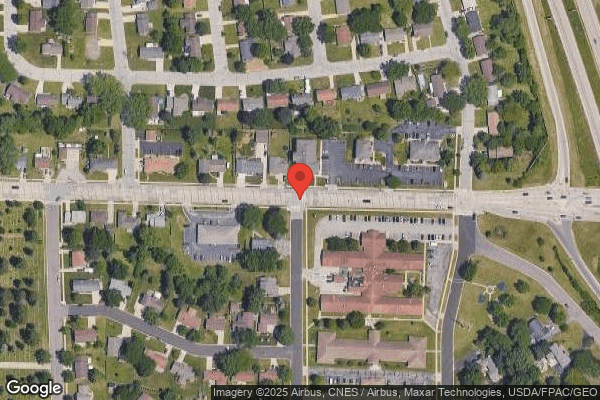
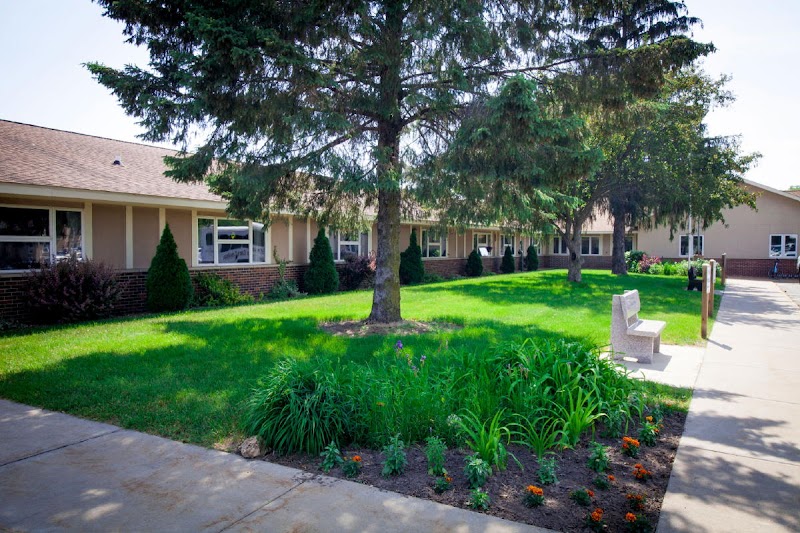
1600 MAIN ST, ONALASKA, WI 54650 (608) 783-4681
Non profit - Corporation 80 Beds Independent Data: November 2025
Trust Grade
80/100
#112 of 321 in WI
Last Inspection: January 2025

Within standard 12-15 month inspection cycle. Federal law requires annual inspections.

Overview

Onalaska Care Center has a Trust Grade of B+, indicating it is above average and recommended for families considering this facility. It ranks #112 out of 321 nursing homes in Wisconsin, placing it in the top half, and #4 out of 7 in La Crosse County, meaning only three local options are better. Unfortunately, the facility is showing a worsening trend, with the number of issues increasing from 3 in 2023 to 5 in 2025. Staffing is a strong point, with a perfect 5/5 star rating and a turnover rate of 36%, which is lower than the state average of 47%. There have been no fines reported, which is a positive sign, but RN coverage is only average, meaning the facility may not have as much registered nurse oversight as desired. Specific incidents from recent inspections raised concerns about food safety and hygiene practices. For instance, staff were observed not maintaining proper hand hygiene while handling ready-to-eat foods, which could risk contaminating meals for all residents. Additionally, infection control measures were inadequate, as staff did not consistently practice proper hand hygiene during resident care. Families should weigh these strengths against the weaknesses when considering Onalaska Care Center for their loved ones.

Trust Score
B+
80/100
In Wisconsin
#112/321
Top 34%
Safety Record
Low Risk
No red flags
Inspections
Getting Worse
3 → 5 violations
Staff Stability
○ Average
36% turnover. Near Wisconsin's 48% average. Typical for the industry.
Penalties
✓ Good
No fines on record. Clean compliance history, better than most Wisconsin facilities.
Skilled Nurses
✓ Good
Each resident gets 60 minutes of Registered Nurse (RN) attention daily — more than average for Wisconsin. RNs are trained to catch health problems early.
Violations
○ Average
10 deficiencies on record. Average for a facility this size. Mostly minor or procedural issues.
★★★★☆
4.0
Overall Rating
★★★★★
5.0
Staff Levels
★★★☆☆
3.0
Care Quality
★★★☆☆
3.0
Inspection Score
Stable
2023: 3 issues
2025: 5 issues

The Good

  • 5-Star Staffing Rating · Excellent nurse staffing levels
  • Full Sprinkler Coverage · Fire safety systems throughout facility
  • No fines on record
  • Staff turnover below average (36%)

    12 points below Wisconsin average of 48%

Facility shows strength in staffing levels, fire safety.

The Bad

Staff Turnover: 36%

10pts below Wisconsin avg (46%)

Typical for the industry

The Ugly 10 deficiencies on record

May 2025 2 deficiencies
CONCERN (D) 📢 Someone Reported This

A family member, employee, or ombudsman was alarmed enough to file a formal complaint

Potential for Harm - no one hurt, but risky conditions existed

Notification of Changes (Tag F0580)

Could have caused harm · This affected 1 resident

**NOTE- TERMS IN BRACKETS HAVE BEEN EDITED TO PROTECT CONFIDENTIALITY** Based on interview and record review, the facility did notify the resident representative of a change in condition for 1 of 3 re...

Read full inspector narrative →
**NOTE- TERMS IN BRACKETS HAVE BEEN EDITED TO PROTECT CONFIDENTIALITY** Based on interview and record review, the facility did notify the resident representative of a change in condition for 1 of 3 residents (R) reviewed (R1). R1 had multiple syncopal episodes resulting in one fall, and R1's family/representative was not notified for each occurrence. This is evidenced by: Facility policy titled, Change in Condition, with a revised date of 08/12/24, states in part: Purpose: To assure appropriate medical intervention in the event of significant change in resident's physical or mental condition. Procedure: .3. The Charge Nurse will assess the resident and will immediately consult with the provider and notify the family/HCPOA when a deviation occurs, including: i. An accident, which results in an injury and has potential for requiring physician intervention. 2. The provider and family/HCPOA will be notified immediately if the resident has a significant change in status relating to a previous accident that had originally resulted in no change. (i.e. increased pain, bruising, deformity, swelling, etc.) ii. A significant change in physical, mental or psychological status. (i.e. a deterioration in health, mental, or psychosocial status in either life threatening conditions or clinical complications.) R1 was admitted to the facility on [DATE] with pertinent diagnoses of atrial fibrillation, congestive heart failure, hypotension, and syncope and collapse. R1's admission Minimum Data Set (MDS) assessment dated [DATE] noted a Brief Interview for Mental Status (BIMS) score of 14/15 indicating cognition intact, able to be understood, and understands others. Surveyor reviewed R1's admission documentation and noted R1's son was the designated healthcare power of attorney (HCPOA) which is not activated. R1's HCPOA was designated as R1's emergency contact. R1's daughter-in-law was also noted as a family contact. Surveyor reviewed R1's social worker notes and noted on 01/14/25 they state R1 is cognitively intact, own decision maker, and states preference to notify family/representative of incidents. On 05/12/25, Surveyor reviewed R1's nursing notes and noted the following: -03/22/25 at 2:43 PM, R1 had an unwitnessed fall. R1 was assessed and noted no injuries, no pain, and no musculoskeletal deformities. Provider notified. R1 declined family notification. -03/23/25 at 11:45 AM, R1 had syncopal episode during transfer resulting in a skin tear on left inner forearm. Wound was cleansed, steri-strips and gauze applied. R1 was assessed and noted no injuries, no pain, and no musculoskeletal deformities. -03/24/25 at 12:32 PM, R1 had syncopal episode after repositioning. R1 complained of moderate pain in left leg with lifting leg and knee flexion. No musculoskeletal deformity noted. No documentation of provider or family/HCPOA notification at this time. -03/25/25 at 12:34 PM, R1 was assessed and noted to have left foot externally rotated, left lower extremity range of motion loss, Activity of Daily Living (ADL) interference, and/or risk of injury present. Provider and family notified. R1 was sent to hospital for evaluation. On 05/12/25, Surveyor reviewed R1's hospital summary and noted R1 was admitted to the hospital on [DATE]. Hip/pelvis x-ray confirmed acute left femoral neck fracture. Chest x-ray noted non-acute, healing, nondisplaced fractures of anterior or lateral left 4th, 5th, 6th, 7th, 8th, 9th ribs. Due to increased risk, R1 was not a surgical candidate. R1 and family agreed to palliative care. R1 was discharged from hospital on [DATE] on hospice and returned to facility. On 05/12/25 at 1:41 PM, Surveyor interviewed R1's Family Member (FM) G, who stated not being notified of a fall or a syncopal episodes that occurred between 03/22/25-03/24/25. FM G stated family was notified mid-afternoon on 03/25/25 of R1 having a possible leg/hip fracture and would be transferred to the hospital for evaluation. On 05/12/25 at 4:13 PM, Surveyor interviewed Licensed Practical Nurse (LPN) C regarding notifications. LPN C stated if a fall or a significant change is assessed in a resident, charge nurse is notified, who will be responsible for notifying the provider and/or family. On 05/12/25 at 4:38 PM, Surveyor interviewed Registered Nurse (RN) E regarding notifications. RN E stated being charge nurse role and would have the responsibility of notifying the provider and family with changes or concerns. RN E stated if a resident is their own decision maker, they are asked if they would like their family notified. RN E stated they notify family based on resident preference. On 05/12/25 at 4:47 PM, Surveyor interviewed Director of Nursing (DON) B regarding notifications. DON B stated if a resident has an activated HCPOA, notification is always made immediately after incidents or change in condition. If a resident is their own decision maker, then they are asked their preference on notification to family. Surveyor asked DON B about R1's preference for notifying family. DON B stated being aware that R1 wanted family notified, but that R1 was asked after each incident if family should be notified. Surveyor asked DON B if this would be documented asking R1 on notification. DON B stated yes, it should. DON B stated that R1 was likely asked if family should be notified but was unable to provide the documentation of this.
CONCERN (D) 📢 Someone Reported This

A family member, employee, or ombudsman was alarmed enough to file a formal complaint

Potential for Harm - no one hurt, but risky conditions existed

Quality of Care (Tag F0684)

Could have caused harm · This affected 1 resident

**NOTE- TERMS IN BRACKETS HAVE BEEN EDITED TO PROTECT CONFIDENTIALITY** Based on interview and record review, the facility did not ensure residents received care and treatment in accordance with profe...

Read full inspector narrative →
**NOTE- TERMS IN BRACKETS HAVE BEEN EDITED TO PROTECT CONFIDENTIALITY** Based on interview and record review, the facility did not ensure residents received care and treatment in accordance with professional standards of practice for 1 of 3 residents (R) reviewed (R1). Staff did not complete comprehensive and focused respiratory, skin and pain assessments after R1 had a fall and complained of rib pain. This is evidenced by: Facility policy titled, Resident Fall, with a revised date of 01/06/25, states in part: .After immediate/emergent needs have been addressed, head-to-toe assessment of resident to be performed by the RN/Charge LPN including assessment for head trauma, any obvious injury, pain, possible fracture, ability to move all extremities, any deformity/shortening/rotation of legs. According to the American Journal of Nursing, When a fall occurs, a comprehensive assessment must be completed to include visual observation of skin to assess for bruising, pallor, and trauma; note any pain and points of tenderness. Be aware of the following warning signs: numbness or tingling in the extremities, back pain, rib pain, or an externally rotated or shortened leg .Focused assessments should be completed frequently when any abnormalities are assessed to monitor for changes and efficacy of treatment. Current professional standards for pain assessment include pain intensity, location, quality, functional impairment, onset, and duration to evaluate for efficacy of interventions and changes that may indicate a need for further evaluation or worsening of condition. R1 was admitted to the facility on [DATE] with pertinent diagnoses of atrial fibrillation, congestive heart failure, hypotension, and syncope and collapse. R1's admission Minimum Data Set (MDS) assessment, dated 01/22/25, noted a Brief Interview for Mental Status (BIMS) score of 14/15 indicating cognition intact, able to be understood, and understands others. R1 was noted to have chronic pain occasionally present in left and right hip rated 3/10. Surveyor reviewed R1's electronic medical record and noted: On 02/12/25 at 12:05 AM, R1 was found on floor. No injuries assessed. R1 denied pain. Vital signs, musculoskeletal system, and neurological assessments completed with no abnormalities noted. No documentation of a head to toe skin assessment noted. On 02/12/25 at 11:00 PM, fall occurred due to weakness/dizziness during transfer. No injuries assessed. R1 denied pain. Vital signs, musculoskeletal system, and neurological assessments completed with no abnormalities noted. No documentation of head to toe skin assessment noted. On 02/13/25 at 1:56 PM, R1 complained of dizziness/vertigo, syncope, weakness, shortness of breath with exertion and at rest, respirations noticeably quick and short, lung sounds clear upper bilaterally and diminished lower bilaterally, and had 3+ pitting edema of R1's bilateral lower extremities. Of note: Provider and family notified. R1 declined transfer to hospital for evaluation. No skin assessment documented. No further comprehensive respiratory assessment noted. On 02/16/25 at 2:00 PM, R1 found on floor and stated sliding out of wheelchair. No injuries assessed at this time. R1 denied pain. Vital signs, musculoskeletal system, and neurological assessments completed with no abnormalities noted. No documentation of skin assessment noted. No documentation of comprehensive respiratory assessment noted. On 02/17/25, R1 complained of left rib pain rated 6/10. Of note: Comprehensive respiratory assessment not completed. Comprehensive pain assessment to include quality, functional impairment, onset, and duration was not completed. On 02/18/25, R1 complained of painful coughing and left rib pain following recent fall. R1's respirations elevated, shallow. Congested cough, non-productive. Lungs clear throughout. Left side chest tender to touch/palpation. No skin assessment noted. Comprehensive pain assessment to include quality, functional impairment, onset, and duration was not noted. On 02/20/25, R1 complained of left hip pain going up left side rated 8/10. Of note: Comprehensive respiratory assessment not completed. Comprehensive pain assessment to include quality, functional impairment, onset, and duration was not completed. On 03/22/25 at 2:43 PM, R1 found on floor with wheelchair on top of R1's body. R1stated losing balance when trying to move wheelchair. R1 denied pain. Vital signs, musculoskeletal system, and neurological assessments completed with no abnormalities noted. No documentation of skin assessment noted. No documentation of comprehensive respiratory assessment noted. On 03/22/25 at 8:15 PM, R1 complained of left hip pain rated 8/10. Of note: Comprehensive pain assessment to include quality, functional impairment, onset, and duration was not completed. On 03/25/25 at 12:03 AM, R1 complained of pain that was aching, almost constantly Night shift documented in musculoskeletal note, mild to moderate pain in left leg, but did not complete a comprehensive pain assessment to include functional impairment, onset or duration. On 03/25/25 at 12:34 PM, R1 complained of pain to left hip while lying at rest in bed. Assessment noted left foot was externally rotated. Skin assessment noted no abnormalities. At 4:11 p.m., R1 was transferred to the hospital for evaluation. All falls documented included fall investigation to determine root cause, identify risk, and contributing factors. Safety interventions were appropriately implemented. Provider was appropriately notified and assessed. Surveyor reviewed R1's hospital discharge summary and noted: On 03/25/25, CT of chest noted non-acute, healing, nondisplaced fractures of lateral left 4th, 5th, 6th, 7th, 8th, 9th ribs. Chest x-ray noted left pleural effusion, suspected pulmonary edema, potentially with infectious/inflammatory or aspiration pneumonitis. Hip/pelvis x-ray noted acute fracture of the left subcapital femoral neck. On 05/12/25 at 4:13 PM, Surveyor interviewed Licensed Practical Nurse (LPN) C regarding post-fall assessments. LPN C stated residents are to be assessed head-to-toe, which includes skin, respiratory status, pain, and cognition. LPN C stated if any abnormalities are assessed, the charge nurse is notified, and follow-up focused assessments would be completed. On 05/12/25 at 4:27 PM, Surveyor interviewed Registered Nurse (RN) D regarding post-fall assessments. RN D stated residents should be assessed head-to-toe. RN D stated that if a resident complains of rib pain, then a focused respiratory assessment should be completed to include lung sounds, respirations, shortness of breath, muscle use, and skin color. RN D stated pain assessment should include location, severity, and duration. Surveyor asked if this was documented in a resident's chart. RN D stated if it was assessed, then it should be documented in a nursing note. On 05/12/25 at 4:47 PM, Surveyor interviewed Director of Nursing (DON) B regarding post-fall assessments. DON B stated staff are expected to assess residents head-to-toe and document findings. DON B stated nursing is expected to monitor pain using location and severity and complete follow-up assessments for efficacy. Surveyor asked DON B how pain is monitored for changes. DON B stated interventions are assessed for efficacy to determine if pain is worsening. Surveyor asked DON B if this practice would be effective in monitoring for changes in pain, as R1 was noted to have hip pain on admission. DON B acknowledged staff did not assess for changes or worsening in R1's hip pain. Surveyor asked DON B if a focused lung assessment should have been completed with R1 after noting rib pain. DON B stated yes.
Jan 2025 3 deficiencies
CONCERN (F)

Potential for Harm - no one hurt, but risky conditions existed

Food Safety (Tag F0812)

Could have caused harm · This affected most or all residents

Based on observation, interview and record review, the facility did not maintain a safe and sanitary environment in which food is prepared and distributed. This has the potential to affect all 53 resi...

Read full inspector narrative →
Based on observation, interview and record review, the facility did not maintain a safe and sanitary environment in which food is prepared and distributed. This has the potential to affect all 53 residents who reside in the facility. Facility staff did not conduct appropriate hand hygiene and were observed touching ready to eat foods with contaminated gloved hands. This is evidenced by: Facility's policy Handwashing and Sanitizing with the recent effective date of 10/28/24 read in part, Handwashing/Sanitizing indications: .after removing gloves .Handwashing: Wet hands thoroughly with warm running water. Soap hands thoroughly, working up a lather. Wash all parts of hands for 20 seconds. Rinse hands thoroughly. Leave the water running. Dry hands with paper towels. Turn off faucet with dry paper towel . On 01/27/25 at 11:42 AM, Surveyor observed Dietary Aide (DA) E wash hands, apply gloves, touch the bread bag to take a piece of bread out and put in toaster, touching the toaster knobs. DA E continued with the same gloved hands and touched ladles to serve the resident meal plates for room trays. With the same gloved hands, DA E touched the toast and placed on a resident's meal plate that went into the transport cart. On 01/27/25 at 11:48 AM, Surveyor observed DA F wash hands and turn off faucet with clean hands, tapped fingers on the inside of the sink, dried hands, and applied gloves. DA F continued with placing meal plates into the transport cart. On 01/28/25 at 11:40 AM, Surveyor observed DA F wash hands and turn faucet off with clean hands, not using a paper towel, and dried hands. Then DA F applied gloves, proceeded to prepare resident meal trays of drinks and set resident meal plates in the transport cart. On 01/28/25 at 11:43 AM, DA E washed hands, turned water off with elbow and dried hands. Then DA E applied gloves and started serving the resident meals. With gloved hands, DA E touched ladles and touched the bag with dinner rolls. With the contaminated gloved hands, DA E touched the ready to eat dinner roll and placed it on a resident's plate that was placed in the transport cart that was to be delivered to a resident eating in their room. On 01/28/25 at 11:45 AM, DA F returned from delivering the meal tray transport cart and washed hands, turned off faucet with clean hands, not using a paper towel, and dried hands. DA F touched pen to write on meals slips. DA F washed hands, turned off faucet with clean hands, dried hands and applied gloves. DA F proceeded to place plastic lids on drinks in meal transport cart. On 01/29/25 at 9:15 AM, Surveyor interviewed Nutrition Services Director (NSD) G about proper hand washing. NSD G indicated hands should be washed, dried, and faucet turned off with a clean paper towel. Surveyor reviewed the above observations with NSD G concerning hand hygiene and touching ready to eat foods. NSD G indicated staff had training in a computer based healthcare training about proper hand hygiene and dietary trainings.
CONCERN (F)

Potential for Harm - no one hurt, but risky conditions existed

Infection Control (Tag F0880)

Could have caused harm · This affected most or all residents

**NOTE- TERMS IN BRACKETS HAVE BEEN EDITED TO PROTECT CONFIDENTIALITY** Based on observation, interview and record review, the facility did not establish a system for preventing, identifying, reportin...

Read full inspector narrative →
**NOTE- TERMS IN BRACKETS HAVE BEEN EDITED TO PROTECT CONFIDENTIALITY** Based on observation, interview and record review, the facility did not establish a system for preventing, identifying, reporting, investigating, and controlling infections and communicable diseases for all residents and staff. The facility did not ensure an adequate surveillance system was in place for tracking onset of illness date and resolution of illness symptoms resulting in an outbreak to be lifted prematurely or identify communicable diseases on the line list for R29 and R19. Staff did not practice proper hand hygiene during observation of cares for 4 of 9 residents (R) (R25, R28, R13, and R153). Enhanced barrier precautions were not in place for R14 or followed for R19 Staff did not sanitize a mechanical lift during observation of transfers of 2 residents (R25 and R28) who are roommates. This is evidenced by: Facility policy titled Infection Prevention and Control Program Policy with revised day of 1/23/25, states in part: Purpose: to prevent infections in residents, employees, and other persons in contact with our residents. Surveillance: residents and healthcare personnel will be monitored for acquisition of infections. Example 1 - Surveillance Per CDC Guidelines for Prevention and control of Norovirus Gastroenteritis Outbreaks in Healthcare Settings (2011 states: during outbreaks, Place patients with norovirus gastroenteritis on contact precautions for a minimum of 48 hours after the resolution of symptoms to prevent further exposure of susceptible patients. Exclude ill personnel from work for a minimum of 48 hours after the resolution of symptoms. On 01/29/25 at 10:41 AM, Surveyor reviewed the facility's infection control line list for staff and residents and noted on 01/02/24 the facility recognized an outbreak of Norovirus on the 200 and 300 wings of the facility. The facility lifted the outbreak on 02/01/24. The facility line lists provided by facility continued to have residents and staff with symptoms of norovirus after 02/01/24 lifting of Norovirus outbreak. -R203 had an onset of nausea, vomiting and diarrhea on 01/27/24 and resolved on 02/03/24. -R204 had an onset of nausea and multiple loose stools on 02/04/24 with no resolution date of symptoms resolution noted. -Certified Nursing Assistant (CNA) J had onset of nausea, vomiting and diarrhea on 01/30/24 with no resolution date of symptoms resolution noted. -CNA K had an onset of vomiting on 02/02/24 with no resolution date of symptoms resolution date. On 01/29/25 at 11:24 AM, Surveyor interviewed Director of Nursing (DON) B and Infection Preventionist (IP) H regarding the facility's surveillance of the Norovirus outbreak and how to determine when to lift an outbreak in the facility. DON B and IP H confirmed the illness should have been monitored for last date and time of last symptom to be able to determine when to lift the outbreak and should have considered both residents and staff onsets and resolutions of symptoms before lifting outbreak. Example 2 R29 was admitted to the facility on [DATE] with pertinent diagnoses of congestive heart failure, stage 2 pressure injury, and chronic kidney disease stage 3. R29's admission Minimum Data Set (MDS) dated [DATE] noted pressure ulcer/pressure injury present requiring wound care and application of ointment/medications to area other than feet. R29's physician orders: Vancomycin HCl 125mg cap 1 cap PO four times a day x14 days FOR Clostridioides difficile Infection FIRST DATE: 12/6/24 through 12/19/24 Vancomycin HCl 125mg cap 1 cap PO twice a day x7 days FOR Clostridioides difficile Infection FIRST DATE: 12/20/24 through 12/26/24 Vancomycin HCl 125mg cap 1 cap PO daily x7 days FOR Clostridioides difficile Infection FIRST DATE: 12/27/24 through 1/2/25 Vancomycin HCl 125mg cap 1 cap PO every other day FOR Clostridioides difficile Infection FIRST DATE: 1/3/25 through 1/10/25 Vancomycin HCl 125mg capsule 1 cap PO every three days FOR Clostridioides difficile Infection FIRST DATE: 1/11/25 through 1/25/25 Surveyor reviewed R29's electronic medical record noted: 12/05/24 - stool sample resulted positive for Clostridioides difficile toxin; results acknowledged by provider On 01/29/25, Surveyor reviewed facility's infection surveillance logs. On 11/16/24, R29 was added to the surveillance log with symptoms of diarrhea, lab confirmation positive for Clostridioides difficile (C. diff), treatment with Vancomycin (antibiotic), initiation of transmission-based precautions (TBP) of contact precautions on 11/16/24 and discontinued on 11/26/24, and symptoms resolved on 11/28/24. R29 was not documented at any time on the facility's surveillance log in December 2024 or January 2025 for the c. diff infection. On 01/29/25 at 2:09 PM, Surveyor interviewed IP H regarding the facility's infection surveillance logs. Surveyor asked IP H why R29's TBP precautions were discontinued on 11/26/24. IP H stated that R29 had been on antibiotic treatment and symptoms were intermittent, so TBP was no longer necessary. Surveyor asked IP H is she was aware that another stool sample collected on 12/05/24 resulted positive for c. diff and the provider began another antibiotic treatment course. IP H stated yes, she was aware of the antibiotic treatment but thought it was just a taper dose from the prior infection. IP H stated not being aware of a second positive c. diff result and that this should have been documented on the surveillance log. IP H stated recognition of the potential harm this could have for R29 and the other residents in the facility by not monitoring and tracking the infection for efficacy and potential outbreaks. Example 3 R19 was admitted to the facility on [DATE] with pertinent diagnoses of herpes zoster (also known as shingles). R19's admission Minimum Data Set (MDS) completed on 12/30/24 noted skin conditions present requiring application of ointments/medications to area other than feet. R19's physician orders: Valacyclovir 1 gram tab take 1 tab PO daily for 4 doses for herpes zoster START DATE: 12/20/24 Surveyor reviewed R19's hospital discharge notes and noted the following: 12/19/24: ISOLATION FOR INFECTION AFTER discharge: He has Herpes Zoster (Shingles) which requires contact precautions. On 01/29/25, Surveyor reviewed the facility's infection surveillance logs. R19 was not documented at any time on the facility's infection surveillance log for herpes zoster infection during the month of December 2024. On 01/29/25 at 2:09 PM, Surveyor interviewed IP H regarding infection surveillance. IP H stated being aware of R19's herpes zoster infection on admission. Surveyor asked IP H why R19 was not added to the infection surveillance log. IP H stated she must have missed it. IP H stated recognition that this infection had the potential to cause harm to other residents and that it should have been properly documented and tracked on the surveillance log to monitor for treatment efficacy and potential outbreak concerns. Example 4 - Hand hygiene Policy and procedure titled: Handwashing and Sanitizing with effective date of 10/28/24, states in part: Handwashing/Sanitizing: Indications: Always wash/sanitize hands before doing cares on residents, after cares, between residents, .after removing gloves and before leaving a room. On 01/28/25 at 7:48 AM, Surveyor observed CNA D conduct morning cares on R28. CNA D washed hands donned a clean pair of gloves and washed R28's face. CNA D then proceeded to: -Open closet to get basin with supplies, remove gloves, take out a key from pocket to unlock a cabinet to retrieve a tube of cream for R28's peri area. -Without conducting hand hygiene, don a clean pair of gloves, remove supplies from basin, pick up garbage bin and move it closer to bedside. -Open a clean incontinent product and unfasten and remove the contaminated incontinent product that had urine and feces. Then use a wet washcloth and cleanser, complete incontinence care and remove gloves. -Without conducting hand hygiene, don a clean pair of gloves, place peri cream on R28's coccyx, position clean incontinent product, fasten in place and remove gloves. -Without conducting hand hygiene, roll R28 back and forth to place a dress and a transfer sling under R28. On 01/28/25 at 8:23 AM, Surveyor observed CNA D after completing cares on R28, without conducting hand hygiene, don a clean pair of gloves and conduct morning cares on roommate R25 which included incontinence care. CNA D proceeded to do the following: -Wet washcloths and washed face. -Picked up and placed garbage bin near bed. -Removed gloves and without conducting hand hygiene donned new pair of gloves and raised bed height for cares. -Removed R25's incontinent product and stated that R25's pad is wet. With same contaminated gloves, picked up and opened clean incontinent product. -Rolled resident to right side, to complete incontinent care and apply barrier cream to R25's buttocks. -Without removing contaminated gloves and conducting hand hygiene, rolled R25 towards left side to position and fasten clean incontinent product and transfer sling for transfer. -Without conducting hand hygiene, removed dirty gloves and placed new pair of gloves, began to wash R25's upper body, arms and hands with bath wipes, disposed used wipes in garbage, dried with towel, touched the supplies in R25's basin looking for baby powder, applied baby powder under R25's breast, dressed R25 in clean pants and placed in linen bag, On 01/28/25 at 8:52 AM, Surveyor interviewed CNA D regarding facility expectation of when to conduct hand hygiene. CNA D stated the expectation would be to conduct hand hygiene by using sanitizer or washing hands before and after conducting cares and in-between gloves changes. Surveyor asked CNA D the facility expectation of conducting hand hygiene between resident cares. CNA D stated the expectation would be to conduct hand hygiene after competing cares on R28, before starting cares on R25. CNA D confirmed Surveyor's observation of no hand hygiene conducted during R25's cares, after removing gloves and between cares of R25 and R28. On 01/28/25 at 12:43 PM, Surveyor interviewed Nursing Home Administrator (NHA) A regarding observation and expectation of no hand hygiene conducted after removing gloves during resident care and between residents during morning cares. NHA A stated expectation would be to conduct hand hygiene after removing gloves. On 01/28/25 at 1:00 PM, Surveyor interviewed DON B regarding observation of no hand hygiene after removing gloves during resident care, including between cares of R25 and R28. DON B stated expectation would be to conduct hand hygiene after removing gloves. Example 5 R13 was admitted to the facility on [DATE] with a diagnosis of Parkinson's (a movement disorder that affects the nervous system and worsens over time) and age-related osteoporosis (a disease that weakens your bones and makes them more likely to break). R13 had a restorative program that included pulley with weights to upper extremities three times per week. R153 was admitted to the facility on [DATE] with diagnoses of muscle spasm, and osteoarthritis (occurs when the smooth, slippery cartilage that coats the endings of bones begins to deteriorate at a joint). On 01/29/25 at 10:44 AM, Surveyor entered R13's room. CNA I already had gloves on her hands and was assisting R13 with restorative cares to upper body with the use of weights on R13's wrist and pulley. After the 5 minutes of pulley exercises, CNA I removed her gloves and did not perform hand hygiene. Surveyor observed CNA I finish restorative cares with R13. CNA I then put on gloves without performing hand hygiene and began to clean the equipment used by R13. Then R13's roommate, R153, asked CNA I if she (R153) could get her nails clipped. CNA I replied to R153, Yes. CNA I then removed her gloves and did not perform any hand hygiene, left this resident's room, walked to the nurses' station and opened a drawer in the nurses' station taking out a pair of fingernail clippers. CNA I then walked back into the resident's room and no hand hygiene was performed. CNA I then clipped R153's fingernails. When CNA I had finished with R153, CNA I exited the room without performing any hand hygiene and returned the nail clippers to the nurses' station. Surveyor then watched CNA I go on to the next resident for restorative care. On 01/29/25 at 10:50 AM, Surveyor interviewed CNA I regarding observation made. Surveyor asked CNA I, When would you be expected to perform hand hygiene? CNA I replied, Before going into the room and when leaving the room and definitely before I clipped the roommate's fingernails. On 01/29/25 at 10:55 AM, Surveyor interviewed DON B about what the expectation would be regarding this observation as it relates to hand hygiene. DON B replied, Hand hygiene should be performed before entering a resident's room, prior to putting on gloves and after removing gloves. Example 6 - Enhanced Barrier Precautions Facility policy titled, Policy and Procedure: Enhanced Barrier Precautions, with a reviewed date of 01/23/25 stated in part: PURPOSE: To provide an effective system for the prevention, identification, and control of MDROs. 1. Enhanced Barrier Precautions a. .The use of a gown and gloves for high-contact resident care activities is indicated, when contact precautions do not otherwise apply, for nursing home residents with wounds and/or indwelling medical devices, regardless of MDRO colonization, as well as for residents with MDRO infection or colonization. b. Examples of high-contact resident care activities requiring gown and glove use for enhanced barrier precautions include: i. Dressing ii. Bathing/showering iii. Transferring iv. Providing hygiene v. Changing linens vi. Changing briefs or assisting with toileting vii. Device care or use: central line, urinary catheter, feeding tube, tracheostomy/ventilator viii. Wound care: any chronic skin opening requiring a dressing R14 was admitted to the facility on [DATE] with pertinent diagnoses of stage 3 pressure ulcer of sacral region, lymphoid leukemia, and polyneuropathy. R14's most recent MDS noted a Brief Interview for Mental Status (BIMS) score of 15 out of 15 indicating cognition is intact. R14 is noted to have occasional incontinence of bowel and bladder, has 1 stage 3 pressure ulcer/pressure injury present on admission and receives wound care. R14's care plan initiated on 11/15/24 noted: Problem: Tissue integrity impairment -REVISED: 11/25/24: EBP precautions for pressure injury R14's orders: 1/21/25: Stage 3 coccyx- gently cleanse with soap & water, pat dry apply skin prep to peri-wound for protection, cover with duoderm . During survey period of 01/27/25 - 01/30/25, Surveyor observed no signage outside of R14's room to indicate use of enhanced barrier precautions (EBP). No EBP personal protective equipment (PPE), such as gowns, were observed inside or readily available for use in R14's room. On 01/29/25 at 12:57 PM, Surveyor interviewed DON B regarding EBP. Surveyor asked DON B how staff and visitors are made aware of a resident being on EBP. DON B stated that an EBP sign would be posted outside of the resident's door and nursing staff would be updated through the resident's care plan. Surveyor asked DON B when EBP would be initiated. DON B stated some examples would include having a catheter, non-healing wound, or other medical indwelling device. Surveyor asked DON B if R14 should have EBP in place. DON B stated that she thought R14's wounds were healed and EBP was not needed. DON B then reviewed R14's current orders and noted that wound care and dressing changes were still being completed. DON B stated that R14's EBP should still be in place and recognized the increased risk for infection that still exists. DON B stated that she would immediately reimplement EBP for R14 and inform nursing staff. Example 7 R19 was admitted to the facility on [DATE] with pertinent diagnoses of herpes zoster (also known as shingles), obstructive and reflux uropathy (blocked urinary flow), and retention of urine. R19's admission Minimum Data Set (MDS) completed on 12/30/24 noted a Brief Interview for Mental Status (BIMS) score of 6 indicating severe cognitive impairment, presence of indwelling catheter, and skin conditions present requiring application of ointments/medications to area other than feet. R19's physician orders: 12/19/24: change indwelling foley catheter (16fr coude with 10 cc balloon) REASON FOR INDWELLING: acute urinary retention/obstruction daily as needed On 01/28/25 at 8:48 AM, Surveyor observed EBP sign outside of R19's door and disposable gowns located inside R19's room on the back of the resident's door. Surveyor observed CNA C complete hand hygiene and don gloves prior to starting cares with R19. CNA C did not don a gown. Surveyor observed CNA C assist R19 to the toilet and completed personal cares that included washing of face, body and peri area. CNA C then completed catheter care by disconnecting the urinary catheter tube and resting it on the toilet seat while emptying the urinary bag contents into a graduate container placed directly on the bathroom floor without first placing a barrier down between the graduate container and floor. CNA C disinfected the catheter connector with an alcohol wipe before connecting to the new tubing connector. CNA C then removed gloves, completed hand hygiene, and assisted R19 with putting his pants on. CNA C did not have gloves or gown on. On 01/28/25 at 9:17 AM, DON B knocked and entered R19's room. DON B reminded CNA C to complete hand hygiene in-between cares and handed her a gown to put on. DON B reminded CNA C that R19 was on EBP, and staff needed to wear a gown and gloves when providing direct cares. CNA C stated confusion of needing to wear the gown as her understanding was it was only necessary for MRSA (Methicillin-resistant Staphylococcus aureus) infections. DON B stated that was incorrect and R19 was on EBP for having an indwelling foley catheter and that when CNA C was finished with assisting R19 they would complete some additional training on EBP. On 01/29/25 at 12:57 PM, Surveyor interviewed DON B regarding observation of cares for R19. DON B stated that she was disappointed entering R19's room and seeing CNA C not wearing the proper personal protective equipment (PPE) required for EBP. DON B stated that she completes frequent audits and impromptu teaching with staff regarding infection control and EBP. DON B stated that follow-up education had already been completed with CNA C and additional education would be completed with the rest of the nursing staff as this is a vital step in preventing infection. Example 8 - Sanitization of lift Facility policy titled Equipment Cleaning last reviewed on 11/15/24, states Purpose: Maintain infection prevention techniques to help prevent the spread of illness. Under section titled Procedure 1. Shared equipment needs to be disinfected after each resident use with hydrogen peroxide wipes. On 01/28/25 at 8:11 AM, Surveyor observed CNA D transfer R28 from bed to chair after completing cares using a mechanical lift No sanitizing of lift prior to and after transfer was observed. On 01/28/25 at 8:46 AM, Surveyor observed CNA D transfer R25 from bed to chair after completing cares using a mechanical lift. No sanitizing of lift prior to and after transfer was observed. On 01/28/25 at 8:52 AM, Surveyor interviewed CNA D regarding expectation of when to sanitize mechanical lift. CNA D stated the expectation of cleansing lifts is after use and between residents. CNA D confirmed not sanitizing lift before or between roommates R25 and R28. On 01/28/25 at 1:00 PM, Surveyor interviewed DON B regarding observations of no sanitizing of mechanical lifts before and between R25 and R28's transfers. DON B stated the expectations would be to sanitize mechanical lifts between resident transfers.
MINOR (C)

Minor Issue - procedural, no safety impact

Deficiency F0620 (Tag F0620)

Minor procedural issue · This affected most or all residents

Based on policy review and interview, the facility failed to ensure facility's admission packet did not request or require residents to waive potential facility liability for losses of personal proper...

Read full inspector narrative →
Based on policy review and interview, the facility failed to ensure facility's admission packet did not request or require residents to waive potential facility liability for losses of personal property. This failure had the potential to affect all 53 residents residing in the facility. This is evidenced by: Facility document titled, Personal Property Notice, stated in part: Residents of any [corporation name] facility may have in their possession whatever personal property they choose within reason and in keeping with space limitation, infection control concerns and safety issues for all residents and staff. HOWEVER, please be aware that [corporation name] is not responsible for the loss, damage or maintenance of any personal possessions or property. To avoid any potential problems regarding your personal property, we recommend that you not bring items of significant monetary or sentimental value, which may, through no fault of [corporation name] become lost or damaged. Staff cannot accept responsibility or possession of your personal property and at no time should you ask that they do. I acknowledge that I have read and understand this document and will be provided with a copy for my records. A signature line for resident, responsible party, and care center staff at bottom. On 01/29/25 at 1:14 PM, Surveyor interviewed Nursing Home Administrator (NHA) A regarding facility policy for loss of resident's personal belongings. Surveyor asked NHA A if there was a policy to outline the facility's responsibility for the loss or damage of high-value items. NHA A stated that residents are given the Personal Property Notice on admission and asked to sign acknowledging that the facility holds no responsibility if items are lost or damaged, but beyond that there is only a policy specific to dentures. NHA A stated they allow and encourage residents to bring personal items with them while residing in the facility, but as a rule the facility does not take responsibility for loss or damage of personal property unless proven to be the facility's fault. NHA A stated recognition that this kind of coverall policy asking residents to waive facility responsibility could have the potential to be problematic and would bring this concern to Quality Assurance Performance Improvement (QAPI) team for review.
Dec 2023 3 deficiencies
CONCERN (D)

Potential for Harm - no one hurt, but risky conditions existed

Respiratory Care (Tag F0695)

Could have caused harm · This affected 1 resident

**NOTE- TERMS IN BRACKETS HAVE BEEN EDITED TO PROTECT CONFIDENTIALITY** Based on observation, interview and record review, the facility did not ensure 1 of 1 (R5) resident reviewed for respiratory car...

Read full inspector narrative →
**NOTE- TERMS IN BRACKETS HAVE BEEN EDITED TO PROTECT CONFIDENTIALITY** Based on observation, interview and record review, the facility did not ensure 1 of 1 (R5) resident reviewed for respiratory care received the necessary care of respiratory equipment consistent with the comprehensive person-centered care plan. R5 had no respiratory care plan or parameters for changing the oxygen tubing or humidified water reservoir. This is evidenced by: The facility policy, entitled Oxygen Procedures, dated 12/06/23, states: .Concentrator Maintenance: .Once a week replace oxygen tubing and humidified water - document change in TAR . R5 was admitted to the facility on [DATE], and has diagnoses that include in part cough, shortness of breath, anxiety disorder, panic disorder, and obstructive sleep apnea (OSA). R5's Minimum Data Set (MDS) assessment, dated 09/18/23, indicated respiratory treatments of oxygen therapy. Review of Internal Medicine Provider note for R5 dated 04/06/23: lethargy, OSA severe, insomnia. CPAP poor tolerance. Will try adding oxygen via NC (Nasal Canula) at night for nocturnal hypoxia signs and symptoms of OSA with goal of improving sleep quality. Review of Internal Medicine Provider follow up note for R5 dated 06/01/23: R5 seems to tolerate the NC well and reports some improvement in sleep quality. Recommend continued use of continuous oxygen when sleeping. R5's Provider Orders: On 04/06/23, oxygen 2 Liters via NC (Nasal Cannula) at night while asleep. Diagnosis: nocturnal hypoxia secondary to OSA. On 05/15/23, oxygen 2 liters via CPAP (Continuous Positive Airway Pressure) or NC at bedtime. On 12/05/23, Surveyor reviewed R5's care plan and did not see oxygen use included in the care plan even though the oxygen was ordered on 04/06/23 by the provider. R5's Care Plan, dated 04/17/20 and updated 07/14/22, states: Problem: altered respiratory status related to history of pneumonia and OSA manifested by cough, now very occasionally. Approach: 04/17/20: Nurses assess respiratory status as needed. 07/14/22: Nurses encourage cough and deep breathing. On 12/05/23, Surveyor reviewed R5's Treatment Administration Record (TAR) and did not see anything concerning staff changing the oxygen NC tubing and the humidified water reservoir. R5's TAR did include Apply oxygen 2 liters via CPAP or nasal cannula at bedtime. TAR documentation included the liter amount of 2 liters and the oxygen saturation readings. The TAR did not document if R5 wore the CPAP or NC. On 12/04/23 at 12:56 PM, Surveyor observed R5's oxygen concentrator with humidified water reservoir and NC tubing both with no date on them to indicate when they were last changed. CPAP was sitting on night stand next to R5's bed. On 12/05/23 at 7:46 AM, Surveyor interviewed R5 about the use of CPAP and oxygen. R5 said he feels better using the oxygen at night and has not used the CPAP for a long time because it was uncomfortable to use with the mask. R5's NC tubing and humidified water reservoir on the oxygen concentrator continue to not have any date on them. On 12/06/23 at 7:33 AM, Surveyor interviewed R5 about what he wore last night for sleeping. R5 pointed to the oxygen concentrator. Surveyor asked R5 about when he had a sleep study and R5 said Halloween night. R5 said they want me to use the CPAP, but that he would rather use the oxygen with NC at night because the mask was difficult to wear. Surveyor asked R5 if the staff change out the oxygen NC tubing and humidified water reservoir. R5 said yes once a week they change it. Surveyor observed the NC and humidified water reservoir do not have a date on them. On 12/06/23 at 7:45 AM, Surveyor interviewed Licensed Practical Nurse (LPN) G and asked if R5's NC tubing and humidified water reservoir was changed. LPN G said yes, weekly the charge nurse documents this and dates the NC tubing and humidified water. On 12/06/23 at 8:20 AM, Surveyor interviewed the charge nurse Registered Nurse (RN) H concerning changing oxygen NC tubing and humidified water reservoir. RN H said the night shift charge nurse will go around once a week to change out the oxygen NC and humidified water reservoir, date the NC tubing and humidified water reservoir, and document in the TAR that this was completed. On 12/06/23 at 8:50 AM, Surveyor interviewed Director of Nursing (DON) B concerning when does the oxygen NC tubing and humidified water reservoir needed to be changed. DON B said that the NC tubing was changed on night shift weekly and documented in the TAR and that it should be dated on the tubing. DON B was not sure about when the humidified water should be changed and would have to look at the policy. Surveyor shared with DON B the observations noted above. DON B said that R5 liked the oxygen better. Surveyor asked DON B about not seeing anything about oxygen on R5's care plan or TAR regarding changing the NC tubing and humidified water reservoir. Surveyor asked DON B for R5's oxygen care plan, provider orders, documentation of changed oxygen NC and humidified water, and the facility's policy for oxygen use. On 12/06/23 at 11:04 AM, DON B provided R5's information and said there was nothing in R5's TAR to have the oxygen NC or humidified water reservoir changed. DON B said today DON B entered in R5's TAR the need to change the oxygen tubing (on concentrator and tank) and replace humidified water reservoir 1 time a week on Saturdays. DON B also said that there was nothing in R5's care plan that included oxygen use. DON B added oxygen to R5's care plan.
CONCERN (D)

Potential for Harm - no one hurt, but risky conditions existed

Infection Control (Tag F0880)

Could have caused harm · This affected 1 resident

**NOTE- TERMS IN BRACKETS HAVE BEEN EDITED TO PROTECT CONFIDENTIALITY** Example 2 The facility policy, entitled Routine Handwashing and Sanitizing, dated 3/31/21, states: Purpose: to prevent the sprea...

Read full inspector narrative →
**NOTE- TERMS IN BRACKETS HAVE BEEN EDITED TO PROTECT CONFIDENTIALITY** Example 2 The facility policy, entitled Routine Handwashing and Sanitizing, dated 3/31/21, states: Purpose: to prevent the spread of infections. Handwashing/Sanitizing indications: Always wash/sanitize hands before doing cares on residents, after cares .after removing gloves . R5 was admitted to the facility on [DATE] and has diagnoses that include in part malignant neoplasm of bladder and prostate and artificial openings of urinary tract status. R5's Minimum Data Set (MDS) assessment, dated 09/18/23, indicated urostomy appliance. R5's care plan states: Altered urine pattern related to urostomy. Approach: monitor output from urostomy, assist with urostomy cares and seal changes, assess for UTI (Urinary Tract Infection) signs/symptoms as needed, empty every shift (urostomy bag) R5's Provider Orders: Use the [NAME] bag and adapter with urostomy changes with Adapt paste with pouch. Change urostomy appliance use [NAME] brand (brown) with 1 1/8-inch convex wafer. Use adhesive remover when taking off old appliance, cleanse skin surrounding stoma with warm water and wash cloth, use no-sting skin prep (not alcohol) to area where appliance will sit, let dry, then apply appliance. Once a week on Thursday and as needed. On 12/05/23 at 9:10 AM, Surveyor observed Registered Nurse (RN) F change the urostomy appliance for R5. RN F gathered the necessary items, use of hand sanitizer before starting and applied gloves. RN F removed the old urostomy appliance, threw it in the garbage, removed her gloves, and placed new gloves on. RN F did not use hand hygiene between glove change. RN F cleaned the area around the stoma with warm water washcloth and let dry. RN F changed gloves, no hand hygiene between glove change. RN F applied skin prep and allowed to dry, changed gloves, no hand hygiene between glove change. RN F placed adapt paste around the wafer and placed the appliance over the urostomy. RN F removed gloves and cleaned hands. After each glove change, hand hygiene should have been completed to prevent the spread of infections. On 12/06/23 at 8:20 AM, Surveyor interviewed RN H asking what the expectation was for staff to complete hand hygiene while doing urostomy care/change. RN H said staff are to use hand hygiene before and after the procedure and after every change of gloves. On 12/06/23 at 8:40 AM, Surveyor interviewed DON B concerning what the expectation was for staff regarding hand hygiene while doing urostomy care/change. DON B said staff are to use hand hygiene before and after the procedure and after each change of gloves. Based on observation, interview and record review, the facility did not maintain an infection control program to prevent the spread of infections for 1 of 1 (R28) resident on contact precautions and 1 of 1 (R5) reviewed with a urostomy. This is evidenced by: The facility policy, entitled Isolation Guidelines Transmission-Based precautions, dated 11/06/23, states: In addition to standard precautions, use contact precautions to prevent nosocomial spread of organisms that can be transmitted by direct contact (hand or skin-to-skin contact that occurs when performing resident care) or by indirect contact (touching) of environmental surfaces or contaminated resident care equipment and Contact precautions may be considered for residents who have: 1. Infection with antibiotic resistant microorganisms (ARMS) such as Methicillin-Resistant Staphylococcus Aureus (MRSA) or Vancomycin-Resistant Enterococcus (VRE). Policy & Procedure further states, Gloves: 1. Clean, nonsterile gloves will be worn when providing direct care to residents with ARMS; 2. Gloves should be worn when handling items potentially contaminated by ARMS, this may include items such as bedside tables, over-bed tables, bed rails, bathroom fixtures, television, and bed controls, suction and oxygen tubing and Gowns: 1. A clean, nonsterile gown with long sleeves will be worn when direct care is provided or when substantial contact with secretions/excretions is anticipated; 2. The gown should be put on prior to entering the room or approaching the resident and Resident care equipment: If equipment is to be shared, it must be cleaned and disinfected before use by another resident. R28 was admitted to the facility on [DATE], and has diagnoses that include Alzheimer's disease, dementia advanced, and Vancomycin Resistant Enterococci (VRE) in urine. R28's Minimum Data Set (MDS) assessment, dated 11/15/23, indicated a Brief Interview for Mental Status (BIMS) score of 99 (severe cognitive impairment). MDS indicates that R28 is occasionally incontinent of urine and does not have an indwelling Foley catheter or urinary device. On 10/02/23, a Urinalysis (UA) with culture & sensitivity (C&S) was collected due to an increase in R28's behaviors, complaint of burning with urination and blood-tinged urine with incontinence care. Result from C&S, verified 10/06/23 shows, >100,000 cfu/ml Vancomycin Resistant Enterococcus faecium, Multi-Drug Resistant Organism (MDRO). R28 had a room change on 10/10/23. Room change notification was signed by R28's husband and Power of Attorney (POA). Reason for room change states, has diagnosis of VRE-needs private room. Physician's order, dated 10/26/23 states, VRE in urine: contact precautions through at least 01/02/24 FYI. R28's care plan, dated 11/17/23, states, Contact precautions due to VRE in urine. Surveyor observed a contact precautions sign is on the wall next to R28's door. There is a personal protective equipment (PPE) bin directly underneath the sign containing gowns and disposable equipment. Hand sanitizer, gloves, and cleaning wipes are on top of the PPE bin. There is a garbage receptacle next to the PPE bin. On 12/06/23 at 7:05 AM, Surveyor observed Certified Nursing Assistant (CNA) I entering R28's room without putting on PPE. CNA I then left the room and came back with a sit to stand lift. CNA I took the sit to stand lift into R28's room and closed the door. CNA I did not put on PPE. A few moments later CNA I brought the sit to stand lift out of R28's room and parked the lift in the hallway opposite of R28's room against the wall approximately 6 feet from Surveyor. CNA I went into a staff lounge and did not clean the lift. R28 was observed in bed by Surveyor prior to CNA I entering the room. Surveyor observed R28 up in a wheelchair after CNA I brought the sit to stand lift out. On 12/06/23 at 7:19 AM, Surveyor interviewed CNA I regarding R28 being in contact TBP for VRE and PPE use. CNA I stated that she is aware that R28 has VRE in urine, but stated that R28 was crawling out of bed so she decided to go in and get R28 up. CNA I stated the only time PPE is required is when peri care is being performed. On 12/06/23 at 8:15 a.m., Surveyor continued to observe the sit to stand lift that was used for R28 was still parked in the hallway opposite of R28's room where CNA I left the lift. CNA I did not return to clean the lift. Surveyor informed the charge nurse, Registered Nurse (RN) H, that the lift had been used on R28 and had not been cleaned. RN H stated that RN H would make sure that the sit to stand was cleaned. On 12/06/23 at 8:30 AM, Surveyor interviewed Director of Nursing (DON) B regarding the expectations for staff when caring for a resident with VRE who is on contact precautions. DON B stated that R28 is on contact precautions for VRE until R28 can be retested on [DATE]. DON B stated that staff should be wearing gowns and gloving prior to contact with R28 and R28's environment.
CONCERN (F)

Potential for Harm - no one hurt, but risky conditions existed

Food Safety (Tag F0812)

Could have caused harm · This affected most or all residents

Based on observation and interview the facility failed to distribute food under sanitary conditions; improper glove use, food handling without proper hand hygiene. This has the potential to affect all...

Read full inspector narrative →
Based on observation and interview the facility failed to distribute food under sanitary conditions; improper glove use, food handling without proper hand hygiene. This has the potential to affect all 48 residents who reside in the facility. This is evidenced by: The facility policy and procedure entitled, Hand Washing, updated 06/21/21 states in part, Hands shall be washed immediately before engaging in food preparation . After handling soiled equipment or utensils, During food preparation, as often as necessary to remove soil and contamination when changing tasks. When switching between working with raw food and working with ready to eat food, before donning gloves for working with food. On 12/04/23 at 11 AM, Surveyor observed noon meal service in the main dining room. [NAME] C washed her hands and dried her hands then left the water running when a visitor asked her to adjust the volume of music. [NAME] C went to a wall switch and adjusted the volume. [NAME] C then returned, got a paper towel, shut off the water and then placed gloves on her contaminated hands. [NAME] C began plating food; at one point she removed her gloves and placed them on a cart with a tray. CNA C then went out of the room for a bit then re-entered and placed the same contaminated gloves on CNA C's hands, that were on the cart. Cook C was observed to uses tongs to get a bun out of a package and placed it on a plate. Then [NAME] C put meat on the bun, then handled the roll with meat inside with her gloved hands to cut it with a knife. [NAME] C was observed to adjust the placement of food on the plate repeatedly with her gloved hands. [NAME] C was observed to plate buns using her gloved hands. [NAME] C was observed to wipe off areas on the plate where sauce had been with her gloved hands. [NAME] C put meat on the bun, then touched the top of the bun with gloved hands. [NAME] C then removed her gloves and went to the kitchen. [NAME] C then re-entered with a pan of food from the kitchen. [NAME] C washed her hands and placed a pair of gloves on that had been resting on the counter. [NAME] C added the contents of the pan to a well in the steam table, [NAME] C then resumed touching multiple items including the counter, scoop handles, ready to eat food, with the gloves that had been lying on the counter by the sink. On 12/04/23 at 11:34 AM, Surveyor observed Nutrition Services (NS) D pick up a slip of paper from the floor and handle it with both hands thereby contaminating her hands. NS D then returned to passing out plates of food to residents, without washing her hands or doing any hand antisepsis. On 12/05/23 at 10 AM, Surveyor interviewed Nutrition Services Director (NSD) E. Surveyor asked about glove use in the kitchen, NSD E stated that gloves are single task gloves and staff should do one task, remove gloves, stop and wash their hands, then put on new gloves. Staff should wash their hands when they change gloves between tasks. Surveyor asked about [NAME] C taking off her gloves and then placing the same gloves back on. NDS E stated staff should never re-use gloves, they should have been thrown away and hands should have been washed and new gloves placed on. When asked about NS D picking the item off of the floor, NDS E stated all staff should wash their hands after picking up a dirty item off of the floor.
Oct 2022 2 deficiencies
CONCERN (D)

Potential for Harm - no one hurt, but risky conditions existed

Deficiency F0688 (Tag F0688)

Could have caused harm · This affected 1 resident

**NOTE- TERMS IN BRACKETS HAVE BEEN EDITED TO PROTECT CONFIDENTIALITY** Based on observation, interview, and record review, the facility did not ensure that residents with limited Range of Motion (ROM...

Read full inspector narrative →
**NOTE- TERMS IN BRACKETS HAVE BEEN EDITED TO PROTECT CONFIDENTIALITY** Based on observation, interview, and record review, the facility did not ensure that residents with limited Range of Motion (ROM) received appropriate treatment and services to increase ROM or prevent further decrease in ROM. The facility did not provide ROM exercises 5 days per week for 2 or 2 residents reviewed (R18). R18 has a Restorative Program for Active Range of Motion (AROM) exercises once daily, walking two times a day every day, and pulleys three times a week. The facility was not providing AROM exercises once daily, walking twice daily, and pulleys three times a week. R28 is care planned to have passive and active range of motion weekly and did not receive these services consistently. This is evidenced by: The facility's Restorative Nursing Program policy, last revised on 6/2021, includes, in part: Policy: All resident admitted to this facility will be evaluated for Restorative Nursing Care on admission, quarterly, and as condition warrants. Restorative nursing care will be provided based on evaluation of the resident's functional status and needs. Procedure: 3. Restorative CNA (Certified Nursing Assistant) Program: Resident who require continuation of rehabilitative measures not requiring a formalized therapy program, or residents who have been assessed at risk for potential functional loss that need a specific preventative program, will be placed on a Restorative CNA program developed by OT (Occupational Therapy)/PT (Physical Therapy) or Nursing. C. Restorative Nursing Program: 1. Unit CNA's will provide Restorative care to residents as indicated in their plan of care. 2. Unit staff will utilize the Restorative Schedule report to ensure restorative cares are completed and document care. Night nurse will print out the Restorative Schedule weekly. Each day unit nurses will review the schedule to make sure resident is being offered the interventions in their restorative plan. Example 1 R18's diagnoses include in part . strain of muscle of fascia and tendon of long head of biceps of left arm, collapsed vertebra of lumbar region, and displaced intertrochanteric fracture of left femur. R18 has a Brief Interview of Mental Status (BIMS) score of 14, which indicates R18 is cognitively intact. R18 has a Restorative Program which indicates, Active Range of Motion: 15 reps (repetitions) once a day every day. Walking: Assistive Devices: two times a day every day. Sunday, Monday, Tuesday, Wednesday, Thursday, Friday, and Saturday. Pulleys: Three times a week. Sunday, Wednesday, and Friday. Documentation for AROM (Active Range of Motion) minutes completed indicates that in the last month R18 did not receive AROM on the following dates: 9/05/22, 9/06/22, 9/07/22, 9/08/22, 9/09/22, 9/10/22, 9/11/22, 9/13/22, 9/17/22, 9/18/22, 9/19/22, 9/21/22, 9/22/22, 9/23/22, 9/24/22, 9/25/22, 9/26/22, 9/27/22, 9/29/22, 10/01/22, and 10/02/22. Documentation for Walking minutes completed indicates that in the last month R18 did not receive Walking twice daily on the following dates: 9/06/22, 9/07/22 (completed once), 9/08/22, 9/09/22, 9/10/22, 9/11/22, 9/12/22, 9/14/22, 9/15/22 (completed once), 9/16/22 (completed once), 9/17/22, 9/18/22, 9/19/22, 9/20/22 (completed once), 9/21/22, 9/22/22, 9/23/22, 9/24/22 (completed once), 9/25/22, 9/26/22 (completed once), 9/27/22 (completed once), 9/28/22, 9/29/22, 9/30/22,10/01/22, 10/02/22, and 10/03/22. Documentation for Pulley minute completed indicates that in the last month R18 did not receive Pullies on any days in the last month. On 9/4/22 at 8:03 AM, Surveyor interviewed R18. R18 verbalized concern that she was not getting restorative therapy from the trained CNAs (Certified Nursing Assistants) who do this. R18 stated that she would like to be able to walk more. R18 states that she used to walk 3 to 5 miles a day and would like to try to be more active. R18 indicates it is sporadic as to when and if staff come in to offer her to walk. R18 is not sure why this is. R18 was in room sitting in wheelchair at time of interview. On 10/5/22 at 7:36 AM, Surveyor interviewed LPN D (Licensed Practical Nursing). Surveyor asked LPN D about the facility restorative program. LPN D indicated that if the Restorative CNA is not here the CNA's and Nurses care as the resident if they would like to walk or use the new step. The only time really that we might have to complete this is after lunch if after residents have been laid down or toileted and there is still time. On 10/5/22 at 7:51 AM, Surveyor interviewed CNA E. Surveyor asked CNA E who completes restorative therapy for residents. CNA E stated, We have people we schedule to do restorative with the residents. Two CNAs are designated to it, but other CNA's do it sometimes, that is if we have time. Surveyor asked CNA E how she knows needs restorative or who has already had it completed. CNA E stated, We can look in computer but the CNA's assigned to do restorative usually finish everyone. On 10/5/22 at 8:07 AM, Surveyor interviewed RN F. Surveyor asked RN F (Registered Nurse) who was scheduled to be completing Restorative therapy today. RN F stated, There is no restorative aide today. On 10/5/22 at 9:27 AM, Surveyor interviewed NHA A (Nursing Home Administrator). Surveyor asked NHA A the facility process for completing Restorative Therapy with residents. NHA A stated, This is an area we need to work on. We have recognized that a couple of times. We did have two CNAs designated to complete restorative for the last half of their shift, but all CNAs are responsible for ensuring it is completed. The two we had doing it went back to school so we recently added another CNA but that just started in the last two weeks. Surveyor asked NHA A how they receive restorative orders from therapy. NHA A stated, Therapy updates the care plan with the restorative plan. Surveyor asked NHA A what the current plan is for their Restorative Program. CNA A stated, CNA G who is also the scheduler is going to be doing primarily Restorative Monday thru Friday. We did recognize this is something we needed to look at and the Restorative Programs need to be more realistic. Example 2 R28 was admitted to the facility on [DATE] and has diagnoses that include cerebral infarction and hemiplegia. R28 has passive ROM (Range of Motion) restorative assignments for his lower left extremity and left upper extremity up to 15 repetitions, up to 3 times per week. Additionally, R28 has active ROM restorative assignments for his right lower extremity up to 15 repetitions up to 3 times per week. Additionally, R28's CNA (Certified Nursing Assistant) care plan, or Guidelines for Daily Care, states R28 is to have passive ROM 3 times per week (Sunday, Wednesday, Saturday) and active ROM 3 times per week (Monday, Tuesday, Thursday). On 10/4/22 at 8:01 AM, R28 stated to Surveyor that he was in therapy previously but now is only to have restorative but does not regularly receive restorative and needs assistance to do so due to his hemiplegia after his stroke. Facility documentation shows R28 received active ROM on the following dates since August 11: 8/11/22 8/16/22 8/18/22 8/24/22 8/31/22 9/12/22 9/20/22 10/3/22 Additionally, facility documentation shows R28 received passive ROM on the following dates since August 11: 8/11/22 8/16/22 8/18/22 8/24/22 8/31/22 9/12/22 9/14/22 9/15/22 9/20/22 9/28/22 On 10/4/22 at 2:29 PM, Surveyor interviewed CNA C, who acts as the facility restorative aid. CNA C stated that restorative depends on the staffing at the time as to when and if restorative programs get completed.
CONCERN (D)

Potential for Harm - no one hurt, but risky conditions existed

Medication Errors (Tag F0758)

Could have caused harm · This affected 1 resident

**NOTE- TERMS IN BRACKETS HAVE BEEN EDITED TO PROTECT CONFIDENTIALITY** Based on interview and record review, the facility failed to ensure that residents who use psychotropic drugs receive gradual do...

Read full inspector narrative →
**NOTE- TERMS IN BRACKETS HAVE BEEN EDITED TO PROTECT CONFIDENTIALITY** Based on interview and record review, the facility failed to ensure that residents who use psychotropic drugs receive gradual dose reductions, unless clinically contraindicated, to discontinue these drugs for 1 of 5 residents investigated for unnecessary medications (R26). R26 was receiving a psychotropic medication and the facility did not ensure R26 received a gradual dose reduction, unless clinically contraindicated. The facility was unable to provide documentation of the clinical rationale for not attempting a GDR nor documentation of persistent behaviors to support not completing trial dose reductions. This is evidenced by: On 10/5/22, Surveyor requested the facility policy for psychotropic medications/gradual dose reduction. The facility provided an untitled document that indicates, the following: Procedure to ensure gradual dose reduction (GDR's) are completed for all psychoactive medications by health system preference . Required GDR assessment frequency: .Scheduled psychotropics (excluding sedatives/hypnotics): 1st year - minimum of twice in 2 separate quarters with at least a month between attempts. After 1st year - minimum of once per year. Required GDR documentation options if clinically contraindicated: Clinical rationale AND continued use is in accordance with current standards of practice (not an option for most hypnotics) OR Clinical rationale AND target symptoms returned or worsened after most recent GDR attempt within the facility. R26 was admitted to the facility on [DATE], with diagnoses that include, in part: Unspecified dementia without behavioral disturbance; mild cognitive impairment; and depression . R26's physician orders note, in part: Venlafaxine HCL 37.5mg tablet Dose Ordered: (0.5/18.75mg) by mouth twice a day AM HS (at bedtime) first date: 2/13/21 FOR: Depression and Pain R26's Monthly Medication Reviews provided by the facility, indicates, in part, the last dose reduction was completed 3/13/21 .Venlafaxine decreased to 18.75mg . On 11/11/21, a pharmacy recommendation form titled, Psychoactive Mediation Review, was completed and indicates, in part, the following: .2/12/21 Venlafaxine HCL 37.5MG Tablet; Dose Ordered: (0.5/18.75mg) by mouth twice a day AM HS; first date: 2/13/21; FOR: Depression and Pain. Previous Psychoactive Medication Review - Nurse Summary: Summary of efficacy: Requesting for physician to complete a GDR review of Resident's Venlafaxine medication. Staff have no concerns of any depressed moods or behaviors. She has been coming out to the dining room for meals and activities. For most of her days, she does like to stay in her room reading. She also has a roommate [sic] which both are getting along. Will continue to monitor Resident's mood and provide support. As far as for pain, she has been stable. Looking back a month, Resident has received PRN (as needed) Acetaminophen once for a headache which when followed up, she was resting. Prescriber Assessment and Plan (please include in your dictation): (Of note, two check box options are provided on the form) The first option is marked: No GDR - All psychoactive medications were assessed. Gradual Dose Reduction clinically contraindicated at this time because: A handwritten note indicates below this information, indicates see note 11/11/2021. The form is signed by the Nurse Practitioner. Surveyor requested the 11/11/21 note referenced in the GDR. The facility provided a visit note completed by the NP (Nurse Practitioner). The note indicates, in part: Behaviors: nursing notes for the past 2 weeks show no behavioral or mood issues . Of note, Surveyor could find no evidence of a reference to or a documented clinical rationale against a GDR for Venlafaxine. On 10/5/22, Surveyor requested R26's last three months of behavior charting. The following documentation was provided to the Surveyor: 8/9/22 .Behavior Care Plan Analysis - Care plan has been reviewed and is current, Care Plan goals remain current and appropriate. Interventions effective. 8/23/22 .Behavior: Resident is cooperative and interacts well and smiles easily 9/6/22 .Behavior: No behavior issues. 10/4/22 .Behavior: No behavior issues On the morning of 10/5/22 a document was provided to the surveyor that contained GDR documentation for R26, that indicates, in part: 2/12/21 .Venlafaxine. Med change occurred on 2/5/21 Started 37.5mg daily for Pain and Depression. Med change occurred on: 2/12/21 Decrease 18.25mg [sic] BID (twice a day). 5/12/21 .GDR Assessment: 5/7/21 First year: 1st GDR Venlafaxine. No change in medication. See provider note on: 5/7/21. 11/13/21 .GDR Assessment: 11/11/21 First year: 2nd GDR Venlafaxine. No change in medication. See provider note on: 11/11/21. Of note, there no evidence of a clinical rationale for not attempting a trial dose reduction for 5/12/21 and 11/13/21 in this documentation. 11/13/21 .GDR assessment due: 11/10/22 For: Annual GDR Venlafaxine. On 10/5/22 at 12:15 PM, Surveyor interviewed DON B (Director of Nursing). Surveyor asked DON B when reviewing R26's behavior documentation if it warranted not attempting a trial dose reduction of her Venlafaxine. DON B reviewed R26's behavior documentation on her computer and indicated, no, there is nothing harmful, no violence, no depressive statements. Surveyor reviewed the information from the Psychoactive Medication Review Form, dated 11/11/21, with DON B. During review of the document, DON B indicated, these are all good things. I would say a trial reduction could be done. Surveyor asked DON B to review the provider note from 11/11/21 referenced in the same review form. Surveyor asked DON B if she was able to find any information regarding the GDR or clinical rationale for not attempting a GDR at that time. DON B indicated she was not able to find this information either. The facility did not provide evidence of a clinical rationale for why trial dose reductions for R26's Venlafaxine have not been attempted.
Understanding Severity Codes (click to expand)
Life-Threatening (Immediate Jeopardy)
J - Isolated K - Pattern L - Widespread
Actual Harm
G - Isolated H - Pattern I - Widespread
Potential for Harm
D - Isolated E - Pattern F - Widespread
No Harm (Minor)
A - Isolated B - Pattern C - Widespread

Questions to Ask on Your Visit

  • "Can I speak with families of current residents?"
  • "What's your RN coverage like on weekends and overnight?"

Our Honest Assessment

Strengths
  • • Grade B+ (80/100). Above average facility, better than most options in Wisconsin.
  • • No major safety red flags. No abuse findings, life-threatening violations, or SFF status.
  • • No fines on record. Clean compliance history, better than most Wisconsin facilities.
  • • 36% turnover. Below Wisconsin's 48% average. Good staff retention means consistent care.
Concerns
  • • No significant concerns identified. This facility shows no red flags across CMS ratings, staff turnover, or federal penalties.
Bottom line: Generally positive indicators. Standard due diligence and a personal visit recommended.

About This Facility

What is Onalaska's CMS Rating?

CMS assigns ONALASKA CARE CENTER an overall rating of 4 out of 5 stars, which is considered above average nationally. Within Wisconsin, this rating places the facility higher than 99% of the state's 100 nursing homes. This rating reflects solid performance across the metrics CMS uses to evaluate nursing home quality.
How is Onalaska Staffed?

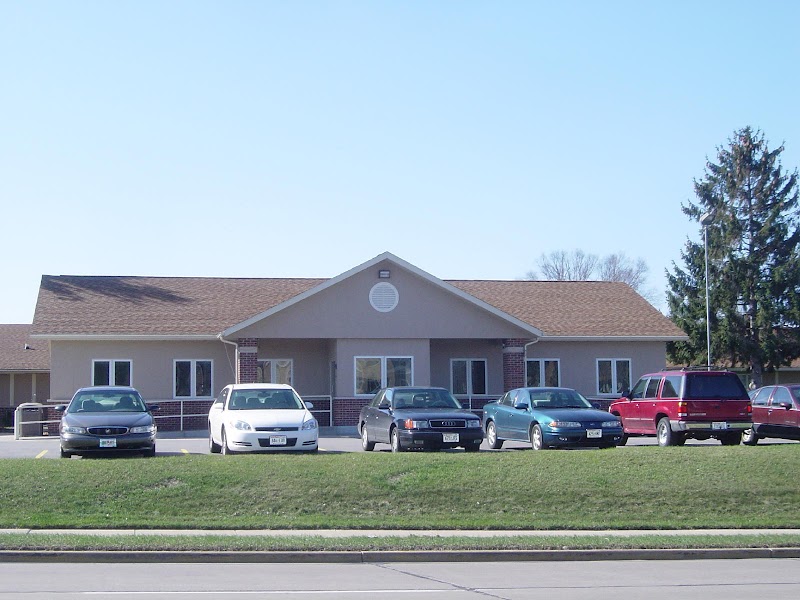
CMS rates ONALASKA CARE CENTER's staffing level at 5 out of 5 stars, which is much above average compared to other nursing homes. Staff turnover is 36%, compared to the Wisconsin average of 46%. This relatively stable workforce can support continuity of care.

What Have Inspectors Found at Onalaska?

State health inspectors documented 10 deficiencies at ONALASKA CARE CENTER during 2022 to 2025. These included: 9 with potential for harm and 1 minor or isolated issues.
Who Owns and Operates Onalaska?

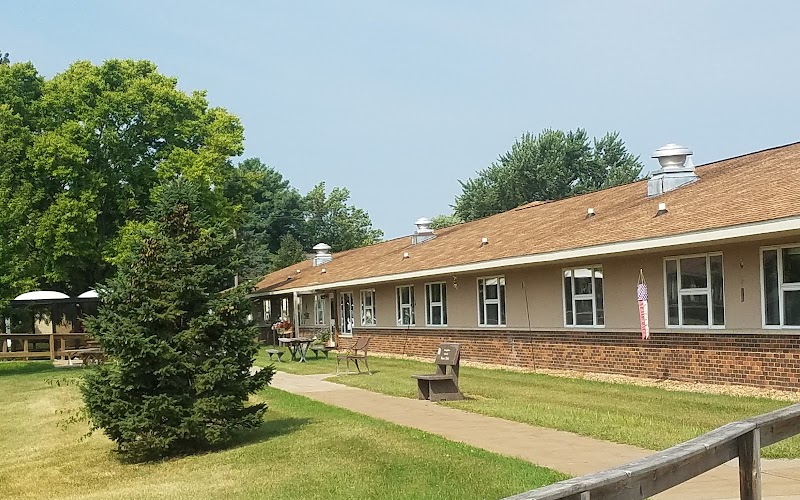
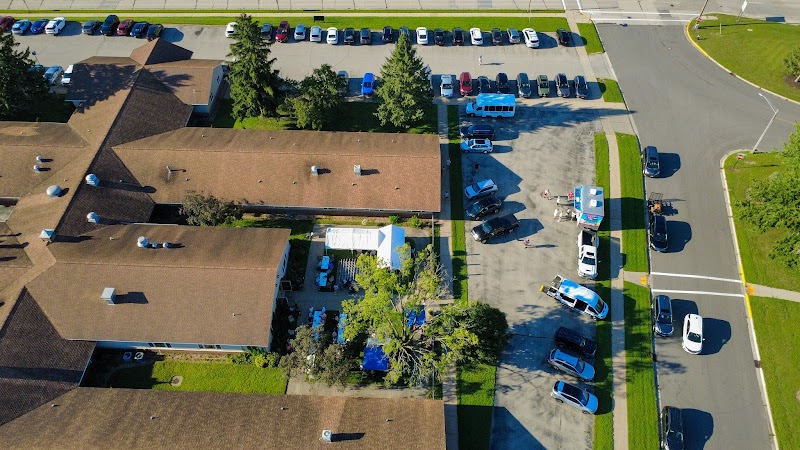
ONALASKA CARE CENTER is owned by a non-profit organization. Non-profit facilities reinvest revenue into operations rather than distributing to shareholders. The facility operates independently rather than as part of a larger chain. With 80 certified beds and approximately 55 residents (about 69% occupancy), it is a smaller facility located in ONALASKA, Wisconsin.
How Does Onalaska Compare to Other Wisconsin Nursing Homes?

Compared to the 100 nursing homes in Wisconsin, ONALASKA CARE CENTER's overall rating (4 stars) is above the state average of 3.0, staff turnover (36%) is significantly lower than the state average of 46%, and health inspection rating (3 stars) is at the national benchmark.

What Should Families Ask When Visiting Onalaska?

Based on this facility's data, families visiting should ask: "Can I visit during a mealtime to observe dining assistance and food quality?" "How do you handle medical emergencies, and what is your hospital transfer rate?" "Can I speak with family members of current residents about their experience?"

Is Onalaska Safe?

Based on CMS inspection data, ONALASKA CARE CENTER has a clean safety record: no substantiated abuse findings (meaning no confirmed cases of resident harm), no Immediate Jeopardy citations (the most serious violation level indicating risk of serious injury or death), and is not on the Special Focus Facility watch list (a federal program monitoring the lowest-performing 1% of nursing homes). The facility has a 4-star overall rating and ranks #1 of 100 nursing homes in Wisconsin. While no facility is perfect, families should still ask about staff-to-resident ratios and recent inspection results during their visit.

Do Nurses at Onalaska Stick Around?

ONALASKA CARE CENTER has a staff turnover rate of 36%, which is about average for Wisconsin nursing homes (state average: 46%). Moderate turnover is common in nursing homes, but families should still ask about staff tenure and how the facility maintains care continuity when employees leave.

Was Onalaska Ever Fined?

ONALASKA CARE CENTER has no federal fines on record. CMS issues fines when nursing homes fail to meet care standards or don't correct problems found during inspections. The absence of fines suggests the facility has either maintained compliance or corrected any issues before penalties were assessed. This is a positive indicator, though families should still review recent inspection reports for the full picture.

Is Onalaska on Any Federal Watch List?

ONALASKA CARE CENTER is not on any federal watch list. The most significant is the Special Focus Facility (SFF) program, which identifies the bottom 1% of nursing homes nationally based on persistent, serious quality problems. Not being on this list means the facility has avoided the pattern of deficiencies that triggers enhanced federal oversight. This is a positive indicator, though families should still review the facility's inspection history directly.