ANNA JOHN RESIDENT CENTERED CARE COMMUNITY
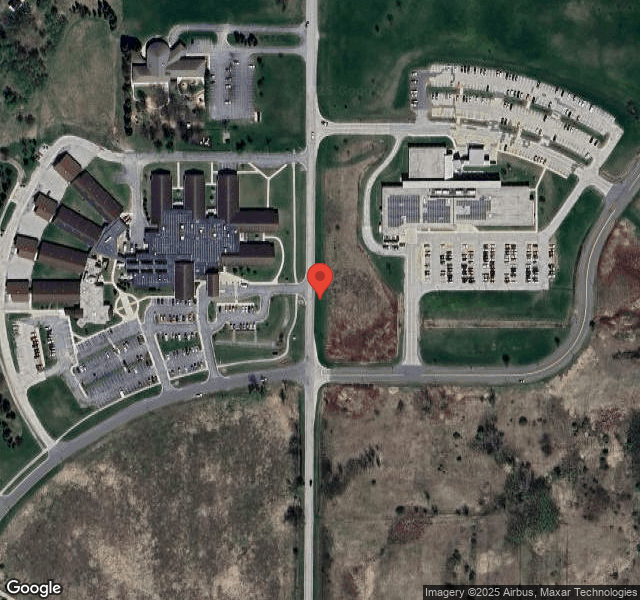

2901 SOUTH OVERLAND ROAD, ONEIDA, WI 54155 (920) 869-2797
Non profit - Other 48 Beds Independent Data: November 2025
Trust Grade
90/100
#3 of 321 in WI
Last Inspection: November 2024

Within standard 12-15 month inspection cycle. Federal law requires annual inspections.

Overview

The Anna John Resident Centered Care Community has received an impressive Trust Grade of A, indicating it is an excellent choice for families seeking care. Ranked #3 out of 321 nursing homes in Wisconsin, they are among the top facilities in the state, and they hold the #1 position out of 8 in Brown County, showing strong local performance. The facility's trend is stable, having reported one issue in both 2024 and 2025, which suggests consistent care standards. Staffing is a positive aspect, with a 4/5 star rating and an exceptional 0% turnover rate, indicating that the staff remain for the long term and are familiar with residents’ needs. However, there are some concerns; for example, the facility had a serious incident where a resident fell during a shower because proper assistance was not provided according to their care plan, and they failed to investigate the potential neglect thoroughly. Additionally, another resident did not receive timely assessments for a wound, and there were lapses in required screenings for a resident with mental health diagnoses. Overall, while the facility boasts strong ratings and low fines, families should be aware of these critical incidents and the need for improvement in certain areas.

Trust Score
A
90/100
In Wisconsin
#3/321
Top 1%
Safety Record
Low Risk
No red flags
Inspections
Holding Steady
1 → 1 violations
Staff Stability
○ Average
Turnover data not reported for this facility.
Penalties
✓ Good
No fines on record. Clean compliance history, better than most Wisconsin facilities.
Skilled Nurses
✓ Good
Each resident gets 66 minutes of Registered Nurse (RN) attention daily — more than 97% of Wisconsin nursing homes. RNs are the most trained staff who catch health problems before they become serious.
Violations
✓ Good
Only 4 deficiencies on record. Cleaner than most facilities. Minor issues only.
★★★★★
5.0
Overall Rating
★★★★☆
4.0
Staff Levels
★★★★☆
4.0
Care Quality
★★★★★
5.0
Inspection Score
Stable
2024: 1 issues
2025: 1 issues

The Good

  • 4-Star Staffing Rating · Above-average nurse staffing levels
  • 4-Star Quality Measures · Strong clinical quality outcomes
  • Full Sprinkler Coverage · Fire safety systems throughout facility
  • No fines on record

Facility shows strength in staffing levels, quality measures, fire safety.

The Bad

No Significant Concerns Identified

This facility shows no red flags. Among Wisconsin's 100 nursing homes, only 0% achieve this.

The Ugly 4 deficiencies on record

Jun 2025 1 deficiency
CONCERN (D) 📢 Someone Reported This

A family member, employee, or ombudsman was alarmed enough to file a formal complaint

Potential for Harm - no one hurt, but risky conditions existed

Investigate Abuse (Tag F0610)

Could have caused harm · This affected 1 resident

Based on staff interview and record review, the facility did not thoroughly investigate an allegation of potential neglect for 1 resident (R) (R1) of 1 sampled resident. R1 fell on 4/22/25 during a s...

Read full inspector narrative →
Based on staff interview and record review, the facility did not thoroughly investigate an allegation of potential neglect for 1 resident (R) (R1) of 1 sampled resident. R1 fell on 4/22/25 during a shower given by Certified Nursing Assistant (CNA)-C. It was reported that CNA-C did not follow R1's care plan which indicated R1 required the assistance of two staff for transfers, pericare, and showers. R1 fell in the shower and incurred a head and left shoulder abrasion. The facility did not thoroughly investigate the allegation of potential neglect. Findings include: The facility's undated Investigation of Allegations of Abuse, Neglect, Misappropriation of Property, Resident to Resident Altercation and Injury of Unknown Source policy indicates: Basic responsibility: All staff .Documentation - written statements of the investigation, care and treatment of what was provided for the resident .Establish a systematic approach for the investigation of alleged violations involving mistreatment or abuse .To meet the state's Bureau of Quality Assurance requirements on reporting all investigations of alleged abuse, neglect, misappropriation of property, and injury of unknown source in a timely and appropriate manner .5. All staff will be trained during their orientation period, annually, and as needed on the following issues related to abuse prohibition practices .11. The Social Worker or designee will interview other staff, residents, resident representatives, visitors, and other possible witnesses .The nurse/designee will interview other residents who were cared for or had contact with the accused person to get written, signed, and dated statements. The staff may sign and date these forms (a minimum of 4 other residents) .Taking steps to prevent further potential abuse .conducting a thorough investigation of the alleged violation .Investigation: The nurse will interview staff, visitors, resident representatives, and residents who have direct knowledge of the allegation .document on the appropriate forms .interview other potentially affected residents .interview staff from all prior shifts for 24 hours .date and time interviews and include date and time in documentation of events . On 6/6/25, Surveyor reviewed R1's medical record. R1 had diagnoses including autism, long term use of anticoagulants, central pain syndrome, abnormalities to gait and mobility, contracture of left hand, and muscle weakness (general). R1's Minimum Data Set (MDS) assessment, dated 3/13/25, had a Brief Interview for Mental Status (BIMS) score of 12 out of 15 which indicated R1 had moderate cognitive impairment. R1 was R1's own decision maker. On 6/6/25, Surveyor reviewed a facility-reported incident that indicated R1 fell on 4/22/25 during a shower given by CNA-C. Surveyor noted the investigation concluded that R1 stood on R1's own during the shower and CNA-C did not instruct R1 to sit down while CNA-C called for another CNA to assist with the transfer. R1 fell in the shower and incurred a head and left shoulder abrasion. Surveyor noted the investigation indicated resident interviews were completed, however, the investigation did not contain documentation of the resident interviews. Surveyor also noted education for all nursing staff on following care plans to prevent accidents and improved communication during cares was included in the investigation, however, the sign-in sheets for the education provided on 5/20/25, 5/22/25, and 5/28/25 did not contain the signatures of fourteen nursing staff. Surveyor noted Registered Nurse (RN)-D was working on 6/6/25 and was not provided education. On 6/6/25 at 10:40 AM, Surveyor requested resident interview documentation from Director of Nursing (DON)-B. On 6/6/25 at 11:06 AM, Surveyor interviewed DON-B who indicated six residents were interviewed during the investigation. DON-B confirmed there was no documentation of the interviews, including which residents were interviewed. DON-B was unsure why the documentation was not retained and submitted with the investigation. On 6/6/25 at 1:51 PM, Surveyor interviewed DON-B who confirmed not all nursing staff were educated on following care plans. DON-B indicated the staff development nurse was aware that not all nursing staff were educated and would set up a meeting with those who missed the education. DON-B confirmed there were nursing staff who worked since the incident on 4/22/25 and had not yet been educated.
Nov 2024 1 deficiency
CONCERN (D)

Potential for Harm - no one hurt, but risky conditions existed

Quality of Care (Tag F0684)

Could have caused harm · This affected 1 resident

**NOTE- TERMS IN BRACKETS HAVE BEEN EDITED TO PROTECT CONFIDENTIALITY** Based on staff interview and record review, the facility did not ensure the appropriate care and treatment was provided for 1 re...

Read full inspector narrative →
**NOTE- TERMS IN BRACKETS HAVE BEEN EDITED TO PROTECT CONFIDENTIALITY** Based on staff interview and record review, the facility did not ensure the appropriate care and treatment was provided for 1 resident (R) (R10) of 2 residents reviewed for skin integrity. R10 was admitted to the facility with a venous stasis ulcer on the right great toe and was seen by the wound clinic and vascular surgeon. The facility did not complete weekly wound assessments or notify R10's physician timely when changes were noted in the wound. Findings include: The facility's undated Management of Wounds policy indicates: .4. The wound nurse will monitor all pressure, non-healing wounds, complicated surgical wounds, and any other wounds directed to be monitored by the wound care team or primary care provider (PCP) weekly and consult with the PCP as needed for changes in treatment or updates in changes in the condition of the wound .8. A care plan will be developed for the wound and updated with changes as needed based on resident preferences of treatment and care, this will be maintained in the electronic health record. The facility's Notification of Change of Condition policy, revised on 12/21/21, indicates: Physicians, the Director of Nursing (DON), and responsible family members or legal representatives shall be notified as soon as possible within 24 hours of any changes in the resident's condition based on the acuity. From 11/4/24 to 11/6/24, Surveyor reviewed R10's medical record. R10 was admitted to the facility on [DATE] and had diagnoses including peripheral vascular disease (PVD), type 2 diabetes mellitus with diabetic chronic kidney disease, and presence of cardiac and vascular implant and graft. R10's admission Minimum Data Set (MDS) assessment, dated 4/3/24, indicated R10 had one venous stasis/arterial ulcer present. R10's most recent Minimum Data Set (MDS) assessment, dated 8/29/24, had a Brief Interview for Mental Status (BIMS) score of 13 out of 15 which indicated R10 was not cognitively impaired. R10 was R10's own decision maker. R10's medical history indicated R10 had a stint placed in R10's leg approximately 13 years prior and had not done much follow-up with the stint since then. An initial admission skin assessment, dated 3/26/24, indicated R10 had a diabetic ulcer on the right great toe with black eschar (dead tissue) with no odor. An assessment completed by DON-B, dated 3/27/24, indicated R10 had a venous/arterial ulcer on the right great toe (lateral edge under the nail) that was present upon admission. DON-B was unable to stage the wound due to eschar. The wound bed was dark purple with no drainage. The surrounding tissue was pink and tender to palpation. The area around the edge of wound contained cracked tissue. The wound measured 6.6 centimeters (cm) (length) x 2.2 cm (width) x 3.0 cm (depth) and had necrotic tissue (non-viable tissue due to reduced blood supply). The facility contacted R10's physician on 3/27/24 and indicated R10 appeared to have an arterial ulcer due to the foot pallor (a condition where the skin appears paler than normal), temperature (cool to touch), and no hair on the toe with 100% eschar and tenderness. R10 was willing to be seen by the wound clinic to rule out osteomyelitis. Staff requested R10's toenails be trimmed and indicated R10 needed to see podiatry because R10's toes appeared to have onychomycosis (nail fungus). The facility received wound clinic and podiatry referrals from R10's physician on 3/28/24. A wound clinic note, dated 4/3/24, indicated R10 had a history of diabetes, Hodgkin's and non-Hodgkin's lymphoma, and stroke. R10 was admitted to the hospital on [DATE] for renal failure hyperkalemia, hypertension, and anemia related to chemotherapy. Hospice care was discussed but put on hold. R10 had a wound on the distal tip of the right great toe and was not sure how long the wound was present. Dopplerable pulses were weak. The wound measured 2.5 cm x 2.8 cm x .05 cm depth. The note indicated the wound was a pressure injury on the distal right great toe that was unstageable due to non-viable tissue obstructing the wound bed. Recommendations included Betadine daily dressing changes and to follow-up with the vascular surgeon in 2 weeks. The facility initiated an order to apply Betadine and a dry sterile dressing to the right great toe on 4/3/24. A weekly skin observation completed by Registered Nurse (RN-C) on 4/3/24 indicated R10 had ischemic insufficiency on the right great toe with necrotic tissue and pain with palpation. Staff notified R10's physician on 4/22/24 that R10 had a calloused, reddened area on the left second toe that measured 1 cm x .5 cm and was painful to touch and when R10 wore socks. No open area was noted. The physician ordered a Band-Aid to the toe. R10 saw a vascular surgeon on 4/24/24 and was scheduled for an ultrasound on 4/30/24. The facility notified the wound clinic on 4/29/24 that R10's right heel was boggy and tender. R10 had a specialty mattress with heel boots. R10 also had right second toe skin shear and a left second toe scab at the metatarsal head with tenderness. An order was initiated to apply Betadine to the left second toe daily and wear heel boots when resting. The Band-Aid to the left toe was discontinued. A vascular ultrasound, dated 4/30/24, indicated the technologist could not palpate the dorsalis pedis on either side. The findings were consistent with severe stenosis (above 70%) in the distal SFA, the proximal popliteal artery, and the proximal posterior tibial artery, multi-focal moderate stenosis of the anterior tibial artery, and occlusion in the distal peroneal artery with poor blood flow in both feet. A right lower extremity angiogram (a medical imaging technique that visualizes blood vessels and blood flow) was scheduled for 5/20/24. Staff notified R10's facility physician on 5/2/24 that R10 had increased pain in the right great toe and heel related to worsening vascular status and spreading necrotic tissue. R10 took as needed (PRN) Tylenol which was not effective. The physician ordered skin prep to the heel and prescribed tramadol (used to treat moderate to severe pain). A general skin observation note, dated 5/4/24, indicated the tip of R10's right great toe was black with hardened tissue and had increased in size since the last assessment on 4/21/24. Progress notes, dated 5/5/24, indicated R10 reported pain after a wound treatment and was offered interventions for pain management. R10's right great toe was darker in color than the day before and was deep red/purple at the base and black/dark purple at the tip. R10 complained of pain in the heel which was boggy. Skin prep was applied. R10 refused heel boots and was educated. R10 allowed the writer to elevate R10's heels on a pillow while in the recliner. A wound clinic note, dated 5/6/24, indicated R10 complained of pain in the toe and plantar heel likely due to early signs of infection. Antibiotic therapy was prescribed. R10's right great toe was demarcating (boundary between living and dead tissue) with increased redness to the foot. R10 was advised if R10 had increased redness, fever, chills, nausea, vomiting, shortness of breath, or chest pain, R10 should go to the Emergency Department (ED) immediately. The writer was concerned R10 might lose more than a toe consistent with possible TMA (transmetatarsal amputation) versus BKA (below the knee amputation). Recommendations included Betadine daily dressing changes and follow-up in 2 weeks. A progress note, dated 5/11/24, indicated R10's right great toe and second toe were black in color. R10's right second toe contained a scab. R10's left second toe contained a scab and a callous. A progress note, dated 5/12/24, indicated Betadine was applied to blackened necrotic tissue on R10's right great toe, an area medial to the base of the toe, the top of the right foot, and a medial scabbed area on the left great toe. R10 declined tubigrips and heel boots. A progress note, dated 5/13/24, indicated R10's right great toe and second were black and discoloration had spread to the top of the foot. A progress note, dated 5/14/24, indicated R10's right great toe was entirely black/purple in color with discoloration on the top of the foot. The skin was firm. R10 winced with Betadine and PRN medication offer and declined prior to and during treatment. R10's dressing was changed as ordered. A progress note, dated 5/16/24, indicated the writer left a message for the wound doctor regarding the condition of R10's right great toe. The wound doctor's representative was informed that R10's right second toe and top of the foot contained black necrotic tissue. R10 was send to the ED and admitted to the hospital. A wound physician consult note, dated 5/18/24, indicated R10 was admitted to the hospital on [DATE] for critical limb ischemia. The only blood flow to R10's right foot was the posterior tibial artery which supplied blood flow to the bottom of the foot. There was little to no flow to the dorsal foot. The wound and vascular surgeons consulted about the possible failure of a TMA. R10 was counseled on treatment options. A possible TMA was discussed with the hope the incision would heal and R10 could function with diabetic shoes and toe filler; however, due to the lack of circulation to the top of the foot, there was a great chance of failure and R10 would then would require a BKA. The goal of surgery was to save the foot, however, R10 would still be at risk of losing the foot if the surgery failed or there were complications with healing. R10 opted to proceed with a BKA. An initial skin assessment upon R10's return from the hospital indicated R10 had a dried scab on the tip of R10's left great toe. An order was initiated to apply Betadine daily. No concerns were noted with documentation or treatments during that time. The facility's wound nurse contacted the wound clinic on 7/2/24 and scheduled an appointment for R10's left toe scab on 7/17/24. Daily Betadine treatments continued between 7/2/24 and 7/17/24 with no concerns noted until 7/15/24. A progress note, dated 7/15/24, indicated Betadine was applied to the scab on R10's left great toe. R10 indicated discomfort with touch. The note indicated the nurse would update the Interdisciplinary Team (IDT). A progress note, dated 7/16/24, indicated Betadine was applied to the scab on R10's left great toe. R10 indicated discomfort with touch. R10 was scheduled to see the wound clinic on 7/17/24. During a wound clinic visit on 7/17/24, the physician was concerned about the possibility of infection since R10 complained of pain the last few days and started R10 on an antibiotic. Betadine to the left toe daily was continued. R10 was seen by the wound clinic and followed by in-house weekly wound care since 7/17/24. R10's in-house weekly wound care assessments did not include measurements of the right great toe between 4/8/24 and 5/13/24, however, staff who completed the treatments documented daily observations of the wound. Surveyor also noted between 5/23/24 (when an area on R10's left toe was noted upon readmission) and 7/17/24, in-house weekly wound assessments with measurements were not completed, however, licensed staff charted daily on R10's left great toe when treatments were completed. Staff noted observations and any concerns with infection. As previously noted, R10 saw the wound clinic on 5/6/24 and was started on an antibiotic due to the possibility of infection. R10's progress noted indicated staff observed more changes in R10's toe(s) beginning on 5/11/24 but did not contact the physician until 5/16/24. On 11/07/24 at 10:50 AM, Surveyor called the wound clinic and spoke with Registered Nurse (RN)-D who indicated R10 was seen on 5/6/24 and was started on antibiotic therapy for a possible infection. RN-D indicated R10's second toe had a little discoloration on 5/6/24 but the great toe was concerning. RN-D indicated the wound doctor was already concerned with infection and the possibility that R10 would lose the toe or more. RN-D indicated R10 had severe blood flow issues and had appointments scheduled for vascular issues, including an angiogram on 5/20/24. RN-D reviewed a wound assessment from when R10 was admitted to the hospital on [DATE] and indicated (based on photos) that R10 was losing at least the right great toe and possibly the second toe. When Surveyor indicated staff noted changes in R10's foot on 5/11/24 but did not contact the wound clinic until 5/16/24, RN-D could not say if earlier notification would have made a difference, but indicated they would have wanted to know as early as possible. RN-D indicated if staff would have called earlier, they likely would have been instructed staff to send R10 to the ED which was the fastest way to get assessed. RN-D indicated the wound clinic's records did not contain a call from the facility to the triage nurse before 5/16/24. RN-D indicated R10's vascular surgeon would be back on 11/11/24 and would contact Surveyor if the surgeon felt that contacting the wound clinic on 5/11/24 (when the changes were noted) would have made a difference in the outcome. Surveyor did not receive a return phone call. On 11/6/24 at 10:17 AM, Surveyor interviewed DON-B who indicated DON-B completed R10's initial wound assessment. DON-B indicated shortly after R10 was admitted to the facility, DON-B was off work for awhile and Assistant Director of Nursing (ADON)-E and RN-C completed wound care during that period. DON-B indicated RN-C was wound care certified as of 4/24/24, but was training and following wound care at the facility prior to that time. DON-B reviewed R10's medical record and verified weekly wound care assessments/measurements for R10 were not completed. DON-B indicated weekly wound notes should be completed by the in-house wound care team. In a follow-up interview, DON-B confirmed the in-house wound care team should complete in-house assessments even if a resident was seen by the wound clinic. DON-B confirmed wound notes for R10's left toe should have been completed upon R10's return from the hospital on 5/23/24. DON-B and Surveyor reviewed the progress notes where staff noted changes to R10's foot on 5/11/24 but didn't contact the physician until 5/16/24. DON-B indicated staff should have contacted the physician when there were changes. On 11/6/24 at 10:53 AM, Surveyor interviewed ADON-E who reviewed R10's medical record and verified R10's weekly in-house wound notes did not include measurements for the right and left toes. ADON-E also verified staff did not contact the physician timely when changes that were noted on 5/11/24 and indicated it is staffs' responsibility to contact the physician if they note changes. ADON-E indicated staff should also contact the wound nurse if there are changes. ADON-E confirmed weekly in-house wound notes should be completed for all wounds.
Sept 2023 1 deficiency
CONCERN (D)

Potential for Harm - no one hurt, but risky conditions existed

Deficiency F0645 (Tag F0645)

Could have caused harm · This affected 1 resident

**NOTE- TERMS IN BRACKETS HAVE BEEN EDITED TO PROTECT CONFIDENTIALITY** Based on staff interview and record review, the facility did not ensure Preadmission Screening and Resident Review (PASRR) Level...

Read full inspector narrative →
**NOTE- TERMS IN BRACKETS HAVE BEEN EDITED TO PROTECT CONFIDENTIALITY** Based on staff interview and record review, the facility did not ensure Preadmission Screening and Resident Review (PASRR) Level I and Level II Screens were completed as required for 1 Resident (R) (R21) of 5 residents reviewed. R21 had diagnoses of schizophrenia, bipolar mood disorder, and depression and was prescribed psychotropic medications. R21 did not have a PASRR Level I or Level II Screen completed as required. Findings include: PASRR information requires that all applicants to Medicaid-certified nursing facilities must be assessed to determine whether they have an intellectual disability or mental illness prior to admission; that is a Level I Screen. The purpose of a Level I Screen is to identify individuals whose total needs require that they receive additional services for their intellectual disability or serious mental illness. Individuals who are identified on the Level I as having a serious mental illness or intellectual disability and/or are prescribed psychotropic medications related to those diagnoses, are then evaluated in depth to confirm the determination of the need for specialized services; that is a Level II Screen. This assessment produces a set of recommendations for necessary services that are meant to inform the individual's plan of care. If a resident receives a new diagnoses of a mental illness, or is prescribed a class of psychotropic medications they were not previously taking, the PASRR should be resubmitted for review. R21 was admitted to the facility on [DATE] with diagnoses that included Parkinson's disease, schizophrenia, bipolar mood disorder, and anxiety disorder. On 4/4/22, a diagnoses of major depressive disorder was added. R21's most recent Minimum Data Set (MDS) assessment, dated 8/9/23, contained a Brief Interview for Mental Status (BIMS) score of 12 out of 15 which indicated R21 had moderately impaired cognition. Between 9/19/23 and 9/20/23, Surveyor reviewed R21's medical record and noted R21 also was prescribed the following psychotropic medications: ~Aripiprazole (an antipsychotic medication) for manic phase of bipolar mood disorder ~Quetiapine (an antipsychotic medication) related to bipolar mood disorder ~Depakote (an antiseizure medication) for bipolar mood disorder ~Wellbutrin (an antidepressant medication) for major depressive disorder On 9/20/23, Surveyor requested copies of R21's PASRR Level I and Level II Screens. The facility was unable to provide a PASRR Level I or Level II Screen for R21. On 9/20/23 at 12:45 PM, Surveyor interviewed Social Worker (SW)-C who confirmed R21 should have had a Level I and Level II Screen. SW-C indicated R21 was admitted from another nursing home in 2019. SW-C thought SW-C requested R21's PASRR Level I and Level II Screens from the previous nursing home. SW-C also indicated the facility's electronic medical record program was updated on 9/19/23 and the last time there was an update to the system, some scanned resident documents were lost. SW-C stated SW-C called R21's previous nursing home to obtain a copy of R21's PASRR Level I and Level II Screens and was working with the company that manages the facility's electronic medical records system to see if they were lost in the update. When Surveyor asked SW-C about the facility's PASRR process, SW-C indicated SW-C ensures all residents have a PASRR Level I Screen upon admission and, if needed, a Level II Screen. SW-C indicated PASRR Level I and Level II Screens are scanned into residents' electronic medical records; however, SW-C indicated SW-C will now also keep a paper copy of PASRR Screens in SW-C's office in case something is lost in an update (although SW-C could not confirm this was the case with R21's PASRR Screens). SW-C stated SW-C did not complete PASRR audits because PASRRs should be scanned into residents' medical records upon admission. When asked about the process SW-C uses to ensure PASRR Level I and Level II Screens are updated when a resident is prescribed a new class of psychotropic medication or receives a new mental illness diagnosis (R21 received a new diagnoses of major depressive disorder on 4/4/22), SW-C could not recall any residents who were prescribed a new psychotropic medication and stated the facility does not usually start residents on new psychotropic medications. SW-C indicated if a psychotropic medication is initiated, and because an improvement would likely be seen in the resident, SW-C did not believe the PASRR needed to be resubmitted.
Oct 2022 1 deficiency
CONCERN (D)

Potential for Harm - no one hurt, but risky conditions existed

Deficiency F0692 (Tag F0692)

Could have caused harm · This affected 1 resident

**NOTE- TERMS IN BRACKETS HAVE BEEN EDITED TO PROTECT CONFIDENTIALITY** Based on record review and staff interview, the facility did not ensure an accurate nutrition assessment was completed and updat...

Read full inspector narrative →
**NOTE- TERMS IN BRACKETS HAVE BEEN EDITED TO PROTECT CONFIDENTIALITY** Based on record review and staff interview, the facility did not ensure an accurate nutrition assessment was completed and update the physician for 1 Resident (R) (R15) of 3 sampled residents reviewed for nutrition concerns. The facility did not complete an accurate nutrition assessment and did not update the physician when R15 had a significant weight loss of 28 pounds (14%) between 4/12/22 and 10/11/22. Findings include: The facility's policy, titled Management of AJRCCC Resident Weights, dated 4/22/19, stated The purpose is to determine the resident's weight to provide a baseline and ongoing record of the resident's body weight as an indicator of their nutritional status and medical condition .Significant weight loss: is when the resident has a 5% weight loss in 1 month, 7.5% weight loss in 3 months or 10% in 6 months . 5. When the RD (Registered Dietician) notices a significant weight loss occurs during her MDS assessment the RD will update the PCP (Primary Care Provider) and consult with PCP and resident and determine resident needs. 8. The RD will determine if the resident has had a significant weight loss/gain by reviewing the residents weights for the past year. 12. The RD will consult with the PCP, if applicable, and make appropriate recommendations based on clinical assessment. From 10/11/22 through 10/12/22, the Surveyor reviewed R15's medical record which documented R15 was admitted to the facility on [DATE] and had a BIMS (Brief Interview for Mental Status) score of 13 of 15 indicating R15's cognition was intact. R15 had diagnoses to include schizophrenia (a serious mental disorder that affects a person's ability to think, feel, and behave clearly), bipolar disorder (a disorder associated with episodes of mood swings ranging from depressive lows to manic highs), and Parkinson's disease (a progressive disorder that affects the nervous system and the parts of the body controlled by the nerves). R15's most recent MDS (Minimum Data Set) assessment documented in section K0300 that R15 had a weight loss of 10 percent or more in the last 6 months and was not on a physician prescribed weight loss program. A nutritional assessment dated [DATE], completed by RD (Registered Dietician)-I document significant weight loss of 16% this quarter due to resident's preference. The Surveyor reviewed R15's documented weights for the quarter (May to August) of 232.2 on 5/12/22 and 225.2 on 8/10/22 and noted R15 did not have a significant weight loss of 16% within that quarter, rather, R15 had a weight loss of 7 pounds which was 3 percent within that previous quarter. On 10/11/22 at 10:55 AM, the Surveyor interviewed RD-I regarding RD-I's calculation of 16% weight loss within RD-I's nutritional assessment dated [DATE]. RD-I initially stated RD-I's calculations were accurate until the Surveyor reviewed the weight calculations with RD-I. RD-I then stated RD-I realized the calculations were incorrect for that quarter. RD-I then stated they thought the calculation of 16% weight loss for R15 was maybe based on the previous 6 months instead of the past quarter, but RD-I was not sure. The Surveyor asked RD-I if the physician was updated regarding R15's weight loss, RD-I stated R15 wanted to lose weight and RD-I was unsure if the physician was updated on the weight loss. RD-I further added RD-I thought it was the nursing staff who were responsible to update the physician when residents experience weight loss. RD-I returned a short time later to update the Surveyor that RD-I was unable to find documentation that R15's physician was updated on R15's weight loss. RD-I then provided a copy of a fax that RD-I completed to R15's physician indicating R15 had a significant weight loss of 14% in the past 6 months. Weight as following: 4/12/22 239# (pounds), 5/10/22 235#, 6/14/22 234#, 8/9/22 224#, 9/13/22 216#, 10/11/22 211#. RD-I then told the Surveyor I should have faxed the physician. The Surveyor interviewed DON (Director of Nursing)-B regarding R15's weight loss and the importance of updating of R15's physician. DON-B agreed R15's physician should have been updated regarding R15's significant weight loss by RD-I. DON-B further indicated there would be upcoming education provided to RD-I regarding completion of accurate nutrition assessments and stated nursing staff would be educated regarding significant weight loss of residents.
Understanding Severity Codes (click to expand)
Life-Threatening (Immediate Jeopardy)
J - Isolated K - Pattern L - Widespread
Actual Harm
G - Isolated H - Pattern I - Widespread
Potential for Harm
D - Isolated E - Pattern F - Widespread
No Harm (Minor)
A - Isolated B - Pattern C - Widespread

Questions to Ask on Your Visit

  • "Can I speak with families of current residents?"
  • "What's your RN coverage like on weekends and overnight?"

Our Honest Assessment

Strengths
  • • Grade A (90/100). Above average facility, better than most options in Wisconsin.
  • • No major safety red flags. No abuse findings, life-threatening violations, or SFF status.
  • • No fines on record. Clean compliance history, better than most Wisconsin facilities.
  • • Only 4 deficiencies on record. Cleaner than most facilities. Minor issues only.
Concerns
  • • No significant concerns identified. This facility shows no red flags across CMS ratings, staff turnover, or federal penalties.
Bottom line: Generally positive indicators. Standard due diligence and a personal visit recommended.

About This Facility

What is Anna John Resident Centered Care Community's CMS Rating?

CMS assigns ANNA JOHN RESIDENT CENTERED CARE COMMUNITY an overall rating of 5 out of 5 stars, which is considered much above average nationally. Within Wisconsin, this rating places the facility higher than 99% of the state's 100 nursing homes. This rating reflects solid performance across the metrics CMS uses to evaluate nursing home quality.

How is Anna John Resident Centered Care Community Staffed?

CMS rates ANNA JOHN RESIDENT CENTERED CARE COMMUNITY's staffing level at 4 out of 5 stars, which is above average compared to other nursing homes.

What Have Inspectors Found at Anna John Resident Centered Care Community?

State health inspectors documented 4 deficiencies at ANNA JOHN RESIDENT CENTERED CARE COMMUNITY during 2022 to 2025. These included: 4 with potential for harm.

Who Owns and Operates Anna John Resident Centered Care Community?

ANNA JOHN RESIDENT CENTERED CARE COMMUNITY is owned by a non-profit organization. Non-profit facilities reinvest revenue into operations rather than distributing to shareholders. The facility operates independently rather than as part of a larger chain. With 48 certified beds and approximately 33 residents (about 69% occupancy), it is a smaller facility located in ONEIDA, Wisconsin.

How Does Anna John Resident Centered Care Community Compare to Other Wisconsin Nursing Homes?

Compared to the 100 nursing homes in Wisconsin, ANNA JOHN RESIDENT CENTERED CARE COMMUNITY's overall rating (5 stars) is above the state average of 3.0 and health inspection rating (5 stars) is much above the national benchmark.

What Should Families Ask When Visiting Anna John Resident Centered Care Community?

Based on this facility's data, families visiting should ask: "Can I visit during a mealtime to observe dining assistance and food quality?" "How do you handle medical emergencies, and what is your hospital transfer rate?" "Can I speak with family members of current residents about their experience?"

Is Anna John Resident Centered Care Community Safe?

Based on CMS inspection data, ANNA JOHN RESIDENT CENTERED CARE COMMUNITY has a clean safety record: no substantiated abuse findings (meaning no confirmed cases of resident harm), no Immediate Jeopardy citations (the most serious violation level indicating risk of serious injury or death), and is not on the Special Focus Facility watch list (a federal program monitoring the lowest-performing 1% of nursing homes). The facility has a 5-star overall rating and ranks #1 of 100 nursing homes in Wisconsin. While no facility is perfect, families should still ask about staff-to-resident ratios and recent inspection results during their visit.

Do Nurses at Anna John Resident Centered Care Community Stick Around?

ANNA JOHN RESIDENT CENTERED CARE COMMUNITY has not reported staff turnover data to CMS. Staff turnover matters because consistent caregivers learn residents' individual needs, medications, and preferences. When staff frequently change, this institutional knowledge is lost. Families should ask the facility directly about their staff retention rates and average employee tenure.

Was Anna John Resident Centered Care Community Ever Fined?

ANNA JOHN RESIDENT CENTERED CARE COMMUNITY has no federal fines on record. CMS issues fines when nursing homes fail to meet care standards or don't correct problems found during inspections. The absence of fines suggests the facility has either maintained compliance or corrected any issues before penalties were assessed. This is a positive indicator, though families should still review recent inspection reports for the full picture.

Is Anna John Resident Centered Care Community on Any Federal Watch List?

ANNA JOHN RESIDENT CENTERED CARE COMMUNITY is not on any federal watch list. The most significant is the Special Focus Facility (SFF) program, which identifies the bottom 1% of nursing homes nationally based on persistent, serious quality problems. Not being on this list means the facility has avoided the pattern of deficiencies that triggers enhanced federal oversight. This is a positive indicator, though families should still review the facility's inspection history directly.