EDENBROOK OF OSHKOSH
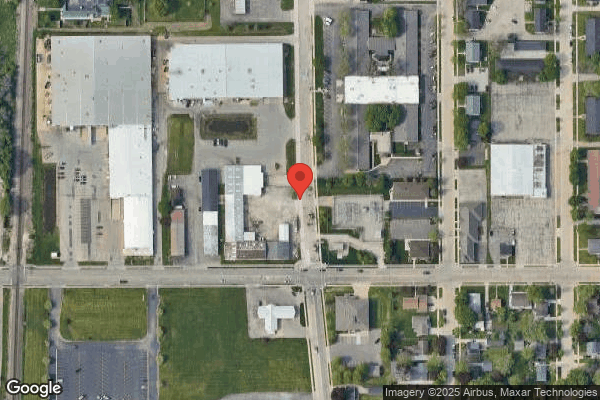

1850 BOWEN ST, OSHKOSH, WI 54901 (920) 233-4011
For profit - Limited Liability company 110 Beds EDEN SENIOR CARE Data: November 2025
Trust Grade
55/100
#149 of 321 in WI
Last Inspection: March 2025

Within standard 12-15 month inspection cycle. Federal law requires annual inspections.

Overview

Edenbrook of Oshkosh has a Trust Grade of C, indicating it's average and falls in the middle of the pack among nursing homes. It ranks #149 out of 321 facilities in Wisconsin, placing it in the top half, but at #6 out of 8 in Winnebago County, it suggests that there are only two other homes that are better options nearby. The facility's condition is stable, with 11 issues reported in both 2024 and 2025, and it has a staffing rating of 3 out of 5 stars, with a turnover rate of 56%, which is close to the state average. Notably, there have been no fines reported, which is a positive sign. However, there are some concerns, including issues with food portion sizes not meeting nutritional standards for residents and lapses in infection control practices, such as staff not properly maintaining hand hygiene during care. Overall, while there are strengths in its ranking and absence of fines, families should be aware of the facility's operational concerns.

Trust Score
C
55/100
In Wisconsin
#149/321
Top 46%
Safety Record
Low Risk
No red flags
Inspections
Holding Steady
11 → 11 violations
Staff Stability
⚠ Watch
56% turnover. Above average. Higher turnover means staff may not know residents' routines.
Penalties
✓ Good
No fines on record. Clean compliance history, better than most Wisconsin facilities.
Skilled Nurses
✓ Good
Each resident gets 47 minutes of Registered Nurse (RN) attention daily — more than average for Wisconsin. RNs are trained to catch health problems early.
Violations
⚠ Watch
24 deficiencies on record. Higher than average. Multiple issues found across inspections.
★★★☆☆
3.0
Overall Rating
★★★☆☆
3.0
Staff Levels
★★★★☆
4.0
Care Quality
★★★☆☆
3.0
Inspection Score
Stable
2024: 11 issues
2025: 11 issues

The Good

  • 4-Star Quality Measures · Strong clinical quality outcomes
  • Full Sprinkler Coverage · Fire safety systems throughout facility
  • No fines on record

Facility shows strength in quality measures, fire safety.

The Bad

3-Star Overall Rating

Near Wisconsin average (3.0)

Meets federal standards, typical of most facilities

Staff Turnover: 56%

10pts above Wisconsin avg (46%)

Frequent staff changes - ask about care continuity

Chain: EDEN SENIOR CARE

Part of a multi-facility chain

Ask about local staffing decisions and management

Staff turnover is elevated (56%)

8 points above Wisconsin average of 48%

The Ugly 24 deficiencies on record

Jul 2025 2 deficiencies
CONCERN (D) 📢 Someone Reported This

A family member, employee, or ombudsman was alarmed enough to file a formal complaint

Potential for Harm - no one hurt, but risky conditions existed

Incontinence Care (Tag F0690)

Could have caused harm · This affected 1 resident

**NOTE- TERMS IN BRACKETS HAVE BEEN EDITED TO PROTECT CONFIDENTIALITY** Based on observation, staff and resident interview, and record review, the facility did not ensure 2 residents (R) (R2 and R9) o...

Read full inspector narrative →
**NOTE- TERMS IN BRACKETS HAVE BEEN EDITED TO PROTECT CONFIDENTIALITY** Based on observation, staff and resident interview, and record review, the facility did not ensure 2 residents (R) (R2 and R9) of 3 sampled residents received the appropriate care and services to prevent urinary tract infections (UTIs). The facility did not initiate or transcribe an admission order to change R2's Foley catheter monthly and as needed.The facility did not initiate or transcribe a urology clinic order to change R9's Foley catheter monthly and as needed. In addition, R9 was not placed on enhanced barrier precautions (EBP) despite having an indwelling medical device.Findings include:The facility's Physician Orders policy, revised 11/13/24, indicates orders must be recorded in the medical record and transcribed to the Medication Administration Record (MAR) or Treatment Administration Record (TAR). The facility's Foley Catheter Management policy, revised 1/28/25, indicates there will be a medical necessity/justification for the use of a urinary catheter which will be identified by the physician order. The policy also indicates indwelling Foley catheters will not be changed at routine or fixed intervals. The facility's Enhanced Barrier Precautions (EBP) policy, dated 3/26/25, indicates the facility will implement EBP during high-contact resident care activities when caring for residents who have an increased risk for acquiring a multidrug-resistant organism (MDRO) such as a resident with an indwelling medical device. EBP refers to an infection control intervention that employs targeted gown and glove use during high-contact resident care activities. A posting with clear signage of EBP should be placed on the door/wall outside the resident's room and the facility will ensure personal protective equipment (PPE) and alcohol-based hand rub is readily accessible to staff. 1. On 7/29/25, Surveyor reviewed R2's medical record. R2 was admitted to the facility on [DATE] and had diagnoses including dementia, traumatic ischemia/rhabdomyolysis, and history of falls. R2 had an Activated Power of Attorney for Healthcare (POAHC) who assisted with medical decisions. R2's Minimum Data Set (MDS) assessment, completed on 6/19/25, indicated R2's cognition was severely impaired. Hospital discharge instructions, dated [DATE], indicated R2 had a UTI upon admission and a chronic Foley catheter. Physician orders upon discharge from the hospital were to change the Foley catheter monthly and irrigate with 60 milliliters (ml) of normal saline as needed. Surveyor noted the order was not transcribed in R2's medical record and was not on R2's MAR or TAR.On 7/29/25 at 1:01 PM, Surveyor interviewed Director of Nursing (DON)-B who indicated the hospital discharge order should have been transcribed in R2's TAR; however, the facility's policy indicates not to complete Foley catheter changes routinely or at fixed intervals to prevent the possibility of causing infection. DON-B indicated R2's physician should have been notified of the order and should have provided an order to change the Foley catheter as needed with indications, including but not limited to if the catheter is plugged and if R2 has decreased urine output or urinary changes. DON-B indicated R2's physician did not provide alternative orders and verified the hospital discharge order should have been transcribed and implemented. 2. On 7/29/25, Surveyor reviewed R9's medical record. R9 was admitted to the facility on [DATE] and had diagnoses including cerebral infarction, hemiplegia, hemiparesis, UTI, and diabetes. R9 made R9's own medical decisions. R9's MDS assessment, completed on 7/3/25, indicated R9's cognition was moderately impaired. R9's medical record contained an order from the urology clinic, dated 7/22/25, for monthly and as needed Foley catheter changes. The order was not transcribed on R9's MAR or TAR.On 7/29/25 at approximately 12:30 PM, Surveyor interviewed R9 who indicated R9 had an order from the urology clinic on 7/22/25 to change R9's Foley catheter but it had not been changed. Surveyor did not observe an EBP sign outside R9's room and did not observe PPE near R9's room. On 7/29/25 at 12:36 PM, Surveyor interviewed Registered Nurse (RN)-D who verified R9 had a Foley catheter but indicated R9 did not need to be on EBP. On 7/29/25 at 12:38 PM, Surveyor observed the outside of R9's room with DON-B who indicated R9 should be on EBP due to the Foley catheter. Surveyor observed DON-B post an EBP sign outside R9's door.On 7/29/25 at 1:01 PM, Surveyor interviewed DON-B who verified R9 had an order from the urology clinic on 7/22/25 for monthly and as needed Foley catheter changes. DON-B indicated the order should have been transcribed on R9's TAR which DON-B completed during the interview. DON-B indicated nursing staff would implement the urology clinic order on the 7/29/25 PM shift and confirmed the order should have been transcribed when received on 7/22/25.
CONCERN (D) 📢 Someone Reported This

A family member, employee, or ombudsman was alarmed enough to file a formal complaint

Potential for Harm - no one hurt, but risky conditions existed

Laboratory Services (Tag F0770)

Could have caused harm · This affected 1 resident

**NOTE- TERMS IN BRACKETS HAVE BEEN EDITED TO PROTECT CONFIDENTIALITY** Based on staff interview and record review, the facility did not ensure 1 resident (R) (R2) of 1 sampled resident received timel...

Read full inspector narrative →
**NOTE- TERMS IN BRACKETS HAVE BEEN EDITED TO PROTECT CONFIDENTIALITY** Based on staff interview and record review, the facility did not ensure 1 resident (R) (R2) of 1 sampled resident received timely laboratory services. The facility did not complete physician orders for R2 to prevent potential cancellation or delay of a medical procedure. Findings include: The facility's Physician Orders policy, revised 11/13/24, indicates the purpose of the policy is to ensure physician orders are transcribed and implemented in accordance with professional standards. The policy also indicates orders must be recorded in the medical record and transcribed to the Medication Administration Record (MAR) or Treatment Administration Record (TAR). On 7/29/25, Surveyor reviewed R2's medical record. R2 was admitted to the facility on [DATE] and had diagnoses including dementia, traumatic ischemia/rhabdomyolysis, history of falls, and sick sinus syndrome. R2 had an activated Power of Attorney for Healthcare (POAHC) who assisted with medical decisions. R2's Minimum Data Set (MDS) assessment, completed on 6/19/25, indicated R2's cognition was severely impaired. R2's medical record contained orders from the urology clinic on 7/7/25 with surgical instructions and indicated the failure to comply may result in cancellation of R2's procedure. The orders included a pre-op history and physical (H&P) to be completed no more than 30 days prior to the procedure scheduled for 7/25/25 and a urine culture on 7/11/25. On 7/29/25 at 9:09 AM, Surveyor interviewed Assisted Living Nurse (ALN)-C who indicated R2's medical procedure was delayed because the physician's orders were not completed timely. On 7/29/25 at 1:01 PM, Surveyor interviewed Director of Nursing (DON)-B who verified the facility received orders from the urology clinic on 7/7/25 to provide a pre-op H&P and complete a urine culture on 7/11/25. DON-B indicated the pre-op H&P was completed by the facility's provider on 7/8/25, however, the facility did not send the H&P to the urology clinic. DON-B also indicated nursing staff could not obtain a urine sample as ordered on 7/11/25 because R2 left the facility at 9:45 AM. DON-B indicated the facility should have notified R2's receiving facility that the order was not completed and needed to be completed to ensure continuity of care and prevent the delay of R2's surgical procedure.
Jul 2025 1 deficiency
CONCERN (D) 📢 Someone Reported This

A family member, employee, or ombudsman was alarmed enough to file a formal complaint

Potential for Harm - no one hurt, but risky conditions existed

Investigate Abuse (Tag F0610)

Could have caused harm · This affected 1 resident

**NOTE- TERMS IN BRACKETS HAVE BEEN EDITED TO PROTECT CONFIDENTIALITY** Based on staff and resident interview and record review, the facility did not ensure an allegation of neglect was thoroughly inv...

Read full inspector narrative →
**NOTE- TERMS IN BRACKETS HAVE BEEN EDITED TO PROTECT CONFIDENTIALITY** Based on staff and resident interview and record review, the facility did not ensure an allegation of neglect was thoroughly investigated for 1 resident (R) (R2) of 15 sampled residents. R2 alleged that Certified Nursing Assistant (CNA)-H left R2 naked and without a gown on the 6/18/25 night shift. The facility did not thoroughly investigate the allegation of neglect.Findings include: The facility's Policy & Procedure Vulnerable Adult Abuse and Neglect Prevention, revised 3/25/25, indicates: It is the policy of the facility to provide professional care and services in an environment that is free from any type of abuse, neglect, mistreatment, or exploitation. The facility will follow the federal guidelines dedicated to the prevention of abuse and timely and thoroughly investigate allegations .residents and staff will be protected from abuse, neglect, and harm while they are residing at the facility. There is zero tolerance for abuse or harm of any type .The facility will strive to educate all participants in techniques to protect all parties .Willful .means the individual must have acted deliberately, not that the individual must have intended to inflict injury or harm .11. Neglect: (a) The failure to provide goods and services necessary to avoid physical harm, mental anguish, or mental illness. (b) The failure or omission by a caregiver to supply a vulnerable adult with care or services, including but not limited to, food, clothing, shelter, healthcare, or supervision which is: i. Reasonable and necessary to obtain or maintain the vulnerable adult's physical or mental health or safety .and ii. Which is not the result of an accident or therapeutic conduct. (c) The absence or likelihood of absence of care services, including but not limited to food, clothing, shelter, healthcare, or supervision necessary to maintain the physical and mental health which a reasonable person would deem essential to obtain or maintain the vulnerable adult's health, safety or comfort .Resident Protection Program Policy & Procedure: .4. Investigation: a. Upon receiving a complaint of alleged maltreatment, the Administrator must be notified immediately and they, the Director of Nursing (DON), or assigned designee will coordinate an investigation which will include completion of witness statements. b. All parties involved including two of the following - staff, residents, or visitors who were potentially involved or observed the alleged incident are to be interviewed by the DON, Director of Social Services, or their designee .j. The investigation and written findings are completed and reviewed with the Administrator, DON, and Director of Social Services .h. Education will be provided as needed to all parties involved .Each alleged report will be individually investigated .The appropriate person .or designee will conduct interviews with the appropriate staff, volunteers, visitors, etc. Within 5 business days, an investigation report will be completed and turned into the Department of Health which includes .iii. Details of the facility's investigation including a summary of information obtained from interviews of residents, staff, and witnesses .vii. Any action that has been taken to prevent recurrence of the incident . On 7/1/25, Surveyor reviewed R2's medical record. R2 was admitted to the facility on [DATE] and had diagnoses including aftercare following joint replacement surgery, diabetes, asthma, and obesity. R2's Minimum Data Set (MDS) assessment, dated 6/23/25, had a Brief Interview for Mental Status (BIMS) score of 15 out of 15 which indicated R2 was not cognitively impaired. R2 made R2's own healthcare decisions. A care plan, dated 6/18/25, indicated R2 required the assistance of one staff for dressing. On 7/1/25, Surveyor reviewed a facility-reported incident (FRI) that contained a grievance from R2, dated 6/19/25, that indicated on the 6/18/25-6/19/25 night (NOC) shift, staff did not answer R2's call light and R2 used a phone to call for assistance. The investigation indicated CNA-H removed a bed pan from underneath R2 at 1:00 AM and the bed pan spilled. R2's gown was wet and CNA-H did not assist with R2's wet gown until R2 asked. R2 indicated CNA-H removed R2's wet gown, left R2 naked, left the room, and did not return. R2 called at 4:00 AM and a Registered Nurse (RN) assisted R2 with donning a clean gown. R2 indicated CNA-H was rude when R2 requested an RN and told R2 the RN was busy. R2 indicated CNA-H always stood at the door which made R2 feel as if CNA-H did not want to take care of R2 and always rushed to get out which hurt R2's feelings. Surveyor noted the FRI did not contain an interview or statement from the RN who assisted R2 with the gown. In addition, the education the facility provided to staff did not include customer service or dignity which was part of R2's grievance and did not include all staff who worked the 6/18/25-6/19/25 night shift. The facility provided a nursing staff list which contained 38 CNAs. Surveyor noted the facility's education sheets were completed with only 34% of the CNAs who worked on the shift when the incident occurred. The FRI also did not include an investigation for why R2 used a phone to call for assistance instead of the call light. The investigation did not indicate how long R2 was left naked or if R2 was still naked when the RN assisted R2 with a clean gown. On 7/1/25 at 8:49 AM, Surveyor interviewed R2 who indicated R2 was left in urine for hours. R2 stated R2 did not want to use the call light because staff do not answer call lights timely and instead used R2's phone to call for assistance. R2 indicated CNA-H was terminated because CNA-H was rude and left R2 naked without a gown for a long time. R2 indicated the gown was soiled after R2 used the bedpan. R2 indicated an unknown nurse assisted R2 with a clean gown. R2 indicated other unknown staff were also rude. On 7/1/25 at 9:17 AM, Surveyor interviewed R13 who indicated some staff have loud and rude voices which R13 does not like. R13 indicated an unknown nurse administered medications in one spoonful and R13 felt the nurse rushed to administer the medication. R13 also indicated a male staff entered R13's room during the night in the past two weeks and turned off the light above R13's bed. R13 indicated R13 used the light as a night light and was afraid of the dark. R13 indicated Director of Nursing (DON)-B informed R13 that the staff was let go. When Surveyor asked if the staff was aware that R13 liked the light on at night, R13 stated yes. On 7/1/25 at 9:43 AM and 1:35 PM, Surveyor interviewed Nursing Home Administrator (NHA)-A who indicated the concerns regarding CNA-H were a form of neglect and CNA-H no longer worked at the facility. NHA-A indicated the primary issue was that CNA-H was rude and made residents feel rushed, however, CNA-H denied the allegations. NHA-A indicated R2 being left without a gown was a he said/she said situation and NHA-A did not know which nurse was on duty that night. NHA-A also indicated other residents complained of customer service issues with CNA-H.
Mar 2025 8 deficiencies
CONCERN (D)

Potential for Harm - no one hurt, but risky conditions existed

Deficiency F0553 (Tag F0553)

Could have caused harm · This affected 1 resident

**NOTE- TERMS IN BRACKETS HAVE BEEN EDITED TO PROTECT CONFIDENTIALITY** Based on staff and resident representative interview and record review, the facility did not ensure 2 residents and their repres...

Read full inspector narrative →
**NOTE- TERMS IN BRACKETS HAVE BEEN EDITED TO PROTECT CONFIDENTIALITY** Based on staff and resident representative interview and record review, the facility did not ensure 2 residents and their representatives (R) (R1 and R6) of 20 sampled residents were informed of care conferences. R1 and R6's representatives were not informed of R1 and R6's care conferences. Findings include: The facility's Care Conference Policy, revised 6/20/23, indicates: .To provide interdisciplinary communication with the resident and/or their legal representative for purposes of the development of an individualized comprehensive plan of care .2. A calendar of resident conferences shall be distributed to the interdisciplinary team. 3. The resident and/or their responsible party will receive communication in advance of the scheduled care conference .7. The Care Conference UDA .should be completed for attendance for tracing and record of discussion. 1. From 3/24/25 to 3/26/25, Surveyor reviewed R1's medical record. R1 received Hospice services and was admitted to the facility on [DATE]. R1 had diagnoses including diabetes and congestive heart failure. R1's Minimum Data Set (MDS) assessment, dated 2/7/25, had a Brief Interview for Mental Status (BIMS) score of 13 out of 15 which indicated R1 had intact cognition. R1 had a Statement of Incapacity (SOI), dated 7/10/24, and had an activated Power of Attorney for Healthcare ((POAHC)-M). On 3/24/25 at 11:34 AM, Surveyor interviewed POAHC-M who indicated POAHC-M was not informed of any care conferences and had not attended any care conferences since R1 was admitted to the facility. On 3/25/25 at 11:29 AM, Surveyor interviewed Social Worker (SW)-G who confirmed care conferences were completed quarterly. SW-G indicated R1 attended a care conference on 2/26/25. SW-G indicated POAHC-M does not attend R1's care conferences due to work. SW-G indicated the facility informs POAHC-M of the care conferences, however, POAHC-M does not want to attend. SW-G indicated R1 has only had one care conference since admission on [DATE]. SW-G indicated SW-G does verbal notification and does not document when SW-G informs residents or their representatives of care conferences. SW-G confirmed there was no documentation that POAHC-M was notified of R1's care conferences and verified only R1 attended the care conference. Surveyor reviewed R1's care conference summaries dated 7/31/24, 11/6/24, and 2/26/25. Documentation indicated only R1 was present. There was no documentation that POAHC-M was notified or attended. 2. From 3/24/25 to 3/26/25, Surveyor reviewed R6's medical record. R6 was admitted to the facility on [DATE] and had diagnoses including respiratory failure, dementia, and anxiety. R6's MDS assessment, dated 1/2/25, had a BIMS score of 11 out of 15 which indicated R6 had moderate cognitive impairment. R6 had an SOI, dated 10/31/23, and an activated POAHC (POAHC-N). On 3/24/25 at 12:08 PM, Surveyor interviewed POAHC-N who indicated POAHC-N was not informed of care conferences and had not attended a care conference since R6 was admitted to the facility. On 3/25/25 at 11:32 AM, Surveyor interviewed SW-G regarding R6's care conferences. SW-G indicated SW-G does a verbal invite to care conferences but does not document the invite. SW-G indicated R6's last care conference was in January 2025 and included R6, nursing staff, and activity staff. SW-G was unsure if POAHC-N was present. SW-G indicated POAHC-N does not come to the facility on the same day as R6's care conferences, however, the facility can be flexible with care conferences. When Surveyor asked if there were any attempts to coordinate dates and times with resident representatives, SW-G indicated SW-G usually has written times and calls representatives, however, if there is not a written time for the resident then SW-G completed a verbal notification. SW-G indicated POAHC-N probably could not come or was not notified of the care conference. SW-G indicated if POAHC-M and POAHC-N indicated they were not notified that could be because the facility did not notify them. Surveyor reviewed R6's care conference summaries dated 8/6/24, 11/5/24, and 1/14/25. Documentation indicated only R6 was present. There was no documentation that POAHC-N attended, was invited, or was notified. On 3/26/25 at 10:09 AM, Surveyor interviewed Nursing Home Administrator (NHA)-A who indicated resident representatives should be invited to care conferences quarterly. NHA-A indicated notification of care conferences and participants should be documented.
CONCERN (D)

Potential for Harm - no one hurt, but risky conditions existed

Deficiency F0559 (Tag F0559)

Could have caused harm · This affected 1 resident

**NOTE- TERMS IN BRACKETS HAVE BEEN EDITED TO PROTECT CONFIDENTIALITY** Based on staff and resident representative interview and record review, the facility did not ensure written notification for a r...

Read full inspector narrative →
**NOTE- TERMS IN BRACKETS HAVE BEEN EDITED TO PROTECT CONFIDENTIALITY** Based on staff and resident representative interview and record review, the facility did not ensure written notification for a roommate was provided for 1 resident (R) (R6) of 2 sampled residents. R6 received a roommate on 3/20/25. R6's representative was not notified prior to the move. Findings include: The facility's Room Change policy, revised 3/17/23, indicates: The facility will move the resident and their belongings safely and with the least possible confusion for the resident. The resident's preferences should be considered when making a room or roommate change. Whenever a resident is transferred from one room to another within the facility, a written notice of transfer must be given to the resident and/or family prior to the move according to state law .1. If a resident is moving at the request of staff, a written explanation of why the move is necessary needs to be provided to both residents/families/representatives as one is getting a room change and the other is getting a new roommate. 2. Obtain the resident/durable power of attorney's agreement to the transfer. The agreement may be verbal with documentation on the room change form of discussion. 3. The resident should be provided with a tour of the new location, have a chance to meet his/her new roommate, and express any concerns about the move. 4. The notice is given in advance, except in situations outside the facility's control such as: change in level of care as determined by utilization review, change in a medical or treatment program, or your or another resident's welfare documented in the medical record . From 3/24/25 to 3/26/25, Surveyor reviewed R6's medical record. R6 was admitted to the facility on [DATE] and had diagnoses including respiratory failure, dementia, and anxiety. R6's Minimum Data Set (MDS) assessment, dated 1/2/25, had a Brief Interview for Mental Status (BIMS) score of 11 out of 15 which indicated R6 had moderate cognitive impairment. R6 had a Statement of Incapacity (SOI), dated 10/31/23, and an activated Power of Attorney for Healthcare ((POAHC)-N). On 3/24/25 at 12:08 PM, Surveyor interviewed POAHC-N who indicated POAHC-N was not informed in advance of a roommate moving into R6's room. POAHC-N indicated POAHC-N went to the facility on 3/24/25 to discuss with Social Worker (SW)-G why POAHC-N was not notified in advance of the move. On 3/25/25 at 11:21 AM, Surveyor interviewed SW-G regarding notification of residents/representatives of room changes/roommates. SW-G indicated notification depends on if the move is an emergency or not and indicated notification is usually given 24 hours before the move. When Surveyor asked if POAHC-N was notified of R6's roommate, SW-G was unsure. SW-G stated SW-G notified R6 on 3/20/25 but indicated R6 was forgetful. SW-G documented the notification on 3/21/25. SW-G confirmed R6's roommate moved in on 3/20/25. SW-G confirmed POAHC-N came to the facility to discuss the situation on 3/23/25 and made SW-G aware that POAHC-N did not receive advance notice. SW-G indicated POAHC-N should have been notified at least 24 hours before R6 received a roommate. On 3/26/25 at 10:09 AM, Surveyor interviewed Nursing Home Administrator (NHA)-A who indicated resident representatives should be notified in writing of room changes/roommates prior to the room change or addition of a roommate.
CONCERN (D) 📢 Someone Reported This

A family member, employee, or ombudsman was alarmed enough to file a formal complaint

Potential for Harm - no one hurt, but risky conditions existed

Safe Environment (Tag F0584)

Could have caused harm · This affected 1 resident

**NOTE- TERMS IN BRACKETS HAVE BEEN EDITED TO PROTECT CONFIDENTIALITY** Based on observation, staff interview, and record review, the facility did not ensure a clean or home-like environment for 1 res...

Read full inspector narrative →
**NOTE- TERMS IN BRACKETS HAVE BEEN EDITED TO PROTECT CONFIDENTIALITY** Based on observation, staff interview, and record review, the facility did not ensure a clean or home-like environment for 1 resident (R) (R41) of 20 sampled residents. R41's bedside tray table was not in a clean condition. Findings include: The facility did not have a policy regarding a clean, comfortable, and home-like environment. The facility provided an untitled and undated cleaning list that indicated: Resident Room Over-Bed Tables, scrub all areas of table (legs, base, stand, table top and table bottom). Polish if necessary. From 3/24/25 to 3/26/25, Surveyor reviewed R41's medical record. R41 was admitted to the facility on [DATE] and had diagnoses including schizoaffective disorder, bipolar type, bipolar disorder, anxiety disorder, dementia, muscle weakness, lymphedema, and pain in right and left knee. R41's Minimum Data Set (MDS) assessment, dated 3/15/25, had a Brief Interview for Mental Status (BIMS) score of 9 out of 15 which indicated R41 had moderately impaired cognition. R41 had a corporate Guardian for decision making. R41's care plan, dated 12/19/24, indicated R41 had limited physical mobility related to schizophrenia, obesity, and dementia. A nutrition care plan, revised 3/17/25, indicated R41 preferred to eat in R41's room and could eat independently with set up assistance. R41 liked cranberry juice and/or milk with meals. On 3/24/25 at 12:24 PM, Surveyor observed staff place a lunch tray on R41's bedside table. Staff set up the tray and R41 slowly ate with a fork. R41 picked up a cup throughout the meal and drank cranberry juice. R41's movements were slow and R41 closed R41's eyes frequently. On 3/25/25 at 12:24 PM, Surveyor again observed staff serve R41's lunch tray. Staff placed the tray on R41's bedside table and completed set up assistance. R41 again used a fork and ate with slow movements. R41 also drank juice throughout the meal with slow movements. On 3/25/25 at 3:21 PM, Surveyor entered R41's room with Licensed Practical Nurse (LPN)-C who interacted with R41 and noted a piece of food in R41's bed. LPN-C removed the piece of food. Surveyor noted R41's bedside table contained 2 dried liquid stains. On 3/25/25 at 4:27 PM, Surveyor observed R41's bedside table again and noted the 2 liquid stains were still there. On 3/26/25 at 9:19 AM, Surveyor entered R41's room with LPN-C and observed 2 pieces of dried and shriveled food on R41's bedside table. When Surveyor asked if R41 had eaten breakfast, LPN-C indicated R41 refused breakfast that morning. When Surveyor asked how often bedside tables were cleaned, LPN-C was not sure and indicated the dried food was probably from the day before. LPN-C confirmed staff should wipe R41's bedside table after meals because R41 used the bedside table for all meals. On 3/26/25 at 1:04 PM, Surveyor interviewed Director of Nursing (DON)-B who indicated R41's bedside table should be cleaned if it is visibly dirty.
CONCERN (D)

Potential for Harm - no one hurt, but risky conditions existed

Deficiency F0657 (Tag F0657)

Could have caused harm · This affected 1 resident

**NOTE- TERMS IN BRACKETS HAVE BEEN EDITED TO PROTECT CONFIDENTIALITY** Based on staff and resident interview and record review, the facility did not ensure care plans were updated for 3 residents (R)...

Read full inspector narrative →
**NOTE- TERMS IN BRACKETS HAVE BEEN EDITED TO PROTECT CONFIDENTIALITY** Based on staff and resident interview and record review, the facility did not ensure care plans were updated for 3 residents (R) (R41, R10, and R37). R41 had an order to float heels. R41's care plan was not updated with the order and R41's heels were not floated. R10 and R37 had a known conflict with each other. R10's and R37's care plans did not reflect the conflict and did not contain interventions for redirection or how to avoid altercations. Findings include: The facility's Care Plan-Baseline and Comprehensive policy, dated 6/20/23, indicates: .12. Assessments of residents are ongoing and care plans are revised as information about the residents and the residents' conditions change. 1. From 3/24/25 to 3/26/25, Surveyor reviewed R41's medical record. R41 was admitted to the facility on [DATE] and had diagnoses including schizoaffective disorder, bipolar type, dementia, patients non-compliance with medical treatment and regimen, muscle weakness, bilateral primary osteoarthritis of knee, peripheral vascular disease, and pain in right and left knee. R41's Minimum Data Set (MDS) assessment, dated 3/15/25, had a Brief Interview for Mental Status (BIMS) score of 9 out of 15 which indicated R41 had moderate cognitive impairment. R41 had a corporate Guardian for decision making. R41's care plan (dated 3/19/23) indicated R41 had pain related to the right knee and peripheral vascular disease. R41 also had a care plan (revised 2/9/25) related to potential for impairment to skin integrity related to decreased mobility and incontinence. R41 had no history of pressure injuries or skin impairment. R41's medical record indicated a Nurse Practitioner (NP) saw R41 on 3/18/25 and noted R41 had weakness in both lower extremities and staff should continue to assist R41 with cares and mobility. R41's heels were floated on a pillow during the visit which relieved R41's heel pain. The NP wrote an order for R41's heels to be floated on a pillow when in bed. Surveyor noted an order in R41's medical record, dated 3/18/25, to float heels while in bed. On 3/25/25, Surveyor reviewed R41's care plan and [NAME] (an abbreviated care plan used by nursing staff) which did not contain the intervention. On 3/25/25 at 1:49 PM, Surveyor entered R41's room with Licensed Practical Nurse (LPN)-C who lifted R41's sheets and confirmed there was not a pillow under R41's heels. LPN-C indicated the order to float heels was a new order. When Surveyor informed LPN-C the order was not on R41's care plan or [NAME], LPN-C indicated if the order was not there, the Certified Nursing Assistants (CNAs) would not know to do it. LPN-C then floated R41's heels on a pillow which R41 was agreeable to. On 3/26/25 at 9:19 AM, Surveyor entered R41's room with LPN-C and checked R41's heels. LPN-C indicated staff did not put the pillow in the correct position. The pillow was below R41's knees and R41's heels were sideways in the bed. LPN-C adjusted the pillow and R41 was agreeable to the adjustment. On 3/26/25 at 1:04 PM, Surveyor interviewed Director of Nursing (DON)-B who confirmed if the order to float R41's heels was entered on 3/18/25, R41's care plan and [NAME] should have been updated right away. 2. From 3/24/25 to 3/26/25, Surveyor reviewed R10's medical record. R10 was admitted to the facility on [DATE] and had diagnoses including schizoaffective disorder and dementia. R10's MDS assessment, dated 12/27/24, had a BIMS score of 15 out of 15 which indicated R10 was not cognitively impaired. R10 had a court-appointed Guardian. From 3/24/25 to 3/26/25, Surveyor reviewed R37's medical record. R37 was admitted to the facility on [DATE] and had diagnoses including cognitive impairment. R37's MDS assessment, dated 12/30/24, had a BIMS score of 13 out of 15 which indicated R37 was not cognitively impaired. On 3/24/25 at 12:38 PM, Surveyor interviewed R10 who indicated R37 (who lived across the hall from R10) is mean to everyone including the staff. R10 indicated one day R10 was in R37's way and R37 tapped R10 on the shoulder. R10 indicated R10 turned around and did it back to R37. R10 indicated R37 won't move for staff or the paramedics if R37 is in the way and swears at staff. In a subsequent interview, R10 was asked if R10 wanted to move to a different room. R10 indicated R10 is not going to move. R10 indicated R10 avoids R37 and does not like the way R37 treats people. On 3/25/25 at 1:48 PM, Surveyor interviewed CNA-E who works on R10 and R37's unit regularly. CNA-E indicated CNA-E was not aware of any physical aggression and indicated it was only verbal banter. CNA-E indicated R10 and R37 live across the hall from each other and R10 likes to keep R10's doors open. CNA-E indicated staff intervene and redirect if they see R10 and R37 in the hall together On 3/25/25 at 2:06 PM, Surveyor interviewed LPN-C who confirmed R10 and R37 do not like each other and have yelled at each other. LPN-C indicated it was worse on the PM shift. LPN-C indicated management is aware. LPN-C indicated R37 is usually gruff and crabby. On 3/25/25 at 4:33 PM, Surveyor interviewed CNA-F who is familiar with R10 and R37 and works the PM shift on their wing. CNA-F confirmed R10 and R37 have a conflict with each other, however, CNA-F had never heard or seen anything physical. CNA-F indicated R10 and R37 yell at each other and staff intervene. On 3/26/25 at 11:07 AM, Surveyor interviewed Social Worker (SW)-G who indicated R10 and R37 do not like each other. SW-G indicated if R10 does not like someone, R10 makes mean comments. SW-G indicated R37 is direct and gruff and will tell R10 to get out of the way. SW-G indicated it is a normal conflict of two people who do not like each other. SW-G was not aware of any physical altercations and stated R10 and R37 try to avoid each other. SW-G stated SW-G has had conversations with R10 and R37 and staff inform SW-G when there is an issue. SW-G indicated R10 and R37 have conflicts with other residents as well. SW-G stated R10 and R37 have been offered to move but both declined and feel the other should move. SW-G indicated R10 and R37's conflicts are not usually documented or care planned. On 3/26/25 at 11:11 AM, Surveyor interviewed Nursing Home Administrator (NHA)-A who indicated R10 and R37 are matter of fact and boisterous. R10 bothers R37 when R10 yells from R10's room. R37 does not like anyone to get in R37's path and tells R10 that R10 is in the way. NHA-A indicated both residents raise their voices but there has not been any physical aggression. NHA-A indicated NHA-A has spoken frequently to R10 and R37 about their conflict. NHA-A did not feel the interactions were verbally abusive but were personality conflicts. NHA-A indicated neither resident wants to move. Surveyor indicated Surveyor could not locate any documentation of a conflict between R10 and R37 and what staff should do in either of R10 or R37's care plans. Surveyor also informed NHA-A that R10 stated R37 tapped R10 on the shoulder approximately a month ago and R10 did the same thing back. NHA-A was not aware of the incident. NHA-A indicated the conflict between R10 and R37 could be addressed in their care plans.
CONCERN (D) 📢 Someone Reported This

A family member, employee, or ombudsman was alarmed enough to file a formal complaint

Potential for Harm - no one hurt, but risky conditions existed

Deficiency F0688 (Tag F0688)

Could have caused harm · This affected 1 resident

**NOTE- TERMS IN BRACKETS HAVE BEEN EDITED TO PROTECT CONFIDENTIALITY** Based on staff interview and record review, the facility did not ensure range of motion exercises were completed in accordance w...

Read full inspector narrative →
**NOTE- TERMS IN BRACKETS HAVE BEEN EDITED TO PROTECT CONFIDENTIALITY** Based on staff interview and record review, the facility did not ensure range of motion exercises were completed in accordance with a range of motion program for 1 resident (R41) of 20 sampled residents. Documentation for R41's range of motion (ROM) program was not completed accurately and/or was not completed. Findings include: From 3/24/25 to 3/26/25, Surveyor reviewed R41's medical record. R41 was admitted to the facility on [DATE] and had diagnoses including schizoaffective disorder, bipolar type, dementia, patients non-compliance with medical treatment and regimen, muscle weakness, bilateral primary osteoarthritis of knee, peripheral vascular disease (PVD), and pain in right and left knee. R41's Minimum Data Set (MDS) assessment, dated 3/15/25, had a Brief Interview for Mental Status (BIMS) score of 9 out of 15 which indicated R41 had moderately impaired cognition. R41 had a corporate Guardian for decision making. A care plan (revised 12/19/24) indicated R41 had limited physical mobility related to schizophrenia, obesity, and dementia. The care plan contained an intervention (dated 4/11/24) for ROM daily. On 3/26/25 at 12:24 PM, Surveyor interviewed Therapy Director (TD)-J who indicated R41 was seen by therapy from 3/21/24 to 4/10/24. The goal for therapy was to get R41 to sit up in bed more. TD-J indicated R41 was discharged from therapy on 4/10/24. A daily ROM daily program was implemented on 4/11/24. The ROM program included heel slides, straight leg raises, hip abductions, and dorsal flexions. TD-J indicated the therapy note stated staff were trained, however, therapy staff put examples of exercises in the room for staff to reference. TD-J indicated any type of ROM for R41 would be good. On 3/26/25, Surveyor reviewed the ROM task in R41's medical record which indicated: Lower extremity ROM bilateral - heel slides, dorsiflexion/plantarflexion, hip flexion, and hip abduction 10 reps daily. Certified Nursing Assistant (CNA) staff were asked: Task completed? Staff could choose: 0 = Yes, 1 = No, 2 = Resident not available, 3 = Resident refused, or 4 = Not applicable. ROM documentation for R41 from 1/1/25 through 3/25/25 indicated the following: ~ Six days had no documentation ~ Seven days indicated NA (4) ~ Thirty five days indicated No (1) ~ Thirty days indicated Yes (0) ~ Four days indicated R41 refused (3) Surveyor noted Certified Nursing Assistant (CNA)-E frequently documented a 1 on the task which indicated ROM was not completed. On 3/26/25 at 12:56 PM, Surveyor interviewed CNA-E about consistently documenting No for R41's ROM task. CNA-E indicated R41 usually refused ROM. When Surveyor asked why CNA-E did not document that R41 refused instead of indicating ROM was not completed, CNA-E indicated CNA-E was not aware there was an option for refused. On 3/26/25 at 1:04 PM, Surveyor interviewed Director of Nursing (DON)-B who confirmed documentation should be completed daily. DON-B also indicated the documentation should be accurate. DON-B indicated if R41 refuses, the documentation should indicate the refusal.
CONCERN (D)

Potential for Harm - no one hurt, but risky conditions existed

Deficiency F0883 (Tag F0883)

Could have caused harm · This affected 1 resident

**NOTE- TERMS IN BRACKETS HAVE BEEN EDITED TO PROTECT CONFIDENTIALITY** Based on staff interview and record review, the facility did not ensure 1 resident (R) (R56) of 5 sampled residents received inf...

Read full inspector narrative →
**NOTE- TERMS IN BRACKETS HAVE BEEN EDITED TO PROTECT CONFIDENTIALITY** Based on staff interview and record review, the facility did not ensure 1 resident (R) (R56) of 5 sampled residents received influenza and COVID-19 vaccines as indicated. Upon admission to the facility, R56's Power of Attorney for Health Care (POAHC) signed a consent form for R56 to receive influenza and COVID-19 vaccines. The vaccines were not administered. Findings include: The facility's Seasonal Influenza Vaccine Policy, revised 9/19/24, indicates: The Centers for Disease Control and Prevention (CDC) guidelines and recommendations are followed for the prevention and control of seasonal influenza .6. For residents and/or legal representatives consenting to receiving the seasonal influenza vaccine, the facility shall obtain a physician's order for the administration of the vaccine .8. Administration of the vaccine will be done upon a signed consent and valid physician's order and shall be recorded in the medical record. The facility's COVID-19 Vaccine Policy, revised 9/19/24, indicates: The CDC recommends residents of long-term care facilities receive a COVID-19 vaccine to help save the lives of those who are most at risk of dying from COVID-19 .6. For residents and/or legal representatives consenting to receiving the COVID-19 vaccine, the facility shall obtain a physician's order for the administration of the vaccine .8. Administration of the vaccine will be done upon a signed consent and valid physician's order and shall be recorded in the medical record. On 3/25/25, Surveyor reviewed R56's medical record. R56 was admitted to the facility on [DATE] and had diagnoses including eosinophilia, Alzheimer's disease, dementia, and cognitive communication deficit. R56's Minimum Data Set (MDS) assessment, dated 1/22/25, had a Brief Interview for Mental Status (BIMS) score of 11 out of 15 which indicated R56 had moderate cognitive impairment. R56 had an activated POAHC who assisted with healthcare decisions. R56's medical record included a consent form to receive an influenza vaccine signed by R56's POAHC on 1/16/25. R56's medical record also contained a consent form to receive a COVID-19 vaccine signed by R56's POAHC on 1/16/25 and 3/24/25. On 3/25/25 at 4:14 PM, Surveyor interviewed Director of Nursing (DON)-B who verified R56's POAHC signed a consent for R56 to receive the influenza vaccine on 1/16/25 and signed a consent for R56 to receive a COVID-19 vaccine on 1/16/25 and 3/24/25. DON-B stated staff did not obtain physician orders for the influenza and COVID-19 vaccines and R56 did not receive the vaccines. DON-B stated it is the facility's practice to obtain an order to administer a vaccine after consent is obtained for a single dose vaccine within 1 business day. DON-B stated the facility had an influenza clinic on 2/13/25 but R56 did not receive the vaccine.
CONCERN (E)

Potential for Harm - no one hurt, but risky conditions existed

Food Safety (Tag F0812)

Could have caused harm · This affected multiple residents

Based on observation, staff interview, and record review, the facility did not ensure food was stored and prepared in a safe manner. This practice had the potential to affect more than 4 of the 71 res...

Read full inspector narrative →
Based on observation, staff interview, and record review, the facility did not ensure food was stored and prepared in a safe manner. This practice had the potential to affect more than 4 of the 71 residents residing in the facility. Holding temperatures were not completed for all items served. Findings include: During an initial kitchen tour on 3/24/25 at 9:08 AM, Dietary Manager (DM)-I indicated the facility follows the State of Wisconsin Food Code. The facility's Hospitality and Dining Services (Accuracy and Quality of Food Service 1-8) policy, dated 1/1/20, indicates: .Hot foods will be kept hot (>135 degrees Fahrenheit (F)) and cold foods will be kept cold (<41 degrees F) prior to and during service. Cooking of hot foods should be completed no more than 30 minutes prior to meal service. The Wisconsin State Food Code documents at 3-501.16, Time/Temperature Control for Safety Food, Hot and Cold Holding: (A) .Time/temperature control for safety food shall be maintained: (1) 135 degrees F or above, except that roasts cooked to a temperature and for a time specified in paragraph 3-401.11 (B) or reheated as specified in paragraph 3-403.11 (E) may be held at a temperature of 130 degrees F or above; or (2) At 41 degrees F or less. On 3/25/25 at 11:26 AM, Surveyor observed lunch service in the kitchen. Surveyor reviewed the holding temperature logs and noted spaces for 3 temperatures (entrée, side, and dessert). The lunch meal was Swiss steak with tomatoes and onions, green beans, and mashed potatoes. The dessert was mandarin orange cake. Surveyor observed DM-I temp the Swiss steak, beans, and dessert. DM-I put the thermometer away and documented the temperatures. When Surveyor asked if any other temperatures were taken, DM-I confirmed only 3 temperatures were taken. Surveyor then asked DM-I to temp the mashed potatoes which were above 135 degrees. When Surveyor asked if there were residents on pureed or ground diets, DM-I indicated yes. Surveyor then asked DM-I to temp the pureed beans which were 127.5 degrees F. DM-I indicated DM-I would reheat the pureed items. When Surveyor asked if beverages were temped, including milk and juice which were pre-set on carts in ice, DM-I indicated beverages were not temped. Surveyor observed lunch service on a resident wing and tested a meal tray at the end of meal service. Surveyor noted the trays arrived at 11:47 AM. Surveyor observed 1 Certified Nursing Assistant (CNA) serve drinks and meal trays. The last resident received their tray at 12:24 PM. Surveyor temped the milk on the beverage cart at the end of meal service which was 43.4 degrees F. On 3/26/25, Surveyor interviewed DM-I who indicated the milk was not temped. DM-I indicated when items leave the kitchen, it's the responsibility of nursing staff to serve food and beverages timely and keep the milk on ice so the temperature stays within the required range.
CONCERN (E)

Potential for Harm - no one hurt, but risky conditions existed

Infection Control (Tag F0880)

Could have caused harm · This affected multiple residents

**NOTE- TERMS IN BRACKETS HAVE BEEN EDITED TO PROTECT CONFIDENTIALITY** Based on observation, staff interview, and record review, the facility did not establish and maintain an infection prevention an...

Read full inspector narrative →
**NOTE- TERMS IN BRACKETS HAVE BEEN EDITED TO PROTECT CONFIDENTIALITY** Based on observation, staff interview, and record review, the facility did not establish and maintain an infection prevention and control program designed to prevent the development and transmission of communicable disease and infection for 5 residents (R) (R121, R124, R127, R58, and R19) of 6 sampled residents observed during medication administration and the provision of care. During observations of medication administration and/or care for R121, R124, R127, and R58, Licensed Practical Nurse (LPN)-D did not complete appropriate hand hygiene. Staff did not abide by enhanced barrier precautions (EBP) when providing catheter care for R19. Findings include: The facility's Infection Control Program, revised 5/8/24, indicates: The infection control program exists to ensure a safe and comfortable environment for residents and personnel. It is designed to help prevent the development and transmission of disease and infection .Preventing Spread of Infections: The facility must require staff to clean their hands after each direct resident contact using the most appropriate hand hygiene professional practices .Implement hand hygiene practices consistent with accepted standards of practice. The facility's Enhanced Barrier Precautions policy, dated 3/26/24, indicates: It is the policy of this facility that enhanced barrier precautions (EBP) .will be implemented during high-contact resident care activities when caring for residents that have an increased risk of acquiring a multidrug-resistant organism (MDRO) such as a resident with .indwelling medical devices .EPB refer to an infection control intervention designed to reduce transmission of MDROs that employs targeted gown and glove use during high contact resident care activities .EBP are used in conjunction with standard precautions and expand the use of personal protective equipment (PPE) to donning of gown and gloves during high-contact resident care activities that provide opportunities for transfer of MDROs to staffs' hands and clothing .EBP are indicated for residents with .indwelling medical devices .examples include .urinary catheters .For residents for whom EBP are indicated, EBP is employed when performing the following high-contact resident care activities: dressing, bathing/showering, providing hygiene .device care . 1. On 3/25/25 at 8:58 AM, Surveyor observed medication administration for R121 and noted LPN-D did not complete hand hygiene prior to: preparing medication for R121, entering R121's room, obtaining R121's temperature and blood pressure, administering R121's medication, and providing water. LPN-D also did not complete hand hygiene after exiting R121's room. 2. On 3/25/25 at 9:10 AM, Surveyor observed medication administration for R124 and noted LPN-D did not complete hand hygiene prior to: preparing medication for R124, entering R124's room, administering R124's medication, and providing a supplement drink. LPN-D also did not complete hand hygiene after exiting R124's room. 3. On 3/25/25 at 9:14 AM, Surveyor observed wound care for R127. Surveyor noted LPN-D entered R127's room and did not complete hand hygiene. LPN-D donned gloves and observed R127's left heel wound. LPN-D removed gloves and exited R127's room without completing hand hygiene. LPN-D then entered a medication storage room, obtained a bandage, and exited the storage room without completing hand hygiene. LPN-D then entered R127's room and applied a bandage without completing hand hygiene and donning gloves. LPN-D then exited R127's room without completing hand hygiene. 4. On 3/25/25 at 9:27 AM, Surveyor observed medication administration for R58 who was on EBP. Surveyor noted LPN-D did not complete hand hygiene prior to: preparing medication for R58, entering R58's room, obtaining R58's temperature and blood pressure, administering R58's medication, and providing water. LPN-D also did not complete hand hygiene after exiting R58's room. On 3/25/25 at 9:37 AM, Surveyor interviewed LPN-D regarding hand hygiene during medication administration and cares for R121, R124, R127, and R58. LPN-D verified LPN-D did not complete hand hygiene while entering and existing residents' rooms, prior to wound care, and during medication administration. On 3/25/25 at 1:22 PM, Surveyor interviewed Registered Nurse (RN)-H regarding hand hygiene during medication administration and cares. RN-H indicated hand hygiene should be complete prior to preparing medication and entering residents' rooms, before and after wound care, and after exiting residents' rooms. 5. From 3/24/25 to 3/26/25, Surveyor reviewed R19's medical record. R19 was admitted to the facility on [DATE] and had diagnoses including urine retention and neuropathic bladder with chronic suprapubic urinary catheter. R19's Minimum Data Set (MDS) assessment, dated 12/25/24, indicated R19 had intact cognition. R19's care plan, dated 12/20/24, indicated R19 was on EBP related to a urinary catheter. On 3/24/25 at 10:54 AM, Surveyor interviewed R19 who indicated nursing staff are inconsistent with wearing gowns when providing catheter care. On 3/26/25 at 10:25 AM, Surveyor observed CNA-K provide catheter care for R19. CNA-K did not wear a gown while providing catheter care. On 3/26/25 at 10:40 AM, Surveyor interviewed CNA-K who indicated nursing staff typically wear gloves but not a gown during catheter care. CNA-K indicated CNA-K did not receive education regarding EBP. On 3/26/25 at 10:48 AM, Surveyor interviewed CNA-L who indicated CNA-L did not receive education regarding EBP.
Aug 2024 6 deficiencies
CONCERN (D) 📢 Someone Reported This

A family member, employee, or ombudsman was alarmed enough to file a formal complaint

Potential for Harm - no one hurt, but risky conditions existed

Deficiency F0554 (Tag F0554)

Could have caused harm · This affected 1 resident

**NOTE- TERMS IN BRACKETS HAVE BEEN EDITED TO PROTECT CONFIDENTIALITY** Based on observation, staff interview, and record review, the facility did not ensure 2 Residents (R) (R14 and R18) of 7 residen...

Read full inspector narrative →
**NOTE- TERMS IN BRACKETS HAVE BEEN EDITED TO PROTECT CONFIDENTIALITY** Based on observation, staff interview, and record review, the facility did not ensure 2 Residents (R) (R14 and R18) of 7 residents observed during medication pass were assessed as able to safely and accurately self-administer medication. On 8/21/24, Licensed Practical Nurse (LPN)-E left medication at R14 and R18's bedsides for R14 and R18 to self-administer. R14 and R18 did not have physician orders, self-administration of medication assessments, or care plans that indicated R14 and R18 could safely and accurately self-administer medication. Findings include: The facility's Medication Self Administration policy, dated 2/12/24, indicates: Purpose: To provide guidelines for the Interdisciplinary Team to determine that the practice of self-administration of medications is safe .1. The resident shall have a screen completed by a licensed nurse to determine factors that may impact the safe administration of medication .3. Residents who have been deemed appropriate to self-administer medication independently or with supervision/cuing or after set-up, shall have a physician order to do so. 1. On 8/21/24, Surveyor reviewed R14's medical record. R14 was admitted to the facility on [DATE] with diagnoses including diabetes, anemia, depression, and mild cognitive impairment. R14's Minimum Data Set (MDS) assessment, dated 7/28/24, had a Brief Interview for Mental Status (BIMS) score of 12 out of 15 which indicated R14 had moderately impaired cognition. R14 was responsible for R14's healthcare decisions. On 8/21/24 at 12:00 PM, Surveyor observed LPN-E leave a medication cup that contained two different strength tablets of gabapentin (used to treat nerve pain) on R14's bedside table for R14 to self-administer. Immediately following the observation, Surveyor interviewed LPN-E who indicated R14 had an order to self-administer medication. R14's medical record did not contain a physician's order, self-administration of medication assessment, or care plan that indicated R14 could safely and accurately self administer medication. 2. On 8/21/24, Surveyor reviewed R18's medical record. R18 was admitted to the facility on [DATE] with diagnoses including congestive heart failure (CHF), diabetes, cognitive communication deficit, and chronic obstructive pulmonary disease (COPD). R18's MDS assessment, dated 7/3/24, had a BIMS score of 15 out of 15 which indicated R18 had intact cognition. R18's Power of Attorney for Health Care (POAHC) was activated on 5/10/24. On 8/21/24 at 12:18 PM, Surveyor observed LPN-E leave a medication cup that contained a tablet of Gas-X (used to treat gas and bloating) on R18's bedside table for R18 to self-administer. Immediately following the observation, Surveyor interviewed LPN-E who indicated R18 had an order to self-administer medication. R18's medical record did not contain a physician's order, self-administration of medication assessment, or care plan that indicated R18 could safely and accurately self-administer medication. On 8/21/24 at 1:13 PM, Surveyor interviewed Director of Nursing (DON)-B who verified R14 and R18 did not have physician orders, self-administration of medication assessments, or care plans that indicated R14 and R18 could safely and accurately self-administer medication.
CONCERN (D) 📢 Someone Reported This

A family member, employee, or ombudsman was alarmed enough to file a formal complaint

Potential for Harm - no one hurt, but risky conditions existed

Abuse Prevention Policies (Tag F0607)

Could have caused harm · This affected 1 resident

Based on staff interview and record review, the facility did not implement policies and procedures that prohibit and prevent abuse for 1 of 8 staff reviewed for background checks. The facility did not...

Read full inspector narrative →
Based on staff interview and record review, the facility did not implement policies and procedures that prohibit and prevent abuse for 1 of 8 staff reviewed for background checks. The facility did not ensure a thorough and timely caregiver background check was completed for Certified Nursing Assistant (CNA)-F. Findings include: The facility's Vulnerable Adult Abuse and Neglect Prevention policy, with a revision date of 10/4/23, indicates: It is the policy of the facility to provide professional care and services in an environment that is free from any type of abuse, neglect, mistreatment or exploitation .Screen potential employees for a history of abuse, neglect, exploitation, or mistreatment .This includes attempting to obtain information from previous employers and/or current employers, and checking with the appropriate licensing boards and registries .A criminal background check will be conducted on all prospective employees as provided by the facility's policy on criminal background checks, using the state specified criminal background check system . On 8/21/24, Surveyor reviewed background check information for 8 facility and contracted staff, including CNA-F. CNA-F's hire date was listed as 12/21/23. CNA-F left employment on 1/15/24 and returned to the facility as a contracted employee on 2/1/24. Department of Justice (DOJ) and Integrated Background Information System (IBIS) letters, dated 2/1/24, and a Background Information Disclosure (BID) form, dated 12/1/23, were provided. A DOJ letter, an IBIS letter, and reference checks were not provided for CNA-F during CNA-F's time as a direct employee. In addition, a BID form was not provided for CNA-F's employment with the contracted staffing company. On 8/21/24 at 1:59 PM, Surveyor interviewed Nursing Home Administrator (NHA)-A who verified the facility did not have a DOJ letter, an IBIS letter, and reference checks for CNA-F's direct employment with the facility. NHA-A verified the items should have been completed prior to CNA-F's employment with the facility.
CONCERN (D) 📢 Someone Reported This

A family member, employee, or ombudsman was alarmed enough to file a formal complaint

Potential for Harm - no one hurt, but risky conditions existed

Pharmacy Services (Tag F0755)

Could have caused harm · This affected 1 resident

**NOTE- TERMS IN BRACKETS HAVE BEEN EDITED TO PROTECT CONFIDENTIALITY** Based on staff interview and record review, the facility did not ensure the accurate administration of medication for 1 Resident...

Read full inspector narrative →
**NOTE- TERMS IN BRACKETS HAVE BEEN EDITED TO PROTECT CONFIDENTIALITY** Based on staff interview and record review, the facility did not ensure the accurate administration of medication for 1 Resident (R) (R2) of 8 sampled residents. On 2/24/24, Licensed Practical Nurse (LPN)-C gave R2 another resident's medication. Following the medication error, the facility did not ensure blood pressures were taken per the physician's order and provide education to LPN-C. Findings include: The facility's Medication Error and Drug Interactions policy, with a revision date of 2/12/24, indicates: .2. A detailed account of the error will be recorded in the resident's medical record. Such documentation must include, but is not limited to: .f. Date and time the physician was notified and what instructions were given. On 8/21/24, Surveyor reviewed R2's medical record. R2 was admitted to the facility on [DATE] with diagnoses including aftercare following joint replacement surgery. R2's Minimum Data Set (MDS) assessment, dated 2/26/24, had a Brief Interview for Mental Status (BIMS) score of 15 out of 15 which indicated R2 had intact cognition. A Medical Doctor (MD) notification progress note, dated 2/24/24 at 4:01 PM, indicated: Medication Given in Error: 3:15 PM. R2 received a different resident's medication by mistake (montelukast 10 mg (milligrams) (used to treat allergies and asthma), Tylenol 650 mg (used to treat minor aches, pains, and fever), atorvastatin 80 mg (used to treat high cholesterol), Protonix (used to treat gastroesophageal reflux disease), and Lyrica 75 mg (used to treat nerve/muscle pain and seizures)). R2 is asymptomatic and vitals stable per RN. Orders: Notify a clinician of any change in condition. Monitor vitals every hour for the next 4 hours then check vitals every 6 hours x 1 day then as per facility protocol. Surveyor requested documentation that R2's blood pressures were checked per the physician order. The facility provided a blood pressure of 114/76 mm HG (millimeters of mercury) at the time the MD was contacted at 3:15 PM. The next recorded blood pressure was 114/76 mm Hg at 6:13 PM. The facility did not provide documented blood pressures for 4:15 PM and 5:15 PM. Surveyor also requested to see documentation that LPN-C was educated regarding the medication error. The facility did not provide documentation. On 8/21/24 at 3:01 PM, Surveyor interviewed Director of Nursing (DON)-B who was not working at the facility at the time of the incident. DON-B confirmed the facility could not locate documentation that R2's vital signs were taken at 4:15 PM and 5:15 PM. DON-B also indicated the facility did not have documentation that LPN-C was educated following the incident. DON-B verified R2's blood pressures should have been completed and documented per the physician's order. DON-B also verified LPN-C should have been educated on the 5 rights of medication which include ensuring the right person receives the medication.
CONCERN (D) 📢 Someone Reported This

A family member, employee, or ombudsman was alarmed enough to file a formal complaint

Potential for Harm - no one hurt, but risky conditions existed

Deficiency F0761 (Tag F0761)

Could have caused harm · This affected 1 resident

**NOTE- TERMS IN BRACKETS HAVE BEEN EDITED TO PROTECT CONFIDENTIALITY** Based on observation, staff interview, and record review, the facility did not ensure medications were labeled and stored in acc...

Read full inspector narrative →
**NOTE- TERMS IN BRACKETS HAVE BEEN EDITED TO PROTECT CONFIDENTIALITY** Based on observation, staff interview, and record review, the facility did not ensure medications were labeled and stored in accordance with manufacturers' recommendations for 3 Residents (R) (R12, R17, and R18) of 7 residents observed during medication pass. On 8/21/24, Registered Nurse (RN)-D left a medication cup that contained eleven medications on R12's bedside table while RN-D left the room to attend to another resident. During observations of medication administration, Licensed Practical Nurse (LPN)-E administered open and undated medication to R17 and R18. Findings include: The facility's Labeling Medication policy, dated 1/22/24, indicates: Purpose: To ensure all medications maintained in the facility are properly labeled in accordance with current state and federal regulations .Procedure: .7. Medication vials/bottles will be labeled with the date they were opened (seal broken) to ensure proper tracking for expiration purposes . 1. On 8/21/24, Surveyor reviewed R12's medical record. R12 was admitted to the facility on [DATE] with diagnoses including radiculopathy lumber region and hypertensive heart and chronic kidney disease. R12's Minimum Data Set (MDS) assessment, dated 6/11/24, had a Brief Interview for Mental Status (BIMS) score of 13 out of 15 which indicated R12 had intact cognition. R12 had a guardian for healthcare decisions effective 8/1/22. R12's medical record did not indicate R12 could self-administer medication or wished to do so. On 8/21/24 at 8:38 AM, Surveyor observed RN-D start to administer medication to R12. During the process, RN-D left a medication cup that contained 650 mg (milligrams) of Tylenol (used to treat minor aches, pains and fever), 10 mg of amlodipine (used to treat high blood pressure), 5 mg of Eliquis (used to treat and prevent blood clots), 40 mg of furosemide (a diuretic medication), 5 mg of methimazole (used to treat hyperthyroidism), 25 mg of metoprolol (used to treat high blood pressure), a One Daily multivitamin, 25 mg of Myrbetriq (used to treat overactive bladder), 20 mEq (milliequivalents) of potassium chloride (used to treat or prevent low amounts of potassium in the blood), .5 mg of risperidone (an antipsychotic medication), and 100 mg of sertraline (an antidepressant medication) on R12's bedside table while RN-D left R12's room to attend to another resident. On 8/21/24 at 9:05 AM, Surveyor interviewed RN-D who returned to R12's room to finish administering R12's medication. RN-D verified RN-D left the medication cup unattended in R12's room and confirmed medications should not be left unattended. 2. On 8/21/24 at 12:13 PM, Surveyor observed LPN-E administer 1000 mg of acetaminophen to R17. Surveyor noted the bottle of acetaminophen did not contain an open date. Immediately following the observation, Surveyor interviewed LPN-E who stated nursing staff were told to date medication bottles when opened; however, a former nursing manger informed staff it was not necessary because medications have a manufacturer's expiration date. 3. On 8/21/24 at 12:18 PM, Surveyor observed LPN-E administer an 80 mg Gas-X tablet and 7 units of Lispro insulin to R18. Surveyor noted the bottle of Gas-X and Lispro pen did not contain open dates. Immediately following the observation, Surveyor interviewed LPN-E who verified the bottle of Gas-X and Lispro pen did not contain open dates. LPN-E discarded the Lispro pen and opened a new pen. On 8/21/24 at 1:13 PM, Surveyor interviewed Director of Nursing (DON)-B who verified the above medications were not labeled with open dates. DON-B confirmed medications should be labeled with an open date regardless of their manufacturer's expiration date.
CONCERN (D) 📢 Someone Reported This

A family member, employee, or ombudsman was alarmed enough to file a formal complaint

Potential for Harm - no one hurt, but risky conditions existed

Infection Control (Tag F0880)

Could have caused harm · This affected 1 resident

Based on observation, staff interview, and record review, the facility did not maintain an infection prevention and control program designed to help prevent the development and transmission of disease...

Read full inspector narrative →
Based on observation, staff interview, and record review, the facility did not maintain an infection prevention and control program designed to help prevent the development and transmission of disease and infection for 2 Residents (R) (R12 and R13) of 7 residents observed during the administration of medication. On 8/21/24, Registered Nurse (RN)-D did not complete proper hand hygiene during medication administration for R12. In addition, RN-D did not wear gloves as ordered during the administration of methimazole (used to treat hyperthyroidism). On 8/21/24, RN-D did not complete proper hand hygiene during medication administration for R13. Findings include: The facility's Hand Hygiene policy, dated 5/8/24/24, indicates: Purpose: To provide guidelines to staff for proper and appropriate hand washing and hygiene techniques that will aid in the preventions of the transmission of infections .Using Alcohol-Based Hand Gel: .c. Before preparing or handling medications . 1. On 8/21/24 at 8:38 AM, Surveyor observed RN-D prepare medication for R12. Following medication preparation, RN-D did not complete hand hygiene prior to administering the medication to R12. In addition, R12 had an order for methimazole 5 mg (milligrams). The order stated to wear gloves when handling the medication. Surveyor observed RN-D touch the medication directly with bare hands when RN-D removed other medications from a medication cup to crush. 2. On 8/21/24 at 8:55 AM, Surveyor observed RN-D prepare medication for R13 Following medication preparation, RN-D did not complete hand hygiene prior to administering the medication to R13. On 8/21/24 at 9:05 AM, Surveyor interviewed RN-D who stated RN-D should have completed hand hygiene before medication preparation and before the administration of medication. On 8/21/24 at 1:13 PM, Surveyor interviewed Director of Nursing (DON)-B who verified RN-D did not complete hand hygiene during medication pass. DON-B stated DON-B expects staff to complete hand hygiene prior to medication preparation, after medication preparation, and after medication administration. DON-B verified methimazole was a hazardous drug and DON-B expects staff to follow the glove instructions listed on the medication order.
CONCERN (E) 📢 Someone Reported This

A family member, employee, or ombudsman was alarmed enough to file a formal complaint

Potential for Harm - no one hurt, but risky conditions existed

Safe Environment (Tag F0921)

Could have caused harm · This affected multiple residents

Based on observation, staff interview, and record review, the facility did not provide a safe, functional, sanitary, and comfortable environment for residents on 3 of 3 units. Utility rooms on all 3 ...

Read full inspector narrative →
Based on observation, staff interview, and record review, the facility did not provide a safe, functional, sanitary, and comfortable environment for residents on 3 of 3 units. Utility rooms on all 3 units contained dust, debris, stains, and an odor of bodily waste, In addition, Surveyor observed risks of cross-contamination. Findings include: On 8/21/24, Surveyor completed a tour of the facility, including the soiled utility rooms (enclosed spaces meant to remove waste generated by resident care and soiled cleaning materials). On 8/21/24 at 11:31 AM, Surveyor toured the soiled utility room on unit 2. Upon opening the door, Surveyor noted an odor of human waste. Surveyor observed two uncovered trash containers that contained garbage bags with resident waste. Surveyor also observed dust, debris, and stains on the floor, stains on the walls, and several small garbage cans stacked to the side with an empty soda bottle. On 8/21/24 at 11:38 AM, Surveyor toured the soiled utility room on unit 4. Upon opening the door, Surveyor noted an odor of human waste. Surveyor observed two brooms with clumps of dust on the bottom and a dirty dust bin hung on the wall. The room contained a utility hopper sink (meant for proper and safe disposal of contaminated material) that was half-full of brown water and a pink plastic biohazard bag that covered the handles. On top and in front of the sink were two resident commodes. There was a raised sink next to the utility sink that contained dust and debris and a clogged drain. There was an open ceiling tile above the standard sink with exposed ceiling pipes that contained dust and debris. Surveyor also observed three plastic storage bins that contained personal protective equipment (PPE) (used by staff for infection prevention and control). There was brown liquid, a brief, and other soiled material on top of one of the bins and the floor contained dust, debris, and stains. On 8/21/24 at 1:10 PM, Surveyor and Nursing Home Administrator (NHA)-A toured the soiled utility room on unit 1. Surveyor observed and NHA-A confirmed the utility room contained dust, debris, and stains on the floor and had an odor of human waste. The room also contained two sinks. One sink was lined with a black garbage bag that contained a roll of clear garbage bags and appeared stuck to the sink when lifted by NHA-A. The second sink also contained a roll of clear garbage bags. Surveyor and NHA-A then toured the soiled utility rooms on units 2 and 4 and Surveyor's concerns were acknowledged by NHA-A who stated there was turnover in the housekeeping department and the facility hired a new housekeeping manager the previous week. On 8/21/24 at 1:55 PM, Surveyor interviewed NHA-A who provided cleaning schedules and the housekeepers' checklists. Surveyor noted the unit cleaning list included Utility Closet-Take Out Garbage. NHA-A stated NHA-A instructed housekeeping staff to immediately clean the soiled utility rooms. NHA-A stated the ceiling tile was replaced and the sinks were emptied and cleaned by maintenance staff. NHA-A stated NHA-A also spoke with staff regarding the concern that clean PPE was stored in the soiled utility room and instructed staff to wipe down and throw out all material in the bins. NHA-A stated the housekeeping manager should audit the housekeeping task list to ensure tasks are being completed appropriately.
Feb 2024 5 deficiencies
CONCERN (D)

Potential for Harm - no one hurt, but risky conditions existed

Incontinence Care (Tag F0690)

Could have caused harm · This affected 1 resident

**NOTE- TERMS IN BRACKETS HAVE BEEN EDITED TO PROTECT CONFIDENTIALITY** Based on observation and staff interview, the facility did not provide appropriate care services for 1 Resident (R) (R48) of 2 s...

Read full inspector narrative →
**NOTE- TERMS IN BRACKETS HAVE BEEN EDITED TO PROTECT CONFIDENTIALITY** Based on observation and staff interview, the facility did not provide appropriate care services for 1 Resident (R) (R48) of 2 sampled residents with an indwelling catheter. R48's uncovered catheter drainage bag was observed in direct contact with the floor. Findings include: On 2/6/24 at 1:10 PM, Surveyor reviewed the facility's policy and procedure for catheter care, dated 2/27/18. The policy did not address positioning/placement of tubing or catheter drainage bags. On 2/6/24, Surveyor reviewed R48's medical record. R48 was admitted to the facility on [DATE] with diagnoses including history of neuromuscular dysfunction of bladder and epilepsy. R48's Minimum Data Set (MDS) assessment, dated 1/3/24, contained a Brief Interview for Mental Status (BIMS) score of 14 out of 15 which indicated R48 was not cognitively impaired. R48 had a legal Guardian. On 2/6/24 at 8:19 AM, Surveyor observed R48 lying in bed and noted R48's uncovered Foley catheter drainage bag was in direct contact with the floor and visible from the hallway. On 2/6/24 at 8:23 AM, Surveyor interviewed Certified Nursing Assistant (CNA)-E who verified drainage bags should be covered and kept off the floor. CNA-E entered R48's room and indicated the clip for R48's drainage bag was broken. CNA-E requested a new drainage bag from the nurse. On 2/6/24 at 8:49 AM, Surveyor interviewed Director of Nursing (DON)-B who verified catheter drainage bags should be covered and not in contact with the floor.
CONCERN (D)

Potential for Harm - no one hurt, but risky conditions existed

Pharmacy Services (Tag F0755)

Could have caused harm · This affected 1 resident

**NOTE- TERMS IN BRACKETS HAVE BEEN EDITED TO PROTECT CONFIDENTIALITY** Based on observation, staff and resident interview, and record review, the facility did not ensure the accurate and safe adminis...

Read full inspector narrative →
**NOTE- TERMS IN BRACKETS HAVE BEEN EDITED TO PROTECT CONFIDENTIALITY** Based on observation, staff and resident interview, and record review, the facility did not ensure the accurate and safe administration of medication for 1 Resident (R) (R49) of 20 sampled residents. On 2/4/24, Surveyor observed medication left at R49's bedside. R49 did not have a self-administration of medication assessment or a physician's order to self-administer medication. Findings include: The facility's Administering Medications policy, revised on 1/22/24, indicates: Only licensed staff, or permitted by the State may prepare, administer, or record the administration of medication .Medications may be self-administered by residents who have been assessed and determined to be safe, and must have a physician's order. On 2/5/24, Surveyor reviewed R49's medical record. R49 was admitted to the facility on [DATE] with diagnoses including chronic obstructive pulmonary disease (COPD), acute on chronic diastolic (congestive) heart failure, and pulmonary hypertension. R49's Minimum Data Set (MDS) assessment, dated 1/3/24, contained a Brief Interview for Mental Status (BIMS) score of 15 out of 15 which indicated R49 had intact cognition. On 2/4/24 at 10:39 AM, Surveyor interviewed R49 and observed R49 self-administer an inhaler which was on R49's bedside table. R49 indicated staff allow R49 to keep the inhaler at bedside and use it when needed. On 2/5/24 at 2:18 PM, Surveyor interviewed R49 and observed an albuterol inhaler, two bottles of nasal spray, and two white tablets in a medication cup on R49's bedside table. R49 indicated the white tablets were Tylenol and stated the medication was left by a nurse earlier in the day. R49's medical record did not contain a physician's order or a self-administration of medication assessment. Surveyor reviewed R49's medication administration record (MAR) and noted an order for 500 mg of acetaminophen (2 tablets) twice daily. R49's AM medication was initialed as administered by Registered Nurse (RN)-C. On 2/5/24 at 2:24 PM, Surveyor interviewed RN-C who stated R49 did not have an order to self-administer medication. RN-C was unsure how R49 received the tablets, but stated R49 always had an inhaler at bedside. RN-C verified the medication should not have been left at R49's bedside and stated RN-C would remove the medication. On 2/6/24 at 9:31 AM, Surveyor interviewed Director of Nursing (DON)-B who confirmed R49 did not have a self-administration of medication assessment or a physician's order to self-administer medication. DON-B stated if a resident wishes to self-administer medication, a nurse should complete an assessment and obtain a physician's order, if appropriate.
CONCERN (E)

Potential for Harm - no one hurt, but risky conditions existed

Safe Environment (Tag F0584)

Could have caused harm · This affected multiple residents

**NOTE- TERMS IN BRACKETS HAVE BEEN EDITED TO PROTECT CONFIDENTIALITY** Based on observation, and staff and resident interview, the facility did not provide a safe, clean, comfortable, home-like envir...

Read full inspector narrative →
**NOTE- TERMS IN BRACKETS HAVE BEEN EDITED TO PROTECT CONFIDENTIALITY** Based on observation, and staff and resident interview, the facility did not provide a safe, clean, comfortable, home-like environment for 4 Residents (R) (R40, R46, R34, and R10) of 20 sampled residents with the potential to affect other residents who use common areas in the facility. During an observation of R40's room, Surveyor noted garbage, dried spills, and a urine odor. During an observation of R46's room, Surveyor noted dirt and debris on the floor. During an observation of R34's room, Surveyor noted debris on the floor. During an observation of R10's room, Surveyor noted food and debris on the floor and a urine odor. During an observation of the 100 wing activity room, Surveyor noted food, garbage, debris, and peeled wallpaper. During an observation of the 100 wing dining room, Surveyor noted garbage, debris, and structural damage to the walls and floors. During an observation of the 400 wing hallway and nursing station, Surveyor noted garbage, structural damage, and dried spills. Finding include: The facility's Nursing Home admission and Services Agreement indicates: .4. Services. a. Basic services for an established basic daily rate, the facility shall provide resident with the following services: .(iv) linens, bedding, laundry, and housekeeping services . On 2/4/24 at 12:15 PM, Surveyor interviewed R40 in R40's room. Surveyor noted R40's room contained garbage, dried spills, and a urine odor. R40 indicated R40's room is disgusting, rarely cleaned enough, and the bathroom is cleaned approximately once per week. On 2/4/24 at 12:35 PM, Surveyor interviewed R46's Guardian who indicated R46's floor used to be dirty and contain spilled food, but that improved since R46 started Hospice care. On 2/4/24 at 1:25 PM, Surveyor observed R46's room and noted dirt and debris on the floor. On 2/4/24 at 1:30 PM, Surveyor observed R34's room and noted dirt and debris on the floor. R34 stated R34's room might be cleaned every other day, but it could be cleaned more. On 2/4/24 at 1:40 PM, Surveyor observed R10 in a wheelchair at a table in R10's room. Surveyor noted R10's floor contained dirt, debris, and food and the room had a strong urine smell. R10 thought housekeeping staff cleaned the room once per week, but didn't know if they cleaned the bathroom. R10 stated R10's room and bathroom need to be cleaned more often. On 2/4/24 at 12:05 PM, Surveyor interviewed Certified Nursing Assistant (CNA)-F who stated there are no housekeeping staff on the weekends CNA-F works. CNA-F also stated the activity room is used. On 2/4/24 at 12:15 PM, Surveyor observed the 100 wing dining room and noted 6 non-interviewable residents sitting at three tables. The floor tile was cracked, bowed and chipped. The heat register near the windows contained debris and chipped paint. Approximately one foot above the heat register, Surveyor noted chipped and missing paint and dry wall. Under the heat register, Surveyor noted thick black dirt and dried splash marks. The floors throughout the dining room contained food and debris, including straws, creamer containers, and paper towel scraps. The wall to the left of the room from the doorway contained a softball-size hole. The door fame contained exposed metal from the floor approximately one foot up from chipped dry wall. On 2/4/24 at 12:25 PM, Surveyor observed the 100 wing activity room. The floor contained large piles of debris, including cheese wrappers, stickers, beads, and food particles that appeared to be Cheetos, pretzels and pieces of wood. The wall near the entrance contained peeled wallpaper. On 2/4/24 at 1:50 PM, Surveyor observed the 400 wing and noted the following: -Debris, including straw wrappers, alcohol pads, and package inserts, under the med carts near the nursing station. -A piece of the protective panel on the fourth ceiling light from the north exit door was missing. -The doorway of room [ROOM NUMBER] contained cracked floor panels. -The corner wall outside the nursing station contained missing paint and wall material. -A carpet strip on the wall at floor level underneath the postings was unraveling. -A hole in the wall outside room [ROOM NUMBER] that was approximately 3 cm (centimeters) x 2 cm. -The hallway floor contained dark streaks, marks, and discoloration. -The shower room on the south end of the wing contained broken tiles. -Unpainted patches in multiple areas on the wing. On 2/5/24 at 9:21 AM, Surveyor interviewed Housekeeper (HK)-G who stated housekeeping staff deep clean rooms first for residents who need a deep clean or who discharged . HK-G stated staff wipe surfaces, sweep and mop the room and bathroom, empty the garbage and restock supplies. HK-G stated residents should receive daily housekeeping services. When Surveyor asked why there were not housekeeping services on 2/4/24, HK-G stated housekeeping staff also work in laundry. Surveyor confirmed the second housekeeper scheduled on 2/5/24 was working in laundry. When Surveyor asked when the common areas are cleaned, HK-G stated common areas are cleaned on the weekend. On 2/5/24 at 10:34 AM, Surveyor toured the facility with Nursing Home Administrator (NHA)-A. When Surveyor reviewed the areas of concern and pointed out debris on the floor, walls in need of repair, and dirty/stained floors, NHA-A verified the concerns and stated the facility recently had difficulty with staffing.
CONCERN (E)

Potential for Harm - no one hurt, but risky conditions existed

Food Safety (Tag F0812)

Could have caused harm · This affected multiple residents

Based on observation, staff interview, and record review, the facility did not ensure food was stored and prepared in a safe and sanitary manner. This practice had the potential to affect multiple res...

Read full inspector narrative →
Based on observation, staff interview, and record review, the facility did not ensure food was stored and prepared in a safe and sanitary manner. This practice had the potential to affect multiple residents residing in the facility. The facility did not ensure proper methods to rapidly cool or document cooling temperatures of time/temperature control for safety food not held hot or not for consumption within 4 hours. Findings include: During an initial kitchen tour that began at 9:04 AM on 2/4/24, Dietary Manager (DM)-D indicated the facility follows the Wisconsin Food Code. The facility's Cooling Temperature Log policy and procedure, dated 6/19/23, indicates: Purpose: To monitor cooling temperatures in order to ensure that all food is cooled within specified guidelines for the prevention of foodborne illness. Procedure: 1. Cooked foods shall be cooled under refrigeration within two hours from 135 degrees Fahrenheit (F) or greater to 70 degrees F and within a total of six hours from 135 degrees F to 41 degrees F or less. Temperatures of food placed in the cooler shall be recorded by the cook on the Cooling Food Temperature Log. The Wisconsin Food Code 2022 documents at section 3-501.14 Cooling: (A) Cooked time/temperature control for safety food shall be cooled: (1) Within 2 hours from 57°Celsius (C) (135°Fahrenheit (F)) to 21°C (70°F); and (2) Within a total of 6 hours from 57°C (135°F) to 5°C (41°F) or less. (B) Time/temperature control for safety food shall be cooled within 4 hours to 5°C (41°F) or less. The Wisconsin Food Code 2022 documents at section 3-501.15 Cooling Methods: (A) Cooling shall be accomplished in accordance with the time and temperature criteria specified under § 3-501.14 by using one or more of the following methods based on the type of food being cooled: (1) Placing the food in shallow pans; (2) Separating the food into smaller or thinner portions; (3) Using rapid cooling equipment; (4) Stirring the food in a container placed in an ice water bath; (5) Using containers that facilitate heat transfer; (6) Adding ice as an ingredient; or (7) Other effective methods. On 2/4/24 at 9:43 AM, Surveyor noted the cooler contained a steam table container sealed with plastic wrap that was dated and labeled Roast Beef. Surveyor interviewed DM-D who indicated the roast beef was leftover from the dinner meal on 2/3/24. DM-D indicated when the facility keeps leftovers, the food is put in the cooler and vented. When the food is no longer steaming, the food is sealed and used for residents who order alternative menu items. DM-D stated staff obtain a temperature when the food no longer produces steam and indicated leftovers are always the required temperature by six hours time. DM-D confirmed the temperatures were not documented and indicated there are no temperatures obtained at the beginning of the cooling process or during the time the food is left in the cooler, vented and cooling. DM-D also indicated the kitchen did not use or maintain cooling temperature logs.
CONCERN (F)

Potential for Harm - no one hurt, but risky conditions existed

Menu Adequacy (Tag F0803)

Could have caused harm · This affected most or all residents

Based on observation, staff interview, and record review, the facility did not ensure menu serving sizes were followed for protein, vegetable, and starch servings for mechanically altered (minced and ...

Read full inspector narrative →
Based on observation, staff interview, and record review, the facility did not ensure menu serving sizes were followed for protein, vegetable, and starch servings for mechanically altered (minced and moist) and regular consistency diets. This practice had the potential to affect 67 of 70 residents residing in the facility. During the lunch meal on 2/4/24, the facility served smaller serving portions than the lunch menu and diet tray cards indicated for 6 residents who received mechanically altered diets and 61 residents who received regular consistency diets. Findings include: During a continuous kitchen observation of lunch service beginning at 11:14 AM on 2/4/24, Surveyor noted diet tray cards for the lunch meal indicated: One pork rib, 4 oz. (ounce) serving of green beans, 4 oz. serving of roasted potatoes for regular consistency diets and 4 oz. serving of mashed potatoes (substitute for roasted potatoes) for mechanically altered diets (minced and moist). Surveyor observed Dietary Manager (DM)-D load the steam table with one container of roasted potatoes, one container of pork ribs, one container of barbeque pork ribs, one container of green beans, one container of gravy, and one container of mashed potatoes. Surveyor noted both containers of pork ribs contained a tong for serving, the containers of green beans and roasted potatoes contained green handle food scoops, and the container of mashed potatoes contained a yellow handle scoop. Surveyor observed DM-D place one tong of pork ribs, one green handle scoop of green beans, and one green handle scoop of roasted potatoes on trays for residents with regular consistency diets. Surveyor noted one resident had a vegetable patty (instead of a pork rib), one green handle scoop of green beans, and one green handle scoop of roasted potatoes. During tray line service, Surveyor observed DM-D process six pork ribs in a food processor to a mechanically altered consistency. Surveyor also observed DM-D process six portions of green beans (added to the food processor with a green handle scoop) to a mechanically altered consistency. Both mechanically altered items were placed in separate food containers and added to the steam table. Surveyor observed DM-D use a tong to place a serving of pork ribs and a serving of green beans, and one yellow handle scoop of mashed potatoes on each mechanically altered diet tray. Surveyor noted one resident on a mechanically altered diet received an alternative menu items of grilled cheese and macaroni and cheese and was not served green beans or potatoes per the resident's request. Following the observation, Surveyor interviewed DM-D regarding food scoops. DM-D indicated DM-D used tongs for serving mechanically altered diets because DM-D did not have any more green handle scoops and was unable to use a slotted ladle for serving. For 4 oz. serving sizes, DM-D indicated the scoop serving sizes are on a poster on the wall which is used to ensure appropriate food scoops are used during meal service. DM-D indicated several food scoops were recently broken and DM-D was waiting until the middle of the month to order more. Surveyor noted the poster on wall indicated a green handle scoop was a 2-2/3 oz. serving, a yellow handle scoop was a 1-5/8 oz. serving, and a gray scoop was a 4 oz. serving. DM-D indicated food scoops were in the drawer next to the steam table. Surveyor noted the drawer contained several food scoops and ladles in various sizes and three gray food scoops. Surveyor noted the gray food scoop was labeled as 4 oz. On 2/4/23 at 1:30 PM, Surveyor interviewed DM-D who confirmed the protein serving size for mechanically altered diets was 4 oz. and the regular consistency and mechanically altered diet serving sizes for green beans and potatoes were 4 oz. DM-D confirmed the green handle scoop was a 2-2/3 oz. serving size and the yellow handle scoop was a 1-5/8 oz. serving size. DM-D confirmed a serving size could not be determined for the tongs. DM-D indicated DM-D was unaware the gray scoops were 4 oz. serving sizes and verified items on the lunch menu were not served at the ordered serving size.
Jan 2023 2 deficiencies
CONCERN (D)

Potential for Harm - no one hurt, but risky conditions existed

Pressure Ulcer Prevention (Tag F0686)

Could have caused harm · This affected 1 resident

**NOTE- TERMS IN BRACKETS HAVE BEEN EDITED TO PROTECT CONFIDENTIALITY** Based on staff interview and record review, the facility did not ensure each resident received care consistent with professional...

Read full inspector narrative →
**NOTE- TERMS IN BRACKETS HAVE BEEN EDITED TO PROTECT CONFIDENTIALITY** Based on staff interview and record review, the facility did not ensure each resident received care consistent with professional standards of practice to prevent pressure injuries from developing for 1 Resident (R) (R34) of 7 sampled residents. Staff did not complete weekly wound assessments for R34. In addition, staff did not consistently document treatments on R34's Treatment Administration Record (TAR). Findings include: The facility's Pressure Injury Prevention and Wound Care Management policy, dated 4/27/21, contained the following information: 7. Skin impairments, including pressure injuries, non-pressure injury wounds, surgical wounds, skin tears, abrasions, etc., should be assessed and documented weekly by the Wound Nurse, or designee, using the PCC (Point Click Care) Weekly Wound Assessment. 9. Daily, the clinicians responsible for caring for the Resident will assess the status of the dressing if present, (intact, soiled, leaking), and evaluate for complication such as infection and/or uncontrolled pain. From 1/23/23 through 1/25/23, Surveyor reviewed R34's medical record. R34 was admitted to the facility on [DATE] with diagnoses to include nondisplaced intertrochanteric fracture of right femur, subsequent encounter for closed fracture with routine healing, muscle weakness, Alzheimer's disease and diabetes. R34's Minimum Data Set (MDS), dated [DATE], contained a Brief Interview for Mental Status (BIMS) score of 3/15 which indicated R34 had severely impaired cognition. R34 had physician orders, dated 11/28/22, for a daily wound treatment to R34's coccyx and for Wound Medical Doctor (MD)-F to follow and assess R34's wounds until resolved. From 1/23/23 through 1/25/23, Surveyor reviewed R34's weekly wound assessments and noted R34's weekly wound assessment was not completed on 1/5/23. From 1/23/23 through 1/25/23, Surveyor reviewed R34's TAR which had missing documentation on the following dates: 12/12/22, 12/14/22, 12/19/22, 1/7/23, 1/16/23, 1/18/23, and 1/22/23. From 1/23/23 through 1/25/23, Surveyor reviewed R34's medical record. R34's medical record did not contain wound care assessments or wound notes from MD-F. On 1/24/23 at 3:06 PM, Surveyor interviewed MD-F who verified MD-F did wound rounds at the facility. MD-F stated MD-F attempted to see R34 for the last two to three weeks; however, MD-F was unable to find R34. MD-F verified MD-F did not see R34's wound yet. On 1/24/23 at 3:52 PM, Surveyor interviewed Nursing Home Administrator (NHA)-A who stated MD-F and staff who do wound rounds with MD-F know wound rounds are on Fridays. NHA-A stated it was not acceptable for MD-F and staff to not complete wound rounds because they were unable to find R34. NHA-A stated NHA-A was not aware that occurred. On 1/25/23 at 11:29 AM, Surveyor interviewed Director of Nursing (DON)-B regarding R34's missing wound assessment on 1/5/23. DON-B stated DON-B was unsure what happened on that day. DON-B stated if R34 was unavailable, staff did not chart that. Surveyor asked DON-B what unavailable meant. DON-B stated R34 could have been in a group activity or out of the facility. DON-B stated DON-B expected wound assessments to be completed weekly. On 1/25/23 at 12:14 PM, Surveyor interviewed Regional Consultant (RC)-E regarding the missing documentation in R34's TAR. RC-E stated the missing documentation could indicate the treatment was not done or was done but just not documented. RC-E verified RC-E expected treatments to be documented.
CONCERN (D)

Potential for Harm - no one hurt, but risky conditions existed

Deficiency F0698 (Tag F0698)

Could have caused harm · This affected 1 resident

**NOTE- TERMS IN BRACKETS HAVE BEEN EDITED TO PROTECT CONFIDENTIALITY** Based on staff interview and record review, the facility did not ensure ongoing communication with a dialysis facility was consi...

Read full inspector narrative →
**NOTE- TERMS IN BRACKETS HAVE BEEN EDITED TO PROTECT CONFIDENTIALITY** Based on staff interview and record review, the facility did not ensure ongoing communication with a dialysis facility was consistent with professional standards of practice for 1 Resident (R) (R47) of 3 residents receiving dialysis care and services. R47 received dialysis three times per week. The facility did not ensure ongoing communication occurred between the nursing facility and the dialysis facility prior to and following R47's dialysis appointments. Findings include: The facility's Care of Hemodialysis Resident policy, with a revision date of 6/28/21, contained the following information: Purpose: To ensure the needs of the residents receiving hemodialysis are met by both the facility and the dialysis center. Residents receiving hemodialysis are transported routinely out of the facility. Communication is essential for continuity of care. Procedure: ~Facility will provide ongoing assessment of the resident's condition and will monitor for complications before and after each dialysis treatment received at a certified dialysis facility. ~Facility will have ongoing communication and collaboration with the dialysis facility. R47 was admitted to the facility on [DATE] with a diagnosis of end stage renal disease and dependence on renal dialysis. R47's medical record indicated R47 attended dialysis on Mondays, Wednesdays, and Fridays. Surveyor reviewed R47's medical record on 1/24/23 and noted there were no dialysis center communication forms in R47's medical record. Surveyor requested the forms and was provided with one communication form, dated 1/12/23. On 1/24/23 at 10:55 AM, Surveyor interviewed Nurse Manager (NM)-C who verified the facility only had one dialysis communication form since R47 was admitted on [DATE]. NM-C indicated the night shift nurse was supposed to fill in the top (pre-treatment) portion of the form and send the form with R47 to each dialysis appointment. On 1/24/23 at 10:57 AM, Surveyor interviewed Dialysis Facility Registered Nurse (RN)-D who verified R47 received dialysis, but stated the facility did not normally provide communication (vital signs, pre-dialysis weight, changes in medications, and any other changes in condition for R47) forms. RN-D stated the Dialysis Facility would then fill out their portion of the communication form post dialysis with vital signs and any pertinent information. RN-D stated the nursing facility would have to send the form, though. On 1/24/23 at 11:10 AM, Surveyor interviewed the Nursing Home Administrator (NHA)-A who confirmed there was no additional information related to R47's dialysis communication NHA-A stated NHA-A realized that was a problem and staff were working to fix the problem after it was brought to their attention by Surveyor.
Understanding Severity Codes (click to expand)
Life-Threatening (Immediate Jeopardy)
J - Isolated K - Pattern L - Widespread
Actual Harm
G - Isolated H - Pattern I - Widespread
Potential for Harm
D - Isolated E - Pattern F - Widespread
No Harm (Minor)
A - Isolated B - Pattern C - Widespread

Questions to Ask on Your Visit

  • "Why is there high staff turnover? How do you retain staff?"
  • "Can I speak with families of current residents?"
  • "What's your RN coverage like on weekends and overnight?"

Our Honest Assessment

Strengths
  • • No major safety red flags. No abuse findings, life-threatening violations, or SFF status.
  • • No fines on record. Clean compliance history, better than most Wisconsin facilities.
Concerns
  • • 24 deficiencies on record. Higher than average. Multiple issues found across inspections.
  • • Grade C (55/100). Below average facility with significant concerns.
  • • 56% turnover. Above average. Higher turnover means staff may not know residents' routines.
Bottom line: Mixed indicators with Trust Score of 55/100. Visit in person and ask pointed questions.

About This Facility

What is Edenbrook Of Oshkosh's CMS Rating?

CMS assigns EDENBROOK OF OSHKOSH an overall rating of 3 out of 5 stars, which is considered average nationally. Within Wisconsin, this rating places the facility higher than 0% of the state's 100 nursing homes. This mid-range rating indicates the facility meets federal standards but may have areas for improvement.
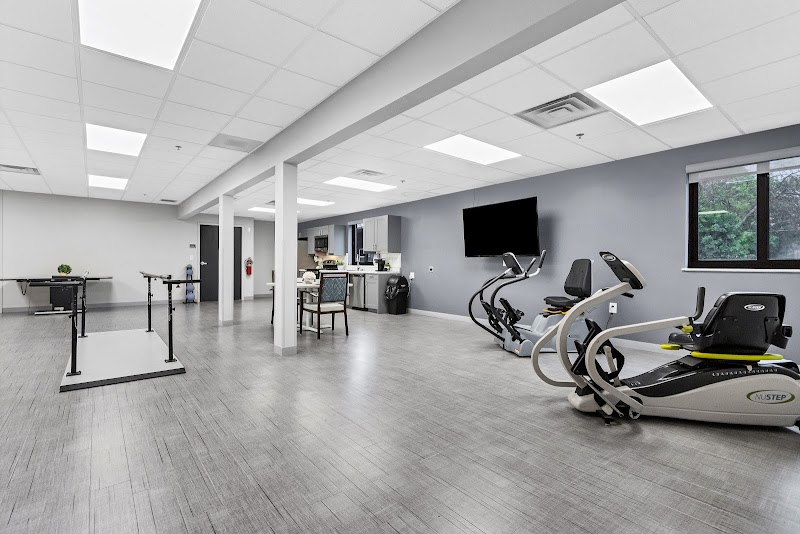
How is Edenbrook Of Oshkosh Staffed?

CMS rates EDENBROOK OF OSHKOSH's staffing level at 3 out of 5 stars, which is average compared to other nursing homes. Staff turnover is 56%, which is 10 percentage points above the Wisconsin average of 46%. High turnover can affect care consistency as new staff learn residents' individual needs.

What Have Inspectors Found at Edenbrook Of Oshkosh?

State health inspectors documented 24 deficiencies at EDENBROOK OF OSHKOSH during 2023 to 2025. These included: 24 with potential for harm.
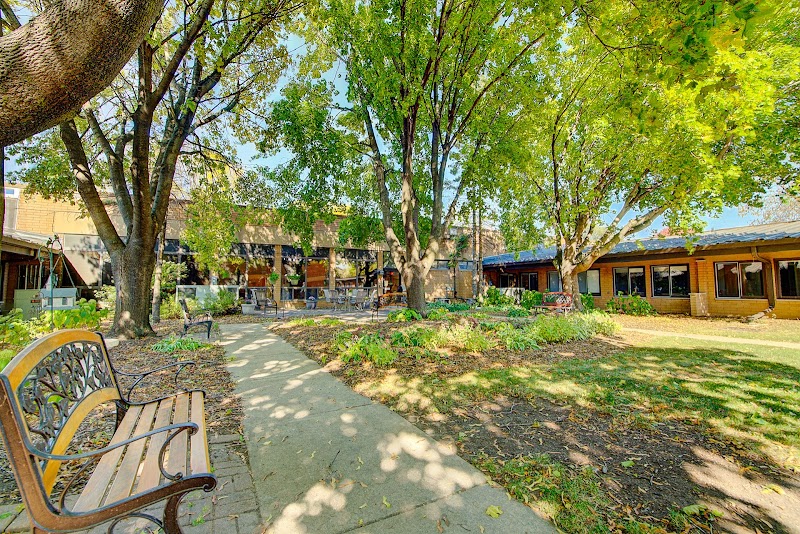
Who Owns and Operates Edenbrook Of Oshkosh?

EDENBROOK OF OSHKOSH is owned by a for-profit company. For-profit facilities operate as businesses with obligations to shareholders or private owners. The facility is operated by EDEN SENIOR CARE, a chain that manages multiple nursing homes. With 110 certified beds and approximately 70 residents (about 64% occupancy), it is a mid-sized facility located in OSHKOSH, Wisconsin.
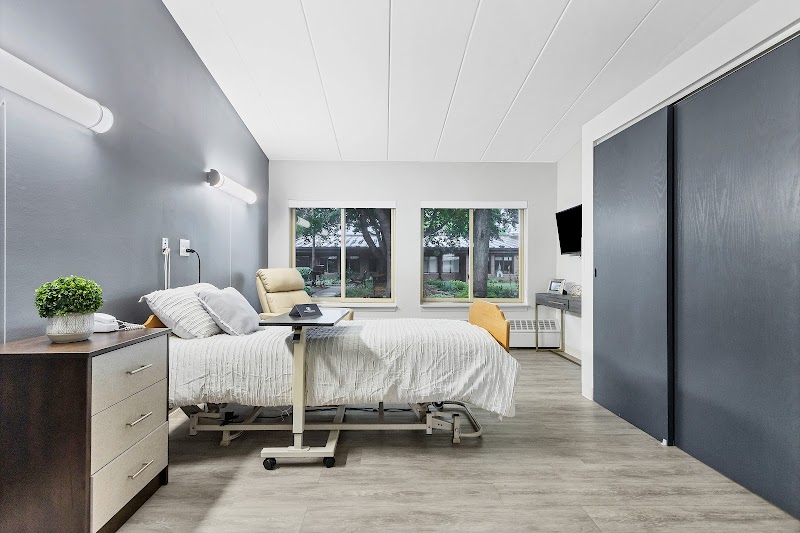
How Does Edenbrook Of Oshkosh Compare to Other Wisconsin Nursing Homes?

Compared to the 100 nursing homes in Wisconsin, EDENBROOK OF OSHKOSH's overall rating (3 stars) matches the state average, staff turnover (56%) is significantly higher than the state average of 46%, and health inspection rating (3 stars) is at the national benchmark.

What Should Families Ask When Visiting Edenbrook Of Oshkosh?

Based on this facility's data, families visiting should ask: "How do you ensure continuity of care given staff turnover, and what is your staff retention strategy?" "Can I visit during a mealtime to observe dining assistance and food quality?" "How do you handle medical emergencies, and what is your hospital transfer rate?" "Can I speak with family members of current residents about their experience?" These questions are particularly relevant given the facility's high staff turnover rate.

Is Edenbrook Of Oshkosh Safe?

Based on CMS inspection data, EDENBROOK OF OSHKOSH has a clean safety record: no substantiated abuse findings (meaning no confirmed cases of resident harm), no Immediate Jeopardy citations (the most serious violation level indicating risk of serious injury or death), and is not on the Special Focus Facility watch list (a federal program monitoring the lowest-performing 1% of nursing homes). The facility has a 3-star overall rating and ranks #1 of 100 nursing homes in Wisconsin. While no facility is perfect, families should still ask about staff-to-resident ratios and recent inspection results during their visit.

Do Nurses at Edenbrook Of Oshkosh Stick Around?

Staff turnover at EDENBROOK OF OSHKOSH is high. At 56%, the facility is 10 percentage points above the Wisconsin average of 46%. High turnover means new staff may not know residents' individual needs, medications, or preferences. It can also be disorienting for residents, especially those with dementia who rely on familiar faces. Families should ask: What is causing the turnover? What retention programs are in place? How do you ensure care continuity during staff transitions?

Was Edenbrook Of Oshkosh Ever Fined?

EDENBROOK OF OSHKOSH has no federal fines on record. CMS issues fines when nursing homes fail to meet care standards or don't correct problems found during inspections. The absence of fines suggests the facility has either maintained compliance or corrected any issues before penalties were assessed. This is a positive indicator, though families should still review recent inspection reports for the full picture.

Is Edenbrook Of Oshkosh on Any Federal Watch List?

EDENBROOK OF OSHKOSH is not on any federal watch list. The most significant is the Special Focus Facility (SFF) program, which identifies the bottom 1% of nursing homes nationally based on persistent, serious quality problems. Not being on this list means the facility has avoided the pattern of deficiencies that triggers enhanced federal oversight. This is a positive indicator, though families should still review the facility's inspection history directly.