EVERGREEN HEALTH CENTER
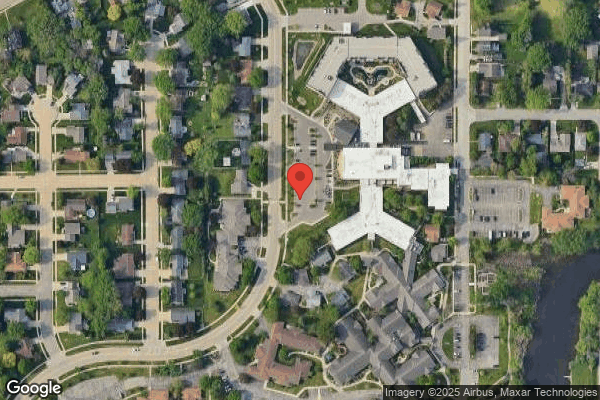
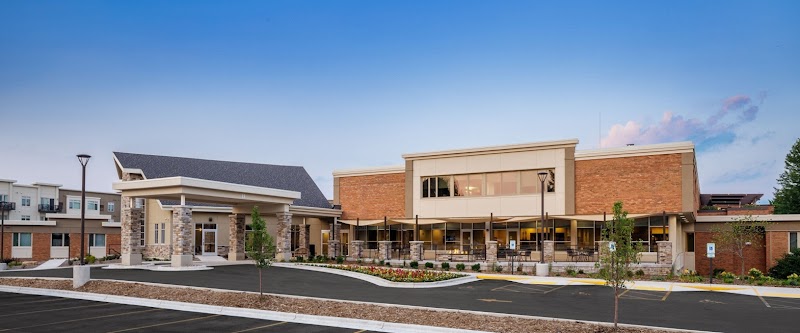
1130 N WESTFIELD ST, OSHKOSH, WI 54902 (920) 233-2340
Non profit - Corporation 80 Beds Independent Data: November 2025
Trust Grade
90/100
#35 of 321 in WI
Last Inspection: March 2025

Within standard 12-15 month inspection cycle. Federal law requires annual inspections.

Overview

Evergreen Health Center has received an excellent Trust Grade of A, indicating that it is highly recommended for families seeking care. It ranks #35 out of 321 facilities in Wisconsin, placing it in the top half of the state, and is the best option among 8 facilities in Winnebago County. However, the facility is experiencing a worsening trend, increasing from 2 to 3 significant issues from 2024 to 2025. Staffing is a strength, as it has a perfect 5-star rating and more RN coverage than 75% of Wisconsin facilities, although it has a turnover rate of 53%, which is average. Notably, there have been concerns about food safety practices, including improper storage and lack of documentation regarding food temperatures, as well as failures to provide written transfer notices for residents sent to hospitals, indicating areas for improvement despite the overall high ratings.

Trust Score
A
90/100
In Wisconsin
#35/321
Top 10%
Safety Record
Low Risk
No red flags
Inspections
Getting Worse
2 → 3 violations
Staff Stability
⚠ Watch
53% turnover. Above average. Higher turnover means staff may not know residents' routines.
Penalties
✓ Good
No fines on record. Clean compliance history, better than most Wisconsin facilities.
Skilled Nurses
✓ Good
Each resident gets 85 minutes of Registered Nurse (RN) attention daily — more than 97% of Wisconsin nursing homes. RNs are the most trained staff who catch health problems before they become serious.
Violations
○ Average
8 deficiencies on record. Average for a facility this size. Mostly minor or procedural issues.
★★★★★
5.0
Overall Rating
★★★★★
5.0
Staff Levels
★★★☆☆
3.0
Care Quality
★★★★☆
4.0
Inspection Score
Stable
2024: 2 issues
2025: 3 issues

The Good

  • 5-Star Staffing Rating · Excellent nurse staffing levels
  • Full Sprinkler Coverage · Fire safety systems throughout facility
  • No fines on record

Facility shows strength in staffing levels, fire safety.

The Bad

Staff Turnover: 53%

Near Wisconsin avg (46%)

Higher turnover may affect care consistency

The Ugly 8 deficiencies on record

Mar 2025 3 deficiencies
CONCERN (D)

Potential for Harm - no one hurt, but risky conditions existed

Deficiency F0692 (Tag F0692)

Could have caused harm · This affected 1 resident

**NOTE- TERMS IN BRACKETS HAVE BEEN EDITED TO PROTECT CONFIDENTIALITY** Based on staff interview and record review, the facility did not ensure the appropriate care and treatment was provided for 3 re...

Read full inspector narrative →
**NOTE- TERMS IN BRACKETS HAVE BEEN EDITED TO PROTECT CONFIDENTIALITY** Based on staff interview and record review, the facility did not ensure the appropriate care and treatment was provided for 3 residents (R) (R36, R41, and R254) of 4 residents reviewed for weight monitoring. The facility did not consistently monitor R36's weight per the physician's order. In addition, the facility did not ensure the physician was notified when R36 had a significant weight loss. The facility did not ensure the physician was notified when R41 had a significant weight loss. The facility did not follow-up on a supplement order for R254 in a timely manner. In addition, the facility did not ensure physician notification was documented when R254 had significant weight loss or gain. Findings include: The facility's Resident Weight policy, dated 5/2/20, indicates: Resident weights will be monitored to determine any unplanned weight loss or gain. If need is evident, appropriate follow-up will be initiated by the dietary and/or nursing departments .Performed by Registered Nurses (RNs), Licensed Practical Nurse (LPNs), and Certified Nursing Assistants (CNAs): .1. All residents will be weighed at time of admission .4. All residents on Health Center units will be weighed monthly unless ordered otherwise, or their condition warrants more frequent weights. 5. Residents will be weighed on the same scale every time. 6. Weights will be entered in the electronic medical record. 7. When a weight is obtained, compare the weight to the previous weight. If a five pound loss or gain is noted, the following should occur: a) Reweigh the resident; b) Report the difference to the unit nurse; c) Nurse to send a diet memo to the diet office for follow-up and documentation; d) Any weight loss or gain must be reported to the physician or Nurse Practitioner; 8) Weight scales will be checked monthly by the building services department for accuracy. The facility's Nutrition policy, dated 5/2/20, indicates: The food and nutritional needs of the residents shall be met in accordance with physician orders .Nutritional Assessments: .A nutritional interview and assessment is done by the Diet/Nutrition Coordinator (DNC) or dietitian upon admission and annually thereafter. In addition, a nutritional assessment will be completed any time a significant change in condition occurs. Documentation is done in the progress notes, quarterly or nutritional assessment (annually or change in condition) .Quarterly reviews are done by the DNC or diet clerk using clinical notes in the electronic medical record .The DNC and the dietitian document additional resident concerns as they arise all in the process notes. (Ex: weight changes, abnormal labs, poor food/fluid intake, altered skin integrity, chewing/swallowing concerns, etc.) 1. From 3/10/25 to 3/12/25, Surveyor reviewed R36's medical record. R36 was admitted to the facility on [DATE] and had diagnoses including neurocognitive disorder with Lewy bodies, dementia, frostbite with tissue necrosis of the left toe(s), left knee and lower leg, right finger(s), right hand, left finger(s), and left hand, urinary tract infection (UTI), chronic kidney disease stage 3, moderate protein-calorie malnutrition, and anemia. R36's Minimum Data Set (MDS) assessment, dated 2/24/25, had a Brief Interview for Mental Status (BIMS) score of 14 out of 15 which indicated R36 was not cognitively impaired. R36 had an activated Power of Attorney for Healthcare (POAHC). Surveyor reviewed R36's weights and noted the following: ~ On 2/18/25, R36 weighed 138 pounds (lbs). ~ On 3/3/25, R36 weighed 124 lbs (which was a 10.14% weight loss). There were no other weights noted in R36's medical record. R36's nutritional care plan, as noted on a Nutritional assessment dated [DATE], indicated R36 had protein calorie malnutrition, increased nutritional needs for wound healing, and needed assistance with meals. The care plan also indicated R36 had frostbite on both hands which may affect R36's meal intake and weight status. R36 had a physician order, dated 2/18/25, to weigh R36 one time a week prior to eating or drinking. A Nutritional Assessment completed by Dietary and Nutritional Coordinator (DNC)-D and reviewed by Registered Dietitian (RD)-E, dated 2/27/25, indicated R36's usual body weight (UBW) prior to admission was between 145 and 150 lbs. RD-E noted R36 had an 8% weight loss from R36's UBW. RD-E started R36 on ProSource and a sugar-free shake once daily. RD-E indicated there was a plan to monitor R36's daily meal intake and weights per the physician's order. R36's meal intakes indicated R36 had an 89% intake per meal from 2/25/25 through 3/3/25. Surveyor noted from 3/4/25 through 3/10/25, R36's average intake decreased to 63.3%. A weekly nursing assessment, dated 3/11/25, indicated R36 had a weight loss of 14 lbs in 2 weeks. The assessment indicated to notify the Dietary Manager and physician of a weight loss or gain of 5 lbs in one week which the assessment indicated was not applicable. On 3/11/25 at 3:39 PM, Surveyor interviewed Unit Manager (UM)-C who stated the facility's policy is for all residents to be weighed for 3 days after admission. UM-C acknowledged R36 was not weighed for 3 days after admission and weekly weights were not completed per the physician's order. UM-C stated the physician was not updated regarding R36's significant weight loss and education was provided to the nurse who completed R36's weekly nursing assessment. UM-C stated if nursing staff notice a significant weight variance, they should notify DNC-D who will update the physician and RD-E. 2. From 3/10/25 through 3/12/25, Surveyor reviewed R41's medical record. R41 was admitted to the facility on [DATE] and had diagnoses including aphasia and dysphasia following cerebral infarction. R41's MDS assessment, dated 12/27/24, had a BIMS score of 3 out of 15 which indicated R41 had severely impaired cognition. R41 had an activated POAHC. Surveyor reviewed R41's weights and noted the following: ~ On 12/27/24, R41 weighed 170.4 lbs. ~ On 3/5/25, R41 weighed 155.2 lbs (which was an 8.92% weight loss) R41's medical record did not include an order for weight monitoring. A Nutritional Assessment, completed by DNC-D and RD-E and dated 1/9/25, indicated R41 had a poor appetite. RD-E recommended a diet change to No Added Salt (NAS) and Dysphagia Level 3 (for individuals with mild dysphagia who can chew and swallow most foods but should avoid hard, sticky, or crunchy foods) and for R41 to have Ensure three times daily. A weekly nursing assessment, dated 2/27/25, indicated R41 had a weight loss. The assessment indicated to notify the Dietary Manager and physician of a weight loss or gain of 5 lbs. in one week which the assessment indicated was not applicable. On 3/12/25 at 10:27 AM, Surveyor interviewed UM-C who stated the facility does not have documentation that the physician was notified of R41's weight loss. On 3/12/25 at 10:40 AM, Surveyor interviewed Direction of Nursing (DON)-B who stated nursing staff should complete a weekly nursing assessment which includes a review of nutrition and weights. DON-B stated if nursing staff notice a significant weight variance, they should ask for a re-weight notify the physician if the weight is still a concern. On 3/12/25 at 11:51 AM and 1:31 PM, Surveyor interviewed DNC-D who stated DNC-D reviews a weight tracker at the end of each month and notifies RD-E of any weight variances. DNC-D stated occasionally nursing staff notify DNC-D of weight changes and DNC-D notifies RD-E. DNC-D indicated RD-E responds with recommendations and DNC-D notifies the physician. DNC-D stated nursing staff update the physician if there are no recommendations from RD-E. DNC-D stated DNC-D does not follow-up with the physician after the initial notification to ensure acknowledgement and does not document RD-E or physician notification. DNC-D could not confirm if DNC-D notified the physician of R36 or R41's weight loss. 3. From 3/10/25 to 3/12/25, Surveyor reviewed R254's medical record. R254 was admitted to the facility on [DATE] and had diagnoses including malignant neoplasm of the left kidney, vitamin D deficiency, type 2 diabetes mellitus with hyperglycemia, and chronic systolic heart failure. R254's MDS assessment, dated 2/24/25, had a BIMS score of 13 out of 15 which indicated R254 was not cognitively impaired. R254 had an activated POAHC. On 3/10/25, Surveyor reviewed the facility's matrix and noted R254 was listed as having excessive weight loss without a prescribed weight loss program. On 3/10/25, Surveyor reviewed R254's weights and noted the following: ~ On 2/24/25, R254 weighed 191.8 lbs (on admission). ~ On 2/26/25, R254 weighed 177.2 lbs (down 14.6 lbs). ~ On 2/27/25, R254 weighed 170.0 lbs (down 7.2 lbs). ~ On 2/28/25 at 8:20 AM, R254 weighed 173.60 lbs. ~ On 2/28/25 at 9:54 AM, R254 weighed 173.60 lbs. ~ On 3/1/25 at 9:59 AM, R254 weighed 173.60 lbs. ~ On 3/1/25 at 10:37 AM, R254 weighed 173.60 lbs. ~ On 3/2/25 at 9:03 AM, R254 weighed 172.80 lbs. ~ On 3/2/25 at 10:46 AM, R254 weighed 178.20 lbs (up 5.40 lbs). ~ On 3/3/25 at 8:57 AM, R254 weighed 193.80 lbs (up 15.60 lbs). ~ On 3/3/25 at 9:21 AM, R254 weighed 193.80 lbs. ~ On 3/3/25 at 9:45 AM, R254 weighed 173.00 lbs (down 20.8 lbs). ~ On 3/4/25 at 8:57 AM, R254 weighed 193 lbs (up 20 lbs). ~ On 3/4/25 at 11:28 AM, R254 weighed 193 lbs. R254's medical record did not indicate the physician was notified of R254's 5 lb weight losses and gains from admission to 3/4/25. A nutritional care plan, dated 2/28/25, indicated R254 had altered nutritional needs related to diabetes mellitus as evidenced by the need for a therapeutic diet. The care plan indicated R254 had unplanned significant weight loss in the setting of chronic illness. The care plan contained a goal that indicated R254's nutrition status will be maintained over the next 90 days and R254's weight will remain stable. A Nutritional Assessment, completed by RD-E and dated 2/28/25, indicated R254 was prescribed a therapeutic diet and had unplanned significant weight loss in the setting of chronic illness. R254 was prescribed a No Concentrated Sweets (NCS) diet and ate independently with an intake of 100% and 1294 milliliters (ml) of fluids. The assessment indicated R254 had no chewing or swallowing issues and R254's hospital weight prior to admission was 206-209 lbs. RD-E recommended a sugar-free house supplements twice daily for nutritional support due to significant weight loss. A dietary note from DNC-D, dated 3/3/25, indicated a fax was sent to the physician requesting an order for a ProSource supplement. An order was received on 3/8/25 to start ProSource once daily. On 3/12/25 at 11:29 AM, Surveyor interviewed DON-B who indicated staff are responsible for notifying the physician of a 5 lb weight increase or decrease and should document the notification in a progress note. DON-B verified R254's weight documentation and stated staff should have questioned the large increases and decreases. DON-B contacted Registered Nurse (RN)-F to discuss R254's weight variation. RN-F verified RN-F noticed the weight difference and contacted the physician. RN-F stated the physician questioned the accuracy of the weights because R254 did not show signs or symptoms of significant weight loss or gain. RN-F verified RN-F did not document the physician notification. DON-B indicated DON-B was aware of RD-E's recommendations on 2/28/25, DNC-D's fax to the physician on 3/3/25, and the physician's order order on 3/8/25. DON-B indicated RD-E provides recommendations and DNC-D gets the order. DON-B indicated notifying a physician, obtaining an order, and initiating the order should be done within 24 hours. DON-B indicated RD-E should have questioned R254's significant weight loss and gain. On 3/12/25 at 1:31 PM, Surveyor interviewed DNC-D who stated DNC-D reviews a weight tracker at the end of each month. DNC-D indicated DNC-D notifies RD-E of any weight variances. DNC-D stated occasionally nursing staff notify DNC-D of weight changes and DNC-D notifies RD-E. DNC-D indicated RD-E responds with recommendations and DNC-D notifies the physician. DNC-D stated nursing staff update the physician if there are no recommendations from RD-E. DNC-D stated DNC-D does not follow-up with the physician after the initial notification to ensure acknowledgement and does not document RD-E or physician notification.
CONCERN (E)

Potential for Harm - no one hurt, but risky conditions existed

Transfer Notice (Tag F0623)

Could have caused harm · This affected multiple residents

**NOTE- TERMS IN BRACKETS HAVE BEEN EDITED TO PROTECT CONFIDENTIALITY** Based on staff interview and record review, the facility did not ensure a written transfer notice was provided for 4 residents (...

Read full inspector narrative →
**NOTE- TERMS IN BRACKETS HAVE BEEN EDITED TO PROTECT CONFIDENTIALITY** Based on staff interview and record review, the facility did not ensure a written transfer notice was provided for 4 residents (R) (R7, R45, R49, and R4) of 4 sampled residents reviewed for hospitalizations. R7 was transferred to the hospital on [DATE] and 12/18/24. Neither R7 or R7's Power of Attorney for Healthcare (POAHC) were provided with written transfer notices. In addition, the facility did not notify the Ombudsman of R7's hospital transfers. R45 was transferred to the hospital on 9/26/24. Neither R45 or R45's representative were provided with a written transfer notice. In addition, the facility did not notify the Ombudsman of R45's hospital transfer. R49 was transferred to the hospital on 1/23/25. Neither R49 or R49's representative were provided with a written transfer notice. R4 was transferred to the hospital on [DATE] and the emergency room (ER) on 12/13/24. The Ombudsman was not notified of either transfer. Findings include: The facility's Resident Transfers and Discharges policy, dated 10/25/19, indicates staff will assist a resident and/or the resident's representative in preparation for .transfer to the hospital. A resident has the right to appeal any transfer .Transfer from the Health Center to the Hospital: .3. The following information will be sent with a resident in the transfer envelope: .G. Notice of Transfer or Discharge for Resident/Resident Representative. Send with resident to hospital. Keep a copy on file. 1. From 3/10/25 to 3/12/25, Surveyor reviewed R7's medical record. R7 was admitted to the facility on [DATE] and had diagnoses including neurocognitive disorder with Lewy bodies, dementia, visual hallucinations, delusional disorder, and diabetes mellitus. R7's Minimum Data Set (MDS) assessment, dated 12/4/24, had a Brief Interview for Mental Status (BIMS) score of 11 out of 15 which indicated R7 had moderate cognitive impairment. R7 had an activated POAHC. On 12/1/24, R7 had an unwitnessed fall. R7 sustained an abrasion on the scalp and complained of left upper leg and knee pain. On 12/2/24, R7 complained of left hip pain and was sent to ER for evaluation. R7 was diagnosed with a urinary tract infection (UTI) and returned to the facility on [DATE]. R7 continued to have intermittent leg pain. On 12/18/24, R7 was evaluated by a physician for worsening pain and was sent to the ER for evaluation. R7's medical record did not indicate written transfer notices were provided to R7 or R7's POAHC on 12/2/24 or 12/18/24. On 3/11/25 at 1:53 PM and on 3/12/25 at 9:52 AM, Surveyor interviewed Director of Nursing (DON)-B who indicated a transfer notice forms is sent with a resident to the ER. If the resident has an activated POAHC and is unable to sign, staff call the POAHC. DON-B indicated the Social Worker (SW) then emails the form to the POAHC. DON-B indicated transfer notices for 12/2/24 and 12/18/24 should have been mailed but were not.2. From 3/10/25 to 3/12/25, Surveyor reviewed R45's medical record. R45 was admitted to the facility on [DATE]. On 9/26/24, R45 had a change in condition. R45 was transferred to the hospital and admitted for abnormal labs. R45's medical record did not indicate a written transfer notice was provided to R45 or R45's representative. Surveyor reviewed the facility's discharge/transfer list provided to the State Long Term Care Ombudsman for September 2024 and noted the list did not include R45's hospital transfer. 3. From 3/10/25 to 3/12/25, Surveyor reviewed R49's medical record. R49 was admitted to the facility on [DATE]. On 1/23/25, R49 had a change in condition and was transferred to the hospital and admitted for hypothermia. R49 did not return to the facility. R49's medical record did not indicate a written transfer notice was provided to R49 or R49's representative. On 3/12/25 at 10:32 AM, Surveyor interviewed Unit Manager (UM)-C who confirmed UM-C was responsible for sending transfer and discharge notifications to the Ombudsman. UM-C stated UM-C was not aware hospital discharges needed to be sent to the Ombudsman and confirmed R45 was not on the list provided to the Ombudsman. 4. From 3/10/25 to 3/12/25, Surveyor reviewed R4's medical record. R4 was admitted to the facility on [DATE] and had diagnoses including chronic heart failure, pulmonary edema, and iron deficiency anemia. R4 was R4's own decision maker. R4's medical record indicated R4 was transferred to the hospital on [DATE] due to a critical hemoglobin level. R4 was also sent to the ER on [DATE] due to signs and symptoms of a gastrointestinal bleed. R4's medical record did not indicate the Ombudsman was notified of either transfer. On 3/11/25, Surveyor requested Ombudsman notification of transfers and discharges from Nursing Home Administrator (NHA)-A. Surveyor reviewed the facility's monthly transfer and discharge reports that were sent to the Ombudsman. Surveyor noted R4 was not listed on the reports. On 3/12/25 at 10:32 AM, Surveyor interviewed UM-C who oversaw Ombudsman transfer and discharge notifications. UM-C indicated UM-C was not aware the Ombudsman should be notified of hospital and ER transfers. UM-C verified the Ombudsman was not informed of R4's hospital transfer on 10/17/24 and ER transfer on 12/13/24.
CONCERN (F)

Potential for Harm - no one hurt, but risky conditions existed

Food Safety (Tag F0812)

Could have caused harm · This affected most or all residents

Based on observation, staff interview, and record review, the facility did not ensure food was stored and prepared in a safe and sanitary manner. This practice had the potential to affect all 57 resid...

Read full inspector narrative →
Based on observation, staff interview, and record review, the facility did not ensure food was stored and prepared in a safe and sanitary manner. This practice had the potential to affect all 57 residents residing in the facility. Staff did not document food cooling temperatures. Staff did not follow safe reheating protocols for food meant for resident consumption. Food in freezers, coolers, and the dry storage area was not appropriately labeled and/or dated. Staff did not follow safe holding temperatures protocols for food meant for resident consumption. Staff did not consistently monitor and document dishwasher surface temperatures. Findings include: On 3/10/25 at 7:33 PM, Surveyor received a follow-up email from Culinary Services Manager (CSM)-J who confirmed the facility follows the Food and Drug Administration (FDA) Food Code. The 2022 FDA Food Code documents at 3-402.12 Records, Creation and Retention: Records must be maintained to verify that the critical limits required for food safety are being met. Records provide a check for both the operator and the regulator in determining that monitoring and corrective actions have taken place. Cooling Temperatures: The 2022 FDA Food Code documents at 3-501.14 Cooling: (A) Cooked time/temperature control for safety food shall be cooled: (1) Within 2 hours from 135º Fahrenheit (F) to 70° F; and (2) Within a total of 6 hours from 135º F to 41° F or less. (B) Time/temperature control for safety food shall be cooled within 4 hours to 41 degrees F or less if prepared from ingredients at ambient temperatures, such as reconstituted foods and canned tuna. The 2022 FDA Food Code documents at 3-501.15 Cooling Methods: (A) Cooling shall be accomplished in accordance with the time and temperature criteria specified under § 3-501.14 by using one or more of the following methods based on the type of food being cooled: (1) Placing the food in shallow pans; (2) Separating the food into smaller or thinner portions; (3) Using rapid cooling equipment; (4) Stirring the food in a container placed in an ice water bath; (5) Using containers that facilitate heat transfer; (6) Adding ice as an ingredient; or (7) Other effective methods. From 3/10/25 to 3/12/25, Surveyor requested the facility's policy on food cooling practices. The facility did not provide a policy. On 3/10/25 at 9:10 AM, Surveyor completed an initial tour of the kitchen with Dietary and Nutritional Coordinator (DNC)-D. During an observation of the coolers and freezers, Surveyor observed several pre-cooked foods meant for resident consumption. DNC-D confirmed staff regularly pre-cook and cool food for future meals. DNC-D stated DNC-D thought staff completed a cooling log. On 3/10/25 at 9:10 AM, Surveyor interviewed Lead [NAME] (LC)-G who confirmed staff often pre-cook and cool food for future consumption. LC-G was uncertain where food cooling logs were kept. On 3/11/25 at 1:37 PM and 3/12/25 at 10:01 AM, Surveyor interviewed DNC-D who was unable to locate the cooling logs. Microwave Reheating Food Safety Temperatures: The 2022 FDA Food Code documents at 3-403.11 Reheating for Hot Holding: (A) Except as specified under (B) and (C) and (E) of this section, time/temperature control for safety food that is cooked, cooled, and reheated for hot holding shall be reheated so that all parts of the food reach a temperature of at least 74 degrees Celsius (C) (165 degrees Fahrenheit (F)) for 15 seconds. (B) Except as specified under (C) of this section, time/temperature control for safety food reheated in a microwave oven for hot holding shall be reheated so that all parts of the food reach a temperature of at least 74 degrees C (165 degrees F) and the food is rotated or stirred, covered, and allowed to stand covered for 2 minutes after reheating. The facility's Food Temperatures policy, dated 7/31/15, states all food must be served at optimum serving temperatures .4. If the food is not high enough, heat it to the proper temperature (165 degrees F), and record the measurement. On the units, put food in the microwave and heat it to the proper temperature (165 degrees F). The facility's Daily Temperature Log-Health Center form states if the food temperature is below 140 degrees F, reheat the item to 165 degrees F. On 3/11/25 at 12:05 PM, Surveyor observed tray line service in Household 1. Plating was completed by Certified Nursing Assistant (CNA)-I who temperature checked the ground BBQ rib patty at 104 degrees F, mashed potatoes at 118 degrees F, and beef gravy at 134 degrees F. CNA-I stated hot holding temperatures should be at 140 degrees F. Surveyor also observed CNA-I heat the food on a resident's uncovered plate in the microwave for one minute. CNA-I then removed the plate and immediately served the resident. CNA-I stated reheated food should be between 140 and 160 degrees F. CNA-I did not temp the reheated food to ensure it reached 165 degrees F. On 3/11/25 at 1:37 PM, Surveyor interviewed DNC-D who stated hot foods should be held at 140 degrees F or above and reheated to 165 degrees F. DNC-D confirmed the temperature of a reheated food should be checked to ensure the safety temperature is met. Open and Undated/Expired Food Items: The 2022 FDA Food Code documents at 3-501.17 Ready-to-Eat, Time/Temperature Control for Safety Food, Date Marking: .(B) Except as specified in (E)-(G) of this section, refrigerated, ready-to-eat time/temperature control for safety food prepared and packaged by a food processing plant shall be clearly marked, at the time the original container is opened in a food establishment and if the food is held for more than 24 hours, to indicate the date or day by which the food shall be consumed on the premises, sold, or discarded, based on the temperature and time combinations specified in (A) of this section and: (1) The day the original container is opened in the food establishment shall be counted as day 1; and (2) The day or date marked by the food establishment may not exceed a manufacturer's use-by date if the manufacturer determined the use-by date based on food safety. On 3/12/25 at 8:37 AM, Surveyor interviewed DNC-D who stated the facility does not have a specific policy for labeling and dating food. DNC-D provided Surveyor with an FDA Refrigerator and Freezer Storage Chart, a New Horizon Foods Food Storage chart, and a Product Dating chart and indicated the facility uses those items for labeling and dating. The FDA Refrigerator and Freezer Storage Chart, dated March 2018, lists the following recommended storage dates: ~ Steaks: 6-12 months (freezer); 3-5 days (refrigerator) ~ Chicken: 9 months (freezer) ~ Pork Chops: 3-5 days (refrigerator) The New Horizon Food Storage chart states to cover, date, and label food removed from its original container. The facility's Product Dating chart states all products listed must be labeled with an open and use-by date. The chart lists the following recommended use-by dates: ~ Dairy (whipped topping): 7 days ~ Opened dry goods: 7 days On 3/10/25 at 7:33 PM, Surveyor received a follow up email from Culinary Services Manager (CSM)-J who stated all food should be labeled with the date it was opened/prepared and should be discarded after 7 days (including the day it was prepped). On 3/10/25 at 9:10 AM, Surveyor completed an initial tour of the kitchen with DNC-D who confirmed the following unlabeled and/or undated items: Dry Storage: ~ An open bag of multi-colored tortilla chips with no open or use-by date Cooler: ~ An unlabeled powdered food substance in a plastic bag open to air (dated 11/12/24) with no use-by date ~ A container of Cool Whip with no open date ~ Bone-in pork chops (dated 2/24/25) with no use-by date ~ An unlabeled and undated plastic bag of steaks Freezer: ~ Porterhouse steaks (dated 2/26) with no year or use-by date ~ Chicken wings (dated 6/28) with no year or use-by date Holding Temperatures: The 2022 FDA Food Code documents at 3-501.16 Time/Temperature Control for Safety Food, for Hot and Cold Holding: Bacterial growth and/or toxin production can occur if time/temperature control for safety food remains in the temperature danger zone of 41 degrees Fahrenheit (F) to 135 degrees F too long. Up to a point, the rate of growth increases with an increase in temperature within this zone. Beyond the upper limit of the optimal temperature range for a particular organism, the rate of growth decreases. Operations requiring heating or cooling of food should be performed as rapidly as possible to avoid the possibility of bacterial growth: (A) Except during preparation, cooking, or cooling, or when time is used as the public health control .(1) At 135 degrees F or above or (2) At 41 degrees F or less. The facility's Kitchen Sanitization and Cleaning policy, dated 5/2/20, states the facility will maintain clean, sanitary, and safe food preparation, serving, and storage areas .Perishable foods are maintained at 41 degrees F or below, or 135 degrees F or above, except when being prepared. On 3/10/25 at 12:01 PM, Surveyor observed the lunch meal on Household 2. Plating was completed by Hospitality Aide (HA)-H. Prior to plating food, HA-H completed holding temperatures including roast turkey at 135 degrees F, buttered noodles at 124 degrees F, and cooked carrots at 128 degrees F. Surveyor reviewed the temperature log from breakfast on 3/10/25 (completed by HA-H) which included ground eggs at 129 degrees F, pureed eggs at 123 degrees F, and pureed sausage at 124 degrees F. Surveyor interviewed HA-H who stated HA-H worked at the facility for one month. HA-H was unsure what food temperatures should be or what should be done if food temperatures are too low. HA-H stated HA-H documents temperatures on the log. HA-H confirmed HA-H completed and documented breakfast temperatures on 3/10/25. On 3/11/25 at 12:05 PM, Surveyor observed tray line service in Household 1. Plating was completed by CNA-I. CNA-I completed holding temperatures including sausage at 135 degrees F, beef gravy at 134 degrees F, mashed potatoes at 118 degrees F, and ground BBQ rib patty at 104 degrees F. CNA-I confirmed hot holding temperatures should be above 140 degrees F. Surveyor also observed CNA-I heat food on a resident's uncovered plate in the microwave for one minute. CNA-I then removed the plate and immediately served the resident. CNA-I stated the reheated food should be between 140 and 160 degrees F. On 3/11/25 at 1:37 PM, Surveyor interviewed DNC-D who stated hot foods should be held at 140 degrees F or above and reheated to 165 degrees F. DNC-D confirmed reheated food should be temperature checked to ensure the safety temperature is met. Dishwasher Surface Temperatures: The 2022 FDA Food Code documents at 4-302.13 Temperature Measuring Devices, Manual Warewashing: Water temperature is critical to sanitization in warewashing operations. This is particularly true if the sanitizer being used is hot water. The effectiveness of cleaners and chemical sanitizers is also determined by the temperature of the water used. A temperature measuring device is essential to monitor manual warewashing and ensure sanitization. Effective mechanical hot water sanitization occurs when the surface temperatures of utensils passing through the warewashing machine meet or exceed the required 71° C (160° F). Parameters such as water temperature, rinse pressure, and time determine whether the appropriate surface temperature is achieved. Although the Food Code requires integral temperature measuring devices and a pressure gauge for hot water mechanical warewashers, the measurements displayed by these devices may not always be sufficient to determine the surface temperatures of utensils are reaching 71° C (160° F). The regular use of irreversible registering temperature indicators provides a simple method to verify the hot water mechanical sanitizing operation is effective in achieving a utensil surface temperature of 71º C (160º F). The facility's Kitchen Sanitization and Cleaning policy, dated 5/2/20, indicates the facility will maintain clean, sanitary, and safe food preparation, serving, and storage areas .Dishwashing: .Run thermometer through the dishwasher verifying the middle of the dishwasher is 160 degrees F or above. Place a temperature strip on a piece of silverware or rack and run it through ensuring the strip turns the appropriate color to verify a temperature of 180 degrees or above. On 3/10/25 at 9:10 AM, Surveyor observed the facility's dishwashing temperature logs. Surveyor noted internal temperatures were not documented from 3/4/25 to the present. Staff indicated surface temperatures are done daily. DNC-D indicated the facility ran out of surface temperature strips on 3/4/25 and stated strips should be ordered today. On 3/11/25 at 1:37 PM, Surveyor completed a follow-up interview with DNC-D who stated surface temperature strips are on the board to be ordered but were not yet ordered.
Jan 2024 2 deficiencies
CONCERN (D)

Potential for Harm - no one hurt, but risky conditions existed

Deficiency F0582 (Tag F0582)

Could have caused harm · This affected 1 resident

**NOTE- TERMS IN BRACKETS HAVE BEEN EDITED TO PROTECT CONFIDENTIALITY** Based on staff interview and record review, the facility did not ensure 3 Residents (R) (R100, R101, and R102) of 3 residents s...

Read full inspector narrative →
**NOTE- TERMS IN BRACKETS HAVE BEEN EDITED TO PROTECT CONFIDENTIALITY** Based on staff interview and record review, the facility did not ensure 3 Residents (R) (R100, R101, and R102) of 3 residents signed and received copies of the Notice of Medicare Non-Coverage (NOMNC) form and/or Skilled Nursing Facility Advanced Beneficiary Notice (ABN) form which are used to inform residents of their final day of Medicare Part A insurance coverage, potential liability for payment (daily cost of care and services at the facility) and standard claim appeal rights and instructions. The facility did not provide an ABN form (a document which explains financial liability, including the facility's daily rate for services) to R100 when R100's Medicare Part A benefits ended on [DATE] and R100 remained in the facility. The facility did not provide an ABN form to R101 when R1's Medicare Part A benefits ended on [DATE] and R101 remained in the facility. The facility did not obtain a signed NOMNC form for R102 who was discharged home. Findings include: Instructions for the Skilled Nursing Facility Advanced Beneficiary Notice of Non-Coverage (ABN) form indicate: The ABN provides information to the beneficiary so that he/she can decide whether or not to get the care that may not be paid for by Medicare and assume financial responsibility. Instructions for the Notice of Medicare Non-Coverage (NOMNC) form indicate: The NOMNC must be delivered at least two calendar days before Medicare-covered services end or the second to last day of service if care is not being provided daily. Note: The two-day advance requirement is not a 48 hour requirement .The provider must ensure that the beneficiary or representative signs and dates the NOMNC to demonstrate that the beneficiary or representative received the notice and understands that the termination decision can be disputed. 1. On [DATE], Surveyor reviewed R100's medical record as part of a sample of residents whose Medicare Part A coverage ended. R100's Medicare Part A Skilled Services last covered day was [DATE]. R100 remained in the facility. Surveyor reviewed the Beneficiary Protection Notification Review in which the facility noted R100's last covered day was [DATE]. The ABN form was waived and R100 elected to receive hospice services. R100 expired on [DATE]. The facility did not ensure the form was signed. 2. On [DATE], Surveyor reviewed R101's medical record as part of a sample of residents whose Medicare Part A coverage ended. R101's Medicare Part A Skilled Services last covered day was [DATE]. R100 remained in the facility. Surveyor reviewed the Beneficiary Protection Notification Review. The facility noted the form was missed because the Social Worker was covering short and long-term care. 3. On [DATE], Surveyor reviewed R102's medical record as part of a sample of residents whose Medicare Part A coverage ended. R102 was discharged home. Surveyor reviewed the Beneficiary Protection Notification Review in which the facility noted the NOMNC form was issued timely, but R102's Power of Attorney for Healthcare (POAHC) did not sign the form. On [DATE] at 11:15 AM, Surveyor interviewed Social Worker (SW)-E who indicated it is usually the Social Worker's responsibility to complete the beneficiary notices. SW-E stated prior to [DATE], the ABN form was signed on either the last covered day or the day after. The expectation was to have the ABN form signed 48 hours in advance of the last covered day. SW-E stated going forward, the new process is to have the ABN form signed the same day as the NOMNC form. SW-E stated the NOMNC date is provided by the resident's insurance company and it is SW-E's responsibility to provide the form to the resident. SW-E verified R100 passed away on the day R100's ABN form was going to be provided. SW-E verified R101's ABN form was missed and was unsure why. On [DATE] at 12:10 PM, Surveyor interviewed SW-E who verified R102's POAHC was given the information in the ABN form (which may have been the NOMNC form) over the phone on [DATE]. SW-E stated R102's POAHC understood the right to appeal, but chose not to, and was going to return to the facility to sign the NOMNC form. R102 discharged home on [DATE]. SW-E gave Surveyor a note written on [DATE] at 4:04 PM that indicated: (SW-E) spoke to (R102's POAHC) regarding last coverage day and NOMNC. R102's POAHC stated they will come in and sign the NOMNC form. SW-E called R102's POAHC on [DATE] who indicated they signed the NOMNC form and left the form at the front desk. SW-E stated the facility could not find the signed copy.
CONCERN (D)

Potential for Harm - no one hurt, but risky conditions existed

Abuse Prevention Policies (Tag F0607)

Could have caused harm · This affected 1 resident

Based on staff interview and record review, the facility did not implement their written policies and procedures to prevent abuse for 1 (Registered Nurse (RN)-C) of 8 staff reviewed for background che...

Read full inspector narrative →
Based on staff interview and record review, the facility did not implement their written policies and procedures to prevent abuse for 1 (Registered Nurse (RN)-C) of 8 staff reviewed for background checks. The facility did not complete a thorough background check prior to hiring RN-C as a contracted employee. Findings include: The Wisconsin Background Check and Misconduct Investigation Program Manual by the Department of Health Services (DHS), with a revision date of January 2024, indicates: At a minimum, a complete caregiver background check completed for a caregiver consists of the following three documents: 1. A completed DHS form F-82064, Background Information Disclosure (BID) 2. A response from the Department of Justice (DOJ), either: A 'no record found' response or criminal record transcript; and 3. A Governmental Findings Report (previously know as the Integrated Background Information System (IBIS) letter) that indicates the person's status, including administrative findings or licensing restrictions. An entity is required to complete caregiver background checks on caregivers .who are .contractors with the entity . The facility's Abuse, Neglect, Exploitation or Misappropriation of Resident Property Policy indicates: The facility will require all employees to complete a Background Information Disclosure form to allow the facility to complete a caregiver background check prior to hire. The results of background checks, checking registry and appropriate licensing boards and job references, will be used when making employment decisions with the objective of preventing resident abuse, neglect, exploitation of a resident, or theft . On 1/11/24, Surveyor selected a sample of 8 staff to review for background checks. Surveyor noted RN-C started work at the facility on 9/1/22 and worked approximately 3-4 times per week from 9/1/22 through 1/10/24. The facility did not obtain a BID form or GFR from RN-C until the information was requested in an email on 1/9/24. On 1/11/24 at 1:07 PM, Surveyor interviewed Director of Nursing (DON)-B who indicated RN-C was a contracted employee. On 1/11/24 at 1:57 PM, Surveyor interviewed [NAME] President of Human Resources (VPHR)-D who provided Surveyor with an email that VPHR-D sent to RN-C during the survey that requested a copy of RN-C's BID form, DOJ letter, GFR, and license number. The facility received RN-C's BID form, GFR, and license number; however, they did not receive RN-C's DOJ letter. VPHR-D indicated RN-C's DOJ letter would be received the following week. VPHR-D stated the facility did not obtain RN-C's BID form, DOJ letter, GFR, and license number prior to hiring RN-C as a contracted employee due to an omission.
Nov 2022 3 deficiencies
CONCERN (D)

Potential for Harm - no one hurt, but risky conditions existed

ADL Care (Tag F0677)

Could have caused harm · This affected 1 resident

**NOTE- TERMS IN BRACKETS HAVE BEEN EDITED TO PROTECT CONFIDENTIALITY** Based on interview and record review, the facility did not ensure provision of bathing assistance for depended residents was com...

Read full inspector narrative →
**NOTE- TERMS IN BRACKETS HAVE BEEN EDITED TO PROTECT CONFIDENTIALITY** Based on interview and record review, the facility did not ensure provision of bathing assistance for depended residents was completed for 3 residents (R) (R34, R3, and R27) of 14 residents reviewed for bathing. R34 did not receive a bath at least weekly. R3 did not receive a bath at least weekly. R27 did not receive a bath at least weekly. Finding Include: Facility provided policy titled Bathing Last revision date of 10/12/16 stated: 1. All residents will be scheduled for a weekly bath, more often if indicated or per resident preference . The Surveyor reviewed 6 months of resident council meeting minutes which included resident concerns of baths not happening regularly in June 2022. Again, in November 2022 resident concerns were voiced about bathing. 1. R34 was admitted to the facility on [DATE] with diagnoses to include congestive heart failure, diabetes, end stage renal disease, fractures to left and right wrist and fracture to left patella (knee). R34's Brief Interview for Mental status (BIMs) was 13/15 on 10/13/22 indicating no impaired cognition. The Minimum Data Set (MDS) dated [DATE] indicated R34 was dependent upon staff for total assist with bathing. On 11/21/22 at 2:22 PM, Surveyor interviewed R34 who explained staff will occasionally provide a bed bath, but not each week. R34 was not sure if some of the medical conditions R34 experienced was preventing a regular bathing schedule. Between 11/21/22 through 11/23/22 the Surveyor reviewed bath records which identified 10 missing baths for R34 in 14 weeks. between 8/14/22 and 11/23/22. Dates of missed baths included: 8/16/22, 8/30/22, 9/6/22, 9/20/22, 10/4/22, 10/18/22, 10/25/22, 11/8/22, 11/15/22 and 11/22/22. On 11/22/22 at 8:49 AM, the Surveyor interviewed Certified Nursing Assistant (CNA)-D who explained R34 had dressings to wrist and left knee which allowed for bed baths only, no tub bath. CNA-D indicated it was difficult to get the baths done each week, if baths not signed out on the weekly bath sheet, they were not completed. CNA-D described when the bath was completed for a resident, staff should sign their initials and date that is was completed on the bath sheet. CNA-D stated if staff did not have time to complete the resident's bath for the day, they were expected to report that to the charge nurse. Additonally, CNA-D revealed a bath aide assisted with baths Monday through Friday between 6am to 11am. On 11/22/22 at 1:09 PM, the Surveyor interviewed CNA-E who was a bath aide for the facility. CNA-E explained it had been a struggle for the past months to complete the baths. The need for other tasks has been taking priority over the bath schedule along with days the bath aide has off work. It is stressful for me when I can't get the baths done (the aide began to cry during this part of the interview). When asking for help for missed bath the pressure gets placed back to CNA-E reminding them the baths are their responsibility. The CNA-E explained that more then 50-75% of the week they are taken off of bath duty and asked to provide other cares. CNA-E stated if baths were missed on Monday and Tuesdays they will attempt to make up those baths one Wednesday and Thursdays which would then push the schedule for the resident on Wednesdays and Thursdays. The CNA-E pointed out on the schedule the reasons for the date of the baths not matching the date of the resident schedule day. On 11/22/22 at 2:06 PM, the Surveyor interviewed the Director of Nursing (DON)-B who stated early last summer the facility began a Quality Assurance Improvement Plan (QAPI) which focused on having a bath aide completing baths Monday through Thursday, four days a week 6am to 11am then move to other CNA tasks on Fridays full day of the bath aide role. They trained all staff to give baths so when the time came the bath aide was off or couldn't complete, the bath other aide could help. Along with other non-nursing roles, staff were crossed trained for answering call lights and lobby monitoring so CNA's could give baths. Audits were going to take place by the Social Worker (SW)-F and DON-B had not heard any concerns about bathing not being completed. On 11/23/22 at 9:41 AM, the Surveyor interviewed SW-F who explained that there was a struggle when the bath aide is on vacation. The surveyor asked for audit information of the QAPI program and no documentation of auditing was completed. SW-F stated they are working to make reviews and updates to the QAPI program. 2. R3 was admitted to the facility on [DATE] with diagnoses to include hemiplgia following cerebral infarction affecting the left side (stroke with left side weakness), chronic renal disease on dialysis, congestive heart failure, and atrial fibrillation. R3's Brief Interview for Mental status (BIMs) was 8/15 on 10/25/22 which showed moderately impaired cognition. The Minimum Data Set (MDS) dated [DATE] showed R3 was total depended assist for baths. On 11/22/22 at 1:50 PM, Surveyor interviewed R3 regarding weekly baths. R3 explained they had only been receiving a bath once or twice a month. R3 indicated it was unpredictable and felt like a surprise if the staff would be able to give R3 a bath on their scheduled bath day which was Friday. R3 explained that they go out for dialysis appointments on Tuesdays, Thursdays and Saturdays and are too fatigued for a weekly bath on those days which is why Fridays work best. R3 will refuse a bath on dialysis days so they are not late for the appointment. R3 express they would like to take a bath each week but felt unsure that could happen. Between 11/21/22 through 11/23/22 the Surveyor reviewed bath record which identified 10 missed baths in 14 weeks between 8/7/22 through 11/20/22. One documented refusal occurred on 11/12/22 R3's scheduled bath day was 11/11/22. R3 was offer a bath on 11/12/22 but refused that Saturday was a dialysis appointment. Dates of missed baths included: 8/12/22, 8/19/22, 9/2/22, 9/23/22, 9/30/22, 10/7/22, 10/14/22, 10/28/22, 11/11/22 and 11/18/22. See interviews from example #1. 3. R27 was admitted to the facility on [DATE] with diagnoses to include diabetes, congestive heart failure, chronic kidney disease and right knee surgery with wound therapy. R27's Brief Interview for Mental status (BIMs) was 15/15 on 9/12/22 which showed no impaired cognition. The Minimum Data Set (MDS) dated [DATE] showed R27 was total depended assist for baths. On 11/21/22 at 10:14 AM, the Surveyor interviewed R27 who expressed wanting a tub bath since the wound on R27 knee was healed. R27 was told they could take a bath in the tub but has been waiting weeks to have one. On 11/21/22 at 11:00 AM, the Surveyor interviewed R27's spouse who also had concerns regarding how long they had been waiting to hear back when R27 will get a tub bath. On 11/22/22 at 1:09 PM, the Surveyor interviewed CNA-E who explained that R27 was able to have a tub bath but since the bath schedule is so far behind they are waiting to schedule the bath. The Surveyor reviewed R27's medical record which indicated the wound was healed on 10/23/22. Between 11/21/22 through 11/23/22 the Surveyor reviewed bath records which identified 1 missed baths in 4 weeks between 10/16/22 through 11/18/22. Dates of missed bath included: 11/18/22. On 11/23/22 at 10:55 AM, the Surveyor interviewed SW-F who verified that R27 was on the schedule for a tub bath 11/24/22. See interviews from example #1.
CONCERN (D)

Potential for Harm - no one hurt, but risky conditions existed

Deficiency F0729 (Tag F0729)

Could have caused harm · This affected 1 resident

**NOTE- TERMS IN BRACKETS HAVE BEEN EDITED TO PROTECT CONFIDENTIALITY** Based on record review and interview, the facility did not ensure 1 of 5 Certified Nursing Assistants (CNAs) reviewed for verifi...

Read full inspector narrative →
**NOTE- TERMS IN BRACKETS HAVE BEEN EDITED TO PROTECT CONFIDENTIALITY** Based on record review and interview, the facility did not ensure 1 of 5 Certified Nursing Assistants (CNAs) reviewed for verification of a current CNA certification had a valid CNA certification. CNA-C's Certified Nursing Assistant Certification lapsed on [DATE]. CNA-C continued to work at the facility beyond this date. Findings include: On [DATE], Surveyor requested CNA-C's records, along with 4 other reviewed staff. The records were provided to Surveyor on [DATE] at 11:06 AM. On [DATE] at 3:09 PM, Surveyor reviewed CNA-C's Certified Nursing Assistant Certification from https://wi.tmuniverse.com which indicated CNA-C's certification expired on [DATE]. It also indicated, This nurse aide's employment eligibility to work in federally certified nursing homes, intermediate care facilities for individuals with intellectual disabilities, home health agencies, and hospices has lapsed. On [DATE] at 3:09 PM, the facility also provided CNA-C's schedule for the past 30 days which showed CNA-C worked on the following days with a lapsed certification: 10/17, 10/18, 10/19, 10/20, 10/23, 10/24, 10/25, 10/26, 10/29, 10/30, 10/31, 11/2, 11/2, 11/3, 11/6, 11/7, 11/8, 11/9, 11/10, 11/11, 11/12 and 11/13, 11/14, 11/15, 11/16, 11/17, 11/20, and 11/21. On [DATE] at 11:06 AM, Surveyor interviewed Recruitment and Retention Coordinator (RRC-I) who indicated that CNA-C's certification was expired. RRC-I confirmed CNA-C did work a lot of shifts at the facility since CNA-C's certification expiration date of [DATE]. On [DATE] at 3:09 PM, RRC-I indicated CNA-C's certification expiration was missed. RRC-I indicated there is one staff in Human Resources who tracks the certifications but ultimately it is RRC-I's responsibility to ensure certifications are current. RRC-I indicated CNA-C's certification expiration was missed and it should have been followed up on.
CONCERN (E)

Potential for Harm - no one hurt, but risky conditions existed

Food Safety (Tag F0812)

Could have caused harm · This affected multiple residents

**NOTE- TERMS IN BRACKETS HAVE BEEN EDITED TO PROTECT CONFIDENTIALITY** Based on observation, interview, and record review the facility did not ensure food was stored and prepared in a safe and sanita...

Read full inspector narrative →
**NOTE- TERMS IN BRACKETS HAVE BEEN EDITED TO PROTECT CONFIDENTIALITY** Based on observation, interview, and record review the facility did not ensure food was stored and prepared in a safe and sanitary manner, which had the potential to affect all 48 Residents (R) at the facility. Staff attempted to serve R3's breakfast tray to R3 after it was left sitting uncovered on the counter for over 1 hour and 45 minutes. 1 Staff did not wash hands prior to putting clean dishes away. 4 of 6 household refrigerator units did not have freezer temperatures being monitored and did not contain thermometers. 3 of 6 Household refrigerator units reviewed had undated and/or expired food items. 3 of 6 household refrigerator units reviewed were not in a sanitary condition. Findings include: On 11/21/22 at 8:39 AM, Surveyor began the initial kitchen tour with Sous Chef (SC-K) who indicated the facility utilizes the Wisconsin State Food Code. Uncovered breakfast meal Wisconsin Food Code at 3-501.16 Time/Temperature Control for Safety Food, Hot and Cold Holding indicates: (A) Except during preparation, cooking, or cooling, or when time is used as the public health control . time / temperature control for safety food shall be maintained: (1) At 135 degrees Fahrenheit (F) or above and (2) At 41 degrees F or less. Wisconsin Food Code at 3-302.11 Packaged and Unpackaged Food (A) Food shall be protected from cross contamination by: 4 .storing the food in packages, covered containers, or wrappings. On 11/22/22 at 8:42 AM, Surveyor entered the household and observed R3's breakfast tray sitting on the counter in the household dining area. The plate was uncovered and contained bacon and eggs, which are time / temperature controlled foods. Staff were no longer serving residents and only 1 resident was left eating in the household dining room. On 11/22/22 at 9:13 AM, Surveyor observed a Housekeeping Staff (HK-N), spraying a disinfectant spray on the counter where R3's tray was sitting and wiping the counter off around the tray. On 11/22/22 at 10:29 AM, Surveyor observed Certified Nursing Assistant (CNA-D) remove R3's plate off the tray and place tray in the microwave for reheating. Surveyor interviewed CNA-D who indicated that CNA-D was planning on bringing R3's breakfast to R3's room. Surveyor intervened and requested CNA-D not serve the item to the resident due to it being uncovered on the counter for at least 1 hour and 45 minutes (8:42 AM to 10:29 AM) and staff did spray a disinfectant around the tray when cleaning the counter. CNA-D indicated that it would probably be a good idea to not serve it and would find something else. Another CNA assisted CNA-D in getting R3 another plate. On 11/22/22 at 2:02 PM, Surveyor interviewed Unit Manager (UM-G) who indicated that UM-G would not expect that tray to be served to a resident and UM-G confirmed it should have been covered and placed in the refrigerator. Hand Hygiene The Wisconsin Food Code at 2-301.14 titled When to Wash states Food employees shall clean their hands and exposed portions of their arms as specified under 2-301.12 immediately before engaging in food preparation including working with exposed food, clean equipment and utensils, and unwrapped single-service and single -use articles. On 11/21/22 at 1:06 PM, Surveyor observed housekeeper (HK-F) while cleaning up the household kitchen area. Surveyor observed HK-F cleaning off the dirty tables from lunch with a rag and disinfectant spray. HK-F then went over to the dishwasher, opened the dishwasher, and began putting the clean dishes away. Surveyor did not observe HK-F wash hands prior to touching the clean dishes. HK-F confirmed this in interview at the time it happened. Freezer Temperatures The Wisconsin Food Code at 4-204.112 Temperature Measuring Devices indicates: (B) cold or hot holding equipment used for time/temperature control for safety food shall be designed to include and shall be equipped with at least one integral or permanently affixed temperature measuring device that is located to allow easy viewing of the device's temperature display. Wisconsin Food Code at 3-501.16 Time/Temperature Control for Safety Food, Hot and Cold Holding indicates: (A) Except during preparation, cooking, or cooling, or when time is used as the public health control . time / temperature control for safety food shall be maintained: (1) At 135 degrees Fahrenheit (F) or above and (2) At 41 degrees F or less. Also, Facility policy titled, Food Storage for Residents foods with revision date of 1/22/19 indicated: Thermometers are placed inside of each refrigerator / freezer. Refrigerators are kept at 41 degrees F and Freezers at 0 degrees F. On 11/21/22, Surveyor observed 4 of 6 household freezers to not have a thermometer in them and did not contain a freezer temperature log. On 11/21/22, Surveyor interviewed CNA-L who indicated that the night shift does the temperatures for the refrigerators but didn't think freezer temperatures were completed. CNA-L and Surveyor could not locate a Freezer temperature log. On 11/22/22 at 2:02 PM, Surveyor interviewed UM-G who indicated the facility was not doing freezer temperature logs. Undated/expired items The Wisconsin State Food Code at 3-501.17 Ready-to-Eat, Time/Temperature Control for Safety Food, Date Marking: .refrigerated, ready to eat, time/temperature control for safety food prepared and held in a food establishment for more than 24 hours shall be clearly marked to indicate the date or day by which the food shall be consumed on the premises, sold, or discarded when held at a temperature and time combination of 5 degrees Celsius (C) (41 degrees Fahrenheit (F)) or less for a maximum of 7 days. The day of preparation shall be counted as Day 1. Commercially processed food open and hold cold .refrigerated, ready to eat, time/temperature control for safety food prepared and packaged by a food processing plant shall be clearly marked at the time the original container is opened in a food establishment and, if the food is held for more than 24 hours, to indicate the date or day by which the food shall be consumed on the premises, sold, or discarded, based on the temperature and time combinations. On 11/21/22, Surveyor observed the following items undated or expired in 3 of 4 household unit refrigerators. ~2 pieces of homemade cherry pie covered in a pie tin that had no label. ~1 - 46 oz opened container of Thick n Easy Clear Thickened Cranberry Juice with no open date ~1 - 46 oz opened container of Thick n Easy Clear Thickened Orange Juice with no open date ~1 - 64 oz opened container Ocean Spray Cranberry Juice with no open date. ~1 - 8 oz lactose free milk opened and 1/2 full with no open date and manufacturer expiration date of 10/23/22. ~7 - 8 oz lactose free milk with manufacturer expiration date of 10/23/22 ~1 - 1/2 gallon of [NAME] 2% milk with no open date ~1 - 32 oz med pass fortified nutritional vanilla shake, 1/3 full, with no open date. On 11/21/22, Surveyor interviewed CNA-L who indicated that items in the refrigerators should be labeled and dated with open dates. CNA-L confirmed the pie should be tossed. 11/22/22 at 9:43 AM, Surveyor interviewed Dietary Staff (DS-M) who indicated DS-M's role is to restock the refrigerators on the household and check for expired items. DS-M confirmed the expired milks should be removed from the refrigerator and all items should have an open date once they are opened. Cleanliness of Household Refrigerators The Wisconsin Food Code at 4-601.11 Equipment, .(C) nonfood-contact surfaces of equipment shall be kept free of an accumulation of dust, dirt, food residue, and other debris. On 11/22/22, Facility provided a cleaning list titled Evergreen Household 3&4 (no date) indicating 12:25 - 1:25 Clean Household 3 and 4 Kitchens using 5 step cleaning method. Facility also provided another cleaning list titled Evergreen, Kitchens - Refrigerator cleaned inside and out and top dusted. On 11/21/22 Surveyor reviewed 4 of 6 household refrigerators and noted the following regarding cleanliness of the inside of the refrigerators: ~Household 1 refrigerator contained a crusty substance on the lip of the freezer drawer and a yellow spill and crusty substance on the floor of the freezer. ~Household 2 freezer contained what looked like a pink spill frozen to the bottom of the freezer and crumbs throughout the bottom of the freezer as well. ~Household 7 refrigerator contained a brown food splatter on the door and refrigerator shelves had a white crusty substance with splatter and crumbs. ~Household 8 refrigerator contained crumbs on the bottom of the refrigerator. The inside back of the refrigerator contained brown crusty substance in the crevice. There was also brown splatter on the inside door. On 11/21/22 at 1:03 PM, Surveyor interviewed the Account Manager for the housekeeping company at the facility. The housekeeping company is responsible for the cleanliness of the household kitchen areas. Account Manager (AM-J) indicated that AM-J would expect if there is a spill in the refrigerator that it would be cleaned. AM-J indicated staff have a cleaning list to follow but there is no specific check off for the refrigerator and AM-J did not know when the last time the refrigerator was cleaned. AM-J indicated the expectation is for staff to keep up on the cleanliness of the units.
Understanding Severity Codes (click to expand)
Life-Threatening (Immediate Jeopardy)
J - Isolated K - Pattern L - Widespread
Actual Harm
G - Isolated H - Pattern I - Widespread
Potential for Harm
D - Isolated E - Pattern F - Widespread
No Harm (Minor)
A - Isolated B - Pattern C - Widespread

Questions to Ask on Your Visit

  • "Can I speak with families of current residents?"
  • "What's your RN coverage like on weekends and overnight?"

Our Honest Assessment

Strengths
  • • Grade A (90/100). Above average facility, better than most options in Wisconsin.
  • • No major safety red flags. No abuse findings, life-threatening violations, or SFF status.
  • • No fines on record. Clean compliance history, better than most Wisconsin facilities.
Concerns
  • • No significant concerns identified. This facility shows no red flags across CMS ratings, staff turnover, or federal penalties.
Bottom line: Generally positive indicators. Standard due diligence and a personal visit recommended.

About This Facility

What is Evergreen's CMS Rating?

CMS assigns EVERGREEN HEALTH CENTER an overall rating of 5 out of 5 stars, which is considered much above average nationally. Within Wisconsin, this rating places the facility higher than 99% of the state's 100 nursing homes. This rating reflects solid performance across the metrics CMS uses to evaluate nursing home quality.
How is Evergreen Staffed?

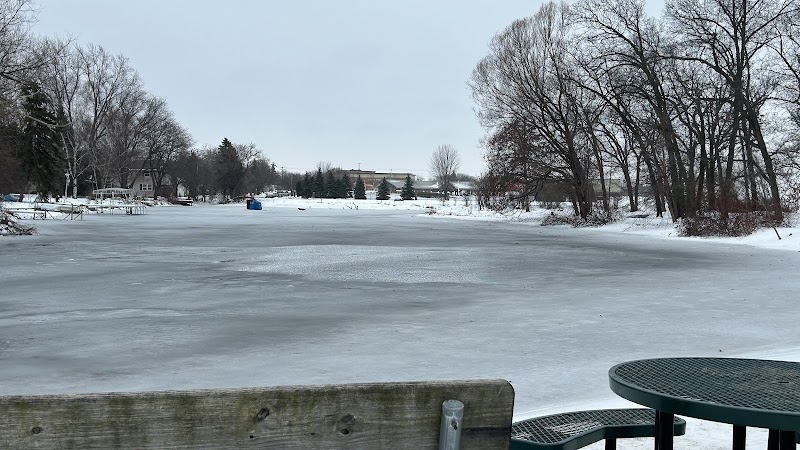
CMS rates EVERGREEN HEALTH CENTER's staffing level at 5 out of 5 stars, which is much above average compared to other nursing homes. Staff turnover is 53%, compared to the Wisconsin average of 46%.

What Have Inspectors Found at Evergreen?

State health inspectors documented 8 deficiencies at EVERGREEN HEALTH CENTER during 2022 to 2025. These included: 8 with potential for harm.
Who Owns and Operates Evergreen?

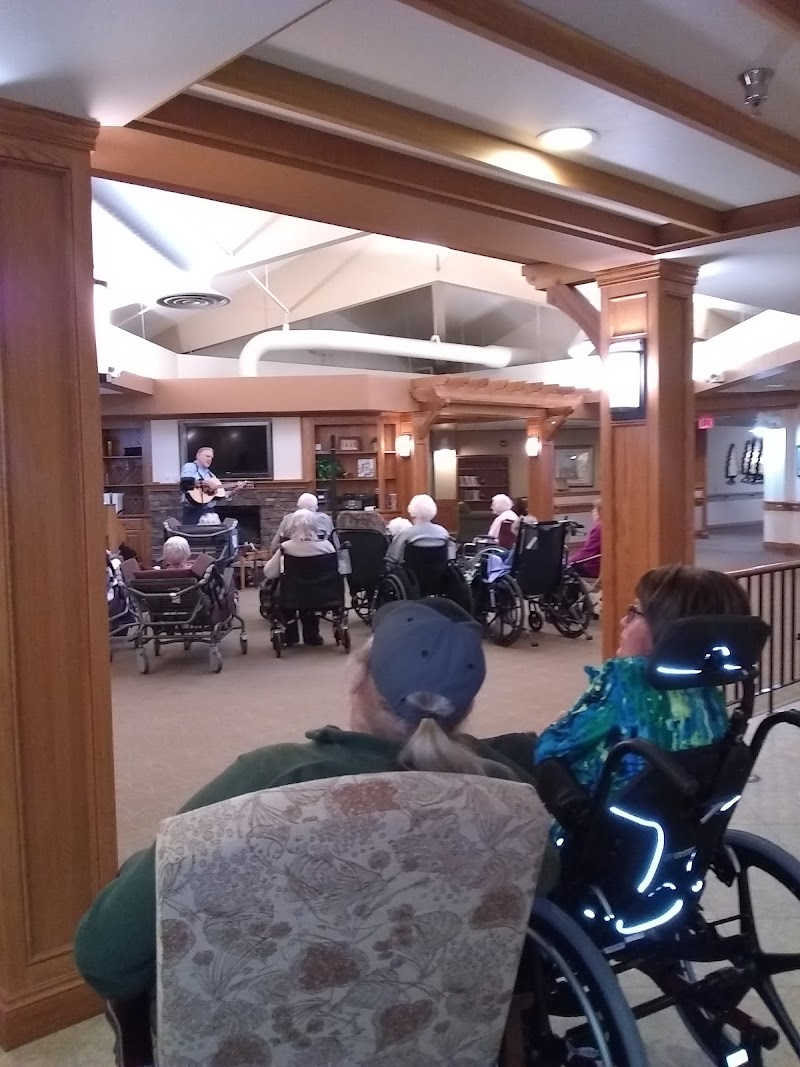
EVERGREEN HEALTH CENTER is owned by a non-profit organization. Non-profit facilities reinvest revenue into operations rather than distributing to shareholders. The facility operates independently rather than as part of a larger chain. With 80 certified beds and approximately 53 residents (about 66% occupancy), it is a smaller facility located in OSHKOSH, Wisconsin.

How Does Evergreen Compare to Other Wisconsin Nursing Homes?

Compared to the 100 nursing homes in Wisconsin, EVERGREEN HEALTH CENTER's overall rating (5 stars) is above the state average of 3.0, staff turnover (53%) is near the state average of 46%, and health inspection rating (4 stars) is above the national benchmark.

What Should Families Ask When Visiting Evergreen?

Based on this facility's data, families visiting should ask: "Can I visit during a mealtime to observe dining assistance and food quality?" "How do you handle medical emergencies, and what is your hospital transfer rate?" "Can I speak with family members of current residents about their experience?"

Is Evergreen Safe?

Based on CMS inspection data, EVERGREEN HEALTH CENTER has a clean safety record: no substantiated abuse findings (meaning no confirmed cases of resident harm), no Immediate Jeopardy citations (the most serious violation level indicating risk of serious injury or death), and is not on the Special Focus Facility watch list (a federal program monitoring the lowest-performing 1% of nursing homes). The facility has a 5-star overall rating and ranks #1 of 100 nursing homes in Wisconsin. While no facility is perfect, families should still ask about staff-to-resident ratios and recent inspection results during their visit.

Do Nurses at Evergreen Stick Around?

EVERGREEN HEALTH CENTER has a staff turnover rate of 53%, which is 7 percentage points above the Wisconsin average of 46%. Moderate turnover is common in nursing homes, but families should still ask about staff tenure and how the facility maintains care continuity when employees leave.

Was Evergreen Ever Fined?

EVERGREEN HEALTH CENTER has no federal fines on record. CMS issues fines when nursing homes fail to meet care standards or don't correct problems found during inspections. The absence of fines suggests the facility has either maintained compliance or corrected any issues before penalties were assessed. This is a positive indicator, though families should still review recent inspection reports for the full picture.

Is Evergreen on Any Federal Watch List?

EVERGREEN HEALTH CENTER is not on any federal watch list. The most significant is the Special Focus Facility (SFF) program, which identifies the bottom 1% of nursing homes nationally based on persistent, serious quality problems. Not being on this list means the facility has avoided the pattern of deficiencies that triggers enhanced federal oversight. This is a positive indicator, though families should still review the facility's inspection history directly.