RENNES HEALTH AND REHAB CENTER-WEST
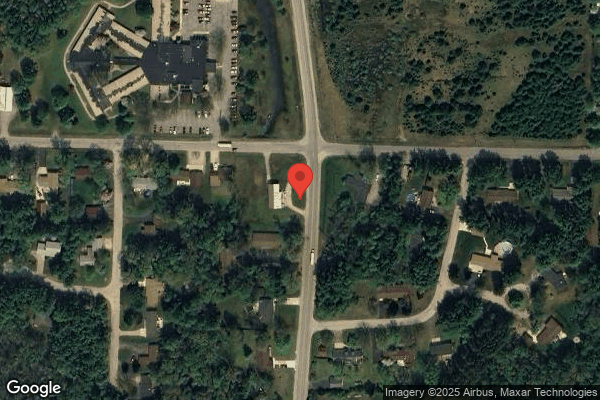
501 N LAKE ST, PESHTIGO, WI 54157 (715) 582-3906
For profit - Corporation 90 Beds RENNES GROUP Data: November 2025
Trust Grade
90/100
#61 of 321 in WI
Last Inspection: October 2024

Within standard 12-15 month inspection cycle. Federal law requires annual inspections.

Overview

Rennes Health and Rehab Center-West in Peshtigo, Wisconsin has received a Trust Grade of A, indicating it is an excellent facility that is highly recommended. It ranks #61 out of 321 nursing homes in Wisconsin, placing it in the top half, and is #2 out of 5 facilities in Marinette County, meaning only one local option is better. The facility is improving, with issues decreasing from three in 2022 to just one in 2024. Staffing is a relative strength, with a good rating of 4 out of 5 stars and a turnover rate of 43%, which is below the state average. Notably, there have been no fines recorded, which is a positive sign. However, there are some concerns. Recent inspections found that a resident's medications were left unattended without proper supervision, which poses a risk of misuse. Additionally, medication storage practices were lacking, with some expired and unlabeled medications found in the facility. While the overall quality of care is strong, families should be aware of these specific issues when considering this facility for their loved ones.

Trust Score
A
90/100
In Wisconsin
#61/321
Top 19%
Safety Record
Low Risk
No red flags
Inspections
Getting Better
3 → 1 violations
Staff Stability
○ Average
43% turnover. Near Wisconsin's 48% average. Typical for the industry.
Penalties
✓ Good
No fines on record. Clean compliance history, better than most Wisconsin facilities.
Skilled Nurses
✓ Good
Each resident gets 48 minutes of Registered Nurse (RN) attention daily — more than average for Wisconsin. RNs are trained to catch health problems early.
Violations
✓ Good
Only 4 deficiencies on record. Cleaner than most facilities. Minor issues only.
★★★★★
5.0
Overall Rating
★★★★☆
4.0
Staff Levels
★★★☆☆
3.0
Care Quality
★★★★★
5.0
Inspection Score
Stable
2022: 3 issues
2024: 1 issues

The Good

  • 4-Star Staffing Rating · Above-average nurse staffing levels
  • Full Sprinkler Coverage · Fire safety systems throughout facility
  • No fines on record
  • Staff turnover below average (43%)

    5 points below Wisconsin average of 48%

Facility shows strength in staffing levels, fire safety.

The Bad

Staff Turnover: 43%

Near Wisconsin avg (46%)

Typical for the industry

Chain: RENNES GROUP

Part of a multi-facility chain

Ask about local staffing decisions and management

The Ugly 4 deficiencies on record

Oct 2024 1 deficiency
CONCERN (D)

Potential for Harm - no one hurt, but risky conditions existed

Deficiency F0761 (Tag F0761)

Could have caused harm · This affected 1 resident

**NOTE- TERMS IN BRACKETS HAVE BEEN EDITED TO PROTECT CONFIDENTIALITY** Based on observation, staff interview, and record review, the facility did not ensure stock medications, medical supplies, and m...

Read full inspector narrative →
**NOTE- TERMS IN BRACKETS HAVE BEEN EDITED TO PROTECT CONFIDENTIALITY** Based on observation, staff interview, and record review, the facility did not ensure stock medications, medical supplies, and medications for 2 residents (R) (R178 and R26) in 2 of 4 medication carts and 1 of 2 medication storage rooms were stored, labeled, and/or dated appropriately. A medication storage room contained expired medical supplies. Two medication carts contained open, unlabeled, and expired medications, including medications for R178 and R26. Findings include: The facility's Labeling of Medication Containers policy, revised April 2019, indicates: All medications maintained in the facility are properly labeled in accordance with current state and federal guidelines and regulations .2) Any medication packaging or containers that are inadequately or improperly labeled are returned to the issuing pharmacy. 3) Labels for individual resident medications include all necessary information, such as: a. The resident's name; b. The prescribing physician's name; c. The name, address and telephone number of the issuing pharmacy; d. The name, strength, and quantity of the drug; .f. The date that the medication was dispensed . The facility's Storage of Medications policy, revised April 2019, indicates: .2) Drugs and biologicals are stored in the packaging, containers, or other dispensing systems in which they are received .4) Drug containers that have missing, incomplete, improper, or incorrect labels are returned to the pharmacy for proper labeling before storing; 5) Discontinued, outdated, or deteriorated drugs or biologicals are returned to the dispensing pharmacy or destroyed . On 10/1/24 at 1:09 PM, Surveyor observed the main medication storage room and noted the following: ~ Surveyor confirmed with Licensed Practical Nurse (LPN)-C an open and undated plastic bag that contained 21 individual foil packs of Dukal petroleum adaptic gauze non-adherent dressing. LPN-C confirmed there were no expiration dates on the foil packs and the foil packs were not in their original packaging. LPN-C indicated if there were no expiration dates, the items should be discarded. ~ Surveyor confirmed with Registered Nurse (RN)-D one Zyno medical infusion administration set with an expiration date of 7/10/24 and 4 individual packs of [NAME] silicone superabsorbent dressing with expiration dates of 2/2/23. RN-D indicated if the items were expired, they should be thrown away. On 10/1/24 at 1:31 PM, Surveyor observed the 100 unit medication cart and noted the following: ~ A vial of Lantus insulin injection 100/ml (milliliters) for R26 with an open date of 8/22/24 and an expiration date of 9/30/24 written on the label. The label indicated the insulin expired 28 days after opening. Surveyor confirmed with RN-E who indicated the insulin should have been discarded since it was past the expiration date. ~ An open and undated fluticasone furoate/vilanterol ellipta inhalation powder 100 mcg (microgram)/25 mcg inhaler for R178. Surveyor confirmed with RN-E who indicated the inhaler should have been sent back since R178 was no longer in the facility. On 10/1/24 at 1:47 PM, Surveyor observed the 200 unit medication cart and noted the following: ~ An open, unlabeled, and undated package of albuterol sulfate inhalation aerosol 90 mcg/actuation, 200 meters. Surveyor confirmed with RN-E who indicated the package should have an open date and should have been discarded due to the unknown length of time the package was open. On 10/2/24 at 9:05 AM, Surveyor interviewed Director of Nursing (DON)-B who indicated medications and medical supplies that are open, unlabeled, undated, and/or expired should be discarded.
Jul 2022 3 deficiencies
CONCERN (D)

Potential for Harm - no one hurt, but risky conditions existed

Respiratory Care (Tag F0695)

Could have caused harm · This affected 1 resident

**NOTE- TERMS IN BRACKETS HAVE BEEN EDITED TO PROTECT CONFIDENTIALITY** Based on observation, interview, and record review the facility did not provide the necessary respiratory care and services cons...

Read full inspector narrative →
**NOTE- TERMS IN BRACKETS HAVE BEEN EDITED TO PROTECT CONFIDENTIALITY** Based on observation, interview, and record review the facility did not provide the necessary respiratory care and services consistent with current professional standards of practice for 1 resident (R) (R6) of 2 residents reviewed for oxygen use. R6 was using oxygen from a concentrator and did not have a physician's order for use, a care plan in place, or a schedule to check the oxygen tubing. Findings include: The facility provided a policy titled; Oxygen Administration dated 3/2004. Under preparation it states: 1. Verify that there is a physician's order for the procedure. Review the physician's orders or facility protocol for oxygen administration. 2. Review the resident's care plan to assess for any special needs of the resident. Under assessment it states: Before administering oxygen, and while the resident is receiving oxygen therapy, assess for the following: 1. Signs or symptoms of cyanosis (i.e. blue tone to the skin and mucous membranes); 2. Signs or symptoms of hypoxia (i.e. rapid breathing, rapid pulse rate, restlessness, confusion); 3. Signs or symptoms of oxygen toxicity (i.e. tracheal irritation, difficulty breathing, or slow, shallow rate of breathing); 4. Vital signs. 5. Lung sounds. Under monitoring/tubing changes reporting it states: 1. Standards of practice support oxygen tubing replacement to be event-related instead of time-related. Event-related examples requiring oxygen tubing replacement include: when visibly soiled or when known contamination occurs. R6 was admitted on [DATE] and had related diagnoses that include: hypertensive heart and chronic kidney disease with heart failure, chronic diastolic heart failure, and chronic respiratory failure with hypoxia. R6 had a Brief Interview for Mental Status (BIMS) score of 15/15 which indicated R6 was cognitively intact. On 7/25/22 at 11:24 AM, Surveyor interviewed R6 as part of the long-term care survey process. Surveyor noted during this interview that R6 was using oxygen. Surveyor could not locate a date on the oxygen tubing and R6 could not recall a staff member changing the tubing. R6 verified R6 had been using the oxygen continually for the last few weeks. Between 7/25/22 and 7/27/22, Surveyor reviewed R6's electronic health record and could not find physician orders, a care plan, or how the facility was monitoring and ensuring the tubing was changed. Surveyor noted R6's progress notes on 7/4/22 at 12:59 AM stated, Upon assessment resident c/o (complained of) dry cough. O2 (oxygen) resting 83%-85% RA (room air) after cough and deep breathe and PRN (as needed) albuterol utilized. R6 initially refusing O2, with expressions of, I know I have my right to refuse. Upon 3rd attempt with additional education provided, R6 allowed writer to start 2L (liters) of supplemental O2. Lungs - Fine crackles noted to LLL (left lower lobe). +3 pitting edema to BLE (bilateral lower extremities) and +1 to bilateral knees. Denies SOB (shortness of breath) at this time. No cognitive changes noted. Resident A/O (alert and oriented) x 3. Updated provider via fax, CHF (congestive heart failure) clinic to be updated in am. Surveyor reviewed progress notes between 7/4/22 and 7/8/22. Surveyor observed documentation for oxygen set to 2-2.5 liters per minute. Surveyor noted R6's care plan was updated on 7/25/22 with Resident has ineffective breathing pattern R/T (related to) CHF, HTN (hypertension), atrial fibrillation, chronic respiratory failure. Surveyor did not observe a care plan regarding ineffective breathing pattern prior to 7/25/22. On 7/27/22 at 8:31 AM, Surveyor interviewed Licensed Practical Nurse (LPN)-F regarding plans of care for residents on oxygen. LPN-F stated LPN-F would know the amount of oxygen a resident is supposed to be on by looking at the physician orders in the electronic health records. LPN-F verified R6 did not have any orders for oxygen in the electronic health records. LPN-F verified R6 should have orders and monitoring because R6 was using oxygen continually. On 7/27/22 at 9:01 AM, Surveyor interviewed Director of Nursing (DON)-B regarding Surveyor did not observe physician's order for use, a care plan in place, or a schedule to check the oxygen tubing. DON-B stated DON-B expects staff to start oxygen therapy from the standing orders and then expects staff to update a provider and put orders into Matrix (electronic health record) from the response and then update the care plan. DON-B verified the physician orders should have a range depending on the resident's oxygen saturation. On 7/27/22, Surveyor observed new physician orders in R6's electronic health record, dated 7/27/22 at 9:41 AM: O2 at 1-4 L/M (liters per minute) per NC (nasal canula)/Concentrator for respiratory distress/sats (saturation) below 89%. May be off as tolerated. Special instructions: Resident requires portable liquid O2 every shift. Change/check O2 tubing as indicated and clean filter every 5 days. Check behind ears daily for breakdown from O2 tubing once a day. Check O2 sat (saturation) on room air monthly. Special Instructions **Need qualifying room air sat of 88% or less** once a day on the 1st of the month. Surveyor observed the physician orders were put in R6's electronic health record after Surveyor interviewed DON-B. On 7/27/22 at 9:52 AM, DON-B verified no physician orders were put into Matrix. DON-B did provide Surveyor with a Physician Order sheet, dated 7/8/22, with an order for continue supplemental O2 and Standing Order sheet stating, May start oxygen for respiratory distress/acute shortness of breath/angina PRN and call MD. DON-B verified R6's progress notes indicated R6 started using oxygen again on 7/4/22. DON-B verified there was not a physician order for oxygen until 7/8/22. DON-B also verified the order was not transcribed into R6's electronic health record.
CONCERN (E)

Potential for Harm - no one hurt, but risky conditions existed

Pharmacy Services (Tag F0755)

Could have caused harm · This affected multiple residents

**NOTE- TERMS IN BRACKETS HAVE BEEN EDITED TO PROTECT CONFIDENTIALITY** From 7/25/22 through 7/27/22, Surveyor reviewed R5's medical record which documented R5's diagnoses included Alzheimer's disease...

Read full inspector narrative →
**NOTE- TERMS IN BRACKETS HAVE BEEN EDITED TO PROTECT CONFIDENTIALITY** From 7/25/22 through 7/27/22, Surveyor reviewed R5's medical record which documented R5's diagnoses included Alzheimer's disease and dementia. R's 5/4/22 MDS assessment BIMS score was 9 out of 15 (moderate impaired cognition). R5's MAR documented R5's 7/25/22 morning medications included vitamin B12, calcium carbonate-vitamin D3, cranberry plus vitamin C, Culturelle (probiotic), D-mannose powder (urinary tract infection prevention), Eliquis (anticoagulant), famotidine (antacid), ferrous sulfate (iron supplement), multivitamin, potassium chloride, and vitamin C. R5's medical record did not contain a self-administration assessment for R5 or a physician's order for self-administration of medication. On 7/25/22 at 8:46 AM, Surveyor observed R5 sitting in a recliner with medication sitting on a bedside table in front of R5. Surveyor observed six pills in a cup on R5's bedside table with no staff members present in R5's room. Surveyor asked R5 about the medication left on R5's bedside table and if prefers medication to be left at bedside. R5 stated, It is just what happens, they just leave them. On 7/25/22 at 10:04 AM, Surveyor observed R5 resting in bed watching TV. R5's bedside table was in reach of R5 and six pills were observed in a medications cup on R5's bedside table. On 7/25/22 at 10:52 AM, Surveyor observed R5 asleep in bed with six pills in a medication cup on R5's bedside table. On 7/25/22 at 10:57 AM, Surveyor interviewed LPN-E regarding R5's medication left unattended at bedside. LPN-E stated LPN-E did observe R5 take medication that morning but further stated R5 has started to spit the medication back out after staff leave the room. LPN-E stated LPN-E should have verified R5 had taken the medication. On 7/27/22 at 8:50 AM, Surveyor interviewed Director of Nursing (DON)-B who indicated if a resident was not assessed to self-administer medication, staff may not leave medication unattended at the resident's bedside. Surveyor asked if a resident had a history of spitting out medication after staff had given them to a resident what would DON-B expect staff to do. DON-B stated DON-B would expect staff to reassess the resident, stay longer with the resident and verify the resident swallowed the medication. On 7/27/22 at 9:49 AM, DON-B verified R5 did not have a self medication assessment completed. Based on observation, staff interviews, and record review, the facility failed to ensure accurate and safe administration of pharmaceuticals for 4 Residents (R) (R36, R17, R25, and R5) of 20 sampled residents. On 7/25/22, Licensed Practical Nurse (LPN)-C left medications for R36 to take unattended. R36 was not assessed for safe self-medication administration. The facility did not secure or assess for safety at bedside and get an order for R17's Tums (antacid medication). LPN-E left R25's medications at bedside. R25 was not assessed for safe self-medication administration, had a diagnosis of dementia, and had an activated Power of Attorney (POA) for health care decision making. On 7/25/22, Surveyor observed medications left unattended at R5's bedside. R5 was not assessed for safe self-medication administration. Findings include: Facility provided policy titled Self-Administration of Drugs with a revised date of August 2006 stated, .Residents in our facility who wish to self-administer their medications may do so, if it is determined that they are capable of doing so . In addition to general evaluation of decision-making capacity, the staff and practitioner will perform a more specific skill assessment, including (but not limited to) the resident's: a. Ability to read and understand medication labels, b. Comprehension of the purpose and proper dosage and administration time for his or her medications, c. Ability to remove medications from a container and to ingest and swallow (or otherwise administer) them, and d. Ability to recognize risks and major adverse consequences of his or her medications . Staff shall identify and give to the Charge Nurse any medications found at the bedside that are not authorized for bedside storage . 1. On 7/25/22, Surveyor reviewed R36's medical record. R36 was admitted to facility on 3/21/22 with diagnoses to include acute kidney failure (kidneys suddenly become unable to filter waste products from blood) and age-related cognitive decline (brain does not work as well as it used to which leads to trouble learning, using language, or remembering things). R36's Minimum Data Set (MDS) assessment dated [DATE] stated R36's Brief Interview for Mental Status (BIMS) score was 14 out of 15 which indicated R36 had little cognitive impairment. On 7/25/22 at 8:40 AM, Surveyor interviewed R36. Upon entering the room, Surveyor observed R36 take a medication with a sip of water. Surveyor observed a medication cup on R36's table which contained two tablets, one long red tablet and one small round white tablet. No staff member was present in R36's room. R36 stated, I'm not sure what they are for, I think one is a vitamin. On 7/25/22 at 11:41 AM, Surveyor interviewed LPN-C who was passing medication to other residents in R36's hall. When questioned if R36 was assessed to self-administer medication, LPN-C stated, No. You caught me. I know we're not supposed to do that (leave meds at bedside). On 7/26/22, Surveyor reviewed R36's medical record. R36's medical record did not contain a self-administration assessment for R36. R36's medical record did not contain a physician's order for self-administration of medication. On 7/27/22 at 8:50 AM, Surveyor interviewed Director of Nursing (DON)-B who indicated if a resident was not assessed to self-administer medication, then staff may not leave medication unattended at the resident's bedside. On 7/27/22 at 9:49 AM, DON-B verified R36's medical record did not contain a self-administration of medication assessment, therefore, medication should not have been left in R36's room unattended. On 7/27/22 at 9:56 AM, Surveyor reviewed R36's facility provided Medication Administration History with Registered Nurse (RN)-D who assisted Surveyor with comparing medications in the medication cart for R36 to Medication Administration History for morning med pass on 7/25/22. R36's Medication Administration History indicated R36 received one vitamin D3 (used as a supplement) tablet the morning of 7/25/22 which, RN-D showed Surveyor, was a small round white tablet. R36's Medication Administration History also indicated R36 received one multivitamin (used as a supplement) tablet the morning of 7/25/22 which, RN-D showed Surveyor, was a long red tablet. R36's Medication Administration History further indicated R36 received one calcium (used as a supplement) tablet the morning of 7/25/22 which, RN-D showed Surveyor, was a long white tablet. 2. From 7/25/22 through 7/27/22, Surveyor reviewed R17's medical record which documented an order for calcium carbonate (active ingredient in Tums) tablets for upset stomach. R17's medical record did not include a self-medication administration safety assessment. Surveyor noted none of R17's medications were ordered to be kept at bedside. On 7/25/22 at 9:47 AM, R17 complained to Surveyor that R17 frequently experienced stomach pain. R17 pointed to a Tums container on R17's bedside table and explained R17 took Tums when R17's stomach hurt. R17 disclosed Tums were not provided by the facility but family brought Tums in. R17 indicated staff were aware of Tums at R17's bedside. On 7/27/22 at 11:26 AM, Surveyor and DON-B entered R17's room. R17 was not in the room at the time. DON-B secured R17's Tums from bedside and vocalized the Tums were not provided by the pharmacy. DON-B indicated R17's family probably brought Tums in. 3. From 7/25/22 through 7/27/22, Surveyor reviewed R25's medical record which documented R25 had an activated POA for health care decision making. R25's diagnoses included dementia. R25's 6/1/22 MDS assessment BIMS score was 5 out of 15 (severe cognitive impairment). R25's Medication Administration Record (MAR) documented R25's 7/25/22 morning medications included acetaminophen (Tylenol), carvedilol (used to treat blood pressure/heart failure), Culturelle (probiotic), cyanocobalamin (vitamin B12), folic acid, sertraline (anti-depressant), sennosides-docusate sodium (laxative), and vitamin D3. On 7/25/22 at 9:35 AM, Surveyor observed R25 in bed sleeping. Nine pills were in a cup on R25's bedside table and no staff were present. On 7/25/22 at 10:19 AM, Surveyor interviewed LPN-E regarding R25's medication. LPN-E explained it was LPN-E's usual practice to leave R25's cup of morning medications at bedside. LPN-E's routine included attempting to rouse R25 between 7:00 AM and 7:30 AM. R25 usually was groggy when saying hello, then R25 would roll over and sleep more. LPN-E's practice was to go back later and find R25 took the medications. When asked if R25 was safe to self-administer medication, LPN-E replied, I think the answer you want is 'no'. At 10:23 AM, Surveyor accompanied LPN-E into R25's room. LPN-E verified medications were still in a cup on R25's bedside table. LPN-E counted 9 pills in the cup and indicated LPN-E expected R25 to be up and have taken the medications but now. LPN-E proceeded to wake resident and say, It's 10:30. I want you to take your morning pills. On 7/27/22 at 8:51 AM, DON-B indicated residents assessed as safe to self administer medication had a notice on the electronic MAR banner that documented self-administration exceptions. At that time, Surveyor reviewed R25's electronic MAR with DON-B. DON-B verified R25 was not assessed as safe to self administer medication.
CONCERN (E)

Potential for Harm - no one hurt, but risky conditions existed

Deficiency F0761 (Tag F0761)

Could have caused harm · This affected multiple residents

Based on observation and staff interview, the facility did not ensure all drugs and biologicals were stored in accordance with currently acceptable standards of practice for 23 residents residing on t...

Read full inspector narrative →
Based on observation and staff interview, the facility did not ensure all drugs and biologicals were stored in accordance with currently acceptable standards of practice for 23 residents residing on the 300 and 500 units of 53 total residents. The medication cart used to pass medication to the residents on the 300 and 500 units was observed multiple times unlocked and not in direct supervision of the nurse on duty. On 7/25/22 and 7/27/22, Surveyor observed a dialysis communication binder for R3 that had two pills tucked inside (midodrine 10 mg (milligrams) used to treat low blood pressure) and left unattended at the nurses' station. Findings include: The facility's policy titled Security of Medication Cart with a revision date of 4/2007 states: 1. The nurse must secure the medication cart during the medication pass to prevent unauthorized entry. 2. The medication cart should be placed within view of the nurse when entering rooms to administer medications. 3. When it is not possible to park the medication cart within view, the cart must be locked before the nurse enters the resident's room. 4. Medication carts must be securely locked at all times when out of the nurse's view. 1. On 7/25/22 at 9:21 AM, Surveyor noted the medication cart on the 300 unit was in the hall unlocked and not in direct supervision of the nurse on duty. At 9:22 AM, Licensed Practical Nurse (LPN)-E returned to the medication cart. On 7/25/22 at 9:41 AM, Surveyor noted the medication cart on the 300 unit was in the hall unlocked and not in direct supervision of the nurse on duty. LPN-E was observed in a resident's room administering medications. LPN-E's back was toward the medication cart. At 9:42 AM, LPN-E returned to the medication cart. On 7/25/22 at 9:56 AM, Surveyor noted the medication cart on the 300 unit was in the hall unlocked and not in direct supervision of the nurse on duty. At 9:57 AM, LPN-E returned to the medication cart. On 7/25/22 at 9:57 AM, Surveyor interviewed LPN-E regarding the unlocked medication. LPN-E verified the medication cart was left unlocked and not in direct view. LPN-E stated the medication cart should be locked when not in direct sight of LPN-E. On 7/27/22 at 8:51 AM, Surveyor interviewed Director of Nursing (DON)-B regarding medication carts being locked when not in direct sight of a nurse. DON-B verified medication carts should be locked when a nurse is not by the medication cart or walks away. 2. On 7/26/22 at 12:46 PM, Surveyor opened the dialysis communication binder for R3 and observed two pills (midodrine 10 mg) in a plastic bag used to crush medication tucked in the front pocket of the binder. Surveyor observed the date 7/22/22 on the plastic bag. R3's dialysis communication binder was stored on the nurses' station desk. On 7/27/22 at 10:31 AM, Surveyor observed an unknown staff member drop R3's dialysis binder at the nurses' station. Surveyor opened R3's dialysis binder and observed two pills (midodrine 10 mg) in a plastic bag stapled to R3's dialysis communication sheet dated 7/27/22. At 10:43 AM, LPN-F grabbed R3's dialysis communication binder and entered the medication storage room. On 7/27/22 at 10:48 AM, Surveyor interviewed LPN-F regarding R3's dialysis communication binder and the medications observed inside. LPN-F stated R3's dialysis communication binder is either placed on the nurses' station desk or in R3's dialysis bag in R3's room. From 7/25/22 through 7/27/22, Surveyor reviewed R3's medical record. R3 had a physician's order to Send PRN (as needed) midodrine with resident (R3) (2 tabs) to dialysis. Tape inside R3's dialysis binder once a day on Monday, Wednesday, and Friday AM. On 7/26/22 at 12:47 PM, Surveyor interviewed Nursing Home Administrator (NHA)-A regarding R3's dialysis communication binder. NHA-A verified the Surveyor observed two pills in R3's dialysis communication binder and stated, That should not be in there. On 7/26/22 at 1:37 PM, Surveyor interviewed DON-B regarding R3's dialysis communication binder. DON-B stated DON-B expects staff to check R3's dialysis communication binder when R3 returns and verified the medications should not be kept in the dialysis communication binder.
Understanding Severity Codes (click to expand)
Life-Threatening (Immediate Jeopardy)
J - Isolated K - Pattern L - Widespread
Actual Harm
G - Isolated H - Pattern I - Widespread
Potential for Harm
D - Isolated E - Pattern F - Widespread
No Harm (Minor)
A - Isolated B - Pattern C - Widespread

Questions to Ask on Your Visit

  • "Can I speak with families of current residents?"
  • "What's your RN coverage like on weekends and overnight?"

Our Honest Assessment

Strengths
  • • Grade A (90/100). Above average facility, better than most options in Wisconsin.
  • • No major safety red flags. No abuse findings, life-threatening violations, or SFF status.
  • • No fines on record. Clean compliance history, better than most Wisconsin facilities.
  • • Only 4 deficiencies on record. Cleaner than most facilities. Minor issues only.
Concerns
  • • No significant concerns identified. This facility shows no red flags across CMS ratings, staff turnover, or federal penalties.
Bottom line: Generally positive indicators. Standard due diligence and a personal visit recommended.

About This Facility

What is Rennes Health And Rehab Center-West's CMS Rating?

CMS assigns RENNES HEALTH AND REHAB CENTER-WEST an overall rating of 5 out of 5 stars, which is considered much above average nationally. Within Wisconsin, this rating places the facility higher than 99% of the state's 100 nursing homes. This rating reflects solid performance across the metrics CMS uses to evaluate nursing home quality.
How is Rennes Health And Rehab Center-West Staffed?

CMS rates RENNES HEALTH AND REHAB CENTER-WEST's staffing level at 4 out of 5 stars, which is above average compared to other nursing homes. Staff turnover is 43%, compared to the Wisconsin average of 46%. This relatively stable workforce can support continuity of care.

What Have Inspectors Found at Rennes Health And Rehab Center-West?

State health inspectors documented 4 deficiencies at RENNES HEALTH AND REHAB CENTER-WEST during 2022 to 2024. These included: 4 with potential for harm.
Who Owns and Operates Rennes Health And Rehab Center-West?

RENNES HEALTH AND REHAB CENTER-WEST is owned by a for-profit company. For-profit facilities operate as businesses with obligations to shareholders or private owners. The facility is operated by RENNES GROUP, a chain that manages multiple nursing homes. With 90 certified beds and approximately 77 residents (about 86% occupancy), it is a smaller facility located in PESHTIGO, Wisconsin.
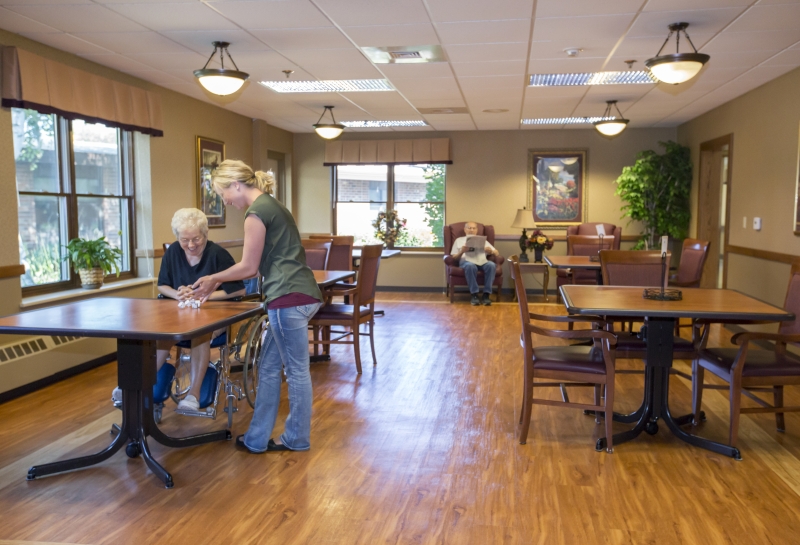
How Does Rennes Health And Rehab Center-West Compare to Other Wisconsin Nursing Homes?

Compared to the 100 nursing homes in Wisconsin, RENNES HEALTH AND REHAB CENTER-WEST's overall rating (5 stars) is above the state average of 3.0, staff turnover (43%) is near the state average of 46%, and health inspection rating (5 stars) is much above the national benchmark.

What Should Families Ask When Visiting Rennes Health And Rehab Center-West?

Based on this facility's data, families visiting should ask: "Can I visit during a mealtime to observe dining assistance and food quality?" "How do you handle medical emergencies, and what is your hospital transfer rate?" "Can I speak with family members of current residents about their experience?"

Is Rennes Health And Rehab Center-West Safe?

Based on CMS inspection data, RENNES HEALTH AND REHAB CENTER-WEST has a clean safety record: no substantiated abuse findings (meaning no confirmed cases of resident harm), no Immediate Jeopardy citations (the most serious violation level indicating risk of serious injury or death), and is not on the Special Focus Facility watch list (a federal program monitoring the lowest-performing 1% of nursing homes). The facility has a 5-star overall rating and ranks #1 of 100 nursing homes in Wisconsin. While no facility is perfect, families should still ask about staff-to-resident ratios and recent inspection results during their visit.

Do Nurses at Rennes Health And Rehab Center-West Stick Around?

RENNES HEALTH AND REHAB CENTER-WEST has a staff turnover rate of 43%, which is about average for Wisconsin nursing homes (state average: 46%). Moderate turnover is common in nursing homes, but families should still ask about staff tenure and how the facility maintains care continuity when employees leave.

Was Rennes Health And Rehab Center-West Ever Fined?

RENNES HEALTH AND REHAB CENTER-WEST has no federal fines on record. CMS issues fines when nursing homes fail to meet care standards or don't correct problems found during inspections. The absence of fines suggests the facility has either maintained compliance or corrected any issues before penalties were assessed. This is a positive indicator, though families should still review recent inspection reports for the full picture.

Is Rennes Health And Rehab Center-West on Any Federal Watch List?

RENNES HEALTH AND REHAB CENTER-WEST is not on any federal watch list. The most significant is the Special Focus Facility (SFF) program, which identifies the bottom 1% of nursing homes nationally based on persistent, serious quality problems. Not being on this list means the facility has avoided the pattern of deficiencies that triggers enhanced federal oversight. This is a positive indicator, though families should still review the facility's inspection history directly.