LINCOLN PARK NURSING AND REHAB LLC
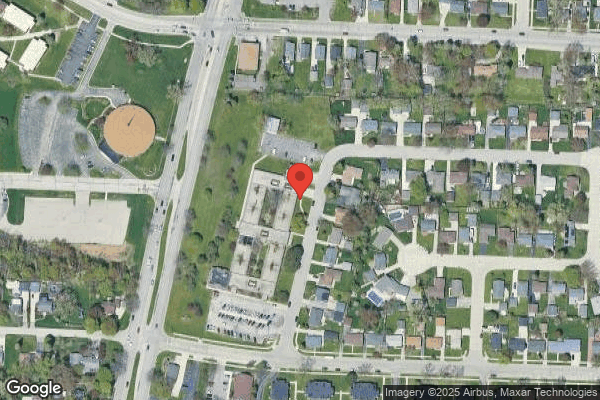
1700 C A BECKER DR, RACINE, WI 53406 (262) 637-9751
For profit - Individual 122 Beds SHLOMO HOFFMAN Data: November 2025 2 Immediate Jeopardy citations
Trust Grade
0/100
#288 of 321 in WI
Last Inspection: November 2024

Within standard 12-15 month inspection cycle. Federal law requires annual inspections.

Overview

Lincoln Park Nursing and Rehab LLC has received a Trust Grade of F, which indicates significant concerns about the facility's quality of care. Ranking #288 out of 321 nursing homes in Wisconsin places it in the bottom half of the state, and #5 out of 6 in Racine County suggests only one local option is better. Although the facility is showing some improvement over time, with the number of reported issues decreasing from 20 in 2024 to 12 in 2025, staffing remains a concern with a turnover rate of 67%, which is higher than the state average of 47%. Families should be aware that the facility has been fined $32,688, which is average but still raises questions about ongoing compliance issues. Specific incidents include a critical finding where a resident was physically abused by another resident, resulting in serious injury, and another where the facility failed to provide necessary social services to several residents, leaving them vulnerable. On the positive side, the facility has average RN coverage, which is important for catching potential problems early. However, the overall environment raises red flags, making it essential for families to carefully consider other options.

Trust Score
F
0/100
In Wisconsin
#288/321
Bottom 11%
Safety Record
High Risk
Review needed
Inspections
Getting Better
20 → 12 violations
Staff Stability
⚠ Watch
67% turnover. Above average. Higher turnover means staff may not know residents' routines.
Penalties
✓ Good
$32,688 in fines. Lower than most Wisconsin facilities. Relatively clean record.
Skilled Nurses
✓ Good
Each resident gets 57 minutes of Registered Nurse (RN) attention daily — more than average for Wisconsin. RNs are trained to catch health problems early.
Violations
⚠ Watch
69 deficiencies on record. Higher than average. Multiple issues found across inspections.
★☆☆☆☆
1.0
Overall Rating
★★★☆☆
3.0
Staff Levels
★☆☆☆☆
1.0
Care Quality
★☆☆☆☆
1.0
Inspection Score
Stable
2024: 20 issues
2025: 12 issues

The Good

  • Full Sprinkler Coverage · Fire safety systems throughout facility
  • No fines on record

Facility shows strength in fire safety.

The Bad

1-Star Overall Rating

Below Wisconsin average (3.0)

Significant quality concerns identified by CMS

Staff Turnover: 67%

20pts above Wisconsin avg (46%)

Frequent staff changes - ask about care continuity

Federal Fines: $32,688

Below median ($33,413)

Moderate penalties - review what triggered them

Chain: SHLOMO HOFFMAN

Part of a multi-facility chain

Ask about local staffing decisions and management

Staff turnover is elevated (67%)

19 points above Wisconsin average of 48%

The Ugly 69 deficiencies on record

2 life-threatening 3 actual harm
Jul 2025 1 deficiency
CONCERN (D) 📢 Someone Reported This

A family member, employee, or ombudsman was alarmed enough to file a formal complaint

Potential for Harm - no one hurt, but risky conditions existed

Deficiency F0760 (Tag F0760)

Could have caused harm · This affected 1 resident

**NOTE- TERMS IN BRACKETS HAVE BEEN EDITED TO PROTECT CONFIDENTIALITY** Based on interview and record review the facility did not ensure 1 (R9) of 3 residents were free of significant medication error...

Read full inspector narrative →
**NOTE- TERMS IN BRACKETS HAVE BEEN EDITED TO PROTECT CONFIDENTIALITY** Based on interview and record review the facility did not ensure 1 (R9) of 3 residents were free of significant medication errors.*R9 did not receive 2 doses of R9's ordered medications, carvedilol and tramadol. Eliquis was pulled from the Facility's Omnicell (medication dispenser) for R9 on 5/23/2025. R9 was not prescribed Eliquis, per physician orders. Findings include:The Facility's policy titled Administering Medications, with a revised date of May 2025, documents in part, . 3. Medications [NAME] be administered in accordance with the orders, including any required time frame. The Facility's policy titled Automated Medication Dispensing System (AMDS), with a revision date of 06/03/2025, documents in part . 2. Medications removed from the AMDS must have a corresponding Physician/Prescriber's order. R9 was admitted to the facility on [DATE] with diagnoses which include fracture of right fibula, Cardiomyopathy (a disease of the heart muscle that makes it harder for the heart to pump blood to the rest of the body), heart failure and kidney failure.R9's Comprehensive Assessment, Minimum Data Set (MDS), was not completed prior to R9 expiring. Surveyor reviewed R9's Physician orders and noted the following orders:*Carvedilol Oral Tablet - give 6.25 mg (milligrams) by mouth two times a day for hypertension, with a start date of 05/22/2025. *Tramadol HCl Oral Tablet 50 mg- give 50mg by mouth every morning and at bedtime for pain, with a start date of 05/22/2025.Surveyor reviewed R9's Medication Administration Record (MAR) and Treatment Administration Record (TAR) schedule for May 2025. Surveyor noted R9's Carvedilol and Tramadol are marked as 09 in R9's MAR, on 05/23/2025 at 9 AM; indicating Other / See Nurse Notes, per the documents chart codes. Surveyor reviewed R9's progress notes and noted a Nurse note, dated 05/23/2025, documents R9's Carvedilol and Tramadol were not given due to awaiting pharmacy. Surveyor requested a list of medications that are held in contingency (medications available at and a list of medications dispensed through the Facility's Automated Medication Dispensing System (AMDS) for R9 while at the Facility. The Facility provided document, titled Omni Inventory, documents the Facility has the medications, Carvedilol and Tramadol available in contingency.The Facility provided document, titled Omnicell, Transaction by Patient, with a date range of 05/22/2025 through 05/23/2025, documents R9 had a medication, Eliquis 5mg, dispensed on 05/23/2025, at 7:23 PM, by Licensed Practical Nurse (LPN)-C. Surveyor noted that Eliquis is a prescription blood thinner medication used to prevent and treat blood clots. Surveyor noted R9 does not have an order for Eliquis. Surveyor reviewed possible drug interactions (which occur when another substance changes how a medication works, possibly increasing side effects or changing its effectiveness.) using the website drugs.com interaction checker, for R9's current medications with Eliquis. Surveyor noted 3 of R9's medications would have a moderate interaction, indicating Moderate clinical significance, usually avoid combinations and use under special circumstances. Surveyor noted R9's prescribed aspirin showed to be a major interaction, indicating highly clinically significant, usually avoid combination and the risk of interaction outweighs the benefit. On 07/08/2025, at 09:01 AM, Surveyor informed Director of Nursing (DON)-B of the above concerns. Surveyor asked DON-B why R9's Carvedilol was not pulled from contingency on 05/23/2025. DON-B indicated that the Carvedilol in contingency was not the correct dose as ordered for R9. Surveyor noted the Carvedilol in contingency is 3.125 mg, and R9 could receive 2 to achieve R9's prescribed dosage. DON-B indicated that the physician should have been called the to review. On 07/08/2025, at 10:16 AM, Surveyor interviewed Nursing Home Administrator (NHA)-A regarding the above concerns. NHA-A indicated the expectation would be to contact the Director of Nursing, Medical Director or pharmacy and the Physician should have been called for clarification for R9's prescribed medications. On 07/08/2025, at 12:01 PM, Surveyor spoke with LPN-C via phone. LPN-C indicated LPN-C does not recall taking out Eliquis for R9 through the AMDS. On 07/08/2025, at 12:40 PM, Survey informed the Facility of the above concerns. No further information provided at time of write up.
May 2025 4 deficiencies 2 IJ
CRITICAL (J) 📢 Someone Reported This

A family member, employee, or ombudsman was alarmed enough to file a formal complaint

Immediate Jeopardy (IJ) - the most serious Medicare violation

Free from Abuse/Neglect (Tag F0600)

Someone could have died · This affected 1 resident

**NOTE- TERMS IN BRACKETS HAVE BEEN EDITED TO PROTECT CONFIDENTIALITY** Based on observation, interview, and record review, the facility failed to ensure 2 of 4 residents (R1 and R5) was free from phy...

Read full inspector narrative →
**NOTE- TERMS IN BRACKETS HAVE BEEN EDITED TO PROTECT CONFIDENTIALITY** Based on observation, interview, and record review, the facility failed to ensure 2 of 4 residents (R1 and R5) was free from physical abuse. R2 is known to have physical aggression towards residents and staff and was observed to have escalating behaviors. The facility did not ensure R1 was free from abuse by another resident (R2) residing in the facility. On 4/17/25, at 6:45 AM, facility staff observed R2 strike R1 in the arm twice while in the common area. On 4/20/25, facility staff observed R2 strike R1 in the back with a wet floor sign. R2 and R1 were separated by facility staff and escorted to separate units within the facility. Approximately 10 minutes later at 12:50 AM, R2 sought out R1, and R2 hit R1 multiple times in the head with the wet floor sign. R1 sustained a subdural hematoma (a pool of blood between the brain and its outermost covering often associated with a traumatic brain injury) and required an Intensive Care Unit (ICU) stay as a result of being hit in the head by R2 from the wet floor sign. The facility's failure to keep R1 free from physical abuse created a finding of Immediate Jeopardy that began on 4/17/25. On 5/12/25, at 3:52 PM, Nursing Home Administrator (NHA)-A, Director of Nursing (DON)-B, Regional Nurse-C, and Corporate Consultant-E were informed of the Immediate Jeopardy. The Immediate Jeopardy was removed on 5/12/25. The deficient practice continues at a scope and severity (S/S) of a D (potential for harm/isolated) as the facility continues to implement their action plan and based upon the additional example related to R5 and R6. R5 alleges that R6 hit and pinched them in the smoking courtyard. The facility did not prevent this occurrence of abuse or future negative interactions between the residents. Findings include: Surveyor reviewed the facility's Policy and Procedure, Abuse, Neglect and Exploitation, last reviewed 1/5/24, which documents: It is the policy of this facility to provide protections for the health, welfare and rights of each resident by developing and implementing written policies and procedures that prohibit and prevent abuse, neglect, exploitation and misappropriation of resident property. Prospective residents will be screened to determine whether the facility has the capability and capacity to provide the necessary care and services for each resident admitted to the facility. *An assessment of the individual's functional and mood/behavioral status, medical acuity, and special needs will be reviewed prior to admission. *The facility will make individual determinations in consideration of current staffing patterns, staff qualifications, competency and knowledge, clinical resources, physical environment, and equipment. Existing staff will receive annual education through planned in-services and as needed. The facility will implement policies and procedures to prevent and prohibit all types of abuse, neglect, misappropriation of resident property, and exploitation that achieves: *Identifying, correcting and intervening in situations in which abuse, neglect, exploitation, and/or misappropriation of resident property is more likely to occur with the deployment of trained and qualified, registered, licensed, and certified staff to meet the needs of the residents, and assure that the staff assigned have knowledge of the individual residents' care needs and behavioral symptoms. *The identification, ongoing assessment, care planning for appropriate interventions, and monitoring of residents with needs and behaviors which might lead to conflict or neglect. *Addressing features of the physical environment that may make abuse, neglect, exploitation, and misappropriation of resident property more likely to occur. *Assigning responsibility for the supervision of staff on all shifts for identifying inappropriate staff behaviors. The facility will have written procedures to assist staff in identifying the different types of abuse - mental/verbal abuse, sexual abuse, physical abuse, and the deprivation by an individual of goods and services . An immediate investigation is warranted when allegation or suspicion of abuse, neglect or exploitation, or reports of abuse, neglect or exploitation occur. *Exercising caution in handling evidence that could be used in a criminal investigation (e.g., not destroying evidence). *Focusing the investigation on determining if abuse, neglect, exploitation, and/or mistreatment has occurred, the extent, and cause. *Providing complete and thorough documentation of the investigation. The facility will make efforts to ensure all residents are protected from physical and psychosocial harm during and after the investigation. Examples include but are not limited to: *Responding immediately to protect the alleged victim and integrity of the investigation. *Examining the alleged victim for any sign of injury, including a physical examination or psychosocial assessment if needed. *Increase supervision of the alleged victim and residents. *Room or staffing changes, if necessary, to protect the resident from the alleged perpetrator. *Protection from retaliation. *Providing emotional support and counseling to the resident during and after the investigation, as needed. The facility will have written procedures that include: *Taking all necessary actions as a result of the investigation, which may lead but are not limited to the following: **Analyzing the occurrence(s) to determine why abuse, neglect, misappropriation of resident property or exploitation occurred, and what changes may be needed to prevent further occurrences. **Defining whether care provision should be changed and/or improved to protect residents receiving services. 1.) Surveyor reviewed R1 and R2's medical record which documents the following: R1 is a [AGE] year-old resident who was admitted to the facility on [DATE]. R1's diagnoses include seizures, Alzheimer's Disease, alcohol abuse, fall, and laceration to the scalp. R1's Discharge Minimum Data Set (MDS) completed on 4/20/25 documents that R1 has severe impaired cognitive concerns, short term memory problems, rejection of care concerns, wandering, physical behaviors, and verbal behaviors. R1 requires substantial/maximal assistance with toileting hygiene, showering, and dressing. R1 is independent with transferring and walking. R1 does not require assistive devices while ambulating and ambulates throughout the facility independently. R1 was documented as having a Brief Interview for Mental Status (BIMS) score of 3, indicating that R1 has severe cognitive impairment. R1's care plan documents: R1 has potential to be physically or verbally aggressive related to history of alcohol abuse and Alzheimer's Disease with poor impulse control. Verbal aggression occurred 4/16/25, 4/17/25, 4/19/25, and 4/20/25. Physical aggression occurred 4/17/25, 4/19/25, and 4/20/25 (date initiated 4/22/25). Interventions include: *Administer medications as ordered. Monitor/document for side effects and effectiveness (date initiated 4/22/25). *Assess and address for contributing sensory deficits (date initiated 4/22/25). *Provide physical and verbal cues to alleviate anxiety; give positive feedback, assist verbalization of source of agitation, assist to set goals for more pleasant behavior, and encourage seeking out of staff member when agitated (date initiated 4/22/25). *Monitor/document/report as needed (PRN) any signs/symptoms of R1 posing a danger to self and others (date initiated 4/22/25). Surveyor notes this care plan was initiated 2 days after R1 discharged from the facility on 4/20/25. R1 has a history of substance abuse (date initiated 4/22/25). Interventions include: *Notify Medical Director (MD) if R1 appears impaired (prior to administering medications) (date initiated 4/22/25). *Use calm and empathetic approach for communication (date initiated 4/22/25). Surveyor notes this care plan was initiated 2 days after R1 discharged from the facility on 4/20/25. R1 uses antidepressant and antianxiety related to poor prognosis and Post Traumatic Stress Disorder (PTSD) (date initiated 4/22/25). Interventions include: *Administer antidepressant/antianxiety medications as ordered by physician. Monitor/document side effects and effectiveness every shift (date initiated 4/22/25). *Monitor/document/report PRN (as indicated) adverse reactions to antidepressants/ antianxiety therapy R1 uses psychotropic medication related to Alzheimer's Disease (date initiated 4/22/25). Interventions include: *Administer psychotropic medications as ordered by physician. Monitor for side effects and effectiveness every shift (date initiated 4/22/25). R1 has a mood problem related to Alzheimer's Disease (date initiated 4/16/25). Interventions include: *Provide a calm and safe environment to allow R1 to express feelings as needed (date initiated 4/22/25). *Provide R1 with area for decreased stimulation as needed (date initiated 4/22/25). Surveyor notes these interventions were initiated 2 days after R1 discharge from the facility on 4/20/25. R1 has an alteration in neurological status related to Alzheimer's Disease, history of alcohol abuse, and intracranial bleed/small hematoma to the right side of frontal lobe 4/20/25 (date initiated 4/19/25). Interventions include: *Notify MD/responsible party of changes in neurological status (date initiated 4/19/25). R1 has potential for a psychosocial well-being problem related to resident-to-resident incident on 4/17/25 and 4/20/25 (date initiated 4/17/25). Interventions include: *Encourage staff to redirect R1 and provide a calm quiet environment; remove high stimulation. R1 prefers the sitting area across from NHA office. To assess and monitor for any triggers or trends in behaviors to mitigate untoward incidents (date initiated 4/17/25). *Monitor mood, behavior, appetite, sleep pattern and usual activities of choice. Report any alterations to provider to determine if any additional interventions are needed (date initiated 4/18/25). *Monitor/document R1's usual response to problems: how R1 makes own changes and expects others to control problems or leaves to fate, or luck (date initiated 4/17/25). *Provide opportunities for R1 and family to participate in care. Continue non-pharmacological interventions to detour and distract from untoward behaviors (date initiated 4/17/25). *Upon readmission to the facility; schedule care conference with Power of Attorney (POA), Hospice, community care, and facility staff to communicate possible alternative placement equipped for residents with dementia (date initiated 4/20/25). *When conflict arises, remove R1 to a calm safe environment and allow to vent/share feelings (date initiated 4/17/25). Surveyor notes the Facility Assessment documents, the facility may accept residents with dementia, residents who may develop dementia, which may include common diseases such as psychiatric and mood disorders, psychosis with hallucinations and delusions, impaired cognition, mental disorder depression, bipolar disorder, schizophrenia, PTSD, anxiety disorder, and behaviors that require interventions. R2 is an [AGE] year-old resident who was admitted to the facility on [DATE]. R2's diagnoses include intracerebral hemorrhage (a type of stroke where bleeding occurs within the brain tissue), major depressive disorder, psychosis, vascular dementia (a form of dementia caused by damage to blood vessels in the brain, leading to reduced blood flow and oxygen delivery), seizures, and Transient Ischemic Attack (TIA) (temporary blockage of blood flow to the brain, causing similar symptoms to a stroke). R2's Quarterly MDS documents R2 has fluctuating behaviors for disorganized thinking, delusions, and wandering. R2 requires supervision for dressing, bathing, and putting on shoes. R2 is independent with transferring and walking. R2 was documented as having a BIMS of 2 indicating R2 has severe cognitive impairment. R2' care plan documents: R2 has episodes of aggression (date initiated 4/20/25). Interventions include: *Attempt to separate R2 from other residents or staff that R2 has been aggressive with (date initiated 4/20/25). *Monitor R2's whereabouts at all times (date initiated 4/20/25). *Try to redirect resident before he becomes too agitated (date initiated 4/20/25). R2 has a mood and behavior problem related to vascular dementia, unspecified severity, with other behavioral disturbance (example being sexually inappropriate with female residents, exposing self, and poor impulse control). Monitor psychosocial well-being due to peer-to-peer altercation on 4/17 and 4/20. Refusing staff to clean R2's room or letting staff assist R2 in getting dressed. Aggressive behaviors noted towards staff, accepting redirection on 4/1. R2 will refuse medications at times; Risks and benefits explained. R2 will refuse to have lab work done; Risks and benefits explained. (Date initiated 12/11/24). Interventions include: *Provide a calm and safe environment to allow R2 to express feelings as needed (date initiated 12/11/24). *Provide R2 with area for decreased stimulation as needed for negative behaviors (date initiated 12/11/24). *1:1 (one on one supervision from staff) initiated and maintained upon return to regular ambulation/wandering (date initiated 4/20/25). *Encourage activated POA to participate in care planning period discuss and review alternate placement options that is a more appropriate setting for R2's progression of disease process (date initiated 4/17/25). *Set up another care conference with POA and psychiatry Nurse Practitioner (NP)-H to collaborate and care planning which is scheduled on 4/22/25 (date initiated 4/17/25). *Activities interview R2 and family to determine interest to care plan meaningful activities. Activities department monitor participation (date initiated 4/21/25). *Collaborate with MD, psych services, pharmacist, Adult Protective Services (APS), ombudsman, parole officer (PO), social services, and Regional Field Operations Director (RFOD) (State Agency) regarding options/interventions/care planning (date initiated 4/21/25). *Request from POA/family information regarding R2's past period extended family support options, likes, dislikes, interests, triggers or trends. Implement any suggested recommendations if applicable and appropriate (date initiated 4/22/25). *Anticipate and meet R2's needs. Continue to monitor for triggers and any trends (date initiated 12/13/24). *Monitor for any aggressive/intrusive behaviors and report to provider (date initiated 4/11/25). *Monitor psychosocial well-being: mood, behavior, sleep pattern, appetite and usual activities of choice. Report any alterations and notify provider to determine if any other interventions are recommended (date initiated 4/11/25). *Praise any indication of R2's progress/improvement in behavior (date initiated 2/24/25). *Provide a program of activities that is of interest and accommodates R2's status. Continue to offer nonpharmacological interventions to distract and detour negative incidents. Example: offer snacks, ice cream, chocolates, engage in conversation of preferences, offer meaningful activities and walk while talking about guitars and music (date initiated 12/11/24). *Utilize psych services if provider deems necessary (date initiated 4/11/25). R2 uses psychotropic, antidepressant medications related to vascular dementia with behaviors, psychosis, and depression. R2 regularly refuses medications (date initiated 3/8/24). Interventions include: *Administer psychotropic medications as ordered by physician. Monitor for side effects and effectiveness every shift (date initiated 3/8/24).,, R2 has a potential psychosocial well-being problem related to resident-to-resident altercation (date initiated 4/17/25). Interventions include: *Attempt to remove and redirect R2 when other residents are calling out to prevent R2 from feeling the need to protect other residents (date initiated 4/17/25). *Initiate referrals as needed or increase social relationships (date initiated 4/17/25). *Monitor/document R2's usual response to problems, how R2 makes own decisions, expects others to control problems or leaves to fate, or luck (date initiative 4/17/25). *When conflict arises, remove R2 to a calm safe environment and allow to vent/share feelings (date initiated 4/17/25). Surveyor reviewed R2's Care Area Assessments (CAA)s dated 1/29/25, which document the following: Delirium CAA - R2 has dementia with no acute change in mental status. Cognitive loss/Dementia CAA- R2 has vascular dementia impacting R2's cognitive status at present requiring reminders frequently. R2 is here for long term care due to vascular dementia requiring frequent redirection due to behavior issue and has been refusing medications despite encouragement. R2's condition at present is complicated by recent influenza A which R2 was placed on strict droplet precaution. R2 is mostly independent for R2's ADLs and up ad lib. R2 is able to verbalize needs and wants, when given time. Needs anticipated by staff to maintain safety. Staff to redirect R2 as needed and follow plan of care. Behavioral Symptoms CAA - R2 has vascular dementia with psychosis/behavior triggering this CAA for behavioral symptoms as R2 continues having behavior issue at present. R2 is here for long term care due to vascular dementia requiring frequent redirection due to behavior issue and has been refusing medications despite encouragement. R2's condition at present is complicated by recent influenza A which R2 was placed on strict droplet precaution. R2 is mostly independent with ADL's and up ad lib. R2 is able to verbalize needs and wants, when given time. Needs anticipated by staff to maintain safety. Staff to redirect R2 as needed and follow plan of care. Surveyor reviewed R2's behavior task list dated 4/8/25 - 5/8/25, which documents: 4/19/25 at 4:56 PM - wandering 4/30/25 at 4:56 AM - wandering and rejection of care Surveyor reviewed R2's Medication Administration Record (MAR) which documents R2 is prescribed Seroquel for dementia with behavioral disturbance, Depakote for dementia, Keppra for seizures, and Paxil for depression. Surveyor notes the following missed medications for R2: January 2025 MAR documents the following: *R2 took Seroquel and Paxil one time on 1/10/25. *R2 took Depakote three times on 1/2/25, 1/10/25, and 1/12/25. Surveyor notes R2 took Depakote three times out of 62 opportunities in the month of January 2025. *R2 took Keppra 4 times on 1/2/25, 1/7/25, 1/10/25, and 1/16/25. Surveyor notes R2 took Keppra four times out of 62 opportunities in the month of January 2025. February 2025 MAR documents the following: *R2 took Depakote 21 times out of 56 opportunities. *R2 took Paxil 12 times out of 28 opportunities. *R2 took Keppra 22 times out of 56 opportunities. *R2 refused Seroquel throughout February 2025. March 2025 MAR documents the following: *R2 took Paxil seven times out of 31 opportunities. *R2 took Depakote 12 times out of 62 opportunities. *R2 took Keppra 12 times out of 62 opportunities. April 2025 MAR documents the following: *R2 took Paxil five times out of 30 opportunities. *R2 took Keppra 12 times out of 60 opportunities. *R2 took Depakote 10 times out of 60 opportunities. *R2 was prescribed Rexulti for dementia with a new order dated 4/21/25. Surveyor notes R2 took Rexulti two times out of nine opportunities in the month of April 2025. May 2025 MAR documents the following: *R2 refused Paxil once in May of 2025. *R2 did not refuse Depakote, Keppra, Rexulti and received all prescribed doses in the month of May 2025. Surveyor notes, R2's family started administering medications in May 2025 which improved R2's compliance with taking medications. Surveyor reviewed R2's psychiatric notes dated 1/6/25 and 2/3/25, which document R2 having vascular dementia with behaviors, displays psychosis, hallucinations, and wandering. Psychiatry Nurse Practitioner (NP)-H notes R2 has not been taking medications as prescribed. Surveyor notes, there are no changes, with recommendations to continue to monitor. Surveyor reviewed R2's progress notes dated 4/2/25, which documents the DON (B) contacted Psychiatry NP-H with an update of R2 displaying increased agitation. Psychiatry NP-H stated to continue to monitor R2 and continue to redirect as needed. Psychiatry NP-H indicated she was scheduled to be in the facility on 4/7/25. Surveyor notes Psychiatry NP-H did not see R2 on 4/7/25. R2's next visit with Psychiatry NP-H was on 5/5/25 which documents R2 to continue with Rexulti for dementia that was prescribed on 4/20/25 in the emergency room (ER). The State Agency Received two facility self-reports with resident-to-resident abuse between R2 and R1 occurring on 4/17/25 and 4/20/25. *Surveyor reviewed the facility self-report dated 4/17/25, which documents the following: On 4/17/25, at 6:45 AM, R2 and R1 were documented as wandering the halls throughout the facility and becoming agitated and combative with staff throughout the night. R1 and R2 were in the common area when R1 approached R2. Facility staff attempted to redirect both R1 and R2 however, were unsuccessful. R2 then struck R1 in the right upper arm twice. R2 and R1 were separated. Staff performed skin and pain assessments on both R1 and R2 that were unremarkable. Facility staff contacted the police, NHA, DON, MD, POA's, MCO's (Managed Care Organizations), and Hospice. Surveyor notes facility staff did not contact Parole Officer (PO)-F, who is R2's parole officer. Facility staff interviewed R1 and R2. Neither resident recalled the incident where R2 struck R1 in the right upper arm twice. The facility self-report documents cameras were reviewed, staff statements obtained, and resident statements obtained. The facility self-report documents care plans were updated. *Surveyor reviewed the police report dated 4/17/25, at 7:03 AM, which documents the following: R1 and R2 were in the living room/day room when R1 suddenly stood up and stated what did you say to R2 and aggressively approached R2. R2 then struck R1 in R1's upper right arm. Staff immediately separated the two. The police officer observed R1 who appeared to be fine. Both R2 and R1 are low functioning and the facility states that neither residents would understand what the police was talking about if the police officer were to interview them. Facility staff was advised to file the report to build a paper trail for documentation purposes. For this reason, no incident report will be completed. *Surveyor reviewed the self-report incident notes dated 4/17/25, which documents the following: R2 struck a peer in the upper arm when R2's peer raised their voice to another resident. R2 states R2 was protecting another resident from R1. R2 has no complaints of discomfort and has no alterations to skin integrity that can be seen. R2 is refusing a full skin assessment which is unremarkable. Mood, behavior, sleep pattern, and unusual activities of choice are being monitored for at least 72 hours. R2 remains at baseline. R2's psychosocial well-being and physical status monitoring is ongoing. R2's care plan has been reviewed and updated. The care team will continue to anticipate R2's needs and monitor for any changes. *Surveyor reviewed the incident description on the facility self-report dated 4/17/25, which documents the following: Prior to the incident, R1 had been wandering the halls and in and out of rooms throughout the night, very agitated. R1 then aggressively approached another resident near the nurses' station, staff was unable to redirect and R2 then struck R1 in the right upper arm twice. Resident description documents, he got in my face. Immediate action taken documents, R1 was given PRN Ativan after non-pharmacological interventions were not effective. *Surveyor reviewed staff statement from Licensed Practical Nurse (LPN)-X, dated 4/17/25, which documents the following: R1 was observed wandering hallways and becoming agitated and combative with staff throughout the night. While sitting in front of the nurses' station, R1 aggressively got up and approached R2. R2 then struck R1 in the right upper arm area, twice. R1 and R2 were immediately separated and redirected with the nurse. PRN Ativan was immediately administered without any difficulty. There was no redness/swelling noted to the area however, scattered old bruises were noted throughout R1's bilateral upper extremities. R1 denied any pain. Range of motion was within normal limits. Assistant Director of Nursing (ADON) and DON were notified by staff, POA for R1 was called and notified of the incident, as well as Hospice. *Surveyor reviewed incident notes dated 4/17/25, which documents the following: R1 is monitored by the care team for any delayed injuries from the resident-to-resident altercation. R1's psychosocial well-being is also monitored for at least 72 hours. R1's mood, behavior, appetite, sleep pattern, and unusual activities of choice are unchanged. R1 denies any pain or discomfort. There are no alterations in skin integrity. The care team has notified the provider and all responsible parties. There are no new orders received and there are no recommendations. The care plan is reviewed and updated. R1 is agreeable to spending free time in the lounge across from the NHA office as it is a much calmer environment with less stimuli. R1 did state that R1 needs a quieter environment to decrease agitation/anxiety. R1 is doing well in this area of preference. The care team will continue to anticipate R1's needs and monitor for any changes. *Surveyor reviewed staff statement from Certified Nursing Assistant (CNA)-V which documents R1 was really restless and confused wandering all night walking in and out of resident rooms and redirected. He was aggressive physically and verbally, abusive towards staff. CNA-V found R1 in a room standing over a resident around 4:00 AM. CNA-V asked R1 what R1 was doing. R1 responded stating R1 was helping the people. CNA-V told R1 that wasn't needed, that is what staff are there for and asked R1 to leave the resident's room with CNA-V because it was not R1's room. R1 told CNA-V no and grabbed something off the table. CNA-V asked R1 to give it to CNA-V, and R1 responded stating it was not R1's and R1 punched CNA-V twice and told CNA-V to leave R1 alone. CNA-V eventually got R1 to walk toward the door and got outside the door. R1 grabbed CNA-V's hand and pulled CNA-V's fingers apart. CNA-V got their hand loose, stepped back, and closed the door. When CNA-V opened the door back up, R1 was gone. CNA-V went to report what happened to the nurse when CNA-V observed R1 again by the nursing station. R1 was walking past R2. CNA-V was close enough to see both R1 and R2, but not to hear them. R1 said something to R2, and R1 stopped, they started to argue, and punches were thrown. Staff immediately intervened and separated R1 and R2. CNA-V does not know who threw the first punch. R2's behavior all night was normal. R2 wandered how R2 usually does, but did not bother anybody. Surveyor reviewed staff statement from CNA-W dated 4/17/25, which documents around 5:50 AM, R1 approached R3 in the TV area and told R3 to shut up because R3 was doing his usual screaming. R2 then told R1, don't talk to R3 like that. R1 walked closer to R2 with R1's fist bald (sic) up punching, R2 swung back at R1 a few times. CNA-W was trying to step in between without being hit. CNA-W separated R1 and R2. On 5/7/25, at 12:53 PM, Surveyor attempted to interview R3 who declined to answer questions. On 5/7/25, at 12:56 PM, Surveyor interviewed CNA-P who indicates R3 has severe cognition concerns, and will oftentimes yell out, but R3's yelling out is not directed at anyone. Surveyor reviewed staff statement from RN-N, which documents R2 spends most nights walking around the facility. R2 does go to the long-term care side also. At one-point last night, RN-N had to go over to the long-term care side to look for an item and saw R2 sitting in the lounge by the nursing station. RN-N does not recall what time that was but R2 appear (sic) to be by themselves. R1 spent a lot of time over on the rehab unit last night. RN-N did not witness or hear any incident between R1 and R2. When R1 was on the rehab unit, R1 was being intrusive going near or inside other resident rooms. RN-N had to administer a resident Xanax because it made her anxious. RN-N did not personally see R1 going into other rooms, but that was what RN-N was told by the resident and other staff. *Surveyor reviewed incident notes dated 4/19/25, which documents the following: The care team continues to monitor R2's behaviors and any identifiable trends to mitigate any future untoward incidents. Non-pharmacological interventions are ongoing. The only identifiable trigger is that R2 believes R2 is protecting others, therefore when a peer appears to be distressed, R2 goes into protection mode. The care team will continue to anticipate R2's needs and monitor for any changes. Surveyor reviewed the facility self-report dated 4/20/25, which documents the following: *On 4/20/25, around 12:50 AM, R2 hit R1 in the back of the head with a wet floor sign resulting in R1 falling and causing injury. Staff immediately intervened and separated R1 and R2 to maintain safety and conducted nursing assessments. R1 was sent to the hospital for evaluation and treatment. R2 was also sent out to be evaluated by psych and to be admitted inpatient to get R2 the assistance needed. R2 was sent back to the facility from the hospital without a psych work up and without notice. Facility staff notified NHA, DON, POAs, MD, Hospice, R2's PO (parole officer), APS (adult protective services), ombudsman, and police. R1 sustained injuries as a result of the incident. R1 remained in the hospital. R1 is pending upcoming discharge. *Surveyor reviewed the clinical chart review which documents the following: R1 sustained a subdural hematoma (a type of bleeding in which a pool of blood between the brain and its outermost covering occurs, often associated with a traumatic brain injury). R2 was placed on a 1:1 in the facility indicating one staff member is always with R2. Specific 1:1 instruction for R2 is provided to the 1:1 assigned staff. The care team is currently working with the provider, pharmacist, psych services, APS, ombudsman, POA, medical director, and PO to get R2 properly placed, so R2 can receive the services needed. R2 remains unwilling to take medications as ordered. *Surveyor reviewed staff statement from CNA-Y which documents, CNA-Y was doing rounds, heard a commotion, walked down the hall and saw R2 hitting R1 with a wet floor sign. CNA-Y and another aid both ran towards the incident to break it up and R2 walked in one direction and R1 walked in the other direction. Surveyor reviewed staff statement from LPN-X which documents, R1 was wandering in and out of rooms, agitating other residents; unable to be redirected. Loud banging noise and yelling heard from unit 4 hall, and R1 was observed on R1's knees on the floor holding R1's face with a large amount of blood dripping from R1's face. R2 was separated from R1 and while walking away with the wet floor sign in hand, R2 admitted that R2 hit R1 several times. Large bumps were noted to the back of R1's head and behind left ear area along with the left side of the face and forehead. R1 was not cooperative with assessment from staff. Seems to be a laceration to left side of upper lip and an approximate 4-centimeter skin tear and redness to the left elbow area, tender to touch. While R1 was being seen by paramedics, R1 turned around and punched LPN-X in the arm/face while attempting to block R1's hit. R1 was placed on the stretcher by the paramedics and taken to the ER. Surveyor reviewed a second staff statement from LPN-X which documents, it was later reported to LPN-X that R1 was struck in the back with the wet floor sign by R2, observed by staff nurse and CNAs. Prior to incident, R1 had bee
CRITICAL (J) 📢 Someone Reported This

A family member, employee, or ombudsman was alarmed enough to file a formal complaint

Immediate Jeopardy (IJ) - the most serious Medicare violation

Deficiency F0745 (Tag F0745)

Someone could have died · This affected 1 resident

**NOTE- TERMS IN BRACKETS HAVE BEEN EDITED TO PROTECT CONFIDENTIALITY** Based on observation, interview, and record review, the facility did not ensure 4 (R1, R2, R5, and R6) of 6 residents reviewed r...

Read full inspector narrative →
**NOTE- TERMS IN BRACKETS HAVE BEEN EDITED TO PROTECT CONFIDENTIALITY** Based on observation, interview, and record review, the facility did not ensure 4 (R1, R2, R5, and R6) of 6 residents reviewed received medically related social services to attain or maintain the highest practicable physical, mental, and psychosocial well-being. R1 has a diagnosis of Alzheimer's Disease, alcohol abuse, and impaired cognitive function with behaviors demonstrated upon admission. The facility did not obtain information prior to admission that would have been pertinent to understanding R1's behaviors and how to address them. The facility failed to assess R1's behaviors. The facility did not develop and implement individualized psychosocial interventions to address R1's behavior pattern based on assessments and behavior demonstrated in the facility, thus leaving residents residing in the facility vulnerable and at risk. R2 has a diagnosis of psychosis, vascular dementia, and major depressive disorder with behaviors increasing after admission. The facility failed to assess R2's behaviors. The facility did not develop and implement psychosocial interventions to address R2's behavior pattern based on assessments and behavior demonstrated in the facility, thus leaving residents residing in the facility vulnerable and at risk. Review of R2 indicates as early as 1/12/25, R2 was engaging in aggressive behaviors with other residents in the facility and becoming more difficult to care for. Documentation and interviews with Psychiatric Nurse Practitioner (NP)-H indicated as early as January 2025, the facility was aware of R2's increased behaviors and refusals to take medications. Psychiatry NP-H indicated R2's refusals to take medications, Depakote in particular, would have an impact on R2's dementia symptoms along with his behavior symptoms. R1 and R2 engaged in an altercation that resulted in R1 being sent to the hospital with a subdural hematoma. The facility's failure to assess and treat R1 and R2's behaviors created a finding of Immediate Jeopardy, which began on 1/12/25. The facility failed to assess R1 and R2's needs and social history to determine their trauma background in order to treat and complete resident centered plans of care to provide proper care and address behavior concerns. On 5/12/25, at 3:52 PM, Nursing Home Administrator (NHA)-A, Director of Nursing (DON)-B, Regional Nurse-C, and Corporate Consultant-E were informed of the Immediate Jeopardy. The Immediate Jeopardy was removed on 5/12/25. The deficient practice continues at a scope and severity of a D (potential for harm/isolated) related to the additional example regarding R5 and R6 and as the facility continues to implement its action plan. R5 and R6 engaged in multiple resident to resident altercations starting 4/7/25. The facility did not assess R5 and R6's psychosocial needs following the altercations or assess behavioral changes and needs post altercations. Findings include: 1. Surveyor notes the Facility Assessment documents, the facility may accept residents with dementia, residents who may develop dementia, which may include common diseases such as psychiatric and mood disorders, psychosis with hallucinations and delusions, impaired cognition, mental disorder depression, bipolar disorder, schizophrenia, PTSD, anxiety disorder, and behaviors that require interventions. Surveyor reviewed R1 and R2's medical record which documents the following: R1 is a [AGE] year-old resident who was admitted to the facility on [DATE]. R1's diagnoses include seizures, Alzheimer's Disease, alcohol abuse, fall, and laceration to the scalp. R1's Discharge Minimum Data Set (MDS) completed on 4/20/25, documents R1 has severe impaired cognitive concerns, short term memory problems, rejection of care concerns, wandering, physical behaviors, and verbal behaviors. R1 requires substantial/maximal assistance with toileting hygiene, showering, and dressing. R1 is independent with transferring and walking. R1 does not require assistive devices while ambulating and ambulates throughout the facility independently. R1 was documented as having a Brief Interview for Mental Status (BIMS) score of 3, indicating that R1 has severe cognitive impairment. On 5/8/25, at 9:51 AM, Surveyor interviewed Assisted Living Facility (ALF) Executive Director-J, ALF Director of Wellness-K, and ALF Assistant Executive Director-L. ALF Director of Wellness-K indicates R1 resided at the ALF for a couple of years. ALF Director of Wellness-K described R1 with severe dementia, PTSD (Post Traumatic Stress Disorder) related to being in the military, delusions of gunfire that were war related, and experiencing hallucinations. ALF Director of Wellness-K stated R1 will calm down immediately after R1 feels safe. ALF Director of Wellness-K indicated R1 was a modest individual and did not like private parts exposed. R1 was a two person assist with one person providing cares, while the other person would assist with calming R1 down during cares. ALF Director of Wellness-K indicated R1 did not like cares being provided by the opposite sex. ALF Director of Wellness-K stated the facility did not reach out to the ALF and records were not requested by the facility. ALF Director of Wellness-K stated she wished the facility would have reached out to them so she could provide report and history along with interventions that would help with some of R1's behaviors. Surveyor noted the facility did not reach out to R1's previous residence (ALF), who could have provided vital information with R1's care plan, behavior monitoring, and treatment plan. On 5/7/25, at 3:29 PM, Surveyor interviewed Hospice Manager of Clinical Services-M who stated she is familiar with R1 who displays behaviors, refusals of care, and displays behaviors with people of the same sex. Hospice Manager of Clinical Services-M stated her team was the only one that could provide cares to R1 as he was familiar with them. Hospice Manager of Clinical Services-M stated Hospice did a lot of work with R1's psychotropic medications to help manage R1's behaviors. Hospice Manager of Clinical Services-M indicated R1 was prescribed Ativan due to R1 consistently wandering which was part of the reason why R1 would have altercations with the same sex. Hospice Manager of Clinical Services-M stated in the times where R1 could not be redirected, Ativan was administered. Hospice Manager of Clinical Services-M stated the referral for admission to the facility came from the hospital. Hospice Manager of Clinical Services-M stated Hospice does not make those type of referrals and Hospice was told by the hospital, R1 was accepted into the facility. Hospice Manager of Clinical Services-M stated Hospice received a phone call on 4/16/25, indicating R1 was being transferred out of the hospital and into the facility. Hospice Manager of Clinical Services-M indicated R1 was redirectable once you got to know R1. Surveyor noted the facility did not reach out or speak with Hospice prior to accepting R1 into the facility. Surveyor noted Hospice had vital information to help guide R1's plan of care with the potential to decrease behaviors with information and interventions the facility was unaware of. On 5/13/25, at 9:36 AM, surveyor spoke with R1's Activated Power of Attorney (APOA) who reported R1 had many behaviors while living at his previous residence, at the ALF. R1 displayed behaviors that were both verbal and physical with other residents while living at the ALF. R1's APOA stated the facility must have accepted R1 blindly because the admission happened so fast and other facilities typically did not accept R1 after interviewing R1. R1's APOA indicated the facility must have accepted him without performing an interview and the facility must not have talked with the nurses at the hospital. R1's APOA indicated R1 has significant PTSD due to training in war and being in the [NAME] Corps. R1 also served time in prison back in 1976. R1 also has a history with alcohol and drug abuse with most recent use approximately two years ago. R1's APOA indicated R1 may have schizophrenia and has never been properly diagnosed. R1 experiences hallucinations and has previously experienced homelessness. Surveyor noted the facility did not reach out to R1's APOA to obtain pertinent psychosocial information that may be beneficial with providing a personalized plan of care and treatment for behaviors. On 5/7/25, at 1:16 PM, Surveyor interviewed Admissions-I who stated she will receive a request for a new admission to the facility and will review the admission paperwork. Admissions-I indicated she will look for red flags such as financials, safe discharge planning, and behaviors. Admissions-I then stated the facility does not have a memory care unit or a unit for residents who elope, and indicated the facility tries to keep it simpler. Admissions-I indicated the facility will get surprises where residents will change after they are admitted . Admissions-I indicated criminal background checks are performed to determine safety risk on all new residents. Admissions-I stated diagnosis and behaviors that are charted will determine if the resident has memory concerns. Admissions-I indicated she has had it happened with one resident recently who was admitted with Hospice care that was not appropriate. Surveyor asked Admissions-I who she was referring to, and Admissions-I indicated R1 was under Hospice care, and everything was good. R1 went to the hospital with behaviors, and behaviors had improved. Admissions-I indicated R1 had a sitter and restraints in the hospital prior to admission. Admissions-I stated the facility got a referral from Hospice and R1's sister-in-law could no longer care for R1. Admissions-I stated Hospice records were reviewed and R1 was accepted based on the Hospice records. Admissions-I indicated she visited R1 in the hospital who displayed agitation, wrist restraints, had a sitter out in the hallway, and described R1 as a restless fish out of water. Admissions-I stated she went back a 2nd time to the hospital and R1 was much calmer, social, talking, asked about lunch, and asked about going home. Admissions-I indicated R1 was 48 hours without restraints or a sitter at the time of her 2nd visit to the hospital. Admissions-I indicated R1 was not wandering in the hospital and started wandering in the facility right away after admission. Surveyor then asked Admissions-I why R1 had a sitter in the hospital, Admissions-I indicated R1 had a sitter due to being aggressive and getting out of bed. Surveyor noted Admissions-I did not receive the referral from Hospice. This was confirmed with an interview with Hospice Manager of Clinical Services-M. Surveyor also noted Admissions-I had already accepted the admission to the facility for R1 prior to visiting R1 in the hospital. R1's care plan documents: R1 is an elopement risk/wanderer related to Alzheimer's Disorder (date initiated 4/17/25). Interventions include: *Photo on wander list (date initiated 4/21/25). *Staff aware of R1's wander risk (date initiated 4/17/25). *Wander alert personal safety device applied to right wrist (date initiated 4/21/25). Surveyor notes 2 of the 3 interventions were initiated 1 day after R1 was discharged from the facility on 4/20/25. Surveyor also notes the intervention indicating R1 wearing the wander alert device on the R1's right wrist was initiated after R1 was discharged from the facility. R1 has potential to be physically or verbally aggressive related to history of alcohol abuse and Alzheimer's Disease with poor impulse control. Verbal aggression occurred 4/16/25, 4/17/25, 4/19/25, and 4/20/25. Physical aggression occurred 4/17/25, 4/19/25, and 4/20/25 (date initiated 4/22/25). Interventions include: *Administer medications as ordered. Monitor/document for side effects and effectiveness (date initiated 4/22/25). *Assess and address for contributing sensory deficits (date initiated 4/22/25). *Provide physical and verbal cues to alleviate anxiety; give positive feedback, assist verbalization of source of agitation, assist to set goals for more pleasant behavior, and encourage seeking out of staff member when agitated (date initiated 4/22/25). *Monitor/document/report as needed (PRN) any signs/symptoms of R1 posing a danger to self and others (date initiated 4/22/25). Surveyor notes this care plan was initiated 2 days after R1 discharged from the facility on 4/20/25. R1 has a mood problem related to Alzheimer's Disease (date initiated 4/16/25). Interventions include: *Provide a calm and safe environment to allow R1 to express feelings as needed (date initiated 4/22/25). *Provide R1 with area for decreased stimulation as needed (date initiated 4/22/25). Surveyor notes these interventions were initiated 2 days after R1 discharge from the facility on 4/20/25. R1 has potential for a psychosocial well-being problem related to resident-to-resident incident on 4/17/25 and 4/20/25 (date initiated 4/17/25). Interventions include: *Encourage staff to redirect R1 and provide a calm quiet environment; remove high stimulation. R1 prefers the sitting area across from NHA office. To assess and monitor for any triggers or trends in behaviors to mitigate untoward incidents (date initiated 4/17/25). *Monitor mood, behavior, appetite, sleep pattern and usual activities of choice. Report any alterations to provider to determine if any additional interventions are needed (date initiated 4/18/25). *Monitor/document R1's usual response to problems: how R1 makes own changes and expects others to control problems or leaves to fate, or luck (date initiated 4/17/25). *Provide opportunities for R1 and family to participate in care. Continue non-pharmacological interventions to detour and distract from untoward behaviors (date initiated 4/17/25). *Upon readmission to the facility; schedule care conference with Power of Attorney (POA), Hospice, community care, and facility staff to communicate possible alternative placement equipped for residents with dementia (date initiated 4/20/25). *When conflict arises, remove R1 to a calm safe environment and allow to vent/share feelings (date initiated 4/17/25). Surveyor reviewed R1's behavior task list dated 4/16/25 - 4/20/25, which documents: 4/17/25 at 5:59 AM - wandering, yelling/screaming, kicking/hitting, pushing, grabbing, abusive language, threatening behavior, rejection of care 4/19/25 at 3:54 PM - rejection of care Surveyor reviewed the incident description on the facility self-report dated 4/17/25, which documents the following: Prior to the incident, R1 had been wandering the halls and in and out of rooms throughout the night, very agitated. R1 then aggressively approached another resident near the nurses' station, staff was unable to redirect and R2 then struck R1 in the right upper arm twice. Resident description documents, he got in my face. Immediate action taken documents, R1 was given PRN Ativan after non-pharmacological interventions were not effective. Surveyor reviewed staff statement from Licensed Practical Nurse (LPN)-X, dated 4/17/25, which documents the following: R1 was observed wandering hallways and becoming agitated and combative with staff throughout the night. While sitting in front of the nurses' station, R1 aggressively got up and approached R2. R2 then struck R1 in the right upper arm area, twice. R1 and R2 were immediately separated and redirected with the nurse. PRN Ativan was immediately administered without any difficulty. There was no redness/swelling noted to the area however, scattered old bruises were noted throughout R1's bilateral upper extremities. R1 denied any pain. Range of motion was within normal limits. Assistant Director of Nursing (ADON) and DON were notified by staff, POA for R1 was called and notified of the incident, as well as Hospice. Surveyor reviewed staff statement from CNA-V which documents R1 was really restless and confused wandering all night walking in and out of resident rooms and redirected. He was aggressive physically and verbally, abusive towards staff. CNA-V found R1 in a room standing over a resident around 4:00 AM. CNA-V asked R1 what R1 was doing. R1 responded stating R1 was helping the people. CNA-V told R1 that wasn't needed, that is what staff are there for and asked R1 to leave the resident's room with CNA-V because it was not R1's room. R1 told CNA-V no and grabbed something off the table. CNA-V asked R1 to give it to CNA-V, and R1 responded stating it was not R1's and R1 punched CNA-V twice and told CNA-V to leave R1 alone. CNA-V eventually got R1 to walk toward the door and got outside the door. R1 grabbed CNA-V's hand and pulled CNA-V's fingers apart. CNA-V got their hand loose, stepped back, and closed the door. When CNA-V opened the door back up, R1 was gone. CNA-V went to report what happened to the nurse when CNA-V observed R1 again by the nursing station. R1 was walking past R2. CNA-V was close enough to see both R1 and R2, but not to hear them. R1 said something to R2, and R1 stopped, they started to argue, and punches were thrown. Staff immediately intervened and separated R1 and R2. CNA-V does not know who threw the first punch. R2's behavior all night was normal. R2 wandered how R2 usually does, but did not bother anybody. Surveyor reviewed staff statement from CNA-W dated 4/17/25, which documents around 5:50 AM, R1 approached R3 in the TV area and told R3 to shut up because R3 was doing his usual screaming. R2 then told R1, don't talk to R3 like that. R1 walked closer to R2 with R1's fist bald (sic) up punching, R2 swung back at R1 a few times. CNA-W was trying to step in between without being hit. CNA-W separated R1 and R2. A second incident between R1 and R2 occurred three days later. Surveyor reviewed the facility self-report dated 4/20/25, which documents the following: On 4/20/25, around 12:50 AM, R2 hit R1 in the back of the head with a wet floor sign resulting in R1 falling and causing injury. Staff immediately intervened and separated R1 and R2 to maintain safety and conducted nursing assessments. R1 was sent to the hospital for evaluation and treatment. R2 was also sent out to be evaluated by psych and to be admitted inpatient to get R2 the assistance needed. R2 was sent back to the facility from the hospital without a psych work up and without notice. Facility staff notified NHA, DON, POAs, MD, Hospice, R2's PO, APS, ombudsman, and police. R1 sustained injuries as a result of the incident. R1 remained in the hospital. R1 is pending upcoming discharge. Surveyor reviewed staff statement from CNA-Y which documents, CNA-Y was doing rounds, heard a commotion, walked down the hall, and saw R2 hitting R1 with a wet floor sign. CNA-Y and another aid both ran towards the incident to break it up and R2 walked in one direction and R1 walked in the other direction. Surveyor reviewed staff statement from LPN-X which documents, R1 was wandering in and out of rooms, agitating other residents; unable to be redirected. Loud banging noise and yelling heard from unit 4 hall, and R1 was observed on R1's knees on the floor holding R1's face with a large amount of blood dripping from R1's face. R2 was separated from R1 and while walking away with the wet floor sign in hand, R2 admitted that R2 hit R1 several times. Large bumps were noted to the back of R1's head and behind left ear area along with the left side of the face and forehead. R1 was not cooperative with assessment from staff. Seems to be a laceration to left side of upper lip and an approximate 4-centimeter skin tear and redness to the left elbow area, tender to touch. While R1 was being seen by paramedics, R1 turned around and punched LPN-X in the arm/face while attempting to block R1's hit. R1 was placed on the stretcher by the paramedics and taken to the ER. Surveyor reviewed a second staff statement from LPN-X which documents, it was later reported to LPN-X that R1 was struck in the back with the wet floor sign by R2, observed by staff nurse and CNAs. Prior to incident, R1 had been wandering in and out of resident rooms. R2 had been telling staff that R1 killed R2's brother. Staff was attempting to keep the two separate, unsuccessful. The facility did not have pertinent information concerning R1's history and approaches that had been successful to help manage R1's behaviors, such as wandering into and out of other residents' rooms, upsetting them, and being physically aggressive. The initial care plans did not provide sufficient guidance to staff and care plans that were subsequently developed were developed after R1's admission to the hospital with a subdural hematoma that resulted after an altercation with another resident (R2). R2 is an [AGE] year-old resident who was admitted to the facility on [DATE]. R2's diagnoses include intracerebral hemorrhage (a type of stroke where bleeding occurs within the brain tissue), major depressive disorder, psychosis, vascular dementia (a form of dementia caused by damage to blood vessels in the brain, leading to reduced blood flow and oxygen delivery), seizures, and Transient Ischemic Attack (TIA) (temporary blockage of blood flow to the brain, causing similar symptoms to a stroke). R2's Quarterly MDS documents R2 has fluctuating behaviors for disorganized thinking, delusions, and wandering. R2 requires supervision for dressing, bathing, and putting on shoes. R2 is independent with transferring and walking. R2 was documented as having a BIMS of 2 indicating R2 has severe cognitive impairment. R2' care plan documents: R2 has episodes of aggression (date initiated 4/20/25). Interventions include: *Attempt to separate R2 from other residents or staff that R2 has been aggressive with (date initiated 4/20/25). *Monitor R2's whereabouts at all times (date initiated 4/20/25). *Try to redirect resident before he becomes too agitated (date initiated 4/20/25). R2 has a mood and behavior problem related to vascular dementia, unspecified severity, with other behavioral disturbance (example being sexually inappropriate with female residents, exposing self, and poor impulse control). Monitor psychosocial well-being due to peer-to-peer altercation on 4/17 and 4/20. Refusing staff to clean R2's room or letting staff assist R2 in getting dressed. Aggressive behaviors noted towards staff, accepting redirection on 4/1. R2 will refuse medications at times; Risks and benefits explained. R2 will refuse to have lab work done; Risks and benefits explained. (Date initiated 12/11/24). Interventions include: *Provide a calm and safe environment to allow R2 to express feelings as needed (date initiated 12/11/24). *Provide R2 with area for decreased stimulation as needed for negative behaviors (date initiated 12/11/24). *1:1 (one on one staff supervision) initiated and maintained upon return to regular ambulation/wandering (date initiated 4/20/25). *Encourage activated POA to participate in care planning period discuss and review alternate placement options that is a more appropriate setting for R2's progression of disease process (date initiated 4/17/25). *Set up another care conference with POA and psychiatry Nurse Practitioner (NP)-H to collaborate and care planning which is scheduled on 4/22/25 (date initiated 4/17/25). *Activities interview R2 and family to determine interest to care plan meaningful activities. Activities department monitor participation (date initiated 4/21/25). *Collaborate with MD, psych services, pharmacist, Adult Protective Services (APS), ombudsman, parole officer (PO), social services, and Regional Field Operations Director (RFOD) (State Agency) regarding options/interventions/care planning (date initiated 4/21/25). *Request from POA/family information regarding R2's past period extended family support options, likes, dislikes, interests, triggers, or trends. Implement any suggested recommendations if applicable and appropriate (date initiated 4/22/25). *Anticipate and meet R2's needs. Continue to monitor for triggers and any trends (date initiated 12/13/24). *Monitor for any aggressive/intrusive behaviors and report to provider (date initiated 4/11/25). *Monitor psychosocial well-being: mood, behavior, sleep pattern, appetite, and usual activities of choice. Report any alterations and notify provider to determine if any other interventions are recommended (date initiated 4/11/25). *Praise any indication of R2's progress/improvement in behavior (date initiated 2/24/25). *Provide a program of activities that is of interest and accommodates R2's status. Continue to offer nonpharmacological interventions to distract and detour negative incidents. Example: offer snacks, ice cream, chocolates, engage in conversation of preferences, offer meaningful activities, and walk while talking about guitars and music (date initiated 12/11/24). *Utilize psych services if provider deems necessary (date initiated 4/11/25). R2 uses psychotropic, antidepressant medications related to vascular dementia with behaviors, psychosis, and depression. R2 regularly refuses medications (date initiated 3/8/24). Interventions include: *Administer psychotropic medications as ordered by physician. Monitor for side effects and effectiveness every shift (date initiated 3/8/24). *Consult with pharmacy and MD to consider dosage reduction when clinically appropriate at least quarterly (date initiated 3/8/24). *Educate R2/family/caregivers about risks, benefits and the side effects and/or toxic symptoms (date initiated 11/11/24). *Monitor/record occurrence for target behavior symptoms (date initiated 3/8/24). R2 has a potential psychosocial well-being problem related to resident-to-resident altercation (date initiated 4/17/25). Interventions include: *Attempt to remove and redirect R2 when other residents are calling out to prevent R2 from feeling the need to protect other residents (date initiated 4/17/25). *Initiate referrals as needed or increase social relationships (date initiated 4/17/25). *Monitor/document R2's usual response to problems, how R2 makes own decisions, expects others to control problems or leaves to fate, or luck (date initiative 4/17/25). *When conflict arises, remove R2 to a calm safe environment and allow to vent/share feelings (date initiated 4/17/25). Surveyor reviewed R2's behavior task list dated 4/8/25 - 5/8/25, which documents: 4/19/25 at 4:56 PM - wandering 4/30/25 at 4:56 AM - wandering and rejection of care Surveyor reviewed R2's Medication Administration Record (MAR) which documents R2 is prescribed Seroquel for dementia with behavioral disturbance, Depakote for dementia, Keppra for seizures, and Paxil for depression. Surveyor notes the following missed medications for R2: January 2025 MAR documents the following: *R2 took Seroquel and Paxil one time on 1/10/25. *R2 took Depakote three times on 1/2/25, 1/10/25, and 1/12/25. Surveyor notes R2 took Depakote three times out of 62 opportunities in the month of January 2025. *R2 took Keppra 4 times on 1/2/25, 1/7/25, 1/10/25, and 1/16/25. Surveyor notes R2 took Keppra four times out of 62 opportunities in the month of January 2025. February 2025 MAR documents the following: *R2 took Depakote 21 times out of 56 opportunities. *R2 took Paxil 12 times out of 28 opportunities. *R2 took Keppra 22 times out of 56 opportunities. *R2 refused Seroquel throughout February 2025. March 2025 MAR documents the following: *R2 took Paxil seven times out of 31 opportunities. *R2 took Depakote 12 times out of 62 opportunities. *R2 took Keppra 12 times out of 62 opportunities. April 2025 MAR documents the following: *R2 took Paxil five times out of 30 opportunities. *R2 took Keppra 12 times out of 60 opportunities. *R2 took Depakote 10 times out of 60 opportunities. *R2 was prescribed Rexulti for dementia with a new order dated 4/21/25. Surveyor notes R2 took Rexulti two times out of nine opportunities in the month of April 2025. On 5/8/25, at 1:50 PM, Surveyor interviewed Psychiatry Nurse Practitioner (NP)-H who states she sees R2 every two to three months. Psychiatry NP-H indicated she was told R2 was not taking medications as prescribed as early as January 2025. Psychiatry NP-H stated R2 was not taking Depakote as prescribed and indicated dementia will worsen and behaviors will potentially worsen due to R2 not taking Depakote. Psychiatry NP-H stated things can set off R2 and some of these incidences are racially motivated. Psychiatry NP-H indicated she has not completed evaluations for possible triggers for R2 and is unsure if the facility performed evaluations for possible triggers. Psychiatry NP-H stated she does not think these evaluations to identify possible triggers are a standard of practice for any facility and then stated the facility will deal with the here and now. Psychiatry NP-H stated R2 had recent medication changes, and the facility is to contact her if R2's behaviors worsen, she would possibly adjust medications. Psychiatry NP-H indicated R2 is not a danger to themselves, however R2 is a danger to other residents within the facility if R2 is set off by another irritating factor to them. Psychiatry NP-H stated anybody can be that spark for someone with dementia. Psychiatry NP-H indicated she was not aware of R2's criminal history. The facility did not have a care plan that addressed R2's refusal to take medications. R2 did not consistently begin taking medications until May 2025 when R2's family member began administering them. On 5/8/25, at 2:57 PM, Surveyor interviewed Social Services-D who stated she is aware of the altercations between R2 and R1 that occurred on 4/17/25 and 4/20/25. Social Services-D states the facility has been in contact with R2's POA and family, with care conferences to discuss alternate facilities for R2. Social Services-D stated she was unaware that R2 had a parole officer, and the facility was made aware a couple of months ago when R2's parole officer showed up at the facility with a warrant for R2. Social Services-D indicated she is not aware of why R2 has a parole officer. Social Services-D indicated Admissions-I did not have knowledge of R2 having a parole officer. Social Services-D stated she was not sure what the plan is for the facility moving forward for verifying if residents are on parole with a new admission and directed Surveyor to speak with Admissions-I. Social Services-D indicated Admissions-I was in shock when she ran R2's name through the circuit courts and nothing came up. Social Services-D indicated R2 may have a parole officer due to R2 having convictions in another state. Social Services-D stated R2's care plan is updated to be monitoring R2, and the facility put a plan in for R2 being non-compliant with medications. Social Services-D indicated the facility has attempted to administer R2's medications in chocolate milk, yogurt, and other alternatives without success. Social Services-D stated family is coming in daily to administer R2's medications. Social Services-D indicated she is not sure what would happen if R2 assaults someone again and whether or not there is a plan. Social Services-D stated she feels R2's sister's hands are tied due to R2 getting turned down at other facilities for alternative placement. Social Services-D indicated the family is out of options and have stated numerous times family members will not take R2 home and care for R2 and POA told the facility that the facility can't tell the POA where to move his brother. Social Services-D indicated the facility then reminds R2's POA about the incident that occurred on 4/20/25. Social Services-D indicated she feels the facility should have known that R2 was on parole. Social Services-D indicated the facility tries to tell R2's family that the facility is not the proper setting for R2. Surveyor noted Social Services-D and Admission-I are not aware of why R2 has a parole officer, which helps determine resident needs and plan of care. Social Services-D indicated the facility does not have a plan of action moving forward for residents who are on parole, or if R2 were to display behaviors again including assaulting someone. Surveyor also noted, the facility was unable to indicate R2's previous conviction and ja
CONCERN (D) 📢 Someone Reported This

A family member, employee, or ombudsman was alarmed enough to file a formal complaint

Potential for Harm - no one hurt, but risky conditions existed

Report Alleged Abuse (Tag F0609)

Could have caused harm · This affected 1 resident

**NOTE- TERMS IN BRACKETS HAVE BEEN EDITED TO PROTECT CONFIDENTIALITY** Based on interview and record review, the Facility did not ensure 1 allegation of resident to resident abuse, involving R5 and R...

Read full inspector narrative →
**NOTE- TERMS IN BRACKETS HAVE BEEN EDITED TO PROTECT CONFIDENTIALITY** Based on interview and record review, the Facility did not ensure 1 allegation of resident to resident abuse, involving R5 and R6, of 3 allegations reviewed was reported to the police as a possible suspicion of a crime. R5 made an allegation that R6 hit and pinched them. The Facility reported that the police were called, however, there is no record or documentation to support this occurred. Findings include: Surveyor reviewed the Facility Reported Incident dated 4/9/2025 that documents on 4/7/25 around 4:30pm, R5 alleged R6 hit R5 in the courtyard. Residents immediately separated and assessments conducted on both residents. No injuries obtained. Police notified. Investigation started. Surveyor reviewed the investigation documentation provided by the facility. Surveyor requested the police report involving R5's allegation of abuse from the police department and documentation of the call being made from the Nursing Home Administrator (NHA)-A. The Records Specialist from the [NAME] Police Department reported that there were no calls for service to the address of the facility for the dates of 4/6/25 to 4/8/25. On 5/12/25, at 11:12am, Surveyor interviewed NHA-A regarding the police being contacted. Per NHA-A they cannot locate the sticky note with the documentation of the police call. On 5/12/25, at 3:52pm, during the exit meeting with the facility, Surveyor relayed concern that there is no documentation or evidence that the police were called regarding the allegation of abuse. No additional information was provided regarding the notification of the police regarding R5's allegation of abuse on 4/7/25.
CONCERN (D) 📢 Someone Reported This

A family member, employee, or ombudsman was alarmed enough to file a formal complaint

Potential for Harm - no one hurt, but risky conditions existed

Deficiency F0657 (Tag F0657)

Could have caused harm · This affected 1 resident

**NOTE- TERMS IN BRACKETS HAVE BEEN EDITED TO PROTECT CONFIDENTIALITY** Based on observation, interview, and record review the Facility did not update the comprehensive person-centered care plan for 2...

Read full inspector narrative →
**NOTE- TERMS IN BRACKETS HAVE BEEN EDITED TO PROTECT CONFIDENTIALITY** Based on observation, interview, and record review the Facility did not update the comprehensive person-centered care plan for 2 (R5, R6) of 5 residents to meet a resident's medical, nursing and psychosocial needs that are identified in the comprehensive assessment. * R5 and R6's care plans were not thoroughly updated after a resident to resident altercation to prevent potential further abusive situations. Additionally, R5 and R6's care plan and smoking assessment are not consistent for interventions. Findings include: The Facility Policy titled Care Plans- Comprehensive revised 11/26/16, documents (in part): Policy Statement An individualized comprehensive care plan that includes measurable objectives and timetables to meet the resident's medical, nursing, mental and psychological needs is developed for each resident. Policy Interpretation and Implementation . 2. The comprehensive care plan is based on a thorough assessment that includes strengths, goals, life history and preferences, but is not limited to, the MDS (minimum data set). 3. Each resident's comprehensive care plan after each assessment including both the comprehensive and quarterly review assessments is designed to: a. Incorporate identified problem areas and goals for desired outcomes; b. Incorporate risk factors associated with identified problems; c. Build on the resident's strength; d. Reflect the resident's expressed preferences, wishes regarding care and treatment goals including a desire to return to the community; e. Reflect treatment goals, timetables and objectives in measurable outcomes; f. Identify the professional services that are responsible for each element of care; g. Aid in preventing or reducing declines in the resident's functional status and/or functional levels; h. Enhance the optimal functioning of the resident by focusing on a rehabilitative program; and i. Reflect currently recognized standards of practice for problem areas and conditions . 4. Areas of concern that are triggered during the resident assessment are evaluated using specific assessment tools (including Care Area Assessments) before interventions are added to the care plan. 5. Care plan interventions are designed after careful consideration of the relationship between the resident's problem areas and their causes. When possible, interventions address the underlying source(s) of the problem area(s), rather than addressing only symptoms or triggers. It is recognized that care planning individual symptoms or Care Area Triggers in isolation may have little, if any, benefit for the resident. 6. Identifying problem areas and their causes, and developing interventions that are targeted and meaningful to the resident are interdisciplinary processes that require careful data gathering, proper sequencing of events and complex clinical decision making. No single discipline can manage the task in isolation. The resident's physician (or primary healthcare provider) is integral to this process . 8. Assessments of residents are ongoing and care plans are revised as information about the resident and the resident's condition change. 9. The Care Planning/Interdisciplinary Team is responsible for the review and updating of care plans: a. When there has been a significant change in the resident's condition; b. When the desired outcome is not met; c. When the resident has been readmitted to the facility from a hospital stay; and d. At least quarterly . The Facility Policy titled Smoking Policy-Residents revised December 2011, documents (in part): Policy Statement This facility shall establish and maintain safe resident smoking practices. Policy Interpretation and Implementation . 7. The staff shall consult with the Attending Physician and the Director of Nursing Services to determine any restrictions on a resident's smoking privileges. 8. Any smoking related privileges, restrictions, and concerns (for example, need for close monitoring) shall be noted on the care plan, and all personnel caring for the resident shall be alerted to these issues. 9. The facility may impose smoking restrictions on residents at any time if it is determined that the resident cannot smoke safely with the available levels of support and supervision. 10. Any resident with restricted smoking privileges requiring monitoring shall have the direct supervision of a staff member, family member, visitor or volunteer worker at all times while smoking. 11. The staff will review the status of a resident's smoking privileges periodically, and consult as needed with the Director of Nursing Services and the Attending Physician. 12. Smoking articles for residents with independent smoking privileges: a. Residents who have independent smoking privileges shall be permitted to keep cigarettes, pipes, tobacco, or other smoking articles in their possession. b. Residents may only keep disposable safety lighters. All other forms of lighters, including matches, shall be prohibited . 13. Smoking articles for residents without independent smoking privileges: a. Residents without independent smoking privileges may not have or keep any types of smoking articles, including cigarettes, tobacco, etcetera, except when they are under direct supervision . c. Anyone who provides smoking supervision to residents shall be advised of any restrictions/concerns and the plan of care related to smoking. 14. Staff members and volunteer workers shall not purchase and/or provide any smoking articles for residents unless approved by the charge nurse . R5 was admitted to the facility on [DATE] with pertinent diagnoses that include type 2 diabetes mellitus (happens when the body cannot use insulin correctly and sugar builds up in the blood), morbid obesity (body mass index (BMI) of 40 or higher), chronic obstructive pulmonary disease (lungs become inflamed, damaged and narrowed), bipolar disease (mental health condition causes extreme mood swings that include emotional highs, called mania, and lows, known as depression), insomnia (common sleep disorder that can make it hard to fall asleep or stay asleep), spinal stenosis (a narrowing of the spinal canal, stenosis can cause pressure on your spinal cord), and anxiety disorder (persistent, excessive fear or worry in situations that are not threatening). R5's Quarterly Minimum Data Set (MDS) with an assessment reference date of 3/31/25, documents a Brief Interview for Mental Status (BIMS) score of 15, indicating that R5 is cognitively intact. R5's MDS documents a patient depression questionnaire (PHQ-9) score of 08, indicating mild depression. The MDS documents that R5 is understood and understands others and has clear speech. R5 was assessed to have no behaviors exhibited during the look back period. The MDS documents a high risk drug, categorized as antidepressant, is taken by R5. R5 is responsible for self. Resident to Resident altercation: Surveyor reviewed the Facility Reported Incident dated 4/9/2025 that documents on 4/7/25 around 4:30pm, R5 alleged R6 hit R5 in the courtyard. Residents immediately separated and assessments conducted on both residents. No injuries obtained. Police notified. Investigation started. Surveyor reviewed the Verification of Investigation with the Date of Finding: 4/7/25 that documents within the Summary of Factual Investigative Findings: The care plan has been reviewed and updated. The care team, residents and all parties that were notified are agreeable to the current plan of care.The Plan of Care Update section for R5 and R6 documents Resident provided verbal education of facility rules including to not engage in inappropriate name calling with other residents and to not use the courtyard at the same time as the other resident. Resident counseled to use the courtyard door closest to assigned unit. R5's care plan documents: The resident has a psychosocial wellbeing problem that was initiated on 04/07/2025. The goal is the resident will have no indications of psychosocial wellbeing problem by/through review. (Surveyor noted indications of and definition of what a psychosocial wellbeing problem is for R5 is not specified. Surveyor noted this is an intervention on another care plan for R5 initiated 11/29/24 after a previous resident to resident altercation). Date Initiated: 04/08/2025, Target Date: 07/07/2025 Interventions include: - Consult with: Pastoral care, Social services, Psych (psychology) services, Other: Date Initiated: 04/08/2025 - Encourage participation from resident who depends on others to make own decisions. Date Initiated: 04/08/2025 - Initiate referrals as needed or increase social relationships: (Specify) (Surveyor noted this is not individualized for R5). Date Initiated: 04/08/2025 - When conflict arises, remove residents to a calm safe environment and allow to vent/share feelings. Date Initiated: 04/08/2025 R5's care plan documents: R5 has a mood problem r/t dx of Bi-polar disorder, hx (history) metabolic encephalopathy, anxiety, depression, history of missing or losing items -Verbally abusive to staff and other residents -loud and disruptive -Invasive to others -problems sleeping 11-29-24 Monitor psychosocial wellbeing due to peer-peer altercation. 12-1-24 Peer-peer that was initiated on 04/27/2020. Interventions include: - SLEEP: Evaluate resident for possible sleeping pattern changes and intervene as appropriate. Date Initiated: 06/09/2020 - Administer medications as ordered. Date Initiated: 04/27/2020 - Attempt to find out the reason or cause for any anxiety; listen to resident to resolve or discuss areas of upset. Date Initiated: 04/27/2020 - Encourage R5 to express feelings. Provide support and reassurance. Date Initiated: 04/27/2020 - Encourage R5 to participate in activities of choice. R5 enjoys adult coloring, tending to R5's plants and collecting stuffed animals. Date Initiated: 04/27/2020 - Engage in relaxation techniques such as deep breathing, grounding in order to reduce anxiety and increase coping Date Initiated: 04/27/2020 - R5 chooses to use west courtyard door to void conflict between other residents. Date Initiated: 01/02/2025 - R5 is encouraged to keep items of high value secured in locked drawer in room Date Initiated: 01/02/2025 - Monitor R5 for changes in behavior such as; expressions of sadness, lack of energy, withdrawn, worry, anxiety, flight of ideas, fast talking and movements. Date Initiated: 08/24/2020 - Provide redirection when inappropriate behaviors exhibited; document behaviors Date Initiated: 01/02/2025 - Re-offer assistance with a referral for behavioral health consults as needed (psycho-geriatric team, psychiatrist etc.) Date Initiated: 04/27/2020 - Work on skills to regulate emotions properly in an effort to reduce making negative statements such as I just want to die. Date Initiated: 10/27/2020 Surveyor noted that the intervention of R5 chooses to use west courtyard door to void conflict between other residents was already initiated on 01/02/2025 and was not effective on 4/7/25 to mitigate conflict that occurred in the courtyard. Surveyor noted the care plan initiated on 4/7/25 is not relevant to the situation of an allegation of abuse. On 5/8/25, at 3:21pm, Surveyor interviewed Social Services (SS)-D regarding what was done after the alleged altercation between R5 and R6 on 4/7/25. SS-D stated that the care plan was updated, and residents were put into separate settings. Staff were advised to supervise R5 and R6 for further issues. On 5/12/25, at 9:27am, Surveyor interviewed Unit Manager (UM)-U who was working when the alleged incident between R5 and R6 occurred. UM-U stated that staff are aware of the issues between R5 and R6. For care plan interventions it was decided that they would keep R5 and R6 apart and use encouragement to help R5 and R6 remain calm. On 5/12/25, at 11:12am, Surveyor interviewed Director of Nursing (DON)-B regarding when a care plan should be updated and was told after a situation occurs. Surveyor asked what was being done to prevent another incident between R5 and R6. Nursing Home Administrator (NHA)-A replied that the residents were educated on policies, options related to other facilities were discussed and it was reinforced that R5 and R6 should go to the courtyard at staggered times so don't run into each other. Surveyor asked if these were added to the care plan and NHA-A replied would have to check. Surveyor noted the interventions staff mentioned of separate settings and keeping R5 and R6 apart were not added to R5's care plan. Surveyor reviewed the Facility Reported Incident dated 4/9/2025 that documents on 4/7/25 around 4:30pm, R5 alleged R6 hit R5 in the courtyard. Residents immediately separated and assessments conducted on both residents. No injuries obtained. Police notified. Investigation started. Surveyor reviewed the Verification of Investigation with the Date of Finding: 4/7/25 that documents within the Summary of Factual Investigative Findings: The care plan has been reviewed and updated. The care team, residents and all parties that were notified are agreeable to the current plan of care. The Plan of Care Update section for R5 and R6 documents Resident provided verbal education of facility rules including to not engage in inappropriate name calling with other residents and to not use the courtyard at the same time as the other resident. Resident counseled to use the courtyard door closest to assigned unit. Surveyor noted that the new Plan of Care Update interventions were not initiated on R6's care plan. Surveyor noted R6's pertinent care plans and interventions were reviewed and none were new on 4/7/25 or after. R6's care plan R6 has a behavior problem issue: Resident chooses not to allow wound care/care/use/wear colostomy supplies, O2, refuses care/showers, refuses appointments/consults, refuses to have weights obtained, uncooperative w/appointments if attends, verbally aggressive w/staff/others, makes racial statements about staff/others, dislikes staff/others, combative w/staff/others @ times, hoards uncovered food, soiled towels/washcloths, throws stool soiled towels/wash cloths against walls, resistive cleaning of room, makes false accusations about staff and other residents was initiated: 08/29/2022. The pertinent intervention of R6 chooses to use east courtyard door to void conflict between other residents was initiated on: 12/19/2023. Surveyor noted that the intervention of R6 chooses to use east courtyard door to void conflict between other residents was initiated on 12/19/23 and did not mitigate conflict that occurred in the courtyard. Surveyor noted while reviewing R6's care plan that 05/23/2024 was the last time an intervention pertinent to R6's behaviors was added to R6's care plan, that is 11 months without new interventions on R6's care plan and no new interventions were noted after the 4/7/25 incident. On 5/8/25, at 3:21pm, Surveyor interviewed Social Worker (SW)-D regarding what was done after the alleged altercation between R5 and R6 on 4/7/25. SW-D stated that the care plan was updated, and residents were put into separate settings. Staff were advised to supervise R5 and R6 for further issues. On 5/12/25, at 9:27am, Surveyor interviewed Unit Manager (UM)-U who was working when the alleged incident between R5 and R6 occurred. UM-U stated that staff are aware of the issues between R5 and R6. For care plan interventions it was decided that they would keep R5 and R6 apart and use encouragement to help R5 and R6 remain calm. On 5/12/25, at 11:12am, Surveyor interviewed Director of Nursing (DON)-B regarding when a care plan should be updated and was told after a situation occurs. Surveyor asked what was being done to prevent another incident between R5 and R6. Nursing Home Administrator (NHA)-A replied that the residents were educated on policies, options related to other facilities were discussed and it was reinforced that R5 and R6 should go to the courtyard at staggered times so don't run into each other. Surveyor asked if these were added to the care plan and NHA-A replied would have to check. Surveyor noted the interventions staff mentioned of separate settings and keeping R5 and R6 apart were not added to R6's care plan. On 5/12/25, at 3:52pm, during the exit meeting with the facility, Surveyor relayed concern of lack of new care plan interventions added after R6 allegedly hit and pinched R5. No additional information was provided regarding R6's care plan interventions being updated after the allegation of abuse occurred on 4/7/25 to prevent future incidences. Smoking Assessments and Care Plan Interventions: R5's care plan documents: R5 is a smoker. - supervised smoker R/T (related to) unsafe behavior. - refuses follow supervised smoking time - resistive to supervised smoking and refuses to allow staff to hold material. - chooses not to follow facility designated smoking location, including doors to enter or exit courtyard as well as smoking policy that was initiated: 04/28/2021. Interventions include: - Instruct R5 about smoking risks and hazards and about smoking cessation aids that are available. Date Initiated: 04/28/2021 - Instruct R5 about the facility policy on smoking: locations, times, safety concerns. Date Initiated: 04/28/2021 - R5 can smoke SUPERVISED. Date Initiated: 04/28/2021 - Monitor oral hygiene. Date Initiated: 04/28/2020 - Notify charge nurse immediately if it is suspected R5 has violated facility smoking policy. Date Initiated: 04/28/2021 Surveyor noted interventions have not been updated since 4/28/2021. On 1/10/25, a Smoking Risk Evaluation was completed for R5. Under Risk Category it is marked that R5 has known history of or current demonstration of unsafe smoking, giving R5 a score of 1. Per the evaluation with a score 1 or greater, risk/IDT (interdisciplinary team) team will review for additional care planning. For the question Is supervision needed? the answer selected is safe to smoke with supervision. For the question Is resident safe to keep any/all smoking materials? the answer selected is yes. For the question Material Storage: the answers selected are resident can keep lighter/matches and resident can keep cigarettes, cigarette materials . Surveyor noted the assessment indicates conflicting information in that it is assessed R5 needs supervision to smoke but that R5 can keep their smoking materials. There is not additional documentation on the assessment to explain assessment responses. On 5/12/25, at 8:34am, Surveyor interviewed Registered Nurse (RN)-S who stated that they try to supervise all smokers but R5 screams about it, won't allow it. On 5/12/25, at 9:27am, Surveyor interviewed Unit Manager (UM)-U regarding the smoking area and if there is supervision. UM-U stated that if a resident needs help someone should be out there with them. On 5/12/25, at 9:45am, Surveyor interviewed R5 about smoking. R5 stated they are not supervised when they go outside to smoke. R5 stated that the facility needs to have more supervision in the smoking area because one lady drops her cigarette butts on the ground then blames R5 and another lady calls R5 the N and B words. Surveyor asked if there were assigned times to smoke with supervision would R5 go out then and was told no, R5 wants to go when R5 wants. Surveyor noted R5's care plan and smoking assessment both indicate R5 needs supervision, however R5 is not supervised to smoke and is allowed to keep their smoking materials. R6's care plan documents R6 is a smoker (supervised), however, Resident chooses not to follow facility designated smoking times as well as smoking policy that was initiated: 04/22/2022. Interventions include: - Resident's smoking materials to be secured by facility staff. Date Initiated: 11/22/2023 - Instruct resident about the facility policy on smoking: locations, times, safety concerns. Date Initiated: 04/22/2022 - Notify charge nurse immediately if it is suspected resident has violated facility smoking policy. Date Initiated: 06/13/2022 - Resident chooses not to follow facility designated smoking times as well as smoking policy. Date Initiated: 12/19/2023 - The resident requires SUPERVISION while smoking. Date Initiated: 11/22/2023 Surveyor noted interventions had not been updated since 11/22/2023. On 4/26/24, a Smoking Risk Evaluation was completed for R6. Under Risk Category it is marked that R6 has dexterity problem(s) that could affect smoking, Resident wears oxygen and explain other documents: Cannot always open door but can use door bell to alert staff, giving R6 a score of 2. Per the evaluation with a score 1 or greater, risk/IDT (interdisciplinary team) team will review for additional care planning. For the question Is supervision needed? the answer selected is safe to smoke without supervision. For the question Is resident safe to keep any/all smoking materials? the answer selected is yes. For the question Material Storage: the answer selected is resident can keep cigarettes, cigarette materials . Surveyor noted the smoking assessment indicates risks related to R6's smoking but indicates R6 can smoke & keep materials without supervision. However, R6's care plan indicates R6 requires supervision. Surveyor noted R6's smoking assessment has not been updated/documented as reviewed since 4/26/24. On 5/8/25, at 10:33am, Surveyor observed R6 in the dining room, R6 was not wearing oxygen, which the smoking assessment indicated R6 wore. Surveyor interviewed R6 and asked if they were a smoker to which R6 responded yes. Surveyor asked if they keep their own materials and was told yes, Surveyor asked if they went to the smoking area with supervision and was told R6 is independent and needs no help. On 5/12/25, at 9:27am, Surveyor interviewed Unit Manager (UM)-U regarding the smoking area and if there is supervision. UM-U stated that if a resident needs help someone should be out there with them. Surveyor noted R6's care plan indicates R6 requires supervision and smoking materials are to be secured by facility staff. R6's smoking assessment resulted in a score of 2 yet was coded to not need supervision to smoke and is allowed to keep their smoking materials. On 5/12/25, at 3:52pm, during the exit meeting with the facility, Surveyor relayed concern regarding R5 and R6's care plan and smoking assessments being contradictory.
Mar 2025 7 deficiencies
CONCERN (D) 📢 Someone Reported This

A family member, employee, or ombudsman was alarmed enough to file a formal complaint

Potential for Harm - no one hurt, but risky conditions existed

Deficiency F0558 (Tag F0558)

Could have caused harm · This affected 1 resident

**NOTE- TERMS IN BRACKETS HAVE BEEN EDITED TO PROTECT CONFIDENTIALITY** Based on observation, interview and record review, the Facility did not ensure 1 (R1) of 5 Residents were provided with reasonab...

Read full inspector narrative →
**NOTE- TERMS IN BRACKETS HAVE BEEN EDITED TO PROTECT CONFIDENTIALITY** Based on observation, interview and record review, the Facility did not ensure 1 (R1) of 5 Residents were provided with reasonable accommodations of Resident needs and preferences. *The Facility was aware of R1 having concerns regarding the shower room being too cold for R1 to take a shower, causing R1 to refuse showers. R1 was noted to have 1 documented bed bath in the last 30 days. R1 was not offered or given interventions to allow R1 to stay warm while taking a shower. Findings include: R1 was admitted to the facility on [DATE] with diagnoses which include: excoriation (skin picking disorder), stomatitis, heart failure, dependence on supplemental oxygen and anemia. R1's Annual Minimum Data Set (MDS), dated [DATE], documents R1 has adequate hearing, speech and is able to understand and be understood. R1 has a Brief Interview for Mental Status (BIMS) score of 13, indicating R1 is cognitively intact. No behaviors exhibited. R1 expressed being able to choose between a tub bath, shower, bed bath or sponge bath, is very important to R1. R1 has no impairment in upper or lower extremities, requires substantial/maximal assistance with shower/bathing. R1 is always incontinent of bladder and has an ostomy device. R1 receives oxygen therapy. R1's quarterly MDS, dated [DATE], documents R1 has verbal behaviors toward others 1 to 3 days, no rejection of care, is supervision or touch assistance with shower/bathing, frequently incontinent of bladder and has an ostomy device. R1 receives oxygen therapy. On 03/03/2025, at 09:35 AM, Surveyor interviewed R1. R1 indicated R1 last had a shower 3 months ago. R1 indicated R1 has been refusing showers due to the shower room being too cold. R1 indicated that R1 has informed staff of this concern and is not offered any solutions or follow up. R1 indicated that R1 will give herself a sponge bath in R1's bathroom but would prefer to take a shower. On 03/03/2025, at 03:13 PM, Surveyor interviewed Certified Nursing Assistant (CNA)-K . CNA-K indicated R1 refuses showers a lot because R1 is cold. CNA-K indicated R1 has not indicated that the shower room is cold, and indicated R1 just says that R1 is cold and refuses to shower. Surveyor reviewed R1's Electronic Health Record (EHR). Surveyor reviewed R1's care plan and noted the following, (R1) has actual for an activities of daily living (ADL) self-care performance/mobility deficit r/t (related to) weakness, Parkinsonism, chronic pain syndrome, RLS (restless leg syndrome), chronic L1 compression fracture, COPD (chronic obstructive pulmonary disorder), chronic respiratory failure. behaviors such as resistance to cares, with interventions that include, Bathing: Physical assist of one. Date Initiated: 05/09/2023 . Locomotion: Uses power Wheelchair-up ad lib in facility, will need assist when getting in and out of the door to courtyard. She also has manual w/c (wheelchair) she is able to propel self with Date Initiated: 09/27/2023 All staff . BATHING/SHOWERING: Resident prefers a shower Date Initiated: 02/21/2023 (R1) has a behavior problem issue: Resident chooses not to allow wound care/care/use/wear colostomy supplies, O2 (oxygen), refuses care/showers, refuses appointments/consults, refuses to have weights obtained, uncooperative w/appointments if attends, verbally aggressive w/staff/others, makes racial statements about staff/others, dislikes staff/others, combative w/staff/others @ (at) times, hoards uncovered food, soiled towels/washcloths, throws stool soiled towels/wash cloths against walls, resistive cleaning of room, makes false accusations about staff and other residents. Date Initiated: 08/29/2022. Surveyor noted Interventions include, . Explain risk and benefits of refusing cares to help resident understand the risk she is taking when refusing cares. Date Initiated: 05/23/2024 . Reapproach if resident refuses cares. Date Initiated: 05/23/2024 (R1) is resistive to care Date Initiated: 06/05/2023 with interventions which include, If possible, negotiate a time for ADLs so that the resident participates in the decision making process. Return at the agreed upon time. Date Initiated: 11/06/2023 Surveyor reviewed R1's [NAME]. Surveyor noted R1 shower days are Tuesday and Fridays on PM shift and as needed. Surveyor reviewed the Facility provided document for R1, titled What type of bath did resident receive? with a look back period of 30 days. Surveyor noted R1 should have received showers on 02/04/2025, 02/07/2025, 02/11/2025, 02/14/2025, 02/18/2025, 02/21/2025, 02/25/2025 and 02/28/2025. Surveyor noted on 02/04/2025, 02/07/2025, 02/18/2025 and 02/21/2025 R1 had documented refusals. Surveyor noted on 02/25/2025, R1 received a bed bath. Surveyor noted no information provided as to why R1 refused, if R1 was reapproached, or if risk/benefits were explained to R1 regarding R1's refusal. On 03/04/2025, at 07:20 AM, Surveyor interviewed Maintenance Director-L Maintenance Director-L used Maintenance Director-L's thermometer to measure the temperature of the shower room. Surveyor noted the temperature to read 73.7 degrees Fahrenheit (F). Maintenance Director-L indicated the shower room uses base board radiant heaters and downstairs in the basement is where the master controls are. Surveyor noted Maintenance Director-L took a temperature of the radiant base board, which was 87 degrees F. On 03/04/2025, at 08:23 AM, Surveyor interviewed Maintenance Director-L. Maintenance Director-L indicated Nursing Home Administrator (NHA)-A verbally informed Maintenance Director-L of resident concerns of the shower room being too cold. Maintenance Director-L indicated NHA-A informed Maintenance Director-L of the concerns around January 2025. Maintenance Director-L indicated the shower room heat loss is due to the communal area heating being off and the designated smoking area door open and closing. Maintenance Director-L indicated the Facility was looking into an additional heater for the shower room, and had a contractor come out but are exploring other options as well. On 03/04/2025, at 08:14 AM, Surveyor interviewed Licensed Practical Nurse (LPN)-O. Surveyor asked LPN-O about R1's refusals. LPN-O indicated R1 refuses all cares and showers, weights, everything. LPN-O indicated R1 has expressed concerns regarding the shower room being cold and is why R1 refuses showers. LPN-O indicated LPN-O informed Maintenance verbally regarding R1's concerns of the shower room being cold. LPN-O indicated no interventions can be implemented to assist R1 staying warm to R1's comfort while in the shower room, because R1 just refuses to shower. On 03/04/2025, at 09:56 AM, Surveyor interviewed NHA-A. NHA-A indicated that a couple residents have refused showers due to complaints of the shower room being too cold. NHA-A indicated the Facility has looked into heating lamps for the shower room and has sent information to corporate for options. NHA-A indicated that the temperature in the shower room is being monitored and currently meets regulation. NHA-A indicated the plan moving forward is based on the cost needed to implement a resolution. NHA-A indicated residents could use additional bath blankets and robes going to the shower room. On 03/04/2025, at 02:10 PM, Surveyor informed the Facility of the concerns regarding R1 not receiving a shower in the last 30 days, due to reasonable accommodations not implemented to allow R1 to be warm while taking a shower.
CONCERN (D) 📢 Someone Reported This

A family member, employee, or ombudsman was alarmed enough to file a formal complaint

Potential for Harm - no one hurt, but risky conditions existed

Report Alleged Abuse (Tag F0609)

Could have caused harm · This affected 1 resident

**NOTE- TERMS IN BRACKETS HAVE BEEN EDITED TO PROTECT CONFIDENTIALITY** Based on interview and record review the facility did not report 1 (R4) of 2 incidents to the State survey agency and/or Nursing...

Read full inspector narrative →
**NOTE- TERMS IN BRACKETS HAVE BEEN EDITED TO PROTECT CONFIDENTIALITY** Based on interview and record review the facility did not report 1 (R4) of 2 incidents to the State survey agency and/or Nursing Home Administrator during the required timeframe. R4 voiced concerns of staff being rough with him. This allegation of mistreatment was not reported to the Nursing Home Administrator or State agency. Findings include: The facility's policy titled, Abuse, Neglect and Exploitation and reviewed/revised 1/5/24 documents under policy It is the policy of this facility to provide protections for the health, welfare and rights of each resident by developing and implementing written policies and procedures that prohibit and prevent abuse, neglect, exploitation and misappropriation of resident property. Under section VII Reporting/Response documents A. The facility will have written procedures that include: 1. Reporting of all alleged violations to the Administrator, state agency, adult protective services and to all other required agencies (e.g., law enforcement when applicable) within specified timeframe's: a. Immediately, but not later than 2 hours after the allegation is made, if the events that cause the allegation involve abuse or result in serious bodily injury, or b. Not later than 24 hours if the events that cause the allegation do not involve abuse and do not result in serious bodily injury. R4 was admitted to the facility on [DATE] and discharged on 1/24/25. R4's diagnoses includes diabetes mellitus, hemiplegia affect right non dominate side, peripheral vascular disease, depression disorder, atrial fibrillation, and left below knee amputation. R4 does not have an activated power of attorney for healthcare. R4's quarterly MDS (minimum data set) with an assessment reference date of 10/20/24 has a BIMS (brief interview mental status) score of 13 which indicates cognitively intact. R4 is assessed as not having any behavior including refusal of care, eats independently, requires partial/moderate assistance for roll left & right and is dependent for toileting hygiene & chair/bed to chair transfer. R4 is assessed as being frequently incontinent of urine and always incontinent of bowel. On 3/3/25, at 3:24 p.m., Surveyor interviewed Licensed Practical Nurse (LPN)-U regarding R4. LPN-U informed Surveyor she transferred him to the hospital on her shift as he hadn't been taking his medication, hadn't been eating or drinking. LPN-U indicated she asked R4 if it was okay to go to the hospital due to refusals. R4 said yes. LPN-U informed Surveyor she didn't think there were any other issues like his vital signs being off. Surveyor asked LPN-U if R4 complained of knee pain. LPN-U replied yes he had. LPN-U informed Surveyor she made everyone aware and believes the NP (nurse practitioner) gave an order for Voltaren gel. Surveyor inquired if R4 got out of bed. LPN-U informed Surveyor R4 refused to get out of bed, has seen him up but the majority of time he refused. Surveyor asked LPN-U if R4 complained of staff being rough with him. LPN-U replied I think he did due to his pain. LPN-U informed Surveyor sometimes he would refuse anyone to change him and she would have to go in with the CNA (Certified Nursing Assistant). LPN-U informed Surveyor when staff had to check and change R4 he would complain staff was rough due to his pain in his knee. LPN-U informed Surveyor she didn't witness any form of roughness when she would be in with the CNAs. On 3/3/25, at 3:35 p.m., Surveyor interviewed LPN-V regarding R4. LPN-V informed Surveyor R4 didn't do too much, was always in bed and she would go in and speak with him. Surveyor asked LPN-V if R4 complained of staff being rough with him. LPN-V replied yes. Surveyor asked LPN-V after R4 said staff was rough what did you do. LPN-V informed Surveyor she let the girls know if they need assistance to come and get her. LPN-V informed Surveyor she knows she has assisted with cares on the unit when she works. Surveyor asked LPN-V if she reported R4 complained of staff being rough with him. LPN-V replied no. Surveyor asked why she didn't. LPN-V informed Surveyor she put it on the 24 hour report being rough or pairs for cares. On 3/3/25, at 3:37 p.m., Surveyor asked LPN-U if she reported R4 complained of staff being rough to Director of Nursing (DON)-B or anyone else. LPN-U replied no. LPN-U informed Surveyor R4 didn't' want one of the CNAs to take care of him anymore so she replaced that CNA. Surveyor asked LPN-U if she remembers why R4 didn't want the CNA. LPN-U replied no I don't. Surveyor asked LPN-U if she remembers who the CNA was. LPN-U replied no. On 3/4/25, at 10:04 a.m., Surveyor asked Director of Nursing (DON)-B if a resident voices a concern staff is rough to a nurse what should they do. DON-B informed Surveyor they should remove the CNA from care, contact herself or Administrator and then they would do their investigation. Surveyor asked DON-B if anyone reported to her R4 complained of staff being rough with him. DON-B replied no. Surveyor asked if there were any concerns brought to her attention regarding R4. DON-B informed Surveyor he was refusing cares & medication at times and towards the end of his staff he wasn't eating or drinking much. Surveyor informed DON-B of the concern of R4 reporting to LPN-V & LPN-U staff was rough with him. Surveyor asked DON-B no one brought this to your attention? DON-B replied no. On 3/4/25, at 10:59 a.m., Surveyor asked Nursing Home Administrator (NHA)-A if a resident complained of staff being rough what would be done. NHA-A informed Surveyor they would look what occurred, body check, interview. Surveyor asked NHA-A if anyone reported to her R4 complained staff was rough with him. NHA-A replied no. R4's allegation of mistreatment for staff being rough was not report to NHA-A or state agency. No additional information was provided to Surveyor.
CONCERN (D) 📢 Someone Reported This

A family member, employee, or ombudsman was alarmed enough to file a formal complaint

Potential for Harm - no one hurt, but risky conditions existed

Investigate Abuse (Tag F0610)

Could have caused harm · This affected 1 resident

**NOTE- TERMS IN BRACKETS HAVE BEEN EDITED TO PROTECT CONFIDENTIALITY** Based on interview and record review the facility did not ensure 2 of 2 allegation of abuse, neglect, exploitation or mistreatme...

Read full inspector narrative →
**NOTE- TERMS IN BRACKETS HAVE BEEN EDITED TO PROTECT CONFIDENTIALITY** Based on interview and record review the facility did not ensure 2 of 2 allegation of abuse, neglect, exploitation or mistreatment involving R4, R9, & R10 were investigated or thoroughly investigated timely. * R4 allegation of staff being rough with him was not investigated. * R9 & R10 resident to resident altercation was not thoroughly investigated. Findings include: The facility's policy titled, Abuse, Neglect and Exploitation and reviewed/revised 1/5/24 documents under policy It is the policy of this facility to provide protections for the health, welfare and rights of each resident by developing and implementing written policies and procedures that prohibit and prevent abuse, neglect, exploitation and misappropriation of resident property. Under section V. Investigation of Alleged Abuse, Neglect and Exploitation documents A. An immediate investigation is warranted when allegation of suspicion of abuse, neglect or exploitation, or reports of abuse, neglect or exploitation occur. B. Written procedures for investigations include: 1. Identifying staff responsible for the investigation; 2. Exercising caution in handling evidence that could be used in a criminal investigation (e.g., not destroying evidence); 3. Investigating different types of alleged violations; 4. Identifying and interviewing all involved persons, including the alleged victim, alleged perpetrator, witnesses, and others who might have knowledge of the allegation(s); 5. Focusing the investigation on determining if abuse, neglect, exploitation, and/or mistreatment has occurred, the extent, and cause; and 6. Providing complete and thorough documentation of the investigation. 1.) R4 was admitted to the facility on [DATE] and discharged on 1/24/25. R4's diagnoses includes diabetes mellitus, hemiplegia affect right non dominate side, peripheral vascular disease, depression disorder, atrial fibrillation, and left below knee amputation. R4 does not have an activated power of attorney for healthcare. R4's quarterly MDS (minimum data set) with an assessment reference date of 10/20/24 has a BIMS (brief interview mental status) score of 13 which indicates cognitively intact. R4 is assessed as not having any behavior including refusal of care, eats independently, requires partial/moderate assistance for roll left & right and is dependent for toileting hygiene & chair/bed to chair transfer. R4 is assessed as being frequently incontinent of urine and always incontinent of bowel. On 3/3/25, at 3:24 p.m., Surveyor interviewed Licensed Practical Nurse (LPN)-U regarding R4. LPN-U informed Surveyor she transferred him to the hospital on her shift as he hadn't been taking his medication, hadn't been eating or drinking. LPN-U indicated she asked R4 if it was okay to go to the hospital due to refusals. R4 said yes. LPN-U informed Surveyor she didn't think there were any other issues like his vital signs being off. Surveyor asked LPN-U if R4 complained of knee pain. LPN-U replied yes he had. LPN-U informed Surveyor she made everyone aware and believes the NP (nurse practitioner) gave an order for Voltaren gel. Surveyor inquired if R4 got out of bed. LPN-U informed Surveyor R4 refused to get out of bed, has seen him up but the majority of time he refused. Surveyor asked LPN-U if R4 complained of staff being rough with him. LPN-U replied I think he did due to his pain. LPN-U informed Surveyor sometimes he would refuse anyone to change him and she would have to go in with the CNA (Certified Nursing Assistant). LPN-U informed Surveyor when staff had to check and change R4 he would complain staff was rough due to his pain in his knee. LPN-U informed Surveyor she didn't witness any form of roughness when she would be in with the CNAs. On 3/3/25, at 3:35 p.m., Surveyor interviewed LPN-V regarding R4. LPN-V informed Surveyor R4 didn't do too much, was always in bed and she would go in and speak with him. Surveyor asked LPN-V if R4 complained of staff being rough with him. LPN-V replied yes. Surveyor asked LPN-V after R4 said staff was rough what did you do. LPN-V informed Surveyor she let the girls know if they need assistance to come and get her. LPN-V informed Surveyor she knows she has assisted with cares on the unit when she works. Surveyor asked LPN-V if she reported R4 complained of staff being rough with him. LPN-V replied no. Surveyor asked why she didn't. LPN-V informed Surveyor she put it on the 24 hour report being rough or pairs for cares. On 3/3/25, at 3:37 p.m., Surveyor asked LPN-U if she reported R4 complained of staff being rough to Director of Nursing (DON)-B or anyone else. LPN-U replied no. LPN-U informed Surveyor R4 didn't' want one of the CNAs to take care of him anymore so she replaced that CNA. Surveyor asked LPN-U if she remembers why R4 didn't want the CNA. LPN-U replied no I don't. Surveyor asked LPN-U if she remembers who the CNA was. LPN-U replied no. On 3/4/25, at 10:04 a.m., Surveyor asked Director of Nursing (DON)-B if a resident voices a concern staff is rough to a nurse what should they do. DON-B informed Surveyor they should remove the CNA from care, contact herself or Administrator and then they would do their investigation. Surveyor asked DON-B if anyone reported to her R4 complained of staff being rough with him. DON-B replied no. Surveyor asked if there were any concerns brought to her attention regarding R4. DON-B informed Surveyor he was refusing cares & medication at times and towards the end of his staff he wasn't eating or drinking much. Surveyor informed DON-B of the concern of R4 reporting to LPN-V & LPN-U staff was rough with him. Surveyor asked DON-B no one brought this to your attention? DON-B replied no. On 3/4/25, at 10:59 a.m., Surveyor asked Nursing Home Administrator (NHA)-A if a resident complained of staff being rough what would be done. NHA-A informed Surveyor they would look what occurred, body check, interview. Surveyor asked NHA-A if anyone reported to her R4 complained staff was rough with him. NHA-A replied no. NHA-A & DON-B were unaware of R4's complaint of staff being rough and therefore no investigation was conducted prior to R4 being discharged on 1/14/25. No additional information was provided to Surveyor. 2.) R9 was admitted to the facility on [DATE], with diagnoses of Memory Deficit, Following Nontraumatic Intracerebral Hemorrhage, Dysarthria, Essential Hypertension, Vascular Dementia, Major Depressive Disorder, and Unspecified Psychosis. R9 has an activated Health Care Power of Attorney (HCPOA). R9's 5 day Minimum Data Set (MDS) completed 2/19/25 documents R9's Brief Interview for Mental Status (BIMS) score to be a 4 indicating R9 is severely impaired for daily decision making. R9 has no mood or behaviors documented. R9 has no range of motion concerns. R9 is occasionally incontinent of bladder and always incontinent of bowel. R9 is independent with transfers and mobility and is ambulatory. R10 was admitted to the facility on [DATE] with diagnoses of Cerebral Infarction, Unspecified Atrial Fibrillation, Type 2 Diabetes Mellitus, Chronic Obstructive Pulmonary Disease, Chronic Respiratory Failure, Chronic Kidney Disease, Peripheral Vascular Disease, Vascular Dementia, Major Depressive Disorder, and Anxiety Disorder. R10 has an activated Health Care Power of Attorney (HCPOA). R10's MDS completed 2/1/25 documents R10's BIMS score to be 3, indicating R10 is severely impaired for daily decision making. R10 has no mood or behaviors documented. R10 has no range motion concerns. R10 requires partial/moderate assistance for transfers and mobility. R10 is always incontinent of bowel and bladder. R10 uses a wheelchair for locomotion. Surveyor reviewed the Misconduct Incident Report submitted on 1/17/25. The report documents that on 1/12/25, R9 struck R10 in the face at approximately 2:30 PM. Staff intervened and separated R9 and R10 to maintain safety. Assessments were completed and the police were notified. R10 was noted to have a chin abrasion and slight swelling to the left side of R10's face. Surveyor notes the Misconduct Incident Report submitted does not contain any names of witnesses to the incident. There is 1 statement from Housekeeper (HSK)-F that documents HSK-F was coming down the hall by the activity room and HSK-F saw R9 strike R10 in the face. HSK-F took R10 to R10's room and a CNA took R9 away. There are no other staff statements. Surveyor received the working schedule for 1/12/25 to review. It is unclear who was assigned to R9 and R10 as the shift assignment details are blank for all 3 shifts. Surveyor notes there is documentation in the report of where R9 and R10 reside and what staff was assigned to either or both of R9 and R10 on that day, prior to and at the time of the altercation. Registered Nurse (RN)-G documented in R9's progress notes that RN-G was informed by staff on Unit 2 that R9 slapped another Resident on the other unit. Interventions were for R9 to be placed on 1:1 supervision on the PM shift and conduct a 2 day sleep study. Sleep study indicated R9 is awake and wanders throughout the facility mid-morning through PM shift. The care plan was reviewed and updated. Director of Nursing (DON)-B documented that DON-B sent an email to activities to update R9's activity preference and increase offering preferred activities during high wandering times. Surveyor reviewed R9's comprehensive care plan. 1.) (R9) has little or no activity involvement due Resident wishes not to participate-Initiated 3/5/24 -The last intervention was initiated on 6/5/24. -No interventions were updated since the 1/12/25 Resident to Resident altercation 2.) (R9) is resistive to care, refuses medications, treatments due to memory deficit-Initiated 8/15/24 -The last intervention was initiated on 12/2/24. -No interventions were updated since the 1/12/25 Resident to Resident altercation 3.) (R9) has a behavior problem due to refusing staff to clean room, or letting staff assist with getting dressed-Initiated 12/11/24 -Praise any indication of Resident's progress/improvement in behavior-Initiated 2/24/25 4.) (R9) has a mood problem due to vascular dementia. ie. being sexually inappropriate with female Residents(exposing self). Monitor psychosocial wellbeing due to peer-peer altercation-Initiated 2/28/24 -Monitor psychosocial wellbeing. Report any altercations and notify provider to determine if any other interventions are recommended-Initiated 1/13/25 Surveyor notes the 2 updated interventions for R9 are challenging given R9's cognitive status is severely impaired for daily decision making. Surveyor reviewed R9's psychiatric notes. On 1/6/25, Psychiatric Nurse Practitioner (PsychNP)-M documented that R9 has become more difficult again. Refusing medication and wanders the halls ambulating independently. Staff reports no physical or verbal behaviors and difficult to redirect at times. PsychNP-M recommends to continue current medications. On 2/3/25, PsychNP-M documented staff report behaviors have better. R9 had a peer to peer interaction and is not taking medications consistently. Recommendation was to monitor for symptoms of psychosis and visual or auditory hallucinations. On 3/4/25, at 10:52 AM, Surveyor reviewed R9 and R10's Misconduct Incident Report with Nursing Home Administrator (NHA)-A. NHA-A confirmed NHA-A is the abuse coordinator. NHA-A does not remember what nurse reported the altercation between R9 and R10. NHA-A initially indicated that HSK-F was an agency employee and does not know who it was. Surveyor shared the concern that there are no witnesses listed in the Misconduct Incident Report, however, HSK-F witnessed the altercation between R9 and R10. Surveyor shared that there are no other staff statements describing R9's behavior before, during, and after the altercation in order to get a grasp of what may have triggered R9 to strike R10. There are no staff statements of what R10 was doing at the time or describing R10's behaviors before, during, and after the altercation. Shared that the investigation of R9 and R10 was not a thorough investigation with a root/cause analysis of the altercation. On 3/4/25, at 12:01 PM, NHA-A shared with Surveyor that neither R9 or R10 recalled the incident. NHA-A informed Surveyor that technically we didn't have to report based on the Resident to Resident diagram guidelines. We reported out of good faith. Surveyor notes that R9 hitting R10 on the side of the face meets the definition of willful and R10 suffered physical injury as indicated in the incident report that R10 sustained a chin abrasion and swelling to the left side of R10's face. At this time, the facility has not provided additional information.
CONCERN (D) 📢 Someone Reported This

A family member, employee, or ombudsman was alarmed enough to file a formal complaint

Potential for Harm - no one hurt, but risky conditions existed

Quality of Care (Tag F0684)

Could have caused harm · This affected 1 resident

**NOTE- TERMS IN BRACKETS HAVE BEEN EDITED TO PROTECT CONFIDENTIALITY** Based on interview and record review the facility did not ensure 1 (R7) of 8 residents received treatment and care in accordance...

Read full inspector narrative →
**NOTE- TERMS IN BRACKETS HAVE BEEN EDITED TO PROTECT CONFIDENTIALITY** Based on interview and record review the facility did not ensure 1 (R7) of 8 residents received treatment and care in accordance with professional standards of practice, the comprehensive person centered care plan and the residents choice. * On 3/3/25 R7 was not wearing tubigrips according to R7's physician orders and plan of care. Findings include: R7's diagnoses includes hemiplegia and hemiparesis following cerebral infarction, aphasia, vascular dementia, anxiety disorder, and paranoid schizophrenia. R7's actual ADL (activities daily living) self-care performance/mobility deficit care plan initiated documents an intervention * Dressing: Physical Assist of 1 -Tubigrips on in AM (morning) off HS (hour sleep) -Wears glasses. Initiated 9/9/22. R7's physician order dated 5/16/23 documents Tubigrips on in the AM and off at HS. In the morning for edema on and in the evening for edema off. R7's quarterly MDS (minimum data set) with an assessment reference date of 1/27/25 has a BIMS (brief interview mental status) score of 3 which indicates severe impairment. R7 is assessed as being dependent for lower body dress and putting on/taking off footwear. R7's Certified Nursing Assistant (CNA) [NAME] as of 3/3/35 under the section Dressing/Splint Care documents * Dressing: Physical Assist of 1 -Tubigrips on in AM (morning) off at HS (hour sleep) - wears glasses. * Apply tubigrips. * Remove tubigrips. On 3/3/25, at 9:30 a.m., Surveyor observed R7 with his eyes closed & wearing glasses, leaning towards the right in a wheelchair at a table in the dining room with the TV. Surveyor observed R7 is wearing beige grippers socks and slippers. Surveyor observed R7 is not wearing tubigrips. On 3/3/25, at 9:59 a.m., Certified Nursing Assistant (CNA)-S approached R7 who was sitting in a wheelchair in the dining room stating to R7 she going to take your weight. CNA-S wheeled R7 away from the hallway and down the hallway. Surveyor observed R7 is not wearing tubigrips. On 3/3/25, at 10:29 a.m., Surveyor observed R7 continues to be sitting in a wheelchair in the dining room with his head towards the right and eyes closed. Surveyor observed R7 continues to be wearing beige gripper socks with slippers. R7 is not wearing tubigrips. On 3/3/25, at 11:33 a.m., Surveyor observed CNA-S wheel R7 out of the dining room, down the hallway, and into R7's room. From 11:36 a.m. to 11:46 a.m. Surveyor observed CNA-S and [NAME] Clerk Secretary/CNA-R transfer R7 from the wheelchair onto the toilet using a sit to stand lift, provide continence care for R7, and transfer R7 back into the wheelchair. Surveyor observed during this observation R7 was not wearing tubigrips. On 3/3/25, at 12:19 p.m., Surveyor observed Licensed Practical Nurse (LPN)-P provide R7 with his lunch. Surveyor observed R7 is still not wearing tubigrips and has beige gripper socks with slippers on his feet. On 3/3/25, at 1:48 p.m., Surveyor observed R7 sitting in a wheelchair at a table in the dining room. R7 continues to be wearing beige gripper socks with slippers and does not have tubigrips on. On 3/3/25, at 3:39 p.m., Surveyor observed R7 rolling back & forth in the wheelchair in the dining room with the TV. Surveyor observed R7 still does not have tubigrips on. On 3/4/25, at 7:27 a.m., Surveyor observed R7 dressed for the day being wheeled down the hallway. Surveyor observed R7 is wearing tubigrips. On 3/4/25, at 7:28 a.m., Surveyor asked CNA-T when is R7 suppose to have tubigrips on. CNA-T informed Surveyor R7 gets them on during the day and is suppose to come off at night. On 3/4/25, at 9:58 a.m., Surveyor asked Director of Nursing (DON)-B is the expectation staff follow a residents care plan and [NAME]. DON-B replied yes. Surveyor informed DON-B Surveyor noted R7's care plan and [NAME] documents tubigrips on AM and off HS. Surveyor did not observe R7 having the tubigrips on yesterday (3/3/25). DON-B informed Surveyor there is also an order for the nurses. On 3/4/25, at 10:15 a.m., Surveyor reviewed R7's March 2025 TAR (treatment administration record). Surveyor noted tubi grips are checked & initialed as being on in the AM and checked & initialed as off on 3/3/25. On 3/3/25 R7 did not have tubigrips on.
CONCERN (D) 📢 Someone Reported This

A family member, employee, or ombudsman was alarmed enough to file a formal complaint

Potential for Harm - no one hurt, but risky conditions existed

Deficiency F0688 (Tag F0688)

Could have caused harm · This affected 1 resident

**NOTE- TERMS IN BRACKETS HAVE BEEN EDITED TO PROTECT CONFIDENTIALITY** Based on observation, interview, and record review the facility did not ensure 1 (R2) of 1 Residents reviewed with limited range...

Read full inspector narrative →
**NOTE- TERMS IN BRACKETS HAVE BEEN EDITED TO PROTECT CONFIDENTIALITY** Based on observation, interview, and record review the facility did not ensure 1 (R2) of 1 Residents reviewed with limited range of motion receives appropriate treatment and services to increase range of motion and/or to prevent further decrease in range of motion. *R2 was observed not wearing R2's right hand splints to prevent further decrease in range of motion. Findings Include: Surveyor reviewed the facility policy and procedure Range of Motion Exercises revised 10/2010 which documents: .Documentation The following information should be recorded in the Resident's medical record: 4. Whether the exercise was active or passive. 7. Any problems or complaints made by the Resident related to the procedure. 8. If the Resident refused the treatment, the reason(s) why and the intervention taken. 9. The signature and title of the person recording the data. Reporting 1. Notify the supervisor refuses the exercises. 2. Report other information in accordance with facility policy and professional standards of practice. R2 was admitted to the facility on [DATE] with diagnoses of Hemiplegia and Hemiparesis Following Cerebral Infarction Affecting Right Dominant Side, Chronic Obstructive Pulmonary Disease, Essential Hypertension, Alcohol Dependence, Depression, and Anxiety Disorder. R2 is currently his own person. R2's Quarterly Minimum Data Set (MDS) completed 1/6/25 documents R2's Brief Interview for Mental Status (BIMS) score to be 13, indicating R2 is cognitively intact for daily decision making. R2's Patient Health Questionnaire(PHQ-9) score is 1 indicating minimal depression. No behaviors are documented for R2. R2 is always incontinent of bladder and occasionally incontinent of bowel. R2 has range of motion (ROM) impairment on 1 side of both upper and lower extremity. R2 requires set-up for eating, and is dependent for showers, lower dressing, hygiene, and transfers. R2 is substantial/maximum for upper dressing and mobility. R2's MDS does not document R2 has splint or brace assistance. On 3/3/25, at 9:25 AM, Surveyor observed R2 in a wheelchair with a significantly right hand contracture. All of R2's fingers are contracted in except for the second finger, the index. R2 is not wearing a splint on the right hand. R2's [NAME] as of 3/3/25 does not document R2 has a right hand splint. Surveyor reviewed R2's current comprehensive care plan. -R2 has actual for an activities of daily living (ADL) self-care performance/mobility deficit due to CVA right side weakness/hemiplegia. 12/28/21 This focused problem does not document an intervention for R2 to wear a splint on the right hand. R2's Occupational Therapy (OT) Discharge summary dated [DATE] and signed by Occupational Therapist (OT)-E documents: Skilled Interventions Provided: Manual stretch to right upper extremity(RUE) to facilitate joint extension and prevent contractures, assessment of RUE hand splint fit, tolerance and establishment of restorative RUE ROM program, splint program, caregiver education in splint application, wear schedule and precautions. Patient Progress: (R2's) functional performance has improved as a result of instruction in compensations, modifications and adaptations. Communication: Reviewed (R2's) plan of treatment and treatment services with interdisciplinary team members. Discharge Recommendations and Status: Right hand splint wear recommended during waking hours as tolerated to enhance finger extension. Caregivers shall provide Upper Extremity ROM during cares, routine hand washing and skin and nail assessment during routine cares. ROM program established and trained on right hand splint wear. Splint and Brace program established on right hand splint wear. Prognosis: Prognosis to maintain current level of functioning=good with consistent staff follow-through. Caregivers verbalize understanding of right upper extremity ROM and splinting application, care and wear schedule. Surveyor notes that OT notes documented R2 tolerated wearing the right hand splint. The Therapy Referral to Restorative Nursing Program or Functional Maintenance Program Form dated 1/28/25 and signed by Occupational Therapist (OT)-E documents: Recommended Program-ROM and Splint/Brace Precautions-Monitor nail length and skin integrity Range of Motion Extremity-Right Upper-Passive ROM-2 sets of 10 repetitions 2 times a day. Splint/Brace Right Upper-right hand-ROM during routine cares, assess skin/nail length -right hand splint as tolerated during waking hours Surveyor reviewed R2's resolved comprehensive care plan. (R2) is at risk for developing impairment in functional joint mobility due to generalized weakness, discomfort when moving, poor motivation, inactivity related to history of CVA. (R2) has a contracture note to right upper extremity and requires passive range of motion (PROM). 8/24/23 Initiated 2/10/25 Resolved Interventions: -Assess skin/nail length when applying/removing splint. Cut fingernails as needed. Initiated 1/30/25 Resolved 2/10/25 -PROM-maintain good body alignment. Provide PROM to right shoulder/elbow/wrist/hand as tolerated. Perform in slow and smooth motion. Initiated 8/9/24 Resolved 2/10/25 -Right hand splint as tolerated during waking hours Initiated 1/30/25 Resolved 2/10/25 Surveyor notes there is no documentation as to why OT-E recommends the right hand splint to maintain current level of functioning for the contracture on 1/28/25 and R2's care plan documents wearing the right hand splint is resolved on 2/10/25. On 2/25/25, MSN/APRN/FNP (MAF)-I completed a comprehensive assessment on R2 and documented: .(R2) has a splint for (R2's) right hand to wear daily. Encouraged to wear daily to prevent contractures. Assisted with placing splint onto (R2's) right hand. No changes made to plan of care. Diagnostic Statement: Contracture, right hand Plan: Contracture right hand due to past stroke with hemiplegia on right side. Plan of care: Continue splint use daily. Follow-up with Physiatry department as recommended. OT as needed. Keep nails short. Continue ROM exercises daily. On 3/3/25, at 10:25 AM, Surveyor did not observed R2 wearing a splint on the right hand. On 3/3/25, at 12:05 AM, Surveyor asked R2 if R2 has a right splint. R2 stated, I think it doesn't fit and I have to get a new one. Surveyor notes R2 does not have splint on the right hand, but observed a splint on R2's counter in R2's room. On 3/3/25, at 1:02 PM, OT-E confirmed that R2 has a splint for the right hand and should be wearing the splint. Staff should know to put the splint on. OT-E stated R2 occasionally will not wear the splint. On 3/4/25, at 7:43 AM, Surveyor observed R2 not wearing the right hand splint. Surveyor observed the hand splint on R2's counter next to the closet in R2's room. On 3/4/25, at 8:16 AM, Surveyor interviewed Assistant Director of Nursing (ADON)-C. ADON-C stated that the care plan to wear the right hand splint was resolved because R2 refused to wear the splint on a regular basis. Surveyor shared the concern there is no documentation that R2 was refusing to wear the right hand splint and no documentation of interventions to re-approach R2 to wear the splint. ADON-C stated ADON-C will look for documentation. On 3/4/25, at 8:35 AM, Surveyor interviewed Social Worker (SW)-J in regards to R2. SW-J stated that SW-J is unaware of any recent behaviors and has been compliant with cares. On 3/4/25, at 9:35 AM, Surveyor interviewed Certified Nursing Assistant (CNA)-D in regards to R2. CNA-D confirmed CNA-D provides cares to R2 on a regular basis. CNA-D confirmed that R2 has a splint for R2's right hand. CNA-D stated that when R2 has refused to wear the right hand splint, CNA-D has informed the nurse, but not everytime. On 3/4/25, at 9:47 AM, Surveyor interviewed R2. Surveyor asked R2 if R2 would wear the right hand splint. R2 stated that R2 would wear the right hand splint, but they have to help me put it on. I can't do it. I don't want it to get worse. Surveyor asked R2 if they offered today to put on the right hand splint and R2 stated, No. Surveyor observed all fingers are significantly contracted in on the right hand except for the index finger. R2's nails appear to be making significant contact with R2's inner palm. On 3/4/25, at 10:41 AM, Surveyor interviewed Director of Nursing (DON)-B. DON-B stated if a Resident refuses cares, the CNA updates the nurse. The nurse updates the physician of refusals and it is placed on the 24 hour board or in the Resident progress notes. It should be documented. On 3/4/25, at 10:52 AM, Surveyor shared the concern with Nursing Home Administrator (NHA)-A that R2 has not been wearing R2's right hand splint during the survey process and there is no documentation that R2 has been refusing to wear the right hand splint. On 3/4/25, at 2:09 PM, Surveyor again shared the concern with NHA-A and DON-B the concern that R2 has a right hand contracture and has not received appropriate treatment and services to prevent further decrease in range of motion by observations of R2 not wearing the right hand splint.
CONCERN (D) 📢 Someone Reported This

A family member, employee, or ombudsman was alarmed enough to file a formal complaint

Potential for Harm - no one hurt, but risky conditions existed

Deficiency F0691 (Tag F0691)

Could have caused harm · This affected 1 resident

**NOTE- TERMS IN BRACKETS HAVE BEEN EDITED TO PROTECT CONFIDENTIALITY** Based on observation, interviews and record review the facility did not ensure 1 (R1) of 1 residents reviewed for colostomy, uro...

Read full inspector narrative →
**NOTE- TERMS IN BRACKETS HAVE BEEN EDITED TO PROTECT CONFIDENTIALITY** Based on observation, interviews and record review the facility did not ensure 1 (R1) of 1 residents reviewed for colostomy, urostomy or ileostomy services, received care consistent with professional standards of practice. *R1 was not provided ostomy supplies and R1 ordered ostomy supplies from (community pharmacy name) & R1 was provided the incorrect ostomy supplies, per R1's order. Findings include: R1's quarterly Minimum Data Set (MDS), dated [DATE], documents R1 has verbal behaviors toward others 1 to 3 days, no rejection of care, is supervision or touch assistance with shower/bathing, frequently incontinent of bladder and has an ostomy device. R1 receives oxygen therapy. On 03/03/2025, at 09:35 AM, Surveyor interviewed R1. R1 indicated The Facility ran out of R1's ostomy supplies. R1 indicated that Staffing Coordinator/CNA-N indicated to R1 that the supplies were stolen. R1 indicated that R1 had to make an order for delivery from (community pharmacy name) for R1's ostomy supplies, and is waiting for the order to arrive. R1 indicated R1 is currently using paper towels and washcloths in place of ostomy supplies. R1 indicated R1 last had a shower 3 months ago. R1 indicated R1 has been refusing showers due to the shower room being too cold. R1 indicated that R1 has informed staff of this concern and is not offered any solutions or follow up. Surveyor reviewed R1's Electronic Health Record (EHR). Surveyor reviewed R1's care plan and noted the following, . has actual for an activities of daily living (ADL) self-care performance/mobility deficit r/t (related to) weakness, Parkinsonism, chronic pain syndrome, RLS (restless leg syndrome), chronic L1 compression fracture, COPD (chronic obstructive pulmonary disease), chronic respiratory failure. behaviors such as resistance to cares, with interventions that include, -Bathing: Physical assist of one. Date Initiated: 05/09/2023 . Locomotion: Uses power Wheelchair-up ad lib in facility, will need assist when getting in and out of the door to courtyard. She also has manual w/c (wheelchair) she is able to propel self with Date Initiated: 09/27/2023 All staff . BATHING/SHOWERING: Resident prefers a shower Date Initiated: 02/21/2023 . has a behavior problem issue: Resident chooses not to allow wound care/care/use/wear colostomy supplies, O2 (oxygen), refuses care/showers, refuses appointments/consults, refuses to have weights obtained, uncooperative w/appointments if attends, verbally aggressive w/staff/others, makes racial statements about staff/others, dislikes staff/others, combative w/staff/others @ (at) times, hoards uncovered food, soiled towels/washcloths, throws stool soiled towels/wash cloths against walls, resistive cleaning of room, makes false accusations about staff and other residents. Date Initiated: 08/29/2022. Surveyor noted Interventions include, . Explain risk and benefits of refusing cares to help resident understand the risk she is taking when refusing cares. Date Initiated: 05/23/2024 . Reapproach if resident refuses cares. Date Initiated: 05/23/2024 . is resistive to care Date Initiated: 06/05/2023 with interventions which include, If possible, negotiate a time for ADLs so that the resident participates in the decision making process. Return at the agreed upon time. Date Initiated: 11/06/2023 . has an ostomy to RLQ (right lower quadrant) r/t hx (related to history of) bowel obstruction Date Initiated: 04/22/2022, interventions include, Resident chooses not to follow correct protocol for ostomy care. Removes her ostomy bag catching her stool with towels and paper towels causing her skin irritation, incontinence. Date Initiated: 07/11/2023 . prefers to self-care of her colostomy. Offer assist of 1/help if she appears to be struggling. Date Initiated: 05/24/2023. On 03/03/2025, at 10:45 AM, Surveyor checked back in with R1. At this time R1 expressed being uncomfortable due to the paper towels and wash cloth R1 was using in place of R1's colostomy supplies. Surveyor observed R1 had bowel contents that leaked through onto R1's gown. R1 indicated that R1 does not refuse to wear R1's colostomy bags but does refuse staff assistance with the care of R1's colostomy. On 03/03/2025, at 11:50 AM, Surveyor interviewed Staffing Coordinator/CNA-N. Staffing Coordinator/CNA-N indicated The Facility does not have a stock supply of colostomy supplies, and indicated only 2 residents in the Facility require ostomy supplies. Staffing Coordinator/CNA-N indicated Staffing Coordinator/CNA-N only orders supplies for 1 of the 2 residents. Staffing Coordinator/CNA-N indicated R1's ostomy supplies come through (name of supplier) and are on auto order around the beginning of the month every month. Staffing Coordinator/CNA-N indicated R1 likes to use 4-5 bags per day and is always requesting a new one, which has caused R1 to run out early. Staffing Coordinator/CNA-N indicated once R1's supplies come in Staffing Coordinator/CNA-N will bring them to the nurses station and R1's ostomy supplies are kept behind the nurses station. Staffing Coordinator/CNA-N indicated Staffing Coordinator/CNA-N was unsure who would be responsible to call and request a quantity increase for R1's ostomy supplies. Staffing Coordinator/CNA-N indicated Staffing Coordinator/CNA-N is unsure of how many ostomy supplies R1 has at this time. On 03/03/2025, at 12:01 PM, Surveyor interviewed Licensed Practical Nurse (LPN)-P. Surveyor asked LPN-P to show Surveyor where R1's ostomy supplies are kept. LPN-P indicated R1's ostomy supplies are kept in Staffing Coordinator/CNA-N's office and indicated R1 currently does not have any ostomy supplies in the nurses station or medication room. LPN-P indicated R1 should receive 1 ostomy bag per shift. LPN-P indicated that Agency staff have given R1 a whole box in the past and R1 would go through them too fast. On 03/03/2025, at 12:03 PM, Surveyor interviewed LPN-O. LPN-O indicated R1's colostomy supplies are kept in the schedulers office. LPN-O indicated R1 goes through colostomy supplies frequently and is suppose to be given 2 per day. On 03/03/2025, at 12:41 PM, Surveyor interviewed Staffing Coordinator/CNA-N. Staffing Coordinator/CNA-N indicated Staffing Coordinator/CNA-N does not have any ostomy supplies for R1 in Staffing Coordinator/CNA-N office at this time. Staffing Coordinator/CNA-N indicated that Staffing Coordinator/CNA-N called (name of supplier) this morning and is now waiting on insurance. Staffing Coordinator/CNA-N indicated R1 last received R1's colostomy supplies, about 1 month ago. On 03/03/2025, at 12:49 PM, Surveyor interviewed LPN-O. Surveyor asked LPN-O if R1 had been given an ostomy supplies yet. LPN-O indicated that the R1 had not asked for any supplies and LPN-O did not give R1 any supplies. On 03/03/2025, at 12:52 PM, Surveyor was in R1's room and noted R1 to have light brown, liquid matter, on R1's gown in the area of R1's colostomy. R1 indicated R1 should be receiving R1's (community pharmacy name) order for R1's colostomy supplies by this evening. LPN-P then came into R1's room with a single system colostomy bag. LPN-P indicated R1's colostomy supplies were located on another unit, and R1 has 2 bags left. R1 confirmed the single system colostomy device provided by LPN-P, is the same that R1 has been using. Surveyor reviewed R1's orders and noted the following, Please provide 2 pouch ostomy supplies every shift for ileostomy encourage to keep the wafer in place and change the ostomy bag only if soiled. CHANGE Wafer every 7 days -Order Date- 02/11/2025 1743. Surveyor reviewed the Facility provided document, titled *eMar - Medication Administration Note, dated 03/01/2025, and documents not available. Surveyor noted progress note was written by LPN-O. Surveyor reviewed the Facility provided document, titled Delivery Ticket/ DME (durable medical equipment) Certification Receipt Form, documents R1 received 1- Ostomy skin powder, 30-One-piece drainable pouch, cut to fit stoma and 25- skin barrier wipes on 02/04/2025. On 03/04/2025, at 08:14 AM, Surveyor interviewed LPN-O. LPN-O indicated R1 was given the last of R1's ostomy supplies last night. Surveyor asked LPN-O about LPN-O 's progress note on 03/01/2025, that indicated R1's ostomy supplies were not available. LPN-O indicated R1 did not have ostomy supplies available at that time. LPN-O informed Surveyor that R1 doesn't even use a wafer system as per R1's order. Surveyor asked LPN-O what LPN-O would do if LPN-O had questions regarding an order. LPN-O indicated LPN-O would ask Director Of Nursing (DON)-B or the provider who put in the order. LPN-O indicated LPN-O did not ask DON-B or the provider regarding R1's order. Surveyor asked LPN-O about R1's refusals. LPN-O indicated R1 refuses all cares and showers, weights, everything. On 03/04/2025, at 08:33 AM, Surveyor interviewed DON-B and Assistant Director Of Nursing (ADON)-C. DON-B indicated R1's colostomy order indicates to change R1's wafer every 7 days and supply 2 pouch system every shift. DON-B indicated R1's insurance will only cover 1 pouch per day. DON-B indicated that if R1 needs an increase in quantity, nursing staff is responsible for contacting community care. DON-B indicated staff should use Facility stock ostomy supplies for a resident if the resident runs out of ostomy supplies. Surveyor indicated to DON-B that Surveyor was informed by Staffing Coordinator/CNA-N that the Facility does not have a stock supply of ostomy supplies. DON-B indicated the Facility should have stock ostomy supplies and would look into it. DON-B then indicated that R1 does not use a wafer and uses the single system ostomy device. DON-B indicated DON-B would need to clarify the order and get back to Surveyor. On 03/03/2025, at 08:50 AM, DON-B came to Surveyor and informed Surveyor that Nurse Practitioner (NP)-Q would like to speak with Surveyor via phone. NP-Q informed Surveyor that NP-Q put in the order for R1 to be provided a wafer and bag, a 2 device system, for colostomy supply. NP-Q indicated NP-Q ordered R1 to have the 2-part system, with a wafer to encourage R1 to allow R1 to keep the wafer on to promote skin integrity, while allowing R1 to just change the bag of the device. NP-Q indicated R1 has reoccurring cellulitis around R1's stoma. NP-Q indicated R1 needs to be provided education regarding the importance of using the 2-system device to encourage R1's independence and promote skin integrity. NP-Q indicated using the 2-system device would hinder R1 from having to repeatedly rip off the 1 system device each time to change the bag. On 03/04/2025, at 09:56 AM, Surveyor interviewed Nursing Home Administrator (NHA)-A. NHA-A indicated that R1's insurance covers 1 ostomy bag per day. NHA-A indicated nursing staff is responsible for ensuring ostomy supplies are ordered. On 03/04/2025, at 02:10 PM, Surveyor informed the Facility of concerns regarding R1 not having ostomy supplies, having the ordered ostomy supplies and R1 having to order ostomy supplies. DON-B indicated R1's order has been updated and community care has been contacted to update R1's order to the correct ostomy supplies.
CONCERN (D) 📢 Someone Reported This

A family member, employee, or ombudsman was alarmed enough to file a formal complaint

Potential for Harm - no one hurt, but risky conditions existed

Infection Control (Tag F0880)

Could have caused harm · This affected 1 resident

Based on observation, interview and record review the facility did not ensure 1 of 4 residents observed during medication pass had appropriate dispensing of medication that did not break infection con...

Read full inspector narrative →
Based on observation, interview and record review the facility did not ensure 1 of 4 residents observed during medication pass had appropriate dispensing of medication that did not break infection control practices. On 3/4/25 at 8:03 a.m. Surveyor observed Registered Nurse (RN)-H dispense R11's medications. RN-H touched each of the pills dispensed for R11 with bare hands. Findings include: The facility's Administering Medications policy with revised date of December 2024. The policy documents . 22. Staff shall follow established facility infection control procedures (e.g handwashing, antiseptic technique, gloves, isolation precautions, etc.) for the administration of medications, as applicable. On 3/4/25 at 8:03 a.m. Surveyor observed RN-H dispense R11's medications. Surveyor observed RN-H bare handed open over the counter medications and bare handed touch the medications and placed it in the medication cup. Surveyor observed RN-H pop out medications from the blister pack and into her bare hands then placed it in the medication cup. On 3/4/25 at 1:00 p.m. Surveyor interviewed NHA (nursing home administrator)-A. Surveyor explained the concern RN-H touched medications with her bare hands that were for R11. Surveyor asked if this was proper handling of medications. NHA-A stated this is not the appropriate way to dispense medications.
Nov 2024 16 deficiencies
CONCERN (D)

Potential for Harm - no one hurt, but risky conditions existed

Deficiency F0554 (Tag F0554)

Could have caused harm · This affected 1 resident

Based on observation, interview, record review and policy review, the facility failed to ensure one of one resident (Resident (R)30) with medications at the bedside had been assessed and evaluated to ...

Read full inspector narrative →
Based on observation, interview, record review and policy review, the facility failed to ensure one of one resident (Resident (R)30) with medications at the bedside had been assessed and evaluated to self-administer medications. Findings include: Review of R30's admission Record located in the electronic medical record (EMR) under the Profile tab, revealed an admission date of 10/01/24 with medical diagnoses that included acute respiratory failure. Review of R30's admission Minimum Data Set (MDS) located in the EMR under the MDS tab with an Assessment Reference Date (ARD) of 10/07/24, revealed a Brief Interview for Mental Status (BIMS) score of 14 out of 15, indicating R30 was cognitively intact. During an observation and interview on 11/11/24 at 2:00 PM, R30 was in bed and on the bedside table was a tissue box with a bottle of Fluticasone and saline nasal spray. The resident confirmed they were her meds, got them and kept saying they were over the counter, and she could have them. Review of R30's Orders tab in the EMR revealed there was no physician orders for the administration of Fluticasone nasal spray. Review of R30's Care Plan tab in the EMR lacked documentation of self-administration of medication. An observation and interview on 11/13/24 at 2:41 PM, with Licensed Practical Nurse (LPN)1 confirmed the medications in the room for R30 were saline nasal spray, Fluticasone, and generic Sudafed pills. LPN1 stated the resident will not let us remove the medications because R30 says they belong to the resident. During an interview on 11/14/24 at 2:50 PM LPN1 consulted the Director of Nursing (DON) who suggested asking R30 to borrow the in-room medications to verify what medications they were and confirmed a self-assessment evaluation needed to be done to have medications in the room for self-administration. During an interview on 11/14/24 at 6:01 PM, the DON confirmed an assessment needed to be done for the resident to self-administer medications and R30 did not have an assessment done and should have had one since R30 had medications in the room. Review of the facility policy titled Self-Administration of Medication Management, with an effective date of 06/29/17, revealed A resident may only self-administer medications after the IDT [Interdisciplinary Team] has determined which medications may be safely self-administered.When determining if self-administration is clinically appropriate for a resident, a licensed nurse will complete the Evaluation for Resident Self-Administration of Medications to aid in the determination of resident's ability to self-administer medication.
CONCERN (D) 📢 Someone Reported This

A family member, employee, or ombudsman was alarmed enough to file a formal complaint

Potential for Harm - no one hurt, but risky conditions existed

Free from Abuse/Neglect (Tag F0600)

Could have caused harm · This affected 1 resident

**NOTE- TERMS IN BRACKETS HAVE BEEN EDITED TO PROTECT CONFIDENTIALITY** Based on interviews, record review and policy review the facility failed to ensure that residents are free from abuse from anoth...

Read full inspector narrative →
**NOTE- TERMS IN BRACKETS HAVE BEEN EDITED TO PROTECT CONFIDENTIALITY** Based on interviews, record review and policy review the facility failed to ensure that residents are free from abuse from another resident for one of five residents (Resident (R) 25) reviewed for abuse out of a sample of 23. After R25 bumped into R66 with the wheelchair, R66 aggressively grabbed R25 arm causing an injury of bruising on the left arm of R25. Failure to protect residents from abuse has the potential to result in injury to residents. Findings include: Review of the facility's policy titled, Abuse/Neglect/Exploitation, with revision date 01/05/24, revealed, It is the policy of this facility to provide protection for the health, welfare and rights of each resident by developing and implementing written policies and procedures that prohibit and prevent abuse . Review of R25's admission Record located in the electronic medical record (EMR) under the Profile tab, revealed an admission date of 05/21/21 and a readmission date of 06/24/24 with medical diagnoses that included vascular dementia. Review of R25's annual Minimum Data Set (MDS) located in the EMR under the MDS tab with an Assessment Reference Date (ARD) of 09/30/24, revealed a Brief Interview for Mental Status (BIMS) score of six out of 15, indicating R25 was severely cognitively impaired. Review of R25's Assessments tab in the EMR revealed a Skin Assessment dated 11/08/24 documented on right forearm scattered bruising 2 x 2 centimeters (cm), 1.5 x 0.5 cm x 2 cm as a new skin issue. During an interview on 11/14/24 at 12:58 PM, the Wound Care Registered Nurse (WCRN) verbalized caring and dressing the wound on R25 on 11/08/24 and confirmed the injury occurred on 11/08/24. Review of R66's admission Record located in the electronic medical record (EMR) under the Profile tab, revealed an admission date of 02/08/23 with a readmission on [DATE] with medical diagnoses that included unspecified dementia, mild with agitation. Review of R66's quarterly Minimum Data Set (MDS) located in the EMR under the MDS tab with an Assessment Reference Date (ARD) of 09/16/24, revealed a Brief Interview for Mental Status (BIMS) score of three out of 15, indicating R66 was severely cognitively impaired. Review of the investigation provided by the facility documented an incident between R25 and R66 on 11/08/24. Nursing reported that resident R25 accidentally rolled over the toes of resident R66. R66 then grabbed the arm of resident R25 and twisted [the arm] causing injury. This was a staff witnessed event. Staff were able to immediately intervene and separate residents to maintain safety. During an interview on 11/14/24 at 1:24 PM, the Activities Assistant verbalized witnessing the interaction between R66 and R25 on 11/08/24. The Activities Assistant described seeing the two residents arguing and both were upset and neither of them wanted to initially say what happened. The Activities Assistant observed R66 grabbing R25's arm because R25 rolled over the toes of R66 while propelling backwards in the wheelchair. The investigation provided by the facility, the incident was reported to the Administrator who reported it to the state agency (SA) and the local police department. Interventions were put in place to treat the injury on R25, a psychosocial assessment of both residents and continued psychosocial monitoring for the next 72 hours for both residents. R25 was interviewed on the day of the incident and stated (R25) was coming out the door and (R66) came up to (R25) and twisted (R25's) arm. The interview with R66, R66 stated I have not gotten in trouble with anyone. Review of R25's Care Plan tab in the EMR documented a focus initiated on 11/08/24 the resident has the potential for alteration in psychosocial and an intervention to monitor for any changes in mood, behavior, appetite, sleep pattern and usual activities of choice. Report any changes to licensed nurses and when conflict arises, remove residents to a calm safe environment and allow (R25) to vent/share feelings. Review of R66's Care Plan tab in the EMR lacked documentation of an update for aggressive behavior demonstrated with the incident with R25 on 11/08/24. During an interview on 11/14/24 at 1:43 PM, the Regional Nurse Consultant and the Administrator on the phone confirmed the incident did occur and reviewed the progress notes for R25 and ongoing care of the injury were documented and R25 and R66 documented monitoring of psychosocial wellbeing and neither resident showed any lasting issues or concerns.
CONCERN (D) 📢 Someone Reported This

A family member, employee, or ombudsman was alarmed enough to file a formal complaint

Potential for Harm - no one hurt, but risky conditions existed

Report Alleged Abuse (Tag F0609)

Could have caused harm · This affected 1 resident

Based on interview, record review, and facility policy review, the facility failed to report an allegation of resident-to-resident abuse to the state agency for two residents (Residents (R)52, R77) re...

Read full inspector narrative →
Based on interview, record review, and facility policy review, the facility failed to report an allegation of resident-to-resident abuse to the state agency for two residents (Residents (R)52, R77) reviewed for abuse out of a sample size of 33. Findings include: Review of R77's admission Minimum Data Set (MDS) assessment, with an assessment reference date (ARD) of 07/28/24 and located in the MDS tab of the electronic medical record (EMR), revealed he scored 13 out of 15 on the Brief Interview for Mental Status (BIMS), indicating intact cognition. He had no behaviors. Review of R52's admission MDS assessment, with an ARD of 08/27/24 and located in the MDS tab of the EMR, revealed she scored ten out of 15 on the BIMS, indicating moderately impaired cognition. She had no behaviors. Review of R54's quarterly MDS assessment, with an ARD of 08/20/24 and located in the MDS tab of the EMR, revealed she scored 13 out of 15 on the BIMS, indicated intact cognition. Review of R77's and R52's EMRs revealed no documentation of any allegation of resident-to-resident abuse. During an interview with R52 on 11/11/24 at 11:21 AM, she reported R77 slapped her across the face while she sat, talking to another resident, in the smoking area outside. R52 stated no one else saw the incident. R52 reported the facility took her report and told R77 to get off the premises, and if he returned, the police would arrest him. She stated she did not feel safe because of what R77 did. During an interview with R54 on 11/11/24 at 3:14 PM, R54 stated R52 had reported that R77 slapped her for no reason. The facility questioned R54 about what R52 said. Review of the facility provided Incidents by Incident Type report revealed no resident-to-resident incidents involving R52 or R77 were recorded. During an interview on 11/12/24 at 4:10 PM, the Administrator reported being aware of R52's allegation against R77 and stated the facility had a soft file of their investigation. During an interview on 11/13/24 at 3:54 PM, the Director of Nursing (DON) stated she found out about the allegation on 10/22/24 around 4:30 PM. Licensed Practical Nurse (LPN) 12 notified her, and the DON then reported it to the Administrator. R52 had told other residents on 10/21/24 that R77 slapped her, but staff did not hear about the allegation until 10/22/24. On 10/23/24, R52 told the DON she did not report to staff because her daughter was at the facility and took her to the police department. R52 reported she felt safe. R52's daughter told the DON she was not at the facility on 10/21/22 and had not taken, nor could not physically transport, R52 to the police station. The DON stated R52's story changed as she was interviewed. During an interview on 11/13/24 at 5:35 PM, the DON stated she reached out to the Administrator, who said the facility did not report the allegation of resident-to-resident abuse to the state department because the algorithm the facility used did not indicate the need. Review of the facility's investigative soft file, revealed a form Resident to Resident Altercation Flowchart (Nursing Home Only) from the Department of Health Services/ Division of Quality Assurance, dated 06/2018. In response to the question, Did the other resident[s] suffer pain, physical injury, or psychological or emotional harm as a result of the altercation? the facility responded, no. The directive for this response on the flowchart was, Do not report. Document an immediate assessment showing no harm to the other resident[s]. During an interview on 11/14/24 at 12:49 PM, LPN12 said on 10/22/24 around 4:30 PM, she overheard a resident in the hall talking about the guy who slapped [R52] in the face last night. The resident told LPN12 that R52 told him of the incident. As LPN12 walked to report the allegation to the DON, she met R54 who stated R52 had reported to her on 10/21/22 that R77 had slapped her. When LPN12 went to R52, she stated, Yesterday, the guy [describing R77] slapped me. R52's story stayed consistent. During an interview on 11/14/24 at 5:38 PM, the DON stated she expected the facility to report abuse within two hours in certain situations. In Wisconsin, the abuse was not reported if the algorithm did not indicate it. The facility tried to get all the information within two hours to fill out the algorithm. The DON reported during her interview with R52, R52 stated she was not fearful and felt safe. The administrator is the abuse coordinator and decided not to report. Review of the facility's policy titled Abuse, Neglect, and Exploitation dated 01/05/24 indicated, The facility will have written procedures that include reporting of all alleged violations to the Administrator, state agency, adult protective services and to all other required agencies (e.g., law enforcement when applicable) within specified time frames. Immediately, but not later than 2 hours after the allegation is made, if the events that cause the allegation involve abuse or result in serious bodily injury.
CONCERN (D) 📢 Someone Reported This

A family member, employee, or ombudsman was alarmed enough to file a formal complaint

Potential for Harm - no one hurt, but risky conditions existed

Deficiency F0657 (Tag F0657)

Could have caused harm · This affected 1 resident

**NOTE- TERMS IN BRACKETS HAVE BEEN EDITED TO PROTECT CONFIDENTIALITY** Based on observation, interview, record review, and policy review the facility failed to ensure the care plan included intervent...

Read full inspector narrative →
**NOTE- TERMS IN BRACKETS HAVE BEEN EDITED TO PROTECT CONFIDENTIALITY** Based on observation, interview, record review, and policy review the facility failed to ensure the care plan included interventions for aggressive behavior, alcohol abuse with disruptive behaviors, and change of a urinary catheter from a Foley to a suprapubic urinary catheter for two of five residents (Resident (R)66 and R77) reviewed for abuse, one of three residents (R69) reviewed for urinary catheter care. As a result of this deficient practice the residents had the potential for lack of needed care and supervision. Findings include: 1. Review of R66's admission Record located in the electronic medical record (EMR) under the Profile tab, revealed an admission date of 02/08/23 with a readmission on [DATE] with medical diagnoses that included unspecified dementia, mild with agitation. Review of R66's quarterly Minimum Data Set (MDS) located in the EMR under the MDS tab with an Assessment Reference Date (ARD) of 09/16/24, revealed a Brief Interview for Mental Status (BIMS) score of 3 out of 15, indicating R66 was severely cognitively impaired. Review of the investigation provided by the facility documented an incident between R25 and R66 on 11/08/24. Nursing reported that resident R25 accidentally rolled over the toes of resident R66. R66 then grabbed the arm of resident R25 and twisted [the arm] causing injury. This was a staff witnessed event. Staff were able to immediately intervene and separate residents to maintain safety. Review of R66's Care Plan tab in the EMR lacked documentation of an update for aggressive behavior demonstrated with the incident with R25 on 11/08/24. During an interview on 11/14/24 at 1:43 PM the Regional Nurse Consultant confirmed the care plan for R66, the aggressor in the incident on was 11/08/24, was not updated and should have been updated. During an interview on 11/14/24 at 3:16 PM, with the Director of Nursing (DON) confirmed the care plan for R66 should have been updated due to the aggressive behavior demonstrated by R66 in the incident with R25 on 11/08/24. Review of the facility policy titled Using the Care Plan, with no date, revealed Changes in the resident's condition must be reported to the MDS Assessment Coordinator so that a review of the residents' assessment and care plan can be made. 2. Review of R77's admission Record located in the Profile tab of the electronic medical record (EMR) revealed he was admitted to the facility on [DATE] with diagnoses, which included alcohol dependence, uncomplicated. R77 was discharged on 10/29/24. Review of R77's admission MDS assessment, with an assessment reference date (ARD) of 07/28/24 and located in the MDS tab of the EMR, revealed he scored 13 out of 15 on the BIMS, indicating intact cognition. He had no behaviors. Review of R77's Progress Notes tab of the EMR, revealed entries regarding alcohol use: - On 09/06/24 at 6:39 PM, writer was called to resident room by floor nurse to try and obtain a bottle of alcohol. Resident refused to give the bottle to staff and has it hidden in is room. Since resident was under the influence of alcohol medications were held by floor nurse. -On 09/22/24 at 6:18 PM, Resident was out of facility earlier and returned under the influence of alcohol. Gait unstable when walking and using profanity as well. Writer updated NP [nurse practitioner] on meds [medications] held. -On 09/24/24 at 6:45 PM, Resident look like intoxicated returned back from outside gait unstable when walking and using profanity as well. Writer updated NP on meds held. -On 09/25/24 at 10:53 PM, Resident look like intoxicated returned back from outside gait unstable when walking and verbal abuse to staff and another resident. Writer updated NP and meds held. -On 09/29/24 at 9:48 PM, Resident returned back from outside drunk gait unstable when walking and writer updated NP and meds held. -On 10/04/24 at 10:24 PM, Resident look like intoxicated returned back from outside gait unstable when walking and using profanity as well. Writer updated NP on meds held. -On 10/19/24 at 8:43 PM, Patient educated on alcohol consumption. Patient consumed beer when returned from outing. Patient could barely walk in a straight line and was staggering all over the place. -On 10/20/24 at 6:38 PM, Resident returned from outing to room, when writer approached to indicated [sic] that dinner was in room resident smelled of alcohol and was stumbling with his steps. Writer asked resident if he had been drinking alcohol while out of the building and resident insisted that he was not but writer express that I could not give him any medications under the influence. Resident began yelling and was irate at writer and started to slur his words to get out of his room, writer exited room, resident continued to yell from inside of room. Resident will continued [sic] to be monitored. NP notified and on call. -On 10/21/24 at 8:31 PM, Resident came back to the facility intoxicated yelling and screaming through the building. Resident was redirected, and used vulgar language. Resident did not receive hs [bedtime] medications. Review of R77's Care Plan, located in the Care Plan tab of the EMR, initiated 07/22/24 with a next review date of 11/05/24 revealed no mention of R77's alcohol use, his behaviors, or any interventions the facility had in place. During an interview on 11/12/24 at 3:04 PM, Registered Nurse (RN) 1 stated that after R77 finished treatment for a foot infection, he started signing himself out of the facility and returned appearing intoxicated. RN1 notified his nurse practitioner or doctor as well as management each time. During an interview on 11/12/24 at 3:33 PM, Licensed Practical Nurse (LPN) 2 stated R77 signed himself out of the facility and returned intoxicated. His demeanor after drinking was arrogant, and he used foul language at times. During an interview on 11/13/24 at 4:18 PM, the Social Services Assistant (SSA), reported R77 signed himself out and went to the stores. When staff expected he had been drinking, the nurses were to notify unit managers. Social services did the cognition, mood, and behavior parts of the MDS and was responsible for those areas of the Care Plan, but sometimes nursing opened up a focus area if there was documentation of behaviors. During an interview on 11/13/24 at 4:39 PM, MDS Coordinator (MDSC) stated she heard about R77's alcohol use only once, so it was not on her radar for care planning purposes. If R77 had behaviors, the MDSC expected the Care Plan to address them. During an interview on 11/14/24 at 5:38 PM, the Director of Nursing (DON) stated she expected alcohol use with behaviors to be care planned. 3. Review of R69's admission Record located in the Profile tab of the EMR revealed she was admitted to the facility on [DATE] and on 10/09/24 had a diagnosis entered of obstructive and reflux uropathy. Review of R69's significant change MDS assessment, with an ARD of 08/15/24 and located in the MDS tab of the EMR, revealed she scored three out of 15 on the BIMS, indicating severely impaired cognition. Review of an Appointment entry on 10/15/24 at 3:46 PM, located in R69's Progress Notes tab of the EMR, revealed, Resident returned back from an appointment with procedure placement of suprapubic urinary catheter. Review of R69's Order Summary, under the Orders tab of the EMR, revealed an order to clean around the suprapubic catheter site daily and apply a drain sponge, which originated 10/16/24. In addition, orders dated 10/15/24, included monitoring the suprapubic puncture site for symptoms of infection every shift and suprapubic catheter care every shift and as needed. Review of R69's Care Plan, located in the Care Plan tab of the EMR, revealed a focus area, dated 04/30/24, which stated R69 had an indwelling foley catheter. The Care Plan contained no information about the suprapubic catheter. During an interview on 11/14/24 at 5:38 PM, the DON stated she expected a suprapubic catheter to be care planned.
CONCERN (D)

Potential for Harm - no one hurt, but risky conditions existed

Deficiency F0658 (Tag F0658)

Could have caused harm · This affected 1 resident

**NOTE- TERMS IN BRACKETS HAVE BEEN EDITED TO PROTECT CONFIDENTIALITY** Based on observation, record review, interview, and facility policy review, the facility failed to reconcile, transcribe, and ad...

Read full inspector narrative →
**NOTE- TERMS IN BRACKETS HAVE BEEN EDITED TO PROTECT CONFIDENTIALITY** Based on observation, record review, interview, and facility policy review, the facility failed to reconcile, transcribe, and administer medications to ensure medications were provided to residents as indicated or ordered for three residents reviewed (Resident (R) 12, R18, and R282) out of a sample of 33 residents. This failure had the potential to result in adverse health outcomes. Findings include: Review of the facility's Administering Medications policy, revised December 2012, revealed, The individual administering the medication must check the label three [3] times to verify the right resident, right medication, right dosage, right time, and right method (route) of administration before giving the medication. 1. Review of the admission Record found under the profile tab of the electronic medical record (EMR) revealed the resident was admitted on [DATE] with a diagnosis of heart failure, restless legs syndrome, chronic obstructive pulmonary disease. Review of R12's quarterly Minimum Data Set (MDS) assessment, with an assessment reference date (ARD) of 10/12/24, located in the MDS tab of the EMR, revealed R12 scored 13 out of 15 on the BIMS, which indicated intact cognition. Review of R12's Health Status Note, dated 10/18/24 at 6:00 PM and located in the EMR under the Progress Note tab, revealed, Resident returned via ambulance from [hospital] for acute on chronic respiratory failure with hypoxia and hypercapnia, N/O [new order] azithromycin [an antibiotic] 250mg [milligram] 1 tab PO [by mouth] for 2 days. Cefdinir [an antibiotic] 300mg 1 capsule bid [twice daily] for 10 days. Prednisone [a steroid] 20mg tablet take 2 tablets PO daily with breakfast for 4 doses . Review of R12's Physician Discharge Summary, dated 10/18/24 and located in the EMR under the Misc tab, revealed R12 had COPD, (chronic obstructive pulmonary disease) likely from community-acquired pneumonia. New medications ordered on discharge were: azithromycin 250mg daily for two days, cefdinir 300mg two times daily for ten days, and prednisone 20mg, two tablets, with breakfast for four doses. Review of R12's Medication Administration Record (MAR) located under the EMR Orders tab revealed the azithromycin, cefdinir, and prednisone were not put in the EMR as orders until 10/22/24 and were not administered until 10/22/24 evening. During an interview on 11/14/24 at 1:00PM, R12 stated she went to the hospital about a month ago and was supposed to start an oral antibiotic upon my return. R12 stated she did not get it for almost a week. During an interview on 11/14/24 at 5:38 PM, the Director of Nursing (DON) stated she expected nurses to put new antibiotic orders into the EMR within a few hours of a resident returning from the hospital so the medication was started as soon as possible. Review of the facility's, Medication Orders policy, revised November 2014, revealed a current list of orders must be maintained in the clinical record of each resident. 2. Review of the admission Record found under the Profile tab of the EMR revealed the resident was admitted on [DATE] with a diagnosis of Schizoaffective disorder, bipolar type, and alcohol use, unspecified Review of R18's annual MDS, with an ARD of 08/03/24 and located in the MDS tab of the EMR, revealed her BIMS showed a score of 13 out of 15, indicating the resident's cognition was intact. She had a diagnosis of manic depression (bipolar disease). Review of R18's Discharge Summary, dated 09/04/24, and located in the Misc tab of the EMR, revealed R18 discharged from the hospital. Her hospital course included a psychiatric consult for suicidal ideations, and her sertraline (an antidepressant) was increased to 250mg daily. Review of R18's Order Note, dated 09/09/24 and located in the EMR under the Progress Notes tab of the EMR, revealed the sertraline was decreased to 200mg daily. Review of R18's Health Status Note, dated 10/10/24 at 12:42 PM and located in the EMR under the Progress Note tab, revealed, [Resident] was sent out to the ER per NP [nurse practitioner] request. Resident recently has had large fluctuations in electrolytes and abnormal labs. Review of R18's Discharge Summary, dated 10/15/24, and located in the Misc tab of the EMR, revealed R18 discharged from the hospital. The medication list did not include sertraline, nor did it indicate the sertraline was discontinued. Review of R18's MAR, located under the EMR Orders tab revealed the facility administered the sertraline 200mg daily until she went to the hospital on [DATE]. When R18 returned on 10/15/24, the order to administer sertraline was no longer on the MAR. Review of R18's Nursing Evaluation - v8, dated 10/15/24, and located under the EMR Evaluations tab revealed a medication reconciliation/review was completed with no findings. Review of R18's BH - Psychiatry Follow up note, dated 11/04/24 at 12:45 PM, and located in the EMR under the Progress Note tab, revealed Nurse Practitioner (NP) 2 documented, The patient had been on high-dose sertraline, however in review today it is no longer on her medication record. Not sure when it was discontinued. Medication has not made a difference in her depression in the past. Continue to monitor next visit consider restarting antidepressant therapy. During an interview on 11/14/24 at 10:47 AM, Unit Manager, Registered Nurse (UM) stated the medication reconciliation is done with the pharmacy and the in-house doctor or nurse practitioner, who confirmed the medication list. The facility used the hospital's discharge summary medication orders. R18 was followed by our in-house psychiatric provider and had medications reviewed monthly or quarterly. The UM was under the impression that the sertraline was weaned during the hospital stay. It was not typical to stop 200mg of sertraline quickly, but R18 had a history of refusing medications. During an interview on 11/14/24 at 3:24 PM, Licensed Practical Nurse (LPN) 2 stated when residents return from the hospital, the nurse reviewed the hospital's medication orders (changed, new, and continued) and verified those against previous orders. During an interview on 11/14/24 at 3:48 PM, NP2 stated she was unaware/not notified that the sertraline had dropped off R18's medication list until she wrote her 11/04/24 note in the Progress Notes tab of the EMR. The resident had tried several antidepressants, and none were helpful. Due to the high dose of sertraline, NP2 planned to wean the resident off it slowly, but since NP2 was not notified the hospital did not have the sertraline in their orders, she was unable. Typically, facilities notified her. She expected to be notified for tapering purposes since it was such a high dose. During an interview on 11/14/24 at 5:38 PM, the Director of Nursing (DON) stated due to the high dose of sertraline R18 was receiving, she expected nursing to notify NP2 shortly after R18's return from the hospital when the sertraline was not on the hospital discharge report. Review of the facility's Reconciliation of Medications on Admission policy, revised October 2010, revealed that staff needed the discharge summary from the referring facility and the most recent MAR, if the resident was a readmission. Using an approved medication reconciliation form or other record, list all medications from the medication history, the discharge summary, the previous MAR (if applicable), and the admitting orders. 3. Review of R282's admission Record under the EMR Profile tab revealed she was admitted to the facility on [DATE]. R282 had diagnoses which included diabetes, dementia, and heart failure. Review of R282's Evaluations tab in the EMR revealed a Brief Interview for Mental Status (BIMS) score on 11/04/24 of seven out of 15, indicating the resident's cognition was severely impaired. Review of R282's Order Summary Report, located in the Orders tab of the EMR revealed orders which included: aspirin 325mg tablet by mouth daily and insulin glargine Solution 10 units subcutaneously one time a day. Review of R282's Medication Administration Record (MAR) under the EMR Orders tab revealed the aspirin and glargine insulin were scheduled for 9:00 AM. During an observation on 11/13/24 at 8:05 AM, Registered Nurse (RN) 4 checked R282's blood sugar. During an observation on 11/13/24 at 8:11 AM, RN4 obtained medications from the medication cart for R282. RN4 removed one tablet from a bottle of aspirin 81mg tablets and administered it with other 9:00 AM medications. She did not administer any insulin. During an interview on 11/13/24 at 8:17 AM, RN4 was asked if she had any additional medications to administer to R282 for the morning medication pass. She stated she would administer two addition oral medications from the contingency supply in the medication room after she administered medications to another resident. RN4 did not mention the insulin. During an observation on 11/13/24 at 8:36 AM, RN4 retrieved two pills from the contingency supply in the medication room and administered them to R282. During an interview on 11/13/24 at 8:50 AM, RN4 reported she had administered all of R282's morning medications. No other medications were scheduled. When RN4 was asked about insulin, she stated she gave it. When asked if she gave it prior to the blood sugar check, she stated no but then confirmed she had not administered any insulin during the observations, which started with the blood sugar check. RN4 reviewed the MAR, stated she had not given the insulin, retrieved it from the medication cart, and administered it. During an interview on 11/13/24 at 8:54 AM, RN4 verified she administered 81mg of aspirin instead of the ordered 325mg. During an interview on 11/13/24 at 3:31 PM, the Director of Nursing (DON) stated she instructed RN4 to write a medication error for the incorrect dose of aspirin she gave.
CONCERN (D)

Potential for Harm - no one hurt, but risky conditions existed

Quality of Care (Tag F0684)

Could have caused harm · This affected 1 resident

**NOTE- TERMS IN BRACKETS HAVE BEEN EDITED TO PROTECT CONFIDENTIALITY** Based on interviews, record review, and interviews, the facility failed to provide care in accordance with physician orders and ...

Read full inspector narrative →
**NOTE- TERMS IN BRACKETS HAVE BEEN EDITED TO PROTECT CONFIDENTIALITY** Based on interviews, record review, and interviews, the facility failed to provide care in accordance with physician orders and the plan of care for one (Resident (R) 76) out of six residents reviewed for care planning, out of 33 sampled residents. Specifically, the facility failed to perform wound care treatments as ordered. Findings include: A review of the facility's Grievance Log, from January of 2024 through 11/11/24, revealed a grievance filed by R76 on 10/26/24. Per the log, it was reported to a nurse that R76 was upset wound care was not complete this weekend. The log also indicated the Director of Nursing (DON) was assigned to investigate on 10/29/24 and concluded with Discipline given to [employee]. [Education] provided on unacceptable performance and [reiterated] expectation. Review of R76's Facesheet, provided by the facility, revealed the resident was admitted on [DATE] with a primary admission diagnosis of aftercare following a surgical amputation. Secondary diagnoses included heart failure, type 2 diabetes mellitus, and acquired absence of the left leg below the knee. Review of admission Minimum Data Set (MDS) found in the EMR under the MDS Tab with an Assessment Reference Date (ARD) of 10/02/24, that R76 has a Brief Interview for Mental Status (BIMS) of 15 out of 15. An order found in R76's EMR, dated 10/02/24, read, Clean left leg BKA[ below knew amputation] site with NS [Normal saline], pat dry, apply calcium alginate over wound bed, apply a long gauze border. Per the order, this treatment is scheduled to be completed once daily, and signs or symptoms of infection are to be reported to the residents' physician. Review of the Treatment Administration Record (TAR) for the month of October 2024, revealed the resident did not receive wound care on 10/26/24 or 10/27/24. In the corresponding date boxes are the staff members' initials and the Chart Code number 2, which indicates Drug Refused. Licensed Practical Nurse (LPN7) who indicated a refusal on the TAR, could not be reached for an interview. Review of the progress notes on the days indicated did not reveal a note corresponding to the charted refusals. R76's Care Plan revealed a focus stating the resident has an amputation of his left leg below the knee that was related to a diagnosis of diabetes mellitus and failure of the wound to heal. Interventions for this focus included checking and documenting on wound daily for signs or symptoms of infection, drainage, bleeding, skin breakdown, and impaired circulation. Another care plan focus related to R76's skin impairments, to include the surgical wound, revealed interventions that state Evaluate and treat per physicians' orders. During an interview with R76 on 11/12/24 at 3:15 PM, he stated that he did not recall putting in a grievance but added that the facility nursing staff have not been consistent with his wound care. R76 did confirm that he is provided weekly wound care from a provider outside of the facility and that care has been consistent and per the physician's orders. An interview was conducted with the Wound Care Registered Nurse (WCRN) on 11/13/24 at 11:02 AM, she confirmed that R76 is ordered to receive daily wound care, which consists of cleaning the surgical wound with normal saline and redressing. WCRN stated that she provides R76's wound care Tuesday through Friday and the nursing staff are to provide wound care on the weekends. She added that R76 sees a wound care provider outside of the facility, that provides weekly would assessments and cleaning. When asked if she was aware of R76 not receiving wound care per the physicians' orders, WCRN stated that R76 has a habit of refusals, especially if the care is not provided by one of the nurses that he fancies. WCRN did, however, add that her expectation of staff providing wound care is to document the refusal in the TAR and with a corresponding progress note. She also expects staff to reapproach and document that as well. During an interview with the Director of Nursing (DON) on 11/14/24 at 3:45 PM, she confirmed that education was provided to the staff member regarding not appropriately documenting the refusal as well as not passing that information on the next shift, so they could try offering wound as well. Review of the facility's policy Pressure Injury/Skin Integrity dated 11/28/17, revealed It is the policy of the facility to enable nursing staff to manage wounds and select appropriate interventions . The policy continues, stating that based on a resident's comprehensive assessment the facility will ensure the resident receives care, consistent with professional standards of practice. Review of the facility's Skin Management Guideline, dated 11/28/27, revealed residents that are admitted to the facility are evaluated to determine appropriate measures to be taken by the interdisciplinary care team to determine appropriate measures and individualized interventions to prevent, reduce and treat skin breakdown. It is the practice of this facility to properly identify and evaluate residents whose clinical conditions increased the risk for impaired skin integrity, and pressure ulcers; to implement preventative measures; and to provide appropriate treatment modalities for wounds according to industry standards of care. Review of the facility's Wound Care policy, dated October 2010, stated its purpose is to provide guidelines for the care of wounds to promote healing. The policy also confirms what should be recorded in the medical record, and that includes 9. If the resident refused the treatment and the reason(s) why. As well as Reporting to the supervisor if the resident refuses.
CONCERN (D)

Potential for Harm - no one hurt, but risky conditions existed

Respiratory Care (Tag F0695)

Could have caused harm · This affected 1 resident

**NOTE- TERMS IN BRACKETS HAVE BEEN EDITED TO PROTECT CONFIDENTIALITY** Based on observation, interview, record review and policy review, the facility failed to ensure physician orders for oxygen admi...

Read full inspector narrative →
**NOTE- TERMS IN BRACKETS HAVE BEEN EDITED TO PROTECT CONFIDENTIALITY** Based on observation, interview, record review and policy review, the facility failed to ensure physician orders for oxygen administration were followed and ensure residents with continuous positive air pressure (CPAP) had physician orders to administer the CPAP treatment for two of three residents (Resident (R) 30 and R36) reviewed for respiratory therapy. As a result of this deficient practice the residents had the potential for harm due to inaccurate oxygen administration and providing treatment without physician orders. Findings include: 1. Review of the facility's policy titled, Medication Orders revised November 2014, revealed Oxygen Orders - When recording orders for oxygen, specify the rate of flow, route and rationale. Review of R30's admission Record located in the electronic medical record (EMR) under the Profile tab, revealed an admission date of 10/01/24 with medical diagnoses that included acute respiratory failure. Review of R30's admission Minimum Data Set (MDS) located in the EMR under the MDS tab with an Assessment Reference Date (ARD) of 10/07/24, revealed a Brief Interview for Mental Status (BIMS) score of 14 out of 15, indicating R30 was cognitively intact. An observation on 11/11/24 at 2:00 PM, revealed R30 was in bed and the oxygen concentrator in the room was set at 5 liters per minute (LPM). Observation on 11/12/24 at 1:54 PM revealed the concentrator was set for 5 LPM and an observation on 11/13/24 at 2:40 PM the concentrator was set for 5 LPM. Review of R30's Orders tab in the EMR documented a Physician's Order, dated 10/01/24 that revealed Continuous O2 [oxygen] Via NC [nasal cannula] at 3 lpm every shift. Review of R30's Treatment Administration Record (TAR) dated for November 2024, documented three times a day R30's oxygen level at 3 LPM. Review of R30's Care Plan tab in the EMR documented a focus initiated on 10/01/24, The resident has oxygen therapy r/t [related to] respiratory failure, COPD [chronic obstructive pulmonary disease], with the intervention Oxygen setting: O2 via nasal prongs 3L continuously dated 10/02/24. Care plan lacked documentation of non-compliance by R30 to keep the O2 setting at 3 LPM. During an interview on 11/13/24 at 2:40 PM, Licensed Practical Nurse (LPN)1 confirmed the concentrator setting in the room for R30 was set for 5 LPM and confirmed the physician's order for R30's oxygen level was to be 3 LPM not 5 LPM. During an interview on 11/14/24 at 5:58 PM, the Director of Nursing (DON) confirmed the physician's orders were to be followed and the O2 level on the concentrator should have been set at 3 LPM not 5 LPM. 2. Review of the facility policy titled CPAP/BIPAP Support, revised March 2015, revealed Review the physician's order to determine the oxygen concentration and flow, . pressure (CPAP .) for the machine. Review of R36's admission Record located in the EMR under the Profile tab, revealed an admission date of 03/08/24 and readmission on [DATE] with medical diagnoses that included obstructive sleep apnea. Review of R36's quarterly MDS located in the EMR under the MDS tab with an ARD of 10/03/24 revealed a BIMS score of three out of 15, indicating R36 was severely cognitively impaired. During an interview on 11/11/24 at 12:12 PM, R36's Family Member (FM)1 confirmed the CPAP mask was placed on R36 each night and removed in the morning. FM1 supplied the distilled water used to humidify the air for the CPAP treatment. Review of R36's Orders tab in the EMR lacked a physician's order for CPAP treatment. Review of R30's Treatment Administration Record (TAR), dated for October 2024, documented CPAP treatment each day in October. Review of R36's Care Plan in the EMR documented a focus initiated on 03/08/24, The resident has altered respiratory status/difficulty breathing r/t sleep apnea/asthma with an intervention, dated 03/08/24, BIPAP/CPAP SETTINGS: per home settings. During an interview on 11/13/24 at 2:58 PM, LPN1 confirmed R36's wears the CPAP at night as applied by LPN1. During an interview on 11/13/24 at 3:19 PM, LPN11 confirmed the CPAP was placed each night and reviewed the physician orders and confirmed there was no order for the CPAP treatment. LPN11 stated, prior to R36's hospital stay, there was an order for the CPAP and when R36 returned to the facility, the CPAP treatment order was continued without a physician's order. During an interview on 11/14/24 at 5:57 PM, the DON confirmed there should be an order for the CPAP treatment if being used and treatment orders from prior to a hospital admission should be evaluated upon readmission.
CONCERN (D)

Potential for Harm - no one hurt, but risky conditions existed

Deficiency F0698 (Tag F0698)

Could have caused harm · This affected 1 resident

**NOTE- TERMS IN BRACKETS HAVE BEEN EDITED TO PROTECT CONFIDENTIALITY** Based on record review, interview, and facility policy review, the facility failed to ensure there was ongoing pre- and post-dia...

Read full inspector narrative →
**NOTE- TERMS IN BRACKETS HAVE BEEN EDITED TO PROTECT CONFIDENTIALITY** Based on record review, interview, and facility policy review, the facility failed to ensure there was ongoing pre- and post-dialysis communication for a resident receiving dialysis three times a week for one out of one resident (Resident (R)59) reviewed for dialysis out of a sample of 33 residents. This had the potential to affect all residents receiving dialysis. Findings include: Review of R59's Face Sheet, located in the Profile tab of the EMR, revealed that R59 was readmitted on [DATE] with a diagnosis of end-stage renal disease (ESRD). Review of R59's quarterly Minimum Data Set (MDS), with an assessment reference date (ARD) of 09/22/24 located under the MDS tab of the EMR, revealed R59 scored 14 out of 15 on the BIMS, indicating no cognitive impairment. Further review revealed the resident received hemodialysis treatment. Review of R59's Care Plan, located under the Care Plan tab of the EMR dated 12/11/21, revealed the resident required dialysis three times weekly. Review of R59's Physician Orders located under the Orders tab in the EMR dated 11/14/24 revealed an order for dialysis Monday, Wednesday, and Friday. Review of R59 EMR revealed no pre- and post-dialysis communication forms completed. During an interview on 11/13/24 at 4:52 PM the Assistant Director of Nursing (ADON) stated they do not have dialysis communication forms. During an interview on 11/14/24 at 9:16 AM Licensed Practical Nurse (LPN) 1 said when a resident went out to dialysis they did not send a communication form to the dialysis center. She said they would communicate with dialysis as needed. She thinks there were folders floating around that had each resident's dialysis information. She said there was no information with weights or vitals that were sent or received when residents went to dialysis. They got the vitals before the resident went to dialysis, but that information was only doc in the medical records for the facility and was not shared. She said they did not get the residents weights before the resident went to dialysis. She said they would call if there were any concerns. During an interview on 11/14/24 05:20 PM the Director of Nursing (DON) said she knew facility staff communicated as needed with dialysis and the dialysis center would call and update the facility if there was a concern. There were no binders for dialysis residents but there used to be. She said they should be doing communication with the dialysis center regularly and they should be getting vitals and weights before and after dialysis. Review of the facility's policy titled Clinical Guide: Dialysis revised 01/2007 revealed communication between outpatient dialysis providers and facility should include: Written communication form with review of daily weights, and changes in condition or mood.
CONCERN (D)

Potential for Harm - no one hurt, but risky conditions existed

Pharmacy Services (Tag F0755)

Could have caused harm · This affected 1 resident

**NOTE- TERMS IN BRACKETS HAVE BEEN EDITED TO PROTECT CONFIDENTIALITY** Based on record review, interview, and facility policy review, the facility failed to ensure residents received medications as o...

Read full inspector narrative →
**NOTE- TERMS IN BRACKETS HAVE BEEN EDITED TO PROTECT CONFIDENTIALITY** Based on record review, interview, and facility policy review, the facility failed to ensure residents received medications as ordered by the physician for four of eight residents (Resident (R) 4, R33, R135, and R12) reviewed for medications of 33 sample residents. This failure could result in unwarranted medication side effects and mismanaged medical conditions. Findings include: 1. Review of R33's admission Record, located in the Profile tab of the electronic medical record (EMR) revealed re-admission to the facility on [DATE] with a diagnosis of anemia in chronic kidney disease. Review of R33's quarterly Minimum Data Set (MDS) under the MDS tab of the EMR, with an Assessment Reference Date (ARD) of 09/10/24, revealed the Brief Interview for Mental Status (BIMS) score of 13 out of 15 indicating no cognitive impairment. Review of R33's care plan located under the ''Care Plan'' tab of the EMR and dated 05/20/24, revealed ''The resident has anemia. Interventions in place were to give medications as ordered. Review of R33's Physician Order located under the Orders tab in the EMR, revealed an order on 10/24/24 for retacrit injection solution, inject 10000 intramuscularly in the evening every two weeks for low hemoglobin. Review of R33's Progress Note located under the Progress Notes tab of the EMR, dated 11/07/24, at 4:45 PM written by a Licensed Practical Nurse (LPN) revealed, retacrit injection was never released by pharmacy. The injection was due to be given on 11/06/24. Review of R33's Medication Administration Record (MAR) located under the Reports tab of the EMR, dated November 2024, revealed R33's injection solution was not administered on 11/06/24. During an interview on 11/13/24 at 2:06 PM the Unit Manger (UM) stated there was a verbal order she received on 10/24/24 for labs to be drawn and a dose of retacrit should have been administered on 11/06/24 if the labs showed R33 hemoglobin was under 10. She stated she faxed labs to the pharmacy on 10/24/24 but she did not check for a confirmation that the labs were received, and she did not follow up with the pharmacy to see if they received the labs. When she reached out to the pharmacy on 11/06/24 the labs could not be used since they were over two weeks old. She requested for stat labs, but the resident did not receive the retacrit dose on 11/06/24 and it was not administered until 11/08/24. During an interview on 11/14/24 at 2:21 PM the Pharmacist stated on 10/24/24 an email was sent to facility requesting current labs with hemoglobin levels and they contacted the facility by phone about the labs, but they were never received. They were contacted on 11/07/24 around 7:30 PM which was after their cut off time of 6:00 PM to send same day. The order for retacrit was sent around 8:35 AM on 11/08/24. 2. Review of R4's admission Record, located in the Profile tab of the EMR revealed re-admission to the facility on [DATE] with a diagnosis of rheumatoid arthritis. Review of R4's quarterly MDS under the MDS tab of the EMR, with an ARD of 08/24/24, revealed the BIMS score of 13 out of 15 indicating no cognitive impairment. Review of R4's care plan located under the ''Care Plan'' tab of the EMR and dated 01/04/19, revealed ''The resident had a diagnosis of osteoarthritis related to rheumatoid arthritis (RA). Review of R4's Physician Order located under the Orders tab in the EMR, revealed an order on 04/28/24 for adalimumab pen injector kit 40 MG/0.8 ml inject one dose subcutaneously every evening every Tuesday related to rheumatoid arthritis. Review of R4's Medication Administration Record (MAR) located under the Reports tab of the EMR, May and August 2024, revealed R4 did not receive adalimumab (Humira) pen injector 40 mg on 05/07/24, 08/21/24 and 08/28/24. During an interview on 11/14/24 at 9:42 AM LPN13 said there was quite a few times medications were out, but she was unsure why they were not available. She assumed they were just not in stock. She was an agency nurse and was unsure what the process was to ensure medications were refilled before they ran out and the resident missed a dose. She stated when R4's medication was out she would let the oncoming nurse know. She stated if she documented on R4 Medication Administration Form that the medication was not administered it was because the medication was not available. During an interview on 11/14/24 05:29 PM the Director of Nursing (DON) stated nursing staff should ensure medication refills were ordered before the last dose, or a resident missed a medication. She felt there was a lack of communication between their EMR and the pharmacy that created issues. But she agreed that the facility staff should have done better about communicating and ensuring medications were received prior to the day the medication was due to make sure it was there in the facility to administer on the day it was scheduled to be administered. 3. Review of R135's admission Record under the EMR Profile tab revealed she was admitted to the facility on [DATE]. R135 had diagnoses which included chronic pain. Review of R135's Progress Note tab of the EMR revealed an entry on 11/13/24 at 1:52 PM which documented a score on the BIMS of 15 out of 15. This score indicated intact cognition. Review of R135's Order Summary Report, located in the Orders tab of the EMR revealed orders which included: glucosamine-chondroitin oral tablet (glucosamine-chondroitin-vitamin C-Manganese) 1 tablet by mouth one time a day. During an observation of R135's morning medication administration on 11/13/24 from 8:19 AM to 8:35 AM, Registered Nurse (RN) 4 did not administer the glucosamine-chondroitin. During an interview on 11/13/24 at 8:51 AM, RN4 stated she was only able to find a bottle of glucosamine sulfate KCL 500mg (60mg chloride). RN4 stated she needed to call the nurse practitioner to clarify the order. Review of R282's MAR under the EMR Orders tab, on 11/13/24, revealed she had not received the glucosamine-chondroitin for the two scheduled doses since her admission. During an interview on 11/14/24 at 11:44 AM, R282 stated she took glucosamine for knee pain. R282 verified she had not received the medication since she admitted . She stated it is an over-the-counter medication, and she understood the facility did not have it yet. Review of the facility's Medication Orders procedure, revised November 2014, revealed when recording orders for medication, specify the type, route, dosage, frequency, strength, and the reason to be administered. 4. Review of R12's quarterly MDS assessment, with ARD of 10/12/24, located in the MDS tab of the EMR, revealed R12 scored 13 out of 15 on the BIMS, which indicated intact cognition. Review of R12's Health Status Note, dated 10/11/24 at 3:59 PM and located in the EMR under the Progress Note tab, revealed, Resident has new order for carbidopa ER 25mg-lovodopa 100mg ER, Resident called [doctor] for neurology and stated she could not stand her restless legs while at dialysis today and the [doctor] prescribed a low dose of this medication. Review of R12's Order Summary Report, located in the Orders tab of the EMR revealed an order dated 10/18/24 for carbidopa 25mg-levodopa 100mg ER three times a day. Review of R12's MAR under the EMR Orders tab revealed an active order for carbidopa-levodopa, scheduled three times a day, which started 10/11/24 and resumed 10/18/24 following a hospitalization. Review of R12's MAR, on 11/13/24, revealed that in November, nursing had documented 9 which indicated other/see nurses note 23 times, 3 which indicated absent from home five times, and 5 which indicated hold/see nurse note twice. Review of R12's Progress Note tab, located in the EMR, revealed 27 notes from 11/01/24 to 11/13/24 of the carbidopa-levodopa being unavailable. Nursing documented awaiting pharmacy, on order, out. A Health Status Note on 11/03/24 at 10:09 PM stated, Writer phoned [pharmacy] in regards to resident's missing medication carbidopa-levodopa 25-100mg. Technician stated [three] cards a total of 90 tablets were sent out on 10/16/24. Writer pulled med from contingency. An eMAR note on 11/05/24 at 9:03 PM stated the medication was coming on the next pharmacy delivery. Some notes, beginning 11/08/24 documented the pharmacy planned to deliver the medication on 11/13/24. There was no documentation regarding doctor or nurse practitioner notification of the missing medication. During an observation on 11/13/24 at 9:08 AM, LPN9 administered R12's morning medications. LPN9 stated the carbidopa-levodopa was not available. It was on hold because of something with insurance but was schedule to arrive that day. During an interview on 11/13/24 at 2:54 PM, LPN2 stated she wrote a note regarding R12's carbidopa-levodopa not being available when she called the pharmacy earlier in the month. She stated she spoke to the Unit Manager, RN (UM) because the pharmacy stated the medication was not covered by insurance since they had sent a month's supply, and it was too early to send more. LPN2 stated the UM instructed her to tell the pharmacy to bill the facility, which she did. When she last worked with R12, the medication was available in contingency. During an interview on 11/13/24 at 3:03 PM, the UM stated she gave LPN2 permission for the pharmacy to bill the facility for the medication. She stated she was not aware nursing had documented other/see nurses note 23 times on the MAR in November. The UM stated she planned to talk to the administrator and DON, contact pharmacy, and check on the neurologist's involvement. During an interview on 11/13/24 at 3:31 PM, the DON stated pharmacy was expected to provide medications the facility did not have in stock, within 24 hours. During a follow up interview on 11/14/24 at 9:10 AM, the DON stated staff documented in the eMAR Progress Notes many times that the carbidopa-levodopa was ordered. The order came through in October, and R12 was out and back to the hospital, and she believed the pharmacy lost the medication. During an interview on 11/14/24 at 1:00PM, R12 stated she was aware she had not received her carbidopa-levodopa. R12 stated, To be honest, my restless legs were the least of my concern because about a month ago I was sent out to [the hospital] and was supposed to start an oral antibiotic upon my return. I did not get it for almost a week. During an interview on 11/14/24 at 2:20 PM, the Pharmacist stated the pharmacy sent a six-day supply (18 pills) of the carbidopa-levodopa on 10/11/24. Then on 10/16/24, they sent a 30-day supply (90 pills). The three cards of pills were signed for by the facility on 10/16/24 at 1:29 PM. The pharmacy scanned returned medications into their system, and they had no record that the facility returned the medication to the pharmacy. On 11/05/24 the facility stated to bill them, but the medication was on back order. The facility had the medication in immediate release form in their contingency supply and had pulled two doses for R12, which was an appropriate substitution if the doctor provided an order.
CONCERN (D)

Potential for Harm - no one hurt, but risky conditions existed

Unnecessary Medications (Tag F0759)

Could have caused harm · This affected 1 resident

**NOTE- TERMS IN BRACKETS HAVE BEEN EDITED TO PROTECT CONFIDENTIALITY** Based on observation, record review, interview, and facility policy review, the facility failed to ensure a medication error rat...

Read full inspector narrative →
**NOTE- TERMS IN BRACKETS HAVE BEEN EDITED TO PROTECT CONFIDENTIALITY** Based on observation, record review, interview, and facility policy review, the facility failed to ensure a medication error rate of less than five percent during observation of medication administration. The facility had four errors in thirty-one opportunities, which resulted in a 12.9 percent error rate. This affected two (Resident (R) 135, and R12) out of three residents observed. Medication errors have the potential to result in adverse health outcomes. Refer to F658 and F755. Findings include: Review of the facility's Adverse Consequences and Medication Errors policy, revised August 2014, revealed, the definition of a medication error is the preparation or administration of drugs or biological which is not in accordance with physician's orders, manufacturer specifications, or accepted professional standards and principles of the professional(s) providing services. Examples of medications errors include: omission - a drug is ordered but not administered, .wrong dose, . 1. Review of R135's admission Record under the EMR Profile tab revealed she was admitted to the facility on [DATE]. R135 had diagnoses which included chronic pain. Review of R135's Progress Note tab of the EMR revealed an entry on 11/13/24 at 1:52 PM which documented a score on the BIMS of 15 out of 15. This score indicated intact cognition. Review of R135's Order Summary Report, located in the Orders tab of the EMR revealed orders which included: glucosamine-chondroitin oral tablet (glucosamine-chondroitin-vitamin C-Manganese) 1 tablet by mouth one time a day. During an observation on 11/13/24 from 8:19 AM to 8:35 AM, RN4 checked R135's blood sugar, gathered medications from the medication cart, and administered medications to R135. RN4 did not administer the glucosamine-chondroitin. During an interview on 11/13/24 at 8:51 AM, when asked if R135's had received all her morning medications, RN4 stated she had. When asked about the glucosamine-chondroitin, RN4 stated she had to look for it in the medication room. RN4 retrieved a bottle of glucosamine sulfate KCL 500mg (60mg chloride). RN4 stated the order had no dose listed so she was not giving the medication and needed to let the nurse practitioner know. Review of R282's MAR under the EMR Orders tab revealed she had not received the glucosamine-chondroitin for the two scheduled doses since her admission. During an interview on 11/14/24 at 11:44 AM, R282 stated she took glucosamine for knee pain. R282 verified she had not received the medication since she admitted . She stated it was an over-the-counter medication and she understood the facility did not have it yet. 2. Review of the admission Record found under the Profile tab of the EMR revealed the resident was admitted on [DATE] with a diagnoses of heart failure, restless legs syndrome, chronic obstructive pulmonary disease. Review of R12's quarterly Minimum Data Set (MDS) assessment, with an assessment reference date (ARD) of 10/12/24, located in the MDS tab of the EMR, revealed R12 scored 13 out of 15 on the BIMS, which indicated intact cognition. Review of R12's Order Summary Report, located in the Orders tab of the EMR revealed an order dated 10/18/24 for carbidopa 25mg-levodopa 100mg ER three times a day. During an observation on 11/13/24 at 9:08 AM, Licensed Practical Nurse (LPN) 9 administered R12's morning medications. LPN9 stated the carbidopa-levodopa was not available. It was on hold because of something with insurance but was due to be delivered that day. During an interview on 11/13/24 at 2:54 PM, LPN2 stated she put in a note regarding R12's carbidopa-levodopa not being available when she called pharmacy earlier in the month. She stated she spoke to the Unit Manager, Registered Nurse (UM) because the pharmacy stated the medication was not covered by insurance since they had sent a month's supply, and it was too early to send more. LPN2 stated she was instructed to tell the pharmacy to bill the facility. During an interview on 11/13/24 at 3:31 PM, the Director of Nursing (DON) stated she instructed RN4 to write a medication error for the incorrect dose of aspirin she gave. A medication error report was to be be completed if a resident received an incorrect medication or if they had not received a scheduled medication. Pharmacy provided medications the facility did not have in stock, and it was expected that R135's glucosamine-chondroitin was available to administer. During an interview on 11/14/24 at 9:10 AM, the DON stated staff documented in the eMAR progress notes that R12's carbidopa-levodopa was ordered many times. The order came through in October, and R12 was out and back to the hospital, and she believed the pharmacy lost the medication. During an interview on 11/14/24 at 1:00PM, R12 stated she was aware she was not getting her carbidopa-levodopa. R12 stated, To be honest, my restless legs were the least of my concern because about a month ago I was sent out to [the hospital] and was supposed to start an oral antibiotic upon my return. I did not get it for almost a week. During an interview on 11/14/24 at 2:20 PM, the Pharmacist stated the pharmacy sent a six-day supply (18 pills) of the carbidopa-levodopa on 10/11/24. Then on 10/16/24, they sent a 30-day supply (90 pills). The three cards of pills were signed for by the facility on 10/16/24 at 1:29 PM. The pharmacy scanned returned medications into their system, and they had no record that the facility returned the medication to the pharmacy. On 11/05/24 the facility stated to bill them, but the medication was on back order. The facility had the medication in immediate release form in their contingency supply and had pulled two doses for R12, which was an appropriate substitution if the doctor provided an order.
CONCERN (D)

Potential for Harm - no one hurt, but risky conditions existed

Deficiency F0761 (Tag F0761)

Could have caused harm · This affected 1 resident

**NOTE- TERMS IN BRACKETS HAVE BEEN EDITED TO PROTECT CONFIDENTIALITY** Based on observation, staff interview, and review of facility policy, the facility failed to ensure that one of medication carts...

Read full inspector narrative →
**NOTE- TERMS IN BRACKETS HAVE BEEN EDITED TO PROTECT CONFIDENTIALITY** Based on observation, staff interview, and review of facility policy, the facility failed to ensure that one of medication carts on Unit 3 Hall was secure when staff were not present. This had the potential to affect all residents on that hall or who were walking by the cart. As well as the facility failed to sure resident medication were secure at time of administration for one for 33 sampled resident (R37.) Findings include: 1. Observation on 11/11/24 at 10:12 AM revealed a medication cart sitting in the hallway outside room [ROOM NUMBER] was not locked and the computer screen was slightly pushed down but the screen was not locked. There was one resident in a wheelchair using the cart to pull himself past in his wheelchair. There was a housekeeping staff, therapy staff and a visitor that walked by. During an interview on 11/11/24 at 10:17 AM Licensed Practical Nurse (LPN) 6 walked up and stated she knew it was unlocked. She did not answer any questions and stated, it's locked now and walked away. During an interview on 11/14/24 at 5:10 PM the Director of Nursing (DON) stated it was a basic expectation that nurses leave their medication carts locked and secured. She said they should definitely lock it before they walk away. Nursing staff have been educated numerous times and it's a basic of nursing. Review of the facility's policy titled, Security of Medication Cart, revised April 2007 revealed, medication carts must be securely locked at all times when out of the nurse's view. 2. Review of the Resident Council Meeting Minutes, dated 09/09/24, documented Nurses are leaving medications on tables and walking away not making sure the residents are taking them. Nurses are also leaving medications in rooms where the residents are not in instead of finding them. The Director of Nursing (DON) was going to provide re-education to nurses that this is not acceptable practice. During an interview on 11/13/24 at 2:34 PM, the DON explained after the resident council meeting in September 2024, an inservice education was done with the nursing staff about not leaving medications at the bedside when the resident was unavailable. Review of R37's admission Record located in the electronic medical record (EMR) under the Profile tab, revealed an admission date of 04/22/22 and readmission on [DATE] with medical diagnoses that included acute respiratory failure and muscle weakness Review of R37's annual Minimum Data Set (MDS) located in the EMR under the MDS tab with an Assessment Reference Date (ARD) of 09/25/24, revealed a Brief Interview for Mental Status (BIMS) score of 13 out of 15, indicating R37 was cognitively intact. An observation on 11/11/24 at 2:20 PM, revealed R37 was in bed, facing the window with the bedside table behind R37. On the bedside table was a medicine cup with three pills. Interview at time of observation R37 verbalized the nurse left them there for me. An interview on 11/11/24 at 2:26 PM, Licensed Practical Nurse (LPN)10 confirmed leaving the pills at the bedside and said to the R37 I thought you took those. R37 responded No, I was sleeping. During an interview on 11/14/24 at 6:06 PM the Director of Nursing (DON) confirmed that medications were not to be left at the bedside unsecured, that if the resident was not available to administer the medication (sleeping) the medications were to be secured and offered at later time. Review of facility policy titled Medication Administration, revised 12/2012, revealed For residents not in their rooms or otherwise unavailable to receive medication on the pass, the Medication Administration Record (MAR) may be flagged. After completing the medication pass, the nurse will return to the missed resident to administer the medication.
CONCERN (D)

Potential for Harm - no one hurt, but risky conditions existed

Infection Control (Tag F0880)

Could have caused harm · This affected 1 resident

**NOTE- TERMS IN BRACKETS HAVE BEEN EDITED TO PROTECT CONFIDENTIALITY** Based on observation, record review, interview, and policy review, the facility failed to follow infection prevention standards ...

Read full inspector narrative →
**NOTE- TERMS IN BRACKETS HAVE BEEN EDITED TO PROTECT CONFIDENTIALITY** Based on observation, record review, interview, and policy review, the facility failed to follow infection prevention standards during a medication pass, which included not disinfecting glucometer's between residents, for two of two residents (Resident (R) 282, R135) observed. This created a potential for the transmission of blood borne illness to residents who had blood sugar checks. Findings include: Review of the facility's Handwashing/Hang Hygiene policy, revised August 2014, revealed, Use an alcohol-based hand rub containing at least 62% alcohol; or, alternatively, soap (antimicrobial or non-antimicrobial) and water for the following situations: before and after coming on duty; before and after direct contact with residents; before preparing or handling medications; . After contact with a resident's intact skin; .After removing gloves; . Review of the facility's Blood Glucose Meter Cleaning policy, dated 10/05/18, revealed, If blood glucose meters must be shared, the device should be cleaned and disinfected after every use, per manufacturer's instructions, to prevent carry-over blood and infectious agents. The disinfectant recommended by our facility: Clorox Bleach Germicidal Wipes. 1. Review of R282's admission Record under the electronic medical record (EMR) Profile tab revealed she was admitted to the facility on [DATE]. R282 had diagnoses which included diabetes. Review of R282's Order Summary Report, located in the Orders tab of the EMR revealed orders which included: blood glucose monitoring two times a day and blood sugar check at bedtime, both with order dates of 11/01/24. Review of R282's Evaluations tab in the EMR revealed a Brief Interview for Mental Status (BIMS) score on 11/04/24 of seven out of 15, indicating the resident's cognition was severely impaired. 2. Review of R135's admission Record under the EMR Profile tab revealed she was admitted to the facility on [DATE]. R135 had diagnoses which included diabetes. Review of R135's Order Summary Report, located in the Orders tab of the EMR revealed orders which included: glucose monitoring four times a day, ordered 11/11/24. Review of R135's Progress Note tab of the EMR revealed an entry on 11/13/24 at 1:52 PM which documented a score on the BIMS of 15 out of 15. This score indicated intact cognition. During an observation on 11/13/24 at 8:05 AM, the medication cart, in-use by Registered Nurse (RN) 4, had an open, unlabeled, plastic bag of snack crackers and a personal mug with a lid on top of the cart as well as dated applesauce containers and a pitcher of water for use with the medication pass. During an observation on 11/13/24 at 8:05 AM, RN4 removed an unlabeled glucometer from the top drawer of the medication cart and placed the glucometer on top of the cart without a barrier between the cart and glucometer. RN4 put on gloves without performing hand hygiene prior, and checked R282's blood sugar, setting the glucometer on the table by the resident without a barrier before and after the check. RN4 then transferred the glucometer to the top of the medication cart. RN4 removed the test strip from the glucometer and discarded it and her gloves before picking up the glucometer with her bare hands and placing it back in the top drawer of the cart. No hand hygiene was completed. The glucometer was not cleaned. During an observation on 11/13/24 at 8:11 AM, RN4 proceeded from placing the glucometer in the cart to preparing pills and administering them to R282 without hand hygiene prior. RN4 returned to the medication cart, and at 8:19 AM, she removed the same uncleaned glucometer she had used for R282, placed it on top of the cart without a barrier, and put on gloves without hand hygiene prior. RN4 placed the glucometer on the tray table in front of the R135 without a barrier prior to checking R135's blood sugar. RN4 brought the glucometer to the medication cart, placed it on top, and removed the test strip and her gloves and discarded them. Without performing hand hygiene, RN4 went down the hall to get R135's insulin. When she returned to the cart, she used her bare hands to place the glucometer back in the top drawer, without cleaning it. RN4 obtained medications from the cart, prepared the insulin pen, administered pills and insulin to R135 without any hand hygiene before of after. RN4 coughed into her left hand twice, and without performing hand hygiene, RN4 retrieved two medications from the medication room and administered them to R282 prior to retrieving insulin from the cart and also administering it to R282 without any hand hygiene. During an interview on 11/13/24 at 8:55 AM, RN4 stated the facility glucometer's were not labeled for individual use and were used on multiple residents. RN4 stated she was to use cleaners or wipes to clean the glucometer between residents, but she did not have any. RN4 stated she needed to perform hand hygiene all the time during the medication pass RN4 verified she had removed her personal food items from the cart after the two residents received their medications and stated the items were not to be on the cart. During an observation on 11/13/24 at 12:02 PM, Licensed Practical Nurse (LPN) 7 used a Clorox healthcare wipe and wiped the glucometer after use. LPN7 then wrapped the glucometer in the wipe and stated she used a different glucometer, if needed, while the wrapped glucometer sat for a few minutes. During an interview on 11/13/24 at 3:31 PM, the Director of Nursing (DON) stated shared glucometer's were expected to be cleaned with Clorox wipes per facility policy. The glucometer's manufacturer's guidance recommended a Medline disinfectant. The DON stated she expected hand hygiene by staff between residents, after donning/doffing gloves, and after coughing. Personal food items of staff were not to be on the medication carts.
CONCERN (E)

Potential for Harm - no one hurt, but risky conditions existed

Transfer Notice (Tag F0623)

Could have caused harm · This affected multiple residents

**NOTE- TERMS IN BRACKETS HAVE BEEN EDITED TO PROTECT CONFIDENTIALITY** Based on record review, interviews, and policy review, the facility failed to ensure four of four residents (Residents (R) 331, ...

Read full inspector narrative →
**NOTE- TERMS IN BRACKETS HAVE BEEN EDITED TO PROTECT CONFIDENTIALITY** Based on record review, interviews, and policy review, the facility failed to ensure four of four residents (Residents (R) 331, 11, 57, 18) and/or their power of attorney (POA) reviewed for hospitalization, received written notice of transfer. Findings include: Review of the facility's Transfer and Discharge Guideline policy, dated 11/28/17, revealed that for a transfer or discharge the facility will provide a written notice to the resident and resident representative in a manner and language in which is understood. 1. Review of R331's electronic medical record (EMR), under the Census tab revealed she was originally admitted to the facility on [DATE] with diagnosis that included Myasthenia Gravis, metabolic encephalopathy, cognitive communication deficit, generalized muscle weakness, dementia, type 2 diabetes mellitus, and morbid obesity due to excess calories. Review of R331's most recent quarterly Minimum Data Set (MDS) assessment, with an assessment reference date (ARD) of 08/19/24 and located in the MDS tab of the EMR, revealed she scored 15 out of 15 on the Brief Interview for Mental Status (BIMS). Review of R331's EMR revealed a Health Status Note (nurses note), dated 08/31/24 at 1:10 PM. located under the Progress Notes tab, that read, CNA [Certified Nursing Assistant] notified that resident fell on her knees. Resident complained of knee and ankle pain. Resident was sent to the hospital for x-ray to be taken to make sure she nothing was broken. POA was notified and NP [Nurse Practitioner] as well as call Nurse. A document located in R331's EMR, under the Misc tab, titled Bed - Hold Notice revealed that Verbal Consent was given by the POA on 08/31/24. There is no information regarding transfer notices. 2. Review of R11's EMR, under the Census tab revealed she was originally admitted to the facility on [DATE] with diagnosis that included Parkinson's disease, quadriplegia (C1-C4), epilepsy, schizophrenia, and hallucinations. Review of R11's significant change in status MDS assessment, with an ARD of 10/07/24 and located in the MDS tab of the EMR, revealed she scored three out of 15 on the BIMS, indicating severely impaired cognition. R11 is also inattentive and disorganized at times. A Health Status Note (nurses note) in R11's EMR, dated 09/27/24 at 9:57 PM, located under the Progress Notes tab, read Was called to res [resident] room by CNA, res was sitting on her butt on the bathroom floor. She was in a trance. Would not acknowledge any staff. Would not let go of her right pant leg for me to check her vital signs. Her eyes were shifting back and forth rapidly. RN [Registered Nurse] was called to assess but res would not respond to her either. Behavior lasted about 15 minutes from 20:50-21:05 [sic], 911 was called. At this time, she did start acknowledging us a little, but was still not acting normal. arrived at 21:15. POA was notified and DON [Director of Nursing] was notified. NP updated. A document located in R11's EMR, under the Misc tab, titled Bed - Hold Notice revealed that Verbal was given by the POA on 08/31/24. There is no information regarding transfer notices. 3. Review of R57's significant change MDS, with an ARD of 07/29/24 and located in the MDS tab of the EMR, revealed his BIMS showed a score of two out of 15, indicating the resident's cognition was severely impaired. Review of R57's Admissions Record, located in the Profile tab of the EMR, revealed R57 was admitted to the facility on [DATE] with a diagnosis of heart failure, COPD and alcoholic cirrhosis of the liver. The admission Record also noted R57 had an activated a POA. Review of R57's Census tab revealed non-active status from 05/30/24 to 06/01/24 and 07/15/24 to 07/23/24. Review of R57's Health Status Note, dated 05/31/24 at 4:04 AM and located in the EMR under the Progress Note tab, revealed, writer called for update on resident. He is admitted to [hospital] for observation about complaints of chest pain. Review of R57's Health Status Note, dated 07/15/24 at 8:54 PM and located in the EMR under the Progress Note tab, revealed, POA was notified of the resident being sent out to the hospital. Review of R57's Health Status Note, dated 07/16/24 at 11:42 AM and located in the EMR under the Progress Note tab, revealed, Resident admitted with AMS/UTI [altered mental status/ urinary tract infection] and sepsis. POA updated. Review of R57's Notice of Transfer/Discharge/Room Change forms, dated 05/30/24 and 07/15/24, attached to the Bed-Hold Notice form, located in the Misc tab of the EMR, revealed the POA was verbally notified of the transfer and bed hold policy. During an interview on 11/11/24 at 4:43 PM, the POA reported he received phone calls from the facility when the resident discharged to the hospital. He received no paper documentation. 2. Review of R18's admission Record found in the Profile tab of the EMR with an admission date of 03/22/23 and diagnosis of schizoaffective disorder bipolar type and alcohol use. Review of R18's annual MDS, with an ARD of 08/03/24 and located in the MDS tab of the EMR, revealed her BIMS showed a score of 13 out of 15, indicating the resident's cognition was intact. Review of R18's Census tab revealed non-active status from 04/02/24 to 04/10/24, 04/24/24 to 04/29/24, 07/15/24 to 07/23/24, 08/29/24 to 09/04/24, 10/10/24 to 10/15/24, and 10/23/24 to 10/29/24. Review of R18's Health Status Note, dated 04/02/24 at 8:49 PM and located in the EMR under the Progress Note tab, revealed, admitted [to hospital] with alcoholic ketoacidosis and GI [gastrointestinal] bleed. Review of R18's Health Status Note, dated 04/24/24 at 9:24 PM and located in the EMR under the Progress Note tab, revealed, Report from ER [Emergency Room], Resident transferred to room .at [hospital] for chronic anemia, urinary retention, and acute cystitis hematuria . Review of R18's Health Status Note, dated 07/15/24 at 11:45 AM and located in the EMR under the Progress Note tab, revealed, patient called 911 .left with EMTs [emergency medical transportation] willing. Review of R18's Health Status Note, dated 10/10/24 at 12:42 PM and located in the EMR under the Progress Note tab, revealed, [Resident] was sent out to the ER per NP request. Resident recently has had large fluctuations in electrolytes and abnormal labs. Review of R18's Health Status Note, dated 10/23/24 at 7:14 AM and located in the EMR under the Progress Note tab, revealed, patient reported left sided pain and nauseous [sic] and vomiting NP notified .stated it was okay to sent [sic] patient to the ER [sic] .picked up at 730. Review of R18's Notice of Transfer/Discharge/Room Change forms, dated 04/02/24, 04/24/24, 07/15/24, 10/10/24, and 10/23/24 and attached to the Bed-Hold Notice forms, located in the Misc tab of the EMR, revealed the facility verbally notified R18. During an interview on 11/11/24 at 1:11 PM, R18 reported a few recent admissions to the hospital. She received no written notice of discharge or bed hold that she could recall. During an interview on 11/14/24 at 1:19 PM, the Admissions Director reported she gave verbal notice of transfers to the residents who were their own people, or to the responsible party. The Admissions Director was instructed to go through the forms, get the verbal on the bed hold, and scan it into the EHR. She stated she called and wrote verbal on the Bed-Hold Notice form. During an interview on 11/14/24 at 5:38 PM, the Director of Nursing (DON) reported being unfamiliar with the regulations on the transfer forms.
CONCERN (E)

Potential for Harm - no one hurt, but risky conditions existed

Deficiency F0625 (Tag F0625)

Could have caused harm · This affected multiple residents

**NOTE- TERMS IN BRACKETS HAVE BEEN EDITED TO PROTECT CONFIDENTIALITY** Based on record review, interviews, and policy review, the facility failed to ensure four of four residents (Residents (R) 331, ...

Read full inspector narrative →
**NOTE- TERMS IN BRACKETS HAVE BEEN EDITED TO PROTECT CONFIDENTIALITY** Based on record review, interviews, and policy review, the facility failed to ensure four of four residents (Residents (R) 331, R11, R57, R18) and or their power of attorney (POA) reviewed for hospitalization received written notice of the bed hold policy upon transfer to the hospital. This failure had the potential to cause confusion or distress regarding return to the same room after hospitalization for 83 residents. Findings include: Review of the facility's Bed Hold and Return Guideline policy, dated 04/25/19, revealed, The facility will provide written information to the resident or resident representative before the resident is transferred to a hospital or the resident goes on therapeutic leave that specified the following: - The duration of the state bed-hold policy during which the resident is permitted to return and resume residence in the nursing facility. - The reserve bed payment policy in accordance to the state plan. - The facility's policies regarding bed-hold periods permitting resident to return 1. Review of R331's electronic medical record (EMR), under the Census tab revealed she was originally admitted to the facility on [DATE] with diagnosis that included Myasthenia Gravis, metabolic encephalopathy, cognitive communication deficit, generalized muscle weakness, dementia, type 2 diabetes mellitus, and morbid obesity due to excess calories. Review of R331's most recent quarterly Minimum Data Set (MDS) assessment, with an assessment reference date (ARD) of 08/19/24 and located in the MDS tab of the EMR, revealed she scored 15 out of 15 on the Brief Interview for Mental Status (BIMS). Review of R331's EMR revealed a Health Status Note (nurses note), dated 08/31/24 at 1:10 PM. located under the Progress Notes tab, that read, CNA [Certified Nursing Assistant] notified that resident fell on her knees. Resident complained of knee and ankle pain. Resident was sent to the hospital for x-ray to be taken to make sure she nothing was broken. POA was notified and NP [Nurse Practitioner] as well as call Nurse. A document located in R331's EMR, under the Misc tab, titled Bed - Hold Notice revealed that Verbal Consent was given by the POA on 08/31/24. 2. Review of R11's electronic medical record (EMR), under the Census tab revealed she was originally admitted to the facility on [DATE] with diagnosis that included Parkinson's disease, quadriplegia (C1-C4), epilepsy, schizophrenia, and hallucinations. Review of R11's significant change in status Minimum Data Set (MDS) assessment, with an assessment reference date (ARD) of 10/07/24 and located in the MDS tab of the EMR, revealed she scored three out of 15 on the Brief Interview for Mental Status (BIMS), indicating severely impaired cognition. R11 is also inattentive and disorganized at times. A Health Status Note (nurses note) in R11's EMR, dated 09/27/24 at 9:57 PM, located under the Progress Notes tab, read Was called to res room by CNA, res was sitting on her butt on the bathroom floor. She was in a trance. Would not acknowledge any staff. Would not let go of her right pant leg for me to check her vital signs. Her eyes were shifting back and forth rapidly. RN was called to assess but res would not respond to her either. Behavior lasted about 15 minutes from 20;50-21:05, 911 was called. At this time she did start acknowledging us a little, but was still not acting normal. Bp was 182/96-72-18. EMT's arrived at 21:15. POA and DON [Director of Nursing] was notified. NP updated. A document located in R11's EMR, under the Misc tab, titled Bed - Hold Notice revealed that Verbal was given by the POA on 09/29/24. 3. Review of R57's Admissions Record, located in the Profile tab of the EMR, revealed R57 was admitted to the facility on [DATE] with a diagnosis of heart failure, COPD and alcoholic cirrhosis of the liver. The admission Record also noted R57 had an activated a POA. Review of R57's significant change MDS, with an ARD of 07/29/24 and located in the MDS tab of the EMR, revealed his BIMS showed a score of two out of 15, indicating the resident's cognition was severely impaired. Review of R57's Census tab revealed non-active status from 05/30/24 to 06/01/24 and 07/15/24 to 07/23/24. Review of R57's Health Status Note, dated 05/31/24 at 4:04 AM and located in the EMR under the Progress Note tab, revealed, writer called for update on resident. He is admitted to [hospital] for observation about complaints of chest pain. Review of R57's Health Status Note, dated 07/15/24 at 8:54 PM and located in the EMR under the Progress Note tab, revealed, POA was notified of the resident being sent out to the hospital. Review of R57's Health Status Note, dated 07/16/24 at 11:42 AM and located in the EMR under the Progress Note tab, revealed, Resident admitted with AMS/UTI [altered mental status/ urinary tract infection] and sepsis. POA updated. Review of R57's Bed-Hold Notice form, dated 05/30/24, and located in the Misc tab of the EMR, revealed the POA was verbally notified of the bed hold policy. Review of R57's Bed-Hold Notice form, dated 07/15/24, and located in the Misc tab of the EMR, revealed the POA was verbally notified of the transfer and bed hold policy. During an interview on 11/11/24 at 4:43 PM, the POA reported he received phone calls from the facility when the resident discharged to the hospital. He received no paper documentation and no information regarding the bed hold timeframe nor cost. 4. Review of R18's admission Record found in the Profile tab of the EMR with an admission date of 03/22/23 and diagnosis of schizoaffective disorder bipolar type and alcohol use. Review of R18's annual MDS, with an ARD of 08/03/24 and located in the MDS tab of the EMR, revealed her BIMS showed a score of 13 out of 15, indicating the resident's cognition was intact. Review of R18's Census tab revealed non-active status from 04/02/24 to 04/10/24, 04/24/24 to 04/29/24, 07/15/24 to 07/23/24, 08/29/24 to 09/04/24, 10/10/24 to 10/15/24, and 10/23/24 to 10/29/24. Review of R18's Health Status Note, dated 04/02/24 at 8:49 PM and located in the EMR under the Progress Note tab, revealed, admitted [to hospital] with alcoholic ketoacidosis and GI [gastrointestinal] bleed. Review of R18's Health Status Note, dated 04/24/24 at 9:24 PM and located in the EMR under the Progress Note tab, revealed, Report from ER [emergency room], Resident transferred to room .at [hospital] for chronic anemia, urinary retention, and acute cystitis hematuria . Review of R18's Health Status Note, dated 07/15/24 at 11:45 AM and located in the EMR under the Progress Note tab, revealed, patient called 911 .left with EMTs [emergency medical transportation] willing. Review of R18's Interdisciplinary Team Note, dated 08/29/24 at 3:25 PM and located in the EMR under the Progress Note tab, revealed, Resident was being sent to the hospital today do [sic] to concerns with mental health. Resident is her own decision maker. When asked about the bed hold, she said no because she isn't coming back. Bed hold is declined, the document is signed and loaded into her file. Review of R18's Health Status Note, dated 10/10/24 at 12:42 PM and located in the EMR under the Progress Note tab, revealed, [Resident] was sent out to the ER per NP [Nurse Practitioner] request. Resident recently has had large fluctuations in electrolytes and abnormal labs. Review of R18's Health Status Note, dated 10/23/24 at 7:14 AM and located in the EMR under the Progress Note tab, revealed, patient reported left sided pain and nauseous [sic] and vomiting NP notified .stated it was okay to sent [sic] patient to the ER [sic] .picked up at 730. Review of R18's Bed-Hold Notice form, dated 08/29/24 and located in the Misc tab of the EMR, revealed R18 signed the Bed-Hold Notice. During an interview on 11/11/24 at 1:11 PM, R18 reported a few recent admissions to the hospital. She received no written of the bed hold policy that she could recall. During an interview on 11/14/24 at 1:19 PM, the Admissions Director reported she gave verbal notice of the bed hold policy to the residents who were their own people, or to the responsible party. Residents are offered bed holds but not charged unless the facility is at 98 percent of capacity. The Admissions Director was instructed to go through the forms, get the verbal on the bed hold, and scan it into the EHR. She stated she called and wrote verbal on the Bed-Hold Notice form. During an interview on 11/14/24 at 5:38 PM, the DON reported being unfamiliar with the regulations on the bed hold forms.
CONCERN (E)

Potential for Harm - no one hurt, but risky conditions existed

Deficiency F0804 (Tag F0804)

Could have caused harm · This affected multiple residents

Based on observation, interview, and facility policy review, the facility failed to ensure food prepared by the facility was served at a palatable temperature for five of six residents (Resident (R) 3...

Read full inspector narrative →
Based on observation, interview, and facility policy review, the facility failed to ensure food prepared by the facility was served at a palatable temperature for five of six residents (Resident (R) 34, R285, R9, R64 and R54) reviewed for palatability of 33 sample residents. As a result of this deficient practice the residents had the potential for poor nutrition and weight loss. Findings include: 1. Review of R34's quarterly Minimum Data Set (MDS) assessment with an assessment reference date (ARD) of 10/03/24, revealed a Brief Interview for Mental Status (BIMS) score of 11 out of 15 which indicated the resident moderate cognitively impairment. During an interview on 11/11/24 at 11:00 AM R34 stated the food could be better and that it always arrived cold during all meals. 2. Review of R285's entry tracking MDS assessment with an ARD of 10/28/24, revealed no BIMS assessment was completed. During an interview on 11/11/24 at 11:12 AM R235 stated the food sucked. There was no variety or flavor, and they did not provide condiments. 3. Review of R9's quarterly MDS assessment with an ARD of 09/28/24, revealed a BIMS score of 15 out of 15 which indicated the resident was cognitively intact. During an interview on 11/11/24 at 11:15 AM R9 stated the food sucked. It was not cooked properly, and they did not provide condiments. 4. Review of R30's entry tracking MDS assessment with an ARD of 10/07/24, revealed no BIMS assessment was completed. During an interview on 11/11/24 at 1:59 PM R30 stated the food was kind of the same all the time, and it was served cold many times. 5. Review of R64's annual MDS assessment with an ARD of 07/29/24, revealed a BIMS score of 15 out of 15 which indicated the resident was cognitively intact. During an interview on 11/11/24 at 3:16 PM R64 said the food was substandard and it was not the correct temperature when it was served. 6. Review of 54's quarterly MDS assessment with an ARD of 08/20/24, revealed a BIMS score of 13 out of 15 which indicated the resident was cognitively intact. During an interview on 11/11/24 at 3:16 PM R54 stated the food was always cool when it gets to them. They offer alternatives but it was never anything they liked. During an observation on 11/14/24 at 11:40 PM of lunch preparation the rice was 195 degrees, chicken patty was 171 degrees, and the broccoli was 146 degrees on the steam line. A test tray left the kitchen at 11:59 AM carrying 15 trays. The last tray was passed at 12:11 PM. The temps taking on test tray with the Dietary Manager (DM) present were rice was 124, chicken patty was 111 and the broccoli was 112 degrees. Licensed Practical Nurse (LPN)9 tested the tray and stated the chicken patty was rough to chew. LPN9 spit it out of her mouth and said no, no, no and stated she could not chew it anymore. She said the rice and broccoli was cold and bland. During an interview on 11/14/24 at 12:31 PM the DM stated they do use plate warmers and that has helped a lot. She was surprised to hear that the food was not warm or palatable. She said there have been concerns in the past by residents about food temperatures, but she was not aware of any current ones. During an interview on 11/14/24 at 5:16 PM the Director of Nursing (DON) stated that the packages of food the facility orders were the top tear trays. She stated she expected food resident could chew and enjoy. Review of the facility' policy titled, Food Service Preparation revised July 2014 revealed, food service employees shall prepare food in a manner that complies with safe food handling practices.
CONCERN (F)

Potential for Harm - no one hurt, but risky conditions existed

Deficiency F0801 (Tag F0801)

Could have caused harm · This affected most or all residents

Based on interviews, personnel file review, and review of the job description, the facility failed to ensure a qualified person was designated to serve as the Director of Food and Nutrition Services f...

Read full inspector narrative →
Based on interviews, personnel file review, and review of the job description, the facility failed to ensure a qualified person was designated to serve as the Director of Food and Nutrition Services for 83 of 83 census residents. This failure had the potential to affect kitchen sanitation and resident quality of care related to food and nutrition. Findings include: Review of the personnel record for the Dietary Manager (DM) included no education related to food services. During an interview on 11/14/24 at 8:23 AM, the Dietary Manager (DM) said she has been in her position with the facility for about a year. She was not aware that she needed to be certified. She said nobody has ever asked her about her certification or informed her that she needed to have any certification. She knew it would be better to have but did not know she needed it. She said she will be taking an exam on Friday for the Managerial ServSafe certification. During an interview on 11/13/24 at 3:42 PM, the Administrator stated she was not sure about the DM's certification but stated she was enrolled and had an examination Friday.
Feb 2024 4 deficiencies
CONCERN (D) 📢 Someone Reported This

A family member, employee, or ombudsman was alarmed enough to file a formal complaint

Potential for Harm - no one hurt, but risky conditions existed

Deficiency F0573 (Tag F0573)

Could have caused harm · This affected 1 resident

**NOTE- TERMS IN BRACKETS HAVE BEEN EDITED TO PROTECT CONFIDENTIALITY** Based on interview and record review the Facility did not provide a copy of R4's medical records in 48 hours after request. R4 w...

Read full inspector narrative →
**NOTE- TERMS IN BRACKETS HAVE BEEN EDITED TO PROTECT CONFIDENTIALITY** Based on interview and record review the Facility did not provide a copy of R4's medical records in 48 hours after request. R4 was not provided copies of his medical record within 48 hours of his family members request who was acting on the request of R4. No follow up with R4 was made until 2/20/24 and the original written request was 2/6/24. Findings include: R4 was admitted to the facility on [DATE]. R4's medical record was reviewed on 2/19/24 and indicated he was responsible for himself and makes his own decisions, On 2/20/24 at 10:30 AM Family Member (FM)-D was interviewed and indicated that she was trying to get medical records for several weeks for R4 and had not received them yet. FM-D indicated she put in a written request on 2/6/24 and nothing had been received yet. On 2/20/24 at 11:35 AM [NAME] Clerk (WC)-C was interviewed and indicated she had not tried to get R4 to sign a release for his medical records until today. WC-C indicated R4 never refused to sign the form and FM-D had requested R4's medical records a couple of weeks ago but until today she had not followed up with R4. WC-C indicated she was unaware she only had 48 hours to complete a medical record request. On 2/21/24 at 8:35 AM R4 was interviewed and indicated he asked FM-D to get his medical record for his lawyer. R4 indicated no one from the facility had asked him to sign a release until yesterday and he knew FM-D had been trying to get his medical records for a while. On 2/21/24 an Authorization for Use or Disclosure of Protected Health Information was filled out by FM-D with a date of 2/6/24 for R4's entire medical record. On 2/20/24 the facility's policy titled Release of Information dated 11/09 was reviewed and read: A resident may obtain photocopies of his or her records by providing the facility with at least a 48 hour (excluding weekends and holidays) advance notice of such request. Director of Nurses-B was made aware of the above findings on 2/20/24 at 3:00PM at the daily exit meeting. Additional information was requested if available. None was provided.
CONCERN (D) 📢 Someone Reported This

A family member, employee, or ombudsman was alarmed enough to file a formal complaint

Potential for Harm - no one hurt, but risky conditions existed

Report Alleged Abuse (Tag F0609)

Could have caused harm · This affected 1 resident

**NOTE- TERMS IN BRACKETS HAVE BEEN EDITED TO PROTECT CONFIDENTIALITY** Based on interview and record review the facility failed to ensure the reporting of a reasonable suspicion of a crime, for 1 (R2...

Read full inspector narrative →
**NOTE- TERMS IN BRACKETS HAVE BEEN EDITED TO PROTECT CONFIDENTIALITY** Based on interview and record review the facility failed to ensure the reporting of a reasonable suspicion of a crime, for 1 (R2) of 1 resident's with allegations of abuse, to law enforcement. On 2/8/2024 R2 was involved in an altercation while in the facility and was hit in the chest by roommate R3. Law Enforcement was not contacted immediately after the allegation of R2 being struck. Findings include: Surveyor reviewed the facility's Policy and Procedure, Abuse, Neglect and Exploitation dated 9/2020, last reviewed 1/5/2024, noting the following as applicable: VII. Reporting/Response A. The facility will have written procedures that include: 1. Reporting of all alleged violations to the Administrator, state agency, adult protective services, and all other required agencies (e.g., law enforcement when applicable) within specified timeframes: a. Immediately, but not later than 2 hours after the allegation is made, if the events that cause the allegation involve abuse or result in serious bodily injury . R2 was readmitted to the facility on [DATE] with diagnoses that include parkinsonism, dysphagia, cerebellar ataxia, hemiplegia and hemiparesis following cerebral infarction affecting left non-dominant side, muscle weakness, and adult failure to thrive. The admission MDS (Minimum Data Set) dated 12/4/2023 indicates R2 was not assessed for BIMS (Brief Interview for Mental Status), which would indicate R2 was not cognitively intact for daily decision making skills. R2 is dependent on a caregiver for eating, oral hygiene, toileting, bathing, and upper/lower body dressing. Surveyor reviewed the Facility self-report which stated on 2/8/2024 (no time recorded by facility) the facility determined R2 was struck by her roommate (R3) with a closed fist to the chest while in their shared room. R2 was crying when CNA (Certified Nursing Assistant)-H entered the room. CNA-H called out for the pool nurse working the unit who speaks [specific language] and could communicate with R2. It was determined that R2 was struck by her roommate R3. According to the facility self-report on 2/8/2024, Nursing Home Administrator (NHA)-A was made aware of R2's being struck on the chest and the facility initiated an investigation and submitted a report to Division of Quality Assurance (DQA.) Surveyor noted that law enforcement was not contacted by the facility on 2/8/2024. On 2/21/2024 at 10:19 AM Surveyor spoke with NHA-A on the phone and asked why law enforcement was not called. NHA-A stated the facility was able to intervene immediately and there was no lasting effect, R2 cried, but was more scared than anything. On 02/21/2024 during the exit meeting this concern was shared with Director of Nursing (DON)-B and the Consultant. No additional information was provided.
CONCERN (D) 📢 Someone Reported This

A family member, employee, or ombudsman was alarmed enough to file a formal complaint

Potential for Harm - no one hurt, but risky conditions existed

Deficiency F0657 (Tag F0657)

Could have caused harm · This affected 1 resident

**NOTE- TERMS IN BRACKETS HAVE BEEN EDITED TO PROTECT CONFIDENTIALITY** Based on observation, interview, and record review the facility did not revise 2 of 2 resident (R2 and R3) care plans after a re...

Read full inspector narrative →
**NOTE- TERMS IN BRACKETS HAVE BEEN EDITED TO PROTECT CONFIDENTIALITY** Based on observation, interview, and record review the facility did not revise 2 of 2 resident (R2 and R3) care plans after a resident to resident altercation occurred. * The facility's self-report dated 2/8/24 indicates that on 2/8/24 R2 alleged being hit in the chest by roommate (R3). The facility self-report stated the intervention was to transfer R2 to another room. The facility did not update R3's care plan to increase supervision when R3 was out of their room and around other residents including R2. The facility did not update R2's care plan to provide increased supervision of R2 should R2 and R3 encounter each other while outside their rooms. Findings include: R2 was readmitted to the facility on [DATE] with diagnoses that include parkinsonism, dysphagia, cerebellar ataxia, hemiplegia and hemiparesis following cerebral infarction affecting left non-dominant side, muscle weakness, and adult failure to thrive. The admission MDS (Minimum Data Set) dated 12/4/2023 indicates R2 was not assessed for BIMS (Brief Interview for Mental Status), which would indicate R2 was not cognitively intact to respond to questions posed. R2 is dependent on a caregiver for eating, oral hygiene, toileting, bathing, and upper/lower body dressing. Surveyor reviewed the Facility self-report dated 2/8/2024. The Facility determined R2 was struck by her roommate (R3) with a closed fist to the chest while in their shared room. R2 was crying when CNA (Certified Nursing Assistant)-H entered the room. CNA-H called out for the pool nurse working the unit who speaks [specific language] and could communicate with R2. It was determined that R2 was struck by her roommate, R3. R2 was removed from the room and had a room change for R2's protection however, there was no update to R2's care plan referencing how the facility would provide increased supervision of R2 from R3 who is capable of getting facility independently in her wheelchair. Per record review of progress notes in the electronic medical record (EMR) related to R2, it was noted R2's resident representative was contacted on 2/8/2024 after the incident and was informed of the necessity for a room change due to a conflict with roommate. On 2/12/2024 a progress note was written by floor nurse stating R2 alert and oriented denies any pain or discomfort. Resident continues on alert charting for room change. Adjusting well to room. Will monitor. Surveyor noted three skin observation progress notes from 2/8/2024, 2/13/2024 and 2/16/2024 indicating no new skin issues observed. Surveyor reviewed R3's Plan of Care and there was one focus area added 2/9/2024 (after this resident altercation) for resident being an elopement risk/wanderer related to history of attempts to leave the facility. Surveyor noted nothing was added on 2/8/2024 or after related to R3 risk of abuse/hitting toward other residents. Surveyor noted there is no increase in supervision of R3 towards R2 or any other resident. On 2/21/2024 at 8:35 AM Surveyor spoke with CNA (Certified Nursing Assistant)-H and asked about the ability of R3 to hit roommate and CNA-H stated it was feasible by her ability to self-transfer and move in her wheelchair around the room. On 2/21/2024 at 8:45 AM Surveyor spoke with R2's new roommate R9. R9 states having no problem with R2, except that she doesn't speak [specific language]. They are able to sing together and R9 helps R2 with Bingo. On 2/21/2024 at 9:03 AM Surveyor spoke with SW (Social Worker)-G. SW-G was informed of the altercation by CNA-H. SW-G speaks [specific language] so was able to ask R2 what happened. R2 stated she got hit but did not understand why. R3 was mumbling stuff R2 could not understand. SW-G reported the incident to the DON (Director of Nursing)-B. When asked about following up with R2, SW-G stated doing so throughout the week and was told R2 was doing ok. When asked if this was documented, SW-G stated no. On 2/21/2024 at 9:59 Surveyor spoke with DON-B who stated the intervention after the altercation was to move R2 out of the room immediately. When asked if either residents' care plans were changed due to the incident DON-B stated, not off top of head. Surveyor asked what follow up was done for R2, DON-B stated social worker spoke with R2 and a pain evaluation was done by nursing. On 2/21/2024 at 10:19 AM Surveyor spoke with NHA (Nursing Home Administrator)-A via telephone and was told Facility was able to intervene immediately, there was no lasting effect on R2 who cried but was more scared than anything. Per NHA-A the biggest intervention was to keep R3 in a private room with out a roommate. When Surveyor asked how the intervention would keep residents safe NHA-A responded staff was to monitor R3 if out of room and that Manager on Duty is in dining room for all meals. Surveyor noted no care plan changes were made for staff to know to monitor. NHA-A also stated the Interdiciplinary Team discussed having R3 do a psych evaluation. On 02/21/2024 during the exit meeting this concern was shared with DON-B and the Consultant. No additional information was provided.
CONCERN (E) 📢 Someone Reported This

A family member, employee, or ombudsman was alarmed enough to file a formal complaint

Potential for Harm - no one hurt, but risky conditions existed

Investigate Abuse (Tag F0610)

Could have caused harm · This affected multiple residents

**NOTE- TERMS IN BRACKETS HAVE BEEN EDITED TO PROTECT CONFIDENTIALITY** Based on observation, interview, and record review the facility did not have evidence of preventing further abuse while the inve...

Read full inspector narrative →
**NOTE- TERMS IN BRACKETS HAVE BEEN EDITED TO PROTECT CONFIDENTIALITY** Based on observation, interview, and record review the facility did not have evidence of preventing further abuse while the investigation was in progress for 1 of 2 facility self-reports (R7) reviewed for abuse, neglect, and mistreatment. * The facility's self-report dated 2/5/24 indicates on 2/4/24, R7 alleged a staff member yanked on R7's arm while performing cares. The facility self-report stated the alleged Certified Nursing Assistant (CNA) was sent to the rehab side of the building after the allegations on 2/4/24 to continue working with other residents. The facility did not protect residents from potential further abuse by allowing the CNA to continue working with other residents on another unit. Findings Include: Surveyor reviewed the facility's Policy and Procedure, Abuse, Neglect and Exploitation dated 9/2020, last reviewed 1/5/2024, noting the following as applicable: 1. An immediate investigation is warranted when allegation or suspicion of abuse, neglect or exploitation, or reports of abuse, neglect or exploitation occur. 2. Written procedures for investigations include: a. Identifying staff responsible for the investigation; b. Identifying and interviewing all involved persons, including the alleged victim, alleged perpetrator, witnesses, and others who might have knowledge of the allegation(s) c. Focusing the investigation on determining if abuse, neglect, exploitation, and/or mistreatment has occurred, the extent, and cause; and d. Providing complete and thorough documentation of the investigation. 2. The facility will make efforts to ensure all residents are protected from physical and psychosocial harm during and after the investigation. a. Responding immediately to protect the alleged victim and integrity of the investigation; b. Examining the alleged victim for any sign of injury, including a physical examination or psychosocial assessment if needed; c. Increased supervision of the alleged victim and residents; d. Room or staffing changes, if necessary, to protect the resident(s) from the alleged perpetrator; e. Providing emotional support and counseling to the resident during and after the investigation, as needed 3. Reporting/Response - The facility will have written procedures that include: a. Taking all necessary actions as a result if the investigation, which may include, but are not limited to, the following: ~ Analyzing the occurrences(s) to determine why abuse, neglect, misappropriation of resident property or exploitation occurred, and what changes may be needed to prevent further occurrences; ~ Defining whether care provision should be changed and/or improved to protect residents receiving services ~ Training of staff on changes made and demonstration of staff competency after training is implemented. R7 was admitted to the facility on [DATE] with diagnosis that included hemiplegia and hemiparesis following cerebral infarction affecting left non-dominant side, abnormal gait or mobility, and muscle weakness. R7's quarterly Minimum Data Set (MDS) dated [DATE] was reviewed and assessed to have a brief interview for mental status (BIMS) score of 13 (no cognitive impairment), and dependent with bathing, dressing, and transferring. R7 requires assistance of 2 staff when transferring and 1 assist with bathing and dressing. On 2/19/24 at 10:24 am, Surveyor interviewed R7 who was resting in her bed. R7 denied concerns and stated she will use her call light or yell for help when she needs something. Surveyor noted the call light within reach of resident at the time of interview. R7 denied any concerns with staff to surveyor. On 2/20/24 Surveyor reviewed the facility self-report which indicates R7 alleged a staff member yanked her arm on 2/4/24 while staff were assisting her with getting dressed. R7 stated she did not complain at the time of the incident. The facility self-report indicates the resident's daughter made staff aware of the incident and the alleged CNA who was assisting the resident on 2/4/24 was sent to the rehab unit to continue working while the Director of Nursing (DON) was notified of the allegations. On 2/21/24 at 11:36 am, Surveyor interviewed Licensed Practical Nurse (LPN)-I who reports R7's daughter was wheeling R7 down the hallway in her wheelchair on 2/4/24 asking for the name of the assigned CNA that was caring for her mother on 2/4/24. LPN-I stated R7's daughter indicated a staff member that was caring for her mother on 2/4/24 was rough with her mother while performing cares. LPN-I indicated the alleged CNA was sent to the rehab unit to work for approximately 30 minutes after R7's allegations on 2/4/24. LPN-I indicates staff then contacted the Director of Nursing (DON) with the allegations and removed the alleged staff member from the situation. On 2/21/24 at 1:45 pm, Surveyor notified DON-B with concerns of the alleged staff member being transferred to the rehab unit to continue working for approximately 30 minutes after allegations of abuse on 2/4/24. The facility did not protect other resident from potential further abuse by allowing CNA to continue working.
Dec 2023 13 deficiencies 2 Harm
SERIOUS (G)

Actual Harm - a resident was hurt due to facility failures

Pressure Ulcer Prevention (Tag F0686)

A resident was harmed · This affected 1 resident

**NOTE- TERMS IN BRACKETS HAVE BEEN EDITED TO PROTECT CONFIDENTIALITY** 2. R71 was admitted to the facility on [DATE] and had diagnoses including diabetes mellitus type 2, heart failure and renal fail...

Read full inspector narrative →
**NOTE- TERMS IN BRACKETS HAVE BEEN EDITED TO PROTECT CONFIDENTIALITY** 2. R71 was admitted to the facility on [DATE] and had diagnoses including diabetes mellitus type 2, heart failure and renal failure. R71 was admitted with an unstageable pressure injury to their right heel. R71's admission Minimum Data Set, dated [DATE], documented R71 had a Brief Interview for Mental Status of 15, indicating R71 was cognitively intact and R71 had one unstageable pressure injury. R71's care plan, entitled, R71 has actual skin impairment to skin integrity .pressure ulcer to right heel with diagnosis of DM (Diabetes Mellitus) and Venous insufficiency, date initiated 06/16/23, had interventions including, Low air loss mattress, evaluate and treat per physician's orders, ensure that heels are off-loaded while resident is lying in bed . R71's active physician's orders included, Wound to Right Heel: Cleanse with Normal Saline, pat dry, apply calcium alginate followed by ABD (Abdominal) pad and secure with kerlix, every evening shift Monday, Wednesday and Friday. On 12/18/23 at 9:34 AM, Surveyor observed R71 lying in bed on back. R71 informed Surveyor they were admitted in June 2023 and had an ulcer to their right heel that occurred at home during a fall. R71 stated the staff assist R71 with putting on the pressure relieving boots and per R71, R71 wears them in bed all the time. At this time R71 pulled up the blanket and showed Surveyor the prevalon boots. R71 thought the staff were changing the dressing every other day. Surveyor reviewed R71's wound documentation and noted R71 was being followed the facility's wound physician until 10/26/23 and then R71 began to see an outside podiatrist. R71's wound measurements were completed weekly from 06/15/23 to 10/26/23. On 06/15/23, R71's right heel wound was documented as unstageable due to necrosis with measurements of 4.48 cm (centimeters) by 3.47 cm. On 10/26/23, R71's right heel was classified as a stage 4 with 90% slough and measured 1.5cm x 1cm x 0.1cm. After 10/26/23, Surveyor could not locate a comprehensive wound assessment until 11/20/2023. Surveyor reviewed R71's Electronic Medication Administration Record (EMAR) for the month of November 2023 and noted R71 had an order for wound treatment to the right heel (Wound to Right Heel: Cleanse with Normal Saline, pat dry, apply calcium alginate followed by ABD (Abdominal) pad and secure with kerlix, every evening shift Monday, Wednesday and Friday) that was documented as completed on 11/08/23, but then was not on the EMAR again until 11/22/23. Surveyor reviewed R71's Electronic Medical Record (EMR) and noted R71 was sent to the hospital on [DATE] and re-admitted to the facility on [DATE]. Surveyor could not locate a comprehensive wound assessment upon re-admission on [DATE] nor wound care orders until 11/22/23. On 11/20/23 R71's stage 4 PI measured 2.18 cm x 1.69 cm. This wound care assessment has pictures attached and the wound was without signs/symptoms of infection. The treatment on this assessment was documented as Normal Saline followed by Calcium Alginate. On 11/22/23, R71's stage 4 PI measured 4.77 cm x 2.21 cm. These measurements have pictures attached and the wound currently appears without signs/symptoms of infection. The treatment on this assessment was documented as Normal Saline followed by Calcium Alginate. R71's wound was measured weekly after 11/22/23 and the most current measurements on 12/20/23 were 1.02cm x 0.78cm. On 12/20/23 at 12:54 PM, Surveyor interviewed Wound Care Licensed Practical Nurse (LPN IP)-P. Per LPN IP -P, R71 was followed by [name of wound physician] but is now followed by podiatry. LPN IP -P informed Surveyor R71 was sent to the hospital on [DATE] and then re-admitted on [DATE]. Surveyor asked about a comprehensive wound assessment upon re-admission. LPN IP-P reviewed R71's EMR and showed Surveyor a nursing evaluation from 11/16/23 which documented right plantar foot/ulcer. Surveyor noted there was not a comprehensive assessment of R71's pressure injury such as measurements or description of the wound bed tissue in this documentation. Per LPN IP-P, the nursing staff should do a skin assessment if the resident was gone for more than 24 hours. Surveyor asked if R71's heel pressure injury (PI) had always been there or had it healed and then re-opened. Surveyor pointed out that R71's PI was classified as In House. Per LPN IP-P, that was a mistake on her part. LPN IP-P informed Surveyor R71's right heel PI was always there, it had not healed. Surveyor asked about a lack of wound care orders in R71's EMAR from re-admission on [DATE] to 11/22/23. LPN IP-P stated she would need to look into it and get back to Surveyor. On 12/20/23 at 3:00 PM during the end of the day meeting with Director of Nursing (DON)-B, Nursing Home Administrator (NHA)-A, Corporate Personnel (CP)-Y Surveyor shared the concern of a lack of a comprehensive assessment of R71's right heel PI from 10/26/23-11/22/2023 and a lack of a treatment order from 11/16/23 to 11/22/23. At this time, DCO-C stated the team had additional information and would speak with surveyor after the meeting. On 12/20/23 at 3:39 PM, Surveyor interviewed DON-B, LPN IP-P, and CP-Y. LPN IP-P showed Surveyor measurements of R71's right heel PI from 11/01/23. Surveyor asked if R71's wound was measured from 11/01/23-11/22/23. Per LPN IP-P, R71 was in the hospital from [DATE]-[DATE], and R71 was at an appointment on 11/08/23 which is the day LPN IP-P does the picture measurements. Surveyor asked about measurements and a treatment order upon re-admission on [DATE] to 11/22/23. Per LPN IP-P, when R71 was re-admitted (11/16/23) the PI treatment order was discontinued. LPN IP-P stated she saw R71's wound and did the treatment between 11/16/23 and 11/20/23. Surveyor asked what treatment order did LPN II-P follow if there was no order in R71's EMR? Per LPN IP-P, R71 had previously seen podiatry and they said to continue with the current treatment of calcium alginate followed by ABD pad followed by Kerlix. Surveyor noted there was no indication on the Medication Administration Record or the Treatment Administration of the treatment being performed between 11/16 and 11/20/23. Surveyor asked why were no measurements taken until 11/20/23? Per LPN IP-P, when she saw the wound prior to 11/20/23 it was not on a Wednesday. LPN IP -P stated Wednesdays are when she takes pictures. Surveyor asked what the expectation is for wound assessments upon re-admission. Per CP-Y it would be the expectation wounds would be measured upon admission. Surveyor explained the concern of a lack of a comprehensive wound assessment from 11/16/23 to 11/20/23 and a lack of a treatment order from 11/16/23 to 11/22/23. On 12/27/23 the facility submitted information for review. Surveyor reviewed all the information provided and noted information submitted did not reflect a comprehensive wound assessment was conducted on R71 upon readmission into the facility on [DATE]. Based on observation, record review, and interview, the facility did not ensure residents received care consistent with professional standards of practice to prevent pressure ulcers and do not develop pressure ulcers for 2 (R37 and R71) of 7 residents reviewed for pressure injuries. * R37 was admitted from the hospital on [DATE] with multiple deep tissue pressure injuries from a medical device. On 11/17/23, the wound MD ordered treatment for the deep tissue pressure injuries which was not entered into R37's medical record until 11/20/23 with treatments not being signed out as completed until 11/27/23. The November and December Treatment Administration Record (TAR) indicated 8 of the 13 days where treatment was not signed as being completed. R37 was noted to have a 20 pound weight discrepancy between the hospital discharge paperwork and R37's admission weights, with a total 32.2 pound weight loss which was not address by the dietitian. (Cross Reference F692) The hospital notes also indicated R37 was moderate assist with bed mobility. The facility initiated care plans addressing Activities of Daily Living and Actual Impaired Skin Integrity however the facility did not implement interventions to assist with turning and repositioning R37. On 12/14/23, developed an Unstageable pressure injury to the left gluteal, treatment was ordered along with an order for an air mattress. Nursing staff documented on the functioning of the air mattress every shift from 12/14/23 until 12/20/23 even though the air mattress was not placed on R37's bed until 12/20/23. *R71 was admitted with a Stage 4 pressure injury to the right heel that was not comprehensively assessed weekly from 11/1/2023 until 11/10/23. There was no assessment of the pressure injury readmission on [DATE] until 11/20/23. There was no treatment order in the record from 11/16/23 (readmission date) until 11/22/23 however LPN IP-P indicated she did treatment to the pressure injury sometime between 11/16-11/20/23 based off of a previous podiatry order. R71's record did not document as to what date between 11/16 and 11/20/23 this treatment was done. Findings include: The facility policy and procedure entitled Wound Care from MED-PASS ©2001 revised October 2010 states: Documentation: The following information should be recorded in the resident's medical record: 1. The type of wound care given. 2. The date and time the wound care was given. 3. The position in which he resident was placed. 4. The name and title of the individual performing the wound care. 5. Any change in the resident's condition. 6. All assessment data (i.e., wound bed color, size, drainage, etc.) obtained when inspecting the wound. 7. How the resident tolerated the procedure. 8. Any problems or complaints made by the resident related to the procedure. 9. If the resident refused the treatment and the reason(s) why. 10. The signature and title of the person recording the data. The facility policy and procedure entitled Pressure Ulcer Documentation Guidelines undated states: A pressure ulcer is localized injury to the skin and/or underlying tissue usually over a bony prominence, as a result of pressure, or pressure in combination with shear and/or friction. When charting a description of a pressure ulcer, the following components should be a part of you weekly charting. 1. LOCATION 2. STAGE: Indicate the stage as I, II, III, IV, Unstageable or Suspected Deep Tissue Injury (DTI). This staging system should be used to describe pressure ulcers ONLY. 3. DIMENSIONS: Always measure length, width, and depth and document it in that order. Always recorded in centimeters. 5. WOUND BASE DESCRIPTION: describe the wound bed appearance. If the wound base has a mixture of these, use the percentage of its extent (i.e., the wound base is 75% granulation tissue with 25% slough tissue). 11. NOTIFICATION: Notify the Physician/NP, Interdisciplinary Team and Family/Designee when a pressure ulcer develops, shows no improvement in 2-4 weeks, declines or heals. 1. R37 was admitted to the facility on [DATE] with diagnoses of left knee hemarthrosis, anxiety, depression, rheumatoid arthritis, osteoporosis, and anemia. R37's admission Minimum Data Set (MDS) assessment dated [DATE] indicated R37 was cognitively intact with a Brief Interview for Mental Status (BIMS) score of 15 and had four deep tissue pressure injuries (DTI) on admission. R37 had a brace to the left knee which caused the DTIs on the left leg and the right leg DTIs were from the right leg pressing up against the brace on the left leg. R37's hospital discharge paperwork stated R37 presented to the hospital with left knee pain after a fall at home and was unable to bear weight due to the pain. X-ray imaging indicated hemarthrosis and R37 was brought in for observation due to inability to ambulate with premorbid challenges with ambulation. Physical and Occupational Therapy worked with R37 and identified the need for placement in a skilled nursing facility for short-term rehab. The hospital Physical Therapy note stated R37 was moderate assist with bed mobility to bring lower extremities to the edge of the bed and back due to pain. R37 was unable to transfer due to pain. R37's hospital weight was 165 pounds. On 11/17/2023, R37 weighed 185.7 pounds and on 11/19/2023, R37 weighed 185.4 pounds. Surveyor noted the discrepancy of 20 pounds between the hospital weight (165 pounds) and the facility weight (185.4 pounds). R37's Activities of Daily Living Care (ADL) Plan was initiated on 11/16/2023 with the focus that R37 was non-weight bearing to the left lower extremity and no interventions were implemented for the level of assistance needed for bed mobility. R37's Actual Impairment to Skin Integrity Care Plan was initiated on 11/16/2023 with the following interventions: -Evaluate and treat per physician's orders. -Evaluate resident for signs/symptoms of possible infections. Surveyor noted R37 did not have an intervention to address turning and repositioning even though the hospital discharge notes indicate R37 was moderate assist with bed mobility and that R37 was noted to have an Actual Skin Impairment care plan, an ADL care plan indicating R37 was non-weight bearing to the left lower extremity. On 11/16/2023 on R37's Nursing Evaluation (Admit/Readmit, Qtly, Annual, Sig Change) on the Skin Integrity section of the form, Licensed Practical Nurse (LPN) Supervisor (Sup)-O documented R37 had two small DTIs to the right shin, a DTI to the left shin, and a DTI to the right rear calf. On 11/16/2320 on R37's Wound Evaluation form, LPN Infection Preventionist (IP)-P documented DTIs to the following areas: right medial calf, front right lateral lower leg distal, right shin, and front left lateral lower leg. In an interview on 12/21/2023 at 1:53 PM, LPN IP-P stated LPN IP-P takes a picture of each wound that records measurements and Wound Physician-J sees R37 the following day and takes their own measurements of the area. LPN IP-P stated LPN IP-P goes back to the previous day's facility assessment and adds Wound Physician-J's measurements to the Wound Evaluation form in the notes section. LPN IP-P stated the picture measurement is different from Wound Physician-J's measurements because LPN IP-P was not sure what the camera actually captures. On 11/17/2023, R37 was seen by Wound Physician-J for the initial visit and each of the four wounds was comprehensively assessed. Wound Physician-J documented the treatment plan for each DTI was to apply border foam three times a week. Surveyor noted treatment orders for the four DTI pressure wounds were not entered into R37's medical record until 11/20/2023 and the treatments were not signed out as completed until 11/27/2023, ten days after admission. Review of the November and December TAR had treatments to the four DTI pressure injuries signed out as completed 5 times out of 13 days treatments were due to be administered; 8 of the 13 days treatments were due were blank on the TAR. Wound Physician-J comprehensively assessed R37's pressure injuries weekly except on 11/30/2023 when R37 was out of the facility for an appointment. On 11/29/2023 LPN IP-P obtained measurements of the DTIs with the camera. No documentation was found indicating the wounds were assessed by and Registered Nurse or Wound Physician. R37's Activities of Daily Living Care Plan (ADL) was revised on 11/20/2023 with the following interventions: -Bed Mobility: quarter side rail or enabler/assist bar to improve mobility. -Bed Mobility: independent. Surveyor noted R37's care plan did not have an intervention to address turning and repositioning even though the ADL care plan indicated R37 needed quarter side rail or an enabler/assist bar to improve bed mobility which they also indicated as independent. On 12/4/2023, R37 weighed 153.4 pounds, a 32.3 pound weight loss, or 17.4%. Registered Dietician (RD)-I requested a re-weight on 12/6/2023. Surveyor noted no further weights were documented. On 12/14/2023 at 8:47 PM in the progress notes, nursing charted R37 had a new open area to the left buttock that measured 0.25 cm x 1 cm. R37 was unaware of the wound. There was no assessment of the wound bed. The Nurse Practitioner was notified, and the area was cleaned with normal saline and foam border dressing was applied. An air mattress was ordered. The nursing order to check the air mattress for function was entered onto the TAR on 12/14/2023 with nursing signing out the air mattress was functioning every shift. Surveyor noted each shift was signed out on the TAR by nursing staff indicating they were checking the air mattress. On 12/15/2023, R37 was seen by Wound Physician-J via telemedicine. The Unstageable pressure injury to the left buttock measured 1.11 cm x 0.72 cm x 0.1 cm with 100% slough to the wound bed and moderate serous drainage. The note attached to the measurements stated the measurements were obtained by the facility's nursing staff using third party wound imaging technology and may have been obtained prior to the date of service. A treatment for xeroform gauze to the wound three times weekly was ordered. There was no revision to R37's care plan to establish a turning and repositioning program even though R37 developed an unstagable pressure injury. On 12/18/2023 at 10:45 AM, Surveyor observed R37 working with therapy with a brace to the knee, gripper socks on using a gait belt and walker with two therapists. On 12/18/2023 at 11:55 AM, Surveyor asked R37 how they were doing. R37 stated they are non-weight bearing for another four weeks after they tumbled and fractured the bones in the knee and cannot move the foot. R37 stated they had difficulty with range of motion due to rheumatoid arthritis. On 12/18/2023 at 2:10 PM and on 12/19/2023 at 7:51 AM and 11:59 AM R37 was observed to be lying in bed on their back. On 12/20/2023 at 8:41 PM in the progress notes, nursing charted R37 finally agreed to have an air mattress. Maintenance swapped out the regular mattress with an air mattress. Surveyor noted nursing staff had been signing out they were checking R37's air mattress when R37 did not have an air mattress in place. Surveyor also note there was no reference to R37 refusing the air mattress from 12/14 through 12/20/23. On 12/21/2023 at 12:09 PM, Surveyor observed R37 lying in bed on their back. An air mattress was in place. R37 stated they wear a brace on the left leg but now R37 does not have to wear it when R37 is in bed. R37 stated Wound Physician-J was in that morning and told R37 the wounds were looking better. Surveyor asked R37 how they got the pressure injuries. R37 stated the leg wounds were caused by the leg brace and the wound to the back side was caused by a bed pan. On 12/21/2023 at 12:17 PM, Surveyor asked Wound Physician-J to describe R37's wounds and how they developed. Wound Physician-J stated R37 currently has DTIs to the left shin, right proximal shin, the right distal shin, the left calf, and the left buttock. Wound Physician-J stated the DTIs were mechanically related and they were calling the orthopedic clinic to see about the leg brace. Wound Physician-J stated R37 sticks to the bed pan and is not able to move very well due to the brace on the leg. LPN IP-P stated R37 finally agreed to have the air mattress put on the bed. Surveyor noted R37's care plan was not updated to include a turning and repositioning program even though Wound Physician-J indicated R37 sticks to the bed pan and is not able to move very well due to the brace on his leg. On 12/21/2023 at 1:53 PM, Surveyor asked LPN IP-P if they were wound care certified. LPN IP-P stated no. LPN IP-P stated LPN IP-P does all the wound care for all the residents Monday through Thursday. Surveyor asked LPN IP-P what the process was for assessing pressure injuries. LPN IP-P stated Wound Physician-J comes to the facility on Thursdays so on Wednesday LPN IP-P takes a picture of the wounds with the facility camera that measures the wounds and attaches a picture to the evaluation. LPN IP-P stated Wound Physician-J looks at all the wounds for a complete assessment. Surveyor asked LPN IP-P why no treatments were in place on admission with the DTI wounds. LPN IP-P stated they would have to look into that. Surveyor shared the concern with LPN IP-P that Wound Physician-J thought the Unstageable pressure injury to the left gluteal was from a bed pan. LPN IP-P stated R37 thought that might be where the wound came from, not Wound Physician-J. LPN IP-P stated R37 does not really get up, just lies flat in bed. When repositioning is offered, R37 has stated they only want to stay on their back. LPN IP-P stated they just got the order to remove the brace when in bed. On 12/21/2023 at 2:07 PM, Surveyor shared with Director of Nursing (DON)-B the concerns R37's treatments were not consistently signed out, R37 had a weight loss that was not addressed prior to developing an Unstageable pressure injury to the left gluteus, and R37's care plan states R37 is independent with bed mobility, yet staff are saying R37 has difficulty moving in bed due to pain and the brace on the leg and the care plan was not revised to address R37's immobility. No further information was provided at that time. On 12/27/2023 via email, the facility provided a revised Actual Impairment to Skin Integrity Care Plan with the following interventions that were implemented on 12/21/2023, after being brought to their attention by Surveyor: -Pain: Evaluate R37 for changes in pain level and if appropriate request a scheduled pain medication from physician. -Educate R37/family/caregivers of causative factors and measures to prevent skin injury. -Encourage good nutrition and hydration in order to promote healthier skin. --Monitor/document location, size, and treatment of skin injury. Report abnormalities, failure to heal, signs/symptoms of infection, maceration etc. to physician. -R37 needs pressure relieving/reducing mattress to protect the skin while in bed. -Use a draw sheet or lifting device to move R37. -Weekly treatment documentation to include measurement of each area of skin breakdown's width, length, depth, type of tissue and exudate and any other notable changes or observations. The facility also provided an Unavoidable Pressure Injury worksheet dated 12/21/2023 that has R37's name, they are NOT at end of life, NOT on hospice, had a history of healed skin problems to the sacrum, and has current wounds to the front lateral lower leg, right second toe, right shin, front right lateral lower leg, right medial calf, left gluteus, and left lateral calf. The form states: The resident has two or more of the following diagnosis with cast or splint that can't be removed checked and no other diagnosis checked. A Braden of 17 indicating at risk for pressure injury and the form is signed by the physician on 12/21/2023. The form does not show the pressure injury to the left gluteus was unavoidable.
SERIOUS (G) 📢 Someone Reported This

A family member, employee, or ombudsman was alarmed enough to file a formal complaint

Actual Harm - a resident was hurt due to facility failures

Accident Prevention (Tag F0689)

A resident was harmed · This affected 1 resident

**NOTE- TERMS IN BRACKETS HAVE BEEN EDITED TO PROTECT CONFIDENTIALITY** 3. R43 was admitted to the facility on [DATE] on hospice care and had diagnoses including Vascular Dementia, unspecified severit...

Read full inspector narrative →
**NOTE- TERMS IN BRACKETS HAVE BEEN EDITED TO PROTECT CONFIDENTIALITY** 3. R43 was admitted to the facility on [DATE] on hospice care and had diagnoses including Vascular Dementia, unspecified severity, without behaviors; Parkinson's Disease; cognitive communication deficit and muscle weakness. R43's most recent quarterly Minimum Data Set (MDS) assessment, dated 9/22/23, documented R43 had a Brief Interview for Mental Status of 3, indicating R43 had severe cognitive impairments; R43 required maximum staff assistance for transfers and was dependent on staff for toileting, and R43 had two or more falls with minor injuries since the last assessment date. R43's care plan, entitled R43 has high risk for falls r/t (related to) actual falls without injury r/t, weakness, confusion, hx (history) frequent falls, impaired balance, dementia, anxiety, Parkinson's disease, psychotropic medication use, dated 4/17/22 with interventions including; Ensure bed brakes are locked; Hospice increase visits; Therapy to eval WC (wheelchair); Med review; Meet needs; Behavior of sliding self out of broda chair; Bed at safe height when transferring; Encourage up in common area; Gripper socks; Meals in dining room; Lay down after lunch; Get up for afternoon activities; Personal items within reach; Pillows for positioning; Call light within reach; Bed next to wall per preference; Fall mat; Snack prior to bed; Activity after dinner; Lay down between meals-04/24/23; Recline broda chair; Psych services; Reg mattress and Laid down after lunch which was initiated on 7/11/23. Surveyor noted multiple interventions which were the same such as lay down after lunch, lay down between meals and then laid down after lunch again. Surveyor asked Nursing Home Administrator (NHA) - A and Director of Clinical Operations (DCO)-C for R43's fall investigations from June 2023 forward. Surveyor was given 14 fall investigations from June 2023 forward. Surveyor reviewed these investigations and noted the following: Surveyor noted a lack of a thorough investigation with the following falls: On 7/15/23 at 7:00PM R43 slid out of the recliner and was incontinent. The intervention was to toilet after meals, however R43's incontinence care plan states to toilet every two hours. The fall investigation does not document when R43 was last toileted. On 8/7/23 at 4:00PM R43 slid from R43's broda chair and the root cause was R43 has a behavior of sliding herself from the chair. The investigation does not include whether R43 was continent, when the last time R43 was toileted, or whether the other fall interventions were followed such as offering to lay down after lunch, which was an intervention from 4/24/23 and 7/11/23. On 9/26/23 at 7:58 PM R43 was found on the floor on the landing mat in R43's room. The fall investigation is confusing because it states R43 was found on floor mat from low bed but then the investigation also stated the root cause analysis was resident continues to climb out of chair and all current interventions are appropriate. The investigation was not clear as to whether R43 fell from bed or the chair and did not include if R43 was continent, when R43 was last toileted, or when R43 last had something to eat. Surveyor never received clarification on this fall. On 10/21/23 at 7:15 PM R43 fell out of chair the broda chair. Per the investigation the nurse saw R43 begin to slide out of broda chair, but could not get there fast enough, however, this investigation also stated the fall was unwitnessed and the unit nurse was on break during that time. This investigation had an area for a Certified Nursing Assistant (CNA) statement and in that spot it was documented the CNA acknowledged the need for a statement but refused to do so. This investigation did not include whether current fall interventions were in place such as toileting R43 after meals or offering to lay down after meals. The investigation does not include whether R43 was incontinent or when R43 was last toileted. On 11/01/23 at 1:53 PM, R43 was found on the mat by R43's bed. Per R43's roommate, R43 did not fall but placed self on the mat. The root cause stated the team reviewed R43's life story which included information that R43 used to work on a hobby farm and maybe R43 goes onto the floor to get closer to the animals. Surveyor did not find this information anywhere else in R43's EMR. Surveyor could not locate documentation the facility attempted to integrate animal care somehow into R43's daily activities. This investigation does not include whether all fall interventions were followed such as toileting, or if R43 was out of bed for lunch, or if R43 had just laid down. On 11/20/23 at 10:22PM, R43 had a fall out of bed. The root cause stated R43 was maybe restless due to incontinence, however the fall investigation does not state if R43 was offered a snack prior to bed, which was a previous fall intervention. On 11/30/23 at 10:22 PM, R43 had a fall from bed which stated R43 may have been restless due to being incontinent. This investigation does not address if R43 was offered a snack which was a previous fall intervention. The intervention for this fall was to ensure R43 was wearing gripper socks. R43's most recent MDS on 9/22/23 documented R43 needed maximum assistance from staff to stand and did not walk 10 feet due to safety concerns. On 12/10/23 at 9:33 PM, R43 had a fall out of bed. The root cause analysis stated R43 was having behaviors and crawling out of bed and all current interventions remain appropriate. This investigation does not address if R43 was offered a snack prior to bed or when R43 was last seen or toileted, or if R43 was incontinent. On 12/15/23 at 4:45PM, R43 was attempting to get out of bed and unit nurse tried to redirect but was unsuccessful and R43 ended up on the floor. R43 stated R43 needed to get out of there. The root cause was restlessness, but the investigation did not determine when R43 was last seen or last toileted, if R43 was incontinent, or when R43 last ate something. On 12/16/23 at 13:14 PM, R43 was found on the floor by R43's bed. The root cause stated R43 was incontinent. This investigation does not address if R43 was toileted after lunch per care planned interventions and does not address when R43 was last seen. On 12/20/23 at 10:20 AM, Surveyor interviewed Unit Manager Registered Nurse (RN)-D. Surveyor asked RN-D what the facility's fall process is. Per RN-D if someone falls one person stays with the resident, we find an RN and assess the resident; we do a skin check, new pain evaluation and vital signs. RN-D stated we would ask the resident what they were doing. Surveyor asked if staff members are interviewed. Per RN-D, just recently the facility started interviewing staff. RN-D stated R43 only had one or two falls since RN-D became the manager and RN-D was not that familiar with R43 prior to becoming manager in late October of this year. Per RN-D the facility's fall investigations have gotten more thorough like asking staff when the resident was last toileted or if the resident was incontinent. Surveyor reviewed the above fall investigations with RN-D and asked RN-D if she had any additional information such as staff statements. RN-D stated she would look into it and get back to Surveyor. On 12/20/23 at 11:00 AM, Surveyor interviewed Director of Nursing (DON)-B, and Corporate Personnel (CP)-Y. Surveyor reviewed the above fall investigations and asked if the facility had any additional information such as staff statements that included when the resident was last since, last toileted and if the R43 was incontinent at the time of the fall. CP-Y stated when she started at the facility sometime in Sept/Oct, she realized the facility's fall investigations were lacking that information and she started having the facility fill out fall packets that would include all of that information. Surveyor asked to view any of the fall packets the facility may have regarding any of the above falls for R43. On 12/20/23 at 3:00 PM, during the end of the day meeting with Nursing Home Administrator (NHA)-A, Director of Clinical Operations (DCO)-C, DON-B, and CP-Y, Surveyor brought up concerns with the above fall investigations and a lack of a thorough investigation that included information such as whether or not current fall interventions were in place at the time of the falls. DCO-D informed Surveyor the team had additional information to provide after the meeting. On 12/20/23 at 03:47 PM, Surveyor interviewed DON-B and CP-Y. DON-B provided Surveyor with information that clarified some of R43's falls (those falls were not included in this citation because Surveyor did not have an issue with the investigation.) Surveyor explained needing that type of information for all of the above mentioned falls. Surveyor asked if the fall process had changed as CP-Y said, then could surveyor view the fall packets for R43's falls after this new process took place? DON-B and CP-Y stated they would get the information and get back to Surveyor. Surveyor did not receive any additional information on R43's falls. Surveyor received additional information from the facility after the facility exit, which included in part R43's care plan, Fall Procedure and Documentation Education In-Service Signature Sheet dated 9/14/23 signed by licensed staff, a copy of Falls Protocol, etc. This information included a summary indicating multiple interventions implemented, a medication review with Quetiapine 25 mg added for agitation, geriatric psych services, etc, and that R43 had no injuries from falls. The information indicates all fall interventions remain appropriate, and an email from hospice addressing fall interventions such as additional visits, dycem to wheelchair, and education the facility provided to staff regarding falls. Surveyor noted however a review of R43's fall investigations, even after the 9/14/23 Fall Procedure and Documentation Education In-Service training, were not thoroughly investigated to determine root cause analysis and whether staff implemented care planned fall prevention interventions prior to the fall to determine if care planned interventions were effective or not. 2. Surveyor reviewed the facility policy titled Fall Evaluation Safety Guideline with an effective date of November 28, 2017. Documented (in part) was: Residents who are evaluated as being at risk for falls will be identified and individualized fall precautions will be developed for each resident. Preventative measures shall be taken to decrease the number of falls whenever possible. Purpose: To consistently identify and evaluate residents who fall and to treat or refer for treatment appropriately. To achieve each resident's maximum potential of physical functioning. To prevent or reduce injuries related to falls. To enhance resident dignity and self-worth. To rehabilitate residents to their fullest potential of function. To Individualize interventions for each resident. Procedure: A fall risk evaluation will be completed at the following times: upon admission/readmission to the facility, quarterly, and with a significant change of status and as needed. If the evaluation finds the resident at risk, implement resident specific interventions/precautions. Initiate, review and revise the fall care plan as appropriate, with new or discontinued interventions . Recommendations for strategies on managing falls . Fall related to toileting needs: Provide a night light. Bed is locked and in lowest position. Clear pathway to the bathroom. Footwear to prevent slipping such as socks with grippers. Evaluate for mobility supportive devices. Assistive device within reach (but not an obstacle). Toilet schedule . Post fall action: Team huddle-a post fall gathering to review a fall. Post fall investigation (review recent medications, vital signs, toileting schedule, changes in mood or behavior . increase assistance with activities of daily living (ADL's), footwear, environment. Root cause analysis-determine casual factors of fall. Evaluate resident and re-evaluate risk. Evaluate effectiveness of interventions. R41 was admitted to the facility on [DATE] with diagnosis (in part) of: Metabolic encephalopathy, Type 2 Diabetes, Communication deficit, Muscle weakness, Difficulty in walking, Chronic Kidney disease, Overactive bladder. R41's most recent quarterly Minimum Data Set (MDS) assessment, dated 12/5/23, documented that R41 had a Brief Interview for Mental Status (BIMS) of 7, indicating that R41 has a severe cognitive impairment. R41's admission MDS assessment dated [DATE] documented that R41 required one-person physical assist for transfers, walking in and out of the room and locomotion on and off the unit. R41's Urinary and Bowel incontinence was assessed as occasionally incontinent. The MDS documented that there was no urinary toileting program in place. Surveyor reviewed the Fall Risk assessment dated [DATE] at 9:30 PM. Documented was: This evaluation is being completed related to Admission. Fall Risk Score is: 7. Fall risk scored above 5, resident is at a HIGH risk for falls. Surveyor reviewed R41's Fall risk Care plan with an initiation date of 8/28/23. The resident is [at] risk for falls [related to] decreased mobility and medication usage [status post] hospitalization due to hypoglycemia contributing to metabolic encephalopathy . causing generalized weakness and a decline in his functional status, impaired balance, cognitive loss, fall [history], recent falls. Goal: The resident will be free of minor injury through the review date. Interventions include the following: Anticipate and meet the resident's needs. Ensure the resident's call light is within reach and encourage the resident to use it for assistance as needed. The resident needs prompt response to all requests for assistance. The resident needs a safe environment with: (floors free from spills and/or clutter; adequate, glare-free light; a working and reachable call light, the bed in lowest position, personal items within reach.) Surveyor reviewed R41's Activities of Daily Living (ADL) Care plan with an initiation date of 8/29/23. The resident has actual ADL self-care performance deficit [status post] hospitalization due to hypoglycemia contributing to metabolic encephalopathy . causing generalized weakness and a decline in his functional status . Interventions documented (in part) -Transfers: Resident requires physical assist X 1 staff with 2 wheeled walker. Toileting: Resident requires physical assistance with toileting of 1 staff. Surveyor reviewed R41's Bladder Care plan with an initiation date of 8/29/23. The resident has risk for bladder incontinence [related to] Overactive bladder. Interventions documented: Provide skin care with each incontinent episode. Evaluate resident for [signs and symptoms of Urinary tract infection]. Clean peri-area with each incontinence episode. Ensure resident has unobstructed path to the bathroom. Surveyor reviewed R41's Certified Nursing Assistant (CNA) Kardex. Listed under safety was documented: Encourage to call for assist, Resident has been known to self-transfer and ambulate on his own despite being encouraged to ask for assistance. Reacher to be within reach. Listed under Transferring was documented: Resident requires physical assist X 1 staff with 2 wheeled walker. Listed under Mobility was documented: Locomotion: [R41] does not have [wheelchair], utilizes 2 [wheeled walker] with [stand-by-assist] of 1 for ambulation. Listed under Restorative Nursing was documented: Ambulation: Apply gait belt. Assist to standing position, provide assistive devices for walking. May pull/follow with [wheelchair] for safety. Allow periods of rest when needed. Encourage to walk to meals, and activities/bathroom. Surveyor reviewed a progress note from 9/23/23 at 1:47 PM. LPN-FF documented, [R41's] roommate yelled help down the hallway. [R41] found on his bathroom floor. This was an unwitnessed fall. Resident did not have his walker with him, also had house shoes on his feet that were too big for him. Upon assessment resident stated he had pain at a 4 in his right posterior elbow that had a scant amount of blood noted. He denied hitting his head. Skin check showed erythema to right rib area. Complete set of vitals completed at that time. [LPN-FF] grabbed an aide who assisted with getting resident back into his chair. Resident brought down to bistro to have lunch. During lunch he had [complained of shortness of breath] with breathing in and a pain at a 4 [out of 10] in his right rib. I contacted [R41's Power of Attorney] who request he be sent out for further care at this time. [Nurse Practitioner (NP)/Director of Nursing (DON)] Case Manager updated. Surveyor reviewed the fall investigation completed by the facility. R41's fall occurred at 11:45 AM. Within the fall investigation, there was no time listed when R41 was last toileted. LPN-FF documented in the fall report that R41 had the following predisposing physiological factors: Balance problem, Confused, and Gait Imbalance. LPN-FF documented that the predisposing situation factors included: Ambulating without assist and Improper footwear. R41 was sent to the Emergency Department for evaluation. R41 was diagnosed with closed fracture of multiple ribs on his right side. Surveyor reviewed documentation revealing that R41 was incontinent of urine a total of 18 times in the month of September. R41 did not have a toileting plan in place other than R41 requiring physical assistance with toileting of 1 staff, provide skin care with each incontinent episode, evaluate resident for [signs and symptoms of Urinary tract infection], clean peri-area with each incontinence episode and ensure resident has unobstructed path to the bathroom. Surveyor noted there was no toileting schedule addressed in R41's care plan, even though the facility is aware of R41 transferring himself unassisted. Surveyor reviewed R41's Fall Comprehensive care plan. After the fall on 9/23/23, the facility added the following interventions: Encourage resident to wear proper footwear when ambulating. Reminder sign to call for assist and use walker. Resident med to be reviewed by Cardiology to ensure drops in BP are not medication related. Encourage to call for assist, Resident has been known to self-transfer and ambulate on his own despite being encouraged to ask for assistance. Non-skid socks/footwear. On 9/26/23 additional interventions were added: AMBULATION: Resident has self-care deficit in ambulation related to history and recent falls, unsteady gait. Resident is able to ambulate 150 feet. Locomotion: [R41] does not have [wheelchair], utilizes [2 wheeled walker] [with stand by assist] of 1 for ambulation. Contact family and request for different shoes. Surveyor reviewed R41's Ambulation Comprehensive care plan that was initiated on 9/26/23. Resident has self-care deficit in ambulation related to history and recent falls, unsteady gait. Resident is able to ambulate 150 feet. Goal: Resident will walk with 2 wheeled walker 3 times a day to the dining room/bathroom with supervision of 1 staff with gait belt to maintain functional ambulation skills by next review date. Resident will ambulate to meals at least once a day through next review date. Interventions: Apply gait belt. Assist to standing position, provide assistive devices for walking. May pull/follow with [wheelchair] for safety. Allow periods of rest when needed. Encourage to walk to meals and activities/bathroom. Surveyor noted that the updated Fall and Ambulation Comprehensive Care plans did not address any toileting schedule for R41 even though he was found in the bathroom unassisted without walker while in the bathroom on 9/23/23. On 12/18/23 at 1:18 PM, Surveyor observed R41 walking unassisted. R41 had gripper socks on and was using a 2 wheeled walker. Surveyor noted R41 was not being provided with physical assist with 1 person with a 2 wheeled walker per the ADL care plan intervention dated 8/29/23. On 12/18/23 at 1:22 PM, Surveyor observed R41 walking unassisted to the front desk and speaking to the receptionist. R41 had gripper socks on and was using a 2 wheeled walker. Surveyor noted R41 was not being provided with physical assist with 1 person with a 2 wheeled walker per the ADL care plan intervention dated 8/29/23. On 12/18/23 at 1:32 PM, Surveyor observed R41 walking unassisted in the hallway around the office area. R41 had gripper socks on and was using a 2 wheeled walker. Surveyor noted R41 was not being provided with physical assist with 1 person with a 2 wheeled walker per the ADL care plan intervention dated 8/29/23. On 12/19/23 at 11:40 AM, Surveyor observed R41 in common area across from nurse's desk/station. R41 had gripper socks on, and his 2 wheeled walker was positioned in front of him. R41 got up from chair and used his 2 wheeled walker to walk back to his room unassisted. Surveyor noted R41 was not being provided with physical assist with 1 person with a 2 wheeled walker per the ADL care plan intervention dated 8/29/23. On 12/19/23 at 11:46 AM, Surveyor observed R41's roommate entered the room and left the door open. Surveyor walked by resident room and noted that R41's 2 wheeled walker was located by R41's bed. R41 was not seen in bed or in the room, however R41's bathroom door was shut with the light on. On 12/19/23 at 11:48 AM, Surveyor observed R41 coming out of the room without walker. R41 returned to get walker and walked unassisted with 2 wheeled walker back to the common area to watch tv. Surveyor noted R41 was not being provided with physical assist with 1 person with a 2 wheeled walker per the ADL care plan intervention dated 8/29/23. In an interview on 12/20/23 at 11:56 AM, Surveyor asked CNA-GG how they would identify a resident's mobility and transfer status. CNA-GG stated they would look on Kardex and the care plan. CNA-GG stated if she had any other questions, she would ask the nurse. Surveyor asked what the current ambulation/mobility status is for R41. CNA-GG stated that R41 can move around on his own, but they would like a standby with him. Surveyor asked if R41 would allow a staff member to be a standby assist. CNA-GG stated that R41 was sweet, and he would allow it, but R41 likes to move around on his own. In an interview on 12/21/23 07:55 AM, Surveyor asked LPN-HH what R41's mobility/ambulation/standby orders are currently. LPN-HH stated that they would get back to the surveyor on that one. Surveyor asked if LPN-HH had worked with R41 in the past. LPN-HH stated yes. Surveyor asked, what do you do to prevent him from falling? LPN-HH stated they remind R41 to use his call light and that R41 has a sign in his room to remind him to use his call light. LPN-HH stated that R41 is pleasantly confused. Surveyor asked How well does R41 ambulate? LPN-HH stated that R41 is pretty steady on his feet and has not had a fall since they have been here. LPN-HH stated that R41 does well with his walker. On 12/21/23 at 10:15 AM, LPN-HH returned to surveyor to state that R41 is up with one standby assist and a gait belt. In an interview on 12/21/23 at 08:56 AM, Surveyor asked LPN-O what the mobility/ambulation status is on R41. LPN-O stated that R41 is independent with ambulating and uses a 2 wheeled walker. Surveyor asked if LPN-O recalled any falls for R41. LPN-O stated they had no concerns with any falls recently. LPN-O stated that R41 is not as weak as he was in September. Surveyor asked what was in place to prevent R41 from falling. LPN-O stated that R41 needs reminders to ask for help but that R41 had all the interventions he needs to keep from falling in place. On 12/21/23 at 11:22 AM, LPN-O returned to surveyor. LPN-O stated that they looked in the medical record for R41. LPN-O stated that she noticed that R41 is not independent and that she misspoke. LPN-O stated that they went to speak to the PT-II about R41's ability to ambulate independently and R41's current status. LPN-O stated that PT-II has written an updated note to communicate that resident is able to ambulate with 2 wheeled walker as desired without assistance. LPN-O stated that based on info provided from PTII, LPN-O will update R41's care plan. In an interview on 12/21/23 at 12:51 PM, Surveyor informed DON-B about concerns with R41's fall and that R41 was observed multiple times ambulating unassisted which was contrary to what is listed in R41's care plan. Surveyor asked, how often should a care plan be updated? DON-B stated that they adjust the care plan as needed based off the resident's needs. If there are changes to the care plan and the CNA needs to know we print out a new Kardex. Surveyor asked, if a care plan is not being followed, what should staff do? DON-B stated that if the care plan is not appropriate, we will change the care plan. DON-B stated that with R41's situation, we did talk to therapy because R41 does not follow direction well. PT-II stated to DON-B that R41 was capable to be up and around the unit as needed. DON-B stated that R41's care plan was updated to reflect this change. Surveyor informed DON-B of the continued concern that the care plan was not being followed. Surveyor reviewed R41's updated care plan. On 12/21/23 the facility changed R41's transfer intervention to the following: Resident is up ad lib in facility with 2 wheeled walker. R41's Toileting intervention remains the same: Resident requires physical assistance with toileting of one staff. In an Interview on 12/21/23 at 1:57 PM, Surveyor informed Consultant-EE of the concerns with R41's fall on 9/23. Surveyor informed Consultant-EE that there was concern because this fall happened in the bathroom. There was nothing in the fall investigation documented when R41 was last toileted and there was no toileting plan in place. Based on observations, record review and staff interviews, the facility did not always ensure that they provided adequate supervision and an environment that remains as free of accident hazards for 3 out of 4 residents reviewed for accident hazards and/or falls. * On 10/10/23, R5 is to be transferred with the assistance of 2 staff members and a hoyer lift. R5 was being transferred using a hoyer lift with only 1 facility staff member when R5's ankle was bumped, resulting in a fracture. R5 went out the the hospital and returned in a soft cast. R5 experienced an increase in daily pain as a result of the fracture. * According to the 9/4/23 Minimum Data Set (MDS) R41 has occasional urinary incontinence. Documentation revealed R41 to be incontinent of urine 18 times in September. Even though R41 was known to be occasionally incontinent of urine, with noted urinary incontinent episodes in September, and known to be at risk for falls, the facility did not care plan for an individualized routine toileting program. On 9/23/23, R41 had a fall in his bathroom resulting in multiple rib fractures. The facility updated R41's care plan after the fall in the bathroom however the updated care plan does not address a routine toileting program. Additionally, R41's care plan has a documented intervention for one person assist with ambulation and toileting. During survey, R41 was observed multiple times walking the unit unassisted and going to the bathroom unassisted. * R43 has had multiple falls which included a review of 14 falls since June of 2023. Surveyor noted 10 of the 14 falls lacked a thorough investigation into them in order to determine a root cause analysis and to evaluate whether identified fall prevention interventions were implemented and whether they were effective or not. This is evidenced by: 1. Surveyor reviewed the facility's policy Full Body Mechanical Lift Equipment and Guideline with an effective date of 3/22/2018. The Full Body Mechanical Lift Equipment and Guideline states in part; Operating the full body mechanical lift will require 2 caregivers. Surveyor conducted a review of the facility's self-reported incident involving R5 which the facility became aware of on 10/12/23. The Facility submitted DHS (Department of Health Services) form F- 62617 (Alleged Nursing Home Resident Mistreatment, Neglect and Abuse Report) on 10/12/23 regarding R5 having a bruise to her ankle. Date discovered was 10/12/23. An X-ray was obtained, and a fracture was noted. Allegation type is: Injury was not observed and is suspicious because of the extent or location. The facility's interview with R5 states that on 10/10/23, she was transferred via hoyer lift with 1 staff member and her ankle was bumped. Multiple staff interviews were conducted, along with observation of facility cameras of the evening in question. Based upon the viewing of the facility cameras, it was determined R5 was transferred with 1 assist. The facility was able to rule out abuse as R5 remains safe in the facility and that this appears to be an unintentional accident, possibly due to not following facility policy and protocols, The facility took action regarding Certified Nursing Assistant (CNA) - V for violation of facility policy and an action plan was started. Surveyor conducted a review of R5's electronic medical record (EMR) for additional information pertaining to the event that occurred on 10/10/23, including a review of R5's care plan. R5's care plan for Actual Activities of Daily Living (ADL) self-care performance deficit related to Impaired Mobility, Muscle Weakness, Refuses ADLS to perform at times includes an intervention dated 4/26/23 which states, Transfers: Resident requires Total/Hoyer mechanical lift X2. R5's medical record includes in part; 10/11/2023 at 5:01 p.m., Health Status Note (nurses note): Resident (R5) complained of pain to left lower shin/ankle/foot and toes. Resident has multiple stories of why foot/ankle/shin and toes are hurting her she stated she possibly bumped it or moved a certain way during transfer with hoyer lift yesterday. Writer reported to NP (Nurse Practitioner) and asking for X-ray. NP gave order for X-ray to left foot/ankle. Order processed and noted. 10/12/2023 at 03:17 a.m., Health Status Note (nurses note): R5 offers complaints of LLE (Left Lower Extremity) pain. Prn (as needed) Tylenol administered. BLE (Bilateral Lower Extremity) elevated on pillow. 10/12/2023 at 6:48 p.m., Health Status Note (nurses note): Forwarded foot and ankle X-ray to NP. 10/12/2023 at 7:10 p.m., Health Status Note (nurses note): NP called regarding X-ray fx to L ankle. She is asking her to go to ER (emergency room) but she is refusing to go. R5 is her own person. Contacted her family but they were not able to convince her either. NP, ADON (Assistant Director of Nursing) notified. R5 stated she will go to ER in the morning or to ortho. NOR (New order received) for Tylenol 1000 mg q (every) 8 hours prn. 10/13/2023 at 7:42 a.m., Discharge/Transfer Summary Note Text: R5 has a fracture to left ankle. Resident c/o pain 10/10 on a numerical scale. She has bilateral non pitting edema in both ankles. Resident refused all medications this AM including pain meds stating that she may throw up if taking medication, and she will take meds when returning from acute care setting. Resident has an order to be sent out and treated after X-ray reveals left ankle fracture. For Pain management through the night resident has been using ice packs, keeping left ankle elevated. Resident has been cleaned of incontinence, and ready for EMT. 10/13/2023 at 8:13 a.m., Health Status Note (nurses note): EMT arrival at facility @ 0810 (8:10 am) to take resident ( R5) to [name of hospital]. Report given to Charge Nurse @ 0817 (8:17 am) by writer. 10/13/2023 at 1:19 p.m., Health Status Note (nurses note): Patient (R5) returned from hospital with new order for Vicodin and Ibuprofen. Has fx in left foot, soft cast on. Is to follow up with ortho asap. 10/16/2023 at 10:28 a.m., Health Status Note (nurses note): Resident (R5) is complaining of pain to left ankle due to fract[TRUNCATED]
CONCERN (D)

Potential for Harm - no one hurt, but risky conditions existed

Deficiency F0578 (Tag F0578)

Could have caused harm · This affected 1 resident

**NOTE- TERMS IN BRACKETS HAVE BEEN EDITED TO PROTECT CONFIDENTIALITY** Based on interview and record review, the facility did not comply with the requirements specified in 42 CFR part 489, subpart I ...

Read full inspector narrative →
**NOTE- TERMS IN BRACKETS HAVE BEEN EDITED TO PROTECT CONFIDENTIALITY** Based on interview and record review, the facility did not comply with the requirements specified in 42 CFR part 489, subpart I (Advance Directives) for 1 (R288) of 19 residents reviewed for Advanced Directives. R288 was incapacitated at the time of admission and was unable to receive information or articulate whether or not he or she has executed an advance directive, the facility did not give advance directive information to the individual's resident representative in accordance with State law. R288's Power of Attorney (POA) was activated at the hospital prior to admission and the facility was unaware and had R288 sign his own admission paperwork. Findings include: Surveyor reviewed the facility's Advanced Directives policy with a revision date of April 2013. Documented was: Advance directives will be respected in accordance with state law and facility policy. 1. Prior to or upon admission of a resident to our facility, the Social Services Director or designee will provide written information to the resident concerning his/her right to make decisions concerning medical care, including the right to accept or refuse medical or surgical treatment, and the right to formulate advance directives . 3. Prior to or upon admission of a resident, the Social Services Director or designee will inquire of the resident, and/or his/her family members, about the existence of any written advance directives. 4. Information about whether or not the resident has executed an advance directive shall be displayed prominently in the medical record . R288 was admitted to the facility 11/10/23 with diagnoses that included Unspecified Dementia without Behavioral Disturbances, Phobic Anxiety Disorder, Encephalopathy, Personal History of Transient Ischemic Attack and Cerebral Infarction without Residual Effects and Expressive Language Disorder. Surveyor reviewed R288's admission MDS (Minimum Data Set) with an assessment reference date of 12/13/23. Documented under Cognition was a BIMS (brief interview mental status) score of 04 which indicated severely impaired cognition. Surveyor reviewed R288's CAA (Care Area Assessment) for Cognitive Loss/Dementia with an assessment reference date of 12/13/23. Documented was: Resident has dementia with BIMS score of 4 triggering this cognitive loss. He is [status post (S/P)] hospitalization following a fall due to weakness and unable to care self-complicated by his dementia with behavior and failure to thrive resulting to a decline in his functional status. He is working with [physical therapy/occupational therapy (PT/OT)] for strengthening and in improving his mobility/ambulation status until reaching his maximum potential that he can be if able. He is also working on [speech therapy (ST)] for cognitive communication deficit due to dementia with BIMS score of 4 indicating severe cognitive impairment. Needs anticipated per staffs. Surveyor reviewed the Activation form for Power of Attorney for Healthcare (POAHC) for R288. For POAHC to be activated, the form must be signed by two MD's. The form was signed by an MD on 11/8/23 and another MD on 11/10/23. The form was faxed to the facility on [DATE] prior to R288's arrival to the facility. Surveyor reviewed R288's admission packet signed on 11/13/23. Surveyor noted R288 signed the admission packet instead of his activated POAHC. Surveyor noted Concierge-E had the documents signed. Concierge-E was out on leave and not able to be interviewed during the survey. On 12/21/23 at 1:43 PM Surveyor interviewed Director of Clinical Operations (DCO)-C and Admissions Director (Admissions)-Q. Surveyor asked when should admission paperwork be signed. Admissions-Q stated within the first day or couple days after arriving to facility. Surveyor asked if R288 had an activated HCPOA, why did Concierge-E have R288 sign the documents. Admissions-Q was unsure but stated she probably thought he was his own person. Surveyor asked who would be responsible for checking for an APOHC. Admissions-Q stated Admissions and then they would scan the document in the chart. Surveyor noted the POA document was faxed to the facility 11/10/23 and the paperwork was not signed until 11/13/23 so the facility had plenty of time to review the documents. DCO-C stated everything that you are saying makes complete sense. DCO-C stated they need to check right away for POA paperwork. On 12/20/23 at 3:44 PM Surveyor interviewed Nursing Home Administrator (NHA)-A. Surveyor asked if a resident has an activated POAHC, who should sign the paperwork for that resident. NHA-A stated the activated POA should.
CONCERN (D)

Potential for Harm - no one hurt, but risky conditions existed

Deficiency F0645 (Tag F0645)

Could have caused harm · This affected 1 resident

**NOTE- TERMS IN BRACKETS HAVE BEEN EDITED TO PROTECT CONFIDENTIALITY** Based on record review and interview, the facility did not complete a Preadmission Screening for individuals with a mental disor...

Read full inspector narrative →
**NOTE- TERMS IN BRACKETS HAVE BEEN EDITED TO PROTECT CONFIDENTIALITY** Based on record review and interview, the facility did not complete a Preadmission Screening for individuals with a mental disorder as required for 1 (R51) of 3 residents reviewed for Preadmission Screening and President Review (PASARR). R51 was admitted to the facility with diagnoses of bipolar disorder, major depressive disorder, schizophrenia, and anxiety disorder. A Level I PASARR was not completed and submitted to the State Agency prior to admission that would have triggered a Level II PASARR to be completed. Findings include: The facility policy and procedure entitled PASARR Guideline dated 11/28/2017 states: Level I and Level II Screen - In brief, the PASRR process requires that all applicants to Medicaid-certified Nursing Facilities be given a preliminary assessment to determine whether they might have SMI/SMD or ID. This is called a Level I screen. Those individuals who test positive at Level I are then evaluated in depth, called Level II PASRR. The results of this evaluation result in a determination of need, determination of appropriate setting, and a set of recommendations for services to inform the individual's plan of care. PROCEDURE: 1. admission and readmission: a. The facility will participate in or complete the Level I screen for all potential admissions regardless of payer source to determine if the individual meets the criterion for mental disorder (SMI/SMD), intellectual disability (ID) or related condition. b. Based upon the Level I screen, if an individual is determined to meet the above criterion, the facility will not admit an individual, the facility will refer the potential admission to the State PASARR representative for the Level II screening process. R51 was admitted to the facility 3/10/2023 with diagnoses of bipolar disorder, major depressive disorder, schizophrenia, and anxiety disorder. A Level I PASARR was completed, and a Level II indicated no specialized services were needed at that time. R51 discharged from the facility to the community on 6/16/2023. On 8/17/2023, R51 was admitted to the facility with the same diagnoses as the previous admission and the facility did not complete a Level I PASARR that would have triggered a Level II PASARR. In an interview on 12/19/2023 at 3:53 PM, Surveyor asked Social Services Director (SSD)-S what staff member completes the PASARR Level I prior to a resident being admitted to the facility. SSD-S stated the admission Office completes the initial Level I form and then SSD-S follows up with the form to see if specialized services are needed. Surveyor shared with SSD-S that Surveyor could not find in R51's medical record a copy of the Level I and Level II PASARR for R51's admission on [DATE]. In an interview on 12/20/2023 at 12:36 PM, Surveyor asked Admissions Director (Adm Dir)-Q if R51 had a Level I PASARR completed when R51 was admitted [DATE]. Adm Dir-Q stated R51 was in a group home between admissions so the State Agency that process PASARRs told Adm Dir-Q that Adm Dir-Q did not have to complete a new Level I PASARR. Adm Dir-Q stated this conversation was over the phone so would see if Adm Dir-Q could get anything in writing from the State Agency regarding that conversation. On 12/20/2023 at 1:47 PM, Adm Dir-Q stated Adm Dir-Q had not heard back from the State Agency yet about R51's PASARR. Adm Dir-Q stated usually Adm Dir-Q was very good about documenting the conversation especially with the State Agency saying it did not need to be completed, but Adm Dir-Q did not document it this time. Surveyor shared with Adm Dir-Q that a PASARR did not need to be completed if a resident was going from a skilled nursing facility to a skilled nursing facility, but if the resident was discharged to a lower level of care or into the community and then admitted back into the facility, a Level I PASARR needed to be completed for the new admission. Adm Dir-Q agreed with Surveyor and reiterated the State Agency told Adm Dir-Q that R51 did not need a new Level I. On 12/20/2023 at 3:11 PM, Surveyor shared with Nursing Home Administrator (NHA)-A and Director of Nursing (DON)-B the concern R51 did not have a Level I PASARR completed when admitted to the facility on [DATE] with mental disorders that would trigger a Level II PASARR. Surveyor shared the conversation with Adm Dir-Q and informed NHA-A and DON-B that documentation was needed of the conversation with the State Agency showing a Level I was not needed. On 12/21/2023, Surveyor noted the facility submitted a Level I PASARR to the state agency for R51's 8/17/2023 admission. No further information was provided.
CONCERN (D)

Potential for Harm - no one hurt, but risky conditions existed

Comprehensive Care Plan (Tag F0656)

Could have caused harm · This affected 1 resident

**NOTE- TERMS IN BRACKETS HAVE BEEN EDITED TO PROTECT CONFIDENTIALITY** Based on interview and record review, the facility did not ensure that 1 (R37) out of 19 residents sampled for care planning had...

Read full inspector narrative →
**NOTE- TERMS IN BRACKETS HAVE BEEN EDITED TO PROTECT CONFIDENTIALITY** Based on interview and record review, the facility did not ensure that 1 (R37) out of 19 residents sampled for care planning had a comprehensive care plan developed that included individualized approaches to care to maintain highest level of functioning and safety. The facility did not develop a comprehensive care plan identifying pain relieving measures for R37 who was admitted to the facility after being hospitalized for hemarthrosis of left knee and had chronic pain. Findings include: On 12/18/23 11:55 AM and 12/20/23 at 8:31 AM Surveyor interviewed R37. Surveyor asked about R37's pain. R37 stated he has a history of broken bones and chronic pain. R37 stated most recently he fell and his leg bent all the way back and he cannot move his foot. Surveyor asked if his pain is controlled. R37 stated sometimes. Surveyor reviewed R37's medical record which included in part; R37 was admitted to the facility on [DATE] with diagnoses that included Chronic Pain, Muscle Weakness, Spondylolisthesis, Polyneuropathy, Presence of Artificial Knee Joint, Bilateral, Foot Drop, Radiculopathy, Lumbar Region, Other Osteoporosis without Current Pathological Fracture, and Unspecified Arthritis. Surveyor reviewed R37's admission MDS (Minimum Data Set) with an assessment reference date of 11/21/23. Documented under Cognition was a BIMS (brief interview mental status) score of 15 which indicated cognitively intact. The MDS for 11/21/23 under Pain Management indicates the following: Pain is frequently present, frequently affecting sleep and interferes with day-to-day activities. R37's pain was assessed as moderate. R37 has not been on a scheduled pain medication regimen in the last 5 days, however, has received PRN pain medications. The MDS indicates R37 has not received non-medication interventions for pain and that a pain assessment should be completed. Surveyor reviewed R37's CAA (Care Area Assessment) for Pain with an assessment reference date of 11/21/23. Documented was: .Care Plan Considerations Will Pain be addressed in the care plan? Yes If care planning for this problem, what is the overall objective? Improvement Avoid Complications Minimize Risks Describe impact of this problem/need on the resident and your rationale for care plan decision: (Include complications and risk factors and the need for referral to other health professionals) Resident triggered this CAA review for pain [status post (S/P)] fall sustaining hemarthrosis of left knee resulting to a decline in his functional status which he is [non-weight bearing (NWB)] to [right lower extremity (RLE)] at present with immobilizer in place to [left lower extremity (LLE)]. He uses wheelchair for his general mobility and working with [physical therapy/occupational therapy (PT/OT)] for strengthening and in improving his mobility status until reaching his maximum potential that he can be prior to discharge. He is able to verbalize his needs and wants which he scored 15 on his BIMS indicating intact cognition. Staffs to administer the pain medication as ordered and monitor for any increased pain that is not easily altered and report to MD as needed. Will follow [plan of care (POC)]. Surveyor reviewed R37's Comprehensive Care Plan with an initiation date of 11/16/23. There were no care plans for pain, pain management or interventions for non-pharmacological pain management. On 12/21/23 at 12:50 PM Surveyor interviewed Director of Nursing (DON)-B. Surveyor asked what was being done for R37's pain. DON-B stated Oxycodone and Tizanidine. Surveyor asked about nonpharmacological interventions. DON-B stated He lets us know if he needs anything. Surveyor asked if R37 should have a care plan for pain with interventions. DON-B stated yes.
CONCERN (D)

Potential for Harm - no one hurt, but risky conditions existed

Deficiency F0744 (Tag F0744)

Could have caused harm · This affected 1 resident

**NOTE- TERMS IN BRACKETS HAVE BEEN EDITED TO PROTECT CONFIDENTIALITY** Based on interview and record review the facility did not provide care and services so that 1 of 2 sampled residents (R43) revie...

Read full inspector narrative →
**NOTE- TERMS IN BRACKETS HAVE BEEN EDITED TO PROTECT CONFIDENTIALITY** Based on interview and record review the facility did not provide care and services so that 1 of 2 sampled residents (R43) reviewed with a diagnosis of Dementia and was receiving multiple medications could reach their highest physical, mental, and psychosocial well-being. Findings include: The Facility policy entitled Dementia Treatment and Services, effective date 06/29/2021 stated, Dementia is a general term to describe a group of symptoms related to loss of memory, judgment, language, complex motor skills .Behavioral or psychological expressions are occasionally related to the brain disease in dementia; however, they may also be caused by or exacerbated by environmental triggers. Such expressions or indications of distress often represent a person's attempt to communicate an unmet need, discomfort, or thoughts that they can no longer articulate. Medications may be effective when the underlying cause of a resident's distress has been determined and non-pharmacological approaches to care have been ineffective or for expressions of distress that have worsened. All approaches to care, non-pharmacological and pharmacological need to be person centered, monitored for efficacy, risks, benefits, and harm, and revised as necessary .Dementia treatment and services include, but are not limited to the following .Individualized, non-pharmacological approaches to care (e.g. meaningful and purposeful activities). Meaningful activities are those that address the resident customary routines, interests, preferences, and choices .Guideline .Identify and evaluate behavioral expressions or indications of distress with specific detail of the situation to identify the cause .Attempt to establish other root causes of the distress; and Determine usual and current cognitive patterns, moods, behavior, and whether these present risk to resident and/or others; Discover how the resident communicates an unmet need such as pain, discomfort, hunger, thirst or frustration .Develop a care plan with measurable goals and interventions: Involve the resident and/or family/representative within the care plan development .Monitor effectiveness of an/all interventions and adjustments to the interventions, based on effectiveness or any adverse consequences related to treatment .In accordance with the resident's care: Identify, document, and communicate specific targeted behaviors and expressions of distress as well as desired outcomes; Implement individualized, person-centered interventions and document the results and Communicate and consistently implement the care plan over time and across various shifts . R43 was admitted to the facility on [DATE] on hospice care and had diagnoses including Vascular Dementia, unspecified severity, without behaviors; Depression, Anxiety, Parkinson's Disease; cognitive communication deficit and muscle weakness. R43's most recent quarterly Minimum Data Set (MDS) assessment, dated 9/22/23, documented R43 had a Brief Interview for Mental Status of 3, indicating R43 had severe cognitive impairments; R43 had hallucinations and delusions, R43 did not exhibit any physical, verbal, or other behaviors; R43 had rejected care one to three days during the look back period and R43 received antipsychotics on a routine basis only with no gradual dose reduction due to physician documenting contraindication. R43's high risk drug classification use and indication section of this MDS, which documented use of antipsychotics, antidepressants, antianxiety medications and other high-risk medications with documented indications for use was left blank. R43's most recent annual comprehensive MDS, dated [DATE], documented R43's daily/activity preferences per interview with R43: Very important for R43 to be around animals/pets; very important for R43 to listen to music of choice; very important to get outside for fresh air when the weather is good; and very important in religious activities. The MDS indicates under daily/activity preferences not very important to do things with groups of people and somewhat important to have books/magazines/newspaper to read. R43's care plan, entitled R43 has impaired cognitive function/dementia or impaired thought processes r/t [sic], initiated on 04/15/22 had interventions, all initiated on 4/15/22, including, - Communicate with the resident/family/caregivers regarding residents capabilities and needs. - Cue, reorient and supervise as needed. - Engage the resident in simple, structured activities that avoid overly demanding tasks. R43's behavioral care plan entitled, [R43] has a behavior problem r/t (related to) agitation , anxiety, dementia AEB (as evidenced by) is resistive to care/combative/physically aggressive at times r/t Anxiety, Dementia, initiated on 11/16/22 had interventions including: - Administer medications as ordered. Monitor/document for side effects and effectiveness. Date Initiated: 07/11/2023 - Allow the resident to make decisions about treatment regime, to provide sense of control. Date Initiated: 11/16/2022 - Can be combative during cares. Date Initiated: 07/11/2023 - Caregivers to provided opportunity for positive interaction, attention. Stop and talk with her as passing by. Date Initiated: 07/11/2023 - Educate resident/family/caregivers of the possible outcome(s) of not complying with treatment or care. Date Initiated: 11/16/2022 - Monitor behavior episodes and attempt to determine underlying cause. Consider location, time of day, persons involved, and situations. Document behavior and potential causes. Date Initiated: 07/11/2023 - Praise any indication of The resident's progress/improvement in behavior. Date Initiated: 07/11/2023 - Provide resident with opportunities for choice during care provision. Date Initiated: 11/16/2022 - When the resident becomes agitated: Intervene before agitation escalates; Guide away from source of distress; Engage calmly in conversation; If response is aggressive, staff to walk calmly away, and approach later. Date Initiated: 7/11/23 Surveyor noted there was no specific care plan related to antipsychotic medication. R43's activity care plan [R43] has minimal activity involvement r/t (related to) resident wishes not to participate, initiated on 4/22/22 and had interventions including: - Invite resident to attend small group activities of choice i.e. stories. Date Initiated: 04/19/2022 - Offer resident afternoon activities such as manicures, stories, and bingo. Date Initiated: 04/19/2022 - Offer resident in room activities i.e. magazines. Date Initiated: 04/19/2022 - Resident prefers to be called [name]. Date Initiated: 04/19/2022 - Establish and record The resident's prior level of activity involvement and interests by talking with the resident, caregivers, and family on admission and as necessary. Date Initiated: 04/21/2023 - The resident's preferred activities are: manicures and having stories read to her Date Initiated: 04/21/2023 Surveyor noted R43's care plan did not mention animals/pets, spending time outside, or music as R43 indicated as important per R43's 4/21/23 annual MDS. Surveyor noted the above care plans did not address specific behaviors R43 had. Surveyor noted in R43's fall care plan an intervention of R43 having s a behavior of sliding self out of the broda chair; however, there are no interventions to addresss this behavior. Surveyor reviewed R43's Electronic Medical Record (EMR) and noted the following: On 07/12/23 R43 is prescribed SEROquel Oral Tablet 25 MG (Quetiapine Fumarate), Give 1 tablet by mouth at bedtime related to MAJOR DEPRESSIVE DISORDER, SINGLE EPISODE, UNSPECIFIED (F32.9) Ordered by [name of hospice MD] from Hospice. Surveyor noted R43 had five falls in the week and a half leading up to the prescription of the Seroquel. Surveyor noted no documentation from the facility in R43's progress notes, or elsewhere, regarding the indication for the use of Seroquel or even that Seroquel was prescribed. After the start of this medication Surveyor noted no documentation by the facility of the effectiveness or ineffectiveness of this medication. Surveyor noted targeted behavior monitoring for anxiety and depression were documented as zero in the month of June and on 7/3/23 documented as two behaviors; 7/10/23 five behaviors on am and pm shifts; and 7/11/23 three behaviors on am shift and two behaviors on night shift. Surveyor could not locate documentation as to what these behaviors were. Surveyor reviewed four fall investigations between 7/7/23 and 7/10/23 which documented R43 was climbing out of bed. There was no documentation the facility assessed if R43 had unmet needs such as toileting, nutrition, hydration, or activity needs which could have contributed to this behavior. Surveyor could not locate documentation of a thorough investigation into R43's behavior of climbing out of bed, nor could Surveyor locate person-centered non-pharmacological interventions related to this behavior. On 8/7/23 at 4:00PM R43 slid from R43's broda chair and the root cause was R43 has a behavior of doing sliding herself from the chair. There was no documentation the facility assessed if R43 had unmet needs such as toileting, nutrition, hydration, or activity needs which could have contributed to this behavior. On 9/26/23 at 7:58 PM R43 was found on the floor on the landing mat in R43's room. There was no documentation the facility assessed if R43 had unmet needs such as toileting, nutrition, hydration, or activity needs which could have contributed to this behavior. On 10/21/23 at 7:15 PM R43 fell out of chair the broad chair. Per the investigation the nurse saw R43 begin to slid out of broad chair, but could not get there fast enough. There was no documentation the facility assessed if R43 had unmet needs such as toileting, nutrition, hydration, or activity needs which could have contributed to this behavior. On 11/01/23 at 1:53 PM, R43 was found on the mat by R43's bed. Per R43's roommate, R43 did not fall but placed self on the mat. The root cause stated the team reviewed R43's life story which included information that R43 used to work on a hobby farm and maybe R43 goes onto the floor to get closer to the animals. Surveyor did not find this information anywhere else in R43's EMR. Surveyor could not locate documentation the facility attempted to integrate animal care somehow into R43's daily activities. There was no documentation the facility assessed if R43 had unmet needs such as toileting, nutrition, hydration, or activity needs which could have contributed to this behavior. On 07/11/23 a hospice case manager documented, .Provided socialization by conversation and played country music, R43 stated I like it, referring to the music. Surveyor noted there was no mention of country music in R43's EMR. On 12/10/23 at 9:33 PM, R43 had a fall out of bed. The root cause analysis stated R43 was having behaviors and crawling out of bed and all current interventions remain appropriate. There was no documentation the facility assessed if R43 had unmet needs such as toileting, nutrition, hydration, or activity needs which could have contributed to this behavior. On 12/15/23 at 4:45PM, R43 was attempting to get out of bed and unit nurse tried to redirect but was unsuccessful and R43 ended up on the floor. R43 stated R43 needed to get out of there. The root cause was restlessness, There was no documentation the facility assessed if R43 had unmet needs such as toileting, nutrition, hydration, or activity needs which could have contributed to this behavior. Surveyor noted R43 had four orders for behavior monitoring, three of which were specific for depression and anxiety behaviors such as restlessness, tearfulness, hopelessness, difficulty sleeping, lack of concentration .The behavior monitoring order documented, 2)TARGETED BEHAVIOR: Resident specific targeted behavior/s physical aggression, agitation, verbal aggression INTERVENTIONS: 1=Redirect 2=Remove from Environment 3=See Notes 4=PRN Given OUTCOME: 1=Effective 2= Not Effective Monitor resident for s/s of medication side effects and notify physician if noted. Every shift for behavior monitoring Document corresponding number/s for #Episodes, Interventions, and Outcome. Surveyor noted for all four behavior monitoring orders the interventions remained the same-redirect, remove from environment, see notes or PRN given. There were no resident specific interventions mentioned on R43's EMAR. There was no documentation as to what staff should do when R43 attempts to put self on the floor. On 12/19/23 at 9:59 AM: Surveyor observed R43 in bed accompanied by the hospice Certified Nursing Assistant (CNA) who was assisting R43 with morning cares. On 12/19/23 at 12:20 PM, Surveyor observed R43 in the Broda chair in the dining room being assisted by staff with lunch. On 12/20/23 at 7:51 AM, Surveyor observed R43 lying in bed, bed low to floor, landing mat on floor next to the bed. On 12/20/23 at 9:52 AM, Surveyor observed R43 lying in bed, breakfast tray on bedside table-unable to tell how much was eaten maybe 25 at most; landing mat next to bed and the bed was low to floor. On 12/20/23 at 11:59 AM, Surveyor observed R43 lying in bed, eyes closed, bed in low position with landing mat on floor next to bed. On 12/20/23 at 2:00 PM, Surveyor observed R43 lying in bed, bed in low position with landing mat on floor next to bed. On 12/20/23 at 2:01 PM, Surveyor interviewed Licensed Practical Nurse (LPN)-L. LPN-L informed Surveyor R43 can be combative and throw punches, yells out for people, and tries to get self out of chair and bed. Per LPN-L she does not think R43's behaviors have changed at all. Surveyor asked what staff does when R43 had behaviors. LPN-L stated I would take R43 outside when it was nicer and that seemed to calm R43 down. Per LPN-L she thinks activities have tries but it is hard for R43 to participate in activities. LPN-L stated today R43 was more combative with the morning bed bath and some days R43 is sleepier which is why R43 stayed in bed today. On 12/21/23 at 9:18 AM, Surveyor observed R43 sitting upright in broad chair in the lounge area. On 12/21/23 at 9:44 AM, Surveyor observed R43 sitting upright in Broda chair. R43 started to move around and scoot self forward in the broda chair. Surveyor noted there were no staff around at this time. Surveyor attempted to converse with R43, but R43 did not answer Surveyor's questions. Surveyor knocked on the Unit Manager, Registered Nurse (RN)-D's door (which is right in the lounge area directly across from where R43 was sitting) and informed RN-D that R43 was scooting forward in the Broda chair. RN-D came over by R43, spoke to R43 for a second, reclined the Broda chair further and covered R43 with a blanket. RN-D then left the lounge area. On 12/21/23 at 9:54 AM, Surveyor observed Certified Nursing Assistant (CNA)-M bring R43 into R43's room, grab a sit-to-stand and RN-D, and proceeded to assist R43 to bed. On 12/21/23 at 10:37 AM, Surveyor interviewed CNA-M. CNA-M informed Surveyor she usually does not have R43 but if she questions on how to care for a resident she would ask her co-workers. Per CNA-M the residents also have care cards in the cupboards in their rooms. CNA-M stated R43 ate 100% of breakfast and she assisted R43 to bed around 10:00 AM. CNA-M informed Surveyor R43 was incontinent at that time and CNA-M assisted in changing R43's brief. Surveyor asked what type of behaviors does R43 have and what does staff do when those behaviors are present. CNA-M stated R43 likes to get self out of bed and the chair and that staff check on R43 every 15 minutes or so. CNA-M informed Surveyor R43 has a low bed with a landing mat as well. Per CNA-M she was not certain if the care cards contained information for managing behaviors. Surveyor reviewed R43's care card which documented behaviors of sliding self onto floor from bed or chair and can be combative during cares but did not instruct staff on person centered interventions for these behaviors. On 12/21/23 at 9:31 AM, Surveyor interviewed Director of Activities (DOA)-R. DOA-R stated an activities assessment was done for R43 upon admission and R43 liked to have stories read to her, liked to have manicures, and like to play balloon volleyball and bingo at times. Per DOA-R, R43 is offered all the activities the facility does, but R43 does not want to do them all the time. Surveyor asked about individual activities such as music therapy. Per DOA-R, R43 liked country music but did not want it in R43's room, but DOA-R stated I can try it again. DOA-R informed Surveyor she gave R43 fidget books to play with which sometimes R43 would do. Per DOA-R the facility staff have come to her regarding R43 and that is why she, DOA-R, started doing activities in the lounge area in the afternoon. On 12/21/23 at 1:04 PM, Surveyor interviewed Nursing Home Administrator (NHA)-A and Director of Clinical Operations (DCO)-C. Surveyor relayed the concern of the lack of investigation into R43's behavior of putting self on the floor resulting in a fall. Surveyor explained R43's unmet needs, such as toileting, hydration, nutrition, and activity, were not assessed as being possible contributors to those behaviors. Surveyor also relayed a lack of documentation of person-centered behavioral interventions. Surveyor noted it appeared pharmacological interventions were first choice instead of implementing person centered specific non-pharmacological interventions related to Dementia care and Dementia behaviors. Surveyor asked for any additional information.
CONCERN (D) 📢 Someone Reported This

A family member, employee, or ombudsman was alarmed enough to file a formal complaint

Potential for Harm - no one hurt, but risky conditions existed

Pharmacy Services (Tag F0755)

Could have caused harm · This affected 1 resident

**NOTE- TERMS IN BRACKETS HAVE BEEN EDITED TO PROTECT CONFIDENTIALITY** Based on interview and record review the facility did not provide pharmaceutical services, including services that assure the ac...

Read full inspector narrative →
**NOTE- TERMS IN BRACKETS HAVE BEEN EDITED TO PROTECT CONFIDENTIALITY** Based on interview and record review the facility did not provide pharmaceutical services, including services that assure the accurate storage, dispensing and administering of all drugs and biological's to meet the needs of residents for 2 of 5 resident (R33 and R287) investigated for proper medication administration. *R33 was observed to have her insulin pens dialed up and prepared by one Licensed Practical Nurse (LPN)-K and administered by another LPN-N. LPN-N who administered the insulin did not sign out that they administered it. LPN-K who prepared the medication signed it out. * R287 came in with orders for intravenous antibiotics every 12 hours and did not receive it until she went to the emergency room for administration. Findings include: 1. R33 was admitted to the facility on [DATE], with diagnosis that included type 2 diabetes. On 12/19/23 at 8:44 AM Licensed Practical Nurse (LPN) -K was observed preparing insulin for R33. LPN-K then gave the insulin pens to LPN-N who was orientating with LPN-K and LPN-N administered both insulin's to R33 LPN-K's back was turned to her. On 12/19/23 R33's Medication Administration Record (MAR) was reviewed and LPN-K signed out the insulin's medication as administered on 12/19/23 at 8 AM. On 12/19/23 at 1:45 PM Director of Nurses (DON)-B was interviewed and indicated the nurse who administers the medication should sign it out on the MAR. On 12/19/23 the facility's policy and procedure titled Administering Medications dated 12/12 was reviewed and read: The individual administering the medication must initial the resident's MAR. 2. R287 was admitted to the facility on [DATE] at approximately 9:00 PM with diagnosis that included osteomylitis to the right ankle and foot. On 12/19/21 R287's admission orders were reviewed and included Cefepime 2 Grams (antibiotic) intravenously (IV) every 12 hours for 21 days. On 12/19/23 R287's Medication Administration Record (MAR) was reviewed and Cefepime 2 Grams was not signed out as given. On 12/19/23 at 02:08 PM Pharmacy Medical Records Employee-JJ was interviewed and indicated the pharmacy never received orders for R287's intravenous antibiotic. On 12/19/23 R287's progress notes were reviewed and indicated on 10/22/2023 at 10:00 AM R287 taken to ER (emergency room) by husband for IV treatment. Per night shift report, pharmacy has not delivered IV ABT (antibiotics). Writer received call from nurse stating dose given in ER and unsure if resident will be admitted . On 12/21/23 R287's ER report was reviewed and indicated that R287 had no active signs of infection, was given her IV antibiotics and decided to go home instead of the facility from the hospital. The above findings were shared with Administrator-A and Director of Nurses -B on 12/21/23 at 3:00 PM. Additional information was requested if available. None was provided.
CONCERN (D)

Potential for Harm - no one hurt, but risky conditions existed

Unnecessary Medications (Tag F0759)

Could have caused harm · This affected 1 resident

Based on observation, interview and record review the facility did not ensure that it maintained a medication error rate below 5 percent during observations of medication administration affecting 2 (R...

Read full inspector narrative →
Based on observation, interview and record review the facility did not ensure that it maintained a medication error rate below 5 percent during observations of medication administration affecting 2 (R33 and R19) of 4 residents observed. Five medication errors were observed out of twenty-eight opportunities, for a total error rate of 17.85 %. * On 12/19/23, R33 received Lantus and Humalog insulin from an insulin pen and the needle was not primed before administration. *On 12/19/23, R19 was given Carvidilol, Hydroxine and Dicyclomine which are medications given more than once a day was given 2-3 hours after the written administration time. Findings include: 1. On 12/19/23 at 8:44 AM Licensed Practical Nurse (LPN)-K was observed preparing insulin for R33. LPN-K dialed one unit of Lantus insulin on the pen and then pushed the plunger. LPN-K then attached the needle and dialed 12 units without priming the needle. LPN-K then dialed one unit of Humalog insulin on the pen and then pushed the plunger. LPN-K then attached the needle and dialed 6 units without priming the needle. LPN-K then gave the insulin pens to LPN-N who was orientating with LPN-K and LPN-N administered both insulin's to R33. On 12/19/23 at 9:00 AM LPN-K was interviewed and indicated she wasn't; sure how to prime the insulin pens but knew it had to be done. On 12/19/23 the website humalog.com was reviewed and indicated to attach the needle to the pen. Prime your pen, turn the dial knob to select 2 units. You should see insulin at the tip of the needle, if you do not repeat priming. On 12/19/23 the website lantus.com was reviewed and indicated to screw needle on tightly. Always do a safety test before each injection to remove the air bubbles and make sure the pen and needle are working properly. Select 2 units and push the injection button all the way in. Check if insulin comes out of the needle. If insulin does not come out repeat the test. The above findings were shared with the Administrator-A and Director of Nurses-B on 12/19/23 at 3:00 p.m. Additional information was requested if available. None was provided. 2. On 12/19/23 at 10:09 AM Licensed Practical Nurse (LPN)-H was observed preparing medication for R19 which included Carvedilol 25 milligrams (MG), Hydroxyzine 50 MG and Dicyclomine 10 MG. R19 indicated she needed an antinausea pill 1 hour before getting the rest of her medication for she would throw them up. LPN-H administered the antinausea medication and gave R19 the rest of her medication at 11:10 AM. On 12/19/23 at 12:35 PM R19's Medication Administration Record (MAR) was reviewed and indicated her Carvedilol and Hydroxyzine should have been given at 8:00 AM and her Dicyclomine should have been given at 9:00 AM. The MAR also indicated R19 was given another dose of Dicyclomine scheduled for 1:00 PM, approximately 1.5 hours after she was given a dose at 11:10 AM. On 12/19/23 R19's current physician's orders were reviewed and read: Carvedilol 25 MG two times a day. Dicyclomine 10 MG four times a day. Hydroxyzine 50 MG two times a day. On 12/21/23 the facility's policy titled Medication Administration Administration times dated 1/1/22 was reviewed and read: facility should commence medication administration within 60 minutes before the designated times of administration and should be completed by 60 minutes after the designated times of administration. On 12/21/23 09:59 AM Director of Clinical Operations-C was interviewed and indicated medication should be given within an hour before or after the time indicated on the MAR. The above findings were shared with the Administrator-A and Director of Nurses -B on 12/19/23 at 3:00 p.m. Additional information was requested if available. None was provided.
CONCERN (D)

Potential for Harm - no one hurt, but risky conditions existed

Deficiency F0883 (Tag F0883)

Could have caused harm · This affected 1 resident

**NOTE- TERMS IN BRACKETS HAVE BEEN EDITED TO PROTECT CONFIDENTIALITY** Based on record review and interview, the facility did not offer the influenza immunizations for 1 (R32) of 5 residents reviewed...

Read full inspector narrative →
**NOTE- TERMS IN BRACKETS HAVE BEEN EDITED TO PROTECT CONFIDENTIALITY** Based on record review and interview, the facility did not offer the influenza immunizations for 1 (R32) of 5 residents reviewed for immunizations. * R32 was not given the influenza immunization as of the time of the survey and had an pintail admit date of 2/8/21. Findings include: The facility policy and procedure entitled Influenza Vaccine dated 11/12 which read: Prior to the vaccination, the resident (or resident's legal representative) will be provided information and education regarding the benefits and potential side effects of the influenza vaccine. Provision of such education shall be documented in the residents medical record. R32 was admitted to the facility on [DATE] and has an activated power of attorney for healthcare. On 12/21/23 R32's influenza vaccination records were reviewed and indicated R32 had the vaccination in 2021 and 2022 but not in 2023. On 12/21/23 at 2:46 PM Director of Nurses-B was interviewed and indicated that R32's power of attorney was not able to be reached for consent to receive the influenza vaccination. On 12/21/23 at 2:50 PM Licensed Practical Nurse (LPN)-KK was interviewed and indicated she called R32's power of attorney on 10/12/23 and did not receive a call back. LPN-KK indicated she was unsure if any attempts to call for consent again were made. On 12/21/23 R32's medical record was reviewed and did not indicate any attempts to call R32's power of attorney for consent to receive the influenza vaccine. The above findings were shared with the Administrator-A and DON-B on 12/21/23 at 3:00 PM. Additional information was requested if available. None was provided.
CONCERN (E)

Potential for Harm - no one hurt, but risky conditions existed

Deficiency F0692 (Tag F0692)

Could have caused harm · This affected multiple residents

**NOTE- TERMS IN BRACKETS HAVE BEEN EDITED TO PROTECT CONFIDENTIALITY** 4. R32 was admitted to the facility on [DATE] and had diagnoses including diabetes mellitus type 2, hypertension, and cerebral v...

Read full inspector narrative →
**NOTE- TERMS IN BRACKETS HAVE BEEN EDITED TO PROTECT CONFIDENTIALITY** 4. R32 was admitted to the facility on [DATE] and had diagnoses including diabetes mellitus type 2, hypertension, and cerebral vascular accident with aphagia and dysphasia. R32's annual Minimum Data Set (MDS) assessment dated [DATE] documented R32's Brief Interview for Mental Status was not completed due to R32 being rarely or never understood; R32 weighed 154 lbs (pounds) and had a 5% or more weight loss in last month or loss of 10% or more in the last 6 months not on a physician prescribed weight loss regime; R32 received more than 51% of nutrition via tube feeding while a resident and over the seven day look back period. R32's care plan, initiated 6/27/23 and revised 11/2023, stated R32 has a nutritional problem r/t (related to) protein calorie malnutrition, hx (history) of sig (significant) wt (weight) loss, problems swallowing, DM2 (diabetes mellitus type 2), receiving enteral nutrition to meet all nutritional/hydration needs, NPO (nothing by mouth).11/2023 - sig wt loss x 90 and 180 days -TF rate increased. This care plan had interventions including, Evaluate any weight changes. Determine percentage changed and follow facility protocol for weight change; Obtain and document weights per MD orders and facility protocol; Enteral nutrition/flushes as ordered and monitor/record/report to MD (medical doctor) PRN (as needed) s/sx (signs and symptoms) of malnutrition: Emaciation (Cachexia),muscle wasting, significant weight loss: 3lbs in 1 week, >5% in 1 month, >7.5% in 3 months, >10% in 6 months. Surveyor reviewed R32's EMR (Electronic Medical Record) and noted the following weights documented: 9/4/2023 4:35 PM 168.9 Lbs 9/18/2023 12:48 PM 169.0 Lbs 10/4/2023 1:57 PM 162.8 Lbs 10/16/2023 9:59 AM 160.0 Lbs 11/7/2023 1:53 PM 154.4 Lbs 11/13/2023 1:58 PM 154.4 Lbs 12/7/2023 7:58 AM 150.2 Lbs (this weight was struck out and marked as error) 12/11/2023 11:07 AM 153.2 Lbs Surveyor noted a 5.33% weight loss from 9/18/23 to 10/16/23 and a 9.35% weight loss from 9/18/23 to 12/11/23. Surveyor noted the following in R32's progress notes: On 09/7/2023, RD-I documented Resident with noted emesis. NP (Nurse Practitioner) notified and Ok with recommendation to trial bolus feeding. Recommend: Osmolite 1.5 @ 350cc (ounces) bolus feeding 4x (times)/day with 150cc free water flush before and after each feeding. Nursing updated. This to provide 2100kcal (kilocalories), 88g (grams) protein and 2267cc water. Will monitor tolerance and adjust as needed. Surveyor noted an order in R32's physician's orders, dated 9/07/23 and discontinued 11/24/23, which stated Enteral Feed Order four times a day Give 350cc (ounces) of Osmolite 1.5 cal (calorie) bolus. Flush with 150cc of water before and after feeding. Surveyor noted R32 had the following active physician's order for enteral feeding: Enteral Feed four times a day Give 375cc of Osmolite 1.5 cal bolus. Flush with 150cc of water before and after feeding. This order was active starting 11/24/23. Surveyor reviewed R32's EMR and noted the following documented in progress notes by Registered Dietician (RD)-I on 10/18/23: Tube feeding review: four times a day Give 350cc of Osmolite 1.5, 350cc bolus 4x (times)/day. Flush with 150cc of water before and after feeding. This to provide 2100kcal, 88g (grams) protein and 2267cc water Weight reviewed, 10/16 160# (pounds), 10/4 162.8#, 9/4 168.9#, 4/4 171.6#. Tube feeding changed from continuous to bolus in September, October weight show a gradual loss. Overall calories/protein remain the same (bolus vs continuous). Resident did have emesis, which was reason for change, now resolved. Weights are taken by multiple methods. Will obtain additional weight and evaluate, TF (Tube Feeding) to be adjusted as needed. RD to follow. Surveyor noted there was no documentation prior to 10/18/23 of RD-I being aware of R32's documented weight loss on 10/04/23. Surveyor also noted RD-I did not revise R32's care plan at this time. Surveyor reviewed R32's EMR for physician notification of this weight loss. Surveyor noted on 10/10/23 a physician form cardiology documented, No acute concerns from nursing staff. Nodded no when asked about chest pain or SOB (Shortness of Breath). PHYSICAL EXAM General: 132/82 HR 80 Weight 174 (6/3/23) 172 (7/12/23) 175 (8/21/23) 168 (9/4/23) 162 (10/4/23) . Surveyor noted this physician did not document any discussion with facility staff regarding R32's weight loss and did not make any revisions to R32's care plan. Surveyor noted there was no other documentation in R32's EMR that R32's physician was aware of R32's weight loss. Surveyor noted the facility documented R32's weight on 11/7/23 as 154.4 which was down 5.6 lbs from 10/16/23; 8.4 lbs from 10/4/23 and 14.6 lbs from 9/18/23. Surveyor reviewed R32's EMR for documentation the facility notified R32's physician or RD- of this weight loss. Surveyor noted on 11/09/23 the cardiologist documented in R32's progress notes, . Weight 174 (6/3/23) 172 (7/12/23) 175 (8/21/23) 168 (9/4/23) 162 (10/4/23) 154 (11/7/23) 11/09 .there was no mention of collaboration with the facility regarding this weight loss and there was no revision to R32's care plan. Surveyor noted 11/24/23 was the next time RD-I documented on R32: NPO status .Weight review: 11/13 154.4# 10/16 160# 09/04 168.9# 08/21 175.9# - 12.2% loss x 90d 05/09 173.4# - 10% loss x 180d TF changed from continuous to bolus in Sept. Weight has decreased in past 2 months even though kcal/protein remained the same. Resident did have emesis, which was reason for change, now resolved. Reweights completed. Current TF: Osmolite 1.5, 350cc bolus QID (four days a day) with 400cc water flush 4x day, 150cc flush pre/post each feeding and additional flush 50cc water ac/pc meds (200cc total) and 50cc flush q shift . Current flushes in excess of needs, weight loss. Recommend change TF and flushes to the following: Osmolite 1.5, 375ml bolus QID with 150cc flush pre/post each feeding and 50cc ac/pc meds .TF increase goal for gradual weight gain. Surveyor noted RD-I increased R32's tube feeding. This was the first revision to R32's care plan since R32's tube feeding was changed to bolus in September 2023. On 12/21/23 at 10:01 AM, Surveyor interviewed RD-I. RD-I informed Surveyor she had changed R32's tube feeding from continuous to bolus in September because R32 was having some emesis. RD- stated R32 had been tolerating the bolus feeding fine and she had just reviewed R32's feedings and weights and R32 was stable. Per RD-I, R32 was receiving the same number of calories with the bolus as he was with the continuous tube feeding. Surveyor asked about R32's weight loss from September to present. RD- stated she was unsure why R32 was losing weight, but she knew about in October and did not want to do anything at the time until the weight loss was verified. RD-I informed Surveyor sometimes the staff inform her of weight loss or there will be weight loss trigger that will inform her. RD-I stated she waited for a re-weight which was done in November and then she decided to increase R32's tube feeding. Per RD-I she would not contact the physician in regards to weight loss and informed Surveyor the nursing staff should be contacting the physician. On 12/21/23 at 10:40 AM, Surveyor interviewed Licensed Practical Nurse (LPN)-L. LPN-L informed Surveyor if a resident's weight is off from the previous weight she would ask for a recheck. LPN-L stated if a resident had weight gain or weight loss she would contact the physician, but not the dietician. Per LPN-L some residents have different parameters for updating the physician. LPN-L stated she thought maybe the managers updated the dieticians or the dieticians can view the weights once they are entered into the resident's chart. On 12/21/23 at 10:56 AM, Surveyor interviewed Nurse Practitioner (NP)-G. NP-G informed Surveyor the staff usually update her with resident weight changes. Surveyor asked NP-G if staff updated her about R32's weight loss from September to November. NP-G stated she thought R32 was in the hospital at some point during that time frame, but she could not remember being updated on any weight loss for R32 during that time. On 12/21/23 at 11:12 AM, Surveyor interviewed Unit Manager Registered Nurse (RN)-D. RN-D informed Surveyor R32 was being followed by dietary. RN-D stated the expectation for weight loss would be the physician and the dietician should be notified. Per RN-D if there was a weight loss identified when the nurse entered the weight, then the nurse should contact the physician. Surveyor showed RN-D R32's documented weights from September 2023 to present and asked if the physician was notified when R32 had documented weight loss. RN-D was uncertain and asked if she could get back to Surveyor. On 12/21/23 at 12:15 PM, RN-D showed Surveyor a progress note from the cardiologist on 11/09/23 which contained a list of R32's weights form the previous few months. RN-D stated the cardiologist was aware of R32's weights. Surveyor asked if there were any additional notes prior to November 2023. Surveyor asked if there was documentation the facility staff had spoken with the cardiologist or the physician in regards to R32's weight loss. RN-D stated she would get back to Surveyor. On 12/21/23 at 1:04 PM, Surveyor interviewed Nursing Home Administrator (NHA)-A and Director of Clinical Operations (DCO)-C. Surveyor relayed the concern of R32 having a weight loss from September to November, with no documentation the facility contacted R32's physician. DCO-C asked Surveyor if RN-D had shown Surveyor the cardiologist notes which documented R32's weights. Surveyor stated yes, however the cardiologist notes were days after the facility staff documented R32's weights and there was no documentation the facility staff had spoken to the cardiologist or NP-G about R32's weight loss. Surveyor asked for any additional information or documentation that the facility staff had spoken with the physician in regards to R32's weight loss. No additional information was provided prior to Survey exit. Based on observation, record review, and interview, the facility did not ensure residents maintained an acceptable nutritional status or were monitored to determine the nutritional status for 4 (R37, R235, R64, and R32) of 8 residents reviewed for nutrition. *R37 did not have weights obtained as ordered on admission and the facility was not aware of R37's weight loss. *R235 did not have weights obtained as ordered on admission and the facility was not aware of R235's weight loss or difficulty eating. *R64 had a 9.76% weight loss (severe weight loss) within 24 days after admission. The MD was not notified in a timely manner. After the MD visited the resident, they indicated in a note that weights should be done weekly. This order was not followed. *R32 had weight loss with tube feeding in October and November 2023 and the dietician did not act on the weight loss and the physician was not notified of the weight loss. Findings include: The facility policy and procedure entitled Weight Monitoring Guideline dated 7/1/2019 states: Residents will be weighed; documentation will be recorded in PCC (Point Click Care): -upon admission and re-admission. Hospital weights should be verified and compared to facility admission and/or re-admission weight. -Daily for three days -Weekly for four weeks post admission and/or until the weight is determined to be stable. -Monthly by the 7th of each month. -Anytime as needed with a change in condition or specified by NAR (Nutrition at Risk) committee. -As specified by the physician or mid-level practitioner. The Licensed Nurse: -Will verify the accuracy of the weight by comparing the weight with the most recently recorded weight. -Direct a re-weight for variances < (less than) or > (greater than) 5 pounds. -Consult with the physician and dietian [sic] /designee with a confirmed 5% weight variances in 30 days and 10% in 6 months and/or as ordered by the physician with weight parameters. -For residents on a daily weights [sic] for fluid volume overload prevention and monitoring weight notification parameters should be discussed with the physician and at minimum consultation should be completed with a 5 pound weight change in 1 week for residents with heart failure or fluid volume overload risk. -Monitor weight reports produced inside PCC for significant changes and for gradual insidious changes that may indicate a risk factor for nutrition or hydration status and/or clinical condition. Dietitian: -Review significant weight change reports daily for review and evaluation -Review weight reports at least weekly to ensure residents with weight variances of 5% in 30 days and 10% in 6 months are reviewed and evaluations for nutritional risk and timely interventions is completed. -Review weight reports for significant weight changes following the 7th on the month. Refer residents with significant weight changes to the NAR committee for review. 1. R37 was admitted to the facility on [DATE] with diagnoses of left knee hemarthrosis, anxiety, depression, rheumatoid arthritis, osteoporosis, and anemia. Hospital records showed R37's weight to be 165 pounds on 11/16/2023. On 11/16/2023, R37 had an order to be weighed on admission, daily for three days, weekly for three weeks, and then monthly. R37's was weighed in the facility on 11/17/2023 with a weight of 185.7 pounds and on 11/19/2023 with a weight of 185.4 pounds. R37's admission Minimum Data Set (MDS) assessment dated [DATE] indicated R37's weight was 185 pounds and the Nutritional Care Area Assessment documented by Registered Dietician (RD)-I stated R37 received regular diet/texture meals, ate independently, and consumed 75-100% of meals. R37 did not have any issues with chewing or swallowing. R37's weights were reviewed by RD-I and noted R37's hospital weight was 165 pounds and the previous facility admission weight in January 2023 was 185 pounds. RD-I documented weight maintenance was desired and would follow for wound care finding. RD-I documented R37's current diet was appropriate at that time. On 12/4/2023, R37's documented weight was 153.4 pounds, a loss of 32 pounds, or 17%, since admission. Surveyor noted if the hospital weight of 165 pounds was the correct weight, R37 had lost 11.5 pounds, or 7%. On 12/6/2023 at 12:21 PM in the progress notes, RD-I charted R37 had a significant weight loss of 17.4%, or 32.3 pounds. RD-I requested a reweight. Surveyor noted no other weights were documented after 12/4/2023. No supplements were added to R37's orders and R37's diet was not altered. In a phone interview on 12/20/2023 at 11:14 AM, Surveyor asked RD-I what the facility protocol was regarding weights on a newly admitted resident. RD-I stated a new resident should have their weight obtained on the day of admission, then daily for the first three days, and then month to month. RD-I stated RD-I follows the weights closely in the computer daily and then connects with Director of Nursing (DON)-B to discuss any concerns. In an interview on 12/20/2023 at 1:39 PM, Surveyor asked Licensed Practical Nurse Supervisor (LPN Sup)-O what the protocol was for getting weights on newly admitted residents. LPN Sup-O stated a weight should be obtained on the day of admission, then the daily for the next three days, and then weekly for a month, and then monthly. LPN Sup-O gave an example of a resident being admitted on Monday would have a weight on Monday (the day of admission), Tuesday, Wednesday, and Thursday (the next three days), and then weekly on Thursday for three weeks and then monthly. Surveyor asked LPN Sup-O who is responsible for making sure the weights are obtained for newly admitted residents. LPN Sup-O stated the Unit Manager, the Director of Nursing (DON), and the regional consultant all take responsibility. On 12/21/2023 at 2:59 PM, Surveyor shared with Director of Nursing (DON)-B the concern R37 lost over 30 pounds since admission and RD-I had requested a reweight that was never obtained. DON-B stated the facility would get a reweight and report to Surveyor the result. On 12/21/2023 at 3:04 PM, Surveyor observed Licensed Practical Nurse Infection Preventionist (LPN IP)-P and LPN Supervisor-O enter R37's room with a Hoyer lift with a scale. When LPN IP-P and LPN Supervisor-O exited R37's room, LPN Supervisor-O stated R37 weighed 148.6 pounds. Surveyor noted R37 had lost an additional 4.8 pounds, or 3%, in two weeks. On 12/21/2023 at 3:19 PM, Surveyor shared with DON-B and Director of Clinical Operations (DCO)-C the concern R37 did not have weights obtained as ordered when admitted to the facility and when a weight loss was discovered, no reweight was obtained as requested by RD-I. DCO-C stated R37's hospital weight was 165 and the nurse that entered R37's facility admission weight was notorious for copying and pasting old information from a resident's record. DCO-C stated R37's last weight prior to discharge in January 2023 was 185 pounds, the same as the admission weight that was entered. DCO-C stated that nurse no longer is employed at the facility. Surveyor shared the concern that R37 has continued to lose weight as shown by the weight that had just been obtained and the facility was not aware of the weight loss until the concern was brought forth by Surveyor. No further information was provided at that time. 2. R235 was admitted to the facility on [DATE] with diagnoses of cellulitis to the right lower leg, diabetes, peripheral vascular disease, and adult failure to thrive. On 12/1/2023, R235 had an order to be weighed on admission, daily for three days, weekly for three weeks, and then monthly. On 12/1/2023, R235 weighed 222.8 pounds. Surveyor noted no other weights were documented after the admission weight. R235's Oral/Dental Health Problems Care Plan was initiated on 12/1/2023 indicating missing or cavities to teeth. The intervention was to provide mouth care as per the ADL (Activities of Daily Living) personal hygiene. On 12/5/2023, Registered Dietician (RD)-I completed a comprehensive nutritional assessment. Registered Dietician (RD)-I documented R235 was obese related to intake exceeding needs as evidenced by a Body Mass Index (BMI) of 39.5. RD-I documented R235 had altered nutritional needs related to diabetes and a history of hypertension and was on a therapeutic diet for those diagnoses. RD-I documented R235 was tolerating their current diet and intake was fair; R235 reported nausea and vomiting the day before but was feeling better that day. RD-I documented R235 was trying to limit carbohydrates when at home and meal tickets for the facility were discussed so menu items could be requested. RD-I documented R235 stated R235's usual weight was around 220 pounds and denied any recent weight changes. RD-I did not have any current nutrition concerns. R235's Nutrition Care Plan was initiated on 12/6/2023 indicating R235 was at risk related to obesity, and history of diabetes, hypertension, and infected ulcers. Interventions initiated were: -Allow R235 sufficient time to eat. -Evaluate any weight changes. Determine percentage changed and follow facility protocol for weight change. -Obtain and document weights per physician orders and facility protocol. -Monitor/record/report to physician as needed any signs or symptoms of malnutrition: emaciation, muscle wasting, significant weight loss (3 pounds in 1 week, >5% in 1 month, >7.5 % in 3 months, >10% in 6 months). -Provide/serve diet as ordered. Monitor intake and record every meal. -Dietician to evaluate and make diet change recommendations as needed. R235's admission Minimum Data Set (MDS) assessment dated [DATE] indicated R235 weighed 223 pounds and had obvious or likely cavity or broken natural teeth and was on a therapeutic diet. RD-I documented in the Nutritional Care Area Assessment the comprehensive nutritional assessment that had been completed on 12/5/2023. On 12/18/2023 at 10:12 AM, Surveyor observed R235's teeth when R235 was talking. R235 had missing upper and lower teeth. Surveyor asked R235 if R235 had any difficulty chewing and if R235 was on a mechanically altered diet. R235 stated R235 got regular food on their tray, and it was hard for R235 to chew due to missing teeth so R235 would suck on the food to make it soft and then spit it out. Surveyor asked R235 if R235 had lost any weight due to not eating. R235 stated they guessed they may have lost weight but was not sure. In a phone interview on 12/20/2023 at 11:14 AM, Surveyor asked RD-I what the facility protocol was regarding weights on a newly admitted resident. RD-I stated a new resident should have their weight obtained on the day of admission, then daily for the first three days, and then month to month. RD-I stated RD-I follows the weights closely in the computer daily and then connects with Director of Nursing (DON)-B to discuss any concerns. Surveyor asked RD-I if RD-I had any concerns with R235's intake or weight. RD-I stated R235 told RD-I R235's weight was usually 220 pounds and had not lost weight at that point. Surveyor asked RD-I if RD-I had asked R235 if R235 had any difficulty chewing due to missing teeth. RD-I stated R235 did not say anything about having difficulty chewing. Surveyor shared with RD-I the conversation Surveyor had with R235 and how R235 sucks on the food and spits it out. Surveyor shared the concern R235 had not had any weights taken since admission. RD-I was not aware of R235 having difficulty chewing and would follow up with facility staff. In an interview on 12/20/2023 at 11:39 AM, Surveyor asked Nurse Practitioner (NP)-G how NP-G was alerted to residents' nutritional status. NP-G stated the Unit Manager would follow up with weights and let NP-G know if there were any that needed to be addressed. Surveyor shared with NP-G the conversation Surveyor had with R235 stating R235 sucks on the food and then spits it out because they could not chew due to missing upper and lower teeth. NP-G was not aware of R235 sucking on food and spitting it out. NP-G stated NP-G would address the concern with R235. Surveyor shared with NP-G that R235 did not have any weights documented in the record since 12/1/2023, the day of admission. NP-G stated they would expect to have weights taken per policy. In an interview on 12/20/2023 at 1:39 PM, Surveyor asked Licensed Practical Nurse Supervisor (LPN Sup)-O what the protocol was for getting weights on newly admitted residents. LPN Sup-O stated a weight should be obtained on the day of admission, then the daily for the next three days, and then weekly for a month, and then monthly. LPN Sup-O gave an example of a resident being admitted on Monday would have a weight on Monday (the day of admission), Tuesday, Wednesday, and Thursday (the next three days), and then weekly on Thursday for three weeks and then monthly. Surveyor asked LPN Sup-O who is responsible for making sure the weights are obtained for newly admitted residents. LPN Sup-O stated the Unit Manager, the Director of Nursing (DON), and the regional consultant all take responsibility. Surveyor shared with LPN Sup-O that R235 had only had a weight obtained on the day of admission and relayed what R235 had said about sucking on the food and spitting it out since admission. On 12/20/2023 at 3:11 PM, Surveyor shared with Nursing Home Administrator (NHA)-A, DON-B, and Director of Clinical Operations (DCO)-C the concern R235 was admitted on [DATE] where a weight of 222.8 pounds was documented and no further weights had been documented. Surveyor shared the concern R235 had not been consuming food due to poor dentition with missing teeth and R235 thought they may have been losing weight. Surveyor shared the conversations with RD-I, NP-G, LPN Sup-O informing them of R235's eating habit and lack of teeth and RD-I, NP-G and LPN Sup-O were unaware of R235 not eating since admission. DCO-C stated they would get a current weight on R235 and address the nutritional concerns. In an interview on 12/20/2023 at 3:45 PM, LPN Sup-O stated LPN Sup-O talked to R235 and they will try a mechanical soft diet for R235 and sign R235 up for a dentist in the facility. LPN Sup-O stated R235 did not have insurance in the community so had not seen a dentist in a long time. LPN Sup-O stated they will be getting a weight on R235 for Surveyor to review tomorrow. On 12/20/2023 at 4:16 PM, R235's weight was 197 pounds, a loss of 25 pounds, or 11.6%, in twenty days. On 12/20/2023 at 4:58 PM in the progress notes, LPN Sup-O charted R235's weight was obtained due to a concern brought forward. While weighing R235, R235 made many comments of desired weight loss. R235 also stated they wished the scale was at zero. R235 was informed of the weight loss noted and R235 would like to continue to lose more weight. LPN Sup-O charted upon interviewing Certified Nursing Assistants, R235 was known to eat 75-100% of meals and documentation showed that to be accurate information. R235 was currently on furosemide 40 mg. LPN Sup-O charted NP-G was notified of the weight loss and R235's desire to continue to lose weight. NP-G gave orders for a house nutritional shake twice daily. The dietary manager was notified of the new order. R235 agreed to drink nutritional shakes. LPN Sup-O notified RD-I on the weight loss noted and R235's weight loss desire. On 12/20/2023 at 5:31 PM in the progress notes, RD-I charted R235 continued on a Consistent Carbohydrate Diet with intake documented to be 75-100% of most meals. RD-I charted consistency was downgraded to mechanical soft after discussion with nursing staff regarding difficulties chewing certain foods at times. R235 was amenable to trial the diet to improve tolerance. RD-I charted weights were reviewed with a current weight of 197 pounds which triggered for a 11.6% weight loss since admission weight of 22.8 pounds. Per nursing, R235 desired weight loss and is happy with recent decrease. R235 reported to nursing that R235 would like to see a continued loss. Current BMI was 34.9 which was still within the overweight category. Point of care glucose usually ranged 99-140 showing good control so a diabetic diet remained appropriate. RD-I charted they will monitor acceptance to diet downgrade and available weights. On 12/21/2023 at 7:43 AM in the progress notes, Social Service Department (SSD)-U charted R235 was signed up for the dentist that visits the facility. 3. Surveyor reviewed the facility policy titled Notification of Changes Guideline with a revised date of July 24, 2019. Documented in part was: -Purpose: It is the practice of this facility that changes in a resident's condition or treatment are immediately shared with the resident and/or the resident representative, according to their authority and reported to the attending physician or delegate . The resident and/or their representative will be educated about treatment options and supported to make an informed choice about care preferences when there are multiple care options available. All pertinent information will be made available to the provider by the staff. -Nurses and other care staff are educated to identify changes in a resident's status and define changes that require notification of the resident and/or their representative, and the resident's physician, to ensure best outcomes of care for the resident. -Objective of the notification of change guideline: The objective . is to ensure that the facility staff makes appropriate notification to the physician and delegated non-physician practitioner and immediate notification to the resident and/or the resident representative when there is a change in the resident's condition . The intent of the guidelines is to provide appropriate and timely information about changes relevant to a resident's condition . to the parties who will make decisions about care, treatment and preferences to address the changes. -Requirements for notification of resident, the resident's representative and their physician: A significant change in the resident's physical, mental or psychosocial status. A significant change includes deterioration in health, mental, or psychosocial status in either life-threatening conditions or clinical complications . -Procedure: The nurse will immediately notify the resident, resident's physician and the resident representative for the following (list is not all inclusive). If the resident's physician is not available, contact the Medical Director . -A significant change in the resident's physical, mental or psychosocial status that is a deterioration in the health, mental or psychosocial status in either life-threatening conditions or clinical complication. -The nurse will notify the resident, resident's physician and the resident representative for non-immediate changes of condition on the shift the change occurs unless otherwise directed by the physician. -Document the notification and record any new orders in the resident's medical record . R64 was admitted on [DATE] with diagnosis (in part) of Leukemia, Congestive Heart Failure (CHF), Chronic Kidney Disease, Muscle Weakness and Cellulitis. R64's documented weight on admission [DATE]) was 183.4 pounds. Surveyor reviewed R64's MD orders. With a start date of 8/23/23 was: Weights-one time only for 1 Day AND everyday shift for 3 Days AND every day shift every Mon for 3 Weeks AND every day shift starting on the 1st and ending on the 7th every month. On 8/24/23, R64's documented weight was 180.3 pounds. Surveyor reviewed R64's Nutritional Comprehensive Care Plan with an initiated date of 8/25/23. The documented Focus is: The resident is at increased nutritional risk [related to history of Leukemia and CHF .] The documented Goal is: The resident will maintain adequate nutritional status as evidenced by maintaining weight with no significant changes, no [signs or symptoms] of malnutrition, and consuming at least 50% of at least 2 meals daily through review date. The documented Interventions are: Evaluate any weight changes. Determine percentage changed and follow facility protocol for weight change. Monitor/record/report to MD [as needed signs and symptoms] of malnutrition: Emaciation (cachexia), muscle wasting, significant weight loss: 3 pounds in 1 week, [greater than] 5% in 1 month, [greater than] 7.5% in 3 months, [greater than] 10% in 6 months. Surveyor noted Comprehensive Nutrition Assessment progress note dated 8/25/23 at 4:37 PM which documented: [weight] 180.3 [pounds]. Body Mass Index (BMI) is 34. BMI is not greater than 40 (morbid obesity). Usual Body Weight Range [pounds] is 185. Ideal Body Weight is 105 . Weight Changes % gain or loss: Resident has not had 1 month gain or loss 5% or greater . Resident does not have 3-month weight gain or loss 7.5% or greater . Resident did not have 6-month weight gain or loss 10% or greater. Physician was not consulted for weight gain/loss. On 8/28/23, R64's documented weight was 181.2 pounds. On 9/3/23, R64's documented weight was 174.4 pounds. Surveyor noted that there was no notification to MD or designee after this weight was obtained. No dietary or nutritional documentation noted after the weight loss identified on 9/3/23. On 9/12/23, R64's documented weight was 165.5 pounds. Surveyor notes that this was an 9.76% weight loss (17.9 pound weight loss) since admission on [DATE] (within 24 days of admission). [TRUNCATED]
CONCERN (E)

Potential for Harm - no one hurt, but risky conditions existed

Medication Errors (Tag F0758)

Could have caused harm · This affected multiple residents

**NOTE- TERMS IN BRACKETS HAVE BEEN EDITED TO PROTECT CONFIDENTIALITY** 4. R43 was admitted to the facility on [DATE] on hospice care and had diagnoses including Vascular Dementia, unspecified severit...

Read full inspector narrative →
**NOTE- TERMS IN BRACKETS HAVE BEEN EDITED TO PROTECT CONFIDENTIALITY** 4. R43 was admitted to the facility on [DATE] on hospice care and had diagnoses including Vascular Dementia, unspecified severity, without behaviors; Depression, Anxiety, Parkinson's Disease; cognitive communication deficit and muscle weakness. R43's most recent quarterly Minimum Data Set (MDS) assessment, dated 9/22/23, documented R43 had a Brief Interview for Mental Status of 3, indicating R43 had severe cognitive impairments; R43 had hallucinations and delusions, R43 did not exhibit any physical, verbal, or other behaviors; R43 had rejected of care one to three days during the look back period and R43 received antipsychotics on a routine basis only with no gradual dose reduction due to physician documenting contraindication. R43's high risk drug classification use and indication section of this MDS, which documented use of antipsychotics, antidepressants, antianxiety medications and other high risk medications with documented indications for use was left blank. R43's psychotropic medication care plan, entitled [R43] uses psychotropic medications(antidepressant/antianxiety medications) r/t depression and anxiety, initiated on 09/01/22, had interventions including: (all interventions initiated on 09/01/2022) Administer PSYCHOTROPIC medications as ordered by physician. Monitor for side effects and effectiveness Q-SHIFT. Monitor/document/report PRN any adverse reactions of PSYCHOTROPIC medications: unsteady gait, tardive dyskinesia, EPS (shuffling gait, rigid muscles, shaking), frequent falls, refusal to eat, difficulty swallowing, dry mouth, depression, suicidal ideations, social isolation, blurred vision, diarrhea, fatigue, insomnia, loss of appetite, weight loss, muscle cramps nausea, vomiting, behavior symptoms not usual to the person. Consult with pharmacy, MD (Medical Doctor) to consider dosage reduction when clinically appropriate at least quarterly. Educate the resident/family/caregivers about risks, benefits and the side effects and/or toxic symptoms of (see consents) Discuss with MD, family re ongoing need for use of medication. Review behaviors/interventions and alternate therapies attempted and their effectiveness as per facility policy. Monitor/record occurrence of for target behavior symptoms (see mar/md orders) and document per facility protocol. R43's behavioral care plan entitled, [R43] has a behavior problem r/t (related to) agitation , anxiety, dementia AEB (as evidenced by) is resistive to care/combative/physically aggressive at times r/t Anxiety, Dementia, initiated on 11/16/22 had interventions including: Administer medications as ordered. Monitor/document for side effects and effectiveness. Date Initiated: 07/11/2023 Allow the resident to make decisions about treatment regime, to provide sense of control. Date Initiated: 11/16/2022 Can be combative during cares. Date Initiated: 07/11/2023 Caregivers to provided opportunity for positive interaction, attention. Stop and talk with her as passing by. Date Initiated: 07/11/2023 Educate resident/family/caregivers of the possible outcome(s) of not complying with treatment or care. Date Initiated: 11/16/2022 Monitor behavior episodes and attempt to determine underlying cause. Consider location, time of day, persons involved, and situations. Document behavior and potential causes. Date Initiated: 07/11/2023 Praise any indication of The resident's progress/improvement in behavior. Date Initiated: 07/11/2023 Provide resident with opportunities for choice during care provision. Date Initiated: 11/16/2022 When the resident becomes agitated: Intervene before agitation escalates; Guide away from source of distress; Engage calmly in conversation; If response is aggressive, staff to walk calmly away, and approach later. Date Initiated: 7/11/23 Surveyor noted there was not a specific care plan related to antipsychotic medication. Surveyor noted the following active physician's orders in R43's Electronic Medical Record (EMR): Ativan Oral Tablet 0.5 MG (Lorazepam/Antianxiety) Give 0.5 mg (milligrams) by mouth every 4 hours as needed for Agitation/Restlessness for 90 Days; this order had a start date of 11/12/2023 11:30; however, R43 had been on as needed Ativan since admission in April 2022 related to hospice orders Donepezil HCl Tablet 10 MG (Aricept/cognitive enhancing medication) Give 1 tablet by mouth one time a day for Vascular Dementia; start date of 1/21/2023; however, Surveyor noted this order was active since admission in April 2022, then discontinued by hospice then added back to R43's medication regime. traZODone HCl (hydrochloride) Tablet 50 MG (Desyrel/antidepressant), Give 0.5 tablet by mouth at bedtime for depression; start date of 4/15/2022 BuPROPion HCl Tablet Extended Release 12 Hour 150 MG, Give 1 tablet by mouth two times a day for depression; start date of 4/14/2022 Surveyor noted the following behavior monitoring orders in R43's EMAR, both with a start date of 5/2/2022: TARGETED BEHAVIOR: Depression Resident specific targeted behavior/s: hopelessness, insomnia, lack of concentration, persistent sadness, excessive weight loss/gain INTERVENTIONS: 1=Redirect 2=Remove from Environment 3=See Notes 4=PRN Given OUTCOME: 1=Effective 2= Not Effective Monitor resident for s/s of medication side effects and notify physician if noted. Every shift Document corresponding number/s for #Episodes, Interventions, and Outcome. TARGETED BEHAVIOR: Anxiety Resident specific targeted behavior/s: restlessness, fatigue, irritability, difficulty sleeping, lack of concentration INTERVENTIONS: 1=Redirect 2=Remove from Environment 3=See Notes 4=PRN Given OUTCOME: 1=Effective 2= Not Effective Monitor resident for s/s of medication side effects and notify physician if noted. Every shift Document corresponding number/s for #Episodes, Interventions, and Outcome. Surveyor noted the interventions for both of these orders were the same. On 06/02/2023 R43 was prescribed Sertraline (Zoloft/antidepressant) HCl Tablet 25 MG, Give 1 tablet by mouth one time a day related to MAJOR DEPRESSIVE DISORDER, SINGLE EPISODE, UNSPECIFIED. Surveyor noted in the week leading up to the prescription of the Sertraline, R43 had three falls. This medication was prescribed by the facility's psych Nurse Practitioner (NP) with instructions to increase the dose to 50mg in 10 days and wean Wellbutrin in the future. Surveyor reviewed the psych consult from 6/1/23 and noted the psych NP documented the staff reported no concerns with resident's mood/behaviors and the resident reported feeling depressed because family doesn't visit anymore. Surveyor did not note any documentation by the facility relating to increased depression symptoms. On 06/12/23 R43 was prescribed Sertraline HCI Tablet 50 mg, Give 1 tablet by mouth one time a day related to MAJOR DEPRESSIVE DISORDER, SINGLE EPISODE, UNSPECIFIED. This order was the increased dose from the original 25mg. R43 is currently receiving this 50 mg dose. Surveyor noted no additional documentation by the facility relating to the increased dose of this medication and whether the medication was effective or not. On 07/06/23 R43 is seen by the psych NP. The psych NP documented staff report no concerns with resident's mood/behaviors. Resident reported depression is improved with addition of Zoloft; no changes to treatment. The psych NP does not document any new or harmful behaviors, or any indication for the use of an antipsychotic at this time. On 07/12/23 R43 is prescribed SEROquel Oral Tablet 25 MG (Quetiapine Fumarate- antipsychotic), Give 1 tablet by mouth at bedtime related to MAJOR DEPRESSIVE DISORDER, SINGLE EPISODE, UNSPECIFIED (F32.9) Ordered by [name of hospice MD] from Hospice. Surveyor noted R43 had five falls in the week and a half leading up to the prescription of the Seroquel. Surveyor noted no documentation from the facility in R43's progress notes, or elsewhere, regarding the indication for the use of Seroquel or even that Seroquel was prescribed. After the start of this medication Surveyor noted no documentation by the facility of the effectiveness or ineffectiveness of this medication. Surveyor noted targeted behavior monitoring for anxiety and depression were documented as zero in the month of June and on 7/3/23 documented as two behaviors; 7/10/23 five behaviors on am and pm shifts; and 7/11/23 three behaviors on am shift and two behaviors on night shift. Surveyor could not locate documentation as to what these behaviors were. Surveyor reviewed four fall investigations between 7/7/23 and 7/10/23 which documented R43 was climbing out of bed. Surveyor could not locate documentation of any other behaviors R43 was having during this time. Surveyor noted these fall investigations did not address whether R43 was incontinent, needed to be toileted, when R43 was last toileted, last seen or last had something to eat. Surveyor could not locate documentation of a thorough investigation into R43's behavior of climbing out of bed, nor could Surveyor locate person-centered non-pharmacological interventions related to this behavior. Surveyor could not locate a signed consent form for the Seroquel. Surveyor could not locate documentation the facility had reached out to R43's Power of Attorney (POA)-X, for consent prior to administering the antipsychotic medication. However, on 12/21/2023 at 9:00 AM, Surveyor spoke with POA-X. POA-X informed surveyor she did have the Seroquel consent form at home, she just hadn't signed it. POA-X was fairly certain the facility had contacted her for verbal consent and POA-X voiced no concerns with the medication. Surveyor reviewed R43's hospice binder and could not find documentation regarding the indication for the Seroquel. Surveyor noted on 07/30/23 two new behavior monitoring orders were added to R43's EMAR: 1) TARGETED BEHAVIOR: Resident specific targeted behavior/s increased tearfulness, sadness, anxiousness, forgetfulness, hopelessness INTERVENTIONS: 1=Redirect 2=Remove from Environment 3=See Notes 4=PRN Given OUTCOME: 1=Effective 2= Not Effective Monitor resident for s/s of medication side effects and notify physician if noted. Every shift for behavior monitoring Document corresponding number/s for #Episodes, Interventions, and Outcome. Surveyor noted the above behaviors and interventions were the same as the behavior monitoring order that was started in 5/2022. 2) TARGETED BEHAVIOR: Resident specific targeted behavior/s physical aggression, agitation, verbal aggression INTERVENTIONS: 1=Redirect 2=Remove from Environment 3=See Notes 4=PRN Given OUTCOME: 1=Effective 2= Not Effective Monitor resident for s/s of medication side effects and notify physician if noted. Every shift for behavior monitoring Document corresponding number/s for #Episodes, Interventions, and Outcome. Surveyor noted the above order had the same interventions as the other three behavior monitoring orders. On 08/18/23, R43 was prescribed Sertraline 25mg, Give 1 tablet by mouth one time a day for depression give with 50mg to make 75mg. Surveyor noted the following in progress notes related to this order: On 8/17/2023 at 4:48 PM a nurse documented, Writer called [POA-X] to give update on all behaviors and recent episode of resident putting herself on the floor as well as new orders from pschy[sic] NP to increase morning dose of Zoloft to 75mg one tablet daily. [POA-X] gave verbal consent to agree with increase . Surveyor noted no documentation by the facility of the effectiveness or ineffectiveness of the increase of the Sertraline. On 8/30/23 the pharmacy sent a monthly medication review for R43 which documented, R43 is receiving Quetiapine (Seroquel), but lacks an allowable diagnosis to support it's use .Please circle the accurate indication for use below for nursing to update: -Schizophrenia, Schizoaffective Disorder, Schizophreniform Disorder -Delusional Disorder, Psychosis . -Mania, Bipolar Disorder -Depression with Psychotic Features . OR -Behavioral or psychological symptoms of Dementia Targeted Symptom_ The above part of the pharmacy recommendation was not filled out. The physician documented OTHER and wrote refer to psych, signed and dated the pharmacy form on 09/13/23. Surveyor noted R43 did not have a psych consult until 12/04/23. That psych consult did not address an appropriate diagnosis for using the Seroquel. On 11/07/23, R43 was prescribed Depakote Sprinkles Oral Capsule Delayed Release Sprinkle 125 MG (Divalproex Sodium/anticonvulsant/mood stabiling agent), Give 1 capsule by mouth two times a day for Dementia w/ mood disorder. Surveyor noted no additional behavior monitoring specific to this order, nor staff monitoring for the effectiveness or ineffectiveness of this medication. Surveyor also noted R43's diagnoses were never updated to include Dementia with mood disorder. R43's diagnoses remain dementia without mood disturbances. On 12/04/23 R43 was seen by the psych NP who documented staff report no concerns with resident's mood/behaviors. Hospice has reported some behaviors of falls and depression. Medications have been changed/added; Stable no change to medications/treatments; and documented diagnoses as Vascular Dementia without behavior disturbances . On 12/21/23 at 9:18 AM, Surveyor observed R43 sitting up in R43's Broda chair in the lounge area. The Broda chair was slightly reclined. R43 had eyes closed at this time. On 12/21/23 at 9:44 AM, Surveyor observed R43 sitting upright in Broda chair. R43 started to move around and scoot self forward in the broad chair. Surveyor noted there were no staff around at this time. Surveyor attempted to converse with R43, but R43 did not answer Surveyor's questions. Surveyor knocked on the Unit Manager, Registered Nurse (RN)-D's door (which is right in the lounge area directly across from where R43 was sitting) and informed RN-D that R43 was scooting forward in the Broda chair. RN-D came over by R43, spoke to R43 for a second, reclined the Broda chair further and covered R43 with a blanket. RN-D then left the lounge area. On 12/21/23 at 9:54 AM, Surveyor observed Certified Nursing Assistant (CNA)-M bring R43 into R43's room, grab a sit-to-stand and RN-D, and proceeded to assist R43 to bed. On 12/21/23 at 10:37 AM, Surveyor interviewed CNA-M. CNA-M informed Surveyor she usually does not have R43 but if she questions on how to care for a resident she would ask her co-workers. Per CNA-M the residents also have care cards in the cupboards in their rooms. CNA-M stated R43 ate 100% of breakfast and she assisted R43 to bed around 10:00 AM. CNA-M informed Surveyor R43 was incontinent at that time and CNA-M assisted in changing R43's brief. Surveyor asked what type of behaviors does R43 have and what does staff do when those behaviors are present. CNA-M stated R43 likes to get self up out of bed and the chair and that staff check on R43 every 15 minutes or so. CNA-M informed Surveyor R43 has a low bed with a landing mat as well. Per CNA-M she was not certain if the care cards contained information for managing behaviors. Surveyor reviewed R43's care card which documented behaviors of sliding self onto floor from bed or chair and can be combative during cares but did not instruct on how to deal with these behaviors. On 12/20/23 at 10:20 AM, Surveyor interviewed RN-D. Surveyor asked if the facility had a signed consent form for R43's Seroquel. Per RN-D the facility would usually receive a verbal consent at first which is good for ten days and they would send the consent form either by mail or electronic. Per RN-D she thought R43's consent forms were sent electronically. Surveyor asked RN-D why R43 was prescribed the Seroquel. RN-D stated R43 is on hospice and hospice does a lot of the prescribing. Surveyor asked RN-D if R43 had a psych consult in relation to the pharmacy recommendation on 8/30/23. RN-D stated she was not sure. RN-D reviewed R43's EMR and informed Surveyor the Seroquel was prescribed by hospice for major depressive disorder. Surveyor asked RN-D what behaviors or incidents led up to the Seroquel being prescribed. RN-D stated R43 was restless and agitated, but RN-D stated she was not that familiar with R43 before becoming the manager in September or October. Surveyor asked how new medications are monitored. RN-D stated when a new medication is prescribed the resident should be monitored on the 24-hour board for 3-5 days depending on the medication. Surveyor explained the concern of a lack of a correct diagnosis and a lack of monitoring/indication of use for the Seroquel. RN-D stated she would go through this with the Director of Nursing (DON)-B and get back to Surveyor. On 12/20/23 at 11:00 AM, Surveyor interviewed DON-B, and Corporate Personnell (CP)-Y. Surveyor asked about the indications/diagnosis for R43's Seroquel. Surveyor asked if R43 was referred to psych as recommended by the physician in response to the pharmacy recommendation on 8/30/23. Surveyor explained the concern of a lack of a proper diagnosis, lack of indication for use and lack of facility behavior monitoring. DON-B stated she would look into it and get back to Surveyor. On 12/20/23 at 3:35 PM, Surveyor received psych evaluations from DON-B. Surveyor noted there was not an evaluation related to the pharmacy recommendation. On 12/21/23 at 1:04 PM, Surveyor interviewed Nursing Home Administrator (NHA)-A and Director of Clinical Operations (DCO)-C. Surveyor relayed the concern of R43's psych medications and a lack of appropriate diagnoses and behavior monitoring. Surveyor relayed the above timeline of R43's medications questioning the addition/increase of Sertraline, addition of Seroquel and the addition of the Depakote Sprinkles. Surveyor asked who was responsible for monitoring these medications. Per DCO-C, hospice did a comprehensive medication review, at the facility's request due to R43's numerous falls, and they did not find any concerns. DCO-C explained to Surveyor hospice prescribed the Seroquel for R43's hallucinations. DCO-C stated hospice was saying R43 was having hallucinations that someone was slamming R43's body. Surveyor asked where the facility documented these hallucinations. Surveyor explained Surveyor did not see documentation anywhere in R43's EMR relating to hallucinations of someone slamming her body. DCO-C informed Surveyor R43 was followed both by psych and by hospice because no one really knew what to do with R43 due to the behaviors of scooting self-down on leg portion of chair and then to the ground. Per DCO-C activities had done a lot for R43 and so had the rest of the staff, but no one knew what to do to assist with these behaviors. Surveyor brought up the concern of a lack of facility documentation relating to these hallucinations, and a lack of appropriate diagnosis for the Seroquel. Surveyor also questioned behavior monitoring for the addition and increase of Sertraline and the addition of the Depakote Sprinkles. Per DCO-C R43 was having increased behaviors at the time of the addition of the Depakote. Surveyor asked for documentation the facility staff were monitoring these behaviors and whether the Sertraline and/or Depakote were effective for the behaviors. Surveyor asked why the Wellbutrin was not weaned as was recommended in the psych evaluation in June 2023, when psych added the Sertraline. Per DCO-C, psych must not have wanted to wean the Wellbutrin, but DCO-C was uncertain. Surveyor relayed the concern of R43 taking multiple psychotropic medications upon admission, then having Sertraline, Seroquel and Depakote Sprinkles added all within half a year with a lack of specific behavior monitoring, indications for the use, and a lack of documentation of non-pharmacological interventions. Surveyor explained when looking at the timeline, it appeared the facility was using the medications for falls, while not always doing a thorough investigation into the root cause of the falls or the root cause of the behavior which was leading to the falls. Surveyor asked for any additional information. Prior to Surveyor exit on 12/21/23, DCO-C provided Surveyor with information faxed from hospice which contained a Hospice Comprehensive Assessment and Plan of Care Update Report listing all R43's medications and documenting the hospice physician reviewed the medications and there was no change to the plan of care; an order form the hospice physician documenting Quetiapine (Seroquel) 25mg tab-give on tab at HS (hour of sleep) for agitation, order date of 7/11/23; a client note written by a case manager which documented, Received email from HHA (Hospice Health Aide) stating patient denied shower today stating she wanted to be left alone. Received call from nurse at the facility stating patient has had several falls over the weekend and wants to get up but as soon as does complaints bottom hurts and attempts to get back to bed and in turn has been falling .patient has not had any pain or anxiety issues on a regular basis until now .[name of MD] updated; a client coordination note from the case manager documenting .call placed to [hospice MD] for med review and I quite [sic] about adding Quetiapine as patient has been combative with cares suddenly as evidenced by hitting and kicking staff shouting just leave me alone, this is not patient baseline .patient Tramadol and Lorazepam ordered yesterday did not arrive yet .will follow up with [name of DON] after [name of hospice MD] reviews meds; and a client coordination note form the case manager documenting med review with [name of hospice MD]. Due to increased agitation in evening [name of hospice MD] is ordering Quetiapine 25mg at HS for agitation .POA updated. Surveyor noted agitation is not a proper diagnosis for Seroquel, the facility still did not have specific behavior monitoring for the addition of the Seroquel, Sertraline or Depakote Sprinkles. Surveyor also noted these hospice documents do not mention R43 accusing someone of slamming R43's body. Upon exit form the facility, DCO-C informed Surveyor she was waiting on more documentation from hospice and would send Surveyor whatever she received. Surveyor has not received any additional information. After Survey exit, Surveyor received additional information including in part an email from hospice addressing fall interventions such as additional visits, dycem to wheelchair; an occupational therapy consult; R43's care plan (Surveyor already had); hospice order for Seroquel (Surveyor already had); life story assessment (Surveyor already had) and psych notes from prior to last Survey date of 12/2022. Surveyor continued to identify concerns with R43 receiving psychotropic medications without monitoring for effectiveness. Based on record review and staff interview, the facility did not provide adequate monitoring to ensure the medication regimens for 4 of 5 Residents (R5, R6, R11 and R43) were free from unnecessary psychotropic medications. This includes anti-psychotropic, anti-depressant and anti-anxiety medications. In addition, the facility did not always ensure that they assessed 1 out of 5 residents ( R6) for potential adverse side effects, which included Abnormal Involuntary Movements (AIMS), every 6 months or with a change in dose of a psychotropic medication. R5 was receiving 2 psychotropic medications without monitoring for effectiveness. R6 was receiving 2 psychotropic medications without monitoring for effectiveness. R11 was receiving 2 psychotropic medications without monitoring for effectiveness. R43 was receiving 4 psychotropic medications without monitoring for effectiveness. Findings include: Policy Review: Behavior Management Program- effective date 11/28/2017. Guideline: Ongoing evaluation of potential risks and care plan effectiveness is part of the overall treatment plan for all residents. Procedure: (includes) 5.) Review Behavior Tracking Log information to determine frequency, duration and patterns of behavior as well as effectiveness of interventions. Summarize information monthly. b.) For psychotherapeutic medications: - complete an AIMS for side effect monitoring form every 6 months, as needed and with changes in medication for residents receiving antipsychotic medications. 1. R5 was originally admitted to the facility on [DATE] with diagnosis that included Anxiety and Depression. Surveyor conducted a review of the most recent MDS (Minimum Data Set), dated 10/21/23. The MDS indicates that R5 medication regimen included being administered antidepressants and antianxiety medications during the assessment reference period. A review of R5's current physician orders showed that R5 was receiving the following Psychotropic medications: *Escitalopram 10 milligrams, 1 time daily for mood. *Duloxetine 60 milligrams, one time daily for major depressive disorder. R5's plan of care states that R5 uses an antidepressant and antianxiety medication for depression and anxiety. Interventions state that facility staff should administer the antidepressant medications and antianxiety medications, as ordered, by Physician. In addition, monitor; document side effects and effectiveness each shift. Further review of R5's medical record did not show that the facility was monitoring R5's behaviors to ensure the effectiveness of the medications being administered. On 12/21/23 at 12:15 PM, Surveyor interviewed Director of Nursing (DON)- B regarding monitoring behaviors for those residents who use psychotropic medications. DON- B stated that facility has a behavior meeting 1 time a month and they discuss certain residents. DON- B stated that if a resident has been reviewed in the behavior meetings, documentation should be in the medical record. DON- B also stated that daily behavior monitoring should be documented by nursing and can either be found on the Treatment Medication Administration Record (TMAR) or Medication Administration Record (MAR). Surveyor asked if the facility was documenting, daily, on R5's behaviors to help monitor the effectiveness of the psychotropic medications. DON- B stated that she would need to further review and would get back to the Surveyor. As of the time of exit on 12/21/23, the facility was unable to provide evidence that they were conducting a daily monitoring of R5's behaviors. 2. R6 was originally admitted to the facility on [DATE] with diagnosis that included Bipolar Disorder, Anxiety and Depression. Surveyor conducted a review of the most recent annual MDS (Minimum Data Set), dated 11/22/23. The MDS indicates that R6's medication regimen included being administered antianxiety and antidepressants medications during the assessment reference period. A review of R6's current physician orders showed that R6 was receiving the following Psychotropic medications: *Depakote Oral Tablet Delayed Release 250 MG (Divalproex Sodium) Give 1 tablet orally at bedtime related to BIPOLAR DISORDER, Active 6/1/2023. *Buspirone HCl Oral Tablet 5 MG (Buspirone HCl Give 1 tablet by mouth three times a day related to MAJOR DEPRESSIVE DISORDER,) Active 11/17/2022 08:00 R6's plan of care states that R6 uses an antidepressant and antianxiety medication for the treatment of Bipolar Disorder, Anxiety and Depression. Interventions state that facility staff should administer the antidepressant medications and psychotropic medications, as ordered, by Physician. In addition, monitor; document side effects and effectiveness each shift. Further review of R6's medical record did not show that the facility was monitoring R6's behaviors to ensure the effectiveness of the medications being administered. The facility conducted an AIMS (Abnormal Involuntary Movement Scale) on 11/22/2022. The score was zero. Further review of the medical chart did not show evidence that the facility had completed additional AIMS assessments, every 6 months, per facility policy and to rule out potential adverse consequences for continued use of Psychotropic medications. On 12/21/23 at 12:15 PM, Surveyor interviewed Director of Nursing (DON)- B regarding monitoring behaviors for those residents who use psychotropic medications. DON- B stated that facility has a behavior meeting 1 time a month and they discuss certain residents. DON- B stated that if a resident has been reviewed in the behavior meetings, documentation should be in the medical record. DON- B also stated that daily behavior monitoring should be documented by nursing and can either be found on the Treatment Medication Administration Record (TMAR) or Medication Administration Record (MAR). Surveyor asked if the facility was documenting daily, on 6's behaviors to help monitor the effectiveness of the psychotropic medications. DON- B stated that she would need to further review and would get back to the Surveyor. Surveyor also asked DON- B if the facility had a more recent AIMS for R6 that was completed since 11/22/2022. DON- B stated she would need to further review this . As of the time of exit on 12/21/23, the facility was unable to provide evidence that they were conducting a daily monitoring of R6's behaviors. The facility was also not able to provided additional information as to why they did not have an updated AIMS assessment for R6 since 11/22/2022. 3. R11 was readmitted to the facility on [DATE] with diagnosis that included bipolar disorder and depression. Surveyor conducted a review of the most recent significant change MDS (Minimum Data Set), dated 10/12/23. The MDS indicates that R11's medication regimen included being administered antidepressants and antipsychotic medications during the assessment reference period. A review of R11's current physician orders showed that R11 was receiving the following Psychotropic medications: *VENLAFAXINE HCL ER 150 MG, Give 1 capsule by mouth one time a day related to Bipolar Disorder *Aripiprazole 2 mg Med class- antipsychotic. Order date 10/6/23. 1 time daily for bipolar R11's plan of care states that R11 uses an antidepressant and antipsychotic medication for the treatment of Bipolar Disease and Depression. Interventions state that facility staff should administer the antidepressant medications and antipsychotic medications, as ordered, by Physician. In addition, monitor; document side effects and effectiveness each shift. Further review of R11's medical record did not show that the facility was monitoring R11's behaviors to ensure the effectiveness of the medications being administered. On 12/21/23 at 12:15 PM, Surveyor interviewed Director of Nursing (DON)- B regarding monitoring behaviors for those residents who use psychotropic medications. DON- B stated that facility has a behavior meeting 1 time a month and they discuss certain residents. DON- B stated that if a resident has been reviewed in the behavior meetings, documentation should be in the medical record. DON- B also stated that daily behavior monitoring should be documented by nursing and can either be found on the Treatment Medication Administration Record (TMAR) or Medication Administration Record (MAR) . Surveyor asked if the facility was documenting, daily, on 11's behaviors to help monitor the effectiveness of the psychotropic medications. DON- B stated that she would need to further review and would get back to the Surveyor. As of the time of exit on 12/21/23, the facility was unable to provide evidence that they were conducting a daily monitoring of R11's behaviors.
CONCERN (E)

Potential for Harm - no one hurt, but risky conditions existed

Deficiency F0847 (Tag F0847)

Could have caused harm · This affected multiple residents

**NOTE- TERMS IN BRACKETS HAVE BEEN EDITED TO PROTECT CONFIDENTIALITY** Based on interview and record review, the facility did not (1) implement an established process of assessing a resident's cognit...

Read full inspector narrative →
**NOTE- TERMS IN BRACKETS HAVE BEEN EDITED TO PROTECT CONFIDENTIALITY** Based on interview and record review, the facility did not (1) implement an established process of assessing a resident's cognitive ability to understand an arbitration agreement before obtaining a signature for 2 (R288 and R21) residents; and (2) ensure that the staff responsible for the arbitration agreement was able to thoroughly explain the agreement for complete understanding. This deficient practice had the potential to affect 55 of 86 residents who resided in the facility that entered into the binding arbitration agreement. Findings include: According to the regulation at 42 CFR (Code of Federal Regulations) under 483.70 (n) Binding Arbitration (a private process where disputing parties agree that one or several other individuals can make a decision about the dispute after receiving evidence and hearing arguments) Agreements, Binding Arbitration Agreement (Arbitration Agreement) was defined as, .a binding agreement by the parties to submit to arbitration all or certain disputes [disagreements, controversies, or claims amongst parties where one part claims to have been harmed] which have arisen or may arise between them in respect of a defined legal relationship, whether contractual or not. The decision is final, can be enforced by a court, and can only be appealed on very narrow grounds . 42 CFR 483.70 further defined Disputes as, .may vary from a non-life threatening situation such as a financial disagreement, up to and including significant concerns such as abuse, neglect, and/or wrongful injury or death of a resident . Surveyor reviewed the facility's Arbitration Agreements Policy and Procedure, dated 2022. Documented was: .POLICY AND PROCEDURE .C. The Facility will ensure that: a. The agreement is explained to the resident or his or her representative by a Facility staff member in a form and manner that he or she understands, including in a language the resident and his or her representative understand. b. The resident or his or her representative shall be required to acknowledge that he or she understands the agreement. The Facility will ensure there is evidence that the resident or their representative has acknowledged understanding of the agreement. i. When a signature is used to acknowledge understanding, additional evidence may be needed to establish that in fact the resident or their representative understood what he or she was signing. ii. It may not be sufficient that the resident or their representative signed the document. iii. The facility will clarify when a signature is used to acknowledge understanding, when it indicates consent to enter into an agreement, or is used for both purposes . 1. R288 was admitted to the facility 11/10/23 with diagnoses that included Unspecified Dementia without Behavioral Disturbances, Phobic Anxiety Disorder, Encephalopathy, Personal History of Transient Ischemic Attack and Cerebral Infarction without Residual Effects and Expressive Language Disorder. Surveyor reviewed R288's admission MDS (Minimum Data Set) with an assessment reference date of 12/13/23. Documented under Cognition was a BIMS (brief interview mental status) score of 04 which indicated severely impaired cognition. Surveyor reviewed an Activation form for Power of Attorney for Healthcare (POAHC) for R288. For POAHC to be activated, the form must be signed by two MD's. The form was signed by an MD on 11/8/23 and another MD on 11/10/23. The form was faxed to the facility on [DATE] prior to R288's arrival to the facility. Surveyor reviewed R288's Arbitration Agreement signed 11/13/23. Surveyor noted R288 signed the Arbitration Agreement instead of his activated POAHC. On 12/20/23 at 2:05 PM Surveyor interviewed Admissions Director (Admissions)-Q. Surveyor asked if R288 would have the capacity to understand and sign the Arbitration Agreement on 11/13/23 with a BIMS of 4. Admissions-Q stated I don't believe he would understand. Surveyor noted with a BIMS of 04, R288 did not have the mental capacity to sign or understand the Arbitration Agreement. With an activated POAHC, R288 should not have signed the Arbitration Agreement 2. R21 was readmitted to the facility 2/9/23 with diagnoses that included Cerebral Infarction, Diabetes Mellitus, Depression, Anxiety and Heart Failure. R21's admission Minimum Data Set (MDS) dated [DATE] indicates R21 scored a 10 for a Brief Interview for Mental Status (BIMS) which indicates R21 was moderately cognitively impaired for daily decision making skills. Surveyor reviewed R21's Significant Change MDS with an assessment reference date of 10/31/23. Documented under Cognition was a BIMS score of 09 which indicated R21 was moderately cognitively impaired for daily decision making skills. Surveyor reviewed R21's Arbitration Agreement signed 2/13/23. With a BIMS of 10 and then a 9 (moderately cognitively impaired), R21 did not have the mental capacity to sign or understand the Arbitration Agreement. On 12/20/23 at 2:05 PM Surveyor interviewed Admissions Director (Admissions)-Q. Surveyor asked if R21 would have the capacity to understand and sign the Arbitration Agreement on 2/13/23 with a BIMS of 10. Admissions-Q stated, no, since she was not cognitively intact at the time. Admissions-Q stated prior to that she was cognitively intact but not at the time of signing the 2/13/23 agreement. 3. On 12/20/23 at 1:28 PM Surveyor interviewed Son-W of R288. Surveyor showed Son-W the Arbitration Agreement he signed after R288 was readmitted to the facility on [DATE]. Surveyor asked if he remembers signing it. Son-W stated he signed a lot of things and was not sure. Surveyor asked if he remembers Admissions-Q explaining this document to you? Son-W stated yes, I remember this part right here, waiving the right to jury trail and the arbitrator's decision is final. Surveyor asked if you knew there was wrongful death for your dad or medical malpractice and signing this document prohibits you from suing the facility would you have signed it? Son-W stated probably not. Surveyor asked is it your understanding that you cannot take them to court at all? Son-W stated No, I did not know that. Surveyor asked if he had a chance to read the whole thing. Son-W stated not the whole thing just the bold/caps portions on the form. Son-W stated based on what Surveyor told him he would like to change his mind about signing the form. On 12/20/23 at 2:05 PM Surveyor interviewed Admissions-Q. Surveyor asked who was charged with getting the Arbitration Agreements as part of the admission Agreements signed. Admissions-Q stated she is now. Admissions-Q stated Concierge-E did it as well but she is on leave currently. Surveyor asked what she explains to the resident or the resident representative about what the agreement states and means to them. Admissions-Q stated that the Arbitration Agreement is an optional form to sign and if there is a dispute between the resident/family and the facility instead of going to court we would instead use arbitration mediation. This would mean no jury trial rather a mediator comes between us to hash out between us and come up with a solution. Surveyor asked if they are told they cannot for any reason sue the facility. Admissions-Q stated no, they are not told that. Surveyor asked if she ever discussed about medical malpractice or wrongful death suits. Admissions-Q stated no. Surveyor asked if she feels the resident or representative are getting a clear picture of what they are signing. Admissions-Q stated yes. Surveyor asked how they are getting a clear picture of what they are signing if she is not telling them all the possible outcomes including not being able to sue the facility. Admissions-Q stated she tells them that they will hash the problems out . I am also not telling them what they can do and I am also not telling them what they can't do. Admissions-Q stated if the resident wants to go to a lawyer after the Arbitration they can. Surveyor stated the arbitration agreement is a binding agreement where a mediator comes up with a final solution which can be enforced by a court, and can only be appealed on very narrow grounds. Admissions-Q stated she cannot stop the residents from going to see a lawyer. Surveyor stated that the Arbitration Agreement stops them from suing the facility. Surveyor asked Admissions-Q if she was aware the Arbitration Agreement was a binding agreement and will be held up in court. Admission-Q stated no, it is optional. Surveyor explained that signing the form is optional but once the form is signed it is binding and that the facility has the responsibility to explain the Arbitration Agreement in a form and manner that is understood by the resident and/or their representative, including the number of days they have the right to rescind the agreement once signed. Surveyor asked if she knew after signing how many days a resident/responsible party have to rescind it. Admissions-Q stated I don't tell them any number of days. Surveyor asked if she knew the number of days. Admissions-Q stated no because she has not had it come up. Surveyor asked if she ever received any training on the Arbitration Agreements. Admissions-Q stated no. Surveyor noted to Admissions-Q that the agreement was not explained fully to Son-W and he would now like to rescind the agreement. Admissions-Q stated she will follow up with Son-W.
CONCERN (E)

Potential for Harm - no one hurt, but risky conditions existed

Infection Control (Tag F0880)

Could have caused harm · This affected multiple residents

**NOTE- TERMS IN BRACKETS HAVE BEEN EDITED TO PROTECT CONFIDENTIALITY** Based on observation, interview, and record review the Facility did not have an effective infection control program to help prev...

Read full inspector narrative →
**NOTE- TERMS IN BRACKETS HAVE BEEN EDITED TO PROTECT CONFIDENTIALITY** Based on observation, interview, and record review the Facility did not have an effective infection control program to help prevent the transmission of infections with residents on transmission based precautions with the potential to affect all residents residing on unit one which had a population of 14 residents. * R19 had a diagnosis of Clostridioides difficile (C.Diff) and was placed on contact isolation and who was taken off of contact isolation on 12/20/23. On 12/19/23, Licensed Practical Nurse (LPN)- H was observed using medical equipment on R19 and placing it in and on the medication cart without sanitizing it after use. The LPN was also observed to have placed her used personal protective equipment (PPE) in the garbage can on the medication cart. The LPN did not wash her hands with soap and water before coming of of R19's room. * On 12/20/23, Surveyor observed a Certified Nursing Assistant (CNA) - Z enter R64's room who was in Covid-19 isolation. CNA did not wear a gown, face shield or gloves when entering room. CNA did not sanitize their hands after exiting resident's room. CNA entered other resident's rooms (who were not Covide positive) wearing the same N95 mask that was worn in the Covid-19 isolation room. Surveyor noted R64 is the only resident in the facility who tested positive for Covid-19. This deficient practice has the potential to affect the residents residing in 1 of the 2 wings. Findings include: On 12/19/23 the faculty's policy titled Hand Hygiene Guidelines dated 11/27/17 was reviewed and read: Hand hygiene consistent with accepted standards of practice such as the use of alcohol based hand rub instead of soap and water in all clinical situations except when after caring for a resident with known or suspected C.Diff. 1. R19 was admitted to the facility on [DATE]. On 12/19/23 R19's laboratory report dated 12/4/23 indicated she was positive for Clostridioides difficile. On 12/19/23 at 9:52AM, LPN -H was observed donning a gown, gloves and a mask before going into R19's room. The outside of the room had a sign indicating R19 was on contact isolation precautions. LPN-H took a blood pressure cuff, pulse oximeter, and thermometer from the medication cart and used them on R19. LPN-H then left R19's room without washing her hands and removed her PPE and placed it in the garbage can of the medication cart which was in the west hallway. LPN-H placed the blood pressure cuff, pulse oximeter and thermometer on the medication cart without sanitizing it. LPN-H then used hand sanitizer to wash her hands. LPN-H then prepared R19's medication touching several things in the medication cart and the laptop. LPN-H then donned new PPE and went back into R19's room. LPN-H gave R19 an antinausea pill and again went to the medication cart and disposed of her PPE without washing her hands. The Surveyor interviewed LPN-H at the time of the observation and asked if the used PPE should be disposed of in the room instead of the medication cart. LPN-H said yes but oh well and continued to leave the used PPE on the medication cart. On 12/19/23 at 11:13 AM Director of Nurses (DON)-B was interviewed and indicated hands should be washed with soap and water after caring for a resident with C.Diff and used PPE should be placed in a garbage can in the resident's room. DON-B also indicated that any medical equipment used in a room with a resident with C.Diff should be sanitized after use. On 12/19/23 at 12:10 PM DON-B indicated she sanitized the whole medication cart and reeducated LPN-H. Surveyor noted R19 was taken off of isolation on 12/20/23 and was reported not to have any loose stools at the time of Surveyor's observation. The above findings were shared the the Administrator-A and DON on 12/19/23 at 3:00 PM. Additional information was requested if available. No additional information was provided. 2. Surveyor reviewed the facility policy titled Infection Prevention and Control Program with a reviewed/revised date of July 25th, 2023. Documented (in part) was . This facility has established and maintains an infection prevention and control program designed to provide a safe, sanitary and comfortable environment and to help prevent the development and transmission of communicable diseases and infections per national standards and guidelines . .All Staff are responsible for following all policies and procedures related to the program. Standard Precautions a. All staff shall assume that all residents are potentially infected or colonized with an organism that could be transmitted during the course of providing resident care services. b. Hand hygiene shall be performed in accordance with our facility's established hand hygiene procedures. c. All staff shall use personal protective equipment (PPE) according to established facility policy governing the use of PPE . Isolation protocol (Transmission-Based Precautions): a. A resident with an infection or communicable disease shall be placed on transmission-based precautions as recommended by current CDC guidelines . .Isolation signs are used to alert staff, family members and visitors of transmission-based precautions being in place. Surveyor reviewed the facility's Standard precautions Infection Control Protocol with a reviewed/revised date of May 1st, 2023. Documented (in part) was . Mask, Dye Protection (goggles), Face Shield* *During aerosol-generating procedures on residents with suspected or proven infections transmitted by respiratory aerosols (e.g., [NAME], COVID), wear am fit-tested N95 or higher respirator in addition to gloves, gown and face/eye protection . R64 was admitted on [DATE]. R64 began having Covid-like symptoms on 12/15/23. R64 tested positive for Covid-19 on 12/18/23. Surveyor reviewed R64's MD orders with a start date of 12/15/23 was documented, Covid-19 Isolation. Surveyor reviewed R64's Comprehensive Care Plan with an initiate date of 12/19/23 was: [R64] has an actual Respiratory Infection Covid-19. Interventions include (in part) . Transmission based Isolation measures will be implemented in accordance with the CDC (Centers for Disease Control and Prevention) requirements. On 12/20/23 at 8:31 AM, Surveyor noted the sign outside of R64's room indicated that R64 was in Covid-19 isolation. Surveyor observed Certified Nursing Assistant (CNA)-Z exiting R64's room with an N95 mask on and a blue mask under her N95. CNA-Z did not complete hand hygiene after exiting the room. On 12/20/23 at 8:32 AM, Surveyor observed CNA-Z going back into the room without putting on a gown, gloves or face shield. CNA-Z delivered a drink to R64. Surveyor noted CNA-Z did not complete any hand hygiene when entering or exiting R64's room. In an interview on 12/20/23 at 8:34 AM, Surveyor asked CNA-Z what the isolation protocol is when entering R64's room. CNA-Z stated, You have to wear a gown. On 12/20/23 at 8:35 AM, Surveyor observed CNA-Z delivering meal trays down the hallway to other non-Covide positive residents with the same N95 mask on that was worn in R64's room. CNA-Z continued to wear the blue disposable mask underneath the N95 mask. In an interview on 12/21/23 at 10:17 AM, Surveyor asked LPN-L what the protocol for entering and exiting a Covid isolation room entails. LPN-L stated that staff should wear N95 mask, gown and gloves before entering the resident's room. In an interview on 12/21/23 at 10:19 AM, Surveyor asked CNA-AA what the protocol for entering and exiting a Covid isolation room entails. CNA-AA stated that staff should wear N95 mask, goggles, gown and gloves. In an interview on 12/21/23 at 10:25 AM, Surveyor asked DON-B what the policy and Personal Protective Equipment (PPE) expectations are for staff entering and exiting a Covid-19 isolation room. DON-B stated that staff should sanitize or wash hands and apply the proper PPE (N95 mask, goggles, gown and gloves) before entering room. Staff should dispose of PPE before exiting room and wash or sanitize hands after exiting the room. DON-B informed that CNA-Z did not follow these guidelines when observed on 12/20/23.
Sept 2023 1 deficiency
CONCERN (D) 📢 Someone Reported This

A family member, employee, or ombudsman was alarmed enough to file a formal complaint

Potential for Harm - no one hurt, but risky conditions existed

Deficiency F0760 (Tag F0760)

Could have caused harm · This affected 1 resident

**NOTE- TERMS IN BRACKETS HAVE BEEN EDITED TO PROTECT CONFIDENTIALITY** Based on interview, record review, and facility policy review, the facility failed to ensure one of eight sampled residents (Res...

Read full inspector narrative →
**NOTE- TERMS IN BRACKETS HAVE BEEN EDITED TO PROTECT CONFIDENTIALITY** Based on interview, record review, and facility policy review, the facility failed to ensure one of eight sampled residents (Resident (R) 5) whose drug regimen was reviewed was free from a significant medication error. R5 received two doses of short-acting insulin, administered by two different nurses, resulting in the potential for R5 to have a hypoglycemic (low blood sugar) reaction. Findings include: Review of R5's undated admission Record, located in the Profile tab of the electronic medical record (EMR), revealed R5 was admitted to the facility on [DATE], with a readmission on [DATE], with a diagnosis of diabetes, chronic kidney disease and hypertension. Review of R5's Quarterly Minimum Data Set (MDS) with an Assessment Reference Date (ARD) of 06/16/23, located in the EMR under the MDS tab, indicated R5 had a Brief Interview for Mental Status (BIMS) score of 12 of 15, which indicated the resident was cognitively intact. The MDS also indicated R5 had a diagnosis of diabetes. Review of R5's current Physician Orders, located in the Orders tab of the EMR, revealed an order for .Lispro insulin via pen injector, subcutaneous, at mealtimes per sliding scale . According to the physician's orders the sliding scale was .for blood sugars as follows 70 - 149 no insulin, 150 - 200 = 4 units, 201 - 250 = 7 units, 251 - 300 = 10 units, 301 - 350 = 12 units, 351 - 400 units = 15 units and 401+ give 15 units, recheck blood sugar and call physician . This order was initiated on 02/02/23. R5 was also ordered to receive . Levemir insulin via pen injector, subcutaneous, 23 units at 8:00 AM and 8:00 PM . This order was initiated on 06/29/23. Review of R5's EMR July 2023 monthly Medication Administration Record (MAR,) located under the Orders tab, revealed R5 received four units of Lispro insulin for a blood sugar check of 195 at 6:00 PM and was administered by Licensed Practical Nurse (LPN) 2. Review of R5's Progress Notes, located in the Progress Note tab of the EMR on 07/14/23 at 10:26 PM, revealed LPN1 administered seven units of Lispro insulin for a blood sugar check of 229 at approximately 5:00 PM. Further review of the progress note revealed that LPN1 was unaware that LPN2 had given the second dose of insulin until LPN1 administered R5's scheduled 8:00 PM dose of Levemir insulin of 23 units. LPN1's progress note revealed R5 stated to LPN1 . that man (LPN2) already gave me some (insulin) . Further review of R5's Progress Notes located in the Progress Note tab of the EMR on 07/14/23 at 10:26 PM revealed the following entries . Writer (LPN1) then realized agency nurse (LPN2) believed he had resident (R5) as a patient. MD and unit manager were both notified. Resident was given a might (sic) shake. No signs/symptoms of hypoglycemia. Continue to monitor . During an interview on 09/06/23 at 1:30 PM, R5 was able to recall receiving the two doses of insulin and stated . I wasn't sure why that man (LPN2) was giving me my insulin . During an interview on 09/06/23 at 2:50 PM, the Regional Nurse Consultant (RNC) stated there was no incident report in the EMR for R5 for the 07/14/23 medication error and stated the expectation was for an incident report to be completed for medication errors. During an interview on 09/06/23 at 3:45 PM, LPN1 stated she had routinely cared for R5 and knew her medication regime. LPN1 stated she was fully aware that R5 was part of her assignment on 07/14/23 and the LPN2 was aware R5 was not on his assignment. LPN1 also stated, based on the unit census each day, resident rooms may fluctuate between the two nurses on the evening shift. LPN1 also stated the medications for R5 were not kept in the medication cart LPN2 was assigned to that evening, but R5's medications, and insulin, were in LPN1's medication cart. LPN1 further stated she confirmed with LPN2 on the administration of the four units of Lispro insulin and LPN2 stated he did give it. During the same interview on 09/06/23 at 3:45 PM, LPN1 stated she did not complete an incident report for the medication error and was unsure if the evening supervisor, Registered Nurse (RN) 1, completed it. LPN1 stated R5's daughter and physician were notified, and no new orders were received, other than to monitor R5. During an interview on 09/06/23 at 4:30 PM, RN1 confirmed R5 was given two doses of short-acting insulin by LPN 1 and 2 on 07/14/23. RN1 also stated she did not complete an incident report for the medication error and was unable to recall if the Interim Director of Nursing (IDON) was notified. During an interview on 09/06/23 at 5:15 PM, the IDON stated she was unaware of the medication error on 07/14/23 for R5 until 09/06/23. The IDON confirmed she was not notified when the error occurred and was not aware of any incident reports completed for R5 on 07/14/23. The IDON also stated had an incident report been completed, that would have triggered her for an investigation. The IDON further stated no interventions had been implemented following the medication error with R5 as she was unaware that it had happened. The IDON also stated that as of 09/06/23, LPN2 would not be returning to the facility to work. Review of agency nursing schedule from 07/14/23 to 08/31/23 revealed LPN2 worked an additional 10 shifts after the medication error with R5. On 09/07/23 attempts to reach LPN2 via phone were unsuccessful. Review of the facility's policy titled, Adverse Consequences and Medication Errors, revised April 2014, . Examples of medications errors include: Wrong dose . and . The following information is documented in an incident report and in the resident's clinical record: a) factual description of the error, b) name of physician and time notified, c) physician's subsequent orders, and d) resident's condition for 24 to 72 hours or as directed .
Feb 2023 6 deficiencies 1 Harm
SERIOUS (G) 📢 Someone Reported This

A family member, employee, or ombudsman was alarmed enough to file a formal complaint

Actual Harm - a resident was hurt due to facility failures

Deficiency F0692 (Tag F0692)

A resident was harmed · This affected 1 resident

**NOTE- TERMS IN BRACKETS HAVE BEEN EDITED TO PROTECT CONFIDENTIALITY** Based on interview and record review, the facility failed to ensure 2 of 3 residents (R2 and R11) reviewed for weight loss had t...

Read full inspector narrative →
**NOTE- TERMS IN BRACKETS HAVE BEEN EDITED TO PROTECT CONFIDENTIALITY** Based on interview and record review, the facility failed to ensure 2 of 3 residents (R2 and R11) reviewed for weight loss had their nutritional care needs recognized, evaluated, and addressed to provide adequate parameters of nutritional status. 1. R2 was admitted to the facility for rehab at 180.8 pounds taken on 6/25/22. By 7/4/22 R2 had lost 9.4 pounds and weighed 171.4. The Registered Dietician (RD) assessed the resident on 7/5/22 and noted the weight loss from admission and only added interventions that were already in place prior to assessment, noting the resident was overweight per Basic Metabolic Index (BMI). There was no care plan put in place for nutrition or weight loss. R2 continued with minimal food intake and only drank Ensure nutritional shakes and weighed 164.2 on 7/15/22. R2's Activities of Daily Living (ADLs) started to decline as R2 was weak and fatigued. Nursing noted the weight loss but R2 was not reassessed and was discharged to home 7/18/22. After another hospitalization and admission on [DATE] it was documented R2 weighed 157.6 on 7/31/22 and 155.2 as of 8/6/22. R2 continued to refuse meals and had poor food intake. Despite having a care plan in place, no supplements were ordered until 8/9/22 when the significant weight loss triggered. The RD put the order for Ensure three times a day back in place but still noted him as overweight, despite the unwanted weight loss. The Nurse Practitioner (NP) was not made aware of the weight loss until 8/16/22 and added an appetite stimulant, a multivitamin, and an additional supplement. No other RD assessments were completed and no increase in weight monitoring was completed. No reassessments were completed to assess the added interventions, R2's continued refusal of meals and poor food intake, or reweigh until 9/3/22 when R2 weighed 145.8. R2 was now not getting out of bed and needed extra assist with ADLs. On 9/8/22 R2, his wife, and the facility agreed to a feeding tube (G-tube) but there was a delay in making the appointment. The appointment was not scheduled until 9/15/22 and made for 9/20/22 but due to a transportation issue on the facility's part the appointment was canceled and rescheduled for 9/26/22. On 9/21/22 R2 was dehydrated and required intravenous fluids (IVF.) R2 went out to the appointment for the G-tube on 9/26/22 but it was not able to be placed due to R2's anatomy and would need to be surgically placed. On 9/27/22, R2 and his wife requested he be transferred to the hospital and he was admitted for Severe Protein Calorie Malnutrition and Failure to Thrive. 2. R11 was admitted to the facility 9/27/22 with a diagnosis of Severe Protein Calorie Malnutrition and at high risk for weight loss. R11 weighed 178.4 lbs. on 9/28/22. R11 weighed 174.3 on 10/4/22, 174.4 on 11/1/22 and 156.0 on 12/13/22. R11 had a significant weight loss that was not identified by the facility and no assessment or new interventions were put in place at that time due to no Registered Dietician (RD) in the facility. The facility identified the weight loss 1/9/23 but R11 was not assessed by the RD until 1/23/23 when interventions were put in place. Findings include: Surveyor reviewed facility's Nutritional Status Management with a revision date of 4/2/2018. Documented was: .Purpose: It is the practice, in accordance with advanced directives to provide interventions to maintain, improve and respond to nutritional needs. Measures will be taken to maintain acceptable parameters of nutritional status, such as usual body weight or desirable body weight range and electrolyte balances, unless the residents clinical condition demonstrates that this is not possible or resident preferences indicate otherwise. The facility will both evaluate and record meal intake and document within the medical record. The interdisciplinary team together with the resident and / or resident representative will identity, evaluate risk factors and individualize interventions to meet the nutritional needs of the residents and determine through monitoring of health status the effectiveness. Nutritional status will be evaluated, using the Comprehensive Nutrition Assessment, upon admission and with a significant change in condition. It will be reviewed quarterly and annually. The Mini Nutritional Assessment may be completed quarterly. The interdisciplinary team will collaborate to meet individualized goals with meeting nutritional needs. Responsible Party: Nursing, Dietary, Therapy 1. Identification Potential and actual areas for risk factors will be identified by the interdisciplinary team through review of the following documentation: o Skin observations o Nursing Assistant documentation o Medication Administration Records o admission Evaluations o Nursing documentation o Skin integrity evaluations o Resident summaries o Weights and weight variances o Routine nutritional evaluations 2. Nutritional disorders will be identified and evaluated: o Anemia o Confusion o Dehydration o Delayed wound healing o Edema o Fractures o Hypotension o Impaired cognition o Malnutrition o Obesity o Pressure injuries o Unintended weight gain / loss o Urinary tract infections 3. Meal intake will be recorded and review for: o Intake patterns o Refusals 4. Identification and evaluation of the following risk factors as they apply to the resident, but not limited to: o Acute or chronic pain o Alcohol / drug abuse o Alterations in taste, dry mouth o Arthritis o Cancer o Chronic blood loss o Confined to bed or chair o Constipation o Decreased physical activity; immobility o Decreased sensation of smell, taste and sight o Dementia o Depression o Diarrhea o Diminished appetite and / or eating ability o Hyperthyroidism o Impaired digestion o Impaired functional status (inability to feed self) o Impaired hearing or vision o Impaired respiratory status (i.e. COPD) o Impaired swallowing o Increased physical activity, wandering o Infection o Iron deficiency o Kidney disease o Lack of access to culturally acceptable foods o Lactose intolerance o Malabsorption syndrome o Medications (i.e. Diuretics, laxatives, cardiovascular agents) o Nausea / vomiting o Oral health concerns o Radiation / chemotherapy o Social isolation o Slow pace consumption resulting in unpalatable food 5. Evaluation for malnutrition: o Bilateral edema o Cachexia o Dull eyes o Fatigue o Muscle wasting o Pale skin o Poor skin turgor o Swollen and / or dry tongue with [NAME] or magenta hue o Swollen gums or lips o Weakness 6. Development and Implementation of individualized interventions based on interdisciplinary evaluations, resident and / or resident representative goals to promote the highest level of function and dignity which may include, but not limited to: o Encourage consumption of foods and fluids during meals o Encourage energy conservation techniques o Identification of food allergies o Implementation of non-pharmaceutical and / or pharmacologic interventions to decrease o depression / anxiety o Offer and encourage fluids with meals, medication passes, snacks and while awake o Offer ethnic, cultural and religious food preferences o Provide food substitutions as needed o Off replacements of similar nutritive value for uneaten food items o Identification of meal frequency, meal location and times o Modification of fluid containers, utensils, cups and serve ware as needed catering to fine motor skills and abilities o Monitor meal consumption o Lab values o Pharmacy consults o Psychological consults o Therapy evaluations and involvement o Determination of more frequent weight monitoring o Nutritional supplementation o Additional fluids o Enhanced foods o Liberalized diet o Finger foods o Restorative program o Review food preferences o Additional non-food fluid items 7. Dietician consultation should follow: o A trend indicating a 5% weight gain or loss o All residents receiving gastrointestinal feedings or total parental nutrition for review and recommendations regarding orders o Completion of a nutritional evaluation and consultation with the resident, physician and resident representative if indicated o Evaluation of new or chronic associated risk factors o Modify, with the interdisciplinary team, including the resident and resident representative the plan of care with interventions to address risk factors and restore desired weight goals o Monitor the effectiveness of the modified plan of care 8. Care planning: Must address, the extent possible, identified causes of impaired nutritional status, reflect the resident personal goals, preferences and identify specific interventions, timeframes and parameters for monitoring. o There should be a documented clinical basis for any conclusion that nutritional status or significant weight change are unlikely to stabilize or improve. (e.g. physician's documentation to why weight loss is medically unavoidable) o The resident and / or resident representative involvement to ensure goals and preferences Examples of goals include: o A target weight range o Desired fluid intake o The management of an underlying medical condition (diabetes, kidney disease, wound healing, heart failure or infection) o The prevention of unintended weight loss or gain Interventions: o Diet liberalization o Weight related interventions o Environmental factors o Functional factors o Medications o Food intake o Fluid balance o Feeding tubes o [Total parental nutrition (TPN)] Monitoring: o Interviewing o Observing o Reviewing specific factors o Evaluating. Surveyor reviewed facility's Weight Monitoring Guideline with a revision date of 7/1/2019. Documented was: Purpose: The facility measures and records weights to ensure accuracy and provide information for the evaluation of clinical status unless clinically contraindicated with physician justification. To provide guidance on timely consultation and weight parameters . Responsible Party: Nursing, Dietary Residents will be weighed; documentation will be recorded in [point click care (PCC)]: o Upon admission and re-admission. Hospital weights should be verified and compared to facility admission and / or re-admission weight. o Daily for three days o Weekly for four weeks post admission and / or until the weight is determined to be stable. Monthly by the 7th of each month. o Anytime as needed with a change in condition or specified by [nutrition at risk (NAR)] committee. o As specified by the physician or mid-level practitioner. The Licensed Nurse: o Will verify the accuracy of the weight by comparing the weight with the most recently recorded weight. o Direct a re-weight for variances < or > 5 pounds. o Consult with the physician and dietician / designee with a confirmed 5 % weight variances in 30 days and 10% in 6 months and / or as ordered by the physician with weight parameters. o For residents on daily weights for fluid volume overload prevention and monitoring weight notification parameters should be discussed with the physician and at minimum consultation should be completed with a 5 pound weight change in 1 week for residents with heart failure or fluid volume overload risk. o Monitor weight reports produced inside PCC for significant changes and for gradual insidious changes that may indicate a risk factor for nutrition or hydration status and / or clinical condition. Dietitian: o Review significant weight change reports daily for review and evaluation o Review weight reports at least weekly to ensure residents with weight variances of 5% in 30 days and 10% in 6 months are reviewed and evaluations for nutritional risk and timely interventions is completed. o Review weight reports for significant weight changes following the 7th of the month. Refer residents with significant weight changes to the NAR committee for review. 1.) R2 was admitted to the facility on [DATE] with diagnoses that included Neurofibromatosis, Muscle Weakness, Difficulty in Walking, Repeated Falls, Hyperparathyroidism, Vitamin D Deficiency, Chronic Lymphocytic Leukemia (CLL) of B-Cell Type not having Achieved Remission, COVID-19, and Dysphagia. Surveyor reviewed Physician Discharge Summary from hospitalization 6/21/22 through 6/24/22 for weakness and falls. Documented was a weight of 183 lbs. 2.5 oz. Discharge Instructions and Follow-Up documented: Activity: activity as tolerated with fall precautions Physical and Occupational Therapy per plan of care with the intention of the patient hopefully being able to return home in the next 1 to 2 weeks Diet: General diet with Ensure nutritional supplement (not chocolate) with lunch and dinner . Surveyor reviewed R2's MD orders. Documented with a start date of 6/24/22 was Weights: one time only for 1 Day AND every day shift for 3 Days AND every day shift every 7 day(s) for 3 Weeks AND every day shift starting on the 1st and ending on the 7th every month and Regular diet, Regular texture, Thin consistency. [Ensure] Nutritional supplement (not chocolate) with lunch and dinner for regular diet. Surveyor reviewed R2's weights. Documented on 6/25/22 and 6/26/22 was 180.8 lbs. Surveyor reviewed Physical Therapy (PT) Baseline Assessments from 6/26/22. Documented was, Pt will perform transfers with [stand by assist (SBA)] to progress toward [prior level of functioning (PLOF)]: [Caregiver Assist (CGA)]. Pt will ambulate with [two wheeled walker (2ww)] and CGA for 150 ft to progress functional mobility: 2ww and CGA for 50 ft. Surveyor reviewed the admission Minimum Data Set (MDS) with an assessment reference date of 6/28/22 for R2. Documented under Section C, Cognition was a Brief Interview for Mental Status (BIMS) score of 12 which indicated cognitively intact. Documented under Section G, Functional Status for Bed Mobility and Transfer Status was 2/2 which indicated Limited Assistance - resident highly involved in activity; staff provide guided maneuvering of limbs or other non-weight-bearing assistance; One person physical assist. Documented under Walk in Room and Walk in Corridor was 7/2 which indicated Activity occurred only once or twice - activity did occur but only once or twice; One person physical assist. Documented under Locomotion On Unit and Locomotion Off Unit was 2/2 which indicated Limited Assistance - resident highly involved in activity; staff provide guided maneuvering of limbs or other non-weight-bearing assistance; One person physical assist. Documented under Mobility Devices was Walker. Documented under Section K, Swallowing/Nutritional Status was Height and Weight Height: 69 inches. Weight: 181 pounds. Documented under Weight Loss and Weight Gain was No, or unknown. Surveyor also reviewed R2's Care Area Assessments (CAA) with an assessment date of 6/29/22. The CAA for Nutritional Status documented under Nature of the Problem/Condition [R2] has a BMI of 26.7 which is considered overweight. Documented under Care Plan Considerations was Will Nutritional Status - Functional Status be addressed in the care plan? Yes. If care planning for this problem, what is the overall objective? Avoid complications, Minimize risks. Describe impact of this problem/need on the resident and your rationale for care plan decision. (Include complications and risk factors and the need for referral to other health professionals) Will [continue] to provide a regular diet to meet nutritional needs. Surveyor reviewed R2's Comprehensive Care Plan with an initiation date of 6/28/22. There was no Nutritional Status care plan for R2. Documented in R2's Progress Notes on 6/30/2022 at 1:29 PM was resident did not eat either meal this shift, [Certified Nursing Assistant (CNA)] offered to feed resident he declined, writer will inform family, np (nurse practitioner) updated. Surveyor reviewed CNA documentation for R2's Amount Eaten for June 2022. Documented were 18 entries for the month that included: 76% - 100%: 2, 51% - 75%: 0, 26% - 50%: 5, 0% - 25%: 3, and Resident Refused: 7. MD Orders were updated for R2 on 7/1/22 and the Ensure nutritional shakes were increased to 3 times a day. R2's weight was taken on 7/4/22 and was documented as 171.4 lbs. Surveyor noted a 9.4 lbs. loss in 9 days. R2's weight was taken on 7/9/22 and was documented as 168.8 lbs. Surveyor noted a total of 12 lbs. weight loss, down 6.6% since 6/25/22. Surveyor reviewed R2's Nutrition Assessment with an assessment date of 7/9/22 completed by Former RD-BB. Documented was: .Labs . Albumin: 3.3 . Assessment: [R2] . [admitted ] on a regular diet. Res has poor meal intakes with multiple meal refusals. Res is receiving nutritional shakes [three times daily (TID)] to provide additional [calories] and [protein] to help meet nutritional needs. Current wt: 171.4#, BMI: 25.3 (overweight). Weight maintenance is desired. Hosp wts: 200.0# (6/21/22) and 182.8# (6/22/22). Most recent labs noted above . Nutrition Diagnosis: overweight Nutrition Intervention: Cont on a regular diet with nutritional shakes Nutrition Monitoring and Evaluation: Will monitor weight, intakes, and labs. Surveyor reviewed Physical Therapy (PT) Discharge Assessments from 7/14/22. Documented was Pt will perform transfers with SBA to progress toward PLOF (prior level of functioning): CGA (contact guard assist). Pt will ambulate with 2ww and CGA for 150 ft to progress functional mobility: 2ww (wheeled walker) and CGA for up to 40 ft. Surveyor noted no improvement in transfers and ambulation for R2. R2's weight was taken on 7/15/22 and was documented as 164.2 lbs. Surveyor noted a total of 16.6 lbs. weight loss, down 9.2% since 6/25/22. Documented in R2's Progress Notes on 7/16/2022 at 6:02 PM was Additional education provided: Poor nutritional intake. Resident is not eating. Refusing all meals. Maybe fair intake of liquid. Resident [complaint of (c/o)] of not having a [bowel movement (bm)]. Educated on the importance of eating at least vegetables and fruits to have regular bowel movements and increase water intake. Documented on 7/17/2022 at 7:36 PM was Reported to writer that resident is refusing meals. Writer tried encouraging. Writer encouraged wife to encourage resident to eat dinner. Took two bites at that point. Resident says his taste buds are gone and everything smells and taste bad. He says he doesn't have an appetite either. Wife says he has not been eating much even before coming here. NP aware. Per NP, will see resident sometime this week to discuss appetite stimulant. Continue to monitor. The resident was not seen by the NP due to R2 discharging to home on 7/18/22. Surveyor reviewed CNA documentation for R2's Amount Eaten for July 2022. Documented were 55 entries of intake for the month that included: 76% - 100%: 2, 51% - 75%: 4, 26% - 50%: 5, 0% - 25%: 25, and Resident Refused: 19. After R2 was discharged home on 7/18/22, he was hospitalized again from 7/20/22 through 7/28/22 for Physical Deconditioning and admitted back to the facility for a second time on 7/28/22. Documented in Hospital Report was .appetite remains significantly poor, discussed with RD, tolerating snacks and supplements wife brings from home . CLL: stable . R2's Progress Notes documented on 7/28/2022 at 4:10 PM .[R2] arrived via stretcher with wife at bedside. Resident alert oriented times four denies any complaints of pain or discomfort at this time . Was admitted into hospital for generalized weakness [history (Hx)] of COVID two months ago not covid vaccinated. Here for therapy strengthening and nutritional support. Np aware of patient arrival and med review was done. No new orders at this time. A Comprehensive Care Plan was put in place for R2 for Nutrition on 7/28/22. Documented was: Focus: [R2] has an altered nutritional status [related to (r/t)] poor meal intakes Goals: Resident will consume adequate energy to maintain weight Interventions: o Obtain and document weights per MD orders and facility protocol. o Monitor/record/report to MD [as needed (PRN)] [signs/symptoms (s/sx)] of malnutrition: Emaciation (Cachexia), muscle wasting, significant weight loss: 3lbs in 1 week, >5% in 1 month, >7.5% in 3 months, >10% in 6 months. o Provide and serve supplements as ordered o Provide, serve diet as ordered. Monitor intake and record [every (q)] meal. o RD to evaluate and make diet change recommendations PRN. Surveyor reviewed R2's MD orders. Documented with a start date of 7/28/22 was Weights: one time only for 1 Day AND every day shift for 3 Days AND every day shift every 7 day(s) for 3 Weeks AND every day shift starting on the 1st and ending on the 7th every month and Regular diet, Regular texture, Thin consistency. Documented with a start date of 7/29/22 was Get up in chair for meals three times a day. There was no order to restart the Ensure. R2's weight was taken on 7/29/22 and was documented as 158.4 lbs. Surveyor noted R2 lost an additional 5.8 lbs. while out of the facility. Surveyor reviewed Physical Therapy (PT) Baseline Assessments from 7/29/22. Documented was Pt will perform transfers with SBA (stand by assist) to progress toward PLOF (prior level of functioning): CGA. Pt will ambulate with 2ww and CGA for 50 ft to progress functional mobility: 2ww and CGA for 20 ft. R2's weights were taken on 7/31/22 through 8/4/22 and were documented as: 7/31/22: 157.6 lbs. 8/1/22: 157.0 lbs. 8/2/22: 158.4 lbs. 8/3/22: 158.4 lbs. Surveyor reviewed the admission MDS with an assessment reference date of 8/3/22 for the second admission for R2. Documented under Section C, Cognition was a BIMS score of 12 which indicated cognitively intact. Documented under Section G, Functional Status for Bed Mobility was 3/3 which indicated Extensive Assistance - resident involved in activity, staff provide weight-bearing support; Two+ persons physical assist. Documented under Transfer Status 3/2 Extensive Assistance - resident involved in activity, staff provide weight-bearing support; One person physical assist. Documented under Walk in Room and Walk in Corridor was 8/8 which indicated Activity did not occur - activity did not occur or family and/or non-facility staff provided care 100% of the time for that activity over the entire 7-day period; [activity of daily living (ADL)] activity itself did not occur or family and/or non-facility staff provided care 100% of the time for that activity over the entire 7-day period. Documented under Section K, Swallowing/Nutritional Status was Height and Weight Height: 66 inches. Weight: 158 pounds. Documented under Weight Loss and Weight Gain was No, or unknown. Surveyor noted a significant decline in ADLs since the admission MDS on 6/28/22. Also noted was Weight Loss coded as No, or unknown when R2 had a significant weight loss since 6/25/22 of 22.4 lbs. and 12.4% total. Surveyor also reviewed R2's CAA with an assessment date of 8/3/22. The CAA for Nutritional Status documented Describe impact of this problem/need on the resident and your rationale for care plan decision. (Include complications and risk factors and the need for referral to other health professionals): The resident has potential altered nutritional status [related to (r/t)] poor meal intake. The goal is the resident will consume adequate energy to maintain weight by having diet served as ordered, provide and serve supplements, monitor intake, monitor weight, and RD to evaluate and make diet change recommendations as needed to maintain current level of functioning. R2's weights were taken on 8/4/22, 8/6/22 and 8/7/22 and were documented as: 8/4/22: 158.4 lbs. 8/6/22: 155.2 lbs. 8/7/22: 155.4 lbs. Documented in Progress Notes on 8/9/2022 at 2:48 PM by Former RD-BB was Res triggered for a [significant] wt change. Current wt: 155.2# (pounds), which is a wt loss of 13.6# (8.1%) x1 mo. BMI: 25.0 (overweight). Res cont on a regular diet. Meal intakes are poor. Res states he has no appetite. Will discuss appetite stimulant. Will also add nutritional shakes TID (three times daily). Will cont to monitor weight, intakes, and labs. There was no assessment by Former RD-BB on 8/9/22, no assessment of the weight loss since admission of 25.6 lbs. (14.2%) and continues to address the resident as overweight on the BMI scale but does not address the significant weight loss. MD Orders were updated for R2 on 8/9/22 and the Ensure nutritional shakes were put back in R2's orders and scheduled for 3 times a day but the appetite stimulant was not addressed and no order was put in for R2. MD Orders were updated for R2 by NP-CC. Added on 8/17/22 was Mirtazapine Oral Tablet 7.5 MG (Mirtazapine) Give 7.5 mg by mouth at bedtime for appetite stimulant. Added on 8/18/22 was Multivitamin Men Oral Tablet (Multiple Vitamins w/ Minerals) Give 1 tablet by mouth one time a day for supplement. Added on 8/20/22 was House Nutritional Frozen Pudding two times a day Supplement. On 1/31/23 at 10:37 AM, Surveyor interviewed NP-CC. Surveyor asked about the orders put in for R2 in August. NP-CC stated this was because she had been updated on the significant weight loss. Surveyor asked if she was ever made aware prior to 8/17/22. NP-CC stated no, she was unaware but she should have been updated when R2 first started having significant weight loss (5% or more.) Surveyor reviewed CNA documentation for R2's Amount Eaten for August 2022. Documented were 89 entries of intake for the month that included: 76% - 100%: 3, 51% - 75%: 3, 26% - 50%: 2, 0% - 25%: 35, and Resident Refused: 35. There were no reweighs for R2 or any assessments by Former RD-BB after 8/9/22 that addressed the resident's poor appetite and refusal of meals. R2's weight was taken on 9/3/22 and was documented as 145.8 lbs. Surveyor noted R2 lost an additional 9.4 lbs. since 8/7/22 and since NP-CC added interventions. No one assessed the effectiveness of these interventions. Total weight loss since 6/25/22 was 35.0 lbs. (19.4%) and 12.6 lbs. (8.0%) since 7/29/22. Documented in Progress Notes on 9/4/2022 on 9:47 AM was No longer on PT/[occupational therapy (OT)], or covid isolation. Refusing to get up for staff, frequently refuses meals. Will drink ensure/supplements offered. This morning he said he couldn't eat breakfast because it was cold it was scrambled eggs, sausage and a muffin. Offered to warm it up which he refused. He again refused the meal. Documented on 9/5/2022 at 10:02 AM was Resident continues to refuse the food here, does drink the ensure supplements his wife brings in as well as the food she brings here. Documented in Progress Notes on 9/8/2022 at 11:34 AM was Writer spoke to resident's wife and resident - They would like a g-tube placed if possible but wants to ensure insurance will cover it. Advised will notify MD and will let social services know for follow up. Documented 9/8/2022 at 12:20 PM was Writer made [NP-CC] aware of G-tube request. Documented in Progress Notes on 9/9/2022 at 11:15 AM by Former RD-BB was Res triggered for a sig wt change. Current wt: 145.8#, which is a wt loss of 12.6# (8.0%) x1 mo. BMI: 23.5 (normal). Cont on a regular diet with magic cups and nutritional shakes. Intakes are very poor (0-25%). Low dose [Mirtazapine] started recently to stimulate appetite. Res and wife discussed and requested g-tube placement. Will cont to follow up. There was no assessment by Former RD-BB on 9/9/22, no assessment of the weight loss since the first admission. There were no reweigh orders to assess the continued weight loss. Documented in Progress Notes on 9/15/2022 at 3:43 PM was Writer met with the wife and son in regards to their desire to take [R2] home if he is not having the procedure done soon. Writer did state that the appointment has been made and writer needs to get clarification as writer does not want to provide the wrong information. Writer did let the wife know that his appointment to get the tube in place will be on Tuesday September 20th, leaving here at 9 am. Surveyor noted there was no follow-up by the facility to make the G-tube appointment until 9/15/22. Documented in Progress Notes on 9/20/2022 at 2:39 PM was Resident continues to refuse food at meals but will drink his supplements. Missed his appointment for G tube placement due to transportation issues . The facility was responsible for ensuring transportation to the appointment. The appointment was rescheduled for 9/26/22. Surveyor reviewed R2's visit note from 9/21/22 with NP-CC. Documented was .[R2] states he feels it is hard to swallow and his voice is weaker . Mirtazapine . resident still has noted weight loss. supplements are being given. resident is encouraged to get out of bed for meals. psych consult made. Referral to GI for consideration of g-tube placement was made 9/8. [Speech Therapy (ST)] eval made 9/21 for complaints of dysphagia and weak voice. Will also place PIV and start 0.9NaCI IVF at 50ml/hr x1L to help with hydration . Documented in Progress Notes on 9/23/2022 at 10:56 AM was Resident ate less than 25% or refused meals for 24/hr. Resident continues to have very poor meal intake, does drink the supplements his wife brings in. GT placement is Monday 9/26/22. Documented in Progress Notes on 9/26/2022 at 3:08 PM was Resident returned from appointment for gtube/peg tube placement. They were NOT able to place either type of tube due to his stomach being too high under the ribs/xyphoid process. No changes made to orders. Surveyor noted R2 needed an appointment scheduled with General Surgery to place the G-Tube. Documented in Progress Notes on 9/27/2022 at 4:45 PM by Director of Nursing (DON)-B was Writer had meeting with [Social Services], [NP-CC] and wife via phone to discuss discharge plan and goals of care this afternoon. Resident continues to have decreased oral intake, continues to decline to get out of bed and has had overall decline in function. Received IV fluids last week X 2 liters. Resident unable to get G tube placed yesterday d/t anatomy and per wife needs a surgical consult. [NP-CC] discussed safety concerns with wife regarding [discharge]. Wife replied All he is doing is sitting there in bed. You are just changing his diapers and giving him meds. I can do that. Writer discussed overall clinical concerns with underlying CLL, deconditioning and monitoring of labs for fluid purposes. Resident would need to be evaluated by PT for current transfer status as resident has declined to get up and participate in ADLs. Wife requested resident be sent out to hospital at this time if resident is agreeable due to above ongoing concerns. Resident agrees to go to ER for eval and treat . Writer called 911 for transport d/t other services unavailable for transport . Surveyor reviewed PT Discharge Assessments from 9/26/22. Documented was Pt will perform transfers with SBA to progress toward PLOF: Previous (9/25/22): refused to attempt. Discharge (8/26/22): has not been willing to stand. Pt will ambulate with 2ww and CGA for 50 ft to progress functional mobility: Previous (9/25/22): refused to ambulate. Discharge (8/26/22): no ambulation. Surveyor noted the severe decline in transfers and ambulation for R2 since original admission and second admission. Surveyor reviewed CNA documentation for R2's Amount Eaten for September 2022. Docum[TRUNCATED]
CONCERN (D) 📢 Someone Reported This

A family member, employee, or ombudsman was alarmed enough to file a formal complaint

Potential for Harm - no one hurt, but risky conditions existed

Pressure Ulcer Prevention (Tag F0686)

Could have caused harm · This affected 1 resident

**NOTE- TERMS IN BRACKETS HAVE BEEN EDITED TO PROTECT CONFIDENTIALITY** Based on interview, observation and record review, the facility did not ensure 3 (R1, R11 and R12) of 5 residents reviewed for p...

Read full inspector narrative →
**NOTE- TERMS IN BRACKETS HAVE BEEN EDITED TO PROTECT CONFIDENTIALITY** Based on interview, observation and record review, the facility did not ensure 3 (R1, R11 and R12) of 5 residents reviewed for pressure injuries received care, consistent with professional standards of practice, to prevent pressure injuries and prevent the development of pressure injuries. * R1 was admitted to the facility on [DATE] with Pressure Injuries (PI's) that were not comprehensively assessed. The admission assessment completed 7/18/22 noted the wounds but did not assess them. A skin assessment completed 7/18/22 measured the wounds as 0 cm x 0 cm. There was no treatment in place until 7/21/22 when a comprehensive assessment was first completed on 7/21/22 and noted R1 had an unstageable PI to sacrum, unstageable PI to right buttocks and a Stage 3 PI to left posterior thigh. * R11 was admitted to the facility 9/27/22 with a risk for PI's. R11 was hospitalized [DATE] through 10/18/22 where he was discharged with PI's to both heels and his coccyx. Upon readmission to the facility the wounds were not comprehensively assessed until 10/20/22. * R12 was admitted to the facility with PI's to her chest and heel. There was no comprehensive assessment completed upon admission to the facility. Findings include: Surveyor reviewed facility's Skin Protection Guidelines with an effective date of 7/7/21. Documented was: Skin Protection Guideline Purpose: To provide evidenced based practice standards for the care and treatment of skin. To ensure residents that admit and reside at our facility are evaluated and provided individualized interventions to prevent, reduce and treat skin breakdown. EVALUATION Our facility applies a process to identify residents with or at risk for developing a pressure injury: - Upon admission / readmission - Transfer out / in - With significant changes in condition - Routinely through the MDS Assessment process The process includes evaluating: - Specific risk factors and changes in the resident's condition that may impact the development and/or healing of a PU/PI - Implementing, monitoring and modifying interventions to stabilize, reduce or remove underlying risk factors If a PU/PI is present, provide treatment to heal and prevent the development of additional PU/PIs. The first step in the prevention of PU/Pls, is the identification of the resident at risk. A pressure ulcer/injury (PU/PI) can occur wherever pressure has impaired circulation to the tissue. The NPIAP2 outlines the following (this list is not all inclusive and each resident must be reviewed for potential, individualized risk factors). Some factors are modifiable [NAME] others are not: - Limited mobility and activity - Friction - Shearing - Presence of current injuries: Risk for worsening and / or additional development - Alterations in skin status over pressure points - Diabetes - Disease or condition that alters perfusion and create circulatory deficits - Conditions that cause or contribute to oxygenation deficits - Impaired nutritional status - Moist skin that may or may not include bowel and bladder incontinence - Increased body temperatures - Advanced aging process on skin maturity and fragility - Alterations in sensory perceptions - Hemodynamic values outside of therapeutic ranges - Awareness of mental health and general health status with consideration on impacts for skin - Immobilization before a surgery, the duration of surgery and related impacts on skin including: o Duration of crucial care stay o Mechanical ventilation o Use of vasopressors - Splints, immobilizers and supportive devices - Medications include steroidal therapy - Additional intrinsic factors including co-morbidities and end of life - Previously closed PI area- Regains only 80% of tensile strength This is followed by implementation of appropriate individualized interventions and monitoring for the effectiveness of the interventions. An admission evaluation helps identify residents at risk of developing a PU/PI, and residents with existing PU/PIs. Because a resident at risk can develop a PU/PI within hours of the onset of pressure, the at-risk resident needs to be identified and have interventions implemented promptly to attempt to prevent PU/PI: - Skin should be examined as soon as possible upon admission, re-admission or return - Where possible, prioritize completion of the skin evaluation within the first 2 hours The admission evaluation helps define those initial care approaches. In addition, the admission evaluation may identify pre-existing signs suggesting that tissue damage has already occurred, and additional tissue loss may occur. For example: 1- A deep tissue pressure injury identified on admission could lead to the appearance of an unavoidable Stage 3 or 4 pressure ulcer 2- A Stage 1 PI can progress to an ulcer with eschar or exudate within days after admission . 1. R1 was admitted to the facility on [DATE] with diagnoses that included Partial Traumatic Amputation of Left Foot, Osteomyelitis Left Ankle and Foot, Type 2 Diabetes Mellitus with Foot Ulcer, Obesity and Lymphedema. Comprehensive Care Plans were put in place for R1 for Skin Integrity on 7/18/22. Documented was: Focus: [R1] has actual impairment to skin integrity to right buttocks and coccyx and right distal thigh (Stage 2). PICC line to RUE. Goals: The resident's (sic) will have no complications [related to (r/t)] documented skin impairment through the review date. Interventions: o Evaluate and treat per physicians orders. o Evaluate resident for [signs and symptoms (S/SX)] of possible infections. o Monitor IV site [every (Q)] /shift and complete dressing change as ordered. o Air mattress to bed. o Encourage good nutrition and hydration in order to promote healthier skin. o Keep skin clean and dry. Use lotion on dry skin. o Monitor/document location, size and treatment of skin injury. Report abnormalities, failure to heal, s/s of infection, maceration etc. to MD. o Reposition side to side Q 2 hours while in bed o Follow facility protocols for treatment of injury. o Resident to be up for one hour only in [wheelchair (w/c)] o Apply barrier cream per facility protocol to help protect skin from excess moisture. o The resident needs Roho cushion to protect the skin while up IN CHAIR. o The resident needs (SPECIFY: pressure relieving/reducing mattress, pillows, NA sheepskin padding etc to protect the skin while up IN CHAIR. o Use a draw sheet or lifting device to move resident. o Weekly treatment documentation to include measurement of each area of skin breakdown's width, length, depth, type of tissue and exudate and any other notable Nursing Wound Care Nurse changes or observations. Focus: [Resident] has potential for impairment to skin integrity r/t decreased mobility secondary to surgical amputation of left 3rd and great toes. Goals: The resident will remain free of new skin impairment through the review date Interventions: o Apply barrier cream per facility protocol to help protect skin from excess moisture. o Ensure that heels are elevated while resident is lying in bed o Monitor skin when providing cares, notify nurse of any changes in skin appearance o Pressure reduction bed mattress o PT/OT Consultation o Use draw sheet when turning/repositioning o Wheelchair pressure reduction cushion o Encourage good nutrition and hydration in order to promote healthier skin. Surveyor reviewed R1's MD orders. There were no treatment orders for PI's to the right buttocks, coccyx or Right distal thigh. Surveyor reviewed the admission Minimum Data Set (MDS) with an assessment reference date of 7/24/22 for R1. Documented under Section C, Cognition was a Brief Interview for Mental Status (BIMS) score of 15 which indicated cognitively intact. Documented under Section G, Functional Status for Bed Mobility was 3/3 which indicated Extensive Assistance - resident involved in activity, staff provide weight-bearing support; Two+ persons physical assist. Documented under Transfer Status 3/2 Extensive Assistance - resident involved in activity, staff provide weight-bearing support; One person physical assist. Documented under Skin Conditions was Risk of Pressure Ulcer/Injuries was 1. Yes. Surveyor reviewed R1's Care Area Assessment (CAA) related to Pressure Ulcer/Injury with an assessment date of 7/24/22. Documented under Care Plan Considerations was The resident has pressure injuries and potential for developing pressure injuries rt decreased mobility and diabetes mellitus with neuropathy. The goal is the resident will remain free of new skin impairment by encouraging frequent repositioning, monitoring nutritional status and providing supplements to promote wound healing, elevate heels while in bed, daily skin monitoring, and following facility protocols for the prevention of skin breakdown to improve current skin problems and minimize risk of further skin breakdown. Surveyor reviewed R1's Nursing Evaluation (Admit/Readmit, Qtly (quarterly), Annual, Sig Change) with an assessment reference date of 7/18/22. Documented under section B. Skin Integrity was .3. Skin Integrity a. Does the resident have skin integrity concerns? 1. Yes. 1a. Skin Impairments: Document impairment site. Under Description document initial wound measurements and general evaluation. Site: Coccyx. Description: small open area. Site: Right buttocks. Description: open area. Site: Left buttocks. Description: small open area . There was no comprehensive assessment of the wounds on the initial assessment. Surveyor reviewed Skin & Wound Evaluation for R1 with an assessment date of 7/18/22. Documented was A. Describe. Type: Pressure. Stage: Stage 3: Full-thickness skin loss. Location: [Blank]. Acquired: Present on admission . B. Wound Measurements. Area: 0 cm 2. Length: 0 cm. Width: 0 cm. Depth: Not Applicable . C. Wound Bed: [Blank] . Documented was A. Describe. Type: Moisture Associated Skin Damage (MASD). MASD Type: [Blank]. Location: [Blank]. Acquired: Present on admission . B. Wound Measurements. Area: 0 cm2. Length: 0 cm. Width: 0 cm. Depth: Not Applicable . C. Wound Bed: [Blank] . There was no comprehensive assessment of any of R1's wounds. Wound size of 0 x 0 would indicate that wound was healed. Surveyor reviewed Wound MD Initial Wound Evaluation and Summary for R1 with an assessment date of 7/21/22. Documented was .Site 1: Unstageable (Due to Necrosis) Sacrum Full Thickness. Etiology: Pressure. MDS 3.0 Stage: Unstageable Necrosis . Wound Size (L x W x D): 5 x 4 x 2 cm. Surface Area: 20.00 cm2 . Slough: 100% . This wound needed surgical debridement on 7/21/22. Documented was .Site 2: Unstageable (Due to Necrosis) of the Right Buttocks Full Thickness. Etiology: Pressure. MDS 3.0 Stage: Unstageable Necrosis . Wound Size (L x W x D): 5 x 6 x 0.1 cm. Surface Area: 30.00 cm2 . Slough: 10%. Granulation Tissue: 90% . This wound needed surgical debridement on 7/21/22. Documented was .Site 3: Stage 3 Pressure Wound of the Left, Posterior Thigh Full Thickness. Etiology: Pressure. MDS 3.0 Stage: 3 . Wound Size (L x W x D): 1 x 1 x 0.1 cm. Surface Area: 1.00 cm2 . Granulation Tissue: 100% . 3 days after admission were the initial wound comprehensive assessments even though 2 nurses documented on the wounds between 7/18/22 AND 7/21/22. On 2/1/23 at 12:22 PM Surveyor interviewed LPN-N. Surveyor asked about R1's wound assessments. Surveyor asked who does the initial assessment on admission. LPN-N stated the nurse who does the admission. Surveyor asked if a resident has wounds should there be a comprehensive assessment. LPN-N stated yes, it should have been included in the initial assessment. Surveyor stated the admission assessment completed 7/18/22 for R1 noted the wounds but did not assess them but a skin assessment completed 7/18/22 measured the wounds as 0 cm x 0 cm. Surveyor asked if measurements and description of the wound should be included in the initial assessment. LPN-N stated yes. Surveyor stated a comprehensive assessment for R1 was not completed until 7/21/22 and noted R1 had an unstageable PI to sacrum, unstageable PI to right buttocks and a Stage 3 PI to left posterior thigh. LPN-N stated that should have been completed 7/18/22 on the initial assessment. Surveyor asked when a treatment should have been initiaited to R1's wounds. LPN-N stated right away. Surveyor stated there was no treatment in place until 7/21/22. LPN-N stated the treatment should have started 7/18/22. Surveyor asked for any additional information or documentation for R1. At 2:14 PM on 2/1/23, LPN-N reported no additional admission assessments were documented. 2. R11 was admitted to the facility on [DATE] with diagnoses that included Post COVID-19 Condition, Hemiplegia and Hemiparesis Following Nontraumatic Intracerebral Hemorrhage Affecting Non-Dominant Side, Muscle Weakness, Unspecified Severe Protein-Calorie Malnutrition, Chronic Kidney Disease, Malignant Neoplasm of Esophagus and Type 2 Diabetes Mellitus. A Comprehensive Care Plan was put in place for R11 for Skin Integrity on 9/28/22. Documented was: Focus: [R11] has potential for impairment to skin Goals: The resident will remain free of new skin impairment integrity [related to (r/t)] CVA with left-sided weakness through the review date. Interventions: - Ensure that heels are elevated while resident is lying in bed with heels up device. - Change bedding/clothing if moist - Dietary Consult as needed - Monitor skin when providing cares, notify nurse of any changes in skin appearance. Surveyor reviewed R11's MD orders. Documented with a start date of 9/28/22 was Skin Checks Weekly - complete Skin Evaluation in [point click care (PCC)] on admission and weekly on assigned day in the evening every Wed for Skin checks. Surveyor reviewed the admission MDS with an assessment reference date of 10/3/22 for R11. Documented under Section C, Cognition was a BIMS score of 05 which indicated severe impairment. Documented under Section G, Functional Status for Bed Mobility was 3/3 which indicated Extensive Assistance - resident involved in activity, staff provide weight-bearing support; Two+ persons physical assist. Documented under Transfer Status 3/2 Extensive Assistance - resident involved in activity, staff provide weight-bearing support; One person physical assist. Documented under Skin Conditions was Risk of Pressure Ulcer/Injuries was 1. Yes. This MDS indicates R11 has 2 stage 2 pressure injuries that were present prior to admission. The discharge MDS dated [DATE] indicates at the time of discharge R11 had 1 unstageable pressure injury. R11 was transferred to the hospital on [DATE] with a readmission on [DATE]. Surveyor reviewed R11's Hospital Discharge Paperwork from hospitalization 10/11/22 through 10/18/22. Documented under Discharge Plan/SNF Orders was .9. Wound Care. -Barrier cream to sacral decubitus. -Wash heels with soap and water. Apply foam border. Offload pressure with waffle boots or equivalent . Surveyor reviewed R11's Nursing Evaluation (Admit/Readmit, Qtly (quarterly), Annual, Sig (significant) Change) with an assessment reference date of 10/18/22. Documented under section B. Skin Integrity was .3. Skin Integrity a. Does the resident have skin integrity concerns? 1. Yes. 1a. Skin Impairments: Document impairment site. Under Description document initial wound measurements and general evaluation. Site: Coccyx. Description: open area, treatment in place. Site: Right heel. Description: open area, treatment in place. Site: Left heel. Description: open area, treatment in place . There was no comprehensive assessment of the wounds on the initial assessment. Surveyor reviewed R11's MD orders. Documented with a start date of 10/18/22 was Needs to wear off loading boots at all times, encourage to keep heels elevated every shift. Documented with a start date of 10/19/22 was left heel wound care: clean wound with [normal saline (NS)], pat dry and apply new foam border gauze to area daily one time a day for wound care and right heel wound care: clean wound with NS, pat dry and apply new foam border gauze to area daily one time a day for wound care. The quarterly MDS completed for R11 dated 10/19/22 indicates R11 has 3 unstageable pressure injuries. Surveyor reviewed Skin & Wound Evaluation for R11 with an assessment date of 10/20/22. Documented was A. Describe. Type: Pressure. Stage: Unstageable: Obscure full-thickness skin and tissue loss. Due to: Slough and/or eschar. Location: Left heel. Acquired: Present on admission . B. Wound Measurements. Area: 1.9 cm2. Length: 1.8 cm. Width: 1.4 cm. Depth: Not Applicable . C. Wound Bed: Granulation. % Granulation: 90% of wound filled. % Slough: 10% of wound filled . Documented was A. Describe. Type: Pressure. Stage: Unstageable: Obscure full-thickness skin and tissue loss. Due to: Slough and/or eschar. Location: Right heel. Acquired: Present on admission . B. Wound Measurements. Area: 7.6 cm2. Length: 3.6 cm. Width: 3.0 cm. Depth: Not Applicable . C. Wound Bed: Granulation. % Granulation: 70% of wound filled. % Slough: 30% of wound filled . Documented was A. Describe. Type: Pressure. Stage: Unstageable: Obscure full-thickness skin and tissue loss. Due to: Slough and/or eschar. Location: [Blank]. Acquired: Present on admission . B. Wound Measurements. Area: 0 cm2. Length: 0 cm. Width: 0 cm. Depth: Not Applicable . C. Wound Bed: [Blank] . The last wound was identified by Licensed Practical Nurse (LPN)-N as the coccyx/sacral/buttocks wound. On 2/1/23 at 12:22 PM Surveyor interviewed LPN-N. Surveyor asked about R11's wounds. LPN-N stated she does weekly wound rounds with the wound MD. Surveyor asked who does the initial assessment on admission. LPN-N stated the nurse who does the admission. Surveyor asked if a resident has wounds should there be a comprehensive assessment. LPN-N stated yes, it should have been included in the initial assessment. Surveyor noted that it was not. Surveyor asked if measurements and description of the wound should be included in the initial assessment. LPN-N stated yes. LPN-N stated the assessment may be in the Skin Evaluation. Surveyor noted the first assessment was not completed until 10/20/22. LPN-N stated it should have been completed 10/18/22. Surveyor asked for any additional information or documentation R11 or assessments missing. At 2:14 PM on 2/1/23, LPN-N reported no additional admission assessments were documented. 3.) R12's medical record was reviewed by Surveyor. R12 was admitted to the facility on [DATE] for rehab services. The admission Skin Evaluation completed on 1/9/23 at 1:01 PM indicates the following for Skin: - 1.5 cm x 2.0 cm scarred pressure injury to right heel. mushy/mildly reddened heel. -sore beneath left breast -bruise to side of right lower quadrant -green discoloration to lower abdomen -scattered brown colored moles to bilateral extremities upper/lower R12's medical record does not include a comprehensive skin assessment on 1/9/23 of the right heel and sore beneath the left breast. The medical record does not include any wound treatment was implemented for the right heel and left chest. The first comprehensive Skin Assessment is with Wound Care Consult on 1/10/23. The 1/10/23 Skin Assessment indicates an unstageable (due to necrosis) pressure injury to the right heel. The right heel measures 2 cm x 1.5 cm with 100% eschar. The left chest (due to necrosis) is an unstageable pressure injury. This area measures 1 cm x 0.5 cm with 100% slough. R12's Treatment Administration Record for January 2023 indicates the following: - Starting on 1/10/23 at 3:32 PM a MD (Medical Doctor) order for Betadine to right heel every evening shift for wound care. This is documented as being administered on 1/11/23 on the Evening shift. -Starting on 1/10/23 at 4:06 PM an MD order for normal saline wash left open area to chest; skin prep peri-wound, apply xerofoam to wound bed followed by foam border, every evening shift for wound care. This is documented as being administered on 1/10/23 on the evening shift. R12's Plan Of Care for Actual Impairment to Skin Integrity to right heel and left chest related to pressure dated 1/9/23 does not include off loading to the right heel or how to address pressure under R12's left breast. On 1/31/23 at 2:55 PM Surveyor spoke with (Registered Nurse) RN-T who signed R12's admission assessments. RN-T indicated they locked the assessment in the electronic medical record. They did not assess R12's skin upon admission. RN-T could not recall details about the admission itself and did not know who actually conducted a skin assessment on R12. On 1/31/23 at 3:35 PM Surveyor spoke with (Director of Nurses) DON-B and (Licensed Practical Nurse) LPN-N who signed R12's 1/10/23 Wound Assessment along with the Wound MD. They indicated the admission Nurse would complete the skin assessments. LPN-N completed R12's skin assessment on 1/10/23 when the Wound MD is here. There was no additional information regarding a comprehensive skin assessment performed with admission. DON-B indicated (Registered Nurse) RN-L completed the admission Skin assessment on 1/9/23. On 2/1/23 at 10:55 AM Surveyor observed R12's wound treatment. R12 has a necrotic area to the right heel that receives Betadine. R12 was observed to be wearing gripper socks in the wheelchair. R12 no longer has a pressure are under the left breast. That area is healed. On 2/1/23 at 11:18 AM Surveyor spoke with RN-L via phone. RN-L indicated they typically assess the the skin upon admission and call the MD if there are any wounds. RN-L indicated they did not know how to describe the area under R12 left breast. RN-L indicated they did not obtain another RN to assist with R12's skin assessment. RN-L did not have any information regarding the treatment or assessment on 1/9/23. On 2/1/23 at 3:00 PM at the facility Exit Meeting Surveyor shared the concerns with R12's admission skin assessment. DON-B indicated they thought they had 24 hours to complete a comprehensive skin assessment on a new admission.
CONCERN (D) 📢 Someone Reported This

A family member, employee, or ombudsman was alarmed enough to file a formal complaint

Potential for Harm - no one hurt, but risky conditions existed

Deficiency F0810 (Tag F0810)

Could have caused harm · This affected 1 resident

**NOTE- TERMS IN BRACKETS HAVE BEEN EDITED TO PROTECT CONFIDENTIALITY** Based on observation and staff interview, the facility did not provide special eating utensils for 1 (Resident (R) 6) of 5 resid...

Read full inspector narrative →
**NOTE- TERMS IN BRACKETS HAVE BEEN EDITED TO PROTECT CONFIDENTIALITY** Based on observation and staff interview, the facility did not provide special eating utensils for 1 (Resident (R) 6) of 5 residents. R6 was to be provided a handled sippy cup to enhance independence with meal intake. The cup was not provided for 2 meal observations. Findings include: According to the electronic medical record, R6 was admitted to the facility on [DATE] with diagnoses of Vascular Dementia and Dysphagia (difficulty swallowing) and Cerebrovascular Accident (stroke). The Minimum Data Set (MDS) required supervision and set up help with meal assistance. R6 was seen by Occupational Therapy (OT). OT recommended R6 use a cup with lids and handles on 06/14/21. R6 was seen by Speech Therapy (ST) from 11/01/21 through 12/15/21. Goal was for R6 to improve swallowing patterns to within functional limits to enable R6 to effectively consume trials of thin liquids via a spout cup. ST indicated goal was met on 12/15/21. R6's current physician orders in the electronic medical record directed staff for R6 to utilize a spout cup. On 01/30/23 at 12:30 PM, Surveyor observed R6 during the noon meal. A meal card was located on the table next to R6 which indicated R6 was to utilize a 2 handled sippy cup. A sippy cup was not provided. On 01/30/23 at 12:35 PM, the Surveyor interviewed Registered Nurse (RN) S. RN S verified R6's meal card directs to use a sippy cup and it was not provided. On 01/30/23 at 12:37 PM, the Surveyor interviewed Certified Nursing Assistant (CNA) H. CNA H stated R6 usually consumes meals/fluid by himself and occasionally will need assistance. CNA H verified R6's meal card directs staff to provide a sippy cup with handles and the cup was not provided. CNA H stated at times the sippy cup is on the meal tray and other times it is not provided. CNA H stated R6 will drink independently and hold the handles of the cup. CNA A was observed picking up a regular glass and assisting R6 drinking fluids utilizing a straw. CNA H requested a sippy cup from the kitchen after interview and was supplied by the kitchen. On 01/30/23 at 1:00 PM, the Surveyor observed R6 consume liquids independently by picking up the handled sippy cup. On 01/31/23 at 8:25 AM, the Surveyor observed R6's meal tray being brought to the Bistro area. A handled sippy cup was not provided. On 01/31/23 at 8:25 AM, the Surveyor interviewed CNA H. CNA H stated she needed to ask the kitchen to provide the sippy cup as the cup was not provided again. On 01/31/23 at 11:10 AM, the Surveyor interviewed Licensed Practical Nurse (LPN) Unit Manager (UM) N regarding the reason for the handled sippy cup. LPN UM N stated OT added the device to promote independence.
CONCERN (E) 📢 Someone Reported This

A family member, employee, or ombudsman was alarmed enough to file a formal complaint

Potential for Harm - no one hurt, but risky conditions existed

Deficiency F0558 (Tag F0558)

Could have caused harm · This affected multiple residents

Based on staff and resident interviews, the facility did not offer 4 (Residents (R) 15, 13, 16 & 12) of 6 residents choices to be given a whirlpool bath and were given showers. Findings include: On 01...

Read full inspector narrative →
Based on staff and resident interviews, the facility did not offer 4 (Residents (R) 15, 13, 16 & 12) of 6 residents choices to be given a whirlpool bath and were given showers. Findings include: On 01/31/23 at 2:25 PM, the Surveyor interviewed R15. R15 stated he wanted to take a whirlpool bath but was told the whirlpool tub was broken. R15 said other staff had stated the whirlpool bath works so R15 does not know if the whirlpool bath is in working order. R15 indicated he would prefer to have a whirlpool bath as the warm water helps his shoulders feel better. On 01/31/23 at 2:30 PM, the Surveyor interviewed Certified Nursing Assistant (CNA) E. CNA E stated she has been employed at the facility for 4 years and the whirlpool bath has never worked. CNA E indicated she has never tried to use the whirlpool bath as she was told it was broken. On 01/31/23 at 2:30 PM, the Surveyor interviewed CNA D. CNA D stated the whirlpool bath is broken and has never offered residents a choice to take a bath or a shower. CNA D indicated she was told to give showers and not to offer a bath, but could not recall who had told her that. On 01/31/23 at 2:35 PM, the Surveyor interviewed Maintenance Director (MD) P. MD P indicated the whirlpool bath works, but doesn't think staff know how to use the whirlpool bath. On 01/31/23 at 2:40 PM, the Surveyor interviewed R13. R13 stated she would like to take a bath sometimes, but was told the whirlpool bath does not work. R13 indicated she likes to take a bath at times because it helps with her arthritis. On 01/31/23 at 2:45 PM, the Surveyor interviewed R16. R16 stated she has been a resident at the facility a couple of years and has always had to take a shower and was not given a choice. R16 stated I would love to have a bath. On 01/31/23 at 2:55 PM, the Surveyor interviewed R12. R12 stated she has resided at the facility for 2 weeks and have been given a shower and was not offered a choice to take a bath. R12 indicated if she was offered a bath she would have preferred a bath.
CONCERN (E) 📢 Someone Reported This

A family member, employee, or ombudsman was alarmed enough to file a formal complaint

Potential for Harm - no one hurt, but risky conditions existed

Safe Environment (Tag F0584)

Could have caused harm · This affected multiple residents

**NOTE- TERMS IN BRACKETS HAVE BEEN EDITED TO PROTECT CONFIDENTIALITY** Based on observation, resident and staff interview the facility did not provide a clean, comfortable and homelike environment fo...

Read full inspector narrative →
**NOTE- TERMS IN BRACKETS HAVE BEEN EDITED TO PROTECT CONFIDENTIALITY** Based on observation, resident and staff interview the facility did not provide a clean, comfortable and homelike environment for 8 of 8 resident bathrooms observed and 2 of 2 resident shower rooms. This has the potential to affect 78 of 80 residents. Findings include: On 01/30/23 at 3:50 PM, the Surveyor observed R13's bathroom. There was a large amount of dirt and debris around the bathroom at the edge of the baseboard and on top of the baseboard. There was orangey/brown rusty color debris around the base of the toilet and in some areas extending out about an inch. 5 hard balls of fecal matter was observed on the floor in front and to the right of the toilet. On 01/30/23 at 3:50 PM, the Surveyor interviewed R13. R13 stated housekeeping does not come in every day to clean. R36 stated she spends most of her time in the room. R13 indicated she observes the housekeepers, when they do clean, they just mop the main area of the bathroom floor and do not go around the edge of the floor or on top of the baseboard. R36 stated she doesn't know how long the fecal matter has been on the floor or how it even got there, but staff go in and out of the bathroom and do not clean it up. R13 indicated the bathroom is in need of deep cleaning and it is very dirty. On 01/31/23 at 8:10 AM, the Surveyor and Licensed Practical Nurse (LPN) Unit Manager (UM) N went to assess R13's bathroom. LPN UM N verified the fecal matter on the floor and indicated the bathroom is in need of deep cleaning. LPN UM N verified staff would have been in the bathroom and the fecal matter should have been cleaned up. On 01/31/23 at 8:15 AM, the Surveyor observed room [ROOM NUMBER]'s bathroom. The bathroom floor was very dirty with dirt and debris around the edge of the baseboard and on top of the baseboard. The heat register in the bathroom was observed to have a layer of dust on top of the register. On 01/31/23 at 8:20 AM, the Surveyor observed room [ROOM NUMBER]'s bathroom. The bathroom floor was very dirty and an accumulation of dirt and debris was observed around the edge of the baseboard and on top of the baseboard. On 01/31/23 at 8:24 AM, The Surveyor observed R15's bathroom. The bathroom floor at the edge of the baseboard is very dirty and an accumulation of debris was built up at the edge of the baseboard and on top of the baseboards. The cover on top of the toilet was cracked in half and held together with a sealant. R15 was interviewed during the observation. R15 stated housekeepers are suppose to clean everyday and they do not and when they do, the housekeepers do a half assed job. On 01/31/23 at 8:35 AM, the Surveyor observed room [ROOM NUMBER]'s bathroom. The bathroom had a large amount of dirt and debris on the floor at the edge of the baseboard and on top of the baseboard. On 01/31/23 at 8:40 AM, the Surveyor observed room [ROOM NUMBER]'s bathroom. The bathroom contained a large amount of dust on top of the heat register and when rubbed with a finger, dust clumps were observed. The floor next to the baseboard was dirty and debris was observed and on top of the baseboard. The toilet seat has many areas where the paint has chipped off. The toilet bowl was dirty with a yellow brown water line. On 01/31/23 at 8:45 AM, the Surveyor observed R14's bathroom. The bathroom floor was observed to have a large patch of orange staining on the floor to the left of the toilet. The base of the toilet has a rusty appearance. The top of the toilet contained a large amount of dust. The floor next to the baseboard and on top of the baseboard is dirty and a large amount of debris has accumulated. The top of the heat register contained a large amount of dust. The metal bed frame is very dusty. The Surveyor interviewed R14 during the observation. R14 stated housekeeping is suppose to clean daily and some housekeepers do a decent job and others do not. R14 verified the bathroom is very dirty and indicated the orange staining has been there for awhile and she does not know what that is. On 01/31/23 at 8:50 AM, the Surveyor observed the bathroom of room [ROOM NUMBER]. The bathroom was dirty, dusty on top of the floor baseboard and debris has collected on the floor next to the baseboard. Rusty colored debris observed surrounding the base of the toilet. A brown substance was observed on the floor to the right of the toilet. On 01/31/23 at 9:10 AM, the Surveyor interviewed Housekeeper (Hskg) X. Hskg X stated all bathrooms are cleaned daily. Hskg X indicated it has been reported that some housekeepers do not do a good job. Hskg X stated she was told that residents have complained that some housekeepers do not do a good job. On 01/31/23 at 10:30 AM, the Surveyor observed the East unit shower room. The shower drain contained a large amount of dirty hair build up, paper pieces on the floor and the scale has a large amount of dirt and debris buildup on the edges and base of the scale. The toilet has a yellowish color below the water line and a yellowish. slimy appearance at the water line. Debris was observed in the bottom of the toilet. The top of the heat register was very dusty and the edge of the room, the floor was dirty and debris accumulated. The shower room had 6 shower chairs, a linen rack and 2 sit to stand lifts also in the room. The shower room was very cluttered. On 01/31/23 at 10:35 AM, the Surveyor interviewed Certified Nursing Assistant (CNA) G. CNA G stated this is the shower room that all residents on the east side utilize. CNA G indicated the shower room is also used as a storage room for equipment. On 01/31/23 at 11:20 AM, the Surveyor observed the [NAME] unit shower room. Debris and dust was observed on top of the heat register, corners and edge of room accumulated dirt and dust. The scale has a build up of dirt/debris and dust at the base. The shower room house a plastic bin and the top drawer was open. A crunched up towel was observed and it was brown and crusty. The top of the bin had a sticky debris and long dark hair was observed to be stuck in it. The [NAME] unit shower room housed a whirlpool bathtub. The tub was observed to be dirty and had debris observed on the bottom. A partially wet towel was observed on the bottom of the tub. The toilet bowl was dirty and a large amount of brown staining was observed in the bowl. The room house multiple shower chairs and lifts that staff were observed to be moving around to get residents into the shower area of the room. On 01/31/23 at 11:25 AM, the Surveyor interviewed CNA F. CNA F stated all the residents except two that reside on the [NAME] unit use the shower room. On 01/31/23 at 11:30 AM, the Surveyor interviewed Registered Nurse (RN) S. RN S verified the shower room was dirty and it would take time for as much build up to occur. RN S stated she was unsure who was responsible to clean the shower room. On 01/31/23 at 12:50 PM, the Surveyor interviewed Housekeeping District Manager (HDM) Z. HDM Z verified the shower room was dirty and has build up and in need of a deep cleaning. On 01/31/23 at 1:00 PM, the Surveyor and Housekeeping Supervisor (HS) Y reviewed all the areas that were listed above. HS Y verified the bathrooms and shower rooms are dusty/dirty and in need of deep cleaning. HS Y indicated the build up has accumulated over time. HS Y stated housekeepers are suppose to mark off which rooms they have done when completed so they always know which rooms they have left to do as they always can not clean in order. HS Y and the Surveyor reviewed the [NAME] unit housekeeping sheet and it was not completed. HS Y stated there is so much equipment stored in the shower rooms that it is difficult to be able to clean the rooms. On 01/31/23 at 1:15 PM, the Surveyor reviewed the cracked toilet top in room [ROOM NUMBER] and the paint chipping off the toilet seat in room [ROOM NUMBER] with Maintenance Assistant (MA) O. MA O verified the paint chipped toilet seat and the cracked toilet top. MA O stated the sealant is working good to hold that together. On 01/31/23 at 1:15 PM, the Surveyor interviewed CNA I. CNA I stated all residents that reside on the East unit utilize the shower room. On 01/31/23 at 1:50 PM, the Surveyor interviewed R13 and R21 who are room mates and utilize a shared bathroom. R21 stated the bathroom is very dirty and the housekeepers do a poor job in cleaning. R13 stated the shower room is very dirty and takes a shower twice a week. R13 indicated staff always have to move 5-6 pieces of equipment around just to get to the shower area every time R13 takes a shower. On 01/31/23 at 1:55 PM, the bathroom of room [ROOM NUMBER] had already been cleaned for the day. The yellow ring remains on the water line in the toilet. The brown substance remained on the floor next to the toilet and was easily scraped off with a tissue. On 01/31/23 at 2:05 PM, the Surveyor and HS Y observed room [ROOM NUMBER]'s bathroom after it had already been cleaned. HS Y verified the yellow ring around the water line and the brown substance on the floor. HS Y stated the brown substance appears to be feces. HS Y indicated housekeeping staff are to use a pumice stone to remove rings around the water line in the toilet. On 02/01/23 at 8:50 AM, the Surveyor interviewed R14. R14 stated the shower room is very cluttered all the time and staff move equipment to get the the shower area. R14 also stated the shower room is also very dirty. On 02/01/23 at 1:00 PM , the Surveyor reviewed all the above areas for cleanliness and the residents bathrooms and both shower rooms have remained unchanged.
CONCERN (E) 📢 Someone Reported This

A family member, employee, or ombudsman was alarmed enough to file a formal complaint

Potential for Harm - no one hurt, but risky conditions existed

Grievances (Tag F0585)

Could have caused harm · This affected multiple residents

**NOTE- TERMS IN BRACKETS HAVE BEEN EDITED TO PROTECT CONFIDENTIALITY** Based on record review and interviews with staff and residents, the facility did not always ensure that they made prompt efforts...

Read full inspector narrative →
**NOTE- TERMS IN BRACKETS HAVE BEEN EDITED TO PROTECT CONFIDENTIALITY** Based on record review and interviews with staff and residents, the facility did not always ensure that they made prompt efforts to resolve grievances voiced at monthly Resident Council meetings regarding bed sheets being changed, wheelchairs being cleaned, staff not wearing name tags and introducing themselves. Resident Council members (R17, R18, R19, and R20) expressed concerns to Administration staff during each Resident Council meetings held June through December 2022 as well as January 2023 regarding bed sheets not being changed, staff not wearing name tags and wheelchairs not being cleaned. Individual interviews were conducted with residents who regularly attend Resident Council during the complaint survey and statements were made that residents (R17, R18, R19 and R20) are still having complaints about bed sheets not being changes, wheelchairs not being cleaned and staff not wearing names tags and introducing themselves. The grievance documents do not identify any of the grievances reported during Resident Council meetings held June through December 2022 and January 2023. There is no documentation as to how the facility investigated these grievances, interventions put into place and follow up with the residents who voiced these concerns. Resident Council Minutes also do not include actions taken regarding the concerns voiced by residents and follow up with residents. Findings include: The facility policy, entitled Grievance Guideline, dated 11/28/2017, states: The objective of the grievance guideline is to ensure the facility makes prompt efforts to resolve grievances a resident may have. The intent of the grievance process is to support each resident's right to voice grievances (e.g., those about treatment, care, management of funds, lost clothing, or violation of rights) and to assure that after receiving a complaint/grievance, the facility actively seeks a resolution and keeps the resident appropriately appraised of its progress toward resolution. Procedure: D Resident Council: The facility will review the Grievance Guideline with the Resident Council on an annual basis or as needed basis. The Grievance Official will attend the Resident Council meeting as agreed upon in the Resident Council Charter. All grievances identified during the Resident Council meeting will be submitted immediately to the Grievance Official for investigation and resolution. Reporting of resolution outcome will be given to the Resident Council per protocol. On 1/31/23, Surveyor conducted a review of Resident Council meeting minutes from June 2022 through January 2023. The resident council meetings are held monthly with members living on the long-term care unit. The purpose and goals of Resident Council meetings are to provide a forum for Residents to discuss concerns, solutions, and ideas for improving their homes and community. Review of meeting minutes dated June 13, 2022 documents, Beds are not being stripped and changed on shower days. If they see a wet spot they (sic) just throwing a dry draw sheet over the spot instead of changing the bedding. Name tags are not being worn by staff. Wheelchairs are not being cleaned. Review of meeting minutes dated July 11, 2022 documents, Beds are not being stripped and changed on shower days. If they see a wet spot they (sic) just throwing a dry draw sheet over the spot instead of changing the bedding. Name tags are not being worn by staff. Wheelchairs are not being cleaned. Review of meeting minutes dated August 8, 2022 documents, Beds are not being stripped and changed on shower days. If they see a wet spot they (sic) just throwing a dry draw sheet over the spot instead of changing the bedding. Name tags are not being worn by staff. Wheelchairs are not being cleaned. Review of meeting minutes dated September 12, 2022 documents, Beds are not being stripped and changed on shower days. If they see a wet spot they (sic) just throwing a dry draw sheet over the spot instead of changing the bedding. Name tags are not being worn by staff. Wheelchairs are not being cleaned. Review of meeting minutes dated October 10, 2022 documents, Beds are not being stripped and changed on shower days. If they see a wet spot they (sic) just throwing a dry draw sheet over the spot instead of changing the bedding. Name tags are not being worn by staff. Wheelchairs are not being cleaned. Review of meeting minutes dated November 14, 2022 documents, Beds are not being stripped and changed on shower days. If they see a wet spot they (sic) just throwing a dry draw sheet over the spot instead of changing the bedding. Name tags are not being worn by staff. Wheelchairs are not being cleaned. Review of meeting minutes dated December 5, 2022 documents, Beds are not being stripped and changed on shower days. If they see a wet spot they (sic) just throwing a dry draw sheet over the spot instead of changing the bedding. Name tags are not being worn by staff. Wheelchairs are not being cleaned. Review of meeting minutes dated January 23, 2023 documents, Sheets are still not getting changed on shower days. R19, R17 and R20 were the Residents that reported this. Name tags are not worn by staff members. Surveyor notes that none of the Resident Council Minutes reviewed documented any action taken by the facility to investigate, resolve or inform residents of any follow up regarding voiced concerns. The grievance documents were reviewed for June, July, August, September, October, November, and December 2022 and January 2023. The grievance documents do not identify any grievances reported during Resident Council. On 1/31/23, at 12:50 PM, Surveyor interviewed Recreational Services Director-R who is responsible for coordinating Resident Council meetings, recording meeting minutes and providing follow up on concerns. Recreational Services Director-R informed Surveyor that she was aware of resident concerns regarding bed sheets not being changed, staff not wearing name tags and wheelchairs not being cleaned. She informed Surveyor that after she types up the meeting minutes from Resident Council she emails them to the Nursing Home Administrator-A (NHA-A) so she is aware of the concerns. We then discuss the concerns at morning meetings and decide what needs to be worked on. She stated that some concerns are being monitored like call lights, water in rooms, bed linen changed, and wheelchairs cleaned. Surveyor asked how this is being monitored and Recreational Services Director-R stated that unit managers, activities staff and social services staff are assigned specific resident rooms to check in on daily and we document on a form and turn that form into NHA-A. She stated that this checking into resident room and completing the form started in January. Surveyor asked why the concerns of bed linen not being changed, staff not wearing name tags and wheelchairs not being cleaned were not addressed prior to January and Recreational Services Director-R could not answer why it wasn't addressed prior to January. Surveyor asked if concerns voiced at Resident Council were added to the grievance log to be investigated and she stated no they were not and did not know why. On 1/31/23, at 2:10 PM, Surveyor interviewed NHA-A regarding Resident Council minutes and the repeated concerns of bed sheets not being changed, staff not wearing name tags and wheelchairs not being cleaned. NHA-A stated that she was aware of the concerns. She stated that the facility does a Guardian Angel rounding process that was started in January where staff go into assigned resident rooms to ensure the environment is okay, linen changed, and wheelchairs are clean. NHA-A provided documentation to Surveyor that in December at the staff meeting they discussed the issue of staff not wearing name tags, linen not being changed, and wheelchairs not being cleaned and that the intervention was a one time per month audit of these things starting on 11/27/22 and ending on 12/24/22. Surveyor asked NHA-A if any specific intervention were done when the complaints started in Resident Council back in June through December 2022. NHA-A informed Surveyor that nothing specific was done that managers were going in doing general checks. She stated that things would get better and then gets worse again. Surveyor asked if residents were followed up with to see if they were satisfied with resolutions put into place and NHA-A stated not really. On 2/1/23, at 12:49 PM, Surveyor interviewed R20. R20 informed Surveyor that she does attend Resident Council meeting regularly. R20 stated that staff do not change her sheets enough. I tell the staff lady, but they only will change my top sheet, but it's the bottom sheet that's dirty. Review of R20's Minimum Data Set, dated [DATE] documents a Brief Interview for Mental Status (BIMS) score of 10 indicating R20 is moderately impaired. On 2/1/23, at 1:00 PM, Surveyor interviewed R18. R18 informed Surveyor that she does attend Resident Council meeting regularly and that she has been at the facility for the past 16 years stating, I feel like I'm in jail here. R18 stated that her bed sheets don't get changed enough. R18 informed Surveyor that when she is left wet it soaks into her bed sheets. R18 stated that she brings up the bed sheets to her staff as well at Resident Council. R 18 is the [NAME] President of Resident Council. Review of R18's Minimum Data Set, dated [DATE] documents a BIMS score of 14 indicating R18 is cognitively intact. On 2/1/23, at 1:10 PM, Surveyor interviewed R19. R19 informed Surveyor that she does attend Resident Council meetings on a regular basis and that staff is changing her bed linen more recently, however staff are not cleaning her wheelchair and she would like it cleaned more often. Review of R19's Minimum Data Set, dated [DATE] documents a BIMS score of 15 indicating R19 is cognitively intact. On 2/1/23, at 1:13 PM, Surveyor interviewed R17, Resident Council President. R17 informed Surveyor that bed sheets are not getting changed on shower days. R17 stated that she knows other residents have also been complaining about bed sheets not being changed. She stated that she is often left unchanged on 3rd shift and that her sheets are wet in the morning. Staff just throw a sheet on top of it. R17 stated that its on ongoing problem and no one has done anything about it, just like the cleaning of the wheelchairs. R17 stated, Last month [NAME] (NHA-A) said she would check into it, but I never heard back. R17 stated, Every Resident Council meeting is the same thing, same complaints and nothing gets fixed. Review of R17's Minimum Data Set, dated [DATE] documents a BIMS score of 15 indicating R17 is cognitively intact. Surveyor requested and received the facility's police and procedures for Grievances. No additional information was provided to show that action was taken related to Resident concerns voiced at the Resident Council meetings that occurred from June to December 2022 and January 2023.
Aug 2022 17 deficiencies
CONCERN (D)

Potential for Harm - no one hurt, but risky conditions existed

Deficiency F0578 (Tag F0578)

Could have caused harm · This affected 1 resident

**NOTE- TERMS IN BRACKETS HAVE BEEN EDITED TO PROTECT CONFIDENTIALITY** Based on interview and record review, the facility did not ensure 1 of 2 residents (R51) reviewed for Advanced Directives had th...

Read full inspector narrative →
**NOTE- TERMS IN BRACKETS HAVE BEEN EDITED TO PROTECT CONFIDENTIALITY** Based on interview and record review, the facility did not ensure 1 of 2 residents (R51) reviewed for Advanced Directives had their wishes clearly documented in their medical record. R51's paper medical record indicates full code. R51's electronic medical record does not indicate her code status. Staff interviewed indicate both the paper medical record and/or the electronic medical record are used to reference a resident's code status. R51 has no physician's order for R51's code status and there is no care plan addressing R51's code status. Findings include: R51 was admitted to the facility on [DATE]. On [DATE] at 7:55 a.m. Surveyor reviewed R51's paper medical record to determine her code status and noted a green paper with full code printed on this paper. There is a code status elective form dated [DATE] which is circled for full and checked for full resuscitation. Surveyor noted R51's electronic medical record toward the top portion did not indicate her code status as Surveyor had noted in other Resident's electronic medical record. Under the order tab, R51's physician orders does not include an order for CPR (cardiopulmonary resuscitation) or DNR (do not resuscitate). Surveyor reviewed R51's care plans and noted there is not an advanced directive care plan nor do any of the care plans address R51's advance directive. On [DATE] at 1:24 p.m. Surveyor asked LPN (Licensed Practical Nurse)-D if a CNA (Certified Nursing Assistant) informed her she didn't think a Resident was breathing, where would she find a Resident's code status. LPN-D informed Surveyor in the chart or in the computer system. LPN-D informed Surveyor it is faster to grab the chart because it's right in the front of the chart unless she is passing medications then she could click real quick and find the code status. On [DATE] at 12:25 p.m. Surveyor asked LPN/UM (Licensed Practical Nurse/Unit Manager)-C where a Resident's code status is located. LPN/UM-C informed Surveyor in the chart and in the electronic record it will say full code or DNR (do not resuscitate). Surveyor inquired who develops an advanced directive care plan. LPN/UM-C informed Surveyor she believes social service develops the care plan. Surveyor asked if there should be an order for full code or DNR. LPN/UM-C replied yes. Surveyor informed LPN/UM-C R51's electronic does not have R51's code status toward the top portion, there is not a physician's order for full code or DNR and there is not an advanced directive care plan. On [DATE] at 8:42 a.m. Surveyor asked SW (Social Worker)-F when she started working at the Facility. SW-F informed Surveyor she started the end of March or early April. Surveyor asked SW-F who develops a Resident's advanced directive care plan. SW-F informed Surveyor she believes the care plan is done with intake and the nurses. Surveyor informed R51 who was admitted on [DATE] does not have an advanced directive care plan. On [DATE] at 1:40 p.m. Administrator-A and DON (Director of Nursing)-B were informed of the above.
CONCERN (D)

Potential for Harm - no one hurt, but risky conditions existed

Notification of Changes (Tag F0580)

Could have caused harm · This affected 1 resident

**NOTE- TERMS IN BRACKETS HAVE BEEN EDITED TO PROTECT CONFIDENTIALITY** Based on interview and record review, the Facility did not ensure that a Resident representative received notifications related ...

Read full inspector narrative →
**NOTE- TERMS IN BRACKETS HAVE BEEN EDITED TO PROTECT CONFIDENTIALITY** Based on interview and record review, the Facility did not ensure that a Resident representative received notifications related to a change in condition for 1 (R20) of 2 Residents reviewed for notification. R20 refused her medications including Keppra 500 mg, a medication to treat seizures, on 5/1/22, 5/6/22, 5/7/22, 5/10/22, 5/16/22, 5/17/22, 5/19/22, 5/20/22, 5/23/22, 5/24/22, 5/27/22, 5/29/22, 5/30/22, 5/31/22, 6/1/22, 6/6/22, & 6/7/22. There is no evidence the Facility notified R20's guardian regarding the medication refusals. By not notifying the guardian, the Facility did not educate the Guardian on possible outcomes of medication refusals and R20's guardian was not given the opportunity to discuss the medication refusals with R20. On 6/7/22 R20 was observed having a seizure. R20 was transferred to the hospital and hospitalized until 6/17/22. Findings include: The Notification of Changes Guideline revised 7/24/19 under purpose documents, It is the practice of this facility that changes in a resident's condition or treatment are immediately shared with the resident and/or the resident representative, according to their authority, and reported to the attending physician or delegate (hereafter designed as the physician). The resident and/or their representative will be educated about treatment options and supported to make an informed choice about care preferences when there are multiple care options available. All pertinent information will be made available to the provider by the facility staff. Nurses and other care staff are educated to identify changes in a resident's status and define changes that require notification of the resident and/or their representative, and the resident's physician, to ensure best outcomes of care for the resident. R20 has diagnoses which include vascular dementia, anxiety disorder, depressive disorder, and seizure disorder. R20 has a legal guardian. R20's care plan for resistive to care and medications at times related to anxiety initiated 4/16/19 includes an intervention of Educate resident/family/caregivers of the possible outcome(s) of not complying with treatment or care. Initiated 8/23/21. The quarterly MDS (Minimum Data Set) with an assessment reference date of 3/10/22 documents a BIMS (Brief Interview for Mental Status) score of 7 which indicates severe impairment. Under Section E Behavior for rejection of care, which includes taking medication, is checked for behavior not exhibited. R20's physician orders include the following: Norvasc Tablet 10 mg (milligrams) (Amlodipine Besylate) with an order date of 4/4/20. Directions are to give 1 tablet by mouth one time a day related to essential hypertension. Keppra Tablet 500 mg (Levetiracetam) with an order date of 4/8/20. Directions are to give 1 tablet by mouth two times a day related to unspecified convulsions. Gabapentin Capsule 300 mg with an order date of 12/16/20. Directions are to give 1 capsule by mouth two times a day related to unspecified convulsions. Omeprazole Capsule Delayed Release 20 mg with an order date of 6/10/21. Directions are to give 1 capsule by mouth one time a day for GERD (gastroesophageal reflux disease). Venlafaxine HCL Tablet 75 mg with an order date of 12/2/21. Directions are to give 1 tablet by mouth two times a day related to major depressive disorder. Aspirin 81 mg Tablet Chewable with an order date of 12/28/21. Directions are to give 1 tablet by mouth one time a day for CVA (cerebrovascular accident). Senna-Docusate Sodium Tablet 8.6-50 mg (Sennosides-Ducusate Sodium) with an order date of 2/9/22. Directions are to give 2 tablet by mouth one time a day for constipation. Mirtazapine Tablet 7.5 mg with an order date of 2/22/22. Directions are to give 1 tablet by mouth at bedtime for appetite stimulant. Artificial Tears Solution 1% (Carboxymethycellulose Sodium) with an order date of 3/16/22. Directions are to instill 2 drop in both eyes two times a day for dry eyes. Depakote Tablet Delayed Release 125 mg (Divalproex Sodium) with an order date of 4/8/22. Directions are to give 125 mg by mouth one time a day for mood. Levothyroxine Sodium Tablet 50 mcg (micrograms) with an order date of 4/8/22. Directions are to give 1 tablet by mouth one time a day for thyroid. Pataday Solution 0.2% (olopatadine HCL) with an order date of 5/10/22. Directions are to instill 1 drop in both eyes two times a day for allergies. The eMAR (electronic medication administration record) note dated 5/1/22 at 11:07 a.m. documents Refused AM (morning) meds (medications). The eMAR note dated 5/6/22 at 10:14 a.m. documents Refused meds. According to the May 2022 MAR, R20 refused Keppra 500 mg on 5/7/22 at 8:00 a.m. The eMAR note dated 5/10/22 at 9:56 a.m. documents Refused meds. The eMAR note dated 5/16/22 at 10:28 a.m. documents Resident refused AM meds. The eMAR note dated 5/17/22 at 7:38 a.m. documents Refusal. The eMAR note dated 5/17/22 at 7:39 a.m. documents Depakote Tablet Delayed Release 125 MG. Give 125 mg by mouth one time a day for Mood. Refusal. According to the May 2022 MAR, R20 refused Keppra 500 mg on 5/19/22 & 5/20/22 at 8:00 a.m. The eMAR note dated 5/23/22 at 7:39 a.m. documents Per resident she does not like me and is not taking a curse word thing from me get out! All meds refused. The eMAR note dated 5/24/22 at 9:00 a.m. documents Refused all meds from writer. The eMAR note dated 5/27/22 at 7:41 a.m. documents Refused meds said she is not curse word taking anything from me the writer. The eMAR note dated 5/29/22 at 7:04 a.m. documents Refused meds, per resident she is not taking them today. According to the May 2022 MAR, R20 refused Keppra 500 mg on 5/30/22 at 8:00 a.m. The eMAR note dated 5/31/22 documents Per resident she is not taking anything from me. The eMAR note dated 6/1/22 at 7:37 a.m. documents Refused all meds and stated to writer, there is no need to ask because the answer is NO I don't want nothing from you. The eMAR note dated 6/6/22 at 1:47 p.m. documents Resident said she would take meds this A.M. Once meds were presented resident refused yelling get the hell out of here. Educated patient on importance of med compliance. States she could give a damn. The eMAR note dated 6/7/22 at 9:07 a.m. documents Resident continues to refuse meds, has been educated on importance of med compliance. According to the June 2022 MAR, R20 refused Keppra 500 mg on 6/7/22 at 5:00 p.m. Surveyor was unable to locate any evidence R20's guardian was notified of R20 refusing to take her medication. The Facility has an intervention to educate family on the possible outcome(s) of not complying with treatment or care. The NP (Nurse Practitioner) note dated 6/8/22 under history of present illness includes documentation of, At times she refuses medications pending staff members, discussed with nurse to re-approach at later time and use other staff members to give medications. No seizures reported per staff. Historically I have called POA (Power of Attorney) regarding her refusal to get out of bed and medications in past, particularly when she was positive for COVID in November 2021 Staff concerns are refusal for medications at times. According to the June 2022 MAR, R20 refused Keppra 500 mg on 6/9/22 at 5:00 p.m. The nurses note dated 6/10/22 at 7:08 a.m. documents LPN (Licensed Practical Nurse) requesting assistance to room. Resident having active seizure. 911 called. RN (Registered Nurse) called into assess. The nurses note dated 6/10/22 at 7:13 a.m. documents NP [name] updated on resident's condition. DON (Director of Nursing) and Unit Mgr (Manager) updated on resident's condition and transferring to [hospital name] ER (emergency room). The nurses note dated 6/10/22 at 7:18 a.m. documents Rescue squad arrived, resident still having active seizure at this time. Messages left for Guardian [name] and [name]. The nurses note dated 6/10/22 at 7:21 a.m. documents, Writer was asked to assess [first name of R20]. Writer went to her room at 7:09 am and noted that [first name of R20] was having a seizure. She was shaking and she had some blood coming from the left side of her mouth. [first name of R20] continued shaking and her body did become rigid. She did not respond to writer when writer attempted to establish any level of consciousness. She continued with the same symptom's and her air way was maintained for patency. It was noted that rescue arrive at the facility at at 7:18 a.m. and took over her care at that time. She was transferred from her bed to the stretcher and was out of the facility at 7:20 a.m. and will be going to [name] Hospital ER for a Medical Evaluation R/T (related to) seizure activity. The nurses note dated 6/10/22 at 7:28 a.m. documents Phoned rescue @ (at) 0708, informed them resident in active seizure. Seizure length around 7-10 minutes, resident was actively seizing when writer entered room. Resident left facility @ 0721, NP (nurse practitioner) and POA (power of attorney) notified. The nurses note dated 6/10/22 at 1:47 p.m. documents: Phoned [name of hospital] resident is positive for pneumonia, UTI (urinary tract infection). Will be held for further observation. The nurses note dated 6/10/22 at 4:48 p.m. documents Resident was admitted to [name of hospital] with seizures and sepsis. R20 was readmitted to the facility on [DATE]. The physician progress note dated 6/22/22 includes documentation of She had been refusing medication leading up to the seizures. She has done this periodically in the past where she will refuse medication and meals on a behavioral basis. She indicates she feels fine now and will cooperate taking her medication in the future. She has a history of extensor (sic) prior strokes with vascular dementia. Under plan documents Seizure related to scar from previous extensive cerebrovascular disease. Certainly missing some doses of medicine probably contributory. Seems to have recovered from that now. Blood pressure is okay right now and will look to see if she really needs midodrine on an ongoing basis. UTI (urinary tract infection) is treated. On 8/24/22 at 10:59 a.m. Surveyor spoke with R20's guardian on the telephone. Surveyor asked R20's guardian if anyone at the Facility informed her [first name of R20] was not taking her medication. R20's guardian replied no and explained the only issue was not eating food. R20's guardian informed Surveyor the Facility said they didn't have her number but that's not accurate as they call her to bring food in for her mother. On 8/24/22 at 1:26 p.m. Surveyor asked LPN-D if a Resident refuses their medication when would she notify the MD or POA. LPN-D informed Surveyor it would depend on the medication and explained if it was for calcium or vitamin she would notify the MD or POA if they refused for three days. LPN-D stated for any other medication she would notify the NP or POA the same day. Surveyor asked LPN-D if a Resident were to refuse Keppra. LPN-D informed Surveyor she would notify immediately. Surveyor inquired if there would be a progress note regarding the notification. LPN-D informed Surveyor she would absolutely chart it and also the Resident would be put on the 24 hour board so the next shift would know. On 8/25/22 at 12:28 p.m. Surveyor asked LPN/UM (Licensed Practical Nurse/Unit Manager)-C when would the physician be notified a Resident is refusing their medication. LPN/UM-C replied right away. Surveyor asked if they would document the notification to the physician. LPN/UM-C replied yes. Surveyor asked if the Resident's representative would be notified of the refusal. LPN/UM-C replied yes. Surveyor informed LPN/UM-C of the concern of R20's guardian not being notified of her refusal of her medication in particular Keppra and on 6/10/22 R20 had a seizure, was transferred to the hospital and hospitalized for a week. LPN/UM-C informed Surveyor once R20 knows you and if you tell her the medication, her aspirin & Keppra she is pretty good at taking them. LPN/UM-C informed Surveyor R20's guardian is hard to get a hold of. Surveyor was unable to locate R20's physician or NP was notified of R20 refusing to take her medication until 6/10/22. On 8/30/22, after the exit date of the survey, the Facility emailed a Supervisor at the Southeastern Regional Office a statement dated 8/30/22 from R20's physician which stated I, Doctor[name] was made aware of [R20's name] refusal through NP [name] for all her medications, including Keppra. [name of R20] has had a long time standing history of refusals. I do not recommend any change of treatment for the refusals of her medications. I was aware of her hospitalization for seizures in July.
CONCERN (D)

Potential for Harm - no one hurt, but risky conditions existed

Report Alleged Abuse (Tag F0609)

Could have caused harm · This affected 1 resident

**NOTE- TERMS IN BRACKETS HAVE BEEN EDITED TO PROTECT CONFIDENTIALITY** Based on interview & policy review, the Facility did not ensure 1 (R69) 1 allegations of misappropriation of Resident's property...

Read full inspector narrative →
**NOTE- TERMS IN BRACKETS HAVE BEEN EDITED TO PROTECT CONFIDENTIALITY** Based on interview & policy review, the Facility did not ensure 1 (R69) 1 allegations of misappropriation of Resident's property were immediately reported to the Administrator and State Survey Agency. * R69 reported her phone was stolen. This allegation was not reported to the Administrator and was not reported to the state agency. Findings include: The Abuse, Neglect, Exploitation, Mistreatment and Misappropriation of Resident Property with an effective date of 9/11/20 under Reporting and Response for Abuse Policy Requirements documents, It is the policy of this facility that abuse allegations (abuse, neglect, exploitation or mistreatment, including injuries of unknown source and misappropriation of resident property) are reported per Federal and State Law. The facility will ensure that all alleged violations involving abuse, neglect, exploitation or mistreatment, including injuries of unknown source and misappropriation of resident property, are reported immediately, but not later than 2 hours after the allegation is made, if the events that cause the allegation involve abuse or result in serious bodily injury, or not later than 24 hours if the events that cause the allegation do not involve abuse and do not result in serious bodily injury, to the administrator of the facility and to other officials (including to the State Survey Agency and adult protective services where state law provides for jurisdiction in long-term care facilities) in accordance with State law through established procedures. In addition, local law enforcement will be notified of any reasonable suspicion of a crime against a resident in the facility. R69 was admitted to the facility on [DATE]. The admission MDS (Minimum Data Set) with an assessment reference date of 8/3/22 documents a BIMS (Brief Interview Mental Status) score of 9 which indicates moderately impaired. On 8/23/22 at 11:41 a.m. during the screening process R69 informed Surveyor someone stole her cell phone when she first got to the Facility. Surveyor asked R69 when this was. R69 informed Surveyor a couple months ago. Surveyor asked R69 if she reported the cell phone to anyone. R69 replied yes and explained she reported the stolen cell phone to the social worker. Surveyor asked R69 what the Facility did. R69 replied nothing. On 8/24/22 at 8:19 a.m. Surveyor asked SW (Social Worker)-F if R69 reported her cell phone was stolen. SW-F informed Surveyor R69 had informed her that her cell phone was missing. Surveyor asked SW-F if she reported R69's allegation to the Administrator. SW-F informed Surveyor she can't necessarily recall if she informed the Administrator. On 8/24/22 at 2:52 p.m. Surveyor asked Administrator-A if there are any self report regarding R69. Administrator-A informed Surveyor she wasn't sure. Surveyor asked Administrator-A to check if there are any self reports and let Surveyor know. On 8/25/22 at 9:30 a.m. Surveyor asked Administrator-A if there are any self reports involving R69. Administrator-A informed Surveyor she doesn't have any self reports involving R69. Surveyor asked Administrator-A if she was informed R69 had alleged her cell phone was stolen. Administrator-A replied no. Surveyor noted Administrator-A was not notified immediately of R69's allegation her cell phone was stolen and this allegation was not reported to the State agency.
CONCERN (D)

Potential for Harm - no one hurt, but risky conditions existed

Investigate Abuse (Tag F0610)

Could have caused harm · This affected 1 resident

**NOTE- TERMS IN BRACKETS HAVE BEEN EDITED TO PROTECT CONFIDENTIALITY** Based on interview and policy review the Facility did not have evidence of a thorough investigation involving an allegation of m...

Read full inspector narrative →
**NOTE- TERMS IN BRACKETS HAVE BEEN EDITED TO PROTECT CONFIDENTIALITY** Based on interview and policy review the Facility did not have evidence of a thorough investigation involving an allegation of misappropriation of property for 1 (R69) of 1 Residents reviewed for misappropriation. * R69's allegation that her cell phone was stolen was not thoroughly investigated. Findings include: The Abuse, Neglect, Exploitation, Mistreatment and Misappropriation of Resident Property with an effective date of 9/11/20 under the section investigation for abuse policy requirements documents, It is the policy of this facility that reports of abuse (mistreatment, neglect, or abuse, including injuries of unknown source, exploitation and misappropriation of property) are promptly and thoroughly investigated. Under procedure documents The investigation is the process used to determine what happened. The designated facility personnel will begin the investigation immediately. A root cause investigation and analysis will be completed. The information gathered is given to administration. c. Investigation regarding misappropriation: complete an active search for missing item(s) including documentation of the investigation. 1. The investigation will consist of at least the following: * A review of the completed complaint report * An interview with the person or persons reporting the incident * Interviews with any witnesses to the incident * A review of the resident medical record if indicated * A search of resident room (with resident permission) * An interview with staff members having contact with the resident during the relevant periods or shift of the alleged incident * Interviews with the resident's roommate, family members, and visitors * A root-cause analysis of all circumstances surrounding the incident. R69 was admitted to the facility on [DATE]. The admission MDS (Minimum Data Set) with an assessment reference date of 8/3/22 documents a BIMS (brief interview mental status) score of 9 which indicates moderately impaired. On 8/23/22 at 11:41 a.m. during the screening process R69 informed Surveyor someone stole her cell phone when she first got to the Facility. Surveyor asked R69 when this was. R69 informed Surveyor a couple months ago. Surveyor asked R69 if she reported the cell phone to anyone. R69 replied yes and explained she reported the stolen cell phone to the social worker. Surveyor asked R69 what the Facility did. R69 replied nothing. On 8/24/22 at 8:19 a.m. Surveyor asked SW (Social Worker)-F if R69 reported her cell phone was stolen. SW-F informed Surveyor R69 had informed her that her cell phone was missing. Surveyor inquired if there is an investigation. SW-F informed Surveyor R69 was confused when she was admitted and as far as she knows R69 doesn't have a cell phone. SW-F informed Surveyor she has lots of notes. SW-F reviewed her notes and informed Surveyor unfortunately her notes are about hospice, family wanted hospice, having a conversation with hospice, and the only other notes is regarding her sister wants R69 to move back to Florida. Surveyor inquired if R69 has an activated power-of- attorney. SW-F R69's activated power -of- attorney lives in San Francisco and her sister lives in Florida. On 8/25/22 at 11:01 a.m. SW-F informed Surveyor she located notes which basically stated she spoke with R69's power -of- attorney who indicated R69 moved to Milwaukee three years ago, didn't think R69 had a cell phone, R69's power-of-attorney provided her with the name of the sister & friend, and according to a hospital nurse R69 didn't have any belongings but she didn't write the name of the nurse. This allegation was not reported to Administrator-A, cross reference F609. Therefore Administrator-A does not have any investigation. Surveyor noted the Facility does not have any evidence the allegation of R69's cell phone being stolen was thoroughly investigated.
CONCERN (D)

Potential for Harm - no one hurt, but risky conditions existed

Comprehensive Care Plan (Tag F0656)

Could have caused harm · This affected 1 resident

**NOTE- TERMS IN BRACKETS HAVE BEEN EDITED TO PROTECT CONFIDENTIALITY** Based on interview and record review the facility did not provide a comprehensive person-centered care plan for 2 (R17 and R7) o...

Read full inspector narrative →
**NOTE- TERMS IN BRACKETS HAVE BEEN EDITED TO PROTECT CONFIDENTIALITY** Based on interview and record review the facility did not provide a comprehensive person-centered care plan for 2 (R17 and R7) of 18 residents reviewed. * R17 did not have a care plan addressing depression, psychotropic medications, and/or mood state. * R7 did not have a care plan addressing psychotropic medications. Findings include: 1. R17 was admitted to the facility on [DATE] with diagnoses that include: acute hematogenous osteomyelitis, left ankle and foot; peripheral vascular disease, cerebral vascular accident, diabetes mellitus type 2, and depression. R17's admission MDS (Minimum Data Set) with an ARD (Assessment Reference Date) of 03/04/2022 documents a BIMS (brief interview for mental status) of 13, which indicates that R17 is cognitively intact; PHQ-9 (Patient health Questionnaire-9) score of 12, which indicates moderate depression; and documents seven days of antidepressant medication use. The care areas and cp (care plans) that were triggered related to the admission MDS include mood state and psychotropic drug use. On 08/23/22, Surveyor reviewed R17's care plan. R17 did not have a care plan addressing depression, psychotropic drug use, and/or mood state. Surveyor reviewed R17's medical record and noted R17 was admitted with a physician's order for Duloxetine HCl (hydrochloric acid) Capsule Delayed Release Particles 20 MG: Give 1 capsule by mouth two times a day for Depression. This medication was discontinued in April 2022 via a GDR (gradual dose reduction) at R17's request, per psychiatrist consult on 03/31/2022. On 05/02/2022 Psychiatric NP (Nurse Practitioner) then started R17 on Sertraline 25mg (milligrams) for 10 days then increased to 50mg (milligrams) a day related to R17 feeling down and depressed. On 06/06/2022, Psychiatric NP (Nurse Practitioner) gave facility orders to increase the Sertraline to 75mg (milligrams) daily for ten days and then increase the Sertraline dose to 100mg (milligrams) daily. As of August 2022, R17 has a physician's order for Sertraline 100mg (milligrams) daily. Surveyor reviewed R17's physician's orders and noted a physician's order for behavior monitoring stating: Targeted Behavior: sadness, withdrawal. The physician's order states interventions: 1= redirect; 2=remove from environment; 3=see note; 4=provide quiet environment; 5=offer to resident to express his feelings; 6=offer to call family for support; 7=offer activities of choice. Surveyor reviewed R17's July 2022 EMAR (Electronic medication administration record) and noted that this behavior monitoring order was either documented as no (no behaviors) or na (non-applicable) on every AM and PM shift except for July 30th PM shift which documents yes to behavior and a 5 (offer resident to express his feelings) for interventions. On 08/24/22 at 08:29 AM, Surveyor interviewed R17. R17 did not have concerns regarding care but stated that he has been feeling down for a while, sometimes more than other times. He takes medications but he is not sure if it helps. R17 told surveyor that he has been dealing with depression for many years. On 08/29/22 at 09:56 AM, R17 told Surveyor that he was feeling more depressed than usual, but he had not told the facility staff. R17 told surveyor he would inform the nurse of how he is feeling and gave Surveyor permission to notify nurse. On 08/29/22 at 10:45 AM, Surveyor notified LPN-D of R17's statement about feeling depressed. LPN-D stated, thanks, I will look into it. On 08/25/22 at 11:02 AM, Surveyor interviewed SW (Social Worker)-F. SW-F told surveyor the nurses and the social workers team up to create the care plans for the residents. For a resident who came to the facility on psychotropic medications, SW-F stated the expectation is that a PASARR (Preadmission screening and resident review) would be done, in house psych (psychiatric and/or psychologist) consult set up and a PHQ-9 (Patient health Questionnaire-9) assessment would be done to trigger a care plan. SW-F was uncertain of the PHQ-9 score that would trigger a depression care plan. SW-F stated that she was still new, and she had inherited R17 and unfortunately was not aware of what was done in R17's care plan and what was not done. SW-F stated that R17 sees the inhouse psychiatrist and psychologist and that she was trying to get R17 into additional therapy type services. On 08/25/22 at 03:09 PM, Surveyor informed NHA (Nursing Home Administrator)-A and DON (Director of Nursing)-B of the concerns related to R17 lacking a depression, psychotropic drug, and/or mood state care plan. Surveyor reviewed R17's medical record on 08/29/22 and noted the following care plan added with a date initiated of 08/28/2022: The resident uses psychotropic medications (antidepressant medications) r/t (related to) depression. This care plan included the following interventions: Psych consult Administer PSYCHOTROPIC medications as ordered by physician. Monitor for side effects and effectiveness Q-SHIFT (every shift). Monitor/document/report PRN (as needed) any adverse reactions of PSYCHOTROPIC medications: tardive dyskinesia, EPS (Extrapryamidal Side Effects) (rigid muscles, shaking), frequent falls, refusal to eat, difficulty swallowing, dry mouth, depression, suicidal ideations, social isolation, blurred vision, diarrhea, fatigue, insomnia, loss of appetite, weight loss, muscle cramps nausea, vomiting, behavior symptoms not usual to the person. Consult with pharmacy, MD (medical doctor) to consider dosage reduction when clinically appropriate at least quarterly. Educate the resident/family/caregivers about risks, benefits and the side effects and/or toxic symptoms of (see consent form) Discuss with MD(medical doctor), family re (regarding) ongoing need for use of medication. Review behaviors/interventions and alternate therapies attempted and their effectiveness as per facility policy. Monitor/record occurrence of for target behavior symptoms (sadness/withdrawal) and document per facility protocol. On 08/29/22, review of R17's medical record also showed the following care plan initiated on 08/26/2022: R17 has a dx (diagnosis) of depression and has a hx (history) of suicidal ideation's. This care plan had the following interventions, also initiated on 08/26/22: follow up with psych as indicated. Administer medications as ordered. Monitor/document for side effects and effectiveness. R17 needs time to talk when resident is upset or agitated. Staff should allow R17 time to express feelings. 2. R7 was admitted to the facility on [DATE] with diagnosis that included; Dementia with Lewy bodies, Major depressive disorder and vascular Dementia with behavioral disturbance. R7 had the following physician orders upon admission: Escitalopram Oxalate Tablet 10 MG- Give 1 tablet by mouth one time a day for Depression. QUEtiapine Fumarate( Seroquel) Tablet 25 MG- Give 12.5 mg by mouth two times a day for Depression. May see Psychiatrist, Psychologist, and Physiatrist as needed. order date 5/23/22 According to the admission MDS- (Minimum Data Set), dated 5/27/22, R7 had a BIMS (brief interview for mental status) score of 5- severe impairment. R7 was noted to have no behaviors present during time of assessment. R7 received 5 days antipsychotic medications and 3 days of antidepressant medications during the 7 day assessment period. Antipsychotics were received on a routine basis. Surveyor conducted a review of the CAA (Care Area Assessment) for the admission MDS dated [DATE]. R7 triggered this CAA review for psychotropic as R7 is on Seroquel & Escitalopram due to dementia with behavior. R7 is S/P (status post) fall at home sustaining right hip fracture and underwent hip surgery resulting in generalized weakness and a decline in her functional status. R7 requires more assistance at present with her ADL's (activities of daily living) and use wheelchair for her general mobility. R7 also has Alzheimer's combined with vascular dementia which is another complicating issue. R7 is working with PT/OT for strengthening and in improving her mobility/ambulation status until reaching her maximum potential that she can be prior to discharge. R7 requires reminders/redirection due to severe cognitive impairment R/T (related to) dementia. Surveyor conducted a review of R7's Individual Plan of Care and noted that the plan did not include R7's use of psychotropic medication as well as R7's diagnosis of Dementia and Depression. The plan of care was not individualized with interventions to improve, slow or minimize R7's decline, avoid complications due to the use of medications and minimize risks. On 8/26/22 at 3:00 p.m., Surveyor interviewed DON (Director of Nursing)- B and Administrator- A in regards to R7's use of psychotropic medications to treat Depression without having an individualized plan of care in place based on a comprehensive assessment. DON- B stated that she would need to further review and would get back to Surveyor with additional information. On 8/29/22, Surveyor conducted a further record review for R7. It was noted that the facility had initiated a plan of care on 8/26/22 for R7's use of psychotropic (antipsychotic and antidepressant) medications due to Dementia and Depression. As of the time of exit on 8/29/22, the facility was unable to provide additional information as to why they had not developed and implemented a plan of care fro R7 regarding he use of medications to treat her Depression.
CONCERN (D)

Potential for Harm - no one hurt, but risky conditions existed

Quality of Care (Tag F0684)

Could have caused harm · This affected 1 resident

**NOTE- TERMS IN BRACKETS HAVE BEEN EDITED TO PROTECT CONFIDENTIALITY** Based on staff interview, observation, and record review, the facility did not ensure wounds were assessed and treated in accord...

Read full inspector narrative →
**NOTE- TERMS IN BRACKETS HAVE BEEN EDITED TO PROTECT CONFIDENTIALITY** Based on staff interview, observation, and record review, the facility did not ensure wounds were assessed and treated in accordance with professional standards of practice and the comprehensive care plan for 1 Resident (R17) of 2 residents reviewed for wound care. R17 was admitted with multiple arterial ulcers to the right lower extremity (sores caused by inadequate blood flow in lower extremities) and R17's medical record revealed a comprehensive wound evaluation was not completed on admission and had multiple missing weekly wound assessments. R17's care plan had skin interventions, such as utilizing a foam boot that were not being consistently implemented. Findings include: The Facility policy titled, Skin Management Guideline, with an effective date of 11/28/17 states: .An individualized plan of care will be developed upon admission .The plan of care will identify impairment and predicting factors. Interventions for prevention, removing and reducing predicting factors and treatment for skin may include: .Elevating heels: .For residents that have diminished sensory perceptions of the lower extremities that may affect an independent ability to turn, reposition, and off-load pressure Treatment of Pressure Ulcers and Lower Extremity Ulcers (arterial, venous, neuropathy/diabetic, or mixed) If a resident is admitted with or there is a new development of a pressure ulcer or lower extremity ulcer the following procedure is to be implemented: .10. Initiate the Wound Initial Documentation Observation in PCC (Point Click Care) which will include: type of wound, location, date, stage (pressure ulcers only) or indicate partial or full thickness (arterial, venous, neuropathy/diabetic ulcers), length, width and depth; wound base description, wound edge description and if present: drainage, odor, undermining, tunneling, and/or pain. The Weekly Wound Documentation Observation in PCC should only have ONE WOUND per observation R17 was admitted to the facility on [DATE] with diagnoses that include: acute hematogenous osteomyelitis, left ankle and foot; peripheral vascular disease, cerebral vascular accident, diabetes mellitus type 2, and depression. R17's admission nursing assessment, dated 02/26/2022, documents arterial wounds to R17's right heel, right fifth toe and right second toe. There are no measurements documented in this assessment. R17's admission MDS (Minimum Data Set) with an ARD (Assessment Reference Date) of 03/04/2022 documents a BIMS (brief interview for mental status) of 13, which indicates that R17 is cognitively intact; extensive assist of one staff for bed mobility, and two arterial ulcers present on admission. R17's care plan, initiated on 03/07/2022, with a target date of 09/19/2022 states: The resident has an unstageable pressure injury to heel. (Per hospital records, podiatry records and wound MD records this wound is classified as an arterial wound of the right heel and not a pressure wound.) Interventions include: Apply foam boot when in bed Weekly treatment documentation to include measurement of each area of skin breakdown's width, length, depth, type of tissue and exudate. R17's care plan, initiated on 05/26/2022 with a targeted date of 09/19/2022 states: The resident has actual impairment to skin integrity to right knee r/t (related to) surgery. R17 had a care plan dated 03/08/2022 with a target date of 09/19/2022 that stated: The resident has actual impairment to skin integrity to right foot fifth digit r/t (related to) arterial wound decreased circulation. (This care plan had been revised and is no longer current) Interventions for the current skin integrity care plan include: Weekly treatment documentation to include measurement of each area of skin breakdown's width, length, depth, type of tissue and exudate and any other notable changes or observation. This intervention was initiated on 03/08/2022. According to R17's medical record, the first time the facility documented measurements for these arterial wounds was on 03/02/2022, four days after R17's 2/26/22 admission. R17's medical record is also missing the weekly comprehensive wound assessments for the week between 04/07/22 and 04/21/22 and for the week between 08/11/22 and 08/25/22. Review of R17's medical record documented that R17 was being followed by an outside podiatrist for wound care and receiving care from the facility wound MD (Medical Doctor). The initial wound evaluation and management summary from the facility's wound MD is dated 03/31/22. R17 had a consult with the outside podiatrist on 04/11/22 according to documentation provided to surveyor which stated, Stable gangrene .right foot f/u (follow up) 4 weeks. There were no wound measurements documented from the podiatry consult. The facility's wound MD then signed off care on 04/14/22 and documented the resident is followed by podiatrist. The next comprehensive wound evaluation from the facility's wound MD is documented on 04/21/22. The facility did not document wound measurements between 04/07/22 and 04/21/22. On 08/18/22 the facility wound MD documents, R17's consult will be rescheduled due to resident having Covid. There are no documented wound measurements between 08/11/22 and 08/25/22. Surveyor review of assessments and measurements indicated no decline in R17's wounds. The ulcers were smaller in size, or healed, according to last documented measurements on 08/25/22. On 08/23/22 at 10:10 AM, surveyor observed R17 lying in bed on his back. R17 had a bed extender at the foot of the bed to lengthen the mattress. This bed extender sits slightly lower than the original mattress. There was a pillow under R17's right leg, however the pillow was not high enough to elevate R17's right heel and R17's right heel was resting on the bed extender. R17 was not wearing a foam boot as indicated in R17's care plan dated 3/7/22, nor was R17's heel elevated. There was a gauze type dressing to R17's right heel that appeared to be clean, dry, and intact. R17 told surveyor according to the wound MD the right heel is healing better than the wound MD thought it would. On 08/23/22 at 01:55 PM, surveyor observed R17 lying in bed on his back with his right heel resting on the bed extender. R17 was not wearing a foam boot nor was his heel elevated. On 08/24/22 at 08:29 AM, surveyor observed R17 lying on his back in bed with his right knee bent and his right heel resting on the bed. R17 was not wearing a foam boot nor was his heel elevated. There was a purple heel riser boot on the ledge next to the window, and R17 told surveyor sometimes staff put it on but he does not wear it all time. On 08/24/22 at 11:37 AM, surveyor observed R17 lying in bed on back with his right knee bent and his right heel resting on the bed. R17 was not wearing his foam boot not was his heel elevated. R17 appeared to be sleeping at this time. On 08/24/22 at 01:36 PM, surveyor observed R17 lying in bed on his back with his right heel resting on the bed extender. R17 was not wearing his boot nor was his heel elevated. On 08/29/22 at 09:56 AM, surveyor observed R17 lying in bed on his back. R17's bed was elevated at the knee area, which elevated R17's right heel over bed extender. Surveyor noted although R17 was not wearing his boot, his heel was not resting on the bed extender. On 08/25/22 at 11:29 AM, surveyor interviewed CNA (Certified Nursing Assistant)-O. CNA-O told surveyor that R17 was her resident today, but that R17 is normally on a different unit. CNA-O stated that R17 can reposition himself, and when she (CNA-O) puts the heel riser boot on R17, R17 takes it off and when she (CNA-O) elevates R17's heel with pillows, R17 moves the pillows. CNA-O stated to surveyor, I could go in these rooms multiple times and the pillows would be moved. On 08/25/2022 at 1222 PM, surveyor interviewed unit manager, LPN (Licensed Practical Nurse)-C. LPN-C told surveyor that R17 should have his heel elevated and that R17 would use either the heel boot or pillows to elevate the heel. LPN-C also stated that R17 would not move the pillows. On 08/29/22 at 01:15 PM, surveyor interviewed unit manager, LPN-C. LPN-C told surveyor that the PM shift supervisor would do wound measurements/pictures upon resident admission if available, otherwise wound measurements should be done the next day. LPN-C told surveyor if the PM shift supervisor was not available, the floor nurse would not be expected to document on wounds. LPN-C stated that the facility wound MD (Medical Doctor) does measurements on Thursdays, otherwise DON (Director of Nursing)-B, PM supervisor, or ADON (Assistant Director of Nursing)-E will do wound measurements. On 08/29/22 at 01:41 PM, Surveyor met with DON-B and NHA (Nursing Home Administrator)-A. Surveyor explained the above concerns and asked for any additional information. No additional information was provided.
CONCERN (D)

Potential for Harm - no one hurt, but risky conditions existed

Pressure Ulcer Prevention (Tag F0686)

Could have caused harm · This affected 1 resident

**NOTE- TERMS IN BRACKETS HAVE BEEN EDITED TO PROTECT CONFIDENTIALITY** Based on observation, interview and record review, the facility did not ensure that a resident with a pressure injury received n...

Read full inspector narrative →
**NOTE- TERMS IN BRACKETS HAVE BEEN EDITED TO PROTECT CONFIDENTIALITY** Based on observation, interview and record review, the facility did not ensure that a resident with a pressure injury received necessary treatment and services, consistent with professional standards of practice, to promote healing for 1 of 6 (R79) residents reviewed for pressure injuries. *R79 was admitted on [DATE] with an unstagable pressure injury to the right elbow. Weekly assessments indicated the pressure injury was improving. R79 was admitted to the hospital on 7/16/22 and was readmitted into the facility on 8/6/22. On 8/6/22, R79's pressure injury was not comprehensively assessed to include staging, measurements, and a description of the wound upon readmission. On 8/11/22 (5 days after admission) the wound was assessed which indicated the pressure injury was 1 X 1.5 X 0.2 cm, 100% necrotic tissue. On 8/11/22 the treatment plan was for Leptosperumum Honey (Medihoney) with foam boarder daily. On 8/12/22 physician's orders were for normal saline wash followed by Medihoney and covered with a foam boarder dressing. Treatment to this area was not timely and first completed on 8/13/22 (7 days after admission.) Additionally, the pressure injury was not included on R79's Minimum Data Set (MDS) assessment. R79 is also known to refuse treatments with risks and benefits discussed with both R79 and R79's guardian. Findings Include: The Facility Policy and Procedure, entitled Skin Management Guideline, dated 11/28/2017, documents (in part) . Purpose: To ensure residents that are admitted to the facility are evaluated to determine appropriate measures to be taken by the interdisciplinary care team to determine appropriate measures and individualized interventions to prevent, reduce and treat skin breakdown. It is the practice of this facility to properly identify and evaluate residents whose clinical conditions increase the risk for impaired skin integrity, and pressure ulcers; to implement preventive measures, and to provide appropriate treatment modalities for wounds according to industry standards of care. Procedure: I. Prevention of Pressure Ulcers a. All residents admitted to the facility will be evaluated for actual and potential skin integrity issues. b. The admission Evaluation will be completed upon admission c. The skin and body check section should be completed within the first 2 hours. .II. Treatment of Pressure Ulcers and Lower Extremity Ulcers (arterial, venous, neuropathy/diabetic, or mixed) If a resident is admitted with or there is a new development of a pressure ulcer or lower extremity ulcer the following procedure is to be implemented: . 2. Consult with the physician/ NP (Nurse Practitioner) and resident representative .10. Initiate the Wound Initial Documentation Observation which will include type of wound, location, date, stage . length, width, depth; wound base description, wound edge description and if present: drainage, odor, undermining, tunneling, and/ or pain . R79 was admitted to the facility on [DATE] with diagnoses to include acute respiratory failure, diabetes mellitus, muscle weakness, and metabolic encephalopathy. R79's wound and skin evaluation, dated 2/17/2022 documents R79 has an unstageable pressure injury to the right elbow. The pressure injury measured 5.71 cm (centimeters) in length by 5.04 cm in width. Area measured 19.57 cm squared. The wound bed is described as 100% slough. R79's care plan, initiated 2/18/2022 documents, R79 has actual impairment to skin integrity to right elbow r/t (related to) diabetic wound. The interventions section documents, .Monitor/document location, size and treatment of skin injury. Report abnormalities, failure to heal, signs and symptoms of infection, maceration to physician .Weekly treatment documentation to include measurement of each area of skin breakdown's width, length, depth, type of tissue and exudate, and any other notable changes or observations. Weekly assessments of R79's pressure injury document that R79's pressure injury was improving overall. Surveyor Reviewed R79's wound evaluation and management summary completed by the wound physician, dated 7/7/2022 that documented an unstageable (due to necrosis) of the right proximal elbow, full thickness. Etiology is documented as pressure. Duration is greater than 92 days. Objective documents the pressure injury as healing. Wound size (LxWx D): 1 x 0.8 x 0.2 cm. Surface area is documented as 0.80cm squared. Moderate serous drainage. Wound bed description is 50% slough, 50% granulation tissue. Wound progress noted as improved. Treatment plan: Leptospermum honey apply once daily for 16 days. Foam with boarder dressing once daily for 16 days. Surveyor Reviewed R79's wound evaluation and management summary dated 7/14/2022 that documented that R79's visit had been rescheduled. On 7/16/2022, R79 was sent to the hospital and diagnosed with elevated troponin level and a urinary tract infection. Surveyor reviewed the hospital documentation which did not include any documentation of R79's pressure injury. On 8/6/2022, R79 was readmitted to the facility. R79's daily skilled evaluation, dated 8/7/2022 documents R79 has no new skin issues noted/reported. R79's significant change MDS, dated [DATE], documents in Section C (Cognitive Patterns) that R79 is rarely understood. Section G (Functional Status) documents that R79 requires extensive assistance and one-person physical assist for bed mobility, transfer needs, toilet use, and personal hygiene. Section M (Skin Conditions) documents that R79 is at risk for pressures injuries and R79 has a pressure injury over a bony prominence. The question, does the resident have one or more unhealed pressure ulcer(s) stage 1 or higher? is left blank. Section M does not document the resident has an unstageable pressure injury. R79's Pressure Ulcer/Injury/ CAA (care area assessment) documents, The resident has potential for pressure injury r/t (related to) decreased mobility, self-awareness deficits, and noncompliance with cares. The goal is the resident will remain free from skin breakdown by staff applying lotion, reminding/assisting with frequent repositioning, and following facility protocols for the prevention of skin breakdown to maintain current level of functioning. Surveyor was unable to locate documentation that the facility comprehensively assessed R79's pressure injury upon readmission to the facility, including staging of the pressure injury, measurements of the wound, and a description of the wound. Surveyor was also unable to locate documentation that a treatment was initiated on R79's pressure injury upon readmission to the facility. Surveyor reviewed R79's nursing notes prior to 8/11/2022 and noted no documentation that an assessment of R79's pressure injury was refused by R79. Surveyor reviewed R79's wound evaluation and management summary completed by the wound physician, dated 8/11/2022 that documented an unstageable (due to necrosis) of the right, proximal elbow, full thickness. Etiology is documented as pressure. Duration is greater than 127 days. Objective documents the pressure injury as healing. Wound size (LxWx D): 1 x 1.5 x 0.2 cm. Surface area is documented as 1.50cm squared. Moderate serous drainage. Wound bed description is 100% thick adherent devitalized necrotic tissue. Wound progress is documented as deteriorated. Treatment plan: Leptospermum honey apply once daily for 30 days. Foam with boarder dressing once daily for 30 days. Surveyor was unable to locate documentation that the facility comprehensively assessed R79's pressure injury upon readmission to the facility, including staging of the pressure injury, measurements of the wound, and a description of the wound. Surveyor was also unable to locate documentation that a treatment was initiated on R79's pressure injury upon readmission to the facility. Surveyor noted a comprehensive assessment for R79's pressure injury was not completed until 8/11/22, 5 days after readmission to the facility. Surveyor reviewed R79's physician's orders which documents normal saline wash to right elbow, f/b (followed by) Medihoney and covered with a foam border dressing in the morning for wound care, ordered 8/12/22. Surveyor noted treatment for R79's pressure injury was not completed until 8/13/22, 7 days after readmission to the facility. Surveyor reviewed R79's TAR (Treatment Administration Record) for August 2022. Surveyor noted that the resident refused treatment for the pressure injury on their elbow on 7 occasions from 8/13/22 to 8/24/22. Surveyor reviewed R79's wound evaluation and management summary dated 8/18/2022 that documented R79 refused to be evaluated by the wound physician. R79's medical record included a picture of the pressure injury with no other documentation. Surveyor noted that R79's medical record includes many documented occasions of refusals for treatments. R79's medical record includes a refusal care plan that addresses refusal of treatments and cares. Surveyor was unable to interview R79 due to the resident refusing to speak to surveyor. R79's wound and skin evaluation, dated 8/24/22 documents R79's pressure injury measurements as length 1.33 cm by width 1.36cm. Area as 1.38 cm squared. Documents the wound bed as 80% slough, 20% granulation. Light serious drainage. On 8/25/22 at 10:43 AM, Surveyor interviewed RN (Registered Nurse)-G. RN-G reported that when a resident is readmitted to the facility, a completed body check in done the day the resident is readmitted . RN-G reported if a wound is found, an assessment of the wound would be completed with an estimate of sizing and the location. RN-G reported that normally a treatment would be included on the paperwork the resident is admitted with. RN-G reported if there is no treatment included on the paperwork, they (staff) call the doctor to get a treatment for the wound. On 8/29/22 at 9:12 AM, Surveyor interviewed DON (Director of Nursing)-B. DON-B reported that R79 has a long history of noncompliance and refusals. DON-B reported that risks and benefits have been discussed many times with R79 and R79's guardian. DON-B reported R79 takes off the dressing that is covering R79's pressure injury frequently and refused to have elbow pads placed on R79's elbows and a cushion placed on the arm rest of the R79's wheelchair. DON-B reported they are not aware of how the resident developed the pressure injury, but that R79 was admitted with it on 2/17/22 after a hospital stay. DON-B reported it is the expectation that staff complete an admission assessment which would include a head-to-toe assessment. If wounds are identified, a treatment should be initiated, and the physician should be updated. Surveyor asked DON-B why a comprehensive assessment wasn't completed for R79's pressure injury and why a treatment wasn't initiated for R79's pressure injury. DON-B reported that they do not know why a comprehensive assessment wasn't completed for R79's pressure injury and why a treatment wasn't initiated for R79's pressure injury. When DON-B reviewed R79's initial skin evaluation, it documented R79 had scabs on the lower extremities, but had no other documentation of any wounds. Surveyor asked DON-B if this would be expected to be completed for R79 once they were readmitted to the hospital. DON-B reported it is expected that would have been completed when R79 readmitted to the facility from the hospital. DON-B reported she was unable to find documentation of R79's pressure injury in hospital documentation from R79's 7/16 hospitalization. DON-B reported that LPN (Licensed Practical Nurse)/Unit Manager-H would have additional information to provide. On 8/29/22 at 10:16 AM, Surveyor interviewed LPN/Unit Manager-H. LPN/Unit Manager-H reported they do not believe they assessed R79's pressure injury until 8/11/22 with the wound doctor. LPN/Unit Manager-H reported that R79 consistently refuses treatments and to be assessed by the wound doctor. When R79 refuses, staff reapproach R79 once and if R79 refuses again, they do not reapproach after that. LPN/Unit Manager-H reported that on 8/18, R79 refused to let the wound doctor assess her, but did let a picture of the wound be taken, LPN/Unit Manager-H reported that when this occurs, LPN/Unit Manager-H takes a photo and shows the wound doctor the photo. LPN/Unit Manager-H reported on 8/25/22, R79 refused to see the wound doctor again, but on reapproach R79 was agreeable to let the wound doctor look at the wound, but not touch R79. Surveyor asked LPN/Unit Manager-H if R79 refuses an assessment of the wound, would that be documented in the medical record. LPN/Unit Manager-H reported that it is expected that when R79 refuses an assessment or treatment, it is documented in the medical record. On 8/25/22 at 2:54 PM, Surveyor advised NHA (Nursing Home Administrator)-A and DON-B of the above concern regarding R79's pressure injury on their elbow not being comprehensively assessed upon readmission to include staging of the pressure injury, measurements of the wound, and a description of the wound and a treatment for R79's pressure injury not being initiated timely. Surveyor also informed NHA-A and DON-B that R79's pressure injury was not included on R79's MDS assessment. On 8/31/2022 at 4:00pm, Surveyor reviewed additional documentation provided by the facility. Surveyor noted that while R79 was hospitalized from [DATE]-[DATE], there was no documentation of wound care completed for R79's pressure injury.
CONCERN (D)

Potential for Harm - no one hurt, but risky conditions existed

Deficiency F0700 (Tag F0700)

Could have caused harm · This affected 1 resident

**NOTE- TERMS IN BRACKETS HAVE BEEN EDITED TO PROTECT CONFIDENTIALITY** Based on observation, interview and record review the Facility did not assess the risk of entrapment and review the risk & benef...

Read full inspector narrative →
**NOTE- TERMS IN BRACKETS HAVE BEEN EDITED TO PROTECT CONFIDENTIALITY** Based on observation, interview and record review the Facility did not assess the risk of entrapment and review the risk & benefits for 2 (R42 & R17) of 3 Residents observed having bed rails. Examples of bed rails include but are not limited to side rails, bed side rails, safety rails, grab bars and assist bars. * R42 did not have an assessment completed since 3/21/21. * R17 did not have an assessment for the transfer bars on R17's bed. Findings include: 1. R42's diagnosis includes dementia with behavioral disturbances. The ADL (activities daily living) self-care performance deficit care plan initiated 9/7/16 includes an intervention dated 9/29/16 of The resident uses bilateral urails to maximize independence with turning and repositioning in bed. The significant change MDS (Minimum Data Set) with an assessment reference date of 7/11/22 documents a BIMS (brief interview mental status) score of 3 which indicates severe impairment. R42 requires extensive assistance with one person physical assist for bed mobility. On 8/23/22 at 2:12 p.m. Surveyor observed R42 in bed on her back with the head of the bed elevated. Surveyor observed two transfer bars up on R42's bed. On 8/24/22 at 3:23 p.m. Surveyor observed R42 in bed on her back with the head of the bed elevated. Surveyor observed two transfer bars up on R42's bed. On 8/29/22 at 7:38 a.m. Surveyor observed R42 in bed on her left side. Surveyor observed two transfer bars up on R42's bed. On 8/29/22 at 10:06 a.m. Surveyor asked LPN (Licensed Practical Nurse)-D where Surveyor would be able to locate an assessment for the transfer bars on R42's bed. LPN-D informed Surveyor she can pull the assessment up and print it out for Surveyor. On 8/29/22 at 10:09 a.m. LPN-D provided Surveyor with a device evaluation dated 3/10/21. Surveyor asked LPN-D if there was another assessment completed after 3/10/21. LPN-D informed Surveyor this is the only one she has. On 8/29/22 at 10:17 a.m. Surveyor asked LPN-D how often R42's transfer bars should be assessed. LPN-D informed Surveyor she doesn't know the answer. On 8/29/22 from 10:25 a.m. to 10:32 a.m. Surveyor observed CNA-M & CNA-N provide continence cares to R42 and then transfer R42 from the bed into a Broda chair using a Hoyer lift. During this observation, Surveyor observed R42 grab and hold onto the transfer bar when staff was turning R42 from side to side. On 8/29/22 at 10:41 a.m. LPN-D informed Surveyor she spoke to management and transfer bars are to be evaluated every three months. On 8/29/22 at 1:40 p.m. Surveyor informed Administrator-A and DON (Director of Nursing)-B of the above. 2. R17 was admitted to the facility on [DATE] with diagnoses that include: acute hematogenous osteomyelitis, left ankle and foot; peripheral vascular disease, cerebral vascular accident, diabetes mellitus type 2, and depression. R17's admission MDS (Minimum Data Set) with an ARD (Assessment Reference Date) of 03/04/2022 documents a BIMS (brief interview for mental status) of 13, which indicates that R17 is cognitively intact; extensive assist of one staff for bed mobility, and bed rail is documented as not used. R17's quarterly MDS (Minimum Data Set) with an ARD (Assessment Reference Date) of 06/04/22 documents extensive assist of one staff for bed mobility and bed rail is documented as not being used. Surveyor reviewed R17's medical record and did not find documentation of bed rails in the care plan nor an assessment for the use of bed rails. On 08/23/22 at 10:10 AM, Surveyor observed R17 lying in bed on his back. Bilateral u-shaped rails were on the bed frame towards the head of the bed. On 08/24/22 at 08:29 AM, Surveyor observed R17 lying in bed on his back. Bilateral u-shaped rails were on the bed frame towards the head of the bed. On 08/25/22 at 09:06 AM, Surveyor observed R17 lying on his back in bed. Bilateral u-shaped rails were on the bed frame towards the head of the bed. R17 told surveyor sometimes he uses the bars to help move. On 08/25/22 at 03:09 PM, Surveyor spoke with NHA (Nursing Home Administrator)-A and DON (Director of Nursing)-B and relayed concerns about not finding a device/bed rail evaluation for R17. Surveyor asked for any documentation the facility may have. On 08/29/22 at 07:44 AM, Surveyor received a device evaluation for R17. The Device evaluation is dated 08/25/22 and completed by DON-B. The Device evaluation documents: U-rail evaluation, does not prevent resident from rising, does not restrict freedom of movement, does not restrict normal access to one's body, device can be removed by the resident, and the resident is able to utilize U-rail device to assist with maximizing bed mobility. Surveyor did not receive any information from the facility documenting R17 was assessed for the appropriateness of the U-rails prior to Surveyor asking DON B about not locating a device/bed rail evaluation for R17 on 08/25/22.
CONCERN (D)

Potential for Harm - no one hurt, but risky conditions existed

Pharmacy Services (Tag F0755)

Could have caused harm · This affected 1 resident

Based on interview, and record review the Facility did not ensure pharmaceutical services including accurate acquiring and administering of medications to meet the needs of each Resident for 1 (R20) o...

Read full inspector narrative →
Based on interview, and record review the Facility did not ensure pharmaceutical services including accurate acquiring and administering of medications to meet the needs of each Resident for 1 (R20) of 6 Residents reviewed. R20 did not received Pataday Solution 0.2% eye drops on 5/14/22, 5/15/22, 5/21/22, 5/22/22, 5/29/22, 5/31/22, 6/1/22, & 6/5/22 as the eye drops were not available. R20 did not receive Ketotifen Fumarate Solution 0.025% eye drops on 7/3/22, 7/6/22, 7/7/22, 7/8/22, 7/9/22, 7/10/22, & 7/12/22 as the eye drops were not available. Findings include: The Reordering, Changing, and Discontinuing Orders policy & procedure with a revision date of 1/1/22 under procedure for reorder/refill orders documents Facilities are encouraged to reorder medications electronically or by fax whenever possible. Written reorders: Reorders can be written and submitted on the pharmacy's Refill Order Form. Verbal/telephone reorders: Refill orders may be submitted verbally only if necessary. In such event, Facility should communicate the following information to Pharmacy: Facility name, unit, physician/prescriber, Resident's full name, date of birth , room number, prescription number to be refilled, medication name, medication strength, and name of the person placing the call to Pharmacy. R20's physician orders dated 5/10/22 documents Pataday Solution 0.2% (Olopatadine HCL) with directions to instill 1 drop in both eyes two times a day for allergies. The eMAR (electronic medication record) dated 5/14/22 at 7:53 a.m. documents Pataday Solution 0.2 %. Instill 1 drop in both eyes two times a day for allergies. On order. The eMAR note dated 5/15/22 at 10:30 a.m. documents Pataday Solution 0.2 %. Instill 1 drop in both eyes two times a day for allergies. On order. The eMAR note dated 5/21/22 at 9:14 a.m. documents Pataday Solution 0.2 %. Instill 1 drop in both eyes two times a day for allergies. Med unavailable / reordered from pharmacy. The eMAR note dated 5/21/22 at 7:30 p.m. documents Pataday Solution 0.2 %. Instill 1 drop in both eyes two times a day for allergies. Attempted to call Pharm (pharmacy) for update on status of medication, was on hold for 20 min (minutes) without results. Still awaiting medication. The eMAR note dated 5/22/22 at 8:51 a.m. documents Pataday Solution 0.2 %. Instill 1 drop in both eyes two times a day for allergies. On order. The eMAR note dated 5/29/22 at 4:31 p.m. documents Pataday Solution 0.2 %. Instill 1 drop in both eyes two times a day for allergies. n/a (not available). The eMAR note dated 5/31/22 at 7:06 p.m. documents Pataday Solution 0.2 %. Instill 1 drop in both eyes two times a day for allergies. Medication is house stock, awaiting delivery. The eMAR note dated 6/1/22 at 4:48 p.m. documents Pataday Solution 0.2 %. Instill 1 drop in both eyes two times a day for allergies. Awaiting delivery. The eMar note dated 6/5/22 at 7:33 a.m. documents Pataday Solution 0.2 %. Instill 1 drop in both eyes two times a day for allergies. On order. Pataday Solution 0.2 % was discontinued on 6/17/22. R20's physician orders dated 6/17/22 documents Ketotifen Fumarate Solution 0.025% with directions to install 1 drop in both eyes two times a day for allergies. The eMAR note dated 7/3/22 at 8:23 a.m. documents Ketotifen Fumarate Solution 0.025 %. Instill 1 drop in both eyes two times a day for Allergies. On order. The eMAR note dated 7/6/22 at 8:01 p.m. documents Ketotifen Fumarate Solution 0.025 %. Instill 1 drop in both eyes two times a day for Allergies. On order. The eMAR note dated 7/7/22 at 8:43 p.m. documents Ketotifen Fumarate Solution 0.025 %. Instill 1 drop in both eyes two times a day for Allergies. Unavailable. The nurses note dated 7/8/22 documents Eye drops to be shipped today per pharmacy, MD (medical doctor) and POA (power of attorney) aware. The eMAR note dated 7/8/22 at 7:36 p.m. documents Ketotifen Fumarate Solution 0.025 %. Instill 1 drop in both eyes two times a day for Allergies. Not on cart. The eMAR note dated 7/9/22 at 4:51 p.m. documents Ketotifen Fumarate Solution 0.025 %. Instill 1 drop in both eyes two times a day for Allergies. Unavailable pharm (pharmacy) aware. The eMAR note dated 7/10/22 at 5:16 p.m. documents Ketotifen Fumarate Solution 0.025 %. Instill 1 drop in both eyes two times a day for Allergies. Unavailable from pharmacy. The eMAR note dated 7/12/22 at 8:22 a.m. documents Ketotifen Fumarate Solution 0.025 %. Instill 1 drop in both eyes two times a day for Allergies. Not available. On 8/25/22 at 12:35 p.m. Surveyor asked LPN/UM (Licensed Practical Nurse/Unit Manager)-C how Resident's eye drops are reordered so the Resident doesn't run out of the medication. LPN/UM-C informed Surveyor the nurse would date the bottle for 30 days and they should be ordering the eye drops in a timely fashion. LPN/UM-C informed Surveyor they would order the eye drops monthly so they don't run out explaining you need to have a little window in case there is a complication or need to get another medication.
CONCERN (D)

Potential for Harm - no one hurt, but risky conditions existed

Deficiency F0757 (Tag F0757)

Could have caused harm · This affected 1 resident

Based on interview and record review, the Facility did not ensure each Resident's drug regimen was free from unnecessary drugs for 1 (R51) of 1 Residents reviewed with medications for insomnia. R51 re...

Read full inspector narrative →
Based on interview and record review, the Facility did not ensure each Resident's drug regimen was free from unnecessary drugs for 1 (R51) of 1 Residents reviewed with medications for insomnia. R51 receives Lunesta 2 mg (milligrams) and Belsomra 20 mg at bedtime for insomnia. The Facility did not conduct a sleep assessment for R51. Findings include: The sleep medication use guidelines with an effective date of 11/28/2017 includes for Standard: Sleep medications are reserved for use after clinical and environmental causes have been ruled out and after sleep hygiene has been evaluated and non-pharmacologic interventions have not resulted in improved sleep. Under guideline includes Prior to starting a new sleeping medication for a patient, the following actions must be taken. Non hypnotic medications should be included that have side effects that promote or induce sleep. 1. Patient's sleep will be monitored for more than twenty-four (24) hours. 2. Identify contributing factors that contribute to poor sleep Uncontrolled pain Excessive daytime napping of greater than 20-30 minutes at a time Caffeine or nicotine use within one (1) hour of bedtime Lack of exercise/physical activity during the day Consumption of citrus fruit, spicy or fatty food or carbonated drinks before bedtime Low, limited exposure to natural light during the day Relaxing bedtime routine is missing (reading a book, turning off the television meditation, avoiding upsetting conversations, listening to soft music) Influencers to promote a healthy sleep environment is missing (pillow and/or bedding is not comfortable, room temperature is not cool, bright lights or television is on) 3. Resolve or correct any contributing factors identified above. R51 has a diagnoses which includes Bipolar Disorder, Anxiety Disorder, and Depressive Disorder. The significant change MDS (Minimum Data Set) with an assessment reference date of 7/18/22 has a BIMS (brief interview mental status) score of 15 which indicates cognitively intact. Yes is checked for trouble falling or staying asleep or sleeping to much. The physician orders dated 7/12/22 indicates Belsomra Oral Tablet 20 mg (Suvorexant) *Controlled Drug* with directions to give 1 tablet by mouth at bedtime for insomnia. The physician orders dated 7/24/22 indicates Eszopiclone Oral Tablet 2 mg (Eszopiclone) *Controlled Drug with directions to give 1 tablet by mouth at bedtime for insomnia. The brand name for this medication is Lunesta. Surveyor reviewed R51's August 2022 MAR (medication administration record) and noted R51 received Eszopiclone (Lunesta) 2 mg daily and Belsomra 20 mg daily with the exception of 8/22, 8/23, & 8/24 when Belsomra was on order. On 8/25/22 at 7:39 a.m. Surveyor asked LPN (Licensed Practical Nurse)-D if sleep assessments are completed for Residents. LPN-D informed Surveyor occasionally depends if they are on a sleep medication or if the Resident is up all night and are fatigued. Surveyor reviewed R51's paper & electronic medical record and was unable to locate a sleep assessment for R51. On 8/25/22 at 9:02 a.m. Surveyor asked ADON (Assistant Director of Nursing)-E where Surveyor would be able to locate a sleep assessment for R51. ADON-E informed Surveyor she will have to ask LPN/UM (Licensed Practical Nurse/Unit Manager)-C. Surveyor informed ADON-E Surveyor would speak with LPN/UM-C. On 8/25/22 at 12:33 p.m. Surveyor informed LPN/UM-C R51 receives two medications for sleep and Surveyor was unable to locate a sleep assessment for R51. LPN/UM-C looked at R51's electronic medical record and informed Surveyor she doesn't see one and doesn't think there is a paper one. Surveyor asked if a sleep assessment should of been conducted. LPN/UM-C informed Surveyor she would have put one in there because R51 is on sleep medication. The nurses note dated 8/28/22 documents Resident continues to be on a sleep study. On 8/29/22 at 10:40 a.m. Surveyor asked R51 if she has trouble sleeping. R51 replied yes. Surveyor asked R51 if she takes any medication to help her to sleep. R51 replied yes, the nurse knows what I take. On 8/29/22 at 1:40 p.m. Administrator-A and DON (Director of Nursing)-B were informed of the above.
CONCERN (D)

Potential for Harm - no one hurt, but risky conditions existed

Medication Errors (Tag F0758)

Could have caused harm · This affected 1 resident

**NOTE- TERMS IN BRACKETS HAVE BEEN EDITED TO PROTECT CONFIDENTIALITY** Based on interview and record review, the Facility did not ensure that 1 (R42) of 1 Resident's who received as needed (PRN) psyc...

Read full inspector narrative →
**NOTE- TERMS IN BRACKETS HAVE BEEN EDITED TO PROTECT CONFIDENTIALITY** Based on interview and record review, the Facility did not ensure that 1 (R42) of 1 Resident's who received as needed (PRN) psychotropic medications reviewed were free from unnecessary drugs. R42's PRN Lorazepam (Ativan) does not have a stop date or rationale to extend the use of this medication past 14 days. Finding include: The 14 Day PRN (as needed) Psychotropic Medication Guideline with an effective date of 11/28/17 under guidelines indicate Residents do not receive psychotropic drugs pursuant to a PRN order unless that medication is necessary to treat a diagnosed specific condition that is documented in the clinical record; and 1. PRN orders for psychotropic drugs are limited to 14 days. 2. For non-antipsychotic orders: If the attending physician or prescribing practitioner believes that it is appropriate for the PRN order to be extended beyond 14 days, he or she should document their rationale in the resident's medical record and indicate the duration for the PRN order. R42 was readmitted to the facility on [DATE] with diagnosis which includes dementia with behavioral disturbances. On 8/24/22 at 1:57 p.m. Surveyor reviewed R42's medical record and noted a physician order dated 6/6/22 which includes Lorazepam Tablet 0.5 mg *Controlled Drug* Give 1 tablet by mouth every 4 hours as needed for anxiety and agitation. During R42's paper and electronic medical record review Surveyor was unable to locate a stop date or a rationale to extend R42's Lorazepam. On 8/29/22 at 7:42 a.m. Surveyor informed LPN/UM (Licensed Practical Nurse/Unit Manger)-D Surveyor was unable to locate a rationale to extend R42's Lorazepam and ask where Surveyor would be able to locate a stop date for this medication. LPN/UM-D then looked at R42's electronic medical record in the computer and informed Surveyor there is not a stop date in there. LPN/UM-D informed Surveyor there should be a 14 day stop date. On 8/29/22 at 1:40 p.m. Administrator-A and DON (Director of Nursing)-B were informed of the above.
CONCERN (D)

Potential for Harm - no one hurt, but risky conditions existed

Unnecessary Medications (Tag F0759)

Could have caused harm · This affected 1 resident

Based on observation, interview, and record review the facility did not ensure that it maintained a medication error rate below 5 percent during observations of medication administration for 2 (R82, R...

Read full inspector narrative →
Based on observation, interview, and record review the facility did not ensure that it maintained a medication error rate below 5 percent during observations of medication administration for 2 (R82, R73) of 5 residents observed. -Four medication errors were observed out of thirty-two opportunities, for a total error rate of 12.5%. * On 08/25/22 at 12:08 PM, R82 was administered one drop of Simbrinza 1%-0.2% in both eyes. LPN-D did not shake the bottle of eye drops prior to administration as specified on the bottle. * On 08/29/22 at 07:56 AM, A-LPN (Agency-Licensed Practical Nurse)-I administered R73 one tablet of Acetaminophen 250mg(milligrams) ASA(aspirin) 250mg(milligrams) Caffeine 65mg(milligrams) which is not on R73's current physician orders or EMAR (electronic medication administration record). * On 08/29/22 during medication pass at 07:56 AM, R73 did not receive one capsule of Aspirin-Dipyridamole ER Oral Capsule Extended Release 12 Hour 25-200 MG (Aspirin-Dipyridamole) per physician orders. * On 08/29/22 at 07:56 AM, A-LPN (Agency-Licensed Practical Nurse)-I gave R73 one Multivitamin tablet; current physician order is for one Multivitamin with minerals tablet. Findings include: 1. On 08/25/22 at 12:08 PM, LPN-D administered R82 Simbrinza 1%-0.2% eye drops; one drop in each eye. Instructions on the Simbrinza eye drop bottle state: Shake bottle well before use. Surveyor did not witness LPN-D shake the Simbrinza bottle prior to administration. On 08/25/2022 at 1220 PM, Surveyor asked LPN-D if the Simbrinza bottle was shaken prior to administration. LPN-D stated, I turned it upside down to get the drops out. Surveyor stated to LPN-D that the instructions on the Simbrinza bottle state: Shake well before use. LPN-D stated thank you. On 08/29/22 at 07:56 AM, Surveyor observed Agency LPN-I prepare medications for R73 which consisted of: Amiodarone 100mg (milligrams) one tablet, Metoprolol ER 25mg (milligrams) one tablet, Pantoprazole Sodium dr (delayed release) 40mg (milligrams) one tablet, Acidophilus 200million one tablet, Multi-vit (multivitamin) one tablet, Senna plus 50mg (milligrams)-8.6mg(milligrams) one tablet, Folic acid 1000mcg (micrograms) one tablet, Vitamin B-12 1000mcg (micrograms) one tablet, Vitamin D 50mcg (micrograms) one tablet, Linzess 72 mcg (micrograms) one tablet, Acetaminophen 250mg (milligrams) ASA 250mg (milligrams) Caffeine 65mg (milligrams) 1 tablet. Fluticasone 50mcg (micrograms) one spray both nostrils, Surveyor confirmed with Agency LPN-I that there were eleven medication pills in the cup. Surveyor observed Agency LPN-I administer R73's medication with applesauce, per R73's request. Surveyor documented three medication errors during medication reconciliation for R73: 1) R73 was given one tablet of Acetaminophen 250mg (milligrams) ASA 250mg (milligrams) Caffeine 65mg (milligrams). Surveyor did not find a physician's order for Acetaminophen 250mg (milligrams) ASA (aspirin) 250mg (milligrams) Caffeine 65mg (milligrams), which resulted in a medication error. 2) Surveyor noted an active physician's order on the EMAR (electronic medication administration record) for the 08:00 AM medication pass: Aspirin-Dipyridamole ER Oral Capsule Extended Release 12 Hour 25-200 MG (milligrams) (Aspirin-Dipyridamole) Give one capsule by mouth two times a day for clot prevention. R73 did not receive this medication resulting in a medication error. 3) Surveyor noted an active physician's order for one multivitamin with minerals tablet. R73 was given a multivitamin tablet without minerals resulting in a medication error. On 08/29/22 at 01:10 PM, Surveyor relayed the medication error information to unit manager LPN (Licensed Practical Nurse)-C. LPN-C stated R73 has a bottle of Aggrenox (Aspirin-Dipyridamole ER Oral Capsule Extended Release 12 Hour 25-200 MG (milligrams) (Aspirin-Dipyridamole)) in the drawer of the medication cart. On 08/29/22 at 01:41 PM, Surveyor met with DON (Director of Nursing)-B and NHA (Nursing Home Administrator)-A and discussed the medication error rate and the medication errors.
CONCERN (D)

Potential for Harm - no one hurt, but risky conditions existed

Deficiency F0886 (Tag F0886)

Could have caused harm · This affected 1 resident

Based on record review and interview the facility did not test 1 of 5 sampled staff members with a non-medical exemptions for COVID-19 in accordance with the facility's policy and procedure and based ...

Read full inspector narrative →
Based on record review and interview the facility did not test 1 of 5 sampled staff members with a non-medical exemptions for COVID-19 in accordance with the facility's policy and procedure and based off of county positivity rates. * Dietary Assistant-R with a non-medical exemption was not tested in accordance with the facility's policy and procedure and based off of the county's positivity rates. Findings include: On 8/25/22, Surveyor reviewed the County positivity rates from August 2022. Surveyor noted that from August 1, 2022, the county positivity rate was noted to be at High activity. The Facility's Policy and Procedure indicates when the county positivity rate is noted as High that facility staff should be tested for COVID-19 twice weekly. On 8/25/22 at 11:35 AM, Surveyor interviewed Director of Nursing (DON)-B. DON-B told Surveyor that the facility had recently had a COVID-19 outbreak in which they were testing all staff, including staff members with medical and non-medical exemptions and residents twice weekly. Surveyor asked how staff is made aware of the county positivity rates. DON-B responded they are in contact with the health department and work under their guidance. Surveyor reviewed the facility's employee testing logs for August 2022. Surveyor noted Dietary Assistant-R whose primary responsiblities are to transport the dietary carts to the unit has a non-medical exemption in place. Dietary Assistant-R did not receive any COVID-19 testing during the month of August 2022. On 8/25/22 at 4:25 PM, Surveyor shared concerns with NHA (Nursing Home Administrator)-A related to the facility not following their policy and procedure for testing based upon the county positivity rates which would have included twice weekly testing for Dietary Assistant-R who is not fully vaccinated for COVID-19.
CONCERN (E)

Potential for Harm - no one hurt, but risky conditions existed

Transfer Notice (Tag F0623)

Could have caused harm · This affected multiple residents

**NOTE- TERMS IN BRACKETS HAVE BEEN EDITED TO PROTECT CONFIDENTIALITY** 7. R79 was admitted to the facility on [DATE] with diagnoses to include acute respiratory failure, diabetes mellitus, muscle wea...

Read full inspector narrative →
**NOTE- TERMS IN BRACKETS HAVE BEEN EDITED TO PROTECT CONFIDENTIALITY** 7. R79 was admitted to the facility on [DATE] with diagnoses to include acute respiratory failure, diabetes mellitus, muscle weakness, and metabolic encephalopathy. R79 was transferred to the hospital on 7/16/2022 and was readmitted into the facility on 8/6/2022. There was no documentation in R79's medical record of R79 and their responsible party of being provided with the transfer/discharge notice which includes appeal rights, for this hospitalization. On 8/29/2022 at 11:41 AM, Surveyor shared the above concerns with NHA-A. No additional information was provided. 6. R25's medical record indicates he was transferred to the hospital on 6/9/22-6/18/22 due to a change in condition. Surveyor was unable to locate evidence written notification of transfer to the hospital was provided. On 8/29/22 at 10:41 AM Surveyor asked Director of Nursing (DON)-B if R25 was given written notice of transfer to the hospital on 6/9/22. DON-B stated R25 was not given written notice. On 8/29/22 at 12:00 PM Nursing Home Administrator (NHA)-A was advised of the concern R25 did not receive written notification of transfer to the hospital. No additional information was provided. Based on interview and record review, the Facility did not ensure 7 (R20, R42, R51, R73, R75, R25, & R79) of 7 Residents reviewed for hospitalizations received the required transfer and discharge notice in writing which identified the date of transfer, reason for transfer, location of transfer, appeal rights and contact information of the State Long Term Care Ombudsman. Findings include: The Transfer and Discharge Guideline with an effective date of 11/28/17 for notice before transfer. Before a facility transfers or discharges a resident, the facility must (i) Notify the resident and the resident's representative(s) of the transfer or discharge and the reasons for the move in writing and in a language and manner they understand. The facility must send a copy of the notice to a representative of the Office of the State Long-Term Care Ombudsman. (ii) Record the reasons for the transfer or discharge in the resident's medical record in accordance with paragraph (c) (2) of this section ; and (iii) Include in the notice the items described in paragraph (b) (5) of this section. For Contents of this notice documents The written notice specified in paragraph (b) (3) of this section must include the following: (i) The reason for transfer or discharge; (ii) The effective date of transfer or discharge; (iii) The location to which the resident is transferred or discharged ; (iv) A statement of the resident's appeal rights, including the name, address (mailing and email), and telephone number of the entity which receives such requests; and information on how to obtain an appeal form and assistance in completing the form and submitting the appeal hearing request; (v) The name, address (mailing and email) and telephone number of the Office of the State Long-Term Care Ombudsman. 1. R20's diagnoses includes vascular dementia, hypertension, seizure disorder, & CVA (cerebral vascular accident) with hemiplegia. R20 has a Guardian. The quarterly MDS (Minimum Data Set) with an assessment reference date of 6/18/22 documents a BIMS (brief interview mental status) score of 3 which indicates severe impairment. The nurses note dated 6/10/22 documents LPN (Licensed Practical Nurse) requesting assistance to room. Resident having active seizure. 911 called. RN (Registered Nurse) called into assess. The nurses note dated 6/10/22 documents Resident was admitted to [name of hospital] with seizures and sepsis. The nurses note dated 6/17/22 documents Resident was readmitted at approx. (approximately) 1630 (4:30 p.m.); she came from [hospital name] by ambulance via stretcher. She is A&O X2 (alert and orientated times two). She does have a POA (power of attorney) who I tried to contact to update resident's paperwork. There was not answer, however I left her daughter (POA) a message asking her to get a hold of the facility so we could get necessary paperwork updated. She is a hoyer lift and is incontinent of bladder/bowel. Resident is also a feeder. Resident does have seizures and right arm has contractures. There is an open area on her right antecubital and her coccyx has discoloration. Surveyor was unable to locate a written transfer information provided to R20 and R20's resident representative in R20's paper or electronic medical record. On 8/25/22 at 3:01 p.m. Surveyor informed Administrator-A and DON-B Surveyor is unable to locate a written transfer notice to R20 and R20's resident representative when R20 was discharged to the hospital on 6/10/22. On 8/25/22 at 3:41 p.m. Surveyor asked Administrator-A where Surveyor would be able to locate the written transfer notice provide to a Resident and their representative. Administrator-A informed Surveyor it should be under the miscellaneous tab in the electronic health record. On 8/29/22 at 8:50 a.m. Surveyor asked Administrator-A if there was any information regarding R20's written notice of transfer when she was discharged to the hospital. Administrator-A informed Surveyor she doesn't have anything in writing to provide to Surveyor. 2. R42's diagnoses includes dementia with behavioral disturbances, diabetes mellitus, and hypertension. R42 has an activated power of attorney for healthcare. The significant change MDS (Minimum Set) with an assessment reference date of 2/1/22 has a BIMS (brief interview mental status) score of 3 which indicates severe impairment. The nurses note dated 2/8/22 documents R (right) hip x-ray results received. Conclusion Superior dislocated total R hip arthroplasty. Acute right inferior pubic ramus fracture. N.P. (nurse practitioner) aware POA (power of attorney) aware new order to send patient to [hospital name] ED (emergency department) for emergency services. Writer contacted [name of company] for transport will arrive in 25 mins (minutes). POA is aware. Will call report in to ED. The nurses note dated 2/9/22 documents Resident arrived back to facility per verbal report from hospital they attempted to reduce dislocation to hip with sedation but was unsuccessful on call ortho surgeon [name] per hospital recommends close outpatient follow up in the morning to ortho office. Information place in report for follow. Hospital updated family before resident discharge back to facility per hospital nurse. Surveyor was unable to locate a written transfer information provided to R42 and R42's resident representative in R42's paper or electronic medical record. On 8/25/22 at 3:01 p.m. Surveyor informed Administrator-A and DON-B Surveyor is unable to locate a written transfer notice to R42 and R42's resident representative when R42 was discharged to the hospital on 2/8/22. On 8/25/22 at 3:41 p.m. Surveyor asked Administrator-A where Surveyor would be able to locate the written transfer notice provide to a Resident and their representative. Administrator-A informed Surveyor it should be under the miscellaneous tab in the electronic health record. On 8/29/22 at 8:50 a.m. Surveyor asked Administrator-A if there was any information regarding R42's written notice of transfer when she was discharged to the hospital. Administrator-A informed Surveyor she doesn't have anything in writing to provide to Surveyor. 3. R51 has a diagnoses which includes Diabetes Mellitus, Bipolar Disorder, Anxiety Disorder, and Depressive Disorder. The significant change MDS (Minimum Data Set) with an assessment reference date of 7/18/22 has a BIMS (brief interview mental status) score of 15 which indicates cognitively intact. The nurses note dated 3/14/22 documents Staff entered residents room noted resident to be lethargic and diaphoretic, staff obtained vitals resident B/P (blood pressure) 76/45, [company name] NP (nurse practitioner) in building and gave orders to call rescue, rescue arrived and transported resident to [hospital name] ER (emergency room) no update available at this time. The nurses note dated 3/14/22 documents Writer spoke with nurse at [hospital name] resident admitted with Acute metabolic encephalopathy, family updated. R51 was readmitted on [DATE]. Surveyor was unable to locate a written transfer information provided to R51 and R51's resident representative in R51's paper or electronic medical record. On 8/25/22 at 3:01 p.m. Surveyor informed Administrator-A and DON-B Surveyor is unable to locate a written transfer notice to R51 and R51's resident representative when R51 was discharged to the hospital on 3/14/22. On 8/25/22 at 3:41 p.m. Surveyor asked Administrator-A where Surveyor would be able to locate the written transfer notice provide to a Resident and their representative. Administrator-A informed Surveyor it should be under the miscellaneous tab in the electronic health record. On 8/29/22 at 8:50 a.m. Surveyor asked Administrator-A if there was any information regarding R51's written notice of transfer when she was discharged to the hospital. Administrator-A informed Surveyor she doesn't have anything in writing to provide to Surveyor. 4. The medical record indicates R73 was transferred to the hospital 6/17-22- 6/29/22, 7/1/22- 7/5/22 and 7/8/22- 7/12/22 due to a change in condition. On 8/28/22 at 3:00 p.m. Surveyor asked DON (Director of Nursing) B for a copy of R73's written documentation of transfer to the hospital. On 08/29/22 at 09:18 a.m. Surveyor conducted an interview with Administrator- A in regard to providing a written transfer notice to R73 at the time of transfer to the hospital on 6/17/22, 7/1/22 and 7/8/22. Administrator- A stated that she was not able to provide evidence that a transfer notice was provided to R73. 5. The medical record indicates R75 was transferred to the hospital 7/13/22- 7/21/22 and 7/30/22 to 8/4/22 due to a change in condition. On 8/28/22 at 3:00 p.m. Surveyor asked DON (Director of Nursing) B for a copy of R75's written documentation of transfer to the hospital. On 08/29/22 at 09:20 a.m. Surveyor conducted an interview with Administrator- A in regard to providing a written transfer notice to R75 at the time of transfer to the hospital on 7/13/22 and 7/30/22. Administrator- A stated that she was not able to provide evidence that a transfer notice was provided to R75.
CONCERN (E)

Potential for Harm - no one hurt, but risky conditions existed

Deficiency F0625 (Tag F0625)

Could have caused harm · This affected multiple residents

**NOTE- TERMS IN BRACKETS HAVE BEEN EDITED TO PROTECT CONFIDENTIALITY** 6. R79 was admitted to the facility on [DATE] with diagnoses to include acute respiratory failure, diabetes mellitus, muscle wea...

Read full inspector narrative →
**NOTE- TERMS IN BRACKETS HAVE BEEN EDITED TO PROTECT CONFIDENTIALITY** 6. R79 was admitted to the facility on [DATE] with diagnoses to include acute respiratory failure, diabetes mellitus, muscle weakness, and metabolic encephalopathy. R79 was transferred to the hospital on 7/16/2022 and was readmitted into the facility on 8/6/2022. Surveyor requested a bed hold notice for R79's hospitalization from DON-B. DON-B informed Surveyor they were unable to locate a bed hold notice for R79's hospitalization on 7/16/2022. On 8/29/2022 at 11:41 AM, Surveyor shared the above concerns with NHA-A. No additional information was provided. 5. R25's medical record indicates he was transferred to the hospital on 6/9-6/18/22 due to a change in condition. Surveyor was unable to locate evidence written notice of bed hold was provided. On 8/29/22 at 10:41 AM Surveyor asked Director of Nursing (DON)-B if R25 was given written notice of bed hold for transfer to the hospital on 6/9/22. DON-B stated R25 was not given written notice. On 8/29/22 at 12:00 PM Nursing Home Administrator (NHA)-A was advised of the concern R25 did not receive written notification of bed hold for transfer to the hospital. No additional information was provided. 3. R20's diagnoses includes vascular dementia, hypertension, seizure disorder, & CVA (cerebral vascular accident) with hemiplegia. R20 has a Guardian. The quarterly MDS (Minimum Data Set) with an assessment reference date of 6/18/22 documents a BIMS (Brief Interview Mental Status) score of 3 which indicates severe impairment. The nurses note dated 6/10/22 documents LPN (Licensed Practical Nurse) requesting assistance to room. Resident having active seizure. 911 called. RN (Registered Nurse) called into assess. The nurses note dated 6/10/22 documents Resident was admitted to [name of hospital] with seizures and sepsis. The nurses note dated 6/17/22 documents, Resident was readmitted at approx. (approximately) 1630 (4:30 p.m.); she came from [hospital name] by ambulance via stretcher. She is A&O X2 (alert and orientated times two). She does have a POA (power of attorney) who I tried to contact to update resident's paperwork. There was no answer, however I left her daughter (POA) a message asking her to get a hold of the facility so we could get necessary paperwork updated. She is a hoyer lift and is incontinent of bladder/bowel. Resident is also a feeder. Resident does have seizures and right arm has contractures. There is an open area on her right antecubital and her coccyx has discoloration. Surveyor was unable to locate R20 or R20's guardian received written notification of the bed hold policy in R20's paper or electronic medical record. On 8/25/22 at 3:01 p.m. Surveyor informed Administrator-A and DON (Director of Nursing)-B Surveyor was unable to locate the written notification of the bed hold policy provided to R20 or R20's guardian when R20 was discharged to the hospital on 6/10/22. On 8/29/22 at 8:50 a.m. Surveyor informed Administrator-A and DON-B Surveyor has not received the written notification of the bed hold policy for R20. On 8/29/22 at 10:17 a.m. Surveyor asked LPN (Licensed Practical Nurse)-D if bed holds are provided to the Resident or their representative when a Resident is discharged to the hospital. LPN-D informed Surveyor if the resident is not their own person they call the family to let them know they are sending the Resident out and if the Resident does not return on the same day do they want to hold the bed for 30 days. On 8/29/22 at 11:02 a.m. LPN-D showed Surveyor a bed hold form which LPN-D informed Surveyor they will be handing out to the Resident if they would like to reserve their room. LPN-D informed Surveyor if the Resident is not coherent or 911 has been called they will have 2 nurses sign off and then contact the POA (power of attorney). LPN-D informed Surveyor they just gave them an in-service on the bed hold form. Surveyor was not provided with a written notification of the bed hold policy for R20. 4. R42's diagnoses includes dementia with behavioral disturbances, diabetes mellitus, and hypertension. R42 has an activated power of attorney for healthcare. The significant change MDS (Minimum Data Set) with an assessment reference date of 2/1/22 has a BIMS (Brief Interview Mental Status) score of 3 which indicates severe impairment. The nurses note dated 2/8/22 documents, R (right) hip x-ray results received. Conclusion Superior dislocated total R hip arthroplasty. Acute right inferior pubic ramus fracture. N.P. (nurse practitioner) aware POA (power of attorney) aware new order to send patient to [hospital name] ED (emergency department) for emergency services. Writer contacted [name of company] for transport will arrive in 25 mins (minutes). POA is aware. Will call report in to ED. The nurses note dated 2/9/22 documents, Resident arrived back to facility per verbal report from hospital they attempted to reduce dislocation to hip with sedation but was unsuccessful on call ortho surgeon [name] per hospital recommends close outpatient follow up in the morning to ortho office. Information place in report for follow. Hospital updated family before resident discharge back to facility per hospital nurse. Surveyor was unable to locate R42 or R42's power of attorney received written notification of the bed hold policy in R42's paper or electronic medical record. On 8/25/22 at 3:01 p.m. Surveyor informed Administrator-A and DON (Director of Nursing)-B Surveyor was unable to locate the written notification of the bed hold policy provided to R42 or R42's power of attorney when R42 was discharged to the hospital on 2/8/22. On 8/29/22 at 8:50 a.m. Surveyor informed Administrator-A and DON-B Surveyor has not received the written notification of the bed hold policy for R42. On 8/29/22 at 10:17 a.m. Surveyor asked LPN (Licensed Practical Nurse)-D if bed holds are provided to the Resident or their representative when a Resident is discharged to the hospital. LPN-D informed Surveyor if the resident is not their own person they call the family to let them know they are sending the Resident out and if the Resident does not return on the same day do they want to hold the bed for 30 days. On 8/29/22 at 11:02 a.m. LPN-D showed Surveyor a bed hold form which LPN-D informed Surveyor they will be handing out to the Resident if they would like to reserve their room. LPN-D informed Surveyor if the Resident is not coherent or 911 has been called they will have 2 nurses sign off and then contact the POA (power of attorney). LPN-D informed Surveyor they just gave them an in-service on the bed hold form. Surveyor was not provided with a written notification of the bed hold policy for R42. Based on interview and record review the facility did not ensure 6 ( R73, R75, R20, R42, R25 and R79) of 7 residents received a written notice of the bed hold policy when they were transferred to the hospital. R73 was transferred and admitted into the hospital on 6/17/22, 7/1/22 and 7/8/22 and did not receive written notice of the bed hold policy. R75 was transferred and admitted into the hospital on 7/13/22 and 7/30/22 and did not receive written notice of the bed hold policy. R20 was transferred and admitted into the hospital on 6/10/22. R20 and R20's guardian did not recieve written notification of the bed hold. R42 was transferred and admitted into the hospital on 2/8/22. There was no evidence that R42 and R42's power of attorney received a written bed hold notice. R25 was transferred and admitted into the hospital on 6/9/22 and did not receive written notice of the bed hold policy. R79 was transferred and admitted into the hospital on 7/16/2022 and no behold notice was provided. DON-B informed Surveyor they were unable to locate a bed hold notice for R79's hospitalization on 7/16/2022 Findings include: Policy review: Bed Hold and Return Guideline effective date: 4/25/2019 The objective of the bed- hold and return to facility guideline is to ensure that the resident is informed of the State's bed hold duration and payment and their right to return to the facility from a hospitalization or therapeutic leave, if appropriate. Procedure (includes); A. Bed Hold and Return Notice before transfer- The facility will provide information to the resident or resident representative before the resident is transferred to a hospital or the resident goes on therapeutic leave . 1. The medical record indicates R73 was transferred to the hospital 6/17- 6/29/22, 7/1 - 7/5/22, and 7/8- 7/12/22 due to a change in condition. On 8/28/22 at 3:00 p.m. Surveyor asked DON (Director of Nursing) B for a copy of R73's written notice of bed hold policy for the transfers on 6/17/22, 7/1/22 and 7/8/22. On 08/29/22 at 09:18 a.m. Surveyor conducted an interview with Administrator- A in regard to providing a written notice of the bed hold policy to R73 at the time of transfer to the hospital on 6/17/22, 7/1/22 and 7/8/22. Administrator- A stated that she was not able to provide evidence that a written notice of behold policy was provided to R73. 2. The medical record indicates R75 was transferred to the hospital 7/13- 7/21/22 and 7/30- 8/4/22 due to a change in condition. On 8/28/22 at 3:00 p.m. Surveyor asked DON (Director of Nursing) B for a copy of R75's written notice of bed hold policy for the transfers on 7/13/22 and 7/30/22. On 08/29/22 at 09:20 a.m. Surveyor conducted an interview with Administrator- A in regard to providing a written notice of the bed hold policy to R75 at the time of transfer to the hospital on 7/13/22 and 7/30/22. Administrator- A stated that she was not able to provide evidence that a written notice of bed hold policy was provided to R75.
CONCERN (E)

Potential for Harm - no one hurt, but risky conditions existed

Deficiency F0761 (Tag F0761)

Could have caused harm · This affected multiple residents

**NOTE- TERMS IN BRACKETS HAVE BEEN EDITED TO PROTECT CONFIDENTIALITY** Based on observation and interview the facility did not ensure drugs and biologicals used in the facility were not expired and w...

Read full inspector narrative →
**NOTE- TERMS IN BRACKETS HAVE BEEN EDITED TO PROTECT CONFIDENTIALITY** Based on observation and interview the facility did not ensure drugs and biologicals used in the facility were not expired and were stored with currently acceptable principles, including proper temperature controls, in 1 of 2 medication rooms. This deficienct practice has the potential to affect the 43 of the 43 residents residing on the East unit. * The temperature logs for the medication refrigerator in the East Medication Room did not contain daily temperature checks and the observed temperature of the medication refrigerator was warmer than the excepted parameters. * Stock medications in the East Medication Room were noted to be expired. Findings include: 1. On [DATE] at 09:36 AM, surveyor observed the East Medication Room with unit nurse, LPN (Licensed Practical Nurse)-D. The medication refrigerator was opened, and the temperature was observed to be 54 degrees Fahrenheit. Surveyor observed two sets of refrigerator temperature logs located on the outside of the refrigerator. Both temperature logs instructed the refrigerator temperature should be between 36 to 46 degrees Fahrenheit. One temperature log was dated [DATE] and only documented a temperature on [DATE]. There were no other temperatures recorded for the month of July and no temperatures recorded for the month of August. The other temperature log was dated for February 2022 and recorded temperatures from [DATE]th, 8th, 18th, and 22nd of 2022. On [DATE], at 09:50 Surveyor told LPN-D the medication refrigerator temperature was 54 degrees which was outside the acceptable parameters, as documented on the refrigerator temperature log, of 36-46 degrees. Surveyor told LPN-D there were no temperature logs for August. LPN-D stated third shift is supposed to record the refrigerator temperatures. On [DATE] at 10:42 AM, Surveyor documented the medications located in the East Medication Room refrigerator. There were medications labeled for seven residents: R44: Five Lantus (insulin) pens R437: One Lispro (insulin) pen R51: Six Solostar (insulin) pens, One Ozempic (diabetes medication) pen R82: Three Tresiba (diabetes medication) pens R34: Two boxes of Humira 40mg(milligram)/0.4ml(milliliter) (insulin) R82: One, 1000ml (milliliter), bag of Vancomycin 1300mg(milligram)/500ml(milliliter); for intravenous injection R58: Three bottles of Epigen, a medication used to stimulate erythropoiesis and treat anemia The medication refrigerator also contained one unlabeled Ozempic pen and a box of tuberculin solution. On [DATE] at 10:45 AM, Surveyor gave LPN-D the unlabeled Ozempic pen. On [DATE] at 01:13 PM, Surveyor informed unit manager, LPN (Licensed Practical Nurse)-C of the above findings. On [DATE] at 01:41 PM, Surveyor met with DON (Director of Nursing)-B and NHA (Nursing Home Administrator)-A and discussed the above concerns. No additional information was given. 2. On [DATE] at 9:36 a.m. Surveyor observed in the cabinet on the right side in the East medication room a stock bottle of Calcium 600 mg (milligrams) & Vitamin D 10 mcg (micrograms) with the best by date of 5/22. On [DATE] at 9:38 a.m. Surveyor gave LPN (Licensed Practical Nurse)-D the bottle of Calcium 600 mg & Vitamin D 10 mcg and asked who checks medications for expiration dates. LPN-D informed Surveyor the managers. On [DATE] at 1:41 p.m. Surveyor informed LPN/UM (Unit Manager)-C of the stock Calcium 600 mg & Vitamin D 10 mcg which was expired. LPN/UM-C informed Surveyor she got rid of it. Surveyor asked LPN/UM-C who checks for expired medication. LPN/UM-C informed Surveyor she along with LPN-D went through the medication room not to long ago.
CONCERN (E)

Potential for Harm - no one hurt, but risky conditions existed

Infection Control (Tag F0880)

Could have caused harm · This affected multiple residents

Based on observation, interview and record review, the Facility did utilize proper infection control techniques to prevent and control the spread of infections such as COVID-19. * On 08/25/22 Surveyor...

Read full inspector narrative →
Based on observation, interview and record review, the Facility did utilize proper infection control techniques to prevent and control the spread of infections such as COVID-19. * On 08/25/22 Surveyor observed Licensed Practical Nurse (LPN)-D perform a blood sugar check on R82 using a facility shared glucometer. LPN-D wiped the glucometer machine with a Microdot bleach wipe for 10 seconds and not as indicated by manufacturer instructions. LPN-D was unaware of contact time for the Microdot Bleach Wipes. This deficient practice has the potential to affect the 4 of 4 residents on the unit who use the shared glucometer for blood glucose checks. * Facility staff were not wearing Personal Protective Equipment (PPE) On 8/22/22, Dietary Assistant-R was observed not wearing an N-95 mask as per facility's policy for employees who are exempt and not fully vaccinated. Dietary Assistant- R was wearing a surgical mask not covering his nose and was not wearing any eye protection on 8/22/22 Certified Nursing Assistant (CNA) -K was not wearing eye protection when passing out lunch trays. CNA L was not wearing eye protection, gloves, or a gown while talking to R13 in R13's room. R13 has signs indicating R13 is on contact and droplet isolation. Findings include: 1. On 08/25/22 at 11:39 AM, surveyor observed Licensed Practical Nurse (LPN)-D retrieve the glucometer from the top drawer of the medication cart. LPN-D then performed hand hygiene, donned gloves, entered R82's room and explained the procedure to the resident. LPN-D wiped R82's finger with an alcohol wipe, poked R82's finger with a lancet, wiped the first drop of blood off with a kleenex, tested the second drop of blood with the glucometer and stated to R82, your blood sugar is 233. LPN-D then exited R82's room and wiped the glucometer machine with a Microdot bleach wipe for 10 seconds, placed the used bleach wipe in the garbage, and then placed the glucometer on a Kleenex on the top of the medication cart. LPN-D then removed gloves and performed hand hygiene. LPN-D told surveyor the residents share the glucometers. LPN-D stated there are two glucometers on the cart and after bleaching one glucometer and waiting for it to dry, the other glucometer is used. LPN-D told surveyor there are four residents on the unit that have blood sugars taken. LPN-D stated that the glucometer is wiped down until all the areas have been cleaned and then the glucometer is left to dry for three minutes. LPN-D was unaware of contact time for the Microdot Bleach Wipes. Surveyor reviewed the instructions for the Microdot Bleach Wipe which documents contact time: .A 30 second contact time for bacteria and viruses .1 minute contact time for Candida Albicans and Trichophyton interdigitale .3 minute contact time for Clostridial Difficule spores On 08/25/22 at 12:00pm, Surveyor showed LPN-D the bleach wipe container, explained the contact time, and told LPN-D the glucometer had only been wiped for 10 seconds. LPN-D stated good to know. Surveyor reviewed R82's medical record diagnoses for blood borne pathogens. R82 did not have a diagnosis of any blood borne pathogens. On 08/29/22 at 01:10 PM, Surveyor relayed glucometer disinfecting concerns to unit manager, LPN -C. On 08/29/22 at 01:41 PM, Surveyor met with NHA (Nursing Home Administrator)-A and DON (Director of Nursing)-B and discussed concerns related to the disinfecting the glucometer. Surveyor asked for a policy on disinfecting glucometers, but did not receive said policy prior to exiting the facility. Personal Protective Equipment (PPE): 2. On 8/23/22 at 1:35 PM, Surveyor noted Dietary Assistant-R in the 400 unit hallway delivering a dietary cart.Dietary Assistant-R was noted wearing a surgical mask that was not covering their nose and no eye protection. On 8/24/22, Surveyor noted Dietary Assistant-R has a non medical exemption in place and is not fully vaccinated for COVID-19. On 8/23/22 at 11:50 AM, Surveyor noted Dietary Assistant-R in the 300 unit hallway pushing a dietary cart. Surveyor asked Dietary Assistant-R what type of PPE staff should wear when working at the facility. Dietary Assistant-R told Surveyor that if not vaccinated, staff should wear an N-95 mask and eye protection at all times. On 8/25/22 at 3:30 PM, Surveyor conducted interview with Dietary Manager-S. Surveyor asked Dietary Manager-S what type of PPE staff should wear when working at the facility. Dietary Manager-S told Surveyor that if not vaccinated, staff should wear an N-95 mask and eye protection at all times. On 8/25/22 at 3:50 PM, Surveyor conducted interview with DON (Director of Nursing)-B. Surveyor asked DON-B what type of PPE staff should wear when working at the facility. DON-B told Surveyor that if not vaccinated, staff should wear an N-95 mask and eye protection at all times. Otherwise, a surgical mask and eye protection would be adequate. On 8/25/22 at 4:25 PM, Surveyor shared concerns with NHA (Nursing Home Administrator)-A that Dietary Assistant-R was observed on 8/22/22 not wearing appropriate PPE due to their unvaccinated status. No additional information was provided to Surveyor at this time. 3. On 8/23/22 at 12:04 p.m. Surveyor observed CNA (Certified Nursing Assistants)-K getting lunch trays ready to be passed. Surveyor observed CNA-K is wearing a surgical mask but is not wearing any eye protection. 4. On 8/23/22 at 2:28 p.m. Surveyor observed CNA-L talking with R13 in R13's room. CNA-L was not wearing any eye protection, gloves, or a gown. Surveyor observed there are signs for contact and droplet isolation outside R13's room.
Understanding Severity Codes (click to expand)
Life-Threatening (Immediate Jeopardy)
J - Isolated K - Pattern L - Widespread
Actual Harm
G - Isolated H - Pattern I - Widespread
Potential for Harm
D - Isolated E - Pattern F - Widespread
No Harm (Minor)
A - Isolated B - Pattern C - Widespread

Questions to Ask on Your Visit

  • "What changes have you made since the serious inspection findings?"
  • "What safeguards are in place to prevent abuse and neglect?"
  • "Why is there high staff turnover? How do you retain staff?"
  • "Can I speak with families of current residents?"
  • "What's your RN coverage like on weekends and overnight?"

Our Honest Assessment

Strengths
  • • Licensed and certified facility. Meets minimum state requirements.
Concerns
  • • Multiple safety concerns identified: Federal abuse finding, 2 life-threatening violation(s), 3 harm violation(s), $32,688 in fines. Review inspection reports carefully.
  • • 69 deficiencies on record, including 2 critical (life-threatening) violations. These warrant careful review before choosing this facility.
  • • $32,688 in fines. Higher than 94% of Wisconsin facilities, suggesting repeated compliance issues.
  • • Grade F (0/100). Below average facility with significant concerns.
Bottom line: This facility has a substantiated abuse finding. Extreme caution advised. Explore alternatives.

About This Facility

What is Lincoln Park Nursing And Rehab Llc's CMS Rating?

CMS assigns LINCOLN PARK NURSING AND REHAB LLC an overall rating of 1 out of 5 stars, which is considered much below average nationally. Within Wisconsin, this rating places the facility higher than 0% of the state's 100 nursing homes. A rating at this level reflects concerns identified through health inspections, staffing assessments, or quality measures that families should carefully consider.
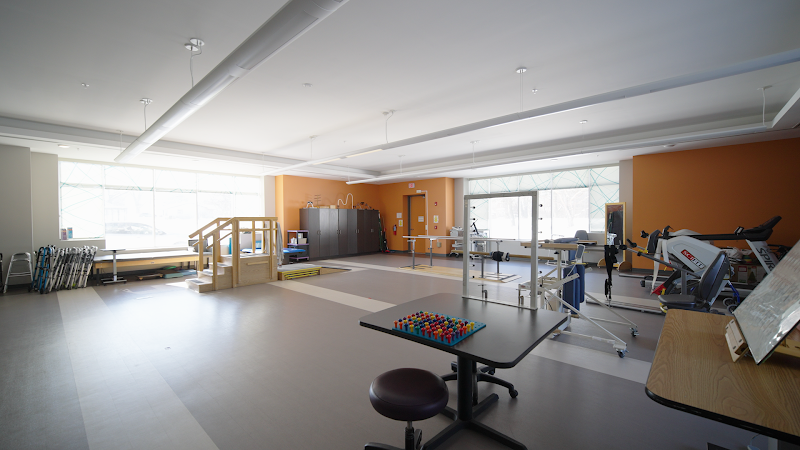
How is Lincoln Park Nursing And Rehab Llc Staffed?

CMS rates LINCOLN PARK NURSING AND REHAB LLC's staffing level at 3 out of 5 stars, which is average compared to other nursing homes. Staff turnover is 67%, which is 20 percentage points above the Wisconsin average of 46%. High turnover can affect care consistency as new staff learn residents' individual needs. RN turnover specifically is 59%, which is notably high. RNs provide skilled clinical oversight, so turnover in this role can affect medical care quality.

What Have Inspectors Found at Lincoln Park Nursing And Rehab Llc?

State health inspectors documented 69 deficiencies at LINCOLN PARK NURSING AND REHAB LLC during 2022 to 2025. These included: 2 Immediate Jeopardy (the most serious level, indicating potential for serious harm or death), 3 that caused actual resident harm, and 64 with potential for harm. Immediate Jeopardy findings are rare and represent the most serious regulatory concerns. They require immediate corrective action.
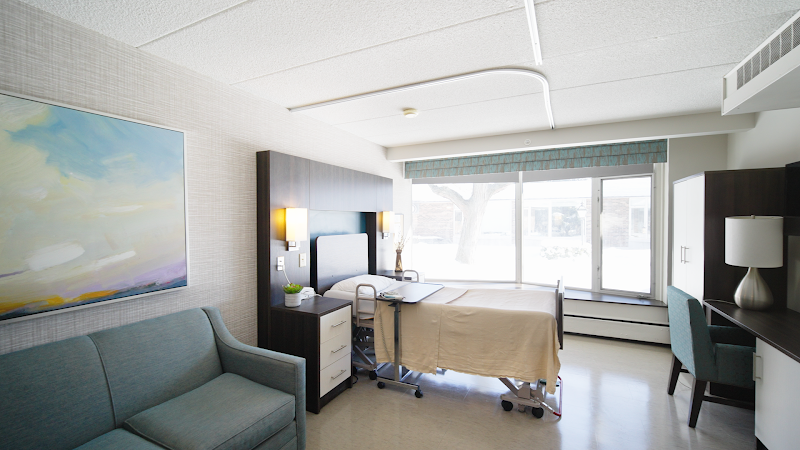
Who Owns and Operates Lincoln Park Nursing And Rehab Llc?

LINCOLN PARK NURSING AND REHAB LLC is owned by a for-profit company. For-profit facilities operate as businesses with obligations to shareholders or private owners. The facility is operated by SHLOMO HOFFMAN, a chain that manages multiple nursing homes. With 122 certified beds and approximately 78 residents (about 64% occupancy), it is a mid-sized facility located in RACINE, Wisconsin.
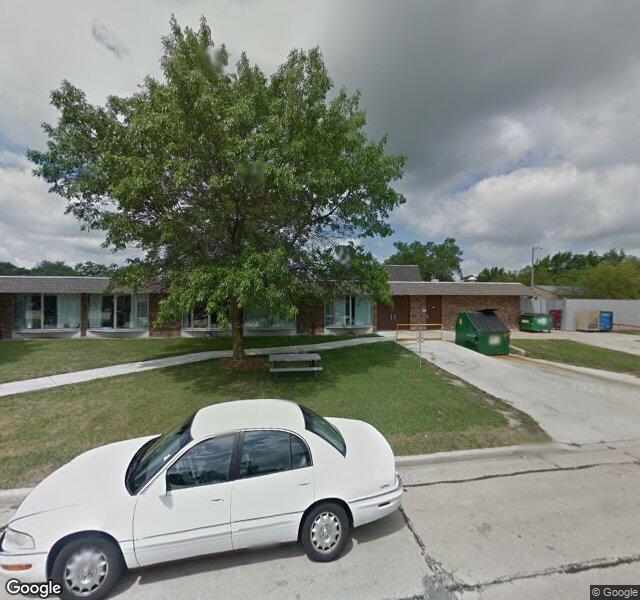
How Does Lincoln Park Nursing And Rehab Llc Compare to Other Wisconsin Nursing Homes?

Compared to the 100 nursing homes in Wisconsin, LINCOLN PARK NURSING AND REHAB LLC's overall rating (1 stars) is below the state average of 3.0, staff turnover (67%) is significantly higher than the state average of 46%, and health inspection rating (1 stars) is much below the national benchmark.

What Should Families Ask When Visiting Lincoln Park Nursing And Rehab Llc?

Based on this facility's data, families visiting should ask: "What changes have been made since the serious inspection findings, and how are you preventing similar issues?" "What safeguards and monitoring systems are in place to protect residents from abuse or neglect?" "How do you ensure continuity of care given staff turnover, and what is your staff retention strategy?" "Can I visit during a mealtime to observe dining assistance and food quality?" These questions are particularly relevant given the facility's Immediate Jeopardy citations, the substantiated abuse finding on record, and the facility's high staff turnover rate.

Is Lincoln Park Nursing And Rehab Llc Safe?

Based on CMS inspection data, LINCOLN PARK NURSING AND REHAB LLC has documented safety concerns. The facility has 1 substantiated abuse finding (meaning confirmed case of resident harm by staff or other residents). Inspectors have issued 2 Immediate Jeopardy citations (the most serious violation level indicating risk of serious injury or death). The facility has a 1-star overall rating and ranks #100 of 100 nursing homes in Wisconsin. Families considering this facility should ask detailed questions about what corrective actions have been taken since these incidents.

Do Nurses at Lincoln Park Nursing And Rehab Llc Stick Around?

Staff turnover at LINCOLN PARK NURSING AND REHAB LLC is high. At 67%, the facility is 20 percentage points above the Wisconsin average of 46%. Registered Nurse turnover is particularly concerning at 59%. RNs handle complex medical decisions and coordinate care — frequent RN changes can directly impact care quality. High turnover means new staff may not know residents' individual needs, medications, or preferences. It can also be disorienting for residents, especially those with dementia who rely on familiar faces. Families should ask: What is causing the turnover? What retention programs are in place? How do you ensure care continuity during staff transitions?

Was Lincoln Park Nursing And Rehab Llc Ever Fined?

LINCOLN PARK NURSING AND REHAB LLC has been fined $32,688 across 2 penalty actions. This is below the Wisconsin average of $33,406. While any fine indicates a compliance issue, fines under $50,000 are relatively common and typically reflect isolated problems that were subsequently corrected. Families should ask what specific issues led to these fines and confirm they've been resolved.

Is Lincoln Park Nursing And Rehab Llc on Any Federal Watch List?

LINCOLN PARK NURSING AND REHAB LLC is not on any federal watch list. The most significant is the Special Focus Facility (SFF) program, which identifies the bottom 1% of nursing homes nationally based on persistent, serious quality problems. Not being on this list means the facility has avoided the pattern of deficiencies that triggers enhanced federal oversight. This is a positive indicator, though families should still review the facility's inspection history directly.