SAUK CO HEALTH CARE CENTER

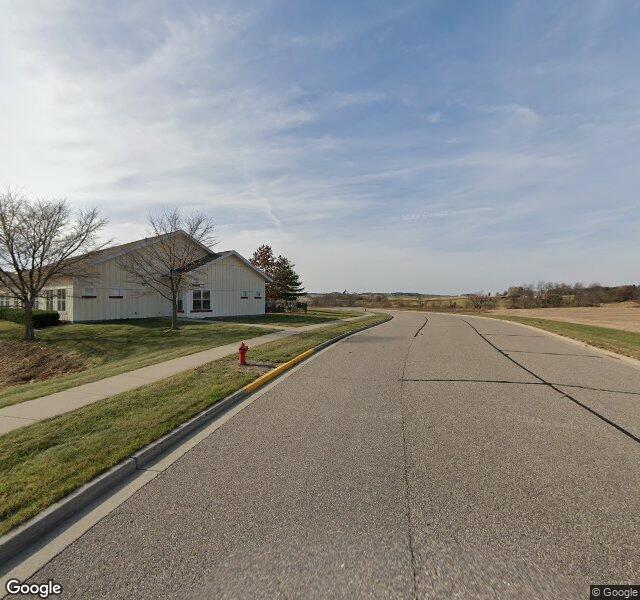
1051 CLARK ST, REEDSBURG, WI 53959 (608) 524-7500
Government - County 82 Beds Independent Data: November 2025 4 Immediate Jeopardy citations
Trust Grade
0/100
#241 of 321 in WI
Last Inspection: April 2025

Within standard 12-15 month inspection cycle. Federal law requires annual inspections.

Overview

Sauk Co Health Care Center has received a Trust Grade of F, indicating a poor standing with significant concerns. It ranks #241 out of 321 facilities in Wisconsin, placing it in the bottom half of state options, and #5 out of 5 in Sauk County, meaning there are no better local alternatives. Although the facility is showing some improvement in issues over time, reducing from 6 to 5 problems, it still has a high staffing turnover rate of 59%, which is concerning compared to the state average of 47%. The facility has incurred fines totaling $160,977, which is higher than 88% of Wisconsin facilities, suggesting ongoing compliance issues. Specific incidents include a resident developing a serious pressure ulcer due to inadequate care and another resident suffering a perforated colon after failing to receive proper assessments and physician notifications. While staffing is rated at 4 out of 5 stars, indicating some stability, the overall quality of care is below average, with critical incidents raising serious red flags for potential residents and their families.

Trust Score
F
0/100
In Wisconsin
#241/321
Bottom 25%
Safety Record
High Risk
Review needed
Inspections
Getting Better
6 → 5 violations
Staff Stability
⚠ Watch
59% turnover. Above average. Higher turnover means staff may not know residents' routines.
Penalties
✓ Good
$160,977 in fines. Lower than most Wisconsin facilities. Relatively clean record.
Skilled Nurses
✓ Good
Each resident gets 75 minutes of Registered Nurse (RN) attention daily — more than 97% of Wisconsin nursing homes. RNs are the most trained staff who catch health problems before they become serious.
Violations
⚠ Watch
11 deficiencies on record. Higher than average. Multiple issues found across inspections.
★★☆☆☆
2.0
Overall Rating
★★★★☆
4.0
Staff Levels
★★★☆☆
3.0
Care Quality
★★☆☆☆
2.0
Inspection Score
Stable
2024: 6 issues
2025: 5 issues

The Good

  • 4-Star Staffing Rating · Above-average nurse staffing levels
  • Full Sprinkler Coverage · Fire safety systems throughout facility
  • No fines on record

Facility shows strength in staffing levels, fire safety.

The Bad

2-Star Overall Rating

Below Wisconsin average (3.0)

Below average - review inspection findings carefully

Staff Turnover: 59%

13pts above Wisconsin avg (46%)

Frequent staff changes - ask about care continuity

Federal Fines: $160,977

Well above median ($33,413)

Significant penalties indicating serious issues

Staff turnover is elevated (59%)

11 points above Wisconsin average of 48%

The Ugly 11 deficiencies on record

4 life-threatening
Apr 2025 5 deficiencies 1 IJ
CRITICAL (J)

Immediate Jeopardy (IJ) - the most serious Medicare violation

Pressure Ulcer Prevention (Tag F0686)

Someone could have died · This affected 1 resident

**NOTE- TERMS IN BRACKETS HAVE BEEN EDITED TO PROTECT CONFIDENTIALITY** Based on interview and record review, the facility did not ensure a resident received care, consistent with professional standar...

Read full inspector narrative →
**NOTE- TERMS IN BRACKETS HAVE BEEN EDITED TO PROTECT CONFIDENTIALITY** Based on interview and record review, the facility did not ensure a resident received care, consistent with professional standards of practice, to prevent pressure ulcers for 1 of 3 residents (R) reviewed for pressure injuries (R19). R19 was at risk for developing pressure injuries (PI) related to decreased mobility, bilateral above knee amputation, and radiation therapy. R19 developed a facility-acquired stage 3 PI. The facility did not identify or stage this as a PI but considered it a chronic wound, identifying the root cause was related to friction and shearing from the use of a slide board transfer. The facility continued to use the slide board transfer until after R19 had a EpiFix flap procedure to heal the PI. Additionally, R19 was known to use a rolled washcloth under his hip which the facility also identified as contributing to the PI. Despite these known risk factors, the facility continued to utilize the slide board and failed to provide documented risk vs. benefits to R19 regarding continued use of the slide board and use of the washcloths. R19 developed a facility acquired stage 3 PI, which deteriorated, became infected, and required an EpiFix graft in an attempt to heal the PI. The facility's failure to use an alternative transfer method to the slide board and failure to provide resident with risk vs. benefits of continued use of the slide board led to a finding of immediate jeopardy that began on 3/12/25. NHA A (Nursing Home Administrator) was notified of the immediate jeopardy on 3/31/25 at 12:38pm. The immediate jeopardy was removed on 3/31/25 and continues at a scope/severity of D (Potential for harm/isolated). Findings include: The facility's policy titled Pressure Injury Prevention reviewed 4/2024 states in part: Clinical conditions that this facility identifies as risk factors for development of pressure injuries include, but are not limited to: Impaired or decreased mobility and functional ability, terminal illness, semi-comatose or comatose, COPD, peripheral vascular disease, diabetes, bowel incontinence, urinary incontinence or chronic voiding dysfunction, paraplegia, quadriplegia, sepsis, terminal cancer, chronic or end-stage renal, liver and/or heart disease, disease or drug-related immunosuppression, body cast, malnutrition, dehydration, moderate to severe cognitive impairment, use of psychotropic medication, steroid therapy, radiation therapy, chemotherapy, renal dialysis, history of pressure injuries, impaired diffuse or localized blood flow, increased friction or shear, resident refusal to some aspects of care and/or treatment, and head of bed elevated majority of day due to medical necessity . Assessment: C. If a resident is admitted or develops a pressure injury, pressure injuries will be staged following the National Pressure Injury Advisory Panel (NPIAP) pressure injury staging system. Per the NPIAP, a pressure injury is defined as .localized damage to the skin and underlying soft tissue usually over a bony prominence or related to a medical or other device. The injury can present as intact skin or an open ulcer and may be painful. The injury occurs as a result of intense and/or prolonged pressure or pressure in combination with shear. The tolerance of soft tissue for pressure and shear may also be affected by microclimate, nutrition, perfusion, co-morbidities and condition of the soft tissue. NPIAP definitions include: Stage 3 Pressure Injury: Full-thickness skin loss Full-thickness loss of skin, in which adipose (fat) is visible in the ulcer and granulation tissue and epibole (rolled wound edges) are often present. Slough and/or eschar may be visible. The depth of tissue damage varies by anatomical location; areas of significant adiposity can develop deep wounds. Undermining and tunneling may occur. Fascia, muscle, tendon, ligament, cartilage and/or bone are not exposed. If slough or eschar obscures the extent of tissue loss this is an Unstageable Pressure Injury. R19 was admitted to the facility on [DATE]. Diagnoses include: malignant neoplasm of prostate (prostate cancer), non ST elevation myocardial infarction (a serious heart attack that occurs when blood supply to the heart is reduced causing damage), hypertensive heart disease with heart failure, venous insufficiency, cerebral ischemic attacks and related syndromes (strokes, occurs when blood flow to the brain is interrupted causing brain cells to die), peripheral vascular disease (a circulatory condition in which narrowed blood vessels reduce blood flow to the limbs) and thrombocytopenia (low platelet level in blood). R19's most recent Minimum Data Set (MDS), dated [DATE], includes a Brief Interview for Mental Status (BIMS) score of 15, indicating R19 is cognitively intact. Facility completed an additional BIMS on 3/28/25 and R19's score was also 15. Surveyor reviewed MDS assessments for R19 going back to facility's last recertification survey which was completed on 5/1/24. *On the Annual MDS completed 5/8/24, Section M indicates no unhealed pressure ulcers. *Quarterly MDS completed on 8/9/24, Section M indicates 1 unhealed pressure ulcer, stage 2. *Quarterly MDS completed on 11/12/24, Section M indicates no unhealed pressure ulcers. *Quarterly MDS completed on 2/12/25 indicates no unhealed pressure ulcers. Although the facility selected no unhealed pressure ulcers on 3 of the 4 MDS assessments, Surveyor noted observed R19 had weekly wound measurements during those months for a left buttock wound. R19's care plan dated 3/26/20 states in part: Problem: Self Care Deficit .3/19/25, Special Approaches: .enhanced barrier precautions .Transfer: 2 Assist Hoyer .Repositioning/Bed Mobility: Assist of 1 person, minimal, bilateral grab bars to aid in repositioning .Toileting: I use urinal, slide board A of 1 person .Skin: Roho Cushion, Encourage/Reposition q (every) 2 hours, keep skin clean and dry, apply moisturizer, report changes in skin to nurse .3/10/2020, Problem: Potential for incontinence, Pericare when incontinent .cleanse peri area and apply barrier cream after incontinent episodes and PRN (as needed), Incontinence check every hour .11/13/2022, Manifested by: potential for abraded/open skin, fragile skin .11/13/2023, Related to: mobility deficit, diuretic usage, bladder flow obstruction, slide board use, prostate CA (cancer) .11/12/2020, Problem: 5/28/2020, Potential for Tissue integrity impairment .2/12/2025, Roho cushion .Reposition every 2 hours; lift and move resident carefully and with adequate assistance to prevent shearing of the skin .Keep skin clean and dry .give incontinence care after each episode of incontinence; apply moisturizer and moisture barrier PRN. Utilize draw sheet for positioning/turning. Position pillows as needed, Room safeguards: Air mattress, Apex cushion to w/c .3/10/2020, Problem: Potential for Alteration in Bowel Elimination .assist resident with toileting every 2 hours and as needed, assist resident with cleansing perianal area after bowel movements, maintain resident dignity, praise continency .3/31/2023, **enhanced barrier precautions** open wound to buttock .3/12/25, Potential for infection: left buttock wound .Manifested by: drainage, redness . Of note: Physician progress note dated 10/28/24 states in part; he notes difficulty in obtaining a Roho cushion for offloading. We discussed the importance of offloading in regard to wound healing. Specifically, we discussed the benefits of obtaining a Roho cushion. It should be noted R19's care plan indicates R19 Roho was care planned beginning on 2/12/25. However, a progress note dated 1/9/25 states R19 was using a Roho on this visit. This is several months after a Roho was recommended by R19's physician. Additionally, R19's care plan states in part: .2/15/25, Care Plan Summary .R19 had a surgical procedure to close the chronic wound to his left buttock. The drain fell out and sutures were removed. The procedure was unsuccessful. He continues to have an open area, surgeon was notified. He sees wound care on a regular basis. He seen the surgeon again and R19 is to try to stay in bed as much as possible and stay off bottom. If the wound does not decrease in size surgeon wants to perform flap procedure . Progress notes in R19's Electronic Health Record include, in part: 1/21/24 - Wound on left buttock started 1/22/24 - Physician note - .He does have a history of Prostate Cancer, was started on radiation on November 29, 2023, again. A/P: 1. Hypertensive Heart Disease 2. Coronary Artery Disease 3. Diarrhea Secondary to Radiation . 2/9/24 - Care plan summary notes - .He is currently using a slide board for transfers. R19 states the slide board causes him pain and now he has shearing. He was seeing therapy for a different transfer method or slide board. Therapy states he did not like the other board and stopped going after 4 visits . Of note: there is no evidence that the facility completed risk vs benefits with R19 despite knowing that R19 did not want to try an alternative slide board or by declining participation in therapy. 2/17/24 - Physician note - .He is complaining of a lot of soreness on his bottom because of the diarrhea which has created a couple of wounds . 3/21/24 - Physician note - .We will need to find a solution to decrease friction from the sliding board as much as possible which appears to be contributing to slow healing of the wound . 5/16/24 - Physician note - .Completed radiation in January 2024 and as a consequence there was radiation proctitis with frequent diarrhea. He reports that the diarrhea has significantly improved since last week, however he is still dealing with a wound that seems to be consistent with an ulcer on the left buttock, likely from frequent friction on the sliding board . 6/4/2024 - Started wound clinic 8/13/24 - Wound clinic note - .nonhealing ulcer to left buttock, .5 x .5 x .3 - undermining from 10 o'clock to 11 o'clock approximately .3cm . 8/27/24 - Wound clinic note - .nonhealing ulcer to left buttock, .7 x .7 x .3 - undermining from 7 o'clock to 10 o'clock approximately .3cm . 9/10/24 - Wound clinic note - .nonhealing ulcer to left buttock, Thickness: full, .6 x .6 x .4 cm, undermining to circumference of wound . Patient Education: Continue using cushion in chair at all times. Reposition frequently. Lay on your side at night to relieve pressure. Patient states he has a pressure reducing mattress. 9/24/24 - Wound clinic note - .Wound is bigger .1 x .8 x .5, undermining to circumference of the wound .Mixture of granulation tissue and nongranular tissue .appearance of biofilm present . 10/7/24 - Wound clinic note - .chronic wound buttocks, 1 cm x .8 cm, undermining present . 10/28/24 - Wound clinic note - .History of Present Illness: .He developed multiple wounds of the buttocks approximately 6 months ago as a consequence of loose stools due to radiation for prostate cancer. All of the wounds have since resolved with the exception of a persistent wound of the left gluteal region .Procedure: Sharp debridement and partial delayed primary closure of wound, left buttock .Findings: 2x2x1cm ulceration of the left gluteal region with fibrous tissue about the base and undermining circumferentially. The fibrous tissue about the base was sharply debrided with partial primary closure of the wound over a Penrose drain . He notes difficulty obtaining a Roho cushion for offloading given he is currently in the process of obtaining a new chair. Also, noted today he is sitting on a folded towel underneath the wound of left buttock. States he has been doing this for some time as he feels that it alleviates some pressure and discomfort. Assessment and Plan .We discussed the importance of offloading in regard to wound healing. Specifically, we discussed the benefits of obtaining a Roho cushion and avoidance of placing a towel underneath the left buttock, as this may well be making the ulceration worse . Of note: there is no evidence that the facility completed risk vs. benefits with R19 despite knowing that R19 was using a rolled-up washcloth under his bottom while in his wheelchair. 11/1/24 - .has surgical wound left buttock, length .8cm, width 1cm, depth .5cm, drainage none, odor none, wound bed open, intact surrounding tissue .drain and sutures removed . 11/6/24 - Wound doctor note - .History of Present Illness: .chronic decubitus ulceration of the left buttock .The Penrose drain placed within the wound was noted to be dislodged by staff at his facility. This along with the suture for delayed primary closure was removed. He presents today at the request of facility staff due to concerns of worsening of the wound . Assessment and plan: The wound appears to be progressing well. We discussed the importance of continue to work on offloading specially I recommend a Roho cushion as he does spend 4 to 5 hours/day in his chair. We will attempt to arrange this for him. Of note: R19 is not currently using a Roho despite wound physician's recommendation for the use of a Roho cushion on 10/28/24. 12/4/24 - Wound doctor note - .Primary Diagnosis: Pressure Injury of left buttock, stage 3 .1 month status post debridement and partial delayed primary closure of a chronic decubitus ulceration of the left buttock .He occasionally places a towel under the left gluteal region during transport as this improves symptoms during transport . Assessment and plan: One month status post debridement and partial delayed closure of chronic decubitus ulceration of the left buttock, progressing well, significantly improved since debridement and delayed primary closure. 1/9/25 - Wound doctor note - .History of Present Illness: .chronic decubitus ulceration of the left buttock . he has been progressing well post procedurally. He occasionally places a towel under the left gluteal region during transport as this improves symptoms during transport. He is using a Roho cushion in his wheelchair. There is a 1 x 1 x 0.5 cm wound of the left gluteal region, increased in size from his previous visit. There is granulation tissue about the base of the wound. There is mild undermining of the wound circumferentially. Assessment and Plan: Wound is improved since partial delayed primary closure but has increased in size from his previous appointment. We discussed that we should continue to work on offloading, and avoidance of placing a towel underneath the wound during transport. He does have a Roho cushion which is excellent. Of note, although the physician discussed the avoidance of using the towel there is no evidence that the facility completed risk vs benefits with R19 despite knowing that R19 was using a rolled-up washcloth under his bottom while in his wheelchair. 1/22/25, Wound Clinic Assessment 1cm x 1cm x 0.4cm nonhealing ulcer to left buttock, full thickness. undermining entire circumference of wound, unable to measure due to pain. Granulation tissue 20% Slough 80%, distinct unattached wound border circumference of wound. Of note, R19's Medication Administration Record/Treatment Administration Record (MAR/TAR) for January shows the following entry added on 1/9/2025 and signed off through March 2025, Encourage repositioning and document refusals. *Ensure off-loading of left hip, avoid placing towel under left buttock when in w/c! Three times daily NOC AM PM 2/12/25 - .chronic wound to left buttock, 1cm x 1.2cm x .2cm, scant drainage, no odor, granulation tissue, intact, fragile - worsening, becoming larger . 2/12/25 - Wound doctor note - .Primary Diagnosis: Pressure Injury of left buttock, stage 3 . 2/19/25 - Chronic nonhealing ulceration overlying the left ischial tuberosity. He did undergo primary closure of this wound on 11/4/24 in clinic. He initially responded well to this, but the wound has since recurred. He has been undergoing cares in the wound clinic without significant improvement. He notes some pain at the site, although this is fairly minimal. He notes no drainage from the wound. Of note, he was recently transition {sic} to an inflatable cushion on his wheelchair as opposed to the Roho cushion. There is a 1.1cm x 1.1cm x .2cm wound of the left gluteal region, increased in size from his previous visit. There is granulation tissue about the base of the wound. There is mild undermining of the wound circumferentially. There is erythema and skin breakdown of the bilateral ischial tuberosities. He did undergo primary closure of the wound on 11/4/24, which initially resulted in resolution of this wound, with subsequent recurrence. We discussed that this is likely due to persistent trauma on the wound in his chair and potentially during patient transfer. We discussed that it be preferable for him to transition back to the Roho cushion as he was transitioned to an inflatable cushion approximately 2 weeks ago. Examination today is notable for PI and trauma to the skin overlying the bilateral ischial tuberosities. As this would be ongoing for some time, we discussed procedural options to address this. We discussed that we would likely proceed with advancement flap for definitive repair. However, we did discuss that this would require him to be out of the chair for at least 2 weeks, potentially longer. Alternatively, we discussed that we could avoid utilizing the chair for the next 2 to 3 weeks and assess his progress with this. We did discuss that the wound would likely demonstrate interval improvement with minimizing trauma to this area. He would like to try this option instead. Will plan on clinic follow-up in 3 weeks to assess his progress and need for advancement flap at this time. 2/26/25 - .per wound clinic, chronic denuded area (open area where the skin has been completely removed, exposing underlying tissue), left buttock, length 1.3cm x width 1cm, worsening, getting larger . 3/5/25 - .per wound clinic, chronic denuded area, left buttock, 1cm x 1cm x .2cm, improving, becoming larger . 3/5/25 - Wound clinic note Chronic nonhealing ulceration overlying the left ischial tuberosity. He did undergo primary closure of this wound on 11/4/24 in clinic. He initially responded well to this, but the wound has since recurred. He has been undergoing cares in the wound clinic without significant improvement. He notes persistent pain at the site. Previously we elected to transition back to the Roho cushion and minimizing time in his chair. He seems to have responded minimally to these interventions. And now is experiencing pain overlying the right ischial tuberosity. There is a 1 x 1 x .2cm wound of the left gluteal region, stable in size from his previous visit. There is granulation tissue about the base of the wound. There is mild undermining of the wound circumferentially. There is erythema (redness) and skin breakdown of the bilateral ischial tuberosities. There is now an additional superficial ulceration overlying the right ischial tuberosity . Assessment and Plan: Examination today is notable for trauma to the skin overlying the bilateral ischial tuberosities and now superficial ulceration overlying the right ischial tuberosity. The ulceration to the left ischial tuberosity is unchanged. With this, we discussed concerns in proceeding with the rotational flap closure, as despite interventions thus far, he continues to demonstrate trauma to this region. I am concerned that a rotational flap repair would fail for the same reasons. We discussed that it may be prudent to proceed with submission for Edify and/or Heliogen application to the wound, which may expedite wound healing. We discussed the continued importance of minimizing trauma to the skin of this region as well as minimizing time in his chair. Of note: Despite the MD noting the importance of minimizing trauma to the buttocks and PI areas there is no evidence the facility provided alternative transfer methods besides the slide board to R19. Additionally, there is no evidence the facility discussed the risks of the slide board transfer, continued shearing making wound healing difficult, deterioration of the wound, or potential for infection. R19 presents with deterioration of his PI and now an additional PI to the right ischial tuberosity. 3/6/25 - .open area, appears to be shearing from sliding in bed or using slide board or both, right inner thigh - .5cm x .5cm x <.1cm, no drainage, no odor, wound bed sheared, surrounding tissue intact, fragile, dry . 3/11/25 - .chronic wound left buttock, 1 x 1.3 x .1cm, drainage heavy >75%, no odor, non-granular tissue, surrounding tissue intact, reddened, redness noted 7cm around wound . 3/11/25 - .right ischium shearing, length 1cm x width .6cm x .1cm, no odor, no drainage, non-granular tissue, intact . 3/12/25 - Staff from Sauk County Health Care Center called this AM with concerns over patient having increased drainage and redness to the left wound, also reports new wound to right leg. Infection Indicators: erythema (redness), increased drainage. Wound culture collected 3.12.25. Left ischial tuberosity full thickness, 1cm x 1.3cm x 0.1 cm. 100% nongranular tissue, denuded erythema. Stage 2 right inner thigh, healed. Wound culture results: moderate growth of beta hemolytic streptococcus. R19 was started on Cephalexin 500mg capsule by mouth three times a day for 7 days, beginning 3/13/25. 3/19/25 - .left buttock, .8 x .8 x .1cm, drainage light <25%, no odor, wound bed nonviable tissue 100%, surrounding tissue denuded, erythema . 3/19/25 - .shearing/friction from slide board/bed, right inner thigh, .3cm x .4cm x <.1cm, scant drainage, no odor, non-granular 100% . 3/26/25 - nurse note - .right thigh wound healed, Dr. applied EpiFix graft to left buttock wound .8 x 1 x .1cm . 3/26/25 - Change of Condition notes - .Wound nurse, orders from Dr. - new orders received and noted .right thigh wound healed - no dressing needed .left buttock wound measures .8cm x 1cm, graft applied - do not remove dressing for at least 5 days. Please call wound clinic if dressing needs to be changed before - resident updated and agrees to plan of care . On 3/26/25 at 3:53 PM, Surveyor interviewed LPN D (Licensed Practical Nurse) regarding R19's PI and if it has ever been staged. LPN D indicated it's not considered a pressure injury and has never been staged. On 3/26/25 at 4:14 PM, Surveyor interviewed LPN L at the wound clinic via phone and asked about R19's wound. She indicated it should be classified as a pressure injury, she thought when they started seeing him it was staged at stage 2. She stated, somewhere along the way, it got changed to non-healing chronic wound. LPN L stated R19 had an EpiFix graft done today, and dressing can't be removed for 5 days unless there is drainage. Surveyor asked LPN L about the infection and LPN L indicated they did a wound culture at the clinic on 3/12/25 due to increased redness around the wound. They swabbed it and culture came back showing an infection. On 3/27/25 at 8:29 AM, Surveyor interviewed RN E (Registered Nurse) about how wounds get classified in the facility. RN E stated the Wound Nurse classifies wounds. On 3/27/25 at 8:36 AM, Surveyor interviewed ADON I (Assistant Director of Nursing, also Wound Care Certified, facility wound nurse) regarding R19 and the staging of his wounds. ADON I stated if she felt a wound was related to pressure, it would be staged - only time wound is staged is if it's pressure. ADON I indicated she didn't feel R19's wound was pressure. She stated he first got the wound after radiation treatment when he had diarrhea. Surveyor asked why R19's PI wasn't on the matrix, ADON I indicated it's not on matrix because the facility does not consider R19's wound a pressure injury. ADON I stated the wound was caused by friction and shearing from R19's slide board and this continues and could be why it isn't healing. ADON I indicated R19 is getting therapy currently, they have tried 2 different slide boards - plastic and wood. ADON I stated R19 has not always been compliant with therapy in the past. ADON I stated she doesn't think R19's PI was ever staged. Surveyor asked if the facility completed a risk vs benefits with R19, regarding the use of the slide board, sitting up in the wheelchair and use of the Roho cushion. ADON I indicated she did, but she did not document this anywhere. Surveyor asked if it should be documented and ADON I stated yes. During a follow up interview with ADON I on 3/27/25 at 10:59 AM, Surveyor asked if ADON I was aware of R19 sitting on a towel or washcloth when in R19's w/c (wheelchair). ADON I indicated no, she wasn't aware of that. When asked if there should be anything between a Roho cushion and resident, she stated no. Surveyor asked ADON I if friction and shearing are components of pressure. ADON I stated yes, it can be. When asked about what standard of practice she is using to classify or stage wounds, ADON I stated she uses the book she received from wound care certification course WCEI (Wound Care Education Institute). Surveyor also asked what the facility does to prevent infection. ADON I stated, change dressing as ordered, cleaning wound, incontinence care, random audits - PPE (personal protection equipment) application/removal, hand hygiene - every other month, DON B (Director of Nursing) does the audits. On 3/27/25 at 10:41 AM, Surveyor interviewed R19 and asked if he is using a towel under his bottom when he is in his w/c. R19 stated no, he doesn't remember having a towel. He indicated he rolled up washcloths a couple times and put them on his bottom to relieve pressure in his wheelchair. He stated his doctor talked to him about not doing this, indicated the facility didn't. R19 stated his doctor wasn't happy about it. Of note, on 3/27/25 at 10:45 AM, Surveyor observed a rolled-up washcloth in R19's wheelchair while interviewing him. Surveyor also observed a stack of washcloths on his table. On 3/27/25 at 10:46 AM, Surveyor interviewed CNA J (Certified Nursing Assistant) who has worked at facility for 6 years. CNA J indicated she is aware R19 has a wound on his bottom, CNA J stated she cleans R19 up when R19 is incontinent. CNA J stated R19 likes to put washcloths in the peri area, and he might be propping them on his bottom. CNA J indicated she would advise him against it and stated she has talked to the nurse in the past about R19 sitting on washcloths. Surveyor asked CNA J how R19 transfers. CNA J stated R19 was using a slide board. Surveyor asked if they had tried other alternatives beside the slide board. CNA J stated not until now, now we are to use a Hoyer transfer. On 3/27/25 at 10:51 AM, Surveyor interviewed LPN G about R19 having a washcloth in his wheelchair. LPN G stated she knows R19 uses washcloths to wash hands after using his urinal. LPN G indicated she doesn't know about R19 putting a washcloth in his wheelchair. LPN G stated she has talked to R19 in the past about it but doesn't know about a risk vs benefits form. Surveyor asked if she ever discussed the concerns about using the slide board as a contributing factor to his PI. LPN G stated no, he has been using the slide board. On 3/27/25 at 3:31 PM, Surveyor Interviewed DON B (Director of Nursing), and ADON I and asked about the slide board being a contributing factor for R19's wounds. DON B and ADON I indicated the facility tried different slide boards, wood and plastic. They indicated maintenance sanded down a board to see if that would make one smoother, they thought maybe there was a rough spot on the slide board causing friction. Surveyor asked if any other interventions were attempted and they replied, he is working with therapy now, have tried supplements. DON B and ADON I stated R19 is now a Hoyer transfer, and he has refused Hoyer in the past. Surveyor asked if friction was a component to R19's pressure injuries. DON B and ADON I indicated no. Surveyor asked what they consider friction, they responded going against another surface, not pressure necessarily. Surveyor asked DON B and ADON I if friction could turn into pressure. DON B stated, Not for this resident. DON B stated R19 repositions himself all the time, they feel it is shearing and friction and don't consider the wound pressure. Surveyor asked DON B and ADON I if the wound physician note called the wound decubitus ulceration, why didn't facility call it that. They indicated the primary physician identified it as friction and shearing from diarrhea related to radiation. They stated he had so much diarrhea at first, impaired vascularity, radiation, was a smoker - feels that all components put together contributed. Surveyor asked about risk vs benefits being done regarding the use of the slide board, using a washcloth under his bottom in w/c, refusing therapy in the past, and continued use of the slide board. DON B stated she talked to R19 about these things. Surveyor asked if it was documented, and she stated she would have to check the documentation. DON B stated risk vs benefits should be documented. No documentation was provided by the facility for risk vs benefits. A risk and benefit was completed after surveyors exited the facility. On 3/31/25 at 10:40 AM, Surveyor interviewed WD K (Wound Doctor) via phone and asked about the staging and treatment of R19's PI. Surveyor asked WD K how he would classify R19's PI. WD K stated he would classify it as a pressure injury, stage 3. He stated it's a decubitus ulceration; there is subcutaneous tissue. He added it would still be a stage 3 pressure injury now. Surveyor asked WD K if the facility should have considered alternatives for the slide board. WD K stated it's not for him to say but it likely is a causative factor. WD K told Surveyor he's glad he uses a Hoyer now. Surveyor asked about the primary closure procedure completed on 10/28/24. WD K stated he felt it was needed because the wound was chronic, wasn't resolving, and was causing resident discomfort. Surveyor asked about the EpiFix graft done on 3/26/25. WD K indicated he wanted to do the graft as the wound had deteriorated and this was an effort to help the PI heal. The facility identified the use of a slide board transfer as a causative factor in contributing to R19's PI development. Despite this knowledge R19 continued to use the slide board. There is no evidence the facility provided R19 with the risks for continuing the use of slide board transfers or using rolled-up washcloths to relieve pressure on his bottom while in wheelchair. The facility did not identify R19's left gluteal pressure injury as a pressure injury (PI) or stage the PI despite the wound physician identifying it as a stage 3 pressure injury or decubitus ulceration on multiple progress notes. R19 developed two facility-acquired pressure injuries. R19's left ischial tuberosity deteriorated and became infected requiring a EpiFix graft to promote healing. The facility's failure to use an alternative transfer method to the slide board and failure to provide resident with risk vs. benefits of continued use of the slide board led to serious harm and created a finding of immediate jeopardy. The facility removed the jeopardy on 3/31/25 when it completed the following: R19 was educated Friday, March 28 on Risks vs Benefits regarding use of the slide board and placing barrier on top of pressure relieving device which decreases effectiveness. Resident was consistently refusing interventions including, but not limited to, nutritional supplements, attending scheduled appointments regularly, participating in therapy and following recommendations of using Hoyer Lift instead of the slide board. This was also included in his Risks vs Benefits [TRUNCATED]
CONCERN (D)

Potential for Harm - no one hurt, but risky conditions existed

Abuse Prevention Policies (Tag F0607)

Could have caused harm · This affected 1 resident

Based on interview and record review, the facility did not implement policies and procedures to prohibit and prevent abuse for 1 of 8 staff reviewed for caregiver background checks. LPN G (Licensed Pr...

Read full inspector narrative →
Based on interview and record review, the facility did not implement policies and procedures to prohibit and prevent abuse for 1 of 8 staff reviewed for caregiver background checks. LPN G (Licensed Practical Nurse) was hired on 12/3/24 and had lived in one other state within the last three years. LPN G's background check information did not contain an out-of-state criminal background check. This is evidenced by: The facility's Prevention/Reduction of Resident Abuse, Neglect, Exploitation or Misappropriation of Property policy, revised 05/19 and reviewed 10/24, indicates in part: Employee Screening and Training .d. A criminal background check will be conducted on all prospective employees as provided by the facility's policy on criminal background checks. The facility's Care Giver Background Investigations policy, reviewed/revised on 03/21/14, indicates in part: As applicable, other documentation will be obtained by the entity when information is needed to complete the background check, such as out of state's conviction records when a 'caregiver' has lived out of the state in the last three years, military discharge papers, arrest and conviction disposition information from local clerks of courts or tribal courts, etc. On 3/24/25, Surveyor reviewed LPN G's background check information. LPN G's date of hire was 12/3/24. LPN G's Background Information Disclosure (BID) was completed on 11/19/24. The BID indicated LPN G had resided outside of Wisconsin within the last three years. Surveyor reviewed all background check information and noted an out-of-state criminal background check was not included for the state LPN G had resided in. On 3/25/25 at 10:00 AM, Surveyor requested LPN G's out-of-state background check from NHA A (Nursing Home Administrator). NHA A indicated the facility did not complete an out-of-state background check for LPN G and acknowledged that they should have.
CONCERN (D)

Potential for Harm - no one hurt, but risky conditions existed

Incontinence Care (Tag F0690)

Could have caused harm · This affected 1 resident

**NOTE- TERMS IN BRACKETS HAVE BEEN EDITED TO PROTECT CONFIDENTIALITY** Based on observation, interview, and record review, the facility did not ensure a resident with a catheter receives appropriate ...

Read full inspector narrative →
**NOTE- TERMS IN BRACKETS HAVE BEEN EDITED TO PROTECT CONFIDENTIALITY** Based on observation, interview, and record review, the facility did not ensure a resident with a catheter receives appropriate treatment and services to prevent urinary tract infections for 1 of 3 residents (R25) reviewed for catheter care out of total sample of 17. Staff did not perform appropriate hand hygiene per Standards of Practice while providing catheter care. Evidenced by: The facility policy entitled. Hand Washing, dated 3/19/24, states, in part: . Purpose: -To cleanse hands to prevent the spread of potentially deadly infections -To provide a clean and healthy environment for residents, staff, and visitors -To reduce the risk to the healthcare provider of colonization or infections acquired from a resident Hand hygiene continues to be the primary means of preventing the transmission of infection. Policy: It is the policy of this facility that hand hygiene (HH) (e.g. hand washing and/or Alcohol-based hand rub (ABHR), also known as Alcohol-based hand sanitizer (ABHS), is to be performed consistent with accepted standards of practice in order to reduce the potential of the spread of pathogens. Procedures: Hands shall be washed . 2. Before and after any personal body function, such as eating, blowing or wiping nose, coughing, sneezing, smoking, using bathroom, combing hair. 3. Before and after direct contact with residents . 5. After handling waste materials, bedpans, feces, specimens, secretions, drainage, or blood . R25 was admitted to the facility on [DATE], and has diagnoses that include Extended spectrum beta lactamase (ESBL) resistance (an enzyme produced by some bacteria that makes them resistant to certain antibiotics, including penicillins and some cephalosporins, making them harder to treat), retention of urine (difficulty urinating and completely emptying the bladder), and obstructive and reflux uropathy (a condition where urine flow is blocked or backs up, potentially damaging the kidneys). R25's Quarterly Minimum Data Set Assessment, dated 1/8/25, shows R25 has a Brief Interview of Mental Status (BIMS) score of 15 indicating R25 is cognitively intact. R25's Care Plan, dated 2/2/22, states, in part: . Problem: 2/02/22 Altered Urine Pattern R/T (related to) Diabetes, Chronic Foley Catheter .Nurse Aide: . Provide catheter care with cares and as needed .Special Approaches: **enhanced barrier precautions**(an infection control strategy that uses gloves and gowns during high-contact resident care to reduce the spread of multidrug-resistant organisms (MDROS)) . Problem: 2/02/22 Infection: Enhanced barrier precautions** Nurse Aide- Use good hand washing techniques before and after cares, Keep area clean and dry . R25's Medication Administration Record for March 2025 shows: -Entry Date- 2/02/22 Administer Foley catheter care BID (twice a day) AM at bedtime AM CNA (certified nursing assistant) PM CNA . R25's Physician Orders, dated 3/17/25, states, in part: . Administer Foley catheter care bid AM at bedtime AM CNA PM CNA . Change indwelling foley catheter as needed when encrusted or obstructed. Reason for Foley- Neurogenic bladder **extension tubing must be placed ** SIZE OF CATHETER Other: 18 FR (French) 10 mL (milliliter) balloon . On 3/26/25, at 11:08 AM, Surveyor observed CNA H perform catheter care on R25. CNA H did not change gloves or perform hand hygiene after providing catheter care or before retrieving R25's gait belt off R25's walker. CNA H then wrapped the gait belt around R25. CNA H then proceeded to assist R25 to a standing position from the toilet, CNA H pulled R25's clean brief and pants up. CNA H then untucked R25's shirt and walked R25 out of bathroom to his electric wheelchair, while wearing the same gloves used to perform peri care and catheter care. On 3/26/25, at 11:15 AM, Surveyor interviewed CNA H and asked when hand hygiene should be performed. CNA H indicated anytime gloves are removed, after going from peri cares to the back side of residents, when dirty, and from going from clean to dirty areas. Surveyor asked if hand hygiene and gloves should have been changed after catheter care was completed and touching R25's gait belt and clothing and CNA H indicated yes. Surveyor asked if CNA H performed hand hygiene at that time and CNA H indicated she did not and should have. On 3/26/25, at 11:15 AM, Surveyor interviewed DON B (Director of Nursing) and informed her of observation of catheter care. Surveyor asked DON B if she would expect hand hygiene to be performed in between catheter care and applying gait belt, pulling up brief and pants and walking R25 to his electric wheelchair. DON B indicated yes, hand hygiene and glove change should have been performed.
CONCERN (D)

Potential for Harm - no one hurt, but risky conditions existed

Unnecessary Medications (Tag F0759)

Could have caused harm · This affected 1 resident

**NOTE- TERMS IN BRACKETS HAVE BEEN EDITED TO PROTECT CONFIDENTIALITY** Based on observation, interview, and record review, the facility did not ensure that it was free of medication error rates of 5%...

Read full inspector narrative →
**NOTE- TERMS IN BRACKETS HAVE BEEN EDITED TO PROTECT CONFIDENTIALITY** Based on observation, interview, and record review, the facility did not ensure that it was free of medication error rates of 5% or greater. There were 2 errors in 29 opportunities that affected 2 out of 7 residents (R30 & R9) included in the medication pass task, which resulted in an error rate of 6.9%. R30 did not receive her ordered senna at the ordered time. R9 did not receive her ordered aspirin at the ordered time. Evidenced by: The facility policy entitled, Medication Pass, dated 2/2016, states, in part: .Policy: It is the policy of the [Facility name] that medications prescribed by the Physician will be administered accurately and timely. Procedure: .2. Read and compare the label on the drug with the MAR (Medication Administration Record) at least three (3) times- before, during and after preparing the drug .16. Be sure that you have the- A. Right Drug B. Right Dose C. Right Route D. Right Time E. Right Resident . Example 1: R30 was admitted to the facility on [DATE] and has diagnoses that include hemiplegia following nontraumatic intracerebral hemorrhage affecting left nondominant side (paralysis or weakness on one side of the body) and hypertensive heart disease without heart failure (heart issues that develop due to long-term high blood pressure). R30's Quarterly Minimum Data Set (MDS) Assessment, dated 9/24/24, shows that R30 has a Brief Interview of Mental Status (BIMS) score of 8 indicating R30 has moderate cognitive impairment. R30's Physician Orders, dated 3/25, states, in part: .3/26/25 Drug: Senna-Docusate Sodium 8.6mg (milligrams)-50mg Tablet by mouth Take 1 daily AM for constipation . R30's Medication Administration Record (MAR) for March 2025 shows: Drug: Senna-Docusate Sodium 8.6mg-50mg Tablet by mouth Take (1) daily AM For: Constipation . Drug: Anorco Ellipta 62.5 mcg (micrograms)/ACT-25 mcg/ACT Aerosol Powder Breath Activated Inhalation Take (1) puff daily AM For: Restrictive lung diagnosis. Drug: [Protonix] Pantoprazole Sodium 40 mg Tablet Delayed Release by mouth Take (1) daily AM For: Gastroesophageal Reflux Disease (GERD) Drug: [Keppra] levetiracetam 250 mg Tablet by mouth Take (1) BID (twice a day) AM at bedtime. For: Seizure first date: 7/24/24 Drug: Artificial Tears . 0.5%-0.6% Solution to eye(s) (both) Take (1) TID (three times a day) AM PM at bedtime. For: Dry eyes Drug: Cetirizine . 10 mg Tablet by mouth Take (1) daily AM For: Pruritis (itching) first date: 10/03/24 Drug: metformin . 500 mg Tablet by mouth bid AM PM First Date: 3/6/25 For: Type 2 Diabetes Mellitus Drug: Gabapentin 100 mg capsule by mouth Take (1) bid AM Midday For: Neuropathic Pain Drug: Vitamin D .1.25 MG (5000 UT) Capsule by mouth Take (1) 1 x week Tuesday AM For Vit D deficiency . On 3/25/25 at 8:05 AM, Surveyor observed LPN C (Licensed Practical Nurse) administer scheduled AM medications which did not include the scheduled senna docusate sodium as it is ordered. On 3/25/25 at 9:30 AM, Surveyor reconciled medications that were administered to R30 to R30's MAR to find the senna docusate sodium was signed out that it was given. Surveyor had observed the medication pass and senna docusate sodium was not administered. On 3/25/25 at 9:47 AM, Surveyor interviewed LPN C and asked about the senna docusate sodium being signed out as if it was given. LPN C indicated she thought she had given it. Surveyor informed LPN C showed Surveyor's documentation it had not been administered. Surveyor asked LPN C if that was a medication error and LPN C indicated she would just give R30 the senna at lunch time. Example 2: R9 was admitted to the facility on [DATE] and has diagnoses that include hypertensive heart and kidney disease with heart failure (occurs when high blood pressure damages the kidneys and heart, leading to complications like heart failure and kidney failure). R9's Quarterly MDS Assessment, dated 2/8/25, shows that R9 has a BIMS score of 11 indicating R9 is mildly impaired cognitively. R9's Physicians Orders, dated 3/2025, states, in part: . . Drug: Aspirin EC (enteric coated) 81 mg Tablet Delayed Release by mouth Take (1) daily at bedtime. For: Anticoagulant Therapy . R9's March MAR shows: Drug: [acetaminophen 8 hour] Acetaminophen ER (extended release) 650 mg Tablet Extended Release by mouth TID Early AM Midday at bedtime. Not to exceed 3GM(GRAMS)/24 hour. For: Pain. Drug: Carvedilol 6.25 mg Tablet by mouth BID with meals Breakfast Supper For: Hypertension. Drug: Glimepiride 4 mg Tablet by mouth Take (1) bid with meals Breakfast Supper. For: Type 2 Diabetes Mellitus. Drug: Docusate Sodium 100 mg Capsule by mouth Take (1) bid AM PM For: Bowel Aid. Drug: Sertraline . 50 mg Tablet by mouth Take (1) daily PM For: Depression/anxiety . On 3/25/25 at 4:03 PM, Surveyor observed LPN D administer medication to R9 which included docusate sodium, aspirin, sertraline, carvedilol and glimepiride. (of note: R9's aspirin is ordered at bedtime) On 3/25/25 at 4:21 PM, Surveyor interviewed LPN D and asked when the aspirin is to be administered. LPN D indicated it should have been given after supper as a bedtime medication as ordered. LPN D indicated she had noticed the aspirin was for bedtime but had already put it in the medication cup and just decided to give it. Surveyor asked if this is a medication error and LPN D indicated yes, the aspirin should have been administered at bedtime. Surveyor asked what the 5 rights are that are used for medication pass and LPN D indicated right med, right patient, right time, right route, and right dose. Surveyor asked LPN D when medications are ordered to administer at bedtime, what time does facility use for bedtime. LPN D indicated bedtime scheduled medications get administered after supper until 10:00 PM. On 3/26/25 at 10:45 AM, Surveyor interviewed DON B (Director of Nursing) and informed her of the medication observation errors. DON B indicated senna and aspirin being administered at the wrong times are medication errors. DON B indicated she would expect medications to be administered at ordered times.
CONCERN (E)

Potential for Harm - no one hurt, but risky conditions existed

Deficiency F0761 (Tag F0761)

Could have caused harm · This affected multiple residents

Based on observation, interview, and record review, the facility did not assure drugs and biologicals used in the facility were stored and labeled in accordance with currently accepted professional pr...

Read full inspector narrative →
Based on observation, interview, and record review, the facility did not assure drugs and biologicals used in the facility were stored and labeled in accordance with currently accepted professional practices and include the expiration date when applicable for 1 of 2 medication rooms and 2 of 5 medication carts reviewed for compliance. Surveyor observed the following: -R25's PRN (as needed) Loperamide (27 capsules) expired 12/24. -R19's PRN Loperamide (4 capsules) expired 12/24. -R6's escitalopram (1 tablet) card expired 9/24. -3 boxes of blood glucose control solutions expired (7/27/23 & 3/1/25). -R9's Naproxen (7 tablets) PRN card expired 11/24. -6 stock insulin pens were expired: -1 Semglee expired 6/24. -2 Tresiba expired 12/31/23 & 11/30/24. -3 Basaglar expired 8/17/24 and 2 on 4/04/24. -Stock supply of Promethazine suppositories (6 suppositories) expired 10/24. Evidenced by: The facility policy entitled, Medication Storage Policy, undated, states, in part: .Policy: The facility shall store all drugs and biologicals in a safe, secure, and orderly manner. Procedure: . D. The facility shall not use discontinued, outdated or deteriorated drugs or biologicals. All drugs shall be returned to the dispensing pharmacy or destroyed per state regulation . Example 1: On 3/25/25 at 1:58 PM, Surveyor observed cart #3 with LPN C (Licensed Practical Nurse). Surveyor found R25's PRN card of loperamide 2 mg (milligrams) 27 capsules with an expiration date of 12/24. Surveyor found R19's PRN card of loperamide 2 mg, 4 capsules with an expiration date of 12/24. Surveyor found R6's escitalopram 10 mg cycle card with 1 tablet expired on 9/24. Surveyor found 2 boxes of blood glucose control solutions expired on 7/27/23 & 3/1/25. On 3/25/25 at 2:17 PM, Surveyor interviewed LPN C and asked what the expiration dates were on the two boxes of blood glucose control solutions. LPN C indicated 7/27/23 and 3/1/25. LPN C indicated both boxes were expired and should not be in circulation and removed from the cart. Surveyor asked LPN C what the expiration dates were on R25 and R19's PRN loperamide cards and R6's escitalopram card. LPN C indicated by looking at it she was not sure, and LPN C indicated she needed to call the pharmacy. LPN C returned and indicated the date on the card was when the prescription expired not the medication. LPN C indicated there is no expiration dates on the cards. Surveyor asked how one would know when the medications expire then, and LPN C indicated you would not know as the medications come out of one big stock bottle that has an expiration date on, but the cards do not and should. LPN C indicated the three cards are being returned to the pharmacy. Example 2: On 3/25/25 at 2:33 PM, Surveyor observed medication cart #2 and medication storage room with RN E (Registered Nurse) and found R9's PRN card of Naproxen 500 mg with 7 tablets expired on 11/24. Surveyor found 6 stock insulin pens expired: one Semglee insulin glargine injection 100 units/mL (milliliter) expired on 6/24, two Tresiba insulin degludec injection pens 200 units/mL expired on 12/31/24 & 11/30/24, and three Basaglar insulin glargine injection pens 100 units/mL expired on 8/17/24, 4/4/24, and 4/4/24. Surveyor found a stock box of Promethazine 25 mg suppositories- 6 suppositories expired on 10/24 and a box of blood glucose control solution expired on 3/1/25. On 3/25/25 at 3:02 PM, Surveyor interviewed RN E and asked what the expiration date is on the medication card for R9. RN E called the pharmacy and found the date on the bottom right corner of the pharmacy label is the expiration date and the upper date is when the pharmacy filled the card. RN E confirmed R9's Naproxen expired on 11/24, and the box of Promethazine suppositories expired on 10/24. RN E indicated the box of blood glucose control solution expired on 3/1/25. Surveyor asked RN E if the 6 stock insulin pens were expired and RN E phoned pharmacy back. Surveyor spoke with PH F (pharmacist) who indicated the Semglee pen expired on 6/24 the manufacturer' date, Tresiba pens expired on 12/31/24 and 11/30/24, the manufacturer's date, and the three Basaglar pens expired on 8/17/24, 4/4/24, and 4/4/24, the manufacturer's date. RN E indicated the expired medications should not be in circulation and removed them. On 3/26/25 at 10:45 AM, Surveyor interviewed DON B (Director of Nursing) and informed DON B of the expired medications: R25's PRN (as needed) Loperamide (27 capsules) expired 12/24, R19's PRN Loperamide (4 capsules) expired 12/24, R6's escitalopram (1 tablet) card expired 9/24, 3 boxes of blood glucose control solutions expired (1-7/27/23 & 2-3/1/25), R9's Naproxen (7 tablets) PRN card expired 11/24, 6 stock insulin pens were expired (1 Semglee expired 6/24. 2 Tresiba expired 12/31/23 & 11/30/24. 3 Basaglar expired 8/17/24 and 2 on 4/4/24) and the stock supply of Promethazine suppositories (6 suppositories) expired 10/24. DON B indicated PH F had phoned her regarding the expired medications found and the expired medications should not be in circulation. DON B indicated her expectation is for the staff to check and know where the expiration dates are on medications administered and education is in progress to all nurses since this was brought to DON B's attention.
Oct 2024 3 deficiencies 2 IJ
CRITICAL (J) 📢 Someone Reported This

A family member, employee, or ombudsman was alarmed enough to file a formal complaint

Immediate Jeopardy (IJ) - the most serious Medicare violation

Quality of Care (Tag F0684)

Someone could have died · This affected 1 resident

**NOTE- TERMS IN BRACKETS HAVE BEEN EDITED TO PROTECT CONFIDENTIALITY** Based on interview and record review, the facility did not ensure that each resident received, and the facility provided, care a...

Read full inspector narrative →
**NOTE- TERMS IN BRACKETS HAVE BEEN EDITED TO PROTECT CONFIDENTIALITY** Based on interview and record review, the facility did not ensure that each resident received, and the facility provided, care and services consistent with professional standards of practice (N6. Wisconsin Nurse Practice Act) for 1 of 5 residents (R4) reviewed for change of condition. R4 presented with a change of condition including decreased appetite (even her favorite foods), abdominal pain, fatigue, nausea, and vomiting. The facility failed to complete a GI (Gastrointestinal)/abdominal assessment and failed to notify R4's physician with R4's complaints of abdominal pain. R4 became lethargic and was transferred to the hospital and noted to have a perforated colon and pneumoperitoneum (the presence of air or gas in the abdominal cavity.) R4 was not a surgical candidate and returned to the facility on hospice services. The facility's failure to recognize a significant change of condition, complete a comprehensive nursing assessment, and notify the physician with a change of condition created a finding of Immediate Jeopardy beginning on 9/27/24. NHA A (Nursing Home Administrator) and the DON B (Director of Nursing) were informed of the finding of Immediate Jeopardy on 10/16/24 at 3:00 PM. The immediacy was removed on 10/16/24 and continues at a severity/scope level of D (potential for more than minimal harm/isolated) as the facility continues to implement its removal plan. This is evidenced by: According to the Wisconsin Nurse Practice Act, N6.03(1), An R.N. shall utilize the nursing process in the execution of general nursing procedures in the maintenance of health, prevention of illness or care of the ill. The nursing process consists of the steps of assessment, planning, intervention, and evaluation. This standard is met through performance of each of the following steps of the nursing process: (a) Assessment. Assessment is the systematic and continual collection and analysis of data about the health status of a patient culminating in the formulation of a nursing diagnosis. (b) Planning. Planning is developing a nursing plan of care for a patient which includes goals and priorities derived from the nursing diagnosis. (c) Intervention. Intervention is the nursing action to implement the plan of care by directly administering care or by directing and supervising nursing acts delegated to L.P.N.s or less skilled assistants. (d) Evaluation. Evaluation is the determination of a patient's progress or lack of progress toward goal achievement which may lead to modification of the nursing diagnosis. According to N6.04(1), In the performance of acts in basic patient situations, the L.P.N. shall, under the general supervision of an R.N. or the direction of a provider . (b) Provide basic nursing care. (c) Record nursing care given and report to the appropriate person changes in the condition of a patient . (e) Perform the following other acts when applicable: 1. Assist with the collection of data. 2. Assist with the development and revision of a nursing care plan. 3. Reinforce the teaching provided by an R.N. provider and provide basic health care instruction. 4. Participate with other health team members in meeting basic patient needs. The facility's policy titled Change of Condition dated 3/2011 states in part; Policy: The shift supervisor will immediately inform the resident, consult with the resident's physician, notify the resident's legal representative, or interested family member when there is an acute change of condition (ACOC) defined as a sudden clinically important deviation from a resident's baseline in physical, cognitive, behavioral, or functional domains. Clinically important means a deviation that without intervention may result in complications or death. Procedure: 1. Identify resident at risk of ACOC and document assessment. An ACOC is reported immediately to the unit supervisor or shift supervisor by the interdisciplinary team member who first notices the change. The unit supervisor collects data on the resident and forwards it to the shift supervisor who completes and documents the nursing assessment. 2. When an ACOC occurs, the shift supervisor will notify the attending physician or designated alternate. If unable to contact either of the above, the Medical Director will be contacted. The resident or the resident's designated medical contact will also be notified. 3. Documentation in the resident's record: the shift supervisor will document the notification of the physician and resident/medical contact along with new orders in the resident's record. 4. For repeated and recurring deviations of vital signs, refusal to take meds, chest pain, or slowly declining condition, the physician may order that the physician only wants to be notified if the change in condition persists or if the deviation exceeds the physician's specific and stated limits. These guidelines must be noted in the physician order. 5. All ACOCs must be documented, and the individual care plan revised to reflect changes in care and treatment. ACOCs will be communicated from shift to shift via shift report, report book and individual unit daily shift reports. Physical symptoms: Level of Consciousness (LOC): 1. Levels of consciousness are alert, drowsy/lethargic, stuporous, and comatose. 2. The following may indicate an ACOC and should be assessed further: Frequent fluctuations in LOC. A reduction of one level or more of LOC (e.g., from alert to lethargic or from lethargic to stuporous. Hypersomnolence (more sleepy than usual or sleepy for most of the day.) Condition: Acute change in mental status. Report immediately: Sudden onset. Report next day: Gradual onset. Emesis: Report Immediately: greater than 1 episode in 24 hours. Accompanied by abdominal pain and changes in vital signs. Report next office day: single episode. Diarrhea: Report Immediately: acute onset of multiple episodes with change in vital signs and/or altered mental status. Report on next office day: Persistent loose stools for greater than 48 hours while diarrhea is being treated symptomatically. Chronic loose stools. According to https://www.webmd.com/digestive-disorders/what-is-bowel-obstruction: A bowel obstruction is a serious problem that happens when something fully or partly blocks either your large or small intestine. It's also known as an intestinal obstruction. When your digestive system is hindered this way, it can be difficult or impossible to have a bowel movement or pass gas. You might also have stomach pain and a swollen belly. A bowel obstruction is when a section of your intestine is fully or partially blocked. Types of Bowel Obstruction, Doctors divide bowel obstructions into two main types according to their location. Small bowel obstruction About 80% of all bowel obstructions affect the small intestine. A blockage here can keep digested food from reaching your large intestine. Large bowel obstruction, A blockage in your large intestine can slow or stop the passage of poop out of your body. In either intestine, a bowel obstruction can be: Partial. When your bowel is only partly blocked, some gas, food, and liquid can still pass through it. Signs of an intestinal blockage will depend on how serious the obstruction is. But a blockage almost always comes with belly pain, usually around your belly button, and cramps. Other bowel obstruction symptoms include Constipation, Inability to pass gas, Loss of appetite, Nausea or vomiting, A hard, swollen belly, Diarrhea (with a partial blockage), Dehydration. If you've been constipated and have any of these other symptoms, contact your doctor right away. Many people with bowel obstructions are older and may have other serious illnesses, so a bowel obstruction may be life-threatening. According to the National Library of Medicine https://pmc.ncbi.nlm.nih.gov/articles/PMC4535122/ Pneumoperitoneum is the presence of air or gas in the abdominal (peritoneal) cavity. It is usually detected on x-ray, but small amounts of free peritoneal air may be missed and are often detected on computerized tomography (CT).[1] The most common cause of a pneumoperitoneum is a perforation/disruption of the wall of a hollow viscus. The causes of pneumoperitoneum occurring in children are different from the adult population. A gastrointestinal perforation constitutes one of the commonest surgical emergencies. The causes of pneumoperitoneum in adults are perforation .Common signs and symptoms are abdominal pain, vomiting, abdominal distension, constipation, fever, diarrhea, tachycardia (pulse >110/min), hypotension (systolic blood pressure <100 mmHg), urine output (<30 mL/h), and tachypnea (respiratory rate >20/min). R4 was admitted to the facility on [DATE] with diagnoses that include dementia, falls, low back pain, chronic kidney disease stage 3b, and weakness. R4's care plan dated 7/10/24 states in part, dysuria, urine loss due to cognitive impairment. Nurses encourage fluid intake, assess for abdominal distension, assess for UTI (urinary tract infection), monitor I&O (Intake and Output). Potential for Comfort Alteration dated 7/10/24 states in part, showing pain behavior, G.I. (gastrointestinal) concerns/problem. (i.e., nonverbal signs of discomfort (crying, moaning, grimacing, guarding). Assess bowel function and provide prescription to promote defecation. Assess pain, quality, location on-set and effective measures. Monitor for lethargy, change in cognitive status, or loss of appetite. Assess physical symptoms. Notify MD as needed. Care Plan Summary dated 7/23/24 states in part, she rarely complains of pain, she is consuming 50-100% of meals. According to meal percentage documentation for September 2024. , R4 ate 25-100% of meals up until 9/21/24 where R4's meal percentages are as follows: 9/21/24 - Breakfast - bites, Lunch-0%, Dinner-25% 9/22/24 - Breakfast - 25%, Lunch-Bites, Dinner-0% 9/23/24 - Breakfast - 50 %, Lunch-0%, Dinner-25% 9/24/24 - Breakfast - 100%, Lunch-50%, Dinner-75% 9/25/24 - Breakfast - bites, Lunch-not charted, Dinner-25% 9/26/24 - Breakfast - bites, Lunch-bites, Dinner-25% 9/27/24 - Breakfast - 100%, Lunch-Bites, Dinner-0% 9/28/24 - Breakfast - 100%, Lunch-Bites, Dinner-75% 9/29/24 - Breakfast - bites, Lunch-not charted, Dinner-75% R4's BM (Bowel Movement) record is as follows: 9/21/24 - No BM 9/22/24 - Large Formed 9/23/24 - No BM 9/24/24 - Small loose 9/25/24 - Medium loose 9/26/24 - Large (does not specify consistency) 9/27/24 - Large loose x3 9/28/24 - Medium (does not specify consistency) 9/29/24 - Large (does not specify consistency) Of note, from 9/24/24 to 9/29/24, R4 had several loose BMs which can occur with a SBO (Small Bowel Obstruction). R4's weights were as follows: 7/12/24 - 172.8 (admission weight) 7/25/24 - 176.8 8/17/24 - 175.0 8/30/24 - 175.4 9/2/24 - 177.0 9/26/4 - 171.0 (R4 lost 3.35% of her weight in 24 days) R4's nursing progress notes state the following: 9/9/24 at 15:43 (3:43 PM) usually amount eaten varies 50 to 75%. Has a fair appetite, resident reports feeling satisfied and full. 9/9/24 at 15:44 (3:44 PM) is incontinent of bowel more than 3 times per week. Bowel elimination pattern is regular (at least one movement every 3 days). 9/21/24 at 00:05 (12:05 AM) having nausea tonight no emesis. Refused 7-Up. Continue to observe. 9/23/24 at 16:12 (4:12 PM) Tums 500 mg (milligram) tablet given for GI upset. 9/26/24 at 00:31 (12:31 AM) resident coughing and had a small emesis of undigested food at 200 [sic]. Oral care given and sips of water. No further emesis. 9/26/24 at 13:41 (1:41 PM) Late Entry for 9/25/24 physician visit and examined. Physician Progress Note dated 9/25/24 states in part: nursing staff notes the following concerns or recommendations: none. The patient reports the following concerns: none. General appearance: not in acute distress. Appearance: Normal appearance. Not ill-appearing. The physician completed the following exam HENT (Head/Ear/Nose/Throat): Head normocephalic - Pulmonary: Pulmonary effort normal - Musculoskeletal: Cervical Back: Neck supple. Neurological: Mental Status: she is alert and Psychiatric: Mood and Affect: Mood Normal. Behavior: Behavior Normal. It should be noted according to the progress note dated 9/25/24 there is no evidence the physician completed an abdominal/GI assessment. R4's nursing progress notes state the following: 9/27/24 at 14:27 (2:27 PM) Blood Pressure: 112/74, resident complains of fatigue, lethargy (mild pain), abdominal. Resident's face was flushed most of the day. Resident had a large, incontinent BM after lunch today. Resident had flu shot 1-2 days ago and his [sic] may be side effects. Resident did lay down in the afternoon after lunch, warm blanket put over her abdominal area. No further complaints at this time lying down. The facility 24-hour board (nursing report between shifts) for R4 states in part: 9/27/24 AM shift - increased weakness, fed 100%. There are no entries for PM or NOC shift. It should be noted on 9/27/24, R4 was noted to have abdominal pain, fatigue, lethargy, a loose stool, and bites for lunch. Despite these signs and symptoms of a change of condition there is no evidence the facility completed an RN assessment. R4's nursing progress notes state the following: 9/28/24 at 12:45 PM Tums 500 mg tablet chewable. The facility 24-hour board for R4 states in part: 9/28/24 AM shift - not eating well, afebrile. PM shift - Refused meal did not get OOB (out of bed). 9/29/24 at 14:36 (2:36 PM) call placed to on-call (physician name) regarding COC (change of condition). New orders received obtain CBC (Complete Blood Count), CMP (Complete Metabolic Panel), UA (Urinalysis) culture if indicated. It should be noted there is no documentation or assessment in the nursing notes indicating what the COC was for R4. The last nursing note indicating symptoms was dated 9/27/24, two days earlier. 9/29/24 at 15:51 (3:51 PM) spoke with on-call (physician name) regarding lab results BUN (Blood Urea Nitrogen). (A laboratory test that test the amount of urea nitrogen in your blood, which can indicate how well your kidneys are functioning. A normal BUN is 6-21mg/dl (milligrams per deciliter)). Lab results: BUN 123 (An elevated BUN can be signs of kidney problems.) It should be noted R4 has a history of stage 3b chronic kidney disease meaning she has moderate to severe loss of kidney function. The 24-hour board for R4 dated 9/29/24 states in part; AM shift - emesis again today, afebrile, not eating or drinking. Received orders for UA, Comp panel. PM Shift - Sent out. R4's nursing progress notes state the following: 9/29/24 at 16:09 (4:09 PM) states in part; resident transferred 9/29/24. Time of Transfer: 16:30 (4:30 PM). Transferred to: (Hospital Name). Reason: for evaluation, COC. Primary sign/symptom leading to transfer: abnormal labs, or test, altered mental status, nausea/vomiting, nutrition (inadequate intake food/fluid). Primary diagnosis/presumed diagnosis leading to transfer: dehydration, failure to thrive, BUN 123. 9/29/24 at 22:43 (10:43 PM) spoke with ER (Emergency Room) Regarding: admitted for AKI (Acute Kidney Injury). EMS (Emergency Medical Services) report dated 9/29/24 states in part; report response: emergency response. Unit notified dispatch: 9/29/24 16:36 (4:36 PM). Primary Symptom - Malaise. Other Associated Symptoms - Abdominal rigidity, Nausea, Vomiting. Primary Impression: GI/GU (Genitourinary) - Nausea (w/vomiting). Patient Care Report Narrative: Ambulance dispatched to (Facility Address) with COC. En route immediately and upon arrival at the scene, we were met in hallway by nurse and directed us to patient room. Upon entering room, EMS found a patient lying supine in bed with her eyes closed. Her daughter was in the room as well, talking to another nurse that was standing at the patient bedside. Daughter stated that the patient has been having nausea and vomiting over the last couple of days and today she is very lethargic. Patient has a history of dementia and the daughter states she is a DNR (Do Not Resuscitate). Appears to be in no obvious signs of distress but is very lethargic. Abdomen is distended and rigid with reports of nausea and vomiting over the past couple of days, unable to keep anything down. Once placed in ambulance patient was hooked to cardiac monitor showing an irregular rhythm with first degree heart block (slow conduction of heart) was obtained with a 12-lead ECG (Electrocardiogram). Patient was given 150 ml (milliliter) of LR (Lactated Ringers) for hypotension (low blood pressure). Vital Signs Recorded with EMS: 9/29/24 at 16:52 (4:52 PM) BP (blood pressure) 77/57 (low bp), Pulse: 88, Respirations: 16, Oxygen Saturation: 96%. Temperature: 97.4 9/29/25 at 17:03 (5:03 PM) 75/56, Pulse 65, Respirations: 16, Oxygen Saturation: 96%, Temperature: 97.4. Of note, the paramedics' assessment indicates R4 was lethargic with a distended abdomen and nausea and vomiting the past couple of days. However, there is no indication or documentation in R4's medical record of an abdominal assessment by the facility despite presenting with GI symptoms. Hospital History and Physical dated 9/29/24 states in part; Chief Complaint: presents with fatigue and vomiting. Presents with nausea, vomiting and poor p.o. (oral) intake. Her daughter states that for the past week, she has been having vomiting after she tries to eat or drink. In addition, the past several days she has been feeling fatigued, lethargic, and complaint of dull, intermittent lower abdominal pain. She has been sleeping most of the day. According to the EMR (electronic health record) notes, patient has been having decreased urine output for an unspecified period of time. Nursing home staff noted her BP (blood pressure) had been low and contacted EMS. There are no reports of fever, chills, constipation, diarrhea, hematuria (blood in urine), urgency, chest pain or URI (upper respiratory illness) symptoms or shortness of breath. ED (Emergency Department) Findings: In the ED, she was severely hypotensive (low blood pressure). She received 2 liters of normal saline bolus with minor improvement. Her lab work showed marked prerenal azotemia (a condition that occurs when there is a buildup of nitrogen waste products in the blood due to decreased blood flow to the kidneys) with a BUN of 123 and Creatinine of 2.4. Urinalysis was positive for nitrates, leukocyte esterase, and bacteria (sign of infection). She was given 2 grams of IV (Intravenous) Rocephin (antibiotic). An x-ray of the abdomen showed findings consistent with SBO (small bowel obstruction) and bowel perforation. ED provider called the on-call general surgeon. Given her advanced age and comorbidities, she would not be a candidate for surgical intervention. I discussed goals of care with her daughter. They wish for her to be DNR (Do Not Resuscitate) (No life saving measures). They do not wish to pursue any aggressive intervention, such as pressors (medication to increase blood pressure), intubation (tube inserted to assist with breathing) or surgery. She will be admitted for comfort care and hospice consult. Reason for admission: SBO with perforation. Vital signs in ED: BP: 63/41 (Critically low), P (Pulse): 83, T (Temperature): 97.7, R (Respirations): 18, Oxygen Saturations; 95 % Constitutional: General: She is sleeping. In no acute distress. She is ill-appearing. Abdominal: General: Bowel sounds are increased. There is distension. Palpations: Abdomen is soft. Tenderness: There is guarding. There is no rebound. Results Review: Labs: CMP (Compete Metabolic Panel) shows azotemia with creatinine of 2.4 (elevated) (A creatinine level is a measurement of the amount of creatinine in your blood or urine and is used to evaluate your kidney function. Normal range 0.6 -1.1. elevated range can indicate decreased kidney function.) and BUN 123 (elevated). This is consistent with prerenal AKI (Acute Kidney Injury) (a sudden decline in kidney function). WBC (White Blood Cells) WBC: 10.4 (slightly elevated) (Indication of infection). UA (Urinalysis) was positive for nitrate and leukocyte esterase (indication of urinary tract infection). Imaging: x-ray of abdomen shows dilated bowels consistent with small bowel obstruction. Pneumoperitoneum is seen, suggesting bowel perforation. Plan: Given her assessment findings, it is likely that she is approaching end-of-life. We will implement comfort measures accordingly per family wishes. Prognosis: Death expected. R4's abdominal x-ray dated 9/29/24 at 1719 (5:19 PM) states in part; Indication: vomiting and hypoxia. Technologist Note: pain, vomiting and hypoxia. Findings: Dilated, gas-filled small bowel loops, measuring up 4.4. cm (centimeters), suspicious for a SBO (small bowel obstruction). Pneumoperitoneum, suggesting bowel perforation. Discharge summary dated [DATE] states in part; discharge diagnosis and hospital problems: small bowel obstruction, nausea with vomiting, AKI (a sudden decline in kidney function), hypotension, acute cystitis without hematuria (inflammation of the bladder without bleeding) and early onset dementia. Summary of Hospitalization presents last night with lethargic [sic], nausea, vomiting and poor p.o. (oral) intake. Patient was found to have evidence of SBO and bowel perforation. admitted for comfort care. Today being discharged back to nursing facility for transition to hospice. Nursing Home Progress notes dated 10/2/24 at 23:23 (11:11 PM) state in part; came back to facility to be taken care of Hospice [sic] due to diagnosis of SBO and perforation. On 10/16/24 at 7:12 AM, Surveyor interviewed CNA L (Certified Nursing Assistant) regarding R4. Surveyor asked CNA L how R4 appeared days prior to her hospitalization. CNA L stated R4 had a distended stomach, not acting herself, we all knew something was wrong with her. CNA L stated her appetite decreased and she was just not herself. Surveyor asked CNA L what she means that R4 was not herself. CNA L stated she wasn't eating well, she had the distended abdomen, was nauseated and vomiting, and just not her alert, cheerful self. Surveyor asked CNA L if she told anyone about how R4 was presenting. CNA L stated yes, I reported it to the nurses; CNA L was not able to recall what nurses she reported it to. On 10/16/24 at 7:25 AM, Surveyor interviewed CNA K regarding R4. Surveyor asked CNA K how R4 appeared days prior to her hospitalization. CNA K stated R4 would not eat, she was eating less, more withdrawn, would call out at times which was unusual for her, and she complained of some abdominal pain. Surveyor asked CNA K if she told anyone about R4's behavior, CNA K stated the nurses were aware she was not eating much and more withdrawn. On 10/16/24 at 7:00 AM, Surveyor interviewed Agency LPN F (Licensed Practical Nurse) regarding R4. Surveyor asked LPN F how R4 appeared days before she was hospitalized . LPN F stated R4 was slowly declining, she was yelling out, then that stopped. She was not eating for several days, not drinking, wouldn't even drink her coffee, she loved her coffee, she was like a shell in her chair. Surveyor asked if R4 complained of abdominal pain, LPN F stated not sure if she could. No real nausea/vomiting when I was working. LPN F stated, I just thought she was declining due to her advanced age. LPN F stated a few days or so ago, prior to her hospitalization, we noticed she was just not herself. Surveyor asked LPN F what she noticed was different. LPN F stated she was just out of it, very sleepy, not eating, not drinking. LPN F stated, I never thought she was sick. Surveyor asked LPN F if a resident is presenting with nausea/vomiting, abdominal pain, and lethargy what would she do. LPN F stated I would let the Dr. know. Surveyor asked if LPN F would have an RN assess a resident with these complaints, LPN F stated yes. On 10/16/24 at 7:20 AM, Surveyor interviewed LPN N regarding R4. Surveyor asked LPN N how R4 appeared days prior to her hospitalization. LPN N stated R4 was weaker, quieter, withdrawn. LPN N stated she was usually more cheerful. Surveyor asked LPN N if she noticed a COC with R4. LPN N stated not until 3-4 days prior to her hospitalization it was obvious something was not right, we were just not sure what was occurring. Surveyor asked when a resident is presenting with a COC or just not seeming right what would you do. LPN N stated let the charge nurse know of the concerns. Surveyor asked LPN N if she reported the concerns she was seeing to the charge nurse. LPN N stated the charge nurse was aware. On 10/16/24 at 7:30 AM, Surveyor interviewed RN I (Registered Nurse)/Nurse Supervisor regarding how R4 appeared days prior to her hospitalization. RN I stated R4's appetite was poor, she was more lethargic, more tired, just feeling punky. Surveyor asked RN I how long R4 presented this way prior to hospitalization. RN I stated probably 2-3 days. RN I stated R4 had constipation issues and we were monitoring her bowel sounds and abdomen. Surveyor asked RN I where Surveyor could find the assessments for R4, and RN I stated they would be in the medical record under nursing progress notes. On 10/16/24 at 10:45 AM, Surveyor interviewed Agency RN M regarding R4. Surveyor asked RN M how R4 appeared days prior to her hospitalization. RN M stated, the day I sent R4 out to the hospital she was not eating, was more lethargic, had an emesis and a large BM on my shift. I called the Dr. on-call as she was not feeling well for a few days. I received an order to complete labs and her BUN was elevated so we sent her out. RN M stated she had an altered mental status, did not have much intake so R4 was sent to the hospital, and they found she had a SBO and UTI. Surveyor asked RN M did you complete an assessment on R4 when she was presenting this way. RN M stated she did not recall completing an assessment. R4 just could not get fluids in, was lethargic, and not talking. On 10/16/24 at 1:50 PM, Surveyor interviewed RN O regarding R4. RN O stated she worked on Saturday 9/28/24, and R4 had an emesis 1 day prior to 9/29/24. RN O stated R4 had a good day on 9/28/24. RN O stated gradually R4 was not eating the way she had been. She complained some of GI upset and received Tums. RN O stated on 9/29/24, R4 did not want to get out of bed, we knew something was not right and we called Dr. and received orders for labs and UA. RN O stated, I did not have concerns; except she was not eating like normal and knew something was brewing just not obvious. Surveyor asked RN O if during the time R4 had a decreased appetite, not feeling well, did she complete a GI assessment. RN O stated no, I didn't recognize anything out of the ordinary. On 10/16/24 at 10:50 AM, Surveyor interviewed DON B (Director of Nursing) regarding R4. Surveyor asked DON B what the facility was aware of prior to R4 being sent to the hospital. DON B stated R4 had just recently received the flu shot and told staff to monitor residents for potential reactions to the flu vaccine, we thought it was the flu vaccine. Surveyor asked DON B to review R4's nursing progress notes. DON B stated, I see on 9/27/24 she was more lethargic, flushed, had a large BM, and we were monitoring her. On 9/28/24, there was nothing charted. On 9/29/24, she was not eating and decided to get labs to see how R4 was doing. Labs were abnormal, R4 had an emesis, and she was sent out. DON B stated, it seems to me like R4 was an erpy person, meaning having small emesis. DON B stated R4 was not a big eater, ate small amounts and always had. DON B stated I know she had a SBO, but she was still pooping and eating at baseline. Surveyor asked DON B what standard of practice the facility follows for COC and MD notification, DON B stated Interact. Surveyor asked DON B about the nursing note for 9/26/24 for R4. Surveyor discussed the progress notes, 24-hour board, staff interviews regarding R4 and asked DON B on 9/27/24 when the nurse documents R4 presented with abdominal pain, fatigue, and lethargy, what would your expectations be. DON B stated she would hope for a GI assessment and to call the MD. DON B stated it was a small emesis of undigested food and she was coughing; this was R4's baseline. Surveyor asked DON B if the facility has a morning stand-up (staffing meeting) and DON B stated yes. Surveyor asked DON B if R4 was brought up at the stand-up meeting. DON B stated, I think R4 was a long-term erpy resident and this was not abnormal. Surveyor asked DON B when looking over R4's symptoms for the 2-3 days prior to R4's hospitalization would you expect the nursing staff to complete an RN assessment? DON B stated 100 percent if having abdominal pain. DON B stated there was nothing out of baseline for R4, we had no idea she had a COC until the day the labs were drawn then we realized something was occurring. On 10/16/24 at 11:50 AM, Surveyor interviewed R4's physician MD P (Medical Doctor) regarding R4's COC. Surveyor asked MD P if she would expect to be notified if a resident presents with nausea, vomiting, abdominal pain, and lethargy. MD P stated she would expect the nursing staff to contact her with a full assessment. Surveyor asked MD P if this would include things such as listening to bowel sounds, palpating the abdomen, full set of vital signs, MD P stated yes. MD P stated if it were just nausea we could give an antiemetic (medication for nausea), continue to monitor and escalate care if exam shows other finding such as nausea, vomiting, abdominal pain, and lethargy. MD P stated if R4 was presenting with nausea, vomiting, abdominal pain, and lethargy, the facility should have notified the physician on-call. R4 presented with decreased appetite, nausea, vomiting, abdominal pain, and lethargy. The facility failed to recognize R4's change of condition, failed to complete a GI/abdominal assessment, and failed to notify R4's physician with R4's complaints of abdominal pain. R4 became lethargic and was transferred to the hospital and noted to have a perforated colon and pneumoperitoneum. The facility's failure to recognize a change of condition, complete a comprehensive nursing assessment, and notify the physician with a change of condition created a reasonable likelihood for serious harm, thus leading to an immediate jeopardy situation which began 9/27/24. The facility removed the immediate jeopardy on 10/16/24 by taking the following actions: DON and ADON (Assistant Director of Nursing) did a complete facility wide sweep to determine if any residents had a COC. Any residents identified with a COC had an immediate nursing assessment completed and MD/POA (Power of Attorney) updated. DON and ADON reviewed the 24-hour report to confirm accuracy and to identify any other residents with a potential COC. DON educated nursing staff and reiterated the importance of completing accurate nursing assessments and documentation in a timely manner. Including education on what to include in a thorough GI/digestive assessment and how to interpret the results. If assessment is abnormal, following with COC protocol including MD/POA notification. All staff received immediate education prior to their next working shift on the following: o Change of Condition o Nursing Documentation/Assessment o MD/POA Notification o 24-hour report should be brought to morning clinical meeting and afternoon stand down o 24-hour reports should include, but are not limited to: resident COC, follow up assessments, negative behaviors, pressure injuries, falls, resp/GI symptoms admissions, discharges, room changes, appointments, MD rounds, new orders, care plan changes, medication changes, therapy updates, refusals, change in functional and cognitive status Audits will be completed on all the above items. Findings will be presented at least quarterly at QAPI. o On October 17, 2024, nurses and CNAs were given Skills Asses[TRUNCATED]
CRITICAL (J) 📢 Someone Reported This

A family member, employee, or ombudsman was alarmed enough to file a formal complaint

Immediate Jeopardy (IJ) - the most serious Medicare violation

Accident Prevention (Tag F0689)

Someone could have died · This affected 1 resident

**NOTE- TERMS IN BRACKETS HAVE BEEN EDITED TO PROTECT CONFIDENTIALITY** Based on interview and record review, the facility failed to ensure each resident (R) received adequate supervision to prevent a...

Read full inspector narrative →
**NOTE- TERMS IN BRACKETS HAVE BEEN EDITED TO PROTECT CONFIDENTIALITY** Based on interview and record review, the facility failed to ensure each resident (R) received adequate supervision to prevent accidents for 1 of 3 residents (R1) reviewed for falls. On 9/2/24, R1 was in the shower room when CNA D (Certified Nursing Assistant) attempted to remove R1's incontinent product from under her while she was sitting in the shower chair. This caused R1 to begin to fall. CNA D and CNA E assisted R1 to the floor. When a nurse had not shown up for 15 minutes, CNA D & CNA E assisted R1 off of the floor prior to a nurse assessing R1 for any type of injury. From the fall incident on 9/2/24, R1 sustained a fracture to her right tib/fib. On 10/4/24, R1 had an x-ray completed that showed an angulated and displaced left femur fracture. R1 was sent to the hospital on [DATE] related to R1 now having an open fracture of the left femur. The facility's failure to prevent accidents from occurring due when CNA D and CNA E attempted to remove an incontinent product while R1 was in a shower chair and then transferring R1 without a nurse assessment resulted in a right tib/fib fracture and a left angulated and displaced femur fracture. These failures created a finding of immediate jeopardy that began on 9/2/2024. NHA A (Nursing Home Administrator) and DON B (Director of Nursing) were notified of the immediate jeopardy on 10/16/24 at 3:00 PM. The immediate jeopardy was removed on 10/16/24, however the deficient practice continues at a scope/severity of D (potential for more than minimal harm/isolated) as the facility continues to implement their removal plan. Evidenced by: Facility policy titled Fall/Accident Prevention, states in part: .Resident/client will receive adequate supervision and assistive devices, based on the comprehensive assessment to prevent accidents and falls. The facility will identify residents at risk for falls/accidents and adequately plan care and implement procedures to prevent falls . 1 .Appropriate interventions will be implemented for each resident to prevent falls/accidents based on individual resident need . All residents will be assessed on an individualized basis and will receive adequate supervision appropriate assistive devices will be provided to prevent accidents and falls .Assistive devices will be assessed for appropriateness, safety, and teaching of use provided In addition, CNA care cards and ICP will also reflect residents' extreme high risk for falls .2. After each fall, the nurse will implement a temporary fall CP (care plan) times 72 hours and complete a fall assessment in the nursing notes. Assessment should include date, time, location of fall, circumstances of the fall including circumstances are root cause leading to the fall/accident, (such as meds or wet floor) witnessed, unwitnessed, injuries, pain, interventions to prevent further falls and treatment provided .MD (Medical Doctor) will be updated on all falls with significant injury and incident will be reported to responsible party immediately if injury and within 24 hours if no injury .5. An accident report (for internal use only) will be completed by the neighborhood nurse or supervising nurse with each fall. The DON, Administrator, and medical director will receive a copy of the incident for follow-up and evaluation if needed. The resident is placed on 24-hour report for 72 hours for follow-up by nursing. Unwitnessed falls without a root cause identified will be investigated per facility Policy and Procedures . Per John Hopkins, The femur is the large bone in the upper part of your leg. Different kinds of trauma can damage this bone, causing it to fracture into 2 or more pieces. This might happen to the part of the femur near your knee, near the middle of the femur, or in the part of the femur that forms part of your hip joint. In certain types of femur fractures, your femur has broken, but its pieces still line up correctly. In other types of fractures (displaced fractures), the trauma moves the bone fragments out of alignment. (https://www.hopkinsmedicine.org/health/treatment-tests-and-therapies/femur-fracture-open-reduction-and-internal-fixation) R1 was admitted on [DATE], with diagnoses that include anemia, bilateral primary osteoarthritis of knee, chronic peripheral venous insufficiency, anxiety disorder, abnormal coagulation profile, and age-related osteoporosis without current pathological fracture (5/10/23). R1's significant change MDS (minimum data set) dated 9/10/24, indicates R1 is severely cognitively impaired and has impairment on one side of her lower extremities. R1 is dependent on staff for eating, toileting, showers, transfers, and dressing. Section J includes R1's staff pain assessment, which indicates R1 has shown nonverbal signs of pain including, facial expressions, and protective body movements which have been observed daily. R1 is indicated as not having any falls since prior assessment. CNA D's (Certified Nursing Assistant) witness statement dated 9/2/24 indicates: Name of victim (R1). Was the victim injured, yes is marked. What happened? While giving a shower to (R1), I (CNA D) tried to pull the brief (incontinent product) out from under her bottom so that I could wash her bottom. In doing so, (R1) started to slip from the shower chair, to prevent a fall the other CNA (CNA E's name) and I lowered (R1) to the floor. She did not hit her head and to my knowledge at this point, I thought we were careful to not hit any of her extremities. we pulled the emergency call button. While we were waiting for the nurse we covered her in bath blankets and waited. After 15 minutes I (CNA D) grabbed the Hoyer lift and used it to lift (R1) from the floor to her reclined Broda chair. I then wheeled her down to her room and the nurse and I hoyered her to her bed. While I was getting her dressed in a gown I noticed that her leg looked off. I immediately notified the nurse to check her leg for injury. When did it occur? (date and time) 9/2/2024 8:45 PM. On 10/15/25 at 11:30 AM, Surveyor interviewed CNA D regarding R1's fall in the shower room. CNA D indicated that when R1 is in the shower she gets cold, so CNA D swaddled/wrapped her up in blankets and did not see she still had her incontinent brief on. CNA D indicated R1 was transferred to the shower chair and CNA D noticed R1's brief was still on. CNA D indicated she tried to pull it down through the hole, I shouldn't of. CNA D indicated her and CNA E lowered R1 to the floor and got her into the wheelchair with the hoyer and the nurse came in, then we transferred her to the bed. CNA D indicated while getting R1 dressed she called the nurse back in and noticed her leg was broken. CNA D stated, I was in a rush, as they're always short staffed. CNA D indicated we pulled the emergency cord and it was cold in there, she (R1) was crying. CNA D indicated R1 had a brace after the incident to her right leg and rolling her was hard to do for cares. CNA D indicated they put a pillow between her legs when moving and rolling her back and forth. CNA D indicated R1's left leg was fine and did not notice anything wrong with her left leg. CNA E's witness statement dated 9/2/24 indicates: Name of victim (R1). Was the victim injured? Yes is marked injury to the leg. What happened? (CNA D) attempted to get brief off of her in the shower chair to try (and) wash her bottom. She slipped out of the shower chair. So we lowered her down to floor. We pulled the emergency cord. We waited for 15 minutes. She was very vocal while on the cold shower floor. She had blankets under her head and ankles. We hoyered her from the ground into her wheelchair. We were finally able to get a nurse, she came (and) we took her into her room. Where the nurse checked her out. When did it occur? Around 8:45 PM on September 2nd 2024. On 10/15/24 at 3:58 PM, Surveyor interviewed CNA E regarding the incident with R1. CNA E indicated they got R1 into the shower chair, and halfway through realized her brief/incontinent product was on. CNA D tried to get it out, when tried to rip it, it pulled her bottom off the chair and we couldn't get her back on the chair. CNA E indicated CNA E and CNA D lowered R1 to the floor, clicked on the emergency light. CNA E couldn't find the nurse, so CNA D said, Ok let's get her up. CNA E indicated they got R1 up into her shower bed or chair, got another nurse. CNA E indicated the nurse didn't get the page for the emergency light for the spa room. CNA E indicated CNA D helped get R1 up off the floor using the hoyer lift (full body) and then put more blankets on R1. CNA E indicated they waited approximately 15 minutes before getting her up off the floor. CNA E indicated R1 didn't look in pain after the nurse assessed her, she was asleep. CNA E indicated CNA E looked for their nurse but couldn't find the nurse, so CNA E went and got LPN F. CNA E indicated R1 went out to the hospital and came back with a pillow between her legs, not to lay on her right side, assist with meals and to keep a pillow between her legs when she was up. LPN F's (Licensed Practical Nurse) witness statement dated 9/2/24 indicates: Name of victim: (R1). Was the victim injured? Yes is marked. What happened? (CNA E's name), CNA came over to (unit name) stating they need a nurse and can't find (name of unit) nurse, that they have had the emergency light on in (unit name) spa for 15 min. When writer arrived at spa, resident was in her Broda chair. (CNA D), CNA stated that resident was lowered to the ground after discovering that they did not remove resident's brief and resident slipped out of chair. CNAs stated that they put resident back in chair because of resident being on the floor for 15 min already. Writer tried to get vitals but resident too contracted. (RN G) floor nurse came (and) took over. On 10/15/24 at 2:40 PM, Surveyor interviewed LPN F (Licensed Practical Nurse) regarding R1's fall. LPN F indicated she was working on another unit when an aide came running over to get her. LPN F indicated she went into the spa room and assessed her and that R1 doesn't talk, she didn't know anything was broken, R1 was very rigid and anxious. LPN F indicated R1 was on the floor when she went to the spa room. (of note: CNA D and CNA E indicated they moved R1 before the nurse assessed and LPN F's witness statement indicates R1 was moved prior.) LPN F indicated R1's legs are always contracted. LPN F indicates she did not know she had to call a nursing supervisor with a fall, and RN G took over. RN G's (Registered Nurse) witness statement dated 9/2/24 indicates: Name of victim: (R1). Was the victim injured? Yes is marked left lower leg swelling & bruising. What happened? Aides reported after resident in bed that her left leg looked weird. (LPN E) nurse, wrote note on my wing sheet that resident had been lowered to floor in shower room. Per CNAs resident had slipped when attempting to remove brief. When did it occur? 2100 (9:00 PM) 9/2/24. On 10/15/24 at 2:57 PM, Surveyor interviewed RN G regarding R1. RN G indicated she was working that unit that night and when the fall occurred she was in doing a treatment on another resident. RN G indicated when she came out of that room she had a note R1 had fallen. RN G indicated when she got to R1 she was in bed and you could see bruising and swelling. RN G indicated she called the charge nurse and sent R1 out to the hospital. RN G indicated that when R1 came back from the hospital, she had a splint on her Right right leg and had to keep it locked at 60 degrees and provide support to the leg as much as possible. R1's Purposeful Post-fall Huddle, conducted on 9/2/24 indicates the following: Resident (R1), date of fall: 9/2/24, time of fall: 2045 (8:45 PM), day of week: Monday. Date of huddle: 9/2/24, time of huddle: 2230 (10:30 PM). Resident: what were you trying to do? CNA was attempting to remove brief from resident while resident was still in shower chair. Root Causes: 1. CNA attempting to remove brief from resident while resident was sitting in shower chair. Action plan: What can be done to avoid future falls (interventions)? Use shower bed chair. On 9/2/24, R1's Progress notes are as follows: At 22:20 (10:20 PM) R1's Nurses note states in part: .Transferred to: (Hospital name). Transportation: by ambulance.Reason: for evaluation.Primary sign/symptom leading to transfer: Fall(s) Pain (uncontrolled) Trauma (fall-related or other) . At 22:20 (10:20 PM) R1's Nurses note states in part: .Transfer: two assist with Hoyer needs 2 assist.Notification: ER notified and given report, administrator notified, DON (Director of nursing) notified, SW (social worker) notified, ambulance called, physician notified, family notified daughter (name). At 23:04 (11:04 PM) R1's Nurses note states in part: .Skin problems: Left lower leg, below the knee swelling and start of bruising noted, after being assisted to the floor during a shower. 4 1/2 x 5 3/8 swelling and bruised area. Per CNA, resident lowered to the floor in shower room by 2 after slipping while attempting to remove brief. Aat 23:12 (11:12 PM) R1's Nurses note states in part: Comments: Resident suffered left leg injury while showering. EMS called for transport to (Hospital Name). Left facility at 2305 (11:05 PM) with patient left leg stabilized with blue foam splint and towels. Assisted to EMS cot with 4 . {sic} At 23:32 (11:32 PM) R1's Nurses note states in part: Note: Resident was in the shower room with a staff member when she started to slip off of the shower chair and was lowered to the floor. Resident was lifted off the floor using a hoyer lift by two CNA's. Then the resident was placed in her w/c (wheelchair), transferred to her room and hoyer lifted into bed by CNA and LPN. Writer was called by assigned LPN to assess resident at this time. Resident's right leg is swollen from her foot to her knee and is becoming bruised. There is a large, raised area distal to the knee measuring 4 1/2 x 5 3/8 inches. Resident is moaning/crying in pain. (Physician Name) ordered transfer to hospital . At 23:55 (11:55 PM) R1's Nurses note indicates R1's Healthcare Power of Attorney (HCPOA) was called regarding a fall and injury. On 10/16/24 at 10:10 AM, Surveyor interviewed DON B and NHA A regarding the incident with R1. DON B indicated she started an investigation and CNA D and CNA E both said they made a mistake as they took R1 to the shower room in the chair, noted the brief was on and instead of taking R1 back to her room they tried to take it off of her in the chair, R1 began to slide out, they noted sliding and lowered her. DON B indicated they activated the emergency light in the shower room and R1 was cold on the floor, so they covered her up with blankets. LPN F assessed and R1 was in bed when noted leg wasn't right. RN G had a note of R1 falling, then RN G assessed and noted R1's leg. NHA A indicated the fall occurred around 2045 (8:45 PM). Surveyor asked DON B and NHA A both to read the witness statements from CNA D, CNA E, and LPN F regarding R1's fall. Surveyor asked if they were aware that R1 was moved off the floor without a Nurse assessing R1 first. DON B replied the staff get an RN to assess her to ensure no internal/external rotation and the RN gives the okay if the resident can get up or not. DON B indicated they do a fall investigation which looks at the root cause of what happened, what caused it, what was happening etc., and it's reviewed by the IDT (interdisciplinary team) to review interventions are appropriate to fix it and notifications were done to the MD and representative/family. DON B indicated she individually met with CNA D, CNA E, and LPN F. DON B indicated CNA D and CNA E said the call light was on and felt like 15 minutes had gone by. DON B indicated LPN F indicated she assessed R1 and DON B educated LPN F that LPNs cannot assess. DON B indicated that a nurse should have done an assessment before moving R1. DON B indicated she educated CNA D and CNA E on what to do if it occurs again before transferring resident to check brief is off or take back to the bed/room to take brief off. DON B indicated this was an isolated event and verbal education was done with CNA D. Surveyor asked DON B for documentation of verbal education, DON B indicated she does not have anything. On 9/2/24 at 11:24 PM, R1's Emergency Department (ED) note indicates: R1 received a CT of cervical spine, CT chest, abdomen, pelvis, CT angio of right lower extremity. Clinical impression: Fall, right tibial plateau fracture with some tibial posterior displacement, fibular neck fracture, elevated white count and hypoxia. On 9/3/24 at 6:53 AM, R1's Nurses note states in part: .resident has been admitted to the hospital with a tib-fib fracture . On 9/3/24 at 11:36 AM, R1's 'Physician Discharge Summary,' states in part: .Principal problem: Closed fracture of right tibial plateau.Presentation: (R1) is a resident at (Facility name). She is normally bed-bound and requires maximum assistance assistance [sic] with hoyer lift. Earlier this evening, the CNAs had placed her on a shower chair. They were attempting to take off her brief to get her in the shower and she ended up having a fall on the bathroom floor . ED findings: in the ED, she was in a lot of pain and was crying out. Her right leg appeared swollen and painful but pulses were present. Reason for admission: Inpatient status for closed fracture of right tibial plateau secondary to fall. Hospital course . Ortho evaluated the patient and recommended a brace placement. Patient will be sent back to SNF (skilled nursing facility) with increased pain medications. On 9/3/24 at 15:03 (3:03 PM,) R1's Nurses note indicates R1 was readmitted to the facility at 1:40 PM. On 10/4/24 at 3:06 PM, R1's Radiology report states in part: results: recent fracture involving left distal femur with moderate angulation and displacement. The joint shows no dislocation. There is diffuse osteopenia and moderate degenerative changes left knee. Conclusion: Recent fracture involving left distal femur with moderate angulation and displacement. On 10/4/24 R1's Orthopedic NP note written by NP C, states in part: .at approximately 1630 (4:30 PM) writer was notified of the radiography results.subsequently went to the (name of facility) in person to view the radiographs on (company name) website. After review of the imaging, writer evaluated (R1). (R1) is up in her Broda chair and is eating supper in the dining room. She does not appear to be in any distress . The left knee was intact, but had a large circular red/purple area that was covered with a mepilex foam dressing for protection. The overlaying skin was intact, but upon palpitation of the area, the end of the femur could be palpated. (R1) did not show signs of pain during the exam.Staff deny any falls, trauma or injury other than the fall on 9/2/24 for which (R1) was hospitalized for a right tibial plateau fracture. No injury to the left knee or leg was noted and no imaging was obtained during that hospitalization. On 10/1/24, Nursing staff (Name) notified (R1's) primary care provider of a concerning [sic] a nodule to the left knee, approximately the size of a grape. No warmth was noted and no signs of pain were reported. A foam dressing was applied for padding of this area and a pillow was placed between her knees for additional pressure relief . Assessment and plan: .Writer called and spoke to (R1's) healthcare power of attorney (HCPOA), her daughter (Name) to discuss radiographic findings . (daughters name) asked writer when the femur fracture may have occurred, unfortunately this is not something I am able to answer. It would take a high impact injury such as a fall to fracture a femur in this manner. (R1) did have a fall on 9/2/24 . (daughters name) decision to proceed with non-operative management [sic] .after discussion, there is limited splinting that is available for this, and positioning with pillows and limiting flexion would be appropriate. Wwriter spoke to (daughters name) as she was concerned about's [sic] splinting the femur.Orders: 1. Monitor knee for skin integrity. Keep knee stabilized with pillows. 2. may get up for meals . On 10/6/24 R1's 'Physician Monthly Progress,' states in part: routine visit .(R1) had already been diagnosed with closed fracture of the right tibia plateau but most recently after being evaluated by orthopedics and nurses staff [sic], had an x-ray on 10/4/24 that also shows left femur fracture. Non operative treatment decided by family and orthopedic team .she is lying in bed sleeping. no acute distress. she has her right knee in a brace. on her left knee, she has a bulge noted that has sticky cushioning material on it for protection .6. History of bilateral chronic knee pain. Continue morphine, recently increased to QID secondary to her right tibial plateau fracture and now left femur fracture . On 10/7/24, R1's Orthopedic NP note, written by NP C, states in part: .writer found 2 knee abduction pillows. The goal of splinting is to decrease the flexion that (R1) is able to do, however she has a permanent flexion contracture and her fracture is displaced, so standard splinting was not an option. I also had to take in consideration her potential for compromised skin integrity given her age and limited motion. The overall concern was that the displaced femur could break through the skin . Assessment and Plan: .report the application of the 2 soft abduction knee pillows to help reduce flexion of the knee. Writer discussed that the greatest concern is that the displaced femur fracture could break through the skin causing an open fracture which would prompt a hospital admission and IV (intravenous) antibiotics and possible surgical interventions. (daughters name) reported understanding .Foley catheter would be appropriate at this time to reduce rolling and movement for incontinence care.Orders: 1. Monitor knee for skin integrity. 2. Keep knee pillows (2) on at all times. May remove for skin checks or hygiene as needed. 3. monitor for signs of infection. 4. may get up for meals. 5. insert foley catheter. 6. call orthopedics department for any questions or concerns . On 10/11/24 at 19:36 (7:36 PM), R1's Nurses note states in part: Skin problems: writer changed mepilex to L knee d/t (due to) soaked w/serosanguineous drainage. There is no evidence of an assessment, measurement of area, R1's provider or HCPOA was being updated regarding this note or change in R1's Left knee condition. R1 was sent to the hospital on [DATE] around 1:52 PM. On 10/14/24 at 2:53 PM, R1's Emergency Department note states in part: Today the skin over the distal end of the femur broke down and she now has an open wound over the fracture and concerning for open fracture . Musculoskeletal: Comments: Hands elbows and hips contractured, patient is in bilateral leg splints, open wound to left medial knee area with moderate serous drainage .Neurological: .nonverbal, moaning occasionally unrelated to cares. On 10/14/24 at 3:50 PM, R1's Orthopedic note states in part: .Reason for admission: impending open left distal femur fracture. History of present illness: .She had a progressive concerning appearance of her distal femur fracture site with tenting of the skin and now with an ulceration overlying the bony prominence and concern for impending open fracture of the distal femur . Plan: 1 .Activated medical power of attorney elected to proceed with a closed reduction procedure with splinting +/- any incision and drainage or irrigation and debridement determined to be necessary intraoperatively. She had no interest in amputation and no interest in any type of internal fixation of the distal femur fracture . On 10/14/24 at 3:47 PM, R1's Hospital Documentation indicates in part: Chief complaint leg injury. Presentation: Is unsure how the patient fell. On my encounter, patient is moderate distress .patient was hospitalized in the beginning of September for a fall .Reason for admission: Left femur fracture management. On 10/15/24 at 2:00 PM, R1's Hospital Documentation states in part: .scheduled for closed reduction and possibly debridement of open wound by orthopedic surgery this afternoon.Problems: Type I or Type II open comminuted intra-articular fracture of distal end of left femur . On 10/15/24 at 6:06 PM, R1's Hospital Documentation states in part: .Preoperative diagnoses: open, comminuted, displaced, left distal femur fracture. Postoperative diagnosis: Open, comminuted, displaced, left distal femur fracture. Procedure: 1. Open reduction of comminuted, displaced, left distal femur fracture. Application of left knee brace.3. irrigation and debridement/incision and drainage of open left distal femur fracture, debridement of skin, soft tissue and bone/femur. skin incision measures 5cm (centimeters). Open skin wound measured 1cm.Findings: .grade 1, open left distal femur fracture. fracture was significantly displaced, shortened and with valgus angulation. The distal medial femoral metaphysis was protruding through the skin medial with overlying ulceration and breakdown of skin. Debridement of open wound and ulceration of skin debridement of soft tissue and bone. Improved alignment of left distal femur fracture.Indications: there was significant valgus deformity of her fracture, however, and there was tenting and protrusion of her skin along the distal and medial aspect of her thigh. Eventually there was skin breakdown due to overlying ulceration and an open distal femur fracture. This opened and began draining within the last several days . (Of note, an open fracture is a break where the bone protrudes through the skin or when there's a wound that reaches down to the broken bone. These types of fractures are more complicated and serious to treat because of the increased damage to the surrounding tissue such as muscles, tendons, and ligaments and there is an increased risk of infection.) On 10/15/24 at 4:30 PM, Surveyor interviewed MD J (Medical Doctor) who is R1's primary physician. MD J indicated after incident on 9/2/24, R1's left leg was not imaged at the hospital or worked up. Surveyor asked MD J regarding how R1's femur fracture became angulated and displaced., MD J indicated if it occurred on 9/2 and went undetected it could happen by rolling her or from pressure to the area. MD J indicated they couldn't have prevented the displacement if they didn't know about it. On 10/16/24 at 9:17 AM, Surveyor spoke with Ortho NP C regarding R1. NP C indicated she had her first encounter with R1 on 9/2 when she was brought to the ER. NP C indicated R1 was seen for a tibial plateau fracture and placed in a knee immobilizer due to permanent flexor contracture, her knees are always bent and R1 has severe knee arthritis. NP C indicated R1 had extensive imaging but no imaging of the left leg due to no injury visible to that leg. NP C indicated she didn't notice anything with R1's left leg. NP C indicated on 10/4 she was notified of a bump on R1's knee and R1 got x-rays which noted a 100% displaced femur fracture. NP C indicated R1's femur was completely separated. NP C indicated that DON B called her regarding R1's skin had broken open and possible open fracture. NP C indicated an open fracture is a life-threatening thing. NP C indicated upon R1's arrival the skin was broken and actively draining serous drainage, sharp fracture, R1 had the thinnest piece of tissue over the femur, a small piece of the distal femur was able to be reduced enough to get a flexion knee immobilizer on her, which she'll have for the rest of her life. NP C was unable to tell R1's daughter if the fracture did occur from 9/2 as no imaging was done and to break a femur and displace it, it takes a high energy impact to do that. The failure to prevent accidents from occurring due to CNA D and CNA E not safely transferring/ensuring R1 was in a safe position prior to trying to remove her incontinent brief resulted in a right tib/fib fracture and a left angulated and displaced femur fracture after a fall in the shower room as well as staff not following the fall procedure by lifting R1 off the floor without a nursing assessment created a reasonable likelihood for serious harm, thus leading to a finding of Immediate Jeopardy. The facility removed the jeopardy on 10/16/24 when it had completed the following: DON and ADON did a complete facility wide audit on transfer status of all residents to confirm accuracy on the care card. Resident care plans were reviewed for transfer status and ensured accuracy. All staff received immediate education prior to their next working shift on the following: Transfers: * Reviewed transfer policy and procedure and will present to all staff. * Always follow care card on how to transfer resident * Always use a gait belt when transferring resident * Always use 2 people for Hoyer transfer * Do not bump arms/legs during transfer * Do not attempt to remove garments resident is sitting on or pull -on the garments a resident is sitting on. Take time to ensure resident is ready for transfer into shower chair, all articles of clothing are off. If not, use safe transfer method to stand up or lay resident down. * Always report to nurse if resident is not tolerating current transfer method. Falls: * Reviewed facility fall policy and procedure and will present to all staff. * If resident falls, activate emergency cord and if no response, call out. * DO NOT move resident until an RN assesses for injury * RN to complete fall assessment including neurological and body assessment with vitals * If injury, update MD and call 911 to send to hospital for evaluation if ordered * Update: POA, DON/ADON, Administrator Skin: * Reviewed COC policy and procedure and will discuss will all nursing staff on recognition of COC and MD Notification. * CNA's report any and all skin changes to your nurse immediately * Nurse assess skin and document with measurements * Update DON and Wound Nurse * Update MD and POA Audits will be completed on all of the above items. Findings will be presented at least quarterly at QAPI. * Beginning on 10/16/24 the facility will begin auditing resident transfers as follows: 5x weekly x 4 weeks; weekly x 4 weeks; monthly x 1 month. * All falls will be audited for the following: Root Cause identification MD Notification; POA/Family Notification, if applicable, Care Plan updated, RN Assessment done 5x weekly x 4 weeks; weekly x 4 weeks; monthly x 1 month.
CONCERN (D) 📢 Someone Reported This

A family member, employee, or ombudsman was alarmed enough to file a formal complaint

Potential for Harm - no one hurt, but risky conditions existed

Deficiency F0757 (Tag F0757)

Could have caused harm · This affected 1 resident

**NOTE- TERMS IN BRACKETS HAVE BEEN EDITED TO PROTECT CONFIDENTIALITY** Based on interview and record review, the facility did not ensure that each resident's drug regimen was adequately monitored and...

Read full inspector narrative →
**NOTE- TERMS IN BRACKETS HAVE BEEN EDITED TO PROTECT CONFIDENTIALITY** Based on interview and record review, the facility did not ensure that each resident's drug regimen was adequately monitored and that the drug regimen was free from adverse consequences for 1 of 1 resident (R2) reviewed for adequate monitoring. R2 has a diagnosis of Atrial Fibrillation (an irregular heartbeat, that occurs when the upper chambers of the heart beat rapidly and irregularly) and receives Coumadin (a blood thinner). R2 was prescribed Bactrim on 10/1/24. Antibiotics can potentiate the effect of Warfarin (Coumadin). The facility did not complete monitoring for symptoms of drug interactions. R2 was sent to the hospital after a fall and was found to have a supratherapeutic (high) INR (international normalized ratio, a lab that measures how long it takes the blood to clot) of 4.5. The therapeutic range for INR is 2-3. This is evidenced by: The facility's policy titled Warfarin (Coumadin) Monitoring states in part; Purpose: To assure resident safety with a goal to maintain INR and keeping within residents therapeutic range. No adverse side effects from Coumadin. Policy: All residents receiving Warfarin therapy will also receive monitoring of its efficacy via resident observation and PT/INR (Prothrombin Time/International Normalized Ratio), A lab the [sic] measures clotting time, monitoring per physician order monitoring throughout the course of co-treatment. 11. The nurse will add the resident to the 24-hour report and indicate that co-treatment is taking place. This will communicate the need for additional monitoring of symptoms of active bleeding. 13. The nurse supervisor will provide ongoing monitoring of the implementation of this policy, including appropriate observation action, and documentation. According to http://packageinserts.bms.com/pi/pi_coumadin.pdf, Concomitant use of drugs that increase bleeding risk, antibiotics, antifungals, botanical (herbal) products. More frequent INR monitoring should be performed when starting or stopping other drugs, including botanicals, or when changing dosages of other drugs, including drugs intended for short-term use (e.g., antibiotics, antifungals, corticosteroids.) R2 was admitted to the facility on [DATE]. R2 has diagnoses of atrial fibrillation, dementia, Chronic Kidney Disease, and Diabetes. R2's care plan dated 5/21/24 states in part: resident will remain within individualized target range for INR without side effect. No uncontrolled bleed, minimal bruising. R2's physician's orders for September state in part: Coumadin 6 mg (milligrams) add to 1 mg total dose 7 mg daily order date 10/16/23. R2's Injury/Incident/Accident Investigation Report dated 9/30/24 states in part; resident slid off the edge of his bed onto the floor on his buttocks. ROM (Range of Motion) per baseline. Denies hitting head. No bruising or redness noted. Fix it to prevent further recurrence: UA obtained. It should be noted R2 had no symptoms of a Urinary Tract Infection (UTI). R2's nursing notes state the following: On 9/30/24 at 15:27 (3:27 PM) late entry for 9/29/24, resident continues to wander during shift. Refused straight cath (a tube inserted into the bladder to drain urine) refused personal cares and toileting/changes. N.O. (New order) obtained for UA/C&S (Urinalysis with Culture and Sensitivity), a test to check for urinary tract infection, what bacteria is present and appropriate antibiotic to use. Specimen obtained after attempts to straight cath. UA positive for UTI, culture pending. On 9/30/24 at 3:58 AM states in part: new lab: UA with culture and sensitivity if indicated. Increased confusion, increased sediment and mucous as well as very dark urine when the nursing staff cathed (Catheterization-tube inserted into bladder.) Of note confusion, increased sediment, mucous and dark urine are not criteria to gather a UA. On 10/1/24 at 9:19 AM, new orders received and noted: Bactrim DS (double strength) take 1 tablet PO (by mouth) BID (twice a day) for potential UTI. MD educated on protocol per facility that normally we wait for the culture to return before obtaining antibiotics. On 10/1/24, physician order Bactrim DS take 1 tablet PO BID x 7 days for potential UTI. MD educated on protocol per facility that normally we wait for the culture to return before obtaining antibiotics. Of note, there is no indication that the facility made the physician aware R2 was receiving Coumadin. Bactrim is a medication known to potentiate Coumadin. On 10/3/24 at 19:52 (7:52 PM), Urinary findings continues to be treated with Bactrim DS. On 10/4/24 at 23:02 (11:02 PM), Urinary findings continues to be treated with Bactrim DS. Of note, there is no indication in R2's medical record indicating the facility notified the anticoagulation clinic R2 was started on Bactrim. On 10/6/24 22:02 (10:22 PM), A telephone order states send to (Hospital Name) for evaluation of possible fracture or displacement. A hospital laboratory report dated 10/6/24 states Protime (lab used to see how long it takes the blood to clot) 42.1 (high) normal range 11.5-14.5. INR 4.5 (high) normal range 2-3. INR supratherapeutic (critically high). Nursing note on 10/7/24 at 9:05 AM states returned from emergency room. Nursing note on 10/7/24 at 10:57 AM states in part: new orders received and noted. Discontinue Bactrim Start Keflex 500 mg TID (Three Times a Day) Hold amlodipine and Dyazide times 3 days. (Blood Pressure Medications) Hold Coumadin today. Start Coumadin 4mg on 10/8/24 and 10/9/24. INR lab on 10/10/24. On 10/16/24 at 5:00 PM, Surveyor interviewed DON B (Director of Nursing) regarding R2's medication monitoring. DON B stated when R2 was placed on the Bactrim the facility should have contacted the anticoagulant clinic and typically we check the INR in 1-3 days after antibiotic is started. Surveyor asked DON B if that occurred for R2, and DON B stated, I cannot see we followed through with this process and 100 percent we should have. R2 was receiving Coumadin 7 mg daily. R2 was started on Bactrim DS which potentiates Coumadin. The facility did not monitor R2's INR while R2 was receiving Bactrim. R2's INR was critically high at 4.5 placing R2 at increased risk for bleeding.
May 2024 3 deficiencies 1 IJ
CRITICAL (J)

Immediate Jeopardy (IJ) - the most serious Medicare violation

Pressure Ulcer Prevention (Tag F0686)

Someone could have died · This affected 1 resident

**NOTE- TERMS IN BRACKETS HAVE BEEN EDITED TO PROTECT CONFIDENTIALITY** Based on observation, interview, and record review, the facility did not ensure each resident receives care, consistent with pro...

Read full inspector narrative →
**NOTE- TERMS IN BRACKETS HAVE BEEN EDITED TO PROTECT CONFIDENTIALITY** Based on observation, interview, and record review, the facility did not ensure each resident receives care, consistent with professional standards of practice (SOP), to prevent pressure injuries (PI) and each resident with PIs receives necessary treatment and services, consistent with professional SOP, to promote healing, prevent infection, and prevent new injuries from developing in 1 of 1 sampled residents (R12) out of a total sample of 17 residents reviewed. R12 developed a pressure injury in the facility. Over time, this pressure injury developed an odor, grew in size, and was noted to have an increase in drainage. The facility did not update R12's Medical Doctor (MD) with these changes. Surveyor observed R12 calling out, striking, and wincing in pain during wound care. Staff were unaware R12 had an order for as needed oxycodone to be given prior to wound care. Staff took a defensive approach by placing pillows between R12 and themselves prior to providing wound care and during wound care and staff did not stop when R12 began calling out and striking during wound care. Surveyor observed R12 to be in the same position for extended periods without being repositioned. Surveyor observed R12 to have three or four layers between him and his pressure relieving mattress. Surveyor observed poor hand hygiene during R12's wound care treatment. Staff inconsistently staged R12's wound and left out important details of the wound's drainage and characteristics of the wound bed in weekly assessments, including how much slough covered the wound bed and how much granulation tissue covered the wound bed. Surveyor observed R12 to have his heels directly in contact with the mattress and not offloaded/floated as ordered. The facility's failure to provide care for R12 consistent with current SOP to prevent and treat PIs led to the development of an infected stage 4 PI thus creating a finding of Immediate Jeopardy (IJ) that began on 1/20/24. NHA A (Nursing Home Administrator) was notified of the IJ on 4/18/24 at 5:07 PM. The Immediate Jeopardy was removed on 4/18/24; however, the deficient practice continues at a scope/severity of D (potential for minimal harm/isolated) as the facility implements its removal plan. Evidenced by: Facility policy, entitled Change in Condition, reviewed 4/2024, includes, in part: The shift supervisor will immediately inform the resident, consult with the resident's physician, notify the resident's legal representative or interested family member when there is an acute change in condition defined as sudden, clinically important deviation from the resident's baseline in physical, cognitive, behavioral, or functional domains. Clinically important means a deviation that, without intervention, may result in complications or death . When an acute change in condition occurs, the shift supervisor will notify the attending MD or designated alternate . The shift supervisor will document the notification of the MD and the resident/medical contact along with new orders in the resident's record . Pain-The following may indicate an acute change in condition and should be assessed further: pain worsened in severity, intensity, or duration, and/or occurring in a new location, new onset of pain ., new onset of pain greater than 4 on a 10 point scale . please refer to the table of categories of symptoms that may help to define an acute change in condition . Facility policy, entitled Pressure Injury Prevention, reviewed 4/2024, includes: it is the policy of the facility that residents who enter the facility without pressure injuries will not develop pressure injuries unless the clinical condition demonstrates they were unavoidable . and that a resident having pressure injuries will receive necessary treatment and services to promote healing, prevent infection, and prevent new injuries from developing . clinical conditions that this facility identifies as risk factors for development of pressure injuries include but are not limited to: impaired or decreased mobility and functional ability, terminal illness, peripheral vascular disease, diabetes, bowel incontinence, urinary incontinence, history of previous pressure injuries, impaired diffuse or localized blood flow, increased friction or shear, and resident refusal to some aspects of care and treatment . If a resident is admitted or develops a pressure injury, pressure injuries will be staged following the national pressure injury advisory panel pressure injury staging system. Residents will be repositioned at least every two hours to prevent skin breakdown. If an injury is on the resident's buttocks/coccyx area, resident will be repositioned every hour . Lift sheets will be used in bed to decrease friction and shear . heels are free floated for those at high risk .Measurements are completed in terms of length x width. Describe stage of injury per the national pressure ulcer advisory panel. The documentation should include exudates-type, amount, odor . describe wound bed appearance and surrounding tissue . know any signs or symptoms of infection . assess for signs and symptoms of discomfort. If discomfort is present during dressing change: stop immediately and offer analgesic to decrease discomfort. Whenever possible premedicating should occur to prevent discomfort . dressing changes: wash hands, assemble dressing supplies, use barrier between dressings and table for infection control purposes, open dressing supplies and prepare for use, apply gloves, remove dressing and dispose in waste receptacle, note any drainage or odor, remove gloves, wash hands, apply gloves, cleanse wound from clean to dirty, pat dry, measure wound, apply treatment per MD order, cover with dressing, secure with tape, remove gloves, wash hands . Facility policy, entitled Wound Treatment Management, reviewed 4/2024, includes: to promote wound healing of various types of wounds it is the policy of the facility to provide evidence-based treatments in accordance with current standards of practice and physician orders . the effectiveness of treatments will be monitored through ongoing assessment of the wound. Considerations for needed modifications include lack of progress towards healing, changes in the characteristics of the wound . characteristics of the wound: pressure injury stage or level of tissue destruction . size-including shape depth and the presence of tunneling or undermining, volume and characteristics of exudate, presence of pain, presence of infection or need to address bacterial bioburden, condition of the tissue in the wound bed, condition of [NAME] wound skin . Facility policy, entitled Hand Hygiene, reviewed 4/2024, includes: .hand hygiene . as the single most effective means of preventing the spread of infection . hand hygiene is the responsibility of all employees . when to wash your hands: . before and after each direct contact with residents . after handling waste materials with secretion, drainage, or blood . after glove removal, after handling soiled linen . AMDA Clinical Practice Guidelines/Interact Tool for Change In Condition, dated 2014, includes: When to report to the MD . Immediate Notification-any symptom, sign, or apparent discomfort that is: acute or sudden in onset, and a marked change in relation to usual symptoms or signs or unrelieved by measures already prescribed . Non-Immediate Notification-new or worsening symptoms that do not meet above criteria . The National Pressure Ulcer/Injury Advisory Panel's Standards of Practice for Pressure Ulcer Prevention Points and Pressure Injury Stages, dated 2016, includes: Reposition bed-bound persons at least every two hours and chair-bound persons every hour (emphasis intended.) consistent with overall goals of care . Use devices that eliminate pressure on the heels. For short-term use with cooperative patients, place pillows under the calf to raise the heels off the bed. Place heel suspension boots for long-term use. According to the NPUAC, Pressure Ulcer Assessments should be done initially and re-assessed at least weekly and to document the results of all wound assessments. A two-week period is recommended for evaluating progress toward healing. Signs of deterioration (e.g., increase in wound dimensions, change in tissue quality, increase in wound exudate or other signs of clinical infection) should be addressed immediately . Stage 2 Pressure Injury: Partial-thickness skin loss with exposed dermis Partial-thickness loss of skin with exposed dermis. The wound bed is viable, pink, or red, moist, and may also present as an intact or ruptured serum-filled blister. Stage 3 Pressure Injury: Full-thickness skin loss Full-thickness loss of skin, in which adipose (fat) is visible in the ulcer and granulation tissue and epibole (rolled wound edges) are often present. Slough and/or eschar may be visible. The depth of tissue damage varies by anatomical location; areas of significant adiposity can develop deep wounds. Undermining and tunneling may occur. Fascia, muscle, tendon, ligament, cartilage and/or bone are not exposed. Stage 4 Pressure Injury: Full-thickness skin and tissue loss Full-thickness skin and tissue loss with exposed or directly palpable fascia, muscle, tendon, ligament, cartilage, or bone in the ulcer. Slough and/or eschar may be visible. Epibole (rolled edges), undermining and/or tunneling often occur. Depth varies by anatomical location. If slough or eschar obscures the extent of tissue loss this is an Unstageable Pressure Injury. Unstageable Pressure Injury: Obscured full-thickness skin and tissue loss Full-thickness skin and tissue loss in which the extent of tissue damage within the ulcer cannot be confirmed because it is obscured by slough or eschar. If slough or eschar is removed, a Stage 3 or Stage 4 pressure injury will be revealed. According to the National Pressure Ulcer Advisory Panel (NPUAP), dated 6/13/12, recommends use of positioning devices and incontinence pads that are compatible with the support surface and to limit the amount of linen and pads placed on the bed. They also direct clinicians not to leave moving and handling equipment under the individual after use. American Medical Directors Association (AMDA) guideline for the cause, prevention, and treatment of pressure sores, undated, includes: Use adequate pain control measures including additional dosing at the time of debridement or dressing changes . R12 admitted to the facility on [DATE]. He has diagnoses including nonverbal vascular dementia, severe Peripheral Arterial Disease with ischemic necrosis of foot, large left popliteal aneurysm and embolization of a right popliteal aneurysm resulting in acute ischemia, Diabetes Mellitus Type 2, cerebral vascular accident, expressive aphasia, and prostate cancer. R12's Comprehensive Care Plan, initiated 9/9/17, includes: 4/10/19 inspect skin especially bony prominences and dependent areas for redness, breakdown . Provide pressure reduction/relief mattress on bed and pad/cushion in wheelchair, heel and elbow protectors if indicated. Assess skin status, assess nutrition, keep MD (Medical Doctor) informed, administer analgesics as ordered . 12/4/20 nail care by nurse . observe for non-verbal signs and symptoms of discomfort . 3/1/21 lift and move resident carefully and with adequate assistance to prevent shearing of skin. Keep skin clean and dry, encourage and assist to reposition, report changes in skin to nurse, give incontinence care after each episode of incontinence, apply moisturizer and barrier as needed, inspect skin daily, positioning pillows as needed, air mattress, rolling pin . assist resident toileting every 2 hours and as needed . 9/27/23 assess and monitor for changes in skin injury . weekly . Clean, apply medication and dress open area as ordered. Daily inspection of skin including bony prominences and dependent areas for redness or breakdown. Keep clean and dry, monitor for drainage, color, odor . Ensure proper positioning of absorbent products/cath strap. Encourage mobility of extremities and reposition every 2 hours, reposition hourly if up in chair and wound is on seating surface. If possible, avoid seating resident on wound area, limit seating time in chair as tolerated, give incontinence care after each episode . apply moisture, apply barrier . Keep skin clean and dry, change wet linen, use incontinence pads, barrier cream to peri area as needed. Report changes in skin to nurse. Float heels and use pillows to maintain lateral position and separation of bony prominences. 12/4/23 Problem: infection to right digit (toe), necrotic, poor circulation . Use good hand hygiene techniques before and after cares . 12/28/23 Diabetes Mellitus, immobility, Hoyer lift transfer . Assess and monitor for changes in skin injury on weekly flow sheet. bony prominences and dependent areas for redness or breakdown. Keep clean and dry, monitor for drainage, color, odor . Pressure relieving device in chair, pressure relieving device for bed, applications of dressings . 2/7/24 Problem: infected Decubitus Sacral Ulcer . related to poor skin condition, diabetes mellitus, poor vascular condition . Manifested by drainage, warmth, and redness . Goal: free of signs of infection . Interventions: Nurse-Use good hand washing technique before and after cares. Wear gloves with cares. Note characteristics of drainage. Monitor labs as ordered . CNA-Use good hand washing techniques before and after cares, keep area clean and dry, help resident to wash hands, assist resident with turning every 2 hours, encourage fluid intake . use enhanced barrier precautions. 3/29/24 nail care by nurse, transfer-2 assist with Hoyer . repositioning/bed mobility- 1 assist, head of bed at 30 degrees or less, reposition at least every 2 hours, broda chair . skin-keep skin clean and dry, report changes in skin to nurse . cognition-alert and oriented times 1 . R12's Nurse Notes, dated 10/4/23, indicate R12 has an open wound on buttock. R12's Minimum Data Set (MDS), with Assessment Reference Date (ARD) of 10/6/23, indicates R12 requires substantial maximal assistance with rolling left to right and his helper does more than half the work. R12's MDS also indicated he is dependent on staff assistance to transfer from his bed to chair or chair to bed. R12's MDS indicates he receives scheduled pain medication for pain and the facility does not use non-pharmaceutical interventions for pain. R12's MDS states the facility should use facial expressions as indicators of pain and R12 was observed to have pain 1 or 2 days out of the 5 days observed. R12's Braden Scale Skin Assessment, dated 10/9/23, includes a score of 17, indicating high risk . Moisture-occasionally moist, skin is occasionally moist, requiring an extra linen change approximately once a day. Activity-chairfast . Mobility-slightly limited . can't bear weight or assisted to chair or wheelchair . Friction/shear-potential problem . some sliding with repositioning . occasionally slides down in chair/bed . R12's Nurse Notes, dated 10/11/23, indicate R12's open area to buttock is no longer open and they are treating with daily barrier cream as prevention. R12's Nurse Notes, dated 10/19/23, indicate R12 has a new area of shearing to right buttock and staff were educated on the proper use of a Hoyer sling. The area is measuring 1.4cm x 0.9cm x 0.1cm with drainage that is light, less than 25% serous. The wound bed consists of granulation tissue while the surrounding skin is intact. It also indicates R12 is on a turning/repositioning program, receives applications of ointment/medications, receives application of dressings. R12's Nurse Notes indicate the MD (Medical Doctor) order is as follows: the area is to be cleansed with normal saline solution, patted dry, apply Medihoney, and covered with Mepilex border every three days and as needed until healed. R12's Nurse Notes, dated 10/25/23, indicated the area measures 1.3cm x 0.5cm x 0.1cm. The drainage is light with less than 25% serosanguineous. There is no odor. The wound bed consists of granulation tissue. R12 has pressure relieving device for chair and pressure relieving device for bed, is on a turning/repositioning program, is receiving ulcer care and application of dressings, and incontinence care. R12's Nurse Notes, dated 11/3/23, includes in part: Mepilex border changed to coccyx, Medihoney applied per order. Scant amount of serous drainage noted on old Mepilex dressing . [NAME] slough noted to wound bed. (It is important to note this is the first mention of slough in the wound bed and it does not contain how much of the wound bed is covered in slough. The staff have reported granulation tissue in wound bed up until this point. Surveyor found no evidence of R12's MD being updated with this worsening status/change in the wound's wound bed.) R12's Nurse Notes, dated 11/7/23, include sheared area to buttocks . 1.8cm x 1.4cm x less than 0.1cm . light drainage less than 25% serosanguinous . odor-none . wound bed: granulation tissue, surrounding skin: intact . (It is important to note the wound is showing an increase in size from the last documented measurements.) R12's MD Progress Note, dated 11/8/23, includes Buttock lesion . Has had it for 2 weeks . Shear type injury as slid down in bed. Using Medihoney and Mepilex currently per wound team. Buttocks with two lesions, central one is over tailbone, with erythematous base, no significant discharge currently. Several layers deep, approximately 2cm x 1 cm. Lesion on left buttock, very superficial, with overlying light eschar, also approximately 1cm x 2cm. R12's Nurse Note, dated 11/15/23, includes partial thickness skin loss with exposed dermis stage 2 pressure right medial buttock . 1.5cm x 1.0cm x 0.1cm scant serous . no odor . wound bed-granulation tissue .surrounding tissue-intact, fragile . R12's Nurse Notes, dated 11/22/23, include sheared area to coccyx . 2cm x 1cm x 0.1cm . drainage-scant serous .Odor-no odor . wound bed-yellow slough, granulation tissue . surrounding skin-intact, fragile .the length was 1.5cm last week and this week it is 2.0 cm . R12's Nurse Notes, dated 11/29/23, include sheared area to coccyx . 2cm x 1cm x 0.1cm. Drainage: scant serous, Odor-no odor . Wound bed-yellow slough, granulation tissue . surrounding skin-intact, fragile . (It is important to note the description of the wound bed lacks how much slough and granulation tissue was observed to be present in the wound bed.) R12's Nurse Notes, dated 12/6/23, include sheared area to coccyx . 1.5cm x 0.5cm x less than 0.1 cm . Drainage-scant serous drainage . Wound bed-yellow slough, granulation tissue . Surrounding tissue is intact, fragile . (It is important to note the description of the wound bed lacks how much slough and granulation tissue was observed to be present in the wound bed.) R12's MD Progress Note, dated 12/13/23, includes: buttocks wound measuring 1.5cm x 0.5cm x 0.1cm . is currently being treated with Medi-honey and coverage every three days . No signs of infection and decreasing in size . Pressure ulcer-overall improving-staff applying Medihoney . R12's Podiatrist Note, dated 12/21/23, includes Resident remains on antibiotics . (It is important to note R12 is also being treated for foot ulcers/osteomyelitis in his left foot at this time and is receiving antibiotics for this.) R12's Nurse Notes, dated 12/25/23, include open area to sacrum 5cm x 1.5cm. Wound bed had yellow slough in it . Wound treatment completed per order. Open area to left buttocks 1cm x 0.5cm . Cleansed area with normal saline. Applied Mepilex. (It is important to note there are 2 areas being measured now. It is also important to note the size increase since the last measurement.) R12's MD Progress Note, dated 12/26/23, includes new order: Duoderm to wound on buttocks. Change every 3 days until healed . R12's MDS, with ARD 1/1/24 indicates R12 requires substantial/maximal assist when rolling left to right bed mobility and is dependent on staff assistance when transferring from bed to chair or chair to bed. R12's MDS indicates he is on scheduled pain medications. He did not take any as needed pain medications and the facility is not using non-pharmaceutical interventions related to R12's pain. R12's MDS also indicates his pain indicators are facial expressions, protective body postures/movement, rubbing area of pain, and clutching or holding of body part. The frequency of R12's pain is as follows: R12 was observed to have pain 1-2 days out of 5 observed. R12's Nurse Notes, dated 1/4/24, include sheared area to right buttocks, 2 areas: first area-4.5 cm x 2cm x 0.2 cm . Drainage-light drainage, less than 25% serosanguineous . Wound bed-yellow slough, granulation tissue. Surrounding skin-intact, blanchable . second area-located directly next to large area - 1.5cm x 0.3cm x less than 0.1 cm . Drainage- light, less than 25% serosanguinous . Wound bed-yellow slough, granulation tissue . Surrounding skin intact, blanchable . (It is important to note the description of the wound beds lacks how much slough and granulation tissue was observed to be present in the wound bed.) R12's Nurse Note, dated 1/10/24 includes 4.6cm x 1.5cm x 0.2cm . Drainage-moderate 25-75% serosanguinous . Odorous-foul . Wound bed-yellow slough yellow . Surrounding tissue-fragile . worsening, becoming larger, becoming deeper . (It is important to note only one area is measured this time, not two and there is a reported foul odor in the wound.) R12's MD Progress Note, dated 1/10/24, includes attending MD examined client: new orders for Santyl to coccyx wound daily . consult with Infectious Disease for coccyx wound and coordinate with podiatrist appointment . According to <https://santyl.com/hcp/dosing> Important Safety Information Indication: Collagenase SANTYL Ointment (SANTYL) is indicated for debriding chronic dermal ulcers and severely burned areas. Contraindications: Debilitated patients should be closely monitored for systemic bacterial infections because of the theoretical possibility that debriding enzymes may increase the risk of bacteremia. (Emphasis intended.) R12's Hospital Note, dated 1/10/24, includes pressure ulcer worsening currently unstageable due to slough present. Already on antibiotics which should cover typical staph/strep. Concern for possible fungal component. Will start enzymatic and place referral for wound consult. Ongoing pressure ulcer to buttocks. Began as a shear injury. Last one to two weeks has gotten significantly worse and deeper. Prior was placing Duoderm. Recently changed to Medi-honey with Mepilex. Wound care/dietary with recent request for additional supplements vitamin C and zinc. I did ok zinc but only for 10 days given high dose request . evidence additional can be detrimental. Resident is in bed. Has been in bed except for meals due to pressure. Groans when we do buttock exam but otherwise allows treatment. Buttock upper portion shallow. Erythematous. Lower portion significantly deeper with right pitting white base looks like slough . (It should be noted the antibiotics are for the foot infection. The PI was not cultured at this time to ensure sensitivity to current antibiotic.) R12's Nurse Note, dated 1/17/24, includes, Partial thickness skin loss with exposed dermis . pressure stage 2 . obscured full thickness and tissue loss . unstageable . location-coccyx . 2 cm x 1cm x changed depth . odorous none . Wound bed-black eschar . (It is important to note the two different stages named in this note for this one wound and the wound bed lacks the description of how much of the wound bed is covered by black eschar.) R12's Nurse Notes, dated 1/18/24, includes removed previous dressing to coccyx, rinsed with normal saline solution, applied Santyl cream, applied dressing and taped, no change to wound, slough still present on wound bed, no signs of infection, no odor noted . (It is important to note this note says slough to the wound bed while 1/17/24 note says black eschar to the wound bed.) R12's Nurse Note, dated 1/19/24, includes buttock treatment done per MD order. Wound is heavy with yellow slough. Surrounding tissue is intact. No signs of infection noted. (It is important to note the description of wound is heavy with yellow slough. There is no evidence of R12's MD being notified of this change in wound status.) R12's Nurse Note, dated 1/20/24, includes dressing to coccyx, rinsed with normal saline solution, applied Santyl cream, applied dry dressing and taped, no change in wound, slough still present on wound bed, no signs of infection, odor noted. (It is important to note an odor was noted and there is no evidence of R12's MD being notified of this change in wound status.) R12's Nurse Note, dated 1/21/24, includes removed previous dressing to coccyx, small amount of drainage noted to previous dressing, rinsed with normal saline solution, applied Santyl cream, applied dry dressing and taped, slough still present on wound bed, no signs of infection, odor is noted . refused change in position-called staff (explicit language) . (It is important to note there is an odor noted and R12's MD is not being notified of this wound status. It is also important to note R12 is refusing position changes and is calling staff explicit names while his documented indicators for pain, on his 1/1/24 MDS, are facial expressions, protective body postures/movement, rubbing area of pain, and clutching or holding of body part. There is no evidence of R12's MDS being updated on these nonverbal indicators of pain or his refusal of care.) R12's Nurse Notes, dated 1/22/24, indicate R12's MD was notified due to respiratory symptoms and positive results of his COVID 19 test. The following skin measurements were taken after the MD notification was documented . coccyx . 4cm x 2.5cm, depth undermining . Drainage-moderate drainage 25-75%, Odorous-strong . Wound bed-yellow slough, tunneling . Surrounding tissue-intact, reddened, fragile . worsening . becoming larger, becoming deeper, sloughing occurring tenderness present . (It is important to note the facility did not provide evidence of R12's MD being notified of the wound status changes including the larger size, the depth now undermining, and the strong odor.) R12's Nurse Note, dated 1/23/24, includes refused some cares . kicking, upset . buttocks dressing changed per order. Moderate amounts of serous drainage present. Slight foul odor noted . (It is important to note staff are still documenting the wound has an odor and there is still no MD notification.) R12's Podiatrist Progress Note, dated 1/24/24, includes remains on antibiotics until assessment during next appointment. (Of note R12 continues on the antibiotic for his foot yet staff document increased odor in R12's PI. Santyl has a contraindication for causing bacteremia in debilitated patients.) R12's Nurse Notes, dated 1/26/24, includes buttock treatment done per MD order. Wound is heavy with yellow slough. Surrounding tissue intact. No signs of infection noted. R12's Nurse Notes, dated 1/29/24, include removed previous dressing to coccyx, small amount of drainage noted to previous dressing, rinsed with normal saline solution, applied Santyl cream, applied dry dressing and taped, no signs of infection, odor is noted . R12's Hospital Notes, 1/30/24, include imaging: CT (imaging of soft tissue) pelvis with contrast: impression soft tissue defect dorsal to the distal sacrum and proximal coccyx. CT is not the most sensitive study for the detection of underlying osteomyelitis. Consider either an MRI (magnetic resonance imaging/imaging of bone) of the bony pelvis and/or a limited three phase bone scan to the pelvis and lower extremities. R12's Hospital Notes, dated 1/31/24, include the palliative care medicine service was asked by MD to provide consultation for R12 to elucidate goals of care in order to aid in assistance with code status, advanced directives, and or appropriate surrogate. Goals of care to get him back to baseline . to heal the wound up . guardian open to aggressive measures including Intensive Care Unit level care, blood transfusions, etc. would need to further discuss the idea of surgery and or vasopressors depending on indications for each. Palliative care will continue to follow for emotional, spiritual, psychosocial support and symptom management . R12's activated power of attorney does think he's in pain . of note he does have metastatic prostate cancer with bone lesions seen upon diagnosis . was on leuprolide. We did discuss concern for patient surgery and poor wound healing as well as concern for being more sedentary with increased pain post op and worsening sacral ulcer. R12's Hospital Notes, dated 2/1/23, include asked to be seen by MD regarding a sacral decubitus ulcer. He is a complex patient with non-verbal vascular dementia and multiple other medical issues. He is admitted for IV (intravenous) antibiotics to treat a sacral decubitus ulcer. On inspection, there is some necrotic tissue in the wound. It does not appear too deep, but it could be down to the sacrum as there is not much tissue depth in that area. This can be surgically debrided while he is in the hospital. He will need to be off Apixaban (blood thinner) for 2 days prior to having surgery . There is a 2cm x 3 cm sacral decubitus ulcer present . The patient can have debridement scheduled in the operating room but would need to be off apixaban (blood thinner) prior to surgery He was seen by NP (Nurse Practitioner/name) in clinic 2 days ago and due to the concern over osteomyelitis of the residual wound as well as a very deep and necrotic sacral decubitus ulcer, was recommended for admission. R12's Hospital Notes, dated 2/3/24, includes Surgery General: rolled on to the table in a left lateral decubitus position. The wound was about 3cm by 2cm in diameter and 2cm deep. There was a mixture of dead and viable tissue in the wound and there was a foul odor. The non-viable tissue was removed with sharp and cautery dissection. This included epidermis, dermis, subcutaneous tissue, and fascia. The wound was irrigated and then packed with gauze. Of note, the description of removal of fascia indicates R5 had a full-thickness tissue loss indicating a Stage IV PI. According to NPIAP a Stage 4 Pressure Injury is defined as a Full-thickness skin and tissue loss with exposed or directly palpable fascia, muscle, tendon, ligament, cartilage, or bone in the ulcer. R12's Hospital Discharge Orders, dated 2/6/24 include: Oxycodone HCI 5mg . Tablet by mouth . Take 1 twice a day as needed. Give prior to wound cares for pain . (Emphasis Intended.) (It is important to note the hospital note, dated 1/30/24, states there is a concern for R12 being more sedentary with increased pain post operation. It is also important to note the many different times in different places it is documented that R12 is noncommunicative. As of 2/6/24, R12 has an order for as needed pain medication to be administered prior to wound care. R12 will not be able to ask for this pain medication, staff will need to anticipate this care need for him. R12's MDS indicates his pain indicators.) R12's Hospital Notes, dated 2/6/24, include the following: admitted [DATE] . discharged [DATE] . Infected decubitus sacral ulcer, DM Type 2, Malignant Prostate Neoplasm, Osteomyelitis of 2nd toe . Augmentin ordered two times a day through 2/17/24 . Infectious Disease Wound Clinic follow up . physical therapy/occupational therapy consult . frequent position changes on/off loading wound . non healing infected sacral wound having failed outpatient management with local wound cares and 500mg cephalexin two times a day . admitted for treatment of infected decubitus sacral ulcer. Contributed to by chronic immobility, advanced dementia with
CONCERN (E)

Potential for Harm - no one hurt, but risky conditions existed

Deficiency F0687 (Tag F0687)

Could have caused harm · This affected multiple residents

**NOTE- TERMS IN BRACKETS HAVE BEEN EDITED TO PROTECT CONFIDENTIALITY** Based on interview and record, the facility did not ensure that 4 of 4 sampled residents (R1, R12, R13, and R35) received treatm...

Read full inspector narrative →
**NOTE- TERMS IN BRACKETS HAVE BEEN EDITED TO PROTECT CONFIDENTIALITY** Based on interview and record, the facility did not ensure that 4 of 4 sampled residents (R1, R12, R13, and R35) received treatment and care in accordance with professional standards of practice for foot care. The facility failed to provide diabetic foot checks daily in accordance with current standards of practice. The facility did not have a policy reflecting the current standards of practice related to diabetic foot checks. Evidenced by: Facility policy, entitled Skin Integrity-Foot Care, reviewed 4/2024, does not reflect current standards of practice related to daily diabetic foot checks completed by a nurse or someone with education to perform assessments. Per the American Medical Directors Association - The Society for Post-Acute and Long-Term Care Medicine. Pressure Ulcers. Clinical Practice Guideline, dated 12/9/14, includes, in part: http://www.amda.com/tools/guideline.cfm#pressureulcer .to the extent feasible, caregivers should educate patients about daily foot care .Treatment of foot problems in patients with diabetes is generally stratified into three broad risk categories: at-risk foot; current mild foot, ankle, or heel infection or ulcer; and limb-threatening foot, ankle, or heel infection or ulcer . Treatment of foot problems in patients with diabetes is generally stratified into three broad risk categories: at-risk foot . has neuropathy .vascular insufficiency .cannot see, feel, or reach their feet .Treatment Plan . Refer for podiatric care at least annually and as needed for specific foot problems .Train caregivers to perform daily foot care and inspection . Risk Category: At-risk foot (patients who smoke; have vascular insufficiency, neuropathy, retinopathy, nephropathy, history of ulcers or amputations, structural deformities, infections, skin/nail abnormality; are on anticoagulation therapy; cannot see, feel, or reach their feet.) Treatment Plan: Refer for podiatric care at least annually and as needed for specific foot problems . Train caregivers to perform daily foot care and inspection . To the extent feasible, train patients to perform daily foot care and inspection . Example 1 R1 admitted to the facility on [DATE] and has diagnoses, including Type 2 Diabetes Mellitus with diabetic neuropathy. R1's Medication/Treatment Administration Record (MAR/TAR) for [DATE], February 2024, March 2024, and April 2024 includes 5/7/19 Foot Exam 2 times monthly by nurses-Nurse to cut and file finger and toe nails on the PM shift every 2nd and 4th Tuesday., indicating the facility is not performing daily diabetic foot checks. R1's Physician Orders, January 2024, February 2024, March 2024, and April 2024, indicate there is no order for daily diabetic foot checks. R1's Comprehensive Care Plan, initiated 4/30/2019, indicates staff are not performing daily diabetic foot checks on R1. Example 2 R12 admitted to the facility on [DATE]. He has diagnoses, including nonverbal vascular dementia, severe Peripheral Arterial Disease with ischemic necrosis of foot, large left popliteal aneurysm and embolization of a right popliteal aneurysm resulting in acute ischemia, Diabetes Mellitus Type 2, cerebral vascular accident, expressive aphasia, and prostate cancer. R12's Physician Orders, January 2024, February 2024. March 2024, April 2024, indicate there is no order for daily diabetic foot checks. R12's MAR/TAR for January 2024, February 2024, March 2024, and April 2024 include: 9/9/17 Foot exam two times monthly by Nurse- nurse to cut and file finger and toe nails on PM shift every 2nd and 4th Friday, indicating the facility is not providing daily diabetic foot checks per current standards of practice. R12's Comprehensive Care Plan, initiated 9/9/17, does not have any goals or interventions related to daily diabetic foot checks. Example 3 R13 admitted to the facility on [DATE] and has the following diagnoses: Type 2 Diabetes Mellitus with diabetic chronic kidney disease, long term use of insulin, and a personal history of disease of the skin and subcutaneous tissue/stage 2 pressure ulcer to right buttock. R13's Physician Orders, January 2024, February 2024, March 2024, and April 2024 indicated there is no order for daily diabetic foot checks. R13's MAR/TAR, January 2024, February 2024, March 2024, and April 2024, include: 4/27/21 Foot exam two times monthly by Nurse- nurse to cut and file finger and toenails on PM shift every 2nd and 4th Tuesday, indicating the facility is not providing daily diabetic foot checks per current standards of practice. R13's Comprehensive Care Plan, initiated 4/27/21, does not include interventions or goals related to daily diabetic foot checks. Example 4 R35 admitted to the facility on [DATE] and has a diagnosis including Type 2 Diabetes Mellitus. R35's Physician Orders for January 2024, February 2024, March 2024, and April 2024 indicated there is no order for daily diabetic foot checks. R35's MAR/TAR, January 2024, February 2024, March 2024, and April 2024, include: 4/12/21 Foot exam two times monthly by Nurse- nurse to cut and file finger and toenails on PM shift every 1st and 3rd Fridays, indicating daily diabetic foot checks are not completed. R35's Comprehensive Care Plan, initiated 4/12/21, does not include interventions or goals related to daily diabetic foot checks. On 4/17/24 at 4:31 PM, RN F (Registered Nurse) indicated diabetic foot checks are done weekly on the resident's bath day. On 4/17/24 at 4:35 PM, RN G indicated diabetic foot checks are completed two times a month and are scheduled on the resident's MAR/TAR. On 4/17/24 at 4:39 PM, RN H indicated diabetic foot checks are not done daily, but they are done every two weeks and they pop up on the MAR/TAR when they are due. On 4/17/24 at 4:46 PM, DON B (Director of Nursing) indicated she was unaware of the current standard of practice for daily diabetic foot checks. DON B indicated the CNAs (Certified Nursing Assistants) check feet regularly, but the nurses check once a week with bath schedules and twice a month for performing nail care.
CONCERN (E)

Potential for Harm - no one hurt, but risky conditions existed

Deficiency F0804 (Tag F0804)

Could have caused harm · This affected multiple residents

**NOTE- TERMS IN BRACKETS HAVE BEEN EDITED TO PROTECT CONFIDENTIALITY** Based on observation and interviews, the facility failed to serve food at an appetizing temperature. This has the potential to a...

Read full inspector narrative →
**NOTE- TERMS IN BRACKETS HAVE BEEN EDITED TO PROTECT CONFIDENTIALITY** Based on observation and interviews, the facility failed to serve food at an appetizing temperature. This has the potential to affect 2 of 17 sampled Residents (R32 and R3) and 2 of 3 supplemental Residents (R36 and R20). R3, R32, R36, and R20 voiced concerns that hot food was not always served hot and cold food was not served cold. 1 of the 2 test trays temped failed to meet appropriate temperatures. Evidenced by: The facility policy, Food Temperatures, with a revised date of, 4/2024, states, in part; .All hot food items must be cooked to appropriate internal temperatures, held and served at a temperature of at least 135 F All cold food items must be maintained at served at a temperature of 41 F or below Example 1 On 4/18/24 at 8:01 AM, the kitchen delivered breakfast on B Hallway. Surveyor requested the last tray on the cart. Dietary Aide provided Surveyor the last tray. The tray had French toast sticks, bacon, yogurt, and crushed strawberries. French toast sticks temped at 102.3 F and were hard. No concerns with bacon and yogurt. Crushed strawberries temped at 60 F. Example 2 R32 was admitted to the facility on [DATE]. R32's most recent Minimum Data Set (MDS), dated [DATE], indicates a Brief Interview for Mental Status (BIMS) of 15 indicating R32 is cognitively intact. On 4/18/24 at 8:40 AM, R32 indicated breakfast items that are supposed to be hot are often served warm or cold. R32 said the French toast sticks and pancakes are often cold. R32 indicated R32's breakfast was cold this morning. Example 3 R36 was admitted to the facility on [DATE]. R36's most recent MDS, dated [DATE], indicates a BIMS of 15 indicating R36 is cognitively intact. On 4/18/24 at 8:30 AM, R36 indicated breakfast was cold this morning. R36 indicated the French toast sticks and bacon were cold. R36 indicated crushed strawberries were not cold and are supposed to be cold. R36 indicated staff would heat items up for R36, but it gets so busy during mealtimes. Example 4 R20 was admitted to the facility on [DATE]. R20's most recent MDS, dated [DATE], indicates a BIMS of 13 indicating R20 is cognitively intact. On 4/18/24 at 8:35AM, R20 indicated R20's breakfast was cold this morning. R20 indicated R20 had French toast sticks and they were cold and hard. On 4/18/24 at 11:29AM, DM C (Dietary Manager) indicated DM C would expect hot foods served hot and cold foods served cold. DM C indicated understanding when discussing breakfast tray temps. DM C indicated the crushed strawberries should be served cold. DM C indicated the facility wants to get back to serving meals in the kitchenette areas to improve the temps of meals. DM C indicated DM C is aware of the concerns with the temperature of meals. The facility failed to ensure hot foods were served hot and cold foods were served cold. Example 5 R3 indicated hot foods are not served hot. R3 was admitted to the facility on [DATE]. R3's most recent Minimum Data Set (MDS), dated [DATE], indicates a Brief Interview for Mental Status (BIMS) score of 15. Indicating R3 is cognitively intact. On 4/15/24 at 2:59 PM, during the initial screening process, R3 informed Surveyor that at times the food is not warm enough. R3 indicated that it happens almost every day and there is no specific meal time related to this. R3 indicated staff will warm it; however, feels it shouldn't have to warmed so often.
Understanding Severity Codes (click to expand)
Life-Threatening (Immediate Jeopardy)
J - Isolated K - Pattern L - Widespread
Actual Harm
G - Isolated H - Pattern I - Widespread
Potential for Harm
D - Isolated E - Pattern F - Widespread
No Harm (Minor)
A - Isolated B - Pattern C - Widespread

Questions to Ask on Your Visit

  • "What changes have you made since the serious inspection findings?"
  • "Why is there high staff turnover? How do you retain staff?"
  • "Can I speak with families of current residents?"
  • "What's your RN coverage like on weekends and overnight?"

Our Honest Assessment

Strengths
  • • Licensed and certified facility. Meets minimum state requirements.
Concerns
  • • Multiple safety concerns identified: 4 life-threatening violation(s), $160,977 in fines. Review inspection reports carefully.
  • • 11 deficiencies on record, including 4 critical (life-threatening) violations. These warrant careful review before choosing this facility.
  • • $160,977 in fines. Extremely high, among the most fined facilities in Wisconsin. Major compliance failures.
  • • Grade F (0/100). Below average facility with significant concerns.
Bottom line: This facility has 4 Immediate Jeopardy findings. Serious concerns require careful evaluation.

About This Facility

What is Sauk Co Health's CMS Rating?

CMS assigns SAUK CO HEALTH CARE CENTER an overall rating of 2 out of 5 stars, which is considered below average nationally. Within Wisconsin, this rating places the facility higher than 0% of the state's 100 nursing homes. A rating at this level reflects concerns identified through health inspections, staffing assessments, or quality measures that families should carefully consider.

How is Sauk Co Health Staffed?

CMS rates SAUK CO HEALTH CARE CENTER's staffing level at 4 out of 5 stars, which is above average compared to other nursing homes. Staff turnover is 59%, which is 13 percentage points above the Wisconsin average of 46%. High turnover can affect care consistency as new staff learn residents' individual needs. RN turnover specifically is 76%, which is notably high. RNs provide skilled clinical oversight, so turnover in this role can affect medical care quality.

What Have Inspectors Found at Sauk Co Health?

State health inspectors documented 11 deficiencies at SAUK CO HEALTH CARE CENTER during 2024 to 2025. These included: 4 Immediate Jeopardy (the most serious level, indicating potential for serious harm or death) and 7 with potential for harm. Immediate Jeopardy findings are rare and represent the most serious regulatory concerns. They require immediate corrective action.

Who Owns and Operates Sauk Co Health?

SAUK CO HEALTH CARE CENTER is owned by a government entity. Government-operated facilities are typically run by state, county, or municipal agencies. The facility operates independently rather than as part of a larger chain. With 82 certified beds and approximately 49 residents (about 60% occupancy), it is a smaller facility located in REEDSBURG, Wisconsin.

How Does Sauk Co Health Compare to Other Wisconsin Nursing Homes?

Compared to the 100 nursing homes in Wisconsin, SAUK CO HEALTH CARE CENTER's overall rating (2 stars) is below the state average of 3.0, staff turnover (59%) is significantly higher than the state average of 46%, and health inspection rating (2 stars) is below the national benchmark.

What Should Families Ask When Visiting Sauk Co Health?

Based on this facility's data, families visiting should ask: "What changes have been made since the serious inspection findings, and how are you preventing similar issues?" "How do you ensure continuity of care given staff turnover, and what is your staff retention strategy?" "Can I visit during a mealtime to observe dining assistance and food quality?" "How do you handle medical emergencies, and what is your hospital transfer rate?" These questions are particularly relevant given the facility's Immediate Jeopardy citations and the facility's high staff turnover rate.

Is Sauk Co Health Safe?

Based on CMS inspection data, SAUK CO HEALTH CARE CENTER has documented safety concerns. Inspectors have issued 4 Immediate Jeopardy citations (the most serious violation level indicating risk of serious injury or death). The facility has a 2-star overall rating and ranks #100 of 100 nursing homes in Wisconsin. Families considering this facility should ask detailed questions about what corrective actions have been taken since these incidents.

Do Nurses at Sauk Co Health Stick Around?

Staff turnover at SAUK CO HEALTH CARE CENTER is high. At 59%, the facility is 13 percentage points above the Wisconsin average of 46%. Registered Nurse turnover is particularly concerning at 76%. RNs handle complex medical decisions and coordinate care — frequent RN changes can directly impact care quality. High turnover means new staff may not know residents' individual needs, medications, or preferences. It can also be disorienting for residents, especially those with dementia who rely on familiar faces. Families should ask: What is causing the turnover? What retention programs are in place? How do you ensure care continuity during staff transitions?

Was Sauk Co Health Ever Fined?

SAUK CO HEALTH CARE CENTER has been fined $160,977 across 3 penalty actions. This is 4.6x the Wisconsin average of $34,689. Fines at this level are uncommon and typically indicate a pattern of serious deficiencies, repeated violations, or failure to correct problems promptly. CMS reserves penalties of this magnitude for facilities that pose significant, documented risk to resident health or safety. Families should request specific documentation of what issues led to these fines and what systemic changes have been implemented.

Is Sauk Co Health on Any Federal Watch List?

SAUK CO HEALTH CARE CENTER is not on any federal watch list. The most significant is the Special Focus Facility (SFF) program, which identifies the bottom 1% of nursing homes nationally based on persistent, serious quality problems. Not being on this list means the facility has avoided the pattern of deficiencies that triggers enhanced federal oversight. This is a positive indicator, though families should still review the facility's inspection history directly.