FRIENDLY VILLAGE NURSING AND REHAB CENTER
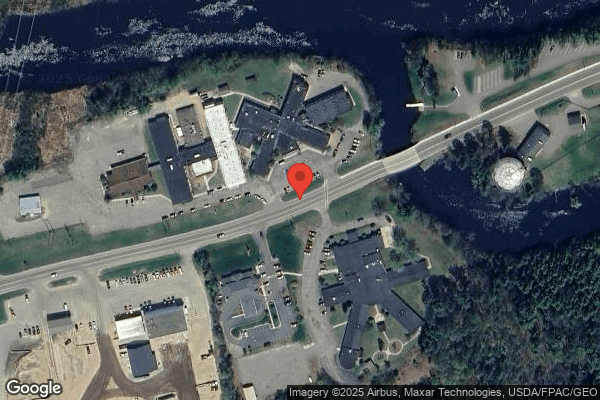

900 BOYCE DR, RHINELANDER, WI 54501 (715) 365-6832
For profit - Limited Liability company 100 Beds EDEN SENIOR CARE Data: November 2025
Trust Grade
65/100
#151 of 321 in WI
Last Inspection: February 2025

Within standard 12-15 month inspection cycle. Federal law requires annual inspections.

Overview

Friendly Village Nursing and Rehab Center has a Trust Grade of C+, indicating that it is slightly above average among nursing homes. It ranks #151 out of 321 facilities in Wisconsin, placing it in the top half of the state's options, and #2 out of 3 in Oneida County, meaning there is only one local facility rated higher. The facility is improving, with issues decreasing from 6 in 2024 to 5 in 2025, and it has a good staffing turnover rate of 41%, which is below the state average. However, there are some concerns, as the facility had 17 potential harm issues noted during inspections, including improper food storage practices that risk food-borne illness and lapses in proper hand hygiene during food service. On a positive note, there have been no fines, suggesting compliance with regulations; however, the RN coverage is average, which may limit oversight.

Trust Score
C+
65/100
In Wisconsin
#151/321
Top 47%
Safety Record
Low Risk
No red flags
Inspections
Getting Better
6 → 5 violations
Staff Stability
○ Average
41% turnover. Near Wisconsin's 48% average. Typical for the industry.
Penalties
✓ Good
No fines on record. Clean compliance history, better than most Wisconsin facilities.
Skilled Nurses
✓ Good
Each resident gets 53 minutes of Registered Nurse (RN) attention daily — more than average for Wisconsin. RNs are trained to catch health problems early.
Violations
⚠ Watch
17 deficiencies on record. Higher than average. Multiple issues found across inspections.
★★★☆☆
3.0
Overall Rating
★★★☆☆
3.0
Staff Levels
★★★☆☆
3.0
Care Quality
★★★☆☆
3.0
Inspection Score
Stable
2024: 6 issues
2025: 5 issues

The Good

  • Full Sprinkler Coverage · Fire safety systems throughout facility
  • No fines on record
  • Staff turnover below average (41%)

    7 points below Wisconsin average of 48%

Facility shows strength in fire safety.

The Bad

3-Star Overall Rating

Near Wisconsin average (3.0)

Meets federal standards, typical of most facilities

Staff Turnover: 41%

Near Wisconsin avg (46%)

Typical for the industry

Chain: EDEN SENIOR CARE

Part of a multi-facility chain

Ask about local staffing decisions and management

The Ugly 17 deficiencies on record

Feb 2025 5 deficiencies
CONCERN (D)

Potential for Harm - no one hurt, but risky conditions existed

Assessment Accuracy (Tag F0641)

Could have caused harm · This affected 1 resident

**NOTE- TERMS IN BRACKETS HAVE BEEN EDITED TO PROTECT CONFIDENTIALITY** Based on record review and interview, the facility did not accurately code the Minimum Data Set (MDS) for 2 of 2 residents (R) r...

Read full inspector narrative →
**NOTE- TERMS IN BRACKETS HAVE BEEN EDITED TO PROTECT CONFIDENTIALITY** Based on record review and interview, the facility did not accurately code the Minimum Data Set (MDS) for 2 of 2 residents (R) reviewed for Preadmission Screening and Resident Review (PASARR) screen. (R18 and R48) -The MDS assessments are coded in error stating that a PASARR level 2 screen had not been completed when it was completed at the time of assessment for R18. -The MDS assessments are coded in error stating R48 had a serious mental illness when, in fact, the mental illness was a result of progressive dementia. Findings include: Example 1 R18 was admitted to the facility on [DATE] with diagnoses including depression, anxiety, and PTSD. Record review identified R18 had a PASARR level 2 screen completed on 03/03/22. R18's comprehensive MDS assessment, dated 01/13/25, indicated for question A 1500 that No PASARR level 2 had been completed. Example 2 R48 was admitted to the facility on [DATE] with diagnoses that include dementia with severe agitation and delusional disorders. Surveyor was unable to find that a level 2 PASARR was completed for R48. R48's hospital Discharge summary, dated [DATE], notes delusions were due to progressive dementia which indicates a PASARR level 2 was not necessary. R48's comprehensive MDS assessment, dated 04/24/24, indicated for question A 1500 that No PASARR level 2 had been completed which is correct but conflicts with question I 5950 that Yes R48 has a psychotic disorder (other than schizophrenia) which would require a level 2 PASARR screen. On 02/05/25 at 2:42 PM, Surveyor interviewed MDS Coordinator (MDSC) H and Social Worker (SW) G who completes the PASARR screenings for the facility. Director of Nursing (DON) B was present. Surveyor reviewed R18 and R48 with SW G and MDSC H. Both agreed that R18's MDS section A1500 should have been coded as yes a PASARR level 2 screen was completed. Also agreed that, R48's diagnosis should have been coded as dementia with psychotic disturbances, acknowledging the answer to I 5950 was inaccurate. MDSC H stated she she misinterpreted the guidance.
CONCERN (D)

Potential for Harm - no one hurt, but risky conditions existed

Deficiency F0692 (Tag F0692)

Could have caused harm · This affected 1 resident

**NOTE- TERMS IN BRACKETS HAVE BEEN EDITED TO PROTECT CONFIDENTIALITY** Based on observation, interview and record review, the facility did not ensure the resident (R) maintained acceptable parameters...

Read full inspector narrative →
**NOTE- TERMS IN BRACKETS HAVE BEEN EDITED TO PROTECT CONFIDENTIALITY** Based on observation, interview and record review, the facility did not ensure the resident (R) maintained acceptable parameters of nutritional status for 1 out of 3 residents reviewed for nutrition. R5 did not receive the assistance R5 required with eating. Weights were not obtained in over 60 days when R5 had been identified for high risk for altered nutrition. R5 had a recorded significant weight loss, and the facility did not reassess significant weight loss or her ability to feed herself. Findings include: The facility policy titled, Resident Height and Weight last revised 1/7/2025, documents, in part: All residents will be weighed upon admission and subsequently as the policy directs to provide a baseline and ongoing record for monitoring stability of weight as an indicator of nutritional status and medical condition over a period of time. Nursing department staff and Registered Dietitian (RD) will cooperate to prevent. Monitor, and provide intervention for undesirable weight variances for our residents . 8. Any weight change of 5 pounds or greater within 30 days will be retaken within 24 hours for verification, and re-weight will be documented in the EMR (electronic medical record) . 10. Care Plan interventions to be considered include, but are not limited to: a. Implementation of Fortified or Caloric dense foods and snacks b. Review of medical status (e.g. change of condition including chewing/swallowing problems, edema, decline in ADLs (activities of daily living) /self-feeding skills, infections or other acute conditions) . R5 was admitted to the facility on [DATE] with a diagnosis which included primary generalized osteoarthritis, type 2 diabetes mellitus, major depressive disorder, dysphagia, muscle wasting and atrophy, weakness, and chronic pain. On R5's Quarterly Minimum Data Set (MDS) assessment, dated 1/6/2025, the facility assessed R5 as having intact cognition with a Brief Interview for Mental Status (BIMS) score of 14. R5 was assessed as having no impairment with upper extremity range of motion (ROM). R5 requires setup or clean-up assistance; resident completes activity, with eating. No swallowing disorder noted. No or unknown weight loss indicated and is on a therapeutic diet. R5 has an activated Power of Attorney (POA). R5's care plan indicates, in part: R5 has potential for altered nutritional status related to recent hospitalization with low back pain and history including PI (pressure injury) stage 4, ., need for adaptive equipment, medication regimen, and need for SNF (Skilled Nursing Facility) services. Date Initiated: 9/30/2023. Revision on 12/10/2024 by RD C. Target date 3/31/2025. Goals: The resident will accept assistance with meals as needed through review date. The resident will maintain stable nutrition and hydration with no significant weight fluctuations through review date. Date Initiated 10/02/2023. Revision on 10/07/2024 by . (MDS Coordinator H). Target date 03/31/2025. Interventions: Adaptive Devices for meals: Light weight Built up silverware, built up soup spoon, and 2 handled cup with a straw hole in lid DIET TEXTURE - Level 7 - Regular, DIET TYPE - CCHO (Consistent Carbohydrate Diet), EATING - Prefers to eat in room, FLUIDS - Level 0 Thin (Regular), Monitor for s/s (signs and symptoms) of dehydration. Resident needs to be weight shifted on her right side during all meals so she can use LUE (left upper extremity) to feed self d/t (due to) limited ROM in RUE (right upper extremity), with bedside tray table within reach. can be weight shifted as needed between meals. Provide HS (hour of sleep) snack: Provide supplements with med pass as ordered for wound healing and to address malnutrition risk factors. Document and monitor acceptance. Weigh resident per facility policy or as ordered. Notify MD (Medical Doctor)/NP (Nurse Practitioner) per order or with significant changes. On 02/04/25 at 8:50 AM, Surveyor observed R5 awake lying on her side with her breakfast tray set up, lids off, on bedside table directly in front of her, food untouched. Surveyor asked R5 if she required help with eating or if she can feed herself. R5 said, They will come in and help me when they get time. R5 reported to Surveyor, I need help for all my care. 0n 02/04/25 at 9:00 AM, Surveyor interviewed Registered Nurse (RN) J, who reported R5's breakfast tray was not taken from room. RN J stated, She wants to work on it. RN J reported R5 usually will feed herself. Surveyor asked RN J about follow up when R5 does not eat. RN J reported, If she refuses to eat, she has supplements, and we encourage fluids. Record review indicated R5's intake at breakfast on 2/4/2025 at 11:50AM was -0-25%. On 2/04/25 at 12:32 PM, Surveyor observed Certified Nursing Assistant (CNA) K sitting in a chair, next to R5's bed, providing total assistance and feeding R5 lunch. R5 was alert and eating well. A review of R5's electronic medical record indicated on 12/01/2024, the resident weighed 183.5 lbs. On 02/02/2025, 60 days later, the resident weighed 163 pounds which is a -11.17 % loss. Progress note, dated 12/3/2024, stated, Nutrition/Dietary Note, Note Text: RD C update: Resident notes recent weight loss over the past month following prior higher weight status the month before. Per recent observations resident had noted need for greater assistance with feeding following prior ability to consume meals independently. Writer reached out to head of therapy to have team evaluate as needed. Current OT (Occupational Therapist) directions noted as part of resident's care plan to better assist resident to eat independently via proper positioning and placement of meal items and utensils. Therapy to evaluate whether resident's feeding status has shown declines with potential need for additional aides including adaptive equipment or physical assistance upcoming as appropriate. Resident continues on multiple ONS (oral nutritional supplements) at this time to address appetite and wound healing. Will continue encouraging all current interventions at this time. Additional inter-communication documentation was provided to the Surveyor from therapy department, which indicated, in part: TEAMS communication note dated on 11/25/2024 from RD C, reported, in part, When our CNA students were here last Tuesday, one of them was pretty much fully feeding her [R5] and noted that R5 needs that level of assistance for all of her meals . wondering if therapy has been in there to work with her [R5] recently at all . or whether her feeding instructions maybe should be updated if she really is needing that level of assistance. This communication indicated that R5 stated to RD C in response to eating, I can't do it by myself. Surveyor noted no new interventions added to R5's plan of care to address R5's inability to feed herself or documentation that R5's recent weight loss was addressed. There was no documentation found notifying the physician or the POA prior to 2/04/2025. No orders to weigh R5 more frequently to follow up on the weight loss. On 2/05/25 at 8:05 AM, Surveyor interviewed CNA K, who reported usually [R5] would get weighed monthly, because everybody gets weighed at least monthly. CNAs do not document weights but report them to the nurse. CNA K reports that if R5 is in a lot of pain or refuses to get a weight then he would report this to the nurse. Surveyor noted there was no documentation of R5 refusing to be weighed in December 2025. On 2/05/2025 at 10:00 AM, Surveyor interviewed Director of Nursing (DON) B, who reported the facility does not have a documented weight for R5 in January and she is unsure of why a weight was not done. DON B was not able to provide documentation that an attempt was made to reweigh R5 after her last weight. DON B stated, Yes, we need to do better at tracking and documenting weights to follow up with. On 2/06/2025 at 9:28 AM, Surveyor observed R5 in bed lying on her left side with breakfast tray uncovered directly in front of her on bedside table. R5's food appeared to not to have been touched. Staff were not assisting R5. On 2/06/25 at 9:30 AM, Surveyor interviewed RN L, who reported R5's breakfast tray was delivered at approximately 8:10 AM. RN L stated that according to R5's care plan there were no changes made regarding R5's ability to feed herself and R5's care plan indicates assistance with meal set up. RN L stated, I know she requires more assistance with eating lately. On 2/06/25 at 11:10 AM, Surveyor interviewed Speech and Language Pathologist (SLP) M. SLP M confirmed RD C sent communication on 11/25/24 that R5 was not able to feed herself. SLP M reported, They ensured the previous recommendations of range of motion prior to eating and positioning were being followed. Surveyor asked if therapy had reevaluated R5 with the change in R5's status. SLP M replied No, because we had just discharged her from therapy.
CONCERN (E)

Potential for Harm - no one hurt, but risky conditions existed

Transfer Notice (Tag F0623)

Could have caused harm · This affected multiple residents

**NOTE- TERMS IN BRACKETS HAVE BEEN EDITED TO PROTECT CONFIDENTIALITY** Based on interview and record review, the facility did not provide a notice of transfer to residents or resident representatives...

Read full inspector narrative →
**NOTE- TERMS IN BRACKETS HAVE BEEN EDITED TO PROTECT CONFIDENTIALITY** Based on interview and record review, the facility did not provide a notice of transfer to residents or resident representatives. This affected 4 of 4 sampled residents (R8, R9, R20, and R73). -A notice of transfer was not provided prior to a facility-initiated discharge for R8, R9, R20, and R73. -The facility did not inform the residents or their representatives, prior to a transfer, of appeal rights, including the name, address, and telephone number of the entity which receives such requests; and information on how to obtain an appeal form and assistance in completing the form and submitting the appeal hearing request. Findings include: The facility's policy, Policy & Procedure Admission, Readmission, Bed Hold, and Transfer/Discharge, read in part, Transfer/Discharge. Before the facility transfers or discharges a resident, the facility must- -Notify the resident and the resident's representative(s) of the transfer or discharge and the reasons for the move in writing and in a language and manner they understand. -Include in the notice- -The reason for the transfer or discharge -The effective date of the transfer or discharge which must be made at least 30 days before the resident is transferred or discharged . -A statement of the resident's right to appeal including the name, address, and telephone number of the entity which received such requests; information on how to obtain an appeal form and assistance in completing the form and submitting the appeal hearing request. Example 1 R8 was admitted to the facility on [DATE], after a fall which resulted in a fracture of her right ankle. R8's Minimum Data Set (MDS) assessment, dated 12/14/24, confirmed R8 scored 13/15 during Brief Interview for Mental Status, indicating intact cognition. R8 makes her own healthcare decisions. R8 was admitted to the hospital on [DATE] related to urinary tract infection (UTI). R8 was re-admitted to the facility on [DATE]. On 02/04/25, Surveyor reviewed R8's record and was unable to locate a notice of transfer was provided to R8 prior to her transfer to the hospital. Example 2 R9 admitted to the facility on [DATE], with primary diagnosis of Multiple Sclerosis and paraplegia. R9's MDS assessment, dated 01/29/25, confirmed R9 scored 04/15 during BIMS, indicating severe cognitive impairment. R9 has an activated Power of Attorney (POA) to assist with health care decision-making. R9 was admitted to the hospital on [DATE] related to wound infection. R9 was re-admitted to the facility on [DATE], with hospice services. On 02/04/25, Surveyor reviewed R9's record and was unable to locate a notice of transfer was provided to R9 prior to her transfer to the hospital. Example 3 R20 was admitted to the facility on [DATE], after a fall resulting in a fractured right lower leg. R20's MDS assessment, dated 01/05/25, confirmed R20 scored 15/15 during BIMS, indicating intact cognition. R20 has an activated POA to assist with health care decision-making. On 12/05/24, R20 was admitted to the hospital for UTI and pneumonia. R20 was re-admitted to the facility on [DATE]. On 12/09/24, R20 was admitted to the hospital for respiratory failure. R20 re-admitted to the facility on [DATE]. On 02/04/25, Surveyor reviewed R20's record and was unable to locate a notice of transfer was provided to R20 prior to her hospitalizations. Example 4 R73 was admitted to the facility on [DATE], after a fall resulting in a pelvic fracture. R73's MDS assessment, dated 10/22/24, confirmed the facility did not complete BIMS due to R73 not being able to understand or be understood by others. Staff assessment of R73's mental status confirmed R73's cognition was severely impaired. R73 has an activated POA to assist with health care decision-making. On 11/27/24, R73 sustained a fall with injury and was transferred to the emergency room. R73 received stitches for treatment of the injury and returned to the facility on [DATE]. On 02/04/25, Surveyor reviewed R73's record and was unable to locate a notice of transfer was provided to R73 prior to his transfer to the ER. On 02/05/25 at 8:26 AM, Surveyor interviewed Business Office Manager (BOM) I. BOM I and Surveyor reviewed the criteria to be provided at time of transfer, including: an explanation of the right to appeal the transfer or discharge, the name, address (mail and email), and telephone number of the State entity which receives appeal hearing requests, information on how to obtain an appeal form, and information on obtaining assistance in completing and submitting the appeal hearing request. BOM I indicated the facility was not providing residents with this information at the time of transfer. On 02/05/25 at 9:38 AM, Surveyor interviewed Nursing Home Administrator (NHA) A. NHA A provided documentation to support the facility is providing a notification of transfer for resident-initiated discharges. Surveyor requested evidence this notification was provided for facility-initiated discharges, and did not receive this information. Surveyor determined for emergent transfers, discharges with a return anticipated, or facility-initiated discharges, residents or their representatives did not receive a notification of transfer prior to the transfer.
CONCERN (F)

Potential for Harm - no one hurt, but risky conditions existed

Food Safety (Tag F0812)

Could have caused harm · This affected most or all residents

**NOTE- TERMS IN BRACKETS HAVE BEEN EDITED TO PROTECT CONFIDENTIALITY** Based on observation, record review and interview, the facility did not store resident foods brought in by visitors in a manner ...

Read full inspector narrative →
**NOTE- TERMS IN BRACKETS HAVE BEEN EDITED TO PROTECT CONFIDENTIALITY** Based on observation, record review and interview, the facility did not store resident foods brought in by visitors in a manner to prevent food-borne illness. The facility practice had the potential to affect 59 of 76 residents who reside on the main level of the facility on the 100, 200, 300 and 400 wings. The facility did not ensure the low temperature dishwasher chemical sanitizer maintained the correct concentration per manufacturer's guidelines. The facility practice had the potential to affect all 76 residents who are served foods from the facility's kitchen. Surveyor observed foods and beverages brought in for residents by visitors in 2 refrigerators/freezers in the nurses' station that were not labeled by resident or dated with received by and use by dates. Surveyor observed dish machine logs showing the low temperature dishwasher did not maintain appropriate chemical sanitizer minimal parts per million. This is evidenced by: Example 1 Surveyor requested and reviewed the facility policy titled Resident Food Brought in by Family or Visitors which was not dated. The policy in part read: It is the goal of this facility to maintain safe food practices in accordance with professional standards for food service safety. If bringing food into the facility for a resident, please contact the kitchen or the Dietary Manager to ensure that food will be: ~Covered, labeled, dated and stored in a way that maintains safe storage. ~Leftover foods will be used within 7 days. On 2/03/25 at 8:14 AM, Surveyor conducted an initial tour with Registered Dietician (RD) C. As part of the initial tour Surveyor and RD C observed 2 refrigerators/freezer units in the nurse station on the main level of the facility. The units are used for resident foods brought by family or visitors. Surveyor observed the units had a variety of foods and beverages stored in them which were not labeled with resident names. The foods and beverages were not dated with received dates and use by dates. Surveyor and RD C were joined by Nursing Home Administrator (NHA) A who indicated some of the foods/beverages may be staff's items. Surveyor asked RD C how the facility would know which foods/beverages are residents' items and how the facility would know the items are not outdated and safe for consumption. RD C responded you cannot tell who the foods/beverages belong to and whether the foods/beverages should be discarded. Surveyor requested a list of foods/beverages stored in the units and if the facility is able to identify resident foods/beverages. RD C expressed the refrigerator/freezers are for storage of foods/beverages for the residents who reside on the main level on 100, 200, 300 and 400 wings. Surveyor confirmed the facility practice had the potential to affect 59 of 76 residents. Surveyor received a list of foods from the refrigerator/freezers confirmed to belong to residents on the main level. With some foods noted as presumably staff as the facility could not confirm who the foods/beverages belonged to. The list noted the following items: ~prune juice ~Gatorade ~Miller Lite ~iced coffee ~carrots ~string cheese ~summer sausage ~Lipton teas ~pie (partially eaten) ~nutritional bars ~gluten-free bread ~Cousins sub sandwich dated 1/30/25, partially eaten ~chocolate cake ~orange juice ~diet cranberry juice ~apple juice ~pickles ~butter On 2/04/25 at 9:09 AM, Surveyor spoke with Dietary Manager (DM) D and RD C about food storage for food and beverages brought in for residents. RD C expressed both refrigerators/freezers were cleaned with foods/beverages removed yesterday due to the items not being dated/labeled correctly and not knowing the received by and use by dates. The facility policy indicates to discard foods in 7 days; however, the facility practice is to discard foods in 3 days to err on the side of caution and ensure foods are safe for consumption. The facility will be conducting staff education on the policy and doing audits going forward to ensure foods/beverages are labeled correctly and not expired. Example 2 Surveyor requested and reviewed the facility policy titled Dishwashing Procedure which was not dated. The policy in part read: Scope: The policy is pertinent to all kitchen staff and has the potential to affect all residents. Purpose: It is developed to ensure consistency in dishwashing methods, as well as compliance with temperatures and concentrations of all chemical used for mechanical ware washing .including both hot water sanitizing and chemical sanitizing machines. ~If the dish machine is not operating .including temperature and concentration of sanitizer .process must be stopped immediately and Dietary Manager and/or Maintenance Director must be notified. On 2/03/25 at 8:14 AM, Surveyor conducted an initial tour with RD C. RD C informed Surveyor the dish machine is a low temperature chemical sanitizing machine. Surveyor observed the dish machine log to be recorded for wash and rinse temperature along with ppm (parts per million) of the chemical sanitizer which had been recorded for February 2025. Surveyor noted the ppm recorded as 40 ppm for the supper meal on February 2, 2025. The log showed a note on bottom of the log stating Sanitizer concentration minimum of 50 ppm. Note: If any temperature or concentration is outside guidelines, notify Dietary Manager and/or maintenance immediately. Surveyor requested the dish machine log for January 2025 and noted the following: January 14, breakfast: 32 ppm January 16, breakfast: 40 ppm January 18, lunch: 30 ppm January 21, supper: 40 ppm January 24, breakfast: 30 ppm January 28, supper: 32 ppm Surveyor requested and received the manufacturer's guide for the dish machine. Surveyor reviewed the guide and noted the guide does not recommend a specific chemical to use or required ppm to ensure proper sanitation of dishes. Surveyor requested and reviewed the product information for the chemical used for the low temperature dish machine. The product information sheet noted the product as Sanitizer Lo Temp with description that read: Effective EPA registered .chlorine sanitizer for use in low temp dish machines. On 2/03/25 at 2:27 PM, Surveyor spoke with DM D, Assistant Dietary Manager (ADM) E and RD C about the low ppms as recorded on the dish machine logs. DM D expressed she recently returned from a leave of absence, approximately 2 weeks ago. Her expectation is for dietary staff to inform her as directed on the dish machine log when the ppm is low. DM D further expressed she then can check the ppm to determine if staff are correctly checking the ppm or if there are issues with the machine. In her absence the Assistant Dietary Manager should have been notified immediately. Surveyor asked ADM E if she had been notified in DM D's absence of low ppm of the dish machine. ADM E indicated she was not made aware of any low ppm readings in the absence of DM D. On 02/04/25 at 8:59 AM, Surveyor spoke with [NAME] Brothers Representative (MBR) F, who is responsible for periodic checks and maintenance of dish machine, DM D and RD C regarding the parts per million (ppm) levels of the dish machine and the process of checking the ppms. MBR F indicated the minimal temperature on the low temperature dish machine should be minimally 120 degrees Fahrenheit. The ideal temperatures for both wash and rinse is 140-150 degrees Fahrenheit as long as the ppm is at least 50 ppm. Lower than 50 ppm would not meet the minimal requirements which could affect the cleaning solution and affect proper cleaning and sanitizing of dishes. Surveyor asked DM D if she was aware of the low ppm readings which were evident on the log and if she or maintenance had checked the dish machine with the low ppms. DM D expressed she has no evidence of staff notifying maintenance or ADM E of the low ppms and there is no evidence the dish machine was checked or serviced. Going forward staff will be educated on the process and audits will be conducted to ensure proper ppm is maintained to ensure proper cleaning and sanitizing of the dishes.
CONCERN (F)

Potential for Harm - no one hurt, but risky conditions existed

Staffing Data (Tag F0851)

Could have caused harm · This affected most or all residents

Based on interview and record review, the facility did not ensure the mandatory staffing data that had been submitted from 7/1/24-9/30/24 was complete, accurate, and auditable. This has the potential ...

Read full inspector narrative →
Based on interview and record review, the facility did not ensure the mandatory staffing data that had been submitted from 7/1/24-9/30/24 was complete, accurate, and auditable. This has the potential to affect all 76 residents that reside in the facility. This is evidenced by: The facility policy titled Payroll Based Journal dated as revised on 2/26/22 in part read: Policy: Long-term facilities must electronically submit to CMS (Centers for Medicare and Medicaid Services) complete and accurate direct care staffing information, including information for agency and contracted staff, based on payroll and other verifiable and auditable data in a uniform format according to specifications established by CMS. Procedure: ~The facility must submit to CMS complete and accurate direct care staffing information, including: The category of work for each person on direct care staff (including, but not limited to, whether the individual is a registered nurse, licensed practical nurse, licensed vocational nurse, certified nursing assistant, therapist, other type of medical personnel as specified by CMS). ~Information on direct care .the hours of care provided by each category of staff per resident day. The Payroll Based Journal (PBJ) Staffing Data Reports that were generated quarterly document the facility triggered for Excessively low weekend staffing from 7/1/24-9/30/24 for specified dates. The specified dates are as follows: FY (Fiscal Year) Q4 (Quarter 4) 2024 (July 1-September 30). The facility provided Surveyor with Payroll-Based Journal Quarterly Totals 4th Quarter (7/01/24-9/30/24) report. The data that was submitted during this time frame for the specified dates showed an average daily census of 73.95. The data showed a decrease staffing percents from previous quarter as follows: Total Nurse Staff: (weekend): -2.4% Non-Administrative nurse staff: (weekend) -2.5% Registered Nurse (weekend): -15.7% Nurse Aide (weekend): -2.8% Surveyor reviewed the facility's daily schedule sheets for each date for the last four weeks and all dates had appropriately licensed staff on duty for each shift. Surveyor reviewed the facility's daily schedules for each date from 07/01/24 to 09/30/24 and all dates had appropriately licensed staff on duty for each shift. On 2/05/24 at 10:49 AM, Surveyor spoke with Director of Nursing (DON) B and Nursing Home Administrator (NHA) regarding the facility's process for reporting of nursing staff hours per PBJ. NHA A expressed the Human Resource Director (HRD) is the staff person in-house who usually enters the electronic timekeeping staff hours on a form that is submitted to the corporate office for reporting of staff hours. The facility's HRD is new to the facility and is still working on training in this process. The former HRD is no longer on staff. The corporate office enters the hours submitted by the HRD into the system for PBJ reporting. NHA A and DON B expressed agency staff that are used were not in the facility's system for electronic timekeeping thus their hours were not being accurately reflected in the PBJ hours report. In addition, the facility has medication assistants (MA) that are also Certified Nursing Assistants (CNA). The MAs were not coding CNA hours when working in the capacity of a CNA thus the certified nursing hours on the PBJ were inaccurate. The facility has also identified staff who are working longer than an 8-hour shift are not coding hours correctly, with the facility having several nursing staff on 12 hour shifts. The hours were not being accurately reflected in the PBJ. The facility was not aware of this issue until brought to their attention by Surveyor thus a plan has not yet been developed to correct the issue.
Jan 2024 6 deficiencies
CONCERN (D)

Potential for Harm - no one hurt, but risky conditions existed

Deficiency F0657 (Tag F0657)

Could have caused harm · This affected 1 resident

**NOTE- TERMS IN BRACKETS HAVE BEEN EDITED TO PROTECT CONFIDENTIALITY** Based on interview and record review, the facility did not ensure care plans were reviewed and revised based on changed needs an...

Read full inspector narrative →
**NOTE- TERMS IN BRACKETS HAVE BEEN EDITED TO PROTECT CONFIDENTIALITY** Based on interview and record review, the facility did not ensure care plans were reviewed and revised based on changed needs and goals for antidepressant medications for 1 of 18 residents (R48) reviewed. This is evidenced by: R48 was admitted to the facility on [DATE]. R48's diagnoses include dementia with behaviors, anxiety disorder, and depression. R48's Minimum Data Set (MDS) dated [DATE] indicates Brief Interview for Mental Status (BIMS) of 10, which means R48 has a moderate cognitive impairment. R48's physician orders dated 01/25/23, includes in part, Citalopram 10mg by mouth once a day until 02/15/23, then give Citalopram 20mg once a day for severe depression. Surveyor reviewed R48's care plan with a target date of 01/09/24 where there is no mention of the antidepressant medication Citalopram which R48 is currently receiving. The care plan did include use of an antianxiety medication lorazepam which was confirmed by physician orders R48 was no longer receiving as of 01/11/23. On 01/11/23 at 8:31 AM, Surveyor interviewed Social Worker (SW) H regarding the care plans not being revised. SW H acknowledged that R48's care plan should have included an antidepressant plan and removed the antianxiety plan. SW H understood the issues and stated plans to correct it immediately.
CONCERN (D)

Potential for Harm - no one hurt, but risky conditions existed

ADL Care (Tag F0677)

Could have caused harm · This affected 1 resident

**NOTE- TERMS IN BRACKETS HAVE BEEN EDITED TO PROTECT CONFIDENTIALITY** Based on observations, interview and record review, the facility failed to provide the necessary services to maintain good perso...

Read full inspector narrative →
**NOTE- TERMS IN BRACKETS HAVE BEEN EDITED TO PROTECT CONFIDENTIALITY** Based on observations, interview and record review, the facility failed to provide the necessary services to maintain good personal hygiene following urinary incontinence for 1 of 4 residents reviewed (R16) for toileting and hygiene assistance. This is evidenced by: The National Association for Incontinence ([NAME]) states in part, .Urinary incontinence leaves the aging population at risk for impaired skin integrity. Exposure to urine and feces is one of the most common causes of skin breakdown . The [NAME] goes on to state that urinary incontinence makes the skin more susceptible to maceration, incontinent dermatitis, bacterial infections, fungal infections, and exposure to caustic agents, such as ammonia, a prime caustic agent in urine. [NAME] goes on to state, . Timely cleansing of the perineal area by using gentle, but effective, cleansers is essential to maintaining skin integrity, controlling odor, and providing comfort and improved self-esteem . R16 has medical diagnoses that include, but are not limited to severe vascular dementia, diabetes mellitus type II, and chronic kidney disease. A review of R16's Minimum Data Set Assessment (MDSA) was completed. This assessment was a significant change in status with an assessment reference date of 12/27/23 and indicated that R16 was dependent on staff to meet her most basic activities of daily living tasks, including personal and toileting hygiene. R16's cognitive status was severely impaired for both short-term and long-term memory and daily decision-making abilities. R16 is always incontinent of bladder function and frequently incontinent of bowel function. A review of R16's comprehensive care plan indicated the following concerns: 1. At risk for skin impairment related to cognitive deficits, use of assistive devices, decreased mobility, and urinary incontinence. (Date Initiated: 06/29/2023; Revision on: 12/18/2023). Note: R16 has a history of moisture associated skin damage, most recently in November 2023. 2. Has bladder incontinence related to dementia. She needs assist for toileting (initiated 06/06/18). Interventions for this plan include to, . Clean peri-area with each incontinence episode . Surveyor reviewed bladder evaluations completed for R16. The most recent evaluation was completed 08/10/23 and indicated R16 is always incontinent with an absent perception of the need to void. On 01/8/24 at 11:41 AM, Surveyor observed Certified Nursing Assistant (CNA) I and CNA J assist R16 to the bathroom. R16 was incontinent of a large amount of urine and voided on the toilet. Upon completion, CNA I held on to the gait belt and gave R16 a bear hug to stand, while CNA J wiped R16 with toilet paper, but did not cleanse R16's skin of the urine. R16 was assisted back to the wheelchair. On 01/8/24 at 12:12 PM, Surveyor interviewed CNA J and asked what education was received regarding incontinence care and the expectations of providing this care. CNA J stated that she has been a CNA since 2014 and stated that she is to provide perineal cleansing once in the morning with morning cares and each time a resident is incontinent. The observation made above was explained to CNA J by Surveyor and asked why it was not completed at that time. CNA J shrugged her shoulders and stated, Oh, it should have been, I guess I didn't do it. On 01/09/24 at 1:02 PM, Surveyor interviewed CNA I and asked what education was received regarding incontinence care and the expectations of providing this care. CNA I stated pericare was to be completed whenever a resident is incontinent. CNA I was not aware that CNA J did not cleanse R16's skin. On 01/10/24 at 8:12 AM, Surveyor interviewed Director of Nursing (DON) B regarding the expectation of staff related to incontinence care. DON B stated the expectation was to clean resident's skin following each incidence of urinary and/or fecal incontinence to remove bacteria that may cause skin irritation and breakdown, to provide dignity and prevent infections.
CONCERN (D)

Potential for Harm - no one hurt, but risky conditions existed

Pressure Ulcer Prevention (Tag F0686)

Could have caused harm · This affected 1 resident

**NOTE- TERMS IN BRACKETS HAVE BEEN EDITED TO PROTECT CONFIDENTIALITY** Based on observation, interview and record review, the facility did not ensure that a resident with a pressure injury (PI) recei...

Read full inspector narrative →
**NOTE- TERMS IN BRACKETS HAVE BEEN EDITED TO PROTECT CONFIDENTIALITY** Based on observation, interview and record review, the facility did not ensure that a resident with a pressure injury (PI) received correct treatment and services, consistent with professional standards of practice, to promote healing for 1 of 1 resident (R) reviewed for PIs. (R4) Findings include: R4 was admitted to the facility on [DATE] with diagnoses, in part of pressure ulcer of sacral region, stage 4, diabetes, muscle wasting and weakness, and abnormalities of gait and mobility. R4's care plan revised on 12/26/23 indicates that R4 is at risk for PIs and had a PI to right buttocks. Interventions include to administer treatment as ordered. According to R4's Minimum Data Set (MDS) assessment, dated 10/06/23, R4 is cognitively intact. R4 is dependent on staff for all mobility, transfers, and toileting and is unable to stand or walk. R4 uses a Foley catheter and was always incontinent of bowel. R4 was assessed at risk for developing PIs and had one stage 4 unhealed PI at the time of admission. On 01/09/24 at 11:07 AM, Surveyor observed Licensed Practical Nurse (LPN) N provide wound care to R4's right upper buttocks. During the process, Certified Nursing Assistant (CNA) M rolled R4 onto R4's right side. Surveyor noted the area on and surrounding the wound contained a thick white paste substance and no dressing. LPN N cleansed the wound and surrounding area with soap and water. The open area on right side of coccyx area was approximately 1cm long dry slit with no drainage. LPN N mixed zinc oxide 20% with Miconazole Nitrate 2% powder and applied to the wound then applied a clean brief. Surveyor reviewed physician order and noted 2 orders were present: 1. Apply Zinc oxide ointment after application of miconazole powder to coccyx wound BID with cares and PRN with all incontinence cares two times a day for Wound care AND as needed for Wound care. Start date: 10/04/23. 2. Coccyx TX- Cleanse with wound cleanser, pat dry, apply skin prep to peri wound skin then cover with hydrocolloid dressing. Change every three days or prn when soiled, rolled edges or loose. One time a day every 3 day(s) for open area on coccyx. Start date: 12/26/23. On 01/09/24 at 1:20 PM, Surveyor interviewed Director of Nursing (DON) B and Registered Nurse (RN) O who is the facility wound nurse. When Surveyor asked what the current order was for R4, RN O stated that it is supposed to be the order to wash with wound cleaner, apply skin prep surrounding wound, and apply a hydrocolloid dressing. Surveyor informed DON B and RN O that R4 has 2 physician orders in the record. RN O stated RN O made the mistake and forgot to remove the old zinc order. Surveyor explained that during observation, LPN N applied the old treatment order. RN O stated that the practice is to have the physician remove older orders when a new order is received. RN O immediately assessed the wound, updated the physician regarding the error, and obtained a new order.
CONCERN (D)

Potential for Harm - no one hurt, but risky conditions existed

Pharmacy Services (Tag F0755)

Could have caused harm · This affected 1 resident

Based on observations, interviews and record reviews, the facility failed to provide pharmaceutical services related to the accurate administration of steroid inhaler to meet the needs for 1 of 1 resi...

Read full inspector narrative →
Based on observations, interviews and record reviews, the facility failed to provide pharmaceutical services related to the accurate administration of steroid inhaler to meet the needs for 1 of 1 resident reviewed (R20). This is evidenced by: Surveyor reviewed manufacturer's instructions for Symbicort on My Symbicort.com, which states, Symbicort may cause serious side effects, including . fungal infection in your mouth or throat (thrush). Rinse your mouth with water without swallowing after using Symbicort to help reduce your chance of getting thrush . On 01/09/24 at 3:09 PM, Surveyor observed Licensed Practical Nurse (LPN) N enter R20's room with eye medication and an inhaler. LPN N educated R20 to take a deep breath in and to exhale and then administered one puff of Symbicort Aerosol 160 MCG/4.5 with a spacer or aero-holding device. LPN N administered a second puff at 3:11 PM. LPN N did not educate or offer oral rinsing following this administration. On 1/10/24 at 1:27 PM, Surveyor interviewed Director of Nursing (DON) B regarding the expectation of staff with the administration of steroidal inhalants. DON B stated staff expectation is to . have the resident rinse their mouth after the inhaler to prevent thrush . Surveyor requested the facility policy for administration of inhalant medications and was informed the facility did not have a policy specific to inhalers. On 01/10/24 at 2:42 PM, Surveyor interviewed R20 regarding her knowledge of taking the inhaler Symbicort. R20 stated that she has no history of oral sores and has never been instructed to rinse her mouth after.
CONCERN (E)

Potential for Harm - no one hurt, but risky conditions existed

Infection Control (Tag F0880)

Could have caused harm · This affected multiple residents

Based on observations, interviews and record reviews, the facility did not maintain an infection prevention and control program according to professional standards of practice when droplet precautions...

Read full inspector narrative →
Based on observations, interviews and record reviews, the facility did not maintain an infection prevention and control program according to professional standards of practice when droplet precautions of appropriate Personal Protective Equipment (PPE) were not followed, and improper hand hygiene was performed during cares. This affected 4 of 4 residents (R49, R72, R16, R71) observed for infection control. This is evidenced by: The facility policy entitled: Isolation Precautions under the category Droplet Precautions, states in part .3. Prior to entering the isolation room, the following steps are required: a. Perform hand-hygiene and apply gloves, gown, and mask prior to entering room. The facility policy entitled: Hand Hygiene, states in part, staff are to wash hands with soap or water or use alcohol-based hand gel .Before applying and after removing gloves . before moving from a contaminated body site to a clean body site during resident care; example: after providing peri-care, before applying moisture barrier or other treatments . Example 1 On 01/09/24 at 9:27 AM, Surveyor observed Maintenance Director (MD) E enter room of R49 who was on droplet Transmission Based Precautions (TBP). R49 had a Personal Protective Equipment (PPE) bin outside of the room, along with signage on R49's door directing which PPE is to be worn before entering the room. On 01/09/24 at 1:33 PM, Surveyor interviewed MD E regarding observation of not wearing PPE prior to entering R49's room. MD E stated that education was provided by the facility on wearing appropriate PPE prior to entering a resident's room that is identified as being on precautions. MD E stated he was unaware of the droplet precaution sign on R49's door nor the PPE bins in hallway outside R49's room. On 01/10/24 at 8:12 AM, Surveyor interviewed Director of Nursing (DON) B regarding observation of MD E not wearing PPE when entering R49's room, who was on droplet precautions. DON B stated that the expectation would be for a resident under TBP that all staff put on appropriate PPE as directed prior to entering room. Example 2 On 01/08/24 at 9:21 AM, Surveyor observed Certified Nursing Assistant (CNA) F, provide incontinence care on R72. CNA F conducted hand hygiene and donned a pair of clean gloves, stood R72, removed urine soiled brief, provided incontinence care, and proceeded to pull up R72's clean brief, pants, straighten R72's shirt and assisted R72 to sit down without removing gloves and conducting hand hygiene. On 01/09/24 at 11:22 AM, Surveyor interviewed CNA F regarding observation of not removing gloves and conducting hand hygiene after incontinence care for R72 on 01/08/24. CNA F stated facility educated staff on proper hand hygiene after incontinence care. CNA F was not aware that gloves were not removed or hand hygiene performed before proceeding with task. Example 3 On 01/09/24 at 6:58 AM, Surveyor observed CNA C conduct morning cares on R72. During the process CNA C removed soiled incontinent brief, conducted incontinent care, applied moisture barrier cream on buttocks, pulled up incontinent brief and sweatpants. CNA C placed a gait belt around R72's waist, held R72's right hand and assisted resident to walk to the chair. CNA C proceeded to remove the gait belt and place around CNA C's waist, disposed of dirty basin water in the bathroom, gathered supplies and placed them into the basin. CNA C then placed the basin into R72's closet. Surveyor did not have observation of CNA C removing gloves and conducting hand hygiene after incontinence care, prior to applying moisture barrier cream, touching R72's clean clothing, holding R72's hand, and touching gait belt, bathroom door handle and closet door handle. On 01/09/24 at 11:40 AM, Surveyor interviewed CNA C regarding observation of not removing gloves and conducting hand hygiene after conducting peri care and proceeding to touch a clean incontinent product, sweatpants, and R72's hand to assist him to walk to his chair. CNA C stated that facility provided education to remove gloves and conduct hand hygiene after peri care and confirmed that appropriate glove removal and hand hygiene were not conducted during this observation. Example 4 On 01/08/24 at 11:41 AM, Surveyor observed CNA I and CNA J assist R16 to the bathroom. CNA I placed a gait belt around R16 and assisted the resident to stand and pivot while holding the gait belt and giving R16 a bear hug, while CNA J pulled R16's pants down and removed a urine soiled incontinent brief. CNA J placed this brief into the garbage can. CNA J removed her gloves and donned a clean pair, without washing or sanitizing her hands. CNA J then exited the bathroom and opened R16's closet door to retrieve a clean incontinent brief. CNA I held on to the gait belt and gave R16 a bear hug to stand, while CNA J wiped R16 with toilet paper. R16 was assisted back to the wheelchair with CNA I continuing to bear hug and pivot R16 and CNA J guiding the wheelchair behind R16, using the handlebars of the chair. CNA J then removed her gloves and sanitized her hands. On 01/08/24 at 12:12 PM, Surveyor interviewed CNA J regarding her knowledge of performing hand hygiene. CNA J stated she was expected to wash or sanitize her hands . before or after cares, whenever touching a resident . all the time . Surveyor pointed out the observation made on R16 in which CNA J did not sanitize her hands after handling a soiled brief. CNA J stated, Oh yeah, I feel like I hit the sanitizer when I came out of the bathroom. Surveyor explained she did after resident was in wheelchair but not after removing soiled brief. CNA J stated, Oh, yeah, that could be. I should have then too. Example 5 On 01/08/24 at 12:06 PM, Surveyor observed CNA I and CNA J assist R71 to the bathroom. CNA I and CNA J donned a pair of gloves and assisted R71 to stand and ambulate approximately 3 feet into the bathroom. The wheelchair seat was saturated and puddled with strong concentrated smelling urine. R71 was assisted to sit on the toilet. CNA I removed the saturated brief and slacks from R71. CNA I then placed a clean brief and slacks on R71. CNA I then removed her gloves and without sanitizing her hands, donned a clean pair of gloves. CNA J sanitized the wheelchair cushion, and CNA J did not remove these now soiled gloves. After R71 was finished on the toilet, R71 was assisted to stand once again. CNA J then provided perineal cleansing for R71, then pulled up the brief and slacks. CNA I removed her soiled gloves but did not sanitize or wash her hands. R71 stood very steady during this time. CNA I and CNA J with contaminated hands assisted R71 to sit in the wheelchair, and in the process, guided R71's upper body and arms and moved the wheelchair, holding onto the arm rest. CNA J then removed the gait belt from around R71's waist and placed it around her own waist. CNA J then removed her gloves but did not yet sanitize her hands. CNA I then sanitized her hands. CNA J took the soiled brief and slacks in a plastic bag to the soiled utility room, opening the door knob of the room with her soiled hands. On 01/09/24 at 1:02 PM, Surveyor interviewed CNA I regarding hand hygiene. CNA I stated she was to wash or sanitize her hands, . every time I change gloves, touch someone, before and after pericare, Basically, all the time . On 01/10/24 at 8:12 AM, Surveyor interviewed DON B regarding the expectations of appropriate hand hygiene of staff and the provision of incontinent care. DON B stated that the expectation would be to remove gloves after incontinence care and conduct hand hygiene before continuing cares per policy.
CONCERN (F)

Potential for Harm - no one hurt, but risky conditions existed

Food Safety (Tag F0812)

Could have caused harm · This affected most or all residents

Based on meal observations, interviews and record review, the facility failed to distribute food under sanitary conditions, improper glove use, and food handling without proper hand hygiene. This has ...

Read full inspector narrative →
Based on meal observations, interviews and record review, the facility failed to distribute food under sanitary conditions, improper glove use, and food handling without proper hand hygiene. This has the potential to affect all 78 residents who reside in the facility. This is evidenced by: The facility policy and procedure entitled: Sanitization and Cleaning Schedule, states in part . 2. All foodservice employees must use one of two acceptable sanitary procedures when handling foods: a. Hands are washed using appropriate procedure and food is handled with tongs, deli paper or other utensils. b. Disposable gloves are used and changed when soiled, torn, or switching tasks. 3. Bare hand contact with ready to eat food is not permitted by dietary staff preparing or serving the food. On 01/08/24 at 7:48 AM, Surveyor observed Dietary Aide (DA) G dishing food onto plates to all residents. During food service process, Surveyor observed DA G resting gloved hands onto steam table and lean up against steam table with scrub top. DA G held the pen and clipboard to write food temps half-way through meal service. DA G then opened a sleeve of plastic bowl covers and removed as needed during serving. DA G would continue serving food by using utensil to place noodles and broccoli onto plate and would then use contaminated gloved hands to spread the food around on plate. No change of gloves or hand hygiene was observed by Surveyor during this process of dishing plates of food for all 78 residents. On 01/08/24 at 11:55 PM, Surveyor observed DA G touch DA G's face mask with left gloved hand, DA G then proceeded to pick up a hamburger bun with the same hand, and place on a resident plate without changing of gloves or conducting hand hygiene. On 01/09/24 at 7:49 AM, Surveyor observed DA G scratch the top of DA G's head prior to starting meal service. Then DA G proceeded to use tongs to place bacon and french toast onto resident plates. DA G used contaminated gloved hands to adjust bacon and french toast on the plate. Surveyor did not observe a change of gloves or hand hygiene during this process. On 01/09/24 at 12:47 PM, Surveyor interviewed Dietary Manager (DM) D, regarding expectation of glove changes, hand hygiene during meal service and utilizing gloved hands to touch food. DM D stated the expectations would be to utilize utensils and when gloves are contaminated, remove them, conduct hand hygiene, and put on a new pair of gloves.
Aug 2023 1 deficiency
CONCERN (D) 📢 Someone Reported This

A family member, employee, or ombudsman was alarmed enough to file a formal complaint

Potential for Harm - no one hurt, but risky conditions existed

Report Alleged Abuse (Tag F0609)

Could have caused harm · This affected 1 resident

Based on record review and interview, the facility failed to develop and/or implement policies and procedures for ensuring the reporting of a reasonable suspicion of a crime in accordance with section...

Read full inspector narrative →
Based on record review and interview, the facility failed to develop and/or implement policies and procedures for ensuring the reporting of a reasonable suspicion of a crime in accordance with section 1150B of the Act. The facility did not report to local authorities when R2 pushed R1 to the ground. The facility reported incident (FRI) indicated R2 pushed R1 and caused her to fall to the floor. R1 experienced pain and required a transfer to the emergency room for evaluation. The facility did not report the incident to local authorities as outlined in the facility policy. This is evidenced by: Example 1 Surveyor requested and reviewed the facility policy titled, Vulnerable Adult Abuse and Neglect Prevention which is most recently dated 10/03/22. The policy reads in part: Purpose: To provide residents a safe environment that is free from harm. Investigation: ~If it appears that maltreatment may involve a crime, immediately notify the police as directed . Reporting of Incidents: ~Call law enforcement officials if suspected concern is criminal in nature (theft, assault, unwanted touch, etc .) ~The local police department will be notified of incidents involving any criminal conduct. Reporting Reasonable Suspicion of a crime: ~If you reasonably suspect a crime has occurred against a resident or person receiving care, you must report that suspicion to police and state survey agency. Surveyor reviewed the FRI from 7/29/23 at 1:50 PM. The FRI noted the following: Briefly describe the Incident: The accused resident [R2] was witnessed leaving the dining room on the 900 wing (memory care) quickly entering the hallway pushing down the affected resident [R1]. The incident was witnessed by the nurse on the wing and occurred unprovoked. After the incident the affected resident [R1] was complaining of hip pain and was sent to the emergency room for evaluation to ensure her safety. The accused resident [R2] was immediately redirected, and a new intervention was put in place to ensure safety of other residents. The new intervention was for staff to provide the accused resident [R2] with activities on the unit and walks off the unit to get out her energy. Law Enforcement Involvement: Was law enforcement contacted or Involved: No. On 8/14/23 at 11:00 am, Surveyor spoke with the Nursing Home Administrator (NHA) A, who conducted the investigation into the resident-to-resident altercation on 7/29/23 involving R2 and R1. NHA A described the facility process for investigating and reporting. NHA expressed the previous NHA had begun conversation with local authorities (police) on what is suspicion of a crime and what should be reported to local authorities. The policy is not clear, and expectations have not yet been developed with local authorities. NHA A expressed the incident was not an accident and it caused R1 pain. The incident should have been reported to local authorities and was not.
Mar 2023 1 deficiency
CONCERN (E)

Potential for Harm - no one hurt, but risky conditions existed

Infection Control (Tag F0880)

Could have caused harm · This affected multiple residents

**NOTE- TERMS IN BRACKETS HAVE BEEN EDITED TO PROTECT CONFIDENTIALITY** Based on observation, interview and record reviews, the facility did not maintain an infection prevention and control program de...

Read full inspector narrative →
**NOTE- TERMS IN BRACKETS HAVE BEEN EDITED TO PROTECT CONFIDENTIALITY** Based on observation, interview and record reviews, the facility did not maintain an infection prevention and control program designed to provide a safe, sanitary environment to prevent the transmission of communicable diseases, such as Covid 19 and other infections. This had the potential to affect one resident on the 400 wing, 5 residents on the 100 wing, and the 900 wing of this facility. The facility did not ensure staff wore appropriate PPE (Personal Protection Equipment) when entering rooms designated to have contact/droplet isolation in place for one room on the 400 wing, and 5 residents on the 100 wing. The facility allowed 2 of 7 employees who had been infected with COVID 19 to return to work before the recommended time frame had passed. This affected the 900 wing. Findings include: The facility was in a COVID 19 outbreak with 17 positive COVID 19 residents at the time of entrance. These cases of COVID 19 were spread throughout the facility and this involved all wings. The outbreak began on 3/9/23 with a resident who was sent to the ER. At the time the resident did not have any signs or symptoms of COVID 19 but was tested at the ER and found to be positive. The daughter of the first resident positive with COVID 19 on 03/09/23 called and informed the facility that she was in to visit the resident over the weekend and the daughter is positive with COVID 19. The facility identified the visiting daughter was the source of the spread of COVID 19. On 03/20/23, Surveyor reviewed the facility policy titled, Care of Resident with Suspected or Confirmed COVID-19. Under the subtitle Procedure number 8 states; The following measures will be implemented for residents with known or suspected COVID-19: Transmission based precautions will be instituted. Caregivers will don appropriate PPE-gown, N95, face/eye shield, gloves. On 3/20/23, Surveyor reviewed the Centers for Disease Control and Prevention (CDC) provided signs used to alert people that residents were on Droplet Precautions. It is noted that it states to-make sure eyes, nose and mouth are fully covered before room entry. On 3/20/23, Surveyor did a tour of 400 wing. It was noted that at that time there were 3 rooms with isolation carts outside the rooms and contact/droplet isolation signs on the doors. At 8:42 AM, Surveyor observed the staff passing breakfast trays on 400 wing. At that time Surveyor observed CNA (Certified Nursing Assistant) G deliver a tray to room [ROOM NUMBER]. The room had signage indicating the resident was on isolation/droplet precautions. CNA G donned gown, gloves, and an N95 mask. CNA G had on personal glasses and entered the room without applying goggles or a face shield. This is indicated to be worn on the isolation signs. At 9:05 AM, Surveyor observed the 100 wing. The 100 wing had 5 rooms designated to have contact/droplet precautions and one room that was in contact precautions. Surveyor observed Licensed Practical Nurse (LPN) F in a contact/droplet isolation room speaking with the resident. LPN F had on a gown, N95, and gloves but was wearing personal glasses. Surveyor observed CNA E walk into a room that was designated isolation/contact precautions to pick up a meal tray. CNA E had on a gown, N95 mask, gloves and was not wearing eye protection. At 9:15 AM, Surveyor looked inside the drawers and carts set out to house the PPE on each unit. It was observed that there were no goggles or face shields in these carts/drawers. On 3/20/23 at 9:10 AM, Surveyor interviewed LPN F and CNA E asking them what they did wrong in the isolation rooms. CNA E and LPN F were aware that they had not been wearing proper eye protection. At 9:30 AM, Surveyor interviewed Nursing Home Administrator (NHA) A regarding PPE supplies. Surveyor asked NHA A if they had any problems getting PPE supplies. NHA A stated they had not had any issues. At 12:50 PM, Surveyor interviewed Director of Nursing (DON) B regarding the expectations for what PPE staff should be wearing when entering a resident room with droplet/contact isolation. DON B stated they expected the staff to wear gown, N95 mask, proper eye protection, and gloves. Surveyor asked what proper eye protection was to the DON B who stated goggles, face shields, or side guards on regular glasses. The facility did not ensure staff are wearing appropriate PPE when entering COVID positive rooms. Surveyor reviewed the facility policy titled, COVID-19 Employee Screening, Quarantine and Return to Work. The policy states that HCP (Health Care Personnel) with mild to moderate illness who are not moderately to severely immunocompromised could return to work after the following criteria have been met: At least 7 days have passed since symptoms first appeared if a negative viral test is obtained within 48 hours prior to returning to work or 10 days if testing is not preformed or if a positive test at day 5-7 and again 48 hours later. The CDC memo titled, Interim Guidance for Managing Healthcare Personnel with SARS-CO-V-2 Infection or Exposure to SARS-Co-V-2 states the following: HCP who were asymptomatic throughout their infection and are not moderately to severely immunocompromised could return to work after the following criteria have been met: At least 7 days have passed since the date of their first positive viral test if a negative viral test* is obtained within 48 hours prior to returning to work (or 10 days if testing is not performed or if a positive test at day 5-7). On 3/20/23, Surveyor reviewed the line lists for staff since the last survey which was 2.5 months ago. Noted on the line list that in the month of March there had been 7 staff who had tested positive for COVID 19. Of note was CNA H who had an onset of symptoms on 03/12/19 and returned to work on 03/19/23. Per the CDC guidelines CNA H should have returned to work no sooner than 03/20/23. Also noted was CNA D who had an onset of symptoms on 03/13/23 and returned to work 03/20/23. CNA D should have returned to work no sooner than 03/21/23. The facility started counting the first day of symptoms as day one and staff returned to work one day early. On 03/20/23, the facility already had 17 residents ill with COVID 19 when the two staff returned to work one day early. On 03/20/23, Surveyor interviewed CNA D regarding the COVID 19 infection. CNA D was working that day on the 900 wing of the facility. CNA D indicated only working the 900 wing and did not work on any other wing. CNA D stated that on 03/13/23 they had called in sick with bronchitis, which they stated they got frequently as they had COPD. CNA D stated the next day 03/14/23 they felt better so they called the IC (Infection Control) nurse to see if they could return to work. The IC nurse stated they could but that they should test for COVID before returning. CNA D stated she tested negative for Covid 19 at home yesterday, 3/19/23. Today, 03/20/23, was the first day back. CNA H was not available to interview. On 03/20/23, Surveyor discussed the findings on the surveillance log with IC C. Surveyor pointed out that CNA D and CNA H were both allowed to return to work on day 7. IC C stated that the day on the line list that says onset of symptoms is really the call in day and that she had received a text from CNA H stating their symptoms started the day before, but that she did not update the line list. IC C also stated that CNA H had returned to work on 03/19/23. IC C stated that CNA D had sent a text stating she had symptoms the day before what was listed on the line list. IC C counted the first day of symptoms to determine the return to work day. Surveyor also noted that the line list did not indicate if and when CNA D and CNA H had tested negative in order to return to work after 7 days. Surveyor asked IC C why she had not updated the line list, and why if it was not updated, it was presented to the staff as a current line list. IC C stated they had not had time to go in and update it and had given surveyor what they currently had. The two staff involved did not meet the requirements to return to work, the facility did not have accurate surveillance logs to identify the correct date for staff to return to work.
Jan 2023 4 deficiencies
CONCERN (D)

Potential for Harm - no one hurt, but risky conditions existed

Deficiency F0679 (Tag F0679)

Could have caused harm · This affected 1 resident

**NOTE- TERMS IN BRACKETS HAVE BEEN EDITED TO PROTECT CONFIDENTIALITY** Based on observations, interviews and record reviews, the facility did not provide an ongoing individualized and meaningful prog...

Read full inspector narrative →
**NOTE- TERMS IN BRACKETS HAVE BEEN EDITED TO PROTECT CONFIDENTIALITY** Based on observations, interviews and record reviews, the facility did not provide an ongoing individualized and meaningful program to support the residents in their choice of activities designed to meet their interests and support their physical, mental and psychosocial well-being. This affected 1 of 2 residents (R65) reviewed for activity programming. R65 stated to Surveyor that there were no engaging activities offered daily and that she is bored with nothing to do to pass time. R65 is on bedrest and indicated that she had requested multiple times to get up so that she could attend activities, but the facility does not do so, stating that it is unsafe for her to be up. Three days of observations were conducted (1/17/23 - 1/19/23) in which there was no activities programming observed for R65. This is evidenced by: R65 has medical diagnoses that include, but are not limited to Hemiplegia and Hemiparesis following Cerebral Infarction, affecting the Right Dominant Side, Attention-Deficit Hyperactivity Disorder- Predominantly Inattentive Type, Depression, Insomnia and Adult Failure to Thrive. R65 has a history prior to admission of sustaining a fall with Traumatic Brain Injury (TBI). R65 was hospitalized [DATE] - 8/11/22 for Covid-19 and returned to the facility on Hospice Services. On 1/17/23 at 9:08 AM during the initial tour, R65 was noted to be in bed on her back asleep. She remained alone in her bed, with the exception of Surveyor interviewing her at 11:06 AM, until 11:46 AM when CNA L (Certified Nursing Assistant) entered the room with meal tray. CNA L assisted R65 to eat meal and left the room at 12:10 PM. R65 remained alone in her room with no stimulation other than the television until Surveyor ended observation at 2:48 PM. On 1/17/22 at 10:06 AM, during the initial screening process, R9 verbalized concerns for R65, stating in part, .I have concerns of my neighbor [R65], she's in bed every day all day and night . She lays there in bed all the time on her back. They should get her up once in a while so she can join in on some activities. There is no stimulation for her. She just lays there in bed all the time . On 1/17/23 at 11:06 AM, Surveyor interviewed R65 regarding activity participation. R65 stated . I did try to go to Bingo once and they were going to get me up to go and while I was getting ready, they came in and said I couldn't go because 'It's too dangerous to get you up.' I don't know how it is dangerous, they think I am going to fall. So I spend the majority of my time laying here in bed, watching television. I really would like to get up and do something. I feel ignored, that they don't want to take care of me. I have never been anything but kind towards them, I don't know why they ignore me. I would like to eventually go home, but as long as I cannot walk, that isn't possible. It gets very boring just laying here . I am losing all my strength and really don't have anything to do except lay here and watch TV . According to the most recent Minimum Data Set Assessment (MDSA), which was a Quarterly assessment dated [DATE], the following was noted: 1. R65 scored a Brief Interview of Mental Status (BIMS) score of 14/15, indicating she is cognitively intact (alert and oriented.) 2. R65 has no behaviors 3. Section D0200 Mood Interview or PHQ-score, was 10/27, coding R65 for the following: - Feeling down, depressed, or hopeless 12-14 days (3) - Trouble falling or staying asleep, or sleeping too much 12-14 days (3) - Feeling tired or having little energy 12-14 days (3) - Moving or speaking so slowly that other people could have noticed. Or the opposite - being so fidgety or restless that you have been moving around a lot more than usual 2-6 days (1) Note: PHQ is a diagnostic tool introduced in 2001 to screen adult patients in a primary care setting for the presence and severity of depression. It rates depression based on the self-administered questionnaire. A PHQ-9 score total of 0-4 points equals normal or minimal depression. Scoring between 5-9 points indicates mild depression, 10-14 points indicates moderate depression, 15-19 points indicates moderately severe depression, and 20 or more points indicates severe depression. 4. Section G (Functional Status) 0300 (Balance During Transitions and Walking) - Surface-to-surface transfer (transfer between bed and chair or wheelchair)- Activity did not occur Note: This also indicates that R65 was not getting up out of bed. The facility completed an Activity assessment dated [DATE]. According to this assessment, the following was noted: R65 has the following interests: - Lifetime Occupation: budget and policy worker for USDA (United States Department of Agriculture) - Activity Interests a. Pets/Animals b. Bingo c. Cards d. Current Events e. Knit/ Crochet f. Movies g. Music h. Reading i. TV -Interest in Life/ Activities (Very Interested) - Attitude (Cooperative, Cheerful) - Motivation (Motivated) - Preferred location of activities (Day/Activity Room) - Preferred time of activities (Afternoon) - Preferred waking time: 9 AM R65's Care Plan was then reviewed and Surveyor noted the following: 1. [Resident Name] is on hospice since her return from the hospital. Staff will visit 3 to 4x's (times) or as needed to offer any type of support or activities that would be of interest to her (Initiated 4/1/22 and last revised 11/28/22): GOAL: I will verbalize satisfaction with self initiated, group or in-room activities that are offered in the facility through the next review. Interventions: - Encourage/assist family involvement in resident's activities. Staff will offer any support as needed. - Inform resident times and channels of local news. Listings of channels will be posted in her room. - Provide 1:1 visits 3 to 4x's per week or as needed. - Provide monthly activity calendar of events/newsletter. One is posted in her room. - Reassess resident as needed for changes in activity preferences. - Respect the resident's right for limited group activity. Surveyor then reviewed the documentation regarding activity participation for R65 and noted the following entries: - 7/5/22: . has some limited movement but does participate in some activities.; [NAME] likes to play bingo, bunco, and a few other dice games. - 8/15/22: no group activity attendance at this time, watches some TV, listens to music; watching TV, visiting, 1x1 (one-on-one) contact, music, movies - 11/15/22: . spends all of her time in her room due to health issues at this time. She is accepting of 1x1 visits.; 1x1 visits, watches TV or listens Surveyor then reviewed R65's activity programming for the past 6 months and noted there was very little activity programs offered to R65. They were: August 2022: 1:1 (one-to-one) August 25 at 1:59 PM. No other times documented. Television (independently in room): 11 documented sessions R65 was in hospital 8/1/22 - 8/11/22 SEPTEMBER 2022: 1:1 charted 5 times, once daily Television charted 18 times Walking/Wheeling one time (9/21) OCTOBER 2022: No 1:1 was charted for the month Television: 7 days Walking/Wheeling: 1 day (10/2/22) NOVEMBER 2022: 1:1 was documented 5 days Television: 24 days DECEMBER 2022: 1:1 was documented 12 days Television: 21 days Crosswords: 9 times JANUARY 1-18, 2023 1:1 was documented 8 times Crossword: 13 times Television: 13 times Note: watching television in the room is not considered an activity, unless it is clearly documented as a preference for an individual rather than joining in other activities within the facility. ________________________ 1/18/23: observation - At 7:39 AM, R65 was in bed on her back with HOB elevated approximately 30 degrees, asleep. - 7:52 AM R65 placed her call light on; 7:58 AM RN K (Registered Nurse) answered call light, no active engagement in an activity was done at this time. - 8:30 AM R65 activated the call light; CNA L responded in which R65 requested her breakfast; CNA stated breakfast should be down in a little while, she then left the room; no offers to reposition or engage in any activity, besides the television being on, at this time. - 8:51 AM Meal arrived at this time by CNA N; CNA N left the meal at the bedside covered and left the room. - 8:55 AM- CNA L entered room and told resident, I need to go and help someone to the bathroom and then I will come back and help you. Ok? Then left the room. - 9:01 AM CNA L entered to assist resident with meal. CNA L did converse with R65 frequently during the meal. - 9:03 AM, AA M (Activity Aide) went room-to-room to inform residents that there will be BUNKO at 10:00. She did not enter R65's room. - 9:13 AM, R65 was finished with the meal eating and drinking 100%. There was no offer for an activity at this time. - 9:31 AM RN K entered R65's room to administer medications to her roommate. There was no offering of any type of engagement given to R65. - 10:06 AM no staff yet enter to offer or encourage repositioning - 10:49 resident activated call light. CNA L responded. R65 was asking when she was going to get a shower. CNA L then began to change pad underneath resident; resident grants permission and Surveyor observed. CNA L stated to Surveyor that R65 does not get out of bed, and hasn't gotten up since she returned from the hospital after having Covid-19. CNA L stated that R65 was unable to get up in a chair because it was unsafe. CNA L also stated that she did not know if various chair options were attempted to create a safer sitting position for R65 and referred Surveyor to a nurse. Once cares were completed, CNA L left the room. There were no activities offered to stimulate resident or engage her in anything other than the television, which was left on in her room. Surveyor continued to observe until 11:15 AM, for any activity engagement for R65 and noted none. At 11:17 AM, Surveyor interviewed AD O (Activity Director) regarding R65's activity involvement. AD O stated R65 . is not coming out of room due to her lack of being able to sit up in chair related to safety concerns. She is on Hospice and was choosing to stay in bed. She is getting stronger and the last care conference she was requesting to get up . we are working with therapy and hospice for options for chairs but continue to do room visits very often, every day . AD O referred Surveyor to the activity aide as she completes all of R65's programming. Surveyor again observed activity engagement/repositioning for R65 from 11:58 AM - 2:58 PM and noted none other than staff entering her room once for incontinent check and meal at 11:58 AM - 12:16 PM. R65 was then left alone in her room with the television on until Surveyor ended this observation at 2:58 PM. 1/19/23: From 7:18 AM - 10:20 AM, R65 was in her room on her back with the television on. R65 was alone with the exception of breakfast meal service in which CNA L entered to serve and assist with the meal at 8:46 AM - 9:18 AM when CNA L left the room. There were no attempts at engaging R65 in any activities or stimulation. At 10:22 AM, Surveyor interviewed AA M regarding R65's activity programming. When asked what 1:1 for R65 is defined as, AA M stated, It usually lasts about 5 minutes and it's generally just talking with her, seeing if she needs anything . sometimes I will ask her if she wants to work the crosswords, which she does on her own. She has a book on her table. She does this independently in her room. I don't sit with her and do them with her. Many times she doesn't want to do them but they are there if she decides to do them. At 10:30 AM, Surveyor interviewed DON B (Director of Nursing) regarding various topics, including R65 and her bedrest. DON B stated that R65 was complicated. DON B stated, I know they were trying to get her up and she would refuse. Or other times they would get her up and she could not maintain body alignment and would fall forward out of the chair. She did have a fall that resulted in hospitalization. I know they have tried different wheelchairs, tray tables and lap buddy, but these were removed because she felt she was restrained even though she could remove them. I don't think they tried a Broda chair, but therapy would have these documented. I know within the last 4 weeks they got her up and within 3 minutes she was calling out to go back to bed. Note: Even though R65 may not have been able to get up in a chair, there are numerous other opportunities to conduct engaging and life enriching activity programming in an individual's room. At 10:51 AM, Surveyor entered R65's room to talk with her on my findings. CNA L was in the room. R65 resident was fully dressed on top of the bed and there was a lipped mattress outside her room. CNA L stated they were going to get her up to change out mattress, and referred Surveyor to the nurse. At that time RN H was coming down the hall with a full body lift, and stated they were going to place a different mattress on R65's bed as Hospice will be discharging resident and the mattress she is using belongs to them. RN H stated that R65 . has a lot of strength so has good potential in therapy. Last week we did get order for an evaluation and plan for Hospice to discharge. [Resident Name] has been saying for a while now that she wants to get up and go to activities, so today we are going to try it. She has improved mentally and physically but prior to hospital and upon return, she was weak and confused. Now, she's eating and gaining weight. So I think she has good potential, even maybe to be one assist instead of two. At 11:03 AM, R65 was up in a tilt-back wheelchair. R65 had a big smile on her face. As RN H propelled R65 past Surveyor in the hall, R65 smiled at Surveyor and stated, Thank you.
CONCERN (D)

Potential for Harm - no one hurt, but risky conditions existed

Quality of Care (Tag F0684)

Could have caused harm · This affected 1 resident

**NOTE- TERMS IN BRACKETS HAVE BEEN EDITED TO PROTECT CONFIDENTIALITY** R28 was an [AGE] year old resident admitted to the facility on [DATE]. R28 has a BIMS (Brief Interview for Mental Status) score ...

Read full inspector narrative →
**NOTE- TERMS IN BRACKETS HAVE BEEN EDITED TO PROTECT CONFIDENTIALITY** R28 was an [AGE] year old resident admitted to the facility on [DATE]. R28 has a BIMS (Brief Interview for Mental Status) score of 15 which indicates she is cognitively intact. She has a PHQ-9 score of 03 which could possibly indicate some mild depression. R28 has a diagnosis of Atrial Fibrillation (fast irregular heartbeat), Type II diabetes, Weakness, Fracture of right shoulder, Osteoarthritis, and Psoriasis. R28 requires assistance with Activities of Daily Living (ADLs). On 1/17/23 at approximately 11:00AM, Surveyor observed open areas to R28's back of right upper arm at shoulder level. There were between 4 and 5, 2cm round open areas each surrounded by approximately ¼ inch of redness. At that time R28 stated that they had Psoriasis and that it itched. R28 was observed to be picking at the area. On 1/19/23 at approximately 9AM, Surveyor again observed these areas. They now appeared to have a yellow center with a slight increase in redness surrounding each sore. R28 stated at that time that they itched. On 1/18/23, Surveyor reviewed R28's comprehensive medical record. It was noted that on 1/4/23 a nurse had faxed the MD a note: It stated that R28 had a history of psoriasis and has 4-5 scabbed areas to the right shoulder. It itches and she opens them. Requested Hydrocortisone 1% topically prn up to TID to affected areas. This was signed by the MD indicating it was approved. On 1/19/23, Surveyor reviewed R28's MAR (Medication Administration Record) and TAR (Treatment Administration Record) for the 3 months. It was observed that the treatment order was put on the MAR and that there were no signatures from nursing staff indicating that it had not been applied since received. On 1/19/23, Surveyor reviewed R28's progress notes in the Medical Record. On 1/4/23, there is a note that resident states she has a history of psoriasis and scratched open area on back of right shoulder related to psoriasis, area is now dry and scabbed, fax update and hydrocortisone request out to MD/NP. There were no other progress notes following up on the open areas. Surveyor reviewed the care plan; they do note the history of psoriasis but not the recent development of open areas noted on 1/4/23. On 1/19/23, Surveyor reviewed the skin assessments in R28's Medical Record done after 1/4/23. There was a skin assessment done on 1/7/23 that noted no open areas. On 1/14/23 there was a skin assessment done that states no new issues. There was no other mention of the skin openings noted in the chart. On 1/19/23, Surveyor reviewed the facility's policy titled: Pressure Injury Prevention and Wound Care Management. Under the bullet point Risk Identification and Assessment, it states under number 5, Residents skin will be monitored daily during cares by nursing assistant and a skin check will be completed weekly by a licensed nurse. Under number 7 it states: Skin impairments, including pressure injuries, non-pressure injury wounds, surgical wounds, skin tears, abrasions, etc should be assessed and documented weekly by the Wound Nurse, or designee, using the PCC (Point Click Care) Weekly Wound Assessment. On 1/19/23 at approximately 9:51 AM, Surveyor interviewed DON B regarding R28 and the open areas. Surveyor spoke to DON B regarding the order obtained on 1/4/23 for Hydrocortisone not observed on the TAR for January. RN F who was also in the room, looked through the record and found that the order had been placed on the MAR instead of the TAR by mistake. Surveyor, DON B, and RN F noted that no nursing staff had signed for the treatment, which indicates that it had never been applied. Surveyor asked the DON B what expectations there were regarding nursing follow up. DON B stated the expectation is that it gets done. DON would expect charting on the open areas, monitoring, and that it would show up the weekly skin assessments and that these assessments should be signed. On 1/19/23 at approximately 9:09AM, Surveyor spoke with R28 regarding the open areas. Surveyor asked if the areas hurt, and R28 stated they did not but they really itched. At this time R28 stated that they hadn't been putting anything on them. Based on observations, interviews and record reviews, the facility did not ensure 2 of 19 residents reviewed for quality of care (R65 and R28), received care and treatment in accordance with the individualized comprehensive assessments, resident preferences and person-centered care plans. - R65 was predominantly on bedrest by the facility choice regarding safety concerns. Observations and interviews reflect no repositioning completed for resident, other than micro-shifts. - The facility failed to treat and monitor non pressure skin openings in a manner that would promote healing for R28. Example 1 R65 has medical diagnoses that include, but are not limited to, Hemiplegia and Hemiparesis following Cerebral Infarction, affecting the Right Dominant Side, Attention-Deficit Hyperactivity Disorder- Predominantly Inattentive Type, Depression, Insomnia and Adult Failure to Thrive. R65 has a history prior to admission of sustaining a fall with Traumatic Brain Injury (TBI). R65 was hospitalized [DATE] - 8/11/22 for Covid-19 and returned to the facility on Hospice Services. According to the most recent Minimum Data Set Assessment (MDSA), which was a quarterly assessment dated [DATE], the following was noted: 1. R65 scored a Brief Interview of Mental Status (BIMS) score of 14/15, indicating she is cognitively intact (alert and oriented.) 2. R65 has no behaviors 3. R65 required extensive assistance of two staff to meet her most basic daily needs of bed mobility and toileting. 4. R65 required extensive assistance of one staff to meet her basic needs of dressing, eating and personal hygiene. 5. R65 is non-ambulatory and transfers have only occurred once or twice. She is frequently incontinent of bowel and bladder function. Care Plan: Not all-inclusive 1. ADL (Activity of Daily Living)/ Self Care and Mobility Deficits: . was admitted for rehab s/p (status post) fall at home with TBI. She understands but has some difficulty making self understood. Weak and unsteady with right hemiparesis from history Cerebrovascular Accident (CVA). Staff assist with ADL's with use of walker and wheel chair for mobility (Initiated 3/31/22 and last revised 11/30/22) Interventions: - check and change approximately every two hours and as needed to keep clean and dry. 2. I have limited physical mobility related to fall with TBI, history CVA with right sided weakness (Initiated 3/31/22 and last revised 11/30/22) Interventions: - bed mobility, assist of one staff 3. I am at risk for alteration in skin integrity related to decrease in mobility Skin / Pressure Risk: was admitted with a surgical wound on her scalp, abrasion to right foot, unstageable p/u (pressure ulcer)right malleolus, and a laceration on her left wrist. She is at risk for impairment with weakness and need for assist with mobility, in bed or wheel chair at most times, incontinence. Staff assist with mobility and hygiene. Wears a brief to wick moisture from skin. Pressure reducing mattress in place along with cushion in wheel chair. (Initiated 3/31/22 and last revised 11/30/22) Interventions: - Float my heels or use heel suspension boots while I am in bed - Keep my skin clean and dry - Toilet seat riser arms padded to prevent further skin injury - Use a draw sheet and 2 people when pulling me up in bed (to prevent shear) - Use a pressure relieving cushion for my wheel chair and pressure reducing mattress in bed (11/21/22, revised 11/30/22) - Use A& D Ointment, BAZA, or other Skin Barrier Cream on my skin as needed Also of note: the facility implemented bolsters on each side of the bed on 5/4/22 and extra pillows available for repositioning on 7/10/22. There is no indication resident is on bedrest or refuses to get up in wheelchair in the care plan devised for R65. There also were no directives given to staff regarding R65's repositioning needs. During the initial screening process on 1/17/23 at 9:08 AM, Surveyor noted R65 to be in her bed with body sized bolsters on each side. She was on her back with her head elevated to 45 degrees, the bed was low and there was a floor mat beside her right side. R65 was asleep with the television on. At 10:06 AM, Surveyor screened R9, who mentioned concerns with R65 , stating, . she's in bed every day all day and night. I am concerned she may develop a bed sore. I was a CNA years ago and worked here back in the 60's-70's. I remember how people developed bed sores, from no changing of their position. She lays there in bed all the time on her back. They should get her up once in a while so she can join in on some activities. There is no stimulation for her . R65 remained on her back alone in the room until 11:06 AM when Surveyor interviewed her. During the interview, R65 stated, she is always in bed, . They don't get me up out of the bed because they think it's too dangerous, they are afraid I will fall . I had a fall at home and had a brain injury from the fall, so my memory isn't always clear, but other times I am sharp. I would like to get up and go to some activities . Once, I was going to go to Bingo, and in the process of getting ready, they came into my room and told me I could not go, it was too dangerous to get me up. I lay here in bed, mostly on my back . Now I am getting a sore on my backside. I feel ignored, that they don't want to take care of me. I have never been anything but kind towards them, I don't know why they ignore me. I would like to eventually go home, but as long as I cannot walk, that isn't possible . At 11:46 AM, CNA L (Certified Nursing Assistant) entered the room with the noon meal tray. CNA L assisted R65 to eat meal and left the room at 12:10 PM. R65 remained alone in her room with no stimulation other than the television until Surveyor ended observation at 2:48 PM. She remained on her back. 1/18/23: At 7:39 AM, R65 was in bed on her back with HOB elevated approximately 30 degrees, asleep. The bed was low with the floor mat to her right and bolster cushions on each side of torso. At 7:52 AM R65 placed her call light on. At 7:58 AM, RN K (Registered Nurse) answered the call light. R65 questioned RN K regarding her laundry. RN K left the room with no offers to reposition R65. At that time, Surveyor entered R65's room and asked when she was offered repositioning by staff. R65 stated that initially staff entered her room at 4:30 AM to give her a bed bath, but she asked to sleep a little longer. R65 stated staff returned at 6:30 and washed her up, but did not offer to position her onto a side. She stated, . they never lay me on a side. My bottom gets sore from laying all the time on my back . - Surveyor continued to observe R65 and there was no activity of staff entering her room until she activated the call light at 8:30 AM and CNA L responded. R65 inquired about when her breakfast would arrive and CNA stated that it should be down in a little while. CNA L then left the room with no offers to reposition resident. - At 8:51 AM, R65's meal arrived at this time by CNA N, who placed the meal on R65's table, then left the room. - At 8:55 AM, CNA L entered R65's room and told her, I need to go and help someone to the bathroom and then I will come back and help you. Ok? She then left the room. - 9:01 AM, CNA L returned and assisted R65 with the meal. CNA L conversed with R65 during the meal. Once finished (9:13 AM), there were no offers to reposition R65 onto a side. Surveyor continued to monitor R65 for repositioning. - At 10:06 AM, no staff yet entered R65's room to offer or encourage repositioning. - At 10:32 AM, R65's roommate (R71) came back to her room and Surveyor interviewed her. R71 is alert and oriented and stated, . I know [R65] wants to get up, but nobody ever offers that for her. I think she would have a more meaningful life if there was something for her to do besides lay in bed and watch television. I never see staff come in and offer her to get up. They do some slight repositioning with her, as she needs to be changed often, you know rolling right and left to change the pad underneath her, but she is never laying on her side, always on her back. It's a miracle she doesn't have a bedsore. If they would get her up, she could go down and watch the birds or attend some activities. She really has no stimulation - At 10:49 resident activated her call light. CNA L responded. R65 was asking when she was going to get a shower. CNA L then began to change pad underneath resident; resident grants permission and Surveyor observed. CNA L stated to Surveyor that R65 does not get out of bed, and hasn't gotten up since she returned from the hospital after having Covid-19. CNA L stated that R65 was unable to get up in a chair because it was unsafe. CNA L also stated that she did not know if various chair options were attempted to create a safer sitting position for R65 and referred Surveyor to a nurse. Surveyor asked CNA L what the procedure is for R65 in regards to repositioning in bed. CNA L responded, . we can only place her on her back. There isn't enough room with the bolsters to lay her on a side. We only do the small changes in position when we change her pad . Once cares were completed, CNA L left the room (11:02 AM). CNA L only completed a micro-shift in the positioning of R65 when she rolled R65 right and left to change the soiled incontinent brief and replace it with a clean one. She then positioned R65 back onto her back. - Surveyor continued to observe R65 until meal service began at 11:58 AM. CNA L assisted R65 with the meal. Once the meal was completed (12:16 PM), there was no repositioning of R65 onto a side. R65 remained on her back until Surveyor ended observation at 2:58 PM. During this time, no staff entered to offer or encourage repositioning. She was left alone in her room with only the television on. 1/19/23: R65 was observed 7:18 AM - 10:20 AM. She was on her back in bed, bed was low with a floor mat beside her right side and body bolsters on each side. CNA L entered the room at 8:46 AM to assist with the meal and left the room at 9:18 AM. Upon leaving the room, no offers or encouragement to reposition were given to R65. At 10:30 AM, Surveyor interviewed DON B (Director of Nursing) on various topics, including the expectation of repositioning R65. DON B stated the expectation for R65 is to be repositioned every two hours. She further stated . repositioning means complete pressure redistribution, side to side positioning. She should be totally offloaded . Surveyor then explained what CNA L stated regarding R65's inability to lay on her sides due to the bolsters. DON B stated, Well then the bolsters are a problem. I did not know she wasn't being repositioned, but with [R65], sometimes its refusals with her head injury. I would need to check into that . At 10:49 AM, Surveyor asked CNA N what the expectation of repositioning R65 was. CNA N stated, We go in every two hours to reposition, roll side to side. We would prefer her to lay on a side, but she refuses. Surveyor then entered R65's room and asked her if staff offer to reposition her and she refuses. Surveyor explained that staff were indicating that she refuses to lay on a side. R65 stated, That is an out right lie. I do not refuse. I would like to lay in a different position. My bottom is sore from always laying on my back . Of note: At 10:51 AM, staff were in the process of getting R65 up into a wheelchair in order to change out the mattress, as Hospice was going to be discontinued and the current mattress belonged to Hospice. R65 remained up in the chair for about an hour before she tired and requested to go back to bed.
CONCERN (D)

Potential for Harm - no one hurt, but risky conditions existed

Pressure Ulcer Prevention (Tag F0686)

Could have caused harm · This affected 1 resident

Based on observations, interviews and record reviews, the facility did not ensure 1 of 4 residents (R49) reviewed for Pressure Injuries (PI), received care consistent with professional standards of pr...

Read full inspector narrative →
Based on observations, interviews and record reviews, the facility did not ensure 1 of 4 residents (R49) reviewed for Pressure Injuries (PI), received care consistent with professional standards of practice to promote healing and prevent infection of existing PIs. R49 has PIs on his feet. A treatment was observed of these two wounds in which improper hand hygiene was observed during the dressing changes. According to the CDC (Centers for Disease control and Prevention), . The Core Infection Prevention and Control Practices for Safe Care Delivery in All Healthcare Settings recommendations of the Healthcare Infection Control Practices Advisory Committee (HICPAC) include the following strong recommendations for hand hygiene in healthcare settings. Healthcare personnel should use an alcohol-based hand rub or wash with soap and water for the following clinical indications: - Immediately before touching a patient . - Before moving from work on a soiled body site to a clean body site on the same patient - After touching a patient or the patient's immediate environment - After contact with blood, body fluids, or contaminated surfaces - Immediately after glove removal . This is evidenced by: R49 has medical diagnoses that include but are not limited to Alzheimer's Disease, Congestive Heart Failure, History of Methicillin-Resistant Staphylococcus Aureus Infection, Stage III PI to the left heel (present on admission) and an unstageable PI to the lateral right foot developed 9/15/22. Both wounds are in the healing phase. According to the most recent Minimum Data Set Assessment, which was a quarterly assessment, dated 10/6/22, R49 required extensive assistance of two staff for bed mobility, transfers and toileting assistance. R49 requires extensive assistance of one staff for dressing, personal hygiene and bathing. R49 was also assessed as being nonambulatory and frequently incontinent of bowel and bladder function. R49's Care Plan was reviewed and Surveyor noted the following: - Skin / Pressure Risk: . He has Moisture Associated Skin Damage, a stage III PU to L heel and a venous ulcer. At risk for impairment with weakness and limited mobility and poor safety awareness with lack of self care knowledge. Staff assist to keep clean and dry and complete treatments as ordered . In place to prevent worsening of his wounds, the facility implemented heel lift boots to be worn at all times, a low air loss mattress and repositioning based on a turning clock. Staff also assist and encourage him to elevate his legs for 20 to 30 minutes approximately every 2 hours. The most recent Braden Scale for Predicting Pressure Sore Risk was dated 1/15/23 and scored R49 a score of 17 (AT RISK 15-18). Treatment orders were reviewed and were: - 10/21/22: Left heel Cleanse with wound cleanser apply skin prep to peri- wound skin then cover with honey fiber dressing then cover with ABD (abdominal) pad and secure with bulky rolled gaze to be changed every other day and PRN (as needed.) - 10/20/22: Right outer foot: Cleanse with wound cleanser apply skin prep to peri- wound skin then cover with honey fiber dressing the cover with ABD pad and secure with bulky rolled gaze to be changed every other day and PRN. On 1/18/23 at 9:53 AM, Surveyor observed RN K (Registered Nurse) complete dressing changes to R49's wounds. RN K was assisted by RN H, who is currently being trained in to assist with wound care in the facility. R49 granted Surveyor permission to observe. Both staff sanitized and gloved prior to start of the treatment. RN H removed the old dressing of rolled gauze and a small 2 inch x 1 inch pad of Manuka Honey dressing, which contained brown drainage from the Left heel wound. RN H disposed of this in the trash canister. RN H did not remove the soiled gloves. Instead, she got out her phone and began to take photos of the wound. In the mean time, RN K sprayed several 4 inch x 4 inch gauze pads with wound cleanser. RN K then cleaned the wound. Once cleaned, RN K removed her gloves, sanitized her hands, then applied a new pair of gloves. RN K then applied skin prep to the area surrounding the wound. Once allowed to dry for about 15 seconds, RN K applied a 1 inch squared piece of Manuka honey pad to the wound. RN K then covered the wound with an ABD pad and Kerlix gauze. While this was being completed by RN K, RN H removed her gloves and without sanitizing her hands, applied a new pair of gloves. She then applied Betadine to a small abrasion on R49's left great toe, opened a strip of tape for RN K to secure Kerlix around foot and toes. RN H then applied the tape to the dressing while RN K held the Kerlix gauze in place. RN H then did not remove her gloves and either wash or sanitize her hands. Instead, she picked up R49's bed remote and her phone. RN K removed her gloves, but did not wash or sanitize her hands and donned a new pair of gloves. RN K proceeded to remove the old dressing from R49's right foot. The dressing adhered to the wound and RN K applied wound cleanser to moisten the area for ease of removing the adhered dressing. She then cleansed the wound with additional wound cleanser. The wound was located on the right lateral foot and was approximately a dime coin size. The old dressing contained brownish red drainage. RN K removed her gloves, and without sanitizing or washing, applied a fresh pair of gloves. She then cleaned the wound again. RN H began to take photos of the wound, still with the same gloves she wore with the application of the Betadine to the toe abrasion. RN K then removed her gloves after washing the wound. RN K then gloved again, without sanitizing and applied Betadine to an abrasion to R49's right great toe. She then removed her gloves, but did not yet sanitize her hands. RN H removed her gloves and applied another fresh pair of gloves without sanitizing or washing her hands. RN H then applied a Manuka Honey pad to the right lateral foot wound and covered it with an ABD pad then wraps the wound with Kerlix gauze. RN K then opened the top drawer of the nightstand to put away supplies. She then sanitized her hands. Once RN H completed wrapping R49's wound, she then applied a sock and boot to the right foot, removed her gloves, closed up the plastic bag with old dressings inside, opened the door to the bathroom, then picked up the bed remote, adjusted resident's hip and head pillow, picked up supply basin, then sanitized her hands prior to exiting room. At 11:22 AM, Surveyor interviewed RN K on her technique with hand hygiene. RN K was able to state the correct procedure in regards to hand sanitizing and/or washing, stating hands should be washed or sanitized before going into the room, after removing old dressings, remove gloves and either wash or sanitize; apply new gloves, clean the wound; remove gloves and sanitize; apply new dressing and make resident comfortable. Wash or sanitize when leaving the room. Surveyor explained the technique observed with RN K omitting sanitizing of her hands between removing gloves and donning new gloves. RN K stated, Yes, I know, I did some but I didn't each time I should have. It got a little confusing with both of us working on him. At 11:33 AM , Surveyor approached RN H and asked her what the correct procedure was related to hand hygiene during a dressing change. RN H stated, I walk into the room, sanitize, set up my stuff, sanitize and glove, remove dressing, sanitize, put on new gloves, and make sure my hands are dry. Then I apply gloves again and wash wound, remove the gloves and sanitize, apply new gloves and apply new dressing. I usually also will glove and then tie the plastic bag closed and then sanitize again before leaving the room. Surveyor explained the technique observed in which she applied Betadine to resident's left great toe and then continued to apply the honey dressing to R49's right wound, wearing the same gloves, then did not wash or sanitize and continued to touch other presumed clean items such as her phone the bed remote and the door knob to the bathroom. RN H stated that she is surprised she did that, it was a little confusing in the room with resident calling out with pain to his hip. Normally I am very careful with hand washing/sanitizing.
CONCERN (F)

Potential for Harm - no one hurt, but risky conditions existed

Food Safety (Tag F0812)

Could have caused harm · This affected most or all residents

Based on observation, interview and record review, the facility did not store, prepare, and serve food in a safe and sanitary manner. This has a potential to affect 75 of 76 residents (R). The facili...

Read full inspector narrative →
Based on observation, interview and record review, the facility did not store, prepare, and serve food in a safe and sanitary manner. This has a potential to affect 75 of 76 residents (R). The facility's process for cooling foods was not done in a manner that protected the residents from foodborne illness. The facility did not periodically monitor food temperatures throughout the meal service to ensure proper holding temperatures were maintained. The facility did not ensure unit refrigerators were maintained at proper temperature and that resident food items were dated and labeled. COOLING PROCESS On 1/17/23, at approximately 8:45 AM during initial tour of the kitchen, Surveyor asked Interim Dietary Manager (IDM) C if the facility uses leftover food. IDM C stated the facility does not like to waste food. IDM C reported that cooling logs are not kept for leftover food. Surveyor observed wild rice, beef vegetable, and chicken noodle soups cooling in metal containers on a cart in the kitchen. IDM C stated that she prepared soups this morning for resident alternative meals. IDM C stated that she was not aware of the cooling process. Surveyor reviewed Public Health Service Food and Drug Administration Food Code, which states cooked potentially hazardous foods that are subject to time and temperature control for safety are best cooled rapidly within 2 hours, from 135 to 70 degrees F, and within 4 more hours to the temperature of approximately 41 degrees F. The total time for cooling from 135 to 41 degrees F should not exceed 6 hours. Improper cooling is a major factor in causing foodborne illness. Taking too long to chill foods has been consistently identified as one factor contributing to foodborne illness. FINAL COOKING AND HOT HOLDING TEMPERATURES On 01/18/23 at 11:36 AM, Surveyor observed dietary staff serving residents lunch in the dining room. [NAME] D reported that she had already taken temperatures of food. Surveyor reviewed food temperature log and noted appropriate food temperature for meal being served, however observed that the temperature log was not complete, missing meal temperatures, holding temperatures, times, and names of staff. Surveyor asked [NAME] D if she checks temperature of foods any time during the meal service to ensure that foods on the steam table are held at 135 or higher. [NAME] D indicated that she only takes the final cooking temperature of the food when it is placed in the steam table. [NAME] D stated that she can visually see that the food remains hot on the steam table. At approximately 12:35 PM, Surveyor asked [NAME] D to check temperatures of food on the steam table to ensure that holding temperatures were above 135. Temperatures were appropriate. Reviewed one month of temperature logs for food service. Per facility temperature log directions, temperatures should be recorded at the beginning and during meal service, for each meal. No temperatures logged for: 12/26/22: lunch and dinner 12/27/22: dinner 12/29/22: lunch and dinner 12/30/22: dinner 12/31/22: dinner 1/1/23: lunch and dinner 1/2/23: lunch and dinner 1/3/23: dinner 1/4/23: dinner 1/5/23: lunch 1/6/23: lunch and dinner 1/7/23: breakfast, lunch and dinner 1/8/23: lunch and dinner 1/9/23: lunch and dinner 1/10/23: lunch and dinner 1/11/23: dinner 1/12/23: lunch 1/13/23: dinner 1/15/23: dinner Interview with IDM C, she reported that she is aware that dietary staff are not completing temperature logs correctly. UNIT REFRIGERATORS Based on information sheet from facility titled, Information Sheet - Resident Food brought in by family or visitors, stated in part, Food that is prepared at home and brought in must be prepared in a way that maintains food safety. If bringing food into the center for a resident, please contact the kitchen or the nutritional service director to ensure that food will be: Covered, labeled, dated and stored in a way that maintains safe storage temperatures. Stored in a way that distinguishes it from food used or prepared by the Center. Handled using safe food handling practices, such as safe re-heating and hot/cold handling. Handled in a way to prevent contamination from equipment, if prepared/re-heated by the center. Clearly identified when served. Leftover foods will be used within 3 days. On 1/19/23 at 9:02 AM, Surveyor inspected resident refrigerator in main nurses' station. A temperature log was hung on door of refrigerator that was blank except for 1/17/23 temperature of 39 degrees documented. Upon opening refrigerator, the following was observed: -Plastic covered container of spaghetti that was not labeled with name or dates. -Plastic bag with a plastic container of soup, sandwich, orange and pickles with no name or dates. -Plastic bag labeled with resident name and room number (record review indicates no resident currently in building with that name or room number) with miscellaneous food items. -Resident food with name but no date. -Bottom of refrigerator had brownish liquid with 2 plastic bags with miscellaneous food items unlabeled with name or dated sitting on top of the liquid. 1 bag had a container of blueberries that was leaking inside of bag. - On the door of the refrigerator was a ¼ full squeeze bottle of [NAME] Sour Cream with expiration of 11/2022. At 9:02 AM, interviewed facility staff including Director Social Services (DSS) J, Minimum Data Set (MDS) Coordinator E, and Medication Technician (MT) F and asked for the person responsible for resident refrigerator. SW was not sure. MDS Coordinator E stated Dietary staff. MT F stated charge nurse. At 9:14 AM, interview with IDM C, she reported that on 1/18/23 Registered Dietician (RD) I informed her that resident refrigerators are dietary department's responsibility, prior to that it was the responsibility of housekeeping department. Requested three months of temperature logs for unit refrigerators. MDS Coordinator E indicated that the facility did not have temperature logs for unit refrigerators. Based on the Policy and Procedure Sanitation and Cleaning Schedule provided by the facility with issue date 2/24/20 and revision date of 2/25/21. The facility has set forth the following standard for sanitary conditions in the dietary department, based on compliance with the regulations in the State Operations Manual and the Standards of Practice in the 2017 FDA Food Code, Procedure: Temperature 1. Refrigerator/Freezer temperature log must be completed and reviewed on a daily basis. Any temperatures outside requirements must be reported to maintenance and Dietary Manager and plans made to remove food as needed to an alternate storage area 2. Food, Temperature Record must be completed prior to the service of each meal, in each serving area, to ensure cold and hot foods are served at the proper temperature
Understanding Severity Codes (click to expand)
Life-Threatening (Immediate Jeopardy)
J - Isolated K - Pattern L - Widespread
Actual Harm
G - Isolated H - Pattern I - Widespread
Potential for Harm
D - Isolated E - Pattern F - Widespread
No Harm (Minor)
A - Isolated B - Pattern C - Widespread

Questions to Ask on Your Visit

  • "Can I speak with families of current residents?"
  • "What's your RN coverage like on weekends and overnight?"

Our Honest Assessment

Strengths
  • • No major safety red flags. No abuse findings, life-threatening violations, or SFF status.
  • • No fines on record. Clean compliance history, better than most Wisconsin facilities.
  • • 41% turnover. Below Wisconsin's 48% average. Good staff retention means consistent care.
Concerns
  • • 17 deficiencies on record. Higher than average. Multiple issues found across inspections.
Bottom line: Mixed indicators with Trust Score of 65/100. Visit in person and ask pointed questions.

About This Facility

What is Friendly Village Nursing And Rehab Center's CMS Rating?

CMS assigns FRIENDLY VILLAGE NURSING AND REHAB CENTER an overall rating of 3 out of 5 stars, which is considered average nationally. Within Wisconsin, this rating places the facility higher than 0% of the state's 100 nursing homes. This mid-range rating indicates the facility meets federal standards but may have areas for improvement.
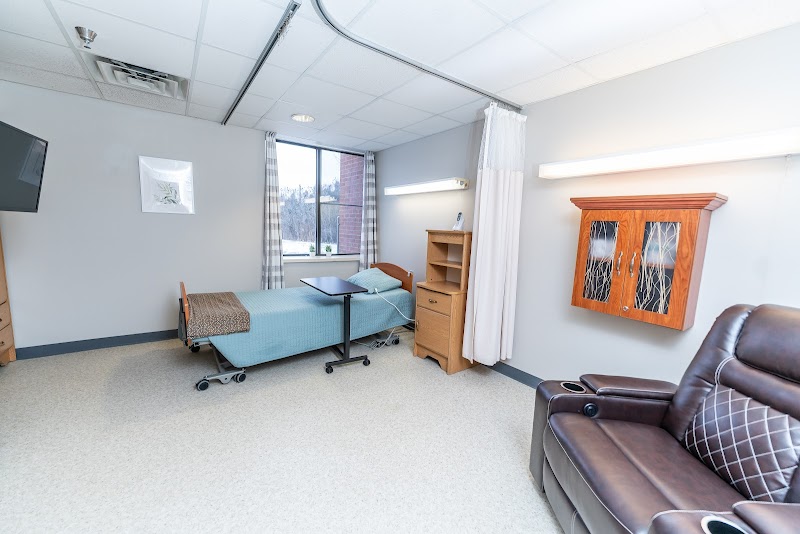
How is Friendly Village Nursing And Rehab Center Staffed?

CMS rates FRIENDLY VILLAGE NURSING AND REHAB CENTER's staffing level at 3 out of 5 stars, which is average compared to other nursing homes. Staff turnover is 41%, compared to the Wisconsin average of 46%. This relatively stable workforce can support continuity of care.

What Have Inspectors Found at Friendly Village Nursing And Rehab Center?

State health inspectors documented 17 deficiencies at FRIENDLY VILLAGE NURSING AND REHAB CENTER during 2023 to 2025. These included: 17 with potential for harm.
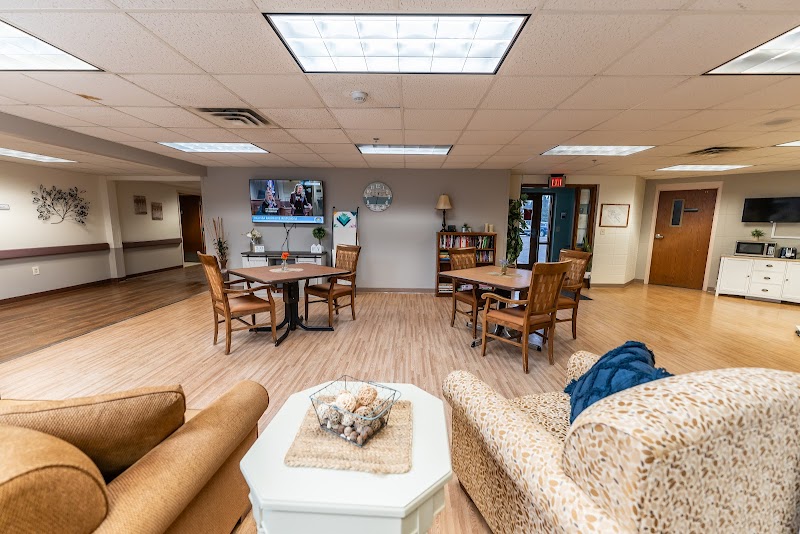
Who Owns and Operates Friendly Village Nursing And Rehab Center?

FRIENDLY VILLAGE NURSING AND REHAB CENTER is owned by a for-profit company. For-profit facilities operate as businesses with obligations to shareholders or private owners. The facility is operated by EDEN SENIOR CARE, a chain that manages multiple nursing homes. With 100 certified beds and approximately 73 residents (about 73% occupancy), it is a mid-sized facility located in RHINELANDER, Wisconsin.
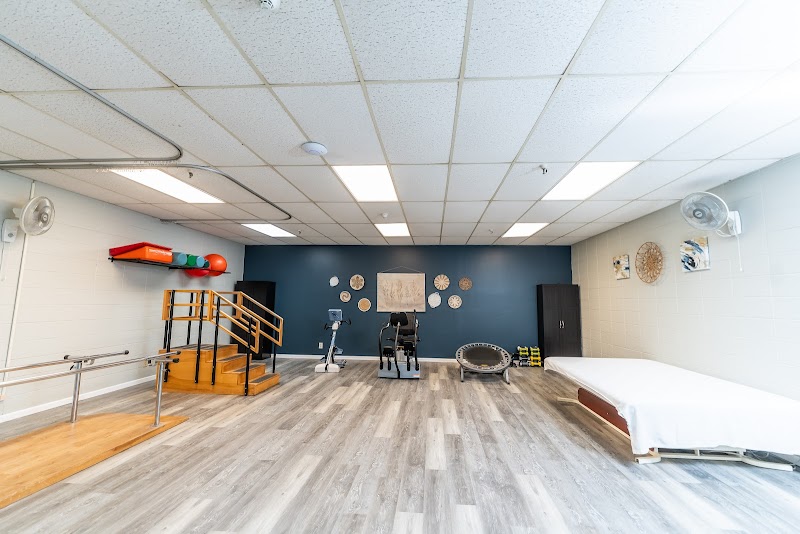
How Does Friendly Village Nursing And Rehab Center Compare to Other Wisconsin Nursing Homes?

Compared to the 100 nursing homes in Wisconsin, FRIENDLY VILLAGE NURSING AND REHAB CENTER's overall rating (3 stars) matches the state average, staff turnover (41%) is near the state average of 46%, and health inspection rating (3 stars) is at the national benchmark.

What Should Families Ask When Visiting Friendly Village Nursing And Rehab Center?

Based on this facility's data, families visiting should ask: "Can I visit during a mealtime to observe dining assistance and food quality?" "How do you handle medical emergencies, and what is your hospital transfer rate?" "Can I speak with family members of current residents about their experience?"

Is Friendly Village Nursing And Rehab Center Safe?

Based on CMS inspection data, FRIENDLY VILLAGE NURSING AND REHAB CENTER has a clean safety record: no substantiated abuse findings (meaning no confirmed cases of resident harm), no Immediate Jeopardy citations (the most serious violation level indicating risk of serious injury or death), and is not on the Special Focus Facility watch list (a federal program monitoring the lowest-performing 1% of nursing homes). The facility has a 3-star overall rating and ranks #1 of 100 nursing homes in Wisconsin. While no facility is perfect, families should still ask about staff-to-resident ratios and recent inspection results during their visit.

Do Nurses at Friendly Village Nursing And Rehab Center Stick Around?

FRIENDLY VILLAGE NURSING AND REHAB CENTER has a staff turnover rate of 41%, which is about average for Wisconsin nursing homes (state average: 46%). Moderate turnover is common in nursing homes, but families should still ask about staff tenure and how the facility maintains care continuity when employees leave.

Was Friendly Village Nursing And Rehab Center Ever Fined?

FRIENDLY VILLAGE NURSING AND REHAB CENTER has no federal fines on record. CMS issues fines when nursing homes fail to meet care standards or don't correct problems found during inspections. The absence of fines suggests the facility has either maintained compliance or corrected any issues before penalties were assessed. This is a positive indicator, though families should still review recent inspection reports for the full picture.

Is Friendly Village Nursing And Rehab Center on Any Federal Watch List?

FRIENDLY VILLAGE NURSING AND REHAB CENTER is not on any federal watch list. The most significant is the Special Focus Facility (SFF) program, which identifies the bottom 1% of nursing homes nationally based on persistent, serious quality problems. Not being on this list means the facility has avoided the pattern of deficiencies that triggers enhanced federal oversight. This is a positive indicator, though families should still review the facility's inspection history directly.