PINE VALLEY COMMUNITY VILLAGE
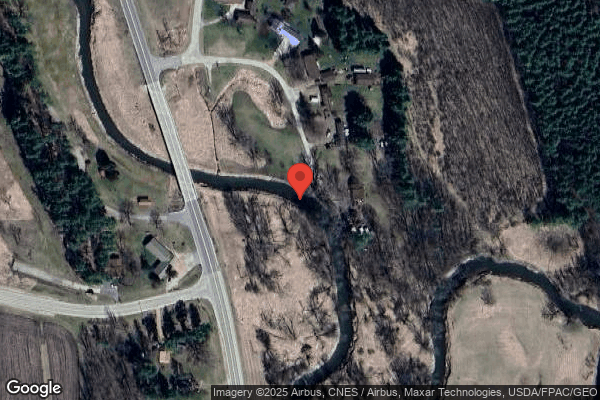
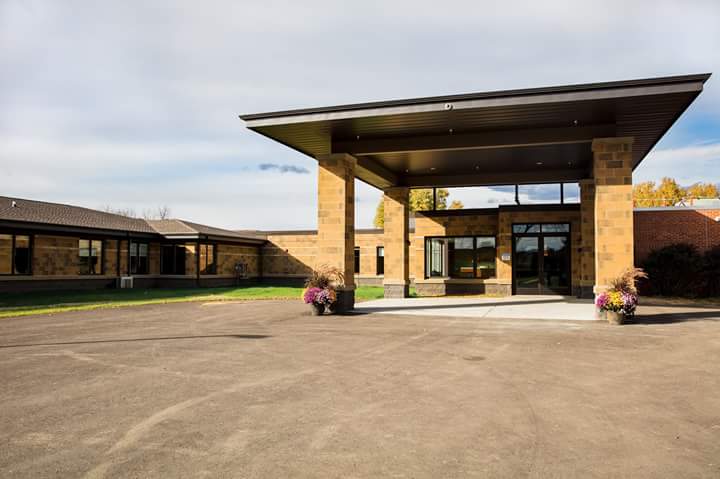
25951 CIRCLE VIEW LANE, RICHLAND CENTER, WI 53581 (608) 647-2138
For profit - Corporation 80 Beds Independent Data: November 2025 2 Immediate Jeopardy citations
Trust Grade
11/100
#233 of 321 in WI
Last Inspection: May 2025

Inspected within the last 6 months. Data reflects current conditions.

Overview

Pine Valley Community Village has received a Trust Grade of F, indicating significant concerns about the quality of care provided. They rank #233 out of 321 facilities in Wisconsin, placing them in the bottom half overall, and they are #2 out of 2 in Richland County, meaning there is only one other local option available that is rated higher. The facility's performance is worsening, with issues increasing from 2 in 2024 to 17 in 2025. Staffing is a strength here, with a perfect score of 5 stars and a turnover rate of only 32%, which is well below the state average, suggesting that staff members are experienced and familiar with the residents. However, there are serious issues, including critical incidents where staff failed to provide CPR to a resident in need and did not recognize significant changes in another resident's health condition, leading to severe complications. Additionally, the facility has incurred $114,440 in fines, which is concerning and indicates repeated compliance problems. While the staffing situation is good, families should weigh these serious deficiencies carefully when considering this nursing home.

Trust Score
F
11/100
In Wisconsin
#233/321
Bottom 28%
Safety Record
High Risk
Review needed
Inspections
Getting Worse
2 → 17 violations
Staff Stability
○ Average
32% turnover. Near Wisconsin's 48% average. Typical for the industry.
Penalties
✓ Good
$114,440 in fines. Lower than most Wisconsin facilities. Relatively clean record.
Skilled Nurses
✓ Good
Each resident gets 64 minutes of Registered Nurse (RN) attention daily — more than 97% of Wisconsin nursing homes. RNs are the most trained staff who catch health problems before they become serious.
Violations
⚠ Watch
20 deficiencies on record. Higher than average. Multiple issues found across inspections.
★★☆☆☆
2.0
Overall Rating
★★★★★
5.0
Staff Levels
★★★★☆
4.0
Care Quality
★☆☆☆☆
1.0
Inspection Score
Stable
2024: 2 issues
2025: 17 issues

The Good

  • 5-Star Staffing Rating · Excellent nurse staffing levels
  • 4-Star Quality Measures · Strong clinical quality outcomes
  • Full Sprinkler Coverage · Fire safety systems throughout facility
  • No fines on record
  • Staff turnover below average (32%)

    16 points below Wisconsin average of 48%

Facility shows strength in staffing levels, quality measures, fire safety.

The Bad

2-Star Overall Rating

Below Wisconsin average (3.0)

Below average - review inspection findings carefully

Staff Turnover: 32%

14pts below Wisconsin avg (46%)

Typical for the industry

Federal Fines: $114,440

Well above median ($33,413)

Significant penalties indicating serious issues

The Ugly 20 deficiencies on record

2 life-threatening 1 actual harm
Jul 2025 6 deficiencies 1 IJ
CRITICAL (J) 📢 Someone Reported This

A family member, employee, or ombudsman was alarmed enough to file a formal complaint

Immediate Jeopardy (IJ) - the most serious Medicare violation

Deficiency F0678 (Tag F0678)

Someone could have died · This affected 1 resident

**NOTE- TERMS IN BRACKETS HAVE BEEN EDITED TO PROTECT CONFIDENTIALITY** Based on interview and record review, the facility failed to provide basic life support, including CPR (Cardiopulmonary Resuscit...

Read full inspector narrative →
**NOTE- TERMS IN BRACKETS HAVE BEEN EDITED TO PROTECT CONFIDENTIALITY** Based on interview and record review, the facility failed to provide basic life support, including CPR (Cardiopulmonary Resuscitation), to a resident requiring emergency care and failed to immediately notify emergency medical personnel for 1 of 4 total sampled residents (R1). R1 was found pulseless and not breathing on [DATE]. R1's Physician Orders, Care Plan, CNA (Certified Nursing Assistant) Kardex, EHR (Electronic Health Record) banner, and MAR (Medication Administration Record) indicated R1 was a full code. Staff failed to immediately initiate CPR and immediately contact emergency medical personnel. Facility failure to immediately begin cardiopulmonary resuscitation and immediately summon emergency medical personnel created a finding of immediate jeopardy that began on [DATE]. Surveyor notified NHA A (Nursing Home Administrator) of the immediate jeopardy on [DATE] at 12:00 PM. The immediacy was removed and corrected on [DATE].This is evidenced by:Per CMS (Centers for Medicare and Medicaid Services) Cardiopulmonary resuscitation (CPR) refers to any medical intervention used to restore circulatory and/or respiratory function that has ceased.Per The American Heart Association, all potential rescuers are to initiate CPR unless a valid Do Not Resuscitate (DNR) order is in place; obvious clinical signs of irreversible death (e.g., rigor mortis, dependent lividity, decapitation, transection, or decomposition) are present; or initiating CPR could cause injury or peril to the rescuer.Per CMS, when addressing full-code residents: If a resident experiences a cardiac or respiratory arrest and the resident does not show obvious clinical signs of irreversible death (e.g. rigor mortis, dependent lividity, decapitation, transection, or decomposition), facility staff must provide basic life support, including CPR, prior to the arrival of emergency medical services.The facility's policy, Cardiopulmonary Resuscitation (CPR), reviewed [DATE], documents, in part, as follows: Licensed staff will be responsible for knowing how to access the code status of each resident if this information is needed.BLS (Basic Life Support) equipment including a cardiac arrest board, suction, oxygen and related supplies, and the AED (Automated External Defibrillator) will be stored in the Oxygen Equipment Room in the AED.In the event of discovery of cessation of breathing and/or pulse, the staff will:Call for assistance using the paging system or verbally alerting other staff on duty.Verify the resident's code status.Delegate to staff persons the tasks of obtaining the emergency equipment, calling the ambulance, and notification of the physician.If the resident's code status is a YES CPR, position the resident on a firm surface or the cardiac arrest board and initiate CPR following the BLS standards for CPR.Continue CPR until Emergency Medical Personnel arrive.R1 was admitted to the facility on [DATE] with diagnoses including, but not limited to, congestive heart failure acute on chronic (sudden worsening of chronic heart failure symptoms), coronary artery disease (damage to the heart's blood vessels), peripheral vascular disease (a circulatory condition that reduces blood flow to the limbs), diabetes mellitus type 2 (the body has trouble controlling blood sugar), and acute kidney failure (the kidneys do not efficiently filter waste from the blood).On [DATE] R1's power of attorney for health care was activated with a family member serving as her APOAHC (Activated Power of Attorney for Health Care). On [DATE], R1's POST (Provider Orders for Scope of Treatment) was completed and signed by a physician and R1's APOAHC. The POST documents: FIRST follow these orders, THEN contact physician. This is a medical order form based on the person's medical condition and preferences. Recognize the dignity of all people and treat everyone with respect.R1's POST indicates the following: Cardiopulmonary Resuscitation (CPR) - Attempt Resuscitation/CPR - If patient has no pulse and is not breathing attempt CPR.On [DATE], R1's APOAHC signed R1's POST a second time when R1's code status was revisited with R1 and R1's APOAHC. R1's POST remained Cardiopulmonary Resuscitation (CPR) - Attempt Resuscitation/CPR - If patient has no pulse and is not breathing attempt CPR.R1's Significant Change Minimum Data Set (MDS) dated [DATE] indicates R1 has a Brief interview of Mental Status (BIMS) of 9 out of 15 indicating she is moderately cognitively impaired. On [DATE], R1's Care Conference documents in part: Type: Significant Change Notes: .Resident's POST reviewed and resident/Activated HCPOA (Health Care Power of Attorney)/family continue to feel that Full Code should continue. Risks vs benefits of CPR (Cardiopulmonary Resuscitation) explained, and resident/family continue to want CPR.Surveyor reviewed R1's Full Code status is consistent in the following areas:R1's Physician Orders, signed by the physician [DATE], document R1 is a Full Code.R1's CNA Kardex has a green sticker indicating Full Code.Surveyor reviewed R1's EHR (Electronic Health Record) banner and MAR (Medication Administration Record) which both indicate R1 is a Full CodeXXX[DATE] at 4:24 AM, RN C (Registered Nurse) documented the following Progress Note: Called to resident's room by CNA (Certified Nursing Assistant), resident not breathing no heartbeat, skin cold to touch. CNA had been in at 2:00 AM with resident to check on her and she was fine. Called and updated Physician F (Physician name) on resident condition and felt no need to start CPR (Cardiopulmonary Resuscitation) due to no heartbeat and skin cold to touch. Updated family member (name) and will be in to see R1. Resident was assessed earlier this evening at bedtime and all VS (vital signs) were good and stable. Resident refused supper last night and would only take sips of liquid. On [DATE], a nurse reviewing R1's chart noted RN C's (Registered Nurse) Progress Note (above) and notified NHA A (Nursing Home Administrator). NHA A notified DON B (Director of Nursing).The facility initiated a Self-Report to the State Agency. NHA A and DON B reached out to staff working that shift: RN C , CNA D, and LPN E (Licensed Practical Nurse).The facility's Self Report documents as follows:Date occurred: [DATE]Time occurred: 4:30 AMOccurred date and time estimated: YesDate discovered: [DATE]The facility's investigation includes the following:On [DATE] R1, full code status, with a history of Peripheral vascular disease, diabetes, kidney failure, protein-calorie malnutrition, chronic congestive heart failure, prosthetic heart valve, depression. Over the last 6 months, R1 experienced a significant decline, weight loss and just an overall decline in health. Noted [DATE] a significant change occurred again on [DATE] that triggered a MDS (Minimum Data Set) change. On several occasions, social services and nurse managers went over the code status and educated them on what that would mean for R1. The choice was always to remain a full code or that they would think about changing it. Hospice was offered to the family due to the decline but was declined as well. Several attempts to address the decline, interventions were in place to help improve wound care and nutritional status. R1 was not taking in. [sic]On [DATE], RN C (Registered Nurse) was called to R1's room after CNA D called her to the room. R1 had no pulse and was cold to the touch. Per the charting CNA was in with her on the 2:00 AM rounds and noted that she was fine and still alive at that time. RN C called the physician on call, Physician F, and it was decided that due to no heartbeat and skin cold to touch, they were not to initiate CPR (Cardiopulmonary Resuscitation) Physician F instructed RN C to update her HPOA (Healthcare Power of Attorney) as to the decision. HPOA and family indicated that they were grateful of the call and the care that was provided to R1.On [DATE] at 11:51 AM, NHA A and DON B spoke with Physician F. Physician F stated that she received a call at 4:17 AM on [DATE] in regard to R1. Physician F stated, RN C, let her know that they found R1 without a pulse and cold to touch. She stated she then instructed the nurse that they should not do CPR as it would not do any good at the time. NHA A and DON B educated Physician F on the regulation and that regardless of the situation, we are required to at least start the CPR, and the determination can be made after EMS (Emergency Medical Services) has a chance to take over.On [DATE] at 1:55 PM, NHA A and DON B spoke with RN C regarding the events that occurred. I (NHA A) read off the progress note and asked if she wanted to add anything to that for her statement. RN C stated that when she was called into the room, R1's face was cold, her hands were cold and at that point she felt that there no [sic] nothing more that could be done as she would suggest it had been a while without a pulse. She stated that as soon as she was brought into the situation, she went to call Physician F right away to get guidance on the situation. RN C stated that she has [sic] a conversation with DON B a couple weeks prior to this event, letting the DON know she didn't think it was appropriate for residents to be a full code. DON B responded and reminded her that it was not the facility choice and that it was the residents' choice regarding code status and no matter what, she needed to complete code if anything occurred. DON B reminded RN C that she understood what DON B relayed to her 2 weeks ago. NHA A educated RN C, that when someone is full code that no matter how cold their body is at the time, that we are required to initiate CPR and call EMS. RN C then asked if there was a policy that would help with decision making in the building in this type of event, NHA A stated, the policy states what was discussed and there is no deviation from the residents' request. RN C has been suspended pending investigation.On [DATE] at 2:45 PM, NHA A and DON spoke with CNA D about the night as she was as she was the primary caregiver on the wing and the one that initially found R1. Per CNA D, she had done rounds with R1 at 2:00 AM, at that time R1 was alive and breathing. When she returned at 4:00 AM to complete rounds she stated that she spoke to R1 and told her that she was going to be pulling the blankets back, at that time she noticed that R1's hands were purple, and her face was cold. But overall that she didn't feel like she was cold all the way around and felt that she had some warmth to her. She stated she then went directly to the nurse (RN C) and the nurse came down. CNA D then stated she had asked what they were supposed to do, RN C then responded that she was not aware what she should do in the situation and then asked her to run get LPN E for guidance. CNA D stated that she went to get LPN E, LPN E told CNA D that they needed to start CPR and to grab the crash cart. CNA D grabbed what was asked and ran down the hallway, to which we met RN C at the time. RN C was on the phone with Physician F who instructed them not to start CPR as R1 was gone. They called the family and the funeral home at that time. NHA A and DON B explained to CNA D that we are required to start CPR no matter the situation as long as their advance directives states that they are a full code. On [DATE] at 3:48 PM, DON B spoke with R1's PCP (Primary Care Provider) regarding R1's passing over the weekend. DON B updated PCP that CPR had not been performed based on conversation that was had between RN C and Physician F. PCP stated that he was aware of R1's fragile state and agreed that CPR would have been futile. Moving forward R1's PCP indicated that he will be reviewing the code status for all residents he is presently following at the facility and will be having more detailed conversation with residents and their families, as changes in condition warrant. DON B educated PCP on State/Federal guidelines for nursing home residents, in regard to performing CPR and discussed the detailed criteria needed if CPR is not performed on someone who is a full code. PCP had no concerns with how care had been provided and response of staff and agreed with Physician F decision based on assessment provided to Physician F from RN C.On [DATE] at 1:55 PM, Surveyor spoke with LPN E (Licensed Practical Nurse) regarding the situation that occurred with R1. LPN E stated that CNA D came to her and told her that they had a code and R1 was a full code, and the nurse (RN C) was not sure what to do at the time. LPN E told CNA D to grab the crash cart, and she ran over to the wing. When LPN E arrived to the wing to assist with the code, she met with RN C stating that she was not going to perform CPR as R1 was cold. LPN E stated that she needed to begin CPR or call the Dr. That's what RN C did and was informed not to begin CPR. NHA A and DON B educated LPN E that we are required to start CPR, and that EMS needs to be called no matter what. LPN E then asked what she should do in the future since she is an LPN, and an RN stated not to do CPR. Educated LPN E that she needs to begin CPR if they are full code no matter what. On [DATE] at 2:00 PM, Surveyor asked RN C to describe the events that occurred when R1 passed away. RN C stated she had seen R1 earlier in her shift and had encouraged fluids. RN C stated R1 was not eating much. RN C took R1's vital signs and blood sugar. RN C stated she could barely get R1 to drink 1/2 of a supplement, and this was her norm. RN C stated CNA D called her on the phone at approximately 4:20 AM when she was walking to get a pop. RN C stated she immediately went to R1's room. RN C stated she arrived to R1's room in 1-2 minutes at the most. Surveyor asked if RN C was aware that R1 was a Full Code. RN C stated, Yes, correct. RN C stated you could clearly see that R1 had been deceased , had absolutely no color, gray in color. RN C stated she felt R1, and she was cold to touch. RN C stated that she lifted R1's arm up and it was somewhat stiff, not full rigor or anything like that. RN C stated she contacted LPN E and Physician F. RN C stated, she knew R1 was fine at 2:00 AM when CNA D checked on her. RN C stated she asked Physician F if she wanted her to start CPR? Physician F stated R1 is clearly gone, do not start CPR. Surveyor asked RN C how long have you worked at the facility. RN C stated 2 1/2 years PRN (as needed). RN C stated she usually works 2 shifts per month. Surveyor asked RN C if the facility provided education regarding code status prior to this incident. RN C stated she completed education related to code status on the computer. Surveyor asked RN C where would she look first to find a resident's code status. RN C stated, in the MAR (Medication Administration Record). Surveyor asked RN C, does it indicate Full Code or DNR (Do Not Resuscitate). RN C stated, no, it's not clear as to whether the resident is a full code or DNR, she thinks there is a heart for full code but is unsure. RN C stated, when residents have passed previously (not at this facility) we knew they were dying. Surveyor asked RN C, did you have a discussion with DON B (Director of Nursing) regarding R1's code status approximately two (2) weeks prior to her death. RN C stated, yes, she discussed R1's code status with DON B as R1's condition deteriorated and has been changing for quite some time. RN C stated she thought R1's code status had not been looked at since [DATE]. Of note, R1's POST was re-signed by R1's APOAHC on [DATE] and was located in R1's hard chart in the nurses station. RN C stated R1's family was aware R1 was in the process of dying. RN C stated she expressed concerns to DON B that R1 is still a Full Code, and she is declining, not eating, has toes that look gangrene to her and R1 was not a candidate for surgery. RN C stated R1 has been having vaginal discharge for months as well. DON B told her this has been reviewed. RN C stated R1's family was aware that R1 is declining and still wants her to be a Full Code. RN C stated, I understand that we need to do CPR . Surveyor asked RN C why did you not start a code and perform CPR. RN C stated, it was obvious that R1 was already deceased for quite some time, if R1 was warm and had color she could call rescue and start CPR. Surveyor asked RN C, based on R1's decision together with her APOAHC to be a Full Code, should you have started CPR. RN C stated, when deceased for a while she left that up to the doctor. RN C stated, Yes, you normally would. RN C added R1 was cold and had been deceased for a while. Surveyor asked RN C if the facility provided education to you following this incident. RN C stated, They told me I should have started a code and have started CPR on her. RN C added, it really wasn't an education, they told me this is what I should have done. RN C added, the facility also told her the policy and procedure for code status is also at the nurses' station.On [DATE] at 2:28 PM, Surveyor spoke with CNA D. Surveyor asked CNA D to describe what occurred with R1 on [DATE]. CNA D stated, I've been having a hard time with this and added she has been a CNA since 1988. CNA D stated she checked on R1 at approximately 2:00 AM. R1 was sleeping fine. CNA D stated R1 has been declining in health for quite some time but she had no issues indicating that she was near death. CNA D stated she went back to R1's room at 4:00 AM or a little bit before. CNA D stated R1 is a quiet sleeper and does not make much noise. CNA D stated she turned the small light on and told R1 she was going to check to see if she needs to be changed. CNA D stated she observed R1's hands were purple. CNA D added R1 was under 6 blankets per usual. CNA D added R1 always sleeps under many blankets. CNA D stated R1's face was colder than normal and pale. CNA D stated normally after passing a resident's face is white so she could tell she passed. CNA D stated she went to RN C and told her there is a death in room (number). CNA D stated she had never seen RN C before. CNA D stated RN C responded by saying, Why did I pick up this shift and I've never had this happen, I don't want to do CPR on her. CNA D stated she thought R1 was a DNR (Do Not Resuscitate) and thought her code status had been changed. CNA D stated she checked R1's code status in her bathroom which had a green sticker indicating R1 is a Full Code. CNA D stated RN C tried to call LPN E but LPN E did not answer. CNA D asked RN C if she wanted her to find LPN E. RN C stated, yes. CNA D stated she saw LPN E walking down the hall and told her there was a death in room (number). LPN E instructed CNA D to call 911. CNA D asked LPN E if we are doing CPR. LPN E stated, yes. CNA D asked if she should grab the crash cart. LPN E stated, yes. CNA D stated that when she got back to R1's room, nobody was in her room. CNA D stated she pulled (untucked) R1's sheet to get her to the floor. CNA D stated that she didn't want to smash R1's head and added she is a pretty big lady. CNA D stated that she saw RN C on the phone and assumed she was talking to the doctor or 911. CNA D asked LPN E if we are doing CPR. LPN E stated, no, the doctor said no CPR. Surveyor asked CNA D when she had most recently received CPR training prior to this incident. CNA D stated she had training in CPR approximately 1-1 1/2 months ago. CNA D stated the facility did mock drills with a manikin and EMS (Emergency Medical Services) was here. Surveyor asked CNA D, since this incident with R1 has the facility provided further training related to CPR. CNA D stated, Oh yes! Surveyor asked CNA D what would you do differently if this situation presented itself again. CNA D stated, if a resident is pulseless and not breathing, she would check the CNA Kardex in the resident's bathroom for a red (DNR) or green (Full Code) sticker. CNA D stated, if the resident were a Full Code, she would use the emergency staff button, get R1 to the floor or use a board under her and start CPR. CNA D stated she is CPR certified. CNA D stated again, she thought R1's code status had been changed to DNR. CNA D stated, if a resident is a DNR we do not use the emergency staff button. On [DATE] at 2:00 PM, Surveyor spoke with LPN E . LPN E stated she was working on the 200-300 wing when CNA D said there was a code on the 400 wing at approximately 4:00 AM. LPN E told CNA D to grab the crash cart and went down to R1's room. RN C was there. LPN E stated she planned on doing CPR and was looking for a pillow to put under her knees. LPN E stated to RN C , we have to start CPR on someone that's a Full Code. LPN E added, she was in between a rock and a hard place because RN C is the Registered Nurse. LPN E stated, I didn't know what to do. LPN E stated, RN C said R1 was cold. LPN E stated, she touched R1's face and arm. LPN E stated she wasn't ice cold but cooler than she was. LPN E stated RN C called Physician F and Physician F stated to not do CPR. LPN E stated we should have started CPR anyway and then RN C could have called the Physician F. LPN E stated, I did know what to do when it came right down to it. LPN E stated when the RN called Physician F before starting CPR that's where the confusion came in. LPN E stated she's careful about not overriding the RN . LPN E stated since this incident, NHA A has given her permission to override any RN when a resident is a Full Code and CPR needs to be started. LPN E stated the facility provided education to her regarding CPR on [DATE], her next scheduled shift. LPN E stated the facility also provided education to staff that when a resident is a Full Code staff are to do CPR unless the resident is decapitated.On [DATE] at 12:25 PM, Surveyor spoke with Physician F. Surveyor asked Physician F to describe the phone call she received from RN C on [DATE] regarding R1. Physician F stated RN C called her on [DATE] at 4:17 AM. RN C stated staff checked on R1 and R1 clearly had passed in her sleep. Physician F stated RN C felt R1's extremities were cool and there was an absence of vitals. RN C told her R1 is a Full Code. Physician F stated that she asked RN C, What are you supposed to do? Physician F stated RN C responded by saying, I'm not sure because she (R1) has clearly been passed a while. Physician F stated, 2:00 AM is R1's last known well time. Physician F stated that she asked RN C how was R1 doing up until this. Physician F stated she had not heard anything (concern/change in condition) about R1. Physician F stated, RN C told her R1 is in her usual state of health with no changes. Physician F stated R1 had gangrene of toes that can't be fixed due to poor blood flow and a bad heart. Physician F stated, R1 was in her stable poor health. Physician F stated, RN C was hesitant to start CPR as it was clear R1 had died a long time before she was found. Physician F stated RN C was confident R1 had passed and passed for a while. Physician F stated, RN C felt it was inhumane to do CPR on a resident that had passed possibly over 1 hour ago. Surveyor asked Physician Fif the facility provided education to you after this incident. Physician F stated, yes, NHA A and DON B informed her staff should have started compressions (CPR) due to R1 being a Full Code even though medically it makes no sense. Physician F stated, NHA A and DON B informed her that RN C and staff should have started a code and called EMS. On [DATE] at 3:15 PM, Surveyors spoke with NHA A . Surveyor asked NHA A, on [DATE] when R1 was found pulseless and not breathing should staff have started CPR and called EMS . NHA A stated, yes, R1 was a Full Code. NHA A stated she was made aware of RN C not performing CPR on [DATE] and informed SW L (Social Worker). SW L stated we needed to self-report the incident. NHA A stated facility staff have had frequent conversations since [DATE] regarding R1's code status. NHA A stated staff knew R1 was a Full Code and needed to do it (CPR). NHA A stated, R1 was adamant about being a Full Code. NHA A stated SW L has detailed notes regarding his discussions with R1 and her APOAHC regarding code status (referenced above). R1's APOAHC wanted R1 to be a Full Code. NHA A stated R1 refused hospice as she and her APOAHC didn't feel she was there yet. NHA A stated that CNA D had stated R1 was still warm. NHA A stated that LPN E went to the unit and RN C told her we're not doing it (CPR). NHA A stated the facility suspended RN C prior to terminating her employment on [DATE]. NHA A stated, DSPS (Department of Safety and Professional Services) may investigate. NHA A stated it is not our decision whether CPR is performed. NHA A stated, ultimately, we don't need to agree with it (a resident's right to choose their code status), but we need to follow it. NHA A stated she educated Physician F and R1's PCP . NHA A stated, R1's PCP was not aware of the process for CPR and NHA A added, she was really surprised by this. NHA A stated, our residents have a right to choose, and we need to follow their wishes. NHA A stated the facility completed mock drills and debriefed with staff after the drill. NHA A stated the facility educated staff that when a resident is a Full Code, pulseless and not breathing, staff need to do CPR unless the resident is decapitated. NHA A stated, when a resident that is a Full Code is cold and pulseless that is not a reason to not start CPR. NHA A stated R1 has vascular issues which can also make her hands cold. NHA A stated R1 had 1 warm hand and 1 cold hand. NHA A stated she called RN C on [DATE] to terminate her employment. NHA A stated that's when RN C admitted R1 wasn't fully cold. NHA A stated Human Resources was her witness during this conversation. NHA A stated, R1's face and 1 hand was cold which means she died more recently than we thought. NHA A stated she told RN C, that means we can't employ you. NHA A stated, she educated staff that if an RN refuses to do CPR on a resident that's a Full Code they can jump in an do it. NHA A added that the night shift CNAs are also CPR certified. NHA A added, RN C had a conversation with DON B that she was not happy with R1's code status. DON B educated RN C that R1's code status is the resident's choice. NHA A stated, we don't have to like it, but we have to follow through with R1's wishes. NHA A stated, based on her conversation with RN C, RN C has no sadness or remorse. NHA A stated, ultimately neglect is neglect, and she cannot employ RN C. Surveyor asked NHA A if RN C expressed concerns regarding all residents that elect to be a Full Code or specifically R1. NHA A stated, just R1. NHA A stated, we are not playing God here. The failure to provide basic life support including CPR, created a reasonable likelihood for serious harm, which created a finding of Immediate Jeopardy. The facility removed and corrected the immediate jeopardy on [DATE] when it completed the following:On [DATE], NHA A created education in regard to the F678 regulation (Cardio-Pulmonary Resuscitation) as well as the policy and placed for nursing staff to review and keep a copy. Nurse managers were given a scenario-based questionnaire to go over with nursing staff to ensure proper understanding of their roles during the code event.On [DATE], DON B reviewed all code statuses to ensure that all care cards in their room properly reflected their code status. SW took the audit and went room to room to ensure they were correctly placed on the care cards.On [DATE], Audit completed to ensure that there were no other events in the last 6 months. No other events were noted.On [DATE], Medical Director reviewed chart and stated that he didn't see anything wrong with the chart but more so that they did not start CPR.On [DATE], Audit of the Crash Cart and AED (Automatic External Defibrillator) machine completed by RN , and on a rolling schedule 3x (times) weekly for a month.On [DATE] CPR drill was started with all shifts and will continue until majority of the staff are in a mock drill. This is completed at random, and staff are not aware of the event occurring.On [DATE], Resident rights in regard to Code Status was given to staff during the CPR code drills. Staff were asked to demonstrate and tell us where they can locate the code status for staff, and real time education given to staff if needed.On [DATE], Nursing meeting held, were given the CPR scenario, and education provided on regulations and residents right to choose their code status as well as the policy in regarding to CPR.On [DATE], Audit of all CPR certifications completed. All staff who are working or scheduled to work are in good standing and all have completed in person certification.
CONCERN (F) 📢 Someone Reported This

A family member, employee, or ombudsman was alarmed enough to file a formal complaint

Potential for Harm - no one hurt, but risky conditions existed

Deficiency F0730 (Tag F0730)

Could have caused harm · This affected most or all residents

Based on interview and record review, the facility failed to provide regular in-service education for 5 of 5 staff reviewed for education. This has the potential to affect the total census of 70 resid...

Read full inspector narrative →
Based on interview and record review, the facility failed to provide regular in-service education for 5 of 5 staff reviewed for education. This has the potential to affect the total census of 70 residents.CNA G (Certified Nursing Assistant), CNA H, CNA I, CNA J, and CNA K did not have regular in-service education completed every 12 months.This is evidenced by:In Wisconsin, CNAs (Certified Nursing Assistants) are required to complete 12 hours of continuing education annually. This requirement is part of maintaining active status on the Wisconsin Nurse Aide Registry.On 7/22/25 at 9:45 AM, Surveyor requested education documentation for CNA G, CNA H, CNA I, CNA J, and CNA K.CNA G was hired on 9/20/22. CNA G did not have 12 hours of continuing education.CNA H was hired on 8/21/17. CNA H did not have 12 hours of continuing education.CNA I was hired on 6/2/23. CNA I did not have 12 hours of continuing education.CNA J was hired on 11/3/23. CNA J did not have 12 hours of continuing education.CNA K was hired on 11/24/21. CNA K did not have 12 hours of continuing education.On 7/22/25 at 11:23 AM, Surveyor interviewed NHA A regarding CNA education hours. NHA A indicated CNA G, CNA H, CNA I, CNA J, and CNA K should have had their required 12 hours of continuing education but did not.
CONCERN (F) 📢 Someone Reported This

A family member, employee, or ombudsman was alarmed enough to file a formal complaint

Potential for Harm - no one hurt, but risky conditions existed

Deficiency F0941 (Tag F0941)

Could have caused harm · This affected most or all residents

**NOTE- TERMS IN BRACKETS HAVE BEEN EDITED TO PROTECT CONFIDENTIALITY** Based on interview and record review, the facility did not ensure that 5 of 5 staff reviewed for education received mandatory ed...

Read full inspector narrative →
**NOTE- TERMS IN BRACKETS HAVE BEEN EDITED TO PROTECT CONFIDENTIALITY** Based on interview and record review, the facility did not ensure that 5 of 5 staff reviewed for education received mandatory education in effective communication. This has the potential to affect the total census of 70 residents.CNA G (Certified Nursing Assistant), CNA H, CNA I, CNA J, and CNA K did not receive their mandatory education in effective communication.This is evidenced by:On 7/22/25 at 9:45 AM, Surveyor requested evidence of effective communication education for the following staff: CNA G, CNA H, CNA I, CNA J, and CNA [NAME] 7/22/25 at 11:23 AM, NHA A indicated she was unable to provide Surveyor with evidence that effective communication education was provided to CNA G, CNA H, CNA I, CNA J, and CNA K. Surveyor interviewed NHA A regarding CNA education. NHA indicated CNA G, CNA H, CNA I, CNA J, and CNA K should have received effective communication education but did not receive it.
CONCERN (F) 📢 Someone Reported This

A family member, employee, or ombudsman was alarmed enough to file a formal complaint

Potential for Harm - no one hurt, but risky conditions existed

Deficiency F0944 (Tag F0944)

Could have caused harm · This affected most or all residents

**NOTE- TERMS IN BRACKETS HAVE BEEN EDITED TO PROTECT CONFIDENTIALITY** Based on interview and record review, the facility did not ensure that 5 of 5 staff reviewed for education received training reg...

Read full inspector narrative →
**NOTE- TERMS IN BRACKETS HAVE BEEN EDITED TO PROTECT CONFIDENTIALITY** Based on interview and record review, the facility did not ensure that 5 of 5 staff reviewed for education received training regarding the elements and goals of the facility's QAPI program. This has the potential to affect the total census of 70 residents.CNA G (Certified Nursing Assistant), CNA H, CNA I, CNA J, and CNA K did not receive their mandatory QAPI education.This is evidenced by:On 7/22/25 at 9:45 AM, Surveyor requested evidence of QAPI education for the following staff: CNA G, CNA H, CNA I, CNA J, and CNA [NAME] 7/22/25 at 11:23 AM, NHA A was unable to provide Surveyor with evidence that QAPI education was provided to CNA G, CNA H, CNA I, CNA J, and CNA K. Surveyor interviewed NHA A regarding CNA education. NHA indicated CNA G, CNA H, CNA I, CNA J, and CNA K should have received QAPI education but did not receive it.
CONCERN (F) 📢 Someone Reported This

A family member, employee, or ombudsman was alarmed enough to file a formal complaint

Potential for Harm - no one hurt, but risky conditions existed

Deficiency F0945 (Tag F0945)

Could have caused harm · This affected most or all residents

Based on interview and record review, the facility did not ensure that 4 of 5 staff reviewed for education received mandatory training on infection control standards, policies and the overall program....

Read full inspector narrative →
Based on interview and record review, the facility did not ensure that 4 of 5 staff reviewed for education received mandatory training on infection control standards, policies and the overall program. This has the potential to affect the total census of 70 residents.CNA H (Certified Nursing Assistant), CNA I, CNA J, and CNA K did not receive their mandatory infection control education.This is evidenced by:On 7/22/25 at 9:45 AM, Surveyor requested evidence of infection control education for the following staff: CNA H, CNA I, CNA J, and CNA K.On 7/22/25 at 11:23 AM, NHA A was unable to provide Surveyor with evidence that infection control education was provided to CNA H, CNA I, CNA J, and CNA K. Surveyor interviewed NHA A regarding CNA education. NHA indicated CNA H, CNA I, CNA J, and CNA K should have received infection control education but did not receive it.
CONCERN (F) 📢 Someone Reported This

A family member, employee, or ombudsman was alarmed enough to file a formal complaint

Potential for Harm - no one hurt, but risky conditions existed

Deficiency F0946 (Tag F0946)

Could have caused harm · This affected most or all residents

**NOTE- TERMS IN BRACKETS HAVE BEEN EDITED TO PROTECT CONFIDENTIALITY** Based on interview and record review, the facility did not ensure that 5 of 5 staff reviewed for education received training on ...

Read full inspector narrative →
**NOTE- TERMS IN BRACKETS HAVE BEEN EDITED TO PROTECT CONFIDENTIALITY** Based on interview and record review, the facility did not ensure that 5 of 5 staff reviewed for education received training on compliance and ethics. This has the potential to affect the total census of 70 residents.CNA G (Certified Nursing Assistant), CNA H, CNA I, CNA J, and CNA K did not receive their training on compliance and ethics.This is evidenced by:On 7/22/25 at 9:45 AM, Surveyor requested evidence of training on compliance and ethics for the following staff: CNA G, CNA H, CNA I, CNA J, and CNA [NAME] 7/22/25 at 11:23 AM, NHA A was unable to provide Surveyor with evidence that compliance and ethics training was provided to CNA G, CNA H, CNA I, CNA J, and CNA K. Surveyor interviewed NHA A regarding CNA education. NHA indicated CNA G, CNA H, CNA I, CNA J, and CNA K should have received compliance and ethics training but did not receive it.
Jun 2025 1 deficiency 1 Harm
SERIOUS (G) 📢 Someone Reported This

A family member, employee, or ombudsman was alarmed enough to file a formal complaint

Actual Harm - a resident was hurt due to facility failures

Deficiency F0760 (Tag F0760)

A resident was harmed · This affected 1 resident

Based on interview and record review, the facility did not ensure that residents are free of any significant medication errors for 1 of 3 residents (R1) reviewed for medication errors.R1 was given med...

Read full inspector narrative →
Based on interview and record review, the facility did not ensure that residents are free of any significant medication errors for 1 of 3 residents (R1) reviewed for medication errors.R1 was given medications for R4 which made her blood pressure low. R1 required intravenous fluids and calcium gluconate intervention in the ER (Emergency Room).This is evidenced by:The facility's policy, Medication Administration, reviewed 6/2/25, documents, in part, as follows: . The nurse will confirm resident using photo identification located in Electronic Medical record (EMAR), as needed. Medication Administration Safety: Preparing and administering medications requires accuracy and the full attention of the nurse. The five rights, is a traditional checklist to promote accuracy in drug administration. The five rights are as follows: a. Right Drug, b. Right Dose, c. Right Resident, d. Right Route, e. Right Time. Medication error reports will be filed when any prescribed medication or treatment is not administered according to the physician and/or according to facility policy and procedure. The error is reported to the RN, the MD, and the resident/responsible party in a timely manner. The completed report will be filed with the DON for quality improvement purposes.R1 has the following diagnoses: Alzheimer's disease, (a progressive disease that destroys memory and other important mental functions), dementia (a group of thinking and social symptoms that interferes with daily functioning), atrial fibrillation (an irregular, often rapid heart rate that commonly cause poor blood flow), history of cerebral infarction (stroke), presence of cardiac pacemaker (a small device implanted under the skin to regulate the heart's rhythm), and chronic kidney disease stage 3 (moderate kidney damage where the kidneys are not filtering blood as effectively as they should be).R1's Quarterly MDS (Minimum Data Set) dated 4/10/25 indicates R1 has a BIMS (Brief Interview of Mental Status) of 4 out of 15, indicating she is severely cognitively impaired. R1 has an APOAHC (Activated Power of Attorney for Health Care).The facility's self-report documents as follows:Date and time of occurrence: 6/2/25 at 8:00 AMDate Discovered: 6/2/25Briefly Describe the Incident: On 6/2/25 at approximately, 8:00 AM RN C (Registered Nurse), inadvertently gave R1 the wrong medications. RN C got R1 confused with another resident, who looked similar and was in close proximity to R1. RN C immediately reported the error to the RN Mgr D (Registered Nurse Manager), DON B (Director of Nursing) and NHA A (Nursing Home Administrator) and update the primary MD (Medical Doctor) and then R1's HCPOA (Health Care Power of Attorney). One of the medications R1 received was a hypertensive medication and it lowered R1's blood pressure the MD gave an order for R1 to be transferred to the hospital ER (Emergency Room), where she was treated, stabilized and ultimately returned to the facility on the same day. As the medication error caused R1's blood pressure to drop and she was transferred and evaluated at the local ER the incident was submitted as a self-report. R1 at present seems to be doing well and has essentially returned to baseline. The incident was accidental.Describe the Effect that the incident had on the affected person, the person's reaction to the incident, and the reaction of other who witnessed the incident: In receiving the wrong medications, R1's blood pressure did drop as she essentially received an extra dose of hypertensive medications. Staff caught the error almost immediately, notified the MD (Medical Doctor), monitored her BP (blood pressure), updated her activated HCPOA (Health Care Power of Attorney) and called the ambulance and R1 was transferred to the hospital ER (emergency room). R1's condition was stabilized while at the ER, IV (intravenous) fluids were administered and other treatments completed, which reversed the effects of the extra BP (blood pressure) medication. R1 returned to the facility in the afternoon and although she was fatigued her condition was stable, her vitals were within normal limits, her mood and appetite appears unchanged and overall, she seemed to be at baseline. A family meeting was set up for 6/6/25 with R1 and her family to review the medication error in detail. R1's family member/activated HCPOA is aware of current actions taken to ensure such an error does not happen again and is agreeable.Explain what steps the entity took upon learning of the incident to protect the affected person(s) and others from further potential misconduct. Upon learning of the accidental medication error, the RN (Registered Nurse) responsible immediately reported it to the nurse supervisor, notified the primary MD (Medical Doctor), notified activated HCPOA (Health Care Power of Attorney), pushed fluids, per MD and called the ambulance for transfer/evaluation at the hospital ER (emergency department). The facility's Medical Director was informed, in addition to DON B (Director of Nursing), and NHA A (Nursing Home Administrator). RN responsible was educated on facilities Medication Administration P&P (policy and procedure), was not allowed to pass further medications without RN Manager (Registered Nurse Manager) providing direct supervision for the rest of the shift to ensure competency, EMAR's (Electronic Medication Administration Record) were audited, resident pictures with the EHR (Electronic Health Record) were audited for accurate depiction and all wheel chairs will be labeled with resident's name. Family meeting set up for 6/6/25 to review medication error with R1 and her family.On 6/2/25 at 9:34 AM, RN C (Registered Nurse) documented the following progress note for R1: Pt (patient) inadvertently received BP (blood pressure) medications. Provider updated at 8:30 AM. APOAHC (Activated Power of Attorney for Health Care) updated at 8:35 AM. Provider office is calling back with orders. Office called back. New order to take BP qh (every hour) for 12 h (hours), then q4h (every 4 hours) for 12 h (hours). BP 121/74 at 8:30 AM. BP 85/56 at 9:15 AM. Provider updated. Provider ordered to send pt. (patient) to ED (emergency department) for observation/IV (intravenous) fluids. R1's APOAHC updated at 9:25 AM. Ambulance called 9:40 AM.On 6/2/25 at 11:30 AM, RN C (Registered Nurse) documented as follows: Pt (patient) left with EMS (Emergency Medical Services) at approx. (approximately) 10:00 AM. Writer called ED (emergency department) at 11:30 AM for update on pt. Receiving fluids and calcium gluconate. Last BP 95/63. POX (oxygen saturation) stating in 90's. Family member is at bedside.On 6/2/25 at 1:50 PM, RN C (Registered Nurse) documented the following progress note: Called hospital for update before change of shift. Pt (patient) is resting comfortably. Pt is still receiving fluids. ED (emergency department) RN (Registered Nurse) anticipates return to facility around 4:00 PM today. Monitoring pt's. BP (blood pressure) without fluids for approx. (approximately) one hour before discharge will happen. If BP stays WNL (within normal limits) without the fluids pt. will return at that time. ED RN will call before discharge. The hospital report documents, in part, as follows: R1 presents with accidentally given some antihypertensive medication that was not hers happened this morning her blood pressure dropped a little sent here as a precautionary measure and patient is a little more lethargic but no other recent complaints. On 6/2/25 at 10:21 AM, the emergency department documents the following: Initial vital signs: Temperature: 96.1 (Low), Pulse Rate: 70, Respiratory Rate: 19, Blood Pressure: 101/59 (Low) Oxygen Delivery Method (Room Air). Physical Exam: Vital signs stable afebrile pressure about 90-100 systolic patient is a little bit lethargic ED Course and Medical Decision Making: Patient resting comfortably will observe blood pressures been stable with discharge home diagnosis of accidental ingestion. On 6/2/25 at 5:23 PM, the ED (emergency department) physician signed R1's discharge orders. R1's Discharge Plan: Instructions: Hypotension (DC) (Discharge) Condition: Stable RN C (Registered Nurse) wrote the following statement, undated: Writer looked at pictures of residents and was unsure who resident was. CNA (Certified Nursing Assistant) gave names of multiple residents at that time. Writer approached R1 whom writer thought was R4 so writer went ahead and gave R1, R4's medications. When kitchen worker overheard writer call R1 by the wrong name she corrected writer. Writer then went immediately to RN Mgr. D (Registered Nurse Manager) and told him about med (medication) error. Progress note explains steps after. On 6/4/25, R1's progress notes document as follows: This afternoon R1 was seen by MD (medical doctor) related to recent ER (emergency room) evaluation. MD had no concerns. Family at bedside when MD eval (evaluated) resident. MD explain resident sleeping more most likely related to the commotion of going to the ER vs (versus) any lingering medication. Medication would be out of resident system in 24 hours, no new orders, BP was monitored every 4 hours for 24 hours. VSS (vital signs stable) remain stable. No further monitoring needed, resident was sleepy start of shift, did wake up for supper ate 25% did interact with staff during supper, consumed 240 ml (milliliters) at supper. The facility educated RN C (Registered Nurse) and 11 other nurses out of 30 other nursing staff employed by the facility. As of 6/30/25 the facility has educated only 40% of their nursing staff regarding medication pass/medication errors. Surveyor reviewed RN C's (Registered Nurse) BID (Background Information Disclosure), IBIS (Integrated Background Information System), and DOJ (Department of Justice). RN C has an active license with no concerns noted. Of note, RN C transitioned from a travel nurse to being an employee of the facility on 6/30/25. On 6/30/25 at 1:35 PM, Surveyor spoke with RN C (Registered Nurse). Surveyor asked RN C to describe what occurred on 6/2/25 related to the R1's medication errors. RN C stated, she was working at the facility as a travel nurse and had worked all units for approximately two (2) weeks. RN C stated, the facility switched seating for residents. R1 had been moved to a different location than where she is usually seated. RN C stated she asked a CNA (Certified Nursing Assistant) the names of residents. The CNA shared the names of five (5) different residents RN C thought R1 was R4. RN C became aware of the error when a kitchen staff member stated to RN C the resident is not R4 but R1. RN C immediately recognized her error and reported to RN Mgr. D (Registered Nurse Manager). RN C stated, when she was going to administer the medications, she asked R1 if she was (R4's Name). RN C stated, R1 looked up and stated, yes. RN C stated, it's always a battle to get R1 to take her pills. RN C stated, R1 was spitting pieces of the pills out after she took them, so she did not take full pills. RN C stated, R1 and R4 (her cousin) look alike, both have drooping eyelids and wear glasses. RN C stated, she would have about 50/50 odds (to pick the right resident) just looking at their pictures. RN C stated, she told RN Mgr. D that she will call the physician and family. RN C asked RN Mgr. D, do we have IV fluids at the facility if we need to push them. RN Mgr. D stated, no. RN C stated, R1's blood pressure was 121/74 or something like that. RN C stated, she gave R1 apple juice with salt in it. RN C stated, she stayed with R1 and did not leave her side. RN C stated, another staff member took over her medication pass. RN C stated, she was monitoring R1's blood pressure more frequently than the physician ordered as she was concerned. RN C stated, she called the physician back about 20 minutes later when R1's blood pressure dropped to 80/60 - that was a significant drop. RN C stated, the physician ordered for R1 to be sent to the ED (emergency department) just to be safe as R1 doesn't drink a lot of fluids. RN C stated, we got R1 out to the hospital immediately after that. RN C stated, she called the ED more than the ED wanted to hear from her. RN C stated, R1 received 1 liter of IV fluids at the hospital. RN C stated, R1 was cleared to return to the facility at approximately 1:00 - 2:00 PM. However, her family requested she stay longer for observation. The ED agreed to keep R1 under observation until she discharged back to the facility at approximately 6:00 PM. RN C stated, she worked a double shift that day. RN C stated, she got an order for R1 to receive Boost, fluids, and protein. RN C stated, when R1 returned from the ED she was not lethargic but not combative per her usual self. RN C stated, R1's vital signs were stable. RN C stated, she called the family and that is when she learned that R1 and R4 are cousins. RN C stated, family shared with her that R1 and R4 will respond to any name they are called. RN C stated, she shared with the family R1 consumed a full Boost. RN C stated, I cried, and the family cried. RN C stated, she spoke with DON B (Director of Nursing) and NHA A (Nursing Home Administrator) suggested the facility add names to wheelchairs and walkers for agency staff that may not be familiar with residents. The facility added discreet name tags to wheelchairs and some walkers. RN C stated, the facility also updated photos in the EMR (Electronic Medical Record) as some photos were up to 7 or 8 years old and some residents look a lot different now. Surveyor asked RN C, did the facility provide training to you and other staff following this incident. RN C stated, yes. RN C stated, she looked at R1's photo prior to administration. Surveyor asked RN C, what medications did R1 receive in error. RN C stated, Verapamil 180 mg (milligrams) (a calcium channel blocker that lowers blood pressure), metoprolol 50 mg (a beta blocker that lowers blood pressure), Keppra 500 mg (treats epilepsy and seizures), and some vitamins. Surveyor asked RN C, have you had any medication errors since 6/2/25. RN C stated no. On 6/30/25 at 3:25 PM, Surveyor spoke with DON B (Director of Nursing). Surveyor asked DON B, what has the facility done to address the medication errors that occurred. DON B stated, RN C (Registered Nurse) notified the facility immediately of the medication errors. The facility notified the MD (Medical Doctor), provided education to RN C immediately, observed RN C conduct a medication pass, re-took pictures of residents for their EMR (Electronic Medical Record), put discreet labels on the wheelchairs to identify residents, followed the MD's orders to monitor R1. DON B stated, R1 received IV (intravenous) fluids at the ED (emergency department) as well as calcium gluconate, per the nurses notes. DON B stated, on 6/4/25 the MD saw R1 and documented she was back at baseline. DON B stated, the MD had no concerns on 6/4/25. Surveyor asked DON B, were nurses educated. DON B stated, she educated RN C along with eleven (11) other nurses documented on the Med Pass training sign in sheet. DON B stated the 11 nurses were educated on 6/13/25 and no further education has been provided to the remaining 18 nurses. DON B stated, there is a nurses meeting scheduled for 7/2/25 where she planned to educate more nurses regarding medication pass. DON B stated, the medication errors occurred due to RN C being a travel nurse with the facility and she did not receive any orientation from the facility. DON B stated, the facility has since changed their process due to the medication errors. DON B stated the facility is new to working with this agency and they have specific guidelines regarding agency staff that are able to pick up shifts (A stars)/dedicated health care staff the facility has determined meet the facility's criteria. DON B stated, we now have agency staff come in 30 minutes before the start of their shift to provide orientation and a lay of the land. DON B stated, we previously provided agency staff a packet/information, but now the facility provides orientation and a walk through with a staff member. On 6/30/25 at 4:00 PM, Surveyors observed name tags on wheelchairs and walkers. Surveyor spoke with CNA E (Certified Nursing Assistant) and asked where to find residents names on wheelchairs. CNA E showed name tags to Surveyor. CNA E stated the tags are usually on the wheelchairs unless it is taken off when washed and doesn't get put back on. On 6/30/25 at 4:05 PM, Surveyor observed R7's walker without a name tag. On 6/30/25 at 4:06 PM, Surveyor spoke with RN C (Registered Nurse). RN C stated, the name tag should be on R7's walker. On 6/30/25 at 4:25 PM, Surveyors spoke with NHA A (Nursing Home Administrator) and DON B (Director of Nursing). NHA A and DON B stated, R7 likes to play with things and will take the tag off. DON B stated, the name tag should be on her walker. R1 received R4's medication in error. R1 received multiple antihypertensive (blood pressure) medications as well as other medications and vitamins. R1 was transferred to the ED where she received IVF (Intravenous Fluids) and Calcium Gluconate to reverse the effects of the antihypertensive medications given in error.
May 2025 6 deficiencies
CONCERN (D)

Potential for Harm - no one hurt, but risky conditions existed

Deficiency F0554 (Tag F0554)

Could have caused harm · This affected 1 resident

**NOTE- TERMS IN BRACKETS HAVE BEEN EDITED TO PROTECT CONFIDENTIALITY** Example 2 R3 admitted to the facility on [DATE] and has diagnoses that include: chronic respiratory failure with hypoxia (a cond...

Read full inspector narrative →
**NOTE- TERMS IN BRACKETS HAVE BEEN EDITED TO PROTECT CONFIDENTIALITY** Example 2 R3 admitted to the facility on [DATE] and has diagnoses that include: chronic respiratory failure with hypoxia (a condition where the lungs struggle to adequately oxygenate the blood), shortness of breath, chronic obstructive pulmonary disease (COPD; a long-term lung disease that makes it difficult to breathe) R3's Minimum Data Set (MDS) with target date of 5/5/25, indicates a Brief Interview of Mental Status (BIMS) score of 14, indicating R3 is cognitively intact. R3's Physician Orders include, in part: *Combivent Respimat inhale one puff into mouth four times daily for COPD *Biotene Moisturizing Mouth spray One spray orally every hour as needed for dry mouth *albuterol sulfate solution for nebulization 2.5 mg (milligrams) / 3 ml (milliliters) one vial: inhale contents of vial into lungs via nebulizer every 4 hours as needed for shortness of breath R3's Self-Administration of Medication, dated 3/27/25, states, in part: *Does resident want to self-administer medications? Yes, some meds (medications). *List medications resident would like to self-administer. Nebs (nebulizer) after set up. *Describe plan of care. May self-administer nebs after set up by nurse. Important to note: there is no assessment or plan of care regarding self-administration of inhaler or mouth spray. On 5/19/25 at 2:06 PM, during initial screening, Surveyor observed combivent Respimat inhaler and Mouth Kote Spray Solution sitting on R3's bedside table. R3 stated the items had been on the bedside table for the last day or so, but was unable to recall exactly how long or who had placed them there. On 5/19/25 at 2:12 PM, Surveyor interviewed RN C (Registered Nurse) and asked if residents are able to self-administer medications. RN C stated there are a few. RN C stated that residents need to have an assessment for safety and the self-administration would be noted in the MAR (medication administration record). Surveyor asked if R3 is able to self-administer medications. RN C stated no, I don't believe so. Survey and RN C viewed R3's bedside table. RN C stated that R3 is able to self-administer the nebulizer after set up, but not the inhaler and RN C indicated being uncertain about the mouth spray. On 5/21/25 at 8:17 AM, Surveyor interviewed NS D (Nurse Supervisor) and asked if R3 is able to self-administer medications. NS D stated no. Surveyor asked if combivent and mouth spray were allowed to be kept on bedside table. NS D stated no. On 5/21/25 at 8:38 AM, Surveyor interviewed DON B and asked about facility expectation for self-administration of medication. DON B stated an assessment needed to be completed; if a resident was deemed safe to administer their own medications, an order would be requested from the physician. Surveyor asked if the medication could be left at resident's bedside if there is no assessment for the medication. DON B stated no. Based on observation, interview, and record review, the facility did not ensure that all residents are clinically appropriate to self-administer medications for 2 of 2 residents (R23 and R3) reviewed for self-administration of medications. Surveyor observed R23 to have a cup of medications left on her bedside table on her meal tray for her to take independently. R23 did not have an assessment for self-administration of medications and did not have a physician's order. Surveyor observed R3 to have medication at bedside. R3 did not have a self-administration of medication assessment for the medications at bedside and did not have a physician's order. Evidenced by: The facility's Self-Administration of Medications policy, dated 4/30/07, states, in part: .All residents will be afforded a safe mechanism for the self-administration of medications when desired by the resident and as appropriate.b. When a resident indicates to the social worker or nurse that they wish to self-administer, the social worker or nurse will notify the unit manager. The Nurse Manager/designee will then initiate a Self Administration Assessment. c. If the Self Administration Assessment indicates that self-administration can be accomplished in a safe manner, the nurse manager/designee will arrange a system for the resident that meets the following criteria: 1. Between administrations, all medications will be kept in a secure location . Example 1 R23 admitted to the facility on [DATE] and has diagnoses that include: chronic respiratory failure with hypoxia (a condition where the lungs struggle to adequately oxygenate the blood), chronic obstructive pulmonary disease (long term lung disease that makes it difficult to breathe), weakness, atherosclerosis of native arteries of extremities (build up of plaque in the arteries), peripheral vascular disease (a circulatory condition in which narrowed blood vessels reduce blood flow to the limbs), acute kidney failure, hypertensive heart and chronic kidney disease, major depressive disorder, and anxiety disorder. R23's Minimum Data Set (MDS) with a target date of 5/2/25, indicates a Brief Interview for Mental Status (BIMS) score of 15 out of 15, indicating R23 is cognitively intact. On 5/20/25 at 8:35 AM, during initial screening, Surveyor observed a cup of medications sitting on R23's meal tray at bedside. R23 was sitting on her bed eating breakfast at the time. R23 stated she was given the medication cup that morning. On 5/20/25 at 8:40 AM, Surveyor interviewed MA E (Medical Assistant) and asked if R23 was able to self-administer medications. MA E stated R23 likes to take them independently. Surveyor asked if R23 had a completed assessment and order to self-administer medications. MA E stated she would look on the computer; Surveyor observed MA E look on the computer on the medication cart and no documentation was found stating R23 was safe to self-administer medication. Surveyor asked if there should be an assessment and order for self-administering medications and MA E stated yes. MA E and Surveyor went back to R23's room and MA E gave R23 her medications. On 5/21/25 at 8:17 AM, Surveyor interviewed NS D (Nurse Supervisor) and asked if R23 is able to self-administer medications. NS D stated that R23 had been able to self-administer oral medications at one time, but that had been changed and R23 was only able to self-administer topical creams at current time. NS D stated oral medications should not be left on R23's meal tray. On 5/21/25 at 8:38 AM, Surveyor interviewed DON B and asked about facility expectation for self-administration of medication. DON B stated an assessment needed to be completed; if a resident was deemed safe to administer their own medications, an order would be requested from the physician. Surveyor asked if a resident has no current assessment for a medication's self-administration, if the medication could be left at resident's bedside/on the mealtray. DON B stated no.
CONCERN (D)

Potential for Harm - no one hurt, but risky conditions existed

Abuse Prevention Policies (Tag F0607)

Could have caused harm · This affected 1 resident

Based on record review and interview, the facility did not implement policy and procedures related to screening employees for a prior history of abuse, neglect, exploitation of residents, or misapprop...

Read full inspector narrative →
Based on record review and interview, the facility did not implement policy and procedures related to screening employees for a prior history of abuse, neglect, exploitation of residents, or misappropriation of resident property for 1 of 8 employees reviewed. RN J (Registered Nurse) did not have a complete background check completed every 4 years. Evidenced by: The facility's policy entitled, Abuse Investigation and Reporting, dated 10/23/22, states, in part: . IV: PROCEDURE: For screening: Employees: All potential employees will be screened for a history of abuse, neglect, mistreatment, or exploitation of a resident or misappropriation of property by attempting to obtain information from previous and current employers and checking with the appropriate licensing boards and registries. The facility will also do background checks on all caregiver staff that are hired by the facility. The facility will not employ individuals who have been found guilty of abuse, neglect, mistreatment, exploitation, or misappropriation of resident property . RN J was hired on 9/3/19, the facility should have run a new complete background check for RN J in 2023. The facility did not have a Background Information Disclosure (BID), Department of Justice (DOJ), or government findings completed for RN J in 2023. On 5/20/22 at 4:45 PM, Surveyor interviewed HR K (Human Resources) who indicated the facility completes a full background check including a BID, DOJ, and government findings upon hire and every four years. HR K indicated she was not sure why RN J's BID, DOJ, and government findings were missed. HR K stated RN J did not have a completed background check for 2023.
CONCERN (D)

Potential for Harm - no one hurt, but risky conditions existed

Unnecessary Medications (Tag F0759)

Could have caused harm · This affected 1 resident

**NOTE- TERMS IN BRACKETS HAVE BEEN EDITED TO PROTECT CONFIDENTIALITY** Based on observation, interview, and record review, the facility did not ensure that it was free of medication error rates of 5%...

Read full inspector narrative →
**NOTE- TERMS IN BRACKETS HAVE BEEN EDITED TO PROTECT CONFIDENTIALITY** Based on observation, interview, and record review, the facility did not ensure that it was free of medication error rates of 5% or greater. There were 11 errors out of 27 opportunities that affected 2 out of 7 residents (R56 & R36) included in the medication pass task, which resulted in an error rate of 40.74%. R56 did not receive morning medications ordered for 7:30 AM at the correct ordered time. R36 did not receive morning medications ordered for 7:30 AM at the correct ordered time. Evidenced by: The facility policy entitled, Medication Administration, dated 4/08/25, states, in part: .Policy: Medication Administration will be accomplished according to physician order, in compliance with long-term care regulation and standard of practice. Procedure: Administration/Documentation: . 7. Every effort will be made to administer medications within 1 hour before and 1 hour after scheduled administration time .15. Medication Pass times will be as follows unless the resident preference, unit schedule, medication-specific directive or other clinical issue makes alternate scheduling more appropriate/desirable: a. 0730 AM b. 1130 NOON c. 1500 (3:00 PM) AFTERNOON d. 1800 (6:00 PM) PM e. 2000 (8:00 PM) HS (hour of sleep) 16. Medications that are to be distributed at times other than these set med pass times will be scheduled accordingly in the EMAR (electronic medication administration record) . Medication Administration Safety: Preparing and administering medications requires accuracy and the full attention of the nurse. The five rights, is a traditional checklist to promote accuracy in drug administration. 1. The five rights are as follows: a. Right Drug b. Right Dose c. Right Resident d. Right Route e. Right Time . Example 1: R56 admitted to the facility on [DATE] and has diagnoses that include chronic atrial fibrillation (a persistent irregular heartbeat lasting longer than 12 months), congestive heart failure (a condition in which the heart doesn't pump blood as well as it should), and type 2 diabetes mellitus (a long-term condition in which the body has trouble controlling blood sugar and using it for energy). R56's Quarterly Minimum Data Set (MDS) Assessment, dated 2/21/25, shows R56 has a Brief Interview of Mental Status (BIMS) score of 15 indicating R56 is cognitively intact. R56's Physician Orders, dated 5/22/2025, states, in part: . Start Date: 12/05/2024 .Digoxin tablet; 125 mcg (micrograms); oral. Special Instructions: Give 125 mcg tablet by mouth once daily for Atrial Fibrillation- Hold for pulse under 60 every day; 07:30 . Start Date: 12/05/2024 .Furosemide tablet; 40 mg (milligrams); oral. Special Instructions: Give 40 mg tablet by mouth once daily for congestive heart failure every day; 07:30 . Start Date: 12/05/2024 . Jardiance (empagliflozin) tablet; 10 mg; oral. Special Instructions: Give 10 mg tablet by mouth once daily for diabetes every day; 07:30 . Start Date: 3/31/2025 .Acetaminophen tablet; 325 mg, amount: 975 mg; oral. Special Instructions: Take three tablets (975 mg) by mouth three times daily for pain. Three Times A Day; 07:30, 13:00, 18:30 . Start Date: 5/08/2025. End Date: 5/22/2025 (discontinue date) Omeprazole capsule, delayed release; 20 mg; amount: 20 mg; oral. Special Instructions: Give 20 mg capsule by mouth two times daily for GERD (gastroesophageal reflux disease) twice a day; 07:30, 18:00 . R56's EMAR for 5/20/22 shows: Order: Acetaminophen tablet; 325 mg, Amount to administer: 975 mg, oral. Frequency: Three Times a Day Special Instructions: Take three tablets (975 mg) by mouth three times a daily for pain. Start/End Date: 3/31/2025- open ended. Time: 07:30 13:00 18:30 . Order: digoxin tablet; 125 mcg; oral. Frequency: Every day. Special Instructions: Give 125 mcg tablet by mouth once daily for atrial fibrillation- hold for pulse under 60. Date: 12/05/2024- open ended. Time: 07:30 Order: Furosemide tablet; 40 mg; oral. Frequency: Every day. Special Instructions: Give 40 mg tablet by mouth once daily for congestive heart failure. Date: 12/05/2024- open ended. Time: 07:30 Order: Jardiance (empagliflozin) tablet; 10 mg; oral. Frequency: Every day. Special Instructions: Give 10 mg tablet by mouth once daily for diabetes. Date:12/05/2024- open ended. Time: 07:30. Order: Omeprazole capsule, delayed release; 20 mg; Amount to Administer: 20 mg; oral. Frequency: Twice a day. Special Instructions: Give 20 mg capsule by mouth two times daily for GERD. Date: 5/08/2025- open ended. Time: 07:30 & 18:00 . On 5/20/25, at 8:57 AM, Surveyor observed RN G (Registered Nurse) administer R56's 07:30 medications: - Jardiance 10 mg tablet - digoxin 125 mcg tablet Pulse- 94 - acetaminophen 325 mg- 3 tablets to equal 975 mg - furosemide 40 mg tablet - omeprazole DR (delayed release) 20 mg tablet. Of note: Medications are ordered to be given at 07:30. Per facility policy, nurses have 1 hour before and 1 hour after the ordered time to administer medications Example 2: R36 admitted to facility on 2/4/25 and has diagnoses that include atrial fibrillation (an irregular, often rapid heart rate that commonly causes poor blood flow), hypertension (a condition in which the force of the blood against the artery walls is too high), dementia with agitation (a group of conditions characterized by impairment of at least two brain functions, such as memory loss and judgment), and pruitus (an uncomfortable, irritating sensation that creates an urge to scratch that can involve any part of the body). R36's Quarterly MDS Assessment, dated 5/14/25, shows R36 has a BIMS score of 01, indicating R36 has severe cognitive impairment. R36's Physician Orders, dated 5/22/25, states, in part: . Start Date: 02/04/2025 .Digoxin tablet; 125 mcg (micrograms); amount: 62.5 mcg; oral. Special Instructions: Give 62.5 mcg tablet by mouth once daily for Atrial Fibrillation- Hold if pulse is under 55 once a day; 07:30. Start Date: 02/04/2025 .Amlodipine tablet; 5 mg (milligrams); amount: 5 mg; oral. Special Instructions: Give 5 mg by mouth daily for hypertension once a day; 07:30 . Start Date: 02/04/2025 .Furosemide tablet; 20 mg; amount: 20 mg; oral. Special Instructions: Give 20 mg by mouth daily for Hypertension once a day; 07:30 . Start Date: 02/04/2025 .Losartan tablet; 100 mg; amount: 100 mg; oral. Special Instructions: Give 100 mg by mouth daily for Hypertension once a day; 07:30 . Start Date: 02/04/2025 .Quetiapine tablet; 25 mg; amount: 12.5 mg; oral. Special Instructions: Give 12.5 mg by mouth two times daily for dementia with agitated behavior/anxiety twice a day; 07:30, 18:00 . Start Date: 02/28/2025 .Prednisolone solution; 15mg/5mL (milligrams/milliliter); amount: 5mg/1.7mL; oral. Special Instructions: Give 5 mg (1.7mL) liquid by mouth daily for chronic pruritis once a day; 07:30 . R36's Electronic Medication Administration Record (EMAR) for 5/21/25 states, in part: . Digoxin tablet, 125 mcg (0.125mg); amount to administer: 62.5 mcg; oral. Frequency: Once a day. Special Instructions: Give 62.5 mcg by mouth daily for atrial fibrillation- hold if pulse is below 55. Start/End Date: 02/04/2025- open ended. Time: 07:30 -Amlodipine tablet; 5 mg; Amount to Administer: 5 mg; oral Frequency: Once a day. Special Instructions: Give 5 mg by mouth daily for Hypertension. Start/End Date: 02/04/2025-open ended. Time: 07:30. -Furosemide tablet; 20 mg; Amount to Administer: 20 mg, oral. Frequency: Once a day. Special Instructions: Give 20 mg by mouth daily for Hypertension. Start/End Date: 02/04/2025-open ended. Time: 07:30. -Losartan tablet; 100 mg; Amount to Administer: 100 mg; oral. Frequency: Once a day. Special Instructions: Give 100 mg by mouth daily for Hypertension. Start/End Date: 02/04/2025-open ended. Time: 07:30. -Quetiapine tablet; 25 mg; Amount to Administer: 12.5 mg; oral Frequency: Twice a day. Special Instructions: Give 12.5 mg by mouth two times daily for Dementia . Start/End Date: 02/04/2025-open ended. Time: 07:30 & 18:00. -Prednisolone solution; 15 mg/5mL; Amount to Administer: 5 mg/1.7mL; oral Frequency: Once a day. Special Instructions: Give 5 mg (1.7mL) liquid by mouth daily for chronic pruritis. Start/End Date: 02/28/2025-open ended. Time: 07:30 . On 5/21/25, at 8:55AM, Surveyor observed RN H administer R36's 07:30 medications: - Digoxin 125 mcg ½ tablet (62.5 mcg) Pulse- 60 -Amlodipine 5 mg tablet -Furosemide 20 mg tablet -Losartan 100 mg tablet -Quetiapine 25 mg ½ tablet (12.5mg) -Prednisolone 15mg/5mL oral solution (1.7mL) Of note: Medications are ordered to be given at 07:30. Per facility policy, nurses have 1 hour before and 1 hour after the ordered time to administer medications. On 5/22/25 at 2:29 PM, Surveyor interviewed DON B (Director of Nursing) after reconciling medications. Surveyor asked DON B if medications are ordered for 7:30 AM when would you expect the medications to be administered. DON B indicated an hour before and an hour after the ordered time. Surveyor asked, so between 6:30 AM and 8:30 AM, and DON B indicated yes. Surveyor informed DON B of R56 receiving medications at 8:57 AM and R36 receiving medications at 8:55 AM. DON B indicated those would be considered medication errors.
CONCERN (D)

Potential for Harm - no one hurt, but risky conditions existed

Deficiency F0761 (Tag F0761)

Could have caused harm · This affected 1 resident

Based on observation, interview, and record review, the facility did not ensure that all drugs and biologicals used in the facility were stored in accordance with currently accepted professional princ...

Read full inspector narrative →
Based on observation, interview, and record review, the facility did not ensure that all drugs and biologicals used in the facility were stored in accordance with currently accepted professional principles. Surveyor observed medication on top of an unsupervised medication cart in common space of facility. Evidenced by: The facility's Medication Administration policy, dated 4/10/25, states, in part: .Storage: 1. Medication will be stored in medication carts or in locked medication rooms located on each unit. 2. Medication carts not stored in medication rooms will be locked when not in use or within line of sight of the nurse. On 5/21/25 at 10:01 AM, Surveyor observed R53's bottle of polyethylene glycol powder for oral solution (MiraLAX, a bowel medication) sitting on top of the 300 hall medication cart. The cart was in the hall at the edge of the dining room where two residents and two visitors were sitting. There was no nurse on the hall. On 5/21/25 at 10:18 AM, Surveyor interviewed RN C (Registered Nurse) upon RN C's return to the hall. Surveyor asked about the bottle sitting on top of the medication cart. RN C stated it was MiraLAX. Surveyor asked if medications are allowed to be left unattended. RN C stated probably not. On 5/21/25 at 1:00 PM, Surveyor interviewed DON B and asked about storage of medication. DON B stated that medication is not to be left on top of the cart unattended.
CONCERN (D)

Potential for Harm - no one hurt, but risky conditions existed

Infection Control (Tag F0880)

Could have caused harm · This affected 1 resident

Based on observation, interview, and record review, the facility did not maintain an infection control program that ensures hand hygiene is performed during wound care per standards of care to help pr...

Read full inspector narrative →
Based on observation, interview, and record review, the facility did not maintain an infection control program that ensures hand hygiene is performed during wound care per standards of care to help prevent the development and transmission of communicable diseases and infections. This had the potential to affect 1 of 19 sampled Resident (R10). LPN I (Licensed Practical Nurse) did not complete hand hygiene per standards of practice. As evidenced by The facility policy, Wound Cleansing / Wound Irrigations, revised 7/2/15, indicates, in part, as follows: All wounds will be cleansed to remove bacteria and debris with as little chemical and mechanical force as possible, while protecting the healthy granulating tissue. Wound will be cleansed initially and before applying new dressings. While cleansing nurses will use standard precautions Procedure: .6. Wash hands and apply gloves. 7. Remove old dressing and dispose using standard precautions. 8. Remove gloves, wash hands, and reapply new gloves. 9. Cleanse the wound .10. Pat dry the tissue surrounding the wound using clean, dry gauze, beginning with the skin closest to the wound and working outward. 11. Remove gloves, wash hands, and reapply new gloves. 12. Reapply the new dressing as ordered, per facility policy. R10 was admitted to the facility 8/21/24 R10's diagnoses include, in part, a hammer toe (a foot condition in which the toe has an abnormal bend in the middle joint). During R10's stay, R10 developed a non-pressure wound to her dorsal (top) left second (2nd) toe. The physician documented the etiology as Neuropathic (a chronic, non-healing wound that occurs due to nerve damage typically in the feet). On 5/22/25 at 11:30 AM, Surveyor observed LPN I (Licensed Practical Nurse) complete the dressing change to R10's left second (2nd) toe. Surveyor observed LPN I wash her hands. Surveyor observed LPN I pull a piece of paper out of her pocket, unfold it, and set it on R10's bed. LPN I started to remove R10's shoe and then stopped. LPN I put on gloves and removed R10's left shoe and sock. LPN I doffed (removed) gloves and donned (put on) clean gloves without sanitizing her hands. LPN I removed the old dressing, cleansed the wound, patted the wound dry, applied medihoney with a cotton applicator, and applied a new dressing. LPN I did not sanitize her hands and don new gloves after removing the old dressing and prior to applying the new dressing. On 5/22/25 at 11:40 AM, Surveyor spoke with LPN I. Surveyor asked LPN I, when should you wash or sanitize your hands. LPN I stated, before doing anything. Surveyor asked LPN I, when you're doing a dressing change when should you wash or sanitize your hands. LPN I stated, she probably could have used hand sanitizer after taking the old dressing off and before cleansing the wound. Surveyor asked LPN I, should you wash or sanitize hands in between glove changes. LPN I stated, yes. Surveyor asked LPN I, should you wash or sanitize your hands after touching items in the environment. LPN I stated, yes. LPN I stated, she knows she needs to have a totally fresh start before touching the dressing (starting wound care). LPN I stated, she should have sanitized her hands after touching the paper and resident's shoes. Surveyor asked LPN I, why is it important to use proper hand hygiene. LPN I stated, to prevent infections. On 5/22/25 at 2:35 PM, Surveyor spoke with DON B (Director of Nursing). Surveyor asked DON B, when should staff wash or sanitize their hands. DON B stated, anytime there is contact with a resident, eating/drinking, using the restroom, working with wounds, and with cares. Surveyor asked DON B, would you expect staff to wash or sanitize their hands in between glove changes. DON B stated, yes, absolutely. Surveyor asked DON B, would you expect staff to wash or sanitize their hands after touching items in the environment and performing wound care. DON B stated, yes. Surveyor asked DON B, if staff are touching items in the environment while performing a dressing change, would you expect staff to wash or sanitize their hands before continuing with wound cares. DON B stated, yes. DON B added, if staff take off gloves or put on gloves they should not be touching things in the environment. DON B stated, LPN I should be washing or sanitizing her hands in between glove changes, when touching items in the environment, and when going from dirty to clean during wound care.
CONCERN (F)

Potential for Harm - no one hurt, but risky conditions existed

Food Safety (Tag F0812)

Could have caused harm · This affected most or all residents

Based on observation, interview, and record review, the facility did not store, prepare, distribute, and serve food in accordance with professional standards for food service safety. This has the pote...

Read full inspector narrative →
Based on observation, interview, and record review, the facility did not store, prepare, distribute, and serve food in accordance with professional standards for food service safety. This has the potential to affect all 68 Residents. Surveyor observed 2 opened bags of chicken patties in the walk-in freezer to be unsealed and without a use by or opened date. The temperatures of the kitchenette high temperature dishwashers were below the minimum recommendations on several days for washing. Findings include: Facility policy, entitled Food Storage: Refrigerated, Frozen, and Dry Foods, last revision date of 1/29/2015, states in part: .When the case is opened and contents of the case are placed into a sealed container, a label will be placed on the container with name of product and date opened is listed on the container . The facility does not have a policy or procedure for dishwasher temperatures. Wisconsin Food Code states, in part: .4-501.110 Mechanical Warewashing Equipment, Wash Solution Temperature. (A) The temperature of the wash solution in spray type warewashers that use hot water to sanitize may not be less than: (2) For a stationary rack, dual temperature machine, 66 degrees C (150 degrees F) . Example 1 - Bags of food not sealed or dated On 5/19/25 at 10:09 AM, during the initial tour of the main kitchen, Surveyor observed 2 opened bags of chicken patties in the walk-in freezer. Each bag was not sealed and did not contain an opened date or use by date. On 5/20/25 at 3:22 PM, Surveyor and DM F (Dietary Manager) observed the opened bags of chicken patties in the walk-in freezer. Surveyor interviewed DM F who indicated she would have expected staff to seal and date the opened bags of chicken patties. Example 2 - Below recommended dishwasher temperatures The facility has 4 separate kitchenettes, one on each of its units (200, 300, 400, 500) to prepare, serve, and store food. These kitchenettes include a refrigerator, pantry, steam tables, and each have a high temperature dishwasher to clean dishes on the unit. On 5/20/25 around 2:45 PM, Surveyor observed the small dishwashers in each of the facility's kitchenettes. Each kitchenette's high temperature dishwasher is monitored by a non-regressing thermometer that documents the internal temperature. Surveyor reviewed the temperature logs for March, April, and May 2025 for each of the dishwashers. The 200 unit dishwasher had 4 days where the temperature was recorded at under 150 degrees F. The temperatures for washing states, in part: May 15th - Breakfast 116, Lunch 109, Supper 110 May 16th - Breakfast 106, Lunch 115, Supper 115 May 17th - Breakfast 112, Lunch 115, Supper 115 May 18th - Breakfast 114, Lunch 112, Supper 110 On 5/20/25 around 3:00 PM, Surveyor reviewed the temperature logs for the dishwasher on the 400 unit. The temperatures for washing states, in part: May 2nd - Supper wash 142 May 3rd - Supper wash 145 On 5/20/25 around 3:10 PM, Surveyor reviewed the temperature logs for the dishwasher on the 500 unit. The temperatures for washing states, in part: May 10th - Breakfast wash 142 On 05/20/25 at 3:22 PM, Surveyor interviewed DM F and showed her the temperature logs for the kitchenettes. Surveyor asked about the process when a dishwasher is not at the proper temperature. DM F indicated staff check the temperature of the dishwashers 3 times a day and they run the non-regressing thermometer twice a day. DM F stated staff will rerun the dishes if it's not up to temp, let DM F know if it's still not up to temp and she will put in a maintenance order. Surveyor asked if this is documented anywhere, and she stated no. DM F indicated she would have expected staff to let her know when the dishwasher was not at the proper temperature, and stated they didn't.
Mar 2025 4 deficiencies 1 IJ
CRITICAL (J) 📢 Someone Reported This

A family member, employee, or ombudsman was alarmed enough to file a formal complaint

Immediate Jeopardy (IJ) - the most serious Medicare violation

Quality of Care (Tag F0684)

Someone could have died · This affected 1 resident

**NOTE- TERMS IN BRACKETS HAVE BEEN EDITED TO PROTECT CONFIDENTIALITY** Based on interview and record review, the facility failed to ensure that each resident receives treatment and care in accordance...

Read full inspector narrative →
**NOTE- TERMS IN BRACKETS HAVE BEEN EDITED TO PROTECT CONFIDENTIALITY** Based on interview and record review, the facility failed to ensure that each resident receives treatment and care in accordance with professional standards of practice for 2 out of 8 total sampled Residents (R4 and R5). Staff failed to recognize a change of condition in R5 until the Nurse Practitioner (NP) assessed the patient. Facility staff did not assess and monitor R5's condition as ordered by the physician. R5 was not sent to the emergency room (ER) per the NP's directive until 22 hours later, by which time R5's condition had worsened, resulting in R5 being admitted to Hospital where R5 was diagnosed with Sepsis, Pneumonia, and Acute Respiratory Failure with Hypoxia. R5 passed away two days later at the hospital. R4 was reporting irregular heart rates when an on-call physician gave orders to transport to the emergency room if apical pulse was greater than 115, the facility did not assess R4 or monitor R4's pulse for the next ten hours. R4 presented with irregular heart rate of tachycardia (fast heart rate) and bradycardia (low heart rate) and the facility sent R4 to the hospital via taxi vs. a medical transport service. Facility failure to recognize an acute change in condition, failure to closely monitor and assess a Resident with an acute change in condition, and failure to send a resident experiencing a significant condition change to the emergency room via ambulance rather than taxi created a finding of Immediate Jeopardy that began on [DATE]. Surveyor notified NHA A (Nursing Home Administrator), DON B (Director of Nursing) of the Immediate Jeopardy on [DATE]. The Immediate Jeopardy was removed on [DATE]; however, the deficient practice continues at a scope/severity of a D (potential for more than minimal harm/pattern) as the facility continues to implement its action/corrective plan. This is evidenced by: The facility policy titled, Change of Condition, Resident, last revised [DATE], states in part . PURPOSE: To ensure timely assessment, documentation, RN (Registered Nurse) notification, physician notification, care planning, and resident/legal representative notification of significant change in the resident's physical, emotional, or psychological condition. POLICY: All staff members shall communicate any information about a resident's condition that could potentially indicate a significant change of condition to the resident's nurse. The nurse will gather data on the resident's condition and as appropriate, provide timely notification to the RN (Registered Nurse), if nurse is an LPN (Licensed Practical Nurse), the Physician/Medical provider, Resident of Legal Representative (Activated POA (Power of Attorney) or Legal Guardian). In the event that the RN is not available in-house, the RN on-call will be notified via phone for consultation. Other family members will be notified upon consent of the resident/legal representative. THE FOLLOWING ARE EXAMPLES OF CHANGES IN RESIDENT CONDITION: b. Changes in respiratory status including altered respiratory rate, oxygen saturation, breath sounds, or complaints of shortness of breath. k. Blood pressures that exceed the resident's established parameters or other symptomatic blood pressure variations. z. All infections/symptoms of infection. aa. Pain. New pain or changes in pain location, quality, intensity. PROCEDURE: a. All staff will report any observed or reported changes to the nurse caring for the resident, or the nurse supervisor/manager immediately. Should an MA (Medication Aide) be working on the household, they also should report changes of condition to the nurse and the process below will take place. The nurse can delegate tasks to the MA, within their scope/skill set, but the nurse is responsible for ensuring that appropriate care and assessment takes place./ b. The nurse will observe the resident, gathering subjective and objective data. Vital signs will be obtained /as appropriate for the condition. (Nurses are highly encouraged to use the AMDA (now known as PALTmed (Post-Acute and Long-Term Care Medical Association)) took. PROTOCOLS FOR PHYSICIAN NOTIFICATION, available at each nursing station to assist them in gathering the appropriate data before physician notification.) d. The nurse will notify the physician in a timely manner, documenting the notification, actions taken, and any new order received. Should an RN not be in house, this need not wait for RN consultation in emergency situations. *SPECIFIC SITUATIONS THAT INDICATE IMMEDIATE NEED FOR RN/MD NOTIFICATION: New onset of respiratory distress. NOTE: In the event that it is after clinic hours and the on-call MD cannot be reached within a reasonable time, the resident's primary MD should be contacted. If at any point the change of condition becomes emergent and the MD cannot be reached for orders, the nurse may elect to call the EMS (Emergency Medical Services) and notify the ER (Emergency Room) of the pending admission. h. Initially, changes in condition and related observations/assessments will be documented every shift in the nursing notes. Upon assessment of the nurse manager, documentation will continue at specified intervals until the problem resolves. Facility provided Surveyor with document from PALTmed, titled Acute Change of Condition in the Long-Term Care Setting, which states in part . Vital Signs: Report Immediately: Systolic BP (blood pressure) >(greater) 210 mmHg (millimeters of mercury) Diastolic BP >115 mmHg Resting pulse >130 bpm (beats per minute) or >110 bpm and patient has dyspnea or palpitations Chest pain: New onset or recurrent, not relieved in 20 minutes by previously nitroglycerin x (times) 3. Accompanied by change in vital signs, diaphoresis, nausea, vomiting, shortness of breath. According to the Wisconsin Nurse Practice Act, N6.03(1), An R.N. (Registered Nurse) shall utilize the nursing process in the execution of general nursing procedures in the maintenance of health, prevention of illness or care of the ill. The nursing process consists of the steps of assessment, planning, intervention, and evaluation. This standard is met through performance of each of the following steps of the nursing process: (a) Assessment. Assessment is the systematic and continual collection and analysis of data about the health status of a patient culminating in the formulation of a nursing diagnosis. (b) Planning. Planning is developing a nursing plan of care for a patient which includes goals and priorities derived from the nursing diagnosis. (c) Intervention. Intervention is the nursing action to implement the plan of care by directly administering care or by directing and supervising nursing acts delegated to L.P.N.s (Licensed Practical Nurse) or less skilled assistants. (d) Evaluation. Evaluation is the determination of a patient's progress or lack of progress toward goal achievement which may lead to modification of the nursing diagnosis. According to N6.04(1), In the performance of acts in basic patient situations, the L.P.N. shall, under the general supervision of an R.N. or the direction of a provider . (b) Provide basic nursing care. (c) Record nursing care given and report to the appropriate person changes in the condition of a patient . (e) Perform the following other acts when applicable: 1. Assist with the collection of data . Example 1 R5 was admitted to the facility on [DATE] with an Activated Healthcare Power of Attorney (AHCPOA). R5's diagnoses include in part . Diabetes Mellitus, Type 2, muscle wasting and atrophy, dementia, post traumatic stress disorder (PTSD), tremor, acute kidney failure, chronic kidney disease stage 4, peripheral vascular disease (PVD). R5's Quarterly MDS with an Assessment Reference Date (ARD) of [DATE] states in part . Brief Interview of Mental Status (BIMS) 10, indicating R5 had moderate cognitive impairment. Section E0100 indicates R5 has delusions but no other behaviors. Nursing Progress Note from [DATE] at 16:32 (4:32 PM) states, Spoke with Dr. (Doctor) regarding R5's back pain at 1205 and new orders given: -Lidocaine 4% adhesive patch as needed for back pain. Remove after 12 hours. -Mylanta-30mL (milliliters) by mouth every 4 hours as needed for GI (Gastrointestinal) upset. Suggested trying Mylanta because sometimes heartburn can cause mid-back pain. Orders faxed to pharmacy after they were received. Of Note: No vitals, or any type to assessment documented at this time. Of Note: There are no further assessments or vitals taken for R5 between [DATE] at 4:32 PM and [DATE] at 1:32 PM. Nursing Progress note from [DATE] at 13:32 (1:32 PM) states, R5 complained of mid-back pain this morning when he was getting up out of bed. Lidocaine patch placed and Mylanta given, and Tylenol given. Later stated that it helped. Followed up with him again at lunch time and stated that he had a little bit of pain but, not too bad. Did not want anything more for pain. At 1330 writer called to room by CNA (Certified Nursing Assistant). R1 was sitting on the toilet and complaining of back pain again. He stated that it was terrible. When asked to rate his pain with a number he stated 10/10. Writer asked him if he would like to be seen in ER (Emergency Room) today or if he would like to try to get an appointment tomorrow for someone to look at his back. He stated he would like to wait for an appointment tomorrow. I let him know that I would call his son and call the on-call physician. Nursing Progress Note from [DATE] at 1338 (1:38 PM) states, attempted to call HCPOA (Healthcare Power of Attorney) but he did not answer. On [DATE] at 13:56 (1:56 PM), R5's documented VS (vital signs) are, pain 10/10 (10 out of 10), 02 sat (oxygen saturation) 89% (percent), R (respirations) 20, pulse 104, T (temperature) 98.2, BP 181/76. Nursing Progress Note from [DATE] at 1414 (2:14 PM) states, On-call MD (Medical Doctor) called and updated, after explaining the situations. She asked for a set of vitals. While obtaining vital signs, R5 and I discussed about the ER or appointment tomorrow again and he still stated that he would prefer to have an appointment tomorrow vs the ER. Vitals within his normal limits except O2 sat was running 88-89%. He does appear to be a little short of breath, lungs sound clear. He denies any feelings of SOB (shortness of breath). Looking back in his history it appears that his O2 sats run 92-96%. HPOA returned call and we discussed options and R5's preference to wait for an appointment tomorrow. HPOA stated that he would like us to monitor him for a few hours and if it gets any worse that he would like him evaluated in the ER as he is concerned about his kidneys as R5 does have kidney failure and is waiting for a nephrology consult through University of Wisconsin. Called MD back to update her on vitals and discussion with HPOA. Reviewed labs that were done [DATE]. She is ok with HPOA's decision to monitor for a few hours and if he is getting worse to have him evaluated in the ER. There is no documented evidence that staff monitored R5 over the next few hours. Progress Note from [DATE] at 2138 (9:38 PM) states, R5 calling out a lot most of shift, saying Help me, help me . Staff go in and ask what he needs help with, and resident states I don't know. He does not seem to be more content if there is someone sitting in his room with him. Resident given Tylenol when able to help keep comfortable throughout shift. Resident is calm and quiet and resting in his bed at this time. (Med Tech) Of Note: The above note was written by a Medication Aide (MA). R5 has no assessments or vitals completed between [DATE] at 1:56 PM and [DATE] at 11:34 AM (21.5 hours). Nursing Progress Note from [DATE] at 11:34 AM states, in this morning when resident was in the dining room this writer asked how he is doing and he states, fine denied pain, denied back pain. After breakfast this writer did VS: BP 192/87, P94, O2 90-91 at RA, R 98.3. Resident denies pain, denied chest pain, no SOB (shortness of breath) at this time. Lungs auscultated and bilaterally lower lobes wheeze observed. Nurse practitioner present in resident's room and suggested to be sent to ER for further evaluation. Charge nurse notified; PO (power of attorney) notified. Of Note: This is the first set VS or assessment documented since [DATE] at 1:56 PM. Hospital ER Note from [DATE] states in part . HPI: 101 y.o (year old) M (male) who presents with dyspnea and wheezing found today at the nursing home. History of dementia, kidney disease not chronically on albuterol. No fever. VS: T 97.1, P 97, R16, BP 209/89, O2 92% Physical Exam: Calls out please multiple times. Lungs: expiratory wheezes bilateral left greater that right. Psych: slightly anxious. ED (emergency department) Course and Medical Decision Making: In this patient with dyspnea, I have considered multiple etiologies. Heart failure certainly a possibility, he satting [sic] 92% on RA. He is hypertensive. [NAME] count 17, 5 bands 84 segs, potassium 5.7, has chronic hyperkalemia, BUN (blood urea nitrogen) 103, creatinine 5.3, slightly worse than normal for him. Chest x-ray shows left base infiltrate. IV (intravenous) Rocephin and Zithromax given. Admit given age and increased risk. Hospital History and Physical (H&P) from [DATE] states in part . In ED (emergency department): Afebrile, heart rate 97, blood pressure 219/89, RR (respiratory rate) 16, WBC (white blood cell count) 17, Hemoglobin 10.4, platelets 282, sodium 135, potassium 5.7, creatinine 5.3, GFR (glomerular filtration rate) 9, BUN 103, glucose 373, BNP (B-type natriuretic peptide) 384, chest x-ray concerning for left basilar infiltrate. Plan: Sepsis, Pneumonia, Acute Respiratory Failure with Hypoxia. -meeting criteria for sepsis with tachycardia + (positive) leukocytosis (increased white blood cells indicating infection) and source being pneumonia. Associated with acute on chronic kidney injury. -Currently on 2L (liters) to maintain sats >90%, received Rocephin and azithromycin in ED. -Currently hemodynamically stable, will check lactic acid and send blood cultures. Continue with Rocephin and azithromycin. Hypertension: significant elevated BP, will add low-dose hydralazine Acute on chronic kidney disease, hyperkalemia (elevated potassium), acidosis: Hx (history) of CKD4, cr (creatinine) 5.3 up from previous 4.4, K (potassium) 5.7 and bicarb 16; IVF (intravenous fluids), monitor strict I&O (intake and output), K down from previous 6; repeat BMP (basic metabolic panel) R5 expired on [DATE] at the hospital. On [DATE] at 12:50 PM, Surveyor interviewed NM C (Nurse Manager). Surveyor asked NM C what his expectations were for a resident who was to be monitored. NM C stated, if a resident is to be monitored would expect VS, cognition, pain all that every hour. On [DATE] at 1:00 PM, Surveyor interviewed RN G (Registered Nurse). Surveyor asked RN G if she remembered R5 and what she remembered from the day he was sent to the hospital. RN G stated, R5 was bad the previous day (before being sent out) and I called his son (AHCPOA) and told him R5 didn't sound good and asked if he was okay with sending him to the hospital. Surveyor asked RN G if she remembers how R5 was transported to the hospital. RN G stated, I can't remember if R5 was sent by ambulance or taxi. Oh, I remember now, R5 was sent to the hospital via taxi. I remember because the hospital called and said R5 should have not been sent via taxi. I should have called an ambulance. Surveyor asked RN G what SOP (standard of practice) the facility uses. RN G stated, I am not sure. Surveyor asked RN G if should be monitored, what would you expect to be done. RN G stated, check VS, lung sounds, pain level with VS q (every) 1 hour but check on them every 15 minutes. On [DATE] at 1:50 PM, Surveyor interviewed DON B (Director of Nursing). Surveyor asked DON B how staff determine what to use for transportation when sending a resident out to the hospital. DON B states we would need an order from MD then update family. Typically, if a resident is going to ER, we will send by ambulance. Surveyor asked DON B if a resident is to be monitored what her expectations would be for monitoring. DON B states I would expect staff would be doing lung sounds, VS, pain monitoring, turgor. Surveyor asked DON B how often that should be done. DON B stated, at least every hour. Surveyor reviewed R5's note indicating R5's son/AHCPOA wanted him monitored for a few hours then would make a decision on sending to the ER. Surveyor asked DON B if she would have expected staff to monitor R5. DON B stated, I would have expected more. DON B stated I would expect RN to be monitoring or MA (medication aide) to report to RN any data she collects or observations made. On [DATE] at 2:10 PM, Surveyor interviewed RN D (Registered Nurse). Surveyor asked RN D what monitoring of a resident for change of condition can be done by an MA. RN D stated, the MA should follow up on the residents status. Surveyor asked RN D what expectations for monitoring would be for the MA. RN D states check on the resident more frequently, probably every 1 hour and asking how they are doing. If concerns, then would report to another nurse, then VS and report and document what seeing. Surveyor asked RN D how staff determine what type of transportation the facility will use when transferring a resident to the hospital. RN D states if the resident is stable and going to the clinic I would send via taxi. If a resident is going to the ER I am sending them via ambulance. Surveyor asked RN D what SOP (Standard of Practice) the facility uses for change of condition. RN D stated, I don't know off the top of my head. On [DATE] at 2:25 PM, Surveyor interviewed CNA/MA E. Surveyor asked CNA/MA E what you would need to do when told a resident needs to be monitored. CNA/MA E states I would have to update the charge nurse, charge nurse completes any paperwork and MD notification. Check on the resident making sure nothing out of the ordinary, check VS and report changes. There is always an RN in the building when I am working. I would go to any floor RN with concerns if charge nurse is not here. Surveyor asked CNA/MA E if she had checked on or monitored R5 during her shift. CNA/MA E states there was nothing out of the ordinary that I can remember and if I didn't chart or anyone else didn't chart then it wasn't done. If a resident needs more frequent vitals it would be put in the MAR (Medication Administration Record)/TAR (Treatment Administration Record). On [DATE] at 3:30 PM, Surveyor interviewed NP F (Nurse Practitioner). Surveyor asked NP F if she could recall what R5 was presenting like. NP F stated, I saw him on [DATE] for my rounds and then again [DATE]. He was not on the list to be seen but staff were concerned and asked me to look at him. R5 reported when I saw him that he was more SOB (Short of Breath) but did not appear to be. I believe he requested to go out and I told staff that if he wanted to go to send him. I didn't feel that it was imminent. I was told his vitals were stable. Surveyor asked NP F if staff were to be monitoring R5 what her expectations would be for monitoring. NP F stated, I would expect them to monitoring lung sounds, VS, SPO2 (oxygen saturation) and checking on him every 15 to 30 minutes. Surveyor asked NP F if R5 had a known history of calling out. NP F stated, R5 did call out often due to PTSD (Post Traumatic Stress Disorder). Surveyor asked if she thought that R5 being transferred to the hospital by taxi was appropriate. NP F stated, I think that might have been okay but with my experience I wouldn't send via taxi. I don't know what was all going on. Of Note: NP F did not complete a progress note on [DATE] when she saw R5. During interview NP F indicates she is going off memory as she had no notes on the visit. Example 2 R4 admitted to the facility on [DATE]. R4's diagnoses include in part: Unspecified atrial fibrillation, muscle wasting and atrophy, Acute diastolic (congestive) heart failure, Hypertensive heart disease with heart failure (heart issues that develop due to long-term high blood pressure), Atherosclerotic heart disease of native coronary artery without angina pectoris (damage or disease in the heart's major blood vessels without chest pain), localized edema, venous insufficiency (chronic) (peripheral), Unspecified atherosclerosis of native arteries of extremities (buildup of substances in and on the artery walls), and long term (current) use of anticoagulants. R4's Brief Interview for Mental Status (BIMS) was 12 out of 15 on the most recent Minimum Data Set (MDS) dated [DATE], which indicates R4's cognition is moderately impaired. R4 is her own decision maker. Nursing progress notes for R4 include, in part: Dated [DATE] at 4:50 AM, Resident was up to bathroom at 0430 with assist and walker, then returned to recliner, apical pulse (the heartbeat as it is felt at the apex (bottom) of the heart) 112 after walking to and from bathroom and continues with irregular that is fairly regular. States she feels tired and reminded her of time and she could sleep some more before having to get up for the day. Dated [DATE] at 2:31 PM, Resident denied weakness or dizziness this morning and stated when asked that she felt fine. Apical pulse this shift: 96 bpm (beats per minute) and continues to be irregular. Resident notified writer after her appointment, nearing the end of the shift, that she had experienced chest pressure this morning and sometime yesterday. Resident educated to notify staff immediately if this occurs. Resident stated it went away after drinking some fluids. Resident denied having any chest pressure or pain at this time. VS (vital signs) obtained and were stable, with the exception of irregular pulse. Resident's PCP (Primary Care Provider) is not in office. Writer attempted several times to notify on-call MD (Medical Doctor) without success. Left voicemail requesting to return call. On-coming nurse made aware. Will continue to monitor. Dated [DATE] at 4:48 PM, On-call MD returned call and was updated on resident history and situation. Stated that resident either needed to go to urgent care or to be seen by a provider sometime this week. Stated if apical pulse goes above 115 needs to go to urgent care/ER (Emergency Room) or receive treatment. Writer talked with resident. Resident stated that she was fine for now and did not want to go to ER at this time. Writer informed resident to let staff know if decides otherwise. Writer put resident down on physician rounds to be seen this week. Charge nurse is aware. It is important to note no other assessments were completed on R4 until 5:00 AM the next morning, which is about a 14.5 hours since the last assessment and MD stating to send R4 to the ER if her heart rate went above 115. Dated [DATE] at 6:29 AM, Residents HR (heart rate) upon awakening at 0500 was elevated with short bursts of tachycardia followed by short periods of bradycardia. HR was difficult to determine d/t (due to) erratic and rapid nature, but it did elevate to upwards of 120 when auscultating (using a stethoscope) but showing in the 90's on the pulse ox (pulse oximeter, an electronic device that measures the saturation of oxygen carried in your red blood cells and pulse). Resident is anticoagulated with Eliquis but does not at this time have a medication for rate control. PCP (primary care provider) office was notified via voicemail d/t the early hour, and the next shift was notified of these findings. Resident was informed of this, and she did state that she would be interested in having this treated since she is having some chest tightness with these episodes. Of note, R4 is presenting symptoms of tachycardia followed by bradycardia with a heart rate elevating to 120 and R4 is having chest tightness with these episodes at 0500. On call doctor stated the previous day R4 needs to go to urgent care/ER if apical pulse goes above 115, R4 stated she wanted to be treated. Facility left another voicemail for primary doctor without attempting another method of speaking with a physician. Dated [DATE] at 9:51 AM, VM (voicemail) left with Dr. [name]'s office asking if the physician would be willing to see the resident today when he is in the building for rounds on one of his other patients. Awaiting return call. Dated [DATE] at 10:52 AM, Writer was informed by clinic staff that this resident's PCP is out of the office until the end of February, note charge nurse had placed a call to Dr. [name] asking if would see R4 while here for rounds with a return call received that Dr. [name] will see her today while in facility doing his rounds. Unit clerk faxing requested information to Dr. [name]s office to review prior to seeing her today. R4 updated on being seen at facility today. Apical HR 110 irregular after morning shower. Stated at times she has some chest pain and pointed to her mid sternum area when asked where, denied any type of radiating pain or back pain, denied shortness of breath, vertigo, or angina (chest pain) thus far today. Dated [DATE] at 1:01 PM, Continued to deny chest pain throughout the day. Dated [DATE] at 3:00 PM, Resident resting in recliner. Denies pain at this time but shared with writer that she had CP (chest pain) this morning and did not report it. VS as follows. Temp 98.0, HR 122 and irregular, resp 22, B/P 130/87 and sat 98% on RA. 1 + edema to lower extremities. R>L. Breath sounds with crackles to right base. Denies CP at this time. Dr. [name] in house and assessed. Order received to send to ER. Writer spoke with Dr. [name]'s MA (medical assistant) per his request to report VS. Writer also called Hospital ER and report given to nurse. It is important to note the in-house doctor assessed R4 10 hours after nurse noted R4 was presenting episodes of tachycardia and bradycardia, chest tightness, and a HR of 120. Dated [DATE] at 4:06 PM, HUC (health unit clerk) took resident to front office with scheduler at approximately 3:30 PM. Resident left facility around that time. Of note, this progress note does not specify how resident was transported to the hospital. Surveyor interviews with staff indicate resident went to the hospital via taxi. Dated [DATE] at 5:09 PM, Call from ER. Resident given 120mg Diltiazem with effective results. New order received for Diltiazem 120mg daily in the evening for BP/heart rhythm control. Potassium level was slightly low and troponin level slightly elevated but physician wasn't concerned with these lab results at this time as resident has reported chest discomfort as of late. Resident returning via taxi service soon. Dated [DATE] at 10:14 PM, Resident returned from hospital via taxi at approximately 5:20 PM. Ate toast and had coffee. Took scheduled medications. Denies CP (chest pain). HR (heart rate) 89 and irregular. Surveyor reviewed the ER report from [DATE]. It states, in part: presents with rapid heart rate on and off this week, she says is worse in the morning and then it resolves, does have a history of A-fib (irregular heart rate). Denies any pain, says she can feel her heart racing in the morning and that it seems to stop. EKG: A-fib RVR (rapid ventricular response) with a wide complex. ED Course and Medical Decision Making: Emerged from her course consisted of 5mg verapamil, her heart rate came from the 160's down to the 90's, patient felt better, will discharge home, diagnose A-fib RVR. She will be started on Cardizem CD 120mg p.o.(by mouth) nightly, follow-up with her doctor, return for worsening symptoms. Patient was resting comfortably here in the Emergency Department. Prescriptions: New Diltiazem HCl 120mg capsule, extended release 24 hr - 120mg PO daily. On [DATE] at 1:23 PM, Surveyor interviewed RN H (Registered Nurse) regarding how R4 got transported to hospital on [DATE] as her nursing note did not specify the transportation used. Nurse stated she wasn't sure which transportation service was used, stated the charge nurse, RN C, took care of the transportation. RN H stated she remembers resident coming back to facility via taxi on [DATE]. On [DATE] at 1:35 PM, Surveyor interviewed RN C and asked how resident was transported to the hospital on [DATE]. RN C indicated an ambulance was used and gave Surveyor the phone number for the ambulance service. On [DATE] at 2:04 PM, Surveyor called the ambulance service and they told Surveyor no call was placed from the facility on [DATE], stated they didn't go to the facility at all on [DATE]. On [DATE] at 2:18 PM, Surveyor interviewed RN C again to ask if it was possible a different ambulance service was used to transport resident. RN C stated no, it would have been the one he told Surveyor prior. Surveyor then asked if it was possible a taxi service was used to transport resident to hospital. RN C stated yes, it was possible and gave Surveyor phone number for the taxi service the facility uses. On [DATE] at 2:26 PM, Surveyor called the taxi service and the manager indicated they were called to come to the facility to pick up R4, left facility at 3:40pm and transported her to the ER on [DATE], arrived at ER at 3:51pm. Of note, R4 was presenting with symptoms of tachycardia (elevated heart rate), bradycardia (low heart rate), a HR of 122 and irregular, and R4 having chest tightness with these episodes. Facility chose to send the resident to ER via taxi instead of an ambulance. On [DATE] at 5:35 PM, Surveyor interviewed DON B (Director of Nursing). Surveyor asked DON B when contacting the physician for a residents change of condition, in what circumstances is it okay to leave a voicemail versus speak with a physician. DON B stated, A lot of times when we are calling the physician it is during office hours, so we are leaving a message and waiting for a return call. Surveyor asked DON B how long the typical wait was for the physician to return the call. DON B states, It depends. Surveyor asked DON B how long do staff wait for a return call before they contact another provider or send a resident out. DON B stated, That also depends on the situation. Surveyor asked when Standards of Practice indicates immediate notification to MD, is it okay to leave a message or voicemail. DON B stated, I don't think we have any option but to wait for them to call us back or we would just be sending out. Staff failure to recognize an acute change in condition, failure to closely monitor and assess a resident with an acute change in condition, and failure to send a resident to the hospital via ambulance rather than a taxi during an acute change of condition resulted in a delay of treatment and alternative interventions which created a finding of immediate Jeopardy. The Facility removed the jeopardy on [DATE] when it had completed the following: Staff education started on [DATE] in regard to Change in condition ie: what is a change in condition, how to recognize, appropriate response to COC, Physician notification as well as assessments required for COC.Staff are required to review prior to the start of their shift. Staff are educated to to assess the resident for the COC, gather Vitals, symptoms, changes above baseline condition, at a minimum of twice a shift or transferred for further evaluation. MD should notified upon the COC, vitals, symptoms, interventions, reactions, pain, infections,
CONCERN (D) 📢 Someone Reported This

A family member, employee, or ombudsman was alarmed enough to file a formal complaint

Potential for Harm - no one hurt, but risky conditions existed

Investigate Abuse (Tag F0610)

Could have caused harm · This affected 1 resident

**NOTE- TERMS IN BRACKETS HAVE BEEN EDITED TO PROTECT CONFIDENTIALITY** Based on interview and record review, the facility did not ensure that in response to allegations of abuse, neglect, exploitatio...

Read full inspector narrative →
**NOTE- TERMS IN BRACKETS HAVE BEEN EDITED TO PROTECT CONFIDENTIALITY** Based on interview and record review, the facility did not ensure that in response to allegations of abuse, neglect, exploitation, or mistreatment, the alleged violations are thoroughly investigated for 1 of 8 residents (R2) reviewed for abuse. R2 reported to staff she was missing money. SS I (Social Services Director) initiated the investigation, but failed to interview other residents to ensure there were no other allegations or concerns. Evidenced by: The facility policy entitled, Abuse Investigation and Reporting, last revision date of 3/6/2024, states, in part; .For Abuse Investigation: Upon discovery of alleged violations involving mistreatment: neglect, exploitation, or abuse, including injuries of unknown source, and misappropriation of resident's property, immediately protect the resident and immediately report the incident to your supervisor who in turn needs to immediately contact the administrator or designee .Thorough investigation: Upon learning of an alleged incident and having protected the resident a thorough investigation focused on collecting information that corroborates or disproves the incident will immediately begin .Interview and obtain written statements from any witnesses including other residents .Interview and obtain statements from other residents .to determine if there are similar concerns . R2 was admitted to the facility on [DATE] with diagnoses including: Infection and inflammatory reaction due to internal right knee prosthesis, aftercare following joint replacement surgery, chronic atrial fibrillation (irregular heart rate that causes poor blood flow), depression, and chronic kidney disease. R2's Brief Interview for Mental Status (BIMS) score from R2's admission Minimum Data Set (MDS) is 10 out of 15, indicating R2's cognition is moderately impaired. Facility self-report to state agency, states, in part: .On 2/12/2025, Received concern from CNA staff that resident confirmed she was missing money. This writer presented to resident's room upon her return from an appointment. Explained why writer was there and resident confirmed she was missing money. Following a thorough search of the room/purse with R2's permission, we were unable to locate the money. R2 reported last seeing the money a couple of days ago. In speaking further with R2, she felt that someone had stolen the money. Due to not being able to locate the money and overall nature of the complaint an investigation was submitted .Upon speaking with the resident, she appeared shocked and couldn't quite understand why something like this would happen . The last page of the supporting documents states in part: .Lastly, in good faith effort, despite there being no evidence to support any misconduct the facility will reimburse R2 with $42 . On 3/17/25 at 9:55 AM, Surveyor interviewed R2 and asked about the misappropriation allegation on 2/12/25. R2 stated she had $42 taken out of her purse a few weeks ago. R2 indicated she reported it to staff, the money wasn't found, and she started a trust account at the desk for her money. R2 stated she doesn't think the missing money got replaced yet, facility was supposed to reimburse her the $42. Surveyor asked R2 if anyone from the facility has given her an update on the status of the money or let her know when the $42 would be in her account. R2 stated, No, I haven't heard a word more about it. R2 stated to Surveyor she isn't happy with the follow up. On 3/17/25 at 10:20 AM, Surveyor interviewed SS I (Social Services Director) about the misappropriation allegation from 2/12/25 involving R2. SS I stated a CNA reported to staff, that R2 reported she was missing money. SS I interviewed R2 and R2 shared she was missing $42. SS I indicated with R2's permission, they searched her room and purse together and were unable to locate the money. SS I stated facility contacted law enforcement, updated R2's daughter, talked to R2 about starting a trust account at facility and R2 started one, interviewed staff who worked the days around the incident - 12 staff total. SS I indicated they did not interview other residents and did not provide staff education following the incident. On 3/17/25 at 10:30 AM, Surveyor interviewed BS J (Billing Specialist) about R2 being reimbursed the $42 from the misappropriation allegation on 2/12/25. BS J stated they haven't reimbursed the money yet, but she will be cutting a check at the end of the month from the emergency fund. BS J stated she thought the investigation was still ongoing. Of note, the facility submitted the full self-report with all of their investigation findings on 2/19/25 at 2:52 PM. On 3/17/25 at 10:50 AM, Surveyor reviewed the self-report and supporting documentation provided with the facility investigation. There is no mention or evidence of the facility interviewing any other residents besides R2 to determine if other residents have concerns with missing money or other items. There is also no mention of staff education being provided. On 3/17/25 at 5:10 PM, Surveyor interviewed NHA A (Nursing Home Administrator) regarding completing a thorough investigation for an allegation of misappropriation. NHA A indicated facility should have included other resident interviews.
CONCERN (D) 📢 Someone Reported This

A family member, employee, or ombudsman was alarmed enough to file a formal complaint

Potential for Harm - no one hurt, but risky conditions existed

Deficiency F0729 (Tag F0729)

Could have caused harm · This affected 1 resident

**NOTE- TERMS IN BRACKETS HAVE BEEN EDITED TO PROTECT CONFIDENTIALITY** Based on interview and record review, the facility did not ensure that a Certified Nursing Assistant (CNA) was currently certifi...

Read full inspector narrative →
**NOTE- TERMS IN BRACKETS HAVE BEEN EDITED TO PROTECT CONFIDENTIALITY** Based on interview and record review, the facility did not ensure that a Certified Nursing Assistant (CNA) was currently certified on the Nurse Aide Registry before continuing to work in the facility for 1 of 5 staff reviewed. CNA E's Wisconsin Nurse Aide Registry certification was expired and CNA E continued working in the facility. Findings include: According to the Wisconsin Nurse Aide Training and Registry, nurse aides must be listed on the Wisconsin Nurse Aide Registry in order to be employed in any federally eligible health care setting in Wisconsin. On [DATE], Surveyor reviewed CNA registry information for 5 random CNAs. CNA E was listed on the registry, but her certification had expired on [DATE]. CNA E had worked in the facility 11 days since the expiration of her certification according to documentation provided by the facility. On [DATE] at 11:15 AM, Surveyor interviewed NHA A (Nursing Home Administrator) about the expired CNA Registry for CNA E. NHA A stated that she was unaware until today that CNA E's certification had expired. NHA A stated that she called CNA E today when the registry expiration was discovered. NHA A indicated CNA E stated that she had submitted it weeks previous to her other employer, a local hospital, but had not heard back. NHA A stated that she would submit the appropriate paperwork on behalf of the facility to ensure her certification gets renewed as soon as possible
CONCERN (D) 📢 Someone Reported This

A family member, employee, or ombudsman was alarmed enough to file a formal complaint

Potential for Harm - no one hurt, but risky conditions existed

Deficiency F0730 (Tag F0730)

Could have caused harm · This affected 1 resident

Based on interview and record review the facility did not complete a performance review of every nurse aide at least once every 12 months for 3 of 5 Certified Nursing Assistants (CNAs) reviewed. CNA ...

Read full inspector narrative →
Based on interview and record review the facility did not complete a performance review of every nurse aide at least once every 12 months for 3 of 5 Certified Nursing Assistants (CNAs) reviewed. CNA K did not have an annual performance evaluation completed. CNA L did not have an annual performance evaluation completed. CNA M did not have an annual performance evaluation completed. This is evidence by: The Facilities Policy and Procedure entitled Training/competencies of Nursing Staff dated 8/4/17 documents, in part: The facility will complete a performance review of every CNA at least once every 12 months and provide regular in service education based on the outcome of these reviews. Example 1 CNA K's hire date was 8/6/18. CNA K did not have an annual performance evaluation completed. Example 2 CNA L's hire date was 11/19/18. CNA L did not have an annual performance evaluation completed. Example 3 CNA M's hire date was 10/25/22. CNA M did not have an annual performance evaluation completed. On 3/31/25 at 1:30 PM, Surveyor interviewed NHA A (Nursing Home Administrator). Surveyor asked NHA A how often are CNA evaluations to be done, NHA A said yearly. Surveyor asked NHA A should all CNA's have an up-to-date evaluation, NHA A stated, Yes.
Apr 2024 2 deficiencies
CONCERN (D) 📢 Someone Reported This

A family member, employee, or ombudsman was alarmed enough to file a formal complaint

Potential for Harm - no one hurt, but risky conditions existed

Report Alleged Abuse (Tag F0609)

Could have caused harm · This affected 1 resident

**NOTE- TERMS IN BRACKETS HAVE BEEN EDITED TO PROTECT CONFIDENTIALITY** Based on interview and record review, the facility failed to ensure the reporting of a reasonable suspicion of a crime for 2 of ...

Read full inspector narrative →
**NOTE- TERMS IN BRACKETS HAVE BEEN EDITED TO PROTECT CONFIDENTIALITY** Based on interview and record review, the facility failed to ensure the reporting of a reasonable suspicion of a crime for 2 of 2 residents (R) with allegations of abuse to law enforcement (R49 and R58). On 8/6/23, R58 made an allegation of abuse against a staff member. Law Enforcement was not contacted immediately after the allegation of R58 stating, The black man hurt me last night. R49 made an allegation of abuse and the facility did not contact local law enforcement. Findings include: Surveyor reviewed the facility's Policy and Procedure, Abuse, Neglect and Exploitation dated 5/13/13, last reviewed 3/06/24, noting the following as applicable: B. Thorough Investigation: Upon learning of an alleged incidents and having protected the resident a thorough investigation focused on collecting information that corroborates or disproves the incident will immediately begin. This investigation process will be directed by the administrator or designee and may include the following depending on circumstances: m. Involve other regulatory authorities who may assist, e.g., local law enforcement, adult protective services, elder abuse agency. V. Procedure for Abuse Reporting: upon discovery of alleged violations involving mistreatment: neglect, or abuse, including injuries of unknown source, and misappropriation of resident's property, immediately protect the resident and report the incident to your supervisor who in turn needs to immediately contact the administrator or designee. Furthermore, it is the policy of [Facility Name] to comply with the Elder Justice Act (EJA) and in doing so all facility staff are obligated to report any reasonable suspicion of a crime, as defined by law, committed against an individual residing at or receiving care from [Facility Name]. Example 1: R58 was readmitted to the facility on [DATE] with diagnoses that include: metabolic encephalopathy (a condition in which brain function is disturbed temporarily or permanently due to underlying conditions or toxins in the body), depression, type 2 diabetes mellitus, nontraumatic intracerebral (brain) hemorrhage (brain hemorrhage occurs when an artery in the brain bursts and causes bleeding), muscle wasting (condition where muscles lose mass and strength), and atrophy (wasting or thinning of muscle mass). The Quarterly Minimum Data Set (MDS) dated [DATE] indicates R58 has a Brief Interview for Mental Status (BIMS) of 3, indicating severe cognitive impairment. R58 requires partial/moderate assistance with eating, substantial/maximum assistance with oral hygiene, bathing, and upper body dress, and R58 is dependent on staff for lower body dressing and toileting. Surveyor reviewed the facility self-report which stated on 8/6/23 at 5:30 AM that R58 reported to the RN (Registered Nurse) that, The black man last night hurt me. The RN asked R58 how the person hurt him and R58 stated, With his hands. The RN then asked R58 for more details and R58 was unable to offer more specifics on how he was hurt but did say that, He hurt me, I told him it was hurting and he didn't stop. According to the facility self-report on 8/6/23, NHA A (Nursing Home Administrator) was made aware of R58 stating someone had hurt him and the facility initiated an investigation and submitted a report to Division of Quality Assurance (DQA). Surveyor noted that law enforcement was not contacted by the facility on 8/6/23. On 4/2/24 at 1:38 PM, Surveyor interviewed SW H (Social Worker). Surveyor asked SW H what the self-report from 8/6/23 was regarding. SW H stated, this was about an allegation of abuse. Surveyor asked SW H if the police were notified of the abuse allegation. SW H stated, no. Surveyor asked SW H if the police should have been notified of the allegation of abuse. SW H stated, that is open to interpretation but in this case we did not. On 4/2/24 at 1:48 PM, Surveyor spoke with DON B (Director of Nursing) and NHA A regarding the allegation of abuse. NHA A and DON B both indicated that the police needed to be notified of all allegations of abuse. Example 2: R49 was admitted to the facility on [DATE]. On 9/24/24, staff reported to facility administration that R49 had stated that CNA D (Certified Nursing Assistant) was rough with her during a transfer from R49's wheelchair to the bathroom on the previous PM shift (9/23/24). The facility submitted an initial report to the state agency and indicated on the submission form that the incident was abuse. The facility conducted an investigation including interviews with other staff and residents. CNA D was not allowed back at the facility after the event. When the facility interviewed R49 on 9/24/24, R49 stated that she was being pushed by CNA D during the incident and that she was scared during the transfer. R49 stated that she believed CNA D's actions were purposeful and also indicated that her arm was hurting after the cares performed by CNA D. The facility did not report the alleged abuse to local law enforcement. On 4/3/24 at 1:36 PM, Surveyor interviewed SW C (Social Worker) who submitted the original report to the state agency and completed the investigation. SW C stated that the incident was not reported to local law enforcement as abuse has a lot of factors. SW C stated, It's kind of hard to say it's abuse. When asked if the words scared and pushing mean abuse, SW C stated, I'm not going to say it's not abuse.
CONCERN (F)

Potential for Harm - no one hurt, but risky conditions existed

Food Safety (Tag F0812)

Could have caused harm · This affected most or all residents

Based on observation and interview, the facility did not store, prepare, distribute, and serve food in accordance with professional standards for food service safety. This has the potential to affect ...

Read full inspector narrative →
Based on observation and interview, the facility did not store, prepare, distribute, and serve food in accordance with professional standards for food service safety. This has the potential to affect all 62 Residents. Nutritional supplements and food items were not dated or were expired. Boxes of food were observed sitting on the floor in multiple areas of the kitchen. Facility staff was observed walking through the kitchen without a hairnet. The temperature of a dishwasher was not being monitored. Findings include: The facility employs 4 separate kitchenettes in each of its units (200, 300, 400, 500) to prepare, serve, and store food. These kitchenettes include a refrigerator, pantry, steam tables, and each have a high temperature dishwasher to clean dishes on the unit. Example 1 On 4/1/24 at 6:58 PM, Surveyor observed the following, along with RN E (Registered Nurse), in each of the facility's kitchenette refrigerators: 200 unit - 2 nutritional juices with no thaw dates. A 32 oz bottle of half and half with a use-by date of 3/31/24. 300 unit - 3 nutritional shakes with no thaw dates on them. 400 unit - 2 nutritional shakes with 3/12/24 as a thaw date and a bowl of tuna with mayo with out a date. 500 unit - 12 nutritional shakes with no thaw dates. It should be noted that the nutritional shakes and juices are stored in the freezer. The manufacture's recommendations, as printed on the containers of the nutritional shakes and juices, states, Use within 14 days of thawing. RN E, who is an RN manager, stated she was unaware of the process of pulling the nutritional shakes and juices. On 4/3/24 at 1:59 PM, DM F (Dietary Manager) stated that the facility does not have a policy or procedure as it pertains to nutritional shakes and drinks. Example 2 On 4/3/24 at 11:02 AM, Surveyor observed 5 or more boxes of food sitting directly on the floor in the following ares: dry storage, two freezers, and the refrigerator in the main kitchen. DM F stated that the boxes should not be on the floor. Example 3 On 4/1/24 at 6:49 PM, Surveyor observed RN G walk through the kitchen without a hairnet to get food items. On 4/3/24 at 1:59 PM, DM F stated to Surveyor that it is her expectation that any staff, regardless of time, that walks into the kitchen wear a hair net. DM F stated that there was a sign posted on the entrance door to the kitchen that states this. Example 4 On 4/2/24 at 1:38 PM, Surveyor observed the small dishwashers in each of the facility's kitchenettes. Each kitchenette's high temperature dishwasher is monitored by a non-regressing thermometer that documents the internal temperature. Surveyor was unable to find a thermometer in the 400 unit kitchenette or evidence of its use to document the dishwasher's temperature on the 400 unit. On 4/3/24 at 1:59 PM, DM F stated to Surveyor that there was not a thermometer on the 400 unit and she was not sure when it disappeared and was not sure how long the internal temp of the dishwasher was not being monitored on the 400 unit kitchenette. DM F stated it was her expectation that the staff use the non-regressing thermometer and got a new one for the 400 kitchenette.
Jan 2023 1 deficiency
CONCERN (F)

Potential for Harm - no one hurt, but risky conditions existed

Infection Control (Tag F0880)

Could have caused harm · This affected most or all residents

Based on interview and record review, the facility has not established an infection prevention and control program designed to provide a safe, sanitary, and comfortable environment and to help prevent...

Read full inspector narrative →
Based on interview and record review, the facility has not established an infection prevention and control program designed to provide a safe, sanitary, and comfortable environment and to help prevent the development and transmission of communicable diseases and infections. This has the potential to affect all 67 residents. Staff line lists do not include all symptoms or symptoms are nonspecific. Staff line lists do not include all return-to-work dates, or the return-to-work dates are incorrect per policy. Results of negative antigen tests were not recorded to make an appropriate decision about employee(s) return to work dates. This is Evidenced by: The facility policy, entitled Exclusion from work due to illness, Staff, with a revision date of 11/11/22, states, in part: . POLICY: All employees will report symptoms of potentially communicable illness to their supervisor or designee, exclude themselves from work while ill as necessary, and return to work when well or as identified in this policy and/or per supervisor's recommendations . PROCEDURE: 1. All employees will notify their supervisor or designee when they develop symptoms of illness in a timely manner . 3. The supervisor or designee will gather required data at the time of initial call or report of illness. 4. Based on the information gathered, and the employee's ability to report to or remain at work will be determined . 6. The following table, Recommendations for Returning to Work after Illness will be used to assist the supervisor or designee in advising the ill employee . RECOMMENDATIONS FOR RETURNING TO WORK AFTER ILLNESS Illness/symptoms: Norovirus/A cute GI (gastrointestinal) illness (abrupt onset of nausea, vomiting, and/or diarrhea not related to existence of known chronic illness) Exclusion from work: 48 hours after symptoms cease Illness/symptoms: Influenza A or B (serious respiratory illness characterized by sore throat, body aches, cough, fever, fatigue) Other Febrile Acute Respiratory Infections (ARI) Exclusion from work: 5 days after onset of symptoms and at least 24 hours after fever has resolved without anti-fever medications. Illness/symptoms: COVID-19 Suspected or Confirmed Illness Exclusion from work: . The employee may return after 7 days, if they have resolution or significant improvement in symptoms AND they have a negative antigen test . Example 1: The following concerns were identified with the facility's system for determining appropriate employee return to work dates: January: There were 4 of 32 shifts that staff called in for with no signs or symptoms (s/sx) listed or only vague s/sx. such as sick or GI sx. 6 of 23 shifts that called in do not have return to work dates. There was no documentation provided to show 4 of 23 staff that called in with COVID symptoms had been tested for COVID. 1 of 23 shifts that staff called in for GI (Gastrointestinal) sx. had no date of last sx. to determine return to work date per facility policy. December: There were 15 of 43 shifts that staff called in for with no s/sx listed or only vague s/sx. such as sick or GI sx. 4 of 43 shifts that called in do not have return to work dates. There was no documentation provided to show 7 of 43 staff that called in with COVID sx. had been tested for COVID. 2 of 23 shifts that staff called in for GI sx. had no date of last sx. to determine return to work date per facility policy. 2 of 43 shifts that staff called in for had incorrect return to work dates per facility policy. November: There were 6 of 29 shifts that staff called in for with no s/sx listed or only vague s/sx .such as sick or GI sx. 7 of 29 shifts that called in do not have return to work dates. There was no documentation provided to show 3 of 29 staff that called in with COVID sx. had been tested for COVID. 6 of 29 shifts that staff called in for with GI sx. had no date of last sx. to determine return to work date per facility policy. 1 of 29 shifts that staff called in for had incorrect return to work dates per facility policy. October: There were 15 of 36 shifts that staff called in for with no s/sx listed or only vague s/sx. such as sick or GI sx. 7 of 36 shifts that called in do not have return to work dates. There was no documentation provided to show 6 of 36 staff that called in with COVID sx. had been tested for COVID. 1 of 36 shifts that staff called in for with GI sx. had no date of last sx. to determine return to work date per facility policy. 2 of 36 shifts that staff called in for had incorrect return to work dates per facility policy. On 1/24/23, at 10:18 AM, Surveyor interviewed DON B (Director of Nursing/Infection Preventionist) and asked if symptomatic or if asymptomatic staff should be on the line lists. DON B indicated symptoms should be on the line lists for residents and staff and if a staff or resident is asymptomatic the line lists should indicate that. Surveyor asked DON B how the facility determines the return-to-work date for staff with positive COVID. DON B indicated the facility goes by the antigen/PCR (Polymerase Chain Reaction) positive test date or symptom onset date, whichever is the earlier date and calculates 7 days out, retests for negative antigen test, and staff returns on the eighth day. DON B indicated the antigen test results for staff are documented and kept in a folder and residents' results are in the residents' medical record. Surveyor asked DON B if an antigen test was done in facility or home by staff if it should be documented? DON B indicated yes. Surveyor asked DON B while reviewing staff COVID line list if the return-to-work dates were correct? DON B indicated by looking at the return-to-work dates sometimes the staff are returning on the 7th day instead of the 8th day as was intended by the policy. DON B indicated education to staff would be provided regarding return-to-work dates. On 1/24/23, at 4:20 PM, Surveyor asked DON B/IP if all symptoms should be logged on the employee and resident line lists. DON B indicated that it is the facility's policy that symptoms be written on the line lists. On 01/25/23, at 9:03 AM, Surveyor spoke with DON B/IP regarding infection control concerns related to staff line listing. DON B indicated they have a new scheduler. Their old scheduler did track call-ins, followed up with staff related to symptoms, return to work, and documenting those follow ups. Surveyor asked if the new scheduler follows up with staff, DON B indicated yes. Surveyor asked if it is documented anywhere? DON B indicated no. On 1/25/23, at 1:08 PM, Surveyor interviewed SCH E (Scheduler) and asked what the process is for taking call-ins for staff out sick? SCH E indicated when taking the call, it is written down on the employee call-in/line list. Surveyor asked if symptoms are gathered at the time of the call and wrote in on the employee call-in/line list? SCH E indicated if the staff give symptoms, it is written on the employee call in/line list. SCH E indicated if no symptoms are given by the staff calling in, SCH E reports to the DON B/IP what the staff did report on the call. SCH E indicated she is responsible for writing the symptoms on the COVID line list too. SCH E indicated if the staff calling in is asymptomatic that is written in on the employee call-in/line list. The facility did not consistently implement their employee return to work policy as criteria needed (staff signs and symptoms of illness, return to work dates, negative test results) to determine appropriate return to work dates, return to work dates were not recorded per facility policy.
Understanding Severity Codes (click to expand)
Life-Threatening (Immediate Jeopardy)
J - Isolated K - Pattern L - Widespread
Actual Harm
G - Isolated H - Pattern I - Widespread
Potential for Harm
D - Isolated E - Pattern F - Widespread
No Harm (Minor)
A - Isolated B - Pattern C - Widespread

Questions to Ask on Your Visit

  • "What changes have you made since the serious inspection findings?"
  • "Can I speak with families of current residents?"
  • "What's your RN coverage like on weekends and overnight?"

Our Honest Assessment

Strengths
  • • 32% turnover. Below Wisconsin's 48% average. Good staff retention means consistent care.
Concerns
  • • Multiple safety concerns identified: 2 life-threatening violation(s), 1 harm violation(s), $114,440 in fines. Review inspection reports carefully.
  • • 20 deficiencies on record, including 2 critical (life-threatening) violations. These warrant careful review before choosing this facility.
  • • $114,440 in fines. Extremely high, among the most fined facilities in Wisconsin. Major compliance failures.
  • • Grade F (11/100). Below average facility with significant concerns.
Bottom line: Trust Score of 11/100 indicates significant concerns. Thoroughly evaluate alternatives.

About This Facility

What is Pine Valley Community Village's CMS Rating?

CMS assigns PINE VALLEY COMMUNITY VILLAGE an overall rating of 2 out of 5 stars, which is considered below average nationally. Within Wisconsin, this rating places the facility higher than 0% of the state's 100 nursing homes. A rating at this level reflects concerns identified through health inspections, staffing assessments, or quality measures that families should carefully consider.

How is Pine Valley Community Village Staffed?

CMS rates PINE VALLEY COMMUNITY VILLAGE's staffing level at 5 out of 5 stars, which is much above average compared to other nursing homes. Staff turnover is 32%, compared to the Wisconsin average of 46%. This relatively stable workforce can support continuity of care.

What Have Inspectors Found at Pine Valley Community Village?

State health inspectors documented 20 deficiencies at PINE VALLEY COMMUNITY VILLAGE during 2023 to 2025. These included: 2 Immediate Jeopardy (the most serious level, indicating potential for serious harm or death), 1 that caused actual resident harm, and 17 with potential for harm. Immediate Jeopardy findings are rare and represent the most serious regulatory concerns. They require immediate corrective action.

Who Owns and Operates Pine Valley Community Village?

PINE VALLEY COMMUNITY VILLAGE is owned by a for-profit company. For-profit facilities operate as businesses with obligations to shareholders or private owners. The facility operates independently rather than as part of a larger chain. With 80 certified beds and approximately 67 residents (about 84% occupancy), it is a smaller facility located in RICHLAND CENTER, Wisconsin.

How Does Pine Valley Community Village Compare to Other Wisconsin Nursing Homes?

Compared to the 100 nursing homes in Wisconsin, PINE VALLEY COMMUNITY VILLAGE's overall rating (2 stars) is below the state average of 3.0, staff turnover (32%) is significantly lower than the state average of 46%, and health inspection rating (1 stars) is much below the national benchmark.

What Should Families Ask When Visiting Pine Valley Community Village?

Based on this facility's data, families visiting should ask: "What changes have been made since the serious inspection findings, and how are you preventing similar issues?" "Can I visit during a mealtime to observe dining assistance and food quality?" "How do you handle medical emergencies, and what is your hospital transfer rate?" "Can I speak with family members of current residents about their experience?" These questions are particularly relevant given the facility's Immediate Jeopardy citations.

Is Pine Valley Community Village Safe?

Based on CMS inspection data, PINE VALLEY COMMUNITY VILLAGE has documented safety concerns. Inspectors have issued 2 Immediate Jeopardy citations (the most serious violation level indicating risk of serious injury or death). The facility has a 2-star overall rating and ranks #100 of 100 nursing homes in Wisconsin. Families considering this facility should ask detailed questions about what corrective actions have been taken since these incidents.

Do Nurses at Pine Valley Community Village Stick Around?

PINE VALLEY COMMUNITY VILLAGE has a staff turnover rate of 32%, which is about average for Wisconsin nursing homes (state average: 46%). Moderate turnover is common in nursing homes, but families should still ask about staff tenure and how the facility maintains care continuity when employees leave.

Was Pine Valley Community Village Ever Fined?

PINE VALLEY COMMUNITY VILLAGE has been fined $114,440 across 1 penalty action. This is 3.3x the Wisconsin average of $34,223. Fines at this level are uncommon and typically indicate a pattern of serious deficiencies, repeated violations, or failure to correct problems promptly. CMS reserves penalties of this magnitude for facilities that pose significant, documented risk to resident health or safety. Families should request specific documentation of what issues led to these fines and what systemic changes have been implemented.

Is Pine Valley Community Village on Any Federal Watch List?

PINE VALLEY COMMUNITY VILLAGE is not on any federal watch list. The most significant is the Special Focus Facility (SFF) program, which identifies the bottom 1% of nursing homes nationally based on persistent, serious quality problems. Not being on this list means the facility has avoided the pattern of deficiencies that triggers enhanced federal oversight. This is a positive indicator, though families should still review the facility's inspection history directly.