SCHMITT WOODLAND HILLS
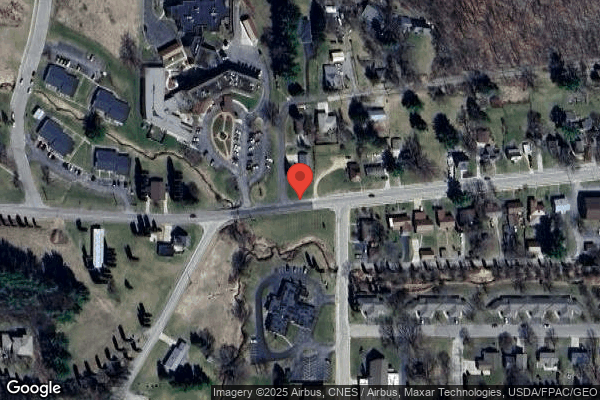
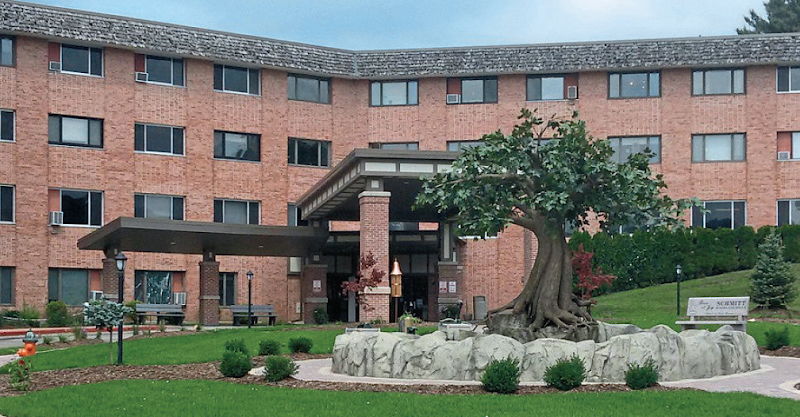
1400 W SEMINARY ST, RICHLAND CENTER, WI 53581 (608) 647-8931
Non profit - Corporation 50 Beds Independent Data: November 2025
Trust Grade
88/100
#64 of 321 in WI
Last Inspection: November 2024

Within standard 12-15 month inspection cycle. Federal law requires annual inspections.

Overview

Schmitt Woodland Hills in Richland Center, Wisconsin, has a Trust Grade of B+, indicating it is recommended and above average. It ranks #64 out of 321 nursing homes in the state, placing it in the top half, and is the best facility in Richland County. However, the trend is concerning as the number of issues identified increased from 2 in 2023 to 6 in 2024. Staffing is a strong point with a 5/5 star rating and only 26% turnover, significantly lower than the state average, but the facility has less RN coverage than 77% of Wisconsin facilities, which may impact care quality. While there have been no fines, recent inspections revealed serious concerns, such as a resident not receiving adequate supervision leading to multiple falls and incidents where staff failed to perform proper hand hygiene while serving food, highlighting both strengths and weaknesses in the facility’s operations.

Trust Score
B+
88/100
In Wisconsin
#64/321
Top 19%
Safety Record
Moderate
Needs review
Inspections
Getting Worse
2 → 6 violations
Staff Stability
✓ Good
26% annual turnover. Excellent stability, 22 points below Wisconsin's 48% average. Staff who stay learn residents' needs.
Penalties
✓ Good
No fines on record. Clean compliance history, better than most Wisconsin facilities.
Skilled Nurses
✓ Good
Each resident gets 50 minutes of Registered Nurse (RN) attention daily — more than average for Wisconsin. RNs are trained to catch health problems early.
Violations
○ Average
9 deficiencies on record. Average for a facility this size. Mostly minor or procedural issues.
★★★★★
5.0
Overall Rating
★★★★★
5.0
Staff Levels
★★★★☆
4.0
Care Quality
★★★★☆
4.0
Inspection Score
Stable
2023: 2 issues
2024: 6 issues

The Good

  • 5-Star Staffing Rating · Excellent nurse staffing levels
  • 4-Star Quality Measures · Strong clinical quality outcomes
  • Low Staff Turnover (26%) · Staff stability means consistent care
  • Full Sprinkler Coverage · Fire safety systems throughout facility
  • No fines on record
  • Staff turnover is low (26%)

    22 points below Wisconsin average of 48%

Facility shows strength in staffing levels, quality measures, staff retention, fire safety.

The Bad

No Significant Concerns Identified

This facility shows no red flags. Among Wisconsin's 100 nursing homes, only 1% achieve this.

The Ugly 9 deficiencies on record

1 actual harm
Nov 2024 6 deficiencies
CONCERN (D)

Potential for Harm - no one hurt, but risky conditions existed

Deficiency F0554 (Tag F0554)

Could have caused harm · This affected 1 resident

**NOTE- TERMS IN BRACKETS HAVE BEEN EDITED TO PROTECT CONFIDENTIALITY** Based on observation, interview and record review, the facility did not ensure that all residents are clinically appropriate to ...

Read full inspector narrative →
**NOTE- TERMS IN BRACKETS HAVE BEEN EDITED TO PROTECT CONFIDENTIALITY** Based on observation, interview and record review, the facility did not ensure that all residents are clinically appropriate to self-administer medications for 1 of 6 residents (R4) observed during medication pass. R4 was observed to have her medications left at bedside. This is evidenced by: The facility policy entitled Resident Self-Administration of Medication, with a date reviewed 11/26/24, states, in part: . Policy: It is the policy of this facility to support each resident's right to self-administration medication. A resident may only self-administer medications after the facility's interdisciplinary team has determined which medications may be self-administered safely. Policy Explanation and Compliance Guidelines: 1. Each resident is offered the opportunity to self-administer medications during the routine assessment by the facility's interdisciplinary team. 2. Resident's preference will be documented on the appropriate form and placed in the medical record . 4. The results of the interdisciplinary team assessment are recorded on the Medication Self-Administration Assessment, which is placed in the resident's medical record . 14. The care plan must reflect resident self-administration and storage arrangements for such medications and CGM devices . The facility policy entitled Medication Administration, dated 7/15/24, states, in part: . Policy: Medications will be administered by RNs (registered nurses), LPNs (licensed practical nurse) . Policy Explanation and Compliance Guidelines: .15. Observe resident consumption of medication . R4 was admitted to the facility on [DATE], and has diagnoses that include Hemiplegia (a condition that causes paralysis or weakness on one side of the body, usually due to a brain injury or other brain-related issue) and Hemiparesis (partial paralysis or weakness on one side of the body) following unspecified Cerebrovascular Disease (a term for a group of conditions that impact the brain's blood vessel and blood supply, including stroke, brain aneurysms, and transient ischemic attacks, or mini strokes) affecting right dominant side, and major depressive disorder. R4's most recent Minimum Data Set (MDS) dated [DATE] states that R4 has a Brief Interview of Mental Status (BIMS) score of 15/15, indicating that R4 is cognitively intact. R4's Medication Self-Administration Safety Screen, dated 9/18/24, states, in part: . Approvals: IDTC (Interdisciplinary Team) 1a. IDTC Review Summary (safety concerns/recommendations, communication to physician): All medications are stored and administered by licensed nursing staff. 1b. IDTC feels resident is safe to self-administer listed medications? No . On 11/25/24, at 4:12 PM, Surveyor observed RN C (Registered Nurse) leave R4's medications: Tylenol 325mg (milligrams) 2 tablets, atorvastatin 80 mg 1 caplet, baclofen 20 mg 1 tablet, carvedilol 3.125 mg 3 tablets, and mucus relief 400 mg 1 tablet on R4's bedside table. On 11/26/24, at 8:26 AM, Surveyor interviewed LPN D (Licensed Practical Nurse). Surveyor asked LPN D what the process is for leaving a resident's medications at bedside. LPN D indicated the resident would have to have completed a medication self-administration evaluation and deemed safe. LPN D indicated the evaluation would be in the resident's chart. LPN D indicated there are no residents on this floor that can have medications left at bedside. LPN D indicated R4 always wants staff to dump medications on bedside table and leave them, but staff are not to leave them. On 11/26/24, at 4:22PM, Surveyor interviewed DON B (Director of Nursing). Surveyor asked what the process is for a resident to have medications left at bedside. DON B indicated the resident should have a care plan for medication self-administration. DON B looked at R4's Care Plan and indicated R4 is not care planned for medication self-administration. DON B indicated if R4 was care planned for it we would have a medication self-administration evaluation assessment. Surveyor informed DON B of observation on 11/25/24 with R4's medications being left on bedside table and the nurse leaving R4's room without observing R4 take the medications. Surveyor informed DON B of R4's medication self-administration assessment dated [DATE] and results of R4 deemed unsafe to self-administrate medications. Surveyor asked DON B by looking at R4's assessment would you expect medications to be left at bedside, DON B indicated by looking at what is on the assessment, no but looking at R4 as we know her would be different.
CONCERN (D)

Potential for Harm - no one hurt, but risky conditions existed

Free from Abuse/Neglect (Tag F0600)

Could have caused harm · This affected 1 resident

**NOTE- TERMS IN BRACKETS HAVE BEEN EDITED TO PROTECT CONFIDENTIALITY** Based on interview and record review, the facility failed to protect 1 of 35 residents (R19's) right to be free from verbal/ment...

Read full inspector narrative →
**NOTE- TERMS IN BRACKETS HAVE BEEN EDITED TO PROTECT CONFIDENTIALITY** Based on interview and record review, the facility failed to protect 1 of 35 residents (R19's) right to be free from verbal/mental/emotional abuse by a CNA (Certified Nursing Assistant). R19 stated CNA E was rude and demeaning to her, yelled at her, and was rough with her during AM (morning cares). R19 stated she was treated like a dog, or worse than a dog, treated like dirt, because she wouldn't treat a dog that way. Evidenced by: Facility policy titled Reporting Resident Abuse, Neglect, and Exploitation, dated 9/17/2007, with last revision date of 9/12/2024, states in part: .All allegations of resident/client physical, mental or sexual abuse, neglect, mistreatment . are to be reported to one's supervisor immediately . Incidents will be reported to the Administrator and licensing agency as required . Definitions: 1. Abuse: The willful infliction of injury, unreasonable confinement, intimidation or punishment with resulting physical harm, pain, or mental anguish . Verbal Abuse: The use of oral, written or gestured language that willfully includes disparaging and derogatory terms to residents . Mental Abuse: Humiliation, harassment, threats . If there is an allegation or belief that a resident/client has/or could be harmed, staff shall immediately take action to ensure the resident/clients are free from physical and emotional harm. Staff shall immediately notify their supervisor of the allegation when sure resident/client is safe. The Supervisor will take the following actions as appropriate to situation . Provide protection from the alleged abuser . According to the State Operations Manual (SOM), abuse is defined as the willful infliction of injury, unreasonable confinement, intimidation, or punishment with resulting physical harm, pain or mental anguish. Instances of abuse of all residents, irrespective of any mental or physical condition, cause physical harm, pain or mental anguish. Willful, as defined at §483.5 in the definition of abuse, and means the individual must have acted deliberately, not that the individual must have intended to inflict injury or harm. Mental abuse is the use of verbal or nonverbal conduct which causes or has the potential to cause the resident to experience humiliation, intimidation, fear, shame, agitation, or degradation. Verbal abuse may be considered to be a type of mental abuse. Verbal abuse includes the use of oral, written, or gestured communication, or sounds, to residents within hearing distance, regardless of age, ability to comprehend, or disability. Examples of mental and verbal abuse include, but are not limited to: o Harassing a resident; o Mocking, insulting, ridiculing; o Yelling or hovering over a resident, with the intent to intimidate; o Threatening residents, including but limited to, depriving a resident of care or withholding a resident from contact with family and friends; and o Isolating a resident from social interaction or activities. R19 was admitted to the facility on [DATE]. Her most recent Minimum Data Set (MDS), with an Assessment Reference Date (ARD) of 11/7/24, indicates R19 has a Brief Interview for Mental Status (BIMS) of 15 out of 15, indicating R19 is cognitively intact. On 11/25/24 at 10:58 AM, during an interview, R19 indicated that on Saturday morning, 10/26/24, a staff member, CNA E, was rude and demeaning to her, yelled at her, and was rough with her during AM cares. R19 stated at about 20 minutes after 7:00 AM, CNA E came into her room and told her, I'm your caretaker and I do things my way! CNA E began to put R19's compression stockings on, and R19 asked CNA E to apply lotion first. CNA E told R19 she was too damned bossy and left the room. About 10 minutes later CNA E came back into R19's room and put R19's compression stockings on without lotion. R19 said that it was a good thing she had been sitting on the toilet at the time, because CNA E was so rough she would have fallen backwards. At that time, CNA E left R19's room. R19 stated she waited another 20 minutes for CNA E to come back and assist her, but she did not come back so R19 finished getting herself dressed. R19 stated she was treated like a dog, or worse than a dog, treated like dirt, because she wouldn't treat a dog that way. Please note: CNA E left R19's room and came back into R19's room several times. At no time did CNA E change her tone or approach with R19; CNA E was rude and dismissive of R19 each time. On 11/26/24 at 9:58 AM, Surveyor interviewed CNA F, who said she knew about the situation between CNA E and R19. CNA F indicated that she would consider the way CNA E treated R19 as abuse. CNA F stated that R19 was very hurt by the interaction and that if R19 sees CNA E working, she becomes really upset for the rest of the day. CNA F stated that CNA E is also not professional or appropriate in her interactions with other residents. On 11/26/24 at 10:23 AM, Surveyor interviewed LPN G (Licensed Practical Nurse), who stated she was aware of the situation that occurred between CNA E and R19. LPN G indicated that CNA E is aware of her anger and that this was an isolated incident. LPN G stated that CNA E had tried to apologize to R19, but she didn't think R19 accepted her apology. On 11/27/24 at 8:23 AM, Surveyor interviewed CSW H (Certified Social Worker) about the incident between CNA E and R19. CSW H stated she was notified of the incident on 10/28/24. CSW H said it was her understanding that CNA E had been demanding, disrespectful, and unprofessional. CSW H indicated that normally she follows up with the residents on grievances, but because it involved a staff member, DON B (Director of Nursing) completed the follow up with R19. CSW H stated she did not consider the situation abuse, but rather treated it as a grievance. On 11/27/24 at 10:19 AM, Surveyor spoke with R19 who stated that the previous day (on 11/26/24), CNA E served her dinner tray to her, even though she has requested that CNA E not have any further interaction with her. R19 stated she was really upset by this, and that she doesn't feel safe when CNA E is working. Please note: Despite over a month of time passing between the incident on 10/24/24 and Surveyor interviewing R19 on 11/27/24, R19 continued to be affected by the interaction between R19 and CNA E. R19 reported CNA E delivering her tray caused her to feel fearful and upset. On 11/27/24 at 10:40 AM, Surveyor interviewed DON B (Director of Nursing), who stated he was aware of the incident between CNA E and R19. DON B indicated that CNA E is not always professional with the residents, and that he has been coaching her on her approach. DON B stated that on 10/28/24, he had taken CNA E to R19's room, where CNA E apologized to and hugged R19. At that time, R19 stated she did not want any further help from CNA E. Surveyor asked DON B if he was aware that CNA E served R19 her dinner tray the previous evening. DON B replied that he had been aware of that, and he had CSW H follow up with R19. Surveyor asked DON B if this could be considered intimidation. DON B stated it was not willful, it was just a personality conflict between CNA E and R19. Surveyor asked DON B if he had followed up with R19 regarding her psychosocial well-being. DON B replied that after R19 accepted a hug and apology from CNA E, he thought the grievance was done and the solution was satisfactory. Surveyor asked DON B if he had protected the other residents from potential abuse. DON B stated it was not considered abuse, but a grievance. The facility did not follow their policy to keep residents safe following an abuse allegation. The facility failed to protect R19 from ongoing mental anguish, as CNA E continued to work 9 of the 10 days following the incident and was continuing to interact with R19 at the time of the recertification survey. Cross Reference F609, F610.
CONCERN (D)

Potential for Harm - no one hurt, but risky conditions existed

Report Alleged Abuse (Tag F0609)

Could have caused harm · This affected 1 resident

**NOTE- TERMS IN BRACKETS HAVE BEEN EDITED TO PROTECT CONFIDENTIALITY** Based on interview and record review, the facility did not ensure that all alleged violations involving abuse, neglect, exploita...

Read full inspector narrative →
**NOTE- TERMS IN BRACKETS HAVE BEEN EDITED TO PROTECT CONFIDENTIALITY** Based on interview and record review, the facility did not ensure that all alleged violations involving abuse, neglect, exploitation, or mistreatment are reported immediately, but no later than 2 hours after the allegation is made, if the events that cause the allegation involve abuse to the appropriate agencies for 1 of 1 abuse allegations of residents (R19). R19 reported an abuse allegation involving CNA E (Certified Nursing Assistant) that occurred on 10/26/24. This incident was reported to NHA A (Nursing Home Administrator), DON B (Director of Nursing), and CSW H (Certified Social Worker), but was not reported to the state agency. Evidenced by: Facility policy titled Reporting Resident Abuse, Neglect, and Exploitation, dated 9/17/2007, with last revision date of 9/12/2024, states, in part: .All allegations of resident/client physical, mental or sexual abuse, neglect, mistreatment . are to be reported to one's supervisor immediately . Incidents will be reported to the Administrator and licensing agency as required . Definitions: 1. Abuse: The willful infliction of injury, unreasonable confinement, intimidation or punishment with resulting physical harm, pain, or mental anguish . Verbal Abuse: The use of oral, written or gestured language that willfully includes disparaging and derogatory terms to residents . Mental Abuse: Humiliation, harassment, threats . R19 was admitted to the facility on [DATE]. Her most recent Minimum Data Set (MDS), with an Assessment Reference Date (ARD) of 11/7/24, indicates R19 has a Brief Interview for Mental Status (BIMS) of 15 out of 15, indicating R19 is cognitively intact. On 11/25/24 at 10:58 AM, during an interview, R19 indicated that on Saturday morning, 10/26/24, a staff member was rude and demeaning to her, yelled at her, and was rough with her during AM (morning cares). R19 stated CNA E told her she was too damned bossy and that she was the caretaker and would be doing things her way regardless of R19's preferences. R19 indicated she told CNA E that she needed to have lotion on her legs prior to donning (putting on) compression stockings, however CNA E put R19's stockings on without lotion and was rough while putting them on. R19 stated she was treated like a dog, or worse than a dog, treated like dirt, because she wouldn't treat a dog that way. Surveyor reviewed the Facility Grievance Log for October 2024 which indicated a grievance dated 10/28/24, Resident shared that CNA E that was providing care to R19 was disrespectful. Resident felt she was not heard by the CNA, and she was rude. Facility Grievance Log states this grievance was assigned to CSW H, and the resolution indicated in part: Spoke with resident, Administrator, and DON. CNA will not be providing care to resident. Education also provided to nursing staff regarding respect and approach. Please note: The facility provided Surveyor with grievance forms, one completed by CSW H and another completed by LPN G (Licensed Practical Nurse), both indicate the date of the occurrence as 10/26/24, however nothing was addressed until 10/28/24. On 11/27/24 at 8:23 AM, Surveyor interviewed CSW H about the incident between CNA E and R19. CSW H stated she was notified of the incident on 10/28/24. CSW H said it was her understanding that CNA E had been demanding, disrespectful, and unprofessional. CSW H indicated that normally she follows up with the residents on grievances, but because it involved a staff member, DON B (Director of Nursing) completed the follow up with R19. CSW H stated it was her opinion that the situation was not reportable because it was simply a personality conflict between CNA E and R19. CSW H stated she did not consider the situation abuse, but rather treated it as a grievance. Please note: The Facility Grievance Officer (CSW H) did not follow up with R19 about the incident until 11/13/24 at a regularly scheduled Care Conference which was not attended by the DON B or NHA A. Facility Progress Notes indicate in attendance for the Care Conference with R19 was CSW H and the MDS Coordinator (Minimum Data Set). The Psychosocial Note entered by CSW H on 11/13/24 states in part: .Resident expressed concerns with a staff . writer along with MDS Coordinator let resident express her feelings . On 11/27/24 at 10:40 AM, Surveyor interviewed DON B, who stated he was aware of the incident between CNA E and R19. DON B indicated that CNA E is not always professional with the residents, and that he has been coaching her on her approach. DON B stated that on 10/28/24 he had taken CNA E to R19's room, where CNA E apologized to and hugged R19. At that time, R19 stated she did not want any further help from CNA E. Surveyor asked DON B if he was aware that CNA E served R19 her dinner tray the previous evening. DON B replied that he had been aware of that, and he had CSW H follow up with R19. DON B stated he did not feel the incident rose to the level of abuse, as R19 simply didn't like CNA E's tone, and therefore it was handled as a grievance. The facility considered this a grievance instead of an abuse allegation, therefore, they did not follow their policy and did not report this accusation of abuse to the state reporting agencies. Cross Reference F600, F610.
CONCERN (D)

Potential for Harm - no one hurt, but risky conditions existed

Investigate Abuse (Tag F0610)

Could have caused harm · This affected 1 resident

**NOTE- TERMS IN BRACKETS HAVE BEEN EDITED TO PROTECT CONFIDENTIALITY** Based on interview and record review, the facility did not ensure all alleged allegations of abuse were thoroughly investigated ...

Read full inspector narrative →
**NOTE- TERMS IN BRACKETS HAVE BEEN EDITED TO PROTECT CONFIDENTIALITY** Based on interview and record review, the facility did not ensure all alleged allegations of abuse were thoroughly investigated for 1 of 1 resident (R19) reviewed for abuse. On 10/28/24, the facility became aware R19 reported an allegation of verbal/mental abuse by a Certified Nursing Assistant (CNA); the facility did not conduct a thorough investigation. Evidenced by: Facility policy titled Reporting Resident Abuse, Neglect, and Exploitation, dated 9/17/2007, with last revision date of 9/12/2024, states, in part: .All allegations of resident/client physical, mental or sexual abuse, neglect, mistreatment . are to be reported to one's supervisor immediately . Incidents will be reported to the Administrator and licensing agency as required. A full investigation will follow and be completed within 5 working days . Definitions: 1. Abuse: The willful infliction of injury, unreasonable confinement, intimidation or punishment with resulting physical harm, pain, or mental anguish . Verbal Abuse: The use of oral, written or gestured language that willfully includes disparaging and derogatory terms to residents . Mental Abuse: Humiliation, harassment, threats . The Administrator or Director of Social Services or Director of Nursing or supervisor will immediately initiate a thorough investigation meeting with the Investigative Committee in whole or part. All allegations of mistreatment, misappropriation, neglect, or abuse . that involve a NH (Nursing Home) resident will be immediately reported to the Administrator and Bureau of Quality Assurance not to exceed 24 hours of the discovery of the incident . The Investigative Committee will determine the proper course of action to ensure residents/clients are protected. This may include the following . Determine all persons with knowledge of the allegation and complete interviews with such persons . R19 was admitted to the facility on [DATE]. Her most recent Minimum Data Set (MDS), with an Assessment Reference Date (ARD) of 11/7/24, indicates R19 has a Brief Interview for Mental Status (BIMS) of 15 out of 15, indicating R19 is cognitively intact. On 10/28/24, the facility became aware of an allegation of abuse between a CNA E and R19 that happened on 10/26/24. The facility began an investigation on 10/28/24 and collected a statement from the charge nurse, but did not interview residents or other staff members, including CNA E, whom the allegation was against. The statement from the charge nurse, RN L (Registered Nurse), stated in part: .(R19) was visibly upset when I went to her room . She said she did not want 'that CNA' in her room ever again due to (CNA E) calling her 'bossy' and what sounded like a dismissive attitude towards her requests . A Grievance Form completed by LPN G (Licensed Practical Nurse) stated in part: Resident stated (CNA E) was rude and unfair to resident. CNA E stated I'm the caregiver and I will do things my way! On 11/25/24 at 10:58 AM, during an interview, R19 indicated that on Saturday morning, 10/26/24, a staff member was rude and demeaning to her, yelled at her, and was rough with her during AM (morning cares). R19 stated CNA E told her she was too damned bossy and that she was the caretaker and would be doing things her way regardless of R19's preferences. R19 indicated she told CNA E that she needed to have lotion on her legs prior to donning compression stockings, however CNA E put R19's stockings on without lotion and was rough while putting them on. R19 stated she was treated like a dog, or worse than a dog, treated like dirt, because she wouldn't treat a dog that way. On 11/27/24 at 8:23 AM, Surveyor interviewed CSW H (Certified Social Worker) about the incident between CNA E and R19. CSW H stated she was notified of the incident on 10/28/24. CSW H said it was her understanding that CNA E had been demanding, disrespectful, and unprofessional. CSW H indicated that normally she follows up with the residents on grievances, but because it involved a staff member, DON B (Director of Nursing) completed the follow up with R19. CSW H stated she did not consider the situation abuse, but rather treated it as a grievance. On 11/27/24 at 10:40 AM, Surveyor interviewed DON B, who stated he was aware of the incident between CNA E and R19. DON B indicated that CNA E is not always professional with the residents, and that he has been coaching her on her approach. DON B stated that on 10/28/24 he had taken CNA E to R19's room, where CNA E apologized to and hugged R19. At that time, R19 stated she did not want any further help from CNA E. Surveyor asked DON B if he was aware that CNA E served R19 her dinner tray the previous evening. DON B replied that he had been aware of that, and he had CSW H follow up with R19. DON B stated he did not feel the incident rose to the level of abuse. Surveyor asked DON B if he had done a thorough investigation and collected other resident statements. DON B replied that he did not because he treated it as a grievance. The facility did not follow their policy to complete a thorough investigation, as no other residents were interviewed to identify any further abuse by CNA E. The facility failed to protect the residents, as CNA E continued to work 9 of the 10 days following the incident. At no time was CNA E removed from caring for residents. Cross Reference F600, F609.
CONCERN (D)

Potential for Harm - no one hurt, but risky conditions existed

Deficiency F0804 (Tag F0804)

Could have caused harm · This affected 1 resident

**NOTE- TERMS IN BRACKETS HAVE BEEN EDITED TO PROTECT CONFIDENTIALITY** Based on observation and interview, the facility did not ensure that each resident receives food and drink that is palatable and...

Read full inspector narrative →
**NOTE- TERMS IN BRACKETS HAVE BEEN EDITED TO PROTECT CONFIDENTIALITY** Based on observation and interview, the facility did not ensure that each resident receives food and drink that is palatable and at a safe and appetizing temperature for 1 of 12 sampled residents (R19) and 2 supplemental residents (R34 and R29). R19, R29, and R34 voiced concerns of food being dry and cold. 1 of 1 test trays were noted to have dry pork served. Evidenced by: The facility policy, titled Dining Room Service, dated 2019, states in part: . Meals will be served promptly to maintain adequate temperature and appearance . Example 1 R19 was admitted to the facility on [DATE]. Her most recent Minimum Data Set (MDS), with an ARD (Assessment Reference Date) of 11/7/24, indicates her cognition is intact with a Brief Interview of Mental Status (BIMS) of 15 out of 15. On 11/25/24 at 10:58 AM, Surveyor interviewed R19 who indicated the food is so dry, particularly the pork, that at times it is inedible. Example 2 R29 admitted to the facility on [DATE]. Her most recent MDS with an ARD of 11/7/24 indicates her cognition is intact with a BIMS score of 15 out of 15. On 11/25/24 at 11:30 AM, Surveyor interviewed R29 who indicated that the meat is always so dry that oftentimes her and the other residents just don't eat it. R29 stated she seldom eats any of the meat at the facility, and that she hasn't had a decent pork chop since admitting to the facility 2 years ago. Example 3 R34 admitted to the facility on [DATE]. Her most recent MDS with an ARD date of 9/16/24 indicates her cognition is intact with a BIMS score of 15 out of 15. On 11/25/24 at 2:01 PM, Surveyor interviewed R34 who indicated that the food served to her in her room is only lukewarm. R34 said she oftentimes will have to send the soup back for reheating because it is never hot. Example 4 On 11/26/24 at 12:10 PM, Surveyor received a test tray and noted that the pork was hard and dry.
CONCERN (F)

Potential for Harm - no one hurt, but risky conditions existed

Food Safety (Tag F0812)

Could have caused harm · This affected most or all residents

Example 2 On 11/25/24 at 12:13 PM, Surveyor observed dining room service on the 2nd floor of the facility. Surveyor observed [NAME] K serve food at the steam table, step away from the steam table and...

Read full inspector narrative →
Example 2 On 11/25/24 at 12:13 PM, Surveyor observed dining room service on the 2nd floor of the facility. Surveyor observed [NAME] K serve food at the steam table, step away from the steam table and change gloves before touching ready to eat food, but without performing proper hand hygiene between glove changes. [NAME] K continued to serve food, stepped away from the steam table, removed gloves, and used the wall phone to call down to the kitchen for a hot dog for a resident. [NAME] K put on new gloves after touching the phone with bare hands and without performing proper hand hygiene and before putting on new gloves. Surveyor observed [NAME] K touch other surfaces in the kitchen, such as the cabinet door, refrigerator door, toaster lever, all with gloved hands then return to serving food and touching ready to eat items. On 11/25/24 at 12:36 PM, Surveyor interviewed [NAME] K. Surveyor asked [NAME] K when it is necessary to change gloves and perform hand hygiene during meal service. [NAME] K replied hand hygiene should be performed before and after meal service and if necessary, such as something gets on the glove, or it breaks. Surveyor asked [NAME] K if hand hygiene should be performed after removing soiled gloves. [NAME] K replied yes but if she stays within her station in the kitchenette, she can change gloves without washing her hands. [NAME] K indicated that she only needs to wash her hands if she leaves the kitchenette or if she touchs uncooked food. Surveyor asked [NAME] K how often the surfaces in the kitchenette were sanitized. [NAME] K replied that the resident tables are wiped down after each meal but that the doors, cupboards, et cetera in the kitchenette were only cleaned once per week. On 11/27/24 at 10:06 AM, Surveyor interviewed DM J (Dietary Manager). Surveyor asked DM J what her expectation was for hand hygiene in the dining room. DM J replied staff are to wash their hands before they start serving. Surveyor asked DM J what her expectation was for wearing gloves during meal service. DM J replied that she prefers that staff not wear gloves during meal service so that they don't get confused when touching everything. Surveyor asked DM J if it was appropriate for staff to remove gloves, make a telephone call, put on new gloves and resume meal service without performing hand hygiene. DM J replied no, staff should be washing their hands in between glove changes. Surveyor asked DM J if it was her expectation that staff change gloves and perform hand hygiene when changing tasks such as touching multiple services during meal service. DM J answered yes, that was her expectation. Based on observation, interview and record review, the facility did not store, prepare, distribute and serve food in accordance with professional standards for food service safety. This has the potential to affect the facility census of 35. A kitchenette dishwasher was not registering the correct wash and rinse temperatures. Facility staff were observed touching multiple items in the kitchenette while serving and handling food without performing proper hand hygiene. Evidenced by: The 2022 FDA (Food and Drug Administration) Food Code states under 4-501.110 Mechanical Warewashing Equipment, Wash Solution Temperature and 4-501.112 Mechanical Warewashing Equipment, Hot Water Sanitization Temperatures state that wash temperatures of a high temperature sanitizing dishwasher must reach 160 degrees Fahrenheit, and the rinse temperature must reach 180 degrees Fahrenheit. The facility's policy titled, High Temperature Dish Machine Temperature Testing states that dietary staff will test high temperature dish machines to ensure the thermostat/machine is reaching the correct temperature. The procedure for this is as follows: 1) Using proper dishwasher temperature test strips test the inside temperature of each unit once weekly. 2) Follow test strips printed instructions on how to properly test the cycles temperature. 3) Tape test strip to temp log to keep for documentation. 4) If the dishwasher is not getting to the proper temperature and fails testing, notify dietary manager and maintenance and write a work order Facility policy, titled Hand Hygiene, dated 9/20/23 with revision date of 8/14/24, states in part: . Staff will perform hand hygiene when indicated, using proper technique consistent with accepted standards of practice . The use of gloves does not replace hand hygiene. If your task requires gloves, perform hand hygiene prior to donning gloves, and immediately after removing gloves . Example 1 The facility has a kitchenette on the first floor and second floor. Each kitchenette has its own high temperature dishwasher where temperatures are documented by dietary staff 3 times daily from the dishwasher's digital interface. The log for this documentation states that wash temperatures must reach 160 degrees Fahrenheit and rinse temperatures must reach 180 degrees Fahrenheit. Additionally, these dishwashers are tested weekly using a temperature test strip. This test strip has a visible black line on the strip, which is to turn orange when the test strip reaches the appropriate rinse temperature of 180 degrees Fahrenheit. On 11/26/24 at 10:48 AM, Surveyor observed the facility's 1st floor dishwasher log with documented temperatures for the month of November 2024. The log indicated that on 13 occasions the dishwasher did not meet the necessary 160-degree wash temperature. Additionally, there was 3 temperature test strips affixed to the log, 2 of which still had visible black lines on them, indicating that on 11/6/24 and 11/12/24 the dishwasher did not reach the appropriate rinse temperature of 180 degrees. On 11/27/24 at 10:45 AM, Surveyor interviewed DM J (Dietary Manager) who stated that if dietary staff had gathered temperatures either from the external digital readout or the internal temperature from the test strip and did not get the right temperature, she would expect them to contact her. DM J stated that she would then contact the technical representative for the dishwasher manufacturer as it is leased through them. DM J stated that she had not received any information, either from her dietary staff or from maintenance, that any issues had occurred with the temperature of the dishwasher on the first floor. DM J stated that she was told by technical representative that the wash temperature does not matter as the sanitizer (high temp) is what matters. When presented the test strips that were affixed to the November 2024 temperature log, DM J indicated that it did not look like the dishwasher was meeting the appropriate rinse temperature. DM J stated that she does follow the FDA (Food and Drug Administration) food code. On 11/27/24 at 11:10 AM, Surveyor interviewed TR I (Technical Representative), who represents the manufacturer of the dishwasher on the first floor of the facility and coordinates with the facility to provide any technical service or maintenance to the machine. TR I stated that the dishwasher must always reach a temperature of 160 degrees Fahrenheit and if it does not, the machine must be serviced. Additionally, TR I stated that the facility was currently using the wrong test strips for the dishwasher, which is why they only sporadically turn the correct color (indicating the rinse temperature of 180 degrees Fahrenheit).
Jul 2023 2 deficiencies
CONCERN (D) 📢 Someone Reported This

A family member, employee, or ombudsman was alarmed enough to file a formal complaint

Potential for Harm - no one hurt, but risky conditions existed

Free from Abuse/Neglect (Tag F0600)

Could have caused harm · This affected 1 resident

**NOTE- TERMS IN BRACKETS HAVE BEEN EDITED TO PROTECT CONFIDENTIALITY** Based on observation, interview and record review, the facility failed to ensure residents (R) were free from sexual abuse by a ...

Read full inspector narrative →
**NOTE- TERMS IN BRACKETS HAVE BEEN EDITED TO PROTECT CONFIDENTIALITY** Based on observation, interview and record review, the facility failed to ensure residents (R) were free from sexual abuse by a resident (R2). R2 had been observed touching R1 in an inappropriate manner. On 7/10/23, R2 was observed by facility staff to be touching R1's left breast on 2 occasions and had his hand up R1's pant leg on another occasion. The facility failed to separate the residents, perform an assessment on R1, monitor both residents when they were together, and ensure R1's safety. The facility failed to prevent sexual abuse to a non-consenting female resident. The facility failed to protect the female resident after sexual incident occurred, failed to complete a thorough investigation, failed to complete skin checks on non-verbal/non-interviewable residents, and failed to provide adequate supervision to prevent potential reoccurrence. Evidenced by: The facility's policy titled Resident/ Client Physical, Mental, or Sexual Abuse, Neglect, or Misappropriation revised on 1/3/17, states in part: Policy: All allegations of resident/ client physical, mental or sexual abuse, neglect, mistreatment, injuries of unknown origin or misappropriation of property are to be reported to ones [sic] supervisor immediately .Purpose: To ensure that each resident is safe and treated with dignity and respect. To ensure that each resident is free from all forms of abuse, neglect, misappropriation, or exploitation. Definitions: .Sexual Abuse- Non-consensual sexual contact of any type with a resident .5. Investigation, Protection, and Reporting: 1. If there is an allegation or belief that a resident/ client has/ or could be harmed, staff shall immediately take action to endure the resident/ clients are free from physical and emotional harm. Staff shall immediately notify their supervisor of the allegation when sure the resident/ client is safe. 2. The Supervisor will take the following actions as appropriate to situation: a. Provide protection from the alleged abuser. b. Check on resident to see if medical intervention is necessary (if sexual abuse do not clean up resident). c. Provide needed medical care and notify physician, if appropriate . R1 was admitted to the facility on [DATE] with diagnoses that include Dementia, Major Depressive Disorder, mixed receptive-expressive language disorder (difficulty understanding and speaking language), and a history of TIAs (mini stroke). R1's most recent Minimum Data Set (MDS) dated [DATE] states that R1 has a Brief Interview of Mental Status (BIMS) of 3 out of 15, indicating that R1 has severe cognitive impairment. R1's MDS also indicates that she ambulates with a walker with supervision of 1 staff member. R1 has a guardian that makes decisions for her due to her severe cognitive impairment. R2 was admitted to the facility on [DATE], with diagnoses that include hemiplegia and hemiparesis following a cerebral infarction (stroke), adjustment disorder with depressed mood, heart failure, and left below knee amputation. R2's most recent MDS dated [DATE] states that R2 has a BIMS of 11 out of 15, indicating that R1 has moderately impaired cognition. R2's MDS indicates that he requires extensive assistance from 1 staff member for transferring but can self-propel in his wheelchair, as observed by Surveyors. R2 is his own person and decision maker. On 7/10/23, at approximately 2:05 PM, a Certified Nursing Assistant (CNA) observed R1 and R2 sitting outside, R2 had his hand under R1's shirt and on her breast. As the CNA approached, R2 removed his hand, the CNA asked what he was doing and R2 stated he was enjoying the day. The CNA went into the facility and reported the incident to the PM shift CNAs and then left the facility. As she was leaving, she noticed that R2 had his hand on R1's breast outside of her shirt. As the CNA approached, he again moved his hand. The CNA did not report the 2nd incident to the facility. The facility initiated an investigation and submitted a report to the State Agency. On 7/10/23 at approximately 4:00 PM, per CNA interview two CNAs observed R2 with his hand up the inside of R1's pant leg. One of the CNAs reported the incident to the Medication Technician (Med Tech/Med Aide), who did not report the incident to the facility's NHA or Director of Nursing (DON). Of note, the NHA and DON were not aware of this 3rd incident until Surveyors reported to them. On 7/17/23 at 1:28 PM, Surveyor interviewed CNA D, CNA D indicated on 7/10/23 at 2:05 PM CNA D walked out the sliding doors because CNA D's shift was over for the day. CNA D indicated she saw R1 and R2 outside, R2's hand was under R1's shirt and touching left breast. CNA D indicated she asked R2, What are you doing? R2 replied, Just enjoying the day . R2 then stopped touching R1's breast. CNA D indicated she immediately went inside and reported this incident to the two PM shift CNA's. CNA D indicated she then went to leave again and observed R2's hand over R1's shirt touching R1's breast. R2 moved his hand from R1's breast when he saw CNA D. CNA D indicated it was the end of her shift and she left the facility. CNA D indicated she did not separate the two residents after either of the incidents. CNA D indicated the last couple of weeks R1 and R2 seem to be in a relationship, and they sit outside and hold hands. CNA D indicated it's usually after lunch they will sit outside, hold hands, and CNA D has observed R2 with his hand on R1's leg. CNA D indicated this is common knowledge and everyone knows this. CNA D indicated she thought both residents were their own person and that it was consensual because they both were enjoying it. CNA D indicated the only reason she reported this incident is because it is not appropriate to touch someone's breast in a public setting. CNA D indicated she received education after the incident and now knows that R1 can't consent. On 7/17/23 at 2:10 PM, CNA I indicated he was one of the staff that CNA D reported the incident to on 7/10/23. CNA, I indicated the first incident occurred at shift change at 2:00 PM. The incident was reported to MA H. CNA I indicated after the first incident staff were told to monitor both residents. CNA I indicated the two residents were not separated. CNA I indicated on 7/10/23 at 4:00 PM R1 and R2 were sitting outside unsupervised. CNA I and CNA J went outside and observed R2's hand all the way up R1's pants leg. CNA I indicated R2 had a guilty look on his face and that R1 had a blank expression on her face and appeared to not be bothered. CNA I indicated they did not separate the residents and they reported the incident to MA H. CNA J indicated to Surveyor that the above incident was accurate, and that CNA J observed the incident as well. CNA I indicated R1 was pursuing R2 just as much as R2 was pursuing R1. CNA I indicated that around 5:30-6:00 PM on 7/10/23, DON B told CNA I the two residents cannot be by each other until further notice. CNA I indicated now the two residents have no contact with each other and the dining room is set up differently, so they don't sit next to each other. CNA I indicated he thought R1's guardian gave approval and was fine with it all. CNA I indicated he has not received any education recently regarding consent/sexual abuse. CNA J indicated she has not received any education regarding this. CNA I indicated that he is not aware of R2 touching any other residents, but that he has heard of R2 saying and touching female staff inappropriately. CNA I indicated this is why when he is working, he is the one that will assist R2. On 7/17/23 at 1:45 PM, MA H (Medical Assistant) indicated CNA J reported to her on 7/10/23 that R2 grabbed R1's breast in a public area. MA H indicated she called DON B (Director of Nursing) shortly after the incident being reported to her. MA H did not separate the two residents until DON B directed her to do so. MA H indicated shortly after the incident R2's daughter came in and sat with him. MA H indicated they now must keep the two residents separated, they cannot be in bedrooms alone together, R1 is supposed to wear a bra, and they should be checked on at least every two hours. MA H indicated that previously there were two other residents who were in a relationship and MA H thinks maybe R1 and R2 saw that and wanted to be in a relationship. On 7/17/23 at 2:30 PM, Surveyor asked MA H if CNA I reported the incident of R2 putting his hand up R1's pants leg. MA H indicated CNA I did report this, but that MA H didn't hear anything more about it. MA H indicated it sounded like CNA I wasn't confident and that it might not have been 100% witnessed. MA H indicated CNA I reported this incident around 4:00 PM. Surveyor asked MA H if MA H reported this incident to the DON or NHA. MA H stated, No. Based on the incident the facility implemented temporary care plans for R1 and R2. They are as follows: R1 dated 7/10/23: Problem: Residents potential inability to consent to sexual activity, touch. Goal: To keep resident free from sexual activity, touch while determining residents [sic] ability to consent. Approaches: Staff monitoring residents [sic] interactions and contacts. Resident did NOT have any unsupervised visits with male resident. 7/12/23: Problem: Resident is deemed unable to provide consent to sexual activity or touch. Approaches: Attempt to provide structured activities and/ or supervised visits as available and appropriate. R2 dated 7/10/23: Problem: Resident touched another resident in a sexual manner. Goals: Resident will not touch another resident in a sexual manner. Approaches: Resident will not have unsupervised interactions with female residents. 7/12/23: Problem: Resident was unaware of specific resident did/ does not have ability to provide consent to sexual activity or touch. Goals: Educate resident on other residents [sic]ability to consent and verbalize understanding. Approaches: Resident was provided with education, information and was able to verbalized [sic] understanding. It is important to note that the temporary care plans were not implemented into R1 and R2's comprehensive care plans found in their Electronic Health Record (EHR). The temporary care plans were only found with the investigation. On 7/11/23 the facility assessed R1 using Sexuality Screen Tool. The results state, in part: .It is the teams [sic] belief that R1 is not in a position to provide consent for acts of a sexual nature. On 7/11/23, facility staff interviewed the 14 other residents that live on the same floor as R1 and R2. The facility asked residents Do you feel safe at the facility and Has anyone ever tried to touch you in an inappropriate way. Except for 2 residents who were unable to answer, all other residents answered yes to the first question and no to the second question. It is important to note that the resident roster provided to Surveyors indicated that only 6 residents on that unit were interviewable. The facility did not perform skin checks on the residents that were not interviewable. On 7/12/23, the facility provided education for staff to read and sign. The education gave definitions for sexual contact, intimacy, and consent. The education did not address sexual assault or sexual abuse. The facility has 83 employees that work in the health center, not including the DON and NHA. Out of the 83 employees, only 30 staff members have signed off on reading the education. On 7/17/23 at 8:22 AM, Surveyor observed R1 go outside. Staff did not observe R1 go outside. R1 returned to the facility at 8:26 AM. On 7/17/23 at 8:47 AM, Surveyor observed R1 returning from being outside; facility staff was not with her. On 7/17/23 at 9:07 AM, Surveyor interviewed CNA C. CNA C reported to Surveyor that R2 mobilizes independently in his wheelchair and that once he is up in his wheelchair, he goes outside before staff realize it, and R1 ambulates with her walker by herself and goes outside. On 7/17/23 at 9:20 AM, CNA E (Certified Nursing Assistant) indicated if CNA E observed a resident touching another resident or any altercation between two residents CNA E would immediately report to the nurse. CNA E indicated she would report to nurse and nurse would direct what to do from there. CNA E indicated she does not believe she has received any education recently regarding this. On 7/17/23 at 9:40 AM, Surveyor asked CNA F if there were any residents that needed frequent checks or any extra supervision. CNA F did not indicate that R1 and R2 need frequent checks or extra supervision. On 7/17/23 at 10:48 AM, Surveyor observed R1 sitting outside on the bench, no staff members were around. Surveyor attempted to interview R1, but her answers were mostly nonsensical and gibberish. Surveyor asked R1 if any of the residents had touched her inappropriately, R1 stated not that she knew of, and then spoke in unintelligible words. On 7/17/23 at 12:57 PM, Surveyor observed R1 and R2 sitting on the patio alone. Surveyor observed R2 reach for R1 but due to positioning, was unable to see where he reached or touched. R1 and R2 were alone on the patio for approximately 3 minutes prior to staff arriving. On 7/17/23 at 1:00 PM, Surveyor interviewed CNA C. Surveyor asked CNA C how she was made aware that R1 and R2 were outside together, CNA C reported that she saw the residents sitting outside through the windows and so she came out to sit with them. Surveyor asked CNA C how often they check in on R1, CNA C reported that they don't document anything, but try to round on her every 15-30 minutes. CNA C also reported that R1's accutech used to help let them know when she was going outside, but she doesn't have that anymore. On 7/17/23 at 1:00 PM, LPN G (Licensed Practical Nurse) indicated R1 and R2 are allowed intimacy like holding hands. LPN G indicated when staff see R1 and R2 together they are to monitor them to ensure no sexual contact occurs. LPN G indicated there are times that the two get together and we don't see it. LPN G indicated she is aware of the incident between the two residents. LPN G indicated, as far as I know we are watching them the best we can. LPN G indicated the facility provided education to R2 and that they are to encourage R1 to participate in activities. LPN G indicated the staff are to provide frequent checks on both residents. LPN G indicated frequent checks means every 15 minutes to a half an hour. LPN G indicated there is no documentation showing this. On 7/17/23 at 1:11 PM, CNA C indicated R1 and R2 have been holding hands for the last couple of weeks. CNA C indicated she believes that the facility talked to the guardians regarding the relationship. CNA C indicated staff monitor the two residents the best they can and basically, they have one to one staffing with them. On 7/17/23 at 1:48 PM, Surveyor observed R1 ambulate outside. R1 went to the edge of the parking lot and appeared to be looking for someone or something and then returned to the bench. There was no staff around watching or monitoring R1. On 7/17/23 at 3:20 PM, Surveyor interviewed NHA A. Surveyor asked NHA A what their process was for investigating allegations of abuse, NHA A stated that it should be reported to the nurse, then to the Social Worker or DON, and then to herself. Surveyor asked NHA A if she interviewed other staff when she was investigating this incident, NHA A reported that they obtained a statement from the CNA that witnessed the incident and spoke with the med tech but did not interview other staff. NHA A stated that they provided education to all staff but did not interview them. Surveyor asked NHA A if she was aware of a third incident that occurred the same day, NHA A stated no. Surveyor told NHA A that a staff member reported to Surveyors that he told the med tech that he observed R2 with his hand up R2 pant leg, NHA A stated that staff did not report that to them and that she would investigate it. Surveyor asked NHA A if they performed skin checks on non interviewable residents, NHA A stated that she didn't even think to do that. R1 is unable to consent to sexual contact, the facility failed to ensure R1 was free from sexual abuse when R2 touched R1 on the breast. Facility staff failed to immediately intervene and ensure R1's safety which allowed R2 to touch R1 on the breast a second time and place his hand up R1's pant leg.
CONCERN (D) 📢 Someone Reported This

A family member, employee, or ombudsman was alarmed enough to file a formal complaint

Potential for Harm - no one hurt, but risky conditions existed

Investigate Abuse (Tag F0610)

Could have caused harm · This affected 1 resident

**NOTE- TERMS IN BRACKETS HAVE BEEN EDITED TO PROTECT CONFIDENTIALITY** Based on observation, interview, and record review, the facility did not ensure that all alleged violations involving abuse are ...

Read full inspector narrative →
**NOTE- TERMS IN BRACKETS HAVE BEEN EDITED TO PROTECT CONFIDENTIALITY** Based on observation, interview, and record review, the facility did not ensure that all alleged violations involving abuse are thoroughly investigated and that resident(s) are protected during the investigation in accordance with State law through established procedures in 1 of 1 alleged abuse investigations involving (R1 and R2) of a total sample of 3 residents reviewed. R2 was observed by facility staff to be touching R1's left breast on 2 occasions and had his hand up R1's pant leg on another occasion. The facility failed to separate the residents, perform an assessment on R1, monitor both residents when they were together, ensure R1's safety, and complete a full investigation. Evidenced by: The facility's policy titled Investigation of resident abuse, neglect, exploitation, misappropriation, injuries of origin, and reasonable suspicion of a crime dated 1/18/18, states in part: .Procedure: 1. When an allegation of resident abuse, neglect, exploitation, misappropriation, injury of unknown source, or reasonable suspicion of a crime is reported to the Administrator, the Administrator, Director of Nursing, and Social Services Director or their designee will immediately initiate an investigation. 2. An immediate investigation will be conducted referring the appropriate protocol for abuse, neglect, exploitation, misappropriation, injury of unknown source, or reasonable suspicion of a crime .4. Witnesses and others with knowledge of the concern will make reports in writing. Reports contain date, time, and signature. A summary of all of the reports will be compiled . R1 was admitted to the facility on [DATE] with diagnoses that include Dementia, Major Depressive Disorder, mixed receptive-expressive language disorder (difficulty understanding and speaking language), and a history of TIAs (mini stroke). R1's most recent Minimum Data Set (MDS) dated [DATE] states that R1 has a Brief Interview of Mental Status (BIMS) of 3 out of 15, indicating that R1 has severe cognitive impairment. R1's MDS also indicates that she ambulates with a walker with supervision of 1 staff member. R1 has a guardian that makes decisions for her due to her severe cognitive impairment. R2 was admitted to the facility on [DATE], with diagnoses that include hemiplegia and hemiparesis following a cerebral infarction (stroke), adjustment disorder with depressed mood, heart failure, and left below knee amputation. R2's most recent MDS (Minimum Data Set) dated 6/15/23 states that R2 has a BIMS of 11 out of 15, indicating that R1 has moderately impaired cognition. R2's MDS indicates that he requires extensive assistance from 1 staff member for transferring but can self-propel in his wheelchair, as observed by Surveyors. On 7/10/23, at approx. 2:05 PM a CNA D (Certified Nursing Assistant) observed R1 and R2 sitting outside, R2 had his hand under R1's shirt and on her breast. As the CNA approached, R2 removed his hand, the CNA asked what he was doing and R2 stated he was enjoying the day. The CNA went into the facility and reported the incident to the PM shift CNAs and then left the facility. The facility obtained a written statement from CNA D stating: On July 10, 2023, at about 2:05 pm, I was leaving the building after my shift. When I got to the outside sliding doors, I saw R2 cupping the underneath left breast of R1 under the shirt. I said R2 what are you doing? he said, just enjoying the day. I went and told (CNA Name) quick what was happening, and she reported it to the nurse. Then when I went to leave again after telling (CNA Name), I saw him touch her left breast through from the outside of her shirt. He stopped as soon as he saw me both times. It is important to note that CNA D's statement does not have a date or time that it was written, nor does it contain the CNA's signature. Additionally, the facility did not interview or obtain statements from the afternoon (PM) shift CNAs that this incident was reported to, or the nurse that was working at that time. The facility did not interview or gather statements from any other staff. On 7/17/23 at 3:20 PM, Surveyor interviewed NHA A (Nursing Home Administrator). Surveyor asked NHA A what their process was for investigating allegations of abuse, NHA A stated that it should be reported to the nurse, then to the Social Worker or DON, and then to herself. Surveyor asked NHA A if she interviewed other staff when she was investigating this incident, NHA A reported that they obtained a statement from the CNA that witnessed the incident and spoke with the med tech but did not interview other staff. NHA A stated that they provided education to all staff but did not interview them. Surveyor asked NHA A if she was aware of a third incident that occurred the same day, NHA A stated no. Surveyor told NHA A that a staff member reported to Surveyors that he told the med tech that he observed R2 with his hand up R1's pant leg, NHA A stated that staff did not report that to them and that she would investigate it. Surveyor asked NHA A if they performed skin checks on non interviewable residents, NHA A stated that she didn't even think to do that.
Aug 2022 1 deficiency 1 Harm
SERIOUS (G)

Actual Harm - a resident was hurt due to facility failures

Accident Prevention (Tag F0689)

A resident was harmed · This affected 1 resident

**NOTE- TERMS IN BRACKETS HAVE BEEN EDITED TO PROTECT CONFIDENTIALITY** Based on observation, interview and record review, the facility did not ensure each resident receives adequate supervision and a...

Read full inspector narrative →
**NOTE- TERMS IN BRACKETS HAVE BEEN EDITED TO PROTECT CONFIDENTIALITY** Based on observation, interview and record review, the facility did not ensure each resident receives adequate supervision and assistance devices to prevent accidents for 1 of 5 residents (R28) reviewed for supervision and accidents out of a total sample of 15. R28 requires assistance by staff for toileting. R28 requires assistance by staff to move between surfaces and as necessary for transfers. R28 has had 17 falls since admission in which interventions were not put into place on the care plan or the CNA (Certified Nursing Assistant) Kardex to help prevent falls. R28 had a fall that resulted in 5 sutures to her head. R28 wandered off the unit and wandered up to the 4th floor on 12/18/21 taking staff approximately 30 minutes to locate R28. Interventions were not put into place to prevent future elopements. Since admission R28 wandered off the unit 5 times. Since admission R28 got outside 6 times. This is evidenced by: The facility policy, entitled Falls Assessment, Monitoring and Response, with last review date 1/2020, states, in part: . Purpose: To identify each resident at risk for accidents and/or falls, adequately plan care and implement procedures to prevent accidents . Policy: All residents will be assessed for risk for falls on admission, quarterly, and as needed. Proper preventative measures will be initiated . Procedure: I. On admission: A. The nurse will assess resident's risk for falls using the Morse Fall Scale . The score and category will be calculated: 1. High Risk: 45 or higher 2. Moderate Risk: 25-44 3. Low Risk: 0-24 . II. When a resident has fallen: . I. Documentation of fall . d. Initiate appropriate safety interventions and update the Care Plan . III. Post Fall Evaluation A. The interdisciplinary team will meet after each fall to discuss the fall and possible preventative measures. B. The nurse manager or designee will complete a summary of each fall in the Section of the incident report . 3. Nature, cause, and frequency of falls . 5. Current interventions in place and modifications initiated . Example 1 R28 was admitted to the facility on [DATE] and has diagnoses that include Unspecified Psychosis Not Due to A Substance or Known Physiological Condition, Vascular Dementia with Behavioral Disturbance, Unspecified Mental Disorder Due to Known Physiological Condition, and Anxiety Disorder. R28's Quarterly MDS (Minimum Data Set) Assessment, Section C, dated 5/25/22, indicated that R28 rarely/never is understood. Section G, Functional Status Transfers: Limited assistance of one staff. Walk in Room: Limited assistance of one staff. Walk in Corridor: Limited assistance of one staff. Toileting: Extensive assistance of one staff. R28 has a guardian and is not her own decision maker. R28's admission MDS (Minimum Data Set) Assessment, Section C, dated 11/12/21, indicated that R28 rarely/never is understood. Section G, Functional Status Transfers: Limited assistance of one staff. Walk in Room: Limited assistance of one staff. Walk in Corridor: Limited assistance of one staff. Toileting: Extensive assistance of one staff. R28's Comprehensive Care Plan, date initiated 11/11/21, with a target date of 10/5/22, states, in part: . FOCUS: The resident has an ADL (Activities of Daily Living) self-care performance deficit r/t (related to) Activity Intolerance, Aggressive Behavior, Confusion, Dementia, Disease Process . INTERVENTIONS: .*TOILET USE: The resident requires assistance by staff for toileting. Encouraging independence with teaching, cueing, and reminding. Date Initiated: 11/11/2021 Revision: 11/16/2021 *TRANSFER: The resident requires assistance by staff to move between surfaces and as necessary. Date Initiated: 11/11/2021 Revision Date: 11/11/2021 . FOCUS - The resident is at risk for falls r/t Confusion, Deconditioning, Poor communication/comprehension, Unaware of safety needs. Date Initiated: 11/11/2021 Revision on: 3/21/2022 GOAL: The resident will be free of major injury through the review date. Date Initiated: 11/11/2021 Revision on: 7/1/2022 Target Date: 10/5/2022 INTERVENTIONS: *Anticipate and meet the resident's needs. Date Initiated: 11/11/2021 *Be sure the resident's call light is within reach and encourage the resident to use it for assistance as needed. The resident needs prompt response to all requests for assistance. Date Initiated: 11/11/2021 *Bed in low position once in for napping or nighttime. Date Initiated: 3/21/2022 *Educate the resident/family/caregivers about safety reminders and what to do if a fall occurs. Date Initiated: 11/11/2021 *Ensure that the resident is wearing appropriate footwear when ambulating or mobilizing in w/c (wheelchair). Gripper socks to be worn while in bed. Date Initiated: 11/11/2021 Revision on: 11/17/2021 *Follow facility fall protocol. Date Initiated: 11/11/2021 *Gripper socks on. Date Initiated: 3/21/2022 *Mattress next to bed during the night or if napping during the waking hours Date Initiated: 3/21/2022 Revision on: 3/21/2022 *PT (physical therapy) evaluate and treat as ordered or PRN (as needed) Date Initiated: 11/11/2021 *Reminding resident, she needs assistance since increased decline with balance frequent reminders may help but does have decline with cognition. Date Initiated: 3/21/2022 *Resident assist with mobility CGA (Contact Guard Assist) as resident is willing. Also encourage to use her walker more since increased decline in her mobility & balance and transferring. Date Initiated: 3/21/2022 Revision on: 3/21/2022 *Review information on past falls and attempt to determine cause of falls. Record possible root causes. After remove any potential causes if possible. Educate resident/family/caregivers/IDT (interdisciplinary team) as to causes. Date Initiated: 3/21/2022 *Signs are in room reminding resident ask for help. Date Initiated: 3/21/2022 *Staff doing frequent checks, (R28) quick on her feet at times does have poor safety awareness r/t her confusion. Date Initiated: 3/21/2022 *The resident needs activities that minimize the potential for falls while providing diversion and distraction. Date Initiated: 11/11/2021 Revision on: 11/11/2021 *The resident needs a safe environment with even floors free from spills and/or clutter; adequate, glare-free light; a working and reachable call light, the bed in low position at night; personal items within reach. Date Initiated: 11/11/2021 Revision on: 11/11/2021 FOCUS: The resident has had an actual fall with Poor Balance, Poor communication/comprehension, Psychoactive drug use, Unsteady gait. Date Initiated: 11/28/2021 Revision on: 1/20/2022 GOAL: -The resident will resume usual activities without further incident through the review date. Date Initiated: 11/28/2021 Revision on: 7/1/2022 Target Date: 10/5/2022 -Fall 7/24/22 Resident will remain free from injury until next review date. Date Initiated: 12/6/2021 Revision on: 7/24/2022 Target Date: 10/5/2022 INTERVENTIONS: *Continue interventions on the at-risk plan. Date Initiated: 11/28/2021 *Ensure gripper socks or proper footwear are on. Date Initiated: 12/6/2021 Revision on: 12/6/2021 *For no apparent acute injury, determine and address causative factors of the fall. Date Initiated: 11/28/2021 *Monitor/document/report PRN x 72h (hours) to MD (medical director) for s/sx (signs and symptoms): Pain, bruises, change in mental status, new onset: confusion, sleepiness, inability to maintain posture, agitation. Date Initiated: 11/28/2021 *Offer resident toilet every two hours, before and after meals. Date Initiated: 11/28/2021 Revision on: 12/3/2021 *Pharmacy consult to evaluate medications. Date Initiated: 7/24/2021 *PT consult for strength and mobility. Date Initiated: 11/28/2021 *Signs placed in room to remind resident to ring for staff assist to avoid falls. Date Initiated: 12/23/2021 *Staff to attempt to place gait belt when resident is out of bed. If resident becomes agitated, reattempt at a later time. Date Initiated: 12/27/2021 Revision on: 12/27/2021 *With positioning in bed make sure resident is next to the wall in bed or more to the wall since rolling over to close to the Rt (right) one side causing her to rolling [sic] out of bed. Date Initiated: 3/4/2022 Revision on: 7/18/2022 . R28's CNA (Certified Nursing Assistant) Kardex (Care Plan) indicates the following in part: .R28 refuses gait belt. Wander guard. Behaviors. May require 1:1. W/C with anti-tip and locked wheels. Pullup during the day. [NAME] brief at HS (hour of sleep). When it is time to toilet her, tell her it is time to use the bathroom. Make it a statement, not a question per POA (Power of Attorney). Hospice Bath. R28's Morse Fall Scale Assessment, dated 11/5/2021, shows a score of 85 indicating R28 is High Risk for falling. R28's Morse Fall Scale Assessment, dated 2/4/2022, shows a score of 85 indicating R28 is High Risk for falling. R28's Morse Fall Scale Assessment, dated 5/18/2022, shows a score of 55 indicating R28 is High Risk for falling. R28's Morse Fall Scale Assessment, dated 6/16/2021, shows a score of 55 indicating R28 is High Risk for falling. Facility's schedule shows 1:1 with R28 as follows: 12/20/21- 2:00PM- 8:00PM 12/21/21- 6:00AM- 12:00PM, 2:00PM- 10:00PM 12/22/21- 6:00AM-12:00PM, 12:30PM- 10:00PM 12/23/21- 6:00AM- 8:00PM 12/24/21- 6:00AM- 10:00PM 12/25/21- 6:00AM- 10:00AM, 4:00PM- 10:00PM 12/26/21- 6:00AM- 6:00PM 12/27/21- 6:00AM-10:00PM 12/28/21- 6:00AM-1:00PM, 2:00PM- 8:00PM 12/29/21- 6:00AM- 1:00PM 12/30/21- 6:00AM-10:00PM 12/31/21- 6:00AM-8:00PM 1/1/22- 6:00AM-10:00PM 1/2/22- 6:00AM-8:00PM 1/3/22- 6:00AM-10:00PM 1/4/22- 6:00AM- 9:00PM 1/5/21- 1:00PM-10:00PM 1/6/22- 6:00AM-4:00PM 1/7/22- 9:00AM- 11:00PM 1/8/22- 6:00AM-10:00PM 1/9/22- 12:00PM-9:00PM 1/10/22- 6:00AM- 1:00PM 1/11/22- 6:00AM- 8:00PM 1/12/22- 6:00AM- 10:00PM 1/13/22- 6:00AM-10:00PM 1/14/22- 6:00AM- 9:00PM 1/15/22- 6:00AM-10:00PM 1/16/22- 6:00AM-6:00PM 1/17/22- 6:00AM-10:00PM 1/18/22- 6:00AM-1:00PM, 2:00PM- 10:00PM 1/19/22- 6:00AM-10:00PM 1/20/22- 6:00AM- 10:00PM 1/21/22- 6:00AM-10:00AM, 2:00PM- 10:00PM 1/22/22- 6:00AM- 2:00PM 1/23/22- 1:00PM- 9:00PM 1/24/22-6:00AM-1:00PM, 2:00PM- 10:00PM 1/25/22- 6:00AM-1:00PM, 2:00PM- 10:00PM 1/26/22- 6:00AM- 10:00PM 1/27/22- 6:00AM- 8:00PM 1/28/22- 6:00AM- 8:00PM 1/29/22- 7:00AM-8:00PM 1/30/22- 6:00AM-8:00PM 1/31/22- 6:00AM- 1:00PM, 2:00PM- 10:00PM 2/1/22- 6:00AM- 1:00PM, 2:00PM- 10:00PM 2/2/22- 6:00AM-1:00PM, 2:00PM-8:00PM 2/3/22- 6:00AM- 8:00PM 2/4/22- 6:00AM- 10:00PM 2/5/22- 6:00AM- 9:00PM 2/6/22- 6:00AM-8:00PM 2/7/22- 10:00AM- 10:00PM 2/8/22- 7:00AM-10:00AM, 12:00PM-10:00PM 2/9/22- 6:00AM-9:00AM, 10:00AM-10:00PM 2/10/22- 6:00AM- 10:00PM 2/11/22- 6:00AM-6:00PM 2/12/22- 6:00AM-5:00PM 2/13/22- 9:00AM-6:00PM FAMILY, 6:00PM-8:00PM 2/14/22- 10:00AM- 10:00PM 2/15/22- 6:00AM-10:00PM 2/16/22- 6:00AM-10:00PM 2/17/22- 6:00AM-10:00PM On 11/12/21 at 3:00 PM, Fall Incident Report, states, in part: . Nursing Description: Staff notified writer that (R28) was kneeling in her doorway to her room facing the hall with her walker in front of her. Writer in to assess. (R28) tells writer she doesn't know what happened. VSS (Vital Signs Stable), see vitals tab. Neuro's WNL (Within Normal Limits). (R28) denies pain when asked. No redness noted to her knees. No visible injury. (R28) is now out by writer and visiting with a snack. Family states they will be in to visit later this afternoon. Resident Description: Resident unable to give a description . Injury Type: No injuries observed at this time . Mental Status: Oriented to Person . Predisposing Physiological Factors: Confused, Recent change in Medications/New, Gait Imbalance, Impaired Memory, Recent change in Cognition, Recent Illness, Weakness/Fainted Predisposing Situation Factors: Using Walker ADON (Assistant Director of Nursing), Physician and family member notified . (Note: There is no root cause/cause identified. There is no intervention put into place for this fall on R28's care plan or CNA Kardex.) On 11/17/21 at 4:14 PM, Fall Incident Report, states, in part: . Nursing Description: Writer was called to room by floor CNA for resident sitting on floor taking her clothes off that were soiled with urine. Her bed was soiled with urine. Her bed was soiled as well. She had her pants off and her brief at her ankles at the time writer had gotten to the room. Resident was sitting next to bed facing the nightstand. [NAME] was not next to bed. No footwear on. Call pendent around neck. She did not hit her head she stated. No injuries at this moment. Range of motion WNL. Neurological check WNL. Vitals WNL. No complaints of pain or discomfort. Writer was assisted back to the edge of her bed and cleaned up by staff. Clean clothes put on as well. Resident Description: All she would say is I fell on the floor and denies hitting her head . Mental Status: Oriented to Person, Oriented to Situation . Predisposing Physiological Factors: Incontinent, Recent change in medications/New, Gait imbalance, Impaired memory Predisposing Situation Factors: Improper footwear, ambulating without assist, during transfer .DON (Director of Nursing), ADON and Physician notified (Note: There is no intervention for this fall put into place on R28's care plan or CNA Kardex.) On 12/23/21 at 8:27 PM, Fall Incident Report, states, in part: . Nursing Description: Staff heard loud noise in resident's room - resident had been sleeping in bed just prior when checked by staff, staff responded to noise, resident noted to be on floor on her right side near her window/heater, side table knocked over, noted to have blood pooling beneath her head. Hematoma to occipital portion of skull, and laceration with hematoma noted to posterior base of skull on the right side. No other injuries noted at that time. Resident Description: Resident unable to give description Immediate Action Taken Description: Direct pressure applied to head laceration, bleeding not able to be controlled in facility, EMS called, resident transported to ER for evaluation, DOC (Doctor) aware, family updated and in route Resident taken to the Hospital? Y (yes) Injury Type: Laceration 5) Back of head . Predisposing Environmental Factors: Poor lighting, Furniture Predisposing Physiological Factors: Confused, Drowsy, Gait Imbalance, Impaired memory Predisposing Situation Factors: Ambulating without assist . Physician. DON, POA notified emergency room notes dated 12/23/21, states, in part: . Date of Service: 12/23/21 . Chief Complaint Stated Complaint: head lac(laceration)/post fall .ED (emergency department) Course- Wound was cleaned with saline. 2% lidocaine was used for local anesthesia. There is a 2 cm (centimeter) laceration behind right ear below the skull. No active bleeding but a lot of dry blood around it and on hair. 4 stitches placed . Impression/Disposition- Scalp Laceration, Accident Fall Of note R28 had 1:1 at the following times prior to the fall: 12/20/21- 2:00PM- 8:00PM 12/21/21- 6:00AM- 12:00PM, 2:00PM- 10:00PM 12/22/21- 6:00AM-12:00PM, 12:30PM- 10:00PM 12/23/21- 6:00AM- 8:00PM On 12/24/21 at 7:47 PM, Fall Incident Report, states, in part: . Nursing Description: Staff ambulating with resident in dining room following supper meal, resident went to lift garbage lid as she was walking by, she then missed the next step and fell forward away from staff walking with her, resident landed on her right-side elbow and knee/as well as her face, immediate epistaxis noted, laceration with edema noted to bridge of nose, skin tear to right elbow and right knee. Cool compress applied to nose; bleeding did cease within 15 minutes. Resident Description: Resident unable to give description. Immediate Action Taken Description: Resident assisted into a sitting position, ROM (range of motion) WNL, assisted into w/c by staff, tolerated well, resident able to ambulate, dressings applied to right elbow and knee, steri strips x 2 applied to bridge of nose laceration covered with a band aid as resident attempting to manipulate area. Resident refusing gait belt from staff, will become agitated with placement, staff did have a hand on resident, but was unable to keep her from falling when she lost her balance. ADON, DOC, son POA updated, Neuro checks initiated for current fall. Son did encourage resident to allow staff to utilize a gait belt at times, will continue to try this in attempts to prevent further incidents. Will have provider review medications after discussion with ADON. Resident Taken to Hospital: N (no) Injury Type: Laceration Face, Skin Tear - Right elbow and right knee (front) Level of Pain- PAINAD (Pain Assessment in Advanced Dementia)-5 . Mental Status: Oriented to Person Predisposing Environmental Factors: Noise Predisposing Physiological Factors: Confused, Recent Change in Medications, Gait Imbalance, Impaired Memory Predisposing Situation Factors: Wanderer, Ambulating without assist, During transfer . ADON, Physician and POA notified Fall Huddle for R28's fall on 12/24/21 at 7:47 PM, states, in part: . 12. What suggestions do you have to prevent another fall? Encourage staff to ambulate with resident in a less chaotic and noisy area of the unit; encourage use of transfer belt and reapproach when refuses; frequently walk by room (visual) monitor patient every 15-30 thirty minutes with toileting and face to face check-ins every 2 hours, cue/encourage resident to use call light for assistance; continue to toilet resident every 2 hours or when noticing restlessness while in bed/recliner/W/C, before and after meals and as well as when awake at night, before bedtime, upon rising; 30 minutes-1 hour after laxative/stool softener administration; reapproach every 15-20 minutes if refusing to allow staff to toilet; monitor for restlessness while sleeping and offer to toilet when restless; cue once on toilet as resident is uncertain as to what to do once she is placed onto the toilet and refuses the toilet several times throughout shift; ensure personal items within reach . (Note: Interventions in Fall Huddle are not on Care Plan, thus CNA staff would not be aware of these fall interventions.) On 2/14/22 at 9:00 PM, Fall Incident Report, states, in part: . Nursing Description: I was called into room Resident was smiling sitting on the floor up against her bed. Staff were outside the room at their station. It was unwitnessed. Dr office called made aware, POA called is aware. Resident was able to perform AROM (Active Range of Motion) to her extremities per her baseline mobility vital signs: 128/80, 78, 97.9, 18 [NAME] (Pupils Equal, Round, Reactive to Light and Accommodation), neuro checks initiated. Resident has no visible bumps, bruising or open areas to skin at this time. Changed clothes and given a drink and she is lying back down in her bed with staff in her room present. All parties are aware. Resident Description: Resident unable to cognitively state what occurred. Immediate Action Taken Description: AROM completed with resident able to do with her past baseline ambulation. V/S 128/80 78 97.8 18 PERRLA, Neuro checks initiated. Resident gotten up per facility protocol and 3 staff present. Resident tolerated well. POA called. Dr called; all parties made aware. Staff in resident's room at this time present. Resident Taken to Hospital? N . Mental Status: Oriented to person Predisposing Environmental Factors: Poor lighting Predisposing Physiological Factors: Confused, Recent change in Medications/New, Gait imbalance . Physician, Family member notified . Fall Huddle for R28's Fall on 2/24/22 at 9:00 PM, states, in part: . 11. Root/Cause analysis: Resident thirsty; glasses not donned . 12. What suggestions do you have to prevent another fall? Offer fluid prior to putting them to bed and continue to offer to toilet: frequently walk by room (visual) monitor patient every 15-30 thirty minutes with toileting and face to face check-ins every 2 hours, cue/encourage resident to use call light for assistance; continue to toilet resident every 2 hours or when noticing restlessness while in bed/recliner/W/C, before and after meals and as well as when awake at night, before bedtime, upon rising; 30 minutes-1 hour after laxative/stool softener administration; reapproach every 15-20 minutes if refusing to allow staff to toilet; monitor for restlessness while sleeping and offer to toilet when restless; cue once on toilet as resident is uncertain as to what to do once she is placed onto the toilet and refuses the toilet several times throughout shift; ensure personal items within reach; encourage/cue use of corrective eye wear . (Note: Interventions in Fall Huddle are not on Care Plan) On 2/27/22 at 3:49 PM, Fall Incident Report, states, in part: . Nursing Description: Floor nurse reports resident found sitting next to her bed, resident family had just been in prior, and resident had fallen asleep in bed, resident continued lying in bed following visit. Staff also checking resident frequently during times of rest, it appears resident attempted to get up independently leading to fall, small skin tear noted to left hand, bandage applied to area, ROM (Range of Motion) WNL, resident unable to verbalize any pain, but appeared to be pain free per PAINAD scale. Assisted up by staff. Resident Description: Resident unable to give description Immediate Action Taken Description: Neuro checks initiated due to unwitnessed fall, no evidence of head injury, VSS, neuro checks have been WNL. Resident 1:1 during waking hours, is high risk due to confusion, family is aware. PCP updated . Predisposing Physiological Factors: Confused, Drowsy, Recent change in Medications/New, Gait imbalance, Impaired Memory, Weakness/Fainted Predisposing Situation Factors: Ambulating without assist . Physician and POA care updated . Fall Huddle for R28's Fall on 2/27/22 at 3:49 PM, states, in part: . 12. What suggestions do you have to prevent another fall? Remind family to let staff know when they are leaving so that we can provide 1:1 and sit with resident awhile; frequently walk by room (visual) monitor patient every 15-30 thirty minutes with toileting and face to face check-ins every 2 hours, cue/encourage resident to use call light for assistance; continue to toilet resident every 2 hours or when noticing restlessness while in bed/recliner/W/C, before and after meals and as well as when awake at night, before bedtime, upon rising; 30 minutes-1 hour after laxative/stool softener administration; reapproach every 15-20 minutes if refusing to allow staff to toilet; monitor for restlessness while sleeping and offer to toilet when restless; cue once on toilet as resident is uncertain as to what to do once she is placed onto the toilet and refuses the toilet several times throughout shift; ensure personal items within reach; encourage/cue use of corrective eye wear . (Note: Interventions in Fall Huddle are not on Care Plan) On 2/27/22 at 3:49 PM, Fall Incident Report, states, in part: . Nursing Description: 15:30 (3:30 PM)- Resident was found on the floor on her back next to the wheelchair that she had self-transferred out of. Resident Description: Resident is confused to person, place, and time. Another resident witnessed her unsteadiness after transfer out of the w/c and fall. He was unsure if she hit her head when she fell. Immediate Action Taken Description: Resident is unable to verbalize needs to staff. All of her extremities are put through ROM, and she tolerated well. No bruising or abrasions are noted. No head injury is noted, and neuro check is negative. BP (blood pressure)- 175/122 T (temperature)- 97.5 P (pulse)- 82 o2(oxygen) sat (saturation)- 91% . Predisposing Environmental Factors: None Predisposing Physiological Factors: Confused Predisposing Situation Factors: Ambulating without Assist . Physician and Family Member updated . Fall Huddle for R28's Fall dated 2/28/22 at 8:30 PM, states, in part: . 12. What suggestions do you have to prevent another fall? Ensure aid sits near her while dining to keep a close eye on her; ensure the table remains clean and if attempted to rise, encourage (R28) to sit in W/C or assist her and support her in cleaning the table by offering her a clean cloth and encouraging her to sit and transfer her next to the area of the table that requires cleaning; frequently walk by room (visual) monitor patient every 15-30 thirty minutes with toileting and face to face check-ins every 2 hours, cue/encourage resident to use call light for assistance; continue to toilet resident every 2 hours or when noticing restlessness while in bed/recliner/W/C, before and after meals and as well as when awake at night, before bedtime, upon rising; 30 minutes-1 hour after laxative/stool softener administration; reapproach every 15-20 minutes if refusing to allow staff to toilet; monitor for restlessness while sleeping and offer to toilet when restless; cue once on toilet as resident is uncertain as to what to do once she is placed onto the toilet and refuses the toilet several times throughout shift; ensure personal items within reach . (Note: Interventions in Fall Huddle are not on Care Plan) On 3/14//22 at 9:40 AM, Fall Incident Report, states, in part: . Nursing Description: S (situation)- Resident's station light went off. CNA went and was gowning up to go assist. Resident opened the door. Writer and CNA heard her fall. She was in front of the bathroom door on her hands and knees and crawled to the recliner. B (background)-She does have COVID and is a negative pressure room. She did have a small BM (bowel movement) this AM. Staff 2 assist with cares. She is a fall risk and is unaware of safety. Her medications have recently been adjusted d/t (due to) increased lethargy. She is very active today. Staff assist with feeding breakfast, she ate 25%. Fluids 180, boost given d/t decrease appetite. She did have her glasses on, gripper socks on, and her call light was in reach; she does not remember how to use it. A (assessment)- BP-133/71, 79, 96.3, 14, 92 % RA (room air). She is holding her right side of her head. When asked if she hit her head she nods yes. Her breathing is even and unlabored. LS (lung sounds) are CTA (clear to auscultation). Pupils are equal and react to light. So far, no bruising noted. She was able to push off the recliner with staff assist and pivot to sit in the recliner. She has not spoke, just nods. She has ROM to all extremities and is able to bear weight. Gait shuffled to the restroom with 2 CNAs. She did have a large BM there. Assisted back to her recliner. She continues to be very active. CNA is 1:1 in her room with her. Neuro checks initiated. R (recommendation)- ADON, PCP, (POA), and RN updated of fall and information gathered. POA states, my sister has today off. She is planning on coming in to sit with mom for a while. Resident Description: Resident unable to give description . Predisposing Environmental Factors: none Predisposing Physiological Factors: Confused, Recent change in Medications/New, Gait imbalance, Impaired memory, Recent illness, Weakness/Fainted Predisposing Situation Factors: Ambulating without assist, During Transfer . Physician and POA care updated . Fall Huddle for R28's Fall on 3/14/22 at 9:40 AM, states, in part: . 12. What suggestions do you have to prevent another fall? Frequently open door slightly to (visual) monitor patient every 15-30 thirty minutes with toileting and face to face check-ins every 2 hours, cue/encourage resident to use call light for assistance; continue to toilet resident every 2 hours or when noticing restlessness while in bed/recliner/W/C, before and after meals and as well as when awake at night, before bedtime, upon rising; 30 minutes-1 hour after laxative/stool softener administration; reapproach every 15-20 minutes if refusing to allow staff to toilet; monitor for restlessness while sleeping and offer to toilet when restless; cue once on toilet as resident is uncertain as to what to do once she is placed onto the toilet and refuses the toilet several times throughout shift; ensure personal items within reach; provide frequent 1:1 interaction . (Note: Interventions in Fall Huddle are not on Care Plan) On 3/14/22 at 2:26 PM, Fall Incident Report, states, in part: . Nursing Description: I was called to resident's room at this time, she was sitting on her bottom in front of the door. Resident was putting her arms up for staff to get her up off the floor. She was able to perform AROM to all extremities per her baseline. Resident got up from floor per facility protocol. POA called made aware I asked him if the family were able to come sit with (R28) for a while this shift. He stated he would try to get someone. Dr. notified, Resident in her recliner she has no visible injury or visible bumps or bruising this time. Staff in the room with her at this time. Staff instructed to sit with resident, they will take turns assisting her. Resident Description: Resident doesn't have the (Cognizant) ability to state how she got on the floor. Immediate Action Taken Description: V/S 118/80 82 92% 16 Resident able to perform AROM to all extremities per her baseline. Resident gotten up per facility protocol x 3 staff. Resident able to bear weight. Assisted to the toilet, changed per staff. Then assisted back to her recliner. Dr. called is aware, POA called made aware. DON aware. Staff instructed to sit with resident in her room this shift, we are taking turns. Mat put in her room on the floor by the bed. Resident has no visual bumps bruising at this time . Mental Status: Oriented to Person Predisposing Environmental Factors: Noise, Other (Describe) Predisposing Physiological Factors: Confused, Incontinent, Recent change in Medications/New, Gait imbalance, Impaired memory, Recent change in Cognition, Recent illness Predisposing Situation Factors: Ambulating without Assist . Physician and Family Member updated . Fall Huddle for R28's Fall on 3/14/22 at 2:26 AM, states, in part: . 12. What suggestions do you have to prevent another fall? Have staff in room after family leaves to support resident while offering an activity for redirection; Frequently open door slightly to (visual) monitor patient every 15-30 thirty minutes with toileting and face to face check-ins every 2 hours, cue/encourage resident to use call light for assistance; continue to toilet resident every 2 hours or when noticing restlessness while in bed/recliner/W/C, before and after meals and as well as when awake at night, before bedtime, upon rising; 30 minutes-1 hour after laxative/stool softener administration; reapproach every 15-20 minutes if refusing to allow staff to toilet; monitor for restlessness while sleeping and offer to toilet when restless; cue once on toilet as resident is uncertain as to what to do once she is placed onto the toilet and refuses the toilet several times throughout shift; ensure personal items within reach; provide frequent 1:1 interaction . (Note: Interventions in Fall Huddle are not on Care Plan) On 3/17/22 at 12:00 PM, Fall Incident Report, states, in part: . Nursing Description: S: CNA went into resident's room to assist feeding her. She was found on the floor between her bed and the nightstand. B: She is DNR (do not resuscitate) comfort focused. She does have Covid and is in a negative pressure room with the door closed per protocol. She is a fall risk and is unaware of safety. She has [TRUNCATED]
Understanding Severity Codes (click to expand)
Life-Threatening (Immediate Jeopardy)
J - Isolated K - Pattern L - Widespread
Actual Harm
G - Isolated H - Pattern I - Widespread
Potential for Harm
D - Isolated E - Pattern F - Widespread
No Harm (Minor)
A - Isolated B - Pattern C - Widespread

Questions to Ask on Your Visit

  • "Can I speak with families of current residents?"
  • "What's your RN coverage like on weekends and overnight?"

Our Honest Assessment

Strengths
  • • Grade B+ (88/100). Above average facility, better than most options in Wisconsin.
  • • No fines on record. Clean compliance history, better than most Wisconsin facilities.
  • • 26% annual turnover. Excellent stability, 22 points below Wisconsin's 48% average. Staff who stay learn residents' needs.
Concerns
  • • 9 deficiencies on record, including 1 serious (caused harm) violation. Ask about corrective actions taken.
Bottom line: Generally positive indicators. Standard due diligence and a personal visit recommended.

About This Facility

What is Schmitt Woodland Hills's CMS Rating?

CMS assigns SCHMITT WOODLAND HILLS an overall rating of 5 out of 5 stars, which is considered much above average nationally. Within Wisconsin, this rating places the facility higher than 99% of the state's 100 nursing homes. This rating reflects solid performance across the metrics CMS uses to evaluate nursing home quality.
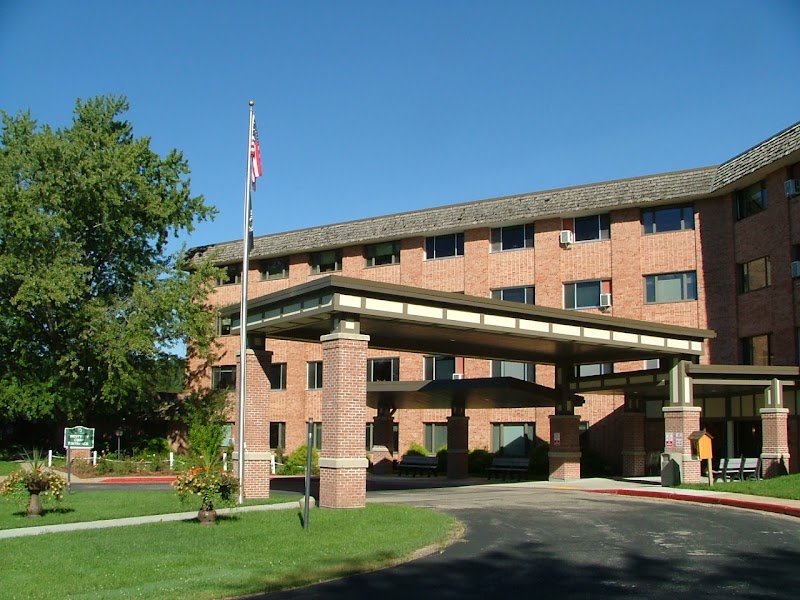
How is Schmitt Woodland Hills Staffed?

CMS rates SCHMITT WOODLAND HILLS's staffing level at 5 out of 5 stars, which is much above average compared to other nursing homes. Staff turnover is 26%, compared to the Wisconsin average of 46%. This relatively stable workforce can support continuity of care.

What Have Inspectors Found at Schmitt Woodland Hills?

State health inspectors documented 9 deficiencies at SCHMITT WOODLAND HILLS during 2022 to 2024. These included: 1 that caused actual resident harm and 8 with potential for harm. Deficiencies causing actual harm indicate documented cases where residents experienced negative health consequences.
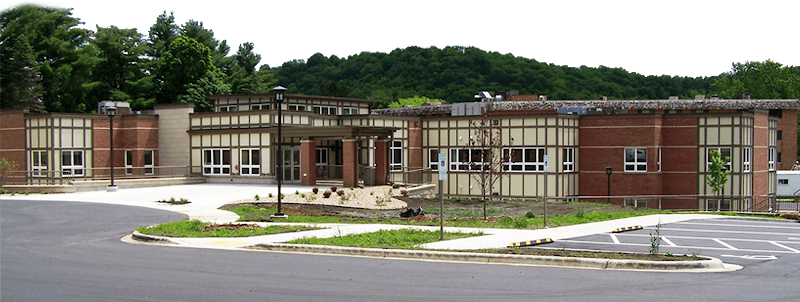
Who Owns and Operates Schmitt Woodland Hills?

SCHMITT WOODLAND HILLS is owned by a non-profit organization. Non-profit facilities reinvest revenue into operations rather than distributing to shareholders. The facility operates independently rather than as part of a larger chain. With 50 certified beds and approximately 41 residents (about 82% occupancy), it is a smaller facility located in RICHLAND CENTER, Wisconsin.
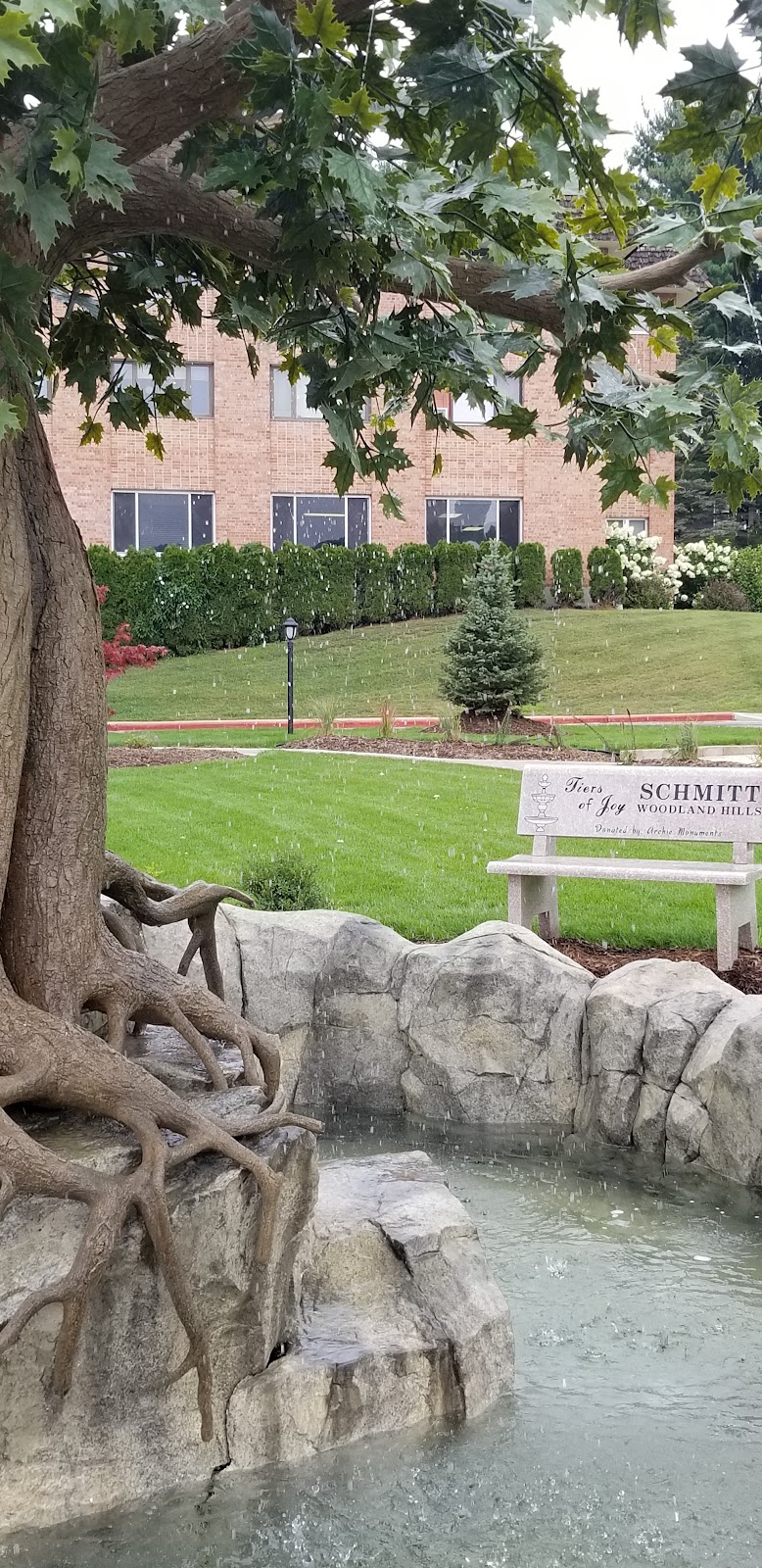
How Does Schmitt Woodland Hills Compare to Other Wisconsin Nursing Homes?

Compared to the 100 nursing homes in Wisconsin, SCHMITT WOODLAND HILLS's overall rating (5 stars) is above the state average of 3.0, staff turnover (26%) is significantly lower than the state average of 46%, and health inspection rating (4 stars) is above the national benchmark.

What Should Families Ask When Visiting Schmitt Woodland Hills?

Based on this facility's data, families visiting should ask: "Can I visit during a mealtime to observe dining assistance and food quality?" "How do you handle medical emergencies, and what is your hospital transfer rate?" "Can I speak with family members of current residents about their experience?"

Is Schmitt Woodland Hills Safe?

Based on CMS inspection data, SCHMITT WOODLAND HILLS has a clean safety record: no substantiated abuse findings (meaning no confirmed cases of resident harm), no Immediate Jeopardy citations (the most serious violation level indicating risk of serious injury or death), and is not on the Special Focus Facility watch list (a federal program monitoring the lowest-performing 1% of nursing homes). The facility has a 5-star overall rating and ranks #1 of 100 nursing homes in Wisconsin. While no facility is perfect, families should still ask about staff-to-resident ratios and recent inspection results during their visit.

Do Nurses at Schmitt Woodland Hills Stick Around?

Staff at SCHMITT WOODLAND HILLS tend to stick around. With a turnover rate of 26%, the facility is 19 percentage points below the Wisconsin average of 46%. Low turnover is a positive sign. It means caregivers have time to learn each resident's needs, medications, and personal preferences. Consistent staff also notice subtle changes in a resident's condition more quickly. Registered Nurse turnover is also low at 12%, meaning experienced RNs are available to handle complex medical needs.

Was Schmitt Woodland Hills Ever Fined?

SCHMITT WOODLAND HILLS has no federal fines on record. CMS issues fines when nursing homes fail to meet care standards or don't correct problems found during inspections. The absence of fines suggests the facility has either maintained compliance or corrected any issues before penalties were assessed. This is a positive indicator, though families should still review recent inspection reports for the full picture.

Is Schmitt Woodland Hills on Any Federal Watch List?

SCHMITT WOODLAND HILLS is not on any federal watch list. The most significant is the Special Focus Facility (SFF) program, which identifies the bottom 1% of nursing homes nationally based on persistent, serious quality problems. Not being on this list means the facility has avoided the pattern of deficiencies that triggers enhanced federal oversight. This is a positive indicator, though families should still review the facility's inspection history directly.