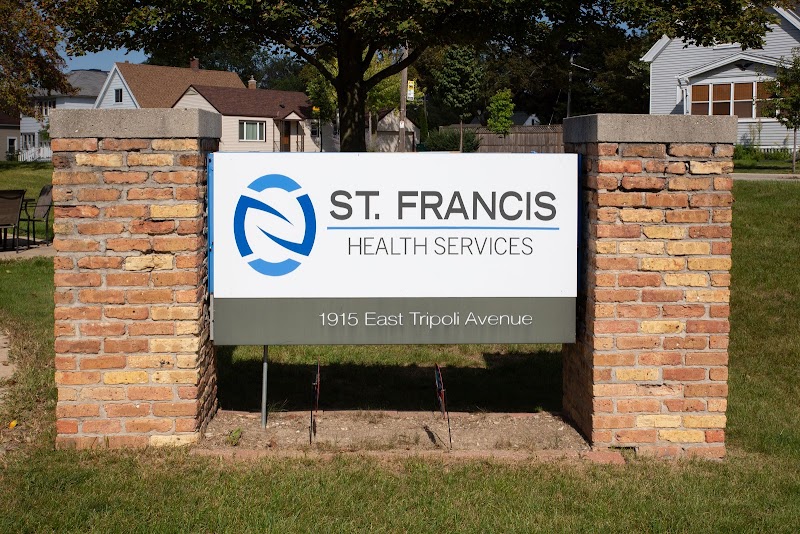
ST FRANCIS HEALTH SERVICES
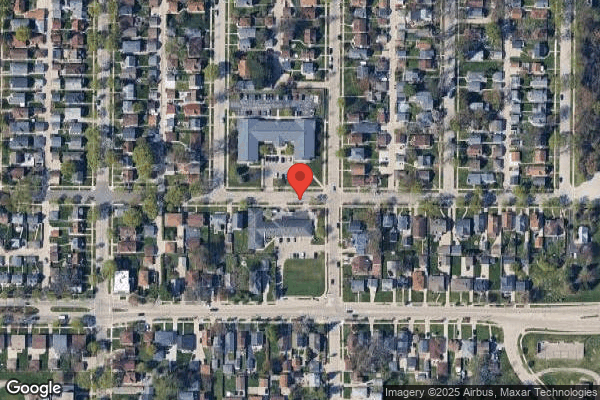
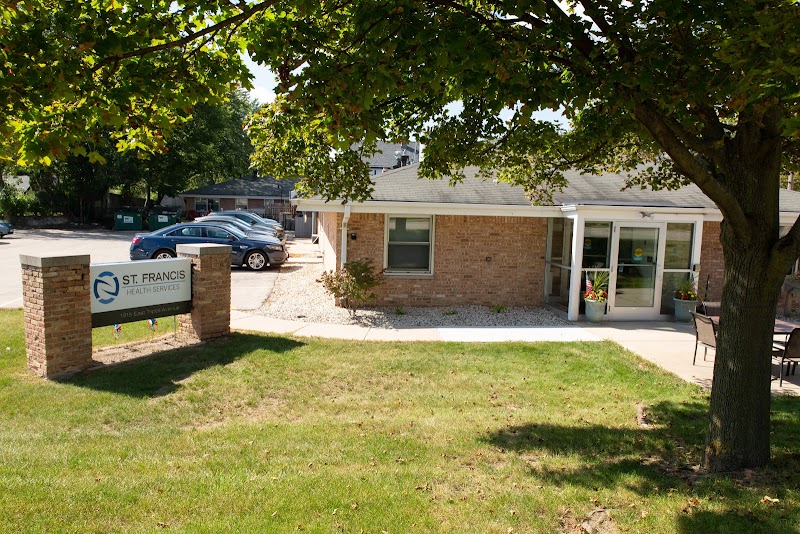
1915 E TRIPOLI AVE, SAINT FRANCIS, WI 53235 (414) 483-3611
For profit - Corporation 34 Beds NORTH SHORE HEALTHCARE Data: November 2025
Trust Grade
80/100
#123 of 321 in WI
Last Inspection: April 2025

Within standard 12-15 month inspection cycle. Federal law requires annual inspections.

Overview

St. Francis Health Services has a Trust Grade of B+, indicating it is above average and recommended among nursing homes. It ranks #123 out of 321 facilities in Wisconsin, putting it in the top half of the state, and #7 out of 32 in Milwaukee County, meaning it is one of the better local options. Unfortunately, the facility is experiencing a worsening trend, with reported issues increasing from 1 in 2024 to 6 in 2025. Staffing has a mixed rating, with a 3/5 star score and a turnover rate of 42%, which is slightly better than the state average. There are no fines on record, which is a positive sign, but the facility has less RN coverage than 87% of similar facilities, which raises concerns as RNs play a crucial role in monitoring resident health. Specific incidents of concern include a failure to properly manage infection control, meaning infection rates were not accurately tracked, which could affect all residents. Additionally, the kitchen was found to be unsanitary, with dirty equipment and improperly covered food, raising the risk of foodborne illnesses. Lastly, there were instances where transfer notices were not provided to residents or their representatives when they were sent to the hospital, which is a serious communication gap that could impact care. Overall, while there are strengths in staffing stability and no fines, these concerns highlight areas that need immediate attention for better resident safety and care quality.

Trust Score
B+
80/100
In Wisconsin
#123/321
Top 38%
Safety Record
Low Risk
No red flags
Inspections
Getting Worse
1 → 6 violations
Staff Stability
○ Average
42% turnover. Near Wisconsin's 48% average. Typical for the industry.
Penalties
✓ Good
No fines on record. Clean compliance history, better than most Wisconsin facilities.
Skilled Nurses
○ Average
Each resident gets 30 minutes of Registered Nurse (RN) attention daily — about average for Wisconsin. RNs are the most trained staff who monitor for health changes.
Violations
○ Average
7 deficiencies on record. Average for a facility this size. Mostly minor or procedural issues.
★★★★☆
4.0
Overall Rating
★★★☆☆
3.0
Staff Levels
★★★★☆
4.0
Care Quality
★★★★☆
4.0
Inspection Score
Stable
2024: 1 issues
2025: 6 issues

The Good

  • 4-Star Quality Measures · Strong clinical quality outcomes
  • Full Sprinkler Coverage · Fire safety systems throughout facility
  • No fines on record
  • Staff turnover below average (42%)

    6 points below Wisconsin average of 48%

Facility shows strength in quality measures, fire safety.

The Bad

Staff Turnover: 42%

Near Wisconsin avg (46%)

Typical for the industry

Chain: NORTH SHORE HEALTHCARE

Part of a multi-facility chain

Ask about local staffing decisions and management

The Ugly 7 deficiencies on record

Jul 2025 1 deficiency
CONCERN (D) 📢 Someone Reported This

A family member, employee, or ombudsman was alarmed enough to file a formal complaint

Potential for Harm - no one hurt, but risky conditions existed

Investigate Abuse (Tag F0610)

Could have caused harm · This affected 1 resident

Based on record review, interview, review of the Misconduct Incident Report, and facility policy review, the facility failed to ensure that a thorough investigation was documented regarding a potentia...

Read full inspector narrative →
Based on record review, interview, review of the Misconduct Incident Report, and facility policy review, the facility failed to ensure that a thorough investigation was documented regarding a potential visitor-to-resident altercation for one (R1) resident out of a sample of 14 residents reveiwed for abuse. Findings include: Review of facility policy titled Abuse, Neglect and Exploitation, revised 07/15/22, revealed, It is the policy of this facility to provide protections for the health, welfare and rights of each resident by developing and implementing written policies and procedures that prohibit and prevent abuse, neglect, exploitation and misappropriation of resident property .V. Investigation of Alleged Abuse, Neglect and Exploitation .B. Written procedures for investigations include .4. Identifying and interviewing all involved persons, including the alleged victim, alleged perpetrator, witnesses, and others who might have knowledge of the allegation(s). Review of the Misconduct Incident Report (final report) provided by the facility dated 05/07/25 revealed On 05/01/25 R1 reported to staff at [name of the facility] that she was not happy with her friend and care giver from the community [name of the friend]. R1 stated she no longer wanted to have any contact with this person. R1 stated she no longer wants [name of the friend] to provide care for her at home when she discharges after rehab, and she does not want [name of the friend] to visit her here in the nursing home. The social worker inquired as to why and asked what had occurred and R1 stated that [name of the friend] came to visit her the previous weekend and was not nice to her. R1 said that [name of the friend] yelled at her and shook her by her arms. She [meaning R1] also made an indication that money may have been taken from her by [name of the friend] previously when living in the community. R1 was very upset with [name of the friend] interaction with her on the previous weekend yelling at her and shaking her. R1 said she is afraid of her and does not want [name of the friend] to be close to her. R1 said that she feels very safe being at the facility and if [name of the friend] is not allowed to visit her, she feels fine with the situation. She has been eating normal meals and socializing in the dining room. She [meaning R1] remains participatory in therapy and activities of her choice. She [meaning R1] continues to have a pleasant demeanor and is not having any ill effects from the incident. R1 does not have a roommate, and there were no witnesses to the incident. Upon initial report of the concern, the facility initiated an investigation. The investigation included interviews with R1, and the [name of the city] police department was also contacted and came out to take her statement. Notification to staff posted telling them not to let [name of the friend] visit R1 if she is to come into the building. There was no evidence of staff being interviewed regarding the abuse allegation. During an interview on 06/30/25 at 1:45 PM with the Administrator, she said that since this incident did not involve the facility staff, the staff at the facility were not interviewed. The Administrator stated that the facility staff were informed not to let the friend visit and the police were contacted. At 3:30 PM, the Administrator stated that R1 was assessed after the incident and did not have any marks on her bilateral arms. During an interview on 07/01/25 at 3:47 PM with the Social Services Director (SSD), she said that an unknown Certificated Nursing Assistant (CNA) came to her and stated that R1 was upset that her friend visited over the weekend. The SSD stated that she and the CNA went and spoke with R1 who said that her friend was upset with her and shook her arms/hands. The SSD said she reported this incident to the Administrator and R1 was interviewed. R1 stated that her friend asked for her bank card and R1 stated no, and R1's friend became upset and shook her. R1 was upset that the police were contacted because she did not want to press any charges. The SSD confirmed that no residents were interviewed during the investigation The SSD stated that the incident occurred in R1's bedroom and that R1 did not have a roommate and there were no witnesses to the alleged incident.
Apr 2025 5 deficiencies
CONCERN (D)

Potential for Harm - no one hurt, but risky conditions existed

Accident Prevention (Tag F0689)

Could have caused harm · This affected 1 resident

**NOTE- TERMS IN BRACKETS HAVE BEEN EDITED TO PROTECT CONFIDENTIALITY** Based on observations, interview, and record review, the facility did not ensure residents received adequate supervision to prev...

Read full inspector narrative →
**NOTE- TERMS IN BRACKETS HAVE BEEN EDITED TO PROTECT CONFIDENTIALITY** Based on observations, interview, and record review, the facility did not ensure residents received adequate supervision to prevent accidents for 1 (R22) of 1 residents reviewed for falls. *R22 had three unwitnessed falls that were not thoroughly investigated to determine a root cause and develop interventions that addressed the cause and prevent future falls. Findings include: The facility policy and procedure titled Accidents and Supervision dated 7/14/2022 documents: Policy: The resident environment will remain as free of accident hazards as possible. Each resident will receive adequate supervision and assistive devices to prevent accidents. This includes: 1. Identifying hazard(s) and risk(s). 2. Evaluating and analyzing hazard(s) and risk(s). 3. Implementing interventions to reduce hazard(s) and risk(s). 4. Monitoring for effectiveness and modifying interventions when necessary. Policy Explanation and Compliance Guidelines: The facility shall establish and utilize a systematic approach to address resident risk and environmental hazards to minimize the likelihood of accidents. 1. Identification of Hazards and Risks-the process through which the facility becomes aware of potential hazards in the resident environment and the risk of a resident having an avoidable accident. a. All staff (e.g., professional, administrative, maintenance, etc.) are to be involved in observing and identifying potential hazards in the environment, while taking into consideration the unique characteristics and abilities of each resident. b. The facility should make a reasonable effort to identify the hazards and risk factors for each resident. c. Various sources provide information about hazards and risks in the resident environment. e. This information is to be documented and communicated across all disciplines. 2. Evaluation and Analysis-the process of examining data to identify specific hazards and risks and to develop targeted interventions to reduce the potential for accidents. Interdisciplinary involvement is a critical component of this process. a. Analysis may include, for example, considering the severity of hazards, the immediacy of risk, and trends such as time of day, location, etc. b. Both the facility-centered and resident-directed approaches include evaluating hazard and accident risk data, which includes prior accidents/incidents, analyzing potential causes for each hazard and accident risk, and identifying or developing interventions based on the severity of the hazards and immediacy of risk. c. Evaluations also look at trends such as time of day, location, etc. 3. Implementation of Interventions- using specific interventions to try to reduce a resident's risks from hazards in the environment. The process includes: a. Communicating the interventions to all relevant staff b. Assigning responsibility c. Providing training as needed d. Documenting interventions (e.g., plans of action developed by the Quality Assurance Committee or care plans for the individual resident) e. Ensuring that the interventions are put into action f. Interventions are based on the results of the evaluation and analysis of information about hazards and risks and are consistent with relevant standards, including evidence-based practice. i. Resident-directed approaches may include: i. Implementing specific interventions as part of the plan of care ii. Supervising staff and residents, etc. iii. Facility records document the implementation of these interventions . 5. Supervision- supervision is an intervention and a means of mitigating accident risk. The facility will provide adequate supervision to prevent accidents. Adequacy of supervision: a. Defined by type and frequency b. Based on the individual resident's assessed needs and identified hazards in the resident environment. 1.) R22 was admitted to the facility on [DATE] with diagnoses of intracerebral hemorrhage, atrial fibrillation, epilepsy, dementia with psychotic disturbance, mood disorder, depression, and psychosis. R22's Quarterly Minimum Data Set (MDS) assessment dated [DATE] documented R22 had severe cognitive impairment with a Brief Interview for Mental Status (BIMS) score of 5, was frequently incontinent of bladder, and always incontinent of bowel. The MDS documented R22 had behaviors not directed toward others 1-3 days, rejection of care 1-3 days, and wandering 1-3 days in the seven day look-back period. R22 had an activated Power of Attorney. R22's Physical Functioning Deficit Care Plan initiated 4/11/2022 had the interventions of transfer with supervision with a wheeled walker, walking with assistance of one with a wheeled walker, and toileting assistance of one every 2-3 hours as needed. R22's At Risk for Falls Care Plan was initiated on 4/14/2022 with interventions in place on 11/30/2024: -Mark placed on the wall to alert staff on bed level. -Assess for pain. -Gait belt with transfers. -Grip strips next to the bed. -Keep environment well lit and free of clutter. -Keep walker within reach of resident at all times. -Observe for side effects of medications. -Safety checks during shifts. -Therapy referral. On 11/30/2024, at 1:54 PM in the progress notes, nursing documented R22 had an unwitnessed fall in the hallway sustaining abrasions to the forehead, a small laceration to the bridge of the nose, and superficial abrasions to the left hand fourth and fifth fingers. R22 complained of a headache and was sent to the hospital for evaluation and treatment. R22 returned to the facility later in the day with no new orders. The Post Fall assessment dated [DATE] documented R22 fell on [DATE], at 1:30 PM while walking in the hallway without the use of the walker or assistance. R22 had been seen a few minutes prior to the fall sitting at a table in the dining room. R22 was unable to state a reason for the fall. On the Risk Management tool, Director of Nursing (DON)-B documented R22 was reinterviewed after returning from the hospital to determine what R22 was doing at the time of the fall. R22 told DON-B R22 was going outside to pee. The Interdisciplinary Team (IDT) met on 12/2/2024 to review R22's fall and agreed with the initial intervention to change R22's toileting plan to every 1-2 hours. Surveyor noted the fall investigation did not include the last time R22 was toileted or if R22 was incontinent at the time of the fall. R22's Physical Functioning Deficit Care Plan was revised on 2/6/2025 with the intervention: toileting assistance of one every 1-2 hours as needed. Surveyor noted the intervention was added to the care plan two months after the fall. On 1/15/2025, at 7:43 PM, in the progress notes, nursing documented R22 had an unwitnessed fall in R22's room. The Post Fall assessment dated [DATE] documented the fall occurred while R22 was getting out of bed with the use of a walker. R22 had been seen approximately 15 minutes prior to the fall lying in bed. R22 was unable to state what R22 was attempting to do when the fall happened. An immediate intervention was to replace the soft touch gray small call light with a large flat white call light. On the Risk Management tool, Certified Nursing Assistant (CNA)-C stated CNA-C had given R22 a shower, toileted R22, and put R22 to bed. The IDT met on 1/15/2025 to review R22's fall and DON-B documented the IDT was in agreement to replace the small call light with the larger flat soft call light and staff is to attach the call light to the outside of the fitted sheet when R22 is in bed. Surveyor noted the fall investigation did not include if R22 was incontinent at the time of the fall and if R22 had the capacity to use a call light to request assistance. R22's At Risk for Falls Care Plan was revised on 1/15/2025 with the intervention: soft touch gray small call light replaced with large flat white call light; staff to attach call light to outside of fitted sheet when resident is in bed. On 3/1/2025, at 9:33 PM, in the progress notes, nursing documented staff noted R22 on the knees on the bedroom floor, holding onto the side of the bed. Vital signs were stable and R22's knees were starting to bruise. The Post Fall assessment dated [DATE] documented R22 stated R22 was trying to fix the sheets on the bed and had last been seen 15-30 minutes prior. Nursing documented a wheelchair was in use at the time of the fall. An immediate intervention was to have staff make sure sheets and blankets are straightened out when R22 is in bed and at night. The Risk Management tool documented the IDT met on 3/3/2025 and agreed with the intervention that was put in place to straighten out the sheets and blankets. Surveyor noted no documentation was found stating when R22 was last toileted or if R22 was incontinent at the time of the fall. R22's At Risk for Falls Care Plan was revised on 3/1/2025 with the intervention: staff to make sure sheets and blankets are straightened out when resident is in bed and at night. On 4/8/2025, at 9:52 AM, Surveyor observed R22 in bed. The bed was in a low position and grip strips were observed on the floor parallel to the bed. A flat white soft touch call light was attached to the outer side of the bed on the sheet within R22's reach. R22 was leaning to the left with R22's head resting on the wall. Two pillows were placed in the middle of the head of the bed, but R22 was not using either of the pillows. R22 declined to be interviewed at that time. On 4/9/2025, at 12:27 PM, Surveyor observed R22 in the dining room waiting for lunch to be served. The flat soft touch call light was in the middle of R22's empty bed. In an interview on 4/9/2025, at 2:56 PM, Surveyor asked Certified Nursing Assistant (CNA)-C if R22 ever pushes the call light for assistance. CNA-C stated no, R22 pushes the call light but only when R22 is playing with the pad. CNA-C stated R22 does not have any intention behind the use of the call light. In an interview on 4/10/2025, at 9:52 AM, Surveyor reviewed R22's falls with DON-B and Nursing Home Administrator (NHA)-A. Surveyor shared with DON-B and NHA-A the concern the falls were not thoroughly investigated, and information was not documented to help determine a root cause analysis for the falls. Surveyor asked DON-B and NHA-A when R22 fell on [DATE], where was the walker that R22 walks with per care plan. NHA-A stated the walker was most likely left behind in the dining room. NHA-A stated all staff know spontaneously getting up, walking, and leaving everything behind is something R22 would do. Surveyor shared with NHA-A and DON-B the Risk Management tool documented DON-B interviewed R22 after R22 returned from the hospital and R22 needed to urinate. Surveyor shared the concern the facility did not know when R22 was last toileted or what R22's incontinence status was at the time of the fall. Surveyor shared the concern the toileting care plan was not revised until 2 months after the fall, on 2/6/2025. DON-B stated DON-B revised the care plan right away. DON-B stated the care plans are updated during the IDT meeting. DON-B stated DON-B would look into the care plan revision. Surveyor shared with DON-B and NHA-A the concern when R22 fell on 1/15/2025, the Post Fall Assessment documented R22 fell when getting out of bed using the walker and there is no further documentation of where the walker was prior to the fall or after the fall. Surveyor shared the concern the documentation did not indicate if R22 rolled out of bed or was attempting to ambulate at the time of the fall, if R22 was incontinent at the time of the fall, or when R22 was last toileted; the CNA statement indicated R22 had a shower, was toileted, put to bed, and had last been seen 15 minutes prior, but did not document the time R22 was assisted with ADLs. The care plan intervention was to provide R22 with a flat soft touch call light. Surveyor shared with DON-B and NHA-A the interview with CNA-C stating R22 does not have the capacity to use a call light to ask for assistance. NHA-A stated the call light that was in place was a round bulb call light and the flat soft touch call light is to be attached to the outer side of the bed so when R22 moves, the touch call light is touchy and would be bumped by the body when moving to prevent another fall. Surveyor noted the call light was being used as an alarm rather than the facility increasing the amount of supervision. Surveyor asked NHA-A and DON-B to clarify what R22 was doing when R22 fell on 3/1/2025 because nursing documented R22 was using a wheelchair at the time of the fall. NHA-A stated NHA-A and DON-B would have to look into the documentation from that fall. On 4/10/2025, at 10:34 AM, NHA-A and DON-B requested Surveyor come to DON-B's office so DON-B could show Surveyor the computer system and how care plans are updated and reviewed. DON-B brought up R22's Physical Functioning Deficit Care Plan with the toileting intervention. After Surveyor reviewed the care plan with DON-B, DON-B agreed the toileting intervention had not been revised until 2/6/2025 when the fall occurred on 11/30/2024. DON-B stated DON-B did not know why the care plan was not revised until 2/6/2025 and that it did not make any sense to either DON-B or NHA-A why it had not been revised right after the fall. NHA-A stated the fall on 3/1/2025 indicated a wheelchair had been involved with the fall, which did not make sense because R22 uses a walker and the only wheelchair in the room was the roommates. NHA-A agreed the staff checked the wheelchair was in use and NHA-A and DON-B sign the Post Fall Assessment and they should have caught that. Surveyor shared with NHA-A and DON-B the concern the falls were not thoroughly investigated to determine a root cause and develop an appropriate intervention to prevent future falls.
CONCERN (D)

Potential for Harm - no one hurt, but risky conditions existed

Deficiency F0805 (Tag F0805)

Could have caused harm · This affected 1 resident

Based on observation, interview and record review, the facility did not ensure food was prepared and served in a form designed to meet individual needs for 1 (R15) of 1 residents reviewed for a mechan...

Read full inspector narrative →
Based on observation, interview and record review, the facility did not ensure food was prepared and served in a form designed to meet individual needs for 1 (R15) of 1 residents reviewed for a mechanically-altered diet. R15 has a puree diet order (level 1), R15 was served a meal tray with a banana cut in half, not pureed as per R15's diet order and meal ticket specification. Findings include: The Facility Diet/Texture Conversion Chart states in part: L1/Puree . follows the regular diet when possible and menu items are pureed . According to the Swallowing Disorder Foundation a Level 1: Pureed Nutrition Therapy diet consists of pureed, homogenous, and cohesive foods. Food should be pudding-like. No coarse textures, raw fruits or vegetables, nuts, and so forth are allowed. The diet recommendation is that fresh bananas be served well-mashed. On 4/9/25, at 08:52 AM, during the kitchen task, Surveyor observed R15's breakfast meal being prepared, the toast, omelet and oatmeal were individually pureed and plated for service. The plate was placed on a food service tray which had half of a banana, in the peel, on it. Per R15's meal ticket the banana should be L1/Puree. Surveyor observed the tray being picked up by staff. On 04/09/25, at 09:19 AM, Surveyor interviewed Food Service Manager-D regarding R15's meal ticket reading L1/Puree Banana and the banana served cut in half still in the peel. Food Service Manager-D stated that the banana should have been pureed. On 04/09/25, at 09:38 AM, Surveyor went to R15's room and observed R15 had eaten the pureed toast and a couple bites of the pureed oatmeal. The half of banana was laying on R15's bedside table and R15 was sleeping. On 04/09/25, at 09:39 AM, Surveyor interviewed Certified Nursing Assistant (CNA)-E and asked CNA-E to look at the food served to R15 with the Surveyor. CNA-E stated R15 has a diet of puree but the banana is not. R15's physician order with a start date of 3/18/25 documents L1/Puree texture, Honey consistency, for may have thin soda. & ice cream related to dysphagia . R15's care plan documents at nutritional risk r/t (related to) altered texture diet (pureed, . r/t dysphagia), Wt (weight) gain complicated by having thin liquids. swallowing difficulties r/t dysphagia, edentulous aeb (as evidenced by) altered diet. R15's care plan documents the following pertinent goals: -Follow RD (Registered Dietician) recommendation and MD (Medical Doctor) orders for diet type and texture Diet as ordered -Monitor tolerance to food textures and fluid consistencies during meals and report increased chewing or swallowing difficulties -Pureed diet with honey thickened liquids. May have cold soda on ice by straw. Pt (patient) to eat & (and) drink sitting upright @ (at) midline (Not leaning to R15's left or right side). Remind R15 small sips, turn head to right with swallow and cough and clean after several sips. On 04/09/25, at 03:01 PM, during the end of day meeting with Director of Nursing-B and Nursing Home Administrator-A, Surveyor relayed the concern of R15's puree diet not being adhered to due to the banana being served in whole form. A Summary Report of Meeting was provided to Surveyor that documented training being completed on 4/9/25, at 10:05 am, by Food Service Manager-D and Dietician-F.
CONCERN (D)

Potential for Harm - no one hurt, but risky conditions existed

Food Safety (Tag F0812)

Could have caused harm · This affected 1 resident

Based on observation, interview, and record review, the Facility did not ensure food was prepared and served in a sanitary manner. This practice affected 1 of 2 residents with a mechanically-altered d...

Read full inspector narrative →
Based on observation, interview, and record review, the Facility did not ensure food was prepared and served in a sanitary manner. This practice affected 1 of 2 residents with a mechanically-altered diet. R15 was served pureed food that was not brought up to the correct temperature to prevent bacteria growth in the danger zone (below 135 degrees F) The [NAME] was observed changing gloves with no handwashing after gloves were removed, before a new pair of gloves were put on. Findings include: The Facility Policy and Procedure titled, Food: Preparation last revised 9/2017, states in part: Policy Statement All foods are prepared in accordance with FDA (Food and Drug Administration) Food Code. Procedures 1. All staff will practice proper hand washing techniques and glove use. 2. Dining Services staff will be responsible for food preparation procedures that avoid contamination by potentially harmful physical, biological, and chemical contamination . 4. The Dining Services Director/Cook(s) will be responsible for food preparation techniques which minimize the amount of time that foods are exposed to temperatures greater than 41 degrees and/or less than 135 degrees, or per state regulation . 11. When hot pureed, ground, or diced food drop into the danger zone (below 135 degrees), the mechanically altered food must be reheated to 165 degrees for 15 seconds if holding for hot service. 12. When reheating, foods will be rapidly heated to 165 degrees for 15 seconds. If the food is not reheated within 2 hours it must be discarded . The Facility Culinary Professionals Training titled, Gloves with no revision or review date, states in part: How to Properly Put On Gloves -Start with properly washed and dried hands -Remove gloves from box by their cuffs -While hanging onto the cuff, place your hand in the glove while pushing your hand down while pulling the glove up . **You must remember to always wash your hands in between gloves.** **Gloves do not give you the right to not wash your hands-do not keep them on, reuse them or anything else. Change gloves, wash hands and let's keep our patients/residents and coworkers safe.** 1) On 04/09/25, at 09:15 AM, Surveyor observed Cook-G take the temperatures of individually pureed foods that were just prepared for R15. Cook-G used the temperature probe and took the temperature of the pureed toast, the temperature read 102 degrees. Cook-G proceeded to take the temperatures of the pureed eggs which read 106 degrees and the pureed oatmeal which read 108 degrees. Cook-G then placed the plated food onto a serving tray, put a lid over R15's plate and staff took tray out of kitchen. On 04/09/25, at 09:19 AM, Surveyor interviewed Food Services Manager-D about taking the temperature of food after preparing, before serving to a resident. Food Service Manager-D stated the temperature was done before the food was served. Surveyor stated none of the temperatures reached 135 degrees. On 04/09/25, at 03:01 PM, during the end of day meeting with Director of Nursing-B and Nursing Home Administrator-A, Surveyor relayed the concern of R15's puree diet not being served at a temperature to prevent bacteria growth in the danger zone (below 135 degrees F). 2) While completing the kitchen task, Surveyor observed R15's pureed breakfast meal being prepared. On 04/09/25, at 08:58 AM, Surveyor observed Cook-G remove gloves being worn and put on a new pair with no handwashing being completed before the new pair was put on. On 04/09/25, at 09:06 AM, Surveyor observed Cook-G take gloves off, then at 09:11 AM, Surveyor observed Cook-G put new gloves on with no handwashing between. On 04/09/25, at 09:11 AM, Surveyor observed Cook-G take one glove off and open a drawer to gets out tongs, Cook-G then reapplied the same glove with no handwashing or new glove used. On 04/09/25, at 09:19 AM, Surveyor interviewed Food Services Manager-D about the expectation of handwashing when staff change gloves. Food Services Manager-D stated staff should wash hands before putting gloves on and when changing gloves. Surveyor let Food Services Manager-D know there were several observations of glove changes by Cook-G without handwashing i between. On 04/09/25, at 03:01 PM, during the end of day meeting with Director of Nursing-B and Nursing Home Administrator-A, Surveyor relayed the concern of Cook-G performing glove changes with no handwashing between. A Summary Report of Meeting was provided to Surveyor that documented training being completed on 4/9/25, at 10:05 am, by Food Service Manager-D and Dietician-F.
CONCERN (E)

Potential for Harm - no one hurt, but risky conditions existed

Transfer Notice (Tag F0623)

Could have caused harm · This affected multiple residents

**NOTE- TERMS IN BRACKETS HAVE BEEN EDITED TO PROTECT CONFIDENTIALITY** 3.) R5 was admitted to the facility on [DATE]. On 4/9/25, the Surveyor reviewed R5's medical record and it indicated R5 was tran...

Read full inspector narrative →
**NOTE- TERMS IN BRACKETS HAVE BEEN EDITED TO PROTECT CONFIDENTIALITY** 3.) R5 was admitted to the facility on [DATE]. On 4/9/25, the Surveyor reviewed R5's medical record and it indicated R5 was transferred to the hospital on 3/29/25. R5's medical record did not include documentation that a transfer notice had been given to the resident and/or their representative for the hospitalization. On 4/9/25 at 3:00 PM, the above findings were shared with Administrator-A and Director of Nurses-B. Additional information was requested if available. None was provided as to why a transfer notice was not given to R5 and/or their representative for their hospitalization on 3/29/25. 4.) R14 was admitted to the facility on [DATE]. On 4/9/25, the Surveyor reviewed R14's medical record and it indicated R14 was transferred to the hospital on 1/16/25. R14's medical record did not include documentation that a transfer notice had been given to the resident and/or their representative for the hospitalizations. On 4/9/25 at 3:00 PM, the above findings were shared with Administrator-A and Director of Nurses-B. Additional information was requested if available. None was provided as to why a transfer notice was not given to R14 and/or their representative for their hospitalization on 1/16/25. Based on interview and record review, the facility did not ensure 4 (R3, R9, R5 and R14) of 4 residents reviewed for hospitalizations received a written transfer/discharge notice that included the date of transfer, reason for transfer, location of transfer, appeal rights and contact information of the State Long-Term Care Ombudsman. *R3 was transferred to the hospital while residing in the Facility and evidence was not provided that they or their representative were given the required transfer notice information. *R9 was transferred to the hospital while residing in the Facility and evidence was not provided that they or their representative were given the required transfer notice information. *R5 was transferred to the hospital while residing in the Facility and evidence was not provided that they or their representative were given the required transfer notice information. *R14 was transferred to the hospital while residing in the Facility and evidence was not provided that they or their representative were given the required transfer notice information. Findings include: The Facility Policy and Procedure titled, Transfer and Discharge . last revised 7/15/2022, states in part: 7. Emergency Transfers/Discharges - initiated by the facility for medical reasons, or for the immediate safety and welfare of a resident (nursing responsibilities unless otherwise specified) . j. Provide transfer notice as soon as practicable to resident and representative . On 4/09/25, at 9:58 AM, Nursing Home Administrator-A was interviewed and indicated no transfer notices were given to R3 ,R5, R9 and R14 when they were transferred to the hospital. 1.) R3 was admitted to the facility on [DATE]. R3's Significant Change Minimum Data Set (MDS) with an assessment reference date of 2/27/2025 documents R3 had a Brief Interview for Mental Status score of 02 (severe cognitive impairment). R3 has an activated Power of Attorney (POA). R3's discharge summary progress note dated 2/19/25, at 5:30 pm, documents: Resident admitted to [Name of Hospital] with Acute hypoxic RF (respiratory failure) with hypercapnia. Family is in the hospital by the residents bedside. Surveyor requested to view the transfer notice that was provided to R3 and to R3's responsible party at time of R3's hospitalization. The form Bed Hold Notice was provided by the Facility. No information was included that the resident or their representative were provided in writing the date of transfer, reason for transfer, location of transfer, appeal rights and contact information of the State Long-Term Care Ombudsman. On 04/09/25, at 03:01 PM, during the end of day meeting with Director of Nursing-B and Nursing Home Administrator (NHA)-A, Surveyor informed the facility of the concern a transfer notice was not provided to R3 or R3's representative at the time sent to hospital. NHA-A stated the form the facility used got lost in the shuffle when switched to a new computer system, the form has been reinstated. 2.) R9 was admitted to the facility on [DATE]. R9's 5 day Minimum Data Set (MDS) with an assessment reference date of 2/4/25 documents R9 had a Brief Interview for Mental Status score of 15 (cognitively intact). R9 is their own person/responsible for self. R9's change of condition progress note dated 12/7/24, at 9:00 am, documents: Situation: C/O (complains of) sharp, constant chest pain rated 5/10 since 0300 (3:00 AM); Pain radiates down to abdomen. Resident states pain feels better when she eats. Resident did not report symptoms to nurse until 0830 (8:30 AM). Resident states she feels dizzy and lightheaded . Surveyor noted R9 was admitted to the hospital for chest pain and shortness of breath from 12/7/24 until 12/11/24. Surveyor noted R9 was admitted to the hospital for acute respiratory failure with hypoxia from 1/22/25 until 1/29/25. Surveyor requested to view the transfer notice that was provided to R9 and to R9's responsible party at time of R9's hospitalization. The form Bed Hold Notice was provided by the Facility. No information was included that the resident or their representative were provided in writing of date of transfer, reason for transfer, location of transfer, appeal rights and contact information of the State Long-Term Care Ombudsman. On 04/09/25, at 03:01 PM, during the end of day meeting with Director of Nursing-B and Nursing Home Administrator (NHA)-A, Surveyor informed of the concern a transfer notice was not provided to R9 or R9's representative. Per NHA-A the form facility used got lost in the shuffle when switched to new computer system, the form has been reinstated.
CONCERN (F)

Potential for Harm - no one hurt, but risky conditions existed

Infection Control (Tag F0880)

Could have caused harm · This affected most or all residents

Based on staff interview, and record review, the facility did not maintain an effective infection control program under which it investigates, controls, and prevents infections in the facility. * Tot...

Read full inspector narrative →
Based on staff interview, and record review, the facility did not maintain an effective infection control program under which it investigates, controls, and prevents infections in the facility. * Total infection rates were not calculated accurately and rates of infection for individual infection types were not calculated. Since infection rates were not calculated it was not possible to analyze the data to determine if there was a rise in the prevalence of infections from month to month with a potential to affect 29 of 29 residents. Findings include: 1.) On 4/9/25, at 1:30 PM., Surveyor interviewed Director of Nursing (DON)-B, who is in charge of the infection control program. DON-B indicated she does not calculate individual rates of infection and will count an infection in more than 1 month if it continues to the next month or is chronic. DON-B indicated she does not separate the facility associated infection from the community based infections. On 4/9/25 the facility's monthly infection rate surveillance summary reports from 10/24 to 3/25 were reviewed and did not include calculations for each individual type of infection only the numbers of infections. The total infection rates included community based infections and facility associated infections included in the total rate of infections. The facility's monthly infection surveillance logs from 10/24 to 3/25 were reviewed and infections included in the rates of infection included infections from previous months and residents that have chronic infections due to multiple drug resistant organisms. On 4/9/25, DON-B was asked for the facility policy for calculating infection rates or a standard of practice for which they are calculating infection rates. None was provided. On 4/9/25, at 3:00 PM, Surveyor notified Nursing Home Administrator (NHA)-A and DON-B of the above findings. Additional information was requested if available, however none was provided as to why the facility did not calculate rates of infection for each type of infection and only use new infections/health-care associated infections in their infection rate calculations.
Feb 2024 1 deficiency
CONCERN (F)

Potential for Harm - no one hurt, but risky conditions existed

Food Safety (Tag F0812)

Could have caused harm · This affected most or all residents

Based on observation, interview, and record review the facility did not ensure food was stored, prepared and served under sanitary conditions in 1 of 1 kitchens. This had the potential to affect all 3...

Read full inspector narrative →
Based on observation, interview, and record review the facility did not ensure food was stored, prepared and served under sanitary conditions in 1 of 1 kitchens. This had the potential to affect all 32 Residents. *On 1/30/24 and 1/31/24, during the main kitchen tour, Surveyor observed multiple pieces of kitchen equipment that were not clean. *On 1/31/24, at 7:40 AM, Surveyor observed the robot coupe food processor with splattered food dried on the outside, and crumbs in the crevices. *On 1/30/24 and 1/31/24, Surveyor observed Resident room trays being distributed without lids on the main entree, all cups of liquid, and side dishes were not covered. *The internal dishwashing machine temperature was not being monitored and staff in the dish machine area did not know how to monitor the dishwashing temperatures to ensure dishes & utensils were being sanitized correctly. Findings Include: Surveyor reviewed the facility's General Sanitation of Kitchen policy and procedure and notes the following: .General Sanitation of Kitchen Food and nutrition services staff will maintain the sanitation of the kitchen through compliance with a written, comprehensive cleaning schedule. Policy Explanation and Compliance Guidelines 1. Cleaning and sanitation tasks for the kitchen will be outlined in a written cleaning schedule. 2. Tasks will be assigned to be the responsibility of specific positions. 3. Frequency of cleaning for each task will be defined. 4. Methods and materials/cleaning compounds to be used for cleaning/sanitizing will be written for each task. 5. Employees will be trained on how to perform cleaning tasks. Surveyor also reviewed the facility Dish Machine Temperature Log policy and procedure: .Dish Machine Temperature Log Dishwashing staff will monitor and record dish machine temperature to assure proper sanitizing of dishes. Policy Explanation and Compliance Guidelines 1. Staff will monitor dish machine temperatures throughout the dishwashing process. 2. Staff will record dish machine temperatures for the wash and rinse cycles at each meal. a. The director of food and nutrition services/dietary manager will spot check this log to assure temperatures are appropriate and staff is correctly monitoring dish machine temperatures. 3. Staff will be trained to report any problems with the dish machine to the director of food and nutrition services or designee as soon as they occur. 4. The director of food and nutrition services/dietary manager will promptly assess any dish machine problems and take action immediately to assure proper sanitation of dishes. Equipment Cleanliness On 1/30/24, at 8:50 AM, Surveyor completed the initial tour of the main kitchen and storage room with Dietary Manager (DM)-C who has been in the position for about a year. In the lower level, the first refrigerator, Surveyor observed the bottom of the refrigerator on the outside to be dirty with splatters of dried food. The second refrigerator, Surveyor observed the same thing as the first, the bottom of the refrigerator on the outside was dirty with splatters of dried food. Surveyor observed the tall refrigerator next to the stove to have a dirty door, and has a buildup of grease that has dripped down the right side. On 1/31/24, at 7:40 AM, Surveyor observed Cook-D puree eggs using the Robocoup. Surveyor observed the outside of Robocoup to be dirty with dried splattered food and crumbs in the crevices. Surveyor observed the two lights above the stove to have a thick coating of dust. Breakfast was being cooked on the stove. Surveyor observed the front of the freezer, located in the kitchen and the front of the tall refrigerator are dirty with splatters of dried substances, and the side of refrigerator is still dirty with drippings of grease. On 1/31/24, at 11:55 AM, Surveyor observed the ice machine, located in the dining room, to have vents on the left side that were covered with a large amount of dust. On 1/31/24, at 1:35 PM, Surveyor observed the back of the refrigerator located in the middle of the room, has food stuck to the back that has dripped down. Cook-D stated there is no current schedule for cleaning the equipment. Cook-D stated that Food Service Manage-F stated today that Food Service Manager-F needs to develop a list of items to be cleaned on a regular basis. On 2/1/24, at 8:18 AM, Surveyor spoke with Maintenance Director-H who stated Maintenance Director-H completes a hood cleaning above the stove two times a year and cleans the coils on the refrigerator, but is not involved in any other routine cleaning and that should be the responsibility of the dietary department. On 2/1/24, at 8:56 AM, Food Service Manager-F informed Surveyor that Food Service Manager-F is from a contracted company and Food Service Manager-F just started with the facility last week. Food Service Manager-F stated there was no schedule for routine cleaning of the kitchen equipment during the survey process. Food Service Manager-F stated there is a schedule now. Surveyor notes the facility cleaned the kitchen equipment yesterday after being notified by Surveyor of the concern Meal Delivery On 1/30/24, at 12:34 PM, Surveyor observed Resident trays being distributed without lids on the main entree plate, all cups of liquid, and side dishes were not covered. Surveyor observed lunch trays being distributed to Resident rooms located down each hallway past the dining rooms. Surveyor observed the main entree had a cover, but no other items on the tray had lids or anything else was covered. On 1/31/24, at 9:07 AM, Food Service Manager-F informed Surveyor all food items should be covered once it leaves the kitchen. Food Service Manager-F stated ideally Food Service Manager-F would like direct plate service to serve from a steamtable but the facility does not provide direct plate service at this time and Food Service Manager-F understands all food items should have been covered. On 1/31/24, at 9:12 AM, both Cook-D and Dietary Manager-C stated since both have worked at the facility, no food items have been covered when leaving the kitchen, and the facility has no covered food carts. On 1/31/24, at 12:11 PM, Surveyor observed lunch trays being distributed to both dining rooms and Resident rooms and all food items on the tray were covered. Surveyor asked Food Service Manager-F where the lids for the bowls and drinks came from. Food Service Manager-F stated the facility found them and confirmed everything on the trays should have been covered. The facility provided a list of Residents who received room trays on a regular basis. Surveyor notes there are four Residents listed whom receive room trays on a daily basis and Food Service Manager-F stated the number of Residents can increase from day to day. Dishwasher Internal dishwashing temperature was not being monitored and staff in the dish machine area did not know how to monitor the dishwasher to ensure dishes & utensils were being properly cleaned and sanitized. On 1/30/24, at 8:50 AM, Surveyor observed Dietary Aide-E run the dishwashing machine. The temperature for wash cycle was 167 degrees and rinse cycle was 191 degrees which was calculated by using the thermostat panel of the dishwasher door. Dietary Manager-C stated no test strips are being used in the dishwashing machine to confirm the temperature inside the machine. On 1/31/24, at 8:40 AM, Surveyor reviewed the dishwashing machine manual to confirm the temperature requirements and the sanitization process of a high temperature dishwashing machine. On 1/31/24, at 9:14 AM, Dietary Manager-C stated test strips are supposed to be used in the dishwasher every shift. Dietary Manager-C stated the Food Service Manager-F taught Dietary Manager-C how to do the test strips for the dishwasher yesterday (1/30/24). Dietary Manager-C stated no one else has been trained on how to use the test strip. Surveyor noted that Dietary Aide-E was running the dishwashing machine yesterday. Surveyor asked if all dietary staff should know how to do the test strips and Dietary Manager-C stated yes. Dietary Manager-C ran a load of dishes in the dishwasher and demonstrated to this Surveyor how the test strip should have been used a minimum of three times a day. Dietary Manager-C stated it is supposed to turn dark orange when it is the right temperature. On 2/1/24 at 8:18 AM, Surveyor spoke with Maintenance Director-H confirmed the dishwasher at the facility is a high temperature dishwasher. Maintenance Director-H confirmed that Maintenance Director-H does not monitor the dishwasher on a regular basis. Maintenance Director-H stated the facility uses a contracted company to service the dishwashing machine. On 2/1/24, at 8:56 AM, Food Service Manager-F confirmed the facility staff had not been trained on the process of the dishwashing machine test strips before the survey. Food Service Manager-F confirmed that Food Service Manager-F implemented the test strips because that process was missing. Food Service Manager-F stated test strips for the dishwasher should be done three times a day. Food Service Manager-F stated the test strips is the guarantee to make sure the dishwasher process is being done correctly. Food Service Manager-F stated usually a contracted company should come in to the facility on a regular basis to calibrate the dishwasher. On 2/1/24, at 9:13 AM, Maintenance Director-H stated a company does not come in on a regular basis to calibrate the dishwasher. On 2/1/24, at 9:34 AM, Surveyor interviewed a Representative from the contracted dishwasher company-G who confirmed the facility has a high temperature dishwashing machine and test strips should be done three times a day to verify the wash cycle is at 150 degrees and rinse is at 180 degrees. Representative-G verified that test strips would turn dark orange if at the correct temperature is reached. On 1/31/24, at 3:42 PM, Surveyor shared the kitchen concerns with Nursing Home Administrator(NHA)-A and Director of Nursing (DON)-B. No further information was provided at this time by the facility. On 2/1/24, at 9:26 AM, Surveyor reviewed the above kitchen concerns again with NHA-A and requested polices and procedures for the kitchen.
Understanding Severity Codes (click to expand)
Life-Threatening (Immediate Jeopardy)
J - Isolated K - Pattern L - Widespread
Actual Harm
G - Isolated H - Pattern I - Widespread
Potential for Harm
D - Isolated E - Pattern F - Widespread
No Harm (Minor)
A - Isolated B - Pattern C - Widespread

Questions to Ask on Your Visit

  • "Can I speak with families of current residents?"
  • "What's your RN coverage like on weekends and overnight?"

Our Honest Assessment

Strengths
  • • Grade B+ (80/100). Above average facility, better than most options in Wisconsin.
  • • No major safety red flags. No abuse findings, life-threatening violations, or SFF status.
  • • No fines on record. Clean compliance history, better than most Wisconsin facilities.
  • • 42% turnover. Below Wisconsin's 48% average. Good staff retention means consistent care.
Concerns
  • • No significant concerns identified. This facility shows no red flags across CMS ratings, staff turnover, or federal penalties.
Bottom line: Generally positive indicators. Standard due diligence and a personal visit recommended.

About This Facility

What is St Francis Health Services's CMS Rating?

CMS assigns ST FRANCIS HEALTH SERVICES an overall rating of 4 out of 5 stars, which is considered above average nationally. Within Wisconsin, this rating places the facility higher than 99% of the state's 100 nursing homes. This rating reflects solid performance across the metrics CMS uses to evaluate nursing home quality.
How is St Francis Health Services Staffed?

CMS rates ST FRANCIS HEALTH SERVICES's staffing level at 3 out of 5 stars, which is average compared to other nursing homes. Staff turnover is 42%, compared to the Wisconsin average of 46%. This relatively stable workforce can support continuity of care. RN turnover specifically is 60%, which is notably high. RNs provide skilled clinical oversight, so turnover in this role can affect medical care quality.

What Have Inspectors Found at St Francis Health Services?

State health inspectors documented 7 deficiencies at ST FRANCIS HEALTH SERVICES during 2024 to 2025. These included: 7 with potential for harm.
Who Owns and Operates St Francis Health Services?

ST FRANCIS HEALTH SERVICES is owned by a for-profit company. For-profit facilities operate as businesses with obligations to shareholders or private owners. The facility is operated by NORTH SHORE HEALTHCARE, a chain that manages multiple nursing homes. With 34 certified beds and approximately 31 residents (about 91% occupancy), it is a smaller facility located in SAINT FRANCIS, Wisconsin.
How Does St Francis Health Services Compare to Other Wisconsin Nursing Homes?

Compared to the 100 nursing homes in Wisconsin, ST FRANCIS HEALTH SERVICES's overall rating (4 stars) is above the state average of 3.0, staff turnover (42%) is near the state average of 46%, and health inspection rating (4 stars) is above the national benchmark.

What Should Families Ask When Visiting St Francis Health Services?

Based on this facility's data, families visiting should ask: "Can I visit during a mealtime to observe dining assistance and food quality?" "How do you handle medical emergencies, and what is your hospital transfer rate?" "Can I speak with family members of current residents about their experience?"

Is St Francis Health Services Safe?

Based on CMS inspection data, ST FRANCIS HEALTH SERVICES has a clean safety record: no substantiated abuse findings (meaning no confirmed cases of resident harm), no Immediate Jeopardy citations (the most serious violation level indicating risk of serious injury or death), and is not on the Special Focus Facility watch list (a federal program monitoring the lowest-performing 1% of nursing homes). The facility has a 4-star overall rating and ranks #1 of 100 nursing homes in Wisconsin. While no facility is perfect, families should still ask about staff-to-resident ratios and recent inspection results during their visit.

Do Nurses at St Francis Health Services Stick Around?

ST FRANCIS HEALTH SERVICES has a staff turnover rate of 42%, which is about average for Wisconsin nursing homes (state average: 46%). Moderate turnover is common in nursing homes, but families should still ask about staff tenure and how the facility maintains care continuity when employees leave.

Was St Francis Health Services Ever Fined?

ST FRANCIS HEALTH SERVICES has no federal fines on record. CMS issues fines when nursing homes fail to meet care standards or don't correct problems found during inspections. The absence of fines suggests the facility has either maintained compliance or corrected any issues before penalties were assessed. This is a positive indicator, though families should still review recent inspection reports for the full picture.

Is St Francis Health Services on Any Federal Watch List?

ST FRANCIS HEALTH SERVICES is not on any federal watch list. The most significant is the Special Focus Facility (SFF) program, which identifies the bottom 1% of nursing homes nationally based on persistent, serious quality problems. Not being on this list means the facility has avoided the pattern of deficiencies that triggers enhanced federal oversight. This is a positive indicator, though families should still review the facility's inspection history directly.