BIRCH HILL HEALTH SERVICES
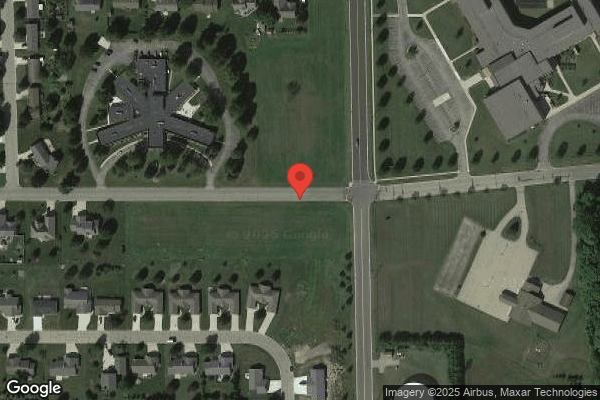
1475 BIRCH HILL LANE, SHAWANO, WI 54166 (715) 526-3161
For profit - Limited Liability company 50 Beds NORTH SHORE HEALTHCARE Data: November 2025
Trust Grade
70/100
#137 of 321 in WI
Last Inspection: September 2024

Within standard 12-15 month inspection cycle. Federal law requires annual inspections.

Overview

Birch Hill Health Services has a Trust Grade of B, indicating it is a good choice among nursing homes, but not the top tier. It ranks #137 out of 321 facilities in Wisconsin, placing it in the top half, and #2 out of 3 in Shawano County, meaning only one nearby option is better. The facility is currently improving, with reported issues decreasing from 7 in 2024 to just 2 in 2025. Staffing is a strength here, with a turnover rate of 34%, which is significantly lower than the state average of 47%, suggesting that staff are experienced and familiar with residents. However, there are some concerns, such as a lack of RN coverage compared to 86% of Wisconsin facilities and specific incidents like failure to maintain proper infection control protocols during a COVID-19 outbreak, as well as not revising care plans for residents who started hospice care. Additionally, a medication storage refrigerator was not kept at appropriate temperatures, which could jeopardize the effectiveness of medications. Overall, while there are notable strengths in staffing and a good trust grade, families should be aware of these weaknesses and ongoing concerns.

Trust Score
B
70/100
In Wisconsin
#137/321
Top 42%
Safety Record
Low Risk
No red flags
Inspections
Getting Better
7 → 2 violations
Staff Stability
○ Average
34% turnover. Near Wisconsin's 48% average. Typical for the industry.
Penalties
✓ Good
No fines on record. Clean compliance history, better than most Wisconsin facilities.
Skilled Nurses
○ Average
Each resident gets 31 minutes of Registered Nurse (RN) attention daily — about average for Wisconsin. RNs are the most trained staff who monitor for health changes.
Violations
⚠ Watch
12 deficiencies on record. Higher than average. Multiple issues found across inspections.
★★★☆☆
3.0
Overall Rating
★★★☆☆
3.0
Staff Levels
★★★☆☆
3.0
Care Quality
★★★☆☆
3.0
Inspection Score
Stable
2024: 7 issues
2025: 2 issues

The Good

  • Full Sprinkler Coverage · Fire safety systems throughout facility
  • No fines on record
  • Staff turnover below average (34%)

    14 points below Wisconsin average of 48%

Facility shows strength in fire safety.

The Bad

3-Star Overall Rating

Near Wisconsin average (3.0)

Meets federal standards, typical of most facilities

Staff Turnover: 34%

12pts below Wisconsin avg (46%)

Typical for the industry

Chain: NORTH SHORE HEALTHCARE

Part of a multi-facility chain

Ask about local staffing decisions and management

The Ugly 12 deficiencies on record

May 2025 2 deficiencies
CONCERN (D) 📢 Someone Reported This

A family member, employee, or ombudsman was alarmed enough to file a formal complaint

Potential for Harm - no one hurt, but risky conditions existed

Report Alleged Abuse (Tag F0609)

Could have caused harm · This affected 1 resident

Based on staff interview and record review, the facility did not report an allegation of abuse to the State Agency (SA) in a timely manner or the local police department for 1 resident (R) (R1) of 5 s...

Read full inspector narrative →
Based on staff interview and record review, the facility did not report an allegation of abuse to the State Agency (SA) in a timely manner or the local police department for 1 resident (R) (R1) of 5 sampled residents. Certified Nursing Assistant (CNA)-E reported to Nursing Home Administrator (NHA)-A that CNA-C barricaded R1 in the nurses' station on 4/15/25. The allegation of abuse was not reported to the SA until 4/23/25. The facility also did not report the allegation of abuse to the local police department. Findings include: The facility's Abuse Prevention Program, dated March 2018, indicates: .Involuntary seclusion refers to the separation of a resident from other residents or from his/her room or confinement to his/her room against the resident's will or the will of the resident's representative .7. Reporting/Responding: Allegations must be reported to the Administrator/designee immediately. The Administrator/designee will ensure all alleged violations involving abuse, neglect, exploitation, or mistreatment, including injuries of unknown source and misappropriation of resident property, are reported no later than 2 hours after the allegation is made if events that cause the allegation involve abuse or result in serious bodily injury; or not later than 24 hours if events that cause the allegation do not involve abuse and do not result in serious bodily injury, to the SA and other officials/authorities as needed. On 5/20/25, Surveyor reviewed a facility-reported incident (FRI) that was submitted to the SA on 4/23/25. The FRI stated Registered Nurse (RN)-D reported to NHA-A that CNA-C was abusive to residents. On 4/22/25, NHA-A and Director of Nursing (DON)-B suspended CNA-C and initiated an investigation into the allegation of abuse. The facility's final investigation was submitted to the SA on 4/28/25. On 5/20/25, Surveyor reviewed staff statements that were included in the facility's investigation: ~ A statement by CNA-E, dated 4/15/15, indicated CNA-E came in at 2:00 AM on 4/15/25 and found CNA-C completing documentation at the nurses' station while R1 was at the CNA desk with a treatment cart next to R1. When CNA-E asked CNA-C why R1 was positioned like that, CNA-C stated it was because R1 kept going into other residents' rooms. CNA-C then exited the nurses' station and CNA-E took R1 to R1's room for toileting and cares. When CNA-E pulled down R1's pants, CNA-E noted blood and bruising on R1's left lower leg. CNA-E reported the skin concerns to Registered Nurse (RN)-F who assessed R1's leg and provided first aide. RN-F thought the bruising and skin tear were related to a recent fall. CNA-E reported concerns about CNA-C possibly barricading R1 behind the nurses' station desk to RN-D (the AM shift nurse) on 4/15/25 at approximately 10:15 AM. ~ A statement by CNA-C, dated 4/16/25, indicated CNA-C was assigned the the D/E wing but was answering lights on the A wing with residents reporting R1 was going into their rooms. CNA-C brought R1 to the nurses' station and moved the treatment cart behind the CNA desk so R1 would be able to move around the entire area of the nurses' station. While CNA-C was charting, R1 wheeled behind the CNA desk and laid R1's head down on the desk. CNA-C indicated there was enough space for R1 to get between the treatment cart and the CNA desk. CNA-C indicated R1 was in the nurses' station from approximately 12:00 AM until 2:00 AM. CNA-E came in at 2:00 AM and took R1 to the bathroom. CNA-C returned to CNA-C's assigned wing. Surveyor reviewed staff education, dated 4/15/25, related to involuntary seclusion that indicated all residents have the right to freely move about the facility or unit despite behavior and/or diagnoses. Not allowing a resident to move about freely can be a form of abuse. The education included a review of the facility's abuse policy. The education was not signed by CNA-C. On 5/20/25 at 9:41 AM, Surveyor interviewed CNA-E who verified when CNA-E came into work at 2:00 AM, CNA-E observed R1 at the CNA desk in the nurses' station with the treatment cart between R1 and CNA-C. When CNA-E asked why R1 was sitting like that, CNA-C stated it was because R1 kept going into other residents' rooms. CNA-E brought R1 to R1's room and observed blood dripping down R1's left lower leg. CNA-E reported the blood to RN-F at approximately 2:20 AM. RN-F applied a dressing and indicated the wound and bruising were from a previous fall. CNA-E was still concerned and reported the information to RN-D (the AM shift nurse) at approximately 10:15 AM. CNA-E stated R1 would have been unable to wheel R1's self out from behind the CNA desk because CNA-E had to move the treatment cart to wheel R1 out of the nurses' station. On 5/20/25 at 9:56 AM, Surveyor interviewed RN-D who verified R1 fell on 4/14/25 but had no skin concerns. RN-D felt the bruises were new based on the dark color (versus green or yellow which indicated older bruising). RN-D asked other staff questions to try to figure out the origin of R1's skin tear. CNA-E reported that when CNA-E came in at 2:00 AM, CNA-C had barricaded R1 behind the CNA desk with the treatment cart. RN-D stated DON-B started an investigation into the cause of R1's skin tear on 4/15/25 and it was determined the skin tear/bruising could have resulted from R1 bumping against the treatment cart. RN-D stated DON-B was aware of RN-D and CNA-E's concerns regarding CNA-C on 4/15/25. On 4/22/25, RN-D discovered CNA-C was still working despite the allegations and reported the concerns again to NHA-A and DON-B. On 5/20/25 at 10:55 AM, Surveyor interviewed CNA-C who verified R1 regularly wandered and indicated in the early morning hours of 4/15/25, several residents complained that R1 entered their rooms. CNA-C brought R1 to the nurses' station for 1:1 supervision per R1's care plan. CNA-C indicated R1 could wheel R1's self around the nurses' station and wheeled behind the CNA desk. CNA-C stated when CNA-E came in at 2:00 AM, CNA-C returned to the D/E wing for the rest of the shift. CNA-C verified CNA-C was not suspended from work regarding the allegation until 4/22/25. On 5/20/25 at 12:15 PM, Surveyor interviewed NHA-A and DON-B regarding reporting the allegation of abuse. DON-B stated statements were obtained from RN-F, CNA-C, and CNA-E on 4/15/25 and 4/16/25 while they investigated the skin tear on R1's leg. NHA-A and DON-B confirmed they were aware of the allegation that CNA-C barricaded R1 behind the CNA desk with the treatment cart on 4/15/25. NHA-A and DON-B also verified involuntary seclusion was a form of abuse. NHA-A and DON-B indicated they did not immediately report the allegation of abuse because it did not happen based on re-enactment and staff interviews. NHA-A stated when RN-D reported the same concerns regarding CNA-C on 4/22/25, they suspended CNA-C and initiated a full abuse investigation. NHA-A indicated the allegation was not reported to the local police department because they do not respond to calls like that, especially with residents on the memory care unit.
CONCERN (D) 📢 Someone Reported This

A family member, employee, or ombudsman was alarmed enough to file a formal complaint

Potential for Harm - no one hurt, but risky conditions existed

Investigate Abuse (Tag F0610)

Could have caused harm · This affected 1 resident

Based on staff interview and record review, the facility did not thoroughly investigate an allegation of abuse and prevent further potential abuse for 1 resident (R) (R1) of 5 sampled residents. Certi...

Read full inspector narrative →
Based on staff interview and record review, the facility did not thoroughly investigate an allegation of abuse and prevent further potential abuse for 1 resident (R) (R1) of 5 sampled residents. Certified Nursing Assistant (CNA)-E reported to Nursing Home Administrator (NHA)-A that CNA-C barricaded R1 in the nurses' station on 4/15/25. CNA-C was not removed from or supervised during resident care until 4/22/25. Findings include: The facility's Abuse Prevention Program, dated March 2018, indicates: .Involuntary Seclusion refers to the separation of a resident from other residents or from his/her room or confinement to his/her room against the resident's will or the will of the resident's representative .6. Protection of Resident: The facility will make efforts to ensure all residents are protected from physical and psychosocial harm during and after the investigation. Examples include: responding immediately to protect the alleged victim, staffing changes to protect the resident(s) from the alleged perpetrator .7. Reporting/Response: .d. Analyzing the occurrence to determine why abuse occurred and what changed may be needed to prevent further occurrences. On 5/20/25, Surveyor reviewed a facility-reported incident (FRI) that was submitted to the State Agency (SA) on 4/23/25. The FRI stated Registered Nurse (RN)-D reported to NHA-A that CNA-C was abusive to residents. On 4/22/25, NHA-A and Director of Nursing (DON)-B suspended CNA-C and initiated an investigation into RN-D's allegations of abuse. The facility's final investigation was submitted to the SA on 4/28/25. On 5/20/25, Surveyor reviewed staff statements that were included in the facility's investigation: ~ A statement by CNA-E, dated 4/15/15, indicated CNA-E came in at 2:00 AM on 4/15/25 and observed CNA-C completing documentation at the nurses' station while R1 was at the CNA desk with a treatment cart next to R1. When CNA-E asked why R1 was positioned like that, CNA-C stated it was because R1 kept going into other residents' rooms. CNA-C exited the nurses' station and CNA-E brought R1 to R1's room for toileting and cares. When CNA-E pulled down R1's pants, CNA-E observed blood and bruising on R1's left lower leg. CNA-E reported the skin concerns to RN-F who assessed R1's leg and provided first aide. RN-F thought the bruising and skin tear were related to a recent fall. CNA-E reported the concern about CNA-C possibly barricading R1 behind the desk in the nurses' station to RN-D (the AM shift nurse) on 4/15/25 at approximately 10:15 AM. ~ A statement by CNA-C, dated 4/16/25, indicated CNA-C was assigned to the D/E wing but answered several lights on the A wing with residents reporting R1 was going into their rooms. CNA-C brought R1 to the nurses' station and moved the treatment cart behind the CNA desk so R1 would be able to move around the entire area of the nurses' station. While CNA-C was charting, R1 wheeled R1's self behind the CNA desk and laid R1's head down on the desk. CNA-C indicated there was enough space for R1 to get between the treatment cart and the CNA desk. CNA-C indicated R1 was in the nurse's station from approximately 12:00 AM until 2:00 AM. CNA-E came in at 2:00 AM and took R1 to the bathroom. CNA-C returned to CNA-C's assigned wing. Surveyor reviewed staff education, dated 4/15/25, related to involuntary seclusion that stated all residents have the right to freely move about the facility or unit despite behavior and/or diagnoses. Not allowing a resident to move about freely can be a form of abuse. The education included a review of the facility's abuse policy. The education was not signed by CNA-C. On 5/20/25 at 9:41 AM, Surveyor interviewed CNA-E who verified when CNA-E came in at 2:00 AM, CNA-E observed R1 at the CNA desk in the nurses' station with a treatment cart between R1 and CNA-C. When CNA-E asked why R1 was sitting like that, CNA-C stated it was because R1 kept going into other residents' rooms. CNA-E brought R1 into R1's room and observed blood dripping down R1's left lower leg. CNA-E reported the concern to RN-F at approximately 2:20 AM. RN-F applied a dressing and indicated the wound and bruising were from a previous fall. CNA-E was still concerned and reported the concern to RN-D (the AM shift nurse) at approximately 10:15 AM. CNA-E stated R1 would have been unable to wheel R1's self out from behind the CNA desk because CNA-E had to move the treatment cart to wheel R1 out of the nurses' station. On 5/20/25 at 9:56 AM, Surveyor interviewed RN-D who indicated CNA-E reported that when CNA-E came in at 2:00 AM, CNA-C had barricaded R1 behind the CNA desk with the treatment cart. RN-D stated DON-B was aware of RN-D and CNA-E's concerns regarding CNA-C on 4/15/25. On 4/22/25, RN-D found out CNA-C was still working despite the allegations and reported the concerns again to NHA-A and DON-B. On 5/20/25 at 10:55 AM, Surveyor interviewed CNA-C who verified CNA-C was not removed from or supervised during resident care until 4/22/25. CNA-C stated DON-B provided education via phone regarding abuse and involuntary seclusion. On 5/20/25, Surveyor reviewed CNA-C's timecard punches from 4/13/25 to 4/28/25 and noted CNA-C worked on 4/16/25, 4/17/25, 4/18/25, 4/20/25, 4/21/25, and 4/22/25. CNA-C returned to work on 4/28/25. On 5/20/25 at 12:15 PM, Surveyor interviewed NHA-A and DON-B regarding the investigation. NHA-A and DON-B indicated they were aware of the allegation of CNA-C barricading R1 behind the CNA desk with the treatment cart on 4/15/25. NHA-A and DON-B verified involuntary seclusion is a form of abuse. NHA-A and DON-B stated they did not immediately suspend CNA-C related to the allegation of abuse because it did not happen based on re-enactment and staff interviews. NHA-A stated when RN-D reported the same concerns regarding CNA-C again on 4/22/25, they suspended CNA-C and initiated a full investigation. DON-B verified CNA-C was suspended from work starting on 4/22/25 pending the results of the investigation and returned to work on 4/28/25.
Sept 2024 7 deficiencies
CONCERN (D)

Potential for Harm - no one hurt, but risky conditions existed

Deficiency F0554 (Tag F0554)

Could have caused harm · This affected 1 resident

Based on observation, staff interview, and record review, the facility did not ensure 1 resident (R) (R25) of 14 sampled residents was assessed as able to safely and accurately self-administer medicat...

Read full inspector narrative →
Based on observation, staff interview, and record review, the facility did not ensure 1 resident (R) (R25) of 14 sampled residents was assessed as able to safely and accurately self-administer medication. On 9/23/24, R25 took R25's inhalers to a dialysis appointment to self-administer. R25 did not have a self-administration of medication assessment or a physician order that indicated R25 could safely and accurately self-administer the inhalers. Findings include: The facility's Self-Administration by Resident policy, dated 1/2023, indicates: Residents who desire to self-administer medications are permitted to do so with a prescriber's order and if the nursing care center's interdisciplinary team has determined that the practice would be safe and the medications are appropriate and safe for self-administration. If the resident desires to self-administer medications, an assessment is conducted by the interdisciplinary team of the resident's cognitive, physical, and visual ability to carry out this responsibility, during the care planning process. Between 9/23/24 and 9/25/24, Surveyor reviewed R25's medical record. R25 was admitted to the facility for rehab post patellar tendon rupture and bilateral repair on 8/14/24 and had a diagnosis of unspecified asthma. R25's Minimum Data Set (MDS) assessment, dated 8/21/24, had a Brief Interview for Mental Status (BIMS) score of 15 out of 15 which indicated R25 had intact cognition. R25 attended dialysis 3 times per week. R25's medical record indicated R25 was prescribed the following medications: ~ Advair HFA Inhalation Aerosol (Fluticasone-Salmeterol) 1 puff inhale orally two times a day ~ Albuterol Sulfate HFA Inhalation Aerosol Solution 108 (90 Base) MCG/ACT (micrograms/actuation) (Albuterol Sulfate) 2 puffs inhale orally every 4 hours as needed for SOB (shortness of breath) and wheezing A Self-Administration of Medication Assessment, dated 8/14/24, indicated R25 either did not wish to self-administer medication or was unable to make R25's own decision and may not self-administer medication. On 9/23/24 at 1:07 PM, Surveyor observed the medication cart and noted R25's inhalers were missing. Surveyor interviewed Licensed Practical Nurse (LPN)-D who indicated R25 took R25's inhalers to dialysis. On 9/25/24 at 11:47 AM, LPN-C provided Surveyor with a physician notification, dated 9/25/24, that indicated R25 wished to self-administer R25's inhalers and keep the inhalers at bedside. R25 currently used albuterol as needed and fluticasone-salmeterol twice daily and was R25's own decision maker. The provider response was to have nursing staff assess for the appropriateness of self administration and indicated it was okay for R25 to self-administer and keep the inhalers at bedside. LPN-C acknowledged R25's self-administration of medication assessment should have been completed prior to 9/25/24.
CONCERN (D)

Potential for Harm - no one hurt, but risky conditions existed

Quality of Care (Tag F0684)

Could have caused harm · This affected 1 resident

**NOTE- TERMS IN BRACKETS HAVE BEEN EDITED TO PROTECT CONFIDENTIALITY** Based on staff and resident interview, and record review, the facility did not ensure bowel movements were monitored in accordan...

Read full inspector narrative →
**NOTE- TERMS IN BRACKETS HAVE BEEN EDITED TO PROTECT CONFIDENTIALITY** Based on staff and resident interview, and record review, the facility did not ensure bowel movements were monitored in accordance with the facility's protocol for 1 resident (R) (R3) of 14 sampled residents. R3 had a history of bowel obstruction. From 7/16/24 through 7/20/24, R3 went 5 days without a bowel movement (BM). Staff did not monitor R3's BMs and R3 did not have a bowel elimination care plan. Findings include: The facility did not have a written policy for bowel management; however Director of Nursing (DON)-B indicated the facility had a non-written procedure for bowel management. Between 9/23/24 and 9/25/24, Surveyor reviewed R3's medical record. R3 was admitted to the facility on [DATE] and had diagnoses including occlusive mesenteric ischemia (a condition that occurs when blood flow to the small intestine is blocked or reduced), history of small bowel obstruction, and other intestinal obstruction unspecified as to partial versus complete obstruction. R3's Minimum Data Set (MDS) assessment, dated 8/17/24, had a Brief Interview for Mental Status (BIMS) score of 13 out of 15 which indicated R3 had intact cognition. R3 was R3's own decision maker. R3's medical record indicated R3 was hospitalized with bowel obstructions from 8/15/23 to 8/23/23 and 8/6/24 to 8/10/24. R3's medical record did not contain a bowel elimination care plan R3 had the following physician orders: ~ 8 ounces (oz) of Benefiber oral powder (wheat dextrin) once daily for constipation. ~ 30 milliliters (ml) of Milk of Magnesia every 24 hours as needed for constipation. ~ 1 scoop of polyethylene glycol 3350 powder every 24 hours as needed for constipation. ~ 1 tablet of sennosides 8.6 mg (milligrams) as needed for constipation. Take 1 to 4 tablets twice daily (BID). Start with 1 tablet BID and titrate up to 8 tablets per day. ~1 tablet simethicone 80 mg every 6 hours as needed for bloating and gas (starting 8/6/24). ~ 2.5 mg of oxycodone every 4 hours as needed for pain. Between 7/16/24 and 7/20/24, R3 did not have a documented BM. R3 continued to take scheduled Benefiber. Per R3's Medication Administration Record (MAR), R3 was not offered any as needed medication for constipation during the 5 days R3 did not have a BM. R3's medical record indicated the following: ~ On 7/21/24, R3 had 2 BMs (medium and small size, normal formed). ~ On 7/22/24, R3 had 1 BM (small size, normal formed). ~ On 7/23/24, R3 was given Milk of Magnesia at 2:11 PM and 9:18 PM. R3 had 1 BM (medium size, normal formed) and was given oxycodone for pain. ~ On 7/24/24, R3 had 2 BMs (small size, normal formed) and was given oxycodone for pain. ~ On 7/26/24, R3's Benefiber was held due to loose stools. R3 also had 1 BM (medium size, normal formed). ~ On 7/29/24, R3 had 1 BM (medium size, normal formed). ~ On 7/30/24, R3 had 1 BM (medium size, normal formed). ~ On 7/31/24, R3 had 2 BMs (small size, normal formed). ~ On 8/1/24, R3 was given 1 tab of senna at 7:10 AM ~ On 8/2/24, R3 was given 1 tab of senna at 7:10 AM and had 2 BMs (large size, normal formed) at 9:55 PM. ~ On 8/3/24, R3 had 2 BMs (medium and large size, normal formed) and was given oxycodone for pain. ~ On 8/4/24 at 9:24 AM, R3 complained of abdominal pain. The nurse did an assessment and documented bowel sounds were active in all 4 quadrants. R3 was not eating much due to a concern of constipation. The physician gave an order to hold Lasix and potassium and draw labs. R3 had 1 BM (medium size, normal formed). ~ On 8/5/24, R3 had 1 BM (small size, normal formed). A progress note at 10:35 PM indicated R3 felt bloated. Bowel sounds were present in all 4 quadrants. R3 passed gas after auscultation and stated R3 felt better. A request for Gas-X was sent to the physician. R3 was given oxycodone which was effective. ~ On 8/6/24, R3 had 1 BM (small size, normal formed). A progress note at 10:23 AM indicated a Physician's Assistant (PA) faxed an order for simethicone 80 mg. At 9:55 PM, R3 had increased abdominal pain, was given oxycodone that was not effective, and was sent to the emergency room (ER). Surveyor reviewed R3's oxycodone use. Between 7/1/24 and 7/15/24 (prior to going 5 days without a BM), R3 took oxycodone 12 times for pain. Between 7/21/24 and 8/6/24 (after going 5 days without a BM), R3 took oxycodone 5 times for pain (3 of the 5 were between 8/3/24 and 8/6/24). R3's documented pain levels after 7/21/24 were not higher or out of the norm compared to R3's documented pain levels prior to 7/15/24. On 9/25/24 at 12:10 PM, Surveyor interviewed Certified Nursing Assistant (CNA)-J who worked regularly with R3. CNA-J indicated before R3 was hospitalized , R3 asked to go to the bathroom and staff assisted R3 though at times R3 tried to go without assistance. CNA-J indicated R3 was more independent now due to therapy, could go to the bathroom by R3's self, and would tell staff if R3 had a BM. CNA-J indicated R3 had always gone to the bathroom regularly but R3 did not feel like it was enough. CNA-J indicated R3 was good about telling staff when R3 went to the bathroom. CNA-J indicated BMs were documented in CNA charting and nursing staff gave CNAs a list of residents on watch for BMs. CNA-J could not recall if R3 was on the list during the 5 days in July that R3 did not have a documented BM. CNA-J indicated CNA-J felt if R3 didn't have a BM for multiple days, R3 would tell staff right away because R3 was concerned about BMs and liked to direct R3's care. On 9/25/24 at 12:17 PM, Surveyor interviewed R3 who indicated R3 kept a close eye on R3's BMs and staff did a good job keeping track as well. R3 indicated R3 had medication to take and asked for it as needed. R3 indicated sometimes R3 refused the medication because R3 didn't want to have diarrhea. R3 stated R3 had back pain for a couple weeks prior to hospitalization but thought it was a muscle pull. R3 indicated the pain was gradual and R3 didn't take anything for it and didn't tell staff. When the pain got worse, R3 was sent to the hospital and diagnosed with a bowel obstruction. R3 felt staff responded appropriately and monitored R3's bowels appropriately. On 9/25/24 at 12:48 PM, Surveyor interviewed Licensed Practical Nurse (LPN)-D who worked regularly with R3. LPN-D indicated R3 did not express anything out of the ordinary until close to the time R3 was sent to the ER. LPN-D indicated close to that time, R3 reported belly pain but was assessed and had bowel sounds in all 4 quadrants. LPN-D indicated belly pain wasn't unusual for R3 because R3 was anxious and worried. LPN-D indicated when R3 expressed bloating and pain, LPN-D completed an assessment and there were bowel sounds in all 4 quadrants. R3 passed gas after auscultation and felt better. R3's physician was contacted for Gas-X. LPN-D indicated nurses were usually given a sheet by the night (NOC) shift nurse if residents were on watch for a BM or if they hadn't had one in a few days. LPN-D did not recall from if R3 was on one of the sheets in July after R3 did not have a documented BM for 5 days. LPN-D indicated the facility protocol was if no BM for 3 days, give prune juice, then Milk of Magnesia, then if still nothing, NOC shift staff would administer a suppository. On 9/25/24 at 1:17 PM, Surveyor interviewed DON-B who confirmed due to R3's history of bowel obstruction, R3 should have had a bowel elimination care plan. DON-B indicated DON-B could not find a bowel management policy. DON-B indicated staff should offer a resident senna on day 3 if the resident did not have a BM. If the resident didn't have a BM by day 4, staff should offer Milk of Magnesia. On day 5, staff should administer a suppository. DON-B indicated DON-B was unsure what the Medical Director wanted since DON-B had just started the DON role full-time the previous week. DON-B indicated nursing staff should look at the bowel report daily and provide a list of residents who were on watch. When Surveyor informed DON-B that R3's medical record indicated R3 did not have a BM and was not offered PRN medication between 7/16/24 and 7/20/24, DON-B indicated sometimes R3 went to the bathroom but did not tell staff or staff may have provided R3 with PRN medication but didn't document it. DON-B confirmed BMs and medications should be documented in a resident's medical record On 9/25/24 at 1:56 PM, DON-B provided Surveyor with a half sheet of paper with a graph that indicated what staff should do for bowel protocol. The sheet indicated on day 3, the resident should be offered prune juice. On day 4, the resident should be offered Milk of Magnesia. On day 5, the resident should be offered a suppository. If there were no results by day 5, staff should contact the physician.
CONCERN (D)

Potential for Harm - no one hurt, but risky conditions existed

Pressure Ulcer Prevention (Tag F0686)

Could have caused harm · This affected 1 resident

**NOTE- TERMS IN BRACKETS HAVE BEEN EDITED TO PROTECT CONFIDENTIALITY** Based on observation, staff interview, and record review, the facility did not ensure 1 resident (R) (R194) of 2 residents revie...

Read full inspector narrative →
**NOTE- TERMS IN BRACKETS HAVE BEEN EDITED TO PROTECT CONFIDENTIALITY** Based on observation, staff interview, and record review, the facility did not ensure 1 resident (R) (R194) of 2 residents reviewed for pressure injuries received appropriate care and services to promote healing and/or prevent pressure injuries from developing. During R194's dressing change on 9/24/24, Director of Nursing (DON)-B did not apply iodine as ordered by the physician. Findings include: On 9/24/24, Surveyor reviewed R194's medical record. R194 was admitted to the facility on [DATE] with diagnoses including rhabdomyolysis, sepsis due to methicillin-resistant Staphylococcus aureus (MRSA), pressure ulcer of foot, and diabetes. R194's Minimum Data Set (MDS) assessment, dated 9/19/24, had a Brief Interview for Mental Status (BIMS) score of 13 out of 15 which indicated R194 had intact cognition. R194's medical record indicated R194 was responsible for R194's healthcare decisions. R194 had a wound care order, dated 9/19/24, to place iodine and a Xeroform dressing on the stitch area with 4 x 4 gauze and Kerlix and ACE or Coban wrap daily on the left foot. On 9/24/24 at 10:28 AM, Surveyor observed DON-B and Licensed Practical Nurse (LPN)-C perform a dressing change for R194. DON-B applied Xeroform dressing to the stitch area with 4 x 4 gauze, Kerlix, and an ACE wrap. Surveyor noted DON-B did not apply iodine during the dressing change in accordance with the wound care order. On 9/24/24 at 11:55 AM, Surveyor interviewed LPN-C who verified iodine was not applied during the dressing change. LPN-C stated R194 was leaving shortly for an infectious disease appointment and nursing staff would correct the error upon R194's return. On 9/25/24 at 1:35 PM, Surveyor interviewed DON-B who verified DON-B did not apply iodine during R194's dressing change.
CONCERN (D)

Potential for Harm - no one hurt, but risky conditions existed

Medication Errors (Tag F0758)

Could have caused harm · This affected 1 resident

**NOTE- TERMS IN BRACKETS HAVE BEEN EDITED TO PROTECT CONFIDENTIALITY** Based on staff interview and record review, the facility did not ensure 1 resident (R) (R5) of 7 sampled residents was monitored...

Read full inspector narrative →
**NOTE- TERMS IN BRACKETS HAVE BEEN EDITED TO PROTECT CONFIDENTIALITY** Based on staff interview and record review, the facility did not ensure 1 resident (R) (R5) of 7 sampled residents was monitored for adverse reactions to antipsychotic medication. R5 was prescribed Seroquel (an antipsychotic medication) for dementia with behaviors. The facility did not complete a baseline Abnormal Involuntary Movement Scale (AIMS) assessment for R5 prior to the start of the medication. Findings include: The National Institute for Health, www.ncbi.nlm.nih.gov Tardive Dyskinesia, updated 4/24/23, indicates: Numerous rating scales determine the presence and severity of tardive dyskinesia. The most widely used instrument is the AIMS. It is recommended to administer the AIMS at baseline before initiating antipsychotic medications, with a follow-up screening performed no longer than three months later. Upon evaluation of the patient, it can be noted that tardive dyskinesia is present at rest and somewhat diminished when there is any form of volitional movement. For example, tongue dyskinesias reduce when the patient is asked to protrude their tongue. The facility's Psychotropic Medications policy, with a review date of 10/24/22, indicates: .8. Residents who receive an antipsychotic medication will have an AIMS test performed on admission, or at least every 6 months, when the antipsychotic medication is changed, and as needed (PRN). Between 9/23/24 and 9/25/24, Surveyor reviewed R5's medical record. R5 was admitted to the facility on [DATE] and had diagnoses including dementia with behavioral disturbance. R5's Minimum Data Set (MDS) assessment, dated 8/14/24, had a Brief Interview for Mental Status (BIMS) score of 8 out of 15 which indicated R5 had moderate cognitive impairment. R5 had an activated Power of Attorney for Healthcare (POAHC). R5's medical record indicated R5 was prescribed 25 milligrams (mg) of Seroquel once daily for dementia with behaviors on 9/18/24. R5's medical record did not contain an AIMS assessment. On 9/25/24 at 1:17 PM, Surveyor interviewed Director of Nursing (DON)-B who indicated R5 was scheduled to have an AIMS assessment completed on 9/26/24. When Surveyor requested the facility's policy, DON-B indicated the facility's policy did not indicate if a baseline AIMS assessment should be completed. DON-B acknowledged a baseline AIMS assessment prior to the start of antipsychotic medication provided a comparison for symptoms in subsequent AIMS assessments.
CONCERN (D)

Potential for Harm - no one hurt, but risky conditions existed

Infection Control (Tag F0880)

Could have caused harm · This affected 1 resident

**NOTE- TERMS IN BRACKETS HAVE BEEN EDITED TO PROTECT CONFIDENTIALITY** Based on observation, staff and resident interview, and record review, the facility did not establish and maintain an infection ...

Read full inspector narrative →
**NOTE- TERMS IN BRACKETS HAVE BEEN EDITED TO PROTECT CONFIDENTIALITY** Based on observation, staff and resident interview, and record review, the facility did not establish and maintain an infection prevention and control program designed to help prevent the development and transmission of disease and infection for 1 resident (R) (R194) of 5 residents observed during the provision of care. A transmission-based precautions (TBP) sign was not posted outside R194's room to alert staff that R194 was on contact precautions for methicillin-resistant Staphylococcus aureus (MRSA). In addition, staff were observed providing care for R194 without gloves or gowns. Findings include: The facility's Infection Prevention and Control Program policy, dated 7/23/24, indicates: This facility has established and maintains an infection prevention and control program designed to provide a safe, sanitary, and comfortable environment and to help prevent the development and transmission of communicable diseases and infections as per accepted national standards and guideline .5. Isolation Protocol (Transmission-Based Precautions): a. A resident with an infection or communicable disease shall be placed on transmission-based precautions as recommended by current Centers for Disease Control and Prevention (CDC) guidelines .d. When a resident on transmission-based precautions must leave the resident care unit/area, the nurse shall communicate to all involved departments the nature of the isolation and shall prepare the resident for transport in accordance with current transmission-based precaution guidelines. The CDC guidelines signage documents indicate: Contact Precautions Everyone Must: Clean their hands, including before entering and when leaving the room. Providers and Staff Must Also: Put on gloves before room entry. Discard gloves before room exit. Put on gown before room entry. Discard gown before room exit. Do not wear the same gown and gloves for the care of more than one person. Use dedicated or disposable equipment. Clean and disinfect surfaces and equipment with a sporicidal agent. On 9/23/24, Surveyor reviewed R194's medical record. R194 was admitted to the facility on [DATE] with diagnoses including Charcot foot wound with infection with MRSA, diabetes, and cancer. R194's Minimum Data Set (MDS) assessment, dated 9/12/24, had a Brief Interview for Mental Status (BIMS) score of 15 out of 15 which indicated R194 had intact cognition. R194's medical record indicated R194 was responsible for R194's healthcare decisions. On 9/23/24 at 3:05 PM, Surveyor observed a cart outside R194's room. Surveyor did not observe a sign posted outside R194's room to alert staff that R194 was on contact precautions. On 9/23/24 at 3:13 PM, Surveyor interviewed Licensed Practical Nurse (LPN)-E who verified R194 was on contact and droplet precautions and indicated the sign must have fallen down. On 9/23/24 at 3:15 PM, Surveyor interviewed R194 who indicated staff wore masks and gloves but R194 had not seen staff wear gowns during cares other than dressing changes. On 9/23/24 3:20 PM, Surveyor interviewed Director of Nursing (DON)-B who verified a contact precautions sign was not posted but should be. On 9/24/24 at 7:33 AM, Surveyor observed Physical Therapist Assistant (PTA)-F and Occupational Therapist Assistant (OTA)-G perform dressing and grooming for R194. Surveyor noted PTA-F and OTA-G did not don gowns while working with R194 in R194's room. On 9/24/24 at 7:47 AM, Surveyor observed PTA-F provide therapy for a resident with PTA-F's mask pulled down around PTA-F's neck. On 9/24/24 at 7:53 AM, Surveyor interviewed OTA-G who indicated staff should wear gloves, a gown, and a mask when providing therapy for residents on contact precautions. OTA-G indicated staff are allowed to treat residents on contact precaution in the gym as long as other residents are not present. OTA-G indicated a gown was worn if staff provided physical contact. On 9/24/24 at 7:56 AM, Surveyor observed PTA-F provide therapy for R194 with stretch bands around R194's knees. Surveyor observed PTA-F hold the bands to create tension without wearing gloves or a gown. On 9/24/24 at 8:03 AM, Surveyor interviewed PTA-F who indicated staff should don a gown and gloves for any cares in R194's room. PTA-F indicated holding the bands on R194's legs was not considered physical contact. On 9/25/24 at 1:38 PM, Surveyor interviewed DON-B who verified R194 was on contact precautions due to MRSA in R194's foot wound and drainage from the dressing. DON-B verified therapy staff should wear gowns with R194 to ensure there was no accidental exposure if R194's wound dressing came off during therapy.
CONCERN (E) 📢 Someone Reported This

A family member, employee, or ombudsman was alarmed enough to file a formal complaint

Potential for Harm - no one hurt, but risky conditions existed

Deficiency F0657 (Tag F0657)

Could have caused harm · This affected multiple residents

**NOTE- TERMS IN BRACKETS HAVE BEEN EDITED TO PROTECT CONFIDENTIALITY** Based on record review and staff interview, the facility did not revise care plans in accordance with current care needs for 4 r...

Read full inspector narrative →
**NOTE- TERMS IN BRACKETS HAVE BEEN EDITED TO PROTECT CONFIDENTIALITY** Based on record review and staff interview, the facility did not revise care plans in accordance with current care needs for 4 residents (R) (R38, R21, R40, and R35) of 14 sampled residents. The facility did not revise R38, R21, and R40's care plans when R38, R21, and R40 started Hospice care. R35 had a restorative program that indicated R35 should be walked to meals. The facility did not revise R35's care plan to indicate staff did not always ambulate R35 to meals but ambulated R35 at other times during the day. Findings include: 1. From 9/23/24 to 9/25/24, Surveyor reviewed R38's medical record. R38 was admitted to the facility on [DATE] and had diagnoses including encephalopathy, depression, and dementia. R38's Minimum Data Set (MDS) assessment, dated 9/11/24, had a Brief Interview for Mental Status (BIMS) score of 1 out of 15 which indicated R38 had severe cognitive impairment. R38's medical record contained an order for Hospice evaluation and treatment. On 9/10/24, R38's Hospice paperwork was completed. R38's medical record did not contain a Hospice care plan. 2. From 9/23/24 to 9/25/24, Surveyor reviewed R21's medical record. R21 was admitted to the facility on [DATE] and had diagnoses including adjustment with depressed mood and secondary malignant neoplasm of the brain (brain cancer). R21's MDS assessment, dated 9/6/24, had a BIMS score of 5 out of 15 which indicated R21 had severe cognitive impairment. R21's medical record contained an order, dated 2/13/23, for Hospice evaluation and treatment. R21's medical record did not contain a Hospice care plan. 3. From 9/23/24 to 9/25/24, Surveyor reviewed R40's medical record. R40 was admitted to the facility on [DATE] and had diagnoses including progressive neurological condition, Alzheimer's disease, and dementia. R40's MDS assessment, dated 8/23/24, had a BIMS score of 4 out of 15 which indicated R40 had severe cognitive impairment. R40 started Hospice services on 8/21/24. R40's medical record did not contain a Hospice care plan. On 9/24/24 at 1:56 PM, Surveyor interviewed Director of Nursing (DON)-B who confirmed residents who receive Hospice services should have a facility-completed care plan that reflects the needs of the residents. 4. From 9/23/24 to 9/25/24, Surveyor reviewed R35's medical record. R35 was admitted to the facility on [DATE] for therapy and had diagnoses including traumatic brain injury, epilepsy, impulsivity disorder, post-traumatic stress disorder (PTSD), and anxiety. R35's MDS assessment, dated 9/18/24, had a BIMS score of 3 out of 15 which indicated R35 had severe cognitive impairment. R35 had a guardian for healthcare decisions. R35's care plan, revised 4/23/24, indicated R35 required assistance to restore function for mobility related to decreased balance and inability to move independently. The care plan contained a restorative walking program intervention to ambulate R35 with a 4-wheeled walker, gait belt, and the assistance of 1 staff to meals. On 9/24/24 at 11:50 AM, Surveyor observed Nursing Home Administrator (NHA)-A begin to transport R35 to the dining room in a wheelchair with leg rests. Maintenance Director (MD)-H took over and completed the transport. On 9/24/24 at 11:52 AM, Surveyor interviewed NHA-A who indicated NHA-A was not aware R35 should be walked to the dining room for meals. On 9/24/24 at 11:55 AM, Surveyor interviewed MD-H who indicated MD-H was not aware R35 should be walked to the dining room for meals. MD-H indicated MD-H was told R35 should stay in the wheelchair so R35 didn't fall. On 9/24/24 at 1:43 PM, Surveyor interviewed Activities Director (AD)-I who verified AD-I took R35 to the dining room in the morning in a wheelchair. AD-I indicated AD-I was not aware R35 should be walked to the dining room for meals but stated R35 was walked in the hallway at other times. On 9/24/24 at 3:00 PM, Surveyor interviewed Minimum Data Set Coordinator (MDSC)-K who indicated Certified Nursing Assistants (CNAs) document on R35's plan of care the number of minutes R35 is walked. Surveyor reviewed the documentation and noted the following: ~ From 7/1/24 to 7/31/24, R35 was walked 3 times per day except on 4 dates when R35 was walked once, 3 dates when R35 refused, and 3 instances that were documented as not applicable. ~ From 8/1/24 to 8/31/24, R35 was walked three times per day except on 3 dates. ~ From 9/1/24 to 9/25/24, R35 was walked three times per day except on 1 date when R35 was not available and 1 date when R35 refused. On 9/25/24 at 10:09 AM, Surveyor interviewed DON-B who verified R35's care plan indicated R35 should be walked to meals. DON-B verified R35 was walked to breakfast that morning and stated DON-B observed R35 walked to supper on 9/24/24. DON-B also observed staff walk R35 at different times of the day other than meals. DON-B indicated DON-B would check with therapy to see if the ambulation order could be changed to include other times than meal time.
CONCERN (E)

Potential for Harm - no one hurt, but risky conditions existed

Deficiency F0761 (Tag F0761)

Could have caused harm · This affected multiple residents

**NOTE- TERMS IN BRACKETS HAVE BEEN EDITED TO PROTECT CONFIDENTIALITY** Based on observation, staff interview, and record review, the facility did not ensure 1 of 2 refrigerators in the medication sto...

Read full inspector narrative →
**NOTE- TERMS IN BRACKETS HAVE BEEN EDITED TO PROTECT CONFIDENTIALITY** Based on observation, staff interview, and record review, the facility did not ensure 1 of 2 refrigerators in the medication storage room that contained vaccines and insulin maintained an appropriate temperature per the facility's policy and instructions on the facility's temperature log. In addition, the facility did not ensure medications for 7 residents (R) (R40, R33, R21, R22, R1, R194, and R3) of 19 residents in 1 of 1 medication cart were dated appropriately when opened. The medication refrigerator log for September 2024 indicated temperatures had been taken only once per day and 8 of the 22 temperatures were out of range. The refrigerator contained vaccines and insulin which required a temperature between 36-46 degrees F to preserve their integrity. In addition, the facility's policy indicated refrigerator temperatures should be checked twice daily. The medication storage room and medication refrigerator contained expired items and items that were not dated when opened. A medication cart contained open inhalers and eye drops that were not dated when opened. Findings include: The facility's Medication Storage, Storage of Medication policy, dated 1/2023, indicates: .11. Medications requiring refrigeration or temperatures between 36 and 46 degrees F are kept in a refrigerator with a thermometer to allow temperature monitoring .A temperature log or tracking mechanism is maintained to verify the temperature has remained within accepted limits. The temperature of any refrigerator that stores vaccines should be monitored and recorded twice daily .14. Outdated, contaminated, discontinued, or deteriorated medications and those in containers that are cracked, soiled or without secure closures are immediately removed from stock, disposed of according to procedures for medication disposal. The facility's Medication Administration, General Guidelines policy, dated 1/2023, indicates: .8. Check expiration date on package/container. No expired medication will be administered to a resident .B. Nurse shall place a date opened sticker on the medication if one is not provided by the dispensing pharmacy and enter the date opened. C. Certain products or package types such as multi-dose vials and ophthalmic drops have specified shortened end-of-use dating, once opened, to ensure medication purity and potency. When date open expiration dating is not available from the manufacturer, the following may be considered in determining facility policy: Position statement from American Society of Ophthalmic Registered Nurse and American Society of Cataract and Refractive Surgery state that multi-use eye drops and ointments should be disposed of 28 days after initial use .All other ophthalmic drops are to be considered expired after 60 days from the date opened. The glargine insulin manufacturer [NAME] Lilly insert at 16.2 Storage indicates: Store unused insulin glargine in a refrigerator between 36°F and 46°F (2°C (Celsius) and 8°C). Do not freeze. Discard insulin glargine if it has been frozen. Protect insulin glargine from direct heat and light. The Diabetes Disaster Response Coalition Safe Storage of Insulin pamphlet Pdf., dated 2018, indicates: According to the product labels from all three U.S. insulin manufacturers, it is recommended that insulin be stored in a refrigerator at approximately 36°F to 46°F (this is recommended for unopened insulin). The MSF medical guidelines for povidone-iodine, updated April 2024, indicate: Once the bottle has been opened, solution keeps 30 days. Pfizer labeling for 0.25% acetic acid irrigation, revised October 2004, indicates: The contents of an opened container should be used promptly to minimize the possibility of bacterial growth or pyrogen formation. 3. Discard the unused portion of irrigating solution since it contains no preservative. 3. Discard the unused portion of irrigating solution since it contains no preservative. The National Institutes of Health (NIH) for albuterol nebulizers, dated 1/4/2022, indicates: Store between 2°C to 25°C (36°F to 77°F). Protect from light and excessive heat. Store unit-dose vials in protective foil pouch at all times. Once removed from the foil pouch, use vial(s) within two weeks. Discard the vial if the solution is not colorless. Ipratropium bromide and albuterol nebulizer packaging indicates: Protect from light. Unit-dose vials should remain stored in the protective foil pouch at all times. Once removed from the foil pouch, the individual vials should be used within two weeks. Discard if the solution is not colorless. 1. On 9/23/24 at 8:50 AM, Surveyor noted a medication log posted on the refrigerator in the medication storage room. The log contained one temperature per day. Surveyor also noted 8 of the 22 temperatures on the log were out of range. The log indicated the temperature should be between 36-41 degrees F. If the temperature was not within range, staff were instructed not to administer medication and alert the Executive Director (ED) or Maintenance Director immediately. Surveyor noted the log contained a range of low temperatures between 24 and 34 degrees on 9/7/24, 9/11/24, 9/12/24, 9/16/24, 9/17/24, 9/19/24, 9/20/24, and 9/21/24. On 9/23/24 at 8:50 AM, Surveyor noted a sign on the refrigerator that indicated temperatures should be checked twice daily due to vaccines in the refrigerator. On 9/23/24 at 11:00 AM, Surveyor reviewed the June 2024, July 2024, and August 2024 mediation refrigerator temperature logs. The June 2024 log indicated refrigerator temperatures were out of range on 11 of 30 days. The temperatures ranged from 28-35 degrees F on 6/3/24, 6/6/24, 6/7/24, 6/8/24, 6/14/24, 6/15/24, 6/16/24, 6/17/24, 6/18/24, 6/19/24, and 6/23/24. The temperature logs for all 3 months indicated temperatures were checked once per day. 2. On 9/23/24 at 8:55 AM, Surveyor observed the following items in the medication refrigerator: ~ A multi-use vial of Tubersol (tuberculous testing solution) with no open date. (A PharMerica policy, dated 4/2021 and provided by Nursing Home Administrator (NHA)-A, indicated the vial expired 30 days after opening.) ~ One syringe of Prevnar 20 (pneumococcal vaccine) ~ Five syringes of daptomycin (an antibiotic) with expiration dates of 9/20/24 ~ A clear container with a can of tomato soup with an expiration date of 3/14/24 on top of the refrigerator The medication supply closet contained: ~ Three bottles of one daily multivitamins with expiration dates of 8/2024 ~ A 2 pack of Equate multi-purpose solution for soft contact lenses with an expiration date of 9/1/24 A second refrigerator in the medication storage room labeled for resident food contained the following: ~ A container of Sysco imperial thickened lemon-flavored water opened on 8/28/24 and expired 7 days after opening ~ A bottle of International Delight zero iced coffee with an expiration date of 8/2/24 ~ Two chocolate Magic Cups with expiration dates of 8/23/24 On 9/23/24 at 9:55 AM, Surveyor confirmed the expired items with Licensed Practical Nurse (LPN)-C. Storage shelves in the medication room contained: ~ Ten DermaPrep liquid barrier skin prep pads with expiration dates of 11/20/23 ~ Five E-swab collection and transport systems with expiration dates of 3/16/24 ~ Four povidone-iodine pads with expiration dates of 12/2023 ~ Personal cleaning cloths with expiration dates of 7/8/24 ~ Nineteen Binax Now COVID-19 tests with expiration dates of 2/14/24 ~ Two iodoform packing strips with expiration dates of 5/24/24 and 8/31/24 ~ XLB transparent film dressing with an expiration date of 8/9/24 ~ A 300 ml (milliliter) canister with gel for active a.c. therapy system with an expiration date of 6/30/24 ~ A Bard Touchless Plus unisex pre-lubed urethral catheter kit with an expiration date of 4/30/24 ~ Two 25 ounce Dover urine leg bags with expiration dates of 6/1/24 ~ A Vac white foam dressing with an expiration date of 6/11/23 ~ A Genadyne Y connector for XLR8 Luer with an expiration date of 6/1/24 ~ A skin staple remover with an expiration date of 1/30/24 On 9/23/24 at 11:00 AM, Surveyor verified the expired items with LPN-D. 3. On 9/23/24 at 12:41 PM, Surveyor observed the medication cart labeled D/E and noted the following: ~ Loteprednol 0.5% ophthalmic gel for R40 with no open date ~ A bottle of Artificial Tears for R33 with an open date of 3/4/24. (A PharMerica policy, dated 4/2021 and provided by NHA-A, indicated Artificial Tears should be used used within 60 days after opening) and an albuterol sulfate 90 mcg (microgram) inhaler with no open date. ~ A bottle of Artificial Tears for R21 with an open date of 6/20/24 ~ An albuterol sulfate 90 mcg inhaler for R22 with no open date ~ An open foil package of albuterol inhalation nebulizers for R22 with no open date ~ A bottle of prednisolone 1% opthalmic suspension for R194 with no open date ~ An open foil Duoneb package for R1 with no open date ~ A bottle of 0.25% acetic acid irrigation for R3 with no open date Following the observation, Surveyor verified the above items with LPN-D. On 9/24/24 at 1:56 PM, Surveyor interviewed Director of Nursing (DON)-B who confirmed staff should date medication when opened. DON-B confirmed medications should be discarded by the expiration date and/or beyond-use date. DON-B also confirmed refrigerator temperatures should be checked twice daily and should be between 36-41 degrees F. DON-B indicated staff should follow the temperature log instructions; however, DON-B did not have documentation that was completed for the out-of-range temperatures dates.
Aug 2023 2 deficiencies
CONCERN (D)

Potential for Harm - no one hurt, but risky conditions existed

Deficiency F0645 (Tag F0645)

Could have caused harm · This affected 1 resident

**NOTE- TERMS IN BRACKETS HAVE BEEN EDITED TO PROTECT CONFIDENTIALITY** Based on staff interview and record review, the facility did not ensure 2 Residents (R) (R1 and R19) of 15 sampled residents sus...

Read full inspector narrative →
**NOTE- TERMS IN BRACKETS HAVE BEEN EDITED TO PROTECT CONFIDENTIALITY** Based on staff interview and record review, the facility did not ensure 2 Residents (R) (R1 and R19) of 15 sampled residents suspected of having a mental illness and/or intellectual/developmental disability were screened through the Pre-admission Screen and Resident Review (PASRR) Level II process to determine if nursing home placement was appropriate and if specialized services were required. R1 had pertinent diagnoses and medications that were not included on R1's PASRR Level I Screen. A Level II PASRR was not completed. R19 had pertinent diagnoses and medications that were not included on R19's PASRR Level I Screen. A Level II PASRR was not completed. Findings include: The State of Wisconsin Department of Health Services form F-22191 titled Preadmission Screen and Resident Review (PASRR) Level I Screen, dated 7/2017, contains the following information: Under these sections, nursing facilities must not admit any new resident who is suspected of having a serious mental illness or a developmental disability unless the State mental health authority/State developmental disability authority or designee has evaluated the person and determined if the person needs nursing facility placement and if the person needs specialized services .If a nursing facility admits a resident without completion of the appropriate screen(s), then the facility is in violation of the statutory requirement .If a Level II Screen is required, then the information on this (Level I) form is matched with information from the person's Level II Screen to ensure that the facility, the Department's designee/contractor and the Department has complied with all applicable federal statutes and regulations . 1. R1 was admitted to the facility on [DATE] with a diagnosis of late onset Alzheimer's disease. A diagnosis of unspecified depression was added on 10/25/21 and R1 was prescribed mirtazapine (an antidepressant medication). On 8/29/23, Surveyor reviewed R1's medical record and noted R1 had a PASRR Level 1 Screen completed on 12/18/20. Section A on the Level 1 Screen was marked No for Current Diagnosis and No for Medications. R1's medical record did not contain a PASRR Level II Screen. On 8/30/23 at 12:12 PM, Social Worker (SW)-E stated the facility did not have a PASRR Level II Screen for R1 which was SW-E's responsibility. SW-E stated SW-E was not aware that if changes occurred in a resident's diagnoses or medication after admission, the resident's PASRR Level I should be updated and a referral for a PASRR Level II should be completed. 2. R19 was admitted to the facility on [DATE] from another nursing facility. R19 had diagnoses including major depressive disorder, and unspecified dementia without behavioral disturbance, psychotic disturbance, mood disturbance, and anxiety. R19 was prescribed Zyprexa (an antipsychotic medication), and Remeron (an antidepressant medication). On 8/30/23, Surveyor reviewed R19's medical record and noted R19 had a PASRR Level I Screen completed on 9/24/21 by another nursing facility. The previous facility forwarded the PASRR Level I when R19 was admitted to the current facility. Section A of R19's Level I Screen was marked No for Current Diagnosis, and No for Medications. R19's medical record did not contain a PASRR Level II Screen. On 8/30/23 at 12:12 PM, Surveyor interviewed SW-E who stated the facility did not have a Level II Screen for R19. SW-E stated SW-E was responsible for completion and referrals of PASRR Level I Screens. SW-E was not aware R19 did not have a PASRR Level II Screen and stated when a resident transfers from another nursing facility, SW-E's process is to complete a new PASRR Level I Screen and submit a referral for a PASRR Level II Screen. SW-E stated SW-E was not employed at the facility at the time of R19's admission.
CONCERN (F)

Potential for Harm - no one hurt, but risky conditions existed

Infection Control (Tag F0880)

Could have caused harm · This affected most or all residents

**NOTE- TERMS IN BRACKETS HAVE BEEN EDITED TO PROTECT CONFIDENTIALITY** Based on observation, record review, and staff and resident interview, the facility did not maintain an infection prevention and...

Read full inspector narrative →
**NOTE- TERMS IN BRACKETS HAVE BEEN EDITED TO PROTECT CONFIDENTIALITY** Based on observation, record review, and staff and resident interview, the facility did not maintain an infection prevention and control program designed to provide a safe and sanitary environment to prevent the transmission of communicable disease and infection for 26 residents who resided on the secure unit (A and B wings) and with the potential to affect all 34 residents residing in the facility. Appropriate testing and initiation of precautions were not completed for 2 Residents (R) (R11 and R25) upon symptom onset. Four staff observed did not don (put on), doff (remove), and wear personal protective equipment (PPE) while entering and exiting COVID-19 positive residents' rooms in accordance with Centers for Disease Control and Prevention (CDC) guidelines and the facility's policy. Hand hygiene was not offered to residents prior to the lunch meal on 8/28/23. Findings include: On 8/28/23, Director of Nursing (DON)-B informed Surveyor the facility was in outbreak status for COVID-19. DON-B indicated the outbreak began on 8/20/23 and most of the positive residents were on the 2 secure unit wings (A and B). DON-B indicated a couple of residents on the E wing were also COVID-19 positive. On 8/30/23, Surveyor reviewed the facility's line list and staff schedule in the week leading up to 8/20/23 and noted the following: ~On 8/20/23, 6 residents tested positive for COVID-19 (5 residents on A wing and 1 resident on B wing); In addition, 5 staff tested positive for COVID-19, including Nurse Supervisor (NS)-C and Social Worker (SW)-E (who both had offices on A wing), and Housekeeper (HK)-D, Certified Nursing Assistant (CNA)-F, CNA-G, and CNA-H who all worked various shifts on the A and B wings in the 4 days prior to 8/20/23. ~On 8/21/23, 4 residents tested positive for COVID-19 (2 residents on A wing, and 2 residents on B wing). ~On 8/23/23, 6 residents tested positive for COVID-19 (1 resident on A wing, 4 residents on B wing, and 1 resident on E wing). ~On 8/25/23, 9 residents tested positive for COVID-19 (8 residents on B wing, and 1 resident on E wing). ~On 8/27/23, 1 resident tested positive for COVID-19 (on E wing). ~On 8/29/23, 2 residents tested positive for COVID-19 (on B wing). Symptom Onset/Testing/Isolation: 1. CDC guidance for Interim Infection Prevention and Control Recommendations for Healthcare Personnel During the Coronavirus Disease 2019 Pandemic (updated May 8, 2023 with a note that indicates the recommendations in the guidance continue to apply after the expiration of the federal COVID-19 Public Health Emergency) indicates: Recommended routine infection prevention and control (IPC) practices during the COVID-19 pandemic: Perform SARS-CoV-2 Viral testing: Anyone with even mild symptoms of COVID-19, regardless of vaccination status, should receive a viral test for SARS-CoV-2 as soon as possible. R11 was admitted to the facility on [DATE]. R11 had symptoms of illness and tested positive for COVID-19 on 8/20/23. R11 resided on the secure unit A wing. As a result of R11's positive test, staff and all residents in the facility were tested. R25 was admitted to the facility on [DATE]. R25 tested positive for COVID-19 on 8/20/23 during routine testing after R11 tested positive. On 8/30/23, Surveyor reviewed progress notes of residents who tested positive for COVID-19 on 8/20/23 and noted the following: ~A progress note for R25, dated 8/18/23 at 1:29 PM, indicated: (R25) noted to have mild congestion and a loose cough. Vital signs obtained and (within normal limits). Lungs clear upon auscultation. (R25) denied any pain or (shortness of breath). Remains on (oxygen) at 1 liter. Will continue to monitor for cold symptoms. ~A progress note for R11, dated 8/19/23 at 9:27 PM, indicated: (R11) presented with cold (signs and symptoms) the past couple days. (Vital signs stable). (Lungs clear to auscultation). Denied any (shortness of breath) or chest pain. Clear liquids, Jello, and soup broth added to meal tray. (R11) observed with plus nasal congestions and some coughing. (R11) (complained of) not being able to breathe after supper .(Oxygen saturation) at 89 .nebulizer given and was effective. Coughing and deep breathing exercises done with (R11). (Oxygen saturation) up to 93% on (room air). (R11) stated breathing was better. (Head of bed) raised and encouraged (R11) to try to get some sleep . On 8/30/23, Surveyor reviewed the facility's COVID-19 testing logs and noted R11 and R25's COVID-19 tests were logged on 8/20/23. On 8/30/23 at 11:57 AM, Surveyor interviewed Director of Nursing (DON)-B who indicated there were no documented COVID-19 tests for R11 or R25 upon symptom onset prior to 8/20/23. DON-B indicated R11 and R25 should have been tested upon symptom onset. DON-B also indicated DON-B worked on 8/18/23 and was not aware of R25's symptoms. DON-B indicated if DON-B was aware, DON-B would have given R25 a COVID-19 test. DON-B also indicated R11 and R25 should have been placed on isolation precautions upon symptom onset until staff determined the extent/cause of R11 and R25's illness. Personal Protective Equipment: 2. CDC guidance for Interim Infection Prevention and Control Recommendations for Healthcare Personnel During the Coronovirus Disease 2019 Pandemic (updated May 8, 2023 with a note that indicates the recommendations in the guidance continue to apply after the expiration of the federal COVID-19 Public Health Emergency) indicates under Personal Protective Equipment: Health Care Personnel (HCP) who enter the room of a patient with suspected or confirmed SARS-CoV-2 infection should adhere to Standard Precautions and use a NIOSH approved particulate respirator with N95 filter or higher, gown, gloves, and eye protection (i.e., goggles or a faceshield that covers the front and sides of the face). CDC guidance under Types of Masks and Respirators (updated May 23, 2023) at NIOSH approved Respirators indicates: Do not wear NIOSH approved respirators with other masks or respirators. The facility's Personal Protective Equipment Policy, with a review date of 3/17/23, indicates: 4. Indications/ considerations for PPE use: a. Gloves: viii. Do not reuse gloves; b. Gowns: vi. Do not reuse gowns. c. Face/Eye Protection: ix. If the face/eye protection (e.g., goggles/faceshield) is reusable, appropriately clean and disinfect after each resident encounter as per manufacturer's instructions. d. Respiratory protection: i. Wear a NIOSH-approved N95 or higher level respirator to prevent inhalation of pathogens transmitted by the airborne route. iv. Do not reuse single-use-only respirators. Between 8/28/23 and 8/30/23, Surveyor observed the following staff inappropriately don, doff, or wear PPE while entering and/or exiting rooms of residents who were COVID-19 positive: On 8/28/23 at 12:16 PM, Surveyor observed CNA-J assist R136 with eating in R136's room. R136's door had signage that indicated R136 was on Transmission-Based Precautions (TBP) (airborne precautions). Record review indicated R136 was COVID-19 positive. Surveyor observed CNA-J wearing a surgical mask under CNA-J's N95 respirator. On 8/28/23 at 12:16 PM, Surveyor observed CNA-K assist R27 with eating in R27's room. R27's door had signage that indicated R27 was on TBP. Record review indicated R27 was COVID-19 positive. Surveyor observed CNA-K wearing a surgical mask under CNA-K's N95 respirator. On 8/28/23 at 12:21 PM, Surveyor approached Nursing Home Administrator (NHA)-A in the hallway and asked if CNA-J and CNA-K should wear surgical masks under their N95 respirators. NHA-A indicated NHA-A was not sure, but would check. On 8/28/23 at 12:24 PM, Surveyor observed DON-B inform CNA-J and CNA-K that a surgical mask should not be worn underneath an N95 respirator. Surveyor observed CNA-J and CNA-K approach the doorway and remove their surgical masks. On 8/28/23 at 12:35 PM, NHA-A indicated education was provided to staff after the outbreak started regarding the appropriate use of PPE; however, NHA-A did not think the education indicated not to wear a surgical mask under an N95 respirator. On 8/29/23 at 9:57 AM, Surveyor observed Housekeeper (HK)-I wearing an N95 respirator and faceshield while sweeping the A wing hallway. HK-I entered the room of a resident who was not COVID-19 positive and began cleaning the room. On 8/29/23 at 10:05 AM, Surveyor observed HK-I exit the room. On 8/29/23 at 10:06 AM, Surveyor observed HK-I don a gown and gloves and enter the room of a resident who was COVID-19 positive. The resident was in the room. On 8/29/23 at 10:12 AM, Surveyor observed HK-I doff HK-I's gown and gloves and complete hand hygiene. HK-I did not remove HK-I's N95 respirator or sanitize HK-I's faceshield. On 8/29/23 at 10:16 AM, Surveyor observed HK-I enter the room of a resident who was not COVID-19 positive to clean. The resident was in the shower room at the time. Surveyor noted HK-I wore the same N95 respirator and faceshield that HK-I wore in a COVID-19 positive room. On 8/29/23 at 10:25 AM, Surveyor interviewed HK-I who indicated HK-I just returned from vacation. HK-I knew HK-I needed to change HK-I's gown and gloves when entering and exiting COVID-19 positive rooms; however, HK-I was not sure what to do with HK-I's mask and faceshield and indicated HK-I did not receive training when HK-I returned from vacation. HK-I indicated HK-I was headed to the B wing and would change HK-I's mask. On 8/29/23 at 12:13 PM, Surveyor observed CNA-J deliver room trays to COVID-19 positive residents. Surveyor observed CNA-J enter and exit four COVID-19 positive resident rooms. CNA-J only removed CNA-J's gown and gloves when exiting COVID-19 positive rooms. Surveyor noted CNA-J did not change CNA-J's N95 respirator or sanitize CNA-J's eye protection. On 8/29/23 at 12:31 PM, Surveyor interviewed CNA-J who indicated CNA-J thought CNA-J only needed to change CNA-J's gown and gloves, not the mask. CNA-J indicated CNA-J only needed to change the mask if CNA-J provided direct care to a resident. While observing meal service on the the A wing on 8/29/23 between 12:13 PM and 12:32 PM, Surveyor observed HK-D deliver laundry to residents on the wing. Surveyor noted a laundry cart with clean clothes in the hallway near the beginning of the A wing. Surveyor observed HK-D exit a COVID-19 positive room and remove gloves. HK-D then walked down the hallway to the laundry cart (wearing the same gown and N95 respirator) and took the next resident's clean clothing off the cart. HK-D carried the clean clothing to a COVID-19 positive room, performed hand hygiene, donned clean gloves, entered the room, put the laundry away, removed gloves, performed hand hygiene, and exited the room. HK-D walked back to the laundry cart at the top of the hallway (wearing the same gown and N95 respirator) to retrieve the next resident's clean laundry. Surveyor observed HK-D repeat the same procedure and deliver clothing to the residents on the A wing while wearing the same gown and N95 respirator. Surveyor noted HK-D delivered clothing to COVID-19 negative rooms first. On 8/29/23 at 12:32 PM, Surveyor observed HK-D remove HK-D's gown and push the laundry cart to B wing. Surveyor did not observe HK-D change HK-D's mask or sanitize HK-D's eye protection. On 8/29/23 at 12:44 PM, Surveyor interviewed HK-D as HK-D delivered clothes on the B wing. HK-D indicated HK-D was told if HK-D was just delivering laundry, HK-D only needed to change gloves and did not need to change HK-D's mask and gown. On 8/29/23 at 1:46 PM, Surveyor interviewed NS-C who supervised the A and B wings. NS-C indicated NS-C expected staff to don and doff PPE appropriately when entering and exiting resident rooms, including when delivering laundry and room trays. On 8/30/23 at 11:57 AM, Surveyor interviewed DON-B who indicated staff should don and doff PPE appropriately when entering and exiting COVID-19 positive rooms. Hand Hygiene Prior to Meals: 3. On 8/28/23 at 12:09 PM, Surveyor observed staff deliver lunch trays on the A wing. Surveyor did not observe hand wipes on the lunch trays and did not observe staff offer hand hygiene to residents. On 8/28/23 at 12:15 PM, Surveyor interviewed SW-E who was assisting staff deliver trays. SW-E did not recall if the trays contained hand wipes and did not think residents were offered hand hygiene prior to meal service. On 8/28/23 at 12:23 PM, Surveyor interviewed R134's Power of Attorney for Healthcare, (POAHC)-L, who was visiting R134 and assisting R134 with lunch. R134 resided in one of two resident rooms on the A wing that were not designated as having a COVID-19 positive resident. POAHC-L was present at the time staff delivered R134's lunch tray. POAHC-L indicated R134 was not offered hand hygiene and confirmed there was not a hand wipe on R134's tray. POAHC-L indicated POAHC-L wanted staff to offer R134 hand hygiene and indicated any time staff offer hand hygiene is good. On 8/30/23 at 11:57 AM, Surveyor interviewed DON-B who stated when residents ate in the dining room prior to the COVID-19 outbreak, staff offered hand hygiene. DON-B indicated since residents ate in their rooms due to the outbreak, hand hygiene was missed. DON-B verified residents should be offered hand hygiene prior to meal service.
Sept 2022 1 deficiency
CONCERN (D)

Potential for Harm - no one hurt, but risky conditions existed

Infection Control (Tag F0880)

Could have caused harm · This affected 1 resident

**NOTE- TERMS IN BRACKETS HAVE BEEN EDITED TO PROTECT CONFIDENTIALITY** Based on observation, interview and record review, the facility did not ensure implementation of infection control policy design...

Read full inspector narrative →
**NOTE- TERMS IN BRACKETS HAVE BEEN EDITED TO PROTECT CONFIDENTIALITY** Based on observation, interview and record review, the facility did not ensure implementation of infection control policy designed to prevent the development and transmission of disease and infection which affected 1 Resident (R) (R25) of 12 sampled residents. R25 was colonized (when a microorganism is found on or in a person without causing a disease) with a Multi-Drug Resistant Organism (MDRO) (bacteria (germs) that have developed resistance to multiple types of antibiotics) and was care planned for Contact Precautions. Additionally, R25 had an open area on R25's coccyx and there was another resident with a different MDRO in facility. Facility did not implement care plan interventions designed to prevent spread of infection. Findings include: Facility-provided policy titled Transmission-Based Precautions - Enhanced Barrier Precautions (EBP) with review date of November 2021 stated, Enhanced Barrier Precautions is a new level of precautions meant to aid in preventing transmission of novel or targeted Multi-Drug Resistant Organisms (MDROs), as part of a public containment response . EBP requires gown and glove use for specific high-contact resident care activities that have been found to increase the risk for MDRO transmission . At a minimum, CDC (Center for Disease Control and Prevention) states that EBP should be used in a location (e.g., wing, floor, unit) when a resident of that location is colonized or infected with a novel or targeted MDRO . for the following intended resident populations: 1. Wounds . regardless of MDRO colonization status 2. Indwelling medical devices . regardless of MDRO colonization status 3. Infection with a novel or targeted MDRO . 4. Colonization with a novel or targeted MDRO . Staff at the center will utilize the Enhanced Barrier Precautions in the following situations: 1. Dressing 2. Bathing/Showering 3. Transferring 4. Providing hygiene 5. Changing linen 6. Changing briefs or assisting with toileting 7. Device care or use: Central lines, urinary catheters, feeding tubes, tracheostomy/ventilator 8. Wound care: any skin opening requiring a dressing . When implementing Enhanced Barrier Precautions, it is critical to ensure that staff have awareness of the expectations . To accomplish this: 1. Post clear signage outside the room [ROOM NUMBER]. Make personal protective equipment (PPE) available outside the room . On 9/20/22, Surveyor reviewed R25's medical record. R25 was admitted on [DATE] with diagnoses to include hemiplegia and hemiparesis following cerebral infarction (stroke) affecting left non-dominant side and gastrointestinal hemorrhage. R25's Minimum Data Set (MDS) assessment dated [DATE] stated R25's Brief Interview for Mental Status (BIMS) score was 15 out of 15 which indicated R25 had no cognitive impairment. Additionally, R25's MDS assessment indicated R25 required extensive assistance from one or two staff for most Activities of Daily Living. On 9/20/22 at 10:47 AM, Surveyor attempted to interview R25 in R25's room. R25 declined interview. Surveyor observed no EBP or other precaution sign near or on R25's room door. Surveyor observed no PPE supply cart near R25's room door. On 9/20/22 at 10:51 AM, Surveyor interviewed Director of Nursing (DON)-B who indicated R23 had an MDRO. DON-B indicated any resident with an open wound or medical device was to be on Enhanced Barrier Precautions. On 9/20/22, Surveyor reviewed R25's care plan which stated, The resident has history of ESBL (Extended spectrum beta-lactamases (or ESBLs for short) are a type of enzyme or chemical produced by some bacteria. ESBL enzymes cause some antibiotics not to work for treating bacterial infection), e-coli (Escherichia coli, a type of bacteria that normally lives in the intestinal tract) r/t (related to) sepsis (infection of the blood stream) - AEB (as evidenced by) positive blood cultures in January 2022 with interventions to include: Contact Precautions: Wear gowns and masks when changing contaminated linens. Place soiled linens in bags marked biohazard. Bag linens and close bag tightly before taking to laundry . Encourage and Instruct family/visitors/caregivers to wear disposable gown and gloves during physical contact with resident. Discard in appropriate receptacle and wash hands before leaving room . On 9/20/22, Surveyor reviewed R23's care plan which stated, The resident has history of infection of the pseudomonas alrugenosa (type of bacteria) colonized in the heels and Hx (history) of MRSA (Methicillin Resistant Staphylococcus Aureus, an MDRO) in heel wounds. R25's medical record indicated R25 had a hospital stay from 9/9/22 to 9/10/22 related to gastrointestinal bleeding. R25's medical record contained the following nursing progress notes: ~ 9/18/22 at 10:55 PM: resident has been having numerous stools. small open area on coccyx and blister on groin. Area cleaned and ointment applied . ~ 9/20/22 at 5:46 PM: Daily Skilled Note . Skin conditions: Other, specify. buttocks with excoriated (skin damage from mechanical injury) area and chamosyn (used to treat minor cuts, scrapes, or burns) applied . ~ 9/20/22 at 10:59 PM: Resident is on follow up for: Follow up to blood spots found in stool on 9-18-22. The current status is No blood found in stool during cares. Continue to monitor for further concerns of bloody stool. On 9/21/22 at 11:59 AM, Surveyor observed no precautions sign on or near R25's door. Surveyor observed no PPE supply cart outside R25's room. On 9/21/22 at 12:57 PM, Surveyor interviewed DON-B who verified R25 should have been on Contact Precautions for direct hands-on care in accordance with Enhanced Barrier Precautions policy.
Understanding Severity Codes (click to expand)
Life-Threatening (Immediate Jeopardy)
J - Isolated K - Pattern L - Widespread
Actual Harm
G - Isolated H - Pattern I - Widespread
Potential for Harm
D - Isolated E - Pattern F - Widespread
No Harm (Minor)
A - Isolated B - Pattern C - Widespread

Questions to Ask on Your Visit

  • "Can I speak with families of current residents?"
  • "What's your RN coverage like on weekends and overnight?"

Our Honest Assessment

Strengths
  • • No major safety red flags. No abuse findings, life-threatening violations, or SFF status.
  • • No fines on record. Clean compliance history, better than most Wisconsin facilities.
  • • 34% turnover. Below Wisconsin's 48% average. Good staff retention means consistent care.
Concerns
  • • 12 deficiencies on record. Higher than average. Multiple issues found across inspections.
Bottom line: Mixed indicators with Trust Score of 70/100. Visit in person and ask pointed questions.

About This Facility

What is Birch Hill Health Services's CMS Rating?

CMS assigns BIRCH HILL HEALTH SERVICES an overall rating of 3 out of 5 stars, which is considered average nationally. Within Wisconsin, this rating places the facility higher than 0% of the state's 100 nursing homes. This mid-range rating indicates the facility meets federal standards but may have areas for improvement.

How is Birch Hill Health Services Staffed?

CMS rates BIRCH HILL HEALTH SERVICES's staffing level at 3 out of 5 stars, which is average compared to other nursing homes. Staff turnover is 34%, compared to the Wisconsin average of 46%. This relatively stable workforce can support continuity of care.

What Have Inspectors Found at Birch Hill Health Services?

State health inspectors documented 12 deficiencies at BIRCH HILL HEALTH SERVICES during 2022 to 2025. These included: 12 with potential for harm.

Who Owns and Operates Birch Hill Health Services?

BIRCH HILL HEALTH SERVICES is owned by a for-profit company. For-profit facilities operate as businesses with obligations to shareholders or private owners. The facility is operated by NORTH SHORE HEALTHCARE, a chain that manages multiple nursing homes. With 50 certified beds and approximately 43 residents (about 86% occupancy), it is a smaller facility located in SHAWANO, Wisconsin.

How Does Birch Hill Health Services Compare to Other Wisconsin Nursing Homes?

Compared to the 100 nursing homes in Wisconsin, BIRCH HILL HEALTH SERVICES's overall rating (3 stars) matches the state average, staff turnover (34%) is significantly lower than the state average of 46%, and health inspection rating (3 stars) is at the national benchmark.

What Should Families Ask When Visiting Birch Hill Health Services?

Based on this facility's data, families visiting should ask: "Can I visit during a mealtime to observe dining assistance and food quality?" "How do you handle medical emergencies, and what is your hospital transfer rate?" "Can I speak with family members of current residents about their experience?"

Is Birch Hill Health Services Safe?

Based on CMS inspection data, BIRCH HILL HEALTH SERVICES has a clean safety record: no substantiated abuse findings (meaning no confirmed cases of resident harm), no Immediate Jeopardy citations (the most serious violation level indicating risk of serious injury or death), and is not on the Special Focus Facility watch list (a federal program monitoring the lowest-performing 1% of nursing homes). The facility has a 3-star overall rating and ranks #1 of 100 nursing homes in Wisconsin. While no facility is perfect, families should still ask about staff-to-resident ratios and recent inspection results during their visit.

Do Nurses at Birch Hill Health Services Stick Around?

BIRCH HILL HEALTH SERVICES has a staff turnover rate of 34%, which is about average for Wisconsin nursing homes (state average: 46%). Moderate turnover is common in nursing homes, but families should still ask about staff tenure and how the facility maintains care continuity when employees leave.

Was Birch Hill Health Services Ever Fined?

BIRCH HILL HEALTH SERVICES has no federal fines on record. CMS issues fines when nursing homes fail to meet care standards or don't correct problems found during inspections. The absence of fines suggests the facility has either maintained compliance or corrected any issues before penalties were assessed. This is a positive indicator, though families should still review recent inspection reports for the full picture.

Is Birch Hill Health Services on Any Federal Watch List?

BIRCH HILL HEALTH SERVICES is not on any federal watch list. The most significant is the Special Focus Facility (SFF) program, which identifies the bottom 1% of nursing homes nationally based on persistent, serious quality problems. Not being on this list means the facility has avoided the pattern of deficiencies that triggers enhanced federal oversight. This is a positive indicator, though families should still review the facility's inspection history directly.