EVERGREEN HEALTH SERVICES
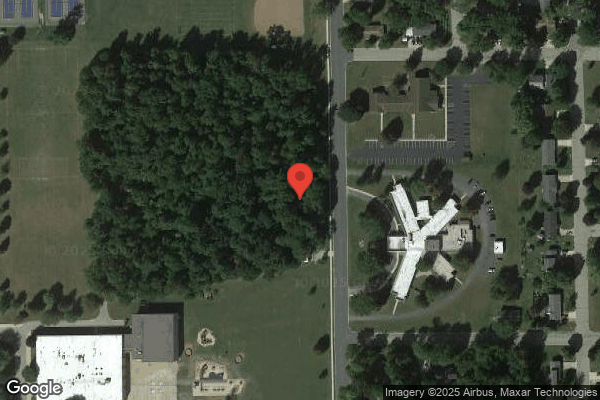
1250 EVERGREEN ST, SHAWANO, WI 54166 (715) 526-3107
For profit - Limited Liability company 50 Beds NORTH SHORE HEALTHCARE Data: November 2025 1 Immediate Jeopardy citation
Trust Grade
33/100
#208 of 321 in WI
Last Inspection: May 2025

Inspected within the last 6 months. Data reflects current conditions.

Overview

Evergreen Health Services has received a Trust Grade of F, indicating significant concerns about its quality of care. It ranks #208 out of 321 nursing homes in Wisconsin, placing it in the bottom half of facilities statewide, and #3 out of 3 in Shawano County, meaning there are no better local options. The facility's situation is worsening, with issues increasing from 8 in 2024 to 9 in 2025. Staffing is average, with a rating of 3 out of 5 stars and a turnover rate of 57%, which is higher than the state average. While the facility has no fines on record, there have been serious incidents, including a resident who exited the facility unsupervised and was found lying on the side of the road, and another resident who fell from a lift chair due to inadequate assistance, highlighting concerns about supervision and safety protocols. Additionally, the kitchen was found to have sanitation issues that could potentially affect all residents.

Trust Score
F
33/100
In Wisconsin
#208/321
Bottom 36%
Safety Record
High Risk
Review needed
Inspections
Getting Worse
8 → 9 violations
Staff Stability
⚠ Watch
57% turnover. Above average. Higher turnover means staff may not know residents' routines.
Penalties
✓ Good
No fines on record. Clean compliance history, better than most Wisconsin facilities.
Skilled Nurses
✓ Good
Each resident gets 44 minutes of Registered Nurse (RN) attention daily — more than average for Wisconsin. RNs are trained to catch health problems early.
Violations
⚠ Watch
19 deficiencies on record. Higher than average. Multiple issues found across inspections.
★★☆☆☆
2.0
Overall Rating
★★★☆☆
3.0
Staff Levels
★★★★☆
4.0
Care Quality
★★☆☆☆
2.0
Inspection Score
Stable
2024: 8 issues
2025: 9 issues

The Good

  • 4-Star Quality Measures · Strong clinical quality outcomes
  • Full Sprinkler Coverage · Fire safety systems throughout facility
  • No fines on record

Facility shows strength in quality measures, fire safety.

The Bad

2-Star Overall Rating

Below Wisconsin average (3.0)

Below average - review inspection findings carefully

Staff Turnover: 57%

11pts above Wisconsin avg (46%)

Frequent staff changes - ask about care continuity

Chain: NORTH SHORE HEALTHCARE

Part of a multi-facility chain

Ask about local staffing decisions and management

Staff turnover is elevated (57%)

9 points above Wisconsin average of 48%

The Ugly 19 deficiencies on record

1 life-threatening 1 actual harm
Sept 2025 3 deficiencies 1 IJ
CRITICAL (J) 📢 Someone Reported This

A family member, employee, or ombudsman was alarmed enough to file a formal complaint

Immediate Jeopardy (IJ) - the most serious Medicare violation

Accident Prevention (Tag F0689)

Someone could have died · This affected 1 resident

**NOTE- TERMS IN BRACKETS HAVE BEEN EDITED TO PROTECT CONFIDENTIALITY** Based on observation, staff interview, and record review, the facility did not ensure adequate supervision was provided for 1 re...

Read full inspector narrative →
**NOTE- TERMS IN BRACKETS HAVE BEEN EDITED TO PROTECT CONFIDENTIALITY** Based on observation, staff interview, and record review, the facility did not ensure adequate supervision was provided for 1 resident (R) (R1) of 5 residents reviewed for elopement.R1 was at risk for wandering and elopement. On 8/15/25, R1 exited the facility unsupervised and was found lying on the side of the road 0.3 miles from the facility. The facility failed to ensure all exit doors alarmed and did not have a system in place to ensure doors were secure and an audible alarm functioned.The facility's failure to provide adequate supervision for a resident assessed to be at risk for elopement and who exited the facility and was discovered laying on the side of a road and to ensure a properly functioning alarm system led to a finding of immediate jeopardy that began on 8/8/25. Nursing Home Administrator (NHA)-A was notified of the immediate jeopardy on 9/10/25 at 4:30 PM. The immediate jeopardy was removed on 9/10/25, however, the deficient practice continues at a scope/severity level D (potential for more than minimal harm/isolated) as the facility continues to implement its action plan.Findings include: The facility's Elopement and Unsafe Wandering policy, revised 8/9/22, indicates the facility will ensure residents who exhibit wandering behavior and/or are at risk for elopement receive adequate supervision to prevent accidents .Alarms are not a replacement for necessary supervision. Staff are to be vigilant in responding to alarms in a timely manner. On 9/8/25, Surveyor reviewed R1's medical record. R1 was admitted to the facility on [DATE] and had diagnoses including toxic encephalopathy, chronic kidney disease, dysphagia, type 2 diabetes, anxiety, and mood disorder. R1's most recent Minimum Data Set (MDS) assessment, dated 8/8/25, had a Brief Interview for Mental Status (BIMS) score of 0 out of 15 which indicated R1 had severely impaired cognition. The MDS assessment also indicated R1 required the assistance of one staff for transfers and used a wheelchair. R1 had an activated Power of Attorney for Healthcare (POAHC) and discharged from the facility on 8/15/25.A care plan, initiated 8/8/25, indicated R1 was at risk for wandering related to cognitive impairment. The care plan contained interventions to encourage rest throughout the day, check alert bracelet functioning per facility guidelines, check alert bracelet placement per facility guidelines, provide assistance in locating room, and redirect if attempting to go outdoors. R1's plan of care also indicated R1 was at risk for falls.The facility placed a WanderGuard bracelet (a security device that triggers an alarm if the wearer exits the facility) on R1's left ankle upon admission on [DATE].Daily skilled nursing notes indicated R1 required increased supervision related to impaired cognitive status. A skilled nursing note, dated 8/8/25 at 10:00 PM, indicated R1 attempted to open the D wing door (exit 10) and the alarm sounded. Staff were able to redirect R1 toward the nurses' station.The facility's investigation, dated 8/15/25, included a timeline of events that indicated: ~ At 8:30 PM, R1 was toileted by Certified Nursing Assistant (CNA)-E. ~ At 9:15 PM, R1 was last seen by CNA-H. ~ At approximately 9:52 PM, LPN-D observed R1's empty wheelchair at the nurses' station and asked CNA-E if CNA-E recently saw R1. CNA-E replied no, began to search for R1, and notified other staff in the building. ~ At 10:00 PM, Director of Nursing (DON)-B was notified and instructed staff to follow the facility's elopement protocol. Staff conducted a head count and searched the perimeter of the building.~ At 10:13 PM, DON-B called the police and reported R1 missing. The police informed DON-B that R1 was located and taken to the ED. ~ At approximately 10:50 PM, Director of Maintenance (DOM)-C arrived at the facility and checked all door alarms. DOM-C indicated exit door 5 did not alarm when opened even though the keypad indicated the door was alarmed. DOM-C indicated DOM-C checked the door alarms daily by visually observing the keypad (rather than sounding the alarm). DOM-C added a temporary magnetic strip alarm on all exit doors as a back up in case of another malfunction. ~ On 8/16/25, DON-B spoke with Family Member (FM)-K who stated R1 told FM-K that R1 walked until R1's legs were sore and sat down. ~ On 8/19/25, Service Technician (ST)-J inspected the facility's alarm system and indicated the keypad on exit door 5 was deprogrammed which could be due to a power issue. ST-J reprogrammed the keypad and tested the other doors with no concerns. The facility's investigation did not include resident or staff interviews regarding alarms that sounded/were turned off and did not contain a determination of the root cause of exit door 5's malfunction. The facility provided immediate education to DOM-C to check door alarms by setting them off rather than observing keypad lights. All staff were educated on the elopement/wandering policy and instructed that if an alarm sounds, staff need to know why. If unable to determine why, staff should complete a head count and document on the resident roster. The facility did not provide proof of staff education on how to ensure alarms are properly functioning/armed, including temporary magnetic strip alarms. A police report, dated 8/15/25, indicated the police department received a call at 9:09 PM for a welfare check due to a person laying on the side of the road. The officer arrived on the scene at approximately 9:13 PM and discovered R1 laying on the side of the road near County Highway B (CTH B) and Evergreen Street. The officer indicated R1 was confused and could not adequately answer the officer's questions. The officer thought R1 was having a medical emergency and called Emergency Medical Services (EMS). It was later determined that R1 eloped from the facility and had ambulated approximately 0.3 miles without a wheelchair or walker. The facility was informed that R1 was at the local ED.According to weatherunderground.com, the weather in Shawano, WI between 8:30 PM and 9:15 PM on 8/15/25 was partly cloudy with a temperature of 80 degrees. Sunset occurred at approximately 8:00 PM.On 9/8/25 at 3:21 PM, Surveyor interviewed LPN-D who verified LPN-D observed R1's empty wheelchair at the nurses' station on 8/15/25, initiated the elopement protocol, and notified administration when staff could not locate R1. LPN-D stated LPN-D did not hear any alarms after LPN-D last saw R1 at approximately 7:45 PM.On 9/8/25 at 3:38 PM, Surveyor interviewed Registered Nurse (RN)-F who stated RN-F did not hear any alarms after RN-F last saw R1 at approximately 7:45 PM on 8/15/25. RN-F stated RN-F often sits with R1 at the nurses' station to chart, however, that evening RN-F was on RN-F's assigned unit most of the evening. On 9/8/25 at 3:47 PM, Surveyor interviewed CNA-I who did not hear any alarms on the evening of 8/15/25 and did not see R1 that night.On 9/8/25 at 3:52 PM, Surveyor interviewed CNA-H who thought CNA-H heard an alarm that sounded like a siren around 9:00 PM. CNA-H indicated CNA-H was fairly confident about the time because CNA-H was providing care for a resident on a different wing and consistently provided care for that resident between 9:00 and 9:45 PM. CNA-H did not see R1 after the alarm sounded and was not sure who turned the alarm off. CNA-H did not report the alarm to any other staff.On 9/8/25 at 4:30 PM, Surveyor interviewed CNA-E who verified CNA-E was assigned to R1's wing on the evening of 8/15/25 and last saw R1 when CNA-E toileted R1 between 8:00 and 8:30 PM. CNA-E indicated CNA-E heard an alarm sometime after 8:00 PM while putting another resident to bed. CNA-E indicated the alarm was after CNA-E had toileted R1 and verified CNA-E did not see R1 after the alarm sounded. CNA-E was not sure who turned the alarm off and stated CNA-E did not know how to turn the alarm off. CNA-E did not report the alarm to any other staff. On 9/9/25 at 5:15 PM, Surveyor interviewed DON-B who verified DON-B last saw R1 as DON-B was leaving the facility at approximately 8:30 PM and CNA-E was taking R1 to R1's room to use the bathroom. DON-B was not aware of any concerns with the alarm system prior to the incident on 8/15/25. DON-B verified the facility did not investigate the discrepancy between CNA-H's statement that R1 was last seen at approximately 9:15 PM and the police report that indicated R1 was found by police at 9:09 PM. DON-B verified a cause was not identified for exit door 5's keypad malfunction. On 9/8/25, Surveyor toured the facility and observed all exit doors and temporary alarms. Surveyor noted exit doors 2, 3, 4, 5, and 6 had temporary magnetic strip alarms in place and were turned on. Exit doors 9, 10, and 13 had temporary magnetic strip alarms in place but was turned off. Exit door 12 did not have a temporary magnetic strip alarm in place. On 9/8/25 at 11:30 AM, Surveyor interviewed DOM-C who indicated there were concerns with the facility's alarm system prior to 6/6/25 when DOM-C started. DOM-C was not familiar with the concerns and stated DOM-C just knew that the alarm system had been worked on before. DOM-C indicated that prior to 8/15/25, DOM-C tested two exit doors per week and exit door 5 was last tested on [DATE]. DOM-C verified DOM-C checked the door alarm system visually prior to 8/15/25 but received education and currently activated each alarm daily. DOM-C demonstrated the door alarm which sounded like a loud siren throughout the building. DOM-C stated magnetic strip alarms were put in place until the facility could fix the issue with the alarm system. DOM-C and NHA-A verified the magnetic strip alarms for exit doors 9.10, and 13 were turned off. DOM-C and NHA-A were unsure why the alarms were turned off and indicated staff may have turned them off when going in/out and did not turn them back on. When DOM-C turned on the magnetic strip alarm for exit door 10 and it didn't sound, DOM-C indicated a new magnetic strip or battery was needed. When DOM-C turned on the magnetic strip alarm for exit door 13 and it didn't sound, DOM-C verified the magnetic strip was missing from the alarm. DOM-C stated ST-J inspected the system on 8/19/25 and indicated all door alarms appeared to be functioning when ST-J left. DOM-C verified the root cause of the original malfunction was not determined but thought it was power-related.On 9/8/25 at 11:54 AM, Surveyor interviewed NHA-A who was not aware of any issues with the alarm system until the elopement incident on 8/15/25. NHA-A toured the facility with DOM-C and Surveyor and acknowledged some of the magnetic strip alarms had been turned off because all doors were functioning when ST-J left the faciity on 8/19/25. On 9/9/25 at 8:30 AM, Surveyor interviewed DOM-C who verified all doors currently have a working magnetic strip alarm. DOM-C confirmed the magnetic strip alarms were installed as back-up/security because the cause of the malfunction was not determined. DOM-C stated the facility set up an appointment with a new company to inspect the alarm system on 9/10/25.On 9/9/25 at 10:45 AM, Surveyor interviewed ST-J who stated the company that installed the alarm system no longer provided support for the facility so ST-J was doing what ST-J could with another company's system. ST-J verified exit door 5's alarm keypad appeared to be armed since the door had a red light (which indicated it was armed) versus a green light (which indicated it was disarmed) but did not alarm when opened. ST-J re-programmed the keypad and verified all doors were functioning before ST-J left the faciity on 8/19/25. ST-J suspected a power issue caused the malfunction but could not be sure. ST-J indicated the facility installed temporary magnetic strip alarms as a backup in case there was another power issue. ST-J stated the door alarms were functioning on 8/19/25 but whatever caused the issue could happen again if the facility didn't identify a cause or replace the alarm system. ST-J's professional opinion was that the alarm system was not reliable or trustworthy at that time. A review of other residents determined the facility identified two other residents in the building on 8/8/25 who were at risk for elopement and wore WanderGuards.The facility's failure to provide adequate supervision for residents at risk for elopement/wandering and consistently implement a temporary solution for a malfunctioning door alarm created a reasonable likelihood for serious harm which led to a finding of immediate jeopardy. The facility removed the jeopardy on 9/10/25, however, the deficient practice continues at a scope/severity level D (potential for more than minimal harm/isolated) as the facility continues to implement the following action plan:1.Ensured temporary alarms were in place and functioning and implemented a new process that includes increased frequency of door alarm monitoring.2. Reviewed residents at risk for wandering.3. Educated all staff on the facility's elopement/wandering procedure and alarms, including monitoring and managing residents at risk for elopement or unsafe wandering and completing a wander risk assessment when a resident attempts to elope.4. Educated management staff on completing a thorough investigation. 4. Implemented audits to ensure wander risk assessments are completed, alarmed doors are functioning properly, and incidents are thoroughly investigated. Audits will be reviewed with Quality Assurance and Performance Improvement (QAPI) members.
CONCERN (E) 📢 Someone Reported This

A family member, employee, or ombudsman was alarmed enough to file a formal complaint

Potential for Harm - no one hurt, but risky conditions existed

ADL Care (Tag F0677)

Could have caused harm · This affected multiple residents

**NOTE- TERMS IN BRACKETS HAVE BEEN EDITED TO PROTECT CONFIDENTIALITY** Based on observation, staff and resident interview, and record review, the facility did not ensure 8 residents (R) (R3, R10, R8,...

Read full inspector narrative →
**NOTE- TERMS IN BRACKETS HAVE BEEN EDITED TO PROTECT CONFIDENTIALITY** Based on observation, staff and resident interview, and record review, the facility did not ensure 8 residents (R) (R3, R10, R8, R9, R11, R14, R15, and R13) of 16 sampled residents received timely assistance for activities of daily living (ADLs)R3 and R10 experienced long call light response times and had to wait to be assisted to bed.R8 experienced long call light response times which caused increased incontinence and embarrassment.R9 experienced long call light response times which caused stress and difficulty completing ADLs so R9 could go to bed.R11, R14 and R15 experienced long call light response times which resulted in increased stress and incontinence.R13 experienced long call light response times which resulted in increased incontinence. In addition, R13 had to wait to be assisted to bed.Findings include: The facility's Call lights: Accessibility and Timely Response policy, revised 7/6/22, indicates: .2. All residents will be educated on how to call for help by using the resident call system .10. All staff members who see or hear an activated call light are responsible for responding. If the staff member cannot provide what the resident desires, the appropriate personnel should be notified. 11. Process for Responding to Call Lights: a. Turn off the signal light in the resident's room. b. Identify yourself and call the resident by name. c. Listen to the resident's request and respond accordingly. Inform the resident if you cannot meet the need and assure him/her that you will notify the appropriate personnel. d. Inform the appropriate personnel of the resident's need. e. Do not promise something you cannot deliver. f. If assistance is needed with a procedure, summon help by using the call light. Stay with the resident until help arrives.The facility's Activities of Daily Living (ADLs) policy, revised 7/26/22, indicates: The facility will, based on the resident's comprehensive assessment and consistent with the resident's needs and choices, ensure a resident's abilities in ADLs do not deteriorate unless deterioration is unavoidable. Care and services will be provided for the following activities of daily living: 1. Bathing, dressing, grooming and oral care; 2. Transfer and ambulation; 3. Toileting .2. The facility will provide a maintenance and restorative program as applicable to assist the resident in achieving and maintaining the highest practicable outcome based on the comprehensive assessment. 3. A resident who is unable to carry out ADLs will receive the necessary services to maintain good nutrition, grooming, and personal and oral hygiene .1. On 9/8/25, Surveyor reviewed R3's medical record. R3 was admitted to the facility on [DATE] and had diagnoses including vascular dementia, chronic obstructive pulmonary disease (COPD) with acute exacerbation, chronic respiratory failure with hypoxia, low back pain, and obesity. R3's Minimum Data Set (MDS) assessment, dated 6/18/25, had a Brief Interview for Mental Status (BIMS) score of 15 out of 15 which indicated R3 had intact cognition. The MDS assessment also indicated R3 was totally dependent on staff for bathing/showering, standing, toileting, and transfers. On 9/8/25 at 3:18 PM, Surveyor noted R3's call light was turned on. R3's call light was turned off at 3:53 PM after 35 minutes. On 9/8/25 at 4:27 PM, Surveyor interviewed R3 who indicated R3 often has to wait for staff to answer R3's call light. R3 indicated it is not always acceptable to wait that long because sometimes R3 has to go to the bathroom and doesn't feel that R3 can hold it. R3 also indicated R3 and R3's roommate had to wait until the night shift arrived last week to go to bed which was after 10:00 PM. During the interview, R3's roommate confirmed R3's statement. R3 indicated R3 wanted to go to bed around 8:00 PM and turned on the call light, however, R3 was told a staff had gone home and staff were not able to put R3 to bed until the next shift arrived. R3 indicated the facility is understaffed.2. On 9/8/25, Surveyor reviewed R10's medical record. R10 was admitted to the facility on [DATE] and had diagnoses including congestive heart failure (CHF), chronic kidney disease, and polyosteoarthritis. R10's MDS assessment, dated 6/18/25, had a BIMS score of 10 out of 15 which indicated R10 had moderately impaired cognition. The MDS assessment also indicated R10 was totally dependent on staff for bathing/showering, standing, toileting, and transfers. On 9/8/25 at 3:20 PM, Surveyor noted R10's call was turned on. R10's call light was turned off at 3:59 PM after 39 minutes. Surveyor noted R10's call light was turned on again at 6:25 PM. R10's call light was turned off at 6:40 PM after 15 minutes. On 9/8/25 at 6:52 PM, Surveyor interviewed R10 who indicated R10's needs are not being met and stated R10's call light was on and R10 had to wait a long time. When staff responded, R10 was told R10 couldn't go to bed at that time and had to wait until later. R10 indicated staff said they had other things to do and R10 had to wait R10's turn to be put to bed. R10 stated R10 gets upset and wishes R10 didn't have to wait so often but there is nothing R10 can do. On 9/8/25 at 7:08 PM, Surveyor interviewed Certified Nursing Assistant (CNA)-I who verified CNA-I turned off call lights in a few rooms on the A wing. CNA-I indicated R10 wanted to go to bed, but it was too early. CNA-I indicated if R10 went to bed now, R10 would turn the call light on too much. CNA-I indicated if R10 goes to bed early, R10 wants attention and turns the call light on to have staff fix R10's blankets, untuck the corner of the blanket, or move items in R10's room. CNA-I indicated R10 is lonely and CNA-I will keep R10 comfortable in R10's chair and put R10 to bed later. CNA-I indicated CNA-I has a routine of who to put to bed when and R10 is put to bed after two other residents. CNA-I indicated CNA-I does the same thing when CNA-I works another hallway and has a pre-determined pattern of who is put to bed in what order. CNA-I indicated residents in the other hallway also activate their call lights constantly if they are put to bed right after dinner (which is when CNA-I indicated they request to be put to bed) so CNA-I has them wait until a later time.3. On 9/8/25, Surveyor reviewed R8's medical record. R8 was admitted to the facility on [DATE] and had diagnoses including macular degeneration, morbid obesity, chronic respiratory failure with hypoxia, and difficulty walking. R8's MDS assessment, dated 6/11/25, had a BIMS score of 15 out of 15 which indicated R8 had intact cognition. The MDS assessment also indicated R8 required substantial/maximal assistance of staff for bathing/showering and standing and was totally dependent on staff for toileting and transfers. On 9/8/25 at 6:07 PM, Surveyor noted R8's call light was turned on. The call light was turned off at 6:23 PM after 16 minutes. On 9/8/25 at 6:48 PM, Surveyor interviewed R8 who indicated R8 has to wait a long time for staff to answer the call light. R8 indicated R8 is continent, however, R8 has been incontinent due to waiting too long. R8 indicated it is messy when R8 has a loose bowel movement and has to wait for staff to respond. R8 stated R8 is embarrassed when R8 has to wait a long time in a soiled brief.4. On 9/8/25, Surveyor reviewed R9's medical record. R9 was admitted to the facility on [DATE] and had diagnoses including COPD, CHF, vaginal prolapse, urinary incontinence, leukoplakia of vulva, and anxiety. R9's MDS assessment, dated 6/11/25, had a BIMS score of 14 out of 15 which indicated R9 had intact cognition.On 9/8/25 at 4:10 PM, Surveyor interviewed R9 who indicated R9 is not happy with call light response times. R9 indicated it takes staff too long to answer call lights and it's difficult to hold it when R9 needs to use the bathroom. R9 indicated R9 needs staff assistance to ambulate but it's hard to hold R9's bladder when staff take 30 minutes to answer the call light. R9 wants staff to answer call lights sooner. On 9/8/25 at 6:23 PM, Surveyor noted R9's call light was turned on. R9's call light was turned off at 6:41 PM after 18 minutes.On 9/8/25 at 6:58 PM, Surveyor interviewed R9 who indicated R9's call light was turned off by staff who didn't provide assistance. R9 asked if staff could put R9 to bed but was told R9 couldn't go to bed yet and had to wait. R9 was trying to undress R9's self and had part of R9's shirt off. R9 asked Surveyor to help R9 get ready for bed and said there aren't enough staff. When asked if R9 had to wait to go to bed prior to that evening, R9 stated staff often turn off R9's call light and say R9 has to wait until they come back. On 9/8/25 at 7:08 PM, Surveyor interviewed CNA-I who indicated all residents want to go to bed after dinner, including R9, but it is too early. CNA-I confirmed CNA-I turned off R9's call light, stated R9 had to wait for assistance to get ready for bed, and then left R9's room to answer other call lights.5. On 9/8/25, Surveyor reviewed R11's medical record. R11 was admitted to the facility on [DATE] and had diagnoses including hemiplegia and hemiparesis following cerebral infarction, CHF, contracture, and chronic pain syndrome. R11's MDS assessment, dated 8/13/25, had a BIMS score of 14 out of 15 which indicated R11 had intact cognition. The MDS assessment also indicated R11 was dependent on staff and required full assistance for bathing/showering and toileting and substantial/maximal assistance for standing and transfers.On 9/8/25, Surveyor noted R11's call light was turned on at 3:23 PM. R11's call light was turned off at 3:46 PM after 23 minutes.On 9/8/25 at 4:50 PM, Surveyor interviewed R11 who indicated call light response times are unreasonable. R11 indicated R11 has to wait a long time and urinates a lot. R11 indicated the worst part of call light response times and ADLs is that staff put R11 on the toilet and forget to come back. R11 indicated R11 has been incontinent due to long wait times. R11 told staff that R11 needs them to answer the call light faster but staff stated they are too busy. 6. On 9/8/25, Surveyor reviewed R14's medical record. R14 was admitted to the facility on [DATE] and had diagnoses including osteoarthritis, morbid obesity, CHF, and slow transit constipation. R14's MDS assessment, dated 9/3/25, had a BIMS score of 15 out of 15 which indicated R14 intact cognition.On 9/8/25, Surveyor noted R14's call light was turned on at 1:07 PM. R14's call light was turned off at 1:48 PM after 41 minutes.On 9/9/25 at 1:36 PM, Surveyor interviewed R14 who indicated call light response times are not always acceptable. R14 indicated there are not enough staff and the facility is very corporate. R14 said R14 has a weak bladder and waits 20 to 25 minutes on average for staff to answer the call light. R14 indicated R14 would prefer staff answer the call light faster.7. On 9/8/25, Surveyor reviewed R15's medical record. R15 was admitted to the facility on [DATE] and had diagnoses including COPD, chronic kidney disease, left leg above knee amputation, right leg chronic ulcer, difficulty walking, and weakness. R15's MDS assessment, dated 7/16/25 had a BIMS score of 15 out of 15 which indicated R15 had intact cognition.On 9/8/25, Surveyor noted R15's call light was turned on at 10:47 AM. R15's call light was turned off at 11:04 AM after 17 minutes. On 9/9/25 at 1:22 PM, Surveyor interviewed R15 who indicated call light response times are usually between 15 and 30 minutes. R15 wished staff would respond sooner so R15 was not incontinent due to not making it to the bathroom on time. R15 indicated staff turned off the call light without meeting R15's needs because staff didn't think it was necessary to help R15.8. On 9/8/25, Surveyor reviewed R13's medical record. R13 requested to remain anonymous. R13's most recent MDS assessment indicated R13 had intact cognition. On 9/8/25, Surveyor noted R13's call light was turned on at 1:16 PM. R13's call light was turned off at 1:41 PM after 25 minutes. On 9/9/25 at 1:01 PM, Surveyor interviewed R13 who indicated it takes staff a long time to respond to call lights and the average response time is 30 minutes. R13 indicated R13 has waited almost 2 hours for staff to answer the call light and stated staff often turn off the call light without meeting R13's needs, including 2 CNAs last night. R13 indicated one CNA stated Surveyors were watching call lights so they needed to turn the call lights off. R13 indicated the CNA turned off R9 and R10's call lights without meeting their needs. R13 indicated when staff turn off the call light without meeting R13's needs, R13 turns the call light back on if staff don't come back after 10 minutes. R13 feels bad for residents whose needs aren't being met and who can't advocate for themselves. R13 stated R13 gets annoyed when staff turn off the call light without providing assistance and has been incontinent due to waiting too long for help. R13 indicated R13 has to wait even longer after the call light is turned off and staff leave because staff don't come back for a longer time. Surveyor reviewed the facility's grievance log from the last survey (8/20/25) to the present and noted a grievance related to long call light response times that was dated 8/25/25. On 9/8/25 Surveyor requested call light audits for seven rooms on seven dates on a specified shift picked at random and noted the following call light times (rounded to the nearest minute) that were 15 minutes or longer: ~ On 8/3/25: 18 minutes and 19 minutes ~ On 8/9/25: 29 minutes, 32 minutes, and 44 minutes ~ On 8/14/25: 17 minutes and 26 minutes ~ On 8/15/25: 25 minutes and 57 minutes ~ On 8/26/25: 21 minutes and 25 minutes ~ On 8/30/25: 19 minutes and 26 minutes ~ On 9/1/25: 15 minutes, 20 minutes, 26 minutes, and 26 minutes On 9/8/25 at 1:54 PM, Surveyor observed the call light screen with Registered Nurse (RN)-P and noted call lights at 19 minutes, 25 minutes, and 41 minutes. RN-P indicated that was not unusual.On 9/8/25 at 5:10 PM, Surveyor interviewed CNA-I who indicated the facility is short staffed. CNA-I stated call light response times should be 1 to 2 minutes. CNA-I indicated CNA-I tries to respond to call lights within 2 to 3 minutes unless CNA-I is giving a shower or doing something that takes longer.On 9/8/25 at 5:48 PM, Surveyor interviewed Licensed Practical Nurse (LPN)-N who indicated call lights should be answered as soon as they are turned on. LPN-N stated the average call light response time is approximately 7 minutes. LPN-N indicated the longest call lights LPN-N has seen have been 15 to 20 minutes.On 9/8/25 at 5:51 PM, Surveyor interviewed CNA-O who indicated staffing is not consistent and call light response times would be better if there were more staff. CNA-O indicated the worst times for call lights are in the morning, between 3:00 and 4:00 PM, and between 7:00 and 8:00 PM. CNA-O indicated residents' needs are likely not met at times.On 9/8/25 at 5:54 PM, Surveyor interviewed LPN-D who indicated there is room for improvement with call lights. LPN-D indicated the average call light response time is approximately 20 minutes but should be less than 5 minutes. LPN-D indicated if there were more staff, call light response times would be less. LPN-D verified residents complain about long call response times.On 9/9/25 at 1:46 PM, Surveyor interviewed Nursing Home Administrator (NHA)-A who indicated call lights should be answered in the order they are turned on. NHA-A indicated if several lights are on at the same time, staff should check with residents, see what they need, and let them know they'll be back to assist them shortly. NHA-A indicated staff should not turn the call light off if the resident's needs have not been addressed since the call light serves as a reminder that the resident still needs services. NHA-A indicated it's not okay for staff to tell residents they can't go to bed. NHA-A indicated if staff assigned to a hall are busy elsewhere, they should use their walkie talkie to communicate with other staff and ask for help. NHA-A indicated staff can help residents on any hall as needed. NHA-A indicated the facility is staffed appropriately for the census and management should be on the floor helping as needed. NHA-A indicated NHA-A doesn't like to specify call light response times and indicated a 15 minute call light response time is acceptable at a busy time like shift change. NHA-A indicated on average call lights should be answered within 7 to 10 minutes.
CONCERN (E) 📢 Someone Reported This

A family member, employee, or ombudsman was alarmed enough to file a formal complaint

Potential for Harm - no one hurt, but risky conditions existed

Infection Control (Tag F0880)

Could have caused harm · This affected multiple residents

Based on observation, staff interview, and record review, the facility did not establish and maintain an infection prevention and control program designed to prevent the transmission of communicable d...

Read full inspector narrative →
Based on observation, staff interview, and record review, the facility did not establish and maintain an infection prevention and control program designed to prevent the transmission of communicable disease and infection. This practice had the potential to affect more than 4 of the 36 residents residing in the facility.The facility was following COVID-19 precautions due to staff exposure. During lunch and supper on 9/8/25, hand hygiene was not offered to residents prior to or after dining.Finding includes: The facility's Hand Hygiene policy, dated 11/2/22, indicates: All staff will perform proper hand hygiene procedures to prevent the spread of infection to other personnel, residents, and visitors .Hand Hygiene Table indicates hand hygiene is to be performed before and after eating .References: Centers for Disease Control and Prevention (CDC).About Handwashing information from CDC.gov, dated 2/16/24, indicates: Many diseases and conditions are spread by not washing hands with soap and clean, running water. Hand washing with soap is one of the best ways to stay healthy. If soap and water are not readily available, use a hand sanitizer with at least 60% alcohol to clean your hands. Washing hands can keep you healthy and prevent the spread of respiratory and diarrheal infections. Germs can spread from person to person or from surface to person when you: Touch your eyes, nose, and mouth with unwashed hands; Prepare or eat food and drinks with unwashed hands; Touch surfaces or objects that have germs on them; Blow your nose, cough, or sneeze into hands and then touch other people's hands or common objects. You can keep yourself and your loved ones healthy by washing your hands often, especially during these key times when you are likely to get and spread germs: Before, during, after preparing food; Before and after eating food .On 9/8/25 at 10:00 AM, Surveyor entered the facility and was informed the facility was following COVID-19 precautions due to COVID-19 exposure to staff. On 9/8/25 at 12:00 PM, Surveyor began observing lunch in the main dining room. There were 11 residents in the dining room. Survey observed 8 additional residents arrive for a total of 19 residents. Surveyor noted the dining tables did not contain hand sanitizing wipes or bottles of hand sanitizer. Surveyor did not observe staff offer or complete hand hygiene for residents prior to eating their meal. At 12:08 PM, Surveyor observed Dietary Manager (DM)-Q and Dietary Aide (DA)-R begin plating and serving meals to residents in the dining room. No other staff initially assisted the residents or during the majority of the time the food was served. On 9/8/25 at 12:03 PM, Surveyor interviewed DM-Q who indicated Certified Nursing Assistants (CNAs) are supposed to help in the dining room, however, kitchen staff will assist residents with dining until CNAs arrive. On 9/8/25 at 12:27 PM, Surveyor interviewed DA-R who indicated staff should offer residents hand hygiene before meals but forgot to do so that day. When Surveyor asked how staff offer hand hygiene, DA-R retrieved a container of individually packaged hand sanitizing wipes that were near the sink in the dining room and stated staff can give residents a wipe. DA-R then put the container of wipes back and walked away. When Surveyor asked if staff should still offer residents a wipe even though they had started eating since the facility was in a COVID-19 outbreak, DA-R retrieved the wipes and said DA-R forgot. DA-R offered approximately 8 residents a wipe and then put the wipes away. Surveyor noted residents were not offered hand sanitizing wipes after they finished their meal and before they exited the dining room.On 9/8/25 at 4:44 PM, Surveyor observed [NAME] (CK)-L and CK-M plate and serve supper in the main dining room. CNA-I was also serving meals and assisting residents. Surveyor noted staff did not offer hand hygiene prior to dining to the 16 residents in the dining room. On 9/8/25 at 5:12 PM, Surveyor interviewed CK-L who was unsure if residents should be offered hand hygiene before meals.On 9/8/25 at 5:13 PM, Surveyor interviewed CK-M who indicated residents should be offered hand hygiene before meals and was unsure why hand hygiene was not offered. When Surveyor asked how staff offer hand hygiene, CK-M showed Surveyor a container of individually packaged hand sanitizing wipes that were near the sink. On 9/8/25 at 5:18 PM, Surveyor interviewed CNA-I who indicated residents should be offered hand hygiene before and after meals and was unsure why that didn't occur. CNA-I then offered a wipe to 3 residents in the dining room. On 9/9/25 at 1:46 PM, Surveyor interviewed Nursing Home Administrator (NHA)-A who indicated staff were trained and should follow the facility's infection control and hand hygiene policies and procedures. NHA-A indicated residents should be offered hand hygiene in the dining room and should be provided hand sanitizing wipes on room trays for every meal.
May 2025 5 deficiencies
CONCERN (D) 📢 Someone Reported This

A family member, employee, or ombudsman was alarmed enough to file a formal complaint

Potential for Harm - no one hurt, but risky conditions existed

Quality of Care (Tag F0684)

Could have caused harm · This affected 1 resident

**NOTE- TERMS IN BRACKETS HAVE BEEN EDITED TO PROTECT CONFIDENTIALITY** Based on staff interview and record review, the facility did not ensure appropriate care and treatment were provided for 1 resid...

Read full inspector narrative →
**NOTE- TERMS IN BRACKETS HAVE BEEN EDITED TO PROTECT CONFIDENTIALITY** Based on staff interview and record review, the facility did not ensure appropriate care and treatment were provided for 1 resident (R) (R29) of 1 resident reviewed for cardiac monitoring. The facility did not assess R29's ability to follow cardiac monitoring instructions or provide monitoring assessments for R29's cardiac monitor. Findings include: On 5/27/25, Surveyor reviewed R29's medical record. R29 was admitted to the facility on [DATE] and had diagnoses including hemiplegia (weakness on one side of the body) and hemiparesis (paralysis on one side of the body) following cerebral infarction (also known as stroke) affecting the left non-dominant side, congestive heart failure (CHF), chronic obstructive pulmonary disease (COPD), emphysema, and atrial fibrillation. R29's Minimum Data Set (MDS) assessment, dated 4/9/25, had a Brief Interview for Mental Status (BIMS) score of 10 out of 15 which indicated R29 had moderate cognitive impairment. R29 was responsible for R29's healthcare decisions. R29 was transferred to the hospital on 5/24/25 and remained hospitalized during the survey. R29's medical record contained a physician's order that indicated staff should not apply lotion to R29's skin on the morning of 3/24/25 in preparation for cardiac monitor placement scheduled that day. A note, dated 3/24/25 at 12:29 PM, indicated R29 had a cardiology appointment. No new orders were initiated. A note, dated 3/25/25 at 1:12 PM, indicated a [NAME] monitor (a type of cardiac monitor) was set up and working properly. On 5/27/25 at 9:57 AM, Surveyor interviewed Close Friend (CF)-F via phone who indicated CF-F had been helping R29 since R29's spouse passed away several years ago. CF-F verified CF-F was R29's emergency contact. CF-F indicated CF-F tried to attend appointments with R29 but had to miss occasionally due to work. CF-F indicated the cardiac monitor should be in place for fourteen days. CF-F could not attend the appointment when the monitor was placed and stated, I know (R29's) moods. (R29) will sometimes tell them (healthcare professionals) about things, sometimes not. On 5/28/25 at 10:10 AM, Surveyor interviewed Licensed Practical Nurse (LPN)-G who verified LPN-G wrote the above notes in R29's medical record. LPN-G indicated a folder sent to R29's cardiac monitor appointment was empty when R29 returned. LPN-G indicated if a resident comes back without papers, a nurse typically calls the clinic to get papers faxed to the facility. LPN-G reviewed R29's medical record and indicated LPN-G could not find any paperwork from R29's cardiac monitor appointment, however, R29 returned to the facility on 3/24/25 with a cardiac monitor in place. LPN-G indicated the monitor would have come with a phone which blue-toothed with the monitoring device. LPN-G indicated staff were to report any signs or symptoms experienced by a resident wearing the device on the phone after the button was pushed on the device. LPN-G indicated the device's batteries also needed to be checked. LPN-G verified there was no documentation in R29's medical record regarding how long the cardiac monitor was on, how frequently R29 was assessed for symptoms during use, or how frequently the device was checked for correct placement and battery function. LPN-G indicated LPN-G should have called the clinic to get orders since there was no paperwork in R29's folder. LPN-G verified LPN-G did not call the clinic and probably passed the task onto the next shift. When asked about R29's mentation and attending the appointment alone, LPN-G indicated R29 was for the most part alert and oriented with occasional confusion regarding historical questions and timelines of events. LPN-G indicated R29 knew why R29 needed care at the facility. LPN-G indicated if R29 was at an appointment, R29 could tell transportation or clinic staff where R29 needed to be when R29 was at baseline. On 5/28/25 at 2:20 PM, Surveyor interviewed Respiratory Therapist (RT)-H via phone who verified RT-H applied R29's cardiac monitor on 3/24/25. After application of the device, RT-H indicated a box containing a phone and an instruction booklet was sent to the facility with R29. RT-H indicated R29 was able to answer questions but the answers were not always appropriate. RT-H indicated R29 was unable to clearly express understanding of how to use the device. On 5/28/25 at 3:02 PM, Surveyor interviewed Director of Nursing (DON)-B, Nursing Home Administrator (NHA)-A, and [NAME] President of Success (VPS)-I. DON-B verified there was no documentation in R29's medical record to indicate follow-up occurred at the facility for R29's cardiac monitor. DON-B indicated the booklet probably went back to the clinic with the monitor. VPS-I verified assessment and monitoring related to cardiac monitor use should have been part of R29's plan of care.
CONCERN (D)

Potential for Harm - no one hurt, but risky conditions existed

Respiratory Care (Tag F0695)

Could have caused harm · This affected 1 resident

**NOTE- TERMS IN BRACKETS HAVE BEEN EDITED TO PROTECT CONFIDENTIALITY** 2. On 5/27/25, Surveyor reviewed R187's medical record. R187 was admitted to the facility on [DATE] and had diagnoses including ...

Read full inspector narrative →
**NOTE- TERMS IN BRACKETS HAVE BEEN EDITED TO PROTECT CONFIDENTIALITY** 2. On 5/27/25, Surveyor reviewed R187's medical record. R187 was admitted to the facility on [DATE] and had diagnoses including mesothelioma of pleura (cancer of the lining of the lungs) and obstructive sleep apnea. R187 was alert and oriented to person, place, time, and event and was R187's own decision maker. R187's care plan, dated 5/21/25, indicated R187 was at risk/had respiratory impairment related to cancer and sleep apnea. The care plan contained interventions to administer medications as ordered and to use a CPAP machine per Medical Doctor (MD) orders. Surveyor noted R187 did not have orders for CPAP use, cleaning, or maintenance. On 5/27/25 at 11:55 AM, Surveyor interviewed R187 who indicated staff had not cleaned R187's CPAP machine but assisted with filling it with water nightly. R187 stated, They should be cleaning the machine and mask, but no one has cleaned it. Surveyor noted R187's CPAP mask and tubing were visibly dirty and oily in appearance and contained skin particles, cream-colored particles, and hair. R187 indicated R187 required assistance from staff to put the mask on and clean the machine. On 5/28/25 at 1:15 PM, Surveyor observed R187's CPAP machine in the same condition as on 5/27/25. R187 indicated no one had cleaned the machine. On 5/29/25 at 9:05 AM, Surveyor observed R187's CPAP machine in the same condition as on 5/27/25. R187 indicated no one had cleaned the machine. On 5/28/25, Surveyor requested R187's CPAP orders from Nursing Home Administrator (NHA)-A. On 5/29/25, Surveyor reviewed R187's CPAP orders and noted the orders for use, cleaning, and maintenance were dated 5/28/25 and indicated: CPAP per home set up when napping or sleeping at night and clean CPAP weekly. On 5/29/25 at 2:00 PM, Surveyor interviewed DON-B who indicated CPAP orders for R187 should have been obtained and added to R187's medical record upon admission. 3. On 5/28/25, Surveyor reviewed R139's medical record. R139 was admitted to the facility on [DATE] and had diagnoses including COPD, acute and chronic respiratory failure with hypoxia, and obstructive sleep apnea. R139 was admitted to the facility from the hospital following a colostomy with colon resection. R139 developed bilateral pulmonary embolisms and pneumonia at the hospital. R139 was alert and oriented to person, place, time, and event and was R139's own decision maker. R139's medical record did not contain orders for CPAP use, cleaning, or maintenance. On 5/28/25 at 2:30 PM, Surveyor interviewed R139 who indicated R139 required assistance with cleaning R139's CPAP machine but did not receive assistance. R139 indicated staff had not cleaned any part of the machine since R139 was admitted . Surveyor noted R139's CPAP mask was visibly dirty and contained skin particles, hair, dirt, and oil. Surveyor also noted R139's CPAP tubing was visibly dirty. On 5/29/25 at 3:15 PM, Surveyor noted R139's CPAP machine was in the same condition as on 5/27/25. R139 indicated no one had cleaned the machine. On 5/28/25, Surveyor requested R139's CPAP orders from NHA-A. On 5/29/25, Surveyor reviewed R139's CPAP orders and noted the orders for use, cleaning, and maintenance were dated 5/28/25 and indicated: CPAP per home set up when napping or sleeping at night and clean CPAP weekly. On 5/29/25 at 2:00 PM, Surveyor interviewed DON-B who indicated CPAP orders for R139 should have been obtained and added to R139's medical record upon admission. Based on observation, staff and resident interview, and record review, the facility did not provide appropriate respiratory care and services for 3 residents (R) (R237, R187 and R139) of 3 sampled residents. R237, R187, and R139 did not have physician's orders to use, clean, or maintain a continuous positive airway pressure (CPAP) machine. Findings include: The facility's CPAP Therapy policy, revised 6/24/22, indicates: Continuous positive airway pressure is used to treat obstructive sleep apnea .Indications: 1) Obstructive sleep apnea 2) Hypoxemia .1) Verify physician orders .Cleaning and Maintenance: .7) Clean and inspect all components regularly. The mask, tubing, and headgear should last approximately 6-12 months, but the actual life of the equipment can vary greatly. 8) Clean the CPAP unit as necessary .13) Filter Maintenance: 14) Will depend on the model of the unit you have. 15) There will be two filters on some models. The first filter is usually disposable, and the second filter is reusable. Disposable filters should be replaced per manufacturers' recommendations. Reusable filters should be rinsed of dust and allowed to air dry. Never put a damp filter in your CPAP unit. 1. From 5/27/25 to 5/29/25, Surveyor reviewed R237's medical record. R237 was admitted to the facility on [DATE] and had diagnoses including chronic obstructive pulmonary disease (COPD), pulmonary fibrosis, and obstructive sleep apnea. A Minimum Data Set (MDS) assessment was not completed for R237 due to recent R237's recent admission. Per a nursing assessment completed on admission, R237 was alert and oriented to person, place, time, and event. R237's baseline care plan, dated 5/21/25, indicated staff should follow physician orders for CPAP use; however, R237's medical record did not contain orders for CPAP use or cleaning. On 5/27/25 at 9:26 AM, Surveyor interviewed R237 who indicated R237 used a CPAP machine at night. Surveyor observed a CPAP machine on R237's bedside table and a CPAP mask on R237's bed. On 5/28/25 at 9:01 AM, Surveyor interviewed R237 who indicated R237 used CPAP settings from home and cleaned the machine the other day. R237 indicated R237 did not need assistance with the CPAP machine. On 5/28/25 at 9:26 AM, Surveyor requested R237's CPAP order and the facility's CPAP use and cleaning policy from Director of Nursing (DON)-B. On 5/28/25 at 10:38 AM, DON-B provided a CPAP order for R237, dated 5/28/25, for use per home set up when napping or sleeping at night three times a day. DON-B also provided an order, dated 5/28/25, to clean R237's CPAP machine weekly every Thursday. The orders were signed by a Nurse Practitioner (NP) on 5/28/25. On 5/28/25 at 1:30 PM, Surveyor interviewed DON-B who indicated R237 should have had an order for CPAP use and cleaning prior to using the CPAP machine.
CONCERN (D)

Potential for Harm - no one hurt, but risky conditions existed

Pharmacy Services (Tag F0755)

Could have caused harm · This affected 1 resident

**NOTE- TERMS IN BRACKETS HAVE BEEN EDITED TO PROTECT CONFIDENTIALITY** Based on observation, staff and resident interview, and record review, the facility did not ensure 1 resident (R) (R9) of 17 sam...

Read full inspector narrative →
**NOTE- TERMS IN BRACKETS HAVE BEEN EDITED TO PROTECT CONFIDENTIALITY** Based on observation, staff and resident interview, and record review, the facility did not ensure 1 resident (R) (R9) of 17 sampled residents was provided safe and accurate administration of drugs and biologicals. On 5/27/25, Surveyor observed a tube of 1% hydrocortisone cream on R9's bedside table. R9 did not have a physician's order for the cream or an order have medication at the bedside. Findings include: The facility's Medication Administration Self-Administration by Resident policy, dated 1/2023, indicates: .Residents who desire to self-administer medication are permitted to do so with a prescriber's order and if the nursing care center's interdisciplinary team has determined the practice would be safe .1. If the resident desires to self-administer medication, an assessment is conducted by the interdisciplinary team of the resident's cognitive, physical, and visual ability to carry out the responsibility during the care planning process .3. The results of the interdisciplinary team assessment are recorded on a Medication Self-Administration Assessment which is placed in the resident's medical record .4. If the resident demonstrates the ability to safely self-administer medication, a further assessment of the safety of bedside medication storage is conducted .6. At least once during each shift, nursing staff check for usage of the medication by the resident . From 5/27/25 to 5/29/25, Surveyor reviewed R9's medical record. R9 was admitted to the facility on [DATE] and had diagnoses including pathological fracture with subsequent encounter, atrial fibrillation, idiopathic corneal edema, and nonrheumatic mitral insufficiency. R9 was R9's own medical decision maker. R9's most recent Minimum Data Set (MDS) assessment, dated 4/30/25, had a Brief Interview for Mental Status (BIMS) score of 14 out of 15 which indicated R9 had intact cognition. On 5/27/25 at 10:06 AM, Surveyor observed a tube of 1% hydrocortisone cream at R9's bedside. R9 indicated staff put the cream on R9 when needed for an itchy back. On 5/28/25 at 6:27 AM, Surveyor noted R9's medical record did not contain an order for hydrocortisone cream. A Medication Self-Administration assessment, last completed on 11/16/24, indicated R9 could not self-administer medication and did not wish to self-administer medication. A care plan, dated 4/24/25, did not indicate R9 self-administered medication or keep medication at the bedside. On 5/28/25 at 9:00 AM, Surveyor observed a tube of 1% hydrocortisone cream with the cap off at R9's bedside. On 5/28/25 at 10:22 AM, Surveyor interviewed Licensed Practical Nurse (LPN)-J who recapped the tube of hydrocortisone cream and stated R9 did not have an order to keep medication at the bedside. LPN-J also verified R9's Medication Administration Record (MAR) did not contain an order for hydrocortisone cream. LPN-J stated LPN-J did not apply hydrocortisone cream to R9. On 5/28/25 at 1:34 PM, Surveyor interviewed Director of Nursing (DON)-B who indicated R9 should have an order for hydrocortisone cream. DON-B also indicated R9 needed a self-administration of medication assessment that indicated R9 could have medication at the bedside or the medication should be stored in the treatment cart.
CONCERN (D)

Potential for Harm - no one hurt, but risky conditions existed

Infection Control (Tag F0880)

Could have caused harm · This affected 1 resident

**NOTE- TERMS IN BRACKETS HAVE BEEN EDITED TO PROTECT CONFIDENTIALITY** Based on observation, staff interview, and record review, the facility did not establish and maintain an infection prevention an...

Read full inspector narrative →
**NOTE- TERMS IN BRACKETS HAVE BEEN EDITED TO PROTECT CONFIDENTIALITY** Based on observation, staff interview, and record review, the facility did not establish and maintain an infection prevention and control program designed to prevent the development and transmission of communicable disease and infection for 3 residents (R) (R33, R32, and R15) of 3 residents observed during the provision of cares. R33 was on enhanced barrier precautions (EBP). During an observation of care for R33, Certified Nursing Assistant (CNA)-D did not complete appropriate hand hygiene and did not don clean gloves while providing care. Licensed Practical Nurse (LPN)-E did not don a gown while providing care. In addition, R33's uncovered catheter drainage bag was observed on the floor. During wound care for R32, LPN-J did not complete hand hygiene between glove changes. During an observation of care for R15, CNA-C removed soiled gloves after providing perineal care and did not wash or sanitize hands before donning clean gloves. Findings include: The Facility's Hand Hygiene Policy, revised 11/2/22, indicates: All staff will perform proper hand hygiene to prevent the spread of infection to other personnel, residents, and visitors .Hand hygiene is a general term for cleaning your hands by handwashing with soap and water or the use of an antiseptic hand rub, also known as alcohol-based hand rub (ABHR) .2. Hand hygiene is indicated and will be performed under the conditions listed in .the hand hygiene table .Before applying and after removing personal protective equipment (PPE), including gloves .Before and after handling clean or soiled dressings, linens, etc .After handling items potentially contaminated with blood, body fluids, secretions, or excretions .When, during resident care, moving from a contaminated body site to a clean body site .6. Additional considerations: a. The use of gloves does not replace hand hygiene. If your task requires gloves, perform hand hygiene prior to donning gloves and immediately after removing gloves. The facility's Enhanced Barrier Precautions Policy, revised 8/8/24, indicates: It is the policy of this facility to implement enhanced barrier precautions for the prevention of transmission of multidrug-resistant organisms (MDROs) .Enhanced barrier precautions (EBP) refer to an infection control intervention designed to reduce transmission of MDROs that employs targeted gown and glove use during high-contact resident care .3. Implementation of Enhanced Barrier Precautions: .b. Personal Protective Equipment (PPE) for enhanced barrier precautions is only necessary when performing high-contact care .4. High-contact resident care includes: a. dressing; b. bathing; c. transferring; d. providing hygiene; e. changing linens; f. changing briefs or assisting with toileting; g. device care or use .urinary catheters .h. wound care: any chronic skin opening requiring a dressing . The facility's Catheter Care Policy, revised 3/15/23, indicates: .2. Privacy/dignity bags will be available and catheter drainage bags should be covered or always shielded while in use. 1. On 5/28/25 at 1:31 PM, Surveyor observed CNA-D complete a bed bath for R33. R33 was on EBP due to a urinary catheter. Following the bed bath, CNA-D touched the bed remote and R33's bed rail without changing gloves. CNA-D then changed gloves without completing hand hygiene and turned R33 on the left side to wash R33's rectal area. CNA-D touched R33's incontinence brief (which contained a smear of stool), rectal area, and linens and changed gloves without completing hand hygiene. LPN-E then entered the room without a gown, completed a skin check, removed a dressing (that covered excoriated skin) from R33's left posterior thigh, and assisted CNA-D with rolling R33 on the right side. LPN-E touched R33's bedding, removed gloves, completed hand hygiene, and left the room. CNA-D washed R33's rectal area, applied silicone prevent cream to R33's buttocks and groin, and touched R33's bed rail while applying powder to R33's periarea and under R33's breasts. LPN-E returned to the room with gloves and assisted with positioning R33 without a gown. CNA-D put an incontinence brief on R33, put on R33's pants, and touched R33's catheter bag without completing hand hygiene between a glove change. On 5/28/25 at 1:55 PM, Surveyor interviewed CNA-D who verified CNA-D should have completed hand hygiene between glove changes. CNA-D indicated CNA-D completed hand hygiene before entering R33's room and usually had hand sanitizer in CNA-D's pocket but forgot it. On 5/28/25 at 2:13 PM, Surveyor interviewed LPN-E who confirmed LPN-E provided care for R33 and did not wear a gown. On 5/28/25 at 2:23 PM, Surveyor observed CNA-D and another CNA transfer R33 from R33's wheelchair via Hoyer lift. CNA-D did not wear a gown or gloves and entered R33's room with the Hoyer lift. CNA-D touched R33 and the Hoyer lift. When Surveyor asked if PPE was required during high-contact cares for R33, CNA-D completed hand hygiene and donned a gown and gloves before emptying R33's catheter bag. CNA-D then placed R33's catheter bag under the wheelchair and removed PPE. Surveyor noted R33's uncovered catheter bag was touching the floor. On 5/28/25 at 2:45 PM, Surveyor interviewed CNA-D who verified R33's uncovered catheter bag was touching the floor. CNA-D indicated CNA-D would ask the nurse for a cover (dignity bag) and attach the bag higher on the wheelchair. On 5/28/25 at 2:49 PM, Surveyor interviewed Director of Nursing (DON)-B who confirmed a gown and gloves should be worn during high-contact cares for a resident on EBP. DON-B also confirmed staff should complete hand hygiene when doing cares and transfers, between glove changes, and after perirectal or any direct care. DON-B indicated DON-B needed to reeducate and review the EBP policy with staff. DON-B also indicated a dignity bag should have been provided for R33's catheter. 2. From 5/27/25 to 5/29/25, Surveyor reviewed R32's medical record. R32 was admitted to the facility on [DATE] and had diagnoses including traumatic subdural hemorrhage with loss of consciousness, type 2 diabetes, dysphagia, and weakness. R32's Minimum Data Set (MDS) assessment, dated 4/14/25, had a Brief Interview for Mental (BIMS) score of 1 out of 15 which indicated R32's cognition was severely impaired. R32 had a Guardian for medical decisions. R32's medical record indicated R32 had a wound on the right heel and contained an order to complete wound care every 3 days. R32's wound care orders stated to cleanse the heel with normal saline, pat dry, apply skin prep to the peri wound, allow to dry, apply medical grade honey gel to the wound base, and cover with an island dressing. On 5/28/25 at 10:00 AM, Surveyor observed LPN-J complete wound care for R32's right heel. LPN-J donned the appropriate PPE and positioned R32 for wound care. LPN-J removed R32's soiled dressing, changed gloves, opened wound dressing supplies, and sprayed normal saline on R32's right heel. LPN-J dried the wound, changed gloves, and applied skin prep to the peri wound. LPN-J then applied medical grade honey to the wound and an island dressing. LPN-J removed gloves and dated and initialed the dressing. At the end of the procedure, LPN-J removed PPE and washed hands with soap and water. Surveyor interviewed LPN-J regarding hand hygiene. LPN-J indicated hand hygiene should have been completed in between glove changes. On 5/28/25 at 1:32 PM, Surveyor interviewed DON-B who indicated hand hygiene should be completed in between glove changes. 3. From 5/27/25 to 5/29/25, Surveyor reviewed R15's medical record. R15 was admitted to the facility on [DATE] and had diagnoses including pelvic fractures, osteoporosis, cognitive communication deficit, and an open wound on the right lower leg. R15's MDS assessment, dated 4/16/25, had a BIMS score of 7 out of 15 which indicated R15 had severe cognitive impairment. R15 did not have an activated Power of Attorney for Healthcare (POAHC). On 5/27/25 at 1:49 PM, Surveyor observed CNA-C provide pericare for R15. CNA-C removed R15's incontinence brief and the bed pan and changed gloves without washing or sanitizing hands. On 5/28/25 at 1:29 PM, Surveyor interviewed DON-B who verified staff should complete hand hygiene between glove changes especially after pericare.
CONCERN (E)

Potential for Harm - no one hurt, but risky conditions existed

Deficiency F0809 (Tag F0809)

Could have caused harm · This affected multiple residents

Based on observation, staff interview, and record review, the facility did not ensure meals were served at regular times and per resident preferences for 7 residents (R) (R27, R19, R14, R18, R237, R13...

Read full inspector narrative →
Based on observation, staff interview, and record review, the facility did not ensure meals were served at regular times and per resident preferences for 7 residents (R) (R27, R19, R14, R18, R237, R13, and R23) of 7 sampled residents. On 5/28/25 and 5/29/25, the facility served room trays 30 or more minutes after the posted meal service time for breakfast. On 5/27/25 and 5/28/25, the facility served room trays 30 or more minutes after the posted meal service time for lunch. In addition, R237 did not receive a lunch tray on 5/28/25 until one hour after the posted meal service time. Findings include: On 5/27/25 at 9:39 AM, Surveyor interviewed R27 who indicated room trays are always late. R27 indicated R27 has had to wait 30 minutes to an hour after the posted meal time to receive a tray. R27 indicated sometimes breakfast does not arrive until almost 10:00 AM and lunch until 1:00 PM. R27 indicated kitchen staff could help more and stated meals are delivered closer to the mealtime when there is a hospitality aide scheduled. R27 was frustrated that R27 had wait later than the posted meal time. R27 also expressed frustration with seeing residents return from the dining room who had already eaten when R27 had not been served. R27 indicated R27 preferred room trays should not have to wait for meals or go to the dining room. On 5/27/25 at 10:00 AM, Surveyor noted posted meals times in the nurses' station were listed as: Breakfast 8:00 AM, Lunch 12:00 PM, Supper 5:00 PM. On 5/27/25 at 11:48 AM, Surveyor observed meal service at the tray line in the dining room and noted room trays were plated first and put in a tray cart. Surveyor observed staff serve 15 residents in the dining room and put 24 meal trays in the cart to deliver to rooms. On 5/27/25 at 12:08 PM, Surveyor observed lunch service and noted the following room tray service times: ~ At 12:08 PM, a room tray cart was delivered to the nurses' station. ~ At 12:11 PM, a room tray cart left the kitchen and was sent to the Deer Path Trail. ~ At 12:25 PM, a room tray cart left Deer Path Trail and was taken to Eagle View Terrace to serve residents. ~ At 12:31 PM, a room tray cart left Eagle View Terrace and was taken to Appletree Court to serve residents. Surveyor noted R27 and R27's roommate were served lunch at 12:35 PM which was 35 minutes past the posted meal time. Surveyor noted R19 was served lunch at 12:38 PM. Surveyor also noted R14 was served lunch at 12:40 PM and received the last room tray. On 5/27/25 at 12:41 PM, Surveyor interviewed R27 and R18. R18 indicated breakfast was usually the latest meal served. R18 indicated an aide helped during the day twice per week and those days were better than the usual late times. R18 indicated having to wait was frustrating and stated R18 should not have to wait for meals to be served past the posted time. R27 indicated meals were always late and stated dinner was served closest to the posted time. R27 also indicated there was a new kitchen supervisor and stated the wait time was improving. R27 indicated currently the longest wait time was an hour, however, R27 used to wait for breakfast until 10:00 AM or later. R27 indicated breakfast was not served until 8:40 AM that morning which was unacceptable. On 5/28/25 at 7:54 AM, Surveyor observed the breakfast meal. Surveyor noted breakfast service had not started in the dining room and room trays were not being served despite the fact breakfast was scheduled for 8:00 AM. Surveyor observed 16 residents in the dining room and the following meal delivery times: ~ At 8:00 AM, staff started room tray service and loaded a cart with breakfast trays. ~ At 8:12 AM, a room tray cart left the dining room and was delivered to the nurses' station. ~ At 8:19 AM, room tray service began on Deer Path Trail. ~ At 8:37 AM, room tray service began on Eagle View Terrace. ~ At 8:43 AM, room tray service began on Appletree Court. On 5/28/25 at 8:41 AM, Surveyor interviewed R18 who indicated last night's dinner was served close to the posted time because the aides who were working always delivered trays as soon as possible. R18 indicated R18 was still waiting for breakfast and stated, I always say here goes (neighbor) who is coming back from breakfast and we still haven't been served. I should be able to choose where I eat and still get served at the same time as others. It just isn't right we have to wait so long. On 5/28/25 at 8:45 AM, Surveyor continued with an observation of room tray service on Appletree Court and noted the following meal delivery times: ~ At 8:49 AM, R18 and R27 were served room trays. ~ At 8:54 AM, a room tray cart left Appletree Court to serve R237 who received a tray at 8:59 AM. On 5/28/25 at 9:01 AM, Surveyor interviewed R237 who indicated R237 had to wait over an hour at times for R237's breakfast and lunch room trays. R237 expressed frustration with having to wait so long and stated R237 wanted to receive meals at 8:00 AM and 12:00 PM when the facility indicated they would deliver meals. On 5/28/25 at 10:29 AM, Surveyor conducted a resident council meeting that included R13, R19, R23 and R14. During the group interview, the following concerns were reported regarding room tray delivery: ~ R19 indicated room trays take a while to be delivered at times. R19 indicated the cart was delivered to the nurses' station and could sit for a long time before staff began to deliver room trays. R19 indicated R19 had waited over and an hour for a room tray and indicated trays were usually delivered at least a half hour late or later which was unacceptable. ~ R13 indicated breakfast took the longest. R13 indicated the wait time was unacceptable because residents who ate in the dining room had usually already eaten before some residents received their breakfast or lunch tray. R13 indicated when a hospitality aide worked twice per week there was still a wait, however, it was an acceptable wait and not an hour past the meal time. R13 indicated the concerns were brought up at resident council the past several meetings. ~ R14 agreed with what the other residents stated. R14 indicated it could take an hour after the posted meal time to receive a room tray. R14 indicated staff from different areas could help because nursing staff could be busy. ~ R23 indicated R23 waited a long times for meals. R23 indicated the wait for breakfast was the longest. R23 indicated the wait time was unacceptable and stated R23 should not have to wait so long to eat meals. On 5/28/25 at 11:50 AM, Surveyor observed 10 residents in the dining room and noted lunch service had not yet begun. Surveyor noted the following meal delivery times: ~ At 12:00 PM, dietary staff began plating room trays. ~ At 12:05 PM, a room tray cart was brought to the nurses' station. ~ At 12:12 PM, staff began to deliver room trays on Deer Path Trail. ~ At 12:24 PM, staff began to deliver room trays on Eagle Terrace. ~ At 12:30 PM, staff began to deliver room trays on Appletree Court. ~ At 12:43 PM, the last room tray was delivered on Appletree Lane. On 5/28/25 at 12:50 PM, Surveyor observed R237 in R237's room without a lunch tray. Surveyor interviewed R237 who indicated R237 was upset because meals were late and R237 had to wait a long time for meals. R237 indicated R237 should receive meals according to the posted meal times. Surveyor conducted a continuous observation and noted R237 was not served lunch until 1:01 PM. On 5/28/25 at 1:03 PM, Surveyor interviewed Dietary Manager (DM)-K who indicated kitchen staff did not pass room trays and stated it was nursing staffs' responsibility. DM-K indicated kitchen staff assisted at times when the facility was short staffed and staffing allowed for only one nurse aide to pass room trays, however, that was not the normal practice. DM-K was not aware of resident concerns regarding meal service times and indicated DM-K had only been in DM-K's position for a few weeks. DM-K indicated concerns may have been expressed prior to DM-K's arrival On 5/29/25 at 7:55 AM, Surveyor observed room tray delivery and noted the following meal service times. Surveyor also noted two staff assisted with delivering meal trays: ~ At 8:03 AM, a room tray cart was brought to the nurses' station by dietary staff. ~ At 8:10 AM, room service began on Deer Path Trail. ~ At 8:21 AM, room service began on Eagle Terrace. ~ At 8:30 AM, room service began on Appletree Court. ~ At 8:40 AM, the last room tray was passed on Appletree Lane. On 5/29/25 at 8:59 AM, Surveyor interviewed Nursing Home Administrator (NHA)-A who was not aware of residents' concerns regarding room trays and was not aware the resident council brought up concerns in the past.
Mar 2025 1 deficiency 1 Harm
SERIOUS (G) 📢 Someone Reported This

A family member, employee, or ombudsman was alarmed enough to file a formal complaint

Actual Harm - a resident was hurt due to facility failures

Accident Prevention (Tag F0689)

A resident was harmed · This affected 1 resident

**NOTE- TERMS IN BRACKETS HAVE BEEN EDITED TO PROTECT CONFIDENTIALITY** 2. On 3/19/25, Surveyor reviewed R4's medical record. R4 had diagnoses including Parkinson's disease with dyskinesia, chronic re...

Read full inspector narrative →
**NOTE- TERMS IN BRACKETS HAVE BEEN EDITED TO PROTECT CONFIDENTIALITY** 2. On 3/19/25, Surveyor reviewed R4's medical record. R4 had diagnoses including Parkinson's disease with dyskinesia, chronic respiratory failure, and asthma. R4's MDS assessment, dated 1/29/25, had a BIMS score of 14 out of 15 which indicated R4 was not cognitively impaired. R4 was responsible for R4's healthcare decisions. R4's medical record contained a care plan and lift chair assessment dated [DATE]. The care plan indicated R4 required the assistance of one staff for transfers with a sit-to-stand lift. R4's medical record indicated R4 fell from a lift recliner on 12/27/24. An intervention was added to reassess R4 for lift recliner safety and refer R4 to physical therapy. R4 had a physician order for physical therapy dated 12/27/24. On 3/19/25, Surveyor requested a lift chair assessment following R4's fall on 12/27/24, R4's plan of care following the fall, and physical therapy notes. On 3/19/25 at 11:50 AM, Surveyor interviewed Physical Therapist (PT)-C who was not aware of the PT referral after R4's fall on 12/27/24. PT-C indicated PT-C would request and provide the information to Surveyor. On 3/19/25 at 12:45 PM, Surveyor interviewed R4 who indicated R4 continues to use the lift chair independently despite having slid out of the chair a few months ago. R4 indicated R4 did not have physical therapy following the incident and indicated R4 made a mistake and lifted the chair too high. Surveyor observed R4 use the lift chair control when R4 showed Surveyor how high R4 lifts the chair to get out of it. On 3/19/25 at 2:53 PM, Surveyor interviewed DON-B who was unsure why R4 was not reassessed for lift chair safety following the fall on 12/27/24 and confirmed R4 should have been reassessed. DON-B indicated DON-B could not find documentation that indicated R4 received PT following the fall as ordered. DON-B verified the interventions put in place following the fall on 12/27/24 were not implemented. 3. On 3/19/25, Surveyor reviewed R3's medical record. R3 had diagnoses including hemiplegia (weakness on one side of the body) and hemiparesis (paralysis on one side of the body) following cerebral infarction, dysphagia (difficulty swallowing), and aphasia (a neurological disorder that affects a person's ability to communicate). R3's MDS assessment, dated 2/5/25, had a BIMS score of 12 out of 15 which indicated R3 had moderate cognitive impairment. R3 was responsible for R3's healthcare decisions. R3's medical record indicated R3 fell on [DATE]. The investigation indicated an intervention was added to R3's care plan for a bright-colored Call don't fall sign. R3's care plan indicated R3 was at risk for falls and contained an intervention for a Call don't fall sign with an implementation date of 1/2/25. On 3/19/25 at 2:30 PM, Surveyor interviewed R3 who indicated R3 fell in the last couple of months. R3 indicated the sign under R3's television was posted there to remind R3 to use the call light and not get up without help. On 3/19/25 at 2:53 PM, Surveyor interviewed DON-B who indicated the Call don't fall sign should have been implemented immediately after R3's fall. DON-B verified the intervention was not added to R3's care plan until 1/2/25 and confirmed the care plan was not updated in a timely manner. Based on observation, staff and resident interview, and record review, the facility did not ensure the provision of adequate supervision and assistance devices to prevent accidents for 3 residents (R) (R1, R4, and R3) of 3 sampled residents. On 10/24/24, R1 had a fall with injury while smoking outside without supervision. R1 sustained a head laceration and was transferred to the emergency room (ER). A smoking assessment indicated R1 could smoke independently unsupervised, however, R1 needed assistance with locomotion and could not independently get to or return from the smoking area. In addition, R1 did not have a smoking care plan at the time of the fall. R4 fell from a lift chair on 12/27/24. The facility did not reassess R4 for lift chair safety following the fall. R3 fell on [DATE]. A fall intervention was not implemented or added to R3's care plan in a timely manner. Findings include: The facility's Smoking Policy, revised 7/14/22, indicates: .To identify factors that may put residents at risk for smoking or nicotine use independently and to provide appropriate supervision/approaches for safety .2. Risk factors identified through the assessment process shall be used in the development of the plan of care . The facility's Fall Prevention and Management Guidelines policy, revised 7/18/24, indicates: Each resident will be assessed for fall risk and will receive care and services in accordance with their individualized plan of care to minimize the likelihood of falls or reduce the possibility/severity of injury .6. Each resident's risk factors and environmental hazards will be evaluated when developing the resident's comprehensive plan of care .The plan of care will be revised as needed and should be communicated to the staff, resident, and resident's family/responsible party .7. When any resident experiences a fall, the facility will .d. Review the resident's care plan and update with any new interventions to try to prevent additional falls. E. Document all assessments and actions . 1. On 3/19/25, Surveyor reviewed R1's medical record. R1 was admitted to the facility on [DATE] and had diagnoses including acute pulmonary edema, chronic obstructive pulmonary disease (COPD), emphysema, and weakness. R1's Minimum Data Set (MDS) assessment, dated 10/30/24, had a Brief Interview for Mental Status (BIMS) score of 15 out of 15 which indicated R1 had intact cognition. R1 was responsible for R1's healthcare decisions. On 10/11/24, R1 was assessed by therapy for wheelchair mobility. The assessment indicated R1 was dependent on staff to wheel fifty feet with two turns. A care plan, initiated 10/12/24, indicated R1 required the assistance of one staff for ambulation/locomotion. A smoking assessment, dated 10/16/24, indicated R1 could smoke independently. A smoking care plan was not developed at that time. A facility investigation indicated on 10/24/24 at 9:11 AM, R1 was discovered outside the door of the smoking area lying on R1's right side wearing gripper socks, clothing, and a winter coat. R1 had been outside smoking alone. R1 indicated R1 attempted to move the wheelchair with R1's feet but the chair didn't move and R1 fell forward onto R1's face. C-spine stabilization was provided by staff. R1 had significant facial bleeding and a laceration on the bridge of the nose. R1 was transferred to the hospital and received seven sutures for the laceration. The investigation indicated the incident occurred because R1 attempted to mobilize the wheelchair with R1's feet and had difficulty with one of the wheels crossing a seam in the concrete. An intervention was added for R1 to be accompanied by staff while smoking. Staff education was not provided following the incident. A smoking care plan, initiated 10/24/24, indicated R1 should be accompanied by staff while smoking. A nursing note, dated 10/25/24 at 3:37 PM, indicated R1 looked pretty rough with facial injuries related to an unwitnessed fall. R1 was black and blue, however, more bruising and pain were expected as a result of the fall. The note indicated to continue to monitor and update the physician with concerns, worsening pain, or injuries. On 3/19/25 at 12:40 PM, Surveyor interviewed Licensed Practical Nurse (LPN)-D who indicated residents need to demonstrate they can get outside independently before they are left alone to smoke. LPN-D indicated staff would have had to bring R1 outside to smoke. LPN-D indicated a resident who smokes should have a smoking care plan and should demonstrate they are able to get outside by themselves before they are left alone. On 3/19/25 at 2:52 PM, Surveyor interviewed Director of Nursing (DON)-B who indicated R1 was independent with the ability to bring a cigarette to R1's mouth but needed to be transported to the smoking area. DON-B indicated R1 was able to wheel R1's self short distances and could wheel to the door and ring the doorbell to be let in. DON-B verified an assessment had not been completed to determine R1's ability for independent short distance mobilization. DON-B indicated staff education was not provided after the incident.
Aug 2024 1 deficiency
CONCERN (D) 📢 Someone Reported This

A family member, employee, or ombudsman was alarmed enough to file a formal complaint

Potential for Harm - no one hurt, but risky conditions existed

Deficiency F0761 (Tag F0761)

Could have caused harm · This affected 1 resident

**NOTE- TERMS IN BRACKETS HAVE BEEN EDITED TO PROTECT CONFIDENTIALITY** 2. On 8/7/24 at 9:35 AM, Surveyor observed LPN-D prepare medication for R4. LPN-D placed vitamin D 1000 units, an iron tablet, a...

Read full inspector narrative →
**NOTE- TERMS IN BRACKETS HAVE BEEN EDITED TO PROTECT CONFIDENTIALITY** 2. On 8/7/24 at 9:35 AM, Surveyor observed LPN-D prepare medication for R4. LPN-D placed vitamin D 1000 units, an iron tablet, atorvastatin 10 mg (milligrams), Jardiance 10 mg, spironolactone 25 mg, furosemide 40 mg, furosemide 20 mg, Eliquis 5 mg, Entresto 24 mg, and carvedilol 3.125 mg in a medication cup. LPN-D then left the cup of medication unattended on top of the medication cart while LPN-D filled a pitcher of water. On 8/7/24 at 9:54 AM, Surveyor interviewed LPN-D who stated LPN-D did not usually leave medication unattended but felt it was okay since Surveyor was there. On 8/7/24 at 4:16 PM, Surveyor interviewed DON-B who verified medication should not be left on top of the medication cart unattended. DON-B stated DON-B expects staff to lock the medication in the cart or carry the medication with them. Based on observation, staff interview, and record review, the facility did not ensure medications were appropriately stored for 2 Residents (R) (R1 and R4) of 8 sampled residents. R1 was prescribed an eye drop to be given daily as of 6/21/23. Registered Nurse (RN)-C administered the eye drops on 6/23/24 but did not return the eye drops to the locked medication cart. The eye drops were misplaced and R1 did not receive the eye drops as ordered for 9 days. On 8/7/24, Licensed Practical Nurse (LPN)-D left medication for R4 unattended on top of the medication cart. Findings include: The facility's Storage of Medication policy, revised 1/2024, states the medication supply shall be accessible only to licensed nursing personnel, pharmacy personnel, or staff members lawfully authorized to administer medication. The facility's Medication Administration policy, dated 1/2024, states: Medication Administration: .17. During administration of medications, the medication cart is kept closed and locked when out of sight of the medication nurse. No medications are kept on top of the cart. The cart must be clearly visible to the personnel administering medications . 1. On 8/7/24, Surveyor reviewed R1's medical record. R1 admitted to the facility on [DATE] with diagnoses including pneumonia, Sjögren's syndrome (inflammatory dry eye disease), and bacteremia. R1's most recent Minimum Data Set (MDS) assessment, dated 6/28/24, stated R1's Brief Interview for Mental Status (BIMS) score was 12 out of 15 which indicated R1 had moderate cognitive impairment. R1 was R1's own decision maker and discharged from the facility on 7/10/24. R1's admission orders included an order for fluorometholone opthalmic suspension 0.1% one drop in both eyes daily for inflammation. R1's Medication Administration Records (MARs) for June and July 2024 indicated R1's eye drops were administered as ordered on 6/22/24 and 6/23/24. The MAR contained documentation of other/not given/blank from 6/24/24 through 7/2/24 (a total of 9 days). R1's eye drops were then documented as administered from 7/3/24 through 7/10/24 when R1 discharged from the facility. Surveyor reviewed a grievance, dated 7/1/24, related to R1's eye drops. The former Director of Nursing (DON) indicated the pharmacy had issues obtaining the medication due to insurance. The grievance was documented as resolved on 7/2/24 when R1's replacement eye drops were delivered to the facility. On 8/7/24 at 1:15 PM, Surveyor interviewed Registered Nurse (RN)-C who verified RN-C administered R1's eye drops on 6/23/24 and set them down somewhere in R1's room. When RN-C went back to retrieve the eye drops, they were missing. A thorough room search was completed but the eye drops were not located. On 8/7/24 at 4:08 PM, Surveyor interviewed DON-B who verified staff misplaced R1's eye drops and it took until 7/2/24 to receive a new prescription for R1 due to insurance difficulties. DON-B stated the facility paid for R1's eye drop prescription replacement. DON-B confirmed RN-C should have put R1's eye drops in a secure location so they weren't misplaced.
May 2024 5 deficiencies
CONCERN (D)

Potential for Harm - no one hurt, but risky conditions existed

Deficiency F0657 (Tag F0657)

Could have caused harm · This affected 1 resident

**NOTE- TERMS IN BRACKETS HAVE BEEN EDITED TO PROTECT CONFIDENTIALITY** Based on staff interview and record review, the facility did not revise a plan of care to reflect current care needs for 1 resid...

Read full inspector narrative →
**NOTE- TERMS IN BRACKETS HAVE BEEN EDITED TO PROTECT CONFIDENTIALITY** Based on staff interview and record review, the facility did not revise a plan of care to reflect current care needs for 1 resident (R6) of 12 sampled residents. R6 had chronic gout and gout flare ups which were not included in R6's plan of care. Findings include: Between 5/20/24 and 5/22/24, Surveyor reviewed R6's medical record. R6 was admitted to the facility on [DATE] with a diagnosis of gout. R6's Minimum Data Set (MDS) assessment, dated 4/17/24, documented a Brief Interview for Mental Status (BIMS) score of 15 out of 15 which indicated R6 had intact cognition. On 5/20/24 at 9:51 AM, Surveyor interviewed R6 who stated R6's finger hurt and was swollen. R6 stated R6 was waiting for R6's doctor to come to the facility. Surveyor noted R6's right pointer finger was red from the tip to the first knuckle. R6 stated R6 put alcohol wipes on R6's finger, but R6 was out of alcohol wipes. On 5/22/24 at 9:27 AM, Surveyor interviewed R6 who stated R6's finger felt better. R6 stated R6 did not have anymore pain and a nurse helped soak R6's finger. R6 stated R6 does not want to see a rheumatologist. R6 stated R6's gout flares up once in awhile and it's usually R6's right pinky and pointer fingers. R6's medical record indicated the following: ~ A progress note, dated 10/31/23 at 1:29 PM, indicated: R6 complained of right pinky finger pain. R1's finger was swollen, red, and slightly warm. Writer spoke with physician who stated R6 had arthritis and gout and was seen a couple days ago for a different finger. The physician stated if R6's finger worsens or the pain does not resolve, R6 should be seen. Writer talked with R6 who was in agreement. ~ A physician note, dated 11/1/23, indicated: The physician spoke with staff related to R6's right hand and foot gout flare up. The physician prescribed prednisone (a steroid medication) for 5 days and alloperinol (a medication to help prevent or lower high uric acid levels in the blood) prophylactically due to R6's second gout flare up in a month. ~ Physician notes, dated 12/1/23 and 12/8/23, indicated the physician saw R6 related to increased pain and swelling in the first and fifth fingers on the right hand. R6 was prescribed prednisone. A uric acid level was completed and R6 was referred to rheumatology. ~ A progress note, dated 3/13/24 at 12:47 PM, indicated: R6's right pinky finger was swollen, cherry red, and painful. R1 did not recall injuring the finger, had a history of gout, and wanted to be seen by a physician. R6 was afebrile and in pain. ~ A physician note, dated 3/14/24, indicated: R6 was seen for recurrent gout flare up. Staff made an appointment as recommended during R6's last flare up in December, but R6 refused the appointment. The physician again recommended R6 see rheumatology and R6 refused. R6 preferred to continue taking prednisone for flare ups. On 5/22/24 at 11:32 AM, Surveyor interviewed Nurse Practitioner (NP)-E via phone who confirmed R6 had frequent gout flare ups and refused to see rheumatology. NP-E stated NP-E saw R6 on 5/17/24 and R6 did not mention anything regarding R6's finger. NP-E stated NP-E frequently saw R6 who was good about communicating concerns. NP-E stated there were limited options for R6 due to R6's poor kidney function and R6's refusal to see rheumatology. R6's medical record did not contain a care plan regarding recurrent gout flare ups. On 5/22/24 at 12:28 PM, Surveyor interviewed Director of Nursing (DON)-B who confirmed gout flare ups were a frequent problem for R6. DON-B confirmed R6 should have a care plan to monitor R6's recurrent gout.
CONCERN (D)

Potential for Harm - no one hurt, but risky conditions existed

Pharmacy Services (Tag F0755)

Could have caused harm · This affected 1 resident

**NOTE- TERMS IN BRACKETS HAVE BEEN EDITED TO PROTECT CONFIDENTIALITY** Based on observation, staff interview, and record review, medication was not administered in accordance with the facility's poli...

Read full inspector narrative →
**NOTE- TERMS IN BRACKETS HAVE BEEN EDITED TO PROTECT CONFIDENTIALITY** Based on observation, staff interview, and record review, medication was not administered in accordance with the facility's policy for 1 resident (R) (R31) of 4 sampled residents. Staff did not ensure R31's insulin was administered in accordance with the facility's policy for subcutaneous injections. Findings include: The facility's Medication Administration policy, dated 1/2023, indicates at section 7.22 Subcutaneous that the needle should be recapped using an appropriate safety device after withdrawing the medication dose. Between 5/20/24 and 5/22/24, Surveyor reviewed R31's medical record. R31 was admitted to the facility on [DATE] with a diagnosis of diabetes mellitus. R31 had the following medication orders: ~ Lantus Subcutaneous Solution 100 unit/ml (units/millimeter) (Insulin Glargine) Inject 40 international units (IU) subcutaneously one time a day. ~ Humalog Injection Solution 100 unit/ml (Insulin Lispro) Inject 10 units subcutaneously two times a day. On 5/21/24 at 9:11 AM, Surveyor observed Licensed Practical Nurse (LPN)-I draw up 40 IU of Lantus subcutaneous solution in an insulin syringe. LPN-I did not recap the needle after withdrawing the medication from the vial. Surveyor observed LPN-I walk from the medication cart to the dining room with an uncapped needle. On 5/21/24 at 9:12 AM, Surveyor observed LPN-I draw up 10 units of Humalog solution into an insulin syringe. LPN-I did not recap the needle after withdrawing the medication from the vial. Surveyor observed LPN-I walk from the medication cart to the dining room with an uncapped needle. On 5/21/24 at 9:17 AM, Surveyor interviewed LPN-I who stated the practice is to recap the needle after drawing up medication. On 5/21/24 at 11:37 AM, Surveyor interviewed Director of Nursing (DON)-D regarding the protocol for administering subcutaneous injections. DON-D stated staff should recap the needle after withdrawing the medication per the facility's policy.
CONCERN (D)

Potential for Harm - no one hurt, but risky conditions existed

Deficiency F0757 (Tag F0757)

Could have caused harm · This affected 1 resident

**NOTE- TERMS IN BRACKETS HAVE BEEN EDITED TO PROTECT CONFIDENTIALITY** Based on staff interview and record review, the facility did not ensure monitoring for adverse reactions to high-risk medication...

Read full inspector narrative →
**NOTE- TERMS IN BRACKETS HAVE BEEN EDITED TO PROTECT CONFIDENTIALITY** Based on staff interview and record review, the facility did not ensure monitoring for adverse reactions to high-risk medications for 2 residents (R) (R21 and R32) of 5 residents reviewed for unnecessary medications. R21 and R32 were prescribed gabapentin (an anticonvulsant medication) for pain management. The facility did not monitor R21 and R32 for adverse reactions to gabapentin. Findings include: The facility's Medication Monitoring Medication Management Policy, dated 1/24, indicates: Each resident's drug regimen is reviewed to ensure it is free from unnecessary drugs, this includes any drug .without adequate monitoring .In order to optimize the therapeutic benefit of medication therapy and minimize or prevent potential adverse consequences, facility staff .perform ongoing monitoring for appropriate, effective, and safe medication use .The facility's medication management supports and promotes .The monitoring of medications for efficacy and adverse consequences. Procedures: The interdisciplinary team reviews the resident's medication regimen for efficacy and actual or potential medication-related problems on an ongoing basis .Effects of the medications are documented as a part of the care planning process. Medline Plus.gov indicates gabapentin side effects include: drowsiness, tiredness, weakness, dizziness, headache, uncontrollable shaking, double or blurred vision, unsteadiness, anxiety, memory problems, unwanted eye movements, nausea, vomiting, heartburn, diarrhea, dry mouth, weight gain, swelling of hands, feet, ankles, or lower legs, fever, rash, itching, swelling of face, throat, tongue, lips or eyes, and difficulty breathing. 1. Between 5/20/24 and 5/22/24, Surveyor reviewed R21's medical record. R21 was admitted to the facility on [DATE] and had a diagnosis of back pain. R21's Significant Change Minimum Data Set (MDS) assessment, dated 3/20/24, indicated R21 had frequent pain and received scheduled pain medication. R21's medical record indicated R21 had an order for gabapentin 300 mg (milligrams) for pain three times daily. R21's plan of care did not include adverse reaction/side effect monitoring for gabapentin. 2. Between 5/20/22 and 5/22/24, Surveyor reviewed R32's medical record. R32 had diagnoses including low back pain, osteoporosis, and opioid dependence. R32 had an order for gabapentin 100 mg two capsules by mouth three times daily for neuropathic pain (dated 2/1/24). R32's plan of care did not include adverse reaction/side effect monitoring for gabapentin. On 5/22/24 at 10:37 AM, Surveyor interviewed Director of Nursing (DON)-B who stated staff did not monitor R21 and R32 for side effects of gabapentin because gabapentin was used for pain and not seizures. Surveyor showed DON-B R6's medical record. R6 had an order for gabapentin for pain and had monitoring interventions for adverse reactions/side effects in R6's plan of care. DON-B stated DON-B was not aware the facility should monitor for adverse reactions and side effects if gabapentin was used for pain management.
CONCERN (D)

Potential for Harm - no one hurt, but risky conditions existed

Deficiency F0849 (Tag F0849)

Could have caused harm · This affected 1 resident

**NOTE- TERMS IN BRACKETS HAVE BEEN EDITED TO PROTECT CONFIDENTIALITY** Based on staff interview and record review, the facility did not ensure hospice services were coordinated for 2 residents (R) (R...

Read full inspector narrative →
**NOTE- TERMS IN BRACKETS HAVE BEEN EDITED TO PROTECT CONFIDENTIALITY** Based on staff interview and record review, the facility did not ensure hospice services were coordinated for 2 residents (R) (R27 and R15) of 2 residents reviewed for Hospice services. Hospice visit notes were kept in R27's room instead of in R27's medical record or a Hospice binder at the nurses' station. Hospice visit notes were not kept in R15's medical record. The facility did not have a designated person assigned to coordinate care for Hospice services. Findings include: The facility's Inpatient Hospice Services Agreement between Hospice Company (HC)-F and the facility, dated 8/10/23, indicated: Coordination of care: Hospice and Facility shall communicate with one another regularly and as needed for each particular Hospice patient. Each party is responsible for documenting such communications in its respective clinical records to ensure the needs of Hospice patients are met 24 hours a day. The facility's Hospice-Nursing Facility Services Agreement with HC-F, dated 8/10/23, indicated: Facility shall designate a member of the interdisciplinary team (IDT) who is responsible for working with Hospice representatives to coordinate care to each Hospice patient provided by Facility and Hospice. The facility's designated interdisciplinary team member shall be responsible for: iv. Obtaining patient specific information from Hospice as required by applicable laws and regulations .The facility and Hospice will prepare and maintain complete medical records for Hospice patients receiving facility services in accordance with this agreement and will include all treatments, progress notes, authorizations, physician orders and other pertinent information. Copies of all documents of services provided by Hospice will be filed and maintained in the facility chart. The facility's Hospice-Nursing Facility Agreement between HC-G and the facility, dated 9/23/14, indicated: The facility will designate a member of the facility's interdisciplinary team (IDT) who is responsible to work with Hospice personnel to coordinate care provided to the Hospice patient .The IDT member is responsible for the following: 4.2.1 .This includes establishing the manner of documenting the communication process between Hospice and the facility to ensure the needs of the Hospice patient are addressed and met 24 hours per day. 1. Between 5/20/24 and 5/22/24, Surveyor reviewed R27's medical record. R27 was admitted to the facility on [DATE] with diagnoses including endometrial and ovarian cancer, dementia, and encounter for palliative care. R27's Minimum Data Set (MDS) assessment, dated 4/12/24, documented a Brief Interview for Mental Status (BIMS) score of 7 out of 15 which indicated R27 had severely impaired cognition. R27 was admitted to the facility on Hospice services but changed to HC-F on 4/25/24. ~ A progress note, dated 5/18/24 at 11:17 PM, indicated: Hospice saw R27 per daughter's request. R27 complained of abdominal pain, nausea, and constipation and had a 100.1 degree low-grade fever. A urinalysis (UA) was obtained and sent to the lab. ~ A progress note, dated 5/19/24 at 11:04 AM, indicated: Writer received a call from Hospice that they obtained a UA/UC (urine culture) via straight catheter on 5/18/24. Hospice called the lab and was informed the UA/UC was not run and a new one should be obtained. Writer spoke with Director of Nursing (DON)-B and the provider's office. Writer was instructed not to obtain a UA or administer antibiotics because R27 did not meet the criteria for a urinary tract infection (UTI). Writer spoke with Hospice and asked Hospice to speak with R27's Power of Attorney (POA) about the new orders and mediate the tension with R27's POA. ~ A progress note, dated 5/19/24 at 11:17 AM, indicated: Writer obtained R27's vital signs which were at baseline. R27 had bowel sounds in all 4 quadrants. R27's abdomen was distended. Miralax and senna were administered. R27 had medium-size stools that were hard with no complaints of nausea/vomiting, dizziness/lightheadedness, pain, or discomfort. Staff, R27, and R27's POA did not inform writer of any changes in urine or function. On 5/21/24, Surveyor reviewed R27's Hospice binder at the nurses' station and noted R27's Hospice visit notes were not in the binder. Surveyor requested R27's Hospice notes. On 5/21/24, Surveyor reviewed R27's handwritten Hospice visit notes which included a note written by a Hospice Registered Nurse (RN) on 5/18/24 that indicated: .Distended abdomen. Signs/symptoms of infection. Straight cathed and took urine to lab. On 5/21/24 at 2:59 PM, Surveyor interviewed DON-B who stated R27's Hospice communication notes were located in R27's room in a binder. DON-B stated staff were unaware Hospice staff were writing care notes in a binder in R27's room. DON-B stated the binder would be moved to the nurses' station with the other residents' Hospice binders since the binder contained information about care that was provided to R27. When Surveyor asked about the recent progress notes regarding the UA/UC, DON-B indicated staff were initially unaware Hospice staff obtained a straight cath for R27 and texted R27's POA that R27 should start Bactrim. DON-B stated R27's POA then came to the facility and requested the facility order Bactrim. Staff then contacted R27's physician who ordered a culture and sensitivity which showed bacteria and R27 was started on an antibiotic. DON-B indicated HC-F was contacted and informed all orders must go through physician services. 2. Between 5/20/24 and 5/22/24, Surveyor reviewed R15's medical record. R15 was admitted to the facility on [DATE] with a diagnosis of encounter for palliative care. R15's MDS assessment, dated 4/3/24, documented a BIMS score of 2 out of 15 which indicated R15 had severely impaired cognition. R15 started services with HC-G on 12/29/23. On 5/21/24, Surveyor reviewed R15's Hospice binder at the nurses' station and noted R15's Hospice notes were not in the binder. Surveyor requested R15's Hospice notes. The notes from HC-G indicated they were faxed on 5/21/24 at 9:32 AM. On 5/21/24 at 2:59 PM, Surveyor interviewed DON-B who indicated HC-G staff provided services to R15 and completed visit documentation on their phones. DON-B contacted HC-G who faxed R15's visit notes to the facility. DON-B stated DON-B told HC-G that R15's Hospice notes should be provided to the facility. On 5/21/24 at 12:32 PM, Surveyor interviewed Social Worker (SW)-H who stated SW-H didn't do much with coordinating Hospice services. SW-H stated if the Hospice Social Worker visits SW-G communicates with them, but usually nursing staff ensure the day-to-day care. On 5/21/24 at 2:59 PM, Surveyor interviewed DON-B and asked who was designated to ensure coordination of Hospice care for Hospice residents, including ensuring residents received the correct number of visits per week. DON-B indicated the designated person was SW-H.
CONCERN (D)

Potential for Harm - no one hurt, but risky conditions existed

Deficiency F0883 (Tag F0883)

Could have caused harm · This affected 1 resident

**NOTE- TERMS IN BRACKETS HAVE BEEN EDITED TO PROTECT CONFIDENTIALITY** Based on staff interview and record review, the facility did not ensure vaccines were reviewed, offered, and administered for 1 ...

Read full inspector narrative →
**NOTE- TERMS IN BRACKETS HAVE BEEN EDITED TO PROTECT CONFIDENTIALITY** Based on staff interview and record review, the facility did not ensure vaccines were reviewed, offered, and administered for 1 resident (R) (R20) of 5 sampled residents. The facility did not provide R20 the full pneumococcal vaccine series. Findings include: Abbreviations (www.cdc.gov): PCV13: 13-valent pneumococcal conjugate vaccine (Prevnar13®) PCV15: 15-valent pneumococcal conjugate vaccine (Prevnar15®) PCV20: 20-valent pneumococcal conjugate vaccine (Prevnar 20®) PPSV23: 23-valent pneumococcal polysaccharide vaccine (Pneumovax23®) The most recent Centers for Disease Control and Prevention (CDC) recommendations for pneumococcal vaccinations indicate: For adults 65 years or older who have only received PPSV23, the CDC recommends: Give 1 dose of PCV15 or PCV20. The PCV20 dose should be administered at least 1 year after the most recent PPSV23 vaccination. Regardless of if PCV20 is given, an additional dose of PPSV23 is not recommended since they already received it. For those who have received PCV13 and 1 dose of PPSV23, the CDC recommends you give 1 dose of PCV20 at least 5 years after the last pneumococcal vaccine. For adults 65 years or older who have received PCV13, give 1 dose of PCV20 or PPSV23 at least 1 year after PCV13. Regardless of vaccine used, their vaccines are then complete. The facility's Pneumococcal Vaccine (Series) policy, with a revision date of 1/11/24, indicates: It is our policy to offer residents and staff immunization against pneumococcal disease in accordance with current CDC guidelines and recommendations. 1. Each resident will be assessed for pneumococcal immunization upon admission. Self-report of immunization shall be accepted. Any additional efforts to obtain information shall be documented, including efforts to determine date of immunization or type of vaccine received. 2. Each resident will be offered a pneumococcal immunization unless it is medically contraindicated, or the resident has already been immunized. Following review for any additional contraindications, the immunization may be administered in accordance with physician-approved standing orders .7. A pneumococcal vaccination is recommended for adults who have certain chronic medical conditions or other risk factors which may include: .c. Chronic heart disease, including congestive heart failure (CHF) and cardiomyopathies .e. Chronic lung disease, including chronic obstructive pulmonary disease (COPD), emphysema and asthma .k. Diabetes mellitus. On 5/21/24, Surveyor reviewed R20's medical record. R20 was admitted to the facility 7/14/22 and was over [AGE] years old. R20 had diagnoses including acute on chronic systolic (congestive) heart failure, COPD, and type 2 diabetes mellitus with other circulatory complications. R20 had an activated Power of Attorney for Healthcare (POACH). R20's medical record contained a consent for the PCV13 vaccine. The form indicated: Pneumococcal disease is a serious disease that causes much sickness and death. The pneumococcal conjugate vaccine (PCV13) protects against 13 types of pneumococcal bacteria. The consent was signed by R20's POAHC and Assistant Director of Nursing (ADON)-D on 7/14/24. A handwritten note at the bottom of the consent indicated has not ever had. An order from R20's provider indicated: 11/8/22, Pneumovax 23 Injectable, Inject 1 dose intramuscularly. The order was confirmed by ADON-D. A progress note, dated 7/9/22, indicated R20 wanted influenza/pneumonia/COVID vaccines and was placed on the schedule. Surveyor reviewed the Wisconsin Immunization Registry (WIR) which indicated R20 was administered PPSV23 on 11/9/22. R20 did not receive the PCV13 vaccine. No other pneumococcal vaccines were noted on the WIR. The form also indicated: Vaccines Recommended: Pneumo-Poly: Recommended Now .The person is currently due for a dose of the vaccine. On 5/21/24 at 11:55 AM, Surveyor interviewed Nursing Home Administrator (NHA)-A who indicated ADON-D completed a search of R20's vaccine history and stated, (R20) is not due yet. Surveyor reviewed the CDC guidelines with NHA-A and ADON-D which indicated for adults 65 years or older who have only received PPSV23, the CDC recommends: Give 1 dose of PCV15 or PCV20. The PCV20 dose should be administered at least 1 year after the most recent PPSV23 vaccination. Director of Nursing (DON)-B confirmed R20's record indicated R20 only had the PPSV23 vaccination to date and the consent signed by R20's POAHC was for the PCV13 vaccine. On 5/21/24 at 12:42 PM, Surveyor interviewed R20's POAHC who confirmed R20's POAHC wanted R20 to receive the full pneumococcal vaccination series.
Jan 2024 2 deficiencies
CONCERN (D) 📢 Someone Reported This

A family member, employee, or ombudsman was alarmed enough to file a formal complaint

Potential for Harm - no one hurt, but risky conditions existed

Notification of Changes (Tag F0580)

Could have caused harm · This affected 1 resident

**NOTE- TERMS IN BRACKETS HAVE BEEN EDITED TO PROTECT CONFIDENTIALITY** Based on staff interview and record review, the facility did not ensure a provider and power of attorney (POA) were notified fol...

Read full inspector narrative →
**NOTE- TERMS IN BRACKETS HAVE BEEN EDITED TO PROTECT CONFIDENTIALITY** Based on staff interview and record review, the facility did not ensure a provider and power of attorney (POA) were notified following the development of a pressure injury for 1 Resident (R) (R1) of 4 sampled residents. R1 developed open areas on the left buttock on 12/21/23. R1's provider and POA were not notified until 12/23/23. Findings include: The facility's Pressure Injuries and Non Pressure Injuries policy, revised 7/20/22, indicates: If new areas are present: i. Notify MD; ii. Notify resident/responsible party; iii. Initiate treatment per order; iv. Initiate appropriate user defined assessment (UDA); v. Update plan of care; vi. Discuss during shift-to-shift report process; vii. Review with interdisciplinary team (IDT). On 1/29/24, Surveyor reviewed R1's medical record. R1 was admitted to the facility on [DATE] with diagnoses including neurocognitive disorder, osteoporosis, and dementia. R1's Minimum Data Set (MDS) assessment, dated 12/11/23, contained a Brief Interview for Mental Status (BIMS) score of 7 out of 15 which indicated R1 had severely impaired cognition. The MDS also indicated R1 was somewhat dependent upon staff for activities of daily living (ADLs), including bed mobility. A skin assessment, dated 12/21/23 at 7:30 PM, contained the following skin concerns: ~ Coccyx - intergluteal cleft with split approximately 5 cm (centimeters) ~ Left buttock - three areas of denuded (loss of surface layers of skin) skin with scant amount of blood, exudate (drainage) and irregular borders. 1) The top area closet to the sacrum was 7 cm x 6 cm at the widest spot. 2) An area directly below was 7 cm x 5 cm at the widest spot. 3) The bottom area was 1 cm x 2 cm at the widest spot. ~ Sacrum - large area discolored with bluish hue On 1/29/24 at 2:25 PM, Surveyor interviewed Licensed Practical Nurse (LPN)-C who completed R1's 12/21/23 skin assessment. LPN-C did not remember R1, but stated LPN-C stood by what was documented in R1's medical record. LPN-C stated the new skin concerns would have been passed on to the next shift so a Registered Nurse (RN) could complete a wound assessment. LPN-C verified LPN-C did not notify R1's provider or POA. R1's medical record also contained the following wound assessment: ~ 12/23/23: Left buttock open area/shearing, 9 cm x 5 cm. R1's provider and POA were updated. On 1/29/24 at 2:32 PM, Surveyor interviewed RN-F who completed R1's 12/23/23 wound assessment. RN-F verified Certified Nursing Assistant (CNA) staff found the open area during cares and updated RN-F who completed the wound assessment and notified R1's provider and POA. On 1/29/24 at 3:45 PM, Surveyor interviewed Wound Care RN (WCRN)-D who stated staff notify WCRN-D when a resident develops a new skin concern. WCRN-D verified WCRN-D was not notified of R1's open areas until 12/23/23 and instructed staff to implement an alternating air mattress and a ROHO cushion in R1's Broda chair. On 1/29/24 at 10:45 AM, Surveyor interviewed R1's POA who stated they were not notified of any open areas on R1's left buttock until 12/23/23. On 1/29/24 at 4:10 PM, Surveyor interviewed Director of Nursing (DON)-B who verified providers and resident representatives should be notified timely of new skin concerns so treatments and interventions can be implemented.
CONCERN (D) 📢 Someone Reported This

A family member, employee, or ombudsman was alarmed enough to file a formal complaint

Potential for Harm - no one hurt, but risky conditions existed

Pressure Ulcer Prevention (Tag F0686)

Could have caused harm · This affected 1 resident

**NOTE- TERMS IN BRACKETS HAVE BEEN EDITED TO PROTECT CONFIDENTIALITY** Based on staff interview and record review, the facility did not ensure necessary care and services were provided in a timely ma...

Read full inspector narrative →
**NOTE- TERMS IN BRACKETS HAVE BEEN EDITED TO PROTECT CONFIDENTIALITY** Based on staff interview and record review, the facility did not ensure necessary care and services were provided in a timely manner to promote healing for 1 Resident (R) (R1) of 4 resident reviewed for pressure injuries. R1 developed open areas on the left buttock on 12/21/23. R1's wounds were not assessed and treatment was not initiated until 12/23/23. Findings include: The facility's Pressure Injuries and Non Pressure Injuries policy, revised 7/20/22, indicates: If new areas are present: i. Notify MD; ii. Notify resident/responsible party; iii. Initiate treatment per order; iv. Initiate appropriate user defined assessment (UDA); v. Update plan of care; vi. Discuss during shift-to-shift report process; vii. Review with interdisciplinary team (IDT). On 1/29/24, Surveyor reviewed R1's medical record. R1 was admitted to the facility on [DATE] with diagnoses including include neurocognitive disorder, osteoporosis, and dementia. R1's Minimum Data Set (MDS) assessment, dated 12/11/23, contained a Brief Interview for Mental Status (BIMS) score of 7 out of 15 which indicated R1 had severely impaired cognition. The MDS also indicated R1 was somewhat dependent upon staff for activities of daily living (ADLs), including bed mobility. A skin assessment, dated 12/21/23 at 7:30 PM, contained the following skin concerns: ~ Coccyx - intergluteal cleft with split approximately 5 cm (centimeters) ~ Left buttock - three areas of denuded (loss of surface layers of skin) skin with scant amount of blood, exudate and irregular borders. 1) The top area closest to the sacrum was 7 cm x 6 cm at the widest spot. 2) An area directly below was 7 cm x 5 cm at the widest spot. 3) The bottom area was 1 cm x 2 cm at the widest spot. ~ Sacrum - large area discolored with bluish hue On 1/29/24 at 2:25 PM, Surveyor interviewed Licensed Practical Nurse (LPN)-C who completed R1's 12/21/23 skin assessment. LPN-C did not remember R1, but stated LPN-C stood by what was documented in R1's medical record. LPN-C stated the new skin concerns would have been passed on to the next shift so a Registered Nurse (RN) could complete a wound assessment. On 1/29/24 at 2:51 PM, Surveyor interviewed LPN-G who worked the night shift on 12/21/23. LPN-G did not recall being notified of any open areas on R1's buttock. R1's medical record contained the following wound assessments: ~ 12/23/24: Left buttock open area/shearing, 9 cm x 5 cm. MD and power of attorney (POA) were updated. ~ 12/28/23: Left buttock pressure, unstageable, 7.5 cm x 7.5 cm x 0.5 cm. On 1/29/24 at 2:32 PM, Surveyor interviewed RN-F who completed R1's 12/23/23 wound assessment. RN-F verified Certified Nursing Assistant (CNA) staff found the open area during cares and updated RN-F who completed the wound assessment and notified R1's provider and POA. RN-F was not aware of any skin concerns for R1 prior to 12/23/23. On 1/29/24 at 3:45 PM, Surveyor interviewed Wound Care RN (WCRN)-D who completed R1's 12/28/23 wound assessment. WCRN-D stated staff notify WCRN-D when a resident develops a new skin concern. WCRN-D stated WCRN-D was notified of R1's wound on 12/23/23 and instructed staff to implement an alternating air mattress (initiated 12/26/23) and a ROHO cushion in R1's Broda chair. WCRN-D added R1 to WCRN-D's weekly wound rounds and completed an initial assessment on 12/28/23. WCRN-D verified WCRN-D was not aware of any skin concerns for R1 prior to 12/23/23. On 1/29/24 at 4:10 PM, Surveyor interviewed Director of Nursing (DON)-B who verified CNAs and LPNs should notify an RN of new skin concerns so the RN can complete a wound assessment. DON-B also stated LPN-C could have called the on-call phone on 12/21/23, which contacts Nursing Home Administrator (NHA)-A, DON-B, or Assistant Director of Nursing (ADON)-C, when R1's skin concerns were discovered.
May 2023 2 deficiencies
CONCERN (D)

Potential for Harm - no one hurt, but risky conditions existed

Deficiency F0757 (Tag F0757)

Could have caused harm · This affected 1 resident

**NOTE- TERMS IN BRACKETS HAVE BEEN EDITED TO PROTECT CONFIDENTIALITY** Based on staff interview and record review, the facility did not ensure the drug regimens for 3 Residents (R) (R26, R1 and R25) ...

Read full inspector narrative →
**NOTE- TERMS IN BRACKETS HAVE BEEN EDITED TO PROTECT CONFIDENTIALITY** Based on staff interview and record review, the facility did not ensure the drug regimens for 3 Residents (R) (R26, R1 and R25) of 5 residents reviewed contained adequate monitoring for high-risk diuretic and/or narcotic medications. R26 had a physician's order for furosemide (a diuretic used to remove excess fluid from the body). The facility did not monitor for the effectiveness and side effects of the high-risk medication. R1 had a physician's order for hydrocodone-acetaminophen (a combination narcotic medication used to treat moderate to severe pain). The facility did not monitor for the effectiveness and side effects of the high-risk medication. R25 had a physician's order for furosemide. The facility did not monitor for the effectiveness and side effects of the high-risk medication. Findings include: 1. On 5/8/23, Surveyor reviewed R26's medical record. R26 was admitted to the facility on [DATE] with diagnoses to include congestive heart failure (heart failure can lead to the build-up of fluids in the body). R26 had a physician's order for 20 mg (milligrams) of furosemide once daily. R26's care plan stated, At risk for nutritional status change r/t (related to) on diuretics. R26's care plan and Medication Administration Record (MAR) did not include monitoring for the effectiveness and side effects of furosemide. 2. On 5/8/23, Surveyor reviewed R1's medical record. R1 was admitted to the facility on [DATE] with diagnoses to include vascular dementia (a general term describing problems with reasoning, planning, judgment, memory and other thought processes caused by brain damage from impaired blood flow to the brain) and peripheral vascular disease (a blood circulation disorder that causes the blood vessels outside of the heart and brain to narrow, block, or spasm). R1 was hospitalized on [DATE] for a planned right below-the-knee amputation and was readmitted to the facility on [DATE]. R1 had a physician's order for hydrocodone-acetaminophen 5-325 mg every 8 hours as needed for pain. R1's care plan stated, Resident is at risk for pain r/t: amputation . R1's care plan and MAR did not include monitoring for the effectiveness and side effects of hydrocodone-acetaminophen. 3. On 5/8/23, Surveyor reviewed R25's medical record. R25 was admitted to the facility on [DATE] with diagnoses to include interstitial pulmonary disease (disorder which causes inflammation and scarring of lung tissues) and cardiomyopathy (disease of the heart muscle which makes it difficult for the heart to pump blood to other parts of the body). R25 had a physician's order for 20 mg of furosemide once daily. R25's care plan did not indicate the need for diuretic use. In addition, R25's care plan and MAR did not include monitoring for the effectiveness and side effects of furosemide. On 5/9/23 at 1:49 PM, Surveyor interviewed Director of Nursing (DON)-B who verified high-risk medications, such as furosemide and hydrocodone-acetaminophen, needed to be addressed on residents' care plans. DON-B verified R26's care plan interventions did not mention monitoring for the effectiveness or side effects of furosemide. DON-B verified R1's care plan interventions did not mention monitoring for the effectiveness or side effects of hydrocodone-acetaminophen. DON-B verified R25's care plan did not mention R25's need for diuretic use or to monitor for the effectiveness or side effects of furosemide.
CONCERN (F)

Potential for Harm - no one hurt, but risky conditions existed

Food Safety (Tag F0812)

Could have caused harm · This affected most or all residents

Based on observation, staff interview, and record review, the facility did not ensure food was stored and prepared in a sanitary manner. This practice had the potential to affect all 42 residents resi...

Read full inspector narrative →
Based on observation, staff interview, and record review, the facility did not ensure food was stored and prepared in a sanitary manner. This practice had the potential to affect all 42 residents residing in the facility. The facility did not monitor and document food cooling temperatures. The facility did not monitor and document food holding temperatures. Staff did not test quaternary sanitizing solution per manufacturer's instructions. The facility did not monitor warewashing temperatures to ensure minimum wash temperatures were reached to prevent the spread of foodborne illness. Findings include: During an initial tour of the kitchen on 5/8/23 at 8:09 AM, Dietary Manager (DM)-C stated DM-C was unsure what standard of the practice the facility followed. On 5/9/23, Nursing Home Administrator (NHA)-A verified the facility followed the 2022 FDA (Food and Drug Administration) Food Code. Cooling Temperatures The FDA Food Code 2022 documents at Section 3-501.14: Cooling. (A) Cooked time/temperature control for safety food shall be cooled: (1) Within 2 hours from 57°C (Celsius) (135°F (Fahrenheit)) to 21°C (70°F); and (2) Within a total of 6 hours from 57°C (135°F) to 5°C (41°F) or less. (B) time/temperature control for safety food shall be cooled within 4 hours to 5°C (41°F) or less. The Wisconsin Food Code 2022 Section 3-501.15 documents: Cooling Methods. (A) Cooling shall be accomplished in accordance with the time and temperature criteria specified under § 3-501.14 by using one or more of the following methods based on the type of food being cooled: (1) Placing the food in shallow pans; (2) Separating the food into smaller or thinner portions; (3) Using rapid cooling equipment; (4) Stirring the food in a container placed in an ice water bath; (5) Using containers that facilitate heat transfer; (6) Adding ice as an ingredient; or (7) Other effective methods. During an initial tour of the kitchen on 5/8/23 at 8:09 AM, Surveyor observed an unlabeled steam table container covered with aluminum foil on the prep counter. DM-C stated the container held sausages from breakfast. DM-C stated the food was still hot and the facility's process for cooling food was to leave the food on the counter to cool. DM-C stated when the food reached a certain temperature, kitchen staff put the food in the refrigerator. DM-C was unable to identify the time/temperature parameters used for food safety when cooling food. DM-C stated the facility always cooled cooked foods on the prep counter for consumption later. During an initial tour of the kitchen on 5/8/23 at 8:09 AM, Surveyor observed the following pre-cooked and cooled foods labeled with the contents and use-by date in the refrigerator: one container of mixed vegetables, one container with three pieces of barbeque chicken, one container of rice with chicken, one container with an opened package of Canadian bacon, one large container of chicken noodle soup, one container with five hamburgers, and one container with approximately ten pieces of French toast. Surveyor requested to see the facility's cooling temperature logs. DM-C stated it was not the facility's practice to monitor and document food cooling temperatures. On 5/8/23 at 12:45 PM, Surveyor interviewed [NAME] (CK)-D regarding food left in the dining room steam table following lunch service. CK-D stated when food was left over from meal service, staff put the food in a container on the prep counter to cool. CK-D stated a temperature was obtained to ensure the food cooled to 70 degrees F within two hours and the food was then put in the refrigerator. CK-D confirmed food cooling temperatures were not documented. On 5/9/23 at 8:51 AM, Surveyor observed French toast and sausages in uncovered containers on the prep counter. DM-C verified the items were from breakfast. DM-C stated the food was cooling on the prep counter and would be put in the refrigerator to be used at a later date. Food Holding Temperatures The FDA Food Code 2022 documents at Section 3-501.16: Time/Temperature Control for Safety Food, Hot and Cold Holding .Time/Temperature Control for Safety Food shall be maintained: (1) At 57°C (135°F) or above, except that roast cooked to a temperature and for a time specified in 3-401.11 (B) or reheated as specified in 3-403.11 (E) may be held at a temperature of 54°C (130°F) or above; (2) At 5°C (41°F) or less. In a January 2001 report, the National Advisory Committee on Microbiological Criteria for Foods (NACMCF) recommended the minimum hot holding temperature specified in the Food Code: 1. Be greater than the upper limit of the range of temperatures at which Clostridium perfringens (C. perfringens) and Bacillus cereus (B. cereus) may grow; and 2. Provide a margin of safety that accounts for variations in food matrices, variations in temperature throughout a food product, and the capability of hot holding equipment to consistently maintain product at a desired target temperature. C. perfringens has been reported to grow at temperatures up to 52°C (126°F). Growth at this upper limit requires anaerobic conditions and follows a lag phase of at least several hours. The literature shows that lag phase duration and generation times are shorter at incubation temperatures below 49°C (120°F) than at 52°C (125°F). Studies also suggest that temperatures that preclude the growth of C. perfringens also preclude the growth of B. cereus. The CDC (Centers for Disease Control and Prevention) estimates that approximately 250,000 foodborne illness cases can be attributed to C. perfringens and B. cereus each year in the United States. These spore-forming pathogens have been implicated in foodborne illness outbreaks associated with foods held at improper temperatures. This suggests that preventing the growth of these organisms in food by maintaining adequate hot holding temperatures is an important public health intervention. Taking into consideration the recommendations of NACMCF and the 2002 Conference for Food Protection meeting, the FDA believes that maintaining food at a temperature of 57°C (135°F) or greater during hot holding is sufficient to prevent the growth of pathogens and is, therefore, an effective measure in the prevention of foodborne illness. During an initial tour of the kitchen on 5/8/23 at 8:09 AM, Surveyor observed the food temperature log for May 2023. Surveyor noted all hot food temperatures were above 165 degrees F and all cold food temperatures were below 41 degrees F. Surveyor noted no hot or cold holding temperature documentation. Surveyor noted the facility's Food Temperature Form stated to record food temperatures prior to service. Hot foods should be >165 degrees F prior to tray line and >135 degrees F through the end of tray line. Cold foods must be maintained at <41 degrees F. Surveyor interviewed DM-C who stated the Food Temperatures Form documented the cooked temperatures of menu items and verified the facility does not obtain food temperatures during, or after, meal service. On 5/8/23 at 11:05 AM, Surveyor observed CK-D remove covered steam table containers from the oven. CK-D put the containers on a cart and brought them to the dining room. Surveyor observed CK-D temp the food in the containers. CK-D verified the temperatures obtained were the cooked temperatures and Surveyor observed CK-D document the temperatures on the Food Temperature Form. During a continuous observation of lunch service that ended at 12:35 PM, Surveyor noted holding temperatures were not taken throughout the meal service. Surveyor interviewed CK-D who served lunch from the steam table in the dining room. CK-D indicated holding temperatures are not obtained and stated, We should do them, but we do not. CK-D was unsure why holding temperatures were not obtained. Sanitizing Solution Testing During an initial tour of the kitchen on 5/8/23 at 8:09 AM, DM-C stated the facility used Santec Eight (a quaternary sanitizing solution) to clean food contact surfaces, including food prep areas in the kitchen. Surveyor and DM-C verified the directions on the Santec Eight bottle stated the following: Food contact surface sanitization directions: Sanitization: When used as directed this product is an effective sanitizer at an active quaternary concentration of 200-400 parts per million (PPM) when diluted in water. Surveyor observed a bucket of water on the prep counter. DM-C verified the bucket contained Santec solution mixed with water and was used to clean food prep surfaces. Surveyor was unable to locate sanitizing solution documentation. DM-C stated DM-C was unsure if there was documentation. DM-C confirmed the facility used Hydrion Quaternary test strips to test the sanitizing solution. Surveyor and DM-C verified the Hydrion Quaternary test strip package insert directions indicated the solution should be tested at a water temperature between 65 and 75 degrees F at the time of testing. DM-C stated the Santec Eight and water mixture used to sanitize food contact surfaces is not tested prior to use. On 5/9/23, Surveyor received a Sanitization PPM log for May 2023 from DM-C. Surveyor noted the document listed times of 6:00 AM, 9:00 AM, and 11:00 AM for 5/1/23 through 5/8/23. When Surveyor asked if there were additional documentation sheets for May 2023, DM-C stated there was no further documentation. Surveyor requested documentation from prior months; however, DM-C stated there was no prior documentation and a process and education were needed for employees. Dishwasher Temperature Monitoring The FDA Food Code 2022 documents at Section 4-501.110 Mechanical Warewashing Equipment, Wash Solution Temperature. (A) The temperature of the wash solution in spray type warewashers that use hot water to SANITIZE may not be less than: (1) For a stationary rack, single temperature machine, 74°C (165°F); (2) For a stationary rack, dual temperature machine, 66°C (160°F); (3) For a single tank, conveyor, dual temperature machine, 71°C (160°F) or (4) For a multi-tank, conveyor, multi-temperature machine, 66°C (150°F). On 5/9/23 at 9:30 AM, Surveyor observed the warewashing machine after breakfast. Surveyor observed a manufacturer's label on front of the machine that stated the wash cycle should be between 155-160 degrees F and the rinse cycle between 180-190 degrees F. Surveyor observed the machine during two wash cycles. During the first cycle, Surveyor noted the wash cycle reached 154 degrees F and the rinse cycle reached 180 degrees F. The second wash cycle reached 152 degrees F and the rinse cycle reached 186 degrees F. Surveyor reviewed the warewashing temperature log and noted temperatures for breakfast and lunch were documented from 5/1/23 through 5/8/23, and temperatures for dinner were documented from 5/1/23 through 5/7/23. During May 2023, there were 24 wash cycles documented for breakfast with 23 cycles below 155 degrees F. The lowest wash cycle was 150 degrees. All rinse cycles were above the manufacturer's guideline of 180 degrees F. During May 2023, there were 24 wash cycles documented for lunch and all were below 155 degrees F. The lowest wash cycle of 150 degrees F occurred twice during the month. All rinse cycles were above the manufacturer's guideline of 180 degrees F. During May 2023, there were 21 wash cycles documented for dinner and all were below 155 degrees F. The lowest wash cycle was 150 degrees F and occurred 7 times during the month. All rinse cycles were above the manufacturer's guideline of 180 degrees F. DM-C stated DM-C was not really doing dishes, did not ensure the documentation was reviewed and did not ensure staff were aware of what to do when the warewashing machine did not reach appropriate temperatures. DM-C stated the maintenance department would be contacted to service the machine. Surveyor requested the April 2023 warewashing temperature log. On 5/9/23, Surveyor reviewed the April 2023 warewashing temperature log and noted for 4/1/23 through 4/30/23, breakfast wash cycles were documented 60 times with 57 wash cycles below the manufacturer's guideline of 155 degrees F. The lowest temperature was 150 degrees F during 12 wash cycles in April 2023. Surveyor reviewed the warewashing temperature log for lunch and noted 60 wash cycles were below the manufacturer's guideline of 155 degrees F. The lowest temperature was 150 degrees F during 17 wash cycles in April 2023. Surveyor reviewed the dinner warewashing temperature log and noted 60 wash cycles were below the manufacturer's guideline of 155 degrees F. The the lowest temperature was 150 degrees F during 24 wash cycles in April 2023.
Understanding Severity Codes (click to expand)
Life-Threatening (Immediate Jeopardy)
J - Isolated K - Pattern L - Widespread
Actual Harm
G - Isolated H - Pattern I - Widespread
Potential for Harm
D - Isolated E - Pattern F - Widespread
No Harm (Minor)
A - Isolated B - Pattern C - Widespread

Questions to Ask on Your Visit

  • "What changes have you made since the serious inspection findings?"
  • "Why is there high staff turnover? How do you retain staff?"
  • "Can I speak with families of current residents?"
  • "What's your RN coverage like on weekends and overnight?"

Our Honest Assessment

Strengths
  • • No fines on record. Clean compliance history, better than most Wisconsin facilities.
Concerns
  • • Multiple safety concerns identified: 1 life-threatening violation(s), 1 harm violation(s). Review inspection reports carefully.
  • • 19 deficiencies on record, including 1 critical (life-threatening) violation. These warrant careful review before choosing this facility.
  • • Grade F (33/100). Below average facility with significant concerns.
  • • 57% turnover. Above average. Higher turnover means staff may not know residents' routines.
Bottom line: Trust Score of 33/100 indicates significant concerns. Thoroughly evaluate alternatives.

About This Facility

What is Evergreen Health Services's CMS Rating?

CMS assigns EVERGREEN HEALTH SERVICES an overall rating of 2 out of 5 stars, which is considered below average nationally. Within Wisconsin, this rating places the facility higher than 0% of the state's 100 nursing homes. A rating at this level reflects concerns identified through health inspections, staffing assessments, or quality measures that families should carefully consider.
How is Evergreen Health Services Staffed?

CMS rates EVERGREEN HEALTH SERVICES's staffing level at 3 out of 5 stars, which is average compared to other nursing homes. Staff turnover is 57%, which is 11 percentage points above the Wisconsin average of 46%. High turnover can affect care consistency as new staff learn residents' individual needs.

What Have Inspectors Found at Evergreen Health Services?

State health inspectors documented 19 deficiencies at EVERGREEN HEALTH SERVICES during 2023 to 2025. These included: 1 Immediate Jeopardy (the most serious level, indicating potential for serious harm or death), 1 that caused actual resident harm, and 17 with potential for harm. Immediate Jeopardy findings are rare and represent the most serious regulatory concerns. They require immediate corrective action.
Who Owns and Operates Evergreen Health Services?

EVERGREEN HEALTH SERVICES is owned by a for-profit company. For-profit facilities operate as businesses with obligations to shareholders or private owners. The facility is operated by NORTH SHORE HEALTHCARE, a chain that manages multiple nursing homes. With 50 certified beds and approximately 37 residents (about 74% occupancy), it is a smaller facility located in SHAWANO, Wisconsin.
How Does Evergreen Health Services Compare to Other Wisconsin Nursing Homes?

Compared to the 100 nursing homes in Wisconsin, EVERGREEN HEALTH SERVICES's overall rating (2 stars) is below the state average of 3.0, staff turnover (57%) is significantly higher than the state average of 46%, and health inspection rating (2 stars) is below the national benchmark.

What Should Families Ask When Visiting Evergreen Health Services?

Based on this facility's data, families visiting should ask: "What changes have been made since the serious inspection findings, and how are you preventing similar issues?" "How do you ensure continuity of care given staff turnover, and what is your staff retention strategy?" "Can I visit during a mealtime to observe dining assistance and food quality?" "How do you handle medical emergencies, and what is your hospital transfer rate?" These questions are particularly relevant given the facility's Immediate Jeopardy citations and the facility's high staff turnover rate.

Is Evergreen Health Services Safe?

Based on CMS inspection data, EVERGREEN HEALTH SERVICES has documented safety concerns. Inspectors have issued 1 Immediate Jeopardy citation (the most serious violation level indicating risk of serious injury or death). The facility has a 2-star overall rating and ranks #100 of 100 nursing homes in Wisconsin. Families considering this facility should ask detailed questions about what corrective actions have been taken since these incidents.

Do Nurses at Evergreen Health Services Stick Around?

Staff turnover at EVERGREEN HEALTH SERVICES is high. At 57%, the facility is 11 percentage points above the Wisconsin average of 46%. High turnover means new staff may not know residents' individual needs, medications, or preferences. It can also be disorienting for residents, especially those with dementia who rely on familiar faces. Families should ask: What is causing the turnover? What retention programs are in place? How do you ensure care continuity during staff transitions?

Was Evergreen Health Services Ever Fined?

EVERGREEN HEALTH SERVICES has no federal fines on record. CMS issues fines when nursing homes fail to meet care standards or don't correct problems found during inspections. The absence of fines suggests the facility has either maintained compliance or corrected any issues before penalties were assessed. This is a positive indicator, though families should still review recent inspection reports for the full picture.

Is Evergreen Health Services on Any Federal Watch List?

EVERGREEN HEALTH SERVICES is not on any federal watch list. The most significant is the Special Focus Facility (SFF) program, which identifies the bottom 1% of nursing homes nationally based on persistent, serious quality problems. Not being on this list means the facility has avoided the pattern of deficiencies that triggers enhanced federal oversight. This is a positive indicator, though families should still review the facility's inspection history directly.