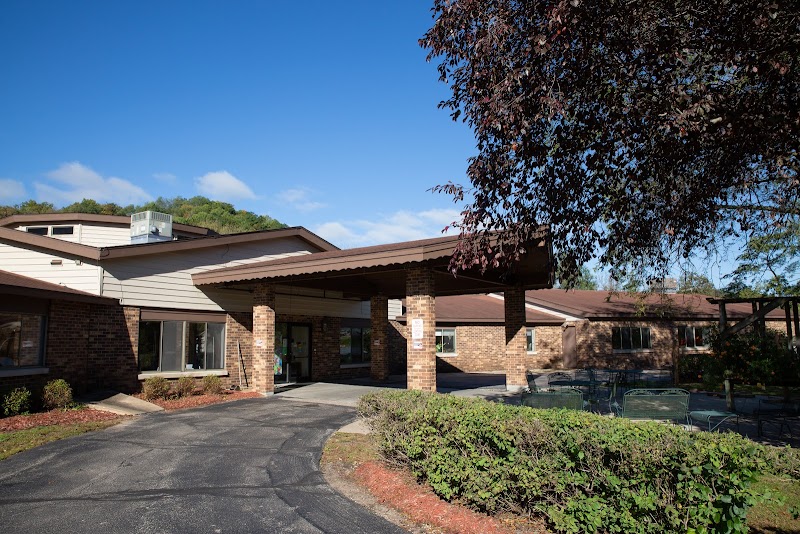
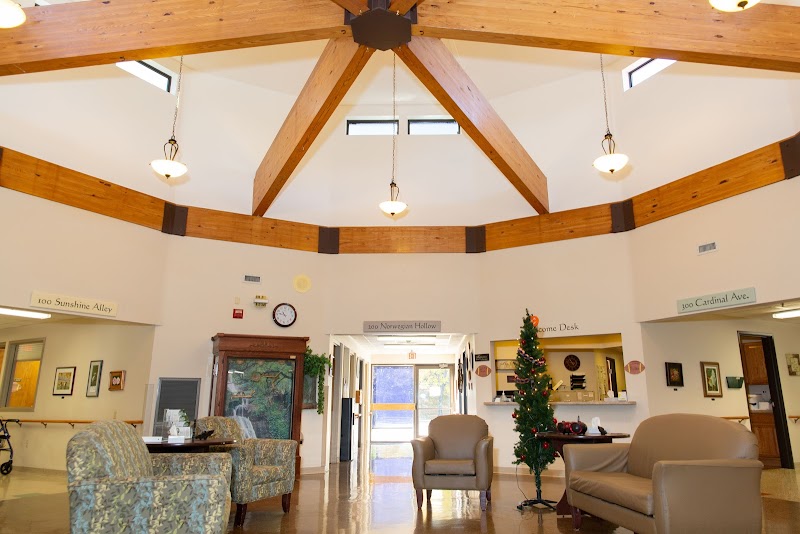
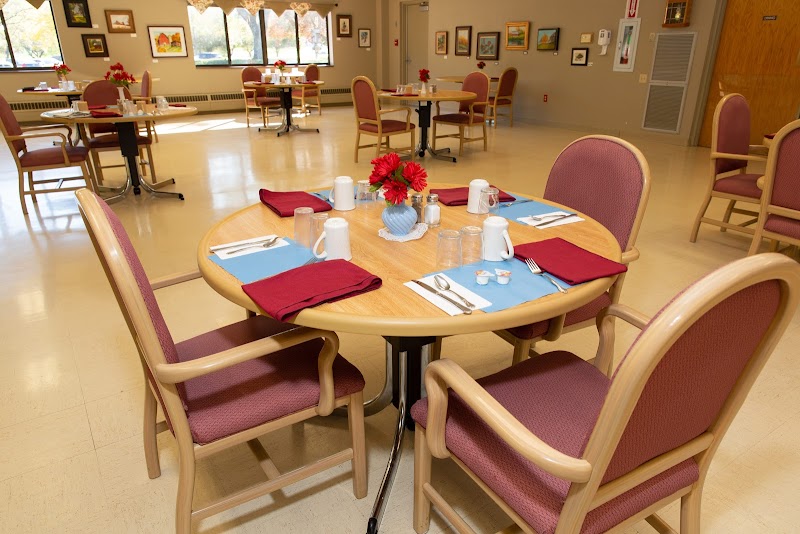
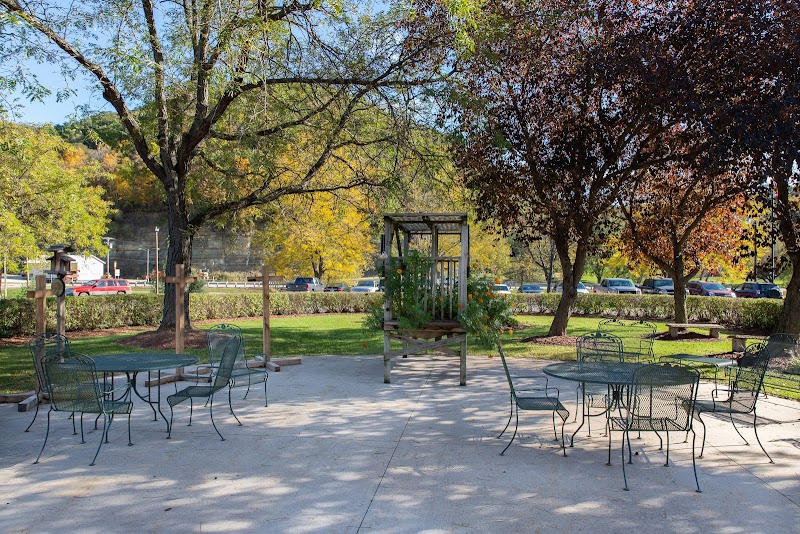
SOLDIERS GROVE HEALTH SERVICES

101 SUNSHINE BLVD, SOLDIERS GROVE, WI 54655 (608) 624-5244
For profit - Corporation 50 Beds NORTH SHORE HEALTHCARE Data: November 2025
Trust Grade
33/100
#310 of 321 in WI
Last Inspection: July 2025

Inspected within the last 6 months. Data reflects current conditions.

Overview

Soldiers Grove Health Services has received a Trust Grade of F, indicating significant concerns about the facility. Ranking #310 out of 321 nursing homes in Wisconsin places it in the bottom half of the state, and it is the second-worst option in Crawford County. Unfortunately, the facility is worsening, with issues increasing from 8 in 2024 to 9 in 2025. Staffing is a relative strength, with a turnover rate of 25%, which is significantly lower than the state average. However, recent inspections revealed serious incidents, including a resident who suffered a hip fracture after multiple unsupervised attempts to transfer, highlighting inadequate care and supervision. Additionally, the facility failed to maintain safe food preparation practices, which could impact all residents. While there are some positive aspects, families should be cautious given the overall poor ratings and serious findings.

Trust Score
F
33/100
In Wisconsin
#310/321
Bottom 4%
Safety Record
Moderate
Needs review
Inspections
Getting Worse
8 → 9 violations
Staff Stability
✓ Good
25% annual turnover. Excellent stability, 23 points below Wisconsin's 48% average. Staff who stay learn residents' needs.
Penalties
✓ Good
No fines on record. Clean compliance history, better than most Wisconsin facilities.
Skilled Nurses
✓ Good
Each resident gets 55 minutes of Registered Nurse (RN) attention daily — more than average for Wisconsin. RNs are trained to catch health problems early.
Violations
⚠ Watch
24 deficiencies on record. Higher than average. Multiple issues found across inspections.
★☆☆☆☆
1.0
Overall Rating
★★★☆☆
3.0
Staff Levels
★☆☆☆☆
1.0
Care Quality
★★☆☆☆
2.0
Inspection Score
Stable
2024: 8 issues
2025: 9 issues

The Good

  • Low Staff Turnover (25%) · Staff stability means consistent care
  • Full Sprinkler Coverage · Fire safety systems throughout facility
  • No fines on record
  • Staff turnover is low (25%)

    23 points below Wisconsin average of 48%

Facility shows strength in staff retention, fire safety.

The Bad

1-Star Overall Rating

Below Wisconsin average (3.0)

Significant quality concerns identified by CMS

Chain: NORTH SHORE HEALTHCARE

Part of a multi-facility chain

Ask about local staffing decisions and management

The Ugly 24 deficiencies on record

2 actual harm
Jul 2025 9 deficiencies 2 Harm
SERIOUS (G)

Actual Harm - a resident was hurt due to facility failures

Quality of Care (Tag F0684)

A resident was harmed · This affected 1 resident

**NOTE- TERMS IN BRACKETS HAVE BEEN EDITED TO PROTECT CONFIDENTIALITY** Based on interview and record review, the facility did not ensure each resident receives the necessary care and services in acco...

Read full inspector narrative →
**NOTE- TERMS IN BRACKETS HAVE BEEN EDITED TO PROTECT CONFIDENTIALITY** Based on interview and record review, the facility did not ensure each resident receives the necessary care and services in accordance with professional standards of practice (N6, Wisconsin Nurse Practice Act) for 1 of 13 sampled residents (R20) resulting in actual harm. R20 was self-transferring multiple times and on the eighth attempt, suffered an unwitnessed fall. The facility failed to provide an assessment completed by an RN (Registered Nurse) or with RN oversight at the time of the fall. The facility failed to notify the physician timely of the fall, failed to relay all of R20's symptoms to physician and DON B (Director of Nursing) at the time of the fall, and failed to notify physician of changes of condition following the fall. R20 was found to have a left acetabular (hip joint socket) fracture. Evidenced by:Facility policy, titled Change in Condition of the Resident, reviewed 9/20/22, includes, in part: .When a resident presents with a possible change in condition, after a fall or other possible trauma, or noted changes in mental or physical functioning: assess the resident's need for immediate care/medical attention. Provide emergency care as needed. Assessment/evaluation could include, but is not limited to, the following: vital signs, oxygen saturation, blood glucose level .lacerations - amount of bleeding drainage, size/depth of wound, dressings/condition of - if in place.Swelling, edema, discoloration.pain- location, type, intensity, duration, causative factors . alteration in level of consciousness, ability to respond . bowel and bladder control, sensory weakness or change.speech disorder.abdominal spasms or pain . Flushing, cyanosis, blanching.Abduction, adduction, shortening or improper position of extremities.Notify resident's physician.Immediate notification for any symptoms and signs or apparent discomfort, or a marked change in relation to usual symptoms and signs, or unrelieved by measures already prescribed requires a phone call to the provider . Do not fax for issues requiring immediate notification.Non immediate notification: Notifications that do not require immediate consultation with physician . Notify resident's family/responsible party as applicable and in accordance with resident's wishes. Monitor resident's condition frequently until stable or transported to a higher level of care .ensure resident's change in condition is included on the 24 hour report to be reviewed later . Documentation needs to include, but is not limited to the following: description of change in condition noted and assessment or observation of findings, emergency care provided, notification of physician, notification of appropriate party .According to the Wisconsin Nurse Practice Act, N6.03(1), An R.N. (Registered Nurse) shall utilize the nursing process in the execution of general nursing procedures in the maintenance of health, prevention of illness or care of the ill. The nursing process consists of the steps of assessment, planning, intervention, and evaluation. This standard is met through performance of each of the following steps of the nursing process:(a) Assessment. Assessment is the systematic and continual collection and analysis of data about the health status of a patient culminating in the formulation of a nursing diagnosis.(b) Planning. Planning is developing a nursing plan of care for a patient which includes goals and priorities derived from the nursing diagnosis.(c) Intervention. Intervention is the nursing action to implement the plan of care by directly administering care or by directing and supervising nursing acts delegated to L.P.N.s (Licensed Practical Nurse) or less skilled assistants.(d) Evaluation. Evaluation is the determination of a patient's progress or lack of progress toward goal achievement which may lead to modification of the nursing diagnosis.R20 admitted to the facility initially on 10/14/24 and has diagnoses that include paroxysmal atrial fibrillation (irregular rapid heart rate), unspecified fracture of left acetabulum (hip joint socket), acute kidney failure, hypothyroidism, benign prostatic hyperplasia with lower urinary tract symptoms (enlarged prostate gland that can cause urination difficulty), other obstructive and reflux uropathy (abnormality of the urinary tract).R20's Minimum Data Set (MDS) with Assessment Reference Date (ARD) of 4/20/25, indicates R20's cognition is severely impaired with a Brief Interview for Mental Status (BIMS) score of 4 out of 15. Section GG of this assessment indicates R20 needed substantial/maximum assist for toileting, going from sit to stand, and supervision or touching assist for walking.R20's Fall/Risk Management Report titled Un-witnessed Fall, dated 6/29/25 05:00, includes in part: . Nursing description: Resident bed alarm sounding in room. As staff respond to alarm, staff hear a loud crash. Find resident on the floor, he had fallen into an old record cupboard along the wall on his roommate's side of the room. Resident lying on his left side, feet were toward the bed, head toward roommate side of room. [NAME] was at heater, facing the door. Seeming resident was walking toward the bathroom and had collapsed and went to the left of walker. [NAME] was left standing by itself. Resident was pale and diaphoretic (excessive sweating). Noted to have some slurred speech at the initial response time. Quick stroke assessment was negative. Tongue came out straight, equal hand grip strength. Resident complaining of pain to left elbow and left shoulder at this time. Resident description: Resident states that he was going to the bathroom. However resident has made the walk multiple times this shift to the bathroom and knows where to go, even in the dark. Resident was walking in the opposite direction at the time of his fall.Immediate Action Taken, Description: Resident VS (vital signs) taken immediately. Stroke assessment completed. Rapid trauma assessment completed. No complaints of pain to chest/ribs, abdomen or hips. No external/internal rotation to feet, no limb shortening of lower extremities present. Resident assisted to the bed with 3 staff members. Skin assessment completed. Skin tear unable to be approximated, wound covered with ABD and wrapped with kerlix at this time. Resident taken to Hospital? NoIt is important to note the nurse who prepared this report and conducted the assessments is a Licensed Practical Nurse (LPN) (LPN H). R20 was moved from the floor without an RN assessment. There is no evidence ROM was evaluated prior to moving R20.Additional information provided by facility via email on 7/23/25 indicates DON B (Director of Nursing) was updated at 6:05 AM regarding the fall incident. (Of note, this is an hour after R20 fell and this is not documented in R20's falls note.)6/29/25 Neuro check form indicates 5:00 AM pain is a 56/29/25 Neuro check form indicates 5:35 AM pain is a 5Surveyor reviewed the fax that was sent to the provider by LPN H dated 6/29/25 and sent at 6:34 AM. Fax states, in part: : .Resident had an unwitnessed fall this morning. Attempting to take self to bathroom for the 8th time tonight. Resident more confused, walking opposite direction from bathroom, resident fell into a cupboard on roommate's side of room. Skin tear to left elbow unable to be approximated. Wound covered with ABD (antibiotic ointment) and Kerlix. C/o pain to tear and left shoulder. Would you like any labs or Xrays of shoulders?It is important to note there is no mention in this fax of resident being pale, diaphoretic, or having slurred speech as it states in the risk management report. There is no mention of the nurse doing a stroke assessment or rapid trauma assessment in the fax.R20's documentation indicated the following:On 6/29/25 at 6:18 AM, Note text: Resident had a fall this morning in room as he was transferring self and taking self to bathroom. Resident had done this same thing 7 other times this shift. This marking his 8th attempt. Resident was walking opposite of bathroom and had fallen into a cupboard on his roommate's side of the room breaking it. Resident has a skin tear to left elbow and left shoulder. Fax sent to PCP (primary care physician) re: pain to areas and multiple attempts.It is important to note that 6/29/25 (date of fall) was on a Sunday. It's also important to note there is no mention of the nurse doing range of motion assessment to upper and lower extremities in this progress note. On 6/29/25 Neuro check form indicates at 7:35 AM (0735) R20 rated his pain at a 5On 6/29/25 at 8:13 AM, Note text: POA/wife (power of attorney) updated of fall at 0800.On 6/29/25 at 8:28 AM, Note text: On call MD [Doctor's name] contacted and updated of resident fall. D/T resident c/o pain to left shoulder and rib area, verbal order given for X-rays. [Doctor's name] asks that resident respiratory status be monitored and report any SOB (shortness of breath) or distress. Verbal order also given for UA (urinalysis) and urine culture d/t resident more frequent urination which results in resident self transferring and more frequent incontinence. Orders placed and POA updated.On 6/29/25 at 10:21 AM, Note text: Floor nurse called into resident room by staff. CNA's (certified nursing assistants) were assisting resident when dried blood was noted on back of shirt. Resident was c/o pain and burning to area. 3 open areas were noted to resident left upper back. One open area was small in size and superficial abrasion. Second measured .75 cm x 1.5 cm. Third measured 8 cm x 1 cm. Area was cleansed. Triple antibiotic ointment applied, and area covered with nonwoven gauze.Of note, there is no mention of contacting R20's physician/provider regarding open areas noted to R20's back.6/29/25 Neuro check form indicates at 10:36 AM Pain rated at a 5.On 6/29/25 at 11:03 AM, Nurses note indicates PRN Tylenol given.6/29/25 Neuro check form indicates at 3:35PM pain rated at a 7.6/29/25 Neuro check form indicates at 6:05 PM pain rated at a 4. On 6/29/25 at 6:47 PM, Note text: At 18:30, went into room and resident lying in bed. POA, son and daughter in room. No S/SX (signs and symptoms) of pain when visualizing resident. Lung sounds clear throughout. No SOB noted. O2 sat (saturation) is 92% on RA (room air). Pulse 84 regular. Resident has AROM (active range of motion) to right UE (upper extremities) and LE (lower extremities). When asked to move left arm, resident refuses. When asked to move LLE (left lower extremities), resident is able to move left leg left and right. Unwilling to move or allow writer to move LLE up or down. No internal or external rotation noted to BLE (bilateral lower extremities). No shortening noted. Family states that X ray was for rib and hip. Informed family that the order was for shoulder and rib due to pain after the fall. Family stated, Well maybe they got the hip too with that X ray. When auscultating lung sounds, resident complained of pain when touching left rib area. Questioned if resident would like something for pain and he stated yes. PRN (as needed) Tylenol given. POA questioning results of X ray and informed POA that no results yet from imaging and will call company to see where they are at with the results. POA voiced appreciation for the update. Placed call to mobile imaging at 1845 and spoke with tech stating that results are not in and that they will fax results when available. Confirmed fax number with tech.It is important to note this is the first assessment completed by an RN (Registered Nurse) on R20 since his fall over 13 hours prior. Initial assessment was completed by LPN H. R20 is refusing to move his left arm and leg during ROM assessment, this is a change in R20's status. No evidence a physician/provider was notified.6/29/25 at 7:35 PM (1935) indicates PRN (as needed) Tylenol given, follow up pain evaluation indicated as 0.6/30/25 at 1:16 AM, Note text: The current status is resting in bed. C/o (complains of) pain when moving and touching him PRN Tylenol given. Continue to monitor.Of note: R20 continued to have pain when being moved or touched, no evidence a physician/provider was updated. There is no documentation of an assessment on Night shift. 6/30/25 at 2:04 AM, Note text: Received X ray results from (imaging company name). Left X ray, shoulder. There is no evidence of acute fracture or dislocation. X ray of ribs, unilateral; include PA (posterior anterior) chest. There is no left rib fractures. No evidence of acute cardiopulmonary disease. No pneumothorax. X ray results faxed to PCP.6/30/25 at 0229 (2:29AM) Neuro check form indicates Tylenol ES (extra strength) given Pain rating of a 6 with grimaces and withdraws being marked as yes.6/30/25 at 6:48 AM, Note text: Resident pain level every shift use PAINAD if resident unable to verbalize pain. Yells at the slightest movement. Pain appears to be in left upper leg or hip.It is important to note R20 yells at the slightest movement, there is no evidence of staff contacting a physician with this increase in pain. There is no RN assessment even though there is increased pain noted after R20 sustained a fall on 6/29/25. 6/30/25 at 8:51 AM, Note text: Resident is laying in bed with eyes partly open and readily responds to voice. Resident took his medications this morning but refused breakfast. He refuses to sit up or change position. Resident complains of pain in his left hip, leg, and or heel. Tylenol was ineffective in pain management. Family would like to get X rays of those areas. Resident yells in pain before he even gets touched. Resident has wounds that are draining onto the bed sheets and refuses to let us touch them. Resident is more confused that [sic] usual. Discussed the resident status with POA (wife) and she agreed that he needs to be sent to the ER to get full medical care. POA requests that he should not be given oxycodone (her usual request). Called [Doctors name] at the [NAME] clinic and left message requesting order for transfer to ER.Of note, R20's POA indicated wanting him sent to the ER, facility staff did not send R20 right away, staff waited for an order from the clinic.6/30/25 at 9:01 AM, Note text: Nurse [Nurses name] from [NAME] Clinic called and communicated orders from [Doctors name] for transfer to ER.6/30/25 at 9:28 AM, Note text: Called [NAME] County [NAME] requesting a non-emergent transfer to the ER. Called ER nurse and provided nurse-to-nurse report.6/30/25 at 9:51 AM, Note text: Resident was taken to ER via ambulance. Wife notified.6/30/25 at 2:39 PM, Note text: Hip fracture from fall.6/30/25 at 5:01 PM, Note text: hospitalized . R20's Emergency Department Notes/Hospital Record, dated 6/30/25 at 10:17 AM, includes in part: .Patient presenting to the emergency department following a fall at the nursing home 3 days ago with the patient having persistent severe pain, inability to ambulate, and worsening confusion over the past 2-3 days.Patient given IV pain medications due to concern for underlying hip fracture.Elbow x-ray also obtained prior to obtaining CT scan of the abdomen and pelvis given patient's complaints, however showing no evidence of fracture. CT scan of the abdomen and pelvis returning with concern for bladder thickening and cystitis, new left-sided acetabular fracture of the posterior and anterior pillars, as well as new L3 compression fracture.Patient was discussed with on-call orthopedic surgeon, [surgeon's name], with recommendation for conservative management of acetabular fracture given patient's poor bone quality, not surgical candidate.recommended 6 weeks non weight bearing.Admit for pain management adjustment. With a non-operable hip fracture in a frail 92 year, particularly one who has had poor oral intake in the last two days, the prognosis is concerning. R20's CT (computed tomography) Abdomen Pelvis with contrast Report, dated 6/30/25 at 1:19 PM, includes in part: .Osseous structures: Old healed fracture deformities at the left superior and inferior pubic rami. Acute mildly comminuted and mildly displaced left acetabular fracture with involvement of both the anterior and posterior columns. Stable chronic moderate to severe compression fracture at T11. Newly visualized and likely acute moderate compression fracture at the L3 vertebral body.Of note, R20 went greater than 24 hours with a broken mildly comminuted (bone breaks into 3 or more pieces caused by high forced accidents or trauma i.e. falls) and mildly displaced (bone fragments are not properly aligned) left acetabular (hip socket) fracture.On 7/21/25, Surveyor attempted to contact the 2 CNAs who were on duty the time of R20's fall. Surveyor left voicemail with no return calls.On 7/21/25 at 11:38 AM, Surveyor interviewed CNA J and asked if R20 self-transfers and what interventions are in place for R20 to prevent falls. CNA J indicated yes, R20 self-transfers and he has bed and chair alarms and they take him to the bathroom every 2 hours minimum.On 7/21/25 at 11:41 AM, Surveyor interviewed CNA K and asked if R20 self-transfers and what fall interventions are in place for this resident. CNA K indicated R20 does self-transfer, not as often as he used to before his fall but he does still self-transfer some. CNA K also indicated they take him to the bathroom every 2 hours minimum but he will let staff know when he has to go when he is in common areas. CNA K indicated he has fall alarms, bed in low position, chair at bedside, and stated he likes to sit in the sun in the dayroom.On 7/21/25 at 10:44 AM via phone, Surveyor interviewed LPN I regarding R20's fall. LPN I stated she started her shift after R20's fall. She stated it's common for R20 to self-transfer and he has bed and chair alarms and staff should be doing frequent checks as much as they can. LPN I stated LPN H did hip assessment on lower extremities and nothing hurt R20 at that time. LPN I indicated the assessment should be in R20's progress notes. Surveyor reviewed R20's progress notes and there is no mention of assessments completed in LPN H's progress notes from the fall. Surveyor observed hip assessment in fall report but not progress notes.Surveyor attempted to contact LPN H three times via phone. Surveyor was not successful in reaching LPN H.Surveyor checked the schedules for 6/28/25 (into 6/29) and 6/29/25 (into 6/30) and there were no RNs on duty on night shift either of those days.On 7/17/25 at 2:59 PM, Surveyor interviewed DON B (Director of Nursing) who indicated if no RN is on the schedule, she is on call 24/7. In a follow up interview with DON B and EM L on 7/21/25 at 12:29 PM, DON B indicated she would have expected staff to have increased supervision for R20 after he was self-transferring 7-8 times and temporary interventions. DON B indicated LPN did the assessments on R20 and called DON B after she completed them, they were done without RN oversight. DON B stated LPN H called her after the fall and told her what happened and about rotation and ROM, didn't have concerns. Surveyor asked if LPNs could perform assessments and DON B stated, They can collect data. She would have expected staff to put assessments completed in the resident's progress notes. Surveyor asked DON B how staff got R20 off of the floor after his fall. DON B stated it's not in LPN's documentation but after talking with staff, it was with a Hoyer lift. DON B indicated this should have been documented. DON B stated LPN H did not inform DON B of R20's slurred speech, being pale and diaphoretic when she called her at 6:05 AM after R20's fall. DON B indicated she would have expected an immediate phone call to the physician instead of a fax with those symptoms. Surveyor asked DON B who did the stroke assessment on R20 and stated LPN H. DON B indicated an RN should do stroke assessments. Surveyor asked DON B if any staff education was done after this incident, and she indicated not that she's aware of.R20 was self-transferring multiple times in one shift and had an unwitnessed fall. R20 had a change in condition without an RN assessment or continued monitoring. R20's provider was not updated with R20's changes in condition resulting in a delay in treatment and R20 was found to have a left acetabular (hip joint socket) fracture.
SERIOUS (G)

Actual Harm - a resident was hurt due to facility failures

Accident Prevention (Tag F0689)

A resident was harmed · This affected 1 resident

**NOTE- TERMS IN BRACKETS HAVE BEEN EDITED TO PROTECT CONFIDENTIALITY** Based on interview and record review, the facility did not ensure that each resident receives adequate supervision and assistanc...

Read full inspector narrative →
**NOTE- TERMS IN BRACKETS HAVE BEEN EDITED TO PROTECT CONFIDENTIALITY** Based on interview and record review, the facility did not ensure that each resident receives adequate supervision and assistance devices to prevent accidents for 1 of 1 residents (R20) reviewed for falls resulting in actual harm.R20 was self-transferring multiple times and on the eighth attempt, suffered an unwitnessed fall. The facility failed to provide temporary interventions to address the self-transferring. R20 was found to have a left acetabular (hip joint socket) fracture.This is evidenced by:Facility policy, titled Fall Prevention and Management Guidelines, reviewed and revised on 7/18/24, states in part; Each resident will be assessed for fall risk and will receive care and services in accordance with their individualized plan of care to minimize the likelihood of falls or reduce the possibility/severity of injury. A fall is an event in which an individual unintentionally comes to rest on the ground, floor, or other level, but not because of an overwhelming external force. The event may be witnessed, reported, or presumed when a resident is found on the floor or ground, and can occur anywhere . When any resident experiences a fall, the facility will complete a post fall assessment and review: physical assessment with vital signs, neuro checks for any unwitnessed fall or witnessed fall where resident hits their head.alert MD of any abnormal findings from neuro checks - do not wait until series is completed to notify MD of abnormal findings.complete an incident report in Risk Management, notify physician and family/responsible party, review resident's care plan and update with any new interventions put in place to try to prevent additional falls, document all assessments and actions, obtain witness statements from other staff with possible knowledge or relevant information.R20 admitted to the facility initially on 10/14/24 and has diagnoses that include: paroxysmal atrial fibrillation (irregular rapid heart rate), unspecified fracture of left acetabulum (hip joint socket), acute kidney failure, hypothyroidism, benign prostatic hyperplasia with lower urinary tract symptoms (enlarged prostate gland that can cause urination difficulty), and other obstructive and reflux uropathy (abnormality of the urinary tract).R20's Minimum Data Set (MDS) with Assessment Reference Date (ARD) of 4/20/25, indicates R20's cognition is severely impaired with a Brief Interview for Mental Status (BIMS) score of 4 out of 15. Section GG of this assessment indicates R20 needed substantial/maximum assist for toileting, going from sit to stand, and supervision or touching assist for walking.R20's Comprehensive Care Plan states in part: .Focus: At risk for falls .Interventions/Tasks: Bed in low position, date initiated: 10/14/24 . Broda chair by bedside when in bed, date initiated: 7/1/25 .Chair and bed alarms placed and check for proper functioning and placement every shift, date initiated: 5/2/25 .Encourage to transfer and change positions slowly, date initiated: 10/14/24 .FALL RISK (FYI), date initiated: 7/1/25 .Have commonly used articles within easy reach, date initiated: 10/14/24 .Reinforce need to call for assistance, date initiated: 10/14/24 .Reinforce w/c (wheelchair) safety as needed such as locking brakes, date initiated: 10/14/24 .Focus: Urinary Incontinence .Intervention/Tasks: Offer toileting every 2 hours and PRN, date initiated 1/26/25 .R20's Fall/Risk Management Report titled Unwitnessed Fall, dated 6/29/25 05:00 (5:00 AM), includes in part: . Nursing description: Resident bed alarm sounding in room. As staff respond to alarm, staff hear a loud crash. Find resident on the floor, he had fallen into an old record cupboard along the wall on his roommate's side of the room. Resident lying on his left side, feet were toward the bed, head toward roommate side of room. [NAME] was at heater, facing the door. Seeming resident was walking toward the bathroom and had collapsed and went to the left of walker. [NAME] was left standing by itself. Resident was pale and diaphoretic. Noted to have some slurred speech at the initial response time. Quick stroke assessment was negative. Tongue came out straight, equal hand grip strength. Resident complaining of pain to left elbow and left shoulder at this time. Resident description: Resident states that he was going to the bathroom. However resident has made the walk multiple times this shift to the bathroom and knows where to go, even in the dark. Resident was walking in the opposite direction at the time of his fall.Immediate Action Taken, Description: Resident VS (vital signs) taken immediately. Stroke assessment completed. Rapid trauma assessment completed. No complaints of pain to chest/ribs, abdomen or hips. No external/internal rotation to feet, no limb shortening of lower extremities present. Resident assisted to the bed with 3 staff members. Skin assessment completed. Skin tear unable to be approximated, wound covered with ABD and wrapped with kerlix at this time. Resident taken to Hospital? No.It is important to note the nurse who prepared this report and conducted the assessments is a Licensed Practical Nurse (LPN) (LPN H) and R20 was moved without an RN assessment. It's also important to note there is no mention of LPN H doing a range of motion assessment to the upper and lower extremities prior to moving R20.Additional information provided by facility via email on 7/23/25 indicates DON B (Director of Nursing) was updated at 6:05 AM regarding the fall incident. (Of note, this is an hour after R20 fell.)R20's Nurses Notes dated 6/29/25 include in part: 6:18 AM, Note text: Resident had a fall this morning in room as he was transferring self and taking self to bathroom. Resident had done this same thing 7 other times this shift. This marking his 8th attempt. Resident was walking opposite of bathroom and had fallen into a cupboard on his roommate's side of the room breaking it. Resident has a skin tear to left elbow and left shoulder. Fax sent to PCP (primary care physician) re: pain to areas and multiple attempts.It is important to note that 6/29/25 (date of fall) was on a Sunday. It's also important to note there is no mention of the nurse doing range of motion assessment to upper and lower extremities in this progress note. This note also indicates staff were aware R20 was self-transferring multiple times already that shift and there is no documentation of temporary interventions being attempted.Surveyor reviewed the fax that was sent to the provider by LPN H dated 6/29/25 and sent at 6:34 AM. Fax states, in part: : .Resident had an unwitnessed fall this morning. Attempting to take self to bathroom for the 8th time tonight. Resident more confused, walking opposite direction from bathroom, resident fell into a cupboard on roommate's side of room. Skin tear to left elbow unable to be approximated. Wound covered with ABD (antibiotic ointment) and Kerlix. C/o pain to tear and left shoulder. Would you like any labs or Xrays of shoulders?It is important to note there is no mention in this fax of resident being pale, diaphoretic, or having slurred speech as it states in the risk management report. There is no mention of the nurse doing a stroke assessment or rapid trauma assessment in the fax.8:13 AM, Note text: POA/wife (power of attorney) updated of fall at 0800.8:28 AM, Note text: On call MD [Doctor's name] contacted and updated of resident fall. D/T resident c/o pain to left shoulder and rib area, verbal order given for X-rays. [Doctor's name] asks that resident respiratory status be monitored and report any SOB (shortness of breath) or distress. Verbal order also given for UA (urinalysis) and urine culture d/t resident more frequent urination which results in resident self transferring and more frequent incontinence. Orders placed and POA updated.10:21 AM, Note text: Floor nurse called into resident room by staff. CNAs (certified nursing assistants) were assisting resident when dried blood was noted on back of shirt. Resident was c/o pain and burning to area. 3 open areas were noted to resident left upper back. One open area was small in size and superficial abrasion. Second measured .75 cm x 1.5 cm. Third measured 8 cm x 1 cm. Area was cleansed. Triple antibiotic ointment applied and area covered with nonwoven gauze.6:47 PM, Note text: At 18:30 (6:30 PM), went into room and resident lying in bed. POA, son and daughter in room. No S/SX (signs and symptoms) of pain when visualizing resident. Lung sounds clear throughout. No SOB noted. O2 sat (saturation) is 92% on RA (room air). Pulse 84 regular. Resident has AROM (active range of motion) to right UE (upper extremities) and LE (lower extremities). When asked to move left arm, resident refuses. When asked to move LLE (left lower extremity), resident is able to move left leg and right. Unwilling to move or allow writer to move LLE up or down. No internal or external rotation noted to BLE (bilateral lower extremities). No shortening noted. Family states that X ray was for rib and hip. Informed family that the order was for shoulder and rib due to pain after the fall. Family stated, Well maybe they got the hip too with that X ray. When auscultating lung sounds, resident complained of pain when touching left rib area. Questioned if resident would like something for pain and he stated yes. PRN (as needed) Tylenol given. POA questioning results of X ray and informed POA that no results yet from imaging and will call company to see where they are at with the results. POA voiced appreciation for the update. Placed call to mobile imaging at 1845 (6:45PM) and spoke with tech stating that results are not in and that they will fax results when available. Confirmed fax number with tech.It is important to note this is the first assessment completed by an RN (Registered Nurse) on R20 since his fall over 13 hours prior. Initial assessment was completed by LPN H. 6/30/25 at 1:16 AM, Note text: The current status is resting in bed. C/o (complains of) pain when moving and touching him PRN Tylenol given. Continue to monitor.6/30/25 at 2:01 AM, Note text: Call placed to daughter, (name) in regards of X ray results. Message left.6/30/25 at 2:04 AM, Note text: Received X ray results from (name of imaging company). Left X ray, shoulder. There is no evidence of acute fracture or dislocation. X ray of ribs, unilateral; include PA chest. There is no left rib fractures. No evidence of acute cardiopulmonary disease. No pneumothorax. X ray results faxed to PCP.6/30/25 at 6:48 AM, Note text: Resident pain level every shift use PAINAD if resident unable to verbalize pain. Yells at the slightest movement. Pain appears to be in left upper leg or hip.6/30/25 at 8:51 AM, Note text: Resident is laying in bed with eyes partly open and readily responds to voice. Resident took his medications this morning but refused breakfast. He refuses to sit up or change position. Resident complains of pain in his left hip, leg, and or heel. Tylenol was ineffective in pain management. Family would like to get X rays of those areas. Resident yells in pain before he even gets touched. Resident has wounds that are draining onto the bed sheets and refuses to let us touch them. Resident is more confused that [sic] usual. Discussed the resident status with POA and she agreed that he needs to be sent to the ER to get full medical care. POA requests that he should not be given oxycodone (her usual request). Called [Doctors name] at the [Clinic name] and left message requesting order for transfer to ER.6/30/25 at 9:01 AM, Note text: Nurse [Nurses name] from [name of Clinic] called and communicated orders from [Doctors name] for transfer to ER.6/30/25 at 9:28 AM, Note text: Called [County [NAME]] requesting a non-emergent transfer to the ER. Called ER nurse and provided nurse-to-nurse report.6/30/25 at 9:51 AM, Note text: Resident was taken to ER via ambulance. Wife notified.6/30/25 at 2:39 PM, Note text: Hip fracture from fall.6/30/25 at 5:01 PM, Note text: hospitalized .R20's Emergency Department Notes/Hospital Record, dated 6/30/25 at 10:17 AM, includes in part: .Patient presenting to the emergency department following a fall at the nursing home 3 days ago with the patient having persistent severe pain, inability to ambulate, and worsening confusion over the past 2-3 days.Patient given IV pain medications due to concern for underlying hip fracture.Elbow x-ray also obtained prior to obtaining CT scan of the abdomen and pelvis given patient's complaints, however showing no evidence of fracture. CT scan of the abdomen and pelvis returning with . new left-sided acetabular fracture of the posterior and anterior pillars, as well as new L3 compression fracture.Patient was discussed with on-call orthopedic surgeon, [surgeon's name], with recommendation for conservative management of acetabular fracture given patient's poor bone quality, not surgical candidate.recommended 6 weeks non weight bearing.Admit for pain management adjustment. With a non-operable hip fracture ., particularly one who has had poor oral intake in the last two days, the prognosis is concerning. R20's CT (computed tomography) Abdomen Pelvis with contrast Report, dated 6/30/25 at 1:19 PM, includes in part: .Osseous structures: Old healed fracture deformities at the left superior and inferior pubic rami. Acute mildly comminuted and mildly displaced left acetabular fracture with involvement of both the anterior and posterior columns. Stable chronic moderate to severe compression fracture at T11. Newly visualized and likely acute moderate compression fracture at the L3 vertebral body.On 7/21/25, Surveyor attempted to contact LPN H three times via phone. Surveyor was not successful in reaching LPN H.On 7/21/25, Surveyor attempted to contact the 2 CNAs who were on duty at the time of R20's fall. Surveyor was unsuccessful in reaching the 2 CNAs. On 7/21/25 at 11:38 AM, Surveyor interviewed CNA J (Certified Nursing Assistant) and asked if R20 self-transfers and what interventions are in place for R20 to prevent falls. CNA J indicated yes, R20 self-transfers and he has bed and chair alarms and they take him to the bathroom every 2 hours minimum.On 7/21/25 at 11:41 AM, Surveyor interviewed CNA K and asked if R20 self-transfers and what fall interventions are in place for this resident. CNA K indicated R20 does self-transfer, not as often as he used to before his fall, but he does still self-transfer some. CNA K also indicated they take him to the bathroom every 2 hours minimum, but he will let staff know when he has to go when he is in common areas. CNA K indicated he has fall alarms, bed in low position, chair at bedside, and stated he likes to sit in the sun in the dayroom.On 7/21/25 at 10:44 AM, via phone, Surveyor interviewed LPN I regarding R20's fall. LPN I stated she started her shift after R20's fall. She stated it's common for R20 to self-transfer and he has bed and chair alarms and staff should be doing frequent checks as much as they can. LPN I stated LPN H did hip assessment on lower extremities and nothing hurt R20 at that time. LPN I indicated the assessment should be in R20's progress notes.Surveyor reviewed R20's progress notes and there is no mention of assessments completed in LPN H's progress notes from the fall. Surveyor observed hip assessment in fall report but not progress notes.Surveyor checked the schedules for 6/28 into 6/29 and 6/29 into 6/30. There were no RNs on duty on night shift either of those days.On 7/17/25 at 2:59 PM, Surveyor interviewed DON B (Director of Nursing) who indicated if no RN is on the schedule, she is on call 24/7. In a follow up interview with DON B and EM L (Executive Manager) on 7/21/25 at 12:29 PM, DON B indicated she would have expected staff to have increased supervision for R20 after he was self-transferring 7-8 times and temporary interventions. DON B indicated LPN H did the assessments on R20 and called DON B after she completed them, they were done without RN oversight. DON B stated LPN H called her after the fall and told her what happened and about rotation and ROM, didn't have concerns. Surveyor asked if LPNs could perform assessments and DON B stated, They can collect data. She would have expected staff to put assessments completed in the resident's progress notes. Surveyor asked DON B how staff got R20 off of the floor after his fall. DON B stated it's not in the LPN's documentation but after talking with staff, it was with a Hoyer lift. DON B indicated this should have been documented. DON B stated LPN H did not inform DON B of R20's slurred speech, being pale and diaphoretic when she called her at 6:05 AM after R20's fall. DON B indicated she would have expected an immediate phone call to the physician instead of a fax with those symptoms. Surveyor asked DON B who did the stroke assessment on R20 and DON B stated LPN H. DON B indicated an RN should do stroke assessments. Surveyor asked DON B if any staff education was done after this incident and she indicated not that she's aware of.Additional information received from the facility on 7/24/25 via email with two staff statements that state in part the following: 7-23-24 Resident was up to the bathroom multiple times. Resident was offered to get up in chair but would turn look at the clock on the way back from bathroom and said it was to early. Resident had snacks at bedside also. Resident was offered to come sit in living room area resident wanted to go back to bed. (Signature). Second statement states in part: 7/24/25. 6/29/25 on the night in question, (R20's name) was up multiple times to the bathroom. Ambulated to and from bathroom (with) no c/o (complaints of) pain or discomfort. Resident also denied pain. Also refused suggestion of sitting in broda chair to come out by us. Would check his clock on his walk back from the bathroom, and state it was too early. Resident had graham crackers and H2O (water) @ (at) bedside . (Of note, no temporary interventions for increased supervision due to getting up multiple times was implemented when R20 did not agree to get up into his chair to prevent a fall.)R20 was self-transferring multiple times in a shift, the facility failed to provide temporary interventions to address the self-transferring, and on the 8th attempt, R20 had an unwitnessed fall. R20 was found to have a left acetabular (hip joint/socket) fracture.
CONCERN (D)

Potential for Harm - no one hurt, but risky conditions existed

Grievances (Tag F0585)

Could have caused harm · This affected 1 resident

**NOTE- TERMS IN BRACKETS HAVE BEEN EDITED TO PROTECT CONFIDENTIALITY** Based on interview and record review, the facility did not make prompt efforts to document, investigate, and resolve grievances ...

Read full inspector narrative →
**NOTE- TERMS IN BRACKETS HAVE BEEN EDITED TO PROTECT CONFIDENTIALITY** Based on interview and record review, the facility did not make prompt efforts to document, investigate, and resolve grievances a resident may have for 1 of 1 resident reviewed for grievances (R13). R13 expressed concerns regarding asking for assistance with ADLs (Activities of Daily Living) that was not completely investigated by the facility. Evidenced by: The facility's policy titled Grievance Policy dated 7/2022 states in part .When a Complaint/ Grievance Report is initiated: .The original form will then be forwarded to the department head for which the Grievance pertains to (i.e. Dietary Manager for food and dining related issues, DON (Director of Nursing) for any nursing or clinical related issues.). The Department Head that is assigned the concern form is responsible for investigating the issue within 72 hours of being assigned the grievance. The Grievance Officer will ensure: during the investigation, the Grievance Officer will prevent any potential or further violation of resident rights.The Grievance Officer will ensure that: .written grievance resolution decisions include the date when the original concern was received, a summary statement of the concern, steps taken to investigate, a summary of findings or conclusions regarding the concern, whether the concern was confirmed or not, any corrective action taken and the date the decision was issued. R13 was admitted to the facility on [DATE] with diagnoses that include hemiplegia and hemiparesis following cerebral infarction affecting left dominant side (left sided weakness/ paralysis following a stroke), pain, major depressive disorder, and hypertension (high blood pressure). R13's most recent MDS (Minimum Data Set) dated 5/30/25, states that R13 has a BIMS (Brief Interview of Mental Status) of 15 out of 15, indicating that R13 is cognitively intact. The MDS also states that R13 requires partial/ moderate assistance with lower body dressing and personal hygiene. R13's care plan dated 11/13/24 states in part .Focus: ADL self- care deficit evidenced by: CVA (Cerebral Vascular Accident (stroke)). Goal: Will maintain existing ADL self performance [sic]. Interventions/ Tasks: .Personal Hygiene: Independent with set up of items (revised on 5/20/25) . It is important to note that R13's care plan does not address the amount of assistance that they require with dressing. On 5/28/25 a grievance form was filled out for R13. The form states in part:.Detail of complaint/ grievance: Resident upset d/t (due to) not getting enough help with ADLs. Resident is independent with ADLs and often refuses to dress himself.Person completing this form: NHA A. Person investigating complaint/ Grievance: NHA A/ SSD (Social Services Director). Grievance official follow-up: Resident interviewed by myself and SSD. Resident continues to be upset when independence is referenced. States can't do things all on own, then begins to perseverate on therapy. Writer redirects without success, SSD redirects. No resolution as resident continues to believe he should not be independent and d/c (discharged ) from therapy.Date resolved: 5/28/25. Resident is not satisfied but needs to move toward independence with ADLs to return to community. On 7/15/25 at 10:20 AM, Surveyor interviewed R13. R13 reported to Surveyor that they do not get the help they need with dressing, and that staff tell them they can do it themself. On 7/17/25 at 8:26 AM, Surveyor interviewed PTA M (Physical Therapy Assistant) and COTA N (Certified Occupational Therapy Assistant). Surveyor asked PTA M and COTA N if R13 was being seen by therapy, PTA M stated no. Surveyor asked what R13's ADL abilities are, PTA M stated that he was independent in his room, but was asking for some help and that R13 had been transferring independently in the bathroom but was still asking for help. Surveyor asked PTA M and COTA N if R13 is independent with all ADLs, COTA N stated that R13 reported that he could do it, and that he said he was able to put his shirt and pants on by himself. Surveyor asked COTA if there was any documentation of R13's abilities, COTA N stated that there weren't any notes. On 7/17/25 at 2:16 PM, Surveyor interviewed NHA A. NHA reported that he was the Grievance Official. Surveyor asked NHA A what the process is for investigating a grievance, NHA reported that he receives the grievance, the grievance form gets filled out, they assign someone to investigate the concern, he reviews the investigation, follows- up with the resident/ resident representative. Surveyor asked NHA to explain the investigation completed in regard to R13's grievance, NHA A stated that R13 didn't want to be discharged from therapy, wanted assistance with ADLs, and stated that he was not independent. Surveyor asked NHA A if he interviewed CNAs (Certified Nursing Assistants) regarding R13's need for assistance, NHA A stated yes. Surveyor asked NHA A if the interviews were documented, NHA A stated no. Surveyor asked NHA A if therapy was consulted and the recommendations were reviewed, NHA A stated that therapy reported that R13 is independent. Surveyor asked NHA A if R13 was re-evaluated by therapy after this incident, NHA A stated yes. Surveyor requested therapy documentation.OT (Occupational Therapy) Discharge summary dated [DATE] states in part: .Dressing: Upper body dressing = Supervision or touching assistance. Lower body dressing = Partial/ moderate assistance. Putting on/ taking off footwear = Partial/ moderate assistance.Therapy Screen/ Communication form dated 3/27/25 states in part: .Pt. declined: Stated he can do everything on his own. On 7/17/25 at 3:42 PM, Surveyor interviewed NHA A. Surveyor asked NHA A if they had reviewed the OT documentation, NHA A stated yes. Surveyor asked NHA A if therapy was unable to complete an assessment, should R13's abilities regarding his ADLs be referred to his previous level, NHA A stated yes. The facility failed to investigate R13's concerns about needing help with ADLs, indicating that he should complete them independently.
CONCERN (D)

Potential for Harm - no one hurt, but risky conditions existed

Deficiency F0645 (Tag F0645)

Could have caused harm · This affected 1 resident

**NOTE- TERMS IN BRACKETS HAVE BEEN EDITED TO PROTECT CONFIDENTIALITY** Number of residents sampled:1Number of residents cited:1Based on interview and record review, the facility did not follow throug...

Read full inspector narrative →
**NOTE- TERMS IN BRACKETS HAVE BEEN EDITED TO PROTECT CONFIDENTIALITY** Number of residents sampled:1Number of residents cited:1Based on interview and record review, the facility did not follow through with the appropriate steps of the Preadmission Screening and Resident Review (PASRR) process for 1 of 1 resident (R8) reviewed.The facility does not provide R8 with specialized services per PASAAR Level 2 recommendations.Evidenced by:Per the facility, they do not have a PASRR Policy and Procedure.According to Wisconsin Department of Health Services at https://www.dhs.wisconsin.gov>pasrr, states, in part: . Preadmission Screening and Resident Review (PASRR) is a federal requirement established to identify individuals with mental illness and/or intellectual developmental disability to ensure appropriate placement in the community or a nursing facility.In brief, PASRR requires all applicants to Medicaid-certified nursing facilities be assessed to determine whether they might have an intellectual disability or mental illness. This is called a Level I screen. The purpose of a Level I screen is to identify individuals whose total needs require that they receive additional services for their intellectual disabilities or serious mental illness. Individuals who test positive at Level I are then evaluated in depth to confirm the determination of an intellectual disability or mental illness for PASRR purposes. This is a Level II screen. This assessment produces a set of recommendations for necessary services that are meant to inform the individual's plan of care.Purposes of PASRREvaluate individuals seeking admission to nursing facilities and current nursing facility residents to determine if they have a serious mental illness or an intellectual disability.Identify the individual's strengths and needs.Determine if the individual needs specialized psychiatric rehabilitation services to address his/her mental illness issues or specialized services to address his/her mental illness or intellectual disability issues.Determine if the individual needs placement in a nursing facility versus placement in an inpatient psychiatric hospital, institution for mental diseases, intermediate care facility for individuals with intellectual disabilities, or a community setting (example: group home).Notify the client or the client's legal representative and other appropriate parties of the results of the evaluations and the determinations.R8 admitted to the facility on [DATE] and has diagnoses that include severe intellectual disabilities (a significant cognitive impairment and adaptive behavior limitations, impacting daily life and requiring substantial support).R8's Care Plan dated 10/12/22, states, in part: . Focus: R8 is in need of specialized services due to diagnosis of severe intellectual disability and cerebral palsy. Date Initiated: 10/12/2022.Goal: R8 will maintain or improve her current level of functioning. Date Initiated: 10/12/2022. Revision on: 10/06/2025. Target DATE: 10/06/2025.R8 will be encouraged to make self-decisions as able. Date Initiated: 10/12/2022. Revision on: 7/09/2025. Target Date: 10/06/2025.Interventions/Tasks:Physical therapy, occupational therapy, socialization and Leisure. R8 enjoys group activities and coloring. Date Initiated: 10/12/2022.R8's PASRR Level 1 Screen was completed on 9/27/22 and was indicative of a PASRR Level II.R8's PASRR Level II dated 10/05/22, states, in part: . No- support for the diagnosis of a severe medical condition was not found OR documentation was not found that indicates that the person's level of functioning is so severely impaired by his/her medical condition that he/she could not be expected to actively participate or benefit from specialized services.Yes, this person is appropriate for a placement in a nursing facility.This person has both an intellectual developmental disability and a serious mental illness.This person needs specialized services to address his/her developmental disability needs.On 7/21/25, at 11:45 AM, Surveyor interviewed SSD D (Social Services Director) and asked if R8 requires specialized services for her intellectual disability and SSD D indicated there was confusion with the PASRR Level II as the facility received on stating R8 needed specialized services and another PASRR Level II stating she did not require specialized services both dated 10/05/22. SSD D indicated the facility was informed it was up to them as to provide the specialized services or not. Surveyor asked if SSD D could provide documentation of that. SSD D indicated it was through emails and faxes, and she would look. No documentation was provided to Surveyor. Surveyor asked SSD D how the facility interpreted the Level II. SSD S indicated the facility care planned R8 as needing specialized services. Surveyor asked SSD D what specialized services are being provided to R8. SSD D indicated the facility was using therapy at one time and activities. At one point the facility could use PT/OT and then at one point the facility could use activities. Surveyor asked if those are considered specialized services and if all residents can receive those and SSD D indicated yes all residents can receive those services. Surveyor asked at this time what services are being provided to R8 and SSD D indicated she doesn't think she has any services in place right now. SSD D indicated as far as follow up to renew the services there were none. Surveyor asked SSD D if R8 should have services provided and SSD D indicated she goes back and forth with this question. SSD D indicated R8 works with the activity director with 1:1s and sorting items. SSD D asked AD E (Activity Director) to come into her office and allow him to explain what R8 works on with him. On 7/21/25, at 11:49 AM, Surveyor interviewed AD E and asked what he works on with R8. AD E indicated he does 1:1 with R8 and R8 benefits from tasks like sorting based on color or measure activities, sorting Jenga blocks, greeting cards and exercise class. AD E indicated R8 also goes to music activities and benefits from small group. AD E indicates he works with R8 two to three times a week for 45 minutes to an hour each time. Surveyor asked if he tracks these times. AD E indicates he puts them in PCC but not specific to what the task is. On 7/21/25, at 1:35PM, Surveyor interviewed DON B (Director of Nursing) and asked if the facility recognizes R8 as requiring specialized services and DON B indicated yes. Surveyor asked if activities and therapy are considered specialized services and DON B indicated no. R8 is not being provided with specialized services per PASAAR Level 2 recommendations.
CONCERN (D)

Potential for Harm - no one hurt, but risky conditions existed

Deficiency F0657 (Tag F0657)

Could have caused harm · This affected 1 resident

**NOTE- TERMS IN BRACKETS HAVE BEEN EDITED TO PROTECT CONFIDENTIALITY** Number of residents sampled: 12Number of residents cited:1Based on interview and record review the facility did not develop a co...

Read full inspector narrative →
**NOTE- TERMS IN BRACKETS HAVE BEEN EDITED TO PROTECT CONFIDENTIALITY** Number of residents sampled: 12Number of residents cited:1Based on interview and record review the facility did not develop a comprehensive care plan or review and revise the comprehensive care plan for 1 of 12 sampled residents (R13).R13's care plan did not address the type of assistance required for dressing.Evidenced by:The facility's policy titled Comprehensive Care Plan revised on 9/23/22 states in part .1. The care planning process will include an assessment of the resident's strengths and needs and will incorporate the resident's personal and cultural preferences in developing goals of care.3. The comprehensive care plan will describe, at a minimum, the following: a. The services that are to be furnished to attain or maintain the resident's highest practicable physical, mental, and psychosocial well- being.R13 was admitted to the facility on [DATE] with diagnoses that include hemiplegia and hemiparesis following cerebral infarction affecting left dominant side (left sided weakness/ paralysis following a stroke), pain, major depressive disorder, and hypertension (high blood pressure). R13's most recent MDS (Minimum Data Set) dated 5/30/25, states that R13 has a BIMS (Brief Interview of Mental Status) of 15 out of 15, indicating that R13 is cognitively intact. The MDS also states that R13 requires partial/ moderate assistance with lower body dressing and personal hygiene.R13's care plan dated 11/13/24 states in part .Focus: ADL(Activities of Daily Living) self- care deficit evidenced by: CVA (Cerebral Vascular Accident (stroke)). Goal: Will maintain existing ADL self performance [sic]. Interventions/ Tasks: .Personal Hygiene: Independent with set up of items (revised on 5/20/25) .It is important to note that R13's care plan does not address the amount or type of assistance that they require with dressing.OT (Occupational Therapy) Discharge summary dated [DATE] states in part: .Dressing: Upper body dressing = Supervision or touching assistance. Lower body dressing = Partial/ moderate assistance. Putting on/ taking off footwear = Partial/ moderate assistance.On 7/15/25 at 10:20 AM, Surveyor interviewed R13. R13 reported that he is not getting the help that he needs from facility staff.On 7/17/25 at 9:34 AM, Surveyor interviewed CNA O (Certified Nursing Assistant). Surveyor asked CNA O how much assistance R13 requires with ADLs, CNA O stated that R13 is supposed to be independent, but R13 needs assistance with putting on his socks and pants but can put his shirt on by himself most of the time. Surveyor asked CNA O what R13's care plan says about the amount of assistance he requires, CNA O stated that it says he's independent. Surveyor and CNA O reviewed R13's care plan. After reviewing the care plan, Surveyor asked CNA O if the care plan states that R13 is independent with dressing, CNA O stated no. Surveyor asked CNA O if the care plan addresses R13's ability to dress, CNA O stated no.On 7/17/25 at 2:50 PM, Surveyor interviewed R13. Surveyor asked R13 what ADLs he was able to complete on his own once discharged from therapy, R13 stated that he was able to walk to therapy and take himself to the bathroom. Surveyor asked if he was able to dress himself, R13 stated no and that he needs assistance.On 7/21/24 at 9:54 AM, Surveyor interviewed DON B (Director of Nursing). Surveyor asked DON B what the process is for putting therapy recommendations onto the care plan, DON B stated that therapy gives the recommendations to the nurses and the nurses update the care plan. Surveyor asked DON B if she was aware that OT's recommendation for R13's dressing was partial/ moderate assist, DON B stated no. Surveyor asked DON B if she would expect that to be on R13's care plan, DON B stated yes.
CONCERN (D)

Potential for Harm - no one hurt, but risky conditions existed

Deficiency F0692 (Tag F0692)

Could have caused harm · This affected 1 resident

**NOTE- TERMS IN BRACKETS HAVE BEEN EDITED TO PROTECT CONFIDENTIALITY** Number of residents sampled:2Number of residents cited:1Based on interview and record review the facility failed to maintain acc...

Read full inspector narrative →
**NOTE- TERMS IN BRACKETS HAVE BEEN EDITED TO PROTECT CONFIDENTIALITY** Number of residents sampled:2Number of residents cited:1Based on interview and record review the facility failed to maintain acceptable parameters of nutritional status and consult with the residents Physician on this for 1 of 2 residents (R4) reviewed for nutrition of a total sample of 13 residents. R4 had a severe weight loss of 11.29% in 6 months. The facility did not put interventions into place to prevent weight loss or update the physician during the 6-month period. Evidenced by:The facility policy entitled Weight Monitoring, dated 12/21/22, states, in part: . Policy: The interdisciplinary team will strive to prevent, monitor, and intervene for undesirable weight change for our residents.Procedure:Weight Assessment.7. The dietician will review the monthly weights to follow individual weight trends over time. Weight trends will be evaluated by the interdisciplinary team whether or not the criteria for significant weight change have been met.8. The threshold for significant weight change will be based on the following criteria [where percentage of body weight change= (usual weight-actual weight) / (usual weight) x 100]: a. 1 month- 5% weight change is significant; greater than 5% is severe. b. 3 months- 7.5% weight change is significant; greater than 7.5% is severe. c. 6 months- 10% weight change is significant; greater than 10% is severe.10. The nursing staff will notify the individual or responsible party, physician and RDN (registered dietician) or designee of any individual with an unintended significant weight change. Care Planning: .2. Individualized care plans shall address to the extent possible: a. The identified causes of weight change; b. Goals and benchmarks for improvement; and c. Time frames and parameters for monitoring and reassessment.Interventions:1. Interventions for undesirable weight change shall be based on careful considerations of the following: .b. Nutrition and hydration needs of the resident. R4 admitted to the facility on [DATE] and has diagnoses that include Type 2 Diabetes Mellitus with Diabetic Chronic Kidney Disease (a condition where the body doesn't produce enough insulin or can't properly use the insulin it makes, leading to high blood sugar levels causing kidney damage), epilepsy (a disorder in which nerve cell activity in the brain is disturbed causing seizures) and mild intellectual disabilities (deficits in intellectual functions pertaining to abstract/theoretical thinking).R4's Care Plan, dated 4/11/23, states, in part: . Focus: At risk for nutritional status change related to Type DM (diabetes mellitus), CKD (chronic kidney disease), hyperkalemia, GERD, history of weight loss, diuretic use. Date Initiated: 4/11/23Goal: Will maintain weight as evidenced by no significant weight changes (>/= 5% in 30 days, >/= 7.5% in 90 days, or >/= 10% in 180 days).Date Initiated: 4/11/23. Revision on: 6/06/2025. Target Date: 9/02/2025.Interventions/Tasks: .-Eating- assist of 1 Date Initiated: 6/04/2025. Revision on: 6/04/2025.-Provide diet as ordered: Renal diet, L2/Mech Alt texture (level 2), Regular/Thin consistency, Low potassium. Date initiated: 4/11/2023. Revision on: 6/04/2025. R4's weights per facility record are as follows:*7/15/25- 154 (7# (pound) loss from previous month, 19.6# loss 6 months, 11.29% loss in 6 months)*6/17/25- 161 (5# loss from previous month)*5/13/25- 156*4/01/25- 155 (17# loss from previous month)*3/01/25- 172*2/14/25- 169 (4.6# loss from previous month)*1/01/25- 173.6 R4's Physician's Orders dated 7/17/25 include:-Renal diet L2/Mech Alt texture, Regular/Thin consistency, for ground meat Low Potassium Diet, at least 64 ounces of fluid per day Diet type: Renal for renal. Order Date: 5/20/2025.-Weight- (weekly) (Obtain re-weight if change of 5 lbs. since last weight) one time a day every Tuesday. Order Date: 4/29/2025. R4's Progress Note dated 4/08/25, at 11:21 AM, states, in part: . Writer reviewed weights. Will send recommendation. R4's Progress Note dated 4/29/25 at 10:03 AM, states, in part: . Average meal intake x 7 days = 75%-100% with occasional meals in 0-75% range and 2 meals refused per charting. Will send recommendations.R4's Progress Note dated 5/28/25, 2:47PM, states, in part: . Note Text: WEIGHT WARNINGValue: 159.0.-7.5% change [7.6%, 13.0]Weight has remained stable the past month with minor fluctuation. Meal intakes average >75% with occasional intakes <50% noted. Due to stabilization of weight recommend to continue current nutrition POC. R4's Progress Notes dated 7/09/25 2:04PM, states, in part: Type: Weight NoteNote Text: WEIGHT WARNINGValue: 155.0.MDS (Material Data Set): -10.0% change over 180 days [11.9%,21.0]Wt. (weight) Hx. (history)- 1 month ago: 157#, 3 months ago: 155#, 6 months ago: 176# BMI (body mass index) 25; 6# weight loss noted in the past month. Meal intakes average >51% with occasional intakes <51% noted and refusals occasionally.Due to stabilization of weight will continue current nutrition POC (Plan of Care) .On 7/17/25 at 10:15 AM, Surveyor interviewed DON B (Director of Nursing). Surveyor reviewed with DON B R4's weights of 154# on 7/15/25, 161# on 6/17/25, 156# on 5/13/25, 155# on 4/1/25, 172# on 3/1/25, 169# on 2/14/25 and 173.6 on 1/1/25. Surveyor asked DON B if -11.29% loss in 6 months was a significant weight loss and DON B indicated yes. Surveyor asked DON B what the process is for weight monitoring. DON B indicated 5% or more loss in one month, 7.5% loss in 3 months, or 10% or more loss in 6 months. DON B indicated she tracks all resident weights every Monday she goes through the (computer system) alerts in red on residents. The dietician sends DON B a report every two weeks also on weight alerts. If a reweight is necessary we do a reweight. We assess the resident and update physician and POA (power of attorney). DON B indicated if any interventions are put into place we update the POA. Surveyor asked DON B if interventions were put into place during the last 6 months with weight loss. DON B reviewed R4's physicians orders and indicated no. DON B indicated she would go by the dietician's recommendations. If dietician recommended a supplement DON B would get an order. DON B indicated if the dietician did not make recommendations with weight loss DON B would still update the physician on the weights and see if physician wants changes. Surveyor asked DON B if physician was updated with weight losses since January. DON B indicated she does not recall off hand but did fax physician on Monday. DON B indicated the physician should have been updated within the last 6 months with weight changes and DON B would expect interventions to be put into place for weight loss.On 7/17/25 at 10:50 AM, Surveyor interviewed RD G (Registered Dietician) and reviewed R4's weights of 173.6 on 1/1/25 and 154 on 7/15/25 and asked if -11.29% loss is considered a severe weight loss in 6 months and RD G indicated yes. RD G indicated she took over the building a month and a half ago and she had not made any recommendations as R4's weights were stable for the past three months, since 4/1/25. RD G indicated if she had looked at a weight trigger January or February and seeing that trend then maybe she would have made a recommendation. RD G indicated recommendations are made by looking at history of weight loss, intakes, and is a reweigh required. RD G indicated the whole picture of the resident gets reviewed.R4 experienced a severe weight loss of 11.29% in 6 months. The facility did not put interventions into place to prevent weight loss or update the physician during the 6-month period.
CONCERN (D)

Potential for Harm - no one hurt, but risky conditions existed

Antibiotic Stewardship (Tag F0881)

Could have caused harm · This affected 1 resident

**NOTE- TERMS IN BRACKETS HAVE BEEN EDITED TO PROTECT CONFIDENTIALITY** Number of residents sampled:7Number of residents cited:3Based on interview and record review, the facility does not follow a nat...

Read full inspector narrative →
**NOTE- TERMS IN BRACKETS HAVE BEEN EDITED TO PROTECT CONFIDENTIALITY** Number of residents sampled:7Number of residents cited:3Based on interview and record review, the facility does not follow a nationally recognized standard of practice for infection control or monitoring antibiotic use, and they do not have protocols in place to obtain cultures and other reports to ensure residents are receiving the correct antibiotic for 2 of 7 residents (R30 and R25) reviewed for infections. R30 was started on an antibiotic and had no documented signs of an infection. R25 received orders for a UA (Urinalysis) without meeting criteria and was subsequently placed on an antibiotic. Evidenced by: The facility's policy titled Antibiotic Stewardship Program revised on 11/18/22 states in part .4. The program includes antibiotic use protocols and a system to monitor antibiotic use. a. Antibiotic use protocols: i. Nursing staff shall assess/ gather data on residents who are suspected to have an infection and notify the physician. Documentation shall include the assessment or data gathered and the physician notification. ii. Laboratory testing shall be in accordance with current standards of practice. v. Prescriptions for antibiotics shall specify the dose, duration, and indication for use.b. Monitoring antibiotic use: .ii. Antibiotic orders obtained on admission, whether new admission or readmission, to the facility shall be reviewed for appropriateness.iii. Antibiotic orders obtained from consulting, specialty, or emergency providers shall be reviewed for appropriateness. Example 1R30 was admitted to the facility on [DATE] with diagnoses that included epilepsy (a disorder in which nerve cell activity in the brain is disturbed, causing seizures), diabetes insipidus ( a disease that causes the body to make large amounts of urine and can lead to extreme thirst- occurs when fluid levels in the body are thrown out of balance), and general anxiety disorder. The facility form titled Criteria for Infection Report Form- Urinary Tract Infections (UTIS) dated 6/28/25 lists the following criteria: Resident exhibits: Fever (>100 degrees F (Fahrenheit) or 2.4 degrees above baseline or 2 or more instances in the past 12 hrs (hours) AND 2 or more symptoms not related to urinary tract infection (i.e. respiratory s/s (signs/ symptoms, GI (Gastro- intestinal), skin symptoms, etc.). If YES- Urine culture is NOT indicated, if NO- proceed to urinary symptom check. Urinary Symptom Check: Fever (>100 degrees F (Fahrenheit) or 2.4 degrees above baseline or 2 or more instances in the past 12 hrs (hours) AND 1 or more: Dysuria (pain or burning during urination), Urgency, Frequency, Suprapubic pain (lower abdomen pain), Gross Hematuria (blood in urine), Flank pain, Urinary Incontinence, Shaking Chills. If YES- Meets Criteria to order urine culture, if NO- Does not meet criteria. Results of Urine Culture: >105 CFU/ml (Colony forming units per milliliter) (positive) or pending urine culture AND dysuria. If YES- Meets criteria for antibiotic per physician order, if NO- Does not meet criteria. Or if resident experiences 2 or more of the following: Fever (>100 degrees F (Fahrenheit) or 2.4 degrees above baseline or 2 or more instances in the past 12 hrs (hours), Urgency (new or worsening), Suprapubic pain, Gross hematuria, flank pain, urinary incontinence, shaking/ Chills. If YES- Meets criteria for antibiotic per physician criteria, if NO- does not meet criteria. R30's form does not have any criteria marked, but states Klebsiella in the comments. R30's urine culture results received on 6/28/25 states: Culture- Urine Colony count = >100,000 cfu/ml Klebsiella oxytoca. It is important to note, that according to the facility's form, R30 does not meet the criteria for an antibiotic. On 6/30/25, R30 was started on Nitrofurantoin Macrocrystal Capsule 100mg one time a day for 7 days. On 7/17/25 at 10:07 AM, Surveyor interviewed IP F (Infection Preventionist) and DON B (Director of Nursing). Surveyor asked IP F what R30's symptoms were and if R30 met criteria for a UA (Urinalysis) and an antibiotic, IP F stated that R30 did not have any symptoms, and that the UA was obtained at a doctor's appointment. Surveyor asked IP F if R30 met criteria for an antibiotic, IP F stated that he thought R30 met criteria by testing positive for Klebsiella. Surveyor asked IP F and DON B if the provider was updated regarding R30 being asymptomatic and not meeting the colony count for an antibiotic, DON B stated no, and the provider should have been updated. Example 2: R25 was admitted to the facility on [DATE] with diagnoses that include unspecified dementia, major depressive disorder, and weakness. The facility form titled Criteria for Infection Report Form- Urinary Tract Infections (UTIS) dated 4/19/25/25 lists the following criteria: Resident exhibits: Fever (>100 degrees F (Fahrenheit) or 2.4 degrees above baseline or 2 or more instances in the past 12 hrs (hours) AND 2 or more symptoms not related to urinary tract infection (i.e. respiratory s/s (signs/ symptoms, GI (Gastro- intestinal), skin symptoms, etc.). If YES- Urine culture is NOT indicated, if NO- proceed to urinary symptom check. Urinary Symptom Check: Fever (>100 degrees F (Fahrenheit) or 2.4 degrees above baseline or 2 or more instances in the past 12 hrs (hours) AND 1 or more: Dysuria (pain or burning during urination), Urgency, Frequency, Suprapubic pain (lower abdomen pain), Gross Hematuria (blood in urine), Flank pain, Urinary Incontinence, Shaking Chills. If YES- Meets Criteria to order urine culture, if NO- Does not meet criteria. Results of Urine Culture: >105 CFU/ml (Colony forming units per milliliter) (positive) or pending urine culture AND dysuria. If YES- Meets criteria for antibiotic per physician order, if NO- Does not meet criteria. Or if resident experiences 2 or more of the following: Fever (>100 degrees F (Fahrenheit) or 2.4 degrees above baseline or 2 or more instances in the past 12 hrs (hours), Urgency (new or worsening), Suprapubic pain, Gross hematuria, flank pain, urinary incontinence, shaking/ Chills. If YES- Meets criteria for antibiotic per physician criteria, if NO- does not meet criteria. R25's form does not have any criteria marked, but states + E. Coli report and delirium, incontinence. in the comments. R25's urine culture results received on 4/21/25 states: Culture- Urine Mixed flora also present. Colony Count => 100,000 cfu/ ml Escherichia coli. It is important to note, that according to the facility's form, R25 does not meet the criteria for an antibiotic. On 4/19/25, R25 was started on Bactrim DS 800-160mg (milligrams) 1 tablet two times a day for UTI for 3 days. R25's antibiotic was changed on 4/21/25 to Nitrofurantoin Macrocrystal Capsule 100mg two times a day for 7 days. On 7/17/25 at 10:07 AM, Surveyor interviewed IP F and DON B. Surveyor asked IP F if R25 had any UTI symptoms prior to a UA being obtained, IP F stated that family was concerned that R25 was confused, and resident was experiencing incontinence. Surveyor asked what interventions were tried prior to obtaining a UA, DON B stated that there is nothing documented as far as pushing fluids. Surveyor asked IP F if R25 met criteria for an antibiotic, IP F stated no. Surveyor asked IP F if R25's physician was updated about not meeting criteria, IP F stated no. It is important to note that R25's most recent MDS (Minimum Data Set) dated 4/22/25, Section H stated that R25 is frequently incontinent (7 or more episodes of urinary incontinence, but at least one episode of continent voiding). On 07/21/2025 10:01, Surveyor interviewed DON B. Surveyor asked DON B if she would expect IP F to contact the provider if a resident doesn't meet criteria for an antibiotic, DON B stated yes.
CONCERN (F)

Potential for Harm - no one hurt, but risky conditions existed

Food Safety (Tag F0812)

Could have caused harm · This affected most or all residents

Number of residents sampled:34Number of residents cited:34Based on record review and interview, the facility did not maintain a safe and sanitary environment in which food is prepared, stored, and dis...

Read full inspector narrative →
Number of residents sampled:34Number of residents cited:34Based on record review and interview, the facility did not maintain a safe and sanitary environment in which food is prepared, stored, and distributed. This has the potential to affect all 34 residents who reside in the facility.The facility's dishwasher was not reaching appropriate temperatures.Findings includeThe facility employs a high temperature dishwasher to clean and sanitize its dishware.The facility's policy, titled Warewashing, states, in part, All dishware, service ware, and utensils will be cleaned and sanitized after each use.the dining services staff will be knowledgeable in the proper technique for processing dirty dishware through the dish machine, and proper handling of sanitized dishware.all dish machine water temperatures will be maintained in accordance with manufacture recommendations for high temperature or low temperature machines.temperature and/or sanitizer concentration logs will be completed, as appropriate.The facility's dish machine log indicates on the bottom of the form that the wash temperature is to be 150-165 degrees Fahrenheit, and the rinse temperature is to be between 180 and 194 degrees Fahrenheit. The form is filled out three times per day, as indicated by Breakfast, Lunch, Dinner. Each time/meal, temperatures for the wash, rinse and a non-regressing thermometer are all gathered.The posted dish machine log near the dishwasher for the month of July 2025 indicates the rinse temperature did not reach 180 degrees Fahrenheit 7 times from July 1, 2025 through July 17, 2025. Additionally, the non-regressing thermometer reading did not reach 160 degrees Fahrenheit on 19 occasions.On 7/17/2025 at 1:49 PM, Surveyor interviewed DM C (Dietary Manager) who indicated that the non-regressing thermometer reading is supposed to reach at least 160 degrees Fahrenheit. DM C stated that she has not been notified of any temperatures that did not reach 180 degrees Fahrenheit for the rinse or 160 degrees Fahrenheit for the non-regressing thermometer. DM C stated that if staff had not reached the necessary temperature, they should have run the dishwasher again and if repeated attempts did not reach the necessary temperatures, she should have been notified.
CONCERN (F)

Potential for Harm - no one hurt, but risky conditions existed

Infection Control (Tag F0880)

Could have caused harm · This affected most or all residents

Number of residents sampled:34Number of residents cited:34Based on interview and record review, the facility has not established an infection prevention and control program designed to provide a safe,...

Read full inspector narrative →
Number of residents sampled:34Number of residents cited:34Based on interview and record review, the facility has not established an infection prevention and control program designed to provide a safe, sanitary, and comfortable environment and to help prevent the development and transmission of communicable diseases and infections. This has the potential to affect the census of 34 residents. The facility has not established a line list that reflects resident's symptoms, lab results, symptom onset date, and the type of infection a resident has. Evidenced by: The facility's policy titled Infection Surveillance dated 3/8/23 states in part .1. The Infection Preventionist serves as the leader in surveillance activities, maintains documentation of incidents, findings, and any corrective actions made by the facility and reports surveillance findings to the facility's Quality Assessment and Assurance Committee, and public health authorities when required. The facility's policy titled Infection Prevention and Control Program dated 7/23/24 states in part .3. Surveillance: a. A system of surveillance is utilized for prevention, identifying, reporting, investigating, and controlling infections and communicable diseases for all residents, staff, volunteers, visitors, and all other individuals providing services under a contractual arrangement based upon a facility assessment and accepted standards.c. The RNs (Registered Nurses) and LPNs (licensed Practical Nurses) participate in surveillance through assessments of residents and reporting changes in condition to the residents' physicians and management staff per protocol for notification in changes and the in- house reporting of communicable diseases and infections. On 7/16/25, Surveyor reviewed the facility's infection prevention and control program for the months of April, May, and June. Surveyor noted that the documentation provided did not contain a line list that monitors all residents that have signs and/or symptoms of an actual or potential infection. The facility provided Surveyor with an Infection Control Log that includes the resident's name, the antibiotic ordered and start date and end date. This log does not include residents' symptoms, lab results, imaging results, or whether or not the resident met criteria for an antibiotic. On 7/17/25 at 10:07 AM, Surveyor interviewed IP F (Infection Preventionist) and DON B (Director of Nursing). Surveyor asked IP F if they had a line list that monitors residents that show signs/ symptoms of an actual or potential infection or illness, IP F stated that they do not have one specific list but has many. IP F stated that there is documentation in the facility's EHR (Electronic Health Record) that is completed by the nurses. Surveyor asked IP F how they are tracking and trending residents' symptoms, IP F stated that he can pull it from all the of the lists and the information in the EHR. On 7/21/25 at 10:01 AM, Surveyor interviewed DON B. Surveyor asked DON B if she would expect the Infection Preventionist to be tracking signs and symptoms of actual or potential infections on the line list, DON B stated yes. It is important to note that no additional information was provided to Surveyor regarding resident surveillance.
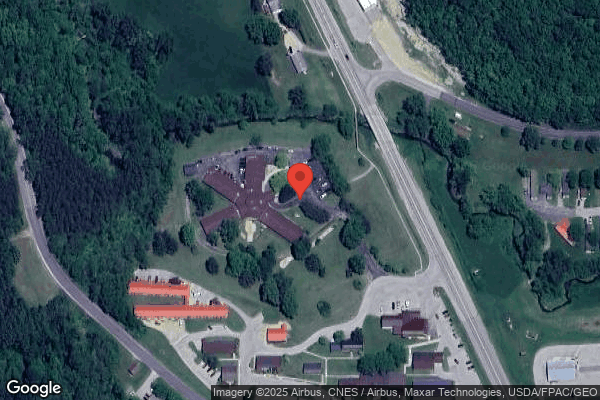
Sept 2024 2 deficiencies
CONCERN (D) 📢 Someone Reported This

A family member, employee, or ombudsman was alarmed enough to file a formal complaint

Potential for Harm - no one hurt, but risky conditions existed

Notification of Changes (Tag F0580)

Could have caused harm · This affected 1 resident

**NOTE- TERMS IN BRACKETS HAVE BEEN EDITED TO PROTECT CONFIDENTIALITY** Based on interview and record review, the facility did not immediately consult with the resident's physician when there is a nee...

Read full inspector narrative →
**NOTE- TERMS IN BRACKETS HAVE BEEN EDITED TO PROTECT CONFIDENTIALITY** Based on interview and record review, the facility did not immediately consult with the resident's physician when there is a need to alter treatment for 1 out of 3 residents (R) reviewed for physician notification (R1). R1 had a change of condition and the facility failed to update the physician. R1 had an oxygen saturation level outside of parameters on several occasions and the physician was not updated. Facility staff also increased R1's oxygen without updating the physician or receiving orders to increase oxygen. This is evidenced by: Facility policy, titled, Change in Condition of the Resident, last reviewed 9/20/22, states in part . Policy: A facility should immediately inform the resident; consult with the resident's physician; and notify consistent with his or her authority, the resident representative(s) when there is an accident involving the resident which results in injury and has the potential for requiring physician intervention; a significant change in the resident's physical, mental, or psychosocial status (that is, a deterioration in health, mental, or psychosocial status in either life-threatening conditions or clinical complications); or a need to alter treatment significantly (that is, a need to discontinue an existing form of treatment due to adverse consequences, or to commence a new form of treatment). 1. Assess the resident's need for immediate care / medical attention. Provide emergency care as needed. 2. Assess/evaluate the resident. 3. Notify resident's physician - Use INTERACT Change in Condition: When to report to the MD/NP/PA (Medical Doctor, Nurse Practitioner, Physician Assistant) as a guideline. a. Immediate notification: Immediate notification for any symptom, sign or apparent discomfort that is: i. Acute or sudden onset, and: ii. A marked change (i.e., more severe) in relation to usual symptoms and signs, or: iii. Unrelieved by measures already prescribed requires a phone call to the provider. 5. Monitor resident's condition frequently until stable or transported to a higher level of care, if needed. Facility document titled, Standing Orders Facility Protocol, states in part . Oxygen therapy 1-3L/min (liters a minute) per nasal canula to keep O2 sat (saturation) above 90% (percent) for SB (shortness of breath), dyspnea, or chest pain. Interact Version 4.5 Tool for Change in Condition: When to report to the MD/NP/PA, states in part . Immediate Notification: Any symptom, sign or apparent discomfort that is: Acute or Sudden in onset, and: A Marked Change (i.e., more severe) in relation to usual symptoms and signs, or Unrelieved by measures already prescribed. Vital Signs: Report Immediately: Oxygen saturation <90% (less than 90 percent). R1 was admitted to the facility on [DATE], with diagnoses, including, but not limited to: malignant neoplasm of unspecified part of bronchus or lung (lung cancer), secondary malignant neoplasm of bone (bone cancer), acute and chronic respiratory failure with hypoxia, pulmonary hypertension (high blood pressure in the lungs arteries), and nonrheumatic mitral insufficiency (mitral valve does not close properly). R1's most recent Minimum Data Set (MDS) with Assessment Reference Date (ARD) of 5/7/24 indicates R1 is cognitively intact with a Brief Interview for Mental Status (BIMS) score of 15 out of 15. R1's hospital Discharge summary, dated [DATE], states in part . Oxygen-outpatient/home use therapy Oxygen for portability Equip (equipment): Concentrator and Cylinders w/ (with) contents and Regulators. O2 Use: 3 LPM (liters per minute) at rest nasal canula and 3 LPM w/ activity nasal canula. Lifetime need. Recommendations: Continue supplemental oxygen: 3L (liters) at rest, 3L with activity. Physician progress note from 5/9/24, states in part . Plan: .2. Lung cancer with Mets (metastasis/spread) to bone and brain. Add in his brother [sic]. They are hopeful that with some rehab here at the nursing home that it [sic] can get stronger and return to chemotherapy treatments. He is [sic] albuterol neb as needed. Oxygen 3 liters/minute. He has Decadron 0.5 daily. Bactrim DS (antibiotic) once daily as prophylaxis for this immunocompromise state . R1's physician orders for May 2024, include, in part: Oxygen at 3l/min (liters per minute) via nasal cannula. Start Date: 5/1/24. R1's Medication Administration Record (MAR) from May 2024, includes, in part: Check O2 sat every shift. R1's documented O2 saturations, state in part . 5/02/24, AM (day) shift, 98% at 4L/min 5/03/24, NOC (night) shift, 89% at 4L/min 5/04/24, NOC shift, 89% at 4L/min 5/07/24, AM (day) shift, 85% at 4L/min 5/07/24, NOC shift, 89% at 4L/min 5/08/24, AM shift, 87% at 3L/min 5/08/24, PM (evening) shift, 88% at 3L/min 5/08/24, NOC shift, 87% at 3L/min 5/09/24, AM shift, 85% at 3L/min. Physician in on rounds and assessed R1. 5/09/24, NOC shift, 89% at 3L/min 5/10/24, AM shift 94% at 4L/min. 5/10/24, NOC shift, 88% at 3L/min 5/11/24, AM shift, 84% at 3L/min 5/11/24, PM shift, 80 % at 3L/min 5/11/24, NOC shift, 86% at 3L/min 5/12/24, AM shift, 84% at 3L/min. MD notified of status. 5/12/24, PM shift, 89% at 4L/min 5/12/24, NOC shift, 67% at 4L/min 5/13/24, AM shift, 69% at 4L/min. R1 sent to hospital. Note: Facility staff did not obtain orders to increase R1's oxygen above the ordered 3L/min. R1's oxygen was increased above 3 on several occasions as noted above. Note: Facility staff did not update the physician when R1's oxygen saturation levels would fall below 90% following the INTERACT guidelines. On 9/4/24 at 1:30 PM, Surveyor interviewed DON B (Director of Nursing). Surveyor asked DON B what standard of practice the facility uses. DON B stated, interact or AMDA (American Medical Directors Association) guidelines. Surveyor asked DON B if staff should increase oxygen on a resident without a physician's order. DON B stated, staff should not have gone above the ordered 3L/min without an MD (medical doctor) order. Surveyor asked DON B if the physician should have been notified when R1's oxygen saturation levels decreased below 90%. DON B stated, absolutely, if saturations dropped below 90%. On 9/4/24 at 1:45 PM, Surveyor interviewed RN C (Registered Nurse). Surveyor asked RN C what standard of practice the facility uses. RN C stated, Interact. Surveyor asked RN C if a residents oxygen saturation drops below 90% what should be done. RN C stated, that is not normal and would require physician notification. Surveyor asked RN C if staff should increase oxygen without physicians orders. RN C stated, no, would need an order to increase oxygen. On 9/4/24 at 2:30 PM, Surveyor interviewed RN D. Surveyor asked RN D what standard of practice the facility uses. RN D stated, Interact. Surveyor asked RN D if staff should increase oxygen without physicians orders. RN D stated, no, unless it is below what we have for standing orders but would still need to update the physician. On 9/4/24 at 2:40 PM, Surveyor interviewed ADON E (Assistant Director of Nursing). Surveyor asked ADON E about R1's care in the facility. ADON E stated, the resident's family was not accepting of his diagnoses. Surveyor asked ADON E if staff should increase a resident's oxygen without a physician's order and when a physician should be notified. ADON E stated, anything under 90% requires physician notification. Staff could increase oxygen short-term while calling the physician, but oxygen should not be turned up and left without that notification. The facility failed to update R1's physician of oxygen saturation levels below 90% and failed to update when oxygen increased above the physician's order of 3L/min.
CONCERN (D) 📢 Someone Reported This

A family member, employee, or ombudsman was alarmed enough to file a formal complaint

Potential for Harm - no one hurt, but risky conditions existed

Comprehensive Care Plan (Tag F0656)

Could have caused harm · This affected 1 resident

**NOTE- TERMS IN BRACKETS HAVE BEEN EDITED TO PROTECT CONFIDENTIALITY** Based on observation, record review, and resident and staff interviews, the facility did not develop and implement a comprehensi...

Read full inspector narrative →
**NOTE- TERMS IN BRACKETS HAVE BEEN EDITED TO PROTECT CONFIDENTIALITY** Based on observation, record review, and resident and staff interviews, the facility did not develop and implement a comprehensive resident-centered care plan for 1 of 5 sampled residents reviewed (R2). R2 has a history of making false allegations. This is not on R2's comprehensive care plan. Evidenced by: The facility's Comprehensive Care Plan policy, dated 9/23/22, includes, in part, the following: Policy: It is the policy of this facility to develop and implement a comprehensive person-centered care plan for each resident, consistent with resident rights, that includes measurable objectives and timeframes to meet a resident's medical, nursing, and psychosocial needs that are identified in the resident's comprehensive assessment. Policy Explanation and Compliance Guidelines: f. Resident specific interventions that reflect the resident's needs and preferences and align with the resident's cultural identity, as indicated. g. Individualized interventions for trauma survivors that recognizes the interrelation between trauma and symptoms of trauma, as indicated. Trigger-specific interventions will be used to identify ways to decrease the resident's exposure to triggers which re-traumatize the resident, as well as identify ways to mitigate or decrease the effect of the trigger on the resident. R2 was admitted to the facility on [DATE]. R2's diagnoses includes stroke, vascular dementia, and anxiety. R2's most recent Minimum Data Set (MDS), dated [DATE], includes in part, the following: R2 has severe cognitive impairment and does not have any behaviors. The facility's self-report, dated 7/2/24, includes, in part the following: Brief Summary of Incident: LPN F (Licensed Practical Nurse) called this writer and reported that HHS (Health and Human Services) had called her and reported that they were made aware of R2 reporting that [NAME] (sic) Nurse left bruises on her. RN C (Registered Nurse) is our only Male Nurse. R2 has a BIMS (Brief Interview of Mental Status) of 0. A complete head to toe assessment of the resident was performed this evening. The RN was removed from the schedule for tomorrow and we will notify law enforcement on 7/3 and conduct a full investigation. Outcome: . The Sheriff's Department reported interviewing FM G (Family Member) who is R2's guardian and reports that the guardian had no suspicions or concerns about (R2's) safety and well-being. Also (FM G) reports that his mother (R2) has a history of making false abuse allegations. On 9/4/24 at 2:10 PM, Surveyor interviewed DON B (Director of Nursing). Surveyor asked DON B if she was aware of R2's history of making false allegations. DON B stated R2 has been making false allegations since she was admitted . Surveyor asked DON B if R2 is making false allegations has the facility care planned this; DON B stated no, this was not on R2's comprehensive care plan but should be.
May 2024 4 deficiencies
CONCERN (D)

Potential for Harm - no one hurt, but risky conditions existed

Accident Prevention (Tag F0689)

Could have caused harm · This affected 1 resident

Based on record review and interview, the facility did not ensure that each resident receives adequate supervision and assistance devices to prevent accidents for 1 of 6 residents (R21). Findings incl...

Read full inspector narrative →
Based on record review and interview, the facility did not ensure that each resident receives adequate supervision and assistance devices to prevent accidents for 1 of 6 residents (R21). Findings include: The facility policy entitled, Fall Prevention and Management Guidelines, last reviewed/revised on 11/09/22, lists in part . -provide interventions that address unique risk factors. -interventions will be monitored for effectiveness. -contributing factors to fall -review of investigation and determination of potential root cause of fall. The facility policy entitled, Resident Alarms, last reviewed/revised on 09/09/22, states in part, The facility shall establish and utilize a systematic approach for the safe and appropriate use of resident alarms which includes verifying alarms are working properly. R21 was admitted to facility on 08/27/21 and has diagnoses that include, Alzheimer's disease, unspecified dementia, difficult in walking and muscle weakness. R21's most recent Minimum Data Set (MDS) Assessment, which was a significant change in condition, dated 02/12/24, and indicates R21 has both short term and long-term memory problems, severely impaired - rarely/never made decisions and Bed/chair alarms are used daily. Facility fall risk assessment completed on 02/07/24 indicates R21 is at moderate risk for falls. R21's physician order with start date of 09/01/22 states to change battery for all alarms on the 1st of every month. R21's physician order with start date of 07/06/23 states to check for proper placement and functioning of alarms every shift. R21's care plan initiated on 09/07/21 and last updated on 02/01/24 indicates R21 is at risk for falls due to history of falls, impaired balance/poor coordination, syncope/vertigo, and unsteady gait. R21's current fall interventions include: -Ensure antiroll back brakes initiated on 12/14/21 are functioning properly. -Bed and chair alarms at all times initiated on 01/23/22. -Ensure Dycem is in wheelchair prior to assisting into wheelchair initiated on 10/27/23. -Provide assistance to transfer and ambulate initiated on 09/07/21. -Reinforce need to call for assistance initiated on 09/07/21. -Gripper socks and/or shoes at all times revised on 08/10/23. Noted care planned prior to have gripper socks at all times initiated on 09/29/22. On 05/07/24 at 11:18 AM, Surveyor reviewed R21's fall investigations and noted: R21 had an unwitnessed fall on 12/29/23 at 5:30 PM, wherein R21 was found lying on the bathroom floor, bowel movement in toilet, wheelchair alarm not sounding, and brakes not locked. -Interventions put into place at time of fall were changing the batteries in alarm and re-situated Dycem as old was crinkled up on top of alarm. -Treatment record on 12/29/23 indicated that alarms were checked every shift for proper placement and functioning of alarms by nursing staff and no indication of not functioning properly was noted. -No investigation/intervention was completed as to why the alarm not functioning. -No intervention/intervention was completed as to why the wheelchair brakes were not functioning. R21 had an unwitnessed fall on 01/18/24 at 3:20 AM, wherein R21 was found on floor next to bed and bed alarm was unplugged. -Interventions put into place were to remind staff to put gripper socks on and plug in bed alarm. -Treatment record on 01/18/24 indicated that alarms were checked every shift for proper placement and functioning of alarms by nursing staff and no indication of not functioning properly was noted. -No intervention/investigation was completed as to why the alarm was unplugged. On 05/09/24 at 8:56 AM, Surveyor interviewed Director of Nursing (DON) B regarding 12/29/23 and 01/18/24 falls. DON B stated an investigation was not conducted as to why alarms or anti-lock brakes were not working or became unplugged. The facility did not discuss concerns during Interdisciplinary team meetings or during Quality Assurance meetings. On 05/09/24 at 9:46 AM, Surveyor interviewed DON B regarding expectation from staff when a device is found not working. DON B stated her expectation would be for staff to investigate in attempt to determine reason and either fix or replace device.
CONCERN (D)

Potential for Harm - no one hurt, but risky conditions existed

Incontinence Care (Tag F0690)

Could have caused harm · This affected 1 resident

**NOTE- TERMS IN BRACKETS HAVE BEEN EDITED TO PROTECT CONFIDENTIALITY** Based on observation, interview and record review, the facility did not ensure assessments for bowel continence and intervention...

Read full inspector narrative →
**NOTE- TERMS IN BRACKETS HAVE BEEN EDITED TO PROTECT CONFIDENTIALITY** Based on observation, interview and record review, the facility did not ensure assessments for bowel continence and interventions to maintain current bowel continence were implemented to maintain bowel function for 1 of 1 resident reviewed with a bowel incontinence (R25). This is evidenced by: R25 was admitted to the facility on [DATE] and has diagnoses that include neurogenic bladder, acute pyelonephritis, diabetes mellitus type 2 and mild intellectual disability. R25's Minimum Data Set (MDS), dated [DATE], indicates that R25 has a Brief Interview for Mental Status (BIMS) score of 99 (unable to complete interview), an indwelling Foley catheter, bowel continence of not rated, uses a Hoyer lift for transfers and is dependent on staff for bowel continence. R25's MDS, dated [DATE], indicates that R25 has bowel continence rated at 02: frequently incontinent. R25's MDS, dated [DATE], indicates that R25 has bowel continence of 02: frequently incontinent. R25's care plan, dated 9/14/2022, states, Bowel incontinence related to disease process, impaired mobility will be maintained in as clean and dry dignified state as possible, will have no skin breakdown, will have no complications and toilet upon rising, before/after meals, at bedtime and PRN (as needed). R25's care plan states, Resident is at risk for falls related to gait balance problems, history of falls. Fall related injuries will be minimized through care plan review date and resident to be toileted before and after meals. R25's care plan states, ADL self-care deficit as evidenced by reliance on staff related to: physical limitations, disease process of epilepsy and TRANSFER: Hoyer with assist of 2. Staff may use the ez-stand to toilet from broda chair to toilet only. Review of Certified Nursing Assistant (CNA) care [NAME], dated 5/9/24, states: BLADDER/BOWEL toilet upon rising, before/after meals, at bedtime and PRN and TRANSFER: Hoyer with assist of 2. Staff may use the ez-stand to toilet from broda to toilet only. Bowel Assessments Date: 11/7/2022 Bowel: 1. Continent of Stool? a. Yes 2. Bowel Pattern: a. Normal formed stool, rarely/never depends on laxative 3. Factors contributing to Fecal Incontinence e. Chronic laxative use 5. Comments: Noted to have incontinent BM since hospital admission. Description: re-admission Score: 16.0 Date: 12/26/2022 13:17 Bowel: 1. Continent of Stool? b. No 2. Bowel Pattern a. Normal formed stool, rarely/never depends on laxative Add: The assessment does not describe the type of fecal incontinence or contributing factors. There are no individualized interventions to assist R maintain is current level of bowel continence. R25's most recent bowel assessment, completed 12/26/2022, shows R25 is not continent of bowel. The bowel assessment does not describe the type of bowel incontinence or contributing factors. There are no individualized interventions to assist R25 in maintaining current level of bowel incontinence. Surveyor did not locate any other bowel assessments since 12/26/22. Review of bowel tracking look back for 30 days describes type, frequency, consistency, and patterns of bowels but does not contain information about type of bowel incontinence or patterns of bowel movements to implement an individualized bowel toileting program. Review of fall incident reports show that R25 has had 2 falls when getting up unassisted related to having to go to the bathroom/incontinent of bowel. Observations of R25 on 5/7/24 are as follows: 7:29 AM R25 was observed lying in his bed fully dressed with a Hoyer pad underneath him. 7:40 AM CNA F entered R25's room with Hoyer lift then left. 7:43 AM CNA F and another CNA entered R25's room. 7:48 AM Both CNAs left room with R25. R25 was in a Broda chair with blanket on his lap. 8:21 AM R25 was observed in the dining room for breakfast. 8:26 AM Observations continued. 8:53 AM R25 was taken from dining room to his room and placed in front of the TV. No toileting was offered. 8:54 AM CNA F entered R25's room to remove the Hoyer lift. 9:11 AM CNA F entered R25's room with bed linens and dropped them off. No toileting provided. 9:23 AM-10:58 AM No toileting offered. The EZ stand was not brought into R25's room during this observation. 11:28 AM R25 was still in Broda chair. R25 was awake and moving around. R25 sat forward and scooted his bottom forward. R25's lower legs were on the outside of the elevated footrest. It appeared R25 was attempting to get out of the Broda chair but could not. R25 had a chair alarm attached to shirt. 11:31 AM, R25 continued to move back and forth in Broda chair. CNA F entered R25's room and closed the door. CNA F could be heard stating, Hi, what ya doing? The EZ stand lift was not brought into the room. 11:33 AM CNA F came out of room and walked down the hallway towards the nurse's station. 11:35 AM R25 was taken to the common area by front entrance. 11:35 AM - 11:49 AM Observation continued. 11:49 AM CNA F took R25 to the dining room for lunch. 11:49 AM-12:48 PM R25 was observed in the dining room. 12:48 PM CNA F took R25 out of dining room. 12:53 PM R25 was observed sitting in common area by front entrance. R25 was observed sitting in this area until 1:46 PM. 1:46 PM CNA F took R25 to his room. Another staff asked CNA F if CNA F needed help with R25. CNA F stated, No, just going to empty the catheter and reposition. 2:15 PM R25 was up in Broda chair in room. 2:40 PM Resident was still up in Broda chair in room. Continuous observation of R25 showed no toileting observed or offered. Observations revealed staff did not take an ez-stand into R25's room, only a Hoyer lift. R25 sat in his Broda chair all day, was never placed on the toilet with the ez-stand. Surveyor observed R25 all day until 2:40 PM. Review of R25's bowel elimination shows: Question 1: Bowel continence shows that on 5/7/2024 R25 was marked continent by CNA F at 2:05 PM and 2:12 PM. Observation of R25 by Surveyor during this period shows that CNA F had not brought an ez-stand into R25's room to place R25 on the toilet. R25 was observed up in the Broda chair between 1:46 PM when CNA F took R25 to his room after lunch and 2:40 PM when Surveyor last observed R25. On 05/08/24 at 8:30 AM, CNA G was informed Surveyor would like to observe toileting and cares for R25. CNA G came and got Surveyor for catheter care only, no toileting was provided for observation. On 05/07/24 at 1:10 PM, Surveyor interviewed CNA F regarding bowel incontinence and toileting for R25. CNA F stated, We take him to the bathroom, but he doesn't always tell us. He has certain physical things he does like lift butt, stretch legs out and move around in chair we look for. CNA F stated that R25 doesn't refuse the bathroom if taken and there has not been a decline in R25's incontinence. CNA F stated there has not been a change except that R25 had a regular catheter, but that was changed to a suprapubic, otherwise same incontinence. On 05/08/24 at 11:36 AM, Surveyor interviewed CNA G regarding R25's incontinence and toileting with ez-stand. CNA G stated that R25 is incontinent of bowel unless they can catch him in time to put on the toilet. When asked if R25 was toileted with ez-stand, CNA G stated that R25 will fidget in the chair and/or make faces when he must go to the bathroom. CNA G stated that if R25 is observed doing this then they will use an ez-stand and take him to the bathroom. CNA G stated they use the ez-stand for the bathroom only, otherwise resident uses a Hoyer lift. Neither CNA F nor CNA G stated they are supposed to toilet R25 per his care plan, only if they see these physical indications. On 05/08/24 at 3:32 PM, Surveyor interviewed Director of Nursing (DON) B regarding expectations of CNA staff toileting R25 per his care plan and interventions for R25's bowel continence. DON B stated that CNAs should be following R25's care plan and it is on their [NAME] to ensure R25's ability to maintain current level of bowel continence and also an intervention to prevent falls.
CONCERN (F)

Potential for Harm - no one hurt, but risky conditions existed

Food Safety (Tag F0812)

Could have caused harm · This affected most or all residents

Based on observation and interview, the facility failed to distribute food under sanitary conditions, did not utilize proper glove use and handled food without proper hand hygiene. This has the potent...

Read full inspector narrative →
Based on observation and interview, the facility failed to distribute food under sanitary conditions, did not utilize proper glove use and handled food without proper hand hygiene. This has the potential to affect all 35 residents who reside in the facility. This is evidenced by: The facility policy and procedures for Healthcare Services Group entitled, Infection control overview & Policy, states in part, Implement hand hygiene (hand washing) practices consistent with accepted standards of practice, to reduce the spread of infections and prevent cross-contamination. The policy also states food should be labeled and dated with a prepared date and a use by date. On 05/06/24 at 9:30 AM, during the initial kitchen tour, Surveyor toured with Certified Dietary Manager (CDM) C and observed opened and undated containers of a gallon of chocolate milk, gallon of whole milk, jug of buttermilk ranch dressing, and bag of frozen cheese omelets. On 05/06/24 at 9:30 AM, Surveyor observed the sign on kitchen bulletin board stating in part .milk labeling 4/21/26: Document on Jug/Carton the date opened. On 05/07/24 at 7:00 AM, Surveyor observed an opened and undated gallon of whole milk and chocolate milk on fluid cart prepared for breakfast service. On 05/06/24 at 9:30 AM, Surveyor interviewed CDM C who stated expectation that food items that are opened are labeled with date opened and date of discard. On 05/07/24 at 7:00 AM, Surveyor observed [NAME] D standing near a 3-tier cart with a cup and cookie in hand and set them down on top of cart when Surveyor walked in. Sitting next to cup and half eaten cookie was a 1/2 a can of opened [NAME] beans with a spatula inside. A full sheet of unfrosted cake covered with saran wrap was observed on the shelf below. [NAME] D stated to Surveyor, You caught me. I didn't think you would be in so early. [NAME] D stated the can of beans will be served at lunch and the cake is for next day bible study. Surveyor continued constant surveillance of [NAME] D, who did not conduct hand hygiene after drinking and eating the cookie. [NAME] D proceeded to prepare for breakfast service. During observation Surveyor observed [NAME] D touch face with bare hands, rest elbow on counter and placed chin on hands, grabbed a pen from table and documented temperatures, touched outside of cereal containers, donned gloves to take a frozen egg omelet out of freezer, removed gloves and began gathering various supplies (i.e., brown sugar, serving utensils, oven mitts. plates and tray cards). No hand hygiene was observed prior to donning and doffing gloves or before, during and after completing tasks. On 05/07/24 at 8:18 AM, Surveyor continued constant surveillance of [NAME] D serving breakfast to all facility residents touching lips of plates and bowls without conducting hand hygiene before, during or after breakfast meal service. On 05/07/24 at 12:03 AM, Surveyor observed [NAME] D putting away unused food item, picking up and placing dirty dishes in 3-compartment sink, and clean prep area prior to lunch meal service. On 05/07/24 at 12:13 PM, [NAME] D began serving lunch to all facility residents by grabbing a stack of small dishes, pinching thumb inside each dish served. No hand hygiene was conducted prior to, during or after lunch meal service. On 05/08/24 at 9:43 AM, Surveyor interviewed [NAME] D regarding staff eating in kitchen and expectation of conducting hand hygiene. [NAME] D stated that staff are not supposed to eat in kitchen area and the expectation for hand hygiene is to be conducted any time touching something dirty, before and after gloves use, before and after eating, and before serving food. On 05/08/24 at 10:04 AM, Surveyor interviewed CDM C regarding expectation of staff eating in kitchen and conducting hand hygiene. CDM C confirmed that staff should not be eating and drinking in kitchen area and hand hygiene should be conducted after touching contaminated items, before and after glove use, before and after eating, and before serving food.
CONCERN (F)

Potential for Harm - no one hurt, but risky conditions existed

Staffing Data (Tag F0851)

Could have caused harm · This affected most or all residents

Based on interview and record review, the facility did not ensure the mandatory staffing data that had been submitted from 07/01/23-12/31/23 (Quarter 4 2023 and Quarter 1 2024) was complete, accurate,...

Read full inspector narrative →
Based on interview and record review, the facility did not ensure the mandatory staffing data that had been submitted from 07/01/23-12/31/23 (Quarter 4 2023 and Quarter 1 2024) was complete, accurate, and auditable. This can affect all 35 residents residing in the facility. This is evidenced by: The Payroll Based Journal (PBJ) Staffing Data Reports that were generated quarterly document that the facility triggered for Excessively Low Weekend Staffing and One Star Staffing Rating from 07/01/23-12/31/23 (Quarter 4 2023 and Quarter 1 2024). There were no specific dates listed. Surveyor reviewed the facility's time sheets for weekends in the months in question and found adequate staffing on all weekends. Surveyor reviewed the facility's Daily Schedule sheets for the months of October 2023 to December 2023 and did not find any weekends that had low weekend staffing concerns. Surveyor interviewed family members and residents who did not share any complaints or concerns regarding weekend staffing. On 05/07/24 at 1:04 PM, Surveyor interviewed Nursing Home Administrator (NHA) A and [NAME] President of Success (VPS) E regarding the low weekend staffing trigger in the PBJ. NHA A indicated the issue was due to reporting errors on time cards when the facility was using agency staff to fill in required shifts. During the week this was not an issue as they had over-adequate staffing numbers. Reporting was not done correctly on weekends when agency staff were utilized. The corporation recognized this as an error across many facilities and set out to fix it at the beginning of the year. The corporation determined a disconnection in how facilities report the agency staff hours to corporate. Agency staff time cards were not being locked in the corporate SmartLink (time card system) system so the data was not being pulled into the PBJ reports when submitted. After determining the issues, corporate educated administrators on 03/18/24 regarding the proper way to submit staff information to corporate, which has fixed the problems. They have now implemented three different monitoring systems and lock time cards after being submitted to reduce the chance of error. VPS E was able to produce emails regarding the training on 03/18/24, proving that training for administration did occur. This is being cited as past noncompliance with the completed date of 03/18/24, the date of education to fix the issues in reporting.
Apr 2024 2 deficiencies
CONCERN (D) 📢 Someone Reported This

A family member, employee, or ombudsman was alarmed enough to file a formal complaint

Potential for Harm - no one hurt, but risky conditions existed

Comprehensive Care Plan (Tag F0656)

Could have caused harm · This affected 1 resident

Based on interview and record review, the facility did not ensure a care plan was developed for nicotine use for 1 of 2 residents (R) 1 reviewed for comprehensive care plans. This is evidenced by: Th...

Read full inspector narrative →
Based on interview and record review, the facility did not ensure a care plan was developed for nicotine use for 1 of 2 residents (R) 1 reviewed for comprehensive care plans. This is evidenced by: The facility policy, entitled Comprehensive Care Plan dated 09/23/22, states in part: It is the policy of this facility to develop and implement a comprehensive person-centered care plan for each resident, consistent with resident rights, that include measurable objectives and timeframes to meet a resident's medical, nursing, and mental and psychosocial needs that are identified in the residents comprehensive assessment .2. The comprehensive care plan will be developed within 7 days after the completion of the comprehensive MDS assessment . Other factors identified by the interdisciplinary team, or in accordance with the resident's preferences, will also be addressed. On 03/19/24 at 8:30 AM, Surveyor conducted a record review of progress notes for Resident (R) 1. A note stating: 1/25/2024 03:41 .Behavior Note .Staff called to resident room tonight, found to be incontinent of stool .Staff began cleaning resident up, resident found to have multiple vape pens in his bed as well as a Dab pen and his phone. Staff cleaning resident and attempting to rolling him resident had to take a hit before moving. Staff then asked him to put them away as they were removing all bedding, which resident reluctantly complied. On 03/19/24 at 8:40 AM, Surveyor's record review of the care plan for R1 revealed no care plan for the resident related to nicotine products. On 03/19/24 at 10:03 AM, Surveyor interviewed R1 regarding the incident on 01/25/24. R1 said that R1 did wish to use tobacco products and now understands that R1 cannot use them in the building. R1 knew about the designated areas and said it did not bother them. R1 mentioned the new rule is that R1's materials are locked at the nurse's station, and R1 can access the smoking materials whenever R1 wishes. R1 usually took their smoking materials with R1 when leaving the facility with family. R1 did not see any problem with the current arrangement. On 03/19/24 at 11:05 AM, Surveyor interviewed Certified Nursing Assistant (CNA) E about R1's smoking habits. CNA E said CNA E did not even know that R1 used a vape or tobacco products. On 03/19/24 at 11:52 AM, Surveyor interviewed Registered Nurse (RN) M and RN K regarding the process for R1 to receive R1's smoking materials. RN M and RN K said that R1 will come to the nurse's station whenever R1 liked, and the materials can be checked out. This is typically when R1 is leaving with family. On 03/19/24 at 12:20 PM, Surveyor interviewed Nursing Home Administrator (NHA) A and Director of Nursing (DON) B regarding R1 using tobacco products. After the nicotine products were discovered, NHA A and DON B put into place the lock box and made sure to let R1 know where and when R1 was allowed to use the products, as per their policy. R1 seemed agreeable and understood. Surveyor asked for R1's care plan related to nicotine use. On 03/19/24 at 12:39 PM, Surveyor interviewed DON B about the care plan. DON B said they did not have a care plan and when the incident occurred, they expected the Minimum Data Set (MDS) coordinator to update care plans and this was not being done. DON B said they would have expected the care plan to be updated in this instance.
CONCERN (D) 📢 Someone Reported This

A family member, employee, or ombudsman was alarmed enough to file a formal complaint

Potential for Harm - no one hurt, but risky conditions existed

Accident Prevention (Tag F0689)

Could have caused harm · This affected 1 resident

Based on interviews and record reviews, the facility did not ensure that the resident environment remained as free of accident hazards as possible. The facility did not assess the resident's ability t...

Read full inspector narrative →
Based on interviews and record reviews, the facility did not ensure that the resident environment remained as free of accident hazards as possible. The facility did not assess the resident's ability to use e-cigarettes after determining that the resident used nicotine products. This occurred for 1 of 2 residents (R) 1 reviewed for assessments related to nicotine use. This is evidenced by: The facility policy, entitled Smoking Policy dated 07/14/22, states in part: This center shall establish and maintain a safe resident environment, while maintaining resident rights, smoking or nicotine use will be limited to designated areas, supervision and safety plans . 1. Residents who smoke or use smokeless tobacco products shall have a Nicotine Assessment completed upon admission, quarterly, annual and PRN. Residents or responsible party must be in agreement to nicotine use . Unsafe practices will result in IDT review of Nicotine Assessment and care plan interventions. On 03/19/24 at 8:30 AM, Surveyor conducted record review of progress notes for Resident (R) 1. A note stating: 1/25/2024 03:41 .Behavior Note .Staff called to resident room tonight, found to be incontinent of stool .Resident initially couldn't remember why he put the light on, then remembered and stated he had an accident. Staff began cleaning resident up, resident found to have multiple vape pens in his bed as well as a Dab pen and his phone. Staff cleaning resident and attempting to rolling him resident had to take a hit before moving. Staff then asked him to put them away as they were removing all bedding, which resident reluctantly complied. On 03/19/24 at 8:40 AM, record review indicated that R1 had two nicotine safety assessments, with the most recent assessment on 05/10/23. The nicotine safety assessment indicated that R1 did not use nicotine or have cessation materials. The assessments were completed before the incident on 01/25/24. No further nicotine safety assessments were completed after the facility had knowledge R1 was using nicotine. On 03/19/24 at 10:03 AM, Surveyor interviewed R1 regarding the incident on 01/25/24. R1 said that they did wish to use tobacco products and now understands they cannot be used in the building. R1 knew about the designated areas and said it did not bother them. R1 then mentioned the new rule is that their materials are locked at the nurse's station, and R1 can access them whenever R1 wishes. R1 usually took their smoking materials with them when leaving the facility with family. R1 did not see any problem with the current arrangement. On 03/19/24 at 11:05 AM, Surveyor interviewed Certified Nursing Assistant (CNA) E about R1's smoking habits and CNA E said they did not even know that R1 used a vape or tobacco products. On 03/19/24 at 11:52 AM, Surveyor interviewed Registered Nurse (RN) M and RN K regarding the process for R1 to receive their smoking materials and safety. RN M and RN K said that R1 will come to the nurse's station whenever R1 liked, and the materials can be checked out. This is typically when R1 is leaving with family. On 03/19/24 at 12:20 PM Surveyor interviewed Nursing Home Administrator (NHA) A and Director Of Nursing (DON) B regarding R1 using tobacco products. After the nicotine products were discovered, they put into place the lock box and made sure to let R1 know where and when R1 was allowed to use the products, as per their policy. R1 seemed agreeable and understood. Surveyor asked for a smoking/nicotine safety assessment for R1. On 03/19/24 at 12:39 PM, Surveyor interviewed DON B about the smoking/nicotine safety assessment. DON B said DON B did not have a smoking/nicotine safety assessment related to R1's current use of nicotine and did not complete one after the incident on 01/25/24. DON B said DON B would have expected an assessment to be completed after the incident.
Sept 2023 1 deficiency
CONCERN (D) 📢 Someone Reported This

A family member, employee, or ombudsman was alarmed enough to file a formal complaint

Potential for Harm - no one hurt, but risky conditions existed

Pressure Ulcer Prevention (Tag F0686)

Could have caused harm · This affected 1 resident

**NOTE- TERMS IN BRACKETS HAVE BEEN EDITED TO PROTECT CONFIDENTIALITY** Based on observation, interview, and record review, the facility did not ensure Residents (R2 and R3) with pressure injuries/ulc...

Read full inspector narrative →
**NOTE- TERMS IN BRACKETS HAVE BEEN EDITED TO PROTECT CONFIDENTIALITY** Based on observation, interview, and record review, the facility did not ensure Residents (R2 and R3) with pressure injuries/ulcers receives necessary treatment and services consistent with professional standards of practice to prevent infection for 2 of 3 residents reviewed for pressure injuries. LPN C (Licensed Practical Nurse) did not perform appropriate hand hygiene while providing wound care to R2. LPN D did not perform appropriate hand hygiene while providing wound care to R3. This is evidenced by: Facility policy 'Clean Dressing Change,' states in part: Policy: It is the policy of this facility to provide wound care in a manner to decrease potential for infection and/or cross-contamination. Physician's orders will specify type of dressing and frequency of changes. Policy Explanation and Compliance Guidelines: 5. Set up clean field on the overbed table with needed supplies for wound cleansing and dressing application: d. Use no-touch techniques to remove ointments and creams from their containers (i.e. use tongue blade or applicator). Liquid solutions should be poured directly onto gauze sponges. 7. Wash hands and put on clean gloves. 8. Place a barrier cloth or pad next to the resident, under the wound to protect the bed linen and other body sites. 9. Loosen the tape and remove the existing dressing. If needed to minimize skin stripping or pain, moisten with prescribed cleansing solution or use adhesive remover to remove tape. 10. Remove gloves, pulling inside out over the dressing. Discard into appropriate receptacle. 11. Wash hands and put on clean gloves. 12. Cleanse the wound as ordered, take care to not contaminate other skin surfaces or other surfaces of the wound (i.e. clean outward from the center of the wound). Pat dry with gauze. 14. Wash hands and put on clean gloves. 15. Apply topical ointments or creams and dress the wound as ordered. Protect surrounding skin as indicated with skin protectant. 16. Secure dressing. [NAME] with initials and date. 17. Discard disposable items and gloves into appropriate trash receptacle and wash hands. Example1 R2 was admitted on [DATE] with diagnoses that include, in part: Alzheimer's disease with late onset, dementia with psychotic disturbance, difficulty walking, weakness, and abnormalities of gait and mobility. R2 has pressure injuries to the left heel and left elbow that require the following treatments per R2's Physician Orders: L (left) heel dressing: Remove previous dressing. Cleanse with wound spray. Apply skin prep to wound edges and cover with hydrocolloid dressing. Hold dressing in place while it warms to secure. In the morning every Wed. (Wednesday), Sat (Saturday) for pressure injury, started 9/9/23. L elbow wound: Remove dressing. Cleanse elbow with soap and water. Cover area with island dressing. In the morning for pressure injury, started 9/7/23. On 9/26/23 at 10:28 AM, Surveyor observed LPN D (Licensed Practical Nurse) complete wound care on R2's left heel and left elbow. Surveyor entered R2's room and observed LPN D sanitize her hands and put on clean gloves. LPN D opened a waterproof pad on the overbed table. LPN D opened dressing change supplies, gauze, ace wrap, foam cushion, 4x4 gauze, island dressing and petroleum gauze dressing, placing them on the top of the waterproof pad on the overbed table. LPN D removed R2's arm from inside her sweater and removed the old dressing to the left elbow. LPN D cleansed the wound with wound cleanser and 4x4 gauze wearing the same pair of gloves. After cleansing R2's wound, LPN D removed gloves, sanitized hands and applied clean gloves. LPN D placed island dressing over wound. LPN D indicates that the area is measured every Wednesday. LPN D removed gloves, sanitized hands and applied clean gloves prior to moving onto the left heel wound. LPN D removed R2's sock, removed scissors from pocket, and cut the gauze to remove the dressing from R2's foot. LPN D used wound cleanser and 4x4 to clean R2's heel. LPN D removed gloves, sanitized hands, and applied new gloves. LPN D applied petroleum gauze and as LPN D was attempting to apply foam pad, LPN D dropped it on the floor. LPN D then removed gloves, sanitized hands, and left R2's room to get a new foam pad. LPN D returned, sanitized hands, applied clean gloves, applied foam pad to heel, and foot was wrapped in kerlix to hold in place. LPN D applied Coban wrap over kerlix. LPN D then removed gloves and sanitized hands. On 9/26/23 at 10:47 AM, Surveyor interviewed LPN D. Surveyor asked LPN D when hands should be washed during a dressing change. LPN D stated, Anytime you take off your gloves and anytime you touch anything. Surveyor asked LPN D if you should wash hands when going from dirty to clean. LPN D stated, I should have taken off gloves, sanitized my hands, and applied new gloves after taking off R2's dirty dressing and cleansing the wound with clean 4x4's. Surveyor asked LPN D about the scissors she was using during the treatment. LPN D stated, I should have sanitized them after cutting off the dirty dressing and cutting the clean dressing. Example 2 R3 was admitted the facility on 9/28/22 with diagnoses that include, in part: Vascular dementia, osteoarthritis right and left shoulder, secondary parkinsonism, and muscle weakness. R3 has pressure injuries to the right elbow that require the following treatments per R3's Physician Orders: Right Elbow wound: Cleanse R (right) elbow wound with wound spray. Pat Dry. Apply Vaseline to peri wound. Cover with Mepilex. Every day shift for palliative wound care. On 9/26/23 at 10:55 AM, Surveyor observed LPN C (Licensed Practical Nurse) complete wound care on R3's right elbow. Surveyor entered R3's room and observed LPN C sanitize her hands and apply clean gloves. The old dressing was removed from R3's right elbow, clean gauze removed from package, then wound cleansed with wound cleanser and a 4x4 (gauze). LPN C removed her gloves, sanitized her hands, and applied clean gloves. LPN C took petroleum from the jar with a gloved finger and applied it to R3's right elbow wound bed. LPN C applied a foam bordered dressing, applied R3's elbow protector, and removed gloves. On 9/26/23 at 11:09 AM, Surveyor interviewed LPN C. Surveyor asked LPN C when to wash your hands during a dressing change. LPN C stated, Hands should be washed after cleaning and before putting on a new dressing. Clean gloves should be applied after cleansing and before touching the clean dressing. Surveyor asked LPN C if hands should be washed going from dirty to clean. LPN C stated, I should have removed gloves and washed/sanitized hands after taking off the dirty dressing and cleaning wound. On 9/26/23 at 1:38 PM, Surveyor interviewed DON B (Director of Nursing) and NHA A (Nursing Home Administrator) regarding expectation of hand hygiene with wound care. DON stated, Wash hands put on gloves. Remove dressing, take off gloves, sanitize hands. Apply clean gloves, wash/clean the area. Take off gloves, sanitize hands, apply new gloves, and then apply new dressing.
Aug 2023 3 deficiencies
CONCERN (D) 📢 Someone Reported This

A family member, employee, or ombudsman was alarmed enough to file a formal complaint

Potential for Harm - no one hurt, but risky conditions existed

Report Alleged Abuse (Tag F0609)

Could have caused harm · This affected 1 resident

**NOTE- TERMS IN BRACKETS HAVE BEEN EDITED TO PROTECT CONFIDENTIALITY** Based on interview and record review, the facility did not ensure that alleged violations involving abuse are reported immediate...

Read full inspector narrative →
**NOTE- TERMS IN BRACKETS HAVE BEEN EDITED TO PROTECT CONFIDENTIALITY** Based on interview and record review, the facility did not ensure that alleged violations involving abuse are reported immediately for 1 of 3 Residents (R2) reviewed for abuse. The facility filed a self-report on 6/17/23 regarding a staff member pushing R2 into a bedside table. The Housekeeper E did not immediately report the incident to their direct supervisor. Education was not provided to staff regarding abuse after the incident occurred. Evidenced by: The facility's policy and procedure entitled Abuse, Neglect and Exploitation dated 7/15/22, states, in part: Policy: It is the policy of this facility provide protections for the health, welfare and rights of each resident by developing and implementing written policies and procedures that prohibit and prevent abuse, neglect, exploitation and misappropriation of resident property . III. Prevention of Abuse, Neglect and Exploitation . B. Identifying, correcting and intervening in situations in which abuse, neglect, exploitation, and/or misappropriation of resident property is more likely to occur with the deployment of trained and qualified, registered, licensed, and certified staff to meet the needs of the residents, and assure that the staff assigned have knowledge of the individual residents' care needs and behavioral symptoms . F. Providing residents, representatives, and staff information on how and to whom they may report concerns, incidents and grievances without the fear of retribution; and providing feedback regarding the concerns that have been expressed . R2 was admitted to the facility on [DATE] with diagnoses including: Alzheimer's Disease, prediabetes, kidney disease, anxiety disorder, and panic disorder. R2's most recent Minimum Data Set (MDS) with Assessment Reference Date (ARD) of 6/7/23, indicates R2 has a Brief Interview for Mental Status (BIMS) score of 00 out of 15 indicating R2 is severely cognitively impaired. R2 has an Activated Health Care Power of Attorney. Facility Misconduct Incident Report, dated 6/17/23, states, in part; Describe the incident .R2 was calling out and agitated. R2 was taken to her room. When wheelchair was pushed into the room, resident ran into tray table. Also, R3 was upset because R3 had asked for help to get out of bed, and CNA D (Certified Nursing Assistant) told her that she could get out of bed without help. Describe the effect .R2 had no recollection of the incident as she has severe cognitive impairment with a BIMS of 1/15. No injury noted upon skin review. Witness states that the wheelchair was forcibly pushed into room and R2 ran into the tray table at that time. R3 was initially upset, as she recalled the incident to son on Saturday, 6/17/23. R3 has no recollection of the incident as of Monday 6/19/23 when interviewed. No harm and CNA D was present while R3 transferred safely into her chair. Explain what steps entity took upon learning of the incident .Initially RN F (Registered Nurse) had placed CNA D on another hall after discussion with CNA D regarding R3. After incident with R2 and conversation with NHA (Nursing Home Administrator) CNA D was sent home pending investigation. Surveyor reviewed the timeline document that was attached to the self-report. Timeline states, in part: Notification of incident: On 6/17/23 at 1305 (1:05 PM), RN (Registered Nurse) NHA was notified by RN F, RN of R2 being agitated and calling out in the circle lounge. CNA D took R2 back to R2's room, so that other residents would not become agitated because of the calling out. Upon entering R2's room, RN F had heard R2 call out Ow! RN F asked R2 if R2 was ok. R2 continued with loud singing and ignored the question. RN F asked R2 what happened, R2 continued to sing loudly, as R2 does when agitated. RN F questioned CNA D. CNA D stated that R2 had run into the tray table. Skin assessment was completed; no redness, bruising, or open areas noted. Housekeeper E reported to RN F that CNA D then pushed the wheelchair into the room with excess force, causing the wheelchair to run into the tray table. CNA D was sent home pending investigation. During RN F's notification to RN NHA, it was noted that R3's son had told CNA that R3 was upset today because CNA D told her that she could get out of bed herself after R3 had asked for help to get up. Son reported that R3 indicated that she couldn't get up on her own and CNA D responded, Bullshit. RN F had questioned CNA D. Per RN F CNA D responded, I didn't say bull shit. RN F had CNA D go to work on the other hall, so that she wasn't working with R3 for the rest of the day . On 8/10/23 at 10:30 AM, Surveyor met R2. R2 made eye contact with Surveyor but did not verbally communicate. On 8/10/23 at 11:00 AM, Housekeeper E indicated on 6/17/23 she was talking with CNA D while CNA D was assisting R2 in getting ready for the day. Housekeeper E indicated the incident occurred a little before breakfast around 7:45 AM. Housekeeper E indicated CNA D was in a bad mood and seemed agitated. Housekeeper E indicated she left R2's bedroom and was in the hallway while CNA D finished assisting R2. Housekeeper E indicated CNA D walked out of R2's bedroom and R2 was behind CNA D pushing self in wheelchair. R2 started yelling and was right outside of her bedroom door. CNA D turned back around, spun R2 around so R2 was now facing towards bedroom, and CNA D then pushed R2 back into bedroom. Housekeeper E indicated CNA D pushed R2 with force and R2 ran into bedside table. R2 then yelled Ouch! Housekeeper E indicated at that time RN F came to the bedroom asking what happened. Housekeeper E indicated that CNA D lied to RN F about what happened and said that R2 ran into her table. Housekeeper E indicated she couldn't believe this had happened and was thinking about it all morning. Housekeeper E indicated she did not report it right away and reported incident during lunch time. Housekeeper E indicated she did not receive any education after the incident regarding abuse, challenging behaviors, or the importance of reporting possible abuse immediately. On 8/10/23 at 2:00 PM, RN F indicated she recalls the incidents from 6/17/23 because it was a hectic shift. RN F indicated on 6/17/23 a little before breakfast around 7:30-8:00 AM, RN F was down the hallway with med cart. RN F indicated she heard R2 yelling which is not uncommon. RN F indicated she saw from the corner of her eye someone coming out of R2's bedroom and then RN F heard R2 yell, Ouch. RN F went to R2's bedroom and CNA D indicated that R2 ran into bedside table. R2 appeared fine; a skin assessment was completed, and no concerns were identified. RN F indicated then around lunch time one of the other nurses came to RN F and said that Housekeeper E needed to talk to RN F. RN F indicated RN F and Housekeeper E went to the tub room and Housekeeper E reported to RN F that CNA D had lied about the incident with R2. RN F indicated she immediately contacted DON (Director of Nursing). RN F indicated she does not know why it took Housekeeper E so long to report the incident with R2. RN F indicated they all know the requirements of reporting allegations of abuse and that it should be done immediately. On 8/10/23 at 3:45 PM, DON B (Director of Nursing) and ADON C (Assistant Director of Nursing) indicated they were notified of the incident regarding CNA D on 6/17/23 from RN F. DON B indicated she instructed RN F to contact ADON C. ADON C indicated she did interview Housekeeper E, but must have forgot to write down the interview. ADON C and DON B indicated Housekeeper E should have immediately reported what she witnessed to her supervisor. ADON C and DON B indicated that Housekeeper E did not receive any education after this incident regarding the importance of reporting alleged abuse. Facility was not able to conclude that abuse occurred related to this incident.
CONCERN (D) 📢 Someone Reported This

A family member, employee, or ombudsman was alarmed enough to file a formal complaint

Potential for Harm - no one hurt, but risky conditions existed

Investigate Abuse (Tag F0610)

Could have caused harm · This affected 1 resident

**NOTE- TERMS IN BRACKETS HAVE BEEN EDITED TO PROTECT CONFIDENTIALITY** Example 2 R3 was admitted to the facility on [DATE] with diagnoses including: fracture of the sacrum, muscle weakness, difficult...

Read full inspector narrative →
**NOTE- TERMS IN BRACKETS HAVE BEEN EDITED TO PROTECT CONFIDENTIALITY** Example 2 R3 was admitted to the facility on [DATE] with diagnoses including: fracture of the sacrum, muscle weakness, difficulty walking, other abnormalities of gait and mobility, and unspecified dementia (a condition in which a person loses the ability to think, remember, learn, make decision, and solve problems). R3's quarterly MDS dated [DATE], indicated R3 has a BIMS of a 10 out of 15, indicated R3 cognitively moderately impaired. R3 needs extensive assistance with the support of one staff physical assistance with bed mobility, toileting, and transfers. R3 uses a wheelchair for locomotion. Record review did not indicate progress notes related to incident on 6/17/23. Skin assessments reviewed and completed on 6/14/23, 6/21/23, 6/28/23 noting no skin assessments completed on 6/17/23. No grievances reported related to this incident. On 8/10/23 at 2:08 PM, Surveyor interviewed RN F (Registered Nurse). Surveyor asked RN F to describe R3's incident. RN F indicated she went into R3's room to follow up on a family member's concern. RN F was informed by R3 that she had put her call light on to get out of bed, CNA D informed R3 that she could do it herself. R3 indicated to CNA D that she is supposed to put on her call light and ask for help, CNA D responded to R3 stating bullshit and then walked out of the room. RN F indicated that R3 could not remember the CNA's name and described her clothing for the day. RN F indicated R3's family came to her because when they arrived shortly after the incident that R3 was worked up. RN F indicated to the surveyor that R3 was trembling and tearful. RN F then conducted a meeting with all CNAs and CNA D admitted to declining to assist R3 and did not admit to swearing. Surveyor asked RN F if there was any formal follow up with R3's incident with CNA D, she indicated no. Surveyor asked RN F if a skin assessment was completed on R3, she indicated she did not recall. Surveyor asked RN F if there were any progress notes of R3's incident, she indicated she could not recall. Surveyor asked RN F if she submitted a written statement of the incident with R3, she indicated she thought she was asked to and did not recall if she did. Of note, no written statement was provided in the investigation for R3's incident. On 8/10/23 at 2:40 PM, Surveyor interviewed CNA D. Surveyor asked CNA D if she wrote a statement of the incident regarding R3 on 6/17/23, she indicated no. Surveyor asked CNA D if there was any further follow up or questions regarding the incident from administration, she indicated no further follow up was done and that she signed an abuse training. On 8/10/23 at 3:51 PM, Surveyor interviewed ADON C. Surveyor asked if skin checks were completed on R3, she indicated no and there should have been one done. Surveyor asked ADON C if skin checks were completed on residents that could not communicate, she indicated no. Surveyor asked ADON C if there were any other statements not included in the investigation, she indicated no. Surveyor asked ADON C if this was a thorough investigation, she indicated she thought it was. The incident with R3 was not thoroughly investigated as the investigation did not contain statements related to the incident with R3. Based on interview and record review, the facility did not have evidence that all alleged violations of abuse, neglect, exploitation, or mistreatment were thoroughly investigated for 2 of 3 residents (R2 and R3). The facility did not interview all staff involved regarding an allegation of abuse for R2 and R3. The facility timeline of events does not match written statements from staff or Surveyor interviews. The facility failed to educate all staff after the investigation was concluded. Evidenced by: The facility policy titled, Abuse, Neglect and Exploitation, with a revised date, 7/15/2022, states, in part; .V. Investigation of Alleged Abuse, Neglect and Exploitation B. Written procedures for investigations include: 4. Identifying and interviewing all involved persons, including the alleged victim, alleged perpetrator, witnesses, and others who might have knowledge of the allegation(s); 5. Focusing the investigation on determining if abuse, neglect, exploitation, and/or mistreatment has occurred, the extent, and cause; and 6. Providing complete and thorough documentation of the investigation . Example 1 R2 was admitted to the facility on [DATE] with diagnoses including: Alzheimer's Disease, prediabetes, kidney disease, anxiety disorder, and panic disorder. R2's most recent Minimum Data Set (MDS) with Assessment Reference Date (ARD) of 6/7/23, indicates R2 has a Brief Interview for Mental Status (BIMS) score of 00 out of 15, indicating R2 is severely cognitively impaired. R2 has an Activated Health Care Power of Attorney. R2's Comprehensive Care Plan, dated 2/4/22, indicates, .in part; Verbal/physical agitation/aggression (verbal aggressiveness, pinching, striking out, yelling) r/t: cognitive impairment .Interventions .Allow resident time to respond to directions or requests. Approach slowly and slightly to the side .Gain residents attention before speaking or touching. Give resident clear, concise explanation of anything about to occur. If strategies are not working, leave (if safe to do so) and reapproach later .Talk in a low pitch, calm voice to decrease/eliminate undesired behavior. Facility Misconduct Incident Report, dated 6/17/23, states in part: Describe the incident .R2 was calling out and agitated. R2 was taken to her room. When wheelchair was pushed into the room, resident ran into tray table. Also, R3 was upset because R3 had asked for help to get out of bed, and CNA D (Certified Nursing Assistant) told her that she could get out of bed without help. Describe the effect .R2 had no recollection of the incident as she has severe cognitive impairment with a BIMS of 1/15. No injury noted upon skin review. Witnessed states that the wheelchair was forcibly pushed into room and R2 ran into the tray table at that time. R3 was initially upset, as she recalled the incident to son on Saturday, 6/17/23. R3 has no recollection of the incident as of Monday 6/19/23 when interviewed. No harm and CNA D was present while R3 transferred safely into her chair. Explain what steps entity took upon learning of the incident .Initially RN F (Registered Nurse) had placed CNA D on another hall after discussion with CNA D regarding R3. After incident with R2 and conversation with NHA (Nursing home Administer) CNA D was sent home pending investigation. Surveyor reviewed the timeline document that was attached to the self-report. Timeline, states, in part; Notification of incident: On 6/17/23 at 1305 (1:05 PM), RN (Registered Nurse) NHA was notified by RN F, RN of R2 being agitated and calling out in the circle lounge. CNA D took R2 back to R2's room, so that other residents would not become agitated because of the calling out. Upon entering R2's room, RN F had heard R2 call out Ow! RN F asked R2 if R2 was ok. R2 continued with loud singing and ignored the question. RN F asked R2 what happened, R2 continued to sing loudly, as R2 does when agitated. RN F questioned CNA D. CNA D stated that R2 had run into the tray table. Skin assessment was completed; no redness, bruising, or open areas noted. Housekeeper E reported to RN F that CNA D then pushed the wheelchair into the room with excess force, causing the wheelchair to run into the tray table. CNA D was sent home pending investigation. During RN F's notification to RN NHA, it was noted that R3's son had told CNA that R3 was upset today because CNA D told her that she could get out of bed herself after R3 had asked for help to get up. Son reported that R3 indicated that she couldn't get up on her own and CNA D responded, Bullshit. RN F had questioned CNA D. Per RN F CNA D responded, I didn't say bull shit. RN F had CNA D go to work on the other hall, so that she wasn't working with R3 for the rest of the day . It is important to note the timeline of events does not include an interview with Housekeeper E. It is also important to note the timeline does not align with written statements and Surveyor's interviews with staff. On 8/10/23 at 10:30 AM, Surveyor met R2. R2 made eye contact with Surveyor but did not verbally communicate. On 8/10/23 at 11:00 AM, Housekeeper E indicated recalling the incident from 6/17/23 between CNA D and R2. Housekeeper E indicated on 6/17/23 she was talking with CNA D while CNA D was assisting R2 in getting ready for the day. Housekeeper E indicated the incident occurred a little before breakfast around 7:45 AM. Housekeeper E indicated CNA D was in a bad mood and seemed agitated. Housekeeper E indicated she left R2's bedroom and was in the hallway while CNA D finished assisting R2. Housekeeper E indicated CNA D walked out of R2's bedroom and R2 was behind CNA D pushing self in wheelchair. R2 started yelling and was right outside of her bedroom door. CNA D turned back around, spun R2 around so R2 was now facing towards bedroom, and CNA D then pushed R2 back into bedroom. Housekeeper E indicated CNA D pushed R2 with force and R2 ran into bedside table. R2 then yelled Ouch! Housekeeper E indicated at that time RN F came to the bedroom asking what happened. Housekeeper E indicated CNA D lied to RN F about what happened and said that R2 ran into her table. Housekeeper E indicated she couldn't believe this had happened and was thinking about it all morning. Housekeeper E indicated she did not report it right away and finally reported it during lunch time. Housekeeper E indicated she did write a written statement, but no one interviewed her regarding incident. Housekeeper E indicated she has not received any further education or training regarding abuse, challenging behaviors, or the importance of reporting immediately. On 8/10/23 at 2:00 PM, RN F indicated she recalls the incidents from 6/17/23 because it was a hectic shift. RN F indicated on 6/17/23 a little before breakfast around 7:30-8:00 AM, RN F was down the hallway with med cart. RN F indicated she heard R2 yelling which is not uncommon. RN F indicated she saw from the corner of her eye someone coming out of R2's bedroom and then RN F heard R2 yell, Ouch. RN F went to R2's bedroom and CNA D indicated that R2 ran into bedside table. R2 appeared fine, a skin assessment was completed, and no concerns were identified. RN F indicated then around lunch time one of the other nurses came to RN F and said that Housekeeper E needed to talk to RN F. RN F indicated RN F and Housekeeper E went to the tub room and Housekeeper E reported to RN F that CNA D had lied about the incident with R2. RN F indicated she immediately contacted DON (Director of Nursing). RN F indicated a few moments after Housekeeper E reported this a family member for R3 came up and reported a concern with CNA D to another CNA. RN F was on the phone and after she got off the phone CNA reported R3's incident. RN F indicated she does not know why it took Housekeeper E so long to report the incident with R2. RN F indicated they all know the requirements of reporting allegations of abuse and that it should be done immediately. RN F indicated she had Housekeeper E write a written statement and CNA D was put on administrative leave. RN F indicated she did not personally interview staff or residents and that she wasn't sure if that was her responsibility to do so. RN F indicated she acted quickly once she knew of the incidents and reported to DON who directed her to contact NHA (Nursing Home Administrator). RN F indicated she has not received any education after this incident. On 8/10/23 at 2:41 PM, CNA D indicated CNA D remembers the incident on 6/17/23. CNA D indicated she found out about a week after that there were two concerns that were being investigated and it wasn't just about an incident with R3. CNA D indicated CNA D remembers putting R2 into her bedroom because she was screaming. CNA D does not remember R2 hitting bedside table. CNA D indicated she feels like she is being targeted. CNA D indicated she did have training on abuse before coming back to work. On 8/10/23 at 3:45 PM, DON B (Director of Nursing) and ADON C (Assistant Director of Nursing) indicated they were notified of the two incidents regarding CNA D on 6/17/23 from RN F. DON B indicated she instructed RN F to contact ADON C. DON B indicated she came into the facility on 6/17/23 and sent initial report into state agency. ADON C indicated CNA D was immediately put on administrative leave pending the investigation. ADON C indicated staff and residents were interviewed on Monday, 6/19/23. ADON C indicated she did interview Housekeeper E, but must have forgot to write down the interview. ADON C and DON B indicated all staff were not provided education after this incident. ADON C and DON B indicated housekeeping and kitchen staff do not have access to (online training program), so they would not typically receive the same training that is provided to nursing staff. This investigation regarding R2 was not a thorough investigation as the investigation did not contain all statements related to this incident. There is no evidence of staff being educated on abuse after this incident occurred as a corrective action to prevent from future occurrences.
CONCERN (D) 📢 Someone Reported This

A family member, employee, or ombudsman was alarmed enough to file a formal complaint

Potential for Harm - no one hurt, but risky conditions existed

Accident Prevention (Tag F0689)

Could have caused harm · This affected 1 resident

Based on interview and record review, the facility did not ensure that each resident had an accurate and thorough assessment post fall. R1 did not have vital signs (temperature, pulse, respirations, b...

Read full inspector narrative →
Based on interview and record review, the facility did not ensure that each resident had an accurate and thorough assessment post fall. R1 did not have vital signs (temperature, pulse, respirations, blood pressure) completed with each neurological assessment post fall on 8/1/23. This is evidenced by: The facilities Policy and Procedure entitled Fall Prevention and Management Guidelines dated 11/8/22, documents, in part: .7. When any resident experiences a fall, the facility will: a. Complete a post-fall assessment and review .2) Neuro checks for any unwitnessed fall or witnessed fall where resident hit their head: - Initially then q (every) 15 minutes x 3, - Q 30 minutes x 2, - Hourly x 4, - Q 8 hours x 9, - Or as indicated by the physician . [SIC] A neuro check or neurological assessment includes the following: vital signs, orientation (person, place, time, situation), LOC (level of consciousness), pupils (size, reaction to light), responses, pain, and extremities (movement, sensation). The purpose of completing each of these areas at different time intervals is to be able to notice small changes that may indicate that a resident is having or going to have a change in condition from striking their head. R1 fell 8/1/23 at 2:31 AM. This was an unwitnessed fall causing a laceration to his forehead above his left eye. All fall interventions were in place at time of fall. Neuro checks were completed as follows: 8/1/23 at 2:33 AM- completed. 8/1/23 at 2:40 AM- new set of vital signs were not taken. 8/1/23 at 3:15 AM- new set of vital signs were not taken. 8/1/23 at 3:30 AM- new set of vital signs were not taken. 8/1/23 at 3:45 AM- new set of vital signs were not taken. 8/1/23 at 5:40 AM- new set of vital signs were not taken. 8/1/23 at 6:15 AM- completed. 8/1/23 at 1:40 PM- completed. 8/1/23 at 10:34 PM- completed. 8/1/23 at 10:35 PM- same vital signs as the check completed 1 minute earlier. 8/2/23 at 12:35 AM- completed. 8/2/23 at 3:36 AM- new set of vital signs were not taken. 8/2/23 at 3:37 AM- completed. 8/2/23 at 10:35 AM- completed. 8/2/23 at 12:16 AM- completed. It is important to note that there were not always a new set of vital signs taken with each neuro check as there should have been and the neuro checks were not completed per the facility's policy and procedure. On 8/10/23 at 3:50 PM, Surveyor interviewed DON B (Director of Nursing). Surveyor asked DON B what her expectations of neuro assessments are, DON B replied that they be done per policy. Surveyor asked DON B if a new set of vital signs should be done with each neuro check, DON B stated yes, vital signs should be taken with each check. Surveyor asked DON B if she was aware that the vital signs were not always taken for R1's 8/1/23 fall, DON B stated no.
Apr 2023 3 deficiencies
CONCERN (D) 📢 Someone Reported This

A family member, employee, or ombudsman was alarmed enough to file a formal complaint

Potential for Harm - no one hurt, but risky conditions existed

Quality of Care (Tag F0684)

Could have caused harm · This affected 1 resident

**NOTE- TERMS IN BRACKETS HAVE BEEN EDITED TO PROTECT CONFIDENTIALITY** Based on interview and record review the facility failed to ensure that residents' receive treatment and care in accordance with...

Read full inspector narrative →
**NOTE- TERMS IN BRACKETS HAVE BEEN EDITED TO PROTECT CONFIDENTIALITY** Based on interview and record review the facility failed to ensure that residents' receive treatment and care in accordance with professional standards of practice, for 1 of 17 sampled residents (R42). R42's Nurse Notes reflect a change in his condition. Facility staff failed to assess R42 during a change of condition, failed to update R42's Medical Doctor, and failed to update R42's Responsible Party. Evidenced by: Facility policy entitled Change in Condition of Resident, reviewed 9/20/22, includes, in part: When a resident presents with a possible change in condition, after a fall or other possible trauma, or noted changes in mental or physical functioning: assess the resident's need for immediate care/medical attention. Provide emergency care as needed. Assessment/evaluation could include, but is not limited to, the following: vital signs, oxygen saturation, blood glucose level .pain- location, type, intensity, duration, causative factors . alteration in level of consciousness, ability to respond . bowel and bladder control, abdominal spasms or pain . Immediate notification for any symptoms and signs, or a marked change in relation to usual symptoms and signs, or unrelieved by measures already prescribed requires a phone call to the provider . Non immediate notification: Notifications that do not require immediate consultation with physician . Notify resident's family/responsible party as applicable and in accordance with resident's wishes. Monitor resident's condition frequently until stable or transported to a higher level of care .ensure resident's change in condition is included on the 24 hour report to be reviewed later . Documentation needs to include, but is not limited to the following: description of change in condition noted and assessment or observation of findings, emergency care provided, notification of physician, notification of appropriate party . R42 admitted to the facility on [DATE] with diagnoses, including: dementia, heart failure, urine retention, bladder neck obstruction, chronic kidney disease at stage 3, and personal history of other diseases of urinary tract. R42's Nurse Notes, 12/26/22 at 7:36 PM, include: Writer called for concerns due to consistency of resident's urine. Urine in brief appeared to be very tan in color, butterscotch appearance, slime-like consistency, like a good hair conditioner in your hands. Nurse to nurse report given today was that resident had stayed in bed all day today, resident was very sleepy which is unlike himself. Will continue to monitor urine output and condition at this time as well as mood and behavior. Please note there are no further notes documented, indicating R42 was monitored for urine output or further changes. There is no evidence of an RN assessment, or any additional data collection when R42 experienced a change in urinary findings. No evidence a Medical Provider was updated or R42's responsible party was updated. On 4/13/23 at 9:01 AM CNA F (Certified Nursing Assistant) indicated if she saw urine that was tan in color, butterscotch appearance, slime-like consistency, like a good hair conditioner in your hands she would report this to the nurse. On 4/13/23 at 9:06 AM LPN D (Licensed Practical Nurse) indicated if it was reported to her that a resident's urine was tan in color, butterscotch appearance, slime-like consistency, like a good hair conditioner in your hands she would assess him, try to make observations of the urine, collect vital signs, measure orientation, push fluids, call resident's Medical Doctor, and update resident's responsible party/ Power of Attorney. On 4/13/23 at 9:11 AM DON B (Director of Nursing) indicated she was unaware of R42's Nurse Note dated 12/26/22 at 7:36 PM. DON B indicated her expectation is staff are to follow the Change in Condition policy and assess R42, call R42's Medical Doctor, collect vitals, call R42's Power of Attorney and continue to monitor. DON B stated, I do not see any follow up after this note.
CONCERN (D) 📢 Someone Reported This

A family member, employee, or ombudsman was alarmed enough to file a formal complaint

Potential for Harm - no one hurt, but risky conditions existed

Deficiency F0757 (Tag F0757)

Could have caused harm · This affected 1 resident

**NOTE- TERMS IN BRACKETS HAVE BEEN EDITED TO PROTECT CONFIDENTIALITY** Based on observation, interview and record review the facility did not ensure adequate monitoring for medications with a black-b...

Read full inspector narrative →
**NOTE- TERMS IN BRACKETS HAVE BEEN EDITED TO PROTECT CONFIDENTIALITY** Based on observation, interview and record review the facility did not ensure adequate monitoring for medications with a black-box warning for 1 of 5 Residents reviewed for unnecessary medications out of a total sample of 17 Residents (R35). R35 receives Depakote, Keppra, and Trileptal for seizure activities. All 3 of these medications have black-box warnings. R35 was not being monitored for side effects or for effectiveness of these medications by a licensed nurse. Black box warnings, are required by the U.S. Food and Drug Administration for certain medications that carry serious safety risks. Often these warnings communicate potential rare but dangerous side effects, or they may be used to communicate important instructions for safe use of certain drugs. This is evidenced by: Facility policy entitled 'Medication Monitoring Medication Management,' dated 01/23, states in part: . Medication Management, Policy each resident's drug regimen is reviewed to ensure it is free from unnecessary drugs. This includes any drug: in excessive dose (including duplicate therapy); for excessive duration; without adequate monitoring; without adequate indications for its use; in the presence of adverse consequences which indicates the dose should be reduced or discontinued; or any combination of these reasons.In order to optimize the therapeutic benefit of medication therapy and minimize or prevent potential adverse consequences, facility staff, the attending physician/prescriber, and the consultant pharmacist perform ongoing monitoring for appropriate, effective and safe medication use.evaluation of a resident's physical, behavioral, mental and psychosocial signs and symptoms, in order to identify the underlying cause(s), including adverse consequences of medications; .the use of non-pharmacological approaches, unless contraindicated, to minimize the need for medications, permit use of the lowest possible dose, or allow medications to be discontinued; and the monitoring of the medications for efficacy and adverse consequences. Additional specific guidelines are applied to Psychotropic drugs which are defined as any drug that affects brain activities associated with mental processes and behavior. This includes, but are not limited to antipsychotics; antidepressants; anti-anxiety; and Hypnotics.Procedures.2. Residents receive medications only if ordered by the prescriber. The medical necessity is documented in the resident's medical record and in the care planning process. 3. The prescriber and the care planning team reassess the continued need for the ordered medication. Effects of the medications are documented as a part of the care planning process. 4. Non-pharmacological interventions such as behavior modification or social services and their effects are documented as a part of the care planning process, and are utilized by the prescriber in assessing the continued need for medication.7 .c. the need for and response to therapy are monitored and documented in the Resident's medical record.8 .b. Physician, nurse or other health professional documentation that the resident is being monitored for adverse consequences or complications of therapy. c. documentation of resident's subjective or objective improvement or maintenance of function while on the regimen in question.Enduring Conditions . the resident's symptoms and therapeutic goals must be clearly and specifically identified and documented.Monitoring of Psychotropic medications: when monitoring a resident receiving psychotropic medications, the facility must evaluate the effectiveness of the medication as well as look for potential adverse consequences. after initiating or increasing the dose of a psychotropic medication, the behavioral symptoms must be reevaluated periodically (at least during quarterly care plan review, if not more often) to determine the potential for reducing or discontinuing the dose based on therapeutic goals and any adverse effects or functional impairment.Potential Adverse Consequences: The facility assures that Residents are being adequately monitored for adverse consequences such as: General: anticholinergic effects which may include flushing, blurred vision, dry mouth, altered mental status, difficulty urinating, falls, excessive sedation, constipation. Cardiovascular: signs and symptoms of cardiac arrhythmias such as irregular heart beat or pulse, palpitations, lightheadedness, shortness of breath, diaphoresis, chest or arm pain, increased blood pressure, orthostatic hypotension. Metabolic: increase in total cholesterol and triglycerides, unstable or poorly controlled blood sugar, weight gain. Neurologic: agitation, distress, EPS, neuroleptic malignant syndrome (NMS), parkinsonism, tardive dyskinesia (abnormal movements), cerebrovascular events (e.g.,. stroke, transient ischemic attack (TIA)) . R35 was admitted on [DATE], with diagnoses that include Epilepsy and epileptic syndromes, type 2 Diabetes mellitus, Major Depressive Disorder, recurrent severe without psychotic features, and anxiety disorder. R35's Quarterly Minimum Data Set (MDS) with Assessment Reference Date (ARD) of 3/1/23, indicates Brief interview of Mental Status (BIMS) of 11 of 15, indicating moderate cognitive impairment. Section E indicates no behaviors in the last 7 days. Section D indicates R35 felt down/depressed or hopeless for 1 or more days and felt tired or had little to no energy for 7 or more days. R35 is indicated as having a score of 3 out of 27 on the mood assessment and 0-4 indicates no or minimal depression. Section N indicates R35 was on antipsychotic medications for 7 of 7 days and antidepressant medication for 6 of the 7 days. On 4/11 - 4/13/23 Surveyor conducted record review for R35. Surveyor noted that R35 was on Keppra (Levetiracetam) for seizures, Depakote (valproic acid) for seizures and Trileptal (Oxcarbazepine) for Seizures/Epilepsy. R35 has Consents signed on 9/2022 for Depakote, escitalopram, Risperdal and Trileptal. Surveyor noted R35's April 2023 Medication Administration Record/Treatment Administration Record (MAR/TAR) was to be without any type of monitoring for R35's seizure and psychotropic medication side effects/adverse consequences or medication effectiveness, there was no indication of monitoring R35 for seizure activity indicating what a seizure would look like for R35 or targeted behavior monitoring for depression specific to R35 on the MAR/TAR. R35's April 2023 MAR indicates the following: 4/3/23 Divalproex (Depakote) extended release 250 mg tablet give three (3) tablets by mouth twice a day for epilepsy. 4/3/23 Levetiracetam (Keppra) 500 mg one tablet by mouth twice a day for epilepsy. 12/26/22 Oxcarbazepine (Trileptal) 300 mg one tablet by mouth twice a day for seizure (epilepsy). R35's Care Plan indicates Resident has mental health concerns as manifested by Depression and Anxiety Date initiated 4/11/23. Resident will adapt to environment, resident will participate/allow ADL's (activities of daily living), activities, medications and/or treatments to occur. interventions/tasks: depression screen, discuss discharge goals and identify barriers to discharge, distract and redirect as necessary, elicit family input for best approaches. At risk for adverse effects: r/t use of antidepressant medication, use of antipsychotic medication. goal to show minimal/no side effects of medications taken (date initiated 4/11/23). interventions/tasks: AIMS testing per facility guidelines, evaluate effectiveness and side effects of medications for possible decrease/elimination of psychotropic drugs. Non-pharm interventions for behaviors 1. address in a calm manner. 2. attempt to orientate to place and time. 3. allow resident to express feelings or frustrations and provide reassurance as needed. 4. provide assistance as needed. 5. family visits. 6. offer activities of choice. 7. Provide emotional support to resident as needed. 8. Offer to close door and curtains to facilitate sleep. Notify MD (medical doctor) of decline in ADL ability or mood/behavior related to a dosage change. Report to physician signs of adverse reaction such as decline in mental status, decline in positioning/ambulation ability, lethargy, complaints of dizziness, tremors etc., (date initiated 4/11/23) Target behavior: 1: Rejection of care, yelling at staff intervention #1 1:1 (one on one) Intervention #2 offer search a word book intervention #3 offer snack (date initiated 4/13/23) (R35's care plan does not address his epilepsy/seizure disorder, seizure medications or what interventions/actions staff should take when experiencing a seizure. R35 has had increased Seizure activity since November 2022 and R35 was hospitalized in December 2022, and March 2023, with emergency room visits in between with seizures being present.) On 4/13/23 at 9:19 AM Surveyor interviewed CNA C (Certified Nursing Assistant). CNA C indicated R35's behaviors depends on the day. Surveyor asked CNA C if she charts or tells the nurse about R35's moods or seizures. CNA C indicated it depended on R35's mood, some days he's boisterous and can get aggravated with staff. CNA C indicated he's not harmful to himself or others. Surveyor asked CNA C about R35's Seizures. CNA C indicated she's hasn't seen R35 have a seizure but has seen him after, CNA C indicated he sleeps after and it takes a few days for R35 to bounce back. Surveyor observed R35 in his wheelchair interacting with staff appropriately at this time. (CNA C did not indicate if she charts on R35's behaviors/moods) On 4/13/23 at 9:26 AM Surveyor asked DON B (Director of Nursing) for behavior/monitoring for R35's seizure medications, antipsychotics, and psychotropic medications. On 4/13/23 at 9:38 AM DON B brought in R35's April 2023 MAR. DON B indicated the facility was monitoring behaviors, effectiveness and side effects prior to R35 going to the hospital and that once R35 returned from the hospital it was not put back on the MAR/TAR. DON B indicated she add it to the MAR today after surveyor asked about monitoring/tracking. DON B indicated that the CNA care card ([NAME]) and Care plan was canceled when R35 went to hospital and was just re-activated in (electronic health record) today (4/13/23). DON B indicated the MDS nurse would review the care plan and behaviors. upon re-admission and put the items into place. DON B indicated they do not have an MDS nurse at this time so it would of been DON B. DON B indicated that she does all the order transcription/in putting upon admission/re-admission, then would go through and recheck the orders, the IDT (interdisciplinary team) meets and goes through what all needs to be done/completed on a check list for each Resident. Surveyor asked for a check list for R35's re-admission, DON B indicate they do not have one. On 4/13/23 at 10:59 AM Surveyor interviewed NHA A (Nursing Home Administrator) and DON B. Surveyor asked what depression symptoms/monitoring would look like for R35. NHA A indicated increased agitation, increased moodiness, primarily sadness. NHA A indicated she would expect staff to mark down symptom monitoring/tracking of those symptoms each shift. Surveyor asked if this was care planned for R35 for staff to know what to monitor/look for, NHA A indicated they don't. Surveyor asked DON B and NHA A what seizures would look like for R35. NHA A indicated rapid eye movements, tenses up, rigidity, and right leg twitches with decrease in response or doesn't respond. NHA A indicated the CNA's do not recognize is as a seizure, they notice R35 is not responding and go get a nurse. Surveyor asked how staff would know what a seizure looks like if it's not monitored? NHA A indicated they don't. Surveyor asked if seizures were care planned to alert staff to know what to look for regarding monitoring and seizures, DON B indicated she didn't believe it was care planned individually. NHA A and DON B indicated staff wouldn't know what to look for related to R35's seizure signs/symptoms, as it's passed on verbally. Surveyor asked DON B and NHA A to look through R35's record with Surveyor. DON B pulled up the MAR/TAR for January 2023, February 2023, March 2023, and April 2023 on her computer screen. DON B stated he does not indicating that R35 does not have monitoring for medications side effects/adverse consequences, seizure activity, depression/anxiety symptoms. DON B indicated items will be added today (4/13/23). On 4/13/23 at 11:13 AM Surveyor asked for a copy of the items added for R35 today from DON B and NHA A. R35's April 2023 MAR indicates Targeted Behaviors: Monitor for inappropriate talking, anger outbursts, and aggression. every shift for medication use. Start date 04/13/2023 1415 (2:15 PM) R35's April 2023 TAR indicates Monitor for Seizures every shift. SX (symptoms) can be rapid eye movement, rigidity, and right leg twitch and decrease responsiveness. Every shift for seizure. start date 04/13/2023 1415 (2:15 PM). Please note that nothing has been added for monitoring of adverse side effects for R35's medications with a black box warning. On 4/13/23 11:29 AM Surveyor asked LPN D (Licensed Practical Nurse) about behavior and medication monitoring on the MAR/TAR. LPN D indicated the behaviors and medication monitoring is on the TAR. LPN D indicated it comes up different for each resident, but you would click yes or no. LPN D indicated that if you have yes for behaviors then you must make a specific note on the behavior. LPN D indicated the monitoring is specific to each resident. Surveyor asked if R35 had monitoring and LPN D replied, I don't believe he does. LPN D checked the electronic record with Surveyor, and indicated that R35 does not have individualized monitoring, or any monitoring.
CONCERN (D) 📢 Someone Reported This

A family member, employee, or ombudsman was alarmed enough to file a formal complaint

Potential for Harm - no one hurt, but risky conditions existed

Medication Errors (Tag F0758)

Could have caused harm · This affected 1 resident

**NOTE- TERMS IN BRACKETS HAVE BEEN EDITED TO PROTECT CONFIDENTIALITY** Example 2: The facility's policy titled Psychotropic Medication states the following: *A psychotropic drug is any drug that affe...

Read full inspector narrative →
**NOTE- TERMS IN BRACKETS HAVE BEEN EDITED TO PROTECT CONFIDENTIALITY** Example 2: The facility's policy titled Psychotropic Medication states the following: *A psychotropic drug is any drug that affects brain activities associated with mental processes and behavior. Syntrophic drugs include but are not limited to the following categories: anti psychotics, antidepressants, anti anxiety, and hypnotics. * The indications for initiating, withdrawing, or withholding medications, as well as the use of non pharmacological approaches, will be determined by assessing the residents underlying condition, current signs, symptoms, expressions, and preferences and goals for treatment. * The attending physician will assume leadership in medication management by developing, monitoring, and modifying the medication liberation residents, their families and/or representatives about professionals, interdisciplinary team. * Indications psychotropic drug will be documented in the medical record. Permission screen appropriate mission data shall be utilized for determining indications for use order upon admission to the facility. * Residents who use psychotropic drugs should be gradual dose reductions, unless clinically contraindicated, in an effort to discontinue these drugs. According to the National Library of Medicine and the National Institute of Health (NIH.gov), Zyprexa (Olanzapine) is not licensed for use in elderly patients with dementia. R23 was admitted on [DATE] and has diagnoses that include vascular dementia, major depressive disorder, and secondary parkinsonism. Her most recent Minimum Data Set (MDS), conducted on 1/5/23, shows a Brief Interview for Mental Status (BIMS) was unable to be conducted as R23 is rarely/never understood. Surveyor observed R23 in her bed on 4/11/23. R23 did not respond to questions, and only stared at Surveyor without any verbal or facial expressions. Prior to R23's admission to the facility, a history and physical, dated 9/21/22 states, has tried multiple medications for her anxiety and depression. SSRI's (Selective serotonin reuptake inhibitors) cause hyponatremia (low sodium/salt). Lyrica caused increase sedation. Other medications tried are hydroxyzine and Buspar without benefit. Has tried Abilify without benefit. Currently on olanzapine 10 mg (milligrams) at bedtime and tolerating mirtazapine 7.5 mg, along with lorazepam. Seen neurology on 3/30/22 who indicated has features of parkinsonism and maybe drug induced. (SSRI's (Selective serotonin reuptake inhibitors) is a type of antidepressant) R23 has an order, dated 9/28/22, for olanzapine 10 mg (milligrams) once daily for depression. An Informed Consent for Medication form, dated 4/12/23, indicates R23 is taking olanzapine for vascular dementia. R23 has an order, dated 12/15/22, which states, Target behaviors: monitor for yelling out, grabbing at staff. The facility documents these behaviors on R23's treatment administration record three times per day (once per shift). Staff document YES or NO if R23 showed any targeted behaviors. Between 12/15/23 and 4/13/23, facility staff marked YES on four shifts. No specific notes or details of these behaviors was noted or described in the facility documentation. On 12/15/22 at 1:34 PM, a facility behavior note states, Resident reviewed at behavior meeting. Medication, GDR (Gradual Dose Reduction), PHQ-9, target behaviors, non-pharmalogical interventions, and care plan reviewed. Recommendation: decrease olanzapine . A GDR was forwarded to the facility by the consultant pharmacist on 12/28/22, recommending R23's olanzapine be decreased from 10mg to 5mg daily. The facility forwarded this GDR again on 2/9/23. As of 4/13/23, this GDR has yet to be addressed by R23's physician. On 4/13/23 at 11:20 AM, Surveyor interviewed NHA A (Nursing Home Administrator) and DON B (Director of Nursing). When asked if dementia and/or depression is an appropriate diagnoses for the use of olanzapine, both DON B and NHA A stated, No. Additionally, NHA A stated that R23 had not had any harmful behaviors since she had been admitted to the facility stating, The way you observed her, that is basically how she has been since she was admitted . NHA A also stated the facility has had trouble getting ahold of R23's physician. When asked if the facility could have contacted another doctor in light of R23's physician not responding to the 12/28/22 GDR, NHA A stated, Our medical director, but she doesn't like that as she is from another clinic [than R23's physician]. When asked if the facility could have contacted the physician's nurse practitioner, NHA A stated that she had just done so this morning. The facility was aware R23 did not have an appropriate diagnoses for her current antipsychotic medication, did not have documented behaviors showing any of her behaviors being persistent or harmful, and did not take action when R23's physician did not respond to a GDR recommendation on 12/28/22. Based on observation, interview, and record review the facility did not ensure each Residents medication regimen was free of unnecessary psychotropic medications or monitor psychotropic to promote or maintain the Residents highest well-being for 2 of 5 Residents reviewed for unnecessary medications out of a total sample of 17 Residents (R23 & R35). R35 receives Risperdal and Lexapro for depression and depression with anxiety. Both of these medications have black-box warnings. R35 was not being monitored for side effects or for effectiveness of these medications. R23 is on an antipsychotic, with out an appropriate diagnosis, or behaviors that are harmful to herself or others. R23's GDR (gradual Dose Reduction) was not reviewed or implemented since it was requested in December of 2022. This is evidenced by: Black box warnings, are required by the U.S. Food and Drug Administration for certain medications that carry serious safety risks. Often these warnings communicate potential rare but dangerous side effects, or they may be used to communicate important instructions for safe use of certain drugs. Facility policy entitled 'Medication Monitoring Medication Management,' dated 01/23, states in part: . Medication Management, Policy each resident's drug regimen is reviewed to ensure it is free from unnecessary drugs. This includes any drug: in excessive dose (including duplicate therapy); for excessive duration; without adequate monitoring; without adequate indications for its use; in the presence of adverse consequences which indicates the dose should be reduced or discontinued; or any combination of these reasons.In order to optimize the therapeutic benefit of medication therapy and minimize or prevent potential adverse consequences, facility staff, the attending physician/prescriber, and the consultant pharmacist perform ongoing monitoring for appropriate, effective and safe medication use.evaluation of a resident's physical, behavioral, mental and psychosocial signs and symptoms, in order to identify the underlying cause(s), including adverse consequences of medications; .the use of non-pharmacological approaches, unless contraindicated, to minimize the need for medications, permit use of the lowest possible dose, or allow medications to be discontinued; and the monitoring of the medications for efficacy and adverse consequences. Additional specific guidelines are applied to Psychotropic drugs which are defined as any drug that affects brain activities associated with mental processes and behavior. This includes, but are not limited to antipsychotics; antidepressants; anti-anxiety; and Hypnotics.Procedures.3. The prescriber and the care planning team reassess the continued need for the ordered medication. Effects of the medications are documented as a part of the care planning process.7 .c. the need for and response to therapy are monitored and documented in the Resident's medical record.8 .b. Physician, nurse or other health professional documentation that the resident is being monitored for adverse consequences or complications of therapy. c. documentation of resident's subjective or objective improvement or maintenance of function while on the regimen in question.Enduring Conditions . the resident's symptoms and therapeutic goals must be clearly and specifically identified and documented.Monitoring of Psychotropic medications: when monitoring a resident receiving psychotropic medications, the facility must evaluate the effectiveness of the medication as well as look for potential adverse consequences. after initiating or increasing the dose of a psychotropic medication, the behavioral symptoms must be reevaluated periodically (at least during quarterly care plan review, if not more often) to determine the potential for reducing or discontinuing the dose based on therapeutic goals and any adverse effects or functional impairment.Potential Adverse Consequences: The facility assures that Residents are being adequately monitored for adverse consequences such as: General: anticholinergic effects which may include flushing, blurred vision, dry mouth, altered mental status, difficulty urinating, falls, excessive sedation, constipation. Cardiovascular: signs and symptoms of cardiac arrhythmias such as irregular heart beat or pulse, palpitations, lightheadedness, shortness of breath, diaphoresis, chest or arm pain, increased blood pressure, orthostatic hypotension. Metabolic: increase in total cholesterol and triglycerides, unstable or poorly controlled blood sugar, weight gain. Neurologic: agitation, distress, EPS, neuroleptic malignant syndrome (NMS), parkinsonism, tardive dyskinesia (abnormal movements), cerebrovascular events (e.g.,. stroke, transient ischemic attack (TIA)) . R35 was admitted on [DATE], with diagnoses that include Epilepsy and epileptic syndromes, type 2 Diabetes mellitus, Major Depressive Disorder, recurrent severe without psychotic features, and anxiety disorder. R35's Quarterly Minimum Data Set (MDS) with Assessment Reference Date (ARD) of 3/1/23, indicates Brief Interview of Mental Status (BIMS) of 11 of 15, indicating moderate cognitive impairment. Section E indicates no behaviors in the last 7 days. Section D indicates R35 felt down/depressed or hopeless for 1 or more days and felt tired or had little to no energy for 7 or more days. R35 is indicated as having a score of 3 out of 27 on the mood assessment and 0-4 indicates no or minimal depression. Section N indicates R35 was on antipsychotic medications for 7 of 7 days and antidepressant medication for 6 of the 7 days. On 4/11 - 4/13/23 Surveyor conducted record review for R35. Surveyor noted that R35 was on Risperdal (Risperidone) for depression with anxiety and Lexapro (escitalopram) for depression. R35 has Consents signed on 9/2022 for Lexapro & Risperdal. Surveyor noted R35's April 2023 Medication Administration Record/Treatment Administration Record (MAR/TAR) was to be without any type of monitoring for R35's Risperdal or Lexapro related to medication side effects/adverse consequences or medication effectiveness, and there was no indication of monitoring targeted behaviors for depression specific to R35 on the MAR/TAR. R35's April 2023 MAR indicates the following: 4/3/23 Escitalopram (Lexapro) 10 mg (milligrams) tablet by mouth once a day for depression. 4/3/23 Risperidone (Risperdal) 0.5 mg one tablet by mouth two times a day for major depressive disorder. (R35 was re-admitted from the hospital on 4/3/23) R35's Care Plan indicates Resident has mental health concerns as manifested by Depression and Anxiety Date initiated 4/11/23. Resident will adapt to environment, resident will participate/allow ADL's (activities of daily living), activities, medications and/or treatments to occur. interventions/tasks: depression screen, discuss discharge goals and identify barriers to discharge, distract and redirect as necessary, elicit family input for best approaches. At risk for adverse effects: r/t use of antidepressant medication, use of antipsychotic medication. goal to show minimal/no side effects of medications taken (date initiated 4/11/23). interventions/tasks: AIMS testing per facility guidelines, evaluate effectiveness and side effects of medications for possible decrease/elimination of psychotropic drugs. Non-pharm interventions for behaviors 1. address in a calm manner. 2. attempt to orientate to place and time. 3. allow resident to express feelings or frustrations and provide reassurance as needed. 4. provide assistance as needed. 5. family visits. 6. offer activities of choice. 7. Provide emotional support to resident as needed. 8. Offer to close door and curtains to facilitate sleep. Notify MD (medical doctor) of decline in ADL ability or mood/behavior related to a dosage change. Report to physician signs of adverse reaction such as decline in mental status, decline in positioning/ambulation ability, lethargy, complaints of dizziness, tremors etc., (date initiated 4/11/23) Target behavior: 1: Rejection of care, yelling at staff intervention #1 1:1 (one on one) Intervention #2 offer search a word book intervention #3 offer snack (date initiated 4/13/23) Please note R35's care plan does not indicate what Depression and anxiety looks like for R35 or what specific symptoms staff are to be monitoring and documenting on for R35 prior to 4/13/23. On 4/13/23 at 9:19 AM Surveyor interviewed CNA C (Certified NursingAassistant). CNA C indicated R35's behaviors depends on the day. Surveyor asked CNA C if she charts or tells the nurse about R35's moods or seizures. CNA C indicated it depended on R35's mood, some days he's boisterous and can get aggravated with staff. CNA C indicated he's not harmful to himself or others. Surveyor observed R35 in his wheelchair and interacting with staff appropriately at this time. On 4/13/23 at 9:26 AM Surveyor asked DON B (Director of Nursing) for behavior/monitoring for R35's medications. On 4/13/23 at 9:38 AM DON B brought in R35's April 2023 MAR. DON B indicated the facility was monitoring behaviors, effectiveness and side effects prior to R35 going to the hospital and that once R35 returned from the hospital it was not put back on the MAR/TAR. DON B indicated that the CNA care card ([NAME]) and Care plan was canceled when R35 went to the hospital and was just re-activated in (electronic health record) today (4/13/23). DON B indicated that she does all the order transcription/in putting upon admission/re-admission, then would go through and recheck the orders, the IDT (interdisciplinary team) meets and goes through what all needs to be done/completed on a check list for each Resident. Surveyor asked for a check list for R35's re-admission, DON B indicate they do not have one. On 4/13/23 at 10:59 AM Surveyor interviewed NHA A (Nursing Home Administrator) and DON B. Surveyor asked what depression symptoms/monitoring would look like for R35. NHA A indicated increased agitation, increased moodiness, primarily sadness. NHA A indicated she would expect staff to mark down symptom monitoring/tracking of those symptoms each shift. Surveyor asked if this was care planned for R35 for staff to know what to monitor/look for, NHA A indicated they don't. Surveyor asked DON B and NHA A to look through R35's record with Surveyor. DON B pulled up the MAR/TAR for January 2023, February 2023, March 2023 and April 2023 on her computer screen. DON B stated he does not indicating that R35 does not have monitoring for medications side effects/adverse consequences, seizure activity, depression symptoms. On 4/13/23 at 11:13 AM Surveyor asked for a copy of the items added for R35 today from DON B and NHA A. R35's April 2023 MAR indicates Targeted Behaviors: Monitor for inappropriate talking, anger outbursts, and aggression. every shift for medication use. Start date 04/13/2023 1415 (2:15 PM) Please note that MAR does not indicate which medicaiton these behaviors are being monitored for and nothing has been added for monitoring of adverse side effects for R35's medications. On 4/13/23 11:29 AM Surveyor asked LPN D (Licensed Practical Nurse) about behavior and medication monitoring on the MAR/TAR. LPN D indicated the behaviors and medication monitoring is on the TAR. LPN D indicated it comes up different for each resident, but you would click yes or no. LPN D indicated that if you have yes for behaviors then you must make a specific note on the behavior. LPN D indicated the monitoring is specific to each resident. Surveyor asked if R35 had monitoring and LPN D replied, I don't believe he does. LPN D checked the electronic record with Surveyor, and indicated that R35 does not have individualized monitoring, or any monitoring.
Understanding Severity Codes (click to expand)
Life-Threatening (Immediate Jeopardy)
J - Isolated K - Pattern L - Widespread
Actual Harm
G - Isolated H - Pattern I - Widespread
Potential for Harm
D - Isolated E - Pattern F - Widespread
No Harm (Minor)
A - Isolated B - Pattern C - Widespread

Questions to Ask on Your Visit

  • "Can I speak with families of current residents?"
  • "What's your RN coverage like on weekends and overnight?"

Our Honest Assessment

Strengths
  • • No fines on record. Clean compliance history, better than most Wisconsin facilities.
  • • 25% annual turnover. Excellent stability, 23 points below Wisconsin's 48% average. Staff who stay learn residents' needs.
Concerns
  • • 24 deficiencies on record, including 2 serious (caused harm) violations. Ask about corrective actions taken.
  • • Grade F (33/100). Below average facility with significant concerns.
Bottom line: Trust Score of 33/100 indicates significant concerns. Thoroughly evaluate alternatives.

About This Facility

What is Soldiers Grove Health Services's CMS Rating?

CMS assigns SOLDIERS GROVE HEALTH SERVICES an overall rating of 1 out of 5 stars, which is considered much below average nationally. Within Wisconsin, this rating places the facility higher than 0% of the state's 100 nursing homes. A rating at this level reflects concerns identified through health inspections, staffing assessments, or quality measures that families should carefully consider.

How is Soldiers Grove Health Services Staffed?

CMS rates SOLDIERS GROVE HEALTH SERVICES's staffing level at 3 out of 5 stars, which is average compared to other nursing homes. Staff turnover is 25%, compared to the Wisconsin average of 46%. This relatively stable workforce can support continuity of care.

What Have Inspectors Found at Soldiers Grove Health Services?

State health inspectors documented 24 deficiencies at SOLDIERS GROVE HEALTH SERVICES during 2023 to 2025. These included: 2 that caused actual resident harm and 22 with potential for harm. Deficiencies causing actual harm indicate documented cases where residents experienced negative health consequences.

Who Owns and Operates Soldiers Grove Health Services?

SOLDIERS GROVE HEALTH SERVICES is owned by a for-profit company. For-profit facilities operate as businesses with obligations to shareholders or private owners. The facility is operated by NORTH SHORE HEALTHCARE, a chain that manages multiple nursing homes. With 50 certified beds and approximately 35 residents (about 70% occupancy), it is a smaller facility located in SOLDIERS GROVE, Wisconsin.

How Does Soldiers Grove Health Services Compare to Other Wisconsin Nursing Homes?

Compared to the 100 nursing homes in Wisconsin, SOLDIERS GROVE HEALTH SERVICES's overall rating (1 stars) is below the state average of 3.0, staff turnover (25%) is significantly lower than the state average of 46%, and health inspection rating (2 stars) is below the national benchmark.

What Should Families Ask When Visiting Soldiers Grove Health Services?

Based on this facility's data, families visiting should ask: "Can I visit during a mealtime to observe dining assistance and food quality?" "How do you handle medical emergencies, and what is your hospital transfer rate?" "Can I speak with family members of current residents about their experience?"

Is Soldiers Grove Health Services Safe?

Based on CMS inspection data, SOLDIERS GROVE HEALTH SERVICES has a clean safety record: no substantiated abuse findings (meaning no confirmed cases of resident harm), no Immediate Jeopardy citations (the most serious violation level indicating risk of serious injury or death), and is not on the Special Focus Facility watch list (a federal program monitoring the lowest-performing 1% of nursing homes). The facility has a 1-star overall rating and ranks #100 of 100 nursing homes in Wisconsin. While no facility is perfect, families should still ask about staff-to-resident ratios and recent inspection results during their visit.

Do Nurses at Soldiers Grove Health Services Stick Around?

Staff at SOLDIERS GROVE HEALTH SERVICES tend to stick around. With a turnover rate of 25%, the facility is 21 percentage points below the Wisconsin average of 46%. Low turnover is a positive sign. It means caregivers have time to learn each resident's needs, medications, and personal preferences. Consistent staff also notice subtle changes in a resident's condition more quickly. Registered Nurse turnover is also low at 29%, meaning experienced RNs are available to handle complex medical needs.

Was Soldiers Grove Health Services Ever Fined?

SOLDIERS GROVE HEALTH SERVICES has no federal fines on record. CMS issues fines when nursing homes fail to meet care standards or don't correct problems found during inspections. The absence of fines suggests the facility has either maintained compliance or corrected any issues before penalties were assessed. This is a positive indicator, though families should still review recent inspection reports for the full picture.

Is Soldiers Grove Health Services on Any Federal Watch List?

SOLDIERS GROVE HEALTH SERVICES is not on any federal watch list. The most significant is the Special Focus Facility (SFF) program, which identifies the bottom 1% of nursing homes nationally based on persistent, serious quality problems. Not being on this list means the facility has avoided the pattern of deficiencies that triggers enhanced federal oversight. This is a positive indicator, though families should still review the facility's inspection history directly.