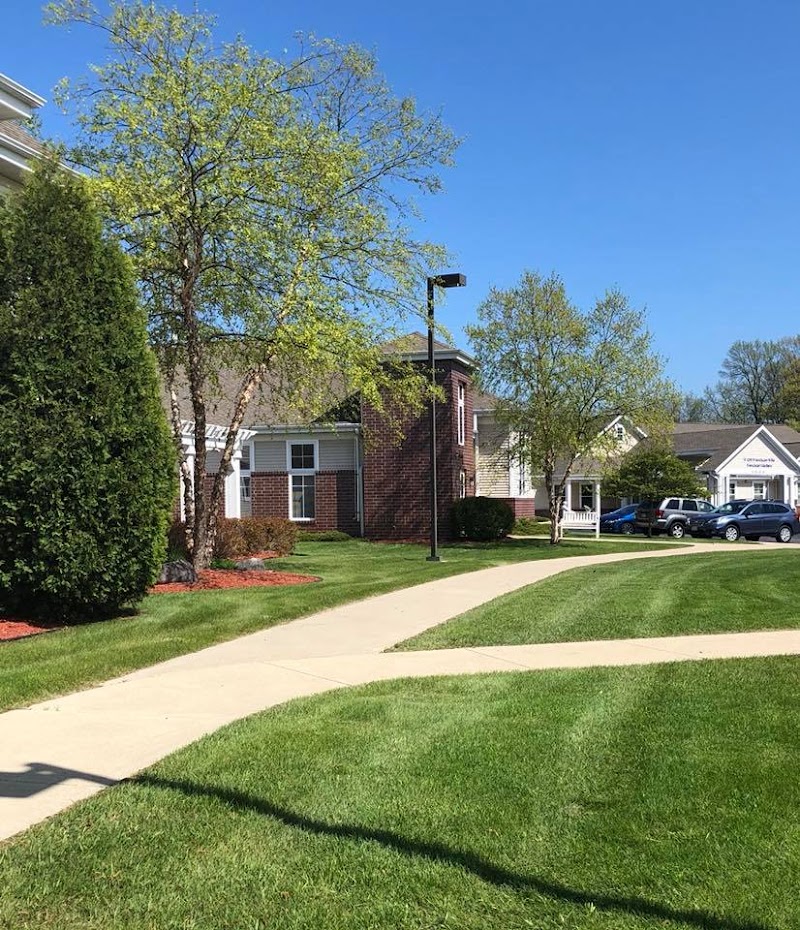
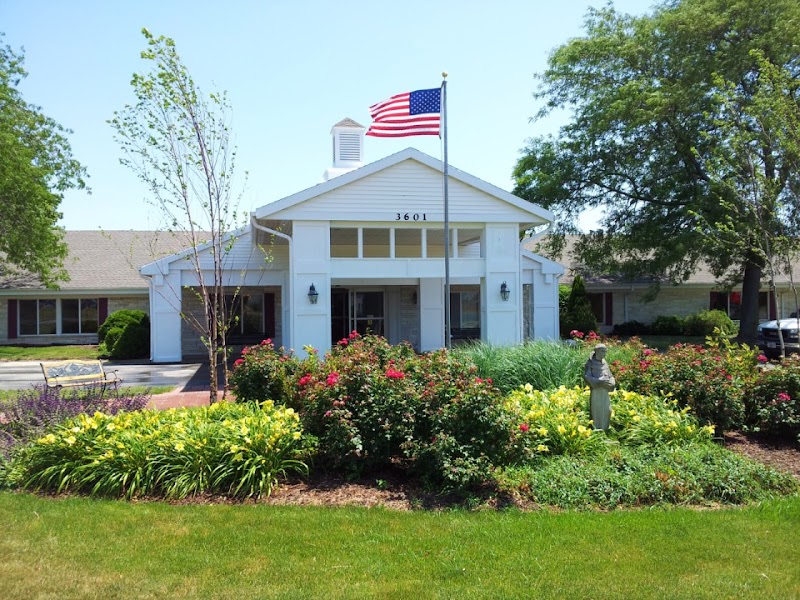
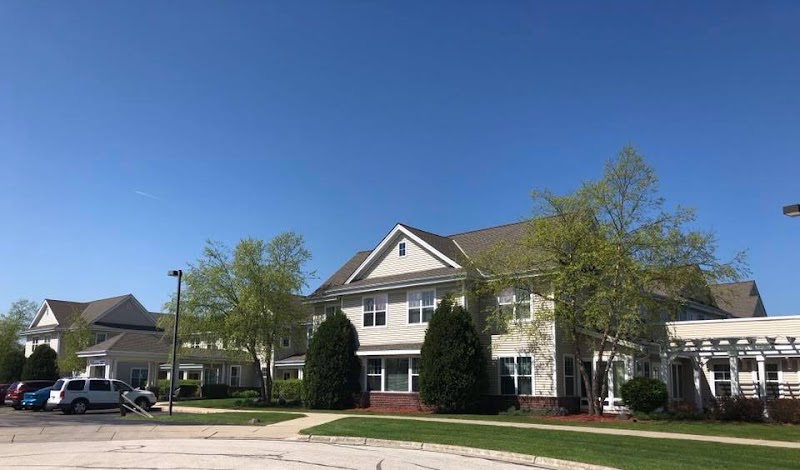
CHI FRANCISCAN VILLA

3601 S CHICAGO AVE, SOUTH MILWAUKEE, WI 53172 (414) 764-4100
Non profit - Corporation 90 Beds COMMONSPIRIT HEALTH Data: November 2025 7 Immediate Jeopardy citations
Trust Grade
0/100
#266 of 321 in WI
Last Inspection: February 2025

Within standard 12-15 month inspection cycle. Federal law requires annual inspections.

Overview

CHI Franciscan Villa in South Milwaukee has received a Trust Grade of F, indicating significant concerns about the facility's operations and care quality. Ranking #266 out of 321 nursing homes in Wisconsin places it in the bottom half, and #22 out of 32 in Milwaukee County shows limited competition for better options. The facility's trend is worsening, with issues increasing from 4 in 2024 to 15 in 2025, highlighting growing concerns. While staffing turnover is impressively low at 0%, suggesting staff stability, the facility faces alarming fines of $361,336, higher than 98% of Wisconsin facilities, indicating serious compliance issues. Critical incidents, such as residents eloping from the facility due to inadequate supervision and a staff member's neglect leading to verbal abuse, raise serious red flags about the residents' safety and overall care quality.

Trust Score
F
0/100
In Wisconsin
#266/321
Bottom 18%
Safety Record
High Risk
Review needed
Inspections
Getting Worse
4 → 15 violations
Staff Stability
○ Average
Turnover data not reported for this facility.
Penalties
○ Average
$361,336 in fines. Higher than 57% of Wisconsin facilities. Some compliance issues.
Skilled Nurses
✓ Good
Each resident gets 44 minutes of Registered Nurse (RN) attention daily — more than average for Wisconsin. RNs are trained to catch health problems early.
Violations
⚠ Watch
64 deficiencies on record. Higher than average. Multiple issues found across inspections.
★☆☆☆☆
1.0
Overall Rating
★☆☆☆☆
1.0
Staff Levels
★★★☆☆
3.0
Care Quality
★☆☆☆☆
1.0
Inspection Score
Stable
2024: 4 issues
2025: 15 issues

The Good

  • Full Sprinkler Coverage · Fire safety systems throughout facility
  • No fines on record

Facility shows strength in fire safety.

The Bad

1-Star Overall Rating

Below Wisconsin average (3.0)

Significant quality concerns identified by CMS

Federal Fines: $361,336

Well above median ($33,413)

Significant penalties indicating serious issues

Chain: COMMONSPIRIT HEALTH

Part of a multi-facility chain

Ask about local staffing decisions and management

The Ugly 64 deficiencies on record

7 life-threatening 3 actual harm
Jul 2025 4 deficiencies 1 IJ
CRITICAL (J) 📢 Someone Reported This

A family member, employee, or ombudsman was alarmed enough to file a formal complaint

Immediate Jeopardy (IJ) - the most serious Medicare violation

Accident Prevention (Tag F0689)

Someone could have died · This affected 1 resident

**NOTE- TERMS IN BRACKETS HAVE BEEN EDITED TO PROTECT CONFIDENTIALITY** Based on observation, interview, and record review, the facility did not ensure residents received adequate supervision and assi...

Read full inspector narrative →
**NOTE- TERMS IN BRACKETS HAVE BEEN EDITED TO PROTECT CONFIDENTIALITY** Based on observation, interview, and record review, the facility did not ensure residents received adequate supervision and assistive devices to prevent accidents for 1 of 3 residents (R) reviewed for elopement (R16.)Facility elopement assessment upon R16's admission indicated R16 was an elopement risk. The facility did not pick up on this conclusion and did not put measures in place to prevent elopement. On 06/09/2025, R16 eloped from the facility, fell on the railroad tracks approximately 0.4 miles from the facility, and was brought to R16's family members house/R16's former home by persons who found R16. The facility was not aware of R16's elopement until R16's family member notified the facility that R16 had eloped to R16's family members house and sustained a fall. R16's family member brought R16 to the Emergency Room, where R16 was diagnosed with abrasions to R16's forehead, right knee, and right hand.The failure to provide adequate supervision to prevent R16 from eloping from the facility created a finding of Immediate Jeopardy that began on 06/09/2025. The Nursing Home Administrator (NHA)-A and Director of Nursing (DON-B) were notified of the immediate jeopardy on 07/15/2025 at 1:35 PM. The immediate jeopardy was removed and corrected on 06/12/2025. The deficiency is being cited as past noncompliance.Findings include:The facility's policy titled Elopements and Wandering Residents, dated 03/21/2025, documents i 3. The Facility shall establish and utilize a systemic approach to monitoring and managing residents at risk for elopement or unsafe wandering, including identification and assessment of risk, evaluation and analysis of hazards and risks, implementing interventions to reduce hazards and risks, and monitoring for effectiveness and modifying interventions when necessary. 4. Monitoring and Managing Residents at Risk for Elopement or Unsafe Wandering . b. The interdisciplinary team will evaluate the unique factors contributing to risk in order to develop a person-centered care plan. c. Interventions to increase staff awareness of the resident's risk, modify the resident's behavior, or to minimize risks associated with hazards will be added to the resident's care plan and communicated to appropriate staff. d. Adequate supervision will be provided to help prevent accidents or elopements.R16 was admitted to the facility on [DATE] with diagnoses of Dementia (the loss of cognitive function, including memory, thinking, and reasoning, that interferes with daily life) and falls.R16's admission Minimum Data Set (MDS), dated [DATE], documents a Brief Interview for Mental Status (BIMS) score of 3, indicating severe cognitive impairment. The MDS documents that R16 requires supervision or touching assistance to walk 10 feet, requires supervision or touching assistance to walk 50 feet with two turns, and requires supervision or touching assistance to walk 10 feet on uneven surface.R16's Activities of Daily Living care plan noted an intervention of AMBULATION: 50 feet with 2 wheeled walker and CGA. (Contact Guard Assist)R16's admission elopement assessment, dated 05/05/2025, documents, Any 3 or more risk factors indicate the resident is at risk for elopement. Surveyor noted the following three areas were marked for R16: Does the resident ambulate independently, with or without the use of an assistive device? (i.e. walker, cane or wheelchair). 3. Does the resident have a diagnosis of Dementia, OBS, Alzheimer's, Intellectual/Developmental Disability, Delusions, Hallucinations, Anxiety disorder, depression, bipolar, and/or Schizophrenia?. 2. Cognitively impaired with poor decision-making skills (i.e. disorientation, cognitive deficits, disorganized thinking? Surveyor noted the acknowledgment section documents R16 is not an elopement risk but was checked for 3 risk factors.Surveyor reviewed the Facility Reported Incident (FRI), dated 06/09/2025, which documents R16 was sitting outside the facility enjoying the sun and decided R16 wanted to visit R16's daughter's house which is 0.7 miles away from the facility. The facility's self-report documents that R16 was found 0.4 miles away from the facility by a passerby on the sidewalk after falling on the railroad tracks. R16's family member notified the facility that R16 was with the family member and R16 was ok. R16 was taken to the emergency room by R16's family member with no concerns found from the fall.Surveyor noted that on 06/09/2025, the official temperature was 66 degrees Fahrenheit around 2 PM when R16 eloped from the facility. Surveyor noted that the speed limit in front of the building is 30 miles per hour (mph) and changes to 25 mph where R16 was found.On 07/14/2025, at 11:38 AM, Surveyor interviewed NHA-A regarding R16's elopement. NHA-A indicated that marking 3 sections on the elopement assessment would indicate an elopement risk. NHA-A indicated that R16 had never actually eloped and would not be considered an elopement risk. NHA-A explained that R16 just wanted to go to R16's daughter's house but while R16 was walking across the railroad tracks, NHA-A believes R16's walker got stuck in the ruts in the railroad track and fell. NHA-A was unsure of how long R16 was gone from the facility and said would get back to Surveyor with that information. NHA-A indicated the facility has revised the elopement assessment since R16's elopement, reeducated staff on signing residents in and out, asking nursing staff if unsure of a resident's status, and residents who require supervision going outside.On 07/14/2025, at 1:44 PM, Surveyor interviewed Assistant Director of Nursing (ADON)-C regarding R16's elopement. ADON-C indicated that based on R16's admission elopement assessment, R16 should have been considered an elopement risk. ADON-C informed Surveyor that the Nurse Practitioner (NP) should have been notified of the elopement risk and that further assessments would have been needed and checks on R16 to ensure safety. ADON-C explained that R16's family member encouraged R16 to be able to go outside, but ADON-C indicated R16 would go outside to the activity patio not to the front of the building with no supervision.On 07/14/2025, at 1:56 PM, Surveyor interviewed Director of Nursing (DON)-B. DON-B indicated that based on R16's admission elopement assessment, R16 should have been an elopement risk, and a Wanderguard should have been implemented and discussed with R16's Power of Attorney (POA). DON-B indicated that DON-B and ADON-C are responsible for reviewing the elopement assessments and expect staff to notify DON-B or ADON-C of any residents at risk for elopement.On 07/14/2025, at 3:27 PM, Surveyor interviewed Receptionist-E. Receptionist-E informed Surveyor that on the day R16 eloped from the facility, Receptionist-E was transitioning shifts with Receptionist-F. R16 asked to go wait outside for R16's family member to take R16 for an appointment. Receptionist-E informed Surveyor that transition of shifts occurred around 2PM, and both Receptionists were present. Receptionist-E looked through the wander list and did not see R16 on the list. Receptionist-E had to leave for an appointment and indicated that Receptionist-F took over from there.On 07/14/2025, at 3:41 PM, Surveyor interviewed Receptionist-F. Receptionist-F indicated that R16 eloped during the shift's transition period, around 2PM. R16 came through the secured double doors to the reception area, without setting off the door alarm and asked to go outside to wait for R16's family member to pick R16 up for an appointment. Receptionist-F indicated that R16 was not on the wander list and R16 was allowed to go wait outside. About 30 minutes later, Receptionist-F received a phone call from R16's family member, indicating R16 was with R16's family member. They had not been aware R16 was missing until the phone call from R16's family member. R16's family member informed Receptionist-F that R16 was going to be taken to the emergency room by R16's family member for evaluation of an unwitnessed fall. Receptionist-F indicated that training and reeducation was provided by the facility on how reception is to inquire with nurses prior to allowing residents outside.R16's Hospital After Visit Summary (AVS), dated 06/09/2025 documents diagnoses that include: abrasions (a superficial injury to the skin that results from rubbing or scraping against a rough surface) to R16's forehead, right knee, and right hand.R16 was readmitted back into the facility on [DATE].Surveyor noted that the only path of travel that R16 could have taken using the sidewalk would be to travel North, then turn right (heading East), toward the railroad tracks. Surveyor noted there is only one sidewalk on the avenue where the train tracks are located. After reviewing the path that R16 took to her relative's house, Surveyor noted that R16 had to cross a two-lane road, at an uncontrolled intersection, to walk on a sidewalk. Otherwise, R16 would have had to walk in the street towards the railroad tracks.The failure to provide adequate supervision to prevent R16 from eloping from the facility created a reasonable likelihood for serious harm, thus leading to a finding of Immediate Jeopardy that began on 06/09/2025. The Nursing Home Administrator (NHA)-A and Director of Nursing (DON-B) were notified of the immediate jeopardy on 07/15/2025 at 1:35 PM. The immediate jeopardy was removed and corrected on 06/12/2025 when the facility completed the following:* Residents that do not have an activated power of attorney will be signed out of the facility in order to track residents going in and out of the facility.* Residents that have an activated power of attorney are only to be outside of the facility, with staff supervision, or under the supervision of their power of attorney.* Education to staff on residents signing in and out and activated residents being supervised when outside of the facility at all times.* All residents in the facility were re-evaluated for elopement risk on 6/9-6/11 (New evaluation that was implemented 6/9/25)* Tested wander system for effectiveness and alarm audibility. All magnetic lock doors were checked on 6/9/25 and 6/12/25 for functionality.* The resident that was affected added to the wander log and wander guard placed on resident upon arrival back to facility, education to resident and family on wander guard and elopements.* Immediate staff educated on new wander risk residents elopement risk residents were added to binder.
CONCERN (D) 📢 Someone Reported This

A family member, employee, or ombudsman was alarmed enough to file a formal complaint

Potential for Harm - no one hurt, but risky conditions existed

Report Alleged Abuse (Tag F0609)

Could have caused harm · This affected 1 resident

Based on interview and record review, the facility did not ensure 1 of 2 Facility Reported Incidents was submitted to the State survey agency timely. *On 05/30/2025, The Facility was made aware of a p...

Read full inspector narrative →
Based on interview and record review, the facility did not ensure 1 of 2 Facility Reported Incidents was submitted to the State survey agency timely. *On 05/30/2025, The Facility was made aware of a possible diversion of narcotic medications. The facility did not report this to the State Survey Agency until 06/02/2025.Findings include:Surveyor reviewed the Facility Reported Incident submitted to the State Agency on 06/02/2025 regarding medication diversions. Surveyor noted the Facility documented on 05/30/2025, multiple controlled medication errors were brought to the Facility's attention. The Facility documented that Registered Nurse (RN)-D was identified as the nurse responsible for the multiple discrepancies with the controlled medications. On 07/14/2025, at 3:00 PM, Surveyor interviewed NHA-A regarding the late reporting of medication misappropriation to the State Agency. NHA-A indicated that NHA-A spoke with corporate and was told not to report and indicated that the Facility was still investigating if it was truly a misappropriation at that time. NHA-A indicated that NHA-A reported it on Monday, 06/02/2025, admitted ly over the reporting time frame for misappropriation.On 07/15/2025, Surveyor notified the Facility of the concerns regarding reporting allegations of misappropriation timely.No further information was provided at time of write up.
CONCERN (E) 📢 Someone Reported This

A family member, employee, or ombudsman was alarmed enough to file a formal complaint

Potential for Harm - no one hurt, but risky conditions existed

Deficiency F0602 (Tag F0602)

Could have caused harm · This affected multiple residents

**NOTE- TERMS IN BRACKETS HAVE BEEN EDITED TO PROTECT CONFIDENTIALITY** Based on interview and record review the facility did not ensure resident was free from misappropriation of property for 14 of 1...

Read full inspector narrative →
**NOTE- TERMS IN BRACKETS HAVE BEEN EDITED TO PROTECT CONFIDENTIALITY** Based on interview and record review the facility did not ensure resident was free from misappropriation of property for 14 of 14 residents reviewed for misappropriation.*The Facility identified multiple medication discrepancies involving Registered Nurse (RN)-D. The Facility did not ensure misappropriation of resident's narcotic medications did not occur and did not ensure resident's narcotic medications were accounted for appropriately.Findings include:Surveyor reviewed the Facility Reported Incident submitted to the State Agency on 06/02/2025 regarding medication diversions. Surveyor noted the Facility documented on 05/30/2025, multiple controlled medication errors were brought to the Facility's attention.The Facility documented that Registered Nurse (RN)-D was identified as the nurse responsible for the multiple discrepancies with the controlled medications. Surveyor reviewed the Facility provided document titled, CONTROLLED DRUG PROCESS AUDIT, completed on 06/05/2025 through 06/06/2025. Surveyor noted the following residents had controlled medication signed out in the control log, but was not documented in the resident's Medication Administration Record (MAR) by RN-D:*R5's order for Liquid Morphine Sulfate 20 mg/ml (milliliter), give 0.25 ml by mouth every 2 hours as needed. Discrepancy identified for 33 total doses if R5 would have been given the minimum dose or 16.5 ml if R5 was given the maximum dose, indicating R5 was missing 8.5ml total. It is identified that RN-D was the last person to document giving R5 0.5 ml on 05/28/2025 at 3:00 PM. This was one of the first discrepancies to be identified by Certified Medication Aide (CMA)-G while preforming a medication count at change of shift. Surveyor noted that the discrepancy was not identified till 05/30/2025, which would have been about 3 missed opportunities for the discrepancy to be discovered during the controlled medication counts at change of shifts.On 07/14/2025, at 12:53 PM, Surveyor interviewed Nursing Home Administrator (NHA)-A. NHA-A informed Surveyor that R5's liquid Morphine discrepancy was brought to the NHA-A's attention on 05/30/2025, after review and identification of approximately 3 discrepancies identified involving RN-D, RN-D was suspended pending the investigation. NHA-A indicated that Certified Medication Aide (CMA)-G reported the missing Morphine for R5.On 07/15/2025, at 10:47 AM, Surveyor interviewed CMA-G. CMA-G indicated that while doing control counts with another nurse on unit Skylight North, the liquid Morphine for R5 was completely off. CMA-G brought the discrepancy to the Unit Manager. CMA-G informed Surveyor that RN-D has asked CMA-G, in the past, for CMA-G ‘s medication cart keys; for RN-D to administer pain medication to residents prior to wound care. CMA-G did not allow RN-D to have the keys and would pull the medication herself and administer to the resident. CMA-G indicated that RN-D was the Wound care Nurse but would be pulled to do medication pass when there were call-ins or short staffed. *R7's order for Lorazepam 2 milligrams (mg), take 1 tablet as needed 45-60 minutes prior to radiation treatment, and 15 minutes before radiation if needed. Discrepancy identified for 05/29/2025 at 6:45 PM.*R6's order for Oxycodone HCl 5mg, give 0.5 tablet by mouth every 6 hours as needed for pain. Discrepancy identified for 2 doses on 05/28/2025 at 10:00 AM and 05/28/2025 at 9:00 PM. *R8's order for Morphine Sulfate oral tablet 15mg, give 0.5 tablet by mouth every hour as needed for pain or shortness of breath. Discrepancy identified for 4 doses on 04/30/2025 at 11:15 AM, 8:36 PM, 10:30 PM and on 05/28/2025 at 9:00 AM. *R9's order for Oxycodone-Acetaminophen 5-325 mg, 1 tablet by mouth every 4 hours as needed for mild pain and give 2 tablets by mouth every 4 hours for severe pain. Discrepancy identified for 1 dose on 04/23/2025 at 2:40 PM. *R10's order for Morphine Sulfate oral tablet 15 mg, 0.5 tablet by mouth every 1 hour as needed for pain. Discrepancy identified for 1 dose on 05/28/2025 at 10:30 PM.*R11's order for Tramadol HCl oral tablet 50 mg, 1 tablet by mouth every 8 hours as needed for pain. Discrepancy identified for 1 dose on 05/01/2025 at 5:00 PM. *R12's order for Oxycodone-Acetaminophen 5-325 mg, 1 tablet by mouth every 4 hours as needed for pain. Discrepancy identified for 2 doses on 05/18/202505/28/2025 at 10:55 AM.*R13's order for Morphine Sulfate oral tablet 15mg, give 7.5 mg every 1 hour as needed for pain. Discrepancy identified for 2 doses on 05/28/2025 at 3:50 PM and 9:45 PM.*R2's order for Hydrocodone-Acetaminophen oral tablet 5-325 mg, 1 tablet by mouth every 4 hours as needed for pain. Discrepancy identified for 2 doses on 05/30/2025 and 05/31/2025. *R5's order for Liquid Morphine Sulfate 20 mg/ml (milliliter), give 0.25 ml by mouth every 2 hours as needed. Discrepancy identified for 33 total doses if R5 would have been given the minimum dose or 16.5 ml if R5 was given the maximum dose, indicating R5 was missing 8.5ml total. It is identified that RN-D was the last person to document giving R5 a dose on 05/28/2025 at 3:00 PM.*R6 [NAME] Morphine Sulfate (Concentrate) Oral Solution 20 MG/ML (Morphine Sulfate) *Controlled Drug* Give 0.25 ml by mouth every 1 hours as needed for Pain/ SOB. Surveyor reviewed the Facility provided control log for R6 and noted R6 had not received a dose of liquid morphine since 01/06/2025 until 05/28/2025 at 9:30 PM, RN-D signed out 1 dose at 0.25 ml. The Facility documents that during the audit, R6 was missing about 22 doses from R6‘s liquid morphine and the last dose was given by RN-D. On 07/14/2025, at 11:28 AM, Surveyor interviewed Nursing Home Administrator (NHA)-A regarding the Facility reported medication misappropriation. NHA-A indicated that NHA-A hired RN-D about 1 year ago as the Facility's wound Nurse. NHA-A informed Surveyor that NHA-A was aware of an open court case against RN-D regarding theft of narcotics from a previous Facility. Surveyor asked NHA-A if NHA-A placed any restrictions on RN-D regarding access to narcotic medications. NHA-A informed Surveyor that NHA-A did not restrict RN-D's access to narcotic medications and took the risk with hiring RN-D. RN-D would work medication carts about 1or 2 times per month, but RN-D's main responsibility was wound care. NHA-A indicated that Department of Safety and Professional Services (DSPS) and Law Enforcement were notified and restitution for residents' medications is currently in progress.On 07/14/2025, at 1:10 PM, Surveyor interviewed Scheduler-H. Scheduler-H informed Surveyor that RN-D was mostly scheduled under Infection Control for wound care, but RN-D would be pulled to medication carts for medication pass on occasion. Scheduler-H informed Surveyor that the only people who have keys to the medication carts, are the nurses and the CMA's working the cart. On 07/14/2025, at 1:24 PM, Surveyor interviewed Assistant Director of Nursing (ADON)-C. ADON-C informed Surveyor that an investigation was started after a medication discrepancy was identified and RN-D was the last to sign out the medication. ADON-C indicated that RN-D was identified as signing out other narcotic medications on residents RN-D was not assigned to.On 07/14/2025, at 1:52 PM, Surveyor interviewed Director of Nursing (DON)-B. DON-B indicated that ADON-C informed DON-B of the narcotic discrepancies and RN-D was identified. An investigation was started, residents were interviewed regarding pain, with no outcomes identified, reeducation was provided on controlled medication policies and procedures.On 07/15/2025, at 9:51 AM, Surveyor interviewed NHA-A and informed NHA-A of the concerns. NHA-A informed Surveyor that NHA-A does not recall if DON-B was the DON at the time of RN-D's hire but would have shared the information regarding RN-D's open case with the DON. NHA-A admitted that NHA-A should have put restrictions on RN-D's access to narcotic medications at time of hire to prevent diversion.No further information was provided at time of write up.
CONCERN (E) 📢 Someone Reported This

A family member, employee, or ombudsman was alarmed enough to file a formal complaint

Potential for Harm - no one hurt, but risky conditions existed

Investigate Abuse (Tag F0610)

Could have caused harm · This affected multiple residents

Based on interviews and record review, the facility did not ensure an allegation of Narcotic Medication Misappropriation was thoroughly investigated for 1 of 2 Facility Self Reports to the State Agenc...

Read full inspector narrative →
Based on interviews and record review, the facility did not ensure an allegation of Narcotic Medication Misappropriation was thoroughly investigated for 1 of 2 Facility Self Reports to the State Agency.* 9 (R2, R3, R4, R5, R6, R7, R8, R9, R10, R11, R12, R13, R14 and R15) of 14 residents were not interviewed by the Facility for pain outcomes after the Facility identified narcotic medication discrepancies.Findings include:Surveyor reviewed the Facility Reported Incident submitted to the State Agency on 06/02/2025 regarding medication diversions. Surveyor noted the Facility documented on 05/30/2025, multiple controlled medication errors were brought to the Facility's attention. The Facility documented that Registered Nurse (RN)-D was identified as the nurse responsible for the multiple discrepancies with the controlled medications. Surveyor reviewed the Facility provided document titled, CONTROLLED DRUG PROCESS AUDIT, completed on 06/05/2025 through 06/06/2025. Surveyor noted the following residents had controlled medication signed out in the control log but was not documented in the resident's Medication Administration Record (MAR) by RN-D. Surveyor noted that total, there were 17 residents identified.Surveyor reviewed the Facility's documents, with no title, of pain evaluations for the residents identified with controlled medication discrepancies. Surveyor noted, 9 of the 14 residents listed on the Facility Reported Incident, did not have documented follow up pain evaluations as part of the Facility's investigation.On 07/14/2025, at 11:28 AM, Surveyor interviewed Nursing Home Administrator (NHA)-A. NHA-A indicated that the Facility assessed 15% of residents to determine outcome from the medication discrepancies. Surveyor informed NHA-A of the concern that the Facility did not conduct a thorough investigation by interviewing all affected residents.On 07/14/2025, at 1:52 PM, Surveyor interviewed Director of Nursing (DON)-B. DON-B indicated that DON-B and Assistant Director or Nursing (ADON)-C conducted the investigation for the controlled medication discrepancies. DON-B indicated that DON-B conducted pain evaluations both verbal and written for all residents but did not document all the evaluations. DON-B indicated to Surveyor that no residents had any uncontrolled pain identified.On 07/15/2025, Surveyor informed the Facility of the above concern.No further information was provided at time of write up.
May 2025 5 deficiencies
CONCERN (D) 📢 Someone Reported This

A family member, employee, or ombudsman was alarmed enough to file a formal complaint

Potential for Harm - no one hurt, but risky conditions existed

Assessment Accuracy (Tag F0641)

Could have caused harm · This affected 1 resident

**NOTE- TERMS IN BRACKETS HAVE BEEN EDITED TO PROTECT CONFIDENTIALITY** Based on interview, record review, review of the facility policy, and the resident assessment instrument (RAI) manual, the facil...

Read full inspector narrative →
**NOTE- TERMS IN BRACKETS HAVE BEEN EDITED TO PROTECT CONFIDENTIALITY** Based on interview, record review, review of the facility policy, and the resident assessment instrument (RAI) manual, the facility failed to ensure the Minimum Data Set (MDS) was coded accurately for one (Resident (R3) in a total sample of 13. The facility failed to accurately code the correct weight on the quarterly assessment and the correct documentation of the number of wounds on the discharge return anticipated assessment. This failure placed residents at risk of unmet care needs and a diminished quality of life. Findings include: Review of the facility policy, titled MDS 3.0 Completion, dated 03/04/23 revealed, .Correction of Error on the Assessment .A Modification Request is used when an MDS record (assessment, entry tracking record or death in facility tracking record) .(already transmitted and accepted by CMS [Center for Medicaid and Medicare Service], but the information in the record contains clinical or demographic errors. It must be corrected within 14 days after identifying the errors . Review of the October 2024 RAI manual, page 1-5 revealed, .An accurate assessment requires collecting information from multiple sources, some of which are mandated by regulations .It is important to note here that information obtained should cover the same observation period as specified by the MDS items on the assessment, and should be validated for accuracy (what the resident's actual status was during the observation period) by the IDT [interdisciplinary team] completing the assessment . Review of the admission Record located in the Profile tab of the electronic medical record (EMR) revealed R3 was admitted to the facility on [DATE] with diagnoses that included peripheral vascular disease (PVD), a stroke, and diabetes. Review of the quarterly MDS located in the MDS tab of the EMR with an assessment reference date (ARD) of 03/12/25 revealed R3 had a Brief Interview of Mental Status (BIMS) score of 14 out of 15 which indicated R3 was cognitively intact and weighed 155 pounds. Review of the Weights/Vitals tab in the EMR revealed on 03/05/25 (seven days prior to the quarterly assessment) R3 had a documented weight of 141 pounds and not 155 pounds which was his admission weight. Review of the discharge return assessment MDS located in the MDS tab of the EMR with an ARD of 05/04/25 revealed R3 had a staff assessed BIMS score of being cognitively intact and had one Stage 3 pressure ulcer (full thickness skin loss), four Stage 4 pressure ulcers (full thickness skin and tissue loss that exposes underlying muscle, tendons, or bone) and five unstageable wounds (a deep wound where the actual depth and extent of damage cannot be determined) all of which were present upon admission to the facility. Review of the 05/01/25 Wound Care Provider Visit Note located in the Miscellaneous tab of the EMR revealed, R3 had four unstageable wounds and not five unstageable wounds as documented in the assessment. During an interview on 05/29/25 at 11:19 AM, the MDS Coordinator (MDSC)1 stated, The quarterly assessment was coded inaccurately for the weight of 155 pounds. MDSC1 further confirmed that she had coded incorrectly the number of unstageable wounds for R3, and it should have been coded four wounds and not five wounds.
CONCERN (D) 📢 Someone Reported This

A family member, employee, or ombudsman was alarmed enough to file a formal complaint

Potential for Harm - no one hurt, but risky conditions existed

ADL Care (Tag F0677)

Could have caused harm · This affected 1 resident

**NOTE- TERMS IN BRACKETS HAVE BEEN EDITED TO PROTECT CONFIDENTIALITY** Based on interview, record review, and review of the facility policy , the facility failed to ensure showers were provided for t...

Read full inspector narrative →
**NOTE- TERMS IN BRACKETS HAVE BEEN EDITED TO PROTECT CONFIDENTIALITY** Based on interview, record review, and review of the facility policy , the facility failed to ensure showers were provided for two residents dependent on staff for care (Residents (R1, R3) out of a total sample of 13 residents. This failure placed the residents at risk of skin breakdown and a diminished quality of life. Findings include: Review of facility procedure titled, Bath, Tub/Shower, dated February 2018 revealed, .Documentation .The date and time the shower/tub bath was performed .The name and title of the individual(s) who assisted the resident with the shower/tub bath .All assessment data (e.g., any reddened areas, sores, etc., on the resident's skin) obtained during the shower/tub bath .If the resident refused the shower/tub bath, the reason(s) why and the interventions taken .How the resident tolerated the shower/tub bath .The signature and title of the person recording the data .Reporting .Notify the supervisor if the resident refuses the shower/tub bath .Notify the physician of any skin areas that may need to be treated .Report other information in accordance with facility policy and professional standards of practice . 1. Review of the admission Record located in the Profile tab of the electronic medical record (EMR) revealed R1 was admitted to the facility on [DATE] with a diagnosis of spina bifida (a type of birth defect where the spinal column doesn't close completely during fetal development) and paraplegia (paralysis of two limbs). Review of a 04/16/20 and revised on 10/04/22 ADL [activities of daily living] Self Care Performance Deficit Care Plan located in the Care Plan tab of the EMR revealed, R1 has limited mobility, urostomy [a tube inserted into the kidney to drain urine], refusal of cares/showers at times, paraplegia, spina bifida, hydrocephalus [fluid which accumulates in the brain]. Approaches included: a. Bathing: I require substantial to max assist by one staff to provide a bath/shower as scheduled and PRN [as needed], dated 03/31/25. b. Bathing: Provide me with a sponge bath when a full bath or shower cannot be tolerated. Dated 06/05/23. Review of a quarterly Minimum Data Set (MDS) located in the MDS tab of the EMR with an assessment reference date (ARD) of 03/29/25 revealed, R1 had a Brief Interview of Mental Status (BIMS) score of 15 out of 15 which indicated R1 was cognitively intact, had verbal, other types of behaviors, and rejection of care for one to three days out of the seven-day observation period. In addition, R1 required substantial assistance for bathing. Review of the Order Summary located in the Orders tab of the EMR revealed, Ensure showers completed, document refusals in nurse's note, in the morning every Wed, Sat. Dated 04/03/25. Review of a 03/29/25 Nurse's Note located in the Progress Notes tab of the EMR revealed, Res. Notified writer at this time that he had refused shower earlier today due to he did not want his dressings changed. This was the only nursing documentation in the progress notes regarding a refusal. Review of the 04/29/25 to 05/27/25 CNA (certified nurse aide) Bathing/Shower documentation located in the Tasks tab of the EMR revealed R1's shower days were Wednesday and Saturdays on the afternoon shift. The documentation further revealed: a. R1 received a shower on Tuesday 04/29/25. b. No documentation for Wednesday 04/30/25. c. Was not offered/refused a shower on Saturday 05/03/25. d. Not offered/refused a shower on Wednesday 05/07/25. e. Was not offered a shower on Saturday 05/10/25. f. R1 received a documented shower on Wednesday 05/14/25. g. Was not offered/refused a shower on Saturday 05/17/25. h. Refused to shower on Wednesday 05/21/25, accepted a shower on Friday 05/23/25 and refused on Saturday 05/24/25. i. The remainder of the days were documented as Not applicable. During an interview on 05/28/25 at 10:21AM, R1 was asked when his shower days were. R1 stated, I have a schedule on Wednesday and Saturday. R1 was asked when the last time was, he had a shower. R1 stated, I had a shower three weeks ago and I have refused on two occasions. During an interview on 05/28/25 at 10:26 AM, Certified Medication Aide (CMA)1 stated, The aides have shower sheets that they fill out in in addition to documenting in the EMR. CMA1 provided a stack of shower sheets from May 2025 going back to January 2025. Only one shower sheet for R1 was located in the stack which was a refusal on 01/27/25 and was not signed by the nurse, as required on the shower sheet. During an interview on 05/28/25 at 11:02 AM with the Unit Manager (UM) and Director of Nursing (DON), who were asked about the lack of documented showers and nursing documentation in the Progress Notes for R1, per the Order Summary. The DON stated, They (CNAs) are to report to the nurse if the resident refuses. They are to ask the residents at least three times and then the nurse will ask the residents why they refused. The nurse is then to document the refusal and the reason in the progress notes. The UM stated, R1 is consistently refusing. The UM was asked why that particular intervention regarding using male caregivers was not on the Care Plan. The UM stated, I don't know. The DON stated, We do have a periodic shower aide, but the CNAs are to give showers when the shower aide is not available. The DON was asked what does Not applicable mean on the CNA documentation form. The DON stated, It was not done nor was the resident asked. 2. Review of the admission Record located in the Profile tab of the EMR revealed, R3 was admitted to the facility on [DATE] with diagnoses that included peripheral vascular disease (PVD) and multiple wounds. Review of a 12/13/24 and revised on 02/26/25 ADL Self Care Performance Deficit Care Plan located in the Care Plan tab of the EMR revealed, Impaired balance, Musculoskeletal impairment. Approach: I require total assistance with bathing by one staff. Review of the quarterly MDS located in the MDS tab of the EMR with an ARD of 03/12/25 revealed, R3 had a BIMS score of 14 out of 15 which indicated R3 was cognitively intact, had no behaviors and was dependent on staff assistance for showering/bathing. Review of the Order Summary located in the Orders tab of the EMR revealed, Ensure showers completed, document refusals in nurse's note in the afternoon every Tue, Sat. Start Date: 04/05/25. Review of the nursing documentation on the Treatment Administration Record (TAR) for April 2025 revealed, R3 had a documented shower seven times and one refusal. Review of the Shower Sheets provided by the UM revealed R3 was offered a shower/bed bath on 04/01/25, 04/08/25, 04/11/25 and 04/18/25 and all were documented as refusals. In addition, no nurse had signed off on the Shower Sheet. A review of the Nursing Progress Notes did not show any documentation for the reason of the refusals. The UM stated that these four documented shower sheets was the only documentation she could find for R3. During an interview on 05/29/25 at 12:15 PM, CNA3 was asked if R3 was getting his showers, per the shower schedule. CNA3 stated, R1 would get bed baths, he did not want to get up in the shower. He would tell me he wasn't feeling well, but for me he took his showers. CNA3 was asked where did you document to show that R3 showers or bed baths were given or refused. CNA3 stated, We have shower sheets, and we also put the information in the computer. CNA3 was asked what the facility process was when a resident refused. CNA3 stated, If the resident refuses a shower, we have to try again at least three times, we then tell the nurse. The nurse would go in and ask the resident why they don't want a shower. We document this on the shower sheets and the nurse also signs. During an interview on 05/29/25 at 1:10 PM, Registered Nurse (RN)1 stated, If a resident refused a shower, the aides are to report to the nurse or supervisor to find out why they did not want to have a shower. RN1 was asked where this was to be documented. RN1 stated, On the shower sheets that the aide fills out and gives to me. I will sign off and will state the reason why they refused. RN1 was asked if he was to document refusals in the Progress Notes or on the TAR RN1 stated, No, I don't believe I document there.
CONCERN (D) 📢 Someone Reported This

A family member, employee, or ombudsman was alarmed enough to file a formal complaint

Potential for Harm - no one hurt, but risky conditions existed

Deficiency F0692 (Tag F0692)

Could have caused harm · This affected 1 resident

**NOTE- TERMS IN BRACKETS HAVE BEEN EDITED TO PROTECT CONFIDENTIALITY** Based on observation, interview, record review, and review of the facility policy, the facility failed to ensure there was overs...

Read full inspector narrative →
**NOTE- TERMS IN BRACKETS HAVE BEEN EDITED TO PROTECT CONFIDENTIALITY** Based on observation, interview, record review, and review of the facility policy, the facility failed to ensure there was oversight/supervision from the Registered Dietician (RD) of the Dietary Technician (DT) for one resident (Resident (R)6) of three residents reviewed in a total sample of 13 residents. This failure placed the resident at risk of further weight loss and a diminished quality of life. Findings include: Review of the facility policy titled, Nutritional Assessment, dated 11/28/22 revealed, The facility provides care and services to each resident to ensure the resident maintains acceptable parameters of nutritional status in the context of his or her overall condition. Review of the admission Record located in the Profile tab of the electronic medical record (EMR) revealed R6 was admitted to the facility on [DATE] with a diagnosis of a stroke with left side paralysis, difficulty swallowing and dementia. Review of the admission Minimum Data Set (MDS) located in the MDS tab of the EMR with an assessment reference date (ARD) of 05/23/25 revealed R6 had a Brief Interview of Mental Status (BIMS) score of five out of 15 which indicated R6 was severely impaired in cognition. Review of the 05/22/25 and revised on 05/27/25 Nutritional Care Plan located in the Care Plan tab of the EMR revealed, Resident have (sic) increased risk for unintended weight loss .as evidenced by poor appetite, rec. [recommendation] appetite stimulant, needs mechanically modified diet, needs assistance with meals, refused ONS [oral nutritional supplement], BMI [body mass index]=28 (overwt). 05/27/25 PO [by mouth] intake < (less than) 50%, ONS added. Interventions included, but not limited to: a. Provide assistance with meals; needs encouragement; needs supervision d/t [due to] pocketing food. SLP [speech language practitioner] will follow up and clarify recommendations. Dated 05/22/25. b. Provide regular diet, pureed texture, thin liquids. Dated 05/28/25. Review of the 05/22/25 Nutritional Assessment, located in the Assessments tab of the EMR revealed, .Supplement refused by POA [power of attorney]/Resident, added fortified foods .UBW [usual body weight] 150 pounds - overweight .Meal intake: 50-75% .Feeding ability total dependence .Increased risk for unintended weight loss r/t poor appetite .Goal: res will maintain stable weight 140 pounds plus/minus five pounds . Review of the Weights/Vitals tab in the EMR revealed the following weights: a. 05/21/25: 142.5 pounds (lbs.) b. 05/28/25: 135.8 lbs. (6.7 lb. weight lost in one week) During an observation on 05/28/25 at 11:45 AM, R6 was observed seated at the table in the main dining room. There were no staff sitting with her at the table and her food was untouched. At 11:58 AM, an unidentified dietary aide (DA) told the resident, I am going to go get the nurse and have her sit with you. R6 stated, Why. The DA stated, To help you. At 12:07 PM, an unidentified staff member was seated with the resident and assisted her to eat. The resident was noted to eat less than 25% of her meal. During an observation on 05/29/25 at 8:40 AM, Certified Nurse Aide (CNA)8 was seated next to R6 in the resident's room assisting her to eat breakfast. CNA8 was asked if R6 was to have feeding assistance for meals. CNA8 stated, That is what I have been told. R6 was asked if she was hungry. R6 shook her head no. At 9:07 AM when R6 was finished with the meal, less than 25% of the meal was consumed. During an interview on 05/29/25 at 10:36 AM, the DT stated, When R6 was admitted , her daughter was very specific about R6's likes and dislikes. I told her that we could do fortified foods [higher calorie food]. The daughter refused the ensure plus and the ensure juice drinks. The supervision order came from the hospital and the daughter stated she needed assistance with meals. I put her on weekly weights, and I changed the order today to total dependence on eating. Her average intake is 0-50%. During an interview on 05/30/25 at 11:20 AM the RD was asked if she was made aware of high-risk residents, such as new admissions with weight loss, nutritional assessments which were completed by the DT. The RD stated, I do the high-risk resident nutritional assessments, and I will review them with her. The RD was asked why the DT completed the admission Nutritional Assessment and not her and if she aware of the weight loss. The RD stated, I was not made aware.
CONCERN (D) 📢 Someone Reported This

A family member, employee, or ombudsman was alarmed enough to file a formal complaint

Potential for Harm - no one hurt, but risky conditions existed

Infection Control (Tag F0880)

Could have caused harm · This affected 1 resident

**NOTE- TERMS IN BRACKETS HAVE BEEN EDITED TO PROTECT CONFIDENTIALITY** Based on observation, interview, record review, and review of the facility policy, the facility failed to utilize enhanced barri...

Read full inspector narrative →
**NOTE- TERMS IN BRACKETS HAVE BEEN EDITED TO PROTECT CONFIDENTIALITY** Based on observation, interview, record review, and review of the facility policy, the facility failed to utilize enhanced barrier precautions (EBP) during wound care for one resident (Resident (R)8) of three sampled residents reviewed for pressure ulcers out of a total sample of 13. This failure placed the residents at risk of developing complications from an infection. Findings include: Review of the facility policy titled, Enhanced Barrier Precautions, dated 02/13/25 revealed, .It is the policy of this facility to implement enhanced barrier precautions for the prevention of transmission of multidrug-resistant organisms .Enhanced barrier precautions refer to the use of gown and gloves for use during high-contact resident care activities for residents known to be colonized or infected with a MDRO [multidrug-resistant organism] as well as those at increased risk of MDRO acquisition (e.g., residents with wounds or indwelling medical devices) .Wounds generally include chronic wounds, not shorter-lasting wounds, such as skin breaks or skin tears covered with an adhesive bandage or similar dressing. Examples of chronic wounds include, but are not limited to, pressure ulcers, diabetic foot ulcers, unhealed surgical wounds, and venous stasis ulcers . Review of the admission Record located in the Profile tab of the EMR revealed R8 was admitted to the facility on [DATE] with diagnoses that included diabetes. Review of the quarterly Minimum Data Set (MDS) located in the MDS tab of the EMR with an assessment reference date (ARD) of 03/26/25 revealed, R8 had a Brief Interview of Mental Status (BIMS) score of 15 out of 15 which indicated R8 was cognitively intact and had no pressure ulcers or venous stasis ulcers. During wound care observation on 05/29/25 at 3:03 PM with Physician1, Registered Nurse (RN)4 and Wound Tech (WT)1 did not don(put on) a gown when entering the room for the wound care. There were gowns readily available in the room and there was signage on the door outside indicating EBP was required. RN4 and WT1 completed the wound care per physician's orders with hand hygiene completed and the donning of gloves. Physician1 stated the wounds were venous stasis ulcers. During an interview on 05/29/25 at 3:15 PM, RN 4 was asked why she and WT1 did not wear a gown during wound care per the signage on the door to utilize EBP. RN4 stated, We were told that we only had to wear the gown when there was wound drainage, but not during wound care. During an interview on 05/29/25 at 4:00 PM, the Unit Manager (UM) was asked when EBP should be used. The UM stated that staff are to utilize EBP for any high contact resident care including wound care. The UM was told of the observation during wound care with RN4 and WT1. The UM stated that staff have been in service on EBP and EBP is for all wound care not just draining wounds.
CONCERN (F) 📢 Someone Reported This

A family member, employee, or ombudsman was alarmed enough to file a formal complaint

Potential for Harm - no one hurt, but risky conditions existed

Deficiency F0801 (Tag F0801)

Could have caused harm · This affected most or all residents

**NOTE- TERMS IN BRACKETS HAVE BEEN EDITED TO PROTECT CONFIDENTIALITY** Based on interview, record review, and review of the Scope of Practice for Nutrition and Dietetics Technician, Registered (NDTR)...

Read full inspector narrative →
**NOTE- TERMS IN BRACKETS HAVE BEEN EDITED TO PROTECT CONFIDENTIALITY** Based on interview, record review, and review of the Scope of Practice for Nutrition and Dietetics Technician, Registered (NDTR), the facility failed to ensure the Dietary Technician (DT) had oversight/supervision by the Registered Dietician (RD) to meet the assessment and ongoing needs of the residents for two residents (Residents (R)3 and R6) out of a total sample of 13 residents. This failure placed all residents at risk of unidentified nutritional needs. Findings include: Review of the 2024 Scope and Standards of Practice for the Nutrition and Dietetics Technician, Registered by the Commission on Dietetic Registration; pages 15-16 revealed, .NDTRs work under the clinical supervision of an RDN .NDTRs may work independently in providing general nutrition education to healthy populations .Conducting nutrient analysis, collecting data and conducting research, and managing food and nutrition services in a variety of settings .As a member of the NDTR/RDN team, the NDTR supports the RDN by providing key oversight and communication concerning the delivery of quality person-centered food and nutrition services . The NDTR and other technical, and support staff work under the clinical supervision of the RDN when engaged in direct patient/client nutrition activities in any care setting .The RDN is responsible for nutrition care assigned and completed by the NDTRs and other staff . The RDN is responsible for completing the nutritional assessment; determining the nutrition diagnosis or diagnoses; developing the care plan; implementing the nutritional intervention; evaluating the patient/client response; and, also supervising the activities of professional, technical and support personnel assisting with the patient/clients' care .The NDTRs actively participates in nutrition care by contributing information and observations, guiding patients and clients in menu and snack selections, monitoring meals/snacks/nutritional supplements for compliance to diet order and providing nutrition education on prescribed diets. The NDTR reports to the RDN on the patient's/client response, including documenting outcomes or providing evidence signifying the need to adjust the interventions/plan of care . 1. Review of the admission Record located in the Profile tab of the electronic medical record (EMR) revealed R3 was admitted to the facility on [DATE] with multiple pressure ulcers and was diabetic. Review of the 12/23/24 admission Nutritional Assessment located in the Assessments tab of the EMR revealed the DT had documented R3's diet order, diagnoses, weight trends, measurements, intake, medications, feeding ability, laboratory values, skin conditions, estimated nutritional needs, risk assessment, weight goal, monitoring interventions, summary. There was no documented evidence in the Nutritional Assessment that the RD had completed the Nutritional Assessment or had R3 been referred for consultation by the DT. In addition, the 01/23/25 and 02/21/25 Nutritional Assessments also showed the summary did not include documentation that showed the RD had been in consultation regarding the assessments. Review of R3's 03/11/25 Weight Change Note located in the Progress Notes tab of the EMR revealed that R3 had a weight warning due to significant weight loss of 9.8% over the last 90 days. The Weight Change Note further indicated, . Appetite slightly improved (per resident); PO [by mouth] intake remains variable 25-75%. res able to feed self; able to make needs known, food preferences added to tray ticket. Resident has pressure to the left ischium 2.0 centimeters (cm) x 2.2 cm x 1.2cm, unst. [unstageable] due to necrosis [dead tissue]; right heel 5.0 cm x 6.5cm x 0.1cm unstageable due to necrosis; left heel 2.8 cm x 1.2 cm; right second toe 1.0 cm x 1.2cm; right calf pressure ulcer 9.3 cm x 2.1 cm x 0.1cm, unstageable due to necrosis; unstageable pressure ulcer to the 1-2nd toe 1.8 cm x 3.2 cm. Resident receives ONS [oral nutritional supplements] for weight maintenance, to promote skin healing; Ensure plus 8oz BID [twice daily], Active liquid protein 30 ml [milliliters]; ONS: 880 kcal [kilo calories], 71 g [grams] protein. CBW [current body weight]141# [pounds] ENN [estimated nutritional needs]: 1602-1922.79 kcal/day, 96.1 g/day protein. Proceed to POC [plan of care]. The DT had signed the progress note as the dietician and there was no documentation to show the RD had provided any oversight in R3's high-risk needs. During an interview on 05/29/25 at 10:19 AM, the DT stated, R3 was admitted back and forth from the hospital. Previously he was on a therapeutic diet and then it was changed to a regular diet. At the hospital they put R3 on a fluid restriction and he was readmitted with the fluid restriction, but R3 did not comply with it. The Nurse Practitioner (NP) was aware of this. The goal was to get him to eat, so he would heal. I offered Ensure Plus and active protein liquid three times a day, but he did not take it all the time. He was eating less than 25% due to the food he didn't like. When he returned from his last hospital stay, he started to accept Ensure Plus. Family would bring him snacks from home and then he would not eat the meals. I brought him the regular menu, and the ala carte menu and I would try and get him to replace those foods he didn't like, but then he would not do this. 2. Review of the admission Record located in the Profile tab of the EMR revealed, R6 was admitted to the facility on [DATE] with diagnoses that included having had a recent stroke and had difficulty swallowing. Review of the Weights/Vitals tab in the EMR revealed R6 had an admission weight of 142.5 pounds (lbs.) on 05/21/25. Seven days later, on 05/28/25 R6 had a weight of 135.8 lbs. indicating a 6.7 lb. weight loss. Review of R6's 05/22/25 admission Nutritional Assessment located in the Assessments tab of the EMR revealed the DT had documented R6's diet order, diagnoses, weight trends, measurements, intake, medications, feeding ability, laboratory values, skin conditions, estimated nutritional needs, risk assessment, weight goal, monitoring interventions, summary. There was no documentation in the Nutritional Assessment that the RD had completed the Nutritional Assessment or had R6 been referred for consultation by the DT. During an interview on 05/29/25 at 10:36 AM, the DT stated, I remember her as she admitted in the evening, and her daughter had asked to see me. The daughter was very specific about her likes/dislikes. We decided to do fortified foods [high calorie], but the daughter had refused the Ensure plus and the Ensure juice drink. R6 is now on a pureed diet and her daughter stated she needs assistance with meals. I put her on weekly weights. Today, she is dependent on staff for assistance to eat. She is on an appetite stimulant which was started at the hospital. When residents first admit, there is a transition period, but she consumes from 0-50% of her meals. During an interview on 05/30/25 at 9:30 AM, the RD stated, I was hired five years ago, to oversee the DT role, but remotely. The RD was asked if she came to the facility anytime during the month. The RD stated, If a resident wants to meet with me, then I will go in but it's on an as needed basis. The RD further stated, The DT will alert me to any high-risk cases or residents with pressure ulcers, tube feedings, and those who have had weight loss or gain. I review her notes, and if asks me to come in, I will do that within 24 hours. The RD was asked if she attended any patient at risk meetings when the facility identifies issues with residents. The RD stated, the DT attends those meetings for high-risk nutrition residents and then will get back to me with what is discussed. The RD was asked if she attended the QAPI [quality assurance and performance improvement] meetings quarterly. The RD stated, I am not contracted to work a ton of hours at the facility, so I rely on her to attend the meetings. The RD was asked if she signs off on the Nutritional Assessments and Dietary Progress Notes. The RD sated, I guess not. I will do the assessments for the high-risk residents and will review them with the DT. The RD was asked if she was aware that the DT is signing the Dietary Progress Notes as the Dietician. The RD stated, No, I was not aware of this. The RD was asked if she was aware of R6's multiple pressure ulcers and his decline. The RD stated, No, I was not aware. The RD was asked if she was aware of R3 being a new admission and her one-week weight loss and if this could be considered high-risk. The RD stated, I am not aware. The RD was asked if she had received any emails or phone conversations regarding R3, and R6. The RD stated, I don't remember.
Feb 2025 6 deficiencies 1 Harm
SERIOUS (G) 📢 Someone Reported This

A family member, employee, or ombudsman was alarmed enough to file a formal complaint

Actual Harm - a resident was hurt due to facility failures

Accident Prevention (Tag F0689)

A resident was harmed · This affected 1 resident

**NOTE- TERMS IN BRACKETS HAVE BEEN EDITED TO PROTECT CONFIDENTIALITY** Based on observation, interview, and record review, the facility did not ensure that residents remain free of accident hazards a...

Read full inspector narrative →
**NOTE- TERMS IN BRACKETS HAVE BEEN EDITED TO PROTECT CONFIDENTIALITY** Based on observation, interview, and record review, the facility did not ensure that residents remain free of accident hazards and each resident receives adequate supervision and assistance devices to prevent accidents for 2 (R10 and R41) of 9 residents reviewed for accidents. * R10 had a fall on 12/5/2024 that was not thoroughly investigated. R10 had a fall on 12/12/2024 that resulted in a left subdural hemorrhage and laceration to left upper forehead requiring 3 (three) sutures. * R41 had a fall on 10/21/2024 that was not thoroughly investigated. Findings include: The facility policy titled Accidents and Incidents - Investigating and Reporting revised July 2017 documents: Policy Statement: All accidents or incidents involving residents, . occurring on our premises shall be investigated and reported to the administrator. Policy Interpretation and Implementation: . 2. The following data, as applicable, shall be included on the Report of Incident/Accident form: . c. The circumstances surrounding the accident or incident. e. The name(s) of witnesses and their accounts of the accident or incident. m. Other pertinent data as necessary or required . 3. This facility is in compliance with current rules and regulations governing accidents and/or incidents involving a medical device. 7. Incident/accident reports will be reviewed by the safety committee for trends related to accident or safety hazards in the facility and to analyze any individual resident vulnerabilities. 1.) R10 was admitted to the facility on [DATE] with diagnoses that include Type 2 Diabetes Mellitus, Polyneuropathy, Cognitive Communication deficit, muscle weakness, depression, and anxiety disorder. R10's Annual Minimum Data Set (MDS) dated [DATE] documents a Brief Interview for Mental Status (BIMS) score of 11, indicating that R10 has moderately impaired cognition. The MDS documents that R10 needs total assistance with 2 staff members for personal and toileting hygiene. R10 requires a Hoyer lift with 2 staff members for transfers to and from bed into wheelchair, R10 is able to self-propel self once in wheelchair. R10 experienced delusional and verbal behaviors and would yell out R10's needs instead of using the call light at times. The MDS also documents that R10's upper extremities were impaired due to contractures. R10 was assessed to be a high risk for falls with a fall risk score of 20. R10's at risk for injury care plan created on 3/3/2022 related to falls documents that due deconditioning, incontinence, history of falling, and cognitive communication deficit R10 is at risk for falls. Under the Interventions section it documents: - Be sure my call light is within reach when I am in my room and encourage me to use it before attempting to transfer. - Ensure I am wearing appropriate footwear when out of bed. - Make sure that my floor/path is clutter free and properly lighted. - Keep my bed in low position when I am in it to prevent me from rolling out and being injured. - Wedge cushion in wheelchair (initiated 2/5/2024) - Encourage me to be in common areas when I am awake. (initiated 12/19/2024) - Encourage me/family/caregivers about safety reminders and what to do if a fall occurs. - When being transported by staff, to have foot pedals on wheelchair (initiated 12/20/2024) R10 has a psychosocial well-being problem related to anxiety care plan that was initiated on 3/25/2024 with the following interventions: . - I (R10) need assistance/supervision/support with identification of potential solutions to present problems. R10's progress note dated 12/5/2024, at 21:49 (9:49 PM) documents: . (R10) noted sitting on the floor, leaning against the bathroom door with the wheelchair behind R10. Hoyer sling still in place in wheelchair. R10 stated R10 slid out of the wheelchair. (R10) was screaming out before fall. Surveyor reviewed the fall investigation packet for R10's fall on 12/5/2024. Nursing documented that R10 fell at 18:15 (6:15 PM) and was screaming out to go to bed prior to R10's fall. Surveyor noted that there are no individual staff statements indicating when R10 was last checked on, toileted, or if staff addressed R10 calling out wanting to go to bed. Surveyor noted the intervention documented in the summary statement/root cause of the fall was to offer R10 to go to bed after dinner. R10's care plan was not revised with that intervention. R10's care plan was revised with the following intervention: - Routine scheduling every 2 hour checks to ensure (R10) is sitting correctly in the wheelchair. (R10) tends to slide forward to propel chair with feet. (initiated 12/6/2024) R10's progress note dated 12/12/2024 at 19:34 (7:34 PM) documents: At 1700 (5:00 PM) nursing was notified by certified nursing assistant (CNA) that R10 fell out of the wheelchair, hitting face first on the floor and R10 was bleeding. CNA stated was pushing R10 to R10's bedroom when R10 put feet down on the floor and then fell out of wheelchair. Nursing documented R10 was face down on the floor, left side of face on floor and facing to the right with blood pooling around R10's head. R10 was alert, oriented, and responsive at R10's baseline. Nursing documented first aid provided, 911 called and R10 was transported to the hospital for further evaluations. R10's progress note dated 12/12/2024 at 22:07 (10:07 PM) documents that R10 was admitted to the hospital with a diagnosis of subdural hematoma. On 12/17/2024, R10 was readmitted into the facility with a diagnosis of: Left subdural hematoma and laceration to the left side of forehead with 3 sutures intact. Surveyor reviewed the facility self-report that was completed for R10's fall on 12/12/2024 that resulted in a laceration to R10's left forehead requiring 3 sutures and a subdural hemorrhage. Surveyor noted that R10's fall on 12/12/2024 was documented to have happened around 5:00 PM and R10 was yelling out in wheelchair prior to the fall. The investigation does not indicate if R10 was offered to lay down or if staff asked R10 or if staff checked to see if R10 was sitting correctly in wheelchair before assisting R10 to R10's room in the wheelchair. The investigation did not confirm that R10's feet and position in the wheelchair were secured before pushing the wheelchair. Surveyor noted that there were staff signatures for education that was provided, but the investigation did not include what type of education was provided to staff members. On 2/17/2025 at 9:55 AM, Surveyor observed R13 self-propelling down the hallway when a staff member came up to R13 and assisted R13 the rest of the way down the hallway. The staff member did not put foot pedals on R13's wheelchair before pushing R13's wheelchair forward. On 2/17/2025 at 11:23 AM, Surveyor observed CNA-H pushing R38 down the hallway in a wheelchair without the foot pedals on R38's wheelchair. On 2/18/2025 at 11:41 AM, Surveyor asked to see the education provided to staff after R10's fall on 12/12/2024. Nursing Home Administrator (NHA)-A stated that staff were educated to put foot pedals on wheelchairs before pushing a resident in a wheelchair. NHA-A stated education started on 12/12/2024 and into the weekend and it was completed on Monday, 12/15/2024 for all staff. NHA-A stated that when staff came on for shift they were educated, and some staff were called at home. NHA-A stated that audits are done visually and verbally on a daily basis. On 2/18/2022 at 12:22 PM, Surveyor interviewed CNA-G who stated on 12/12/2024, CNA-G was assisting another resident back to their room when CNA-G noted R10 yelling out. CNA-G told R10 CNA-G would be back to assist with R10 after taking another resident to their room. CNA-G stated when returned to R10 it was noted that R10's wheelchair was caught on a wheel of a Hoyer lift. CNA-G unhooked R10 and took R10 to R10's room. CNA-G gave R10 the call light and stated R10's CNA would be in to help in a little bit. CNA-G did not see R10 again until CNA-G was told a resident had fallen. When CNA-G went to the area to help she noticed it was R10 that had fallen. CNA-G stated she put R10 in R10's bedroom about 30 minutes prior to R10 falling. CNA-G did not offer to lay R10 down because R10 was not on CNA-G's assignment that night and figured the CNA assigned to R10 would have helped R10 for bed. CNA-G stated that once R10 was in the bedroom R10 seemed content when CNA-G left. On 2/18/2025 at 3:24 PM, Surveyor interviewed CNA-F regarding R10's 12/12/2024 fall. CNA-F stated that CNA-F was in another resident's room assisting with cares when CNA-F heard yelling in the hallway. CNA-F finished cares and went out into the hallway and noted R10 against the wall in R10's wheelchair yelling. CNA-F went up to R10 and told R10 that CNA-F was going to take R10 to her bedroom. CNA-F stated that when CNA-F got R10 turned around to go to R10's bedroom, R10 put both feet down and went to propel forward but instead R10's feet caught on the floor and R10 fell out of the wheelchair face first. CNA-F stated CNA-F did not tell R10 to scoot back or hold her feet up and did not put foot pedals on the wheelchair to take R10 back to her bedroom. CNA-F stated it looked as though R10 was going to propel herself at the same time CNA-F was pushing forward and R10 just fell out of wheelchair, landing head first on the floor. CNA-F stated R10 typically will yell out if R10 wants something instead of using the call light and once R10 is helped R10 is usually content. On 2/18/2024 at 4:00 PM, Surveyor requested staff statements for R10's fall on 12/5/2024. NHA-A stated would look into it to see if staff statements were obtained. NHA-A stated staff do a fall huddle after each fall and statements would be collected at that time from the nurse gathering information for the fall investigation packet. Surveyor stated that the fall investigation previously provided did include a summary statement from staff involved in the huddle, but it was not documented in the statement when R10 was last checked on, or if staff addressed R10 yelling out wanting to go to bed. NHA-A stated NHA-A would look into it. Surveyor also shared with NHA-A concerns that R10's intervention initiated on 12/5/2024 of offering to be put to bed was never transferred or revised on R10's care plan and that on 12/12/2024, R10 had a fall that resulted in a head laceration and subdural hemorrhage. Surveyor shared concern that R10 was yelling out around that dinner time and staff did not offer to put R10 to bed or make sure R10 was sitting correctly in wheelchair before pushing R10 in the wheelchair. Surveyor also shared concerns that surveyors made current observations of staff pushing residents in wheelchairs without foot pedals on the wheelchairs. NHA-A stated would look into the information needed and would initiate audits again regarding foot pedals. NHA-A stated each wheelchair should have foot pedals in a bag on the back of the wheelchair if the resident is not currently using them. NHA-A stated the pedals are in the bag so they are readily available in the event foot pedals are needed. On 2/19/2025 at 7:13 AM, Surveyor observed CNA-R pushing R1 down the hallway without foot pedals on R1's wheelchair. On 2/20/2025 at 11:35 AM, Registered Nurse Unit Manager (RNUM)-I provided a copy of R10's December 2024 Medication Administration Record (MAR) and showed Surveyor that R10's 1800 (6:00 PM) medications were signed out on 12/5/2024 and stated that R10 fell at 6:15 PM. Surveyor asked if there was a time stamp of what exact time the medications were given to R10 and as there was no statement indicating what staff did for R10 while R10 was yelling to go to bed. RNUM-I stated that no individual staff statements could be found for R10's fall on 12/5/2024 and that RNUM-I could not confirm exactly what time R10's 1800 medication was given or if staff addressed R10 yelling out. On 2/20/2025 at 1:18 PM, Surveyor shared concerns with NHA-A that R10's fall on 12/5/2024 was not thoroughly investigated and did not include when R10 was last checked on/toileted or offered to lay down. Surveyor informed NHA-A that for R10's fall on 12/12/2024 staff did not indicate if R10 was offered to lay down per her 12/5/2024 fall interventions or if R10 was placed in the wheelchair properly by staff before staff pushed R10 back to R10's bedroom without foot pedals. Surveyor informed NHA-A that R10 ended up falling onto the floor resulting in a left forehead laceration requiring 3 sutures and subdural hemorrhage. Surveyor also shared surveyors' current observations of residents being pushed in their wheelchairs by staff without foot pedals on the wheelchairs. No additional information was provided as to why the facility did not ensure that R10 remained free of accident hazards and received adequate supervision and assistance devices to prevent accidents. 2.) R41 was admitted to the facility on [DATE] with a diagnoses that include Hemiplegia and hemiparesis following a stroke affecting the right dominant side, Type 2 Diabetes with angiopathy, chronic kidney disease, Dementia with agitation, below the knee amputations and obstructive uropathy requiring a foley catheter. R41's Quarterly Minimum Data Set (MDS) dated [DATE] documents a Brief Interview for Mental Status (BIMS) score of 3, indicating that R41 has severely impaired cognition. The MDS documents that R41 needs extensive assistance with 2 people toileting and personal hygiene, repositioning. R41 did not always use the call light and would yell out when needing assistance. R41 was assessed on 9/30/2024 as being a high fall risk with a score of 16. R41's bowel incontinence care plan was initiated on 10/5/2020 with the following intervention: . - I (R41) use disposable briefs. Change me every 2-3 hours and as needed (PRN). R41's risk for injury related to falls due to confusion, deconditioning, incontinence, and bilateral above the knee amputation . care plan initiated on 10/7/2020 documents the following interventions: . - I need activities that minimize potential for falls while providing diversion and distraction. - Be sure my call light is within reach when I am in my room and encourage me to use it before attempting to transfer. - Encourage me to be in common areas while awake (initiated 3/12/2021) R41's progress note dated 10/21/2024, at 11:38 AM documents a 72 hour fall follow up progress note documenting certified nursing assistant (CNA) found (R41) lying perpendicular in low bed with mat on the floor. R41's upper half of body was on pillow and floor mat and R41's lower half of body was on R41's bed. Surveyor reviewed R41's fall investigation for R41's fall on 10/21/2024. Nursing documented that R41 was observed on the floor around 10:04 am and R41 was restless, confused, yelling, and was incontinent of bowel. Nursing documented in the summary statement/root cause that (R41) manipulates self when restless and that the bed was low with fall mat next to bed. Surveyor noted there are no staff statements indicating when R41 was last toileted or if R41 was incontinent prior to the fall or at the time of fall and if anyone addressed why R41 was yelling. On 2/18/2024, at 4:00 PM, Surveyor requested staff statements for R41's fall on 10/21/2024. NHA-A stated would look into it to see if staff statements were obtained. NHA-A stated staff do a fall huddle after each fall and statements would be collected at that time from the nurse gathering information for the fall investigation packet. Surveyor stated that the fall investigation did include a summary statement from staff involved in the huddle, but it was not documented in the statement when R41 was last checked on, or if staff addressed R41 yelling out wanting to go to bed. NHA-A stated NHA-A would look into it. On 2/20/2025, at 11:35 AM, Registered Nurse Unit Manager (RNUM)-I provided a copy of R41's October 2024 medication administration record (MAR) and showed Surveyor that R41's 0800 (8:00 AM) medications were signed out on 10/21/2024 and stated that R41 fell around 10:00 AM. Surveyor asked if there was a time stamp of what exact time the medications were given to R41 and there still was no statement indicating what staff did for R41 while R41 was yelling out. RNUM-I stated that no individual staff statements could be found for R41's fall on 10/21/2024 and that RNUM-I could not confirm exactly what time R41's 0800 medication was given or if staff addressed R41 yelling out. On 2/20/2025, at 1:18 PM, Surveyor shared concerns with NHA-A that R41's fall investigation on 10/21/2024 was not thorough and did not include when R41 was last checked on or assessed as to why R41 was yelling out. No additional information was provided as to why the facility did not ensure that R41 remained free of accident hazards and received adequate supervision and assistance devices to prevent accidents.
CONCERN (D) 📢 Someone Reported This

A family member, employee, or ombudsman was alarmed enough to file a formal complaint

Potential for Harm - no one hurt, but risky conditions existed

ADL Care (Tag F0677)

Could have caused harm · This affected 1 resident

**NOTE- TERMS IN BRACKETS HAVE BEEN EDITED TO PROTECT CONFIDENTIALITY** Based on interview and record review, the facility did not ensure that residents who are unable to carry out activities of daily...

Read full inspector narrative →
**NOTE- TERMS IN BRACKETS HAVE BEEN EDITED TO PROTECT CONFIDENTIALITY** Based on interview and record review, the facility did not ensure that residents who are unable to carry out activities of daily living received the necessary services to maintain good grooming, personal and oral hygiene for 2 (R33 & R45) of 18 residents reviewed for bathing. * R33 was observed to have dirty fingernails, facial hair, uncombed hair and had not had a shower or bed bath in 30 days. * R33 was not offered or assisted with repositioning. * R33 was not assisted with cutting up R33's food per R33's plan of care. * R45 was observed to have long dirty fingernails, poor oral hygiene and only had 3 bed baths or showers in the last 30 days. Findings: 1.) R33 was admitted to the facility on [DATE] with diagnoses that includes cerebral palsy, hemiplegia affecting left side, dysphagia, and mild cognitive impairment. R33 has a activated Power of Attorney (POA). R33's Annual Minimum Data Set (MDS) dated [DATE], documents that R33 has a Brief Interview for Mental Status (BIMS) of 15, indicating R33 is cognitively intact. The MDS documents that R33 does not exhibit behaviors regarding rejection of care. The MDS documents that R33 expressed choosing tub/shower/sponge baths are very important to R33. R33 has impairment on one side of upper extremities and impairment on both sides of lower extremities. R33 is frequently incontinent of bowel and bladder. R33 is dependent with toileting, shower/baths, substantial/maximal assist with personal hygiene and rolling left to right. R33 skin and ulcer treatments include, pressure reducing device for chair, pressure reducing device for chair, turning/repositioning program. R33's Quarterly MDS, dated [DATE], documents R33 is always incontinent of bowel and bladder. On 02/17/2025, at 09:35 AM, Surveyor interviewed R33. R33 was observed in bed, lying slightly to the left of the bed with a body pillow under the bed sheet on the R33's right side. Surveyor noted R33 had uncombed hair, dirty fingernails, and facial hair. R33 indicated to Surveyor that sometimes R33 is not changed for long periods of time. R33 indicated R33 wears briefs and has itching and burning that has been going on for about 2 years. R33 stated that R33 has notified staff of this. R33 indicated R33 likes to have showers, does not like bed baths, and R33 could not tell Surveyor when R33 last had a shower. R33 indicated R33 wears briefs and has itching and burning that has been going on for about 2 years. On 02/17/2025, at 01:58 PM, Surveyor checked in with R33. Surveyor noted R33 to be in the same side lying position, slightly on left side, with body pillow under right side. Surveyor noted a urine smell in R33's room. R33 informed Surveyor that R33 had not been checked or changed yet. R33 indicated that R33 did not want to put on the call light, and indicated R33 is patient and could wait. Surveyor reviewed R33's Electronic Health Record (EHR). Surveyor reviewed R33's CNA (Certified Nursing Assistant) [NAME], and noted for eating/nutrition documents in part, . *EATING: Set up meal trays and encourage/allow me to feed myself as able. Assist PRN . I have swallow guidelines. I need my foods cut up into small pieces. I should take small sips and bites; I should take liquids after 2-3 bites of solids . Provide set up and feeding assistance for meals. For bathing documents in part, ADL: Bathing: Sunday and Wednesday AM shift. Notify nurse with refusals. SHOWER: Monday and Friday AM shift completed, document refusals in nurse's note. Complete one time skin assessment on shower days. For mobility, BED MOBILITY: I total assist/1 staff member to reposition and turn in bed. SKIN: Turn and Reposition at least every 2 hours. R33's ADL (Activities of Daily Living) Care Plan documents, I am unable to care for myself independently. I require 24 hr. supervision and will remain a LTC resident. Approaches include, Provide set up and feeding assistance for meals. I have an ADL Self Care Performance Deficit r/t Confusion, Hemiplegia, Impaired balance, Limited Mobility, Limited ROM, CVA, left hand contracture- removes/refuses brace, incontinence and Cerebral Palsy. Approaches include, EATING: Set up meal trays and encourage/allow me to feed my self as able. Assist PRN . PERSONAL HYGIENE: I require total assistance/1 for all personal hygiene care . BATHING: I am totally dependent on 1/staff to provide a bath/shower as scheduled and PRN. BATHING: Provide me with a sponge bath when a full bath or shower cannot be tolerated. I have urinary/bowel incontinence d/t Confusion, Impaired Mobility, left sided hemiplegia, cerebral palsy. Approaches include, Check me for incontinence every three hours and PRN. Increase rounding on PM shift for incontinence. I am at risk for skin breakdown R/T need for assistance with mobility, Incontinence, left side hemiplegia, prefers to lay on back, keeps HOB elevated, refuses/removes left arm brace. Approaches include, Encourage me/assist me with repositioning routinely and PRN. SHOWER: Monday and Friday AM shift completed, document refusals in nurse's note. Complete one time skin assessment on shower days. I have urinary/bowel incontinence d/t Confusion, Impaired Mobility, left sided hemiplegia, cerebral palsy Under the Approaches section it documents: Check me for incontinence every three hours and PRN (as needed). Increase rounding on PM shifts for incontinence . Surveyor reviewed the Facility provided document, titled Order Summary Report, which documents in part, Regular diet Regular texture, Thin consistency, cut up meat, set up tray. Ensure skin check and PCC total body skin and wound assessment completed on shower days in the morning every Wed, Sun . SHOWER: Sunday and Wednesday AM shift completed, document refusals in nurse's note. Complete one time skin assessment on shower days. In the morning ever Wed, Sun for shower . On 02/18/2025, at 07:37 AM, Surveyor observed R33 in the same, slightly to the left side, lying position in bed with a body pillow under R33's right side. Surveyor noted a strong urine smell in R33's room. R33 indicated R33 had not been changed yet this morning and was changed 1 time during third shift. Surveyor noted that R33's hair was still uncombed. Surveyor noted a brush on R33's side table and R33 indicated needing assistance with brushing hair. Survey stayed in R33's room and noted the following: At 08:34 AM, CNA-M brought R33 breakfast which consisted of 2 hard boiled eggs, English muffin and cereal. Surveyor noted R33's food was not cut up into small bites as documented in R33's order summary report. CNA-M gave R33 the breakfast plate and left R33's room. Surveyor noted R33 ate the hard-boiled eggs, but not the English muffin. At 08:57 AM, R33 put on R33's call light and CNA-N responded to R33's call light. R33 informed CNA-N that R33 needed to be changed. CNA-N informed R33 in a pleasant tone, that's cool and informed R33 CNA-N would have to come back to change R33. Surveyor asked CNA-N if R33 had been changed since third shift. CNA-N indicated R33 had not yet been changed as CNA-N had other things to do, indicating that CNA-N was helping other residents. CNA-N then left R33's room. At 09:18 AM, CNA-M came in to gather R33's plate. As CNA-M was leaving R33's room, Surveyor informed CNA-M R33 is waiting to be changed. CNA-M indicated to Surveyor that CNA-M would let R33's aide know. At 09:28 AM, CNA-N brought in towels and informed R33 that CNA-N would come back when another aide was available to assist. Surveyor had to leave R33's room at this time. Surveyor noted R33 waited at least 30 minutes after putting on R33's call light to be changed. Surveyor also noted that R33 had not been repositioned at least once every two hours as documented in R33's skin plan of care. On 02/19/2025, at 07:06 AM, Surveyor observed R33 in bed. R33 indicated to Surveyor that R33 was changed 1 time on third shift and had not been changed yet this morning. Surveyor noted a urine smell and crumbs on R33's blanket. Surveyor noted R33 was in the same lying position, slightly to the left, with a body pillow under R33's right side. On 02/19/2025, at 07:43 AM, Surveyor noted per R33's [NAME], Care Plan and MAR/TAR, R33 should be receiving a shower today (2/19/25). Surveyor interviewed CNA-O. CNA-O indicated CNA-O had 4 residents on her assignment, one of which included R33. CNA-O informed Surveyor that CNA-O only had 1 resident for a shower today (2/19/25) and that it was not R33. On 02/19/2025, 08:35 AM, CNA-O brought R33's breakfast tray. Surveyor noted R33 had scrambled eggs and an English muffin CNA-O indicated R33 has not been changed yet and CNA-O will change R33 after breakfast. On 2/19/2025 at 09:28 AM, Surveyor observed CNA-O provide incontinence care for R33. Surveyor noted R33 had thick, dry, scaley skin to R33's bilateral feet. Surveyor noted R33's brief was saturated. Surveyor noted R33 had crumbs under R33 when CNA-O rolled R33 to the left. CNA-O then finished cleaning R33 and placed R33 back into the same side lying position, slightly to the left, with a body pillow on R33's right side. Surveyor asked CNA-O how often R33 is repositioned. CNA-O indicated R33 does not like to be repositioned or boosted. Surveyor noted CNA-O did not ask R33 about boosting or repositioning. Surveyor asked R33 if R33 would like to be repositioned, R33 stated it's fine. Surveyor noted that R33 had not repositioned at least once every two hours as documented in R33's skin plan of care. Surveyor reviewed R33's task list provided for R33's bathing, Bowel/Bladder, repositioning and behaviors for the past 30 days. Surveyor noted task list documents R33 did not receive a shower or bed bath in the last 30 days. Surveyor noted the following was documented, What type of bathing activity occurred?, 01/29/2025- Not applicable 02/05/2025- Did not occur 02/12/2025- Not applicable 02/19/2025- Not applicable. Surveyor noted the task under behavior, documents 1 refusal of care in the last 30 days. Surveyor noted the following information documented for task SKIN: Turn and Reposition at least every 2 hours: 01/21/2025- 1 refusal and 1 reposition 01/22/2025- 2 repositions 01/23/2025- 1 reposition 01/24/2025- 2 repositions 01/25/2025- 3 repositions 01/26/2025- 2 repositions 01/27/2025- 3 repositions 01/28/2025- 1 reposition and 1 refusal 01/29/2025- 2 repositions 01/30/2025- 2 repositions 01/31/2025- 2 repositions 02/01/2025- 1 reposition and 2 refusals 02/02/2025- 1 reposition and 1 refusal 02/03/2025- 3 repositions 02/04/2025- 2 repositions and 1 refusal 02/05/2025- 2 repositions and 1 refusal 02/06/2025- 2 repositions 02/07/2025- 2 repositions and 1 refusal 02/08/2025- 2 repositions and 1 refusal 02/09/2025- 2 repositions 02/10/2025- 2 repositions 02/11/2025- 3 repositions and 1 refusal 02/12/2025- 2 repositions and 1 refusal 02/13/2025- 1 repositions 02/14/2025- 2 repositions and 1 refusal 02/15/2025- 2 repositions 02/16/2025- 1 reposition and 1 refusal 02/17/2025- 3 repositions and 1 refusal 02/18/2025- 1 reposition 02/19/2025- 2 refusals Surveyor noted R33's skin care plan documents that R33 is to be repositioned every two hours. R33's [NAME] documents to encourage/assist repositioning every 2 hours. Surveyor noted the provided task completion does not indicate R33 was being offered/assisted with repositioning every 2 hours. Surveyor noted the following information documented for task Did the resident void?, 01/21/2025- yes- 04:23 AM and 08:36 PM 01/22/2025- Yes- 04:16 AM, 01:22 PM and 10:29 PM 01/23/2025- Yes- 09:51 PM 01/24/2025- Yes- 01:49 AM and 08:00 PM 01/25/2025- Yes- 02:28 AM, 01:04 PM, and 10:29 PM 01/26/2025- Yes- 05:19 AM, 08:11 PM 01/27/2025- Yes- 06:24 AM and 07:59 PM 01/28/2025- Yes- 01:04 AM and 09:16 PM 01/29/2025- No- 01:48 AM, Yes-04:21 AM, No- 06:29 AM, Yes- 02:29 PM and 10:29 PM. 01/30/2025- Yes- 00:43 AM, 01:53 AM, and 06:35 PM 01/31/2025- Yes- 06:18 AM and 07:48 PM 02/01/2025- Yes- 02:29 PM and 10:29 PM 02/02/2025- Yes- 06:29 AM and 10:29 PM 02/03/2025- Yes- 03:48 AM, 01:04 AM and 07:23 PM 02/04/2025- Yes- 04:12 AM, 09:34 AM and 08:34 PM 02/05/2025- Yes- 03:35 AM, 02:29 PM and 10:29 PM 02/06/2025- Yes- 02:15 PM and 07:56 PM 02/07/2025- Yes- 05:14 AM, 12:44 PM and 10:29 PM 02/08/2025- Yes- 06:22 AM, 10:27 AM and 10:29 PM 02/09/2025- Yes- 06:23 AM and 10:29 PM 02/10/2025- Yes- 06:29 AM and 10:29 PM 02/11/2025- Yes- 06:23 AM, 11:48 AM and 07:11 PM 02/12/2025- Yes- 05:16 AM, 02:29 PM and 10:29 PM 02/13/2025- No- 01:19 AM, Yes- 03:39 AM, No- 06:10 AM, Yes- 06:45 PM 02/14/2025- Yes- 06:11 AM, 02:49 PM and 07:47 PM 02/15/2025- No- 02:27 PM, Yes- 05:54 AM and 10:29 PM 02/16/2025- Yes- 06:29 AM, 06:41 PM and 10:29 PM 02/17/2025- Yes- 02:45 AM, 01:21 PM and 10:29 PM 02/18/2025- Yes- 05:07 AM and 08:12 PM 02/19/2025- Yes- 05:55 AM and 02:17 PM Surveyor noted R33 is Care Planned to be checked for incontinence every 3 hours. Surveyor noted R33 was not checked for incontinence/changed every 3 hours. On 02/19/2025, at 10:24 AM, Surveyor interviewed DON-B. Surveyor asked DON-B about R33's showers, incontinence changing and repositioning. DON-B indicated R33 is stubborn and only gets out of bed on Thursdays for activities, per R33's preference. DON-B indicated R33 has showers on Thursdays and indicates R33 has never informed DON-B of any concerns regarding cares. On 02/20/2025, at 10:04 AM, Surveyor interviewed R33. R33 indicated R33 has not been changed yet, but would like to get up today. R33 indicated staff informed R33 staff would change R33 when they get R33 out of bed. On 02/20/2025, at 10:06 AM, Surveyor interviewed CNA-M. CNA-M indicated CNA-M was getting ready to go help R33 get cleaned up. CNA-M indicated that R33 should be repositioned and check and changed every 2 hours. CNA-M indicated incontinence checks/changes and repositioning should be documented in the chart. CNA-M indicated R33's shower days are Monday and Friday. CNA-M indicated that the nurse should be made aware if R33 refuses incontinence checks, changes or repositioning and documented in tasks. No additional information was provided as to why R33 did not receive the necessary services to maintain good grooming (showers), repositioning, and feeding assistance. 2.) R45 was admitted to the facility on [DATE] with diagnoses that includes end stage renal disease, dependent on dialysis, unspecified dementia, acquired absence of right toe(s) and pressure ulcers. R45's admission MDS, dated [DATE], documents that R45 has a BIMS of 14, indicating R45 is cognitively intact. R45 does not exhibit behaviors regarding rejection of care, R45 expressed choosing tub/shower/bed bath is very important to R45, no impairment in upper or lower extremities, dependent for shower/baths, dependent for personal hygiene, and substantial/maximal assistance rolling left to right. Surveyor reviewed R33's Electronic Health Record (EHR). Surveyor reviewed R45's CNA (Certified Nursing Assistant) [NAME] which documents in part the following for bathing, ADL: Bathing sun/thurs AM shift. Notify nurse of refusal. Personal hygiene documents in part, ORAL CARE: I need set up for oral care/hygiene in AM, at HS (hour of sleep) and PRN (as needed). Surveyor was unable to locate any physician orders indicating resident bath/shower days. Surveyor noted R45's Care Plan does not identify R45's shower days and does not include documentation of when showers are completed. On 02/17/2025, at 09:59 AM, Surveyor interviewed R45. R45 indicated to Surveyor that R45 is being picked up at 10:30 AM to be transported for dialysis treatment. Surveyor noted R45 to have long dirty fingernails and observed R45 picking at his nails. R45 expressed frustration because R45 needs to get up and be ready to leave soon and indicated R45 has been waiting for assistance with the call light on. Surveyor noted R45 had minimal teeth, and the few teeth Surveyor on R45's lowers were observed to have white matter build up almost covering each tooth. R45 informed Surveyor that R45 should get showers on Thursday and Sunday, but indicated R45 did not receive a shower on Sunday due to short staffing. On 2/17/2025 at 10:18 AM, a CNA came into R45's room. R45 informed CNA that R45 needs to get up for dialysis. CNA informed R45 that the CNA would be right back. At 10:24 AM, CNA-G, Medication Tech/CNA-Q and CNA-R came to assist R45 getting out of bed. Surveyor noted no oral care was provided or offered to R45. R45 then left for dialysis. On 02/19/2025, at 08:29 AM, Surveyor observed CNA-R preparing to provide morning cares for R45. Surveyor asked CNA-R what kind of care and toothbrush is used for R45's oral care. CNA-R indicated the pink sponges, CNA-R indicated CNA-R did not bring any to the room and would need to go grab some. CNA-R then returned with sponges to provide oral care for R45. On 02/19/2025, at 03:51 PM, during the daily exit meeting, Surveyor informed NHA-A of concerns regarding R45. Surveyor asked NHA-A for any information NHA-A may have regarding the above concerns, NHA-A did not comment, DON-B was not present. Surveyor reviewed task logs for R45 for bathing over the last 30 days. Surveyor noted the following, What type of bathing activity occurred? 01/23/2025- Not applicable 01/30/2025- shower 02/06/2025- bed bath 02/09/2025- Did not occur 02/13/2025- Shower Surveyor noted R45 only had 2 documented showers over the last 30 days, and no refusals. Surveyor reviewed R45's task log for oral hygiene for the last 30 days. Surveyor noted 5 out of 30 days R45 had documented oral care preformed in the AM. On 02/20/2025, at 11:27 AM, Surveyor observed R45 coming back from the shower room with Medication Tech/CNA-Q. Surveyor asked Medication Tech/CNA-Q about nail care for R45. Medication Tech/CNA-Q indicated fingernail care is only preformed by an RN for diabetic residents and indicated Medication Tech/CNA-Q does not provide fingernail care on diabetic residents. On 02/20/2025, during the exit conference with the Facility, Surveyor informed NHA-A of the above findings. Surveyor noted that in the meeting, only NHA-A was present. No additional information was provided.
CONCERN (D)

Potential for Harm - no one hurt, but risky conditions existed

Quality of Care (Tag F0684)

Could have caused harm · This affected 1 resident

**NOTE- TERMS IN BRACKETS HAVE BEEN EDITED TO PROTECT CONFIDENTIALITY** Based on interview and record review, the facility did not ensure residents received treatment and care in accordance with profe...

Read full inspector narrative →
**NOTE- TERMS IN BRACKETS HAVE BEEN EDITED TO PROTECT CONFIDENTIALITY** Based on interview and record review, the facility did not ensure residents received treatment and care in accordance with professional standards of practice for 1 (R22) of 18 reviewed for change of condition. On 10/21/2024 R22 had blood noted in R22's brief. No assessment was completed, and R22's physician was not notified. On 10/23/2025 R22 had another episode of blood in R22's brief. No assessment was completed, and R22's physician was not notified. Findings include: The facility's policy titled, Notification of Changes, with a last revision date of 08/10/2022documents: Policy: The purpose of this policy is to ensure the facility promptly informs the resident, consults the resident's physician; and notifies, consistent with his or her authority, the resident's representative when there is a change requiring notification. Compliance Guidelines: The Facility must inform the resident, consult with the resident's physician and/or notify the resident's family member or legal representative when there is a change requiring such notification. Circumstances requiring notification include: . 3. Circumstances that require a need to alter treatment. This may include: a. New treatment. b. Discontinuation of current treatment due to: i. Adverse consequences. ii. Acute condition. Iii. Exacerbation of a chronic condition. 1.) R22 was admitted to the facility on [DATE] with diagnoses that include, Chronic Kidney Disease (CKD), Urinary Tract Infection (UTI) and Dementia. R22's Annual Minimum Data Set (MDS), dated [DATE], documents that R22 has a Brief Interview for Mental Status (BIMS) score of 02, indicating R22 has significant cognitive impairment. The MDS documents that R22 has impairment to R22's bilateral lower extremities. R22 is dependent for toileting, shower/bathing, upper body dressing, lower body dressing, taking on/off footwear and personal hygiene. R22 is always incontinent of bowel and bladder. R22 is on anticoagulation therapy. Surveyor reviewed R22's Electronic Health Record (EHR) and noted a progress note, dated 10/21/2024, documenting a CNA informed RN-T of blood in R22's brief during cares. RN-T noted a moderate amount of bloody urine, R22 did not have signs of pain and is taking fluids. RN-T documented, will continue to monitor for any continued bleeding and notify MD (medical doctor) as needed. R22's progress note dated 10/23/2024 documents that CNA reported R22 had blood in brief/urine which was not viewed by RN-T and indicated R22 did not have signs of discomfort. Surveyor reviewed R22's Care plan which documents the following, I have urinary/bowel incontinence d/t Confusion, Dementia, History of UTI, Impaired Mobility with approaches including, . Monitor/Document for s/sx (signs and symptoms) UTI (Urinary Tract Infection): pain, burning, blood tinged urine, cloudiness, no output, deepening of urine color, increased pulse, increased temp, Urinary frequency, foul smelling urine, fever, chills, altered mental status, change in behavior, change in eating patterns. I am on Anticoagulant therapy r/t: HF, Approaches include, Administer meds as ordered and report any s/s of abnormal bleeding. On 02/19/2025, at 03:15 PM, Surveyor interviewed RN-T. RN-T indicated to Surveyor that R22 had minor bleeding at that time and would have it on and off. RN-T indicated R22 was sent out to the hospital weeks later. RN-T indicated that during that time, they monitored R22 for a couple days, then the bleeding went away. RN-T indicated R22 has a history of vaginal bleeding. RN-T indicated the doctor was not notified. RN-T indicated that RN-T assessed R22 and would have put the assessment in a progress note but indicated RN-T may have forgot to document an assessment due to being busy. RN-T indicated R22 was sent to the hospital on [DATE] for a large amount of vaginal bleeding and low blood pressure. Surveyor noted on 10/21/2024 and 10/23/2024, there was no assessment of R22's bleeding, no physician notification of R22's bleeding and no vital signs were obtained for R22. Surveyor requested information from the facility regarding assessments and vitals for R22 on 10/21/2024 and 10/23/2024. On 02/20/2025, at 01:02 PM, Surveyor was informed by UM/IP/RN-C that no assessments were found for R22 and no physician notifications were made for 10/21/2024 and 10/23/2024. UM/IP/RN-C indicated edcuation would be provided to staff regarding physician notifications. No additional information was provided as to why the facility did not ensure that R22 received treatment and care in accordance with professional standards of practice.
CONCERN (D)

Potential for Harm - no one hurt, but risky conditions existed

Pressure Ulcer Prevention (Tag F0686)

Could have caused harm · This affected 1 resident

**NOTE- TERMS IN BRACKETS HAVE BEEN EDITED TO PROTECT CONFIDENTIALITY** 3.) R73 was admitted to the facility on [DATE] with diagnoses of atrial fibrillation, encephalopathy, hypertension, multiple wou...

Read full inspector narrative →
**NOTE- TERMS IN BRACKETS HAVE BEEN EDITED TO PROTECT CONFIDENTIALITY** 3.) R73 was admitted to the facility on [DATE] with diagnoses of atrial fibrillation, encephalopathy, hypertension, multiple wounds and delusional disorders. The admission MDS (minimum data set) dated 1/27/25 indicates severe cognitive impairment, always incontinent of bladder and bowel, and dependent hygiene and rolling side to side in bed. The CAA (care assessment area) dated 1/27/25 documents Skin has deflated blister to left great toe red and blanchable, scab to left foot and blisters to bilateral knees. At risk for further impaired skin. Preventive measures in place such as pressure reducing mattress and w/c (wheelchair) cushion, weekly skin checks and prn (as needed), treatments in place. Incontinent of b/b (bladder and bowel), staff to check and change provide peri care each incontinence episodes. The facility's Skin One Time Observation Tool dated 1/25/24 indicated R73 has impaired skin condition. It documents Right heel deflated blister posterior, L (left) great toe red, blanchable, L foot black scab to 5th toe, L and R9 (right) deglated blisters to knees, L lower leg scab, skin tear to left outer thigh, abrasion to right elbow, bruising and necrotic areas to abdomen, scabbed area to middle of chest, breast red underneath, bruising to top of both hands, arms and forearms. Noted upon admission from hospital. The hospital record dated 1/25/25 documents wounds to R73 abdomen, elbows, heel, hip, knees, ankle, toes coccyx, back and breast areas but they do not document any comprehensive assessment such as measurements of wounds, staging of wounds and any assessment of the wound bed. The medical record does not indicate a comprehensive skin assessment, upon admission, on each of the skin issues for R73. The medical record indicates the physician order and MAR (medication administration record), R73 was receiving treatment to the impaired skin areas. On 1/31 /25 the Wound MD completed a wound assessments on all skin issues for R73. The assessment reveals, 1) right lower lateral abdomen full thickness trauma on admission 0.8 by 5.9 by 0.1cm 10% necrotic 30% slough 60% granulation This area was healed on 2/13/25 2) right lower medial abdomen full thickness trauma on admission 2.9 by 2 by 0.1cm 20% necrotic tissue 30% slough 50% granulation 3) left anterior kneee undetermined thickness trauma on admission 3.2 by 4.8 by not measureable cm scab 4) left lateral knee undetermined thickness trauma on admission 1.2 by 1 by not measureable cm scab This area was healed on 2/13/25 5) Stage 3 pressure injury left posterior ankle full thickness on admission 0.8 by 2.5 by 0.1 cm 40% necrotic 30% slough 30% granulation 6) Unstageable DTI (deep tissue injury) left heel on admission 1.3 by 1.4 by not measureable cm intact with purple/maroon discoloration 7) Unstageable DTI left lateral fifth foot on admission 3 by 0.6 by not measureable cm intact with purple/maroon discoloration 8) Unstageable DTI right distal medial foot on admission 3.5 by 1.3 by not measureable cm intact with purple/maroon discoloration 9) Unstageable of right medial knee unstageable necrosis on admission 5.5 by 4 by not measureable cm 100% necrotic 10) Stage 1 pressure wound of the right elbow on admission 2 by 1.2 by not measureable cm 11) Stage 3 pressure wound of the left, lateral hip on admission 0.6 by 2.7 by 0.1cm slough 30% 70% granulation tissue 12) Stage 2 pressure wound of the right buttock partial thickness on admission 1 by 1.6 by 0.1 cm This area was healed on 2/13/25 13) Unstageable DTI of the right upper buttock undetermined thickness on admission 1.6 by 4.5 by not measureable cm intact with purple/maroon discoloration On 2/19/25, R73 did not allow Surveyor to observe wound treament. On 2/19/25 at 3:00 p.m., during the daily exit meeting with NHA-A, Surveyor explained the concern R73 did not have a comprehensive skin assessment upon admission to the facility. Surveyor explained the concern R73 did not have a comprehensive wound assessment until 1/31/25, 6 days after R73 admission. On 2/20/25 at 12:33 p.m. Surveyor interviewed NHA-A. NHA-A stated he understood the concern and stated a comprehensive skin assessment should have been completed. NHA-A stated the facility admitted R73 with her extensive wounds because other facilities did not feel they could care for R73 skin concerns. 2.) R41 was initially admitted to the facility on [DATE] and has diagnoses that include Hemiplegia and hemiparesis following a stroke affecting the right dominant side, Type 2 Diabetes with angiopathy, major depressive disorder, right and left hand contractures, has bilateral above the knee amputations and obstructive uropathy requiring a foley catheter. R41's Significant change Minimum Data Set (MDS) dated [DATE] indicated R41 has severely impaired cognition with a Brief Interview for Mental Status (BIMS) score of 3. The MDS documents that R41 needs extensive assistance with 2 people toileting and personal hygiene, repositioning. R41 was assessed on 12/16/2024 to be at mild risk for developing pressure injuries with a Braden score of 15. R41 has a history of having pressure injuries to the sacral/ buttock area that have healed on 9/13/2024. R41 was hospitalized from [DATE] - 12/16/2024 for surgical procedure to R41's right leg for an above the knee amputation. R41's impairment to skin integrity related to fragile skin, diabetes, immobility and amputation care plan was initiated on 12/17/2024 with the following interventions: . - Avoid scratching and keep hands and body parts from excessive moisture. Keep fingernails short. - Keep skin clean and dry, use lotion on dry skin - Reposition every 2 hours in bed. Side to side as tolerated. - Specialty air mattress. - (R41) needs pressure relieving/reducing mattress, chair cushion to protect skin while up in chair. Surveyor noted that there is not a refusal to cares/ treatments interventions on R41's care plan. R41's admission skin observation tool dated 12/16/2024 documents: . -Sacrum- New stage IV pressure ulcer noted on return from hospital . May have been caused by hospital staff elevating stump and not appropriately turning/moving (R41) after surgery. Notes: New stage IV on sacrum, returned from hospital with this wound. Wound registered nurse (Wound RN)- J discussed with nurse practitioner (NP) and wound physician and in agreement that wounds most likely from hospital elevating the stump and not turning (R41) appropriately . will start wound dressing changes. R41's admission skin and wound evaluation dated 12/16/2024 documents: - Stage 4 pressure, full thickness and tissue loss, present on admission. - 10 cm X 8.5 cm X 0.3 cm (length X width X depth), 100% eschar. - Signs of infection: increased drainage, increased pain, redness/inflammation, warmth - islands of epithelium, pink/red, scab - moderate serosanguinous drainage - surrounded tissue- dark reddish brown, denuded, discoloration, dry/flaky, erythema, excoriated, and fragile - PAINAD score: 5/10, pain with dressing changes, resident screaming, hitting and spitting while dressing changes are being completed. Premedicated prior to dressing change. - slow to heal - dressing was saturated upon arrival to the facility. Surveyor noted the next wound assessment was not documented until 12/26/2024 when the Wound physician assessed R41. R41's VOHRA wound note dated 12/26/2024 documents: - Stage 4 pressure to Sacrum, full thickness - 11.3 cm X 8.9 cm X 0.2 cm, 100% eschar - light serosanguinous drainage - area debrided, recommend starting antibiotic doxycycline 100mg twice a day for 7 days. Surveyor noted that after 12/26/2024, R41's sacrum wound is assessed and measured weekly with no decline to R41's sacrum wound. Surveyor reviewed R41's sacrum wound care orders that include: 1)Wound care for sacrum: Cleanse with wound cleanser, pat dry. Apply Medihoney and cover with Optifoam sacral dressing in the morning for wound care to sacrum (start date: 12/18/2024, discontinue date 12/30/2024) Surveyor noted that a wound treatment for R41 was not started until 12/18/2024. Surveyor reviewed R41's December 2024 Medication/Treatment Administration Record (MAR/TAR) and noted staff did not document treatment being completed on: - 12/29/2024 - 12/30/2024 Surveyor noted there were no progress notes documenting why the wound treatment for R41 was not completed on the above dates. 2) Wound care for Sacrum: Cleanse with wound cleanser, pat dry. Apply Dakin's solution (1/2 strength) to gauze, leave moist and apply to wound. Cover with abdominal (ABD) pad. Change twice a day (BID) every morning (scheduled: 9:00 AM) and at bedtime (scheduled 9:00 PM) for wound care to sacrum. (start date: 12/20/2024, discontinue date: 2/10/2025) 3) Dakins (1/2/ strength) external solution (sodium hypochlorite). Apply to sacrum topically two times a day (scheduled 6:00 AM and 2:00 PM) for wound care. ½ strength to gauze, leave moist, cover with ABD pad. (start date: 1/3/2025, discontinue date: 2/10/2025) Surveyor noted two active orders for R41's sacrum wound treatment ordered for different times. Surveyor reviewed R41's January 2025 and February 2025 MAR/TAR and noted R41's sacrum wound treatments were not documented as being completed on: - 1/2/2025 AM - 1/16/2025 AM - 1/17/2025 PM - 1/23/2025 PM - 1/31/2025 PM - 2/2/2025 AM Surveyor noted that there were not progress notes documenting why the wound treatment for R41 was not completed on the above dates. On 2/17/2025, at 9:52 AM, Surveyor observed R41 lying in bed. R41 did not hold a conversation or answer Surveyors questions appropriately. On 2/19/2025, at 10:32 AM, Surveyor observed wound care treatment with Wound Care Registered Nurse (Wound RN)-J and RN unit manager (RNUM)-I. Surveyor asked why R41's treatment was not started until 12/18/2024. Wound RN-J replied that not sure why the start date was that but was here and knows Wound RN-J performed wound treatments to R41 on the 12/17/2024. Wound RN-J was not sure why there is not an assessment until 12/26/2024 by the wound MD for R41 and would have to look back if anything to do with the holidays. Wound RN-J stated that wound physician likes to do his own measurements so Wound RN-J usually documents the initial assessment, and the wound physician will do his own after that and that could be a reason why there was not a documentation until 12/26/2024 when the wound physician saw R41. Surveyor asked regarding the double order for the sacrum wound and staff not always documenting when completed. Wound RN-J will look at the orders to clarify and stated that R41 will refuse treatments at times. RNUM-I stated that R41 refuses treatments and cares at times, but staff should be documenting when those refusals happen. Surveyor shared that a refusal intervention or care plan could not be found for R41, and that staff was not always documenting a refusal from R41 in progress notes. Surveyor asked why R41 was started on an antibiotic on 12/26/2024. Wound RN-J stated that Wound RN-J informed the wound physician when R41 was readmitted that there was some redness, inflammation, and increased drainage and the wound site but the wound physician wanted to wait to see R41 to prescribe anything. Wound-RN-J stated the NP was also notified and assessed R41 and referred to the wound physician for treatment to R41's sacrum area. Wound RN-J stated that the wound physician prescribed the antibiotic after debriding the area on 12/26/2024 more for prevention. On 2/19/2025, at 3:20 PM, Surveyor shared the above findings with nursing home administrator (NHA)-A that R41's sacrum wound present on readmission to the facility on [DATE] did not have treatment documented until 12/18/2024 and that staff were not always documenting treatments being completed or documenting refusals for R41. NHA-A stated not sure why R41's treatment was not put in until then but knew Wound-RN-J was doing the treatment and stated staff should be documenting refusals on the MAR/TAR and completing a progress note as to why treatment was refused or not completed per order. Surveyor shared that there was not a refusal care plan or intervention documented for R41 and that there was not a sacrum wound assessment until 12/26/2024 for R41 after the readmission assessment on 12/16/2024. NHA-A stated would look into that because schedule may have been off with the holidays, but there still should have been something documented in between. NHA-A stated that Wound RN-J is newer to wound care and is still working through wound modules for certification and is a learning process. On 2/20/2024, at 9:25 AM, NHA-A stated not sure why R41's wound treatment is not in MAR/TAR until 12/18/2024 but knows it was looked at and treatments were completed and will follow-up with education and proper documentation. Surveyor shared concerns regarding R41's wound treatments not consistently documented as being completed or refusals and that there is no refusal care plan for R41 indicating that R41 refuses wound treatments. Based on observation, interview, and record review, the facility did not ensure residents with pressure injuries received necessary treatment and services consistent with professional standards of practice to promote healing and prevent new pressure injuries from developing for 3 (R45, R41, R73) of 5 residents reviewed with pressure injuries. *R45's wound treatments were not consistently being marked as completed in R45's Treatment Administration Record (TAR) or documented in R45's Electronic Health Record (EHR) as being completed. * R41 was readmitted to the facility on [DATE] and was assessed to have a pressure injury to the sacrum area. A treatment was not initiated until 12/18/2024 and the facility did not document wound treatments as being completed per physician orders. R41 did not have refusals documented or a revised care plan to indicate R41 refused wound treatments. * R73 was admitted to the facility on [DATE] with multiple pressure injuries. The facility did not complete comprehensive wound assessments upon admission. Comprehensive wound assessments were completed 4 days after admission. Findings include: The Facility's policy, titled Wound Treatment Management, with a last revision date of 11/23/2022, documents in part, Policy: To promote wound healing of various types of wounds, it is the policy of this facility to provide evidence-based treatments in accordance with current standards of practice and physician orders. Policy Explanation and Guidelines: 1. Wound treatments will be provided in accordance with physician orders, including the cleansing method, type of dressing, and frequency of dressing change. 2. In the absence of treatment orders, the licensed nurse will notify physician to obtain treatment orders. This may be the treatment nurse, or the licensed nurse in the absence of the treatment nurse. 7. Treatments will be documented on the Treatment Administration Record or in the electronic health record. 8. The effectiveness of treatments will be monitored through on going assessment of the wound. 1.) R45 was admitted to the facility on [DATE] with diagnoses which include end stage renal disease, dependent on dialysis, peripheral vascular disease, type 2 diabetes, unspecified dementia, acquired absence of right toe(s) and pressure ulcers. R45's admission MDS, dated [DATE], documents that R45 has a BIMS of 14, indicating R45 is cognitively intact. R45 does not exhibit behaviors regarding rejection of care, R45 expressed choosing tub/shower/bed bath is very important to R45, no impairment in upper or lower extremities, dependent for shower/baths, dependent for personal hygiene, and substantial/maximal assistance rolling left to right. R45's Care Plan which documents the following, have actual impaired skin integrity and skin breakdown r/t Diabetes, impaired mobility, and PVD. Actual: Pressure injury stage 4- coccyx pressure injury stage 3- sacral pressure injury 3- right lower buttock 12/28/24 upon return from hospital. diabetic- right plantar foot . surgical site- left AKA healed Date Initiated: 08/07/2024 Created on: 02/22/2024 Revision on: 02/03/2025 . Approaches include, Administer treatments as ordered and monitor for effectiveness. If I refuse treatment, confer with me, IDT and family to determine why and try alternative methods to gain compliance. Document alternative methods. Survey reviewed VOHRA wound notes and noted the following: 11/21/2024 stage 4 pressure wound coccyx full thickness 1.5 x 0.8 x 1.0 stage 3 Pressure wound sacrum 1.1 x 1.0 x 0.1 right ischium PI- 2 x 2.5 x 0.1 right heel- DTI- 2.4 x 1.8 x not measurable 11/29/2024 stage 4 pressure wound coccyx full thickness 1.4 x 0.8 x 1.0 stage 3 Pressure wound sacrum 1.1 x 1.0 x 0.1 right ischium PI- 0.9 x 3.1 x 0.1 right heel- DTI- 1.6 x 1.4 x not measurable 12/05/2024 stage 4 pressure wound coccyx full thickness 1.2 x 0.8 x 0.9 stage 3 Pressure wound sacrum 1.1 x 1.0 x 0.1 stage 3 Pressure wound right ischium full thickness - 0.9 x 0.8 x 0.1 right heel- DTI- resolved 12/12/2024 stage 4 pressure wound coccyx full thickness 1.2 x 0.8 x 0.9 stage 3 Pressure wound sacrum 1.1 x 1.0 x 0.1 right ischium PI- resolved 12/26/2024 Not seen- hospitalized 01/02/2025 stage 4 pressure wound coccyx full thickness 1.2 x 0.8 x 0.9 stage 3 Pressure wound sacrum 1.1 x 1.0 x 0.1 01/09/2025 stage 4 pressure wound coccyx full thickness 1.2 x 0.8 x 0.9 stage 3 Pressure wound sacrum 1.4 x 1.3 x 0.1 stage 3 pressure wound right lower buttock- 5 x 2.4 x 0.1 01/16/2025 rescheduled 01/23/2025 stage 4 pressure wound coccyx full thickness 1.2 x 0.8 x 0.9 stage 3 Pressure wound sacrum 1.4 x 1.3 x 0.1 stage 3 pressure wound right lower buttock - 5 x 2.4 x 0.1 Diabetic wound right plantar foot- 2.5 x 2.4 x 0.1 01/31/2025 stage 4 pressure wound coccyx full thickness 1.2 x 0.8 x 0.9 stage 3 Pressure wound sacrum 1.4 x 1.3 x 0.1 stage 3 pressure wound right lower buttock - 4.8 x 2.2 x 0.1 Diabetic wound right plantar foot - 3.1 x 2.6 x 0.1 02/06/2025 stage 4 pressure wound coccyx full thickness 1.2 x 0.8 x 0.7 stage 3 Pressure wound sacrum 1.4 x 1.2 x 0.2 stage 3 pressure wound right lower buttock - 4.0 x 2.2 x 0.1 Diabetic wound right plantar foot - 3.1 x 2.5 x 0.3 02/13/2025 stage 4 pressure wound coccyx full thickness 1.2 x 0.8 x 0.7 stage 3 Pressure wound sacrum 1.2 x 1.2 x 0.2 stage 3 pressure wound right lower buttock - 2.4 x 1.7 x 0.1 Diabetic wound right plantar foot - 2.3 x 2.7 x 0.5 Surveyor reviewed R45's TAR's for 11/2024 through 02/2025. Surveyor noted the R45's TAR documents the following: Sacral wound: Wash with soap and water. Rinse and pat dry. Pack with Dankin's solution soaked nuguauze packing to the tunnels and wound base. Cover with ABD pad and secure with tape. Every 12 hours for wound care -Start Date- 11/19/2024 2000-D/C Date- 12/23/2024 1752. Surveyor noted wound care was not marked as completed and was left blank for 8AM treatments on 11/22/2024, 11/22/2024, 11/23/2024, 11/25/2024 and 11/27/2024. R heel: [NAME] with betadine daily. Apply dry. Cover with foam dressing one time a day for wound care -Start Date- 11/20/2024 0800 -D/C Date- 11/22/2024 1536 Surveyor noted treatments were not marked as completed and were left blank for 11/21/2024 and 11/22/2024. Left Above Knee Amputation site: Staples to remain in place until follow up attp. Cleanse with wound cleanser. Pat dry. Cover with gauze, kerlix and ACE wrap to amputation site. One time a day for wound care -Start Date- 11/20/2024 0800 -D/C Date- 11/26/2024. Surveyor noted treatments were not marked as completed and were left blank for 11/21/2024, 11/22/2024, 11/23/2024 and 11/25/2024. December 2024 TAR Sacral wound: Wash with soap and water. Rinse and pat dry. Pack with Dankin's solution soaked nuguauze packing to the tunnels and wound base. Cover with ABD pad and secure with tape. Every 12 hours for wound care -Start Date- 11/19/2024 2000-D/C Date- 12/23/2024 1752. Surveyor noted wound care was not marked as completed and was left blank, for R45's 8AM treatment, on 12/01/2024, 12/02/2024, 12/04/2024, 12/05/2024, 12/07/2024, 12/09/2024, 12/14/2024, 12/15/2024, 12/16/2024, 12/17/2024, 12/18/2024, 12/19/2024, 12/20/2024, 12/21/2024, 12/22/2024, and 12/23/2024. Surveyor noted for 8PM, treatments were left blank on 12/16/2024, 12/17/2024, 12/18/2024, 12/19/2024, 12/20/2024, 12/21/2024, and 12/22/2024. Surveyor noted 23 out of 45 treatments were left blank and not marked as completed. Sacral wound: Cleanse with wound cleanser. Pat dry. Apply hydrogel to wound base. Cover with ABD pad and secure with tape. One time a day for wound care -Start Date- 12/24/2024 0800 -D/C Date- 12/27/2024 2258. Surveyor noted out of the 4 days, wound care was left blank for 1 day on 12/27/2024. Sacral wound: Cleanse with wound cleanser. Pat dry. Apply hydrogel to wound base. Cover with ABD pad and secure with tape. One time a day for wound care -Start Date- 12/29/2024 0800 -D/C Date- 01/03/2025 2004. Surveyor noted wound treatment was left blank and not marked as completed for 2 out of 3 days on 12/29/2024 and 12/30/2024. January TAR Sacral wound: Cleanse with wound cleanser. Pat dry. Apply hydrogel to wound base. Cover with ABD pad and secure with tape. one time a day for wound care -Start Date- 12/29/2024 0800 -D/C Date- 01/03/2025 2004. Surveyor noted treatment is blank and not marked as completed for 1 out of 3 days, on 01/03/2025. Wound care for Sacral wound & coccyx wound: Wash with soap & water, rinse with just water, pat dry. Apply medihoney, calcium alginate, and ABD pad to each. one time a day for wound care for sacrum & coccyx -Start Date- 01/04/2025 0800 -D/C Date- 01/10/2025 1305. Surveyor noted treatment was left blank and not marked as completed for 2 out of 7 treatments, on 01/06/2025 and 01/08/2025. Wound Care for right lower buttock: Wash with soap and water, rinse, pat dry. Apply medihoney, cover with border gauze. in the morning for Wound Care for right lower buttock -Start Date- 01/11/2025 0800 -D/C Date- 01/14/2025 2314. Surveyor noted wound treatment is blank and not marked as completed for 3 out of 4 days, on 01/11/2025, 01/12/2025, and 01/13/2025. Cleanse right buttock wound with normal saline. Pat dry. Apply Duoderm to partial thickness breakdown. Change 3 times a week and PRN as needed for Displacement or soiling of dressing -Start Date- 01/14/2025 2330 -D/C Date- 01/16/2025 0952. Surveyor noted treatment is blank and not marked as completed for 3 out of 4 treatments, on 01/14/2025, 01/15/2025 and 01/16/2025. Cleanse right buttock wound with normal saline. Pat dry. Apply Duoderm (hydrocolloid patch) to partial thickness breakdown. Change 3 times a week and PRN every day shift every Mon, Wed, Fri -Start Date- 01/20/2025 0700 -D/C Date- 01/24/2025 1659. Surveyor noted treatment is blank and not marked as completed for 1 out of 3 treatments, on 01/22/2025. Wash coccygeal wound with soap and water. Irrigate tunnel at 4 o'clock with saline. Pack with moistened hydrofera blue to tunnel at 4 o'clock and apply topically to poles of coccygeal wound at 12 and 6 o' clock. Vaseline to intact skin at base of wound. Cover with gauze and ABD every Monday, Wednesday and Friday and PRN. every day shift every Mon, Wed, Fri for Change for soiling or displacement -Start Date- 01/20/2025 0700 -D/C Date- 01/24/2025 1700. Surveyor noted treatment was left blank and not marked as completed for 1 out of 3 treatments, on 01/22/2025. Wound Care for Coccyx: Wash with soap & water, rinse and pat dry. Apply medihoney, calcium alginate. Cover with ABD pad. every day shift for Wound Care for coccyx -Start Date- 01/25/2025 0700 -D/C Date- 01/29/2025 1248. Surveyor noted wound treatment is blank and not marked as completed for 1out of 5 treatments, on 01/29/2025. February TAR Wound Care for Coccyx: Wash with soap & water, rinse and pat dry. Apply medihoney, calcium alginate. Cover with ABD pad. One time a day for Wound Care for coccyx -Start Date- 01/30/2025 0800. Surveyor noted wound treatment was not marked completed and is left blank for 02/01/2025, 01/09/2025 and 02/16/2025. Wound Care for right lower buttock: Cleanse with wound cleanser, pat dry. Apply medihoney and cover with boarder gauze. Every day shift for Wound Care for right lower buttock -Start Date- 01/25/2025 0700. Surveyor noted wound treatment was not marked completed and is left blank for 02/09/2025 and 02/16/2025. Wound Care orders for right bottom of foot diabetic ulcer: Cleanse with wound cleaser, pat dry. Apply iodosorb, then calcium alginate with silver, cover with border gauze once daily. Every day shift for Wound Care for right foot diabetic ulcer -Start Date- 02/14/2025. Surveyor noted wound treatment was not marked completed and is left blank for 02/16/2025. Surveyor noted R45 was admitted to the hospital on [DATE] for hypoxia and respiratory failure and was readmitted back to the facility on [DATE]. Surveyor noted R45 was readmitted to the hospital on [DATE] for end stage renal disease and admitted back to the facility on [DATE]. Surveyor noted per the Facility provided document, titled, CHI Skin One Time Observation Tool, dated 12/28/2024, documents R45 was readmitted to the Facility from the Hospital with a right buttock wound and right heel wound. Surveyor noted, R45's stage 4 coccyx pressure wound, had a slight decrease in size from 11/21/2024 to 12/05/2024, stayed the same size from 12/05/2024 through 01/31/2025 and then decreased slightly on 02/06/2025. Surveyor noted, R45's stage 3 sacrum Pressure wound, stayed the same size from 11/21/2024 through 01/02/2025, had a slight increase on 01/09/2025, stayed the same size through 01/31/2025, had a slight decrease on 02/06/2025 and a slight decrease in size on 02/13/2025. Surveyor noted R45's stage 3 right lower buttock pressure wound, decreased in size from 01/09/2025 through 02/13/2025. DID THE WOUNDS GET BETTER OR WORSE?
CONCERN (D)

Potential for Harm - no one hurt, but risky conditions existed

Respiratory Care (Tag F0695)

Could have caused harm · This affected 1 resident

**NOTE- TERMS IN BRACKETS HAVE BEEN EDITED TO PROTECT CONFIDENTIALITY** Based on observation, interview, and record review the facility did not ensure the necessary services to provide respiratory car...

Read full inspector narrative →
**NOTE- TERMS IN BRACKETS HAVE BEEN EDITED TO PROTECT CONFIDENTIALITY** Based on observation, interview, and record review the facility did not ensure the necessary services to provide respiratory care were consistent with professional standards of practice for 1 (R10) of 2 residents reviewed for respiratory care. * R10 had continuous oxygen via nasal canula set at 3 L (liters)/min (minute) during the survey. R10's oxygen tubing was not labeled and did not have humidification attached. There was no respiratory/oxygen care plan for R10, despite R10 having an order for oxygen 2-5 L via face mask as needed. Findings include: The facility policy titled Oxygen Administration revised October 2010 documents: Purpose: The purpose of this procedure is to provide guidelines for safe oxygen administration. Preparation: 1. Verify the physician order . 2. Review the resident's care plan to assess for any special needs of the resident. Equipment and Supplies: . 2. Nasal canula, ., mas (as ordered) 3. Humidifier bottle. 1.) R10 was admitted to the facility on [DATE] with diagnoses that includes Type 2 Diabetes Mellitus, Polyneuropathy, Cognitive Communication deficit, muscle weakness, depression, and anxiety disorder. R10's Annual Minimum Data Set (MDS) dated [DATE] documents a Brief Interview for Mental Status (BIMS) score of 11, indicating that R10 has moderately impaired cognition. The MDS documents that R10 requires total assistance with 2 staff members for personal and toileting hygiene. R10 requires a Hoyer lift with 2 staff members for transfers to and from bed into wheelchair. R10 is able to self-propel self once in wheelchair. R10 experienced delusional and verbal behaviors and would yell out R10's needs instead of using the call light at times and R10's upper extremities were impaired due to contractures. R10 was admitted to hospice services on 1/9/2025. R10's progress note dated 1/3/2025 at 16:08 (4:08 PM) documents: . alerted to (R10's) room because R10 mentioned having shortness of breath. (R10's) vital signs checked and noted sat (oxygen saturation) teetering in low to mid 80's. Director of nursing (DON)-B and nurse managers made aware of resident's change in condition. DON-B applied oxygen on resident. (R10's) sat went up to 96% on 5 L/min via nasal canula. Surveyor noted that daily shift progress notes continue to document R10 using oxygen at 3 L/min via nasal canula and recording pulse oximetry (SPO2) readings that range between 92% - 97%. On 2/17/2025, at 9:30 AM, Surveyor observed R10 lying in bed resting and breathing with R10's mouth open and was receiving 3 L/min via nasal canula. Surveyor noted there was not a label indicating when R10's oxygen tubing was last changed and there was no humidification on the oxygen concentrator. R10's physician orders include: . - Administer oxygen at 2-5 L/min per nasal canula as needed for dyspnea. (Start date 1/3/2025, discontinued date 2/9/2025). - Administer oxygen at 2-5 L/min per oxygen mask as needed for dyspnea. (Start date 2/9/2025). -Change O2 (Oxygen) tubing on Monday NOC (night) shift every week. (Start date 1/6/2025) Surveyor noted that per R10's physician orders, R10 should have oxygen delivered via an oxygen mask as of 2/9/2025. Surveyor observed R10 wearing a nasal canula. Surveyor reviewed R10's January and February 2025 MAR/TAR and noted that facility staff was not initialing/signing out that R10 was receiving 3 L/min oxygen via nasal canula as needed from 1/3/2025 - 2/9/2025 and 3 L/min oxygen via mask as needed starting on 2/9/2025; however, staff were documenting SPO2 (oxygen saturation) readings and indicating R10 had oxygen via nasal canula at the time. Surveyor reviewed R10's care plan and was unable to locate a care plan for R10's respiratory/ oxygen needs. On 2/18/2025, at 7:45 AM, Surveyor observed R10 lying in bed listening to music breathing with an open mouth. R10 had oxygen running at 3 L/min via nasal canula and no humidification on the concentrator. R10's oxygen tubing was not labeled. Surveyor noted that per R10's orders, R10's oxygen tubing should have been changed on night shift 2/17/2025. Facility staff documented completing the oxygen tubing change, however, R10's tubing is not labeled indicating it had been changed. On 2/18/2025, at 1:47 PM, Surveyor interviewed licensed practical nurse (LPN)-D who stated for a resident that receives oxygen as needed, and has a physician order in the MAR/TAR, staff should be initialing that oxygen is being given and documented as to how many liters per minute. LPN-D was unsure why staff are not initialing R10's oxygen orders on the MAR/TAR or why R10 does not have humidification with his oxygen. LPN-D stated that R10 is on hospice and oxygen administration could be in hospice orders, however, those would be in R10's MAR/TAR and not a separate order. LPN-D stated tubing should be labeled when changed and that night shift will do that, but LPN-D does not check tubing if it is labeled or not. On 2/19/2025, at 11:26 AM, Surveyor interviewed registered nurse unit manager (RNUM)-I and nursing home administrator (NHA)-A who stated if residents are requiring continuous oxygen and have only a physician order for oxygen administration as needed, then a new physician order should be obtained from the physician or nurse practitioner (NP). RNUM-I stated that humidification is usually put on the concentrator when a resident is receiving 3 L or more or as needed. RNUM-I stated RNUM-I would contact hospice to get humidification for R10. NHA-A stated that oxygen tubing gets changed on night shift once a week and signs out when completed. Surveyor noted and informed NHA-A that R10's oxygen tubing does not indicate the tubing was changed and was not labeled. RNUM-I stated there should be a care plan in place for R10 requiring oxygen and will look into the concern. Surveyor also shared that per R10's physician order, R10 should be wearing a face mask for delivery of oxygen and that staff are not signing out that R10 is wearing oxygen. RNUM-I replied would clarify oxygen orders with Hospice for R10. On 2/19/2025, at 12:32 PM, RNUM-I informed Surveyor that an oxygen/respiratory care plan was initiated on 2/9/2025 for R10 and that RNUM-I clarified R10's oxygen orders with hospice. RNUM-I and Surveyor reviewed R10's care plan. Surveyor noted R10 had a oxygen therapy for ineffective gas exchange care plan that was initiated on 2/9/2025 but had a created date of 2/19/2025 and revision date of 2/19/2025. RNUM-I stated that when RNUM-I first looked in R10's medical record, RNUM-I could not locate the oxygen care plan either, but then made a phone call to the MDS coordinator and was informed there was one in there. When RNUM-I hung up with the MDS coordinator and looked back at R10's care plan, the oxygen care plan was in R10's medical record. RNUM-I was not sure what happened or if the MDS coordinator started one on 2/9/2025 but never finished it or why it wasn't in R10's electronic medical record initially. On 2/19/2025, at 3:20 PM, Surveyor shared concerns with NHA-A regarding R10's oxygen orders, oxygen tubing not being labeled, R10 not having humidification with oxygen, or a care plan for oxygen needs. No additional information was provided as to why the facility did not ensure the necessary services to provide respiratory care were consistent with professional standards of practice were provided for R10.
CONCERN (F)

Potential for Harm - no one hurt, but risky conditions existed

Infection Control (Tag F0880)

Could have caused harm · This affected most or all residents

**NOTE- TERMS IN BRACKETS HAVE BEEN EDITED TO PROTECT CONFIDENTIALITY** 3.) R4 was readmitted to the facility on [DATE] with diagnosis that includes new pressure injuries, an unstageable to left plant...

Read full inspector narrative →
**NOTE- TERMS IN BRACKETS HAVE BEEN EDITED TO PROTECT CONFIDENTIALITY** 3.) R4 was readmitted to the facility on [DATE] with diagnosis that includes new pressure injuries, an unstageable to left plantar foot, a stage 4 pressure injury right dorsal first toe, neuromuscular dysfunction of the bladder, urogenital implants dysphagia, resistance to multiple antibiotics. R4's Quarterly Minimum Data Set (MDS) assessment, dated 12/22/2024, documents a brief interview for mental status (BIMS) score of 7, indicating that R4 has severe cognitive impairment R4's Urinary Catheter care plan, dated 10/29/2022 (revision on: 9/23/2024) with a target date of: 3/29/2025, documents: I have a 16 F (French) cubic centimeter suprapubic catheter: neurologic bladder, retention. Under the Interventions section in the urinary catheter care plan, it documents: Position catheter bag and tubing below the level of the bladder and away from entrance room door. Surveyor had multiple observations of R4's catheter facing the entrance of R4's room door. R4's urinary catheter care plan above stated that the catheter bag should be placed away from entrance of room door. Surveyor observed multiple observations where R4's catheter bag was not covered for privacy as signed orders from R4's medical record indicated as in place. R4's treatment orders dated 10/23/2024 documented: Urinary catheter nursing intervention: privacy bag, at all times, every shift for dignity. Surveyor observed documented treatment orders administration for privacy bag intervention, for February 17th, 18th and 19th of 2025, on all 3 shifts. On 02/17/2025, at 11:33 AM, Surveyor observed 600 cubic centimeters (cc) of urine in a collection bag (without a privacy cover), that was attached to R4's urinary catheter. R4's catheter bag was hanging on the side of R4's bed and visible from the hallway. On 02/17/2025, at 03:11 PM, Surveyor observed R4's catheter bag hanging from the bed, facing the hallway with no privacy cover observed on the catheter bag and urine was visible in the bag. On 02/18/2025, at 07:57 AM, Surveyor observed R4's catheter bag hanging from the bed, facing the hallway with no privacy cover observed on R4's catheter bag. On 02/18/2025, at 10:47 AM, Surveyor observed R4's catheter bag sitting on the floor with no privacy cover on R4's catheter bag and with no barrier between the floor and the catheter bag. On 02/18/2025, at 3:19 PM, Surveyor observed R4's catheter bag sitting on the floor and with no barrier in between the floor and the catheter bag. There was 600 cubic centimeters of fluid visible in the catheter bag. On 02/19/2025, at 9:05 AM, Surveyor observed R4's catheter bag hanging from the bed, facing the hallway with no privacy cover observed on the catheter bag and urine was visible in the bag, with the catheter bag laying on the floor with no barrier between the catheter bag and the floor. On 02/19/2025, at 12:42 PM, Surveyor interviewed Licensed Practical Nurse (LPN)-D Surveyor asked LPN-D who had emptied or changed R4's catheter collection bag. LPN-D stated not knowing who changed out the catheter bag for R4, which now has a privacy cover. LPN-D stated that a new bag is usually only replaced once a month. LPN-D stated the catheter bag should be covered for privacy, but LPN-D didn't replace at this time. On 02/19/2025, at 3:34 PM, during the daily exit meeting, Surveyor informed Nursing Home Administrator (NHA)-A of the above concerns NHA-A stated catheter collection bags should be covered. NHA-A stated that facility staff went around today and addressed this and stated that all catheters now have privacy covers on them. On 2/20/2025, at 8:22 AM, Surveyor followed up with Infection Preventionist/Unit Manager (IP/UM)-C who stated expectations of staff would be to cover catheter bags for privacy. They have a company that comes in and replaces the catheters for R4 and they were at the facility on 2/17/2025 to change out R4's catheter. IP/UM-C stated that this is why R4's catheter bag was not covered during observations. Surveyor explained concerns with multiple observations of R4's catheter not being covered for privacy and per facility policy. Surveyor also explained concerns with observations of R4's catheter bag being on the floor with no barrier in between the catheter collection bag and the floor. Surveyor also explained that nursing staff is signing out R4's treatment record that R4's catheter bag is covered even with multiple observations of no cover being in place. 4.) R4 was readmitted to the facility on [DATE] with diagnosis that includes new pressure injuries, an unstageable to left plantar foot, a stage 4 pressure injury right dorsal first toe, neuromuscular dysfunction of the bladder, urogenital implants dysphagia, resistance to multiple antibiotics. R4's Quarterly Minimum Data Set (MDS) assessment, dated 12/22/2024, documents a brief interview for mental status (BIMS) score of 7, which indicates R4 has severe cognitive impairment. R4 has two medical devices a catheter and a tube feeding. R4 also has wound treatments for pressure injuries unstageable and a stage 4. R4 also had a diagnosis of resistance to multiple antibiotics in R4's diagnostic history. Surveyor could not find any documentation related to the use of enhanced barrier precautions with R4. Based on interview with nursing staff enhanced barrier precautions was not used when care is provided to R4. R4's impaired immunities care plan, dated 12/28/2023, with a target date of 3/29/2025, states: I have impaired immunity related to: rheumatoid arthritis, multiple sclerosis. Interventions include, use standard precautions to prevent infection. On 2/17/2025, at 11:41 AM, Surveyor observed an isolation cart sitting next to R4's door, however there was no sign to specify what type of isolation precautions were required. On 2/18/2025, at 7:57 AM, Surveyor again observed an isolation cart sitting next to R4's door, however there was no sign to specify what kind of isolation precautions were required. On 2/19/2025, at 8:51 AM, Surveyor observed Licensed Practical Nurse (LPN)-D complete a dressing change that involved a split gauze to be placed around R4's gastric-tube site. LPN-D washed hands and donned gloves, however LPN-D did not don a gown during the treatment. On 2/19/2025, at 9:38 AM, Surveyor interviewed Certified Nursing Assistant (CNA)-S, who stated R4 is not on any type of isolation precautions. CNA-S stated that the isolation cart was there because of R4's roommate being out at the hospital. CNA-S stated the isolation cart was not there for catheter cares or any cares with R4. CNA-S stated the isolation cart is not currently there and that the isolation cart must have been removed because there is no infection control concern anymore with R4's roommate. On 2/19/2025, at 9:39 AM, Surveyor interviewed LPN-D, who stated R4's roommate was on contact isolation precautions because Multidrug-Resistant Organism/Escherichia coli (MDRO/E-coli) around the g-tube site. LPN-D stated that Unit Manager/Infection Preventionist (UM/IP)-C is the one that removed the isolation cart. LPN-D stated that contact isolation was utilized for the roommate and no type of isolation precaution was needed for R4. On 2/19/2025, at 9:56 AM, Surveyor interviewed UM/IP-C, who stated that R4 was not on precautions and that the isolation cart was placed because of the roommate returning from the hospital. UM/IP-C informed surveyor that UM/IP-C did not want the isolation started but someone placed the cart outside of that room anyway. UM/IP-C stated the isolation cart was removed as UM/IP-C didn't want it to be utilized in the first place. UM/IP-C stated the isolation cart is not needed related to resident's tube feeding being a closed system. Surveyor asked about enhanced barrier precautions with R4 related to the catheter, wounds, and Gastric tube. UM/IP-C stated that she spoke with Director of Nursing (DON)-B and that this is something the facility wants to start rolling out. UM/IP-C stated this is not currently in practice related to staff education not being complete. UM/IP-C stated the facility just hired a new educator 2 weeks ago and that person will address the training the staff needs for enhanced barrier precautions. UM/IP-C stated some training for staff related to enhanced barrier precautions was already completed in Relias. (An online training program utilized at this facility for staff training.) On 2/20/2025, Surveyor informed Nursing Home Administrator (NHA)-A, that there were concerns with enhanced barrier precautions not being utilized for R4. R4 has two medical devices a catheter and a tube feeding. R4 also has wound treatments for pressure injuries, an unstageable and a stage 4. R4 also had a diagnosis of resistance to multiple antibiotics in R4's diagnostic history in 12/30/2022. No additional information received related to R4's lack of barrier precautions being in place. 5.) R59 was admitted to the facility on [DATE] with diagnosis that includes depression, vascular dementia, aphasia following cerebral infarction, dysarthria following cerebral infarction, apraxia following cerebral infarction, Moyamoya disease, and other complications of gastrostomy. R59 has a medical device, a tube feeding. Surveyor could not find any documentation related to the use of enhanced barrier precautions with R59. R59's Quarterly Minimal Data Set (MDS) dated [DATE], documents under Section B (cognitive function): Makes self-understood and ability to understand-Rarely/never understood/understands. R59 has a guardian in place since admission. On 2/17/2025, at 11:41 AM, Surveyor observed an isolation cart sitting next to R59's door, but no sign to indicated what kind of isolation was needed. On 2/18/2025, at 7:57 AM, Surveyor again observed an isolation cart sitting next to R59's door, however there was no sign to indicate what kind of isolation precautions were required. On 2/19/2025, at 9:38 AM, Surveyor interviewed Certified Nursing Assistant (CNA)-S, who stated R59 was on isolation related to recently going out to the hospital. CNA-S stated isolation the cart must have been removed because there is no concern anymore with R59's return from the hospital. On 2/19/2025, at 9:39 AM, Surveyor interviewed LPN-D, who stated R59 is on contact isolation because Multidrug-Resistant Organism/Escherichia coli (MDRO/E-coli) around R59's gastric-tube site. LPN-D stated that Unit Manager/Infection Preventionist (UM/IP)-C is the one that removed the isolation cart. LPN-D stated that contact isolation was utilized during dressing changes to R59's tube feeding site prior to today. On 2/19/2025, at 9:56 AM, Surveyor interviewed UM/IP-C, who stated R59 was placed on isolation precautions by someone, but that UM/IP-C was unsure of which staff member placed R59 on isolation precautions. UM/IP-C informed Surveyor that UM/IP-C did not want the isolation started on R59, but someone placed the cart outside of that room anyway. UM/IP-C stated the isolation cart is not needed related to resident's tube feeding being a closed system. Surveyor asked about enhanced barrier precautions with R59's gastric tube. UM/IP-C stated she spoke with Director of Nursing (DON)-B and that this is something the facility wants to start rolling out. UM/IP-C stated this is not currently in practice related to staff education not being complete. UM/IP-C stated the facility just hired a new educator 2 weeks ago and that person will address the training the staff needs for enhanced barrier precautions. UM/IP-C stated some training for staff related to enhanced barrier was already completed in Relias. (An online training program utilized at this facility.) On 2/20/2025, Surveyor informed Nursing Home Administrator (NHA)-A, that there were concerns with enhanced barrier precautions not being utilized for R59. R59 has a medical device, a gastric tube feeding. No additional information received related to R59 and the above concerns. Based on observation, interview, and record review, the facility did not ensure staff followed infection control procedures for 4 (R4, R41, R59, R45) of 18 residents reviewed. The facility also did not provide appropriate infection surveillance data. *R45 did not have Enhanced Barrier Precautions (EBP) in place, and EBP were not used during wound cares. Staff did not follow proper hang hygiene while providing cares for R45. *The facility did not keep infection surveillance data from 02/2024 through 07/2024. *R41 did not have Enhanced Barrier Precautions (EBP) in place per policy and EBP were not used during wound/ routine cares. R41's catheter bag was observed not having a cover on several occasions during the survey. *R4 did not have Enhanced Barrier Precautions (EBP) in place per policy. *R59 did not have Enhanced Barrier Precautions (EBP) in place per policy. Findings include: The Facility policy titled, Infection Surveillance, with a last revision date of 05/22/2023, documents: Policy: A system of infection surveillance serves as a core activity of the facility's infection prevention and control program. Its purpose is to identify infections and to monitor adherence to recommended infection prevention and control practices in order to reduce infections and prevent the spread of infections. Policy Explanation and Guidelines: . 5. Surveillance activities will be monitored facility-wide, and may be broken down by department or unit, depending on the measure being observed. A combination of process and outcome measures will be utilized. 8. Monthly time periods will be used for capturing and reporting data. Line charts will be used to show data comparisons over time and will be monitored for trends. The Facility's policy, titled Enhanced Barrier Precautions, with a last revision date of 02/13/2025, documents in part: Policy: It is the policy of this facility to implement enhanced barrier precautions for the prevention of transmission of multidrug-resistant organisms. Policy Explanation and Compliance Guidelines: . 2. Initiation of Enhanced Barrier Precautions - . b. An order for enhanced barrier precautions will be obtained for residents with any of the following: i. Infection or colonization with any resistant organisms targeted by the CDC and epidemiologically important MDRO when contact precautions do not apply. ii. Wound and/or indwelling medical devices even if the resident is not known to be infected or colonized with a MDRO. Wounds generally include chronic wounds, not short-lasting wounds, such as skin breaks or skin tears covered with an adhesive bandage . Examples of chronic wounds include, but are not limited to, pressure ulcers, diabetic foot ulcers, unhealed surgical wounds, and venous stasis ulcers. Indwelling medical device examples include central lines, urinary catheters, feeding tubes, and tracheostomies. 3. Implementation of Enhanced Barrier Precautions- a. Make gowns and gloves available immediately outside of resident's room. Note: face protection may also be needed in performing activity with risk of splash or spray. 4. High-contact resident care activities include: a. Dressing b. Bathing c. Transferring d. Providing hygiene e. Changing liens f. changing briefs or assisting with toileting g. Device care or use: central lines, urinary catheters, feeding tubes, tracheostomy/ventilator tubes h. Wound care: any skin opening requiring a dressing. 1.) R45 was admitted to the facility on [DATE] with diagnoses that includes end stage renal disease, dependent on dialysis, unspecified dementia, acquired absence of right toe(s) and pressure ulcers. Surveyor noted that R45 has a colostomy bag, urinary catheter and above the knee amputation of the left leg which is not listed on R45's diagnoses. R45's admission MDS, dated [DATE], documents that R45 has a BIMS (Brief Interview for Mental Status) of 14, indicating R45 is cognitively intact. R45 has no impairment in upper or lower extremities, has indwelling catheter, ostomy device, has a stage 1 or greater pressure injury, a scar over bony prominence, or a non-removable dressing/device, has 1 unhealed stage 4 pressure injury present on admission, and is on dialysis. On 02/17/2025, at 10:00 AM, Surveyor interviewed R45. Surveyor noted R45 did not have EBP Personal Protective Equipment (PPE) in or around R45's room. R45 indicated R45 has pressure wounds, and a urinary catheter. On 02/17/2025, at 10:24 AM, Surveyor observed CNA-G, CNA-R and Medication Tech/CNA-Q provide cares for R45, including dressing and transferring R45 from bed to wheelchair. Surveyor noted CNA-G, CNA-R and Medication Tech/CNA-Q were only wearing gloves while providing cares for R45. Surveyor observed Medication Tech/CNA-Q empty R45's colostomy bag into a plastic bag. Surveyor then observed Medication Tech/CNA-Q wearing contaminated gloves used to empty R45's colostomy bag, drain R45's catheter bag without changing gloves of preforming hand hygiene. Surveyor noted Medication Tech/CNA-Q, was only wearing gloves during cares for R45. On 02/18/2025, at 10:02 AM, Surveyor observed CNA/CMA-U and Wound care RN-J perform wound treatments on R45's wounds. Surveyor noted CNA/CMA-U and Wound care RN-J only had on gloves during open wound treatments and were not wearing any gowns or other PPE (persona protective equipment). On 02/19/2025, at 10:01 AM, Surveyor interviewed UM (Unit Manager)/IP (Infection Preventionist)/RN (Registerd Nurse)-C. UM/IP/RN-C indicated DON-B hasn't started EBP with anyone at the facility yet. UM/IP/RN-C indicated the facility plans on starting EBP very soon, once they are able to educate staff on EBP. UM/IP/RN-C indicated a staff educator started 2 weeks ago, and will be doing education on EBP. UM/IP/RN-C indicated staff have not been trained, but have taken a Relias module on the facility's inhouse learning system. UM/IP/RN-C indicated the trainings are on whatever the CDC has out there, and EBP apply to residents with any openings like foley, wounds, any central line, etcetera. Surveyor asked UM/IP/RN-C for survelliance data and line lists for infections from January 2024 through January 2025, as Surveyor noted no data provided for January 2024 through July 2024. UM/IP/RN-C indicated the Facility did not have an Infection Preventionist (IP) and UM/IP/RN-C started at the Facility in August 2024, and has been catching up. On 02/19/2025, at 10:24 AM, Surveyor interviewed DON-B. DON-B indicated they have 'kind of' started using EBP. DON-B indicated DON-B started a training and check off on EBP but is not yet started. DON-B indicated DON-B is unsure if any trainings have been assigned in the Facility's online training system yet. DON-B indicated the Facility will implement EBP once the Surveyors leave. DON-B indicated they hired a educator and have to just gather nursing staff to provide nursing staff with education. On 02/19/2025, at 03:51 PM, Surveyor informed NHA-A of the above concerns as DON-B was not present. NHA-A indicated NHA-A will look into the missing dates for surveillance. NHA-A provided Surveyor with EBP policy. On 02/20/2025, at 09:42 AM, UM/IP/RN-C provided surveillance log for January 2024, UM/IP/RN-C indicated no other surveillance data could be found for February 2024, March 2024, April 2024, May 2024, June 2024 and July 2024. On 2/20/2025, during the daily exit conference, Surveyor informed NHA-A of above concerns, DON-B was not present. No additional information was provided. 2.) R41 was admitted to the facility on [DATE] and has diagnoses that includes Hemiplegia and hemiparesis following a stroke affecting the right dominant side, Type 2 Diabetes with angiopathy, chronic kidney disease, right and left hand contractures, Dementia with agitation, bilateral below the knee amputations and obstructive uropathy requiring a foley catheter. R41's significant change Minimum Data Set (MDS) dated [DATE] indicated R41 has severely impaired cognition with a Brief Interview for Mental Status (BIMS) score of 3. The MDS documents that the facility assessed R41 needing extensive assistance with 2 people toileting and personal hygiene, repositioning. R41 also had a wound to the sacrum that was present upon readmission to the facility on [DATE]. Surveyor had observations of R41's catheter hanging on the left side of the bed, uncovered and was visible from the hallway on: 2/17/2025 at 9:50 AM 2/18/2025 at 7:45 AM 2/18/2025 at 2:18 PM 2/19/2025 at 8:09 AM Surveyor also noted that R41 did not have personal protective equipment (PPE) or anything outside room indicating if R41 was on enhanced barrier precautions (EBP) due to having an indwelling catheter and open area to R41's sacrum. R41's indwelling catheter related to obstructive uropathy care plan initiated on 9/27/2024 with the following interventions: . - Position catheter bag and tubing below the level of the bladder and away from entrance room door. R41's February 2025 medication/treatment administration records (MAR/TAR) have the following orders: . -Urinary catheter nursing intervention: Privacy bag at all times every shift for dignity (6:00 AM, evening 2, Nite) Surveyor noted that staff signed out completed that a privacy bag was noted on R41's catheter for every shift. On 2/19/2025, at 8:09 AM, Surveyor observed certified nursing assistant (CNA)-P and CNA-V leaving R41's bedroom after performing cares. CNA-P and CNA-V did not have PPE donned while doing cares for R41. On 2/19/2025, at 9:30 AM, Surveyor interviewed CNA-H who stated that if R41 comes out of R41's bedroom CNA-H would put the catheter bag in a privacy bag but usually the nurses change the Catheter bags. CNA-H said some of the catheter bags have the privacy cover with it and others do not, so it just depends on which one is grabbed. Surveyor asked if catheter bags should be covered. CNA-H thinks they should be covered. Surveyor asked CNA-H if any PPE is donned during cares for R41. CNA-H replied does no think so, usually there is a cart outside the room if staff need to put anything on. Surveyor asked if CNA-H has to put any PPE on when caring for residents that have indwelling catheters or open areas such as a wound. CNA-H stated if the resident has a cart outside the room or the nurse says to then PPE is on otherwise no. On 02/19/2025, at 10:01 AM, A Surveyor interviewed unit manager/infection preventionist/registered nurse (UM/IP/RN)-C. UM/IP/RN-C indicated DON-B hasn't started EBP with anyone here yet. UM/IP/RN-C indicated the Facility plans on starting very soon, once they are able to educate staff on EBP. UM/IP/RN-C indicated a staff educator started 2 weeks ago and will be doing education on EBP. UM/IP/RN-C indicated staff have not been trained but have taken a Relias module on the Facility's inhouse learning system. UM/IP/RN-C indicated the trainings are on whatever the CDC has out there, and EBP apply to residents with any openings like foley, wounds, any central line, etcetera. On 02/19/2025, at 10:24 AM, A Surveyor interviewed director of nursing (DON) DON-B. DON-B indicated they have 'kind of' started using EBP. DON-B indicated DON-B started a training and check off but is not yet started. DON-B indicated DON-B is unsure if any trainings have been assigned in the Facility's online training system. On 2/19/2025, at 10:32 AM, Surveyor observed Wound care RN-J and RN unit manager (RNUM)- I perform wound care on R41 without appropriate PPE donned. Wound care RN-J and RNUM-I only wore gloves while performing wound care treatment to R41. R41 has a wound and indwelling catheter and should have EBP initiated. On 2/19/2025, at 12:10 PM, Surveyor interviewed nursing home administrator (NHA)-A and RNUM-I who stated that nurses should be checking to make sure catheter bags are covered. Surveyor informed RNUM-I that Surveyor had observations of R41's catheter bag not covered, and nursing staff are signing off on the MAR/TAR that R41's catheter bag is covered. NHA-A stated that if nursing staff is signing out completed on the MAR/TAR, then R41's catheter bag should have been covered and NHA-A and RNUM-I would look into it and talk with nursing staff. Surveyor shared concerns that several observations were made with R41's catheter bag not being covered and nursing staff signing out on R41's MAR/TAR that R41's catheter had been checked for privacy cover. On 2/20/2025, at 1:18 PM, Surveyor shared concerns with NHA-A of observations of R41's catheter bag not being covered during survey, and that EBP were not initiated for R40 having an indwelling catheter and wound to the sacrum and staff were performing cares for R41 without the appropriate PPE. NHA-A stated understanding and plans on EBP being implemented soon for residents that need it.
Nov 2024 2 deficiencies 1 IJ
CRITICAL (J) 📢 Someone Reported This

A family member, employee, or ombudsman was alarmed enough to file a formal complaint

Immediate Jeopardy (IJ) - the most serious Medicare violation

Free from Abuse/Neglect (Tag F0600)

Someone could have died · This affected 1 resident

**NOTE- TERMS IN BRACKETS HAVE BEEN EDITED TO PROTECT CONFIDENTIALITY** Based on observation, interview, record review, the facility did not ensure that 1 of 4 residents (R1) was free from verbal and ...

Read full inspector narrative →
**NOTE- TERMS IN BRACKETS HAVE BEEN EDITED TO PROTECT CONFIDENTIALITY** Based on observation, interview, record review, the facility did not ensure that 1 of 4 residents (R1) was free from verbal and mental abuse. Certified Nurse Aide (CNA) D intentionally moved R1's call light out of his reach and closed his door, thereby taking away R1's ability to summon assistance in the event of an emergency or need. CNA D reported her actions to RN E (Registered Nurse); however, RN E did not report the incident to the Administrator. This allowed CNA D to work 3 shifts at the facility following the incident before she was suspended. The facility's failure to ensure residents were free from abuse created a finding of immediate jeopardy that began on 10/19/24. Surveyor notified the Nursing Home Administrator (NHA) of the immediate jeopardy on 11/8/24 at 11:10 a.m. The immediate jeopardy was removed on 11/8/24, however continues at a scope/severity of D (potential for more than minimal harm/isolated) as the facility continues to implement its action plan. Findings include: Review of the facility's policy titled, Abuse, Neglect, Exploitation, dated 10/22/24, revealed, It is the policy of this facility to provide protections for the health, welfare and rights of each resident by developing and implementing written policies and procedures that prohibit and prevent abuse, neglect, exploitation, and misappropriation of resident property .The facility will have written procedures that include: reporting of all alleged violations to the Administrator, state agency, adult protective services and to all other required and to all other required agencies (e.g. law enforcement when applicable) within specified timeframes: Immediately, but not later than 2 hours after the allegation is made, if the events that cause the allegation involve abuse or result in serious bodily injury . Review of the facility's policy titled, Compliance With Reporting Allegations of Abuse/Neglect/Misappropriation, revised 07/2021, revealed, It is the policy of this facility to report all allegations of abuse/neglect/exploitation or mistreatment, including injuries of unknown sources and misappropriation of resident property are reported immediately to the Administrator of the facility and to other appropriate agencies in accordance with current state and federal regulations within prescribed timeframes .When suspicion of abuse/neglect/exploitation or reports of abuse/neglect/exploitation occur, the following procedure will be initiated: The Licensed Nurse will: a. Respond to the needs of the resident and protect him/her from further incident .Remove the accused employee from resident care areas .Notify the Director of Nursing and Administrator .Notify the attending physician, resident's family/legal representative, and Medical Director .Complete an incident report and initiate an investigation .Notify the appropriate agencies immediately: as soon as possible, but no later than 24 hours after discovery of the incident .Suspend the accused employee pending completion of the investigation . R1 was readmitted to the facility on [DATE] with diagnoses that included traumatic spinal cord dysfunction and quadriplegia. R1's Care Plan dated 02/01/23 stated, .Be sure puff call light is in reach . Review of R1's annual Minimum Data Set (MDS), dated [DATE], revealed R1 is cognitively intact. The MDS recorded R1 had functional limitations in range of motion on the upper and lower extremities bilaterally and was dependent on staff for all activities of daily living. Review of the facility's investigative file for the incident between R1 and CNA D revealed the following: A statement from LPN F (Licensed Practical Nurse) dated 10/24/24 stated, Resident stated that CNA D was mean to him, he asked her to change him, and she refused, and they started arguing, she then got mad at him removed his call light which he blows into, turned out the lights on him and shut the door. He also stated that she wouldn't even change him the next day because she didn't like him and that he could starve to death. A statement from DON B (Director of Nursing) stated, 10/24/24 LPN G reported to me that (R1) had reported to her that CNA D had taken his mouthpiece call light system out of his mouth to where he couldn't reach it then turned lights out and closed his door after having an argument. I went to see R1 to discuss his allegation. R1 stated that CNA D had taken his mouthpiece out of his mouth and moved it out his reach then left his room closing his door. Stated she had worked on Sunday, Monday and Wednesday. Stated this happened on Wednesday pm shift after having an argument with her. He also stated that she came into his room about 4:00 pm and he told her he had 'pooped' and needed changed but she left the room and never came back. R1 also stated that she said to him 'I don't need you, you need me.' I asked R1 who replaced your mouthpiece? He stated the nurse RN H replace it and opened his door .He is able to speak but no movement and uses mouthpiece for contacting staff for his needs . A statement from RN E notes, 10/25/24 Re: Incident involving R1. Resident put his call light on, and CNA D went to answer it. A couple minutes later, I, RN, came down the hall, and noted resident's door closed, which was strange. I thought maybe he was getting cares. However, when I got to the nurses' station, I noted the CNA sitting there. I asked her why was R1's door closed, and she replied that she shut it, and took away his call light. She stated they had some words, both of them calling each other names. She stated she got angry, took away the call light and slammed the door closed. I told her that she can not [sic] do that, and that I gave him back his call light and opened the door. I told the CNA not to go back into the resident's room, that she would need to switch him with another CNA. After giving the resident back his call light and opening up his door; the resident stated he feels better and now safer. An undated statement from CNA notes, Hello [Administrator], On Sunday October 20th, I went to answer [R1]'s light. He [unknown] been upset already. I asked him if he needed something he started complaining about his [unknown] so I told him I would go get the nurse then he started yelling at me getting real disrespectful calling me fat bitches multiple times and threatened to slap me. I told him I'm not gonna be too many fat bitches and for him to go ahead and slap me. He then threatened to have someone come up to the job to fight me. So I told him go ahead. After that I left out his room. On Monday October 21 I didn't have much going on with him except he accused me of doing something to his food so he didn't want it. On Wednesday October 23rd I didn't have much going on with him. I told the other aide that worked with me that she would have to take him cause of our interaction. I thought she agreed to. At the end of shift the nurse did come ask all of us who had him. I told her I thought the other aide did but she said no so I said I'll go in his room only if someone else comes in there with me because I didn't want him saying I tried to do something to him. The nurse said no I don't want you going in there cause he won't let you touch him and so he doesn't say anything else to you so I didn't. Also, another aide did go in his room answer his light told him she would go get someone for him. He's just overall a hard person to deal with especially when things don't go his way. [unknown] of the other aides and nurses don't like to go in his room because he's too much . A statement from CNA I, dated 10/31/24, stated, On 10/23/24 I was standing outside R1's room talking to CNA D. I saw his light come on so I answered it. He told me that he needed to be changed and he had been waiting. I told him I was going to pass it to his aide. CNA D was standing outside the door. She was shaking her head no. I came out asked her why she not doing him [sic]. She told me because he called her a fat bitch and that he was going to slap her. And she can refuse to do him. I replied no you can't refused [sic] to do him, but he can refuse you as his aide. She told me I didn't know what I was talking about . Review of CNA D's Individual Timecard revealed she worked on 10/20/24, 10/21/24, and 10/23/24. The surveyor was unable to determine which hallway she had worked on. During an interview on 11/07/24 at 5:00 PM, RN E stated that on 10/19/24, she had stepped away from the unit and on returning to the unit about 9:20 PM, she noticed R1's door was closed which was not normal. She stated CNA D was observed seated at the nurses' desk, and when asked why the door was closed, CNA D stated R1 and she had words with each other, calling one another names about 9:00 PM. RN E stated CNA D reported that R1 called her a fat ass bitch. RN E stated CNA D further stated she had removed R1's puff activated call light from his reach and slammed his door shut. RN E stated she told CNA D what she did was not appropriate, and she went to his room. RN E stated she opened his door and returned his call light to him and asked if he was OK or scared of anyone including CNA D, and that R1 told her he was not afraid of anyone. RN E stated the problem started on Saturday 10/19/24, not on a weeknight. RN E stated she removed CNA D from R1's care around 9:20 PM, and that CNA D sat at the nurse's station until she clocked out at 9:58 PM on 10/19/24. RN E reported R1 was without his puff call light for 20 to 30 minutes. RN E confirmed she did not report the incident to the NHA A (Nursing Home Administrator). She stated she felt that she had handled the situation, and she was unaware she could call the Administrator, no matter what time it was. RN E stated she was unaware CNA D should have been suspended following the incident. During an interview on 11/07/24 at 9:45 AM, NHA A stated he felt RN E had addressed the issue; however, he had two concerns. He stated he was concerned that he was not notified immediately, and that CNA D was not sent home but only removed from R1's care. NHA A stated he and the DON had provided education to RN E related to abuse, reporting allegations of abuse to the Administrator immediately, and the facility's policy and procedure related to adhering to federal guidelines for reporting allegations of abuse. NHA A stated he had informed RN E that he was available, no matter the time of the day. During an interview on 11/08/24 at 5:50 PM, DON B confirmed she expected staff to notify her of any issues or concerns with residents. She stated her expectation was to be notified of allegations of abuse immediately. DON B confirmed she provided education to RN E related to abuse and reporting allegations of abuse to her or NHA A immediately. During an interview on 11/08/24 at 5:59 PM, R1 stated he was unable to provide the exact date of the incident. He stated he and CNA D had some words, and he called her a name. He stated she called him a name as well but could not remember what it was. He stated he was not afraid of any staff and was alright. The Surveyor attempted to reach CNA D on 11/07/24 and 11/08/24. Messages were left, but no return phone call was received. CNA D left R1 alone in the dark and without R1's communication, thus depriving R1, a resident who is dependent on staff for all activities of daily living, of the ability to communicate his needs to staff. CNA D was allowed to continue to work on the same unit on two additional shifts, creating opportunity to further retaliate against R1. The failure to ensure residents were free from abuse or the ongoing threat of abuse created a reasonable likelihood for serious harm, thus leading to a finding of immediate jeopardy. The facility removed the immediate jeopardy on 11/8/24 when the following was completed: RN E was given a verbal education on abuse policy, reporting compliance, and to always contact the Administrator if there are any allegations of abuse on 10/25/2024 CNA D was removed from resident care on 10/24/2024 prior to the start of shift. All nursing staff will be re-education on abuse, neglect and misappropriation policy education; abuse reporting and compliance policy; resident call light accessibility. Administrator or designee to orient all new staff on the abuse reporting policy and how to contact those individuals 24/7. Director of Nursing or designee to provide education on abuse reporting policy monthly at staff meetings.
CONCERN (E) 📢 Someone Reported This

A family member, employee, or ombudsman was alarmed enough to file a formal complaint

Potential for Harm - no one hurt, but risky conditions existed

Report Alleged Abuse (Tag F0609)

Could have caused harm · This affected multiple residents

**NOTE- TERMS IN BRACKETS HAVE BEEN EDITED TO PROTECT CONFIDENTIALITY** Based on interview, record review, and facility policy review, the facility failed to report an allegation of abuse immediately ...

Read full inspector narrative →
**NOTE- TERMS IN BRACKETS HAVE BEEN EDITED TO PROTECT CONFIDENTIALITY** Based on interview, record review, and facility policy review, the facility failed to report an allegation of abuse immediately to the Administrator. Failure to report an allegation placed all residents at risk as the accused staff person was allowed to work throughout the building. CNA D refused to provide cares to R1, removed R1's puff activated call light, and shut R1's room door. CNA D reported her actions to RN E. RN E did not report the allegation of abuse to NHA A (Nursing Home Administrator). CNA D was allowed to continue to work with residents for an additional 3 shifts before it was reported to administration. Findings include: Review of the facility's policy titled Abuse, Neglect, Exploitation, dated 10/24/22, revealed, .The facility will have written procedures that include .Reporting of all alleged violations to the Administrator, state agency, adult protective services and to all other required agencies (e.g., law enforcement when applicable) within specified timeframes: a. Immediately, but not later than 2 hours after the allegation is made, if the events that cause the allegation involve abuse or result in serious bodily injury . R1 was readmitted to the facility on [DATE] with diagnoses that include traumatic spinal cord dysfunction and quadriplegia. R1's Minimum Data Set (MDS) assessment dated [DATE], revealed R1 is cognitively intact, has functional limitations in range of motion on the upper and lower extremities bilaterally, and is dependent on staff for all activities of daily living. R1's Care Plan, dated 02/01/23 included, .Be sure puff call light is in reach. Review of the facility's investigative file found an incident that occurred between R1 and CNA D. A statement from RN E dated 10/25/24 indicated; .Resident put his call light on, and CNA D went to answer it. A couple minutes later, I, RN, came down the hall, and noted resident's door closed, which was strange. I thought maybe he was getting cares. However, when I got to the nurses' station, I noted the CNA sitting there. I asked her why was R1's door closed, and she replied that she shut it, and took away his call light. She stated they had some words, both of them calling each other names. She stated she got angry, took away the call light and slammed the door closed. I told her that she can not [sic] do that, and that I gave him back his call light and opened the door. I told the CNA not to go back into the resident's room, that she would need to switch him with another CNA. After giving the resident back his call light and opening up his door, the resident stated he feels better and now safer. During an interview on 11/08/24 at 4:00 PM, RN E stated an incident occurred between CNA D (Certified Nursing Assistant) and R1 on 10/19/24 (Saturday) at approximately 9:20 PM. RN E stated she observed CNA D at the nurses' station and R1's door was closed. When she asked CNA D why the door was closed, CNA D responded, We had words. RN E stated CNA D had informed her that she had positioned R1's puff activated call light out of his reach and closed his door. RN E stated she told CNA D not to go in his room again. RN E stated she entered R1's room, spoke to him, and placed the call light within his reach. RN E stated she asked R1 if he felt safe or was afraid of anyone and R1 had stated he was fine. RN E stated when she returned to the desk where CNA D was seated, she inquired about what happened and CNA D reported R1 had called her a fat ass bitch. RN E stated she felt she had handled the situation and did not need to report it to anyone else. RN E confirmed she did not report the altercation to her supervisor or NHA A (Nursing Home Administrator) on 10/19/24 when it occurred, and CNA D continued to work 3 additional shifts over 4 days providing care to residents, until 10/24/24. During an interview on 11/07/24 at 9:45 AM, NHA A stated he had not been aware the incident occurred on 10/19/24. He stated it had been reported to him that the incident occurred on 10/23/24. NHA A confirmed the incident was not reported to the State Survey Agency until 10/24/24 and that an investigation had not begun until after 10/24/24.
Jun 2024 2 deficiencies
CONCERN (D) 📢 Someone Reported This

A family member, employee, or ombudsman was alarmed enough to file a formal complaint

Potential for Harm - no one hurt, but risky conditions existed

Free from Abuse/Neglect (Tag F0600)

Could have caused harm · This affected 1 resident

**NOTE- TERMS IN BRACKETS HAVE BEEN EDITED TO PROTECT CONFIDENTIALITY** Based on interview, record review, and facility policy review, the facility failed to ensure residents were free from verbal abu...

Read full inspector narrative →
**NOTE- TERMS IN BRACKETS HAVE BEEN EDITED TO PROTECT CONFIDENTIALITY** Based on interview, record review, and facility policy review, the facility failed to ensure residents were free from verbal abuse for three of seven sampled residents (Resident (R) 3, R4, and R5). All three residents sustained verbal abuse from two different staff members. These failures placed the residents at risk of psychosocial harm. Findings include: Review of the facility's policy titled, Abuse, Neglect and Exploitation, implemented on 10/24/22 revealed, Policy: It is the policy of this facility to provide protection for the health, welfare and tights of each resident by developing and implementing written policies and procedures that prohibit and prevent abuse, neglect, exploitation, and misappropriation of resident property. Policy Explanation and compliance Guidelines: The facility will develop and implement written policies and procedures that: a. Prohibit and prevent abuse, neglect, and exploitation of residents and misappropriation of resident property; .3. The facility will provide ongoing oversight and supervision of staff in order to assure that its policies are implemented as written. 1. R3 was admitted to the facility on [DATE] and readmitted on [DATE] with diagnoses of Parkinson's disease, severe dementia with mood disturbance, and epilepsy. R3's quarterly Minimum Data Set (MDS) with an assessment reference date (ARD) 05/22/24 revealed the facility could not complete a Brief Interview for Mental Status (BIMS) assessment which indicated the resident was severely cognitively impaired. R4 was admitted on [DATE] and readmitted on [DATE] with diagnoses of osteoarthritis of left shoulder, diabetes mellitus, and bi-polar disorder. Review of R4's admission MDS with an ARD 03/36/24 revealed the facility assessed the resident to have a BIMS a score of 14 out of 15 which indicated the resident was cognitively intact at the time of the incident. Review of the facility investigation provided by the facility revealed on 05/30/24 at 5:30 PM, CNA C (Certified Nursing Assistant) was assisting two residents with the evening meal. CNA C was heard yelling at R3 because she was not opening her mouth. CNA C stated she was going to pry open the mouth of R3 because she was taking such small bites. CNA C also stated she would take away R3's food if she did not take larger bites. R3 became upset and attempted to remove the fork out of CNA C's hand. CNA C then stated If you wanna fight, I can fight you. Let's fight. You know I'd win. CNA C then turned her attention to R4. CNA C yelled at R4 because she was playing with her food. CNA C told R4 that it was disgusting, and she should just swallow it. R4 became upset and started to cry. CNA C then proceeded to force R4 to eat and that R4 should stop crying because it was embarrassing. CNA C kept moving R4's hands away from her mouth so she could not pull out the food. During an interview on 06/19/24 at 8:56 AM, CNA D was asked what she recalled of the incident. CNA D stated it was supper time and she was assisting a resident with their meal. CNA C was assisting R3 and R4. CNA D stated CNA C was being verbally abusive to both residents. CNA D stated R4 could feed herself, but she liked to have someone sitting with her. CNA D stated R4 would put food in her mouth and then spit it out. CNA D stated CNA C was taking things out of R4's hands and telling her if she did not want to eat, she could go back to her room. CNA D was asked if she said anything to CNA C. CNA D stated she did not say anything to CNA C but did report it to the nurse and NHA A (Nursing Home Administrator). During an interview on 06/19/24 at 1:15 PM, R4 was asked if she could recall the incident. R4 stated that she remembered the incident. She was asked how that incident made her feel. She raised her right hand and put her forefinger and thumb about an inch apart and said, It made me feel about that big. During an interview on 06/19/24 at 3:38 PM, DON B (Director of Nursing) stated CNA C was a new employee and had not worked at the facility long. 2. R5 was admitted on [DATE] and readmitted on [DATE] with diagnoses of acute kidney failure, diabetes mellitus, and ileostomy status. R5's quarterly MDS with an ARD of 04/18/24 revealed the facility assessed the resident to have a BIMS score of 14 out of 15 which indicated the resident was cognitively intact. Review of the facility's investigation provided by the facility revealed on 06/01/24 at 12:40 PM, LPN E (Licensed Practical Nurse) and CNA F were providing ostomy care to R5. During the care CNA F was cleaning up R5 and stated, This is why I don't take care of Black residents [sic] because they have [explicit] attitudes. LPN E asked CNA F why she would say something like that in front of the resident. CNA F stated, I have to speak my mind and be honest. LPN E notified NHA A and CNA F was placed on administrative leave. During an interview on 06/18/24 at 11:28 AM, R5 was asked if he recalled the incident. R5 stated yes. R5 stated he recalled the CNA was in his room cleaning up from where his ostomy bag had blown up. She was trying to use wipes and she got mad because I did not want the wipes used. R5 stated he could not recall the CNA saying anything. During an interview on 06/19/24 at 3:38 PM, DON B stated it was a surprise that CNA F said something like that. DON B stated CNA F submitted her resignation when she was placed on administrative leave. During an interview on 06/19/24 at 4:15 PM, LPN E was asked what she could recall of the incident. LPN E stated, I was working with R5 when CNA F was working with him too. I asked the CNA to help me move him up in the bed. I stepped out (of the room) and when I returned the CNA was trying to wipe the resident with wipes, but he likes towels. She said he had a [explicit] attitude and did not work with Black people. I told the Administrator, and she was asked to go home. During an interview on 06/20/24 at 1:07 PM, NHA A stated verbal abuse was substantiated in both instances.
CONCERN (E) 📢 Someone Reported This

A family member, employee, or ombudsman was alarmed enough to file a formal complaint

Potential for Harm - no one hurt, but risky conditions existed

Pharmacy Services (Tag F0755)

Could have caused harm · This affected multiple residents

Based on interview and facility policy review, the facility failed to ensure only licensed nursing staff administered medications to residents who resided on one of two units (Heritage). This failure ...

Read full inspector narrative →
Based on interview and facility policy review, the facility failed to ensure only licensed nursing staff administered medications to residents who resided on one of two units (Heritage). This failure placed the residents on the Heritage unit at risk for negative outcomes due to the potential for medication errors. Findings include: Review of the facility policy titled, Medication Administration, revised 05/03/22 revealed, Policy: Medications are administered by licensed nurses, or other staff who are legally authorized to do so in this state ordered by the physician and in accordance with professional standards of practice. During an interview on 06/18/24 at 12:03 PM, CNA G (Certified Nursing Aide) stated she had been a CNA for the last 17 years and has been working at the facility since October of 2023. CNA G was asked if she had been asked to pass medication in the facility. CNA G stated, One time I was asked to pass medication. It was a holiday and several nurses called in that day. The DON (Director of Nursing) came in and asked me to. She did push and pass. The DON pushed the medications into a cup and would watch me take the meds (medications) to the resident. I set it (medication cup) on the table and asked the resident to take them (medications). I passed them out to eight or nine residents on the north side . CNA G was asked why she passed the medication. CNA G stated, Because the DON asked me to. CNA G was asked if it was within the scope of the certification. CNA G stated, No. During an interview on 06/18/24 at 2:15 PM, NHA A (Nursing Home Administrator) was asked if he was aware of CNAs passing medications. NHA A stated, Yes. It was on a holiday when some nurses did not come in. I will let the DON speak to that. She is the one who said it could be done. On 06/18/24 at 2:30 PM, DON B brought in statement with the following definition: Working definition: Push and pass - The practice of a RN (Registered Nurse) dispensing medications by giving a patient's medications to a CNA to administer. The CNA is under the direct supervision of a RN and within the RN's line of sight at all times throughout the administration. This allows for a timely medication pass to occur. Per: dhs.wisconsin.gov/regulations/nh/aedaides-requirements htm: Delegation: ln nursing, delegation of medication administration is a complex process that allows registered nurses to focus on other aspects of patient care while still retaining accountability for the outcome. Per: nursingworld.org>nursing-leadership>delegation: When you delegate, you show your staff that their talents and contributions are valuable to the team, your patients, and the organization. By trusting them, your employees will likely take on greater 'responsibilities' and be more willing to learn new skills to enhance their professional growth. Five Rights of Delegation: Right Task Right Circumstances Right Person Right Direction / Communication Right Supervision / Evaluation. On 06/18/24, the Pharmacy Practice Consultant with the Department of Health Services indicated that sent the following information via e-mail: 1. Generally, a licensed person like a LPN (Licensed Practical Nurse), RN, Pharmacist, MD (Medical Doctor) can administer meds in a SNF/NF [Skill Nursing Facility/ Nursing Facility]. 2. A CNA who has taken Med Aide class and is on the nurse aide registry with med aide designation can pass meds. 3. A student nurse or grad nurse without a license can pass meds if they are a nurse aide on the registry. 4. A nurse aide can administer non medication ointment/lotions, suppositories and mouthwashes Although DON B's license may allow them to delegate .they cannot delegate outside of the 4 bullet points above. During an interview on 06/19/24 at 9:24 AM, Sch H (Scheduler) who was also a CNA was asked about CNAs passing medications. Sch H stated, I have heard rumors, but I do not know that it happened. Passing medication is not within the scope of practice for a CNA. During an interview on 06/19/24 at 11:00 AM, CNA I was asked if she had been asked to pass medications. CNA I stated, Yes. I helped pass medication. Something called a push and pass. It was about a month ago. I passed medications to about seven residents on the south end of the Heritage unit. The nurse put them (medications in a cup, and I gave them to the resident and asked them to take the meds. All the residents were cognitively with it. CNA I was asked if it was within the scope of being a CNA to pass medications. CNA I stated, No. I did it because DON B told me to. During an interview on 06/19/24 at 11:12 AM, LPN J stated, CNAs have told me that they were asked to pass medications. The nurses did not come in about two or three weeks ago. They said CNAs were passing medications because DON B told them to. A lot of them refused, but some did it. During an interview on 06/19/24 at 3:38 PM, DON B was asked about instructing CNAs to pass medications. DON B stated, It was on the holiday and like three nurses called in. I actually came in to work on another project and was told the nurses called in. I got on the cart and there was one other LPN. There were like 16 residents that needed medication and I told the CNA to give the medications to the resident while I kept her and the resident in my line of site. I figured it was better than being late with the medications. During an interview on 06/19/14 at 4:15 PM, LPN E was asked if she had asked a CNA to pass medication. LPN E stated she had asked CNA I to pass medication for her. LPN E stated, I did a push and pass. I would push the medication out of the bubble pack and place it in a cup and then have the CNA take it to the resident. It happened two times. LPN E was asked if she could recall when this occurred. LPN E stated, It was on a holiday. We only had two nurses. DON B said it was ok to do it.
Dec 2023 14 deficiencies 1 IJ
CRITICAL (J) 📢 Someone Reported This

A family member, employee, or ombudsman was alarmed enough to file a formal complaint

Immediate Jeopardy (IJ) - the most serious Medicare violation

Accident Prevention (Tag F0689)

Someone could have died · This affected 1 resident

**NOTE- TERMS IN BRACKETS HAVE BEEN EDITED TO PROTECT CONFIDENTIALITY** Examples 3 and 4. Falls: The facility policy, entitled Falls - Clinical Protocol, revised March 2018, states: Assessment and Re...

Read full inspector narrative →
**NOTE- TERMS IN BRACKETS HAVE BEEN EDITED TO PROTECT CONFIDENTIALITY** Examples 3 and 4. Falls: The facility policy, entitled Falls - Clinical Protocol, revised March 2018, states: Assessment and Recognition . 2. In addition, the nurse shall assess and document/report the following: a. Vital signs b. Recent injury, especially fracture or head injury c. Musculoskeletal function . d. Change in condition or level of consciousness e. Neurological status f. Pain g. Frequency and number of falls since last physician visit h. Precipitating factors- details of how fall occurred. i. All current medications, especially those associated with dizziness or lethargy. j. all active diagnoses 3. The staff and practitioner will review each resident's risk factors for falling and document in the medical record. 5. The staff will evaluate, and document falls that occur while the individual is in the facility. 6. Falls should be categorized as: a. Those that occur while trying to rise from a sitting or lying to an upright position. b. Those that occur while upright and attempting to ambulate. c. Other circumstances such as sliding out of a chair or rolling from a low bed to the floor. 7. Falls should also be identified as witnessed or unwitnessed events. Cause Identification: 1. For an individual who has fallen, the staff and practitioner will begin to try to identify possible causes within 24 hours of the fall. 2. If the cause of a fall is unclear, or if a fall may have significant medical cause . or if the individual continues to fall despite attempted interventions, a physician will review the situation and help further identify causes and contributing factors. Treatment/Management: 1. Based on the preceding assessment, the staff and physician will identify pertinent interventions to try to prevent subsequent falls and to address the risks of clinically significant consequences of falling. 2. If underlying causes cannot be readily identified or corrected, staff will try various relevant interventions, based on assessment of the nature or category of falling, until falling reduces or stops until a reason is identified for its continuation. 3.) R70 was admitted to the facility on [DATE] and has diagnoses that include rheumatoid arthritis, fibromyalgia, severe dementia with psychotic disturbance, agitation, mood disturbance, and other behavior disturbance, type 2 diabetes, post-traumatic stress disorder, major depressive disorder, and unspecified psychosis. R70's admission minimum data set (MDS) dated [DATE] indicated R70 had moderately impaired cognition with a Brief Interview for Mental Status (BIMS) score of 11 and assessed R70 as needing extensive assistance with 2 staff members for bed mobility, transferring, and toileting. R70 was assessed as needing extensive assist with one staff member with dressing, hygiene, and bathing, and one staff member assist walking with a walker. R70 was occasionally incontinent of urine and wore an adult brief. R70's admission falls risk score assessment dated [DATE] indicated R70 was at moderate risk for falls with a score of 15. R70's Risk for injury related to falls due to deconditioning, incontinence, weakness, impaired mobility, and gait care plan was initiated on 6/29/2023 with the following interventions: - Physical therapy (PT), Occupational therapy (OT), Speech therapy (ST) to evaluate and treat as indicated. - Be sure my call light is within reach when I am in my room and encourage me to use it before attempting to transfer. - Make sure that my floor/path is clutter free and properly lighted. - Anti-rollback brakes to wheelchair (initiated 8/29/2023) - Anti-tippers to front of wheelchair R70's visual/ bedside Kardex reports has the following interventions in place: SAFETY: - All staff to remain watchful of me and alert to my safety - Anti-rollback brakes to wheelchair - Anti-tippers to front of wheelchair - Be sure my call light is within reach when I am in my room and encourage me to use it before attempting to transfer - Encourage me to use bell to call for assistance - Ensure I have unobstructed path to the bathroom - Floor mat next to bed - Make sure that my floor/path is clutter free and properly lighted - Provide me with an environment with adequate lighting, free of glares as much as possible On 9/1/2023 at 4:43 PM in the progress notes, nursing charted R70 had unwitnessed fall around 2:45 PM. R70 alert and responsive. R70 was found lying on R70's left side on the floor. R70 stated R70 hit head and complained of left hip and knee pain. Nursing charted there was no active bleeding or visible injuries. Nursing notified the Nurse Practitioner (NP) and received orders to send R70 to the emergency room for evaluation. On 9/1/2023 at 11:20 PM in the progress notes, nursing charted R70 returned to the facility around 11:15 PM with no new orders. On 9/6/2023 at 9:43 AM in the progress notes, nursing charted R70 was discussed with the interdisciplinary team (IDT) regarding fall on 9/1/2023. R70 transferred self in room and fell onto left side, complained about hitting head and left hip pain. Immediate intervention: R70 sent to the emergency room for evaluation. Interventions: fall mat, NP and Power of Attorney (POA) in agreement with plan of care. Care plan updated. Surveyor reviewed the fall investigation for R70's fall on 9/1/2023. Surveyor noted that the investigation did not include staff interviews to determine what interventions were in place at the time of the fall, what R70 was doing prior to the fall, or when R70 was last checked on prior to R70's fall on 9/1/2023. There was no root cause analysis done to determine why R70 fell. Surveyor also noted that the immediate intervention was to send R70 to the emergency room to be evaluated, but the fall mat was not initiated until 9/6/2023. On 11/29/2023 at 3:46 PM, Surveyor informed Director of Nursing (DON)-B of Surveyor's concern that R70 did not have a thorough investigation completed for the fall on 9/1/2023. DON-B expressed understanding and would see if DON-B could find any other information regarding R70's fall on 9/1/2023. On 11/30/2023 at 10:48 AM, Surveyor interviewed Licensed Practical Nurse (LPN)-N who stated when a resident falls, LPN-N will gather vital signs and notify a Registered Nurse (RN) on duty right away to assess the resident. LPN-N stated that a fall sheet is filled out and given to the quality assurance coordinator (QAC)-F. LPN-N stated that the information from the fall gets put into IRIS in the computer and a fall report is generated. On 12/4/2023 at 9:00 AM, DON-B provided Surveyor a sheet with a summary statement and root cause for R70's fall on 9/1/2023; the sheet was written and signed on 12/1/2023. Surveyor shared concerns that the information still did not provide information regarding why R70 had a fall and what R70 was doing prior to the fall, what interventions were in place, and interviews with staff to help determine when R70 was last checked on or observed by staff. DON-B expressed understanding. No further information provided at this time. 4.) R53 was admitted to the facility on [DATE] with diagnoses that include Dementia with severe agitation, adult failure to thrive, panic disorder, type 2 diabetes, insomnia, and anxiety disorder. R53's Minimum Data Set (MDS) dated [DATE] indicated R53 had severely impaired cognition with a Brief Interview of Mental Status (BIMS) score of 4 and the facility assessed R53 as needing extensive assist with one staff member for bed mobility, dressing, and eating, and being total dependence with one staff member for toileting, hygiene, and bathing. R53 is on Hospice and required a Hoyer lift transfer with two staff members into a Broda wheelchair. R53 was incontinent of bowel and bladder and wears an adult brief. R53's falls risk assessment score dated 7/2/2023 indicated R53 was a high risk for falls with a score of 21 and R53's most recent falls risk assessment dated [DATE] indicated R53 was still a high fall risk with a score of 20. R53's risk for injury related to falls due to confusion, deconditioning, gait/balance problems, incontinence, and unaware of safety needs care plan was initiated on 3/1/2022 with the following interventions in place: - (R53) has behaviors of placing self on floor - (R53) has behaviors of scooting/crawling on floor - Encourage me frequently to ask for assistance or use call bell for any assistance - Encourage me to be in common areas when I am awake. - Please check and change or toilet me often to prevent me from self-transferring or self-toileting to prevent falls or injuries. - Be sure my call light is within reach when I am in my room and encourage me to use it before attempting to transfer. - I need activities that minimize the potential for falls while providing diversion and distraction. - I need to be evaluated for, and supplied appropriate adaptive equipment or devices as needed. Re-evaluate as needed for continued appropriateness. - Encourage me to participate in activities that promote exercise, physical activity for strengthening and improved mobility as tolerated. - Ensure that I am wearing appropriate footwear when out of bed. - Make sure that my floor/path is clutter free and properly lighted. - Keep my bed in low position when I am in it to prevent me from rolling out and being injured. - (R53) was moved closer to nurses' station (initiated 3/2/2022) - Provide frequent reminders to ask for assistance, rather than attempting to provide self-care (initiated 5/17/2022) - Safety mat next to bed to prevent injury (initiated 6/4/2022) - Insure Broda chair is reclined to prevent falling forward (initiated 6/14/2022) - Check every two hours while in bed (initiated 10/10/2022) - Frequent rounding while in bed (initiated 10/5/2023) - Bed moved against left side of wall. Fall mat to be placed on right side of bed (initiated 10/30/2023) R53's visual/bedside Kardex reports has the following interventions in place: Safety: - Be sure my call light is within reach when I am in my room and encourage me to use it before attempting to transfer. - Bed moved against left side of wall. Fall mat to be placed on right side of bed. - Encourage me to use bell to call for assistance. - Ensure that I am wearing appropriate footwear when out of bed. - Frequent rounding while in bed. - Insure Broda chair is reclined to prevent falling forward - Keep my bed in low position when I am in it to prevent me from rolling out and being injured. - Make sure that my floor/path is clutter free and properly lighted. - Please check and change or toilet me often to prevent me from self-transferring or self-toileting to prevent falls or injuries. - Provide frequent reminders to ask for assistance, rather than attempting to provide self-care. - Resident was moved closer to the nurse's station. - Safety mat next to bed to prevent injury. Surveyor noted that there is no mention of R53's behaviors of placing self on floor or R53's behaviors of scooting/crawling on floor on the Kardex that staff use, specifically the certified nursing assistants (CNAs) to use as a quick reference for the care of R53. On 10/1/2023 at 10:58 AM in the progress notes, nursing charted nursing was brought to R53's room and R53 was observed sitting on buttocks with back to bed sitting on mat and was bleeding on the left side above R53's eye. RN called to assess R53, Hospice and (power of attorney) POA also informed, and Hospice will be out to assess R53. R53 has skin tear measuring 1.0 CM X 0.1 CM, cleaned with normal saline. Neurological check and range of motion within normal limits. R53 placed on twenty-four hour board for monitoring. R53 has no complaints of pain or discomfort thus far. On 11/28/2023 at 7:50 AM, Surveyor went on to the unit to make observations of staff and residents. Surveyor was standing in hallway across from R53's room. Surveyor observed staff walking in the hallway, Certified Nursing Assistant (CNA)-L and Licensed Practical Nurse (LPN)-N walked past R53's room and went into another resident's room across the hall with a Hoyer lift. On 11/28/2024 at 8:04 AM, Surveyor observed R53's feet in the doorway of R53's room. Surveyor walked over to R53's room and observed R53 sitting on the floor and scooting to the doorway. Surveyor went to get facility staff to assist R53. After R53 was assessed, staff used a Hoyer lift to lift R53 off the floor and put R53 in her bed. On 11/28/2023 at 8:12 AM, CNA- L provided cares for R53 and got R53 dressed for the day. Surveyor asked CNA-L when was the last time CNA-L checked in on R53. CNA-L replied it was earlier that morning and R53 was sleeping in bed. CNA-L stated CNA-L was surprised R53 was up at the current time because R53 usually sleeps in later. Surveyor asked if R53 often rolls out of R53's bed. CNA-L replied staff like to keep a close eye on R53, so staff do frequent checks on R53. On 11/29/2023, Surveyor requested fall investigations for R53's falls. On 11/29/2023 at 2:45 PM, Director of Nursing (DON)-B and associate executive director (AED)-C brought in fall investigation packets for Surveyor. DON-B stated that since the falls on 10/1/2023 and 11/28/2023 were situations where R53 crawled out of bed and scooted on floor and R53 is care planned to do that, fall investigations were not initiated. On 11/29/2023 at 3:09 PM, Surveyor expressed concern to DON-B, Nursing Home Administrator (NHA)-A, and AED-C that both situations were unwitnessed so it's unclear if R53 crawled out of bed since the falls were not investigated and root cause analysis were not performed to determine why R53 ended up on the floor. DON-B stated that the interdisciplinary team (IDT) had a brief huddle and determined that both falls should have been investigated on 10/1/2023 and 11/28/2023 even if it is stated on R53's care plan and facility staff will receive education. On 11/29/2023 at 3:46 PM, DON-B reported to Surveyor that staff is currently working on the fall investigation packet for R53's fall on 11/28/2023. On 11/30/2023 at 10:48 AM, Surveyor interviewed (LPN)-N who stated when a resident falls LPN-N will gather vital signs and notify a registered nurse (RN) on duty right away to assess the resident. LPN-N stated that a fall sheet is filled out and given to the quality assurance coordinator (QAC)-F. LPN-N stated that the information from the fall gets put into IRIS in the computer and a fall report is generated. On 11/30/2023 at 3:48 PM, Surveyor interviewed RN-J who stated the fall process for the facility is when a resident falls, a RN has to assess the resident to make sure the resident is ok or needs further evaluation. RN-J stated if a RN is not available then DON-B is always available by phone and staff are to call physician right away. RN-J said that the facility is a no lift facility so the staff should get a Hoyer lift to lift the resident off the floor and start a fall investigation packet that includes: what the resident was doing before the fall, diagram of the scene of the fall upon arrival, what interventions were in place at time of fall, immediate interventions implemented after fall, root cause statement, witness statements, and resident gets put on 24 hour board for monitoring and fall investigation gets reviewed with management team next day. On 12/4/2023 at 9:00 AM, QAC-F provided Surveyor a sheet with a summary statement and root cause for R53's fall on 10/1/2023. The sheet was written and signed on 12/1/2023 by DON-B and QAC-F. Surveyor noted same concerns that there were no staff interviews obtained to determine cause of fall, what R53 was doing prior, and when R53 was last checked on prior to fall. On 12/5/2023 at 8:53, QAC-F provided Surveyor a fall investigation for R53's fall on 11/28/2023. Surveyor was also provided a list of facility staff that were educated on all falls on 11/29/2023 and 11/30/2023. DON-B stated they are continuing the education, so all staff receives it. Surveyor reviewed the fall investigation for R53's fall on 11/28/2023. Surveyor noted there were no witness statements included in the investigation including Surveyor's observation of R53 on R53's floor on 11/28/2023. On 12/5/2023, Surveyor shared concerns with DON-B, NHA-A, AED-C, and QAC-F regarding R53's investigations into falls on 10/1/2023 and 11/28/2023 were not initiated or have a thorough investigation and root cause analysis into the falls. No further information was provided at this time. Based on observation, interview, and record review, the facility failed to ensure that 1 (R255) of 1 resident reviewed for elopement was provided with safety measures, interventions, and assessments to prevent elopement and ensure safety. The facility also did not ensure 3 (R70, R53, and R255) of 4 residents reviewed for safety and supervision received an environment free of accident hazards, adequate supervision, and assistive devices to prevent accidents. ~ R255 was found outside the facility on 5/7/23 with multiple abrasions to his body and face. R255 stated he was going to the gas station to buy beer. R255's Power of Attorney (POA) was contacted and still wanted R255 to be able to go outside independently if he chose to. The facility did not assess R255 at this time to determine his level of safety awareness and his ability to safely be outside alone and did not put any added supervision or interventions in place to keep him safe. This was despite the encounter on 5/7/23 finding R255 in the facility parking lot with injuries. The facility did document an Elopement Assessment that put him at risk for elopement. On 6/2/23, R255 was again found outside the facility attempting to go the gas station for beer. Again, the facility did not assess R255 regarding safety awareness and his ability to safely be outside alone and did not put in any added supervision or interventions to keep him safe. On 6/5/23, R255 was found in the middle of the street with traffic stopped in both directions. The street has a speed limit of 40 miles per hour and is Highway 32 in Milwaukee County. The facility's failure to assess, supervise, and intervene on previous elopements of R255 created a finding of Immediate Jeopardy (IJ) that began on 5/7/23. Surveyor notified Nursing Home Administrator (NHA)-A and Associate Executive Director (AED)-C of the IJ on 12/4/23 at 1:47 PM. The immediate jeopardy was removed on 6/6/23. The deficient practice continues at a scope/severity level of D (potential for harm/isolated) related to the following examples involving R70, R53, and an additional example regarding R255. ~ R70 did not have a thorough investigation or root cause analysis done for a fall that occurred on 9/1/2023. ~ R53 did not have a fall investigation initiated for falls that occurred on 10/1/2023 and 11/28/2023 until Surveyor asked for the fall investigations on 11/29/2023. ~ R255 had a history of sexual abuse with female residents. R255 was found entering other residents' rooms and touching their personal belongings. R255 was put on 1 hour checks for sexual expressions. On 9/7/23, R255 was found touching another female resident's breast in the common area noting increased supervision was not effective. Findings include: Surveyor reviewed facility's Elopements and Wandering Residents policy with a revised date of 8/12/2022, which documented: Policy: This facility ensures that residents who exhibit wandering behavior and/or are at risk for elopement receive adequate supervision to prevent accidents and receive care in accordance with their person-centered plan of care addressing the unique factors contributing to wandering or elopement risk. Definitions: Wandering is random or repetitive locomotion that may be goal-directed (e.g., the person appears to be searching for something such as an exit) or non-goal directed or aimless. Elopement occurs when a resident leaves the premises or a safe area without authorization (i.e., an order for discharge or leave of absence) and/or any necessary supervision to do so. Policy Explanation and Compliance Guidelines: 1. The facility is equipped with door locks/alarms to help avoid elopements. 2. Alarms are not a replacement for necessary supervision. Staff are to be vigilant in responding to alarms in a timely manner. 3. The facility shall establish and utilize a systematic approach to monitoring and managing residents at risk for elopement or unsafe wandering, including identification and assessment of risk, evaluation and analysis of hazards and risks, implementing interventions to reduce hazards and risks, and monitoring for effectiveness and modifying interventions when necessary. 4. Monitoring and Managing Residents at Risk for Elopement or Unsafe Wandering a. Residents will be assessed for risk of elopement and unsafe wandering upon admission and throughout their stay by the interdisciplinary care plan team. b. The interdisciplinary team will evaluate the unique factors contributing to risk in order to develop a person-centered care plan. c. Interventions to increase staff awareness of the resident's risk, modify the resident's behavior, or to minimize risks associated with hazards will be added to the resident's care plan and communicated to appropriate staff. d. Adequate supervision will be provided to help prevent accidents or elopements. e. Charge nurses and unit managers will monitor the implementation of interventions, response to interventions, and document accordingly. f. The effectiveness of interventions will be evaluated, and changes will be made as needed. Any changes or new interventions will be communicated to relevant staff. 5. Procedure for Locating Missing Resident a. Any staff member becoming aware of a missing resident will alert personnel using facility approved protocol (e.g. internal alert code). b. The designated facility staff will look for the resident. c. If the resident is not located in the building or on the grounds, Administrator or designee will notify the police department and serve as the designated liaison between the facility and the police department. The administrator or designee should also notify the company's corporate office. d. DON or designee shall notify the physician and family member or legal representative. e. Police will be given a description and information about the resident; include any photos. f. All parties will be notified of the outcome once the resident is located. g. Appropriate reporting requirements to the State Survey agency shall be conducted. 6. Procedure Post-Elopement a. A nurse will perform a physical assessment, document, and report findings to physician. b. Any new physician orders will be implemented and communicated to the family/authorized representative. c. A social service designee will re-assess the resident and make any referrals for counseling or psychological/psychiatric consults. d. The resident and family/authorized representative will be included in the plan of care. e. Staff may be educated on the reasons for elopement and possible strategies for avoiding such behavior. f. When repeated elopement attempts occur, after the facility has exhausted possible care approaches, the resident may be referred for alternate placement in an appropriate facility. g. Documentation in the medical record will include: findings from nursing and social service assessments, physician/family notification, care plan discussions, and consultant notes as applicable. R255 was admitted to the facility 6/24/21 with diagnoses that included Alzheimer's Dementia, Dementia with Behaviors, and Major Depressive Disorder. Surveyor reviewed R255's MDS (Minimum Data Set) with an assessment reference date of 7/31/23. Documented under Cognition was a BIMS (brief interview mental status) score of 07 which indicated severely impaired cognition. Surveyor reviewed R255's Progress Notes. Documented on 5/7/23 at 4:28 PM was, [POA]-A was notified that resident was found outside the facility. Skin assessment was performed when resident was brought back to facility and abrasions were noted at right knee, right side of right eye, nose and chin. Minimal bleeding noted. Documented on 5/7/23 at 7:18 PM was, Resident is alert and oriented. Is able to propel self. [POA-O] is in agreement to him going outside independently. [POA-O] request facility provide nonalcoholic beer. Will discuss in [interdisciplinary team (IDT)] in am and follow up with primary physician and [POA-O]. It was noted R255 was attempting to go to the gas station for beer. Surveyor reviewed R255's Electronic Medical Record (EMR). There were no Care Plan Interventions or Safety Assessments after R255 left the building on 5/7/23 except an Elopement Assessment that documented R255 at risk for elopement. Although POA-O wanted R255 to be able to go outside independently, the facility is responsible for R255's safety; the facility did not assess R255 safety awareness or his ability to be safely outside without supervision. On 12/4/23 at 10:36 AM, Surveyor interviewed Social Services Director (SSD)-K. Surveyor asked if R255 was ever provided nonalcoholic beer as R255's POA suggested. SSD-K stated she was not made aware of the request but she would have followed up on it because there is nonalcoholic beer available at the facility. On 6/1/23, an MD order was put in R255's chart that documented, Monitor location, activities, and sexual expression [every (Q)] hour. Chart in [EMR]. Every hour for sexual expression. Documented in R255's Progress Notes on 6/2/23 at 3:30 PM was, at [3:15 PM] observed resident outside in parking lot. he was in his [wheelchair (w/c)]. approached resident. asked him where he was going. he pointed at the nearest gas station. indicating he wants a beer. redirected resident back into facility . R255's EMR showed there were no Care Plan, Interventions, or Safety Assessments after R255 left the building on 6/2/23. Documented in R255's progress notes on 6/5/23 at 4:00 PM was, Resident noted in middle of street in front of building trying to cross to the other side. Resident not using cross walk and had traffic stopped in both directions. Writer started to approach and called the nursing supervisor. Documented on 6/5/23 at 6:24 PM was, Writer immediately responded to phone call from staff nurse and was able to redirect resident out of the street and back into the facility. Writer was unable to determine what resident was attempting to do or why due to him being mainly Serbian speaking. Resident does have [activated POA-O]. In the past [POA-O] has wanted [R255] to be able to sit outside front entrance without restriction. Writer called [POA-O] to discuss the above event, resident's poor safety awareness/decision making, possible outcomes of the above event as well as intervention strategies. [POA-O] in agreement that resident's actions demonstrate poor decision making ability as well as poor safety awareness. Discussed use of wander guard to alert staff of resident's attempts to exit facility so that he could be redirected. [POA-O] informed that resident would no longer be able to sit outside by himself but that she would be able to take him out during her visits and that resident would still be able to use activity patio with staff supervision. [POA-O] states that she understands this and is in agreement with placement of wander guard for resident safety . Surveyor observed the street in front of the facility and noted no traffic lights or stop signs, and the speed limit is 40 miles per hour. Surveyor also noted the street is Highway 32. Surveyor reviewed R255's Elopement Assessment from 6/5/23 that documented R255 at risk for elopement. Surveyor reviewed R255's Comprehensive Care Plan that was initiated 6/6/23 after the third elopement from the facility. Documented was: Focus: I am an elopement risk/wanderer [as evidenced by (AEB)] Disoriented to place, History of attempts to leave facility unattended, Impaired safety awareness, Significantly intrudes on the privacy or activities. Goal: My safety will be maintained through the review date. Interventions: - Monitor location hourly and [as needed (PRN)]. Document wandering behavior and attempted diversional interventions. - WANDER ALERT: Assure Wanderguard is located on my left ankle and functional Q (each) night shift. Expires 6/8/24. - Redirect me away from exit doors. Talk to me in a calm, reassuring manner. On 12/04/23 at 10:22 AM, Surveyor interviewed Receptionist-V. Surveyor asked if she remembered R255 being on 1 hour checks. Receptionist-V stated she did not remember ever being informed of that regarding R255. Surveyor asked when the desk is staffed. Receptionist-V stated 8:00 AM to 8:00 PM. Surveyor asked how she knows what residents wander and are at risk for elopement. Receptionist-V showed Surveyor a binder with face sheets, lists, and pictures. Surveyor asked what she does if these residents try to leave the facility alone? Receptionist-V stated, redirect them and let staff know. Surveyor asked if R255 was ever on this list. Receptionist-V stated yes, after he received a Wanderguard. Surveyor noted the Wanderguard was placed 6/5/23 on the 3rd elopement from the facility. On 11/29/23 at 10:02 AM and 11:11 AM, Surveyor interviewed Assistant Executive Director (AED)-C. Surveyor asked why, after the 5/7/23 elopement, there were no safety assessments and why R255 was allowed to go outside independently again without supervision for safety. AED-C stated POA-O still wanted R255 to have the freedom to go outside, go to the gas station. Surveyor asked if there was an incident report or safety assessment. AED-C stated no. Surveyor asked what is the process to make sure a resident is safe to be out of the facility independently? AED-C stated the facility would assess to make sure they are safe and know their surroundings. Surveyor asked why this was not done for R255? AED-C stated that was his first time leaving the building and they did not feel he was an elopement risk. On 11/29/23 at 1:26 PM, Surveyor interviewed Nursing Home Administrator (NHA)-A and AED-C. Surveyor asked about the Elopement Assessment completed 5/7/23. NHA-A stated the Interdisciplinary Team (IDT) met and stated he was not a risk for elopement so they did not add any elopement interventions at that time. AED-C stated he had money in his pocket and knew where he was going so he had a purpose so they did not consider it an elopement. Surveyor noted the Elopement Assessment assessed him at risk and R255 eloped again on 6/2/23 for the same reason. AED-C stated he was on increased monitoring. Surveyor noted the monitoring was for sexual expressions. NHA-A stated R255 was monitored for all sorts of things including behaviors, sexual expressions, where he went throughout the building. Surveyor noted that the 1 hour checks did not start until 6/1/23. Surveyor asked what was done after the 6/2/23 elopement? AED-C stated POA-O was updated and she still wanted him to be able to go outside independently. Surveyor asked why he wasn't assessed for safety at this time? AED-C stated he would look into that. Surveyor asked what changed on 6/5/23 that led the facility to add a care plan and Wanderguard on that date? NHA-A stated when we found him (R255) in the middle of the street (Highway 32) and we brought him back in, he was not making sense. AED-C stated POA-O was updated was agreeable for him to wear a Wanderguard. AED-C stated at this point he (R255) needed to be more secure for safety. On 12/4/23 at 8:19 AM, Surveyor interviewed NHA-A. NHA stated after a timeline was developed NHA-A noted there were no interventions put in place after R255 eloped from the facility on 5/7/23. NH[TRUNCATED]
CONCERN (D) 📢 Someone Reported This

A family member, employee, or ombudsman was alarmed enough to file a formal complaint

Potential for Harm - no one hurt, but risky conditions existed

Deficiency F0554 (Tag F0554)

Could have caused harm · This affected 1 resident

**NOTE- TERMS IN BRACKETS HAVE BEEN EDITED TO PROTECT CONFIDENTIALITY** Based upon observation and interview, the facility did not ensure 1 (R29) of 1 residents reviewed for self administration of med...

Read full inspector narrative →
**NOTE- TERMS IN BRACKETS HAVE BEEN EDITED TO PROTECT CONFIDENTIALITY** Based upon observation and interview, the facility did not ensure 1 (R29) of 1 residents reviewed for self administration of medications was assessed prior to staff leaving medications at bedside for a resident. Facility nursing staff were observed preparing R29's medications and leaving them with R29 when R29 stated they wanted to take the medications when they had breakfast. R29 was not assessed to self administer their medications. Findings include: R29 was admitted to the facility on [DATE] with diagnosis that included Dementia. R29 Quarterly Minimum Data Set, dated [DATE] indicated R29 had a Brief Interview for Mental Status score of 10 indicating moderate cognitive impairment. On 11/29/23 at 8:06 AM Licensed Practical Nurse (LPN)-Q was observed administering medication to R29. LPN-Q placed a B Complex vitamin, Aspirin 81 milligrams (MG), Cinacalcet 60 MG, Renvela 1,600 MG, Venlafaxine 25 MG. Carvedilol 25 MG, and Hydralazine 25 MG in a medication cup and placed it on R29's over bed table. R29 indicated she was going to wait until she had her breakfast to take her oral medication. LPN-Q then left R29 with her medication and continued her medication pass. On 11/29/23 at 8:40 AM R29 was observed sitting on the side of her bed with the medication cup full of pills on her bed. Breakfast had not arrived yet. On 11/30.23 R29's Self medication evaluation dated 2/24/21 was reviewed and indicated R29 was not granted the ability to self administer medication and could not do any of the tasks for safely self administrating medication. On 12/4/23 at 10:30 AM DON-B was interviewed and indicated R29 should not have had her medication left unattended with her. On 10/30/23 The facilities policy and procedure titled Self Administration of Medication dated 08/20 was reviewed and read: For those resident's who self administer, the interdisciplinary team verifies the residents ability to self administer medications by means of a skill assessment conducted on a monthly basis or when there is a significant change of condition. The above findings were shared with Administrator-A and DON-B on 11/30/23 at 3:00 PM. Additional information was requested if available. None was provided.
CONCERN (D)

Potential for Harm - no one hurt, but risky conditions existed

Deficiency F0558 (Tag F0558)

Could have caused harm · This affected 1 resident

**NOTE- TERMS IN BRACKETS HAVE BEEN EDITED TO PROTECT CONFIDENTIALITY** Based on observations, interviews, and record review the facility did not ensure 1 (R70) of 18 residents sampled were reasonably...

Read full inspector narrative →
**NOTE- TERMS IN BRACKETS HAVE BEEN EDITED TO PROTECT CONFIDENTIALITY** Based on observations, interviews, and record review the facility did not ensure 1 (R70) of 18 residents sampled were reasonably accommodated to provide access to a call light. R70's call light was not accessible to R70 on 5 observations during the survey. Findings include: On 11/27/2023 at 10:06 AM Surveyor observed R70's call light clipped to the call light cord by the call light device on the wall out of R70's reach. Surveyor asked R70 if R70 was able to reach the call light that was pinned to the call light cord. R70 replied no, R70 is unable to reach the call light. Surveyor asked how R70 how R70 asks for help. R70 replied R70 usually calls out for someone. On 11/27/2023 at 3:15 PM Surveyor observed R70's call light clipped to the call light cord by the call light device on the wall out of reach of R70's reach. R70's activities of daily living (ADL) self-care performance deficit related to impaired balance, pain, obesity, history of falls and weakness, impaired mobility and gait care plan initiated on 6/29/2023 and last revised on 8/21/2023 had the following intervention: -Encourage me to use bell to call for assistance (initiated on 7/19/2023) R70's visual/bedside [NAME] report has the following interventions: SAFETY: - Be sure my call light is within reach when I am in my room to encourage me to use it before attempting to transfer. - Encourage me to use bell to call for assistance. RESIDENT CARE: - I am able to call for assistance when I am in pain, reposition myself, ask for medication, tell you how much pain is experienced, tell you what increases or alleviates pain. Encourage me to do these things. - I prefer to have my room and things arranged in order to promote independence. If they are moved, please cue me. Keep my most frequently used items close at hand and cue me to their placement. On 11/29/2023 at 8:01 AM Surveyor observed R70 was sleeping and R70's call light was clipped to the call light cord by the call light device on the wall out of R70's reach. On 11/29/2023 at 8:24 AM Surveyor interviewed certified nursing assistant (CNA)-L who stated R70 should have call light within reach so R70 can use it if R70 needs assistance. CNA-L stated CNA-L will make sure call lights are in reach of residents. On 11/29/2023 at 8:46 AM Surveyor observed facility staff take R70's breakfast tray into R70's room and set it up for R70 to eat, facility staff walked out of R70's room after setting up R70's breakfast tray. Surveyor observed R70's call light clipped to the call light cord by the call light device on the wall out of reach of R70's reach. R70 was sitting up in the middle of R70's bed with feet off side of bed and was eating R70's breakfast. Surveyor asked R70 if R70 was able to turn around and reach R70's call light that was clipped to the call light cord by the call light device on the wall. R70 stated she was unable to reach the call light. On 11/30/2023 at 10:03 AM Surveyor observed R70 lying in R70's bed watching TV. R70's call light was clipped to the call light cord by the call light device on the wall out of R70's reach. On 11/30/2023 at 2:53 PM Surveyor informed director of nursing (DON)-B and the quality assurance coordinator (QAC)-F of surveyor's observations and concerns that R70 did not have a call light within R70's reach on multiple observations throughout the survey. DON-B stated DON-B will do some reeducation with the staff. No further information was provided to Surveyor.
CONCERN (D)

Potential for Harm - no one hurt, but risky conditions existed

Deficiency F0578 (Tag F0578)

Could have caused harm · This affected 1 resident

**NOTE- TERMS IN BRACKETS HAVE BEEN EDITED TO PROTECT CONFIDENTIALITY** Based on record review and interview the facility did not ensure advanced directives were in the residents medical record for 1 ...

Read full inspector narrative →
**NOTE- TERMS IN BRACKETS HAVE BEEN EDITED TO PROTECT CONFIDENTIALITY** Based on record review and interview the facility did not ensure advanced directives were in the residents medical record for 1 (R68) out of 18 sampled residents. * R68's Do not resuscitate consent form was not placed in her medical record after it was signed. It was found in a pile waiting to be scanned into the computer in medical records which are not always accessible to nursing staff. Findings include: R68 was readmitted to the facility on [DATE] with diagnosis that included Hemiplegia and right below the knee amputation. R68's Quarterly Minimum Data Set, dated [DATE] indicated R68 had a Brief interview for mental status score of 14 (Fully intact memory.) R68 was able to make decisions for herself. On 11/28/23 R68's medical record was reviewed and no advance directives could be found. On 11/28/23 at 12:36 PM Administrator-A was interviewed and indicated R68's code status should have been in the computer on admission and was not. Administrator-A indicated R68's advanced directives were found in a pile of things to be scanned into her medical record and was not accessible to nursing staff at all times and it was a problem. On 11/28/23 R68's Cardiopulmonary Resuscitation Consent form was reviewed and indicated R68 signed the form on 11/7/23 and chose not to be resuscitated in the event of a cardiac arrest. The above findings were shared with the Administrator-A and Director of Nurses-B on 11/28/23 at 3:00 PM. Additional information was requested if available. None was provided.
CONCERN (D) 📢 Someone Reported This

A family member, employee, or ombudsman was alarmed enough to file a formal complaint

Potential for Harm - no one hurt, but risky conditions existed

Report Alleged Abuse (Tag F0609)

Could have caused harm · This affected 1 resident

**NOTE- TERMS IN BRACKETS HAVE BEEN EDITED TO PROTECT CONFIDENTIALITY** Based on interview and record review the facility did not ensure 1 (R9) of 4 residents with allegations of abuse or injuries of ...

Read full inspector narrative →
**NOTE- TERMS IN BRACKETS HAVE BEEN EDITED TO PROTECT CONFIDENTIALITY** Based on interview and record review the facility did not ensure 1 (R9) of 4 residents with allegations of abuse or injuries of unknown origin had these allegations reported to the state agency. On 10/4/23 R9 was discovered to have a bruise to the left breast and left forearm. R9 wasn't able to tell staff how the bruise occurred. R9's bruises meet the definition of an injury of unknown origin and the facility did not report this to the state agency. Findings include: The facility's Abuse, Neglect and Exploitation policy with date of 10/24/22 indicate: vii. Reporting/Response A. The facility will have written procedures that include: 1. Reporting of all alleged violations to the Administrator, state agency, adult protective services and to all other required agencies (e.g., law enforcement when applicable) within specified timeframe's: a. Immediately, but not later than 2 hours after the allegation is made, if the events that cause the allegation involve abuse or result in serious bodily injury, or b. Not later than 24 hours if the events that cause the allegation do not involve abuse and do not result in serious bodily injury. R9 was admitted to the facility on [DATE] with diagnoses of type 2 diabetes, atrial fibrillation, dysphagia and poly neuropathy. The quarterly MDS (minimum data set) dated 8/31/23 indicates moderate cognitive impairment and R9 needs extensive assistance with transfers and hygiene. The 10/4/23 nurses note indicated R9 was observed to have a bruise to the left forearm and left breast and it was noticed during the evening shower. R9 stated she was unsure of how the bruise occurred. On 11/28/23 at 3:00 p.m. during the daily exit meeting Surveyor asked DON (director of nursing)-B and NHA (nursing home administrator)-A for the investigation into R9's bruise noticed on 10/4/23. On 11/29/23 at 9:59 a.m. Surveyor interviewed DON-B. DON-B stated R9 bruise to the left breast and left forearm was not reported to the state agency because they felt it did not meet the definition of a reportable incident. Surveyor explained to DON-B the location of the bruise and the fact R9 was unable to explain how the bruise occurred is the definition of an injury of unknown origin. DON-B had no further information.
CONCERN (D) 📢 Someone Reported This

A family member, employee, or ombudsman was alarmed enough to file a formal complaint

Potential for Harm - no one hurt, but risky conditions existed

Investigate Abuse (Tag F0610)

Could have caused harm · This affected 1 resident

**NOTE- TERMS IN BRACKETS HAVE BEEN EDITED TO PROTECT CONFIDENTIALITY** Based on interview and record review the facility did not ensure 1 (R9) of 4 residents with allegations of abuse or injuries of ...

Read full inspector narrative →
**NOTE- TERMS IN BRACKETS HAVE BEEN EDITED TO PROTECT CONFIDENTIALITY** Based on interview and record review the facility did not ensure 1 (R9) of 4 residents with allegations of abuse or injuries of unknown origin had a thorough investigation completed. On 10/4/23 R9 was discovered to have a bruise to the left breast and left forearm. R9 wasn't able to tell staff how the bruise occurred. R9's bruises meet the definition of an injury of unknown origin and the facility did not conduct a thorough investigation into R9 bruise. Findings include: The facility's Compliance with Reporting Allegations of Abuse/Neglect/Exploitation policy dated 10/24/22 indicate: . d. Injuries of unknown source: include circumstances when both the following conditions are met; i. The source of the injury was not observed by any person or could not be explained by the resident. ii. The injury is suspicious because of the extent of the injury, location of the injury, the number of injuries observed at one particular point in time, or the incidence of injuries over time. 6. Investigation: The facility will investigate all allegations and types of incidents as listed above in accordance to facility procedure for reporting/response as described below. R9 was admitted to the facility on [DATE] with diagnoses of type 2 diabetes, atrial fibrillation, dysphagia and poly neuropathy. The quarterly MDS (minimum data set) dated 8/31/23 indicate moderate cognitive impairment and needs extensive assistance with transfers and hygiene. The 10/4/23 nurses note indicate R9 was observed to have a bruise to the left forearm and left breast and it was noticed during the evening shower. R9 stated she was unsure of how the bruise occurred. On 11/28/23 at 3:00 p.m. during the daily exit meeting Surveyor asked DON (director of nursing)-B and NHA (nursing home administrator)-A for the investigation into R9 bruise noticed on 10/4/23. On 11/29/23 at 9:59 a.m. Surveyor interviewed DON-B. DON-B stated the facility did not conduct an investigation into the bruise because R9 is receiving eliquis (anticoagulant medication to treat and prevent blood clots). DON-B stated R9 is would be prone to bruises because of the medication. DON-B states no investigation was completed because they did not consider it a reportable incident. Surveyor explained R9 bruise to the left breast and left forearm meets the definition of an injury of unknown source. DON-B had no further information.
CONCERN (D) 📢 Someone Reported This

A family member, employee, or ombudsman was alarmed enough to file a formal complaint

Potential for Harm - no one hurt, but risky conditions existed

Quality of Care (Tag F0684)

Could have caused harm · This affected 1 resident

**NOTE- TERMS IN BRACKETS HAVE BEEN EDITED TO PROTECT CONFIDENTIALITY** Based on observation, interview and record review, the facility did not ensure that 1 (R56) of 2 residents reviewed for non-pres...

Read full inspector narrative →
**NOTE- TERMS IN BRACKETS HAVE BEEN EDITED TO PROTECT CONFIDENTIALITY** Based on observation, interview and record review, the facility did not ensure that 1 (R56) of 2 residents reviewed for non-pressure injuries received care based upon acceptable standards of practice. R56 had 2 areas of Moisture Associated Skin Damage (MASD) to her Left Buttocks and Upper Left Thigh. When R56 was readmitted from the hospital, the wounds were not assessed timely. R56 refused to see the Wound MD for assessments but agreed to weekly head to toe assessments by staff. The staff did not measure or assess the wounds during these weekly assessments and the wound team did not reapproach R56 for the weekly assessments, leading to missing multiple weeks of measurements. During survey, observations of infection control breaks during wound care were observed. 2 new wounds were noted during wound care that were not reported to Wound MD or Wound Team. The wounds were treated with a dressing. The Wound Team discovered the 2 wounds two days later. Findings include: R56 was admitted to the facility 3/26/20 with diagnoses that included Bipolar Disorder, Morbid (Severe) Obesity, Weakness, Dependence on Supplemental Oxygen, Major Depressive Disorder, Bed Confinement Status and Full Incontinence of Feces. Surveyor reviewed R56's Quarterly Minimum Data Set (MDS) with an assessment reference date of 9/25/23. Documented under Section C, Cognition was a Brief Interview for Mental Status (BIMS) score of 14 which indicated cognitively intact. Documented under Section G, Functional Status for Bed Mobility was 4/3 which indicated Total dependence - full staff performance every time during entire 7-day period; Two plus persons physical assist. Documented under Transfers was 4/3 which indicated Total dependence - full staff performance every time during entire 7-day period; Two plus persons physical assist. Surveyor reviewed R56's Comprehensive Care Plan initiated 3/26/20 and resolved 8/11/23. Documented was: Focus: I have potential/actual impairment to skin integrity [related to (r/t)] MASD to left posterior upper thigh Goal: My wounds will heal Interventions: - Avoid scratching and keep hands and body parts from excessive moisture. Keep fingernails short. - Complete treatments per orders. - I have a low air loss mattress. Ensure that it is turned on and functioning properly. - Monitor/document location, size and treatment of skin injury. Report abnormalities, failure to heal, s/sx of infection, maceration etc. to MD. - Seen by [Wound MD-M] Comprehensive Care Plan for R56 created on 8/11/2022 documented: Focus: I have a potential/actual skin impairment r/t - MASD to left posterior upper thigh - MASD to left buttocks Goal: My wound will heal Interventions: I require supplemental protein, amino acids, vitamins, minerals as ordered to promote wound healing. Interventions: - Assess/record/monitor wound healing (FREQ). Measure length, width and depth where possible. Assess and document status of wound perimeter, wound bed and healing progress. Report improvements and declines to the MD - I have a low air loss mattress on my bed. - Ensure that low air loss mattress is turned on and functioning properly. [Revision on: 04/26/2023] - Monitor my wound with dressing changes and PRN (as needed). Monitor for s/s of infection/worsening (redness, increased pain/tenderness/drainage, edema, warmth) [as needed (PRN)] - Provide me with treatments as ordered. On 7/23/23 R53 was admitted to the hospital with a Urinary Tract Infection (UTI) and altered mental status. She was discharged back to the facility on 7/31/23. Surveyor reviewed R53's admission Assessment documented 7/31/23 at 7:35 PM. Documented was Skin Integrity Comments: multiple bruises on both arms. Large, reddened areas outlined in pen on right lower leg and knee area. Right knee open wound Xerofoam [dressing] in place. Left lower leg with reddened areas and several large intact blisters no treatment in place. Telepad wound on right abdomen lower quadrant dry scab. Wounds on sacrum and right buttocks bilateral posterior thighs. Surveyor reviewed R53's Skin - One Time Observation Tool dated 7/31/23 at 10:05 PM. Documented was What is the current condition of the resident's skin? An impaired skin condition is noted (discoloration, redness or open area). Is this a new skin concern? Yes. Notes: large, reddened areas outlined in pen to right knee open area Xerofoam [dressing] in place. Left lower leg with reddened areas and several large intact blisters no treatment in place. Telepad wound on right lower abdomen quadrant dry scab. Wounds to sacrum and right buttocks bilateral posterior thigh. Continue same treatment. Surveyor noted there was no measurement or assessment of the MASD. On 12/5/23 at 9:01 AM Surveyor interviewed Director of Nursing (DON)-B. Surveyor asked when a resident is readmitted when should wounds be assessed. DON-B stated right away with the admission assessment. Surveyor noted R56's wounds were not assessed until 8/3/23 and she was readmitted [DATE]. DON-B stated the assessment should have been completed 7/31/23 or 8/1/23 at the very latest. Surveyor reviewed MD orders for R56. Documented with a start date of 8/1/23 and an end date of 10/12/23 was Left Buttock: Cleanse with wound cleanser. Pat dry. Apply MEDIHONEY to wound bed. Cover with [abdominal (ABD)] pad. In the evening for wound care AND as needed for wound care and LEFT POSTERIOR UPPER THIGH: Cleanse with [normal saline (NS)]. Apply MEDIHONEY [followed by (f/b)] ABD PAD. every evening shift for MASD. Surveyor reviewed R53's Treatment Administration Record (TAR). Documented in August 2023 were a total of 16 refusals and 15 completed wound care treatments. Wound MD-M and facility assessed and measured the MASD on 8/3/23, 8/10/23 and 8/17/23 with no concerns. Surveyor reviewed Progress Notes for R56. Documented on 8/24/23 at 2:42 PM was Resident declined to be seen by Wound Team. Will attempt to see resident during next weekly wound rounds. Wound MD-M also wrote a visit note stating the visit was rescheduled. Surveyor reviewed R56's Skin - One Time Observation Tool with a date of 8/29/23. Documented was: What is the current condition of the resident's skin? An impaired skin condition is noted (discoloration, redness or open area) Site- (23 coccyx) (31 R buttock) (32 Left buttock) (42 Left lower leg front) Is this a new skin concern? [No answer] Notes: Left anterior thigh Continue same treatment Surveyor reviewed Progress Notes for R56. Documented on 8/31/23 at 1:43 PM was Resident declined to be seen by Wound Team. Will attempt to see resident during next weekly wound rounds. Surveyor reviewed Electronic Medical Record for R56. There was no documentation of staff reapproaching R56 for measurements or assessments the week of 8/24/23 or 8/31/23. Surveyor reviewed R56's TAR. Documented in September 2023 were a total of 28 refusals and 2 completed wound care treatments. Surveyor reviewed Skin and Wound-Total Body Skin Assessment with a date of 9/5/23. Documented was: Turgor-Good elasticity Skin Color-Normal Temperature-Warm Moisture-Normal Condition-Normal New Wounds- 0 Surveyor reviewed Skin and Wound-Total Body Skin Assessment with a date of 9/12/23. Documented was: Turgor-Good elasticity Skin Color-Normal Temperature-Warm Moisture-Moist Condition-Normal New Wounds- [not answered] Surveyor reviewed Progress Notes for R56. Documented on 9/15/23 at 3:12 PM was Resident declined to be seen by Wound Team. Will attempt to see resident during next weekly wound rounds. Surveyor reviewed Skin and Wound-Total Body Skin Assessment with a date of 9/19/23. Documented was: Turgor-Good elasticity Skin Color-Normal Temperature-Warm Moisture-Normal Condition-Normal New Wounds- [not answered] Surveyor reviewed Skin and Wound-Total Body Skin Assessment with a date of 9/27/23. Documented was: Turgor-Good elasticity Skin Color-Normal Temperature-Warm Moisture-Moist Condition-Normal New Wounds- [not answered] Surveyor reviewed Electronic Medical Record for R56. There was no documentation of staff reapproaching R56 for measurements or assessments the week of 9/17/23. There is no documentation as to why wound assessments were not completed for the weeks of 9/3/23, 9/17/23 and 9/24/23. Surveyor reviewed R56's TAR. Documented in October 2023 were a total of 15 refusals and 14 completed wound care treatments. Staff did not have any documentation on 2 days. Surveyor reviewed Skin and Wound-Total Body Skin Assessment with a date of 10/4/23. Documented was: Turgor-Good elasticity Skin Color-Normal Temperature-Warm Moisture-Moist Condition-Normal New Wounds- 0 Wound MD-M was able to visit R56 on 10/5/23 and assess, measure and debride the wounds. Surveyor reviewed Progress Notes for R56. Documented on 10/12/23 3:17 PM was Resident declined to be assessed by wound MD. The following treatments were refused: [Left (L)] upper thigh, sacrum, L buttock. Surveyor reviewed MD orders for R56. Documented with a start date of 10/12/23 Left Buttock: Cleanse with wound cleanser. Pat dry. Apply MEDIHONEY to wound bed. Cover with ABD pad. Every day shift for wound care AND as needed for wound care and LEFT POSTERIOR UPPER THIGH: Cleanse with NS. Apply MEDIHONEY f/b ABD PAD. every day shift for Wound care AND as needed for Wound care. Surveyor reviewed Skin and Wound-Total Body Skin Assessment with a date of 10/12/23. Documented was: Turgor-Good Skin-Normal Temperature- Warm Moisture-Normal Condition-Dry New Wounds- [not answered] Surveyor reviewed Skin and Wound-Total Body Skin Assessment with a date of 10/19/23. Documented was: Turgor-Good Skin-Normal Temperature- Warm Moisture-Normal Condition-Normal New Wounds- [not answered] Surveyor reviewed Skin and Wound-Total Body Skin Assessment with a date of 10/26/23. Documented was: Turgor-Good Skin-Normal Temperature- Warm Moisture-Normal Condition-Normal New Wounds- not answered Surveyor reviewed Electronic Medical Record for R56. There was no documentation of staff reapproaching R56 for measurements or assessments the week of 10/12/23, 10/19/23 or 10/26/23. Surveyor reviewed R56's TAR. Documented in November 2023 were a total of 19 refusals and 9 completed wound care treatments. Staff did not have any documentation on 2 days. Surveyor reviewed Skin and Wound-Total Body Skin Assessment with a date of 11/5/23. Documented was: Turgor-Good Skin-Normal Temperature- Cool Moisture-Normal Condition-Dry New Wounds- [not answered] Surveyor reviewed Skin and Wound-Total Body Skin Assessment with a date of 11/12/23. Documented was: Turgor-Good Skin-Normal Temperature- Warm Moisture-Normal Condition-Normal New Wounds- [not answered] R56's Care Plan was revised to include the following Intervention on 11/14/23 I refuse wound care evaluations from wound MD and wound nurse on a regular basis. An MD order for Psych Consult due to constant refusal of wound care one time only for 3 Days was also started on 11/14/23. Surveyor reviewed Skin and Wound-Total Body Skin Assessment with a date of 11/19/23. Documented was: Turgor-Good Skin-Normal Temperature- Warm Moisture-Normal Condition-Normal New Wounds- [not answered] Surveyor reviewed Progress Notes for R56. Documented on 11/23/23 at 9:38 AM was Resident refused wound care assessment. Patient teaching executed on importance of following MD orders for better health and wellness. Also discussed possible wound infection if she continues to refuse. Resident still refused. Surveyor reviewed Skin and Wound-Total Body Skin Assessment with a date of 11/27/23. Documented was: Turgor-Good Skin-Normal Temperature- Warm Moisture-Normal Condition-Normal New Wounds- [not answered] Surveyor reviewed Electronic Medical Record for R56. There was no documentation of staff reapproaching R56 for measurements or assessments the week of 11/5/23, 11/12/23 and 11/19/23. On 11/28/23 at 11:06 AM Surveyor observed Licensed Practical Nurse (LPN)-Q perform wound care on R56. R56 was on left side. LPN-Q did not wash or sanitize hands before applying gloves. LPN-Q removed old ABD (abdominal) pads and discards. Surveyor noted 3 large quarter size wounds on left buttocks/upper leg and 2 dime sized wounds on right buttocks. LPN-Q did not wash hands or change gloves. LPN-Q used dry gauze with NS (normal saline) to wipe 3 open areas on left buttocks. Ointment placed on ABD dressing and placed on Left upper leg/buttock area. LPN-Q did not wash hands or change gloves. LPN-Q used dry gauze with NS to wipe 2 open areas on right buttocks. Ointment placed on ABD dressing and placed on right buttocks. LPN-Q discarded gloves and washed hands. On 11/30/23 at 10:54 AM Surveyor observed Wound MD-M and Director of Nursing (DON)-B assess R56's wounds. Wound MD-M stated that the right side of the lower buttocks 2 wounds are new, they will be considered one wound and MASD. At 11:10 AM Surveyor asked DON-B what is the expectation of staff if they find a new open area on a resident. DON-B stated report it to her, the doctor, family, get an RN to assess it, and a treatment ordered. Surveyor noted the 2 open areas to the right side were there on 11/28/23 when LPN-Q did wound care. DON-B stated Oh really, we will look into that and do some education. Surveyor reviewed Progress Notes for R56. Documented on 11/30/23 at 11:16 AM was New area to right posterior thigh revealed during wound care rounds with MD. Wound care MD present. New order in progress. On 12/05/23 at 9:01 AM Surveyor interviewed Director of Nursing (DON)-B. Surveyor asked when doing wound care, when should the nurse should change their gloves. DON-B stated throughout, when switching from dirty to clean and just about every step. Surveyor asked if it was standard practice to not change gloves at all. DON-B stated no, we need to do more education. Surveyor asked about assessing the wounds weekly. DON-B stated R56 refuses the assessments and daily wound care all the time. Surveyor asked about the Total Body Skin Assessments. DON-B stated it was a head to toe assessment. Surveyor asked if the measurements could be done then since she is accepting of those. DON-B stated yes. Surveyor asked about the weekly note that she refused the wound team assessment. DON-B stated she took over wound care 2 weeks ago so she was not sure. Surveyor asked would you reapproach the resident if they refuse. DON-B stated she would always reapproach. DON-B stated if it was me I would go and do 2 or 3 residents and then go reapproach.
CONCERN (D)

Potential for Harm - no one hurt, but risky conditions existed

Incontinence Care (Tag F0690)

Could have caused harm · This affected 1 resident

**NOTE- TERMS IN BRACKETS HAVE BEEN EDITED TO PROTECT CONFIDENTIALITY** Based on observations, interviews, and record review the Facility did not ensure 3 (R2, R56 and R68) of 3 Residents reviewed rec...

Read full inspector narrative →
**NOTE- TERMS IN BRACKETS HAVE BEEN EDITED TO PROTECT CONFIDENTIALITY** Based on observations, interviews, and record review the Facility did not ensure 3 (R2, R56 and R68) of 3 Residents reviewed received appropriate treatment and services related to catheter care. *R2 has a suprapubic (SP) catheter. R2's collection bag was observed multiple times laying directly on the floor by R2's bed and without an anchor device to hold the tubing in place. R2's catheter tubing was observed stretched with tension in the tubing line and R2 was pulling at tubing. R2 has MD orders for a dry dressing to suprapubic site. R2's suprapubic site observed multiple times with no dressing on it. *R56 has an indwelling urinary foley catheter. R56's catheter bag was observed being emptied with multiple breaks in infection control. *R68 has an indwelling urinary foley catheter. R68's collection bag was observed laying directly on the floor. Findings include: Surveyor reviewed the facility's Catheter Care policy with a date of 5/10/23. Policy: It is the policy of this facility to ensure that resident with indwelling catheters receive appropriate catheter care and maintain their dignity when indwelling catheters are in use. Policy explanation: 1. Catheter care will be performed every shift and as needed by nursing personnel. 2. Privacy bags will be available and catheter drainage bags will be covered at all times while in use 8. Empty drainage bags when bag is half-full or every 3 to 6 hours. 9. Ensure drainage bag is located below the level of the bladder to discourage backflow of urine. 1.) R2 was admitted to the facility on [DATE] with diagnoses including, in part: neuromuscular dysfunction of the bladder, dementia, and multiple sclerosis. R2's most recent Quarterly MDS (Minimum Data Set) was completed on 9/22/23. R2 has a BIMS (Brief Interview for Mental Status) of 7, indicating a severe cognitive impairment. R2's MDS indicates R2 has an indwelling catheter. R2 is totally dependent and requires one-person physical assist with all toileting needs. Surveyor reviewed R2's MD orders. Documented with a start date of 12/29/22 was Urinary Catheter [nursing] measure: Catheter strap to leg at all times. Documented with a start date of 12/29/22 was, Change dressing to suprapubic catheter site daily-- cleanse with unscented soap and water prior to applying gauze dressing. Apply triple antibiotic ointment to site prior to placing dressing. Change daily and [as needed] with drainage. Surveyor reviewed R2's Comprehensive Care plan with a creation date of 10/29/2020. Documented was: Problem: I have a 18 [French] 10cc Suprapubic Catheter for Neurogenic bladder, Retention. Goal: I will show no [signs/symptoms] of urinary infection. Approaches: - Check tubing for kinks [as needed] and keep bag lower than bladder level. - Monitor/document for pain/discomfort due to catheter. Report to the nurse if there has been no urinary output or if my urine looks red or cloudy. Notify my nurse if you notice a foul odor when emptying my drainage bag. - Position catheter bag and tubing below the level of the bladder and away from entrance room door. - Provide catheter care routinely and [as needed]. Change as ordered and [as needed]. While reviewing R2's medical record, Surveyor located a progress note dated 6/16/2023 at 8:10 PM by Licensed Practical Nurse (LPN)-R which documented, [LPN-R] noted supra-pubic out lying in bed. Supra-pubic catheter reinserted. [Draining] yellow urine. First dose of [antibiotic] started this shift. [R2 has] no [complaints of] pain or discomfort. [R2] continues to swear at staff at times. [R2] was cooperative with cares. Surveyor noted a new MD order placed. Documented with a start date of 6/16/23 and a completed date of 6/30/23 was If [R2] pulls out supra-pubic again, send [R2] out to the ER (Emergency Room) for evaluation and replacement of catheter . Surveyor noted no new changes to R2's Comprehensive Care Plan after the 6/16/23 incident. Surveyor located a progress note dated 6/17/2023 at 5:49 AM by Registered Nurse (RN)-S which documented, [R2] resistive to cares, verbally abusive, needs a lot of encouragement to be cooperative. [RN-S] observed R2 trying to pull SP catheter, catheter intact at this time . Surveyor located a progress note dated 6/24/2023 at 9:50 PM by RN-T which documented, [R2] swearing at staff at times. [RN-T] noted R2 to be pulling at SP catheter. [R2] continues to be resistive to cares . Surveyor located a progress note dated 10/16/2023 at 10:44 PM by Licensed Practical Nurse [LPN]-U which documented, [LPN-U] redirected [R2] from pulling at [Gastrostomy] tube and catheter . Surveyor observed R2 on 11/27/23 at 10:24 AM. R2 was in bed with no clothes or covers. R2 was playing/pulling at gastrostomy tube. R2's suprapubic tube was in place. Urine collection bag was on the floor. No securement device for catheter tubing noted. No dressing to suprapubic site noted. Surveyor observed R2 on 11/27/23 at 11:39 AM. R2 was in bed. Urine collection bag was on the floor. No securement device for catheter tubing noted. No dressing to suprapubic site noted. Surveyor observed R2 on 11/27/23 at 12:51 PM. R2 was in bed. R2's suprapubic catheter line was stretched with tension in the line. Urine collection bag was on the floor. No securement device for catheter tubing noted. No dressing to suprapubic site noted. Surveyor observed R2 on 11/27/23 at 1:37 PM. R2 was in bed. R2's suprapubic catheter line was stretched with tension in the line. Urine collection bag was on the floor No securement device for catheter tubing noted. No dressing to suprapubic site noted. Surveyor observed R2 on 11/29/23 at 9:55 AM. R2 was in bed. R2's suprapubic catheter line was stretched with tension in the line. Urine collection bag was hanging at the end of the bed. No securement device noted. No dressing to suprapubic site noted. On 11/29/23 at 9:54 AM, Surveyor interviewed CNA (Certified Nursing Assistant)-P. Surveyor asked CNA-P to describe R2's catheter care. CNA-P stated that they will routinely empty the collection bag and wipe it down. CNA-P stated if there is any other care or concerns, they will ask the nurse. Surveyor asked if the urine collection bag should be on the floor. CNA-P stated No. CNA-P stated that R2 will pull at the catheter all the time but did not remember if R2 ever pulled anything out. Surveyor asked if there are any interventions in place to stop R2 from pulling at the catheter tubing. CNA-P stated that they tried a belly band to stop R2 from pulling at the tubing but R2 would take everything off. On 11/29/23 at 1004, CNA-P returned to Surveyor. CNA-P stated that they made a mistake when speaking to the Surveyor. CNA-P stated that they had not tried a belly band to stop R2 from pulling at the tubing. CNA-P stated that she was thinking of a different resident and to her knowledge, they had not tried the belly band on R2. CNA-P continued to say that R2 would not tolerate it though because R2 is always pulling everything off. On 11/29/23 at 11:37 AM, Surveyor interviewed LPN-Q. Surveyor asked if R2 required any wound care or dressing changes. LPN-Q stated No. LPN-Q stated that R2 is supposed to have dressing over catheter site but R2 will rip it off. LPN-Q stated that they will wash around the catheter side and will flush the tubing for R2's catheter care. Surveyor asked if any securement device is used for R2. LPN-Q stated that R2 is supposed to have a leg strap but R2 does not tolerate it. Surveyor asked if any other interventions have been attempted to prevent R2 from pulling at catheter tubing. LPN-Q stated that they have not tried a belly band on R2 but LPN-Q stated that they did not think that R2 would tolerate it. Surveyor asked where the urine collection bag should be located when the R2 is in bed. LPN-Q stated that it should be hanging on the bed in an unmovable area. On 11/30/23 at 2:57 PM, Surveyor interviewed Director of Nursing (DON)-B. Surveyor asked where a urine collection bag should be secured when a resident is in bed. DON-B stated that it should be below the level of the bladder on the frame of the bed. Surveyor asked if the catheter bag should be on the floor. DON-B stated No. Surveyor asked if there should be any tension in the catheter tubing. DON-B stated No. DON-B stated that Stat-lock (catheter tubing securement device) should be in place to prevent trauma. DON-B stated Yes. Surveyor asked if staff should be following all of R2's catheter care orders. DON-B stated Yes. Surveyor informed DON-B that on multiple observations R2's tubing was stretched with tension in the line and no securement device being used. DON-B stated that they should be using stat-locks. Surveyor informed DON-B that on multiple observations the urine collection bag was on the floor. DON-B stated that the bag should not be on the floor. Surveyor informed DON-B that on multiple observations there was no dressing covering the site. DON- B stated that they will do some education and see why R2 did not have any dressing over the catheter site. DON-B stated that she was aware of R2's behaviors and that she does pull on the catheter tubing. DON-B stated that they use activities and distractions techniques as interventions to prevent R2 from pulling at the tubing. DON-B stated that they will do some education and investigate this situation. On 11/30/23 at 3:10 PM during the daily exit meeting Surveyor informed Nursing Home Administrator (NHA)-A of the concerns with R2's catheter care. Surveyor noted a new MD order with a start date of 11/30/23. Documented was Abdominal Binder to prevent trauma to [Gastrostomy] tube and [Suprapubic catheter]. Every shift. No further information was provided. 2.) R56 was admitted to the facility on [DATE] with a diagnosis including, in part: morbid obesity, weakness, bed confinement status, stage four pressure wound to sacrum history. R56's most recent MDS (Minimum Data Set) was completed on 9/22/23. R56 as a BIMS (Brief Interview for Mental Status) assessment of 14, indicating intact cognition. R56's MDS indicates R56 has an indwelling catheter. R56 requires extensive assistance with two plus person physical assist for bed, mobility and toileting needs. Surveyor reviewed R56's Comprehensive Care plan with a creation date of 2/15/22. Documented was: Problem: I have a 20 [French] 30cc Indwelling Catheter related to stage 4 pressure wound to sacrum. Goal: I will be/remain free from catheter-related trauma. Approaches: - Change Indwelling Catheter 20 [French] 30 cc per Physician orders. - Check tubing for kinks [as needed] and keep bag lower than bladder level. - Ensure that I have privacy device over/on my catheter bag. - Monitor/document for pain/discomfort due to catheter. Report to the nurse if there has been no urinary output or if my urine looks red or cloudy. Notify my nurse if you notice a foul odor when emptying my drainage bag. -Position catheter bag and tubing below the level of the bladder and away from entrance room door - Provide catheter care routinely and [as needed], Change as ordered and [as needed]. -Secure my catheter securely to my thigh to decrease trauma and bladder spasms. Surveyor observed R56 on 11/28/2023 at 11:05 AM. Certified Nursing Assistant (CNA)-P and CNA-W entered R56's room. Licensed Practical Nurse (LPN)-Q completed wound care for R56. CNA-P informed R56 that they were going to do R56's cares. CNA-P went to R56's bathroom, put gloves on and retrieved a cylinder. Cylinder placed on floor. No barrier placed between container and floor. CNA-P opened and emptied urine into cylinder and then closed the drain. CNA-P did not use an alcohol wipe to cleanse the drain spout. CNA-P took cylinder to the bathroom in R56's room and emptied the urine into the toilet. CNA-P then sanitized hands. No further cleaning to peri-area or catheter care completed. On 11/30/23 at 11:27 AM, Surveyor interviewed CNA-X and CNA-G. Surveyor asked how they emptied urine from a foley catheter bag. CNA-X stated that they would put a paper towel on the floor and put an empty basin on the paper towel. CNA-G stated they would open the clip and drain the urine into the basin. CNA-X stated they would close the clip and clean the end with alcohol. CNA-X and CNA-G both stated that they would measure the urine and then discard the urine in the toilet. CNA-X and CNA-G then stated that they would clean the foley tubing and clean the basin. After completing the procedure CNA-X stated they would wash their hands. On 11/30/23 at 11:57 AM, Surveyor interviewed DON-B. Surveyor informed DON-B of how CNA-X and CNA-G explained how to empty urine from a catheter bag. DON-B agreed that they explained the process correctly. DON-B informed of how CNA-P emptied R56's catheter bag on 11/28/23. DON-B stated that she will complete some education on emptying urine from catheter bags for all CNA's. No further information was provided. 3.) R68 was readmitted to the facility on [DATE] with diagnoses including end stage renal disease and urinary retention. On 11/28/23 at 10:33 AM and 1:51 PM R68 was observed lying in bed with her catheter bag touching the floor. On 11/28/23 R68's medical record was reviewed and no recent history of urinary tract infection was found. On 11/28/23 R68's care plan titled indwelling catheter dated 11/13/23 was reviewed and did not include any instructions to keep R68's catheter bag off the floor. On 12/4/23 at 10:30 AM Director of Nurses (DON)- B was interviewed and indicated R68's catheter bag should not be in contact with the floor at anytime. The above findings were shared with Administrator-A and DON-B on 11/30/23 at 3:00 PM. Additional information was requested if available. None was provided,
CONCERN (D) 📢 Someone Reported This

A family member, employee, or ombudsman was alarmed enough to file a formal complaint

Potential for Harm - no one hurt, but risky conditions existed

Unnecessary Medications (Tag F0759)

Could have caused harm · This affected 1 resident

Based on observation, interview and record review the facility did not ensure that it maintained a medication error rate below 5 percent during observations of medication administration affecting 2 (R...

Read full inspector narrative →
Based on observation, interview and record review the facility did not ensure that it maintained a medication error rate below 5 percent during observations of medication administration affecting 2 (R8 and R29) of 2 residents observed. Three medication errors were observed out of twenty-six opportunities, for a total error rate of 11.54 %. * R8 was administered Cetirizine 10 milligrams (MG) from a bottle where the expiration date rubbed off bottle in addition R8's order was for 5 MG and she was given 10 MG. R8 was also not given her Flonase as ordered. R29 was given Monifloxacin eye drops after the discontinue date of 11/25/23. Findings include: On 11/30/23 the facility's policy titled General Guidelines for Medication Administration dated 8/20 was reviewed and read: Medications are administered in accordance with the written orders of the prescriber. On 11/29/23 at 8:20 AM Medication Aide (MA)-Z was observed administering medication to R8. MA-Z poured the medication Cetirizine 10 milligrams (MG) from a stock bottle. The expiration date on the bottles label was rubbed off and not legible. MA-Z was asked if she could read the expiration date on the bottle. MA-Z indicated she could not read the expiration date and it looked like it was rubbed off. MA-Z proceeded to administer the medication to R8 despite not being able to read the bottle. When MA-Z moved on to the next resident MA-Z was asked if she had completed administering medication for R8 and MA-Z indicated she was done with R8's morning medications. On 11/29/23 R8's physician orders were reviewed and indicated R8 should have received Flonase nasal suspension 50 micrograms at 8:00 AM this was not given to R8. R8's physician orders for Cetirizine indicated she should receive half a tab of a 10 MG tab with a start date of 1/28/23. R8 received the whole 10 MG tab. 2.) On 11/29/23 at 8:00 AM Licensed Practical Nurse (LPN)-Q was observed administering medication to R29. LPN-Q was observed to administer Monifloxacin 0.5 % eye drops to the right eye. LPN-Q administered one drop and R29 indicated it was in. On 11/29/23 R29's physician's orders were reviewed and read: Monifloxacin 0.5% instill one drop in right eye three times a day for surgery prophylaxis for 12 days. The start day 11/13/23 and the end date was 11/25/23. On 12/4/23 at 10:30 AM Director of Nurses-B was interviewed and indicated that medication without readable labels should not be administered. The above findings were shared with the Administrator and Director of Nurses on 11/30/23 at 3:00 p.m. Additional information was requested if available. None was provided.
CONCERN (D)

Potential for Harm - no one hurt, but risky conditions existed

Infection Control (Tag F0880)

Could have caused harm · This affected 1 resident

Based on observation, interview, and record review the facility did not ensure that staff performed proper hand hygiene and infection control for 2 (R8, R70) of 3 residents observed during the medicat...

Read full inspector narrative →
Based on observation, interview, and record review the facility did not ensure that staff performed proper hand hygiene and infection control for 2 (R8, R70) of 3 residents observed during the medication pass observation. * A Medication Aide was observed not wearing gloves to administer eye drops to R8 and did not wash her hands after the administration. The Medication Aide then went and preformed a blood glucose check for R70 without washing her hands between residents Findings include: On 11/29/23 at 8:20 AM Medication Aide (MA)-Z was observed administering medication to R8. After Administering R8's nasal spray and oral medication MA-Z did not wash her hands or apply gloves and administered R8's Sustaine eye drops to both eyes. MA-Z did not wash her hands and completed a blood glucose check for R70. MA-Z did apply gloves before completing the blood glucose check but did not wash her hands before applying the gloves. On 11/30/23 the facility's policy titled eye drop administration dated 08/20 which read: put on examination gloves. After administration remove and dispose of gloves, wash hands thoroughly. On 11/30/23 the facility's policy titled hand hygiene dated 5/9/23 was reviewed and read: The use of gloves does not replace hand hygiene, If your task requires gloves, perform hand hygiene prior to donning gloves. Wash hands between resident contacts, before applying gloves, after handling items potentially contaminated with body fluids. On 12/4/23 at 10:30 AM Director of Nurses (DON)- B was interviewed and indicated that gloves should be worn while administering eye drops and hands should be washed after administering eye drops and before assisting another resident. The above findings were shared with Administrator-A and DON-B on 11/30/23 at 3:00 PM Additional information was requested if available. None was provided.
CONCERN (E) 📢 Someone Reported This

A family member, employee, or ombudsman was alarmed enough to file a formal complaint

Potential for Harm - no one hurt, but risky conditions existed

Pressure Ulcer Prevention (Tag F0686)

Could have caused harm · This affected multiple residents

**NOTE- TERMS IN BRACKETS HAVE BEEN EDITED TO PROTECT CONFIDENTIALITY** 2.) R70 was admitted to the facility on [DATE] with the following diagnoses: pressure ulcer of sacral region stage 4, Type 2 dia...

Read full inspector narrative →
**NOTE- TERMS IN BRACKETS HAVE BEEN EDITED TO PROTECT CONFIDENTIALITY** 2.) R70 was admitted to the facility on [DATE] with the following diagnoses: pressure ulcer of sacral region stage 4, Type 2 diabetes, dementia with severe psychotic disturbance, agitation, mood disturbance, and other behavioral disturbance, major depressive disorder, non- pressure chronic ulcer of skin of other sites, and fibromyalgia. R70's quarterly minimum data set (MDS) dated [DATE] indicated R70 had severely impaired cognition with a brief interview for mental status (BIMS) score of 7 and the facility assessed R70 needing extensive assist with two staff members for bed mobility and extensive assist with one staff member for transferring, dressing, toileting, hygiene, and bathing. R70 is always incontinent of bowel and bladder and wears an adult brief. R70 was admitted with a stage 4 pressure injury to R70's sacral region and the facility assessed R70 having a mild risk for pressure injury development with a Braden score of 16 assessed on 9/18/2023. On 11/27/2023 at 10:03 AM Surveyor observed R70's pressure reducing mattress set to 180 pounds, R70's current weight as of 11/8/2023 is 201.4 pounds. R70's Risk for skin breakdown due to diabetes and incontinence initiated on 6/29/2023 has the intervention included: -Alternating pressure relieving mattress to bed. Ensure that mattress is turned on and functioning properly. R70's Stage 4 pressure ulcer/stasis ulcer to sacrum care plan initiated 6/29/2023 has the intervention included: -alternating pressure relieving mattress to bed. Ensure that mattress is turned on and functioning properly. R70's physician orders for pressure reducing mattress states: -pressure reduction, nursing measure: Alternating pressure mattress, ensure that alternating pressure mattress is turned on and functioning correctly every shift for pressure reduction. Surveyor made more observations of R70's pressure reducing mattress set to 180 pounds on 11/29/2023 at 10:00 AM, 11/29/2023 at 1:02 PM, and 11/30/2023 at 9:00 AM. On 11/30/2023 at 10:03 AM Surveyors interviewed Wound medical doctor (Wound MD)-M who stated the mattress needs to be set close to the resident's weight otherwise it will not work. Wound MD-M stated that if the mattress in not at the correct setting it does not provide the benefit of pressure relief. On 11/30/2023 at 10:48 AM Surveyor interviewed licensed practical nurse (LPN)-N who stated the setting for resident's pressure reducing mattress should be on the treatment administration record (TAR) and that is what staff follow. Surveyor asked LPN-N what staff does if the orders for pressure reducing mattress are not on the TAR. LPN-N replied staff should let the director of nursing (DON)-B or quality assurance coordinator (QAC)-F know and they will put it on the TAR. On 11/30/2023 at 2:54 PM Surveyors shared concerns with DON-B regarding alternating pressure mattress being set at the wrong weight for residents. Surveyors asked DON-B what the expectation for staff is to monitor pressure reducing mattresses. DON-B stated DON-B would have to look at each mattress individually and see what the recommendations are. No further information was provided at this time. On 11/30/2023 at 3:48 PM Surveyor interviewed registered nurse (RN)- J who stated settings for alternating pressure mattresses depends on what type of mattress it is. RN-J stated most of the alternating pressure mattresses go by weight of the patient. Surveyor asked RN-J if staff could change the settings on the alternating pressure device or if staff had to obtain a doctor's order to do so. RN-J replied nursing staff can change the settings to equal the resident's weight without a doctor's order. 3.) R48 was admitted to the facility on [DATE] and has diagnoses that include Alzheimer's disease, Type 2 diabetes, chronic respiratory failure, dysphagia, depression, non-pressure chronic ulcer of right foot, non-pressure chronic ulcer of right thigh, overactive bladder, and dementia. R48's quarterly minimum data set (MDS) dated [DATE] indicated R48 had severely impaired cognition with a brief interview for mental status (BIMS) score of 00. R48 is on Hospice and the facility assessed R48 requiring total dependence with 2 staff members for all activities of daily living (ADL's). The facility assessed R48 to be at mild risk for pressure injury with a score of 15 that was recently assessed on 11/12/2023. On 11/27/2023 at 12:06 PM Surveyor observed R48's pressure reducing mattress set to 350 pounds, R48's current weight as of 11/8/2023 is 186.2 pounds. R48's Risk for skin breakdown due to diabetes, incontinence, and impaired mobility care plan initiated on 3/3/2022 had the following intervention included: -low air loss mattress to be. Ensure that it is turned on and functioning properly. Surveyor made more observations of R48's pressure reducing mattress set to 350 pounds on 11/29/2023 at 12:26 PM, and 11/30/2023 at 12:06 PM. On 11/30/2023 at 10:03 AM Surveyors interviewed Wound medical doctor (Wound MD)-M who stated the mattress needs to be set close to the resident's weight otherwise it will not work. Wound MD-M stated that if the mattress in not at the correct setting it does not provide the benefit of pressure relief. On 11/30/2023 at 10:48 AM Surveyor interviewed licensed practical nurse (LPN)-N who stated the setting for resident's pressure reducing mattress should be on the treatment administration record (TAR) and that is what staff follow. Surveyor asked LPN-N what staff does if the orders for pressure reducing mattress are not on the TAR. LPN-N replied staff should let the director of nursing (DON)-B or quality assurance coordinator (QAC)-F know and they will put it on the TAR. On 11/30/2023 at 2:54 PM Surveyors shared concerns with DON-B regarding alternating pressure mattress being set at the wrong weight for residents. Surveyors asked DON-B what the expectation for staff is to monitor pressure reducing mattresses. DON-B stated DON-B would have to look at each mattress individually and see what the recommendations are. No further information was provided at this time. On 11/30/2023 at 3:01 PM Surveyor observed wound care for R48 with Wound MD-M. Wound MD-M confirmed that R48's mattress was set to high offering no pressure relief and Wound MD-M changed R48's mattress setting down to 190 pounds. On 11/30/2023 at 3:48 PM Surveyor interviewed registered nurse (RN)- J who stated settings for alternating pressure mattresses depends on what type of mattress it is. RN-J stated most of the alternating pressure mattresses go by weight of the patient. Surveyor asked RN-J if staff could change the settings on the alternating pressure device or if staff had to obtain a doctor's order to do so. RN-J replied nursing staff can change the settings to equal the resident's weight without a doctor's order. Based on interview, observation and record review, the facility did not ensure 4 (R70, R48, R68 and R56) of 7 residents reviewed for pressure injuries received care, consistent with professional standards of practice, to prevent pressure injuries and promote healing. ~ R56 had a pressure injury to her coccyx that healed 4/27/23. The facility documented the treatment continued until 7/23/23 when R56 was admitted to the hospital, except for many refusals documented. When R56 was readmitted on [DATE], the coccyx wound was not assessed until 8/3/23. During survey, wound care to multiple wounds and pressure injury to coccyx was observed. The nurse never completed the wound care to the coccyx wound. Also, Pressure Reducing Mattress was not set to the correct settings making pressure reduction ineffective. ~ R70's air mattress was set to 180 pounds on several observations during the survey and R70's most recent weight is 201.5 pounds. ~ R48's air mattress was set to 350 pounds on several observations during the survey and R48's most recent weight is 186.2 pounds. ~ R68 had a pressure injury to her left gluteal. R68's air mattress was set to 205 pounds and R68's most recent weight was 117 pounds making the pressure relief ineffective. Findings include: 1.) R56 was admitted to the facility 3/26/20 with diagnoses that included Bipolar Disorder, Morbid (Severe) Obesity, Weakness, Dependence on Supplemental Oxygen, Major Depressive Disorder, Bed Confinement Status and Full Incontinence of Feces. Surveyor reviewed R56's Quarterly Minimum Data Set (MDS) with an assessment reference date of 9/25/23. Documented under Section C, Cognition was a Brief Interview for Mental Status (BIMS) score of 14 which indicated cognitively intact. Documented under Section G, Functional Status for Bed Mobility was 4/3 which indicated Total dependence - full staff performance every time during entire 7-day period; Two plus persons physical assist. Documented under Transfers was 4/3 which indicated Total dependence - full staff performance every time during entire 7-day period; Two plus persons physical assist. Documented under Section M, Determination of Pressure Ulcer/Injury Risk was Is this resident at risk of developing pressure ulcers/injuries? Yes. Surveyor reviewed R56's Comprehensive Care Plan initiated 12/17/21 and resolved 5/17/23. Documented was: Focus: I have a pressure ulcer stage 4 to coccyx, frequently refuses wound care, repositioning and incontinence care. Goal: My wound will show signs healing without complications Interventions: - Assess/record/monitor wound healing weekly. Measure length, width and depth where possible. Assess and document status of wound perimeter, wound bed and healing progress. Report improvements and declines to the MD. - I have a low air loss mattress on my bed. Ensure that low air loss mattress is turned on and functioning properly. - I require supplemental protein, amino acids, vitamins, minerals as ordered to promote wound healing. - Measure wounds weekly and notify MD of any s/s of worsening or if not improving. - Monitor my wound with dressing changes and PRN. Monitor for s/s of infection/worsening (redness, increased pain/tenderness/drainage, edema, warmth) - Pressure reducing cushion to chair. - Reposition frequently with rounding. - Seen by [Wound MD-M]. Surveyor reviewed MD orders for R56. Documented with a start date of 3/6/23 and end date of 7/23/23 was Ensure low air loss mattress is turned on and functioning properly every shift. Documented with a start date of 8/25/22 and end date of 7/23/23 was Coccyx: Cleanse with wound cleanser. Pat dry. Apply MEDIHONEY to wound bed [followed by (f/b)] CALCIUM ALGINATE. Cover with ABD pad, every evening shift for wound care AND as needed for wound care. On 4/27/23 Wound MD-M documented the Stage 4 Coccyx wound as RESOLVED. Surveyor noted the treatment to the coccyx would was not discontinued until 7/23/23. Surveyor reviewed R53's Treatment Administration Record (TAR). Documented in May 2023 were a total of 25 refusals and 6 completed wound care treatments. Documented in June 2023 were a total of 21 refusals and 9 completed wound care treatments. Documented in July 2023 were a total of 17 refusals and 5 completed wound care treatments. On 7/23/23 R53 was admitted to the hospital with a Urinary Tract Infection (UTI) and altered mental status. She was discharged back to the facility on 7/31/23. Surveyor reviewed R53's admission Assessment documented 7/31/23 at 7:35 PM. Documented was Skin Integrity Comments: multiple bruises on both arms. Large, reddened areas outlined in pen on right lower leg and knee area. Right knee open wound Xerofoam [dressing] in place. Left lower leg with reddened areas and several large intact blisters no treatment in place. Telepad wound on right abdomen lower quadrant dry scab. Wounds on sacrum and right buttocks bilateral posterior thighs. Surveyor reviewed R53's Skin - One Time Observation Tool dated 7/31/23 at 10:05 PM. Documented was What is the current condition of the resident's skin? An impaired skin condition is noted (discoloration, redness or open area). Is this a new skin concern? Yes. Notes: large, reddened areas outlined in pen to right knee open area Xerofoam [dressing] in place. Left lower leg with reddened areas and several large intact blisters no treatment in place. Telepad wound on right lower abdomen quadrant dry scab. Wounds to sacrum and right buttocks bilateral posterior thigh. Continue same treatment. Surveyor noted there was no measurement or assessment of the coccyx wound. On 12/5/23 at 9:01 AM Surveyor interviewed Director of Nursing (DON)-B. Surveyor asked when a resident is readmitted when should wounds be assessed. DON-B stated right away with the admission assessment. Surveyor noted R56's wounds were not assessed until 8/3/23 and she was readmitted [DATE]. DON-B stated the assessment should have been completed 7/31/23 or 8/1/23 at the very latest. Surveyor reviewed MD orders for R56. Documented with a start date of 7/31/23 was Ensure low air loss mattress is turned on and functioning properly every shift. Documented with a start date of 8/1/23 and end date of 10/12/23 was Coccyx: Cleanse with wound cleanser. Pat dry. Apply MEDIHONEY to wound bed [followed by (f/b)] CALCIUM ALGINATE. Cover with [abdominal (ABD)] pad. Every evening shift for wound care AND as needed for wound care. Documented with a start date of 10/12/23 was Coccyx: Cleanse with wound cleanser. Pat dry. Apply MEDIHONEY to wound bed f/b CALCIUM ALGINATE. Cover with ABD pad. Every day shift for wound care AND as needed for wound care. On 11/28/23 at 11:06 AM Surveyor observed Licensed Practical Nurse (LPN)-Q perform wound care on R56. LPN-Q did not cleanse or bandage R56's coccyx wound. On 11/30/23 at 11:10 AM during wound care Surveyor interviewed DON-B. Wound MD-M stated the coccyx wound was resolved. Surveyor asked if this was the first day it was resolved. DON-B stated yes, as far as she knows. Surveyor notified DON-B of the treatment not being completed to coccyx wound on 11/28/23 when the order was still in place. DON-B stated LPN-Q should have communicated to her or any RN in the building if it was healed then but not just skip the treatment. Surveyor observed R56's Pressure Reducing Mattress set to 660-750 lbs. on 11/29/23 at 9:58 AM, 11/29/23 at 2:22 PM, 11/30/23 at 7:48 and 11/30/23 at 10:24 AM. R56's current weight was 398 lbs. On 11/30/23 at 10:03 AM Surveyor interviewed Wound MD-M. Surveyor asked about the settings for the Pressure Reducing Mattress. Wound MD-M stated the mattress needs to be set close to the persons weight otherwise it will not work. Surveyor reviewed R56's Progress Notes. Documented on 11/30/2023 at 7:22 PM was Wound care rounds executed today with [Wound MD-M]. Coccyx wound resolved/healed . 4.) R68 was readmitted to the facility on [DATE] with diagnoses that included Hemiplegia and pressure injury. On 11/27/23 at 10:30 AM and 2:20 PM R68's air mattress was observed to be set at 205 pounds. On 11/28/23 at 1:30 PM R68's air mattress was observed to be set at 205 pounds. On 11/29/23 at 8:30 AM and 1:03 PM R68's air mattress was observed to be set at 205 pounds. On 11/29/23 R68's Pressure injury measurements to her left gluteus were reviewed and indicated it was present on readmission from the hospital 11/7/23. R68 was seen by the wound clinic on 11/15/23 and the left gluteal pressure injury was assessed 1 centimeter (cm) by 1.4 cm and superficial. The start date for the pressure injury was noted as 10/28/23. 11 days prior to R68's readmission to the facility. Pressure injury measurements on 11/23/23 of R68's left gluteus were 0.86 cm x 0.6 cm and superficial in depth (an improvement). On 11/29/23 at 1:03 PM R68's Left gluteal pressure injury was observed with Director of Nursing(DON)-B who indicated it had improved. Per observation it appeared as a small stage 2 pressure injury. R68's air mattress was observed to be set at 205 pounds. DON-B was interviewed and asked why R68's mattress was set to 205 pounds when her last weight was 117 pounds. DON-B said she would look into it but did not change R68's mattress setting at the time of the interview. On 11/28/23 R68's weights were reviewed and her last weight taken 11/10/23 was 117 pounds. On 11/28/23 R68's current care plan for pressure ulcer (injury) dated 11/7/23 was reviewed and read: pressure relieving mattress to bed. On 11/28/23 R68's current physicians orders were reviewed and read: Pressure Reduction nursing measure: Alternating Pressure Mattress. Ensure that alternating pressure mattress is turned on and functioning correctly with a start date of 11/9/23. On 11/30/23 at 10:03 AM Wound Doctor-M was interviewed and indicated that if the air mattress is over-inflated it would not be effective for pressure relief and the mattress should be set as close to the residents weight as possible. The above findings were shared with Administrator-A and DON-B on 11/30/23 at 3:00 PM. Additional information was requested if available. None was provided.
CONCERN (E)

Potential for Harm - no one hurt, but risky conditions existed

Deficiency F0761 (Tag F0761)

Could have caused harm · This affected multiple residents

**NOTE- TERMS IN BRACKETS HAVE BEEN EDITED TO PROTECT CONFIDENTIALITY** Based on observation, interview and record review the facility did not ensure that all medications were labeled in accordance wi...

Read full inspector narrative →
**NOTE- TERMS IN BRACKETS HAVE BEEN EDITED TO PROTECT CONFIDENTIALITY** Based on observation, interview and record review the facility did not ensure that all medications were labeled in accordance with standard of practice for 3 of 3 medication carts (Skylight East, South, North) and 1 of 2 medication storage rooms (Skylight South) with the potential to affect 35 of 76 residents residing in those units. Findings include: On 11/30/23 the facility's policy titled Storage of Medication dated 8/20 was reviewed and read: When the original seal of the manufacturers container or vial is broken, the container or vial will be dated. 1. On 11/29/23 at 8:30 AM the medication cart on the Skylight East wing was observed and the following was found: * a bottle of partially used saline nasal spray was not dated when open and had no resident name. * a bottle of lubricant eye drops partially used with no resident name or date open. * a bottle of [NAME] tears eye drops partially used with no resident name or date open. * a bottle of refresh eye eye drops partially used with no resident name or date open. * 2 tubes of Diclofenac ointment partially used with no resident name or date open. On 11/29/23 at 8:30 AM Medication Aide (MA)-Z was interviewed as she was passing medication from the Skylight east medication cart at the time of the observation. MA-Z indicated that the above medications should be labeled with a date open and the residents name and she did not know why they were not. On 12/4/23 at 10:30 AM Director of Nurses (DON)-B was interviewed and indicated all medication should be labeled with a resident name and the date open. The above findings were shared with Administrator-A and DON-B on 11/30/23 at 3:00 PM. Additional information was requested if available. None was provided. 2. On 11/29/23 at 1:06 PM the medication cart on the Skylight South wing was observed and the following was found: * a bottle of partially used azelastine hydrochloride nasal spray 0.1% was dated opened 9/8/23 with illegible expiration date and had no resident name. * a bulk bottle of partially used active liquid protein orange cream dated opened 11/18/23 with illegible expiration date. 3. On 11/29/23 at 1:06 PM the medication cart on the Skylight North wing was observed and the following was found: * a bulk bottle of partially used cetirizine 10 mg dated opened 10/25 with illegible expiration date. 4. On 11/29/23 at 1:06 PM the medication storage room on the Skylight South wing was observed and the following was found: * a bulk bottle of sodium chloride tablets with expiration date 4/2022. * two bulk bottles of multivitamin tablets with expiration dates 7/2023. On 11/29/23 at 1:06 PM Medication Aide (MA)-Z was interviewed and notified of the findings found in Skylight South wing medication storage room and medication cart. Medication Aide (MA)-Z confirmed bulk bottles of sodium chloride tablets and multivitamin tablets found in Skylight South wing medication storage room were past expiration dates and should have been discarded. Medication Aide (MA)-Z indicated they typically use Skylight North wing medication storage room and do not use Skylight South wing medication storage room. The above findings were shared with Administrator-A and DON-B on 11/29/23 at 3:12 PM. Administrator-A and DON-B stated they were unaware of medications being stored in Skylight South wing medication storage room. Additional information was requested if available. None was provided.
CONCERN (F) 📢 Someone Reported This

A family member, employee, or ombudsman was alarmed enough to file a formal complaint

Potential for Harm - no one hurt, but risky conditions existed

Staffing Data (Tag F0851)

Could have caused harm · This affected most or all residents

Based upon interview and record review, the facility did not ensure they provided consistent staff to meet the resident needs for the 76 residents residing in the facility at the time of the survey. D...

Read full inspector narrative →
Based upon interview and record review, the facility did not ensure they provided consistent staff to meet the resident needs for the 76 residents residing in the facility at the time of the survey. During review of the payroll-based-journal (PBJ) staffing data for the facility, the facility was triggered in the fiscal year quarter 3, 2023 (April-June) for low weekend staffing. Findings include: Review of the facility PBJ data, as part of the survey offsite process, indicates during the 3rd quarter of the federal fiscal year (April 1-June 30) the facility was triggered for excessively low weekend staffing. On 11/30/23 at 1:05 p.m., Surveyor interviewed Director of Human Resources (DHR)-D and Administrator-A regarding the PBJ entries for Fiscal Year 2023 quarter 3 (April 1- June 30). DHR- D stated that the company called (name of) is where they import the information from. The hourly staff are automatically uploaded from the time sheets. Staff that are not hourly (for example Administrative staff), their time is added manually. Additional hours that are added manually include the Physician, contracted staff, and therapy staff. DHR- D stated that the facility has not used agency staff since July 2023. Surveyor asked DHR-D is she was aware that the report indicated that they have excessively low weekend staffing. Administrator- A responded and stated that would be true due the fact that during the week, there is more staff hours added because there is Administrative staff during the week etc. Administrator- A stated that they do experience call-ins, and this does happen on the weekends. Administrator- A stated that they are always recruiting for new staff hires and have incentives in place for current staff to pick-up shifts etc. Surveyor did conduct a review of the daily schedules from April 1, 2023- June 30, 2023. Surveyor noted that there both licensed nurses and certified nursing assistants present on each shift and for each unit. When call- ins happened, it was indicated on the schedule and it also was documented who placed the call-in, if applicable. Surveyor conducted a review of the facility's assessment, dated 5/19/2020. The staffing plan indicates that the staffing is based on resident population and acuity. Licensed nurses: 3-5 each shift (census driven). Nurse aides 4-8 days/ evenings; 2-4 overnight (census driven). Nursing personnel with administrative duties - average of 4 full-time employees per week. On 12/4/23 at 10:45 a.m., Surveyor interviewed Administrative Assistant (AA)-E regarding the development of the schedule. AA-E stated that the schedule is developed based on the census and acuity level. AA-E stated that they are currently recruiting new staff and offer the current staff extra incentives to pick up extra shifts. Surveyor asked AA-E about the nurse hours postings. AA-E stated that she is responsible for the nursing hours. Surveyor shared the observations made of the nursing hours not being posted daily. (Cross-reference F732). AA-E stated that she is not really aware of the process for posting the hours when she is not in the building. Surveyor commented that upon reviewing the nurse hour posting from April 1, 2023- June 30, 2023 that the census was documented at 93 residents for every day in that period. AA-E stated that she just recently learned how to adjust the census in the on- shift computer program which is used to generate the posting. AA-E stated that she will have to speak with Administration to develop a plan to post the hours when she is not in the building. Based upon interview and record review, the facility did not ensure they provided consistent staff to meet the resident needs for the 76 residents residing in the facility at the time of the survey. During review of the payroll-based-journal (PBJ) staffing data for the facility, the facility was triggered in the fiscal year quarter 3, 2023 (April-June) for low weekend staffing. Findings include: Review of the facility PBJ data as part of the survey offsite process indicates during the 3rd quarter of the federal fiscal year (April 1-June 30) indicated the facility was triggered for excessively low weekend staffing. On 11/30/23 at 1:05 p.m., Surveyor interviewed Director of Human Resources (DHR)-D and Administrator-A in regards to the PBJ entries for Fiscal Year 2023 quarter 3 (April 1- June 30). DHR- D stated that the company called (name of) is where they import the information from. The hourly staff are automatically uploaded from the time sheets. Staff that are not hourly (for example Administrative staff), their time is added manually. Additional hours that are added manually include the Physician, contracted staff and therapy staff. DHR- D stated that the facility has not used agency staff since July, 2023. Surveyor asked DHR-D is she was aware that the report indicated that they have excessively low weekend staffing. Administrator- A responded and stated that would be true due the fact that during the week, there is more staff hours added because there is Administrative staff during the week etc. Administrator- A stated that they do experience call-ins, and this does happen on the weekends. Administrator- A stated that they are always recruiting for new staff hires and have incentives in place for current staff to pick-up shifts etc. Surveyor did conducted a review of the daily schedules from April 1, 2023- June 30, 2023. Surveyor noted that there both licensed nurses and certified nursing assistants present on each shift and for each unit. When a call- in happened, it was indicated on the schedule and it also was documented who placed the call-in, if applicable. Surveyor conducted a review of the facility's assessment, dated 5/19/2020. The staffing plan indicates that the staffing is based on resident population and acuity. Licensed nurses: 3-5 each shift ( census driven). Nurse aides 4-8 days/ evenings; 2-4 overnight ( census driven) . Nursing personnel with administrative duties - average of 4 full-time employees per week. On 12/4/23 at 10:45 a.m., Surveyor interviewed Administrative Assistant (AA)-E regarding the development of the schedule. AA-E stated that the schedule is developed based on the census and acuity level. AA-E stated that they are currently recruiting new staff and offer the current staff extra incentives to pick up extra shifts. Surveyor asked AA-E about the nurse hours postings. AA-E stated that she is responsible for the nursing hours. Surveyor shared the observations made of the nursing hours not being posted daily. (Cross-reference F732). AA-E stated that she is not really aware of the process for posting the hours when she is not in the building. Surveyor commented that upon reviewing the nurse hour posting from April 1, 2023- June 30, 2023 that the census was documented at 93 residents for every day in that period. AA-E stated that she just recently learned how to adjust the census in the on- shift computer program which is used to generate the posting. AA-E stated that she will have to speak with Administration to develop a plan to post the hours when she is not in the building.
MINOR (C)

Minor Issue - procedural, no safety impact

Staffing Information (Tag F0732)

Minor procedural issue · This affected most or all residents

Based on observations, record review and staff interview, the facility did not always ensure that they posted the nurse staffing data, to include the date, resident census, and the total actual hours ...

Read full inspector narrative →
Based on observations, record review and staff interview, the facility did not always ensure that they posted the nurse staffing data, to include the date, resident census, and the total actual hours worked by Registered Nurses, Licensed Practical Nurses and Certified Nurses Aides, on a daily basis. This has the capability to affect all 76 residents which is the total census upon survey entrance. This is evidenced by: On 11/30/23 01:00 PM Surveyor made observations of the front entrance near reception area. It was noted the nurse staff posting was dated for Tuesday 11/28/23 and noted the census to be 93 resident census. Surveyor conducted a review of the facility's schedules and coinciding nurse staff posting hours for April 1, 2023 through June 30,2023. It was noted that the census was documented at 93 residents for each day. The facility is only licensed for 90 beds. Surveyor made observations at 7:30 a.m. on 12/4/23 of the nurse staff hours posted near the reception desk. The posting is dated 11/28/23 and noted the census to be 93 residents. On 12/4/23 at 10:45 a.m., Surveyor interviewed Administrative Assistant (AA)-E regarding the development of the schedule. AA-E stated that the schedule is developed based on the census and acuity level. AA-E stated that they are currently recruiting new staff and offer the current staff extra incentives to pick up extra shifts. Surveyor asked AA-E about the nurse hours postings. AA-E stated that she is responsible for the nursing hours. Surveyor shared the observations made of the nursing hours not being posted daily. AA-E stated that she is not really aware of the process for posting the hours when she is not in the building. Surveyor commented that upon reviewing the nurse hour posting from April 1, 2023- June 30, 2023 that the census was documented at 93 residents for every day in that period. AA-E stated that she just recently learned how to adjust the census in the on- shift computer program which is used to generate the posting. AA-E stated that she will have to speak with Administration to develop a plan to post the hours when she is not in the building. The above observations were shared at the daily exit on 12/4/23 at 3:00 p.m No additional information was provided as to why the nurse staffing data was not posted on a daily basis.
Sept 2023 1 deficiency
CONCERN (E) 📢 Someone Reported This

A family member, employee, or ombudsman was alarmed enough to file a formal complaint

Potential for Harm - no one hurt, but risky conditions existed

Abuse Prevention Policies (Tag F0607)

Could have caused harm · This affected multiple residents

**NOTE- TERMS IN BRACKETS HAVE BEEN EDITED TO PROTECT CONFIDENTIALITY** Based on observation, interview, and record review, the facility did not implement its policy and procedure to inhibit abuse, ne...

Read full inspector narrative →
**NOTE- TERMS IN BRACKETS HAVE BEEN EDITED TO PROTECT CONFIDENTIALITY** Based on observation, interview, and record review, the facility did not implement its policy and procedure to inhibit abuse, neglect, and mistreatment of residents which had a potential to affect all 11 residents residing on the unit. The facility did not implement its policy and procedures to safeguard residents by removing the certified nursing assistant (CNA)-H from patient care when R1 accused CNA-H of abuse on 8/12/2023. R1 did not have monitoring or care plan revision to monitor psychosocial or long term effects from the accusation of abuse. Findings include: The facility policy entitled Abuse, Neglect, and Exploitation implemented 10/24/2022 states: It is the policy of this facility to provide protections for the health, welfare, and rights of each resident by developing and implementing written policies and procedures that prohibit and prevent abuse, neglect, exploitation, and misappropriation of resident property. Policy Explanation and Compliance Guidelines: 1. The facility will implement develop and implement written policies and procedures that: a. Prohibit and prevent abuse, neglect, and exploitation of residents and misappropriation of resident property. b. Establish policies and procedures to investigate any such allegations. c. Include training for new and existing staff on activities that constitute abuse, neglect, exploitation, . reporting procedures, and dementia management, and resident abuse prevention. 3. The facility will provide ongoing oversight and supervision of staff in order to assure that its policies are implemented as written. III. Prevention of Abuse, Neglect, and Exploitation- The facility will implement policies and procedures to prevent and prohibit all types of abuse, neglect, misappropriation of property, and exploitation that achieves: . B. Identifying, correcting, and intervening in situations in which abuse, neglect, exploitation, and/or misappropriation of resident property is more likely to occur with the deployment of trained and qualified, registered, lessened, and certified staff on each shift in sufficient numbers to meet the needs of the residents, and assure that the staff assigned have knowledge if the individual residents care need and behavioral symptoms. G. Addressing features of the physical environment that may make abuse, neglect, exploitation, and misappropriation of resident property more likely to occur. H. Assign responsibility for the supervision of staff on all shifts for identifying inappropriate staff behaviors. IV. Identification of Abuse, Neglect, and Exploitation: A. The facility will have written procedures to assist in identifying the different types of abuse- mental/verbal abuse, sexual abuse, physical abuse, and the deprivation by an individual of goods and services. This includes staff to resident abuse . V. Investigation of alleged abuse, Neglect, and Exploitation A. An immediate investigation is warranted when suspicion of abuse, neglect, or exploitation, or reports of abuse, neglect or exploitation occur. B. Written procedures for investigations include: 1. Identifying staff responsible for the investigation. 3. Investigating different types of alleged violations. 4. Identifying and interviewing all involved persons, including the alleged victim, alleged perpetrator, witnesses, and others who might have knowledge of the allegations. 5. Focusing the investigation on determining if abuse, neglect, exploitation, and/or mistreatment has occurred, the extent, and cause. 6. Providing complete and thorough documentation of the investigation. VI. Protection of Resident The facility will make efforts to ensure all residents are protected from physical and psychosocial harm, as well as additional abuse, during and after the investigation. Examples include, but not limited to: A. Responding immediately to protect the alleged victim and integrity of the investigation. B. Examining the alleged victim for any sign of injury, including a physical examination or psychosocial assessment if needed. C. increase supervision of the alleged victim and residents. D. Room or staffing changes, if necessary, to protect the residents from the alleged perpetrator. F. Providing emotional support and counseling to the resident during and after the investigation as needed. G. Revision of the residents' care plan if the residents medical, nursing, physical, mental, or psychosocial needs or preferences change as a result of the incident of abuse. R1 was admitted to the facility on [DATE] and has diagnoses that include Alzheimer's disease, Vascular dementia- severe without behavioral disturbance, psychotic disturbance, mood disturbance, and anxiety, osteoarthritis, Type 2 diabetes mellitus, and history of urinary tract infections. R1's quarterly minimum data set (MDS) dated [DATE] indicated R1 had severely impaired cognition with a Brief Interview for Mental Status (BIMS) score of 4 indicating severe cognitive impairment and the facility assessed R1 needing extensive assist with all activities of daily living (ADL)/cares and required a Hoyer lift for transferring. R1 was admitted on to hospice on 10/25/2021. On 8/12/2023 at 2:19 PM in the progress notes registered nurse (RN)-I charted R1 was brought to RN-I in the hallway at around 9:00 AM. R1 was complaining of left hand and finger pain. RN-I charted R1's left hand had no bruising, swelling, or redness, skin intact, range of motion intact. RN-I charted R1 stated R1's hand was twisted during AM cares by the CNA (H). RN-I charted that the nurse practitioner ordered an x-ray, urinalysis, and labs for R1. RN-I charted that about an hour later RN-I checked on R1 and noticed R1 holding R1's right hand and complained of pain stating it was twisted by CNA-H earlier. RN-I assessed R1's right hand and noticed slight discoloration to R1's right hand, RN-I charted R1 refused pain medication and was using both hand during lunch. On 8/12/2023 at 9:30 PM nursing charted in the progress notes that R1's x-ray of bilateral hands negative, no fracture, no osteomyelitis. No new orders. On 9/5/2023 at 9:06 AM Surveyor observed R1 in dining room eating breakfast. R1 was using both hands and no visible injuries were noted to R1's right or left hands. R1 denied pain when asked if R1 had any pain or if R1's right and left hands/fingers hurt. R1 stated R1 has no concerns with staff and likes it at the facility. On 9/5/2023 at 9:50 AM Surveyor reviewed the facility self- report and staff schedules for weekend of 8/12/2023 - 8/14/2023. Surveyor noted that CNA-H was on the schedule to work 6:30 AM - 7:30 PM on 8/12/2023, 6:30 AM - 5:00 PM on 8/13/2023, and was a shower aide from 6:30 AM -11:30 AM on 8/14/2023. On 9/5/2023 at 9:14 AM Surveyor interviewed (RN)-I who stated CNA-H brought R1 to her and R1 notified RN-I that CNA-H broke R1's hand. RN-I stated RN-I did an assessment and R1 complained of left hand and finger pain. RN-I stated R1's hands looked fine and did not notice bruising or swelling on either R1's right or left hand and R1's range of motion was at R1's baseline. RN-I stated RN-I notified hospice, R1's power of attorney (POA), nurse practitioner, and the nursing home administrator (NHA, training)-C. RN-I did not recall if police were notified on 8/12/2023. RN-I stated CNA-H continued to work with residents and x-ray was ordered for R1's right and left hands. RN-I stated that the x-ray results for R1's right and left hands were negative for fractures and later in RN-I's shift, R1 started to complain of right hand pain and RN-I noticed a slight discoloration to R1's right hand at that time and R1 used both R1's right and left hands at mealtime. On 9/5/2023 at 10:00 AM Surveyor interviewed certified medication aide (CMA)-D who stated CMA-D assisted CNA-H in getting R1 ready for the day. CMA-D stated CNA-H was not rough or hurt R1 when providing cares to R1 on 8/12/2023. CMA-D stated R1 was becoming verbally and physical aggressive so CMA-D went in to assist CNA-H with R1. CMA-D stated R1 was complaining of everything being broken from R1's foot to R1's head and always states staff are breaking things. CMA-D stated after getting R1 ready with CNA-H, CMA-D went back to passing medications and is not sure what happened next but did recall CNA-H continued to work on the unit. On 9/5/2023 at 11:27 AM Surveyor interviewed CNA-F who stated when CNA-F came on duty at 4:30 PM CNA-F spoke with CNA-H because CNA-H worked a double. CNA-F stated CNA-F saw CNA-H and R1 talking later in the shift and R1 told CNA-H that R1 liked CNA-H's scrubs. Surveyor noted that CNA-H was still able to interact with R1 throughout the day. On 9/5/2023 at 10:45 AM Surveyor interviewed facility receptionist (recept)-E who is also R1's family member/POA who stated that R1 will get agitated and act out when R1 has a urinary tract infection. Recept-E stated that they had no concerns regarding R1's hands and denied R1 to have a follow-up x-ray in R1's right hand. Recept-E stated R1 was using both hands and did not indicate any pain and to do another x-ray would aggravate R1 more. Recept-E stated recept-E has no concerns with staff at the facility and R1 appears to be fine. On 9/5/2023 at 1:00 pm Surveyor interviewed NHA (training)-C. Director of nursing (DON)-B and Executive director/NHA-A were also present. NHA-C stated CNA-H switched assignment with another CNA, so CNA-H did not care for R1 anymore that day/weekend. Surveyor clarified that CNA-H still worked on the same unit, but just did not care for R1. Surveyor asked NHA-C what the policy is for an accusation/allegation of abuse. NHA-C stated that the one accused should be pulled from resident care depending on the situation. Surveyor asked NHA-C why CNA-H was allowed to continue to work with residents. NHA-C stated CNA-H was allowed to stay on the unit because the x-ray for R1 was negative. NHA-C stated the facility received the final x-ray results later in the day on 8/14/2023 around 6:30 pm. NHA-C stated that when they received the results and saw that there was a potential fracture, then they called and took CNA-H off the schedule so the facility could investigate further into the situation. Surveyor asked NHA-C if the facility investigated into why R1's right hand was discolored if the x-ray results were negative. NHA-C stated that the DON and NHA-C felt it was from when R1 was refusing cares and may have bumped on something but did not do an investigation into the discoloration of R1's right hand. Surveyor asked NHA-C why police were called on 8/23/2023 and not 8/12/2023. NHA-C stated that it was felt that it was not abuse and when the administrative team met for a morning meeting, it was felt that the situation may have been overlooked and should have been looked at more of abuse, so police were called. Surveyor asked if R1 was being monitored for any psychosocial long term effects from the incident or any revisions made to the care plan to indicate R1 accusation of abuse. NHA-C stated NHA-C would have to look into that, DON-B was not aware of anything. Surveyor informed NHA-A, DON-B, and NHA-C of concern that CNA-H was allowed to care for resident after being accuse of abuse from R1 and that R1 was not being monitored or assessed of her psychosocial for any long term effects and that R1's care plan was not revised to include that monitoring. Surveyor received a copy of results that were read and faxed to the facility on 8/14/2023 at 6:19 PM. Right hand impression: questionable nondisplaced fracture of proximal phalanx of the 5th finger with mild soft tissue swelling. Consider follow-up exam in 7-10 days to confirm callous formation. On 9/5/2023 at 2:00 PM Surveyor interviewed NHA-C who stated in hindsight the facility should have called police to do report on 8/12/2023, CNA-H should have been pulled from resident care and investigation initiated. NHA-C stated that they are not monitoring R1 for psychosocial long term effects and nothing was care planned, but NHA-C and DON-B will investigate that. On 9/5/2023 at 2:52 PM Surveyor informed NHA-A, DON-B, and NHA-C of concern that CNA-H was allowed to care for residents after being accused of abuse from R1 and that R1 was not being monitored or assessed of her psychosocial needs for any long term effects and that R1's care plan was not revised to include that monitoring per the facility's Abuse, Neglect, and Exploitation policy. No further information given at this time.
Jul 2023 6 deficiencies 2 IJ
CRITICAL (J) 📢 Someone Reported This

A family member, employee, or ombudsman was alarmed enough to file a formal complaint

Immediate Jeopardy (IJ) - the most serious Medicare violation

Quality of Care (Tag F0684)

Someone could have died · This affected 1 resident

**NOTE- TERMS IN BRACKETS HAVE BEEN EDITED TO PROTECT CONFIDENTIALITY** Based on record review and staff interviews, the facility failed to provide care and treatment in accordance with professional s...

Read full inspector narrative →
**NOTE- TERMS IN BRACKETS HAVE BEEN EDITED TO PROTECT CONFIDENTIALITY** Based on record review and staff interviews, the facility failed to provide care and treatment in accordance with professional standards of practice for 1 out of 1 residents (R1) who experienced a fall resulting in a significant head injury. * On [DATE] at approximately 1:30 PM, Certified Nursing Assistant (CNA)-E was turning and repositioning R1 in order to provide incontinence care to R1 while he was in bed. R1 rolled from the bed to the floor, hitting his head on the metal frame of the bed side table. R1 was noted to have a contusion with bleeding to the forehead. CNA-E sought the assistance of another CNA and together the two CNAs used a Hoyer lift to put R1 back into bed prior to a Registered Nurse (RN) assessing R1 for injury. Once in bed, R1 was assessed by the nurse. The Nurse Practitioner-F (NP) gave orders to send R1 to the emergency room by calling 911. Instead of calling 911, Licensed Practical Nurse (LPN)-H called for a private ambulance company to transport R1 to the emergency room. It was noted that the fall occurred at approximately 1:30 PM, and R1 was not transported to the emergency room until 2:15 PM. R1 was noted to be on a blood thinner and was excessively bleeding from the contusion on R1's forehead. On [DATE], R1 was admitted into the hospital with a subdural hematoma. R1 received staples and sutures to the forehead and was admitted into the Intensive Care Unit (ICU). R1 was discharged from the hospital and readmitted into the facility on [DATE]. The hospital discharge instructions included for R1 to have follow up, within 2 weeks, with a CT scan of the head that the hospital had scheduled for [DATE]. Once the CT scan was obtained, R1 was to be seen by Neurosurgery which the hospital scheduled for [DATE]. Facility staff noted it would be difficult to obtain transportation for the CT scan on [DATE] at the time indicated for R1. The facility proceeded to change the appointment for the CT scan without notifying the Neurosurgical clinic to discuss if it would be alright for R1 to have the CT scan after the 2-week timeframe already established in the hospital discharge. In addition, R1 attends Dialysis 3 times weekly. R1 returned to dialysis for treatment after his discharge from the hospital and readmission into the facility. The facility did not communicate to the dialysis center the significance of R1's head injury and his sustaining a subdural hematoma. On [DATE], the dialysis center staff noted R1 had a less than 1 minute seizure like activity and tried to call the facility to communicate this information. The facility did not respond to this phone call and the dialysis center then communicated the seizure activity on the paper communication sent with R1 back to the facility. The facility did not review the dialysis center's written communication regarding R1's seizure activity and therefore was not aware of R1 having a seizure at dialysis. The facility was not able to monitor and follow-up with R1's primary physician regarding R1's seizure activity. On [DATE], R1 became unresponsive and 911 was called. R1 was admitted into the hospital with an extensive brain bleed, seizure, and plural effusion. R1 was placed on comfort care and passed away on [DATE]. The facility's failure to provide the necessary care and treatment for R1 by not ensuring an RN assessment was completed following R1's fall with an active bleeding head injury and prior to transferring R1 back to bed, calling a private ambulance versus calling 911 therefore delaying treatment, the failure of the facility to consult with the physician of the delay in R1 having a CT scan of his head within 2 weeks of hospital discharge (per hospital instructions) and follow-up with neurosurgery, the failure to communicate to the Dialysis Center about R1's subdural hematoma, and the failed communication between dialysis and the facility regarding R1's seizure-like activity on [DATE] created a finding of immediate jeopardy that began on [DATE]. Surveyor notified Nursing Home Administrator-A and Assistant Executive Director-C of the immediate jeopardy on [DATE] at 12:45 PM. The immediate jeopardy was removed on [DATE], however the deficient practice continues at a scope/severity of D as the facility continues to implement and monitor its action plan. Findings include: Surveyor reviewed the facility's Head Injury policy which was revised 03/2022. The policy indicated in part: Policy: It is the policy of this facility to report head injuries to physician and implement interventions to prevent further injury. Policy Explanation and Compliance Guidelines (includes): 1.) Assess resident following a known, suspected, or verbalized head injury. The assessment shall include, at a minimum: e.) any injuries to head, neck, eyes or face, including lacerations, abrasions, or bruising. 2.) Call 911/EMS and attempt to stabilize the resident's condition if respiratory distress or a hemorrhaging wound occurs. Surveyor's review of Long Term Care Facility Outpatient Dialysis Services Coordination Agreement dated [DATE] includes in part; B.) Obligations of Long-Term Care Facility and/or Owner 1.) ESRD (end-stage renal disease) Residents Information. The Long-Term Care Facility shall ensure that all appropriate medical and administrative information accompanies all ESRD Residents at the time of referral to the ESRD Dialysis Unit. This information shall include, but is not limited to, where appropriate, the following: e.) Treatment presently being provided to ESRD Residents, including medications. 2.) Interchange of Information. The Long-Term Care Facility shall provide for the interchange of information useful or necessary for the care of the ESRD Residents, including a contact person at the Long-Term Care Facility whose responsibilities include assisting with the coordination of Renal Dialysis Services for ESRD residents. R1 was admitted to the facility on [DATE] with diagnoses that include hemiplegia and hemiparesis following cerebral infarction affecting left dominant side, other nontraumatic intracerebral hemorrhage, epilepsy, type 2 diabetes mellitus with diabetic chronic kidney disease, aphasia, heart disease, end stage renal disease, peripheral vascular disease, and vascular dementia. R1's Fall Risk assessment, dated [DATE], assessed R1 as a high risk for falls. R1's Quarterly MDS (Minimum Data Set) dated [DATE] documents a BIMS (Brief Interview of Mental Status) of 5 indicating R1 is severely cognitively impaired. R1 has an activated POA (Power of Attorney). R1's functional status for bed mobility, transfers, dressing, and toilet use are all assessed as extensive assist with two + person physical assist. R1's physician orders include Plavix Oral tablet 75mg (milligrams) once daily and Aspirin oral tablet 81mg once daily for anticoagulants and Vimpat tablet 150mg - give 0.5 tablet by mouth two times a day for seizures, order date [DATE]. The Misconduct Incident Report dated [DATE] and submitted by the facility, documents on [DATE] at 1:30PM, R1 was receiving cares from CNA-E after having a bowel movement. While CNA-E turned R1 on R1's left side, R1 rolled off the bed. R1 hit his head on the foot of the bedside table. The Nurse assessed R1 and observed a contusion to middle of the forehead. R1 was assisted off the floor by two CNAs with a Hoyer lift and pressure was applied to contusion. R1 was sent to the emergency room (ER.) On [DATE], at 11:32 AM, Surveyor interviewed CNA-E who stated R1 rolled off the bed during cares and hit his head on the foot of the bedside table. CNA-E stated R1 was bleeding from the forehead. CNA-E stated she panicked and left the room to find help. CNA-E reported she found another CNA who helped her transfer R1 off the floor and back into bed with the Hoyer lift. When R1 was in bed CNA-E then went to get a nurse. CNA-E reported a Registered Nurse (RN) and Licensed Practical Nurse (LPN) came to assess R1. R1 was actively bleeding from the middle of the forehead so CNA-E held pressure on the injury. The nurse then contacted the Nurse Practitioner in the building to come and assess. Surveyor asked CNA-E why she moved R1 back into the bed after a fall with head injury and she stated she was scared. On [DATE], at 12:00 PM, Surveyor interviewed Assistant Executive Director-C regarding R1's fall. Assistant Executive Director-C confirmed it is their policy that when a resident has a fall, they are to be assessed by a RN before moving the resident from the ground. On [DATE], at 9:53 AM, Surveyor interviewed Licensed Practical Nurse (LPN)-H who stated she was working on the day R1 fell out of bed. LPN-H stated RN-G informed her of the fall and together they responded to R1's room. LPN-H stated R1 was in bed and was bleeding from the middle of the forehead. LPN-H stated RN-G assessed R1 and the NP in the building was called. Surveyor asked LPN-H if it was protocol to place a resident back in bed after a fall and she stated, no, that residents are to remain on the ground until an assessment is completed. LPN-H reported CNA-E was new to skilled care and that she panicked and moved R1 back into bed. LPN-H informed Surveyor the NP came to the room and ordered R1 to be sent out. Nurse Practitioner (NP)-F's encounter noted dated [DATE] documents, Provider was asked to urgently see patient for concerns of head trauma. Per staff, R1 was receiving cares after a bowel movement and rolled off the bed and onto the floor, hitting his head on the bed side table. Lying in bed - wet towel on his head - actively bleeding from wound to center top forehead. Large amount of blood present in his hair and on his pillow. PLAN: Staff instructed to hold pressure and call 911. Needs urgent evaluation of his head - on blood thinners with prior history of VP shunt. Will need imaging to ensure no hemorrhaging. On [DATE], at 9:53 AM, Surveyor interviewed Licensed Practical Nurse (LPN)-H. LPN-H stated she called [Bell] Ambulance as that was what she thought she was told to do. LPN-H informed Surveyor a few days later she was reeducated and told if a resident has a head injury, they should be sent out 911. LPN-H stated when [Bell] Ambulance arrived, they told her that 911 should have been called as R1 was on blood thinners and actively bleeding from the head. Licensed Practical Nurse (LPN)-H called for a private ambulance company to transport R1 to the emergency room, rather than calling 911. It was noted R1's fall occurred at approximately 1:30 PM, and R1 was not transported to the emergency room until 2:15 PM. R1 was noted to be on a blood thinner and was excessively bleeding from the contusion on R1's forehead. On [DATE], R1 was admitted to the hospital. The hospital admission note, dated [DATE], documents, CT of the head was obtained, showing new subdural hematoma along the right tentorium, and along the posterolateral margin of the right temporal lobe. Neuro critical care and neurosurgery teams were contacted. Patient's wife was also contacted. She confirmed Do Not Resuscitate status and did not want any neurosurgical treatments. Decision was made to admit the patient to the ICU (Intensive Care Unit) at this facility. DDAVP was recommended by critical care, as the patient is on aspirin and on dialysis. R1 was discharged from the hospital and readmitted back into the facility on [DATE]. Surveyor continued to review R1's medical record which included the Hospital Discharge summary dated [DATE]. The Hospital Discharge Summary documents under Impression and interventions: Acute traumatic subdural hematoma. History of intraventricular hemorrhage (2017). Seizure disorder. No seizure overnight. Neurosurgical evaluation in 2 weeks, antiplatelet therapies on hold until evaluated as outpatient by Neurosurgery. SC (subcutaneous) Heparin ok. Repeat CT head prior to outpatient evaluation by Neurosurgery. R1's Hospital After Visit Summary documents that an appointment for CT head without contrast was scheduled for [DATE] and a follow up virtual visit with Neurosurgery was scheduled for [DATE]. NP-F Encounter note dated [DATE] documents, Large wound to center top of the forehead. 6 staples present. Plan: Follow up CT of head on [DATE] and follow up with Neurology as ordered. Epilepsy - stable, no seizure activity - seizure precautions. Continue Vimpat as ordered. History of falling - stable - fall precautions and bleeding precautions - continue Plavix and aspirin as ordered. Surveyor reviewed skilled/episodic notes for R1 from [DATE], [DATE], and [DATE] through [DATE] and all document generic neurological assessments completed and do not document any neurological changes to baseline. Surveyor notes there are no physician orders for neurochecks post fall to be completed once R1 returned from the hospital on [DATE]. On [DATE], at 1:36 PM, Surveyor interviewed the Interim Director of Nursing/Assistant Director of Nursing (IDON)-D who informed Surveyor that per hospital discharge paperwork a CT scan was scheduled for [DATE] at 5:00 PM. IDON-D stated the facility could not provide transportation at that time of day due to R1 using a Broda chair, so she had asked the scheduler to reschedule the scan. The CT scan was rescheduled for [DATE] for the morning. IDON-D stated they did not call the Neuro Clinic to ask if it was okay to reschedule this appointment after the recommended 2 weeks. IDON-D also stated she did not notify the NP (Nurse Practitioner) of the change and that the NP does not have direct access to the internal shared drive that is used by the facility to house resident appointments. On [DATE], at 2:00 PM, Surveyor interviewed NP-F who informed Surveyor that a CT scan of R1 was most likely scheduled to determine if the brain bleed was growing or not however, she explained she does not have a neuro background. NP-F stated she was not aware initially that the CT scan for [DATE] was rescheduled however she did find out after the fact. Surveyor asked NP-F if neurochecks for individuals after a head injury should be completed and NP-F stated neurochecks are usually completed 72 hours after a head injury and she would not typically order ongoing neurochecks. NP-F indicated it would be based on facility policy and that she was not aware of this facility's policy. Surveyor noted R1's daily progress notes regarding R1's staples and sutures do not include any documentation of any redness, drainage, or signs of infection from [DATE] through [DATE]. A Physician order dated [DATE] indicated to remove the 2 staples and 5 sutures from R1's forehead. NP-F Encounter note dated [DATE] documents, The provider was called to the patient's room to evaluate him as the nurse was removing his staples and sutures and noted what appeared to be pus coming from his head wound .The wound has started to dehisce again and is bleeding. Wound edges are red, extending into the surrounding tissue. The wound has also started to swell again. The wound was irrigated with normal saline and purulent drainage was noted as well .Follows with Wound MD in house. Plan: send to ER (emergency room) for evaluation and treatment. Wound appears to be infected and has now started to dehisce. Needs evaluation from MD as well as possible imaging. R1's After Visit summary from the ER, dated [DATE], documents a diagnosis of infected wound and doxycycline (antibiotic) was started. R1 returned back to the facility. NP-F Encounter note dated [DATE] documents, Seen for follow up after ER visit .It does not appear any lab work or imaging was done in the ED (Emergency Department). R1 was returned with orders for doxycycline for wound infection. Plan: Continue doxycycline as ordered, wound MD to see in the AM (morning), follow up CT of head on [DATE] and follow up with Neurology as ordered. On [DATE], R1 was sent to Hemodialysis. Review of the Hemodialysis Communication form dated [DATE], documents, 1 small less than 1 minute seizure-like activity. Surveyor noted there was no indication the facility had notified dialysis of R1's head injury from the fall that occurred on [DATE] resulting in a subdural hematoma. Surveyor also reviewed the facility's nursing progress notes after [DATE] through [DATE] and there was no indication of the facility monitoring or following up on R1's seizure-like activity while at dialysis on [DATE]. On [DATE], at 9:31 AM, Surveyor interviewed Registered Nurse (RN)-G who stated she did complete the hemodialysis communication forms on [DATE], [DATE], and [DATE]. RN-G could not explain why she did not communicate to dialysis that R1 had a subdural hematoma due to a fall on [DATE]. On [DATE], at 11:09 AM, Surveyor call the Hemodialysis Clinic and spoke to the clinic manager. Clinic Manager explained that during R1's dialysis on [DATE] they observed seizure-like activity. The medical doctor on site assessed R1, administered normal saline, and determined not to send R1 to the ER. Clinic Manager stated they tried calling the facility however no one picked up, so they documented the seizure-like activity on the communication form. On [DATE], at 8:49 AM, Surveyor interviewed the IDON -D. Surveyor showed IDON-D a copy of the Hemodialysis Communication form dated [DATE] which documented, 1 small less than 1 minute seizure-like activity. IDON-D stated they were not aware of any seizure like activity at dialysis. IDON-D stated usually the dialysis center will send a resident to the ER if they have any seizure-like activity and then call and let us know. IDON-D informed Surveyor that typically the nurse on duty is responsible to complete the top portion of the form and fill in any relevant information, like any recent changes in condition and then the dialysis center completes the bottom portion of the form and when the resident returns to the facility the form is reviewed by the nurse on duty. IDON-D stated this was obviously missed .No one said anything and nothing is documented. Surveyor asked IDON-D if she would have known about R1's seizure activity while at dialysis would anything have been done differently? IDON-D responded with they would have notified the NP, obtained lab work on seizure medication, put resident on the 24 hour board for closer monitoring, and the NP may have even sent R1 out to ER. R1's facility progress notes continued to indicate: Progress Note dated [DATE] at 17:44 (5:44 PM) documents, Writer was called into this room and noted this PT (patient) to be unresponsive, SPO2 (oxygen saturation) at 86%, emesis behind his head and in his mouth. O2 (oxygen) applied at 2 LPM (liters per minute.) 911 called and NP updated about sending this PT out to the ER. Progress Note dated [DATE] at 22:18 (10:18PM) documents, .updated about this PT who was admitted with an extensive brain bleed, midline shift of about 6mm, pleural effusion and seizure. PT is on comfort care there and will either stay there to pass or family will take him home from there to pass. R1 expired on [DATE]. On [DATE], at 11:35 AM, Surveyor informed Assistant Executive Director-C of the concerns regarding R1's fall on [DATE] and the facility's failure to provide necessary care and treatment to R1 by not having an RN assess R1 immediately following a fall from bed with a head injury and prior to being transferred off of the floor. Surveyor shared concerns R1 was sent out by private ambulance and not 911 when R1 had a head injury which caused a delay in treatment. Surveyor shared with Assistant Executive Director-C the concern regarding the facility not checking with R1's physician in regard to delaying the CT scan of the head and follow-up with neurosurgery. Surveyor shared concern with lack of communication with the Dialysis Center informing them of R1's subdural hematoma and the missed communication regarding R1's seizure activity during dialysis treatment. There is no evidence the facility responded and followed up on this seizure-like activity and provided monitoring and MD notification for follow up. The facility's failure to ensure an RN assessment was conducted prior to transferring R1 back to bed, the failure of not calling 911 for R1 who had a head injury with bleeding, the postponement of obtaining a CT scan without physician consultation, the lack of communication with dialysis and missed communication of R1 having a seizure, and the lack of monitoring and follow up of R1 having a seizure created a reasonable likelihood for serious harm, thus creating a finding of immediate jeopardy. The immediate jeopardy was removed on [DATE] when: * On [DATE], the facility created a protocol on follow-up appointments that are critical, including that the ordering physician must be notified of appointment changes. Any appointment being rescheduled from the original schedule must have approval from the prescribing physician prior to making the changes. * On [DATE], the facility reviewed the falls policy and created protocol on post resident fall transfers. * All resident falls now require RN assessment prior to resident movement or transfer. * On [DATE], the facility reviewed hemodialysis policy and created communication protocol and processes with dialysis teams to allow for improved communication between facility and dialysis center. * Staff nurse will communicate via communication tool or record in writing to dialysis center including any changes to the residents condition since last treatment. * DON or designee to review all communication sheets prior to scanning into resident digital record. * All nursing staff were trained and educated prior to their next scheduled shift on understanding follow up to critical appointments, communication with the ordering physician on any changes or delays in the original appointment. * All nursing staff were educated on falls protocol and when to transfer a resident post fall. Training included education to report falls to Supervisor or RN. * All nurses were educated on dialysis communication protocol including the introduction of new dialysis communication tool/record. * All nursing staff were education on when to call 911 versus when to utilize private ambulance services. * Audits: - Critical Appointment Rescheduling - nursing staff will show competency of education, DON or nurse designee will audit 10 employees per week for 8 weeks, 10 employees per month for 4 months, 10 employees per quarter for 2 quarters, results will be reviewed with QA meeting for any further recommendations or updates to education or process. - Falls and Post Fall - nursing staff will show a competency of policy and training, DON or nurse designee will audit 10 employees per week for 8 weeks, 10 employees per month for 4 months, 10 employees per quarter for 2 quarters, results will be reviewed with QA meeting for any further recommendations or updates to education or process. - Dialysis Communication Protocol - nurses will show competency in updated protocol, DON or nurse designee will audit 10 employees per week for 8 weeks, 10 employees per month for 4 months, 10 employees per quarter for 2 quarters, results will be reviewed with QA meeting for any further recommendations or updates to education or process. - When to call 911 - nursing staff will show competency in updated protocol, DON or nurse designee will audit 10 employees per week for 8 weeks, 10 employees per month for 4 months, 10 employees per quarter for 2 quarters, results will be reviewed with QA meeting for any further recommendations or updates to education or process. - All audits will be presented in our Quality Assurance Performance Improvement Committee to monitor education provided as well as results of audits on competency and adherence to training received.
CRITICAL (J) 📢 Someone Reported This

A family member, employee, or ombudsman was alarmed enough to file a formal complaint

Immediate Jeopardy (IJ) - the most serious Medicare violation

Accident Prevention (Tag F0689)

Someone could have died · This affected 1 resident

**NOTE- TERMS IN BRACKETS HAVE BEEN EDITED TO PROTECT CONFIDENTIALITY** Based on record review and interview, the facility did not provide 2 out of 5 residents (R1 & R8) reviewed for falls with the su...

Read full inspector narrative →
**NOTE- TERMS IN BRACKETS HAVE BEEN EDITED TO PROTECT CONFIDENTIALITY** Based on record review and interview, the facility did not provide 2 out of 5 residents (R1 & R8) reviewed for falls with the supervision and assistance necessary to prevent accidents. * R1 was assessed to need 2 staff assistance for transfers and bed mobility. R1 was also assessed to need 2 staff assistance for personal cares due to left sided hemiparesis. On [DATE], Certified Nursing Assistant (CNA)-E was providing incontinence cares to R1, who was in bed, with no other assistant. As R1 was rolled to his left side and CNA-E proceeded to change R1's brief, R1 rolled from the bed, falling to the floor. R1 hit his head on the metal base of the bedside table. CNA- E did not follow R1's care plan by having 2 staff members assist with R1's turning and repositioning in bed while performing incontinence cares. This fall resulted in R1 obtaining a contusion to the forehead which was actively bleeding. R1 was on medication that causes the thinning of R1's blood and it was noted that R1 was bleeding excessively. R1 was sent to the emergency room and was admitted with a diagnosis of a subdural hematoma. R1 received staples and sutures to the forehead and was admitted into the Intensive Care Unit (ICU.) R1 was readmitted into the facility on [DATE]. On [DATE] while removing the sutures, the area appeared infected and R1 was sent to the emergency room and diagnosed with an infection. R1 was placed on an antibiotic and returned to the facility. On [DATE], R1 became unresponsive and was readmitted into the hospital with extensive brain bleed, seizure, and pleural effusion. R1 was placed on comfort care and expired on [DATE]. The facility's failure to provide the necessary assistance as directed in R1's care plan with the use of 2 staff for turning, repositioning, and with personal cares while in bed created a finding of immediate jeopardy that began on [DATE]. Surveyor notified Nursing Home Administrator-A and Assistant Executive Director-C of the immediate jeopardy on [DATE] at 12:45 p.m. The immediate jeopardy was removed on [DATE]. However, the deficient practice continues at a scope/severity of D (potential for harm/ isolated) as the facility continues to implement and monitor its action plan and as evidenced by: * On [DATE], R8 fell in the bathroom when left alone for privacy. R8 did not use the call light for assistance. A fall assessment completed on [DATE] indicated R8 to be at high risk for falls. R8's care plan was updated to re-educate R8 to use the call for assistance however R8's [NAME] was not updated to include instructions for nursing staff on the type of assistance R8 needs when toileted. Additionally, R8's fall care plan included interventions to prevent the potential for injury for any further falls such as the use of a low bed. On [DATE] R8 was observed sleeping in bed. The bed was not in the low position. Findings include: Surveyor reviewed the facility's policy Falls Clinical Protocol revised [DATE], which includes in part the following: Cause Identification: (includes) 3. The staff and physician will continue to collect and evaluate information until either the cause of the falling is identified, or it is determined that the cause cannot be found or is not correctable. Monitoring and follow-up: (includes) 1. The staff, with the physician's guidance, will follow-up on any fall with associated injury until the resident is stable and delayed complications such as late fracture or subdural hematoma have been ruled out or resolved. a. Delayed complications such as late fractures and major bruising may occur hours or days after a fall, while signs of subdural hematomas or other intracranial bleeding could occur up to several weeks after a fall. R1 was admitted to the facility on [DATE] with diagnoses that included hemiplegia and hemiparesis following a cerebral infarction affecting left dominant side, other nontraumatic intracerebral hemorrhage, epilepsy, type 2 diabetes mellitus with diabetic chronic kidney disease, aphasia, heart disease, end stage renal disease, peripheral vascular disease, and vascular dementia. R1's Fall Risk assessment, dated [DATE], assessed R1 as a high risk for falls. R1's Quarterly MDS (Minimum Data Set) dated [DATE], documents a BIMS (Brief Interview of Mental Status) of 5 indicating R1 is severely cognitively impaired. R1 has an activated POA (Power of Attorney.) R1's functional status for bed mobility, transfers, dressing, and toilet use are all assessed as extensive assist with two + person physical assist. R1's physician orders include Plavix Oral tablet 75mg (milligrams) once daily and Aspirin oral tablet 81mg once daily for anticoagulants and Vimpat tablet 150mg - give 0.5 tablet by mouth two times a day for seizures, order date [DATE]. Plavix is an antiplatelet medication. According to WebMD, Easy bleeding/bruising are side effects of Plavix and persons taking it should take precautions to lower the risk of being cut. https://www.webmd.com/drugs/2/drug-5869/plavix-oral/details R1's care plan dated [DATE] documents R1 as being at risk for injury due to falls due to incontinence, unaware of safety needs, needs assistance with mobility. Interventions include keep bed in low position when R1 is in it to prevent R1 from being injured if R1 rolls out with a start date of [DATE] and fall mat placed at bedside to prevent injury related to fall with a start date of [DATE]. R1's care plan also documents an ADL (activities of daily living) self-care performance deficit due to need for assistance with mobility, stroke, incontinence, dementia, anemia, and ataxia with interventions that include 2 staff members to reposition and turn in bed with a start date of [DATE]. Other interventions include, totally dependent on staff for toileting with a start date of [DATE] and bed to be located against wall at all times, left side of body should be located closest to wall with a start date of [DATE]. R1's CNA [NAME] documents bed mobility: requires 2 staff members to reposition and turn in bed and transferring: requires 2 staff assist with transfers. The Misconduct Incident Report submitted by the facility, dated [DATE], documents on [DATE] at 1:30PM R1 was receiving cares from CNA-E after having a bowel movement. While CNA-E turned R1 on R1's left side R1 rolled off the bed. R1 hit the head on the foot of the bedside table. Nurse assessed R1 and observed a contusion to middle of the forehead. R1 was assisted off the floor by two CNAs with a Hoyer lift and pressure applied to contusion. R1 was sent to the emergency room (ER.) Nurse Practitioner (NP)-F encounter note dated [DATE] documents, Provider was asked to urgently see patient for concerns of head trauma. Per staff, R1 was receiving cares after a bowel movement and rolled off the bed and onto the floor, hitting his head on the bed side table. Lying in bed - wet towel on his head - actively bleeding from wound to center top forehead. Large amount of blood present in his hair and on his pillow. PLAN: Staff instructed to hold pressure and call 911. Needs urgent evaluation of his head - on blood thinners with prior history of VP shunt. Will need imaging to ensure no hemorrhaging. R1 was admitted to the hospital on [DATE]. The hospital admission note dated [DATE] documents, CT of the head was obtained, showing new subdural hematoma along the right tentorium, and along the posterolateral margin of the right temporal lobe. Neuro critical care and neurosurgery teams were contacted. Patient's wife was also contacted. She confirmed Do Not Resuscitate status and did not want any neurosurgical treatments. Decision was made to admit the patient to the ICU at this facility. DDAVP was recommended by critical care, as the patient is on aspirin and on dialysis. R1 was discharged from the hospital on [DATE]. The Hospital Discharge summary dated [DATE] documents under Impression and interventions: Acute traumatic subdural hematoma. History of intraventricular hemorrhage (2017). Seizure disorder. No seizure overnight. Neurosurgical evaluation in 2 weeks, antiplatelet therapies on hold until evaluated as outpatient by Neurosurgery. SC Heparin ok. Repeat CT head prior to outpatient evaluation by Neurosurgery. Surveyors continued review of R1's medical record, which documented in part: R1's daily progress notes regarding R1's staples and sutures do not include any documentation of any redness, drainage, or signs of infection from [DATE] through [DATE]. Surveyor noted a Physician order to remove 2 staples and 5 sutures to forehead dated [DATE]. NP-F Encounter note dated [DATE] documents, The provider was called to the patient's room to evaluate him as the nurse was removing his staples and sutures and noted what appeared to be pus coming from his head wound .The wound has started to dehisce again and is bleeding. Wound edges are red, extending into the surrounding tissue. The wound has also started to swell again. The wound was irrigated with normal saline and purulent drainage was noted as well .Follows with Wound MD in house. Plan: send to ER (emergency room) for evaluation and treatment. Wound appears to be infected and has now started to dehisce. Needs evaluation from MD as well as possible imaging. R1's After Visit summary from the ER, dated [DATE], documents a diagnosis of infected wound and doxycycline (antibiotic) was started. R1 returned back to the facility. R1's Progress Note dated [DATE] at 17:44 (5:44 PM) documents, Writer was called into this room and noted this PT (patient) to be unresponsive .911 called and NP updated about sending this PT out to the ER. Progress Note dated [DATE] at 22:18 (10:18 PM) documents .updated about this PT who was admitted (to hospital) with an extensive brain bleed, midline shift of about 6mm, pleural effusion and seizure. PT is on comfort care there and will either stay there to pass or family will take him home from there to pass. R1 expired on [DATE]. On [DATE] at 11:32 AM, Surveyor interviewed CNA-E who stated R1 rolled off the bed during cares and hit his head on the foot of the bedside table. CNA-E stated R1 was bleeding from the forehead. CNA-E stated she panicked and left the room to find help. CNA-E reported she found another CNA who helped her transfer R1 off the floor and back into bed with the Hoyer lift. When R1 was in bed CNA-E then went to get a nurse. CNA-E stated a Registered Nurse (RN) and Licensed Practical Nurse (LPN) came to assess R1. R1 was actively bleeding from the middle of the forehead so CNA-E held pressure on the injury. The nurse then contacted the Nurse Practitioner in the building to come and assess. CNA-E explained she was trained R1 was a one person assist for ADL cares. She was not aware R1 required two-person physical assist. CNA-E explained she recently was retrained for several days and she is now aware R1 was a two person assist. On [DATE] at 12:00 PM, Surveyor interviewed the Assistant Executive Director-C regarding R1's fall. Assistant Executive Director-C informed Surveyor R1 was a 2 person transfer at the time of the fall and that CNAs have access to resident information on the [NAME] on tablets and staff can ask a nurse if they have any questions. Assistant Executive Director-C explained CNA-E was recently hired at the facility in [DATE] and received Relias training and shadowing with another seasoned CNA for 2 shifts prior to working independently with residents. Assistant Executive Director-C stated when they were made aware of R1's fall, after investigating they felt it would be best to give CNA-E, 6 additional shifts to train with a seasoned staff. Assistant Executive Director-C explained CNA-E was retrained on safe patient handling and resident centered cared. Retraining occurred [DATE] through [DATE]. Surveyor asked if retraining occurred with all staff and Assistant Executive Director-C stated they had only focused retraining CNA-E. Surveyor asked Assistant Executive Director-C if there is a system in place to monitor staff following resident care plans. Assistant Executive Director-C said no. Assistant Executive Director-C reported training of staff and following care plans are not a topic reviewed at Quality Assurance and Performance Improvement at meetings at this time. On [DATE], at 11:35 AM, Surveyor informed Assistant Executive Director-C of the concerns regarding R1's fall on [DATE]. CNA-E was not following R1's care plan to prevent the fall from occurring, which caused R1 to sustain a subdural hematoma. The facility did not complete a thorough investigation of the fall to determine all the facts and training of all staff was not included as part of their follow up. The facility's failure to follow R1's care plan and provide the necessary assistance with bed mobility during incontinence care lead to a fall with injury (subdural hematoma,) creating a finding of immediate jeopardy. The immediate jeopardy was removed on [DATE] when: * The facility reviewed the care plan policy and created a protocol with education for how to access care plans on various devices in the facility within the electronic medical record. * The facility updated fall assessments for each resident in the facility. * Initiated a facility wide audit of all resident care plans to ensure each resident has a comprehensive ADL care plan with complete interventions. Conducted audits to review care plans and to ensure care plans reflect current fall risks as well as interventions. Audits to begin on [DATE]. Identified resident's care plan was updated on [DATE] with current ADL needs. The Director of Nursing (DON) or designee will complete the audit. The Regional Clinical Director will verify the audit for completeness. Audits completed by [DATE]. * All nursing staff will be trained prior to the beginning of their next scheduled shift on care plans, understanding care plans and how to access care plans and [NAME]'s. All Nursing staff will be re-educated on use of care cares and where to find updates and changes to the resident's [NAME]. The DON or designee will re-educate. Education will begin [DATE] and will be completed before the start of their next shift. * Facility implemented shift huddles including nurses and CNAs to identify and communicate care plan changes to CNA staff on their respective assignments. * All care plan changes will be listed on Nursing 24 hour board for communication. Nurse leaders will communicate care plan updates through the nursing 24 hour communication board. Certified nursing Assistants and Nurses will be responsible for reviewing and initialing the 24 hour communication board prior to the beginning of each shift. This new process will be initiated on [DATE] and an audit will begin on [DATE]. Administrator or designee will audit daily to ensure each staff member is reviewing and singing the 24 hour communication board. * Care plans nursing staff will show competency in resident care plans and show competency with accessing care plans in real time, DON or nurse designee will audit 10 employees per week for 8 weeks, 10 employees per month for 4 months, 10 employees per quarter for 2 quarters, results will be reviewed with QA meeting for any further recommendations or updates to education or process. * All audits will be presented in the Quality Assurance Performance Improvement Committee to monitor education provided as well as results of audits on competency and adherence to training received. The deficient practice continues at a scope and severity level of D (potential for harm/isolated) as evidenced by: 2. Surveyor reviewed the facility's Comprehensive Care Plans policy and procedure implemented on [DATE] as it pertains to updating care plans with any resident changes: .Policy: It is the policy of this facility to develop and implement a comprehensive person-centered care plan of each Resident, consistent with Resident rights, that includes measurable objectives and timeframes to meet a Resident's medical, nursing, and mental and psychosocial needs are identified in the Resident's comprehensive assessment. 8. Qualified staff responsible for carrying out interventions specified in the care plan will be notified of their roles and responsibilities for carrying out the interventions, initially and when changes are made . R8 was admitted to the facility on [DATE] with diagnoses of Burns involving 10-19% of body surface with third degree burns, Type 2 Diabetes Mellitus with Diabetic Neuropathy, Need for Assistance with Personal Care, Transient Cerebral Ishemic Attack, Peripheral Vascular Disease, Chronic Kidney Disease, Stage 4, Absence of Right Great Toe, Major Depressive Disorder, and Unspecified Mood Disorder. R8 is his own person. R8's admission Minimum Data Set (MDS) dated [DATE] documents R8's Brief Interview for Mental Status (BIMS) score is 13, indicating R8 is cognitively intact for daily decision making. R8's MDS also documents that R8 requires limited assistance for bed mobility, extensive assistance for transfers of 2, and extensive assistance for toileting of 1. R8 has range of motion impairment on one side of lower extremity. R8's MDS states R8 is only able to stabilize with staff assistance for walking/moving from seated to standing. Surveyor reviewed R8's admission Care Area Assessment (CAA) signed [DATE] which documents R8 is at risk for falls due to history of falls, weakness, impaired mobility, and gait. Surveyor reviewed R8's electronic medical record (EMR) and notes R8 does not have an admission fall assessment completed. On [DATE] at 3:30 PM, Administrator (NHA)-A confirmed fall assessments should be done at time of admission on all residents. Surveyor was provided R8's [NAME] on [DATE], a tool nursing staff utilizes to be informed of how to care for R8 and notes the following for: Safety -Be sure call light is within reach when R8 is in room and encourage R8 to use it before attempting to transfer -Ensure R8 has unobstructed path to bathroom -Ensure appropriate footwear when out of bed -Keep bed in low position when R8 is in to prevent R8 from rolling out and being injured -Make sure floor/path is clutter free and properly lighted -Re-education on use of call light-verbalized and demonstrated understanding Toileting -ADL: Toilet Use On [DATE] at 9:55 AM, Surveyor interviewed Interim Director of Nursing (IDON)-D in regards to what ADL: Toilet Use means on R8's [NAME]. IDON-D stated, It means that it is not filled out. IDON-D agreed that a CNA or nurse would not know how to care for R8's toileting needs. IDON-D indicated it is not clear if R8 can be left alone in the bathroom or not. Surveyor reviewed R8's comprehensive care plan for falls and activities of daily living (ADLs) (toileting specific) and noted the following: 1. R8 has an ADL Self Care Performance Deficit-initiated [DATE] -Toileting: R8 is a stand pivot transfer from the wheelchair to the toilet. R8 utilizes a 2 wheeled walker, gait belt, and assist of 1 for toilet transfers Initiated [DATE] -Toilet Use: R8 needs extensive assistance from staff for toileting/incontinence care. Initiated [DATE] On [DATE] at 9:55 AM, IDON-D stated that 'extensive assistance' means that R8 requires physical help from staff to get on and off the toilet. IDON- D agreed that as of [DATE], it is unclear based on R8's comprehensive care plan whether R8 requires extensive assistance of 1 or 2 staff. IDON- D stated that R8's care plan had been revised on [DATE] after Surveyor left the facility. Care plan includes: 2. R8 is at risk for injury due to falls due to gait/balance problems, incontinence, psychoactive drug use, unaware of safety needs-initiated [DATE] -Encourage to be in common areas when awake-Initiated [DATE] -Re-education on use of call light-verbalized and demonstrated understanding-Initiated [DATE] -Be sure call is within reach when in room and encourage to use it before attempting transfer-Initiated [DATE] -Need activities that minimize the potential for falls while providing diversion and distraction-Initiated [DATE] -Encourage to participate in activities that promote exercise, physical activity for strengthening and improved mobility as tolerated-Initiated [DATE] -Ensure wearing appropriate footwear when out of bed-Initiated [DATE], Revised [DATE] -Make sure floor/path is clutter free and properly lighted-Initiated [DATE], Revised [DATE] -Keep bed in low position when in it to prevent me from rolling out and being injured-Initiated [DATE] and RESOLVED on [DATE] On [DATE] at 6:40 PM, R8 had a fall in the bathroom and did not sustain an injury. R8 was assisted to the toilet by a CNA. R8 requested privacy for a few minutes so CNA left R8 alone and informed R8 to pull the cord or call out for assistance and went to the room next door to assist another resident. A loud bang was heard and CNA immediately went to check on R8 and observed R8 on the floor. It is documented that R8 did not use the cord. Surveyor notes that a registered nurse (RN) assessment was completed, and then R8 was mechanically lifted from the ground. Neuro-checks were completed as well as physician and family notification. A fall assessment was completed on [DATE] at 7:30 PM for R8 which documents a score of 17, indicating R8 is high risk for falls. Surveyor notes that R8's comprehensive care plan was updated to re-educate R8 to use the call for assistance, however, R8's [NAME] which instructs nursing staff on what type of assistance R8 requires for toileting was not updated. On [DATE] at 8:05 AM, Surveyor observed R8 in bed sleeping, and the bed is in the regular position and was not in low position as indicated in R8's fall care plan dated [DATE]. On [DATE] at 8:17 AM, Surveyor observed Occupational Therapist (OT) I enter R8's room. Surveyor asked OT I if R8's bed was in the low position. OT I stated it did not look like it was and then said, Why? Is that on the care plan? OT I then demonstrated for Surveyor that R8's bed was not in the low position and stated, I would have to say the bed was not in the low position. On [DATE] at 8:40 AM, Surveyor spoke to Medication Tech (MT)-J who also floats as a Certified Nursing Assistant (CNA) when needed. On this day, MT-J was assigned to R8 as a CNA. MT-J stated that MT-J's initial rounds when coming on shift is just to make sure all MT-J's Residents are breathing. MT-J stated this morning, MT-J just put an eye on R8. MT-J indicated that MT-J knew R8 was to be in a low bed, observed R8's bed to not be in the low position, however, confirmed that MT-J did not put the bed in low position upon observation. MT-J stated, It was a snafu that I did not check the bed. MT-J informed Surveyor that MT-J did not check R8's [NAME] prior to going into the room to review R8's care instructions. MT-J stated R8 is extensive assistance for toileting, which means giving R8 time in the bathroom and assisting R8 on and off the toilet. MT-J would step out of the room to go get supplies. MT-J does attend the 'huddle' in between shifts and sometimes checks the 24 hour board for any changes. On [DATE] at 9:55 AM, Surveyor spoke to IDON-D in regard to R8's bed not being in the low position. IDON-D confirmed that R8's [NAME] and comprehensive care plan document R8 should be in a low bed, and if that is what is documented then the expectation would be that when R8 is in bed, the bed should be in the low position. IDON-D understands the concern. On [DATE] at 10:24 AM, Surveyor shared the concern with NHA-A and Assistant Executive Director (AED)-C that R8's [NAME] documented R8 is to be in a low bed for safety to prevent injury and this was not followed by MT-J. Surveyor also shared that R8's [NAME] was not updated with care instructions after R8's [DATE] fall in the bathroom. Both NHA-A and AED-C understood the concerns and provided no further information at this time. On [DATE] at 2:48 PM, AED-C acknowledged that R8's intervention of a low bed was added on [DATE], 11 days after admission, but nobody from the clinical team is able to provide a reason why the intervention was added and then resolved today after Surveyor informed the facility of R8's bed being in the regular position.
CONCERN (E) 📢 Someone Reported This

A family member, employee, or ombudsman was alarmed enough to file a formal complaint

Potential for Harm - no one hurt, but risky conditions existed

Deficiency F0730 (Tag F0730)

Could have caused harm · This affected multiple residents

**NOTE- TERMS IN BRACKETS HAVE BEEN EDITED TO PROTECT CONFIDENTIALITY** Based on record review and staff interviews, the facility did not ensure Certified Nursing Assistants (CNA) had annual performan...

Read full inspector narrative →
**NOTE- TERMS IN BRACKETS HAVE BEEN EDITED TO PROTECT CONFIDENTIALITY** Based on record review and staff interviews, the facility did not ensure Certified Nursing Assistants (CNA) had annual performance reviews at least once every 12 months, to be able to provide regular in-service education based on the outcome of these reviews for 5 of 5 certified nursing assistant (CNA) staff reviewed (CNA-K CNA-L, CNA-M, CNA-N and CNA-O). Findings Include: Surveyor reviewed the facility assessment dated [DATE] and noted under Section 2.3.1 Staff Competencies the following: .All new and existing staff, individuals providing services to Residents under contract and volunteers, consistent with their expected roles, will receive training based on the conditions of the population served and also in the following core areas (not an inclusive list): -In areas of weakness as determined by the CNAs annual performance review and anytime a need is identified of not less than 12 hours per year, to ensure the continuing competence of the CNA . On 7/11/23 at 1:07 PM, Surveyor reviewed the employee records of CNA-K CNA-L, CNA-M, CNA-N and CNA-O. Surveyor reviewed the performance review of each CNA which only documented their attendance record and if each CNA had completed the required 12 hour annual training. The performance review of each CNA did not include any performance review of skills competency in order to provide regular in-service education based on the outcome. On 7/12/23 at 9:55 AM, Interim Director of Nursing (IDON) -D confirmed that the facility performance reviews completed on CNAs only include whether they come to work or not. IDN-D agreed with Surveyor that there was no competency review documented for CNAs in order to provide re-education as indicated. On 7/12/23 at 10:24 AM, Administrator (NHA)-A confirmed that the facility does not complete a competency performance review on the CNAs and agreed re-education based on outcome of a competency performance review would be beneficial. NHA-A stated the facility has identified not completing a performance review is important, but has not put the process in place yet. NHA-A understands the concern and provided no additional information at this time. On 7/12/23 at 3:30 PM, Assistant Executive Director (AED)-C provided Surveyor with a proposed CNA competency skills check off list which includes the following topics: -General -Infection Control-includes return demonstration -Behavioral Health -CNA Skills which include a return demonstration of multiple areas
CONCERN (E) 📢 Someone Reported This

A family member, employee, or ombudsman was alarmed enough to file a formal complaint

Potential for Harm - no one hurt, but risky conditions existed

Deficiency F0944 (Tag F0944)

Could have caused harm · This affected multiple residents

**NOTE- TERMS IN BRACKETS HAVE BEEN EDITED TO PROTECT CONFIDENTIALITY** Based on interview and record review, the facility did not ensure facility staff received required Quality Assessment and Perfor...

Read full inspector narrative →
**NOTE- TERMS IN BRACKETS HAVE BEEN EDITED TO PROTECT CONFIDENTIALITY** Based on interview and record review, the facility did not ensure facility staff received required Quality Assessment and Performance Improvement (QAPI) program training for 5 of 5 sampled certified nursing assistants(CNA) . (CNA-K, CNA-L, CNA-M, CNA-N, and CNA-O). The facility did not provide staff with required annual training on the facility's Quality Assurance Performance Improvement (QAPI) plan. Findings Include: Surveyor reviewed the facility assessment dated [DATE] and noted under Section 2.3.1 Staff Competencies the following: .All new and existing staff, individuals providing services to Residents under contract and volunteers, consistent with their expected roles, will receive training based on the conditions of the population served and also in the following core areas (not an inclusive list): -QAPI . On 7/11/23 at 1:07 PM, Surveyor reviewed CNA-K, CNA-L, CNA-M, CNA-N, and CNA-O's completed trainings for the past year and noted there was no documentation of CNA-K, CNA-L, CNA-M, CNA-N, and CNA-O receiving training of the facility's QAPI program which outlined and informed staff of the elements and goals of the facility's QAPI program. On 7/12/23 at 2:58 PM, Administrator (NHA)-A confirmed the facility has not provided staff with the mandatory QAPI training as outlined in the facility assessment. NHA-A informed Surveyor there was no facility policy and procedure specific to QAPI training. NHA-A understands the concern and provided no further information at this time.
CONCERN (E) 📢 Someone Reported This

A family member, employee, or ombudsman was alarmed enough to file a formal complaint

Potential for Harm - no one hurt, but risky conditions existed

Deficiency F0947 (Tag F0947)

Could have caused harm · This affected multiple residents

**NOTE- TERMS IN BRACKETS HAVE BEEN EDITED TO PROTECT CONFIDENTIALITY** Based on record review and interview, the facility did not ensure 4 of 5 Certified Nurse Aides (CNAs)(CNA-K, CNA-L, CNA-N, CNA-O...

Read full inspector narrative →
**NOTE- TERMS IN BRACKETS HAVE BEEN EDITED TO PROTECT CONFIDENTIALITY** Based on record review and interview, the facility did not ensure 4 of 5 Certified Nurse Aides (CNAs)(CNA-K, CNA-L, CNA-N, CNA-O) reviewed received the annual required dementia training. The facility did not provide staff with required annual training for dementia care. Findings include: Surveyor reviewed the facility assessment dated [DATE] and noted under Section 2.3.1 Staff Competencies the following: .All new and existing staff, individuals providing services to Residents under contract and volunteers, consistent with their expected roles, will receive training based on the conditions of the population served and also in the following core areas (not an inclusive list): -Dementia Management Training . On 7/11/23 at 1:07 PM, Surveyor reviewed CNA-K, CNA-L, CNA-N, and CNA-O's completed training's for the past year and noted there was no documentation of CNA-K, CNA-L, CNA-N, and CNA-O receiving training on the facility's dementia management program. The last dementia training was noted on: CNA-K-last completed 10/7/21 CNA-L-last completed 11/4/20 CNA-N last completed 10/15/20 CNA-O last completed 9/22/20 On 7/12/23 at 2:58 PM, Administrator (NHA)-A confirmed that the facility has not provided staff with the mandatory annual dementia care training as outlined in the facility assessment. NHA-A informed Surveyor there was no facility policy and procedure specific to dementia care training. NHA-A understands the concern and provided no further information at this time. On 7/12/23 at 3:30 PM, Assistant Executive Director (AED)-C confirmed that dementia training should be completed on an annual basis per facility policy.
CONCERN (E) 📢 Someone Reported This

A family member, employee, or ombudsman was alarmed enough to file a formal complaint

Potential for Harm - no one hurt, but risky conditions existed

Deficiency F0949 (Tag F0949)

Could have caused harm · This affected multiple residents

**NOTE- TERMS IN BRACKETS HAVE BEEN EDITED TO PROTECT CONFIDENTIALITY** Based on record review and interview, the facility did not ensure 5 of 5 Certified Nurse Aides (CNAs)(CNA-K, CNA-L, CNA-M, CNA-N...

Read full inspector narrative →
**NOTE- TERMS IN BRACKETS HAVE BEEN EDITED TO PROTECT CONFIDENTIALITY** Based on record review and interview, the facility did not ensure 5 of 5 Certified Nurse Aides (CNAs)(CNA-K, CNA-L, CNA-M, CNA-N, CNA-O) reviewed received behavioral health training to care for Residents diagnosed with mental health illnesses as indicated on the facility assessment. This deficient practice has the potential for direct care staff to lack current knowledge to work with the unique challenges mental health illnesses present. The facility did not provide staff with required annual training on the facility's behavioral health services. Findings include: Surveyor reviewed the facility assessment dated [DATE] and noted under Section 2.3.1 Staff Competencies the following: .All new and existing staff, individuals providing services to Residents under contract and volunteers, consistent with their expected roles, will receive training based on the conditions of the population served and also in the following core areas (not an inclusive list): -Behavioral Health Services . On 7/11/23 at 1:07 PM, Surveyor reviewed CNA-K, CNA-L, CNA-M, CNA-N, and CNA-O's completed training's for the past year and noted there was no documentation of CNA-K, CNA-L, CNA-M, CNA-N, and CNA-O receiving training on the facility's behavioral health services program which included at a minimum: person-centered care, interpersonal communication that promotes mental and psychosocial well-being, and an environment and atmosphere that is conducive to mental and psychosocial well-being. On 7/12/23 at 2:58 PM, Administrator (NHA)-A confirmed that the facility has not provided staff with the mandatory behavioral health services training as outlined in the facility assessment. NHA-A informed Surveyor there was no facility policy and procedure specific to behavioral health training. NHA-A understands the concern and provided no further information at this time.
May 2023 2 deficiencies
CONCERN (D) 📢 Someone Reported This

A family member, employee, or ombudsman was alarmed enough to file a formal complaint

Potential for Harm - no one hurt, but risky conditions existed

Free from Abuse/Neglect (Tag F0600)

Could have caused harm · This affected 1 resident

**NOTE- TERMS IN BRACKETS HAVE BEEN EDITED TO PROTECT CONFIDENTIALITY** Based on observations, interviews, record review, review of facility policy, the facility failed to ensure that 1 of 5 residents...

Read full inspector narrative →
**NOTE- TERMS IN BRACKETS HAVE BEEN EDITED TO PROTECT CONFIDENTIALITY** Based on observations, interviews, record review, review of facility policy, the facility failed to ensure that 1 of 5 residents (R1) was free from sexual abuse. R2 was observed to be touching R1 inappropriately. There was no evidence that R1 had the capacity to consent to sexual activity. Findings include: Review of facility policy, titled Abuse, Neglect, and Exploitation, dated 10/24/22, revealed It is the policy of this facility to provide protections for the health, welfare and rights of each resident by implementing written policies and procedures that prohibit and prevent abuse, neglect, exploitation and misappropriation of resident property. Sexual abuse is non-consensual sexual contact of any type with a resident . III. Prevention of abuse, neglect and exploitation: The facility will implement policies and procedures to prevent and prohibit all types of abuse, neglect, misappropriation of resident property, and exploitation that achieves . A. Establishing a safe environment that supports, to the extent possible, a resident's consensual sexual relationship and by establishing policies and protocols for preventing sexual abuse. This may include identifying when, how, and by whom determinations of capacity to consent to a sexual contact will be made and where this documentation will be recorded; and the resident's right to establish a relationship with another individual, which may include the development of or the presence of an ongoing sexually intimate relationship; B. Identifying, correcting and intervening in situations in which abuse, neglect, exploitation, and/or misappropriation of resident property is more likely to occur with the deployment of trained and qualified, registered, licensed, and certified staff on each shift in sufficient numbers to meet the needs of the residents, and assure that the staff assigned have knowledge of the individual residents' care needs and behavioral symptoms . VI. Protection of Resident The facility will make efforts to ensure all resident are protected from physical and psychosocial harm, as well as additional abuse, during and after the investigation. Examples include but are not limited to: A. Responding immediately to protect the alleged victim and integrity of the investigation; B. Examining the alleged victim for any sign of injury, including a physical examination or psychosocial assessment if needed; C. Increased supervision of the alleged victim and residents; D. Room or staffing changes, if necessary, to protect the resident (s) from the alleged perpetrator; E. Protection from retaliation; F. Providing emotional support and counseling to the resident during and after the investigation, as needed; G. Revision of the resident's care plan if the resident's medical, nursing, physical, mental or psychosocial needs or preferences change as a result of an incident of abuse. R1 was admitted to the facility on [DATE] with a diagnosis that includes dementia, major depressive disorder (MDD), and encephalopathy. The Annual Minimum Data Set (MDS) assessment dated [DATE] revealed that R1 has a Brief Interview for Mental Status (BIMS) of 9, indicating R1 was moderately impaired in her cognitive status. During the initial tour of the facility on 05/01/23 between 10:40 AM-11:01 AM, revealed R1 was in her room, asleep in bed. Observation on 05/02/23 at 4:55 PM, R1 was observed lying in her bed, facing the wall, with her eyes open and blinking. Surveyor attempted to talk with R1; however, R1 was non-verbal. R2 was admitted to the facility on [DATE] with a diagnosis that includes Alzheimer's, and MDD. During the initial tour of the facility on 05/01/23 between 10:40 AM-11:01 AM, revealed R2 was in his room, asleep without any inappropriate behavior observed. Multiple observations were made of R2 on 05/02/23 and 05/03/23. No behaviors were noted during these observations. Review of the FRI's Misconduct Incident Report dated 04/27/23 revealed At approximately 3:55 PM on 04/20/23, CNA C witnessed R2 inappropriately grabbing R1 between her legs in her vaginal area over her pants with his left hand. Separated residents both residents were evaluated, skin check was done on R1, police notified, and investigation started. R1's Power of Attorney (POA) notified. R2 put on increased monitoring. POA for R2 activated due to updated Brief Interview for Mental Status (BIMS) score. Facility and R1's POA tried to press charges with police for sexual assault, district attorney (DA) unwilling to take the case, police recommend keeping R2 in his room and to be supervised if outside his room. Interview with AA E (Associate Administrator) and DON B (Director of Nursing) on 05/02/23 at 09:43 AM, confirmed that the information that the facility gave the survey team, was all the information that available. Said that the initial incident was submitted to the state within one hour of the incident occurring. The facility increased monitoring for R2, which is where the staff always know R2's whereabouts. Confirmed that neither resident had any negative psychosocial effects from the incident. Said that R1, 30 minutes later, was in the dining room laughing and smiling. Confirmed that R2 had a room change, which is in a high trafficked all male area. AA E confirmed that the incident was substantiated since there was an eyewitness. Interview with LPN F on 05/02/23 at 4:43 PM, said that R2 has a history of following the food carts, and grabbing food off the carts. Then R2 attempts to feed other residents the food. Confirmed that R2 does not know boundaries yet is easily redirected. Said that R2 is on increased monitoring which means when R2 comes out of this room, then R2 is immediately redirected back. Said that about 1 to 2 weeks ago, R2's room was moved to an increased high traffic area. Interview with CNA G on 05/02/23 at 4:50 PM, said that she is aware of his inappropriate behavior and aware to keep an eye on him, keeping him away from female residents. Said that he has limited English, communicates with him by pointing to things. Review of the FRI's R1's Skin Observation Tool dated 04/20/23 revealed Skin is intact (no abnormalities). Review of the FRI's Census Change dated 04/25/23 revealed R2 had a room change. Review of the FRI's Brief Interview for Mental Status (BIMS) for R2 dated 04/24/23 revealed a score of 9. Review of the FRI's Certification of Incapacity for R2 dated 04/24/23 revealed that One physician and one NP has examined R2 and certify that he is incapacitated and unable to make healthcare decisions because of severe dementia. Review of the FRI's untitled document dated 04/27/23 revealed Administrator met with R1's POA on 04/27/23 at the facility. POA told them that she has been friends with R1 for 40 years and does not feel as if R1 has had any psychosocial repercussions from the allegations in the reported incident. POA told NHA A that she was happy with their responsiveness to the incident and feels as if R1 is in a safe environment.
CONCERN (D) 📢 Someone Reported This

A family member, employee, or ombudsman was alarmed enough to file a formal complaint

Potential for Harm - no one hurt, but risky conditions existed

Investigate Abuse (Tag F0610)

Could have caused harm · This affected 1 resident

Based on interviews, review of the Facility Reported Incident (FRI), and policy review, the facility failed to ensure that a thorough investigation was completed for resident-to-resident abuse for 2 o...

Read full inspector narrative →
Based on interviews, review of the Facility Reported Incident (FRI), and policy review, the facility failed to ensure that a thorough investigation was completed for resident-to-resident abuse for 2 of 5 sampled residents (R1 and R2) reviewed for abuse. R2 was observed to be touching R1 inappropriately. Neither R1 nor R2 were interviewed as part of the investigation. Only the staff person who witnessed the incident was interviewed. No other residents or staff were interviewed in order to determine if there were other potential incidents. Findings include: Review of the facility policy titled Abuse, Neglect and Exploitation, dated 10/24/22, revealed It is the policy of this facility to provide protection for the health, welfare, and rights of each resident by developing and implementing written policies and procedures that prohibit and prevent abuse, neglect, exploitation, and misappropriation of resident property. V. Investigation of Alleged Abuse, Neglect and Exploitation A. An immediate investigation is warranted when suspicion of abuse, neglect or exploitation, or reports of abuse, neglect, or exploitation occuring. B. Written procedures for investigations include: 1. Identifying staff responsible for the investigations. 2. Exercising caution in handling evidence that could be used in a criminal investigation (e.g., not tampering or destroying evidence). 3. Investigating different types of alleged violations. 4. Identifying and interviewing all involved persons, including the alleged victim, alleged perpetrator, witnesses, and others who might have knowledge of the allegations. 5. Focusing the investigation on determining if abuse, neglect, exploitation, and/or mistreatment has occurred, the extent, and cause; and 6. Providing complete and thorough documentation of the investigation. Review of the facility's self report dated 04/20/23 revealed that CNA C (Certified Nursing Assistant) observed R2 touching R1 in an inappropriate manner. Residents were immediately separated and continue to be supervised. Police were notified. The facility's self report included witness statement from CNA C, and a police report, Review of the FRI investigation revealed no evidence that R1 and/or R2 were interviewed. In addition, there was no evidence that other residents and/or staff were interviewed. Interview with the AA E (Associate Administrator) and DON B (Director of Nursing) on 05/02/23 at 09:43 AM, confirmed that the information in the FRI folder that the facility provided to the survey team was all the information available. AA E confirmed that neither R1 nor R2 were interviewed during the investigation, along with no other residents and/or staff.
Aug 2022 22 deficiencies 2 IJ (1 affecting multiple)
CRITICAL (J)

Immediate Jeopardy (IJ) - the most serious Medicare violation

Free from Abuse/Neglect (Tag F0600)

Someone could have died · This affected 1 resident

**NOTE- TERMS IN BRACKETS HAVE BEEN EDITED TO PROTECT CONFIDENTIALITY** Based on interview and record review, the facility did not ensure that residents were free from abuse for 2 of 2 (R58 and R237) ...

Read full inspector narrative →
**NOTE- TERMS IN BRACKETS HAVE BEEN EDITED TO PROTECT CONFIDENTIALITY** Based on interview and record review, the facility did not ensure that residents were free from abuse for 2 of 2 (R58 and R237) residents reviewed for sexual abuse. In addition, the facility did not provide a safe resident environment to protect other residents from abuse. On 6/2/22, R237 reported an allegation of sexual abuse. The facility did not assess R237, did not investigate what occurred, did not implement increased monitoring of the accused R41, did not revised the accused R41's care plan to put measures in place to prevent further abuse. On 6/11/22, R58 was involved in an incident of sexual abuse by R41. When staff notified R58's family, they asked to have a psychologist talk to R58 due to a history of abuse. The facility did not thoroughly investigate this incident of sexual abuse. The facility placed R41 on 15 minute checks which were not consistently implemented. R41 wheels himself about the facility and staff on different units were not aware of R41 needing supervision. Although not a smoker, R41 goes outside to sit on the patio which is not supervised. In addition, Surveyor was informed R41 had a room change as a result of this incident however; R41 was noted to be residing in the same room. The facility did not implement interventions to protect residents from abuse. The facility's failure to keep residents free from sexual abuse due to the facility's inaction after each incident, such as not reporting, not investigating, not assessing and not putting interventions in place to prevent further abuse placed female residents at risk for further abuse and created a situation of immediate jeopardy beginning on 6/2/22. Administrator A was notified of the immediate jeopardy on 8/11/22 at approximately 12:00 PM. The immediate jeopardy was removed on 8/19/22; however, the deficient practice continues at a scope and severity level of E (potential for harm/pattern) as the facility continues to implement and monitor its action plan. Findings include: The Facility policy titled: Abuse, Neglect and Exploitation revised 7/2022 documents (in part) . .Policy: It is the policy of this facility to provide protections for the health, welfare and rights of each resident by developing and implementing written policies and procedures that prohibit and prevent abuse, neglect exploitation and misappropriation of resident property. Definitions: Abuse means the willful infliction of injury, unreasonable confinement, intimidation, or punishment with resulting physical harm, pain or mental anguish. Abuse also includes the deprivation by an individual, including a caretaker, of goods or services that are necessary to attain or maintain physical, mental, and psychosocial well-being. Instances of abuse of all residents, irrespective of any mental or physical condition, cause physical harm, pain or mental anguish. It includes verbal abuse, sexual abuse, physical abuse and mental abuse including abuse facilitated or enabled through use of technology. Willful means the individual must have acted deliberately, not that the individual must have intended to inflict injury or harm. Sexual Abuse is non-consensual sexual contact of any type with a resident. Physical Abuse includes, but is not limited to hitting, slapping, punching, biting and kicking. It also includes controlling behavior through corporal punishment. Mental abuse includes, but is not limited to humiliation, harassment, threats of punishment or deprivation. Neglect means failure of the facility, its employees or service providers to provide goods and services to a resident that are necessary to avoid physical harm, pain, mental anguish or emotional distress. Mistreatment means inappropriate treatment or exploitation of a resident. III. Prevention of Abuse, Neglect and Exploitation The facility will implement policies and procedures to prevent and prohibit all types of abuse, neglect, misappropriation of resident property and exploitation that achieves: A. Establishing a safe environment that supports, to the extent possible, a resident's consensual sexual relationship and by establishing policies and protocols for preventing sexual abuse, such as the identify when, how, and by whom determinations of capacity to consent to a sexual contact will be made and where this documentation will be recorded; and the resident's right to establish a relationship with another individual, which may include the development of or the presence of an ongoing sexually intimate relationship. D. The identification, ongoing assessment, care planning for appropriate interventions, and monitoring of residents with needs and behaviors which might lead to conflict or neglect. F. Providing residents, representatives and staff information on how and to whom they may report concerns, incidents and grievances without the fear of retribution; and providing feedback regarding the concerns that have been expressed. V. Investigation of Alleged Abuse, Neglect and Exploitation A. An immediate investigation is warranted when suspicion of abuse, neglect or exploitation, or reports of abuse neglect or exploitation occur. B. Written procedures for investigations include: 1. Identifying staff responsible for the investigation; 3. Investigating different types of alleged violations; 4. Identifying and interviewing all involved persons, including the alleged victim, alleged perpetrator, witnesses, and others who might have knowledge of the allegations. 5. Focusing the investigation on determining if abuse, neglect, exploitation and/or mistreatment has occurred, the extent, and cause, and; 6. Providing complete and thorough documentation of the investigation. VI. Protection of Resident The facility will make efforts to ensure all residents are protected from physical and psychosocial harm during and after the investigation. Examples include but are not limited to: A. Responding immediately to protect the alleged victim and integrity of the investigation. B. Examining the alleged victim for any sign of injury, including a physical examination or psychosocial assessment if needed; C. Increased supervision of the alleged victim and residents; D. Room or staffing changes, if necessary, to protect the resident(s) from the alleged perpetrator; E. Protection from retaliation; F. Providing emotional support and counseling to the resident during during and after the investigation, as needed. VII. Reporting/Response 1. Reporting of alleged violations to the Administrator, state agency, adult protective services, and to all other required agencies (e.g., law enforcement when applicable) within specified timeframe's: a. Immediately, but not later than 2 hours after the allegation is made, if the events that cause the allegation involve abuse or result in serious bodily injury, or b. Not later than 24 hours if the events that cause the allegation do not involve abuse and do not result in serious bodily injury. 2. Assuring that reporters are free from retaliation or reprisal; 4. Taking all necessary actions as a result if the investigation, which may include, but are not limited to, the following: a. Analyzing the occurrence(s) to determine why abuse, neglect occurred and what changes are needed to prevent further occurrences; b. Defining how care provision will be changed and/or improved to protect residents receiving services; c. Training of staff on changes made and demonstration of staff competency after training is implemented; d. Identification of staff responsible for implementation of corrective actions; e. The expected date for implementation; and f. Identification of staff responsible for monitoring the implementation of the plan. R41 was involved in 2 alleged sexual abouse allegations with the first incident occurring on 6/2/22 involving R237 and a second incident occurring on 6/11/22 involving R58. R41 was admitted to the facility on [DATE] and has diagnoses that include Alzheimer's Disease and Dementia. R41's Annual Minimum Data Set (MDS) dated [DATE] documents a Brief Interview for Mental Status score of 11 indicating moderate cognitive impairment for daily decision making skills. R41's daughter was Power of Attorney (POA) until an Incapacity assessment dated [DATE] recommendations documented: De-activate POA for Healthcare. Is able to evaluate information well enough to give informed consent. R41's Annual Minimum Data Set (MDS) dated [DATE] section E0200: Behavioral Symptoms - Presence & Frequency documents: A. Physical behavioral symptoms directed towards others (e.g., hitting, kicking, pushing, scratching, grabbing, abusing others sexually) - 0. Behavior not exhibited R237 admitted to the facility on [DATE] and discharged on 6/30/22. Diagnoses included: Attention Deficit Hyperactivity Disorder, Dementia, Major Depressive Disorder and Rheumatoid Arthritis. R237's BIMS dated 6/23/22 documented a score of 13 - indicating R237 as cognitively intact for daily decision making skills. R58 admitted to the facility on [DATE] and has diagnoses that include: Schizophrenia, Major Depressive Disorder and Anxiety Disorder. R58's Quarterly MDS dated [DATE] documents a BIMS score of 15 - indicating cognitively intact for daily decision making skills. During review of a Facility Reported Incident dated 6/11/22 (which involved R41), Surveyor located progress notes entered on 6/4/22, which documented the Nurse Practitioner was called to inform about accusations against R41. Surveyor asked Director of Nursing (DON)-B about the progress notes on 6/4/22 which documented accusations against R41 and monitoring closely due to accusations. Surveyor asked DON-B if R41 had previous incidents of sexual abuse. DON-B stated, Well, there was one time when he touched or rubbed another female residents' arm. Surveyor asked what accusation the progress notes on 6/4/22 was referring to. DON-B reported he did not know, but will find out. No additional information was provided by DON-B. Nursing Home Administrator (NHA)-A provided Surveyor with a Facility Reported Incident dated 6/4/22. This Facility Reported Incident included the following; Clinical Care Manager (CCM)-K statement dated 6/4/22 documents, On 6/2/22 (R237) reported to me that a male resident kissed her on the cheek. R237 did not know who the resident was and reported it did not really bother her. Surveyor noted CCM-K did not get a full statement from R237 about what had occurred and did not follow up or investigate the allegation regarding R237 allegedly reporting being kissed on the cheek. On 6/3/22 when CCM-K was leaving the building, R237 informed CCM-K she knew who the resident was. CCM-K stated: OK, you could let me know when I return. Surveyor noted although R237 informed CCM-K she could identify the resident involved in the alleged sexual abuse, CCM-K did not follow up or investigate the allegation. On 6/4/22 CCM-K received a call from the Registered Nurse (RN) stating that R237 is telling them that the man touched her nightgown that day (6/2/22) also. CCM-K interviewed R237 on the phone and R237 stated R41 came into her room, lifted her nightgown and pointed at her private area and gestured for her to move her leg. R237 reported he lifted up the night gown, pointed at her private area, smiled and said me and you like he wanted sex. He kissed her cheek and she told him no way and to go away. CCM-K's statement further documented DON-B was notified and she was directed to tell the RN to do the follow-up. There was no evidence an assessment was completed on R237 to determine her ability to consent. Surveyor noted there was no follow up or thorough investigation related to the allegation of sexual abuse involving R237 and R41. R41 does not have a care plan related to sexual behaviors. There was no evidence of increased monitoring of R41. There was no psychiatric or psychotherapy interventions to determine the possible cause of R41's behavior. There was no evidence the facility implemented any interventions following the incident on 6/2/22 to keep R237 and other residents safe, placing other residents in the facility at risk for sexual abuse. Nine days later, on 6/11/22, another incident of sexual abuse occurred, this time between R41 and a different female resident (R58). Graduate Practical Nurse (GPN)-E's statement documented she was walking down the hall and noticed R58 sitting on the couch. R41 was sitting behind R58 with his hand in the back of her brief near her butt. GPN-E told R41 to take his hand out R58's pants. The residents were separated and went back to their rooms. R58 was asked if she was OK and she reported yes, he was just rubbing my back. GPN-E reported the incident to the Supervisor. Surveyor was unable to locate evidence an interview was completed with R58 following the incident. There was no assessment of R58 to determine her ability to consent. On 8/8/22 at 1:30 PM Surveyor asked DON-B if he had any additional information regarding the investigation and incident between R41 and R58. DON-B reported he did not have any additional information. Surveyor advised the investigation did not include an interview with R58, and asked if there were any other staff or resident interviews. DON-B stated, I guess there isn't. On 8/7/22 at 2:19 PM Surveyor spoke with R58 in her room about the incident involving R41. R58 reported she was in the TV room and R41 placed his right hand near her groin (demonstrating with her right hand). Surveyor asked if R41's hand was on the inside or outside of her pants, to which she stated, Inside. R58 reported she did not ask R41 to put his hand in her pants, but did not tell him no, and did not stop him. R58 reported she let him do it for awhile, then told him to stop after a couple minutes. Surveyor asked if this bothered her, R58 replied, No. It's fine. I'm a grown woman. On 8/9/22 NHA-A provided an interview with R58 dated 6/11/22. Licensed Practical Nurse (LPN)-N statement documented, On 6/11/22 at roughly 3 :00 PM, she interviewed R58. R58 was asked how she was feeling, which she reported fine. She was asked about the interaction with R41. R58 reported he started to rub her shoulders and back, she liked it and it felt good. She did not ask him to do this. She stated he was touching inside the front of her pants. She reported she was not sad, upset or scared. LPN-N reassured her she did nothing wrong, and she was safe. Registered Nurse (RN)-O statement dated 6/11/22 documented he spoke to DON-B and was informed to keep the residents separated and start 15 minute checks for R41. RN-O called R58's son and daughter-in-law. Family in agreement but added that resident (R58) has had similar issues in her past and they would like to have psychologist talk with resident during the next visit to the facility. R58's Psychiatric consult dated 7/8/22 documents (in part) .resident states doing good, feels mental health is stable, does not want medications adjusted. Denies auditory or visual hallucinations. Surveyor noted there was no mention of the sexual abuse incident between R58 and R41. After reviewing the 6/11/22 Facility Reported Incident, Surveyor spoke with DON-B who stated, Staff was there and said they were both being flirty with each other. Surveyor located no documentation in the facility self report or staff statements to support this statement. DON-B reported staff intervened when it turned to inappropriate touching. Surveyor asked DON-B if he interviewed the residents involved. DON-B stared at Surveyor and did not answer. After a long pause, DON-B reported he would look to see if there was any more information somewhere else. Surveyor asked if R41 speaks English. DON-B reported he does speak English, but has some cognitive deficits. Surveyor asked DON-B what was done after the incident. DON-B reported R41 was moved to another unit and 15 minute checks were initiated. Surveyor noted the facility made no revisions to R41's care plan following either sexual abuse incident on 6/2/22 or 6/11/22. R41 has no care plan interventions related to sexually inappropriate behavior, and no care plan about 15 minute checks or increased monitoring. R41's Certified Nursing Assistant (CNA) care card did not include documentation of behaviors or increased monitoring. CNA behavior charting included a standard template which included a column sexually inappropriate which Surveyor noted included no check marks for the past 30 days. There was no documentation of any further inappropriate sexual behavior or wandering into other resident rooms since the last incident on 6/11/22. DON-B reported R41 transferred rooms after the incident on 6/11/22. Surveyor's review of R41's census revealed R41 has resided in the same room (on Skylight East) since November 2021 and was not moved as DON-B reported. In addition, 15 minute checks were not consistently completed. Surveyor's review of documentation revealed 15 minute check forms missing for 6/21/22, 6/28/22, 6/29/22, 6/30/22, 7/18/22, 7/22/22 and 7/25/22. Surveyor reviewed 5 random 15 minute check forms for R41 which revealed incomplete documentation, indicating monitoring of R41 was not consistently completed: Time started at midnight through 11:45 PM: 6/16/22 - blank/no entry of monitoring for the hours of 7:30 AM - 2:45 PM. 6/22/22 - blank/no entry of monitoring for the hours of Midnight - 6:15 AM or 3:15 PM - 11:45 PM. 6/27/22 - blank/no entry of monitoring for the hours of Midnight - 6:15 AM or 3:15 PM - 11:45 PM. 7/9/22 - blank/no entry of monitoring for the hours of Midnight - 2:30 PM. 7/23/22 - blank/no entry of monitoring for the hours of 6:45 AM - 2:45 PM. On 8/8/22 at 11:10 AM Surveyor spoke with Certified Medication Aid (CMA)-D who works on Skylight north (back of building where R41 resides). CMA-D reported she is familiar with R41. She reported R41 is on 15 minute checks and stated, We all know if he's up and around in his wheelchair to keep eye on him, he can be a little grabby with women. On 8/8/22 at 11:23 AM Surveyor spoke with Graduate Practical Nurse (GPN)-E who works on R58's unit. GPN-E reported she is familiar with R41 and who stated, Oh yes, I am very aware of (R41), he's on 15 minute checks. Surveyor asked if this is documented anywhere. GPN-E stated, Not really, pretty much everyone knows to keep eye when he is tooling around in his wheelchair. Surveyor asked GPN-E if she knew why R41 was to be monitored, to which she replied, He's had some incidents with some of the female residents. When asked what type of incidents, GPN-E stated, Touching them. On 8/8/22 at 11: 35 AM Surveyor spoke with RN-F who works on the Heritage unit (front of building near entrance). RN-F reported she knows who R41 is stating, I know he wheels himself around in the wheelchair. RN-F reported R41 does come to the front of the facility, on the Heritage unit, and she sometimes sees him go outside to sit. Surveyor asked RN-F if she has been informed of anything else regarding R41 such as increased monitoring, to which she replied, No. Surveyor had observations of R41 sitting alone outside near the front entrance of the facility while on Survey. On 8/10/22 at 2:11 PM Surveyor spoke with the Social Service Director (SSD)-C and asked what she could tell about the incident on 6/11/22 involving R41 and R58. SSD-C stated, Well, I know he tried to kiss her, and that's about it. SSD-C denied knowing anything else about the incident and reported DON-B was more involved. Surveyor asked SSD-C about the statement from R58's family that she has had similar issues in her past and they would like to have psychologist talk with her. Surveyor asked if she knew what issues the family was referring to. SSD-C stated, No, but maybe it has to do with her ex-husband taking advantage of her. When asked what she meant, SSD-C stated, Her sister-in-law told me her ex-husband took advantage of her sexually and she did not want her ex-husband to be allowed to take her out of the facility. SSD-C reported this conversation occurred after R58 was admitted to the facility and before the sexual incident between R58 and R41. The facility was aware of R58's history of sexual abuse and the care plan was not revised to include information or interventions related to her previous sexual abuse. The facility was aware of the allegation of sexual abuse that occurred between R41 and R237 on 6/2/22. The facility did not complete a thorough investigation of the allegation and no interventions were implemented to keep R237 and other residents safe. Nine days later a second incident involving sexual abuse occurred this time between R41 and R58, with R58 having a history of sexual abuse by her ex-husband. The facility did not complete a thorough investigation and appropriate interventions were not implemented to keep R58 and other residents safe. R41 is mobile throughout the facility and staff on other units are not aware of his sexual behavior and increased monitoring, placing other vulnerable residents at risk. Neither R237 nor R58 appeared overly distressed or upset by what had occurred. R58 even stated that it didn't bother her - she was a grown woman. It should be noted, however, given R58's history of sexual abuse, that she may have been used to being used and abused and that this was a familiar pattern to her to which she was accustomed. Her reaction was markedly incongruent to what a reasonable person might experience. Using the reasonable person concept, R58 or any other resident who is sexually abused could feel Recurrent (i.e., more than isolated or fleeting) debilitating fear/anxiety that may be manifested as panic, immobilization, screaming, and/or extremely aggressive or agitated behavior(s) (e.g., trembling, cowering) in response to an identifiable situation (e.g., approach of a specific staff member). A person who has been sexually assaulted could also experience Ongoing, persistent expression of dehumanization or humiliation in response to an identifiable situation . The failure of the facility to keep residents free from sexual abuse due to the facility's inaction after each incident, such as not reporting, not investigating, not assessing and not putting interventions in place to prevent further abuse placed female residents at risk for further abuse. This created a reasonable likelihood for serious harm and, thus, created a finding of immediate jeopardy beginning on 6/2/22. The immediate jeopardy was removed on 8/19/22 when the facility: Medication reviews were conducted, psych evaluations conducted and the Medical Doctor reviewed the residents identified in this deficiency. Education Policy and procedural updates were completed and non-Pharmacological Interventions identified for clinical staff. Staffing changes were made to protect the residents from the alleged perpetrator. Per policy on Abuse, Neglect, and Exploitation increased supervision was provided for the perpetrator. A policy for Sexual Expression for residents was developed, brought through the Quality Assurance Program Improvement (QAPI), implemented and educated on. Staff were educated on the policy for Sexual Expression of Residents as well as abuse, neglect and exploitation, and compliance with reporting allegations of abuse/neglect/exploitation. Social Service, ADON, Unit Managers, Administrator and Associate Administrator received training trained on Sexuality and Intimacy in Long Term Care. Assessments were completed for all residents using sexual expression assessment. A care conference will be held for residents following the display of sexual expression where it will be determined the capacity of consent and review of solution that best meets the needs of and the protection of those involved. Care plan audit were conducted for residents identified through sexual expression assessment with updates as needed. Cardex Updates were completed for all residents identified through sexual expression assessment. Residents displaying inappropriate sexual behaviors will be referred for a psychologist consult. Any state reported incident will be evaluated through the RISK process as well as APIA. APIA will review residents who triggered sexual expression assessment with the Medical Director.
CRITICAL (K)

Immediate Jeopardy (IJ) - the most serious Medicare violation

Accident Prevention (Tag F0689)

Someone could have died · This affected multiple residents

**NOTE- TERMS IN BRACKETS HAVE BEEN EDITED TO PROTECT CONFIDENTIALITY** The facility did not ensure 3 (R56, R12 and R71) of 3 residents received adequate supervision by staff to prevent accidents *R56...

Read full inspector narrative →
**NOTE- TERMS IN BRACKETS HAVE BEEN EDITED TO PROTECT CONFIDENTIALITY** The facility did not ensure 3 (R56, R12 and R71) of 3 residents received adequate supervision by staff to prevent accidents *R56 is severely cognitively impaired and was identified to be at high risk for elopement. R56 eloped from the facility on 5/31/22 after a staff person disabled the wanderguard alarm because of the number of times R56 had set it off. R56 was found approximately 1 mile from the facility without proper footwear in rainy weather. Staff was not aware that R56 had left the building for approximately 75 minutes before they noticed her missing and local law enforcement. The facility's failure to ensure a door alarm was activated to alert staff if a resident with a Wanderguard bracelet attempted to leave out the door, the failure to have a care planned approach to monitor/supervise R56's whereabouts, the failure to know of R56's whereabouts and to conduct a thorough investigation into the elopement created a condition of an immediate jeopardy starting on 5/31/22. The immediate jeopardy began on 5/31/22. NHA (Nursing Home Administrator)-A was notified of the immediate jeopardy on 8/11/22 at 12:00 PM. The immediate jeopardy was removed on 8/19/22. The deficient practice continues at a scope and severity level of E (potential for harm/pattern) as the facility continues to implement and monitor the effectiveness of their removal plan and as evidenced by the following noncompliance for R12 and R71. * The facility did not conduct a through investigation when facility staff spilled a hot beverage on R12's lap. * R71 was admitted with a fractured neck following a fall at assisted living and wears a cervical collar. R71 fell 15 times in 4.5 months following admission. The facility did not conduct through investigations of R71's falls including a root cause analysis and did not revise R71's care plan to reduce the risk of further falls and injury. Findings include: 1. R56 was admitted to the facility on [DATE] with diagnoses of subdural hemorrhage, metabolic encephalopathy and dementia without behavioral disturbance. R56's admission MDS (Minimum Data Set) assessment dated [DATE] documents a BIMS (Brief Interview for Mental Status) score of 03, indicating R56 is severely impaired for daily decision making skills. R56's admission MDS indicates resident requires supervision to limited assistance with activities of daily living including transfers and ambulation. Resident's gait is coded as not stable but able to stabilize without staff assistance. R56 does not require the use of mobility devices. R56's admission MDS indicates R56 exhibits wandering behavior on a daily basis. An Elopement assessment dated [DATE] indicates R56 is at risk for elopement. R56's comprehensive care plan dated 5/24/22 indicates resident is at risk for falls and includes intervention of wearing proper footwear when out of bed. R56's comprehensive care plan dated 3/28/22 indicates R56 is at risk for elopement due to attempts to leave facility. Interventions include; Redirection of [R56] from exit doors, Distract from wandering with pleasant diversion including offering activities and snacks, and Placement of Wanderguard bracelet to the left ankle. R56's Wanderguard is to be checked for placement every shift and checked for function on night shift by nursing staff. This is being documented by nursing staff on the R56's MAR (Medication Administration Record). Surveyor reviewed R56's medical record. Surveyor noted a Facility self report dated 6/7/22. The facility's self report indicates on 5/31/22 at 10:23 PM, R56 was found to be missing by facility staff. ADON (Assistant Director of Nursing)-H via phone directed nursing staff to initiate a missing resident code at the facility and to call local law enforcement. ADON-H notified DON (Director of Nursing)-B. NHA (Nursing Home Administrator)-A was notified of missing resident via phone. Per Police report, officers arrived at the facility on 5/31/22 at approximately 10:34 PM. Facility staff showed police officers the facility's wandering book which included photos of R56. On 5/31/22 at approximately 10:37 PM, Police were called to investigate a suspicious person from a concerned citizen in the community. Officers found R56 approximately 1 mile from the facility wearing a hooded sweatshirt, pants and stocking feet with no shoes. Police returned R56 to the facility on 5/31/22 at approximately 11:00 PM. A head to toe assessment was conducted upon resident's return which found resident to be without injury. Residents pants and socks were notably soiled with mud as it had been raining off and on during the evening of 5/31/22. Surveyor noted the National Weather Service indicated that the lowest recorded temperature on 5/31/22 was 57 degrees Fahrenheit. Surveyor could not confirm through documentation or interviews conducted by facility staff that R56 had been seen on 5/31/22 after 6:30 PM. On 8/10/22 at 4:00 PM, Surveyor met with NHA-A to discuss R56's elopement and elopement investigation. Surveyor asked NHA-A if the facility has cameras for surveillance. NHA-A informed Surveyor on 5/31/22 an agency nurse presumably became annoyed with the number of times R56 set off the Wanderguard alarm to the doorway at the end of the hall, and she turned off the alarm. NHA-A reported they had video footage of a former agency nurse, who is no longer employed by the facility, disabling the skylight north exit doors code alert system, leaving the exit without an engaged alarm. Surveyor noted there were 4 residents with Wanderguard bracelets on this unit; all would have had the opportunity to leave out the unalarmed door at the end of the unit. Surveyor asked NHA-A if they had conducted interviews of facility staff who worked on 5/31/22 in relation to R56's elopement. NHA-A told Surveyor that it hadn't occurred to him to interview staff because of the video footage of the individual eloping through the Skylight North exit door. NHA-A reported R56 was in the facility until approximately 9:15 PM when there was footage of an individual exiting through the Skylight North exit door. Surveyor asked how it was confirmed that the exiting individual was R56. NHA-A told Surveyor that it was difficult to see the camera footage due to condensation on the camera lens from rain. NHA-A indicated at 10:30 PM staff noticed R56 was missing and were unable to find him in the building. The LPN called ADON-H who instructed LPN to initiate a code and to call local law enforcement. Police arrived at 10:34 PM. Police responded to a call placed by a concerned citizen and located R56. The police returned R56 to the facility on 5/31/22 at about 11:00 PM. R56 was not injured. On 8/10/22 at 10:05 AM, Surveyor interviewed Maintenance Director-U. Surveyor asked Maintenance Director-U who is responsible for checking the functionality of the facility's code alert system. Maintenance Director-U informed surveyor that they had not been checking the facility's exit doors for code alert functioning until 8/8/22. Maintenance Director-U informed surveyor that they are planning to check exit doors for code alert system every Monday, Wednesday, and Friday. On 8/10/22 at 1:35 PM, Clinical Care Manager-K was interviewed by Surveyor. Surveyor asked Clinical Care Manager-K how nursing staff would know how to identify a resident who is at risk for elopement. Clinical Care Manager-K told Surveyor that residents who wander would be listed in the facility's wander books, which are available at the main entrance, activity department, maintenance department, kitchen and nursing station. The wander books include resident photos, demographic information and location of their Wanderguard devices. Surveyor asked Clinical Care Manager-K how often a resident who is at risk for elopement should be checked on by staff. Clinical Care Manager-K told Surveyor that if a resident is at risk for elopement that they should be checked on frequently. Surveyor asked Clinical Care Manager-K to define what frequently would mean to them. Clinical Care Manager-K told Surveyor that they would expect a resident at risk for elopement to be checked on about every 15 minutes. On 8/10/22 at 3:20 PM, Surveyor conducted an interview with ADON-H. Surveyor asked ADON-H how nursing staff would know how to identify a resident who is at risk for elopement. ADON-H told Surveyor that residents who wander would be listed in the facility's wander books. Surveyor asked ADON-H how often a resident who is at risk for elopement should be checked on by staff. ADON-H K told Surveyor that if a resident is at risk for elopement that they should be checked on at least every half hour. Surveyor asked ADON-H what they had recalled about R56's elopement on 5/31/22. ADON-H told Surveyor that they had not been in the building at the time of R56's elopement but received a call from facility staff asking for direction. ADON-H had spoken to a nurse who is no longer is employed by the facility and directed them to initiate a wandering code at the facility and to call the police. ADON-H then notified DON-B. ADON-H did not have any further involvement related to R56's elopement investigation. Surveyor asked NHA-A how often the code alert system should be checked for functioning. NHA-A says that they would like the system checked daily but knows that it has not recently been checked daily due to changes in maintenance staff. NHA-A told surveyor that they are in negotiations to upgrade the code alert system at this time as their system is antiquated. Surveyor shared concerns related to R56's elopement on 5/31/22 related to the facility's inability to identify when R56 was last checked on and staff disabling the facility's door alarm system allowing for R56 to elope without the door alarm sounding. R56 wandered approximately 1 mile from the facility while raining without appropriate footwear. This facility is also located on a high traffic state highway. R56's elopement care plan was not updated after R56's elopement on 5/31/22, which causes continued concern for R56's safety. The facility's failure to ensure a door alarm was activated to alert staff if a resident with a Wanderguard bracelet attempted to leave out the door, the failure to have a care planned approach to monitor/supervise R56's whereabouts, the failure to know of R56's whereabouts, and the failure to conduct a thorough investigation into the elopement created a reasonable likelihood for serious harm given R56's cognitive status and the facts that R56 was outside at night in rainy conditions. This led to a finding of immediate jeopardy starting on 5/31/22. The IJ was removed on 8/18/22 when; ~ Assessments were conducted for all residents identified to be at risk for wandering. ~ Orders were updated to include Wander Guard Placement for all residents who need wander guards. ~ Care plan audits were conducted for all residents identified to be at risk for wandering. Cardexs were updates for all residents identified to be at risk for wandering. ~ The facility's Wander books were updated including policy and demographics. The Wanderguard books were updated to include distractions specific to each resident at risk. Structured activities, diversions, re-orientations strategies, food, television and conversations for identified residents. ~ 15 minute checks for preventative measures were implemented for resident identified in this deficiency. ~ Education for all staff on Elopement and Wandering resident policy was completed including tips for elopement prevention. Non-Pharmacological interventions were discussed for nursing staff. ~ The Procedure for wander/door alarm inspection for maintenance was updated. Nursing staff demonstrated deactivation and activation of the door alarm system. Alarm keys were removed from all key rings but for the supervising nurse set and DON. The door alarm will be replaced when able. ~ Elopement drills will be performed weekly X4, bi-weekly X2 months, monthly X3, and quarterly thereafter for 6 months. Results will be brought through Quality Assurance Process Improvement (QAPI). ~ Door alarm audits daily for 30 days and 3 x week for 11 months. Results will be brought through QAPI. QAPI to review quarterly residents at risk for wandering with the Medical Director. The deficient practice continues at a scope and severity level of E (potential for harm/pattern) as evidenced by; 2. On 8/7/22 at 11:20 a.m. R12 informed Surveyor about three or four months ago she received a burn on her leg. Surveyor inquired what had happened. R12 explained a dietary worker was bringing in her tray, the cup of coffee was knocked over and scalded her legs. R12 indicated there was a sheet and blankets over her legs and she couldn't take the blanket off which was full of hot coffee. R12 informed Surveyor the dietary worker didn't know what to do and she asked him to take off the sheet. The nurses note dated 4/8/22 documents when staff brought her supper tray to her room res (resident) moved her TV tray and a cup of coffee spilled on her right lower leg no redness noted no blisters applied cold wash cloth to area immediately, no increase in warmth to area. 3 blankets were on res at the time the coffee spilled on res, res requested to go to ER (emergency room) writer called [name of] her son and made aware. [name of] NP (nurse practitioner) aware [name of] ambulance called to transport to ER (emergency room). RN (Registered Nurse) supervisor was present with writer for skin check. The nurses note dated 4/8/22 documents, On call RN made aware of res going to ER and the spilled coffee that occurred. The nurses note dated 4/8/22 documents res returned to facility. right lower leg wrap with kerlix and Vaseline gauze. res had no c/o (no complaint) pain or discomfort at this time. new order received. The hospital after visit summary dated 4/8/22 under diagnoses documents thermal burn & superficial burn of right lower leg, initial encounter. The physician order with an order date of 4/8/22 includes a treatment of cleanse right lower leg with normal saline, pat dry, apply Vaseline gauze and wrap with kerlix daily. This treatment was discontinued on 5/9/22. The nurses note dated 4/9/22 documents, Resident in good spirits. No c/o discomfort to RL (right lower) calf. Area that sustained burn is wrapped. Res stated they told her to leave wrap on a few days. She also stated that the bed she was in at hosp (hospital) had a scale and she weighed 55kg (kilograms). The nurses note dated 4/9/22 documents, Resident monitored for RLE (right lower extremity). Lower leg is wrapped. No drainage. Complaining of burning sensation. Given Tylenol for comfort twice this evening. The nurses note dated 4/10/22 documents, Pt (patient) is being followed for RLE where coffee got spilled. Pt is alert and orientated per baseline. RLE wrapped. Pt has no c/o pain or discomfort at this time. Pt is in bed sleeping. The dietary note dated 4/11/22 includes documentation of Resident is being followed for coffee got spilled, resident agreed to special mug with cover for beverages. Kitchen aware. On 8/8/22 at 1:41 p.m. Surveyor asked CCM (Clinical Care Manager)-K if she was aware of R12 being burned by spilled coffee. CCM-K informed Surveyor apparently there was a day the tray tipped in the room and R12 was burned with coffee. CCM-K informed Surveyor she was not working that day but knows R12 was on report after. On 8/8/22 at approximately 3:00 p.m. Surveyor asked Administrator-A for the Facility's investigation regarding R12 being burned by coffee. On 8/9/22 at 8:42 a.m. Surveyor asked Administrator-A if there is an investigation for when R12 was burned by spilled coffee. Administrator-A informed Surveyor he is still looking for the investigation and wasn't aware of the incident until yesterday. On 8/9/22 at 12:52 p.m. Surveyor asked Administrator-A if he was able to locate an investigation for R12. Administrator-A informed Surveyor he has an IRIS which is the Facility's incident report which he will bring to Surveyor. On 8/9/22 at 1:03 p.m., Surveyor reviewed the Facility's incident report dated 4/8/22 which documents for initial reported description, When staff brought her supper tray to her room res (resident) moved her TV tray and a cup of coffee spilled on her right lower leg no redness noted no blisters applied cold wash cloth to area immediately. no increase in warmth to area. 3 blankets were on res at the time of the coffee spilled on res. res requested to go to ER (emergency room) writer called [name of] her son and made aware. [Name of] NP (Nurse Practitioner) aware [name of]ambulance called to transport to ER. RN supervisor was present with writer for skin check. Under immediate action reported documents cool wash cloth applied blankets removed skin check done. Under section for review follow up for contributing factors is checked for Patient/Family - Failure to Follow Plan of Care. The Facility did not investigate R12's burn caused by spilled coffee to prevent further occurrences to R12 or other Residents. There is no evidence the Facility investigated the temperature of coffee when Residents receive this beverage to determine if the temperature is too hot, if there are other Residents at risk and what interventions were implemented to prevent this occurrence to other Residents. 3. The Fall and Fall Risk, Managing Policy from 2001 Med-Pass Inc (Revised March 2018) under the section Resident-Centered Approaches to Managing Falls and Fall Risk documents If falling recurs despite initial interventions, staff will implement additional or different interventions, or indicate why the current approach remains relevant. R71 was admitted to the facility on [DATE] with diagnoses which includes dementia with behavioral disturbances, hypertension, anxiety disorder, panic disorder, and depressive disorder. The at risk for injury related to falls care plan initiated 3/1/22 & revised 6/6/22 has the following approaches: * Encourage me frequently to ask for assistance or use call bell for any assistance. Initiated & revised 3/1/22. * Encourage me to be in common areas when I am awake. Initiated & revised on 3/1/22. * Encourage me to walk short distances assisted by staff when physically able, to avoid attempting self ambulation. Initiated 7/13/22. * Insure Broda Chair is reclined to prevent falling forward. Initiated 6/14/22. * Please check and change or toilet me every midnight to prevent me from self transferring or self toileting d/t TTWB (toe touch weight bearing) status and to prevent falls or injuries. Initiated & revised 3/1/22. * Provide frequent reminders to ask for assistance, rather than attempting to provide self care. Initiated 5/17/22. * Resident was moved to room closer to nurses station. Initiated 3/2/22. * Safety mat next to bed to prevent injury. Initiated 6/4/22. * PT (physical therapy) evaluate and treat as ordered or PRN (as needed). Initiated & revised 3/1/22. * Be sure my call light is within reach when I am in my room and encourage me to use it before attempting to transfer. Initiated & revised 3/1/22. * Educate me/family/caregivers about safety reminders and what to do if a fall occurs. Initiated & revised 3/1/22. * I need activities that minimize the potential for falls while providing diversion and distraction. Initiated & revised 3/1/22. * I need to be evaluated for, and supplied appropriate adaptive equipment or devices as needed. Re-evaluate and as needed for continued appropriateness. Initiated & revised 3/1/22. * Encourage me to participate in activities that promote exercise, physical activity for strengthening and improved mobility as tolerated. Initiated & revised 3/1/22. * Ensure that I am wearing appropriate footwear when out of bed. Initiated & revised 3/1/22 * Make sure that my floor/path is clutter free and properly lighted. Initiated & revised 3/1/22. * Keep my bed in low position when I am in it to prevent me from rolling out and being injured. Initiated 3/1/22. The actual fall with no injury care plan initiated & revised on 3/1/22 includes approaches of: * Continue interventions on the at risk plan. Initiated & revised 3/1/22. * For no apparent acute injury, determine and address causative factors of the fall. Initiated & revised 3/1/22. * Keep resident in common areas when awake for safety due to severe dementia and anxiety. Initiated & revised 3/1/22. * Monitor/document/report PRN ( as needed) x (times ) 72h (hour) to MD (medical doctor) for s/sx (signs/symptoms): Pain, bruises, change in mental status, New onset: confusion, sleepiness, inability to maintain posture, agitation. Initiated & revised 3/1/22. * Neuro-checks x 5 hours. Initiated & revised 3/1/22. * Pharmacy consult to evaluate medications. Initiated & revised 3/1/22. * Promote activities that promote exercise and strength building where possible. Provide 1:1 activities if bed bound. Initiated & revised 3/1/22. * PT (physical therapy) consult for strength and mobility. Initiated & revised 3/1/22. The admission MDS (Minimum Data Set) with an assessment reference date of 3/2/22 has a BIMS (brief interview mental status) score of 13 which indicates cognitively intact. R71 requires extensive assistance with two plus person physical assist for bed mobility, transfer, & toilet use, ambulated in room once or twice with two plus person physical assist, is occasionally incontinent of urine and continent of bowel. R71 is coded as having fallen within one month of admission, fell during two to six months prior to admission and had a fracture related to a fall in the six months prior to admission. R71 has fallen since admission with no injury. The Fall CAA (Care Area Assessment) dated 3/11/22 under analysis of findings for nature of the problem/condition documents [AGE] year old female patient with Dx (diagnoses) of multiple fractures, dementia, HTN (hypertension), anxiety, depression, GERD (gastroesophageal reflux), failure to thrive, DM2 (diabetes mellitus), HLD (hyperlipidemia), Vitamin D deficiency, insomonia, and glaucoma admitted to facility status post fall who demonstrates decreased mobility, weakness, and pain. Patient had unwitnessed fall in room on 3/1/22; was sent to ER (emergency room) for evaluation with no injury noted. CAA triggered due to need for staff assistance to stabilize during transfers and ambulation, recent history of fall with fracture prior to admission, fall in facility post admission, and use of antianxiety and antidepressant medications. The fall risk assessment dated [DATE], 3/15/22, 3/17/22, 3/26/22, 3/27/22, 4/12/22, 4/18/22, 5/12/22, 5/16/22, 6/4/22, 6/8/22, 6/13/22 & 7/13/22 all have scores indicating R71 is at high risk for falls with the exception of 4/6/22 which has a score indicating moderate risk. The nurses note dated 3/1/22 documents Resident is alert and can make needs known. Resident tried self transferring several times. Resident also had complaints of wanting to go to the bathroom, and was toileted several times with 2 outputs. No complaints of pain, burning or any discomfort with urination. Resident has a neck collar on that should remain on at all times. Resident is a high fall risk. No cough, no SOB (shortness of breath), no respiratory issues, and no sudden loss of taste. No complaints of pain or discomfort noted. Will continue to monitor. FALL #1 The nurses note dated 3/1/22 documents Resident had unwitnessed fall in her room. She was sitting on the floor next to bed, head up and arms and legs at normal position. Able to move upper and lower extremities. No respiratory distress. No s/s (signs/symptoms) of active bleeding. No new skin issues noted. [name of] NP (Nurse Practitioner) was notified. Order to send her for evaluation. [name] was also notified. VSS (vital signs) stable. The Resident Fall Data Collection Tool for fall dated 3/1/22 under summary statement/root cause documents Resident admitted to SNF (skilled nursing facility) post fall in assisted living resulted in resident going to hospital and fracture of C, C2 diagnosed. C-Collar was on at times. Resident very anxious (baseline). Doesn't use call light for assistance. Resident on commode and attempted to transfer self to bed. Resulted in resident losing balance. Resident sent to ER for evaluation related to her already diagnosed C1-C2 fracture as a precautionary measure. Sent back, no new orders or diagnosis related fall. Moved to room closer to nurses station. R71's falls care plan was updated 3/2/22 with the intervention to move to a room closer to nurses station. FALL #2 The nurses note dated 3/15/22 documents Observed res (resident) lying on her right side in fetal position in skylight south dining room area. Wheelchair was behind res. no c/o (complaint of) pain or discomfort. cervical collar in place. ROM WNL (range of motion within normal limits) RN (Registered Nurse) present. Called [name] and order to send out to [name of hospital] ER (emergency room). Contacted friend [name]. [Name of] ambulance contacted. Res remained on the floor. Pillow placed under her head. T (temperature) 97.6 P (pulse) 72 R (respirations) 18 B/P (blood pressure)125/71 Pox (pulse oximetry) 98 RA (room air). The nurses note dated 3/16/22 documents 0050 (12:50 a.m.) return from ER per stretcher, assisted back to bed by [name of] EMS (emergency medical services), no new order received from ER. The IRIS (incident report) dated 3/15/22 under initial reported description documents Unwitnessed fall. Resident was found lying on the floor on her right side in a fetal position. No respiratory distress. Able to move upper and lower extremities. No skin injuries were noted. No s/s of active bleeding. No s/s of pain. Under contributing factors is checked for patient/family - failure to follow plan of care & patient/family - patient altered mental status. The Resident Fall Data Collection Tool for fall dated 3/15/22 under summary statement/root cause documents Observed resident in skylight south dining room lying on right side in fetal position. Denies pain. Range of motion within normal limits for resident cervical collar in place T97.6, B/P (blood pressure) 125/71, pulse 72, respiration 18, Pox 98% on room air. Sent resident out to [name of hospital] per order to send when fall present. order received to send to emergency room. remained on the floor pillow placed under head. RN (registered nurse) present. This is a summary statement and does include a root cause for R71's fall. This fall data collection tool does not include staff statements/interviews as to who last observed R71, when was she observed, were prior interventions in place, etc. The RN Supervisor/Unit Manager Review is blank for summary statement/root cause. R71's falls care plan was not revised until 5/17/22. FALL #3 The nurses note dated 3/17/22 documents Resident was in the dining room eating breakfast and somehow got up and walked away from her Broda chair. Found by staff on the floor. Writer was called to assess resident. Resident on the floor with her cervical collar in place. Resident denied pain when asked. Resident to be sent out to hospital for eval and treat for existing neck injury. Updated Guardian [name] and informed NP [name]. Called up [name of] Ambulance for transport and [name of hospital] nurse [name] for report. The nurses note dated 3/17/22 documents Resident was very restless and keep trying to get out of Broda chair. Requested for toileting and toileted x (times) 3. Unable to redirect. 1:1 supervision given until 2100 (9:00 p.m.) No new injury noted from her fall. C Collar in place. Transfer with 1 assist. Occasional calling out for help. The IRIS (incident report) dated 3/17/22 under initial reported description documents Resident was eating breakfast in the dining room in Lead unit and was sitting in Broda chair. Somehow stood up and walked away from chair. Resident has history of multiple falls. Under contributing factors is checked for patient/family - failure to follow plan of care & patient/family - patient altered mental status. The Resident Fall Data Collection Tool for fall dated 3/17/22 under summary statement/root cause documents Resident is a fall risk. Has been in bed or Broda chair and walking away from it. Resident this morning was in lead dining room sitting in Broda chair and somehow stood up and walked away from Broda chair. Found lying on the floor. The RN Supervisor/Unit Manager Review for summary statement/root cause documents Resident has history of multiple falls. Has anxiety self transfers. This fall data collection tool does not include staff statements/interviews as to who last observed R71 & when, were prior interventions in place or the root cause of R71's fall. R71's falls care plan was not revised until 5/17/22. FALL #4 The nurses note dated 3/26/22 documents Resident found on the floor @ 11:30 a.m. Found side lying on the floor next to Broda chair in dining room in lead unit. Resident is alert. Cervical collar in place. Informed NP [name]. Updated Guardian [name]. Called up [name] Ambulance to transport . Called up [hospital name] ER nurse [name] to give report. Sent resident to ER for further eval and treat. Left message to phone of Caseworker [name] to call facility for update. The nurses note dated 3/26/22 documents Pt returned from ER with NNO (no new orders) at this time. The IRIS (incident report) dated 3/26/22 under initial reported description documents Found resident lying on her side on the floor next to Broda chair in Lead dining room. Under contributing factors is checked for communication - language barrier or comprehension deficit, patient/family - failure to follow plan of care & patient/family - patient altered mental status. The Resident Fall Data Collection Tool for fall dated 3/26/22 under summary statement/root cause documents Resident frequent faller. Somehow resident walked away from Broda chair while in the dining room. The RN Supervisor/Unit Manager Review for summary statement/root cause documents Resident frequent falls history. Resident tries to self transfer most of the time. This fall data collection tool does not include staff statements/interviews as to who last observed R71 & when, were prior interventions in place or the root cause of R71's fall. R71's falls care plan was not revised until 5/17/22. FALL #5 The nurses note dated 3/27/22 documents was notified by RN supervisor that my resident fell. The aides on that hall said they found her on the floor crawling to her bed, she was in her wheelchair the last they saw her. I notified the doctor on call as well as her #1 emergency contact. I called [name] but they told me to call 911 because they already had two pickups from this facility. Vital signs 116/68 Pulse 77 T 97.3 and R 18. No pain or injuries noted. The nurses note dated 3/27/22 documents Writer called [hospital name] ER and was told the pt will be discharged back to the facility shortly. The nurses note dated 3/28/22 documents No new orders from the ER. Surveyor was not provided with an IRIS (incident report) for R71's 3/27/22 fall. The Resident Fall Data Collection Tool for fall dated 3/27/22 under summary statement/root cause documents Resident found on floor crawling to bed, was in wheelchair. The RN Supervisor/Unit Manager Review for summary statement/root cause was not included in this resident fall data collection tool. This fall data collection tool does not include staff statements/interviews as to who last observed R71 & when, were prior interventions in place or the root cause of R71's fall. R71's falls care plan was not revised until 5/17/22. FALL #6 The nurses note dated 4/3/22 documents Patient noted to be lying on right side on dining room floor on Skylight South unit. UWF (unwitnessed fall) with abrasion noted to left knee. RN (Re[TRUNCATED]
SERIOUS (G)

Actual Harm - a resident was hurt due to facility failures

Quality of Care (Tag F0684)

A resident was harmed · This affected 1 resident

**NOTE- TERMS IN BRACKETS HAVE BEEN EDITED TO PROTECT CONFIDENTIALITY** Based on interview and record review the Facility did not ensure that 5 (R12, R71, R14, R35, R31 ) of 18 Residents reviewed rece...

Read full inspector narrative →
**NOTE- TERMS IN BRACKETS HAVE BEEN EDITED TO PROTECT CONFIDENTIALITY** Based on interview and record review the Facility did not ensure that 5 (R12, R71, R14, R35, R31 ) of 18 Residents reviewed received treatment and care in accordance with professional standards of practice. * R12's bowel movements were not being monitored. R12 did not have a bowel movement on 7/14/22, 7/15/22, 7/16/22, & 7/17/22. No bowel assessment was completed on 7/14/22, 7/15/22, 7/16/22, 7/17/22, 7/18/22. Review of R12's July MAR (medication administration record) shows neither milk of magnesia 30 ml prn ( as needed) or Bisacodyl suppository 10 mg prn was administered during this time. R12 did not have a bowel movement on 7/19/22, 7/20/22, or 7/21/22. No bowel assessment was completed on 7/19/22, 7/20/22, 7/21/22, 7/22/22. Review of R12's July MAR shows neither milk of magnesia 30 ml prn or Bisacodyl suppository 10 mg prn was administered during this time. R12 is checked as not having any bowel movement on 7/24/22. On 7/25/22 R12 is documented as not having a bowel movement & small bowel movement, and on 7/26/22 no bowel movement. No bowel assessment was completed on 7/24/22, 7/25/22, 7/26/22 and 7/27/22. Review of R12's July MAR shows neither milk of magnesia 30 ml prn or Bisacodyl suppository 10 mg prn was administered during this time. R12 did receive Senna-Docusate sodium 8.6-50 mg on 7/25/22. On 8/4/22 R12 is checked as not having a bowel movement and small bowel movement, 8/5/22 & 8/6/22 no bowel movements, 8/7/22 there is no documentation for bowel movements, & 8/8/22 is checked as having no bowel movements. R12 did not receive any as needed bowel medication during this time. On 8/3/22, R12 requested to go to the hospital and returned back to the facility on 8/3/22 with a diagnosis of constipation. On 8/6/22, R12 returned to the hospital and was diagnosed with constipation and fecal impaction. The hospital after visit summary dated 8/6/22 under diagnoses documents Fecal Impaction and Constipation, unspecified constipation type. * Neuro checks were not consistently completed following unwitnessed falls for R71. * R31, R35, & R14 did not have sleep assessment completed. Example involving R12 rises to a scope and severity level of G (harm/isolated) Findings include: 1. R12's diagnoses include hemiplegia and hemiparesis following non traumatic intracranial hemorrhage affecting left non dominate side, adjustment disorder, and depressive disorder. R12 receives a regular diet with regular texture and thin consistency liquids. The quarterly MDS (Minimum Data Set) with an assessment reference date of 5/10/22 has a BIMS (Brief Interview Mental Status) score of 14 which indicates cognitively intact. R12 requires extensive assistance with two plus person physical assist for bed mobility, has transferred only once or twice with two plus person physical assist, doesn't ambulate and is dependent with two plus person physical assist for toilet use. R12 is coded as always being incontinent of bowel. On 8/7/22 at 11:01 a.m. Surveyor observed R12 in bed on her back with the head of the bed elevated. R12 informed Surveyor she went to the hospital due to pain in her leg. R12 explained she was taken off a narcotic because she was getting constipated. R12 informed Surveyor at the hospital they did lab work and a CT scan which showed an area of impaction. R12 informed Surveyor she had to be disimpacted in the emergency room. R12 also informed Surveyor staff thought her constipation was opoid induced but she was impacted and no one caught it. Surveyor reviewed R12's active physician orders as of 8/11/22 and the following pain medications: Fentanyl patch 12.5 mcg (microgram) every 3 days with an order date of 4/17/22 Ketorolac Tromethamine 10 mg (milligrams) every 6 hours as needed with an order date of 11/22/21 Hydromorphone HCL 2 mg every 4 hours as needed with an order date of 10/4/21 Surveyor noted bowel medications of: Bisacodyl Suppository 10 mg every 24 hours as needed with an order date of 7/29/21 Linzess 145 mcg once daily with an order date of 7/29/21 Milk of magnesia 30 ml (milliliter) every 24 hours as needed with an order date of 7/29/21 Polyethylene Glycol 17 grams as needed for constipation with an order date of 8/3/22 Senna Plus 8.6-50 mg 1 tablet daily with an order date of 8/6/22 Senna Plus 8.6-50 mg 2 tablets at bedtime with an order date of 8/6/22. On 8/11/22 at 7:59 a.m. Surveyor asked CCM (Clinical Care Manager)-K how Resident's bowel movements are monitored. CCM-K informed Surveyor the CNA's (Certified Nursing Assistant) document in point of care. CCM-K explained they get an alert if a Resident does not have a bm (bowel movement) in three days. If no bm in three days then the nurse is to do a bowel assessment with the Resident and provide an intervention if necessary. Surveyor asked if bowel assessments are documented. CCM-K informed Surveyor any physical assessment should be documented in the nurses notes. Surveyor asked who receives the alert that a Resident has not had a bm in 3 days. CCM-K informed Surveyor everyone does, the floor nurse & managers and the alert comes in their care management dashboard. CCM-K informed Surveyor small bowel movements do not count as having a bowel movement, only medium or large. CCM-K informed Surveyor the first intervention is to provide the Resident with milk of magnesia. If the milk of magnesia doesn't work within the shift then a Bisacodyl suppository would be administered. CCM-K informed Surveyor if the suppository doesn't work then they should notify the doctor or NP (nurse practitioner). CCM-K also informed Surveyor if during the bowel assessment the Resident's abdomen is extended, or it there are no bowel sounds or hypoactive bowel sounds then the nurse should notify the doctor right away. Surveyor reviewed R12's bowel documentation for the past 30 days. Surveyor noted R12 is checked as not having any bowel movement on 7/14/22, 7/15/22, 7/16/22, & 7/17/22. An alert should have been sent as R12 went 4 days without a bowel movement. Surveyor reviewed R12's nurses notes and was unable to locate a bowel assessment on 7/14/22, 7/15/22, 7/16/22, 7/17/22 and 7/18/22. Review of R12's July MAR (medication administration record) shows neither milk of magnesia 30 ml prn (as needed) nor Bisacodyl suppository 10 mg prn was administered during this time. R12 is documented as having a large bowel movement on 7/18/22. Senna-Docusate Sodium 8.6-50 mg with directions to give 2 tablets at hour of sleep was started on 7/19/22 and was discontinued on 7/27/22. On 7/27/22 Senna-Docusate Sodium 8.6-50 mg was ordered with directions to give one tablet every 12 hours. R12 did not have a bowel movement on 7/19/22, 7/20/22, or 7/21/22. Surveyor reviewed R12's nurses notes and was unable to locate a bowel assessment on 7/19/22, 7/20/22, & 7/21/22. Review of R12's July MAR (medication administration record) shows neither milk of magnesia 30 ml prn nor Bisacodyl suppository 10 mg prn was administered during this time. R12 is documented as having a large bowel movement on 7/22/22. R12 is checked as not having any bowel movement on 7/24/22. 7/25/22 is documented as not having a bowel movement & small bowel movement, and on 7/26/22 no bowel movement. Surveyor reviewed R12's nurses notes and was unable to locate a bowel assessment on 7/24/22, 7/25/22, 7/26/22, or 7/27/22. Review of R12's July MAR (medication administration record) shows neither milk of magnesia 30 ml prn nor Bisacodyl suppository 10 mg prn was administered during this time. R12 did receive Senna-Docusate sodium 8.6-50 mg on 7/25/22. On 7/27/22 R12 had a medium bowel movement. The nurses note dated 8/3/22 documents Writer was called to resident's room for resident wanting to go to hospital. Writer asked what was going on and resident said she wants Suboxone injection for her constipation. Explained to resident that it is not medication for constipation and offered Laclulose for her constipation. Resident refused. Offered Dulcolax suppository and prune juice but refused as well as all stool softeners. Informed NP [name]. NP [name] came to resident's room, spoke to resident but insist on going to the hospital. The nurses note dated 8/3/22 documents Resident returned from hospital with the following orders: Stop taking Senna-S 50-8.6 mg and Miralax. New order for Miralax 17 g (grams) daily as needed for constipation. The hospital after visit summary dated 8/3/22 under diagnoses documents Right lower quadrant abdominal pain & Constipation, unspecified constipation type. On 8/4/22 R12 is checked as not having a bowel movement and small bowel movement, 8/5/22 & 8/6/22 no bowel movements, 8/7/22 there is no documentation for bowel movements, & 8/8/22 is checked as having no bowel movements. R12 did not receive any as needed bowel medication during this time. The nurses note dated 8/4/22 documents Resident is monitored due to constipation. Ketorolac was given due to left hip pain and effective. The nurses note dated 8/5/22 documents No c/o (complaint of) constipation noted this night shift. Tolerates fluids. The nurses note dated 8/6/22 documents Alert and able to make needs known, no c/o constipation or abdominal discomfort. C/o lower back pain, prn pain med given with good result. Slept well, no further complaints. The hospital after visit summary dated 8/6/22 under diagnoses documents Fecal Impaction and Constipation, unspecified constipation type. The nurses note dated 8/7/22 documents Patient returned from ER (emergency room) per ambulance and new order noted for Senna S but patient already is on. The nurses note dated 8/8/22 documents No c/o ABD (abdominal) pain or discomfort noted. BS (bowel sounds) x (times) 4. Resting in bed. No BM noted. The nurse note dated 8/9/22 documents Resident taking scheduled Senna plus, abdomen soft nontender with bowel sounds x4 quads. (quadrants). no nausea or vomiting. ate both meals this shift. On 8/11/22 at 12:12 p.m. Administrator-A and Corporate Consultant-M were informed of the above. 2. The Neurological Assessment policy & procedure from Med-Pass Inc. (Revised October 2010) under General Guidelines documents 1. Neurological assessments are indicated: a. Upon physician order; b. Following an unwitnessed fall; c. Following a fall or other accident/injury involving head trauma; or d. When indicated by resident's condition. R71's diagnoses include dementia with behavioral disturbances, hypertension, anxiety disorder, panic disorder, and depressive disorder. On 8/10/22 at 7:51 a.m. Surveyor asked ADON (Assistant Director of Nursing)-H when neuro checks are completed for a Resident who has fallen. ADON-H informed Surveyor per the paper neuro checks are completed every 15 minutes four times, 30 minutes two times and every 1 hour four times. On 8/10/22 at 8:10 a.m. ADON-H informed Surveyor after the paper neuro checks, which end after 1 hour four times, the Resident is put on the 24 hour report and is monitored, meaning neuro checks are done every shift for 3 days. Surveyor inquired where these neuro checks can be located. ADON-H informed Surveyor neuro checks should be in the progress notes. Surveyor inquired what if the neuro checks aren't in the progress notes. ADON-H informed Surveyor if they aren't there she doesn't know what to say. On 8/10/22 at approximately 8:15 a.m. Surveyor reviewed R71's medical record and noted the following: * The nurses note dated 4/12/22 documents Informed by CNA (Certified Nursing Assistant) that resident slid self from Broda chair while dinner trays were being passed, no injury noted, assisted back into Broda chair with 2 assist and gait belt. Call placed to [name of] Hospice and spoke with [name] RN, will send out nurse to assess resident. Left voice mail for guardian [name] to call facility and voice mail left for CM (Case Manager) [name] to call facility. The neuro check flow sheet dated 4/12/22 are incomplete at 1640 (4:40 p.m.), 1655 (4:55 p.m.), 1710 (5:10 p.m.), 1725 (5:25 p.m.), 1755 (5:55 p.m.), 1810 (6:10 p.m.), 1910 (7:10 p.m.), 2010 (8:10 p.m.), &2110 (9:10 p.m.). The sections for consciousness level, responds to tactile stimuli, responds to visual stimuli, hand grasp & visual response to light have not been completed. At 2210 (10:10 p.m.) the sections for consciousness level, responds to tactile stimuli, responds to visual stimuli, hand grasp, visual response to light, & vital signs have not been completed. The nurses note dated 4/13/22 at 11:46 a.m. includes documentation of neuro check negative. There is no other documentation of neuro checks each shift for three days. * The nurses note dated 4/18/22 documents Resident monitored for fall. Agitated this afternoon. Had an unwitnessed fall in hallway. Managed to get to her room and get into bed. Hospice and POA notified. Hospice nurse will be coming tomorrow morning to evaluate her. There is no evidence neuro checks were completed for R71 following the 4/18/22 fall with the exception of nurses note dated 4/20/22 at 1:46 p.m. which includes documentation of neuro checks negative. * The nurses note dated 5/12/22 documents Writer was notified that that resident was on the floor. She was found sitting on hallway in front of her room. Resident was alert and verbally responsive. Able to move upper and lower extremities. No injuries noted from fall. No s/s of active bleeding. Resident denies pain. Resident was transferred to Broda chair. [name] hospice was notified and [name] too. The neuro check flow sheet dated 5/12/22 are incomplete at 2030 (8:30 p.m.), 2045 (8:45 p.m.), 2100 (9:00 p.m.), 2130 (9:30 p.m.), 2200 (10:00 p.m.), & 2300 (11:00 p.m.) for consciousness level. At 2400 (12:00 a.m.) 1:00 a.m. & 2:00 am the sections for consciousness level, responds to tactile stimuli, responds to visual stimuli, hand grasp, visual response to light, & vital signs have not been completed. Surveyor was unable to locate documentation neuro checks were completed each shift for three days following the paper neuro check flow sheet. * The IRIS (incident report) dated 5/16/22 under initial reported description documents Resident was alone in the common dining area. She scooted herself off the chair onto the floor. Found sitting on her butt. Zero injuries. Neuro checks WNL (within normal limits). Zero c/o (complaint of) pain. Under contributing factors is checked for patient/family - failure to follow plan of care. There is no evidence neuro checks were completed for R71 following the 5/16/22 fall. * The nurses note dated 6/4/22 documents Med tech from S. South notified writer that resident was found sitting on the floor at hallway at S. South in front of her room. Prior to unwitnessed fall, resident was lying in bed and sleeping. Writer found resident sitting on the floor with arms and legs in a normal position. Resident is alert and verbally responsive. No respiratory distress. Able to move upper and lower extremities. No injuries were noted during skin assessment. No s/s of active bleeding. Resident denies pain. [name] was notified. [name] RN from [name of] Hospice was notified too. Hospice said that nurse will come to facility to assess resident tomorrow (6/5/22). The neuro check flow sheet dated 6/4/22 are incomplete at 0055 (12:55 a.m.), 0155 (1:55 a.m.), 0255 (2:55 a.m.). The for sections for consciousness level, responds to tactile stimuli, responds to visual stimuli, hand grasp, visual response to light, & vital signs have not been completed. Sleeping was written across the vital sign sections. At 0355 (3:55 a.m.) the section for consciousness level, responds to tactile stimuli, responds to visual stimuli, hand grasp, & visual response to light were not completed. The nurses notes dated 6/6/22 at 9:43 a.m. & 6/7/22 at 9:53 a.m. includes documentation of neuro check negative. There is no other documentation of neuro checks each shift for three days. * The nurses note dated 6/8/22 documents Resident observed sitting on the floor by her room res stated she slid out of bed landing on her buttocks. no c/o pain or discomfort. ROM WNL (range of motion within normal limits) for Resident. alert per res baseline. RN present for body check Contacted [name] NP who is on call for [Physician's name]. [Name] POA called and message left with case worker [name] to call facility. res transferred into wheelchair and is sitting in common area with staff. T 97.7 P 68 R 16 B/P 122/64. The neuro check flow sheet dated 6/8/22 are incomplete at 2315 (11:15 p.m.) 0015 (12:15 a.m.), 0115 (1:15 a.m.), 0215 (2:15 a.m.) & 0315 (3:15 a.m.). The sections for consciousness level, responds to tactile stimuli, responds to visual stimuli, hand grasp, visual response to light, & vital signs have not been completed. Surveyor was unable to locate documentation neuro checks were completed each shift for three days following the paper neuro check flow sheet. * The nurses note dated 7/13/22 documents Patient discovered on the floor in the dining room on Skylight South. Patient was sitting on her bottom with palms against floor at time of discovery. She is awake, alert and oriented to self and situation which is her baseline. Patient appears restless. When asked what she was trying to do at the time of fall, pt. stated she was looking at the ground and wanted to sit down. No indication of injury, no new open areas or redness noted. Pt. follows simple commands. PERRLA (pupils equal, round, reactive to light and accommodation). Hand grasps firm. Upper and lower extremities assessed. No c/o pain or discomfort when asked. VS (vital signs) obtained by floor nurse. Pt. wearing gripper socks. Pt. assisted back to chair. CNA and floor nurse with patient at this time. [name] NP updated. [name] (guardian) updated on fall. Surveyor was unable to locate any further neuro checks following R71's 7/13/22 fall. On 8/11/22 at 12:12 p.m. Administrator-A and Corporate Consultant-M were informed of the above. 5. R31 was admitted to the facility on [DATE] with diagnoses of depression and insomnia. The quarterly MDS assessment dated [DATE] indicate R31 is cognitively impaired needs extensive assistance with bed mobility, dressing, hygiene and transfers. The 7/24/22 physician orders indicate R31 was prescribed Trazadone 100 mg (milligrams) at night for insomnia. On 8/10/22 Surveyor reviewed R31 medical record and there wasn't a sleep assessment or care plan addressing R31 insomnia. On 8/10/22 at 2:30 p.m. during the daily exit meeting with NHA A and Corporate Consultant M, Surveyor explained R31 is receiving Trazadone for insomnia and does not have a sleep assessment and care plan addressing the insomnia. Corporate Consultant M stated anyone on a sleep medication should have a sleep assessment done. NHA A and Corporate Consultant M understood the concern and had no further information. 3. Surveyor reviewed R14's medical record on 8/10/22. According to the July and August 2022 Medication Administration Record (MAR), R14 has physician's orders dated 6/14/22 for Melatonin Capsule 3 MG give 1 capsule by mouth at bedtime for sleep with 5mg for a total of 8 mg. R14 has been receiving the Melatonin capsules at HS daily. Surveyor reviewed a Behavior Solutions Inc. (BSI) psych note dated 8/3/22 which documented in part; Melatonin 8 mg at HS for insomnia . sleep pattern varies per resident and he notes sometimes I can't sleep. Melatonin was increased at last visit to address with no improvement per resident, denies napping. Resident with stable mood on decrease dose of Paxil however insomnia continues to be a concern per resident. Wound recommend obtaining a sleep study to assess sleep pattern with follow up in 2 months. Recommendation: Sleep study X3 nights and update BSI if abnormal. R14's 8/18/22 annual Minimum Data Set (MDS) was not yet complete however, R14's last quarterly MDS dated [DATE] indicates R14 as having a Brief Interview for Mental Status score of 11 indicating R14 is moderately impaired for daily decision making skills. The quarterly MDS indicates R14 does not have trouble falling asleep, staying asleep or sleeping too much. R14 has a care plan addressing the use of an antidepressant initiated 5/28/19 with an intervention of monitoring/document side effects and effectiveness of the antidepressant and to monitor/document/report to MD prn ongoing s/sx of depression unaltered by antidepressant meds: sad, irritable, anger, crying, shame, disrupted sleep . initiated on 5/28/19 however; R14's care plan does not identify R14 as having a concern with sleep, nor does it address R14 as having a sleep study conducted. R14's care plan does not address R14's use of Melatonin for sleep or interventions that may assist R14 with sleep. On 8/8/22 02:45 pm Surveyor interviewed Assistant Director of Nursing H who stated she has been employed at the facility since the end of December 2021 and that no sleep assessments have been conducted since that time. On 8/10/22 Surveyor interviewed Clinical Care Manager LPN K regarding Behavior Solution's recommendation for R14 to have a sleep assessment. Clinical Care Manager K stated the Behavior Solution's recommendation would first go to the pharmacist and Director of Nursing for their review before being scanned in. Clinical Care Manager LPN K was not aware of any sleep assessment having been conducted for R14. On 8/10/22 at 2:45 pm, Surveyor shared with Administrator A and Corporate Consultant M, that no sleep study was located in R14's medical record. Corporate Consultant M indicated an awareness of needing to conduct sleep studies. 4. On 8/9/22 Surveyor reviewed R35's medical record. On 8/9/22, Surveyor interviewed R35 who reported leaving for dialysis at 4:15 am, chair time from 5-8:30 am back by 9:30 am, 3 times a week. Surveyor reviewed R35's admission Minimum Data Set (MDS) dated [DATE] which indicates R35 has a Brief Interview for Mental Status score (BIMS) of 15 indicating R35 is cognitively intact for daily decision making skills. This MDS indicates yes for R35 having trouble falling or staying asleep or sleeping too much. The MDS also indicates R35 is noted as feeling tired with little energy. A 06/22/2022 14:02 (2:02pm) Social Services Note Text documents: Care Plan meeting held today with resident and Power of Attorney's knowledge. No concerns expressed at this time. Resident requires assistance with ADL's (activities of daily living) and transfers. Resident is alert and able to express self well. Resident continues on Trazodone (antidepressant) for insomnia, Duloxetine for depression and Aripiprazol and Seroquel for Hallucinations and Bipolar disorder. R35's August 2022 Medication Administration Record (MAR) and physician orders indicate Melatonin tablet 3 mg give 1 tablet by mouth in the evening for insomnia with a start date of 7/30/22. R35's August MAR indicates R35 has been receiving this daily at 2100 (9:00 pm). R35's August 2022 MAR also has an order for Trazodone HCI tablet 50 mg give 1 tablet by mouth every 24 hours as needed (PRN) for depression related to depression, unspecified with a start date of 7/30/22. The MAR indicates R35 received this on 8/1/22. R35's plan of care does not reflect R35's use of Melatonin for insomnia nor any indication that a sleep assessment was completed. R35 has no interventions to assist with R35's sleep issues. On 8/8/22 02:45 pm, Surveyor interviewed Assistant Director of Nursing (ADON) H as to whether a sleep assessment was conducted for R35. ADON H reported she has been at the facility since the end of December and no sleep assessment has been completed since that time. ADON- H stated the MD ordered Trazadone for depression and it is PRN, receiving it on 8/1/22. On 8/10/22 at 2:45 pm, Surveyor shared with Administrator A and Corporate Consultant M, that no sleep study was located in R35's medical record. Corporate Consultant M indicated an awareness of needing to conduct sleep studies.
SERIOUS (G)

Actual Harm - a resident was hurt due to facility failures

Pressure Ulcer Prevention (Tag F0686)

A resident was harmed · This affected 1 resident

**NOTE- TERMS IN BRACKETS HAVE BEEN EDITED TO PROTECT CONFIDENTIALITY** Based on observations, record review and interviews with staff, the facility did not provide consistent interventions to prevent...

Read full inspector narrative →
**NOTE- TERMS IN BRACKETS HAVE BEEN EDITED TO PROTECT CONFIDENTIALITY** Based on observations, record review and interviews with staff, the facility did not provide consistent interventions to prevent the development of pressure injuries for 5 of 8 residents (R26, R75, R19, R71, R12) at risk for pressure injuries. * R26 was observed with their heels not being offloaded on 8/7/22. On 8/8/22, R26 was noted with an unstageable pressure injury to the left heel. * R75 was observed not wearing pressure reducing heel boots throughout the survey. * On 7/15/22, R19 who was assessed at risk for the development of pressure injuries acquired a stage 3 pressure injury to the left heel. On the initial assessment for R19's left heel pressure injury there was no documentation of the percentage of the wound bed for granulation tissue & slough. There was no indication the facility used pressure relieving boots or offloaded R19's heels prior to the development of this pressure injury. R19's left heel was not assessed from 7/22 through 8/4/22. The facility did not identify R19 having a pressure injury to the left heel until it was a Stage 3. * R71 was observed with heels not being offloaded throughout the survey. * R17 was observed with heels not being offloaded throughout the survey. * R12 was observed with heels not being offloaded throughout the survey. Examples for R26 and R19 rises to a scope and severity level of a G (harm/isolated) Findings include: 1. R26 was admitted to the facility on [DATE] with diagnoses of vascular dementia with behavioral disturbance, cerebral vascular accident and hemiplegia to left upper and lower extremities. R26's Quarterly MDS (Minimum Data Set) assessment dated [DATE] indicates that R26 requires extensive assistance of 1 staff member with bed mobility. Per R26's medical record, a Braden assessment conducted on 8/8/22 indicates a score of 14, which indicates R26 is at moderate risk for pressure injuries. On 8/07/22 at 9:10AM, R26 was observed in bed with heels directly on their mattress laying on right side wearing a hospital gown and incontinence product in bed. No pressure relief boots were noted at this time. R26 is unable to reposition self independently due to hemiplegia to their left upper and lower extremities. R26 requires assistance to move their extremities. On 8/07/22 at 12:10 PM, R26 was observed in bed with heels directly on their mattress laying on right side wearing hospital gown and incontinence product in bed. No pressure relief boots were noted at this time. R26 is unable to reposition self independently due to hemiplegia to their left upper and lower extremities. R26 requires assistance to move their extremities. On 8/07/22 at 2:30 PM, R26 was observed in a wheelchair wearing shoes to bilateral feet. On 8/08/22 at 9:02 AM, R26 was observed in a wheelchair, wearing a pressure relieving boot to the left foot. On 8/08/22 at 11:22 AM, R26 was observed in a wheelchair, wearing a pressure relieving boot to the left foot. O8/08/22 at 1:32 PM, R26 was observed resting in bed on their back wearing a pressure relieving boot to the left foot. On 8/09/22 at 12:32 PM, R26 was observed resting in bed on their back wearing a pressure relieving boot to the left foot. On 8/09/22 at 3:17 PM, Surveyor reviewed R26's CNA (Certified Nursing Assistant) care [NAME] form. R26's [NAME] indicates that pressurve relieving heel boots are to be worn at all times when in bed. On 8/10/22 at 9:30 AM, Surveyor conducted interview with CNA-I. Surveyor asked CNA-I how they would know if a resident is at risk for pressure injuries and if they would need specialty equipment such as pressure relieving heel boots. CNA-I told Surveyor that this information should be on the resident's [NAME]. On 8/10/22 at 9:52 AM, Surveyor observed Clinical Care Manager-J conducting dressing change to R26's left heel. Surveyor observed a circular wound to the left heel with approximately 80% of wound bed covered in yellow fibrous slough tissue. Surveyor asked Clinical Care Manager-J if a resident is at risk for pressure injuries or has pressure injuries to their feet if they should wear pressure relieving heel boots. Clinical Care Manager-J responded that unless the resident was ambulatory and it would be a safety risk, they would prefer that residents at risk for pressure injuries should wear bilateral heel boots. Clinical Care Manager-J indicated that R26 has had previous pressure injuries to the left heel in the past. Surveyor questioned whether a resident should wear heel boots at all times if they have a pressure injury. Clinical Care Manager-J stated, Yes I would like them to wear heel boots when they have pressure injuries to heel. If resident is ambulatory with a foot wound, they should only wear them in bed per Wound MD recommendations so they do not sustain an injury. R26 has had this same injury before so we do not recommend she wear shoes. On 8/10/22 at 3:20 PM, Surveyor conducted an interview with ADON (Assistant Director of Nursing)-H. Surveyor asked ADON-H if residents at risk for pressure injuries or with current pressure injuries should wear pressure relieving heel boots. ADON-H responded that residents at risk for pressure injuries should have heel boots in place to lessen the risk of acquiring pressure injuries unless it poses a safety risk to the resident. On 8/10/22 at 4:00 PM, Surveyor shared serious concerns with NHA (Nursing Home Administrator)-A related to R26's observations of no pressure relieving heel boots in place to bilateral feet per CNA [NAME] on 8/7/22 and the discovery of an unstageable pressure injury to the left heel on 8/8/22. The facility provided no additional information to the Surveyor at this time. 2. R75 was admitted to the facility 9/21/20 with diagnoses of juvenile arthritis, bilateral hand contractures and dementia. R75's Significant change MDS dated [DATE] indicates that R75 requires extensive assistance of 1 staff for bed mobility. R75 has range of motion limitations to their upper and lower extremities. R75's Braden assessment dated [DATE] indicates R75 has a score of 12, indicating R75 is at high risk for pressure injuries. R75 was enrolled in hospice/comfort care on 1/21/22 due to severe protein malnourishment and failure to thrive. On 8/07/22 at 9:10 AM, R75 was observed laying on their right side wearing hospital gown and incontinence product in bed. R75's heels are observed directly on their mattress. On 8/07/22 at 11:30 AM, R75 was observed laying on their right side wearing a hospital gown and incontinence product in bed. R75's heels are observed directly on their mattress. On 8/07/22 at 1:35 PM, R75 was observed laying on their right side wearing a hospital gown and incontinence product in bed. R75's heels are observed directly on their mattress. On 8/07/22 at 3:05 PM, R75 was observed laying on their right side wearing a hospital gown and incontinence product in bed. R75's heels are observed directly on their mattress. On 8/08/22 at 8:26 AM, R75 was observed laying on their right side wearing a hospital gown and incontinence product in bed. R75's heels are observed directly on their mattress. On 8/08/22 at 10:36 AM, R75 was observed laying on their right side wearing a black and white striped sweater and incontinence product in bed. R75's heels are observed directly on their mattress. On 8/08/22 at 11:35 AM, R75 was observed laying on their right side wearing a black and white striped sweater and incontinence product in bed. R75's heels are observed directly on their mattress. On 8/08/22 at 1:38 PM, R75 was observed laying on their right side wearing a black and white striped sweater and incontinence product in bed. R75's heels are observed directly on their mattress. On 8/09/22 at 9:08 AM, R75 was observed laying on their right side wearing hospital gown and incontinence product in bed. R75's heels are observed directly on their mattress. On 8/10/22 at 9:30 AM, Surveyor conducted an interview with CNA-I. Surveyor asked CNA-I how they would know if a resident is at risk for pressure injuries and if they would need specialty equipment such as pressure relieving heel boots. CNA-I told Surveyor that this information should be on the resident's [NAME]. Surveyor observed R75's heels at this time and did not identify any open areas at this time. R75 does not have pressure relieving heel boots in place at the time of observation. On 8/10/22 at 9:52 AM, Surveyor conducted an interview with Clinical Care Manager-J. Surveyor asked Clinical Care Manager-J if a resident is at risk for pressure injuries or has pressure injuries to their feet if they should wear pressure relieving heel boots. Clinical Care Manager-J responded that unless the resident was ambulatory and it would be a safety risk, they would prefer that residents at risk for pressure injuries should wear bilateral heel boots. Clinical Care Manager-J indicated that R75 should wear bilateral heel boots. On 8/10/22 at 3:20 PM, Surveyor conducted interview with ADON-H. Surveyor asked ADON-H if residents at risk for pressure injuries or with current pressure injuries should wear pressure relieving heel boots. ADON-H responded that residents at risk for pressure injuries should be put in place to lessen risk of acquiring pressure injuries unless it poses a safety risk to the resident. On 8/10/22 at 4:00 PM, Surveyor shared concern with NHA-A related to observations of R75 not wearing pressure relieving heel boots to bilateral feet per CNA [NAME] on 8/7/22-8/10/22. The facility provided no additional information to the Surveyor at this time. 3. R19's diagnoses includes Congestive Heart Failure, Alzheimer's Disease, Diabetes Mellitus,hypertension and dementia. The pressure injury CAA (care area assessment) dated 2/22/22 under analysis of finding for nature of the problem/condition documents [AGE] year old female with Dx (diagnoses) of spinal stenosis, CHF (congestive heart failure), Alzheimer's disease/dementia, CKD3 (chronic kidney disease 3), DM2 (diabetes mellitus 2), HTN (hypertension), morbid obesity, HLD (hyperlipidemia), OSA (obstructive sleep apnea), Vit (vitamin) D deficiency, gastric ulcer, depression, and anemia exhibits potential for pressure ulcer/injuries due to need for extensive assistance with bed mobility, incontinence of bowel and bladder, and Braden score of 12. The at risk for skin breakdown care plan initiated & revised on 3/3/22 documents the following approaches: * Encourage me/assist me with repositioning routinely and PRN (as needed). Initiated & revised 3/3/22. * Follow facility policies/protocols for the prevention/treatment of skin breakdown. Initiated & revised 3/3/22. * I have a pressure reducing cushion in my chair. Initiated & revised 3/3/22. * Inform me/family/caregivers of any new area of skin breakdown. Initiated 3/3/22. * Monitor/document/report to MD (medical doctor) PRN changes in skin status: appearance, color, wound healing, s/sx (signs/symptoms) of infection, wound size (length x (times) width x depth), stage. Initiated 3/3/22. * Pressure relieving mattress on bed. Initiated 3/3/22. Surveyor noted the at risk for skin breakdown care plan does not address offloading R19's heels. The Braden assessment dated [DATE] has a score of 15 which indicates at risk. The quarterly MDS (Minimum Data Set) with an assessment reference date of 5/20/22 documents a BIMS (brief interview mental status) score of 3 which indicates severe impairment. R19 requires extensive assistance with two plus person physical assist for bed mobility, is dependent with two plus person physical assist for transfer & toilet use and does not ambulate. R19 is always incontinent of urine and bowel, is at risk for pressure injuries and is coded as not having any pressure injuries. The weekly wound tracking dated 7/15/22 for the question where is the wound located documents left posterior heel, for the question was this condition/wound present on admission is no, and wound classification is Pressure Injury Stage 3. Measurements are 2.2 cm (centimeter) length, 1.7 cm width, & depth 0.4 cm. The wound progress/evaluation documents first observation, no reference. The visible tissue is checked or granulation tissue and slough. Surveyor noted this assessment does not document the percentage of granulation tissue & slough in the wound bed. The physician orders dated 7/15/22 for the left heel documents to cleanse with wound cleanser, pat dry, apply medihoney to wound bed, cover with dry dressing and change daily on the day shift for Stage 3 wound and as needed. After R19 developed a stage 3 pressure injury, the Facility developed a care plan for I have a pressure ulcer to my left heel-stage 3 care plan initiated & revised 7/15/22 documents the following approaches: * Assess/record/monitor wound healing (FREQ). Measure length, width and depth where possible. Assess and document status of wound perimeter, wound bed and healing progress. Report improvements and declines to the MD. Initiated 7/15/22. * I require supplemental protein, amino acids, vitamins, minerals as ordered to promote wound healing. Initiated 7/15/22. * Measure wounds weekly and notify MD of any s/s of worsening or if not improving. Initiated 7/15/22. * Monitor my wound with dressing changes and PRN. Monitor for s/s of infection/worsening (redness, increased pain/tenderness/drainage, edema, warmth) PRN. Initiated 7/15/22. * Offer to assist me with toileting routinely and PRN. Assist with incontinence care as needed to keep skin warm and dry. Provide barrier cream after incontinence care and PRN. Initiated 7/15/22. * Provide treatments as ordered. Initiated 7/15/22. * Seen by [name of wound company] wound. Initiated & revised 7/22/22. Although this care plan does not include any approaches to offload R19's heels, Surveyor noted in the CNA (Certified Nursing Assistant) documentation heel boots at all times was being initialed starting during the evening shift on 7/15/22. Prior to this date the dates & times are X out indicating R19 did not have heel boots. Also starting during the evening shift on 7/15/22 the CNA's were initialing to elevate legs/feet when sitting to avoid pressure to heels. Prior to the evening shift on 7/15/22 the dates & times are X out. The nurses note dated 7/16/22 documents Dressing dry & intact to left heel. No complaint of pain or signs/symptoms of discomfort noted. Heels elevated. The wound doctor initial wound evaluation & management summary dated 7/21/22 for history of present illness documents, At the request of the referring provider, [physician's name], a thorough wound care assessment and evaluation was performed today. She has a stage 3 pressure wound to the left heel for at least 2 days duration. There is light sero-sanguineous exudate. There is no indication of pain associated with this condition. For etiology documents Pressure. MDS 3.0 documents 3 and wound size documents 2 x (times) 1.5 x 0.2. Granulation tissue is 100%. Recommendations are off-load wound, float heels in bed. The nurses note dated 7/21/22 documents Pt. (Patient) was seen by [name of wound doctor] and wound nurse for wound to left heel. Wound assessment and evaluation performed by wound MD. Pt. has a stage 3 wound to her left heel. Light serosanguineous drainage noted with 100% granulation tissue. Pt. denies pain. Pt. will continue with current orders. Wound cleansed and tx (treatment) applied. Heel boots in place. [name of resident representative] updated. Pt. will be seen on the next weekly wound round. The weekly wound tracking dated 7/22/22 for the question where is the wound located documents sacrum, for the question was this condition/wound present on admission is no, and wound classification is Pressure Injury Stage 3. Measurements are 2 cm (centimeter) length, 1.5 cm width, & depth 0.1 cm. The wound progress/evaluation documents first observation, no reference. The visible tissue is checked or granulation tissue. Percentage of necrotic tissue present in wound is 0. After R19 developed a Stage 3 pressure injury on her sacrum the Facility developed a care plan I have a pressure ulcer to my sacrum stage 3 on 7/22/22 with all approaches dated 7/22/22 of the following: * Assess/record/monitor wound healing (FREQ). Measure length, width and depth where possible. Assess and document status of wound perimeter, wound bed and healing progress. Report improvements and declines to the MD. * I require supplemental protein, amino acids, vitamins, minerals as ordered to promote wound healing. * Measure wounds weekly and notify MD of any s/s of worsening or if not improving. * Monitor my wound with dressing changes and PRN. Monitor for s/s of infection/worsening (redness, increased pain/tenderness/drainage, edema, warmth) PRN. * Offer to assist me with toileting routinely and PRN. Assist with incontinence care as needed to keep skin warm and dry. Provide barrier cream after incontinence care and PRN. * Provide me with treatments per my orders. * Seen by [name of wound company] wound. The wound doctor progress note dated 7/28/22 documents The patient's visit has been rescheduled. The nurses note dated 7/28/22 documents Wound visit rescheduled. Pt. did not want to go back to bed for assessment. Family from out of town visiting with patient. There is no assessment of R19's Stage 3 sacrum and left heel pressure injuries until 8/4/22. This assessment was 14 days for R19's left heel and 13 days for the sacrum. The wound doctor's wound evaluation & management summary dated 8/4/22 for focused wound exam (site 1) for etiology documents Pressure, MDS 3.0 Stage is 3 and wound size is 1.5 x 1.5 x 0.2 cm. Slough is 20% and granulation tissue is 80%. The nurses note dated 8/4/22 documents Pt. was seen by [name of wound doctor] and wound nurse for multiple wounds. Wound to sacrum has resolved. Improvement noted to heel wound. Pt. denies pain. Pt. will continue with current orders. Wound cleansed and tx applied. Heel boots in place. Pt. will be seen on the next weekly wound round. On 8/7/22 at 9:40 a.m. Surveyor observed R19 sitting in a Broda chair in the dining area. Surveyor observed R19 is wearing pressure relieving boots. On 8/8/22 at 7:39 a.m. Surveyor observed R19 awake in bed on her back with the head of the bed elevated. Surveyor observed R19 is wearing pressure relieving boots. On 8/8/22 at 11:16 a.m. Surveyor asked CMA (Certified Medication Aide)-X when R19 started wearing pressure relieving boots. CMA-X informed Surveyor she doesn't know the exact date but it's been a couple weeks. On 8/8/22 at 12:47 p.m. Surveyor asked CCM (Clinical Care Manager)-J, who is the Facility's wound nurse, how she is informed a Resident has developed a pressure injury. CCM-J informed Surveyor if someone has a wound and she's in the facility staff will call her to take a look. CCM-J informed Surveyor she will measure the wound, get a treatment in place through the NP (nurse practitioner) or wound MD, make sure the family has been updated, make sure there is a care plan in place, complete a Braden assessment and complete the unavoidable form for every wound. CCM-J explained if the pressure injury is found on the weekend she will assess the pressure injury on Monday and the wound doctor will see the Resident on Thursday as this is the only day the wound doctor comes in. CCM-J explained the nurse can assess the pressure injury but they are not allowed to Stage. CCM-J indicated the nurse can measure and describe the wound bed. CCM-J informed Surveyor once the wound doctor sees the Resident she no longer completes the Resident's weekly wound tracking. Surveyor informed CCM-J on the initial assessment for R19's left heel pressure injury there was no documentation of the percentage of the wound bed for granulation tissue & slough. CCM-J stated there is no place to document this and they only document the percentage of necrotic tissue. Surveyor inquired if R19 ever refuses. CCM-J informed Surveyor R19 refused when her family was here otherwise she doesn't refuse. Surveyor informed CCM-J of the concern R19's pressure injuries not assessed after the family left or another day and noted there was no assessment of the pressure injuries until 8/4/22 approximately two weeks later. Surveyor inquired why the pressure injury wasn't identified until it was a Stage 3. CCM-J informed Surveyor she couldn't tell Surveyor as she doesn't see everybody every week. CCM-J informed Surveyor when a new admission comes in she sees them for the first 3 to 4 weeks and then the nurses on the floor need to do their assessments. On 8/9/22 at 10:12 a.m. to 10:16 a.m. Surveyor observed the treatment for R19's left heel pressure injury with CCM-J and CNA-Y. There was no deficient practice identified during this treatment observation. On 8/9/22 at 10:17 a.m. Surveyor asked CCM-J how R19 developed the pressure injury on her left heel. CCM-J informed Surveyor R19 was wearing a certain kind of shoe which rested on the foot pad of the Broda chair. CCM-J indicated she didn't know if it was the shoe or foot pad of the Broda. 4. R12's diagnoses includes hemiplegia and hemiparesis following intracranial hemorrhage, depressive disorder, and anxiety disorder. The at risk for skin breakdown care plan initiated 7/30/21 includes an approach dated 7/30/21 of Elevate my heels off of my mattress with a pillow or other device. The quarterly MDS (Minimum Data Set) with an assessment reference date of 5/10/22 documents a BIMS (brief interview mental status) score of 14 which indicates cognitively intact. R12 requires extensive assistance with two plus person physical assist for bed mobility, transferred only once or twice during the assessment period with two plus person physical assist, and does not ambulate. R12 is at risk for developing pressure injuries and is coded as not having any pressure injuries. On 8/7/22 at 11:15 a.m. Surveyor observed R12 in bed on her back with the head of the bed elevated. There is a pressure relieving boot on R12's left foot and the right foot is not being offloaded. R12 did not have a boot on the right foot. On 8/8/22 at 7:35 a.m. Surveyor observed R12 asleep in bed on her back with the head of the bed elevated. Surveyor observed R12's heels are resting directly on the mattress and the pressure relieving boot is in a chair in the corner of R12's room. On 8/8/22 at 11:04 a.m. Surveyor observed R12 continues to be asleep in bed on her back with the head of the bed elevated. Surveyor observed R12's heels are resting directly on the mattress and the pressure relieving boot is in a chair in the corner of R12's room. On 8/8/22 at 1:31 p.m. Surveyor observed R12 in bed visiting with the visitor. R12 is on her back with the head of the bed elevated. R12's heels are not being offloaded and the pressure relieving boot continues to be in the chair in the corner of the room. Surveyor asked R12 asked about the pressure relieving boot on the chair. R12 informed Surveyor she hasn't had the boot on all day. On 8/11/22 at 7:52 a.m. Surveyor asked CCM (Clinical Care Manager)-K why R12 only wears a pressure relieving boot on the left foot. CCM-K informed Surveyor because R12 complains there is pain in her heel/foot. Surveyor inquired how staff should off load R12's heels. CCM-K informed Surveyor staff uses pillows to offload. Surveyor informed CCM-K of the observations of R12's heels not being offloaded. 5. R71's diagnoses includes dementia, hypertension and diabetes mellitus. The at risk for skin breakdown d/t (due to) diabetes, immobility, incontinence care plan initiated & revised 3/1/22 has the following approaches: * Administer medications as ordered. Monitor/document for side effects and effectiveness. Initiated & revised 3/1/22. * Administer treatments as ordered and monitor for effectiveness. Initiated & revised 3/1/22. * Encourage me/assist me with repositioning routinely and PRN (as needed). Initiated & revised 3/1/22. * Follow facility policies/protocols for the prevention/treatment of skin breakdown. Initiated & revised 3/1/22. * I have a pressure reducing cushion in my chair. Initiated & revised 3/1/22. * Inform me/family/caregivers of any new area of skin breakdown. Initiated & revised 3/1/22. * Monitor/document/report to MD (medical doctor) PRN (as needed) changes in skin status: appearance, color, wound healing, s/sx (signs/symptoms) of infection, wound size (length x (times) width x depth), stage. Initiated & revised 3/1/22. * Obtain and monitor lab/diagnostic work as ordered. Report results to MD and follow up as indicated. Initiated & revised 3/1/22. * Pressure relieving mattress to bed. Initiated & revised 3/1/22. Surveyor noted there are not approaches to prevent pressure injuries from developing on R71's heels. The quarterly MDS with an assessment reference date of 7/16/22 documents a BIMS score of 7 which indicates severe impairment. R71 requires extensive assistance with one person physical assist for bed mobility, transfer & toilet use, ambulates in the room with limited assistance with one person physical assist, dependent with one person physical assist for ambulating in the corridor. R71 is at risk for pressure injury development and is coded as not having any pressure injuries. On 8/7/22 at 9:28 a.m. Surveyor observed R71 in bed on her left side. Surveyor observed R71's heels are resting directly on the mattress and are not being offloaded. On 8/7/22 at 9:59 a.m. Surveyor observed R71 continues to be on the left side. Surveyor observed R71's heels are resting directly on the mattress and are not being offloaded. On 8/7/22 at 10:20 a.m. Surveyor observed R71 in bed on her back. There is a pillow under R71's calves with the right heel floating and the left heel resting directly on the pillow. On 8/7/22 at 11:27 a.m. Surveyor observed R71 in bed on her back. Surveyor observed R71 has a pillow under her calves and R71's heels are being offloaded. On 8/9/22 at 8:17 a.m. Surveyor observed R71 in bed on her left side. Surveyor observed R71's heels are not being offloaded. On 8/9/22 at 2:11 p.m. Surveyor asked CCM (Clinical Care Manager)-K what the Facility is doing to prevent pressure injuries from developing on R71's heels. CCM-K informed Surveyor she thought R71 was wearing boots. Surveyor informed CCM-K Surveyor didn't note any interventions on R71's skin integrity care plan to prevent pressure injuries from developing on R71's heels. CCM-K looked at R71's electronic medical record and informed Surveyor there isn't an order for boots and then stated she would look a the care plan. After reviewing R71's care plan, CCM-K stated nope there isn't anything. Surveyor asked CCM-K if staff should be offloading R71's heels. CCM-K replied they should be. Surveyor informed CCM-K of the observations of R71's heels not being offloaded. On 8/10/22 at 7:31 a.m. Surveyor observed R71 awake in bed leaning towards the right side. Surveyor observed R71 is wearing gripper socks, there is not a pillow under R71's calves and R71's heels are resting directly on the mattress. On 8/11/22 at 8:29 a.m. Surveyor observed R71 in bed on her left side. R71's heels are not being offloaded.
CONCERN (D)

Potential for Harm - no one hurt, but risky conditions existed

Deficiency F0554 (Tag F0554)

Could have caused harm · This affected 1 resident

**NOTE- TERMS IN BRACKETS HAVE BEEN EDITED TO PROTECT CONFIDENTIALITY** Based on observation, interview and record review the facility did not ensure residents were safe to self administer medications...

Read full inspector narrative →
**NOTE- TERMS IN BRACKETS HAVE BEEN EDITED TO PROTECT CONFIDENTIALITY** Based on observation, interview and record review the facility did not ensure residents were safe to self administer medications for 2 of 2 (R34 and R42) residents who were observed to have medications left at bedside for self administration. R34 had medications left at bedside, but did not have an assessment to determine if she was safe to self administer medications. R42 had medications left at bedside, but did not have an assessment to determine if she was safe to self administer medications. Findings include The Facility policy titled Medication Administration Schedule revised November, 2020 documents (in part) . .3. Scheduled medications are administered within one (1) hour of their prescribed time, unless otherwise specified. The above policy was the only policy the facility provided upon request from Surveyor. 1. On 8/7/22 at 9:28 AM Surveyor observed R34 sitting in her wheelchair next to the bed. Surveyor observed 2 white pills lying on the mattress next to R34. Surveyor asked R34 if she knew what the pills were. R34 stated, those are my gas pills. Surveyor asked R34 if staff usually leave them for her to take, to which R34 stated Yes. On 8/7/22 at 9:30 AM Surveyor asked Certified Medication Aide (CMA)-D what pills were on R34's bed. CMA-D stated, those are her gas pills, she takes them when she starts eating. Surveyor asked So you just leave them there for her? CMA-D stated, Yes. She doesn't want to eat right now, so she'll take them when she starts eating. On 8/7/22 at 11:33 AM Surveyor observed the same 2 white pills remained on R34's bed. R34 was observed to be asleep in her wheelchair. Surveyor noted R34 did not eat her bacon, eggs and toast, but did consume all of the oatmeal. On 8/7/22 at 2:09 PM Surveyor observed R34 in the bathroom with a staff member. Surveyor noted the 2 white pills were no longer on the bed. R34's Medication Administration Record (MAR) documented: Simethicone tablet 80 mg (milligrams) give 2 tablets by mouth every 8 hours as needed for flatulence - signed out as having been administered at 8:51 AM. Surveyor noted the 2 gas pills were not taken and remained on her bed until after 11:33 AM. R34's medical record revealed a Quarterly Minimum Data Set (MDS) dated [DATE] indicated a Brief Interview for Mental Status (BIMS) score of 14 indicating no cognitive impairment. Surveyor located no Physician's order to self administer medications and no evidence the facility completed an assessment to determine if R34 can safely self administer medications. 2. On 8/7/22 9:53 AM, during interview with R42, Surveyor observed 4 pills on the bedside table. Surveyor asked what the pills were. R42 stated, I don't know. I take 11 in the morning, these are what I have left to take. Surveyor asked if the nurse usually leaves her pills for her to take. R42 stated, Yes, but a couple times I fell asleep and forgot to take them. R42's MAR documented the following medications scheduled at 8:00 AM and 9:00 AM: Allopurinol 100 mg, Aspirin chewable 81 mg, Cholecalciferol 125 mcg (micrograms), Claritin 5 mg, Clopidogrel Bisulfate 75 mg, Docusate Sodium 100 mg, Folic Acid 1 mg, Magnesium Oxide 400 mg, Ropinirole 0.5 mg and Metoprolol Tartrate 100 mg - all of which were signed out as having been administered. R42's medical record revealed a Quarterly MDS dated [DATE] indicated a BIMS sore of 14 indicating no cognitive impairment. Surveyor located no Physician's order to self administer medications. Surveyor located a Self-Med Evaluation dated 1/15/18 which documented: Can resident self administer medication? No. If self-administration of medication is not granted, explain: Nurse to be outside room during treatment r/t (related to) residents change of condition. There were no other self med evaluations in R42's medical record. On 8/9/22 at 3:00 PM Surveyor advised Nursing Home Administrator (NHA)-A of the above concerns. No additional information was provided.
CONCERN (D)

Potential for Harm - no one hurt, but risky conditions existed

Notification of Changes (Tag F0580)

Could have caused harm · This affected 1 resident

Based on interview and record review, the Facility did not ensure that Resident representatives received notifications related to a change in condition for 1 (R19) of 18 Residents reviewed for notific...

Read full inspector narrative →
Based on interview and record review, the Facility did not ensure that Resident representatives received notifications related to a change in condition for 1 (R19) of 18 Residents reviewed for notification. Findings include: The Change in a Resident's Condition or Status policy 2001 MED-PASS, Inc (Revised February 2021) documents under policy statement, Our facility promptly notifies the resident, his or her attending physician, and the resident representative of changes in the resident's medical/mental condition and/or status (e.g., changes in level of care, billing/payments, resident rights, etc). Under Policy Interpretation and Implementation documents 4. Unless otherwise instructed by the resident, the nurse will notify the resident's representative when: a. the resident is involved in any accident or incident that results in an injury including injuries of an unknown source; b. there is a significant change in the resident's physical, mental, or psychosocial status; c. there is a need to change the resident's room assignment; d. a decision has been made to discharge the resident from the facility; and/or e. it is necessary to transfer the resident to a hospital/treatment center. R19's diagnoses includes Alzheimer's Disease, dementia, and gastro-esophageal reflux. R19 has an activated power of attorney for healthcare. The nurses note dated 7/27/22 documents Resident noted with dark colored stool and mild abdominal distention. Abdomen soft and non-tender. Bowel Sounds heard in 4 quadrants. Resident assessed by NP (nurse practitioner). New orders received for labs in AM and occult blood x (times) 1. Orders entered. Resident has Hx (history) of GI bleed. Writer updated POA (power of attorney) and in agreement with new orders. Writer also had a conversation with POA regarding hospice and the services that can benefit resident. POA in agreement with new order for Hospice to eval (evaluate) and treat if indicated. POA chose [name of] Hospice. Order provided to SW (Social Worker) who made referral to [name of hospice]. The nurses note dated 7/29/22 documents Resident had a large bowel movement this shift. Stool specimen to be tested for occult blood was collected and left at refrigerator to be picked up. KUB (kidney, ureter, bladder) results were notified to [name of] NP. No s/s (signs/symptoms) of pain. The nurses note dated 7/30/22 documents Resident's fecal occult blood test was positive. On call NP was notified. Orders: pantoprazole 40 mg (milligrams), twice daily for 3 months and CBC (complete blood count) on 7/31/22. The physician orders dated 7/31/22 documents Pantoprazole Sodium Tablet Delayed Release 40 MG Give 1 tablet by mouth two times a day for GERD for 3 Months. The end date for this medication is 10/31/22. The nurses note dated 8/3/22 documents Resident is monitored for new order for pantoprazole. Resident tolerates med well. No s/s of pain. Surveyor was unable to locate when R19's power of attorney was notified of the new medication and lab ordered for R19. On 8/8/22 at 10:52 a.m. Surveyor spoke with RN (Registered Nurse)-L on the telephone. Surveyor read the 7/30/22 nurses note RN-L wrote regarding R19. Surveyor asked RN-L if she called anyone else regarding R19. RN-L replied No, called NP and put on 24 hour board so we can follow up. Surveyor asked RN-L if she knew who would have called the POA/Resident Representative. RN-L replied probably me, I didn't do it. Surveyor asked RN-L if she notified R19's representative of Pantoprazole and CBC ordered for 7/31/22 due to GI bleed. RN-L replied no and explained if she had notified R19's representative the documentation would have been in her notes. On 8/9/22 at 4:20 p.m. Administrator-A and Corporate Consultant-M were informed of the above.
CONCERN (D)

Potential for Harm - no one hurt, but risky conditions existed

Report Alleged Abuse (Tag F0609)

Could have caused harm · This affected 1 resident

**NOTE- TERMS IN BRACKETS HAVE BEEN EDITED TO PROTECT CONFIDENTIALITY** Based on interview and record review, the Facility did not report alleged violations related to mistreatment, exploitation, negl...

Read full inspector narrative →
**NOTE- TERMS IN BRACKETS HAVE BEEN EDITED TO PROTECT CONFIDENTIALITY** Based on interview and record review, the Facility did not report alleged violations related to mistreatment, exploitation, neglect, or abuse, including injuries of unknown source and misappropriation of resident property to the proper authorities, including the State Agency, within prescribed timeframe's for 2 of 2 (R237 and R12) residents reviewed for abuse. * R237 and R12's allegation of abuse was not reported to the State Agency within prescribed timeframe. Findings include: The Facility policy titled: Abuse, Neglect and Exploitation revised 7/2022 documents (in part) . .Policy: It is the policy of this facility to provide protections for the health, welfare and rights of each resident by developing and implementing written policies and procedures that prohibit and prevent abuse, neglect, exploitation, and misappropriation of resident property. Definitions: Abuse means the willful infliction of injury, unreasonable confinement, intimidation, or punishment with resulting physical harm, pain or mental anguish. Abuse also includes the deprivation by an individual, including a caretaker, of goods or services that are necessary to attain or maintain physical, mental, and psychosocial well-being. Instances of abuse of all residents, irrespective of any mental or physical condition, cause physical harm, pain or mental anguish. It includes verbal abuse, sexual abuse, physical abuse and mental abuse including abuse facilitated or enabled through use of technology. Willful means the individual must have acted deliberately, not that the individual must have intended to inflict injury or harm. Sexual Abuse is non-consensual sexual contact of any type with a resident. Physical Abuse includes, but is not limited to hitting, slapping, punching, biting and kicking. It also includes controlling behavior through corporal punishment. Mental abuse includes, but is not limited to humiliation, harassment, threats of punishment or deprivation. Neglect means failure of the facility, its employees or service providers to provide goods and services to a resident that are necessary to avoid physical harm, pain, mental anguish or emotional distress. Mistreatment means inappropriate treatment or exploitation of a resident. VII. Reporting/Response 1. Reporting of alleged violations to the Administrator, state agency, adult protective services, and to all other required agencies (e.g., law enforcement when applicable) within specified timeframe's: a. Immediately, but not later than 2 hours after the allegation is made, if the events that cause the allegation involve abuse or result in serious bodily injury, or b. Not later than 24 hours if the events that cause the allegation do not involve abuse and do not result in serious bodily injury. 2. Assuring that reporters are free from retaliation or reprisal; 4. Taking all necessary actions as a result if the investigation, which may include, but are not limited to, the following: a. Analyzing the occurrence(s) to determine why abuse, neglect occurred and what changes are needed to prevent further occurrences; b. Defining how care provision will be changed and/or improved to protect residents receiving services; c. Training of staff on changes made and demonstration of staff competency after training is implemented; d. Identification of staff responsible for implementation of corrective actions; e. The expected date for implementation; and f. Identification of staff responsible for monitoring the implementation of the plan. 1. R237 was admitted to the facility on [DATE] and discharged on 6/30/22. Diagnoses included: Attention Deficit Hyperactivity Disorder, Dementia, Major Depressive Disorder and Rheumatoid Arthritis. R237's BIMS (Brief Interview for Mental Status) dated 6/23/22 documented a score of 13 - indicating R237 as cognitively intact for daily decision making skills. Surveyor reviewed a Facility Reported Incident dated 6/4/22. Clinical Care Manager (CCM)-K statement dated 6/4/22 documents: On 6/2/22 (R237) reported to me that a male resident kissed her on the cheek. R237 did not know who the resident was and reported it did not really bother her. Surveyor noted CCM-K did not report the allegation to Nursing Home Administrator (NHA)-A or Director of Nursing (DON)-B. On 6/3/22 when CCM-K was leaving the building, R237 informed CCM-K she knew who the resident was. CCM-K stated: OK, you could let me know when I return. Surveyor noted although R237 informed CCM-K she could identify the resident involved in the alleged sexual abuse, on 6/3/22 CCM-K did not report the allegation to NHA-A or DON -B. On 6/4/22 CCM-K received a call from the Registered Nurse (RN) stating that R237 is telling them that the man touched her nightgown that day (6/2/22) also. CCM-K interviewed R237 on the phone and R237 stated R41 came into her room, lifted her nightgown and pointed at her private area and gestured for her to move her leg. R237 reported he lifted up the night gown, pointed at her private area, smiled and said me and you like he wanted sex. He kissed her cheek and she told him no way and to go away. CCM-K's statement further documented DON-B was notified and she was directed to tell the RN to do the follow-up. Surveyor's review of the Facility Self Report documented the report was submitted to the State Agency on 6/4/22 at 7:31 PM. R237 first reported the allegation of sexual abuse to CCM-K on 6/2/22 and again on 6/3/22, neither of which were reported to the State Agency. On 6/10/11 Surveyor advised NHA-A of the concern R237 reported an allegation of abuse on 6/2/22 and 6/3/22 neither of which were reported to the State Agency until 6/4/22. No additional information was provided. 2. R12's quarterly MDS (Minimum Data Set) with an assessment reference date of 5/10/22 has a BIMS (brief interview mental status) score of 14 which indicates cognitively intact. On 8/7/22 at 11:08 a.m. during the screening process Surveyor asked R12 how staff treated her and inquired if any staff have been rough, yelled, or swore at her. R12 informed Surveyor there was one girl but she doesn't come in R12's room anymore. R12 informed Surveyor with the CNA's (Certified Nursing Assistant) first name, CNA-T, and informed Surveyor she was rough when turning her so CCM (Clinical Care Manager)-K took her off from taking care of her. Surveyor asked R12 if she remembers when she spoke to CCM-K. R12 informed Surveyor it was four or five weeks ago. R12 informed Surveyor one time she spoke to the owner as CCM-K was not at the Facility. Surveyor inquired what she told the owner. R12 informed Surveyor she told the owner [name of CNA-T] said she (R12) looked like shit. Surveyor asked R12 if she knew the name of the owner. R12 informed Surveyor the first name of DON (Director of Nursing)-B. Surveyor asked R12 when she spoke with owner. R12 informed Surveyor three weeks ago and he was true to his word she (CNA-T) hasn't been in her room. On 8/7/22 at 1:37 p.m. Surveyor reviewed the Resident concern from May 1, 2022 to July 31, 2022. R12 was not on this concern log during this time period. On 8/8/22 at 9:46 a.m. Surveyor reviewed the Facility's investigations which were reported to the State agency starting 5/1/22. Surveyor noted there is no self report investigation for R12. On 8/8/22 at 1:30 p.m. Surveyor asked CCM-K if R12 ever voiced any concerns to her about staff treatment. CCM-K replied yes and explained there is one employee R12 complained about that she often says rude things. CCM-K informed Surveyor they talked to that employee and the employee is no longer allowed to take care of R12. Surveyor asked what the employee's name is. CCM-K informed Surveyor the first name of CNA-T. CCM-K informed Surveyor R12 said CNA-T was abrupt with everything and she wouldn't listen to R12. Surveyor asked CCM-K if R12 said CNA-T was rough with her. CCM-K informed Surveyor she didn't think she used rough, not sure if she used the word rough. Surveyor asked CCM-K when R12 spoke to her about CNA-T. CCM-K informed Surveyor she doesn't recall but thinks it was at least a month. Surveyor asked CCM-K if she reported R12's allegations to anyone. CCM-K informed Surveyor she spoke to DON-B and ADON (Assistant Director of Nursing)-H. CCM-K indicated they spoke with CNA-T to get her side of the story. CCM-K informed Surveyor CNA-T may have been misinterpreted and CNA-T said she was not abrupt or rough with R12 or forced her to turn. CCM-K informed Surveyor she did explain to CNA-T R12 didn't want her to be her caregiver and told CNA-T not to go into R12's room at all. Surveyor asked was CNA-T removed from resident care or suspended. CCM-K replied no. Just talked to her because they couldn't validate what R12 was saying. On 8/8/22 at 1:53 p.m. Surveyor asked ADON-H if she was aware of any concerns with R12 and any staff. ADON-H informed Surveyor R12 has left her a few messages and she has spoken with R12. Surveyor asked when this was and what the concerns were. ADON-H informed Surveyor in the last 2 to 3 weeks. ADON-H indicated R12 expressed concerns regarding a certain staff member she didn't want going into her room. Surveyor inquired who the staff member was. ADON-H informed Surveyor the first name of CNA-T. ADON-H explained R12 felt CNA-T talked down to her. Surveyor asked ADON-H if R12 voiced a concern CNA-T told her she looked like shit. ADON-H informed Surveyor she was not aware of this. ADON-H informed Surveyor R12 didn't want CNA-T in her room and CNA-T went in the room to drop off a dinner tray. ADON-H informed Surveyor R12 called her again. ADON-H informed Surveyor she told R12 she would speak with CNA-T again. Surveyor asked ADON-H if R12 had any other concerns. ADON-H replied no just about CNA-T. ADON-H informed Surveyor CCM-K was on vacation, and all of CCM-K's calls were forwarded to her and this is why R12 called her. On 8/8/22 at 2:12 p.m. Surveyor asked DON-B if R12 reported any staff concerns to him. DON-B informed Surveyor R12 complained one day but didn't make any allegation. Surveyor asked DON-B what the concern was about. DON-B informed Surveyor the staff member talked too loud. Surveyor asked who R12 was referring to. DON-B informed Surveyor the name of CNA-T, she was too fast that was R12's comment to him. DON-B informed Surveyor to avoid anything further he went to the unit manager and told her not to assign CNA-T to R12. Surveyor asked when this was. DON-B informed Surveyor he's going to say three or four weeks ago. Surveyor asked DON-B if R12 reported to him CNA-T said she looked like shit. DON-B replied no, started laughing and stated that would of been crossing the line there. DON-B then informed Surveyor you referring to the Surveyor need to dig further into the patient here, borderline, drug seeking, constantly demanding to go to the hospital. Surveyor asked if he has self reported any concerns with R12. DON-B replied I don't believe so then stated should I report abuse and neglect for talking to fast and loud. DON-B stated this is crossing the line of ridiculousness. R12's allegation of mistreatment should have been reported to the State agency. On 8/8/22 at 4:20 p.m. Administrator-A and Corporate Consultant-M were informed of the above.
CONCERN (D)

Potential for Harm - no one hurt, but risky conditions existed

Investigate Abuse (Tag F0610)

Could have caused harm · This affected 1 resident

**NOTE- TERMS IN BRACKETS HAVE BEEN EDITED TO PROTECT CONFIDENTIALITY** 4. On 8/10/22 at 11:46 AM, Surveyor reviewed a facility self-report related to R56's elopement on 5/31/22. On 8/10/22 at 10:20 A...

Read full inspector narrative →
**NOTE- TERMS IN BRACKETS HAVE BEEN EDITED TO PROTECT CONFIDENTIALITY** 4. On 8/10/22 at 11:46 AM, Surveyor reviewed a facility self-report related to R56's elopement on 5/31/22. On 8/10/22 at 10:20 AM, Surveyor reviewed statements from 2 staff members related to R56's elopement on 5/31/22. Surveyor requested additional information from NHA-A related to the facility's investigation of R56's elopement, including additional staff statements and root cause analysis of R56's elopement. On 8/11/22 at 1:02 PM, NHA-A informed Surveyor that there was no additional documentation related to R56's elopement investigation, including staff statements or root cause analysis of R56's elopement. On 8/11/22 at 4:00 PM, Surveyor shared concerns with NHA-A that R56's elopement that occurred on 5/31/22 was not thoroughly investigated by the facility. No additional information was provided by the facility at this time. Based on interview and record review the Facility did not thoroughly investigate allegations of abuse to prevent further abuse, neglect, exploitation and mistreatment from occurring for 4 of 4 (R237, R58, R12, and R56) residents reviewed for abuse. R237 sexual abuse allegation was not thoroughly investigated. R58's sustained sexual abuse that was not thoroughly investigated R12's abuse allegation was not thoroughly investigated. R56's elopement (neglect) was not thoroughly investigated. Findings include: The Facility policy titled: Abuse, Neglect and Exploitation revised 7/2022 documents (in part) . .Policy: It is the policy of this facility to provide protections for the health, welfare and rights of each resident by developing and implementing written policies and procedures that prohibit and prevent abuse, neglect exploitation and misappropriation of resident property. Definitions: Abuse means the willful infliction of injury, unreasonable confinement, intimidation, or punishment with resulting physical harm, pain or mental anguish. Abuse also includes the deprivation by an individual, including a caretaker, of goods or services that are necessary to attain or maintain physical, mental, and psychosocial well-being. Instances of abuse of all residents, irrespective of any mental or physical condition, cause physical harm, pain or mental anguish. It includes verbal abuse, sexual abuse, physical abuse and mental abuse including abuse facilitated or enabled through use of technology. Willful means the individual must have acted deliberately, not that the individual must have intended to inflict injury or harm. Sexual Abuse is non-consensual sexual contact of any type with a resident. Physical Abuse includes, but is not limited to hitting, slapping, punching, biting and kicking. It also includes controlling behavior through corporal punishment. Mental abuse includes, but is not limited to humiliation, harassment, threats of punishment or deprivation. Neglect means failure of the facility, its employees or service providers to provide goods and services to a resident that are necessary to avoid physical harm, pain, mental anguish or emotional distress. Mistreatment means inappropriate treatment or exploitation of a resident. III. Prevention of Abuse, Neglect and Exploitation The facility will implement policies and procedures to prevent and prohibit all types of abuse, neglect, misappropriation of resident property and exploitation that achieves: A. Establishing a sage environment that supports, to the extent possible, a resident's consensual sexual relationship and by establishing policies and protocols for preventing sexual abuse, such as the identify when, how, and by whom determinations of capacity to consent to a sexual contact will be made and where this documentation will be recorded; and the resident's right to establish a relationship with another individual, which may include the development of or the presence of an ongoing sexually intimate relationship. D. The identification, ongoing assessment, care planning for appropriate interventions, and monitoring of residents with needs and behaviors which might lead to conflict or neglect. F. Providing residents, representatives and staff information on how and to whom they may report concerns, incidents and grievances without the fear of retribution; and providing feedback regarding the concerns that have been expressed. V. Investigation of Alleged Abuse, Neglect and Exploitation A. An immediate investigation is warranted when suspicion of abuse, neglect or exploitation, or reports of abuse neglect or exploitation occur. B. Written procedures for investigations include: 1. Identifying staff responsible for the investigation; 3. Investigating different types of alleged violations; 4. Identifying and interviewing all involved persons, including the alleged victim, alleged perpetrator, witnesses, and others who might have knowledge of the allegations. 5. Focusing the investigation on determining if abuse, neglect, exploitation and/or mistreatment has occurred, the extent, and cause, and; 6. Providing complete and thorough documentation of the investigation. VI. Protection of Resident The facility will make efforts to ensure all residents are protected from physical and psychosocial harm during and after the investigation. Examples include but are not limited to: A. Responding immediately to protect the alleged victim and integrity of the investigation. B. Examining the alleged victim for any sign of injury, including a physical examination or psychosocial assessment if needed; C. Increased supervision of the alleged victim and residents; D. Room or staffing changes, if necessary, to protect the resident(s) from the alleged perpetrator; E. Protection from retaliation; F. Providing emotional support and counseling to the resident during during and after the investigation, as needed. 1. R237 admitted to the facility on [DATE] and discharged on 6/30/22. Diagnoses included: Attention Deficit Hyperactivity Disorder, Dementia, Major Depressive Disorder and Rheumatoid Arthritis. R237's BIMS (Brief Interview for Mental Status) dated 6/23/22 documented a score of 13 - indicating R237 as cognitively intact. Surveyor reviewed a Facility Self Report dated 6/4/22. Clinical Care Manager (CCM)-K statement dated 6/4/22 documents: On 6/2/22 (R237) reported to me that a male resident kissed her on the cheek. R237 did not know who the resident was and reported it did not really bother her. Surveyor noted CCM-K did not follow up or investigate the allegation. On 6/3/22 when CCM-K was leaving the building, R237 informed CCM-K she knew who the resident was. CCM-K stated: OK, you could let me know when I return. Surveyor noted although R237 informed CCM-K she could identify the resident involved in the sexual abuse, CCM-K did not follow up or investigate the allegation, which placed other vulnerable residents at risk for sexual abuse. On 6/4/22 CCM-K received a call from the Registered Nurse (RN) stating that R237 is telling them that the man touched her nightgown that day (6/2/22) also. CCM-K interviewed R237 on the phone and R237 stated R41 came into her room, lifted her nightgown and pointed at her private area and gestured for her to move her leg. R237 reported he lifted up the night gown, pointed at her private area, smiled and said me and you like he wanted sex. He kissed her cheek and she told him no way and to go away. CCM-K's statement further documented DON-B was notified and she was directed to tell the RN to do the follow-up. The facility was aware of the allegation of sexual abuse that occurred between R41 and R237 on 6/2/22. The facility did not complete a thorough investigation of the allegation. There was no evidence an assessment was completed on R237 to determine her ability to consent, and no investigation of the perpetrator (R41) to determine the possible cause of the behavior. R41 did not have a care plan related to sexual behaviors, and no evidence of increased monitoring and intervention to keep other residents safe. 2. 9 days later, on 6/11/22, another incident of sexual abuse occurred between R41 and a different female resident (R58). R58 was admitted to the facility on [DATE] and has diagnoses that include: Schizophrenia, Major Depressive Disorder and Anxiety Disorder. R58's Quarterly MDS dated [DATE] documents a BIMS score of 15 - indicating no cognitive impairment. Graduate Practical Nurse (GPN)-E's statement documented she was walking down the hall and noticed R58 sitting on the couch. R41 was sitting behind R58 with his hand in the back of her brief near her butt. GPN-E told R41 to take his hand out R58's pants. The residents were separated and went back to their rooms. R58 was asked if she was OK and she reported yes, he was just rubbing my back. GPN-E reported the incident to the Supervisor. Surveyor was unable to locate evidence an interview was completed with R58 following the incident. There was no assessment of R58 to determine her ability to consent and no investigation of R41 to determine the possible cause of the behavior. R41 did not have a care plan related to sexual behaviors, and no evidence of increased monitoring to keep other residents safe. On 8/8/22 at 1:30 PM Surveyor asked DON-B if he had any additional information regarding the investigation and incident between R41 and R58. DON-B reported he did not have any additional information. Surveyor advised the investigation did not include an interview with R58, and asked if there were any other staff or resident interviews. DON-B stated, I guess there isn't. On 8/9/22 NHA-A provided an interview with R58 dated 6/11/22. Licensed Practical Nurse (LPN)-N's statement documented, On 6/11/22 at roughly 3 :00 PM, she interviewed R58 who was asked how she was feeling, which she reported fine. She was asked about the interaction with R41. R58 reported he started to rub her shoulders and back, she liked it and it felt good. She did not ask him to do this. She stated he was touching inside the front of her pants. She reported she was not sad, upset or scared. LPN-N reassured her she did nothing wrong, and she was safe. Registered Nurse (RN)-O's statement dated 6/11/22 documented he spoke to DON-B and was informed to keep the residents separated and start 15 minute checks for R41. RN-O called R58's son and daughter- in- law. Family in agreement but added that resident (R58) has had similar issues in her past and they would like to have psychologist talk with resident during the next visit to the facility. After reviewing the 6/11/22 Facility Reported Incident, Surveyor was unable to locate an interview with R41. Surveyor asked DON-B if R41 speaks English. DON-B reported he does speak English, but has some cognitive deficits. An interview was not provided. The facility did not complete a thorough investigation of the alleged abuse between R41 and R58. The facility was aware of R58's history of sexual abuse, however this was not included in the investigation. R58 did not have a care plan related to her previous sexual abuse. There was no evidence R41 was interviewed following either incident. R41 did not have a care plan related to sexual behaviors, and no evidence of increased monitoring to keep other residents safe. On 6/10/22 NHA-A was advised of the above concerns. No additional information was provided. 3. R12's quarterly MDS (minimum data set) with an assessment reference date of 5/10/22 has a BIMS (brief interview mental status) score of 14 which indicates cognitively intact. On 8/7/22 at 11:08 a.m. during the screening process Surveyor asked R12 how staff treated her and inquired if any staff have been rough, yelled, or swore at her. R12 informed Surveyor there was one girl but she doesn't come in R12's room anymore. R12 informed Surveyor with the CNA's (Certified Nursing Assistant) first name, CNA-T, and informed Surveyor she was rough when turning her so CCM (Clinical Care Manager)-K took her off from taking care of her. Surveyor asked R12 if she remembers when she spoke to CCM-K. R12 informed Surveyor it was four or five weeks ago. R12 informed Surveyor one time she spoke to the owner as CCM-K was not at the Facility. Surveyor inquired what she told the owner. R12 informed Surveyor she told the owner [name of CNA-T] said she (R12) looked like shit. Surveyor asked R12 if she knew the name of the owner. R12 informed Surveyor the first name of DON (Director of Nursing)-B. Surveyor asked R12 when she spoke with owner. R12 informed Surveyor three weeks ago and he was true to his word she hasn't been in her room. On 8/7/22 at 1:37 p.m. Surveyor reviewed the Resident concern from from May 1, 2022 to July 31, 2022. R12 was not on this concern log during this time period. On 8/8/22 at 9:46 a.m. Surveyor reviewed the Facility's investigations which were reported to the State agency starting 5/1/22. Surveyor noted there is not a self report investigation for R12. On 8/8/22 at 1:30 p.m. Surveyor asked CCM-K if R12 ever voiced any concerns to her about staff treatment. CCM-K replied yes and explained there is one employee R12 complained about that she often says rude things. CCM-K informed Surveyor they talked to that employee and the employee is no longer allowed to take care of R12. Surveyor asked what the employee's name is. CCM-K informed Surveyor the first name of CNA-T. CCM-K informed Surveyor R12 said CNA-T was abrupt with everything and she wouldn't listen to R12. Surveyor asked CCM-K if R12 said CNA-T was rough with her. CCM-K informed Surveyor she didn't think she used rough, not sure if she used the word rough. Surveyor asked CCM-K when R12 spoke to her about CNA-T. CCM-K informed Surveyor she doesn't recall but thinks it was at least a month. Surveyor asked CCM-K if she reported R12's allegations to anyone. CCM-K informed Surveyor she spoke to DON-B and ADON (Assistant Director of Nursing)-H. CCM-K indicated they spoke with CNA-T to get her side of the story. CCM-K informed Surveyor CNA-T may have been misinterpreted and CNA-T said she was not abrupt or rough with R12 or forced her to turn. CCM-K informed Surveyor she did explain to CNA-T R12 didn't want her to be her caregiver and told CNA-T not to go into R12's room at all. Surveyor asked was CNA-T removed from resident care or suspended. CCM-K replied no. Just talked to her because they couldn't validate what R12 was saying. Surveyor asked if anything was written up for an investigation. CCM-K replied no. Surveyor asked CCM-K if other resident's were spoken to. CCM-K replied no. On 8/8/22 at 1:53 p.m. Surveyor asked ADON-H if she was aware of any concerns with R12 and any staff. ADON-H informed Surveyor R12 has left her a few messages and she has spoken with R12. Surveyor asked when this was and what the concerns were. ADON-H informed Surveyor in the last 2 to 3 weeks. ADON-H indicated R12 expressed concerns regarding a certain staff member she didn't want going into her room. Surveyor inquired who the staff member was. ADON-H informed Surveyor the first name of CNA-T. ADON-H explained R12 felt CNA-T talked down to her. Surveyor asked ADON-H if R12 voiced a concern CNA-T told her she looked like shit. ADON-H informed Surveyor she was not aware of this. ADON-H informed Surveyor R12 didn't want CNA-T in her room and CNA-T went in the room to drop off a dinner tray. ADON-H informed Surveyor R12 called her again. ADON-H informed Surveyor she told R12 she would speak with CNA-T again. Surveyor asked ADON-H if R12 had any other concerns. ADON-H replied no just about CNA-T. ADON-H informed Surveyor while CCM-K was on vacation, all of CCM-K's calls were forwarded to her and this is why R12 called her. On 8/8/22 at 2:12 p.m. Surveyor asked DON-B if R12 reported any staff concerns to him. DON-B informed Surveyor R12 complained one day but didn't make any allegation. Surveyor asked DON-B what the concern was about. DON-B informed Surveyor the staff member talked to loud. Surveyor asked who R12 was referring to. DON-B informed Surveyor the name of CNA-T, she was too fast that was R12's comment to him. DON-B informed Surveyor to avoid anything further he went to the unit manager and told her not to assign CNA-T to R12. Surveyor asked when this was. DON-B informed Surveyor he's going to say three or four weeks ago. Surveyor asked DON-B if R12 reported to him CNA-T said she looked like shit. DON-B replied no, started laughing and stated that would of been crossing the line there. DON-B then informed Surveyor you referring to the Surveyor need to dig further into the patient here, borderline, drug seeking, constantly demanding to go to the hospital. Surveyor asked DON-B if he has anything in writing regarding an investigation. DON-B informed Surveyor this is not going to happen because he can't investigate everything, that is unreasonable with 100 patients. On 8/8/22 at 4:20 p.m. Administrator-A and Corporate Consultant-M were informed of the above.
CONCERN (D)

Potential for Harm - no one hurt, but risky conditions existed

Comprehensive Care Plan (Tag F0656)

Could have caused harm · This affected 1 resident

**NOTE- TERMS IN BRACKETS HAVE BEEN EDITED TO PROTECT CONFIDENTIALITY** 2. The Facility policy titled Catheter Care, Urinary revised September, 2014 documents (in part) . .Purpose: The purpose of th...

Read full inspector narrative →
**NOTE- TERMS IN BRACKETS HAVE BEEN EDITED TO PROTECT CONFIDENTIALITY** 2. The Facility policy titled Catheter Care, Urinary revised September, 2014 documents (in part) . .Purpose: The purpose of this procedure is to prevent catheter-associated urinary tract infections. Preparation: 1. Review the resident's care plan to assess for any special needs of the resident. Maintaining Unobstructed Urine Flow 3. The urinary drainage bag must be held or positioned lower than the bladder at all times to prevent the urine in the tubing and drainage bag from flowing back into the urinary bladder. R34 admitted to the facility on [DATE]. Urology placed a suprapubic catheter on 7/8/22. R34's Care Plan indicated she was incontinent of urine. R34 did not have a care plan for her suprapubic catheter. On 8/7/22 at 9:22 AM Surveyor observed R34 sitting in the wheelchair in her room. Surveyor observed R34's catheter bag hanging on the right side of the wheelchair on the metal frame under the arm rest, uncovered and above the level of her bladder. On 8/8/22 at 9:23 AM Surveyor observed R34 sitting in the wheelchair in the bathroom. Surveyor observed the catheter bag hanging on the right side of the wheelchair on the metal frame under the arm rest, uncovered and above the level of her bladder. On 8/9/22 at 7:20 AM Surveyor observed R34 sitting in the wheelchair in her room. Surveyor observed the catheter bag hanging on the right side of the wheelchair on the metal frame under the arm rest, uncovered and above the level of her bladder. On 8/10/22 at 9:51 AM Surveyor asked R34 if staff always hangs her catheter bag on the side of her wheelchair under the armrest. R34 stated: Yes. Surveyor asked if the bag is ever covered, to which R34 stated: No. Surveyor asked R34 if it bothers her the bag is not covered, to which she replied: Yes, I can smell the urine and it stinks. On 8/9/22 at 3:00 PM Surveyor advised Nursing Home Administrator (NHA)-A of concern R34's Care Plan indicated urinary incontinence and there was not a Care Plan for her suprapubic catheter. 3. The Facility policy titled Smoking Policy - Residents revised July, 2017 documents (in part) . .6. The resident will be evaluated on admission to determine if he or she is a smoker or non-smoker. If a smoker, the evaluation will include: a. Current level of tobacco consumption; b. method of tobacco consumption (traditional cigarettes, electronic cigarettes, pipe, etc.); c. Desire to quit smoking, if a current smoker; and d. Ability to smoke safely with or without supervision (per a completed Safe Smoking Evaluation). R58 admitted to the facility on [DATE]. Surveyor reviewed a Facility Reported Incident related to R58 smoking. Surveyor identified no concerns related to the investigation or reporting of the incident. The Facility completed additional smoking assessment after the incident to determine if R58 is still safe to smoke independently. Smoking assessment deemed R58 safe for smoking. Review of R58's care plan revealed she did not have a care plan for smoking. On 8/7/22 at 1:41 PM Surveyor observed R58 sitting on a bench outside the facility entrance smoking with several other residents. On 8/7/22 at 2:19 PM Surveyor spoke with R58 who reported the nurses keep her cigarettes and lighter and she asks for them when she wants to go out to smoke. On 8/8/22 at 1:05 PM Surveyor observed R58 ask the nurse for a cigarette, which was provided. Surveyor had multiple observations of R58 sitting outside on the bench smoking safely during survey. On 8/9/22 at 3:00 PM Surveyor advised Nursing Home Administrator (NHA)-A of concern R58 did not have a care plan for smoking. No additional information was provided. Based on staff interview and record review, the Facility did not ensure 3 (R12, R34 & R58) of 18 Residents who required a comprehensive care plan had a comprehensive person-centered care plan developed. * A comprehensive care plan addressing R12's constipation and the use of splints was not developed for R12. * A suprapubic catheter care plan was not developed for R34. * A smoking care plan was not developed for R58. Findings include: 1. R12's diagnoses includes hemiplegia and hemiparesis following non traumatic intracranial hemorrhage affecting left non dominate side, adjustment disorder, and depressive disorder. The quarterly MDS (minimum data set) with an assessment reference date of 5/10/22 has a BIMS (brief interview mental status) score of 14 which indicates cognitively intact. R12 requires extensive assistance with two plus person physical assist for bed mobility, has transferred only once or twice with two plus person physical assist, doesn't ambulate and is dependent with two plus person physical assist for toilet use. R12 is coded as always being incontinent of bowel. Under functional range of motion indicates R12 has upper extremity impairment on one side. Surveyor reviewed R12's comprehensive care plans and noted the following care plans: * At risk for alteration in psychosocial well being initiated 7/30/21. * At risk for infection related to COVID-19 initiated 7/30/21. * Current Functional Performance initiated & revised on 8/9/21. * Summary of Leisure/Social Lifestyle Preference initiated 8/9/21 & revised 2/10/22. * At risk for injury related to falls initiated & revised 9/27/21. * At risk for skin breakdown initiated & revised 7/30/21 and initiated & revised 9/27/21. * ADL (activities daily living) Self Care Performance Deficit initiated & revised 9/27/21. * I use psychotropic medications initiated & revised 12/2/21. * I am on anticoagulant therapy initiated & revised 12/2/21. * Increased risk for weight loss initiated 8/9/22. The nurses note dated 8/3/22 documents Writer was called to resident's room for resident wanting to go to hospital. Writer asked what was going on and resident said she want Suboxone injection for her constipation. Explained to resident that it is not medication for constipation and offered Laclulose for her constipation. Resident refused. Offered Dulcolax suppository and prune juice but refused as well as all stool softeners. Informed NP [name]. NP [name] came to resident's room, spoke to resident but insist on going to the hospital. The nurses note dated 8/3/22 documents Resident returned from hospital with the following orders: Stop taking Senna-S 50-8.6 mg and Miralax. New order for Miralax 17 g (grams) daily as needed for constipation. The hospital after visit summary dated 8/3/22 under diagnoses documents Right lower quadrant abdominal pain & Constipation, unspecified constipation type. On 8/7/22 at 11:12 a.m. Surveyor observed R12 in bed on her back with the head of the bed elevated. Surveyor observed R12's left hand is contacted and is resting on a pillow. R12 is not wearing any device in her left hand. On 8/11/22 at 8:05 a.m. Surveyor informed CCM (Clinical Care Manager)-K Surveyor observed R12 has a left hand contracture and inquire what interventions are in place to prevent further decline in R12's range of motion. CCM-K informed Surveyor there is a splint that R12 had which went missing, was reordered and CCM-K believe it's missing again. CCM-K informed Surveyor R12 is suppose to wear the split at all times but she often ask staff to remove the splint. Surveyor asked CCM-K if she knows the status of replacing R12's splint. CCM-K informed Surveyor she did speak to therapy but she doesn't know about the new splint. Surveyor asked CCM-K if she remembers when she spoke to therapy about R12's left hand splint. CCM-K replied no I don't and explained she has spoken to therapy a couple of times but can't pin point the date. CCM-K informed Surveyor she does know at one point there was an order for the left hand splint but they discontinued the order until a new splint is obtained. Surveyor asked CCM-K if she remembers which therapist she spoke to. CCM-K informed Surveyor it may have been TD (Therapy Director)-S who she thinks is the Director. CCM-K indicated there are so many therapist that come & go and they are contracted staff. On 8/11/22 at 8:16 a.m. Surveyor spoke to OTA (Occupational Therapist Assistant)-R regarding R12. Surveyor informed OTA-R R12 codes on the MDS (minimum data set) for upper extremity impairment on one side and Surveyor had observed R12's left hand to be contracted. Surveyor explained Surveyor had spoke to CCM-K who indicated she had spoken to therapy about a splint for R12 and Surveyor was wondering the status of the splint. OTA-R informed Surveyor she will get back to Surveyor. On 8/11/22 at 8:48 a.m. OTA-R informed Surveyor she spoke to TD (Therapy Director)-S and TD-S will get back to Surveyor. On 8/11/22 at 9:06 a.m. Surveyor spoke to TD-S who informed Surveyor they gave R12 a splint around May 6th but wasn't sure of the exact date. TD-S explained R12 was discharged from OT (occupational therapy) on May 6th and it would of been a few days after May 6th that a splint was provided to R12. Surveyor asked TD-S if she knew when R12 should be wearing the splint. TD-S explained she doesn't know the answer as R12 was admitted from another facility wearing the splint. Surveyor asked TD-S if anyone informed her R12's left hand splint is missing now. TD-S replied no not to my knowledge, nothing about a splint just leg pain. On 8/11/22 at 7:40 a.m. Surveyor asked CCM (Clinical Care Manager)-K who develops or updates care plans. CCM-K informed Surveyor depends on the situation. They review care plans at morning meeting and DON (Director of Nursing)-B would direct who should do the care plans. CCM-K informed Surveyor since she's a LPN (Licensed Practical Nurse) she would review the care plans with DON-B or the care plans would be assigned to someone else such as the MDS nurse, ADON (Assistant Director of Nursing) or DON-B would tell her what to put in the care plan. Surveyor informed CCM-K Surveyor was unable to locate a constipation or splint care plan for R12.
CONCERN (D)

Potential for Harm - no one hurt, but risky conditions existed

Deficiency F0688 (Tag F0688)

Could have caused harm · This affected 1 resident

**NOTE- TERMS IN BRACKETS HAVE BEEN EDITED TO PROTECT CONFIDENTIALITY** 2. R75 was admitted to the facility 9/21/20 with diagnoses of juvenile arthritis, bilateral hand contractures and dementia. R75'...

Read full inspector narrative →
**NOTE- TERMS IN BRACKETS HAVE BEEN EDITED TO PROTECT CONFIDENTIALITY** 2. R75 was admitted to the facility 9/21/20 with diagnoses of juvenile arthritis, bilateral hand contractures and dementia. R75's Significant change Minimum Data Set (MDS) dated [DATE] indicates that R75 requires extensive assistance of 1 staff for bed mobility. R75 has range of motion limitations to their upper and lower extremities including bilateral hand contractures. R75's Braden assessment dated [DATE] indicates R75 has a score of 12, indicating R75 is at high risk for pressure injuries. R75 was enrolled in hospice/comfort care on 1/21/22 due to severe protein malnourishment and failure to thrive. Surveyor reviewed R75's physician's orders. R75's physician's orders indicate R75 is to wear bilateral palm protectors at all times. On 8/07/22 at 9:10 AM, R75 was observed laying on their right side wearing hospital gown and incontinence product in bed. R75's bilateral hands are noted without palm protectors in place. On 8/07/22 at 11:30 AM, R75 was observed laying on their right side wearing hospital gown and incontinence product in bed. R75's bilateral hands are noted without palm protectors in place. On 8/07/22 at 1:35 PM, R75 was observed laying on their right side wearing hospital gown and incontinence product in bed. R75's bilateral hands are noted without palm protectors in place. On 8/07/22 at 3:05 PM, R75 was observed laying on their right side wearing hospital gown and incontinence product in bed. R75's bilateral hands are noted without palm protectors in place. On 8/08/22 at 8:26 AM, R75 was observed laying on their right side wearing hospital gown and incontinence product in bed. R75's bilateral hands are noted without palm protectors in place. On 8/08/22 at 10:36 AM, R75 was observed laying on their right side wearing a black and white striped sweater and incontinence product in bed. R75's bilateral hands are noted without palm protectors in place. Palm protectors are noted laying on top of R75's bedside table. On 8/08/22 at 11:35 AM, R75 was observed laying on their right side wearing a black and white striped sweater and incontinence product in bed. R75's bilateral hands are noted without palm protectors in place. Palm protectors are noted laying on top of R75's bedside table. On 8/08/22 at 1:38 PM, R75 was observed laying on their right side wearing a black and white striped sweater and incontinence product in bed. R75's bilateral hands are noted without palm protectors in place. Palm protectors are noted laying on top of R75's bedside table. On 8/09/22 at 9:08 AM, R75 was observed laying on their right side wearing hospital gown and incontinence product in bed. R75's bilateral hands are noted without palm protectors in place. Palm protectors are noted laying on top of R75's bedside table. On 8/10/22 at 9:30 AM, Surveyor conducted interview with Certified Nursing Assistant (CNA)-I. Surveyor asked CNA-I how they would know if a resident has contractures and if they would need specialty equipment such as splints or palm protectors. CNA-I told Surveyor that this information should be on the resident's [NAME]. On 8/10/22 at 9:52 AM, Surveyor conducted an interview with Clinical Care Manager-J. Clinical Care Manager-J stated residents with contractures should have splints or palm guards in place. On 8/10/22 at 3:20 PM, Surveyor conducted interview with Assistant Director of Nursing (ADON)-H. Surveyor asked ADON-H if a resident has contractures to their extremities if they should have devices in place such as a splint or palm protectors. ADON-H responded that residents with mobility issues or contractures would have orders for splints or mobility devices. On 8/10/22 at 4:00 PM, Surveyor shared concern with NHA-A related to observations of R75 not wearing bilateral palm protectors. No additional information was provided to Surveyor at this time. 3. R26 was admitted to the facility on [DATE] with diagnoses of vascular dementia with behavioral disturbance, cerebral vascular accident and hemiplegia to left upper and lower extremities. R26's Quarterly MDS (Minimum Data Set) assessment dated [DATE] indicates that R26 requires extensive assistance of 1 staff member with bed mobility. R26 has limited range of motion to their left upper and lower extremities. On 8/07/22 at 9:10AM, R26 was observed in bed laying on right side wearing hospital gown and incontinence product in bed. R26 is unable to reposition self independently due to hemiplegia to their left upper and lower extremities. R26 requires assistance to move their extremities. On 8/07/22 at 12:10 PM, R26 was observed in bed with heels directly on their mattress laying on right side wearing hospital gown and incontinence product in bed. R26 requires assistance to move their extremities. On 8/07/22 at 2:30 PM, R26 was observed in a wheelchair. No splint is noted to R26's left upper extremity. On 8/08/22 at 9:02 AM, R26 was observed in a wheelchair. A soft arm splint is noted to R26's left upper extremity. On 8/08/22 at 11:22 AM, R26 was observed in a wheelchair. A soft arm splint is noted to R26's left upper extremity. On 8/09/22 at 3:17 PM, Surveyor reviewed R26 CNA (Certified Nursing Assistant) care [NAME] form. R26's [NAME] indicates that soft arm splint should be applied while up during the day. On 8/10/22 at 9:30 AM, Surveyor conducted interview with CNA-I. Surveyor asked CNA-I how they would know if a resident requires use of specialty equipment such splints or palm protectors. CNA-I told Surveyor that this information should be on the resident's [NAME]. On 8/10/22 at 9:52 AM, Surveyor conducted interview with Clinical Care Manager-J. Surveyor asked Clinical Care Manager-J how they would know if a resident requires use of specialty equipment such splints or palm protectors. Clinical Care Manager-J told Surveyor that this information should be on the resident's [NAME] and their physician orders. On 8/10/22 at 3:20 PM, Surveyor conducted interview with ADON-H. Surveyor asked ADON-H how they would know if a resident requires use of specialty equipment such splints or palm protectors. ADON-H told Surveyor that this information should be on the resident's [NAME] and their physician orders. On 8/10/22 at 4:00 PM, Surveyor shared serious concerns with NHA-A related to observations of R26 not wearing their left arm splint in accordance with their physicians orders. The facility provided no additional information to the Surveyor at this time. Based on observation, record review and interview, the facility did not ensure 3 (R12, R75 & R26) of 4 Residents reviewed with limited range of motion received appropriate treatment and services to increase range of motion and/or to prevent further decrease in range of motion. * R12's left hand splint was misplaced and was not replaced. * R75 was observed without palm guards. * R26 hand splint was not consistently on. Findings include: 1. R12's diagnosis includes hemiplegia and hemiparesis following other non traumatic intracranial hemorrhage affecting left non dominant side. The quarterly MDS (Minimum Data Set) with an assessment reference date of 5/10/22 under functional range of motion indicates R12 has upper extremity impairment on one side. On 8/7/22 at 11:12 a.m. Surveyor observed R12 in bed on her back with the head of the bed elevated. Surveyor observed R12's left hand is contacted and is resting on a pillow. R12 is not wearing any device in her left hand. On 8/7/22 at 1:49 p.m. Surveyor observed R12 asleep in bed on her back with the head of the bed elevated. R12 is not wearing any device in her left hand. On 8/8/22 at 11:04 a.m. Surveyor observed R12 asleep in bed on her back it the head of the bed elevated. R12 is not wearing any device in her left hand. On 8/10/22 at 7:37 a.m. Surveyor observed R12 in bed on her back with the head of the bed elevated. R12 is not wearing any device in her left hand. On 8/11/22 at 8:05 a.m. Surveyor informed CCM (Clinical Care Manager)-K Surveyor observed R12 has a left hand contracture and inquire what interventions are in place to prevent further decline in R12's range of motion. CCM-K informed Surveyor there is a splint that R12 had which went missing, was reordered and CCM-K believe it's missing again. CCM-K informed Surveyor R12 is suppose to wear the split at all times but she often ask staff to remove the splint. Surveyor asked CCM-K if she knows the status of replacing R12's splint. CCM-K informed Surveyor she did speak to therapy but she doesn't know about the new splint. Surveyor asked CCM-K if she remembers when she spoke to therapy about R12's left hand splint. CCM-K replied no I don't and explained she has spoken to therapy a couple of times but can't pin point the date. CCM-K informed Surveyor she does know at one point there was an order for the left hand splint but they discontinued the order until a new splint is obtained. Surveyor asked CCM-K if she remembers which therapist she spoke to. CCM-K informed Surveyor it may have been TD (Therapy Director)-S who she thinks is the Director. CCM-K indicated there are so many therapist that come & go and they are contracted staff. On 8/11/22 at 8:16 a.m. Surveyor spoke to OTA (Occupational Therapist Assistant)-R regarding R12. Surveyor informed OTA-R R12 codes on the MDS (Minimum Data Set) for upper extremity impairment on one side and Surveyor had observed R12's left hand to be contracted. Surveyor explained Surveyor had spoke to CCM-K who indicated she had spoken to therapy about a splint for R12 and Surveyor was wondering the status of the splint. OTA-R informed Surveyor she will get back to Surveyor. On 8/11/22 at 8:48 a.m. OTA-R informed Surveyor she spoke to TD (Therapy Director)-S and TD-S will get back to Surveyor. On 8/11/22 at 9:06 a.m. Surveyor spoke to TD-S who informed Surveyor they gave R12 a splint around May 6th but wasn't sure of the exact date. TD-S explained R12 was discharged from OT (occupational therapy) on May 6th and it would have been a few days after May 6th that a splint was provided to R12. Surveyor asked TD-S if she knew when R12 should be wearing the splint. TD-S explained she doesn't know the answer as R12 was admitted from another facility wearing the splint. Surveyor asked TD-S if anyone informed her R12's left hand splint is missing now. TD-S replied no not to my knowledge, nothing about a splint just leg pain.
CONCERN (D)

Potential for Harm - no one hurt, but risky conditions existed

Incontinence Care (Tag F0690)

Could have caused harm · This affected 1 resident

**NOTE- TERMS IN BRACKETS HAVE BEEN EDITED TO PROTECT CONFIDENTIALITY** Based on observation, interview and record review, the facility did not ensure that 3 (R66, R34 and R61) of 3 residents reviewed...

Read full inspector narrative →
**NOTE- TERMS IN BRACKETS HAVE BEEN EDITED TO PROTECT CONFIDENTIALITY** Based on observation, interview and record review, the facility did not ensure that 3 (R66, R34 and R61) of 3 residents reviewed received appropriate treatment and services related to catheter care. * R66 was observed with their catheter bag not having a privacy cover or protective barrier on 8/7/22 and 8/8/22. * R34's catheter bag was uncovered and hanging above the level of her bladder. * R61's catheter collection bag was observed with no catheter bag cover hanging off bed rail. Findings include: The Facility policy titled, Catheter Care, Urinary revised September, 2014 documents (in part) . .Purpose: The purpose of this procedure is to prevent catheter-associated urinary tract infections. Preparation: 1. Review the resident's care plan to assess for any special needs of the resident. Maintaining Unobstructed Urine Flow 3. The urinary drainage bag must be held or positioned lower than the bladder at all times to prevent the urine in the tubing and drainage bag from flowing back into the urinary bladder. 1. R66 was admitted to the facility on [DATE] with paraplegia and neurogenic bladder. R66s Quarterly MDS (Minimum Data Set) assessment dated [DATE] indicates that R66 has a suprapubic catheter in place since 3/10/22. On 8/7/22 at 9:52 AM, Surveyor conducted interview with R66. R66 shared with Surveyor that they have concerns of their catheter bag never getting emptied and that they are worried about the urine backing up into the catheter system. R66's catheter bag was noted without a privacy cover at this time and is noted laying on the floor next to R66's bed. On 8/8/22 at 8:07 AM, Surveyor conducted observations of R66's catheter bag. R66's catheter bag was noted without a privacy cover at this time and noted laying on the floor next to R66's bed with approximately 200 cc of urine in bag. On 8/10/22 at 3:20 PM, Surveyor conducted interview with ADON (Assistant Director of Nursing)-H. Surveyor asked ADON-H if residents with catheter bags should have privacy bags. ADON-H told Surveyor Yes. Surveyor asked ADON-H if resident catheter bags should be resting on the floor without a barrier in place. ADON-H responded No, they should not. On 8/10/22 at 4:00 PM, Surveyor informed NHA (Nursing Home Administrator)-A of the above findings. The facility did not provide any additional to the Surveyor at this time. 2. R34 was admitted to the facility on [DATE]. Urology placed a suprapubic catheter on 7/8/22. On 8/7/22 at 9:22 AM Surveyor observed R34 sitting in the wheelchair in her room. Surveyor observed R34's catheter bag hanging on the right side of the wheelchair on the metal frame under the arm rest, uncovered and above the level of her bladder. On 8/8/22 at 9:23 AM Surveyor observed R34 sitting in the wheelchair in the bathroom. Surveyor observed the catheter bag hanging on the right side of the wheelchair on the metal frame under the arm rest, uncovered and above the level of her bladder. On 8/9/22 at 7:20 AM Surveyor observed R34 sitting in the wheelchair in her room. Surveyor observed the catheter bag hanging on the right side of the wheelchair on the metal frame under the arm rest, uncovered and above the level of her bladder. On 8/10/22 at 9:51 AM Surveyor asked R34 if staff always hangs her catheter bag on the side of her wheelchair under the armrest. R34 stated: Yes. Surveyor asked if the bag is ever covered, to which R34 stated: No. Surveyor asked R34 if it bothers her the bag is not covered, to which she replied: Yes, I can smell the urine and it stinks. On 8/9/22 at 3:00 PM Surveyor advised Nursing Home Administrator (NHA)-A of concern related to multiple observations of R34's catheter hanging uncovered, above the level of her bladder. No additional information was provided. 3. On 08/09/22 10:11 AM, Surveyor observed R61 from the hallway lying in bed. R61's catheter collection bag was observed with no catheter bag cover hanging off bed rail. R61 did not respond to Surveyor's attempts to interview her.
CONCERN (D)

Potential for Harm - no one hurt, but risky conditions existed

Respiratory Care (Tag F0695)

Could have caused harm · This affected 1 resident

**NOTE- TERMS IN BRACKETS HAVE BEEN EDITED TO PROTECT CONFIDENTIALITY** Based on observation, interview and record review, the Facility did not ensure the necessary care and services to provide respir...

Read full inspector narrative →
**NOTE- TERMS IN BRACKETS HAVE BEEN EDITED TO PROTECT CONFIDENTIALITY** Based on observation, interview and record review, the Facility did not ensure the necessary care and services to provide respiratory care for 1 (R19) of 1 Residents receiving oxygen care. * R19 has a physician order for 2 liters of oxygen per minute. R19 was observed receiving oxygen at 3 liters. Findings include: The quarterly MDS (Minimum Data Set) with an assessment reference date of 5/20/22 documents a BIMS (brief interview mental status) score of 3 which indicates severely impaired. Oxygen therapy is checked for while a Resident. The physician orders with an order date of 7/20/22 documents Administer oxygen at 2L (liters)/min (minute) per nasal cannula to keep oxygenation level above 92%. The CNA (Certified Nursing Assistant) [NAME] as of 8/9/22 under the section monitoring documents Oxygen settings: I have O2 (oxygen) via nasal prongs @ (at) 2L continuously/min. On 8/8/22 at 8:15 a.m. Surveyor observed R19 in bed on her back with the head of the bed elevated. R19 is receiving oxygen via nasal cannula at 3 liters per minute. On 8/9/22 at 8:46 a.m. Surveyor observed R19 in bed on back with the head of the bed elevated. R19's oxygen is at 3 liters per minute. R19's oxygen is not in her nostrils and the tubing of the oxygen is in R19's mouth. On 8/9/22 at 9:33 a.m. Surveyor observed R19 in bed on her back with the head of the bed elevated. Surveyor observed R19 is receiving oxygen via nasal cannula at 3 liters. On 8/9/22 at 1:40 p.m. Surveyor observed R19 continues to be in bed on her back with the head of the bed elevated. R19 is receiving oxygen via nasal cannula at 3 liters and the oxygen tubing is dated 8/8. On 8/9/22 at 2:19 p.m. Surveyor asked CCM (Clinical Care Manager)-K how many liters should R19's oxygen be set at. CCM-K informed Surveyor she will need to check but knows it's for comfort. CCM-K informed Surveyor R19 was signed on for hospice today and then informed Surveyor their orders say 2 liters. Surveyor informed CCM-K of the observations of R19 receiving oxygen at 3 liters. On 8/9/22 at 4:20 p.m. Administrator-A and Corporate Consultant-M were informed of the above.
CONCERN (D)

Potential for Harm - no one hurt, but risky conditions existed

Deficiency F0698 (Tag F0698)

Could have caused harm · This affected 1 resident

**NOTE- TERMS IN BRACKETS HAVE BEEN EDITED TO PROTECT CONFIDENTIALITY** Based on observation, record review, and interview the facility did not ensure that 2 (R46, R35) of 2 residents who required dia...

Read full inspector narrative →
**NOTE- TERMS IN BRACKETS HAVE BEEN EDITED TO PROTECT CONFIDENTIALITY** Based on observation, record review, and interview the facility did not ensure that 2 (R46, R35) of 2 residents who required dialysis received such services consistent with the standards of practice, the comprehensive care plan and the resident's goals and preferences. * R46 did not have a physician's order documenting the frequency of dialysis treatments, or the location of the dialysis center in the community. R46 also did not have a physician's order documenting the care, monitoring, and location of the dialysis access site. R46's care plan did not accurately document the days that R46 receives dialysis treatment nor document the location of the dialysis access site. * The facility did not have orders for and was not monitoring of R35's dialysis port. R35's care plan was not updated to reflect R35's dialysis port was changed from her left upper extremity to her chest area. Findings include: 1. R46 was admitted [DATE] with diagnoses that include End Stage Renal disease on hemodialysis, vascular dementia without behavioral disturbances, DM2 (Diabetes Mellitus type 2), and PVD (Peripheral Vascular Disease). R46's dialysis care plan initiated on 10/14/2020 documents the following: Dressing as ordered to access site. Monitor bruit and thrill, color, warmth, redness, edema, drainage, bleeding. Report any abnormal findings to MD (Medical Doctor) Date Initiated: 10/14/2020 Created on: 10/14/2020 Monitor/document/report to MD PRN (as needed) any s/sx (signs and symptoms) of infection to access site: Redness, Swelling, warmth or drainage. Date Initiated: 10/14/2020 Created on: 10/14/2020 I receive dialysis at [name of dialysis facility] on Tues/Thurs/Sat at 10:30. Their phone number is [dialysis phone number]. Please call to notify them of any changes in my condition or if I am unable to make my appointment. Date Initiated: 06/23/2022 Created on: 06/23/2022 Surveyor noted R46's care plan did not document the type or location of R46's dialysis access site and R46's care plan has dialysis days as Tuesday, Thursday, and Saturday. On Monday 08/08/2022, at 08:55 am, surveyor interviewed R46, who was observed in his room, sitting upright in his wheelchair. R46 informed surveyor he would eat breakfast prior to leaving the facility for dialysis. Surveyor noted a lamenated sheet of paper hung on a cabinet on R46's unit that documented residents' dialysis information. R46 had dialysis days of Mondays, Wednesdays, and Fridays listed on this documentation. Surveyor reviewed R46's current physician's orders from August 2022 and noted there are no physician's orders documenting what days R46 goes to dialysis, the location of the dialysis clinic, where R46's dialysis access site is located or the type of assessment and monitoring the dialysis access site requires. Surveyor was unable to locate documentation that R46's dialysis access was being assessed and monitored on a routine basis. On 08/11/2022 at 08:30 am surveyor interviewed clinical care manager LPN (licensed practical nurse)-K regarding R46's dialysis access site location and monitoring. LPN-K informed surveyor that the site should be monitored before and after R46 goes to dialysis and that staff should be checking it daily on night shift. LPN-K also said that there is no documentation regarding the access site, we were told it was a standard of practice. When surveyor asked LPN-K how staff would know to monitor the site, LPN-K stated you should have learned that in training. Surveyor asked LPN-K how would staff know where the dialysis access site is located? LPN-K stated someone should have told you. LPN-K also told surveyor it maybe in the care plan, but knows it is not on R46's regular (physician's) orders. LPN-K said there is the dialysis communication sheets and hopefully the nurse is checking the patient to say where the dialysis access site is. LPN-K reviewed R46's care plan with surveyor and could not locate access site information. Surveyor asked LPN-K how staff would know when R46 goes to dialysis. LPN-K stated the care plan documents what days R46 goes to dialysis: Tuesdays, Thursdays, and Saturdays. LPN-K stated R46 had a time when R46 was going to dialysis Tuesdays, Thursdays, and Saturdays, but it was switched and apparently it was not updated in the care plan. LPN-K stated there is documentation at the nurse's station and showed surveyor a sheet of paper (the same paper that surveyor noted was hung on the cabinet on R46's unit) that had R46's name and the days of dialysis which where Mondays, Wednesdays, and Fridays. Surveyor reviewed R46's dialysis communication between the nursing facility and the dialysis facility which is documented on a sheet of paper called Hemodialysis Communication. Surveyor noted starting on April 18, 2022, R46's Hemodialysis communication had dates of service that coincided with Mondays, Wednesdays, and Fridays. Prior to April 18, 2022, the dates of service were on Tuesdays, Thursdays, and Saturdays. Surveyor also noted the information that should be entered by the nursing facility is not consistently completed . On the Hemodialysis communication forms from 03/12/2022 and 07/25/2022, the facility did not document that R46's access site had been assessed. Nursing Home Administrator (NHA)-A and the Corporate Consultant-M were advised of this concern on 08/10/2022. 2. R35's medical record was reviewed on 8/9/22. R35 was admitted into the facility on 6/7/22 and transferred to the hospital on 6/10/22 after falling and fracturing her arm. R35 was readmitted into the facility on 6/21/22. On 7/1/22, R35 was transferred to the hospital and readmitted into the facility on 7/30/22. On 8/9/22 at 10:19 am, Surveyor spoke with R35 who stated on 6/10/ 2022 she fell here at the facility after coming back from dialysis. R35 stated she fell and broke her left arm. R35 stated she thought she stayed in the hospital for a couple of days. R35 reported since breaking her arm, she is not allowed to use her walker (with a seat) unless with therapist is in attendance. R35 stated she leaves for dialysis at 4:15 am, chair time from 5-8:30 am and is back by 9:30 am however they are using the catheter site (pointing to her chest area) which is quicker so starting to get home by 9:00 am. R35 stated she is not able to have showers due to her catheter up in right chest area. Early in the morning on dialysis days the CNA washes me up. R35 stated she receives dialysis 3 times a week on Monday's, Wednesday's, and and Friday's. On 8/9/22 at 2:16 PM Surveyor interviewed Assistant Director of Nursing (ADON) H who stated, on 8/8/22 a Surveyor from the survey team informed ADON H that R35's medical record did not have orders for the monitoring of R35's dialysis site. ADON H reported she obtained the orders (last evening 8/8/22) and placed the orders for the monitoring onto R35's MAR with a start date of 8/8/22 of 2230 (10:30 pm). ADON H also informed this surveyor that the facility has a dialysis communication book that is stored at the nurses station and is sent with R35 to dialysis. ADON H reported R35 left the book at dialysis yesterday (8/8/22) and will be bringing it back tomorrow 8/10/22. ADON H stated that yesterday dialysis faxed over the communication forms for 8/1, 8/3, 8/5 and 8/8/22. Surveyor reviewed the MAR which indicated: ~ Hemodialysis pt. nrsing measure: Hemodialysis catherter marked clearly with tape at bed time for monitoring start 8/8/22 2000 (8:00 pm) ~ Hemodialysis pt nursing measure: ensure clamps are closed every shift for monitoring start 8/8/22 2230 (10:30pm) ~ Give am meds prior to dialysis on M-W-F. Dialysis M/W/F pick up 4am. Son transports. start 8/10/22 0300 (3:00 am) Surveyor reviewed R35's care plan for dialysis which documents: Problem: I have renal failure and require hemodialysis. Initiated on 6/22/22 Approaches initiated 6/22/22 include in part: I receive dialysis . M-W-F. My son picks me up at 4:15 am . My port/graft/fistuala sight is left UE (upper extremity). Surveyor noted R35's care plan was not updated to reflect R35's hemodialysis catheter site is now located in her upper chest area as she is wearing a sling on her broken arm and her broken arm cannot be used as a dialysis port at this time. On 8/9/22, Surveyor discussed with ADON H R35's dialysis care plan has not been updated since R35's dialysis port has been changed. On 8/10/22, ADON H provided Surveyor with a revised dialysis care plan indicating to Monitor hemodialysis site to [NAME] chest. Monitor warmth, redness, edema, drainage, bleeding and to report any abnormal findings to MD. created on 8/9/22.
CONCERN (D)

Potential for Harm - no one hurt, but risky conditions existed

Pharmacy Services (Tag F0755)

Could have caused harm · This affected 1 resident

Based on record review and interview the facility did not always provide pharmaceutical services to meet the needs of 1 of 1 (R46) residents. On 2/10/22 R46's Advanced Practice Nurse Practitioner (AP...

Read full inspector narrative →
Based on record review and interview the facility did not always provide pharmaceutical services to meet the needs of 1 of 1 (R46) residents. On 2/10/22 R46's Advanced Practice Nurse Practitioner (APNP) wrote an order to hold Metoprolol prior to dialysis. This medication was not always held prior to dialysis. On 7/25/22 the dialysis communication form for the facility documented for the facility to make sure R46 was compliant with blood pressure medications. The facility did not follow up with R46's APNP/MD regarding dialysis' communication. Findings include: R46 's August physician orders documents: Metoprolol Tartrate Tablet 25 MG Give 0.5 tablet by mouth every 12 hours for HTN (Hypertension) Do not give before dialysis. Hold for SBP <100, HR <50 On 02/10/2022, R46's medical record documents R46 was seen by the APNP (advanced practice nurse practitioner) who documents, resident refuses meds (medications) before dialysis because they do not make him feel well. The APNP also wrote new Metoprolol instructions to hold prior to dialysis. Review of the EMAR (Electronic Medical Record) from July 25, 2022 through August 8, 2022 documents that Metoprolol Tartrate 25mg 1/2 tab was given on the following dates prior to resident going to dialysis: 7/25/2022 at 0800 (8:00am) 7/29/2022 at 0846 (8:46am) 8/1/2022 at 0905 (9:05am) 8/3/2022 at 0932 (9:32am) 8/8/2022 at 0909 (9:09am) During that time frame, Metoprolol Tartrate 25mg 1/2 tab was documented to be held 2 times: on 07/27/2022 and 08/05/2022. On 7/25/2022, R46's dialysis communication form (to the facility) notes: ensure pt (patient) is compliant with blood pressure medications. Surveyor could not locate any documentation the facility followed up on this communication. On 08/11/2022 at 8:30am, surveyor interviewed Clinical Care Manager, LPN (licensed practical nurse)-K. LPN-K told surveyor that R46 is supposed to get medications prior to dialysis; R46 refuses sometimes. Surveyor questioned why the Metoprolol was being given prior to dialysis when the order states to hold the medication. LPN-K stated the facility has been getting a call from dialysis regarding R46 having high blood pressure and the dialysis center would like R46 to take the Metoprolol prior to coming in. LPN-K stated there should have been a verbal order to give the Metoprolol prior to dialysis. LPN-K could not find any documentation related to this request from dialysis. Surveyor asked if this communication would have been discussed with the facility's NP/MD, (nurse practitioner/medical doctor). LPN-K stated the NP here would be notified. Surveyor then asked if the order from dialysis to give the Metoprolol prior to receiving dialysis was not transcribed, would it be the expectation that the nurses follow the current order? LPN-K said yes.
CONCERN (D)

Potential for Harm - no one hurt, but risky conditions existed

Deficiency F0757 (Tag F0757)

Could have caused harm · This affected 1 resident

**NOTE- TERMS IN BRACKETS HAVE BEEN EDITED TO PROTECT CONFIDENTIALITY** Based on interview and record review, the Facility did not ensure each Resident's drug regimen was free from unnecessary drugs f...

Read full inspector narrative →
**NOTE- TERMS IN BRACKETS HAVE BEEN EDITED TO PROTECT CONFIDENTIALITY** Based on interview and record review, the Facility did not ensure each Resident's drug regimen was free from unnecessary drugs for 2 (R19 & R71) of 2 Residents reviewed. R19 & R71 received an antibiotic for UTI (urinary tract infection) without adequate indications for its use. Findings include: 1. R19's quarterly MDS (minimum data set) with an assessment reference date of 5/20/22 documents a BIMS (brief interview mental status) score of 3 which indicates severe impairment. R19 is coded as always being incontinent of urine. The nurses note dated 3/24/22 documents Stat KUB (kidney, ureter, bladder) and labs were notified to on call NP (nurse practitioner) for [name of physician]. KUB was negative for bowel obstruction. WBC (white blood count) of 12.2, BUN (blood, urea, nitrogen) of 38 and Creatinine of 1.41 were notified. Order for UA/C&S (urinalysis/culture & sensitivity) if indicated. The nurses note dated 3/25/22 documents UA collected by writer via straight cath (catheter) and awaiting pickup from lab. The nurses note dated 3/25/22 documents Writer called lab to let them know the UA is ready to be picked up. Per lab they will get the UA in the morning. The nurses note dated 3/25/22 documents Pt (patient) is being followed for abdominal distention and needing a UA. Pt is alert and orientated per baseline. UA collected by writer via the straight cath and awaiting pick up in the fridge on [nursing unit]. Pt has no c/o (complaint of) pain or discomfort at this time. Pt is in bed sleeping. Changed and repositioned. The nurses note dated 3/26/22 documents Pt is being followed for abdominal distention/pain and awaiting a C/S from the UA. Pt is alert and orientated per baseline. Pt has no c/o pain or discomfort at this time. Pt is in bed sleeping comfortably. The nurses note dated 3/27/22 documents Pt is being followed for abdominal distention/pain and awaiting a C/S from the UA. Pt is alert and orientated per baseline. Pt has no c/o pain or discomfort at this time. Pt is in bed sleeping comfortably. The nurses note dated 3/28/22 documents Residents urine c/s obtained and reviewed by n.p new orders received for bactrim ds one tab po (by mouth) q (every)12hr (hours) x 5 days. acidophilus 1 capsule po q12hr x 7 days. The nurses note dated 3/29/22 documents Res. (Resident) alert and responsive, mentation at baseline. No adverse reaction noted to ABT (antibiotic) for UTI (urinary tract infection). Fluids offered and enc (encouraged). No verbalization of dysuria. T. (temperature) 97.3. The nurses note dated 4/3/22 documents No adverse reaction noted to ABT for UTI which is now complete. Fluids offered and enc. No verbalization of dysuria. T.97.2. Surveyor noted there is no documentation of urinary symptoms prior to R19 being placed on an antibiotic. The einteract SBAR (situation background assessment recommendation) dated 4/13/22 indicates the change in condition is altered mental status. The outcomes of physical assessment for mental status evaluation is altered level of consciousness (hyperalert, drowsy but easily aroused, difficult to arouse). For functional status evaluation documents Needs more assistance with ADLs (activities daily living) other. The GU (genitourinary)/Urine status evaluation is blank as the instructions are to report positive findings. The nursing observations, evaluation, and recommendations are possible UTI (urinary tract infection). New orders for stat labs and stat UA for C/S straight cathed for urine specimen. The nurses note dated 4/13/22 documents Labs drawn and UA given to phlebotomist at 2:10 p.m. [name of son] notified of change of condition at 3:45 p.m. The nurses note dated 4/13/22 documents Resident monitored, notified MD (medical doctor) of lab results. UA and chest x-ray ordered. The nurses note dated 4/15/22 documents Resident UA positive. C & S results obtained. NP aware of results and new orders obtained. Resident starting Cefuroximine 250 mg every 12 hours times 10 days for UTI. Probiotic ordered BID (twice daily) times 14 days. Order transcribed. Resident POA (power of attorney) [name] in agreement with new orders. The nurses note dated 4/16/22 documents Sleeping well, no c/o (complaint of) dysuria, afebrile. Fluids encourged and offered. Surveyor noted there is no documentation of urinary symptoms prior to R19 being placed on an antibiotic. On 8/9/22 at 12:57 p.m. Surveyor asked Administrator-A what standard of practice the Facility uses for their definition of infections. Administrator-A informed Surveyor Mcgeers. On 8/9/22 at 2:03 p.m. Surveyor asked CCM (Clinical Care Manager)-K if the Facility uses Mcgeers as the standard of practice for their definition of infections. CCM-K replied yes and explained she doesn't take care of infection control. CCM-K informed Surveyor DON (Director of Nursing)-B was the one responsible after their infection preventionist left. Surveyor inquired if the Facility uses a form which shows how a Resident meets the Facility's definition of infection. CCM-K informed Surveyor the person covering the infection control role would be responsible but she hasn't personally seen them use it. CCM-K informed Surveyor the NP would order the antibiotic. On 8/9/22 at 4:20 p.m. during the end of the day meeting with Administrator-A and Corporate Consultant-M Surveyor informed Facility staff R19 was placed on an antibiotic on 3/28/22 & 4/15/22 for a UTI. Surveyor requested information on how R19 met the Facility's definition of infection for an UTI. On 8/10/22 at 2:31 p.m. Administrator-A informed Surveyor he does not have any information on how R19 met their definition of infection to be treated with an antibiotic for an UTI on 3/28/22 & 4/15/22. Corporate Consultant-M informed Surveyor that was a DON (Director of Nursing) role. 2. R71's quarterly MDS (minimum data set) with an assessment reference date of 7/16/22 has a BIMS (brief interview mental status) score of 7 which indicates severe impairment. R71 is coded as being occasionally incontinent of urine. The eMar (electronic medication administration record) dated 7/26/22 documents Macrobid capsule 100 mg (milligrams) with directions to give one capsule by mouth two times a day for UTI (urinary tract infection) for 5 days. Surveyor reviewed R71's July MAR and noted R71 starting receiving Macrobid 100 mg twice daily on 7/27/22 ending with one dose on 7/31/22. Surveyor was unable to locate any nurses notes regarding urinary signs/symptoms prior to R71 receiving an antibiotic on 7/27/22 for UTI. On 8/9/22 at 8:57 a.m. Surveyor reviewed the Facility's July 2022 monthly infection control log (line list) and noted for R71 documents under infection definition met is N which indicates no. For classification has a X for not infected. On 8/9/22 at 12:57 p.m. Surveyor asked Administrator-A what standard of practice the Facility uses for their definition of infections. Administrator-A informed Surveyor Mcgeers. On 8/9/22 at 2:03 p.m. Surveyor asked CCM (Clinical Care Manager)-K if the Facility uses Mcgeers as the standard of practice for their definition of infections. CCM-K replied yes and explained she doesn't take care of infection control. CCM-K informed Surveyor DON (Director of Nursing)-B was the one responsible after their infection preventionist left. Surveyor inquired if the Facility uses a form which shows how a Resident meets the Facility's definition of infection. CCM-K informed Surveyor the person covering the infection control role would be responsible but she hasn't personally seen them use it. CCM-K informed Surveyor the NP would order the antibiotic. On 8/9/22 at 4:20 p.m. during the end of the day meeting with Administrator-A and Corporate Consultant-M Surveyor informed Facility staff R71 was placed on an antibiotic on 7/27/22 for an UTI. Surveyor requested information on how R71 met the Facility's definition of infection for an UTI. On 8/10/22 at 2:31 p.m. Administrator-A informed Surveyor he does not have any information on how R71 met their definition of infection to be treated with an antibiotic for an UTI. Corporate Consultant-M informed Surveyor that was a DON (Director of Nursing) role.
CONCERN (D)

Potential for Harm - no one hurt, but risky conditions existed

Medication Errors (Tag F0758)

Could have caused harm · This affected 1 resident

Based on interview and record review, the Facility did not ensure that 1 (R71) of 5 Resident's medications reviewed were free from unnecessary drugs. * R71 had a PRN (as needed) order for an anti-anx...

Read full inspector narrative →
Based on interview and record review, the Facility did not ensure that 1 (R71) of 5 Resident's medications reviewed were free from unnecessary drugs. * R71 had a PRN (as needed) order for an anti-anxiety medication, Lorazepam, that did not have a documented rationale in R71's medical record that indicated the duration for the PRN order beyond 14 days. The last AIMS (Abnormal Involuntary Movement Scale) is dated 3/8/21. Findings include: The Use of Psychotropic Medication Policy dated 7/2/2021 under Policy Explanation and Compliance Guidelines documents; 8. Residents who receive an antipsychotic medication will have an Abnormal Involuntary Movement Scale (AIMS) test performed on admission, quarterly, with a significant change in condition, change in antipsychotic medication, PRN (as needed) or as per facility policy. and 9. PRN orders for all psychotropic drugs shall be used only when the medication is necessary to treat a diagnosed specific condition that is documented in the clinical record, and for a limited duration (i.e. 14 days). R71's diagnoses includes dementia with behavioral disturbance and anxiety disorder. R71 receives hospice services. The quarterly MDS (minimum data set) with an assessment reference date of 7/16/22 documents a BIMS (brief interview mental status) score of 7 which indicates severe impairment. Section N- Medications for indicate the number of days the resident received the following medications during the last 7 days is coded 7 for antipsychotic and antianxiety. R71 receives Quetiapine Fumarate (Seroquel) 50 mg (milligrams) every 8 hours related to anxiety disorder & panic disorder with a start date of 8/8/22. Surveyor noted R71 received Seroquel 25 mg every 8 hours prior to this new order. Surveyor noted the last AIMS completed for R71 is dated 3/8/21. On 8/11/22 at 7:49 a.m. Surveyor informed CCM (Clinical Care Manager)-K R71 receives Seroquel and inquired where Surveyor would be able to locate an AIMS for R71. CCM-K informed Surveyor the AIMS would be under the assessment uda (user defined assessment) if she has one. CCM-K looked at R71's electronic medical record and informed Surveyor her last one was done a year ago and indicated the date was 3/8/21. Surveyor asked CCM-K who is responsible for completing a Resident's AIMS. CCM-K informed Surveyor usually the nurse on the unit. R71 also receives Lorazepam 0.5 mg with directions to give 0.5 mg by mouth every 4 hours as needed for anxiety and restlessness. The start date for this medication is 4/12/22 and there is no end date. On 8/11/22 at 8:35 a.m. Surveyor reviewed R71's hospice binder and noted an order electronically signed on 6/24/22 by [name of] Facility physician and [name of] hospice physician with instructions of PO (by mouth) Lorazepam 0.5 mg every four hours as needed for anxiety and restlessness. There is a start date of 4/12/22 and does not have an end date. R71 received Lorazepam 0.5 mg on 7/1/22, 7/2/22, 7/5/22, 7/6/22, 7/7/22, 7/8/22, 7/20/22, 7/29/22, 8/7/22 & 8/9/22. On 8/11/22 at 7:49 a.m. Surveyor informed CCM-K Surveyor is unable to locate an end date for R71's PRN Lorazepam. CCM-K informed Surveyor there is no stop date because R71 is hospice and they ordered the medication for restlessness, anxiety, and any terminal restless. On 8/11/22 at 8:46 a.m. Surveyor informed CCM-K even though R71 is on hospice a stop date is required for R71's PRN Lorazepam.
CONCERN (E)

Potential for Harm - no one hurt, but risky conditions existed

Deficiency F0657 (Tag F0657)

Could have caused harm · This affected multiple residents

**NOTE- TERMS IN BRACKETS HAVE BEEN EDITED TO PROTECT CONFIDENTIALITY** 5. R56 was admitted to the facility on [DATE] with diagnoses of subdural hemmorage, metabolic encephalopathy and dementia withou...

Read full inspector narrative →
**NOTE- TERMS IN BRACKETS HAVE BEEN EDITED TO PROTECT CONFIDENTIALITY** 5. R56 was admitted to the facility on [DATE] with diagnoses of subdural hemmorage, metabolic encephalopathy and dementia without behavioral disturbance. R56's admission MDS (Minimum Data Set) dated [DATE] documents BIMS (Brief Interview for Mental Status) score of 03, indicating R56 is severely cognitively impaired for daily decision making skills. R56's MDS indicates resident requires supervision to limited assistance with activities of daily living including transfers and ambulation. R56's MDS indicates R56 exhibits wandering behavior on a daily basis. An Elopement assessment dated [DATE] indicates resident is at risk for elopement. R56's care plan dated [DATE] indicates resident is at risk for falls and includes intervention of wearing proper footwear when out of bed. R56's care plan dated [DATE] indicates resident is at risk for elopement due to attempts to leave facility. Interventions include redirection of resident from exit doors, distract from wandering with pleasant diversions including offering activities and snacks, and placement of a wanderguard bracelet to the left ankle. On [DATE], R56 eloped from the facility and was found approximately a mile from the facility not wearing shoes. Surveyor reviewed R56's medical record including care plans. R56's risk for elopement care plan dated [DATE] did not include revisions with new interventions after R56's elopement on [DATE]. On [DATE] at 4:00 PM, Surveyor shared concern with NHA-A related to R56's care plan being without revision and additional interventions after R56's elopement on [DATE]. NHA-A told Surveyor that they would look for additional information. On [DATE] at 8:00 AM, Surveyor noted R56's elopement care plan was updated on [DATE] to include 15 minute resident checks as a new intervention. 6. R75 was admitted to the facility [DATE] with diagnoses of juvenile arthritis, bilateral hand contractures and dementia. R75's Significant change MDS dated [DATE] indicates that R75 was enrolled into hospice services on [DATE]. Surveyor reviewed R75's medical record including care plans. R75's Advanced Directive Care plan initiated [DATE] indicates that R75 code status is a Full code. Interventions dated [DATE] include that a resident's advanced directives wishes will be known and to review advanced directives on file if applicable. Surveyor reviewed R75's physician's orders. Surveyor noted an order dated [DATE] for DNR and comfort care. On [DATE] at 1:35 PM, Clinical Care Manager-K was interviewed by Surveyor. Surveyor asked Clinical Care Manager-K how nursing staff would know how to identify a resident's code status. Clinical Care Manager-K told Surveyor that if a resident had a No Code/DNR status that this would be reflected in the EMR (electronic medical record) and DNR documents would be a residents hard chart. Surveyor asked Clinical Care Manager-K if a resident's code status should be reflected on their care plan. Clinical Care Manager-K responded Yes. On [DATE] at 4:00 PM, Surveyor shared concerns with NHA-A that R75's care plan indicates R75's code status to be a Full Code/CPR while their physician's orders in the EMR indicate the R75 is on Hospice with a DNR code status. The facility did not provide any additional information to Surveyor at this time. 3. R71 was admitted to the facility on [DATE] with diagnoses which includes dementia with behavioral disturbances, hypertension, anxiety disorder, panic disorder, and depressive disorder. The nurses note dated [DATE] documents Observed res (resident) lying on her right side in fetal position in skylight south dining room area. Wheelchair was behind res. no c/o (complaint of) pain or discomfort. cervical collar in place. ROM WNL (range of motion within normal limits) RN (Registered Nurse) present. Called [name] and order to send out to [name of hospital] ER (emergency room). Contacted friend [name]. [Name of] ambulance contacted. Res remained on the floor. Pillow placed under her head. T (temperature) 97.6 P (pulse) 72 R (respirations) 18 B/P (blood pressure)125/71 Pox (pulse oximetry) 98 RA (room air). The Facility did not revise R71's fall care plan after this fall. The nurses note dated [DATE] documents Resident was in the dining room eating breakfast and somehow got up and walked away from her Broda chair. Found by staff on the floor. Writer was called to assess resident. Resident on the floor with her cervical collar in place. Resident denied pain when asked. Resident to be sent out to hospital for eval and treat for existing neck injury. Updated Guardian [name] and informed NP [name]. Called up [name of] Ambulance for transport and [name of hospital] nurse [name] for report. The Facility did not revise R71's fall care plan after this fall. The nurses note dated [DATE] documents Resident found on the floor @ 11:30 a.m. Found side lying on the floor next to Broda chair in dining room in lead unit. Resident is alert. Cervical collar in place. Informed NP [name]. Updated Guardian [name]. Called up [name] Ambulance to transport . Called up [hospital name] ER nurse [name] to give report. Sent resident to ER for further eval and treat. Left message to phone of Caseworker [name] to call facility for update. The Facility did not revise R71's fall care plan after this fall. The nurses note dated [DATE] documents Was notified by RN supervisor that my resident fell. The aides on that hall said they found her on the floor crawling to her bed, she was in her wheelchair the last they saw her. I notified the doctor on call as well as her #1 emergency contact. I called [name] but they told me to call 911 because they already had two pickups from this facility. Vital signs 116/68 Pulse 77 T 97.3 and R 18. No pain or injuries noted. The Facility did not revise R71's fall care plan after this fall. The nurses note dated [DATE] documents Patient noted to be lying on right side on dining room floor on Skylight South unit. UWF (unwitnessed fall) with abrasion noted to left knee. RN (Registered Nurse) [name] assessed with ROM (range of motion) intact. C/O pain to right hip. T 96.9; BP 132/88; P 96; R 16; PO2 94%. Patient transferred back to Broda chair with extensive assist/2 staff. The Facility did not revise R71's fall care plan after this fall. The nurses note dated [DATE] documents Resident crawled out of bed x2. Hit Left knee. Knee bleeding cleansed area and applied dressing. Unwitnessed fall. Did not hit head. Called Nurse Practitioner and 911. Called friend. Incident happened 515am. Ambulance came sent to [hospital name]. The Facility did not revise R71's fall care plan after this fall. The nurses note dated [DATE] documents Informed by CNA (Certified Nursing Assistant) that resident slid self from Broda chair while dinner trays were being passed, no injury noted, assisted back into Broda chair with 2 assist and gait belt. Call placed to [name of] Hospice and spoke with [name] RN, will send out nurse to assess resident. Left voice mail for guardian [name] to call facility and voice mail left for CM (Case Manager) [name] to call facility. The Facility did not revise R71's fall care plan after this fall. The nurses note dated [DATE] documents Resident monitored for fall. Agitated this afternoon. Had an unwitnessed fall in hallway. Managed to get to her room and get into bed. Hospice and POA notified. Hospice nurse will be coming tomorrow morning to evaluate her. The Facility did not revise R71's fall care plan after this fall. 4. R46's care plan was not revised to reflect current status of having bilateral above the knee amputations. R46 was admitted on [DATE] with primary diagnosis of end stage renal disease on hemodialysis, diabetes mellitus type 2, and peripheral vascular disease. Surveyor reviewed R46's medical record which documents that R46 had his left leg amputated above the knee on [DATE] and his right leg amputated above the knee on [DATE]. R46's current care plan, revision date of [DATE], documents: I have an ADL (activities of daily living) self care performance deficit d/t (due to) left above the knee amputation, motivation deficit. Interventions on the ADL (activities of daily living) care plan include: I need staff to set up my supplies for ADL care, initiated on [DATE]; Praise all efforts at self care and focus on my abilities, initiated on [DATE]; Encourage me to use call bell for assistance, initiated on [DATE]; Bed Mobility: Encourage me and assist with repositioning in bed routinely and prn (as needed), initiated on [DATE]; Transfer: I require assist of 1 and slide board set up for transfers, initiated [DATE] and revised on [DATE]. Surveyor could not locate any mention of the [DATE] right above the knee amputation in R46's current care plan. On [DATE] at 0855, R46 gave surveyor permission to enter his room where R46 was sitting upright in his wheelchair. At this time surveyor observed that R46 had bilateral lower extremeties amputated above the knees. On [DATE], at 1:46 PM, surveyor interviewed the Assistant Director of Nursing (ADON)-H, who stated that she started working at the facility in December of last year and she thought R46 had both legs amputated at that time. Surveyor asked ADON-H who is responsible for updating the care plans. ADON-H stated that the Minimum Data Set (MDS) nurse is responsible for updating the care plan when an MDS is completed and outside of that the Interdisciplinary Team (IDT) will meet in the morning to talk about updates that should be made. At that time, one of the IDT members should be updating the care plans. Nursing Home Administrator (NHA)-A and the Corporate Consultant-M were advised on this concern on [DATE]. Surveyor noted that on [DATE], R46's care plan was updated to include the right above the knee amputation. Based on observation, record review and interview, the facility did not ensure 6 of 18 (R35, R14, R71, R46, R56 and R75) resident's care plans reviewed were updated to reflect the current needs of the residents. R35's care plan for dialysis was not updated to reflect a different dialysis port. R35's care plan is not specific as to what type of behaviors for depression are being monitored. R14's care plan was not updated to reflect R14's use of Melatonin for sleep or interventions that may assist R14 with sleep. R14's care plan does not address R14's periodic refusals to wear heel boots. R71's fall care plan was not updated after falls. R46's care plan was not updated to reflect R46's bilateral knee amputation. R56's care plan was not updated to address his elopement. R75's care plan was not updated to reflect current code status. Findings include: 1. R35's medical record was reviewed on [DATE]. On [DATE] at 10:19 am, Surveyor spoke with R35 who stated on [DATE] she fell here at the facility after coming back from dialysis. R35 stated she fell and broke her left arm. R35 reported since breaking her arm, she is not allowed to her walker (with seat) unless with therapist in attendance. R35 stated she leaves for dialysis at 4:15 am, chair time from 5-8:30 am and is back by 9:30 am however they are using the catheter site (pointing to her chest area) which is quicker so she is starting to get home by 9:00 am. Surveyor reviewed R35's care plan for dialysis which documents: Problem: I have renal failure and require hemodialysis. Initiated on [DATE] Approaches initiated [DATE] include in part: I receive dialysis . M-W-F. My son picks me up at 4:15 am . My port/graft/fistuala sight is left UE (upper extremity). Surveyor noted R35's care plan was not updated to reflect R35's hemodialysis catheter site is now located in her upper chest area as she is wearing a sling on her broken arm and cannot be used as a dialysis port at this time. On [DATE], Surveyor discussed with Assistant Director of Nursing (ADON) H R35's dialysis care plan has not been updated since R35's dialysis port has been changed. On [DATE], ADON H provided Surveyor with a revised dialysis care plan indicating to Monitor hemodialysis site to [NAME] chest. Monitor warmth, redness, edema, drainage, bleeding and to report any abnormal findings to MD. created on [DATE]. R35's [DATE] Medication Administration Record (MAR) indicates R35 receives Cymbalta Capsule 20 mg daily for depression, and Duloxetine HCI 20 mg daily related to depression. R35's care plan includes a problem of: I use psychoactive medications r/t Bipolar, Anxiety, Depression, visual hallucination at times. initiated [DATE] Goal: I will reduce the use of psychoactive medication through the review date. Approaches dated [DATE] include in part: Nursing to do Aims at times and intervals and PRN Psych Consult Referral to psych services for med management On [DATE] 10:58 AM Surveyor interviewed RN-F as to what depressive behaviors the facility is monitoring R35 for. RN F stated R35 tends to to spend time alone in room and that R35 came in with this medication. R35's care plan is not specific in regards as to what depressive behaviors R35 should be monitored for. 2. Surveyor reviewed R14's medical record on [DATE]. According to the July and [DATE] Medication Administration Record (MAR), R14 has physician's orders dated [DATE] for Melatonin Capsule 3 MG give 1 capsule by mouth at bedtime for sleep with 5mg for a total of 8 mg. R14 has been receiving the Melatonin capsules at HS daily. R14's care plan does not address R14's use of Melatonin for sleep or interventions that may assist R14 with sleep. On [DATE] at 2:45 pm, Surveyor shared with Administrator A and Corporate Consultant M, that R14's care plan does not address R14's issue involving sleep. Surveyor also noted R14 has a care plans pertaining to R14 having pressure injuries. One care plan documents, I having a pressure ulcer to his right proximal lateral foot-unstagable deep tissue injury wound now a stage 3. Approaches dated [DATE] include in part; Assess/record/monitor wound healing (FREQ). Measure length, width and depth . heel boots at all times, seen by [NAME] wound. Another care plan documents,I have a pressure ulcer/stasis ulcer unstagable wound to right medial heel, per wound MD right medial heel is now unstagable necrosis, right medial heel now a stage 4 per wound MD. Approaches in part dated [DATE] include: Heel boots at all times, pressure relieving cushion to chair, pressure relieving mattress to bed .etc. On [DATE] 07:31 AM Surveyor interviewed wound nurse J who stated a lot of times [R14] does not want to wear heel boots with education provided. He has always had heel boots on even prior to the development of the pressure injury and at one time he preferred to stay in bed all the time. Over the time he has had this pressure injury it has improved and then deteriorated. Presently it is improving. R14's care plan does not address R14 not always wanting to wear heel boots nor interventions to be implemented when R14 chooses not to do so.
CONCERN (E)

Potential for Harm - no one hurt, but risky conditions existed

ADL Care (Tag F0677)

Could have caused harm · This affected multiple residents

**NOTE- TERMS IN BRACKETS HAVE BEEN EDITED TO PROTECT CONFIDENTIALITY** Based on observation, record review and resident and staff interviews, 4 (R26, R66, R75 and R71) did not receive required assist...

Read full inspector narrative →
**NOTE- TERMS IN BRACKETS HAVE BEEN EDITED TO PROTECT CONFIDENTIALITY** Based on observation, record review and resident and staff interviews, 4 (R26, R66, R75 and R71) did not receive required assistance with Activities of Daily Living. * R26, R66 and R75 did not receive assistance with bathing in accordance with facility protocol. *On 8/7/22, R71 was noted with severe incontinence which had soaked their clothing, bedlinens and mattress. Findings include: 1. R26 was admitted to the facility on [DATE] with diagnoses of vascular dementia with behavioral disturbance, cerebral vascular accident and hemiplegia to left upper and lower extremities. R26's Quarterly MDS (Minimum Data Set) assessment dated [DATE] indicates that R26 requires total assistance of 2 staff with showers/bathing. Per R26's medical record, R26 is to receive showers every Monday and Thursday. On 8/7/22, Surveyor observed R26. R26's hair appeared matted to the back of their scalp and was noted with very dry, flaky skin to their extremities. Surveyor reviewed R26's shower documentation for the previous 30 days. Facility's documentation indicated that R26 received Bed baths on 7/11/22, 7/14/22, 7/25/22, 7/28/22, 8/4/22 and 8/8/22. Surveyor could not identify that R26 had received a shower in the last 30 days. On 8/10/22 at 1:30 PM, Surveyor conducted interview with Clinical Care Manager-K. Surveyor asked how often a resident should receive a shower or bath. Clinical Care Manager-K told Surveyor that residents should receive baths or showers at least once a week but many receive twice weekly baths/showers. On 8/10/22 at 3:20 PM, Surveyor conducted interview with ADON (Assistant Director of Nursing)-H. Surveyor asked ADON-H how often residents should receive a bath or shower. ADON-H responded that residents should receive baths or showers at least once a week. On 8/10/22 at 4:00 PM, Surveyor shared concerns with NHA (Nursing Home Administrator)-A that R26 has not been receiving twice weekly showers but only bed baths in the last month. The facility did not provide any additional information to Surveyor at this time. 2. R66 was admitted to the facility on [DATE] with paraplegia and neurogenic bladder. R66s Quarterly MDS assessment dated [DATE] indicates that R66 requires extensive assistance by 1 staff with showers/bathing. Per R66's medical record, R66 is to receive showers weekly. On 8/7/22 at 9:52 AM, Surveyor conducted an interview with R66. R66 shared with Surveyor that they have not had their hair washed in a month and that it is very discouraging to not get help with bathing when needed. R66's hair appears long, greasy and unkempt. Surveyor reviewed R66's shower documentation for the previous 30 days. Facility's documentation indicated that R66 refused showers/bathing on 7/13/22 and 8/3/22. Surveyor could not identify further offerings by staff to assist R66 with showers/bathing. On 8/10/22 at 1:30 PM, Surveyor conducted interview with Clinical Care Manager-K. Surveyor asked how often a resident should receive a shower or bath. Clinical Care Manager-K told Surveyor that residents should receive baths or showers at least once a week but many receive twice weekly baths/showers. On 8/10/22 at 3:20 PM, Surveyor conducted interview with ADON (Assistant Director of Nursing)-H. Surveyor asked ADON-H how often residents should receive a bath or shower. ADON-H responded that residents should receive baths or showers at least once a week. On 8/10/22 at 4:00 PM, Surveyor shared concerns with NHA (Nursing Home Administrator)-A that R66 has not been receiving weekly showers. The facility did not provide any additional information to Surveyor at this time. 3. R75 was admitted to the facility 9/21/20 with diagnoses of juvenile arthritis, bilateral hand contractures and dementia. R75's Significant change MDS dated [DATE] indicates that R75 requires total assistance of 1 staff with bathing/showers. Surveyor made observations of R75 on 8/7/22. R75 remained in bed wearing a hospital gown and brief throughout the day. Surveyor noted R75's hair as unkempt and greasy. Surveyor reviewed R75's shower documentation for the previous 30 days. Facility's documentation indicated that R75 received bed baths on 7/22/22 and 8/2/22. Surveyor could not identify further offerings by staff to assist R75 with showers/bathing. On 8/10/22 at 1:30 PM, Surveyor conducted interview with Clinical Care Manager-K. Surveyor asked how often a resident should receive a shower or bath. Clinical Care Manager-K told Surveyor that residents should receive baths or showers at least once a week but many receive twice weekly baths/showers. On 8/10/22 at 3:20 PM, Surveyor conducted interview with ADON (Assistant Director of Nursing)-H. Surveyor asked ADON-H how often residents should receive a bath or shower. ADON-H responded that residents should receive baths or showers at least once a week. On 8/10/22 at 4:00 PM, Surveyor shared concerns with NHA (Nursing Home Administrator)-A that R75 has not been receiving weekly showers. The facility did not provide any additional information to Surveyor at this time. 4. R71's diagnoses includes dementia with behavioral disturbances, anxiety disorder and depressive disorder. The ADL (activities daily living) Self Care Performance Deficit care plan initiated & revised 3/1/22 includes approaches of TOILETING SCHEDULE: Upon waking, before meals and at bed time. Initiated & revised 3/1/22 and TOILETING SCHEDULE: Ask me routinely and PRN (as needed) if I need to use the restroom to prevent soiling myself. Assist me with incontinence care PRN. Initiated & revised 3/1/22. The quarterly MDS (Minimum Data Set) with an assessment reference date of 7/16/22 documents a BIMS (brief interview mental status) score of 7 which indicates severe impairment. R71 requires extensive assistance with one person physical assist for bed mobility, transfer, and toilet use. R71 is coded as being occasionally incontinent of bowel and bladder. On 8/7/22 at 9:28 a.m. Surveyor observed R71 in bed on her left side. R71 was wearing a gown with an incontinence product. Surveyor observed the sheet under R71 is saturated with a large urine stain. Surveyor who was wearing a N95 mask could smell a strong odor of urine. On 8/7/22 at 9:53 a.m. Surveyor observed CNA (Certified Nursing Assistant)-Q and CCM (Clinical Care Manager)-K enter R71's room. CCM-K asked R71 if she was having any pain and if R71 wants medication for pain. R71 replied yes. CCM-K then informed R71 CNA-Q is going to wash her as she needs to be washed, is kind of messy and needs to be cleaned up. CNA-Q and CCM-K then left R71's room. On 8/7/22 at 9:59 a.m. Surveyor observed R71 continues to be on the left side. There continues to be a strong urine smell and Surveyor observed there continues to be a large area of urine under R71. On 8/7/22 at 10:00 a.m. Surveyor observed CNA-Q enter R71's room with towels, stated she needs a table and left R71's room. GPN (Graduate Practical Nurse)-E entered R71's room, raised the height of R71's bed up and informed R71 she has something for her pain & nausea, and administered medication to R71. At 10:03 a.m., CNA-Q was back in R71's room and GPN-E informed CNA-Q let me get some gloves and I'll help you. GPN-E then washed her hands and placed gloves on. Surveyor asked CNA-Q what time she starts working. CNA-Q informed Surveyor she started at 6:30 a.m. CNA-Q with gloves on moved R71's bed away from the wall, removed pillows from under R71's head and removed the fitted sheet from the head & foot of the mattress. CNA-Q informed R71 she was going to wash her face and then washed R71's face. CNA-Q informed R71 she was going to remove her gown because the gown is wet and dirty, removed R71's gown and unfastened the incontinence product. Surveyor observed the incontinence product is saturated with urine. CNA-Q informed GPN-E you do the top, I'll do the bottom. CNA-Q washed R71's frontal perineal area from front to back while GPN-E washed R71's upper body. After washing R71's frontal perineal area, CNA-Q removed her gloves, cleansed her hands, and placed gloves on. GPN-E informed R71 she was going to turn her towards her, a clean gown was placed on R71 and R71 was positioned on the left side. Surveyor again observe a large yellow stain of urine under R71 on the sheet. GPN-E removed R71's incontinence product which was saturated with urine, and CNA-Q washed R71's buttocks. At 10:12 a.m. Surveyor asked CNA-Q if this is the first time she provided cares for R71 today. CNA-Q replied yes. CNA-Q removed her gloves, cleansed her hands, and placed gloves on. CNA-Q then placed a fitted sheet on R71's bed, a draw sheet and product was placed under R71 and the incontinence product was fastened. At 10:17 a.m. CNA-Q removed her gloves, cleansed her hands, raised the head of the bed, the bed was placed against the wall, lowered down and mat placed floor on the left side. CNA-Q placed a pillow under R71's head & calves, placed the call light in reach and left R71's room. On 8/7/22 at 2:37 p.m. Surveyor reviewed the bowel & bladder entries under the task tab. Surveyor noted R71 is checked yes for being incontinent at 10:21 a.m. & 10:29 p.m. There is no documentation for the night tour on 8/7/22. On 8/8/22 at 7:50 a.m. Surveyor observed CMA (Certified Medication Aide)-X and GPN-E with gloves on place a gait belt around R71 who was sitting on the edge of the bed and transfer R71 into a Broda chair & wheel R71 into the bathroom. GPN-E stated to R71 need you to grab the bar to go to the toilet, CMA-X & GPN-E stood R71 up, GPN-E pulled down R71's incontinence product and R71 was seated on the toilet. At 7:52 a.m. Surveyor checked R71's bed and observed the sheets are not soaked or even wet as they were on the previous day. On 8/8/22 at 7:55 a.m. Surveyor informed GPN-E Surveyor had noted R71's linen on the bed is not wet today but yesterday it was soaked with a strong urine odor. GPN-E informed Surveyor that was shocking to her. GPN-E explained R71 always goes to the bathroom, she's continent and that was different to her also. GPN-E explained every morning she asks R71 if she wants to go to the bathroom and have breakfast. GPN-E informed Surveyor yesterday was the first time she had seen R71 like that. Surveyor asked GPN-E when CNA's check & change or toilet Residents should they document this. GPN-E replied yes in point click care. On 8/9/22 at 2:14 p.m. Surveyor asked CCM (Clinical Care Manager)-K regarding R71's continence cares. CCM-K informed Surveyor staff takes R71 into the bathroom for the toilet. Surveyor inquired about the night shift. CCM-K informed Surveyor it should be the same thing. Surveyor asked how often staff should be checking R71. CCM-K informed Surveyor she believes when R71 is awake at night and in the morning CCM-K explained R71 is one of the first ones staff gets up if she is awake. Surveyor inquired what should staff do if R71's incontinence product & bed is saturated with urine and there is a strong urine odor. CCM-K informed Surveyor she would expect R71 to be cleaned up, change her brief and linen. Surveyor asked CCM-K if staff provides continence cares should this be documented. CCM-K informed Surveyor this should be documented in PCC. Surveyor informed CCM-K of Surveyor's observation on 8/7/22 and not finding any documentation for the night shift continence care was provided to R71. CCM-K informed Surveyor her assumption is night shift did not provide any cares.
CONCERN (E)

Potential for Harm - no one hurt, but risky conditions existed

Drug Regimen Review (Tag F0756)

Could have caused harm · This affected multiple residents

**NOTE- TERMS IN BRACKETS HAVE BEEN EDITED TO PROTECT CONFIDENTIALITY** Based on interview and record review, the facility did not ensure the drug regimen of each resident was reviewed at least once a...

Read full inspector narrative →
**NOTE- TERMS IN BRACKETS HAVE BEEN EDITED TO PROTECT CONFIDENTIALITY** Based on interview and record review, the facility did not ensure the drug regimen of each resident was reviewed at least once a month by a licensed pharmacist and that irregularities identified by the the pharmacist were reviewed, and action was taken to address them, for 4 (R10, R71, R14 & R31 ) of 4 Residents reviewed who required drug regimen reviews. The pharmacist consultant did not conduct at least monthly pharmacy reviews for R10, R71, R14 and R31. Findings include: 1. R10 was admitted to the facility on [DATE]. On 8/9/22 Surveyor reviewed R10's medication which included Fluoxetine HCl 20 mg (milligrams), Memantine HCl 10 mg, Depakote Delayed Release Sprinkles 125 mg, Mirtazapine 7.5 mg, Tylenol Extra Strength Tablet 1000 MG, Metoprolol Succinate ER (extended release) 50 mg, Amlodipine Besylate 5 mg, Losartan Potassium 100 mg, Aspirin EC (enteric coated) Tablet Delayed Release 81 mg, Potassium Chloride ER 20 meq (millequivalent), & Furosemide 20 mg. Surveyor reviewed R10's medical record and was unable to locate a drug regimen by a licensed pharmacist. On 8/9/22 at 4:10 p.m. during end of the day meeting with Administrator-A and Corporate Consultant-M Surveyor inquired where monthly pharmacy reviews would be located. Administrator-A indicated they would look into this and get back to Surveyors. On 8/10/22 at 1:01 p.m. Surveyor reviewed a list of Residents who had a July 2022 drug regimen conducted by a licensed pharmacist. Surveyor noted R10's name listed on the July list with no recommendations. On 8/10/22 at 3:17 p.m. during the end of the day meeting with Administrator-A and Corporate Consultant-M Surveyor informed Facility staff Surveyors received the July 2022 pharmacist drug regimen reviews but still needs prior pharmacy reviews. On 8/11/22 at 9:25 a.m. Surveyor was informed by another team member the Facility does not have any other pharmacy reviews and the Facility will provide them if they are able to locate them. Surveyor was only provided with July 2022 pharmacy review for R10. 2. R71 was admitted to the facility on [DATE]. On 8/9/22 Surveyor reviewed R71's medication which included Seroquel 50 mg (milligrams), Morphine Sulfate 10 mg, Lorazepam 0.5 mg, Cymbalta 40 mg, Mirtazapine 7.5 mg, Celebrex 100 mg, Acetaminophen-Codeine 300-30 mg, Pantoprazole 40 mg, Tylenol 650 mg, Timpotic Solution 0.25%, Senna Plus 8.6-50 mg, Latanoprost Solution 0.005%, and Clonazepam 1 mg. During R71's record review Surveyor noted a pharmacy medication review note dated 4/30/22. Surveyor was unable to locate any other pharmacy medication review for R71. On 8/9/22 at 4:10 p.m. during end of the day meeting with Administrator-A and Corporate Consultant-M Surveyor inquired where monthly pharmacy reviews would be located. Administrator-A indicated they would look into this and get back to Surveyors. On 8/10/22 at 1:01 p.m. Surveyor reviewed a list of Residents who had a July 2022 drug regimen conducted by a licensed pharmacist. Surveyor noted R71's name on this July list with no recommendations. On 8/10/22 at 3:17 p.m. during the end of the day meeting with Administrator-A and Corporate Consultant-M Surveyor informed Facility staff Surveyors received the July 2022 pharmacist drug regimen reviews but still needs prior pharmacy reviews. On 8/11/22 at 9:25 a.m. Surveyor was informed by another team member the Facility does not have any other pharmacy reviews and the Facility will provide them if they are able to locate them. There is no evidence a pharmacy review were conducted for March, May, & June 2022. 4. R31 was admitted to the facility on [DATE] with diagnoses of depression and insomnia. The quarterly MDS (Minimum Data Set) assessment dated [DATE] indicates R31 is cognitively impaired needs extensive assistance with bed mobility, dressing, hygiene and transfers. R31 was receiving trazadone 100 mg at night for insomnia, duloxetine 30 mg daily for depression and Methadone 2.5 mg every 8 hours for pain. On 8/10/22 Surveyor reviewed R31 medical record observed a pharmacy medication review for July 2022 with no irregularities. Surveyor was unable to find previous months of pharmacy medication review. On 8/10/22 at 2:30 p.m. during the daily exit meeting with Nursing Home Administrator A and Corporate Consultant M, Surveyor asked to see previous months of pharmacy medication review. On 8/11/22 at 9:25 AM, Assistant Director of Nursing H informed Surveyor that they are unable to locate any other pharmacy medication reviews. 3. On 8/9/22 during the end of the day meeting with Administrator A and Corporate Consultant M, Surveyors requested to review the monthly pharmacist drug regimen reviews. Administrator A informed Surveyors that the facility started with a new pharmacy in early June 2022. Corporate Consultant M reported the pharmacy reviews are not in the paper chart and that they may be in the portal. Administrator A and Corporate Consultant M indicated they would look for the pharmacist's monthly drug regimen reviews. On 8/14/22, Surveyor was provided with the only monthly drug regimen the facility could find for R14 dated 7/9/22, even though R14 was admitted into the facility on [DATE]. Although, the physician/prescriber did not document a response to the pharmacist's recommendations on the Note to Attending Physician/Prescriber form Surveyor did locate a Nurse Practitioner's note dated 7/27/22 documenting GERD stable continue Pantoprazole as ordered. The facility was not able to provide evidence of any previous monthly drug regimen being reviewed for R14 prior to this 7/9/2022 review. On 8/11/22 at 9:20 am, Assistant Director of Nursing (ADON) H stated she was aware there were no other pharmacy reviews that could be located at this time. Surveyor informed ADON to send to Surveyor and additional pharmacy reviews if found after Surveyors left the facility. As of 8/26/22, no additional pharmacy reviews were received.
CONCERN (F)

Potential for Harm - no one hurt, but risky conditions existed

Infection Control (Tag F0880)

Could have caused harm · This affected most or all residents

3. On 8/7/22 at 2:20 p.m. Surveyor observed GPN (Graduate Practical Nurse)-E wheeling R71. Surveyor observed GPN-E's face mask was not covering her nose. 4. On 8/8/22 from 8:16 a.m. to 8:40 a.m. Surve...

Read full inspector narrative →
3. On 8/7/22 at 2:20 p.m. Surveyor observed GPN (Graduate Practical Nurse)-E wheeling R71. Surveyor observed GPN-E's face mask was not covering her nose. 4. On 8/8/22 from 8:16 a.m. to 8:40 a.m. Surveyor observed morning cares for R19 with CMA (Certified Medication Aide)- X. During this observation CMA-X was not wearing eye protection. On 8/8/22 at 8:51 a.m. Surveyor observed CMA-X walking down the hall with a breakfast tray. CMA-X was not wearing any eye protection. On 8/8/22 at 9:01 a.m. Surveyor observed CMA-X exiting R10's room stating enjoy your breakfast. CMA-X was not wearing any eye protection. 5. On 8/8/22 at 8:50 a.m. Surveyor observed CNA-T enter R46's room with a breakfast tray. CNA-T was not wearing any eye protection. 6. On 8/8/22 at 8:54 a.m. Surveyor observed R71 sitting in a Broda chair in the dining room with a breakfast tray in front of R71. Surveyor observed the hospice aide next to R71 was not wearing any eye protection. Based on interview and record review the Facility did not have an effective infection prevention and control program to prevent and control the spread of infections such as COVID-19. The Facility did not ensure their outbreak policy was implemented which had possibility to affect all 84 residents. * On 12/23/21 the facility had one staff who was symptomatic and tested positive for Covid 19. The facility has no evidence measures were put into place to prevent and contain the spread of the infection. The facilitiy had a Covid-19 outbreak from 12/23/22 through 1/21/22 affecting 26 staff members and 30 residents. There was no documentation regarding the implementation of their outbreak policy for this Covid 19 outbreak. There is no outbreak investigation into this outbreak. * On 8/1/22 the facility Outbreak investigation Summary form indicated 2 staff who tested positive for Covid 19. The summary indicates two staff tested positive for Covid 19 on 7/19/22. There is no evidence all staff were tested during this outbreak. An infection line list for staff was not completed. The Covid 19 testing form indicates residents were not tested for Covid 19 until 7/21/22. The next testing perform for residents was on 7/28/22 and 7/29/22. It also indicates no residents tested positive for Covid 19. No other information was in the outbreak summary. It indicates the health department was not notified. * Graduate Practical Nurse (GPN) E was not wearing her face mask so that it was covering her nose, Certified Medication Aide (CMS) X , Certified Nursing Assistant (CNA) T and Hospice Aide were not wearing eye protection. Findings include: The facility infection surveillance policy dated 11/2017 with revised date of 5/31/22 indicates: 1. The (designated infection preventionist) serves as the leader in surveillance activities, maintains documentation of incidents, findings, and any corrective actions made by the facility and reports surveillance findings to the facility's Quality Assessment and Assurance Committee, and public health authorities when required. 7. All resident infections will be tracked. Separate, site specific measures may be tracked as prioritized from the infection control risk assessment. Outbreaks will be investigated. 8. Employee, volunteer, and contract employee infections will be tracked, as appropriate, such as influenza or gastrointestinal infection outbreaks. 9. Data to be used in the surveillance activities may include, but are not limited to: a. 24 hour shift reports b. lab reports c. Antibiograms obtained from lab d. Antibiotics use reports from pharmacy e. Skills validations for hand hygiene, PPE, and/or high risk procedures f. Rounding observation data g. Resident and employee immunization data h. Documentation of signs and symptoms in clinical record. The facility policy regarding Covid 19 antigen testing dated 1/20/22 indicates: Interpretation of Antigen results: . ii. If the resident or staff is the first positive test for Covid 19 within the facility, an outbreak response should be initiated immediately. 1. On 8/9/22 Surveyor reviewed the facility infection control binder. Surveyor noticed an outbreak line list for staff and residents with infections starting on 12/23/21. The line list and testing list indicate the infection was Covid 19. The line list indicated on 12/23/21 Staff Z had a sore throat and tested positive for Covid 19. R436 had respiratory symptoms on 12/24/21 and tested positive on 12/24/21. The line list indicates 26 staff tested positive and/or had respiratory symptoms from 12/23/21 through 1/21/22. The resident line list indicates 30 residents tested positive from 5 out of 6 different units. The infections began on 12/24/21 through 1/14/22. There is no documentation regarding the implementation of their outbreak policy for this Covid 19 outbreak. There is no outbreak investigation into this outbreak. 2. Surveyor reviewed the facility outbreak investigation summary dated 8/1/22. The summary indicates RN (registered nurse) W and MDS LPN (minimum data set Licensed Practical Nurse) V tested positive for Covid 19 on 7/19/22. There is no evidence all staff were tested during this outbreak. An infection line list for staff was not completed. The Covid 19 testing form indicates residents were not tested for Covid 19 until 7/21/22. The next testing perform for residents was on 7/28/22 and 7/29/22. It indicates the health department was not notified. DON (Director of Nursing) B, who was the infection preventionist, no longer worked at the facility during the review of the infection line list on 8/9/22. On 8/11/22 at 9:47 a.m. Surveyor interviewed ADON H regarding infection control. ADON (assistant director of nursing) H stated DON B was responsible for the infection control. ADON H stated she is not sure who is responsible for it at this time. Surveyor was unable to interview anyone that would have knowledge or be responsible for infection control.
CONCERN (F)

Potential for Harm - no one hurt, but risky conditions existed

Deficiency F0886 (Tag F0886)

Could have caused harm · This affected most or all residents

Based on interview and record review the facility did not ensure Covid 19 testing was being consistently performed according to the county positivity rate of infection. The county positivity rate of ...

Read full inspector narrative →
Based on interview and record review the facility did not ensure Covid 19 testing was being consistently performed according to the county positivity rate of infection. The county positivity rate of infection is high, which would indicate the facility would need to test all appropriate staff for Covid 19 twice a week and this was not done. On 8/10/22 Surveyor reviewed the Covid testing of staff and identified the facility was not consistently testing staff. The only evidence of testing of staff for Covid 19 was for 7/21/22. No other dates were identified for testing. This deficient practice has the possibility to affect all 84 residents. Findings include: The facility policy regarding Employee Covid 19 vaccination exemption with revised date of 6/20/22 indicate: Compliance guidelines: . 6. The exempt employee will be masking, social distancing, and participating in periodic testing, in accordance with CDC (Centers for Disease Control and Prevention) updated regulations and county positivity rates. The facility policy regarding Covid 19 Antigen testing with date of 1/20/22 indicates: Policy explanation and compliance guidelines: 1. The facility will conduct testing through the use of rapid point of care (POC) diagnostic testing devices as per manufacturer's instructions. 2. Antigen testing will be used in the following circumstances: a. testing of symptomatic residents and staff; b. testing of asymptomatic residents and staff in facilities as part of a Covid 19 outbreak response or testing of asymptomatic residents or staff who are known close contacts of persons with Covid 19, and; c. Testing of asymptomatic staff in facilities without a Covid 19 outbreak as part of expanded screen testing. Surveyor reviewed the list of staff and their vaccination status. There are nine staff that have religious exemptions for the Covid 19 vaccine. Surveyor reviewed the documentation the facility had regarding staff testing for Covid 19. There is evidence of staff testing during the facility Covid 19 outbreak in January 2022. The last date of testing was 1/31/22. The next time there is any evidence of staff testing was on 7/19/22 when LPN (licensed practical nurse) V and RN (registered nurse) W became symptomatic and tested positive for Covid 19. There is no evidence other staff were tested at that time. During the survey, DON (Director of Nursing) B who was the infection preventionist, no longer was an employee at the facility. On 8/10/22 during the daily exit meeting with NHA (Nursing Home Administrator) A, Surveyor explained the concern there is no evidence staff are being consistently tested for Covid 19. Surveyor explained the county positivity rate has been high since May 2022 and before it was in the medium level. NHA A understood the concern and had no additional information. On 8/11/22 at 9:47a.m. Surveyor interviewed ADON (Assistant Director of Nursing) H. Surveyor asked ADON H who is responsible for infection control and staff testing. ADON H stated there has not been a decision as to who will be taking over those responsibilities.
MINOR (C)

Minor Issue - procedural, no safety impact

Transfer Notice (Tag F0623)

Minor procedural issue · This affected most or all residents

**NOTE- TERMS IN BRACKETS HAVE BEEN EDITED TO PROTECT CONFIDENTIALITY** 2. On 8/8/22 at 8:31 AM, Surveyor reviewed R75's medical record. Surveyor noted that R75 was hospitalized on [DATE] hospitalizat...

Read full inspector narrative →
**NOTE- TERMS IN BRACKETS HAVE BEEN EDITED TO PROTECT CONFIDENTIALITY** 2. On 8/8/22 at 8:31 AM, Surveyor reviewed R75's medical record. Surveyor noted that R75 was hospitalized on [DATE] hospitalization. On 8/9/22 at 8:42 AM Surveyor requested to review R75's transfer notice for R75's hospitalization on 7/17/22. NHA-A told Surveyor they were unsure if facility staff is currently providing transfer notices to residents and their representatives and that they would look into this matter. On 8/9/22 at 1:32 PM, NHA-A told Surveyor that they could not provide a transfer notice for R75's 7/17/22 hospitalization. NHA-A added that the facility had missed the mark on providing transfer notices from the facility. On 8/11/22 at 4:00 PM, Surveyor shared concern with NHA-A related to R75's representative not being provided a transfer notice for R75's 7/17/22 Hospitalization. No additional information was provided by the facility at this time. Based on record review and interview, the facility did not provide a transfer/discharge notice to the resident and the resident representative for 2 of 2 residents (R35 and R75) reviewed for facility initiated discharges. This deficient practice has the potential affect all residents who may have a facility initiated transfers to the hospital. Findings include: 1. R35 was transferred to the hospital on 6/10/22 and was readmitted into the facility on 6/21/22. There was no indication in R35's medical record of R35 and her responsible party of being provided with the transfer/discharge notice which includes appeal rights, for this hospitalization. On 7/1/22 R35 was transferred to the hospital and was readmitted into the facility on 7/30/22. There was no indication in R35's medical record of R35 and her responsible party of being provided with the transfer/discharge notice which includes appeal rights, for this hospitalization. On 8/08/22 at 8:38 am Administrator A informed Surveyor the facility has not been sending transfer/discharge notices with the resident to the hospital nor sending them to the resident's representative.
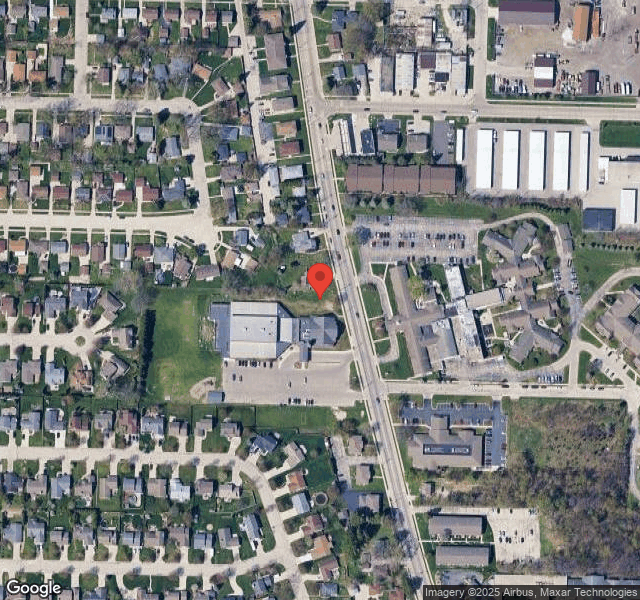
Understanding Severity Codes (click to expand)
Life-Threatening (Immediate Jeopardy)
J - Isolated K - Pattern L - Widespread
Actual Harm
G - Isolated H - Pattern I - Widespread
Potential for Harm
D - Isolated E - Pattern F - Widespread
No Harm (Minor)
A - Isolated B - Pattern C - Widespread

Questions to Ask on Your Visit

  • "What changes have you made since the serious inspection findings?"
  • "What safeguards are in place to prevent abuse and neglect?"
  • "Can I speak with families of current residents?"
  • "What's your RN coverage like on weekends and overnight?"

Our Honest Assessment

Strengths
  • • Licensed and certified facility. Meets minimum state requirements.
Concerns
  • • Multiple safety concerns identified: Federal abuse finding, 7 life-threatening violation(s), 3 harm violation(s), $361,336 in fines, Payment denial on record. Review inspection reports carefully.
  • • 64 deficiencies on record, including 7 critical (life-threatening) violations. These warrant careful review before choosing this facility.
  • • $361,336 in fines. Extremely high, among the most fined facilities in Wisconsin. Major compliance failures.
  • • Grade F (0/100). Below average facility with significant concerns.
Bottom line: This facility has a substantiated abuse finding. Extreme caution advised. Explore alternatives.

About This Facility

What is Chi Franciscan Villa's CMS Rating?

CMS assigns CHI FRANCISCAN VILLA an overall rating of 1 out of 5 stars, which is considered much below average nationally. Within Wisconsin, this rating places the facility higher than 0% of the state's 100 nursing homes. A rating at this level reflects concerns identified through health inspections, staffing assessments, or quality measures that families should carefully consider.

How is Chi Franciscan Villa Staffed?

CMS rates CHI FRANCISCAN VILLA's staffing level at 1 out of 5 stars, which is much below average compared to other nursing homes.

What Have Inspectors Found at Chi Franciscan Villa?

State health inspectors documented 64 deficiencies at CHI FRANCISCAN VILLA during 2022 to 2025. These included: 7 Immediate Jeopardy (the most serious level, indicating potential for serious harm or death), 3 that caused actual resident harm, 52 with potential for harm, and 2 minor or isolated issues. Immediate Jeopardy findings are rare and represent the most serious regulatory concerns. They require immediate corrective action.

Who Owns and Operates Chi Franciscan Villa?

CHI FRANCISCAN VILLA is owned by a non-profit organization. Non-profit facilities reinvest revenue into operations rather than distributing to shareholders. The facility is operated by COMMONSPIRIT HEALTH, a chain that manages multiple nursing homes. With 90 certified beds and approximately 83 residents (about 92% occupancy), it is a smaller facility located in SOUTH MILWAUKEE, Wisconsin.

How Does Chi Franciscan Villa Compare to Other Wisconsin Nursing Homes?

Compared to the 100 nursing homes in Wisconsin, CHI FRANCISCAN VILLA's overall rating (1 stars) is below the state average of 3.0 and health inspection rating (1 stars) is much below the national benchmark.

What Should Families Ask When Visiting Chi Franciscan Villa?

Based on this facility's data, families visiting should ask: "What changes have been made since the serious inspection findings, and how are you preventing similar issues?" "What safeguards and monitoring systems are in place to protect residents from abuse or neglect?" "Can you walk me through typical staffing levels on day, evening, and night shifts?" "Can I visit during a mealtime to observe dining assistance and food quality?" These questions are particularly relevant given the facility's Immediate Jeopardy citations, the substantiated abuse finding on record, and the below-average staffing rating.

Is Chi Franciscan Villa Safe?

Based on CMS inspection data, CHI FRANCISCAN VILLA has documented safety concerns. The facility has 1 substantiated abuse finding (meaning confirmed case of resident harm by staff or other residents). Inspectors have issued 7 Immediate Jeopardy citations (the most serious violation level indicating risk of serious injury or death). The facility has a 1-star overall rating and ranks #100 of 100 nursing homes in Wisconsin. Families considering this facility should ask detailed questions about what corrective actions have been taken since these incidents.

Do Nurses at Chi Franciscan Villa Stick Around?

CHI FRANCISCAN VILLA has not reported staff turnover data to CMS. Staff turnover matters because consistent caregivers learn residents' individual needs, medications, and preferences. When staff frequently change, this institutional knowledge is lost. Families should ask the facility directly about their staff retention rates and average employee tenure.

Was Chi Franciscan Villa Ever Fined?

CHI FRANCISCAN VILLA has been fined $361,336 across 4 penalty actions. This is 9.8x the Wisconsin average of $36,692. Fines at this level are uncommon and typically indicate a pattern of serious deficiencies, repeated violations, or failure to correct problems promptly. CMS reserves penalties of this magnitude for facilities that pose significant, documented risk to resident health or safety. Families should request specific documentation of what issues led to these fines and what systemic changes have been implemented.

Is Chi Franciscan Villa on Any Federal Watch List?

CHI FRANCISCAN VILLA is not on any federal watch list. The most significant is the Special Focus Facility (SFF) program, which identifies the bottom 1% of nursing homes nationally based on persistent, serious quality problems. Not being on this list means the facility has avoided the pattern of deficiencies that triggers enhanced federal oversight. This is a positive indicator, though families should still review the facility's inspection history directly.