WILLOWCREST HEALTH SERVICES
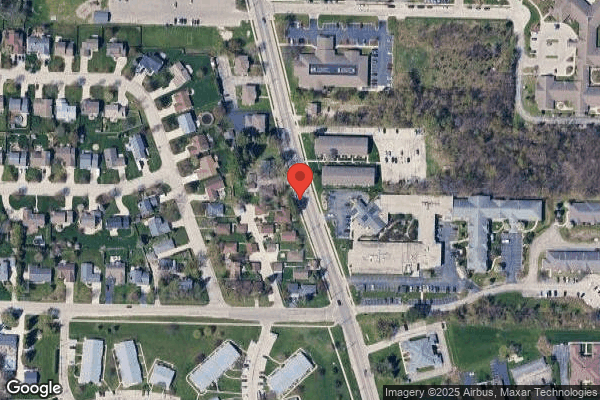
3821 S CHICAGO AVE, SOUTH MILWAUKEE, WI 53172 (414) 762-7336
For profit - Limited Liability company 100 Beds NORTH SHORE HEALTHCARE Data: November 2025 2 Immediate Jeopardy citations
Trust Grade
14/100
#320 of 321 in WI
Last Inspection: June 2025

Inspected within the last 6 months. Data reflects current conditions.

Overview

Willowcrest Health Services has received a Trust Grade of F, indicating significant concerns and a poor reputation. It ranks #320 out of 321 facilities in Wisconsin and is last in Milwaukee County, meaning it is among the least favorable options available. The facility shows an improving trend, having reduced its issues from 18 in 2024 to 14 in 2025, but still has a long way to go. Staffing is a point of concern, with a poor rating of 1 out of 5, although the turnover rate is impressively low at 0%, suggesting staff retention is not an issue. The facility has faced serious incidents, including a critical failure to administer CPR to an unresponsive resident and instances of inadequate staffing, which could jeopardize resident safety. Overall, while there are some strengths, such as low turnover, the facility's serious deficiencies and low rankings raise significant red flags for families considering care for their loved ones.

Trust Score
F
14/100
In Wisconsin
#320/321
Bottom 1%
Safety Record
High Risk
Review needed
Inspections
Getting Better
18 → 14 violations
Staff Stability
○ Average
Turnover data not reported for this facility.
Penalties
✓ Good
$21,285 in fines. Lower than most Wisconsin facilities. Relatively clean record.
Skilled Nurses
○ Average
Each resident gets 36 minutes of Registered Nurse (RN) attention daily — about average for Wisconsin. RNs are the most trained staff who monitor for health changes.
Violations
⚠ Watch
36 deficiencies on record. Higher than average. Multiple issues found across inspections.
★☆☆☆☆
1.0
Overall Rating
★☆☆☆☆
1.0
Staff Levels
★★★★☆
4.0
Care Quality
★★☆☆☆
2.0
Inspection Score
Stable
2024: 18 issues
2025: 14 issues

The Good

  • 4-Star Quality Measures · Strong clinical quality outcomes
  • Full Sprinkler Coverage · Fire safety systems throughout facility
  • No fines on record

Facility shows strength in quality measures, fire safety.

The Bad

1-Star Overall Rating

Below Wisconsin average (3.0)

Significant quality concerns identified by CMS

Federal Fines: $21,285

Below median ($33,413)

Minor penalties assessed

Chain: NORTH SHORE HEALTHCARE

Part of a multi-facility chain

Ask about local staffing decisions and management

The Ugly 36 deficiencies on record

2 life-threatening
Jun 2025 13 deficiencies
CONCERN (D)

Potential for Harm - no one hurt, but risky conditions existed

Deficiency F0605 (Tag F0605)

Could have caused harm · This affected 1 resident

**NOTE- TERMS IN BRACKETS HAVE BEEN EDITED TO PROTECT CONFIDENTIALITY** Based on record review and interview, the facility did not ensure a Resident (R38) received the recommended dose reduction of a ...

Read full inspector narrative →
**NOTE- TERMS IN BRACKETS HAVE BEEN EDITED TO PROTECT CONFIDENTIALITY** Based on record review and interview, the facility did not ensure a Resident (R38) received the recommended dose reduction of a prescribed anti-anxiety medication. This was determined for 1 (R38) of 5 Residents reviewed. *On 5/8/25, Psychiatric NP (NP)-E recommended to discontinue R38's Lorazepam after a gradual dose reduction (GDR). The order to discontinue R38's Lorazepam was not completed following the recommendation on 5/8/25. Findings Include: The facility's Medication Monitoring, Medication Management, Section 8.4 last reviewed 01/24 documents: Policy .Based on a comprehensive assessment of a Resident, the facility must insure: -Residents who use psychotropic drugs receive gradual dose reductions, and behavioral interventions, unless clinically contraindicated, in an effort to discontinue these drugs. Procedures .The interdisciplinary team reviews the Resident's medication regimen for efficacy and actual or potential medication-related problems on an ongoing basis and wit with consideration of Resident preferences. 3. The prescriber and the care planning team reassess the continued need for the ordered medication. Effects of the medications are documented as a part of the care planning process. R38 was admitted to the facility on [DATE] with diagnoses of Anxiety Disorder (mental health disorder characterized by feelings of worry, fear that interfere with daily activities), Type 2 Diabetes Mellitus (adult onset of trouble controlling blood sugar), Peripheral Vascular Disease(circulatory condition in which narrowed blood vessels reduce blood flow to limbs), Anemia(low red blood cells or hemoglobin), and Chronic Kidney Disease (progressive damage and loss of function in the kidneys). R38 is his own person. R38's Quarterly Minimum Data Set (MDS) completed 5/14/25 documents R38's Brief Interview for Mental Status (BIMS) score to be 15 indicating R38 is cognitively intact for daily decision making. R38 has no documented behavior or mood symptoms. Surveyor notes that R38 had no mood or behavior symptoms documented on the following MDS's: -2/11/25 Quarterly MDS -11/11/24 Annual -8/13/24 Quarterly -5/13/24 Quarterly R38's comprehensive care plan documents: At risk for changes in mood due to anxiety Initiated 11/25/20 Revised 5/14/25 Interventions implemented on 11/25/20 -Administer medications per MD orders -Assess physical/environmental changes that may precipitate change in mood -Attempt psychotropic drug reduction per MDS orders -Observe for mental/mood state changes when new medication is started or with dose changes -Offer choices to enhance sense of control At risk for adverse effects due to use of antianxiety/anxiolytic and anti-depressant medication Initiated 11/25/20 Revised 7/20/22 Interventions implemented: -Evaluate effectiveness and side effects of medications for possible decrease/elimination of psychotropic drugs Initiated 11/25/20 -Psychiatrist consult and follow-up as needed GDR Ativan 6/14/21 7/12/21 Increase Ativan failed GDR 11/18/21 GDR Lorazepam 1/28/22 Increase Lorazepam dose 4/13/22 Increase Ativan 8/10/22 Ativan time change 1/10/24 GDR Lorazepam 10/10/24 GDR Lorazepam 4/10/25 GDR Lorazepam 5/8/25 GDR Lorazepam-revised 5/15/25 As of June 4th, at 7:47 AM, R38's current physician orders document R38 is prescribed Lorazepam 0.5 mg one time a day related to anxiety disorder effective 4/9/25. Nursing staff to document targeted behaviors of excessive worry and restlessness 1 time a shift. Surveyor reviewed R38's Medication Administration Record (MAR) from February to June. Surveyor notes that nursing staff documented NO consistently everyday on each shift in response to R38 targeted behaviors. Surveyor notes R38 consistently did not demonstrate behaviors to substantiate the continued use of Lorazepam. On 5/8/2025, at 4:37 PM, Psych NP-E documented in a psychiatry follow-up: .[R38] was last seen on November 13, 2024. [R38] had been stable with no increased anxiety reported after the gradual dose reduction of Lorazepam that was implemented during the October 2024 visit. Staff reports [R38] continues to be stable, has not reported any symptoms of anxiety. [R38] has no concerns regarding mood or behaviors. Last GDR Consideration: 05/08/2025 - Next GDR Due: 08/08/2025 Classification: Anxiolytic Practitioner response: I will attempt a gradual dose reduction and note in [R38's] chart: medication discontinued. GDR Status: In Progress GDR Status Updated On: 05/12/2025, ***Assessment and Plan*** *ANXIETY DISORDER, UNSPECIFIED* [R38] remains stable with occasional anxiety reported at bedtime or during night-time hours. Continuing Sertraline 50 mg daily. Will discontinue Lorazepam 0.25 mg daily. Ongoing monitoring for increased signs and symptoms of anxiety or changes in mood and behavior. If this should occur, consider increasing Sertraline . On 5/15/2025, at 10:23 AM, Social Services Director (SSD)-F documented that R38 was seen by Psych NP-E.Order written for GDR of Lorazepam. Refer to consult for details. Follow-up visit scheduled. Plan of care updated and behavior monitoring reviewed. IDT to monitor for needs . On 6/4/25, at 8:17 AM, Surveyor interviewed Psych NP-E via telephone. Psych NP-E stated R38's anxiety has been much better. Psych NP-E stated that Psych NP-E communicates any medication changes directly to the unit manager or it is communicated in the behavior meeting. Psych NP-E stated that Unit Manager (UM)-G was informed of the plan to discontinue the Lorazepam. Psych NP-E informed Surveyor that the expectation for a recommended medication adjustment or to discontinue should be completed the following day for a Resident. On 6/4/25, at 10:39 AM, Surveyor interviewed UM-G regarding R38's Lorazepam. UM-G doesn't recall getting a verbal order and informed Surveyor that SSD-F reviews Psych NP-E's notes. UM-G stated, I don't know whose error it is. I don't know what happened. UM-G confirmed that UM-G attends the behavior meetings on the 2nd Wednesday of the month. On 6/4/25, at 10:53 AM, Surveyor interviewed SSD-F regarding R38's Lorazepam and the recommendation from Psych NP-E to discontinue the medication on 5/8/25. SSD-F did not recall talking about the recommendation for discontinuing R38's Lorazepam. SSD-F confirmed they review Psych NP-E's notes every-time a Resident is evaluated. SSD-F does discuss medication changes with nursing. SSD-F did review R38's Psych NP-E's note to discontinue R38's Lorazepam and confirmed SSD-F did update R38's care plan On 6/4/25, at 2:36 PM, Surveyor shared the concern with Nursing Home Administrator (NHA)-A, Director of Nursing (DON)-B and RN/VP of Success (VP)-Q that R38's GDR to discontinue R38's Lorazepam was not initiated on 5/8/25 when Psych NP-E recommended it. DON-B stated that Psych NP-E did not write a telephone order. Surveyor shared SSD-F had reviewed Psych NP-E's notes and was aware that R38's Lorazepam should have been discontinued on 5/8/25 and that Psych NP-E had stated that they had communicated the discontinuation of R38's Lorazepam to UM-G. On 6/5/25, at 9:15 AM, Surveyor spoke with Psych NP-E via telephone again. Psych NP-E stated that they do not write telephone orders and that hey communicate orders to either he nurse or the unit manager. Psych NP-E shared they always discuss what resident is up for a GDR in the behavior meeting.
CONCERN (D)

Potential for Harm - no one hurt, but risky conditions existed

Deficiency F0628 (Tag F0628)

Could have caused harm · This affected 1 resident

**NOTE- TERMS IN BRACKETS HAVE BEEN EDITED TO PROTECT CONFIDENTIALITY** Based on interview and record review the facility did not ensure 2 (R27 & R55) of 2 residents were notified of the reason for tr...

Read full inspector narrative →
**NOTE- TERMS IN BRACKETS HAVE BEEN EDITED TO PROTECT CONFIDENTIALITY** Based on interview and record review the facility did not ensure 2 (R27 & R55) of 2 residents were notified of the reason for transfer/discharge in writing and the rate to reserve the residents bed was not documented in the Wisconsin Bed Hold and Notice of Transfer. Findings include: The facility's policy titled, Bed Hold Notice and reviewed/revised 4/23/2025 under policy documents It is the policy of this facility to provide written information to the resident and/or the resident representative regarding bed hold practices both well in advance, and at the time of, a transfer for hospitalization or therapeutic leave. Under Policy Explanation and Compliance Guidelines documents 1. As part of the admission packet and at the time of a transfer to the hospital or therapeutic leave, the facility will provide the resident and/or the resident representative written information that specifics: a. The duration of the State bed-hold policy, if any, during which the resident is permitted to return and resume residence in the nursing facility; b. The reserve bed payment policy in the state plan policy, if any. c. The facility policies regarding bed-hold periods to include allowing a resident to return to the next available bed. d. Conditions upon which the resident would return to the facility: The resident requires the services which the facility provides; The resident is eligible for Medicare skilled nursing facility services or Medicaid nursing facility services. 2. In the event of an emergency transfer of a resident, the facility will provide written notice of the facility's bed-hold policies to the resident and/or the resident representative within 24 hours. The facility will document multiple attempts to reach the resident's representative in cases where the facility was unable to notify the representative. 3. The facility will keep a signed and dated copy of the bed-hold notice information given to the resident and/or resident representative in the resident's file and/or medical record. 4. The facility will provide this written information to all facility residents, regardless of their payment source. 1.) R27's diagnoses includes quadriplegia (partial or complete loss of function in all four limbs) depressive disorder, hypertension (high blood pressure), and anxiety disorder. R27's nurses note dated 6/26/24 at 21:45 (9:45 p.m.) written by Licensed Practical Nurse (LPN)-V documents [Name] medical NP (Nurse Practitioner) [Name] updated of resident's continued pain to ABD (abdomen) achy 7/10 pain, hypoactive bowel sounds, firm rotund abdomen with slightly raised area midline above the umbilicus. Orders obtained to send to ER (emergency room) for possible Bowel Obstruction. R27's nurses note dated 6/27/24 at 07:59 (7:59 a.m.) written by Registered Nurse/Unit Manager (RN/UM)-I documents admitted to [hospital initials] with dx (diagnosis): pseudo obstruction of colon. R27 was readmitted to the facility on [DATE]. R27's Bed Hold Policy and Notice of Transfer form for date of transfer 6/26/24 documents resident unable to sign giving verbal confirmation and was witnessed by LPN-Y & LPN-V. The bed hold policy section is not completed. The resident's name, date of transfer, transferred to, time period to authorize facility to hold a room and the current daily rate is not completed. The resident or responsible party signature & date also has not been completed. There is no evidence that written bed hold policy and notice of transfer form was provided to R27 and R27's representative. R27's nurses note dated 11/4/24 at 19:26 (7:26 p.m.) written by Registered Nurse (RN)-X documents Resident c/o (complained of) abd (abdominal) pain/discomfort. Requested something for GI (gastrointestinal) upset. Writer administered simethicone and Tylenol w/ (with) no effectiveness. Writer irrigated Foley. At the time, Foley patent and draining. Resident continued to c/o pain and yell out in pain. Abd distended, hard, tender to touch. Bowel sounds present X4 (times four), hyperactive. Placed call to on call. Per [Name], send out for evaluation. management notified. Sent to [Hospital name]. R27's nurses note dated 11/4/24 at 22:58 (10:58 p.m.) written by LPN-W documents Writer informed resident transferred to [Hospital name] at 1930 (7:30 p.m.). Writer phoned [Hospital name] ED (emergency department) RN [Name] for update. [Name] RN reports resident was administered Tylenol for abd (abdominal) pain, labs were drawn and came back WNL (within normal limits), CT (computed tomography) was completed and results show large amount of colonic air including gaseous dilation, likely pseudo obstruction. ED RN reports resident will be admitted to hospital. R27 was readmitted to the facility on [DATE]. Surveyor reviewed R27's medical record and was unable to locate the bed hold policy and notice of transfer for R27. On 6/4/25, at 2:36 p.m., during the end of the day meeting with Nursing Home Administrator (NHA)-A, Director of Nursing (DON)-B and Registered Nurse/Vice President (RN/VP) of Success-Q Surveyor informed staff Surveyor was unable to locate R27's bed hold policy and notice of transfer when R27 was discharged to the hospital on [DATE]. On 6/5/25 Surveyor received a pink sticky note which documented No bed hold for November 24 date requested. R27's nurses note dated 3/20/25 at 23:41 (11:41 p.m.) documents Resident picked up by [ambulance name] at 2341 (11:41 p.m.). R27 was readmitted to the facility on [DATE]. R27's Bed Hold Policy and Notice of Transfer dated 3/20/25 for signature documents verbal dated 3/20/25. The bed hold policy section is not completed. The time period to authorize facility to hold a room and the current daily rate is not completed. The resident or responsible party signature & date also has not been completed. There is no evidence written bed hold policy and notice of transfer form was provided to R27 and R27's representative. 2.) R55's diagnoses include acute and chronic respiratory failure with hypoxia (low levels of oxygen in body tissue), chronic obstructive pulmonary disease (group of lung diseases that block airflow and make it difficult to breathe), diabetes mellitus (high blood sugar) hypertension (high blood pressure) and depression. R55 is her own person and shares a room with her husband, R36. R55's eINTERACT SBAR (situation, background, assessment, recommendation) dated 6/6/24 and written by Director of Nursing (DON)-B includes documentation of Nursing observations, evaluation, and recommendations are:to 95% but shortly after comes down to 92%, pulse remains elevated no 148, lungs no wheezing sound clear, Hgb (hemoglobin) and HCT (hematocrit) low but baseline, resident request to be sent to ER (emergency room). Primary Care Provider Feedback: Primary Care Provider responded with the following feedback: A. Recommendations: NP (Nurse Practitioner) [Name] of [Name] Medical gives order to send resident to ER for evaluation and treatment. EMT's (emergency medical technology) [ambulance name] departed facility 2300 (11:00 p.m.) with resident on stretcher. [Hospital initials] RN (Registered Nurse) [Name] updated of change in condition, brief history, and resident's expected arrival. R55's nurses note dated 6/7/24 at 07:07 (7:07 a.m.) written by Registered Nurse/Unit Manager (RN/UM)-I documents resident admitted to [Hospital initials] ICU (intensive care unit) with dx (diagnosis) cellulitis of abdominal wall. R55 was readmitted to the facility on [DATE]. R55's nurses note dated 7/8/24 at 11:54 a.m. written by LPN-K documents Routine H & H (hemoglobin and hematocrit) drawn this am (morning). Critical value of 5.5 and 21. Writer spoke with [Name] NP (Nurse Practitioner) NOR (new order received) to send pt (patient) out to [Hospital initials] ER (emergency room) for Blood Transfusion. [Name] Ambulance called to transport. Resident in good spirits and alert and oriented per baseline upon departure to hospital. R55's nurses note dated 7/8/2024 at 13:30 (1:30 p.m.) written by LPN-K documents Writer spoke with ED (emergency department), pt admitted with Anemia and Blood in stool. R55 was readmitted to the facility on [DATE]. R55's nurses note dated 8/14/24 at 05:00 (5:00 a.m.) written by LPN-V documents Resident picked up by [Name] at 0500 for a surgery laparoscopic right hemicolectomy for a diagnosis of colon cancer. Transferred to [Hospital name] main. R55 was readmitted to the facility on [DATE]. R55's nurses note dated 4/12/25 at 22:58 (10:58 p.m.) and written by LPN-Z documents Resident is on follow up for: sent to ER (emergency room). The current status is resident 911 out O2 (oxygen) in the 80s and heart rate 146 on call and DON (Director of Nursing) notified resident is own self. R55's nurses note dated 4/13/25 at 06:04 (6:04 a.m.) and written by LPN-Z documents resident admitted to icu (intensive care unit) with pneumonia and fever [Hospital name]. R55 was readmitted to the facility on [DATE]. Surveyor reviewed R55's medical record and was unable to locate a bed hold policy and notice of transfer for R55 when R55 was discharged to the hospital on 6/6/24, 7/8/24, & 8/15/24. Surveyor noted a bed hold and notice of transfer form for R55's discharge to the hospital on 4/12/25 dated 4/14/25 which documents verbal by Registered Nurse/Unit Manager (RN/UM)-I. On 6/3/25, at 1:46 p.m., Surveyor asked LPN-K when a resident is being transferred to the hospital is she involved with any paper work. LPN-K explained she sends the residents DNR (do not resuscitate), MARs (medication administration record), face sheet, the bed hold and labs with the paramedics. On 6/3/25, at 3:00 p.m., during the end of the day meeting with Nursing Home Administrator (NHA)-A, Director of Nursing (DON)-B and Registered Nurse/Vice President (RN/VP) of Success-Q Surveyor informed staff Surveyor was unable to locate R55's bed hold policy and notice of transfer when R55 was discharged to the hospital on 6/6/24, 7/8/24, & 8/15/24. On 6/4/25, at 8:59 a.m., NHA-A informed Surveyor when she got here (October 2024) they weren't doing the bed hold policy and notice of transfer forms. NHA-A informed Surveyor they do not have the bed hold policy and notice of transfer forms for R55. NHA-A informed Surveyor some of the nurses were doing them and others were not so they did a QAPI (quality assurance performance improvement) (January 2025) and educated staff. NHA-A informed Surveyor the old form didn't have the rate so they redid their forms and the forms have the bed hold rate. On 6/4/25, at 9:06 a.m., Surveyor asked LPN-K if she could show Surveyor the bed hold policy and transfer notice form that she sends out. LPN-K showed Surveyor they are in a white binder at the nurses station. Surveyor noted the bed hold policy documents I hereby authorize the center to reserve a room , effective from ___ to ___ at the current daily ate of $__ per day. If I wish to discontinue this reservation I will inform the facility immediately and such cancellation will be effective upon notification with resident or responsible party signature & date bottom of form has table heading of bed hold rates semi private room $__ Private Room $___. Surveyor noted the these forms do not include the daily rate. On 6/4/25, at 9:43 a.m., NHA-A showed Surveyor the new form and showed Surveyor this form has the daily bed hold rate. Surveyor informed NHA-A the forms the nurses are using does not have the daily bed hold rate and showed NHA-A multiple copies of the form without the rate. NHA-A stated that's not good. On 6/4/25, at 11:30 a.m., Surveyor asked RN/UM-I about R55's bed hold and notice of transfer form. Surveyor asked RN/UM-I if R55 was discharged on 4/12/25 why was this form dated 4/14/25. RN/UM-I stated wonder if it was a weekend, they must not of did it. Surveyor asked if the bed hold rate is provided to the resident and their representative. RN/UM-I replied no because I don't know the rates. On 6/5/25, at 8:36 a.m. Surveyor asked R55 when she went to the hospital in April does she remember receiving a bed hold and notice of transfer form. R55 replied no. Surveyor then showed R55 this form and asked if she received this form. R55 replied no and asked Surveyor if they are suppose to receive it. Surveyor then showed R55's husband, R36 the bed hold and notice of transfer form and asked R36 if he remembers receiving this form. R36 replied no.
CONCERN (D)

Potential for Harm - no one hurt, but risky conditions existed

Quality of Care (Tag F0684)

Could have caused harm · This affected 1 resident

**NOTE- TERMS IN BRACKETS HAVE BEEN EDITED TO PROTECT CONFIDENTIALITY** Based on observation, interview, and record review the facility did not ensure 1 (R1) of 1 resident reviewed for bowel & bladder...

Read full inspector narrative →
**NOTE- TERMS IN BRACKETS HAVE BEEN EDITED TO PROTECT CONFIDENTIALITY** Based on observation, interview, and record review the facility did not ensure 1 (R1) of 1 resident reviewed for bowel & bladder and who is incontinent of bowel receives appropriate treatment and services to monitor bowel movements. * R1 did not have a documented bowel movement from 2/1/25 through 2/9/25 and no bowel interventions were provided. On 2/10/25 R1 was diagnosed with a possible small bowel ileus. Findings include: R1's diagnoses includes Multiple Sclerosis (disease in which the immune system eats away at the protective covering of nerves), aphasia (language disorder that affects a person's ability to communicate), and anoxic brain damage (brain injury resulting from a complete lack of oxygen supply). R1's alteration bowel elimination care plan initiated & revised 3/22/18 documents the following interventions: *Administer medications per MD (medical doctor) order and observe effectiveness. Initiated 3/22/18. *Encourage to be out of bed daily. Document refusals. Initiated 3/22/18 & revised 5/7/25. *Notify MD of any changes in bowel function. Initiated 3/22/18. *Provide check and change q (every) 2-3 hours and as PRN (needed). Provide Incontinent cares as needed. Size 2 briefs. Initiated 3/22/18 & revised 5/7/25. *Record BM (bowel movements) and report abnormalities. Initiated 3/22/18 & revised 5/7/25. Report S & S (signs and symptoms) of constipation such as abdominal cramping, diarrhea, n/v (nausea/vomiting), no BM (bowel movement) for 3 days. Initiated 3/22/18. R1's annual MDS (minimum data set) with an assessment reference date of 5/19/25 has a BIMS (brief interview mental status) score of 0 which indicates severe cognitive impairment. R1 is dependent on staff for toileting hygiene, and requires substantial/maximal assistance to roll left & right and chair/bed to chair transfer. R1 is assessed as always incontinent of bowel and bladder. R1's urinary incontinence and indwelling catheter CAA (care area assessment) dated 5/22/25 under analysis of findings for nature of problem documents Urinary and bowel incontinence. Under care plan considerations documents Urinary Incontinence CAA triggered secondary to level of assist needed for toileting/incontinence needs and actual incontinent episodes. Annual assessment LTC (long term care) resident. Contributing factors impaired functional mobility, medication use, multiple sclerosis, depression, anxiety, encephalopathy (general brain dysfunction characterized by alteration in brain function), aphasia following cerebrovascular disease, adult failure to thrive, epilepsy (seizure disorder), anoxic brain damage. Risk factors include impaired skin integrity, falls, recurrent UTIs. Care plan reviewed to minimize/reduce fall risk, impaired skin integrity risk, reduce risk for UTI (urinary tract infection). Participate in therapies as ordered. Staff to continue to provide assistance per POC (plan of care). See care plan. Surveyor reviewed R1's bowel record and noted the following: On 1/31/25 R1 had an incontinent, watery/diarrhea, medium bowel movement. On 2/1/25, 2/2/25, 2/3/25, 2/4/25, 2/6/25, 2/7/25, 2/8/25 & 2/9/25 R1 did not have any bowel movements. Surveyor reviewed R1's bowel medications and noted the following Start date 8/18/23 MiraLax Powder (Polyethylene Glycol 3350) with directions to give 17 grams via G-tube one time a day every other day for constipation. This order was changed on 2/11/25 to provide MiraLax 17 grams once daily. Start date of 12/15/23 Senna Oral Tablet 8.6 mg (milligrams) (Sennosides) with directions to give 2 tablets via G-tube one time a day for constipation. This order was changed on 2/11/25 to give 2 tablets via G-tube every 12 hours. Surveyor noted R1's as needed bowel medication with a start date of 1/20/18 of Milk of Magnesia Suspension 7.75% (Magnesium Hydroxide) Give 30 ml via G-tube every 24 hours as needed for constipation if no BM in 8 shifts. Start date of 1/1/18 Dulcolax Suppository 10 mg (Bisacodyl) Insert 10 mg rectally every 24 hours as needed for constipation use if no results from MOM (milk of magnesia). Review of R1's February 2025 MAR (medication administration record) reveals these as needed bowel records were not administered from 2/1/25 through 2/9/25 when R1 did not have any bowel movements. Surveyor reviewed nursing notes from 2/1/25 through 2/9/25 and did not note any documentation of bowel interventions or R1's physician being notified of R1 not having a bowel movement during this time period. R1's physician note late entry dated 2/10/25 & created on 3/11/25 by Advance Practice Nurse Prescriber (APNP)-O includes documentation of .HPI (History of Present Illness): [AGE] year-old female seen at [facility name] in LTC for acute care visit for concerns of vomiting and high tube feeding residual. The provider was called by the nurse to evaluate the patient over concerns of vomiting last night and also today. Residual was checked and was greater than 1,000 cc (cubic centimeters). The nurse stopped the tube feeding and is concerned about possible aspiration. Seen in her room. Bowel sounds are minimal. Lungs clear at this time. She endorses nausea when asked. Bowel sounds minimal. No pain with palpation. Orders to continue to hold tube feeding. Blood pressures are elevated-- usually blood pressures are soft. Denies pain or any concerns when asked. Primarily nonverbal, but can nod yes to simple questions. No seizure activity. No falls. Unable to get further details from her due to mentation. Limited exam due to same. Poor historian .Gastrointestinal: Abdomen is slightly distended. Bowel sounds minimal to all quadrants. No pain with palpation. G-tube in place. Site looks good. APNP-O's progress note with a late entry of 2/11/25 & created on 3/11/25 documents .Imaging done and reviewed: - KUB (kidneys, ureter's, bladder) showed the bowel gas pattern shows diffuse small bowel ileus. Distal small bowel obstruction is not excluded in the body of the stomach. No definite abnormal calculi or masses. Osseous structures are intact Gastrointestinal: Abdomen is slightly distended. No audible bowel sounds to LUQ (left upper quadrant) and LLQ (left lower quadrant). Hyperactive bowel sounds to RUQ (right upper quadrant) and RLQ (right lower quadrant). No pain with palpation. G-tube in place. Site looks good Diagnoses attached to this encounter: Ileus, unspecified . Physician progress note dated 2/12/25 documents Bowel sounds present in all quadrants but remain slightly sluggish to LUQ. Had two large BMs overnight after previous adjustments to bowel regimen. Await KUB results. If ileus is resolved plan to restart tube feeding at half rate and increase by 10 cc (cubic centimeters) q (every) 8 (as tolerated) until at goal. If ileus is resolved, ok to discontinue IVF (intravenous fluid), IV, and daily KUB. If ileus is not resolved, will switch fluids to D (dextrose)5/45 at 50 cc/hr (cubic centimeters per hour) due to increased sodium levels and continue daily KUB until ileus resolved. On 6/5/25, at 8:28 a.m., Surveyor asked Licensed Practical Nurse (LPN)-P if the facility has a bowel program. LPN-P explained she looks on the dash board which usually shows when resident does not have a bowel movement in 24, 48 & 72 hours. LPN-P informed Surveyor they would give MiraLax, Senna plus and depending on the order mom (milk of magnesia). LPN-P informed Surveyor she would assess the resident after 48 & 72 hours max (maximum) and give something. On 6/5/25, at 8:39 a.m., Surveyor asked LPN-K if there is a bowel program at the facility. LPN-K informed Surveyor residents without bowel movements shows up on the dash board and if a resident doesn't have a BM for three days they would give MOM or suppository. On 6/5/25, at 9:07 a.m. Surveyor asked Registered Nurse/Unit Manager (RN/UM)-I if there is a bowel program at the facility. RN/UM-I replied yes and explained they have clinical alerts based on CNA (Certified Nursing Assistant) documentation will alert if there is no BM in 48 & 72 hours. RN/UM-I informed Surveyor they would administer PRN (as needed) bowel medication what ever is ordered. Surveyor informed RN/UM-I R1 did not have a bowel movement from 2/1/25 through 2/9/25 and Surveyor did not note any PRN bowel medications were administered during this time. RN/UM-I informed Surveyor she will get back to Surveyor. On 6/5/25, at 10:53 a.m., Surveyor met with RN/UM-I and Director of Nursing (DON)-B. RN/UM-I informed Surveyor prior to those dates (2/1/25 through 2/9/25) R1 was on a bowel regimen every other day of MiraLax Powder & Senna 2 tablets daily. After the incident R1's MiraLax powder was changed to daily, Senna 2 tablets every 12 hours and fiber. Surveyor informed RN/UM-I & DON-B Surveyor was unable to locate any bowel interventions during the time period when R1 did not have a bowel movement. DON-B informed Surveyor she did go through the February MAR and there were no PRNs given and there was also a couple times when PM (evening) shift did not complete their charting. Surveyor asked DON-B for the facility's bowel monitoring policy. On 6/5/25, at 11:55 a.m., DON-B informed Surveyor they do not have a bowel policy. On 6/5/25, at 12:07 p.m. Registered Nurse/Vice President (RN/VP) of Success-Q showed Surveyor included in their batch orders are Dulcolax Suppository 10 mg daily as needed, Fleet enema 7-19 gram/118 ml insert 1 application rectally as needed for constipation and Milk of Magnesia Suspension 7.75% 30 ml by mouth as needed for constipation daily. RN/VP of Success-Q explained they have these as needed bowel medications in their batch orders so the nurses don't have to type the orders in.
CONCERN (D)

Potential for Harm - no one hurt, but risky conditions existed

Deficiency F0688 (Tag F0688)

Could have caused harm · This affected 1 resident

Based on observation, interview, and record review the facility did not ensure 1 (R1) of 6 residents with limited range of motion receive appropriate treatment and services to increase range of motion...

Read full inspector narrative →
Based on observation, interview, and record review the facility did not ensure 1 (R1) of 6 residents with limited range of motion receive appropriate treatment and services to increase range of motion and/or to prevent further decrease in range of motion. R1 was assessed to have limited range of motion on one side for R1's upper extremities and both sides for lower extremities. There is no care plan for range of motion to prevent further decrease and range of motion was not observed during cares. Findings include: The facility's policy titled, Prevention of Decline in Range of Motion and reviewed/revised 02/02/2023 under Policy Explanation and Compliance Guidelines documents 3. Appropriate Care Planning a. Based on the comprehensive assessment, the facility will provide interventions, exercises and/or therapy to maintain or improve range of motion. b. The facility will provide treatment and care in accordance with professional standards of practice. This includes, but is not limited to: i. Appropriate services (specialized rehabilitation, restorative, maintenance). ii. Appropriate equipment (braces or splints). iii. Assistance as needed (active assisted, passive, supervision). c. Care plan interventions will be developed and delivered through the facility's restorative program, or through specialized rehabilitative services as ordered by the attending practitioner. d. Interventions will be documented on the resident's person-centered care plan. Documentation should include, but not limited to: i. Type of treatments; ii. Frequency and duration of treatments; iii. Measurable objectives; iv. Resident goals. e. A nurse with responsibility for the resident will monitor for consistent implementation of the care plan interventions. Refusals of care or problems associated with range of motion exercises will be documented in the medical record. f. Modifications to the plan of care will be made as needed. g. The resident/resident's representative will be included in the development of the restorative/rehabilitation care plan and provided the risks and benefits of the treatments. R1's diagnoses includes Multiple Sclerosis (disease in which the immune system eats away at the protective covering of nerves), aphasia (language disorder that affects a person's ability to communicate), and anoxic brain damage (brain injury resulting from a complete lack of oxygen supply). Surveyor reviewed R1's current care plans and noted the following care plans for R1: Activities initiated 5/27/22 & revised 2/11/24, ADL (activities daily living) self care deficit initiated 6/256/18 & revised 5/22/25, Actual Communication deficit initiated 4/22/19 & revised 5/22/25, Alteration in visual acuity initiated 3/22/28 & revised 5/22/25, Advanced directives initiated 2/14/25, Potential for elopement initiated 6/6/24, Cognitive loss initiated 11/8/17 & revised 5/22/25, Alteration in elimination initiated 6/19/18 & revised 7/13/23, At risk for falls initiated 3/22/18 & revised 5/22/25, Potential for behaviors initiated 11/8/17 & revised 6/20/24, Bowel elimination alteration initiated & revised 3/22/18, Nutrition initiated 9/27/23 & revised 5/15/25, Risk for alteration in hydration initiated 6/8/22 & revised 5/22/25, Pain initiated 3/22/18 & revised 5/22/25, I have things I really enjoy and are important to me initiated & revised 11/8/17, At risk for skin integrity initiated 11/25/19 & revised 5/22/25, Potential for dental or oral cavity health problem initiated & revised 5/22/25, Patient shows little potential for discharge to the community initiated 11/8/17, Need for feeding tube initiate d& revised 3/12/22, At risk for infection initiated & revised 4/1/24, At risk for changes in mood initiated 11/8/17 & revised 2/22/23, Potential for infection initiated 12/24/17 & revised 1/3/18, Neurological deficiencies initiated 3/22/18 & revised 5/22/25, Cardiac disease initiated & revised 10/15/20, Anticonvulsant therapy initiated 2/13/19 & revised 10/17/21, Use of seatbelt initiated & revised 10/11/18, Monitor for s/s (signs/symptoms) of grief initiated & revised 7/25/23, Antianxiety medication initiated 11/13/23 & revised 5/15/25, at risk for alteration in skin integrity initiated 3/22/18 & revised 5/22/25, and Lump (L) (left) breast, lateral initiated & revised 5/28/25. Surveyor noted none of these care plans have interventions that address range of motion for R1. R1's annual MDS (minimum data set) with an assessment reference date of 5/19/25 has a BIMS (brief interview mental status) score of 0 which indicates severe cognitive impairment. Under the section functional limitation in range of motion for upper extremity (shoulder, elbow, wrist, hand) assesses impairment on one side and lower extremity (hip, knee, ankle, foot) assesses impairment on both sides. R1's Visual/Bedside Kardex Report as of 6/2/25 under the resident care section documents *Ensure a stuffed animal is placed in bed with resident. *Ensure glasses are worn as appropriate. * Monitor- Eyeglasses. The other sections of activities, bladder/bowel, bathing, behavior/mood, bed mobility, communication, eating/nutrition, monitors, mobility, infection control, personal hygiene/oral care, safety, skin, transferring, and toileting does not address range of motion for R1. On 6/3/25, at 10:38 a.m., Surveyor asked Rehab Director (RD)-M if R1 is in therapy. RD-M informed Surveyor R1's therapy ended 9/13/24. Surveyor asked RD-M what is the process for range of motion recommendations. RD-M informed Surveyor if there is a change that is affecting cares or mobility this would trigger a therapy screen. RD-M informed Surveyor they looked at R1 on 4/24/25 for just a therapy screen which showed nothing beyond her usual. Surveyor asked RD-M would nursing determine what range of motion exercises a resident would be provided. RD-M replied if not on program. Surveyor asked RD-M if a resident is not on therapy and on the MDS is identified as having impairments of range of motion on either one side or both sides for upper and/or lower extremities who would determine what interventions would be implemented so the residents contractures don't decline. RD-M informed Surveyor usually changes noted on the MDS, the IDT (interdisciplinary team) talk about if it's changes (sic) or stable & what needs to be done. On 6/3/25, at 11:02 a.m. Surveyor met with Registered Nurse/MDS Coordinator (RN/MDS Coordinator)-T and Registered Nurse/Resident Care Management Specialist (RN/RCMS)-S. Surveyor inquired about functional limitations in range of motion. RN/RCMS-S informed Surveyor therapy does their quarterly screens and if noticed it's worse would be (sic) referring the resident to therapy as a team. Surveyor asked who would be responsible for range of motion care plan. RN/MDS Coordinator-T informed Surveyor that would come from therapy and if there is something specific therapy would train on the specifics to staff. Surveyor asked if the facility has a restorative program. RN/MDS Coordinator-T replied we currently don't have any residents on a restorative program. On 6/4/25 at 9:54 a.m. after placing PPE (personal protective equipment) on until 10:22 a.m., Surveyor observed Certified Nursing Assistant (CNA)-H and Admissions Coordinator/Certified Nursing Assistant (AC/CNA)-R wash, provide incontinence cares, dress, and transfer R1 into the wheelchair. During this observation Surveyor did not observe CNA-H or AC/CNA-R provide range of motion to R1. At 10:20 a.m., during this observation, Surveyor asked CNA-H if he does range of motion for R1. CNA-H replied no, therapy does that. On 6/4/25 at 11:35 a.m., Surveyor informed Registered Nurse/Unit Manager (RN/UM)-I R1's annual MDS 5/19/25 identified R1 as having functional range of motion impairment for upper extremity one side and lower both sides and inquired about range of motion for R1. RN/UM-I informed Surveyor R1 is pretty independent with moving around her arms and there is not a specific range of motion program for R1. Surveyor informed RN/UM-I Surveyor doesn't understand what the facility is doing so R1's limitations in range of motion do not decline. RN/UM-I replied we don't have a restorative program so I can't really answer that question other than if we see a decline in ADL (activities daily living) then we do refer them to therapy for further evaluation. Surveyor informed RN/UM-I range of motion is not included on the CNA Kardex and there is no care plan that addresses range of motion for R1.
CONCERN (D)

Potential for Harm - no one hurt, but risky conditions existed

Incontinence Care (Tag F0690)

Could have caused harm · This affected 1 resident

**NOTE- TERMS IN BRACKETS HAVE BEEN EDITED TO PROTECT CONFIDENTIALITY** Based on observation, interview, and record review the facility did not ensure 1 (R20) of 1 resident with an indwelling catheter...

Read full inspector narrative →
**NOTE- TERMS IN BRACKETS HAVE BEEN EDITED TO PROTECT CONFIDENTIALITY** Based on observation, interview, and record review the facility did not ensure 1 (R20) of 1 resident with an indwelling catheter receives appropriate treatment & services. * Multiple observations were made of R20's indwelling catheter bag not covered and on the floor with no barrier. Findings include: R20 was admitted to the facility on [DATE] with diagnoses including chronic kidney disease, muscle weakness and urinary retention (inability to fully empty bladder). R20 requires use of a urinary catheter for bladder elimination. R20's care plan with an initiation date of date of 7/5/2024, with a revision date of 4/16/2025, documents Use of indwelling foley catheter .foley needed due to: retention hospice care terminal condition. Documented interventions include: Do not allow tubing or any part of drainage system to touch the floor .store collection bag inside a dignity bag holder on bed/wheelchair catheter care Q (every) shift. On 6/02/2025 at 9:29 AM, Surveyor observed R20's catheter bag uncovered, resting on floor next to R20's bed with approximately 150 cc (cubic centimeters) of urine in bag. On 6/02/2025 at 11:20 AM, Surveyor observed R20's catheter bag uncovered, resting on floor next to R20's bed with approximately 150 cc of urine in bag. On 6/02/2025 at 1:40 PM, Surveyor observed R20's catheter bag uncovered, hanging on R20's bed with approximately 50 cc of urine in bag. On 6/4/2025 at 10:50 AM, Surveyor interviewed Director of Nursing (DON)-B who stated catheter drainage bags should have a cover over them for dignity purposes. Surveyor shared Surveyor's multiple observations on 6/2/2025 of R20's catheter drainage system observed being uncovered. The facility was unable to provide additional information at this time
CONCERN (D)

Potential for Harm - no one hurt, but risky conditions existed

Tube Feeding (Tag F0693)

Could have caused harm · This affected 1 resident

Based on observation, interview, and record review the facility did not ensure 1 (R1) of 1 residents observed with tube feeding medication received the appropriate treatment and services to prevent co...

Read full inspector narrative →
Based on observation, interview, and record review the facility did not ensure 1 (R1) of 1 residents observed with tube feeding medication received the appropriate treatment and services to prevent complications. R1 did not have tube flushed prior to medication administration. Findings include: The facility's policy titled, Medication Administration Enteral Tubes and dated 01/25 under Policy documents The nursing care center assures the safe and effective administration of enteral formulas and medications. Section of enteral formulas, routes and methods of administration, and the decision to administer medications via enteral tubes are based on nursing assessment of the resident's condition, in consultation with the physician, dietitian and pharmacist. Under Guidelines documents 11. Enteral tubes are flushed with at least 15ml (milliliter) of water before administering any medications and after medications have been administered. R1's diagnoses includes Multiple Sclerosis (disease in which the immune system eats away at the protective covering of nerves), aphasia (language disorder that affects a person's ability to communicate), anoxic brain damage (brain injury resulting from a complete lack of oxygen supply) and dysphagia (difficulty swallowing). R1's physician order dated 12/4/17 documents May crush medications and administer per GT (Gastrostomy Tube). R1's annual MDS (minimum data set) with an assessment reference date of 5/19/25 has a BIMS (brief interview mental status) score of 0 which indicates severe cognitive impairment. R1 was not assessed for eating and yes is marked for tube feeding while a resident. On 6/3/25, at 11:23 a.m., Surveyor observed Licensed Practical Nurse (LPN)-K prepare R1's medication which consisted of Biotene dry mouth moisturizing spray, Vitamin D 25 mcg (microgram) one tablet, fiber powder 5 ml (milliliter), and Clear Lax 17 grams. LPN-K crushed R1's Vitamin D tablet & added water, added 8 ounces of water to R1's fiber and 4 ounces of water to R1's Clear Lax. At 11:32 a.m., LPN-K placed on PPE (personal protective equipment), entered R1's room placed the medication on a towel which was on top of the over bed table, went into the bathroom & washed her hands. LPN-K placed gloves on, informed R1 she was going to give her medication, and raised the head of the bed & height up. At 11:36 a.m. LPN-K administered one spray of Biotene, told R1 to close her mouth, removed her gloves, washed her hands, and placed gloves on. At 11:37 a.m. LPN-K informed R1 she was going to listen to her tummy and checked placement of R1's tube. At 11:39 a.m. LPN-K administered R1's vitamin D via G tube, added a little water to the medication cup, administered the rest of R1's Vitamin D and then flushed the G tube with 20 ml of water. Surveyor observed LPN-K did not flush R1's G-tube with water prior to administering R1's Vitamin D. LPN-K administered R1's Clear Lax via G-tube, flushed the G-tube with 40 ml of water, administered R1's fiber and flushed the tube with 20 ml. At 11:44 a.m., LPN-K informed Surveyor at 12:00 p.m. she will hook up R1's tube feeding and give her an additional 75 cc of water. At 11:47 a.m., LPN-K removed her gloves, washed her hands, placed gloves on, and changed R1's shirt. On 6/3/25, at 1:49 p.m., Surveyor asked LPN-K why she didn't flush R1's G-tube before giving R1 Vitamin D. LPN-K replied brain block and nerves. LPN-K informed Surveyor she flushed in between meds (medication), gave the correct meds and flushed after.
CONCERN (D)

Potential for Harm - no one hurt, but risky conditions existed

Respiratory Care (Tag F0695)

Could have caused harm · This affected 1 resident

**NOTE- TERMS IN BRACKETS HAVE BEEN EDITED TO PROTECT CONFIDENTIALITY** Based on observation, interview, and record review the facility did not provide the necessary respiratory care and services for ...

Read full inspector narrative →
**NOTE- TERMS IN BRACKETS HAVE BEEN EDITED TO PROTECT CONFIDENTIALITY** Based on observation, interview, and record review the facility did not provide the necessary respiratory care and services for 1 (R55) of 1 residents receiving oxygen therapy. R55's oxygen was observed during the survey to be set at 4L (liter)/minute. R55's physician orders is for 3L/minute. Findings include: The facility utilizes [Name] Respiratory Services manual as their oxygen policy. Page 15 includes documentation of Flow Rate Selector. The flow rate selector permits you to set the flow rate your doctor has prescribed. R55's diagnoses includes asthma (condition in which the airways narrow, swell, and may produce extra mucus which can make breathing difficult), anxiety disorder, acute and chronic respiratory failure with hypoxia (low level of oxygen in body tissues), and dependence on supplemental oxygen. R55's at risk for respiratory impairment care plan initiated 3/22/23 & revised 12/29/23 includes an intervention of * Administer oxygen per MD (medical doctor) orders (2-3L/min (liters per minute) via nasal cannula) initiated 3/22/23 and revised 6/17/24. R55's physician orders dated 4/16/25 documents Oxygen at 3 L/min (three liters per minute) via nasal cannula every shift. R55's quarterly MDS (minimum data set) with an assessment reference date of 4/22/25 has a BIMS (brief interview mental status) score of 15 which indicates cognitively intact. Oxygen therapy is checked for yes while a resident. On 6/2/25, at 9:50 a.m., Surveyor observed R55 sitting in a wheelchair receiving oxygen via nasal cannula. On 6/2/25, at 1:03 p.m. Surveyor observed R55 sitting in a wheelchair in her room receiving oxygen via nasal cannula. Surveyor informed R55 Surveyor is going to check what her oxygen is set at. R55 informed Surveyor she receives 3 liters. Surveyor observed R55's oxygen is set at 4 liters and the oxygen tubing is dated 5/29/25. On 6/2/25, at 3:20 p.m. Surveyor observed R55 sitting in a wheelchair in her room receiving oxygen via nasal cannula. Surveyor observed R55's oxygen is still set at 4 liters. On 6/3/25, at 7:35 a.m., Surveyor observed R55 sitting in a wheelchair in her room receiving oxygen via nasal cannula. Surveyor observed R55's oxygen is set at 4 liters. R55 informed Surveyor she had a good night and had the window open. On 6/3/25 at 9:52 a.m. Surveyor observed R55 sitting in a wheelchair in her room receiving oxygen via nasal cannula. Surveyor observed R55's oxygen is set at 4 liters. R55 informed Surveyor she is going out for an eye doctors appointment this afternoon. On 6/3/25 at 11:54 a.m. Surveyor observed R55 sitting in a wheelchair in her room receiving oxygen via nasal cannula. R55 informed Surveyor she will be leaving for the doctors in about 45 minutes. Surveyor observed R55's oxygen is set at 4 liters. On 6/4/25, at 7:47 a.m., Surveyor observed R55 sitting in a wheelchair wearing a gown in her room. Surveyor observed R55's oxygen is set at 4 liters. On 6/4/25, at 9:09 a.m. Surveyor asked Licensed Practical Nurse (LPN)-K what R55's oxygen should be set at. LPN-K replied three, three liters. Surveyor asked LPN-K to accompany Surveyor to R55's room. Surveyor informed LPN-K R55's oxygen has been set at 4 liters. LPN-K went over to R55's oxygen concentrator, adjusted the oxygen to 3 liters and confirmed R55's oxygen had been set at 4 liters. On 6/4/25, at 9:12 a.m., Surveyor informed Registered Nurse/Nurse Manager (RN/UM)-I of the observations of R55's oxygen not being set according to physician orders. Surveyor observed R55's oxygen set at 4 liters when R55's physician orders are for 3 liters. No additional information was provided to Surveyor as to why R55's oxygen was not being administered according to physician orders.
CONCERN (D)

Potential for Harm - no one hurt, but risky conditions existed

Deficiency F0699 (Tag F0699)

Could have caused harm · This affected 1 resident

**NOTE- TERMS IN BRACKETS HAVE BEEN EDITED TO PROTECT CONFIDENTIALITY** Based on interview and record review the facility did not ensure 1 (R22) of 1 resident reviewed for post traumatic stress disord...

Read full inspector narrative →
**NOTE- TERMS IN BRACKETS HAVE BEEN EDITED TO PROTECT CONFIDENTIALITY** Based on interview and record review the facility did not ensure 1 (R22) of 1 resident reviewed for post traumatic stress disorder (PTSD) received culturally competent, trauma informed care in accordance with professional stands of practice and accounting or resident's experiences and preferences in order to eliminate or mitigate triggers that may cause re-traumatization of R1. R22 has a diagnoses of PTSD. R22's PTSD care plan is not person centered and does not include what R22's PTSD is related to, triggers for R22 and the interventions are not person centered. Findings include: The facility's policy titled, Trauma Informed Care and reviewed/revised 10/18/22 under Policy Explanation and Compliance Guidelines documents 2. The facility will use a multi-pronged approach to identifying a resident's history of trauma. This will include asking the resident about triggers that may be stressors or may prompt recall of a previous traumatic event, as well as reviewing documentation such as the history and physical, consultation notes, or information received from family/responsible party 4. The facility will collaborate with resident trauma survivors, and as appropriate, the resident's family, friends, the primary care physician, and any other health care professionals (such as psychologists and mental health professionals) to develop and implement individualized care plan interventions. 5. The facility will identify triggers which may re-traumatize residents with a history of trauma. Trigger-specific interventions will identify ways to decrease the resident's exposure to triggers which re-traumatize the resident, as well as identify ways to mitigate or decrease the effect of the trigger on the resident and will be added to the resident's care plan. While most triggers are highly individualized, some common triggers may include, but are not limited to: a. Experiencing a lack of privacy or confinement in a crowded or small space. b. Exposure to loud noises, or bright/flashing lights. c. Certain sights, such as objects that are associated with their abuser. d. Sounds, smells, and physical tough. 6. Trauma-specific care plan interventions will recognize the interrelation between trauma and symptoms of trauma such as substance abuse, eating disorders, depression, and anxiety. These interventions will also recognize the survivor's need to be respected, informed, connected, and hopeful regarding their own recovery. 7. The facility will evaluate whether the interventions have been able to mitigate (or reduce) the impact of identified triggers on the resident that may cause re-traumatization. The resident and/or his or her family or representative will be included in this evaluation to ensure clear and open discussion and better understand if interventions must be modified. The facility assessment under services provided for mental health and behavior for specific cares & practices documents Manage the medical conditions and medication-related issues causing psychiatric symptoms and behavior, identify and implement interventions to help support individuals with issues such as dealing with anxiety, care of someone with cognitive impairment, care of individuals with depression, trauma/PTSD, other psychiatric diagnoses, intellectual or developmental disabilities. R22 was admitted to the facility on [DATE]. Diagnoses includes PTSD (post traumatic stress disorder), bipolar disorder (mental health condition that causes extreme mood swings), anxiety, depressive disorder and dementia. R22 has an activated power of attorney. R22's behavior systems CAA (care area assessment) dated 7/31/24 under analysis of findings for nature of problem documents Mood- Affective disorder, Major depressive disorder, Dementia, Bipolar. Will call out hello at times to have a need met. Under care plan considerations documents refer to care plan. R22's Psychologist-U note dated 10/31/24 under assessment & plan documents * F43.11 - Post-traumatic stress disorder, acute *: While not explicitly addressed in today's visit, patient has a history of PTSD. On 09/30/2024, plan was to incorporate trauma-informed care approaches in future sessions. Will continue to monitor for any trauma-related symptoms during future visits and address as needed. R22's Psychologist-U's visit dated 12/13/24 with R22 under assessment & plan documents * F43.11 - Post-traumatic stress disorder, acute *: Patient expressed feelings of being a [NAME] for not serving in Vietnam. Provider reminded the patient of his attempt to serve and that he was rejected due to his mental health history, reassuring him that he was not a [NAME]. On 10/31/2024, plan was to incorporate trauma-informed care approaches and monitor for trauma-related symptoms. R22's Trauma-Informed Care Observation dated 12/26/24 completed by Social Services Coordinator (SSC)-G under description documents PTSD dx (diagnosis) given during stay by [Psychologist-U name] Psychology Acute. Under observation details for question #2 Have you ever experienced, witnessed, learned about a serious accident (e.g. car accident, boat accident, train wreck, plan crash, work accident, home accident, recreational accident, fire/explosion, etc)? personally experienced is answered. #4 Have you ever experienced, witnessed, learned about a life-threatening illness or injury (e.g. cancer, heart attack, AIDS (acquired immunodeficiency syndrome), leukemia, multiple sclerosis, etc.)? Witnessed is answered. #5 Have you every experienced, witnessed, learned about a physical assault (e.g. attached, hit, beaten up, etc.)? Personal experienced is answered. #5a. Was a weapon involved? Yes is answered. #6 Have you ever experienced, witnessed, learned about a sexual assault (e.g. rape, attempted rape, made to perform a sexual act via force or threat of harm, etc). Other is answered. Under the section experience, for the question did any of these events bother you. Yes is answered. Under comment on events resident was bothered by documents Personal experience - acute PTSD. Under the section Effects. For the question how long were you bothered by the event(s), other is answered. For 1a Other documents comes and goes in severity. #2 How much did the event(s) bother you emotionally? Very much is answered. #3 What are the triggers that remind you of the event (e.g. loud noises, confined spaces, bath tubs, hot surfaces, sirens, etc.)? documents verification in mood, psych, cognition. #4 How do you react when you are reminded of the event(s)? documents Mad. Surveyor noted this trauma informed care observation does not indicate what the event/events were. R22's at risk for retraumatization of past event or experience where reminders/triggers of event or experience may cause behavioral changes and/or emotional distress mental disorder, PTSD care plan initiated 12/26/24 documents one intervention of Refer to Psychology as indicated initiated 12/26/24. R22's quarterly MDS (minimum data set) with an assessment reference date of 5/7/25 documents a BIMS (brief interview mental status) of 14 which indicates cognitively intact. R22's mood score is 00 and R22 is assessed as not having any behavior. Yes is marked for PTSD. R22's Visual/Bedside Kardex Report as of 6/2/25 under the section Behavior/Mood documents * Behavior 1: Assess need Intervention #1: offer food, fluid or snack. Intervention #2: offer to reposition or change of location. Intervention #3: 1:1 conversation with him offer reassurance staff is here. calls out Hello frequently, respond to Hello. * If strategies are not working , leave (if safe to do so) and reapproach later. * Monitor and document all behaviors. Report behavior changes. Target behaviors: Sadness; Restlessness, Withdrawn/impulse behavior, Anger. * Non-Pharm (pharmacological) Interventions for behavior: 1. Address in a calm manner. 2. Attempt to orientate to place and time. 3. Allow patient to express feelings /frustrations. 4. Offer activities of choice. 5. Provide emotional support to resident as needed. * Target Behavior: Impulsive/loud verbal outbursts. Intervention #1: Redirect. Intervention #2: Use calm approach and soft tone of voice. Intervention #3: Assess needs/remove from common area. Surveyor noted there is not a section which address R22's PTSD including what was R22's trauma and what are the triggers & interventions for this trauma. The social service note dated 6/3/25 at 11:31 a.m. by SSC-G documents SW (social worker) met with resident while he was outside/courtyard. Listening to music and singing along. He was appropriate, and presented himself and happy and looking forward to his upcoming birthday. He Denied any current distress or upset. Discussed the recent Brewers winning as well. On 6/4/25 at 11:49 a.m. Surveyor met with Social Service Coordinator (SSC)-G to discuss R22. Surveyor asked SSC-G what could she tell Surveyor about R22's PTSD. SSC-G replied there are variations of his expressions through course of time. Sometimes (sic) expresses things related to PTSD, other times not expressive. Surveyor asked SSC-G what triggers R22. SSC-G replied not sure if anything specific, one thing familiar contact at times. Surveyor asked SSC-G if Surveyor was a Certified Nursing Assistant (CNA) how would Surveyor know what R22's PTSD is, what are R22's triggers and what should the Surveyor do. SSC-G informed Surveyor R22 will have episodes of anxiety & agitation as well as a history of mental illness, psych & cognitive. Surveyor asked SSC-G to look into R22's PTSD and get back to Surveyor as Surveyor is not understanding what events staff should not talk to R22 about, what are his triggers and what staff should do if R22 becomes agitated. On 6/5/25 Surveyor was provided with an updated at risk for retraumatization care plan revised 6/4/25 & visual/bedside Kardex report as of 6/5 25 for R22. R22's at risk for retraumatization of past event, related to unresolved childhood trauma/abuse by his father or experience where reminders/triggers of event or experience may cause behavioral changes and/or emotional distress, Mental disorder, PTSD created 12/26/24 and revised 6/4/25 documents interventions of Refer to psychology as indicated initiated 12/26/24 and Resident may demonstrate variations in mood/mood instability when they have a triggered response to past trauma, such as reminders of his father. To de-escalate the resident, encourage participation in activities of choice, healthy coping techniques - deep breathing. Initiated 6/4/25. R22's Visual/Bedside Kardex Report as of 6/5/25 now includes a Trauma Informed Care section which documents * Resident may demonstrate variation in mood/mood instability wen they have a triggered response to past trauma, such as reminders of his father. To de-escalate the resident encourage participation in activities of choice, healthy coping techniques - deep breathing. On 6/5/25, at 9:03 a.m., Surveyor asked Certified Nursing Assistant (CNA)-H if he is caring for R22. CNA-H replied yes. Surveyor asked CNA-H if R22 has PTSD. CNA-H replied that I wouldn't know. Surveyor asked CNA-H if there are any topics he shouldn't speak with R22 about. CNA-H replied no and informed Surveyor they usually talk about sports. On 6/5/25, at 9:04 a.m. Surveyor asked CNA-L if there are any topics she shouldn't speak to R22 about. CNA-L replied we don't really get that deep, he doesn't talk about personal things. Surveyor asked CNA-L if she knew if R22 has PTSD. CNA-L informed Surveyor R22 has good days & bad days and yells out at times. Surveyor asked CNA-L if she knew why R22 yells out. CNA-L replied no, knows he gets upset. On 6/5/25, at 9:10 a.m., Surveyor asked Registered Nurse/Unit Manager (RN/UM)-I what she could tell Surveyor about R22's PTSD. RN/UM-I replied I don't know the specifics why, he has the diagnosis. Know has bipolar, ya I don't know the specifics, I would have to look it up. Surveyor asked RN/UM-I if Surveyor was a CNA how would Surveyor know what triggers R22 and what to do. RN/UM-I informed Surveyor R22 pretty much directs the conversation. RN/UM-I informed Surveyor it should be on R22's Kardex what shouldn't be discussed. RN/UM-I informed Surveyor she will have to look into this a little more and get back to Surveyor. On 6/5/25, at 10:41 a.m., Surveyor met with RN/UM-I and Director of Nursing (DON)-B regarding R22. RN/UM-I informed Surveyor the CNAs monitor R22 behavior and follow the care card. RN/UM-I informed Surveyor they added PTSD to the care card based on conversations with the social workers. RN/UM-I informed Surveyor R22 really drives the conversation and staff never brings up PTSD from the past. Surveyor informed RN/UM-I and DON-B Surveyor spoke with staff who didn't know what events they should not discuss with R22 and what triggers R22. Surveyor informed RN/UM-I and DON-B Surveyor noted R22 is seen by Psychologist-U who documents R22 has PTSD. Surveyor asked if Psychologist -U has discussed what R22's trauma is, what are his triggers and if Psychologist-U has suggested any interventions. RN/UM-I & DON-B informed Surveyor they don't even see Psychologist-U. On 6/5/25, at 11:06 a.m., Surveyor met with Social Service Director (SSD)-F to discuss R22 as SSG-G is not working today. Surveyor asked SSD-F if she has any contact with Psychologist-U. SSD-F replied no other than accessing the notes. Surveyor informed SSD-F R22's trauma care plan didn't include what are the trauma events, what triggers and what interventions should be implemented. SSD-F informed Surveyor she can't speak on that. Surveyor asked SSD-F if there is anything she can tell Surveyor about R22's PTSD. SSD-F informed Surveyor she does have interactions with R22. Surveyor asked SSD-F if she reviews Psychologist-U's notes. SSD-F informed Surveyor they read their own notes and indicated R22 is not her resident. SSD-F informed Surveyor Psychologist-U always follows up on his own patients. Surveyor asked SSD-F if Psychologist-U attends their behavior meetings or IDT (interdisciplinary team) meetings. SSD-F replied no. Surveyor asked SSD-F if she has utilized Psychologist-U for any person centered interventions. SSD-F replied no, have not.
CONCERN (D)

Potential for Harm - no one hurt, but risky conditions existed

Pharmacy Services (Tag F0755)

Could have caused harm · This affected 1 resident

**NOTE- TERMS IN BRACKETS HAVE BEEN EDITED TO PROTECT CONFIDENTIALITY** Based on interview and record review, the facility did not ensure medications were accurately administered and controlled drugs ...

Read full inspector narrative →
**NOTE- TERMS IN BRACKETS HAVE BEEN EDITED TO PROTECT CONFIDENTIALITY** Based on interview and record review, the facility did not ensure medications were accurately administered and controlled drugs were reconciled for 1 (R174) of 1 residents reviewed for medication error. R174 had an order for hydrocodone-acetaminophen 5-325 mg every four hours as needed for pain. On 5/24/2025 at 10:53 PM and on 5/25/2025 at 5:42 AM, Licensed Practical Nurse (LPN)-C administered Zolpidem (Ambien) 5 mg (a hypnotic) instead of the ordered hydrocodone-acetaminophen 5-325 mg. The medication error was not identified at the change of shift from night shift to day shift on 5/25/2025 when the narcotic medications were to be reconciled with the narcotic count sheets. Findings include: The facility policy and procedure titled Medication Administration General Guidelines dated 1/2024 documents: PROCEDURES Medication Preparation: . 3. Prior to administration, review and confirm medication orders for each individual resident on the Medication Administration Record. Compare the medication and dosage schedule on the resident's MAR with the medication label. If the label and MAR are different, and the container is not flagged indicating a change in directions, or if there is any other reason to question the dosage or directions, the prescriber's orders are checked for the correct dosage schedule. Apply a direction change sticker to label if directions have changed from the current label. Medication Administration: . 9. Verify medication is correct three (3) times before administering the medication. a. When pulling medication package from med cart b. When dose is prepared c. Before dose is administered. R174 was admitted to the facility on [DATE] with diagnoses of multiple fractures of the ribs on the left side, severe protein-calorie malnutrition, cognitive communication deficit, heart failure, adult failure to thrive, anemia, radiculopathy (the nerve in the spinal column is compressed causing pain, numbness, and weakness) of the lumbar region, spondylosis (degeneration of the spinal disks causing compression) of the cervical and lumbar region, and low back pain. F174's admission Minimum Data Set (MDS) assessment dated [DATE] documented R174 had moderate cognitive impairment with a Brief Interview for Mental Status (BIMS) score of 11 and had frequent severe pain. R174 had orders for the following medications on admission from the hospital: -Zolpidem Tartrate (Ambien) 5 mg daily at bedtime for insomnia. -Lidocaine External Patch 4%: apply to left rib topically daily for pain, remove after 12 hours. -Meloxicam 7.5 mg daily for pain. -Gabapentin 200 mg twice daily for neuropathy. -Biofreeze Roll-On External Gel 4%: apply to neck, upper trapeziuses, and left knee three times daily for pain. -Acetaminophen 650 mg every 4 hours as needed for pain. -Hydrocodone-Acetaminophen 5-325 mg every for hours as needed for pain 6-10 on the pain scale. R174's Opioid Use related to Pain Care Plan was initiated on 5/22/2025 with the interventions: -Administer medications as ordered. -Encourage adequate fluid intake. -Monitor bowel habits and implement bowel regimen as ordered. -Monitor for side effects. -Monitor for signs and symptoms of a potential drug overdose; administer Narcan per facility protocol. R174's Pain/Potential for Pain Care Plan related to low back pain, radiculopathy in the lumbar region, spondylosis of the lumbar and cervical region, and left rib fractures was initiated on 5/23/2025 with the following interventions: -Administer pain medication per physician orders. -Encourage/assist to reposition frequently to position of comfort. -Implement non-drug therapies to assist with pain and monitor for effectiveness. -Notify the physician if pain frequency/intensity is worsening or if current analgesia regimen has become ineffective. -Report nonverbal expressions of pain such as moaning, striking out, grimacing, crying, thrashing, change in breathing, etc. R174's At Risk for Adverse Effects related to the use of Hypnotic Medication Care Plan was initiated on 5/22/2025 with the following interventions: -Report adverse effects such as burning or tingling in hands/feet, changes in appetite, constipation, diarrhea, dizziness, drowsiness, dry mouth or throat, headache, stomach complaints, tremors, or weakness. -Evaluate effectiveness and side effects of medications for possible decrease/elimination of psychotropic drugs. -Non-pharmacological interventions for behaviors: address in a calm manner, attempt to orientate to place and time, allow resident to express feelings or frustrations and provide reassurance as needed, provide assistance as needed, family visits, offer activities of choice, provide emotional support to resident as needed, offer to close door and curtains to facilitate sleep. -Reduce environmental noise/distractions to facilitate sleep. -Sleep assessment per facility guidelines. On 5/24/2025 at 6:00 PM on the Medication Administration Record (MAR), LPN-D signed out and administered Hydrocodone-Acetaminophen 5-325 mg to R174 for complaints of rib pain. On 5/24/2025 at 8:00 PM, LPN-D administered R174's scheduled dose of Ambien 5 mg and documented on the MAR. On 5/24/2025 at 10:53 PM on the MAR, LPN-C signed out Hydrocodone-Acetaminophen 5-325 mg when R174 requested pain medication. LPN-C documented on 5/25/2025 at 12:07 AM that the medication was effective with a pain rating of 3 on a scale of 1-10. On 5/25/2025 at 1:34 AM on the MAR, LPN-C signed out and administered Acetaminophen 650 mg for complaints of pain. At 3:24 AM, LPN-C documented the Acetaminophen was effective with a pain rating of 4. On 5/25/2025 at 4:23 AM in the progress notes, LPN-C documented R174 was up most of the night with complaints of pain and all pain medications were administered; R174 fell asleep at approximately 3:30 AM. On 5/25/2025 at 5:42 AM on the MAR, LPN-C signed out Hydrocodone-Acetaminophen 5-325 mg when R174 requested pain medication. At 6:27 AM, LPN-D documented the Hydrocodone-Acetaminophen was ineffective with a pain rating of 10. On 5/25/2025 at 7:15 AM in the progress notes, LPN-D documented R174 was complaining of uncontrolled pain and demanding to go to the hospital. R174 appeared to have an altered mental status and LPN-D was unable to redirect R174. R174 was unsafe to transfer from the bed to a wheelchair and was agitated and yelling. LPN-D contacted the physician and received orders to send R174 to the hospital for evaluation and treatment. On 5/25/2025 at 10:56 AM in the progress notes, LPN-C documented LPN-C administered two doses of Ambien instead of the Hydrocodone-Acetaminophen 5-325 mg. On 5/25/2025 at 11:08 AM in the progress notes, LPN-D documented LPN-C was made aware of the medication error and the Nurse Practitioner was notified. R174's Controlled Substance Records for Ambien and Hydrocodone-Acetaminophen were reviewed. LPN-C had documented one Hydrocodone-Acetaminophen was administered on 5/24/2025 at 10:53 PM and one Hydrocodone-Acetaminophen was administered on 5/25/2025 at 5:50 AM. The Controlled Substance Record for Hydrocodone-Acetaminophen documented 22 doses were available on the narcotic card at the end of the third shift on 5/25/2025 at 6:30 AM while the card had 24 doses. The Controlled Substance Record for Ambien documented 26 doses were available on the narcotic card at the end of the third shift on 5/25/2025 at 6:30 AM while the card had 24 doses. Surveyor noted when the narcotics were reconciled from the third shift to the first shift on 5/25/2025, the counts would not have matched. The error was not discovered at the change of shift. Surveyor noted the narcotics were not reconciled accurately. In a phone interview on 6/4/2025 at 7:33 AM, Surveyor asked LPN-C to recall the events of 5/24/2025 into 5/25/2025 with R174 receiving the wrong medication. LPN-C stated LPN-C was really tired that day and was really not there mentally like LPN-C should have been. LPN-C stated R174 was a new resident, so LPN-C had to get acquainted with R174 really quickly. LPN-C stated half of the unit has long term care residents and the other half has rehab residents so there is a lot of change over of residents on the rehab side. LPN-C stated R174 had complaints of pain and LPN-C gave R174 what LPN-C thought was R174's pain pill. LPN-C stated R174 could have a pain pill every 4 hours and grabbed the wrong medication twice. LPN-C was not sure if R174 had received a sleeping pill earlier on 5/24/2025. In an interview on 6/4/2025 at 1:53 PM, LPN-D stated LPN-D discovered R174's medication error at about 9:30 AM on 5/25/2025. LPN-D stated LPN-D arrived at the facility on 5/25/2025 at 6:00 AM and the night shift nurse, LPN-C, told LPN-D that R174 was up all night complaining of pain, pain, pain. LPN-D stated LPN-D had given R174 an Ambien the night before and LPN-C said LPN-C had given two Hydrocodone-Acetaminophen. LPN-D stated LPN-D saw the narcotic book and that Ambien had been given instead of Hydrocodone-Acetaminophen. LPN-D stated when LPN-D went in to assess R174, R174 had an altered mental status and was in unretractable pain. LPN-D stated R174 requested to go to the hospital. LPN-D stated R174 came back to the facility between 12 Noon and 12:30 PM. LPN-D stated R174 was not lethargic at any time and must have had an adverse reaction to the Ambien. LPN-D stated R174 rated the pain 10 out of 10. In an interview on 6/5/2025 at 8:13 AM, Surveyor asked LPN-D for clarification of how narcotic medications are reconciled between shifts and how the medication error was not discovered until 9:30 AM that morning. LPN-D stated the count was right at the end of the shift and could not understand how that could have been because the numbers would not have been right. LPN-D stated the narcotic drawer is counted whenever a new staff member takes over the cart, so it is counted at the beginning/end of the shift and, like yesterday when LPN-D left at 8:00 PM, the drawer is counted at that time. LPN-D stated the narcotic book had sheets in order of #1 and #2 and the medication cards were in order of #2 and #1. LPN-D stated the Ambien card should have been the first card instead of the second card. LPN-D stated LPN-D is always counting the narcotics and the cards to make sure they match and when LPN-D looked at the narcotic book at about 9:00 AM on 5/25/2025, LPN-D realized the count was wrong. LPN-D stated LPN-D called LPN-C as soon as LPN-D found the error and asked LPN-C what color was the Hydrocodone-Acetaminophen that LPN-C administered. LPN-C told LPN-D it was a little pink pill, which was the Ambien. LPN-D stated LPN-D had LPN-C come back in to write up the medication error and make a notation in R174's chart. On 6/5/2025 at 8:33 AM, Surveyor shared with Nursing Home Administrator (NHA)-A and Director of Nursing (DON)-B the concern R174 received two doses of Ambien instead of the ordered Hydrocodone-Acetaminophen on 5/24/2025 and 5/25/2025 and the narcotic count at the change of shift did not alert LPN-C or LPN-D that medication errors had occurred. DON-B stated education had been done with LPN-C since the incident.
CONCERN (D)

Potential for Harm - no one hurt, but risky conditions existed

Deficiency F0757 (Tag F0757)

Could have caused harm · This affected 1 resident

Based on interview and record review the facility did not ensure 1 (R22) of 5 residents medication was adequately monitored. R22's physician order for Metoprolol Tartrate 100 mg (milligrams) twice dai...

Read full inspector narrative →
Based on interview and record review the facility did not ensure 1 (R22) of 5 residents medication was adequately monitored. R22's physician order for Metoprolol Tartrate 100 mg (milligrams) twice daily includes instructions to hold the medication if R22's systolic blood pressure is less than 120. R22's blood pressure is not being taken to ensure R22's systolic blood pressure is above 120 prior to administering this medication. Findings include: R22's diagnoses includes hypertension (high blood pressure). R22's physician dated 3/4/25 documents Metoprolol Tartrate Oral Tablet 100 mg (milligrams) (Metoprolol Tartrate). Give 1 tablet by mouth every morning and at bedtime for HTN (hypertension) hold for systolic < (less than) 120. Surveyor reviewed R22's April 2025 MAR (Medication Administration Record), May 2025 MAR, & June 2025 MAR. Surveyor noted included on these MARs with a start date of 3/4/35 documents Metoprolol Tartrate Oral Tablet 100 MG (Metoprolol Tartrate). Give 2 tablet by mouth every morning and at bed time for htn hold for systolic < 120. Surveyor noted under the section Hours documents BP (blood pressure) AM (morning) 06 and BP HS (hour sleep) 20. Surveyor noted daily for April 2025, May 2025, & June 2025 for BP there is an X. The times are checked with initials indicating Metoprolol Tartrate was administered. Surveyor noted under R22's weight/vitals tab documents the following blood pressure readings: On 4/1/2025 at 10:19 a.m. R22's blood pressure was 147/87 mmHg (millimeters of mercury). On 4/21/2025 at 19:11 (7:11 p.m.) R22's blood pressure was 132/82 mmHg. On 4/22/2025 at 18:37 (6:37 p.m.) R22's blood pressure was 128/78 mmHg. On 4/29/2025 at 14:00 (2:00 p.m.) R22's blood pressure was 146/72 mmHg. On 5/3/2025 at 14:38 (2:38 p.m.) R22's blood pressure was 153/83 mmHg. On 5/5/2025 at 07:57 (7:57 a.m.) R22's blood pressure was 140/88 mmHg. On 6/4/25, at 7:42 a.m., Surveyor asked Licensed Practical Nurse (LPN)-J if a physician orders a medication with vitals signs where would these vital signs be documented. LPN-J explained in PCC (pointclickcare) there will be a message indicating vital signs needed and you can't sign for the medication until vital signs are entered. Surveyor asked if these vital signs would be in the MAR. LPN-J replied yes. On 6/4/25, at 8:15 a.m., Surveyor asked LPN-K if a physician ordered blood pressure to be taken for a medication where would this be documented. LPN-K replied in the MAR. Surveyor then showed LPN-K R22's May 2025 MAR and June 2025 MAR which does not have R22's blood pressure. Surveyor informed LPN-K Surveyor also reviewed the weight/vital sign tab for R22's blood pressure. Surveyor asked LPN-K if there is any where else Surveyor she look to locate R22's blood pressure was taken prior to Metoprolol being administered. LPN-K replied no. On 6/4/25, at 9:13 a.m., Surveyor informed Registered Nurse/Unit Manager (RN/UM)-I Surveyor had reviewed R22's April 2025 MAR, May 2025 MAR, & June 2025 MAR and there is no evidence R22's blood pressure was taken prior to administration of R22's Metoprolol Tartrate 100 mg. RN/UM-I looked in R22's electronic medical record. RN/UM-I then informed Surveyor when Nurse Practitioner (NP)-N put in the order she didn't put supplemental documentation to take R22's blood pressure so the nurses were not alerted with each administration to the the blood pressure.
CONCERN (D)

Potential for Harm - no one hurt, but risky conditions existed

Deficiency F0760 (Tag F0760)

Could have caused harm · This affected 1 resident

**NOTE- TERMS IN BRACKETS HAVE BEEN EDITED TO PROTECT CONFIDENTIALITY** Based on interview and record review, the facility did not ensure residents were free of significant medication errors for 1 (R1...

Read full inspector narrative →
**NOTE- TERMS IN BRACKETS HAVE BEEN EDITED TO PROTECT CONFIDENTIALITY** Based on interview and record review, the facility did not ensure residents were free of significant medication errors for 1 (R174) of 1 resident reviewed with a medication error. R174 had an order for hydrocodone-acetaminophen 5-325 mg every four hours as needed for pain and Zolpidem (Ambien) 5 mg daily at bedtime for insomnia. On 5/24/2025, R174 received the scheduled dose of Ambien. On 5/24/2025 at 10:53 PM and on 5/25/2025 at 5:42 AM, Licensed Practical Nurse (LPN)-C administered Ambien 5 mg (a hypnotic) instead of the ordered hydrocodone-acetaminophen 5-325 mg. R174 received three doses of Ambien within 10 hours and R174 was sent to the hospital for altered mental status and complaints of intractable pain. Findings include: The facility policy and procedure titled Medication Administration General Guidelines dated 1/2024 documents: PROCEDURES Medication Preparation: . 3. Prior to administration, review and confirm medication orders for each individual resident on the Medication Administration Record. Compare the medication and dosage schedule on the resident's MAR with the medication label. If the label and MAR are different, and the container is not flagged indicating a change in directions, or if there is any other reason to question the dosage or directions, the prescriber's orders are checked for the correct dosage schedule. Apply a direction change sticker to label if directions have changed from the current label. Medication Administration: . 9. Verify medication is correct three (3) times before administering the medication. a. When pulling medication package from med cart b. When dose is prepared c. Before dose is administered. R174 was admitted to the facility on [DATE] with diagnoses of multiple fractures of the ribs on the left side, severe protein-calorie malnutrition, cognitive communication deficit, heart failure, adult failure to thrive, anemia, radiculopathy (the nerve in the spinal column is compressed causing pain, numbness, and weakness) of the lumbar region, spondylosis (degeneration of the spinal disks causing compression) of the cervical and lumbar region, and low back pain. F174's admission Minimum Data Set (MDS) assessment dated [DATE] documented R174 had moderate cognitive impairment with a Brief Interview for Mental Status (BIMS) score of 11 and had frequent severe pain. R174 had orders for the following medications on admission from the hospital: -Zolpidem Tartrate (Ambien) 5 mg daily at bedtime for insomnia. -Lidocaine External Patch 4%: apply to left rib topically daily for pain, remove after 12 hours. -Meloxicam 7.5 mg daily for pain. -Gabapentin 200 mg twice daily for neuropathy. -Biofreeze Roll-On External Gel 4%: apply to neck, upper trapeziuses, and left knee three times daily for pain. -Acetaminophen 650 mg every 4 hours as needed for pain. -Hydrocodone-Acetaminophen 5-325 mg every for hours as needed for pain 6-10 on the pain scale. R174's Opioid Use related to Pain Care Plan was initiated on 5/22/2025 with the interventions: -Administer medications as ordered. -Encourage adequate fluid intake. -Monitor bowel habits and implement bowel regimen as ordered. -Monitor for side effects. -Monitor for signs and symptoms of a potential drug overdose; administer Narcan per facility protocol. R174's Pain/Potential for Pain Care Plan related to low back pain, radiculopathy in the lumbar region, spondylosis of the lumbar and cervical region, and left rib fractures was initiated on 5/23/2025 with the following interventions: -Administer pain medication per physician orders. -Encourage/assist to reposition frequently to position of comfort. -Implement non-drug therapies to assist with pain and monitor for effectiveness. -Notify the physician if pain frequency/intensity is worsening or if current analgesia regimen has become ineffective. -Report nonverbal expressions of pain such as moaning, striking out, grimacing, crying, thrashing, change in breathing, etc. R174's At Risk for Adverse Effects related to the use of Hypnotic Medication Care Plan was initiated on 5/22/2025 with the following interventions: -Report adverse effects such as burning or tingling in hands/feet, changes in appetite, constipation, diarrhea, dizziness, drowsiness, dry mouth or throat, headache, stomach complaints, tremors, or weakness. -Evaluate effectiveness and side effects of medications for possible decrease/elimination of psychotropic drugs. -Non-pharmacological interventions for behaviors: address in a calm manner, attempt to orientate to place and time, allow resident to express feelings or frustrations and provide reassurance as needed, provide assistance as needed, family visits, offer activities of choice, provide emotional support to resident as needed, offer to close door and curtains to facilitate sleep. -Reduce environmental noise/distractions to facilitate sleep. -Sleep assessment per facility guidelines. On 5/24/2025 at 6:00 PM on the Medication Administration Record (MAR), LPN-D signed out and administered Hydrocodone-Acetaminophen 5-325 mg to R174 for complaints of rib pain. On 5/24/2025 at 8:00 PM, LPN-D administered R174's scheduled dose of Ambien 5 mg and documented on the MAR. On 5/24/2025 at 10:53 PM on the MAR, LPN-C signed out Hydrocodone-Acetaminophen 5-325 mg when R174 requested pain medication. LPN-C documented on 5/25/2025 at 12:07 AM that the medication was effective with a pain rating of 3 on a scale of 1-10. Surveyor noted LPN-C administered Ambien 5 mg instead of Hydrocodone-Acetaminophen 5-325. On 5/25/2025 at 4:23 AM in the progress notes, LPN-C documented R174 was up most of the night with complaints of pain and all pain medications were administered; R174 fell asleep at approximately 3:30 AM. On 5/25/2025 at 5:42 AM on the MAR, LPN-C signed out Hydrocodone-Acetaminophen 5-325 mg when R174 requested pain medication. At 6:27 AM, LPN-D documented the Hydrocodone-Acetaminophen was ineffective with a pain rating of 10. Surveyor noted LPN-C administered Ambien 5 mg instead of Hydrocodone-Acetaminophen 5-325. On 5/25/2025 at 7:15 AM in the progress notes, LPN-D documented R174 was complaining of uncontrolled pain and demanding to go to the hospital. R174 appeared to have an altered mental status and LPN-D was unable to redirect R174. R174 was unsafe to transfer from the bed to a wheelchair and was agitated and yelling. LPN-D contacted the physician and received orders to send R174 to the hospital for evaluation and treatment. On 5/25/2025 at 10:56 AM in the progress notes, LPN-C documented LPN-C administered two doses of Ambien instead of the Hydrocodone-Acetaminophen 5-325 mg. On 5/25/2025 at 11:08 AM in the progress notes, LPN-D documented LPN-C was made aware of the medication error and the Nurse Practitioner was notified. Surveyor noted R174 had 15 mg of Ambien administered from 5/24/2025 at 8:00 PM to 5/25/2025 at 5:42 AM. Doses of Ambien higher than 10 mg can raise the risk of side effects such as feeling drowsy, confused, sleeping deeply, or even a coma, or have paradoxical effects (the opposite effects as one would anticipate) such as increased arousal, agitation, or a heightened sense of alertness. In a phone interview on 6/4/2025 at 7:33 AM, Surveyor asked LPN-C to recall the events of 5/24/2025 into 5/25/2025 with R174 receiving the wrong medication. LPN-C stated LPN-C was really tired that day and was really not there mentally like LPN-C should have been. LPN-C stated R174 was a new resident, so LPN-C had to get acquainted with R174 really quickly. LPN-C stated half of the unit has long term care residents and the other half has rehab residents so there is a lot of change over of residents on the rehab side. LPN-C stated R174 had complaints of pain and LPN-C gave R174 what LPN-C thought was R174's pain pill. LPN-C stated R174 could have a pain pill every 4 hours and grabbed the wrong medication twice. LPN-C was not sure if R174 had received a sleeping pill earlier on 5/24/2025. In a phone interview on 6/4/2025 at 8:25 AM, Surveyor reviewed R174's administration of three doses of Ambien 5 mg over 10 hours with Psychiatric Nurse Practitioner (NP)-E to see what a normal reaction to 15 mg of Ambien would be. NP-E stated NP-E would expect the resident to be sleeping. Surveyor shared with NP-E the agitation and severe pain R174 experienced on 5/25/2025 in the early morning hours. NP-E stated sometimes with Ambien, individuals can do things they are not aware of because of the mental state they are in, such as sleepwalking and that sort of behavior. In an interview on 6/4/2025 at 1:53 PM, LPN-D stated LPN-D arrived at the facility on 5/25/2025 at 6:00 AM and the night shift nurse, LPN-C, told LPN-D that R174 was up all night complaining of pain, pain, pain. LPN-D stated LPN-D had given R174 an Ambien the night before and LPN-C said LPN-C had given two Hydrocodone-Acetaminophen. LPN-D stated LPN-D saw the narcotic book and that Ambien had been given instead of Hydrocodone-Acetaminophen. LPN-D stated when LPN-D went in to assess R174, R174 had an altered mental status and was in unretractable pain. LPN-D stated R174 requested to go to the hospital. LPN-D stated R174 came back to the facility between 12 Noon and 12:30 PM. LPN-D stated R174 was not lethargic at any time and must have had an adverse reaction to the Ambien. LPN-D stated R174 rated the pain 10 out of 10. Surveyor noted R174 did not receive pain medication to alleviate R174's pain. Review of R174's hospital record for 5/25/2025 documented R174 presented to the emergency room with rib pain and altered mental status. R174 denied having any pain while in the emergency room. R174 presented with some hallucinations and the initial concern was for a urinary tract infection or other infection however, additional information was given that showed R174 was given 3 inadvertent Ambien for a total of 15 mg and suspect that is the cause of R174's symptoms. R174 was in no distress. On 6/5/2025 at 8:33 AM, Surveyor shared with Nursing Home Administrator (NHA)-A and Director of Nursing (DON)-B the concern R174 received three doses of Ambien over a 10 hour period causing altered mental status and an evaluation in the emergency room. DON-B stated LPN-C has been educated on proper medication administration.
CONCERN (F)

Potential for Harm - no one hurt, but risky conditions existed

Staffing Data (Tag F0851)

Could have caused harm · This affected most or all residents

Based upon interview and record review, the facility did not ensure the mandatory staffing data, submitted for the first quarter of 2025 (October 1- December 31), was accurate. During review of the p...

Read full inspector narrative →
Based upon interview and record review, the facility did not ensure the mandatory staffing data, submitted for the first quarter of 2025 (October 1- December 31), was accurate. During review of the payroll-based-journal (PBJ) staffing data for the facility, the facility was triggered for excessively low weekend staffing. This had the potential to affect all 67 residents. Findings include: Review of the facility PBJ data, as part of the survey offsite process, indicates during the first quarter of the federal fiscal year 2025 (October 1- December 31) the facility was triggered for excessively low weekend staffing. Based on the Facility Assessment, the Facility is licensed for 100 residents. Maximum residents per unit is 44 residents each on North and East units. The census based range for staffing requirements on day shift is 4 nurses and 6-8 aides, evening shift is 4 nurses and 6-8 aides and, night shift is 2 nurses and 3-4 aides. Surveyor conducted a review of the daily staff schedules from October 1, 2025, to December 31, 2025. Surveyor noted both Licensed Nurses and Certified Nursing Assistants (CNAs) were present on each shift and for each unit. When call-ins happened, it was indicated on the schedule and it also was documented who replaced the call-in, if applicable. Surveyor also conducted a review of the daily staffing postings for the three days at survey (6/2/25, 6/3/25, 6/4/25) and the last 30 days of schedules (5/1/25 to 6/1/25) and verified both Licensed Nurses and Certified Nursing Assistants (CNAs) were present on each shift and for each unit. When call-ins happened, it was indicated on the schedule and it also was documented who replaced the call-in, if applicable. On 06/02/25 at 10:13 AM, Facility census is 67 and daily post of schedule lists: Day shift 6:00am to 2:00pm 7 CNA's, 4 LPNS's and 1 RN Evening shift 2:00pm to 10:00pm 7 CNA's, 2 LPN's and 2 RN Night shift 10:00pm to 6:00am 4 CNA's, 2 LPN's and 1 RN Total: 18 CNA's, 7 LPN's and 4 RN's On 06/03/25 at 09:56 AM, Facility census is 67 and daily post of schedule lists: Day shift 6:00am to 2:00pm 8 CNA's, 4 LPNS's and 1 RN Evening shift 2:00pm to 10:00pm 8 CNA's, 3 LPN's and 1 RN Night shift 10:00pm to 6:00am 4 CNA's, 1 LPN's and 1 RN Total: 20 CNA's, 8 LPN's, 3 RN's On 06/04/25 at 10:26 AM, Facility census is 67 and daily post of schedule lists: Day shift 6:00am to 2:00pm 8 CNA's, 4 LPNS's and 1 RN Evening shift 2:00pm to 10:00pm 8 CNA's, 3 LPN's and 1 RN Night shift 10:00pm to 6:00am 4 CNA's, 1 LPN's and 1 RN Total: 20 CNA's, 8 LPN's, 3 RN's On 06/04/25 at 10:30 AM, Surveyor interviewed Scheduler-DD who stated she determines staffing by census and acuity. Surveyor asked if Scheduler-DD is aware the facility triggered for excessively low weekend staffing first quarter of 2025 and Scheduler-DD stated she is aware but cannot understand why as she has always had the adequate and required staffing during this time. However, Scheduler-DD stated she does know that the nursing unit manager is included in the reportable staffing during the week but there is not a unit manager at facility on weekends. On 06/04/25 at 12:35 PM, Surveyor interviewed Nursing Home Administrator (NHA)-A, Director of Nursing (DON)-B and [NAME] President of Success (VP of Success)-Q regarding the PBJ staffing report indicating excessively low staffing on the weekends for first quarter of 2025. Surveyor asked why they were triggering for low weekend staffing and NHA-A stated she identified there was an issue with their reporting of the hours and how staff were coded. NHA-A identified the issue in February of 2025 for the fiscal year quarter 1 with dates 10/1/24 to 12/31/24. NHA-A stated, the Facility did an audit on the reportable hours and discovered the training/orientation hours were not captured in reporting. Also, the unit managers and Infection Control Nurse are coded as direct patient care during the week and since they do not work the weekend, the direct care hours were showing a significant drop. NHA-A stated the facility has initiated a Process Improvement plan to also address this issue of the reporting of weekend staffing, wage package analysis, orientation process and more.
CONCERN (F)

Potential for Harm - no one hurt, but risky conditions existed

Infection Control (Tag F0880)

Could have caused harm · This affected most or all residents

Based on Observation, Interview and Record Review, the facility could not provide adequate proof of implementing an effective water management plan. This deficient practice had the ability to affect 6...

Read full inspector narrative →
Based on Observation, Interview and Record Review, the facility could not provide adequate proof of implementing an effective water management plan. This deficient practice had the ability to affect 67 of 67 residents residing at the facility at the time of this recertification survey. *The facility could not provide documentation of weekly temperature testing or weekly flushing logs for the vacant south unit (rooms 101-123). Findings include: Surveyor reviewed the Facility's Water Management Program Policy with a implementation date of 7/16/2022. The Facility's Water Management Program Policy documents the following: .3.) A risk assessment will be conducted by the water management team annually to identify where legionella and other opportunistic waterborne pathogens could grow and spread in the facility's water systems .4.) Data to be used for completing the risk assessment may include but are not limited to: water system schematic/description, Legionella environmental assessment, Resident infection control surveillance data (i.e. culture results), environmental culture results, rounding observation data, water temperature logs, water quality reports from drinking water provider, community infection control surveillance data (i.e. health department data). Surveyor reviewed the facility's provided map of their floor plan. Surveyor noted that resident rooms on the south unit (101-123) are currently vacant. Surveyor reviewed the Facility's Water Management Plan with a documented review date of 1/20/2025. Per the facility's Water Management plan, the water management program team consists of Nursing Home Administrator (NHA)-A, Director of Nursing (DON)-B, Infection Preventionist-AA and Maintenance Director-BB. On 6/4/2025 at 8:15 AM, Surveyor met with NHA-A and Infection Preventionist-AA. Surveyor requested to see documentation of the facility's water management risk assessment, including rounding observation data and water temperature logs. NHA-A informed Surveyor that Maintenance Director-BB is no longer employed at the facility and that they will need to locate documentation of rounding observation data and temperature logs. On 6/4/2025 at 9:20 AM, NHA-A provided Surveyor with rounding observation data for the previous six months (January 2025-June 2025) for vacant rooms on the 200 and 300 units. Surveyor asked NHA-A to provide rounding observation data for the south unit (rooms 101-123) for the previous six months (January 2025-June 2025). On 6/4/2025 at 11:15 AM, Surveyor met with NHA-A. NHA-A informed Surveyor that the facility's south unit (rooms 101-123) observation data for weekly flushing and temperature logs was not completed by Maintenance Director-BB or Maintenance Assistant-CC. NHA-A provided Surveyor with an In-Service Training record with a date of 6/4/2025 for Maintenance Assistant-CC. The In-Service Training record documents that education was provided to Maintenance Assistant-CC regarding the importance of maintaining logbook documentation for water management. Surveyor shared concern that there was no documented monitoring of weekly temperature testing or weekly flushing to the facility's south unit (rooms 101-123) from January 2025 to June 2025. The facility did not provide any additional information to Surveyor at this time.
Mar 2025 1 deficiency
CONCERN (D) 📢 Someone Reported This

A family member, employee, or ombudsman was alarmed enough to file a formal complaint

Potential for Harm - no one hurt, but risky conditions existed

Quality of Care (Tag F0684)

Could have caused harm · This affected 1 resident

**NOTE- TERMS IN BRACKETS HAVE BEEN EDITED TO PROTECT CONFIDENTIALITY** Based on the comprehensive assessment of a resident, the facility did not ensure that residents receive treatment and care in ac...

Read full inspector narrative →
**NOTE- TERMS IN BRACKETS HAVE BEEN EDITED TO PROTECT CONFIDENTIALITY** Based on the comprehensive assessment of a resident, the facility did not ensure that residents receive treatment and care in accordance with professional standards of practice for 1 (R1) of 3 residents reviewed. The facility did not notify the physician of R1's low blood pressures as ordered. Findings include: R1 was admitted on [DATE] with diagnoses that included Parkinson's Disease, Chronic Obstructive Pulmonary Disease, Congestive Heart Failure, anxiety, Dementia, Bipolar, Schizoaffective Disorder, Gastric Ulcer and Chronic Kidney Disease stage 3. R1 was hospitalized on [DATE] for a change in condition, low blood pressure, low heart rate and altered mental status. She readmitted to the facility on [DATE]. The hospital Discharge summary dated [DATE] documented: Patient found to have acute kidney injury and signs of dehydration. Patient was given IV (intravenous) fluids with resolution. Ultimately suspect patient's dehydration was a consequence of use of home diuretic. Therefore patient's diuretic was changed to daily as needed with indications for edema and/or 2 pound weight gain of water weight. Surveyor noted the order for PRN Furosemide was not clarified and was transcribed on the MAR (Medication Administration Record) for 40 mg (milligrams) daily, which was administered from 11/5/24 through 11/8/24. On 11/7/24 at 11:30 PM, R1 sustained a fall. Vital signs documented her blood pressure to be 88/43. The physician was notified, and 2 separate progress notes documented orders to recheck blood pressure in 1 hour and notify if has risen, and recheck blood pressure in 1 hour, if not improving call physician back. The facility completed neurological checks on R1 throughout the night which included blood pressure check. R1's blood pressure varied throughout the night, however the systolic did not rise above 98 and diastolic did not rise above 63. The initial blood pressure at the time of the fall was 88/43. 1 hour later R1's blood pressure was 88/57. The next morning, at 5:15 AM, R1's blood pressure was 86/56. There was no evidence the physician was notified after 1 hour as ordered, or at any time throughout the night regarding R1's low blood pressures. R1 sustained another fall the following day at 2:30 PM with no injuries. R1's blood pressure at the time of the fall was 90/37 and she was sent to the emergency room. On 3/4/25 at 1:25 PM, Surveyor spoke with DON (Director of Nursing)-B about R1's Furosemide order. DON-B reported the order should have been changed because it is too vague and PRN Furosemide is not usually a good order because it's too subjective. DON-B reported she could not confirm or deny that the nurse who entered the order spoke with the physician to inform that the facility does not do PRN Furosemide and got the order changed. DON-B provided lab results dated 11/7/24 which documented R1's BUN (Blood urea nitrogen) and Creatinine (assessment of kidney function) was improved and within normal limits. Surveyor reviewed R1's blood pressures throughout the night following the fall on 11/7/24 and the orders to notify the physician if not improving. Surveyor asked for evidence the physician was notified as ordered. DON-B was unable to provide any additional information. On 3/5/25 at 11:45 PM, Surveyor advised NHA (Nursing Home Administrator) and DON-B of concern regarding R1's Furosemide order and R1's low blood pressures throughout the night with no evidence the physician was notified as ordered. No additional information was provided at the time of survey exit.
Oct 2024 1 deficiency
MINOR (C) 📢 Someone Reported This

A family member, employee, or ombudsman was alarmed enough to file a formal complaint

Minor Issue - procedural, no safety impact

Staffing Information (Tag F0732)

Minor procedural issue · This affected most or all residents

Based on record review and interview, the facility did not maintain accurate nurse data information. This has the potential to effect all 79 residents currently residing in the facility. * The facili...

Read full inspector narrative →
Based on record review and interview, the facility did not maintain accurate nurse data information. This has the potential to effect all 79 residents currently residing in the facility. * The facility Nurse Staff Posting form does not document actual staff hours, and updates with each shift, and maintained for 18 months. Findings include: On 10/14/24 Surveyor reviewed the last 30 days of Nurse Staff Postings, along with working schedules. The staff schedules did not correlate with the Nurse Staff Posting forms. The Nurse Staff Posting forms do not include actual hours staff worked on each shift, along with data that is not relevant to staff hours. The Nurse Staff Schedules showed call-ins, no call no show's and Agency staff. These changes were not reflected on the correlating Nurse Staff Posting form. On 10/14/24, at 10:38 AM, Surveyor interviewed Scheduler-C. The Nurse Staff Posting and staff schedules were reviewed. Scheduler-C does not have the last 18 months of Nurse Staff Postings. They arrive during the week around 9:00 AM and post the Nurse Staff Posting form for the day. They do not update it with staff changes. Scheduler-C had off for 3 weeks in September 2024 and did not update the Nurse Staff Posting forms. Scheduler-C stated they don't edit the actual staff hours with who is actually in the facility. Scheduler-C stated that some of the Nurse Staff Posting forms provided are just printed off from the computer. There is no there staff member that edits the staffing hours for each shift. Scheduler-C did not have any additional information. On 10/14/24, at 11:31 AM, Surveyor shared with (Nursing Home Administrator) NHA-A, and (Director of Nurses) DON-B, the Staff Posting form concerns. The NHA-A is new to the facility and did not have any additional information.
Mar 2024 17 deficiencies 2 IJ
CRITICAL (J) 📢 Someone Reported This

A family member, employee, or ombudsman was alarmed enough to file a formal complaint

Immediate Jeopardy (IJ) - the most serious Medicare violation

Deficiency F0678 (Tag F0678)

Someone could have died · This affected 1 resident

**NOTE- TERMS IN BRACKETS HAVE BEEN EDITED TO PROTECT CONFIDENTIALITY** Based on interview and record review the Facility did not ensure 1 (R127) of 1 Residents who did not have fully signed DNR (do n...

Read full inspector narrative →
**NOTE- TERMS IN BRACKETS HAVE BEEN EDITED TO PROTECT CONFIDENTIALITY** Based on interview and record review the Facility did not ensure 1 (R127) of 1 Residents who did not have fully signed DNR (do not resuscitate) documents was provided with CPR (Cardiopulmonary Resuscitation). R127 returned from the hospital on 4/6/23. Upon return there is a verbal consent obtained on 4/6/23 from the POA (power of attorney)/daughter on the (CPR) Cardiopulmonary resuscitation consent form & Emergency Care Do Not Resuscitate Order (DNR). Facility staff did not follow up on having R127's POA/daughter sign these forms and the physician did not sign the Emergency Care Do Not Resuscitate Order (DNR). The Facility therefore did not have a valid DNR order. On 4/10/23 R127 experienced a choking episode, became unresponsive was not breathing & pulseless. Facility staff did not administer CPR as they thought R127 was a DNR. Failure to have a fully signed document for DNR and provide CPR in the absence of a signed DNR created a finding of Immediate Jeopardy (IJ), which began on 4/10/23. NHA (Nursing Home Administrator)-A , DON (Director of Nursing)-B and [NAME] President of Success-C were notified of the immediate jeopardy on 3/27/24 at 12:40 p.m. The immediate jeopardy was removed on 3/27/23. However, the deficient practice continues at a severity/scope level of D (potential for more than minimal harm/isolated) as the facility continues to implement its removal plan. Findings include: The Cardiopulmonary Resuscitation (CPR) policy last reviewed/revised 6/30/23 under policy documents It is the policy of this facility to adhere to residents' rights to formulate advance directives. In accordance to these rights, this facility will implement guidelines regarding cardiopulmonary resuscitation (CPR). Under policy explanation and compliance guidelines documents 1. The facility will follow current American Heart Association (AHA) guidelines regarding CPR. 2. If a resident experiences a cardiac arrest, facility staff will provide basic life support, including CPR, prior to the arrival of emergency medical services, and; a. In accordance with the resident's advance directives, or b. In the absence of advance directives or a Do Not Resuscitate order; and c. If the resident does not show obvious signs of clinical death (e.g. rigor mortis, dependent lividity, decapitation transection, or decomposition). R127's diagnoses includes diabetes mellitus, congestive heart failure, Atrial Fibrillation, kidney disease, peripheral vascular disease, right below knee amputation, dysphagia and dementia. R127 was originally admitted to the facility on [DATE], was discharged to the hospital on 3/22/23 and readmitted on [DATE]. R127's POA (power of attorney) for healthcare was activated on 6/7/22. The physician order dated 3/1/23 documents full code. The (CPR) Cardiopulmonary resuscitation consent form is checked for resuscitation and is signed by R127's POA on 3/2/23. The Resident has an advanced directive in place care plan initiated 3/2/23 documents an intervention also dated 3/2/23 of Follow advanced directive per MD (medical doctor) orders. The admission MDS (minimum data set) with an assessment reference date of 3/7/23 has a BIMS (brief interview mental status) score of 10 which indicates moderate cognitive impairment. The eInteract SBAR (situation, background, assessment, and recommendation) dated 3/22/23 at 18:08 (6:08 p.m.) under Nursing observations, evaluation, and recommendations are: Lab results came and creatinine was high; resident had difficulty breathing (used accessory muscles to breath). Under Primary Care Provider Feedback: Primary Care Provider responded with the following feedback: Recommendations: Updated MD (Medical Doctor) [Name] from [Name of Medical Group] about the resident changed of condition and suggested to sent resident in the E.R. (emergency room) and MD [Name] approved it. This SBAR note was written by LPN (Licensed Practical Nurse)-S. R127 was hospitalized from [DATE] to 4/6/23. The hospital Discharge summary dated [DATE] documents Advanced Directives/Goals of Care: Patient is decisional: No. Power of Attorney designee/healthcare agent - Activated: Code Status: Selective treatment/DNR - no CPR/no intubation/no cardioversion. The (CPR) Cardiopulmonary resuscitation consent form is checked for No resuscitation (no cardiopulmonary resuscitation or external defibrillation). Refer to State approved DNR form if required. There is a handwritten notation at the bottom on this consent form which documents Verbal obtained 4/6/23 [Name] POA/daughter. There is no staff signature on this form and the Resident's authorization representative signature & date are blank. The Emergency Care Do Not Resuscitate Order (DNR) is checked for male, with R127's name and date of birth . There is a handwritten notation on the bottom of this consent form which documents verbal DNR obtained 4/6/23 [Name] POA/daughter. The signature for Patient or legal guardian or health care agent of an incapacitated patient & date are blank along with the signature & date of attending health care professional. The above signatures and dates are required for this order to be valid and its intent carried out. The nurses note dated 4/6/23 at 16:57 (4:57 p.m.) documents spoke with [Name], daughter/POA, regarding return to facility, reviewed wounds, wishes to continue DNR, discussed hospice care, is interested will have SW (social worker) follow up. Aware of Amitriptyline, Olanzapine, & Hydroxyzine need for consent, obtained verbal, will be in on Sat (Saturday) 4/8/23 to sign. This nurses note was written by RN (Registered Nurse) Manager-M. The nurses note dated 4/6/23 at 19:13 (7:13 p.m.) documents Resident is 82 Y.O. (year old) male with mild cognitive impairment. DNR (do not resuscitate) and POA [Name] daughter. Alert but confused, able to make needs known. VSS (vital signs stable), afebrile; SOB (shortness of breath) occurs when lying flat and exertion. Eats in room tonight; feeds self, and appetite good. Swallows good and take pills whole. Used urinal and emptied 200 mL; per report from hospital([hospital initials) had BM (bowel movement) this morning. Currently in bed in high fowler's watching TV. Bed is in low position, and call light and urinal within reach. Resident c/o (complained of) pain of 5/10; Tylenol is given as ordered, and was effective per resident upon reassessment. This nurses note was written by LPN-S. The telephone order dated 4/7/23 documents DNR. Surveyor noted this is not a valid DNR order as R127's POA & physician did not sign the required DNR forms. APNP (Advance Practice Nurse Prescriber)-Y initial visit note dated 4/7/23 for code status documents Full Code/Allow Resuscitation. APNP (Advanced Practice Nurse Prescriber)-Y note dated 4/10/23 under code status documents Full Code/Allow Resuscitation. Under subjective documents Patient is seen lying in bed this afternoon. He has had an increase in behaviors and confusion since yesterday. He has been tearful, irritable, restless, positive fall. He now has a black left eye. Staff has had a difficult time redirecting. SW (Social Worker) did reach out to family regarding hospice/palliative care options. Currently awaiting callback from family. ROS (review of systems) questions or not quite as appropriately responsive as the prior day, however he states he is currently comfortable while lying in bed. We will continue close monitoring, plan of care would be ideal to transition to hospice. Warfarin will be discontinued due to multiple repeated falls since admission. The nurses note dated 4/10/23 at 20:31 (8:31 p.m.) documents Around 2030ish, (8:30 p.m.) Resident requested some snacks and was given Peanut Butter and Jelly, and Oatmeal Creme Pie. Then set him up on the table by the lounge by nurses' station with a cup water while watching TV. Approximately 2044 (8:44 p.m.); Nurse one, witnessed in wheelchair ambulating away from TV; resident was looking at something on the wall, nurse witnessed this and asked what are you up to [R127's first name]?. Then resident's head tilted to the right. Nurse attempted to wake resident. Resident didn't respond. Nurse called out for second nurse. Second nurse attempted to arouse resident. Resident stopped breathing and Heimlich maneuver started. Oral sweep attempted but teeth clamped down initially. More abdominal thrusts performed. Approximately 2046 (8:46 p.m.), 911 called. Oral sweep performed, suctioning started, followed by Oxygen therapy. Around 2050ish (8:50 p.m.) EMT (emergency medical technicians) arrived CPR (cardiopulmonary resuscitation) initiated. Approximately 2130 (9:30 a.m.), Resident declared departed by EMT. This nurses note was written by LPN-S. The nurses note dated 4/10/23 at 20:58 (8:58 p.m.) POA (Power of Attorney) updated changing conditions and CPR was initiated by EMT's, POA then request that resident be sent to hospital. At 2132 (9:32 p.m.), [Name] - POA updated that resident departed. Approx 2150 (9:50 p.m.), POA arrived at facility; updated that resident will be sent to [Name of County] Medical Examiner. This note was written by LPN-S. The nurses note dated 4/10/23 at 22:00 (10:00 p.m.) documents At 2045 (8:45 p.m.) writer heard commotion coming for around the corner on the North unit and went to investigate. Observed resident slumped in w/c (wheel chair). LPN was attempting to arouse resident and then performed Heimlich. Informed by LPN that resident was eating immediately prior to event. Resident assessed for respirations, none were apparent Resident was pale/ ashen gray. Writer performed 6 to 7 thrusts from behind the w/c, on one knee reaching around to front of resident and gaining good leverage. These were unsuccessful. Staff instructed to call 911. LPN attempted oral suction. EMTs arrived within minutes and took over care of resident. This note was written by RN (Registered Nurse)-II. The nurses note dated 4/10/23 at 23:04 (11:04 p.m.) documents Medical examiner will send unit to pick up the deceased . This nurses note was written by RN-II. The nurses note dated 4/10/23 at 23:41 (11:41 p.m.) documents Resident transported by [Name of County] Medical Examiner team to Medical Exam Office. [telephone number]. This nurses note was written by LPN-R. The Fire Department patient care report documents unit dispatched on 4/10/23 at 20:49:17 (8:49:17 p.m.) on scene on 4/10/23 at 20:50:49 (8:50:49 p.m.) and at patient on 4/10/23 at 20:50:50 (8:50:50 p.m.) Primary impression documents Respiratory-Foreign Body Airway. Secondary Impression: CV - Cardiac Arrest. Assessment summary on 4/10/23 at 20:50:50 for mental status documents Unresponsive, for chest/lungs documents Breath sounds absent right, breath sounds absent left. Under section chief complaint for complaint type documents Chief (Primary), for Complaint documents pulseless not breathing, for Duration of Complaint documents 10, and for Time Units of Duration of Complaint documents Minutes. Under Narrative documents [Fire Department initials] was dispatched to an assisted living facility for someone choking. Upon arrival a nurse came up to ems (emergency medical services) staff and stated they tried a Heimlich maneuver once they found the patient choking but soon after the pt did not have a pulse. The nurse stated they were going to assist the patient to the ground since he was in a wheel chair but they assumed the patient was a DNR (do not resuscitate). [Fire Department initials] stated they need a properly signed document with a doctor's signature and many of the workers went to the computers to try to get one. [Fire Department initials] found the [AGE] year old male patient in his wheel chair. There was a half eaten sandwich in the room near the patient. The workers stated they thought the pt choked on his peanut butter sandwich. The pt was found by ems crew to not have a pulse and was quickly assisted to the ground with CPR (cardiopulmonary resuscitation) being initiated with a lucas device. The pt's rhythm started in asystole. [Fire Department initials] obtained IO (intraosseous) access in the left leg. [Fire Department initials] cleared the pt's airway by suctioning big chunks of what appeared to be a sandwich. [Fire Department initials] was able to place a green LMA (laryngeal mask airway) in the pt's airway with positive equal breath sounds bilaterally with proper chest rise and fall. [Fire Department initials] administered a total of five epinephrine's during CPR. About the half way marker of the code [Fire Department initials] called for a doctor for further instructions. Doctor 0179 came on and told [Fire Department initials] to continue with ACLS (advanced cardiovascular life support). Doctor 0179 advised [Fire Department initials] to administer 3 grams of calcium and to hold off on epi's after the 5th administration. The pt switched into a wide complex PEA (pulseless electrical activity) rhythm but later switched back to asystole rhythm. ETCO2 (end tital carbon dioxide) remain 60-70 throughout the incident. [Fire Department] initials administered one liter of normal saline via IO throughout the code. No proper paperwork was given to [Fire Department initials] during the code even though the staff continually stated that pt has a DNR. At 2130 (9:30 p.m.) hours doctor 0179 stated to do a thirty second pause check. [Fire Department initials] had no signs of life with an asystole rhythm. Doctor 0179 then called for a 1099 at 2130 hours. Medical examiner was called by [Fire Department initials] with the body being released back to the nursing facility care. On 3/25/24 at 3:13 p.m. Surveyor asked RN (Registered Nurse)-II what staff should do when a resident is choking. RN-II informed Surveyor ask if the resident can cough, speak or breath if not begin Heimlich maneuver. Surveyor asked RN-II if he remembers R127 and if he could tell Surveyor what happened on 4/10/23 when R127 had a choking incident. RN-II informed Surveyor he was passing pills at the end of the hall and heard noise, just the commotion, hurried voices like in distress. RN-II explained R127's unit was around the corner from his unit. Surveyor asked RN-II what he saw. RN-II informed Surveyor the patient was in a wheelchair in front of the nurses station, had been in the lounge area. RN-II informed Surveyor the lounge is across from the nurses station and the nurses station is kind of between the two units. RN-II indicated there were two staff trying to arouse R127. RN-II informed Surveyor he didn't know if they had performed thrusts already but he got behind the chair and gave several thrusts. LPN-R said we have to do CPR, we put him on the floor, I think we began CPR and he had already told staff to call 911. Surveyor asked RN-II did you see staff performing CPR. RN-II replied I can't remember if they had just started or EMT. Surveyor asked RN-II if there is a choking episode is there normally a page. RN-II replied yes but didn't know if there was one but there were 3 of the 4 nurses there. On 3/26/24 at 9:04 a.m. Surveyor spoke with CNA (Certified Nursing Assistant)-T. Surveyor asked CNA-T if R127 could feed himself. CNA- informed Surveyor he could eat himself but he was suppose to be supervised at the time. CNA-T informed Surveyor at the time of the incident, she grabbed the crash cart, stated I wasn't part of the next steps. Surveyor inquired if 911 was called CNA-T informed Surveyor they called 911. Surveyor asked CNA-T if she remembers who called 911. CNA-T informed [name of] LPN-S but she wasn't 100% sure. Surveyor asked CNA-T if she knew who lowered R127 to the floor. CNA-T informed Surveyor she doesn't remember and wasn't sure if it was the ambulance. Surveyor asked CNA-T if she was in the area when the fire department arrived. CNA-T replied yes. Surveyor asked if she remembered when they did. CNA-T informed Surveyor they started chest compressions with the machines, doesn't know for how long but felt like it went on for 40 minutes. On 3/26/24 at 9:28 a.m. Surveyor asked DON (Director of Nursing)-B to show Surveyor where the AED (automated external defibrillator) is located. Surveyor observed there is an AED located in the small alcove opposite room [ROOM NUMBER]. Surveyor observed there is a sign on the defibrillator box stating extra AED pads located in the north nurses station medication room. The AED battery expires 6-2025. Surveyor noted this AED is located in the center hallway of R127's unit. On 3/26/24 at 9:52 a.m. Surveyor spoke with RN Manager-M. Surveyor asked RN Manager-M if codes are called at the Facility. RN Manager-M replied yes. Surveyor inquired what type of codes are there. RN Manager-M informed Surveyor they basically have code blue or stat for what ever the situation is. RN Manager-M the situation is through the phone system, the crash cart comes, and someone grabs the AED as there is one on each unit. Surveyor inquired when a code blue would be called. RN Manager-M informed Surveyor if someone is unresponsive, choking, sometimes if there is a fall with bleeding may call for extra help. Surveyor inquired if the page is overhead. RN Manager-M replied no it goes through all the phones. Surveyor asked if staff was not at the nurses station would they hear the page. RN Manager-M informed Surveyor if staff were in a resident's room they would not hear it and if the nurse was passing meds (medications) and was at the end of the hall they wouldn't hear it. On 3/26/24 a 10:09 a.m. Surveyor spoke with LPN-R on the telephone and asked LPN-R if he could explain to Surveyor what happened the night R127 died. LPN-R informed Surveyor he was coming from the center hall, went by the nurses station, looked to the left and saw R127 rolling towards the nurses station but facing the wall with the light switch. LPN-R informed Surveyor he knows R127 was a fall risk and asked R127 along the lines of what are you up to. LPN-R informed Surveyor R127 kind of looked like he heard him but R127 looked up at the wall, was looking at the wall and then his head tilted to the right then straight down. R127 became unresponsive, he did a sternal rub, saw LPN-S walking towards him and told her to come here. LPN-R informed Surveyor he checked for a pulse, had a faint pulse, and LPN-S pointed out she had just set up R127 with a sandwich. LPN-R informed Surveyor he did an oral sweep, initiated Heimlich maneuver which was not effective, got the suction machine tried to suction him, continued with the Heimlich, at some point R127 no longer had a pulse and no longer was breathing, and informed Surveyor he's not sure from there. LPN-R then informed Surveyor someone called to check the code status and 911 was called but wasn't sure who called 911. LPN-R informed Surveyor they (referring to the fire department) were pretty darn quick, thinks they started CPR compressions. Surveyor asked LPN-R if anyone at the Facility started CPR. LPN-R replied it was the EMT, he was DNR as far as I know. Surveyor asked if anyone brought the AED or crash cart. LPN-R replied crash cart yet, AED no in relation to him being a DNR. Surveyor asked LPN-R if a Resident was choking and became pulseless, not breathing would you start CPR on them. LPN-R replied no, he was not grabbing for his throat, can't say if breathing. Surveyor asked LPN-R how he knew R127 was a DNR. LPN-R replied I called out not sure who I spoke to remember saying pull chart want to see code status even if had a pulse want to know what the code status is. Surveyor asked LPN-R if R127 was his patient. LPN-R informed Surveyor no and he hadn't taken care of R127. On 3/26/24 at 11:12 a.m. Surveyor called [Name of County] medical examiners office and spoke with [Name]. Surveyor asked what R127's cause of death was. [Name] informed Surveyor accidental. The immediate cause is asphyxia due to choking. On 3/26/24 at 1:08 p.m. Surveyor asked RN Manager-M what the process is for obtaining CPR/DNR for a resident. RN Manager-M informed Surveyor on admission the admitting nurse will go over with the patient if they are their own person or if activated then get a determination one way or another. Surveyor asked what happens if a resident is readmitted . RN Manager-M informed Surveyor it gets readdressed each admission. Surveyor asked what happens if a verbal consent is received for CPR/DNR. RN Manager-M informed Surveyor if the POA says they will be in the next week she will leave it on the chart so it can be signed and if they are not local will ask if they want it sent to them. Surveyor inquired who follows up to ensure the POA has signed. RN Manager-M informed Surveyor she knows social service does audits or she would when she is doing a chart review. Surveyor asked how often chart reviews are done. RN Manager-M informed Surveyor on admission and then quarterly. Surveyor asked RN Manager-M if Surveyor was a resident at the Facility and had an activated POA and my POA said they would be in to sign the DNR form when would this be followed up on to make sure my POA came in. RN Manager-M replied depends on charting I would think within a week. Surveyor asked when does the doctor sign. RN Manager-M informed Surveyor they only sign for DNR not full code. Surveyor asked RN Manager-M if a DNR is valid without the POA & doctors signature. RN Manager-M replied that's a good question, I think it would be if a family member told me, would write verbal consent. RN Manager-M informed Surveyor once the family signs then they would have the doctor sign. Surveyor asked RN Manager-M what happens if there is a verbal consent, the signatures haven't been obtained and the resident stops breathing & is pulseless. RN Manager-M informed Surveyor she would call the family & asked what the wishes are. RN Manager-M informed Surveyor she doesn't know if she would start CPR and doesn't know if she's come across that situation. Surveyor asked RN Manager-M what the protocol is if a Resident is choking. RN Manager-M informed Surveyor if the resident is choking & breathing would try to get them to cough and do the Heimlich maneuver. If they are having trouble breathing call 911, we would still treat them. Surveyor asked if a resident was choking & stopped breathing would they start CPR. RN Manager-M informed Surveyor guess to error on the sign of caution would start CPR. If can't get a hold of family and CPR/DNR is not signed I don't know, would have to be clarified. On 3/26/24 at 1:48 p.m. Surveyor asked LPN-S how she knows if a Resident is DNR or CPR. LPN-S informed Surveyor it's in PCC (pointclickcare) and in their chart. LPN-S explained in PPC when you click profile you can see code status and in paper chart it's after profile. Surveyor asked LPN-S if she could explain to Surveyor what happened the night R127 choked. LPN-S informed Surveyor she was at the desk. R127 wheeled himself next to her and asked for a snack, he wanted a sandwich. LPN-S informed Surveyor she asked if he wanted a peanut butter and jelly sandwich. LPN-S informed Surveyor she placed a bed side table side ways in the lounge area as R127 wanted to watch TV with the sandwich and water. LPN-S indicated she placed the bed side table so they could see R127. LPN-S informed Surveyor when R127 was eating she was doing charting or she had her check list of what she had done at the nurses station. LPN-S informed Surveyor there was a light on in a Resident's room, a CNA came and told her the resident wanted a boost. LPN-S informed Surveyor she yelled she was going to help the aide and went to the room. LPN-S informed Surveyor there was a CNA at the desk and LPN-R was on the other side. LPN-S informed Surveyor when she came out LPN-R called her name, R127 was facing the wall, his neck tilted to the right. LPN-R was rubbing R127's chest, R127 was not visibly breathing, LPN-S indicated she told LPN-R R127 was just eating and LPN-R jumped to the conclusion R127 was choking and started the Heimlich maneuver. LPN-S said she check R127's wrist and carotid for pulse. Surveyor asked if R127 had a pulse. LPN-S replied no and not visibly breathing. LPN-R attempted a oral sweep but the teeth were clamped down so did more Heimlich maneuver. LPN-R ask what kind of status he has. LPN-S told him DNR. LPN-R said we need to do suction, the other CNA got the crash cart and LPN-R tried to use suction. Surveyor inquired if LPN-R was able to remove any food. LPN-S replied no nothing, seems like a little bit of powder. We assumed bread. We used oxygen therapy and called 911. Surveyor asked LPN-S who called 911. LPN-S informed Surveyor she did. Surveyor asked LPN-S how long was it between when she went over to LPN-R until 911 was called. LPN-S stated think it was about 10 minutes then stated maybe 5. Surveyor asked LPN-S if she or LPN-R did CPR. LPN-S replied no we didn't do CPR we grabbed crash cart to use suction and oxygen therapy. LPN-S informed Surveyor when the EMT came they asked us about code status. I told them R127 was DNR. LPN-S informed Surveyor an EMT told her to call R127's POA. Surveyor asked LPN-S what she said to R127's POA. LPN-S informed Surveyor she asked the daughter if she was coming, your dad is not feel good right now, not breathing was eating a peanut butter and jelly sandwich. The daughter asked did you do CPR, did you save my dad, told her we couldn't do that because your dad is DNR. The daughter/POA told LPN-S she wants to change it wants us to save her dad. Surveyor asked LPN-S if the EMT's asked for any code status paperwork. LPN-S informed Surveyor there was paperwork for DNR but it was just verbal. Surveyor asked LPN-S if anyone paged a code. LPN-S replied no. Surveyor asked if she knew why a code wasn't called. LPN-S informed Surveyor it didn't cross her mind. Surveyor asked LPN-S why didn't she call 911 right away. LPN-S informed Surveyor they were checking R127's pulse, LPN-R was conversing with her, R127 was eating a sandwich after that need to do suction, it was going on so fast, we tried to provide basic needs best we can, tried to provide everything we can use then call 911. On 3/26/24 at 2:28 p.m. Surveyor asked DON-B for facility's choking policy and any investigation regarding R127 on 4/10/23 & any education provided. DON-B informed Surveyor the Facility does not have a choking policy. Surveyor was provided with an incident report dated 4/10/23, a handwritten statement from RN-II, staff statements obtained by Prior DON-NN from RN-II, LPN-S, & LPN-R, preliminary autopsy findings, and education provided to Social Service. Surveyor noted RN-II's handwritten statement dated 4/10/23 documents Heard nurses on north unit talking to one another. Hear CNA say who is supervisor? Should I get [RN-II's first name]. I walked over to unit and saw [LPN-R's first name] and [LPN-S's first name] with patient in w/c (wheelchair). [LPN-R's first name] attempted Heimlich on patient. [LPN-S first name] tried from front as [LPN-R's first name] applied O2 (oxygen)/attempted suctioning. I got down and wrapped arms around chair and patient attempting Heimlich. I wanted patient on the floor for CPR and 911 called since this started as choking. Nurses both said he was no code. 911 was called. [LPN-S first name] phone with daughter. Daughter wanted CPR continued. Fireman had started when thy got here until shown no code order. Patient was pronounced. Staff hoyered patient to bed. The facility's failure to ensure R127 had a fully signed DNR document and CPR not being performed led to a finding of immediate jeopardy. The immediate jeopardy was removed on 3/27/24 when the facility implemented the following action plan: * The DON initiated re-education of following resident choice for code status and ensuring medical record has a code status noted upon admission. This re-education will be completed with licensed nurses prior to next scheduled shift. * The DON initiated re-education with current floor staff on the facility's code response procedure. * The SW (Social Worker) or designee initiated an audit of in house resident to determine CPR wishes are on file and accurate. * Code drills were started once per shift for 48 hours and 3 per week, involving each shift for 4 weeks. * The Director of Nursing and Social Services completed an audit of current in house residents to assure code status form and order was in electronic medical record. Interdisciplinary team reviewed cardiopulmonary policy with Medical Director including an ad hoc QAPI meeting. * The Director of Nursing/designee to initiate interviews of 5 nurses per week x 4 weeks on various shifts using case studies and what if scenarios to validate understanding and expectations required during a choking or code situation. * DON/designee will audit new admissions and readmissions to ensure code status and orders are present x 8 weeks. Results of the above audits will be brought to the QAPI committee for further recommendations, if warranted. * An ad hoc QAPI completed with Executive Director, Medical Director, Social Worker, Director of Nursing, IDT (interdisciplinary team), and VPS.
CRITICAL (J) 📢 Someone Reported This

A family member, employee, or ombudsman was alarmed enough to file a formal complaint

Immediate Jeopardy (IJ) - the most serious Medicare violation

Accident Prevention (Tag F0689)

Someone could have died · This affected 1 resident

**NOTE- TERMS IN BRACKETS HAVE BEEN EDITED TO PROTECT CONFIDENTIALITY** 3.) R45 was admitted to the facility on [DATE]. On 3/24/24 at 10:01 AM R45 was not in their room for screening for the recertifi...

Read full inspector narrative →
**NOTE- TERMS IN BRACKETS HAVE BEEN EDITED TO PROTECT CONFIDENTIALITY** 3.) R45 was admitted to the facility on [DATE]. On 3/24/24 at 10:01 AM R45 was not in their room for screening for the recertification survey. R45 had a fall this morning and was sent out to the hospital. There were non-skid strips on the floor by the bed. R45's medical record was reviewed by Surveyor. R45 has an activated Power of Attorney for Healthcare. The Hospital Summary from 3/24/24 includes, on Eliquis (blood thinner) with known Right SDH (subdural hematoma) s/p (status post) Right [NAME] holes for evacuation (11/2023), Right craniotomy for SDH evacuation (01/09/24), and MMA (middle meningeal artery) embolization (01/14/24). R45 presented on 3/24/2024 after an unwitnessed fall with head injury. Imaging re-demonstrated known Right SDH with acute component. R45's Fall Assessments were reviewed with the following: On 11/25/24 at 7:15 AM R45 was observed on the floor next to their bed on their knees. R45 Just took their self to the toilet. R45 had gripper socks on their feet. There was no injury noted. -Neuro checks completed with assessment. -New intervention to offer toileting between 5-6 AM. -There was no prior falls. The new intervention for toileting between 5 -6 AM was added to R45's plan of care. R45's Fall Assessments were reviewed with the following: On 11/29/23 at 7:15 AM R45 was observed on the floor parallel to the bed. Had gripper socks on. -non-skid strips next to bed. -neuro checks started and was assessed. -There was no injury. The Fall Assessment did NOT include any information leading up to the fall. It did not include if the toileting intervention was followed. On 3/25/24 at 2:39 PM Surveyor spoke with (Licensed practical Nurse) LPN-O who completed the Fall Assessment Investigation. LPN-O indicated 1st shift starts at 6:00 AM. The staff statement was from the 1st shift certified nursing assistant. The Investigation Form indicates they were unaware of any toileting prior to the fall. LPN-O indicated R45 usually takes themselves, however needs assist. LPN-O did not know of any documentation prior to the fall occurrence. LPN-O indicates the Unit Manager gathers the information related to the fall. LPN-O could not recall any other details. On 3/25/24 at 2:50 PM LPN-O provided Surveyor with a Documentation Survey Report from November 2023. On 11/29/23 for the 3rd shift (10:00 PM - 6:00 AM) there is one entry that indicates toilet use. R45 is totally dependent with 1 assist and had toilet use at 5:40 AM. On 3/26/24 at 9:28 AM Surveyor spoke with (Registered Nurse/ Unit Manager) RN UM-M. R45's Fall Investigation information was reviewed at this time. The fall on 11/29/23 at 7:15 AM did not include any information from the 3rd shift. There was no documentation of events leading up to the fall occurrence. RN UM-M indicated they would gather information to determine if fall interventions were in place. This Fall Investigation does not contain information related to the fall. There was no injuries noted. There should have been information from the prior shift. On 3/26/24 at 3:42 PM at the facility Exit Meeting. Surveyor shared the concerns with R45's 11/29/23 fall assessment. No additional information was provided. Based on interview and record review the Facility did not ensure each Resident received adequate supervision and assistance devices to prevent accidents for 3 (R127, R63, & R45) of 8 Residents. R127 was readmitted to the facility on [DATE]. The hospital discharge summary for a discharge date of 4/6/23, under discharge recommendations documents 5. Diet: Diabetic (carb controlled) diet, low sodium; add protein supplements with meals (sugar free gelatin and low carb Glucerna). Per Speech Therapy: 1) Cont (continue) general solids, thin liquids; constant supervision/assist for all intake. 2) Meds (medication) whole in puree or with sips of liquid (minimum of 3 oz (ounce) liquid wash following same). 3) Small bites/sips, alternate solids/liquids consistently, slow pacing, stop intake if coughing increased, reflux precautions. The speech evaluation dated 4/7/23 documents R127 required supervision 91 to 100% of the time and food feeling of stuck. Swallowing strategies included alternation of liquids/solids, bolus size modifications, rate modification and general swallow techniques/precautions, along with the following maneuvers: upright posture during meals and upright posture for > (greater) 30 mins (minutes) after meals. Reflux precautions. R127's care plan was not revised to include supervision and swallowing strategies. On 4/10/23 R127 requested a snack and was provided with a peanut butter and jelly sandwich. R127 was given this sandwich with a glass of water on a bed side table in the lounge area with the TV located across the hallway from the nurses station. R127 was eating the sandwich approximately 20 feet from where staff were located behind the nurses station. LPN-S who provided R127 with the sandwich indicated she yelled to staff she was going to help a CNA boost another Resident and there was a CNA doing charting at the nurses station & LPN-R was on the other hall. LPN-R informed Surveyor he came from the center hall, turned left and looked to the left where he saw R127 who was a fall risk and asked R127 along the lines of what are you up to. LPN-R informed Surveyor R127 kind of looked like he heard him but R127 looked up at the wall, was looking at the wall and then his head tilted to the right then straight down. R127 became unresponsive and he did a sternal rub. LPN-R saw LPN-S walking towards him and told her to come here. LPN-R informed Surveyor he checked for a pulse, had a faint pulse, and LPN-S pointed out she had just set up R127 with a sandwich. LPN-R informed Surveyor he did an oral sweep, initiated Heimlich maneuver which was not effective, got the suction machine tried to suction him, continued with the Heimlich, at some point R127 no longer had a pulse and no longer was breathing. 911 was called. Upon arrival at 8:50 p.m. the Fire Department was informed by staff they tried a Heimlich maneuver once they found the patient choking but soon after the pt did not have a pulse. The fire department provided CPR to R127 and cleared the pt's airway by suctioning big chunks of what appeared to be a sandwich. Cardiopulmonary resuscitation care was provided to R127 until 9:30 p.m. when had no signs of life with an asystole rhythm and R127 was declared. Failure to provide adequate supervision when R127 was eating a peanut butter & jelly sandwich which led to a choking incident and subsequent death created a finding of Immediate Jeopardy (IJ), which began on 4/10/23. NHA (Nursing Home Administrator)-A , DON (Director of Nursing)-B and [NAME] President of Success-C were notified of the immediate jeopardy on 3/27/24 at 12:40 p.m. The immediate jeopardy was removed on 3/28/24. However, the deficient practice continues at a severity/scope level of D (potential for more than minimal harm/isolated) as the facility continues to implement its removal plan & as evidenced by the following examples: * R63's falls on 4/4/23 & 7/9/23 were not thoroughly investigated and the root cause was not determined to help prevent further falls. * R45's fall on 11/29/23 was not thoroughly investigated and the root cause was not determined to help prevent further falls. Findings include: The NSG (nursing) Accident and Supervision policy revised 7/14/22 under policy documents: The resident environment will remain as free of accident hazards as possible. Each resident will receive adequate supervision and assistive devices to prevent accidents. This includes: 1. Identifying hazard(s) and risk(s). 2. Evaluating and analyzing hazard(s) and risk(s). 3. Implementing interventions to reduce hazard(s) and risk(s). 4. Monitoring for effectiveness and modifying interventions when necessary. Under Policy Explanation and Compliance Guidelines documents: 2. Evaluation and Analysis: the process of examining data to identify specific hazards and risks and to develop targeted interventions to reduce the potential for accidents. Interdisciplinary involvement is a critical component of this process. a. Analysis may include, for example, considering the severity of hazards, the immediacy of risk, and trends such as time of day, location etc. b. Both the facility-centered and resident-directed approaches include evaluating hazard and accident risk data, which includes prior accidents/incidents, analyzing potential causes for each hazard and accident risk, and identifying or developing interventions based on the severity of the hazards and immediacy of risk. c. Evaluations also look at trends such as time of day, location, etc. 4. Monitoring and Modification - Monitoring is the process of evaluating the effectiveness of care plan interventions. Modification is the process of adjusting interventions as needed to make them more effective in addressing hazards and risks. Monitoring and modification processes include: a. Ensuring that interventions are implemented correctly and consistently. b. Evaluating the effectiveness of interventions. c. Modifying or replacing interventions as needed. d. Evaluating the effectiveness of new interventions. 5. Supervision - Supervision is an intervention and a means of mitigating accident risk. The facility will provide adequate supervision to prevent accidents. Adequacy of supervision: a Defined by type and frequency. b. Based on the individual resident's assessed needs and identified hazards in the resident environment. R127's diagnoses includes diabetes mellitus, congestive heart failure, Atrial Fibrillation, kidney disease, peripheral vascular disease, right below knee amputation, dysphagia and dementia. R127 was originally admitted to the facility on [DATE], was discharged to the hospital on 3/22/23 and readmitted on [DATE]. R127's POA (power of attorney) for healthcare was activated on 6/7/22. The increased nutrient needs care plan initiated 3/1/23 documents the following interventions: * Eating - (SPECIFY: independent, assist of 1, setup, supervision). Initiated 3/1/23. * Provide diet as ordered - Consistent carbohydrate, low sodium diet; regular texture Initiated 3/1/23. * Administer medications as ordered. Initiated 3/3/23. * Administer vitamin/mineral supplements as ordered. Initiated 3/3/23. * Fluid restriction as ordered. Initiated 3/3/23. * Honor advanced directives r/t (related to) nutritional/hydration support. Initiated 3/3/23. * Honor food preferences. Initiated 3/3/23. * Obtain labs as ordered and notify MD of results. Initiated 3/3/23. * Provide supplements as ordered. Initiated 3/3/23. * Record weight per facility protocol/MD orders. Initiated 3/3/23. * Review weights and notify RD (Registered Dietitian), MD and responsible party of significant weight change. Initiated 3/3/23. * Document % (percentage) of meals consumed. Initiated 3/13/23. * Monitor status of skin integrity per nursing report/WAR (weekly at risk); f/u (follow up) with rec (recommendations) prn (as needed) and per pt (patient) preference. Initiated 3/13/23. * Nutrition edu (education) prn/as welcomed by pt. Initiated 3/13/23. The admission MDS (minimum data set) with an assessment reference date of 3/7/23 has a BIMS (brief interview mental status) score of 10 which indicates moderate cognitive impairment. R127 is assessed as not having any behavior, is independent with set up help for eating, and does not have any signs or symptoms of possible swallowing disorder or dental concerns. The physician orders dated 3/1/23 documents Consistent Carbohydrate diet Regular texture, Regular/Thin consistency, 2000 cc (cubic centimeters) fluid restriction. This order was discontinued when R127 was discharged to the hospital. The nutrition assessment note dated 3/13/23 by Dietitian-W documents Diet order: Consistent Carb (carbohydrate) diet. 2000 mL (milliliter) FR (fluid restriction) Average meal intake: 75-100% with snacks. Eating ability: Independent. Current weight: W 186.2 lb pounds - 3/9/2023 12:59 Scale: Wheelchair scale. BMI (body mass index): 33. Weight stable. Skin condition: Pressure injury Other. No edema present. Summary: Current diet order remains appropriate for management of resident Resident appears to be tolerating diet texture/consistency. Resident is consuming adequate calories to maintain weight. Current diet order/oral nutritional supplement(s) order provides adequate calories/protein to meet estimate nutritional needs. Resident is receiving diet of choice. Weight remains stable without significant variances. Resident has potential for weight fluctuation r/t (related to) fluid shifts. No new recommendations needed at this time. Will continue to monitor. PCC (pointclickcare) BMI adjusted to account for right BKA (below knee amputation). Continue current nutrition plan of care. The eInteract SBAR (situation, background, assessment, and recommendation) dated 3/22/23 at 18:08 (6:08 p.m.) under Nursing observations, evaluation, and recommendations are: Lab results came and creatinine was high; resident had difficulty breathing (used accessory muscles to breath). Under Primary Care Provider Feedback: Primary Care Provider responded with the following feedback: Recommendations: Updated MD (Medical Doctor) [Name] from [Name of Medical Group] about the resident changed of condition and suggested to sent resident in the E.R. (emergency room) and MD [Name] approved it. This SBAR note was written by LPN (Licensed Practical Nurse)-S. R127 was hospitalized from [DATE] to 4/6/23. The hospital discharge summary for discharge date of 4/6/23 under discharge recommendations documents 5. Diet: Diabetic (carb controlled) diet, low sodium; add protein supplements with meals (sugar free gelatin and low carb Glucerna). Per Speech Therapy: 1) Cont (continue) general solids, thin liquids; constant supervision/assist for all intake. 2) Meds (medication) whole in puree or with sips of liquid (minimum of 3 oz (ounce) liquid wash following same). 3) Small bites/sips, alternate solids/liquids consistently, slow pacing, stop intake if coughing increased, reflux precautions. R127's nutrition care plan was not revised to include hospital speech therapy recommendations from the Discharge summary dated [DATE] of Small bites/sips, alternate solids/liquids consistently, slow pacing, stop intake if coughing increased, reflux precautions. The physician orders dated 4/6/23 documents May follow dietitian's recommendations and document fluid intake from meals. On 2000 cc fluid restriction. The nurses note dated 4/6/23 documents Resident is 82 Y.O. (year old) male with mild cognitive impairment. DNR (do not resuscitate) and POA [Name] daughter. Alert but confused, able to make needs known. VSS (vital signs stable), afebrile; SOB (shortness of breath) occurs when lying flat and exertion. Eats in room tonight; feeds self, and appetite good. Swallows good and take pills whole. Used urinal and emptied 200 mL; per report from hospital([hospital initials) had BM (bowel movement) this morning. Currently in bed in high fowler's watching TV. Bed is in low position, and call light and urinal within reach. Resident c/o (complained of) pain of 5/10; Tylenol is given as ordered, and was effective per resident upon reassessment. This nurses note was written by LPN-S. The speech evaluation and plan of treatment dated 4/7/23 under the section Clinical Bedside Assessment of Swallowing for Solids Assessed documents Solids Assessed = Unable to assess at this time (Attempted to grab snack for assessment - unable to find a snack in multiple locations at facility). For Thin Liquids documents Thin Liquids = Mild, Clinical S/S (signs/symptoms) Dysphagia: Slight wet vocal quality noted after the swallow on single and sequential sips. For Oral Containment documents How often does patient exhibit difficulty with oral containment/secretion management? = 0-25% of the time. For Supervision documents How often does patient require supervision/assistance at mealtime d/t (due to) swallow safety? = 91-100% of the time. For Esophageal Phase documents Esophageal: Patient/medical record indicates: Foods feeling stuck. Pt reports infrequent heartburn. Under the section Recommendations for Recommended documents Liquids = Thin liquids. Solids = Regular textures. For Swallow Strategies documents Compensatory Strategies/Positions: To facilitate safety and efficiency, it is recommended the patient use the following strategies during oral intake: alternation of liquids/solids, bolus size modifications, rate modification and general swallow techniques/precautions, along with the following maneuvers: upright posture during meals and upright posture for > (greater) 30 mins (minutes) after meals. Reflux precautions. The Medicare 5 day MDS with an assessment reference date of 4/10/23 did not assess R127's cognition. R127 is assessed as having physical, verbal, other, and refusal of care for one to three days. Is independent with eating, and does not have swallowing disorder. No is checked for mechanically altered diet and yes for therapeutic diet. R127 does not have any dental concerns. APNP (Advanced Practice Nurse Prescriber)-Y note dated 4/10/23 under subjective documents Patient is seen lying in bed this afternoon. He has had an increase in behaviors and confusion since yesterday. He has been tearful, irritable, restless, positive fall. He now has a black left eye. Staff has had a difficult time redirecting. SW (Social Worker) did reach out to family regarding hospice/palliative care options. Currently awaiting callback from family. ROS (review of systems) questions or not quite as appropriately responsive as the prior day, however he states he is currently comfortable while lying in bed. We will continue close monitoring, plan of care would be ideal to transition to hospice. Warfarin will be discontinued due to multiple repeated falls since admission. The nurses note dated 4/10/23 at 20:31 (8:31 p.m.) documents Around 2030ish, (8:30 p.m.) Resident requested some snacks and was given Peanut Butter and Jelly, and Oatmeal Creme Pie. Then set him up on the table by the lounge by nurses' station with a cup water while watching TV. Approximately 2044 (8:44 p.m.); Nurse one, witnessed in wheelchair ambulating away from TV; resident was looking at something on the wall, nurse witnessed this and asked what are you up to [R127's first name]?. Then resident's head tilted to the right. Nurse attempted to wake resident. Resident didn't respond. Nurse called out for second nurse. Second nurse attempted to arouse resident. Resident stopped breathing and Heimlich maneuver started. Oral sweep attempted but teeth clamped down initially. More abdominal thrusts performed. Approximately 2046 (8:46 p.m.), 911 called. Oral sweep performed, suctioning started, followed by Oxygen therapy. Around 2050ish (8:50 p.m.) EMT (emergency medical technicians) arrived CPR (cardiopulmonary resuscitation) initiated. Approximately 2130 (9:30 a.m.), Resident declared departed by EMT. This nurses note was written by LPN-S. The nurses note dated 4/10/23 at 20:58 (8:58 p.m.) POA (Power of Attorney) updated changing conditions and CPR was initiated by EMT's, POA then request that resident be sent to hospital. At 2132 (9:32 p.m.), [Name] - POA updated that resident departed. Approx 2150 (9:50 p.m.), POA arrived at facility; updated that resident will be sent to [Name of County] Medical Examiner. This note was written by LPN-S. The nurses note dated 4/10/23 at 22:00 (10:00 p.m.) documents At 2045 (8:45 p.m.) writer heard commotion coming for around the corner on the North unit and went to investigate. Observed resident slumped in w/c (wheel chair). LPN was attempting to arouse resident and then performed Heimlich. Informed by LPN that resident was eating immediately prior to event. Resident assessed for respirations, none were apparent Resident was pale/ ashen gray. Writer performed 6 to 7 thrusts from behind the w/c, on one knee reaching around to front of resident and gaining good leverage. These were unsuccessful. Staff instructed to call 911. LPN attempted oral suction. EMTs arrived within minutes and took over care of resident. This note was written by RN (Registered Nurse)-II. The nurses note dated 4/10/23 at 23:04 (11:04 p.m.) documents Medical examiner will send unit to pick up the deceased . This nurses note was written by RN-II. The nurses note dated 4/10/23 at 23:41 (11:41 p.m.) documents Resident transported by [Name of County] Medical Examiner team to Medical Exam Office. [telephone number]. This nurses note was written by LPN-R. The Fire Department patient care report documents unit dispatched on 4/10/23 at 20:49:17 (8:49:17 p.m.) on scene on 4/10/23 at 20:50:49 (8:50:49 p.m.) and at patient on 4/10/23 at 20:50:50 (8:50:50 p.m.) Primary impression documents Respiratory-Foreign Body Airway. Secondary Impression: CV - Cardiac Arrest. Assessment summary on 4/10/23 at 20:50:50 for mental status documents Unresponsive, for chest/lungs documents Breath sounds absent right, breath sounds absent left. Under section chief complaint for complaint type documents Chief (Primary), for Complaint documents pulseless not breathing, for Duration of Complaint documents 10, and for Time Units of Duration of Complaint documents Minutes. Under Narrative documents [Fire Department initials] was dispatched to an assisted living facility for someone choking. Upon arrival a nurse came up to ems (emergency medical services) staff and stated they tried a Heimlich maneuver once they found the patient choking but soon after the pt did not have a pulse. The nurse stated they were going to assist the patient to the ground since he was in a wheel chair but they assumed the patient was a DNR (do not resuscitate). [Fire Department initials] stated they need a properly signed document with a doctor's signature and many of the workers went to the computers to try to get one. (Cross-reference F678). [Fire Department initials] found the [AGE] year old male patient in his wheel chair. There was a half eaten sandwich in the room near the patient. The workers stated they thought the pt choked on his peanut butter sandwich. The pt was found by ems crew to not have a pulse and was quickly assisted to the ground with CPR (cardiopulmonary resuscitation) being initiated with a lucas device. The pt's rhythm started in asystole. [Fire Department initials] obtained IO (intraosseous) access in the left leg. [Fire Department initials] cleared the pt's airway by suctioning big chunks of what appeared to be a sandwich. [Fire Department initials] was able to place a green LMA (laryngeal mask airway) in the pt's airway with positive equal breath sounds bilaterally with proper chest rise and fall. [Fire Department initials] administered a total of five epinephrine's during CPR. About the half way marker of the code [Fire Department initials] called for a doctor for further instructions. Doctor 0179 came on and told [Fire Department initials] to continue with ACLS (advanced cardiovascular life support). Doctor 0179 advised [Fire Department initials] to administer 3 grams of calcium and to hold off on epi's after the 5th administration. The pt switched into a wide complex PEA (pulseless electrical activity) rhythm but later switched back to asystole rhythm. ETCO2 (end tital carbon dioxide) remain 60-70 throughout the incident. [Fire Department] initials administered one liter of normal saline via IO throughout the code. No proper paperwork was given to [Fire Department initials] during the code even though the staff continually stated that pt has a DNR. At 2130 (9:30 p.m.) hours doctor 0179 stated to do a thirty second pause check. [Fire Department initials] had no signs of life with an asystole rhythm. Doctor 0179 then called for a 1099 at 2130 hours. Medical examiner was called by [Fire Department initials] with the body being released back to the nursing facility care. On 3/26/24 at 8:14 a.m. Surveyor spoke with ST (Speech Therapist)-LL regarding R127. ST-LL informed Surveyor she was not the speech therapist when R127 was at the Facility. ST-LL looked at the Facility's speech therapy records and informed Surveyor R127 had a speech evaluation with one treatment. The Facility speech therapist at this time recommended solids with thin liquids and constant supervision. On 3/26/24 at 8:32 a.m. Surveyor asked Rehab Director-MM how nursing staff are aware of speech therapy's recommendations. Rehab Director-MM explained they have communication sheets which are given to dietary and nursing so they can be care planned and put on the Resident's diet slip. On 3/26/24 at 9:04 a.m. Surveyor spoke with CNA (Certified Nursing Assistant)-T. Surveyor asked CNA-T if R127 could feed himself. CNA- informed Surveyor he could eat himself but he was suppose to be supervised at the time. Surveyor asked CNA-T if she could explain to Surveyor what happened to R127 on 4/10/23 when R127 died. CNA-T informed Surveyor she was charting at the desk, basically in here to supervise him eating as R127 was given a little snack after dinner. Surveyor asked CNA-T what she means by supervising. CNA-T replied have to be in the vicinity of where he is, small bites and things like that. CNA-T informed Surveyor she and a nurse were at the nurses station and R127 was at a table, showing Surveyor the lounge R127 was in. Surveyor asked CNA-T if she was behind the desk when R127 was in the lounge. CNA-T replied yes charting. CNA-T informed Surveyor when R127 was finished he wheeled himself right by the garbage can, was messing with the light switch and [Name of] LPN-R, the other nurse saying hi to him, what are you doing buddy, R127 kind of had a blank stare, looking through LPN-R. R127 kind of nodded off unresponsive. CNA-T informed Surveyor what happened next is the fuzzy part. CNA-T informed Surveyor she grabbed the crash cart, stated I wasn't part of the next steps. On 3/26/24 at 9:52 a.m. Surveyor asked RN (Registered Nurse) Manager-M if a Resident requires constant supervision where should staff be in relationship to the Resident. RN Manager-M informed Surveyor the Resident would eat in the dining room or if the Resident eats in their room then staff should be in the room during the meal. Surveyor asked what if a Resident requests a snack would staff be in a room with the Resident. RN Manager-M informed Surveyor if they are in their room staff should be in the room or if in a common area in line of sight. Surveyor asked can staff be doing their charting while the Resident has their snack. RN Manager-M informed Surveyor if they are at the same table they could be. Surveyor asked if staff could be charting behind the nurses station when a Resident is having a snack in the lounge or in the hall. RN Manager-M informed Surveyor she would have the expectation they would be near to the resident. On 3/26/24 a 10:09 a.m. Surveyor spoke with LPN-R on the telephone and asked LPN-R if he could explain to Surveyor what happened the night R127 died. LPN-R informed Surveyor he was coming from the center hall, went by the nurses station, looked to the left and saw R127 rolling towards the nurses station but facing the wall with the light switch. LPN-R informed Surveyor he knows R127 was a fall risk and asked R127 along the lines of what are you up to. LPN-R informed Surveyor R127 kind of looked like he heard him but R127 looked up at the wall, was looking at the wall and then his head tilted to the right then straight down. R127 became unresponsive, he did a sternal rub, saw LPN-S walking towards him and told her to come here. LPN-R informed Surveyor he checked for a pulse, had a faint pulse, and LPN-S pointed out she had just set up R127 with a sandwich. LPN-R informed Surveyor he did an oral sweep, initiated Heimlich maneuver which was not effective, got the suction machine tried to suction him, continued with the Heimlich, at some point R127 no longer had a pulse and no longer was breathing, and informed Surveyor he's not sure from there. LPN-R then stated someone checked the code status and not sure who called 911. Surveyor asked LPN-R if R127 was his patient. LPN-R informed Surveyor no and he hadn't taken care of R127. Surveyor asked LPN-R if a Resident requires supervision while eating where would staff have to be. LPN-R replied within viewing distance, I suppose don't have to be on top of them. On 3/26/24 at 11:12 a.m. Surveyor called [Name of County] medical examiners office and spoke with [Name]. Surveyor asked what R127's cause of death was. [Name] informed Surveyor accidental. The immediate cause is asphyxia due to choking. On 3/26/24 at 1:27 p.m. a Surveyor asked DM (Dietary Manager)-JJ if peanut butter and jelly sandwiches are made in the kitchen or on the unit. DM-JJ informed Surveyor they make the sandwiches in the kitchen and the sandwiches are given to the nurses. Surveyor inquired what type of snacks are given to Residents. DM-JJ informed Surveyor they have peanut butter & jelly sandwiches, string cheese, crackers, fruit, oatmeal cream pie, chocolate pies, diabetic cookie. DM-JJ indicated they use wheat bread for their sandwiches. On 3/26/24 at 1:48 p.m. Surveyor spoke to LPN-S regarding R127. Surveyor asked LPN-S if R127 could feed himself. LPN-S informed Surveyor R127 could feed himself but part of their care plan was to supervise or watch him. Surveyor asked LPN-S why R127 had to be supervised. LPN-S informed Surveyor had a situation when came back from hospital R127 had swallowing problems. LPN-S informed Surveyor when R127 came back from the hospital they have to do supervision when he eats. Surveyor asked what supervision means. LPN-S informed when eating can see him. Surveyor asked when R127 was eating did he have to alternate liquids and solids. LPN-S informed Surveyor he could just eat normal foods. Surveyor then asked LPN-S if R127 took a bite of chicken would R127 then have to take a drink of a liquid after. LPN-S replied no. Surveyor asked LPN-S if she could explain to Surveyor what happened the night R127 choked. LPN-S informed Surveyor she was at the desk. R127 wheeled himself next to her and asked for a snack, he wanted a sandwich. LPN-S informed Surveyor she asked if he wanted a peanut butter and jelly sandwich. LPN-S informed Surveyor she placed a bed side table side ways in the lounge area as R127 wanted to watch TV with the sandwich and water. LPN-S indicated she placed the bed side table so they could see R127. LPN-S informed Surveyor when R127 was eating she was doing charting or she had her check list of what she had done at the nurses station. LPN-S informed Surveyor there was a light on in a Resident's room, a CNA came and told her the resident wanted a boost. LPN-S informed Surveyor she yelled she was going to help the aide and went to the room. LPN-S informed Surveyor there was a CNA at the desk and LPN-R was on the other side. LPN-S informed Surveyor when she came out LPN-R called her name, R127 was facing the wall, his neck tilted to the right. LPN-R was rubbing R127's chest, R127 was not visibly breathing, LPN-S indicated she told LPN-R R127 was just eating and LPN-R jumped to the conclusion R127 was choking and started the Heimlich maneuver. LPN-S said she checked R127's wrist and carotid for pulse. Surveyor asked if R127 had a pulse. LPN-S replied no and not visibly breathing. LPN-R attempted a oral sweep but the teeth were clamped down so did more Heimlich maneuver. LPN-R ask what kind of status he has. LPN-S told him DNR. LPN-R said we need to do suction, the other CNA got the crash cart and LPN-R tried to use suction. Surveyor inquired if LPN-R was able to remove any food. LPN-S replied no, nothing, seems like a little bit of powder. We assumed bread. We used oxygen therapy and called 911. On 3/26/24 at 2:18 p.m. Surveyor asked LPN-S to show Surveyor where in the lounge she placed R127 to eat the peanut butter and jelly sandwich. LPN-S showed Surveyor where she had placed R127. Surveyor noted R127 was approximately 20 feet away from the nurses station. On 3/26/24 at 4:07 p.m. Surveyor asked LPN-S if R127 usually asked for a peanut butter a[TRUNCATED]
CONCERN (D)

Potential for Harm - no one hurt, but risky conditions existed

Pressure Ulcer Prevention (Tag F0686)

Could have caused harm · This affected 1 resident

Based on observation, record review and interview, the facility did not ensure pressure injury interventions were accurately implemented. This was observed in 1 (R57) of 5 residents reviewed for press...

Read full inspector narrative →
Based on observation, record review and interview, the facility did not ensure pressure injury interventions were accurately implemented. This was observed in 1 (R57) of 5 residents reviewed for pressure injuries. *R57 was observed in bed with the air mattress at an incorrect setting. Findings include: On 03/24/24 at 10:11 AM Surveyor observed R57 laying in bed. The low air loss mattress was set at 300# (pounds). R57 appeared thin with defined bone structure. On 03/25/24 at 9:29 AM Surveyor observed R57 laying in bed. The alternating air mattress setting was at 300#. R57's medical record was reviewed by Surveyor. R57's current MD (Medical Doctor) orders indicate: Alternating pressure relief air mattress to bed, check settings/function Q (each) shift. Settings 100# (pounds) every shift. This had a start date of 2/22/24, and 3/21/24, for alternating pressure relief mattress. R57's 5-day MDS (minimum data set) assessment completed 2/28/24 indicates a weight of 84 pounds. R57 had a wound consult assessment for the sacrum completed on 3/18/24: Etiology (quality) Pressure MDS 3.0 Stage 4 Duration > (greater than) 43 days Objective Healing/Maintain Healing Wound Size (Length x Width x Depth): 3 x 2.5 x 1 cm (centimeter) This visit's measurements are noted by the clinician to be exactly the same as the previous visit. Surface Area: 7.50 cm² Cluster Wound open ulceration area of 6.00 cm² Undermining: 0.5 cm. at 6 o'clock Exudate: Moderate Serous Slough: 20% Granulation tissue: 60% Skin: 20% R57's wound consult assessment for the sacrum completed on 3/25/24: Etiology (quality) Pressure MDS 3.0 Stage 4 Duration > 50 days Objective Healing/Maintain Healing Wound Size (L x W x D): 3.5 x 2.5 x 0.8 cm Surface Area: 8.75 cm² Cluster Wound open ulceration area of 7.88 cm² Undermining: 1 cm. at 2 o'clock Exudate: Moderate Serous Thick adherent devitalized necrotic tissue: 10% Slough: 40% Granulation tissue: 40% Skin: 10% Wound progress: Exacerbated due to generalized decline of patient. R57's plan of care for At risk for alteration in skin integrity related to: history of pressure ulcer, impaired mobility, nutritional deficit, Date initiated 1/29/24 indicates the following interventions: -Alternating pressure air mattress on bed. Monitor inflation and settings. Settings 100#, 10 min date initiated 1/29/24 On 3/25/24 at 1:35 PM Surveyor observed R57's wound treatment by (Registered Nurse) RN-L and Wound MD-N. The alternating air mattress was set at 300#. Surveyor queried about the mattress setting. RN-L indicated it's supposed to be at 100# and adjusted it to 100#. Wound MD-N indicated the weight setting effects the air positioning and there would be no harm in a higher setting. On 3/26/24 at 3:42 PM at the facility Exit Meeting. Surveyor shared the concerns with R57's air mattress setting.
CONCERN (D)

Potential for Harm - no one hurt, but risky conditions existed

Incontinence Care (Tag F0690)

Could have caused harm · This affected 1 resident

**NOTE- TERMS IN BRACKETS HAVE BEEN EDITED TO PROTECT CONFIDENTIALITY** Based on observation, interview, and record review the Facility did not ensure 1 (R10) of 2 residents reviewed received appropri...

Read full inspector narrative →
**NOTE- TERMS IN BRACKETS HAVE BEEN EDITED TO PROTECT CONFIDENTIALITY** Based on observation, interview, and record review the Facility did not ensure 1 (R10) of 2 residents reviewed received appropriate services related to catheter care. R10 did not have a follow up appointment made as requested to see Urology after a hospitalization on 1/23/2024 per discharge recommendation. Findings include: R10 was readmitted to the facility on [DATE] after a hospital admission on [DATE] for acute cystitis with hematuria. R10 was admitted back to the facility with a foley catheter in place. Surveyor reviewed R10's discharge summary from the hospital from [DATE]. R10 experienced episodes of urinary retention requiring a straight catheter a few times while in the hospital requiring R10 to have a foley catheter placed and discharged back to the facility. Per discharge summary R10 was to have a follow-up appointment scheduled with urology in 3 weeks to be seen for a possible trial void and cystoscopy. Surveyor reviewed R10's medical record and noted R10 did not follow up with urology 3 weeks after R10's discharge on [DATE]. On 3/26/2024 at 10:02 AM Surveyor interviewed Registered Nurse manager (RNM)-M who stated R10 was admitted back to the facility with the foley catheter in place during R10's 1/23/2024 hospitalization. RNM-M stated RNM-M received a letter stating that R10 had an appointment on 4/10/2024 with Urology and was to get a cystoscopy at that time. Surveyor asked RNM-M if R10 has seen Urology prior to receiving the letter. RNM-M stated that R10 has not seen Urology and was not sure how RNM-M received the letter for R10 to go to the Urology visit. On 3/26/2024 at 10:47 AM Surveyor interviewed Admissions Director (AD)-OO who stated that AD-OO and RNM-M noticed that the follow- up appointment R10 was to have with Urology 3 weeks after R10's discharge from the hospital on 1/26/2024 was missed and never made. AD-OO stated AD-OO called the Urology office to make the follow up appointment for R10 and had the order for the cystoscopy faxed over for 4/10/2024. The faxed order for the cystoscopy was then given to RNM-M. Surveyor asked AD-OO when it was noticed that the follow up appointment was missed. AD-OO stated she was notified on 3/22/2024 by RNM-M and called that same day to make the appointment.
CONCERN (D)

Potential for Harm - no one hurt, but risky conditions existed

Deficiency F0692 (Tag F0692)

Could have caused harm · This affected 1 resident

**NOTE- TERMS IN BRACKETS HAVE BEEN EDITED TO PROTECT CONFIDENTIALITY** Based on observation, record review and interview, the facility did not provide adequate nutritional support to 2 (R21, R66) of ...

Read full inspector narrative →
**NOTE- TERMS IN BRACKETS HAVE BEEN EDITED TO PROTECT CONFIDENTIALITY** Based on observation, record review and interview, the facility did not provide adequate nutritional support to 2 (R21, R66) of 4 residents reviewed for Nutrition. *R21 sustained a weight loss in January 2024. The facility did not follow recommendations from the facility's dietician to implement weekly weights for R21. *R66 sustained a significant weight loss in January 2024. The facility did not follow recommendations from the facility's dietician to implement weekly weights for R66. Findings include: 1.) R21 was admitted to the facility on [DATE] with diagnoses of hypothyroidism and osteoporosis. Surveyor reviewed the facility's policy titled Weight Monitoring with a revision date of 12/21/22. The facility's policy reads: . 6.) Any weight change of 5 pounds or more since the last weight assessment will be retaken for confirmation 8.) The threshold for significant weight change will be based on the following criteria: 1 month-5% weight change is significant; greater than 5 % is severe. 3 month-7.5% weight change is significant, greater than 7.5% is severe. 6 months-10% weight change is significant; greater than 10% is severe. 10.) The nursing staff will notify the individual or responsible party, physician or RD (Registered Dietician) or designee of any individual with an unintended significant weight change. Surveyor reviewed R21's medical record including physicians orders, weights and comprehensive care plan. Surveyor noted R21's documented weight upon admission to the facility on [DATE] was 141.0 pounds. Surveyor reviewed facility's weight documentation for R21. Surveyor noted R21's documented weight of 137.2 on 12/2/23. Surveyor noted R21's documented weight of 136.0 on 12/4/23. Surveyor noted R21's documented weight of 136.6 on 12/7/23. Surveyor noted R21's documented weight of 139.8 on 12/14/23. Surveyor noted R21's documented weight of 134.8 on 12/21/23. Surveyor noted R21's documented weight of 124.4 on 1/3/24. No additional weights were documented after R21's documented weight loss until 1/22/24 where R21's weight was documented as 127.8. Surveyor reviewed Dietician-W's progress notes from December 2023 to March 2024. Surveyor noted an order for boost supplement shakes twice daily was initiated on 2/9/24. On 3/11/24, Dietician-W made a recommendation to conduct weekly weights for R21. Surveyor noted R21's last documented weight of 126.0 on 3/6/24. Surveyor noted from December 2023-March 2024, R21 sustained an overall weight loss of 10.6 %, indicating severe weight loss for R21. On 3/27/24 at 12:10 PM, Surveyor conducted interview with Unit Manager-V. Surveyor asked Unit Manager-V how they would know how often residents should be getting weighed. Unit Manager-V responded that the orders should be in the electronic medical record and should be put on the resident's Treatment Administration Record. Surveyor asked Unit Manager-V if they were aware that Dietician-W had recommended weekly weights for R21. Unit Manager-V told Surveyor that they would need to review R21's medical record. Unit Manager-V informed Surveyor that they are not sure why R21's order for weekly weights did not reflect in their physician orders. Unit Manager-V told Surveyor that they would obtain a weight from R21 after they finished eating their lunch. Surveyor was not provided any additional information at this time regarding R21's current weight. On 3/27/24 at 9:45 AM, Surveyor conducted interview with Dietician-W. Surveyor asked Dietician-W what the facility's protocol for obtaining and assessing weights on admission. Dietician-W responded that nursing staff should weigh the resident three days in a row then weekly for 3 weeks and then on a monthly schedule unless a physician or the Dietician has a different recommendation for a resident. Surveyor asked Dietician-W why boost supplement shakes were not initiated until 2/9/24 when R21 was noted with weight loss on 1/22/24. Dietician-W responded that the facility was conducting lab work for R21 at that time so they didn't think including an order for a supplement was necessary at that time. Surveyor asked Dietician-W if R21 should be weighed on a weekly basis. Dietician-W responded that they had made recommendations for R21 to be weighed weekly on 3/11/24. On 3/27/24 at 1:10 PM, Surveyor conducted an interview with NHA (Nursing Home Administrator)-A. Surveyor shared concerns related to R21's nutritional problems including a 10.6% overall weight loss from 12/1/23 to 3/6/24. Surveyor shared concerns that Dietician-W had made recommendations on 3/11/24 for R21 to receive weekly weight monitoring, which has not been implemented by the facility. NHA-A did not provide any additional information at this time. 2.) R66 was admitted to the facility on [DATE] with diagnoses that includes Hemiparesis, major depressive disorder, Dementia and anxiety disorder. On 8/16/23 the facility conducted an admission Nutrition Assessment. R66 receives a general diet and the average meal intake: >/= (greater than or equal to) 75% thus far. Eating ability: Independent. Current weight: W 127.8 lb - 8/15/2023 12:15 Scale: Wheelchair scale. BMI: 22.6. Weight stable. Skin condition: No skin issues noted. No edema present. Summary: Current diet order remains appropriate for management of resident appears to be tolerating diet texture/consistency. Resident is consuming adequate calories to maintain weight. Resident is receiving diet of choice. Weight remains stable without significant variances. Pt admitted for rehab s/p (status post) hospital stay dt (due to) R (right) thalamic stroke with IVH (intraventricular hemorrhage) and later developed AKI (acute kidney disease) on CKD (chronic kidney disease). Per hospital dc (discharge) summary will continue with a Regular diet at this time to encourage po intakes. Pt (patient) is tolerating Regular diet/textures without issue. Independent with feeding self-meals; setup prn (as needed). No skin impairments reported by nursing. No s/s (signs/symptoms) of GI (gastrointestinal) distress. Preferences up to date. Weight stable. No new recommendations at this time. Will continue to monitor. Continue current nutrition plan of care. Surveyor conducted a review of R66's individual plan of care. The plan states that R66 is at risk for nutritional status change r/t (related to) recent thalamic stroke; h/o (history of) HLD (hyperlipidemia), HTN (hypertension), CKD3A, significant weight loss. 2/2024 - Unintentional weight loss r/t sporadic appetite changes AEB (as evidenced by)ongoing weight loss with significant 15.6# (pound) (13%) weight loss x90 days and 26# (20%) weight loss x180 days/admission, sporadic changes to appetite and variable meal intakes. 11/2023 - experienced a 9.8# (7.6%) weight loss x90 days (since admit 8/14) while maintaining adequate meal/nutritional and fluid intakes. Stable Oct-Nov Interventions included: Will maintain weight as evidenced by no significant wt changes (>/= 5% in 30 days, >/= 7.5% in 90 days, or >/= 10% in 180 days). Will exhibit no chewing or swallowing problems with current diet texture as evidenced by no s/s of aspiration, choking, or complaints of difficulty eating. Will maintain highest level of independence with po intakes. Document % of meals consumed. Honor food preferences Monitor po/fluid intakes. Nutrition supplements as ordered; document % consumed as ordered. Obtain labs as ordered and notify MD of results Provide diet as ordered - Regular diet/textures/fluids. Assist with intakes prn. Ice cream with lunch & dinner Report S&S of diet and/or texture intolerance Review weights and notify RD, MD, and responsible party of significant weight change Therapy eval and treat as ordered Weekly weights On 1/26/2024 at 12:09 a.m. Nutrition/Dietary Note Text: Writer discussed resident's (R66) ongoing weight loss with NP ( Nurse Practitioner). She has experienced an 11.8# (10%) weight loss over the last 30 days. Current weight 102.4#, BMI 18.1. Monitoring with weekly weights. Nursing reporting resident's meal intakes have increased a bit as of late r/t encouragement to consume meals provided. She continues to enjoy most meals in DR (dining room). Accepts fluids well. Increased acceptance of nutrition supplement with avg intake 50-100% BID. Does consume snacks b/t (between) meals on occasion. No reported or c/o (complaints of) s/s of increased c/s (chewing/swallowing) difficulty. No n/v/d/c (nausea, vomiting, diarrhea, & constipation). Will f/u to update preferences to assist goal of increased po intakes. No updated labs to review. Will continue to monitor po (by mouth) /fluid intakes, weight. A review of the current MD Orders: Med Plus 2.0 120 ml two times a day for supplemental nutrition; weight loss Supplement Active 1/19/2024 Weekly Weight one time a day every Fri for weight monitoring Other Active 1/26/2024 Boost Breeze one time a day for supplemental nutrition for weight loss give 8oz well chilled Supplement Active 3/10/2024. Surveyor conducted a review of R66's weights that are in the electronic medical record. (15.7 % weight loss from 10/1/23 to 2/1/24) 3/8/2024 10:26 105.6 Lbs Wheelchair scale 3/1/2024 09:16 103.8 Lbs Wheelchair scale 2/23/2024 13:55 103.8 Lbs Wheelchair scale (Manual) 2/9/2024 14:08 104.0 Lbs Wheelchair scale 2/1/2024 11:43 102.0 Lbs Wheelchair scale 1/27/2024 07:47 102.2 Lbs Wheelchair scale 1/23/2024 10:15 102.4 Lbs Wheelchair scale 1/22/2024 09:50 103.4 Lbs Wheelchair scale (Manual) 1/19/2024 11:14 103.6 Lbs Wheelchair scale 12/15/2023 14:58 114.2 Lbs Standing (Manual) 12/1/2023 14:10 115.0 Lbs Wheelchair scale 11/1/2023 08:44 119.6 Lbs Wheelchair scale (Manual) 10/1/2023 13:55 121.0 Lbs Wheelchair scale (Manual) 10/1/2023 12:37 191.0 Lbs Wheelchair scale (Manual) On 2/19/2024 at 12:19 p.m., Nutrition Assessment Note Text: Diet order: Regular diet. Average meal intake: 51-100% with 8 intakes 26-50% x 30 days Enjoys snacking on popcorn. Received nutritional supplements and/or fortified foods. Nutrition juice with breakfast - 100% intake. Provides 200kcal, 6g protein as ordered. 4oz MedPass BID - 100% intake AM; 25-100% intake PM Provides 480 kcal, 20g protein as ordered. Eating ability: Independent. Current weight:W 104.0 lb - 2/9/2024 14:08 Scale: Wheelchair scale. BMI: 18.4. Significant weight change present. Has experienced a significant 15.6# (13%) weight loss x90 days and total 25.4# (20%) x180 days/admission. Weight has remained stable 1/19 to 2/9. Continues with weekly weights. Updated nursing of updated weekly weight needed. Last weight documented 2/9. Skin condition: Other. Skin tear to right elbow 2/16 - healing and scabbed No edema present. Summary: Current diet order remains appropriate for management of resident Resident appears to be tolerating diet texture/consistency. Resident is consuming adequate calories to maintain weight. Current diet order/oral nutritional supplement(s) order provides adequate calories/protein to meet estimate nutritional needs. Resident is receiving diet of choice. Resident reviewed for quarterly. Continues to tolerate Regular diet/textures without issues reported. Remains independent with feeding self-meals with setup prn. Enjoys meal in DR. Staff provides encouragement at meal. Generally good intakes of ONS (oral nutritional supplements). Accepts fluids well. Continues to work with therapy. Reports no concerns to writer during review, however, continues with sporadic changes in appetite. Will discuss with IDT at upcoming WAR (weekly at risk) if appetite stimulant is appropriate for pt. Will continue to monitor. Continue current nutrition plan of care. Surveyor conducted a review of the quarterly MDS (Minimum Data Set), dated 2/20/24. R66 has a BIMs (brief interview of mental status) score of 8 (moderately impaired cognition). The assessment states that R66 weighs 104 pounds and there is no weight loss or gain. On 3/13/24 the MD monthly compliance note: * R63.4 - Abnormal weight loss *: Continued weight loss noted. Dietitian has initiated med Pass twice daily, and boost has been discontinued. Monitor nutritional intake and weight for improvement. Surveyor conducted a review of the Meal Percentage and Fluid Intake records for R66 for the months of January, February and March, 2024. It was noted that there were several entries left blank where no meal intake was documented for various breakfast, lunch and dinner meals. On 3/27/28 at 9:30 a.m., Surveyor interviewed Registered Dietician (RD)-W regarding R66. RD-W stated that upon admission, Residents are to be weighed daily times 3 days then weekly for 3 weeks and then monthly after that unless specified in the orders to conduct weights more frequently. RD-W stated that IDT team talks about weights in WAR meetings held each Friday. RD-W stated she usually looks for triggers in the weight and vitals tab of the electronic medical record. The Unit Managers put out weight list for the CNA's to get weights on particular residents. I will request weights prior to WAR or at WAR. RD-W stated she will look at meal intakes as well. DON-B will run nutrition report. % meal intake, you can gather 4 weeks at time. Surveyor then asked about R66 and the weight loss she has experienced. Surveyor asked RD if she is aware that the weekly weights were not being taken per the physician order. RD-W stated I am aware that weight has not been taken since 3/8/24. RD-W stated she will verbally ask Unit Manager regarding weight. I can't remember last time I verbally asked about a weight for R66. I do lay eyes on her weekly. I watch her eat as well. Watching supplement intake. No concerns with observations. I know she has anxiety and that can impact her appetite. I have not been able to get weight back on her. When I noticed, back in December 2023. She has always had weight fluctuations due to anxiety. She was agreeable to boost. End of December, I was on holiday. I came back and asked for weight and weekly weights. I checked in with nurse and R66 was not really liking boost. She liked med pass instead. R66 was doing good with nutrition juice at breakfast. Preferences updated. Trying to get extra things on her tray that she liked- ice cream 2 times daily. I had them order boost breeze instead of juice due to availability of juice. R66 is not doing well with med pass in the evening the past few weeks. I will try and obtain weight today. I'm also going to try and address the med pass with her (R66) today because she has not been accepting it in the evenings. 03/27/24 10:48 AM RD-W relayed to Surveyor that a weight was just obtained for R66 and the weight is 107.8 pounds. Surveyor shared concerns at the daily exit on 3/27/24 regarding the facility not completing weekly weights for R66 to help determine in a timely manner if R66 continues to lose weight. In addition the concern was brought forth that the facility staff was not consistently documenting on R66's meal intakes, per the plan of care. As of the time of exit, no additional information was provided concerning R66.
CONCERN (D) 📢 Someone Reported This

A family member, employee, or ombudsman was alarmed enough to file a formal complaint

Potential for Harm - no one hurt, but risky conditions existed

Tube Feeding (Tag F0693)

Could have caused harm · This affected 1 resident

Based on observation, interview, and record review the Facility did not ensure a resident with a gastrostomy tube received the appropriate care and services for 1 (R63) of 2 residents with gastrostomy...

Read full inspector narrative →
Based on observation, interview, and record review the Facility did not ensure a resident with a gastrostomy tube received the appropriate care and services for 1 (R63) of 2 residents with gastrostomy tubes. R63's water flush bag was not labeled for two days. Findings include: R63's diagnoses includes cerebrovascular accident (CVA) & dysphagia. The feeding tube care plan initiated 2/27/23 includes an intervention also dated 2/27/23 of Administer tube feeding formula, hydration, and flushes per order. The annual MDS (minimum data set) with an assessment reference date of 1/12/24 has a BIMS (brief interview mental status) score of 8 which indicates moderate cognitive impairment. R63 is assessed as being dependent for eating and is checked yes for tube feeding while a resident. The physician orders dated 12/6/23 documents at bedtime for supplemental nutrition run Osmolite 1.5 at 60 ml (milliliters) per hour for 8 hours via pump per PEG tube. Run water flush at 60ml/hr (milliliter per hour) via pump. Start infusion at 2100 (9:00 p.m.) and continue until 0500 (5:00 a.m.). The physician orders dated 12/6/23 documents Three times a day for additional hydration flush feeding tube with 200 ml water. On 3/25/24 at 9:50 a.m. Surveyor observed R63 sitting in a Broda chair in the room. Surveyor observed R63's tube feeding is not running. The feeding bag labeled with the formula name and dated. Surveyor observed the water flush bag which contains water is not labeled and does not have a date. On 3/25/24 at 11:10 a.m. Surveyor observed R63 sitting in a Broda chair in the room watching Gunsmoke. The Broda chair has been reclined with R63's legs extended. Surveyor observed the water flush bag is still not labeled or dated. On 3/25/24 at 12:31 p.m. Surveyor observed R63 sitting in a Broda chair in the room. The back of the Broda chair is reclined slightly. Surveyor observed the water flush bag is still not labeled or dated. On 3/26/24 at 7:32 a.m. Surveyor observed R63 in bed on the right side with the head of the bed elevated. Surveyor observed R63's tube feeding is not running. The feeding bag labeled with the formula name and dated. Surveyor observed the water flush bag which contains water is not labeled and does not have a date. On 3/26/24 at 8:35 a.m. Surveyor observed LPN (Licensed Practical Nurse)-F place on a gown & gloves and inform Surveyor R63 has an order to flush with 200 ml water and R63 can get the water flush between 7 and 9:00 a.m. LPN-F informed R63 she was going to flush her tube and LPN-F checked the placement of R63's gastrostomy tube. LPN-F informed Surveyor the settings are pre set, cleansed the tip of the feeding tube and connected the tube telling R63 she is going to give her a flush. At 8:42 a.m. Surveyor asked LPN-F if she had to put any water in the flush bag. LPN-F informed Surveyor when she came in she added a little water for the 200 ml flush bag. Surveyor asked LPN-F if the water flush bag should be dated. LPN-F replied it should be labeled with the resident's name and date. LPN-F then stated they have the formula bag dated. At 8:49 a.m. when R63's water flushes were completed, LPN-F disconnected the tube, removed her gloves & gown, and cleansed her hands. On 3/26/24 at 4:11 p.m. Surveyor observed R63 in bed on her right side. Surveyor checked R63's water flush bag and noted the water flush bag is now labeled and dated. On 3/26/24 at 3:52 p.m. during the end of the day meeting with NHA (Nursing Home Administrator)-A, DON (Director of Nursing)-B and [NAME] President of Success-C, Surveyor asked if the water flush bags should be dated. DON-B informed Surveyor they should have a separate sticker on them. Surveyor informed DON-B of the observations of R63's water flush bag not being labeled for two days. On 3/27/24 at 7:27 a.m. Surveyor observed R63 in bed on the right side. Surveyor observed there are no bags hung from the tube feeding pole at this time.
CONCERN (D)

Potential for Harm - no one hurt, but risky conditions existed

Deficiency F0694 (Tag F0694)

Could have caused harm · This affected 1 resident

Based on observation, record review and interview, the facility did not ensure intravenous fluids were administered appropriately. This was observed with 1 (R57) of 1 residents observed with IVF (intr...

Read full inspector narrative →
Based on observation, record review and interview, the facility did not ensure intravenous fluids were administered appropriately. This was observed with 1 (R57) of 1 residents observed with IVF (intravenous fluids). - R57 had a 1 liter bag of 0.9 sodium chloride being infused intravenously with no identifying factors to include name, date, rate, purpose of IVF. Findings include: Surveyor reviewed the facility policy and procedure Intravenous Fluid and Drug Administration General Policies dated 8/21. The policy includes: 9. The nurse will verify the the container's label coincides with the prescriber's order. Verify content, dose, prescribed rate, and expiration date of the solution. On 3/24/24 at 10:13 AM Surveyor observed R57 in bed with IVF running. The IVF bag did not have a label, date, name, rate or any other identifiable prescribed information. The IVF bag was 0.9% sodium chloride 1000 ml (mililiters). R57 had a the IV inserted in their right hand. There was no date to identify the date of insertion. The IVF tubing had a circular device with the dial set at 50/hr running. The IVF was a full bag. On 3/25/24 at 9:27 AM Surveyor observed the IVF bag was empty. The IV remains inserted in R57's right hand, there is a clear covering over the site with no date. R57 medical record was reviewed by Surveyor. The Progress Note on 3/23/2024 at 10:21 AM includes: order for .9 ns (normal saline) at 50 ml hour x 1 liter, may increase oxygen up to 4 liters. (Name of) ambulance started perph (IV) site, bag up at 830 AM The Progress Note on 3/24/2024 at 2:18 PM includes: orders received for oxygen at 3 liters per nc(nasal cannula), to have labs 3/25, 1 liter ns at 50 cc (cubic centimeter)/hr (hour). R57's Physician Summary, dated 3/21/24, does not include any IV prescribed orders for administration and care of an IV administration. R57's Treatment Administration Record for March 2024 indicates the following: - Start date 3/24/24 at 2:30 PM with a discontinued date of 3/25/24 at 5:28 PM Sodium Chloride intravenous use 1 liter intravenously every shift for hydration until 3/25/24 8:59 PM at 50 ml/hr-started at 7:30 AM on 3/24/24. This is documented as administered on 3/24/24 for the evening and night shift, and on 3/25/24. There is no documentation on the Treatment Administration Record related to the IV insertion site in R57's right hand. On 3/26/24 at 9:16 AM Surveyor spoke with (Registered Nurse/ Unit Manager) RN UM-M. They thought that R57 received a liter of fluids on Saturday, then there was another order on Sunday to administer another liter of fluid. RN UM-M indicated there should be an administration label on the IVF. Surveyor shared there was no dates or identifiable information. R57's IV administration orders did not align with observations. On 3/26/24 at 3:42 PM at the facility Exit Meeting. Surveyor shared the concerns with R57's IVF management.
CONCERN (D)

Potential for Harm - no one hurt, but risky conditions existed

Respiratory Care (Tag F0695)

Could have caused harm · This affected 1 resident

Based on observation, record review and interview, the facility did not ensure oxygen humidification was implemented. This was observed with 1 (R57) of 1 resident's observed with oxygen administration...

Read full inspector narrative →
Based on observation, record review and interview, the facility did not ensure oxygen humidification was implemented. This was observed with 1 (R57) of 1 resident's observed with oxygen administration. -R57 had orders for oxygen humidification and this was not implemented. Findings include: On 3/24/24 at 10:13 AM Surveyor observed R57 in bed with oxygen administration at 3.5 lpm (liter per minute) via nasal cannula. There is no humidifier with the oxygen administration. On 3/25/24 at 9:30 AM Surveyor observed R57 in bed with oxygen administration at 2.5 lpm per nasal cannula. There is no humidifier with the oxygen administration. R57's medical record was reviewed by Surveyor. R57 has a physician order from 3/21/24 to change oxygen tubing and humidifier bottles weekly. R57's March 2024 Treatment Administration Record indicates the following: Change oxygen tubing and humidifier bottles weekly. On 3/26/24 at 9:20 AM Surveyor spoke with (Registered Nurse/ Unit Manager) RN UM-M. They did not know about the humidifier and thought maybe it was a batch type order. They will look into it. On 3/26/24 at 3:42 PM at the facility Exit Meeting. Surveyor shared the concerns with R57's oxygen humidifier. On 3/27/24 at 1:54 PM Surveyor observed R57 with humidification with oxygen administration.
CONCERN (D)

Potential for Harm - no one hurt, but risky conditions existed

Medication Errors (Tag F0758)

Could have caused harm · This affected 1 resident

**NOTE- TERMS IN BRACKETS HAVE BEEN EDITED TO PROTECT CONFIDENTIALITY** Based on interview, and record review, the Facility did not ensure 2 (R72, R66) of 5 residents were free from unnecessary medica...

Read full inspector narrative →
**NOTE- TERMS IN BRACKETS HAVE BEEN EDITED TO PROTECT CONFIDENTIALITY** Based on interview, and record review, the Facility did not ensure 2 (R72, R66) of 5 residents were free from unnecessary medications. *R72 was prescribed antipsychotic medication without a timely Abnormal Involuntary Movement Scale (AIMS) assessment. *R66 was prescribed antipsychotic medication without a timely Abnormal Involuntary Movement Scale (AIMS) assessment. Findings include: Facility policy entitled, Psychotropic Medications, revised on 10/24/22, documents: Residents should not received psychotropic drugs unless the medication is necessary to treat specific condition, as diagnosed and documented in the clinical record, and the medication is beneficial to the resident, as demonstrator by monitoring and documentation of the resident's response to the medication .The indications for use of any psychotropic drug will be documented in the medical record .Non-pharmacological interventions that have been attempted, and the target symptoms for monitoring shall be included in the documentation .Residents who receive an antipsychotic medication will have an AIMs test performed on admission, at least every 6 months, when the antipsychotic medication is changed and PRN (as needed.) . R72 was admitted to the facility on [DATE] with diagnoses of major depressive disorder and anxiety disorder. On 2/16/24, R72 was seen by psychiatric services at the facility and prescribed the antipsychotic medication Seroquel. Surveyor reviewed R72's medical record. Surveyor could not identify any AIMS assessments completed by the facility when antipsychotic medication was prescribed to R72. On 3/27/24 at 12:15 PM, Surveyor conducted interview with Unit Manager-V. Surveyor asked Unit Manager-V who would be responsible for conducting AIMS assessment for residents receiving antipsychotic medications. Unit Manager-V told Surveyor that they don't usually complete AIMS assessments for residents. Unit Manager-V added that they think the facility's DON (Director of Nursing)-B completes AIMS assessments for residents. On 3/27/24 at 1:10 PM, Surveyor conducted an interview with NHA (Nursing Home Administrator)-A. Surveyor shared concerns related to not being able to locate a completed AIMS Assessment for R72 upon initiation of their prescribed antipsychotic medication on 2/16/24. The facility did not provide any additional information at this time. 2.) R66 was admitted to the facility on [DATE] with diagnoses that includes Hemiparesis, major depressive disorder, Dementia, and anxiety disorder. The facility conducted an AIMS- Abnormal Involuntary Movement admission assessment on 8/14/23. R66 scored a zero and was at low risk of movement disorder. Surveyor conducted a review of R66's plan of care and noted that R66 is at risk for adverse effects r/t (related to) use of anti-depressant, anti-anxiety, mood stabilizer [Psychotropic's] Interventions included: Increase resident's ability to fall asleep or maintain sleep AIMS testing per facility guidelines (upon admission, initiation of, change of, every 6 months, and PRN) Evaluate effectiveness and side effects of medications for possible decrease/elimination of psychotropic drugs Non-Pharm Interventions for behaviors 1. Address in a calm manner 2. Attempt to orientate to place and time 3. Allow resident to express feelings or frustrations and provide reassurance as needed. <p> 4. Provide assistance as needed 5. Family visits 6. Offer activities of choice 7. Provide emotional support to resident as needed 8. Offer to close door and curtains to facilitate sleep Psychiatrist consult and follow up as needed The following medication changes were noted in the plan of care for R66: Seroquel PRN (as needed) discontinued 9/22/23 start scheduled Seroquel 9/27/23 discontinue Lexapro 9/27/23 start Zoloft dose x10 days then increase dose 9/27/23 start Lorazepam 10/23/23 GDR (gradual dose reduction) Seroquel x14 days then discontinue 11/9/23 GDR Trazodone 11/9/23 increase Zoloft 12/14/23 start Depakote ER (extended release) 1/18/24 increase Depakote On 3/26/24 at 3:30 p.m., Surveyor requested to review the most current AIMS assessment for R66. On 3/27/24 at 7:30 a.m. the facility provided Surveyor with the admission AIMS, dated 8/14/23. Surveyor conducted a review of the facility's policy and noted the AIMS assessment was to be conducted upon admission, every 6 months and with medication changes. Surveyor noted that the facility didn't conduct the AIMS assessment for R66 when psychotropic medications were increased and decreased over the period since admission 8/14/23. No addition information was provided as of the time of exit from the facility.
CONCERN (D)

Potential for Harm - no one hurt, but risky conditions existed

Deficiency F0761 (Tag F0761)

Could have caused harm · This affected 1 resident

Based on observation, interview, and record review the facility did not ensure that drugs and biological's used in the facility were labeled in accordance with currently accepted professional principl...

Read full inspector narrative →
Based on observation, interview, and record review the facility did not ensure that drugs and biological's used in the facility were labeled in accordance with currently accepted professional principles including the expiration date when applicable for 1 of 2 medication carts reviewed and 1 of 1 medication rooms reviewed. *The North team two medication cart also contained containers of eye drops that were either not labeled with an opened date, had an illegible opened date, or were expired. *The East medication room contained 13 bottles of Optum Daily Rescue supplement that were expired 8/2023. Findings include: The facility policy entitled, Medication Administration general guidelines, dated 01/23, stated: .b. The nurse shall place a date opened sticker on the medication .and enter the date opened c. Certain products or packaging types such as multi-dose vials and ophthalmic drops have specified shortened end-of-use dating, once opened, to ensure medication purity and potency. When date open expiration dating is not available from the manufacturer, the following may be considered in determining facility policy: Position statements from American Society of Ophthalmic Registered Nurses and American Society of Cataract & Refractory Surgery state that multi-use eye drops and ointments should be disposed of 28 days after initial use . On 03/26/24 at 10:00 AM, Surveyor reviewed the East medication room. Surveyor inspected the stock medication cabinet and noted 13 bottles of Optum Daily Rescue Supplement that were expired. Surveyor showed one of the bottles to Licensed Practical Nurse (LPN)-Q. LPN-Q stated she would dispose of the expired medication. Per LPN-Q the Health Unit Coordinator/Scheduler is responsible for checking the stock medications and disposing of expired medications. On 03/26/24 10:21 AM, Surveyor reviewed the North team 2 medication cart. Surveyor noted the medication cart contained the following: R11 had one opened bottle of lubricant eye drops that were dated, but the date was illegible; an opened bottle of Brimonidine eye drops that was not dated, and an opened bottle of artificial tears that was dated but the date was illegible. A container of artificial tears with a resident's last name (no longer at the facility) that was dated November 2023. R9 had an opened bottled of Brimonidine Timolol Maleate 0.2% eye drops that was not dated. R51 had an opened bottle of refresh tears eye drops that was not dated and an opened bottle of Ketotifen Fumerate eye drops that was dated 2/8/24 On 03/26/24 at 11:32 AM, Surveyor interviewed Director of Nursing (DON)-B, Nursing Home Administrator-A and [NAME] President of Success-C. Surveyor shared the above concerns. No additional information was provided.
CONCERN (E)

Potential for Harm - no one hurt, but risky conditions existed

Deficiency F0730 (Tag F0730)

Could have caused harm · This affected multiple residents

Based on interview and record review, the facility did not complete a performance review for 5 of 5 CNAs (Certified Nursing Assistants) reviewed. This had the potential to affect a pattern of all 78 R...

Read full inspector narrative →
Based on interview and record review, the facility did not complete a performance review for 5 of 5 CNAs (Certified Nursing Assistants) reviewed. This had the potential to affect a pattern of all 78 Residents who reside in the facility as the 5 CNA's work throughout the building as needed. Findings include: Administrator (NHA-A) informed Surveyor on 3/29/24 at 3:37 PM that there is no policy and procedure for performance reviews of CNAs. NHA-A provided Surveyor with an email dated 3/29/24, at 3:23 PM from VP (vice president) of Human Resources (VPHR)-BB that states the facility does not have a formal evaluation process but according to the employee handbook the following is written: .Your supervisor will evaluate your performance in writing at least annually. The written evaluation form will be discussed with you. The emphasis will be to constructively review your strengths and weaknesses and to set new job performance goals. Surveyor notes the facility assessment, last updated 3/28/24, documents the following in regards to performance reviews for CNAs. .Required in-service training for nurse aides. In-service training must: -Address areas of weakness as determined in nurse aides' performance reviews and facility assessment and may address the special needs of Residents as determined by facility staff. On 3/29/24 at 12:10 PM, the Surveyor asked for the performance reviews for: CNA-CC who was hired by the facility on 10/01/17, CNA-DD who was hired by the facility on 03/08/22, CNA-EE who was hired by the facility on 6/22/20, CNA-FF who was hired by the facility on 09/24/19, and CNA-T who was hired by the facility on 06/22/21. On 3/29/23 at 2:09 PM performance evaluations were reviewed by Surveyor and indicated: CNA-CC's last performance evaluation was 7/31/21, CNA-DD's last performance evaluation was 3/30/22, CNA-EE's last performance evaluation was 6/9/21, CNA-FF's last performance evaluation was 5/18/21 and CNA-T's last performance evaluation was 8/23/21. On 3/29/24 at 3:47 PM, Surveyor was informed by NHA-A that NHA-A does not know if a competency performance review is done yearly, but agrees the expectation is that a competency performance review should be done for all CNAs. Surveyor shared the concern that the facility did not complete a performance review at least once every 12 months for CNA-CC, CNA-DD, CNA-EE, CNA-FF, and CNA-T. No further information was provided by the facility at this time.
CONCERN (E)

Potential for Harm - no one hurt, but risky conditions existed

Deficiency F0944 (Tag F0944)

Could have caused harm · This affected multiple residents

Based on interview and record review the Facility did not ensure 8 of 8 staff chosen at random received QAPI (quality assurance performance improvement) training on the elements & goals of the Facilit...

Read full inspector narrative →
Based on interview and record review the Facility did not ensure 8 of 8 staff chosen at random received QAPI (quality assurance performance improvement) training on the elements & goals of the Facility's QAPI program which is required for all direct and indirect staff. This practice had the potential to affect all 78 residents in the facility. The following direct care workers: Certified Nursing Assistant (CNA)-CC, CNA-DD, CNA-EE, CNA-FF, CNA-T, and Licensed Practical Nurse (LPN)-R did not receive the required QAPI training within the required time-frame of date of hire. The following indirect care workers Laundry/Housekeeping (LK)-GG and Dietary Aide (DA)-HH did not receive the required QAPI training. Findings include: The facility's Facility Assessment Tool policy, updated 3/28/24, contained the following information: .List all staff training and competencies needed by type of staff. The list of required training's does not include QAPI training. CNA-CC was hired by the facility on 10/01/17. CNA-DD was hired by the facility on 03/08/22. CNA-EE was hired by the facility on 6/22/20. CNA-FF was hired by the facility on 09/24/19. CNA-T was hired by the facility on 06/22/21. LPN-R was hired by the facility on 10/1/17. LK-GG date of hire is 10/27/18 for this facility. DA-HH date of hire is 2/7/23 for this facility. On 3/29/24 at 2:09 PM, Surveyor reviewed the training's for CNA-CC, CNA-DD, CNA-EE, CNA-FF, CNA-T, LPN-R, LK-GG, and DA-HH. The sampled direct and indirect facility staff did not have documentation of QAPI training. On 3/29/24 at 3:47 PM, Surveyor shared the concern with Administrator r(NHA-A) and Director of Nursing (DON-B) the concern that CNA-CC, CNA-DD, CNA-EE, CNA-FF, CNA-T, LPN-R, LK-GG, and DA-HH did not receive the required QAPI training. No further information was provided by the facility at this time. On 4/1/24 at 11:37 PM, NHA-A provided additional information for CNA-CC, CNA-DD, CNA-EE, CNA-FF, CNA-T, and LPN-R by email. CNA-CC received QAPI training on 10/21/23, however, based on date of hire, CNA-CC did not receive the QAPI training within the required time-frame based on date of hire on 10/1/17. CNA-DD received QAPI training on 10/31/23, however, based on date of hire, CNA-DD did not receive the QAPI training within the required time-frame based on date of hire on 3/8/22. CNA-EE received QAPI training on 1/26/24, however, based on date of hire, CNA-EE did not receive the QAPI training within the required time-frame based on date of hire on 6/22/24. CNA-FF received QAPI training on 10/7/23, however, based on date of hire, CNA-FF did not receive the QAPI training within the required time-frame based on date of hire on 9/24/19. CNA-T received QAPI training on 10/4/23, however, based on date of hire, CNA-T did not receive the QAPI training within the required time-frame based on date of hire on 6/22/21. LPN-R received QAPI training on 1/3/24, however, based on date of hire, LPN-R did not receive the QAPI training within the required time-frame based on date of hire on 10/1/17. Surveyor did not receive any documentation that LK-GG or DA-HH received the required QAPI training.
CONCERN (E)

Potential for Harm - no one hurt, but risky conditions existed

Deficiency F0946 (Tag F0946)

Could have caused harm · This affected multiple residents

Based on staff interview and record review, the facility did not ensure staff received the annual Compliance and Ethics training. This practice had the potential to affect all 78 residents in the faci...

Read full inspector narrative →
Based on staff interview and record review, the facility did not ensure staff received the annual Compliance and Ethics training. This practice had the potential to affect all 78 residents in the facility. The facility did not provide staff with the required annual Compliance and Ethics training which includes all direct and indirect staff for Laundry/Housekeeping (LK-GG) and Dietary Aide (DA-HH) on an annual basis. Findings include: The facility's Facility Assessment Tool policy, updated 3/28/24, contained the following information: .List all staff training and competencies needed by type of staff. The list of required training's does not include Compliance and Ethics training. LK-GG date of hire is 10/27/18 for this facility. DA-HH date of hire is 2/7/23 for this facility. On 3/9/29 at 2:09 PM, Surveyor reviewed the training's for LK-GG and DA-HH and determined there is no documentation that LK-GG and DA-HH received the required Compliance and Ethics training. On 3/29/24 at 3:09 PM, Surveyor interviewed Dietary Manager (DM-JJ) in regards to the required Abuse training for DA-HH. DM-JJ stated the expectation is that all dietary employees watch a video and then take a test. DM-JJ stated the documentation would show up on the training report as 2 separate events, inservice and test. On 3/29/24 at 3:14 PM, Surveyor interviewed Housekeeping Supervisor (HS-KK) in regards to the required Abuse training for LK-HH. HS-KK is aware there are required training's and stated, Its printing wrong. On 3/29/24 at 3:47 PM, Surveyor shared the concern with Administrator (NHA-A) and Director of Nursing (DON-B) the concern that LK-GG and DA-HH did not receive the required Compliance and Ethics training. No further information was provided by the facility at this time.
CONCERN (E)

Potential for Harm - no one hurt, but risky conditions existed

Deficiency F0949 (Tag F0949)

Could have caused harm · This affected multiple residents

Based on record review and interview, the facility did not ensure direct care staff 5 of 5 Certified Nurse Aides (CNAs)(CNA-CC, CNA-DD, CNA-EE, CNA-FF, CNA-T), Licensed Practical Nurse (LPN-R), and in...

Read full inspector narrative →
Based on record review and interview, the facility did not ensure direct care staff 5 of 5 Certified Nurse Aides (CNAs)(CNA-CC, CNA-DD, CNA-EE, CNA-FF, CNA-T), Licensed Practical Nurse (LPN-R), and indirect care staff Laundry/Housekeeper (LK-GG), and Dietary Aide (DA-KK) reviewed received behavioral health training to care for Residents diagnosed with mental, psychosocial, a history of trauma, or substance use disorder as indicated on the facility assessment. This deficient practice has the potential for all staff to lack current knowledge to work with the unique challenges mental health illnesses present. The facility did not provide staff with required annual training on the facility's behavioral health services. Findings Include: The facility's Facility Assessment Tool policy, updated 3/28/24, contains the following information: .The facility admits Residents with Psychiatric/Mood Disorders which include Psychosis, Depression, Bipolar, Schizophrenia, Post-Traumatic Stress Disorder, Anxiety Disorder, Behavior that Needs Interventions. The facility assessment documents that the facility has an average of 1-10 Residents with behavioral health needs and 2-4 Residents with active or current substance use disorders, and this is increasing. Services and care offered by the facility for mental health and behavior is to manage the medical conditions and medication-related issues causing psychiatric symptoms and behavior, identify and implement interventions to help support individuals with issues such as dealing with anxiety, care of someone with cognitive impairment, care of individuals with depression, trauma/PTSD, other psychiatric diagnoses, intellectual or developmental disabilities. List all staff training and competencies needed by type of staff and behavioral health training is not listed. The facility requires staff to competent in caring for Residents with mental and psychosocial disorders, as well as Residents with a history of trauma and/or post-traumatic stress disorder, and implementing nonpharmacological interventions. On 3/29/24 at 2:09 PM Surveyor reviewed the following employee training's: CNA-CC was hired by the facility on 10/01/17 and did not receive Behavioral Health Training. CNA-DD was hired by the facility on 03/08/22 and did not receive Behavioral Health Training. CNA-EE was hired by the facility on 6/22/20 and did not receive Behavioral Health Training. CNA-FF was hired by the facility on 09/24/19 and did not receive Behavioral Health Training. CNA-T was hired by the facility on 06/22/21 and did not receive Behavioral Health Training. LPN-R was hired by the facility on 10/1/17 and did not receive Behavioral Health Training. LK-GG date of hire is 10/27/18 for this facility and did not receive Behavioral Health Training. DA-HH date of hire is 2/7/23 for this facility and did not receive Behavioral Health Training. On 3/29/24 at 3:47 PM, Surveyor shared the concern with Administrator (NHA-A) and Director of Nursing (DON-B) the concern that CNA-CC, CNA-DD, CNA-EE, CNA-FF, CNA-T, LPN-R, LK-GG, and DA-HH did not receive the required behavioral health training. No further information was provided by the facility at this time.
CONCERN (F)

Potential for Harm - no one hurt, but risky conditions existed

Food Safety (Tag F0812)

Could have caused harm · This affected most or all residents

Based on observation and interview the facility did not follow professional standards for food service safety to ensure dishes and utensils were properly handled properly after sanitization from the d...

Read full inspector narrative →
Based on observation and interview the facility did not follow professional standards for food service safety to ensure dishes and utensils were properly handled properly after sanitization from the dishwasher. This had the potential to affect all 78 residents if they receive food from the kitchen. *Dietary staff were observed going from the dirty side of the dishwashing machine to the clean side without performing hand hygiene. Findings include: On 03/25/24 at 10:00 AM, Surveyor observed Dietary Aide (DA)-E at the dishwashing station. DA-E was rinsing dishes on the right side of the dishwasher and placing them in a tray. DA-E then opened the dishwasher and removed a tray of clean dishes and slid the tray down the counter. Surveyor noted DA-E was wearing gloves, however, DA-E did not change his gloves. Surveyor continued to observe DA-E and noted DA-E wore the same gloves while continuing to rinse dishes, place them on a tray and put in the dishwasher and then remove trays with clean dishes from the dishwasher. DA-E then began sorting through the clean silverware tray to the left of the dishwasher. Surveyor observed DA-E put clean dishes away as well as remove dishes that needed to be rewashed. During this time DA-E did not change his gloves. Surveyor asked DA-E to explain the dish washing process. DA-E stated he rinses and scrubs the dishes on the right side of the dishwasher and puts the trays through the machine. DA-E informed Surveyor the dishes and trays to the left side of the machine are clean. Per DA-E sometimes he goes from the dirty side to the clean side, but he always rinses his gloves really well when touching the clean dishes after touching/rinsing the dirty dishes. Surveyor asked DA-E if he ever changes his gloves when going from the dirty side to the clean. Per DA-E yes he does sometimes. Surveyor asked DA-E if he changed his gloves just prior when going from the dirty side to the clean side. DA-E said no. On 03/25/24 at 10:20 AM, Surveyor relayed the above concern to Dietary Manager (DM)-D. Per DM-D gloves should be changed and hand hygiene performed when moving from dirty to clean. DM-D stated she was going to educate the staff right now. On 03/26/24 at 3:30 PM, during the end of the day meeting with Director of Nursing (DON)-B, Nursing Home Administrator (NHA)-A, and [NAME] President of Success-C, Surveyor relayed the observation of DA-E not performing hand hygiene or changing his gloves when moving from rinsing dirty dishes to handling clean dishes. No additional information was provided.
CONCERN (F)

Potential for Harm - no one hurt, but risky conditions existed

Infection Control (Tag F0880)

Could have caused harm · This affected most or all residents

2.) On 03/24/24 at 8:45 AM, Surveyor observed Licensed Practical Nurse (LPN)-F prepare to give medications to R38. LPN-F preformed hand hygiene. LPN-F then punched out a Carbidopa-Levodopa 25mg/100mg ...

Read full inspector narrative →
2.) On 03/24/24 at 8:45 AM, Surveyor observed Licensed Practical Nurse (LPN)-F prepare to give medications to R38. LPN-F preformed hand hygiene. LPN-F then punched out a Carbidopa-Levodopa 25mg/100mg tablet from a bubble pack. Surveyor observed LPN-F touch the pill with her bare hand prior to placing the pill in the medication cup. Surveyor observed LPN-F continue to prepare the rest of R38's medications the same way: punching the medication out of the bubble pack, touching the pill with her bare hands, and placing the medication in the cup. LPN-F preformed hand hygiene entered R38's room and administered the medications to R38. On 03/26/24 at 11:32 AM, Surveyor interviewed the Director of Nursing (DON)-B, Nursing Home Administrator (NHA)-A and [NAME] President of Success-C. Surveyor relayed the above concern of LPN-F touching pills with her bare hands. Surveyor asked if a nurse should touch pills with her bare hands. DON-B stated no. No additional information was provided. Based on observation, record review and interview, the facility did not implement an effective Water Management Committee, along with infection prevention with medication administration. This was observed with 1 (R38) of 4 residents observed with medication administration. The facility did not include a closed unit in their water plan, which has the potential to effect all 74 residents in the facility. - The facility has a closed unit with no water assessment to prevent Legionella. - R38's medications were administered in a unsanitary manner. Findings include: Surveyor reviewed the facility's policy and procedure Legionella Surveillance Policy dated 10/24/22. The policy indicates the facility will establish primary and secondary strategies for the prevention and control of Legionella infections. The Primary prevention strategy refers to the approaches to prevention and control of Legionella infections in health care facilities with no identified cases. The Guidelines include: 4.b. Legionella grows best in water temperature 77 degrees Fahrenheit -108 degrees Fahrenheit, particularly in water that is not moving or or that does not have enough disinfectant to kill germs. 1.) On 3/27/24 at 09:04 AM Surveyor met with (Maintenance Director) MD-U to review the facility's Water Management Plan. The facility has a closed unit with 23 resident rooms, 1 shower and 4 bathrooms for general use. This unit has been closed for years. This has not been identified in the facility's risk assessment. There is not any documentation of control measures for the water that has not been used. MD-U indicated they do not have a documented plan for the closed unit. The facility Water Management Committee did review their plan on 2/5/24. This plan does not identify the areas closed on the South unit with a verification process. The facility has a plan for the units that are open with unoccupied rooms. For these rooms, there is a plan to flush water and take temperatures. They have a service that comes in to address the ice machines. The water bubblers are in use. On 3/27/24 at 9:58 AM Surveyor shared the water plan concerns regarding the South unit with Administrator-A and Director of Nurses-B. No further information was provided.
MINOR (B)

Minor Issue - procedural, no safety impact

Transfer Notice (Tag F0623)

Minor procedural issue · This affected multiple residents

**NOTE- TERMS IN BRACKETS HAVE BEEN EDITED TO PROTECT CONFIDENTIALITY** Based on interview and record review the facility did not ensure the State Long Term Care Ombudsman was notified when 2 (R10, R5...

Read full inspector narrative →
**NOTE- TERMS IN BRACKETS HAVE BEEN EDITED TO PROTECT CONFIDENTIALITY** Based on interview and record review the facility did not ensure the State Long Term Care Ombudsman was notified when 2 (R10, R51) of 2 residents were reviewed for hospitalizations. 1.) R10 was admitted to the hospital on [DATE], 11/21/2023, 12/28/2023, and 1/23/2023. The facility did not notify the Ombudsman of R10's hospitalizations. 2.) R51 was admitted to the hospital on [DATE], 12/15/2023, and 3/16/2024. The facility did not notify the Ombudsman of R51's hospitalizations. Findings include: 1.) On 3/26/2024 Surveyor reviewed R10's medical record which indicated R10 was admitted to the hospital on [DATE] for Hyperkalemia (high potassium), 11/21/2023 for cellulitis, 12/27/2023 for altered mental status, and 1/23/2023 for acute cystitis (bladder infection). 2.) On 3/24/2024 Surveyor reviewed R51's medical record which indicated R51 was admitted to the hospital on [DATE] for a GI (gastrointestinal) bleed, 12/15/2023 for critical lab results, and 3/16/2024 for an unresponsive episode while at dialysis for treatment. On 3/26/2024 at 2:15 PM Surveyor interviewed Social Services Coordinator (SSC)-K who stated administration of the facility are the ones who notify the Ombudsman of hospital admissions. On 3/26/2024 at 3:42 PM Surveyor asked Nursing Home Administrator (NHA)-A who notifies the Ombudsman on resident admissions to the hospital. NHA-A replied that Social Services is in charge of notifications to the Ombudsman. Surveyor stated the SSC-K stated administration were to notify the Ombudsman. NHA-A stated NHA-A would get back to Surveyor. On 3/27/2024 at 7:52 AM NHA-A stated that the prior NHA of the facility notified the Ombudsman of hospitalizations on a monthly basis, when the prior NHA left the facility the prior Director of Nursing (DON) took over the obligation of notifying the Ombudsman monthly of hospital admissions. NHA-A showed Surveyor past email notifications to the Ombudsman. The last email sent to the Ombudsman for Hospitalization was for July 2023. NHA-A stated that the current DON started at the facility in August 2023 and NHA-A started at the facility September 2023. Surveyor confirmed that the Ombudsman has not been getting notifications for the facility for resident hospitalizations since July 2023. NHA-A stated that is correct, the Ombudsman has not been getting notifications from the facility regarding hospitalizations.
Jan 2023 4 deficiencies
CONCERN (D) 📢 Someone Reported This

A family member, employee, or ombudsman was alarmed enough to file a formal complaint

Potential for Harm - no one hurt, but risky conditions existed

Quality of Care (Tag F0684)

Could have caused harm · This affected 1 resident

**NOTE- TERMS IN BRACKETS HAVE BEEN EDITED TO PROTECT CONFIDENTIALITY** 3.) R52 was admitted to the facility on [DATE] with diagnoses of spinal stenosis, hypertension and diabetes mellitus. R52 enroll...

Read full inspector narrative →
**NOTE- TERMS IN BRACKETS HAVE BEEN EDITED TO PROTECT CONFIDENTIALITY** 3.) R52 was admitted to the facility on [DATE] with diagnoses of spinal stenosis, hypertension and diabetes mellitus. R52 enrolled in hospice on 7/4/22 with a diagnosis of vascular dementia R52's significant change Minimum Data Set (MDS) assessment dated [DATE] indicated R52 had severe cognitive impairment with a Brief Interview for Mental Status (BIMS) score of 3 and requires extensive assistance with bed mobility and transfers. On 12/15/22 at 1:52 PM, R52 sustained an unwitnessed fall from their wheelchair. R52 was taken to the hospital by ambulance and was admitted from 12/15/22 to 12/19/22. On 12/19/22, R52 returned to the facility. The facility Neurological Assessment Flowsheet indicates the following protocol for the timing of neurological assessments: -every 15 minutes times four until stable, then -every 30 minutes times four until stable, then -every hour times four until stable, then -every 4 hours times four until stable, then -every 8 hours Surveyor reviewed the Neurological Assessment Flowsheet following the fall on 12/15/22. Upon return to the facility on [DATE], full neurological checks were completed at 1:00 PM and 3:00 PM . On 12/19/22 at 9:00 PM, the word sleeping was written down the column and no neurological checks were noted. On 1/12/23 at 10:00 AM, Surveyor conducted interview with Director of Nursing (DON)-B. Surveyor asked DON-B if residents who are on neurological checks should be woken up by nursing staff to be completed. DON-B responded that staff should not be documenting that a resident is sleeping on a neurological check flowsheet as that is not a proper neurological assessment. DON-B told Surveyor that all nurses are being inserviced and receiving additional training related to neurological checks. In an interview on 1/12/23 at 11:20 AM, Surveyor shared concerns that R52's neurological checks were not conducted in accordance with facility's policy and procedure. No additional information was provided by the facility at this time. 2.) R71 was admitted to the facility on [DATE] with diagnoses of fractured pelvis, osteoarthritis, mild cognitive impairment, and chronic kidney disease. R71 enrolled in hospice on 5/9/2022 with a diagnosis of protein calorie malnutrition. R71's significant change Minimum Data Set (MDS) assessment dated [DATE] indicated R71 had severe cognitive impairment with a Brief Interview for Mental Status (BIMS) score of 3 and needed extensive assistance with bed mobility and limited assistance with transfers and walking. The facility Neurological Assessment Flowsheet indicates the following protocol for the timing of neurological assessments: -every 15 minutes times four until stable, then -every 30 minutes times four until stable, then -every hour times four until stable, then -every 4 hours times four until stable, then -every 8 hours On 6/2/2022, at 7:25 PM, in the progress notes, nursing charted a Certified Nursing Assistant (CNA) saw R71 holding onto the handle of the bathroom door with one hand and the other hand on the floor. R71 told the CNA R71 had fallen but was unsure of what happened. Surveyor noted no neurological checks were documented in R71's medical record after R71's fall on 6/2/2022. On 8/13/2022 at 12:30 PM in the progress notes, nursing charted R71 had an unwitnessed fall. Surveyor reviewed the Neurological Assessment Flowsheet following the fall on 8/13/2022. On 8/13/2022, at 2:00 PM, on the flow sheet, the column had a line through it indicating no neurological checks had been obtained. On 8/13/2022 at 6:30 PM and 7:30 PM, the word sleeping was written down the column and no neurological checks were obtained. On 8/22/2022, at 3:05 AM, in the progress notes, nursing charted R71 had an unwitnessed fall at 2:15 AM. Surveyor reviewed the Neurological Assessment Flowsheet following the fall on 8/22/2022. On 8/22/2022, at 3:00 AM, 3:30 AM, 4:00 AM, 4:30 AM, and 5:00 AM on the flowsheet, the word sleeping was written down the column and no neurological checks were obtained. On 8/22/2022, at 6:00 AM, 7:00 AM, 8:00 AM, 9:00 AM, 1:00 PM, 5:00 PM, and 9:00 PM on the flowsheet, nothing was written in the columns indicating no neurological checks had been obtained. On 8/23/2022, at 9:00 AM, 5:00 PM and on 8/24/2022 at 9:00 PM on the flowsheet, nothing was written in the columns indicating no neurological checks had been obtained. On 1/9/2023, at 9:54 AM, Surveyor observed R71 lying in bed. Surveyor asked R71 if R71 had fallen while at the facility. R71 stated R71 fell about a year ago when walking on the sidewalk but did not get hurt. R71 could not recall any other falls. Surveyor noted R71's statement did not reflect actual events while at the facility. Surveyor noted non-skid strips on the floor by R71's bedside. On 1/10/2023, at 2:07 PM, Surveyor observed R71 standing unassisted in room next to the bed opening the drawers of the bedside table. R71 was wearing gripper socks. R71 retrieved a bag of candy from the drawer and sat back down on the bed with feet on the bed and ate the candy. In an interview on 1/10/2023, at 3:01 PM, Surveyor requested from Nursing Home Administrator (NHA)-A and Director of Nursing (DON)-B any documentation of neurological checks that were taken after R71's fall on 6/2/2022. In an interview on 1/11/2023, at 10:03 AM, DON-B stated staff were still trying to locate R71's Neurological Assessment Flowsheet following the fall on 6/2/2022 as it might have been placed in medical records when the chart was thinned. Surveyor shared with DON-B the Neurological Assessment Flowsheets from the falls on 8/13/2022 and 8/22/2022 where staff had written sleeping in the columns or left the columns blank. DON-B stated the neurological checks should all be completed on the flowsheet and the fact that R71 was sleeping was not a reason the neurological checks should not be done. In an interview on 1/11/2023, at 12:22 PM, NHA-A stated no neurological assessment flowsheet was found following the fall on 6/2/2022. No further information was provided at that time. Based on observation, record review, and interview, the facility did not ensure residents received treatment and care in accordance with professional standards of practice after an unwitnessed fall for 3 (R54, R71, and R52) of 5 residents reviewed for falls. *R54 had an unwitnessed fall on 9/11/22. Neurological checks were not always completed following the fall to assess for a change in mentation. * R71 had unwitnessed falls on 6/2/2022, 8/13/2022, and 8/22/2022. Neurological checks were not completed following the falls to assess R71 for a change in mentation. * R52 had an unwitnessed fall on 12/15/22. Neurological checks were not always completed following the fall to assess for change in mentation. Findings: On 1/11/25 the The facility policy and procedure titled Fall Prevention Management Guidelines dated 11/08/22 was reviewed and read:: When any resident experiences a fall the facility will: Complete neuro (logical) checks for any unwitnessed fall or witnessed fall where resident hits their head: Initially Q(every) 15 minutes X(times) 3, Q 30 minutes X2, Hourly X4, Q 8 hours X9, or as indicated by the physician. 1.) R54 was admitted to the facility on [DATE] with diagnoses that included Traumatic Brain Injury and Long Term (current) use of Anticoagulants. R54's Quarterly Minimum Data Set (MDS) assessment dated [DATE] indicated R54 was moderately cognitively impaired with a Brief Interview for Mental Status (BIMS) score of 11. On 1/11/23 R54's post fall assessment dated [DATE] at 12:05 PM was reviewed and read: R54 had an unwitnessed fall when he was attempting to self transfer to bed and slipped. R54's vital signs were stable at the time of the fall and there was no apparent injury. On 1/11/23 R54's neurological assessment flow sheet which was started at the time of his fall on 9/11/22 at 12:05 PM was reviewed and was not completely filled out. No assessment was completed on 9/11/22 at 12:55 PM, 9/11/22 at 10:55 PM, 9/12/22 at 2:30 AM, 9/12/22 at 6:55 AM, 9/13/22 at 2:55 AM, 9/13/22 at 10:55 AM, and 9/13/22 at 6:55 AM. On 1/11/23 at 10:00 AM R54 was observed in bed with the bed in the lowest position and his wheelchair next to his bed. R54's call light was observed in place and R54 was able to answer questions appropriately. R54's fall care plan was observed to be followed. On 1/11/23 at 8:38 AM Director of Nurses (DON)-B was interviewed and indicated all of the required neurological checks were not completed after his fall on 9/11/22 and should have been done. The above findings were shared with the Administrator and DON on 1/12/23 at 3:00 PM at the daily exit meeting. Additional information was requested if available. None was provided.
CONCERN (D) 📢 Someone Reported This

A family member, employee, or ombudsman was alarmed enough to file a formal complaint

Potential for Harm - no one hurt, but risky conditions existed

Accident Prevention (Tag F0689)

Could have caused harm · This affected 1 resident

**NOTE- TERMS IN BRACKETS HAVE BEEN EDITED TO PROTECT CONFIDENTIALITY** Based on observation, interview, and record review, the facility did not ensure that the residents environment remained free of ...

Read full inspector narrative →
**NOTE- TERMS IN BRACKETS HAVE BEEN EDITED TO PROTECT CONFIDENTIALITY** Based on observation, interview, and record review, the facility did not ensure that the residents environment remained free of accident hazards or received adequate supervision to prevent accidents for 2 (R67, R71) of 5 residents reviewed for falls. R67 did not have interventions in place that were initiated on 12/29/2022 after a fall. R67's bed was not pushed up against the wall to prevent R67 from slipping out of bed. R71 had a witnessed fall on 10/4/2022. The At Risk for Falls Care Plan was revised on 10/4/2022 with the intervention staff were to walk R71 twice daily. The intervention did not specify which staff were responsible for the intervention. No documentation was found showing this intervention was being done and staff interviewed were not aware of this intervention. Findings: The facility policy entitled Comprehensive Care Plan revised on 9/23/2022 states: It is the policy of the facility to develop and implement a comprehensive person-centered care plan for each resident consistent with resident rights, that includes measurable objectives and timeframes to meet a resident's medical, nursing, or mental and psychological needs that are identified on the resident's comprehensive assessment. Policy Explanation and Compliance Guidelines: . 5. The comprehensive care plan will be reviewed and revised as appropriate by the interdisciplinary team (IDT) after each comprehensive and quarterly Minimum Data Set (MDS) assessment, and as needed with changes in condition. 6. The comprehensive care plan will include measurable objectives and timeframes to meet the residents needs as identified in the resident's comprehensive assessment. The objectives will be utilized to monitor the resident's progress. Alternative interventions will be documented, as needed. 8. Staff responsible for carrying out interventions specified in the care plan will be notified of their roles and responsibilities for carrying out the interventions, initially and when changes are made. The facility policy entitled Fall Prevention and Management Guidelines revised on 11/8/2022 states: Each resident will be assessed for fall risk and will receive care and services in accordance with their individualized plan of care to minimize the likelihood of falls or reduce the possibility/severity of injury. Policy Explanation and Compliance Guidelines: 1. The facility utilizes a standardized risk assessment for determining a residents fall risk. 2. Upon admission, the nurse will complete a fall risk assessment. 3. The nurse will initiate interventions to help prevent falls on the resident's baseline care plan. 6. Each resident's risk factors, and environmental hazards will be evaluated when developing the residents comprehensive plan of care. a. Interventions will be monitored for effectiveness. b. The plan of care will be revised as needed and should be communicated to the staff, resident, and residents' family/ responsible party. 8. Review each fall/fall investigation during the next morning meeting/clinical meeting with the IDT (Interdisiplinary Team). Actions of the IDT may include: . b. Review of fall risk care plan and any updates to plan of care completed post-fall. c. Additional revisions to the plan of care including any physical adaptation to room, furniture, . d. Education of staff as to any care plan revisions. 1.) R67 was admitted to the facility on [DATE] and has diagnoses that include nondisplaced fracture of fourth cervical vertebra, Type 1 diabetes mellitus, ulcerative colitis, muscle weakness, abnormal posture, abnormalities of gait and mobility, cognitive communication deficit, metabolic encephalopathy, obsessive compulsive disorder, major depressive disorder, anxiety disorder, and long-term use of insulin. R67's admission MDS (Minimum Data Set) assessmsent, dated 12/13/2022, indicated R67 had intact cognition with a Brief Interview for Mental Status (BIMS) score of 14; requires extensive assist with bed mobility, transferring, dressing, toileting, and hygiene and needing limited assist with walking using a 2 wheeled walker; continent of bowel and bladder and used a bedside urinal for voiding. R67 often had diarrhea and wore a brief. R67's Risk for Falls Care Plan was initiated on 12/7/2022, with the following interventions: -Encourage to transfer and change positions slowly. -Fall risk (FYI) (For Your Information) -Have commonly used articles within easy reach. -Medications as ordered. -Provide assist to transfer and ambulate as needed. -Report development of pain, bruises, change in mental status, Activities of Daily Living (ADL) function, appetite, or neurological status post fall. -Therapy eval (evaluation) and treat as ordered. On 12/27/2022, at 5:00 PM, in the progress notes, nursing charted Licensed Practical Nurse Unit Manager (LPNUM)-E was called to R67's room. R67 had fallen in R67's bedroom and got up off the floor into bed. R67 stated R67 fell in the bathroom and hit the left eyebrow causing a laceration. The laceration to R67's eyebrow was cleaned and left open to air per R67 request. R67 had no active bleeding after cleaning the area. Neurological checks were initiated for R67. R67 stated R67 leaned forward to put on a new pull-up and fell forward. Nursing charted the interdisciplinary team (IDT) met and discussed the incident. R67's Risk for Falls Care Plan was revised 12/28/2022 with the following intervention: reinforce need to call for assistance. On 12/29/2022, at 8:00 AM, in the progress notes, nursing charted a Certified Nursing Assistant (CNA) called for help in R67's room and upon entering R67's room, found R67 lying on R67's left side on the floor between the bed and wall with the windows. R67's arms and head were resting on the bed. R67 stated R67 slid out of bed. R67 had no apparent injury, however R67 was very restless and impulsive which was not R67's usual behavior. R67 began hallucinating and had increased confusion. Neurological checks were initiated for R67. Nursing charted the IDT team met and discussed the incident. On 12/29/2022, at 2:22 PM, in the progress notes, nursing charted R67 was very restless, flailing around, increased confusion, hallucinations, and diarrhea. Nursing spoke with the Nurse Practitioner and received an order to send R67 to the emergency room for evaluation. R67 was admitted to the hospital with altered mental status, sepsis, fever, and enterocolitis. R67's Risk for Falls Care Plan was revised on 12/29/2022, with the following interventions -Remove air mattress from bed and replace with a regular mattress. -Keep bed against the wall. On 1/11/2023, at 9:30 AM, Surveyor observed R67's bed not against the wall. On 1/11/2023, at 2:20 PM, Surveyor asked LPNUM-E if R67's bed should be against the wall. LPNUM-E stated R67's bed should be put against the wall. LPNUM-E stated when R67 came back from hospital on 1/5/2023, R67 was put in a room closer to the nurse's station and R67's bed must not have been moved against the wall at that time. LPNUM-E stated LPNUM-E will get R67's bed moved against the wall right away. On 1/11/2023, at 3:02 PM Surveyor informed Nursing Home Administrator-A and Director of Nursing-B of Surveyor's concern that R67's intervention of having the bed against the wall was not in place. No further information provided at that time. 2.) R71 was admitted to the facility on [DATE] with diagnoses of fractured pelvis, osteoarthritis, mild cognitive impairment, and chronic kidney disease. R71 enrolled in hospice on 5/9/2022 with a diagnosis of protein calorie malnutrition. R71's significant change Minimum Data Set (MDS) assessment dated [DATE] indicated R71 had severe cognitive impairment with a Brief Interview for Mental Status (BIMS) score of 3 and needed extensive assistance with bed mobility and limited assistance with transfers and walking. R71's At Risk for Falls Care Plan was initiated on 4/22/2022 with the following interventions: -Encourage to transfer and change positions slowly. -Fall risk FYI (for your information). -Have commonly used articles within easy reach. -Medications as ordered. -Provide assist to transfer and ambulate as needed. -Report development of pain, bruises, change in mental status, ADL (Activities of Daily Living) function, appetite, or neurological status post fall. -Therapy eval (evaluation) and treat as ordered. On 6/2/2022, at 7:25 PM, in the progress notes, nursing charted R71 had an unwitnessed fall in the bathroom. R71 was unsure what had happened but stated R71 wanted to go home. R71 had on shoes and was continent. The Facility Interdisciplinary Team (IDT) met and determined R71's family needed to notify staff they were leaving so R71 could be monitored more closely if upset of anxious. R71's At Risk for Falls Care Plan was revised on 6/3/2022 with the intervention family was to notify staff when they were leaving after visit and staff were to check on R71 more frequently after the family visits. Surveyor did not observe family visiting R71 during the survey process. On 6/5/2022, at 11:21 AM, in the progress notes, nursing charted R71 had an unwitnessed fall in front of the bathroom with the walker on the floor in front of R71 and the wheelchair on the floor behind R71. The IDT met and determined R71 needed to have gripper socks or shoes on when out of bed. R71's At Risk for Falls Care Plan was revised on 6/5/2022 with the intervention: gripper socks or shoes on when out of bed. Surveyor observed R71 to be wearing shoes on 1/09/2023, at 9:54 AM, and gripper socks on 1/10/2023, at 2:07 PM. On 6/10/2022, at 3:40 PM, in the progress notes, nursing charted R71 had an unwitnessed fall in their room. R71 stated they were reaching for makeup that was on the floor. The IDT met and determined the root cause to be R71 reaching too far. R71's At Risk for Falls Care Plan was revised on 6/10/2022 with the intervention: attach a purse/bag to the side of the wheelchair to keep commonly used items in reach when in the wheelchair. Surveyor did not observe R71 in a wheelchair during the survey process. On 8/13/2022, at 12:30 PM, in the progress notes, nursing charted R71 had an unwitnessed fall in R71's room. R71 stated they had gotten up too fast from the chair and fell. The IDT met and determined R71 had taken off their shoes and tried to stand up in regular socks and slipped. R71's At Risk for Falls Care Plan was revised on 8/13/2022 with the intervention: non-skid strips to both sides of the bed. Surveyor observed non-skid strips to the sides of the bed. On 8/22/2022, at 3:05 AM, in the progress notes, nursing charted R71 had an unwitnessed fall in the bathroom. The IDT met and determined non-skid strips needed to be placed in the bathroom. R71's At Risk for Falls Care Plan was revised on 8/22/2022 with the intervention: non-skid strips to the bathroom near the toilet and sink. Surveyor observed non-skid strips in the bathroom. On 10/4/2022, at 12:30 PM, in the progress notes, nursing charted R71 had a witnessed fall at the nurses' station and sustained a laceration to the forehead requiring sutures. The IDT met and determined R71 last balance when turning around. R71's At Risk for Falls Care Plan was revised on 10/4/2022 with the intervention: staff to take R71 for a walk twice daily. Surveyor reviewed the CNA Care Card. In the section labeled Safety, the intervention of staff taking R71 for a walk twice daily was listed. Surveyor noted the Care Plan and Care Card did not specify who was to walk R71 and when. In an interview on 1/11/2023, at 9:19 AM, Surveyor asked Licensed Practical Nurse (LPN)-C where it would be documented that R71 was walked twice daily as per the Care Plan. LPN-C looked in the electronic medical record and stated walking twice daily was not in the orders so it would not be documented on the Medication Administration Record or the Treatment Administration Record (TAR). LPN-C stated LPN Unit Manager (UM)-E might have a way of documenting it. LPN-C asked LPN-D who was standing at the nurses' station if LPN-D knew where it might be documented that R71 was walked twice a day. LPN-D was not sure where it would be documented. LPN UM-E walked onto the unit and LPN-C told LPN UM-E the Surveyor had a question. Surveyor shared with LPN UM-E the fall intervention for R71 was to take R71 for a walk twice daily and asked LPN UM-E how they knew if R71 had been walked as Care Planned. LPN UM-E stated they were not sure where or if it was documented anywhere and would look to see if a flow sheet contained that information. On 1/11/2023, at 9:26 AM, Surveyor shared with Director of Nursing (DON)-B and Nursing Home Administrator (NHA)-A the concern no documentation was found to show R71 had been walked twice daily as documented as a fall prevention intervention initiated on 10/4/2022. DON-B stated the CNAs know R71 should be walked twice a day because it is on the Care Card and the nurses and CNAs talk as a team to share that information. Surveyor shared with DON-B the observation of R71 walking independently in their room yesterday. DON-B stated R71 gets up all the time independently and the intervention of walking R71 twice a day was to try and tire R71 out so R71 would not be getting up on their own. NHA-A stated NHA-A goes to see R71 about three times a week and walks with R71 when visiting. NHA-A stated R71 was very active and gets up in the room all the time independently. DON-B stated DON-B would put in a nursing order to have R71 walked twice daily so the nurses would have to document it in the TAR to show it was completed. In an interview on 1/11/2023, at 9:55 AM, LPN UM-E stated there was not a flow sheet or anything to document walking R71. In an interview on 1/11/2023, at 1:06 PM, Surveyor asked CNA-F if R71 had been walked that day. CNA-F stated yes, CNA-F had walked R71 about an hour and a half ago. Surveyor asked CNA-F how far had R71 walked. CNA-F stated R71 walked from the room to just past the nurses' station. In an interview on 1/11/2023, at 3:30 PM, Surveyor asked CNA-G if CNA-G was caring for R71 that day. CNA-G stated yes, R71 was on CNA-G's line-up. Surveyor asked CNA-G if CNA-G had taken care of R71 in the past. CNA-G stated yes, last week. Surveyor asked CNA-G if CNA-G had taken R71 for a walk in the hallway. CNA-G stated no, therapy is still in the building at that time of day, and they would have taken R71 for a walk. CNA-G was not aware R71 needed to be walked twice a day as per the CNA Care Card. In an interview on 1/12/2023, at 8:37 AM, Surveyor asked CNA-H if CNA-H had cared for R71 in the past. CNA-H stated yes. Surveyor asked CNA-H if CNA-H had taken R71 for walks in the hallway. CNA-H stated every once in a while, R71 would ask to go for a walk and then CNA-H would walk with R71. Surveyor asked CNA-H if walking R71 was a scheduled task on the day shift. CNA-H stated no. CNA-H stated R71 walked on their own and we, the staff, try to be there when R71 is walking but R71 walks a lot on their own. On 1/12/2023 at the exit meeting, Surveyor shared with NHA-A and DON-B the concern R71's fall prevention intervention to walk twice daily was not implemented or documented to show consistent follow-through of the intervention. Staff were interviewed and were not aware R71 was to be walked twice daily; the intervention did not specify what staff members were responsible for the intervention and twice daily was vague and added to the confusion as to carrying out the intervention. No further information was provided at that time.
CONCERN (E) 📢 Someone Reported This

A family member, employee, or ombudsman was alarmed enough to file a formal complaint

Potential for Harm - no one hurt, but risky conditions existed

Deficiency F0804 (Tag F0804)

Could have caused harm · This affected multiple residents

Based on observation, interview and record review the facility did not provide residents with meals that were palatable, attractive and served at an appetizing temperature for 72 of 74 residents resid...

Read full inspector narrative →
Based on observation, interview and record review the facility did not provide residents with meals that were palatable, attractive and served at an appetizing temperature for 72 of 74 residents residing at the facility. Residents expressed dissatisfaction with meals reporting their food was cold, did not taste good and they did not received desired food preferences. Surveyor's sampled lunch tray had food temperatures that were not hot and were not appetizing and/or palatable. Findings include: 1.) In an interview on 1/9/2023, at 11:04 AM, R181 stated the food was very dry and due to swallowing guidelines, needed to take a sip of liquid between bites, but since the food was so dry, it takes more than one sip to get the food down. In an interview on 1/9/2023, at 2:03 PM, R7 stated any time chicken or pork are on the menu, they are burnt. R7 stated the meatballs and meatloaf are the only food items that do not get burnt. R7 stated if the food is not burnt, it is hard. R7 stated because R7's room was at the end of the hall, the food is cold. In an interview on 1/9/23, at 9:56 AM. R67A stated the facility's food is terrible, all meals are cold every day, they had to eat cereal dry other morning because there was no milk in facility, no alternatives are being offered. On 1/9/23 at 10:00 AM, Surveyor conducted initial kitchen tour with Dietary Manager-J. Surveyor observed milk was available. Dietary Manager-J stated there have not been any concerns with the facility being able to source milk and Dietary Manager-J is uncertain as to why milk wasn't offered to the residents during breakfast and dry cereal was eaten. In an interview on 1/9/23, at 1:43 PM, R48 stated that facility food is cold and that food is delivered late. In an interview on 1/9/23, at 9:47 AM, R46 stated that the facility food isn't good and is always cold. Surveyor reviewed facility's posted meal times. Meal times for breakfast are documented as, 8:00 AM to 9:00 AM, Lunch, 12:00 PM- 1:00 PM and Dinner, 5:00 PM-6:00 PM. On 1/9/23, Surveyor made observations of lunch meal at facility. Residents were being served lunch in their rooms from the main dining room servery. Kitchen staff were noted plating meals from servery steam table and loading onto a open sided metal cart with a plastic cover over the top. On 1/9/23, at 1:30 PM, Surveyor observed residents on the north unit of the facility being served lunch trays on the unit. On 1/10/23, Surveyor made observations of lunch meal at facility. Residents were being served lunch in their rooms from the main dining room servery. Kitchen staff were noted plating meals from servery steam table and loading onto a open sided metal cart with a plastic cover over the top. On 1/10/23, at 1:25 PM, Surveyor observed residents on the north unit of the facility being served lunch trays on the unit. On 1/11/23, at 11:50 PM, Surveyor conducted interview with Cook-I. Surveyor asked what time all residents should be served lunch by. Cook-I told Surveyor all residents should be served by 1:00 PM at the latest. On 1/11/22, at 1:10 PM, Surveyor sampled a test tray from the lunch meal. The following foods were sampled and temperatures were obtained: meatloaf: 92.4 degrees Fahrenheit , Au Gratin Potatoes: 108 degrees Fahrenheit, steamed peas: 91.4 degrees Fahrenheit. An oatmeal raisin cookie was served with a hard consistency. Surveyor noted there was no pumpkin bar offered as listed on menu. The consistency of the test tray was not palatable based off of texture and temperature of the food served. On 1/11/23, at 3:21 PM, Surveyor shared concerns with NHA (Nursing Home Administrator)-A and DON (Director of Nursing)-B related to the timing of meals, resident and surveyor concerns with the overall palatability of meals, including texture, temperature and missing items on lunch trays. The facility did not provide any additional information to Surveyor at this time.
CONCERN (F) 📢 Someone Reported This

A family member, employee, or ombudsman was alarmed enough to file a formal complaint

Potential for Harm - no one hurt, but risky conditions existed

Food Safety (Tag F0812)

Could have caused harm · This affected most or all residents

Based on observation, staff interviews, and record review, the facility did not ensure food was stored under sanitary conditions. These deficient practices had the potential to affect 72 of 74 residen...

Read full inspector narrative →
Based on observation, staff interviews, and record review, the facility did not ensure food was stored under sanitary conditions. These deficient practices had the potential to affect 72 of 74 residents residing at the facility. The kitchen was observed to have food debris on the floor and a sticky red residue. Open food items were not labeled and dated with a use by date. Findings include: On 1/9/23 at 10:00 AM, Surveyor conducted initial kitchen tour with Dietary Manager-J. Upon entrance to kitchen, Surveyor noted food debris on floor including crumbs from cookies and toasted bread. Kitchen floor outside refrigerator #2 was noted with a sticky, red residue. Surveyor reviewed the contents of Kitchen refrigerator #2 and noted the following items were opened without a use by date: Mayonnaise, Italian Salad dressing jar. On 1/9/23, at 11:15 AM, Surveyor made observations of the main dining room servery. Surveyor noted dry cereal including fruit loop cereal, crispy rice cereal, corn flakes cereal and raisin bran cereal in large plastic tubs on table in servery. Surveyor noted there were no labels with dates on large plastic tubs. Surveyor made observations of servery refrigerator. Surveyor noted 4 pitchers of apple juice, 2 pitchers of lemonade, 4 pitchers of cranberry juice and 4 pitchers of orange juice. Surveyor noted there were no labels with use by date on the juice pitchers in the main dining room servery. On 1/10/23 at 11:20 AM, Surveyor asked Kitchen Manager-J if refrigerated or dry food items that are opened should have labels with a use by date on them. Kitchen Manager-J responded they would think they should. On 1/11/23, at 3:21 PM, Surveyor shared concerns with NHA (Nursing Home Administrator)-A and DON (Director of Nursing)-B related to open, refrigerated and dry food items in main kitchen and main dining room servery without labels and use by dates and overall unclean state of the kitchen upon the initial kitchen tour on 1/9/23 . The facility did not provide any additional information to Surveyor at this time.
Understanding Severity Codes (click to expand)
Life-Threatening (Immediate Jeopardy)
J - Isolated K - Pattern L - Widespread
Actual Harm
G - Isolated H - Pattern I - Widespread
Potential for Harm
D - Isolated E - Pattern F - Widespread
No Harm (Minor)
A - Isolated B - Pattern C - Widespread

Questions to Ask on Your Visit

  • "What changes have you made since the serious inspection findings?"
  • "Can I speak with families of current residents?"
  • "What's your RN coverage like on weekends and overnight?"

Our Honest Assessment

Strengths
  • • Licensed and certified facility. Meets minimum state requirements.
Concerns
  • • Multiple safety concerns identified: 2 life-threatening violation(s). Review inspection reports carefully.
  • • 36 deficiencies on record, including 2 critical (life-threatening) violations. These warrant careful review before choosing this facility.
  • • $21,285 in fines. Higher than 94% of Wisconsin facilities, suggesting repeated compliance issues.
  • • Grade F (14/100). Below average facility with significant concerns.
Bottom line: Trust Score of 14/100 indicates significant concerns. Thoroughly evaluate alternatives.

About This Facility

What is Willowcrest Health Services's CMS Rating?

CMS assigns WILLOWCREST HEALTH SERVICES an overall rating of 1 out of 5 stars, which is considered much below average nationally. Within Wisconsin, this rating places the facility higher than 0% of the state's 100 nursing homes. A rating at this level reflects concerns identified through health inspections, staffing assessments, or quality measures that families should carefully consider.
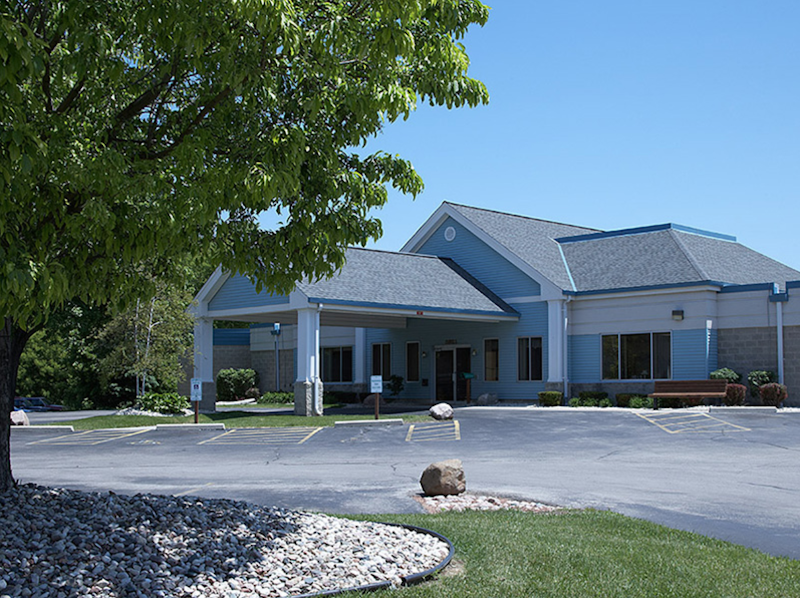
How is Willowcrest Health Services Staffed?

CMS rates WILLOWCREST HEALTH SERVICES's staffing level at 1 out of 5 stars, which is much below average compared to other nursing homes.

What Have Inspectors Found at Willowcrest Health Services?

State health inspectors documented 36 deficiencies at WILLOWCREST HEALTH SERVICES during 2023 to 2025. These included: 2 Immediate Jeopardy (the most serious level, indicating potential for serious harm or death), 32 with potential for harm, and 2 minor or isolated issues. Immediate Jeopardy findings are rare and represent the most serious regulatory concerns. They require immediate corrective action.
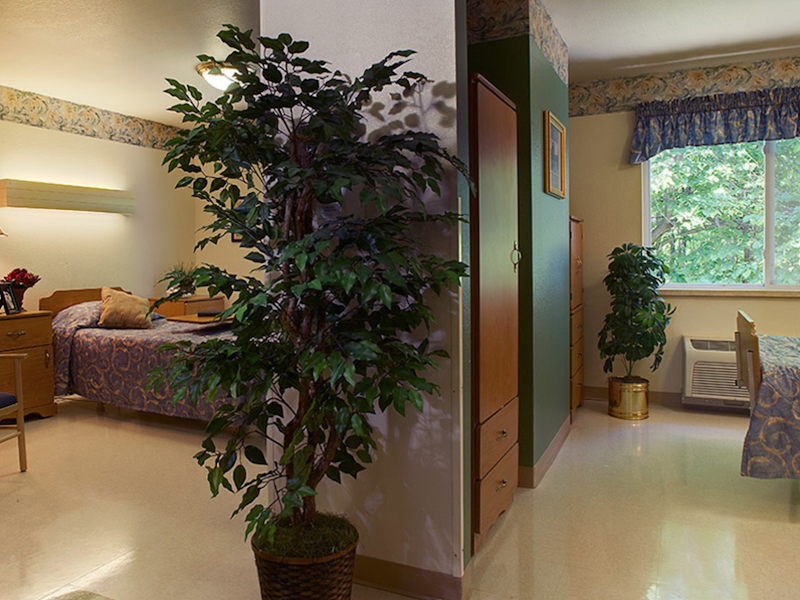
Who Owns and Operates Willowcrest Health Services?

WILLOWCREST HEALTH SERVICES is owned by a for-profit company. For-profit facilities operate as businesses with obligations to shareholders or private owners. The facility is operated by NORTH SHORE HEALTHCARE, a chain that manages multiple nursing homes. With 100 certified beds and approximately 73 residents (about 73% occupancy), it is a mid-sized facility located in SOUTH MILWAUKEE, Wisconsin.
How Does Willowcrest Health Services Compare to Other Wisconsin Nursing Homes?

Compared to the 100 nursing homes in Wisconsin, WILLOWCREST HEALTH SERVICES's overall rating (1 stars) is below the state average of 3.0 and health inspection rating (2 stars) is below the national benchmark.

What Should Families Ask When Visiting Willowcrest Health Services?

Based on this facility's data, families visiting should ask: "What changes have been made since the serious inspection findings, and how are you preventing similar issues?" "Can you walk me through typical staffing levels on day, evening, and night shifts?" "Can I visit during a mealtime to observe dining assistance and food quality?" "How do you handle medical emergencies, and what is your hospital transfer rate?" These questions are particularly relevant given the facility's Immediate Jeopardy citations and the below-average staffing rating.

Is Willowcrest Health Services Safe?

Based on CMS inspection data, WILLOWCREST HEALTH SERVICES has documented safety concerns. Inspectors have issued 2 Immediate Jeopardy citations (the most serious violation level indicating risk of serious injury or death). The facility has a 1-star overall rating and ranks #100 of 100 nursing homes in Wisconsin. Families considering this facility should ask detailed questions about what corrective actions have been taken since these incidents.

Do Nurses at Willowcrest Health Services Stick Around?

WILLOWCREST HEALTH SERVICES has not reported staff turnover data to CMS. Staff turnover matters because consistent caregivers learn residents' individual needs, medications, and preferences. When staff frequently change, this institutional knowledge is lost. Families should ask the facility directly about their staff retention rates and average employee tenure.

Was Willowcrest Health Services Ever Fined?

WILLOWCREST HEALTH SERVICES has been fined $21,285 across 1 penalty action. This is below the Wisconsin average of $33,292. While any fine indicates a compliance issue, fines under $50,000 are relatively common and typically reflect isolated problems that were subsequently corrected. Families should ask what specific issues led to these fines and confirm they've been resolved.

Is Willowcrest Health Services on Any Federal Watch List?

WILLOWCREST HEALTH SERVICES is not on any federal watch list. The most significant is the Special Focus Facility (SFF) program, which identifies the bottom 1% of nursing homes nationally based on persistent, serious quality problems. Not being on this list means the facility has avoided the pattern of deficiencies that triggers enhanced federal oversight. This is a positive indicator, though families should still review the facility's inspection history directly.