PORTAGE CTY HLTH CARE CTR
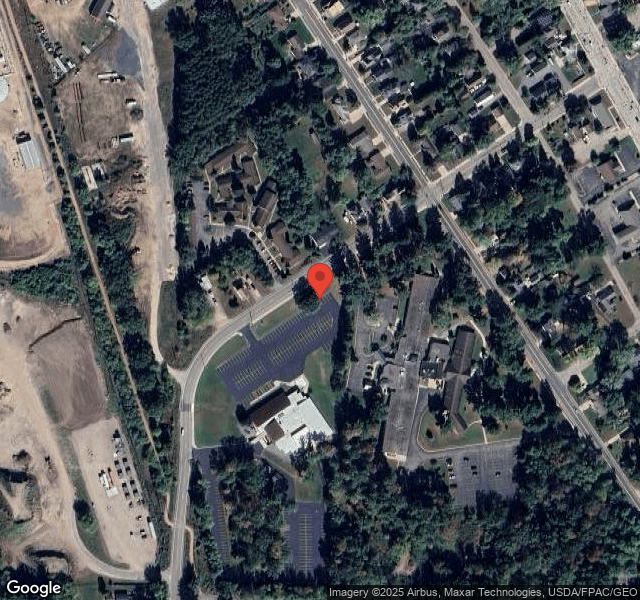
825 WHITING AVE, STEVENS POINT, WI 54481 (715) 346-1374
Government - County 48 Beds Independent Data: November 2025
Trust Grade
85/100
#56 of 321 in WI
Last Inspection: February 2025

Within standard 12-15 month inspection cycle. Federal law requires annual inspections.

Overview

Portage County Health Care Center has a Trust Grade of B+, indicating it is recommended and above average compared to other facilities. It ranks #56 out of 321 nursing homes in Wisconsin, placing it in the top half, and is the best option among two facilities in Portage County. However, the facility is experiencing a worsening trend, with issues increasing from 4 in 2024 to 8 in 2025. Staffing is a strong point with a 5/5 rating and a low turnover of 30%, better than the state average, which suggests that staff are experienced and familiar with residents. While there have been no fines, which is positive, the facility has faced concerns such as improper food storage practices that could affect all residents and inadequate monitoring of high-risk medications for several individuals, highlighting both strengths and areas for improvement.

Trust Score
B+
85/100
In Wisconsin
#56/321
Top 17%
Safety Record
Low Risk
No red flags
Inspections
Getting Worse
4 → 8 violations
Staff Stability
○ Average
30% turnover. Near Wisconsin's 48% average. Typical for the industry.
Penalties
✓ Good
No fines on record. Clean compliance history, better than most Wisconsin facilities.
Skilled Nurses
✓ Good
Each resident gets 81 minutes of Registered Nurse (RN) attention daily — more than 97% of Wisconsin nursing homes. RNs are the most trained staff who catch health problems before they become serious.
Violations
⚠ Watch
15 deficiencies on record. Higher than average. Multiple issues found across inspections.
★★★★★
5.0
Overall Rating
★★★★★
5.0
Staff Levels
★★★★★
5.0
Care Quality
★★★☆☆
3.0
Inspection Score
Stable
2024: 4 issues
2025: 8 issues

The Good

  • 5-Star Staffing Rating · Excellent nurse staffing levels
  • 5-Star Quality Measures · Strong clinical quality outcomes
  • Full Sprinkler Coverage · Fire safety systems throughout facility
  • No fines on record
  • Staff turnover below average (30%)

    18 points below Wisconsin average of 48%

Facility shows strength in staffing levels, quality measures, fire safety.

The Bad

Staff Turnover: 30%

15pts below Wisconsin avg (46%)

Typical for the industry

The Ugly 15 deficiencies on record

Feb 2025 8 deficiencies
CONCERN (D)

Potential for Harm - no one hurt, but risky conditions existed

Notification of Changes (Tag F0580)

Could have caused harm · This affected 1 resident

Based on staff interview and record review, the facility did not notify the physician or court-appointed Guardian of a change in condition for 1 resident (R) (R8) of 1 sampled resident. R8 had a fall ...

Read full inspector narrative →
Based on staff interview and record review, the facility did not notify the physician or court-appointed Guardian of a change in condition for 1 resident (R) (R8) of 1 sampled resident. R8 had a fall with a head injury on 1/14/25. R8's physician and court-appointed Guardian were not notified. Findings include: The facility's undated Fall Assessment Guidelines policy indicates: .12. Fall assessment to be documented in resident's chart. Family and Medical Doctor (MD) notifications as per facility policy . The facility's undated Reporting Head Injuries form indicates: All head injuries sustained by a resident will be reported to the primary care physician . From 2/10/25 to 2/12/25, Surveyor reviewed R8's medical record. R8 had diagnoses including adult failure to thrive, benign prostatic hyperplasia (BPH) without lower urinary tract symptoms, and mild cognitive impairment of uncertain origin. R8's Minimum Data Set (MDS) assessment, dated 11/27/24, had a Brief Interview for Mental Status (BIMS) score of 3 out of 15 which indicated R8 had severely impaired cognition. R8 had a court-appointed Guardian for healthcare decisions. R8's medical record indicated R8 had a fall with a head injury on 1/14/25. R8's medical record did not contain a fall investigation, progress notes, or further information regarding the fall. Surveyor requested the fall investigation from Nursing Home Administrator (NHA)-A on 2/10/25. On 2/11/25, Surveyor reviewed a fall report for R8 that was dated 1/14/25. The fall report indicated R8 fell and hit R8's head on a garbage can under the sink while being assisted to the toilet by staff. R8 became weak and could not move R8's feet properly during the transfer. The fall investigation indicated R8 sustained a scrape to forehead with no further details. Surveyor noted R8's family representative was notified of the fall and injury, however, R8's court-appointed Guardian was not notified. The fall investigation did not indicate R8's physician was notified of the fall and head injury. On 2/12/25 at 10:53 AM, Surveyor interviewed Director of Nursing (DON)-B who indicated there was no documentation that R8's court-appointed Guardian or physician were notified of the fall and injury. DON-B indicated R8's family representative was in the facility that day and was notified. DON-B indicated the physician was in the facility on the day of the fall and might have seen R8. DON-B reviewed R8's medical record and confirmed R8 was not seen by the physician that day.
CONCERN (D) 📢 Someone Reported This

A family member, employee, or ombudsman was alarmed enough to file a formal complaint

Potential for Harm - no one hurt, but risky conditions existed

Report Alleged Abuse (Tag F0609)

Could have caused harm · This affected 1 resident

Based on staff interview and record review, the facility did not report an allegation of abuse to the State Agency (SA) for 1 resident (R) (R2) of 1 sampled resident. On 12/13/24, R2 complained of arm...

Read full inspector narrative →
Based on staff interview and record review, the facility did not report an allegation of abuse to the State Agency (SA) for 1 resident (R) (R2) of 1 sampled resident. On 12/13/24, R2 complained of arm pain during cares and indicated a staff was bruising R2. Staff discovered 2 round bruises on the back of R2's right arm and a reddened area on R2's right elbow. The facility did not report the potential allegation of abuse and injuries of unknown origin the SA in a timely manner. Findings include: The facility's undated Abuse, Neglect, Mistreatment and Misappropriation of Resident Property policy indicates: It is the policy of the facility to encourage and support all residents, staff, families, visitors, volunteers and resident representatives in reporting any suspected acts of abuse, neglect, mistreatment, exploitation, or misappropriation of property .Reporting and Response: It is the policy of this facility that abuse allegations .including injuries of unknown origin are reported per federal and state law .Injuries of unknown origin: An injury should be classified as an injury of unknown source when both of the following conditions are met: The source of the injury was not observed by any person or the source of the injury could not be explained by the resident: The injury is suspicious because of the extent of the injury or the location or the number of injuries observed at one particular point in time or the incidence of injuries over time .The facility will ensure that all alleged violation involving abuse .are reported immediately, but not later than 2 hours after the allegation is made if the events that cause the allegation involve abuse or result in serious bodily injury or not later than 24 hours if the events that cause the allegation do not involve abuse and do not result in serious bodily injury, to the Administrator of the facility and to other officials (including the State Survey Agency and Adult Protective Services where state law provide for jurisdiction in long term care facilities) . On 2/12/25, Surveyor reviewed a facility-reported incident (FRI) for a potential allegation of abuse and injuries of unknown origin that were reported to staff on 12/13/24. The facility's initial report was not submitted to the SA until 12/15/24. The FRI indicated R2 complained of arm pain during cares on 12/13/24 that included a transfer and repositioning. Staff noted 2 round bruises that measured .7 centimeters (cm) x .7 cm and a reddened area that measured 4 cm x 2 cm on R2's right elbow. R2 could not provide a consistent explanation of how the bruises occurred. R2 first stated to Registered Nurse (RN)-D, He is bruising me. RN-D interviewed R2 again later in the shift and R2 indicated R2 might have bumped R2's arm on the wheelchair tray. On 12/14/24, R2 indicated to several staff that R2 did not know where the bruises came from. R2 became upset when R2 was unable to remember what occurred. On 2/12/25, Surveyor reviewed R2's medical record. R2 had diagnoses including chronic obstructive pulmonary disease (COPD), ulcer of esophagus with bleeding, and history of falling. R2's Minimum Data set (MDS) assessment, dated 12/29/24, had a Brief Interview for Mental Status (BIMS) score of 12 out of 15 which indicated R2 had moderate cognitive impairment. R2 was R2's own healthcare decision maker. On 2/12/25 at 8:35 AM, Surveyor interviewed Nursing Home Administrator (NHA)-A who indicated the incident was originally documented on a grievance form on 12/13/24 and an investigation was conducted through 12/14/24. NHA-A indicated NHA-A did not believe R2's statement was an allegation of abuse and conducted a grievance investigation for an injury of unknown origin. NHA-A indicated when NHA-A arrived at the facility on 12/15/24, NHA-A spoke to R2 and Director of Nursing (DON)-B and was confident that no abuse occurred. NHA-A indicated NHA-A and DON-B discussed R2's injuries of unknown origin and concluded the SA should be notified. NHA-A confirmed NHA-A was aware the initial report was not submitted timely and contacted the SA regarding why the report was submitted late. The facility did not complete abuse or reporting education following the incident.
CONCERN (D) 📢 Someone Reported This

A family member, employee, or ombudsman was alarmed enough to file a formal complaint

Potential for Harm - no one hurt, but risky conditions existed

Investigate Abuse (Tag F0610)

Could have caused harm · This affected 1 resident

Based on staff interview and record review, the facility did not ensure a potential allegation of abuse and injuries of unknown origin were thoroughly investigated for 1 resident (R) (R2) of 1 sampled...

Read full inspector narrative →
Based on staff interview and record review, the facility did not ensure a potential allegation of abuse and injuries of unknown origin were thoroughly investigated for 1 resident (R) (R2) of 1 sampled resident. On 12/13/24, R2 complained of arm pain during cares and indicated a staff was bruising R2. Staff discovered 2 round bruises on the back of R2's right arm and a reddened area on R2's right elbow. The facility did not thoroughly investigate the potential allegation of abuse and injuries of unknown origin. Findings include: The facility's undated Abuse, Neglect, Mistreatment and Misappropriation of Resident Property policy indicates: .Injuries of unknown origin: An injury should be classified as an injury of unknown source when both of the following conditions are met: The source of the injury was not observed by any person or the source of the injury could not be explained by the resident: The injury is suspicious because of the extent of the injury or the location or the number of injuries observed at one particular point in time or the incidence of injuries over time .Injuries of unknown origin must be immediately investigated to rule out abuse. Injuries may include but are not limited to, bruising of the inner thigh, chest, face and breast, bruises of an unusual size, multiple unexplained bruises, and/or bruising in an area not typically vulnerable to trauma .Protection: It is the policy of this facility that the resident will be protected from the alleged offender .Immediately upon receiving a report of alleged abuse, the Administrator or designee will coordinate delivery of appropriate medical and/or psychological care and attention. Ensuring safety and well-being for the vulnerable individual are of utmost priority. Safety, security. and support of the resident, their roommate if applicable, and other residents with the potential to be affected will be provided. This should include as appropriate: Procedures must be in place to provide the resident with a safe, protected environment during the investigation: .i. The alleged perpetrator will immediately be removed and the resident protected. Employees accused of alleged abuse will be immediately removed from the facility and will remain removed pending the results of a thorough investigation . On 2/12/25, Surveyor reviewed a facility-reported incident (FRI) regarding an incident involving R2 that occurred on the 12/13/24 PM shift. On 12/13/24, R2 complained of arm pain during cares that included a transfer and repositioning. Staff discovered 2 round bruises that measured .7 centimeters (cm) by .7 cm on the back of R2's right arm and a reddened area that measured 4 cm x 2 cm on R2's right elbow. The FRI indicated Certified Nursing Assistant (CNA)-E provided cares for R2 when R2 complained of right arm pain and bruising was noted. The FRI contained an interview with Registered Nurse (RN)-D who completed the initial assessment and interview with R2 which indicated R2 stated, He is bruising me. RN-D interviewed R2 again later in the shift and R2 indicated R2 might have bumped R2's arm on the wheelchair tray. R2 indicated to several staff on 12/14/24 that R2 did not know how the bruises occurred and became upset when R2 could not remember what occurred. A progress note documented by Social Worker (SW)-F indicated SW-F called R2's family representative and notified them of the bruising. Documentation indicated R2 said, he caused it and then stated R2 thought R2 bumped R2's elbow. Surveyor noted the facility did not thoroughly investigate the allegation of abuse or injuries of unknown origin or protect R2 and other residents from abuse during the investigation. Surveyor also noted staff education was not completed. From 2/10/25 to 2/12/25, Surveyor reviewed R2's medical record. R2 had diagnoses including chronic obstructive pulmonary disease (COPD), ulcer of esophagus with bleeding, and history of falling. R2's Minimum Data Set (MDS) assessment, dated 12/29/24, had a Brief Interview for Mental Status (BIMS) score of 12 out of 15 which indicated R2 had moderate cognitive impairment. R2 was R2's healthcare decision maker. On 2/12/25 at 8:35 AM, Surveyor interviewed Nursing Home Administrator (NHA)-A who indicated R2's injuries of unknown origin were documented on a grievance form on 12/13/24 and an investigation was conducted through 12/14/24. NHA-A indicated NHA-A did not believe there was an allegation of abuse or that R2's injuries of unknown origin were the result of abuse. NHA-A indicated when NHA-A arrived at the facility on 12/15/24, NHA-A spoke with R2 and Director of Nursing (DON)-B and was confident that no abuse occurred. NHA-A confirmed no staff members who cared for R2 on 12/13/24 were removed from resident care pending the results of the investigation. NHA-A verified R2 stated He is bruising me and CNA-E was the caregiver who provided care at the time of the incident. NHA-A indicated CNA-E handled the situation per the facility's policy and immediately notified RN-D to assess R2. NHA-A indicated due to those reasons and CNA-E's work ethic, NHA-A believed CNA-E would not intentionally cause injury to a resident and ruled out abuse as a cause of R2's injuries of unknown origin. NHA-A indicated despite the fact that CNA-E was an outstanding employee, CNA-E should have been placed on administrative leave or removed from resident care pending the results of the investigation. NHA-A also indicated education on the facility's abuse policy and procedure should be provided to all staff. NHA-A confirmed the facility's policy for abuse investigations should have been followed during the investigation.
CONCERN (D)

Potential for Harm - no one hurt, but risky conditions existed

Deficiency F0638 (Tag F0638)

Could have caused harm · This affected 1 resident

**NOTE- TERMS IN BRACKETS HAVE BEEN EDITED TO PROTECT CONFIDENTIALITY** Based on staff interview and record review, the facility did not ensure timely transmittal of Resident Assessment Information (R...

Read full inspector narrative →
**NOTE- TERMS IN BRACKETS HAVE BEEN EDITED TO PROTECT CONFIDENTIALITY** Based on staff interview and record review, the facility did not ensure timely transmittal of Resident Assessment Information (RAI)/Minimum Data Set (MDS) information for 1 resident (R) (R279) of 15 sampled residents. The facility did not transmit an RAI/MDS assessment timely for R279. A Quarterly assessment due for R279 on 1/29/25 was not completed. Findings include: The Long-Term Care Facility Resident Assessment Instrument 3.0 User's Manual, Version 1.17.1, dated October 2019, states all Medicare and/or Medicaid-certified nursing homes must transmit required MDS records to the Centers for Medicare and Medicaid Services' (CMS') Quality Improvement and Evaluation System (QIES) Assessment Submission and Processing (ASAP) system. Required MDS records include Admission, Quarterly, Annual, Discharge Assessments and Entry Tracking Records .Transmitted means electronically transmitting to the QIES ASAP System an MDS record that passes CMS' standard edits and is accepted into the system within 14 days of the assessment reference date (ARD) (last day of the resident assessment period) . On 2/12/25, Surveyor reviewed R279's medical record. R279 had diagnoses including unspecified dementia, urinary tract infection (UTI), fracture of left pubis, and retention of urine. R279's MDS assessment, dated 11/27/24, had a Brief Interview for Mental Status (BIMS) score of 15 out of 15 which indicated R279 had intact cognition. R279 was R279's own healthcare decision maker. R279's medical record contained a Discharge RAI/MDS Assessment that was completed on 12/7/24 and an Annual RAI/MDS assessment that was completed on 11/27/24. Surveyor noted R279 was discharged to the hospital on [DATE] and readmitted to the facility on [DATE]. A Quarterly assessment had not been completed for R279. On 2/12/25 at 8:21 AM, Surveyor interviewed Director of Nursing (DON)-B who verified DON-B was responsible for completing RAI/MDS assessments and indicated R279 was due for a Quarterly assessment in January. DON-B was unsure how the assessment was missed and indicated reports are run continuously to ensure the timeliness of assessments. DON-B verified the assessment was not completed or transmitted.
CONCERN (D)

Potential for Harm - no one hurt, but risky conditions existed

Infection Control (Tag F0880)

Could have caused harm · This affected 1 resident

Based on observation, staff interview, and record review, the facility did not maintain an infection prevention and control program designed to prevent the transmission of communicable disease and inf...

Read full inspector narrative →
Based on observation, staff interview, and record review, the facility did not maintain an infection prevention and control program designed to prevent the transmission of communicable disease and infection for 2 residents (R) (R19 and R10) of 5 residents observed during the provision of cares. Staff did not ensure enhanced barrier precautions (EBP) were followed for R10 and transmission-based precautions (TBP) were followed for R19. Staff did not ensure medical equipment was sanitized in between resident use for R10. Findings include: The facility's Enhanced Barrier Precautions policy, dated 2001, indicates: .1. Enhanced barrier precautions (EBP)are used as an infection prevention and control intervention to reduce the transmission of multidrug-resistant organisms (MDROs) to residents. 2. EBP employ targeted gown and glove use in addition to standard precautions during high-contact resident care activities when contact precautions do not otherwise apply .5 EBP is indicated for residents with wounds and/or indwelling medical devices regardless of MDRO colonization .b. Indwelling medical devices include .urinary catheters .9. Standard precautions apply to the care of all residents regardless of suspected or confirmed infection or colonization status. The facility's Isolation-Initiating Transmission-Based Precautions policy, dated 2001, indicates: .2. Transmission-based precautions (TBP) are used when a resident meets the criteria for a transmissible infection and the resident has risk factors that increase the likelihood of transmission .3. When TBP is implemented, the Infection Preventionist: .d. Determines the appropriate notification on the room entrance door and on the front of the resident's chart so that personnel and visitors are aware of the need for and type of precautions . The facility's Isolation-Categories of Transmission-Based Precautions policy, dated 2021, indicates: .2. TBP are additional measures that protect staff, visitors, and others residents from becoming infected .Contact Precautions: 1. Contact precautions are implemented for residents known or suspected to be infected with microorganisms that can be transmitted by direct contact with the resident or indirect contact with environmental surfaces or resident-care items in the resident's environment .7. Staff and visitors wear gloves when entering the room .8. Staff and visitors wear a disposable gown upon entering the room and remove before leaving the room . The facility's Administering Medications policy, dated 2001, indicates: .22. Staff shall follow established facility infection control procedures (e.g., handwashing, antiseptic technique, gloves, isolation precautions, etc.) for the administration of medications as applicable. 1. On 2/11/25 at 7:25 AM, Surveyor observed Licensed Practical Nurse (LPN)-C take R7's vital signs (blood pressure, pulse, and oxygen saturation level) and then listen to R7's lungs and bowel sounds with a stethoscope. LPN-C exited R7's room when finished but did not sanitize the equipment used. On 2/11/25 at 7:40 AM, Surveyor observed LPN-C enter R10's room to obtain vital signs. R10 was on EBP as indicated by a sign posted outside R10's door. LPN-C did not don a gown prior to entering R10's room. LPN-C obtained R10's vital signs and listened to R10's lungs. LPN-C then exited R10's room but did not sanitize the equipment used. LPN-C confirmed R10 was on EBP due to an indwelling catheter. On 2/11/25 at 7:48 AM, Surveyor observed LPN-C en route to obtain other resident's vital signs. Surveyor stopped LPN-C and asked if the vitals machine/equipment should be sanitized between residents. LPN-C stated, I guess maybe between each resident. When Surveyor asked about R10 who was on EBP, LPN-C confirmed R10 was on EBP and sanitized the equipment prior to entering the next resident's room. On 2/11/25 at 8:30 AM, Surveyor interviewed LPN-C who indicated personal protective equipment (PPE) should be worn for residents on EBP during catheter care, wound care, and personal cares. 2. On 2/11/25 at 7:35 AM, Surveyor observed LPN-C take medication into R19's room without donning PPE. A sign posted outside R19's door indicated R19 was on contact precautions. Previously (on 2/12/25 at 7:30 AM), LPN-C donned PPE when entering R19's room to take vital signs but did not don PPE when LPN-C returned with medication. On 2/11/25 at 1:30 PM, Surveyor interviewed Director of Nursing (DON)-B with Nursing Home Administrator (NHA)-A present. DON-B confirmed staff should wear a gown and gloves for personal cares, toileting, and bed changes for residents on EBP. When Surveyor asked the expectation for taking a full set of vital signs, DON-B indicated staff should use PPE related to the contact of the resident. DON-B also indicated staff should wear PPE when entering the rooms of residents on TBP.
CONCERN (E)

Potential for Harm - no one hurt, but risky conditions existed

Deficiency F0757 (Tag F0757)

Could have caused harm · This affected multiple residents

**NOTE- TERMS IN BRACKETS HAVE BEEN EDITED TO PROTECT CONFIDENTIALITY** Based on staff interview and record review, the facility did not ensure high-risk medications were monitored for 4 residents (R)...

Read full inspector narrative →
**NOTE- TERMS IN BRACKETS HAVE BEEN EDITED TO PROTECT CONFIDENTIALITY** Based on staff interview and record review, the facility did not ensure high-risk medications were monitored for 4 residents (R) (R11, R18, R19, and R26) of 5 residents reviewed for unnecessary medications. Staff did not monitor R11 for side effects or adverse reactions of pain medication. Staff did not monitor R18 for side effects or adverse reactions of anticonvulsant, pain, and diuretic medication. Staff did not monitor R19 or R26 for side effects or adverse reactions of pain and diuretic medication. Findings include: The Facility's Medication Utilization and Prescribing-Clinical Protocol (Policy), revised April 2018, indicates: 1. The staff and physician will periodically re-evaluate the conditions and symptoms for which each resident is receiving medication to determine if the medication and doses are still relevant and are not causing undesired complications. 2. The staff and physician will monitor the progress of anyone with a probable adverse drug reaction and anyone for whom medications have been adjusted because of the possibility of an adverse drug reaction. 3. If the physician has stopped, tapered, or changed an existing medication, the staff will monitor for, document, and report any return of symptoms. The National Institutes of Health (NIH) National Library of Medicine, published 12/15/20, indicates: Medication Errors and Related Harm in High-Risk Situations .High Risk Mediations are drugs that are more likely to cause harm to a patient when they are used in error or taken inappropriately .These medicines require particular attention in the medication use process, mainly because of their potential toxicity, low therapeutic index, or high possibility of pharmacological interactions .Some Ways to Ensure Medication Safety in High-Risk Situations .the purpose of identifying a list of high-alert medications is to determine which drugs require special safeguards to reduce the risk of errors and minimize harm that can occur in different phases of the medication use process . According to Medlineplus.gov: Tramadol may cause side effects including, but not limited to: sleepiness, headache, nervousness, uncontrollable shaking of a part of the body, changes in mood, heartburn or indigestion, and dry mouth. According to Medlineplus.gov: Gabapentin may cause side effects including, but not limited to: drowsiness, weakness, dizziness, headache, uncontrollable shaking of a part of the body, double or blurred vision, anxiety, memory problems, strange or unusual thoughts, unwanted eye movements, nausea, vomiting, heartburn, diarrhea, dry mouth, constipation, increased appetite, weight gain, swelling of the hands/feet/ankles/lower legs, back or joint pain, fever, cough, sore throat, or flu-like symptoms, ear pain, red/itchy eyes, rash, itching, swelling of the face/throat/tongue/lips/eyes, difficulty swallowing, seizures, difficulty breathing, bluish-tinged skin/lips/fingernails and extreme sleepiness. According to Medlineplus.gov: Furosemide may cause side effects including, but not limited to: frequent urination, blurred vision, headache, constipation, diarrhea, fever, ringing in the ears, loss of hearing, rash, hives, blisters or peeling skin, itching, difficulty breathing or swallowing, and yellowing of the skin or eyes. According to Medlineplus.gov: Spironolactone may cause side effects including, but not limited to: vomiting, diarrhea, stomach pain or cramps, enlarged or painful breasts in men or women, vaginal bleeding in post-menopausal women, increased hair growth on parts of the body, drowsiness, restlessness, muscle weakness (pain/cramps), pain/burning/numbness/tingling of the hands or feet, inability to move arms or legs, changes in heartbeat, confusion, signs of dehydration (dry mouth, thirst, dizziness, unsteadiness, headache), unusual bleeding or bruising, lack of appetite, pain in the upper right part of the stomach, yellowing of the skin or eyes, flu-like symptoms, rash, hives, itching, difficulty swallowing or breathing, blood in stools, decreased urination, and fainting. According to Medlineplus.gov: Oxycodone may cause side effects including, but not limited to: dry mouth, stomach pain, drowsiness, flushing, headache, mood changes, changes in heartbeat, agitation, hallucinations, fever, sweating, confusion, shivering, severe muscle stiffness or twitching, loss of coordination, diarrhea, nausea, vomiting, loss of appetite, weakness, or dizziness, chest pain, rash, itching, difficulty breathing or swallowing, swelling of the face/mouth/tongue/lips/throat/hands/feet/ankles/lower legs, and seizures. According to Medlineplus.gov: Hydrocodone-Acetaminophen may cause side effects including, but not limited to: stomach pain, dry mouth, tiredness, headache, muscle tightening, ringing in the ears, difficulty falling asleep or staying asleep, uncontrollable shaking of a part of the body, increased sweating, agitation, hallucinations, fever, confusion, fast heartbeat, loss of coordination, diarrhea, nausea, vomiting, loss of appetite, weakness, dizziness, rash, difficulty breathing or swallowing; swelling of the face/mouth/tongue/throat/feet/legs/ankles, and difficult/frequent or painful urination. 1. On 2/11/25, Surveyor reviewed R11's medical record. R11 was admitted to the facility on [DATE] and had diagnoses including end stage renal disease, dependence on dialysis, atrial fibrillation, congestive heart failure (CHF), type 2 diabetes, and anxiety. R11's medical record contained an order for: ~Tramadol HCI 50 milligrams (mg) one tablet every 6 hours as needed (PRN) for pain (dated 7/12/24). R11's medication order, medication administration record (MAR), and care plan did not contain monitoring for adverse reactions to the opioid medication. 2. On 2/11/25, Surveyor reviewed R18's medical record. R18 was admitted to the facility on [DATE] and had diagnoses including cholecystitis, diabetes, anxiety, fracture of left clavicle, and sepsis. R18's medical record contained orders for: ~Gabapentin 100 mg two capsules (200 mg) three times daily for diabetic neuropathy (dated 12/13/24). ~Tramadol HCI 50 mg one tablet every 6 hours PRN for pain (dated 12/13/24). ~Furosemide (Lasix) 20 mg one tablet daily for edema (dated 12/13/24). ~Spironolactone 25 mg (0.5 tab/12.5 mg) daily for hypertension (dated 12/13/24). R18's medication orders, MAR, and care plan did not contain monitoring interventions for adverse reactions to the anticonvulsant, opioid, and diuretic medications. 3. On 2/11/25, Surveyor reviewed R19's medical record. R19 was admitted to the facility on [DATE] and had diagnoses including dementia, anxiety, hypertension, generalized weakness, repeated falls, and heart failure. R19's medical record contained orders for: ~Furosemide 20 mg one tablet daily for hypertension (dated 10/15/24). ~Tramadol HCI 50 mg tablet three times daily (TID) PRN for pain (dated 11/6/24). ~Oxycodone HCI 5 mg .5 tablet (2.5 mg) every 4 hours PRN for acute pain (dated 10/15/24). R19's medication order, MAR, and care plan did not contain monitoring interventions for adverse reactions to the diuretic or opioid medications. 4. On 2/11/25, Surveyor reviewed R26's medical record. R26 was admitted to the facility on [DATE] and had diagnoses including type 2 diabetes, atrial fibrillation, polyneuropathy, depression, long term insulin use, and CHF. R26's medical record contained orders for: ~Furosemide 40 mg one tablet daily for edema (dated 9/25/24). ~Oxycodone HCI 5 mg one tablet daily PRN prior to dressing change for acute pain (dated 9/20/24). ~Hydrocodone-acetaminophen 5/325 mg one tablet every 4 hours PRN for pain (dated 9/16/24). R26's medication orders, MAR, and care plan did not contain monitoring interventions for adverse reactions to the diuretic or opioid medications. On 2/12/25 at 8:29 AM and 12:11 PM, Surveyor interviewed Director of Nursing (DON)-B who indicated monitoring interventions for medications are on a resident's MAR except diabetic monitoring which is on Certified Nursing Assistant (CNA) worksheets. DON-B indicated pain is monitored with routine/daily pain assessments, however, the facility does not routinely monitor for adverse reactions to opioid medication. DON-B indicated DON-B was not aware the facility should monitor for adverse reactions to opioid medication. DON-B also verified the facility missed diuretic monitoring.
CONCERN (E)

Potential for Harm - no one hurt, but risky conditions existed

Deficiency F0761 (Tag F0761)

Could have caused harm · This affected multiple residents

Based on observation, staff interview, and record review, the facility did not ensure medications for 10 residents (R) (R8, R17, R9, R14, R15, R26, R16, R279, R23, and R12) of 29 residents in 1 of 2 m...

Read full inspector narrative →
Based on observation, staff interview, and record review, the facility did not ensure medications for 10 residents (R) (R8, R17, R9, R14, R15, R26, R16, R279, R23, and R12) of 29 residents in 1 of 2 medication carts were labeled or dated appropriately. In addition, the facility did not ensure expired medical supplies were removed from storage in 1 of 2 medication storage rooms. The North medication cart contained inhalers, eye drops, and an insulin pen that were not labeled or dated when opened. The North medication storage room contained several expired medical supplies. Findings include: The facility's Storage of Medications policy, dated 2001, indicates: .4. The facility shall not use discontinued, outdated, or deteriorated drugs or biologicals. All such drugs shall be returned to the dispensing pharmacy or destroyed. The facility's Administering Medications policy, dated 2001, indicates: .9. The expiration/beyond use date on the medication label must be checked prior to administration. When opening a multi-dose container, the date opened shall be recorded on the container .14. Insulin pens will be clearly labeled with the resident's name or other identifying information. The facility's Insulin Administration policy, dated 2001, indicates: .4. Check expiration date .if opening a new vial, record expiration date and time on the vial (follow manufacturer's recommendation for expiration after opening). The facility's Administering Medictions Through a Metered Dose Inhaler policy indicates: .6. Check the label on the inhaler, confirm the medication name and dose with the resident's medication administration record (MAR) .7. Check the expiration date on the inhaler and return any expired medications to the pharmacy. Albuterol nebulizer solution instructions indicate: Storage conditions: Protect from light. Unit-dose vials should remain stored in the protective foil pouch at all times. Once removed from the foil pouch, the individual vials should be used within two weeks. Discard if the solution is not colorless. Lispro insulin pen manufacturer's instructions indicate: .Do not use after the expiration date. Unopened Humalog should be stored in a refrigerator (36° to 46° Fahrenheit (F) (2° to 8° Celsius (C)), but not in the freezer. Do not use Humalog if it has been frozen. In-use Humalog vials, cartridges, pens, and Humalog KwikPens should be stored at room temperature, below 86° F (30° C) and must be used within 28 days or be discarded, even if they still contain Humalog. Protect from direct heat and light. 1. On 2/11/25 at 8:09 AM, Licensed Practical Nurse (LPN)-C indicated to Surveyor when preparing to administer medication to R8 that R8's bottle of Flonase (nasal spray) was not properly labeled. LPN-C then wrote R8's name on the bottle for identification. 2. On 2/11/25 at 8:15 AM, Surveyor observed LPN-C administer medication to R17 including Artificial Tears (eye drops). Surveyor noted the bottle of Artificial Tears did not contain R17's name or an open date. On 2/11/25 8:19 AM, Surveyor interviewed LPN-C who confirmed there should be an open date and name on the bottle. 3. On 2/11/25 at 10:10 AM, Surveyor observed the North medication cart and noted the following: ~R9's Spiriva Respimat inhaler did not contain a name or open date. ~R14's Prednisone eye drops did not contain an open date. ~R15's liquid vitamin D did not contain an open date. ~R26's Lispro insulin pen did not contain an open date. 4. On 2/11/25 at 10:29 AM, Surveyor observed the North medication storage room and noted the following:. ~Two bloodborne pathogen protection kits with expiration dates of 10/2022 ~One bloodborne pathogen protection kit with an expiration date of 7/2024 ~One bottle of Purell hand sanitizer with an expiration date 5/2022 ~Two Bisacodyl suppositories with expiration dates of 12/2024 ~Duo-neb solutions for R16 and R26 with no open dates ~Albuterol nebulizer solutions for R17, R279, R23, and R12 with no open dates ~Two female urinary specimen kits with expiration dates of 11/1/24 ~Two Foley catheters with expiration dates of 2/28/24 ~Six Coude catheters 16 (French) with expiration dates of 11/28/24 ~One drainage leg bag with an expiration date of 7/29/23 ~Eighteen 3 milliliter (ml) syringes with expiration dates of 4/30/23 ~One box of contact layer dressing (10 total) with an expiration date of 9/2024 ~Two antifungal ointments with expiration dates of 9/2024 ~Two hand Sani-wipes with expiration dates of 11/2024 ~One Profore Lite multi-layer compression bandage system (kit of 4 rolls) with an expiration date of 12/1/24 ~One tube of Calazinc with an expiration date of October 2024 ~One container of Z-guard (zinc oxide paste) with an expiration date of 7/2024 ~Ten 30 gram insulin syringes with expiration dates of 10/31/22 ~Two purple top blood vials with expiration dates of 10/31/19 ~Twenty MaxPlus clean needless connectors with expiration dates of May/June 2024 ~One Care Fusion needless connector with an expiration date of 9/2022 ~Three Care Fusion Luer Lock caps with expiration dates of 3/20, 8/21, and 7/23 ~One replacement Luer Lock cap with an expiration date of 5/2017 ~One Luer Lock cap (female) with an expiration date of 1/2018 ~One COVID-19 reagent with an expiration date of 2/18/24 On 2/11/25 at 11:25 AM, Surveyor verified all expired items with LPN-C. On 2/11/25 at 1:30 PM, Surveyor interviewed Director of Nursing (DON)-B who indicated staff typically label inhalers, eye drops, and insulin pens with the resident's name and an open date. DON-B also indicated there should not be expired items in the medication storage area.
CONCERN (F)

Potential for Harm - no one hurt, but risky conditions existed

Food Safety (Tag F0812)

Could have caused harm · This affected most or all residents

Based on observation, staff interview, and record review, the facility did not ensure food was stored and prepared in a sanitary manner. This practice had the potential to affect all 29 residents resi...

Read full inspector narrative →
Based on observation, staff interview, and record review, the facility did not ensure food was stored and prepared in a sanitary manner. This practice had the potential to affect all 29 residents residing in the facility. The cooler and dry storage area contained multiple open and undated items. In addition, one item was stored uncovered and open to air. Staff did not consistently document cooked food temperatures. Staff did not follow safe food cooling protocols. Findings include: During an initial kitchen tour that began at 9:10 AM on 2/10/25, Dietary Manager (DM)-G confirmed the facility employs contracted kitchen staff and follows the contracted company's procedures for food preparation and storage. The facility's contracted company's undated Food Storage Dry Goods policy indicates: All dry foods will be appropriately stored in accordance with the Federal Food and Drug Administration (FDA) Food Code .All packaged and canned food items will be kept clean, dry and properly sealed . The facility's contracted company's undated Food Storage Cold Foods policy indicates: All foods will be stored wrapped or in covered containers, labeled, dated, and arranged in a manner to prevent cross-contamination . Open/Undated Food Items: During an initial kitchen tour that began at 9:10 AM on 2/10/25, Surveyor observed the following undated items: Walk-in cooler: ~Two undated containers of hard-boiled eggs ~One undated container of oats ~One undated container of Cream of Wheat Dry storage area: ~One large open and undated bag of barley that was uncovered and left open to air ~An open and undated lemonade mix package that was not sealed and left open to air ~Two open, sealed, and undated lemonade mix packages. Reach-in cooler: ~An undated container of lemonade DM-G asked Surveyor to take the pitcher of lemonade out of the cooler so DM-G could dispose of it. DM-G stated DM-G was unsure when the lemonade was made. Cooked Food Temperatures: The facility's contracted company's undated Food Preparation policy indicates: All foods are prepared in accordance with the FDA Food Code .4. The Dining Services Director and cooks are responsible for food preparation techniques which minimize the amount of time that food items are exposed to temperatures greater than 41 degrees Fahrenheit (F) or less than 135 degrees F or per state regulation .Time/temperature control for safety (TCS) hot food items will be cooked to a minimum internal temperature for 15 seconds as follows: Poultry and stuffed foods 165 degrees F, ground meat 155 degrees F, fish, pork, or other meats 145 degrees F, and unpasteurized eggs 145 degrees F .TCS foods will be recorded at time of service and monitored periodically during meal service periods . On 2/11/25 at 7:37 AM, Surveyor reviewed the facility's cooked food temperature log and noted the following for February 2025: ~On 2/1/25, there were no cooked food temperatures documented for all three meals. ~On 2/2/25, there were no cooked food temperatures documented for breakfast or lunch. ~On 2/3/25, there were not cooked food temperatures documented for dinner. ~From 2/4/25 through 2/9/25, there were no cooked food temperatures documented for all three meals. DM-G confirmed to Surveyor that there were missing cooked food temperatures and indicated it was a constant battle with the cooks and staff. DM-G indicated on the days DM-G does the cooking, temperatures are always documented. Cooling Protocol: The facility's contracted company's undated Food Preparation policy indicates: All foods are prepared in accordance with the FDA Food Code .16. Prepared food items that are not intended for immediate service will be cooled using the following guidelines: Place in a shallow pans or cut/slice to promote cooling, time/temperature control for safety (TCS) foods will be cooled from 135 degrees F to 70 degrees F within 2 hours. TCS foods will be cooled from 70 degrees F to 41 degrees F within 4 hours. Total cooling time cannot exceed 6 hours. The clock starts at 135 degrees F. All TCS foods that are to be held for more than 24 hours at a temperature of 41 degrees F or less will be labeled and dated with a prepared day and use-by date . The facility's contracted company's undated Cooling Procedure indicates: 1. Use cooling logs to record the steps for cooling potentially hazardous foods . During an initial kitchen tour that began at 9:10 AM on 2/10/25, DM-G and Surveyor observed the following items in the walk-in cooler: ~One container of pureed gravy dated 2/9/25 ~One container of spaghetti sauce dated 2/8/25 ~One undated container of bacon and eggs ~One container of chicken breasts/patties dated 2/8/25 ~One undated container of oats ~One undated container of Cream of Wheat ~One container of ham salad dated 2/7/25 ~One container of turkey salad dated 2/7/25 On 2/11/25 at 7:37 AM, Surveyor interviewed DM-G who indicated the facility does not have cooling logs because staff are not supposed to save leftovers. DM-G indicated leftovers are now thrown away due to previous leftovers that did not contain dates and were not cooled via the facility's cooling process. DM-G indicated there should not be any leftovers in the cooler. During a continuous kitchen observation that began at 10:59 AM on 2/11/25, Surveyor observed the following items in the walk-in cooler: ~One container of rice dated 2/10/25 ~One container of baked beans dated 2/10/25 ~One container of beef gravy dated 2/10/25 ~One container of peas dated 2/10/25 DM-G verified Surveyor's observations and indicated the items should not have been saved from the previous day's meal and they were not documented on a cooling log.
Dec 2024 2 deficiencies
CONCERN (D) 📢 Someone Reported This

A family member, employee, or ombudsman was alarmed enough to file a formal complaint

Potential for Harm - no one hurt, but risky conditions existed

Notification of Changes (Tag F0580)

Could have caused harm · This affected 1 resident

**NOTE- TERMS IN BRACKETS HAVE BEEN EDITED TO PROTECT CONFIDENTIALITY** Based on staff interview and record review, the facility did not ensure a physician and resident representative were notified ti...

Read full inspector narrative →
**NOTE- TERMS IN BRACKETS HAVE BEEN EDITED TO PROTECT CONFIDENTIALITY** Based on staff interview and record review, the facility did not ensure a physician and resident representative were notified timely of a change in condition for 1 resident (R) (R1) of 3 sampled residents. On 11/10/24, staff observed a suspected burn on R1's skin following use of a hot pack. Staff did not notify R1's Nurse Practitioner (NP) until 11/11/24 and did not notify R1's Power of Attorney for Healthcare (POAHC) until 11/14/24. Findings include: The facility's First Aid Treatment policy, with a revision date of 1/2024, indicates: .11. For residents who refuse treatment, the charge nurse and attending physician are notified. 12. Regardless of the nature or severity, any resident injury or illness is reported to the resident's attending physician and family, and documented in the resident's medical record. If the resident's attending physician is not available, follow the facility policy for Emergency Physician Care. On 12/3/24, Surveyor reviewed R1's medical record. R1 was admitted to the facility on [DATE] and had diagnoses including acute and sub-acute endocarditis (infection of the inner heart lining and valves), end stage renal disease, dependence on dialysis, and discitis (infection of the spinal discs resulting in severe back pain and limited mobility). R1 had an activated POAHC who was responsible for R1's healthcare decisions. R1's Minimum Data Set (MDS) assessment, dated 10/17/24, had a Brief Interview for Mental Status (BIMS) score of 15 out of 15 which indicated R1 did not have impaired cognition. R1's medical record indicated Licensed Practical Nurse (LPN)-C notified Director of Nursing (DON)-B via email on 11/10/24 at 6:42 AM that R1 had an ovular, raised, reddened burn on the lateral right hip after placement of a hot pack that was removed within two minutes. DON-B notified Nursing Home Administrator (NHA)-A via email on 11/10/24 of R1's skin alteration. NHA-A acknowledged receipt of the email on 11/10/24. DON-B notified R1's NP on 11/11/24 at 10:21 AM that R1 asked for a hot pack to be removed approximately five minutes after it was applied. R1 had what appeared to be two small blisters that were not fluid-filled. The nurse applied muscle rub to the same area less than an hour before applying the hot pack which may have contributed to the blisters. NHA-A notified R1's POAHC via email on 11/14/24 at 1:12 PM that R1 had a skin alteration described as a small, raised area after using a hot pack for less than two minutes. On 12/3/24 at 10:32 AM, Surveyor interviewed LPN-C who stated the raised, reddened blister-like area was discovered at approximately 6:15 AM by CNA-D and CNA-F who called LPN-C and LPN-E to observe the area. LPN-C notified DON-B and completed paperwork. LPN-C did not update R1's NP because LPN-C assumed LPN-E would follow-up since it was the end of LPN-C's shift. On 12/3/24 at 11:00 AM, Surveyor interviewed LPN-E who thought LPN-C had updated the appropriate people. On 12/3/24 at 2:14 PM, Surveyor interviewed DON-B who indicated typically the NP would be updated on the next rounding day unless it was urgent and required immediate attention. When Surveyor asked when R1's POAHC should have been notified, DON-B indicated the nurse who identified the concern should have followed through with notification. DON-B indicated the facility did not have documentation that staff education was completed for resident representative and provider notification and indicated staff were verbally updated.
CONCERN (D) 📢 Someone Reported This

A family member, employee, or ombudsman was alarmed enough to file a formal complaint

Potential for Harm - no one hurt, but risky conditions existed

Accident Prevention (Tag F0689)

Could have caused harm · This affected 1 resident

**NOTE- TERMS IN BRACKETS HAVE BEEN EDITED TO PROTECT CONFIDENTIALITY** Based on staff and resident interview and record review, the facility did not ensure the resident environment remained as free o...

Read full inspector narrative →
**NOTE- TERMS IN BRACKETS HAVE BEEN EDITED TO PROTECT CONFIDENTIALITY** Based on staff and resident interview and record review, the facility did not ensure the resident environment remained as free of accident hazards as possible for 1 resident (R) (R1) of 3 sampled residents. R1 developed skin redness with blisters (similar to second degree burn) following the use of a hot pack approximately 15 minutes after Licensed Practical Nurse (LPN)-C applied a topical analgesic (pain reducing) cream. Findings include: The facility's First Aid Treatment policy, with a revision date of 1/2024, indicates: .Goal is to provide first-aid intervention to injured residents .10. Residents and employees have the right to refuse first-aid treatment .11. For residents who refuse treatment, the charge nurse and attending physician are notified. The facility's Compress or Soak, Applying Warm policy, with a revision date of 11/2024, indicates: .If applying a reusable warm compress: 1. Follow instructions for heating reusable warm pack per manufacturer's instruction .check the skin under the application every five minutes .The following information should be recorded in the resident's medical record: 1. The date and time that the procedure was performed .4. The condition of the resident's skin .6. All assessment data obtained during the procedure .7. How the resident tolerated the procedure .8. If the resident refused the procedure, the reason(s) why and the intervention taken . On 12/3/24, Surveyor reviewed R1's medical record. R1 was admitted to the facility on [DATE] and had diagnoses including endocarditis (infection of the inner heart lining and valves), end stage renal disease, dependence on dialysis, and discitis (infection of the spinal discs that can result in severe back pain and limited mobility). R1 had an activated Power of Attorney for Health Care (POAHC). R1's Minimum Data Set (MDS) assessment, dated 10/17/24, had a Brief Interview for Mental Status (BIMS) score of 15 out of 15 which indicated R1 did not have impaired cognition. A progress note, written by LPN-C on 11/10/24 at 6:33 AM, indicated R1 used a hot pack and had a reddened, raised burn on the right hip. LPN-C placed a hot pack on R1's right lateral hip at approximately 12:00 AM due to R1's complaint of pain. LPN-C stated R1 felt the hot pack prior and had no concerns with the temperature. Shortly after the hot pack was applied, R1 indicated it was too hot and LPN-C removed it. On the 11/10/24 AM shift, Certified Nursing Assistant (CNA)-D and CNA-F discovered the reddened area and notified LPN-C and LPN-E. A progress note, written by LPN-E on 11/10/24 at 11:31 AM, indicated the reddened area was tender to touch and didn't bother R1 when in R1's chair. A progress note, written by LPN-H on 11/10/24 at 10:11 PM, indicated the reddened area did not appear raised, however, two blisters were noted. One blister was oval and measured 2 centimeters (cm). The other blister was round and measured 1 cm. There was also a pink/red area with a white center. R1 denied pain. LPN-H indicated LPN-H would contact the wound nurse. A progress note, written by LPN-C on 11/11/24 at 6:47 AM, indicated the 2 cm oval blister was intact and the skin was loose with no fluid present. The 1 cm round blister was pink and moveable with no fluid present. The third area was not related to the hot pack and appeared to be the start of a pressure injury. After LPN-C followed up with DON-B and the wound care nurse, LPN-C put metahoney (sic) (treatment used to promote healing of wounds) on the first blister. A progress note, dated 12/2/24 at 10:58 PM, indicated Registered Nurse (RN)-I completed a dressing change for an open blister on R1's right hip. A scab remained with no drainage or redness noted. On 12/3/24 at 10:32 AM, Surveyor interviewed LPN-C who indicated around 12:00 AM on 11/10/24, R1 complained of back pain, was in tears, and was concerned about an infection. R1 asked LPN-C to apply Muscle Rub (LPN-C could not remember the name of the product) to R1's right upper gluteal area. Approximately 10-15 minutes later, LPN-C gave R1 a hot pack. LPN-C indicated the hot pack was heated in the microwave for less than 2 minutes. After removing the hot pack from the microwave, LPN-C squeezed the hot pack to distribute the heat gel evenly. LPN-C put a cover on the hot pack, put the hot pack on LPN-C's wrist, and walked to R1's room. LPN-C put the hot pack on R1's right gluteal area and rolled R1 onto R1's back. R1 stated the hot pack was too hot. LPN-C repositioned the hot pack in the same area but R1 stated it was still too hot. LPN-C indicated the hot pack was in contact with R1's skin for a maximum of 2 minutes. LPN-C stated R1 requested the hot pack again for the same area between 1:30 and 2:00 AM. LPN-C reheated the hot pack for 30 seconds, put a cover on the hot pack, and returned to R1's room with the hot pack on LPN-C's wrist. When LPN-C put the hot pack on R1's gluteal area, R1 stated the hot pack did not feel good. LPN-C indicated the hot pack was covered and was put on top of R1's brief and gown. LPN-C left the hot pack on the bed within reach of R1 and indicated the hot pack was not touching R1 when LPN-C left the room. LPN-C verified LPN-C did not check R1's skin after removing the hot pack and indicated R1 did not inform LPN-C of any concerns during the night. A CNA checked on R1 between 4:00 and 5:00 AM and R1 did not report any concerns. At approximately 6:15 AM, CNA-D and CNA-F notified LPN-C and LPN-E of redness on R1's right upper gluteal area. LPN-C and LPN-E assessed but did not measure the area. LPN-C completed the required documentation and notified Director of Nursing (DON)-B. LPN-C did not provide care to the area because R1 did not complain of pain or discomfort. LPN-C indicated R1 was offered something cool to put on the site. R1 refused and stated R1 was fine. LPN-C did not update R1's Nurse Practitioner (NP) or complete any further follow-up because it was the end of LPN-C's shift and LPN-C assumed LPN-E would complete the follow-up. Surveyor reviewed R1's November 2024 Medication Administration Record (MAR) and Treatment Administration Record (TAR) which indicated no topical cream or gel was administered. On 12/3/24, Surveyor observed a reusable hot/cold pack similar to what was used on R1. Instructions on the hot/cold pack indicated: Microwave Instructions for Hot Compress Use: 1. Place room temperature compress flat in microwave. Heat at full power for 45 seconds based on a 1200 [NAME] microwave .4. If additional heat is desired, reheat the compress for 10 seconds. Note: Let the compress return to room temperature before reheating. On 12/3/24 at 10:54 AM, Surveyor observed the microwave used to heat the hot pack and noted it was a 900 [NAME] microwave. On 12/3/24 at 11:00 AM, Surveyor interviewed LPN-E regarding R1's right gluteal area. LPN-E indicated after R1 stated the reddened area did not bother R1, LPN-E and LPN-C left R1's room. LPN-E stated R1 did not report any pain during the 11/10/24 AM shift. LPN-E visualized the area at 8:45 AM which was still pink, round, and slightly raised in the center. When Surveyor asked if LPN-E notified R1's NP, LPN-E indicated LPN-C completed the follow-up procedures and notified the appropriate people. On 12/3/4 at 12:43 PM, Surveyor interviewed R1 who stated R1 experienced back pain because R1's mattress sunk down while R1 was in bed. R1 stated LPN-C offered R1 a hot pack. R1 stated the hot pack felt cold but R1 decided to try it. LPN-C applied the hot pack and repositioned R1 who then fell asleep. R1 indicated LPN-C repositioned the hot pack approximately 10 to 15 minutes later and the hot pack remained there for the rest of the night. R1 stated the CNAs found the hot pack in the morning and stated, Guess we can take this out now. R1 stated the hot pack never felt hot. R1 denied asking LPN-C for Muscle Rub. R1 indicated R1 used topical pain medication for knee and shoulder pain. R1 indicated Muscle Rub would not work on R1's back because the pain was too deep and R1 needed help applying Muscle Rub due to arm pain. R1 denied pain in the reddened, blistered area and was not worried about scarring. On 12/3/24 at 1:17 PM, Surveyor interviewed CNA-D and CNA-F who indicated they were told during report that staff put a hot pack on R1's hip area but removed it after R1 indicated it was too hot. CNA-D and CNA-F indicated they knew to check the area for skin changes. CNA-D indicated a hot pack was not found in R1's bed. LPN-C and LPN-E were notified when CNA-D and CNA-F found the reddened area. LPN-C and LPN-E observed the area, but neither LPN offered R1 a cold pack. CNA-D stated R1 complained of pain every time the CNAs entered R1's room. CNA-F agreed. On 12/3/24 at 2:14 PM, Surveyor interviewed Nursing Home Administrator (NHA)-A and Nurse Manager (NM)-G with DON-B on Speakerphone. NM-G indicated the topical medication should have been documented in R1's TAR. DON-B indicated the topical medication used on R1 was Muscle Rub (the facility's house stock) which was a medicated cream used to treat pain and arthritis. DON-B was unsure if Muscle Rub could be used with hot packs. DON-B indicated the facility had a standing order for the product and the order was activated for R1. DON-B and NHA-A did not provide documentation of staff education regarding the use of Muscle Rub concurrent with hot pack therapy. On 12/3/24 at approximately 2:45 PM, NM-G provided a Muscle Rub box and indicated there was not a package insert. Surveyor noted the active ingredients were menthol (chemical with cooling sensation) and methyl salicylate (analgesic pain reliever). The instructions stated not to use the product with a heating pad.
Nov 2024 2 deficiencies
CONCERN (D) 📢 Someone Reported This

A family member, employee, or ombudsman was alarmed enough to file a formal complaint

Potential for Harm - no one hurt, but risky conditions existed

Report Alleged Abuse (Tag F0609)

Could have caused harm · This affected 1 resident

**NOTE- TERMS IN BRACKETS HAVE BEEN EDITED TO PROTECT CONFIDENTIALITY** Based on staff interview and record review, the facility did not ensure an allegation of abuse was reported to the State Agency ...

Read full inspector narrative →
**NOTE- TERMS IN BRACKETS HAVE BEEN EDITED TO PROTECT CONFIDENTIALITY** Based on staff interview and record review, the facility did not ensure an allegation of abuse was reported to the State Agency (SA) for 1 resident (R) (R4) of 4 sampled residents. On 9/20/24, R4 alleged Certified Nursing Assistant (CNA)-C was rough during cares and staff reported there were red marks on R4's arms. The facility did not report the allegation of abuse to the SA. Findings include: The facility's Abuse, Neglect, Mistreatment and Misappropriation of Resident Property policy, with a revision date of 9/11/24, indicates: It is the policy of the facility to encourage and support all residents, staff, families, visitors, volunteers, and resident representatives in reporting any suspected acts of abuse, neglect, exploitation, involuntary seclusion or misappropriation of resident property .It is the policy of this facility that abuse allegations (abuse, neglect, exploitation or mistreatment, including injuries of unknown source and misappropriation of resident property) are reported per federal and state law. The facility will ensure that all alleged violations involving abuse, neglect, exploitation or mistreatment, including injuries of unknown source and misappropriation of resident property, are reported immediately, but not later than 2 hours after the allegation is made, if the events that cause the allegation involve abuse or result in serious bodily injury, or not later than 24 hours if the events that cause the allegation do not involve abuse and do not result in serious bodily injury, to the Administrator of the facility and to other officials (including the State Agency and Adult Protective Services .). On 11/5/24, Surveyor reviewed R4's medical record. R4 was admitted to the facility on [DATE] and had diagnoses including cerebral infarction, type 2 diabetes, hypertensive chronic kidney disease, and a history of falling. R4's Minimum Data Set (MDS) assessment, dated 10/21/24, had a Brief Interview for Mental Status (BIMS) score of 10 out of 15 which indicated R4 had moderate cognitive impairment. R4's medical record indicated R4 had an activated Power of Attorney for Healthcare (POAHC) to assist with healthcare decisions. Surveyor reviewed a grievance, dated 9/20/24, that indicated CNA-D reported to Licensed Practical Nurse (LPN)-E that R4 wanted to talk with the Social Worker. CNA-D stated R4 told CNA-D that CNA-C took too long with cares, made R4 do most of the cares, and was rough with R4. CNA-D reported to LPN-E that R4 had red marks on R4's arms. The grievance indicated LPN-E assessed R4's arms and noted flat and irregular red areas in various spots. R4 denied pain or itchiness. The allegation of abuse was not reported to the SA. Surveyor also reviewed a facility-reported incident (FRI), dated 9/27/24, that indicated another resident (R2) alleged that CNA-C was rough during cares. The allegation of abuse was reported to the SA. On 11/5/24 at 12:06 PM, Surveyor interviewed Nursing Home Administrator (NHA)-A who confirmed the facility did not report R4's allegation of abuse to the SA. NHA-A was unsure why R4's allegation of abuse was not reported on 9/20/24, but R2's allegation of abuse was reported on 9/27/24.
CONCERN (D) 📢 Someone Reported This

A family member, employee, or ombudsman was alarmed enough to file a formal complaint

Potential for Harm - no one hurt, but risky conditions existed

Investigate Abuse (Tag F0610)

Could have caused harm · This affected 1 resident

**NOTE- TERMS IN BRACKETS HAVE BEEN EDITED TO PROTECT CONFIDENTIALITY** Based on staff interview and record review, the facility did not ensure an allegation of abuse was thoroughly investigated for 1...

Read full inspector narrative →
**NOTE- TERMS IN BRACKETS HAVE BEEN EDITED TO PROTECT CONFIDENTIALITY** Based on staff interview and record review, the facility did not ensure an allegation of abuse was thoroughly investigated for 1 resident (R) (R4) of 4 sampled residents. On 9/20/24, R4 alleged Certified Nursing Assistant (CNA)-C was rough during cares and staff reported there were red marks on R4's arms. The facility did not thoroughly investigate the allegation of abuse. Findings include: The facility's Abuse, Neglect, Mistreatment and Misappropriation of Resident Property policy, with a revision date of 9/11/24, indicates: It is the policy of the facility to encourage and support all residents, staff, families, visitors, volunteers, and resident representatives in reporting any suspected acts of abuse, neglect, exploitation, involuntary seclusion or misappropriation of resident property .E .It is the policy of this facility that abuse allegations .are promptly and thoroughly investigated .a. When an incident or suspected incident of abuse is reported, the Administrator or designee will investigate the incident with the assistance of appropriate personnel. The investigation will include: .ii. Resident statements .iv. Involved staff and witness statements of events .vi. Injuries present including a resident assessment .It is the policy of this facility that the resident(s) will be protected from the alleged offender(s) .The alleged perpetrator will immediately be removed and the resident protected. Employees accused of alleged abuse will be immediately removed from the facility and will remain removed pending the results of a thorough investigation .Examine, assess, and interview the resident and other residents potentially affected immediately to determine an injury and identify any immediate clinical interventions necessary. On 11/5/24, Surveyor reviewed R4's medical record. R4 was admitted to the facility on [DATE] and had diagnoses including cerebral infarction, type 2 diabetes, hypertensive chronic kidney disease, and a history of falling. R4's Minimum Data Set (MDS) assessment, dated 10/21/24, had a Brief Interview for Mental Status (BIMS) score of 10 out of 15 which indicated R4 had moderate cognitive impairment. R4's medical record indicated R4 had an activated Power of Attorney for Healthcare (POAHC) to assist with healthcare decisions. Surveyor reviewed a grievance, dated 9/20/24, that indicated CNA-D reported to Licensed Practical Nurse (LPN)-E that R4 wanted to talk to the Social Worker. CNA-D stated R4 told CNA-D that CNA-C took too long with cares, made R4 do most of the cares, and was rough with R4. CNA-D reported to LPN-E that R4 had red marks on R4's arms. The grievance indicated LPN-E assessed R4's arms and noted flat and irregular red areas in various spots. R4 denied pain or itchiness. Surveyor noted the grievance did not indicate how the facility provided protection to R4 and other residents following the allegation of abuse and did not indicate if other residents were interviewed. The grievance also did not contain a skin assessments of R4's arms, notification to R4's physician, or corrective actions the facility took to prevent further potential abuse. Surveyor also reviewed a facility-reported incident (FRI), dated 9/27/24, that indicated another resident (R2) alleged that CNA-C was rough during cares. On 11/5/24 at 12:06 PM, Surveyor interviewed Director of Nursing (DON)-B who confirmed there was no documentation that nursing skin assessments were completed. On 11/5/24 at 12:06 PM, Surveyor interviewed Nursing Home Administrator (NHA)-A who confirmed other residents were not interviewed following R4's allegation of abuse because NHA-A felt confident that abuse did not occur. NHA-A stated when NHA-A spoke with R4, there were no red marks on R4's arms and R4 reported no concerns with cares. NHA-A confirmed CNA-C was not removed from resident care areas following the allegation of abuse. On 11/5/24 at 12:19 PM, Surveyor interviewed CNA-D who confirmed CNA-D saw red marks on R4's arms at the time the allegation was made and confirmed R4's exact word was that CNA-C was rough with cares. On 11/5/24 at 12:50 PM, Surveyor interviewed LPN-E who confirmed LPN-E assessed R4's arms immediately after the allegation and noted red marks on both of R4's arms. LPN-E did not recall if LPN-E completed a follow-up skin assessment.
Dec 2023 2 deficiencies
CONCERN (D) 📢 Someone Reported This

A family member, employee, or ombudsman was alarmed enough to file a formal complaint

Potential for Harm - no one hurt, but risky conditions existed

Report Alleged Abuse (Tag F0609)

Could have caused harm · This affected 1 resident

**NOTE- TERMS IN BRACKETS HAVE BEEN EDITED TO PROTECT CONFIDENTIALITY** Based on staff interview and record review, the facility did not ensure an allegation of abuse was reported to the State Agency ...

Read full inspector narrative →
**NOTE- TERMS IN BRACKETS HAVE BEEN EDITED TO PROTECT CONFIDENTIALITY** Based on staff interview and record review, the facility did not ensure an allegation of abuse was reported to the State Agency (SA) for 1 Resident (R) (R1) of 4 sampled residents. On 9/3/23, R1's family member alleged verbal/mental abuse by a staff member. The facility did not report the allegation of abuse to the SA. Findings include: The facility's Abuse, Neglect, Mistreatment and Misappropriation of Resident Property policy, with a revision date of 10/26/17, indicated: It is the policy of the facility to encourage and support all residents, staff, families, visitors, volunteers, and resident representatives in reporting any suspected acts of abuse, neglect, exploitation, involuntary seclusion or misappropriation of resident property from abuse, neglect, misappropriation of resident property, and exploitation .G .It is the policy of this facility that 'abuse' allegations (abuse, neglect, exploitation or mistreatment, including injuries of unknown source and misappropriation of resident property) are reported per federal and state law. The facility will ensure that all alleged violations involving abuse, neglect, exploitation or mistreatment, including injuries of unknown source and misappropriation of resident property, are reported immediately, but not later than 2 hours after the allegation is made, if the events that cause the allegation involve abuse or result in serious bodily injury, or not later than 24 hours if the events that cause the allegation do not involve abuse and do not result in serious bodily injury, to the administrator of the facility and to other officials (including to the State Agency and Adult Protective Services .) On 12/18/23, Surveyor reviewed R1's medical record. R1 was admitted to the facility on [DATE] with diagnoses to include diabetes mellitus and non-pressure chronic ulcer of left foot with necrosis of bone. R1's Minimum Data Set (MDS) assessments, dated 7/5/23 and 9/28/23, contained Brief Interview for Mental Status (BIMS) scores of 15 out of 15 which indicated R1 was not cognitively impaired. R1's Power of Attorney for Healthcare (POAHC) document, dated 6/27/23 and activated 10/8/23, indicated prior to 10/8/23, R1 was responsible for R1's own healthcare decisions. R1 passed away at the facility on 10/13/23. On 12/18/23, Surveyor reviewed a handwritten Complaint/Grievance Report regarding R1, dated 9/3/23, that indicated: Unit RN (Registered Nurse) (RN-C) attempted discussion with (R1) .(R1) has been fairly noncompliant (with) wound care. (RN-C) stated, Maybe we should contact your (family member) . On 12/18/23, Surveyor reviewed an email, dated 9/3/23 at 8:43 PM, from Director of Nursing (DON)-B to Nursing Home Administrator (NHA)-A and other members of the facility's interdisciplinary team that indicated: There was a bit of an issue with (R1) and (R1's family member) this evening. (R1's) wounds are looking worse - both heels, (R1's) shins, and (R1's) buttocks. (RN-C) was trying to reason with (R1) and going over risks/benefits of being compliant with orders. (R1) was insisting on not using a cushion - stating (R1) would sit on blankets or pillows. (R1) had refused the (brand name specialty air cushion) and sat in (R1's) wheel chair with no cushion for much of the day. After much discussion and (R1's) continued refusals, (RN-C) said, Maybe we should call your (family member)and discuss it with (family member). (RN-C) then did call (R1's family member) to update (family member) on the worsening wounds and (R1's) continual refusals. (RN-C) stated to (R1's family member), I even threatened to call you to try to get (R1) to understand in no way meaning RN-C had really threatened (R1). The (family member) became very angry and stated (family member) would absolutely be calling the State (SA) as that was ABUSE . On 12/18/23 at 3:35 PM, Surveyor interviewed NHA-A who indicated NHA-A felt the allegation did not qualify as an abuse allegation. NHA-A verified R1's family member used the term abuse according to the email sent to NHA-A by DON-B. NHA-A verified the facility's policy indicated allegations of abuse are to be reported to the SA timely.
CONCERN (D) 📢 Someone Reported This

A family member, employee, or ombudsman was alarmed enough to file a formal complaint

Potential for Harm - no one hurt, but risky conditions existed

Investigate Abuse (Tag F0610)

Could have caused harm · This affected 1 resident

**NOTE- TERMS IN BRACKETS HAVE BEEN EDITED TO PROTECT CONFIDENTIALITY** Based on staff interview and record review, the facility did not ensure an allegation of abuse was thoroughly investigated for 1...

Read full inspector narrative →
**NOTE- TERMS IN BRACKETS HAVE BEEN EDITED TO PROTECT CONFIDENTIALITY** Based on staff interview and record review, the facility did not ensure an allegation of abuse was thoroughly investigated for 1 Resident (R) (R1) of 4 sampled residents. On 9/3/23, R1's family member alleged verbal/mental abuse by a staff member. The facility did not thoroughly investigate the allegation of abuse. Findings include: The facility's Abuse, Neglect, Mistreatment and Misappropriation of Resident Property policy, with a revision date of 10/26/17, indicated: It is the policy of the facility to encourage and support all residents, staff, families, visitors, volunteers, and resident representatives in reporting any suspected acts of abuse, neglect, exploitation, involuntary seclusion or misappropriation of resident property from abuse, neglect, misappropriation of resident property, and exploitation .E .It is the policy of this facility that 'abuse' allegations (abuse, neglect, exploitation or mistreatment, including injuries of unknown source and misappropriation of resident property) are promptly and thoroughly investigated .F .It is the policy of this facility that the resident(s) will be protected from the alleged offender(s) .The alleged perpetrator will immediately be removed and the resident protected. Employees accused of alleged 'abuse' will be immediately removed from the facility and will remain removed pending the results of a thorough investigation .Examine, assess and interview the resident and other residents potentially affected immediately to determine an injury and identify any immediate clinical interventions necessary . On 12/18/23, Surveyor reviewed R1's medical record. R1 was admitted to the facility on [DATE] with diagnoses to include diabetes mellitus and non-pressure chronic ulcer of left foot with necrosis of bone. R1's Minimum Data Set (MDS) assessments, dated 7/5/23 and 9/28/23, contained Brief Interview for Mental Status (BIMS) scores of 15 out of 15 which indicated R1 was not cognitively impaired. R1's Power of Attorney for Healthcare (POAHC) document, dated 6/27/23 and activated 10/8/23, indicated prior to 10/8/23, R1 was responsible for R1's own healthcare decisions. R1 passed away at the facility on 10/13/23. On 12/18/23, Surveyor reviewed a handwritten Complaint/Grievance Report regarding R1, dated 9/3/23, that indicated: Unit RN (Registered Nurse) (RN-C) attempted discussion with (R1) . (R1) has been fairly noncompliant (with) wound care. RN stated, Maybe we should contact your (family member) . On 12/18/23, Surveyor reviewed an email, dated 9/3/23 at 8:43 PM, from Director of Nursing (DON)-B to Nursing Home Administrator (NHA)-A and other members of the facility's interdisciplinary team, that indicated: There was a bit of an issue with (R1) and (R1's family member) this evening. (R1's) wounds are looking worse - both heels, (R1's) shins, and (R1's) buttocks. (RN-C) was trying to reason with (R1) and going over risks/benefits of being compliant with orders. (R1) was insisting on not using a cushion - stating (R1) would sit on blankets or pillows. (R1) had refused the (brand name specialty air cushion) and sat in (R1's) wheel chair with no cushion for much of the day. After much discussion and (R1's) continued refusals, (RN-C) said, Maybe we should call your (family member) and discuss it with (family member). (RN-C) then did call (R1's family member) to update (family member) on the worsening wounds and (R1's) continual refusals. (RN-C) stated to (R1's family member), I even threatened to call you to try to get (R1) to understand in no way meaning RN-C had really threatened (R1). The (family member) became very angry and stated (family member) would absolutely be calling the State (SA) as that was ABUSE . Surveyor noted the facility's Complaint/Grievance documents did not indicate how the facility-provided protection to R1 and other residents following the allegation of abuse or if other residents were interviewed. The Complaint/Grievance documents contained an interview with R1 completed by Social Worker (SW)-D on 9/5/23 that did not reference the allegation of abuse or how R1 felt about the allegation. On 12/18/23 at 2:12 PM, Surveyor interviewed SW-D who indicated SW-D learned of the abuse allegation on 9/4/23 when SW-D read the above email from DON-B. When asked when SW-D first interviewed R1, SW-D stated, I believe (NHA-A) went in first. (NHA-A) likes to lead on any abuse or neglect allegations. (NHA-A) then tells me what (NHA-A) needs from me. When asked if SW-D asked R1 during the 9/5/23 interview if R1 felt threatened by RN-C's comments, SW-D stated, Not specifically. I wanted (R1) to explain to me what happened. SW-D verified SW-D did not mention the allegation of abuse by RN-C to R1. When asked if SW-D interviewed other residents as part of the investigation, SW-D indicated NHA-A usually assigned members of the interdisciplinary team to interview other residents. SW-D did not recall whether or not SW-D interviewed other residents related to the allegation of abuse. On 12/18/23 at 2:19 PM, Surveyor interviewed NHA-A who indicated NHA-A met with R1 informally, but did not document the meeting. NHA-A stated NHA-A remembered meeting with RN-C and indicated NHA-A felt reassured through resident council meetings that no abuse had occurred. NHA-A indicated NHA-A would have met with R1 the next morning on 9/4/23. When asked what steps the facility took to ensure resident safety immediately following the allegation of abuse, NHA-A stated, Frequent checks on (R1). Surveyor reviewed the Complaint/Grievance investigation with NHA-A and indicated the investigation did not include an interview with R1 regarding whether or not R1 felt threatened by RN-C's comments, interviews with other residents, or intervention(s) to keep R1 and other residents safe during the course of the investigation. NHA-A indicated the facility did not have additional documentation other than what was provided to Surveyor On 12/18/23, Surveyor reviewed the facility's resident council meeting minutes, dated 9/18/23 and 10/16/23, which did not contain questions or concerns related to the above allegation of abuse. On 12/18/23 at 3:35 PM, Surveyor interviewed NHA-A who verified the facility did not remove RN-C from resident care pending the outcome of the investigation. NHA-A stated, I did not feel like it was abuse. NHA-A further stated, I observed no negative outcome when I interviewed (R1) .I felt no trepidation from (R1). NHA-A verified allegations of abuse require a thorough investigation and the facility's investigation, as a result of the Complaint/Grievance, dated 9/3/23, was missing components of a thorough abuse investigation. NHA-A stated, In my mind, I did not feel there was reportable abuse.
Oct 2022 1 deficiency
CONCERN (D)

Potential for Harm - no one hurt, but risky conditions existed

Deficiency F0909 (Tag F0909)

Could have caused harm · This affected 1 resident

**NOTE- TERMS IN BRACKETS HAVE BEEN EDITED TO PROTECT CONFIDENTIALITY** Based on observations, interviews and record reviews, the facility did not do entrapment assessment for 1 of 1 residents reviewe...

Read full inspector narrative →
**NOTE- TERMS IN BRACKETS HAVE BEEN EDITED TO PROTECT CONFIDENTIALITY** Based on observations, interviews and record reviews, the facility did not do entrapment assessment for 1 of 1 residents reviewed for side rails (R7). This was evidenced by the following: Resident (R)7 was a [AGE] year old admitted to the facility on [DATE]. R7 had a diagnosis of CHF (congestive heart failure), Hypertension, Atrial Fibrillation (irregular fast heartbeat), Restless Leg Syndrome, Unspecified Dementia and Major Depression. The MDS (Minimum Data Set) of 8/22/22 notes a BIMS (Brief Interview for Mental Status) score of 04. This indicated that R7 is cognitively severely impaired. R7 also has a history of falling. On 10/18/22, Surveyor observed R7's room. Noted that R7 had a mat on the floor and a grab bar on the left side of the bed, with the right side of the bed being against the wall. Surveyor noted a gap in the area between the mattress and the grab bar. The mat on the floor is alarmed and there is also an alarm on the bathroom door to alert staff that R7 was attempting to use the bathroom. On 10/19/22, Surveyor observed the bed and room again and noted that there continued to be a gap between the mattress and the grab bar. On 10/20/22, Surveyor again observed R7's room and bed. It was observed that there was now another grab bar on the right side of the bed, and this resulted in the mattress becoming snug against the grab bars. On 10/20/22 at approximately 12:30PM, Surveyor interviewed DON B regarding the side rail entrapment assessments. Surveyor asked DON B if anyone was assessing side rails/grab bars for risk of entrapment. DON B responded that a formal assessment had not been done but that the regular maintenance man who was currently out sick, was aware that the mattresses needed to be tight to the rails. DON B stated that the formal assessments had been done on 10/20/22 for the first time. Surveyor enquired as to how the second grab bar got on the bed and DON B stated that they told the maintenance person that R7 needed another grab bar. DON B stated that the usual policy in the facility is if you put one grab bar on you need to put on another one. DON B stated that they were not sure how R7 slipped through the system. On 10/20/22, Surveyor reviewed R7's medical record: Noted in medical record is a Side Rail assessment dated [DATE]. In this assessment the facility found that R7 had altered safety awareness, and was restless in bed with poorly coordinated movements. The assessment also noted that R7 would use the grab bar to reposition in bed, that R7 had awareness of the perimeters of the bed, and that R7 had a history of falls. Comment section states that R7 had a grab bar to left side of bed. Regarding assist rails on bed: Assessment for side rails last done 8/18/22 and quarterly prior to. Not alert and can be confused. Has had falls at night. They are present to aid with bed mobility and positioning, transferring into and out of bed. So a left sided only bar to aid with transfer and bed mobility. Medical record also contained a Assumption of Risk Form Transfer Bar form signed by R7's POA on 7/3/22. This document stated the following: Any person, especially one who is cognitively impaired or has uncontrolled, poorly coordinated or restless movements is at high risk of getting entangled in a life threatening position with a side rail. Entrapment by a side rail can easily result in an obstructed airway or circulatory impairment and quickly lead to death. On 10/20/22, Surveyor reviewed the facility policy entitled: Portage County Health Care Center-Bed Rail Use Policy. This policy has an overview of the FDA's Potential Zones of Bed Entrapment which includes the acceptable measurements at different zones on a bed. These are the FDA's dimensional recommendations. Under the bullet point Prevention number 3 is regarding Equipment Management and Maintenance part B it states the following: The maintenance department will conduct regular inspection of all bed frames, mattresses, and bedrails, grab bars, as part of a regular maintenance program to identify areas of entrapment. Under the heading Staff Education number 4 part it states the following: Employees will be provided education on the Bed Rail Use Policy, namely risk identification and prevention of entrapment and other safety risks. Under this roman numeral VI it states: Requirements for use of bed rails including the FDA Dimensional and Assessment Guidance to Reduce Entrapment. The facility was aware of the risk of entrapment for R7 but did not properly assess the bed and grab bar for proper fit which increased the risk for R7. There was only one grab bar on the bed, which was noted in several assessments even though this caused the mattress to slide on the bed and create a gap.
Understanding Severity Codes (click to expand)
Life-Threatening (Immediate Jeopardy)
J - Isolated K - Pattern L - Widespread
Actual Harm
G - Isolated H - Pattern I - Widespread
Potential for Harm
D - Isolated E - Pattern F - Widespread
No Harm (Minor)
A - Isolated B - Pattern C - Widespread

Questions to Ask on Your Visit

  • "Can I speak with families of current residents?"
  • "What's your RN coverage like on weekends and overnight?"

Our Honest Assessment

Strengths
  • • Grade B+ (85/100). Above average facility, better than most options in Wisconsin.
  • • No major safety red flags. No abuse findings, life-threatening violations, or SFF status.
  • • No fines on record. Clean compliance history, better than most Wisconsin facilities.
  • • 30% turnover. Below Wisconsin's 48% average. Good staff retention means consistent care.
Concerns
  • • 15 deficiencies on record. Higher than average. Multiple issues found across inspections.
Bottom line: Generally positive indicators. Standard due diligence and a personal visit recommended.

About This Facility

What is Portage Cty Hlth Care Ctr's CMS Rating?

CMS assigns PORTAGE CTY HLTH CARE CTR an overall rating of 5 out of 5 stars, which is considered much above average nationally. Within Wisconsin, this rating places the facility higher than 99% of the state's 100 nursing homes. This rating reflects solid performance across the metrics CMS uses to evaluate nursing home quality.

How is Portage Cty Hlth Care Ctr Staffed?

CMS rates PORTAGE CTY HLTH CARE CTR's staffing level at 5 out of 5 stars, which is much above average compared to other nursing homes. Staff turnover is 30%, compared to the Wisconsin average of 46%. This relatively stable workforce can support continuity of care.

What Have Inspectors Found at Portage Cty Hlth Care Ctr?

State health inspectors documented 15 deficiencies at PORTAGE CTY HLTH CARE CTR during 2022 to 2025. These included: 15 with potential for harm.

Who Owns and Operates Portage Cty Hlth Care Ctr?

PORTAGE CTY HLTH CARE CTR is owned by a government entity. Government-operated facilities are typically run by state, county, or municipal agencies. The facility operates independently rather than as part of a larger chain. With 48 certified beds and approximately 31 residents (about 65% occupancy), it is a smaller facility located in STEVENS POINT, Wisconsin.

How Does Portage Cty Hlth Care Ctr Compare to Other Wisconsin Nursing Homes?

Compared to the 100 nursing homes in Wisconsin, PORTAGE CTY HLTH CARE CTR's overall rating (5 stars) is above the state average of 3.0, staff turnover (30%) is significantly lower than the state average of 46%, and health inspection rating (3 stars) is at the national benchmark.

What Should Families Ask When Visiting Portage Cty Hlth Care Ctr?

Based on this facility's data, families visiting should ask: "Can I visit during a mealtime to observe dining assistance and food quality?" "How do you handle medical emergencies, and what is your hospital transfer rate?" "Can I speak with family members of current residents about their experience?"

Is Portage Cty Hlth Care Ctr Safe?

Based on CMS inspection data, PORTAGE CTY HLTH CARE CTR has a clean safety record: no substantiated abuse findings (meaning no confirmed cases of resident harm), no Immediate Jeopardy citations (the most serious violation level indicating risk of serious injury or death), and is not on the Special Focus Facility watch list (a federal program monitoring the lowest-performing 1% of nursing homes). The facility has a 5-star overall rating and ranks #1 of 100 nursing homes in Wisconsin. While no facility is perfect, families should still ask about staff-to-resident ratios and recent inspection results during their visit.

Do Nurses at Portage Cty Hlth Care Ctr Stick Around?

PORTAGE CTY HLTH CARE CTR has a staff turnover rate of 30%, which is about average for Wisconsin nursing homes (state average: 46%). Moderate turnover is common in nursing homes, but families should still ask about staff tenure and how the facility maintains care continuity when employees leave.

Was Portage Cty Hlth Care Ctr Ever Fined?

PORTAGE CTY HLTH CARE CTR has no federal fines on record. CMS issues fines when nursing homes fail to meet care standards or don't correct problems found during inspections. The absence of fines suggests the facility has either maintained compliance or corrected any issues before penalties were assessed. This is a positive indicator, though families should still review recent inspection reports for the full picture.

Is Portage Cty Hlth Care Ctr on Any Federal Watch List?

PORTAGE CTY HLTH CARE CTR is not on any federal watch list. The most significant is the Special Focus Facility (SFF) program, which identifies the bottom 1% of nursing homes nationally based on persistent, serious quality problems. Not being on this list means the facility has avoided the pattern of deficiencies that triggers enhanced federal oversight. This is a positive indicator, though families should still review the facility's inspection history directly.