STEVENS POINT HEALTH SERVICES
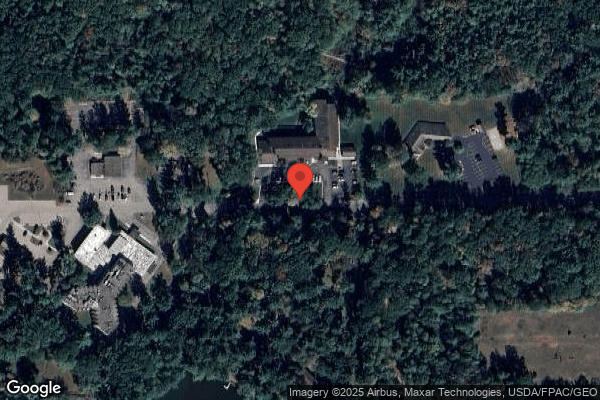
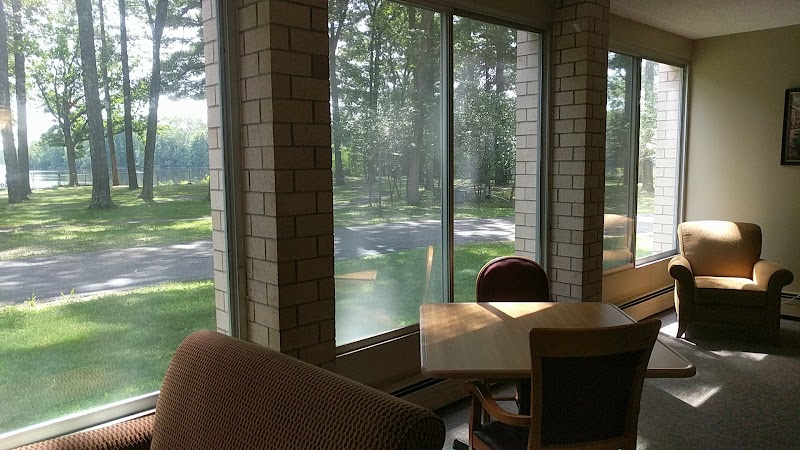
1800 SHERMAN AVE, STEVENS POINT, WI 54481 (715) 344-1800
For profit - Limited Liability company 50 Beds NORTH SHORE HEALTHCARE Data: November 2025
Trust Grade
30/100
#314 of 321 in WI
Last Inspection: July 2025

Inspected within the last 6 months. Data reflects current conditions.

Overview

Stevens Point Health Services has received a Trust Grade of F, indicating significant concerns about its quality of care. With a state rank of #314 out of 321, the facility is in the bottom half of Wisconsin’s nursing homes, and it ranks #2 out of 2 in Portage County, meaning there is only one other local option that is better. While the facility's situation is improving, with the number of issues decreasing from 21 in 2024 to 19 in 2025, it still faces serious challenges. Staffing is average with a rating of 3 out of 5 and a turnover rate of 54%, which is close to the state average. Although the facility has not incurred any fines, there are serious concerns regarding resident care, such as not providing necessary treatment for pressure injuries in multiple cases, which could lead to significant harm.

Trust Score
F
30/100
In Wisconsin
#314/321
Bottom 3%
Safety Record
Moderate
Needs review
Inspections
Getting Better
21 → 19 violations
Staff Stability
⚠ Watch
54% turnover. Above average. Higher turnover means staff may not know residents' routines.
Penalties
✓ Good
No fines on record. Clean compliance history, better than most Wisconsin facilities.
Skilled Nurses
✓ Good
Each resident gets 62 minutes of Registered Nurse (RN) attention daily — more than 97% of Wisconsin nursing homes. RNs are the most trained staff who catch health problems before they become serious.
Violations
⚠ Watch
53 deficiencies on record. Higher than average. Multiple issues found across inspections.
★☆☆☆☆
1.0
Overall Rating
★★★☆☆
3.0
Staff Levels
★☆☆☆☆
1.0
Care Quality
★★☆☆☆
2.0
Inspection Score
Stable
2024: 21 issues
2025: 19 issues

The Good

  • Full Sprinkler Coverage · Fire safety systems throughout facility
  • No fines on record

Facility shows strength in fire safety.

The Bad

1-Star Overall Rating

Below Wisconsin average (3.0)

Significant quality concerns identified by CMS

Staff Turnover: 54%

Near Wisconsin avg (46%)

Higher turnover may affect care consistency

Chain: NORTH SHORE HEALTHCARE

Part of a multi-facility chain

Ask about local staffing decisions and management

The Ugly 53 deficiencies on record

2 actual harm
Jul 2025 8 deficiencies
CONCERN (D)

Potential for Harm - no one hurt, but risky conditions existed

Deficiency F0552 (Tag F0552)

Could have caused harm · This affected 1 resident

**NOTE- TERMS IN BRACKETS HAVE BEEN EDITED TO PROTECT CONFIDENTIALITY** Based on staff interview and record review, the facility did not ensure 2 residents (R) (R3 and R34) of 5 sampled residents had ...

Read full inspector narrative →
**NOTE- TERMS IN BRACKETS HAVE BEEN EDITED TO PROTECT CONFIDENTIALITY** Based on staff interview and record review, the facility did not ensure 2 residents (R) (R3 and R34) of 5 sampled residents had documentation that indicated the residents or their legal representatives were informed in advance of the risks and benefits of prescribed medications. R3 was prescribed divalproex sodium (Depakote) (an anticonvulsant medication) and clindamycin phosphate external solution 1% topical (an antibiotic medication). Verbal consent for the medications was received from R3's activated Power of Attorney for Healthcare (POAHC), however, written consent was not obtained.R34 was prescribed Ambien (a sedative medication), quetiapine (an antipsychotic medication), hydroxyzine (an antihistamine medication used to treat anxiety), Lyrica (an anticonvulsant medication used to treat neuropathic pain), Lexapro (an antidepressant medication), and oxcarbazepine (an anticonvulsant medication used to treat bipolar disorder). The facility did not obtain consents for the psychotropic medications.Findings include:1.On 7/21/25, Surveyor reviewed R3's medical record. R3 was most recently admitted to the facility on [DATE] and had diagnoses including dementia, cognitive communication deficit, stroke, diabetes, seizures, and depression. R3's Minimum Data Set (MDS) assessment, dated 7/12/25, had a Brief Interview for Mental Status (BIMS) score of 8 out of 15 which indicated R3 had moderately impaired cognition. R3 had an activated POAHC for healthcare decisions.R3's medical record contained the following orders: ~ Divalproex sodium (Depakote) tablet delayed release 125 milligrams (mg), give 1 tablet by mouth three times daily for seizures (dated 1/26/25).~ Buspirone HCL (Buspar) oral tablet 5 mg, give 1 tablet three times daily for depression (dated 12/24/24).~ Clindamycin phosphate external solution 1% topical, apply to underarms, breasts, groin topically in the morning for rash (dated 12/23/24).R3's medical record contained verbal consents (dated 6/4/25) for Depakote, buspar, and clindamycin that were not signed by R3's POAHC.2. On 7/21/25, Surveyor reviewed R34's medical record. R34 was most recently admitted to the facility on [DATE] and had diagnoses including diabetes, bipolar disorder, depression, anxiety, insomnia, and low back pain. R34's MDS assessment, dated 5/27/25, had a BIMS score of 15 out of 15 which indicated R34 had intact cognition. R34 made R34's own healthcare decisions. R34's medical record contained the following orders: ~ Quetiapine fumarate oral tablet 100 mg, give 1 tablet by mouth two times daily for bipolar disorder.~ Hydroxyzine HCL oral tablet 50 mg, give 1 tablet by mouth every 6 hours as needed for anxiety disorder (dated 6/4/25).~ Ambien oral tablet 10 mg, give 10 mg by mouth once daily for insomnia (dated 2/19/25).~ Lyrica (pregabalin) oral capsule 200 mg, give 1 capsule by mouth three times daily for neuropathic pain (dated 9/18/24).~ Lexapro (escitalopram oxalate) oral tablet 20 mg, give 1 tablet by mouth once daily for depression (dated 6/18/24).~ Oxcarbazepine oral tablet 150 mg, give 1 tablet by mouth once daily and give 2 tablets by mouth once daily for bipolar disorder (dated 1/8/24).On 7/23/25 at 3:31 PM, Surveyor interviewed Nursing Home Administrator (NHA)-A who indicated signed medication consents should have been obtained for R3 and R34.
CONCERN (D)

Potential for Harm - no one hurt, but risky conditions existed

Deficiency F0605 (Tag F0605)

Could have caused harm · This affected 1 resident

**NOTE- TERMS IN BRACKETS HAVE BEEN EDITED TO PROTECT CONFIDENTIALITY** Based on staff interview and record review, the facility did not monitor for adverse consequences or the effectiveness of psycho...

Read full inspector narrative →
**NOTE- TERMS IN BRACKETS HAVE BEEN EDITED TO PROTECT CONFIDENTIALITY** Based on staff interview and record review, the facility did not monitor for adverse consequences or the effectiveness of psychotropic medication for 1 resident (R) (R44) of 6 sampled residents. The facility did not monitor for adverse consequences or the effectiveness of trazadone (an antidepressant medication) and sertraline (an antidepressant medication) for R44. Findings include:The facility's Medication Monitoring: Medication Management policy, dated 1/2025, indicates: Each resident's drug regimen is reviewed to ensure it is free from unnecessary drugs .The facility's medication management supports and promotes .The monitoring of medications for efficacy and adverse consequences .Additional specific guidelines are applied to psychotropic drugs which are defined as any drug that affects brain activities associated with mental processes and behavior. This includes, but are not limited to antipsychotics; antidepressants .The intent of this requirement is that: Each resident's entire drug/medication regimen is managed and monitored to promote or maintain the resident's highest practicable mental, physical, and psychosocial well-being .On 7/21/25, Surveyor reviewed R44's medical record. R44 was admitted to the facility on [DATE] and had diagnoses including urinary tract infection (UTI), chronic respiratory failure, chronic obstructive pulmonary disease (COPD), encephalopathy, anxiety, and insomnia. R44 had an activated Power of Attorney for Healthcare (POAHC) who made medical decisions for R44. A Minimum Data Set (MDS) assessment was not completed for R44. An admission nursing progress note indicated R44 was alert to self. On 7/21/25 at 2:53 PM, Surveyor reviewed R44's Medication Administration Record (MAR) and Treatment Administration Record (TAR) and noted R44 was prescribed sertraline HCL 100 milligrams (mg) once daily for anxiety on 7/19/25. R44 was also prescribed trazadone HCL 100 mg at bedtime for sleep on 7/17/25. R44's medical record did not contain monitoring for the efficacy or adverse consequences of sertraline, including sedation, drowsiness, dry mouth, blurred vision, urinary retention, tachycardia, muscle tremors, agitation, headache, skin rash, photosensitivity of skin, excess weight gain, and anxiousness. R44's medical record also did not contain monitoring for the efficacy or adverse consequences of trazadone, including sedation, drowsiness, dry mouth. blurred vision, urinary retention, tachycardia, muscle tremors, agitation, headache, skin rash, photosensitivity of skin, excess weight gain, and sleeplessness.On 7/22/25 at 1:05 PM, Surveyor interviewed Director of Nursing (DON)-B who indicated R44 should have been monitored for medication efficacy and adverse consequences of the antidepressant medications. DON-B indicated DON-B added adverse consequence monitoring to R44's TAR for nurses to initial after completing. DON-B indicated medication monitoring including effectiveness should have been added to R44's baseline care plan.
CONCERN (D)

Potential for Harm - no one hurt, but risky conditions existed

Abuse Prevention Policies (Tag F0607)

Could have caused harm · This affected 1 resident

Based on staff interview and record review, the facility did not implement policies and procedures that prohibit and prevent abuse for 1 (Registered Nurse (RN)-I) of 8 facility and contracted staff re...

Read full inspector narrative →
Based on staff interview and record review, the facility did not implement policies and procedures that prohibit and prevent abuse for 1 (Registered Nurse (RN)-I) of 8 facility and contracted staff reviewed for caregiver background checks.The facility did not ensure a thorough and timely caregiver background check was completed for agency RN-I.Findings include:The facility's Abuse, Neglect and Exploitation policy, revised 7/15/22, indicates: Potential employees will be screened for history of abuse, neglect, exploitation, or misappropriation of resident property. 1. Background, reference, and credentials checks shall be conducted on potential employees, contracted temporary staff, students affiliated with academic institutions, volunteers, and consultants. Background checks, including re-checks, will be completed consistent with applicable state laws and regulation .On 7/22/25 at 1:59 PM, Surveyor reviewed background check information for 8 facility and agency staff, including RN-I. Surveyor noted RN-I's Background Information Disclosure (BID) form was not dated. RN-I's start date at the facility was 7/7/25.On 7/22/25 at 2:25 PM, Surveyor interviewed Business Office Manager (BOM)-J who indicated RN-I's agency may have sent the facility an incorrect BID form. BOM-J indicated BOM-J would review the file that was sent to the facility to see if there was a dated BID form for RN-I.On 7/22/25 at 4:12 PM, Surveyor interviewed BOM-J who indicated BOM-J did not notice that RN-I's BID for was not dated and should have followed up with the agency prior to RN-I's start date. BOM-J indicated BOM-J called RN-I's agency who sent RN-I's BID form with an effective date of 7/22/25.
CONCERN (D)

Potential for Harm - no one hurt, but risky conditions existed

Deficiency F0657 (Tag F0657)

Could have caused harm · This affected 1 resident

**NOTE- TERMS IN BRACKETS HAVE BEEN EDITED TO PROTECT CONFIDENTIALITY** Based on staff interview and record review, the facility did not ensure the comprehensive plan of care was revised in a timely m...

Read full inspector narrative →
**NOTE- TERMS IN BRACKETS HAVE BEEN EDITED TO PROTECT CONFIDENTIALITY** Based on staff interview and record review, the facility did not ensure the comprehensive plan of care was revised in a timely manner for 1 resident (R) (R6) of 1 sampled resident.R6's care plan was not revised after R6 was readmitted from the hospital on 3/20/25 and 6/23/25 with diagnoses of sepsis/urosepsis (urinary tract infection (UTI) that spreads to the blood stream).Findings include: On 7/23/25, Surveyor reviewed R6's medical record. R6 had diagnoses including urosepsis, bullous pemphigoid (an autoimmune skin disease that causes blisters), chronic obstructive pulmonary disease (COPD), malignant neoplasm of peritoneum, liver, ovary, gallbladder and bile ducts, UTIs, schizophrenia, and anxiety. R6's Minimum Data Set (MDS) assessment, dated 6/25/25, had a Brief Interview for Mental Status (BIMS) score of 14 out of 15 which indicated R6 had intact cognition. R6 made R6's own healthcare decisions.On 3/17/25, R6 was transferred to the hospital and diagnosed with sepsis/Escherichia (E). coli bacteremia (presence of bacteria in the blood) in the setting of UTI. R6 was readmitted to the facility on [DATE].On 6/15/25, R6 was transferred to the hospital and diagnosed with urosepsis. R6 returned to the facility on 6/23/25.On 7/23/25 at 5:15 PM, Nursing Home Administrator (NHA)-A provided Surveyor with a copy of R6's care plan and indicated there were areas in the care plan where monitoring for signs and symptoms of UTI were indicated, however, Surveyor noted the monitoring interventions were resolved. Surveyor noted R6's care plan was not revised after R6 was hospitalized on [DATE] and 6/15/25 for sepsis/urosepsis/UTI and returned to the facility on 3/20/25 and 6/23/25. R6's care plan contained a focus area that indicated actual infection UTI (initiated on 2/4/25 and resolved on 2/11/25). The goal indicated R6 would have no further complications related to infection and intervention. The care plan contained interventions to report to physician worsening signs and symptoms of infection or lack of improvement (initiated on 2/5/25 and resolved on 2/11/25). The care plan also contained a focus area that indicated R6 had a catheter (initiated on 3/13/24 and revised on 6/23/25), however, all interventions were resolved on 2/19/25.
CONCERN (D)

Potential for Harm - no one hurt, but risky conditions existed

Respiratory Care (Tag F0695)

Could have caused harm · This affected 1 resident

Based on observation, staff and resident interview, and record review, the facility did not provide the necessary respiratory care and services for 1 resident (R) (R5) of 3 sampled residents. R5's con...

Read full inspector narrative →
Based on observation, staff and resident interview, and record review, the facility did not provide the necessary respiratory care and services for 1 resident (R) (R5) of 3 sampled residents. R5's continuous positive airway pressure (CPAP) and oxygen equipment were not cleaned and replaced in accordance with orders on R5's Treatment Administration Record (TAR). Findings include:The facility follows guidelines from Company (CP)-L which were provided to Surveyor on 7/23/25 at 11:06 AM by Nursing Home Administration (NHA)-A when Surveyor requested the facility's oxygen policy. The undated CP-L guidelines indicate for infection control and to reduce the risk of infections, it is important to keep your equipment clean. Care of your cannula/mask, tubing, and humidifier bottle: 1. (CP-L) recommends you replace your cannula or mask each week and oxygen extension tubing and humidifier bottle once every month. 3. The humidifier bottle must be cleaned between fills or once per week .CP-L guidelines labeled Cleaning your CPAP/Bilevel positive airway pressure (BiPAP) equipment indicate: Daily cleaning: 2. Wipe the portion of the mask that comes in contact with your skin with a damp cloth .3. Empty any remaining water from the humidifier chamber. 4. Fill the chamber with soapy water and shake vigorously. 5. Rinse the chamber with clean water. 6. Air dry. Weekly mask and tubing cleaning is recommended: 1. Hand wash the headgear in standard laundry detergent .2. Air dry headgear .3. Wash mask/nasal pillows and tubing in a mixture of warm water and a small amount of liquid dishwashing detergent or baby shampoo. Do not use detergents containing conditioners, moisturizers, or antibacterial additives .4. Rinse thoroughly. 5. Air dry. Filter Maintenance: Filter maintenance will depend on the model of CPAP/B-Level unit you use. Please review manufacturer's manual for your unit's specific maintenance recommendations. On 7/21/25, Surveyor reviewed R5's medical record. R5 was admitted to the facility in 2024 and had diagnoses including type 2 diabetes mellitus with long term insulin use, non-pressure chronic ulcer to left thigh and part of right lower leg with fat layer exposure, chronic obstructive pulmonary disease (COPD), lymphedema, anxiety disorder, chronic pain syndrome, pressure ulcer of left buttock stage 3, and chronic respiratory failure with hypoxia. R5's Minimum Data Set (MDS) assessment, dated 5/28/25, had a Brief Interview for Mental Status (BIMS) score of 15 out of 15 which indicated R5 had intact cognition. On 7/21/25 at 11:15 AM, Surveyor interviewed R5 and noted a CPAP and oxygen concentrator in R5's room. R5 indicated the respiratory equipment had not been cleaned in 2 years. Surveyor reviewed R5's TAR which contained the following orders: ~ Change CPAP water chamber one time a day every 6 month(s) starting on the 1st for 1 day(s) related to chronic obstructive pulmonary disease and chronic respiratory failure (active 11/10/25). ~ Change (BiPAP/CPAP) filter every 6 months every day shift every 6 month(s) starting on the 5th for 1 day(s) for monitoring related to chronic obstructive pulmonary disease and chronic respiratory failure (active 6/5/25).~ Supplemental oxygen at 3 liters per minute (LPM) into CPAP device settings - 8.0-20.0 centimeters of mercury (cmHg) water every morning and at bedtime related to chronic obstructive pulmonary disease and chronic respiratory failure. On at bedtime and off in morning and as needed related to chronic obstructive pulmonary disease and chronic respiratory failure. Encourage use during naps (active 5/18/25).~ Clean CPAP machine wash with gentle soap and water, rinse thoroughly, and air dry one time a day every Saturday related to chronic obstructive pulmonary disease and chronic respiratory failure (active 5/24/25). ~ Change oxygen tubing and humidifier bottles weekly. Date tubing one time a day every Sunday and as needed for visibly soiled or known contamination (active 4/6/25).~ CP-L to manage settings and provide supplies as needed to include mask and headgear, cushion, filters, tubing and water chamber. No directions specified for order (active 6/1/25). R5's May 2025 TAR indicated:~ The oxygen tubing was not changed on 5/30/25.~ The oxygen tubing and humidifier bottles were not changed on 5/11/25 and 5/30/25.~ Clean CPAP machine wash with gentle soap and water, rinse thoroughly, and air dry was not completed on 5/10/25, 5/17/25, and 5/18/25.~ Change nebulizer tubing every nightshift every Monday and Sunday was not completed on 5/19/25.~ Change nebulizer tubing once a day every Monday and Sunday was not completed on 5/11/25 and 5/12/25.R5's June 2025 TAR indicated: ~ Change CPAP filter every 6 months was not completed on 6/5/25.~ Clean CPAP machine wash in gentle soap and water, rinse thoroughly, and air dry was not completed on 6/14/25. R5's July 2025 TAR indicated: ~ Clean CPAP machine wash in gentle soap and water. rinse thoroughly, and air dry was not completed on 7/12/25.~ Oxygen at 3 LPM connected to CPAP device was not completed on 7/9/25, 7/12/25, and 7/18/25. ~ Check oxygen saturation every shift was not completed on 7/9/25, 7/12/25, and 7/18/25.On 7/23/25 at 11:12 AM, Surveyor interviewed Licensed Practical Nurse (LPN)-F who indicated LPN-F did not clean respiratory equipment unless a resident's TAR indicated to do so. LPN-F indicated the facility has specialized wipes for the mask and LPN-F uses water for the rest. LPN-F thought night shift staff cleaned the equipment.On 7/23/25 at 12:28 PM, Surveyor interviewed Nursing Home Administrator (NHA)-A who indicated the facility uses CP-L sheets that NHA-A provided to Surveyor as standard guidelines. NHA-A indicated the guidelines are standards of practice recommended by the respiratory company and what staff should follow. NHA-A also indicated staff should follow a resident's TAR and document when staff have completed the items.
CONCERN (D)

Potential for Harm - no one hurt, but risky conditions existed

Pharmacy Services (Tag F0755)

Could have caused harm · This affected 1 resident

**NOTE- TERMS IN BRACKETS HAVE BEEN EDITED TO PROTECT CONFIDENTIALITY** Based on observation, staff interview, and record review, the facility did not ensure accurate order transcription and medicatio...

Read full inspector narrative →
**NOTE- TERMS IN BRACKETS HAVE BEEN EDITED TO PROTECT CONFIDENTIALITY** Based on observation, staff interview, and record review, the facility did not ensure accurate order transcription and medication administration for 1 resident (R) (R5) of 2 sampled residents.On 7/22/25, R5 was administered 81 milligram (mg) of enteric coated (EC) aspirin which differed from R5's order. In addition, the wrong dose of fluticasone propionate was administered. Findings include:On 7/22/25, Surveyor reviewed R5's medical record. R5 was admitted to the facility on [DATE] and had diagnoses including diabetes and heart failure. R5's Minimum Data Set (MDS) assessment, dated 5/29/25, had a Brief Interview for Mental Status (BIMS) score of 15 out of 15 which indicated R5 had intact cognition. On 7/22/25 at 8:04 AM, Surveyor observed Registered Nurse (RN)-K administer R5's AM medication. RN-K administered 81 mg of EC aspirin and 2 sprays of fluticasone propionate nasal spray in each nostril. Surveyor reviewed R5's physician orders which indicated:~ Aspirin 81 mg capsule, give one capsule daily~ Fluticasone propionate, one spray in each nostril On 7/22/25 at 1:19 PM, Surveyor interviewed RN-K who was unsure why R5's aspirin order was transcribed in capsule form. RN-K was aware that the order indicated capsule form but stated the facility did not have aspirin in capsule form. RN-K and Surveyor reviewed R5's hospital discharge summary which contained an order for aspirin 81 EC tablet. RN-K verified the order was incorrectly transcribed and stated RN-K would fix the order in R5's MAR.On 7/22/25 at 1:23 PM, RN-K confirmed R5's fluticasone propionate order was for 1 spray in each nostril and confirmed R5 was incorrectly administered 2 sprays in each nostril.On 7/22/25 at 2:09 PM, Surveyor interviewed Director of Nursing (DON)-B who indicated DON-B had not seen aspirin in capsule form and verified the aspirin administered to R5 was not in the form that was ordered. DON-B also indicated R5's fluticasone propionate should have been administered as 1 spray in each nostril.On 7/22/25 at 2:28 PM, DON-B approached Surveyor and indicated DON-B spoke with the pharmacy who indicated EC and chewable aspirin can be interchanged and aspirin does not come in capsule form. DON-B agreed R5's aspirin order was transcribed incorrectly as a capsule instead of a tablet.
CONCERN (D)

Potential for Harm - no one hurt, but risky conditions existed

Infection Control (Tag F0880)

Could have caused harm · This affected 1 resident

Based on observation, staff interview, and record review, the facility did not maintain an infection prevention and control program designed to prevent the transmission of communicable disease and inf...

Read full inspector narrative →
Based on observation, staff interview, and record review, the facility did not maintain an infection prevention and control program designed to prevent the transmission of communicable disease and infection for 1 resident (R) (R5) of 4 residents observed during the provision of cares. R5 was on enhanced barrier precautions (EBP). On 7/21/25, staff did not follow EBP during high-contact cares for R5. Finding include:The facility's Transmission-Based (Isolation) Precautions (TBP) policy, revised 9/24/24, indicates: .10. Contact precautions: A. Intended to prevent transmission of pathogens that are spread by direct or indirect contact with the resident or the resident's environment .C. Healthcare personnel caring for residents on contact precautions wear a gown and gloves for all interactions that may involve contact with the resident or potentially contaminated areas in the resident's environment. D. Donning personal protective equipment (PPE) upon room entry and discarding before exiting the room is done to contain pathogens, especially those that have been implicated in transmission through environmental contamination .F. Contact precautions will be used for residents infected or colonized with multidrug-resistant organisms (MDROs) in the following situations: i. When a resident has wound secretions or excretions that are unable to covered or contained, and ii. On units or in facilities where, despite attempts to control the spread of MDROs, ongoing transmission is occurring. On 7/21/25, Surveyor reviewed R5's medical record. R5 was admitted to the facility in 2024 and had diagnoses including type 2 diabetes mellitus with long-term insulin use, non-pressure chronic ulcer to left thigh and part of right lower leg with fat layer exposure, chronic obstructive pulmonary disease (COPD), lymphedema, anxiety disorder, chronic pain syndrome, pressure ulcer of left buttock stage 3, and chronic respiratory failure with hypoxia. R5's Minimum Data Set (MDS) assessment, dated 5/28/25, had a Brief Interview for Mental Status (BIMS) score of 15 out of 15 which indicated R5 had intact cognition.R5's care plan and Kardex (an abbreviated care plan used by nursing staff) indicated R5 was on EBP. The care plan indicated R5 was at risk for infection related to colonization of an MDRO and had methicillin-resistant Staphylococcus aureus (MRSA) to the nares/wound. The care plan contained an intervention to use EBP during high-contact care activities. R5's Kardex indicated: Staff should follow EBP during high-contact care activities; Toileting assist of one - EBP; Clean peri-area with each incontinence episode - EBP wear gown and gloves with direct patient care; Toileting - uses bedside commode for bowel movements - EBP wear gown and gloves with direct patient care; and precautions wear gown and gloves with direct care.On 7/21/25 at 10:10 AM, Surveyor was waiting outside R39's room to interview R39 when Certified Nursing Assistant (CNA)-G indicated to R39 that CNA-G is told to wear blue gowns but will not put them on. Surveyor noted a sign outside R39's room that indicated R39 was on EBP.On 7/21/25 at 11:18 AM, Surveyor knocked on R5's door and attempted to interview R5. CNA-G indicated CNA-G was providing cares. Surveyor noted CNA-G was not wearing a gown while completing peri-care. A sign posted outside R5's door indicated R5 was on EBP. When CNA-G saw Surveyor, CNA-G indicated cares were halted because CNA-G needed to don a gown. After cares were completed, Surveyor interviewed CNA-G who confirmed CNA-G should have donned a gown at the start of cares because R5 was on EBP. On 7/21/25 at approximately 12:00 PM, Surveyor interviewed Infection Preventionist (IP)-H who indicated staff should follow a resident's precautions and don a gown and gloves during high-contact cares.On 7/22/25, Surveyor requested the facility's EBP policy but received the facility's TBP policy. When Surveyor asked Nursing Home Administrator (NHA)-A if the facility had an EBP policy, NHA-A indicated the facility did not have an EBP policy.
CONCERN (E)

Potential for Harm - no one hurt, but risky conditions existed

Deficiency F0628 (Tag F0628)

Could have caused harm · This affected multiple residents

**NOTE- TERMS IN BRACKETS HAVE BEEN EDITED TO PROTECT CONFIDENTIALITY** Based on staff interview and record review, the facility did not ensure the State Long-Term Care Ombudsman was notified of trans...

Read full inspector narrative →
**NOTE- TERMS IN BRACKETS HAVE BEEN EDITED TO PROTECT CONFIDENTIALITY** Based on staff interview and record review, the facility did not ensure the State Long-Term Care Ombudsman was notified of transfers or discharges for 4 residents (R) (R41, R43, R5, and R6) of 4 sampled residents.R41 was transferred to the hospital on 7/1/25. The Ombudsman was not notified of the transfer.R43 was discharged home on 5/2/25. The Ombudsman was not notified of the discharge.R5 was transferred to the hospital on 5/9/25. The Ombudsman was not notified of the transfer.R6 was transferred to the hospital on 1/29/25, 3/17/25, and 6/15/25. The Ombudsman was not notified of the transfers.Findings include: The facility's Transfer and Discharge policy, dated 7/15/22, indicates: The facility permits each resident to remain in the facility, and not transfer or discharge the resident except as initiated by the resident, necessary for the health and safety of the resident .6. Non-Emergency Transfers or Discharges .B. At least 30 days before the resident is transferred or discharged , the Social Services Director or designee will notify the resident and resident representative in writing (notice) .d. A copy of the notice shall be provided to a representative of the Office of the State Long-Term Care Ombudsman .Emergency Transfers/Discharges .a. Obtain physician orders for emergency transfer or discharge .The physician shall document medical reasons for the transfer or discharge in the medical record .K. Social Services Director or designee shall provide notice of transfer to a representative of the State Long-Term Care Ombudsman via a monthly list . 1. On 7/23/25, Surveyor reviewed R41’s medical record. R41 was admitted to the facility on [DATE] and had diagnoses including displaced transverse fracture of shaft of humerus, dysphagia, weakness, diabetes, and multiple myeloma not having achieved remission. R41 made R41's own medical decisions. R41's Minimum Data Set (MDS) assessment, dated 6/21/25, had a Brief Interview for Mental Status (BIMS) score of 15 of 15 which indicated R41 had intact cognition. R41’s medical record indicated R41 was transferred to the hospital for evaluation on 7/1/25. 2. On 7/23/25, Surveyor reviewed R43’s medical record. R43 was admitted to the facility on [DATE] and had diagnoses including esophagitis, cognitive communication deficit, and chronic obstructive pulmonary disease (COPD). R43 had an activated Power of Attorney for Healthcare (POAHC) who made medical decisions for R43. R43's MDS assessment, dated 5/2/25, had a BIMS score of 11 out of 15 which indicated R43 had moderately impaired cognition. R43’s medical record indicated R43 discharged home from the facility on 5/2/25. 3. On 7/23/25, Surveyor reviewed R5's medical record. R5 was admitted to the facility in 2024 and had diagnoses including type 2 diabetes mellitus with long-term insulin use, non-pressure chronic ulcer to left thigh and part of right lower leg with fat layer exposure, chronic obstructive pulmonary disease (COPD), lymphedema, anxiety disorder, pressure ulcer of left buttock stage 3, and chronic respiratory failure with hypoxia. R5's MDS assessment, dated 5/28/25, had a BIMS score of 15 out of 15 which indicated R5 had intact cognition. R5’s medical recorded indicated R5 was transferred to the hospital on 5/9/25 for a change of condition related to shortness of breath. R5 returned to the facility on 5/15/25. 4. On 7/21/25, Surveyor reviewed R6's medical record. R6 was most recently admitted to the facility on [DATE] and had diagnoses including bullous pemphigoid (an autoimmune skin disease causing blisters), COPD, malignant neoplasm of peritoneum, liver, ovary, gallbladder and bile ducts, anxiety, and schizophrenia. R6's MDS assessment, dated 6/25/25, had a BIMS score of 14 out of 15 which indicated R6 had intact cognition. R6 made R6's own healthcare decisions. On 1/29/25, R6 had a change in condition and was transferred to the hospital and diagnosed with septic shock from UTI or skin etiology. R6 was readmitted to the facility on [DATE]. On 3/17/25, R6 was transferred to the hospital and diagnosed with sepsis/Escherichia (E). coli bacteremia in setting of UTI. R6 was readmitted to the facility on [DATE]. On 6/15/25, R6 was transferred to the hospital and diagnosed with urosepsis. R6 returned to the facility on 6/23/25. On 7/23/25 at 10:42 AM, Surveyor requested the facility's monthly Ombudsman reporting list. Nursing Home Administrator (NHA)-A indicated the facility had not reported any transfers or discharges to Ombudsman (OMB)-E. NHA-A provided documentation of education with Social Services Director (SSD)-D for reporting transfers and discharges to OMB-E in a monthly report. The education was signed by SSD-D and dated 7/21/25. NHA-A provided a copy of an email NHA-A sent to OMB-E that contained a list of the facility's transfers and discharges since January 2025.
Jun 2025 5 deficiencies
CONCERN (D) 📢 Someone Reported This

A family member, employee, or ombudsman was alarmed enough to file a formal complaint

Potential for Harm - no one hurt, but risky conditions existed

Accident Prevention (Tag F0689)

Could have caused harm · This affected 1 resident

**NOTE- TERMS IN BRACKETS HAVE BEEN EDITED TO PROTECT CONFIDENTIALITY** Based on observation, staff interview, and record review, the facility did not ensure proper footwear was worn during a mechanic...

Read full inspector narrative →
**NOTE- TERMS IN BRACKETS HAVE BEEN EDITED TO PROTECT CONFIDENTIALITY** Based on observation, staff interview, and record review, the facility did not ensure proper footwear was worn during a mechanical lift transfer for 1 resident (R) (R17) of 1 sampled resident. R17 had diabetes and was at risk for foot injury. Staff did not ensure R17 wore proper footwear when they transferred R17 with a sit-to-stand lift. Findings include: The facility's Safe Lifting and Movement of Residents policy, revised 11/28/22. indicates: In order to protect the safety and well being of staff and residents and to promote quality of care, this facility uses appropriate techniques and devices to lift and move residents. Procedure: 1. Resident safety, dignity, comfort, and medical condition will be incorporated into goals and decisions regarding the safe lifting and moving of residents. WisTech Open under Nursing Assistant Section 8.4-Assisting Clients to Transfer indicates staff should check that the resident is wearing non-skid footwear before transferring. https://wtcs.pressbooks.pub/nurseassist/chapter/8-4-assisting-clients-to-transfer/ On 6/13/25, Surveyor reviewed R17's medical record. R17 was admitted to the facility on [DATE] and had diagnoses including stroke, type 2 diabetes, anxiety, personal history of other infectious and parasitic diseases, and zoster. R17's Minimum Data Set (MDS) assessment, dated 4/16/25, had a Brief Interview for Mental Status (BIMS) score of 12 out of 15 which indicated R17 had moderate cognitive impairment. R17's fall risk care plan, dated 7/1/24, indicated R17 was a fall risk related to a recent stroke and left-sided hemiparesis (paralysis on one side of the body). R17's endocrine system care plan, dated 7/15/24, indicated R17 was at risk for foot injuries related to diabetes and needed diabetic foot care. R17's alteration in skin integrity care plan, dated 7/1/24, indicated R17 was at risk related to diabetes and impaired mobility. On 6/13/25 at 9:28 AM, Surveyor observed Certified Nursing Assistant (CNA)-E and CNA-F transfer R17 with a sit-to-stand lift. During the transfer. R17 wore non-gripper socks. After the transfer, CNA-F assisted R17 with putting on R17's shoes and wheelchair peddles. On 6/13/25 at 1:50 PM, Surveyor interviewed Director of Nursing (DON)-B who verified R17 was diabetic and should have worn shoes or gripper socks during the transfer.
CONCERN (D) 📢 Someone Reported This

A family member, employee, or ombudsman was alarmed enough to file a formal complaint

Potential for Harm - no one hurt, but risky conditions existed

Deficiency F0810 (Tag F0810)

Could have caused harm · This affected 1 resident

**NOTE- TERMS IN BRACKETS HAVE BEEN EDITED TO PROTECT CONFIDENTIALITY** Based on observation, staff interview, and record review, the facility did not provide adaptive eating equipment for 1 resident ...

Read full inspector narrative →
**NOTE- TERMS IN BRACKETS HAVE BEEN EDITED TO PROTECT CONFIDENTIALITY** Based on observation, staff interview, and record review, the facility did not provide adaptive eating equipment for 1 resident (R) (R5) of 16 sampled residents. Staff did not provide R5 with lidded cups and a divided plate per R5's meal ticket. Findings include: The facility's Assistive Devices policy, revised 9/2017, indicates: .Assistive devices/utensils will be provided as identified in the individualized plan of care to maintain or improve a resident's ability to eat or drink independently On 6/13/25, Surveyor reviewed R5's medical record. R5 was admitted to the facility on [DATE] and had diagnoses including Alzheimer's disease, cerebral ischemia (reduced blood flow to the brain) and dysphagia (difficulty swallowing). R5''s Minimum Data Set (MDS) assessment, dated 5/9/25, had a Brief Interview for Mental Status (BIMS) score of 3 out of 15 which indicated R5 had severe cognitive impairment. R5 had a legal Guardian. On 6/13/25, Surveyor reviewed R5's meal ticket which indicated R5 should receive cups with lids and a divided plate. On 6/13/25 at 12:27 PM, Surveyor observed lunch and noted R5 was not provided cups with lids or a divided plate as indicated on R5's meal ticket. On 6/13/25 at 1:47 PM, Surveyor interviewed Director of Nursing (DON)-B who indicated R5 should have cups with lids and food on a divided plate per R5's meal ticket. On 6/13/25 at 2:12 PM, Surveyor interviewed Dietary Manager (DM)-C who indicated if R5's meal ticket indicates R5 should receive cups with lids and a divided plate, R5 should receive them. DM-C indicated lidded mugs should be on the unit or sent with the beverage cart and staff should request them from the kitchen if they don't have them. DM-C also indicated the cook should have put food on a divided plate for R5.
CONCERN (D) 📢 Someone Reported This

A family member, employee, or ombudsman was alarmed enough to file a formal complaint

Potential for Harm - no one hurt, but risky conditions existed

Infection Control (Tag F0880)

Could have caused harm · This affected 1 resident

**NOTE- TERMS IN BRACKETS HAVE BEEN EDITED TO PROTECT CONFIDENTIALITY** Based on observation, staff interview, and record review, the facility did not maintain an infection prevention and control prog...

Read full inspector narrative →
**NOTE- TERMS IN BRACKETS HAVE BEEN EDITED TO PROTECT CONFIDENTIALITY** Based on observation, staff interview, and record review, the facility did not maintain an infection prevention and control program designed to prevent the transmission of communicable disease and infection for 1 resident (R) (R17) of 2 residents observed during the provision of care. Staff did not ensure enhanced barrier precautions (EBP) were followed for R17 during high-contact cares. Findings include: The facility's Enhanced Barrier Precautions policy, revised 8/8/24, indicates: The facility will implement enhanced barrier precautions (EBP) for prevention of the transmission of multidrug-resistant organisms (MDROs) .EBP refers to an infection control intervention designed to reduce transmission of MDROs that employs targeted gown and glove use during high-contact resident care activities .4. High-contact resident care activities include: a. dressing .c. transferring . On 6/13/25, Surveyor reviewed R17's medical record. R17 was admitted to the facility on [DATE] and had diagnoses including presence of prosthetic heart valve, colostomy, stroke, type 2 diabetes, personal history of other infectious and parasitic diseases, and zoster. R17's Minimum Data Set (MDS) assessment, 4/16/25, had a Brief Interview for Mental Status (BIMS) score of 12 out of 15 which indicated R17 had moderate cognitive impairment. R17's plan of care, dated 7/1/24, indicated R17 had a colostomy related to a history of colon cancer. On 5/2/25, an intervention was added for EBP during activities. On 6/13/25 at 9:28 AM, Surveyor observed Certified Nursing Assistant (CNA)-E and CNA-F transfer R17 with a sit-to-stand lift. Surveyor observed a sign on R17's door that indicated R17 was on EBP. Surveyor interviewed CNA-E after the transfer. CNA-E indicated CNA-E and CNA-F got R17 dressed and transferred R17 into a wheelchair. When Surveyor asked if R17 was on EBP and if CNA-E and CNA-F should be wearing personal protective equipment (PPE), CNA-E indicated CNA-E and CNA-F should have donned PPE, including gowns and gloves. At that time, CNA-F was assisting R17 with putting on R17's shoes and wheelchair peddles. On 6/13/25 at 1:50 PM, Surveyor interviewed Director of Nursing (DON)-B who confirmed staff should don a gown and gloves prior to completing high-contact resident cares for a resident on EBP.
CONCERN (E) 📢 Someone Reported This

A family member, employee, or ombudsman was alarmed enough to file a formal complaint

Potential for Harm - no one hurt, but risky conditions existed

Deficiency F0761 (Tag F0761)

Could have caused harm · This affected multiple residents

Based on observation, staff interview, and record review, the facility did not ensure a medication cart was locked when unattended. This practice had the potential to affect more than 4 of the 38 resi...

Read full inspector narrative →
Based on observation, staff interview, and record review, the facility did not ensure a medication cart was locked when unattended. This practice had the potential to affect more than 4 of the 38 residents residing in the facility. On 6/13/25, Surveyor observed an unattended and unlocked medication cart on the second floor by the nurses' station. Two residents were in the vicinity. Findings include: The facility's Administering Medication Storage/Storage of Medication policy, dated 1/2025, indicates: Medications and biologicals are stored properly, following manufacturer's or provider pharmacy recommendations, to keep their integrity and to support safe, effective drug administration .Procedure: .3. In order to limit access to prescription medications, only licensed nurses, pharmacy staff, and those lawfully authorized to administer medications (such as Medication Aides) are allowed to access medication carts. Medication rooms, cabinets, and medication supplies should remain locked when not in use or attended to by persons with authorized access. On 6/13/25 at 9:50 AM, Surveyor observed an unlocked and unattended medication cart in front of the second floor nurses' station and noted two residents were in the area. One resident walked by the medication cart with a walker and another resident was sitting in the common area watching television. On 6/13/25 at 9:57 AM, Surveyor observed Registered Nurse (RN)-D exit a resident's room and walk from hallway 3 toward the medication cart. RN-D then pushed the medication cart down hallway 2 and parked the cart outside a resident's room. On 6/13/25 at 9:59 AM, Surveyor interviewed RN-D who indicted RN-D was pulled away from the medication cart quickly and did not normally leave the medication cart unlocked. RN-D indicated RN-D should not have left the medication cart unlocked and unattended. On 6/13/25 at 1:47 PM, Surveyor interviewed Director of Nursing (DON)-B who indicated medication carts should always be locked when nurses are not around.
CONCERN (E) 📢 Someone Reported This

A family member, employee, or ombudsman was alarmed enough to file a formal complaint

Potential for Harm - no one hurt, but risky conditions existed

Deficiency F0806 (Tag F0806)

Could have caused harm · This affected multiple residents

**NOTE- TERMS IN BRACKETS HAVE BEEN EDITED TO PROTECT CONFIDENTIALITY** Based on observation, staff, resident, and resident representative interview, and record review, the facility did not ensure foo...

Read full inspector narrative →
**NOTE- TERMS IN BRACKETS HAVE BEEN EDITED TO PROTECT CONFIDENTIALITY** Based on observation, staff, resident, and resident representative interview, and record review, the facility did not ensure food preferences were accommodated and/or individualized meal tickets were followed for 10 residents (R) (R1, R4, R6, R7, R9, R10, R11, R12, R13 and R14) of 16 sampled residents. Staff did not follow R1's individualized meal ticket on 6/13/25. Staff did not provide item listed on R4's individualized meal ticket on 6/13/25. Staff did not ensure R6, R7, R9, R10, R11, R12, R13 and R14 received drinks as indicated on their individualized meal tickets for lunch on 6/13/25. Findings include: The facility's Meal Distribution policy, revised 9/2017, indicates: .1. All meals will be assembled in accordance with the individualized diet order, plan of care, and preferences .4. The nursing staff will be responsible for verifying meal accuracy and the timely delivery of meals to residents. 5. For point-of-service dining, the Dining Services department staff, under the supervision of the licensed nurse, will assemble the meal in accordance with the individualized meal card and present it to the resident or care staff for delivery to the resident. 1. On 6/13/25, Surveyor reviewed R1's medical record. R1 was admitted to the facility on [DATE] and had diagnoses including morbid obesity, congestive heart failure and bariatric surgery status. R1's Minimum Data Set (MDS) assessment, dated 3/7/25, had a Brief Interview for Mental Status (BIMS) score of 14 out of 15 which indicated R1 had intact cognition. On 6/13/25 at 12:40 PM, Surveyor interviewed R1 who verified R1 was on a cardiac diet. Surveyor observed R1's lunch tray which contained a piece of cod, mashed potatoes, cucumber salad, a full-size brownie, a white roll, chocolate milk, and coffee. Surveyor reviewed R14's meal ticket which indicated R1 should have received 4 ounces (oz) of summer herb cod, 1 piece lemon wedge, half cup parsley new potatoes, 1 wheat roll, half brownie, 4 oz chocolate milk, and 8 oz coffee; small portions and no desserts. 2. On 6/13/25, Surveyor reviewed R4's medical record. R4 was admitted to the facility on 4/1/21 and had diagnoses including dysphagia (difficulty swallowing). R4's MDS assessment, dated 5/23/25, had a BIMS score of 10 out of 15 which indicated R4 had moderate cognitive impairment. On 6/13/25 at 12:35 PM, Surveyor interviewed R4 who stated butter isn't provided with meals and R4 has to ask for it. Surveyor observed R4's lunch tray which contained ground cod, a package of tartar sauce, mashed potatoes, peas, a slice of white bread, a brownie, milk, coffee, and a Magic Cup (nutritional supplement). Surveyor reviewed R4's meal ticket which indicated R4 should have received 4 oz ground summer herb cod, 1 package tartar sauce, half cup soft-cooked cabbage, half cup mashed potatoes with gravy, 1 slice white bread, 1 margarine, 1 frosted brownie, 8 oz 2% milk, 8 oz coffee, 1 Magic Cup, and soup of the day. When Surveyor asked if R4 had soup, R4 did not know R4 was supposed to get soup and said R4 had enough to eat. Surveyor noted R4 did not receive margarine, cabbage, or a frosted brownie. 3. On 6/13/25 at 12:02 PM, Surveyor observed staff deliver R6's lunch tray. Surveyor observed R6's meal ticket and noted R4 did not receive 8 oz skim milk, 8 oz coffee, and 4 oz juice of choice. At 12:04 PM, Surveyor interviewed R6's spouse who was assisting R6 with the meal and confirmed R6 did not receive any beverages. At 12:30 PM, Surveyor returned to R6's room and interviewed R6's spouse again who confirmed staff did not bring R6 any milk. 4. On 6/13/25 at 12:05 PM, Surveyor observed R7's lunch tray which did not contain any beverages. Surveyor reviewed R7's meal ticket which indicated R7's should have received 8 oz skim milk, 8 oz coffee and 4 oz juice of choice. 5. On 6/13/25 at 12:11 PM, Surveyor observed R9's lunch tray and meal ticket. Certified Nursing Assistant (CNA)-E indicated R9 will not eat a pureed meal so a meal was not delivered. Surveyor noted R9 received 8 oz thickened milk, juice, and 4 oz Mighty Shake (a nutritional supplement). R9's meals ticket indicated R9 should have received 4 oz chocolate milk, a Mighty Shake, juice-nectar thick, and 8 oz coffee-nectar thick. 6. On 6/13/25 at approximately 12:15 PM, Surveyor observed staff deliver R10's lunch tray. Surveyor observed R10's meal ticket and noted R10 did not receive 4 oz juice of choice. 7. On 6/13/25 at 12:17 PM, Surveyor observed R11's lunch tray and meal ticket and noted R11 did not receive 4 oz chocolate milk, 6 oz coffee, or 4 oz juice. R11's meal ticket also indicated R11 should have received 2 oz healthy shake, however, R11 received 4 oz healthy shake. 8. On 6/13/25 at approximately 12:19 PM, Surveyor observed R12's lunch tray and meal ticket and noted R12 did not receive 8 oz 2% milk or 4 oz juice of choice. 9. On 6/13/25 at 12:20 PM, Surveyor observed R13's lunch tray and meal ticket and noted R13 did not receive 8 oz skim milk. 10. On 6/13/25 at 12:26 PM, Surveyor observed R14's lunch tray and meal ticket and noted R14 did not receive 8 oz 2% milk or 4 oz juice of choice. On 6/13/25 at 12:27 PM, Surveyor interviewed CNA-H who indicated staff offer residents beverages from their meal tickets. CNA-H indicated residents can have whatever they want except for those on a fluid restriction. On 6/13/25 at 12:28 PM, Surveyor interviewed Registered Nurse (RN)-G who confirmed residents should receive the beverages that are on their meal tickets. On 6/13/25 at 1:59 PM, Surveyor interviewed Director of Nursing (DON)-B who indicated staff should offer items off the cart at meals. When Surveyor asked about R11's meal ticket which indicated R11 should receive 2 oz healthy shake but was provided 4 oz, DON-B confirmed staff should follow the meal ticket. On 6/13/25 at 2:09 PM and 2:12 PM, Surveyor interviewed Dietary Manager (DM)-C via phone who indicated there was an issue with the food truck which was supposed to deliver on Thursday. DM-C indicated the food truck arrived that day and cucumber salad was served instead of coleslaw. DM-C indicated DM-C was not in the facility and was unsure of the procedure for changing meal tickets to reflect updated meals. DM-C indicated if R1's meal ticket said no dessert, then R1 should not have been given a brownie. If R4's meal ticket indicated soup of the day, R4 should have been given soup. DM-C indicated meal tickets are printed daily for each meal and are individualized to meet residents' needs, therapeutic diet, portion sizes, and substitutions for food allergies. DM-C indicated margarine was currently out of stock with the contracted food company and there were no individual butter cups despite the fact DM-C had requested substitutions multiple times. DM-C indicated dinner rolls were available in white yeast only. DM-C confirmed nursing staff should provide beverages to residents on their trays when delivered and should follow what is listed on residents' meal tickets when serving beverages. DM-C verified meal tickets should reflect what residents receive during meals and should be followed as written.
Apr 2025 4 deficiencies
CONCERN (D) 📢 Someone Reported This

A family member, employee, or ombudsman was alarmed enough to file a formal complaint

Potential for Harm - no one hurt, but risky conditions existed

Report Alleged Abuse (Tag F0609)

Could have caused harm · This affected 1 resident

**NOTE- TERMS IN BRACKETS HAVE BEEN EDITED TO PROTECT CONFIDENTIALITY** Based on staff and resident interview and record review, the facility did not ensure an allegation of abuse/neglect was reported...

Read full inspector narrative →
**NOTE- TERMS IN BRACKETS HAVE BEEN EDITED TO PROTECT CONFIDENTIALITY** Based on staff and resident interview and record review, the facility did not ensure an allegation of abuse/neglect was reported to the State Agency (SA) in a timely manner for 1 resident (R) (R2) of 11 sampled residents. R2 and R2's family member reported an allegation of abuse/neglect to staff. The facility did not report the allegation to the SA. Findings include: The facility's Abuse, Neglect, and Exploitation policy, revised 7/15/22, indicates: IV. Possible indicators of abuse include, but are not limited to: 1. Resident, staff or family report of abuse .VII. Reporting Response: 1. Reporting of all alleged violations to the Administrator, State Agency, Adult Protective Services and to all other required agencies (e.g., law enforcement when applicable) within specified time frames. On 4/8/25, Surveyor reviewed R2's medical record. R2 was admitted to the facility on [DATE] and had diagnoses including obesity, muscle weakness, anxiety, and depression. R2's Minimum Data Set (MDS) assessment, dated 3/7/25, had a Brief Interview for Mental Status (BIMS) score of 14 out of 15 which indicated R2 was not cognitively impaired. On 4/8/25 at 9:30 AM, Surveyor interviewed R2 who indicated staff did not provide care on the weekend due to shift change. R2 indicated R2's call light was on for an hour. R2 was incontinent of urine and staff did not complete care until the PM shift arrived. R2 told Medication Technician (MT)-C about the incident on Monday (4/7/25). R2 did not want to share the name of the staff who did not provide care. On 4/8/25 at 10:32 AM, Surveyor interviewed MT-C who confirmed R2 informed MT-C of an incident that occurred with Certified Nursing Assistant (CNA)-F over the weekend. MT-C indicated MT-C reported R2's allegation to Social Worker (SW)-E on 4/7/25 and saw SW-E speak to R2 the same day. On 4/8/25 at 12:03 PM, Surveyor interviewed SW-E who confirmed MT-C spoke with SW-E on 4/7/25. SW-E indicated MT-C said CNA-F needed a break from working on the unit but did not inform SW-E of an incident between R2 and CNA-F. SW-E did not ask why MT-C thought CNA-F needed a break from the unit. SW-E indicated SW-E spoke with R2 on 4/7/25 about R2's future plans for placement but not about a concern that occurred over the weekend. On 4/8/25 at 12:27 PM, Surveyor interviewed SW-E about previous contact with R2's family. SW-E indicated R2's family member left a voicemail but SW-E could not recall the date. SW-E indicated R2's family member was upset and irate and indicated staff told R2 that R2 could sit there and wait until R2 was tired. SW-E also indicated there was a concern about staff using a Hoyer lift versus an EZ stand lift. SW-E immediately contacted R2's family member and let them know that was unacceptable. SW-E contacted therapy who assessed R2 and changed R2 to an EZ stand lift for transfers. When asked if the comment from staff about R2 having to wait until R2 was tired was addressed, SW-E indicated it was not but should have been. On 4/8/25 at 1:25 PM, Surveyor interviewed Nursing Home Administrator (NHA)-A who was not aware of the allegation and confirmed the allegation should have been reported to the SA.
CONCERN (D) 📢 Someone Reported This

A family member, employee, or ombudsman was alarmed enough to file a formal complaint

Potential for Harm - no one hurt, but risky conditions existed

Investigate Abuse (Tag F0610)

Could have caused harm · This affected 1 resident

**NOTE- TERMS IN BRACKETS HAVE BEEN EDITED TO PROTECT CONFIDENTIALITY** Based on staff and resident interview and record review, the facility did not ensure all allegation of abuse/neglect was thoroug...

Read full inspector narrative →
**NOTE- TERMS IN BRACKETS HAVE BEEN EDITED TO PROTECT CONFIDENTIALITY** Based on staff and resident interview and record review, the facility did not ensure all allegation of abuse/neglect was thoroughly investigated for 1 resident (R) (R2) of 11 sampled residents. The facility did not thoroughly investigate on allegation of abuse/neglect reported by R2 and R2's family member. Findings include: The facility's Abuse, Neglect, and Exploitation policy, revised 7/15/22, indicates: .IV. Possible indicators of abuse include, but are not limited to: 1. Resident, staff, or family report of abuse .V. Investigation of Alleged abuse, Neglect, and Exploitation: A. An immediate investigation is warranted when an allegation or suspicion of abuse, neglect or exploitation, or reports of abuse, neglect or exploitation occur. B. 1. Written procedures for investigations include: Identifying staff responsible for the investigation .4. Identifying and interviewing all involved persons, including the alleged victim, alleged perpetrator, witnesses, and others who might have knowledge of the allegation .6. Providing complete and thorough documentation of the investigation. On 4/8/25, Surveyor reviewed R2's medical record. R2 was admitted to the facility on [DATE] and had diagnoses including obesity, muscle weakness, anxiety, and depression. R2's Minimum Data Set (MDS) assessment, dated 3/7/25, had a Brief Interview for Mental Status (BIMS) score of 14 out of 15 which indicated R2 was not cognitively impaired. R2 did not have an activated Power of Attorney for Healthcare (POAHC). On 4/8/25 at 9:30 AM, Surveyor interviewed R2 who indicated staff did not provide care over the previous weekend due to shift change. R2 indicated R2's call light was on for an hour and R2 was incontinent of urine. Staff did not complete care until the PM shift arrived. R2 told Medication Technician (MT)-C about the incident on Monday (4/7/25). R2 did not want to share the name of the staff who did not provide care. On 4/8/25 at 10:32 AM, Surveyor interviewed MT-C who confirmed R2 informed MT-C of an incident that occurred with Certified Nursing Assistant (CNA)-F over the weekend. MT-C reported R2's concern to Social Worker (SW)-E on 4/7/25 and saw SW-E speak with R2 that day. MT-C was not sure of the outcome and indicated it was not MT-C's business. On 4/8/25 at 12:03 PM, SW-E confirmed MT-C spoke with SW-E on 4/7/25. SW-E indicated MT-C said MT-C thought CNA-F needed a break from working on the unit but did not report an incident between R2 and CNA-F. SW-E did not ask why MT-C thought CNA-F needed a break and did not document the conversation. SW-E spoke to R2 on 4/7/25 about R2's future plans for placement but not about an incident that occurred over the weekend. On 4/8/25 at 12:27 PM, Surveyor interviewed SW-E about previous contact with R2's family. SW-E received a voicemail from R2's family member but could not recall the date. SW-E indicated R2's family member was upset and irate after staff told R2 that R2 could sit there and wait until R2 was tired. There was also a concern about staff using a Hoyer lift versus an EZ stand lift. SW-E immediately contacted R2's family member and let them know that was unacceptable. SW-E contacted therapy who assessed R2 and changed R2 to an EZ stand lift for transfers. When asked if the comment from staff about R2 having to wait until R2 was tired was addressed, SW-E indicated it was not but should have been. SW-E indicated there was no documentation of the conversation with R2's family member or investigation for the family member's allegation. On 4/8/25 at 1:25 PM, Surveyor interviewed Nursing Home Administrator (NHA)-A who was not aware of the allegation of abuse/neglect and confirmed the allegation should have been thoroughly investigated.
CONCERN (D) 📢 Someone Reported This

A family member, employee, or ombudsman was alarmed enough to file a formal complaint

Potential for Harm - no one hurt, but risky conditions existed

Pressure Ulcer Prevention (Tag F0686)

Could have caused harm · This affected 1 resident

**NOTE- TERMS IN BRACKETS HAVE BEEN EDITED TO PROTECT CONFIDENTIALITY** Based on staff interview and record review, the facility did not provide the necessary care and services to promote healing and/...

Read full inspector narrative →
**NOTE- TERMS IN BRACKETS HAVE BEEN EDITED TO PROTECT CONFIDENTIALITY** Based on staff interview and record review, the facility did not provide the necessary care and services to promote healing and/or prevent pressure injuries from developing for 1 resident (R) (R1) of 2 sampled residents. R1 was admitted to the facility with a pressure injury (PI) on the left heel. The facility did not complete accurate assessments of R1's left heel PI. Findings include: The facility's Pressure Injuries and Non Pressure Injuries policy, revised 7/20/22, indicates: The center will complete a comprehensive assessment to identify risk factors for the development of pressure injuries and put in place measures intended to achieve the goal of prevention of pressure injuries in our residents. For those residents admitted with, or who subsequently develop a pressure injury or impaired skin integrity, they will receive care, treatment, and services that seek to promote healing, prevent infection, and prevent further development of pressure injuries/impaired skin integrity .The staging of a pressure injury is consistent with the recommendations of the National Pressure Injury Advisory Panel (NPIAP) and the Resident Assessment Instrument (RAI) Manual, Section M .Stage 1 Pressure Injury: Intact skin with a localized area of non-blanchable erythema .Stage 4 Pressure Injury: Full-thickness skin and tissue loss with exposed or directly palpable fascia, muscle, tendon, ligament, cartilage, or bone in the ulcer .Unstageable Pressure Injury: Full-thickness skin and tissue loss in which the extent of tissue damage with the ulcer cannot be confirmed because the wound bed is obscured by slough (non-viable tissue, usually tan and stringy) or eschar (dead tissue, usually black or brown) .2. Weekly: .b. Assess current wounds at least every seven days . On 4/8/25, Surveyor reviewed R1's medical record. R1 was admitted to the facility on [DATE] and had diagnoses including diabetes mellitus, non-pressure chronic ulcer of bilateral lower legs, pressure injury of left heel (admitted with), chronic kidney disease, and unspecified dementia without behavioral disturbances. R1's Minimum Data Set (MDS) assessment, dated 2/20/25, stated R1's Brief Interview for Mental Status (BIMS) score was 4 out of 15 which indicated R1 had severe cognitive impairment. R1 had a Power of Attorney for Healthcare (POAHC) who was responsible for R1's healthcare decisions. R1 was transferred to a hospital on 3/18/25 and did not return to the facility. R1's medical record contained the following Pressure Injury Weekly Tracker assessments for R1's left heel PI: ~ A Pressure Injury Weekly Tracker, dated 2/14/25, indicated R1 had a stage 1 PI on the left heel that was present upon admission. The PI measured 1.2 centimeters (cm) (length) x 0.01 cm (width) with 100% skin tissue. R1 was being followed by a wound clinic provider. ~ A Pressure Injury Weekly Tracker, dated 2/21/25, indicated R1 had a stage 1 PI on the left heel that measured 1.2 cm x 0.01 cm with 50% skin tissue and 50% granulation tissue (pink-red tissue that fills an open wound as it heals). ~ A Pressure Injury Weekly Tracker, dated 3/13/25, indicated R1 had an unstageable PI that measured 4.5 cm x 3.5 cm x 0.01 cm (depth) with 50% granulation tissue. The assessment did not indicate what type of tissue was in the other 50% of the wound. On 4/8/25 at 2:04 PM, Surveyor interviewed Nursing Home Administrator (NHA)-A and Director of Nursing (DON)-B. NHA-A indicated the facility noted discrepancies with completion of wound assessments and started an action plan. DON-B indicated the action plan included review and auditing of pending and completed wound assessments in the facility's electronic medical record system to ensure completion. DON-B indicated staff education was being completed and the facility had a plan for audits. DON-B indicated the first staff education meeting was on 4/8/25 at 6:00 AM. DON-B indicated the staff education meeting scheduled for 2:30 PM on 4/8/25 was canceled because State Surveyors entered the facility at 8:00 AM. On 4/8/25 at 2:41 PM, Surveyor interviewed DON-B who provided documentation of the facility's action plan. DON-B indicated a scheduling report from the electronic medical record system was reviewed daily to ensure wound assessments were completed. Incomplete wound assessments were listed on an audit tool to track and follow-up with nursing staff. DON-B did not indicate if the facility looked at the accuracy of completed assessments. On 4/8/25, Surveyor reviewed a wound clinic note, dated 2/18/25, that indicated R1 was seen in the wound clinic for a chronic left heel PI since 10/24/24. Notes indicated R1's left heel PI measured 4.6 cm x 3.7 cm x 0.1 cm on 1/30/25 and measured 4.5 cm x 3.4 cm x 0.1 cm with 100% granulation tissue on 2/1/25. The notes indicated R1's wound continued to improve. On 4/8/25, Surveyor reviewed the facility's action plan which included an education sign-in sheet, dated 4/8/25, for the 6:00 AM staff education meeting. Topics listed on the sign-in sheet included: Skin pressure/non pressure ulcers, Point of Care (POC) (a program in the electronic medical record), alerts, and User Defined Assessments (UDAs). The sign-in sheet contained eight staff signatures and did not mention accuracy of assessments. On 4/8/25 at 3:00 PM, Surveyor interviewed DON-B who indicated there were no wound care certified nurses on staff at the facility. DON-B indicated the facility contracted with a wound care provider who came to the facility for weekly rounds. DON-B verified R1 did not see the wound care provider because R1 was followed by an outside wound care facility.
CONCERN (D) 📢 Someone Reported This

A family member, employee, or ombudsman was alarmed enough to file a formal complaint

Potential for Harm - no one hurt, but risky conditions existed

Infection Control (Tag F0880)

Could have caused harm · This affected 1 resident

Based on observation, staff interview, and record review, the facility did not establish and maintain an infection prevention and control program designed to prevent the development and transmission o...

Read full inspector narrative →
Based on observation, staff interview, and record review, the facility did not establish and maintain an infection prevention and control program designed to prevent the development and transmission of communicable disease and infection for 3 residents (R) (R9, R6, and R5) of 7 residents observed during medication administration and the provision of care. During observations of medication administration for R9, R6, and R5, Medication Technician (MT)-C and Licensed Practical Nurse (LPN)-D did not complete appropriate hand hygiene. MT-C and LPN-D did not adhere to contact precautions during medication administration for R6 and R5. Findings include: The facility's Transmission-Based (Isolation) Precautions policy, dated 9/24/24, indicates: .Contact precautions refer to measures that are intended to prevent transmission of infectious agents which are spread by direct or indirect contact with the resident or the resident's environment .c. Healthcare personnel caring for residents on contact precautions wear a gown and gloves for all interactions that may involve contact with the resident or potentially contaminated areas in the resident's environment. d. Donning personal protective equipment (PPE) upon room entry and discarding before exiting the room is done to contain pathogens, especially those that have been implicated in transmission through environmental contamination. Recommendations for PPE: .Contact: Gloves-Whenever touching the patient's intact skin or surfaces and articles in close proximity to the patient (e.g., medical equipment, bed rails). [NAME] gloves upon entry into the room or cubicle. Gowns-Whenever anticipating that clothing will have direct contact with the patient or potentially contaminated environmental surfaces or equipment in close proximity to the patient. [NAME] gown upon entry into the room or cubicle. The facility's Contact Precautions Signage indicates: Clean hands, including before entering and when leaving room; Put on gloves before room entry; Discard gloves before room exit; Put on gown before room entry; Discard gown before room exit; Do not wear the same gown and gloves for the care of more than one person. 1. On 4/8/25 at 9:17 AM, Surveyor observed medication administration for R9. Surveyor noted MT-C did not complete hand hygiene prior to preparing medication for R9, entering R9's room, administering R9's medication, or providing water. MT-C also did not complete hand hygiene after exiting R9's room. 2. On 4/8/25 at 9:30 AM, Surveyor observed medication administration for R6 who was on contact precautions. Surveyor noted MT-C did not complete hand hygiene prior to preparing medication for R6, entering R6's room, assisting R6 to a sitting position at the edge of the bed, or administering R6's medication. MT-C also did not complete hand hygiene after removing 2 plastic water cups and exiting the room. Surveyor also noted MT-C did not wear a gown prior to entering R6's room, assisting R6 to a sitting position, or administering R6's medication. On 4/8/25 at 9:37 AM, Surveyor interviewed MT-C regarding hand hygiene. MT-C verified MT-C did not complete hand hygiene prior to entering or exiting R6 and R9's rooms during medication administration. MT-C stated MT-C was not aware MT-C needed to wear a gown in R6's room. 3. On 4/8/25 at 9:38 AM, Surveyor observed medication administration for R5 who was on contact precautions. Surveyor noted Licensed Practical Nurse (LPN)-D did not complete appropriate hand hygiene after exiting R5's room. LPN-D removed soiled gloves, held the gloves in LPN-D's right hand, and completed hand hygiene with the soiled gloves and insulin pens in hand. LPN-D then disposed of the soiled gloves at the nurses' station, disposed of pen needles in a Sharps container, and put insulin pens in the medication cart. LPN-D did not complete hand hygiene after putting insulin pens in the cart. Surveyor also noted LPN-D did not don a gown prior to entering R5's room, lifting R5's shirt, and administering R5's insulin. On 4/8/25 at 9:44 AM, Surveyor interviewed LPN-D regarding hand hygiene. LPN-D indicated hand hygiene should be completed prior to preparing medication, entering a resident's room, and existing a resident's room. LPN-D indicated LPN-D should have disposed of gloves and completed hand hygiene. LPN-D was not aware LPN-D needed to wear a gown in R5's room. On 4/8/25 at 1:09 PM, Surveyor interview Director of Nursing (DON)-B regarding hand hygiene and PPE. DON-B indicated staff should complete hand hygiene prior to medication preparation and prior to entering and exiting residents' rooms. DON-B stated staff should follow the PPE directions on the door for a resident who is on precautions.
Feb 2025 2 deficiencies
CONCERN (D) 📢 Someone Reported This

A family member, employee, or ombudsman was alarmed enough to file a formal complaint

Potential for Harm - no one hurt, but risky conditions existed

Notification of Changes (Tag F0580)

Could have caused harm · This affected 1 resident

**NOTE- TERMS IN BRACKETS HAVE BEEN EDITED TO PROTECT CONFIDENTIALITY** Based on staff and resident representative interview and record review, the facility did not ensure a resident representative wa...

Read full inspector narrative →
**NOTE- TERMS IN BRACKETS HAVE BEEN EDITED TO PROTECT CONFIDENTIALITY** Based on staff and resident representative interview and record review, the facility did not ensure a resident representative was notified of a change in condition for 1 resident (R) (R1) of 4 sampled residents. R1 experienced an overall decline including changes in transfer ability and eating habits during November and December of 2024. The changes were not communicated to R1's court-appointed Guardian. Findings include: The facility's Change in Condition of the Resident policy, revised 9/20/22, indicates: A facility should immediately inform the resident, consult with the resident's physician, and notify, consistent with his or her authority, the resident representative(s) when there is .a significant change in the resident's physical, mental or psychosocial status (that is deterioration in health, mental, or psychosocial status in either life-threatening conditions or clinical complications); or a need to alter treatment .4. Notify the resident's family/responsible party as applicable and in accordance with the resident's wishes . On 2/11/25, Surveyor reviewed R1's medical record. R1 was admitted to the facility on [DATE] and had diagnoses including unspecified dementia (a group of symptoms associated with a decline in memory severe enough to reduce a person's ability to perform everyday activities). R1's Minimum Data Set (MDS) assessment, dated 9/20/24, had a Brief Interview for Mental Status (BIMS) score of 8 out of 15 which indicated R1 had moderate cognitive impairment. R1's medical record contained a BIMS score of 3 out of 15 (completed on 1/7/25) that indicated R1 had severe cognitive impairment. R1 had a court-appointed Guardian who was responsible for R1's healthcare decisions. R1 was emergently transferred to a hospital on 1/9/25 and did not return to the facility. R1's medical record indicated the following: ~On 10/1/24, R1 weighed 207.6 pounds (lbs). ~On 11/1/24, R1 weighed 194 lbs (which was a 6.55% loss). ~On 12/4/24, R1 weighed 184.5 lbs (which was a 4.90% loss). ~On 1/6/25, R1 weighed 158 lbs (which was a 14.36% loss). R1's medical record indicated on the morning of 1/9/25, staff found R1 unresponsive except to painful stimuli. R1 had a fever of 103 degrees Fahrenheit (F) and mottling (patchy irregular discoloration of the skin which occurs when the heart is no longer able to pump blood effectively) on the lower extremities. R1 was immediately transferred to the hospital. A note in R1's medical record, dated 1/9/25, indicated R1's Guardian was upset with a lack of communication in the previous weeks regarding R1's care. On 2/11/25 at 8:13 AM, Surveyor interviewed Certified Nursing Assistant (CNA)-C who indicated R1 was a little confused, had a good appetite, and was able to walk with assistance when R1 was admitted to the facility. CNA-C indicated during the last month or so of R1's stay, R1 had a harder time communicating with staff, often refused to eat, and would shut (R1's) mouth and shake (R1's) head when staff attempted to assist R1 with eating. On 2/11/25 at 11:25 AM, Surveyor interviewed CNA-D who indicated R1's transfer ability changed a month or more prior to R1's transfer to the hospital. CNA-D indicated R1 was able to walk with assistance and then required a mechanical lift for transfers. CNA-D indicated staff document transfer ability every shift and stated, I think (R1) declined because (R1's) dementia advanced. On 2/11/25 at 11:30 AM, Surveyor interviewed Medication Technician (MT)-E who indicated MT-E provided care to R1 on 1/9/25 when R1 was transferred to hospital. MT-E indicated R1 had a fever and did not look well when MT-E administered R1's AM medications. MT-E immediately informed the nurse and R1 was transferred to the hospital. On 2/11/25, Surveyor reviewed R1's care plan which indicated R1 required the assistance of one staff and a gait belt for transfers. The care plan did not indicate R1's ability to walk and did not indicate R1 needed a mechanical lift for transfers. On 2/11/25, Surveyor reviewed CNA documentation related to R1's meal intakes for November 2024, December 2024, and January 2025 which indicated a decline in intake over time including an increased number of meal refusals. On 2/11/25, Surveyor reviewed CNA documentation related to R1's transfers for November 2024, December 2024, and January 2025. At the beginning of November, R1 more often required limited assistance (R1 was highly involved in the activity and staff provided guided maneuvering of limbs or other non-weight-bearing assistance) to extensive assistance (R1 was involved in the activity but staff provided weight-bearing support) of one to two staff for transfers. Documentation in December indicated R1 more often required total dependence (R1 was unable to participate in the activity and required full-staff performance) with the assistance of two staff for transfers. Documentation in January indicated R1 required total dependence on two staff for transfers. On 2/11/25 at 11:55 AM, Surveyor interviewed Nurse Practitioner (NP)-F who was one of R1's primary care providers. NP-F could not recall if NP-F was notified by staff of R1's change in transfer status. NP-F was aware of R1's weight loss. NP-F indicated staff notified NP-F of R1's acute change of condition on 1/9/25 and NP-F ordered a hospital transfer. NP-F verified staff should have notified NP-F of R1's change in transfer status. NP-F indicated if NP-F had been notified, NP-F would have considered ordering therapy. NP-F indicated R1 likely had a decline related to dementia and indicated a goals of care conversation could have also been initiated. NP-F verified R1's medical record did not indicate a goals of care conversation was completed with R1's Guardian during the last months of R1's stay. NP-F reviewed R1's hospital records which indicated R1 was discharged from the hospital with Hospice services on 1/21/25 to the home of a family member. NP-F stated R1 passed away on 1/27/25. On 2/11/25 at 12:50 PM, Surveyor interviewed Director of Nursing (DON)-B with [NAME] President of Success (VPS)-G and Nursing Home Administrator (NHA)-A. DON-B indicated the facility's Interdisciplinary Team (IDT) reviews at risk resident records weekly, including meal intake documentation. DON-B stated, I was told some days they (staff) used a lift (mechanical lift for transfers) on (R1). DON-B indicated CNA staff are expected to tell a nurse when a resident's transfer status changes and the nurse is expected to update the resident's care plan. VPS-G verified a therapy consultation should be considered if a resident's transfer ability declines. VPS-G verified R1's medical record did not indicate of a goals of care conversation was held with R1's Guardian when R1's general mentation and transfer ability declined and R1 refused to eat. VPS-G verified staff should have had a goals of care conversation with R1's Guardian regarding R1's overall decline.
CONCERN (D) 📢 Someone Reported This

A family member, employee, or ombudsman was alarmed enough to file a formal complaint

Potential for Harm - no one hurt, but risky conditions existed

Deficiency F0692 (Tag F0692)

Could have caused harm · This affected 1 resident

**NOTE- TERMS IN BRACKETS HAVE BEEN EDITED TO PROTECT CONFIDENTIALITY** Based on observation, staff interview, and record review, the facility did not consistently monitor nutrition intake for 1 resid...

Read full inspector narrative →
**NOTE- TERMS IN BRACKETS HAVE BEEN EDITED TO PROTECT CONFIDENTIALITY** Based on observation, staff interview, and record review, the facility did not consistently monitor nutrition intake for 1 resident (R) (R1) of 4 sampled residents. R1 experienced a significant weight loss. Staff did not consistently monitor or document R1's meal intake to determine if nutritional interventions were effective. Findings include: The facility's Weight Monitoring policy, revised 12/21/22, indicates: The interdisciplinary team will strive to prevent, monitor, and intervene for undesirable weight change for our residents .8. The threshold for significant weight change will be based on the following criteria .a. 1 month - 5% weight change is significant; greater than 5% is severe . On 2/11/25, Surveyor reviewed R1's medical record. R1 was admitted to the facility on [DATE] and had diagnoses including unspecified dementia (a group of symptoms associated with a decline in memory severe enough to reduce a person's ability to perform everyday activities). R1's Minimum Data Set (MDS) assessment, dated 9/20/24, had a Brief Interview for Mental Status (BIMS) score of 8 out of 15 which indicated R1 had moderate cognitive impairment. R1's medical record contained a BIMS score of 3 out of 15 (completed on 1/7/25) that indicated R1 had severe cognitive impairment. R1 had a court-appointed Guardian for healthcare decisions. R1 was emergently transferred to a hospital on 1/9/25 and did not return to the facility. R1's medical record indicated the following: ~On 10/1/24, R1 weighed 207.6 pounds (lbs). ~On 11/1/24, R1 weighed 194 lbs (which was a 6.55% loss). ~On 12/4/24, R1 weighed 184.5 lbs (which was a 4.90% loss). ~On 1/6/25, R1 weighed 158 pounds (which was a 14.36% loss). R1's medical record indicated the facility's Registered Dietitian (RD) was updated regarding R1's weight changes and ordered nutritional supplements. On 2/11/25 at 8:13 AM, Surveyor interviewed Certified Nursing Assistant (CNA)-C who indicated R1 was a little confused, had a good appetite, and was able to walk with assistance when R1 was admitted to the facility. CNA-C indicated during the last month or so of R1's stay, R1 had a harder time communicating with staff, often refused to eat, and would shut (R1's) mouth and shake (R1's) head when staff attempted to assist R1 with eating. On 2/11/25, Surveyor reviewed CNA documentation related to R1's meal intakes for November 2024, December 2024, and January 2025 which indicated R1 had a decline in meal intake over time including an increased number of meal refusals. The documentation contained missing information for 38 of 207 meals which was 18.36% of meals. On 2/11/25 at 12:50 PM, Surveyor interviewed Director of Nursing (DON)-B who indicated staff are expected to document meal intake for every meal. DON-B indicated the facility's Interdisciplinary Team (IDT) reviews at risk resident records weekly, including meal intake documentation. DON-B verified the missing documentation should have been noted and addressed by the IDT during their reviews.
Nov 2024 2 deficiencies 1 Harm
SERIOUS (G) 📢 Someone Reported This

A family member, employee, or ombudsman was alarmed enough to file a formal complaint

Actual Harm - a resident was hurt due to facility failures

Pressure Ulcer Prevention (Tag F0686)

A resident was harmed · This affected 1 resident

**NOTE- TERMS IN BRACKETS HAVE BEEN EDITED TO PROTECT CONFIDENTIALITY** Based on observation, staff and resident interview, and record review, the facility did not ensure 2 residents (R) (R1 and R3) o...

Read full inspector narrative →
**NOTE- TERMS IN BRACKETS HAVE BEEN EDITED TO PROTECT CONFIDENTIALITY** Based on observation, staff and resident interview, and record review, the facility did not ensure 2 residents (R) (R1 and R3) of 3 sampled residents received the necessary care and services to prevent and heal pressure injuries. R1 was admitted to the facility following a fall with fractures and had bilateral splints to the lower extremities. The splints were not removed for skin checks and R1 developed an unstageable deep tissue injury (DTI) on the right heel. In addition, R1 had a pressure injury on the sacrum that was allegedly present upon admission on [DATE]. Treatment was not initiated until 10/4/24 and air mattress was not ordered until 10/11/24. R3 was admitted to the facility on [DATE] with a pressure injury on the left heel. A wound assessment and treatment order were not obtained until 5/15/24. The facility did not complete weekly wound assessments or notify the wound clinic when the wound had purulent (containing pus) exudate and appeared infected. Findings include: The facility's Pressure Injuries and Non pressure Injuries policy, with a review date of 7/20/22, indicates: Pressure injury refers to localized damage to the skin and/or underlying soft tissue usually over a bony prominence or related to a medical or other device. A pressure injury will present as intact skin and may be painful. A pressure ulcer will present as an open ulcer, the appearance of which will vary depending on the stage and may be painful. The injury occurs because of intense and/or prolonged pressure or pressure in combination with shear. The tolerance of soft tissue for pressure and shear may also be affected by skin temperature and moisture, nutrition, perfusion, co-morbidities, and condition of the soft tissue .Medical device-related pressure injuries result from the use of devices designed and applied for diagnostic or therapeutic purposes. The resultant pressure injury generally conforms to the pattern or shape of the device. The injury should not be staged using the staging system .A head-to-toe body evaluation will be completed on every resident upon admission/readmission .If skin is compromised: I. If pressure injury: Initiate the Pressure Injury Weekly Tracker; Ensure primary care physician is aware of wounds/location of wounds and current treatment orders; Ensure appropriate treatment orders for each wound area .2. Weekly: a. Complete a head-to-toe skin check and document findings on the Skin Review-Weekly. If new areas are present: Notify the Pysician; Initiate a treatment per order; .Update plan of care; b. Assess current wounds at least every seven days or more frequently. 1. From 11/5/24 to 11/6/24, Surveyor reviewed R1's medical record. R1 was admitted to the facility on [DATE] following a fall with fractures and had diagnoses including chronic kidney disease, high blood pressure, and bilateral ankle fractures. R1's admission Minimum Data Set (MDS) assessment, dated 10/8/24, had a Brief Interview for Mental Status (BIMS) score of 10 out of 15 which indicated R1 had moderate cognitive impairment. The MDS also indicated R1 was at risk for pressure injuries, had no pressure injuries upon admission, and required moderate to max assistance with activities of daily living (ADLs) and mobility. R1's plan of care indicated R1 had potential/actual impairment to skin integrity related to incontinence and impaired mobility and a stage III to coccyx and a SDTI (suspected deep tissue injury) to the left (sic) heel. The care plan contained interventions for a cushion in wheelchair, heel boots/risers when in bed, float/elevate heels, and an air mattress. A hospital Discharge summary, dated [DATE], indicated R1's left ankle X-ray showed an acute, nondisplaced infrasyndesmotic distal fibular (long bone in the lower leg that runs alongside the shin bone) fracture. R1's right ankle X-ray showed an acute, nondisplaced intra-articular medial malleolar (ankle) fracture. The discharge summary indicated R1 had bilateral splints placed on the lower extremities and was non-weight bearing status. On 10/4/24 at 4:49 AM, a Certified Nursing Assistant (CNA) reported an open area on R1's right buttock. An assessment indicated the area appeared to be shearing-related and measured 3.8 centimeters (cm) x 1.6 cm x less than 0.1 cm. The surrounding skin was blanchable and contained what appeared to be scar tissue. The wound bed was a mix of intact skin and granulation tissue. A treatment was entered on 10/4/24 to cleanse the wound and apply a foam dressing daily and as needed (PRN). A weekly skin review, dated 10/8/2024 at 3:27 PM, indicated R1 had a pressure injury on the right buttock and bilateral ankle surgical wounds that were healing. An orthopedic note, dated 10/8/24, indicated to fit R1 with an Ankle Stabilizing Orthosis (ASO) for the left ankle and a walker boot for the right ankle. The note indicated the right ankle boot should be on whenever R1 was up and about and a posterior splint should be used for comfort with sleep. The facility's Social Worker (SW) ordered an air mattress for R1 on 10/11/24 (which was 7 days after the discovery of the buttock wound and 10 days after R1 was admitted to the facility). A wound physician initial evaluation, dated 10/16/24, indicated R1 had an unstageable pressure wound on the right sacrum that measured 2.5 cm x 1.5 cm x 0.1 cm with necrosis and moderate serosanguinous (a combination of blood and serum that's often a sign of healthy wound healing) exudate that was present upon admission per staff. Recommendations indicated to off-load the wound and reposition per facility protocol. An orthopedic note, dated 10/22/24, indicated R1 had a posterior splint to the right ankle and an ASO to the left ankle. R1 complained of discomfort regarding the left ASO and took Tylenol for pain. The right splint was removed. There was resolving ecchymosis (bruising) and a healing abrasion on the right shin. R1 was switched to walker boots for both ankles. The note stated boots may be off for seated showering. A wound physician note, dated 10/30/24, indicated R1 had a stage 3 pressure wound on the right sacrum that measured 1.5 cm x 0.5 cm x 0.2 cm with light serous drainage that was improving and an unstageable DTI with undetermined thickness on the right heel that measured 3.0 cm x 2.0 cm. The note contained recommendations for a pressure off-loading boot, float heels in bed, off-load wound, and reposition per facility protocol. On 11/5/24 at 11:00 AM, Surveyor observed R1 in bed on an air mattress with a pillow between R1's knees. R1's heel boots were next to the bed. At 11:30 AM, Surveyor observed R1 in bed on a bedpan without heel boots. At 12:00 PM, staff completed cares in R1's room. At 12:30 PM, Surveyor observed R1 eating lunch in bed without heel boots. At 1:30 PM, Surveyor observed R1 in bed with heel boots on and heels floated. At 4:05 PM, Surveyor observed R1's right sacrum with Director of Nursing (DON)-B and Occupational Therapist (OT)-M and noted R1's sacral pressure injury was approximately 2.0 cm x 2.0 cm. The center of the wound contained moist granulation tissue and the surrounding tissue was intact. On 11/6/24 at 2:35 PM, Surveyor interviewed DON-B who indicated R1 wore a brace on the right lower extremity from 10/1/24 to 10/22/24. When Surveyor asked if the brace was removed for skin checks, DON-B indicated the brace was not removed. DON-B provided Surveyor with documentation from the orthopedic clinic, dated 11/5/24, that indicated R1's splints were to be kept on until follow-up with the orthopedic clinic. (The documentation was not obtained until after Surveyor inquired if the splints were removed for skin checks.) DON-B indicated the facility did not have a policy that addressed skin care and the use of medical devices. DON-B was unaware if staff contacted the orthopedic clinic prior to 11/5/24 regarding the use of the splints and if staff could remove or open the splints to complete skin checks. On 11/6/24 at 3:00 PM, Surveyor interviewed Nurse Practitioner (NP)-L regarding the cause of R1's right heel DTI. NP-L indicated the DTI was a facility-acquired wound and not a result of R1's fall prior to admission as R1 was not on the ground for an extended period of time following the fall. 2. From 11/5/24 to 11/6/24, Surveyor reviewed R3's medical record. R3 was admitted to the facility on [DATE] with diagnoses including sepsis with shock due to pyelonephritis (kidney infection) and possible right kidney abscess, diabetes mellitus, peripheral venous insufficiency, and chronic kidney disease. R3's admission MDS assessment, dated 9/5/24, had a BIMS score of 14 out of 15 which indicated R3 was not cognitively impaired. The MDS also indicated R3 had a stage 2 pressure injury that was present upon admission. R3's plan of care indicated R3 had skin impairment due to a pressure ulcer on the left heel related to impaired mobility and indicated R3 chose to not elevate the foot or use a heel riser at times. Interventions included an air mattress, encourage and assist as needed to turn and reposition, use assistive devices as needed, use pillows and/or positioning devices as needed, and float heels/use heel riser as R3 allowed. Risk versus benefit education was provided regarding the importance of elevating the foot to help facilitate wound healing. R3's plan of care also indicated R3 had a left heel infection and contained interventions to monitor for side effects from antibiotic therapy and report worsening signs/symptoms of infection or lack of improvement from treatment to the physician. A note, dated 5/15/24, indicated R3 had stage 1 pressure injury on the left heel that measured 9.5 cm x 11 cm with no drainage and a left heel/ankle protector boot was placed. A treatment was initiated to paint the pressure injury with Betadine, apply Aquacel AG (a hydrofiber wound dressing that contains ionic silver), and cover with an adhesive heel foam dressing. A Pressure Injury Weekly Tracker, dated 5/17/24, indicated R3 had a left heel pressure injury that was present upon admission. The surface area was greater than 24 cm with moderate drainage. There was inflammation/induration surrounding the wound but no infection suspected. The tracker indicated it was the first observation of the wound. The Plan/Treatment section contained a late entry that indicated R3 was newly admitted to the facility and was referred to the wound clinic. The earliest appointment available was 6/12/24. The tracker indicated staff would continue the current treatment until a new order was received from the wound clinic. R3's medical record did not contain an assessment of the pressure injury from 5/18/24 to 5/28/24. R3 was admitted to the hospital on [DATE] and discharged from the hospital on 6/3/24 with diagnoses including severe sepsis due to urinary tract infection (UTI), hypotension, and acute respiratory failure. R3's medical record did not contain an assessment of the pressure injury from 6/3/24 to 6/23/24. A wound clinic note, dated 6/24/24, indicated R3 was seen for follow-up of the left heel ulcer which contained a copious (large) amount of purulent green exudate. The note indicated the facility did not notify the wound clinic of the change in condition. The note indicated R3 had an infected diabetic ulcer on the left heel with necrosis of muscle and the writer suspected R3 had pseudomonas (a bacterial infection that can be severe in people with weakened immune systems) due to the heavy green exudate. Recommendations indicated to change the left heel dressing daily due to infection, use heel foam boots to suspend heels when in bed, keep legs and feet dry/avoid soaking or getting wet, and follow-up on 7/15/24. Weekly skin reviews, dated 7/1/24, 7/8/24, and 7/15/24, indicated R3 had a pressure wound on the left foot. The reviews did not contain measurements or an assessment of the pressure injury. R3's medical record did not contain an assessment of the pressure injury from 6/25/24 to 7/14/24. An Advance Practice Nurse Prescriber (APNP) note, dated 7/15/24, contained a new treatment order, but no measurements or description of the left heel wound. R3's medical record did not contain an assessment of the pressure injury from 7/16/24 to 8/1/24. R3 was admitted to the hospital on [DATE] and discharged from the hospital on 8/12/24 with diagnoses including severe sepsis due to UTI and acute metabolic encephalopathy. On 11/5/24 at 2:15 PM, Surveyor interviewed R3 and observed an air mattress on R3's bed and a cushion on R3's wheelchair. R3 indicated R3's left heel wound developed in the facility. R3 indicated R3 refused heel boots, but allowed staff to elevate R3's heels with a pillow. On 11/5/24 at 11:10 AM, Surveyor interviewed DON-B and Assistant Director of Nursing (ADON)-C regarding the lack of weekly pressure wound assessments for R1 and R3. DON-B and ADON-C could not provide additional information and indicated the assessments were not completed. On 11/5/24 at 3:30 PM, Surveyor interviewed DON-B and Regional Consultant (RC)-F. DON-B indicated DON-B was aware of the facility's lack of weekly charting/documentation and indicated a Performance Improvement Plan (PIP) was put in place to address the facility's wound care process. DON-B and RN-F indicated the facility had a meeting last Friday (11/1/24) related to nutrition and wounds and were updating care plans. DON-B and RN-F indicated the facility would do skin assessments on all residents and then complete staff education. The PIP indicated the wound care process concern was identified on 10/28/24 and the facility would complete skin and Braden scale assessments on all residents from 11/4/24 to 11/9/24 and review and revise care plans as needed. The PIP also indicated licensed nursing staff would not be educated on the wound care process until a nurses' meeting on 11/13/24. On 11/6/24 at 12:16 PM, Surveyor interviewed RC-E regarding the facility's Pressure Injuries and Non pressure Injuries policy. RC-E indicated the policy stated weekly assessments should be done for pressure injuries. RC-E indicated staff did not follow the facility's policy when they did not complete weekly assessments. On 11/6/24 at 1:18 PM, Surveyor again interviewed RC-E regarding wound care. RC-E indicated staff did not follow standards of practice or the facility's wound care policy.
CONCERN (D) 📢 Someone Reported This

A family member, employee, or ombudsman was alarmed enough to file a formal complaint

Potential for Harm - no one hurt, but risky conditions existed

Infection Control (Tag F0880)

Could have caused harm · This affected 1 resident

Based on observation, resident and staff interview, and record review, the facility did not ensure proper infection control practices were maintained related to the use of personal protective equipmen...

Read full inspector narrative →
Based on observation, resident and staff interview, and record review, the facility did not ensure proper infection control practices were maintained related to the use of personal protective equipment (PPE) for 2 residents (R) (R2 and R3) of 2 residents who were on enhanced barrier precautions (EBP). R2 was on EBP due to urinary concerns. Staff did not don the appropriate PPE during the provision of high-contact care for R2 on 11/5/24. R3 was on EBP due to wounds and colonized bacteria in R3's urine. Staff did not don the appropriate PPE during the provision of high-contact care for R3 on 11/5/24. Findings include: The facility's Infection Prevention and Control Program, revised 7/23/2024, indicates: .4. Standard Precautions: a) All staff shall assume that all residents are potentially infected or colonized with an organism that could be transmitted during the course of providing resident care. b) Hand hygiene shall be performed in accordance with our facility's established hand hygiene procedures. c) All staff shall use personal protective equipment (PPE) according to established facility policy governing PPE. 1. On 11/5/24 at 11:00 AM, Surveyor observed Certified Nursing Assistant (CNA)-I enter R2's room to assist R2 with morning cares. CNA-I wore a face mask and gloves, but no gown. Surveyor noted a sign on R2's door that indicated R2 was on EBP. On 11/5/24 at 11:15 AM, Surveyor interviewed Licensed Practical Nurse (LPN)-G who indicated R2 was on EBP due to urinary concerns which required staff to wear a mask, gloves, and a gown when they assisted R2 with hands-on care. LPN-G verified CNA-I did not wear a gown while assisting R2 with cares. On 11/5/24 at 11:30 AM, Surveyor interviewed R2 who had a Brief Interview for Mental Status (BIMS) score of 15 out of 15 which indicated R2 was not cognitively impaired. R2 verified CNA-I assisted R2 with personal cares. R2 indicated EBP were recommended when caring for R2. R2 indicated staff did not consistently wear PPE when they assisted R2 with care or emptied R2's urinal. On 11/5/24 at 11:40 AM, Surveyor and Minimum Data Set Coordinator (MDSC)-D reviewed the EBP signage on R2's door. MDSC-D indicated CNA-I should have worn a gown during cares with R2. On 11/5/24 at 11:50 AM, CNA-I approached Surveyor and indicated CNA-I should have worn a gown while assisting R2 with cares. 2. On 11/5/24 at 1:34 PM, Surveyor observed CNA-J enter R3's room. Surveyor noted an EBP sign on R3's door. During an interview with Surveyor, CNA-J indicated CNA-J assisted R3 into bed and emptied R3's commode. CNA-J indicated CNA-J did not wear a gown as required when a resident was on EBP. On 11/5/24 at 2:15 PM, Surveyor interviewed R3 who had a BIMS score of 14 out of 15 which indicated R3 was not cognitively impaired. R3 indicated R3 was on precautions due to wounds on R3's lower extremities and because R3 had colonized bacteria in R3's urine. R3 indicated staff did not consistently wear PPE when they assisted R3 with care.
Aug 2024 2 deficiencies
CONCERN (D) 📢 Someone Reported This

A family member, employee, or ombudsman was alarmed enough to file a formal complaint

Potential for Harm - no one hurt, but risky conditions existed

ADL Care (Tag F0677)

Could have caused harm · This affected 1 resident

**NOTE- TERMS IN BRACKETS HAVE BEEN EDITED TO PROTECT CONFIDENTIALITY** Based on staff interview and record review, the facility did not ensure bathing assistance was provided for 1 Resident (R) (R1) ...

Read full inspector narrative →
**NOTE- TERMS IN BRACKETS HAVE BEEN EDITED TO PROTECT CONFIDENTIALITY** Based on staff interview and record review, the facility did not ensure bathing assistance was provided for 1 Resident (R) (R1) of 4 sampled residents. R1 did not receive 3 of 10 scheduled showers between the dates of 4/23/24 and 7/10/24. Findings include: On 8/13/24, Surveyor reviewed R1's medical record. R1 was admitted to the facility on [DATE] with diagnoses including chronic obstructive pulmonary disease (COPD) (a chronic inflammatory lung disease that causes obstructed airflow from the lungs) and diabetes mellitus (a disease in which blood sugar levels are too high). R1's Minimum Data Set (MDS) assessment, dated 6/13/24, stated R1's Brief Interview for Mental Status (BIMS) score was 10 out of 15 which indicated R1 had moderate cognitive impairment. R1's MDS assessment indicated R1 required the assistance of staff for bathing. R1 was hospitalized on [DATE], returned to the facility on 6/27/24, was hospitalized on [DATE], returned to the facility on 7/7/24, and passed away at the facility on 7/10/24. R1 was responsible for R1's healthcare decisions R1's medical record indicated R1 was to receive a shower at least once weekly. R1 was scheduled to receive a shower each Wednesday. Of the 10 Wednesdays R1 resided at the facility, the facility's documentation indicated R1 did not receive R1's scheduled showers on 5/8/24, 5/22/24, 6/5/24, and 6/12/24. The facility's documentation indicated R1 refused showers on 5/28/24 and 5/15/24. Documentation from R1's Hospice group indicated R1 refused showers offered by Hospice staff on 6/10/24 and 6/12/24. On 8/13/24 at 1:15 PM, Surveyor interviewed Director of Nursing (DON)-B who stated R1 often refused care. DON-B stated blanks in shower documentation indicated R1 did not receive a shower. DON-B stated DON-B expects residents to be offered/provided a shower/bath at least once weekly.
CONCERN (D) 📢 Someone Reported This

A family member, employee, or ombudsman was alarmed enough to file a formal complaint

Potential for Harm - no one hurt, but risky conditions existed

Pharmacy Services (Tag F0755)

Could have caused harm · This affected 1 resident

**NOTE- TERMS IN BRACKETS HAVE BEEN EDITED TO PROTECT CONFIDENTIALITY** Based on staff interview and record review, the facility did not ensure accurate administration of medication for 1 Resident (R)...

Read full inspector narrative →
**NOTE- TERMS IN BRACKETS HAVE BEEN EDITED TO PROTECT CONFIDENTIALITY** Based on staff interview and record review, the facility did not ensure accurate administration of medication for 1 Resident (R) (R1) of 4 sampled residents. R1 did not consistently receive pain medication timely or accurately as ordered by R1's physician. Findings include: The facility's Medication Administration policy, dated 1/2024, indicates: Medications are administered as prescribed in accordance with manufacturers' specifications, good nursing principles and practices .Medications are administered in accordance with written orders of the prescriber .Medications are administered within 60 minutes of their scheduled time . On 8/13/24, Surveyor reviewed R1's medical record. R1 was admitted to the facility on [DATE] with diagnoses including chronic obstructive pulmonary disease (COPD) (a chronic inflammatory lung disease that causes obstructed airflow from the lungs), lung cancer, and bone cancer. R1's Minimum Data Set (MDS) assessment, dated 6/13/24, stated R1's Brief Interview for Mental Status (BIMS) score was 10 out of 15 which indicated R1 had moderate cognitive impairment. R1's medical record indicated R1 passed away at the facility on 7/10/24. R1's medical record contained the following physician orders: ~ Oxycodone (used to treat moderate to severe pain) 5 mg (milligrams) Give 1 tablet by mouth every 4 hours for pain ~ Oxycodone 5 mg Give 5 mg by mouth every 6 hours as needed (PRN) for pain *please do not administer with scheduled dose of oxycodone Surveyor reviewed a Medication Admin Audit Report for R1 which listed the medications R1 received from 6/7/24 through 6/18/24. The Medication Audit Report indicated R1's scheduled doses of oxycodone were given late on the following dates: ~ On 6/10/24, R1's 8:00 AM dose of oxycodone was administered at 9:21 AM. ~ On 6/12/24, R1's 4:00 PM dose of oxycodone was administered at 6:49 PM. ~ On 6/15/24, R1's 12:00 PM dose of oxycodone was administered at 1:15 PM. ~ On 6/15/24, R1's 4:00 PM dose of oxycodone was administered at 5:18 PM. ~ On 6/16/24, R1's 4:00 PM dose of oxycodone was administered at 5:35 PM. ~ On 6/17/24, R1's 8:00 AM dose of oxycodone was administered at 9:16 AM ~ On 6/17/24, R1's 4:00 PM dose of oxycodone was administered at 6:09 PM. ~ On 6/17/24, R1's 8:00 PM dose of oxycodone was administered at 9:53 PM. ~ On 6/18/24, R1's 12:00 PM dose of oxycodone was administered at 1:28 PM. In addition, the Medication Audit Report indicated R1's scheduled 8:00 AM dose of oxycodone was administered with R1's PRN dose of oxycodone at 7:27 AM on 6/11/24. On 8/13/24 at 3:40 PM, Surveyor interviewed Director of Nursing (DON)-B who stated scheduled medications should be given within one hour before or after their scheduled time. Following a discussion of the above information from R1's Medication Audit Report, DON-B verified R1's scheduled doses of oxycodone were not administered timely and staff should not have administered R1's scheduled dose of oxycodone with a PRN dose on 6/11/24.
May 2024 11 deficiencies
CONCERN (D)

Potential for Harm - no one hurt, but risky conditions existed

Deficiency F0583 (Tag F0583)

Could have caused harm · This affected 1 resident

**NOTE- TERMS IN BRACKETS HAVE BEEN EDITED TO PROTECT CONFIDENTIALITY** Based on observation and staff interview, the facility did not ensure the right to personal privacy for 1 resident (R) (R21) of ...

Read full inspector narrative →
**NOTE- TERMS IN BRACKETS HAVE BEEN EDITED TO PROTECT CONFIDENTIALITY** Based on observation and staff interview, the facility did not ensure the right to personal privacy for 1 resident (R) (R21) of 19 sampled residents. During an observation on 5/6/24, staff did not ensure R21 had visual privacy and dignity during personal care. Findings include: On 5/6/24, Surveyor reviewed R21's medical record. R21 was admitted to the facility on [DATE] with a past medical history including Parkinson's disease and dementia. R21's Minimum Data Set (MDS) assessment, dated 4/8/24, indicated R21's Brief Interview for Mental Status (BIMS) score was 10 out of 15 which indicated R21 had moderately impaired cognition. R21's care plan, dated 4/29/24, with a target date of 5/30/24, indicated the following: ~ R21 had physical limitations, cognitive loss, and difficulty communicating. ~ R21 was dependent on staff for bathing, showing, dressing, and bed mobility. ~ R21's needs would be met with comfort and dignity. On 5/6/24 at 2:41 PM, Surveyor was standing in the lobby near the nurses' station and noted a window that contained a blind in the top portion of R21's door. The blind was open which allowed for an unobstructed view of R21's bed. While standing in the lobby, Surveyor observed Licensed Practical Nurse (LPN)-T and Certified Nursing Assistant (CNA)-V provide personal care to R21 in R21's bed. Surveyor observed R21's nude body with genitals exposed from the nursing station through R21's window. The open window blind allowed others in the common area around the nurses' station to view R21 receiving cares in R21's room. Two residents of the opposite gender were present near the nurses' station at the time of the observation. On 5/6/24 at 2:50 PM, Surveyor interviewed LPN-T who stated R21's blind should be closed and was typically closed for privacy during personal care. LPN-T stated LPN-T did not notice the window blind was open when LPN-T and CNA-V began personal care. On 5/8/24 at 10:17 AM, Surveyor interviewed CNA-W who stated it was CNA-W's practice to keep the window blind closed in R21's room to ensure privacy. On 5/8/24 at 10:50 AM, Surveyor interviewed Nursing Home Administrator (NHA)-A who stated NHA-A expects staff to provide visual privacy for residents during personal care. On 5/8/24 at 11:00 AM, Surveyor interviewed Director of Nursing (DON)-B who stated DON-B expects residents to have visual privacy during personal care. DON-B verified R21's window blind should be closed during personal care to ensure R21's privacy and dignity.
CONCERN (D) 📢 Someone Reported This

A family member, employee, or ombudsman was alarmed enough to file a formal complaint

Potential for Harm - no one hurt, but risky conditions existed

Accident Prevention (Tag F0689)

Could have caused harm · This affected 1 resident

**NOTE- TERMS IN BRACKETS HAVE BEEN EDITED TO PROTECT CONFIDENTIALITY** 3. Between 5/6/24 and 5/8/24, Surveyor reviewed R291's medical record. R291 was admitted to the facility on [DATE] with a past m...

Read full inspector narrative →
**NOTE- TERMS IN BRACKETS HAVE BEEN EDITED TO PROTECT CONFIDENTIALITY** 3. Between 5/6/24 and 5/8/24, Surveyor reviewed R291's medical record. R291 was admitted to the facility on [DATE] with a past medical history including tobacco dependence, brain cancer, and epilepsy. A care plan, dated 5/2/24 with a target date of 7/31/24, indicated R291 opted to continue smoking cigarettes and R291's smoking safety was determined by a smoking assessment. A smoking assessment, dated 5/4/24, indicated R291 required supervision with nicotine products and R291's smoking materials should be stored with facility staff. On 5/7/24 at 1:02 PM, Surveyor observed R291 alone in R291's room. Surveyor observed a pack of cigarettes and a lighter on R291's bedside table. Surveyor interviewed R291 who stated staff escort R291 to the facility's designated smoking areas and supervise R291 when R291 smokes. R291 stated R291's cigarettes and lighter were stored in R291's room and indicated staff did not secure R291's smoking materials. On 5/7/24 at 1:10 PM, Surveyor interviewed Registered Nurse (RN)-S who confirmed R291 required staff supervision when smoking. On 5/7/24 at 1:33 PM, Surveyor interviewed Certified Nursing Assistant (CNA)-R who was unaware R291 smoked and was not familiar with the facility's smoking policy. On 5/7/24 at 1:15 PM, Surveyor interviewed Assistant Director of Nursing (ADON)-C who stated the facility's expectation is that smoking materials are kept locked in the medication cart. 2. Between 5/6/24 and 5/8/24, Surveyor reviewed R10's medical record. R10 was admitted to the facility on [DATE] following a left femur fracture and hip surgery following a fall at home. R10 had a guardian and diagnoses including dementia and polyneuropathy. R10's MDS assessment, dated 3/1/24, stated R10 had a BIMS score of 3 out of 15 which indicated R10 had severely impaired cognition. R10's medical record contained a care plan, initiated on 12/8/23, with a focus statement that indicated R10 was at risk for falls due to a history of falls. The care plan contained one intervention that indicated: Fall Risk (FYI) (initiated on 12/8/23). During multiple observations between 5/6/24 and 5/8/24, Surveyor observed R10 ambulate independently throughout the unit and in R10's room. On 5/6/24 at 11:07 AM, Surveyor observed R10's room and noted R10's bed was placed in the middle of the room with the head of the bed against one of the walls. Surveyor observed a multicolored rug that was approximately 4 feet by 6 feet on the floor next to the bed. The corners of the rug were curled up. R10 was not in the room. On 5/8/24 at 10:03 AM, Surveyor observed R10 stand on the rug and attempt to make R10's bed. Surveyor observed a pile of blankets on the bed and watched R10 shuffle around the room. On 5/8/24 at 10:16 AM, Surveyor interviewed Registered Nurse (RN)-U who indicated RN-U previously expressed concern about the rug. RN-U indicated R10 was particular and would be upset if the rug was removed. On 5/8/24 at 11:34 AM, Surveyor interviewed DON-B who indicated staff tried to get the rug out of R10's room, but R10 was adamant that R10 wanted the rug. Surveyor asked if a risk versus benefit statement was completed, if staff consulted with R10's guardian, and if the rug should be noted on R10's care plan. When Surveyor showed DON-B R10's current falls care plan, DON-B confirmed the care plan should indicate more than that R10 was a fall risk. DON-B agreed R10's rug was a trip hazard and indicated staff would follow up about the rug. Based on observation, staff and resident interview, and record review, the facility did not ensure adequate fall prevention interventions were in place for 3 residents (R) (R36, R10, and R291) of 3 sampled residents. R36 fell on 3/14/24 and 3/18/24. The facility did not implement new fall interventions to prevent future falls. R36 fell again on 3/22/24. R10 was admitted to the facility following a fall with a fracture at home. R10 had a rug in R10's room with curled edges. The facility did not develop a comprehensive falls care plan, including R10's preference and risk for keeping the rug in R10's room. R291's smoking materials were to be stored securely by staff. During an observation on 5/7/24, smoking materials were observed in R291's room. Findings include: The facility's Fall Prevention and Management Guidelines policy, with review date of 11/8/22, indicates: Each resident will be assessed for fall risk and will receive care and services in accordance with their individualized plan of care to minimize the likelihood of falls or reduce the possibility/severity of injury .7. When any resident experiences a fall, the facility will: a. Complete a post-fall assessment and review: .6) Contributing factors to the fall .d. Review the resident's care plan and update with any new interventions put in place to try to prevent additional falls . The facility's Accidents and Supervision policy, with a revised date of 7/14/22, indicates: The facility shall establish and utilize a systemic approach to address resident risk and environmental hazards to minimize the likelihood of accidents. a. All staff are to be involved in observing and identifying potential hazards in the environment while taking into consideration the unique characteristics and abilities of each resident. i. Resident-directed approaches may include: implementing specific interventions as part of the plan of care. The facility's Smoking policy, with an effective date of 5/2019, indicates: 9. Residents who are assessed to require supervised smoking will have nicotine materials secured in a container that is maintained by the licensed nurse. 1. On 5/6/24, Surveyor reviewed R36's medical record. R36 was admitted to the facility on [DATE] with diagnoses including left femur (long bone in upper leg) fracture and unspecified dementia without behavioral disturbance. R36's Minimum Data Set (MDS) assessment, dated 4/4/24, stated R36's Brief Interview for Mental Status (BIMS) score was 7 out of 15 which indicated R36 had severely impaired cognition. R36's medical record indicated R36's Power of Attorney for Healthcare (POAHC) was responsible for R36's healthcare decisions. R36 was discharged from the facility on 4/30/24. On 5/7/24, Surveyor reviewed a fall investigation that indicated R36 was found on the floor on 3/14/24. The investigation indicated the facility added non-skid socks/shoes and auto-lock wheelchair brakes to R36's care plan. A fall investigation indicated R36 was found on the floor again on 3/18/24. The fall investigation indicated the facility again added non-skid socks/shoes and auto-lock wheelchair brakes to R36's care plan. In addition, a fall investigation indicated a nurse observed R36 start to stand up from R36's wheelchair on 3/22/24 but was unable to reach R36 before R36 slipped from the wheelchair onto the floor with the wheelchair cushion in R36's grip. The facility provided a non-slip pad and a better size cushion for R36's wheelchair. On 5/7/24, Surveyor reviewed R36's care plan which indicated non-skid socks/shoes were added on 1/2/24. In addition, the care plan indicated auto-lock brakes were added on 2/21/24. On 5/7/24 at 9:35 AM, Surveyor interviewed Director of Nursing (DON)-B who indicated the facility did staff training related to root cause analysis of falls and making sure new interventions make sense but did not document the education. DON-B verified the facility should have added new interventions to R36's care plan following R36's falls on 3/14/24 and 3/18/24.
CONCERN (D)

Potential for Harm - no one hurt, but risky conditions existed

Respiratory Care (Tag F0695)

Could have caused harm · This affected 1 resident

**NOTE- TERMS IN BRACKETS HAVE BEEN EDITED TO PROTECT CONFIDENTIALITY** Based on observation, staff and resident interview, and record review, the facility did not provide the necessary respiratory ca...

Read full inspector narrative →
**NOTE- TERMS IN BRACKETS HAVE BEEN EDITED TO PROTECT CONFIDENTIALITY** Based on observation, staff and resident interview, and record review, the facility did not provide the necessary respiratory care and services for 2 residents (R) (R8 and R144) of 2 residents reviewed for oxygen therapy. R8 used humidified oxygen from a concentrator. R8 did not have a physician's order for oxygen use. In addition, R8's care plan did not address oxygen use and R8's oxygen tubing was not labeled to indicate the date the tubing was last changed. R144 used oxygen from a concentrator. R144 did not have a physician's order for oxygen use or a care plan that addressed the use of oxygen. Findings include: The facility's Oxygen Cylinder Compressed Gas policy, with a reviewed/revised date of 6/27/22, indicates oxygen is a drug which must be ordered by a physician .Oxygen devices: Nasal cannula - change out weekly and as needed (PRN) 1. Between 5/6/24 and 5/8/24, Surveyor reviewed R8's medical record. R8 was admitted to the facility on [DATE] and had diagnoses including chronic acute and chronic respiratory failure, diabetes mellitus type 2, pneumonia, congestive heart failure (CHF), anxiety, obstructive sleep apnea (OSA), and dependence on supplemental oxygen. R8's Minimum Data Set (MDS) assessment, dated 5/1/24, indicated R8 had a Brief Interview for Mental Status (BIMS) score of 14 out of 15 which indicated R8 had intact cognition. The MDS also indicated R8 used continuous oxygen. On 5/6/24 at 12:28 PM, Surveyor interviewed R8 who used oxygen at 4 liters per minute (lpm) via nasal cannula. Surveyor noted R8's water reservoir chamber for humidification was empty and R8's oxygen tubing was not dated to indicate when the tubing was last changed. R8 could not recall the frequency of tubing changes or when R8's tubing was last changed. R8 indicated having the oxygen humidified helps so not so dry. On 5/6/24 at 12:33 PM, Surveyor interviewed Licensed Practical Nurse (LPN)-M who verified R8's water reservoir chamber was empty and stated the water was usually changed on night shift. Surveyor noted R8's medical record did not contain a physician's order for humidified oxygen, a care plan for oxygen use, or indicate how the facility monitored R8's oxygen use and ensured R8's oxygen tubing was changed. Surveyor noted an order, dated 10/30/23, for supplemental oxygen at 2-4 lpm into BiPAP (bilevel positive airway pressure)/CPAP (continuous positive airway pressure). R8's Treatment Administration Record (TAR) contained an order, dated 12/13/23, to change R8's BiPAP mask and tubing every Wednesday for BiPAP maintenance. On 5/7/24 at 3:10 PM, Surveyor interviewed Director of Nursing (DON)-B who confirmed R8 did not have an order for humidified oxygen or a care plan for oxygen use. In addition, DON-B indicated the facility did not have a policy that indicated R8's oxygen tubing should be labeled, but stated DON-B expects staff to label and change oxygen tubing weekly based on best practice. 2. Between 5/6/24 and 5/8/24, Surveyor reviewed R144's medical record. R144 was admitted to the facility on [DATE] with diagnoses including dependence on supplemental oxygen and CHF. R144's MDS assessment, dated 4/30/24, stated R144 had a BIMS score of 10 out of 15 which indicated R144 had moderately impaired cognition. The MDS also indicated R144 used oxygen. On 5/6/24 at 2:23 PM, Surveyor interviewed R144 and observed R144 use oxygen. When Surveyor asked if staff change R144's oxygen tubing and how many liters per minute of oxygen R144 uses, R144 stated R144 did not know. Surveyor noted R144's medical record did not contain an order for oxygen use, including the setting and when to test R144's oxygen saturation level, or to change R8's oxygen tubing. On 5/8/24 at 8:22 AM, Surveyor interviewed DON-B who verified R144 did not have an order for oxygen use, including care and management of the oxygen tubing, prior to 5/7/24. DON-B indicated staff spoke with R144's physician on 5/7/24 and obtained the orders. DON-B confirmed the orders should have been in place prior to 5/7/24.
CONCERN (D) 📢 Someone Reported This

A family member, employee, or ombudsman was alarmed enough to file a formal complaint

Potential for Harm - no one hurt, but risky conditions existed

Deficiency F0697 (Tag F0697)

Could have caused harm · This affected 1 resident

**NOTE- TERMS IN BRACKETS HAVE BEEN EDITED TO PROTECT CONFIDENTIALITY** Based on staff interview and record review, the facility did not ensure effective pain management was provided for 1 resident (R...

Read full inspector narrative →
**NOTE- TERMS IN BRACKETS HAVE BEEN EDITED TO PROTECT CONFIDENTIALITY** Based on staff interview and record review, the facility did not ensure effective pain management was provided for 1 resident (R) (R91) of 1 resident reviewed for pain management. R91 was not provided effective pain management in a timely manner on 3/18/24. Findings include: The facility's Pain Management policy, with a review date of 8/9/22 indicates: The facility must ensure pain management is provided to residents who require such services, consistent with professional standards of practice, the comprehensive person-centered care plan, and the resident's goals and preferences .1. To help a resident attain or maintain his/her highest practicable level of physical, mental and psychosocial well-being and to prevent or manage pain, the facility will: a. Recognize when the resident is experiencing pain and identify circumstances when the pain can be anticipated .c. Manage or prevent pain, consistent with the comprehensive assessment and plan of care, current professional standards of practice, and the resident's goals and preferences. 2. Facility staff will observe for nonverbal indicators which may indicate the presence of pain . The facility's Emergency Pharmacy Services and Emergency Kits (E-Kits) policy, dated 1/24, indicates: Emergency pharmaceutical service is available on a 24-hour basis .14. The emergency medication kit may contain controlled substances .b. Contact the pharmacy immediately if a new order for controlled medication is needed from the E-Kit and follow the procedures outlined below. An authorization code from the pharmacist is required prior to entering the controlled E-Kit .Once the prescriber has determined that the order meets the definition of 'Emergency Situation', the nurse must contact the pharmacist for an authorization to access the E-kit. The valid prescription requirement can be met in 2 ways: 1. An emergency verbal order communicated directly from the authorizing prescriber to the pharmacist. 2. A hard copy prescriber signed prescription is faxed by the prescriber or agent of prescriber or transmitted to pharmacy .If a hard copy of the prescriber signed prescription is available: 1. Nurse will contact the pharmacist to communicate the need to access the E-kit. 2. Nurse will fax hard copy prescription to the pharmacist. 3. Once pharmacist confirms receipt of a valid prescription, pharmacist will contact facility nurse to communicate: Authorization .4. Nurse will send hard copy to pharmacy with the next pharmacy delivery . On 5/6/24, Surveyor reviewed R91's medical record. R91 was admitted to the facility on [DATE] with diagnoses including right femur (long bone in upper leg) fracture. R91's Minimum Data Set (MDS) assessment, dated 2/25/24, stated R91's Brief Interview for Mental Status (BIMS) score was 9 out of 15 which indicated R91 had moderately impaired cognition. R91's medical record indicated R91 was responsible for R91's healthcare decisions until R91's Power of Attorney for Healthcare (POAHC) was activated on 3/18/24. R91 passed away at the facility on 3/19/24. A progress note, dated 3/18/24, indicated: Writer received orders from Hospice on fax machine. Writer entered morphine (used to treat moderate to severe pain) order and put in request to medication contingency to remove. Writer contacted pharmacy and they stated they did not receive prescription from Hospice. Writer contacted Hospice twice and asked two different people to give a message to the nurse that pharmacy did not receive the prescriptions from the physician and they both stated they would relay the message. Writer updated that (R91) was yelling out and in a lot of pain. Writer contacted pharmacy again and spoke with 2 staff members who stated writer could fax the signed prescription for morphine and they could give authorization to pull the medication. Writer faxed morphine prescription to pharmacy. Writer received confirmation at 6:33 PM that the order was received. Writer called pharmacy and spoke with staff member who stated the pharmacist was on break and would call back in ten minutes. Writer called pharmacy back in 15 minutes and spoke with pharmacist who provided an authorization number. Writer and Registered Nurse (RN) attempted to pull from contingency but it stated pending confirmation. Writer called pharmacy and spoke with the after hours pharmacy. Writer waited on hold for 30 minutes and spoke with another pharmacy staff who stated the pharmacist gave a new authorization number. Pharmacy staff waited on the phone until writer was able to pull the morphine. R91's March 2024 Medication Administration Record (MAR) contained an order, dated 3/18/24, for morphine sulfate (concentrate) oral solution 20 mg/ml (milligrams per milliliter) give 0.25 ml by mouth every 2 hours as needed for pain or shortness of breath. The MAR indicated R91 received the first dose of morphine on 3/18/24 at 7:58 PM which was effective. R91's medical record contained a controlled substance order in prescription format, dated 3/18/24, for the morphine order on R91's MAR. A fax imprint on the form indicated the facility received the faxed order on 3/18/24 at 3:02 PM. On 5/6/24 at 4:02 PM, Surveyor interviewed RN-N via phone. RN-N verified RN-N documented the above nurse progress note. RN-N indicated RN-N felt so bad for R91 because RN-N was not able to obtain R91's pain medication timely from the emergency kit. RN-N stated, (R91) was yelling out, moaning. Not loud. No words used .every once in a while cried out. RN-N indicated RN-N believed the Hospice nurse was going to fax the morphine prescription to the facility's contracted pharmacy and stated, That's what (Hospice nurse) told me. RN-N indicated the facility had a PIXUS machine provided by the pharmacy for emergency use of medications. RN-N indicated nurses need to enter a request into the machine, call the pharmacy to get an authorization code for the nurse to obtain the controlled substance, and have a second nurse verify so the medication can be removed from the machine. RN-N stated the first person RN-N spoke to at the pharmacy told RN-N the prescription needed to come directly from Hospice which was why RN-N tried to get Hospice to send the prescription to the pharmacy. RN-N indicated by the time the medication could be obtained from the machine, staff for the next shift were at the facility and the next shift nurse gave the first dose of morphine to R91. On 5/6/24 at 4:31 PM, Surveyor interviewed RN-O via phone who verified RN-O gave R91 the first dose of morphine on 3/18/24. RN-O indicated R91 also had an order for tramadol (used to treat moderate to severe pain) in pill form, but R91 could no longer swallow well and needed medication in liquid form. RN-O indicated R91 was calling out, tense and showing signs of pain. RN-O indicated RN-O started RN-O's shift on 3/18/24 at 6:00 PM and actively tried to get pain medication for R91. RN-O indicated R91's family was with R91 and stated, Family didn't want (R91) to be in pain anymore. RN-O verified RN-O gave R91 the first dose of morphine as soon as RN-N could get the medication out of the machine. On 5/7/24 at 9:50 AM, Surveyor interviewed Director of Nursing (DON)-B who indicated the process for obtaining controlled substances from the PIXUS machine was difficult and indicated the facility was having problems with pharmacy. DON-B stated, I constantly have to send screen shots of e-scripts previously sent to pharmacy .Sometimes we get access for a few pills to tide us over. DON-B verified 3:00 PM until receipt of pain medication at 7:58 PM was a long time for R91 to be in pain. DON-B stated, We are supposed to be able to get an access code and get access (to medications) within 30 minutes. That's what we are told by pharmacy .It (the process failure) is delaying pain medication .It's a big deal, the delay of pain meds. I babysit every admission to communicate with pharmacy. The nurses are busy. They don't have time .This is an on-going issue .
CONCERN (D)

Potential for Harm - no one hurt, but risky conditions existed

Pharmacy Services (Tag F0755)

Could have caused harm · This affected 1 resident

**NOTE- TERMS IN BRACKETS HAVE BEEN EDITED TO PROTECT CONFIDENTIALITY** Based on staff interview and record review, the facility did not provide pharmacy services in accordance with the wishes of a re...

Read full inspector narrative →
**NOTE- TERMS IN BRACKETS HAVE BEEN EDITED TO PROTECT CONFIDENTIALITY** Based on staff interview and record review, the facility did not provide pharmacy services in accordance with the wishes of a resident/legal representative when the facility administered vaccines to 1 resident (R) (R11) of 5 sampled residents who declined the vaccines. The facility administered COVID 19 and influenza vaccines to R11 after R11 declined the vaccines. Findings include: 1. From 5/6/24 through 5/8/24, Surveyor reviewed R11's medical record. R11 was admitted to the facility on [DATE] with diagnoses including chronic obstructive pulmonary disease (COPD), multiple sclerosis, type 2 diabetes with neuropathy, and respiratory syncytial virus (RSV) pneumonia. R11 had a legal guardian for decision making. A progress note, dated 1/3/24 at 11:32 AM, indicated R11 declined the influenza and COVID-19 vaccines per a consent/declination sheet signed by R11's legal guardian on 1/3/24. A progress note, dated 1/3/24 at 13:37, indicated R11 received an influenza vaccine and a COVID-19 booster. R11's vaccination record indicated R11 received a COVID-19 vaccine (SARS-COV-2 COVID-19 Novavax Fall 2023) and an influenza (Flucelvax Quadrivalent) vaccine on 1/3/24. On 5/8/24 at 1:33 PM, Surveyor interviewed Director of Nursing (DON)-B who indicated residents should be offered vaccines upon admission and as needed per the Centers for Disease Control and Prevention (CDC) recommendations and residents' preferences. DON-B reviewed R11's medical record and stated R11 received COVID-19 and influenza vaccines on the same day R11's legal guardian signed a declination for the vaccines. DON-B reviewed the administration log and verified the vaccines were administered despite the signed declination forms and progress note that indicated R11 refused the vaccines. DON-B reviewed R11's immunization record which contained the lot number of the vaccines administered to R11 on 1/3/24. DON-B indicated staff who administer vaccines should carefully review the declination sheets. DON-B indicated administering vaccines despite a refusal is a serious issue and R11's legal guardian should be notified that R11 received the vaccines on 1/3/24. DON-B also indicated R11's physician should be notified and staff should monitor for issues and/or side effects. DON-B indicated a process evaluation and an improvement plan are needed for correction and prevention of future issues.
CONCERN (D)

Potential for Harm - no one hurt, but risky conditions existed

Infection Control (Tag F0880)

Could have caused harm · This affected 1 resident

**NOTE- TERMS IN BRACKETS HAVE BEEN EDITED TO PROTECT CONFIDENTIALITY** 3. On 5/8/24 at 11:02 AM, Surveyor observed CNA-P and CNA-Q provide care for R27. After performing hand hygiene and donning glov...

Read full inspector narrative →
**NOTE- TERMS IN BRACKETS HAVE BEEN EDITED TO PROTECT CONFIDENTIALITY** 3. On 5/8/24 at 11:02 AM, Surveyor observed CNA-P and CNA-Q provide care for R27. After performing hand hygiene and donning gloves, CNA-P and CNA-Q assisted R27 onto the commode via EZ stand. CNA-P removed R27's incontinence brief which was soiled with a small amount of stool. CNA-P performed hand hygiene, donned clean gloves, and washed R27's perineal area. Following perineal care, CNA-P did not remove gloves, cleanse hands, and don clean gloves before CNA-P touched R27's clean brief, clothing, wheelchair, and the EZ stand lift. On 5/8/24 at 11:10 AM, Surveyor interviewed CNA-P who verified CNA-P did not remove soiled gloves and perform hand hygiene after completing pericare and before touching the items mentioned above. On 5/8/24 at 12:57 PM, Surveyor interviewed DON-B who stated DON-B expects staff to complete hand hygiene prior to donning gloves for pericare and after cleansing the resident. DOB-B indicated moving from a dirty to clean task requires hand hygiene. Based on observation, staff interview, and record review, the facility did not establish and maintain an infection control program designed to provide a safe and sanitary environment to help prevent the development and transmission of disease and infection for 2 residents (R) (R144 and R27) of 19 sampled residents. During on observation of care for R144 on 5/6/24, Certified Nursing Assistant (CNA)-R did not wear the proper personal protective equipment (PPE). During an observation of wound care for R144 on 5/6/24, Registered Nurse (RN)-S did not disinfect a pair of scissors or perform appropriate hand hygiene. During an observation of incontinence care for R27 on 5/8/24, CNA-P did not remove soiled gloves and cleanse hands before touching R27 and items in R27's room. Findings include: The facility's Infection Prevention and Control Program, with a revised date of 3/14/23, indicates: .5. Isolation Protocol (Transmission-Based Precautions): A resident with an infection or communicable disease shall be placed on transmission-based precautions as recommended by current Centers for Disease Control and Prevention (CDC) guidelines Equipment protocol: a. All reusable items and equipment requiring special cleaning or disinfection shall be cleaned in accordance with our current procedures governing the cleaning of soiled or contaminated equipment. d. Nursing staff /designee will decontaminate reusable equipment with a germicidal detergent prior to storing for reuse. The facility's Hand Hygiene policy, reviewed/revised on 11/2/22, indicates: All staff will perform proper hand hygiene procedures to prevent the spread of infection to other personnel, residents, and visitors. Hand Hygiene is a general term for cleaning your hands by handwashing with soap and water or the use of an antiseptic hand rub, also known as alcohol-based hand rub (ABHR). Hand hygiene is indicated and will be performed under the conditions listed in the hand hygiene table which includes: ~Before applying and after removing PPE including gloves ~Before and after handling clean or soiled dressings, linens, etc. ~After handling items potentially contaminated with blood, body fluids, secretions, or excretions ~When during resident care, moving from a contaminated body site to a clean body site ~After assistance with personal body functions (e.g., elimination, hair grooming, smoking) 6. Additional considerations: The use of gloves does not replace hand hygiene. If your task requires gloves, perform hand hygiene prior to donning gloves, and immediately after removing gloves. 1. R144 was admitted to the facility on [DATE] with diagnoses including osteomyelitis (bone infection) left ankle and foot and history of multi-drug resistant organism (MDRO) in nares (nostrils). R144's Minimum Data Set (MDS) assessment, dated 4/30/24, indicated R144 had a Brief Interview for Mental Status (BIMS) score of 10 out of 15 which indicated R144 had moderately impaired cognition. On 5/6/24 at 11:08 AM, Surveyor observed a contact precautions sign on R144's doorway. The sign indicated: Contact Precautions Everyone Must: Clean their hands, including before entering and when leaving room. Providers and staff must also: Put on gloves before room entry and put on gown before room entry. On 5/6/24 at 2:23 PM, Surveyor observed CNA-R enter R144's room with ice packs. CNA-R did not don a gown and gloves before CNA-R entered the room. CNA-R put a boot on R144's left foot and put the ice packs inside the boot wrapped around R144's left ankle and lower leg. R144 indicated the ice packs were for restless leg syndrome. CNA-R then exited the room. Upon exiting the room, Surveyor interviewed CNA-R. When Surveyor inquired about the contact precautions sign on R144's doorway, CNA-R stated CNA-R only needed to apply a gown and gloves if CNA-R provided care such as pericare. On 5/7/24 at 3:26 PM, Surveyor interviewed DON-B who confirmed contact precautions means staff should wear a gown and gloves any time they provide care that involves touching a resident. DON-B confirmed CNA-R should have worn a gown and gloves when CNA-R put the boot and ice packs on R144's left foot. DON-B indicated the facility was working on infection control education and ensuring proper signage was posted. 2. On 5/6/24 at 3:02 PM, Surveyor observed RN-S provide wound care for R144's left and right feet. During wound care, Surveyor observed RN-S change gloves three times without completing hand hygiene after removing soiled gloves and donning clean gloves. On 5/6/24 at 3:06 PM, Surveyor observed Licensed Practical Nurse (LPN)-T enter R144's room. RN-S asked LPN-T to get a scissors. LPN-T left the room and returned with a scissors. On 5/6/24 at 3:15 PM, Surveyor observed RN-S cut a bandage with the scissors. RN-S did not sanitize the scissors prior to use. On 5/6/24 at 3:21 PM, RN-S indicated RN-S wished there was hand sanitizer in R144's room and entered R144's bathroom to wash hands. On 5/6/24 at 3:25 PM, Surveyor interviewed RN-S who confirmed RN-S completed three glove changes without performing hand hygiene. RN-S also confirmed supplies should remain in a resident's room, including scissors. RN-S indicated it was RN-S' fourth day at the facility and RN-S was still getting used to where supplies were kept. On 5/7/24 at 3:27 PM, Surveyor interviewed DON-B who confirmed DON-B expects staff to complete hand hygiene between removing soiled gloves and donning clean gloves. DON-B also confirmed RN-S should have sanitized the scissors prior to use.
CONCERN (D)

Potential for Harm - no one hurt, but risky conditions existed

Deficiency F0883 (Tag F0883)

Could have caused harm · This affected 1 resident

**NOTE- TERMS IN BRACKETS HAVE BEEN EDITED TO PROTECT CONFIDENTIALITY** Based on staff interview and record review, the facility did not ensure vaccinations were reviewed, offered, or administered for...

Read full inspector narrative →
**NOTE- TERMS IN BRACKETS HAVE BEEN EDITED TO PROTECT CONFIDENTIALITY** Based on staff interview and record review, the facility did not ensure vaccinations were reviewed, offered, or administered for 3 residents (R) (R7, R11, and R21) of 5 residents reviewed for vaccines. The facility did not offer R7 the PCV20 (Prevnar 20®) vaccine. The facility did not offer R11 the PCV20® vaccine. The facility did not offer R21 the PCV20® vaccine. Findings include: Abbreviations (www.cdc.gov): PCV13: 13-valent pneumococcal conjugate vaccine (Prevnar13®) PCV15: 15-valent pneumococcal conjugate vaccine (Vaxneuvance®) PCV20: 20-valent pneumococcal conjugate vaccine (Prevnar 20®) PPSV23: 23-valent pneumococcal polysaccharide vaccine (Pneumovax23®) The most recent Centers for Disease Control and Prevention (CDC) recommendations for pneumococcal vaccinations indicate: For adults 65 years or older who have only received PPSV23, the CDC recommends: Give 1 dose of PCV15 or PCV20. The PCV15 or PCV20 dose should be administered at least 1 year after the most recent PPSV23 vaccination. Regardless of if PCV15 or PCV20 is given, an additional dose of PPSV23 is not recommended since they already received it. For those who have received PCV13 and 1 dose of PPSV23, the CDC recommends you give 1 dose of PCV20 at least 5 years after the last pneumococcal vaccine. For adults 65 years or older who have received PCV13, give 1 dose of PCV20 or PPSV23 at least 1 year after PCV13. Regardless of vaccine used, their vaccines are then complete. The facility's Pneumococcal Vaccine (Series) policy, with a revision date of 1/11/2024, indicates: It is our policy to offer residents and staff immunizations against pneumococcal disease in accordance with current CDC guidelines and recommendations .4. The resident /representative retains the right to refuse the immunization. Refusals should be documented in the medical record along with what education was provided and a risk versus benefit discussion. Notify Medical Doctor (MD) if vaccination is refused. 5. A consent form shall be signed prior to the administration of the vaccine and filed in the individual's medical record. 1. R7 was admitted to the facility on [DATE]. R7's diagnoses included congestive heart failure, chronic kidney disease, pneumonia (unspecified origin), and type 2 diabetes. R7 received a PPSV23 vaccine on 2/23/16 and a PCV13 vaccine on 12/17/19. R7's medical record did not indicate R7 was offered or administered the PCV20 vaccine. 2. R11 was admitted to the facility on [DATE] with diagnoses including chronic obstructive pulmonary disease (COPD), multiple sclerosis, type 2 diabetes with neuropathy, and respiratory syncytial virus (RSV) pneumonia. R11 received a PPSV23 vaccine on 1/2/13 and a PCV13 vaccine on 2/25/22. R11's medical record did not indicate R11 was offered or administered the PCV20 vaccine. 3. R21 was admitted to the facility on [DATE]. R21's diagnoses included Parkinson's disease with dyskinesia, cancer, and dementia. R21 received a PPSV23 vaccine on 2/23/17 and a PCV13 vaccine on 2/12/16. R21's medical record did not indicate R21 was offered or administered the PCV20 vaccine. On 5/8/24 at 1:33 PM, Surveyor interviewed Director of Nursing (DON)-B who indicated residents should be offered vaccines upon admission and as needed per the CDC recommendations and residents' preferences. DON-B indicated the facility's vaccine policies and procedures need attention and stated DON-B was not aware the PCV20 vaccination information was not on the facility's consent/declination form. DON-B confirmed R7, R11, and R21 should have been offered the PCV20 vaccine and documentation should be in included in their medical records.
CONCERN (F)

Potential for Harm - no one hurt, but risky conditions existed

Deficiency F0801 (Tag F0801)

Could have caused harm · This affected most or all residents

Based on staff interview and record review, the facility did not designate a person to serve as the food and nutrition services director who was a certified dietary manager, had a national certificati...

Read full inspector narrative →
Based on staff interview and record review, the facility did not designate a person to serve as the food and nutrition services director who was a certified dietary manager, had a national certification for food service management and safety from a national accrediting body, or had an associates or higher level degree in food service management or hospitality. This practice had the potential to affect all 42 residents residing in the facility. Dietary Manager (DM)-H did not complete an approved dietary manager or food service manager certification course or other related education. Findings include: On 5/6/24 at 9:53 AM, Surveyor interviewed DM-H who indicated DM-H just started as a cook at the facility. DM-H indicated DM-H worked in maintenance and also worked as a cook in an assisted living facility. DM-H stated DM-H was enrolled in ServSafe (which is not an approved Dietary Manager certification course,) but had not yet completed the course. DM-H also indicated DM-H would enroll in a dietary manager course after DM-H finished the ServSafe course. DM-H stated the facility had a contracted dietician who was onsite every other week. On 5/8/24 at 10:53 AM, Surveyor interviewed Nursing Home Administrator (NHA)-A who confirmed DM-H was enrolled in the ServSafe course. NHA-A also confirmed when DM-H completed the ServSafe course, DM-H planned to enroll in a dietary manager course.
CONCERN (F)

Potential for Harm - no one hurt, but risky conditions existed

Food Safety (Tag F0812)

Could have caused harm · This affected most or all residents

Based on observation, staff interview, and record review, the facility did not ensure food was stored and prepared in a safe and sanitary manner. This practice had the potential to affect all 42 resid...

Read full inspector narrative →
Based on observation, staff interview, and record review, the facility did not ensure food was stored and prepared in a safe and sanitary manner. This practice had the potential to affect all 42 residents residing in the facility. Staff did not complete hand hygiene after washing dishes and prior to touching ready to eat food. The counter was not in clean condition when staff cut vegetables. The microwave was not in clean condition and the mixer was not covered. Staff did not maintain unit refrigerator and freezer temperature logs. Open items in the walk-in cooler and dry storage area did not contain open dates. Findings include: On 5/6/24 at 9:48 AM, Surveyor began an initial kitchen tour with Dietary Manager (DM)-H who stated the facility follows the Wisconsin Food Code. Hand Hygiene: The Wisconsin Food Code documents at Chapter 2 Personal Cleanliness 2-301.14 When to Wash: Food employees shall clean their hands and exposed portions of their arms as specified under 2-301.12 .(E) After handling soiled equipment or utensils; .(I) After engaging in other activities that contaminate the hands. The facility's General Food Preparation and Handling policy, with a revised date of 8/16/22, indicates: G. Bare hands should never touch ready to eat raw food directly. Disposable gloves are a single use item and should be discarded after each use. H. Food will be prepared and served with clean tongs, scoops, forks, spoons, spatulas, or other suitable implements to avoid manual contact of prepared foods. The facility's Employee Sanitary Practices-Food and Nutrition Services policy, with a revised date of 7/27/22, indicates: All employees will: .5. Use utensils to handle food .Disposable gloves are single use items and should be discarded after each use. Hands must be washed prior to using gloves and after removing gloves. 10. Use these guidelines in handling clean dishware, glasses, and flatware: Use clean hands. On 5/7/24 at 11:37 AM, Surveyor observed [NAME] (CK)-I plate food during tray line service in the kitchen. Surveyor observed CK-I pick up a plate, place it on the counter, and scoop potatoes onto the plate. CK-I touched the potatoes with the opposite gloved hand that touched plates, the counter, and scoops. CK-I then picked up a bun with the same gloved hand that touched the scoops, placed the bun on the plate, pushed the tray down the line, and prepared the next tray. Surveyor observed the same process for two trays. When Surveyor interrupted CK-I during the process and informed CK-I of the observation, CK-I stated CK-I was not aware CK-I should not touch the potatoes and use a tong to put buns on plates. On 5/8/24 at 9:34 AM, Surveyor observed Dietary Aide (DA)-J wash dishes in the dish room. DA-J wore green gloves while DA-J loaded breakfast dishes into a rack to go through the dishwasher. After DA-J pushed the rack through the dishwasher, Surveyor observed DA-J remove the gloves, unload the rack, and put away the clean dishes. Surveyor noted DA-J wore disposable gloves underneath the green gloves. DA-J used the same disposable gloves worn under the green gloves to put the clean dishes away. Surveyor interviewed DA-J who indicated DA-J thought it was okay to wear disposable gloves underneath the green gloves. Surveyor informed DA-J that DA-J touched the green gloves with the disposable gloves to take the green gloves off. On 5/8/24, Surveyor informed Nursing Home Administrator (NHA)-A of the observations. NHA-A confirmed NHA-A expected CK-I and DA-J to complete hand hygiene in the above instances. Cleanliness and Equipment Storage: The Wisconsin Food Code documents at 3-302.11 Packaged and Unpackaged Food Separation, Packaging, and Segregation: (A) Food shall be protected from cross contamination by: separating raw animal foods during storage, preparation, holding, and display from: (b) Arranging each type of food in equipment so that cross contamination of one type with another is prevented, and (c) Preparing each type of food at different times or in separate areas; (3) Cleaning equipment and utensils as specified under 4-602.11 (A) and sanitizing as specified under 4-703.11. The Wisconsin Food Code documents at 4-602.12 Cooking and Baking Equipment: (B) The cavities and door seals of microwave ovens shall be cleaned at least every 24 hours by using the manufacturer's recommended cleaning procedure. The Wisconsin Food Code documents at 4-903.11 Equipment, Utensils, Linens, and Single Service and Single Use Articles: (B) Clean equipment and utensils shall be stored .(2) Covered or inverted. The facility's General Food Preparation and Handling policy, with a revised date of 8/16/22, indicates: 1. The kitchen will be kept neat and orderly. The kitchen surfaces and equipment will be cleaned and sanitized as appropriate. The facility's Cleaning Instructions: Microwave Oven policy, with a revised date of 7/21/22 indicates: The microwave oven will be kept clean, sanitized and odor free. The microwave oven interior should be cleaned after each use as needed and at a minimum after each meal service. On 5/8/24 at 9:46 AM, Surveyor observed CK-K cut carrots on a cutting board. Surveyor observed splatters of blood and meat remnants on the counter and in the sink surrounding where CK-K cut the carrots. CK-K confirmed the counter should be cleaned between tasks when preparing food. During the initial kitchen tour on 5/6/24 with DM-H, Surveyor noted the Sharp microwave in the kitchen contained dried food and splatter on the inside surfaces. DM-H confirmed the microwave should be cleaned. Surveyor also noted the large mixer in the kitchen was uncovered. DM-H indicated DM-H was not aware the mixer should be covered. Refrigerator and Freezer Temperature Logs: The facility's Food Storage policy, with a revised date of 8/16/22, indicates: d. Each nursing unit with a refrigerator/freezer will be supplied with thermometers and monitored for appropriate temperatures. During the initial kitchen tour on 5/6/24, Surveyor asked DM-H about the unit refrigerators. DM-H indicated kitchen staff do not do maintain unit refrigerators. On 5/8/24 at 11:37 AM, Certified Nursing Assistant (CNA)-L showed Surveyor the unit refrigerator in the Bistro on one of two units. Surveyor and CNA-L could not locate a temperature log. CNA-L indicated there were also two refrigerators used to store resident food on another unit. Surveyor and CNA-L could not locate temperature logs for those refrigerators either. Dating: The Wisconsin Food Code documents at 3-501.17 Ready-to-Eat, Time/Temperature Control for Safety Food: (A) .refrigerated, ready to eat, time/temperature control for safety food prepared and held in a food establishment for more than 24 hours shall be clearly marked to indicate the date or day by which the food shall be consumed on the premises, sold, or discarded when held at a temperature and time combination of 5 degrees Celsius (C) (41 degrees Fahrenheit (F)) or less for a maximum of 7 days. The day of preparation shall be counted as day 1. Commercially processed food open and hold .refrigerated, ready to eat, time/temperature control for safety food prepared and packaged by a food processing plant shall be clearly marked at the time the original container is opened in a food establishment and, if the food is held for more than 24 hours, to indicate the date or day by which the food shall be consumed on the premises, sold, or discarded .(1) The day the original container is opened in the food establishment shall be counted as day 1 The facility's Food Storage policy, with a revised date of 8/16/22 indicates: 11. Leftover food will be stored in covered containers or wrapped carefully and securely. Each item will be clearly labeled and dated before being refrigerated. Leftover food is used within 3 days. 12. F. All foods should be covered, labeled, and dated. During the initial kitchen tour on 5/6/24 with DM-H, Surveyor observed the following: ~3 open and undated bags of cereal in the dry storage area not stored in their original containers. ~1 undated Ziploc bag of white American cheese slices in the walk-in cooler not stored in its original packaging. ~1 undated Ziploc bag of cut onions in the walk-in cooler. ~1 open and undated container of liquid eggs in the walk-in cooler. DM-H confirmed the above items should contain open dates.
CONCERN (F)

Potential for Harm - no one hurt, but risky conditions existed

Deficiency F0882 (Tag F0882)

Could have caused harm · This affected most or all residents

Based on staff interview and record review, the facility did not ensure the designated Infection Preventionist (IP) completed infection prevention and control training and was employed at least part-t...

Read full inspector narrative →
Based on staff interview and record review, the facility did not ensure the designated Infection Preventionist (IP) completed infection prevention and control training and was employed at least part-time in the facility. This practice had the potential to affect all 42 residents residing in the facility. The facility's designated IP did not work in the facility at least part-time. Findings include: The Centers for Medicare & Medicaid Services (CMS) memo QSO-22-19-NH, last revised 6/29/22, indicates: In 2016, CMS overhauled the Requirements for Participation for Long-Term Care (LTC) facilities (i.e., nursing homes) which was implemented in three phases: .Phase 3 (11/28/19) regulations require nursing homes to have an Infection Preventionist who has specialized training onsite at least part-time to effectively oversee the facility's infection prevention and control program. During the entrance conference on 5/6/24 at 9:29 AM, Nursing Home Administrator (NHA)-A informed Surveyor that Director of Nursing Mentor (DONM)-E oversaw the IP role and mentored Assistant Director of Nursing (ADON)-C who was not yet certified as an IP. On 5/7/24 at 1:33 PM, Surveyor interviewed Director of Nursing (DON)-B who indicated DONM-E was the facility's IP, but did not work any scheduled hours in the facility. On 5/7/24 at 3:38 PM, Surveyor interviewed DONM-E who indicated DONM-E was the interim DON and IP for approximately three months before ADON-C was hired. DONM-E indicated DONM-E currently mentored ADON-C who was not IP certified, but was taking classes. DONM-E stated DONM-E did not have scheduled hours at the facility and was not considered a full time or part time staff. DONM-E stated DONM-E was more of a consultant who assisted ADON-C and DON-B. On 5/7/24 at 4:46 PM, Surveyor interviewed NHA-A who stated NHA-A was not aware the IP needs to work at least part time at the facility. On 5/8/24 at 9:00 AM, Surveyor interviewed ADON-C who indicated DONM-E was the facility's IP. ADON-C confirmed DONM-E did not work scheduled hours in the facility but was available to assist ADON-C and DON-B as needed. On 5/8/24, ADON-C provided Surveyor with ADON-C's registration for the Centers for Disease Control and Prevention (CDC) infection prevention and control training and proof of completion for seven of the 23 required training modules. ADON-C verified ADON-C has not completed all 23 modules of the IP course. On 5/8/24 at approximately 10:00 AM, DON-B indicated DON-B might have IP certification at DON-B's home. DON-B stated DON-B would look for and email the certification the following day. On 5/8/24 at 9:48 PM, DON-B emailed Surveyor and indicated DON-B could not find DON-B's IP training certification.
MINOR (C)

Minor Issue - procedural, no safety impact

Deficiency F0868 (Tag F0868)

Minor procedural issue · This affected most or all residents

Based on staff interview and record review, the facility did not ensure the minimum required members of the Quality Assurance Performance Improvement (QAPI) committee met at least quarterly. This prac...

Read full inspector narrative →
Based on staff interview and record review, the facility did not ensure the minimum required members of the Quality Assurance Performance Improvement (QAPI) committee met at least quarterly. This practice had the potential to impact all 42 residents residing in the facility. The facility did not hold two of four required QAPI meetings in the past year or six of twelve monthly meetings per their policy. For the two required QAPI meetings held, the facility was unable to provide verification of attendance for the required members. Findings include: The facility's Quality Assurance and Performance Improvement (QAPI) Committee policy, dated 7/11/22, indicates: The Executive Director and the Director of Nursing (DON) are responsible and accountable for the development, implementation, monitoring, and leadership of the center's QAPI program. A core team of individuals will be appointed to spearhead the QAPI program and will engage in monthly QAPI meetings which will include the creation/modification of performance improvement plans (PIPs). The center's QAPI committee may include the following team members: the Executive Director, Director of Nursing, Medical Director, Infection Preventionist, Life Enrichment Director, Social Services Director, Maintenance Director, Housekeeping Director, Business Office Manager, Human Resources Director, Dietary Manager/Registered Dietician, MDS Coordinator and at least one non-licensed direct care staff. On 5/6/24, Surveyor reviewed the QAPI committee meeting sign in sheets for the previous year (June 2023 through May 2024). The sign in sheets consisted of five pieces of paper labeled QAPI agenda and meeting minutes. The month and year was handwritten on the top of each page. The sheets were dated December 2023, January 2024, February 2024, March 2024, and April of 2024. The sheets did not contain signatures. There were no monthly QAPI sign in sheets provided for June 2023, July 2023, August 2023, September 2023, October 2023, and November 2023. On 5/7/24 at 4:46 PM, Surveyor interviewed Nursing Home Administrator (NHA)-A who indicated NHA-A was unable to locate sign-in sheets for the June through November 2023 monthly QAPI meetings. NHA-A stated NHA-A was an interim NHA-A and attended NHA-A's first QAPI meeting in April 2024. NHA-A verified the facility did not have sign in sheets with committee member signatures for the December 2023 through April 2024 meetings. NHA-A indicated NHA-A expected the sheets to contain signatures of the QAPI meeting attendees. On 5/8/24 at 11:08 AM, Surveyor interviewed DON-B who provided Surveyor QAPI sign in sheets with attendee signatures for April 2024 and May 2024. DON-B stated DON-B just started at the facility and the sign in sheets were DON-B's personal copies of the sign in sheets from the meetings DON-B attended. DON-B indicated DON-B was aware the previous personnel marked x's for attendance on an online sign in sheet for the meetings. DON-B indicated DON-B understood the sheets should contain signatures to indicate who was in attendance.
Feb 2024 3 deficiencies
CONCERN (D) 📢 Someone Reported This

A family member, employee, or ombudsman was alarmed enough to file a formal complaint

Potential for Harm - no one hurt, but risky conditions existed

Abuse Prevention Policies (Tag F0607)

Could have caused harm · This affected 1 resident

Based on staff interview and record review, the facility did not implement written policies and procedures that prohibit and prevent abuse for 5 of 8 facility and contracted staff reviewed for caregiv...

Read full inspector narrative →
Based on staff interview and record review, the facility did not implement written policies and procedures that prohibit and prevent abuse for 5 of 8 facility and contracted staff reviewed for caregiver background checks. The facility did not ensure thorough and timely caregiver background checks were completed for Maintenance Director (MD)-C, Certified Nursing Assistant (CNA)-D, CNA-E, CNA-F, and Occupational Therapist (OT)-G. Findings include: The facility's Abuse, Neglect and Exploitation policy, with review date of 7/15/22, indicates: It is the policy of this facility to provide protections for the health, welfare and rights of each resident by developing and implementing written policies and procedures that prohibit and prevent abuse, neglect, exploitation, and misappropriation of resident property .Potential employees will be screened for a history of abuse, neglect, exploitation, or misappropriation of resident property. 1. Background, reference, and credentials checks shall be conducted on potential employees, contracted temporary staff, students affiliated with academic institutions, volunteers, and consultants. Background checks, including re-checks, will be completed consistent with applicable state laws and regulation .3. The facility will maintain documentation of proof that the screening occurred . On 2/12/24, Surveyor reviewed background check information for 8 facility and contracted staff, including MD-C, CNA-D, CNA-E, CNA-F and OT-G, and noted the following: ~ MD-C was hired on 12/1/19. MD-C's background check information did not contain an Integrated Background Information System (IBIS) letter within the past four years. ~ CNA-D was hired on 2/9/24. CNA-D's Background Information Disclosure (BID) form was dated 10/3/22. ~ CNA-E was hired on 8/29/23. CNA-E's Department of Justice (DOJ) and IBIS letters were both dated 9/18/23. ~ CNA-F was hired on 12/1/19. CNA-F's DOJ and IBIS letters were both dated 4/25/20. ~ OT-G was a contracted employee who started at the facility on 2/1/23. OT-G's BID form, dated 4/13/21, indicated OT-G resided in Connecticut within three years prior to 4/13/21. OT-G's background check information did not contain a criminal background check from Connecticut. On 2/12/24 at 11:42 AM, Surveyor interviewed Business Office Manager (BOM)-H who indicated Business Office Assistant (BOA)-I completed most of the background check process and BOM-H kept the files in BOM-H's office. BOM-H indicated the facility's corporation recently completed audits of employee background checks. On 2/12/24 at 12:24 PM, Surveyor interviewed BOA-I who indicated BOA-I worked under the direction of BOM-H. BOA-I verified part of BOA-I's duties included completing employee background checks. Prior to starting as the Business Office Assistant in August of 2023, BOA-I worked as a CNA at the facility. BOA-I indicated caregiver background checks were completed upon hire and every four years. Following a discussion of MD-C's background check documents, BOA-I stated, When I started no one told me I had to always run caregiver (IBIS) so I'm assuming that's why (MD-C's) (IBIS) is not there. Following of discussion of CNA-D's documents, BOA-I stated, I don't know why the date is different, maybe (CNA-D) applied before? BOA-I indicated BOA-I didn't check if an employee's BID indicated they were discharged from the military or lived out-of-state. BOA-I indicated BOA-I was not instructed to run out-of-state background checks and was not educated on looking for a DD214 (military service record) if an employee was discharged from the military. Following a discussion of CNA-E's documents, BOA-I indicated BOA-I was out of town when CNA-E was hired and stated, No one covered for my duties while I was off. I ran (CNA-E's) DOJ and IBIS (letters) when I returned. BOA-I verified BOA-I was not working in the office when CNA-F was hired and did not know who made sure contracted employees had thorough and timely caregiver background checks completed. On 2/12/24 at 1:13 PM, Surveyor interviewed Director of Nursing (DON)-B who indicated the facility conducted caregiver background checks upon hire and every four years. DON-B verified that included obtaining an IBIS letter on all employees. DON-B indicated DON-B would check to see if the facility's contracted therapy company completed an out-of-state criminal background check for OT-G. On 2/12/24 at 2:31 PM, Surveyor interviewed DON-B who indicated the contracted therapy company did not complete an out-of-state background check for OT-G. DON-B indicated the facility might have a performance improvement plan (PIP) regarding caregiver background check concerns and stated, But apparently if you found issues, then we are not following it. On 2/12/24 at 3:05 PM, Surveyor interviewed DON-B who verified the facility was not in compliance with the caregiver background check requirements for the staff listed above.
CONCERN (D) 📢 Someone Reported This

A family member, employee, or ombudsman was alarmed enough to file a formal complaint

Potential for Harm - no one hurt, but risky conditions existed

Report Alleged Abuse (Tag F0609)

Could have caused harm · This affected 1 resident

**NOTE- TERMS IN BRACKETS HAVE BEEN EDITED TO PROTECT CONFIDENTIALITY** Based on staff interview and record review, the facility did not ensure a potential allegation of abuse was reported to the Stat...

Read full inspector narrative →
**NOTE- TERMS IN BRACKETS HAVE BEEN EDITED TO PROTECT CONFIDENTIALITY** Based on staff interview and record review, the facility did not ensure a potential allegation of abuse was reported to the State Agency (SA) for 1 Resident (R) (R1) of 8 sampled residents. R1 expressed fear of the care provided by Certified Nursing Assistant (CNA)-E following an incident on 1/31/24. The potential allegation of abuse was not reported timely to Nursing Home Administrator (NHA)-A and was not reported to the SA. Findings include: The facility's Abuse, Neglect and Exploitation policy, with a review date of 7/15/22, indicates: It is the policy of this facility to provide protections for the health, welfare and rights of each resident by developing and implementing written policies and procedures that prohibit and prevent abuse, neglect, exploitation, and misappropriation of resident property .Possible indicators of abuse include, but are not limited to: .10. Sudden or unexplained changes in behaviors and/or activities such as fear of a person .Reporting of all alleged violations to the Administrator, State Agency, Adult Protective Services and to all other required agencies (e.g., law enforcement when applicable) within specified timeframes . On 2/12/24, Surveyor reviewed R1's medical record. R1 was admitted to the facility on [DATE] with diagnoses including fracture (broken bone) of the odontoid process (peg-like projection of second cervical vertebra which extends upward and fits snugly into the first cervical vertebra forming a pivoting point) of C2, muscular dystrophy (a group of inherited conditions affecting the muscles, gradually leading to disability), and major depressive disorder. R1's Minimum Data Set (MDS) assessment, dated 1/19/24, contained a Brief Interview for Mental Status (BIMS) score of 12 out of 15 which indicated R1 had moderate cognitive impairment. R1's medical record indicated R1 was responsible for R1's healthcare decisions. On 2/12/24 at 9:32 AM, Surveyor interviewed R1 who was in bed and wore a neck brace. R1 indicated a staff member was rough with R1's neck brace and stated, It scares me. R1 indicated R1 spoke with NHA-A who thanked R1 for reporting the concern and stated the staff member would not work with R1 anymore. R1 indicated R1 still received care from the staff member and stated, I think (CNA-E) gave me a shower after that. On 2/12/24 at 12:47 PM, Surveyor interviewed CNA-K who indicated CNA-K reported an incident to a nurse involving R1 and CNA-E and later spoke with NHA-A. CNA-K indicated CNA-E tried to adjust R1's neck brace and stated, Things got a little rough. After that, (R1) did not want (CNA-E) in the room. CNA-K indicated when CNA-K works with CNA-E, CNA-K answers R1's call light, but CNA-E needs to help CNA-K reposition R1. CNA-K indicated the facility did not provide staff with instructions on how to safely apply R1's neck brace prior to or after the incident. On 2/12/24, Surveyor reviewed documents which indicated: Incident on 1/31/24 regarding CNA-E and R1 .NHA-A was called late in the evening on 1/31/24 about a CNA concern reported by Registered Nurse (RN)-J. NHA-A immediately interviewed CNA-K who stated CNA-E expressed to CNA-K that CNA-E had issues with R1 because of R1's attitude. CNA-K stated when CNA-E and CNA-K headed to R1's room to adjust R1's neck brace, CNA-E adjusted the brace in a rough manner and R1's head flopped everywhere. CNA-K told CNA-E to stop. R1 said CNA-E was rough, but R1 had no issues with CNA-K. CNA-K did not feel CNA-E's actions were purposeful or intentional. CNA-K also indicated for the last 2 weeks, CNA-E refused to give R1 a shower .The investigation also stated R1's neck brace wasn't on right and when CNA-E started tearing the brace off from the side and bottom, R1's neck went forward. CNA-K tried to stop CNA-E, but CNA-E wanted to remove and wash the brace. CNA-E ripped the neck brace off with such force, R1 said R1 couldn't breathe. R1 stated CNA-E scared R1 and R1 did not want CNA-E in R1's room again. This was the second or third time run-in between R1 and CNA-E. When asked if CNA-E intentionally tried to harm R1, R1 stated no, but CNA-E wasn't as gentle as CNA-E could have been. R1 again stated R1 was scared. R1 stated R1 is not afraid now, but was afraid of the care received from CNA-E. R1 stated if CNA-E would have explained what CNA-E was doing, it might have been okay. R1 did not want the police called. CNA-E was suspended from 2/1/24-2/2/24 and given a final written warning on the evening of 2/2/24. The facility's investigation did not indicate the potential allegation of abuse was reported to the SA. On 2/12/24 at 3:07 PM, Surveyor interviewed Director of Nursing (DON)-B and [NAME] President of Success (VPS)-L. VPS-L indicated the facility viewed the incident as more of a grievance than an allegation of abuse. VPS-L was unsure when NHA-A was notified or when NHA-A started the investigation. DON-B indicated NHA-A was conducting interviews at the facility when DON-B arrived to work the night shift on 1/31/24. VPS-L indicated CNA-E did not handle the situation appropriately and stated the incident does not rise to the level of abuse. On 2/12/24, Surveyor reviewed additional information from the facility which included an emailed statement from CNA-E and CNE's final written warning, both dated 2/2/24. The statement from CNA-E indicated the incident occurred on 1/31/24 around 8:15 AM.
CONCERN (D) 📢 Someone Reported This

A family member, employee, or ombudsman was alarmed enough to file a formal complaint

Potential for Harm - no one hurt, but risky conditions existed

Investigate Abuse (Tag F0610)

Could have caused harm · This affected 1 resident

**NOTE- TERMS IN BRACKETS HAVE BEEN EDITED TO PROTECT CONFIDENTIALITY** Based on staff interview and record review, the facility did not ensure a potential allegation of abuse was thoroughly investiga...

Read full inspector narrative →
**NOTE- TERMS IN BRACKETS HAVE BEEN EDITED TO PROTECT CONFIDENTIALITY** Based on staff interview and record review, the facility did not ensure a potential allegation of abuse was thoroughly investigated for 1 Resident (R) (R1) of 8 sampled residents. R1 expressed fear of the care provided by Certified Nursing Assistant (CNA)-E following an incident on 1/31/24. The potential allegation of abuse was not thoroughly investigated. Findings include: The facility's Abuse, Neglect and Exploitation policy, with a review date of 7/15/22, indicates: It is the policy of this facility to provide protections for the health, welfare, and rights of each resident by developing and implementing written policies and procedures that prohibit and prevent abuse, neglect, exploitation, and misappropriation of resident property .Possible indicators of abuse include, but are not limited to: .10. Sudden or unexplained changes in behaviors and/or activities such as fear of a person .An immediate investigation is warranted when an allegation or suspicion of abuse, neglect or exploitation, or reports of abuse, neglect or exploitation occur . On 2/12/24, Surveyor reviewed R1's medical record. R1 was admitted to the facility on [DATE] with diagnoses including fracture (broken bone) of the odontoid process (peg-like projection of second cervical vertebra which extends upward and fits snugly into the first cervical vertebra forming a pivoting point) of C2, muscular dystrophy (a group of inherited conditions affecting the muscles, gradually leading to disability), and major depressive disorder. R1's Minimum Data Set (MDS) assessment, dated 1/19/24, contained a Brief Interview for Mental Status (BIMS) score of 12 out of 15 which indicated R1 had moderate cognitive impairment. R1's medical record indicated R1 was responsible for R1's healthcare decisions. On 2/12/24 at 9:32 AM, Surveyor interviewed R1 who was in bed and wore a neck brace. R1 indicated a staff member was rough with R1's neck brace and stated, It scares me. R1 indicated R1 spoke with Nursing Home Administrator (NHA)-A who thanked R1 for reporting the incident and stated the staff member would not work with R1 anymore. R1 indicated R1 received care from the staff member since and stated, I think (CNA-E) gave me a shower after that. On 2/12/24 at 12:47 PM, Surveyor interviewed CNA-K who indicated CNA-K reported an incident to a nurse involving R1 and CNA-E and later spoke with NHA-A. CNA-K indicated CNA-E tried to adjust R1's neck brace and stated, Things got a little rough. After that, (R1) did not want (CNA-E) in the room. CNA-K indicated whenever CNA-K works with CNA-E, CNA-K answers R1's call light, but CNA-E needs to help CNA-K reposition R1. CNA-K indicated the facility did not provide staff with instructions on how to safely apply R1's neck brace prior to or after the incident. On 2/12/24, Surveyor reviewed documents which indicated: Incident on 1/31/24 regarding CNA-E and R1 .NHA-A was called late in the evening on 1/31/24 about a CNA concern reported by Registered Nurse (RN)-J. NHA-A immediately interviewed CNA-K who stated CNA-E expressed to CNA-K that CNA-E had issues with R1 because of R1's attitude. CNA-K stated when CNA-E and CNA-K headed to R1's room to adjust R1's neck brace, CNA-E adjusted the brace in a rough manner and R1's head flopped everywhere. CNA-K told CNA-E to stop. R1 said CNA-E was rough, but R1 had no issues with CNA-K. CNA-K did not feel CNA-E's actions were purposeful or intentional. CNA-K also indicated for the last 2 weeks, CNA-E refused to give R1 a shower .The investigation also indicated: R1 stated R1's neck brace wasn't on right and when CNA-E started tearing the brace off from the side and bottom, R1's neck went forward. CNA-K tried to stop CNA-E, but CNA-E wanted to remove and wash the neck brace. CNA-E ripped the neck brace off with such force, R1 said R1 couldn't breathe. R1 stated CNA-E scared R1 and R1 did not want CNA-E in R1's room again. This was the second or third time R1 had a run-in with CNA-E. When asked if CNA-E intentionally tried to harm R1, R1 stated no, but CNA-E wasn't as gentle as CNA-E could have been. R1 again stated R1 was scared. R1 stated R1 is not afraid now, but was afraid of the care received from CNA-E. R1 stated if CNA-E would have explained what CNA-E was doing, it might have been okay. R1 did not want the police called. CNA-E was suspended from 2/1/24-2/2/24 and given a final written warning on the evening of 2/2/24. The facility's investigation did not indicate other residents or staff (other than CNA-K) were interviewed to determine if others may have been affected by CNA-E's care. The investigation also did not indicate CNA-E, or other nursing staff, were educated or re-educated on proper neck brace application for R1. On 2/12/24 at 3:07 PM, Surveyor interviewed Director of Nursing (DON)-B and [NAME] President of Success (VPS)-L. Following a discussion that determined the facility did not interview other residents or staff, VPS-L indicated the facility looked at the incident as more of a grievance than an allegation of potential abuse. VPS-L indicated the facility typically didn't interview residents or staff (other than those directly involved) when investigating a grievance. DON-B indicated NHA-A was at the facility conducting interviews when DON-B arrived to work the night shift on 1/31/24. VPS-L indicated CNA-E did not handle the situation appropriately and stated the incident does not rise to the level of abuse.
Jan 2024 3 deficiencies
CONCERN (D) 📢 Someone Reported This

A family member, employee, or ombudsman was alarmed enough to file a formal complaint

Potential for Harm - no one hurt, but risky conditions existed

Notification of Changes (Tag F0580)

Could have caused harm · This affected 1 resident

**NOTE- TERMS IN BRACKETS HAVE BEEN EDITED TO PROTECT CONFIDENTIALITY** Based on staff interview and record review, the facility did not ensure a provider or Power of Attorney for Healthcare (POAHC) w...

Read full inspector narrative →
**NOTE- TERMS IN BRACKETS HAVE BEEN EDITED TO PROTECT CONFIDENTIALITY** Based on staff interview and record review, the facility did not ensure a provider or Power of Attorney for Healthcare (POAHC) were notified following falls for 2 Residents (R) (R3 and R14) of 2 sampled residents. The facility did not notify R3's provider following two of three falls on 9/1/23. The facility did not notify R3's POAHC following any of the falls. The facility did not notify R14's provider or POAHC following falls on 9/5/23, 9/17/23, and 11/27/23. Finding include: The facility's Fall Prevention and Management Guidelines policy, last reviewed on 11/8/22, included the following: When any resident experiences a fall, the facility will: .C. Notify physician and family/responsible party . 1. R3 was admitted to the facility on [DATE] with diagnoses including dementia, anxiety, depression, hypertension, and chronic kidney disease. R3 was nonverbal, had an activated POAHC, and discharged from the facility on 9/5/23. On 1/8/24, Surveyor reviewed R3's medical record which included a nursing note, dated 9/1/23 at 2:42 PM, that indicated there was follow up for an unwitnessed fall on 9/1/23. A nursing note, dated 9/1/23 at 3:00 PM, indicated R3 was sitting on the floor in front of R3's bed. A nursing note, dated 9/1/23 at 3:59 PM, indicated R3 was found on the floor shortly after R3's spouse left for the day. A nursing note, dated 9/1/23 at 6:57 PM, indicated R3's provider was notified following R3's second fall. Surveyor noted R3's medical record did not indicate R3's provider was notified after the first or third fall and did not indicate R3's POAHC was notified following any of the falls. On 1/8/24 at 12:15 PM, Surveyor interviewed Director of Nursing (DON)-B who verified R3 had three falls on 9/1/23. On 1/8/24 at 1:12 PM, Surveyor interviewed DON-B who verified R3's provider was not notified following two of the three falls and R3's POAHC was not notified following any of the falls. 2. On 1/8/24, Surveyor reviewed R14's medical record. R14 was admitted to the facility on [DATE] with diagnoses including dementia, anxiety, depression and Parkinson's disease. R1 had an activated POAHC. On 1/8/24, Surveyor reviewed R14's medical record which included an Interdisciplinary Team (IDT) note following a fall on 9/5/23. A nursing note, dated 9/17/23, indicated R14 rolled out of bed. A nursing note, dated 11/27/23, indicated R14 was found sitting on the floor next to R14's bed. R14's medical record did not indicate R14's provider or POAHC were notified following the falls. On 1/8/24 at 1:12 PM, Surveyor interviewed DON-B who provided Surveyor with the documentation for R14's falls and verified items, including notification, were missing.
CONCERN (D) 📢 Someone Reported This

A family member, employee, or ombudsman was alarmed enough to file a formal complaint

Potential for Harm - no one hurt, but risky conditions existed

Grievances (Tag F0585)

Could have caused harm · This affected 1 resident

**NOTE- TERMS IN BRACKETS HAVE BEEN EDITED TO PROTECT CONFIDENTIALITY** Based on record review and staff and resident interview, the facility did not make a prompt effort to thoroughly investigate and...

Read full inspector narrative →
**NOTE- TERMS IN BRACKETS HAVE BEEN EDITED TO PROTECT CONFIDENTIALITY** Based on record review and staff and resident interview, the facility did not make a prompt effort to thoroughly investigate and resolve a grievance for 1 Resident (R) (R2) of 14 sampled residents. On 8/6/23, R2's Power of Attorney for Healthcare (POAHC) sent an email to the facility that expressed multiple concerns regarding R2's care. The facility did not thoroughly investigate or provide resolution of the grievance. Findings include: The facility's Grievance Policy, with a review date of 7/2022, indicated: The facility will seek to resolve concerns, complaints or grievances and provide residents, responsible parties, staff and others feedback and resolution in a timely manner .The resident has a right to voice grievances without fear of retaliation .The Grievance Officer for the facility is the Administrator .During the investigation, the Grievance Officer will prevent any potential or further violation of resident rights .Once resolution of the grievance is achieved, the Grievance Officer will ensure follow up with the concerned party, explanation of the investigation, the resolution, and documentation of the concerned party's response to the resolution. If additional documentation of the investigation is required, it can be typed and attached to the Grievance report. The Grievance Officer will ensure that: .written grievance resolution decisions include the date when the original concern was received, a summary statement of the concern, steps taken to investigate, a summary of findings or conclusions regarding the concern, whether the concern was confirmed or not, any corrective action taken, and the date the written decision was issued . On 1/8/24, Surveyor reviewed R2's medical record. R2 was admitted to the facility on [DATE] with diagnoses including liver cancer, colon cancer, lung cancer and diabetes mellitus. R2's Minimum Data Set (MDS) assessment, dated 1/2/24, indicated R2's Brief Interview for Mental Status (BIMS) score was 11 out of 15 which indicated R2 had moderate cognitive impairment. R2's POAHC document, activated on 10/6/23, indicated R2's POAHC was responsible for R2's healthcare decisions. R2 was admitted to Hospice Services on 12/28/23 following a hospitalization. On 1/8/24, Surveyor reviewed a Grievance Form, dated 8/6/23, that indicated: Detail of Complaint/Grievance: See attached .(Named staff member) met with (R2) regarding cottage cheese. (R2) states (R2) thought it was causing (R2's) loose stools. (Named staff member) notified dietary to add to tray for lunch and supper. (DON) (Director of Nursing) handling nursing concerns .Date Resolved: 8/7/23. Attached to the Grievance Form was an email, dated 8/6/23, that indicated: .I had a call from Oncology a few days ago. Oncology is concerned with (R2's) care and has been unable to reach anyone at the facility. Here are the issues they shared with me. 1. (R2) still has uncontrolled diarrhea which can interfere with (R2's) chemo and electrolytes .(named staff member) said (named staff member) was going to get an order for cholestyramine (sometimes used as an off-label treatment for chronic diarrhea) .Did (named staff member) do that? If not ordered yet, could a nurse contact Oncology so they can order it or order something else? 2. Has nursing or dietary noticed the labs Oncology sends back with (R2)? (R2's) albumin is dangerously low and (R2's) protein and dietary needs should be adjusted as it interferes with (R2's) treatment, causes fluid retention, and impedes (R2's) ability to get stronger .3. When (R2) goes to Oncology, (R2) is often not clean .(R2's) general appearance is dirty. Today, (R2) said it was a week since (R2) was showered as there were so many new staff .(R2) also complains that (R2) often has to eat without washing (R2's) hands or face. I talked to (named staff member) about OT (Occupational Therapy) or CNAs (Certified Nursing Assistants) setting (R2) up every morning so (R2) could wash (R2's) self .This would help (R2) in getting home quicker .4. Appointments/rides missed. Oncology sends a schedule home with (R2) who likes to arrange (R2's) own rides .(R2's) memory is not always the best .Oncology said missing appointments has an effect on (R2's) (treatment). Someone should be double checking with the ride company that (R2) actually scheduled the rides and times so staff can have (R2) ready on time. 5. Papers are not sent each time (R2) goes to oncology. (R2) said sometimes (R2) is told they are not ready yet. Oncology says (R2) must have papers with (R2), including a current med list .6. Oncology said when they call the facility, the phone rings almost twenty times and then hangs up. There is no answering machine .I have called and it happened quite a few times. Is there another number for Doctor's offices to call where they can reach someone? .(R2) told me that (R2) loves cottage cheese, but the CNAs told (R2) that (R2) cannot eat it because it causes diarrhea. I have an issue with CNAs telling (R2) that .I would feel better if a Doctor said (R2) couldn't eat it .(R2) said (R2) was supposed to be walked with a walker in the hallway at least once or twice daily with a CNA or nurse pushing (R2's) wheelchair behind. (R2) said staff they tell (R2) they are too busy .(R2) complained of a sore area in the left neck/throat that hurts when (R2) swallows. (R2) thinks something is stuck .I am concerned because (R2) is on chemo and this could be something related to that or the cancer. (R2) said a nurse is going to call (R2's) primary doctor tomorrow, but I think they also need to call Oncology .Has anyone asked if (R2) would like to be seen in the beauty shop? (R2's) hair is starting to fall out more and maybe (R2) would like a trim or a nice shampoo to boost (R2's) spirits .(R2) does not know/remember all of (R2's) meds .Could you please fax me a copy of (R2's) med sheet so I can go over with (R2) as needed? On 1/8/24 at 8:38 AM, Surveyor interviewed R2 who indicated R2 likes cottage cheese and receives it at almost every meal. R2 stated, It would be nice if I could get out of bed and walk. R2 indicated staff use a mechanical lift to transfer R2 from bed to wheelchair, but R2 doesn't like the lift and often refuses to get out of bed. R2 no longer receives chemotherapy and stated R2's diarrhea subsided with the use of anti-diarrheal medication. R2 stated, Chemo is not going to help me now .I take it one day at a time. On 1/8/24, Surveyor reviewed R2's August, September, October, November, and December 2023 Medication Administration Records (MARs). No orders for cholestyramine were noted, however, there were multiple orders for other anti-diarrheal medications. The most recent order was: Loperamide HCl (hydrochloride) (used to treat diarrhea) Oral Tablet 2 MG (milligrams) Give 1 tablet by mouth three times a day for chronic loose stools AND Give 1 tablet by mouth every 4 hours as needed for chronic loose stools max (maximum) of 8 tablets daily. On 1/8/24 at 1:10 PM, Surveyor interviewed DON-B who indicated DON-B started at the facility as the interim DON on 12/4/23. DON-B indicated the facility could not locate documentation to verify the grievances regarding R2 were addressed or investigated other than the cottage cheese portion noted on the Grievance Form. On 1/8/24 at 1:14 PM, Surveyor interviewed Nursing Home Administrator (NHA)-A who indicated R2 received showers based on a shower schedule. NHA-A stated, There were some issues with appointment packets. Have been no issues since we implemented a new process. NHA-A verified the facility did not audit the new appointment packet process to ensure compliance. NHA-A also indicated the facility recently had a new phone system installed. NHA-A verified the facility had no other documentation of an investigation or follow-up for the above Grievance Form. NHA-A verified the facility should have a detailed investigation documented for all grievances.
CONCERN (D) 📢 Someone Reported This

A family member, employee, or ombudsman was alarmed enough to file a formal complaint

Potential for Harm - no one hurt, but risky conditions existed

Accident Prevention (Tag F0689)

Could have caused harm · This affected 1 resident

**NOTE- TERMS IN BRACKETS HAVE BEEN EDITED TO PROTECT CONFIDENTIALITY** Based on staff interview and record review, the facility did not ensure fall assessments were completed and care plan interventi...

Read full inspector narrative →
**NOTE- TERMS IN BRACKETS HAVE BEEN EDITED TO PROTECT CONFIDENTIALITY** Based on staff interview and record review, the facility did not ensure fall assessments were completed and care plan interventions to prevent falls were added/updated for 2 Residents (R) (R3 and R14) of 2 sampled residents. The facility did not appropriately assess R3 following three falls on 9/1/23. In addition, the facility did not investigate the circumstances surrounding the falls or update R3's care plan with interventions to prevent future falls. The facility did not appropriately assess R14 following falls on 9/5/23, 9/17/23, and 11/27/23. In addition, the facility did not investigate the circumstances surrounding the falls or update R14's care plan with interventions to prevent future falls. Finding include: The facility's Fall Prevention and Management Guidelines policy, last reviewed on 11/8/22, included the following: When any resident experiences a fall, the facility will: a. Complete a post-fall assessment and review. 1. Physical assessment with vital signs. 2. Neurochecks for any unwitnessed fall or witnessed fall where resident hits their head: initially, every 15 minutes x 3, every 30 minutes x 2, hourly x 4, and every 8 hours x 9 or as indicated by the physician. 3. Check for orthostatic blood pressure changes if postural hypotension suspected. 4. Resident and/or witness statements regarding fall. 5. Environmental review for possible factors. 6. Contributing factors to the fall. 7. Medication changes. 8. Mental status change. 9. Any new diagnoses. B. Complete an incident report in risk management. C. Notify physician and family/responsible party. D. Review resident's care plan and update with any new interventions put in place to try to prevent additional falls. E. Document all assessment and actions . 1. R3 was admitted to the facility on [DATE] with diagnoses including dementia, anxiety, depression, hypertension, and chronic kidney disease. R3 was nonverbal, had an activated Power of Attorney for Health Care (POAHC), and discharged from the facility on 9/5/23 On 1/8/24, Surveyor reviewed R3's medical record which included a nursing note, dated 9/1/23 at 2:42 PM, that indicated there was follow up for an unwitnessed fall on 9/1/23. A nursing note, dated 9/1/23 at 3:00 PM, indicated R3 was sitting on the floor in front of R3's bed. A nursing note, dated 9/1/23 at 3:59 PM, indicated R3 was found on the floor shortly after R3's spouse left for the day. An intervention indicated to have R3's bed in the lowest position. On 1/8/24 at 12:15 PM, Surveyor interviewed Director of Nursing (DON)-B who verified R3 had three falls on 9/1/23. Surveyor noted R3's medical record did not include an initial assessment following each fall on 9/1/23. R3's medical record also did not indicate if the falls were witnessed or unwitnessed, which would indicate if neurological assessments were needed. R3's neurological check list included some neurochecks, but did not reflect an accurate sequence of assessments following the falls. Surveyor noted one set of neurological assessments was completed on 9/1/23 despite the fact R3 sustained three separate falls. R3's falls care plan, initiated on 8/28/23, contained interventions for a call light within reach, appropriate footwear, and physical therapy as needed, but did not include any new interventions following the falls on 9/1/23. On 1/8/24 at 1:12 PM, Surveyor interviewed DON-B who verified R3's falls care plan was not updated following the falls on 9/1/23. DON-B indicated some nurses follow the fall process better than others and stated fall audits were initiated in the past month; however, DON-B has not had time to fix and create a comprehensive fall program. DON-B indicated DON-B provided education to staff; however, the education was dated 8/23/23 which was prior to R3's falls. 2. On 1/8/24, Surveyor reviewed R14's medical record. R14 was admitted to the facility on [DATE] with diagnoses including dementia, anxiety, depression and Parkinson's disease. R1 had an activated POAHC. On 1/8/24, Surveyor reviewed R14's medical record which included an interdisciplinary team (IDT) note following a fall on 9/5/23. R14's medical record did not contain details regarding the time or circumstances surrounding the fall. A nursing note, dated 9/17/23, indicated R14 rolled out of bed. A nursing, dated 11/27/23, indicated R14 was found sitting on the floor next to R14's bed. R14's medical record did not include an initial fall assessment or an investigation to determine the root cause of R14's falls. On 1/8/24 at 1:12 PM, Surveyor interviewed DON-B who provided Surveyor with the documentation for R14's falls and verified items were missing. DON-B indicated some nurses follow the fall process better than others and stated fall audits were initiated in the past month; however, DON-B has not had time to fix and create a comprehensive fall program. DON-B indicated DON-B provided education to staff; however, the education was dated 8/23/23 which was prior to R14's falls.
Jun 2023 3 deficiencies 1 Harm
SERIOUS (G) 📢 Someone Reported This

A family member, employee, or ombudsman was alarmed enough to file a formal complaint

Actual Harm - a resident was hurt due to facility failures

Pressure Ulcer Prevention (Tag F0686)

A resident was harmed · This affected 1 resident

**NOTE- TERMS IN BRACKETS HAVE BEEN EDITED TO PROTECT CONFIDENTIALITY** Based on interviews and record review, the facility did not ensure that residents received care consistent with professional sta...

Read full inspector narrative →
**NOTE- TERMS IN BRACKETS HAVE BEEN EDITED TO PROTECT CONFIDENTIALITY** Based on interviews and record review, the facility did not ensure that residents received care consistent with professional standards of practice to prevent Pressure Injuries (PI) from developing for 1 of 3 sampled residents (R). (R2). On 6/3/23, a new pressure area was identifiied on R2's coccyx. The faciltiy did not assess, call the MD, and add any new interventions to promote healing according to facility policy and standards of practice. R2's pressure injury was identified by the wound clinic on 6/7/23 and the facility recieved orders. The facility did not implement interventions on the care plan until 6/20/23, or initiate weekly assessements that would include weekly measurements, description, and staging of the pressure injury. R2's pressure injury developed slough on 6/12/23, developing into a stage 3 at a minimum or unstageable pressure injury. Facility failed to follow their own policy or initiate risk management to communicate the wound to all nursing staff. This is evidenced by: The facility policy titled Pressure Injuries and Non pressure Injuries states under compliance guidelines: Weekly: Complete a head to toe skin check and document findings on the Skin Review-Weekly. If new areas are present: 1. Notify MD 2. Notify resident/responsible party 3. Initiate treatment per order 4. Initiate appropriate UDA (risk management) 5. Update Care Plan 6. Discuss during shift to shift report process 7. Review with IDT Assess current wounds at least every 7 days or more frequently as needed. R2 was a [AGE] year-old admitted to the facility on [DATE] from an acute care hospital after an BKA (below the knee amputation) of left leg. R2 had other diagnosis of pneumonia, muscle weakness, Type II diabetes with neuropathy, chronic kidney disease and foot ulcers, mild cognitive impairment, and peripheral vascular disease. Minimum Data Set (MDS) of 4/22/23 notes a BIMS (brief interview for mental status) of 11 which indicates a mild cognitive deficit. Under the area of skin, it notes open areas to foot as diabetic ulcers. There is no pressure injury identified on the coccyx. It does identify that R2 is at risk for developing a pressure injury. R2 was being seen by the wound clinic for wounds to right heel and it was noted on 6/7/23 by the wound clinic that there was a wound on the coccyx they had not been informed of. Record Review: Physician Orders for June of 2023 for skin care. On 6/7/23 order for Coccyx/Buttocks ulcerations, to apply calazime cream TID as needed. Use foaming cleanser to remove the soiled cream. Do not scrub off cream, the purpose of the cream is to build a barrier, 3 times a day for wound care. This order ended on 6/14/23. On 6/12/23, an order reads apply bordered foam dressing to sacrum and monitor every shift 2 times a day for wound. Wound Clinic Notes: 5/3/23 and 5/17/23 being followed for wound to right lateral foot and posterior right heel, both identified as diabetic ulcers. Note no wound care appointment from 5/17/23 until 6/7/23. This was due to the wound care clinic canceling the appointment scheduled for 5/31 and rescheduling for 6/7/23. 6/7/23 noted wound to right buttocks/coccyx. Measurements 7 cm long, 2.8 cm wide and 0.1cm deep. Noted orders sent with patient and report called to nursing at the facility. The report was called to a nurse that is agency staff. 6/14/23 note wound to coccyx, measures 2.2 cm long, 2.5cm wide, and 0.1cm deep. Orders sent with patient and report called to RN E. Facility Skin notes: R2 had been readmitted to the hospital on [DATE] for an impaction and nausea and vomiting. On discharge 4/22/23 notes remark on wound to right foot, BKA area, and heel, no open areas to the coccyx area. Surveyor identified the facility is documenting skin condition in several areas. There is a weekly non pressure and pressure area tracker, weekly skin reviews, and daily Skilled Nursing Facility charting. Noted on Weekly pressure tracker, that there is not a note regarding the coccyx area until 6/15/23 which is after the wound clinic had notified the facility of the wound being present. Weekly Skin Reviews: 6/4/23 noted by LPN H that there was an open area to right buttocks that was 1.0cm x1.0 cm. No noted tx or description, or staging. 6/11/23 noted by RN E an open area to coccyx with treatment. No measurements or other descriptions. 6/18/23 noted by LPN D no skin impairments nor anything new. Daily Skilled Notes: 6/2/23 Notes speaks to wounds but not to any wound to coccyx. 6/3/23 Note done by LPN D notes pressure to coccyx. No other description or treatments or staging. 6/5/23 Note by RN E no mention of coccyx area but does describe other wounds being treated. 6/6/23 Note by LPN D no mention of coccyx area, does describe other wounds being treated. 6/7/23 Note by RN, speaks to coccyx area to apply Calazine cream TID, PRN use foam cleanser to area to remove cream. No measurements or other descriptions or staging. 6/12/23 Note by agency nurse. SBAR CNA reported wound to the sacrum, got new orders to apply border foam dressing and have wound care nurse assess in the AM. There is a description of the area, slough with minimal drainage. Of note on this date the pressure injury has slough. Of note slough with minimal drainage indicates worsening of the pressure injury, and as referenced below is now a Stage 3 PI, or unstageable if the wound bed is obscured by slough. The National Pressure Injury Advisory Panel (NPIAP) Stage 3 Pressure Injury: Full-thickness skin loss Full-thickness loss of skin, in which adipose (fat) is visible in the ulcer and granulation tissue and epibole (rolled wound edges) are often present. Slough and/or eschar may be visible .If slough or eschar obscures the extent of tissue loss this is an Unstageable Pressure Injury. Stage 2 Pressure Injury: Granulation tissue, slough and eschar are not present. Surveyor unable to determine if Stage 3 or Unstageable since there is no documentation as to how much slough was in the wound bed in documentation provided. 6/14/23 Note new orders for coccyx area: Resident seen today at wound clinic today new orders received to lie flat in bed HOB elevated less than 30 degrees, consume 5-6 servings of protein daily to optimize wound healing. Remove the Hoyer sling while sitting in w/c to avoid additional pressure to pressure injury. Reposition every 2 hours while in bed turning side to side. Avoid sitting up in w/c or recliner for more than 2 hours at a time. New wound care instructions coccyx/right buttock and left buttock ulcerations. Cleanse with NS pat dry apply AquaCel Ag advantage, cut slightly larger than ulcer, cover with a bordered foam. change daily and PRN. f/u in one week with NP or sooner if concerns. Care plan: A care plan was in place for skin addressing the heel and foot initiated on 4/11/23. This was revised on 6/20/23 to add pressure injury to coccyx. This is 17 days after the pressure injury was first indentified by LPN D. Interventions are to inform the residents/family on any new areas of skin breakdown, Monitor nutritional status, serve diet as ordered monitor intake and record. Monitor and report any new changes in skin status: appearance, color, wound healing, s/s of infection, wound size (length x width x depth), stage. Weekly treatment documentation to include measurements of each area of skin breakdown. Noted that the interventions of air mattress, cushion to W/C, boot to left foot were observed to be in place. Dietary note of 6/8/23 added a daily shake and boost at dinner to improve weight. Observation: 6/20/23 at approximately 11:00AM Surveyor observed LPN D do wound care to R2 coccyx. Noted there was a dressing dated 6/19/23 on the wound. This was removed. There was a small amount of brown drainage on the old dressing. Area was cleansed and patted dry with wound cleanser, then Aquacel dressing was applied and over this a foam dressing. This was dated. Infection control protocols followed. On 6/20/23 at approximately 11:10AM, Surveyor interviewed Licensed Practical Nurse (LPN) D regarding R2's coccyx wound as per the records LPN D was first to note an area on the coccyx on 6/3/23 of pressure in coccyx. Surveyor asked what LPN D noted when they first viewed the area. LPN D stated that it was red and open, that it was cleansed, and a dressing applied. LPN D stated they let the nurse on duty know but could not remember who that was. They did not measure the wound. On 6/20/23 at approximately 11:30AM, Surveyor interviewed (Registered Nurse) RN E regarding R2's open coccyx wound. Surveyor asked when they first noticed the open area. RN E stated that they did not remember. Surveyor asked what the process was when a new open area was found. RN E stated that it should be measured, cleaned, dressed, and risk management filled out. It should be cleansed with skin cleanser unless there were special orders. On 6/21/23 at approximately 8:15AM, Surveyor interviewed LPN H who is the facility wound nurse. Surveyor asked what LPN H does when there is a new wound noted. LPN H stated that they measure the wound, do a risk management, and call MD for orders. Regarding R2, LPN H stated that on 6/14/23 they put a note in regarding that area after measuring and let the nurse know. LPN H stated they did not do a risk management form at the time and that they had not been aware of the area until CNA G had brought it to their attention. On 6/21/23 at approximately 9:15AM, Surveyor interviewed Senior DON C regarding wounds. Surveyor asked what the expectations were when a new open area is noted. DON C stated nursing should start a risk management, update the MD, get a treatment order, tell the resident and POA, and notify nurse management. Surveyor asked if DON C would agree that there is a lack of assessment being done. DON C stated there are issues with documentation and following processes. Regarding R2, DON C stated they felt it had been assessed but not documented. Surveyor asked how DON C knew it had been assessed as it had not been documented with measurements, staging or a complete description of the pressure injury. DON C stated she had been under the impression it was in paper but not on the computer. DON C stated that if a risk management is filled out, it triggers the system and notifies nursing by showing up on the MAR (Medication Administration Record) as this is something all nurses have to look at. Surveyor asked again if the expectations were met, and DON C stated no. On 6/21/23 at approximately 10:00AM, Surveyor interviewed DON B regarding open areas. Surveyor asked what the expectations were for the nursing staff if they noted a new open area. DON B stated they should document, put-on 24-hour report, tell the DON, call the MD to get orders and call the POA. They should also measure the wound, and add interventions to promote healing. Surveyor asked if DON B would agree that this is not being done and DON B stated yes, they would agree. The facility did not assess, treat or add interventions to promote healing of a newly identified pressure injury identified by staff on 6/3/23, and by the wound clinic on 6/7/23, according to facility policy or standards of practice, resulting in R2 developing a stage 3, or unstageable pressure injury.
CONCERN (D) 📢 Someone Reported This

A family member, employee, or ombudsman was alarmed enough to file a formal complaint

Potential for Harm - no one hurt, but risky conditions existed

ADL Care (Tag F0677)

Could have caused harm · This affected 1 resident

**NOTE- TERMS IN BRACKETS HAVE BEEN EDITED TO PROTECT CONFIDENTIALITY** Based on interviews and record reviews, the facility did not provide the necessary services to maintain grooming and personal hy...

Read full inspector narrative →
**NOTE- TERMS IN BRACKETS HAVE BEEN EDITED TO PROTECT CONFIDENTIALITY** Based on interviews and record reviews, the facility did not provide the necessary services to maintain grooming and personal hygiene for 1 of 5 residents (R3) reviewed for staff dependence on Activities of Daily Living (ADLs). R3 was to receive a shower at a minimum of once weekly. According to documentation, this was not completed. This is evidenced by: Resident (R) 3 was admitted on [DATE] following hospitalization (3/27/23 - 4/5/23) with medical diagnoses that include, but are not limited to atrial fibrillation, congestive heart failure, chronic venous insufficiency with a venous stasis ulcer to the right medial ankle, diabetes mellitus, type II with neuropathy, a fractured left patella, and colon cancer with metastasis to the right lower lobe lung, the liver and intrahepatic bile ducts. R3 was unavailable for interview, as he was hospitalized [DATE] related to complaints of chest pain while undergoing chemotherapy. According to the most recent Minimum Data Set Assessment (MDSA), which was an admission assessment dated [DATE], R3 requires extensive assistance of two staff to meet his most basic tasks of bed mobility, transfers, dressing, toilet use and personal hygiene. R3 is non-ambulatory. The Care Plan developed for R3 was dated 4/13/23 and included The resident has a self-care performance deficit Limited Mobility. According to this plan, staff are to assist R3 with showers, dressing and personal cares. Shower documentation for R3 was reviewed. The following was identified: April: According to documentation, R3 received a shower on 4/15/23 at 1:46 PM. Showers were documented as Not Applicable on 4/8/23 and 4/22/23 and there was no documentation for 4/29/23. May: According to documentation, R3 received a shower on 5/6/23 at 7:55 AM. The shower was documented as Not Applicable on 5/13 and 5/20 and there was no documentation on 5/27. June: Showers were documented as Not Applicable on 6/3 and 6/17 and there was no documentation for 6/10. An interview was completed with Certified Nursing Assistant (CNA) G on 6/21/23 at 7:26 AM regarding documentation of cares received. CNA G stated that if a certain area is documented as NA (Not Applicable) that indicated that the resident did not receive that care. An interview was completed with CNA H at 7:32 AM, and she stated the same, that NA indicated the care was not completed. CNA H stated that the computer listed R3 as being scheduled for a shower on Saturday Day Shift, but the CNA shower schedule book lists R3 as getting the shower on Friday Evening Shift, which is what the CNA staff follow. Whichever it was, CNA H stated NA indicates that it wasn't done by whomever it was assigned to. CNA I was interviewed at 7:41 AM, and stated NA indicated the care was not completed when it should have been. Interview with Senior DON C was completed on 6/21/23 at 8:36 AM regarding documentation. DON C stated that when NA is documented, the care was not completed. There were many variances regarding the documentation, as the electronic software indicated a certain day of the week and Shift for showers, whereas the CNA shower schedule book indicates different days/times of the day. The two did not correlate. DON C stated that if NA is documented, she is unable to determine if the resident was not offered or if the resident refused. She did state that she believed it was not completed, and . staff are to document R if a resident refused, but not all do. We need to get all the staff documenting R if a resident refused . On 6/23/23 at 12:17 PM, Surveyor spoke with R3's family member/non-activated Power of Attorney (NAPOA) via telephone to discuss concerns she has with R2's care. Family member stated R3 has had only one or two showers since he has been admitted to the facility. Family member stated that R3 repeatedly requests showers, but staff do not give R3 a shower.
CONCERN (D) 📢 Someone Reported This

A family member, employee, or ombudsman was alarmed enough to file a formal complaint

Potential for Harm - no one hurt, but risky conditions existed

Quality of Care (Tag F0684)

Could have caused harm · This affected 1 resident

**NOTE- TERMS IN BRACKETS HAVE BEEN EDITED TO PROTECT CONFIDENTIALITY** Based on interview and record review, the facility did not ensure quality of care was provided to R3 for assessment of altered s...

Read full inspector narrative →
**NOTE- TERMS IN BRACKETS HAVE BEEN EDITED TO PROTECT CONFIDENTIALITY** Based on interview and record review, the facility did not ensure quality of care was provided to R3 for assessment of altered skin integrity. R3 was identified upon admission as having a wound to his buttocks. Staff did not assess the area either upon admission or weekly. Treatment Administration Records (TAR) indicate that nursing was completing treatment to the wound daily; there was no assessment located to indicate the presence or absence of the wound. Resident (R) 3 was admitted on [DATE] following hospitalization (3/27/23 - 4/5/23) with medical diagnoses that include, but are not limited to atrial fibrillation, congestive heart failure, chronic venous insufficiency with a venous stasis ulcer to the right medial ankle, diabetes mellitus, type II with neuropathy, a fractured left patella, and a right lower lobe lung mass with malignant metastasis to the liver and intrahepatic bile ducts. According to the most recent Minimum Data Set Assessment (MDSA), which was an admission assessment dated [DATE], R3 required extensive assistance of two staff to meet his most basic tasks of bed mobility, transfers, dressing, toilet use and personal hygiene. R3 was non-ambulatory. This assessment identified a diabetic wound but no wounds to the buttocks. The Care Plan developed for R3 was dated 4/13/23 and included The resident has pressure ulcer or potential for pressure ulcer development related to history of ulcers. According to the care plan, which did not list details of the wounds R3 had at the time of this care plan development, R3 was to be encouraged to change positions every two hours for prevention of pressure injuries. Nursing was to document treatment weekly to include measurement of each skin area (width, length, and depth) as well as type of tissue and presence of exudate. Nursing was also to document the condition of the wound perimeter, the wound bed, and the healing process. In reviewing R3's medical record, Surveyor identified documentation noted in the Hospital Discharge summary dated [DATE]. According to the Summary, R3 had two areas of breakdown: 1. Venous stasis ulcer to the right ankle, and 2. Shearing/Non-pressure chronic ulcer of buttock limited to breakdown of skin On 4/6/23 at 1343 (1:43 PM), a Daily Skilled Note was completed by nursing, indicating R3 had a diabetic ulcer to the right medial ankle and a right buttocks wound. The treatment to the buttocks wound was listed as being Cleanse with Normal Saline. If moist, apply zinc. If dry, apply a bordered foam dressing. This same information was also contained on the TARs for nursing to complete and nursing documented as being completed on the following dates by nursing: April: Received daily with the exception of 4/11 and 4/12 in which the date was left blank. May: Completed daily with the exception of 5/5, 5/6, 5/7, 510, and 5/11 in which these dates were left blank June: Completed daily with the exception of 6/11 which was left blank. On 6/19/23, R3 was admitted to the hospital for complaints of chest pain while undergoing Chemotherapy. On this Emergency Report also dated 6/19/23 at 5:12 PM, a reference is made to an ongoing problem of . Shearing/Non-pressure chronic ulcer of buttock limited to breakdown of skin . Surveyor reviewed all potential areas for staff to document an assessment of the buttock wound (Daily Skilled Charting, Non-Pressure Wound Tracker, Pressure Wound Trackers, Weekly Skin Assessments, Head-to-Toe Assessments, and Interdisciplinary Progress Notes) and was unable to locate any assessments of the buttocks wound that was referenced in both the Hospital Discharge Summary, the nurses initial Daily Skilled Charting documentation or the Emergency Department Report dated 6/19/23. On 6/21/23 at 8:12 AM and again at 8:58 AM, Surveyor interviewed LPN H (Licensed Practical Nurse) who began the task of wound care the end of May 2023. LPN H stated that she had no knowledge of how wound care was completed prior to her assuming the role, but the expectation was that if a wound is identified on a resident, it would be placed on Risk Management to inform staff of the wound and treatments. LPN H stated Comprehensive wound assessments would be completed at a minimum of weekly but should be assessed with each treatment change by nursing staff. A comprehensive wound assessment would include the size of the wound measured length by width by depth, the condition of the skin surrounding the wound, the appearance of the wound bed and whether there is undermining or tunneling, and the drainage amount and consistency. LPN H also stated documentation would also include the appearance of slough or necrotic tissue. LPN H stated that she first saw R3's buttocks on 6/14/23 and noted no presence of a wound. On 6/23/23 at 12:17 PM, Surveyor spoke with R3's family member/non-activated Power of Attorney (NAPOA) via telephone to discuss concerns she has with R3's care. Family member stated that she was at the hospital while R3 was admitted (6/19/23 - 6/21/23) and saw the buttock wound. She stated that R3 has had the wound since before R3 was admitted to the facility. She stated R3 developed the wound in the hospital.
May 2023 2 deficiencies
CONCERN (D) 📢 Someone Reported This

A family member, employee, or ombudsman was alarmed enough to file a formal complaint

Potential for Harm - no one hurt, but risky conditions existed

Investigate Abuse (Tag F0610)

Could have caused harm · This affected 1 resident

Based upon interview and record review, the facility did not ensure allegations of abuse were thoroughly investigated for 1 of 1 (R1) residents reviewed. R1 reported an allegation of staff sexual abus...

Read full inspector narrative →
Based upon interview and record review, the facility did not ensure allegations of abuse were thoroughly investigated for 1 of 1 (R1) residents reviewed. R1 reported an allegation of staff sexual abuse that occurred during a shower on 4/11/23. The facility did not complete a thorough investigation of the incident. This is evidenced by: The facility policy, Abuse, Neglect and Exploitation, dated 7/15/22 includes in part: ~Identifying and interviewing all involved persons, including the alleged victim, alleged perpetrator, witnesses and others who might have knowledge of the allegation. On 5/03/23, Surveyor reviewed the facility self-reported incident dated 4/18/23. The report notes the following: Date Occurred: 4/11/23 Date Discovered: 4/12/23 Briefly describe the Incident: Resident reported to staff that she had a CNA (certified nursing assistant) place her finger in her rectum during a shower. Describe the effect: Resident was upset with the nursing assistant The report shows the alleged victim and alleged perpetrator were interviewed. The police were notified and responded to interview R1 and the alleged perpetrator. R1 declined pressing charges against the alleged perpetrator. The facility indicated R1 has a history of past accusatory allegations of sexual abuse or mistreatment, R1 feels safe at facility and the alleged perpetrator will no longer provide care for R1. However there is no summary of the facility findings from the investigation. Surveyor noted the investigation indicated four residents and three staff were interviewed as part of the investigation. Surveyor requested and received a list of residents the facility deemed able to be interviewed. Surveyor compared the resident interviews completed by the facility to the list and noted there were 15 residents identified as Interviewable yet only 4 were interviewed. Several residents who reside on R1's unit were not interviewed. Surveyor reviewed the staff interviews conducted by the facility and noted the facility spoke with the Life Enrichment Specialist and 2 Certified Nursing Assistants in addition to the alleged perpetrator. Surveyor compared the nursing schedule for 4/11/23 and noted 8 nursing staff who worked the day of the alleged incident who were not interviewed by the facility who may be witnesses and might have knowledge of the allegation. Additionally the nursing schedule for 4/12/23 (the date the incident was reported by R1) showed 10 nursing staff who were not interviewed that may have knowledge of the allegation. On 5/03/23 at 8:15 am, Surveyor spoke with Nursing Home Administrator (NHA) A about the facility investigation into R1's allegation of sexual abuse. NHA A indicated she is the individual who conducted the facility investigation. NHA A expressed she began the investigation immediately upon learning of the incident. The Certified Nursing Assistant (CNA) who was alleged was not working. The CNA was suspended from working until the investigation was completed. The police were called and reported to the facility to begin their investigation. The investigation included 4 resident interviews and 3 staff in addition to the alleged CNA. Surveyor asked NHA A if the investigation was thorough. NHA A responded she can see now the facility should have spoken with all residents who could be interviewed to make sure they felt safe, they know who to report abuse to and to see if they witnessed anything related to the incident. NHA A further expressed the facility should have spoken to staff who were working around the time of the alleged incident and report of allegation. NHA A expressed she just picked a couple staff to speak to and she should have interviewed all staff working the floor and who were present during and after the alleged incident. Surveyor asked NHA A what the facility concluded as outcome from the investigation and what follow up had been completed from the investigation, including assessments that had been conducted. NHA A indicated nursing staff completed a physical assessment of R1 and found no evidence of injury. A psychosocial/trauma assessment was not completed and R1's care plan was not updated. Nursing staff were re-educated on the facility abuse policy. Surveyor verified staff education on abuse training and physical assessment of R1 post reporting of the allegation.
CONCERN (D) 📢 Someone Reported This

A family member, employee, or ombudsman was alarmed enough to file a formal complaint

Potential for Harm - no one hurt, but risky conditions existed

Deficiency F0699 (Tag F0699)

Could have caused harm · This affected 1 resident

**NOTE- TERMS IN BRACKETS HAVE BEEN EDITED TO PROTECT CONFIDENTIALITY** Based on staff interview and record review, the facility did not reassess or update resident trauma-informed care plan for R1, w...

Read full inspector narrative →
**NOTE- TERMS IN BRACKETS HAVE BEEN EDITED TO PROTECT CONFIDENTIALITY** Based on staff interview and record review, the facility did not reassess or update resident trauma-informed care plan for R1, who reported an allegation of sexual abuse. R1 has an identified trauma history and was assessed as having symptoms of rage when experiencing triggers that may remind her of past trauma events. R1 reported an allegation of staff sexual abuse on 4/12/23. Although the facility determined the event did not occur, R1 believed the incident to be true. The facility did not reassess R1 for the effects the event may have had on her psychosocial well being or update her care plan with approaches for aiding R1 with her coping. Findings include: According to Substance Abuse and Mental Health Services Administration (SAMHSA, 2014) (https://www.ncbi.nlm.nih.gov/books/NBK207191/), The impact of trauma can be subtle, insidious, or outright destructive. How an event affects an individual depends on many factors, including characteristics of the individual, the type and characteristics of the event(s), developmental processes, the meaning of the trauma, and sociocultural factors. SAMHSA explains trauma causes immediate and delayed emotional, behavioral, physical, cognitive, and existential reactions. Surveyor reviewed the facility self-reported incident dated 4/18/23. The report notes the following: Date occurred: 4/11/23 Date Discovered: 4/12/23 Briefly describe the Incident: Resident reported to staff that she had a CNA (certified nursing assistant) place her finger in her rectum during a shower. Describe the effect: Resident was upset with the nursing assistant Surveyor reviewed R1's record and noted the following: R1's diagnoses include unspecified mental disorder due to known physiological condition, anxiety, depression, bi-polar, schizophrenia and personality disorder R1's most recent quarterly MDS (Minimum Data Set) assessment dated [DATE] notes she understands, is understood and is cognitively intact. R1 has symptoms of feeling down, depressed and hopeless with little pleasure doing things. She has no hallucinations or delusions. R1's previous admission MDS dated [DATE] notes she understands, is understood and is cognitively intact. R1 has symptoms of feeling down, depressed and hopeless with little pleasure doing things, thoughts of of it being better dead or hurting self, moving or speaking slowly or opposite, trouble with sleep, feeling tired or having little energy and trouble concentrating. She has experienced hallucinations. R1's Trauma Informed Care observation dated 1/06/23 notes: Description: physical abuse from father, strangled and assaulted in early 20's, alcoholism. Events: ~Witnessed serious accident ~Personally experienced a life-threatening illness or injury ~Personally experienced a physical assault ~Weapon involved ~Personally experienced sexual assault ~Any other stressful events or experiences: Living in Manitowoc and was attacked by a man, strangled and escaped. ~How long were you bothered by the events: more than a month ~What are triggers that remind you of event: when watching the news today, events are stressful. Being told what to do is a trigger for rage. ~How do you react when you are reminded of event: rage ~What type of help have you received to address your response to the events: medication and counseling. Trauma informed care plan develop. Signed by Social Services Director (SSD) C. There is no evidence R1's report of staff alleged sexual abuse was assessed to be incorporated into R1's trauma informed care plan. Surveyor reviewed R1's record and Social Services notes. Surveyor found no notes showing the facility SSD C had any discussions or reassessment of the potential effect the alleged sexual abuse may of had on R1's psychosocial well being. Surveyor reviewed R1's care plan and noted: Focus: At risk for re-traumatization of past event or experience where reminders/triggers of event ore experience may cause behavioral changes and/or emotional distress. Date Initiated: 1/06/23 Goal: Reminder/triggering events will be avoided with minimal impact during stay within facility. Date Initiated: 1/06/23, Revised on: 3/27/23, Target date: 4/26/23 Goal: Resident will use coping techniques in coordination with individualized interventions to minimize impact of potential retraumatization. Date Initiated: 1/06/23, Revised on: 3/27/23, Target date: 4/26/23 Interventions/Tasks: ~Determine as able the triggers of trauma event or experience such as sights, smells, sounds and touch which may lead to a set of emotional, physiological and behavioral responses that arise in service of survival and safety. Date Initiated: 1/06/23 ~Determine Individual de-esculation preferences. Date Initiated: 1/06/23 ~Monitor for decreased social interaction and explore opportunities to avoid decline. Date Initiated: 1/06/23 ~Monitor for increased withdrawal, anger or depressive behaviors and explore opportunities to avoid. Date Initiated: 1/06/23 ~Provide choice-making activities. Date Initiated: 1/06/23 ~Remove/avoid situations that may trigger retruamatization. Date Initiated: 1/06/23 ~Resident may become angry when they have a trigger response to past trauma. To de-escalate the resident she enjoys jokes/laughter. She will need time alone when angry to refocus. Date Initiated: 1/06/23, Revised on 1/09/23. There is no evidence R1's care plan was revised after her report of alleged sexual abuse on 4/12/23, to identify triggers and interventions to prevent re-traumatization. On 5/03/23 at 8:36 am, Surveyor spoke with R1 about her allegation of staff sexual abuse. R1 indicated she knows in her mind the situation occurred. R1 further expressed she also knows that at the time her thoughts were affected as she was sick. R1 indicated the police and administrator talked with her about the situation and she is done talking about it. R1 indicated the Social Worker has not discussed the situation with her. Indicating she feels safe at the facility and is working on discharging home. On 5/03/23 at 1:33 pm, Surveyor spoke with SSD C about R1's trauma history and report of alleged sexual abuse on 4/12/23. SSD C expressed R1 was assessed on admission for Trauma. R1 had a history of trauma which included physical/emotional abuse as well as being a victim of sexual abuse. R1 has a care plan in place to address potential for retraumatization. SSD C was aware of R1's allegation of staff sexual abuse. R1 was not reassessed for the potential impact the allegation may have had on her psychosocial well being and her trauma informed care plan was not updated to address the allegation. SSD C did not meet with R1 to discuss the allegation as she was not involved in the investigation or asked to check in with R1.
Apr 2023 8 deficiencies
CONCERN (D)

Potential for Harm - no one hurt, but risky conditions existed

Deficiency F0552 (Tag F0552)

Could have caused harm · This affected 1 resident

Based on record review and interview, the facility did not obtain written consent explaining the risks and benefits of psychotropic medications for 1 of 5 residents reviewed for unnecessary medication...

Read full inspector narrative →
Based on record review and interview, the facility did not obtain written consent explaining the risks and benefits of psychotropic medications for 1 of 5 residents reviewed for unnecessary medications (R19). R19 is prescribed risperdal, an antipsychotic medication for agitation related to dementia with lewy bodies, and buspirone, an antianxiety medication for general anxiety. The facility did not have a written, signed consent explaining the risks and benefits of to R19's power of attorney (POA). This is evidenced by: Surveyor reviewed R19's current physician orders and noted R19 is currently ordered the following: ~3/29/23: Buspirone 15 mg tid for general anxiety ~2/03/23: Risperdal 0.25 mg every day for agitation related to dementia with lewy bodies Surveyor noted although there were dose changes, the Buspirone was initiated on 2/16/23 and the Risperdal was initiated on 8/13/21. Surveyor noted R19 has an activated power of attorney for his health care decisions. Surveyor reviewed R19's record and could not locate a written consent explaining the reason for the medications, the alternative modes of treatment, the risks of taking the medications and the benefits of taking the medications. Surveyor requested consents from the facility Social Services Director (SSD) G. On 4/18/23 at 9:15 AM, SSD G provided a consent for R19's buspirone date 3/02/23 which is not signed by R19's POA. SSD G indicated a consent could not be located for R19's risperdal. On 4/18/23 at 9:27 AM, Surveyor spoke with SSD G who has been the Director of Social Services since 10/31/22. SSD G explained the facility process of obtaining consent for psychotropic medications. SSD G explained when medications are ordered or doses of medications are changed she is notified. SSD G will call the power of attorney and obtain verbal consent and send the consent form in the mail the same day. The facility identified in February 2023 consents were not all obtained for residents. SSD G assumed the role of obtaining consents from the nursing department at that time. SSD G developed a system to track consents being returned from POAs for new medications, dose changes and annually thereafter. SSD G explained efforts of phone calls and contacts with R19's POA however as of date a consent has yet been obtained by R19's POA and R19 continues to be administered the medications.
CONCERN (D)

Potential for Harm - no one hurt, but risky conditions existed

Deficiency F0655 (Tag F0655)

Could have caused harm · This affected 1 resident

Based on interviews and record reviews, the facility did not complete and implement baseline or comprehensive care plans (CP) for 1 of 3 Residents (R 79), within 48 hours of admission, that included i...

Read full inspector narrative →
Based on interviews and record reviews, the facility did not complete and implement baseline or comprehensive care plans (CP) for 1 of 3 Residents (R 79), within 48 hours of admission, that included instructions on how to provide effective and person-centered care for the resident. Surveyor reviewed R79's medical record and was unable to locate a baseline or comprehensive CP that would have been dated within the first 48 hours of admission. The CP was first developed 4/11/23 or four days following admission. This is evidenced by: The facility policy titled Baseline Care Plan was dated 9/22/22 and included the following directives to staff: .1. The baseline care plan will be developed within 48 hours of a resident's admission and will include the minimum healthcare information necessary to properly care for a resident including, but not limited to: i. Initial goals based on admission orders ii. Physician orders iii. Dietary orders iv. Therapy services v. Social services . 2. The admitting nurse/designee shall gather information from the admission physical assessment, hospital transfer information, physician orders, and discussion with the resident and resident representative, if applicable. a. Once gathered, initial goals shall be established that reflect the resident's stated goals and objectives. b. Interventions shall be initiated that address the resident's current needs . c. Once established, goals and interventions shall be documented in the designated format . 3. A supervising nurse or MDS (Minimum Data Set) nurse/designee shall verify within 48 hours that a baseline care plan has been developed . 4. A written summary of the baseline care plan shall be provided to the resident and representative in a language that the resident/representative can understand . R79 was admitted to the facility 4/7/23, following hospitalization after a fall at home in which she sustained a Displaced Fracture of the Second Vertebra, multiple fractures of right sided ribs, a Left-Sided Cervical 2 fracture and a Traumatic Hemopneumothorax. Other medical diagnoses for R79 include, but are not limited to Muscle Weakness, Difficulty in Walking, Syncope and Collapse, Hypothyroidism, Chronic Combined Systolic and Diastolic Congestive Heart Failure, Generalized Anxiety Disorder, Hypertensive Heart Disease with Heart Failure and Hyperlipidemia. On 4/16/23 at 2:18 PM, Surveyor interviewed LPN E (Licensed Practical Nurse) who is also the Unit Manager, regarding the expectation of initial care plans. LPN E stated that when a resident is admitted , it is the responsibility of the floor nurse to develop an initial CP so staff were knowledgeable on how to take care of the resident. There was no baseline or Comprehensive CP developed within 48 hours to address the minimum healthcare information necessary to properly care for R79, including, but not limited to-such areas of pain, dietary interventions, functional abilities and the assistance R79 requires, measurement of vital signs or cardiac condition, her anxiety or therapy services.
CONCERN (D) 📢 Someone Reported This

A family member, employee, or ombudsman was alarmed enough to file a formal complaint

Potential for Harm - no one hurt, but risky conditions existed

ADL Care (Tag F0677)

Could have caused harm · This affected 1 resident

**NOTE- TERMS IN BRACKETS HAVE BEEN EDITED TO PROTECT CONFIDENTIALITY** Based on observations, resident and staff interviews and record review, the facility did not ensure staff consistently provided ...

Read full inspector narrative →
**NOTE- TERMS IN BRACKETS HAVE BEEN EDITED TO PROTECT CONFIDENTIALITY** Based on observations, resident and staff interviews and record review, the facility did not ensure staff consistently provided necessary services to maintain good grooming and toileting needs for 2 of 4 residents (R25 and R79) sampled. - R79 indicated a long call light response, and as a result of the lengthy time in which to receive care, had a large incontinent bowel movement in her pants. - Random observations were conducted in which R25 had long whiskers on her chin, which were bothersome to her and she requested multiple times to have them tended to. This is evidenced by: Example 1 R79 was admitted to the facility 4/7/23, following hospitalization after a fall at home in which she sustained a Displaced Fracture of the Second Vertebra, multiple fractures of right sided ribs, a Left-Sided Cervical 2 fracture and a Traumatic Hemopneumothorax. Other medical diagnoses for R79 include, but are not limited to Muscle Weakness, Difficulty in Walking, Syncope and Collapse, Hypothyroidism, Chronic Combined Systolic and Diastolic Congestive Heart Failure, Generalized Anxiety Disorder, Hypertensive Heart Disease with Heart Failure and Hyperlipidemia. There is not yet a Comprehensive Care Plan developed for R79 as she remains in the timeframe of admission of 14 days. According to the Baseline Care Plan (CP), dated 4/11/23, R79 required one staff to assist with toileting, personal hygiene, dressing, bathing, bed mobility and transfers. The Baseline CP also indicated that R79 is incontinent of bowel and bladder status. However, in reviewing the CNA Task documentation for Bowel and Bladder status from admission 4/7/23 to present, resident is noted to be continent of Bowel function and both continent and incontinent of bladder function. On 4/16/23, during the initial screening process, two Surveyors were on the unit in which R79 resides. Between 8:45 AM - 11:00 AM, the call light above R79's room door was lit up several times. Occasional calls out for help were overheard. Also heard from R79 were statements of Is anyone out there? and Please, someone come and help me. Oh dear and Oh come on, please. Surveyor walked past the room several times during screening and noted R79 sitting on the side of the bed and not in any jeopardy or unsafe situation. It was not known the actual time R79 activated her call light. It also should be known that there were two times in which the light was turned off, as someone responded, but did not provide the care R79 needed, as R79 reactivated the light. At 11:08 AM, CNA P (Certified Nursing Assistant) responded to the light. CNA P was in the room [ROOM NUMBER] - 15 minutes. At 11:40 AM, Surveyor interviewed R79 during the initial screening process. R79 stated, This morning I had my call light on for nearly 2 hours and nobody came to help me, some would come in and say that they would tell someone, but nobody came to help me. After all that time, I had a BM (bowel movement) in my pants. I just couldn't hold it any longer. I even yelled out, 'Is someone going to come?' I was so embarrassed when [CNA P] came in and he had to clean me up. It is embarrassing especially with a man taking care of you. I like [CNA P] and he does a good job, it's just, he had to clean up this old lady's BM. It was all over in my clothes. There are other times I need to wait a little while but it has never been this long, two hours. Just terrible! At 11:52 AM, Surveyor interviewed CNA P regarding the condition in which he found R79 when he responded to the call light. CNA P stated, . Yes, she was in a mess. She is generally continent of bowel and bladder during the day. She said it (call light) was on 1-2 hours and couldn't hold it and had an accident. Surveyor asked CNA P if any ancillary staff (activities or housekeeping, etc) approached him to inform him that R79 had her call light on and needed assistance. CNA P stated no staff approached him but wasn't sure if someone told another staff person. At 11:58 AM, Surveyor approached IDON B (Interim Director of Nursing) regarding monitoring of call light response time by staff. IDON B stated that he and NHA A (Nursing Home Administrator) go up to the floor every hour or so and if there are call lights going off, they will answer them. IDON B stated the facility does not have an electronic call light system to audit actual times of activation and deactivation of the call lights. IDON B did state that there have been complaints of call light response time and as a result, visual audits are being completed every hour, again by either him or NHA A. IDON B supplied Surveyor with copies of daily rounds that he conducts. It was noted that IDON B conducts rounds 4-5 times each day he is on duty. IDON B stated that if he notices a call light that is on too long, he addresses it with the CNA staff right away. At 12:15 PM, Surveyor approached R79 to interview her about her pain control. R79 was fixated on the incontinent episode she had earlier in the day and stated, . I expect to wait a little but to leave me sit in my messy pants for two hours, that's not right. That should never be in a place like this. We come here to get care. That isn't care when you need to wait to go to the bathroom and are left messing your pants. R79 also stated that she isn't angry or suffering from any mental anguish as a result of her episode earlier that morning, I just felt embarrassed at the time but [CNA P] was so friendly, and told me that these things occasionally happen . Example 2 R25 was admitted [DATE] with medical diagnoses that include, but are not limited to Sepsis, Muscle Weakness, Cognitive Communication Deficit, Morbid Obesity due to Excess Calories, Acute Respiratory Failure with Hypoxia, Non-Pressure Chronic Ulcer of Right Calf, Cellulitis of Left Lower Leg, Lymphedema of Lower Extremities, Primary Generalized Osteoarthritis, Chronic Kidney Disease and Acute on Chronic Congestive Heart Failure. According to the admission Minimum Data Set Assessment (MDSA), dated 3/16/23, R25 required extensive assistance of two staff to meet her daily tasks of bed mobility, transfers and toilet use. R25 also required extensive assistance of one staff for ambulation, dressing, personal hygiene and bathing. R25 was scored a BIMS (Brief Interview of Mental Status) score of 12/15. A score of 8-12 suggests moderately impaired cognitive function. According to the Comprehensive Care Plan (CCP) developed to care for R25, the facility identified the problem of self-care performance deficit dated 3/9/23. According to this problem, the facility implemented an intervention of one staff to assist with personal hygiene and oral cares According to the Nursing Progress Note, dated 3/10/23, which was a Daily Skilled Note, R25's decision-making is consistent and reasonable. On 4/16/23 at 9:25 AM, during the initial screening process, Surveyor observed R25 to have long whiskers on her chin measuring approximately 0.5 cm (Centimeters) - 0.75 cm in length. R25 was asked about how she feels with having the chin hairs so visible. R25 stated, I haven't had the whiskers cut since before I went to the hospital. I have asked for a small scissors and mirror to cut them off but haven't received them yet. It is bothersome at times. I sit here and pull at them once in a while. Nobody here has noticed them, but I sure do. Nobody has offered to shave them, I am a little afraid of those razors though. I could join a circus as the bearded lady (laughs). - On 4/17/23 at 7:20 AM, R25 was noted by Surveyor to be sitting up on side of the bed; she was not yet shaved. - At 12:48 PM, R25 was noted to be sitting on the side of her bed eating her noon meal. The chin hairs were not yet shaved. R25 stated, Nobody has yet offered to shave these off (and began to pull at the chin hairs). I don't think I have ever let them get this long. At 1:01 PM, Surveyor interviewed CNA D (Certified Nursing Assistant) regarding the expectation of personal grooming of females in relation to shaving of facial hair. CNA D stated, If a resident requested to be shaved, they would have to bring their own supplies in and we would do it. CNA D further stated that staff do not generally shave female residents. At 3:22 PM, Surveyor approached LPN E (Licensed Practical Nurse) who is also the Unit Manager, NHA A (Nursing Home Administrator) and Interim DON B (Director of Nursing). Surveyor asked what the expectation is of staff related to personal grooming. Both LPN E and IDON B stated the expectation is to absolutely provide the resident with the personal hygiene they need. If it's a resident dependent on staff, then staff are expected to provide that service. Surveyor then explained the chin hairs on R25 and her statements of requesting a small scissors and mirror to cut the chin hairs. Also explained what CNA D told surveyor regarding shaving and supplies. All three staff stated that every facility in the Corporation provides razors and shaving cream in central supply for any resident that needs them. They should certainly shave her chin if she needs it. On 4/18/23 at 2:34 PM, Surveyor again visited with R25 and noted the chin hairs still were not shaved off. R25 asked Surveyor, Did you say something? I don't know how long I need to wait. It's not like it would be a lot of work. I have asked for a mirror and small scissors and still have not gotten that. I could do it myself if I had the mirror and scissors. It really is starting to bother me. They did come in and say that they would shave me yesterday, but then nobody returned to do it.
CONCERN (D) 📢 Someone Reported This

A family member, employee, or ombudsman was alarmed enough to file a formal complaint

Potential for Harm - no one hurt, but risky conditions existed

Quality of Care (Tag F0684)

Could have caused harm · This affected 1 resident

**NOTE- TERMS IN BRACKETS HAVE BEEN EDITED TO PROTECT CONFIDENTIALITY** Example 2 Surveyor reviewed R19's record and noted he was admitted [DATE] with primary diagnosis of non-Alzheimer's dementia R19...

Read full inspector narrative →
**NOTE- TERMS IN BRACKETS HAVE BEEN EDITED TO PROTECT CONFIDENTIALITY** Example 2 Surveyor reviewed R19's record and noted he was admitted [DATE] with primary diagnosis of non-Alzheimer's dementia R19's most recent minimum data set (MDS) which was a quarterly assessment dated : 1/16/23 notes R19 rarely understands, is rarely understood and has severe cognitive impairment. R19 requires extensive assist of 2 staff for bed mobility, toilet use, hygiene. He is dependent on 2 staff for transfer. On 04/17/23 at 6:43 AM, Surveyor observed Certified Nursing Assistants (CNA) C and D assist R19 in bed for incontinence care. CNA C and D positioned R19 in bed when care was complete. Surveyor noted a wheelchair in the corner of R19's room. Surveyor inquired with CNA C and D about R19's routine and when he usually gets up from bed. CNA C and D indicated R19 needs a customized wheelchair and his current wheelchair is too wide. Staff attempted to stack pillows in his wheelchair for better positioning but felt it was not safe for R19 due to his leaning in the wheelchair. CNA C and D expressed R19 has been repositioned in bed without getting up for a few weeks due to his poor positioning in his wheelchair. CNA C expressed she started employment over a month and a half ago. R19 was getting up then for about a week and has not gotten up since. R19 has been repositioned in bed since then. Surveyor found no evidence in R19's record of therapy department assessment of R19's wheelchair positioning since staff concern of R19's poor positioning in his wheelchair. On 04/17/23 at 9:40 AM, Surveyor spoke with Rehabilitation Director/Occupational Therapist (OT) F about R19's wheelchair positioning. OT F indicated she had become aware of staff concern of R19's poor positioning in his wheelchair a few weeks ago. OT F further expressed she had assessed R19's positioning and made a referral for a specialized wheelchair at that time. Surveyor requested the wheelchair positioning assessment and referral for specialized wheelchair for R19. On 4/17/23 at approximately 10:30 AM, OT F expressed she misspoke. When checking her records, no assessment of R19's wheelchair positioning had been completed and no referral was made for R19's specialized wheelchair. It would be done today. OT F further expressed it is important to pursue proper wheelchair positioning for R19 as he enjoys getting out of bed to watch the fish in the fish tank and attend some activities. On 4/17/23 at approximately 10:45 AM, Surveyor spoke with Director of Nursing (DON) B about R19 not getting out of bed for several weeks due to his poor positioning in his wheelchair. DON B expressed it is unacceptable for R19 to not get out of bed for several weeks due to poor positioning in his wheelchair. Nursing staff or therapy should have pursued other options for R19 to get up if his wheelchair positioning was an issue. On 4/18/23 at 7:33 AM, OT F informed Surveyor R19 was assessed for postioning in his wheelchair. He is safe in his current wheelchair with pillows on his sides for support until a custom wheelchair can be ordered. OT F further expressed staff have been trained related to same. Based on observations, interviews and record reviews, the facility did not ensure 2 of 15 (R9 and R19) residents reviewed, received treatment and care in accordance with professional standards of practice. - R9's physician orders were not followed related to labwork requested. - R19 has not gotten out of bed for several weeks due to his poor positioning in his wheelchair. Example 1 R9 had medical diagnoses that included, but were not limited to Acute Pancreatitis without Necrosis or infection, Muscle Weakness, Diabetes Mellitus Type II, Major Depressive Disorder, Generalized Anxiety Disorder and Post-Traumatic Stress Disorder. According to the most recent Minimum Data Set Assessment, which was a quarterly assessment dated [DATE], R9 required extensive assistance of two staff to meet her basic needs of personal hygiene and dressing and limited assistance of two staff for bathing. The Comprehensive Care Plan devised for R9 also addressed the need for staff assistance in the problem titled The resident has a self performance deficit related to the inability to complete adls (activities of daily living) without assist, pain chronic, behaviors of mood disorder second to depression. In reviewing the Nursing Progress Notes for R9, Surveyor noted the following entry: -10/19/2022 09:34 COMMUNICATION - with Physician/medical provider Situation: Resident agreed to ZOOM meeting with APNP (Advanced Practice Nurse Practitioner). Medications reviewed. New order for Lipid panel: BMP (Basic Metabolic Panel): MAG (Magnesium) level and CBC (Complete Blood Count) with diff (Differential). Resident aware with no concerns. Surveyor requested numerous times from facility to review these labs and they were not located. Also noted was a document from Aspirus Health Dermatologist O dated 12/22/22. On this document, Dermatologist O dictated, Patient has mild hyperkalemia with volume extraction. She should have at least 60 ounces of water daily. Order to facility for Intake and Output monitoring for one week and report to me. Repeat CMP (Comprehensive Metabolic Panel) at that time According to the document, these orders were called to the facility by Dermatologists registered nurse at 3:49 PM on that date. Also noted was a Facsimile (FAX) Transmission Cover Page dated 12/22/22 and received by the facility on 12/22/22 at 4:04:24 PM that stated, . Pt. (Patient) needs 60 fluid ounces of water daily Repeat CMP in 7 days. There was indication that staff saw this fax, as handwritten at the bottom right hand corner is 12/23 processed and initials of the individual were circled. Surveyor was unable to locate in R9's medical record the recording of the lab work ordered. At 8:18 AM and several additional times throughout the morning, Surveyor approached LPN E (Licensed Practical Nurse) and Unit Manager to request the results of the lab work ordered. LPN E searched through R9's paper chart and was unable to locate the lab work and indicated that she placed a request to Aspirus Health to submit the information to her. On 4/18/23 at 12:37 PM, Surveyor telephoned Dermatologist O to inquire if she received the ordered labwork. Dermatologist O stated, . The patient was here at my office and we did a CMP draw and I wrote the facility an order to follow up in 7 days. The patient needed water, she was slightly dehydrated, showing high potassium levels and a high BUN level (Blood Urea Nitrogen). They never completed the lab draw . It is an important lab test to show the chemical balance and metabolism in her blood. The screen I did on 12/22/22 showed some abnormalities and with her Diabetes, I needed to further monitor it. I was treating her for skin issues, all which could be related . At 2:18 PM, LPN E approached Surveyor and stated that Aspirus Health did not have any lab work on file for R9 dated 12/29/22 or within that general date, thus not completed.
CONCERN (D)

Potential for Harm - no one hurt, but risky conditions existed

Deficiency F0688 (Tag F0688)

Could have caused harm · This affected 1 resident

**NOTE- TERMS IN BRACKETS HAVE BEEN EDITED TO PROTECT CONFIDENTIALITY** Based on observation, record review and interview, 1 of 1 residents reviewed for limited range of motion did not receive the nec...

Read full inspector narrative →
**NOTE- TERMS IN BRACKETS HAVE BEEN EDITED TO PROTECT CONFIDENTIALITY** Based on observation, record review and interview, 1 of 1 residents reviewed for limited range of motion did not receive the necessary care and service to prevent further decline in range of motion. R19 was admitted [DATE]. R19 has limitation of his lower extremity range of motion and has not received range of motion services since the program was initiated by therapy department. This is evidenced by: Surveyor reviewed R19's medical record and noted he was admitted [DATE] with a primary diagnosis of non Alzheimer's dementia R19's most recent minimum data set (MDS) which was a quarterly dated: 1/16/23 notes R19 rarely understands, is rarely understood and has severe cognitive impairment. R19 requires extensive assist of 2 staff for bed mobility, toilet use and hygiene. R19 is dependent on 2 staff for transfer. R19 has limited range of motion of both lower extremities. Surveyor reviewed R19's most recent comprehensive annual MDS dated [DATE]. The MDS notes R19 rarely understands and is rarely understood with severe cognitive impairment. He requires extensive assist of 2 staff for bed mobility, toilet use and hygiene. R19 is dependent on 2 staff for transfer. R19 has limited range of motion of both lower extremities. Surveyor reviewed R19's care plan and noted the following: Focus: Resident has limited physical mobility related to left hip fracture, dementia. Goal: Resident will increase level of mobility through next review date. Initiated: 9/12/2021, Revised on: 1/20/23. Target date: 1/25/23. Interventions/tasks show no direction for staff to complete range of motion. On 04/17/23 at 6:43 AM, Surveyor observed Certified Nursing Assistants (CNA) C and D assist R19 in bed for incontinence care. Surveyor noted R19's lower extremities to be contracted and curled up near his stomach. Surveyor asked CNA C and D about R19's contractures and any range of motion programs R19 has for his limited range of motion. CNA D expressed she has been on staff 11 years and is familiar with R19 and his care. CNA D indicated R19's legs have been contracted since his admission. Further expressing R19 does not have a range of motion program as she believes he has an issue with his hip bone. CNA D further expressed she has never done range of motion with R19 due to his hip concern. Surveyor reviewed R19's care card. The care card shows no range of motion program. Surveyor reviewed R19's record and found no evidence R19 was receiving range of motion services. On 4/17/23 at 9:40 AM, Surveyor spoke with Therapy Director/OT F about R19's range of motion programs. OT F indicated R19 should be receiving range of motion of both his upper and lower extremities which went into effect when he was discontinued from therapy services. OT F further expressed she provided training of staff when the program was initiated and it should be on his care plan to direct staff to attempt range of motion during cares as R19 tolerates it. Surveyor requested and received the therapy recommendation for range of motion with cares as tolerated. The program is dated 2/18/2022.
CONCERN (D)

Potential for Harm - no one hurt, but risky conditions existed

Infection Control (Tag F0880)

Could have caused harm · This affected 1 resident

Based on observation, interviews and record reviews, the facility did not ensure staff performed proper hand hygiene for 3 of 6 residents (R) observed in the dining room. R11, R4 and R5. On 4/16/23 at...

Read full inspector narrative →
Based on observation, interviews and record reviews, the facility did not ensure staff performed proper hand hygiene for 3 of 6 residents (R) observed in the dining room. R11, R4 and R5. On 4/16/23 at 1200 PM, Certified Nursing Assistant (CNA) P did not perform appropriate hand hygiene when moving from resident to resident (R4, R5, R11) in the dining room. This is evidenced by: On 4/18/23, Surveyor reviewed the facility policy titled; Hand Hygiene. Under number 6 it states: Additional considerations; a. The use of gloves does not replace hand hygiene. If your task requires gloves, perform hand hygiene prior to donning gloves and immediately after removing gloves. On the facility Hand Hygiene Table it notes that hands should be washed with soap and water or with hand sanitizer between resident contacts. On 4/16/23 at approximately 12:00 PM, Surveyor observed lunch being served in the 2nd floor dining area. There were 6 residents in the dining area at that time being served lunch on individual trays. Surveyor observed CNA P serve R5 their meal. R5 appeared to be blind and CNA P was telling him what was on the tray. At this time CNA P put gloves on to feed R5, but did not do hand hygiene. R4 then requested some assistance so CNA P took off the gloves used to feed R5 and went to R4 who needed some assistance with the food on the tray. CNA P then put on the same gloves they had used to feed R5 and helped R4. After helping R4, still wearing the gloves, CNA P got a chair and sat down to and began helping to feed R5. There was no hand hygiene between residents or change of gloves. Then in the same gloves, CNA P reached across the table to help R4 and picked up some items on R4's tray and then continued to feed R5. After R5 had finished, CNA P took off R5's clothing protector and removed the tray to the cart, and put R5's clothing protector in the laundry container, all while wearing the same gloves. Then CNA P assisted R11 by taking a hand wipe out of the canister for R11 to wipe their hands and then went and washed R5's hands. This was all done with the same gloves and no hand hygiene. Surveyor stated that hand hygiene was important and CNA P agreed. On 4/17/23 at approximately 1:20PM, Surveyor interviewed Director of Nursing (DON) B about what the expectations were for hand hygiene. DON B stated that staff should be washing hands prior to gloves and in between gloving. In the dining room if they touch the table or resident they need to take gloves off and wash hands. When going in between residents should be washing hands.
CONCERN (E)

Potential for Harm - no one hurt, but risky conditions existed

Deficiency F0553 (Tag F0553)

Could have caused harm · This affected multiple residents

**NOTE- TERMS IN BRACKETS HAVE BEEN EDITED TO PROTECT CONFIDENTIALITY** Based on record review and interview, the facility did not provide opportunities for residents and/or their legal representative...

Read full inspector narrative →
**NOTE- TERMS IN BRACKETS HAVE BEEN EDITED TO PROTECT CONFIDENTIALITY** Based on record review and interview, the facility did not provide opportunities for residents and/or their legal representatives to participate in their care planning process when changes were made during the assessment and care planning process. This has the potential to affect 5 of 9 sampled residents. (R14, R2, R20, R19 and R22). Sampled residents R14, R2, R20, R19 and R22 were not provided the opportunity to participate in their care planning process when Minimum Data Set (MDS) assessments prompted changes to the plan of care. Findings include: Example 1 R14 was admitted to the facility on [DATE] from another skilled nursing facility. Diagnoses include, in part, dementia with behavioral disturbances, multiple sclerosis, diabetes, malnutrition, and heart disease. R14 has court appointed guardian and is protectively placed. R14's most recent quarterly MDS completed on 01/15/23 notes R14 has severe cognitive impairment, rarely understands and is rarely understood. On 04/16/23 at 1:20 p.m., Surveyor spoke with family member H regarding her involvement in care planning for R14. Family member H indicated, The only concern I have is that the facility is not holding care conferences. I brought up many times to management that I am not being updated. Surveyor asked family member H if there are any other opportunities to participate in the care planning process. Family member H responded that no care conferences are held, and care plans are not discussed with her during anytime but does receive phone calls with updates as they occur. Surveyor reviewed R14's record and noted the following MDS assessments were completed since the last annual survey: 07/02/22 significant change MDS 08/28/22 quarterly/Medicare 5-day MDS 11/28/22 quarterly MDS 01/15/22 quarterly/Medicare 5-day MDS Surveyor reviewed R14's care plan and noted changes made in conjunction with the MDS assessment process. Surveyor found no evidence in the record of family member or R14's involvement in the care planning process when the MDS assessment prompted changes to R14's care plan. Surveyor requested all Care Conference Summaries held for R14 since the last survey and received one. The Multi-disciplinary care plan meeting note dated 04/14/23 shows R14, the facility social worker, nursing, family member, and 2 Inclusa staff met and discussed R14's medications, diet, activities, support system, placement, code status, and discharge plan. The record showed no evidence of any meetings or discussions happening with R14 other than one time in the past year. Example 2 R2 was admitted to the facility on [DATE]. R2 has a BIMS score of 15 which indicated R2 was cognitively intact. R2 had a diagnosis of hypertensive heart and chronic kidney disease, morbid obesity, and chronic stage 3 kidney disease. On 4/18/23, Surveyor reviewed the documentation provided by the Social Services Director G for R2's care planning conferences. There is documentation of one being held on 6/22/22 and 3/19/23. There is no evidence that the resident had input into her plan of care from 6/23/22 until 3/18/23. Example 3 R20 was admitted on [DATE] BIMS of 9 but she is able to be interview. R20 has a diagnosis of pressure ulcer sacral region, Type 2 DM, hypertensive heart and chronic kidney disease, Malignant neoplasm of rectum, with colostomy. There is documentation of a care planning conference for 11/17/22 but nothing after this or before this. On 4/18/23 at approximately 11:00AM, Surveyor spoke with R20's niece who is her emergency contact. Surveyor asked if the niece is invited to care conferences. She stated she was once invited to a call, but that was last year. Nothing other than that. On 4/17/23 at 03:10 PM, Surveyor interviewed Social Services Director G (SSD), regarding care planning meetings. When asked where were the notes for the care planning meetings for the past year, SSD G stated that they had just started on Halloween (10/31/22) and they couldn't find any evidence of them being done before they began employment at the facility. SSD G stated they have been playing catch up so what you have been given is all there is. Example 4 Surveyor reviewed R19's record and noted R19's primary diagnosis as non-Alzheimer's dementia. R19's most recent minimum data set (MDS) which was a quarterly) dated: 1/16/23 notes R19 rarely understands, is rarely understood, has severe cognitive impairment. R19 requires extensive assist of 2 staff for bed mobility, toilet use and hygiene. R19 is dependent on 2 staff for transfer. R19 has physical behaviors and depressive mood symptoms. R19 is receiving an antipsychotic medication. Surveyor noted R19's MDS assessments which trigger changes in his plan of care were completed as follows since the facility's last recertification survey: ~1/16/23 Quarterly ~10/27/22 Quarterly ~7/27/23 Annual ~4/26/22 Quarterly Surveyor reviewed R19's medical record. The record shows a care conference was held on 5/11/22 with R19 and his responsible party invited and in attendance. There was no other evidence of R19 and/or his representative being invited or attending care conference meetings when his minimum data set was completed and his care plan was updated since the facility's last recertification survey. Example 5 Surveyor reviewed R22's most recent MDS. The MDS was a quarterly completed 1/18/23 which notes resident understands and is understood, he is cognitively intact with no behaviors. He was admitted [DATE] with diagnosis that includes hypertensive heart disease, history of covid 19, history of cerebral vascular accident (cva), and major depressive disorder. The record shows R22's MDS which trigger changes in his plan of care were completed as follows since the facility's last recertification survey: 1/08/23, quarterly 10/10/22 quarterly 7/08/22 quarterly 4/07/22 annual R22's record was reviewed with no evidence R22 or his activated power of attorney were included in his planning of care triggered by the MDS and changes to his care plan. On 4/16/23 at 12:26 PM, Surveyor spoke with R22. R22 indicated he has never been invited to a care conference to discuss his care. Further expressing he has been asking about his isolation precautions and is not getting a straight answer from anyone. R22 indicated his son is involved in his care decisions and his son has not been invited to discuss resident care. Surveyor requested evidence of R22 being involved in his care conferences tied to his MDS process. Surveyor read note dated 11/21/22 which states, resident has no concerns. Requested next podiatry date and to be on the list. SW (Social Worker) will also look into incapacitation as staff state resident is his own person and chart also states he is but incapacitation was reversed, but does not recall when further reviewed. There is no evidence The note and interview with R22 demonstrate R22 was not involved in goal setting or planning of his overall plan of care. On 4/18/23 at 9:37 AM, Surveyor spoke with Social Services Director (SSD) G about resident and representative/POA involvement in the care planning process for the above residents. SSD G explained the MDS coordinator schedules the MDS assessments when changes of condition occur, when residents are admitted and discharged and routinely for the quarterly and annual MDS assessments. SSD G will invite the resident and send an invitation to representative to attend the care conference where changes in resident plan of care are discussed with nursing, social services and rehab department. The conferences discuss placement, potential for discharge, medications, treatments, diets and any concerns the resident and or POA may have. SSD G began employment in October 2022 and assumed the responsibility of inviting residents and POA to care conference meetings. R19 and/or his POA have not been invited or been in attendance of a care conference since 5/11/22. He is scheduled for a conference 5/01/2023. There is no evidence R22 or his POA have been invited or attended a care conference since the facility's last recertification survey.
CONCERN (E) 📢 Someone Reported This

A family member, employee, or ombudsman was alarmed enough to file a formal complaint

Potential for Harm - no one hurt, but risky conditions existed

Deficiency F0712 (Tag F0712)

Could have caused harm · This affected multiple residents

**NOTE- TERMS IN BRACKETS HAVE BEEN EDITED TO PROTECT CONFIDENTIALITY** Example 3 R2 was admitted to the facility on [DATE]. R2 has a diagnosis of hypertensive heart disease, chronic stage 3 kidney di...

Read full inspector narrative →
**NOTE- TERMS IN BRACKETS HAVE BEEN EDITED TO PROTECT CONFIDENTIALITY** Example 3 R2 was admitted to the facility on [DATE]. R2 has a diagnosis of hypertensive heart disease, chronic stage 3 kidney disease, and morbid obesity. R2 has a BIMS of 15 which indicated that R2 was cognitively intact. On 4/18/23, Surveyor reviewed R2's medical record for MD and APNP (Advanced Practice Nurse Practioner) visits. R2 saw a Podiatrist on 3/30/23 and 1/26/23. R2 was seen by an APNP on 1/6/23, 12/21/22, 11/28/22, 11/18/22, 9/27/22, 9/19/22, and 8/24/22. On 8/8/22, it was noted that orders were signed by the Medical Director. There was no progress note for this date in the medical record indicating that the Medical Director, a physician had seen R2. Example 4 R16 was admitted to the facility on [DATE] with a diagnosis of wedge compression fracture to sacral lumbar vertebra, muscle weakness, unsteadiness on feet, and morbid obesity. R16 had a BIMS score of 14 which indicated they were cognitively intact. On 4/18/23, Surveyor reviewed R16's medical record for MD visits as residents must see a medical doctor within 30 days of admission with a 10 day window. There was no record of R16 having seen any medical doctor since admission. In reviewing the medical services provided to the facility, Surveyor learned that from 9/22/22 - 1/23/23 a service called GAPS (Geriatric Administrative Provider Services) was providing Medical Director services to the facility. For the period of one month (1/24/23 - 2/23/23) there was no service provided. Oak Medical then began a contract with the facility 2/23/23 and is currently the facility medical director provider. Two separate attempts to contact the current medical director (MD N) for interview were made by the facility on behalf of Surveyor, and she did not return the phone calls. However, Surveyor was able to interview NP M (Nurse Practitioner) regarding the current services provided on 04/17/23 at 4:13 PM. NP M is under the employment of Oak Medical and stated that she completes all initial visits for new admission residents and weekly visits of all residents and consults with MD N as needed. Based on interviews and record reviews, the facility did not ensure timely physician visits were being conducted for four residents (R9, R10, R2 and R16). - R9 was hospitalized [DATE]- 5/28/22. From 5/28/22 through next hospital stay of 1/13/23 - 1/1/7/23 there have been no face-to face visits from a physician with the exception of Dermatology. R9 was again sent to the Emergency Department 3/1/23 and returned that evening. - R10 was admitted [DATE] and to date, has not yet been seen by a medical physician. - R2 was not seen by a physician from 8/8/22 until present. - R16 was admitted [DATE]. There is no record that R16 has yet been seen by a physician. This is evidenced by: During the Covid-19 Pandemic, CMS (Centers for Medicare and Medicaid Services) issued a temporary emergency declaration blanket waiver for Physician visits, indicating that Physician visits may be conducted offsite through Telehealth services. On 4/7/22, CMS published Memo QSO-22-15-NH (Nursing Home) & NLTC (National Long-Term Care) & LSC (Life Safety Code) that ended the waiver for Skilled Nursing Facilities and Nursing Homes, and gave facilities 30 days following the publication of the memo (5/7/22) to comply. Example 1 R9 was admitted to the facility 6/30/17 and has medical diagnoses that included, but were not limited to Acute Pancreatitis without Necrosis or infection, Diabetes Mellitus Type II with Proliferative Retinopathy and Bilateral Macular Edema, , Major Depressive Disorder, Generalized Anxiety Disorder, Post-Traumatic Stress Disorder, Chronic Respiratory Failure with Hypoxia, Chronic Obstructive Pulmonary Disease, Atherosclerotic Heart Disease of Native Coronary Artery, and Hypertensive Heart Disease without Heart Failure. Surveyor reviewed R9's Medical Record and noted the following: - R9 was hospitalized [DATE] and returned 5/28/22. She was diagnosed with Chronic Pain, UTI (urinary tract infection), Muscle Spasm, Hyperkalemia and AKI (acute kidney injury) R9 was seen the following occasions: - 5/28/22 via Telehealth by MD (Medical Doctor) - 7/22/22 via Telehealth by MD - 7/29/22 in person by NP (Nurse Practitioner) 60 day visit - 8/16/2022 was seen by a Dermatologist outside the building - 8/18/22 NP (Nurse Practitioner) via Telehealth - 8/20/22 NP via Telehealth - 8/25/22 via Telehealth by MD - 8/25/22 via Telehealth by NP - 8/31/22 via Telehealth by NP - 9/12/22 via Telehealth by NP - 9/27/22 seen outside the building by Dermatologist - 10/18/22 via Telehealth by NP (Psychiatry) - 10/19/22 via Telehealth by NP - 10/25/22 via Telehealth by NP - 10/26/22 seen in person by NP - 11/8/22 seen via Telehealth by Psychologist - 11/29/22 seen via Telehealth by Psychologist - 12/20/22 seen via Telehealth by Psychologist - 12/22/22 seen by Dermatology outside the building - 12/27/22 seen via Telehealth by NP - 12/27/22 seen via Telehealth by Psychologist - 1/3/23 seen by NP - 1/6/23 seen via Telehealth by NP - 1/10/23 seen via Telehealth by Psychologist Resident was hospitalized [DATE] and returned 1/17/23 with diagnosis of Acute Pancreatitis. - 1/23/23 seen via Telehealth by NP (Psychiatry) - 2/10/23 Dentist visit - 2/16/23 NP initial visit (Oak Medical) - 3/1/23 NP visit Resident sent to Emergency Department 3/1/23 at 1:11 PM, returned 3/1/23 at 5:30 PM for diagnosis of Acute Pancreatitis - 3/8/23 NP visit - 3/15/23 NP visit - 3/22/23 Discharge Summary by NP (R9 was discharged to another facility 3/29/23) It should be noted that even though Behavioral Care Solutions for Adults and Seniors, Inc, which is the Psychotherapy services R9 receives, is located in the town in which this facility and resident reside, all visits have been remotely. There were no physician face-to-face visits conducted for R9 with the exception of her hospitalizations and Dermatologist appointments. Example 2 R10 was admitted to the facility 2/22/23 following discharge from the hospital with medical diagnoses that include but are not limited to Fracture of the Left Pubis, Weakness, Dysphagia, Urinary Tract Infection, Cerebellar Ataxia, Alcohol Dependence Rhabodomyolysis, Benign Prostatic Hyperplasia, Left Adrenal Mass, Hypertension and Alcoholic Polyneuropathy. During the initial screening process on 4/16/23 at 9:56 AM, R10 stated to Surveyor that he has not yet been seen by a physician since he was admitted to the facility. He stated that a nurse visited him but no physician. He was concerned, as he wanted to be discharged home within the week. In reviewing the medical professional visits for R10, Surveyor noted the following: - 2/22/23: Initial visit conducted by NP (Nurse Practitioner) - 3/1/23 NP visit - 3/8/23 NP visit - 3/15/23 NP visit - 3/22/23 NP visit - 3/29/23 (Telehealth) NP - 4/5/23 NP visit - 4/12/23 NP visit There were no Physician visits on record. On 4/16/23 at 4:18 PM, Surveyor requested evidence of a physician visit in the facility and the last date one was in-house to see residents. LPN J (Licensed Practical Nurse) who is also the Unit Manager, stated that the Medical Director only conducts tele-visits, there have been no face-to-face visits by a physician since she has been employed in the facility (12/7/22). LPN J stated there has not been a physician in-house for several months and did not know the reason, so could not supply Surveyor with evidence of an actual physician visit in the facility. On 4/17/23 at 6:48 AM, Surveyor interviewed RN K (Registered Nurse) and LPN J (Licensed Practical Nurse) regarding Physician visits. Both staff indicated that they have not seen a physician in a long time. LPN J stated that she doesn't recall a physician in the building for years, since the Pandemic started. If an issue arises, both staff indicated they would contact the Nurse Practitioner or the Emergency Department on-call physician. At 8:10 AM, Surveyor approached IDON B (Interim Director of Nursing) and LPN E to inquire when the last date a medical doctor was in the building to see residents. Both stated the facility contracts with Oak Medical to provide physician services and would check to see when the last time a physician was in-house to assess residents. LPN E stated that she has not seen a physician during her on duty hours. At 4:05 PM, Surveyor approached Staff T who is the [NAME] President of Success for the Corporation. Surveyor requested the facility policy for physician visits. Staff T informed Surveyor that there is no policy of this nature and that the facility follows the regulations. In reviewing the medical services provided to the facility, Surveyor learned that from 9/22/22 - 1/23/23 a service called GAPS (Geriatric Administrative Provider Services) was providing Medical Director services to the facility. For the period of one month (1/24/23 - 2/23/23) there was no service provided. Oak Medical then began a contract with the facility 2/23/23 and is currently the facility medical director provider. Two separate attempts to contact the current medical director (MD N) for interview were made by the facility on behalf of Surveyor, and she did not return the phone calls. However, Surveyor was able to interview NP M (Nurse Practitioner) regarding the current services provided on 04/17/23 at 4:13 PM. NP M is under the employment of Oak Medical and stated that she completes all initial visits for new admission residents and weekly visits of all residents and consults with MD N as needed.
Understanding Severity Codes (click to expand)
Life-Threatening (Immediate Jeopardy)
J - Isolated K - Pattern L - Widespread
Actual Harm
G - Isolated H - Pattern I - Widespread
Potential for Harm
D - Isolated E - Pattern F - Widespread
No Harm (Minor)
A - Isolated B - Pattern C - Widespread

Questions to Ask on Your Visit

  • "Can I speak with families of current residents?"
  • "What's your RN coverage like on weekends and overnight?"

Our Honest Assessment

Strengths
  • • No fines on record. Clean compliance history, better than most Wisconsin facilities.
Concerns
  • • 53 deficiencies on record, including 2 serious (caused harm) violations. Ask about corrective actions taken.
  • • Grade F (30/100). Below average facility with significant concerns.
Bottom line: Trust Score of 30/100 indicates significant concerns. Thoroughly evaluate alternatives.

About This Facility

What is Stevens Point Health Services's CMS Rating?

CMS assigns STEVENS POINT HEALTH SERVICES an overall rating of 1 out of 5 stars, which is considered much below average nationally. Within Wisconsin, this rating places the facility higher than 0% of the state's 100 nursing homes. A rating at this level reflects concerns identified through health inspections, staffing assessments, or quality measures that families should carefully consider.
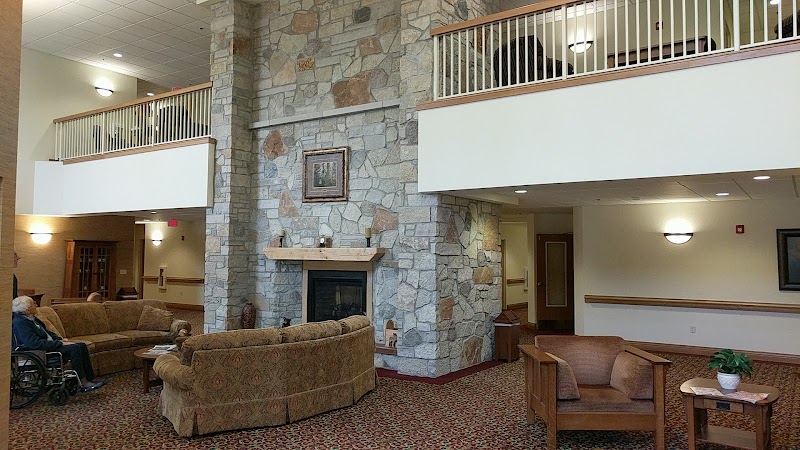
How is Stevens Point Health Services Staffed?

CMS rates STEVENS POINT HEALTH SERVICES's staffing level at 3 out of 5 stars, which is average compared to other nursing homes. Staff turnover is 54%, compared to the Wisconsin average of 46%. RN turnover specifically is 80%, which is notably high. RNs provide skilled clinical oversight, so turnover in this role can affect medical care quality.

What Have Inspectors Found at Stevens Point Health Services?

State health inspectors documented 53 deficiencies at STEVENS POINT HEALTH SERVICES during 2023 to 2025. These included: 2 that caused actual resident harm, 50 with potential for harm, and 1 minor or isolated issues. Deficiencies causing actual harm indicate documented cases where residents experienced negative health consequences.
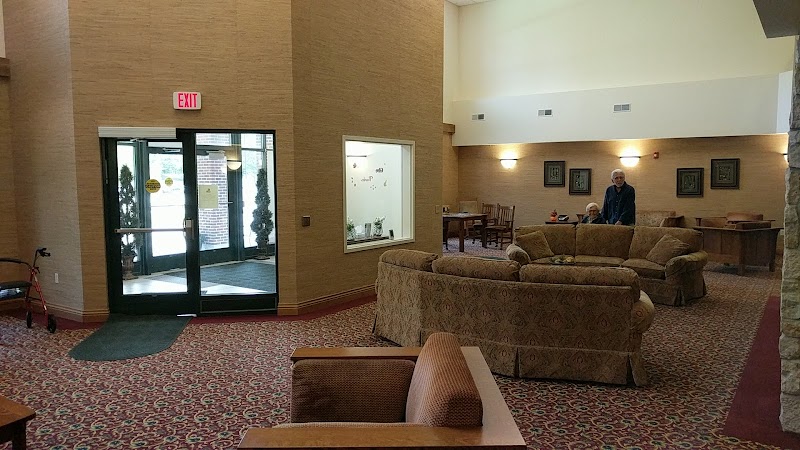
Who Owns and Operates Stevens Point Health Services?

STEVENS POINT HEALTH SERVICES is owned by a for-profit company. For-profit facilities operate as businesses with obligations to shareholders or private owners. The facility is operated by NORTH SHORE HEALTHCARE, a chain that manages multiple nursing homes. With 50 certified beds and approximately 38 residents (about 76% occupancy), it is a smaller facility located in STEVENS POINT, Wisconsin.
How Does Stevens Point Health Services Compare to Other Wisconsin Nursing Homes?

Compared to the 100 nursing homes in Wisconsin, STEVENS POINT HEALTH SERVICES's overall rating (1 stars) is below the state average of 3.0, staff turnover (54%) is near the state average of 46%, and health inspection rating (2 stars) is below the national benchmark.

What Should Families Ask When Visiting Stevens Point Health Services?

Based on this facility's data, families visiting should ask: "Can I visit during a mealtime to observe dining assistance and food quality?" "How do you handle medical emergencies, and what is your hospital transfer rate?" "Can I speak with family members of current residents about their experience?"

Is Stevens Point Health Services Safe?

Based on CMS inspection data, STEVENS POINT HEALTH SERVICES has a clean safety record: no substantiated abuse findings (meaning no confirmed cases of resident harm), no Immediate Jeopardy citations (the most serious violation level indicating risk of serious injury or death), and is not on the Special Focus Facility watch list (a federal program monitoring the lowest-performing 1% of nursing homes). The facility has a 1-star overall rating and ranks #100 of 100 nursing homes in Wisconsin. While no facility is perfect, families should still ask about staff-to-resident ratios and recent inspection results during their visit.

Do Nurses at Stevens Point Health Services Stick Around?

STEVENS POINT HEALTH SERVICES has a staff turnover rate of 54%, which is 8 percentage points above the Wisconsin average of 46%. Moderate turnover is common in nursing homes, but families should still ask about staff tenure and how the facility maintains care continuity when employees leave.

Was Stevens Point Health Services Ever Fined?

STEVENS POINT HEALTH SERVICES has no federal fines on record. CMS issues fines when nursing homes fail to meet care standards or don't correct problems found during inspections. The absence of fines suggests the facility has either maintained compliance or corrected any issues before penalties were assessed. This is a positive indicator, though families should still review recent inspection reports for the full picture.

Is Stevens Point Health Services on Any Federal Watch List?

STEVENS POINT HEALTH SERVICES is not on any federal watch list. The most significant is the Special Focus Facility (SFF) program, which identifies the bottom 1% of nursing homes nationally based on persistent, serious quality problems. Not being on this list means the facility has avoided the pattern of deficiencies that triggers enhanced federal oversight. This is a positive indicator, though families should still review the facility's inspection history directly.