Complete Care at Nazareth LLC
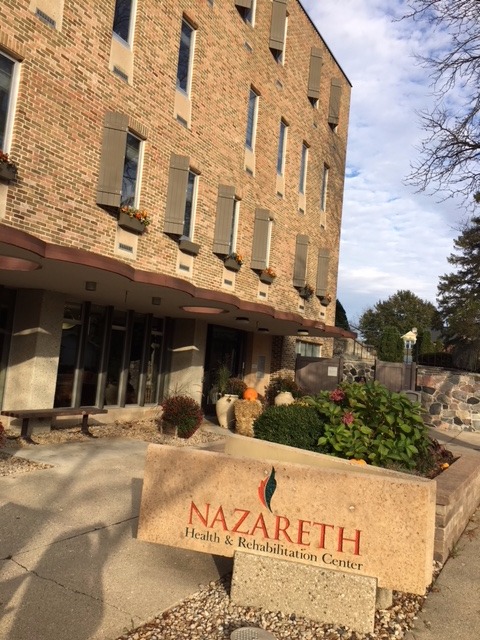
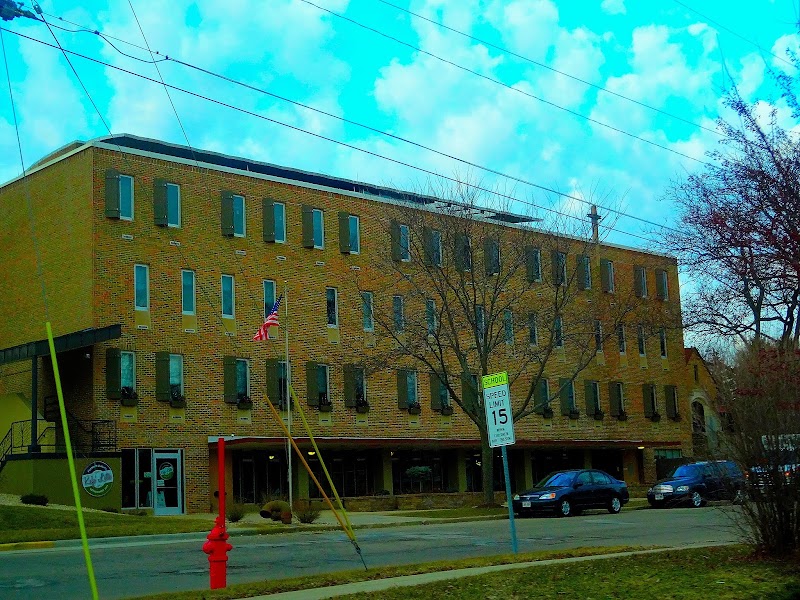
814 Jackson St., Stoughton, WI 53589 (608) 873-6448
For profit - Corporation 99 Beds COMPLETE CARE Data: November 2025 2 Immediate Jeopardy citations
Trust Grade
6/100
#201 of 321 in WI
Last Inspection: January 2025

Within standard 12-15 month inspection cycle. Federal law requires annual inspections.

Overview

Complete Care at Nazareth LLC has received a Trust Grade of F, indicating significant concerns about the quality of care provided. They rank #201 out of 321 nursing homes in Wisconsin, placing them in the bottom half of facilities statewide, and #9 out of 15 in Dane County, meaning there are only a few better options locally. The facility is worsening, with issues increasing from 1 in 2024 to 7 in 2025, which raises red flags for potential residents. Staffing is rated average, with a turnover rate of 60%, which is concerning as it is above the Wisconsin average of 47%. Notably, there have been critical incidents, including a resident who eloped from the facility and suffered a jaw fracture due to inadequate supervision, as well as a failure to properly monitor and treat a resident's pressure injury, which went unattended for ten days. Overall, while some aspects, like staffing, are average, the serious deficiencies noted highlight significant risks for potential residents.
Trust Score
F
6/100
In Wisconsin
#201/321
Bottom 38%
Safety Record
High Risk
Review needed
Inspections
Getting Worse
1 → 7 violations
Staff Stability
⚠ Watch
60% turnover. Above average. Higher turnover means staff may not know residents' routines.
Penalties
⚠ Watch
$32,443 in fines. Higher than 89% of Wisconsin facilities, suggesting repeated compliance issues.
Skilled Nurses
✓ Good
Each resident gets 53 minutes of Registered Nurse (RN) attention daily — more than average for Wisconsin. RNs are trained to catch health problems early.
Violations
⚠ Watch
25 deficiencies on record. Higher than average. Multiple issues found across inspections.
★★☆☆☆
2.0
Overall Rating
★★★☆☆
3.0
Staff Levels
★★★☆☆
3.0
Care Quality
★★☆☆☆
2.0
Inspection Score
Stable
2024: 1 issues
2025: 7 issues

The Good

  • Full Sprinkler Coverage · Fire safety systems throughout facility
  • No fines on record

Facility shows strength in fire safety.

The Bad

2-Star Overall Rating

Below Wisconsin average (3.0)

Below average - review inspection findings carefully

Staff Turnover: 60%

14pts above Wisconsin avg (46%)

Frequent staff changes - ask about care continuity

Federal Fines: $32,443

Below median ($33,413)

Moderate penalties - review what triggered them

Chain: COMPLETE CARE

Part of a multi-facility chain

Ask about local staffing decisions and management

Staff turnover is elevated (60%)

12 points above Wisconsin average of 48%

The Ugly 25 deficiencies on record

2 life-threatening 2 actual harm
Apr 2025 1 deficiency
CONCERN (D) 📢 Someone Reported This

A family member, employee, or ombudsman was alarmed enough to file a formal complaint

Potential for Harm - no one hurt, but risky conditions existed

Deficiency F0745 (Tag F0745)

Could have caused harm · This affected 1 resident

**NOTE- TERMS IN BRACKETS HAVE BEEN EDITED TO PROTECT CONFIDENTIALITY** Based on interview and record review the facility did not provide medically-related social services to attain or maintain the hi...

Read full inspector narrative →
**NOTE- TERMS IN BRACKETS HAVE BEEN EDITED TO PROTECT CONFIDENTIALITY** Based on interview and record review the facility did not provide medically-related social services to attain or maintain the highest practicable physical, mental, and psychosocial well-being of each resident for 1 of 4 residents (R5) reviewed for equipment. R5 requested a referral for a new wheelchair for use out of the building. The facility did not follow up with the outside vendor in a timely manner. Evidenced by: The facility's Social Worker Job Description, undated, states, in part: .The Social Worker will also assist residents and their representatives in locating and accessing financial, legal, and other community resources. Accurately and completely document social service actions and interactions in each resident's medical record . Surveyor requested facility policy for requisition of wheelchairs. No policy provided. R5 admitted to the facility on [DATE] and has diagnoses that include, in part: Parkinsonism (a group of movement disorders characterized by symptoms including tremor, rigidity, slow movements, and postural instability/inability to maintain body balance), abnormalities of gait and mobility, low back pain, weakness, and depression (a mental health condition characterized by persistent feelings of sadness, loss of interest, and low energy levels). R5's MDS (Minimum Data Set), with target date of 3/7/25, indicates a BIMS (Brief Interview of Mental Status) score of 15, indicating that R5 is cognitively intact. It also indicates that R5 uses a wheelchair for mobility. R5's Social Service Note, dated 1/23/25, states: WVOS H (Wheelchair Vendor Operations Supervisor) called. Vendor received the order from doctor's office, but also stated that she has the original order that I sent in November. She stated that vendor did not open the order in November because they were not able to fill the order. This is because R5 resides in a skilled level of care facility and already has a wheelchair, so it is not a necessity that they could bill Medicare for. On 4/1/25 at 1:07 PM, Surveyor interviewed R5 and asked about R5's wheelchair. R5 stated the wheelchair doesn't fold so it can't be taken anywhere. R5 stated that when going out of the facility, R5 uses a borrowed poor one. R5 clarified by stating that R5 is crammed into the chair; the seat is too small and the foot pedals are too close. R5 stated there has been work on getting a new chair since August 2024, but no new chair is yet in place. R5 stated there was approval from Occupational Therapy, but apparently that is not enough, as R5 is still waiting. R5 stated it is frustrating. On 4/1/25 at 1:29 PM, Surveyor interviewed OT D (Occupational Therapist) and DOR E (Director of Rehab) and asked about process for getting a new wheelchair. OT D stated a letter of recommendation is written with justification for the chair along with measurements. The recommendation is sent from DOR E to SSD F (Social Services Director) for processing. Generally, chairs are ordered a few days before a resident discharges from the facility and arrive prior to the discharge. Surveyor asked if R5 was looking for a new chair. DOR E stated yes, RR G (Resident Representative) was asking about a new chair and trying to assist R5 with the process, but was running into road blocks. DOR E stated there was some lack of communication between RR G and SSD F. Surveyor asked if a letter of recommendation was written for a new chair. OT D stated yes, two or three letters had been written and forwarded to SSD E. Surveyor asked if there was follow up communication after the letters of recommendation had been submitted. OT D stated that OT D had spoken with SSD F on a couple occasions and was told that SSD F had spoken to the vendor, but was waiting for further information. DOR E stated that the status of the chair would be talked about at Medicare meetings and SSD F would state that SSD F was still waiting on response from the vendor. On 4/1/25 at 2:27 PM, Surveyor interviewed WV C (Wheelchair Vendor) and asked about a referral for R5. WV C stated there was a referral on 1/23/25. Surveyor asked if there had been any referrals prior to 1/23/25. WV C stated no. Surveyor asked if a referral was made into another office of their company, would WV C be aware. WC V stated yes, all referrals are documented in the same system, no matter which office. On 4/2/25 at 9:03 AM, Surveyor interviewed SSD F and asked about the process for getting a new wheelchair. SSD F stated a referral letter from therapy is written, an order is obtained, and the paperwork is submitted to a DME (Durable Medical Equipment) vendor. Surveyor asked how soon after the referral is the paperwork sent to the vendor. SSD F stated right away. Surveyor asked if residents living in a SNF (skilled nursing facility) qualify for a new chair. SSD F stated it depends; if the resident has their own, functional equipment, they may not qualify, but sometimes they will. Surveyor asked if R5 was looking for a new chair. SSD F stated yes, the chair that he has doesn't fold properly to fit into RR G's car; RR G saw a chair on the internet and asked us to send in a referral. The referral was sent to a local vendor and was denied due to not being in network. SSD F stated that SSD F then contacted R5's managed care organization for assistance and was advised to send a referral to another vendor. SSD F shared a fax cover letter to the new vendor with a fax date of 11/8/24 and refax of 11/9/24. Surveyor asked why the cover letter stated it had been refaxed. SSD F stated the vendor had not received it. SSD F stated that SSD F spoke with WVOS H on 1/23/25 and WVOS H had indicated that an order had come from a physician's office and would not be filled due to resident living in SNF. Surveyor asked if there was any correspondence with vendor between 11/9/24 and 1/23/25. SSD F stated I believe I may have left messages. Surveyor asked for any documentation of communication attempts with vendor. SSD F stated there was no documentation. Surveyor asked if R5 or RR G were updated on the status of the chair. SSD F stated that SSD F told R5 in passing. Surveyor asked if there was documentation of R5 being updated. SSD F stated no. On 4/2/25 at 10:04 AM, Surveyor interviewed WVOS H and asked about a referral for a wheelchair for R5. WVOS H stated that a referral was made on 1/23/25. Surveyor asked if there had been a referral prior to 1/23/25. WVOS H stated that sometimes referrals are received, and the vendor is not able to fill the order, so the referral is not opened in the vendor's system. If the order is not opened in the system, the SNF would be notified that the order could not be filled. WVOS H stated that all received faxes are kept for a year whether they are opened or not and that all received faxes from October 2024 through December 2024 had been reviewed and that no referral for R5 was found. On 4/2/25 at 1:21 PM, Surveyor interviewed NHA A (Nursing Home Administrator) and asked if a resident/resident representative asked for a wheelchair referral to be sent to a vendor, should it be sent. NHA A stated yes. Surveyor asked how soon a referral written by therapy should be sent to the vendor. NHA A stated right away. Surveyor asked if a referral is sent and there is no response from vendor, would the facility be expected to follow up with vendor about the status. NHA A stated yes, that would be reasonable. Surveyor asked if a fax letter was dated 11/9/24, would follow up be expected prior to 1/23/25. NHA A stated yes. Surveyor asked if there should be documentation of the referral and follow up. NHA A stated yes. R5 requested a referral for a new wheelchair for use out of the building. The facility did not follow up with the outside vendor in a timely manner.
Jan 2025 6 deficiencies
CONCERN (D) 📢 Someone Reported This

A family member, employee, or ombudsman was alarmed enough to file a formal complaint

Potential for Harm - no one hurt, but risky conditions existed

Pressure Ulcer Prevention (Tag F0686)

Could have caused harm · This affected 1 resident

**NOTE- TERMS IN BRACKETS HAVE BEEN EDITED TO PROTECT CONFIDENTIALITY** Based on observation, interview and record review, the facility did not ensure that residents with pressure injuries receive nec...

Read full inspector narrative →
**NOTE- TERMS IN BRACKETS HAVE BEEN EDITED TO PROTECT CONFIDENTIALITY** Based on observation, interview and record review, the facility did not ensure that residents with pressure injuries receive necessary treatment and services, consistent with professional standards of practice, to promote healing, prevent infection and prevent new injuries from developing for 2 of 3 residents (R34 and R51) reviewed for pressure injuries. R34 did not have wound care treatments documented as completed in October and December. R51's pressure injury was left open to air for approximately 2 hours. This is evidenced by: The facility policy and procedure entitled Documentation of Wound Treatments dated 9/19/24, documents the following in part: .3. Wound treatments are documented at the time of each treatment. If no treatment is due, an indication on the status of the dressing shall be documented each shift (i.e., clean, dry, intact) . Example 1 R34 is a long-term resident of the facility who is receiving Hospice services. R34's goal for her pressure injury is to be as comfortable as possible and be free from infection. R34 has the following diagnoses: myotonic muscular dystrophy (genetic disorder that causes progressive muscle weakness), protein-calorie malnutrition, palliative care (end of life care), neoplasm of endocrine glands (tumor), neoplasm of spinal cord, weakness, benign neoplasm of spinal meninges, underweight, and cord compression. R34's October Physician Orders include: -Wound care to ischial tuberosity: - cleanse SNS (sterile normal saline), - skin prep to peri wound, - Apply Manuka honey/Alginate to wound bed (cut to size), - cover with foam dressing daily and PRN (as needed) until healed then DC (discontinue) every day shift for wound care. Start date 8/30/24. End date 10/4/24. -Wound care to ischial tuberosity: - cleanse SNS (sterile normal saline), - skin prep to peri wound, - Apply Medi-honey GEL to wound bed, - cover with bordered foam dressing daily and PRN until healed then DC every day shift for wound care. Start date 10/4/24. End date 11/8/24. R34's October TAR (Treatment Administration Record): Ischial tuberosity had a blank box in TAR on 10/4/24, 10/11/24, 10/19/24, 10/24/24, and 10/28/24. R34's December Physician Orders include: -Cleanse wound with cleanser, protect periwound with Skin Prep, Apply Manuka honey/Alginate to wound bed, Cover wound with Foam, change daily, Change PRN for soiling and/or saturation, every day shift for wound care. Start date 11/8/24. R34's December TAR: Blank box in TAR on 12/6/24 and 12/27/24. It is important to note that despite the TAR not being signed out for the above dates, R34's wounds did not cause more pain or become infected. On 1/9/25 at 1:34 PM, Surveyor interviewed LPN C (Licensed Practical Nurse). Surveyor asked LPN C if there is a blank in the TAR what does that indicate, LPN C said someone didn't click it off, if they would have clicked it and put refused or whatever it would show their initials and a number code, if blank someone probably didn't do it. Surveyor asked LPN C should treatments be signed out and completed as ordered, LPN C stated yes, the order should be done, if not signed out it wouldn't have been done, physician orders should be carried out as ordered and signed off. On 1/9/25 at 3:28 PM, Surveyor interviewed DON B (Director of Nursing). Surveyor asked DON B if there is a blank in the TAR what does that indicate, DON B said they forgot to sign it out. Surveyor asked DON B if the blank could indicate that the treatment was not completed, DON B stated it could. Surveyor asked DON B if she expects all treatments to be done as ordered, DON B stated yes. Example 2 R51 admitted to the facility on [DATE]. R51's physician orders for January 2025 include left inner gluteal cleft: cleanse with wound cleanser, pat dry, apply Santyl to wound bed, zinc to peri-wound, cover with foam dressing change daily and as needed. On 1/7/25 at 10:53 AM, Surveyor observed R51 in bed with no dressing on her gluteal pressure injury. Surveyor interviewed RN F (Registered Nurse) regarding R51's pressure injury being open to air with no dressing in place. RN F indicated R51 had a shower earlier and the dressing had not replaced after R51's shower. RN F indicated a wound should not remain uncovered for more than 30 minutes. RN F indicated prolonged exposure to air can hinder wound healing. On 1/7/25 at 11:30 AM, Surveyor interviewed CNA H (Certified Nursing Assistant) regarding R51's shower. CNA H indicated R51's shower was done before 9:00 AM. On 1/9/25 at 9:05 AM, Surveyor interviewed DON B (Director of Nursing) regarding wound care. DON B indicated a wound should not be left uncovered and the dressing should have been applied after R51's shower without delay.
CONCERN (D) 📢 Someone Reported This

A family member, employee, or ombudsman was alarmed enough to file a formal complaint

Potential for Harm - no one hurt, but risky conditions existed

Accident Prevention (Tag F0689)

Could have caused harm · This affected 1 resident

**NOTE- TERMS IN BRACKETS HAVE BEEN EDITED TO PROTECT CONFIDENTIALITY** Based on observation, interview, and record review, the facility failed to ensure they provided adequate supervision and assista...

Read full inspector narrative →
**NOTE- TERMS IN BRACKETS HAVE BEEN EDITED TO PROTECT CONFIDENTIALITY** Based on observation, interview, and record review, the facility failed to ensure they provided adequate supervision and assistance to prevent accidents for 1 (R11) of 4 residents reviewed for accidents and supervision. R11's care plan indicates R11 needs supervision for all meals. Surveyor observed R11 eating meal in his room alone. R11 indicated it was difficult to eat the meal. Evidence by The facility policy, Activities of Daily Living, dated 8/24, states, in part; .2. A resident who is unable to carry out activities of daily living will receive the necessary services to maintain good nutrition, grooming, and personal and oral hygiene . R11 was admitted to the facility on [DATE] with a diagnoses including parkinsonism (collection of movement symptoms- slow movements, stiffness, walking/balance issues, and/or tremors), dysphagia (difficulty swallowing), osteoporosis (bones become weak and brittle), tremor, and mild cognitive impairment. R11's most recent MDS (Minimum Data Set) dated 12/20/24, states that R11 has a BIMS (Brief Interview of Mental Status) of 15 indicating R11 is cognitively intact. R11 is own person. R11's care plan states, in part; .At nutrition risk r/t (related to) Parkinson's, mild cognitive impairment, weakness, tremors I would prefer finger foods as they are easiest for me to eat .I do not want items I have trouble eating such as spaghetti .date initiated 4/20/23 .revision 12/19/24 .The resident has a swallowing problem r/t coughing or choking during meals .Resident to eat only with supervision .initiated: 9/30/24 . On 1/7/25 at 12:10PM, Surveyor observed R11 eating in his room alone. R11 was eating spaghetti and having difficulty scooping up the noodles. Surveyor asked R11 how lunch was going. R11 stated difficult, and that R11's food was delivered cold. On 1/8/25 at 10:41AM, RN I (Registered Nurse) indicated R11 needs supervision for all meals. On 1/8/25 at 11:03AM, ST J (Speech Therapist) indicated R11 should have supervision for meals. ST J indicated it is her expectation if a resident care plan states they should have supervision for meals the facility must follow care plan. On 1/9/25 at 9:14AM, NHA A (Nursing Home Administrator) and DON B (Director of Nursing) indicated they would expect staff to follow resident care plan for supervision and preferred food items. NHA A and DON B indicated understanding with concern for R11. The facility failed to ensure they provided adequate supervision and supports per resident care plan.
CONCERN (D) 📢 Someone Reported This

A family member, employee, or ombudsman was alarmed enough to file a formal complaint

Potential for Harm - no one hurt, but risky conditions existed

Pharmacy Services (Tag F0755)

Could have caused harm · This affected 1 resident

**NOTE- TERMS IN BRACKETS HAVE BEEN EDITED TO PROTECT CONFIDENTIALITY** Based on interview and record review the facility did not ensure that pharmaceutical services (including procedures that assure ...

Read full inspector narrative →
**NOTE- TERMS IN BRACKETS HAVE BEEN EDITED TO PROTECT CONFIDENTIALITY** Based on interview and record review the facility did not ensure that pharmaceutical services (including procedures that assure the accurate acquiring, receiving, dispensing, and administering of all drugs and biologicals) to meet the needs of each resident, this affected 2 of 2 residents reviewed for med errors, 1 sampled resident (R38) and 1 supplemental resident (R50). R38 had the wrong pain medication administered on 8/15/24 and 8/16/24. R38's narcotic count was not accurate on 9/26/24. RN G (Registered Nurse) used a contaminated pill cutter to cut an unscored tablet for R50. This is evidenced by: The Facilities Policy and Procedure entitled Medication Administration dated 10/2024 documents in part: .9. Ensure that the six rights of medication administration are followed: a. Right resident, b. Right drug, c. Right dosage, d. Right route, e. Right time, f. Right documentation .16. Administer medication as ordered in accordance with manufacturer specifications .c. Crush medications as ordered. Do not crush medications with do not crush instructions . The Facilities Policy and Procedure entitled Medication Errors dated 2/22/24 documents in part: .Medication error means the observed or identified preparation of administration of medications or biologicals which is not in accordance with the prescriber's order; manufacturer's specification (not recommendations) regarding the preparation and administration of the medication or biological; or accepted professional standards and principles which apply to professionals providing services .Policy Explanation and Compliance Guidelines: 1. The facility shall ensure medications will be administered as follows: a. According to physician's orders. b. Per manufacturer's specifications regarding the preparation, and administration of the drug or biological. c. In accordance with accepted standards and principles which apply to professionals providing services .4. The facility will consider factors indicating errors in medication administration, including, but not limited to, the following: a. Medication administered not in accordance with the prescriber's order. Examples include, but not limited to: i. Incorrect dose, route of administration, dosage form, time of administration .b. Medication administered not in accordance with the manufacturer's specifications (not recommendations) regarding the preparation and administration of the medication or biological. Examples include, but not limited to: .ii. Crushing do not crush medications .7. To prevent medication errors and ensure safe medication administration, nurses should verify the following information: a. Right medication, dose, route, and time of administration b. Right resident and right documentation . R38 is a long-term resident of the facility. R38 has the following diagnoses: polyosteoarthritis (arthritis that affects 5 or more joints), pain in right shoulder, pain in right elbow, osteoarthritis (chronic disease that causes breakdown of cartilage and other tissues in the joints), gout (form of arthritis), and low back pain. RN G (Registered Nurse) used a contaminated pill cutter to cut an unscored tablet for R50. Example 1 R38's August Physician Orders document: -Hydrocodone-Acetaminophen Oral Tablet 5-325 mg (milligrams) Give 1 tablet by mouth four times a day for pain R38's Telephone Orders for 8/14/24 document: 1) Oxycontin ER 10 mg tablet po (by mouth) BID (twice per day) Dx (diagnosis): pain 2) Oxycodone 5 mg every 6 hours PRN (as needed) Dx: pain 3) D/C (discontinue) Hydrocodone 4) Monitor every shift for increased sedation r/t (related to) Oxycontin, update R38's MAR (Medication Administration Record) documents: -Oxycodone HCl Tablet 10 mg Give 1 tablet by mouth two times a day for pain. Start date 8/14/24. End date 8/16/24. This medication is signed out twice (AM and PM) on 8/15/24 and once (AM) on 8/16/24. -Oxycontin Oral Tablet ER 12 Hour -Abuse-Deterrent 10 mg (Oxycodone HCl) Give 10 mg by mouth two times a day for pain. Start date 8/16/24. -Oxycodone HCl Oral Tablet 5 mg (Oxycodone HCl) Give 1 tablet by mouth every 6 hours as needed for pain. Start date 8/14/24. R38's Controlled Drug Record Count Sheet documents: -Oxycodone HCl (IR) 5mg tablet issued 8/14/24, 10 tablets dispensed -8/16/24 at 0830 (8:30 AM) 2 tablets were signed out The medication errors on 8/15/24 and 8/16/24 were due to the incorrect order being transcribed twice a day for scheduled pain medication. R38's September Physician Orders document: -Oxycontin ER 12 Hour Abuse-Deterrent 10 mg Give 10 mg by mouth two times a day for pain -Oxycodone HCl Oral Tablet 5 mg Give 1 tablet by mouth every 6 hours as needed for pain R38's Controlled Drug Record Count Sheet documents: -Oxycodone HCl (IR) 5mg tablet issued 8/23/24, 8 tablets dispensed -9/26/24 count on this form goes from 5 tablets to 3 tablets The facility identified that the count on R38's controlled drug record was wrong and identified that someone had taken 2 tablets from R38's card instead of another residents' card. Therefore, R38's care was inaccurate with 2 few tablets and the other resident's card was also inaccurate with 2 many tablets. On 1/9/25 at 10:06 AM, Surveyor interviewed DON B (Director of Nursing). Surveyor asked DON B if R38 had any medication errors August 2024-present, DON B stated there are no medication errors for R38. On 1/9/25 at 3:29 PM, Surveyor interviewed DON B. Surveyor asked DON B if on 8/15-8/16/24 if the medications Oxycodone and Oxycontin could have been inverted (used in place of the other), DON B replied yes. Surveyor asked DON B if she could explain how the error occurred on 9/26/24, DON B explained that the wrong card of medication was taken for another resident and that is why R38's count was incorrect. Surveyor asked DON B if there should be medication error reports for these issues, DON B said yes. Example 2 R50 admitted to the facility on [DATE]. R50's physician orders dated 1/9/25 include Vitamin D3 oral capsule 25 mcg, give 1 capsule by mouth in the morning. On 1/8/25 at 8:06 AM, Surveyor observed RN G (Registered Nurse) prepare R50's medications. During this observation, RN G removed a Vitamin D 50 mcg tablet from the medication bottle. Surveyor observed the Vitamin D 50 mcg tablet was not a scored tablet. RN G opened the pill cutter to cut the Vitamin D 50 mcg tablet in half. Surveyor observed the pill cutter contained white chunks and powder from previously cut medications. Surveyor also observed the cutting blade contained white powder. RN G placed the Vitamin D 50 mcg tablet into the pill cutter and cut the pill in half. RN G placed the cut Vitamin D into a medication cup to administer to R50. Surveyor stopped RN G and interviewed RN G regarding the preparation of R50's medications. RN G indicated the pill cutter was contaminated with unknown medication residue and she should have cleaned the pill cutter prior to cutting R50's Vitamin D. Surveyor interviewed RN G regarding which medications are allowed to be cut in half. RN G indicated only medications that are scored should be cut in half. RN G indicated she should not cut the Vitamin D tablet in half since it was not a scored tablet. On 1/9/25 at 9:07 AM, Surveyor interviewed DON B (Director of Nursing) regarding medication administration. DON B indicated the pill cutter should be clean prior to cutting a medication. DON B also indicated an unscored tablet should not be cut.
CONCERN (D) 📢 Someone Reported This

A family member, employee, or ombudsman was alarmed enough to file a formal complaint

Potential for Harm - no one hurt, but risky conditions existed

Infection Control (Tag F0880)

Could have caused harm · This affected 1 resident

**NOTE- TERMS IN BRACKETS HAVE BEEN EDITED TO PROTECT CONFIDENTIALITY** Based on observation, interview and record review the facility must establish and maintain an infection prevention and control p...

Read full inspector narrative →
**NOTE- TERMS IN BRACKETS HAVE BEEN EDITED TO PROTECT CONFIDENTIALITY** Based on observation, interview and record review the facility must establish and maintain an infection prevention and control program designed to provide a safe, sanitary and comfortable environment and to help prevent the development and transmission of communicable diseases and infections RN F touched items within resident room with dirty gloves. R319 was admitted with a pressure injury (PI) and previous wound infection. During observation of wound care, the facility failed to utilize standard infection control practices. This is evidenced by: The facility policy Clean Dressing Change dated 10/2024, states, in part: .17. Discard disposable items and gloves into appropriate trash receptacle and wash hands. 18. Return resident to a comfortable position . Example 1 On 1/7/25 at 10:53 AM, Surveyor observed RN F (Registered Nurse) perform wound care for R51. Surveyor observed RN F complete R51's dressing change. RN F removed the old dressing and RN F proceeded to discard the used wound care supplies and with same gloves, RN F touched the bed side table and bed controller. RN F then stated she should take the gloves off. RN F removed gloves and then performed hand hygiene. Surveyor observed RN F complete wound care. Surveyor observed RN F, with gloved hands, apply R51's dressing. Surveyor interviewed RN F regarding touching the bed side table and bed controller with dirty gloves. RN F indicated she should have removed her gloves and performed hand hygiene prior to touching anything. On 1/9/25 at 9:05 AM, Surveyor interviewed DON B (Director of Nursing) regarding wound care. DON B indicated RN F should have performed hand hygiene before touching the bed side table and bed controller. Example 2 R319 was admitted to the facility on [DATE] with diagnoses that include pressure ulcer of sacral region, stage 4, type 2 diabetes mellitus without complications, need for assistance with personal care, cognitive communication deficit, unspecified abnormalities of gait and mobility, and depression unspecified. R319's admission Minimum Data Set (MDS), with an Assessment Reference Date (ARD) of 12/24/24, documented R319 was cognitively intact with a Brief Interview for Mental Status (BIMS) score of 15. Section M of the MDS indicates that R319 had a Stage 4 (full thickness tissue loss with exposed bone, tendon, or muscle, slough or eschar may be visible on some parts of the wound bed, may include undermining or tunneling) PI on admission. R319's discharge paperwork from the hospital dated 12/10/24 indicates in part: (R319) who is being admitted today with sacral wound infection . she developed a sacral wound and has been following at wound care clinic . today she was at the wound care clinic and there was suspicion for abscess so she was sent back to ED (Emergency Department) . CT (computed tomograghy) showed abscess and General Surgery debrided it at the bedside . previous culture shows MRSA (methicillin-resistant Staphylococcus aureus, a bacterial infection that does not get better with usual antibiotics) and Morganella (an opportunistic pathogen that mainly causes post-operative wound infections) with some resistance . Patient Active Problem List includes pressure injury of buttock, unstageable and Skin ulcer of sacrum, unspecified ulcer stage. R319's admission Weekly Skin Charting on 10/20/24 indicates that R319 had a pre-existing open area to left buttock. R319's admission Skin Assessment on 12/20/24 indicates a wound Stage 4 to left gluteus with measurements of 1.96 cm (centimeters) by 1.44 cm. R319's physician orders include an order to treat the left gluteus wound: Cleanse wound with saline, protect periwound with skin prep, apply Hydrofera Blue or Derma Blue (cut to size) to wound bed, cover wound with Bordered Gauze, change daily, change PRN (as needed) for soiling and/or saturation, as needed. R319's Care Plan includes in part: . Focus: (R319) has actual impairment to skin integrity of the left gluteus , stage 4 at risk for further skin breakdown . Intervention: pressure reducing cushions, to protect the skin while up IN CHAIR. pressure reducing mattress to protect the skin while IN BED . Intervention: Assist me with my general hygiene and comfort measures . Intervention: Consult Dietary for my nutritional needs, Encourage good nutrition and hydration in order to promote healthier skin . Intervention: Encourage/assist me to elevate heels, Encourage/assist me with reposition as needed . Intervention: Follow facility protocols for treatment of injury . Intervention: My skin will be assessed on a weekly basis on my scheduled bath day and document findings on a weekly skin assessment, Report any skin redness/impaired integrity areas to my nurse . Intervention: Weekly treatment documentation to include measurement of each area of skin breakdown's width, length, depth, type of tissue and exudate and any other notable changes or observations . Intervention: Use barrier cream to prevent skin impairment issues, as needed, Wound doctor to follow wound progression . On 1/7/25 at 10:15 AM, Surveyor observed wound care for R319. RN F (Registered Nurse) gathered the supplies to perform wound care, entered R319's room and performed hand hygiene. RN F donned appropriate PPE (personal protective equipment) including gown and gloves. RN F placed an unused garbage bag at the end of R319's bedside table. RN F stated she planned to tape the garbage bag to the end of the bedside table but forgot the tape. RN F assisted R319 to bed and completed the wound care according to physician orders, performing hand hygiene and glove changes as appropriate. RN F then began to clean up, but the loose garbage bag fell on the floor with the old, soiled dressing falling out onto the floor, as well as used gloves and paper towels. RN F picked up the trash and placed it back in the garbage bag. As RN F was walking toward R319's door, the soiled trash fell onto the floor again. RN F picked up the trash and placed it back in the garbage bag a second time. RN F placed trash bag into a larger trash receptacle inside R319's door. RN F then stated that she had forgotten to give R319 back her call light. Surveyor observed RN F go back to R319's bedside and gave her the call light and put bedside table back near R319's bed, still wearing the soiled gloves she had used to pick up the trash off the floor. RN F then removed soiled gloves and washed hands before leaving R319's room. Surveyor asked RN F when it was appropriate to change gloves during wound care. RN F answered any time touching a dirty area and going to a clean area. Surveyor asked RN F if she had changed gloves after picking up the trash and soiled dressing and before she touched the resident's belongings such as call light and bedside table. RN F stated she couldn't remember but that she probably forgot because she had been so nervous. Surveyor asked RN F if touching dirty paper towels, dirty gloves, and soiled bandage would be a potential for infection. RN F stated yes, that would be possible. On 1/9/25 at 7:32 AM, Surveyor interviewed DON B (Director of Nursing) about infection control practices. Surveyor asked DON B when it is appropriate to change gloves and perform hand hygiene during wound care. DON B stated gloves should be changed and hand hygiene should be performed anytime the nurse goes from dirty to clean and hand hygiene should be performed before putting on gloves and after removing them. Surveyor asked DON B if the nurse should remove soiled gloves and perform hand hygiene after picking up soiled bandages, paper towels, and gloves and before touching the resident's belongings. DON B stated yes, the soiled gloves should be removed and hand hygiene performed before touching resident's belongings.
CONCERN (F) 📢 Someone Reported This

A family member, employee, or ombudsman was alarmed enough to file a formal complaint

Potential for Harm - no one hurt, but risky conditions existed

Deficiency F0804 (Tag F0804)

Could have caused harm · This affected most or all residents

**NOTE- TERMS IN BRACKETS HAVE BEEN EDITED TO PROTECT CONFIDENTIALITY** Example 5: On 1/6/25 at 11:02 AM, Surveyor interviewed R58. Surveyor asked R58 how the food is at the facility, R58 said not goo...

Read full inspector narrative →
**NOTE- TERMS IN BRACKETS HAVE BEEN EDITED TO PROTECT CONFIDENTIALITY** Example 5: On 1/6/25 at 11:02 AM, Surveyor interviewed R58. Surveyor asked R58 how the food is at the facility, R58 said not good. Surveyor asked R58 if his hot foods are hot and cold foods are cold. R58 stated hot foods are lukewarm and cold foods are warm. Surveyor asked R58 if there was anything else about the food he wanted to share. R58 replied all the meat is mysterious. Example 6: On 1/6/25 at 2:50 PM, Surveyor interviewed R31. Surveyor asked R31 how the food is at the facility, R31 said it's ok. Surveyor asked R31 what would make it better? R31 said if the vegetables weren't cold. Based on observation, interview, and record review, the facility did not ensure that each resident receives food and drink that is palatable and at a safe and appetizing temperature. This has the potential to affect all 65 residents residing at the facility. Residents (R) voiced concern with hot foods being served cold and cold foods being served warm. (R46, R11, R5, R31, R4, R58, and R55) 2 of 2 test trays were observed to not be served at desirable temperatures. Evidenced by: The facility policy Food Temperatures, dated 2023, states in part: .1. All hot food items must be cooked to appropriate internal temperatures, held and served at a temperature of at least 135 F . Example 1: R46 was admitted to the facility on [DATE]. On 1/7/25 at 9:58AM, R46 indicated hot food is often served cold in the dining room. R46 indicated they discuss food concerns at the monthly resident council meeting. Example 2: R11 was admitted to the facility on [DATE]. On 1/6/25 at 3:17PM, R11 indicated the food was supposed to get better under new management in the kitchen. R11 indicated R11 still has concerns with the meals. R11 indicated he eats in his room and that food is not always palatable, hot foods are served cold, and the portions are small. Example 3: On 1/7/25 at 8:28AM, Surveyor received the last tray that was being served in dining room on the first floor. Scrambled eggs temped at 98.9 F, bacon 85.4 F, oatmeal 105.8 F, and the toast was hard. All food tasted cold and was not palatable. Example 4: On 1/7/25 at 11:59AM, Surveyor received the last room tray that was being served on the third floor. Spaghetti with meat temped at 125 F, garlic bread 108 F, and mixed vegetables 109 F. The milk temped at 45.5 F and juice 42.8. The hot food was cold and the milk and juice warm and not palatable. On 1/8/25 at 3:11PM, Food and Service Director D and District Manager E Indicated they would expect hot foods to be served hot and cold foods to be served cold. Both indicated understanding with the concerns voiced by residents and test tray temperatures. The facility failed to ensure that each resident receives food and drink that is palatable and at a safe and appetizing temperature. Example 7: R5 admitted to the facility on [DATE] with diagnoses including rheumatoid arthritis in left and right hand (a chronic inflammatory disorder usually affecting small joints in the hands) and acquired absence of right and left leg above knee (amputation of both legs above the knee). On 1/7/25 at 9:58 AM, Surveyor interviewed R5 regarding food temperatures at mealtimes. R5 indicated he eats his meals in the dining room and the resident lounge. R5 states the hot foods are served cold. R5 states there is a small microwave in the other room (not in the dining room) the facility can use to warm up the food, but it takes forever for the staff to warm up the food. Example 8: R55 was admitted to the facility on [DATE]. Her most recent Minimum Data Set (MDS), with an Assessment Reference Date (ARD) of 10/11/24, indicates her cognition is intact with a Brief Interview for Mental Status (BIMS) of 15 out of 15. On 1/6/25 at 10:14 AM, Surveyor interviewed R55 who indicated that most of the time the food that is served is not hot. R55 stated especially the french fries are always cold, and that every day the food that is served is lukewarm at best. On 1/6/25 at 12:04 PM, Surveyor observed dining service on the 300 unit, and noted that french fries were being served for lunch. Surveyor approached R55 and asked her about the french fries on her plate. R55 indicated they were not warm at all and that they looked undercooked. R55 then held up a french fry from her plate and stated, See they are soft and limp. They should not really even call them french fries because they are not. Example 9: R4 admitted to the facility on [DATE]. His most recent MDS with an ARD of 11/5/24 indicates his cognition is intact with a BIMS score of 15 out of 15. On 1/6/25 at 11:59 AM, Surveyor observed dining service on the 300 unit and noted that R4 declined what was being served for lunch and requested soup. Staff brought R4 a bowl of soup at 12:04 PM. Surveyor heard R4 comment to his tablemates that the soup was a little bit warm. On 1/6/25 at 2:52 PM, Surveyor interviewed R4 who stated that breakfast is okay but after that the food is downhill. R4 stated that the meals were not very good and that the food is never hot. R4 indicated that breakfast is sometimes lukewarm. R4 stated that all the staff know that the food is cold and sometimes they have to heat it up in the microwave, but usually he tries to eat it as fast as he can and go back to his room.
CONCERN (F) 📢 Someone Reported This

A family member, employee, or ombudsman was alarmed enough to file a formal complaint

Potential for Harm - no one hurt, but risky conditions existed

Food Safety (Tag F0812)

Could have caused harm · This affected most or all residents

Based on observation, interview, and record review, the facility did not maintain a safe and sanitary environment in which food is prepared, stored, and distributed. This has the potential to affect a...

Read full inspector narrative →
Based on observation, interview, and record review, the facility did not maintain a safe and sanitary environment in which food is prepared, stored, and distributed. This has the potential to affect all 65 residents who reside in the facility. FSD D (Food Service Director) was taking temperatures of lunch on 1/6/25. Surveyor observed FSD D wearing gloves touching items in FSD D pocket, thermometer, alcohol wipes, hot pad, lids on pans, and then directly touch chicken with same pair of gloves. Surveyor observed FSD D then go to dishwashing room and touch items, use cell phone, and touch steam table with same pair of gloves on. Surveyor observed no changing of gloves or hand washing. Evidenced by The facility policy, General Food Preparation and Handling, dated 2023, states, in part; .Food items will be prepared to conserve maximum nutritive value, develop, and enhance flavor and keep free of harmful organisms and substances .h. Bare hands should never touch ready to eat raw food directly. Disposable gloves are a single use item and should be discarded after each use. Employees should wash their hands prior to putting gloves on and after removing gloves . On 1/6/25 at 10:18AM, Surveyor observed FSD D (Food Service Director) temping food that was being served for lunch. Surveyor observed FSD D wearing gloves. FSD D was observed touching items in FSD D's pocket, including a thermometer, alcohol wipes, a hot pad, 2 lids on pans, and then directly touch chicken multiple times with the same pair of gloves on. Surveyor observed FSD D then go to dishwashing room and touch items, use cell phone, and touch steam table with the same pair of gloves on. Surveyor observed no changing of gloves or hand washing. On 1/8/25 at 3:11PM, Food and Service Director D and District Manager E indicated they would expect staff to change gloves and wash hands before and after directly touching food items. The facility failed to maintain a safe and sanitary environment in which food is prepared, stored, and distributed.
Sept 2024 1 deficiency 1 IJ
CRITICAL (J) 📢 Someone Reported This

A family member, employee, or ombudsman was alarmed enough to file a formal complaint

Immediate Jeopardy (IJ) - the most serious Medicare violation

Accident Prevention (Tag F0689)

Someone could have died · This affected 1 resident

**NOTE- TERMS IN BRACKETS HAVE BEEN EDITED TO PROTECT CONFIDENTIALITY** Based on observation, interview, and record review, the facility did not ensure each resident received adequate supervision to p...

Read full inspector narrative →
**NOTE- TERMS IN BRACKETS HAVE BEEN EDITED TO PROTECT CONFIDENTIALITY** Based on observation, interview, and record review, the facility did not ensure each resident received adequate supervision to prevent accidents for 4 of 5 residents (R1, R2, R3, and R5) reviewed for wandering and elopement potential. R1 is severely cognitively impaired and has an Activated Power of Attorney for Health Care (APOAHC). R1 eloped from the facility on 9/1/24 and fell outside the facility, resulting in a fracture of his jaw. The facility did not have adequate supervision to ensure they were aware of R1's whereabouts and did not have security measures and monitoring in place to ensure R1 could not access various locations in the building, allowing him to exit the rear of the facility. Door alarms did not function correctly, allowing R1 to exit his wing into the elevator, go down 2 floors, propel himself in his wheelchair the length of the building on the ground floor, then through the kitchen, through the maintenance area, and walk up a flight of stairs to exit through the employee entrance. R1 then walked through the parking lot, down the sidewalk, and attempted to enter an adjacent church just off the facility grounds and fell, breaking his jaw. The facility's failure to provide adequate supervision to R1 and ensure all the alarmed doors were armed created a finding of Immediate Jeopardy which began on 9/1/24. NHA A (Nursing Home Administrator) was notified of the immediate jeopardy on 9/18/24 at 2:10 PM. The Immediate Jeopardy was removed on 9/19/24; however, the deficient practice continues at a scope/severity of D (potential for harm/isolated) as the facility continues to implement its action plan and as evidenced by: R3 and R5 reside on the first floor which does not have a Wanderguard alarm system. R3 and R5 were at risk for elopement and had a Wanderguard. There was no alarm system to prevent R3 and R5 from exiting the building on the first floor. R2's Wanderguard tab was expired and still on R2's person. Findings include: The facility's policy titled Elopements and Wandering Residents states the following: *This facility ensures that residents who exhibit wandering behavior and/or are at risk for elopement receive adequate supervision to prevent accidents and receive care in accordance with their person-centered plan of care addressing the unique factors contributing to wandering or elopement risk. *The facility is equipped with door locks/alarms to help avoid elopements. *Alarms are not a replacement for necessary supervision. Staff are to be vigilant in responding to alarms in a timely manner. *The facility shall utilize and establish a systematic approach to monitoring and managing residents at risk for elopement or unsafe wandering, including identification and assessment of risk, evaluation and analysis of hazards and risk, implementing interventions to reduce hazards and risks, and monitoring for effectiveness and modifying interventions when necessary. *Residents will be assessed for risk of elopement and unsafe wandering upon admission and throughout their stay by the interdisciplinary care team. *The interdisciplinary team will evaluate the unique factors contributing to risk in order to develop a person-centered care plan. *Interventions to increase staff awareness of the resident's risk, modify the resident's behavior, or to minimize risk associated with hazards will be added to the resident's care plan and communicated to appropriate staff. *Adequate supervision will be provided to help prevent accidents or elopements. *Charge nurses and unit managers will monitor the implementation of interventions, response to interventions, and document accordingly. *The effectiveness of interventions will be evaluated, and changes will be made as needed. Any changes or new interventions will be communicated to relevant staff. R1 was admitted to the facility on [DATE] and has diagnoses that include dementia with psychotic disturbance and agitation. His most recent Minimum Data Set (MDS), dated [DATE], shows a Brief Interview for Mental Status (BIMS) score of 3, indicating R1 is severely cognitively impaired. A 4/10/24 elopement risk assessment indicates R1 is at risk for wandering. R1's care plan states, Focus .is potential elopement risk/wanderer related to diagnoses of dementia, history of sundowning, independently mobile .Interventions: .resident's behavior is de-escalated by 1:1, talk about Alabama sports, initiated 4/16/24. The facility documented the following progress notes for R1: *4/7/24 at 4:44 PM: .increase in behaviors of exit seeking 1530 (3:30 PM) until 1600 (4:00 PM). Unsuccessful using distraction: drinks, snacks, stuffed dog in resident's room, use of wheelchair, folding towels, walking with staff in hallways, conversing with other residents. Staff kept eyes on resident while gathering residents to dining room for dinner meal. At 1610 (4:10 PM) writer inquired staff of resident's whereabouts, resident not seen on primary floor. Writer in search of resident, noted to be in front of facility building, with dirt on hands. Denied falling or hitting head, vitals, and neuros (neurological checks to check for head/brain injury) completed all within normal limits .resident stated, I don't remember I might have slipped or tripped or whatnot. Of note, the facility did not have a report or investigation of R1's elopement from the facility on 4/7/24. Although administration was aware of the incident, it is not known or documented as to whether the alarm system was working at that time. No documentation was provided to surveyors. The facility documented the following progress notes for R1: *4/8/24 at 3:42 AM: Reported to writer in report that resident had been at nurse station with previous nurse for supervision. When previous nurse left floor, resident began pacing, attempting to leave on the elevator, going into other residents' rooms, yelling down hallways. *4/16/24 at 1:11 PM: Continues pacing hallway wanting to leave to get to his wife. Resident first stated he needed to get to the grocery store on Main Street, that his wife was waiting for him there. Resident was seen in dining room after he had taken the screen off a window and was attempting to climb out the window to get to his house four blocks down the road. *9/1/24 at 3:00 PM: Resident has been awake all AM shift. He has been walking all around the floor also went into the elevator and down to the ground floor. He also was running at top speed he came running around a corner by the nurses station and stumbled but writer caught him before he was able to fall. He was undirectable, agitated at times, very strong physically with staff when they tried to redirect him for safety sake. Again, insisting at times to go out the fire doors, to the car lot, or the farm. The facility documented and reported to the State Agency an incident which occurred on 9/1/24, stating, On Sunday September 1, 2024, at approximately 11:00 PM R1 was discovered in the rear parking lot of the facility. CNA (Certified Nursing Assistant) was in the process of going outside to meet her husband who had brought her food for the night shift. As CNA went to exit the building, she observed an unattended wheelchair by the rear exit. She immediately exited the building and was met by her husband who noted that there was a man walking by the building. CNA continued her pursuit and found resident (R1) approximately 30 feet from the property at the entrance of the adjacent church. She noted he was standing upright and attempting to gain access to the church. Additional details of the event as documented in the report: *911 was called and EMS (Emergency Management Services) was contacted. *R1 was transferred to the local ED (Emergency Department) and returned the next morning (9/1/24) at 4:00 AM. *R1 was wearing a Wanderguard, but no alarm sounded on his second-floor unit when he exited. Facility documentation shows R1's Wanderguard was checked to be functioning correctly at 10:16 PM the night of 9/1/24. *The maintenance director was contacted and reported to the facility around 1:00 AM (9/2/24) and found the Wanderguard system to be functioning properly. The ED (Emergency Department) found R1 to have a closed fracture of left condylar process of mandible (broken jaw close to left ear), 3 mm (millimeter) chin laceration that is 3 mm deep - not down to bone with 6 sutures placed, and a contusion of the left knee. The facility's plan after the event to prevent a similar event included: *Maintenance to check the entire wander system to ensure functioning properly and to audit the wander system weekly x 4 weeks to ensure functioning properly. *Any resident who is exit seeking and not able to redirect, Administrator, DON (Director of Nursing) or Unit Manager will be updated, and resident will be placed on 1:1 until DON or Administrator removes 1:1. *All staff education regarding double doors near the kitchen, doors at the equipment room, doors at locker room and near employee entrance near stairs will be kept closed at all times. Signs were placed on the doors. On 9/17/24 at 3:50 PM, Surveyor interviewed CNA C, who was the staff member to find R1 in the parking lot. CNA C stated that her husband saw R1 fall onto his face in front of the church prior to her arrival in the parking lot. According to CNA C, her husband stated that R1 had fallen onto his face and let out a gasp in pain. On 9/17/24 at 3:40 PM, Surveyor interviewed CNA F who stated that she was working on the second floor on 9/1/24 and had just walked past his (R1's) room while doing rounds around 10:30 PM. CNA F stated she went downstairs to take her 15-minute break and saw R1's wheelchair wedged in the doorway of the staff stairwell exit. CNA F stated she saw CNA C outside and the ambulance was already there. CNA F stated that she had not heard any alarms sounding at any point during her shift and had not been aware of an issue until she had seen R1's wheelchair wedged in the stairwell doorway on her way out of the building on her break. On 9/17/24 at 11:34 AM, Surveyor walked with MD D (Maintenance Director) the length of distance R1 traveled from his 2nd floor unit to the exterior of the building on the night of 9/1/24. The path started on the second-floor elevator which had a Wanderguard sensor on it and went down 2 levels to the ground floor. From the ground floor elevator, R1 propelled himself in his wheelchair the entire length of the building, approximately 300 feet, which goes by the facility's front reception desk, went through the double-doors to the kitchen, through the kitchen, into a maintenance area, through the employee section of the building, then left his wheelchair in a doorway at the base of a stairwell that leads out the back of the building, where staff enter through a rear parking lot area. R1 walked up the stairs and out the of the building. R1 then walked approximately 100 feet through the rear parking lot to an adjacent church. MD D stated that the facility was sure this was his route as his wheelchair was found in the doorway at the base of the stairs that leads to the rear exit of the building. Of note, the rear exit door that R1 exited on 9/1/24 was found to be unlocked from the inside when surveyors walked the route on 9/17/24 at 11:34 AM. It should be noted that the doors to the kitchen, maintenance area, and staff area remain open at all times. The front desk near the ground floor elevator is not staffed in the evening hours. The rear exit where R1 exited is unlocked on the inside but requires a key code entry from the outside. Additionally, the audit sheet MD D uses to audit the doors in accordance with the facility's proposed plan shows that the doors being audited are main entrance, rear entrance (no Wanderguard), small elevator, large elevator, and 4 additional stairwell doors on the second floor. According to MD D, doors on the 1st floor were not checked. There is no Wanderguard or alarm system on the first floor or ground floor elevator. On 9/17/24 at 11:54 AM, MD D showed Surveyor the doors on the second floor that he had been auditing/checking since the event took place on 9/1/24. MD D used a handheld device to check the Wanderguard system on the 2nd floor elevator and one of the stairwell exit doors at the back of a wing on the second floor, both tested in working condition. However, 2 Wanderguard sensors on stairwell doors on the second floor were not being monitored. These doors have keypads that require a certain code to open. If the door is pushed without entering a code, the door alarms. However, if the code is entered and door opened, the Wanderguard system would provide a secondary alarm in the event that a resident with a Wanderguard attempted to go through the door before it closed. The Wanderguard system on these doors is a different brand than the others MD D had just checked. MD D attempted to use the handheld device to check the Wanderguard system on the magnetic doors and nothing happened. MD D then stated that he had not been checking the Wanderguard alarms on these magnetic-release type doors as he was not sure how to do so. R1's Progress Notes dated 9/4/24 at 10:11 PM: Resident was agitated during supper tonight. He was using abusive language, hitting, and kicking towards staff, and continuously wandering the hallways trying to escape. Resident had been given food and 1:1 conversation for redirection. R1's Progress Notes dated 9/5/24 at 9:54 PM: Around 7:30 PM resident was wandering into other residents' rooms and agitating other residents. Staff had to redirect him, and staff did 1 on 1. On 9/17/24 at 4:27 PM, during interview with Surveyor, LPN E (Licensed Practical Nurse), who wrote the 9/5/24 progress note regarding R1 in another resident's room, stated R1 was supposed to be 1:1 with a CNA on 9/5/24. The CNA must have started rounding and getting other residents ready for bed. LPN E stated she looked where R1 had been near the nurse's station with the CNA on 1:1 and did not see him. LPN E stated that she started looking for R1 and found him in another resident's room. LPN E stated that she made sure that R1 remained 1:1 the remainder of the night. R1's Progress Notes dated 9/6/24 at 2:40 PM: Resident extremely agitated, continuously wandering the hallway and trying to leave facility. Writer notified by activity staff resident was found on the ground in dining room. Resident resistive to staff helping off ground, taking vitals or assessing .Resident on 1:1 with staff to ensure safety at this time. The facility failed to ensure R1, who was at risk for elopement, had adequate supervision after a previous elopement on 4/7/24. The facility did not document this event, it is unknown if the security features of the building were working at this time, and they were not regularly auditing these doors. R1 continued to exhibit exit-seeking behavior, attempting to exit a second story window on 4/16/24 and taking the elevator from the second floor to the ground floor on 9/1/24 before his eventual elopement later in the evening, which resulted in a fractured jaw. The facility did not put measures into place to ensure a similar event did not occur. R1 was to be placed on 1:1 when he was displaying exit-seeking behavior but he was not monitored on 9/5/24 when he was supposed to be on 1:1 due to his behaviors and was eventually found in another resident's room. Facility maintenance was not auditing their Wanderguard system on all doors on the second floor as was stated the facility would do and were not monitoring doors on the first or third floors where other residents reside. These failures created a reasonable likelihood for serious harm to occur, thus leading to a finding of immediate jeopardy. The immediate jeopardy was removed on 9/19/24 when the facility began implementing the following: *All other residents that had the potential for elopement and other safety concerns were assessed and care plans reviewed. *Maintenance to check the entire wander system to ensure proper functionality. This will include all 4 floors of the facility that contain wander system elements, as well as both the [NAME] and Wanderguard systems. *All residents that have a Wanderguard will have their Wanderguard bracelet checked to ensure proper functionality. This will include validation of activation dates and a replacement cycle equal to or less than 90 days. *All other residents who have the potential to leave out the doors were assessed. *Wander books were updated To ensure safety of residents, staff were educated prior to next working day on: Residents at Risk for Elopement Definition of 1:1 How to check Wanderguards Standing orders for Wanderguard's implementation Assigning staff to daily schedule in the event 1:1 is needed who will take 1:1 task. Educate staff with a clear understanding of what 1:1 means. Educate staff on how to input new standing orders for Wanderguards. *DON/designee audit conducted to ensure all standing orders for Wanderguards are clear accurate and match for when they need to be changed every 90 days. *Audit all Wanderguard bracelets to ensure an accurate date of change. *All staff will be provided with education prior to next working day regarding the double fire doors near the kitchen, the door at the equipment room, the door at the locker room and the door at the base of the employee entrance that these doors will be mandated always closed. *Signs were placed on the doors noting the need to keep them closed. *A secure key code lock will be placed on the equipment room door to ensure residents cannot access staff or unsecure outside exits. A staff person will be designated to monitor this door to prevent a resident from exiting until the key code lock is in place. *Maintenance will coordinate with a Wanderguard Vendor the possible installation of a Wanderguard sensor at the rear entrance and/or modification to the existing system *Maintenance will enhance the lighting in the rear employee parking area/service entrance. *The facility will complete an initial round of elopement drills on each shift. Facility reviewed the following policies: Elopement and Wandering residents Accidents and Supervision *Nursing will test the residents Wanderguard bracelets to ensure functionality weekly going forward. The facility will then audit all resident Wanderguard bracelet tests weekly to ensure compliance for 4 weeks. *The facility will audit the 4 doors identified in the path of egress to ensure closure status for 4 weeks. *Maintenance will test the wander guard sensors at all doors on all 4 floors to ensure proper functionality weekly going forward. The facility will then audit all tests weekly to ensure compliance for 4 weeks. *The facility will review during the daily clinical IDT all residents that demonstrated exit seeking behavior during the previous day to ensure appropriate elopement interventions are implemented and the care plan is reviewed/revised as necessary. R3 and R5 had new elopement risk assessments completed, and it was determined they are no longer at risk. *All new admissions will have an elopement risk assessment upon admission *All current residents will have a quarterly elopement assessment and as needed with change. *Audits will be reviewed at QAPI. *Facility Assessment will be updated to reflect staffing needs to ensure proper management of individuals with exit seeking behavior. The deficient practice continues at a scope/severity of D (potential for harm/isolated) as the facility continues to implement its action plan and as evidenced by the following examples: Example 2: The facility employs a Wanderguard system that alarms when a resident with a Wanderguard (either on their person or wheelchair) passes through a doorway that has a compatible alarm system installed. The facility uses a model of Wanderguard tab that is good for 90 days once activated. At the end of 90 days, a new Wanderguard tab must be placed on the resident. The Wanderguards have an activation date printed on them, much like an expiration date, and the Wanderguard must be activated to start the 90-day clock. Residents in the facility that are deemed elopement risks have Wanderguards and orders for them to be changed every 90 days. R2 was admitted to the facility on [DATE] and has diagnoses that include dementia with psychotic disturbance. Her most recent Minimum Data Set (MDS), dated [DATE], shows a Brief Interview for Mental Status (BIMS) score of 2, indicating R2 is severely cognitively impaired. Her care plan indicates she is at risk to wander due to her dementia and has increased episodes of exit seeking in late afternoon/early evening. Her care plan states, Apply Wanderguard, monitor for placement/function, replace as needed (11/9/22). On 9/17/24 at 11:10 AM, R2's Wanderguard on her wheelchair was observed by Surveyor to say, in black handwriting, changed on 5/1/24. RN G (Registered Nurse), who was with Surveyor, stated he would change the Wanderguard. Of note, R2's Wanderguard was beyond the recommended 90-day change date and there is no evidence that R2's Wanderguard was changed in July and if it had exceeded its life of 90 days of usage. Example 3: R3 was admitted to the facility on [DATE] and has diagnoses that include dementia. His most recent Minimum Data Set (MDS), dated [DATE], shows a Brief Interview for Mental Status (BIMS) score of 7, indicating R3 is severely cognitively impaired. His care plan states, Resident is an elopement risk/wanderer related to history of attempts to leave facility unattended. Goal: the resident will not leave facility unattended through the review date (target date 10/14/24.) The resident's safety will be maintained through the review date (target date 10/14/24) .Interventions: Wanderguard to right wrist. R3's Treatment Administration Record (TAR) indicates the facility checks the placement and function of his Wanderguard three times per day. R3 resides on the first floor where there is no Wanderguard or alarm system on the elevator, nor are any doors on the first floor being audited or monitored. R3 was noted at the time of survey to be at risk for elopement according to R3's current plan of care. The facility was completing and the once-per-shift monitoring of their Wanderguard function and placement but there was no monitoring of the doors on the first floor and the first-floor elevator had no alarm at all, potentially allowing R3 to take the same route as R1 did on 9/1/24 without sounding any alarms. On 9/17/24 at 11:10 AM, Surveyor observed R3's Wanderguard on his right wrist and noted it read activate by 2/1/25 but did not have a date it was placed on resident. R3's TAR indicates this Wanderguard was to be replaced on 7/7/24 but it was not signed out as having been changed. No other documentation was provided indicating when it was replaced. Example 4: R5 was admitted to the facility on [DATE] and has diagnoses that include alcohol-induced dementia. His most recent Minimum Data Set (MDS), dated [DATE], shows a Brief Interview for Mental Status (BIMS) score of 1, indicating R5 is severely cognitively impaired. R5's care plan states he is an elopement risk/wanderer related to exit seeking. His care plan states, Wanderguard bracelet on right wrist . (11/21/22). R5's TAR indicates the facility checks the placement and function of his Wanderguard three times per day. R5 resides on the first floor where there is no Wanderguard or alarm system on the elevator, nor are any doors on the first floor being audited or monitored. At the time of the survey, R5 was noted to be at risk for elopement according to R5's current plan of care. The facility was completing the once-per-shift monitoring of their Wanderguard function and placement but there was no monitoring of the doors on the first floor and the first-floor elevator had no alarm at all, potentially allowing R5 to take the same route as R1 did on 9/1/24 without sounding any alarms. On 9/17/24 at 3:49 PM, NHA A (Nursing Home Administrator) stated that he had recently contacted the manufacturer of the alarms that the facility uses to find out how long they can function. NHA A stated the manufacturer recommended to not wear them beyond 90 days as they could not be guaranteed beyond that time, although they may still work. When Surveyor asked why R3 and R5 were residing on the 1st floor when there was no Wanderguard on the first-floor elevator, nor were the other stairwell doors being audited for functioning, NHA A stated R3 and R5 were probably not capable, at this point, of elopement. When asked if it was possible for R3 and R5 to take the same route R1 took on 9/1/24 given the first-floor elevator had no alarm and all other doors along that route were unlocked, NHA A stated yes and stated that the kitchen doors are now to remain shut at all times, even though they are not locked, they are heavy.
Nov 2023 7 deficiencies
CONCERN (D)

Potential for Harm - no one hurt, but risky conditions existed

Deficiency F0554 (Tag F0554)

Could have caused harm · This affected 1 resident

**NOTE- TERMS IN BRACKETS HAVE BEEN EDITED TO PROTECT CONFIDENTIALITY** Based on observation, interview, and record review, the facility did not ensure that self-administering of medications was deter...

Read full inspector narrative →
**NOTE- TERMS IN BRACKETS HAVE BEEN EDITED TO PROTECT CONFIDENTIALITY** Based on observation, interview, and record review, the facility did not ensure that self-administering of medications was determined to be clinically appropriate for 1 of 1 resident (R128) reviewed for self-administration of medications out of a total sample 71. R128 was observed with medication sitting on the bedside table. R128 does not have an order to self-administer medications. This is evidenced by: The facility policy titled, Medication Administration, reviewed/revised date, 10/23, indicates, in part: Policy: Medications are administrated by licensed nurses, or other staff who are legally authorized to do so in this state, as ordered by the physician and in accordance with professional standards of practice . The facility policy titled, Resident Self-Administration of Medication, reviewed/revised date 10/23, indicates, in part: Policy: .A resident may only self-administer medications after the facility's interdisciplinary team has determined which medications may be self-administered safely. Policy Explanation and Compliance Guidelines: .4. The results of the interdisciplinary team assessment are recorded on the Medication Self-Administration Assessment Form, which is placed in the resident's medical record. R128 was admitted to the facility on [DATE]. On 11/27/23 at 11:23 AM, during the initial screening process, Surveyors interviewed R128 and noted two (2) medication cups on the bedside table that both contained pills. R128 stated that she likes to take them slow, so she doesn't get so full. On 11/27/23 at 1:52PM Surveyor interviewed LPN C (Licensed Practical Nurse) and asked what the process is for self-administration of medications. LPN C indicated typically the resident would need to be their own person and cognitively aware, they have to be able to identify the medications, know side effects and risks, an assessment must be completed, and a physician order is needed that says the patient may self-administer. Surveyor asked LPN C where this information would be documented. LPN C indicated it would be in the electronic record under notes and that there is an assessment tab for the actual assessment. Surveyor asked LPN C if she had given R128 her medications this am. LPN C indicated that she had. Surveyor asked LPN C if R128 has an assessment to self-administer medications. LPN C indicated R128 did not. Surveyor asked LPN C if her medications should be left at the bedside if she does not have an assessment. LPN C indicated, no. On 11/28/23 at 3:05 PM, Surveyor interviewed DON B (Director of Nursing) and asked what the process is for self-administration of medication. DON B indicated we get a doctor's order, we do an assessment on the patient, and further processes depend on if it's a set up or if they keep them in their room or not. Surveyor asked DON B if medications should be left at the bedside if an assessment has not been completed? DON B indicated, no.
CONCERN (D)

Potential for Harm - no one hurt, but risky conditions existed

Accident Prevention (Tag F0689)

Could have caused harm · This affected 1 resident

**NOTE- TERMS IN BRACKETS HAVE BEEN EDITED TO PROTECT CONFIDENTIALITY** Example 2 R56 was admitted to the facility on [DATE] with diagnoses of unspecified dementia and repeated falls. R56's record r...

Read full inspector narrative →
**NOTE- TERMS IN BRACKETS HAVE BEEN EDITED TO PROTECT CONFIDENTIALITY** Example 2 R56 was admitted to the facility on [DATE] with diagnoses of unspecified dementia and repeated falls. R56's record review of a fall report on 8/19/23 documents, in part, . unwitnessed fall on 8/19/23 He attempted to transfer himself onto the toilet resulting in a fall . He would benefit from a reminder sign in the bathroom to use call light for assist. The care plan has been updated and nursing will continue to monitor and implement the intervention and evaluate the effectiveness. R56's Care plan initiated on 7/7/23, states in part, . Focus . at risk for falls r/t (related to) frequency of falls . I am impulsive and don't call for help with ambulation . Interventions . Visual reminder sign in bathroom to use call light for assist. Date initiated 8/19/23 . On 11/30/28 at 10:43 AM, Surveyor observed no reminder sign in R56's bathroom to use the call light for assist. On 11/30/28 at 10:46 AM, Surveyor interviewed RN G (Registered Nurse). Surveyor asked RN G to describe the fall on 8/19/23, she indicated that she came and assessed the resident that had fallen in the bathroom while transferring himself and had a laceration on his head. RN G further indicated that R56 is impulsive and transfers himself without help. Surveyor asked RN G if R56 care plan states to have a sign in the bathroom should there be a sign in the bathroom RN G stated yes. On 11/30/28 at 10:52 AM, Surveyor interviewed CNA H (Certified Nursing Assistant) in R56's room. Surveyor asked CNA H if R56 has a reminder sign to call for assist in the bathroom, she indicated she does not see a sign posted. Based on observation, interview, and record review, the facility did not ensure each resident receives adequate supervision and assistance devices to prevent accidents for 2 of 5 residents (R19 & R56) reviewed for falls out of a sample of 25 for supervision and accidents. R19 is a fall risk and has had multiple falls. R19's care planned fall interventions that were not in place. Root causes were not identified for one of R19's falls on 7/16/23. The facility did not follow a care plan intervention after a fall for R56. Evidenced by: The facility policy, entitled Clinical Protocol: Falls, dated 10/2023, states, in part: . Cause Identification: 1. For an individual who has fallen, the staff and practitioner will begin to try to identify possible causes within 24 hours of the fall . 2. If the cause of a fall is unclear ., or if the individual continues to fall despite attempted interventions, a physician will review the situation and help further identify causes and contributing factors . 3. The staff and physician will continue to collect and evaluate information until either the cause of the falling is identified, or it is determined that the cause cannot be found or is not correctable. Treatment/Management: 1. Based on the preceding assessment, the staff and physician will identify pertinent interventions to try to prevent subsequent falls and to address the risks of clinically significant consequences of falling . Monitoring and Follow-Up: . 2. The staff and physician will monitor and document the individual's response to interventions . The facility policy, entitled Comprehensive Care Plans, dated 10/2023, states, in part: . Policy: It is the policy of this facility to develop and implement a comprehensive person-centered care plan for each resident . Policy Explanation and Compliance Guidelines: . 8. Qualified staff responsible for carrying out interventions specified in the care plan will be notified of their roles and responsibilities for carrying out the interventions . Example 1 R19 was admitted to the facility on [DATE], and has diagnoses that include: Unspecified Dementia (a condition in which a person loses the ability to think, remember, learn, make decisions, and solve problems), unspecified severity, without behavioral disturbance, psychotic disturbance, mood disturbance, and anxiety, Age-Related Osteoporosis (a condition in which bones become weak and brittle) without current pathological fractures, and Unspecified Osteoarthritis (a type of arthritis that occurs when flexible tissue at the ends of bones wears down). R19's Minimum Data Set (MDS) Quarterly Assessment, dated 10/5/23, shows R19 has a Brief Interview of Mental Status (BIMS) score of 15 indicating R19 is cognitively intact. R19's Care Plan, dated 5/16/23, with a target date of 1/27/23, states, in part: . Focus: resident is risk for falls r/t (related to) Gait/balance problems, Incontinence, dementia with impaired thought process, osteoporosis Date Initiated: 5/16/23 Revision on: 10/18/23. Goal: Resident will not sustain serious fall related injury through the next review date. Date Initiated: 7/3/23 Revision on: 10/30/23 Target Date: 1/27/24. Interventions: *Anti rollbacks to wheelchair Date Initiated: 6/30/23 Revision on: 7/17/23 . *Dycem in wheelchair Date Initiated: 6/30/23 *Follow facility fall protocol. Date Initiated: 5/16/23 . R19's Fall Report dated 7/16/23 at 9:04 AM, states, in part: . Incident Location: Resident's Room . Incident Description: Resident was noted on the floor by CNA (Certified Nursing Assistant) this am at 7:55, resident was lying on floor parallel to windows in her room, resident states she did hit her head and neuros intact, states her tailbone hurts, prom (passive range of motion) of all extremities. The call light was not on. There was nothing on the floor which aided in this fall. Resident has been reminded to call for help with transfers. Not clear what resident was attempting at the time of the fall. RN (Registered Nurse) assessed resident and was cleared to be moved from floor. DON (Director of Nursing), POA (Power of Attorney), Administrator notified. Resident Description: Resident reported she fell off her WC (wheelchair) Immediate Action Taken: Assessed for injuries and none were noted. Resident was able to move all extremities per base line. Resident's daughter was updated and requested resident be sent to the ER (emergency room) for eval due to being on blood thinners. Resident transported to hospital via 911. All notifications were made. Resident Taken to Hospital: Y Injuries Observed at Time of Incident: Injury Type: No injuries observed at time of incident. Level of Pain: Level of Consciousness: Alert Mobility: Wheelchair bound. Mental Status: Oriented to Person Oriented to Place . Notes: Resident is A/O (alert/oriented) x 2 with confused at most times . Predisposing Environmental Factors: . Other Predisposing Physiological Factors: Confused .Impaired Memory .Other . Predisposing Situation Factors: . Ambulating without assist . R19's progress note, dated 7/16/23 at 9:30 AM, states, Resident was found on floor by CNA this am, at 7:55, resident was lying on floor parallel to windows in her room, resident states she did hit her head and neuros intact, states her tailbone hurts, prom of all extremities. DON, Administer, Physician and POA notified. R19's Interdisciplinary Team (IDT) note, dated 7/17/23, at 9:39 AM, states, IDT met to review fall from 7/16 at approximately 9:00 AM. Fall was unwitnessed. Resident was in her room at time of fall, sitting on floor in front of WC at the time of incident. Resident unable to state what she was doing or if she hit head. On-call notified, sent to ED (emergency department) for evaluation. POA updated, RN updated. Resident returned to facility with no new orders or concerns. Resident is currently working with therapy and recently upgraded to an EZ stand. Staff routinely remind her to use her call light signs are in her room. New intervention includes offering and encouraging resident to sit in the common area and read before breakfast after ADLs (activities of daily living) are completed. R19's Post Fall Assessment, dated 7/16/23, states, in part: . Post Fall Data Collection: 1. Date and Time fall occurred: 7/16/23 7:55 AM 2. Location where fall occurred: Resident's room 3. What was resident doing prior to the fall, if known? Sitting in WC 4. Did the resident sustain an injury? . No injuries sustained from fall. 5. Date and Time family notified: 7/16/23 8:08 AM 6. Date and Time physician notified: 7/16/23 8:10AM 7. Fall interventions currently in use (prior to fall): reminder signs, frequent checks in room, call light within reach, posters on wall as a reminder to not walk alone and not to self-transfer A. Fall History 1. Choose one of the following: 2. 1-3 Falls in 3 months B. Underlying Diseases or Conditions: . 11. Describe any other diagnoses that may apply: Dementia C. Medications: . 9. Diuretics . 11. Has the resident recently started a new medication/change in medications? No . F. Environmental Status/Equipment Factors 1. Are there any environmental factors that may have contributed to the fall? No G. Review of Post Fall Findings 1. Summarize the post-fall Findings: Resident was found on fall parallel to window. RN assessed resident and was cleared to be moved from fall no injury noted. VS (vital signs) and neuros (neurological assessment - Checks neurological responses rule out injury to brain) done. POA, DON, Administrator and PA (Physician's Assistant) notified. Resident was sent to the hospital due to facility protocols she is on blood thinners. 2. Describe new fall interventions to be implemented as a result of the assessment: New Fall intervention will be after all ADLs are completed in the AMs to not leave resident alone in bedroom. She can be in the dining room for breakfast or close to nurses' station. During the day resident will be put to bed and place call light within reach. 3. List suggestions of referrals to be made as a result of the fall: IDT to meet . On 11/30/23, at 10:01 AM, Surveyor and LPN K (Licensed Practical Nurse) observed R19 in wheelchair in activities without dycem in her wheelchair and no anti-roll backs on her wheelchair. Surveyor asked LPN K if R19 is a fall risk and LPN K indicated yes. Surveyor asked LPN K if R19 is care planned for the dycem and anti-roll backs, would you expect to see them in place. LPN K indicated yes. Surveyor asked LPN K if she knows why R19 does not have these interventions in place and LPN K indicated no, but she will check R19's orders. On 11/30/23, at 10:34 AM, Surveyor interviewed DON B and asked what the root cause was for R19's fall on 7/16/23. DON B indicated after looking over the fall report, the root cause was not identified. DON B indicated she does not know what R19 was trying to do. Surveyor asked DON B if she would expect root cause to be identified with each fall and DON B indicated yes. Surveyor asked DON B if she expects care plans to be followed and DON B indicated yes. Surveyor informed DON B of R19 in her wheelchair without dycem and anti-roll backs on her wheelchair. Surveyor asked DON B with R19 being care planned for the dycem and anti-roll backs on her wheelchair as interventions for fall preventions should R19 have them in place and DON B indicated yes.
CONCERN (D)

Potential for Harm - no one hurt, but risky conditions existed

Unnecessary Medications (Tag F0759)

Could have caused harm · This affected 1 resident

**NOTE- TERMS IN BRACKETS HAVE BEEN EDITED TO PROTECT CONFIDENTIALITY** Based on observation, interview, and record review, the facility did not ensure medication error rates are not 5% or greater dur...

Read full inspector narrative →
**NOTE- TERMS IN BRACKETS HAVE BEEN EDITED TO PROTECT CONFIDENTIALITY** Based on observation, interview, and record review, the facility did not ensure medication error rates are not 5% or greater during medication administration, this affected 1 of 3 Residents (R12) observed for medication pass. The facility medication error rate was 10.71%, for 3 errors out of 28 opportunities. The facility did not follow a physician order to administer medication before breakfast and was administered after breakfast. The facility did not administer two (2) medications as ordered and documented as administered. This evidenced by: Example 1 The facility's policy titled Medication Administration, dated 10/2023, states in part: . 11. Compare medication source (bubble pack, vial, etc.) with MAR (Medication Administration Record) to verify resident name, mediation name, form, dose, route, and time . b. Administer within 60 minutes prior to or after scheduled time unless otherwise ordered by physician . R12 was admitted to the facility on [DATE] with diagnoses that include gastro-esophageal reflux disease and weakness. R12's Physician Orders, provided to the Surveyor on 11/29/23, states in part, . Omeprazole oral capsule delayed release 20mg (milligrams) (omeprazole) Give 1 capsule by mouth in the morning for GERD (gastro-esophageal reflux disease) Take before breakfast, start date 04/20/23 . R12's MAR indicates the administration times are AM (morning). R12's record review of his MAR documents that Omeprazole medication was administered on 11/27/23 at 9:15 AM. On 11/27/23 at 9:06 AM, Surveyor observed LPN C (Licensed Practical Nurse) prepare R12's morning medication for administration. During this observation, LPN C prepared R12's Omeprazole capsule delayed release 20mg that is scheduled for AM. Surveyor observed LPN C administer the prepared morning medication to R12 at 9:06 AM. On 11/29/23 at 9:38 AM, Surveyor interviewed LPN C. Surveyor asked LPN C the time a medication should be administered if it is ordered before breakfast, she indicated ideally 30 minutes before breakfast. Surveyor asked LPN C when omeprazole was administered to R12, she indicated it was after breakfast and it should have been administered before breakfast. On 11/29/23 at 11:06 AM, Surveyor interviewed DON B (Director of Nursing). Surveyor reviewed R12's medication orders with DON B. Surveyor asked DON B when a medication should be administered if it has been ordered before breakfast, she indicated the medication should have been administered before breakfast and expects staff to follow the physician orders. R12's Physician Orders, provided to the Surveyor on 11/29/23, states in part, . Vitamin D3 oral tablet 25 mcg (micrograms) (Cholecalciferol) Give 1 tablet by mouth in the morning for supplement . Senna S oral tablet 8.6-50mg (sennosides-docusate sodium) give 1 tablet by mouth in the morning for constipation . R12's MAR indicates the administration times are AM. R12's record review of his MAR documents that Vitamin D3 and Senna S medications were both administered on 11/27/23 at 9:16 AM. On 11/27/23 at 9:06 AM, Surveyor observed LPN C (Licensed Practical Nurse) prepare R12's morning medication for administration. During this observation, LPN C did not prepare R12's Vitamin D3 or Senna S medications that are scheduled for AM. Surveyor observed LPN C document Vitamin D3 and Senna S medications as administered on 11/27/23 at 9:16 AM. On 11/29/23 at 9:38 AM, Surveyor interviewed LPN C. Surveyor reviewed R12's medication administration findings of Vitamin D3 and Senna S with LPN C. Surveyor asked LPN C if the medications Vitamin D3 and Senna S were administered, she indicated she must have omitted them as they were on the last page of the MAR and should have been administered. Surveyor asked LPN C if medications should be signed out as administered when the medications were not administered, she indicated no. On 11/29/23 at 11:06 AM, Surveyor interviewed DON B (Director of Nursing). Surveyor asked DON B the time frame for AM medication administration, she indicated between 7:00 AM-10:30AM. Surveyor reviewed R12's medication administration observation from 11/27/23 with DON B. Surveyor asked DON B if staff is expected to go through all the pages of the MAR when administering medications, she indicated yes and to sign those medications that have been administered.
CONCERN (D)

Potential for Harm - no one hurt, but risky conditions existed

Deficiency F0883 (Tag F0883)

Could have caused harm · This affected 1 resident

**NOTE- TERMS IN BRACKETS HAVE BEEN EDITED TO PROTECT CONFIDENTIALITY** Based on interview and record review, the facility must develop policies and procedures to ensure that residents and/or resident...

Read full inspector narrative →
**NOTE- TERMS IN BRACKETS HAVE BEEN EDITED TO PROTECT CONFIDENTIALITY** Based on interview and record review, the facility must develop policies and procedures to ensure that residents and/or resident responsible party receives education regarding the benefits and potential side effects of the immunization prior to offering the immunization and documentation is noted in the medical record on whether the resident received or declined the immunization. This affected 1 of 5 residents (R39) reviewed for pneumococcal immunizations. R39 had an incomplete pneumococcal vaccine consent form and no evidence the vaccine was administered. This evidenced by: The facility policy, titled, Pneumococcal Vaccine (Series), with a reviewed/revised date of 10/23, indicates, in part: Policy: It is our policy to offer our residents and staff immunization against pneumococcal disease in accordance with current CDC (Centers for Disease Control) guidelines and recommendations. Policy Explanation and Compliance Guidelines: 1. Each resident will be assessed for pneumococcal immunization upon admission .2. Each resident will be offered a pneumococcal immunization unless it is medically contraindicated, or the resident has already been immunized. Following assessment for any medical contraindications, the immunization may be administered in accordance with the physician-approved standing orders. [sic] 3. Prior to offering the pneumococcal immunization, each resident or the resident's representative will receive education regarding the benefits and potential side effects of the immunization . 5. A consent form shall be signed prior to the administration of the vaccine and filed in the individual's medical record . R39 was admitted to the facility on [DATE]. On 11/29/23 Surveyors reviewed the immunization history in R39's electronic medical record as part of the infection control task. R39's immunization history did not show evidence of pneumococcal vaccinations. A Pneumococcal Vaccine Consent Form in R39's record, dated 12/8/22, Section 3: Consent, includes an area to indicate I, resident or representative name, Give Consent for or Do Not Give Consent for. Neither of these options are completed. The form is signed by R39's representative with a signature date of 12/8/22. On the afternoon of 11/29/23, Surveyor requested documentation from the facility for all pneumococcal vaccinations or declinations for R39. On 11/29/23 at 2:20 PM, Surveyor interviewed DON B (Director of Nursing). DON B and Surveyor reviewed the consent that was signed on 12/8/22 in the electronic health record. Surveyor confirmed with DON B that at this time there is a pneumococcal consent signed by the Power of Attorney (POA) on 12/8/22; however, I consent, or I do not consent, is not filled in and there is no documentation that it was administered and no true declination. Surveyor asked DON B if the form should have been filled out completely and R39 should have either been given the appropriate pneumococcal vaccines or a complete declination should have been in place. DON B indicated this was correct.
CONCERN (E)

Potential for Harm - no one hurt, but risky conditions existed

Deficiency F0804 (Tag F0804)

Could have caused harm · This affected multiple residents

Based on observation and interview, the facility did not ensure residents received food that is palatable and at a safe and appetizing temperature for 1 of 1 resident's (R12) and 1 of 1 test tray affe...

Read full inspector narrative →
Based on observation and interview, the facility did not ensure residents received food that is palatable and at a safe and appetizing temperature for 1 of 1 resident's (R12) and 1 of 1 test tray affecting 24 residents out of a total census of 71. Surveyor received a food test tray, and the food was cool. Surveyors viewed grievance log to find grievance of food being cold when trays are delivered. R12 informed surveyor during initial screening that hot food is served cold. Evidenced by: The Wisconsin Food Code reads that hot food foods should be served at 135* degrees Fahrenheit (F) or above. Guidance 483.60(i);(1) -(2) in the State Operations Manual states the following: Tray line and Alternative Meal Preparation and Service Area- A resident's meal tray may consist of a combination of foods that require different temperatures. Food preparation or service area problems/risks to avoid include, but are not limited to: Holding foods in the danger zone temperatures which are between 41 degrees F and 135 degrees F. Example 1 On 11/29/23, 8:20 AM, Surveyor had the following observation of the last breakfast tray (test tray) served on the third floor. Breakfast test tray: Scrambled eggs 95.5 (F) Bacon 89.7 (F) Oatmeal 111.0 (F) Coffee 114.0 (F) Cranberry Juice 57.0 (F) Toast slightly soggy and cool to touch The facility Monthly Grievance-Report Log for July 2023 indicated a resident complained of the food being cold when trays are delivered, dated 7/26/23. Resolution: Education provided to kitchen and nursing staff to deliver trays in timely manner. On 11/29/23, at 8:44 AM, Surveyor interviewed DCS J (Director of Culinary Services) and informed him of concerns from resident about food being cold on third floor. Surveyor informed DCS J of results of test tray: Scrambled eggs 95.5 (F), Bacon 89.7 (F), Oatmeal 111.0 (F), Coffee 114.0 (F), Cranberry Juice 57.0 (F), and Toast slightly soggy and cool to touch. Surveyor asked DCS J if these temperatures were acceptable and DCS J indicated no. Surveyor asked DCS J what temperatures should be when served to residents and DCS J indicated meat 135 (F) or over and all other food 135 (F). DCS J indicated cold juices/food should be under 40 (F). Example 2 On 11/28/23 at approximately 10:00AM Surveyor interviewed R12 and asked if he had any concerns regarding food at the facility. R12 indicated that the food is cold. On 11/30/23 at 1:36PM Surveyor interviewed R12 and asked how often his hot food is cold. R12 indicated a couple times per week.
CONCERN (F)

Potential for Harm - no one hurt, but risky conditions existed

Food Safety (Tag F0812)

Could have caused harm · This affected most or all residents

**NOTE- TERMS IN BRACKETS HAVE BEEN EDITED TO PROTECT CONFIDENTIALITY** Based on observation, interview, and record review, the facility did not maintain a safe and sanitary environment in which food ...

Read full inspector narrative →
**NOTE- TERMS IN BRACKETS HAVE BEEN EDITED TO PROTECT CONFIDENTIALITY** Based on observation, interview, and record review, the facility did not maintain a safe and sanitary environment in which food is prepared, stored, and distributed. This has a potential to affect all 71 (R) residents who reside in the facility. During kitchen walk through, Surveyor observed the following: * 1 gallon of [NAME] Real Mayo with no receive date or expiration date in the dry storage area. * 1 gallon of Dusseldorf Mustard with no receive date or expiration date in the dry storage area. * Container of prepared Gluten Free Chicken [NAME] with a prepared date of 11/26/23 and no use by date in the refrigerator * An opened 1-gallon French Dressing with a receive date of 4/20/23 with no use by or open date in the refrigerator. * An opened 1-gallon Buttermilk Ranch Dressing with a receive date of 4/22/23 with no use by or open date in the refrigerator. * An opened 1-gallon [NAME] Original Barbeque Sauce with an expiration date of 3/17/23 in the refrigerator. * An opened 1-gallon Dusseldorf Mustard with a receive date of 4/10/23 with no use by or open date. * An opened 1-gallon Italian Dressing with a receive date of 5/11/23 with no use by or open date. * An opened 80-ounce bottle of Sweet Baby Rays Barbeque Sauce with no open date or use by date in the refrigerator. * 6 pints of fresh blueberries with receive a date of 11/13/23 with no use by date in the refrigerator. * A bucket of Golden Medal Vanilla Creme Icing with an open date of 10/28/23 with no use by date in the refrigerator. * 2 pans of cooked pork tenderloins with no prepared dates or use by dates in the refrigerator. * A container of prepared egg salad dated 11/19/23 and no use by date in the refrigerator. * A broken egg on the floor of the refrigerator. * 3 ground beef patties in plastic wrap with no open date or use by date in the freezer. * An opened box of French toast in an opened plastic bag with a receive date of 11/6/23 and no use by date in the freezer. * Ceiling of the freezer had ice crystals on and the floor beneath the ceiling ice crystals had ice on the floor. * In the main kitchen area there was a half-pound peanut butter container opened with no open date or use by date. * In the main kitchen area two utensil drawers had tiny particles and a seed was observed laying on bottom of the drawers. * In the main kitchen area, the stove burners were dirty with food particles and uncooked macaroni. * In the main kitchen area, the sugar was uncovered with the lid lying next to the container which was in a bigger metal roll cart. * A plastic container of barley with no use by or open date. * [NAME] was washing dishes in the three compartments sink and the water had not been tested. * The ice machine had lime going down the right side. * During dish washing observation, wet stacking was observed. * Surveyor observed CNA D touch ready to serve food with bare hands. The facility policy, entitled Food Storage, dated 1/2/23, states, in part: . Policy: Food items will be stored, thawed, and prepared in accordance with good sanitary practice . Procedure: All products shall be dated upon receipt or when they are prepared. Use Date shall be marked on all food containers . Leftovers shall be dated according to the Leftovers policy . Frozen Meat/Poultry and Foods: . *Storage: . Foods shall be stored in their original containers if designed for freezing. Foods to be frozen shall be stored in airtight containers or wrapped in heavy-duty aluminum foil or special laminated papers. Label and date all food items . Fresh Fruits: . *Most fruits shall be used within 3 to 5 days . Dry Storage: . *Label and date all storage containers as follows: 1. The received date should already be on it. 2. Date opened. 3. Date the item expires . The facility policy, entitled Sanitation of Equipment, dated 5/1/19, states, in part: . Procedure: Sanitation of Equipment Frequency: Daily *Wipe up spills on shelves, sides, and floor of refrigerator. *Use clean sanitizing solution and clean cloth . The facility policy, entitled Labeling Food Product, with a revision date of 1/3/23, states, in part: . Policy: All prepared foods, leftovers and opened products stored for later use will be labeled according to food safety standards along with local and state regulations. Procedures: . 2.All food service workers within the unit will be trained on proper labeling of prepared foods and products stored for later use. 3. All labels will contain: a. The complete name of the product. b. The date the product was prepared or opened. c. The date the product must be utilized by . Example 1 On 11/27/23, at 7:46 AM, Surveyor conducted the initial walk through in the kitchen with KS I (Kitchen Supervisor) and DCS J (Director of Culinary Services) finding the following: *Surveyor observed a 1-gallon container of [NAME] Real Mayo and 1-gallon container of Dusseldorf Mustard in the dry storage area with no receive date or expiration date. Surveyor asked KS I if the containers should have a receive date and expiration date and KS I indicated yes. *Surveyor observed in the first refrigerator a container of prepared gluten free chicken alfredo with a prepared date of 11/26/23 and no use by date. Surveyor asked KS I if she would expect to see a use by date on the container and KS I indicated yes. Surveyor observed an opened 1-gallon container of French Dressing with a receive date of 4/20/23 with no use by or expiration date and an opened 1-gallon container of Buttermilk Ranch Dressing with a receive date of 4/22/23 with no use by or expiration date. Surveyor asked KS I how a person would know how long these are good for and KS I indicated if the containers are opened, they go 2 months out from received date. KS I indicated both are expired. Surveyor asked if a use by date should be labeled on both containers, and KS I indicated yes. Surveyor observed an opened 1-gallon container of [NAME] Original Barbeque Sauce with an expiration date of 3/17/23. Surveyor asked KS I if it is expired and KS I indicated yes. Surveyor asked if the [NAME] Original Barbeque Sauce should be on the shelf to be used and KS I indicated no. Surveyor observed an opened 1-gallon container of Dusseldorfs Mustard with a receive date of 4/10/23 and no use by or expiration date. KS I indicated there should be use by dates on opened items but if not, they go by expiration dates and if no expiration dates, they use the item up by 7 days. Surveyor observed an opened 1-gallon container of Italian Dressing with a receive date of 5/11/23 and no use by date or expiration date. KS I indicated the Italian Dressing should not be on shelf for use without use by or expiration date. DCS J took the [NAME] Original Barbeque Sauce, the French Dressing, Italian Dressing, Buttermilk Ranch Dressing, Dusseldorf Mustard, and the [NAME] Real Mayo out of refrigerator and indicated they are to be thrown out due to no open dates. DCS J removed 80-ounce bottle of Sweet Baby Rays Barbeque Sauce out with no use by date and indicated it should not be on shelf for use either with no open date. Surveyor observed an opened 1-gallon container of [NAME] Real Mayo with no receive date or use by date and 6 pints of fresh blueberries with a receive date of 11/13/23. DCS J indicated he believes fresh fruit there is a two-week window to use. Surveyor observed a container of Golden Medal Vanilla Crème Icing with an open date of 10/28/23 and no use by date and two pans of cooked pork tenderloin with no prepared dates or use by dates on. DCS J indicated they were prepared the evening prior and were to be used for dinner today. DCS J indicated they should be labeled with prepared date and use by date. DCS J indicated anything opened should have an open date. Surveyor observed prepared egg salad in the second refrigerator with a prepared date of 11/19/23 and no use by date. DCS J indicated yes it should have a use by date and needs to be thrown out. Surveyor and DCS J observed a broken egg on the floor of the refrigerator. DCS J indicated he would have expected this to be cleaned up when it occurred. Surveyor observed three frozen ground beef patties in the freezer in just the plastic bag out of the box with no open date or receive date. DCS J indicated there should be use by date and open date on them. Surveyor observed a box of French toast on the freezer shelf with the box opened and the plastic bag the French toast was in open. DCS J indicated the plastic bag should be tied shut. Surveyor and DCS J observed water crystals on the ceiling of the freezer and an ice patch below the water crystals on the freezer floor. DCS J indicated it was a safety concern. DCS J indicated it happens when the freezer auto defrosts. DCS J indicated the old maintenance guy was aware but recently the facility has a new maintenance guy, and he is not aware. DCS J indicated he will notify the maintenance guy today. Surveyor observed in the main kitchen area a half-pound peanut butter container opened with no use by date or open date. DCS J indicated it should have an open date and pulled from the shelf. Surveyor observed two utensil drawers with little particles and a seed on the bottom of the drawers. DCS J indicated he would expect the drawers to be clean. Surveyor observed food particles and uncooked macaroni on the stove burners. DCS J indicated he would expect the burners to be clean and free of particles. Surveyor observed a plastic container of sugar uncovered with the lid lying next to the container. The sugar container was placed in a metal roll cart. DCS J indicated the sugar lid should be on, so it does not become contaminated when one opens the metal lid of cart to get to the sugar. Surveyor observed a plastic container of barley with no use by, open date or expiration date on it. DCS J indicated there should be use by and open date on and it should not be on shelf for use. DCS J removed off shelf. Surveyor observed lime down the right side of the ice machine. DCS J indicated it was rental equipment and the company is responsible for cleaning. DCS J indicated he will notify the maintenance guy to call the company to get it properly cleaned. On 11/28/23 at 12:26 PM, Surveyor observed dishwashing and observed the plate warmer being wet stacked. Surveyor showed DCS J, and he removed numerous plate warmers with water still on them from the rim. DCS J indicated it was not acceptable for wet stacking. Example 2 On 11/27/23 at 12:00 PM, in the 3rd floor dining room, Surveyors observed CNA D (Certified Nursing Assistant) place a resident tray from the tray cart onto a table next to the cart, use hand sanitizer, and began setting up the tray. During this set up CNA D pulled out a roll from a baggie that was on the tray with an ungloved hand and placed it on the plate. CNA D then delivered the tray to R46. CNA D then pulled another resident tray from the cart and placed it on the table, used hand sanitizer, and began setting up. CNA D pulled out a roll from a baggie that was on the tray with an ungloved hand and placed it on the plate. CNA D then delivered the tray to R12. CNA D began to remove a brownie from a baggie while only touching the outside of the baggie. However, when the brownie was partially out of the baggie, she used her ungloved left hand to pull the brownie the rest of the way out of the baggie. On 11/27/23 at approximately 12:15 PM, Surveyor interviewed CNA D and asked what the process is when directly touching resident food. CNA D indicated to use hand sanitizer before touching food. Surveyor asked CNA D if she has been trained to use gloves when directly touching resident food. CNA D indicated she had not. On 11/29/23 at 8:44 AM, Surveyor interviewed DCS J (Director of Culinary Services) and asked if staff should be handling food with bare hands. DCS J indicated, absolutely not.
CONCERN (F)

Potential for Harm - no one hurt, but risky conditions existed

Infection Control (Tag F0880)

Could have caused harm · This affected most or all residents

Based on observation, interview, and record review, the facility has not established an infection prevention and control program designed to provide a safe, sanitary, and comfortable environment and t...

Read full inspector narrative →
Based on observation, interview, and record review, the facility has not established an infection prevention and control program designed to provide a safe, sanitary, and comfortable environment and to help prevent the development and transmission of communicable diseases and infections. This has the potential to affect all 71 residents (R) in the facility. The facility's infection control line lists for staff are incomplete. The facility's monthly infection control rates were not calculated according to current standards of practice. This is evidenced by: The facility policy titled, Infection Prevention and Control Program, with a reviewed/revised date of 10/23, includes, in part: Policy: This facility has established and maintains an infection prevention and control program designed to provide a safe, sanitary, and comfortable environment and to help prevent the development and transmission of communicable diseases and infections as per accepted national standards and guidelines. Policy Explanation and Compliance Guidelines: .3. Surveillance: a. A system of surveillance is utilized for prevention, identifying, reporting, investigating, and controlling infections and communicable diseases for all residents, staff, volunteers, visitors, and other individuals providing services under a contractual arrangement based upon a facility assessment and accepted national standards. b. The Infection Preventionist serves as a leader in surveillance activities, maintains documentation of incidents, findings, and any corrective actions made by the facility and reports surveillance findings to the facility's Quality Assessment and Assurance Committee . The facility policy titled, Infection Surveillance, with a reviewed/revised date of 10/23, includes, in part: Policy: A system of infection surveillance serves as a core activity of the facility's infection prevention and control program. Its purpose is to identify infections and to monitor adherence to recommended infection prevention and control practices in order to reduce infections and prevent the spread of infection. Policy Explanation and Compliance Guidelines: 1. The Infection Preventionist serves as the leader in surveillance activities, maintains documentation of incidents, findings, and any corrective actions made by the facility and reports surveillance findings to the facility's Quality Assessment and Assurance Committee, and public health authorities when required .4. The CDC's National Healthcare Safety Network Long Term Care Criteria .or other nationally recognized surveillance criteria will be used to define infections. 5. Surveillance activities will be monitored facility-wide . 6. The facility will collect data to properly identify possible communicable diseases or infections among residents and staff before they spread . 7. The facility will communicate .to staff and/or prescribing practitioners information related to infection rates and outcomes in order to revise interventions/approaches and/or re-evaluate medical interventions as indicated .10. Employee, volunteer, and contract employee infections will be tracked .14. Formulas used in calculating infection rates will remain constant for a minimum of one calendar year, and will require discussion in QAA meetings before changes in the formulas are made . Example 1: On 11/28/23 and 11/29/23, Surveyor reviewed infection control documentation provided by the facility. September Staff Line List: -No symptom onset dates and there is no column listed for this documentation. -The column for last day of symptoms is blank for all 17 entries for the month. -2 staff members with symptoms consistent with covid and no testing information. -1 staff member with symptoms consistent with covid that indicates neg under covid test, but no date is provided. October Staff Line List: -No symptom onset dates and there is no column listed for this documentation. -The column for last day of symptoms is blank for 11 of 13 entries for the month. -2 staff with symptoms consistent with covid and no testing information. November Staff Line List: -No symptom onset dates and there is no column listed for this documentation. -7 staff members with symptoms consistent with covid and no testing information. It is important to note that without symptom onset dates there is no way to know if the facility would be in an outbreak. It is also important to note that without documentation of last day of symptoms there is no way to discern if the return-to-work dates are accurate. On 11/29/23 at 4:01 PM, Surveyor interviewed Scheduler F and asked to explain the process for when someone calls off. Scheduler F indicated she fills out the line list form. Depending on what it's for, so, if they call off for cold symptoms, I let them know that they can't come back until 48 hours after last symptoms and ask if they did a COVID test; if not I ask them to test and then they will call me back and tell me they tested and then I will write the neg on the form. Surveyor asked Scheduler F if she knew what dates any of the negatives are on the forms as there is only one with a date listed. Scheduler F indicated usually it's the same day because they usually test right away. Surveyor asked Scheduler F if she contacts the DON (Director of Nursing) for call offs that could involve infectious issues. Scheduler F indicated she does. Surveyor asked Scheduler F if she does that right away. Scheduler F indicated usually. Scheduler F added the DON will give her instructions or the DON will talk to them herself. She will tell me that they can't come back until a certain date so that I don't put them on the schedule before they can come back. Surveyor asked Scheduler F what the checkmarks under other mean for two staff members on the November 2023 staff line list. Scheduler F indicated she must have made a mistake because she normally writes in a symptom like the other staff have, like backache. Surveyor asked if this should have been filled in with the specific symptoms. Scheduler F indicated it should. On 11/29/23 at 2:52 PM, Surveyor interviewed DON B who indicated she is also the Infection Preventionist for the facility since starting there in October. Surveyor asked DON B how daily surveillance for staff is completed. DON B indicated when staff call off it goes on the line list. The scheduler will contact her and tell her who called in. DON B will then ask when symptoms started and what the symptoms are. DON B tells the scheduler that staff can't come back until this time and then the scheduler calls the staff member. Surveyor asked DON B who is completing the staff line list. DON B indicated the scheduler. Surveyor asked DON B if she reviews the staff line list. DON B indicated she had not done that yet. Surveyor confirmed with DON B that there are no dates for symptom onset for the staff line lists for September, October, and November of this year. DON B indicated this was correct and that she has amended the form and sent it to the scheduler, and it will be used in stand up starting tomorrow. Surveyor asked DON B how she would know if the facility were in an outbreak if there are no symptom onset dates. DON B indicated they wouldn't. Surveyor reviewed line lists with DON B where symptoms consistent with COVID were marked and there is no documentation under testing. Surveyor asked DON B if she knew if any of these people were tested. DON B indicated not without calling them. DON B indicated agreement with staff line lists being incomplete. Example 2: On 11/28/23 and 11/29/23 Surveyor reviewed infection control documentation provided by the facility. Surveyor was provided the following monthly Infection Control (IC) rates for 2023: January: 741.9355%; February: 678.5714%; March: 1161.2903%; April: 166.6667%; May: 225.8065%; June: 266.6667%; September: 366.667%; October: Two documents provided. One indicates a rate of 290.3226% and one a rate of 322.5806% Of note, the facility monthly documents note calculations are based on Infection Rate per 1,000 patient days . On 11/29/23 at 2:52 PM, Surveyor interviewed DON B (Director of Nursing) who is also the Infection Preventionist for the facility since October. Surveyor reviewed monthly infection rates with DON B and asked if they were calculated correctly. DON B indicated the number of patient days are incorrect on the form and so the calculation for the rates is incorrect. The calculation is completed with a formula in Excel. Surveyor asked DON B how they were reviewed in QAPI (Quality Assurance and Performance Improvement) if they are not calculated correctly. DON B indicated, I guess we didn't catch it, but we went over the number of infections. Surveyor asked DON B if the calculations should be correct. DON B indicated they should.
Jul 2023 5 deficiencies 1 IJ
CRITICAL (J) 📢 Someone Reported This

A family member, employee, or ombudsman was alarmed enough to file a formal complaint

Immediate Jeopardy (IJ) - the most serious Medicare violation

Pressure Ulcer Prevention (Tag F0686)

Someone could have died · This affected 1 resident

**NOTE- TERMS IN BRACKETS HAVE BEEN EDITED TO PROTECT CONFIDENTIALITY** Based on observation, interview, and record review, the facility did not implement professional standards of practice to prevent...

Read full inspector narrative →
**NOTE- TERMS IN BRACKETS HAVE BEEN EDITED TO PROTECT CONFIDENTIALITY** Based on observation, interview, and record review, the facility did not implement professional standards of practice to prevent pressure injuries (PIs) from developing and/or worsening, or to promote healing of PIs for 1 of 3 residents (R1) reviewed for PIs out of a sample of 17 residents. R1 was admitted to the facility without a pressure injury and was identified to be at risk for development of PIs. On [DATE] and [DATE], the facility identified that R1 had a reddened area on his sacrum and gluteal cleft. The facility did not notify R1's physician, obtain a treatment order, or monitor the reddened area. On [DATE], a Certified Nursing Assistant (CNA) discovered an open blood blister on R1's right buttock that was draining. The CNA reported this to LPN T (Licensed Practical Nurse). LPN T did not notify the RN (Registered Nurse) or R1's physician, obtain a treatment order, or monitor the open draining blood blister. Ten (10) days passed with the PI left unattended and without monitoring or treatment. On [DATE], an RN documented the approximate size of the PI as 3.0 x 3.0 x 0.2 cm with slough and odor. On [DATE], the facility notified NP D (Nurse Practitioner) of R1's PI; NP D put interventions in place. On [DATE], NP D requested DON B (Director of Nursing) take a photo of the PI and upload it to the electronic charting system for her to view; the facility did not take photos or upload photos to the electronic charting system until [DATE]. On [DATE], NP D ordered the visiting wound physician to assess R1. On [DATE], the visiting wound physician documented the PI as 7.0 x 4.0 x 4.0 centimeters in size, undermining 7 cm at 12 o'clock, heavy purulent drainage, and 100% thick adherent devitalized necrotic tissue. R1 developed a facility acquired PI, which worsened to a Stage IV PI which was infected with Methicillin-Resistant Staphylococcus Aureus (MRSA). R1 was hospitalized from 6/8 - [DATE]. On [DATE], R1 was admitted to inpatient hospice where he expired on [DATE]. R1 developed a new pressure injury that worsened and became infected with MRSA, a life-threatening Multidrug-Resistant Organism (MDRO). Staff failed to identify, measure, and assess R1's PI weekly, failed to contact a Physician/NP timely, and failed to implement aggressive preventative measures to prevent R1's PI from developing/deteriorating/worsening. This created a finding of immediate jeopardy that began on [DATE]. Surveyor notified NHA A (Nursing Home Administrator) and RN Consultant S (Registered Nurse Consultant) of the immediate jeopardy on [DATE] at 11:34 AM. The immediate jeopardy was removed on [DATE] when the facility began education and corrected on [DATE]. As evidenced by: The facility's policy Pressure Injury Prevention Guidelines, dated 3/2023, indicates in part the following: Purpose: To prevent the formation of avoidable pressure injuries and to promote healing of existing pressure injuries, it is the policy of this facility to implement evidence-based interventions for all residents who are assessed at risk or who have a pressure injury present. 1. Individualized interventions will address specific factors identified in the resident's risk assessment, skin assessment, and any pressure injury assessment (e.g., moisture management, impaired mobility, nutritional deficit, staging, wound characteristics. 3. Interventions will be implemented in accordance with physician orders, including the type of prevention devices to be used and, for tasks, the frequency of performing them. 4. In the absence of prevention orders, the licensed nurse will utilize nursing judgment in accordance with pressure injury prevention guidelines to provide care and will notify physician to obtain orders. 7. Interventions will be documented in the care plan and communicated to all relevant staff. Repositioning Routine repositioning schedule: frequently, using both side-lying and back positions. Avoid positioning the resident on bony prominences/turning surfaces with existing pressure injuries, including stage 1. Pressure Relieving Devices Support surfaces do not eliminate the need for turning and repositioning. The standard mattress for all facility beds are pressure redistribution mattresses (i.e., high specification reactive foam). The NPIAP (National Pressure Injury Advisory Panel) classifies a pressure injury as follows: Suspected Deep Tissue Injury; (SDTI) Purple or maroon localized area of discolored intact skin or blood-filled blister due to damage of underlying soft tissue from pressure and/or shear. The area may be preceded by tissue that is painful, firm, mushy, boggy, warmer or cooler as compared to adjacent tissue. Stage 4: Full thickness skin loss with extensive destruction, tissue necrosis or damage to muscle, bone, or supporting structures (e.g., tendon, joint capsule). Undermining and sinus tracts may be associated with Stage 4 pressure ulcers. Advancing Excellence notes that Pressure ulcers can be dangerous and painful for a resident, in part because broken skin can allow infection into the body. If untreated, pressure ulcers can deepen and even expose the bone. Deeper ulcers may be hard to heal or may not heal at all. Sometimes, pressure ulcers can lead to death. The presence of pressure ulcers limits the quality of life for a resident as evidenced by: o Decrease in bowel and bladder function o More incontinence o Decrease in ability to move without help o Decrease in mental capacity o Increase in pain o Increased risk for infection o Less participation in activities (http://www.nhqualitycampaign.org/files/factsheets/Staff%20Fact%20Sheet%20-%20Reducing%20Pressure%20Ulcers.pdf Mayo Clinic's website describes the complications of pressure injuries, including: Sepsis. Sepsis occurs when bacteria enter the bloodstream through broken skin and spread throughout the body. It's a rapidly progressing, life-threatening condition that can cause organ failure. Cellulitis. Cellulitis is an infection of the skin and connected soft tissues. It can cause severe pain, redness and swelling. People with nerve damage often do not feel pain with this condition. Cellulitis can lead to life-threatening complications. Bone and joint infections. An infection from a pressure sore can burrow into joints and bones. Joint infections (septic arthritis) can damage cartilage and tissue. Bone infections (osteomyelitis) may reduce the function of joints and limbs. Such infections can lead to life-threatening complications. http://www.mayoclinic.org/diseases-conditions/bedsores/basics/risk-factors/con-20030848 R1 developed a new pressure injury that worsened and became infected with MRSA, a life-threatening MDRO. Staff failed to identify, measure, and assess R1's PI weekly, failed to contact a Physician/NP timely, and failed to implement preventative measures timely to prevent R1's PI from developing/deteriorating/worsening. This created a finding of immediate jeopardy that began on [DATE]. The facility recognized the deficient practice and took the following corrective steps to ensure that deficient practice does not reoccur on [DATE] when they completed the following: R1 was admitted to the facility on [DATE] with diagnoses including, but not limited to: failure to thrive, diabetes mellitus type 2, dysphagia, abnormalities of gait and mobility, obesity, signs, and symptoms involving the digestive system and abdomen, history of malignant neoplasm of large intestine, and osteoarthritis. R1 has an Activated Power of Attorney for Health Care (APOAHC). R1's admission Braden Assessment score (a measure of pressure injury risk) is 14, indicating he is at risk for PI development. The assessment documents the following Details/Comments: Pt (Patient) has redness to coccyx. Area is blanchable. No open areas. Covered w/(with) sacral Mepilex for comfort/protection. R1's admission Minimum Data Set (MDS) dated [DATE] indicates R1 is moderately cognitively impaired with a Brief Interview for Mental Status (BIMS) of 8 and requires extensive assistance of 1 for bed mobility, walking on the unit, and extensive assist of 2 for transferring, dressing and hygiene. R1's MDS indicates he is at risk for PI development, and he was admitted with no PIs. Surveyor requested R1's Kardex twice. No Kardex was provided to Surveyor. R1's comprehensive care plan indicates the following: (Date Initiated [DATE]) R1 has potential impairment to skin integrity. (Date Initiated [DATE]) Buttock red/blanchable on admit. Goal: The resident will maintain or develop clean and intact skin by the review date. (Date Initiated [DATE]) I will not experience any additional skin breakdown or other complications thru next review date. ([DATE]) Encourage good nutrition and hydration in order to promote healthier skin. (Date Initiated [DATE]) R1 has a pressure reducing mattress (Panacea Foam Mattress - see below) to protect the skin while in bed. (Date Initiated [DATE]) R1 has cushion to protect the skin while up in chair (note, this is used in his wheelchair only.) (Date Initiated [DATE]) My skin will be assessed on a weekly basis on my scheduled bath day and document findings on a weekly skin assessment. (Date Initiated [DATE]) Report any skin redness/impaired skin integrity areas to my nurse. (Date Initiated) Use barrier cream to prevent skin impairment issues, as needed. Note, the facility did not add any additional skin interventions until [DATE], [DATE] and [DATE] after the PI was discovered and acted upon; On [DATE] in R1's comprehensive care plan, the facility documented R1's PI as a Stage III ulcer on coccyx. R1 has been on a Panacea Foam Mattress since admission. The manufacturer guidelines indicate the following: WARNING THIS MATTRESS IS NOT INTENDED FOR STAGE III OR STAGE IV PRESSURE ULCERS. On [DATE] R1's Weekly Skin Review indicates: Skin intact On [DATE] R1's Weekly Skin Review indicates: Skin intact, Redness, buttock redness from lying on buttocks in bed and wheelchair. On [DATE] R1's Weekly Skin Review indicates: Skin intact On [DATE] R1's Weekly Skin Review indicates: Skin intact *On [DATE] R1's Weekly Skin Review indicates: (Skin Intact is not checked) Skin Dry Redness pre-existing: Sacrum and gluteal cleft area with mild redness. Tissue blanchable and intact. Application of barrier oint (ointment) after incontinence episodes in place. Position changes enc (encouraged). BLE (bilateral lower extremity) tissue dry and heels w (with) dry, flaky tissue. All other tissue intact . *On [DATE] R1's Weekly Skin Review indicates: (Skin Intact is not checked) Sacrum and gluteal cleft area with mild redness. Tissue blanchable and intact. Application of barrier ointment after incontinence episodes in place. Position changes enc. BLE tissue dry and heels w (with) dry, flaky tissue . On [DATE] NP C (Nurse Practitioner) conducted a Routine Nursing Home Visit with R1. NP C documents, in part, as follows: .R1 reports occasional discomfort in his low back especially with prolonged sitting, this is why he likes to be in bed Nursing Concerns: Needs a lot of motivation and encouragement to get up on chair during meals Mood/Behavior: With some yelling, screaming, confused, frequent refusals of cares, wife assists with this while visiting. Mobility: x1-2 (staff) to pivot transfer; ADL (Activities of Daily Living) assistance: complete care need; Pain: R1 reports low back pain with sitting, chronic *On [DATE] R1's Weekly Skin Review indicates: Resident (R1) had shower today. CNA alerted nurse (LPN T - Licensed Practical Nurse, an LPN at this time) to blood blister on right buttock that was draining. Blister appeared to be fully drained. A&D ointment applied around area. Of note, a blood blister is defined by NPIAP as a SDTI - Purple or maroon localized area of discolored intact skin or blood-filled blister due to damage of underlying soft tissue from pressure and/or shear. The area may be preceded by tissue that is painful, firm, mushy, boggy, warmer or cooler as compared to adjacent tissue. This is evidence of tissue injury and can progress to a PI. SDTI's need aggressive treatment to prevent further pressure and promote wound healing. Of note, the facility should have implemented aggressive PI interventions to prevent further deterioration of the PI. However, interventions were not implemented until [DATE]. On [DATE] at 1:11 PM, DON B (Director of Nursing) documented the following in R1's Progress Note: Per information from floor nurse, NP (NP D) updated on coccyx wound. New Tx (treatment) orders received. Air mattress to be ordered. Order to have RD (Registered Dietician) follow up with resident. NP indicated she is enroute to facility and will visit resident. NP also updated on range of blood sugars past several days of 206-350. On [DATE] at 2:28 PM, R1's Progress Notes indicates the following: Wound observed, wound on coccyx area approx 3 x 3 x 0.2 (measurements in centimeters) depth irregular circumference, slough with epibole (rolled PI edges makes impossible for wound to heal without intervention) to wound edges, peri wound intact, moderate sero drainage (serum and blood drainage) noted with odor. Floor LPN (Licensed Practical Nurse) to update NP (Nurse Practitioner) and dietary. R1's POA (Power of Attorney) notified. On [DATE] the facility notified NP D (Nurse Practitioner) regarding the open area on R1's coccyx/buttock. It is important to note, facility's initial notification to the provider regarding R1's PI was on [DATE], 10 days after the open blister was discovered. NP D provided the following verbal orders via phone: Treatment Order: Clean coccyx would [sic] with normal saline, pat dry and cover with Mepalix [sic] every 3 days. Change PRN (as needed). every day shift every 3 day(s) for wound care, contact NP if wound worsens. Air mattress for bed. Have RD (Registered Dietician) follow up with resident. May follow recommendations of RD. On [DATE] at 4:46 PM, NP D electronically signed the following additional orders for R1: 1. Consult (name) visiting wound physician; indication: coccyx wound 2. Prostat liquid supplement, take 30 ml (milliliters) PO (by mouth) daily; Indication: wound healing. On [DATE] R1's Weekly Skin Review indicates: Coccyx-tx (treatment) order in place, cleanse with NS (normal saline) pat dry and apply Mepilex change every three days and PRN (as needed) if soiled. Consult with (name removed) visiting wound physician. Coccyx 3.0 cm (centimeters) x 3.0 cm open area On [DATE] at 9:40 AM, ADON E (Assistant Director of Nursing) documented the following Progress Note regarding R1: R1 was assessed during wound rounds with wound MD (Medical Doctor) today due to coccyx wound. Upon assessment, large amount of purulent drainage noted to be actively draining from another small open area near top of rectum. Open area 2 cm deep with 7 cm undermining to 12 o'clock. Peri anal are firm to touch about 2.5 cm surrounding anus. MD expressed concerns for peri-anal abscess and inability to properly assess in SNF (Skilled Nursing Facility) setting. POA, updated with MD's concerns and need of further eval in ED (emergency department). NP (NP D) also updated and order for vital signs stat; stable BP (blood pressure) 108/54, HR (Heart Rate) 62, RR (Respiratory Rate) 18, SpO2 98, T (Temperature) 96.8. POA (Power of Attorney) agrees to transport to ED (emergency department). On [DATE] visiting wound Physician W documented the following assessment: Wound Buttock Full Thickness Etiology: Infection Duration: >1 days Objective: Control infection, Healing Wound Size: 7.0 cm x 4.0 cm x 4.0 cm Surface Area: 28.00 cm Undermining: 7 cm. at 12 o'clock Exudate: Heavy Purulent Thick Adherent devitalized necrotic tissue: 100% Factors Complicating Wound Healing: Type 2 Diabetes Mellitus, Obesity, Anemia Coordination of Care: During today's visit, provided counseling specific to infected wound of the Buttock. Concern for significant infection with perirectal abscess and coccygeal pressure wound, appear to be communicating with each other on bedside assessment, freely expressed purulent drainage from wounds with significant induration along buttock concerning for deeper and larger abscess pocket. Given how tender and extensive this wound is, I believe he would be better served for surgical debridement and drainage under anesthesia. Discussed this with patient and his POA (Power of Attorney) and described procedure for debridement and drainage with possible counter incision along his buttock to facilitate further drainage of his abscess cavity . On [DATE] at 8:57 PM, R1 is admitted to the hospital. R1's hospital note indicates, in part, the following: R1 currently resides in a skilled nursing facility and is known to have a sacral decubitus ulcer who presented to the emergency department with worsening pain and drainage from the region. He underwent a CT (Computed Tomography) scan (type of x-ray) which showed a large perianal abscess likely associated with the known sacral decubitus ulcer. Given the size of the infection, I recommended incision and drainage as well as debridement in the operating room. Findings: Large sacral decubitus ulcer which connected with abscess cavities surrounding the anal canal. No evidence of connection with the anal canal or rectum. Counter incision made in the anterior midline and Penrose drains placed on either side of the anal canal We began a rectal exam. He was noted to have minimal sphincter tone, but no masses or lesions were noted. This was explored and connected to a large cavity underlying an eschar at the site of his known sacral decubitus ulcer. We removed the eschar and explored the abscess cavity. It was noted to extend circumferentially around the anal canal and connected anteriorly. We again confirmed no connection between the abscess cavity and the anal canal or the rectum. We sharply debrided the abscess cavity, which had copious purulent fluid and fibrinous exudate Following the procedures, I did speak with the patient's family about the findings of the case and the expected postoperative course. I did discuss possible diversion with a colostomy to aid with wound healing given the size of the wound and the proximity to the anal canal. Postoperative diagnosis is Circumferential perianal abscess associated with large sacral decubitus ulcer The hospital cultured R1's Perianal Abscess Fluid. The Result Note indicates: Many Methicillin-RESISTANT Staphylococcus aureus! Patient requires isolation. It is important to note, R1 has no history of MRSA (Methicillin-Resistant Staphylococcus Aureus). It is also important to note that R1's perianal abscess and PI are connected which indicates the PI is also infected with MRSA. R1 developed an avoidable Stage IV facility acquired PI that became infected with MRSA. R1 was hospitalized from 6/8 - [DATE]. On [DATE] R1 was admitted to in patient hospice where he expired on [DATE] (9 days later). On [DATE] at 10:57 AM, Surveyor spoke with NP D (Nurse Practitioner). NP D stated she conducts visits at the nursing home in conjunction with the residents' primary care provider. NP D stated she had just returned from maternity leave when she received a phone call on [DATE] from DON B (Director of Nursing). NP D stated, at that time she gave several orders related to wound care, adding an air mattress, dietary assessment, Prostat liquid, consult with wound physician. NP D stated the wound physician does rounds together with a nurse at the facility on Thursdays. NP D stated, ADON E (Assistant Director of Nursing) called her on [DATE] early in the morning. NP D stated she documented ADON E's call at 9:22 AM, but it was earlier than that. ADON E indicated tunneling between sites, the abscess is draining pus and the Physician referred R1 to be sent to the ED (emergency department). NP D stated she never saw R1's wounds herself. NP D indicated she had hoped to get to the facility on [DATE], however, she was unable to make it and requested photos be uploaded to PCC (Point Click Care - electronic health record) for her review. NP D stated on [DATE], R1 was seen by her colleague, NP C (Nurse Practitioner). Surveyor asked NP D to access R1's record in PCC and view the photos uploaded on [DATE]. NP D stated, I would agree with the Full Thickness. NP D stated, without debridement it's hard to say how many layers it's going through. It's at least a stage 3 or 4 and debridement is necessary to determine. NP D reviewed NP C notes from [DATE]. NP D confirmed there are no skin concerns noted in this visit notes. Surveyor asked NP D, was R1 at risk for skin breakdown. NP D stated, I classified him to be at risk and ordered interventions. Surveyor asked NP D, is R1's PI avoidable or unavoidable. NP D stated, in general PIs are avoidable and that's why we make interventions to avoid them. NP D stated R1's PI is avoidable. NP D stated, when the facility contacted her on [DATE], she did a chart review and could see he was a frail elderly gentleman. NP D stated, she could see R1 is at risk (of PIs) that's why she placed those previous measures (see above orders). Surveyor asked NP D, if a resident is at risk of PIs would you expect staff to put interventions in place. NP D stated, if a resident has issues like immobility, areas of redness or blanchable area, the facility calls for an air mattress, frequent turning, propping, and offloading, nutritional support, more frequent toileting, and peri cares. NP D indicated the facility should be looking for modifiable interventions, usually she gets a call and that's why kicks off these cares. Note, there is no evidence that any provider was notified regarding skin integrity issues or pressure injuries prior to the facility notifying NP D on [DATE]. Surveyor asked NP D, if a resident has blanchable redness to their coccyx upon admission what would you do. NP D stated, if this is brought to the attention of a Nurse Practitioner or any provider, we would assess the resident, implement preventative measures, review other risk factors, history of wounds, malnutrition, etc. NP D stated, on [DATE] she requested that DON B (Director of Nursing) take and upload photos of R1's wounds (PI and abscess) in PCC (Point Click Care electronic charting system). NP D stated, no photos were uploaded into PCC for her to review. On [DATE] at 2:37 PM, Surveyor asked NHA A (Nursing Home Administrator), did the facility provide any risks and benefits to R1 or his APOAHC. NHA A stated, No. On [DATE] at 7:45 AM, Surveyor asked CNA I if she is familiar with R1. CNA I stated, yes. Surveyor asked CNA I, did R1 have any skin interventions in place before the PI developed. CNA I stated, Not really, there's no communication or follow up about anything. CNA I stated R1 would scream help all day and all night. R1's APOAHC did everything for him. CNA I stated, she would transfer R1 into the recliner in the activity room in the morning. CNA I stated R1 would stop screaming and seemed to enjoy being up in the recliner. CNA I stated this would allow her to get other residents up and out of bed after she got R1 up out of bed. Surveyor asked CNA I, did R1 have a cushion in the recliner. CNA I stated, No. CNA I added, R1's APOAHC did not like him being up in the recliner or participating in activities and would yell at staff to take him back to his room and put him to bed. Surveyor asked CNA I, was R1 agreeable to repositioning. CNA I stated, R1 was set in his ways (clarified did not like to reposition). CNA I stated, R1 preferred to lay on his right side and would never lay on his left side. CNA I stated, R1's APOAHC took his wheelchair cushion home with her on [DATE]. CNA I stated, she reported this to PT/OT and they replaced the cushion. (Surveyor confirmed this with PT/OT). CNA I added, R1 made a point that everybody is going to do everything for him (all cares including anything he can do for himself.) On [DATE] at 2:00 PM, Surveyor interviewed CNA I and asked if she ever cared for R1. CNA I indicated she had. Surveyor asked CNA I if she ever observed pads inside of his brief, double briefing, or saturated briefs. CNA I indicated, yes and that R1 had 2 pads overlapping in his brief. CNA I put her two hands together to show how the pads were in the brief, showing the pads would have been put together to make one long pad. CNA I indicated when she would come on the AM shift he would be saturated. Surveyor asked what time CNA I comes in for the AM shift. CNA I indicated 6 AM - 2 PM. Surveyor asked how often she would find R1 saturated. CNA I indicated, pretty much every time I came in. Full bed changes were needed a few times a week and he would never want to get out of bed, so we had to roll him to do it. On [DATE] at 11:39 AM, Surveyor called Wound Physician W. Surveyor was unable to reach Wound Physician W or leave a message. On [DATE] at 12:02 PM, Surveyor spoke with ADON E (Assistant Director of Nursing) who is also the wound care nurse. ADON E stated R1 developed a facility acquired PI that became infected with MRSA before he was transferred to the hospital. ADON E stated she was off on 6/5 and 6/6. ADON E stated RN L (Registered Nurse) looked at R1 one of those days she was not here. ADON E stated the first date anything was noted regarding the PI was [DATE]. ADON E stated, R1 always had pain to his bottom but nothing was noted. Surveyor asked ADON E, did anybody inform you regarding the Skin Assessments completed on [DATE], [DATE], or [DATE]. ADON E stated, no. Surveyor reviewed the Skin Assessments with ADON E. Surveyor asked ADON E, if a staff member discovers an open blood blister on a resident what would you expect them to do. ADON E stated, she would expect staff to contact the provider, POA (Power of Attorney), if applicable, notify ADON E or RN L. Surveyor asked ADON E, would you expect staff to notify you regarding redness that is blanchable. ADON E stated, yes. ADON E stated, she would then go assess the resident and look at contributing factors such as are they on their bottom too much, do they need an air mattress. Surveyor asked ADON E, how do you determine which residents need an air mattress. ADON E stated if a resident has a decreased ability to move themselves or redness. Surveyor asked ADON E, could R1 reposition himself. ADON E stated, I think he needed assistance. Surveyor asked ADON E, if you were notified on [DATE] or [DATE], what you have done in response to reports of redness. ADON E stated, she would have looked at R1's current interventions, put an air mattress in place, barrier cream, care plan for repositioning and notified the provider. Surveyor asked ADON E, should these interventions have been put in place for R1 on [DATE]. ADON E stated, yes. Surveyor asked ADON E, do staff document turning and repositioning. ADON E stated she will check. No additional information was provided. Surveyor asked ADON E, do staff document refusals of care plan interventions. ADON E stated, CNAs should report refusals to the nurse and the nurse should document. Surveyor asked for documentation of refusals. No additional information was provided. Surveyor asked ADON E if any risks and benefits were provided to R1 or his family. ADON E stated, no. On [DATE] at 12:54 PM, Surveyor spoke with FM U (Family Member), R1's family member. FM U stated, she would visit R1 multiple times weekly from 4:30/5:00 PM - 6:30/7:00 PM. FM U stated the facility never floated R1's heels when he was in bed. Surveyor asked FM U, how did R1 prefer to lay in bed. FM U stated, R1 preferred to lay on his right side or his back. FM U stated, staff would not reposition him while she was at the facility. FM U stated she expressed concern to SS Dir V (Social Service Director) regarding a decline in R1's condition after he was transferred to the second (2nd) floor (Memory Care). Surveyor asked FM U, what changes did you noticed in R1. FM U stated, 1. R1 seemed to be more uncomfortable, 2. He kept complaining of his backside, 3. R1 stopped going to activities, 4. His voice kept getting softer and softer. FM U stated, R1 looked so weak and frail. FM U stated, SS Dir V spoke with Nursing staff, and they were unable to confirm any decline in R1's condition. FM U stated after R1 was transferred to the hospital she saw a photo of his PI and abscess, and she could tell from the picture that it was infected (redness, drainage, slough). FM U stated, at the hospital the physician made a 6 incision from R1's anus to his tailbone. FM U stated, the physician at the hospital told her that R1's PI and abscess is not ever going to heal and is infected with MRSA. FM U stated, the physician offered a colostomy. FM U stated, R1 did not want surgery (for the colostomy). FM U stated, I was frustrated that they (facility) let it get to that point. FM U stated, Nobody deserves to be in that much pain. FM U added, I am furious with them (facility)! On [DATE] at 3:15 PM, Surveyor spoke with CNA X. Surveyor asked CNA X, did R1 have skin interventions in place. CNA X stated, None that I'm aware of, no. Surveyor asked CNA X, did R1 require assistance to turn and reposition. CNA X stated, Yes. CNA X stated, sometimes R1 would call for repositioning. Surveyor asked CNA X, would staff go in at set intervals to turn and reposition R1. CNA X stated, she is unsure. On [DATE] at approximately 3:25 PM, Surveyor spoke with CNA Y. Surveyor asked CNA Y, did R1 have any skin interventions in place. CNA Y stated, not that I'm aware of. CNA Y added, we were supposed to turn him, but he fought us. CNA Y stated, she cared for R1 a total of 2-3 times. On [DATE] at 5:30 AM, Surveyor spoke with CNA M. Surveyor asked CNA M, how did R1 prefer to lay while in bed. CNA M stated, he liked side to side and always liked his left side. Surveyor asked CNA M, would R1 refuse repositioning. CNA M stated, Sometimes, he didn't want to do it. CNA M stated, she would encourage R1 to reposition, but he would say, I'm not comfortable that way. CNA M stated, R1 complained of pain to his tailbone area and the CNAs would pad the back of his commode to make him more comfortable. (Note, the facility did not provide risks and benefits to R1 or to his APOAHC. Also note, the facility did not provide documentation of turning and repositioning or refusals.) CNA M stated, she was educated that residents need to be turned and repositioned every two (2) hours at least. On [DATE] at 6:15 AM, Surveyor spoke with CNA J. CNA J worked as an RA (Resident Assistant) at the facility before becoming a CNA. CNA J stated, she saw R1 three (3) times, but did not care for R1 directly. CNA J stated, while she was in training, she observed R1 say his heels and tailbone hurt when staff would move him. On [DATE] at 11:08 AM, Surveyor spoke with SS Dir V (Social Services Director). SS Dir V stated FM U spoke with her a couple times regarding how R1 was doing. SS Dir V stated, R1's goal since admission was to discharge home with family. SS Dir V stated, when we could see that wasn't going to work, we started working with R1 and family to look at options such as Assisted Living, CBRF (Community Based Residential Facility), and Memory Care. The facility was actively working with R1's APOAHC and FM U to find alternate placement. Surveyor asked SS Dir V, did R1 decline during his stay. SS Dir V stated, yes, that's why R1 was unable to return home as originally planned. Surveyor asked SS Dir V, did R1 have a decline in activities, etc. SS Dir V stated, no, not that she is aware. SS Dir V stated, staff did not identify any specific decline related to FM U's concern she voiced. SS Dir V stated, she
CONCERN (D) 📢 Someone Reported This

A family member, employee, or ombudsman was alarmed enough to file a formal complaint

Potential for Harm - no one hurt, but risky conditions existed

Infection Control (Tag F0880)

Could have caused harm · This affected 1 resident

Based on observation, interview, and facility policy review, the facility did not provide care and services in a manner to prevent the development and transmission of infections for 1 of 5 residents o...

Read full inspector narrative →
Based on observation, interview, and facility policy review, the facility did not provide care and services in a manner to prevent the development and transmission of infections for 1 of 5 residents observed during personal care (R2). CNA K (Certified Nursing Assistant) placed clean washcloths in a dirty sink, turned the faucet on to wet them, wrung out the washcloths and was going to use the dirty washcloths to provide pericare to R2. This is evidenced by: The facility policy, Perineal Care, dated 3/16/22, states, as follows: Purpose: The purposes of this procedure are to provide cleanliness and comfort to the resident, to prevent infections and skin irritation, and to observe the resident's skin condition. Preparation: 2. Assemble the equipment and supplies as needed. Equipment and Supplies: The following equipment and supplies will be necessary when performing the procedure: 1. Wash basin; 2. Towels; 3. Washcloth; 4. Soap On 7/10/23 at 6:51 AM, Surveyor observed CNA K enter R2's room to get him out of bed and perform morning cares. CNA K voiced that there are no wipes in the room so she will use washcloths. Surveyors observed CNA K take two (2) clean washcloths and drop them in the sink in R2's bathroom. CNA K then turned the water on for a few minutes and let it run over the washcloths. CNA K washed hands in the second sink in the room, applied gloves, and wrung out the washcloths. On 7/10/23 at 6:53 AM, Surveyor observed CNA J enter R2's room with the lift. Surveyor asked CNA K if she is ready to perform pericare for R2. CNA K stated, Yes. Surveyor intervened to stop CNA K from using the dirty washcloths to provide pericare to R2. CNA K is a new CNA and voiced concern that CNA I trained her to put the washcloths in the sink to wet them. CNA K stated, she thought this was how she was supposed to do it. CNA I stated, we can't blame the CNAs that taught us as they were also trained incorrectly. On 7/10/23 at 10:23 AM, Surveyor spoke with CNA I via telephone and asked if she has ever put washclothes in the sink basin to wet for pericare. CNA I indicated that you should hold them and not put them in the sink but I'm sure things happen and I probably have. On 7/10/23 at 5:00 PM, Surveyor spoke with NHA A (Nursing Home Administrator). Surveyor asked NHA A, is it acceptable for CNAs to put clean washcloths in a dirty sink and then use them to perform pericare on a resident. NHA A stated, No, they should not put it in the sink.
CONCERN (E) 📢 Someone Reported This

A family member, employee, or ombudsman was alarmed enough to file a formal complaint

Potential for Harm - no one hurt, but risky conditions existed

Report Alleged Abuse (Tag F0609)

Could have caused harm · This affected multiple residents

Based on interview and record review the facility did not ensure all alleged violations involving mistreatment, neglect, or abuse were reported to other officials in accordance with State law through ...

Read full inspector narrative →
Based on interview and record review the facility did not ensure all alleged violations involving mistreatment, neglect, or abuse were reported to other officials in accordance with State law through established procedures for 5 of 17 residents (R5, R7, R13, R15, and R16) reviewed for neglect. Multiple staff members at the facility were aware of concerns with residents being found with more than one brief in place, pads in briefs, and saturated briefs and/or bedding and this was not reported to the administrator. This is evidenced by: The Facility Policy, titled, Abuse, Neglect and Exploitation, with a reviewed/revised date of 10/22, includes, in part: Policy: It is the policy of this facility to provide protections for the health, welfare, and rights of each resident by developing and implementing written policies and procedures that prohibit and prevent abuse, neglect, and exploitation and misappropriation of resident property. Definitions: .Neglect means failure of the facility, its employees, or service providers to provide goods and services to a resident that are necessary to avoid physical harm, pain, mental anguish, or emotional distress .Alleged Violation is a situation or occurrence that is observed or reported by staff, resident, relative, visitor or others but has not yet been investigated and, if verified, could be indication of noncompliance with the Federal requirements related to mistreatment, exploitation, neglect, or abuse, including injuries of unknown source, and misappropriation of resident property . Policy Explanation and Compliance Guidelines: .VII. Reporting/Response A. The facility will have written procedures that include: 1. Reporting of all alleged violations to the Administrator, state agency, adult protective services and to all other required agencies (e.g., law enforcement when applicable) within specified timeframes: a. Immediately, but no later than 2 hours after the allegation is made, if the events that cause the allegation involve abuse or result in serious bodily injury, or b. Not later than 24 hours if the events that cause the allegation do not involve abuse and do not result in serious bodily injury . On 7/6/23 at 8:04 AM, Surveyor interviewed CNA F (Certified Nursing Assistant) regarding residents being found with more than one brief on, pads in their brief, or saturated. CNA F indicated she has found residents saturated in the morning and that it occurs once every couple week. On 7/10/23 at 4:50 PM, Surveyor contacted CNA F via telephone and asked if she reported her observations of residents being saturated. CNA F indicated she reported R13 being saturated on 7/6/23 to LPN H. Surveyor asked CNA F if she had ever reported any issues related to this previously. CNA indicated yes, to DON B (Director of Nursing). Surveyor asked CNA F when this was reported. CNA F indicated she could not give an exact date but thought it was over a month ago. Surveyor asked if she reported it directly to DON B. CNA indicated, yes, I went to his office. Surveyor asked CNA F what she reported. CNA F indicated I told him I wasn't happy when I came in that morning, and he said he would take care of the problem. Surveyor asked if her discussion was related to residents' incontinence and being found saturated. CNA F indicated, yes. On 7/6/23 at 8:23 AM, Surveyor interviewed CNA G regarding finding residents who were saturated or had multiple briefs or pads in their briefs. Surveyor asked CNA G if she has reported this before today. CNA G indicated, yes, every time I have this happen, I report it. Surveyor asked CNA G how many times she has reported this in the past month. CNA G indicated every time CNA N works nights. I came in and saw 3 briefs on R5 probably a week and a half ago. CNA G indicated she reported it to a nurse but could not recall the name. CNA G indicated R16 was saturated including the pad two weeks ago, and R15's soaker pad and brief were saturated last week. Surveyor asked CNA G how many times in the last month she has reported to LPN H about residents being saturated. CNA G indicated, probably thirteen times. CNA G indicated she reported to RN L (Registered Nurse) the other day that R7 was soaked and that she feels like people are tired of telling them and nothing changing. On 7/5/23 at 10:25 AM, Surveyor interviewed LPN H and asked if any CNA's have ever reported to her that residents are being found saturated. LPN H indicated the last time it happened was about one and a half months ago and staff were wondering if the night staff was rounding. Surveyor asked LPN H if she had reported this to anyone. LPN H indicated she either reported it to ADON E (Assistant Director of Nursing) or the previous DON but could not recall which one for sure. On 7/5/23 at 10:10 AM, During an interview CNA I indicated to Surveyor that residents were being found in the morning soaked through their briefs and at times needing a complete bed change. CNA I also indicated residents were being found with more than one brief applied. Surveyor asked CNA I if she reported this. CNA I indicated she reported it to LPN H. Surveyor asked CNA I what LPN H said when she reported this. CNA I indicated, OK. Surveyor asked if she went above LPN H. CNA I indicated she had not. Surveyor asked CNA I if there was a reason she did not take this to the administrator. CNA I indicated she feels like management doesn't listen. Surveyor asked CNA I when the last time was, she reported these issues to LPN H. CNA I indicated last week. Surveyor asked CNA I when the last time was, she reported these issues to anyone. CNA I indicated 7/3/23 to MT/CNA O (Medication Technician/Certified Nursing Assistant). (Of note, CNA I indicated she thought MT/CNA O was a nurse.) On 7/10/23 at 5:35 AM, Surveyor interviewed CNA M regarding finding residents who had multiple briefs or pads in their briefs. CNA M indicated she has not seen this for a while, probably a couple months back was the last time. Surveyor asked CNA M if she reported this. CNA M indicated she had reported it to the nurse and left a note in the CNA book on the 3rd floor but is unsure if it is still in there. (Of note, Surveyor reviewed the CNA book on third floor and could not locate a note from CNA M.) On 7/10/23 at 12:42 PM, Surveyor interviewed NHA A (Nursing Home Administrator) and asked when she first became aware of the issues with double briefing, pads being placed in briefs, and residents being found saturated and at times needing complete bed changes. NHA A indicated the bed saturation was Thursday morning, 7/6/23. The double briefing and pads were found when we were doing our wound PIP (Process Improvement Project) and staff brought it up to us. Surveyor asked NHA A if a CNA reports to a nurse or management that residents are being found with more than one brief, a pad in their brief, or saturated and at times needing a complete bed change, could this be an allegation of neglect. NHA A indicated, yes. Surveyor asked NHA A if a nurse that received a concern about this should report this up the chain of command. NHA A indicated yes, they could go to the ADON (Assistant Director of Nursing) or myself. Surveyor asked NHA A if anyone had come to her before this. NHA A indicated, no.
CONCERN (E) 📢 Someone Reported This

A family member, employee, or ombudsman was alarmed enough to file a formal complaint

Potential for Harm - no one hurt, but risky conditions existed

Investigate Abuse (Tag F0610)

Could have caused harm · This affected multiple residents

Based on interview and record review, the facility failed to investigate allegations of neglect and take steps to prevent further neglect for 5 of 17 residents (R5, R7, R13, R15, and R16) reviewed for...

Read full inspector narrative →
Based on interview and record review, the facility failed to investigate allegations of neglect and take steps to prevent further neglect for 5 of 17 residents (R5, R7, R13, R15, and R16) reviewed for neglect. Approximately one and a half months ago, the facility became aware of an allegation of neglect involving multiple residents and this was not reported to the Nursing Home Administrator (NHA) so that an investigation could be completed. This is evidenced by: The Facility Policy, titled, Abuse, Neglect and Exploitation, with a reviewed/revised date of 10/22, includes, in part: Policy: It is the policy of this facility to provide protections for the health, welfare, and rights of each resident by developing and implementing written policies and procedures that prohibit and prevent abuse, neglect, and exploitation and misappropriation of resident property. Definitions: .Neglect means failure of the facility, its employees, or service providers to provide goods and services to a resident that are necessary to avoid physical harm, pain, mental anguish, or emotional distress .Alleged Violation is a situation or occurrence that is observed or reported by staff, resident, relative, visitor or others but has not yet been investigated and, if verified, could be indication of noncompliance with the Federal requirements related to mistreatment, exploitation, neglect, or abuse, including injuries of unknown source, and misappropriation of resident property . Policy Explanation and Compliance Guidelines: .V. Investigation of Alleged Abuse, Neglect, and Exploitation. A. An immediate investigation is warranted when suspicion of abuse, neglect, or exploitation, or reports of abuse, neglect or exploitation occur .VI. Protection of Resident. The facility will make efforts to ensure all residents are protected from physical and psychosocial harm, as well as additional abuse, during and after the investigation. Examples include but are not limited to: A. Responding immediately to protect the alleged victim and integrity of the investigation; Examine the alleged victim for any sign of injury, including a physical examination or psychosocial assessment if needed; .D. Rooming or staffing changes, if necessary, to protect the resident(s) from the alleged perpetrator; . On 7/10/23 at 4:50 PM, During an interview with CNA F (Certified Nursing Assistant), via telephone, CNA F indicated she had reported to LPN H that on the morning of 7/6/23 R13 was found saturated. CNA F also indicated over a month ago she had reported concerns with finding residents saturated in the morning to DON B. (Of note, there is no evidence this was reported to NHA A or that a grievance or investigation was opened prior to 7/6/23.) On 7/6/23 at 8:23 AM, During an interview CNA G indicated she reported concerns with residents being found saturated and or with multiple briefs or pads in briefs for R5 around a week and a half ago; R16 two weeks ago; and R15 last week. CNA G indicated she has reported concerns to LPN H probably thirteen times in the last month and reported to RN L regarding R7 the other day. (Of note, there is no evidence this was reported to the NHA A prior to 7/6/23 thus an investigation into this allegation of abuse did not occur.) On 7/5/23 at 10:25AM Surveyor interviewed LPN H and asked if any CNA's have ever reported to her that residents are being found saturated. LPN H indicated the last time it happened was about one and a half months ago and that she either reported it to the ADON E (Assistant Director of Nursing) or the previous DON but could not recall which one for sure. (Of note, there is no evidence this allegation was reported to the NHA A prior to 7/6/23.) On 7/5/23 at 10:10 AM, during an interview CNA I indicated she reported concerns with residents being found saturated and or with multiple briefs or pads in briefs for multiple residents. CNA I indicated the last time she reported it to LPN H was last week and the last time she reported to anyone was 7/3/23 to MT/CNA O. (Of note, CNA I indicated she thought MT/CNA O was a nurse). CNA I indicated she did not report this to the NHA A. On 7/10/23 at 5:35 AM, during an interview CNA M indicated she reported concerns to a nurse probably a month ago regarding finding residents who had multiple briefs or pads in their briefs. (Of note, there is no evidence this was reported to the NHA A prior to 7/6/23.) On 7/10/23 at 12:42 PM, Surveyor interviewed NHA A and asked when she first became aware of the issues with double briefing, pads being placed in briefs, and residents being found saturated and at times needing complete bed changes. NHA A indicated the bed saturation was Thursday morning, 7/6/23. The double briefing and pads were found when we were doing our wound PIP (Process Improvement Project) (Of note, this began on 6/9/23) and staff brought it up to us. Surveyor asked NHA A if a CNA (Certified Nursing Assistant) reports to a nurse or management that residents are being found with more than one brief, a pad in their brief, or saturated and at times needing a complete bed change, should an investigation be started NHA A indicated, yes. Surveyor asked NHA A if a nurse that received a concern about this should report this up the chain of command. NHA A indicated yes, they could go to the ADON (Assistant Director of Nursing) or myself. Surveyor asked NHA A if anyone had come to her before this. NHA A indicated, no. The facility became aware of multiple allegations of residents being found saturated and at times needing complete bed changes approximately a month and a half ago, with continued allegations after this time. Staff had reported these concerns; however, there is no evidence staff reported directly to NHA A prior to 7/6/23 thus an investigation into this allegation did not occur until 7/6/23.
CONCERN (E) 📢 Someone Reported This

A family member, employee, or ombudsman was alarmed enough to file a formal complaint

Potential for Harm - no one hurt, but risky conditions existed

ADL Care (Tag F0677)

Could have caused harm · This affected multiple residents

**NOTE- TERMS IN BRACKETS HAVE BEEN EDITED TO PROTECT CONFIDENTIALITY** Based on observation, interview, and record review, the facility did not ensure that residents who are unable to carry out Activ...

Read full inspector narrative →
**NOTE- TERMS IN BRACKETS HAVE BEEN EDITED TO PROTECT CONFIDENTIALITY** Based on observation, interview, and record review, the facility did not ensure that residents who are unable to carry out Activities of Daily Living (ADLs) received the necessary services for assistance with incontinent cares for 15 of 17 residents (R1, R2, R5, R6, R7, R8, R9, R10, R11, R12, R13, R14, R15, R16, and R17) reviewed for ADLs. R1, R2, R5, R6, R7, R8, R9, R10, R11, R12, R13, R14, R15, R16, and R17 are frequently found with either pads in briefs, more than one brief on, and/or saturated briefs and bedding. R12 was observed to have a pad inside her brief; the pad, brief, and soaker pad under R12 were saturated in urine. R14's brief was observed by Surveyor to be saturated with a strong odor while observing staff's assisting R14 with morning cares. This is evidenced by: The facility policy titled, Pressure Injury Prevention Guidelines, with a reviewed/revised date of 3/2023, indicates, in part: Preventive Skin Care: .4. Keep the skin clean and dry. a. Manage incontinence with absorptive products. Check every 2 hours, and provide perineal care as needed after incontinent episodes. b. Protect skin from exposure to excessive moisture with barrier products . Example 1: On 7/6/23 at 8:10 AM, Surveyor observed CNA F (Certified Nursing Assistant) assist R14 with morning cares. CNA F assisted R14 to walk to the bathroom. CNA F removed R14's brief and a strong odor was noted. CNA F put the brief in the garbage in the bathroom and a thump was heard. Surveyor asked CNA F if she would consider the brief saturated. CNA F picked up the brief with gloved hands and showed the Surveyor and stated yes. Surveyor asked CNA F if she noted the strong odor. CNA F indicated yes. CNA F added that R14 is normally pretty continent. Surveyor asked CNA F how often she is finding this in the morning? CNA F indicated once every couple weeks, it depends on who you come in after. Surveyor asked CNA F if there are other residents found saturated in the morning? CNA F indicated R13 had a saturated brief today, while last week she got her up and she was dry. R14 was admitted to the facility on [DATE] with diagnoses to include in part: Nondisplaced fracture of left humerus (upper arm bone); Difficulty walking; Unspecified Dementia; Limitation of Activity due to Disability; and Personal History of Other Malignant Neoplasm of Bronchus and Lung . R14's Minimum Data Set (MDS) with an Assessment Reference Date (ARD) of 6/24/23 indicates a Brief Interview of Mental Status (BIMS) score of 7 indicating R14 has a severe cognitive impairment. Section G Activities of Daily Living (ADL) documents in part: toilet support - Extensive assistance, Two+ person physical assist. Section H Bladder and Bowel documents in part: Urinary Continence - always continent; Bowel Continence - always continent. R14's ADL care plan dated 6/22/23 states in part: self-care performance deficit related to left humerus fracture, memory impairment. History of right knee replacement. Goal will improve current level of function with ability to transfer self with assistive device by next review date. Intervention Toilet Use X2A (Times 2 Assist) - dependent/max hygiene. Of note, the Resident Roster provided to Surveyors by the facility indicated R14 was non-interviewable. Example 2: On 7/6/23 at 8:04 AM, Surveyor interviewed CNA F and asked if there were any residents that she assisted in getting up this AM that had on more than one brief or had pads in their brief? CNA F indicated that R13 was saturated, but she did not see double briefing or a pad in the brief. CNA F indicated that Surveyor should talk to CNA I about R2 as she had already started helping him before CNA F got to the room and so is unsure if he had more than one brief or pad. R13 was admitted to the facility on [DATE] with diagnoses to include in part: Displaced fracture of .femur (thigh bone); Alzheimer's; Contracture, Left Hand, unspecified urinary incontinence, and full incontinence of feces . R13's Minimum Data Set (MDS) with an Assessment Reference Date (ARD) of 5/25/23 indicates R13's Brief Interview of Mental Status (BIMS) was not completed as R13 is rarely/never understood. Section G Activities of Daily Living (ADL) documents in part: toilet support - total dependence, One-person physical assist. Section H Bladder and Bowel documents in part: Urinary Continence - always incontinent; Bowel Continence - always incontinent. R13's ADL care plan, revision date 3/10/23, states in part: physical functioning/ADL deficit related to advanced dementia. New right hip fracture. Goal will maintain current ROM (Range of Motion) to upper extremities thru next review date. Intervention Incontinent of B & B (Bowel and Bladder) toilet schedule: Incontinent care upon awakening for the day, before and after meals and at with [sic] bedtime cares. Incontinent checks/cares approximately every two hours at night. Toileting Assistance two. Of note, the Resident Roster provided to Surveyors by the facility indicated R13 was non-interviewable Example 3: On 7/6/23 at 8:23AM, Surveyor interviewed CNA G and asked which resident she assisted to get up this AM and if she noted residents who were saturated or had multiple briefs or pads in their briefs? CNA G reported the following to Surveyor: R7: Required a full bed change, gown, pad, blankets, everything today. I reported to LPN H (Licensed Practical Nurse,) and she told NHA A (Nursing Home Administrator) as well today. I come in often and she is soaked. Surveyor asked how often she is finding R7 soaked? CNA G indicated probably at least three times a week. R7 can walk to the bathroom. R7 is a heavy wetter so I've asked for them to get her up to the bathroom in the night, they agree, but nothing changes. I've come in where there is urine on her, and it is like a puddle and it's odorous. R7 was admitted to the facility on [DATE] with diagnoses to include, in part: Anoxic Brain Damage; Type II Diabetes; Schizoaffective Disorder, Bipolar Type; and Weakness . R7's Minimum Data Set (MDS) with an Assessment Reference Date (ARD) of 5/16/23 indicates a Brief Interview of Mental Status (BIMS) score of 5 indicating R7 has a severe cognitive impairment. Section G Activities of Daily Living (ADL) documents in part: toilet support - Extensive assistance, Two+ person physical assist. Section H Bladder and Bowel documents in part: Urinary Continence - Frequently incontinent. Bowel Continence - Always Continent. R7's ADL care plan, revision date 5/3/22 states in part: ADL self-care performance deficit related to confusion incontinence and cognitive impairment secondary to anoxic brain injury, at times refuses meds, labs, and cares. Interventions assist to toilet during routine rounds and prn (as needed) as tolerated. If R7 refuses to go to the bathroom check and change during routine rounds and prn (as needed.) Do not leave in the bathroom alone. Check and change during routine rounds and prn at night. (Intervention revision 5/23/23) Of note, the Resident Roster provided to Surveyors by the facility indicated R7 was non-interviewable Example 4: R9: CNA I said that R9 was soaked and R9 can tell you if she has to go to the bathroom. (See interview with CNA I) Example 5: R16: R16 will put her light on, and she'll be soaked, she was ok today. Surveyor asked CNA G when the last time she felt R16 wasn't checked and changed and was saturated? CNA G indicated, two weeks ago she was saturated, the pad was wet and R16 can tell staff when she has to go. R16 was admitted to the facility on [DATE] with diagnoses to include in part: Parkinson's Disease; Type II Diabetes; and Dementia . R16's Minimum Data Set (MDS) with an Assessment Reference Date (ARD) of 6/1/22 indicates a Brief Interview of Mental Status (BIMS) score of 12 indicating R16 has a moderate cognitive impairment. Section G Activities of Daily Living (ADL) documents in part: toilet support - Extensive assistance, One-person physical assist. Section H Bladder and Bowel documents in part: Urinary Continence - Always Incontinent. Bowel Continence - Always Incontinent. R16's ADL care plan, revision date 8/10/22 states in part: Focus: Alteration in elimination of bowel and bladder related to progressive Parkinson's, dementia. Intervention: Use of brief/pads for incontinence protection. Sometimes I will ask for the bedpan, I usually request in the morning, assist of (2) to apply/remove. Of note, the Resident Roster provided to Surveyors by the facility indicated R16 was non-interviewable Example 6: R5: I came in and saw 3 briefs on R5 probably a week and a half ago. R5 was admitted to the facility on [DATE] with diagnoses to include in part: Cerebral Infarction; Hemiplegia and Hemiparesis affecting right dominant side; and Chronic Pain Syndrome . R5's Minimum Data Set (MDS) with an Assessment Reference Date (ARD) of 6/7/23 indicates a Brief Interview of Mental Status (BIMS) score was not completed as R5 is rarely/never understood. Section G Activities of Daily Living (ADL) documents in part: toilet support - Extensive assistance, Two+ person physical assist. Section H Bladder and Bowel documents in part: Urinary Continence - Always Incontinent. Bowel Continence - Always Incontinent. R5's ADL care plan, revision date 9/1/21 states in part: Focus: ADL self-care performance deficit related to effects from stroke with spastic right sided hemiparesis, unable to express herself due to aphasia. Intervention: Toilet use: does not sit on a commode, routine check and change approximately every 2 hours and as needed, staff to provide brief changes and incontinence cares. (Intervention Revision Date 8/29/22) Of note, the Resident Roster provided to Surveyors by the facility indicated R5 was non-interviewable Example 7: R15: Last week on shower day, she was soaked through before breakfast. The soaker pad and brief were saturated. R15 is transferred to the bathroom with an EZ stand (Electric Lift) and the brief sagged and dripped as we took her to the bathroom. We have to use zinc or paste on her because she gets redness. Surveyor asked CNA G how many times she finds R15 saturated. CNA G indicated probably three times a week. CNA G indicated, I feel like people are tired of telling them and nothing changing. R15 was admitted to the facility on [DATE] with diagnoses to include in part: Dementia; Functional Urinary Incontinence; and Atrial Fibrillation (Irregular Heartbeat) . R15's Minimum Data Set (MDS) with an Assessment Reference Date (ARD) of 4/3/23 indicates a Brief Interview of Mental Status (BIMS) score of 5 indicating R5 has a severe cognitive impairment. Section G Activities of Daily Living (ADL) documents in part: toilet support - Extensive assistance, One-person physical assist. Section H Bladder and Bowel documents in part: Urinary Continence - Always incontinent. Bowel Continence - Frequently Incontinent. R15's ADL care plan, revision date 1/19/21 states in part: ADL self-care performance deficit related to osteoarthritis, dementia. Intervention: Toilet Use 1 assist wit [sic] SUL (Stand Up Lift) for transfers, assist to toilet before and after meals and check and change on night shift for incontinence (revised 4/15/22). Goal Intervention Of note, the Resident Roster provided to Surveyors by the facility indicated R15 was non-interviewable Surveyor asked CNA G if she reported this? CNA G indicated she reported this to LPN H (Licensed Practical Nurse) and the NHA A today. Surveyor asked CNA G if she has reported this before today? CNA G indicated yes, every time I have this happen, I report it. Surveyor asked CNA G how many times she has reported concerns with finding residents this way in the past month? CNA G indicated every time CNA N works nights, I have reported this to LPN H probably thirteen times in the last month and to RN L the other day. On 7/5/23 at 10:10 AM, Surveyor interviewed CNA I and asked how the bowel and bladder training process works in the facility? CNA I indicated they wait for two hours to toilet. Surveyor asked what happens if the resident wants to use the restroom prior to the two hours? CNA I indicated, management tells us to wait or change them in bed. Surveyor asked, so residents are being allowed to go in a brief in between the two hours instead of getting them up? CNA I indicated yes. Surveyor asked CNA I who is telling them to let the residents wait? CNA I indicated Management but did not provide a name when asked. CNA I added, usually we have enough staff to get it done, we are supposed to have 3 CNAs and we sometimes only have 2 and there are a lot of 2 assist people. If we don't have enough staff, they have to go in their brief. Surveyor asked CNA I, how long people have to wait for call lights to be answered? CNA I indicated, when I'm here, 10-15 minutes. I've come in on days and people have had 3 briefs shoved under them and they will be saturated and falling apart. Literally it turns to gel, it's disgusting. Surveyor asked CNA I how many times they have to let residents go in their briefs because of staffing? CNA I indicated, I've come in, I think Monday, I had to do 7 bed changes because the residents soaked through the brief, the pad, the Chux, and the depends. Surveyor asked how often this happens? CNA I indicated at least 3 of my 5 days a week. Example 8: On 7/6/23 at 9:45 AM, Surveyor interviewed CNA I and informed her that CNA G had told us to talk to her about getting R9 up this AM. CNA I indicated that R9 was soaked. The bed and brief were soaked. There was one pad in her brief. A complete bed change was needed. CNA I indicated this was unusual for R9 because she can tell you when she needs to go. R9 was admitted to the facility on [DATE] with diagnoses to include in part: Alzheimer's Disease; Emphysema; Heart Failure; and Chronic Obstructive Pulmonary Disease . R9's Minimum Data Set (MDS) with an Assessment Reference Date (ARD) of 4/25/23 indicates a Brief Interview of Mental Status (BIMS) score of 4 indicating R9 has a severe cognitive impairment. Section G Activities of Daily Living (ADL) documents in part: toilet support - Extensive assistance, One-person physical assist. Section H Bladder and Bowel documents in part: Urinary Continence - Occasionally Incontinent. Bowel Continence - Always continent. R9's ADL care plan, revision date 5/2/23 states in part: Focus: I have a physical functioning deficit related to history of right hip fracture, memory impairment due to dementia. Intervention: Toileting assistance: assist of (1) and 2WW (wheeled walker) with contact guard assist from bed or wheelchair to toilet. Focus: Alteration in elimination of bowel and bladder, unable to reach toilet independently due to factors of general weakness, dementia, arthritis. Intervention: use of briefs/pads for incontinence protection. (Intervention initiated 11/2/22). Of note, the Resident Roster provided to Surveyors by the facility indicated R9 was non-interviewable Example 10: On 7/6/23 at 2:00 PM, Surveyor interviewed CNA I and asked if she ever cared for R1? CNA I indicated she had. Surveyor asked CNA I if she ever observed pads inside of his brief, double briefing, or saturated briefs? CNA I indicated yes and that R1 had 2 pads overlapping in his brief. CNA I put her two hands together to show how the pads were in the brief, showing the pads would have been put together to make one long pad. CNA I indicated when she would come on the AM shift, he would be saturated. Surveyor asked what time CNA I comes in for the AM shift? CNA I indicated 6AM - 2PM. Surveyor asked how often she would find R1 saturated? CNA I indicated pretty much every time I came in. Full bed changes were needed a few times a week and he would never want to get out of bed, so we had to roll him to do it. R1 was admitted to the facility on [DATE] with diagnoses to include in part: Failure to thrive, Diabetes Mellitus Type II, Abnormalities of gait and mobility, and history of malignant neoplasm of large intestine. R1's Minimum Data Set (MDS) with an Assessment Reference Date (ARD) of 4/1/23 indicates a Brief Interview of Mental Status (BIMS) score of 8 indicating R8 has a moderate cognitive impairment. Section G Activities of Daily Living (ADL) documents in part: toilet support - Total Dependence, One-person physical assist. Section H Bladder and Bowel documents in part: Urinary Continence - Occasional Incontinence. Bowel Continence - Occasional Incontinence. R1's ADL care plan, revision date 3/30/23 states in part: Focus The resident has an ADL self-care performance deficit related to hospitalization, diagnosis failure to thrive, Parkinson like rigidity. Goal will improve current level of function in ADLs through the review date (Revision 4/5/23.) Intervention Toilet Use x1A (dependent) (Times 1 assist) Example 11: On 7/10/23 at 6:06 AM, Surveyor interviewed CNA J and asked CNA J if she has ever seen pads in briefs or double briefing when caring for residents? CNA J indicated she has seen pads in briefs and the only resident she has seen double briefed was R2. CNA J indicated she did not remember when for sure, but that it was when she was training with CNA I, so it was at least two weeks ago, probably on the 26th before leaving on vacation. Surveyor asked CNA J if she was trained to put pads in briefs when she started working at the facility? CNA J indicated she was and that the other CNAs acted like that was what you were supposed to do. CNA J indicated, I think they thought that was correct because they were probably trained that way. On 7/10/23 at 4:46PM, Surveyor spoke to CNA J via telephone and reviewed interview from earlier this morning regarding R2. Surveyor asked CNA J if she had ever observed R2 saturated? CNA J indicated when she would get R2 up his bed would be soaked about 2 times a week. Surveyor asked CNA J if she could recall when this happened? CNA J indicated it was mostly in June as she has only worked two shifts in July. R2 was admitted to the facility on [DATE] with diagnoses to include in part: Encephalopathy (damage or disease that affects the brain); hemiplegia (one-sided muscle paralysis or weakness); and Epilepsy . R2's Minimum Data Set (MDS) with an Assessment Reference Date (ARD) of 6/19/23 indicates a Brief Interview of Mental Status (BIMS) score of 8 indicating R2 has a moderate cognitive impairment. Section G Activities of Daily Living (ADL) documents in part: toilet support - Total Dependence, One-person physical assist. Section H Bladder and Bowel documents in part: Urinary Continence - Always Incontinent. Bowel Continence - Always incontinent. R2's ADL care plan, revision date 6/27/23 states in part: ADL self-care performance deficit related to encephalopathy, traumatic brain injury, right sided hemiparesis (contracted right shoulder), cognitive impairment. Goal: will improve current level of function in ADLs through the review date (Goal Revision 7/4/23). Intervention: Toilet Use: Dependent (Intervention Revision 6/15/23). Example 11: On 7/10/23 at 6:06AM, Surveyor interviewed CNA K and asked if she has ever found pads in briefs or double briefing when changing residents? CNA K indicated yes. Surveyor asked CNA K how often she is finding this? CNA K indicated every day. Surveyor asked CNA K how many residents she recalls finding this way? CNA K indicated around five have had the control pad in the brief; I've never seen double briefing before. Surveyor asked CNA K if she could recall which residents she found with the control pad in their brief? CNA K indicated she could recall R6, R13, R17, R11, and R2. CNA K added, I was trained to put a pad in the brief. Surveyor asked CNA K when was the last time she saw pads in the briefs? CNA K indicated there were none on Friday, early Monday, or Tuesday of last week. Surveyor clarified with CNA K that she was referencing the 3rd and 4th of July. CNA K indicated the dates were correct. R6 was admitted to the facility on [DATE] with diagnoses to include in part: Developmental Disorder of Speech and Language; Type II Diabetes; and Other Seizures . R6's Minimum Data Set (MDS) with an Assessment Reference Date (ARD) of 6/21/23 indicates a Brief Interview of Mental Status (BIMS) score of 9 indicating R6 has a moderate cognitive impairment. Section G Activities of Daily Living (ADL) documents in part: toilet support - Extensive assistance, One-person physical assist. Section H Bladder and Bowel documents in part: Urinary Continence - Occasional Incontinence. Bowel Continence - Frequently Incontinence. R6's ADL care plan, revision date 7/3/23 states in part: Alteration in elimination of bowel and bladder. Refuses to be toileted at times or to allow staff to provide incontinent cares at times. At times will spend the day at family home and will return with increased redness to buttock due to incontinence. Intervention: Coordinate with resident, front desk, unit staff to return resident to unit for toileting management between 11:00 - 11:30 and 2:00 - 2:30 and as needed (Date initiated 8/16/19) .Provide routine check and change (Date initiated 8/10/22) .Use brief/pads for incontinence protection (Date initiated 8/10/22). Wears incontinent briefs (Date initiated 8/10/22) . Of note, the Resident Roster provided to Surveyors by the facility indicated R6 was non-interviewable Example 12: R17 was admitted to the facility on [DATE] with diagnoses to include in part: Cerebral Infarction (Stroke); Displaced fracture of left radial styloid process (fracture of forearm bone near wrist); and Alzheimer's Disease . R17's Minimum Data Set (MDS) with an Assessment Reference Date (ARD) of 3/31/23 indicates R17's Brief Interview of Mental Status (BIMS) was not completed as R17 is rarely/never understood. Section G Activities of Daily Living (ADL) documents in part: toilet support - Total Dependence, One-person physical assist. Section H Bladder and Bowel documents in part: Urinary Continence - Always incontinent. Bowel Continence - Frequently Incontinent. R17's ADL care plan, revision date 3/21/23 states in part: physical functioning deficit related to: CVA (Stroke); Dementia ., and a recent diagnosis of osteopenia with subsequent fracture involving the left radial styloid process with mild displacement .Goal: .I will improve my current level of physical functioning (Revision Date 4/16/23). Intervention: Toileting assistance x 2 Hoyer (Revision date 3/2/23). Of note, the Resident Roster provided to Surveyors by the facility indicated R17 was non-interviewable Example 13: R11 was admitted to the facility on [DATE] with diagnoses to include in part: Dementia; Type II Diabetes; and Difficulty in walking . R11's Minimum Data Set (MDS) with an Assessment Reference Date (ARD) of 6/12/23 indicates R11's Brief Interview of Mental Status (BIMS) was not completed as R11 is rarely/never understood. Section G Activities of Daily Living (ADL) documents in part: toilet support - Total Dependence, One-person physical assist. Section H Bladder and Bowel documents in part: Urinary Continence - Always incontinent. Bowel Continence - Always incontinent. R11's ADL care plan, revision date 6/26/23 states in part: Focus bladder incontinence. Intervention I wear incontinent briefs, assist with peri-care during routine rounds and as needed (Date Initiated 6/26/23). Focus I have a physical functioning deficit related to: dementia causing long term placement at Skilled Nursing Facility (Revision 6/20/23). Intervention .Toileting assistance of 1-2 (Revision 9/22/22). Of note, the Resident Roster provided to Surveyors by the facility indicated R11 was non-interviewable On 7/5/23 at 10:25AM, Surveyor interviewed LPN H and asked if any CNAs have ever reported to her that residents are being found saturated? LPN H indicated the last time it happened was about one and a half months ago and staff were wondering if the night staff were rounding. We have newer CNAs working on nights so not sure if they need more training. On 7/10/23 at 5:35AM, Surveyor interviewed CNA M and asked if she has seen any residents who have pads in their brief or who have more than one brief on? CNA M indicated she has not seen this for a while, probably a couple months back was the last time. Surveyor asked CNA M if she has noticed a pattern of who is working or when she works as to when she noted the pads or double briefing? CNA M indicated she has not noticed a pattern, but we have a lot of new CNAs, so we have to remind them. Surveyor asked CNA M what they are reminding the new CNAs of? CNA M indicated, only one brief, only Chux on air mattress and soaker pads on the regular mattresses. Surveyor asked CNA M when the last time was that she gave reminders and to whom? CNA M indicated it was probably a month ago on 3rd floor with a lot of new staff but did not recall exactly who. On 7/6/23 at 10:10AM, Surveyor interviewed CNA N and asked what the process for toileting and providing check and changes to residents is? CNA N indicated every two hours check and changes are done. If a resident can use the restroom most will hit the button to call for help. Surveyor asked CNA N what the process is for check and changes? CNA N indicated when she comes in at 10:00 PM she completes rounds and at that point usually no one is too bad, if they are wet, she will change them, and this takes about an hour. The next rounds are at 1:00 AM and take until about 2:00 AM, then round again at 4:00 AM and she leaves at 6:00 AM. CNA N added that this morning she told the girls before she left the last couple of hours of her shift were hectic and so there may be a few people who need attention right away. Surveyor asked CNA N what products are used during check and changes? CNA N indicated a pack of wipes in each room and that there are a lot of people that soak through, I don't double brief anyone. Surveyor asked CNA N if she ever puts pads inside briefs. CNA N indicated not on nights. Surveyor asked if she does this on other shifts. CNA N indicated the only time she does this is if the person is independent and prefers it. CNA N added that she has put a pad inside a pull-up for dinner periods. Surveyor asked CNA N if she is supposed to do this? CNA N stated Nope. Surveyor asked CNA N who assists the night CNA on the memory care unit with check and changes? CNA N indicated either the float staff or the nurse. Surveyor asked CNA N if she has ever put a brief under someone who already has one on? CNA N stated, No ma'am. Surveyor asked CNA N if she had been provided education recently regarding brief changes, double briefing, and pads in briefs? CNA N indicated she had not and that she is aware that double briefing is a problem but did not know that putting a pad in a pull-up for a resident who was more independent while awake was a problem. Of note, CNA N's name and signature were not found on the In-service training record provided to the surveyors for the education completed on 6/9/23. Also of note, CNA N is listed as the night nurse for second floor (memory care unit) for night shift on 7/5/23. On 7/6/23 at 10:57 AM, Surveyor interviewed CNA G and asked who she followed from the night shift and if she received report? CNA G indicated she followed CNA N; she did not receive report and her shift started at 6:00 AM. On 7/6/23 at 11:20AM, Surveyor asked CNA F if she received report from CNA N this AM. CNA F indicated yes and that her shift started at 5:30 AM today. Surveyor asked CNA F what CNA N told her when she reported off to her? CNA F indicated CNA N told her that she had spilled some water, didn't clarify if she cleaned it up, she hadn't, and so CNA F cleaned it up. She said that she didn't make it to a couple people but that she did not recall who. On 7/6/23 at 2:58 PM, Surveyor interviewed RN P (Registered Nurse) via telephone and asked if she worked last night on second floor? RN P indicated she did, but that she was being oriented to the facility by RN Q for the first two hours as it was her first night in the facility. Surveyor asked if RN P if she assisted with any check and changes of residents? RN P indicated she assisted with a resident on the first floor and did not assist with any others. Surveyor asked RN P if she was aware of any CNAs coming to assist on the second floor that night? RN P indicated yes. Surveyor read from the schedule the other names of CNAs and RN P indicated CNA R sounded correct. Of note, CNA R is on the July 5th schedule under first floor night shift till 2. Of note, Surveyor attempted to contact RN Q for interview without success. On 7/6/23 at 3:17 PM, Surveyor interviewed CNA R and asked if she recalled seeing double briefing or pads in briefs on second floor? CNA R indicated that she has not seen this on nights. CNA R included that she normally only works until 2:00 AM and rarely goes to second floor. On 7/6/23, the facility provided Surveyor with a grievance form with date and time submitted noted as 7/6/23 at 7:05AM. The grievance contained the following information, in part: A list of the 11 residents referenced in the staff statements: R5, R6, R7, R8, R9, R10, R2, R11, R12, R13, and R14. Grievance Information: CNA I stated residents were wet when she arrived. She cleaned residents and informed LPN on shift. Administrator and Regional RN are marked as notified . Three Staff Statements: CNA F - I CNA F am writing this on 7/6/23. I was given a broad report this morning then the NOC (night) CNA left instead of waiting for the other AM aides to give them report as well. I was told one patient was on the toilet, a couple were missed, and water was spilled, but it was not clear or clarified if the water was cleaned up. When I got to resident (room number) water was across the floor, so before I collected supplies first thing, I did was clean up the water. Everything I found out was unethical care this am, I reported to the nurse, and Admin I informed state that it depends on who you come in after as to weather [sic] or not people are properly cared for or drenched. I also told state it is one other person I am aware of besides who I came in after today. The statement is signed by CNA F. CNA G - Noc CNA N continuously leaves residents soaked for day shift. Numerous of times this issue has been reported to the nurse on duty (LPN H) She reports that she'd been telling management about it but almost every shift I have worked I have more than 2 of my own bed changes. 7/6/23 the 2nd floor together had 11 bed changes. She has stated to us as well people she washes up for day shift or had just been done and they had been very wet in result [sic] to a new outfit for the day and being washed again. Also having residents changed but bed sheet soaked with them left on top of it. The statement is signed by CNA G. CNA I - 11 residents were soaked through depends, pads, linens and needed complete bed changes today. This is a common issue when certain CNAs are scheduled Nocs. Numerous residents were double padded/double briefed. Issues have been reported to the nurse scheduled (LPN H.) Unsure of who is told afterwards. The statements are signed by CNA I. On 7/10/23 at 11:55AM, Surveyor interviewed DON B (Director of Nursing) and asked what the expectation is for toileting and check and changes for residents? DON B indicated upon request and about every 2 hours check that they are clean and dry, if soiled, clean them. Surveyor asked DON B if residents should have more than one brief applied at a time or have a pad in their brief? DON B indicated no, and that they do not do double briefing and there should not be a pad in the brief either. There should only be a single product on. Surveyor asked DON B if he was aware of staff bringing concerns about double briefing, using pads in briefs, and briefs and beds being soaked? DON B stated, Not to my knowledge. The idea had come up about if it's appropriate and we have said [TRUNCATED]
Mar 2023 2 deficiencies
CONCERN (D) 📢 Someone Reported This

A family member, employee, or ombudsman was alarmed enough to file a formal complaint

Potential for Harm - no one hurt, but risky conditions existed

Investigate Abuse (Tag F0610)

Could have caused harm · This affected 1 resident

Based on interview and record review, the facility did not ensure that an alleged violation was thoroughly investigated for 1 of 1 Facility Reported Incident (FRI) reviewed. Licensed Practical Nurse ...

Read full inspector narrative →
Based on interview and record review, the facility did not ensure that an alleged violation was thoroughly investigated for 1 of 1 Facility Reported Incident (FRI) reviewed. Licensed Practical Nurse (LPN) F was alleged to have been a part of misappropration of a resident's narcotic medication. The facility did not complete a thorough investigation to determine what happened to the narcotic. Findings include: On 03/06/23, Surveyors were reviewing a FRI about allegations of misappropriation of medications. Surveyor asked the facility to review the alleged LPN's personnel file. Upon review of the personnel file Surveyor found a hand written document dated 12/13/22 with LPN F's name across the top. The bottom of the paper reads in part CNA - drug bust with CNA E. This statement was not a part of the facility's investigation packet they gave the Surveyor to review regarding the misappropriation of narcotic medication. On 03/07/23 at 12:24 PM, Surveyor interviewed Nursing Home Administrator (NHA) A and showed her the piece of paper and asked what the piece of paper was from. NHA A indicated it was a phone interview with LPN F, human resources and herself. Surveyor read the above to NHA A and asked if they had a CNA by that name. NHA A indicated yes. Surveyor asked if it meant that LPN F was indicating they destroyed a medication with CNA E. NHA A indicated yes. Surveyor asked NHA A if she interviewed CNA E. NHA A indicated she could not recall. Surveyor was not able to locate a statement in the FRI packet from CNA E. The facility did not complete a thorough investigation interviewing all staff to rule out misappropiation of controlled substances.
CONCERN (D) 📢 Someone Reported This

A family member, employee, or ombudsman was alarmed enough to file a formal complaint

Potential for Harm - no one hurt, but risky conditions existed

Pharmacy Services (Tag F0755)

Could have caused harm · This affected 1 resident

Based on record review and interview, the facility did not ensure the proper disposition of a controlled medication. Licensed Practical Nurse (LPN) F destroyed a controlled substance with a Certified ...

Read full inspector narrative →
Based on record review and interview, the facility did not ensure the proper disposition of a controlled medication. Licensed Practical Nurse (LPN) F destroyed a controlled substance with a Certified Nursing Assistant (CNA) E Findings include: On 03/06/23, Surveyors were reviewing Facility Reported Incident (FRI) about allegations of misappropriation of medications. Surveyor asked the facility to review the alleged LPN F's personnel file. Upon review of the personnel file Surveyor found a hand written document dated 12/13/22 with LPN F's name across the top and 858AM. The bottom of the paper reads in part CNA - drug bust with CNA E. On 03/07/23 at 12:24 PM, Surveyor interviewed Nursing Home Administrator (NHA) A and showed them the piece of paper and asked what the piece of paper was from. NHA A indicated it was a phone interview with LPN F, human resources and herself. Surveyor read the above to NHA A and asked if they had a CNA by that name. NHA A indicated yes. Surveyor asked if it meant that LPN F was indicating they destroyed a medication with CNA E. NHA A indicated yes. Surveyor asked NHA A if she interviewed CNA E. NHA A indicated she could not recall. Surveyor asked NHA A if the facility practice was for a licensed nurse to destroy a controlled medication with a CNA. NHA A indicated the facility policy is to destroy narcotic medications with two nurses, not a CNA.
Sept 2022 3 deficiencies 2 Harm
SERIOUS (G)

Actual Harm - a resident was hurt due to facility failures

Accident Prevention (Tag F0689)

A resident was harmed · This affected 1 resident

**NOTE- TERMS IN BRACKETS HAVE BEEN EDITED TO PROTECT CONFIDENTIALITY** Based on observation, interview, and record review, the facility did not provide adequate supervision and assistive devices to p...

Read full inspector narrative →
**NOTE- TERMS IN BRACKETS HAVE BEEN EDITED TO PROTECT CONFIDENTIALITY** Based on observation, interview, and record review, the facility did not provide adequate supervision and assistive devices to prevent accidents for 1 (R69) of 3 residents reviewed for falls out of a total sample of 20 residents. R69 sustained a subarachnoid hemorrhage, a T1 spinous process fracture, T2 vertebral body fracture, and two rib fractures when the facility failed to complete R69's walking program as care planned and recommended by therapy, failed to have an RN assess R69 after multiple falls, and failed to provide adequate supervision to keep R69 from falling again after multiple falls in one day. Evidenced by: Facility policy entitled, Managing Falls and Fall Risk, updated [DATE], includes, in part: The staff, with the input of the attending physician, will implement a resident-centered fall prevention plan to reduce the specific risk factors of falls for each resident at risk or with a history of falls . If falling reoccurs despite initial interventions, staff will implement additional or different interventions, or indicate why the current approach remains relevant . If the resident continues to fall, staff will re-evaluate the situation and whether it is appropriate to continue or change current interventions. R69 was admitted to the facility on [DATE] with diagnoses including cerebral infarction due to embolism of unspecified cerebellar artery, dementia, history of falling, and cornea transplant. R69's most recent MDS (Minimum Data Set) with ARD (Assessment Reference Date) of [DATE], indicated R69's cognition was severely impaired with a BIMS (Brief Interview for Mental Status) score of 3 out of 15. R69's MDS also indicates he requires limited physical assistance of one staff member to meet his needs in walking in his room, transfers, and personal hygiene. It also indicates R69 requires extensive physical assistance by one staff member to meet his needs in toilet use and dressing. R69's MDS also indicates R69 has had one fall since his prior assessment and there was no injury. R69's Physician Orders, 7/2022, include: Apixaban (Eliquis) 2.5 mg by mouth 2 times daily . R69's Comprehensive Care Plan, includes: [DATE] initiated: Standby assist walk to meals Transfer assistance of (1) with 4 wheeled walker, gait belt Toileting assistance of (1) l as needed . incontinent at times, encourage to bathroom before and after meals, check on rounds at night Walking assistance of one with 4-wheeled walker Lower bed to lowest position when patient is in bed . fall mat on floor next to bed. Physical Therapy consult for strength and mobility. Ambulate up to 150 feet with assist of (1) and gait belt with w/c to follow for safety at least 2x/day Date Initiated: [DATE] Activities will provide a monthly activity calendar for his room. Also provide reading, listening, and watching materials for his room as needed. Date Initiated: [DATE] [DATE] initiated: Assist to wear non-skid socks [DATE] initiated: Encourage resident to use wheelchair when self-mobilizing [DATE] Initiated: Staff should redirect resident when ambulating by self in hallway R69's Medical Record, includes: NN (Nurse Notes), FR (Fall Report), CP (Care Plan) NN [DATE] 13:54 patient wandering without walker, staff having to keep talking to patient. NN [DATE] 14:30 Morning nurse reported R69's glasses are broken d/t (due to) him running them over today. Nurse reports family has been updated. FR [DATE] at 8:00 PM CNA (Certified Nursing Assistant) notified this writer that she believed R69 had just fallen. R69 was found on his knees by the wall. He was grasping at a picture book of his family. Unable to give description of what happened due to dementia and being alert and oriented times 1 at baseline. Resident vitals taken. Assessed for injuries. Observed blancheable erythema to bilateral knees. CNA and this writer assisted into wheelchair. Resident was able to stand and assist with transfer. Moves all extremities with no complaints of pain or discomfort . Neuros initiated. (It is important to note the documentation does not include an RN assessment. This note is typed by an LPN.) CP [DATE] Intervention added: Keep environment well-lit and free of clutter. Fall Assessment, dated [DATE], includes reason for assessment recent fall . 1-2 falls in past 3 months . ambulation/elimination status: ambulatory/Continent . Gait Balance: balance problems while standing, lower extremity weakness, requires use of assistive devices . Medications: yes . Predisposing Diseases: yes [DATE] Summary of Care Plan Review: Son in attendance for care plan meeting . Nurse shared he continues to need cues to use his walker while ambulating at facility as he often stated he does not need it . Plan of care to continue as written . NN [DATE] Orders received and noted for Physical Therapy/Occupational Therapy evaluation and treat for deconditioning weakness and fall prevention .Writer encouraged R69 to ambulate with 1 assist for safety. Therapy Notes indicate R69 was in therapy from [DATE]-[DATE] for strengthening and fall prevention. NN [DATE] 22:24 Resident found to be self-transferring, ambulating down the hallway x 4. Staff redirected resident and assisted him back to his room either to lay down or sit in his recliner which ever resident choose. Gait continues to be unsteady. FR [DATE] at 7:15 AM R69 had an unwitnessed fall in hallway Possible root cause: hungry Intervention added: offer snack while waits for breakfast in recliner Fall Risk Assessment, [DATE]: Reason for assessment- recent fall . ambulation/elimination status- ambulatory/incontinent . Gait balance- balance problem while standing, balance problem while walking, lower extremity weakness, requires use of assistive devices . Medications: yes .No changes to medications . Predisposing diseases: yes . Summary of findings: Resident is at risk for falls . score 14 [DATE] IDT report - IDT met to review unwitnessed fall on [DATE] when R69 was ambulating independently. R69 fell and hit his head. Sent to ED (Emergency Department) for evaluation . Returned [DATE] with no new orders. NP (Nurse Practitioner) updated and HCPOA (Healthcare Power of Attorney). R69 just woke up and was awaiting breakfast. Intervention includes keeping walker and wheelchair near R69 when in bed or recliner due to him forgetting to use his wheelchair to get around his room. Nursing to continue to monitor . R69's MAR/TAR (Medication/Treatment Administration Record), for June and [DATE], includes Walk in room/walk in hall: 11 out of 34 days R69's walking program is not signed out as completed. (It is important to note the recommendation of 150 feet is not listed on the MAR/TAR at all, just walk in hallway/walk. It is also important to note staff were not walking R69 twice daily for 150 ft per care plan and therapy recommendations.) FR [DATE] at 4:40 AM unwitnessed fall in bathroom Possible root cause: Impulsive NN [DATE] 4:48 AM Writer was alerted by 2nd floor CNA that R69 was found on bathroom floor, bleeding from head. 3rd floor and 1st floor nurse came to R69's room and assisted R69 up into wheelchair . Emergency Medical Services (EMS) arrived and transported R69 to hospital per HCPOA request. Blood in hair/head was cleaned up by writer with wet wash cloth. Observed 2-3 small lacerations to back of head. R69 was unable to verbalize pain, only moaning. Nonverbal signs of pain noted while cleaning blood out of hair; grimacing, pulling away . ER (Emergency Room) Notes, dated [DATE] at 5:23 AM Reason for Visit: Unwitnessed fall. Laceration to left posterior scalp. Bleeding controlled on arrival. R69 anticoagulated. Arrived alert and oriented to self per baseline. Fall, initial encounter: laceration of scalp . History: [AGE] year-old male presents after an unwitnessed fall. He reportedly falls regularly at his nursing home. He is anticoagulated with Eliquis. Baseline is alert and oriented times 1. fell on the 25th since which time he reportedly has had ecchymosis of the left periorbital region. He was seen in this Emergency Department at this time. He denies any pain or difficulty breathing. Due to baseline mental status, further history is limited . CT scan (Computed Tomography - x-ray) non-contrast- impression- No fracture or traumatic malalignment involving the cervical spine . X-ray Chest: Impression- No focal consolidation, pleural effusion, or pneumothorax. Procedure: Laceration Repair- a superficial minimally contaminated 4 cm laceration of left scalp . Closure: wound was closed in one layer. Skin closed with 3 staples . Although hemoglobin is 1.7 below [DATE], it is only 0.8 below [DATE]. R69 likely had a blow loss from the scalp injury. NN [DATE] 5:54 AM Hospital called for update, R69 being released back to facility, 3 staples in back of head, can be removed in 7 days. CT scan of head and cervical spine were negative, hemoglobin slightly low but higher than the last one when seen previously at the ER, all other labs are ok, son is returning with resident. NN [DATE] at 1:55 PM Called to dining room per staff. R69 sitting on floor wheelchair directly behind him. Right hand on floor holding himself upright. Vitals obtained, full range of motion. Staff assist with gait belt to standing position walker in front of him. Sat back in wheelchair. R69 did have gripper socks on. Stayed still until writer could obtain vitals, then wheeling around facility. MD updated. No new orders. Left message with HCPOA. FR [DATE] at 1:55 PM unwitnessed fall in dining room IDT review: At 1355 R69 had a 2nd fall. He had been self-propelling his wheelchair in the dining room when the fall occurred. Nursing assessed him no injury was noted. Neuros at baseline and no pain noted. MD and POA were notified. Immediate intervention was to provide 1:1 activity until resident was calm and encourage to eat in the dining room and participate in group activities. FR [DATE] at 6:15 PM unwitnessed fall in room Intervention added: toilet every 3 hours IDT review: At 6:15 PM R69 had a 3rd fall. He had been sitting in his bed side chair eating his supper with staff. He had eaten 75% and his call light was in reach when staff left the room. Wheelchair was near Resident while he was sitting in his recliner. Nursing assessed him and noted that the laceration to the back of his head from earlier fall was bleeding no other injury was noted. Neuros at baseline and no pain noted. MD and POA were notified. Immediate intervention was to send resident to the ER for evaluation and treatment. [DATE] Care Plan: Added entry: frequent checks. Added entry: room check every 3 hours NN [DATE] at 7:04 PM R69 fell in his room at 6:15 PM bedside his recliner in which he was sitting prior. R69 had eaten 75% of his dinner and call light was in reach. HCPOA was updated and stated he would meet R69 at the hospital. This writer updated NHA A (Nursing Home Administrator) and the on-call MD. LPN K (Licensed Practical Nurse) signed. NN [DATE] at 8:44 PM R69 fell, and head is bleeding. MD called and waiting for callback. 911 was called and R69 sent to hospital ER. HCPOA called and informed that R69 was going to hospital and that he hit his head. HCPOA stated that he was on his way to hospital and did not understand why R69 kept falling and was going to speak to management at facility. R69 got into ambulance and is en route to ER. LPN O signed (It is important to note facility provided no evidence of an RN assessment being completed.) NN [DATE] at 9:34 PM R69 found to be on floor of his room between the recliner he was sitting in and the door to his room. 1st floor nurse assessed and 911 called for transfer to ER for evaluation. HCPOA updated and on call MD updated. NHA A updated. LPN K signed ER Note, [DATE] TIME Reason for visit: fall times 3 today. Was seen this morning. R69 is on blood thinners. Alert and oriented times 1 at baseline. 10:50 PM Report called to RN at facility to let them know R69 would not be returning back tonight. History: [AGE] year-old male presents after 2 falls this afternoon at his nursing home. He was seen by myself early this morning after a fall. He additionally fell on the 25th and was evaluated at that time. He has a history of falls. He is on apixaban with history of prior CVA (Cerebral Vascular Accident) and TAVR (Transcatheter aortic valve replacement). His baseline is alert and oriented to himself and that is the case upon presentation today. When asked if he has any pain he states, I don't know. Staples in place to laceration to left posterior scalp, no active bleeding. CT Head Scan Without Contrast: Impression- large left parietal contusion and laceration. Small volume subarachnoid hemorrhage within the bilateral parietal lobes. Critical Results Finding: Undiagnosed Acute ICH (Intracerebral brain hemorrhage). CT Head Without Contrast: Impression- Contusion overlying the left parietal calvarium without underlying calvarial fracture or acute intracranial abnormality. CT Chest Scan Without Contrast: Impression- acute nondisplaced left first and second rib fractures. Acute T1 spinous process fracture and acute mild T2 vertebral body compression deformity. No acute cardiopulmonary findings. CT Cervical Spine Scan Non-contrast: Impression- no acute cervical spine fracture or traumatic malalignment. X-ray Chest: impression- transcatheter type aortic valve replacement redemonstrated. No focal consolidation, pleural effusion, or pneumothorax. History: [AGE] year-old patient on apixaban presents today following multiple falls at his nursing home. No definitive areas of pain on exam although the patient has a history of dementia and is baseline alert and oriented times 1 (this is the case today as well). Notable for scalp laceration which I repaired myself this morning. Healed skin tear to right hand which is old. Left periorbital ecchymosis which is not new. No definitive areas of reproducible pain. R69 at baseline has periods of agitation and moaning- this had been discussed with the nurse manager at his nursing home this morning. R69 given Haldol and Lorazepam to complete imaging. Laboratory work up here today . CT head appears to show contusion with small volume SAH (subarachnoid hemorrhage). His blood pressure is spontaneously controlled. He is on apixaban with history of TAVR. We discussed consideration of reversal of apixaban with PCC but will hold at this time given TAVR. Necessary transfer . Sending to (larger hospital) Emergency Department. [DATE] 11:54 PM Hospital ER nurse called, resident is being transferred to (larger hospital) due to brain bleed, fractured spine, and fractured ribs, POA has also been notified per ER nurse. R69 has advanced dementia which results in poor safety awareness, is impulsive did not use his call light for assistance. Care plan was being followed. Care plan to be evaluated upon return for wheelchair positioning, transfer status and fall interventions. [DATE] Care Plan interventions room check every 3 hours [DATE] Staff will stay with Resident when in the bathroom [DATE] (larger hospital) Notes: R69 is a [AGE] year-old male patient with past medical history significant for dementia, apixaban for TAVR presenting as a Level 2 Trauma Activation, involved in a series of ground level falls over the past 2 days . Patient arrived via EMS as transfer from outside hospital. Patient initially was presented to outside ED for falls as above however the CT imaging demonstrated bilateral subarachnoid hemorrhages and T spine fractures and rib fractures, arranged for transfer to here. No reversal prior to transfer. Patient is alert and oriented times 1, at baseline, same per EMS . Physical Exam: Awake, oriented times 1, pupils equal and reactive to light 3 mm to 2mm, midface stable, no nasal septal hemotympanum, no cracked teeth or bleeding in the mouth . Extremities: no gross deformities, no tenderness at elbows, wrist, knees, ankles . Patient arrives in stable condition, initial vital signs unremarkable. Primary survey unremarkable, no immediate resuscitation needs identified. Trauma imaging survey included chest x-ray and pelvis x-ray demonstrating no additional acute traumatic injuries aside from those demonstrated at outside facility. Trauma surgery team ordered over reads of outside imaging. After discussion with Neurosurgery, at their recommendation we did a repeat head CT here demonstrating no significant interval evolution of known intracranial bleed as above., and CT angio neck which demonstrates no vascular injury in the setting of high T-spine fractures. Medications during ED course include Keppra IV and Kcentra per neurosurgery, along with fentanyl IV for pain. Anticoagulant was reversed with Kcentra and he was given Keppra. Injuries identified during ED course: SAH (Subarachnoid Hemorrhage), T1 spinous process fracture and T2 vertebral body fracture, left 1st and 2nd rib fractures . For further management of multiple traumatic injury, R69 has been admitted to Trauma Surgery Services . A complete trauma evaluation was conducted, and the following injuries have been identified: SAH, T1 spinous process fracture and T2 vertebral body fracture, left 1st and 2nd rib fractures . Cervical Spine: Cervical collar on at all times T/L spine: Strict precautions. Bed to remain flat at all times, team logroll only . [DATE] 5:48 PM IDT review: Note Text: IDT note concerning unwitnessed falls that occurred on [DATE]. At 4:30 AM R69 was in the bathroom where he had fallen on the floor. He had self-transferred from bed and self-ambulated to the bathroom. He had last been checked around 3:00 AM. He was sleeping in bed and dry. Fall mat was next to bed, bed in low position and was wearing grip socks, call light was not on but was next to him in bed. Nursing assessed him and noted a laceration to the back of his head post fall. Neuros at baseline and nonverbal pain noted. MD and POA were notified. Immediate intervention was to send him to the ER (Emergency Room) for evaluation and treatment. ER called, resident being released back to facility, 3 staples to back of head, can be removed in 7 days, EKG no change from last one, CT scan of head and cervical spine were negative, hemoglobin slightly low but higher than the last one when seen previously at the ER, all other labs are ok, son is returning with resident. At 1:55 PM R69 had a second fall. He had been self-propelling his wheelchair in the dining room when the fall occurred. Nursing Assessed him. No injury was noted. Neuros at baseline and no pain noted. MD and HCPOA were notified. Immediate intervention was to provide one on one activity until R69 was calm and encouraged to eat in dining room and participate in group activities. At 6:15 PM R69 had a third fall. He had been sitting in his bedside chair eating his supper with staff. He had eaten 75% and his call light was in reach when staff left the room. Wheelchair was near R69 while he was sitting in recliner. Nursing assessed him and noted that the laceration to the back of his head from earlier fall was bleeding; no other injury was noted. Neuros at baseline and no pain noted. MD and HCPOA notified. Immediate intervention was to send to emergency room (ER) for evaluation and treatment, Hospital ER nurse called, R69 is being transferred to (larger hospital) for brain bleed, fractured spine, and fractured ribs. HCPOA has been notified per ER nurse. R69 has dementia which results in poor safety awareness, is impulsive, did not use call light for assistance. Care plan was being followed. Care plan to be evaluated upon return for wheelchair positioning, transfer status, and fall interventions. (Larger Hospital) Inpatient Discharge summary, dated [DATE]: Briefly, R69 was hospitalized after a ground level fall and was found to have a subarachnoid hemorrhage and several fractures. His family elected to pursue comfort-focused care and he died peacefully on [DATE]. Primary Discharge Diagnosis: Subarachnoid hemorrhage . Secondary Discharge Diagnosis: Toxic Metabolic Encephalopathy, dementia, fracture of right ribs 1 and 2, fracture of first thoracic vertebra spinous process, and on anticoagulation for history of transcatheter aortic valve replacement and history of stroke . Discharge Disposition: deceased . On [DATE] at 3:13 PM, CNA J indicated R69 was self-ambulating all of the time, looking for someone, and when she saw him, she would run to bring him his walker and assist him to where he was going. CNA J indicated R69 needed more help some days than others. CNA J indicated staff did not assist him with his walking program daily and she figured he got his exercise by self-ambulating. CNA J indicated she does not document when R69 is self-ambulating or trying to transfer without assistance. On [DATE] at 3:34 PM, CNA/Scheduler/MT M (Medication Technician) indicated R69 was very demented, and he thought everybody in a wheelchair was his wife. CNA M stated, He would walk all of the time. We would have to catch him. Sometimes when he gets up to walk, we just have to follow him. CNA M recalls on [DATE], R69 had multiple falls, one on the night shift before she came and one at the change of shift, towards the end of her shift. CNA M indicated after R69's night shift fall he came back to the facility and R69's son requested that R69 stay in bed for the day. Then R69 slept and woke up and was restless again so CNA M took him to lunch. CNA M recalled R69 picked at his lunch but kept trying to stand up without assistance. CNA M indicated she would redirect him to his lunch, but she could not stay one on one with him, because she had other residents to assist. CNA M indicated she does not document when R69 is ambulating without assistance, but she does let the nurse know. CNA M indicated she did not walk R69 two times a day and was unsure if he had a walking program. On [DATE] at 7:55 AM, RN Consultant D indicated they added more frequent checks to R69's care plan and this meant staff were to check on him more frequently than they already did. RN Consultant D indicated staff should have kept him in view after the second fall in a day, but they didn't, because he had a third unwitnessed fall. RN Consultant D indicated she expects staff to document in nurses notes when a resident continues to walk without assistance, and she expects staff to execute walking programs as they are recommended by therapy or planned interventions. On [DATE] at 8:19 AM, LPN L stated R69 was always independent, and he will get mad if you try to do too much for him. LPN L indicated R69 was always trying to get up without help and sometimes he would get wrapped up in his blankets and fall. LPN L indicated when R69 returned from the hospital, he fell again. LPN L indicated it was an unwitnessed fall and she thought it was due to him not having any Dycem under his wheelchair cushion like he was supposed to. LPN L indicated CNA N found R69 on floor in dining room and came to get her. LPN L indicated she is the one who assessed R69 while on floor and then LPN K, CNA N, and herself assisted him off the floor to his wheelchair. LPN L indicated she did not consult an RN before making the decision to get R69 up off the floor. LPN L indicated she did not know she was not supposed to assess residents/that LPNs could not assess. LPN L indicated R69 went back to tooling around doing his thing and his care did not change. LPN L indicated the staff stayed with him a few minutes until he was calmed and then continued to care for other residents. LPN L indicated R69's supervision did not increase after the second fall, but maybe someone should have stayed with him or kept him in view. LPN L indicated she would have to look to see if R69 is on a walking program and when she finds him self-ambulating, she does not always document it. On [DATE] at 8:31 AM, CNA N indicated R69 always got up without assistance and walked around. We had to keep an eye out for him. CNA N indicated R69 had a fall on [DATE] on the night shift before she arrived and when he came back, his son told her to leave him in bed. CNA N indicated as soon as R69's son left he was back to trying to ambulate without assistance. R69 indicated she found him walking in his room several times and assisted him back to bed, but eventually she got him up and took him to lunch in his wheelchair. CNA N indicated she was assisting other residents out of the dining room and to the bathroom, so she was coming in and out of the dining room. CNA N indicated someone else told her R69 fell in the dining room, so she went to get LPN L. LPN L then assessed R69. LPN K also came. LPN K, LPN L, and CNA N assisted R69 off the floor and into his wheelchair. CNA N indicated staff did not keep R69 in line of sight after the fall, but she checked on him and listened for him frequently. CNA N indicated she was not sure if R69 was on a daily walking program. CNA N indicated she tells the Nurse when R69 attempts to transfer without assistance or is found ambulating without assistance, but she does not document this anywhere. On [DATE] at 8:39 AM, LPN K indicated R69 was cognitively unaware and very impulsive. LPN K stated, R69 was up walking a lot. We would run to his assistance and offer him his wheelchair or recliner. LPN K was unsure if R69 was on a walking program. LPN K recalled he came in at 2pm on [DATE] and R69 had a fall in the dining room. Then R69 fell at 6:15 PM while LPN K was on break. LPN K indicated he got LPN O to assist him with the fall and she sent R69 out. LPN K indicated the staff could not force R69 to stay in their line of sight, but they looked in on him when they passed his room, stating he was hard to redirect, very impulsive and anxious. LPN K indicated there were no witnesses to the fall and that a CNA was walking by his room and found R69 on the floor. LPN K indicated he doesn't always document R69's attempts to self-transfer or when staff find R69 up walking without assistance. LPN K indicated an LPN can perform assessments without consulting an RN at this facility. On [DATE] at 9:14 AM, NHA A indicated on [DATE] an entry was added to the care plan to check on R69 every 3 hours and she was not sure why. NHA A indicated frequent checks is more often than every three hours. NHA A indicated she expects staff to document when a resident is self-ambulating when they are assessed to need assistance and to complete walking programs as recommended by therapy. NHA A indicated R69's plan of care did not change to keep him in the line of sight after any of his falls, but she expected staff to check in when they walked by his room and keep an eye on him if he was restless. If staff saw R69 walking without assistance she expected staff to get near him, encourage him to sit down, or encourage him to propel in his wheelchair. Surveyor asked NHA A if LPNs could perform assessments per current standards of practice and NHA A indicated she did not know. On [DATE] at 10:30 AM, Interim DON B, NHA A, and RN Consultant D indicated they were unaware that LPNs cannot perform assessments. IDON B, NHA A, and RN Consultant D indicated staff should be documenting when a resident who requires assistance is ambulating or attempting to ambulate without assistance. IDON B, NHA A, and RN Consultant D indicated staff should have been walking R69 two times daily per therapy recommendations and care plan, but the documentation does not support that this was happening. On [DATE] at 12:48 PM, NHA A indicated during the first two falls there was not an RN in the building so her expectation is the LPN would call one to consult, using the collected data, before moving resident. NHA A indicated they called the MD, but not until after they assisted R69 off the floor. On [DATE] at 1:33 PM, NHA A and RN Consultant D indicated again they were unaware that an LPN could not assess patients who have falls or a change in condition.
SERIOUS (G)

Actual Harm - a resident was hurt due to facility failures

Deficiency F0697 (Tag F0697)

A resident was harmed · This affected 1 resident

Based on interview and record review, facility staff did not adequately assess and treat pain and provide necessary care and services to attain or maintain the highest practicable physical well-being ...

Read full inspector narrative →
Based on interview and record review, facility staff did not adequately assess and treat pain and provide necessary care and services to attain or maintain the highest practicable physical well-being for 1 of 5 residents (R119) reviewed for pain. R119 was admitted to the facility following an intertrochanteric femur fracture (hip fracture). The facility did not provide R119 with physician ordered morphine for over 15 1/2 hours. Subsequently, R119 was experiencing severe uncontrolled pain and the facility failed to consult with R119's Physician. In addition, the facility does not have a documented pain goal for R119. Evidenced by: The facility policy, Pain - Clinical Protocol, updated 3/8/22, indicates in part the following: Assessment and recognition: 1. The physician and staff will identify individuals who have pain or who are at risk for having pain. a. This includes reviewing known diagnoses and conditions that commonly cause pain; for example, degenerative joint disease, rheumatoid arthritis, osteoporosis, diabetic neuropathy .b. It also includes a review for any treatments that the resident currently is receiving for pain, including complementary and non-pharmacologic treatments. 2. The nursing staff will assess each individual for pain upon admission to the facility, at the quarterly review, whenever there is a significant change in condition, and when there is onset of new pain or worsening of existing pain. Treatment/Management: 2. The physician will order appropriate non-pharmacologic and medication interventions to address the individual's pain. 3. Staff will provide the elements of a comforting environment and appropriate physical and complementary interventions; for example, local heat or ice, repositioning, massage, and the opportunity to talk about chronic pain. R119 was admitted to the facility 8/24/22 with diagnoses that include intertrochanteric femur fracture status post Cephalomedullary nail fixation, fibromyalgia, osteoarthritis, neuropathy, chronic neck pain, major depression, panic attacks, and generalized anxiety disorder. R119's admission MDS (Minimum Data Set) indicates a BIMS (Brief Interview for Mental Status) of 15, indicating she is cognitively intact. R119 is her own person. R119's CAA (Care Area Assessment) for Pain Section J0500A: Analysis of Findings: R119 has chronic pain and remains at pain risk. Diagnosis of (L) hip fracture, osteoarthritis, rheumatoid arthritis, fibromyalgia, neuropathic pain. Diseases and conditions that may cause pain: Skin/wound (surgical incision), Musculoskeletal, Arthritis, Hip fracture . Frequency and intensity of the pain: Blank Non-Verbal indicators of pain: Blank Pain effect on function: Disturbs sleep, adversely affects mood, Limits day-to-day activities Other Considerations: Immobility Will pain - Functional status be addressed in the care plan: Yes If care planning for this problem, what is the overall objective: Symptom relief or palliative measure (Note, for R119 this is symptom relief) R119's comprehensive care plan includes, in part, the following: Focus: R119 has chronic pain due to DJD (Degenerative Joint Disease), fibromyalgia, rheumatoid arthritis, osteoarthritis, acute pain post nailing of left hip fx (fracture) Date Initiated: 8/24/22 Revision on: 8/25/22; Goal: Express feeling of comfort or pain relief; Interventions: Complete pain assessment on admission and per facility policy to determine the nature of the discomfort, my desired response and any previously successful strategies used; Observe and report changes in usual routine, sleep patterns, decrease in functional abilities, decrease ROM (range of motion), withdrawal or resistance to care. Offer non pharmalogical pain relief measurement: rest, relaxation, position changes; Report my pain to the nurse; Update MD/NP (Medical Doctor/Nurse Practitioner) for any new or unrelieved pain. Note, all interventions are dated 8/24/22. R119's Physician Orders, signed 8/24/22, include the following orders for pain control: Morphine (Morphine Sulfate IR) (Immediate Release) 15 mg (milligrams) immediate release tablet - Take 1 (one) tablet by mouth 3 (three) times daily. Morphine (Morphine Sulfate IR) (immediate release) 15 mg (milligrams) immediate release tablet - Take 1 (one) by mouth every 4 (four) hours as needed (moderate to severe pain). Quantity: 60 tablets Acetaminophen (Tylenol) 325 mg - Take 3 (three) tablets by mouth 3 (three) times daily Gabapentin (Neurontin) 400 mg capsule - Take 3 (three) capsules by mouth 3 (three) times daily R119's hospital MAR (Medication Administration Record) indicates that R119 received morphine on 8/24/22 at 9:24 AM and 1:04 PM. It is important to note, 1:04 PM is the last dose of morphine R119 received before being discharged to the facility. It is also important to note, R119 was also receiving morphine PRN (as needed) at the hospital an average of 2-3 times per day prior to discharge. R119's received her first dose of morphine at the facility on 8/25/22 at 8:38 AM. R119 went from 8/24/22 at 1:04 PM to 8/25/22 at 8:38 AM (Over 15 1/2 hours) with no morphine administered. Of note, R119 received acetaminophen 975 mg and gabapentin 1,200 mg at the hospital at 1:04 PM prior to discharge. R119's MAR (Medication Administration Record) indicates RN E (Registered Nurse) administered Acetaminophen 975 mg (milligrams) and Gabapentin 1,200 mg during the PM shift. The administration time is not visible. R119's pain ratings are as follows: 8/27/2022 9:35 PM (8) 8/27/2022 5:27 PM (7) 8/27/2022 11:32 AM (7) 8/27/2022 11:22 AM (7) 8/27/2022 8:23 AM (7) 8/27/2022 3:50 AM (6) 8/27/2022 3:02 AM (8) 8/27/2022 12:02 AM (6) 8/26/2022 7:14 AM (8) 8/26/2022 7:13 AM (8) 8/26/2022 4:47 AM (6) 8/25/2022 11:12 PM (5) 8/25/2022 11:06 PM (5) 8/25/2022 5:12 PM (6) 8/25/2022 7:51 AM (7) 8/25/2022 12:07 AM (0) 8/24/2022 6:52 PM (7) R119's MAR (Medication Administration Record) documents the following: Morphine Sulfate Tablet 15 mg - Give 1 tablet by mouth in the evening for pain. Order Date: 2:55 PM - The facility scheduled this for Noon PM and AM. On 8/24/22 (PM shift), RN E documented the following this as a 7 which indicates Other/See Nurses Notes - Note, this was not administered. On 8/24/22 at 6:52 PM, RN C (Registered Nurse) documented the following progress note for R119: .R119 was admitted to the facility today at approximately 3:00 PM from the hospital via wheelchair cab accompanied by driver and her family member. R119 is admitted to receive rehab therapies and skilled nursing care after hospitalization for closed left hip fracture s/p (status post) cephalomedullary nail fixation after a fall. Medical histories includes, CHF (congestive heart failure), HTN (hypertension), IBS (Irritable Bowel Syndrome), asthma, DJD (degenerative joint disease), fibromyalgia, RA (rheumatoid arthritis), depression, anxiety, R119 is A&ox4 (oriented to person, place, time, and event).R119 currently rates pain as 7/10, which she reports is typical for her due to chronic pain associated with rheumatoid arthritis, fibromyalgia, osteoarthritis, DJD, and neuropathy. She does have acute pain with movement and weight bearing of LLE (left lower extremity) post-surgical On 8/25/22 at 12:40 AM, RN E (Registered Nurse) documented the following progress note: Res' (Resident's) family member, Family Member G, visiting for much of this evening. Res and Family Member G both had questions regarding facility, assistance for res and meds. R119 gave okay for staff discuss cares, changes etc. with Family Member G. On 8/25/22 at 8:38 AM, RN C administered the first dose of morphine to R119 since she arrived at the facility. The morphine administered to R119 was brought in by her other family member. On 8/25/22 at 8:42 AM, Family Member G sent the following email to the facility's NHA A (Nursing Home Administrator): Good morning, I am the (family member) of R119 who was admitted yesterday afternoon. Last night she went without her scheduled morphine due to a denial from insurance. She was really in rough shape, and I stayed til about 11:30 PM trying to troubleshoot it with RN F (Registered Nurse) and RN E (Registered Nurse). Unfortunately, she went without. I wanted to shoot you a quick email and will try calling you shortly. On 8/25/22 at 11:45 AM, NP H (Nurse Practitioner) saw R119 at the facility for a Transitional visit from Hospital to Skilled Nursing Facility. NP H's visit notes document, in part, the following: Pain controlled now that morphine is available . Reports significant anxiety today. Notes she does have anxiety at home, but symptoms worse today d/t (due to) move to nursing home and medication issues this morning (morphine not delivered from pharmacy on time) . On 9/7/22 at 11:22 AM, and 9/13/22 at 12:42 PM, Surveyor spoke with R119. R119 stated to Surveyor that she went nearly 1 (one) day without her ordered morphine for pain control and that she had uncontrolled pain for the first two (2) days she was in the facility. R119 stated she has chronic pain and was going through withdrawal. R119 stated she arrived at the facility on 8/24/22 in the early afternoon. R119 stated her pain was 8/10 and she received Tylenol. R119 stated, The first night was traumatic, the panic I was feeling was tough. R119 stated, coming into a new place (the facility) and still in a trauma place from my injury and no pain meds, I thought it was really insane. R119 stated, I cannot imagine other people in pain like me and not having pain meds, it's incomprehensible. R119 added, being in that level of pain doesn't help recovery. R119 stated, this situation (no morphine available) made me worried that it can happen again. R119 stated 3 (three) is the lowest her pain has been in 30 years. R119 added, If I'm at a 3/10 that's good. Note, this is R119's pain goal. R119 stated she has neuropathy and fibromyalgia and is at the facility due to a hip fracture she sustained following a fall at home. On 9/13/22 at 9:22 AM, Surveyor spoke with RN C (Registered Nurse). Surveyor asked RN C, what time did R119 arrive to the facility? RN C stated, R119 arrived on 8/24/22 at approximately 3:00 PM. Surveyor asked RN C, was there an issue with her medication arriving? RN C stated the morphine was not available and she's not sure about the other medications. RN C stated, on 8/25/22 at approximately 6:00 AM, the information she received in report was that RN E (Registered Nurse) (PM shift) called pharmacy because R119's morphine had not come. RN E was looking for an authorization code to pull it out of contingency. The pharmacy told her they couldn't fill the morphine order due to an issue with billing. RN C stated, RN F (Registered Nurse) worked the NOC shift on 8/24/22 into the morning hours of 8/25/22. RN C stated, RN F reported to her that R119 was having A lot of pain. RN C stated she called NP H (Nurse Practitioner) that morning asking for some assistance trying to work through this issue. RN C stated she also updated NHA A (Nursing Home Administrator). RN C stated she asked for permission if R119's family could bring morphine from home (Per NP H's recommendation) while we're working through this problem, and she called FM I (Family Member). FM I brought R119's morphine in from home, we both counted it and signed the narcotic sheet together and RN C stated she administered a dose of the morphine at 8:38 AM. RN C stated, NHA A contacted the pharmacy that morning. RN C stated there was a glitch on pharmacy's end that they were unable to print the medication label. Pharmacy did a Stat delivery later that morning. RN C stated when the morphine order arrived that morning, RN C notified FM I, counted off the morphine from home and returned it to FM I. RN C stated on 8/24/22 she stayed over to do R119's admission. RN C stated RN E (Registered Nurse) was the PM nurse and RN F (Registered Nurse) was the NOC shift nurse. Surveyor asked RN C was R119 in pain at the time she saw her (upon admission)? RN C stated, no, she came from the hospital, and they medicated her before she arrived at the facility. RN C stated she does not recall the specific pain level RN E and RN F stated R119 was experiencing. Surveyor asked RN C if a narcotic medication is not available, what should staff do? RN C stated staff should contact pharmacy and ask if the medication can be delivered stat. RN C stated staff should check contingency to see if the medication is available. RN C stated that particular morphine we did not have in contingency. Surveyor asked RN C, when you saw R119 the morning of 8/25/22, what was her appearance and demeanor? RN C stated, She was angry, she was telling FM I she wanted to get out of here, she was sitting up in bed and was very agitated. RN C stated she reported this to NP H first thing that morning at approximately 8:00 AM. RN C stated she administered scheduled Acetaminophen prior to administering morphine that morning. Surveyor asked RN C, what time did you administer morphine on 8/25/22? RN C stated she administered the first dose of morphine at 8:38 AM. RN C stated staff did administer acetaminophen on the PM shift and NOC shift documented R119's pain as 0. On 9/13/22 at 1:11 PM, Surveyor spoke with RN E. Surveyor asked RN E if she recalls R119 and when she was admitted to the facility? RN E stated, yes, I do remember when she arrived, we did not have her medication from pharmacy yet. RN E stated there's a cut off time for pharmacy orders and if the order is not submitted in time, we don't get them. RN E stated R119's biggest issue is that R119's morphine was not available and not in contingency. RN E stated there was a delay on her morphine and that was her biggest issue that night. Surveyor asked RN E, what was R119's pain level? RN E stated, I believe it was moderate. RN E stated she remembers that R119 was having pain in her legs. Surveyor asked RN E, did you chart regarding her pain? RN E stated she may have put in a note that her pain meds are not available. If the medication is showing up on the MAR (Medication Administration Record) she will usually write in progress note if the medication is not available. Surveyor asked RN E, did you contact the Nurse Practitioner or Physician regarding R119's morphine not being available and that she is having uncontrolled pain? RN E stated, I had not, when I got around to getting meds ready it was shift change. RN E stated she reported it off to RN F (Registered Nurse) (NOC Nurse). RN E stated at 10:00 PM when RN F arrived, she went upstairs for the rest of the evening. RN E stated she did not look at R119's medication or realize that her morphine was not available until 9:45 PM. RN E stated FM G was at the facility that evening. RN E stated she and RN F were talking to R119's FM G (Family member) about her morphine not being available. RN E stated RN F has been employed at the facility longer and is more experienced than she is (RN E is a newer nurse). RN E stated she knows an option was to send R119 out (to the Emergency Department) if the pain is unbearable or we saw signs/symptoms of withdrawal. Surveyor asked RN E, what signs/symptoms would you watch for? RN E stated, shaky, chills, sweating, change in level of consciousness. RN E stated she did not observe any signs/symptoms of withdrawal. Surveyor asked RN E, did you consult with R119's Physician regarding her morphine not being available and R119 was in pain. RN E stated, No. RN E stated she should have consulted with R119's Physician. RN E stated she should have looked at R119's medications and what she needed early in the evening. RN E stated she has changed her process for new admissions and now checks early in her shift to make sure medications are available. RN E stated she has learned her lesson to check medications as soon as possible. Surveyor asked RN E, did the facility provide any training to you and other staff after this incident? RN E stated no. RN E added she knew she was going to have to run up to contingency to get R119's medication and wanted to get the rest (medication pass, tasks, etc.) out of the way. Surveyor asked RN E, did your receive training upon hire regarding what to do in this situation? RN E stated, no, not specifically with this facility. RN E stated that consultation with the Physician is crucial. On 9/13/22 at 1:38 PM, Surveyor spoke with NP H (Nurse Practitioner). Surveyor asked NP H, would you expect staff to contact you or the Physician if a resident's ordered morphine (scheduled and PRN) is not available? NP H stated, in general when a medication (prescription and not over the counter) is not available the protocol is to check with pharmacy to see when it's due to be delivered. NP H stated if the time is outside the administration window, they should check the ADU (Automatic Dispensing Unit) where contingency medications are stored. NP H stated staff will look in the ADU for the controlled substance to see if it's available. If the medication is available from contingency, they should be able to call pharmacy to get an authorization code to do a one-time pull from contingency. NP H stated now, during the daytime, when a provider is available to call, they can get a one-time order. NP H stated, she can give them (staff) a 1 (one) time order electronically for them to pull in addition to the regular script. NP H stated at nighttime, I think they get that order after the fact and then pull it. NP H stated staff should check with the pharmacy, check contingency, if available, obtain authorization code from pharmacy. NP H stated, On nights and weekends there is a Physician available. NP H stated, if the patient is having uncontrolled pain, yes, they should call the provider. With R119 being on such high scheduled doses, I was concerned with symptoms of withdrawal. NP H stated, the morning of 8/25/22, she was made aware that R119's morphine was not available since her admission. NP H stated she was on her way to work when the facility notified her. NP H stated her first call at 8:00 AM is that R119's morphine is not being covered by insurance. NP H stated the pharmacy told her it was a computer issue, and they were calling corporate. NP H stated the Pharmacist called her 30 minutes later, the issue was resolved, the delay was not due to a lack of coverage and they were sending the morphine stat. NP H stated in that time she arranged for the family to bring in a supply of R119's morphine from home and directed RN C to count the medications with the family member bringing in the medication, and for them both to sign off on the morphine received. Once we received the morphine from pharmacy, she gave RN C instructions to send the remaining morphine back home with the family member. Surveyor asked NP H, when you saw R119 the morning of 8/25/22 how did she appear? NP H stated when she saw R119 around 11:00 AM, her pain was controlled (the morphine from home had been administered a few hours prior). NP H stated physically she was not in distress, emotionally she was anxious and much calmer after I explained to her that the morphine was on the way, and we have a supply in the cart, and she will not miss the next dose. NP H stated R119 visibly relaxed during our conversation once she heard this. Surveyor asked NP H if she assessed signs/symptoms of withdrawal? NP H stated she did not observe any signs/symptoms of withdrawal (there was no sweating, nausea, increased respirations.) NP H stated, R119 visibly relaxed when she knew we had a plan in place and the morphine was available. Surveyor asked NP H, would you expect staff to ask R119, what is her acceptable level of pain (pain goal)? NP H stated I would expect that with any pain assessment. NP H stated when completing a pain assessment, asking the resident what is their tolerable pain level is part of a good pain assessment. Surveyor asked NP H if a resident is experiencing pain at a 6, 7 or 8, what should staff do? NP H stated she would expect staff to do an assessment, look at possible pain for the resident's admitting diagnosis, assess pain, characterize it, and look at what they have to deal with the pain (RN medication, is a scheduled dose upcoming, other therapeutics available such as ice or heat, nursing abilities such as food, fluids, distraction, repositioning, and coming back to assess how your implementations worked and reassessing pain to see if successful. NP H stated, Always, if pain is uncontrolled using current prescribed or attempted methods, I would expect to get a phone call. Surveyor asked NP H, would you expect staff to contact you when R119's ordered morphine was not available? NP H stated, Yes, I would. NP H added, I would expect them to call if they put meds in on day shift and we don't have them here, I would have expected a phone call then. NP H added, staff will also call her asking if it's ok for various residents to miss a dose of medication when it's not available. NP H stated, I'm not going to order a missed dose, to me that's a medication error. On 9/13/22 at 2:12 PM, Surveyor interview IDON B (Interim Director of Nursing). Surveyor asked IDON B, do staff ask residents their acceptable pain rating upon admission? IDON B stated it should be done on their assessment. Note, there is no acceptable pain goal documented for R119. Surveyor asked IDON B, if a resident's medication does not arrive from pharmacy what is the process staff should follow? IDON B stated staff should call pharmacy to see if the script is available, and if the script did not arrive, get the authorization to release the medication if available in contingency. IDON B stated if a medication is not in contingency, staff should contact the Physician to let them know what is available in contingency or ask if there is something else we could use in the interim. IDON B stated staff should check to see if there is anything else available to help such as ice, position changes, and anti-inflammatory until we get the medication available. Surveyor asked IDON B, should staff consult with a Physician to make them aware of a resident with uncontrolled pain? IDON B stated, yes, if the pain is ongoing and we're not meeting the resident's pain need or if staff administer a pain medication and it's not effective, she expects staff to consult with the Physician. IDON B stated she would expect if a resident were continuing with unrelenting pain that we would reach out to a provider to say this is worsening. IDON B added that sometimes pharmacy delivers medications at 10:00 PM especially for a 3:00 PM admission. Surveyor asked IDON B, in the example of R119 where her she has an order for morphine and the morphine is not available if her pain continues and she is uncomfortable, should staff consult with the Physician? IDON B stated, That would be an expectation. On 9/13/22 at 2:23 PM, Surveyor spoke with NHA A (Nursing Home Administrator) and RN Consultant D (Registered Nurse Consultant). Surveyor asked NHA A if she is aware of any issue with R119's medication when she was admitted ? NHA A stated she recalls hearing about this the next morning in clinical where staff go over admissions and medications. NHA A stated she recalls the facility not having R119's morphine here. NHA A stated FM G sent her an email on 8/25/22 regarding R119's morphine. NHA A provided Surveyor a copy of the email and stated she called FM G right after he sent the email. Surveyor asked NHA A, did the facility complete any training following this incident? NHA A stated we've done continuous education but nothing in relation to this incident. This medication tends to be a problem and we could get this stocked in Pixis. FM G reached out to me the next morning and asked if he could bring morphine from home. We reached out to pharmacy, and they sent the morphine stat the morning of 8/25/22. NHA A stated pharmacy sent the medication on 8/25/22 at 10:00 AM. NHA stated pharmacy told us R119's insurance was denied. NHA A stated that doesn't make sense because she's on Medicare. NHA A stated after the morphine arrived, she reached back out to FM G, let him know the morphine is in house and not to worry. NHA A stated the issue was with pharmacy not being able to print the medication label. Surveyor asked NHA A, did you provide any education to RN E, RN F, and other nurses following this incident? NHA A stated, no, she doesn't not have anything in writing. On 9/15/22 at 10:14 AM, Surveyor spoke with RN F. Surveyor asked RN F, were there any issues with R119's medications? RN F stated, yes, when he came in on PM shift, RN E informed him that R119's morphine was not delivered. RN F stated, RN E was trying to find out what was going on. RN F stated RN E is a brand-new nurse and doesn't know protocols. RN F stated FM G (Family Member) was at the facility and was getting into this. R119 gave permission for FM G to speak on her behalf. RN F stated RN E was having a hard time appeasing FM G (FM G was advocating for R119) and getting him to understand that pharmacy was not filling the order. RN F stated he told FM G that he will see what's going on and took over from there. RN F stated RN E was pretty baffled with the situation. RN F stated he told FM G it's going to take a little bit, let him see what's going on with the orders. RN F stated RN E brought up contacting the on-call Physician. RN F stated he told RN E the on-call will not fill these scripts. RN F stated they (providers) will literally chew out people (staff) not keeping up with scripts. RN F stated he has seen providers make staff members cry. RN F stated he reached out to pharmacy; pharmacy stated R119's insurance denied the claim so they would not fill the morphine. RN F stated when FM G came back, he explained the issue was not on our end, it had to do with insurance denying payment. RN F stated sometimes this can happen due to wording in the billing or something simple. RN F stated FM G asked him, what if she wakes up and she's in all this pain? RN F stated he had not got report from RN E and didn't know how much pain R119 was in. RN F stated FM G asked if he could bring in R119's morphine from home. RN F stated he told FM G, absolutely not, everything must come from pharmacy. RN F stated this could potentially jeopardize R119. RN F stated he has seen before where a family member brings in extra narcotics and they need Narcan. RN F stated since R119 is her own person, she can take herself to the ER (emergency room). RN F stated if R119's pain is so excruciating she could go to ER. The ER would ask me to fax her medication list. RN F stated, the ER has more authority than he has here. RN F stated when he spoke with pharmacy, they checked to see if R119's ordered morphine was in contingency which it was not. RN F stated, we're caught between a rock and a hard place, even if I have authorization to pull it, we don't carry it, and it takes 2 nurses to get in with an authorization code. RN F stated FM G was being persistent about bringing R119's medication in. RN F stated FM G asked if he could take her out to the street and give her morphine instead of taking her to the ER. RN F stated that would be looked at as leaving AMA (Against Medical Advice). RN F stated, if she's in that amount of pain where she is that desperate for morphine, we'll send her to ER. RN F stated, once he understood, he seemed ok with that. RN F stated when he saw R119 that night she was sleeping and is not aware if she woke up before 5:00 AM. Surveyor asked RN F, how frequently did you check on R119 that night? RN F stated every 2 hours. RN F stated R119 was pushing her call light a lot around 5:00 AM. RN F stated she didn't act like she was in a lot of pain. RN F stated he did administer Tylenol to R119 that night. Surveyor asked RN F, did you and other staff receive any training following this incident? RN F stated, Not that I know of, I didn't know it was an issue. RN F stated the following night he did not hear there was any issue. Surveyor asked RN F, do staff receive training regarding admission orders and the process? RN F stated he has seen the process change so many times and it was the most organized under the prior management. RN F stated since we have had so many new DONs (Directors of Nursing) and Managers, each one has something they think is more important and they're trying to reinvent the wheel. RN F added, some of us that have been here the longest end up fixing the mistakes. RN F stated, When new staff come in, the training is not the best. RN F stated agency staff also need this training. Surveyor asked RN F, should he or one of the other nurses have consulted with the on-call Physician to notify them that R119's morphine is not available, offer contingency options that are available, and ask how they would like to proceed? RN F stated he did not think to do that. RN F stated our policy is to consult with the on-call Physician and update them on the situation. RN F agreed the facility should have consulted with the on-call Physician.
CONCERN (F)

Potential for Harm - no one hurt, but risky conditions existed

Food Safety (Tag F0812)

Could have caused harm · This affected most or all residents

Based on observation, interview, and record review, the facility did not maintain a safe and sanitary environment in which food is prepared, stored, and distributed. This has the potential to affect a...

Read full inspector narrative →
Based on observation, interview, and record review, the facility did not maintain a safe and sanitary environment in which food is prepared, stored, and distributed. This has the potential to affect all 70 residents who reside in the facility. Cook R was observed adjusting his mask and picking wrappers up off of the floor and continuing to plate up resident food, without performing hand hygiene. The ceiling in facility's freezer had dripped and frozen into some of the facility's food boxes that were no longer sealed by the manufacturer. Surveyor and Dietary Staff observed hairlike dust in facility's stove hood directly above open food. Surveyor and RD P (Registered Dietician) observed [NAME] R temping food and then cleaning thermometer with alcohol wipes. [NAME] R did not allow the thermometer to air dry in between foods. Surveyor observed staff wet-stacking clean dishes as they came out of the dishwasher. Evidenced by: Example 1 Facility policy, entitled Food Preparation and Service, updated 7/6/22, includes, in part: . Food and nutrition services staff, including nursing staff, wash their hands before serving food to residents. Employees also wash their hands after collecting soiled plates and food waste prior to handling food trays. On 9/08/22 at 11:08 AM Surveyor and RD P (Registered Dietician) observed [NAME] R plating resident food. [NAME] R touched his face mask several time and picked up wrappers off of the floor and continue to plate resident food. RD P indicated [NAME] R should have washed his hands after touching his face or picking garbage off of the floor. Example 2 Facility policy, entitled Food Safety Requirements, 11/22/17, includes in part: . Physical contaminants are foreign objects that may advertently enter the food . On 9/7/22 at 9:17 AM during initial tour of the facility's kitchen RD P and Surveyor observed frozen drips hanging from the facility freezer. Under the dripping were unsealed boxes that also had been dripped on and in. These boxes contained bacon, chicken nuggets, and chicken breasts. RD P indicated he sees the ice on and inside of the boxes and is unsure if the food inside these boxes was contaminated. Example 3 Facility policy, entitled Food Safety Requirements, 11/22/17, includes in part: . Physical contaminants are foreign objects that may advertently enter the food . On 9/7/22 at 9:17 AM during initial tour of the facility's kitchen RD P, [NAME] R, and Surveyor observed hairlike dust in the facility's stove hood. [NAME] R was preparing a red sauce directly under the dust. RD P and [NAME] R indicated there is potential for the dust to fall into the uncovered food. Example 4 Facility policy, entitled Food Preparation and Service, updated 7/6/22, includes, in part: . Food thermometers used to check food temperatures are clean, sanitized, and calibrated for accuracy . On 9/8/22 at 11:08 AM RD P and Surveyor observed [NAME] R temping food in the tray line. [NAME] R used alcohol wiped to clean the thermometer in between foods, but did not give the thermometer time to air dry before dipping in the next food. RD P indicated [NAME] R should allow the thermometer to dry completely before using it in the next food. [NAME] R indicated he should allow thermometer to air dry after cleaning it with alcohol wipes. Example 5 On 9/13/22 at 9:10 AM Surveyor observed DA Q (Dietary Aide) stacking wet dishes. Surveyor asked DA Q to pick up some of the bowls and when DA Q did, water dripped from them. DA Q indicated the dishware should be dried completely before stacking due to the risk of bacteria growth. On 9/13/22 at 9:13 AM NHA A (Nursing Home Administrator) indicated staff are to wash hands after touching facemask, after picking wrappers up off of the floor, and before handling food. NHA A indicated she expects staff to allow thermometer to air dry after cleaning it with alcohol wipes and before using it to temp food. NHA A indicated visibly soiled and unsealed boxes could have contaminated food in them as seen under dripping in the freezer and should be thrown out. NHA A indicated there is potential for dust to dislodge and fall into open food cooking directly under the stove hood and the facility staff already cleaned this since it was identified. NHA A indicated dishware should be allowed to air dry completely before staff stack them.
Understanding Severity Codes (click to expand)
Life-Threatening (Immediate Jeopardy)
J - Isolated K - Pattern L - Widespread
Actual Harm
G - Isolated H - Pattern I - Widespread
Potential for Harm
D - Isolated E - Pattern F - Widespread
No Harm (Minor)
A - Isolated B - Pattern C - Widespread

Questions to Ask on Your Visit

  • "What changes have you made since the serious inspection findings?"
  • "Why is there high staff turnover? How do you retain staff?"
  • "Can I speak with families of current residents?"
  • "What's your RN coverage like on weekends and overnight?"

Our Honest Assessment

Strengths
  • • Licensed and certified facility. Meets minimum state requirements.
Concerns
  • • Multiple safety concerns identified: 2 life-threatening violation(s), 2 harm violation(s), $32,443 in fines, Payment denial on record. Review inspection reports carefully.
  • • 25 deficiencies on record, including 2 critical (life-threatening) violations. These warrant careful review before choosing this facility.
  • • $32,443 in fines. Higher than 94% of Wisconsin facilities, suggesting repeated compliance issues.
  • • Grade F (6/100). Below average facility with significant concerns.
Bottom line: Trust Score of 6/100 indicates significant concerns. Thoroughly evaluate alternatives.

About This Facility

What is Complete Care At Nazareth Llc's CMS Rating?

CMS assigns Complete Care at Nazareth LLC an overall rating of 2 out of 5 stars, which is considered below average nationally. Within Wisconsin, this rating places the facility higher than 0% of the state's 100 nursing homes. A rating at this level reflects concerns identified through health inspections, staffing assessments, or quality measures that families should carefully consider.
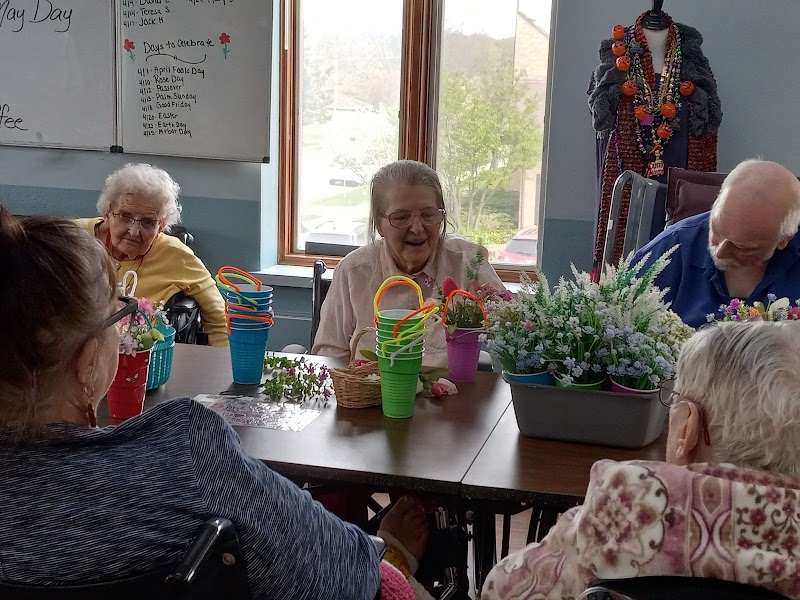
How is Complete Care At Nazareth Llc Staffed?

CMS rates Complete Care at Nazareth LLC's staffing level at 3 out of 5 stars, which is average compared to other nursing homes. Staff turnover is 60%, which is 14 percentage points above the Wisconsin average of 46%. High turnover can affect care consistency as new staff learn residents' individual needs. RN turnover specifically is 64%, which is notably high. RNs provide skilled clinical oversight, so turnover in this role can affect medical care quality.

What Have Inspectors Found at Complete Care At Nazareth Llc?

State health inspectors documented 25 deficiencies at Complete Care at Nazareth LLC during 2022 to 2025. These included: 2 Immediate Jeopardy (the most serious level, indicating potential for serious harm or death), 2 that caused actual resident harm, and 21 with potential for harm. Immediate Jeopardy findings are rare and represent the most serious regulatory concerns. They require immediate corrective action.
Who Owns and Operates Complete Care At Nazareth Llc?

Complete Care at Nazareth LLC is owned by a for-profit company. For-profit facilities operate as businesses with obligations to shareholders or private owners. The facility is operated by COMPLETE CARE, a chain that manages multiple nursing homes. With 99 certified beds and approximately 62 residents (about 63% occupancy), it is a smaller facility located in Stoughton, Wisconsin.

How Does Complete Care At Nazareth Llc Compare to Other Wisconsin Nursing Homes?

Compared to the 100 nursing homes in Wisconsin, Complete Care at Nazareth LLC's overall rating (2 stars) is below the state average of 3.0, staff turnover (60%) is significantly higher than the state average of 46%, and health inspection rating (2 stars) is below the national benchmark.

What Should Families Ask When Visiting Complete Care At Nazareth Llc?

Based on this facility's data, families visiting should ask: "What changes have been made since the serious inspection findings, and how are you preventing similar issues?" "How do you ensure continuity of care given staff turnover, and what is your staff retention strategy?" "Can I visit during a mealtime to observe dining assistance and food quality?" "How do you handle medical emergencies, and what is your hospital transfer rate?" These questions are particularly relevant given the facility's Immediate Jeopardy citations and the facility's high staff turnover rate.

Is Complete Care At Nazareth Llc Safe?

Based on CMS inspection data, Complete Care at Nazareth LLC has documented safety concerns. Inspectors have issued 2 Immediate Jeopardy citations (the most serious violation level indicating risk of serious injury or death). The facility has a 2-star overall rating and ranks #100 of 100 nursing homes in Wisconsin. Families considering this facility should ask detailed questions about what corrective actions have been taken since these incidents.

Do Nurses at Complete Care At Nazareth Llc Stick Around?

Staff turnover at Complete Care at Nazareth LLC is high. At 60%, the facility is 14 percentage points above the Wisconsin average of 46%. Registered Nurse turnover is particularly concerning at 64%. RNs handle complex medical decisions and coordinate care — frequent RN changes can directly impact care quality. High turnover means new staff may not know residents' individual needs, medications, or preferences. It can also be disorienting for residents, especially those with dementia who rely on familiar faces. Families should ask: What is causing the turnover? What retention programs are in place? How do you ensure care continuity during staff transitions?

Was Complete Care At Nazareth Llc Ever Fined?

Complete Care at Nazareth LLC has been fined $32,443 across 2 penalty actions. This is below the Wisconsin average of $33,403. While any fine indicates a compliance issue, fines under $50,000 are relatively common and typically reflect isolated problems that were subsequently corrected. Families should ask what specific issues led to these fines and confirm they've been resolved.

Is Complete Care At Nazareth Llc on Any Federal Watch List?

Complete Care at Nazareth LLC is not on any federal watch list. The most significant is the Special Focus Facility (SFF) program, which identifies the bottom 1% of nursing homes nationally based on persistent, serious quality problems. Not being on this list means the facility has avoided the pattern of deficiencies that triggers enhanced federal oversight. This is a positive indicator, though families should still review the facility's inspection history directly.