SKAALEN NURSING AND REHABILITATION CENTER
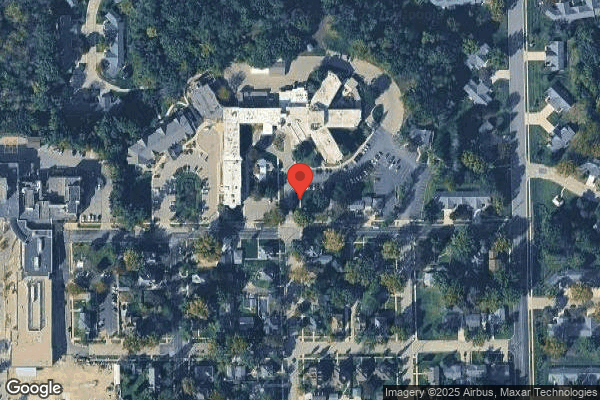
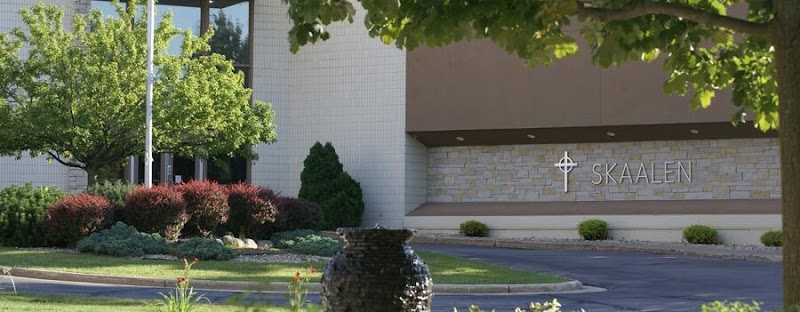
400 N MORRIS ST, STOUGHTON, WI 53589 (608) 873-5651
Non profit - Church related 70 Beds Independent Data: November 2025
Trust Grade
93/100
#67 of 321 in WI
Last Inspection: September 2024

Within standard 12-15 month inspection cycle. Federal law requires annual inspections.

Overview

Skaalen Nursing and Rehabilitation Center has received a Trust Grade of A, which indicates it is excellent and highly recommended. It ranks #67 out of 321 facilities in Wisconsin, placing it in the top half, and is #2 out of 15 in Dane County, meaning only one local option is better. The facility is improving, with issues decreasing from 6 in 2023 to 2 in 2024. Staffing is a strong point, boasting a 5-star rating and a turnover rate of 27%, well below the state average, suggesting a stable and knowledgeable team. There have been no fines, which is a positive sign, and the center has more RN coverage than 94% of Wisconsin facilities, ensuring that potential problems are caught early. However, there are concerns noted in the inspector findings. For instance, food preparation areas were not kept clean, with dust found on light fixtures and expired food observed, suggesting a risk to residents' health. Additionally, personal belongings were found in food storage areas, which raises hygiene concerns. These issues indicate that while the facility has many strengths, there are important areas that need improvement to ensure the highest standards of care.

Trust Score
A
93/100
In Wisconsin
#67/321
Top 20%
Safety Record
Low Risk
No red flags
Inspections
Getting Better
6 → 2 violations
Staff Stability
✓ Good
27% annual turnover. Excellent stability, 21 points below Wisconsin's 48% average. Staff who stay learn residents' needs.
Penalties
✓ Good
No fines on record. Clean compliance history, better than most Wisconsin facilities.
Skilled Nurses
✓ Good
Each resident gets 76 minutes of Registered Nurse (RN) attention daily — more than 97% of Wisconsin nursing homes. RNs are the most trained staff who catch health problems before they become serious.
Violations
⚠ Watch
11 deficiencies on record. Higher than average. Multiple issues found across inspections.
★★★★★
5.0
Overall Rating
★★★★★
5.0
Staff Levels
★★☆☆☆
2.0
Care Quality
★★★★☆
4.0
Inspection Score
Stable
2023: 6 issues
2024: 2 issues

The Good

  • 5-Star Staffing Rating · Excellent nurse staffing levels
  • Low Staff Turnover (27%) · Staff stability means consistent care
  • Full Sprinkler Coverage · Fire safety systems throughout facility
  • No fines on record
  • Staff turnover is low (27%)

    21 points below Wisconsin average of 48%

Facility shows strength in staffing levels, staff retention, fire safety.

The Bad

No Significant Concerns Identified

This facility shows no red flags. Among Wisconsin's 100 nursing homes, only 1% achieve this.

The Ugly 11 deficiencies on record

Sept 2024 2 deficiencies
CONCERN (E)

Potential for Harm - no one hurt, but risky conditions existed

Employment Screening (Tag F0606)

Could have caused harm · This affected multiple residents

Based on interview and record review, the facility did not ensure that it did not employ individuals who were found guilty of abuse, neglect, exploitation, or mistreatment by failure to conduct timely...

Read full inspector narrative →
Based on interview and record review, the facility did not ensure that it did not employ individuals who were found guilty of abuse, neglect, exploitation, or mistreatment by failure to conduct timely and complete background checks for 4 (RN D, CNA E, MT C and HK F) of 8 facility staff. RN D (Registered Nurse), CNA E (Certified Nursing Assistant), and MT C (Medication Technician) did not have a background check completed every four years. HK F (Housekeeper) indicated on HK F's Background Information Disclosure (BID) form that HK F had been convicted of disorderly conduct in January 2024. The facility did not request a copy of HK F's criminal complaint, judgement of conviction, or any other relevant court or police documents as instructed by the BID form. This is evidenced by: The DHS memo P-00274 titled Wisconsin Caregiver Program: Offenses Affecting Caregiver Eligibility for Chapter 50 Programs, dated 4/2020, states: This document lists Wisconsin crimes and other offenses that the Wisconsin State Legislature, under the Caregiver Law, Wis. Stat. § 50.065, has determined require rehabilitation review approval before a person may receive regulatory approval, work as a caregiver, reside as a non-client resident at, or contract with an entity.Additional information must be obtained when: -The Background Information Disclosure (BID) or DOJ (Department of Justice) response indicates a conviction of any of the following, where the conviction occurred five years or less from the date on which the information was obtained . 6. Disorderly conduct .These convictions do not prohibit employment but do require the entity to obtain the criminal complaint and judgment of conviction from the Clerk of Courts office in the county where the person was convicted. The facility's Policy and Procedure entitled, Abuse Prevention Resident Rights Program, dated 1/2/2023, states in part: . The facility will take all necessary measures to identify and prevent resident abuse, neglect, exploitation, and misappropriation of property . The facility will conduct a pre-employment screening of applicants for all departments, which will include employment reference checks, criminal background checks, drug testing and relevant state licensing checks . The facility's Policy and Procedure entitled, Background Information Disclosure, dated 6/25/2020, states in part: Policy: All staff members must disclose (self-report) in writing by the next business day any changes to the information included on the BID (Background Information Disclosure) form . Purpose: With this in place, [Facility Name] does not have to require staff to complete a BID form every four years. (Of note: While the facility does not have to require a BID form to be completed every four years, according to regulation, the facility does still need to complete a background check every four years which consists of a Department of Justice (DOJ) and Department of Health Services/Department of Safety and Professional Services (DHS/DSPS) information at the time of hire and every four years thereafter.) Example 1 RN D was hired 1/17/2018. RN D did not have a background check completed every four years. Surveyor requested the caregiver background check information on 9/5/2024 and the caregiver background check provided by the facility was conducted on 9/6/2024. Example 2 CNA E was hired 3/18/2008. CNA E did not have a background check completed every four years. Surveyor requested the caregiver background check information on 9/5/2024 and the caregiver background check provided by the facility was conducted on 9/6/2024. Example 3 MT C was hired 1/14/1991. MT C did not have a background check completed every four years and the previous background check provided to Surveyor was conducted 2/19/2015. Surveyor requested the caregiver background check information on 9/5/2024 and the most recent caregiver background check provided by the facility was conducted on 9/6/2024. On 9/9/2024 at 3:33 PM, Surveyor interviewed NHA A (Nursing Home Administrator). NHA A explained the facility background check process that includes a pre-hire checklist, a background check, drug screening, and human resources will interview an applicant if anything is flagged in the background check process. NHA A also stated that the facility completes background checks upon hire and when staff self-report violations or pending charges. NHA A stated that background checks are not completed every four years. Surveyor asked NHA A if background checks should be completed every four years. NHA A stated that she does not know, and that she believed they were performed according to policy. Example 4 HK F began employment at the facility on 7/24/2024 and completed a BID form on 7/22/2024. In Section A - Disclosures, HK F stated that HK F was convicted of disorderly conduct in January 2024. A review of HK F's Department of Justice letter (DOJ) shows that HK F was charged with disorderly conduct in April 2020, May 2020, June 2020, July 2020, March 2022, and twice in April 2024. The DOJ letter also shows that HK F was convicted of disorderly conduct in June 2020, March 2022, and April 2024. There is no evidence of this at the facility. On 9/10/2024 at 1:32 PM, Surveyor interviewed the NHA again, following a request for further documentation regarding the previously mentioned background checks. NHA confirms at this time that the background checks of RN D, CNA E, and MT C were run on 9/6/2024, and that there are no other background checks run in the past four years. NHA reports that there was some confusion regarding the policy with staff who interpreted their policy to include both the BID and background check, when the policy and statute does require the background check be run every 4 years. NHA A confirmed that background checks should be run every four years. NHA A also confirmed, after speaking with human resources, that there is no additional documentation regarding HK F's background check. According to the Wisconsin Caregiver Program Manual Wisconsin, Statute 50.065 (2) bb states in part; Additional Required Information must be obtained when: 3. The BID or DOJ response indicates a conviction of . o Disorderly conduct Wis. Stat. § 947.01(1) . where the conviction occurred five years or less from the date on which the information was obtained; .
CONCERN (F)

Potential for Harm - no one hurt, but risky conditions existed

Food Safety (Tag F0812)

Could have caused harm · This affected most or all residents

Based on observation, interview, and record review, the facility did not ensure the preparation of food in a clean and sanitary environment with the potential to affect all 52 residents residing in th...

Read full inspector narrative →
Based on observation, interview, and record review, the facility did not ensure the preparation of food in a clean and sanitary environment with the potential to affect all 52 residents residing in the facility. Surveyor observed a coat of dust on light fixtures and electrical cords above food preparation area while food was being prepared. Surveyor observed food to be in circulation that was expired and observed food in circulation to be opened and undated. Evidenced by: Example - dust On 9/4/24 at 9:12 AM, during initial tour of the kitchen, Surveyor and DM H (Dietary Manager) observed 3 plastic light covers in the ceiling and electrical cord unit suspended from the ceiling directly over the food preparation area. The light covers and electrical cord had a layer of dust on them. On 9/4/24 at 9:13 AM, DM H indicated staff in the Maintenance Department are responsible for cleaning the light covers and the electrical cord. DM H indicated there is potential for the dust to dislodge into the open food underneath. Example food dating/expiration Facility policy, entitled Food Brought To Residents From Outside Sources, effective date 8/16/2018, includes, in part: the facility . is responsible for storing food brought in by family or visitors in a way that is either separate or easily distinguishable from facility food . all food or beverages brought into the facility for resident consumption will only be accepted if it is in good condition and not expired . food or beverages brought in . will be labeled with the resident's name . dated with an expiration date/use by date . Facility policy, entitled Labeling and Dating Food, dated 5/16/23, includes in part: . food is labeled and monitored with an expiration date to clearly state when food is safe to eat . the date marked by the food establishment may not exceed the manufacturers use by date . any unopened food, beverage, condiment that is missing a manufacturer's date or a use by date will be discarded . On 9/4/24 at 9:13 AM, Surveyor and DM H observed a brown frozen substance in a cup with a plastic dome lid and a straw coming out of the hole on the lid in the facility's freezer. Surveyor and DM H also observed an opened bag of hashbrowns. These items were not labeled or dated. DM H indicated she was unsure who the shake belonged to and indicated items placed in the freezer are to be labeled with a name and dated with a use by date. DM H indicated she was unsure if the shake belonged to a staff member or a resident and stated staff and resident food should not be stored together. On 9/4/24 at 9:33 AM, Surveyor observed three yogurts with expiration date of 9/3/24 in the refrigerator and a box of spicy cheese crackers to be opened and on the counter in the facility's kitchenette. CNA I (Certified Nursing Assistant) indicated she was unsure who the crackers belonged to and for how long they were opened. CNA I indicated the yogurt should be thrown out since it is past the expiration date. CNA I indicated food items should be dated with a use by date and labeled with a name. On 9/4/24 at 10:09 AM, Surveyor observed an opened half-gallon of orange juice with a post-it note attached to it with a resident name and a sticker with a use by date of 8/24/24. Surveyor observed a second half-gallon of orange juice with sell by date of 9/2/24. Surveyor observed a partially drank bottle of Dr. Pepper labeled with a resident name and dated 8/10/24. Surveyor observed a bag of opened food with a handwritten date on it of 8/15/24. On 9/4/24 at 10:30 AM, RN G (Registered Nurse) indicated food should be labeled with a date and a resident name. RN G also indicated food should not be served past the expiration date. RN G indicated the food in the bag was expired and should be thrown in the garbage. On 9/4/24 at 10:39 AM, DM H indicated all staff are responsible for writing dates and names on food brought in by families. DM H indicated food should not be served past the manufacturer's expiration date.
May 2023 6 deficiencies
CONCERN (D)

Potential for Harm - no one hurt, but risky conditions existed

Resident Rights (Tag F0550)

Could have caused harm · This affected 1 resident

**NOTE- TERMS IN BRACKETS HAVE BEEN EDITED TO PROTECT CONFIDENTIALITY** Based on observation, interview, and record review, the facility did not ensure that every resident was treated with dignity and...

Read full inspector narrative →
**NOTE- TERMS IN BRACKETS HAVE BEEN EDITED TO PROTECT CONFIDENTIALITY** Based on observation, interview, and record review, the facility did not ensure that every resident was treated with dignity and respect when providing activities of daily living (ADLs) for 2 of 16 residents reviewed and 1 of 1 supplemental resident reviewed (R21, R44, and R305). Surveyor observed R21 in dining room area. R21's catheter bag was not covered with a dignity bag. Surveyor observed staff entering R44's room without knocking or introducing themself. Surveyor heard staff sharing personal information about R305 outside of R305's room. Staff were standing outside of R305's room and Surveyor could hear the conversation while standing at the end of the hall. Example 1 R21 was admitted to the facility on [DATE] with diagnoses including heart failure, diabetes, kidney disease, overactive bladder, depression, anxiety, and neuromuscular dysfunction of bladder. R21's most recent Minimum Data Set (MDS) with Assessment Reference Date (ARD) of 3/5/23, indicates R21 has a Brief Interview for Mental Status (BIMS) score of 8 out of 15 indicating moderately impaired cognition. R21 has an Activated Health Care Power of Attorney. R21's current order indicates, TREATMENT: URINARY: indwelling foley catheter REASON FOR INDWELLING CATHETER every shift AM PM NOC First Date: 12/14/22 Administration Instructions: Provide routine foley catheter care per standards of practice and facility protocol. On 5/21/23 at 10:13AM, Surveyor observed R21 sitting in the dining room area. R21 had drinks and a newspaper near R21. Surveyor observed R21's catheter bag hanging on R21's Broda chair. Surveyor observed R21's catheter bag without a dignity bag. On 5/23/23 at 12:15PM, CNA E (Certified Nursing Assistant) indicated if a resident has a catheter bag, there should be a dignity bag over the catheter bag. CNA E indicated the facility is low on dignity bags and there are times that staff use a pillowcase. CNA E indicated CNA E has brought this up to management in the past. On 5/23/23 at 12:34PM, DON B (Director of Nursing) indicated catheter bags should not be resting/touching the floor and that they should have a dignity bag over the catheter bag. Example 2 R44 was admitted to the facility on [DATE] with diagnoses including hypertension, age-related osteoporosis, retention of urine, nonexudative age-related macular degeneration, muscle weakness, hearing loss, history of falling, and unspecified severe protein-calorie malnutrition. R44 is legally blind. R44's most recent BIMS with ARD of 4/30/23, indicates R44 was unable to complete interview. R44 is on hospice and has an Activated Power of Attorney. On 5/22/23 at 9:23AM, Surveyor observed CNA E (Certified Nursing Assistant) enter R44's bedroom without knocking or introducing self. Surveyor observed on R44's bedroom door to have a sign saying introduce self before entering. On 5/23/23 at 12:15PM, CNA E indicated staff should knock and introduce self before entering a resident bedroom. On 5/23/23 at 12:34PM, DON B indicated staff should knock and introduce self before entering a resident bedroom. Example 3 R305 was admitted to the facility on [DATE]. On 5/22/23 at 9:23AM, Surveyor was at the end of hallway. Surveyor heard CNA E talking to another staff in the hallway about R305's level of care needed and lack of compliance with using call light. CNA E was standing outside of R305's bedroom talking about him, and Surveyor was able to hear conversation while Surveyor was four rooms down from R305's room. On 5/23/23 at 12:15PM, CNA E indicated when discussing resident medical information, the conversation should be in a private area. CNA E indicated you should never discuss resident medical information in a public setting, and it always must be in a private area. On 5/23/23 at 12:34PM, DON B indicated resident medical information should not be discussed in an area where it can be overheard by other people. DON B indicated staff should speak quietly when discussing medical information and the best location would be in a private area, like an empty bedroom or a med room.
CONCERN (D)

Potential for Harm - no one hurt, but risky conditions existed

Pressure Ulcer Prevention (Tag F0686)

Could have caused harm · This affected 1 resident

**NOTE- TERMS IN BRACKETS HAVE BEEN EDITED TO PROTECT CONFIDENTIALITY** Based on observation, interview, and record review the facility did not ensure pressure injury preventive measures were implemen...

Read full inspector narrative →
**NOTE- TERMS IN BRACKETS HAVE BEEN EDITED TO PROTECT CONFIDENTIALITY** Based on observation, interview, and record review the facility did not ensure pressure injury preventive measures were implemented. This was observed with 1 (R44) of 4 residents reviewed for pressure injuries out of a total sample of 16 residents. R44 was observed to not be repositioned at least every 2 hours while in bed. R44 was observed to have heels directly on mattress. Evidenced by: Facility policy, entitled Wound Care Protocol, revised date 7/17/21, includes, in part: .OPERATIONAL DETAILS .2. As part of the above assessment, risk factors must have a corresponding intervention to alleviate or reduce the risk. Preventive interventions may include but are not limited to pressure redistributing seating surfaces, beds, mattresses, extremity offloading, supportive devices, protective dressings, skin observations and repositioning plans . R44 was admitted to the facility on [DATE] with diagnoses including fracture, hypertension, age-related osteoporosis, retention of urine, hearing loss, age-related macular degeneration, glaucomatous, muscle weakness, history of falling, and unspecified severe protein-calorie malnutrition. R44 has a history of femur fracture, history of falls, chronic fractures, and is legally blind. R44's most recent Minimum Data Set (MDS) with Assessment Reference Date (ARD) of 4/30/23, indicates R44 was unable to complete interview. R44 is on hospice and has an Activated Power of Attorney. R44's Comprehensive Care Plan, dated 4/25/23, indicates, .have the potential to have a skin injury am at risk for developing a pressure injury or other skin impairment. Can't move around well on my own, L2 compression fx, have severe osteoporosis, protein/calorie malnutrition reduce pressure and friction between myself and my bed or chair, ensure heels are elevated when I am lying in bed monitor my nutrition or hydration intake-check my skin with cares, monitor lab values, supplement as ordered. Notify hospice as needed. Help me with hygiene and general skin care; avoid using hot water for washing and use moisturizer on my skin, help me reposition at least every 1-2 hours while I'm in bed, help me reposition at least every 2 hour when I'm in a chair, keep good padding around my bony areas, offer me fluids when I change positions, elevate my heels in bed reduce pressure and friction between myself and my bed or chair, help me stay clean and dry. ROHO cushion in w/c, ROHO cushion in recliner or another chair, heelz-up device, or pillow, APP on mattress On 5/21/23 at 12:39PM, R44's daughter indicated R44 is not repositioned at least every two hours. R44's daughter indicated she knows this for a fact and that hospice has shared with the family that R44 should be repositioned at least every two hours. R44's daughter indicated R44 is at risk for skin break down. On 5/21/23 Surveyor observed R44 constantly from 1:00 PM-3:30 PM. R44's care plan indicated R44 should be repositioned every 1-2 hours while in bed. R44 was not repositioned. On 5/22/23 at 9:23 AM, CNA E (Certified Nursing Assistant) indicated R44 should be repositioned at least every two hours. CNA E and Surveyor observed R44's heels to be directly on mattress and heelz-up device noted to be leaning up against dresser. CNA E indicated R44's heels should not be directly on mattress, but that she does decline interventions. CNA E indicated if R44 declines heel protector interventions, CNA's are to tell Nursing and they document the refusal. Surveyor reviewed Care Plan and Progress Notes - Surveyor did not see any documentation that R44 refuses heel protector interventions. On 5/22/23 at 4:00PM, Surveyor observed R44's heels elevated with a pillow and R44 to be sleeping. On 5/23/23 at 12:34PM, DON B (Director of Nursing) indicated if a resident is care planned to be repositioned every 1-2 hours the resident should be repositioned at least by the 2-hour mark. DON B indicated if resident is care planned to have heel protection interventions the resident's heels should be elevated and if there are refusals, that should be documented. DON B indicated R44 should be repositioned at least every two hours and heels elevated.
CONCERN (D)

Potential for Harm - no one hurt, but risky conditions existed

Deficiency F0805 (Tag F0805)

Could have caused harm · This affected 1 resident

**NOTE- TERMS IN BRACKETS HAVE BEEN EDITED TO PROTECT CONFIDENTIALITY** Based on observation, interview, and record review, the facility did not ensure drinks were prepared in a form to meet the indiv...

Read full inspector narrative →
**NOTE- TERMS IN BRACKETS HAVE BEEN EDITED TO PROTECT CONFIDENTIALITY** Based on observation, interview, and record review, the facility did not ensure drinks were prepared in a form to meet the individual needs for 1 of 1 resident (R6) with alterations to fluid for oral intake out of a total of 16 residents sampled. Facility staff served regular thin liquids to R6, who has a dietary order for nectar-thickened liquids. Findings include: R6 was admitted to this facility on 3/31/23 for physical and occupation therapy with primary diagnoses of altered mental status, recurrent falls, poor mobility, weakness, and dementia. R6's most comprehensive recent Minimum Data Set (MDS) assessment dated [DATE] shows R6 has a Brief Interview of Mental Status (BIMS) score of 4 out of 15, indicating severe cognitive impairment. Section K. Oral/Nutritional Status indicates that R6 has signs and symptoms of possible swallowing disorder including coughing or chocking during meals or when swallowing medications. R6 has a current dietary order for nectar thickened liquids. Nurse's note in resident's electronic chart from 4/10/23 5:21PM states Order received from SLP [Speech Language Pathologist] for change in liquid consistency to Nectar thick. (A speech language pathologist is an expert who assesses and treats people who have problems with speech and/or swallowing.) 5/22/23 at 3:10 PM Surveyor observed R6 in dining room drinking coffee from a mug. There is also regular-thin ice water in front of her. Surveyor asked R6 if she is having coffee, R6 reported yes, and that she is really enjoying it. Surveyor asked if it was thick, R6 reported no, that it was regular. 5/22/23 at 3:12 PM Surveyor interviewed Registered Nurse I (RN), the unit manager, regarding risk and benefits of R6 consuming thin liquids. RN I reports R6 does not have a risks and benefits form completed. 5/22/23 at 3:22 PM The unit floor nurse, RN J, assisted Surveyor to find resident's meal ticket for supper on 5/22/23, it stated, Fluid Alteration: Nectar liquids. Surveyor asked RN J if resident is currently having thickened liquids. RN J inspected liquids R6 is drinking, talked with R6, and reported that R6 is having thin liquids. 5/22/23 at 4:12 PM R6 has thin coffee, thickened water, and thickened juice currently. RN I states that CNAs, nurses, dietary assistants, or activity professionals cannot just give a resident thin liquids when resident refuses thickened liquids that have been ordered. Surveyor observed staff taking the thin coffee away from R6. 5/22/23 at 4:13 PM RN J reports that resident does not have an order for thin liquids. 5/22/23 at 4:22 PM Surveyor interviewed Certified Nursing Assistant L (CNA). CNA L reports that CNAs get liquids ready for residents before supper. When asked how they know what residents need for thickness of liquids, CNA L showed Surveyor the pile of meal tickets and picked up R6's meal ticket out of the pile of other residents' meal tickets and said for example, for her, I would see nectar thickened liquids on her meal card. We look at the meal ticket or ask the nurse. Today I did not know how thick R6's liquids should be, so I had to ask the nurse. 5/22/23 at 4:46 PM. Surveyor interviewed Dietary Manager F (DM). Who can decide what kind of liquids a resident can have? DM F replied that if a resident wants something like thin liquids when they do not have an order for it, the resident or an APOA-HC needs to sign a risk agreement. DM F states that that was not done for R6 before this incident. 5/22/23 at 4:57 PM Interview with Speech Language Pathologist M (SLP). SLP M reports that she did a simple swallow evaluation with R6, during which R6 was coughing heavily with thin liquids. R6 did well with nectar thickened liquids and had no coughing, so SLP-M then ordered nectar thickened liquids for R6 on 4/10/23. Surveyor asked if it is safe for resident to have thin liquids. SLP M stated that if the resident and Activated Healthcare Power of Attorney (APOA-HC) understand the risks and benefits and want resident to have thin liquids, they can sign a risk agreement. 5/23/23 at 10:01 AM Surveyor interviewed R6's Family Member N (FM), who is R6's APOA-HC. FM N reports that R6 has not had any pneumonia that she can remember, R6 has not had any rehospitalizations since admission to this facility, and R6 has not had any instances of aspirating or inhaling fluids since admission to this facility. The facility reviewed an Informed Choice Form describing the risks and benefits of choosing to drink items of preference other than the ordered diet consistency with FM N on 5/22/23 after this Surveyor asked for a risks and benefits agreement for R6. The facility failed to follow R6's fluid consistency order and did not have a risk vs. benefit completed prior to serving R6 thin liquids.
CONCERN (D)

Potential for Harm - no one hurt, but risky conditions existed

Deficiency F0883 (Tag F0883)

Could have caused harm · This affected 1 resident

**NOTE- TERMS IN BRACKETS HAVE BEEN EDITED TO PROTECT CONFIDENTIALITY** Based on record review and interview, the facility administered the influenza immunization without receiving consent from the re...

Read full inspector narrative →
**NOTE- TERMS IN BRACKETS HAVE BEEN EDITED TO PROTECT CONFIDENTIALITY** Based on record review and interview, the facility administered the influenza immunization without receiving consent from the resident's Activated Power of Attorney (APOA) for 1 of 5 residents (R31) reviewed for immunizations. R31 received the influenza immunization without consent and prior to receiving the APOA's declination. Findings include: The facility policy titled Influenza Vaccination Guidelines last reviewed 7/13/21 states in part: .3. Before offering/ administering the vaccine, the resident or the resident's legal representative will receive written education regarding the benefits and potential risks of the vaccination. The resident or legal representative will sign a form attesting to the education and will give written consent to receiving the vaccination or decline the vaccination . R31 was admitted to the facility on [DATE] with diagnoses that include Alzheimer's Disease, Generalized Anxiety Disorder, and depression. R31's most recent Brief Interview of Mental Status (BIMS) assessment dated [DATE], indicates that R31 is rarely/ never understood. R31 has an APOA that makes medical decisions for her. Documentation in R31's Electronic Health Record (EHR) dated 10/5/22 at 2:50 PM states, in part: Vaccine Administered: Influenza Vaccine Influenza Trade Name: Flu zone Lot Number: ut7680ja. Surveyor also reviewed R31's Influenza consent/declination form signed by R31's APOA dated 10/8/22 that states in part: I do not wish to receive the influenza vaccination. On 5/23/23 at 9:31 AM, Surveyor interviewed IP C (Infection Preventionist). Surveyor asked IP C what the process was for the influenza vaccine, IP C stated that HIS (Health Information Services) sends out a letter for consent or declination, and when the vaccine comes in, the nurses schedule a day to administer the immunization. Surveyor discussed R31's vaccination and her APOA's declination. Surveyor asked IP C if she would have expected staff to not administer the vaccine, IP C stated that she would have expected that R31 not get the vaccine until they got the letter back from the POA giving them consent to administer the vaccine.
CONCERN (F)

Potential for Harm - no one hurt, but risky conditions existed

Food Safety (Tag F0812)

Could have caused harm · This affected most or all residents

Based on observation, interview, and record review, the facility did not ensure the preparation of food in a clean and sanitary environment with the potential to affect all 47 residents residing in th...

Read full inspector narrative →
Based on observation, interview, and record review, the facility did not ensure the preparation of food in a clean and sanitary environment with the potential to affect all 47 residents residing in the facility. Surveyor observed [NAME] G's personal handbag sitting amongst stored clean cookware in the food preparation area. While temping food coming out of the ovens, [NAME] K used a visibly soiled alcohol wipe to clean thermometer and did not allow thermometer to air dry between foods. Surveyor observed a plastic scoop to be stored in contact with flour inside of a storage bin. Evidenced by: Example 1 On 5/21/23 at 9:14 AM Surveyor observed [NAME] G preparing food in the food preparation are. [NAME] G had her personal handbag on a storage shelf amongst clean bakeware. [NAME] G indicated she should not have her personal items in the food preparation or storage area. On 5/22/23 at 10:51 AM Dietary Manger F (DM) indicated [NAME] G should not have her personal handbag in the food preparation area on the storage shelf with the clean bakeware. Example 2 Facility policy, entitled Taking Accurate Temperatures, dated 2021, includes, in part: . to take temperatures, a clean, rinsed, sanitized, and air-dried thermometer . is needed . On 5/22/23 at 11:15 AM [NAME] was temping his food as it came out of the ovens. Surveyor [NAME] K use one alcohol wipe to wipe the thermometer between 11 different food items. The wipe was visibly soiled, and [NAME] K continued to use it. Surveyor also observed [NAME] K lay down the thermometer on the alcohol wipe when not in use and did not allow the thermometer to air dry. DM F indicated [NAME] K should not use soiled alcohol wipe and should allow thermometer to air dry in between uses. Example 3 On 5/21/23 at 9:14 AM Surveyor observed a plastic scoop lying with its handle in direct contact with flour inside of a rolling bin. [NAME] G indicated the scoop should not be left inside of the flour bin. On 5/22/23 at 10:51 AM DM F indicated scoops are to be stored in the bin's scoop holder and the handle should not be in direct contact with food.
CONCERN (F)

Potential for Harm - no one hurt, but risky conditions existed

Infection Control (Tag F0880)

Could have caused harm · This affected most or all residents

**NOTE- TERMS IN BRACKETS HAVE BEEN EDITED TO PROTECT CONFIDENTIALITY** Example 3 Facility policy, entitled, Use of an indwelling urethral catheter, dated 8/24/15, indicates, in part; .Keep the collec...

Read full inspector narrative →
**NOTE- TERMS IN BRACKETS HAVE BEEN EDITED TO PROTECT CONFIDENTIALITY** Example 3 Facility policy, entitled, Use of an indwelling urethral catheter, dated 8/24/15, indicates, in part; .Keep the collection bag below the level of the bladder at all times. Do not rest the bag on the floor. R21 was admitted to the facility on [DATE] with diagnoses including heart failure, diabetes, kidney disease, overactive bladder, depression, anxiety, and neuromuscular dysfunction of bladder. R21's most recent Minimum Data Set (MDS) with Assessment Reference Date (ARD) of 3/5/23, indicates R21 has a Brief Interview for Mental Status (BIMS) score of 08 out of 15 indicating moderately impaired cognition. R21 has an Activated Health Care Power of Attorney. R21's current order indicates, TREATMENT: URINARY: indwelling foley catheter REASON FOR INDWELLING CATHETER every shift AM PM NOC First Date: 12/14/22 Administration Instructions: Provide routine foley catheter care per standards of practice and facility protocol. On 5/21/23 at 10:13AM, Surveyor observed R21 sitting in the dining room area. R21 had drinks and a newspaper near R21. Surveyor observed R21's catheter bag hanging on R21's Broda chair directly touching the floor. On 5/23/23 at 12:15PM, CNA E (Certified Nursing Assistant) indicated a resident catheter bag should not be touching the floor. On 5/23/23 at 12:34PM, DON B (Director of Nursing) indicated catheter bags should not be resting/touching the floor. Based on observation, interview, and record review, the facility did not ensure it maintained an infection prevention and control program designed to provide a safe, sanitary, and comfortable environment to help prevent the development and transmission of communicable disease and infections such as COVID-19. This had the potential to affect all 47 residents (R) in the facility. The facility did not identify a COVID-19 outbreak when they received a positive COVID-19 test from a staff member and the facility did not ensure that their COVID-19 staff line list was filled out completely. R21 was observed with their catheter bag on the floor. Facility staff was observed not performing hand hygiene during a topical treatment. Evidenced by: The facility policy titled Outbreak Prevention and Control last revised on 8/25/22 states in part: .4. A suspect COVID-19 respiratory disease outbreak in a long-term care facility is defined by DPH as one or more residents and/or staff (who worked during their infectious period) within a facility who have a case of COVID-19 .C. Management of ill staff .7. The Staff Case Log for Outbreaks should be maintained to record ill staff symptoms, date when they became ill, when they were symptom free and when they returned to work. The Infection Preventionist, House Charge RN (Registered Nurse) and Nursing Scheduler will maintain the log . Example 1 January COVID-19 Employee line list: RN tested positive for COVID-19 on 1/24/23. The line list does not include symptoms or last day worked. Nursing staff member tested positive for COVID-19 on 1/30/23. Administration staff member tested positive for COVID-19 on 1/30/23. The line list does not include date of onset or date last worked. The facility did not go into outbreak status in January despite having 3 positive cases of COVID-19. February COVID-19 Employee line list: Pastoral Services staff member tested positive for COVID-19 on 2/24/23. Does not include last date in facility. RN tested positive for COVID-19 on 2/5/23 due to having a close contact. The line list does not include last day worked. The facility did not go into outbreak status in February despite having 2 positive cases of COVID-19. March COVID-19 Employee line list: Business Office staff member tested positive for COVID-19 on 3/22/23. The facility did not go into outbreak status despite having 1 positive case of COVID-19. April COVID-19 Employee line list: Business Office staff member tested positive for COVID-19 on 4/5/23. Housekeeping staff member tested positive for COVID-19 on 4/10/23. COVID-19 Resident line list: R31 had a positive rapid COVID-19 test on 4/27/23 and a positive PCR (Polymerase Chain Reaction) test on 4/28/23. The facility declared themselves in an outbreak on 4/29/23. At the time of the survey, the facility had documentation of an additional 9 COVID-19 positive residents and 11 COVID-19 positive staff members after declaring the outbreak. It is important to note that there is no evidence that the facility completed contract tracing for the COVID-19 positive staff members. On 5/23/23 at 9:31 AM, Surveyor interviewed IP C (Infection Preventionist). Surveyor asked IP C how she determines if the facility is in outbreak, IP C stated that she looks at who is testing positive and if it is an administrative staff, she does not put them into outbreak status. IP C stated that she contacts PH (Public Health) and updates them on the plan. IP C stated that if she has 3 or more positives, then she would go into outbreak status, but if there is only 1 positive case, she would put that resident in isolation and would start surveillance testing and tell PH that she would not be going into outbreak at this time. Surveyor asked IP C what the facility's policy states about outbreaks, IP C stated that it says 3 or more cases would be an outbreak. Surveyor reviewed the facility policy with IP C; IP C stated, it says 1 or more. Surveyor asked IP C if she was aware of what the guidance from the CDC (Centers for Disease Control) and CMS (Centers for Medicare and Medicaid Services) identifies a COVID-19 outbreak as, IP C stated 1 case is an outbreak. Surveyor asked IP C if they should have gone into outbreak after receiving their first positive staff member, IP C stated that according to the CDC, they should have. Surveyor reviewed the line lists from January through April with IP C. Surveyor asked IP C if the line list should contain last day worked, date of onset, return to work dates and symptoms of all staff and residents, IP C stated yes. Example 2 The facility policy, titled, APIC (Association for Professionals in Infection Control) Guideline for Handwashing and Hand Antisepsis in Healthcare Settings, with a handwritten date of 8/17/03, indicates, in part: .2. Bacteria on hands must be removed by hand washing with soap and water or by hand antisepsis with alcohol-based hand-rubs (if hands are not visibly soiled): .b. Before and after caring for each resident .f. After contact with a source of microorganisms (body fluids and substances, mucous membranes, non-intact skin, inanimate objects that are likely to be contaminated). g. Every time a person puts on or takes off gloves .7. Glove use .b. Gloves should be used for hand-contaminating activities. Gloves should be removed, and hands washed when such an activity is completed and before there is a risk of contaminating the environment with the material that is on the gloves, when the integrity of the gloves is in doubt, and between patients/residents . On 5/22/23 at 8:15AM Surveyor observed RN D (Registered Nurse) perform a treatment for R5. RN D put on a gown and gloves from the isolation cart outside of R5's room and did not perform hand hygiene prior to putting on gloves. Prior to starting the treatment, R5 indicated to RN D that he felt his colostomy bag was full. RN D indicated that she felt there was gas in the colostomy and proceeded to burp the bag to relieve some of the gas. RN D then took a clean washcloth and placed it into a basin of soap and water and began to wash R5's perineum and scrotal area without performing a glove change or hand hygiene. After washing the area RN D changed gloves without performing hand hygiene and then applied a topical cream to the area she had washed. RN D changed gloves and did not perform hand hygiene and began to gather supplies to change R5's colostomy appliance. After changing the colostomy appliance, RN D removed her gloves and gown, took the gown out of the room directly across the hall to a dirty utility room, and did not perform hand hygiene. Of note, R5 is currently in enhanced barrier isolation precautions. Surveyor interviewed RN D after the treatment and asked when hand hygiene should be performed. RN D indicated, after glove changes. Surveyor reviewed the observation with RN D and RN D indicated she should have performed hand hygiene with the glove changes. Surveyor asked RN D if she should have changed gloves and performed hand hygiene after burping the colostomy and prior to washing the treatment area. RN D indicated she should have. On 5/22/23 at 10:06AM Surveyor interviewed IP C (Infection Preventionist). Surveyor asked IP C when staff are expected to perform hand hygiene. IP C indicated, before and after resident contact, after removing gloves, after touching an item in the resident's environment and before a clean technique like giving medications. Surveyor reviewed the observation for R5's treatment with IP C. IP C agreed that hand hygiene should have been performed between all glove changes. Surveyor asked IP C if she would expect the nurse to change gloves and perform hand hygiene after burping the colostomy bag and prior to washing the treatment area. IP C indicated, yes.
Mar 2022 3 deficiencies
CONCERN (D)

Potential for Harm - no one hurt, but risky conditions existed

Deficiency F0675 (Tag F0675)

Could have caused harm · This affected 1 resident

**NOTE- TERMS IN BRACKETS HAVE BEEN EDITED TO PROTECT CONFIDENTIALITY** Based on interview and record review the Facility did not ensure that 1 of 12 Residents (Resident 103) received the necessary ca...

Read full inspector narrative →
**NOTE- TERMS IN BRACKETS HAVE BEEN EDITED TO PROTECT CONFIDENTIALITY** Based on interview and record review the Facility did not ensure that 1 of 12 Residents (Resident 103) received the necessary care and services to attain or maintain the highest practicable physical, mental, and psychosocial wellbeing in accordance with their comprehensive assessment and plan of care. Staff did not address the psychosocial wellbeing of R103's missing right upper partial. Staff continued to provide same diet, did not support resident's feelings of embarrassment and humiliation of her appearance secondary to her situational depression. R103 making food choices based upon her inability to chew food, weight loss, and concerns of anger and frustration of the lack of supportive care of the missing partial. Findings include: R103 is a long-term resident of the facility with an admission date of 3/2/22. R103's diagnoses inlcude the following: Adjustment Disorder with Depressed Mood- Situational, Constipation, Iron Deficiency Anemia secondary to blood loss (chronic) muscle weakness, Gastro-esophageal reflux disease without esophagitis. admission Minimum Data Set (MDS) dated [DATE]- BIMS (brief interview of mental status) 15, indicates that R103 is cognitively intact. R103 requires extensive assistance of one staff member for bed mobility, transfer, dressing, and toileting. Requires supervision of one staff member for eating and hygiene. Always continent of bowel and bladder. Physician Orders Reviewed, Resident is on a regular diet and there were no changes in her diet. Care Plan reviewed from 3/1/22-3/30/22. No care plan observed for nutrition. On 3/2/22-3/4/22 Nursing Order: Check weight daily PM. Order DC'd on 3/4/22. Nursing Order on 3/2/22: weekly weight 1x wk. Friday PM. Documentation of the weights: 3/02/22 156.9 pounds 30/3/22 156.9 pounds 3/04/22 154.6 pounds 3/11/22 150.2 pounds 3/18/22 None charted 3/25/22 147.9 pounds TOTAL= 5.74% Weight Loss from 3/2/22-3/25/22 Medication Administration Record (MAR) reviewed from 3/2/22-3/30/22. On 3/2/22 Antidepressant Monitor for Lexapro, Mood Symptoms: Appears depressed/hopeless: frustration over loss of independence with need for assistance, NOC (night), AM (morning), PM (evening). No signatures or documentation observed. Weight Change and Nutritional Risk Policy and Procedure Manual Reviewed, Effective date 8/28/10, supersedes: #41-07-B. Procedure #4 states The following criteria will be used to identify residents at nutritional risk: a) pressure ulcers .f) recent change in dental status .k) Any other condition that my interfere with maintaining optimal nutritional status (may not include but not limited to . chronic illness/disease). Procedure #8 states Clinical conditions that demonstrate that maintaining acceptable nutritional status may not be possible include, but are not limited to .c. Increased nutritional needs associated with pressure sores and wound healing (decubitus, fractures, surgery, burns) . e. Chronic kidney disease, alcohol/drug abuse, chronic blood loss, .f. Chronic gastrointestinal illness or surgery. Procedure #9 states Interventions may include but are not limited to: a. Supplemental nourishment between meals .d. more frequent weights .h. Menu adjustment, preference updates. Initial Nutritional Screening Note Dated 3/10/22, signed by DM J (Dietary Manager), states late entry from 3/3 reports weight is stable at 150#, reports height 60 reports decreased appetite r/t (related to) lack of exercise, better intake when she is active . difficult chewing r/t missing teeth, does not interfering with intake. Reports she likes to keep her kcal intake light to avoid gaining weight, does like to drink cola. Assist with set up for meals. Feeds self independently. Offered this resident to assist in creating a nutrition care plan, resident gave input. On 03/28/22 at 02:24 PM, Surveyor interviewed R103. Surveyor asked how things were going for R103. She stated she liked it very much, lost partial and say they are not going to stand behind her. I was in bed and had only been here for about 2 days. There were 3 staff, asked the staff to put partial away because it was 9pm and wrapped in tissue. Nobody could find them the next day. The staff they interviewed that took the partial says she doesn't remember, and I am upset that they feel they don't have any grounds to stand on. On 3/29/22 at 3:51 PM, Surveyor interviewed R103's with daughter FM G (family member). Writer asked R103 how she is coping with her missing partial. She states, It bothers me, I can only eat certain foods that I can handle. She further reports being on a regular diet. Usually there is a choice of an entrée, and she will generally choose the one she knows that she can handle. R103 then proceeded to provide an example. There was a choice of pork or meatballs for lunch. She decided on the meatballs because she feels she would be handling it. I have to be careful. I know I can't chew it anyway, so why bother. She then shook her head and looked down with her hand on her forehead. She further reported that she is embarrassed. She lifted her lip and showed surveyor her missing her partial. She stated, That's not pretty, it's terrible, it's disgraceful. She reports that she is very self-conscious in the way she looks. Writer asked FM G if she has received any information of any follow up. She stated she has never gotten a call from anyone here at the facility. On 3/30/22 at 7:50 AM, Surveyor interviewed RN I (Registered Nurse) and asked what the process is for obtaining weights. She reports the CNAs (Certified Nursing Assistants) get them first think when the get up and document in the Treatment Authorization Request (TAR). CNAs have the sheets for everyone that needs weights. Writer asked what would happen if the weight was off. She reports they do a reweigh, many times it's a wheelchair and then reweigh. If there is a true 5-pound loss in a week or a significant change, they call the doctor. If the weights are monthly or weekly, they will get weighed the next day. She reports that dietary is also notified and will review. They may add a protein shake. On 3/30/22 at 8:01 AM, Surveyor interviewed CNA C and asked the process for weighing. She reports that she had R103 yesterday, noticed it yesterday and reported to the nurse that started with the name of J. She described the process of taking the wheelchair for the weight first, then has the exact same weight. She checks the white board in the room for what to weigh. If the equipment weight is different, will reweigh and tell the nurse. It is up to the nurse's discretion to do a reweigh of the patient. She then gives the weight to the nurse on a piece of paper. On 3/30/22 at 2:56 PM, Surveyor interviewed R103 daughter, FM H. She reports the communication has been poor. On 3/22 at the care visit, it was strictly verbal of the event and investigation. No details were given, no negligence. FM H reports not saying anything at the care conference because it had an unexpected outcome. She says they could say that they are both are at fault. On Wednesday morning, she called for a follow up meeting to discuss and asked for additional information. Another meeting is scheduled on Friday April 1, 2022. On 3/31/22 at 9:17 AM, Surveyor interviewed DM J. Surveyor asked if she was made aware of the food choices R103 is making. She states R103 was doing that prior on admission to avoid harder to chew foods. On 3/31/22 at 9:21 AM, Surveyor interviewed SW F (Social Worker). Surveyor asked if she was made aware of the food choices R103 is making based on her ability to eat certain foods without her partial. She stated no. Surveyor asked if she aware of how this made R103 feel. She stated that she really wants to figure out what to do, to keep her updated. On 3/31/22 at 9:38 AM - Surveyor interviewed DON B (Director of Nursing). Surveyor asked if she was made aware of the food choices R103 is making based on her ability to eat certain foods without her partial. She stated no. Surveyor asked if she aware of how this made R103 feel. She stated, I'm sure she's not happy about that, I would expect that. On 3/31/22 at 9:44 AM - Surveyor interviewed ANHA E (Assistant Nursing Home Administrator). Surveyor asked if she was made aware of the food choices R103 is making based on her ability to eat certain foods without her partial. She stated I haven't heard anything different from her. I have told her that it has not appeared. When I checked in on the 18th and asked if it would be okay to follow up at the care conference, the resident said yes. Surveyor asked if she aware of how this made R103 feel. She replied, She seems pretty neutral about it, nothing specifically.
CONCERN (D)

Potential for Harm - no one hurt, but risky conditions existed

Deficiency F0790 (Tag F0790)

Could have caused harm · This affected 1 resident

**NOTE- TERMS IN BRACKETS HAVE BEEN EDITED TO PROTECT CONFIDENTIALITY** Based on observation, interview and record review, the facility did not promptly secure dental services or provide documentation...

Read full inspector narrative →
**NOTE- TERMS IN BRACKETS HAVE BEEN EDITED TO PROTECT CONFIDENTIALITY** Based on observation, interview and record review, the facility did not promptly secure dental services or provide documentation to secure dental services for the extenuating circumstances that led to the delay in replacing a missing right upper partial for 1 of 12 sampled Residents (R103). R103's right upper partial was reported missing to facility staff on 3/5/22. As of 3/24/22, The facility has been unable to locate R103's missing upper partial or made any effort in replacing them. This is evidenced by: The facility was unable to provide Surveyor with a policy specifically related to missing dentures or partials. R103 was admitted to the facility on [DATE], with the following diagnosis Adjustment Disorder with Depressed Mood (Situational). admission Minimum Data Set (MDS) dated [DATE]- BIMS (brief interview of mental status) of 15, indicates that R103 is cognitively intact. R103 requires extensive assistance of one staff member for bed mobility, transfer, dressing, and toileting. Requires supervision of one staff member for eating and hygiene. Always continent of bowel and bladder. R103 Physician Orders for 3/2/22 indicate a General Diet. R103 was observed on 3/28/22 at 2:24 PM without right upper partial. R103 was observed on 3/29/22 at 3:51 PM without right upper partial. R103 was observed on 3/30/22 at 2:56 PM without right upper partial. R103's Personal Belongings Worksheet, dated 3/2/22, documentation states, Dentures: partial on top. R103's Nursing Notes reviewed from 3/4/22 at 1:03AM to 3/10/22 at 11:19 PM, had no documentation of a missing right upper partial. R103's Nutritional Coordinator Note from 3/17/22 states, missed entry from 3/3/22, initial visit. Reports height 60, weight stable 150 or so. No Known Food Allergies (NKFA). Missing some teeth, trouble chewing harder foods. Taking meds for constipation though believes she is having trouble give appetite was poor x3 days, appetite improved. No dislikes, likes raisin toast with pb (peanut butter) and honey. She prefers to make her own meal selections and plans to keep kcal (calories) light to prevent weight gain while here. No special meals plan (religious, cultural, etc.) provided menus, discussed snack/beverages available, refrigerator policy/use and accepting foods from the outside. R103 Facility Resident Missing Item Report reviewed, and no documentation found of an appointment for a dental referral being made. States searches were completed on 3/7/22 and 3/8/22. Form is not signed and dated. On 3/28/22 at 2:24 PM, Surveyor interviewed R103. Surveyor asked how things were going for R103. She stated she liked it very much, lost partial and say they are not going to stand behind her. I was in bed and had only been here for about 2 days. There were 3 staff, asked the staff to put partial away because it was 9pm and wrapped in tissue. Nobody could find them the next day. The staff they interviewed, that took the partial says she doesn't remember, and I am upset that they feel they don't have any grounds to stand on. On 3/29/22 at 1:29 PM, Surveyor interviewed ANHA E (Assistant Nursing Home Administrator) and SW F (Social Worker). SW F indicated that facility has completed a missing item log but not a grievance. They are meeting with the resident and family on Friday to discuss the missing partial. States the facility is leaning towards not paying for the missing partial as they have interviewed several staff who indicated they did not get the partial from the resident. Resident though continues to claim she gave it to a CNA (agency). Surveyor requested a copy of the missing item report and the missing item policy. ANHA E indicates that at this time nothing is set in stone. On 3/29/22 at 2:02PM, Surveyor interviewed DON B (Director of Nursing) indicated that the facility does not have a specific denture policy. On 3/29/22 at 2:25PM, Surveyor interviewed ANHA E, who indicates that the facility has a missing items policy but nothing specific that addresses dentures. On 3/29/22 at 3:51 PM, Surveyor interviewed R103's daughter, FM G (Family Member). She states that she reported it to the CNA that came into her mother's room on Sunday 3/6. She did not hear a response except that they are checking on it. On Monday she called the SW and received a message that she was out until Thursday and left a message. In the meantime, she called again and was put through, to who she thought was the CEO, she believes the name was NHA A. She reported leaving a long message. She further reports bringing in 3 (three) other partials from home to possibly use in the meantime. On 3/30/22 at 2:56 PM, Surveyor interviewed R103's daughter, FM H. Surveyor asked if she could recap the missing partial to her knowledge. She stated Communication with the facility has been poor. This happened on 3/5, on 3/6 she texted to say her partial was missing. She states they had her mostly ready for bed, but her partial was still in, so she handed it to the CNA. I would expect them to take partial responsibility in this at least. ANHA E talked to us and discussed it in the meeting but did not identify herself. I later found out it was ANHA E. I have requested an incident report and timeline of events. I was told they would not provide an incident report. I have reached out to the Ombudsman for the Friday meeting, and she will be included. On 3/31/22 at 9:21 AM, Surveyor interviewed SW F. Surveyor asked if she made an appointment to see the dentist for partial replacement. She replied, No. On 3/31/22 at 9:38 AM, Surveyor interviewed DON B. Surveyor asked if she made an appointment to see the dentist for a partial replacement. She replied, no, ANHA E is handling that, and I think SW F. On 3/31/22 at 9:44 AM, Surveyor interviewed ANHA E. Surveyor asked if an appointment was made to see a dentist for the partial replacement. She replied No, we had a care conference last week and it never came up. Surveyor asked if there was a policy that addresses missing or lost dentures or partials and that is their responsibility to ensure the resident gets in to see the dentist or has an appointment within 3 days of learning they have gone missing. She replied she was not aware. Surveyor referenced State Operations Manual F790. She stated she would call NHA A. On 3/31/22 at 10:40 AM, ANHA E came to surveyor and indicating that she wanted to make sure that she followed up and spoke with NHA A. She states that NHA A was not aware of a policy either.
CONCERN (D)

Potential for Harm - no one hurt, but risky conditions existed

Infection Control (Tag F0880)

Could have caused harm · This affected 1 resident

**NOTE- TERMS IN BRACKETS HAVE BEEN EDITED TO PROTECT CONFIDENTIALITY** Based on observation, interview and record review, the facility did not ensure that staff followed standards of practice for inf...

Read full inspector narrative →
**NOTE- TERMS IN BRACKETS HAVE BEEN EDITED TO PROTECT CONFIDENTIALITY** Based on observation, interview and record review, the facility did not ensure that staff followed standards of practice for infection prevention and hand hygiene for 2 of 2 treatment observations (R21 and R48) out of a total sample of 15 Residents. R21 was placed on Enhanced Barrier Precautions due to placement of a foley catheter (a flexible tube that is put through the urinary opening (urethra) and into your bladder). Staff did not complete hand hygiene according to standards of practice while emptying R21's catheter bag. R48 was placed on Enhanced Barrier Precautions due to placement of a foley catheter. Staff did not complete R48's treatment or foley catheter care in a manner to prevent cross contamination. Staff did not complete hand hygiene according to standards of practice when providing care for R48. Evidenced by: The facilities guideline APIC Guideline for Handwashing and Hand Antisepsis In Healthcare Settings, reviewed on 8/17/03, includes, in part: . 1. Hands must be washed thoroughly with soap and water when visibly soiled. 2. Bacteria on hands must be removed by hand washing with soap and water or by hand antisepsis with alcohol-based hand-rubs (if hands are not visibly soiled): b. Before and after caring for each resident. d. Before and after using the toilet. f. After contact with a source of microorganisms (body fluids and substances, mucous membranes, non-intact skin, inanimate objects that are likely to be contaminated. g. Every time a person puts on or takes off gloves. Other aspects of hand care and protection: 7. Glove use: a. Gloves should be used as an adjunct to, not a substitute for, handwashing. b. Gloves should be used for hand-contaminating activities. Gloves should be removed, and hands washed when such an activity is completed and before there is a risk of contaminating the environment with the material that is on the gloves, when the integrity of the gloves is in doubt, and between patients/residents. Gloves may need to be changed during the care of a single patient/resident, for example when moving from one procedure to another . The facility policy titled, Prevention and Control of Antibiotic Resistant Organisms, reviewed on 7/14/21, includes, in part: . Enhanced barrier precautions should be used when: B. Resident has draining wounds and/or indwelling medical devices (e.g., central line, urinary catheter, feeding tube, tracheostomy/ventilator) regardless of MDRO (multidrug resistant organism) colonization status residing in an at-risk area. The facilities Enhanced Barrier Precautions, sign states in part: . Everyone Must: Clean hands, including before entering and when leaving the room. Providers and Staff Must Also: Wear gloves and a gown for the following High-Contact Resident Care Activities. Dressing, Bathing/Showering, Transferring, Changing Linens, Providing Hygiene, changing briefs or assisting with toileting, Wound Care, and Device Care or use: central lines, urinary catheter, feeding tube, tracheostomy. Example 1 R48 was admitted to the facility on [DATE], with diagnosis of urethral stricture, urinary retention, deep tissue injury LLE (left lower extremity) and RLE (right lower extremity) lateral plantar (outer bottom) aspect of foot/heel, surgical wound on RLE with three open areas related to right ankle fracture. On 3/30/22 at 9:37 AM Surveyor observed peri care (cleaning of the front & back pelvic region) and catheter care on R48. CNA C (Certified Nursing Assistant) took R48 to the bathroom. The catheter leg bag was attached to the LLE. Gloves were put on by CNA C without prior hand hygiene. CNA C washed, rinsed and dried the peri area, both front and back without changing gloves or washing her hands. CNA C pulled up the R48's brief and pants without changing her gloves or performing hand hygiene. Surveyor observed CNA C complete catheter care on R48. CNA C did not wear a gown during procedure. Facility policy is to use enhanced barrier precautions with any resident with a catheter. On 3/30/22 at 1:48 PM, Surveyor observed R48's wound care by RN WCC D (Registered Nurse, Wound Care Certified). Observed barrier placed between recliner foot stool and lower extremities. Hands washed, old dressing was cut off and removed along with non-adherent pads, wound areas cleansed. Gloves were not removed. Areas on RLE cleansed and Silvadene (a cream that works by stopping the growth of bacteria that may infect an open wound.) reapplied with a cotton swab. Lotion was put on R48's feet and lower leg. This task was observed being completed without removing gloves or washing hands. Gloves were not changed; hands were not washed or sanitized by RN WCC D. RN WCC D, applied Silvadene to the area on the inner aspect of the RLE OA (open area). Honey applied on R48's heel, though it's not open, treatment is for maintenance per RN WCC D. Areas were covered with non-stick pads and wrapped with gauze. The scissors used to cut clean gauze, were not sanitized between usage. RN WCC D stated that the resident should have zero gravity boots on when in the bed and in the recliner. RN WCC D removed her gloves, hands cleansed, and new gloves applied. LLE (left lower extremity) treatment; Surveyor observed the same scissors being used again to cut off the old dressing, that was removed and discarded. The LLE area was cleansed, and RN WCC D touched the entire LLE with the same gloves, that were used to remove the old dressing. Continuing to use the same gloves, the LLE area was cleansed, lotion applied and non-adherent (non-stick) pads with Medi honey (medical grade honey) were applied to the lateral aspect of the left heel followed by abd (abdominal pad) for cushion, then wrapped with gauze. Clean gauze was then cut with the same scissors that have not been sanitized by RN WCC D. The remaining open areas on the RLE, per RN WCC D are wrapped more for comfort and padding for the heel. Boots reapplied bilaterally On 3/30/22 at 10:02 AM, Surveyor interviewed CNA C. Surveyor asked about enhanced barrier precautions. She replied they only have to wear a gown, when they are emptying the catheter. Surveyor asked about wearing a gown when completing catheter cares. CNA C replied, only when emptying a catheter. Surveyor asked when to perform hand hygiene. CNA C replied she should have completed hand hygiene prior assisting R48 into the wheelchair. Surveyor asked if she should have completed hand hygiene at any other time. She stated she will have to review the policy. Surveyor asked CNA C if she has ever been observed completing hand hygiene. She stated she does not remember. Surveyor asked if hand hygiene should have been completed when going from dirty to clean. She stated she was not sure. Example 2 R21 was admitted to the facility on [DATE], with a diagnosis of urinary retention and Clostridium difficile. R21 has a foley catheter in place and was placed on Enhanced Barrier Precautions. On 3/30/22 at 9:47 AM, Surveyor observed CNA C (Certified Nursing Assistant) emptying R21's catheter. CNA C put on a gown prior to entering the room, gloves put on, without performing hand hygiene. Barrier placed on the floor, to set the urinal on. Catheter tubing tip wiped with an alcohol pad before and after emptying the catheter into the urinal. R21's urine was dumped into the toilet. CNA C's Hands were washed prior to leaving the R21's room. On 3/30/22 at 10:02 AM, Surveyor interviewed CNA C. Surveyor asked about enhanced barrier precautions. She replied they only have to wear a gown, when they are emptying the catheter. Surveyor asked about wearing a gown when completing catheter cares. CNA C replied, only when emptying a catheter. Surveyor asked when to perform hand hygiene. CNA C replied she should have completed hand hygiene prior to pulling up the brief and pants. Surveyor asked if she should have completed hand hygiene at any other time. She stated she will have to review the policy. Surveyor asked CNA C if she has ever been observed completing hand hygiene. She stated she does not remember. Surveyor asked if hand hygiene should have been completed when going from dirty to clean. She stated she was not sure. On 3/30/22 at 2:12 PM, Surveyor interviewed RN WCC D. Surveyor asked the protocol for the use of scissors. She replied that each resident has their own treatment scissors, and they are cleaned after being done with treatment and at the end of the day by RN WCC D. Surveyor asked when hands should be washed. RN WCC D replied when She washes her hands and changing gloves and when going from dirty to clean. On 3/30/22 at 2:41 PM, Surveyor interviewed DON B (Director of Nursing) and asked if hands should be washed and gloves changed, when going from dirty to clean. She replied Yes, of course. She further reports that Hand hygiene audits are done as part of the Performance Improvement Plan (PIP).
Understanding Severity Codes (click to expand)
Life-Threatening (Immediate Jeopardy)
J - Isolated K - Pattern L - Widespread
Actual Harm
G - Isolated H - Pattern I - Widespread
Potential for Harm
D - Isolated E - Pattern F - Widespread
No Harm (Minor)
A - Isolated B - Pattern C - Widespread

Questions to Ask on Your Visit

  • "Can I speak with families of current residents?"
  • "What's your RN coverage like on weekends and overnight?"

Our Honest Assessment

Strengths
  • • Grade A (93/100). Above average facility, better than most options in Wisconsin.
  • • No major safety red flags. No abuse findings, life-threatening violations, or SFF status.
  • • No fines on record. Clean compliance history, better than most Wisconsin facilities.
  • • 27% annual turnover. Excellent stability, 21 points below Wisconsin's 48% average. Staff who stay learn residents' needs.
Concerns
  • • 11 deficiencies on record. Higher than average. Multiple issues found across inspections.
Bottom line: Generally positive indicators. Standard due diligence and a personal visit recommended.

About This Facility

What is Skaalen's CMS Rating?

CMS assigns SKAALEN NURSING AND REHABILITATION CENTER an overall rating of 5 out of 5 stars, which is considered much above average nationally. Within Wisconsin, this rating places the facility higher than 99% of the state's 100 nursing homes. This rating reflects solid performance across the metrics CMS uses to evaluate nursing home quality.
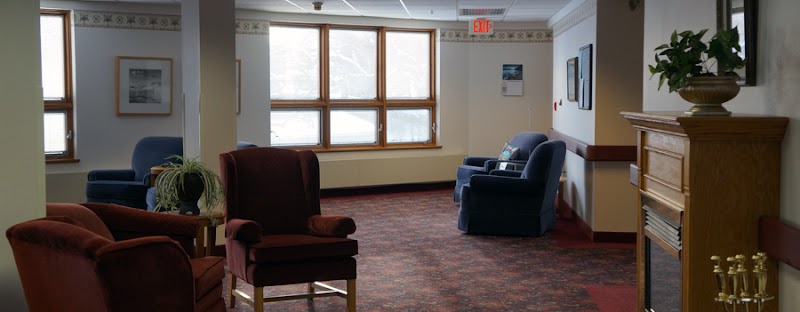
How is Skaalen Staffed?

CMS rates SKAALEN NURSING AND REHABILITATION CENTER's staffing level at 5 out of 5 stars, which is much above average compared to other nursing homes. Staff turnover is 27%, compared to the Wisconsin average of 46%. This relatively stable workforce can support continuity of care.

What Have Inspectors Found at Skaalen?

State health inspectors documented 11 deficiencies at SKAALEN NURSING AND REHABILITATION CENTER during 2022 to 2024. These included: 11 with potential for harm.
Who Owns and Operates Skaalen?

SKAALEN NURSING AND REHABILITATION CENTER is owned by a non-profit organization. Non-profit facilities reinvest revenue into operations rather than distributing to shareholders. The facility operates independently rather than as part of a larger chain. With 70 certified beds and approximately 50 residents (about 71% occupancy), it is a smaller facility located in STOUGHTON, Wisconsin.
How Does Skaalen Compare to Other Wisconsin Nursing Homes?

Compared to the 100 nursing homes in Wisconsin, SKAALEN NURSING AND REHABILITATION CENTER's overall rating (5 stars) is above the state average of 3.0, staff turnover (27%) is significantly lower than the state average of 46%, and health inspection rating (4 stars) is above the national benchmark.

What Should Families Ask When Visiting Skaalen?

Based on this facility's data, families visiting should ask: "Can I visit during a mealtime to observe dining assistance and food quality?" "How do you handle medical emergencies, and what is your hospital transfer rate?" "Can I speak with family members of current residents about their experience?"

Is Skaalen Safe?

Based on CMS inspection data, SKAALEN NURSING AND REHABILITATION CENTER has a clean safety record: no substantiated abuse findings (meaning no confirmed cases of resident harm), no Immediate Jeopardy citations (the most serious violation level indicating risk of serious injury or death), and is not on the Special Focus Facility watch list (a federal program monitoring the lowest-performing 1% of nursing homes). The facility has a 5-star overall rating and ranks #1 of 100 nursing homes in Wisconsin. While no facility is perfect, families should still ask about staff-to-resident ratios and recent inspection results during their visit.

Do Nurses at Skaalen Stick Around?

Staff at SKAALEN NURSING AND REHABILITATION CENTER tend to stick around. With a turnover rate of 27%, the facility is 19 percentage points below the Wisconsin average of 46%. Low turnover is a positive sign. It means caregivers have time to learn each resident's needs, medications, and personal preferences. Consistent staff also notice subtle changes in a resident's condition more quickly. Registered Nurse turnover is also low at 27%, meaning experienced RNs are available to handle complex medical needs.

Was Skaalen Ever Fined?

SKAALEN NURSING AND REHABILITATION CENTER has no federal fines on record. CMS issues fines when nursing homes fail to meet care standards or don't correct problems found during inspections. The absence of fines suggests the facility has either maintained compliance or corrected any issues before penalties were assessed. This is a positive indicator, though families should still review recent inspection reports for the full picture.

Is Skaalen on Any Federal Watch List?

SKAALEN NURSING AND REHABILITATION CENTER is not on any federal watch list. The most significant is the Special Focus Facility (SFF) program, which identifies the bottom 1% of nursing homes nationally based on persistent, serious quality problems. Not being on this list means the facility has avoided the pattern of deficiencies that triggers enhanced federal oversight. This is a positive indicator, though families should still review the facility's inspection history directly.