Avina of Sun Prairie
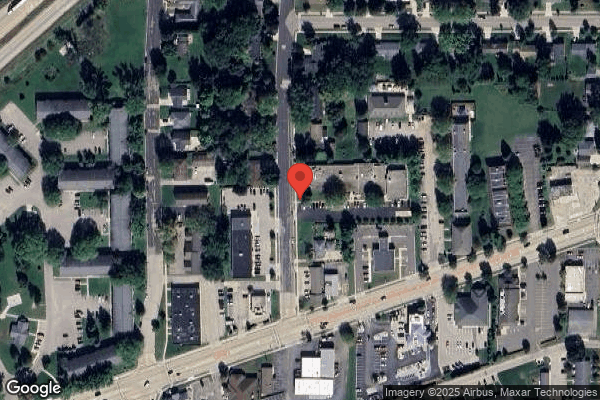

41 Rickel Rd., Sun Prairie, WI 53590 (608) 837-8529
For profit - Corporation 50 Beds AVINA HEALTHCARE Data: November 2025
Trust Grade
75/100
#80 of 321 in WI
Last Inspection: August 2024

Within standard 12-15 month inspection cycle. Federal law requires annual inspections.

Overview

Avina of Sun Prairie has a Trust Grade of B, indicating it is a good choice for families seeking care, as it falls into the solid mid-range of nursing homes. It ranks #80 out of 321 facilities in Wisconsin, placing it in the top half, and #3 out of 15 in Dane County, meaning there are only two local options rated higher. The facility is improving, having reduced its issues from nine in 2024 to just one in 2025. Staffing is rated 4 out of 5 stars, which is a strength, but the 46% turnover is slightly below the state average of 47%. Notably, there have been no fines recorded, which is a positive sign, but the facility has less RN coverage than 79% of Wisconsin facilities, which is concerning. However, there are some weaknesses to consider. Recent inspections revealed significant food safety issues, including unsealed food containers and inadequate handwashing practices among staff, which could pose health risks. Additionally, the facility did not consistently follow dietary guidelines, serving incorrect portion sizes to residents. While there are strengths in staffing stability and a lack of fines, these food safety concerns highlight areas that need improvement.

Trust Score
B
75/100
In Wisconsin
#80/321
Top 24%
Safety Record
Low Risk
No red flags
Inspections
Getting Better
9 → 1 violations
Staff Stability
⚠ Watch
46% turnover. Above average. Higher turnover means staff may not know residents' routines.
Penalties
✓ Good
No fines on record. Clean compliance history, better than most Wisconsin facilities.
Skilled Nurses
○ Average
Each resident gets 38 minutes of Registered Nurse (RN) attention daily — about average for Wisconsin. RNs are the most trained staff who monitor for health changes.
Violations
⚠ Watch
15 deficiencies on record. Higher than average. Multiple issues found across inspections.
★★★★☆
4.0
Overall Rating
★★★★☆
4.0
Staff Levels
★★★★★
5.0
Care Quality
★★★☆☆
3.0
Inspection Score
Stable
2024: 9 issues
2025: 1 issues

The Good

  • 4-Star Staffing Rating · Above-average nurse staffing levels
  • 5-Star Quality Measures · Strong clinical quality outcomes
  • Full Sprinkler Coverage · Fire safety systems throughout facility
  • No fines on record

Facility shows strength in staffing levels, quality measures, fire safety.

The Bad

Staff Turnover: 46%

Near Wisconsin avg (46%)

Higher turnover may affect care consistency

Chain: AVINA HEALTHCARE

Part of a multi-facility chain

Ask about local staffing decisions and management

The Ugly 15 deficiencies on record

Jan 2025 1 deficiency
CONCERN (D) 📢 Someone Reported This

A family member, employee, or ombudsman was alarmed enough to file a formal complaint

Potential for Harm - no one hurt, but risky conditions existed

Deficiency F0554 (Tag F0554)

Could have caused harm · This affected 1 resident

**NOTE- TERMS IN BRACKETS HAVE BEEN EDITED TO PROTECT CONFIDENTIALITY** Based on record review, interview, and facility policy review, the facility failed to ensure the interdisciplinary team had dete...

Read full inspector narrative →
**NOTE- TERMS IN BRACKETS HAVE BEEN EDITED TO PROTECT CONFIDENTIALITY** Based on record review, interview, and facility policy review, the facility failed to ensure the interdisciplinary team had determined it was appropriate for a resident to self-administer medications for 1 of 1 resident's (R2) reviewed for medication self-administration out of 9 sampled residents. Findings include: Review of the facility's policy titled, Self Administration [sic] of Medication and Treatments and dated 04/22/24, revealed . If it is determined by a member of the interdisciplinary team, or the resident requests to self-administer, a self-administer assessment is completed, it is documented in the resident's chart and the physician is called for an order to self-administer medications and keep the medications at the bedside . Review of R2's undated Face Sheet located under the Profile tab in the electronic medical record (EMR) revealed R2 was admitted to the facility on [DATE] with the diagnosis of chronic obstructive pulmonary disease. Review of R2's admission Minimum Data Set (MDS) located in the electronic medical record (EMR) under the MDS tab with an Assessment Reference Date (ARD) of 10/10/24, revealed the resident had a Brief Interview for Mental Status (BIMS) score of 11 out of 15 which indicated R2 was moderately cognitively impaired. Review of R2's Physician's Orders located in the EMR under the Order tab, revealed on 10/03/24, the physician ordered Fluticasone-Salmeterol inhalation aerosol powder 250-50 MCG [microgram]/ACT [asthma control test] one puff orally two times a day and Tiotropium Bromide Monohydrate inhalation capsule 18 mcg inhale orally one time a day which was ordered on 10/04/14 by the physician. Special instructions to have resident rinse her mouth after use with water was also ordered. During an interview on 01/04/25 at 10:58 AM, Licensed Practical Nurse (LPN 1) stated, I offered to take the inhalers and put them in the medication cart for her, but the resident [R2] refused for me to do that. When asked what the nurses' next step should be, LPN1 replied, I need to let the MD [medical doctor] know and update the orders to reflect the resident could have the inhalers at the bedside. LPN1 reviewed the EMR of R2 and then stated, I did not see anything that says she [R2] can administer her own inhalers. When asked if R2 was allowed to keep the inhalers at the bedside and LPN1 stated, I believe so. During an interview on 01/04/25 at 3:30 PM, LPN2 stated, If there was an order for the inhalers to be at the bedside I would have left them there. So, every time I found them at the bedside, I would check her orders to see if anything had changed, then explain to the resident that I had to keep the inhalers on the med [medication] cart and give them to her when she needed them. I would come back to work, and the inhalers were back at her bedside, and I would take them again and put them in the med cart. During an interview on 01/04/25 at 5:05 PM, Director of Nursing (DON B) stated, If the resident is able to self-administer mediations, then the nurse will do an assessment, get MD order and then update the care plan. The DON B confirmed R2 had not been assessed or had MD orders to self-administer the inhalers that were ordered on 10/03/24 and 10/04/24.
Aug 2024 6 deficiencies
CONCERN (D) 📢 Someone Reported This

A family member, employee, or ombudsman was alarmed enough to file a formal complaint

Potential for Harm - no one hurt, but risky conditions existed

Grievances (Tag F0585)

Could have caused harm · This affected 1 resident

**NOTE- TERMS IN BRACKETS HAVE BEEN EDITED TO PROTECT CONFIDENTIALITY** Based on interview and record review the facility did not ensure prompt resolution of all grievances for 2 (R48 and R30) of 15 s...

Read full inspector narrative →
**NOTE- TERMS IN BRACKETS HAVE BEEN EDITED TO PROTECT CONFIDENTIALITY** Based on interview and record review the facility did not ensure prompt resolution of all grievances for 2 (R48 and R30) of 15 sampled residents of a total sample of 18. R48 and R30 voiced concerns during individual interviews regarding the facility not following up on voiced concerns/grievances. Staff reported they were aware of concerns voiced by R48 and R30 and reported these concerns to the Grievance Official, who did not follow the facility's grievance process. R48 reported to NHA A (Nursing Home Administrator) multiple times regarding a pair of missing pants. NHA A did not document the grievance on the grievance log and ensure the grievance was resolved. The facility did not ensure prompt resolution of voiced grievances. Evidenced by: The facility's policy, Grievance Guideline, revised 1/27/2017, indicates in part, the following: It is the policy of the facility to provide a system whereby residents, and/or their significant others or representatives, can voice concerns about the quality of services received at the facility. The facility will designate a Grievance Officer who is responsible for overseeing the grievance process, receiving and tracking grievances through to their conclusion; leading any necessary investigations by the facility; maintaining the confidentiality of all information associated with grievances; taking immediate action as necessary, to prevent further potential violations of an resident right while the alleged violation is being investigated; immediately reporting all alleged violations involving neglect, abuse, injuries of unknown source, misappropriation of resident property and/or exploitation, and taking appropriate corrective action in accordance with State law when indicated. At the time a grievance is noted, (either verbal or written) the resident or his/her representative may speak to any member of the facility staff and report the nature of the grievance or submit a written grievance form. The staff member will, at the time of the grievance, attempt to resolve the issue or direct the resident/representative to the appropriate department head or staff member for further action and/or notify the Grievance Officer. Upon notification of a resident grievance, information sufficient to identify the individual registering the concern, the name of the resident (if not the individual submitting the information), date of receipt, nature of concern, and location of the resident will be recorded. The Grievance Officer will route the grievance to the appropriate department head related to the grievance filed and an investigation of the grievance will be conducted. Based on the nature of the grievance, the Grievance Officer will initiate any additional interventions that are indicated at that time After thorough research has been conducted, the Department Head and/or Grievance Officer will work in tandem with staff identified as key individuals critical to problem resolution for the specific identified concern. All efforts will be made to resolve the grievance effectively and expeditiously. All grievances receive immediate priority and must be investigated with efforts made toward resolution within 7 days. The resident will be provided with a verbal follow up to their grievance including the following information: The name of the Department Head who conducted the follow up/investigation. The steps taken to investigate and resolve grievance. The final result of the grievance. Additionally, the resident may obtain written decision regarding his/her grievance upon request. Example 1 R30 was admitted , on 2/3/23, with diagnoses that include Anxiety Disorder, unspecified, Alcohol Dependence with Withdrawal, unspecified, and Impulsive Disorder, unspecified. R30's admission MDS (Minimum Data Set) with a target date of 2/6/23, indicates, in part: Brief Interview of Mental Status (BIMS) of 15, indicating cognitively intact. On 8/20/24 at 11:05 AM, Surveyor interviewed R30, who voiced frustration about his clothes being stolen. R30 stated that he has had clothes and other items missing from his room several times, and that he's afraid to leave anything valuable in his room, like his watch or phone, for fear of them being stolen. R30 stated he had reported these missing items to both NHA A and LPN H (Licensed Practical Nurse), and that nothing had ever happened after he reported it. R30 voiced feeling like he had no control over his room or his belongings. On 8/22/24 at 8:55 AM, Surveyor interviewed LPN H (Licensed Practical Nurse) who indicated she was aware that R30 had a concern with missing clothes. LPN H stated that when R30 voices these concerns, she helps him look in his room and then she reports it to administration. LPN H stated that she reports everything to administration so that missing items can be followed-up on and replaced if necessary. On 8/22/24 at 9:15 AM, Surveyor interviewed Housekeeping Manager D (HSK), who indicated that when a resident reports something missing, she assists in searching for the item and then goes to the administrator and lets them know something is missing and hasn't been found. HSK D stated that she keeps logs of missing items going back 3 months. HSK D said that she was aware of R30's concerns of his missing clothes, but that she did not have any notes or logs to track his items. HSK D stated that NHA A (Nursing Home Administrator) keeps a list of missing items as well. On 8/22/24 at 10:35 AM, Surveyor interviewed NHA A who indicated that a new Grievance Officer started only the week prior and that she was acting as the Grievance Officer until the new one was fully trained. NHA A stated that they did not have any grievances or logs for R30's missing clothes. NHA A indicated that according to their grievance policy, grievances can be written or verbal. When asked if R30's concerns had been followed up with by anyone, NHA A stated no because his clothes were usually found right away. NHA A agreed that in this instance they were not following their grievance policy. Example 2 R48 was admitted to the facility 12/29/23 and discharged home 1/30/24. R48's admission MDS (Minimum Data Set) dated 1/4/24 indicates R48 has a BIMS (Brief Interview of Mental Status) of 15 out of 15, indicating she is cognitively intact. On 8/20/24 at 1:40 PM, Surveyor spoke with R48. R48 stated shortly after she arrived at the facility, she had a pair of black pants and a pair of beige [NAME] socks that went missing. R48 stated, she reported the missing items to NHA A (Nursing Home Administrator). R48 stated, I never heard back from her. R48 stated, she said to NHA A while she was leaving that she had not received reimbursement. R48 stated NHA A told her, I'll take care of that. R48 stated, she asked NHA A, if she has her word. R48 stated, NHA A replied, yes. R48 stated, NHA A's word was thrown out the window. R48 stated her pants and socks went missing at approximately the end of December. On 8/22/24 at 9:15 AM, Surveyor spoke with Hskp Mgr D (Housekeeping Manager). Surveyor asked Hskp Mgr D if something is missing what is the process for housekeeping. Hskp Mgr D stated, she will search for the item in closets, drawers, laundry) and ask other staff if they have seen the item. Hskp Mgr D stated, if the item is not found immediately she will notify NHA A (Nursing Home Administrator). Hskp Mgr D stated, hopefully the CNA's (Certified Nursing Assistant) didn't mix up and it went to the garbage versus the dirty laundry. Surveyor asked Hskp Mgr D, do you recall if R48 reported any missing items. Hskp Mgr D stated, she does not recall. Hskp Mgr D stated, the laundry staff member that was working during this time period is no longer employed at the facility. Hskp Mgr D stated, at that time I wasn't down in the laundry very much and doesn't recall R48 reporting any missing items. Hskp Mgr D stated, she does not retain a log of missing items. Hskp Mgr D stated, the facility will usually replace what goes missing. Surveyor asked Hskp Mgr D, is there a pair of black pants or [NAME] socks in the missing items. Hskp Mgr D stated, no. On 8/22/24 at 9:29 AM, Surveyor spoke with NHA A (Nursing Home Administrator). Surveyor asked NHA A, were you able to locate grievances from December and January 2024. NHA A stated, Not really. Surveyor asked NHA A, did R48 reports any grievances during her stay. NHA A stated, R48 was here on two (2) different occasions. NHA A stated, I think she had pants and we found or replaced them, I don't remember the socks. NHA A stated, we usually replace missing items even if the resident says a belonging is lost and the family says the resident never had the item, we still replace it. Surveyor asked NHA A, should you have documentation of grievances. NHA A stated, we try to get replacement as close as possible that resident is ok with. Surveyor asked NHA A, should grievances be documented. NHA A stated, Yes, I'm sorry I don't have that. Surveyor asked NHA A, should you follow up with individual reporting a grievance to ensure resolution. NHA A stated, Yes, we always do. It is important to note, there is no documentation of this grievance, investigation, or resolution. On 8/22/24 10:12 AM, NHA A (Nursing Home Administrator) spoke with Surveyor. NHA A stated, she just called R48 after Surveyor discussed R48's grievance with NHA A. NHA A stated, she knew she addressed this. NHA A stated, she now remembers that R48 did not want the item replaced she wanted the monetary reimbursement (money). NHA A stated she spoke with BOM C (Business Office Manager). NHA A stated, BOM C has the envelope and cash still in her desk as it was returned as undeliverable due to the street address being 1 digit off. NHA A stated, she is very upset and just learned R48 never received the payment. Surveyor asked NHA A, should BOM C have communicated to you that the $35.00 payment was returned as undeliverable. NHA A stated, yes. Surveyor observed hand written notes on the back of the envelope (by BOM C per NHA A) indicating BOM C called R48 on the following dates: Called 3/19/24 left message. Called 3/26 left message. Called 3/28 left message. Called 4/11 left message filed away. On 8/22/24 at 10:13 AM, Surveyor observed the envelope to be postmarked 3/6/24. Surveyor a USPS (United States Post Office) sticker on the front of the envelope indicating it was undeliverable. Surveyor observed $35.00 cash inside the envelope with a handwritten note to R48. On 8/22/24 at 2:06 PM, Surveyor spoke with BOM C (Business Office Manager). Surveyor asked BOM C how long she has been in this role. BOM C stated two (2) years. Surveyor asked BOM C, what is the process if a payment is mailed to a resident and then returned to the facility. BOM C stated, she tries calling quite a few times, will try family and email if there is an email on file. BOM C stated, the vast majority of residents do not utilize email. BOM C stated, she did not call R48's family member as R48 is her own person. Surveyor asked BOM C, did you notify NHA A that the $35.00 cash was returned to the facility. BOM C stated, No, I just told her today. BOM C stated, she called R48 a couple times and did not receive a response, so she filed the envelope containing $35.00 for R48's next stay or if she ever called me back. Surveyor asked BOM C, should you have notified NHA A that the envelope containing the $35.00 was returned. BOM C stated, she could have communicated it but it's a shared responsibility. BOM C stated, accountability wise that's a task she should be able to follow up on in a way. Surveyor asked BOM C, did you receive any training regarding what to do when a check/cash is returned. BOM C stated, she has annual Relias (computer based) training but has not received any training regarding a specified plan for payments that are returned.
CONCERN (D) 📢 Someone Reported This

A family member, employee, or ombudsman was alarmed enough to file a formal complaint

Potential for Harm - no one hurt, but risky conditions existed

Pressure Ulcer Prevention (Tag F0686)

Could have caused harm · This affected 1 resident

Based on interview and record review, the facility did not implement professional standards of practice to prevent pressure injuries (PIs) from developing and/or worsening or to promote healing of PIs...

Read full inspector narrative →
Based on interview and record review, the facility did not implement professional standards of practice to prevent pressure injuries (PIs) from developing and/or worsening or to promote healing of PIs for 1 of 1 residents (R47) reviewed for PIs out of a sample of 18 residents. Pressure Ulcer/Injury R47 was admitted to the facility 3/22/24 with diagnoses including, but not limited to, the following: paraplegia, functional injury at T10-T11 level of thoracic spinal cord, Stage IV right ischial pressure ulcer s/p (status post) excision and flap 2/22/24 with pseudomonas infection/osteomyelitis requiring prolonged course of IV (intravenous) antibiotics, Stage IV sacrococcygeal pressure injury, history of Methicillin Resistant Staphylococcus Aureus infection, and history of transient ischemic attack (TIA) and cerebral infarction without residual deficits. On 5/25/24 R47 discharged home per her decision. R47's admission MDS (Minimum Data Set) dated 3/28/24 indicates R47 has a BIMS (Brief Interview of Mental Status) of 15 out of 15, indicating she is cognitively intact. R47 is her own person. admission Skin Assessment: 3/22/24 Coccyx 3.8 x 2.5 x 0.3, 50% slough 50% granulation; Stage 4 Full Thickness; Drainage Moderate: Serosanguineous; Periwound: WNL (Within Normal Limits); Wound Pain: No During R47's stay at the facility she went out to the wound clinic and a visiting wound physician assessed and measured R47's PI's weekly. On 4/19/24 R47's was seen at the wound clinic. The wound clinic documented the following new order: Wound care instructions: Location: sacral/coccyx wound, right ischial postoperative site. If necessary, take pain medicine 1 hour prior to starting wound care. Remove all dressings. Actively wash wound with antibacterial soap (i.e. Dial soap) and water using a washcloth. Rinse completely and pat dry with clean wash cloth or towel. Lightly moisten gauze with 0.25% (half-strength) Dakin's - Should be damp not soaking wet Pack wound lightly with the moistened gauze on coccyx wound. - Do not overpack -Should not overflow/lay on good tissue outside the wound Please do not get Dakin's on intact skin!! *Dressing changes to be done 2x a day for coccyx wound . On 4/26/24 R47 was seen at the wound clinic. The wound clinic documented the following new order: Location: coccyx If necessary, take pain medicine 1 hour prior to starting wound care. Remove all dressings. Firmly wash wound with antibacterial soap (i.e. Dial soap) and water using a washcloth. Rinse completely and pat dry with clean was cloth or towel. Lightly moisten gauze with 0.25% (half-strength) Dakins. Should be damp, not soaking wet. Pack wound lightly with moistened gauze. Do not over pack - the gauze should not fill the entire cavity. Cover with gauze and ABD pad or border dressing. *Dressing changes to be done daily by staff. Note the wound care orders were changed to 1 time per day. On 4/30/24 R47's TAR (Treatment Administration Record) demonstrates the facility entered and began completing the order from 4/26/24 (4 days later). On 8/20/24 at 1:55 PM, Surveyor spoke with R47. R47, she had concerns regarding her treatments not being done correctly. On 8/22/24 at 2:40 PM and 3:55 PM, Surveyors spoke with DON B (Director of Nursing). Surveyor asked DON B, do you expect staff to follow Physician orders. DON B stated, Yes. DON B stated, R47 would go out to the wound clinic and a visiting wound physician would also see R47 weekly to measure and assess her pressure injuries. DON B stated, the wound clinic and visiting wound physician agreed the facility will follow the wound clinic orders. DON B added, the wound clinic told us to please not change their orders. Surveyor asked DON B, did R47 express express concerns during her stay regarding pressure injury treatments. DON B stated, no. DON B stated, things went well during R47's stay and our interactions with her the majority of the time were cordial. Surveyor showed DON B the orders from the wound clinic and the TAR (Treatment Administration Record). Surveyor asked DON B, on 4/26/24 when the wound clinic changed R47's treatment to her coccyx would you expect staff to be following the new orders. DON B stated, Yes, it should have been entered correctly and in a timely manner. DON B stated, the order went from two (2) times per day to one (1) time a day but wasn't changed until 4/30/24. DON B agreed R47's new orders should have been entered and implemented in a timely manner.
CONCERN (D) 📢 Someone Reported This

A family member, employee, or ombudsman was alarmed enough to file a formal complaint

Potential for Harm - no one hurt, but risky conditions existed

Deficiency F0742 (Tag F0742)

Could have caused harm · This affected 1 resident

**NOTE- TERMS IN BRACKETS HAVE BEEN EDITED TO PROTECT CONFIDENTIALITY** Based on interview and record review, the facility did not ensure residents admitted with mental or psychosocial adjustment diff...

Read full inspector narrative →
**NOTE- TERMS IN BRACKETS HAVE BEEN EDITED TO PROTECT CONFIDENTIALITY** Based on interview and record review, the facility did not ensure residents admitted with mental or psychosocial adjustment difficulties or history of trauma and/or PTSD (Post-Traumatic Stress Disorder) received appropriate person-centered and individualized treatment and services to meet their assessed needs for 2 of 18 sampled residents (R30 & R37). R37 has a diagnosis of PTSD, and his care plan does not address personalized potential triggers or person-centered and individualized treatment and services related to his PTSD. R30 does not have a formal diagnosis of PTSD, however, R30 indicated that he has experienced several traumatic experiences in his past that would indicate symptoms of PTSD. R30's care plan does not address his PTSD symptoms or potential triggers to meet assessed needs related to PTSD. Evidenced by: The facility policy, entitled, Treatment/Services for Mental/Psychosocial Concerns Policy, dated 9/29/22, states in part . The facility will ensure that, a resident who displays or is diagnosed with mental disorder or psychosocial adjustment difficulty, or who has a history of trauma and/or post-traumatic stress disorder, receives appropriate treatment and services .to attain the highest practicable mental and psychosocial well-being . Example 1 R37 was admitted , on 6/21/24, with diagnoses that include PTSD and Insomnia. R37's admission MDS (Minimum Data Set) with a target date of 6/21/24, indicates, in part: Brief Interview of Mental Status (BIMS) of 15, indicating R37 is cognitively intact. R37's care plan includes in part . Focus: The resident is new to the facility and potentially may be experiencing physical and cognitive problems which inhibit his ability to adjust to the new surroundings .May have some feelings of sadness, anxiety and despair related to losses associated with illness and placement in a long-term care facility .Date initiated: 6/4/24 . (Please note R37's care plan does not have a PTSD focus and doesn't describe expressions or indications of distress specific to R37 related to his PTSD diagnosis. R37's care plan is not individualized/personalized and specific to R37's history of trauma, feelings/expression of distress or indicators of distress to ensure R37's emotional and psychosocial needs are being met.) On 8/20/24 at 1:57 PM, Surveyor attempted to interview R37. R37 would not acknowledge or talk to Surveyor despite multiple attempts throughout the day. On 8/20/24 at 2:57 PM, Surveyor interviewed Resident Representative L (RR) who stated that R37 is in a lot of distressed mental anguish, that R37 was not in a good place mentally and that he has PTSD. Example 2 R30 was admitted , on 2/3/23, with diagnoses that include Anxiety Disorder, unspecified, Alcohol Dependence with Withdrawal, unspecified, and Impulsive Disorder, unspecified. R30's admission MDS (Minimum Data Set) with a target date of 2/6/23, indicates, in part: Brief Interview of Mental Status (BIMS) of 15, indicating cognitively intact. R30's care plan includes in part . Focus: The resident is new to the facility and potentially may be experiencing physical and cognitive problems which inhibit his ability to adjust to the new surroundings .May have some feelings of sadness, anxiety and despair related to losses associated with illness and placement in a long-term care facility .Date initiated: 2/7/23 . (Please note R30's care plan does not have a PTSD focus and doesn't describe expressions or indications of distress specific to R30 related to his PTSD symptoms. R30's care plan is not individualized/personalized and specific to R30's history of trauma, feelings/expression of distress or indicators of distress to ensure R30's emotional and psychosocial needs are being met.) R30's Brief Trauma Questionnaire dated 11/19/23 states in part . Have you ever been in a major natural or technological disaster, such as a fire, tornado, hurricane, flood, earthquake, or chemical spill? R30 answered Yes to this question .If the event happened, did you think your life was in danger or you might be seriously injured? . R30 answered Yes to this question . Before age [AGE], were you ever physically punished or beaten by a parent, caretaker, or teacher so that you were very frightened, or you though you would be injured, or you received bruises, cuts, welts, lumps, or other injuries? . R30 answered Yes to this question . Not including any punishments or beatings you already reported, have you ever been attacked, beaten, or mugged by anyone, including friends, family members or strangers? . R30 answered Yes to this question . If the event happened, did you think your life was in danger or you might be seriously injured? . R30 answered Yes to this question . On 8/20/24 at 11:05 AM, Surveyor interviewed R30 who indicated that he was a past drug addict and had lived a hard life. R30 voiced frustration that staff were not adequately trained to deal with people who have issues like me. On 8/21/24 at 3:41 PM, Surveyor interviewed Certified Nursing Assistant J (CNA), who indicated she wasn't sure if R37 or R30 had PTSD, but she would look in their care plans for triggers and interventions. On 8/21/24 at 3:45 PM, Surveyor interviewed CNA K, who indicated she wasn't sure if R37 or R30 had a diagnosis of PTSD but that she would look in their care plan to know best how to care for someone if they did have PTSD. On 8/22/24 at 10:35 AM, Surveyor interviewed NHA A (Nursing Home Administrator) who indicated that R37 does have PTSD, and that PTSD should be on R37's care plan as a focus with personalized potential triggers and person-centered interventions. Surveyor reviewed R30's Brief Trauma Questionnaire with NHA A, and NHA A agreed that R30 had answered yes to many of the trauma questions, and that even without a formal diagnosis, R30 had many indicators of PTSD. NHA A indicated that R30 should have a personalized focus along with potential triggers and person-centered interventions on his care plan. The facility failed to create robust care plans for individuals suffering from trauma or PTSD, including personalized triggers and interventions, which resulted in staff being unaware of how best to provide trauma informed care to these residents.
CONCERN (E) 📢 Someone Reported This

A family member, employee, or ombudsman was alarmed enough to file a formal complaint

Potential for Harm - no one hurt, but risky conditions existed

Safe Environment (Tag F0584)

Could have caused harm · This affected multiple residents

**NOTE- TERMS IN BRACKETS HAVE BEEN EDITED TO PROTECT CONFIDENTIALITY** Based on observation and interview, the facility did not ensure each resident had a safe, clean, comfortable, and homelike envir...

Read full inspector narrative →
**NOTE- TERMS IN BRACKETS HAVE BEEN EDITED TO PROTECT CONFIDENTIALITY** Based on observation and interview, the facility did not ensure each resident had a safe, clean, comfortable, and homelike environment for 3 of 15 sampled residents (R30, R14, R24) and 3 supplemental residents (R1, R20, R35). R14, R1, R24, R35, R20, and R30 indicated that the dining room is always cold, and they have to wear a jacket or wrap up in a blanket to stay warm. R30 was observed getting blankets from his room and wrapping it around other residents in the dining room. Resident Council meeting minutes dated 7/19/24, indicated the facility was aware that resident's had concerns of it being too cold in the building. Evidenced by: Facility policy, entitled Environment-Quality of Life, dated 4/2023, with a revision date of 7/3/24, includes in part . The facility cares for its residents in a manner and in an environment that promotes maintenance or enhancement of each resident's quality of life. The facility provides a safe, clean, comfortable, and homelike environment . and includes . comfortable and safe temperature levels (71 - 81 degrees Fahrenheit) . Example 1 R14 admitted to the facility on [DATE]. R14's Minimum Data Set (MDS) dated [DATE] indicates, in part: a Brief Interview of Mental status (BIMS) score of 9 out of 15, indicating a moderate cognitive impairment. On 8//21/24 at 12:08 PM, Surveyor observed R14 huddled in blanket while sitting at the dining room table. R14 stated yes, it was always cold like that in this room. On 8/22/24 at 8:09 AM, Surveyor observed R14 again huddled in a blanket in the dining room. Example 2 R1 admitted to the facility on [DATE]. R1's MDS dated [DATE] indicates, in part: a BIMS score of 14 out of 15, indicating cognitively intact. On 8/21/24 at 12:10 PM, Surveyor observed R1 with a blanket around his shoulders in the dining room. R1 indicated that the dining room was freezing and that he always had to have his blanket with him. On 8/22/24 at 8:09 AM, Surveyor observed R1 again with a blanket around his shoulders in the dining room. R1 stated, it's cold in here again. Example 3 R30 admitted to the facility on [DATE]. R30's MDS dated [DATE] indicates, in part: a BIMS score of 15 out of 15, indicating cognitively intact. On 8/21/24 at 12:11 PM, Surveyor observed R30 leaving the dining room and getting extra blankets out of his room and putting them around the shoulders of other residents. R30 indicated that the dining room was always cold. Example 4 R35 was admitted to the facility on [DATE]. R35's MDS dated [DATE] indicates, in part: a BIMS score of 8 out of 15, indicating a moderate cognitive impairment. On 8/21/24 at 12:05 PM and again on 8/22/24 at 8:09 AM, Surveyor observed R35 huddled in a blanket sitting at the table in the dining room. R35 indicated that she is always cold in the dining room. Example 5 R24 was admitted to the facility on [DATE]. R24's MDS dated [DATE] indicates, in part: a BIMS score of 11 out of 15, indicating a moderate cognitive impairment. On 8/22/24 at 8:09 AM, Surveyor observed R24 wearing a jacket at the table in the dining room. R24 stated she always wears her jacket to the dining room because it is always cold in here. Example 6 R20 admitted to the facility on [DATE]. R20's MDS dated [DATE] indicates, in part: a BIMS score of 6 out of 15, indicating a severe cognitive impairment. On 8/21/24 at 12:05 PM, Surveyor observed R20 huddled under a blanket while sitting at a table in the dining room. R20 answered yes when asked if she was cold. On 8/21/24 at 12:05 PM, Surveyor took a reading of the air temperature in the dining room, which read 64 degrees Fahrenheit. On 8/21/24 at 12:13 PM, Surveyor interviewed Certified Nursing Assistant I (CNA), who indicated that the dining room was always cold, and she was glad she put her sweatshirt on before coming into the dining room. Surveyor observed CNA I getting a blanket for R20. CNA I indicated she didn't know how to raise the temperature in the dining room. On 8/22/24 at 08:09 AM, Surveyor took a reading of the air temperature in the dining room, which read 66.2 degrees Fahrenheit. On 8/22/24 at 10:35 AM, Surveyor interviewed NHA A (Nursing Home Administrator), who stated that residents had not brought concerns up about the temperature in the dining room since last year. Surveyor took a reading of the air temperature with NHA A, which read 67 degrees Fahrenheit. NHA A indicated that the acceptable air temperature range for the facility was between 71- and 81-degrees Fahrenheit, and that this was not an acceptable air temperature. On 8/22/24 at 11:58 AM, Surveyor interviewed Maintenance Director G who stated that he tries to keep the temperature in the building between 71-81 degrees Fahrenheit. Maintenance Director G indicated he was unsure what unit controlled the temperature in the dining room. Surveyor shared with Maintenance Director G the temperature readings that had been taken in the dining room. Maintenance Director G indicated that no part of the building should be that low of a temperature.
CONCERN (E) 📢 Someone Reported This

A family member, employee, or ombudsman was alarmed enough to file a formal complaint

Potential for Harm - no one hurt, but risky conditions existed

Deficiency F0806 (Tag F0806)

Could have caused harm · This affected multiple residents

**NOTE- TERMS IN BRACKETS HAVE BEEN EDITED TO PROTECT CONFIDENTIALITY** Based on observation, interview, and record review the facility did not provide food that accommodates resident allergies, intol...

Read full inspector narrative →
**NOTE- TERMS IN BRACKETS HAVE BEEN EDITED TO PROTECT CONFIDENTIALITY** Based on observation, interview, and record review the facility did not provide food that accommodates resident allergies, intolerances, and preferences or who request a different meal choice for 3 of 15 sampled residents (R3, R17, and R25) out of a total sample of 18 and 1 supplemental resident (R33). Residents were not being served the menu items of their preferences or within parameters of their physician ordered diet, and at times were refused a substitution meal. This is evidenced by: The facility's policy entitled, Meal Identification and Preference Cards/Tickets with no reference date, includes in part: A meal identification and food preferences card (meal ID card/ticket) will be used to properly identify each individual's needs including food and beverage preferences . The meal ID card/ticket should include the name of the individual, diet order, beverage preferences, food dislikes and any other applicable diet information . Meal ID cards/tickets will be used during meal service to assure the correct diet is being served and food preferences are honored . Example 1 R3 was admitted to the facility on [DATE] with diagnoses that include, in part: Obesity due to excess calories, Major depressive disorder, GERD (Gastro-Esophageal Reflux Disease), Prediabetes, and Unspecified abdominal pain. R3's most recent MDS (Minimal Data Set) with ARD (Assessment Reference Date) of 7/15/24 indicates R3's cognition is cognitively intact with a BIMS (Brief Interview of Mental Status) score of 14 out of 15. R3's Nutritional assessment dated [DATE], indicates in part: Food Preferences/Likes - On File . Food Dislikes - On File . R3's Mini Nutritional assessment dated [DATE], indicates a score of 10 out of 14, indicating resident could be at risk of malnutrition . R3's Care Plan includes in part: Focus dated 7/15/24: Alteration in nutritional status related to a therapeutic diet for management of CHF (Chronic Heart Failure) and CKD (chronic kidney disease). Goal: Will tolerate therapeutic diet as evidence by no weight changes equal to or greater than 7.5% through next care plan review. Intervention: Offer a substitute if less than 50% of the meal is consumed. Focus dated 7/9/24: The resident has GERD. Goal: The resident will remain free from discomfort, complications or symptoms related to diagnosis of GERD through review date. Intervention: Avoid activities that involve bending, lifting. Avoid snacks that aggravate the condition. (See Dietary). Avoid overeating. Provide small frequent meals rather than 3 large ones. Encourage the resident to take their time eating. Alternate food with sips of fluids . R3's Point of Care (POC) Nutritional History was reviewed, indicating that R3 had consumed less than 50% of 11 meals during the past 30 days. On 8/20/24 at 10:18 AM, Surveyor interviewed R3. R3 reported that the food is OK but that they can't get substitutions. R3 indicated that she is intolerant of spicy food due to her GERD, and last week she was served spicy food. When she asked to get something else, she was told she couldn't have anything else, and so she went without dinner and only ate candy that night. R3 said that Licensed Practical Nurse H (LPN) was working that night and aware of the situation. R3 stated she did not remember ever talking to dietary or filling out a likes/dislikes card indicating what her preferences and food intolerances are. (It is important to note that GERD is a chronic digestive disorder that occurs when stomach contents flow up into the esophagus. This reflux may damage the esophagus, pharynx, or respiratory tract. GERD can be exacerbated by eating spicy foods). On 8/21/24 at 12:32 PM, Surveyor reviewed R3's Lunchtime Meal Ticket. The dislike section was blank. Example 2 R17 was admitted to the facility on [DATE] with diagnoses that include, in part: Type 2 Diabetes Mellitus without complications, GERD, reduced mobility, and chronic pain. R17's most recent MDS with ARD of 8/5/24 indicates R17's cognition is cognitively intact with a BIMS score of 15 out of 15. R17's Nutritional assessment dated [DATE], indicates in part: Food Preferences/Likes - Noted in Kitchen . Food Dislikes - Noted in Kitchen . R17's Mini Nutritional assessment dated [DATE], indicates a score of 8 out of 14, suggests resident is at risk of malnutrition . R17's Care Plan includes in part: Focus dated 5/1/24: The resident has GERD. Goal: The resident will remain free from discomfort, complications or symptoms related to diagnosis of GERD through review date. Intervention: Dietary: avoid foods or beverages that tend to irritate esophageal lining, i.e. alcohol, chocolate, caffeine, acidic or spicy foods, fried or fatty foods. Focus dated 5/1/24: Alteration in nutritional status related to a therapeutic diet for diagnosis of Diabetes Mellitus. Goal: Will follow therapeutic diet as ordered and maintain weight with no significant changes through next care plan review. Intervention: Allow adequate time for the resident to consume food served. Offer a substitute if less than 50% of the meal is consumed. Serve the resident's diet as ordered . R17's Point of Care (POC) Nutritional History was reviewed, indicating that R17 had consumed less than 50% of 5 meals during the past 30 days. On 8/20/24 at 10:25 AM, Surveyor interviewed R17 who stated that the food is hit and miss. R17 indicated that she can't eat spicy foods and last week she was served spicy food for dinner, she believed it was spicy Italian sausage. When R17 told staff she could not eat that due to her GERD, she was told there were no substitutes, so she did not eat dinner that night. R17 stated she had some snacks in her room and that is all she had for dinner. R17 stated she told LPN H about this situation. R17 stated she didn't think it was right that residents were made to go without dinner. R17 indicated she had never talked to dietary or filled out a likes/dislikes card indicating what her preferences and food intolerances are. (It is important to note that in addition to R17's intolerance to spicy foods due to GERD, R17 is also a diabetic. Skipping meals can be especially dangerous for people with diabetes, skipping meals can lead to irregular spikes and drops in blood sugar levels). On 8/21/24 at 12:32 PM, Surveyor reviewed R17's Lunchtime Meal Ticket. The dislike section was blank. Example 3 R33 was admitted to the facility on [DATE] with diagnoses that include, in part: Unspecified sever protein-calorie malnutrition, GERD, chronic pain syndrome, reduced mobility, anxiety disorder unspecified, unspecified intestinal obstruction, and ulcerative colitis unspecified. R33's most recent MDS with ARD of 7/8/24 indicates R33's cognition is cognitively intact with a BIMS score of 14 out of 15. R33's Nutritional assessment dated [DATE], indicates in part: Food Preferences/Likes - On File . Food Dislikes - On File . R33's Mini Nutritional assessment dated [DATE], indicates a score of 4 out of 14, indicating resident could be malnourished . R33's Care Plan includes in part: Focus dated 6/1724: The resident has GERD. Goal: The resident will remain free from discomfort, complications and symptoms related to diagnosis of GERD through review date. Intervention: Dietary: avoid foods or beverages that tend to irritate esophageal lining, i.e. alcohol, chocolate, caffeine, acidic or spicy foods, fried or fatty foods. Focus dated 6/17/24: The resident has actual nutritional deficit related to Anorexia, history of surgical removal of intestine/bowel, severe protein calorie nutrition .Goal: The resident will improve her nutritional status with use of oral diet .through review date. Intervention: Encourage compliance with diet and supplement regiment .Provide and serve diet as ordered . R33's Point of Care (POC) Nutritional History was reviewed, indicating that R33 had consumed less than 50% of 23 meals during the past 30 days. On 8/21/24 at 08:01 AM, Surveyor interviewed R33 who stated that the food was OK. R33 indicated that she doesn't like cheese and is sometimes served food with cheese in it. R33 states she has told staff that she doesn't like cheese but sometimes they forget. R33 stated she has never filled out a card specifying what her likes/dislikes are. R33 said that she can usually get a substitution that doesn't have cheese. On 8/21/24 at 12:35 PM, Surveyor reviewed R33's Lunchtime Meal Ticket. The dislike section was blank. Example 4 R25 was admitted to the facility on [DATE] with diagnoses that include, in part: GERD, Major depressive disorder, Prediabetes, and diverticulosis of intestine part unspecified. R25's most recent MDS with ARD of 5/22/24 indicates R25's cognition is cognitively intact with a BIMS score of 15 out of 15. R25's Mini Nutritional assessment dated [DATE], indicates a score of 11 out of 14, indicating at risk of malnutrition . R25's Care Plan includes in part: Focus dated 5/16/24: The resident has GERD. Goal: The resident will remain free from discomfort, complications and symptoms related to diagnosis of GERD through review date. Intervention: Dietary: avoid foods or beverages that tend to irritate esophageal lining, i.e. alcohol, chocolate, caffeine, acidic or spicy foods, fried or fatty foods . (It is important to note that R25's care plan had no person-centered focus, goal, or interventions to address malnutrition, and that R25's Nutritional Assessment was completed during survey). On 8/20/24 at 2:20 PM, R25 indicated to Surveyor during Resident Council meeting that she does not always get the food according to her preferences and likes/dislikes. R25 indicated that usually she can get a substitution if she doesn't like something that is served. On 8/21/24 at 9:36 AM, Surveyor interviewed Dietary Aide F (DA), who indicated that they pass out menus the day prior for the residents who want to make alternate choices, including R25, R3, and R17. DA F stated that the dietary manager went around when residents were admitted and talked to them about their food preferences. Surveyor asked DA F if the food likes/dislikes should be listed on their meal ticket. DA F stated yes, they probably should. Surveyor asked DA F if residents could get a meal substitution if they were served something they didn't like. DA F stated yes, they could but they would have to notify the kitchen in advance. On 8/21/24 at 9:44 AM, Surveyor interviewed Dietary Manager E (DM). DM E stated that it is her practice to go talk to residents when they admit and find out their food preferences. DM E indicated that if a resident was served food that they couldn't eat, such as too spicy, that they would let the Certified Nursing Assistant (CNA) know and they could come to the kitchen and get a substitution from the Alternate Menu that is available anytime for residents. On 8/22/24 at 8:55 AM, Surveyor interviewed LPN H and asked if residents could get a meal substitution if they were unable to eat or didn't like something that was served on their tray. LPN H stated that they are supposed to be able to get substitutions, but that last week the CNA went to the kitchen to get something else for R3 and R17 and were told by kitchen staff that there was nothing else to give them. LPN H indicated that it is facility policy that residents make meal substitutions in advance, but that sometimes they might not know until they get their food that it is too spicy. Surveyor asked LPN H if the residents should have to go without dinner. LPN H replied no, that was never okay to have residents go hungry because a substitute was not available. On 8/22/24 at 10:35 AM, Surveyor interviewed Nursing Home Administrator A (NHA). NHA A indicated that she had no knowledge of R3 and R17 going without dinner and being told there were no substitutes available. NHA A agreed that was not appropriate, especially for diabetic residents. NHA A indicated that it is her expectation that if a resident voices a concern about their meal that they would be offered something else. On 8/22/24 at 10:48 AM, Surveyor interviewed DM E who stated she was not aware that R3 and R17 had gone without dinner and were told there was nothing else to give them. DM E stated she was not aware that R3 and R17 could not have spicy food. The facility's failure to provide food that accommodated resident preferences and intolerances due to various diagnosis, and failure to provide an alternate meal to resident's who requested them, resulted in residents skipping meals and/or eating candy or snacks for dinner.
CONCERN (F) 📢 Someone Reported This

A family member, employee, or ombudsman was alarmed enough to file a formal complaint

Potential for Harm - no one hurt, but risky conditions existed

Food Safety (Tag F0812)

Could have caused harm · This affected most or all residents

Based on observation, interview, and record review, the facility did not store, prepare, distribute, and serve food in accordance with professional standards for food service safety. This has the pote...

Read full inspector narrative →
Based on observation, interview, and record review, the facility did not store, prepare, distribute, and serve food in accordance with professional standards for food service safety. This has the potential to affect all 40 residents. Surveyor observed frozen drips on the ceiling inside of the facility's walk-in freezer and boxes of unsealed food (under the dripping) to have water damage. Surveyor observed hairlike dust adhered to the electrical cords and piping directly above the food preparation and serving area. Surveyor observed staff washing their hands for a lesser time than the current standards of practice and less than the time outlined by the facility's handwashing policy. Surveyor observed food to be in the facility's main kitchen and in the kitchenette to not have an expiration date, an open date, or a use by date on it. Surveyor observed the facility's meat slicer to be stored unclean with visible dried meat particles on it. Evidenced by: Example freezer On 8/20/24 at 9:10 AM Surveyor and DM E (Dietary Manager) observed frozen drops hanging from the ceiling inside of the facility's walk-in freezer. Surveyor and DM E also observed boxes opened and unsealed food to have frozen liquid on and in them. The boxes of food were as follows: fish fillets, corn, tater tots, crinkle cut French fries, and hot dogs. DM E indicated the freezer has had this concern for a while. Surveyor asked how DM E knows the food that is opened and unsealed by the manufacturer has not been contaminated from the dripping. DM E indicated she is unsure. DM E unfolded the flaps of the box of tater tots and untwisted the plastic bag exposing the food. DM E and Surveyor observed small shards of ice flake off the outside of the twisted bag and was land in direct contact with the tater tots. Example dust above food prep and service areas On 8/20/24 at 9:14 AM Surveyor and DM E observed two large electrical cords hanging directly above the food preparation counter to be covered in dust. DM E indicated staff from the maintenance department come in to clean the stove hoods once a month and they should also be cleaning these cords. Surveyor and DM E also observed piping over the food service area to be covered in dust. DM E indicated there is potential for dust to dislodge into the open food or onto the plates and covers used for food serving. On 8/21/24 at 10:00 AM Surveyor and NHA A (Nursing Home Administrator) observed the dust on the piping directly over the food service area. NHA A indicated the dust has potential to dislodge into the open food and the piping should be cleaned. Example handwashing On 8/20/24 at 9:03 AM Surveyor observed DA F (Dietary Aide) wash her hands and dry them for a total of 7 seconds. DA F indicated she is supposed to wash her hands for 20 seconds but the water from the faucet she was using was too hot to wash them for 20 seconds. On 8/21/24 at 9:36 AM Surveyor observed DA M perform hand hygiene from start to finish for 7 seconds. Surveyor also observed DA M use his bare hand to turn off the faucet before grabbing a paper towel to dry his hands. DA M indicated he is supposed to wash his hands for 20 seconds, but the water is too hot to wash his hands for 20 seconds. On 8/21/24 at 9:41 AM Surveyor observed DM E was her hands from start to finish for a total of 10 seconds. DM E indicated staff should wash their hands for 20 seconds, but the water is too hot to keep their hands in there that long. DM E indicated she has told the management team about this issue. Surveyor observed a sign placed above the sink indicating caution scolding hot water. On 8/21/24 at 10:00 AM NHA A indicated staff should wash their hands for 20 seconds total and kitchen staff could use a different sink to wash their hands if they can't perform hand hygiene in this sink. Example meat slicer On 8/20/24 at 9:15 AM DM E pulled a plastic cover off the facility's meat slicer. DM E and Surveyor observed small, dried meat particles on the facility meat slicer. DM E indicated the meat slicer should have been cleaned before it was stored. Example undated and unlabeled food Facility policy, entitled Food Brought in from Outside Sources and Personal Food Storage, undated, includes Food and beverages brought in from outside sources . will be labeled with the patient/resident's name and date and stored in the refrigerator/freezer apart from the facility food . On 8/20/24 at 8:58 AM Surveyor observed a Culver's bag with food inside and the bag did not have a date on it or a resident name. On 8/20/24 AT 9:14 AM Surveyor observed two purple-colored shakes in the facility's freezer with no resident name or date on them. On 8/20/24 at 9:14 AM DM E (Dietary Manager) indicated the nursing staff are responsible for maintaining the kitchenette refrigerator and all food should have a name and date on them. On 8/20/24 at 10:00 AM NHA A indicated it is the responsibility of all staff to maintain the refrigerator in the facility's kitchenette and all staff are to label and date food put in there.
Apr 2024 3 deficiencies
CONCERN (D) 📢 Someone Reported This

A family member, employee, or ombudsman was alarmed enough to file a formal complaint

Potential for Harm - no one hurt, but risky conditions existed

Report Alleged Abuse (Tag F0609)

Could have caused harm · This affected 1 resident

**NOTE- TERMS IN BRACKETS HAVE BEEN EDITED TO PROTECT CONFIDENTIALITY** Based on interview and record review, the facility did not ensure that all injuries of unknown origin/serious bodily injury were...

Read full inspector narrative →
**NOTE- TERMS IN BRACKETS HAVE BEEN EDITED TO PROTECT CONFIDENTIALITY** Based on interview and record review, the facility did not ensure that all injuries of unknown origin/serious bodily injury were reported to the State Agency for 1 of 3 sampled residents (R1) for change of condition. R1 was discovered to have severe bleeding of unknown origin which led to a change of condition and death this was not reported to the State Agency. This is evidenced by: R1 admitted to the facility following a femoral artery bypass surgery and amputation of right foot's digits. R1 had the following diagnoses: idiopathic progressive neuropathy, COVID-19, (Chronic Obstructive Pulmonary Disease (COPD), centrilobular emphysema, sever protein-calorie malnutrition, displacement of femoral arterial graft (Bypass), malignant neoplasm of prostate, complete traumatic amputation of two or more right lesser toes, coronary artery dissection, supraventricular tachycardia, other ventricular tachycardia, peripheral vascular disease, nontraumatic ischemic infarction of muscle- right lower leg, anemia, occlusion and stenosis of bilateral vertebral arteries, chronic pain, and cervical disc disorder. On [DATE] in the morning, R1 had complained of pain to the back of his head and neck. R1 had an as needed (PRN) pain medication administered. R1's blood pressure (BP) (162/81) was elevated at this time. R1 had breakfast delivered. R1 had his dressing changed to right groin incision without concerns, no bleeding present. Nurse updated R1's Nurse Practitioner (NP) on pain and blood pressure and received new orders to increase R1's scheduled pain medications. Nurse updated R1 on this new order and checked in on his pain level. R1 said it was a little better but not much and asked if he could have another pain pill when it was time. R1 was served lunch and ate. R1 had a second PRN pain medication administered around lunch time. Certified Nursing Assistant (CNA) saw resident on her last rounds, emptied his urinal, and asked if he needed anything. On [DATE] in the afternoon, R1 had a significant change of condition. Occupational Therapy (OT) was working with him and noted that he seemed off - she reported this to R1's nurse, who said she'd re-take blood pressure with a different cuff. Nurse explained to OT about his increased pain and increased pain medication, which could be attributing to his demeanor. OT then obtained a low blood pressure (61/42), but she didn't feel the blood pressure was accurate because he was talking with her and drinking water at the time of the reading. OT reported blood pressure to R1's nurse. Shortly after this, Physical Therapy (PT) went in by R1 and he was not responsive verbally to her. PT performed sternal rub (pain stimulus is a technique used to assess the consciousness of a person not responding to normal interaction) with a grunt noise in response and she then yelled for help. Nursing staff ran into room with assorted items BP machine, glucometer, Narcan (medication to treat narcotic overdose in an emergency situation), and oxygen. R1 was able to nod in response to questions from Director of Nursing (DON) and then he slumped forward, at this time he was still breathing and still had a pulse. Narcan was administered. R1 stopped breathing and pulse could not be palpated, and a code was called. In process of placing backboard behind R1 to start CPR (cardiopulmonary resuscitation- an emergency procedure used to restart a person's heartbeat and breathing after one or both have stopped), it was noted R1 had wet, bright red blood on draw sheet and bottom fitted sheet. Despite the efforts of the facility, R1 passed away. Cause of death was noted to be hemorrhagic femoral bypass graft incision. On [DATE] at 12:14 PM, Surveyor interviewed DON B. Surveyor asked DON B if this should have been reported to the State Agency, DON B said didn't even think of that. On [DATE] at 6:20 PM, Surveyor interviewed NHA A (Nursing Home Administrator) if this should have been reported to the State Agency, NHA A said did not report, didn't know it should be. At the time of the incident R1 had severe bleeding of an unknown source, change of condition which led to R1's death. Based on the unknown source of severe bleeding this incident would be considered an injury of unknown origin and with serious bodily injury and would require a report to the state agency.
CONCERN (D) 📢 Someone Reported This

A family member, employee, or ombudsman was alarmed enough to file a formal complaint

Potential for Harm - no one hurt, but risky conditions existed

Investigate Abuse (Tag F0610)

Could have caused harm · This affected 1 resident

**NOTE- TERMS IN BRACKETS HAVE BEEN EDITED TO PROTECT CONFIDENTIALITY** Based on interview and record review the facility did not ensure that all injuries of unknown origin/serious bodily injury were ...

Read full inspector narrative →
**NOTE- TERMS IN BRACKETS HAVE BEEN EDITED TO PROTECT CONFIDENTIALITY** Based on interview and record review the facility did not ensure that all injuries of unknown origin/serious bodily injury were thoroughly investigated for 1 of 3 sampled residents (R1) for change of condition. R1 had severe bleeding which led to a change of condition and death this was not thoroughly investigated. This is evidenced by: R1 admitted to the facility following a femoral artery bypass surgery and amputation of right foot's digits. R1 had the following diagnoses: idiopathic progressive neuropathy, COVID-19, Chronic Obstructive Pulmonary Disease (COPD), centrilobular emphysema, severe protein-calorie malnutrition, displacement of femoral arterial graft (Bypass), malignant neoplasm of prostate, complete traumatic amputation of two or more right lesser toes, coronary artery dissection, supraventricular tachycardia, other ventricular tachycardia, peripheral vascular disease, nontraumatic ischemic infarction of muscle- right lower leg, anemia, occlusion and stenosis of bilateral vertebral arteries, chronic pain, and cervical disc disorder. On [DATE] in the morning, R1 had complained of pain to the back of his head and neck. R1 had an as needed (PRN) pain medication administered. R1's blood pressure (BP) (162/81) was elevated at this time. R1 had breakfast delivered. R1 had his dressing changed to right groin incision without concerns, no bleeding present. Nurse updated R1's Nurse Practitioner (NP) on pain and blood pressure and received new orders to increase R1's scheduled pain medications. Nurse updated R1 on this new order and checked in on his pain level. R1 said it was a little better but not much and asked if he could have another pain pill when it was time. R1 was served lunch and ate. R1 had a second PRN pain medication administered around lunch time. Certified Nursing Assistant (CNA) saw resident on her last rounds, emptied his urinal, and asked if he needed anything. On [DATE] in the afternoon, R1 had a significant change of condition. Occupational Therapy (OT) was working with him and noted that he seemed off - she reported this to R1's nurse. Nurse explained to OT about his increased pain and increased pain medication, which could be attributing to his demeanor. OT then obtained a low blood pressure (61/42), but she didn't feel the blood pressure was accurate because he was talking with her and drinking water at the time of the reading. OT reported blood pressure to R1's nurse, who said she'd re-take blood pressure with a different cuff. Shortly after this, PT went in by R1 and he was not responsive verbally to her. PT performed sternal rub (pain stimulus is a technique used to assess the consciousness of a person not responding to normal interaction) with a grunt noise in response and she then yelled for help. Nursing staff went running to room with assorted items BP machine, glucometer, Narcan (medication to treat narcotic overdose in an emergency situation), and oxygen. R1 was able to nod in response to questions from Director of Nursing (DON) and then he slumped forward, at this time he was still breathing and still had a pulse. Narcan was administered. Then R1 stopped breathing and pulse could not be palpated, and a code was called. In process of placing backboard behind R1 to start cardiopulmonary resuscitation (CPR; an emergency procedure used to restart a person's heartbeat and breathing after one or both have stopped), it was seen that R1 had wet, bright red blood on draw sheet and bottom fitted sheet. Despite the efforts of the facility, R1 did pass away. Cause of death was noted to be hemorrhagic femoral bypass graft incision. On [DATE] at 12:14 PM, Surveyor interviewed DON B. Surveyor asked DON B if this should have been thoroughly investigated, DON B said we all talked a lot that night, after police left around 2300. On [DATE] at 4:17 PM, Surveyor interviewed DON B. Surveyor asked DON B if there should be a thorough investigation into this situation, DON B stated we didn't formally investigate, I guess, but we talked to all staff involved and made a timeline that is in soft file. On [DATE] at 6:20 PM, Surveyor interviewed NHA A (Nursing Home Administrator) if this should have been thoroughly investigated, NHA A said we made a timeline from interviewing the staff. NHA A provided timeline to Surveyor at this time. This event was unexpected and R1's death was untimely based on his plan to rehab and go home. This event should be investigated thoroughly as R1 had severe bleeding from an unknown source, change of condition which led to R1's death.
CONCERN (D) 📢 Someone Reported This

A family member, employee, or ombudsman was alarmed enough to file a formal complaint

Potential for Harm - no one hurt, but risky conditions existed

Medical Records (Tag F0842)

Could have caused harm · This affected 1 resident

**NOTE- TERMS IN BRACKETS HAVE BEEN EDITED TO PROTECT CONFIDENTIALITY** Based on interview and record review the facility did not maintain medical records on each resident that are complete; accuratel...

Read full inspector narrative →
**NOTE- TERMS IN BRACKETS HAVE BEEN EDITED TO PROTECT CONFIDENTIALITY** Based on interview and record review the facility did not maintain medical records on each resident that are complete; accurately documented; readily accessible, and systematically organized for 1 of 3 sampled residents (R1) for change of condition. R1's medical record is missing documentation of his change of condition and subsequent passing away from [DATE]. This is evidenced by: R1 admitted to the facility following a femoral artery bypass surgery and amputation of right foot's digits. R1 had the following diagnoses: idiopathic progressive neuropathy, COVID-19, Chronic Obstructive Pulmonary Disease (COPD), centrilobular emphysema, sever protein-calorie malnutrition, displacement of femoral arterial graft (Bypass), malignant neoplasm of prostate, complete traumatic amputation of two or more right lesser toes, coronary artery dissection, supraventricular tachycardia, other ventricular tachycardia, peripheral vascular disease, nontraumatic ischemic infarction of muscle- right lower leg, anemia, occlusion and stenosis of bilateral vertebral arteries, chronic pain, and cervical disc disorder. R1's last progress note documents the following: [DATE] 1416 (2:16 PM) Patient alert and oriented, able to make needs known, and pleasant and cooperative with cares. Complained of 8/10 nerve pain starting from back of head/neck down spine and was observed crying out with positional changes. VS obtained and NP updated on VS/complaints of pain. PRN oxycodone administered at 0816 with mild effect and at 1220 with positive effect. New order received to increase Gabapentin from 200 mg (milligrams) TID (three times per day) to 300 mg TID; patient notified of new order and started dosage increase at lunch time. Dressing to right groin incisional site/right foot amputation site changed per order and patient tolerated without difficulty. No s/s (signs and symptoms) of infection noted at time of dressing change. 1 assist w/ADL's (with Activities of Daily Living), Incontinent of bowl and bladder during shift. Patient encouraged to stay hydrated. Appetite decreased. Patient currently resting in bed with eyes closed and appears to be in no acute distress at this time. Call bell within reach. Participates as scheduled. After the above noted, R1's medical record does not include his change of condition, the facility's actions including implementing cardiopulmonary resuscitation or R1 expiring at the facility Below is a synopsis of R1's change of condition, the facility's actions, and his passing: On [DATE] in the afternoon, R1 had a significant change of condition. Occupational Therapy (OT) was working with him and noted that he seemed off, she reported this to R1's nurse. Nurse explained to OT about his increased pain and increased pain medication, which could be attributing to his demeanor. OT then obtained a low blood pressure (61/42), but she didn't feel the blood pressure was accurate because he was talking with her and drinking water at the time of the reading. OT reported blood pressure to R1's nurse, who said she'd re-take blood pressure with different cuff. Shortly after this, Physical Therapist (PT) went in by R1 and he was not responsive verbally to her. PT performed sternal rub (pain stimulus is a technique used to assess the consciousness of a person not responding to normal interaction) with a grunt noise in response and she then yelled for help. Nursing staff went running to room with assorted items BP machine, glucometer, Narcan (medication to treat narcotic overdose in an emergency situation), and oxygen. R1 was able to nod in response to questions from Director of Nursing (DON) and then he slumped forward, at this time he was still breathing and still had a pulse. Narcan was administered. Then R1 stopped breathing and pulse could not be palpated, and a code was called. In process of placing backboard behind R1 to start cardiopulmonary resuscitation (CPR; an emergency procedure used to restart a person's heartbeat and breathing after one or both have stopped), it was seen that R1 had wet, bright red blood on draw sheet and bottom fitted sheet. Despite the efforts of the facility, R1 did pass away. Cause of death was noted to be hemorrhagic femoral bypass graft incision. On [DATE] at 4:17 PM, Surveyor interviewed DON B. Surveyor asked DON B if R1's medical record should include documentation on his change of condition and passing away, DON B stated, Absolutely, I wrote note and emailed it to NHA A (Nursing Home Administrator) and neither of us remembered to put it in his record.
Apr 2023 3 deficiencies
CONCERN (D) 📢 Someone Reported This

A family member, employee, or ombudsman was alarmed enough to file a formal complaint

Potential for Harm - no one hurt, but risky conditions existed

Resident Rights (Tag F0550)

Could have caused harm · This affected 1 resident

**NOTE- TERMS IN BRACKETS HAVE BEEN EDITED TO PROTECT CONFIDENTIALITY** Based on observations, interviews, and facility policy review, the facility did not ensure that staff treated 19 of 29 residents...

Read full inspector narrative →
**NOTE- TERMS IN BRACKETS HAVE BEEN EDITED TO PROTECT CONFIDENTIALITY** Based on observations, interviews, and facility policy review, the facility did not ensure that staff treated 19 of 29 residents resident with dignity and respect. Staff were noted to be wearing ear buds (inner ear headphones) to talk on the phone or listen to music while providing care to residents on the South Wing. Findings included: Review of a facility policy titled, Professional Appearance and Dress Code Guidelines for Employees, dated 02/01/2020, indicated, Cell Phones and PDA [personal digital assistant] Devices - Employees should not have any type of cell phone, pager, PDA or other personal media on their person in work areas, unless required for job duties. Personal media include earpieces, cameras, MP3 [digital music device] players and devices used for texting. Review of a facility policy titled, Dignity, dated 07/21/2022, indicated, Residents should not be excluded from conversations during activities or when care is being provided, nor should staff discuss residents in settings where others can overhear private or protected information or document in charts/electronic health records where others can see a resident's information. During an interview with R3 on 04/24/2023 at 10:15 AM, the resident, who resided on the South Hall, indicated staff were always on their phones and having conversations using ear buds while providing care. Review of a quarterly Minimum Data Set (MDS), with an Assessment Reference Date (ARD) of 01/12/2023, revealed the resident had a Brief Interview for Mental Status (BIMS) score of 13, indicating the resident was cognitively intact. During an interview on 04/26/2023 at 10:55 AM, CNA G (Certified Nurse Aide) stated staff were not allowed to have earbuds or phones while on the floor. On 04/25/2023 at 1:21 PM, CNA F was observed on the South Hall near room [ROOM NUMBER], unwrapping a head scarf, and exposing a white ear bud in her left ear. During an interview on 04/26/2023 at 2:15 PM, CNA H stated some staff members used their ear buds while on the floor and assisting residents. During an interview on 04/26/2023 at 2:47 PM, CNA I indicated some residents had complained to him about staff having ear buds, and one resident stated all the CNAs were using their cell phones while working. During an interview on 04/26/2023 at 3:16 PM, LPN J (Licensed Practical Nurse) indicated there were staff who wore ear buds and used their phones to talk to friends while on the floor. When asked which staff members he had observed doing this, he stated he was not sure if there was a staff member he could exclude from that list. During an interview on 04/26/2023 at 3:41 PM, RN K (Registered Nurse) stated she had seen staff on the later shifts using ear buds and talking on their phones at the nurses' desk. During an interview with NHA A (Nursing Home Administrator) and DON B (Director of Nursing) on 04/27/2023 at 8:26 AM, NHA A stated staff should not be having conversations on their phones and using ear buds while providing care. NHA A and DON B stated staff liked to listen to music using their earbuds. NHA A and DON B stated things had changed since the COVID pandemic and that staff members' families now needed to have a way to get in touch with them. The DON B added, This is the culture we live in.
CONCERN (D)

Potential for Harm - no one hurt, but risky conditions existed

Deficiency F0637 (Tag F0637)

Could have caused harm · This affected 1 resident

**NOTE- TERMS IN BRACKETS HAVE BEEN EDITED TO PROTECT CONFIDENTIALITY** Based on interviews and record review, it was determined the facility failed to ensure a significant change Minimum Data Set (MD...

Read full inspector narrative →
**NOTE- TERMS IN BRACKETS HAVE BEEN EDITED TO PROTECT CONFIDENTIALITY** Based on interviews and record review, it was determined the facility failed to ensure a significant change Minimum Data Set (MDS) was completed within 14 days after hospice services were discontinued for 1 (R4) of 1 sampled resident who received hospice services. R4's hospice services were discontinued on 1/19/23. As of 4/26/23, a significant change MDS had not been completed. Findings included: Review of the Centers for Medicare and Medicaid Services (CMS) Long-Term Care Facility Resident Assessment Instrument (RAI) 3.0 User's Manual, Version 1.17.1, revealed, An SCSA [Significant Change in Status Assessment] is required to be performed when a resident is receiving hospice services and then decides to discontinue those services. According to the RAI User's Manual, the SCSA assessment is required to be performed within 14 days of the effective date of hospice revocation, the expiration date of the certification of terminal illness, or the date of the physician's or medical director's order stating the resident is no longer terminally ill. R4 was readmitted on [DATE]. The MDS indicated the resident had active diagnoses that included encounter for palliative care, heart failure, and diabetes mellitus. According to the MDS, the resident received hospice services while a resident. A quarterly MDS dated [DATE] revealed R4 received hospice services while a resident. Review of an Order Summary Report, for active physician orders as of 04/01/2023, revealed no current physician's order for hospice services. Review of R4's care plan, dated as reviewed on 04/11/2023, revealed as of 01/23, R4 no longer required hospice services. Review of a Home Care Visit Discharge summary, dated [DATE], revealed R4 was admitted to a local hospice service on 06/15/2022 with a primary diagnosis of heart failure. The note indicated that on 01/19/2023, R4's hospice services ended because the resident no longer met the criteria for hospice services. As of 04/26/2023, there was no evidence in R4's medical record to indicate a significant change MDS was completed after the resident was discharged from hospice services. During an interview on 04/26/2023 at 8:37 AM, DON B (Director of Nursing) stated the facility did not have a policy for MDS assessments and used the Resident Assessment Instrument (RAI) User's Manual for guidance. During an interview on 04/26/2023 at 12:14 PM, NHA A (Nursing Home Administrator) stated the facility's MDS Coordinator, MDSC D, was not available for interview due to an emergency, but the Regional MDSC C, was available for interview via telephone. During a telephone interview on 04/26/2023 at 12:16 PM, MDSC C stated a significant change MDS should be completed any time a resident started or stopped hospice services. MDSC C reviewed R4's medical record during the interview and stated R4 was still on hospice services per the facility census. She then stated she noted the Home Care Visit in the resident's record indicating the resident had been discharged from hospice on 01/19/2023. MDSC C stated a significant change MDS should have been completed in January 2023. MDSC C stated she was responsible for completing audits to ensure MDS assessments were completed timely and accurately, and MDSC D was behind on completion of MDS assessments. MDSC C stated she did not know how the significant change MDS for R4 was overlooked. On 04/27/2023 at 9:20 AM, NHA A and DON B were interviewed simultaneously, and both stated a significant change MDS should have been completed when R4 was discharged from hospice services.
CONCERN (F)

Potential for Harm - no one hurt, but risky conditions existed

Menu Adequacy (Tag F0803)

Could have caused harm · This affected most or all residents

Based on observations, interviews, review of facility policy, and document review, it was determined the facility failed to follow the prepared menu for 36 of 39 residents who received a regular diet,...

Read full inspector narrative →
Based on observations, interviews, review of facility policy, and document review, it was determined the facility failed to follow the prepared menu for 36 of 39 residents who received a regular diet, a National Dysphagia Diet Level (NDDL) 3, or a NDDL 2 from the facility kitchen. Specifically, the facility failed to serve the correct portion size for vegetables during the lunch meal on 04/25/2023. Findings included: A review of the facility's undated policy and procedure titled, Menu Planning, indicated, Menu planning will be completed by the facility at least 2 weeks in advance of service and menus will be kept on file for a minimum of 90 days. The policy indicated, Regular and therapeutic menus will be written to provide a variety of foods served on different days of the week, adjusted for seasonal changes, and in adequate amounts at each meal to satisfy recommended daily allowances. The policy also indicated, Temporary changes to the menu will be noted on the menus substitution sheets and posted so the facility staff is aware of changes. The RD [Registered Dietitian] or designee will approve all permanent menu changes. During observations in the facility kitchen beginning on 04/25/2023 at 11:50 AM, [NAME] P served a 2-ounce (1/4 cup) portion of capri mixed vegetables to residents on regular, NDDL 3, and NDDL 2 diets. In an interview on 04/25/2023 at 11:58 AM, [NAME] P stated she referred to the portion book to know what size portions to serve. [NAME] P stated she was supposed to serve a 4-ounce portion of vegetables, but the residents did not like the vegetables, so she only gave them half a serving. [NAME] P stated for residents that requested a large portion of vegetables, she provided two 2-ounce servings. A review of the Menu Daily Spreadsheet Week 3 Tuesday, for 04/25/2023, indicated residents on regular, NDDL 3, and NDDL 2 diets were to receive a #8 scoop (1/2 cup) of mixed vegetables. A review of the facility Diet Type Report revealed that 36 of 39 residents residing at the facility received regular, NDDL 3, or NDDL 2 diets. In an interview on 04/26/2023 at 10:27 AM, RD R (Registered Dietitian) stated she expected the facility to follow the menu spreadsheet unless there was a food shortage. If there was a shortage, they could make a substitution and put it on the substitution log for her to review. RD R stated it was not appropriate to serve a half portion of vegetables. RD R stated if a resident did not like the vegetables, it needed to be individualized on the meal ticket for that resident. In an interview on 04/26/2023 at 11:49 AM, NHA A (Nursing Home Administrator) stated her expectation was that the kitchen staff followed the menu as written. NHA A stated if it was something that the residents did not like, staff could make a substitution and submit it to the RD for approval. In an interview on 04/27/2023 at 8:17 AM, DM Q (Dietary Manager) stated staff needed to follow the menus. DM Q stated if staff were changing the menu, they needed to replace the planned item with an equivalent and notify the residents of the change. DM Q stated it was not appropriate to serve a half portion of vegetables. In an interview on 04/27/2023 at 9:38 AM, DON B stated that she expected kitchen staff to follow the menus as written.
Mar 2022 2 deficiencies
CONCERN (D)

Potential for Harm - no one hurt, but risky conditions existed

Safe Environment (Tag F0584)

Could have caused harm · This affected 1 resident

Based on observation and interview, the facility did not ensure that each resident has a safe, clean, comfortable and homelike environment, including, but not limited to receiving treatment and suppor...

Read full inspector narrative →
Based on observation and interview, the facility did not ensure that each resident has a safe, clean, comfortable and homelike environment, including, but not limited to receiving treatment and supports for daily living for 1 of 2 complaint surveys. The facility's flooring is dated, worn, scratched and not homelike. The baseboards are worn, dingy, and warped. As evidenced by: NHA A (Nursing Home Administrator) stated the facility does not have a policy and procedure regarding homelike environment or floor care and maintenance. During this recertification survey from 3/13 - 3/16/22, Surveyor observed flooring throughout the facility to be dated, worn, scratched, peeling and not homelike. Surveyor observed the flooring in the lounge to be peeling and flaking. Surveyor observed the flooring to be dated, worn, and with excessive scratches throughout. Surveyor observed the most excessive scratches inside the front door and outside the dining room entrances/exits. Surveyor observed baseboards throughout the facility to be worn, dingy, and warped. On 3/15/22 at 11:21 AM, Surveyor spoke with NHA A. Surveyor asked NHA A if any resident/family/staff expressed concern to her regarding the floors. NHA A stated not that she is aware of. NHA A stated she knows the floors need attention, but is not sure how to wax the floors during COVID with fans running, etc. Note, if there is no COVID positive staff or residents it is acceptable to run fans while refinishing or replacing the flooring. NHA A stated the floors have not been waxed since 2016 (6 years ago). Surveyor and NHA A walked in the halls and observed concerns with the flooring and baseboards. NHA A stated she does not know if the floor is in need to be waxed or replaced. Surveyor asked NHA A, should the facility be homelike for residents. NHA A stated, As much as possible. NHA A stated she thinks there's nothing more to wax (floors are just worn out).
CONCERN (F)

Potential for Harm - no one hurt, but risky conditions existed

Food Safety (Tag F0812)

Could have caused harm · This affected most or all residents

Based on observation, interview, and record review the facility did not maintain a safe and sanitary environment in which food is prepared, stored, and distributed. This has a potential to affect all ...

Read full inspector narrative →
Based on observation, interview, and record review the facility did not maintain a safe and sanitary environment in which food is prepared, stored, and distributed. This has a potential to affect all 41 residents who reside in the facility. Surveyor observed stove-hood unit to have loose dust on the frame and light fixtures directly above where food was being prepared. Surveyor observed food removed from original packaging and without an open date. Surveyor observed staff's personal food and beverage items stored with resident food items in facility walk in refrigerator. Surveyor observed food items in circulation past the manufacturer's expiration date in the freezer, walk-in refrigerator, and the resident refrigerator in the vending machine room. Surveyor observed two dented cans in circulation. Surveyor observed facility's ice machine to be unclean. Evidenced by: Stove Hood: On 3/14/2022 at 9:00AM Surveyor observed hairlike dust particles under the hood along conduit and covering the light fixtures. Staff were preparing food directly underneath. During an interview, DM C (Dietary Manager) indicated there is potential for the dust to dislodge into food being prepared underneath stove-hood unit. DM C indicated MM D (Maintenance Man) is responsible for the upkeep of the stove-hood. No open dates: Facility policy, entitled Policy and Procedure Manual, dated 2014, includes, in part: Food Storage . Procedure #4: .Plastic containers with tight-fitting covers must be used for storing cereals, cereal products, flour, dried vegetables, and broken lots of bulk foods. All containers must be legible and accurately labeled . Storage of Food and Supplies page 136. Procedure #6: All foods will be covered, labeled, and dated. Items should be stored in original packaging. If removed from its original packaging, wrap in clean moisture-proof material, or place it in a clean sanitized container with a tight-fitting lid. All packaging and containers should be labeled with the name of the food and expiration date. On 03/14/2022 at 9:00AM during initial tour of the facility's kitchen, Surveyor observed the following food items to be removed from original manufacturer's packaging and opened. These items did not have an open date or an expiration/use by date on them: Cheerios, [NAME] Krispies, Frosted Flakes, Corn Flakes, Fruit Loops, Nilla Wafers, Silk milk, and canned fruit in cups. The food items were located in the main kitchen area in plastic bags on a shelf. During an interview, DM C indicated these items should have an open date on them. Staff Food: On 3/14/2022 at 9:00AM during initial tour of the kitchen, Surveyor observed an opened soda, a grocery bag with food items, and a plastic container with leftover food in the walk-in facility refrigerator among other foods that were labeled and dated for resident meals. During an interview DM C indicated these items were staff items and should not be stored in with resident food. DM C indicated she has educated staff on not doing this and was disappointed to see it still an issue. Expired Food: Facility policy, entitled Policy and Procedure Manual, dated 2014, includes, in part: . There will be a written, comprehensive cleaning schedule posted and monitored to maintain the cleanliness and sanitation of the food service department . Procedure #1: The food service manager is responsible for developing a cleaning schedule for the department. He/she will also monitor compliance and overall cleanliness and sanitation of the department. 2. The cleaning schedule will include: Each piece of equipment . Frequency of cleaning The Wisconsin Food Code 2016 includes, in part: .foods must be marked to indicate when food must be consumed, sold, or discarded not to exceed 7 total days at 41°F or below. On 3/14/2022 at 9:00AM Surveyor observed the following expired foods in the walk in refrigerator, walk in freezer, and the resident refrigerator: opened pickles with an open date of 11/12/2021, cookie dough dated 2/21/22, two cases of Ready Care Frozen Supplement dated 1/13/22, Stouffer's Frozen Meal dated 11/21 with current resident's name, Chobani yogurt dated 2/16/22 and labeled with current resident's name, undated/unlabeled unidentifiable food wrapped in aluminum foil, French onion dip expiration dated 1/26/22 and labeled with current resident's name, Unsweetened Almond Milk expiration dated 9/29/19, Activia yogurt with expiration date of 2/3/22, Activia yogurt with expiration date of 1/16/22 and labeled with current resident's name, a bag of unidentifiable food labeled with resident's name and dated 2/2/22, and 4 to go containers undated and unlabeled. DM C indicated the pickles are good for two or three months after opening and should have been thrown out. DM C indicated it was every employee's responsibility to remove expired and undated/unlabeled foods from circulation. Ice Machine: Facility policy, entitled Policy and Procedure Manual, dated 2014, includes, in part: . There will be a written, comprehensive cleaning schedule posted and monitored to maintain the cleanliness and sanitation of the food service department . Procedure #1: The food service manager is responsible for developing a cleaning schedule for the department. He/she will also monitor compliance and overall cleanliness and sanitation of the department. 2. The cleaning schedule will include: Each piece of equipment . Frequency of cleaning On 3/14/2022 at 9:00AM Surveyor observed green hardened calcified substance on the top opening crease of the length of the ice machine in the main kitchen preparation area. DM C indicated the facility just paid a service man to come clean the ice machine and this was not clean. DM C also indicated there is potential for the ice cubes to be contaminated as the substance was right over top of the opening where ice is being scooped out. Dented Cans: Facility policy, entitled Policy and Procedure Manual, dated 2014, includes, in part: Receiving Deliveries . Procedure #3: Reject the following: Cans that have signs of deterioration-swollen sides or ends, flawed seals or seams, dents, or rust. FDA Food Code 2017, section 3-202.15, includes, in part: Package Integrity. Damaged or incorrectly applied packaging may allow the entry of bacteria or other contaminants into the contained food. If the integrity of the packaging has been compromised, contaminants such as Clostridium botulinum may find their way into the food. In anaerobic conditions (lack of oxygen), botulism toxin may be formed. Packaging defects may not be readily apparent. This is particularly the case with low acid canned foods. Close inspection of cans for imperfections or damage may reveal punctures or seam defects. In many cases, suspect packaging may have to be inspected by trained persons using magnifying equipment. Irreversible and even reversible swelling of cans (hard swells and flippers) may indicate can damage or imperfections (lack of an airtight, i.e., hermetic seal). Swollen cans may also indicate that not enough heat was applied during processing (under processing). Suspect cans must be returned and not offered for sale.
Understanding Severity Codes (click to expand)
Life-Threatening (Immediate Jeopardy)
J - Isolated K - Pattern L - Widespread
Actual Harm
G - Isolated H - Pattern I - Widespread
Potential for Harm
D - Isolated E - Pattern F - Widespread
No Harm (Minor)
A - Isolated B - Pattern C - Widespread

Questions to Ask on Your Visit

  • "Can I speak with families of current residents?"
  • "What's your RN coverage like on weekends and overnight?"

Our Honest Assessment

Strengths
  • • No major safety red flags. No abuse findings, life-threatening violations, or SFF status.
  • • No fines on record. Clean compliance history, better than most Wisconsin facilities.
Concerns
  • • 15 deficiencies on record. Higher than average. Multiple issues found across inspections.
Bottom line: Generally positive indicators. Standard due diligence and a personal visit recommended.

About This Facility

What is Avina Of Sun Prairie's CMS Rating?

CMS assigns Avina of Sun Prairie an overall rating of 4 out of 5 stars, which is considered above average nationally. Within Wisconsin, this rating places the facility higher than 99% of the state's 100 nursing homes. This rating reflects solid performance across the metrics CMS uses to evaluate nursing home quality.

How is Avina Of Sun Prairie Staffed?

CMS rates Avina of Sun Prairie's staffing level at 4 out of 5 stars, which is above average compared to other nursing homes. Staff turnover is 46%, compared to the Wisconsin average of 46%.

What Have Inspectors Found at Avina Of Sun Prairie?

State health inspectors documented 15 deficiencies at Avina of Sun Prairie during 2022 to 2025. These included: 15 with potential for harm.

Who Owns and Operates Avina Of Sun Prairie?

Avina of Sun Prairie is owned by a for-profit company. For-profit facilities operate as businesses with obligations to shareholders or private owners. The facility is operated by AVINA HEALTHCARE, a chain that manages multiple nursing homes. With 50 certified beds and approximately 37 residents (about 74% occupancy), it is a smaller facility located in Sun Prairie, Wisconsin.

How Does Avina Of Sun Prairie Compare to Other Wisconsin Nursing Homes?

Compared to the 100 nursing homes in Wisconsin, Avina of Sun Prairie's overall rating (4 stars) is above the state average of 3.0, staff turnover (46%) is near the state average of 46%, and health inspection rating (3 stars) is at the national benchmark.

What Should Families Ask When Visiting Avina Of Sun Prairie?

Based on this facility's data, families visiting should ask: "Can I visit during a mealtime to observe dining assistance and food quality?" "How do you handle medical emergencies, and what is your hospital transfer rate?" "Can I speak with family members of current residents about their experience?"

Is Avina Of Sun Prairie Safe?

Based on CMS inspection data, Avina of Sun Prairie has a clean safety record: no substantiated abuse findings (meaning no confirmed cases of resident harm), no Immediate Jeopardy citations (the most serious violation level indicating risk of serious injury or death), and is not on the Special Focus Facility watch list (a federal program monitoring the lowest-performing 1% of nursing homes). The facility has a 4-star overall rating and ranks #1 of 100 nursing homes in Wisconsin. While no facility is perfect, families should still ask about staff-to-resident ratios and recent inspection results during their visit.

Do Nurses at Avina Of Sun Prairie Stick Around?

Avina of Sun Prairie has a staff turnover rate of 46%, which is about average for Wisconsin nursing homes (state average: 46%). Moderate turnover is common in nursing homes, but families should still ask about staff tenure and how the facility maintains care continuity when employees leave.

Was Avina Of Sun Prairie Ever Fined?

Avina of Sun Prairie has no federal fines on record. CMS issues fines when nursing homes fail to meet care standards or don't correct problems found during inspections. The absence of fines suggests the facility has either maintained compliance or corrected any issues before penalties were assessed. This is a positive indicator, though families should still review recent inspection reports for the full picture.

Is Avina Of Sun Prairie on Any Federal Watch List?

Avina of Sun Prairie is not on any federal watch list. The most significant is the Special Focus Facility (SFF) program, which identifies the bottom 1% of nursing homes nationally based on persistent, serious quality problems. Not being on this list means the facility has avoided the pattern of deficiencies that triggers enhanced federal oversight. This is a positive indicator, though families should still review the facility's inspection history directly.