SUN PRAIRIE SENIOR LIVING
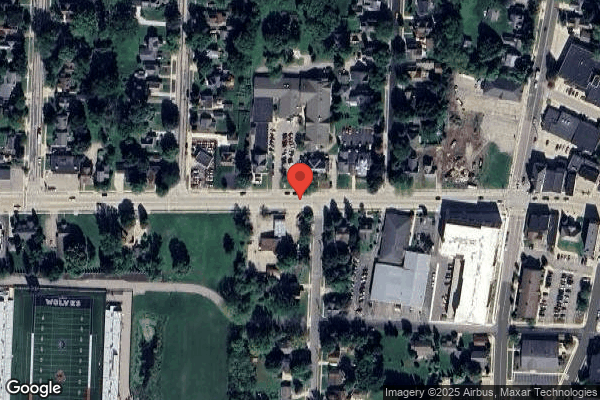
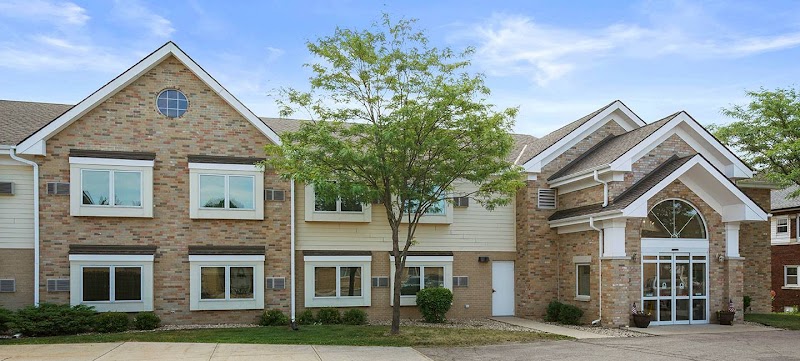
228 W MAIN ST, SUN PRAIRIE, WI 53590 (608) 837-5959
For profit - Corporation 42 Beds TRILOGY HEALTH SERVICES Data: November 2025
Trust Grade
50/100
#176 of 321 in WI
Last Inspection: January 2025

Within standard 12-15 month inspection cycle. Federal law requires annual inspections.

Overview

Sun Prairie Senior Living has received a Trust Grade of F, indicating significant concerns about the quality of care provided. Ranking #176 out of 321 facilities in Wisconsin places it in the bottom half, and #8 out of 15 in Dane County means only seven local options are better. The facility is worsening, with issues increasing from 5 in 2023 to 12 in 2025. Staffing is a concern, rated at 2 out of 5 stars, and with a 61% turnover rate, it is much higher than the state average of 47%. While the facility has no fines on record, there have been serious issues, such as failing to provide timely medical care after a resident fell and later suffered a hip fracture, and not ensuring a registered nurse was present for at least eight hours a day, which could jeopardize resident safety. There were also concerns about food safety practices, including food being served past its expiration date and staff not following hygiene protocols.

Trust Score
C
50/100
In Wisconsin
#176/321
Bottom 46%
Safety Record
Moderate
Needs review
Inspections
Getting Worse
5 → 12 violations
Staff Stability
⚠ Watch
61% turnover. Above average. Higher turnover means staff may not know residents' routines.
Penalties
✓ Good
No fines on record. Clean compliance history, better than most Wisconsin facilities.
Skilled Nurses
✓ Good
Each resident gets 53 minutes of Registered Nurse (RN) attention daily — more than average for Wisconsin. RNs are trained to catch health problems early.
Violations
⚠ Watch
22 deficiencies on record. Higher than average. Multiple issues found across inspections.
★★★☆☆
3.0
Overall Rating
★★☆☆☆
2.0
Staff Levels
★★★★★
5.0
Care Quality
★★☆☆☆
2.0
Inspection Score
Stable
2023: 5 issues
2025: 12 issues

The Good

  • 5-Star Quality Measures · Strong clinical quality outcomes
  • Full Sprinkler Coverage · Fire safety systems throughout facility
  • No fines on record

Facility shows strength in quality measures, fire safety.

The Bad

3-Star Overall Rating

Near Wisconsin average (3.0)

Meets federal standards, typical of most facilities

Staff Turnover: 61%

15pts above Wisconsin avg (46%)

Frequent staff changes - ask about care continuity

Chain: TRILOGY HEALTH SERVICES

Part of a multi-facility chain

Ask about local staffing decisions and management

Staff turnover is elevated (61%)

13 points above Wisconsin average of 48%

The Ugly 22 deficiencies on record

1 actual harm
Jun 2025 1 deficiency
CONCERN (D) 📢 Someone Reported This

A family member, employee, or ombudsman was alarmed enough to file a formal complaint

Potential for Harm - no one hurt, but risky conditions existed

Comprehensive Care Plan (Tag F0656)

Could have caused harm · This affected 1 resident

**NOTE- TERMS IN BRACKETS HAVE BEEN EDITED TO PROTECT CONFIDENTIALITY** Based on interview, and record review, the facility failed to develop a person-centered comprehensive care plan to meet personal...

Read full inspector narrative →
**NOTE- TERMS IN BRACKETS HAVE BEEN EDITED TO PROTECT CONFIDENTIALITY** Based on interview, and record review, the facility failed to develop a person-centered comprehensive care plan to meet personal preferences and goals, or address the resident's medical, physical, mental, and psychosocial needs for 1 of 3 residents (R1). R1's comprehensive care plan does not include approaches for staff to follow for R1's care This is evidenced by: The facility's policy titled Comprehensive Care Plan Guideline, dated 5/22/18, includes the following: Purpose To ensure appropriateness of services and communication that will meet the resident's needs, severity/stability of conditions, impairment, disability, or disease in accordance with state and federal guidelines. Care plan interventions should be reflective of risk area(s) or disease processes that impact the individual resident. A comprehensive care plan will be developed within 7 days of completion with the admission comprehensive assessment. Problem areas should identify the relative concerns. Goals should be measurable and attainable. Interventions should be reflective of the individual's needs and risk influence as well as the resident's strength. The comprehensive care plan should be reviewed no less than quarterly with the completion of the OBRA (Omnibus Budget Reconciliation Act) assessment, and revised to reflect changes in the resident's condition as they occur. Pertinent care plan approaches are communicated to the nursing staff per the 24-hour CRCA assignment or the care tracker profile dependent on campus preference. Comprehensive care plans need to remain accurate and current. R1 admitted to the facility on [DATE] with diagnoses including dementia, need for assistance with personal care, chronic pain, anxiety, and type 2 diabetes. R1's OBRA (Omnibus Budget Reconciliation Act) quarterly assessment, dated 4/22/25, includes the following activities of daily living (ADLs) and the assistance required by staff: Eating: Partial/moderate assistance Oral hygiene: Dependent Toileting hygiene: Dependent Upper body dressing: Substantial/maximal assistance Lower body dressing: Dependent Putting on/taking off footwear: Dependent Personal hygiene: Dependent Roll left and right: Dependent Sit to lying: Dependent Lying to sitting on the side of bed: Dependent Sit to stand: Dependent Chair/bed-to-chair transfer: Dependent Toilet transfer: Dependent R1's OBRA quarterly assessment, dated 4/22/25, includes the following: Frequently incontinent of urine, frequently incontinent of bowel. R1's comprehensive care plan, printed 6/6/25, includes the following: Problem: Experiences episodes of incontinence Approaches: Blank Problem Category: ADL's (activities of daily living) Approaches: Blank Problem: At risk for hypo/hyperglycemia (low/high blood sugar) Approaches: Blank Problem Category: Pain Approaches: Blank Problem: has a diagnosis of anxiety Approaches: Blank R1's resident profile, printed on 6/6/25, includes the following approaches, in full: Assist of one with bathing and showering. It is important to resident to pick out their own clothes in the morning. Transfer: EZ stand (mechanical lift) transfer with 1 Eating: feeds self On 6/6/25 at 10:13 AM, Surveyor interviewed CNA C (Certified Nursing Assistant) regarding resident's care plans and approaches. CNA C indicated staff are aware of how to care for residents by using the care planned approaches for residents in the resident profile. CNA C indicated the resident profiles are in the computer. Surveyor asked CNA C to open R1's resident profile to answer questions about R1's care. CNA C indicated she could not find any approaches to care for R1 in R1's resident profile. Surveyor asked CNA C how she would know what to do for R1 and CNA C indicated she would not know. On 6/6/25 at 2:40 PM, Surveyor interviewed CNA D regarding resident's care plans and approaches. CNA D indicated she would review the resident's profile for approaches to care for a resident. On 6/6/25 at 1:45 PM, Surveyor interviewed NHA A (Nursing Home Administrator) and DON B (Director of Nursing) regarding care plans. Both NHA A and DON B acknowledged there were no approaches in R1's care plan or on her resident profile and there should be. R1's comprehensive care plan does not include approaches for staff to follow for R1's care
Mar 2025 1 deficiency
CONCERN (D) 📢 Someone Reported This

A family member, employee, or ombudsman was alarmed enough to file a formal complaint

Potential for Harm - no one hurt, but risky conditions existed

Accident Prevention (Tag F0689)

Could have caused harm · This affected 1 resident

**NOTE- TERMS IN BRACKETS HAVE BEEN EDITED TO PROTECT CONFIDENTIALITY** Based on interview and record review, the facility did not ensure that the resident environment remained as free of accident haz...

Read full inspector narrative →
**NOTE- TERMS IN BRACKETS HAVE BEEN EDITED TO PROTECT CONFIDENTIALITY** Based on interview and record review, the facility did not ensure that the resident environment remained as free of accident hazards as possible for 2 of 6 residents (R6 and R5) reviewed. CNA C reported performing solo transfers for residents requiring assist of two staff members. Evidenced by The facility's Resident Transfers policy, dated 12/16/24, states, in part: Overview To ensure the safety of residents and staff when performing mobility/transfer tasks.3. Campuses determine the amount of assistance required for transfers and record this on the Nursing admission Observation, the Care Assist profile, and the Resident Care Plan to provide communication to all staff regarding safe transfers. The facility's Guidelines for Resident Utilizing a Lift policy, dated 12/17/24, states, in part: Purpose To ensure the safety of residents and staff when performing lift transfer tasks.3.Staff should seek the assistance of a second person for those residents' care planned for assistance of two with the lifting device or as needed for safe handling. Example 1 R6 admitted to the facility on [DATE] with diagnoses that include, in part: chronic diastolic heart failure (a condition where part of the heart muscle becomes stiff, preventing it from filling properly with blood, leading to symptoms of shortness of breath, fatigue, and leg swelling); anxiety disorder (a group of mental health conditions characterized by excessive and persistent worry, fear and nervousness that can significantly interfere with daily life); artificial knee joint, bilateral (knee replacements to both right and left knee) R6's MDS (minimum data set) with a reference date of 2/3/25, Section B indicates R6 has clear speech, is able to understand others and is able to make herself understood. R6's Therapy Update form, dated 2/26/25, indicates that R6 is a pivot transfer with assist of 2. R6's Care Plan states, in part: Problem: ADL's (activities of daily living) Profile Care Guide. Transfers: 2 assist pivot transfers with gait belt/walker. On 3/3/24 at 2:25 PM, Surveyor interviewed R6 and asked about transfers. R6 stated that sometimes one staff member assists and sometimes two staff members assist. Surveyor asked R6 how many staff members are supposed to assist. R6 stated R6 was unsure and took it for granted that the staff would know how many needed to help. Example 2 R5 admitted to the facility on [DATE] and has diagnoses that include, in part: atherosclerotic heart disease of native coronary artery (a condition that causes reduced blood flow to the heart muscle); vascular dementia (a type of cognitive decline caused by damage to the blood vessels in the brain). R5's MDS (minimum data set) dated 2/6/25, section C indicates R5 is severely cognitively impaired. R5's Care Plan states, in part: Problem-Profile Care Guide. Transfers: I need assist of 2 and hoyer lift for all transfers. Important to note that R5 was unable to answer Surveyors questions. On 3/3/24 at 2:00 PM, Surveyor interviewed CNA C and asked about resident transfers. CNA C stated that there are times when a resident has a need and there is not staff around to assist. If the resident has a need, CNA C stated that CNA C will transfer the resident solo, even if the resident is care planned as a two assist. CNA C stated that R6 is to pivot transfer with a gait belt (transferring device) and two staff assist, but CNA C has transferred R6 alone. CNA C stated that R5 is to transfer with a mechanical lift and two staff assist, but CNA C has transferred R5 alone. On 3/3/24 at 3:48 PM, Surveyor interviewed DON B and asked how many staff are expected to assist when a resident transfers with a mechanical lift. DON B stated two. Surveyor asked how many staff are expected to assist a resident with a transfer when the care plan states pivot transfer with 2 assist. DON B stated two. Surveyor asked if the facility would expect staff to transfer R6 and R5 with two assist. DON B stated yes. CNA C indicated at times CNA C does not transfer R5 and R6 with an assist of 2.
Jan 2025 10 deficiencies
CONCERN (D)

Potential for Harm - no one hurt, but risky conditions existed

Resident Rights (Tag F0550)

Could have caused harm · This affected 1 resident

**NOTE- TERMS IN BRACKETS HAVE BEEN EDITED TO PROTECT CONFIDENTIALITY** Based on interview and record review, the facility did not ensure that every resident was treated with dignity and respect when ...

Read full inspector narrative →
**NOTE- TERMS IN BRACKETS HAVE BEEN EDITED TO PROTECT CONFIDENTIALITY** Based on interview and record review, the facility did not ensure that every resident was treated with dignity and respect when providing activities of daily living (ADLs) for 1 of 12 residents (R13) reviewed for resident rights. R13 indicated to Surveyor that staff had transferred R13 to the dining room for breakfast in her pajamas after she informed them, she preferred not to go to the dining room in her pajamas. The facility did not ensure that R13 was treated with dignity and respect when transferring R13 to breakfast. Evidenced by: The facility's New admission Packet with Resident Rights, undated, states, in part: . Resident Rights: -Resident Rights. The resident has the right to a dignified existence, self-determination . inside and outside the facility . -Respect and dignity. The resident has a right to be treated with respect and dignity . -The resident has the right to make choices about aspects of his or her life in the facility that are significant to the resident . The facility's document entitled Wisconsin Resident Rights 50.09, undated, states, in part: . Residents' Rights. Every resident in a nursing home or community-based residential facility shall . have the right to: 3e. Be treated with courtesy, respect and full recognition of the resident's dignity and individuality, by all employees of the facility . R13 was admitted to the facility on [DATE] and has diagnoses that include anorexia (an eating disorder that causes people to weigh less than is considered healthy for their age and height, usually by excessive weight loss), weakness, and adult failure to thrive (a syndrome in older adults characterized by a significant decline in physical health). R13's Minimum Data Set (MDS) admission Assessment, dated 11/1/24, shows that R13 has a Brief Interview of Mental (BIMS) score of 10 indicating R13 has moderate cognitive impairment. R13's Care Plan dated, 10/31/24, with a target date of 1/30/25, states, in part: . Problem: ADLs (Activities of Daily Living) . Approach: . Approach Start Date: 10/31/24. Transfers: Moderate assist with sit to stand. Stand pivot transfers with walker . Problem: Start Date: 10/31/24. Resident requires staff assistance to complete self-care and mobility functional tasks completely and safely: . Approach: . Approach Start Date: 10/31/24. Allow Resident sufficient time to complete all or parts of task. Do not rush resident. On 1/7/25 at 2:02 PM, R13 indicated to Surveyor that she was to have a shower this morning before breakfast and did not get the shower until after breakfast. R13 indicated the CNAs (certified nursing assistants) informed her they did not want to dress R13 before breakfast and then have to undress her after breakfast for her shower. R13 was transferred to dining room in her pajamas. R13 indicated it made her feel like a low-class citizen. R13 indicated the CNAs did not ask her if she would go to dining room in her pajamas. R13 indicated she informed the CNAs she preferred not to go to the dining room in her pajamas. R13 indicated she felt crappy when she had to go to breakfast in her pajamas. Another resident commented to R13 that she was in her pajamas. R13 indicated that made her feel terrible. R13 stated They had a lot of people going home that day. They had to take care of them first. I like my vanity and when it's compromised, it doesn't make me feel good. On 1/8/25 at 1:33 PM, Surveyor interviewed CNA F and asked if she assisted R13 the morning of 1/7/25 before breakfast and CNA F indicated yes. Surveyor asked CNA F if R13 was taken to breakfast that morning with her pajamas on and CNA F indicated yes, CNA F indicated she had been training CNA E, and they were running behind schedule. CNA F indicated R13 was to have a shower that morning and they couldn't get to her before breakfast, so they did not dress her before breakfast to have to undress R13 after breakfast. Surveyor asked CNA F if R13 had mentioned that she preferred not to go to dining room in her pajamas. CNA F indicated she had sent CNA E to get R13 and assist her to dining room as CNA F was helping another resident. Surveyor asked if it could be considered a dignity issue and a resident right, if R13 expressed not wanting to go to dining room in pajamas. CNA F indicated yes. It should be noted CNA E was not available for interview. On 1/9/25 at 11:16 AM, Surveyor interviewed CRN J (Clinical Registered Nurse) and DON B (Director of Nursing). Surveyor asked if taking a resident out to dining room in pajamas could be considered a dignity issue if resident prefers not to. CRN J indicated yes. Surveyor asked if it is a resident right to get dressed before going out to dining room for meals and CRN J indicated yes. Surveyor informed DON B and CRN J about R13 taken to dining room for breakfast on 1/7/25 after she told staff she preferred not to. Surveyor informed CRN J and DON B that R13 was to receive a shower that AM and did not receive it until after breakfast, and R13 indicated it made her feel terrible and like a low-class citizen. CRN J indicated yes, that could be considered a dignity issue. CRN J indicated options should have been offered to R13 such as a meal tray or offer to dress R13 before breakfast.
CONCERN (D)

Potential for Harm - no one hurt, but risky conditions existed

Safe Environment (Tag F0584)

Could have caused harm · This affected 1 resident

Based on observation, interview, and record review, the facility did not ensure each resident had a safe, clean, comfortable environment or ensured housekeeping provided necessary services to maintain...

Read full inspector narrative →
Based on observation, interview, and record review, the facility did not ensure each resident had a safe, clean, comfortable environment or ensured housekeeping provided necessary services to maintain a sanitary, orderly, and comfortable area for 1 out of 33 residents (R18). R18 voiced concern her room does not get cleaned often. R18 pointed out to Surveyor her dresser being dusty, and floor does not get vacuumed. Surveyor observed dusty areas in R18's room. Surveyor observed tiny pieces paper/debris and lint particles on the carpeting. This is evidenced by: The facility's New admission Packet with Resident Rights, undated, states, in part: . Resident Rights: . -Safe environment. The resident has a right to a safe, clean, comfortable, and Homelike environment, including but not limited to receiving treatment and supports for daily living safely . R18 was admitted to the facility on hospice on 12/26/23 and has diagnoses that include metabolic encephalopathy (a brain dysfunction that occurs when there's an imbalance of chemicals in the blood, usually due to an underlying medical condition) and depression. R18's Minimum Data Set (MDS) Quarterly Assessment, dated 12/18/24, shows R18 has a Brief Interview of Mental Status (BIMS) score of 15 indicating R18 is cognitively intact. On 1/6/25 at 10:15 AM, Surveyor observed a layer of dust on R18's dresser, top of air conditioner, the top of heat radiator, the lamp on treatment cabinet, the top of paper towel dispenser, and the lip of the counter around the sink in R18's room. Surveyor observed tiny pieces of paper and debris along with dust build up on the carpeting in R18's room. On 1/6/25 at 10:15 AM, Surveyor interviewed R18. Surveyor asked if the facility kept R18's room clean and R18 indicated no. R18 told Surveyor to look on top of dresser and around the room. Surveyor asked R18 when the last time staff cleaned R18's room and R18 indicated a couple weeks ago and the time before that was before Thanksgiving. Surveyor asked if R18 expressed concern to staff and R18 indicated she had two weeks ago and that is why her room got cleaned then. R18 indicated housekeeping does not come in her room daily to clean. Surveyor asked R18 how that makes her feel and R18 indicated not good as I am not able to clean. On 1/6/25 at 10:21 AM, Surveyor interviewed ES Q (Environmental Services) and asked how often resident rooms get cleaned. ES Q indicated every day rooms get vacuumed, dusted, toilets get wiped down, and garbage taken out. Surveyor showed ES Q the lip of R18's counter around sink, the paper towel dispenser, R18's dresser, lamp on treatment cabinet, air conditioner and top of heat radiator. ES Q indicated it needed to be dusted. Surveyor showed ES Q R18's floor and ES Q indicated the facility does not have enough housekeepers and he is the only one and he just started. ES Q indicated R18's room gets completed last. ES Q indicated R18's room needs to be cleaned. Surveyor asked ES Q if there is a schedule on what days rooms get cleaned and if there is a deep cleaning schedule. ES Q showed Surveyor the shower list by the nurses station and indicated on shower days the rooms get deep cleaned by vacuuming, dusting, and toilets. ES Q indicated on the other days it is just what is needed and garbage. Surveyor asked ES Q if there is a sign off sheet for when rooms are cleaned, and ES Q indicated no. On 1/7/25 at 4:02 PM, Surveyor asked NHA A (Nursing Home Administrator) what the expectation for cleaning resident rooms. NHA A indicated she would expect resident rooms to be vacuumed, dusted, high touch areas be wiped down, and toilets to be cleaned every day. Surveyor asked NHA A what is included in deep cleaning a resident room and NHA A indicated sinks, the floor in the bathroom, and doors. Surveyor asked NHA A if there is a sign off sheet for when resident rooms are cleaned. NHA A indicated not at this time, but they have talked with the housekeeping supervisor about starting this. Surveyor asked how NHA A would know what resident rooms are cleaned each day and NHA A indicated it is the expectation all rooms are cleaned. NHA A indicated if a room is not done for some reason the staff is expected to circle back to it and complete it. Surveyor informed NHA A of R18's concerns and Surveyor's observation of R18's room. NHA A indicated she would expect all rooms to be cleaned daily.
CONCERN (D)

Potential for Harm - no one hurt, but risky conditions existed

Pressure Ulcer Prevention (Tag F0686)

Could have caused harm · This affected 1 resident

**NOTE- TERMS IN BRACKETS HAVE BEEN EDITED TO PROTECT CONFIDENTIALITY** Based on interview and record review, the facility did not ensure that residents with pressure ulcers receive necessary treatmen...

Read full inspector narrative →
**NOTE- TERMS IN BRACKETS HAVE BEEN EDITED TO PROTECT CONFIDENTIALITY** Based on interview and record review, the facility did not ensure that residents with pressure ulcers receive necessary treatment and services, consistent with professional standards of practice, to promote healing, prevent infection and prevent new ulcers from developing for 1 of 2 residents (R382) reviewed for pressure injuries. R382 spent approximately 5 hours sitting in a wheelchair without a pressure relieving cushion. An air mattress was inflated and placed onto R382's bed without facility staff having knowledge of the manufacturer's recommendations for amount of air necessary for beneficial use. Evidenced by: Facility's Guidelines for Pressure Prevention policy, dated 12/17/24, states, in part: Purpose: To maintain good skin integrity and avoid development of pressure ulcers. Procedures: Care plan interventions shall be implemented based on risk factors identified in the nursing assessment. Interventions may include, but not be limited to: .Place on pressure reduction support surface (such as wheelchair cushion) . R382 was admitted to the facility on [DATE] with diagnoses that include, in part: hypertensive heart disease with heart failure (a condition where the heart's pumping ability is reduced, making it harder for the heart to pump blood and deliver oxygen and nutrients to the body); Alzheimer's disease (a brain disorder that gradually destroys memory and thinking skills, and eventually the ability to carry out daily tasks); and Dementia in other diseases classified elsewhere, moderate, with agitation (a condition characterized by a general decline in mental abilities such as thinking, remembering, and reasoning). R382's most recent Minimum Data Set (MDS), dated [DATE], states that R382 has a Brief Interview of Mental Status (BIMS) of 9 out of 15, indicating that R382's cognition is moderately impaired. R382's Wound Management Detail Report, created 12/12/24, indicates Stage III pressure ulcer (a wound caused by prolonged pressure on the skin that extends through the entire thickness of the skin) to sacrum (area at the base of the spine). R382's Care plan states, in part: * Problem-Skin Integrity Approach Start Date: 12/11/24 Pressure reducing cushion in chair. *Problem- Skin Integrity Approach Start Date 1/9/25 Air overlay mattress placed on bed. (Important to note that there are no instructions on how to monitor for proper inflation of mattress.) On 1/9/25 at 8:58 AM, Surveyor interviewed RN N (Registered Nurse) and asked about R382's appointment on 1/8/25. RN N stated that resident presented to clinic with no pressure reducing cushion in his wheelchair. On 1/9/25 at 9:11 AM, Surveyor interviewed R382 and asked about his wound appointment on 1/8/25. R382 stated that he did not have his pressure relieving cushion in his wheelchair and he was out of the facility, in his wheelchair, for approximately 5 hours. Surveyor observed air mattress overlay on R382's bed. R382 indicated that it was applied on 1/8/25 after his appointment. On 1/9/25 at 11:37 AM, Surveyor interviewed LPN L (Licensed Practical Nurse) and asked about air mattress overlay on R382's bed. LPN L indicated that there was an order in the computer for a low loss air mattress or a waffle mattress overlay but stated that there were no instructions for staff to follow and she would need to inquire. Surveyor asked if R382 should have a pressure reducing cushion in his wheelchair when he goes out to appointments. LPN L stated yes. On 1/9/25 at 1:58 PM, Surveyor interviewed LPN K and asked how long R382 was gone for his wound appointment on 1/8/25. LPN indicated that R382 was gone for approximately 5 hours. Surveyor asked if R382 should have his pressure reducing cushion in his chair when out to appointments. LPN K stated yes. Surveyor asked about the air mattress overlay on R382's bed. LPN K stated the mattress was obtained from storage. Surveyor asked how much air was in the mattress. LPN K stated she didn't believe that the mattress had parameters. The mattress had not been used by the facility before. Surveyor asked if any education had been provided to the facility staff in regard to the mattress. LPN K stated no. On 1/9/25 at 2:19 PM, Surveyor interviewed MNT O (Maintenance) and asked about the air mattress. MNT O stated there were no manufacturer's instructions / recommendations with the mattress. The mattress had been attached to the air compressor and blown up until it seemed inflated. Surveyor asked what brand of mattress it was. MNT O stated he did not know. On 1/9/25 at 3:08 PM, Surveyor interviewed DON B (Director of Nursing) and asked if residents with pressure injuries should have pressure reducing cushions in their wheelchairs. DON B stated yes. Surveyor asked if the cushion should be in the wheelchair when a resident goes out for an appointment. DON stated yes. Surveyor asked how much air should be in an air mattress overlay. DON stated that facility would need to follow manufacturer's recommendations. Surveyor asked if an air mattress is effective if it doesn't have the proper amount of air. DON indicated it is not effective if not inflated properly and could potentially cause harm.
CONCERN (D)

Potential for Harm - no one hurt, but risky conditions existed

Accident Prevention (Tag F0689)

Could have caused harm · This affected 1 resident

**NOTE- TERMS IN BRACKETS HAVE BEEN EDITED TO PROTECT CONFIDENTIALITY** Based on observation, interview, and record review, the facility did not ensure each resident (R) received adequate supervision ...

Read full inspector narrative →
**NOTE- TERMS IN BRACKETS HAVE BEEN EDITED TO PROTECT CONFIDENTIALITY** Based on observation, interview, and record review, the facility did not ensure each resident (R) received adequate supervision and assistance devices to prevent accidents for 1 of 3 residents reviewed for falls (R16). R16 fell at the facility on 12/27/24 and staff failed to document details related to R16's fall, failed to update R16's medical doctor and failed to update R16's activated power of attorney failed to initiate neuro checks according to facility policy, and failed to record a Registered Nurse Assessment post fall. The facility did not identify root causes of R16's falls and did not implement individualized interventions. R16's fall intervention of a scoop mattress was delayed in arriving to the facility due to the holiday and the facility did not increase supervision or put anything different in place to prevent falls while they waited for the mattress to arrive and R16 fell three more times before the scoop mattress was in place. R16's family reported to the facility that R16 does not like to be in the dark. It was put in R16's care plan. Surveyor observed R16 sitting agitated in the dark with no TV on in his room. Evidenced by: Facility policy, titled Fall Management Program Guidelines, reviewed 12/31/23, includes: . procedure- the fall risk assessment is included as part of the admission and quarterly nursing observation and other events/observation in the electronic health record: a) identified risk factors should be evaluated for the contribution they may have to the resident's likelihood of falling . b) care plan interventions should be implemented that address the resident's risk factors . should the resident experience a fall the attending nurse shall complete the fall event . this includes an investigation of the circumstances surrounding the fall to determine the cause of the episode, a reassessment to identify possible contributing factors, interventions to reduce risk of repeat episode, and a review by the interdisciplinary team to evaluate thoroughness of the investigation and appropriateness of the interventions . the resident care plan should be updated to reflect any new or change in interventions . discuss risks and interventions with resident and or responsible party and communicate interventions during shift report . On 1/7/25 at 9:21 AM, during a family interview, RR G (Resident Representative) indicated he had a concern with the number of falls R16 has had since entering the facility. RR G indicated R16 was claustrophobic, did not like being in the dark, liked to have the TV on all the time, and he did not sleep in a bed while he was at home. RR G indicated R16 slept in a recliner at night. R16 admitted to the facility on [DATE] with the following diagnoses: unspecified dementia, anxiety disorder, acquired absence of the left leg below the knee, and encephalopathy (a condition that affects the brain and causes an altered mental state). R16's admission assessment, dated 12/21/24, indicates R16 is at moderate risk for falling with a fall risk score of 6. R16's Comprehensive Care Plan, dated 12/23/24, includes Start date: 12/23/24 Problem: Falls; Resident is at risk for falling related to unsteady gait, history of falls, advanced dementia, poor impulse/awareness . Goal Date: 4/21/25 Resident will remain free of falls with major injury . 12/23/24 Approach: Keep call light within reach. Ensure the floor is free of liquids and foreign objects. Encourage resident to assume standing position slowly. Keep personal items and frequently used items within reach. Provide non-skid footwear. Staff to assist resident with transfers as needed. Therapy eval and treat as needed. R16's Minimum Data Set (MDS) with Assessment Reference Date (ARD) of 12/28/24 indicates R16's cognition is severely impaired with a Brief Interview for Mental Status (BIMS) score of 5 out of 15. R16's Hospice Notes contained the following: 12/27/24 patient laying in hospital bed awake and agitated . patient yelling to get out of here . (Staff Member) found patient lying face down on ground when she was completing rounds. She reports he tried to get into his bed from his wheelchair without his prosthetic on which caused him to fall . 3 centimeters by 3 centimeters hematoma to right forehead . this hematoma was palpated gently without verbal or nonverbal indicators of pain . small 2cm abrasion skin tear to dorsal right hand that does not require wound care . (It is important to note hospice notes are not part of the facility's medical record.) R16's Medical Record indicated the following: 12/27/24 (It is important to note there is no documentation in R16's medical record of the fall that was recorded by the hospice staff, there is no fall follow up recorded including: vitals taken, RN assessment, notification of R16's power of attorney, or notification of R16's medical doctor.) 12/28/24 at 3:04 PM unwitnessed fall . found lying on floor in room next to bed . new intervention: fall mats to be brought by hospice, bed in lowest position . Injury- skin tear to right foot . A fall event was filled out for this fall. R16's Comprehensive Care Plan, updated 12/30/24, to include While resident is in bed, bed to be placed in the lowest position with fall mats on floor. 12/31/24 at 2:40 AM unwitnessed fall . found on mat on floor next to bed . new intervention: updating hospice to get scoop mattress . no injury . No fall event was filled out for this fall. (It is important to note the facility did not attempt to find the root cause of the falls, including why R16 was attempting to self-transfer.) R16's Comprehensive Care Plan, updated 12/31/24, to include Scoop mattress will be put in place to prevent resident from falling/sliding out of bed. 1/1/25 at 9:00 PM unwitnessed fall . found on floor between bed and wall . new intervention: called hospice for scoop mattress status- delayed due to holiday . Injury- redness to side of face . A fall event was filled out for this fall. (It is important to note there was a delay in getting R16 a scoop mattress and the facility did not put any other interventions in place to prevent him from falling while they wait for the scoop mattress to be implemented. It is also important to note the facility is not attempting to find the root cause of why R16 is trying to self-transfer.) R16's Nurse Note, dated 1/1/25, indicates RR G (Resident Representative), R16's activated power of attorney, reports resident slept in recliner at times while at home . 1/2/25 at 8:38 PM unwitnessed fall . found on fall mat on side of bed . no injury . No fall event filled out for this fall. (It is important to note there was a delay in getting R16 a scoop mattress and the facility did not put any other interventions in place to prevent him from falling while they wait for the scoop mattress to be implemented. It is also important to note the facility is not attempting to find the root cause of why R16 is trying to self-transfer.) R16's Nurse Note, dated 1/2/25, indicates RR G reported R16 does not sleep in a bed at home and does not like the dark. R16's Comprehensive Care Plan, updated 1/2/25 to include Awaiting scoop mattress from hospice. 1/3/25 at 7:20 AM unwitnessed fall . found on fall mat on left side of bed . attempted to exit bed without prosthetic leg on . Immediate intervention: brought to hall/in vicinity of staff . no injury . No fall event filled out for this fall. (It is important to note there is a delay in getting R16 a scoop mattress and the facility did not put any other interventions in place to prevent him from falling while they wait for the scoop mattress, and he fell. It is also important to note RR G has reported to staff two times that R16 slept in a recliner at home and did not sleep in his bed.) R16's Comprehensive Care Plan, updated 1/3/25 to include Per son resident likes to sleep with the lights on. Does not like to sleep in the dark. 1/5/25 at 7:45 AM unwitnessed fall . found lying at bedside between bed and window . tried to get out of bed without prosthetic on . New intervention: Hospice ordering low bed and will be delivered on 1/6/25 . A fall event was filled out for this fall. (It is important to note R16 had 6 falls out of bed and RR G voiced to the facility staff that R16 did not sleep in his bed while at home. The facility did not recognize this as a root cause of the falls and did not try alternative interventions. When the facility came up with a new intervention of the scoop mattress, the facility did not put anything different in place to prevent falls while waiting for this scoop mattress to arrive. It is also important to note the facility policy states after a fall a nurse would complete a fall event worksheet 3 of 7 falls had a fall worksheet completed and one fall was not documented at all in R16's medical record.) On 1/7/25 at 1:56 PM, Surveyor observed R16 sitting in his wheelchair, in his room with no lights on and no TV on. R16 appeared anxious evident by him making fast jerking movements, disrobing by unbuttoning his shirt, and scooting his bottom out to the edge of his wheelchair. On 1/7/25 at 1:38 PM, RN Hospice Case Worker J indicated resident has had 6 falls and 5 of them were falling out of bed. RN Hospice Case Worker J indicated she can't tell the facility what to do and can only make suggestions. RN Hospice Case Worker J indicated residents can sleep in their recliner and she is not sure why the facility did not try R16 sleeping in his recliner at night with the lights and the TV on. On 1/8/25 at 12:41 PM, DON B (Director of Nursing), NHA A (Nursing Home Administrator), and Clinical RN Support I indicated they did not think to let R16 sleep in his recliner at night since he is used to doing that. They also indicated staff are to document all falls and fall follow up. NHA A indicated residents do not have to sleep in their bed. Clinical Support I indicated the facility really was not getting to the root cause of why R16 was trying to self-transfer and self-transfer alone is not a real root cause. DON B indicated family members are allowed to suggest interventions and share how the resident's life and routine used to look. DON B also indicated R16 should be allowed to sleep in his recliner and the facility won't know if that intervention works until they try it. NHA A and Clinical RN Support I indicated staff should have put something else in place while waiting for hospice to bring the scoop mattress like increased monitoring. DON B and NHA A indicated R16 should not be left to sit in his room without the lights and TV on and these interventions should be part of R16's care plan along with R16's preference to sleep in his recliner.
CONCERN (D)

Potential for Harm - no one hurt, but risky conditions existed

Deficiency F0697 (Tag F0697)

Could have caused harm · This affected 1 resident

**NOTE- TERMS IN BRACKETS HAVE BEEN EDITED TO PROTECT CONFIDENTIALITY** Based on interview and record review, the facility did not ensure that pain management was provided to residents who require suc...

Read full inspector narrative →
**NOTE- TERMS IN BRACKETS HAVE BEEN EDITED TO PROTECT CONFIDENTIALITY** Based on interview and record review, the facility did not ensure that pain management was provided to residents who require such services, consistent with professional standards of practice, the comprehensive person-centered care plan, and the resident's goals and preferences for 1 of 2 residents (R182) reviewed for pain. R182 was admitted to the facility with a right humerus fracture (a break in the upper arm bone). The facility failed to obtain R182's ordered narcotics and obtain a new order when R182 began refusing the acetaminophen, resulting in R182 having continued pain. Evidenced by: The facility policy titled Guidelines for Pain Observation and Management last reviewed on 12/17/24 states in part, .1. Observation of resident pain will be completed as part of the admission Observation and Data Collection form. a. Review other system observations for pain indicators. The pain indicators may include, but is not limited to an increase in behaviors, change in mood, withdrawal or a decrease in functional ability. b. Review History and Physical for possible factors, associated with pain in the elderly. c. The observation should include self- report of pain or for those cognitively impaired and unable to self- report level of pain the observer shall observe the resident for pathologic conditions that may cause pain and behaviors (facial expressions, body movements, crying) .3. Initiate a Plan of care related to chronic, acute, or breakthrough pain .6. Implement the care plan approaches to assist with pain management. 7. Evaluate the effectiveness of pain management interventions and modify as indicated. R182 was admitted to the facility on [DATE] with diagnoses that include right humerus fracture, type 2 diabetes, and neuropathy (weakness, numbness, and pain from nerve damage, usually in the hands and feet). R182's Brief Interview for Mental Status (BIMS) dated 1/6/25 was 15 out of 15, indicating that R182 is cognitively intact. R182 was admitted with the following orders for pain medications: Oxycodone 5 mg (milligrams) oral every 4 hours PRN (as needed). Acetaminophen (Tylenol) 650mg oral four times a day at 8am (morning), 12noon, 4pm (afternoon), and 8pm. Acetaminophen 650mg oral, may receive 2 PRN doses in addition to scheduled Tylenol. Not to exceed 4000mg in 24-hour period. Lidocaine 5% adhesive patch. 1 patch topical twice a day, apply to most painful area in AM- remove after 12 hours. Voltaren Arthritis Pain gel 1%-2 gram topical four times a day. It is important to note that R182 did not receive the Voltaren gel until 1/4/25 and did not have access to the PRN oxycodone until 1/6/24. Additionally, R182 started to refuse the scheduled Tylenol due to being unable to swallow the medication. R182 has the following documented pain ratings: 1/3/25: 2:00pm-10:00pm: pain location: right shoulder, pain scale: 7 10:00pm-6:00am: pain location: 0, pain scale: 0 It is important to note that on 1/4/25 at 3:34 AM, R182 received acetaminophen 650mg for pain, but there is no documentation of the pain location, pain scale, or pain characteristics. 1/4/25: 6:00am-2:00pm: pain location: right shoulder, pain scale: 7 2:00pm-10:00pm: pain location: right shoulder, pain scale: 0 10:00pm-6:00am: pain location: 0, pain scale: 0 1/5/25: 6:00am-2:00pm: pain location: right shoulder, pain scale: 5 2:00pm-10:00pm: pain location: right shoulder, pain scale: 5 10:00pm-6:00am: pain location: 0, pain scale: 5 1/6/25: 6:00am-2:00pm: pain location: right shoulder, pain scale: 5 R182's care plan states in part: .Problem start date: 1/10/25 Category: Pain-At risk for pain r/t (related to) Right Humerus fracture/neuropathic pain. Goal: Resident's pain will be at a tolerable level with interventions. Approach: Administer medications as ordered and notify MD (Medical Doctor) of side effects observed. Attempt non-pharmacological interventions. Observe and record verbal and nonverbal signs and symptoms of pain. Reposition as necessary . It is important to note that R182's care plan was completed and provided to Surveyor after the survey was completed. Additionally, the care plan does not tell staff what R182's pain tolerance level is or what her pain goal is, nor does it indicate what non-pharmacological interventions to use. Nurse's notes state the following, in part: 1/3/25 at 3:31 PM: .Phone call placed to pharmacy and informed received order for gabapentin and nortriptyline, though not oxycodone. Updated [Nurse Practitioner], who was in the facility, and she stated she sent the script for oxycodone to pharmacy. 1/3/25 at 6:46 PM: [R182] admitted to the facility from [hospital name] at approximately 1400 (2:00pm) .[R182] admitted to the hospital on 12/30 after a fall at home .resulting in a right humerus fx (fracture). Resident reports right arm pain, and was given ice pack and APAP (acetaminophen) per her request while waiting for pharmacy to deliver narcotics tonight . 1/4/25 at 1:27 PM: .Does resident complain of pain? Yes .How does resident rate their pain from 1-10: 7, Pain location: right shoulder. Resident describes pain as: Aching . What alleviates pain: Medication, Position/ repositioning . 1/5/25 at 8:55 AM: .Does resident complain of pain? Yes .How does resident rate their pain from 1-10: 6, Pain location: right shoulder. Resident describes pain as: Aching . What alleviates pain: Medication, Cold, Rest, Position/repositioning . 1/6/25 at 10:46 AM: .Does resident complain of pain? No .What alleviates pain: Medication, Position/ repositioning . On 1/6/25 at 11:30 AM, Surveyor interviewed R182. R182 reported to Surveyor that over the weekend she called for help because she had to go to the bathroom and was in pain and had to wait about 45 minutes. Surveyor asked R182 if she ever received her pain pills, R182 stated that they gave her Tylenol that burns her throat, and that she couldn't have the strong ones because she was told it wasn't ordered. R182 reported to Surveyor that she still hadn't received the strong ones. R182 reported that the hospital sent her to the facility with bags to fill up with ice and that she requested ice from facility staff and was told that they had ran out of ice and gave her a blue gel pack instead. R182 reported that she asked for 2 gel packs and staff told her no. Surveyor asked R182 what her pain level was, R182 reported that it goes on and off depending on if she has to move. R182 stated that sometimes the pain is intolerable and that she was sobbing and crying because it hurt so bad. R182 reported to Surveyor that she feels like staff thinks she is lying and is putting on a show. R182 reported that over the weekend someone had put some cream on her shoulder, and she asked for it again and was told that she couldn't have it because she didn't have an order for it. On 1/6/25 at 1:44 PM, Surveyor interviewed RN R (Registered Nurse). Surveyor asked RN R if R182 complained of pain over the weekend, RN R stated yes, R182 reported pain in her right shoulder and rated it at 5 out of 10. Surveyor asked RN R what interventions were implemented, RN R stated that R182 was given Tylenol, an ice pack, and Voltaren gel. Surveyor asked RN R if R182 had a prescription for a narcotic. RN R stated that she had called the pharmacy regarding the oxycodone and was told that they did not have a script for the medication and they would call the provider. RN R stated that she had called the pharmacy again on Saturday and they said they would call the provider and get back to me, and then RN R called again on Sunday and the pharmacy reported that they still did not have a script for the medication. Surveyor asked RN R if, at any time over the weekend, did she call the on-call provider or the discharging hospital for a script? RN R stated no, she called the NP (Nurse Practitioner) today. Nurses notes dated 1/6/25 at 1:53pm: Follow up completed with resident per this writer along with DHS (Director of Health Services (also known as Director of Nursing/DON) s/p (status post) resident concern. Upon follow up with resident, she states while at home she took coated APAP tablets vs the non-coated. Resident states that she does not like the taste of the non-coated tablets when she swallows them. Focused pain assessment completed per writer and current analgesics reviewed with resident .Resident rates her current pain at 5/10 to her left arm and shoulder area. Resident describes her pain as throbbing, aching, and at times stabbing . Resident states that pain increases with movement, no other factors cause increased pain per resident. New orders obtained from [Nurse Practitioner] to change APAP orders from 650mg QID (four times a day) and 650mg BID (twice a day) to 1000mg TID (three times a day) and 1000mg q day (every day) PRN (not to exceed 4000mg in 24 hour (sic) period). These APAP orders are for the coated tablets . Resident states she prefers to use the oxycodone as an absolute last resort . On 1/7/25 at 9:16 AM, Surveyor met with R182. Surveyor asked R182 how her pain was, R182 stated that it was better and that the new order for Tylenol was better. Surveyor asked R182 about the documented refusals of the scheduled Tylenol; R182 reported that she had refused it because it was burning her throat when she swallowed it. Surveyor asked R182 if she had reported that to the nurses; R182 stated yes. On 1/7/24 at 3:16 PM, Surveyor interviewed RN R. Surveyor asked RN R if R182 reported that she was refusing the Tylenol because it was burning her throat. RN R stated no, but R182 did report that she preferred the coated Tylenol. Surveyor asked RN R if she updated the provider about R182 refusing her medication and her preference for coated Tylenol; RN R stated no. On 1/7/25 at 3:07 PM, Surveyor interviewed LPN S (Licensed Practical Nurse). Surveyor asked LPN S if R182 complained of pain during her shift. LPN S stated yes and she rated it a 6 or 7. Surveyor asked what interventions she implemented. LPN S stated that she repositioned R182, and that the resident refused her Tylenol because there was no coating, and it burned her esophagus. Surveyor asked LPN S if R182 had an order for oxycodone. LPN S stated yes, but the pharmacy did not have a script for it. Surveyor asked LPN S if she called the MD to get a script. LPN S stated no because day shift was handling it. Surveyor asked LPN S if she updated the MD that the uncoated Tylenol was burning R182's esophagus; LPN S stated no. On 1/8/25 at 12:50 PM, Surveyor interviewed CNA T (Certified Nursing Assistant). Surveyor asked CNA T if she worked with R182 over the weekend; CNA T stated yes. Surveyor asked CNA T what R182's demeanor was like? CNA T reported that R182 was nice, but stated that her shoulder was aching and asked if she could have something stronger than Tylenol. Surveyor asked CNA T if she reported R182's complaints to the nurse. CNA T stated that the resident requested a stronger medication when the nurse brought in the Tylenol. On 1/9/25 at 11:23 AM, Surveyor interviewed DON B. Surveyor asked DON B what the process is for new admissions. DON B stated that the floor nurses complete the admission and either himself or the ADHS (Assistant Director of Health Services) will reconcile the orders if the floor nurses are too busy. Surveyor asked DON B who reconciled R182's orders; DON B stated that the ADHS did. Surveyor asked DON B what steps are taken when a resident is admitted to the facility with an order for a narcotic but no script. DON B stated that staff should contact the discharging facility or talk to our provider to obtain a script and send it to the pharmacy. DON B stated that ADHS updated the NP who reported that a script was sent to the pharmacy. DON B reported that staff should have confirmed with the pharmacy that they received the script. Surveyor asked DON B what steps would you expect the nurse have taken when the pharmacy reported that they did not receive a script for R182's oxycodone. DON B stated the nurse should have called the [Nurse Practitioner] and if it is outside of regular hours, they should call the on call MD. Surveyor asked DON B if a resident is refusing a medication because it is burning their throat, what steps would you expect the nurse to take. DON B stated that the nurse should call the doctor and get a different order. Surveyor asked DON B if staff is administering a PRN (as needed) pain medication, should a pain assessment be completed; DON B stated yes. It is important to note that RN R worked 1/3/25 from 6:30 AM-10:30 PM, 1/4/25 from 6:30 AM-6:30 PM, and 1/5/25 from 6:30 AM to 6:30 PM. LPN S worked 1/3/25 from 10:00 PM-6:30 AM, 1/4/25 from 6:30 PM-6:30 AM, and 1/5/25 from 6:30 PM-6:30 AM. RN R and LPN S did not notify the physician the script for oxycodone was needed to fill R182's prescription nor did they call to receive an order for coated Tylenol per R182's preference.
CONCERN (D)

Potential for Harm - no one hurt, but risky conditions existed

Unnecessary Medications (Tag F0759)

Could have caused harm · This affected 1 resident

**NOTE- TERMS IN BRACKETS HAVE BEEN EDITED TO PROTECT CONFIDENTIALITY** Based on observation, interview, and record review, the facility did not ensure that it was free of medication error rates of 5%...

Read full inspector narrative →
**NOTE- TERMS IN BRACKETS HAVE BEEN EDITED TO PROTECT CONFIDENTIALITY** Based on observation, interview, and record review, the facility did not ensure that it was free of medication error rates of 5% or greater. There were 3 errors in 25 opportunities that affected 3 out of 11 residents (R11, R14, & R5) included in the medication pass task, which resulted in an error rate of 16%. R11 received her Tylenol that was ordered for 7:00 AM at 8:42 AM resulting in a timing error. R14 received Vitamin B-12 and Vitamin D3 that was ordered for 7:00 AM at 8:51 AM resulting in a timing error. R5 received her short acting insulin and did not receive her meal within the required 15 minutes resulting in a medication error. Evidenced by: Facility policy entitled Medication Administration- General Guidelines, dated 11/18, states, in part: . Medications are administered as prescribed in accordance with good nursing Principles and practices and only by persons legally authorized to do so . Administration . 11) Medications are administered within 60 minutes of scheduled time, except before, with or after meal orders, which are administered based on mealtimes. Unless otherwise specified by the prescriber, routine medications are administered according to the established medication administration schedule for the facility . According to mayoclinic.org, Insulin Aspart is a fast-acting type of insulin. Insulin Aspart Flex Pen should be administered 5 to 10 minutes before a meal or immediately before a meal. Example 1 R11 was admitted to the facility on [DATE] and has diagnoses that include dementia (a group of thinking and social symptoms that interferes with daily functioning) and Polyosteoarthritis (a diagnosis that describes arthritis affecting five or more joints simultaneously). R11's Minimum Data Set (MDS) Quarterly Assessment, dated 12/18/24 shows R11 has a Brief Interview of Mental Status (BIMS) score of 2 indicating R11 has severe cognitive impairment. R11's Physician Orders for 12/9/24-1/9/25, states, in part: . Acetaminophen 500 milligram (mg) by mouth (po). Special instructions: Take 1 tablet orally three times daily for pain prevention . Three times a day; 7:00AM, 12:00PM, 5:00PM. Start Date: 4/24/23. End Date: Open Ended . R11's Medication Administration Record (MAR) shows: -Order: acetaminophen 500 mg, Amount to Administer: 500 mg PO. Frequency: Three times a day. Special Instructions: Take 1 tablet orally three times daily for pain prevention . Time: 07:00 AM 1/7/25-signed out. Scheduled Date: 1/7/25 Scheduled Time: 07:00 AM. Charted Date: 1/7/25 8:47AM. Reason/Comments: Late Administration: Administered Late. Created by: LPN P (Licensed Practical Nurse). On 1/7/25, at 8:42 AM, Surveyor observed LPN P administer Tylenol 500 mg 1 tablet to R11. On 1/9/25, 9:04 AM, Surveyor interviewed DON B (Director of Nursing) and asked what expectation would be for a medication ordered for at 7:00 AM to be administered. DON B indicated the medication should be given at 7:00 or an hour before or after 7:00 AM. Surveyor informed DON B of R11's Tylenol ordered for 7:00 AM and administered at 8:42 AM. Surveyor asked if this would be considered a medication error and DON B indicated yes, unless the resident did not want to take it at that time. It would need to be documented. Example 2 R14 admitted to the facility on [DATE] and has diagnoses that include cerebrovascular disease (a term for conditions that affect blood flow to your brain) and chronic systolic heart failure (a condition that occurs when the heart's left ventricle is weakened and can't pump blood efficiently). R14's Quarterly MDS Assessment, dated 10/9/23 shows R14 has a BIMS score of 14 indicating R14 is cognitively intact. R14's Physician Orders for 12/9/24- 1/9/25, states, in part: . Vitamin B-12 1000 micrograms (mcg). Special Instructions: supplement. Once a day 7:00AM. Start Date: 19/10/23. End Date: Open ended . Vitamin D3 . 125 mcg (5000unit); amount:1 tablet; oral . Once a day; 7:00AM. Start Date: 10/19/23. End Date: Open Ended . R14's MAR for January shows: -Order: Vitamin B-12 tablet 1000 mcg; Amount to administer:1000mcg; oral. Frequency: once a day . Start Date: 10/10/23. End Date: Open Ended. Time: 7:00AM 1/7/25-Signed out. Scheduled Date: 1/7/25. Scheduled Time: 7:00AM. Charted Date: 1/7/25 8:57AM. Reasons/Comments: Late Administration: Administered Late. Created by: LPN P -Vitamin D3 tablet; 125mcg (5000 unit). Amount to administer: 1 tab oral. Frequency: Once a day . Start Date: 10/19/23. End Date: Open ended. Time: 7:00AM 1/7/25- Signed out. Scheduled Date: 1/7/25. Scheduled Time: 7:00AM. Charted Date: 1/7/25 8:57AM. Reasons/Comments: Late Administration: Administered Late. Created by: LPN P. On 1/7/25 at 8:51 AM, Surveyor observed LPN P administer Vitamin B-12 1000 mcg and Vitamin D3 125 mcg to R14. On 1/9/25 at 9:04 AM, Surveyor interviewed DON B (Director of Nursing) and asked what expectation would be for a medication ordered for at 7:00 AM to be administered. DON B indicated the medication should be given at 7:00 or an hour before or after 7:00 AM. Surveyor informed DON B of R14's Vitamin B-12 and Vitamin D3 ordered to be administered at 7:00 AM and was administered at 8:51 AM. Surveyor asked if this would be considered a medication error and DON B indicated yes. Example 3 R5 was admitted to the facility on [DATE] and has diagnoses that include Type 2 Diabetes Mellitus (a long-term condition in which the body has trouble controlling blood sugar and using it for energy) and Major Depressive Disorder. R5's MDS Quarterly Assessment, dated 11/17/24 shows R5 has a BIMS score of 10 indicating R5 is moderately impaired cognitively. R5's Physicians Orders for 12/9/24-1/9/25, states, in part: . Insulin aspart U-100 insulin pen; 100unit/mL(milliliter); amount: 15 units; subcutaneous .Three times a day . R5's MAR for January shows: -insulin aspart U-100 insulin pen; 100 unit/mL; Amount to administer:15 units; subcutaneous. Frequency: Three times a day . Start Date: 10/10/24. End Date: 1/7/25. Time: 11:00AM-1:00 PM- 1/7/25- signed out. On 1/7/25 at 11:19 AM, Surveyor observed LPN K (Licensed Practical Nurse) administer insulin aspart flex pen 15 units to R5. Surveyor observed R5 without food or drink until 12:08 PM when Surveyor left area. On 1/7/25 at 11:38 AM, Surveyor asked LPN K when short acting insulin should be administered. LPN K indicated 15 minutes to 30 minutes before meals. LPN K indicated typically you would give short acting insulin 15 minutes before meals but knowing R5's history of high blood sugars LPN K administers it 40 minutes before lunch. Surveyor asked with good nurse practice how should short acting insulin be administered, and LPN K indicated 15 minutes before meals. On 1/8/25 at 8:54 AM, Surveyor interviewed DON B (Director of Nursing) and CRN J (Clinical Registered Nurse) and asked when short acting insulin should be administered, and DON B indicated 15-30 minutes prior meals. Surveyor informed DON B and CRN J about observation of R5's short acting insulin administered and 49 minutes passing with no food. CRN J indicated best nurse practice is to administer short acting insulin 15 minutes prior to meals. Surveyor clarified: would you have expected R5 to receive her meal within 15 minutes of receiving the short acting insulin and CRN J indicated yes.
CONCERN (D)

Potential for Harm - no one hurt, but risky conditions existed

Deficiency F0883 (Tag F0883)

Could have caused harm · This affected 1 resident

**NOTE- TERMS IN BRACKETS HAVE BEEN EDITED TO PROTECT CONFIDENTIALITY** Based on record review and interview, the facility did not offer each resident influenza immunizations, and the resident's medic...

Read full inspector narrative →
**NOTE- TERMS IN BRACKETS HAVE BEEN EDITED TO PROTECT CONFIDENTIALITY** Based on record review and interview, the facility did not offer each resident influenza immunizations, and the resident's medical record does not include documentation the resident either received, refused, or was educated on the risks and benefits of the influenza immunization for 1 of 5 residents (R16) reviewed for immunizations. R16 refused the influenza vaccine upon admission and was not offered the vaccine during the current flu season. Evidenced by: The facility's policy titled Guidelines for Influenza, Pneumococcal, & COVID-19 Immunizations last reviewed on 12/17/24 states in part, .4. Each resident/ responsible party will be provided annually with information regarding the risk and benefits of influenza vaccine and receive the immunization per their request, unless medically contraindicated. 5. From time- to- time specific strains of influenza develop that have a vaccine directed exclusively for that strain. [Facility Corporation] will provide this vaccine as it is available in accordance with the CDC (Centers for Disease Control and Prevention) guidelines .7. Flu vaccination is especially important for people 65 years and older because they are at a higher risk of developing serious flu compliances (sic). 8. Flu vaccines are updated each season to keep up with changing viruses .10. It will be documented if the resident refuses immunization or did not receive the immunization as a result of a medical contraindication . R16 was admitted to the facility on [DATE]. R16's medical record has no evidence or documentation to show that R16 or their representative was offered the influenza vaccination during the current influenza season. R16's document titled admission Immunization Consent Packet dated 8/15/24 states in part .Permission for Influenza Vaccine .No, reason- Had it . R16's Wisconsin Immunization Report (WIR) states that R16's last Influenza vaccination was given on 10/3/23. On 1/8/25 at 2:13 PM, Surveyor interviewed CRN I (Clinical Registered Nurse) and DON B (Director of Nursing). Surveyor asked CRN I and DON B what the process is if a resident or representative refuses an immunization, CRN I stated that if the vaccine is declined on admission, facility staff will continue to offer at least 3 times and provide education to the resident and/ or representative. Surveyor asked where that would be documented, CRN I stated it should be in the progress noted. Surveyor asked if R16 declined the influenza vaccination on admission, should it have been offered when the current vaccine was available, CRN I stated yes.
CONCERN (F)

Potential for Harm - no one hurt, but risky conditions existed

Deficiency F0727 (Tag F0727)

Could have caused harm · This affected most or all residents

Based on record review and interview, the facility did not ensure a Registered Nurse (RN) worked for 8 consecutive hours in a day, 7 days a week. This has the potential to affect all 33 residents (R) ...

Read full inspector narrative →
Based on record review and interview, the facility did not ensure a Registered Nurse (RN) worked for 8 consecutive hours in a day, 7 days a week. This has the potential to affect all 33 residents (R) residing within the facility. On Wednesday, January 1, 2025, the facility did not have an RN in the building 8 consecutive hours on any of the three shifts. Evidenced by: On 1/8/25 at 9:43 AM, Surveyor reviewed nursing staff schedules and postings from 12/23/24 to 1/6/25. Surveyor observed no RN on the schedule for 1/1/25 and the posting which shows hours worked for nursing staff was filled with zeros for all three shifts under RN column for 1/1/25. On 1/9/25 at 2:40 PM, Surveyor interviewed DON B (Director of Nursing) regarding RN coverage. Surveyor asked DON B if he would expect an RN to be in the building every day for at least 8 consecutive hours; DON B stated yes. Surveyor asked DON B if he was in the building on 1/1/25; DON B indicated he was not in the building that day. Surveyor asked DON B why there wasn't an RN in the building on 1/1/25. DON B indicated there was supposed to be an RN on the schedule that day but they called in.
CONCERN (F)

Potential for Harm - no one hurt, but risky conditions existed

Food Safety (Tag F0812)

Could have caused harm · This affected most or all residents

Based on observation, interview, and record review, the facility did not maintain a safe and sanitary environment in which food is prepared, stored, and distributed. This has the potential to affect a...

Read full inspector narrative →
Based on observation, interview, and record review, the facility did not maintain a safe and sanitary environment in which food is prepared, stored, and distributed. This has the potential to affect all 33 residents who reside in the facility. Surveyor observed male staff to have facial hair and to be working with resident food without hair restraints in place. The facility did not keep a record of when staff manually monitored the internal temperature of the facility's dishwasher. Surveyor observed food to be in circulation passed the use by date. Surveyor observed dented cans to be in circulation. Surveyor observed food that had been removed from the original packaging to be unlabeled and undated. Evidenced by Example 1 The Food and Drug Administration (FDA) Food Code 2022, includes in part: Food employees shall wear hair restraints such as hats, hair coverings or nets, beard restraints, and clothing that covers body hair; that are designed or worn to effectively keep their hair from contacting exposed food . On 1/7/25 at 11:10 AM, Surveyor observed Director of Food Services C and Assistant Director of Food Service D to be working on the lunch meal preparation without donning hair restraints to cover their facial hair. Director of Food Service C indicated the facility policy is that hair over 1/8 of an inch must be covered. On 1/9/25 at 11:51 AM, Surveyor observed Dietary Aide H preparing resident lunch meal with a full beard and without hair restraint. During an interview Dietary Aide H and Assistant Director of Food Service D indicated beard nets are available and should be being used to cover facial hair. On 1/9/24 at 1:48 PM, during a phone interview, Director of Food Service C indicated hair should be covered when working with food. Example 2 Facility policy entitled Dish Machine, with review date of 11/30/2021, includes: . High Temperature Dishwasher recommended guidelines: wash 150-165 degrees Fahrenheit; final rinse 180 degrees Fahrenheit . 160 degrees Fahrenheit at the rack level/dish surface reflects 180 degrees Fahrenheit at the manifold . On 1/9/25 at 9:08 AM, Surveyor observed the facility's dishwashing routine and reviewed dishwashing temperature log. When asked if staff have a system for monitoring the internal temperature of the dishwasher manually, Dietary Aide H indicated Director of Food Services C does this each morning by running a test strip through the machine. On 1/9/25 at 11:51 AM, Assistant Director of Food Services D indicated the Director of Food Service C does run a test strip through the dishwasher daily, but he does not keep them or record the results. On 1/9/24 at 1:48 PM, during a phone interview Director of Food Service C indicated he does send a test strip through the dishwasher daily but does not record the results or save the strips. Example 3 On 1/6/25 at 9:00 AM, Surveyor observed 2 dented cans (tuna and creamed corn) in circulation. Assistant Director of Food Service D indicated dented cans should be disposed of. On 1/9/25 at 1:48 PM, Director of Food Services C indicated dented cans should be discarded. Example 4 On 1/6/25 at 9:00 AM, during initial tour of the facility's kitchen, Surveyor observed a resealed container of cottage cheese with a use by date of 1/3/25 and a resealed container of V8 juice with use by date of 1/1/25. Assistant Director of Food Service D indicated these items should have been pulled and disregarded. On 1/9/25 at 1:48 PM, Director of Food Services C indicated food pass the use by date should be removed from circulation. Example 5 On 1/6/25 at 9:00 AM, Surveyor observed a container of brown pudding like substance with no label and no date on it. Assistant Director of Food Services D indicated this item should have a label and a date on it. On 1/9/25 at 1:48 PM, during a phone interview, Director of Food Services C indicated food removed from the original packaging should be labeled and dated.
CONCERN (F)

Potential for Harm - no one hurt, but risky conditions existed

Infection Control (Tag F0880)

Could have caused harm · This affected most or all residents

**NOTE- TERMS IN BRACKETS HAVE BEEN EDITED TO PROTECT CONFIDENTIALITY** Example 3 R16 admitted to the facility on [DATE] with the following diagnoses: unspecified dementia, anxiety disorder, acquired ...

Read full inspector narrative →
**NOTE- TERMS IN BRACKETS HAVE BEEN EDITED TO PROTECT CONFIDENTIALITY** Example 3 R16 admitted to the facility on [DATE] with the following diagnoses: unspecified dementia, anxiety disorder, acquired absence of the left leg below the knee, and encephalopathy. R16's hospital discharge, dated 12/21/24, includes: .history of recurrent UTI (urinary tract infections) . Urinary catheter management: insertion date 12/4/24 . Reason for foley-end of life care . internal . dressing and wound care to sacral and right medial great toe pressure injuries . On 1/7/25 at 9:21 AM, Surveyor observed CNA E (Certified Nursing Assistant) and CNA F transfer R16 using a Hoyer lift from his chair to the bed. CNA E and CNA F did not don any personal protective equipment (PPE). (It is important to note R16 is on enhanced barrier precautions (EBP) due to having wounds and a catheter.) On 1/7/25 at 10:45 AM, Surveyor observed CNA E, CNA F, and LPN K (Licensed Practical Nurse) assisting R16 with AM cares and transferring him from bed to chair without the use of PPE. CNA F, CNA E, and LPN K indicated they should have had on a gown, gloves, and mask while assisting R16 since he is in EBP. On 1/8/25 at 12:41 PM, RN I (Registered Nurse) indicated staff should have on PPE while assisting R16 with hands on care and while transferring him. Example 4 Facility policy, titled Eye Drop Administration, dated 11/18, includes, in part: equipment requirement eye drop medication, gauze pad, examination gloves, barrier, . With a gloved finger, gently pull-down lower eyelid to form pouch while instructing the resident to look up . On 1/8/25 at 7:33 AM, Surveyors observed LPN L (Licensed Practicing Nurse) administering R16's eye drops without donning gloves. LPN L indicated she should have had gloves on. On 1/8/25 at 12:41 PM, RN I indicated LPN L should don gloves while administering anyone's eye drops. Example 5 R16's hospital discharge, dated 12/21/24, includes: . history of recurrent UTI (urinary tract infections) . Urinary catheter management: insertion date 12/4/24 . Reason for foley-end of life care . On 1/7/25 at 9:20 AM, Surveyor observed a sign on R16's door indicating staff were to use enhanced barrier precautions (EBP) while providing R16 cares. R16's sign on door, included: Everyone must clean their hands, including before entering and when leaving the room . providers and staff must also wear gloves and a gown for the following high contact resident care activities: dressing, bathing, transferring, changing linens, providing hygiene, changing briefs, or assisting with toileting, device care including central line/urinary catheter/ . wound care . On 1/7/25 at 9:21 AM, during an interview, RR G (Resident Representative) indicated he was concerned about R16 having reoccurring urinary tract infections. RR G and Surveyor observed R16's catheter to be hanging from the side of his wheelchair in contact with the front wheel. Surveyor observed CNA E and CNA F turn R16 around in his wheelchair and R16's catheter was pulled in the wheel track of the wheelchair. CNA E and CNA F indicated R16's catheter should not be in direct contact with the floor or the wheels of his wheelchair. On 1/8/25 at 12:41 PM, RN I indicated R16 has a history of urinary tract infections and catheters should not be in direct contact with the floor or the wheels of the wheelchair. Example 6 On 1/8/25 at 8:55 AM, Surveyor observed CNA M in R16's bedroom texting on her personal cell phone as she sat next to R16. R16's half eaten meal was in front of him on a table. CNA M set her phone down on her lap and gave R16 a bite. CNA M picked up her phone a second time and began to touch the screen as if she was typing something. She again set her phone on her lap and assisted R16 with his meal. On 1/8/25 at 8:57 AM, LPN L indicated CNA M should wash her hands after handling her personal phone and before assisting R16 with his meal. On 1/8/25 at 12:41 PM, RN I indicated CNA M should wash her hands after handling her cell phone and before assisting R16 with his meal. Based on observation, interview, and record review, the facility has not established an infection prevention and control program designed to provide a safe, sanitary, and comfortable environment and to help prevent the development and transmission of communicable diseases and infections. This has the potential to affect the entire census of 33 residents. The facility was in a COVID-19 outbreak and the facility failed to do contact tracing and complete appropriate testing of residents and staff. The facility is not placing all staff that call in sick on the employee line list. The line list does not include last day worked, or area worked in. Staff was observed not wearing appropriate personal protective equipment (PPE) when administering eye drops to resident (R) R16. Surveyor observed staff providing care for a resident who was in enhanced barrier precautions without proper PPE. Surveyor observed staff administer eye drops to resident without donning gloves. Surveyor observed resident catheter to be in direct contact with he wheel of his wheelchair while the wheel was in motion and in contact with the floor. Surveyor observed CNA M (Certified Nursing Assistant) to be on her phone texting and then assisting R16 with his meal without performing hand hygiene in between. Evidenced by: The facility's policy titled Infection Prevention and Control Program (IPCP) last reviewed on 12/17/24 states in part .g. Monitors health status of residents (i.e., identifies those at risk for infection; reviews immunization status, etc.). h. Monitors health status of employees for results of testing .6. Report and track all staff illnesses and restrictions. To include but not limited to a. Prohibiting contact with residents or their food when staff have potentially communicable diseases or infected skin lesions .c. Monitoring for clusters or outbreaks of illness among staff .e. Education and competency assessment to ensure staff follow the IPCP's standards, policies, and procedures. Therefore, staff must be informed and competent. Knowledge and skills pertaining to the IPCP's standards, policies and procedures are needed by all staff to follow proper infection control practices (e.g., hand hygiene and appropriate use of personal protective equipment) while other needs are specific to roles, responsibilities, and situations (e.g., injection safety and point of care testing) . The facility's policy titled COVID-19 Identification and Management last reviewed on 6/5/23 states in part .Contact tracing should be performed for any new, single onset of COVID-19 to identify employee(s) who had a higher risk exposure or resident(s) who may have had a close contact with the individual(s) with confirmed COVID-19. Contact tracing steps include Case investigation: Is the identification of employees with confirmed COVID-19. Infection Preventionist (IP) will conduct an interview of employee and gather information to help determine with whom they have had close contact during the time they may have been infectious. For COVID- 19, a close contact is defined as any individual who was within 6 feet of an infected person for at least 15 minutes for a cumulative total of 15 minutes over 24 hours starting from 48 hours before the person began feeling sick for from the date of the positive test result if asymptomatic. Contact tracing is the subsequent identification, monitoring, and support of their contacts who have been exposed and possible infected with the virus, not all employees within the campus .Testing for COVID-19: Residents and staff, even with mild symptoms of COVID-19, regardless of vaccination status, should receive a viral test (POC) for COVID-19 as soon as possible. When unable to identify close contacts: Staff: Test all staff, regardless of vaccination status, facility- wide or at a group level is staff are assigned to a specific location where the new case occurred (ex. hall or unit). Residents: test all residents, regardless of vaccination status, facility- wide or group (ex. hall or unit) . Facility policy, titled Enhanced Barrier Precautions Standard Operating Procedure, dated 4/1/24, includes Enhanced Barrier Precautions (EBP) will be in place during high contact care activities for residents with he following conditions: all residents with chronic wounds . all residents with indwelling catheters, . High contact activities include but are not limited to morning and evening ADL care, toileting, showers, . transfers when bundled together with other high contact activity . Example 1 On 1/8/25, Surveyor reviewed the facility's infection control program policies, line lists for residents and staff, and the facility's most recent COVID-19 outbreak summary. Surveyor noted that the staff line list for October does not include any illnesses other than COVID-19. Surveyor requested the staff call-ins for October, November, and December. Staff call-ins and illnesses not on the line list include: October: SM V (Staff Member) called in sick on 10/5/24-10/7/24 with not feeling well, stomach ache, no GI (Gastrointestinal) symptoms. The facility's Time and Attendance Form indicates that SM V works in the health Center. SM W is listed in the facility's COVID October 2024 outbreak summary. The document indicates that SM W had .c/o (complained of) sore throat/cough since 10/18/24. Tested positive for COVID and went home . December: ES Q (Environmental Services) called in sick on 12/8/24 with a headache. It is important to note that the facility's staff line list does not include the staff member's last date worked or where in the building the staff member worked. Therefore, the facility was not able to track and trend staff illnesses. Example 2 The facility had a COVID-19 outbreak in October 2024. The document COVID October 2024 states in part: 10/22/24: R184 was diagnosed with COVID. Resident was sent to the hospital for fever 101.3 and with uncontrollable shaking and significant decline in mobility/ ADL (Activities of Daily Living). Returned to facility on 10/22/24. SM X called with c/o GI s/s (signs/symptoms). Stating vomited in the PM (afternoon) of 10/21/24 .on 10/24/24 SM X called stating she was positive for COVID. Signs and symptoms (s/s) began on 10/21/24 and tested positive for COVID on 10/22/24 . 10/23/24: R185 had been having c/o (complaints of) not feeling the best, with fatigue and occasional dizziness and feeling lightheaded .resident tested positive. R186 has been having a decline with PT (Physical Therapy) and with c/o SOB (Shortness of Breath) past few days .Resident was due to d/c (discharge) on 10/24/24 and d/t (due to) continued s/s and retested and was positive for COVID. SM W, stating with c/o sore throat/cough since 10/18/24. Tested positive for COVID and went home . 10/25/24: R187 with large emesis. COVID test negative. 10/28/24: R5 with c/o sore throat . COVID test done and negative . It is important to note that R187 and R5 were never placed on the line list. Additionally, Surveyor requested documentation regarding contact tracing and testing; the facility provided documentation of 2 additional nursing home residents that were tested as a result of the outbreak. There was no documentation provided of staff or house wide resident testing. On 1/8/25 at 2:13 PM, Surveyor interviewed CRN I (Clinical Registered Nurse) and DON B (Director of Nursing). Surveyor asked what the facility's outbreak policy is. CRN I stated that if staff have symptoms, they would be tested, if they are positive, they would be away from the facility, test on day 8, and follow the CDC (Centers for Disease Control) guidelines. Surveyor asked if the facility did contact tracing after the first positive resident or staff. CRN I and DON B stated they were unsure. Surveyor asked if they would expect that SM W would have been on the line list. CRN I stated that she would not necessarily put it on the line list. Surveyor asked if R185 and R5 should have been added to the line list due to having symptoms. CRN I stated that if they were in an outbreak, then yes. Surveyor asked what the facility's definition of an outbreak was; DON B stated 3 or more cases.
Nov 2023 5 deficiencies 1 Harm
SERIOUS (G)

Actual Harm - a resident was hurt due to facility failures

Quality of Care (Tag F0684)

A resident was harmed · This affected 1 resident

**NOTE- TERMS IN BRACKETS HAVE BEEN EDITED TO PROTECT CONFIDENTIALITY** Based on interview and record review, the facility did not ensure that 1 (R19) of 12 residents out of a total sample of 14 resid...

Read full inspector narrative →
**NOTE- TERMS IN BRACKETS HAVE BEEN EDITED TO PROTECT CONFIDENTIALITY** Based on interview and record review, the facility did not ensure that 1 (R19) of 12 residents out of a total sample of 14 residents received assessment and appropriate and timely medical care with a change in medical condition. R19 had an unwitnessed fall on 10/21/23 at 6:15 PM. R19 experienced change of condition and the facility failed to properly assess range of motion (ROM)/change in ambulation ability on 10/21/23. The facility failed to identify change in resident when resident experienced the inability to move right leg and increased weakness on 10/21/23 and the morning of 10/22/23. R19 went to emergency room on [DATE] at 11:00 AM and was diagnosed with a right hip fracture. Evidenced by The facility policy titled, Notification of Change in Condition, with a revision date of 12/31/22, states, in part; .PURPOSE to ensure appropriate individuals are notified of change in condition. The facility must inform the resident, consult with the resident's physician and if known notify the resident's legal representative when: 1. An accident involving the resident which result in an injury and has the potential for requiring physician intervention. 2. A significant change in the resident's physical, mental or psychosocial status. 3. A need to alter treatment significantly. Sample reasons to notify the physician immediately but not limited to: .2. Need to alter treatment significantly .5. A fall with significant injury .PROCEDURES 1. Resident assessments for change in condition, suspected injury, event of unknown origin or ordered lab and/or other diagnostic tests should be completed in a timely manner .4. Documentation of notification or notification attempts should be recorded in the resident electronic health record . The facility policy titled, Falls Management Program Guidelines, with a revision date of 3/16/22, states, in part; .PROCEDURE .2. Should the resident experience a fall the attending nurse shall complete the Fall Event This includes an investigation of the circumstances surrounding the fall to determine the cause of the episode, a reassessment to identify possible contributing factors, interventions to reduce risk of repeat episode and a review by the IDT to evaluate thoroughness of the investigation and appropriateness of the interventions 5. The resident care plan should be updated to reflect any new or change in interventions. 6. Nursing staff will monitor, and document continued resident response and effectiveness of interventions for 72 hours. 7. Discuss risks and interventions with resident and/or responsible party and communicate interventions during shift report . R19 was admitted to the facility on [DATE] with diagnoses including: unspecified dementia without behavioral disturbance, unspecified osteoarthritis, muscle weakness, repeated falls, other symbolic dysfunctions, weakness, mixed hyperlipidemia, and sick sinus syndrome. R19's Minimum Data Set (MDS) with Assessment Reference Date (ARD) of 9/1/23, indicates R19 has a Brief Interview for Mental Status (BIMS) score of 4 out of 15 indicating R19 is severely cognitively impaired. R19 has an activated power of attorney. R19's Comprehensive Care Plan, states, in part; Problem Start Date: 10/20/23 Resident demonstrates signs and symptoms of OCD (obsessive compulsive disorder). Goal: Resident's OCD symptoms will be lessened with assist of anti-depressant. Approach: Encourage resident and representative to participate in Resident First Meetings and plan of care. Encourage resident to voice concerns, feelings, and problems as they occur rather than internalizing. Give meds as ordered and monitor for side effects and monitor behaviors. Observe mood, affect, and behaviors with all hands-on care and treatment Provide 1:1 supportive contact as needed. Res may need redirection due to non-compliance and resistance with ADLs/interventions for falls. Problem Start Date: 7/24/23 Demonstrates non-compliance with plan of care as evidenced by choosing to get up and move around his room on his own without assistance. Has reminders in his room that he should ask for assistance with standing and moving around his room. States he has gotten up on his own for many years and he does not feel that there is a need to ask for help. Has had falls in the past. Goal: Preferences will be honored to the extent that non-compliance with his plan of care will not result in injury to himself. Approach: Educate regarding his plan of care and risk and benefits of compliance . Problem Start Date: 4/6/23 ADL's Resident requires staff assistance to complete ADL tasks completely and safely. Goal: Resident will have ADL needs met safely by staff. Approach: .Allow Resident sufficient time to complete all or parts of task. Do not rush resident .Observe for deterioration in ADL abilities and report if occurs Problem Start Date: 4/3/23 Falls has a potential for falls related to cognitive issues. Goal: Will not sustain serious injury through the review date. Approach: 10/3/23 Provide resident with safety devices/appliance: wedge cushion in w/c when up. 9/11/23 Anti-lock brakes to prevent w/c for moving when res is non-compliant with transferring self. 8/6/23 Have staff offer frequent toileting when res is awake. 7/19/23 Ensure that I am wearing appropriate footwear when ambulating or mobilizing in w/c. Grippy socks on at night. 5/16/23 Leave night light on in room. Notes remain in room reminding resident to ring for assist. 4/3/23 Be sure my call light is within reach and encourage me to use it for assistance as needed. 4/3/23 PT (Physical Therapy) evaluate and treat as ordered or PRN (as needed) . Problem Start Date: 10/27/23 Pain At risk for pain R/T (related to): arthritis and fracture. Goal: Resident's pain will be at a tolerable level with interventions. Approach: 10/27/23 Administer medications as ordered and notify MD for any side effects observed or lack of effectiveness. 10/27/23 Attempt non-pharmacological interventions. 10/27/23 Notify MD of increased pain. 10/27/23 Observe for and record verbal and non-verbal signs of pain. 10/27/23 Reposition as needed . It is important to note R19's care plan for pain is started when readmitted after fall with fracture. R19's care plan does not include what an acceptable pain level is for R19, nor does it include how R19 expresses pain if he is not able to verbally communicate that he is in pain. R19's Medication Administration Record/Treatment Administration Record (MAR/TAR) October 2023, states, in part; Order Set Target Behavior- OCD tendencies, restlessness, refusal of cares. At the end of each shift mark frequency- how often behavior occurred & intensity- how resident responded to redirection. Intensity code: 0=did not occur; 1=easily altered; 2=difficult to redirect. Frequency Three times a day. Special Instructions If you mark anything but zero, please make a progress note. R19's documentation shows from October 1st-18th that the behavior did not occur or that R19 was easily able to redirect. On 10/18 2 difficult to redirect. On 10/21 (day of fall) it shows 0 documented on AM shift (7a-3p), 0 documented on PM shift (3p-11p) and 1- easily altered. On 10/22 the documentation is blank. R19's MAR/TAR October 2023, states, in part; Order Acetaminophen (OTC - over the counter) tablet; 325mg; PO every six hours-PRN .take 2 tablets orally every six hours as needed for pain or fever .10/21 (day of fall) Time 11:27PM PRN Reason: Pain. Temperature Before 97.5F. Pain Before: 0 numeric (0-10). PRN result follow up: E. PRN result 1:16AM PRN Result-Follow up: Effective. It is important to note R19's Neurological Checklist from 10/21/23-10/22/23 indicates 10/10 pain at 8:15PM-10:15PM. Surveyor reviewed R19's October 2023 Progress Notes. R19's resistive to cares, will decline assistance from staff. R19's documentation shows R19 will state he can do tasks on own, does not need assistance. R19's documentation shows R19 will stand up on own, attempt to self-transfer, impulsive, and noted confusion. R19 had one documented physical aggression prior to fall with fracture on 10/21/23. On 10/14/23 .CNA reported cursing, grabbing, hitting, kicking, screaming, and threatening comments during cares. In bed sleeping soundly at this time. No other documented physical aggression until 10/21/23. On 10/20/23 7:40am resident slept well throughout the night with no attempts to get out of bed on own. Checked on frequently throughout the night. 10/20/23 4:26pm citalopram given as ordered. Resident calm and cooperative with cares today. Sitting in room with wife this pm holding hands. On 10/21/23 2:08am Resident checked frequently during the night no attempt to get out of bed. Slept well during the night. (It is important to note Nurses Progress note does not have any documentation of R19's fall on 10/21/23.) On 10/22/23 1:16pm (RN N documented), Resident lying in bed on his back without changing position early in shift. Resident uncooperative at 8am with assessment of limbs. Refused to get out of bed. Refused to eat breakfast or take medications. Refused to get out of bed. Refused to eat breakfast or take medications. Refused to allow staff to clean him or assist with dressing. Multiple attempts to accomplish the above-mentioned tasks. Staff checked on resident multiple times. Resident finally agreed that he needed assistance and allowed limb assessment at 11am. Stated that R knee is painful. Resident would not straighten RLE (right lower extremity). R (right) knee larger than L (left). VSS wnl (vital signs within normal limits) at 8am. Blood pressure 164/62, HR 74, R 20, T 97.1, O2 94% at 11am. L lip drooping, resident oriented to self only, red face. Spoke with POA (power or attorney) .On call MD. Both stated to send resident to the hospital. Called ambulance to transport. Ambulance arrived within 30 minutes of call. ADON (assistant director of nursing) notified of transport to hospital. Resident cleaned up by staff. Paperwork sent including POA document, face sheet, orders. Received call from RN at ER (emergency room) who asked questions regarding resident baseline and POA phone number. RN stating that resident was running temp of 100.3 at time of admission to ER. ER staff will contact POA (power of attorney), and facility as needed .10/22/23 5:56pm Message received from ER. Resident admitted .Message did not state diagnosis. 10/23/23 7:21pm Late entry: (RN M late entry from noc (night) 10/21 .) Resident sleeping quietly during Neuro Checks during the night. Resident was asked if he was in any pain. Resident responded with (what do you want?) Resident check every hour during the night. LPN (licensed practical nurse) and CNA (certified nursing assistant) went to get Pt (patient) up for breakfast and Pt was very combative grabbing and pulling at staff. Refusing care. Yelling get out of here. LPN asked resident if he was in any pain. LPN noticed when moving Pt (patient) he would yell (Get away leave me alone). Holding on to his covers not allowing to be changed. Pushing and grabbing CNA arms. Report was given during change of shift to RN. Vitals were taken and each neuro check during the night. Resident uncooperative with care . R19's Fall Event from 10/21/23, states, in part; event date: 10/21/23 6:16pm, completed date 10/23/23 7:55pm. Description: Resident fell out of his wheelchair while in his room- unwitnessed event at 18:15 (6:15 PM). Resident scraped his right elbow open wound noted. Site cleansed with alcohol, ABD (bandage) and tape applied. No injury to his head reported. A&O at time of event. Resident denied pain at that time. Resident later complained of inability to move his right leg/hip given Tylenol and ice packs applied to right hip. VSS .Location of Fall Resident Room. What was resident doing just prior to fall? Transferring self Was Fall witnessed? No-initiate neuro check order set. Did Resident hit head? No .Other contributing factors Resident refused to comply with safety measures such as call light use, alarms, appliances, etc.new interventions- other, describe- frequent rounding q (every) 15 mins (minutes). R19 Neurological Checklist from 10/21/23-10/22/23 states, in part; .6:15PM R Leg/hip weak until 10:15PM .Pain 10/10 at 8:15PM-10:15PM .vital signs within normal range. 11:15PM-4:15AM states resident is asleep and that neurological checks were completed, and vitals completed. 8:15AM documented that resident refused ROM/assessment of legs . The facility internal investigation timeline states, in part; .On 10/21/23, at 1815 resident had an unwitnessed fall from his w/c. Stated that he didn't hit his head. Resident A&O (alert and oriented). Does have episodes of confusion and forgetfulness. C/O (complained of) pain to right elbow. Nurse inspected right elbow and noted an abrasion present. Temp 97.5 spo2 97% on RA (room air). Scraped his right elbow Right elbow minor abrasion noted. Wound cleansed and ABD pad applied. Resident denied c/o pain to any other body part. On call physician informed. Per CNA statement, resident was last seen after supper, when she assisted him back to his room, which would have been approximately 1700-1715 (5:00 - 5:15 PM). Per Nurse's statement, resident did not c/o any pain initially after the fall. He was assisted up with 2 assists back to his w/c (wheelchair). There was no evidence of right leg shortening, internal or external rotation. The nurse and CNA checked on resident frequently after the fall. No c/o's were expressed. No verbal or nonverbal expressions of pain were reported by resident. At approximately 2130 (9:30 PM), resident c/o pain in his right hip. The nurse assessed him and applied an ice pack to right hip and administered Tylenol as ordered. PM nurse reported off to NOC nurse for further monitoring. NOC nurse and CNA checked on resident several times during the night. Resident was sleeping soundly. No c/o pain was expressed. Between 0530 AM and 0600 AM, the nurse and CNA were in resident's room to get him checked and changed and ready for breakfast. The resident did not want to be touched, told staff to leave him alone. He also c/o right hip pain. Staff made sure resident was safe and reported off to oncoming shift. NOC nurse informed Day shift nurse of resident's c/o right hip pain and asked that she call the MD and update him/her. Day shift nurse reported that resident was checked on frequently and he repeatedly refused to allow staff to change him, reposition him or get him dressed. At 11am, resident agreed to allow the nurse to complete an assessment on him. Resident stated that his right knee was painful. The nurse stated resident's right knee was larger than his left. POA and on call MD were updated on resident's condition and was advised by both to send resident to the hospital. Resident was transported by ambulance to hospital. History: Resident has a history of being very independent and non-compliant, refusing cares, staff assistance for most things and following/allowing fall interventions to be initiated and used. He believes he can do more independent tasks than what he really is capable of doing. Resident has a hx of falls . Surveyor reviewed witness statement forms from internal investigation. Witness statement forms state, in part. RN L (Registered Nurse) .I last saw resident when he was in his w/c (wheel chair) eating dinner. After he was discovered, he did not c/o any pain in legs or hips. Only c/o pain in right elbow/forearm where he sustained an abrasion. 2 staff assisted him off the floor to his w/c. There was no evidence that he had any problems with his right leg/hip. No c/o pain. No shortening or rotation. I informed the oncoming nurse of resident's fall and c/o of inability to move his right leg. RN M .I worked the night shift on 10/21. Resident slept the entire night. He did not have any c/o's. He doesn't always tell us when he is in pain. We checked on him often during the night and he was sleeping each time. At 0530 (5:30 AM), we went to check and change him and get him up and dressed for breakfast. We made him possibly send him out. {sic} RN N .written statement not provided to Surveyor. CNA H (Certified Nursing Assistant) .I am not sure of what resident was doing prior to the fall. I was at the other end of the building when the fall happened. I last saw resident after supper when I helped him to his room, about 1700-1715 (5:00 PM - 5:15 PM), because he didn't know which way his room was. He was sitting up in his w/c. I didn't see him after the fall. I only knew of his fall after it had happened. I didn't have any interaction with him after the fall. CNA P I looked frequently into resident's room when walking. He was in his room in his w/c. he was messing around with stuff on his dresser before he was found on the floor. Around 6pm, I'm not sure of the time, the nurse came and asked me if I could come help transfer resident off the floor. He stood well and we assisted him back into his w/c. I assisted him with cares. The nurse put ice on his hip later. CNA Q .I worked the night shift and took care of resident. He slept most of the night. I checked on him during each round. He didn't have any c/o pain during the night. He didn't want me to touch him for turning or check and change. At approximately 6am, the nurse and I were helping to position him in bed. On 11/28/23 at 11:07AM, Surveyor observed R19. R19 indicated he did not think that he had any falls while at the facility, but that he can't remember. R19 indicated he felt comfortable and voiced no concerns. On 11/29/23 at 4:08PM, RN O (Corporate Registered Nurse) indicated she was notified of R19's fall with fracture and the need to complete an investigation. RN O indicated she conducted the investigation and collected statements from the staff who worked on 10/21/23 and 10/22/23. RN O indicated she asked the staff who worked questions about R19's pain and if he experienced any pain. RN O indicated initially R19 did complain of some knee and hip pain. RN O indicated it was reported to her that R19 slept all night and didn't complain of any pain. RN O indicated it was reported to her that R19 woke up around 5:30-6:00 AM and that he didn't want to be bothered, and that was not unusual for him. RN O indicated the NOC staff got him cleaned up and got him ready for breakfast. RN O indicated it is not unusual for R19 to refuse cares. Surveyor asked RN O about the internal investigation timeline that RN O provided Surveyor. Surveyor asked specifically about the following statement from NOC RN, Between 0530 and 0600, the nurse and CNA were in resident's room to get him checked and changed and ready for breakfast. Resident did not want to be touched, told staff to leave him alone. He also c/o right hip pain. Staff made sure Resident was safe and reported off to oncoming shift. NOC nurse informed Day shift nurse of resident's c/o right hip pain and asked that she call the MD and update him/her. Surveyor asked if at that time was MD contacted? RN O indicated I don't know. Surveyor asked RN O to please provide any other additional documentation or information that the facility may have regarding R19's fall investigation. On 11/29/23 at 4:30 PM, RN N indicated she was the AM nurse on 10/22/23. RN N indicated the NOC nurse reported to her that R19 had a fall. RN N indicated that R19 will refuse staff assistance and that is normal. RN N indicated she completed vitals but tried not to bug him and let him rest. RN N indicated pain monitoring is completed on the resident's MAR/TAR and in the progress notes. On 11/29/23 at 5:21 PM, RN M indicated she was the NOC RN on 10/21/23. RN M indicated that R19 slept all night and that R19 was in bed all night. RN M indicated that she completed vitals, and they were within normal range. RN M indicated she feels that he doesn't want to cause a ruckus and that he's a man! Surveyor asked RN M about the documented witness statement form she had completed indicating R19 was in pain at 5:30 AM. RN M indicated I might have written that, but that's not exactly what I meant. RN M indicated it was normal for R19 to decline cares and that you need to reapproach. RN M indicated she passed all of this on to the oncoming AM nurse. RN M indicated she did not notify MD at 5:30-6:00 AM when R19 refused to get out of bed. On 11/30/23 at 10:10 AM, Surveyor asked RN O if the facility completed any education with the nurses after the 10/21/23 incident. RN O indicated, We did. Surveyor asked RN O to provide any education the facility completed with nurses regarding areas of concerns they identified from the 10/21/23 incident. On 11/30/23 at 10:20 AM, DON B (Director of Nursing) indicated they had a DON B indicated she was making a copy of what was reviewed from the 10/30/23 meeting and putting it at the nurse station today as well. On 11/30/23 at 10:30 AM, LPN J (Licensed Practical Nurse) indicated she knows R19 very well. LPN J indicated R19 can be a very stubborn man and has past trauma from childhood. LPN J indicated if R19 feels like he is being hurried or rushed he will refuse cares and assistance. LPN J indicated if R19 feels something should be done a certain way, there is no changing his mind. LPN J indicated R19 does take a little bit more time assisting him with cares. LPN J indicated for example, prior to the 10/21/23 fall when it was R19's shower day, they will talk about it earlier in the day and write a note for him because if R19 starts to change his clothes in the evening, he will refuse the shower. LPN J indicated if he has that reminder, he most likely will wait and take his shower. Surveyor asked LPN J how does staff know if R19 is in pain? LPN J indicated if he is calling out, moaning, restless, and he will tell you if he is in pain, but you have to ask. LPN J indicated she did not think R19 would just come out and tell someone he is in pain. LPN J indicated R19 can be combative so if he was to be more combative than usual, I would question that. LPN J indicated if R19 would refuse bingo that would be an indicator. LPN J indicated she had more of a 1:1 informal conversation with DON B after the 10/21/23 incident. LPN J indicated she heard the staff really fought R19 while he was in bed after the fall because they wanted to complete an assessment on him. LPN J indicated she would have sent him out, but she understands the nurses were following procedure and going through the proper channels. LPN J indicated prior to the 10/21/23 fall R19 would self-transfer and LPN J indicated R19 did not experience inability to move right leg. LPN J indicated after an unwitnessed fall vitals should be taken, check ROM, neuro checks, see if the resident can stand and transfer, and get them comfortable/safe. LPN J indicated notifications then need to be made to resident's doctor and POA if necessary. At 11:04 AM, LPN J indicated to Surveyor there was a nurse meeting on 10/30/23, and at that time they went over change of condition and what the process is. LPN J indicated I don't know if it was necessarily for R19's incident. LPN J indicated that usually any time they have a nurse meeting/education there is a staff sign in sheet. On 11/30/23 at 11:29AM, RN M indicated the morning of 10/22/23 R19 was wide awake in bed and was really fighting us! RN M stated, He did not want us touching him at all. Did not! I made sure when RN N came in that morning to report that something wasn't right and that she should see him now before I leave. RN N said she had to pass medications. Surveyor asked RN M if she received education regarding RN M stated the meeting was some kind of discussion about something. RN M indicated it would have been good to go over all of these things that we should do because anything could have happened while he was in that bed. On 11/30/23 at 12:30 PM, DON B indicated she did not have a staff sign off sheet because they had so much to cover at the meeting. On 11/30/23 at 1:57 PM, Surveyor asked DON B what opportunities for improvement did the facility identify after the investigation for the 10/21/23 incident? DON B indicated the communication between shifts and nurses, the need to reassess and notify again after an incident if there is a change with resident, and the fall policy in general. DON B indicated if R19 refuses assistance then the staff need to reapproach him. Surveyor shared with DON B there is a concern regarding the incident. Surveyor indicated the concern is with assessment and timely/appropriate medical care. Surveyor indicated through reviewing facility investigation and nurse interviews it appears there is a concern with communication between nurses as well. On 11/30/23 at 2:10 PM, Surveyor shared with NHA A (Nursing Home Administrator) there is a concern with the 10/21/23 incident and the investigation. Surveyor indicated there is a concern with the lack of assessment, appropriate/timely medical care, and communication break down between shifts. Surveyor discussed education that was completed on 10/30/23 at the nurse meeting. Surveyor indicated there was no staff signature sheet, RN L did not attend/DON indicated she called RN L but no documentation showing this, and through interview staff are not remembering topics that were discussed pertinent to R19's incident. NHA A indicated DON B typically does have a staff signature sheet verifying education was received, NHA A indicated he is not sure why this was not done on the 10/30/23 nurse meeting. On 11/30/23 at 2:40PM, MD R (Medical Director) and RN O indicated they reviewed R19's documentation neurological checklist from 10/21/23-10/22/23. MD R indicated from a clinical standpoint they do not feel the incident rises to a harm level. MD R indicated vital signs were within R19's baseline. RN O indicated when pain was documented, a PRN was given. Surveyor asked MD R and RN O if weakness/inability to move right leg was a change for R19. RN O indicated RN O was not sure and that R19 has a diagnosis of arthritis. Surveyor asked MD R if she had reviewed the nursing witness statement forms and the timeline from the investigation. MD R indicated she had not. Surveyor discussed documentation showing missed opportunities of when the RN should have notified primary doctor and failed to provide timely/appropriate medical treatment. RN O indicated R19 will refuse cares and that is not new. Surveyor questioned the intensity level of physical aggression, and RN O indicated she does not know the resident. Surveyor asked RN O if facility had any other documentation to share with Surveyor. RN O stated, Just what came out of our mouths right now . On 11/30/23 at 3:47 PM, RN L indicated she was the nurse that worked on 10/21/23 when R19 had unwitnessed fall which resulted in fracture. RN L indicated RN L heard a sound and ran to R19's bedroom. RN L indicated R19 reported he didn't hit his head and she noted that his elbow was scratched. RN L indicated R19 was denying that he was in pain after the fall. RN L indicated at the time of the fall she asked him questions about his pain and general assessment questions. RN L indicated, I didn't complete ROM or attempt to move legs because I didn't want to make the situation worse. RN L indicated she notified the on-call MD and talked with RN N and ADON/IP C (Assistant Director of Nursing/Infection Preventionist) after fall. RN L indicated she reported to the NOC RN about the fall, notification that was made, and the treatment she completed to R19's elbow. RN L indicated she reported that NOC RN needs to keep an eye on him. RN L indicated R19 didn't want to go to the hospital and that they need to continue to monitor. RN L stated, Like I said, I tried to document, I'm new to that facility .I did document he refused medical attention. RN L indicated she remembers a conversation she had not with DON B but with ADON/IP C after the incident. RN L stated, I don't remember what we discussed or what was covered. I suggested we need to do more frequent rounding/monitoring . It is important to note it is not documented in Progress Notes, Fall Report, and Witness Statement Report that R19 refused to go to the hospital on [DATE]. The facility failed to re-assess R19 once he complained of pain and inability to move right leg on 10/21/23. The facility failed to ensure timely and appropriate medical attention was provided when R19 expressed a change on the morning of 10/22/23.
CONCERN (D)

Potential for Harm - no one hurt, but risky conditions existed

Deficiency F0688 (Tag F0688)

Could have caused harm · This affected 1 resident

**NOTE- TERMS IN BRACKETS HAVE BEEN EDITED TO PROTECT CONFIDENTIALITY** Based on observation, interview, and record review, the facility did not ensure residents with complications related to range of...

Read full inspector narrative →
**NOTE- TERMS IN BRACKETS HAVE BEEN EDITED TO PROTECT CONFIDENTIALITY** Based on observation, interview, and record review, the facility did not ensure residents with complications related to range of motion receives appropriate services and assistance to prevent further complications related to decrease in range of motion, for 1 of 12 resident's (R5) reviewed for ROM. The facility did not ensure R5's Physicians orders and care planed functional maintenance program was being followed. Finding include: R5 admitted to the facility on [DATE] with diagnoses that include Alzheimer's disease, unspecified. R5's Minimum Data Set (MDS) annual assessment, dated 10/15/23, states that R5 has a Brief Interview for Mental Status (BIMS) score of 99 indicating that R5's cognition is severely impaired. Section B of R5's MDS indicates that R5 is usually understood by others, and R5 sometimes understands others. R5's Care Plan with a date range of 9/1/23-11/30/23, with a target date of 1/17/24 states: Profile care guide . Interventions include I have a brace to my arms (alternating arms) to help with contractures . R5 has impairment in functional status in regard to bed mobility, transfers, toileting and eating r/t (related to): dementia . Interventions include: R5 has a brace to help with contractures . R5's Physician order report with a date range of 10/30/23 to 11/30/23 states R5 has the following orders: Start date: 8/16/2023 end date: open ended, OT (Occupational Therapy) eval (evaluate) and treat for contractures. Special instructions: for contractures causing bruising once a day; 7:00 AM-3:00 PM, Start date: 9/26/23-open ended .Apply splint to .elbow to wear 2-4 hours 2x(times)/day. Special Instructions: Left positing splint to prevent contracture at left elbow and promote ROM (Range of Motion) for ADLs (Activities of Daily Living). Twice a day; 12:00 PM-2:00 PM, 6:00 PM-9:00 PM .Start date: 9/26/23-open ended .Apply splint to right elbow to wear 2-4 hours 2x(times)/day. Special Instructions: Right positing splint to prevent contracture at right elbow and promote ROM (Range of Motion) for ADLs (Activities of Daily Living). Twice a day; 9:00 AM-1:00 PM, 3:00 PM-6:00 PM. (It is important to note the overlapping time from 11:00 AM-1:00 PM for the treatment schedule) R5's Progress Notes with a date range of 6/21/26-11/30/2023 includes the following entries: On 8/14/23 at 4:57 PM, R5 has dry red, circular rash about 4mm (millimeter) right underarm. Looks as though blistered areas were present but opened. Skin is dry. R5 stated oww once when washing area, otherwise no discomfort. No other rash areas noted. Also noted green/brown bruising on right side/under breast area from resident keeping contracted arms tightly up against body. Attempted to place pillow to provide some distance between arms and torso. On 8/16/23 at 5:34 PM, . APNP (Advanced Practice Nurse Practitioner) called and ordered OT eval and treat for contractures (upper arm contractures causing bruising on sides/under breast due to (R5) presses hands/arms into skin.) ., on 8/17/23 at 10:54 PM, .R5 holds both arms tight to body. OT will be evaluating R5 to see if there is something they can do for R5's contractures., and on 9/12/23 at 4:56 PM, Brace on right arm for positioning per OT. Removed at 1:00 (PM) .OT will apply again tomorrow. R5's therapy notes dated 10/24/17, (from facility admission) assessed R5 to need minimum assist to supervision/set-up assistance from staff for eating and feeding skills. R5's therapy notes with a date range of 8/18/23 to 11/3/23 state, Diagnoses: contracture (right shoulder), contracture (left shoulder), contracture (right elbow), and contracture (left elbow) Eating = substantial/maximal assistance .Discharge recommendations: assistance with .elbow extensions orthosis (device used to support, align or correct the function of the elbow joint) BUE's (Bilateral Upper Extremities). Functional maintenance program established/trained= splint and brace program. Splint and brace program established/trained: Use of elbow extension orthosis right and left BUE's . On 11/28/23 at 4:52 PM, Surveyor observed R5. R5's brace was not in place. (It is important to note, per R5's Physician order, R5's brace should be applied to the right elbow.) On 11/29/23 at 4:19 PM, Surveyor observed R5 in activity room watching a movie. R5's brace was not in place. At 4:25 PM, Surveyor observed R5's brace in the seat of resident's recliner in her room. (It is important to note per R5's Physician order and care plan, R5's brace should have been applied to R5's right elbow.) On 11/30/23 at 9:21 AM, Surveyor interviewed CNA H (Certified Nursing Assistant), who indicated that R5 wears a brace every day, due to stiffness (contractures) that is changed throughout the day. CNA H and Surveyor observed R5 brace to not be in place. On 11/30/23 at 9:40 AM, Surveyor interviewed CNA I. CNA I indicated that she has worked at the facility for four years. Surveyor asked CNA I how long R5 has had the contractures. CNA I indicated that R5's arms and shoulders have had contractures since she started working at the facility (four years). CNA I indicated that nurses apply R5's brace and CNAs switch brace from arm to arm throughout the day. On 11/30/23 at 9:45 AM, Surveyor interviewed LPN J (Licensed Practical Nurse), who indicated that she has worked at the facility for 40 years. LPN J indicated that nurses perform ROM exercises twice a day with R5. LPN J indicated that resident contractures started four years ago, adding that contractures have been worsening the last 8-9 months. LPN J indicated that R5 was able to hold a cup a year ago and is no longer able to do so. LPN J indicated that R5 has a brace that she wears and is rotated from arm to arm throughout the day. LPN J indicated that she had not applied R5's brace, stating, I have not gotten to it. LPN J indicated that R5 does not refuse to wear her brace. On 11/30/23 at 10:09 AM, Surveyor interviewed OT K (Occupational Therapist) who indicated that R5 was seen for upper extremity contractures. OT K indicated that therapy staff recommended and trained nursing staff on ROM exercises, splint, and schedule. On 11/30/23 at 10:58 AM, Surveyor interviewed DON B (Director of Nursing) and ADON, IP C (Assistant Director of Nursing, Infection Preventionist). DON B indicated that she expects facility staff to preform ROM exercises to assist in the prevention oof contractures as needed. DON B indicated that nurses preform ROM exercises with R5 and follows R5's brace orders. ADON, IP C indicated that she was unsure if R5's brace was applied yesterday afternoon.
CONCERN (D)

Potential for Harm - no one hurt, but risky conditions existed

Deficiency F0883 (Tag F0883)

Could have caused harm · This affected 1 resident

**NOTE- TERMS IN BRACKETS HAVE BEEN EDITED TO PROTECT CONFIDENTIALITY** Based on interview and record review, the facility did not off each resident an influenza immunization. This affected 1 of 5 res...

Read full inspector narrative →
**NOTE- TERMS IN BRACKETS HAVE BEEN EDITED TO PROTECT CONFIDENTIALITY** Based on interview and record review, the facility did not off each resident an influenza immunization. This affected 1 of 5 residents (R21) reviewed for immunizations of a total sample of 14. R21 did not receive influenza immunization. This is evidenced by: The Facilities Policy and Procedure entitled Guidelines for Influenza, Pneumococcal, & COVID-19 Immunizations dated 7/12/23 documents, in part: .1. Upon admission each resident/resident representative will be provided with information regarding the risk and benefits of influenza, pneumococcal, and COVID-19 immunization .4. Each resident/resident representative party will be provided annually with information regarding the risk and benefits of influenza vaccine and receive the immunization per their request, unless medically contraindicated .10. It will be documented if the resident refuses immunization or did not receive the immunization as a result of a medical contraindication . R21 is a short-term rehabilitation resident at this facility. R21 has the following diagnoses: wedge compression fracture of 1st lumbar vertebra, hypothyroidism, and type 2 diabetes mellitus. R21's most recent Minimum Data Set (MDS) dated [DATE], documents a score of 15 on her Brief Interview of Mental Status (BIMS), which indicates R21 is cognitively intact. R21's Preventative Health Care tab has the following documented: .Influenza vaccine .Administered- Yes- Outside of Care .Administration Date- 11/22/22 . On 11/30/23 at 2:45 PM, NHA A (Nursing Home Administrator) gave Surveyor printed paper with above information on from R21's Electronic Health Record (EHR) and the following note was written on it R21 didn't want one- but now wants it- we will notify pharmacy 12/1/23 when we are in contract. Surveyor asked NHA A if he could ask ADON, IP C (Assistant Director of Nursing, Infection Preventionist) to get any documentation regarding R21 being offered this season's influenza vaccine. On 11/30/23 at 3:05 PM, Surveyor interviewed ADON, IP C. Surveyor asked ADON, IP C about R21 being offered this season's influenza vaccine, ADON, IP C stated I talked to her on admission asked if she got one at the hospital, she said no. I asked if she wanted one at the next clinic she said not now. Surveyor asked ADON, IP C if that was documented, ADON, IP C said I'm not sure, I will look. ADON, IP C did return to tell Surveyor that she could not locate any documentation of influenza vaccine being offered. No documentation in R21's EHR regarding being offered or declining influenza vaccine prior to Surveyor's inquiry. On 11/30/23 at 3:20 PM, Surveyor interviewed R21. Surveyor asked R21 if she wanted to receive the influenza vaccine, R21 stated, Oh yes, someone asked me this morning. Surveyor asked R21 if she was offered an influenza vaccine when she admitted , R21 replied not that I recall. Surveyor asked R21 if she was offered an influenza vaccine in the hospital, R21 said yes, I didn't want it there. On 11/30/23 at 4:15 PM, Surveyor interviewed DON B (Director of Nursing). Surveyor asked DON B if all vaccine efforts should be documented, DON B said yes.
CONCERN (F)

Potential for Harm - no one hurt, but risky conditions existed

Food Safety (Tag F0812)

Could have caused harm · This affected most or all residents

Based on observation, interview, and record review, the facility did not ensure that the food was stored, distributed, and served in accordance with professional standards for food service safety. Thi...

Read full inspector narrative →
Based on observation, interview, and record review, the facility did not ensure that the food was stored, distributed, and served in accordance with professional standards for food service safety. This has the potential to affect all 23 residents residing at the facility. Surveyor observed dirty hood vent and equipment, undated, unlabeled, and expired foods and beverages, and opportunity for cross contamination. The facility failed to ensure adequate dinnerware sanitization and document temperature of refrigerator and freezer. Findings include: The facility policy, entitled Refrigerator, dated 5/16/2017, states: Policy: Refrigerators. Purpose: to assure that appropriate temperatures are maintained in the campus refrigerators for the health and safety of our residents. Procedures: 1. Refrigeration .b. Will be monitored daily. c. Temperature checks will be documented on the refrigerator monitoring log daily . It is the responsibility of each department to maintain appropriate temperatures and logs. The facility policy, entitled Food Safety and Handling, dated 6/2/2016, states: Policy: Date marking must be done when food is Time and Temperature Foods (TTF), Ready to Eat (RTE) and refrigerated and held more than 24 hours. Purpose: The growth of pathogenic bacteria at dangerous levels can result when potentially hazardous foods are held at refrigerated temperature for extended periods. To monitor and limit refrigeration time, refrigerated ready-to-eat (RTE) potentially hazardous food must be date marked to assure that the food is either consumed or discarded within seven days. Procedures: Date marking must be done when food is Time and Temperature Foods (TTF), Ready to Eat (RTE), Refrigerated; and held more than 24 hours. Date marking of food prepared in the food establishment potentially hazardous foods must be marked with the date of preparation, and must be consumed or discarded with seven days including the day of preparation .Prepared leftover food items must be discarded within 3 days . The facility policy, entitled Food Labeling and Dating Policy, dated 1/2023, states Policy: Any food product removed from its original container, has a broken deal, has been processed in any way must have a label. Purpose: To have food product properly labeled and dated. Procedures: Any food product removed from its original container, has a broken seal, has been processed in any way must have a label that contains the following: 1. Item Name, 2. Date and time the food was labeled, 3. Use by date, 4. Initials of the person labeling the item, 5. Securely cover the food item . The facility policy, entitled Hot & Cold Temperature Holding Guideline, dated 5/31/2016, states Guideline: The temperatures of all foods on the serving line will be measured prior to resident service and recorded at every meal. Procedure: 1. To take an accurate temperature reading, the food thermometer must be inserted into the food so that the notch toward the end of the probe is covered . Example 1 On 11/28/23 at 8:59 AM, Surveyor observed the stove hood vents to be dirty. The surface of the vents covered with a substance that dust was sticking and affixed to. On 11/28/23 at 8:55 AM, Surveyor observed the under arm of the facility countertop stand mixer to be dirty with dried multi-colored substances to be splattered on the surface. On 11/30/23 at 8:09 AM, Surveyor observed the stove hood vents to be dirty. The surface of the vents covered with a substance that dust was sticking and affixed to. On 11/30/23 at 8:50 AM, Surveyor and FSD D (Food Service Director) observed the hood vents above the stove used to prepare food for residents. FSD D indicated that the vents have grime covering the surface and that dust is stuck to the grime, FSD D indicated that there is the potential for the dust to fall into food being prepared on the stove. On 11/30/23 at 8:54 AM, Surveyor and FSD D observed the facility's countertop stand mixer, FSD D indicated that the stand mixer is dirty and needs to be cleaned. FSD D indicated that dried up pudding and other food is splattered and dried onto the arm of the stand mixer. Example 2 On 11/28/23 at 8:30 AM, Surveyor observed a sign on the middle refrigerator door that states: Everything needs to be dated, covered, rotated even if you are going to serve/use that day. On 11/28/23 at 8:36 AM, Surveyor and DA E (Dietary Aide) observed a pitcher of unlabeled, undated fluid in the facility refrigerator. DA E indicated that pitcher contained thickened water. DA E indicated that the pitcher should be labeled with contents, made on, and use by date. On 11/28/23 at 8:39 AM, Surveyor and [NAME] G observed the following unlabeled, undated, or expired food items in the freezer: plastic bag of patties undated and unlabeled, [NAME] G indicated that were sausage patties that should be labeled and dated. Ziploc bag of breaded patties labeled beef, not dated. [NAME] G indicated that the label does not say what the contents are and missing an open date and expiration/use by date. Blue bag of frozen filets unlabeled and undated [NAME] G indicated contained tilapia. Unlabeled, undated bag of food items [NAME] G indicated contained cheese omelets. Unlabeled, undated bag of meat [NAME] G indicated contained chicken tenders. On 11/28/23 at 8:45 AM, Surveyor interviewed [NAME] G who indicated that food items being stored should be labeled with name of food item, date received, opened date, and use by date. On 11/28/23 at 9:10 AM, Surveyor and FSD D observed the following unlabeled, undated, or expired food items in the refrigerator: labeled container of leftover puréed chicken prepared on 11/25/23 with a must use by date of 11/27/2, FSD D indicated the food item was expired. Labeled container of leftover gravy prepared on 11/21/23 with a must use by date of 11/23/23, FSD D indicated the food item was expired. Labeled container of leftover meal prepared on 11/24/23 with a and a must use by date of 11/26/23, FSD D indicated the food item was expired. Unlabeled container of food item, that FSD D indicated contained orange slices that were used as a garnish. Labeled container of chicken patty prepared on 11/20/23 with no use by date.
CONCERN (F)

Potential for Harm - no one hurt, but risky conditions existed

Staffing Data (Tag F0851)

Could have caused harm · This affected most or all residents

Based on interview and record review, the facility did not ensure the mandatory submission of staffing data based on payroll data was completed. This has the ability to affect all 23 residents residin...

Read full inspector narrative →
Based on interview and record review, the facility did not ensure the mandatory submission of staffing data based on payroll data was completed. This has the ability to affect all 23 residents residing in the facility. Payroll Based Journal (PBJ) data was not submitted for the 3rd quarter of 2022. Findings include: PBJ staff data reports generated quarterly indicated the facility triggered for Failed to submit PBJ data for the fiscal year quarter 3 2022. On 11/30/23 at 4:08PM, NHA A (Nursing Home Administrator) and AVP S (Assistant [NAME] President) indicated this submission would have been the previous company. The facility is now under new ownership. NHA A and AVP S indicated they would talk to AVP's supervisor and provide more information if able. All current quarter's PBJ data has been submitted. No further information was provided to Surveyor.
Nov 2022 1 deficiency
CONCERN (D) 📢 Someone Reported This

A family member, employee, or ombudsman was alarmed enough to file a formal complaint

Potential for Harm - no one hurt, but risky conditions existed

Notification of Changes (Tag F0580)

Could have caused harm · This affected 1 resident

**NOTE- TERMS IN BRACKETS HAVE BEEN EDITED TO PROTECT CONFIDENTIALITY** Based on interview and record review, the facility failed to immediately consult with the resident's physician when there was a ...

Read full inspector narrative →
**NOTE- TERMS IN BRACKETS HAVE BEEN EDITED TO PROTECT CONFIDENTIALITY** Based on interview and record review, the facility failed to immediately consult with the resident's physician when there was a significant change in the resident's physical, mental, or psychosocial status for 1 of 3 residents reviewed (R1). R1 developed signs and symptoms of a urinary tract infection and the facility failed to recognize the change in condition and notify the physician. Evidenced by: The undated facility policy titled, Change in Condition, includes in part: Policy: All staff members shall communicate any information about resident status change to appropriate licensed personnel immediately upon observation. The resident's primary physician or designated alternate will be notified immediately of any change in resident's physical or mental condition . Notification of physician's and/or responsible parties shall be documented in the clinical record. Status changes which are not significant enough to be reported must be documented in the medical record . Essential Points: When notifying the physician of a resident change of condition, every effort must be made to personally speak with the M.D .The following is a list of some significant changes in condition .Change in lab values. There are many other signs and symptoms of a change in condition. It is the responsibility of the licensed nursing staff to make this determination . Very often a change in resident condition is an indication that the current care and treatments of the resident is no longer appropriate. The physician and other members of the health care team must be consulted to deal with this and plan treatment alternatives. All changes of condition must be completely and objectively documented in the medical record . R1 was admitted to the facility on [DATE] with diagnoses that include, in part: Displaced intertrochanteric fracture of left femur, subsequent encounter for closed fracture with routine healing and Multiple Sclerosis . R1's most recent MDS (Minimum Data Set) with a target date of 11/17/22, documents a BIMS (Brief Interview of Mental Status) score of 13, which indicates, cognitively intact. R1's Bowel and Bladder assessment dated [DATE], indicates, in part: * Always voids without incontinence. * Has not had incontinence onset within past 2 weeks. * Always aware of toileting needs. * Predisposing conditions denotes catheter removed in past 72 hours. R1's care plan indicated, in part: Focus: R1 has an ADL (Activities of daily living) self-care performance deficit r/t recent hospitalization for surgical repair for left hip fracture. Date Initiated: 11/10/22 . Approaches: .Toilet Use: .I am continent of bowel and bladder. R1's Voiding/Scheduled Toileting Record notes the following times voids were recorded: 11/10/22 (Day of Admission): 2:00 PM 11/11/22: 12:00AM; 2:30AM; 6:00AM; 8:00AM; 9:00AM; 5:00PM; 8:00PM; 11:00PM 11/12/22: 1:15AM; 3:30AM; 6:00AM; 8:00AM; 11:00AM; 1:00PM; 3:00PM; 4:00PM; 6:00PM; 7:00PM; 7:30PM; 8:30PM; 11:45PM. R1's progress notes, include in part: 11/12/22 00:00 .Urine very dark and concentrated. Extremely foul odor. Afebrile. No [sic] c/o (complaints of) painful or burning urination. No distention. Needs much encouragement to take fluids. [NAME] (daughter) states had trouble with retention in hosp and had frequent straight catheterizations. 11/12/22 4:41PM Late Entry: .Daughter came to writer and wondered if res was retaining urine (reasoning behind the smell), stated that I will bladder scan after next void, results were 1-1 and 128ml, explained to daughter that usually amt >200ml is considered abnormal. Resident denied any dysuria. 11/13/22 1:13PM .Urine strong smelling. Fluids encouraged. Res dribbling at times. No excessive ringing for toileting. No complaints of burning with urination . 11/13/22 1:56PM .Late Entry: Daughter asking about UA (urinalysis) being sent because mom is dribbling and urine is strong smelling. Explained to daughter about McGeer's criteria and that the dribbling and strong odor could be from the catheter getting pulled in the hospital before discharge. Res was afebrile and had no complaints of burning with urination. Told daughter that we would encourage fluids. Daughter asked if res could have cranberry juice on tray every meal and note sent to kitchen regarding this request. Daughter asked again about urine being sent and explained about criteria and antibiotic stewardship. Daughter stated, well I am a nurse and that is not how we do it in the clinic told daughter that we would monitor her urine and could possibly dip her urine but that alone does not warrant sending in a UA if res is symptom free. Explained also to daughter, when she asked if she could take her mom in for a UA, about antibiotic stewardship, and that if it did show something but res was not having symptoms we would talk to her doctor and educate him on antibiotic stewardship. Res is afebrile and resting quietly in room with no complaints for staff. 11/14/22 7:23AM Late Entry: . Nurse did urine dip test early this morning. Did show some nitrates but res symptoms had improved, and res had no complaints when nurse was taking res into bathroom. Res dry and no dribbling noted, and urine odor was much improved. It's important to note, the urine dip test was testing for urine nitrites, not nitrates. According to the Cleveland Clinic Website, https://my.clevelandclinic.org/health/symptoms/24400-nitrite-positive-urine.Healthy urine contains nitrates. Bacteria in the urinary tract turn nitrates into nitrites, creating nitrite-positive urine. Nitrites in urine (nitrituria) only occur when you have a urinary tract infection (UTI) . 11/15/22 4:05PM . Order for Keflex received via fax from pharmacy. NP (Nurse Practitioner) called regarding what this was for. NP stated daughter had taken UA to clinic and UA was positive for nitrates. Explained to NP that res was not having any symptoms. Explained over weekend that res had dribbling and strong-smelling urine, but catheter had been pulled right before discharged to nursing home. Told NP that staff was encouraging fluids and put cranberry juice on tray at meals. Explained that urine was not strong smelling anymore and res was not ringing excessively to be toileted and that she was not complaining of any burning with urination. Res afebrile. NP stated to start antibiotic and would watch for culture results. Nurse asked NP to fax us the UA results for our records. It is important to note, the urinalysis was positive for nitrites do not nitrate. The facility provided a copy of the Culture and Sensitivity, which indicates, in part: Specimen collected: 11/15/22 1:22PM. Last Resulted 11/18/22 10:10AM >=100,000 CFU/ml Morganella morganii On 11/29/22 at 1:30PM Surveyor interviewed CNA F (Certified Nursing Assistant) and asked if R1 had any concerns with urination. CNA F indicated the first two days that R1 was admitted R1's urine was very bad smelling and had a dark color. CNA F indicated R1 wanted to use the bathroom often and would put on her call light. CNA F indicated she remembers R1 dribbling a few different times. CNA F indicated she did not report this to anyone because everyone knew about these concerns. On 11/29/22 at 2:51PM Surveyor interviewed CNA G and asked if she remembered assisting R1. CNA G remembers assisting R1 for the first time on Friday, 11/11/22 to the bathroom and when she came out the daughter said, isn't that strong smelling. CNA G indicated she said, yes, there was a smell. CNA G indicated she also noticed the color was dark. CNA G indicated, she didn't notice any issues with frequency, but stated it would be hard to tell because the daughter would assist R1 to the bathroom. Surveyor asked CNA G if she reported this to anyone. CNA G indicated she reported it to LPN E. CNA G added that R1 didn't voice any concerns and that they all came from her daughter. On 11/30/22 at 9:29AM, Surveyors interviewed CNA D and asked what she could recall about working with R1 and any concerns with urinary complaints. CNA D indicated, she was urinating frequently, from day two on, she was always on her call light to go to the bathroom. No complaints of symptoms, but urine had a smell. Her daughter asked me on the 3rd or 4th day if her urine had an odor. Surveyor asked CNA D if she reported any of this information to anyone. CNA D indicated, no, I did not tell the nurse. On 11/30/22 at 9:45AM, Surveyor interviewed CNA D and asked how the toileting diary is completed. CNA D indicated, we document if the resident was wet, dry, had a BM (bowel movement). Surveyor asked CNA D if the times marked on the diary are times that the staff are going in at incremented times or is it when the resident calls for assistance. CNA D indicated when the resident calls for help. On 11/30/22 at 9:52AM Surveyor interviewed LPN E (Licensed Practical Nurse) via telephone and asked if she recalled working with R1. LPN E indicated, yes. Surveyor asked LPN E to share what she recalled around the events of R1 and her developing a UTI. LPN E indicated, upon admission she had to void frequently and had very foul-smelling urine. Then I found out that she had her catheter d/c'd prior to coming from the hospital. So, that kind of made sense to me. Surveyor asked LPN E if that was that the day of admission. LPN E indicated, thereabouts, I think it was a couple days that the urine was very foul smelling. Surveyor asked LPN E if R1 or her family brought up any concerns about her urine. LPN E indicated, one of the daughters talked to me about why we couldn't just get a urine sample. I explained that our criteria keep us on a very tight leash and that she didn't have enough of the symptoms to warrant a UA. Surveyor asked LPN E what other symptoms was R1 or the family telling you she was having. LPN E indicated, basically the strong odor and the frequent voiding. Surveyor asked LPN E if she ever considered calling the physician about the frequency and strong odor. LPN E indicated, I work PM shift and so I usually pass it on in report and it was in nursing notes. Surveyor asked LPN E what her understanding is of what needs to be met for a urine to be obtained. LPN E indicated, you must have a fever, painful void, strong odor, and frequency. Surveyor asked LPN E if there was more than one time that R1 or the family came to her with concerns. LPN E indicated, I can't remember specific times, I know I spoke with the daughter only once. Surveyor asked LPN E if R1 ever complained of anything to her. LPN E indicated, she felt embarrassed about having to go so frequently and I said, well you are nervous, you are in a new environment, I can understand if you are worried about being incontinent after having a catheter pulled. She was apologizing, I'm sorry to bother you again, that sort of thing. Surveyor asked LPN E, if she recalled R1 being on scheduled Tylenol and if this could potentially have been masking a fever. LPN E indicated; it depends on when the temperature was taken, I would guess. Surveyor asked LPN E, if the potential with the fever being masked, frequency, and foul odor warranted a call to the provider. LPN E indicated, my understanding at the time was no. Surveyor asked LPN E if she is aware of how the toileting diary is completed. LPN E indicated, for the first 72 hours they are toileted a minimum of every 2 hours and as needed per request. Surveyor asked LPN E to clarify if that meant they are toileted every 2 hours on a schedule and not just when the resident requests. LPN E indicated, no, it's a minimum of every 2 hours, so if they haven't gone in 2 hours we go in and see if they must go. On 11/30/22 at 11:21AM Surveyor interviewed R1 via telephone and asked if she ever told staff that she was having any concerns with urinating. R1 indicated, just the smell. Surveyor asked R1 if she ever had any urgency, frequency, or pain with urinating. R1 indicated, I was going more frequently. Surveyor asked R1 if she told the staff that she felt like she was going more frequently. R1 indicated, no. On 11/30/22 at 1:43PM Surveyor interviewed R1 via telephone and asked if she ever had any urinary incontinence or dribbling of urine before being at the facility. R1 indicated, no, not even after having babies. 11/29/22 at 1:50PM Surveyor interviewed IP C (Infection Preventionist) and asked what standard of practiced the facility uses for infections. IP C indicated, McGeer. Surveyor asked IP C how she decided that R1 did not meet criteria for UTI. IP C indicated, she didn't have any symptoms and didn't meet McGeer. Surveyor asked IP C if she was concerned that the scheduled Tylenol R1 was receiving may mask a fever or UTI symptoms. IP C indicated maybe the temp, but I don't think the UTI symptoms. Surveyor asked IP C when she first become aware that the daughter was concerned about a UTI. IP C indicated, on 11/12/22 (Saturday). Staff reported dark urine, I worked the floor Saturday, and I took [NAME] to the bathroom a few times and the urine was not dark during first shift and had a little bit of an odor and even the daughter said it didn't smell as bad. Surveyor asked IP C if R1 ever complained of anything to her. IP C indicated, no, [NAME] never complained of anything. On Monday I took her a few times and urine didn't smell and I mentioned it and she said, yeah, I've been drinking cranberry juice. Surveyor asked IP C if she knew about how many times her daughter reported concerns about a UTI. IP C indicated; she didn't tell me about any concerns except Saturday. She was in the room when I brought R1 out of the bathroom and she mentioned the trouble in the hospital with catheters, but never about UTI. Surveyor asked IP C if she recalled R1 or her daughter saying it was unusual for her to get up in the night to use the bathroom. IP C indicated, no. Surveyor reviewed toileting diary with IP C and asked if she felt going from 9 voids on 11/11 to 13 voids on 11/12 would be an increase in frequency. IP C indicated, not for someone who came out of the hospital where they had a catheter. (Of note, R1's catheter was removed in the hospital on [DATE]) Surveyor asked IP C if she asked R1 what her normal urinary frequency was. IP C indicated, no. Surveyor asked IP C how she would know if there was an increase in frequency if she did not ask what was normal for her. IP C indicated; I don't know. On 11/30/22 at 9:10AM Surveyor interviewed DON B (Director of Nursing) and asked what she recalled around the events of R1 and her developing a UTI. DON B indicated, I wasn't here when she came here on Friday afternoon, but I worked Sunday and the daughter came to me and told me she was concerned with her mom's urine being foul smelling and she has frequency, and she is going every 2 hours. But to me every 2 hours when your 90 isn't unusual, I mean we ask our residents every two hours if they want to be toileted. Surveyor asked DON B, because R1's daughter came to you and indicated she felt R1 was voiding more frequently did that make you think that it might not be normal for R1 to go every 2 hours. DON B indicated, no because she had her catheter pulled right before she came and it's normal to have odor and more frequency after the catheter is pulled. I told the daughter we could monitor it and push fluids, and the daughter asked if we could put cranberry juice on her tray and so we did that. Then I had taken her to the bathroom a little while later and I didn't notice any foul odor to her urine. She voided a good amount, it was a dark yellow, like someone who hadn't voided for a while, it wasn't a real dark dark color. The daughter kept insisting about a UA and I kept educating her on antibiotic stewardship and lets just monitor this. She did not dribble for me, and she wasn't wet between toileting. Surveyor asked DON B what time the conversation took place. DON B indicated; I worked a PM shift. DON B continued, on Monday when I came in, I was here early in the day, and [NAME] rang wanting to use the bathroom and so I took her to the bathroom around 7:00AM and she wasn't wet, her urine didn't smell, her urine was a normal yellow color. I asked if she had any urinary symptoms and she said no, no pain when I go to the bathroom. I dipped the urine quick, and the nitrates were a little positive, but they were very faint. Then later that day I got an order from the doctor for the Keflex, and I was like what is this for. I called the NP and she said she didn't order it and so the NP looked up in the computer and said that the daughter had taken a urine into the clinic and asked if I knew, and I said no we didn't know anything. So, the NP said, let's treat it and wait for the urine C & S. I asked the NP to educate the clinic doctors on letting us know and calling us with this information. NHA A (Nursing Home Administrator) was present during interview and clarified with DON B that it was Tuesday not Monday that the order for the antibiotic came in. Surveyor asked DON B what urine dipstick results would warrant a call to the provider. DON B indicated Leukocytes, nitrates, and symptoms. Surveyor asked DON B to review what tests were listed on the container the urine dipsticks come in and if they in fact test for nitrates. DON B, indicated, they actually test for nitrites. Surveyor asked DON B if a urine dip shows positive for nitrites should the provider be contacted. DON B indicated, it was very faint, and she didn't have symptoms. With antibiotic stewardship they push not to test without symptoms. Surveyor asked DON B if she could review how she interprets McGeer criteria. DON B indicated, if there is no fever, I go to where it says no fever, then you go to # 2. Surveyor asked DON B if you can meet McGeer criteria if you don't get a urine sample. DON B indicated, not for this one. (DON B indicating the document showing the criteria the facility was using at the time) At the time this happen I was using the SBAR (Situation Background Assessment Recommendation). The SBAR said McGeer's at the top, so I guess that's why I charted McGeer's. Surveyor asked DON B, can we agree that what you used doesn't match McGeer criteria. DON B indicated, yes. Surveyor asked DON B if R1 was on scheduled Tylenol could that have masked a fever. DON B indicated; it could have possibly. Surveyor asked DON B when looking at McGeer's criteria, if there is no fever, what is the other option. DON B indicated, Leukocytes. Surveyor asked DON B how they would test for that. DON B indicated; you have to get a UA (urinalysis) Surveyor asked DON B if Sunday was the first day, she knew the daughter was bringing up concerns. DON B indicated, it was and that she received the information in report. Surveyor asked DON B with the daughter being concerned with the odor of R1's urine; her observation of R1 voiding more frequently than normal; and the possibility of a fever being masked due to scheduled Tylenol; should a urine have been checked. DON B indicated, yes. On 11/30/22 at 2:00PM Surveyor interviewed DON B, with NHA A present, and reviewed the timeframe of events around R1's development of a UTI. Surveyor reviewed the following: On 11/13/22 a note authored by DON B states the urine is strong smelling, fluids encouraged, resident dribbling at times. Staff interviews denote that from admission R1 was going to the bathroom often and calling often for assistance to the bathroom. The toileting diary went from 9 episodes of voiding on 11/11/ to 13 on 11/12. On 11/14 we have the urine dipstick with positive urine nitrites. Given this, should the provider have been notified. DON B indicated that her note regarding the dribbling was because the CNA had reported it to her, not that she had witnessed it herself. Surveyor asked if the provider should have been notified given the above information. DON B indicated, I think it's a judgement call and she didn't have any other symptoms.
Sept 2022 4 deficiencies
CONCERN (D)

Potential for Harm - no one hurt, but risky conditions existed

Investigate Abuse (Tag F0610)

Could have caused harm · This affected 1 resident

**NOTE- TERMS IN BRACKETS HAVE BEEN EDITED TO PROTECT CONFIDENTIALITY** Based on interview and record review the facility did not ensure that in response to allegations of abuse that all alleged viola...

Read full inspector narrative →
**NOTE- TERMS IN BRACKETS HAVE BEEN EDITED TO PROTECT CONFIDENTIALITY** Based on interview and record review the facility did not ensure that in response to allegations of abuse that all alleged violations are thoroughly investigated for 1 of 1 (R15) residents reviewed for abuse. R15 complained in a grievance that staff were being rude and told her not to activate her call light. The investigation did not contain the components of a thorough investigation. R15 was admitted on [DATE] with diagnoses that include sacral fracture, dementia, and anxiety. R15's Brief Interview for Mental Status (BIMS) measures her as 11, which is mildly cognitively impaired. The facility's Abuse Policy undated, includes: -a. Investigation of abuse: When an incident of suspected incident of abuse is reported, the Administrator or designee will investigate the incident with the assistance of appropriate personnel. The investigation will include the following as applicable: I. Who was involved. ii. Residents statements . iii. involved staff and witness statements of events. On 9/20/22 at 10:30 AM, Surveyor spoke to R15. R15 said the week before last, a night shift CNA (Certified Nurse Assistant) had opened her door and told her not to use her call light, that she just took her to the bathroom. R15 said she was not afraid, but the CNA did hurt her feelings. R15 said I know I can be forgetful, and sometimes when the staff leave, I remember something else I need. When I was admitted here, the nurse told me I could put this call light on anytime and however many times I wanted. SW C (Social Worker) is the designee/grievance officer for the facility and completed the investigation for R15's grievance. Surveyor reviewed the grievance investigation for R15's grievance about the rude staff. The grievance investigation focused on R15's waiting for therapy to work with her and wanting to lay down in bed. This is not what R15 stated happened to her. The investigation did not contain other resident interviews to see if staff were telling them not to use the call light, staff involved, and other staff interviews. The root cause developed focused on R15's anxiety on asking for assistance and did not focus on possible facility staff behavior. On 9/22/22 at 1:00 PM, Surveyor spoke to SW C (Social Worker). SW C said she thought she got to the root cause of the grievance and was not aware of the components of the investigation process.
CONCERN (D)

Potential for Harm - no one hurt, but risky conditions existed

Accident Prevention (Tag F0689)

Could have caused harm · This affected 1 resident

**NOTE- TERMS IN BRACKETS HAVE BEEN EDITED TO PROTECT CONFIDENTIALITY** Example 2 R11 was admitted to the facility on [DATE] with diagnoses that include, in part: Unspecified dementia without behavior...

Read full inspector narrative →
**NOTE- TERMS IN BRACKETS HAVE BEEN EDITED TO PROTECT CONFIDENTIALITY** Example 2 R11 was admitted to the facility on [DATE] with diagnoses that include, in part: Unspecified dementia without behavioral disturbance; unsteadiness on feet; and unspecified personal history of traumatic brain injury . R11's Minimum Data Set (MDS) assessment, with a target date of 8/6/22, indicates a BIMS of 4, indicating severe cognitive impairment. R11's (Resident) progress note on 8/14/22 indicates, in part: At 9:15 A.M., res slid off end of recliner and onto the floor, alarm was sounding, res did not hit head, no bruising or open areas .Moves all extremities w/o (without) pain or discomfort . On 8/14/22 a Neurolgical Checklist was completed for R11 after an unwitnessed fall. Neurological checks were documented as completed AM; PM; NOC; AM; PM; NOC; AM; PM; and NOC. Of note, there is no documentation on the neurological checklist of which staff member completed the form. On 9/22/22 at 10:02 A.M., Surveyor interviewed ADON/IC D (Assistant Director of Nursing/Infection Control) and asked if she was the nurse working the floor on 8/14/22 when R11 fell. ADON/IC D indicated she was. Surveyor asked ADON/IC D what she recalled about the fall. ADON/IC D indicated the activity aide was walking by and R11 was sitting on the floor with part of his buttock on the foot of the recliner. Surveyor asked if R11 called out for help or if she just saw him. ADON/IC D indicated, probably both. Surveyor asked if R11's call light was on. ADON/IC D indicated it was not. ADON/IC D continued, I was walking down there and she called to me to come over. I asked R11, what are you doing, and he said what do you think I am doing, I am getting out of my chair. I asked him if he hit his head and he said no and there was nothing he could have hit his head on. I did his full assessment, and it was okay, and so then we got him up into his wheelchair and did vitals. Surveyor asked if neuro checks should have been completed per the policy that starts with 15 minute checks. ADON/IC D indicated, if it's unwitnessed we are supposed to do the neuros where you start with the 15 minute checks. Surveyor asked ADON/IC D if she recalled getting together with the IDT (Interdisciplinary Team) to discuss the fall, root cause, intervention, etc. ADON/IC D indicated, yes, I think it was that day. Surveyor asked ADON/IC D if she recalled who was in the meeting. ADON/IC D indicated, me and DON B (Director of Nursing). Surveyor asked ADON/IC D what they decided was the root cause. ADON/IC indicated, R11 not using the call light when getting up. Surveyor asked ADON/IC D if she asked R11 why he was trying to get up. ADON/IC D indicated R11 said he was trying to get into his wheelchair to go to the bathroom. Surveyor asked ADON/IC D what the root cause would be then, getting up without using the call light or needing to use the bathroom. ADON/IC indicated, needing to use the bathroom. On 9/22/22 at 9:05 A.M., Surveyor interviewed, DON B (Director of Nursing) and asked what she recalled about the fall R11 had on 8/14/22. DON B indicated ADON/IC D was here, I don't think I was here. Surveyor asked DON B when neuro checks should be completed. DON B indicated, if the fall is unwitnessed and they have hit their head or if it is someone that is not alert that can't tell you they hit their head, and anytime there is someone who is a little more confused. Surveyor asked DON B, how often neuro checks should be done. DON B indicated, for falls, if they hit their head, every 15 minutes for an hour, every 30 minutes for an hour, every hour for 4 hours for 24 hours, and then per shift for a total of 72 hours. If they did not hit their head, then every shift for 72 hours. Surveyor asked DON B if she would consider R11 confused. DON B indicated, yes. Surveyor asked DON B, which set of guidelines for neuro checks should have been used for R11. DON B indicated, the one that starts with every 15 minutes. Surveyor reviewed neuro checks for R11 with DON B and asked if they were completed per the guidelines that start with every 15 minutes. DON B indicated they were not and should have been. Surveyor asked DON B for the full investigation of R11's fall. DON B indicated, she would need to find it. DON B indicated, she thought they had decided to take the recliner out of R11's room as the intervention and talked to R11's wife about this. On 9/22/22 at approximately 10:24 A.M., Surveyor was provided the risk management documentation related to R11's fall. The document indicates, in part: Incident Description: alarm was sounding and res siting on floor in front of recliner leaning against recliner. Res did not hit head by the way he was sitting in front of recliner with back leaning against recliner. Res irritated that it happened and then started laughing. Moves all extremities without pain or discomfort. Assisted to w/c. Resident Description: trying to get up into my w/c. Injuries Observed at Time of Incident: No injuries observed at time of incident. Level of Pain: Blank Level of Consciousness: Blank Mobility: Blank Mental Status: No areas are marked. Notes: No complaints of pain . Predisposing Environmental Factors: No areas are marked . Predisposing Physiological Factors: No areas are marked. Options include, in part: confused, impaired memory, and other . Predisposing Situation Factors: Other is marked. Other info: res sitting to close to end of recliner. Witnesses: No Witnesses found . Notes: On 8/15 talked at length with wife regarding res attempts to get up on own out of wc and/or not putting feet down before trying to stand on own .Asked wife about possibly trying res without recliner in room to see if this helps with the falls . Of note, there is no documentation that specifically addresses why R11 is trying to get up on his own to show an accurate root cause. Based on interview and record review the facility did not ensure that each resident receives adequate assessment after falls and care plan interventions for residents who remove chair/bed alarms for 2 of 3 residents (R) (R15 and R11) reviewed for falls. R15 was admitted with history of falls and the facility did not assess R15 for chair/bed alarm, and the facility did not respect R15's rights when she voiced she did not want the alarm. The facility's Accident and Incident Reports (Resident) Policy dated 6/2019 states, in part: The facility does not have a policy on chair/bed alarms. The facility did not complete neuro checks or have a root cause for R11 fall This is evidenced by: Example 1 R15 was admitted to the facility on [DATE], with diagnoses that include history of falls, sacral fracture, dementia, and anxiety. R15's Brief Interview for Mental Status (BIMS) measures her cognitive ability at 11, which is mildly cognitively impaired. A chair/bed alarm was placed on R15 at admission. R15 does not have an assessment for the chair/bed alarm. Review of R15's fall report dated 8/14/22, indicates R15 fell trying to get into bed from her wheel chair. R15 had no injury and did not hit her head when she fell. R15's fall report documents after the fall that the facility staff placed the alarm on R15 so she could not reach it. On 9/20/22 at 11:05 AM, Surveyor spoke to R15. R15 said she did not like the alarm and did not want it on her. Surveyor asked R15 if she had told the facility staff that she did not want the alarm on her. R15 said yes, she had told several of the facility staff. R15 said the facility staff knew she took the alarm off, she had told them several times. R15 said she knew not to get up by herself again and was in therapy to get stronger. R15's Care Plan documented that R15 has a bed/chair alarm and directed staff to ensure the alarm was on R15 at all times. R15's Care Plan did not include any fall interventions for when R15 took off the alarm. On 9/22/22 at 10:00 AM, Surveyor spoke to DON B (Director of Nursing). DON B said she was aware that R15 took off her alarm and that R15 did not want the alarm. DON B said R15 was in therapy and therapy should have assessed R15 for an alarm. DON B said they had started a trial with R15 to discontinue her alarm. DON B said she was not sure if therapy had done an assessment to discontinue R15's alarm.
CONCERN (E)

Potential for Harm - no one hurt, but risky conditions existed

Antibiotic Stewardship (Tag F0881)

Could have caused harm · This affected multiple residents

Based on interview and record review, the facility's infection prevention and control program (IPCP) does not include an antibiotic stewardship program that includes antibiotic use protocols and a sys...

Read full inspector narrative →
Based on interview and record review, the facility's infection prevention and control program (IPCP) does not include an antibiotic stewardship program that includes antibiotic use protocols and a system to monitor antibiotic use. This affected 4 of 18 residents (R19, R175, R176, R24) reviewed for antibiotic use. - R19 was treated with an antibiotic for urinary tract infection (UTI) without documentation for urinary analysis (UA) and culture and sensitivity (C&S). - R175 was treated with an antibiotic for UTI. Sepsis without documentation for UA, C&S, and McGeers. - R176 was treated with an antibiotic for a UTI without documentation of a C&S and McGeers. - R24 was treated with an antibiotic for a UTI with no symptoms, UA, C&S, and McGeers documentation. This is evidenced by: The facility policy entitled Antibiotic Stewardship Policy, with a revision date 6/19, states, in part: . Policy Statement- This policy establishes directives for antimicrobial stewardship in order to develop antibiotic use protocols and a system to monitor antibiotic use . Procedures- A. The Antibiotic Stewardship Committee will: 1)Support and promote antibiotic use protocols which include: a. Assessment of residents for infection using standardized tools and criteria. The criteria used by this facility are the revised McGeer Criteria . d. The MD (Medical Director), pharmacist, director of nursing, nurse, and/or infection preventionist will review the antibiotic within 72 hours to determine: *If symptoms adequately relate to an infection and that antibiotic is appropriately prescribed as to drug/dose/frequency/route based on type of infection (laboratory reports, diagnostic testing, and/or changes in the clinical status of resident) and resident specific conditions . 2) Develop and maintain a system to monitor antibiotic use, which includes: a. Review antibiotics prescribed to residents upon their admission or transfer to the facility and those during the course of the evaluation by a prescribing practitioner who is not part of the facility's staff (e.g., emergency department provider, specialty provider) . It is the policy of (Facility Name) that an appropriate assessment of resident will be done to determine if they have an infection that is appropriate to be treated with antibiotics. Staff will utilize the McGeers Criteria to determine whether or not an infection exists and if should be treated with antibiotics. If an antibiotic is ordered, the pharmacist, MD, and DON (Director of Nursing) or charge nurse will review the antibiotic after 48 hours to determine if: 1) Pt (patient) has an infection that will respond to antibiotic, and, if so, is pt. on the right antibiotic, with the right dose and route . The following months had the following concerns on the line list: March 2022: R19 was admitted from the hospital on Doxycycline for UTI. The facility did not provide UA or C&S or any other supporting documentation. May 2022: R175 was placed on Amoxicillin for UTI? Sepsis. The facility did not provide UA and C&S or McGeers or any other supporting documentation. June 2022: R176 was admitted from hospital on Keflex for an UTI. There are no symptoms on the line. The facility did not provide C&S for the antibiotic or any other supporting documentation. September 2022: R24 was admitted from the hospital on Cefpodoxime for an UTI. The facility did not provide UA and C&S or any other supporting documentation. There were no symptoms listed on the facility's line list. On 9/22/22 at 10:31 A.M. Surveyor interviewed NHA A (Nursing Home Administrator), DON B, and ADON/IC D (Assistant Director of Nursing/Infection Control). Surveyor and ADON/IC D were reviewing the facility's line list for the past year. Surveyor asked the question, does the facility have C&S and UA for R19 for being on Doxycycline in March. ADON/IC D indicated ADON/IC D would look for documentation. Surveyor asked the question, does the facility have the C&S, UA, and McGeers for R175's antibiotic use for admitting from hospital on Amoxicillin. ADON/IC D stated, I ask on admission if I don't get it, I don't get it. ADON/IC D indicated ADON/IC D can ask NP (Nurse Practitioner) and then it would be up to the NP. Surveyor asked ADON/IC D if the NP had been notified and if there was documentation. ADON/IC D indicated ADON/IC D did not know and would look. Surveyor asked if the facility had an admission nurse and ADON/IC D indicated no. Surveyor asked who speaks with the social worker from the hospital prior to the admission and ADON/IC D and DON B indicated the SW (Social Worker) C. ADON/IC D and DON B indicated the facility reviews the admission before the resident admits to the facility. Surveyor asked ADON/IC D for C&S and McGeers for R176 for being on Keflex for an UTI in June after being admitted from the hospital. ADON/IC D indicated ADON/IC D cannot get the hospital to send the C&S to the facility. Surveyor asked ADON/IC D how you would know if the antibiotics prescribed was the correct antibiotic for the UTIs and ADON/IC D indicated ADON/IC D would not know. Surveyor asked ADON/IC D if the facility had R24's UA, C&S, and McGeers. ADON/IC indicated no and cannot get it from the hospital. Surveyor asked if the facility had spoken with the NP or the residents' PCP (Primary Care Physician) and ADON/IC D indicated no. Surveyor asked ADON/IC D, DON B and NHA A what the process was to attain the documentation from the hospitals with admissions. NHA A indicated the facility will work on getting a process into place through MD and NP.
CONCERN (F)

Potential for Harm - no one hurt, but risky conditions existed

Infection Control (Tag F0880)

Could have caused harm · This affected most or all residents

Example 3: On 08/21/22 at 10:00 AM, Surveyor observed CNA H enter R6's bedroom wearing appropriate PPE. Surveyor observed CNA H exit R6's bedroom. Surveyor asked CNA H if CNA H took PPE off in R6's be...

Read full inspector narrative →
Example 3: On 08/21/22 at 10:00 AM, Surveyor observed CNA H enter R6's bedroom wearing appropriate PPE. Surveyor observed CNA H exit R6's bedroom. Surveyor asked CNA H if CNA H took PPE off in R6's bedroom. CNA H indicated that she had taken PPE off in bedroom. Surveyor entered R6's bedroom. The garbage can that had the dirty PPE was placed next to R6. The garbage can was on the other side of the bedroom and not near the bedroom door. Based on interview and record review, the facility has not established and maintained an infection prevention and control program designed to provide a safe, sanitary, and comfortable environment, and to help prevent the development and transmission of communicable diseases and infections This has the potential to affect the census of 23. - The facility could not provide documentation that showed daily surveillance was being completed through tracking and trending. - Staff line lists do not include all symptoms or correct return to work dates. Staff with symptoms of COVID did not get tested for COVID. - CNA (Certified Nursing Assistant) K worked on 09/15/22 without screening prior to her shift. CNA K tested positive for COVID on 09/16/22 during a facility outbreak. - Staff are not consistently screening in prior to their shift. - The facility did not ensure a receptacle was placed at the doorway for disposal of PPE(Personal Protective Equipment.) Evidenced by: Facility policy entitled Infection Prevention and Control Policy for Coronavirus (COVID-19) Addendum: Routine Testing. Effective 03/10/2022, states in part: .Policy: To enhance efforts to keep COVID-19 from entering and spreading through nursing homes. (facility) intent is to test residents and staff based on parameters and a frequency set forth by CMS and/or DHS. Procedure: Routine testing should be based on the extent of the virus in the community. (Facility name) should use county transmission rate in the prior week as the trigger for staff testing frequency . Table 2 Routine Testing intervals by County COVID-19 level of community transmission . Level of COVID-19 Community Transmission Minimum testing for staff that are not up to date with vaccines: Low (Blue) - not recommended Moderate (yellow) - once a week Substantial (orange) - twice a week High (red) - Twice a week Residents should be tested when they have symptoms and prior to when they are admitted or transfer into the facility . Testing of staff and Residents in response to an outbreak. Upon identification of a single new case of COVID-19 infection in any staff or residents, all staff and residents should be tested, and all staff and residents that tested negative should be retested every 3 days to 7 days until testing identifies no new cases of COVID-19 infection among staff or residents for a period of at least 14 days since the most recent positive result . Please note the facility has not provided a policy and procedure for staff screening. Example 1: Infection Control Line lists were requested during the Entrance Conference. Surveyor was provided with an initial staff infection control line list titled, non-COVID line list. Surveyor was also provided two more staff line lists during the IC (Infection Control) interview, one of which Surveyor was informed it was COVID positive line list. The following concerns are noted with the facility's staff infection control line lists: June: First Line List Received. Untitled First column: 6/20/22 Untitled Second Column: CNA I (Certified Nursing Assistant) Third Column Titled Symptoms: migraine Fourth Column Titled 3-day check: better Fifth column Titled Return to Work: 6/21/22 Second Line List Received. Untitled First Column: 6/20/22 Untitled Second Column: CNA I Untitled Third Column: migraine Untitled Fourth Column: better Untitled Fifth Column-Actual Return: 6/21/22 CNA I did not get tested for COVID prior to returning to work with migraine/headache being a symptom of COVID. On 09/22/22, at 3:15 PM, Surveyor asked ADON/IC D (Assistant Director of Nursing/Infection Control) if CNA I was tested for COVID prior to work. ADON/IC D indicated no. Surveyor asked ADON/IC D if RTW date was 06/21/22 and she indicated no, it was 06/23/22. July: First Line List Received: Untitled First column: 7/13/22 Untitled Second Column: CNA J Third Column Titled Symptoms: GI (gastrointestinal upset) Fourth Column Titled 3 day: no diarrhea (frequent) Fifth column Titled Return to Work: 7/14/22 Second Line List Received: Untitled First Column: 7/13/22 Untitled Second Column: CNA J Untitled Third Column: GI upset Untitled Fourth Column: no diarrhea (frequent) Fifth Column Titled Actual Return: 7/14/22 CNA J did not get tested for COVID prior to returning to work. On 09/22/22, at 3:30 PM, Surveyor interviewed ADON/IC D and asked if CNA J should have been tested for COVID with GI upset being a symptom of COVID prior to returning to work. ADON/IC D indicated that CNA J has frequent GI upset so no. ADON/IC D indicated GI upset did not fit criteria for the strain in July. Surveyor asked about the RTW dates and ADON/IC D indicated those aren't the right RTW (return to work) dates they are projected RTW dates. Surveyor asked ADON/IC D what the correct RTW was for CNA J. ADON/IC D indicated 07/15/22. On 09/22/22, at 10:31 AM, Surveyor interviewed ADON/IC D, DON (Director of Nursing) B and NHA (Nursing Home Administrator) A and asked how the facility tracks and trends infections. ADON/IC D indicated she would track and trend infections, but the facility does not have many. ADON/IC D indicated NHA A has a list of COVID+ residents and ADON/IC D circles the rooms on the list. ADON/IC D indicated QA (Quality Assurance) monitors monthly for IC actual infections. ADON/IC D indicated the facility uses the 24-hour board. Surveyor asked ADON/IC D if a resident had nausea and then other residents began complaining of nausea would you have documentation showing you had tracked those symptoms. ADON/IC D indicated no. On 09/22/22, at 3:30 PM, Surveyor interviewed ADON/IC D and asked her to show Surveyor how the 24-hour board works for tracking and trending. ADON/IC D provided a stack of documentation printed off PCC (Point Click Care), the facility's electronic health record, showing general documentation of every resident every day. ADON/IC D indicated if there are symptoms of cold or COVID the symptoms would be in the documentation. Surveyor asked ADON/IC D how the printed documentation from PCC is used for tracking and trending. ADON/IC D indicated she knows exactly what is happening on the floor because she works the floor every day. Surveyor asked ADON/IC D who reviews it when she is not in the building. ADON/IC D indicated she will go back through the documentation when she gets back in the building. Example 2: Screening documentation reviewed for facility staff was reviewed by Surveyor. Documentation does not show CNA K screened prior to working on 09/15/22. CNA K tested positive the morning of 09/16/22. *Of note, the facility is in a COVID outbreak that started 09/11/22. On 09/22/22, at 10:31 A.M., Surveyor interviewed ADON/IC D and NHA A. Surveyor asked ADON/IC D how screening is being monitored daily for staff and visitors. ADON/IC D indicated the receptionist monitors the screening from 9:00 A.M. to 8:00 P.M. Surveyor asked ADON/IC D if visitors or staff come in after 8:00 P.M. or before 9:00 A.M. or on the weekends how would the facility know visitors or staff had screened in? ADON/IC D indicated someone would see them and all the questions on the screening must be completed or it won't go through on the kiosk. ADON/IC D and NHA A both indicated someone would hear the beep from the temperature reader. Surveyor asked ADON/IC D if the daily screening gets reviewed and how often. ADON/IC D indicated SW (Social Worker) C can print off the kiosk and SW C reviews it regularly. Surveyor asked ADON/IC D and NHA A if the facility has a system in place to ensure screenings are occurring in real time before/after reception hours and weekends. NHA A indicated not that she was aware. On 09/22/22, at 12:42 P.M., Surveyor interviewed SW C and asked what the process is for ensuring all staff screen in prior to working their scheduled shift. SW C indicated her, RT (Receptionist) P and sometimes the Human Resources Executive Assistant complete weekly checks. SW C indicated the staff schedule is compared to the kiosk screenings to verify if all staff screened in. Surveyor asked SW C what happens when it is discovered staff did not screen in? SW C indicated we go to the staff that did not screen in and remind them to screen prior to shift. Surveyor asked if there is any documentation on these weekly screening checks and SW C indicated the facility does not document; the weekly checks are just a visual. On 09/22/22, at 2:37 PM, Surveyor interviewed RT P and asked how the screening process works. RT P indicated staff/visitors take their temperature and use the kiosk to screen in. Surveyor asked if there are times the kiosk does not work, and RT P indicated yes. RT P indicated RT P has staff take their temperature and go clock in and when staff returns RT P has the kiosk working, and staff then finishes the screening through the kiosk. Surveyor asked if all staff and visitors screen in. RT P indicated there are staff that will walk right through without screening. Surveyor asked RT P what she does when that happens, and she indicated she goes and reports it to ADON/IC or DON B. RT P indicated RT P does not feel it is her place to track the staff down. On 09/22/22, at 3:10 P.M., Surveyor interviewed CNA K and asked how the screening process works for staff. CNA K indicated staff take their temperature, answer questions on the kiosk, and put mask and face shield on prior to working their shift. Surveyor asked if there were times the kiosk does not work. CNA K indicated there are times the kiosk loses internet and it'll just swirl. Surveyor asked CNA K what happens when the kiosk is not working, and CNA K indicated CNA K will take her temperature and tell the receptionist no symptoms. Surveyor asked CNA K if the receptionist is not present at the time of screening and the kiosk is not working what happens. CNA K indicated staff take their temperature and then report their temperature and no symptoms to the nurse. On 09/22/22, at 3:30 P.M., Surveyor interviewed ADON/IC D and NHA A. Surveyor asked ADON/IC D and NHA A if they were aware the kiosk does not work at times. ADON/IC D indicated being aware of the kiosk not working off and on. NHA A indicated no. Surveyor asked ADON/IC D what the process is if the kiosk is not working. ADON/IC indicated back up is on paper. Surveyor asked ADON/IC if there is documentation on the screenings when the kiosk not working, and ADON/D indicated no. Surveyor asked ADON/IC D and NHA A if they were aware that staff do not screen in at times. ADON/IC D indicated no. Surveyor asked ADON/IC D if RT P has ever brought it to ADON/IC D's attention that staff have not screened in. ADON/IC D indicated last night RT P indicated a staff member did not screen in. Surveyor asked ADON/IC D if staff should be going into the building to work their shift without screening and ADON/IC D indicated no. Surveyor asked ADON/IC D by looking at the printed screening for CNA K, did CNA K screen in prior shift on 09/15/22. ADON/IC D indicated it doesn't look like it. The facility does not have a current process of daily surveillance tracking and trending: ensuring real time employee/visitor screenings are completed, and accurate line listings
Understanding Severity Codes (click to expand)
Life-Threatening (Immediate Jeopardy)
J - Isolated K - Pattern L - Widespread
Actual Harm
G - Isolated H - Pattern I - Widespread
Potential for Harm
D - Isolated E - Pattern F - Widespread
No Harm (Minor)
A - Isolated B - Pattern C - Widespread

Questions to Ask on Your Visit

  • "Why is there high staff turnover? How do you retain staff?"
  • "Can I speak with families of current residents?"
  • "What's your RN coverage like on weekends and overnight?"

Our Honest Assessment

Strengths
  • • No fines on record. Clean compliance history, better than most Wisconsin facilities.
Concerns
  • • 22 deficiencies on record, including 1 serious (caused harm) violation. Ask about corrective actions taken.
  • • Grade C (50/100). Below average facility with significant concerns.
  • • 61% turnover. Above average. Higher turnover means staff may not know residents' routines.
Bottom line: Mixed indicators with Trust Score of 50/100. Visit in person and ask pointed questions.

About This Facility

What is Sun Prairie Senior Living's CMS Rating?

CMS assigns SUN PRAIRIE SENIOR LIVING an overall rating of 3 out of 5 stars, which is considered average nationally. Within Wisconsin, this rating places the facility higher than 0% of the state's 100 nursing homes. This mid-range rating indicates the facility meets federal standards but may have areas for improvement.
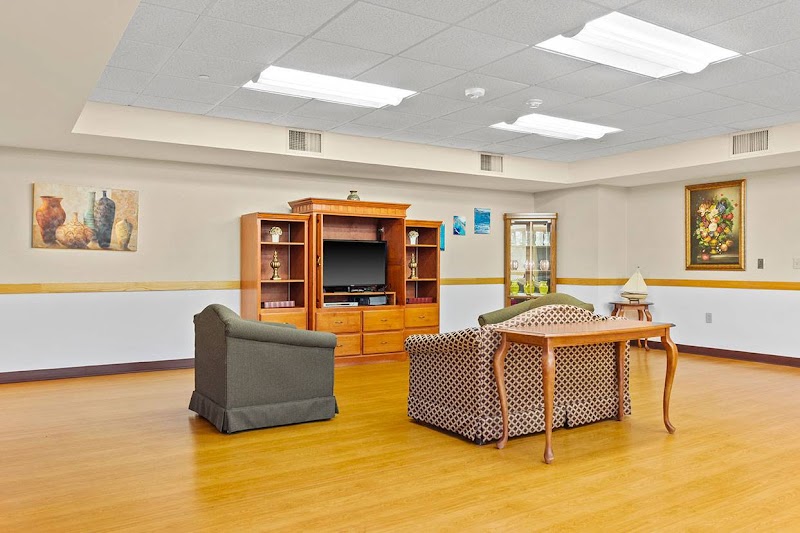
How is Sun Prairie Senior Living Staffed?

CMS rates SUN PRAIRIE SENIOR LIVING's staffing level at 2 out of 5 stars, which is below average compared to other nursing homes. Staff turnover is 61%, which is 15 percentage points above the Wisconsin average of 46%. High turnover can affect care consistency as new staff learn residents' individual needs. RN turnover specifically is 56%, which is notably high. RNs provide skilled clinical oversight, so turnover in this role can affect medical care quality.

What Have Inspectors Found at Sun Prairie Senior Living?

State health inspectors documented 22 deficiencies at SUN PRAIRIE SENIOR LIVING during 2022 to 2025. These included: 1 that caused actual resident harm and 21 with potential for harm. Deficiencies causing actual harm indicate documented cases where residents experienced negative health consequences.
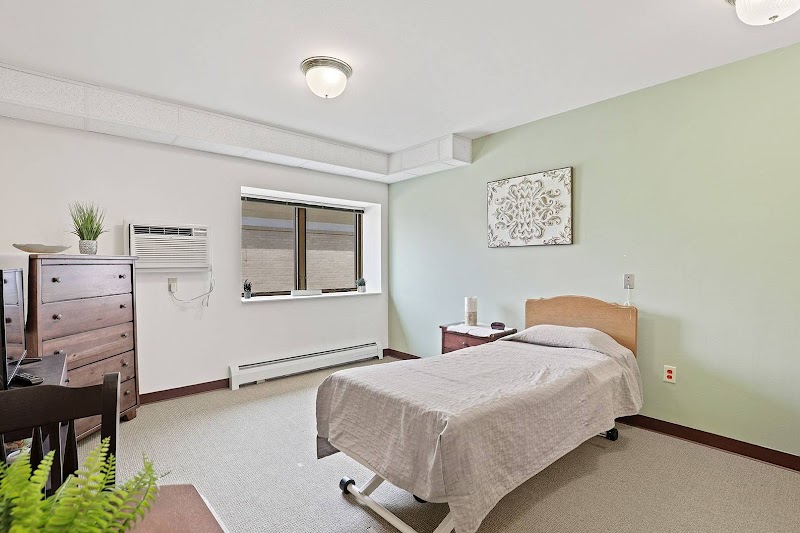
Who Owns and Operates Sun Prairie Senior Living?

SUN PRAIRIE SENIOR LIVING is owned by a for-profit company. For-profit facilities operate as businesses with obligations to shareholders or private owners. The facility is operated by TRILOGY HEALTH SERVICES, a chain that manages multiple nursing homes. With 42 certified beds and approximately 34 residents (about 81% occupancy), it is a smaller facility located in SUN PRAIRIE, Wisconsin.
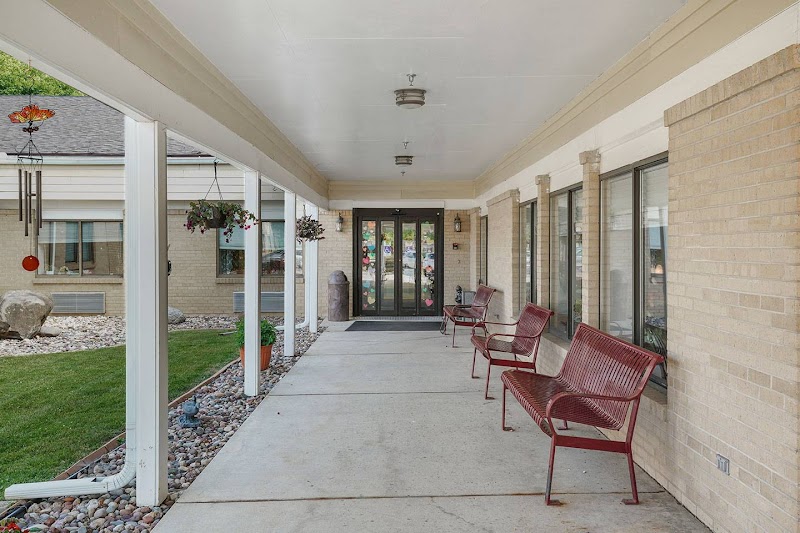
How Does Sun Prairie Senior Living Compare to Other Wisconsin Nursing Homes?

Compared to the 100 nursing homes in Wisconsin, SUN PRAIRIE SENIOR LIVING's overall rating (3 stars) matches the state average, staff turnover (61%) is significantly higher than the state average of 46%, and health inspection rating (2 stars) is below the national benchmark.

What Should Families Ask When Visiting Sun Prairie Senior Living?

Based on this facility's data, families visiting should ask: "How do you ensure continuity of care given staff turnover, and what is your staff retention strategy?" "Can you walk me through typical staffing levels on day, evening, and night shifts?" "Can I visit during a mealtime to observe dining assistance and food quality?" "How do you handle medical emergencies, and what is your hospital transfer rate?" These questions are particularly relevant given the facility's high staff turnover rate and the below-average staffing rating.

Is Sun Prairie Senior Living Safe?

Based on CMS inspection data, SUN PRAIRIE SENIOR LIVING has a clean safety record: no substantiated abuse findings (meaning no confirmed cases of resident harm), no Immediate Jeopardy citations (the most serious violation level indicating risk of serious injury or death), and is not on the Special Focus Facility watch list (a federal program monitoring the lowest-performing 1% of nursing homes). The facility has a 3-star overall rating and ranks #1 of 100 nursing homes in Wisconsin. While no facility is perfect, families should still ask about staff-to-resident ratios and recent inspection results during their visit.

Do Nurses at Sun Prairie Senior Living Stick Around?

Staff turnover at SUN PRAIRIE SENIOR LIVING is high. At 61%, the facility is 15 percentage points above the Wisconsin average of 46%. Registered Nurse turnover is particularly concerning at 56%. RNs handle complex medical decisions and coordinate care — frequent RN changes can directly impact care quality. High turnover means new staff may not know residents' individual needs, medications, or preferences. It can also be disorienting for residents, especially those with dementia who rely on familiar faces. Families should ask: What is causing the turnover? What retention programs are in place? How do you ensure care continuity during staff transitions?

Was Sun Prairie Senior Living Ever Fined?

SUN PRAIRIE SENIOR LIVING has no federal fines on record. CMS issues fines when nursing homes fail to meet care standards or don't correct problems found during inspections. The absence of fines suggests the facility has either maintained compliance or corrected any issues before penalties were assessed. This is a positive indicator, though families should still review recent inspection reports for the full picture.

Is Sun Prairie Senior Living on Any Federal Watch List?

SUN PRAIRIE SENIOR LIVING is not on any federal watch list. The most significant is the Special Focus Facility (SFF) program, which identifies the bottom 1% of nursing homes nationally based on persistent, serious quality problems. Not being on this list means the facility has avoided the pattern of deficiencies that triggers enhanced federal oversight. This is a positive indicator, though families should still review the facility's inspection history directly.