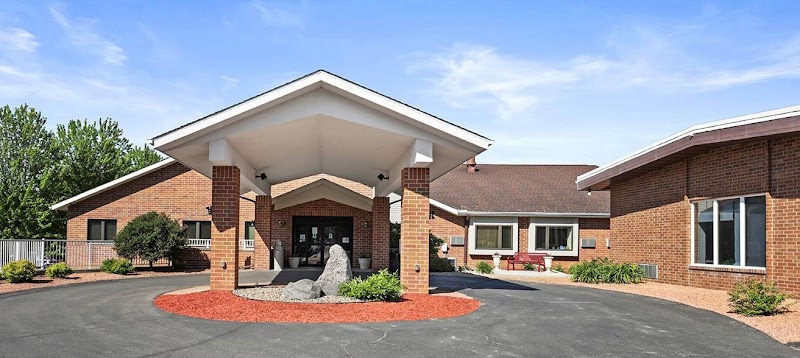
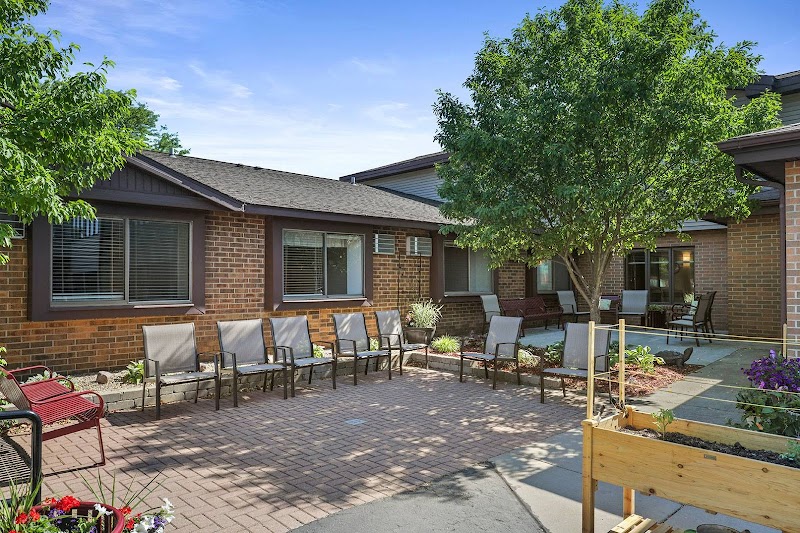
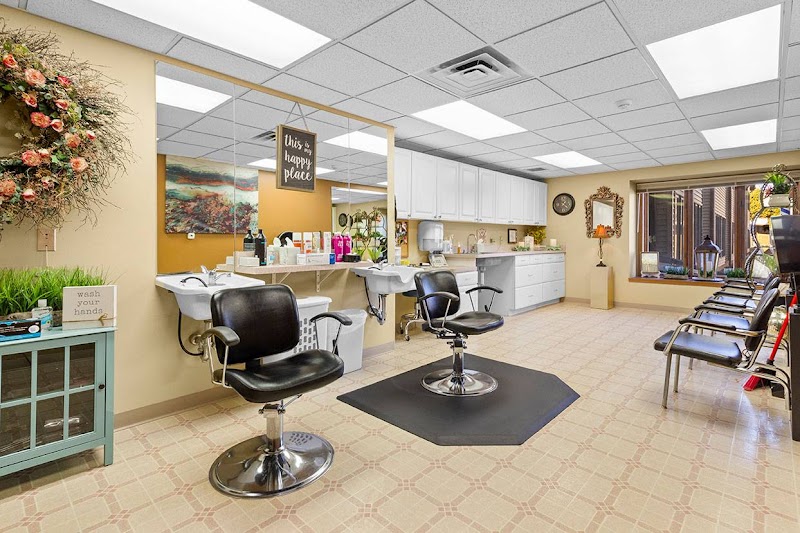
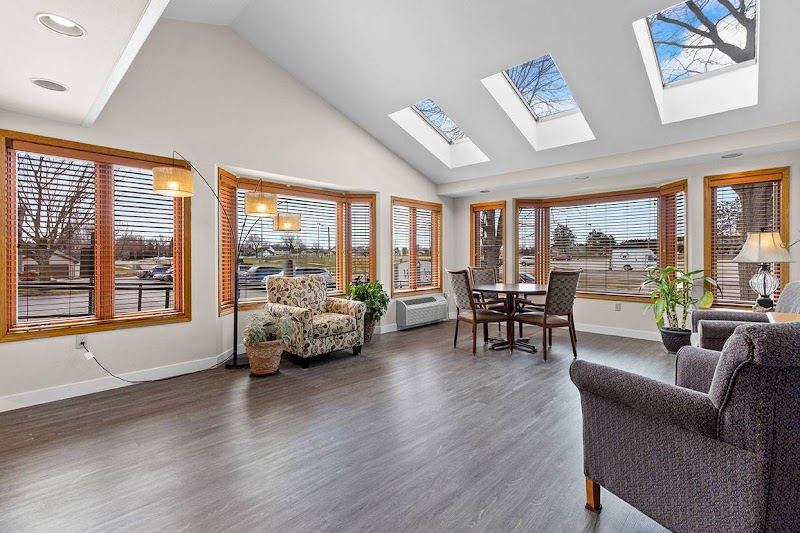
WAUNAKEE VALLEY SENIOR LIVING

801 KLEIN DR, WAUNAKEE, WI 53597 (608) 849-5016
For profit - Corporation 94 Beds TRILOGY HEALTH SERVICES Data: November 2025 5 Immediate Jeopardy citations
Trust Grade
0/100
#251 of 321 in WI
Last Inspection: January 2025

Within standard 12-15 month inspection cycle. Federal law requires annual inspections.

Overview

Waunakee Valley Senior Living has a Trust Grade of F, indicating significant concerns about the quality of care provided. Ranked #251 out of 321 facilities in Wisconsin, they are in the bottom half, and #12 out of 15 in Dane County means only a few local options are worse. Although the facility is showing some improvement, reducing its issues from 14 to 5 over the past year, it still has serious shortcomings, including a troubling rate of 60% staff turnover, which is higher than the state average. The home has faced $156,291 in fines, suggesting ongoing compliance problems, and it provides less RN coverage than 82% of Wisconsin facilities, which affects the quality of resident care. Specific incidents include failing to provide CPR to a resident in need, discharging residents without proper notice or care planning, and not adequately addressing the mental well-being of residents during these discharges, highlighting both critical safety concerns and a lack of effective communication with families.

Trust Score
F
0/100
In Wisconsin
#251/321
Bottom 22%
Safety Record
High Risk
Review needed
Inspections
Getting Better
14 → 5 violations
Staff Stability
⚠ Watch
60% turnover. Above average. Higher turnover means staff may not know residents' routines.
Penalties
✓ Good
$156,291 in fines. Lower than most Wisconsin facilities. Relatively clean record.
Skilled Nurses
○ Average
Each resident gets 32 minutes of Registered Nurse (RN) attention daily — about average for Wisconsin. RNs are the most trained staff who monitor for health changes.
Violations
⚠ Watch
44 deficiencies on record. Higher than average. Multiple issues found across inspections.
★★☆☆☆
2.0
Overall Rating
★☆☆☆☆
1.0
Staff Levels
★★★★★
5.0
Care Quality
★☆☆☆☆
1.0
Inspection Score
Stable
2024: 14 issues
2025: 5 issues

The Good

  • 5-Star Quality Measures · Strong clinical quality outcomes
  • Full Sprinkler Coverage · Fire safety systems throughout facility
  • No fines on record

Facility shows strength in quality measures, fire safety.

The Bad

2-Star Overall Rating

Below Wisconsin average (3.0)

Below average - review inspection findings carefully

Staff Turnover: 60%

14pts above Wisconsin avg (46%)

Frequent staff changes - ask about care continuity

Federal Fines: $156,291

Well above median ($33,413)

Significant penalties indicating serious issues

Chain: TRILOGY HEALTH SERVICES

Part of a multi-facility chain

Ask about local staffing decisions and management

Staff turnover is elevated (60%)

12 points above Wisconsin average of 48%

The Ugly 44 deficiencies on record

5 life-threatening 2 actual harm
Jan 2025 5 deficiencies
CONCERN (D)

Potential for Harm - no one hurt, but risky conditions existed

Deficiency F0645 (Tag F0645)

Could have caused harm · This affected 1 resident

Based on interview and record review, the facility did not follow through with the appropriate steps of the Preadmission Screening and Resident Review (PASRR) process for 1 of 5 residents (R48) review...

Read full inspector narrative →
Based on interview and record review, the facility did not follow through with the appropriate steps of the Preadmission Screening and Resident Review (PASRR) process for 1 of 5 residents (R48) reviewed. R48 did not have a PASRR level II completed. This is evidenced by: Per the facility, they do not have a PASRR Policy and Procedure, but they follow the Wisconsin PASRR QRG (Quick Reference Guide) process. Surveyor was also given the Forward Health Update dated November 2023 that the facility references. The Wisconsin PASRR QRG documents the following in verbiage and a flow diagram: What is a PASRR: Preadmission Screening and Resident Review (PASRR) is a federal requirement established to identify individuals with mental illness and/or intellectual developmental disability to ensure appropriate placement in the community or a nursing facility. Purpose: The purpose of a Level I screen is to identify individuals whose total needs require that they receive additional services for their intellectual disabilities or serious mental illness. Who Requires a PASRR: All residents admitting to the campus must have a level I PASRR screen completed whether they might have a diagnosis of mental illness (MI) or Intellectual/Developmental Disability (ID/DD) or not. When to complete: Prior to admission .On or before the last day of a short-term exemption .Short Term Exemption process .If is determined that the individual will need to stay beyond the short-term exemption period, a Level II screen must be completed . R48 admitted in April of 2024. R48 has the following diagnoses: bipolar disorder, major depressive disorder, PTSD (Post Traumatic Stress Disorder), adjustment disorder, and other anxiety disorders. R48's PASRR level I was completed with a documented 30-day exemption. R48 did not have a level II completed. On 1/23/25 at 5:23 PM, Surveyor interviewed DSS C (Director of Social Services). Surveyor asked DSS C if a level II PASRR should be completed if a resident stays longer than their anticipated 30 days, DSS C said yes. Surveyor asked DSS C should R48 have had a PASRR II completed, DSS C stated I'm sure I did a level II but if I don't have a copy of it in here then it is too late to call and get it. They send it back to me in an email, so I don't know if I missed it or not.
CONCERN (D)

Potential for Harm - no one hurt, but risky conditions existed

Quality of Care (Tag F0684)

Could have caused harm · This affected 1 resident

**NOTE- TERMS IN BRACKETS HAVE BEEN EDITED TO PROTECT CONFIDENTIALITY** Based on interview and record review, the facility did not ensure residents receive treatment and care in accordance with profes...

Read full inspector narrative →
**NOTE- TERMS IN BRACKETS HAVE BEEN EDITED TO PROTECT CONFIDENTIALITY** Based on interview and record review, the facility did not ensure residents receive treatment and care in accordance with professional standards of practice when experiencing a change in condition for 2 of 2 residents (R52 and R305) reviewed for quality of care. R52 and R305 has documented nursing assessments completed and signed by Licensed Practical Nurse (LPNs), which are required to be completed or signed off by a Registered Nurse (RN). Evidenced by: Surveyor requested a facility policy outlining RN assessments, facility staff stated they were unable to provide this policy. N9 Wisconsin Nurse Practice Act states, in part: N6.03 Standards of practice for registered nurses. An R.N. shall utilize the nursing process in the execution of general nursing procedures in the maintenance of health, prevention of illness or care of the ill. The nursing process consists of the steps of assessment, planning, intervention, and evaluation. This standard is met through performance of each of the following steps of the nursing process: (a) Assessment. Assessment is the systematic and continual collection and analysis of data about the health status of a patient culminating in the formulation of a nursing diagnosis . N6.04. Standards of Practice for the licensed practical nurses . (e)Perform the following other acts when applicable: 1. Assist with the collection of data . Example 1 R52 was admitted to the facility on [DATE], with diagnoses that include, in part: fracture of right femur, periprosthetic fracture around internal prosthetic left hip joint (fracture around artificial hip joint), malignant neoplasm of prostate, and secondary malignant neoplasm of bone. R52's admission Minimum Data Set (MDS), with Assessment Reference Date (ARD) of 12/19/24, indicates that R52 has a Brief Interview of Mental Stats (BIMS) score of 14 out of 15, indicating that he is cognitively intact. R52's progress notes include, in part: On 11/27/24 at 10:25 PM, a progress note is written that includes a complete head-to-toe assessment along with teaching and training provided to the resident. This note is signed by LPN F (Licensed Practical Nurse) with no record of a RN (Registered Nurse) co-signature or notification. On 11/28/24 at 4:10 PM, a progress note is written that includes a complete head-to-toe assessment along with teaching and training provided to the resident. This note is signed by LPN F with no record of a RN co-signature or notification. On 11/29/24 at 5:00 AM, a progress note is written that includes a complete head-to-toe assessment along with teaching and training provided to the resident. This note is signed by LPN F with no record of a RN co-signature or notification. On 11/30/24 at 9:26 AM, a progress note is written that includes a complete head-to-toe assessment along with teaching and training provided to the resident. This note is signed by LPN K with no record of a RN co-signature or notification. Example 2 R305 was admitted to the facility on [DATE] with diagnoses that include, in part: primary cancer of right lower lobe of lung, hypertension (high blood pressure), lung cancer metastatic to brain, impaired mobility and ADLs (Activities of daily living), and weakness. R305's was a new admission and did not have a comprehensive Minimum Data Set (MDS) completed at the time of survey. R305's progress notes include, in part: On 1/18/25 at 11:07 AM, a progress note is written that includes a complete head-to-toe assessment along with teaching and training provided to the resident. This note does include findings of pain, with a complete pain assessment. This note is signed by LPN F with no record of a RN co-signature or notification. On 1/19/25 at 7:14 AM, a progress note is written that includes a complete head-to-toe assessment along with teaching and training provided to the resident. This note does include findings of pain, with a complete pain assessment. This note is signed by LPN F with no record of a RN co-signature or notification. On 1/20/25 at 4:26 PM, a progress note is written that includes a complete head-to-toe assessment along with teaching and training provided to the resident. This note is signed by LPN I with no record of a RN co-signature or notification. On 1/23/25 at 2:59 PM, Surveyor interviewed LPN I. Surveyor asked LPN I if a resident falls, does he pick the patient up before speaking to a RN. LPN I states he will assess for injuries than notify family, physician, and DON B (Director of Nursing) after getting the resident off the floor. Surveyor asked LPN I if LPNs are allowed to assess residents. LPN I states, no. On 1/23/25 at 3:51 PM, Surveyor interviewed RN L. Surveyor asked RN L if when a resident falls, should the resident ever be picked up without the LPN discussing their findings with an RN. RN L states, LPNs cannot assess. On 1/23/25 at 4:25 PM, Surveyor interviewed DON B (Director of Nursing). Surveyor asked DON B if the facility does daily nursing assessments. DON B indicates, they do skilled documentation that are standing orders. Surveyor asked DON B what skilled documentation or nursing assessments look like. DON B indicates, they are the head-to-toe assessments under the skilled document template. Surveyor asked DON B if LPNs can assess residents. DON B indicates, she believes with RN oversight they can assess and would need to report it to an RN if there are new findings. On 1/23/25 at 4:45 PM, Surveyor interviewed DON B. DON B provided Surveyor with the State Nursing Practice Act, detailed above, and indicated that assessments are reviewed during the Weekly Skilled/Medicare Meeting. Surveyor asked DON B if LPNs can do the skilled nursing head-to-toe assessments. DON B indicates LPNs can do observations. Surveyor advised DON B that Surveyor has reviewed several head-to-toe assessments without an RN co-sign or note stating an RN was consulted regarding LPN findings. DON B indicates she would expect the head-to-toe assessments to be co-signed by and RN or that the LPN note that their findings were discussed with an RN.
CONCERN (D) 📢 Someone Reported This

A family member, employee, or ombudsman was alarmed enough to file a formal complaint

Potential for Harm - no one hurt, but risky conditions existed

Deficiency F0740 (Tag F0740)

Could have caused harm · This affected 1 resident

**NOTE- TERMS IN BRACKETS HAVE BEEN EDITED TO PROTECT CONFIDENTIALITY** Based on interview and record review, the facility did not provide behavioral health services to ensure the highest practicable ...

Read full inspector narrative →
**NOTE- TERMS IN BRACKETS HAVE BEEN EDITED TO PROTECT CONFIDENTIALITY** Based on interview and record review, the facility did not provide behavioral health services to ensure the highest practicable mental and psychosocial well-being for 1 of 2 residents (R11) reviewed. R11 admitted to the facility with a history of depression. The facility failed to offer R11 services related to this diagnosis even after R11's husband passed away in [DATE]. This is evidenced by: The National Institutes for Health states, in part: .Depression, even severe depression, can be treated. It's important to seek treatment as soon as you begin noticing signs . A doctor can rule out medical possibilities through a physical exam, learning about your health and personal history, and lab tests. If a doctor finds there is no medical condition that is causing the depression, he or she may suggest a psychological evaluation and refer you to a mental health professional . The State Operations Manual, Appendix PP states, in part: Providing behavioral health care and services is an integral part of the person-centered environment. This involves an interdisciplinary approach to care, with qualified staff that demonstrate the competencies and skills necessary to provide appropriate services to the resident. Individualized approaches to care (including direct care and activities) are provided as part of a supportive physical, mental, and psychosocial environment, and are directed toward understanding, preventing, relieving, and/or accommodating a resident's distress or loss of abilities . In addition to the facility-wide approaches that address residents' emotional and psychosocial well-being, facilities are expected to ensure that residents' individualized behavioral health needs are met Although people experience losses, it does not necessarily mean that they will become depressed. Depression (major depressive disorder or clinical depression) is a common and serious mood disorder. Symptoms may include fatigue, sleep and appetite disturbances, agitation, and expressions of guilt, difficulty concentrating, apathy, withdrawal, and suicidal ideation . R11 was admitted to the facility on [DATE], with diagnosis that include, in part: Parkinsonism (a group of neurological disorders that affect movement), Essential Hypertension (high blood pressure), Depression, unspecified, Chronic fatigue, unspecified, Repeated falls, and Dysphagia (difficulty swallowing). R11's most recent Quarterly Minimum Data Set (MDS) with an Assessment Reference Date (ARD) of [DATE] states in part, R11 has a Brief Interview for Mental Status (BIMS) of 10 out of 15, indicating that R11 has a moderate cognitive impairment. Section D0150 of R11's MDS indicates feeling down, depressed, or hopeless 2-6 days. Section D0700 of R11's MDS states sometimes for social isolation. R11's Comprehensive Care Plan, states, in part: Problem: Resident demonstrates altered mood due to recent life losses and admission to the facility. Date Initiated: [DATE]. Goal: Resident's altered mood will not result in uncompensated depression. Target Date: [DATE]. Approach/Interventions: Encourage healthy reminiscing contacts as appropriate. Start Date: [DATE]. Meds per orders. Start Date: [DATE]. Observe resident's adjustment to facility, rehab program, daily activity, etc. Start Date [DATE]. Offer routine schedules and consistency of care. Start Date: [DATE]. Refer to psych services as needed. Start Date: [DATE]. Problem: [Resident Name] recently experienced the death and dying of her spouse. Resident is progressing through the stages of grief. Date Initiated: [DATE]. Goal: [Resident Name's] grief will not result in significant weight loss or gain, the inability to participate in ADLs (Activities of Daily Living), isolation, listlessness, etc. Target Date: [DATE]. Approach/Interventions: Encourage resident to continue to eat meals in the dining room with other residents. Start Date: [DATE]. Encourage resident to participate in structured activities and individual leisure activities. Start Date: [DATE]. Monitor for increased signs and symptoms of depression through the PHQ (Patient Health Questionnaire) PRN (as needed). Start Date [DATE]. Observe resident's mood, affect, and behaviors with all hands-on care and contacts. Start Date: [DATE]. Provide supportive counseling contacts PRN. Start Date [DATE]. Refer to psych services as needed. Start Date: [DATE]. R11's Physician Orders state, in part: -Trazodone tablet; 100 mg (milligram): 1 tablet at HS (bedtime). Start Date: [DATE]. -Resident has a dx (diagnosis) of Parkinson's disease. Nursing is to monitor for increased tremors, stiffness/rigidity, bradykinesia (slowness of movement), or impaired balance/coordination. Nursing to coordinate care with neurology for medication adjustments/management as needed. Administer medications as ordered. Start Date: [DATE]. R11's Treatment Administration Record (TAR) states, in part: Target Behavior - Depression monitor for s/s (signs/symptoms) of crying, weeping, self-isolation, refusal of cares. At the end of each shift mark frequency - how often behavior occurred and intensity - how resident responded to redirect. Start Date [DATE] . -R11's TAR indicates yes for depression 16 times in [DATE], all marked as difficult to redirect. -R11's TAR indicates yes for depression 5 times in [DATE] marked as difficult to redirect and 2 marked as easily altered. -R11's TAR indicates yes for depression 1 time in [DATE], marked as easily altered. -R11's TAR indicates yes for depression 5 times in [DATE], all marked as difficult to redirect. -R11's TAR indicates yes for depression 6+ times in [DATE], marked as difficult to redirect. -R11's TAR indicates yes for depression 4+ times (one entry only indicated many not a number for frequency) in [DATE], all marked as difficult to redirect. On [DATE] at 10:20 AM, a Nursing Progress Note entered by LPN F (Licensed Practical Nurse) states, in part: Continues with poor appetite, sleeping for longer periods, daytime fatigue, frequently observed falling asleep at meal, recent loss of spouse which has contributed to overall decline, resident has made comments to writer, I'm ready to die. I was only living for my husband and now he is gone so what is the point . family is supportive and visit several times per week. POA (Power of Attorney) is kept informed of resident decline . On [DATE] a Nurse Practitioner (NP) Note states, in part: . More labile since the passing of her husband . she has now had some weight loss in the SNF (skilled nursing facility) particularly since the passing of her husband . when I asked about her teeth, she said what's the point?. We explored that today and we talked about dying. She said, in her own words, that she is okay with dying . and has a sense of readiness about death . Assessment/Plan for poor sleep: continue trazodone 75 mg HS . (Of note, R11's MDS indicated being depressed 2-6 times, her TAR indicated many instances of depression, her Care Plan noted depression, and she verbalized wanting to die on two separate occasions; however, she was not prescribed any medication to expressly help with her depression. R11 was prescribed trazodone, which is categorized as an anti-depressant but was being utilized to help R11 with her insomnia, not depression). On [DATE] at 10:43 AM, a Nursing Progress Note entered by LPN F states, in part: staff report resident is sleeping more during the day, writer observed resident falling asleep at breakfast . On [DATE] at 6:42 AM, Nursing Progress Note entered by LPN F states, in part: resident signed on with Agrace Hospice effective [DATE] . On [DATE] at 3:31 PM, Nursing Progress Note entered by LPN F states, in part: weight obtained . shows weight loss . poor appetite . declines to eat most meals or only takes a couple bites, is no longer drinking entire nutritional supplement . signed on with hospice . NP updated . (Of note, R11's care planned goals and interventions were not updated or personalized despite her continued decline and depression). On [DATE] at 6:47 PM, Surveyor interviewed CNA E (Certified Nursing Assistant), and asked if she had noticed a change in R11's mood or behavior. CNA E stated she did notice that R11 has been more tired, quieter, and not eating as much. CNA E stated that when she notices a resident change or decline, she notifies LPN F. On [DATE] at 6:50 PM, Surveyor interviewed LPN I, who stated that R11 has had a gradual decline since March (when her husband passed away), and a steadier decline recently. LPN I indicated that R11's family is very involved in her care and takes her out frequently, which helps with her mood. On [DATE] at 6:54 PM, Surveyor interviewed LPN F, who stated R11 has good days and bad days, and on bad days she doesn't want to eat much. LPN F stated that R11 went through the normal grief process when her husband died. LPN F stated that recently R11 had not been wanting to drink much or drink her supplement, and R11 told her she is just not hungry anymore. LPN F indicated that R11's depression did not manifest in much crying, but for her, she becomes more aggressive and lashes out when she is depressed. Surveyor asked LPN F if she would consider R11's decline a change in condition. LPN F stated she would. On [DATE] at 6:57 PM, Surveyor interviewed CNA G, who stated that R11 has declined over the past few months, and that her appetite has decreased. Surveyor asked CNA G how depression was manifested in R11. CNA G indicated that R11 was refusing to get up in the morning, decreased appetite. CNA G stated that she had not noticed any crying or weeping, just an overall general decline. Surveyor asked CNA G who she would report resident changes in condition to. CNA G stated that she would always report those to LPN F. On [DATE] at 7:00 PM, Surveyor interviewed CNA H, who stated that R11 has had a slow decline, including poor appetite, very tired, going to bed earlier and getting up later. CNA H stated that R11 has expressed sadness and that she still misses her husband. Surveyor asked CNA H who she would notify of a resident change in condition such as poor appetite and increased tiredness. CNA H stated she would inform the nurse and that the nurse would follow-up. On [DATE] at 4:20 PM, Surveyor interviewed DSS C (Director of Social Services), and asked her what interventions were put in place to support R11 with her grief and depression. DSS C stated that informal contacts had been made to help with the grief process. DSS C stated that she asked hospice if they could provide grief services, but they had recommended an outside service, which they did not pursue. DSS C said that she would informally stop in and touch base with her. Surveyor asked DSS C if she had made a referral for a psychiatric evaluation, per R11's care plan. DSS C stated that she had not. On [DATE] at 5:41 PM, Surveyor interviewed Interim NHA A (Nursing Home Administrator) and asked her if she would expect the care planned interventions for R11 to be implemented and followed. NHA A replied yes, that was her expectation. Surveyor pointed out to NHA A that neither the psychiatric evaluation nor the referral to counseling services had been provided to R11. NHA A indicated that was unacceptable. On [DATE] at 7:50 PM, Surveyor interviewed DON B (Director of Nursing) about R11's depression and decline. Surveyor asked if R11's behaviors of decreased appetite, increased sleep, and statements of wanting to die would be considered clinical depression. DON B replied yes. Surveyor asked DON B if R11's care plan should have been updated and personalized to support R11's continued depression. DON B replied yes, that would be her expectation. Surveyor asked DON B if an anti-depressant medication had ever been offered to R11 to assist with her depression. DON B stated that she had not been employed by the facility when R11's husband passed away; however, she reviewed R11's EHR (Electronic Health Record) and confirmed that R11 had never been on an antidepressant, other than trazodone for sleep. Despite R11's continued gradual decline, the facility failed to recognize her obvious signs of depression, develop, and implement a person-centered care plan for depression, or provide her with social service and behavioral support, until being signed on with hospice services on [DATE].
CONCERN (D) 📢 Someone Reported This

A family member, employee, or ombudsman was alarmed enough to file a formal complaint

Potential for Harm - no one hurt, but risky conditions existed

Deficiency F0760 (Tag F0760)

Could have caused harm · This affected 1 resident

**NOTE- TERMS IN BRACKETS HAVE BEEN EDITED TO PROTECT CONFIDENTIALITY** Based on observation, interview, and record review, the facility did not ensure residents are free of significant medication err...

Read full inspector narrative →
**NOTE- TERMS IN BRACKETS HAVE BEEN EDITED TO PROTECT CONFIDENTIALITY** Based on observation, interview, and record review, the facility did not ensure residents are free of significant medication errors for 1 of 1 out of 14 sampled residents (R52). R52 had an order for abiraterone (used to treat prostate cancer that has spread to other parts of the body) 1000 mg (milligrams) to be administered once a day by mouth. This medication has precise administration instructions, that it needs to be taken with a full glass of water and on an empty stomach. Residents are instructed not to eat anything for at least two hours before and one hour after taking this medication. This medication was administered late on 11/30/24 and 12/1/24. Evidenced by: The facility policy, titled, Medication Administration Times, dated 12/17/24, states, in part: . Purpose: To ensure medication is administered in resident centered fashion and documented in medical record. Procedures . Unless a specific times is designated by the attending physician medications shall be administered at the following times . According to the National Library of Medicine, abiraterone must be taken as a single dose, once daily, and on an empty stomach. Instructions include not eating two hours before taking the medication and not eating for one hour after taking the medication. (Source: https://dailymed.nlm.nih.gov/dailymed/drugInfo.cfm?setid=0a84f388-a8b4-4065-93a6-1c663c99d265) R52 was admitted to the facility on [DATE], with diagnoses that include, in part: fracture of right femur, periprosthetic fracture around internal prosthetic left hip joint (fracture around artificial hip joint), malignant neoplasm of prostate, and secondary malignant neoplasm of bone. R52's admission Minimum Data Set, with Assessment Reference Date (ARD) of 12/19/24, indicates that R52 has a Brief Interview of Mental Stats (BIMS) score of 14 out of 15, indicating that he is cognitively intact. R52's Physician Orders indicates: abiraterone 250 mg tablet; Amount to Administer: 4 tabs; oral; Once a Day; 10:00 AM-11:00 AM. Start date: 11/28/24. End date: 12/20/24 (DC (Discharge) Date). R52's Medication Administration Record states, in part: 11/30/24 - Abiraterone administered at 11:05 AM 12/1/24 - Abiraterone administered at 11:24 AM This resulted in two significant medication errors. On 1/23/25 at 2:54 PM, Surveyor interviewed LPN F (Licensed Practical Nurse). Surveyor asked LPN F if medications need to be administered at a certain time. LPN F indicates that most medications have a four-hour time block that they can administer the medications, but some are more specific. Surveyor asked LPN F if medications should be administered according to physician order. LPN F indicates, medications should be administered according to physician order. On 1/23/25 at 2:59 PM, Surveyor interviewed LPN I. Surveyor asked LPN I if medications need to be administered at a certain time. LPN I indicates that most some medications have a wider time frame and some medications are more specific. Surveyor asked LPN I if medications should be administered according to physician order. LPN I states, yes. On 1/23/25 at 4:25 PM, Surveyor interviewed DON B (Director of Nursing). Surveyor asked DON B if medications have a time frame to be administered in if they are not PRN (as needed). DON B, states yes. Surveyor asked DON B if she expects medications to be administered on time. DON B states, yes. Surveyor asked DON B if medications should be administered according to physician order. DON B states, yes. Surveyor asked DON B about R52's late medication administrations, and if these medications should have been administered on time. DON B indicates, yes and it should have been reported to administrative staff.
CONCERN (D)

Potential for Harm - no one hurt, but risky conditions existed

Deficiency F0761 (Tag F0761)

Could have caused harm · This affected 1 resident

Based on observation, interview, and record review, the facility did not ensure all drugs and biologicals were stored in accordance with currently accepted professional principles. This occurred for 1...

Read full inspector narrative →
Based on observation, interview, and record review, the facility did not ensure all drugs and biologicals were stored in accordance with currently accepted professional principles. This occurred for 1 of 3 medication carts observed. During the three-day survey, 1 of 3 medication carts was left unattended, unlocked, and out of view of staff. Evidenced by: The facility policy titled Medication Storage in the Facility revised 10/2019 states in part .B. Only licensed nursed, pharmacy personnel, and those lawfully authorized to administer medications (such as medication aides) are permitted to access medications. Medication rooms, carts, and medication supplies are locked when not attended by persons with authorized access . On 1/21/25 at 9:18 AM, Surveyor observed the medication cart located on A wing to be sitting in the hallway unlocked. On 1/21/25 at 9:19 AM, Surveyor observed LPN J (Licensed Practical Nurse) exit another room on the hallway and approach the medication cart. Surveyor asked LPN J what the process is when they leave the medication cart, LPN J stated that they are to make sure the pills are locked up. Surveyor asked LPN J if the medication cart was locked when they left it, LPN J stated no. On 1/23/25 at 4:23 PM, Surveyor interviewed DON B (Director of Nursing). Surveyor asked DON B what the expectation was for nurses when they leave their medication carts, DON B stated that the cart should be locked, and the nurses should take their keys with them. Surveyor asked DON B if she would have expected LPN J's cart to be locked when they left to go into another room, DON B stated yes.
Nov 2024 4 deficiencies 1 IJ
CRITICAL (J) 📢 Someone Reported This

A family member, employee, or ombudsman was alarmed enough to file a formal complaint

Immediate Jeopardy (IJ) - the most serious Medicare violation

Accident Prevention (Tag F0689)

Someone could have died · This affected 1 resident

**NOTE- TERMS IN BRACKETS HAVE BEEN EDITED TO PROTECT CONFIDENTIALITY** Based on record review and interviews, the facility did not ensure each resident received adequate supervision to prevent accide...

Read full inspector narrative →
**NOTE- TERMS IN BRACKETS HAVE BEEN EDITED TO PROTECT CONFIDENTIALITY** Based on record review and interviews, the facility did not ensure each resident received adequate supervision to prevent accidents from elopements for 1 of 3 residents (R4) reviewed for accidents. R4 was identified as a risk for wandering and has a Wanderguard attached to her walker. R4 eloped from the facility on 10/26/24 and the Wanderguard alarm system did not activate. The facility did not know R4 had left the building until local law enforcement contacted the facility. R4 traveled four (4) blocks and crossed a busy intersection. The facility's failure to provide adequate supervision created a reasonable likelihood for serious injury or harm leading to a finding of immediate jeopardy that began on 10/26/24. NHA A (Nursing Home Administrator) was notified of the immediate jeopardy on 10/30/24 at 12:54 PM. The immediate jeopardy was removed on 10/27/24 and corrected on 10/30/24. This is being cited as past noncompliance. Findings: The facility policy, Guideline for Elopement/Missing Resident, dated 12/31/23, states, in part; .To establish guidelines to report and investigate all reports of elopement/missing persons. It is the responsibility of all personnel to report any resident attempting to leave the premises or suspected of being missing to the charge nurse as soon as practical .2. Disoriented Resident (already deemed an elopement risk) observed exiting the campus door: .g. Complete an exit seeking event form h. Attach progress note to an open exit seeking event .3. Door Alarm Sounding/Missing Resident a. Staff should respond promptly to a sounding door alarm b. The charge nurse, facility supervisor or Executive Director should call staff to a central area and designate the following: i. A staff person to perform a facility head count to determine who may be missing . R4 was admitted to the facility on [DATE] with diagnoses including dementia, osteoarthritis, major depressive disorder, repeated falls, other abnormalities of gait and mobility, weakness, and permanent atrial fibrillation. R4's most recent Minimum Data Set (MDS) with Assessment Reference Date (ARD) of 7/25/24, indicates R4 has a Brief Interview for Mental Status (BIMS) score of 11 indicating R4 is moderately impaired. R4 has an Activated Power of Attorney. R4's Comprehensive Care Plan, states, in part; .Problem Start Date: 7/29/24 .R4 wanders without purpose. Goal R4's wandering behaviors will not result in injury to self. Approach Check wander guard for placement and function. Assess cognition with BIMS quarterly and prn. Encourage resident to participate in brief periods of structured activities. Encourage resident's family to visit on a schedule that meets the needs of the resident as appropriate. Maintain routine in resident's day including mealtime, activity, family visits, etc. monitor resident's cognitive functioning for significant fluctuations and refer to physician as needed. Observe for signs of increasing fatigue and offer frequent rest periods to prevent falls. Observe resident's wandering patterns and escort away from other residents or other resident's rooms as needed. Provide meaningful leisure activity as appropriate. R4's current order states in part; .start date 10/28/24 check placement of wandering system bracelet/device every shift to right wrist and walker. R4's elopement risk assessments state in part; .4/24/24 Elopement Risk Review Indicate if resident is an elopement risk YES, complete next questions. Resident has elopement risk, because of the following voices statements of leaving and exhibit periods of pacing, agitation or wandering toward an exit .select approaches to prevent elopement exit seeking alarm bracelet/device on resident, monitor placement of exit alarm bracelet/device every shift, and monitor function of exit alarm bracelet/device function daily. 10/27/24 Elopement Risk Review Indicate if resident is an elopement risk YES, complete next questions. Resident has elopement risk, because of the following history of exit seeking, exhibit periods of pacing, agitation or wandering toward an exit, resident has eloped within the last 3 months .select approaches to prevent elopement observe elopement attempts, 1:1 supervision, exit seeking alarm bracelet/device on resident, monitor placement of exit alarm bracelet/device every shift, and monitor function of exit alarm bracelet/device function daily . R4's Progress Note states in part; .10/25/24 .IDT (Interdisciplinary Team) review: resident remains appropriate for use of wander guard bracelet at this time for safety. Resident is able to move about the facility independently and can become confused at times. Provider and family are in agreement with con't (continued) use . 10/26/24 5:22 PM .facility staff alerted that resident was found to be walking off campus near manufacturing plant, police notified and returned resident to facility. Wander guard bracelet on and functioning. In room sitting in recliner at this time . 10/26/24 5:37 PM .Resident was returned to the facility at 4:15 PM by police. Her vital signs were stable upon return. Resident denies pain but says she is really tired. Writer assisted resident to her room and encouraged her to rest in her recliner. A check was completed with no abnormal findings. Staff will be doing 15-minute checks to ensure resident's location at all times . 10/26/24 9:45 PM .Resident has been placed on 15-minute checks following elopement event earlier this afternoon. She has made no further attempts to leave the building and is currently sleeping in her bed . 10/29/24 7:27 AM .IDT review of exit seeking event on 10/26/24 .Resident returned to facility per police department after exiting building and walking off campus with use of walker. Resident was dressed appropriately and wearing appropriate foot wear. Weather was sunny and 58 degrees outside at time of event . Case Report Summary from local law enforcement states in part; .Incident 10/26/24 15:57 (3:57 PM) .Dispatched information: At approximately 3:57pm, Sheriff's Office was dispatched to a found person at (Name of Manufacturing Company) .Dispatch stated an elderly female had been located there pounding on the door asking for help. Dispatch advised R4 did not know where she lived or any further information about herself. The deputy assigned to this case requested my assistance due to the likelihood that R4 was missing from somewhere in the village jurisdiction, since (Name of Manufacturing Company) is surrounded by village property. I responded to (Manufacturing Company Name) I arrived on scene and was waved down by the caller who was with the elderly female on a south facing side door of the main building at (Manufacturing Name). To get to this side door, you must cross a wooden decorative bridge. I made contact with the citizen and the elderly female who we later identified. R4 had her walker with her, but no identifying information. She stated her lips were dry and she was thirsty but was not injured or needing medical attention. R4 had no recollection of how she got to (Manufacturing Company Name) or how long she had been out walking. She didn't know where she lived or any of her identifying information .Sgt. called facility which is located just a couple blocks away. Staff confirmed their resident was missing. Staff was unaware R4 was missing until Sgt. had called. They requested R4 be given a ride back to their facility I spoke with the head nurse who stated he had no idea how R4 got out of the facility. I confirmed R4's wander guard was on her walker, but staff wasn't sure why the alarms didn't go off when she left. Head nurse stated another staff member mentioned an alarm going off to a door that went towards their assisted living facility. That staff member didn't see anyone around, so they shut off the alarm. Head nurse also mentioned that after they learned R4 left, they tested the doors and discovered one of the dining room doors didn't sound when it opened. Head nurse added he last saw R4 around 3pm, and he never saw her pass him to get to the dining room, so he is unsure how she got outside. Head nurse stated he had already spoken with director .after leaving the facility, I spoke with director over the phone. She stated she was trying to watch surveillance footage to determine how R4 escaped. I informed her of my findings at (Manufacturing Company Name) and specifically that due to the door R4 had gone to, no one would have likely found her until Monday if it wasn't for the citizen that did find her who happened to be hanging fliers in the area and heard R4 calling for help . During an interview with Surveyor on 10/28/24 at 3:15 PM, LPN I (Licensed Practical Nurse) indicated he was the nurse on duty on 10/26/24 when R4 eloped. LPN I indicated R4 was talking about wanting to go home. LPN I indicated R4 is at risk for wandering and elopement. LPN I indicated the last time he saw R4 was around 3:00 PM sitting on her walker in the hallway on 10/26/24. LPN I indicated he received a call from the police around 4:00 PM saying they had R4 and that she was found down the road. LPN I indicated there were no alarms that went off and he does not know of any previous issues with the Wanderguard system not working correctly. LPN I indicated he immediately called the NHA (Nursing Home Administrator). LPN I indicated he was instructed to collect written statements from everyone who was working. LPN I indicated R4 got back to the facility around 4:15 PM accompanied by the police officer. LPN I indicated R4 was tired and that he completed assessment and vitals. LPN I indicated R4 was put on 15-minute checks immediately and the 15-minute checks are currently still in place. LPN I indicated R4 previously had an elopement incident over the summer. LPN I indicated the Wanderguard alarm went off at that time and staff began looking for R4. LPN I indicated R4 was found in the parking lot during that incident but went back inside with staff assistance. LPN I indicated currently R4 is on 15-minute checks; secretary or assigned person is always at the nurse station as a double check in the event the Wanderguard system isn't working correctly. LPN I indicated receiving education recently regarding the facility elopement policy and Wanderguard system. During an interview with Surveyor on 10/28/24 at 3:36 PM, CNA K (Certified Nursing Assistant) indicated R4 is at risk for elopement and will wander throughout the building. CNA K indicated she was working on 10/26/24 when R4 eloped. CNA K indicated she was in another resident room and did not hear an alarm go off on 10/26/24. CNA K indicated she was working the evening over the summer when R4 was found in the parking lot. CNA K indicated the alarms did go off for that incident. CNA K indicated she does not know of any other incidents where the Wanderguard system didn't go off and it should have. CNA K indicated currently R4 is on 15-minute checks, has a Wanderguard on self, staff encourage R4 to hang out at the nurse's station where staff are present, and encourage activities. CNA K indicated R4 likes doing puzzles with staff. CNA K indicated she recently received education regarding elopement and Wanderguard system process through the app that the facility utilizes. Surveyor observed R4 throughout the day on 10/28/24. R4 was active in activities that were offered and went on a van ride with peers and staff. R4 was observed in dining room visiting with table mates and staff in dining room area for all meals. Surveyor observed R4 visiting at the nurse's station and walking with staff up and down R4's hallway. Surveyor observed no concerns with R4's supervision and supports throughout the day on 10/28/24. During an interview with Surveyor on 10/28/24 at 10:00 AM, LPN C (Licensed Practical Nurse) indicated she is aware of R4's elopement incident on 10/26/24. LPN C indicated R4 went out the back door near the nurse's station and that the Wanderguard alarm did not go off on 10/26/24. LPN C indicated R4 is now on 15-minute checks, the receptionist is now sitting at the nurse's station, and the kitchen and back doors are now shut. LPN C indicated she is not sure if R4 has had prior elopement incidents but knows R4 was at risk for wandering and elopement prior to incident. LPN C indicated they recently received education on elopement and reviewed facility policy. During an interview with Surveyor on 10/28/24 at 11:30 AM, CNA F (Certified Nursing Assistant) indicated she was not working when R4 eloped, but she knows about the incident. CNA F indicated she thinks that R4 had previous attempts of elopement. CNA F indicated R4 left the building through the doors near the nurse's station. CNA F indicated the receptionist is now sitting at nurse's station, the doors are now closed, and they are expected to always keep an eye on R4. CNA F indicated she does not believe she received education recently on the facility elopement policy. It is important to note facility provided staff signature sheet to Surveyor and CNA F received education on elopement policy and exit seeking behaviors. During an interview with Surveyor on 10/28/24 at 12:06 PM, CNA E (Certified Nursing Assistant) indicated she is new to the nursing home side of the facility. CNA E indicated she recently did receive education regarding the facility elopement policy and to monitor residents who are at risk for wandering/elopement. CNA E indicated she recently received education through the app that the facility utilizes for communication and education. During an interview with Surveyor on 10/28/24 at 12:30 PM, CNA H (Certified Nursing Assistant) indicated she has recently received education regarding the facility elopement policy and the process for when the Wanderguard alarm goes off. CNA H indicated any time the Wanderguard goes off staff must locate residents who have a Wanderguard and not just turn the alarm off. CNA H indicated she received the education through the app that the facility utilizes for communication and education. CNA H indicated she received the education on 10/27/24. During an interview with Surveyor on 10/28/24 at 2:57 PM, CNA G (Certified Nursing Assistant) indicated R4 is at risk for elopement and wandering. CNA G indicated receiving education recently on elopement and Wanderguard alarm process. During an interview with Surveyor on 10/28/24 at 4:37 PM, US Q (Unit Secretary) indicated she is working from the nurse's station because R4 had an elopement incident on 10/26/24 and the Wanderguard alarm system didn't go off when R4 eloped. US Q indicated the alarm next to the nurse's station was the alarm that didn't go off when R4 walked past it on 10/26/24. During an interview with Surveyor on 10/28/24 at 4:30 PM, NHA A (Nursing Home Administrator) indicated she received the call from LPN I on 10/26/24 around 4:05PM. LPN I reported that R4 was found down the road and the Wanderguard alarm didn't go off. NHA A indicated R4 was put on 1:1 supervision and then 15-minute checks. NHA A indicated the Wanderguard system was immediately checked and no concerns were noted. NHA A indicated vitals and an assessment were completed, notifications were made, an audit was completed to ensure all residents were accounted for, Wanderguard company was contacted, a new Wanderguard was placed on R4's right wrist (prior to incident Wanderguard was on walker), cameras were reviewed, sensitivity levels for the sensor near the nurse's station were tested and adjusted by maintenance, maintenance conducted an elopement drill on 10/27/24, and education for all staff was provided. NHA A indicated the unit secretary is working out of the nurse's station to provide another set of eyes while the facility waited for a mag lock to be installed on the doors near nurse's station. NHA A indicated when reviewing the cameras R4 left the facility at 3:37 PM. NHA A indicated that R4 loves to walk and will walk up and down the hallways. NHA A indicated that recently R4 is becoming more difficult to redirect and the team is scheduling a care conference meeting to discuss the possibility of a memory care unit. NHA A indicated R4 has not had any previous elopement incidents and that she will wander in the facility. NHA A indicated she sent out education to all staff through the facility app. NHA A indicated she sent out the elopement policy to review and Wanderguard system expectations to all staff on 10/27/24. During an interview with Surveyor on 10/28/24 at 5:26 PM, CNA L (Certified Nursing Assistant) indicated R4 is at risk for elopement. CNA L indicated R4 likes to walk and will be on the go from the time she wakes up in the morning. CNA L indicated eyes need to be on R4 at all times once she's up for the day. CNA L indicated currently they are providing activities for R4, keeping her near the nurse's station, and offering snacks. CNA L indicated she recently received education regarding elopement. CNA L indicated any time the Wanderguard alarm goes off staff are to immediately look for R4. During an interview with Surveyor on 10/28/24 at 5:37 PM, US M (Unit Secretary) M indicated she is the evening secretary at the facility. US M indicated there was an incident a few months ago regarding R4 eloping. US M indicated she cannot remember the date of the incident, but it was summer and warm out. US M indicated the incident occurred sometime after dinner. US M indicated she was walking to the nurse's station and heard the Wanderguard alarm going off. US M indicated she started looking for R4 and staff began searching as well. US M indicated DSS N (Director of Social Services) was backing out of the parking lot and saw R4 in the parking lot. Staff then brought R4 back in the building. During an interview with Surveyor on 10/28/24 at 5:45 PM, DSS N (Director of Social Services) indicated she does not remember the exact date she found R4 in the facility parking lot. DSS N indicated she knows it was summer months and in the evening hours. DSS N indicated she was backing out of the parking lot and saw R4 in the parking lot. DSS N talked with R4 and assisted R4 back inside. DSS N indicated NHA A was notified of the incident. On 10/30/24 at 8:40 AM, DSS N indicated the incident with R4 in the summer months was not viewed as an elopement but rather wandering and possibly taking a wrong turn. DSS N indicated education was sent out and provided to all staff after the incident as a refresher. DSS N indicated an elopement drill was conducted as well. Documentation regarding education and elopement drill was provided to Surveyor. During an interview with Surveyor on 10/30/24 at 9:30 AM, LPN O (Licensed Practical Nurse) indicated R4 is at risk for elopement. LPN O indicated R4 enjoys activities, time with her family, and going outside for walks. LPN O indicated she does not know of any previous incidents where R4 eloped. LPN O indicated there were issues with the Wanderguard alarm sensor closest to the nurse's station. LPN O indicated this was reported to maintenance. LPN O indicated the Wanderguard company has now been at the facility after incident on 10/26/24. LPN O indicated receiving education on elopement through the facility app. LPN O indicated there is now someone sitting at the nurse's station, R4 is on 15-minute checks, and there was an elopement drill that was conducted on 10/27/24. During an interview with Surveyor on 10/30/24 at 2:15 PM, PSA P (Plant Services Assistant) indicated there have not been any recent issues with the Wanderguard system. PSA P indicated the system is checked monthly and this is documented. PSA P provided Surveyor documentation. PSA P indicated the Wanderguard company has been out to the facility, a mag lock is being installed, maintenance conducted an elopement drill, and maintenance installed a second sensor near the nurse's station. Surveyor observed the second sensor in place. PSA P indicated it is the expectation if there are maintenance concerns that staff document the needed repair in their computer tracking system or staff will verbally report concerns to PSA P as well. Surveyor reviewed documentation, Episodic Event Form, which states in part; .Date form completed 10/26/24 .Event: Resident exited the campus on 10/26/24. The resident was last seen leaving the facility at 3:37pm and was observed walking by a community member at approximately 3:55. The community member contacted the police, and the resident was returned to the campus without incident. Nursing assessment was completed with no injuries or discomfort noted. Resident immediately placed on 1:1 observation upon return. Family and MD were notified. Root of cause analysis: Alarm did not sound when resident walked through sensor. Like Residents: Ensured all campus residents were accounted for. Assessed all residents for exit seeking risk. Wanderguards in place and functioning properly for residents with Wanderguards. Wanderguard system tested and functioning properly at all locations. Assessed all residents for elopement risk; no new residents identified. Reviewed care plans to ensure appropriate interventions are in place for those at risk for elopement. Assessed Wanderguard placement. Plan of Action and Systematic Changes Made: Staff educated on elopement. Installation of additional Wanderguard sensors and mag locks on staff exit doors on 10/28/24. Auditing/compliance: Auditing Wanderguard hourly to ensure its functioning properly. Resident is currently a 1:1 when up and on 15-minute checks when sleeping. Gauge staff understanding of the process. Audit residents that are at risk for elopement to ensure Wanderguard is in place and functioning properly. Ad HOC QAPI. 10/29/24 addendum: door alarm function checked at least hourly upon resident return until resident went to bed on 10/26. DPO (Director of Plant Operations) arrived 10/27/24 and confirmed alarm system was working correctly. RF technologies contacted to confirm that door/wandering system is functioning properly and request for additional mag lock system to the double doors by the nurse's station as well as a keypad lock to be added to employee entrance. RF technologies arrived 10/28/24 and confirmed system was working properly and returned 10/29/24 to work on installation of the mag lock. Door guard in place to monitor the doors by the nurse's station and R4 remains on 15-minute checks until the mag lock is installed. Door alarm function checked, and no issues noted ongoing interviews with random staff re: elopement and what to do if finding a resident outside being conducted. 10/30/24 addendum: Mag lock to double doors by the nurse's station installed and functioning. Surveyor reviewed staff written statement forms, 15-minute check documentation, maintenance logs, and staff education with staff signature sheets and time stamps for the facility app. The facility's failure to provide adequate supervision of R4 who is at risk for elopement and exit seeking created a reasonable likelihood for serious harm, thus leading to a finding of Immediate Jeopardy. The facility removed the immediate jeopardy on 10/27/24 and corrected the deficient practice on 10/30/24 when it completed the following: Nursing Assessment completed for R4. Placed on 1:1 and then 15-minute checks. Notifications of MD and responsible party made. Wanderguard placed on wrist. Facility head count was completed all residents accounted for. Director of Plants Operation assessed Wanderguard system and all other campus egress doors all found functioning properly. Door monitor placed at the nurse station. Repair company was contacted to assess Wanderguard system and to install a keycode pad/mag lock for the employee entrance/exit door. All residents reviewed for elopement risk. Wandering and elopement care plans were reviewed by the DON (Director of Nursing) on 10/27/24. All elopement binders reviewed by DON on 10/27/24. Elopement drill was conducted on 10/27/24. Education initiated on 10/27/24. Education on 10/29-10/30 including: Policy Review related to increasing exit seeking behaviors and what to do if resident found outside. Audit on Wanderguard function 5 times weekly for 4 weeks. Audit 5 staff members what to do if resident is observed an increase in exit seeking behaviors 5 times weekly for 4 weeks and then randomly thereafter. Elopement drills will be completed at least quarterly. DON will audit residents who are currently an elopement risk twice weekly x 30 days to ensure appropriate interventions are in place. All audits submitted to the QAPI Committee for further review.
CONCERN (D) 📢 Someone Reported This

A family member, employee, or ombudsman was alarmed enough to file a formal complaint

Potential for Harm - no one hurt, but risky conditions existed

Pharmacy Services (Tag F0755)

Could have caused harm · This affected 1 resident

**NOTE- TERMS IN BRACKETS HAVE BEEN EDITED TO PROTECT CONFIDENTIALITY** Based on interview and record review, the facility did not provide pharmaceutical services including procedures that assure the ...

Read full inspector narrative →
**NOTE- TERMS IN BRACKETS HAVE BEEN EDITED TO PROTECT CONFIDENTIALITY** Based on interview and record review, the facility did not provide pharmaceutical services including procedures that assure the accurate acquiring, receiving, dispensing, and administering of all drugs and biologicals to meet the needs of each resident for 1 of 4 residents reviewed (R3). R3 did not receive Acetaminophen, Aspirin, and Lacosamide medications as scheduled on 10 separate days in August 2024. Evidenced by: The facility policy, Preparation and General Guidelines IIA2: Medication Administration-General Guidelines, revised date 11/18, indicates, in part: .B. Administration .2) Medications are administered in accordance with written orders of the prescriber .11) .Unless otherwise specified by the prescriber, routine medications are administered according to the established medication administration schedule for the facility .C. Refusal of Medication .4) Continuous medication refusal must be reported to the prescriber and there must be documentation of prescriber notification of such . Of note, the facility provided Surveyors with a typed document that indicates, Med Pass Times: 6a - 10a; 12p; 4p-6p; and 8p. Example 1 R3 was admitted to the facility on [DATE] with diagnoses that include, in part: Unspecified atrial fibrillation (irregular heart beat), hemiplegia (paralysis of one side of the body) and hemiparesis (one sided muscle weakness) ., Epilepsy, and Pain in left hip. R3's August 2024 Medication Administration Record (MAR) indicates the following, in part: Acetaminophen tablet; 500mg .oral .Give 2 tablets (=1000mg) by mouth three times a daily for pain. Administration times on the MAR indicate: 6:00 AM - 10:00 AM; 2:00 PM -- 5:00 PM; 6:30 PM - 8:30 PM. Aspirin tablet, chewable; 81mg .oral .Give 1 tablet by mouth once daily. Administration times on the MAR indicate: 6:00 AM - 10:00 AM. Lacosamide tablet; 100mg .oral .Give 1 tablet by mouth twice daily. Administration times on the MAR indicate: 6:00 AM - 10:00 AM and 6:30 PM - 8:30 PM. On 8/4/24, 8/7/24, 8/11/24, 8/12/24, 8/23/24, 8/24/24, 8/26/24, 8/27/24, 8/28/24, and 8/31/24 these medications were administered outside of the 6:00 AM - 10:00 AM administration time range. On 10/29/24 at 10:30 AM Surveyors interviewed LPN C (Licensed Practical Nurse) regarding R3's August 2024 MAR and why there were multiple morning medications, with scheduled administration times of 6:00 AM - 10:00 AM during the month, documented as charted late. LPN C indicated that sometimes R3 will refuse the morning medications because she wants to take them after breakfast. LPN C indicated that her charting was wrong and that the medications were administered late and not just charted late for the 6:00 AM - 10:00 AM medications she documented. LPN C indicated that the actual administration time would be the date and time under the column labeled Charted Date. LPN C indicated she did not contact the provider to inform them the medications were late due to refusals. LPN C indicated that she should have contacted the provider to get a time change for the orders for a time when R3 will take them because she won't take them until after breakfast. On 10/29/24 at 12:06 PM, Surveyor interviewed DON B (Director of Nursing) with DHS D (Director of Health Services) present. Surveyor reviewed R3's August MAR with DON B and DHS D who stated they had been made aware today that the documentation was incorrect and that the medications were in fact given late not just charted late. DON B indicated the expectation is for medications to be given as ordered and if it cannot be the provider should be called.
CONCERN (E) 📢 Someone Reported This

A family member, employee, or ombudsman was alarmed enough to file a formal complaint

Potential for Harm - no one hurt, but risky conditions existed

Deficiency F0730 (Tag F0730)

Could have caused harm · This affected multiple residents

Based on interview and record review, the facility did not ensure Certified Nursing Assistant (CNA) staff received a performance review at least every 12 months for 5 of 5 staff members selected for r...

Read full inspector narrative →
Based on interview and record review, the facility did not ensure Certified Nursing Assistant (CNA) staff received a performance review at least every 12 months for 5 of 5 staff members selected for review. CNA T was hired on 3/1/23 and has not had an evaluation in the past 12 months. CNA U was hired on 3/1/23 and has not had an evaluation in the past 12 months. CNA S was hired on 3/1/23 and has not had an evaluation in the past 12 months. CNA R was hired on 3/1/23 and has not had an evaluation in the past 12 months. CNA H was hired on 8/17/23 and has not had an evaluation in the past 12 months. Evidenced by: The facility does not have a Policy and Procedure in place for CNA performance evaluations. Example 1 CNA T was hired on 3/1/23 and has not had an evaluation in the past 12 months. CNA T was due for an evaluation on or around 3/1/24. Example 2 CNA U was hired on 3/1/23 and has not had an evaluation in the past 12 months. CNA U was due for an evaluation on or around 3/1/24. Example 3 CNA S was hired on 3/1/23 and has not had an evaluation in the past 12 months. CNA S was due for an evaluation on or around 3/1/24. Example 4 CNA R was hired on 3/1/23 and has not had an evaluation in the past 12 months. CNA R was due for an evaluation on or around 3/1/24. Example 5 CNA H was hired on 3/1/23 and has not had an evaluation in the past 12 months. CNA H was due for an evaluation on or around 3/1/24. On 11/11/24, at 11:00 AM, Surveyor interviewed ADVP V (Assistant Divisional [NAME] President) who indicated the facility does not do yearly evaluations for CNAs. ADVP V indicated the facility does quarterly wage increases. ADVP V indicated the facility does do PIPs (Performance Improvement Plans) when indicated by disciplinary actions. Surveyor referred ADVP V to the State Operations Manual that indicates facilities are to complete performance reviews of every nurse aide at least once every 12 months.
CONCERN (E) 📢 Someone Reported This

A family member, employee, or ombudsman was alarmed enough to file a formal complaint

Potential for Harm - no one hurt, but risky conditions existed

Deficiency F0804 (Tag F0804)

Could have caused harm · This affected multiple residents

Based on observation, interview, and record review, the facility did not ensure that all residents receive food at a palatable temperature for 1 of 1 test trays. A test tray was found to outside of a...

Read full inspector narrative →
Based on observation, interview, and record review, the facility did not ensure that all residents receive food at a palatable temperature for 1 of 1 test trays. A test tray was found to outside of acceptable temperature range and not palatable. Evidenced by: The facility policy, Food Production Guidelines, dated 1/24, states, in part; .Procedures 5. Food is served as soon after preparation as possible and is held at the following temperature: Hold food- HOT= 135F or above. Hold food- COLD= 41F or below . On 10/28/24 at 1:20 PM, Surveyor requested to temp the last tray on the meal cart. Meat and noodles temped at 123.8°F, corn temped at 125.8°F and milk 41.7°F. The meat was difficult to chew, and meat and noodles were cold. The corn was cold and milk was warm. On 10/28/24 at 1:30 PM, Director of Food Services J indicated hot foods should be served hot and cold foods served cold. Director of Food Services J indicated understanding on the concern with the temperatures of the food on the meal tray.
Aug 2024 4 deficiencies 1 IJ
CRITICAL (J) 📢 Someone Reported This

A family member, employee, or ombudsman was alarmed enough to file a formal complaint

Immediate Jeopardy (IJ) - the most serious Medicare violation

Pressure Ulcer Prevention (Tag F0686)

Someone could have died · This affected 1 resident

**NOTE- TERMS IN BRACKETS HAVE BEEN EDITED TO PROTECT CONFIDENTIALITY** Based on observation, interview, and record review, the facility did not ensure each resident receives cares, consistent with pr...

Read full inspector narrative →
**NOTE- TERMS IN BRACKETS HAVE BEEN EDITED TO PROTECT CONFIDENTIALITY** Based on observation, interview, and record review, the facility did not ensure each resident receives cares, consistent with professional standards of practice to prevent pressure injuries (PIs) for 2 of 2 residents (R) sampled out of a total sample of 13 (R4 and R6). R4 was admitted on [DATE], without a pressure injury or catheter. Resident was hospitalized on [DATE], returning on [DATE] with a foley catheter in place. The facility failed to ensure interventions to prevent medical device-related pressure injuries were implemented correctly to prevent PI development, failed to complete weekly measurements and assessments, and failed to complete treatments as ordered. R4 subsequently developed a full thickness wound that extended from the tip of the penis where the catheter is placed, through the meatus, and down to the shaft. These failures created a finding of immediate Jeopardy (IJ) which began on [DATE]. The NHA (Nursing Home Administrator) was notified of the IJ on [DATE] at 1:20 PM. The jeopardy was removed on [DATE]; however, the deficient practice continues at a scope/severity of D (potential for more than minimal harm that is not immediate jeopardy/isolated) as evidenced by the following example: R6 was admitted to the facility on [DATE] without a pressure injury. The facility did not put interventions in place on admission to prevent the development of pressure injuries, did not notify the physician when the wound worsened, and did not ensure proper hand hygiene during wound care. This is evidenced by: Example 1: An article from the National Library of Medicine (NIH) at pubmed.ncbi.nih.gov/21205992 from, [DATE] states in part . Medical devices often are overlooked as a potential cause of pressure ulcers. Indwelling urinary catheters have been described as a cause of urethral erosion. In men, the resultant partial-thickness or full-thickness wound can involve a small area of the glans penis or [NAME] the glans or penile shaft, requiring reconstructive surgery or urinary diversion. An article from the NIH at pubmed.ncbi.nih.gov/36493361 from, [DATE] states in part . Urethral erosion secondary to a medical device-related pressure injury (MDRPI) is preventable, understudied, not well understood, and often overlooked. The facility policy titled Guidelines for Wound Rounds, last reviewed [DATE], states in part . Policy: Guidelines for Wound Rounds. Purpose: To ensure treatment approaches and interventions are being followed through by resident care givers. Procedure: 5. Wound event and Wound Management forms should be monitored 5 days a week in CCM to ensure weekly measurements and proper documentation is in place. The facility policy titled Urinary Catheter Care, last reviewed [DATE], states in part . Overview: To prevent infection of the resident's urinary tract. SOP details: 5. Check the resident frequently to be sure he/she is not lying on the catheter and to keep the catheter and tubing free of kinks. 6. Notify the charge nurse in the event of hemorrhage (bleeding), or if the catheter is pulled out. 14. Ensure the catheter remains secured. A leg strap may be used to reduce friction and movement at the insertion site. (Note: Catheter tubing should be strapped to the resident's inner thigh.) 15. Be observant of skin irritation. R4 was admitted to the facility on [DATE]. R4's diagnoses include Hemiplegia and hemiparesis following cerebral infarction affecting the left non dominant side, aphasia following cerebral infarction, hypertension (HTN), congestive heart failure (CHF), and obstructive and reflux uropathy. R4's significant change Minimum Data Set (MDS) assessment, with an assessment reference date of [DATE] indicates R4 has a Brief Interview of Mental Status (BIMS) of 7, indicating severe cognitive impairment. R4 is dependent on staff for toileting hygiene, shower/bathe, upper and lower body dressing, bed mobility, toilet transfers, and tub/shower transfers. R4 requires partial/moderate assistance with personal hygiene. Urinary continence is not rated due to urinary catheter in place and R4 is always incontinent of bowel. R4 was hospitalized on [DATE] and returned on [DATE] with foley catheter in place. R4's Braden Score on admission, [DATE], indicates a 12, High Risk. R4's care plan includes . Problem: R4 uses catheter for diagnosis of obstructive uropathy, implemented [DATE]. Interventions: leg strap in place to prevent resident's catheter from being pulled out, implemented [DATE]. Observe for any signs of complication such as UTI (Urinary Tract Infection), urethral trauma, structures, bladder calculi or silent hydronephrosis notify my MD, implemented [DATE]. Observe tubing and avoid any obstructions, implemented [DATE]. Provide assist with catheter care and change foley per physician orders, implemented [DATE]. Problem: R4 demonstrates non-compliance with physician orders and/or plan of care as evidenced by: Removing catheter strap from leg causing the catheter to pull and give increased pain implemented [DATE]. Interventions: Educate resident and activated POA (Power of Attorney) regarding physician orders and risk and benefits of compliance, implemented [DATE]. Encourage resident and activated POA to actively participate in care plan and decision making, implemented [DATE]. Encourage resident and activated POA to participate in decision making by offering choices and discussion of advance directives, implemented [DATE]. Physician Orders dated [DATE] state: Foley catheter care every shift, TID (three times a day). Nurses Note from [DATE] at 12:01 PM states, called to resident's room to assess tip of penis for purulent drainage, redness, and pain. Upon assessment, appears that foley catheter was not in stat lock correctly and there is a tight pull from the penis to catheter which has caused the urethra to open more. Cleansed well, iodine applied, and new stat lock placed and educated CNAs (Certified Nursing Assistant) to correct positioning. Call placed to Hospice to address before the weekend. Of note, despite the nursing staff documenting pressure from the foley to the penis resulting in redness, pain, drainage, and urethra to open more, the facility did not implement weekly assessments or complete weekly measurements of this area. The [DATE] and [DATE] Treatment Assessment Records (TAR) state in part: Weekly Skin Assessment once a day on Saturday start date: [DATE]. This skin assessment is signed out weekly however there is no notation in the medical record regarding the erosion/PI to R4's penis. A weekly assessment should include measurements, the location of the PI, description of the wound bed, surrounding tissue, if there is drainage or pain. There is no documentation in R4's medical record to indicate this type of weekly wound assessment occurred. Nurses Note from [DATE] at 1:35 PM states, received call back from RN from Hospice. She will be coming to address catheter issues and skin issues. Hospice order from [DATE]. Vaseline white petroleum topical ointment. Apply to meatus BID (twice a day) for irritation. Lidocaine 3% topical cream. Apply to meatus 2x (2 times)/day prn (as needed) for pain/irritation. The [DATE] Medication Administration Record (MAR) states in part; Vaseline [NAME] Petroleum, apply to meatus topical BID PRN. Start date: [DATE]. End date [DATE]. Of note, the facility transcribed the Vaseline order onto the MAR as BID (twice a day) PRN; however, it should have stated BID. Due to the transcription error, the Vaseline order was not completed as ordered until [DATE]. Hospice Note from [DATE] states in part, Patient still has the red, itchy patches to left arm and both legs near the ankles. Did not receive triamcinolone cream yet. No order in computer even though sent on Friday. Received new fax number from supervisor and had office fax again. This also includes treatment for sore penis. Will reassess later this week to see if treatments are working. No other concerns at this time. Physician Order: Check Foley catheter leg strap/stat lock is in place, change when needed, TID. Start date: [DATE]. Nurses Note from [DATE] at 7:03 PM states: Writer was asked to come into resident's room today as there was some concern about blood coming out if his penis around the catheter. There was some visible blood noted, with a scant amount of blood noted in his catheter bag. Writer called hospice to see if the hospice nurse could come out and assess the resident to see if anything should be addressed. RN from hospice called back and she arrived before supper and declined that he did not need to have it replaced but did place a stat lock on his leg that might help with the placement of the catheter and prevent it from getting pulled. Hospice Note from [DATE] states in part: Staff reported irritation/bleeding at meatus and dark colored urine. Foley is patent draining clear, yellow urine. No bleeding present, meatus enlarged due to chronic foley. Application of lidocaine gel and Vaseline encouraged as ordered. Patient denies pain, 200 ml clear yellow urine emptied. On [DATE], order for Vaseline [NAME] Petroleum apply to meatus BID PRN discontinued in MAR and correntcurrent order put in MAR for Vaseline [NAME] Petroleum, apply to meatus BID. Hospice Note from [DATE] states in part, Foley draining clear yellow urine. No other concerns at this time. Physician Orders placed on MAR: Check Foley catheter leg strap/stat lock is in place, change when needed, TID (Three Times Daily). Start date: [DATE]. Hospice Note from [DATE] states in part, Foley changed by facility staff today and has s/s (signs and symptoms) of UTI. Notified MD (medical doctor) and requested antibiotic. Will call into pharmacy when orders received. Hospice Note from [DATE] states in part, Foley patent and draining clear amber urine. No other concerns at this time. Hospice Note from [DATE] states in part, Foley draining clear yellow urine. On [DATE] at 11:20 AM, Surveyor observed CNA D (Certified Nursing Assistant) and CNA E complete foley catheter care for R4. CNAs removed resident's brief to start cares when they voiced that they would not be doing any catheter care but were getting the nurse. Surveyor observed that the resident's stat lock connected to the catheter tubing was taut causing the catheter to cause pressure on the meatus. Surveyor noted a full thickness wound that extended from the tip of the penis where catheter is placed, through the meatus, and down to the shaft. Surveyor noted mild amount of bleeding and R4 denied pain to area. CNA E left the room and notified the nurse who came into the room to assess R4. Nurses Note from [DATE] at 11:24 AM states, Called to resident's room for complaint of penis bleeding and painful. Upon assessment catheter has eroded away and it now split down into the penis. Bleeding is controlled at this time. Call placed to hospice for return call. On [DATE] at 11:50 AM, Surveyor was in R4's room as nurse entered room to assess resident catheter. Admissions RN C (registered nurse) reported that the facility would be calling hospice for orders to treat or send R4 out to the ER (emergency room). Nurse reported to Surveyor that the DON (Director of Nursing) is calling hospice but if they do not return a call timely, a call will be placed to the NP (Nurse Practitioner) for direction and orders. At this time, nurse indicates she is going to clean the area and apply skin prep. admission RN C cleaned area and applied skin prep to the wound. Note: Physician Orders are for Vaseline and lidocaine to meatus. On [DATE] at 11:55 AM, DON B (Director of Nursing) approached Surveyor stating she was able to get in touch with hospice who will be contacting the resident's care nurse and R4 may need to be sent out for evaluation. Nurses Note from [DATE] at 11:55 AM states, Writer went into resident's room to assess foley catheter and penis. Writer was told the resident's catheter was secured with a stat lock, but the tubing was tight from the penis to the stat lock and staff had just removed the stat lock. Writer placed new stat lock to ensure the catheter had adequate slack from the penis to the stat lock. No active bleeding from the tip of the penis at this time. Slit noted on the posterior meatus approximately an inch long. Resident is calm and chatting with writer during assessment. When asked if he was having pain, he stated not now. Nurses Note from [DATE] at 12:13 PM states, call placed to NP to give update on resident with meatus eroded. NP stated that could possibly manage in house with lidocaine urojet (a sterile aqueous product that contains a local anesthetic agent and is administered topically) and proper placement of stat lock. Stated it was up to family and ok to send to ER. On [DATE] at 12:25 PM, DON B approached Surveyor indicating that hospice and family were requesting R4 be sent to hospital for evaluation. On [DATE] at 1:20 PM, Surveyor interviewed CNA D about resident's catheter and erosion of meatus. CNA D stated that this is nothing new. We have been telling them for months, but they did nothing. On [DATE] at 1:25 PM, Surveyor interviewed admissions RN C. Surveyor asked RN C if this was something new. RN C stated, A few days ago there was something going on and hospice came out. On [DATE] at 1:30 PM, Surveyor interview DON B. Surveyor asked DON B when this started and if she had been aware. DON B stated, on [DATE], resident started to have a tear in the penis. The Hospice nurse and NP did order lidocaine gel and skin prep. The tear prior to today was approximately 1 cm (centimeter). On [DATE] at 1:40 PM, Surveyor interviewed CNA E. Surveyor asked CNA E if she had noted any erosion to this area prior to today. CNA E states, yes but not this bad. We have told hospice and they looked at it, but it has progressively gotten worse. We have been asking to have him sent out and have been telling them for a while. On [DATE] at 1:45 PM, Surveyor interviewed CNA J. Surveyor asked CNA J if she ever noted any skin issues around resident's catheter. CNA J stated, I observed a tear at the tip approximately 1-2 cm maybe 2 weeks ago. I told the nurse, but it was on PM shift. R4 did have a stat lock at that time, but it was tight and pulling and I told the nurse that too. On [DATE] at 3:07 PM, Surveyor interviewed DON B. Surveyor asked DON B when the facility noticed R4 had an erosion of the penis. DON B stated, it started a while ago but can't give a specific date. Surveyor asked DON B if this would be considered a medical device related pressure injury. DON B stated she had not considered it a medical device related pressure injury. Surveyor asked DON B if the facility did any weekly assessments or measurements of the area. DON B stated I don't think any measurements or assessments have been done but I will look. On [DATE] at 4:15 PM, Surveyor interviewed NP I regarding resident's meatus. NP I stated she was not aware of any issues with the resident's catheter until today. Surveyor asked NP I if she would have expected to have been notified of any issues prior to today. NP I stated she would want to be made aware of any skin integrity or pressure injury concerns. I was made aware that the hospice team had been updated and feel ok with that as they treated. I am on the unit weekly and could have assessed. This likely could have been prevented if caught early. R4 does have decreased sensation, but staff should have noted concerns with skin during catheter cares, reported those concerns to the nurse, and then reported to me and hospice. R4 has orders for catheter care three times a day and this should have been caught earlier. Having a device puts you at risk but should have assured catheter was not pulling with cares and assessment. On [DATE] at 4:20 PM, Surveyor interviewed Anonymous Staff F. Surveyor asked Anonymous Staff F if she was aware of any skin issues around R4's penis. Anonymous Staff F stated, the CNAs have reported concerns to me about R4's penis. The CNAs told me about it then and reported it to admission RN C. R4 did not have a stat lock when he first returned with the catheter. R4 does mess around with himself a lot. On [DATE] at 4:30 PM, Surveyor interviewed CNA G. Surveyor asked CNA G about any skin concerns around R4's penis and if R4 always had a stat lock. CNA G stated, R4 did not always have a stat lock in place. It was passed on to me a while ago that the day shift had noted a tear in the meatus and reported it to the nurse then. I am unsure how long ago that was, but it has been a while. The facility's failure to implement interventions to ensure a medical device did not cause a pressure injury, failure to complete weekly assessments and measurements, and failure to complete treatments as ordered created a reasonable likelihood for serious harm, thus leading to a finding of immediate jeopardy. The facility removed the immediacy on [DATE] when they completed the following: -On [DATE], the facility reviewed the care plan of resident to identify and complete follow up, if indicated for concerns related to the catheter device. The resident was sent to hospital for evaluation. -The facility identified all residents currently admitted to identify any possible similar events related to abnormal findings for residents with catheters at risk for injury including but not limited to pressure ulcers. -Facility conducted a sweep of all residents with an indwelling foley catheter to ensure interventions are in place to prevent PI development. -Skin assessments have been completed on all residents with an indwelling catheter. -The facility initiated proactive education with licensed nursing staff on catheter care and pressure ulcer prevention on this date as well. -Nursing staff will be educated prior to the start of their next shift to ensure correct positioning to prevent tubing from being taut or causing pressure on the urethra. -Nursing staff will be educated on monitoring of skin integrity on residents with catheters during cares, paying special attention to skin impairment and will be completed with the change in condition policy. Any findings will be reported immediately. -The facility initiated a skills check list for licensed nursing staff for catheter care. -The facility audited all residents with catheters with or without wounds related to catheter use to ensure orders were appropriate and treatment plans were in place for care as well as prevention of pressure ulcers. -Proactive education on the use of stat locks for catheters. -Documentation is to include weekly measurements and assessments if a pressure ulcer is identified. These are to be signed out in the TAR as ordered. -The facility initiated education with licensed nurses to ensure physician orders are transcribed correctly to the MAR/TAR. -Licensed Nursing Staff were also educated on documenting and reporting changes of condition at the time of the observation to the physician as well as the resident's responsible party and hospice. -On [DATE], the facility initiated reeducation with all Licensed Nursing Staff on identifying and reporting Changes of Condition when newly identified changes in health status are identified. -On [DATE], the facility initiated reeducation with all Licensed Nursing Staff on completion of a comprehensive assessment on all skin events with a noted change in size, shape, and clinical presentation at the time of discovery. -On [DATE], the Licensed Nursing staff was reeducated on completing a notification to the MD, RP, and or Guardian at the time of identification. -On [DATE], the Licensed Nursing Staff were reeducated on catheter care including but not limited to pressure ulcer prevention and treatment. -On [DATE], the Licensed Nursing staff were reeducated on transcribing orders to the MAR/TAR as ordered. -The facility will review orders daily in the Morning Clinical Meeting to ensure that preventative orders are in place for catheters to decrease the risk for pressure. -The facility will review Matrix EHR (electronic health record) daily during Morning Clinical Meeting to identify Changes of Condition and ensure notifications/consultations were completed. Follow up will be completed if indicated based on the outcome of the audit. -The facility will complete random audits 3x weekly with Licensed Nurses to gauge understanding related to completion of Changes of Condition. Remedial education will be provided at the time of completion of audits if indicated. -The facility will complete random audits 3x weekly on catheters to ensure care is provided per clinical standards. To include proper placement of leg strap/stat lock to prevent pressure. Remedial education will be provided at the time of completion of audits if indicated. -The facility will complete random audits 3x weekly on pressure ulcers to ensure care is provided per clinical standards. Remedial education will be provided at the time of completion of audits if indicated. -The facility will complete random audits 3x weekly on treatment records and weekly skin assessments to ensure care is provided per clinical standards. Remedial education will be provided at the time of completion of audits if indicated. -The facility will audit residents with medical device pressure injuries 3x weekly to ensure weekly assessments are documented in the medical record including measurements. -The results of the audits will be reported to the quality assurance and performance improvement (QAPI) committee and adjustments will be made to frequency of audits based on findings. Example 2: The facility policy titled Guidelines for General Wound and Skin Care, last reviewed [DATE], states in part . Guidelines for General Wound and Skin Care. Purpose: To provide measures that will promote and maintain good skin integrity. Procedure: The following general wound and skin care guidelines should be followed for all residents with potential and/or actual impairment in skin integrity. 5. Evaluate the need for a pressure reduction surface for bed/chair and the need for the elbow protectors and/or heel floats/boots. The facility policy titled Handwashing/Hand Hygiene, last reviewed [DATE], states: Policy: Guidelines for Handwashing/Hand Hygiene. Purpose: Handwashing is the single most important factor in preventing transmission of infections. Hand hygiene is a general term that applies to either handwashing or the use of an antiseptic hand rub, also known as alcohol-based hand rub (ABHR). 3. Health Care Workers (HCW) shall use hand hygiene at times such as: d. After removing gloves, worn per Standard Precautions for direct contact with excretions or secretions, mucous membranes, specimens, resident equipment, grossly soiled linen, etc. The facility policy titled Enhanced Barrier Precautions (EBP) Standard Operating Procedure, last reviewed [DATE], states in part . Overview: Guidance for enhanced barrier precautions (EBP to decrease risk of becoming colonized and developing infections with multidrug-resistant organism (MDRO) status. EBP does not replace existing guidance regarding the use of Contact precautions for other pathogens (ie: Cdiff, scabies, norovirus etc). SOP (Standard of Practice) details: 1. Enhanced Barrier Precautions (EBP) will be in place during high-contact care activities for residents with the following conditions: a. Residents at an increased risk of MDRO acquisition which include: ii. All resident with indwelling medical devices. 1. Includes but not limited to: catheters, central lines, feeding tubes, tracheostomy tubes. 2. Personal Protective Equipment (PPE) should be used even if blood and body fluid exposure is not anticipated. a. At minimum, staff shall wear gloves and gowns during high-contact care activities. May include face protection if splashes or sprays are anticipated during care. 3. High-contact care activities include but are not limited to: morning and evening ADL care, toileting, and showers. Includes transfers when bundled together with other high-contact activity which does not typically include transfers in common areas such as dining or activity rooms but would be included in therapy gym/treatment. R6 was admitted to the facility on [DATE]. R6's diagnoses include fracture of the left acetabulum (the socket of the hipbone, into which the head of the femur fits), fracture of left pubis, rhabdomyolysis, CKD stage 3 (chronic kidney disease), wedge compression fracture T11-T12, peripheral vascular disease, and Type 2 diabetes mellitus. R6's admission Minimum Data Set (MDS) assessment, with an assessment reference date of [DATE] indicates R6 has a Brief Interview of Mental Status (BIMS) of 13, indicating R6 is cognitively intact. R6 is independent with indoor mobility and stairs. R6 is dependent on staff for toileting hygiene, lower body dressing and bed mobility. R6 requires substantial/maximum assistance with transfers personal hygiene. R6 requires partial/moderate assistance with upper body dressing. R6 is occasionally incontinent of urine and always continent of bowel. R6's care plan includes . Problem: R6 has a pressure ulcer coccyx, initiated [DATE]. Approach: Assess and record the condition of the skin surrounding the pressure ulcer, initiated [DATE]. Weekly skin assessment, measurement, and observation of the pressure ulcer and record, initiated [DATE]. Pressure reducing cushion to chair, initiated [DATE]. Pressure reducing mattress, initiated [DATE]. Treatment per MD order. Notify MD if treatment is not effective, initiated [DATE]. On [DATE] Surveyor requested copy of Braden Scales completed for R6. DON B (Director of Nursing) brought Surveyor a copy of the Braden showing R6 was at risk for pressure injury development but without a date that it was completed this was not provided to Surveyor. Wound Management Note from [DATE] at 2:55 PM states, Length: 0.5. Width 0.5. Exudate: None. Stage: Stage II. Tissue Type: Epithelial Tissue. Percent of wound covered by epithelialization tissue: 100. Wound edges/margins: Well defined wound edges. Skin surrounding wound: Assess within 4cm of wound edge: Pink/Normal. Comments: Resident has a stage 2 pressure area on coccyx, measures 0.5 x 0.5cm. No drainage, depth or odor. Resident c/o (complains of) some tenderness to area. Therapy notified to provide appropriate cushion for recliner. Area is 100% granulation tissue. Surrounding tissue is pink and blanchable. Border dressing applied. NP (Nurse Practitioner) updated on wound. Wound Management Note from [DATE] at 2:55 PM edited by another RN and states, Length: 0.5. Width 0.5. Exudate: None. Stage: Stage II. Tissue Type: Epithelial Tissue. Percent of wound covered by epithelialization tissue: 100. Wound edges/margins: Well defined wound edges. Skin surrounding wound: Assess within 4cm of wound edge: Pink/Normal. Comments: Resident noted to have stage 2 pressure injury on coccyx. Area measures 0.5 x 0.5cm in size. No drainage, depth, or odor. Has some tenderness at wound site. No s/s infection. Resident sits in recliner during waking hours. Therapy requested to provide resident with pressure reducing cushion in recliner. Resident able to reposition self in recliner by lifting self-up with chair arms. Residents transfers with Sara Steady. Of Note: Wound Management Notes from [DATE] was completed by one nurse and edited by another which shows two entries for the same time and date. Nurses Note from [DATE] at 3:03 PM states, Resident has stage 2 pressure area on coccyx. No drainage, depth, or odor. No s/s infection. 100% granulation tissue present. Surrounding tissue is pink and blanchable. See wound management. NP updated and NOR (new order received) for border dressing. Daughter [name] updated on wound and interventions. Clinical Support Note from [DATE] at 10:39 AM states, Resident has a stage 2 pressure wound on coccyx. Tx (treatment) applied as ordered. Resident transfers will with Sara Steady lift. Usually sits in recliner during her waking hours but does ambulate to dining room for meals and therapy. Therapy provided her with cushion for recliner. Resident is able to reposition herself to relieve pressure to wound. Appetite is good. Usually eats 75-100% of all meals. Blood sugars checked as ordered and usually run between 97-190 but there are a few outliers of blood sugars being > (greater than) 250 and >300. Insulin administered as ordered. Pertinent Dx (diagnoses) include: Left Acetabulum and left Pubis fx (fracture), rhabdomyolysis, CKD stage 3, Osteoporosis, Compression Fx T-3, T-11, T-12, PVD (peripheral vascular disease), Pulmonary Fibrosis, DM (diabetes mellitus) and liver disease. Pertinent meds (medications) include: NPH insulin, Levothyroxine, Vitamin D. Barriers to wound healing include DM, left Acetabulum and left Pubis fx. Attending therapy as scheduled. Physician's Order from [DATE] states, Order set WC (Wound Care) - cleanse Coccyx wound with wound cleanser or normal saline, apply skin prep, and cover with sacral foam dressing on mon (Monday)/wed (Wednesday)/fri (Friday) and prn. R6's Treatment Administration Record (TAR) states in part . Order Set WC - cleanse coccyx wound with wound cleanser and normal saline, apply skin prep, and cover with sacral foam dressing on mon/wed/fri and prn, start date [DATE]. Of Note: Treatment not signed out on TAR as completed until [DATE]. Treatment not signed out as completed on [DATE] and [DATE]. Wound Management Note from [DATE] at 3:47 PM states, Length: 0.5. Width 0.25. Exudate: Light. Exudate Color: Serous (clear, amber, thin and watery). Tissue Type: Granulation Tissue. Percent of wound covered by granulation tissue: 100. Wound edges/margins: Edge not attached to base; Macerated/soft. Skin surrounding wound: Assess within 4cm of wound edge: Dry and thin; Erythema (redness)/blanchable. Wound healing status: Stable. Comments: Open area continuing to get smaller but there is a reddened area 3 x 2cm that is red but blanchable. Tender to the touch for resident. Cushion noted in recliner and education done with resident regarding repositioning, laying down in her bed in the afternoons to reduce pressure to coccyx. Wound Management Note from [DATE] at 7:11 PM states, Length: 0.5. Width 0.5. Exudate: Light. Exudate color and consistency: Serous (clear, amber, thin, and watery). issue Type: Granulation Tissue. Wound edges/margins: Macerated/soft. Skin surrounding wound: Assess within 4cm of wound edge: Erythema (redness)/blanchable. On [DATE] at 12:50 PM, Surveyor observed Admissions Nurse C complete dressing to pressure injury on R6's coccyx. Admissions Nurse C washed hands and applied gloves before starting. R6 was in the bathroom and needed assistance with incontinence care. Admissions Nurse C wiped R6 front the back, then removed the old dressing from R6's wound and discarded it. Admissions Nurse C removed her gloves and put on new gloves to cleanse the area of R6's pressure injury. Admissions Nurse C removed gloves, applied new gloves, and used skin prep to coccyx pressure injury. Admissions Nurse C removed gloves, applied new gloves prior to applying new dressing, initialing, and dating the dressing. Of Note: Admissions Nurse C did not complete any hand hygiene between glove changes. On [DATE] at 1:00 PM, Surveyor interviewed Admissions Nurse C. Surveyor asked Admissions Nurse C when hand hygiene is to be performed. Admissions Nurse C stated, when going from dirty to clean, prior to applying gloves and anytime gloves are soiled. Surveyor asked Admissions Nurse C if she should have performed hand hygiene when going from dirty to clean. Admissions Nurse C stated, yes. Surveyor asked Admissions Nurse C if hands should be washed or sanitized before and after applying gloves. Admissions Nurse C stated, yes. On [DATE] at 4:00 PM, Surveyor interviewed DON B. Surveyor asked DON B wh[TRUNCATED]
CONCERN (D) 📢 Someone Reported This

A family member, employee, or ombudsman was alarmed enough to file a formal complaint

Potential for Harm - no one hurt, but risky conditions existed

Quality of Care (Tag F0684)

Could have caused harm · This affected 1 resident

**NOTE- TERMS IN BRACKETS HAVE BEEN EDITED TO PROTECT CONFIDENTIALITY** Based on interview and record review, the facility did not ensure each resident received the necessary care and services in acco...

Read full inspector narrative →
**NOTE- TERMS IN BRACKETS HAVE BEEN EDITED TO PROTECT CONFIDENTIALITY** Based on interview and record review, the facility did not ensure each resident received the necessary care and services in accordance with professional standards of practice to meet each resident's physical needs for 1 (R2) of 4 sampled residents. The facility failed to complete a focused assessment for R2 when he presented with a change in condition on 9/17/24. R2 had reported not feeling well and had a gray emesis the morning of 9/17/24. The nurse took a set of vital signs and did not assess R2 thoroughly. R2 was found in his room that afternoon expired in his bed with black liquid emesis in the bed and on the floor. Evidenced by: The facility policy entitled Notification of Change in Condition, dated 12/31/23, states, in part: . PURPOSE: To ensure appropriate individuals are notified of change in condition. The facility must inform the resident, consult with the resident's physician and if known notify the resident's legal representative when: . 2. A significant change in the resident's physical, mental or psychosocial status . Sample reasons to notify the physician immediately but not limited to: 1. A deterioration in health, mental or psychosocial status . PROCEDURES: 1. Resident assessments for change in condition . should be completed in a timely manner . The facility policy entitled Physician-Provider Notification Guidelines, dated 12/31/23, states, in part: . PURPOSE: To ensure the resident's physician or practitioner . is aware of . change in condition in a timely manner to evaluate condition for need of provision of appropriate interventions for care. PROCEDURES: 1. Resident assessments for change in condition . should be completed in a timely manner . Note: Facility indicated they did not have a Policy on Nurse Assessment. Example: R2 admitted to the facility on [DATE] and has diagnoses that include Metabolic Encephalopathy (a brain dysfunction that occurs due to a chemical imbalance in the blood that affects the brain), Rhabdomyolysis (a breakdown of muscle tissue that releases a damaging protein into the blood), and congestive heart failure (a chronic condition in which the heart doesn't pump blood as well as it should). R2's Quarterly Minimum Data Set (MDS) Assessment, dated 9/4/24, shows that R2 has a Brief Interview of Mental Status (BIMS) score of 15 indicating R2 is cognitively intact. R2's Care Plan dated 5/31/24, states, in part: . Problem: Category: Pain R2 is at risk for chest and stomach pain and burning related to diagnosis of GERD (gastroesophageal reflux disease- A digestive disease in which stomach acid or bile irritates the food pipe lining) . Approach: . Report any changes in resident's stomach pain or discomfort. Approach Start Date: 5/31/24 . R2's progress notes dated 9/17/24 at 8:14 AM, states Entered resident's room to give meds. This writer noticed a dark liquid in urinal. Resident stated he had thrown up in the urinal. Certified Nursing Assistant (CNA) stated he had drank prune juice. New urinal given. Contents in urinal was a thin dark gray colored liquid without odor. Vital signs checked and WNL (within normal limits). Resident stated he was ok to take his meds and took his meds without difficulty. The writer got him a glass of sprite. Wife arrived and was updated on resident's condition. R2's progress notes dated 9/17/24 at 1:00 PM states While walking down the hall to check on resident, RN (Registered Nurse) and wife walking towards writer, stated that the resident was deceased . This writer entered the room and noted resident to have had a large amount of dark grey colored, odorless liquid in bed and on the floor. Staff present cleaned resident up. Clean gown placed on resident. R2's progress notes dated 9/17/24 at 1:15 PM states, in part: Writer notified by housekeeping that something was wrong with resident at 12:45. She stated he looked like he had vomited and wasn't responding. Writer entered resident's room to find him nonresponsive, blue, with a large amount of black thin emesis covering the upper half of the bed and the floor. Resident had no pulse and no respirations. Resident's wife had just arrived to the facility and walked in the room. Writer comforted her and asked if she would like to sit in social services while we cleaned the resident up. She stated she did . On 9/17/24 at 2:05 PM, Surveyor interviewed LPN C (Licensed Practical Nurse) and asked LPN C to tell Surveyor about R2's change in condition today. LPN C indicated at 8:00 AM LPN C went to administer R2's medications and when she entered R2's room she observed dark gray liquid in R2's urinal. R2 informed LPN C he had thrown up in his urinal and he didn't feel well. LPN C indicated she checked R2's vital signs. BP (Blood Pressure)- 121/78 Pulse- 76 Temperature- 98.1 Respirations- 18 O2- 98%. LPN C indicated she gave R2 a Sprite and R2 felt ok to take his medications, so LPN C administered medications at that time. LPN C indicated R2's wife came in and LPN C updated her on R2 having an emesis and vital signs. Surveyor asked LPN C if R2's physician was updated, and LPN C indicated no. Surveyor asked LPN C if not feeling well and having a gray emesis would be a change in condition and LPN C indicated it was an emesis. Surveyor asked if having an emesis is considered a change in condition and LPN C indicated if that is what you want to call it. LPN C indicated the night CNA reported R2 had had prune juice sometime and R2 did not eat breakfast. Surveyor asked LPN C if she followed up with R2 after that and LPN C indicated not until approximately 1 PM when a nurse and wife informed her R2 had passed. LPN C indicated a housekeeper had found R2, but she could not recall her name. Surveyor asked LPN C if she should have gone back at some point to follow up on R2 and LPN C indicated yes, but she was swamped by training someone and having 34 residents to care for and do treatments. Surveyor asked LPN C if the physician should have been notified this morning with change and gray emesis and LPN C indicated not at the time but knowing he passed away, yes. On 9/17/24, at 2:40 PM, Surveyor interviewed ES D (Environmental Services) and asked about what she observed with R2 this morning. ES D indicated she seen a package outside R2's room when she was passing by and picked up package and entered R2's room and observed a lot of black liquid on the floor next to the bedside table and black liquid running out of R2's mouth. ES D indicated there was black liquid pooled in the bend of R2's arm. ES D left R2's room to find help and found SDN E (Staff Development Nurse) and informed SDN E that something was wrong with R2. SDN E had gone in R2's room and ES D left. On 9/17/24 at 2:50 PM, Surveyor interviewed SDN E and asked her what she knows regarding R2's incident today. SDN E indicated at about 12:45 PM, ES D informed her something is not right with R2 and he looks like he vomited. ES D informed SDN E R2 is not blinking and not responding. SDN E had gone in his room and could tell he had passed away by the blue color and no response. There was a large amount of thin, watery, black emesis pooled under his bed, pooled in his arm, and spilled over the bed and onto the floor. It was all black with like a gritty sediment substance. R2 was not responding and there was no heartbeat or respirations audible with stethoscope. Surveyor asked SDN E if having a gray emesis and not feeling well as R2 did that morning, be a change in condition. SDN E indicated yes, and physician should have been notified. Surveyor asked SDN E if she would expect R2 to be assessed throughout the day after complaints of not feeling well and a gray emesis and SDN E indicated yes. Surveyor asked what Standard of Practice the facility follows and SDN E could not indicate as she was unsure. On 9/17/24 at 3:12 PM, DON B (Director of Nursing- Interim) indicated complaints of not feeling well and gray emesis would be considered a change in condition, and she would have expected physician notification. DON B indicated she would expect the nurse to follow up with R2 throughout the day. On 9/17/24 at 4:05 PM, Surveyor asked DON B and SDN E if checking a set of vital signs is considered a full assessment and they both indicated no. Surveyor asked if both would expect at least a focused system assessment with bowel sounds and abdominal assessment at the time R2 complained of not feeling well with gray emesis and both indicated they would have done one- GI (gastrointestinal) for sure. On 9/17/24 at 3:20 PM, Surveyor interviewed NHA A (Nursing Home Administrator) and asked if she would have expected the nurse to listen to bowel sounds, lung sounds and do an abdominal assessment of R2 and NHA A indicated she is not a nurse she would not know. NHA A indicated she would not have expected the physician to be notified with one emesis and sprite given and effective for R2. Surveyor asked if she would expect the nurse to follow up with R2 throughout day and NHA A indicated yes, and staff was aware R2 was not feeling well and were to report to the nurse if R2 needed the nurse. Surveyor asked NHA A what standard of practice the facility uses and NHA A said its different for different situations. NHA A could not provide a standard of practice. Surveyor asked for change of condition and NHA A indicated it depends on the situation. On 9/17/24 at 5:25 PM, Surveyor interviewed NP H (Nurse Practitioner). NP H indicated she would have expected the nurse to assess heart sounds, bowel sounds, and assess abdomen. NP H indicated she would have expected bowel movements to be checked for R2 at the time of complaining of not feeling well and gray emesis. NP H indicated she would have expected the nurse to follow up and assess R2 during the day following that episode.
CONCERN (E) 📢 Someone Reported This

A family member, employee, or ombudsman was alarmed enough to file a formal complaint

Potential for Harm - no one hurt, but risky conditions existed

Report Alleged Abuse (Tag F0609)

Could have caused harm · This affected multiple residents

Based on record review and interview, the facility did not ensure that all alleged violations involving abuse, neglect, exploitation, or mistreatment are reported immediately, not later than 24 hours ...

Read full inspector narrative →
Based on record review and interview, the facility did not ensure that all alleged violations involving abuse, neglect, exploitation, or mistreatment are reported immediately, not later than 24 hours if the events that cause the suspicion do not result in serious bodily harm for 4 of 10 sampled residents reviewed (R1, R10, R11 and R7.) According to §483.12(c)(1) of the State Operations Manual; all alleged violations involving abuse, neglect, exploitation or mistreatment, including injuries of unknown source and misappropriation of resident property, are reported immediately, but not later than 2 hours after the allegation is made, if the events that cause the allegation involve abuse or result in serious bodily injury, or not later than 24 hours if the events that cause the allegation do not involve abuse and do not result in serious bodily injury, to the administrator of the facility and to other officials (including to the State Survey Agency and adult protective services where state law provides for jurisdiction in long-term care facilities) in accordance with State law through established procedures. R1 reported to NHA A (Nursing Home Administrator) that CNA E (Certified Nursing Assistant) was rude and yelled at R1. This allegation was not reported to the State Agency. R10 was found to have a black eye. This was not reported to the State Agency. R11 reported to NHA A (Nursing Home Administrator) that staff refused to assist R11 with wiping his bottom when using the toilet. The staff indicated she did not need to wipe R11 was not R11's wife and does not have to do that. This allegation was not reported to the State Agency. R7 reported to staff that she was missing a white ski jacket and a pair of Jordashe jeans. R7 alleged the jacket and jeans were stolen. This was not reported to the State Agency. Evidenced by: The facility's Abuse and Neglect Procedural Guidelines policy, dated 2019, updated 7/2/24, includes, in part, the following: Procedure: 3. Definitions: ABUSE is the willful infliction of injury, unreasonable confinement, intimidation, or punishment with resulting physical harm, pain, or mental anguish. Abuse also includes the deprivation by an individual, including a caretaker, of goods or services that are necessary to attain or maintain physical, mental, and psychosocial well-being. Instances of abuse of all residents, irrespective of any mental or physical condition, cause physical harm, pain, or mental anguish. It includes verbal abuse, sexual abuse, physical abuse, and mental abuse including abuse facilitated or enabled through the use of technology. Willful, as used in this definition of abuse, means the individual must have acted deliberately, not that the individual must have intended to inflict injury or harm. diii) Reporting/Response iii.Ensure that all alleged violations involving abuse, neglect, exploitation or mistreatment, including injuries of unknown source and misappropriation of resident property, are reported immediately, but not later than 2 hours after the allegation is made, if the events that cause the allegation involve abuse or result in serious bodily injury, or not later than 24 hours if the events that cause the allegation do not involve abuse and do not result in serious bodily injury, to the administrator of the facility and to other officials (including to the State Survey Agency and adult protective services where state law provides for jurisdiction in long-term care facilities) in accordance with State law through established procedures. Example 1 The facility's Grievance Log has an entry dated 6/5/24 that states, in part, the following: R1 is upset with interaction with staff member. On 7/24/24 at 10:45 AM Surveyor interviewed R1 regarding the interaction with a staff member on 6/5/24. R1 stated CNA E (Certified Nursing Assistant) was rude and yelled at R1. On 7/2/24 at 5:15 PM Surveyor interviewed NHA A. Surveyor asked NHA A (Nursing Home Administrator) if this allegation was reported to the State Agency. NHA A stated this allegation should have been reported to the State Agency. Example 2 The facility's Grievance Log has an entry dated 1/17/24 that states, in part, the following: R10's wife upset regarding not being informed about resident having a black eye (December 2023) . Surveyor reviewed R10's medical record. R10 did not have any documentation in his progress notes for December 2023. On 7/25/24 at 5:15 PM Surveyor interviewed NHA A. Surveyor asked NHA A if this allegation of an injury of unknown origin was reported to the State Agency. NHA A stated this allegation should have been reported to the State Agency. Example 3 The facility's Grievance Log has an entry dated 4/11/24 that states, in part, the following: Interaction from staff when asking for assistance - resident (R11) was participating in speech therapy session when asked how his night was the prior night- he indicated not good. When asked further he noted that he was taken to the bathroom and had a bm (bowel movement) in his crack - he asked the staff person to assist him - they declined indicating that she did not need to wipe him, he again asked her to wipe him, and she stated that she was not his wife and does not have to do that. On 7/25/24 at 5:15 PM Surveyor interviewed NHA A. Surveyor asked NHA A if this allegation of neglect was reported to the State Agency. NHA A stated this allegation should have been reported to the State Agency. Example 4 R7's progress note, dated 4/7/24, 7:05PM, includes the following: Resident is claiming that a white ski jacket that is silky and pair of Jordashe jeans of unknown color were stolen from her. She doesn't know if it is staff or residents, she is just claiming every time I leave my room something is taken from me. Writer looked in laundry and, in her room, and was not able to find items. Writer left a message for SS H (Social Services). She is very upset. On 7/25/24 at 5:15 PM Surveyor interviewed NHA A. Surveyor asked NHA A if this allegation of misappropriation was reported to the State Agency. NHA A stated this allegation should have been reported to the State Agency.
CONCERN (E) 📢 Someone Reported This

A family member, employee, or ombudsman was alarmed enough to file a formal complaint

Potential for Harm - no one hurt, but risky conditions existed

Investigate Abuse (Tag F0610)

Could have caused harm · This affected multiple residents

Based on record review and interview, the facility did not ensure that all alleged violations involving abuse, neglect, exploitation or mistreatment were thoroughly investigated for 4 of 10 residents ...

Read full inspector narrative →
Based on record review and interview, the facility did not ensure that all alleged violations involving abuse, neglect, exploitation or mistreatment were thoroughly investigated for 4 of 10 residents reviewed (R1, R10, R11 and R7). R1 reported to NHA A (Nursing Home Administrator) that CNA E (Certified Nursing Assistant) was rude and yelled at R1. This allegation was not thoroughly investigated. R10 was found to have a black eye. This allegation was not thoroughly investigated. R11 reported to NHA A (Nursing Home Administrator) that staff refused to assist R11 with wiping his bottom when using the toilet. The staff indicated she did not need to wipe R11 was not R11's wife and does not have to do that. This allegation was not thoroughly investigated. R7 reported to staff that she was missing a white ski jacket and a pair of Jordashe jeans. R7 alleged the jacket and jeans were stolen. This allegation was not thoroughly investigated. Evidenced by: The facility's Abuse and Neglect Procedural Guidelines policy, dated 2019, updated 7/2/24, includes, in part, the following: Procedure: 3. Definitions: ABUSE is the willful infliction of injury, unreasonable confinement, intimidation, or punishment with resulting physical harm, pain or mental anguish. Abuse also includes the deprivation by an individual, including a caretaker, of goods or services that are necessary to attain or maintain physical, mental, and psychosocial well-being. Instances of abuse of all residents, irrespective of any mental or physical condition, cause physical harm, pain or mental anguish. It includes verbal abuse, sexual abuse, physical abuse, and mental abuse including abuse facilitated or enabled through the use of technology. Willful, as used in this definition of abuse, means the individual must have acted deliberately, not that the individual must have intended to inflict injury or harm. a) Verbal abuse - Verbal abuse includes the use of oral, written, or gestured communication, or sounds, to residents within hearing distance, regardless of age, ability to comprehend, or disability. i. Staff to resident - any episode. c) Deprivation of goods and services by staff - staff has the knowledge and ability to provide care and services, but choose not to do it, or acknowledge the request for assistance from resident(s), which result in care defixits to a resident(s). j) Injuries of Unknown Source - means an injury that occurs when both of the following conditions are met: i. The source of the injury is not observed by any person, or the source of the injury could not be explained by the resident and ii. The injury is suspicious in nature because of the extent of the injury or the location of the injury (e.g. the injury is located in an area not generally vulnerable to trauma) or the number of injuries observed at one particular point in time of the incidence of injuries over time). m) Misappropriation of Property - means the deliberte misplacement, exploitation, or wrongful, temporary, or permanent use of a resident's belongings or money without the resident's consent. b) Training i. Provide training for new training for new employees through orientation and with ongoing training programs. ii. Documentation of training of Training of Trilogy employees will be maintained with in-service records in the campus. d) Identification i. Review Service Recovery Reports routinely to monitor for indicators leading to suspected abuse, exploitation, or neglect. ii. Any person with knowledge of or suspicion of suspected violations shall report immediately without fear of reprisal. 1. Abuse, neglect, exploitation, and misappropriation of resident property is a crimeand may result in the loss of professional license or nursing assistant certification. iii. The Shift Supervisor or Manager is identified as responsible for initiating and/or continuing the reporting process, as follows: iv. Immediately notifiy the Executive Director, if the Executive Director is absent, they may appoint a designee. i. The Executive Director or designee must notify the resident(s)' physician and family/resident representative. ii. The Executive Director is responsible for: 1. Notification to the State Department of Health (per State guidelines) and other agencies, which include the ombudsman, Adult Protective Services and/or local law enforcement agencies, asindicated. di) Protection i. Upon identification of suspected abuse or neglect, immediately provide for the safety of the resident and the person reporting to maintain anonymity as reasonable and necessary. This may include, but is not limited to the following: ii. Moving the resident to another room. iii. Providing 1:1 monitoring, as appropriate. iv. Suspend suspected employee(s) pending outcome of investigation. v. Implement discharge process immediately, if resident is a danger to self or others. dii)Investigation i.The Executive Director is accountable for investigating and reporting. ii.Exercising caution in handling evidence that could be used in a criminal investigation. (e.g.not tampering or destroying evidence) iii.Investigating different types of alleged violations. iv.Identifying and interviewing all involved persons, including the alleged victim, alleged perpetrator, witnesses, and others who might have knowledge of the allegations. v.Focusing the investigation on determining if abuse, neglect, exploitation, and/or mistreatment has occurred, the extent, and cause. vi.Providing complete & thorough documentation of the investigation. Example 1 The facility's Grievance Log has an entry that states, in part, the following: Resident: (R1). Concern Date: 6/5/24. Concern Time: 10:00 (AM). Concerned Person: Resident. Nature of Concern: R1 is upset with interaction with staff member. - . Exec Director (ED) (NHA A) received a voicemail from (R1) on 6/4 to discuss her concerns regarding (CNA E) around 1:30 PM. ED told (R1) that she would follow up on her concern and will return to talk with (R1) no later than next day (6/5) to ensure that the concern was resolved. ED asked (R1) if she would like to file a grievance and resident was in agreement. 3. ED spoke with (CNA E) and other CNA that was present during (R1's) cares to speak about residents preference and concerns as it relates to interactions with the staff. This was completed right after conversation with (R1) on 6/4. Both were present and able to speak to the interaction. 4. CNAs told ED that (R1) was speaking to them in a very demeaning way, which led them to ask (R1) why was she upset that day. (R1) proceeded to use foul language towards the employees as they provided (R1's) cares. Shortly after, (R1) started complimenting the CNAs new hair style and no longer had an issue with their interactions. The CNAs stated that they have a hard time knowing what mood she is in. Some days she doesn't want them to talk to her and other days she wants to hear about their kids, etc. Resident will get mad at them if they ask how is she doing that day. 5. On 6/4 and 6/5 (R1) left voicemails for social services stating that they have yet to address her grievance and her plan is to get (CNA E) fired by calling state. 6. On 6/5 ED followed up with (R1) as promised to review the items discussed the day prior to be sure they were improved and she said that they were. Resident continued to be upset social services had not come in, however ED was handling. Resident told ED that she called state and that she received a return phone call from someone from the state. She informed ED that she told the state that no one has addressed her concern. ED tried talking with (R1) regarding the conversation they had the day prior addressing the concern and (R1) didn't think it was enough. ED apologized and asked resident what she could do to further address her grievance. Resident did not have any further suggestions other than firing (CNA E). 7. ED had social services speak with (R1) shortly after her. Dissatisfaction Level: Upset. Entered by: (NHA A). Date Entered: 6/30/24. On 7/24/24 at 10:45 AM Surveyor interviewed R1 regarding the interaction with a staff member on 6/5/24. Surveyor asked R1 what she told NHA A occurred on 6/5/24 between R1 and CNA E. R1 stated CNA E was rude and yelled at R1. On 7/24/24 at 5:15 PM Surveyor interviewed NHA A. Surveyor asked if R1's allegations CNA E yelled at R1 and was rude to R1 could be considered abuse. NHA A stated it could be. Surveyor asked NHA A if this allegation was thoroughly investigated. NHA A stated this allegation was not thoroughly investigated but was looked into as a grievance. On 7/24/24 at 5:35 PM Surveyor requested the complete documentation of the investigation of R1's allegations of CNA E yelling at R1 and being rude to R1from NHA A. On 7/25/24 at 10:32 AM Surveyor received a Grievance Log update. Surveyor was not provided complete documentation of a complete and thorough investigation. The facility failed toidentify the allegation as an allegation of abuse, interview other staff and residents, failed to protect by suspending suspected employee pending outcome of investigation and failed to docuemnt a thorough investigation. Example 2 The facility's Grievance Log has an entry that states, in part, the following: Resident: (R10). Concern Date: 1/17/24. Concern Time: (3:00 PM). Family Member: wife. Concerned Person: Family Member. Nature of Concern: not being informed of changes to residents medical condition - residents wife upset regarding not being informed about resident having a black eye (December 2023) and now about a laceration to his arm - came in to visit him to find a bandage on his arm - concerned about communication from facility staff and how these things occurred. Care conference held w/ (with) family member; ED (Executive Director) (NHA A), DHS and SS (Social Services) attending meeting. Staff discussed concerns with POA (Power of Attorney) and were able to clear up concerns with POA and were able to clear up concerns related to the incident. Family member was pleased with the conversation. Dissatisfaction Level: Upset. Date Entered 1/24/24. Review Date: 1/25/24. Comments: Facility reviewed root cause of black eye; caused by lift due to spastic movements during transfer; bumping of face on lift was witnessed by employee providing cares; family member updated on cause of bruising to eye during care plan meeting with IDT (Interdisciplinary Team). Surveyor reviewed R10's medical record. R10 did not have any documentation in his progress notes for December 2023 and no documentation of an assessment of an injury to R1's eye was found in R10's medical record. On 7/2/24 at 5:15 PM Surveyor interviewed NHA A. Surveyor asked NHA A if R10's black eye/injury of unknown origin could be considered abuse. NHA A stated maybe. Surveyor asked NHA A if R10's black eye/injury of unknown origin was thoroughly investigated. NHA A stated this allegation was not thoroughly investigated. On 7/24/24 at 5:35 PM Surveyor requested the complete documentation of investigation of R1's black eye/injury of unknown origin from NHA A. On 7/25/24 at 10:32 AM Surveyor received a Grievance Log update. Surveyor was not provided complete documentation of a complete and thorough investigation. The facility failed to identify the injury of unknown origin as an allegation of abuse, interview staff, update physician, update R1's representative, and failed to document a complete and thorough investigation. Example 3 The facility's Grievance Log has an entry that states, in part, the following: Resident: (R11). Concern Date: 4/11/24. Concern Time: (4:15 PM). Concerned Person: Resident. Nature of Concern: Interaction from staff when asking for assistance - resident was participating in speech therapy session when asked how his night was the prior night- he indicated not good. When asked further he noted that he was taken to the bathroom and had bm (bowel movement) in his crack - he asked the staff person to assist him - they declined indicating that she did not need to wipe him he again asked her to wipe him and she stated that she was not his wife and does not have to do that the speech therapist apologized for the behavior of the staff person and reminded him to continue to use the call light for needed assistance. Dissatisfaction Level: Upset. Date Entered 4/12/24. Review Date: 4/16/24. Call Review: Communicated to resident. Comments: ED (Executive Director) (NHA A) and DHS reviewed resident concern and addressed with alleged employee. The employee that was interviewed denied these statement, however, was still educated on customer service expectations. Employee apologized to resident for alleged complaint to resident. ED followed up with resident and he had no additional concerns. On 7/2/24 at 5:15 PM Surveyor interviewed NHA A. Surveyor asked NHA A if R11's allegation could be considered an allegation of abuse. NHA A stated maybe. Surveyor asked NHA A if R11's allegation was thoroughly investigated. NHA A stated this allegation was not thoroughly investigated. On 7/24/24 at 5:35 PM Surveyor requested the complete documentation of the investigation of R11's allegations from NHA A. On 7/25/24 at 10:32 AM Surveyor received a Grievance Log update. Surveyor was not provided complete documentation of a complete and thorough investigation. The facility failed to interview other staff and other residents, failed to suspend suspected employee pending outcome of the investigation and failed to document a complete and thorough investigation. Example 4 R7's progress note, dated 4/7/24, 7:05PM, includes the following: Resident is claiming that a white ski jacket that is silky and pair of jordashe jeans of unknown color were stolen from her. She doesn't know if it is staff or residents, she is just claiming every time I leave my room something is taken from me. Writer looked in laundry and in her room and was not able to find items. Writer left a message for SS H (Social Services). She is very upset. On 7/2/24 at 5:15 PM Surveyor interviewed NHA A. Surveyor asked NHA A if R7's allegation of misappropriation was thoroughly investigated. NHA A stated she was unaware of the concern. NHA A stated this allegation was not thoroughly investigated. On 7/24/24 at 5:35 PM Surveyor requested the complete documentation of the investigation of R7's allegations of misappropriation from NHA A. Surveyor was not provided complete documentation of a complete and thorough investigation.
Jan 2024 6 deficiencies
CONCERN (D)

Potential for Harm - no one hurt, but risky conditions existed

ADL Care (Tag F0677)

Could have caused harm · This affected 1 resident

**NOTE- TERMS IN BRACKETS HAVE BEEN EDITED TO PROTECT CONFIDENTIALITY** Based on observation, interview, and record review, the facility did not ensure that 1 (R33) of 2 residents reviewed for Activit...

Read full inspector narrative →
**NOTE- TERMS IN BRACKETS HAVE BEEN EDITED TO PROTECT CONFIDENTIALITY** Based on observation, interview, and record review, the facility did not ensure that 1 (R33) of 2 residents reviewed for Activities of Daily Living (ADL) out of a total sample of 13 received the necessary services to maintain good nutrition grooming, personal and oral hygiene. R33 voiced concern of not receiving showers, and morning (AM) and evening (PM) cares. Evidenced by: The facility policy, entitled Nursing ADL (Activities of Daily Living) Documentation Guidelines, 12/31/22, states, in part: . Purpose: To document the type and amount of assistance provided to the resident for activities of daily living. Procedures: 1. Completion of ADL services will be validated through the use of the CARE ASSIST ADL reports . 2. ADL services will be conducted and documented by the CNA each shift at the point of care or as reasonably possible after caret . R33 was admitted to the facility on [DATE] and has diagnoses that include: encephalopathy, fibromyalgia, adult failure to thrive, and depression. R33's Quarterly Minimum Data Set (MDS) Assessment, dated 12/21/23, shows that R33 has a Brief Interview of Mental Status (BIMS) score of 15 indicating R33 is cognitively intact. R33's Care Plan, dated 4/11/23, states, in part: . Problem Start Date: 4/11/23. Category: ADLS Resident requires staff assistance to complete ADL tasks completely and safely. Goal Target Date: 3/29/2024 Resident will have ADL needs met safely by staff . R33's Point of Care History from 11/1/23 through 1/7/24 shows R33 did not receive hygiene care on 12 days. There is no documentation to show cares were completed on 12/16/23, 12/12/23, 12/11/23, 11/23/23, 11/11/23, 11/10/23, 11/9/23, 11/8/23, 11/4/23, 11/3/23, 11/2/23, and 11/1/23. On 1/3/24 at 11:03 AM, Surveyor interviewed R33. R33 indicated she does not receive hygiene cares 3 to 4 times a week. R33 indicated getting her showers and hygiene cares depends on the staff that is working. On 1/8/23, at 12:56 PM, Surveyor interviewed DON B (Director of Nursing) and asked if there is nothing documented on dates for hygiene cares how would one interpret, and DON B indicated if it is not documented one can't say it was done. Surveyor asked if her expectation would be for residents to receive hygiene cares and DON B indicated yes. Surveyor showed DON B R33's Point of Care History for hygiene and pointed out there is no documentation for 12/16/23, 12/12/23, 12/11/23, 11/23/23, 11/11/23, 11/10/23, 11/9/23, 11/8/23, 11/4/23, 11/3/23, 11/2/23, and 11/1/23. DON B agreed no documentation was filled in for those dates. Surveyor asked if one could say R33 received hygiene cares on those dates and DON B indicated no. Surveyor asked DON B if a resident refuses hygiene cares/shower would you expect that to be documented and DON B indicated yes.
CONCERN (D)

Potential for Harm - no one hurt, but risky conditions existed

Accident Prevention (Tag F0689)

Could have caused harm · This affected 1 resident

**NOTE- TERMS IN BRACKETS HAVE BEEN EDITED TO PROTECT CONFIDENTIALITY** Based on observation, interview, and record review, the facility did not ensure each resident receives adequate supervision and ...

Read full inspector narrative →
**NOTE- TERMS IN BRACKETS HAVE BEEN EDITED TO PROTECT CONFIDENTIALITY** Based on observation, interview, and record review, the facility did not ensure each resident receives adequate supervision and assistance devices to prevent accidents for 1 of 3 residents (R40) reviewed for supervision and accidents out of a total sample of 13. R40 has a history of falling and has had multiple falls since admission. R40 was care planned to have dycem in wheelchair and recliner. Surveyor observed R40 in wheelchair with no dycem under her. Evidenced by: The facility policy, entitled Falls Management Program Guidelines, dated 3/16/22, states, in part: . Purpose: (Corporation Name) strives to maintain a hazard free environment, mitigate fall risk factors and implement preventative measures. (Corporation Name) recognizes even the most vigilant efforts may not prevent all falls and injuries Procedures: . 1. The fall risk assessment is included as part of the admission and Quarterly Nursing Observation and other Events/Observation in the electronic health record (EHR): a. Identified risk factors should be evaluated for the contribution they may have to the resident's likelihood of falling. b. Care plan interventions should be implemented that address the resident's risk factors. 2. Should the resident experience a fall the attending nurse shall complete the Fall Event. This includes an investigation of the circumstances surrounding the fall to determine the cause of the episode, a reassessment to identify possible contributing factors, interventions to reduce risk of repeat episode and a review by the IDT (Interdisciplinary Team) to evaluate thoroughness of the investigation and appropriateness of the interventions . 3. The resident care plan should be updated to reflect any new or change in interventions . 7. Discuss risks and interventions with resident and/or responsible party and communicate interventions during shift report. R40 was admitted to the facility on [DATE] and has diagnoses that include displaced oblique fracture of shaft of left femur, subsequent encounter for closed fracture with routine healing; unspecified fall, subsequent encounter; Alzheimer's disease; and history of falling. R40's Quarterly Minimum Data Set (MDS) assessment dated [DATE] shows R40 has a brief interview of mental status (BIMS) score of 6 indicating R40 is severely impaired cognitively. R40's Care Plan states, in part: . Problem: Profile Care Guide Start Date: 4/12/23. Goal: Goal Target Date: 2/29/24 To communicate resident care needs . Approach: . Approach Start Date: 4/12/23 Safety: offer recliner after meals, toilet before supper, dycem to wheelchair and recliner . Problem: Problem Start Date: 4/12/23 Category: Falls Resident is at risk for falling related to (R/T): needs assist with activities of daily living (adls) had fall with fractures, incontinent, diagnosis (dx) of dementia impaired cognition. Goal: Goal Target Date: 2/29/24 Resident will remain free of falls with major injury. Approach: Approach Start Date: 4/13/23 Dycem to wheelchair and recliner . R40's Certified Nursing Assistant (CNA) Care Card, dated 4/12/23, states, in part: . Safety: offer recliner after meals, toilet before supper, dycem to w/c and recliner . On 1/8/24 at 9:06 AM, Surveyor observed R40 in hallway without dycem in wheelchair. Surveyor asked CNA C if R40 had dycem under her in the wheelchair and CNA C indicated no. On 1/8/24 at 9:06 AM, Surveyor interviewed CNA C and CNA D. Both CNA C and CNA D indicated R40 does not have dycem and never has had dycem. Surveyor asked what R40's CNA Care Card shows and both CNA C and CNA D looked at R40's CNA Care Card hanging in her closet and indicated it does not have dycem listed. On 1/8/24 at 12:56 PM, Surveyor interviewed DON B (Director of Nursing) and asked if R40 was a fall risk and DON B indicated yes. Surveyor handed DON B R40's care plan and asked when dycem was put in as an intervention and DON B indicated 4/13/23. Surveyor asked if it would be her expectation R40 to have dycem in place while in wheelchair and recliner and DON B indicated yes. Surveyor asked DON B if it is her expectation care plans be followed and DON B indicated yes. Surveyor informed DON B of observation of R40 with no dycem in place and Surveyor's interview with CNA C and CNA D.
CONCERN (D)

Potential for Harm - no one hurt, but risky conditions existed

Deficiency F0692 (Tag F0692)

Could have caused harm · This affected 1 resident

**NOTE- TERMS IN BRACKETS HAVE BEEN EDITED TO PROTECT CONFIDENTIALITY** Based on interview and record review, the facility failed to maintain acceptable parameters of nutritional status, such as usual...

Read full inspector narrative →
**NOTE- TERMS IN BRACKETS HAVE BEEN EDITED TO PROTECT CONFIDENTIALITY** Based on interview and record review, the facility failed to maintain acceptable parameters of nutritional status, such as usual body weight or desirable body weight range and electrolyte balance, unless the resident's clinical condition demonstrates that this is not possible or resident preferences indicate otherwise for 1 of 1 resident (R50) reviewed for nutrition out of a sample of 13 residents. R50 experienced significant weight loss and the facility did not ensure that dietary and physician orders were carried out, monitored, and assessed for effectiveness. The facility did not notify R50's physician when additional weight loss occurred. This resulted in a significant weight loss of 7.26% in less than 1 month. Findings include: The Risks of a Poor Diet for Seniors | Nutrition for Seniors notes, A lack of calories can lead to a debilitated immune system, which makes it harder for the body to fight infection and promote wound healing. It also leads to weak muscles, which make falls more likely, and low bone mass, which makes those falls more likely to cause breaks. It also carries an overall greater risk of hospitalization and death. https://blog.highgateseniorliving.com/the-risks-of-a-poor-diet-for-seniors-nutrition-for-seniors Unintended weight loss can have negative consequences for the individual. According to the Nutrition Care Manual of the Academy of Nutrition and Dietetics, Treatment of unintended weight loss is imperative to ensure optimal outcomes for the older adult. Unintended weight loss is linked to increased mortality among older adults discharged from hospitals . The Geriatric Anorexia Nutrition Registry demonstrated that residents in long-term-care facilities who continue losing weight have a higher mortality rate compared with those who stop losing weight .Weight loss of 5% or more within 30 days is associated with a tenfold increase in the likelihood of death . Unintended weight loss often results in protein-energy undernutrition as the older adult loses critical lean body mass .and is more prone to pressure ulcers, infections, immune dysfunction, anemia, falls resulting in hip fractures, and other conditions. Malnutrition in the Elderly: A Multifactorial Failure to Thrive notes, Malnutrition and unintentional weight loss contribute to progressive decline in health, reduced physical and cognitive functional status, increased utilization of health care services, premature institutionalization, and increased mortality. Centers for Medicare & Medicaid Services (CMS) defines significant weight loss as: *More than 5 percent of body weight in a 30-day period *More than 7.5 percent of body weight in a 90-day period *More than 10 percent of body weight in a 180-day period The facility's policy titled Weight Monitoring last reviewed on 12/1/21 states in part: .3. Review of error weights, daily .a. reweights as needed b. Correct weights as needed c. Invalidate weights as needed i. May be reviewed by DHS (Director of Health Services), ADHS (Assistant Director of Health Services), or MDS (Minimum Data Set) 4. Weekly review of 5% may be delegated to DHS, ADHS, or MDS i. Open weight event for true 5% or greater changes 1. Refer true 5% weight changes to RD (Registered Dietician). The facility's policy titled Nutritional Supplement last reviewed on 11/11/21, states in part: .d. Upon receipt of a physician's order, nutritional supplements will be provided .3. Staff will document the amount of nutritional supplements consumed, as ordered. 4. The clinical nutrition practitioner will monitor the individual's acceptance and intake of the nutritional supplements, and if necessary, recommend a change in the supplement order . The facility's policy titled Notification of Change in Condition last reviewed on 12/31/22, states in part: Purpose: To ensure appropriate individuals are notified of change in condition. The facility must inform the resident, consult with the resident's physician and if known notify the resident's legal representative when: .2. A significant change in the resident's physical, mental, or psychosocial status. 3. A need to alter treatment significantly .Procedures: 2. The resident representative/ provider should be notified of change in condition or diagnostic testing results in a timely manner .4. Documentation of notification or notification attempts should be recorded in the resident electronic health record. R50 was admitted to the facility on [DATE] with diagnoses that include: metabolic encephalopathy, urinary tract infection, diverticulosis of the intestine, anxiety disorder, and unspecified dementia. R50's most recent MDS (Minimum Data Set) dated 12/5/23 states that R50 has a Brief Interview of Mental Status (BIMS) of 7 out of 15, indicating that R50 is severely cognitively impaired. R50's admission orders dated 12/1/23 state in part: Dietary Supplement: Boost Breeze twice a day Times/Shifts: 1: 6:00 AM-10:00 AM 2. 2:00 PM- 6:00 PM. Every day. Special instructions: one container. On 12/4/23, R50's supplement order was changed to Dietary Supplement: Boost Breeze FYI only one container, kitchen to provide. *It is important to note that the new order does not indicate how often R50 should be receiving the Boost Breeze. On 12/20/23 at 9:36 AM, R50 was seen by the facility's dietician. The note states in part, Nutritional status- diet order is Regular, thin liquids as of 12/11/23. Her meal intakes have improved since initial nutrition assessment- 75-100% x7, 50-75% x 6, 25-50% x 11, 1-25% x2. She receives Boost Breeze bid (twice a day) .Weight status- 12/19 - 119#, 12/12- 121.2#, 12/9 123.5# . R50's weights are as follows: 12/1/23: 124 lbs. (pounds) 12/9/23: 123.5 lbs. 12/12/23: 121.2 lbs. 12/19/23: 119.2 lbs. 12/26/23: 115 lbs. On 1/8/24 at 8:22 AM, Surveyor interviewed R50. Surveyor asked R50 if she receives a drink called Boost Breeze, R50 stated that she hasn't had one and that no one has come into her room to offer her one. Surveyor asked R50 if she receives Boost Breeze with her meals, R50 stated no, and that she usually has orange juice and water. On 1/8/24 at 10:52 AM, Surveyor interviewed ADM E (Assistant Dietary Manager). Surveyor asked ADM E how he knows which resident receives Boost or another nutritional supplement, ADM E stated that the information comes from the nutritional department and that they enter it on to the ticket, and then the kitchen staff puts it on the tray. Surveyor asked ADM E who is responsible for documenting how much is consumed, ADM E stated that the CNAs (Certified Nursing Assistants) are responsible for that. On 1/8/24 at 10:54 AM, Surveyor interviewed RD F (Registered Dietician). Surveyor asked RD F how supplement order changes are communicated with the dietary department, RD F stated that if there is a change in the supplement, they are notified by the nursing department. Surveyor asked RD F how information gets on to the meal tickets, RD F stated that the Dietary Manager is responsible for putting the information on the meal tickets. Surveyor asked RD F what her understanding is of R50's nutritional supplement order, RD F stated that in the computer it says Boost Breeze. Surveyor asked RD F if the order gives a frequency, RD F stated that she had written down (in her notebook) BID, but she wasn't sure why the order in the computer is different. Surveyor asked RD F if she was able to see that the order states FYI (For Your Information), RD F reported that what she saw was on 12/4/23 Boost Breeze 1 container. Surveyor asked RD F if she would expect that R50 continued to have it scheduled BID, RD F stated that she was not sure. Surveyor asked RD F what the process is when a resident has weight loss, RD F stated that staff need to verify the weight loss, notify her and the physician and that the facility meets weekly to discuss discrepancies. Surveyor asked RD F if she was made aware of R50's weight loss on 12/26/23, RD F stated that she didn't have a note on R50 and that it looks like she needs to be re-weighed. Surveyor asked RD F if a re-weigh should have been completed closer to 12/26/23, RD F stated yes. Surveyor reviewed R50's meal ticket and it does not indicate that R50 is to be receiving Boost Breeze. On 1/8/24 at 1:40 PM, Surveyor interviewed LPN G (Licensed Practical Nurse). Surveyor asked LPN G if she changed R50's Boost Breeze order, LPN G stated that the facility's policy is that anything above 2 Cal (supplement), dietary provides, not nursing. Therefore, nursing should not be signing it out because they are not giving it, kitchen is. Surveyor asked how the kitchen gets alerted that they are to provide the supplement, LPN G stated that she has no idea. On 1/8/24 at 2:04 PM, Surveyor interviewed NP H (Nurse Practitioner). Surveyor asked NP H if the facility updated her on R50's weight loss that was documented on 12/26/23, NP H reported that she last saw R50 on 12/18/23 and was told that she doesn't eat well but was not updated on her recent weight loss. Surveyor asked NP H if she was aware that the facility changed R50's Boost order from BID to FYI, NP H stated no. Surveyor asked NP H if she would expect that the facility continues to give the Boost twice a day, NP H stated yes. NP H did report that R50's physician saw her on 12/26/23. On 1/8/24 at 2:33 PM, Surveyor called R50's physician's office and spoke with CRN I (Clinic Registered Nurse). CRN I reported to Surveyor that the physician was not available to speak with Surveyor, but she would investigate getting answers to Surveyor's questions. Surveyor asked CRN I to ask the physician or review R50's medical record to see if the facility updated the physician on R50's weight loss and if she was aware that R50 was not receiving Boost Breeze BID. On 1/8/24 at 2:49 PM, Surveyor received a return call from CRN I. CRN I reported that the last order they have for R50's Boost was that it was to be given at 10:00 AM and 2:00 PM and that the physician was aware that R50 was losing weight but had not been updated recently. CRN I reported that there have been no calls from the facility regarding R50's weight loss. On 1/8/24 at 3:06 PM, Surveyor interviewed DON B (Director of Nursing). Surveyor asked DON B what the process is when a resident has an order for a supplement, DON B stated that 2 Cal is given by the nursing staff and Magic Cups are in the kitchen. DON B stated that for R50, NP H's note states that the family will be bringing in her Boost. Surveyor reviewed NP H's note dated 12/5/23 with DON B. The note states in part .R50 has had poor PO (oral) intake since June. She has been at [Assisted Living Facility] on the 3rd floor with the dining hall on the 1st floor. R50 was skipping dinner because she was tired, thus not eating from 1300- 0800 (1:00 PM- 8:00 AM). Family brought in nutritional drinks and some shelf-life food, which she liked . Surveyor asked DON B if the note about what the family did at the assisted living transfers to the nursing home, DON B stated no. Surveyor asked DON B if the MD (Medical Doctor) or the NP should be updated when an order is changed, DON B stated yes. Surveyor asked DON B if the MD/NP should be updated when a resident has weight loss, DON B stated yes. The facility failed to notify the MD/ NP of R50's weight loss and that the order for Boost Breeze was changed, document how much of the Boost Breeze was consumed by R50 and monitor whether R50 was receiving the Boost Breeze as ordered. It is also important to note that R50 did not have a Nutritional Care Plan until 1/8/24.
CONCERN (D) 📢 Someone Reported This

A family member, employee, or ombudsman was alarmed enough to file a formal complaint

Potential for Harm - no one hurt, but risky conditions existed

Deficiency F0742 (Tag F0742)

Could have caused harm · This affected 1 resident

**NOTE- TERMS IN BRACKETS HAVE BEEN EDITED TO PROTECT CONFIDENTIALITY** Based on interview and record review, the facility did not ensure that a resident who displays or is diagnosed with a mental dis...

Read full inspector narrative →
**NOTE- TERMS IN BRACKETS HAVE BEEN EDITED TO PROTECT CONFIDENTIALITY** Based on interview and record review, the facility did not ensure that a resident who displays or is diagnosed with a mental disorder or psychosocial adjustment difficulty, or who has a history of trauma and/or post-traumatic stress disorder (PTSD), receives appropriate treatment and services to correct the assessed problem or attain the highest practical mental and psychosocial well-being for 1 of 1 resident's reviewed out of 13 sampled residents (R44). R44 voiced concerns with having PTSD (Post Traumatic Stress Disorder) and wished the facility would do more to help him with this. R44's Comprehensive Care Plan does not contain goals, triggers, or interventions related to R44's PTSD. This is evidenced by: Facility policy entitled Trauma Informed Care, includes, in part: . the facility will ensure that residents who are trauma survivors receive culturally competent, trauma informed care in accordance with professional standards of practice to eliminate or mitigate triggers that may cause re-traumatization of the resident. The campus will use a multi-pronged approach to identify a resident's history of trauma as well as their cultural preferences. This includes identifying triggers that may be stressors or cause re-traumatization to the resident. Information can be gathered by speaking with the resident, family, power of attorney, staff, and information provided by previous provider. Trauma- results from an event, series of events, or set of circumstances that is experienced by an individual as physically or emotionally harmful or life threatening and that has lasting adverse effects on the individual's functioning and mental, physical, social, emotional, or spiritual well-being. Trauma Informed Care- is an approach to delivering care that involves understanding, recognizing, and responding to the effects of all types of trauma. A trauma informed approach to care delivery recognizes the widespread impact and signs and symptoms of trauma in residents, and incorporates knowledge about trauma into care plans, policies, procedures, and practices to avoid re-traumatization . social services will be notified via the nurse and the clinical dashboard . social services will complete the social history observation . with significant change which incorporates identifying trauma, triggers, and cultural preferences. Trauma triggers and cultural preferences will be reviewed . to discuss any changes with the resident and will be updated if changes are indicated. Social services will update the care plan and resident profile with any trauma and cultural needs. On 1/3/23 at 1:05 PM, during initial screening, R44 indicated he struggles with flashbacks from the times he served in war. R44 indicated the facility does have him lined up with psychiatric services and he has a medical doctor that follows him, but the facility staff who are with him every day do not do much to help him with his panic attacks and bad dreams. R44 indicated he served in two wars, and he has a hard time processing what he lived through, and this leaves him with many mixed emotions. R44 was admitted on [DATE]. His diagnoses include PTSD, Parkinson's disease, bipolar disorder, and mild neurocognitive disorder. His most recent Minimum Data Set (MDS) with Assessment Reference Date (ARD) indicates R44's cognition is moderately impaired with a Brief Interview for Mental Status (BIMS) score of 9 out of 15. R44 is a United States Veteran and during his time in the United States Armed Forces, he served in the Vietnam War and the Korean Conflict. R44's Social Services History and Initial Assessment, dated 1/23/23, includes graduated with a master's degree in statistical engineering . worked as a senior manager at aerospace company . is a Navy veteran where he worked on aircrafts . likes to listen to country music . enjoys warm blankets . reads fiction books. R44's Comprehensive Care Plan, initiated 1/23/23 and reviewed last on 12/13/23. (It is important to note: There are no goals related to PTSD, no indications of what PTSD symptoms look like for R44, what symptoms to monitor R44 for or what interventions are to be used for R44's PTSD if he were to experience a PTSD event.) R44's Certified Nursing Assistant (CNA) Care Card, dated 1/4/24, includes: 4/13/23- cultural preferences and trauma triggers: (blank) (It is important to note: There are no goals related to PTSD, no indications of what PTSD symptoms look like for R44, what symptoms to monitor R44 for or what interventions are to be used for R44's PTSD if he were to experience a PTSD event.) R44's Medical Record contained the following: R44's Nurse Note, dated 4/5/23, includes Spoke with R44's Medical Doctor regarding request for referral to BCS (behavioral care services) to assist resident in managing severe depression with behaviors . R44's Physician Order, dated 4/5/23, includes: (Behavioral Services Organization named) consult/referral for evaluation and treatment of severe depression with behaviors. R44's behavior services note, dated 10/19/23, includes Resident has reported concerns with staying asleep . He explained that he has nightmares pretty much every night . Assessment and Plan: PTSD- plan: supportive therapy, Generalized anxiety disorder- plan: supportive therapy, adjustment disorder-plan: supportive therapy, mild neurocognitive disorder- plan: supportive therapy . R44's Physician Order, dated 10/30/23, states: Psych services to see, given increased frequency of panic attacks. R44's behavior services note, dated 11/16/23, includes: . No recent adjustments in psychiatric medications are noted in review . R44 showed tiredness, alertness, and worried expression throughout the visit . Patient stated he is having increased anxiety saying, My mind is weird . Resident also reported concerns falling asleep and staying asleep . Discussed mood and R44 reported worsening signs of depression, increased anxiety, described no hallucinations . Assessment and Plan: PTSD- plan: supportive therapy, Generalized anxiety disorder- plan: supportive therapy, adjustment disorder-plan: supportive therapy, mild neurocognitive disorder- plan: supportive therapy . R44's behavior services note, dated 12/21/23, includes: . R44 stated he wakes up in the morning with bad dreams that are bothersome. Staff express concern that the patient is mentally/cognitively and physically declining . Assessment and Plan: PTSD- plan: supportive therapy, Generalized anxiety disorder- plan: supportive therapy, adjustment disorder-plan: supportive therapy, mild neurocognitive disorder- plan: supportive therapy . R44's behavior services note, dated 12/27/23, includes: . Teletherapy session is (conducted) due to lack of licensed psychologists in the area, as well as the facility being 91 miles away . He states that he is having problems emotionally . Years ago was fine. Now is rough. Very rough . He isolates in his room and does not participate in any resident activities. He agreed to make an effort to isolate less often. He talked about his son and about the grandchildren. Assessment and Plan: PTSD- plan: supportive therapy, Generalized anxiety disorder- plan: supportive therapy, adjustment disorder-plan: supportive therapy, mild neurocognitive disorder- plan: supportive therapy . On 1/8/24 at 1:08 PM, CNA C (Certified Nursing Assistant) indicated she was unsure what it looked like when R44 had an episode of PTSD, and she was unsure what interventions worked for him when he manifests PTSD. On 1/8/24 at 1:26 PM, during an interview SW Q (Social Worker) and SW R indicated they do not see any interventions or goals related to R44's PTSD on his care plan or CNA care card. SW Q and SW R indicated they did not know if a Trauma Informed Care Assessment was completed with R44, and they do not know what triggers R44's PTSD or what brings him comfort. SW R and SW Q indicated this information should be collected and added to R44's care plan. On 1/8/24 at 1:58 PM during an interview DON B (Director of Nursing) indicated R44 should have goals and interventions related to his PTSD in his care plan. DON B indicated she is not sure what R44's triggers are or what brings him comfort. DON B indicated non-pharmaceutical interventions should be added based on R44's triggers and social services is responsible for completing Trauma Informed Care Interviews. R44's care plan does not address individualized care approaches or goals to meet R44's emotional and psychosocial needs for his diagnosis of PTSD. Staff are unable to assure they're consistently implementing care approaches from the care plan as there are no triggers, no description of how R44's PTSD manifests, or interventions specific to R44's PTSD. There is no indication that staff can/are monitoring or providing ongoing assessment to whether care approaches are meeting the emotional and psychosocial needs of R44.
CONCERN (E) 📢 Someone Reported This

A family member, employee, or ombudsman was alarmed enough to file a formal complaint

Potential for Harm - no one hurt, but risky conditions existed

Deficiency F0804 (Tag F0804)

Could have caused harm · This affected multiple residents

**NOTE- TERMS IN BRACKETS HAVE BEEN EDITED TO PROTECT CONFIDENTIALITY** Based on observation, interview, and record review, the facility did not always serve food that was palatable and served at the ...

Read full inspector narrative →
**NOTE- TERMS IN BRACKETS HAVE BEEN EDITED TO PROTECT CONFIDENTIALITY** Based on observation, interview, and record review, the facility did not always serve food that was palatable and served at the right temperature. This has the potential to affect 2 of 13 sampled Residents (R20, R44) and 3 of 3 supplemental residents (R17, R37, R16) residing in the facility, and 1 of 1 test trays. R20, R44, R37, R17, and R16 voiced concerns of their hot meals being served to them at cold and undesirable temperatures. Surveyor performed a test tray, and the results were not palatable. Evidenced by: Facility policy; entitled Hot and Cold Temperature Holding Guideline states in part: .hot food in steam table should be at least 135 or higher degrees Fahrenheit and arrive approximately at greater than or equal to 120 degrees Fahrenheit when the resident is served. This is a guideline as certain foods like hot breads and eggs will not be this hot. Cold foods should be 40 degrees or less when the temperature is taken in the kitchen at the time of service. Example 1 R20 was admitted to the facility on [DATE]. His most recent Minimum Data Set (MDS), with Assessment Reference Date (ARD) of 11/9/23, indicate R20 has a Brief Interview for Mental Status (BIMS) score of 7 out of 15, indicating R20 is cognitively impaired. On 1/3/24 at 10:31 AM, Surveyor interviewed R20. R20 indicated the hot food is sometimes served cold and the scrambled eggs and bacon are cold all the time. Example 2 R44 was admitted to the facility on [DATE]. His most recent Minimum Data Set (MDS), with Assessment Reference Date (ARD) of 12/18/23, indicate R44 is moderately impaired cognitively with a Brief Interview for Mental Status (BIMS) score of 9 out of 15. On 1/3/24 at 1:05 PM, Surveyor interviewed R44. R44 indicated that the shrimp and rice pilaf they had for lunch today was cold. R44 stated his meals are cold by the time he receives it. R44 has talked to the staff and his nurse about this concern, but it continues to be a problem. Example 3 R37 admitted to the facility on [DATE]. His most recent Minimum Data Set (MDS) with Assessment Reference Date (ARD) of 11/23/23, indicates R37's cognition is intact with a Brief Interview for Mental Status (BIMS) score of 15 out of 15. On 1/3/24 at 2:22 PM, R37 indicated he is concerned with his hot food not always being served to him hot. Example 4 R17 was admitted to the facility on [DATE]. Her most recent Minimum Data Set (MDS), with Assessment Reference Date (ARD) of 12/8/23, indicate R17 is cognitively intact with a Brief Interview for Mental Status (BIMS) score of 15 out of 15. On 1/3/24 at 10:19 AM, Surveyor interviewed R17. R17 indicated that she receives hot food cold about twice a week. R17 indicated that the macaroni and cheese is always cold. Example 5 R16 was admitted to the facility on [DATE]. His most recent Minimum Data Set (MDS), with Assessment Reference Date (ARD) of 12/15/23, indicate R16 is cognitively intact with a Brief Interview for Mental Status (BIMS) score of 15 out of 15. On 1/3/24 at 2:32 PM, Surveyor interviewed R16. R16 indicated that his hot food is not always hot, and the cold food is not always cold. Example Test Tray On 1/4/24 at 8:12 AM, Surveyor ordered a test tray to be delivered to the hallway. Surveyor stayed with the test tray from when it was plated to the time it was served. Surveyor observed the plate to be set directly on the tray, wrapped in saran wrap, and with a plastic cambrio lid placed over the plate. Surveyor observed the metal slotted cart that housed all the trays was open and had no insulation. (It is important to note the cambrio was incomplete and did not have a plastic bottom or a metal disc to keep the food warm.) On 1/4/24 at 8:29 AM, Surveyor performed a test tray. The results were not palatable as the temperature of the scrambled eggs was 108.6 degrees Fahrenheit and they were barely warm. The bacon was cold to touch. The milk was 44.9 degrees Fahrenheit and was not cold. Corporate Consultant S stayed with Surveyor throughout the observation and observed the test tray process also. Corporate Consultant S indicated this tray was not palatable and he would have a new system in place by the next meal service to ensure room trays are staying hot all the way to the resident's table. On 1/8/24 at 2:40 PM, NHA A indicated residents' hot food should be served hot and their cold food should be served cold.
CONCERN (F) 📢 Someone Reported This

A family member, employee, or ombudsman was alarmed enough to file a formal complaint

Potential for Harm - no one hurt, but risky conditions existed

Food Safety (Tag F0812)

Could have caused harm · This affected most or all residents

Based on observation, interview, and record review, the facility did not store, prepare, distribute, and serve food in accordance with professional standards for food service safety. This has the pote...

Read full inspector narrative →
Based on observation, interview, and record review, the facility did not store, prepare, distribute, and serve food in accordance with professional standards for food service safety. This has the potential to affect all 52 residents. The facility was not manually monitoring the internal temperature of their dishwasher. Surveyor observed staff serving expired milk during meal time. Surveyor observed staff working in and around open food with facial hair and without hair restraints. Surveyor observed staff put on a pair of unclean gloves and then use them while preparing food. Surveyor observed opened food, removed from original containers, without an open date, expiration date, or a use by date. Surveyor observed Mighty Shakes to be stored thawed for more than 14 days. Surveyor observed five (5) spatulas in circulation to have been melted into a different shape and/or have pieces missing, and/or have nicks and cuts in them. Evidenced by: Example: Dishwashing FDA Food Code, 2022, includes: 4-501.112 Mechanical Warewashing Equipment, Hot Water Sanitization Temperatures . The surface temperature must reach at least 71ºC (160ºF) as measured by an irreversible registering temperature measuring device to affect sanitization. When the sanitizing rinse temperature exceeds 90ºC (194ºF) at the manifold, the water becomes volatile and begins to vaporize reducing its ability to convey sufficient heat to utensil surfaces. The lower temperature limits of 74ºC (165ºF) for a stationary rack, single temperature machine, and 82ºC (180ºF) for other machines are based on the sanitizing rinse contact time required to achieve the 71ºC (160ºF) utensil surface temperature. Facility policy, entitled Dish Machine, approved 1/23, includes: wash 150-160 degrees F (Fahrenheit) . Final rinse: 180 degrees F . 160 degrees F at the rack level/dish surface reflects 180 degrees F at the manifold, which is the area just before the final rinse nozzle where the temperature of the dish machine is measured . On 1/8/24 at 2:22 PM, Surveyor observed the dishwashing process. During observation, Surveyor asked Dishwasher N if the facility had a system in place for manually monitoring the internal temperature of the dishwasher. Dishwasher N indicated they only use the digital readout on the front panel of the dishwasher. On 1/8/24 at 2:36 PM, Dietary Aide O indicated the facility does not have a system for manually monitoring the internal temperature of the dishwasher. On 1/8/24 at 2:40 PM NHA A, Corporate Consultant S, and Assistant Dietary Manager E indicated the facility does not have a system in place for manually monitoring the internal temperature of the facility's high temperature dishwasher. Corporate Consultant S indicated he was unaware the facility was supposed to do this. NHA A indicated the facility has not had any gastrointestinal outbreaks in the last 3 months. Example: Milk On 1/3/23 at 9:02 AM, Surveyor and [NAME] T discussed the use by date on the 2 cartons of whole milk as the use by date was 1/3/23. [NAME] T voiced understanding that this was the last day that milk could be served to residents. On 1/4/23 at 8:07 AM, Surveyor observed DA K serving milk to residents with a use by date of 1/3/23. Surveyor intervened. [NAME] T indicated he tried to tell his coworkers they could not serve that milk, but they continued serving it. On 1/8/23 at 2:40 PM, Corporate Consultant S indicated the milk can be used past the stamped sell by or use by date. Example: Hair Restraints Facility policy, entitled [NAME] Restraints, revised date 1/2023, includes: [NAME] restraints are required in any production area. Facial hair is not exempt from the hair restraining standard. Procedure: [NAME] and mustache hair must be neat and trimmed . Common approaches cover all facial hair below the corner of the mouth, more than one- or two-day growth, more than 1/8inch, like hair covers beard nets must be worn, clean or new beard guard must be used at the start of each shift . On 1/3/24 at 9:02 AM, Surveyor observed [NAME] T and [NAME] J to be working in and around open food without restraining their facial hair. [NAME] T and [NAME] J indicated the facility does have beard restraints that they can use. On 1/8/24 at 2:40 PM, Corporate Consultant S indicated [NAME] T and [NAME] J should have beard nets on when working in the kitchen with open food. Example: Unclean gloves/Hand hygiene Facility policy, entitled Guideline for Handwashing/Hand Hygiene, revised 2/9/17, includes Handwashing is the single most factor in preventing transmission of infections . On 1/4/24 at 8:12 AM, Surveyor observed [NAME] T frying eggs. [NAME] T removed his gloves and used his barehand to pick up broken eggshells off the floor. [NAME] T then grabbed a new pair of gloves with his unclean hands. Corporate Consultant S told [NAME] T to wash his hands. [NAME] T set down the unclean gloves, washed his hands, and then picked up the unclean gloves and donned them. [NAME] T went back to frying eggs with the gloves. During interview [NAME] T indicated he should have tossed the gloves and donned a new pair from the box after washing his hands. On 1/8/24 at 2:40 PM, NHA A and Corporate Consultant S indicated [NAME] T should have donned a clean pair of gloves after washing his hands . use hand hygiene at times such as: after removing gloves . Example: Food Dating Facility policy, entitled Food Labeling and Dating, approval date 1/23, includes: Any food product removed from its original container . must have a label . On 1/3/24 at 9:02 AM, Surveyor observed an open box of corn starch in the dry storage room with expiration date of 1/3/23 and no open date. Surveyor also observed rolling bins containing flour and sugar that was removed from the original containers and did not contain an open date, expiration date, or a use by date. [NAME] T indicated there should be an open date on the items and an expiration date. On 1/8/24 at 2:40 PM, Corporate Consultant S indicated opened food should have an open date and food removed from the original container should have the expiration date also on it. Example: Mighty Shakes Hormel Mighty Shakes manufacturer's recommendations for storage and handling, includes Store frozen. Thaw at or below 40 degrees Fahrenheit. Used thawed product within 14 days. Keep refrigerated. On 1/3/24 at 9:02 AM, Surveyor observed an almost full case of vanilla flavored Mighty Shakes with a sticker on it with the date of 12/24/23. [NAME] J indicated these were put in the refrigerator on 12/24/23 and he was not sure how long they are good for. [NAME] T indicated he was not sure how long they were good for, but they were put in the refrigerator on 12/24/23. On 1/8/24 at 11:23 AM, Surveyor observed the same almost full case of vanilla flavored Mighty Shakes with the sticker dated 12/24/23. Surveyor asked DA L (Dietary Aide) how long these are good for, and she was not sure. Surveyor asked [NAME] M how long these are good for once they are thawed. [NAME] M was not sure. Surveyor, [NAME] M, and DA L reviewed the manufacturer's recommendations for storage that was stamped on the side of each carton. [NAME] M indicated these should go in the garbage. Example: Spatulas On 1/3/24 at 9:40 AM, Surveyor observed 5 spatulas to have been melted and have chunks missing from them. [NAME] T and [NAME] J indicated they were not sure where the pieces are that chipped or melted off the spatulas. [NAME] T and [NAME] J indicated there is potential for these pieces to have fallen into food being prepared. On 1/8/24 at 2:40 PM, Corporate Consultant S indicated staff are to toss equipment if it becomes nicked, melted, or compromised.
Feb 2023 1 deficiency 1 IJ (1 affecting multiple)
CRITICAL (K) 📢 Someone Reported This

A family member, employee, or ombudsman was alarmed enough to file a formal complaint

Immediate Jeopardy (IJ) - the most serious Medicare violation

Deficiency F0678 (Tag F0678)

Someone could have died · This affected multiple residents

**NOTE- TERMS IN BRACKETS HAVE BEEN EDITED TO PROTECT CONFIDENTIALITY** Based on observation, interview, and record review, the facility failed to provide basic life support, including cardiopulmonary...

Read full inspector narrative →
**NOTE- TERMS IN BRACKETS HAVE BEEN EDITED TO PROTECT CONFIDENTIALITY** Based on observation, interview, and record review, the facility failed to provide basic life support, including cardiopulmonary resuscitation (CPR) to a resident requiring emergency care for 1 of 3 Residents (R1) reviewed for code status. This has the potential to affect 19 full code residents that reside in the facility. R1 is a full code and experienced a change of condition on [DATE]. A Registered Nurse (RN) failed to complete a nursing assessment, failed to initiate CPR when R1 presented with agonal breathing/gasping respirations, and staff failed to bring lifesaving equipment in response to a code blue, and initiate CPR. Facility failure to begin cardiopulmonary resuscitation created a finding of immediate jeopardy that began on [DATE]. Surveyors notified NHA A (Nursing Home Administrator) and ANHA C (Assistant Nursing Home Administrator) of the immediate jeopardy on [DATE] at 2:30 PM. The immediate jeopardy was removed on [DATE]. However, the deficient practice continues at a severity/scope of E (Potential for Harm/Pattern) as the facility continues to implement its action plan. This is evidenced by: Per CMS (Centers for Medicare and Medicaid Services) Cardiopulmonary resuscitation (CPR) memo 14-01 revised [DATE] CPR refers to any medical intervention used to restore circulatory and/or respiratory function that has ceased. When addressing full-code residents: If a resident experiences a cardiac or respiratory arrest and the resident does not show obvious clinical signs of irreversible death (e.g., rigor mortis, dependent lividity, decapitation, transection, or decomposition,) facility staff must provide basic life support, including CPR, prior to the arrival of emergency medical services. According to WebMD, Agonal breathing is when someone who is not getting enough oxygen is gasping for air. It is usually due to cardiac arrest or stroke. It's not true breathing. It's a natural reflex that happens when your brain is not getting the oxygen it needs to survive. Agonal breathing is a sign that a person is near death. People who have agonal breathing and are given cardiopulmonary resuscitation (CPR) are more likely to survive cardiac arrest than people without agonal breathing. https://www.webmd.com/heart-disease/what-to-know-agonal-breathing#:~:text=Agonal%20breathing%20is%20when%20someone,oxygen%20it%20needs%20to%20survive. According to the American Heart Association journals, in cardiac arrest, circulation ceases and vital organs are deprived of oxygen. Ineffective gasping breathing efforts (agonal respirations) may occur early in cardiac arrest and should not be confused with effective respirations. Because lay rescuers rely on evaluation of breathing to determine cardiac arrest, they should be carefully trained to differentiate between adequate versus inadequate ventilation. https://www.ahajournals.org/doi/full/10.1161/circ.102.suppl_1.I-22 Facility policy titled, CPR Policy, no date, states in part, .1. Upon determination that a resident is in cardiopulmonary or respiratory arrest, CPR will be immediately initiated by nursing staff and 911 called for advanced cardiac life support unless one of the exceptions applies: a. When the resident or surrogate has indicated that resuscitation is not desired, and the attending physician has issued a written do not resuscitate (DNR) order that is maintained in the facility's clinic record; or b. When there is the presence of obviously clinical signs of irreversible death (defined as rigor mortis or dependent lividity), or c. When attempts to perform CPR would place the rescuer at risk of personal injury. 2. Each resident's resuscitation status will be maintained in the clinical record as follows: 3. If CPR is required, it will be immediately initiated by any staff member currently certified to perform CPR, pursuant to current American Heart Association guidelines. 4. If CPR is initiated, it will be continued until a physician directs staff to stop, the paramedics arrive and take over the CPR or staff becomes too exhausted to continue. 5. The facility will maintain readily available and functioning emergency equipment which may include, but is not limited to: a. Barrier mask b. Bag valve mask (BVM) c. Suctioning equipment d. Backboard e. Flashlight f. Stethoscope 6. If a nurse's assessment concludes that the resident exhibits signs or irreversible death leading to nursing judgement not to initiate CPR, complete and contemporaneous documentation of the nursing assessment shall be documented in the clinical record . Facility policy titled Code Blue, dated 2/2023, states in part .Policy: 1. Call/page a code Blue to the location (i.e. Room number) 2. All available staff should respond to the location. AED (Automated External Defibrillator) and back board should be brought to the location. 3. Pt's (patient's) chart should be brought to the location of the code to verify code status. 4. Nurse will verify the code status. a. this can be done with the chart or checking the order in PCC (Point Click Care) 5. If Pt is a full code, CPR should be started. a. Do not start cardiopulmonary resuscitation (CPR) if resident is still breathing and has a pulse. b. Start emergency oxygen. c. Instruct someone to call EMS (Emergency Medical Services) d. Place the resident on his or her back, supporting head and neck, on a hard surface. Perform CPR if the resident is unresponsive and not breathing or no normal breathing (i.e., only gasping). e. The nurse should initiate CPR. f. The nurse may delegate supporting tasks as appropriate. g. Compression only CPR is appropriate. h. Supplemental O2 (oxygen) may be connected to the ambu-bag if available. i. Once the AED and back board arrive, the board should be put into place and the AED applied. j. If Pt is on an air mattress, pull the CPR strap on the top right (head) of the mattress. This will deflate the mattress. 6. If pt. is a DNR (Do Not Resuscitate), no CPR is started. R1 was admitted to the facility on [DATE] with diagnoses to include ineffective endocarditis, type 2 DM, severe protein-calorie malnutrition, chronic kidney disease stage 4, pulmonary hypertension, atrial fibrillation, and congestive heart failure. R1's most recent Minimum Data Set (MDS) dated [DATE] states that R1 has a Brief Interview for Mental Status (BIMS) of 14, indicating that R1 is cognitively intact. The MDS also indicates that R1 requires extensive assistance of 2 people for bed mobility, transfers, dressing, and toilet use. R1's Advance Directives dated [DATE] state that R1 chose to remain a full code. Nurse's note dated [DATE] at 12:20 AM states in part, Writer notified by CNA (Certified Nursing Assistant) who had been repositioning and doing care on resident that resident stated I am gonna die and then resident breathing rate reduced. Writer requested CNA to get vitals on resident [sic] as writer looked in chart for advanced directive/code status. Writer reported to resident room, resident was breathing but shallow, B/P (blood pressure) 51/27, pulse 35, resp (respirations) 8. Writer contacted 911, as well as called a code in building for staff assistance. Writer remained on the phone with 911 until paramedics [sic] came to the building. Resident did continue to breath [sic] shallow until after paramedics [sic] arrived in room at which time CPR was initiated .Police officer in room with paramedics when call placed to MD (Medical Doctor) for guidance while resident continued to receive CPR. Paramedic notified room of medical personnel [sic] of MD calling time of death at 2006 (8:06 PM) . The EMS (Emergency Medical Services) report dated [DATE] states in part that the call from the facility was received at 7:36 PM, the unit was enroute to the facility at 7:38 PM, arrived at the facility at 7:40 PM, and was at the patient at 7:43 PM. The EMS notes states in part, .Patient was in bed and staff was reporting that patient was breathing. Upon assessment patient has agonal respirations and was no pulse. Manal [sic] CPR was started .Facility staff took over CPR while WNM24 (EMS staff) placed the pads on the patient, charged the monitor to 360j (joules). CPR was stopped, rhythm was interrupted to be asystole, CPR was resumed, and the charge was dumped. Patient was moved from the facility bed to EMS cot via sheet drag .After 20 minutes and no signs of ROSC (Return of Spontaneous Circulation) UW (University of Wisconsin) ER (Emergency Room) was called via radio for online medical control to stop resuscitation. MD gave orders to stop. At 20:07 (8:07 PM) resuscitation efforts were stopped . The police report dated [DATE] states, in part .arrived on the scene with EMS .approached R1's room, observed nurse outside of door, asked her if there was a do not resuscitate (DNR) order in place for the patient, which she stated No, he's a full code .while inside the room, I observed the patient lying on a medical bed near the north side of the room .I observed R1 to have a wide open mouth and he appeared to be unconscious and not responding to any commands. I observed five individuals standing inside of the room, four of them standing south of R1's medical bed towards the entrance of the room and on standing just north of R1's medical bed. I again asked if R1 had any DNR orders and one of the nurses stated He's DNR, he's breathing and later stated He's breathing fine. Through my past professional experiences, I observed R1 to be agonal breathing, trying to take a breath but was having a difficult time. One of the nurses requested to get oxygen to assist R1 with breathing and stated again that R1 was a full code. I asked the nurse what a full code was, which she responded with, We have to make every effort to save his life. After learning R1 was not DNR, I requested to perform chest compressions on R1 which they informed me his airway was not obstructed and He's breathing okay. At approximately 7:42 PM, EMS arrived on the scene inside the room and took over command. EMS explained that they did not observe a pulse on R1, which one of the nurses stated again that R1 was breathing okay. At approximately 7:43 PM, EMS began chest compressions on R1. At approximately 7:44 the fire department arrived on scene, and we assisted R1 to the EMS cot, where a LUCAS device (mechanical chest compression device) plate was placed underneath R1. At approximately 7:45 PM, EMS placed the automated external defibrillator (AED) pads on R1 and confirmed that he didn't have a heartbeat .At approximately 7:50 PM, EMS requested R1's medical history from the nurses inside the room, which they stated, We don't know that, we are an outside agency On [DATE] at 10:18 AM, Surveyor interviewed ADON O (Assistant Director of Nursing). Surveyor asked ADON O about the events regarding R1's change of condition. ADON O stated that she was not in the building, but received a call after R1 had died. Surveyor asked ADON O if she investigated the incident? ADON O stated that she spoke with the nurse and only asked her why she called 911. Surveyor asked ADON O about the conversation she had with the nurse. ADON O stated that she was told that R1 had a change in condition, and he was hypotensive, the nurse checked his code status, R1 had a pulse, and that CPR was initiated by the paramedics. On [DATE] at 10:30 AM, Surveyor interviewed RN H (Registered Nurse). Surveyor asked RN H to explain the events that occurred with R1's change of condition. RN H stated that the CNA told her that R1 was not looking good, so she instructed the CNA to obtain R1's vital signs. RN H then stated that she immediately ran to the phone to call 911 and that the EMS wanted her to stay on the phone, so she had a co-worker call a code. RN H reported that at that time R1 did not need CPR. Surveyor asked RN H what R1 looked like? RN H stated that she was on the phone with the paramedics. Surveyor asked RN H if she went into R1's room and assessed him? RN H stated no. Surveyor asked RN H did you send another RN into the room to assess R1? RN H stated no. On [DATE] at 10:48 AM, Surveyor interviewed CNA I. Surveyor asked CNA I to explain what happened on the night of R1's change of condition. CNA I stated that her and another CNA had cleaned up R1 and were repositioning him when R1 stated that he was going to die. CNA I reported that she told the other CNA to go get the nurse. CNA I stated that R1's head was leaned to the side and his eyes rolled back. CNA I stated that another CNA came into the room and then she called 911. CNA I reported that R1 was breathing and had a pulse. Surveyor asked CNA I if she ever rechecked R1's vital signs after the first set she took? CNA I stated no. Surveyor asked CNA I if anyone brought anything to R1's room? CNA I stated that she asked for a crash cart, but they don't have one. Surveyor asked CNA I if anyone brought the AED or bag valve mask to the room? CNA I stated no. On [DATE] at 2:07 PM, Surveyor interviewed LPN J (Licensed Practical Nurse). Surveyor asked LPN J if she responded to the code blue called for R1? LPN J stated that she did. Surveyor asked if she went into R1's room? LPN J stated yes. Surveyor asked LPN J what R1's condition was? LPN J stated that R1 was breathing, but taking agonal breaths. Surveyor asked LPN J if there was an AED in R1's room? LPN J stated that she was not sure. LPN J then stated that she was not R1's nurse and did not see much of R1. On [DATE] at 2:15 PM, Surveyor interviewed LPN K. Surveyor asked LPN K if she responded to the code blue for R1? LPN K reported that she went down there but did not go into the room because there were a lot of people there. LPN K reported that LPN J was in the room and the RN was on the phone. Surveyor asked LPN K if she knew where the AED was located? LPN K stated on C wing. Surveyor asked LPN K if the AED was in R1's room? LPN K stated that she did not know. Surveyor asked LPN K what the process was when a code blue is called? LPN K stated that you go to the room, get the crash cart out, the nurse should tell someone to call 911, get the defibrillator if needed, get oxygen, and start CPR. Surveyor asked LPN K what her role in the code blue for R1 was? LPN K stated that a CNA was doing CPR and there was already a nurse in there. Surveyor asked LPN K if the facility had a crash cart? LPN K stated no. On [DATE] at 2:28 PM, Surveyor interviewed CNA L. Surveyor asked CNA L if he responded to the code blue for R1? CNA L stated that he was flagged down by another CNA, ran to R1's room, and found R1 gasping and breathing heavily, slowly. CNA L stated that he told the other CNA to call 911. CNA L stated that shortly after calling 911, a police officer arrived. CNA L stated that the police officer asked if they could do CPR and the other CNA stated that R1 was a full code. CNA reported that R1's blood pressure was 51 over something, he was breathing, and his head was elevated. EMS arrived and said that R1 was not breathing, and CPR was started. Surveyor asked CNA L if there was a nurse in the room? CNA L stated that he thought there was a nurse in there but is not sure. On [DATE] at 2:40 PM, Surveyor interviewed LPN M. Surveyor asked LPN M if she responded to the code blue for R1? LPN M stated that she went to the room, but it was a mad scramble. Surveyor asked LPN M who was in R1's room when she got there? LPN M stated that CNA L and LPN K were in the room with a couple other CNAs. Surveyor asked LPN M what the condition of R1 was? LPN M stated that R1 was in bed, breathing, no CPR was being performed. Surveyor asked LPN M what the process is when a code is called? LPN M stated that there are no specific assigned responsibilities. Surveyor asked LPN M what she should bring to a code? LPN M stated that there is usually a crash cart, but they don't have one. LPN M stated that they have AEDs, but R1 was breathing. Surveyor asked LPN M if the AED was in R1's room? LPN M stated that she did not recall seeing it. On [DATE] at 7:52 AM, Surveyor interviewed CNA L. Surveyor asked CNA L if they used a back board when performing CPR? CNA L stated no. Surveyor asked CNA L what they did to make the bed firm? CNA L stated that they did not do anything and did not have a back board until the EMS arrived. Surveyor asked CNA L if anyone brought an AED to R1's room? CNA L stated no. On [DATE] at 10:02 AM, Surveyor interviewed MT D (Med Tech). Surveyor asked MT D if she knew where the crash cart is located? MT D stated that she believed that it is in one of the utility rooms. MT D then stated, I'm a Med Tech, I cannot use the crash cart. On [DATE] at 10:06 AM, Surveyor interviewed CNA E (Certified Nursing Assistant). Surveyor asked CNA E if she knew where the crash cart was located? CNA E stated it was in the treatment room. On [DATE] at 10:07 AM, Surveyor asked LPN F (Licensed Practical Nurse) if she knew where the crash cart was located? LPN F stated in the treatment room. Surveyor went with LPN F to the treatment room, and no crash cart was in there. LPN F then stated it must be on E hall, last room on the left. Surveyor went to the E hall, last room on the left, and there was not a crash cart. On [DATE] at 10:10 AM, Surveyor interviewed RN G (Registered Nurse). Surveyor asked RN G where the crash carts are located? RN G stated that they do not have a crash cart but are in the process of putting them together. On [DATE] at 7:58 AM, Surveyor interviewed LPN N. Surveyor asked LPN N when was the last time the facility had a drill for a code blue? LPN N stated that it had to have been 5-6 months ago. Surveyor asked LPN N what she should do if a code blue is called? LPN N stated that she would find out where it is, assess the situation, figure out what she needs to bring, such as an AED, and that if someone is handling it then she is not going to go in there. Surveyor asked LPN N if she knew where the crash cart items are located? LPN N stated that there is one AED on the lower unit and one by the offices. Surveyor asked about the location of the back boards. LPN N stated that she assumed they were by the AEDs. Surveyor asked LPN N where the ambu bags are located? LPN N stated that they are in the cabinets by the AEDs. On [DATE] at 8:03 AM, Surveyor interviewed LPN F. Surveyor asked LPN F when the facility's last code blue drill was? LPN F stated that she was unsure. Surveyor asked LPN F if she knew where the crash cart items are located? LPN F stated that they are in the treatment rooms or in the E hall lounge. Surveyor asked LPN F if she knew where the back boards were located; LPN F stated that if she had to guess, they would be in the E wing lounge. On [DATE] at 8:09 AM, Surveyor observed the E wing lounge; there were no back boards or ambu bags observed. On [DATE] at 8:30 AM, Surveyor interviewed DON B (Director of Nursing). Surveyor asked DON B what his expectation was for staff when a code blue is called? DON B stated that he would expect all available staff to respond, once responded he would expect someone to take charge and delegate responsibilities. Surveyor asked DON B if he would expect staff to bring crash items with them? DON B stated he would expect that they bring an AED and back board, at a minimum. Surveyor asked DON B where the crash cart items are located? DON B stated that they just got the crash carts, and they are putting in appropriate items before putting them on the floor. Surveyor asked DON B where the back boards are located? DON B stated that they are with the AEDs. Surveyor asked DON B where the ambu bags are located? DON B stated that they should be in the treatment carts. Surveyor asked DON B what the date of the last code blue drill was? DON B stated that he did not know. On [DATE] at 8:35 AM, Surveyor toured the facility with DON B. The AED by the administration offices was in place, but there was no back board. Surveyor asked DON B if there should be a back board with the AED? DON B stated that there should be a back board there. Surveyor and DON B toured the lower level treatment room. There was no ambu bag in the treatment or medication cart. Surveyor asked DON B if there should be an ambu bag in the treatment or med cart? DON B stated that normally there is one in there. On [DATE] at 8:42 AM, Surveyor observed the A wing treatment room and B wing medication cart with DON B; there were no ambu bags in either location. Surveyor asked DON B if there should be ambu bags available to staff? DON B stated yes. Surveyor asked DON B how staff would know where to locate emergency basic life support items in an emergency? DON B stated, I don't know, they should be in one location. On [DATE] at 9:44 AM, DON B reported to Surveyor that he has put ambu bags in all the medication carts. On [DATE] at 9:47 AM, Surveyor interviewed ADON O (Assistant Director of Nursing). Surveyor asked ADON O if she knew when the last code blue drill was? ADON O stated that she has been at the facility since July, and there hasn't been one in that time. Surveyor asked ADON O what the process is for when a code blue is called? ADON O stated that if they find a resident that is pulseless and non-breathing, they should call a code blue, someone should check the resident's code status, delegate people to call 911, write down events, and bring the AED. Surveyor asked ADON O where the crash items are located? ADON O stated that they recently ordered crash carts, but are not using them yet, and that DON B just put ambu bags in the medication carts. Surveyor asked ADON O if when she spoke with RN H, did she know if CPR was initiated? ADON O reported that RN H stated that facility staff did not initiate CPR, but that EMS started it. Surveyor asked ADON O if she would have expected RN H to do an assessment on R1? ADON O stated yes. Surveyor asked ADON O if she would have expected RN H to go into R1's room? ADON O stated absolutely. It is important to note that staff was unable to provide Surveyor with a uniform answer as to where emergency basic life support equipment was located. Upon observation with DON B emergency medical equipment was not easily located and staff would not have easy access to equipment in the event of an emergency. The failure to recognize a change of condition, complete an nursing assessment, identify agonal breathing, bring basic life-saving equipment to a code blue, and begin cardiopulmonary resuscitation created a finding of Immediate Jeopardy. The facility removed the jeopardy on [DATE], when it had completed the following: 1. The facility has identified a code planning committee to ensure all codes are handled in accordance with state and federal regulations. 2. The facility has conducted 3 mock drills on all 3 shifts as of 2/9. Executive Director, Administrator, and Director of Nursing will be responsible to ensure appropriate education and training is completed for those involved during codes. Executive Director and Administrator will be responsible to monitor all audits related to CPR/codes. 3. Educating all nursing staff prior to the start of their next shift on facility policy and procedure related to CPR to ensure this does not occur again. Education includes how to identify a change in condition and when a change in condition occurs, a nurse needs to immediately assess the resident and direct staff in an emergency situation. Staff has been educated on how to respond to such changes in condition and provide resident with the appropriate support. Staff has been educated on the central location for all emergency medical equipment and how to access it. Staff has been immediately educated on recognizing a change in condition, completing RN assessments when a COC occurs, when to initiate CPR, how to define agonal breathing, and how to support a resident with agonal breathing. 4. Staff has been educated to ensure the facility is able to and does provide emergency basic life support immediately when needed, including cardiopulmonary resuscitation (CPR,) to any resident requiring such care prior to the arrival of emergency medical personnel in accordance with related physicians orders, such as DNRs, and the resident's advance directives. 5. Staff has been educated on maintaining their CPR certification and ensuring it is up to date. Facility will offer CPR classes as needed. 6. Staff has been educated on ensuring there is an adequate number of personnel in the facility that are CPR certified. Staff has been educated on all potential rescuers to initiate CPR unless a valid Do Not Resuscitate order is in place and/or obvious clinical signs of irreversible death (rigor mortis, dependent lividity, decapitation, transection, or decomposition.) 7. Staff has been educated on the definition of agonal breathing/gasping and that it is a sign of impending death, it is not life sustaining and requires an immediate intervention/initiation of CPR for a full code resident. 8. The code planning committee will conduct a mock code drill 3x a week for 1 week, 2x a week for 2 weeks, and 1x a week for 2 weeks on various shifts to ensure staff are competent. Immediate education will occur when issues arise. Facility will continue with monthly ad hoc code drills to ensure compliance. The committee will ensure regulations are followed to ensure this event does not occur again. Results of the education and audits will be reviewed at the QAPI meeting (to include Medical Director) for further recommendations. Executive Director and Administrator will audit all code drills for the next 4 weeks to ensure facility remains in compliance. 9. Facility assessment updated as it relates to CPR and code status.
Dec 2022 18 deficiencies 2 Harm
SERIOUS (G)

Actual Harm - a resident was hurt due to facility failures

Accident Prevention (Tag F0689)

A resident was harmed · This affected 1 resident

**NOTE- TERMS IN BRACKETS HAVE BEEN EDITED TO PROTECT CONFIDENTIALITY** Based on observation, interview, and record review, the facility did not provide adequate supervision, monitoring, and personali...

Read full inspector narrative →
**NOTE- TERMS IN BRACKETS HAVE BEEN EDITED TO PROTECT CONFIDENTIALITY** Based on observation, interview, and record review, the facility did not provide adequate supervision, monitoring, and personalized interventions to prevent accidents for 1 (R359) of 3 residents reviewed for falls out of a total sample of 22 residents. At the time of R359's admission, the facility failed to identify R359 as a high fall risk and failed to implement robust fall interventions at the time of admission. The facility failed to ensure neurological (neuro) checks were completed in accordance with the facility policy after two of the three falls. The facility failed to ensure assessments were completed by or with the oversight of a Registered Nurse (RN) for all three of R359's falls at the facility. The facility failed to timely notify R359's Nurse Practitioner (NP) and/or on call Physician after two of the three falls. The facility failed to ensure R359's Care Plan correctly reflected all fall interventions. The facility failed to ensure there was a system in place to promote discussion and corroboration on root causes and possible trends after all three of R359's falls. R359's third fall resulted in hospitalization from 11/26/22-12/2/22 for a right intertrochanteric femur fracture. Surveyor observed fall interventions not in place. Surveyor observed R359 in bed and fall mat sitting up against wall. Surveyor observed call light not in reach when R359 was sitting in wheelchair. Evidenced by: Facility policy entitled, Fall Policy, updated 12/2022, includes, in part: INTENT: All residents will receive adequate supervision, assistance, and assistive devices to aid in the prevention of falls. Each resident will be evaluated for safety risks including falls and accidents. Care plans will be created and implemented based on the individual's risk factors to aid in the prevention of falls. All falls are to be investigated and monitored. The facility will maintain a record that contains a list of all incidents and falls. The recording trends are reported and discussed at Quality Assurance Risk Management Committee Meetings monthly and quarterly. It is the policy of the facility to report Accidents and Incidents in accordance with State and Federal regulations. POLICY: 1. Evaluate and monitor resident for 72 hours after the fall, which include neuro checks. 2. Investigate fall circumstances. 3. Record circumstances, resident outcome, and staff response. 4. Contact provider regarding fall. 5. Contact POA regarding fall. 6. Contact family representative (if residents wishes). 7. Implement immediate intervention within first 24 hours. 8. Complete falls assessment. 9. Develop plan of care. 10. Monitor resident response. Facility policy entitled, Neuro Checks, updated 12/2022, includes, in part: INTENT: To ensure neuro checks are completed post fall. POLICY: 1. When a resident has a witnessed fall and does not hit their head, an initial neuro assessment does not need to be completed. However, a standard assessment needs to be completed, which includes vitals. a. If resident is within normal limits, no further assessments are required. b. If a resident is not within normal limits, follow up with MD and family representative (if appropriate) for further guidance. 2. When a resident has a witnessed fall and hits their head neuro checks need to be completed every 15 minutes for 1 hour, every 30 minutes for 2 hours, every 60 minutes for 4 hours and then every 4 hours for 16 hours. 3. When a resident has an unwitnessed fall and cannot confirm if they hit their head, neuro checks need to be completed following the above protocol. a. If the resident can verbalize, they did not hit their head, and is alert and oriented, a neuro assessment is not indicated unless the assessment shows otherwise. Facility policy entitled, no name provided, updated 12/22, includes, in part: Subject: The purpose of this policy is to ensure the facility promptly informs the resident, consults the resident's physician; and notify, consistent with his or her authority, resident's representative when there is a change requiring notification. INTENT: The facility must inform the resident, consult with the resident's physician and/or notify the resident's family member or legal representative when there is a change requiring such notification. Situations requiring notifications include: 1. An accident involving the resident which: a. Resulting in injury. b. Potential to require physician interventions Facility policy entitled, Comprehensive Resident Centered Care Plans, no date provided, includes, in part: INTENT: It is the policy of the facility to promote seamless interdisciplinary care for our residents by utilizing the interdisciplinary plan of care based on assessment, planning, treatment, service and intervention. It is utilized to plan for and manage resident care as evidenced by documentation from admission through discharge for each resident. Every resident will have an Interdisciplinary Care Plan, with the Interim Interdisciplinary Care Plan initiated within 24 hours of admission. The care plan will identify priority problems and needs to be addressed by the interdisciplinary team, and will reflect the resident's strengths, limitations, and goals. The care plan will be complete, current, realistic, time specific and appropriate to the individual needs for each resident. There will be ongoing documentation of the nursing process related to resident needs from admission to discharge. The interdisciplinary plan of care will be developed through collaborative efforts of the Interdisciplinary Team and other health care professionals. It will be consistent with the medical plan of care and those disciplines that have direct involvement with the resident's care. The resident and/or family member will be involved in the care planning. The care plan will contain information about the physical, emotional/psychological, psychosocial, spiritual, educational, and environmental needs as appropriate It is our purpose to ensure that each resident is provided with individualized, goal directed care, which is reasonable, measurable, and based on resident needs. A resident's care should have appropriate intervention and provide a means of interdisciplinary communication to ensure continuity in resident care 3. Each discipline will check and/or add interventions/approaches to include but not limited to a. The intervention statements describe those measures performed by the staff to help the resident achieve the expected outcomes. b. Interventional entries reflect activities that incorporate observations, assessments, management, and teaching components that will restore, maintain and /or promote the resident's well-being. c. Each planned intervention will be specific and include parameters for frequency and time schedule 3. The Care Plan will be updated and/or revised for the following reasons: .b. A change in planned interventions . R359 was admitted to the facility on [DATE] with a diagnoses including nontraumatic subarachnoid hemorrhage, respiratory failure, cerebral infarction, obesity, atherosclerosis of coronary artery bypass graft, exudative age-related macular degeneration left eye, mixed hyperlipidemia, atherosclerotic heart disease of native coronary artery, weakness, sequelae of trachoma, degenerative of macula unspecified eye, essential hypertension, disorder of arteries and arterioles, unspecified osteoarthritis, gastrostomy status, other long term drug therapy, and history of falling. R359's most recent MDS (Minimum Data Set) with ARD (Assessment Reference Date) of 11/18/22, indicated R359's cognition was severely impaired with a BIMS (Brief Interview for Mental Status) score of 00 out of 15. R359's initial Fall Potential Assessment, dated 11/18/22 at 4:50 PM, indicates that R359 was low risk for falls at the time of admission. Under Criteria it states, regardless of score, any resident with previous falls will be considered high risk until fall free for six months. R359 experienced a fall at home prior to hospitalization and admission to the facility. R359's Physician order states, Enoxaparin Sodium Solution Prefilled syringe 30 MG/0.3 ML inject 0.3 ml subcutaneously in the morning for Anticoagulation. Start Date 11/19/22 0800 D/C Date 11/22/22 3:15 PM. R359's Bedside Individual Service Plan Report, dated 12/6/22, indicates the following, Bed mobility: 1 assist to turn and reposition in bed. Fall Risk be sure the residents call light is within reach and encourage the resident to use it for assistance as needed. The resident needs prompt response to all requests for assistance. Toilet use: 2 assist for toileting. Communication: resident prefers to communicate in Polish. Provide translator as necessary to communicate with the resident. Translator is son or device translator. Communication board also provided. Able to communicate by using a communication board, gestures, and a translator . Transferring: 2 assist to transfers with EZ stand. Eating: Mobility: Anticipate and meet needs. 1 assist for locomotion using wheelchair. It is important to note the Bedside Individual Service Plan Report is in each resident's room and utilized by the Certified Nursing Assistants (CNAs) and nursing staff. The document does not include robust personalized fall interventions at the time of admission or any interventions that were put in place after R359's three falls at the facility. R359's Comprehensive Care Plan, includes: 11/18/22 initiated: Fall Interventions: Anticipate and meet the resident's needs. Be sure the resident's call light is within reach and encourage the resident to use it for assistance as needed. The resident needs prompt response to all requests for assistance. Educate the resident/family/caregivers about safety reminders and what to do if a fall occurs. Ensure that the resident is wearing appropriate footwear. Follow facility fall protocol. PT (Physical Therapy) evaluate and treat as ordered of PRN (as needed). It is important to note the Comprehensive Care Plan that was initiated at the time of R359's admission to the facility, does not include personalized fall interventions. The Comprehensive Care Plan also did not include any interventions that were put in place after R359's three falls prior to the start of the annual survey. R359's Medical Record, includes: NN (Nurse Notes), FR (Fall Report), CP (Care Plan) R359's first fall was on 11/18/22 at 4:50PM: NN 11/18/22 22:21 (10:21 PM) LPN R (Licensed Practical Nurse) Resident fell in her room at 4:50 PM and hit her forehead. There is a bump and bruise in the middle of her forehead. Writer attempted neuro checks but was unable to assess mental status due to a language barrier. Resident also refused to have her vital signs checked. Writer called resident's son who helped translate, he asked resident if she was in any pain and she said no. NP updated. Writer attempted to call on-call physician, but the call center said there is no (Drs. Name) in their system. FR 11/18/22 16:50 (4:50 PM) Person Preparing Report: LPN R Incident Description: Resident was found on the floor in her room with a large bump on her forehead. The wheelchair was next to her with the brakes unlocked. There were no foot pedals on the chair. There were no obstacles on the floor. Writer contacted resident's son, who spoke with the resident on the phone to confirm she wasn't in pain. Resident refused to have her vital signs checked. Resident unable to give description. Immediate Actions Taken: PT found a smaller wheelchair so resident's feet can reach the floor more easily. Writer had resident's son explain the purpose of the call light to his mother. A sensor alarm was placed on the bed and the bed was put in the lowest position. Injury Type: No injuries observed at time of incident. Notes: Unable to determine mental status due to language barrier, resident was unable to understand or respond to questions. It is important to note an RN did not complete or provide oversight of the assessment that was attempted to ensure R359 was not injured. Neuro checks were not completed in accordance with the facility policy. Through interview and record review, it was discovered notification to the NP and/or on- call MD was not timely. The Fall Report indicates no injuries, but through observation, interview, and record review there was substantial bruising to the face. The interventions that were implemented were never added to R359's Comprehensive Care Plan or Bedside Individual Service Plan Report to ensure continuity of care and services. There is also no mention of a possible root cause to R359's first fall. R359's second fall was on 11/21/22 at 3:00PM: NN 11/21/2022 15:37 (3:37 PM) LPN S: at 15:00 (3:00 PM) resident was found on floor of her room. Appears she was attempting to self-transfer from bed into wheelchair. Bed alarm was sounding. Resident found lying on back. No evidence of pain with movement. ROM WNL (Range of Motion Within Normal Limits). MAE=.PERRLA (Moves All Extremities and Pupils Equal Round, Reactive and Accommodation) Small hematoma noted to back of head. Continues with facial bruising around both eyes, increase swelling noted from earlier this morning. Resident assisted off floor via Hoyer and 3 staff members. Assisted into wheelchair. Message left with NP, resident's HCPOA, (Health Care Power of Attorney) DON (Director of Nursing) notified. NN 11/21/22 17:00 (5:00 PM) LPN S: Received call from NP regarding fall from 11/18 and todays fall. Due to recent medical history and current treatment of Lovenox resident will be transported to ER via 911. HCPOA notified. Report called to ER. 11/21/2022 17:25 (5:25 PM) LPN S: Resident left facility via ambulance. 11/22/2022 3:32 AM Writer received a phone call from a nurse from hospital at midnight about resident returning home after been seen for a fall. Writer was informed that resident had a CT scan (Medical Imaging) bruising around both eyes. Scan came back negative. Resident arrived at the facility around 1:45 AM. Resident was accompanied by her two sons and two paramedics. Vitals taken: BP 117/45, Temp 98.1, 02 98% on room air, P 80. Resident denies pain. FR 11/21/22 15:00 (3:00 PM) Person Preparing Report: LPN S Incident Description: Resident found on floor lying on her back. Resident unable to give description. Assisted into wheelchair using Hoyer after evaluating for injuries. No injuries observed at time of incident. Other info: Language barrier. No witnesses found. NP J note from 11/21/22: On 11/18/22 late in the afternoon at approximately 1652 (4:52 PM) I was speaking with the nurse about another patient, and he informed me that a CNA (Certified Nursing Assistant) told him that R359 just fell. RN had not done assessment nor known method of which she fell (so- it was unknown if she slid to the floor vs. another method). I informed him when we were done on the phone to go do an assessment and he will likely have to call physician for support as I am off at 1700 (5:00 PM) LPN R called me back at 10:30 PM on Friday (I checked my messages on Monday 11/21/22) to inform me that she did apparently hit her forehead and lump from it. Son called and was on speaker phone to help communicate. R359 knows she has a bruise and had no pain. Body language relaxed. She didn't know what she was doing, just trying to get out of chair. PT assessed her. No signs or symptoms of injury (other than the head bruise on her forehead). Staff got her a new chair and put an alarm on her bed. Son thinks this won't be an issue because he talked to her on the phone to stay in bed. LPN R unable to determine mental status. Said she appears fine other than the lump on her forehead. I did review their charting and LPN R did try to call on call MD but had issues for unclear reasons. I did speak to DON at about 12:00 PM on 11/21/2022. I had not seen the patient yet, but I did inform him that I was notified at 1652 (4:52 PM) on Friday and informed the RN to do an assessment and likely needs to call on call MD. I went to see her on 11/21/22 at about 1400 (2:00 PM) and she appears to have terrible bilateral bruising around her eyes and on her forehead. I used interpretive services when I went to see her today. She denied headache, dizziness, or blurry vision. She said she felt well. I did offer to send her to the hospital, but she didn't want to go. She had a hard time talking through things. She did not know her location, date, or reason for being at the SNF. She couldn't recall the fall from September or the fall from Friday 11/18/22. It is a bit difficult to complete a neuro exam. She can move all extremities. She can somewhat squeeze my hand, but it is weak. She did not smile for me, and I am not sure if she simply didn't want to? I called and spoke with my medical director about this. I am concerned after seeing her today and the bilateral bruised eyes along with a left forehead bruise. She is on anticoagulation for I believe DVT (Deep Vein Thrombosis- blood clot) prophylaxis. Medical Director suggested that the best/safest route would be to still send her to the ER for a trauma evaluation, even if it is 3 days after the fall. This is day #3 after a fall, hitting head while on blood thinner. Son told me she said that she felt like her skull cracked. Her neuro exam wasn't terribly revealing other than she was confused- although it is unclear how much more from her baseline. She had a hard time grasping but I am not sure if that is a language barrier or not. While she seems stable on day #3, there is a chance that without diagnostics, she may have a head bleed or fracture. Son was ok with sending her to the ER for an evaluation. When I gave the order to the RN to go to the ER, I was told R359 fell today and hit her head again. I called report to ER. This is considered a level two trauma. The ambulance was coming to get her in the 30 minutes from the SNF, however with the series of events, I called LPN S back to call 911.I was able to ask son a few other background questions. His mom was independent prior to the fall and cognitively intact. Since the fall (fall in September prior to SNF), she has been mixed up on/off I also called clinic to discuss risks/benefits of Lovenox. We both agree-stop this medication. On 12/8/22 at 8:20 AM, NP J indicated on 11/18/22 at 4:52 PM she was discussing another resident with the nursing staff at the facility. The nursing staff indicated R359 had just had a fall, but that he was unaware of the specifics of the fall as it had just got reported to him by a CNA. NP J indicated she instructed the staff (LPN R) to complete an assessment and then call the on-call MD for support because she was off starting at 5:00 PM. NP J indicated she listened to her messages on 11/21/22 and that the nursing staff (LPN R) had called and left her a message at 10:30 PM reporting resident hit her forehead, that there was a lump on her head, and that he had called son to help translate. NP J indicated the message also stated resident knows she had a bruise on her head but denies pain. NP J indicated it looks like nursing staff had tried to call the on-call MD, but NP J cannot comment further on that. NP J does not know how hard nursing staff attempted to contact on-call MD. NP J indicated she saw R359 on 11/21/22 at about 2:00 PM. NP J indicated there was terrible bruising around resident eyes and forehead. NP J indicated she used the language translator line and that the resident denied blurry vision, pain, and resident indicated she did not want to go to the ER. NP J indicated she completed neuro check and that the resident could squeeze her hand lightly and that the resident didn't smile for her, NP J indicated she wasn't sure if the resident just didn't want to smile for her. NP J reported she couldn't tell if the resident had a change in condition. NP J indicated she then called her supervisor and surgery team. NP J indicated she called son to discuss further as well. NP J indicated everyone recommended R359 go to ER even with it being 3 days after the fall. NP J indicated had she known about R359 hitting her head she would have instructed her to go into ER after first fall due to the possibility of a bleed and given the fact that the resident is on an anticoagulant. NP J indicated she called the facility at 5:04 PM on 11/21/22 to instruct the facility to have R359 go to the ER. NP J indicated she talked to LPN S who reported to her that R359 had another unwitnessed fall and had hit her head earlier in the day. NP J indicated there were no messages from the facility regarding the second fall. NP J indicated she would expect if someone hit their head and is on an anticoagulant that this is considered a more urgent issue. NP J indicated she certainly checks her messages regularly but if she is driving between nursing homes, it might be an hour or more before she gets the message. NP J indicated she would expect the nursing home to page her immediately, and if needed call 911 depending on the situation and to use a little nursing judgement. NP J indicated given all this information she had received she instructed LPN S to call 911 immediately. It is important to note an RN did not complete or provide oversight of the assessment that was completed to ensure R359 was not injured at the time of the second fall. Neuro checks were not completed in accordance with the facility policy. Through NP interview and record review, it was discovered notification to the NP was not timely. There is no discussion or documentation of interventions or root cause to R359's second fall. R359's third fall was on 11/25/22 at 4:45 PM: NN 11/25/22 18:45 LPN T: Writer witnessed fall as walking pass the room at 4:45 PM as resident was falling, resident fell onto her right side of body and did not hit her head. Resident had one nonslip sock on and other foot barefoot. Vitals taken, BP:134/71, P:98,02:97%, R 19, T: 97.9, PERL, language barrier upon attempting to assess. Assisted resident into w/c (Wheelchair). Bruising present from previous recent falls. Notified DON, NP, and son of incident. NP states to continue to monitor for any changes and contact NP on call if needed. Resident is currently up in w/c, periodic checks being conducted per request of son. Call light within reach. FR 11/25/22 16:45 (4:45 PM) Person Preparing Report: LPN T Incident Description: Writer witnessed fall as walking pass the room, resident fell on right side of body, Language barrier upon assessment. Description: vitals taken, BP:134/71, P:98, 02:97%, R:19, T: 97.9, PERL, assessed and assisted into wheelchair, notified DON, NP, and son. No injuries observed at time of incident. Language barrier unable to assess and understand response or mental status. NN 11/26/22 7:23 AM LPN S at 6:45 AM writer entered room to check on resident due to her yelling. Writer noticed RLE (Right Lower Extremity) was rotated, shortened length compared to LLE (Left Lower Extremity), swollen, and bent at knee. Unable to perform any ROM (Range of Motion). Concern for fracture r/t (Related to) fall yesterday evening. New bruising noted to right knee. 911 called due to severe pain. Resident left facility at 7:15 AM. Son notified. NP notified. Reported called to ER. On call ADON notified. NN 11/26/2022 13:17 (1:17 PM) Resident admitted with right proximal femur fracture. It is important to note an RN did not complete or provide oversight of the assessment that was completed to ensure R359 was not injured at the time of the third fall. R359's third fall resulted in hospitalization from 11/26/22-12/02/22 for a right intertrochanteric femur fracture. The facility failed to internally investigate the fall that resulted in a major injury. The facility failed to update R359's Comprehensive Care Plan to include previous fall interventions and identify what new interventions needed to be in place. The facility failed to identify the root cause of the third fall. The facility failed to identify and discuss trends found in all three falls. At the time of re-admission, no new fall interventions were put in place. Surveyor attempted to call LPN T on 11/8/22 at 10:00 AM, but LPN T did not return call. LPN T is a staff from a staffing agency and was not on the schedule to work at the facility. On 12/7/22 at 9:45 AM, CNA U (Certified Nursing Assistant) indicated she thought all three of R359's falls were unwitnessed. CNA U indicated she provides frequent checks on R359 because she is at risk for falling. CNA U indicated that R359 has a fall mat in place and that her bed was rearranged so one side is up against the wall. CNA U indicated she thought the fall mat was put in place after the third fall but wasn't certain. CNA U indicated that she didn't know of any other fall interventions. CNA U indicated communication is challenging with R359 because she speaks Polish. CNA U indicated staff have tried Google translator but that they rely mostly on the family to translate. CNA U indicated R359 can read Polish and that there are several flash cards in her room that can be utilized as well. On 12/7/22 at 9:55 AM, LPN S indicated she was the LPN working down R359's hallway at the time of her second fall and was the LPN that identified R359 needed immediate care the day after R359's third fall. LPN S indicated she witnessed R359 falling on 11/21/22. (It is important to note this does not align with what the Nurses Note and Fall Report from 11/21/22 indicate.) LPN S indicated she saw R359 hit the back of her head. LPN S indicated she then followed policy and completed an assessment. LPN S indicated two therapists assisted her in completing the assessment. LPN S indicated that Monday-Friday therapy will assist with the assessment. If someone falls on the weekend, then a Registered Nurse may assist with the assessment. LPN S indicated after the fall R359 was able to move, wasn't complaining of pain, and LPN S did notice a bump on the back of R359's head. LPN S indicated since R359 was laying on the floor therapy and LPN S used a Hoyer lift to assist R359 in getting up. LPN S indicated they did have to wait a bit before sending her in. LPN S indicated she called NP and they were also waiting on the son to make a decision on if he wanted her sent to ER. LPN S indicated she called NP and left a message around 3:30 PM, the NP called back at 5:00 PM, and R359 was sent out at 5:25 PM. (It is important to note this does not align with NP's notes nor does it align with NP's interview.) LPN S indicated she thinks R359 had a bed alarm before the second fall, she thinks she might have a wheelchair alarm in place as well and does not know if any other fall interventions were in place. LPN S indicated she has never had difficulty completing assessments or vital checks on R359. LPN S indicated if R359 is refusing treatment there is something more going on, she might need to be changed or she's in pain. LPN S indicated after the 3rd fall on the morning of 11/26/22, she went to check on R359 to ensure she was safe. LPN S indicated she could hear yelling and crying. LPN S indicated right when I saw her, I could see her hip was fractured, it was around 6:45 AM. LPN S indicated third shift staff reported that R359 slept fine and had no issues all night. LPN S indicated she made the decision to call 911 immediately because R359 was experiencing so much pain. LPN indicated that fall interventions should be put in place immediately after a fall. LPN S indicated the interventions should be documented in the progress notes and on the Comprehensive Care Plan. LPN S indicated she has no idea who is responsible for putting the interventions into the Comprehensive Care Plan. It had always been the DON or MDS nurse in the past, but under new management, LPN S indicated she is unsure. LPN S indicated there is a CNA care card (Bedside Individual Service Plan Report) in each resident's room. This information comes from the computer system (Point Click Care). On 12/7/22 at 3:45 PM, LPN R indicated he was the LPN that was working on R359's hallway at the time of her first fall. LPN R indicated he didn't see the fall happen and it occurred just before supper time. LPN R indicated the language barrier was difficult. LPN R indicated R359 didn't seem to be in pain after the fall. LPN R indicated the wheelchair brakes were unlocked so maybe R359 had tried to stand up and fell, but he's not certain. LPN R indicated he called the son and he acted as a translator. LPN R indicated they got a smaller wheelchair that fit R359 better and that the son talked to R359 and reminded her to use her call light. LPN R indicated the son and LPN R completed the assessment. Three CNAs and LPN R assisted R359 in getting up and LPN R indicated there was no RN assisting or providing oversight of the assessment. LPN R indicated he tried to complete assessment and vitals, but R359 kept refusing and pushing him away. LPN R indicated there was a bump on R359's forehead after the fall. LPN R indicated he reported the fall to the NP while they were on the phone discussing a different resident. LPN R notified the son, left a message for the NP, and tried calling the on-call MD but they told him they didn't have a doctor under that name. There was no further attempt to notify. LPN R indicated he left a message for the NP, so he doesn't know what the follow up would have been. LPN R indicated they use an app to communicate with R359 and that her son showed staff this app. LPN R indicated Google translator seems to be working better as well. LPN R indicated he checks on R359 frequently, around once an hour. LPN R indicated the son is here often as well. LPN R indicated it is everyone's responsibility to put fall interventions in place and that he thinks the MDS (Minimum Data Set) nurse updates all interventions to the Care Plans. LPN R indicated he put the bed alarm in place after the first fall and he isn't certain what interventions were in place prior to the first fall. LPN R indicated there is a meeting every morning and maybe they discuss falls at that time, but he's not certain. LPN R indicated he did not feel R359's first fall was an emergency because there was no blood. LPN R described an emergency if someone falls, it's unwitnessed, possibly hit head and that there is blood. LPN R indicated if the above things do not occur, they complete neuro checks and with R359's first fall he attempted neuro checks, but R359 couldn't answer questions at all. LPN R indicated in an emergency he wouldn't wait very long to call 911. LPN R indicated he doesn't know if there is a standard practice for wait time before calling 911. LPN R indicated R359's fall didn't appear urgent because there were no signs of anything broken, no signs of injury, and nothing was hurting. LPN R indicated R359 knew she had a bruise on her head, but through discussion with the son, it appeared the bruise did not hurt. On 12/7/22 at 5:46 PM, Surveyor observed R359's fall mat up against wall and R359 lying in bed. Surveyor asked two CNAs that were working down R359's hallway if the mat should be down. CNA V indicated she puts the mat down when R359 is sleeping in bed. Surveyor asked if mat should be down any time R359 is in bed. Both CNAs indicated they had just assisted R359 with eating her supper. Surveyor observed CNAs going in to R359's room and starting to assist with personal cares. Surveyor also observed on 12/7/22, R359 sitting in her wheelchair and call light out of reach. Call light was on other side of bed closest to bedroom wall. R359 would not have been able to reach call light if she needed to. On 12/8/22 at 10:30 AM, R359's son was visiting R359. Son was able to act as a translator for Surveyor. R359's son indicated he knows the root cause of the three falls at the facility. The son indicated R359 was attempting to the use the bathroom and self-transferring for all three falls. R359's son indicated he feels his mother has good days and bad days, and after her fall at home she has been experiencing memory loss. The son indicated he acts as translator, but that sometimes he can't answer his phone right away since he must work. The son indicated that he wants to assist with translating because he can tell when his mother is not being truthful. The son reported his mom will tell you things she thinks you want[TRUNCATED]
SERIOUS (G)

Actual Harm - a resident was hurt due to facility failures

Tube Feeding (Tag F0693)

A resident was harmed · This affected 1 resident

**NOTE- TERMS IN BRACKETS HAVE BEEN EDITED TO PROTECT CONFIDENTIALITY** Based on interview, observation, and record review, the facility did not ensure a resident who is fed by enteral means receives ...

Read full inspector narrative →
**NOTE- TERMS IN BRACKETS HAVE BEEN EDITED TO PROTECT CONFIDENTIALITY** Based on interview, observation, and record review, the facility did not ensure a resident who is fed by enteral means receives the appropriate treatment and services for 1 of 1 Residents (R38) receiving enteral nutrition out of a total sample of 22 Residents. R38's enteral nutrition (tube feeding) was not running for an unknown amount of time on 12/7/22. R38's blood sugar went low requiring an IM (Intramuscular) injection of glucagon to be administered. (Glucagon injection is an emergency medicine used to treat hypoglycemia (low blood sugar)) This is evidenced by: Per CMS (Centers for Medicare and Medicaid Services) Continuous feeding is the uninterrupted administration of enteral formula over extended periods of time. Enteral feeding (also referred to as tube feeding) is the delivery of nutrients through a feeding tube directly into the stomach, duodenum, or jejunum. The facility's policy titled, Enteral Feeding, with an updated date of 10/2022, indicated, in part: Intent: It is the policy of the facility to provide adequate nutrition and hydration to ensure that residents attain or maintain the highest practicable physical, mental, and psychosocial well-being in accordance to State and Federal regulation. Procedure: .6. A resident who is fed by gastrostomy/jejunostomy tube shall receive the appropriate treatment and services to prevent aspiration pneumonia, diarrhea, vomiting, dehydration, metabolic abnormalities and to restore, if possible, normal eating skills .12. Prior to the flushing of a feeding tube, the administration of medication via a feeding tube, or the providing of tube feedings, the nurse performing the procedure ensures the proper placement of the feeding tube . R38 was originally admitted to the facility on [DATE] with diagnoses that include, in part: Other nontraumatic intracerebral hemorrhage; Dysphagia .; Aphasia .; Gastrostomy Status; and Type 2 Diabetes Mellitus . On 9/22/22, R38's Significant Change MDS (Minimum Data Set) indicates a BIMS (Brief Interview for Mental Status) should not be conducted as R38 is rarely/never understood. Section B indicates R38 has absences of spoken words and is rarely/never understood or able to understand others. Section G, functional status, indicates R38 is totally dependent on staff for bed mobility, transferring, dressing, eating, and personal hygiene. R38 has a J-tube, which is a tube placed through the skin of the abdomen into the small intestine. (Of note, Surveyor noted discrepancies in the orders regarding whether R38 had a J-tube or a G-tube. Surveyor discussed with ADON F (Assistant Director of Nursing) who informed Surveyor that R38 currently has a J-tube in place not a G-tube.) R38's December 2022 Physician Orders, indicate R38's diet as: J-tube; Nepro at 35ml/hr. continuously by pump every day and night shift for nutrition. Order and Start Date indicate 8/15/22. R38's TAR (Treatment Administration Record) indicates the following: --Treatment: J-Tube: very [sic] placement prior to any use two times a day. Start Date 12/27/21. 12/7/22 at 8:00AM is signed out. --H2O flush: 120cc every 4 hrs. every 4 hours for Hydration. Start Date 11/18/22. 12/7/22 at 12:00AM, 4:00AM, 8:00AM and 12:00PM are signed out. R38's Care plan for ADL (Activities of Daily Living) self-care performance deficit . indicates, in part: Interventions: Eating: R38 is NPO (nothing by mouth), dependent on staff to use feeding tube for nutrition and hydration. Date Revised: 10/4/22 . On 12/7/22 at 12:04 PM, Surveyor went to R38's room to observe LPN G (Licensed Practical Nurse) administer medications via R38's J-tube. Upon entering the room, it was noted that the tube feeding line was not connected to R38's J-tube and was not running. The end of the tube feeding line was capped and sitting on the feeding pump. LPN G indicated the Hospice Aide may have disconnected the line during cares and did not reconnect. LPN G indicated the Hospice Aide did not report this to her. LPN G then attempted to perform a 30cc gravity flush. The flush was not going through and LPN G attempted troubleshooting by milking the J-tube tubing. LPN G stopped further attempts and informed Surveyor she was going to call for assistance. After returning, LPN G tested R38's blood sugar and reported it was 80 and indicated, I need to get someone. At 12:21 PM, DON B (Director of Nursing) arrived in R38's room to assist LPN G. DON B indicated he was concerned the J-tube was clogged. DON B was able to unclog the J-tube, perform placement check and flush J-tube. DON B indicated he used tepid water for the flush. DON B indicated the tube feeding bag/tubing should be exchanged prior to re-starting the tube feeding. LPN G began to gather supplies for this. At approximately 12:45 PM, Surveyor interviewed DON B and asked if it is acceptable for the hospice aide to unhook the tube feeding from a resident without getting a staff member. DON B indicated because of their training they are able to disconnect for cares, but they should alert the nurse on duty that they have done that so we can come in and double check that it is running when they are done. At 12:55 PM, R38's tube feeding remained unconnected as LPN G indicated that she could not locate the correct tube feeding bag/tubing for the pump they are utilizing. LPN G indicated she had called for assistance. LPN G performed a recheck of R38's blood sugar which she reported to Surveyor was 64. At 12:59 PM, ADON F arrived to the room to assist LPN G. At 1:01 PM LPN G informed ADON F that R38's blood sugar was 64. ADON F indicated that LPN G should follow the order for that blood sugar. LPN G asked ADON F, IM, and ADON F indicated yes. At 1:04 PM, LPN G indicated she was administering 1mg IM glucagon to R38. At 1:09 PM ADON F was priming tube feeding line while LPN G was preparing medications to administer. At 1:17 PM R38's tube feeding was connected and turned on. At 1:20 PM LPN G performed a blood sugar check on R38 and reported it was 140. Surveyor asked LPN G if she recalled the last time she had been in to check on R38 prior to coming in at noon when the tube feeding was found disconnected. LPN G indicated, probably like 9 to 9:30 AM. Surveyor asked LPN G if she knew how long the Hospice Aide was here. LPN G indicated about an hour to an hour and a half. Surveyor asked LPN G if she knew when the Hospice Aide arrived. LPN G indicated no. On 12/7/22 at 1:25 PM, Surveyor interviewed CNA H and asked when she last checked on R38 before noon. CNA H indicated, around 10 AM. Surveyor asked CNA H if she knew when the Hospice Aide was with R38. CNA H indicated between 8am and 11am. Surveyor asked CNA H if she was knew when the Hospice Aide left. CNA H indicated no. (Of note, attempts to contact the Hospice Aide for interview were unsuccessful.) On the morning of 12/8/22, Surveyor interviewed DON B and asked how frequently staff should be checking on R38. DON B indicated, I would expect them to be checking her frequently. At a minimum every 30-45 minutes, can be the CNA or the nurse and just going in and checking on her and making sure everything is still functioning in the room. Surveyor asked DON B when staff is going in to check on R38, should they be ensuring that the tube feeding is connected and running? DON B indicated, yes, should be making sure things are the way they are supposed to be. On 12/8/22 at 9:41AM, Surveyor asked DON B what the expectation is of facility staff and hospice staff when hospice comes for a visit with a resident in regard to communication. DON B indicated when they enter the building, they should talk to the nurse and tell them who they are, why they are here, is there anything I need to know. Report off to the nurse after the visit and communicate any recommendations, updates, what they did. R38 receives all her nutrition through her tube feeding. The facility did not ensure that R38's tube feeding was connected and running per the physician orders. The tube feeding was disconnected for an unknown amount of time on 12/7/22. R38's blood sugar dropped during this time and required an intervention of intramuscular glucagon to raise her blood sugar.
CONCERN (D)

Potential for Harm - no one hurt, but risky conditions existed

Deficiency F0552 (Tag F0552)

Could have caused harm · This affected 1 resident

**NOTE- TERMS IN BRACKETS HAVE BEEN EDITED TO PROTECT CONFIDENTIALITY** Based on observation, interview, and record review, the facility did not ensure the planning and implementing of care was explai...

Read full inspector narrative →
**NOTE- TERMS IN BRACKETS HAVE BEEN EDITED TO PROTECT CONFIDENTIALITY** Based on observation, interview, and record review, the facility did not ensure the planning and implementing of care was explained in language that the resident can understand for 1 (R359) of 1 Residents out of a total sample of 22 Residents. R359's primary language is Polish. The facility failed to implement person-centered interventions in R359's Comprehensive Care Plan to ensure staff had the resources to communicate effectively with R359. The facility failed to offer language assistance services and failed to monitor and adjust these resources as they got to know R359 better. Evidenced by: Facility policy entitled, Subject: Resident Right- Right to be informed and make treatment decisions, updated 12/2022, includes, in part: INTENT: It is the policy of the facility to provide care and services in such a manner to acknowledge and respect resident rights. Exercising rights means that residents have autonomy and choice, to the maximum extent possible, about how they wish to live their everyday lives and receive care, subject to the facility's rules, as long as those rules do not violate a regulatory requirement. DEFINITIONS: Total Health Status- Total health status includes functional status, nutritional status, rehabilitation and restorative potential, ability to participate in activities, cognitive status, oral health status, psychosocial status, and sensory and physical impairments. Treatment-Treatment refers to medical care, nursing care, and interventions provided to maintain or restore health and well-being, improved functional level, or relieve symptoms. POLICY: The resident has the right to be informed of, and participate in, his or her treatment, including: 1) The right to be fully informed in language that he or she can understand of his or her total health status, including but not limited to, his or her medical condition. 2. The right to be informed, in advance, of the care to be furnished and the type of care giver or professional that will furnish care. 3. The right to be informed in advance, by the physician or other practitioner or professional. Of the risks and benefits of proposed care, of treatment and treatment alternatives or treatment options and to choose the alternative or option he or she prefers. R359 was admitted to the facility on [DATE] with a diagnoses including nontraumatic subarachnoid hemorrhage, respiratory failure, cerebral infarction, obesity, atherosclerosis of coronary artery bypass graft, exudative age-related macular degeneration left eye, mixed hyperlipidemia, atherosclerotic heart disease of native coronary artery, weakness, sequelae of trachoma, degenerative of macula unspecified eye, essential hypertension, disorder of arteries and arterioles, unspecified osteoarthritis, gastrostomy status, other long term drug therapy, and history of falling. R359's most recent MDS (Minimum Data Set) with ARD (Assessment Reference Date) of 12/8/22, indicates under section A-Identification Information-Language: Does the resident need or want an interpreter to communicate with a doctor or health care staff? 1. Yes. B. Preferred language: Polish. R359's Bedside Individual Service Plan Report, dated 12/6/22, indicates the following, Bed mobility: 1 assist to turn and reposition in bed. Fall Risk be sure the residents call light is within reach and encourage the resident to use it for assistance as needed. The resident needs prompt response to all requests for assistance. Toilet use: 2 assist for toileting. Communication: resident prefers to communicate in Polish. Provide translator as necessary to communicate with the resident. Translator is son or device translator. Communication board also provided. Able to communicate by using a communication board, gestures, and a translator. It is important to note the Bedside Individual Service Plan Report is in each resident's bedroom and utilized by the Certified Nursing Assistants (CNA's) and nursing staff. The Bedside Individual Service Plan Report does not reflect personalized communication tools. R359's Comprehensive Care Plan, includes: 11/18/22 initiated: Communication issue due to a language barrier. R359 will be able to make basic needs known by using a communication book on a daily basis through the review date. Interventions: Anticipate and meet needs. Resident prefers to communicate in Polish. Discuss with resident/family concerns or feelings regarding communication difficulty. Provide translator as necessary to communicate with the resident. Translator is son or device translator. Communication board also provided. Able to communicate by using a communication board, gestures, and a translator. On 12/7/22 at 9:45 AM, CNA U (Certified Nursing Assistant) indicated communication is challenging with R359 because she speaks Polish. CNA U indicated staff have tried Google translator but that they rely mostly on the family to translate. CNA U indicated R359 can read Polish and that there are some flash cards in her room. CNA U indicated she doesn't know of any other supports in place to assist R359 with communicating her basic needs. On 12/7/22 at 3:45 PM, LPN R (Licensed Practical Nurse) indicated the language barrier is difficult. LPN R indicated R359 didn't seem to be in pain after the fall. LPN R indicated they use an app to communicate with R359 and that her son showed some staff this app. LPN R indicated Google translator seems to be working better as well. LPN R indicated he has to ask R359 if she is in pain and if she would like any pain medication because he does not think R359 understands to put on her call light to ask for pain medication. It is important to note R359's Comprehensive Care Plan does not include any mention of a communication app, how to communicate/what tools to use when assessing R359. There is also no backup plan mentioned if the son is unable to be reached by phone to act as translator. On 12/7/22 at 5:46 PM, Surveyor observed two CNA's going in to R359's room and starting to assist with personal cares. Surveyor observed R359 communicating in Polish to the CNAs, there was no attempt from the CNAs to utilize communication cards or use a communication app. Surveyor did not observe a communication board or book in R359's room as indicated in her Comprehensive Care Plan. Surveyor observed CNA state to R359, I'm sorry sweetie, I don't understand a thing you are saying. CNAs then continued with completing cares. On 12/8/22 at 10:30 AM, R359's son was visiting R359. Son was able to act as a translator for Surveyor. The son indicated he acts as translator, but that sometimes he can't answer his phone right away since he must work. The son indicated that he wants to assist with translating because he can tell when his mother is not being truthful. The son reported his mom will tell you things she thinks you want to hear, but it's not always accurate. The son indicated there are communication barriers and that R359 didn't understand the pain scale. The son indicated there are cultural differences as well. When R359 was first admitted she didn't understand why staff would give her a thumbs up and the son tried to explain what the gesture meant to the best of his ability. (It is important to note gestures is one of the communication interventions in R359's Comprehensive Care Plan.) On 12/8/22 at 11:52 AM, DON B (Director of Nursing) stated there are a number of people who can make updates and add interventions to the Comprehensive Care Plans. DON B indicated nursing staff can make updates, but that some nurses don't like doing this. The information from the Bedside Individual Service Plan Report in the resident's rooms are created from the Comprehensive Care Plans in PCC (Point Click Care - the electronic medical record). DON B was unable to speak specifically on interventions that are or should be in place in R359's Comprehensive Care Plan. On 12/15/22 at 11:44 AM, Surveyor asked SW DD (Social Worker) how the facility completed assessments and discussed planning and implementing of care with R359. SW DD indicated they used a white board, there are a couple cards in bedroom written in Polish, and son acted as translator. There was no mention of any other interventions.
CONCERN (D)

Potential for Harm - no one hurt, but risky conditions existed

Comprehensive Care Plan (Tag F0656)

Could have caused harm · This affected 1 resident

**NOTE- TERMS IN BRACKETS HAVE BEEN EDITED TO PROTECT CONFIDENTIALITY** Based on observation, interview, and record review, the facility did not develop and implement a robust person-centered Comprehe...

Read full inspector narrative →
**NOTE- TERMS IN BRACKETS HAVE BEEN EDITED TO PROTECT CONFIDENTIALITY** Based on observation, interview, and record review, the facility did not develop and implement a robust person-centered Comprehensive Care Plan for 1 (R359) of 22 Residents reviewed. R359 has had three falls while residing at the facility and is considered a high fall risk. The facility failed to develop and implement personalized interventions on R359's Comprehensive Care Plan and make necessary updates as interventions were tried to ensure continuity of care and services. R359's primary language is Polish. The facility failed to develop and implement robust supports and communicative tools on R359's Comprehensive Care Plan to ensure continuity of care and services. Evidenced By: Facility policy entitled, Comprehensive Resident Centered Care Plans, no date provided, includes, in part: INTENT: It is the policy of the facility to promote seamless interdisciplinary care for our residents by utilizing the interdisciplinary plan of care based on assessment, planning, treatment, service and intervention. It is utilized to plan for and manage resident care as evidenced by documentation from admission through discharge for each resident. Every resident will have an Interdisciplinary Care Plan, with the Interim Interdisciplinary Care Plan initiated within 24 hours of admission. The care plan will identify priority problems and needs to be addressed by the interdisciplinary team, and will reflect the resident's strengths, limitations, and goals. The care plan will be complete, current, realistic, time specific and appropriate to the individual needs for each resident. There will be ongoing documentation of the nursing process related to resident needs from admission to discharge. The interdisciplinary plan of care will be developed through collaborative efforts of the Interdisciplinary Team and other health care professionals. It will be consistent with the medical plan of care and those disciplines that have direct involvement with the resident's care. The resident and/or family member will be involved in the care planning. The care plan will contain information about the physical, emotional/psychological, psychosocial, spiritual, educational, and environmental needs as appropriate It is our purpose to ensure that each resident is provided with individualized, goal directed care, which is reasonable, measurable, and based on resident needs. A resident's care should have appropriate intervention and provide a means of interdisciplinary communication to ensure continuity in resident care 5. The planning process will: a. Facilitate the inclusion of the resident and/or resident representative. b. Include an assessment of the resident's strengths and needs. c. Incorporate the resident's personal and cultural preferences in developing goals of care. Developing the Care Plan: 1. A comprehensive care plan will be: a. Developed within 7 days after completion of the comprehensive assessment. b. Prepared by an interdisciplinary team, that includes but is not limited to i. The attending physician. ii. A registered nurse with responsibility for the resident. iii. A nurse aide with responsibility for the resident. iv. A member of food and nutrition services staff .3. Each discipline will check and/or add interventions/approaches to include but not limited to a. The intervention statements describe those measures performed by the staff to help the resident achieve the expected outcomes. b. Interventional entries reflect activities that incorporate observations, assessments, management, and teaching components that will restore, maintain and /or promote the resident's well-being. c. Each planned intervention will be specific and include parameters for frequency and time schedule 3. The Care Plan will be updated and/or revised for the following reasons: .b. A change in planned interventions . R359 was admitted to the facility on [DATE] with a diagnoses including nontraumatic subarachnoid hemorrhage, respiratory failure, cerebral infarction, obesity, atherosclerosis of coronary artery bypass graft, exudative age-related macular degeneration left eye, mixed hyperlipidemia, atherosclerotic heart disease of native coronary artery, weakness, sequelae of trachoma, degenerative of macula unspecified eye, essential hypertension, disorder of arteries and arterioles, unspecified osteoarthritis, gastrostomy status, other long term drug therapy, and history of falling. R359's most recent Minimum Data Set (MDS) with Assessment Reference Date (ARD) of 12/8/22, indicated R359's cognition was severely impaired with a Brief Interview for Mental Status (BIMS) score of 00 out of 15. R359's MDS also indicates under section A-Identification Information-Language: Does the resident need or want an interpreter to communicate with a doctor or health care staff? 1. Yes. B. Preferred language: Polish. R359's Bedside Individual Service Plan Report, dated 12/6/22, indicates the following, Bed mobility: 1 assist to turn and reposition in bed. Fall Risk be sure the residents call light is within reach and encourage the resident to use it for assistance as needed. The resident needs prompt response to all requests for assistance. Toilet use: 2 assists for toileting. Communication: resident prefers to communicate in Polish. Provide translator as necessary to communicate with the resident. Translator is son or device translator. Communication board also provided. Able to communicate by using a communication board, gestures, and a translator. It is important to note the Bedside Individual Service Plan Report is in each resident's room and utilized by the Certified Nursing Assistants (CNA's) and nursing staff. The document does not include robust personalized fall interventions at the time of admission or any interventions that were put in place after R359's three falls at the facility. The Bedside Individual Service Plan Report also does not reflect personalized communication tools specifically regarding what to use and how to assess if the resident is in pain. R359's Comprehensive Care Plan, includes: 11/18/22 initiated: Fall Interventions: Anticipate and meet the resident's needs. Be sure the resident's call light is within reach and encourage the resident to use it for assistance as needed. The resident needs prompt response to all requests for assistance. Educate the resident/family/caregivers about safety reminders and what to do if a fall occurs. Ensure that the resident is wearing appropriate footwear. Follow facility fall protocol. PT evaluate and treat as ordered of PRN. R359's Comprehensive Care Plan, includes: 11/18/22 initiated: Communication issue due to a language barrier. R359 will be able to make basic needs known by using a communication book daily through the review date. Interventions: Anticipate and meet needs. Resident prefers to communicate in Polish. Discuss with resident/family concerns or feelings regarding communication difficulty. Provide translator as necessary to communicate with the resident. Translator is son or device translator. Communication board also provided. Able to communicate by using a communication board, gestures, and a translator. On 12/7/22 at 9:45 AM, CNA U indicated she provides frequent checks on R359 because she is at risk for falling. CNA U indicated that R359 has a fall mat in place and that her bed was rearranged so one side is up against the wall. CNA U indicated she thought the fall mat was put in place after the third fall but wasn't certain. CNA U indicated that she didn't know of any other fall interventions. CNA U indicated communication is challenging with R359 because she speaks Polish. CNA U indicated staff have tried Google translator but that they rely mostly on the family to translate. CNA U indicated R359 can read Polish and that there are some communication cards in her room. CNA U indicated she doesn't know of any other supports in place to assist R359 with communicating her basic needs. On 12/7/22 at 9:55 AM, LPN S (Licensed Practical Nurse) indicated she thinks R359 had a bed alarm before the second fall, she thinks she might have a wheelchair alarm in place as well and does not know of any other fall interventions in place. LPN S indicated that fall interventions should be put in place immediately after a fall. LPN S indicated the interventions should be documented in the progress notes and on the Comprehensive Care Plan. LPN S indicated she has no idea who is responsible for putting the interventions into the Comprehensive Care Plan. It had always been the DON (Director of Nursing) or MDS nurse in the past, but under new management, LPN S indicated she is unsure. LPN S indicated there is a CNA care card (Bedside Individual Service Plan Report) in each resident's room. This information comes from the Comprehensive Care Plan that is in the computer system (Point Click Care). On 12/7/22 at 3:45 PM, LPN R indicated he was the LPN R that was working on R359's hallway at the time of her first fall. LPN R indicated the language barrier was difficult. LPN R indicated they use an app to communicate with R359 and that her son showed some staff this app. LPN R indicated Google translator seems to be working better as well. LPN R indicated he must ask R359 if she is in pain and if she would like any pain medication because he does not think R359 understands to put on her call light if she needs pain medication. LPN R indicated it is everyone's responsibility to put fall interventions in place and that he thinks the MDS nurse updates all interventions to the Care Plans. LPN R indicated he put the bed alarm in place after the first fall and he isn't certain what interventions were in place prior to the first fall. On 12/7/22 at 5:46 PM, Surveyor observed R359's fall mat up against wall and R359 lying in bed. Surveyor asked two CNA's that were working down R359's hallway if the mat should be down. CNA V indicated she puts the mat down when R359 is sleeping in bed. Surveyor asked if mat should be down any time R359 is in bed. Both CNAs indicated they had just assisted R359 with eating her supper. Surveyor observed CNA's going in to R359's bedroom and starting to assist with personal cares. Surveyor observed R359 communicating in Polish to the CNA's, there was no attempt from the CNAs to utilize communication cards or use a communication app. Surveyor did not observe a communication board or book in R359's bedroom as indicated in her Comprehensive Care Plan. Surveyor observed CNA state to R359, I'm sorry sweetie, I don't understand a thing you are saying. CNAs then continued with completing cares. It is important to note R359's Comprehensive Care Plan does not fall mat, or alarms. Surveyor did not observe any sort of alarm on R359 when she was sitting in her wheelchair throughout the entire survey. R359's Comprehensive Care Plan does not include any mention of a communication app, how to communicate/what tools to use when assessing if R359 is in pain. There is also no backup plan mentioned if the son is unable to be reached by phone to act as translator. On 12/7/22 Surveyor observed R359 sitting in her wheelchair in her bedroom. R359's call light was out of reach. On 12/8/22 at 10:30 AM, R359's son was visiting R359. Son was able to act as a translator for Surveyor. The son indicated he acts as translator, but that sometimes he can't answer his phone right away since he must work. The son indicated that he wants to assist with translating because he can tell when his mother is not being truthful. The son reported his mom will tell you things she thinks you want to hear, but it's not always accurate. The son indicated there are communication barriers and that R359 didn't understand the pain scale. The son indicated he explained to his mom what a thumbs up meant and discussed the pain scale with her. On 12/8/22 at 11:52 AM, DON B (Director of Nursing) stated there are a number of people who can make updates and add interventions to the Comprehensive Care Plans. DON B indicated nursing staff can make updates, but that some nurses don't like doing this. The information from the Bedside Individual Service Plan Report in the resident's bedrooms are created from the Comprehensive Care Plans in PCC (Point Click Care, an electronic charting system). DON B stated, always look at what works for her regarding interventions and it's a work in progress.
CONCERN (D)

Potential for Harm - no one hurt, but risky conditions existed

Quality of Care (Tag F0684)

Could have caused harm · This affected 1 resident

**NOTE- TERMS IN BRACKETS HAVE BEEN EDITED TO PROTECT CONFIDENTIALITY** Based on interview and record review, the facility did not provide care and treatment in accordance with professional standards ...

Read full inspector narrative →
**NOTE- TERMS IN BRACKETS HAVE BEEN EDITED TO PROTECT CONFIDENTIALITY** Based on interview and record review, the facility did not provide care and treatment in accordance with professional standards of practice related to assessment for 2 of 22 sampled residents (R16 & R208). R16 had pain levels of 10 out of 10 and 8 out 10 on 12/6/22. There is no Registered Nurse (RN) pain assessment or follow up pain assessment after hydrocodone had been administered by a Medication Technician (MT). R208 experienced a change in condition without evidence of a Registered Nurse assessment. This is evidenced by: The facility policy entitled Pain Management Program, updated 10/22, states, in part: . INTENT: The facility shall provide adequate management of pain to ensure that residents attain or maintain the highest practicable physical, mental, and psychosocial well-being. POLICY: 1. Evaluate the resident for pain upon admission, during periodic scheduled assessments, and with change in condition or status .3. Assessment and evaluation by the appropriate members of the interdisciplinary team may include: a. Asking the patient to rate the intensity of his/her pain using a numerical scale or a verbal or visual descriptor that is appropriate and preferred by the resident. b. Review of the resident's diagnoses or conditions and any additional factors that may be causing or contributing to pain. c. Identifying key characteristics of the pain (Examples: Duration, Frequency, Location, Onset, Pattern and Radiation) . j. The resident's goal for pain management and his/her satisfaction with the current level of pain control k. The effectiveness of specific drugs and other treatments used in the past to treat pain. 4. If the resident's pain is not controlled by the current treatment regimen, the practitioner should be notified . 11. Reassess patients with pain regularly based on the facility's established intervals . The facility policy entitled RN (Registered Nurse) Assessments, updated 12/22, states, in part: . INTENT: The intent of this policy is to ensure that RN complete assessments appropriately. POLICY: 1. Assessments will be completed [anything] there is a change in condition (COC) on a resident . 3. The nurse will ensure the PCP (Primary Care Physician)/ NP (Nurse Practitioner), or MD (Medical Director) has been updated. This is to be documented and must include the name of the provider notified . The facility's policy entitled Notification of Changes, revised 12/22, states, in part: . INTENT- It is the policy of the facility to notify the resident and or legal representative of changes in such a manner to acknowledge and respect resident rights. POLICY: 1. A facility will immediately inform the resident; consult with the resident's physician; and notify, consistent with his or her authority, the resident representative(s) when there is: . b. A significant change in the resident's physical, mental, or psychosocial status (that is, a deterioration in health, mental, or psychosocial status in either life threatening conditions or clinical complications) c. A need to alter treatment significantly (that is, a need to discontinue an existing form of treatment due to adverse consequences, or to commence a new form of treatment) . Example 1 R16 was admitted to the facility on [DATE], and has diagnoses that include Alzheimer's Disease, Spinal Stenosis, and Low Back Pain. R16's Minimum Data Set (MDS) Quarterly Assessment, dated 11/30/22, shows R16 has a Brief Interview for Mental Status (BIMS) score of 11 indicating R16 is cognitively impaired moderately. R16's Care Plan, dated 3/8/22, states, in part: . Focus- R16 is a risk for pain r/t (related to) GERD [gastroesophageal reflux disease], spinal stenosis < aging process, chronic left sided low back pain Date Initiated: 3/08/22 Revision on: 3/22/22 Goal- . R16 will verbalize adequate relief of pain or ability to cope with incompletely relieved pain through the review date. Date Initiated: 3/08/22 Revision on: 3/28/22 Target Date: 6/6/23 . Interventions- . *Identify and record previous pain history and management of that pain and impact on function. Identify previous response to analgesia including pain relief, side effects and impact on function. Date Initiated: 3/8/22 . *Notify physician if interventions are unsuccessful or if current complaint is a significant change from resident's experience of pain. Date Initiated: 3/8/22 . R16's Physician's Orders dated, 11/2/22, states, in part: . Hydrocodone-Acetaminophen Tablet 5-325 MG Give 1 tablet by mouth two times a day for pain . R16's Electronic medication administration record (eMAR) for December 2022, states, in part: . Hydrocodone-Acetaminophen Tablet 5-325 MG (milligrams) Give 1 Tablet by mouth two times a day for pain Start Date 8/18/00 was administered at 8:00AM and 8:00PM with following pain levels: 12/1/22- 8:00AM - 0/10 (0 out of 10 with 10 highest pain) 12/1/22- 8:00PM - 0/10 12/2/22- 8:00AM - 5/10 12/2/22- 8:00PM - 8/10 12/3/22- 8:00AM - 2/10 12/3/22- 8:00PM - 0/10 12/4/22- 8:00AM - 2/10 12/4/22- 8:00PM - (left blank) 12/5/22- 8:00AM - 0/10 12/5/22- 8:00PM - NA (not applicable) 12/6/22- 8:00AM - 10/10 12/6/22- 8:00PM - 8/10 12/7/22- 8:00AM -0/10 12/7/22- 8:00PM - (marked with x) Of note: there are no follow up RN pain assessments. On 12/6/22 R16 had severe pain levels of 10/10 & 8/10 with no RN follow up assessment or physician update on change. R16's eMAR for November 24-30 2022, states, in part: . Hydrocodone-Acetaminophen Tablet 5-325 MG (milligrams) Give 1 Tablet by mouth two times a day for pain Start Date 8/18/00 was administered at 8:00AM and 8:00PM with following pain levels: 11/24/22- 8:00AM - 4/10 11/24/22- 8:00PM -3/10 11/25/22- 8:00AM - 7/10 11/25/22- 8:00PM - 4/10 11/26/22- 8:00AM - 2/10 11/26/22- 8:00PM - 6/10 11/27/22- 8:00AM - 4/10 11/27/22- 8:00PM - 0/10 11/28/22- 8:00AM - 0/10 11/28/22- 8:00PM - 0/10 11/29/22- 8:00AM - 0/10 11/29/22- 8:00PM - 5/10 11/30/22- 8:00AM - 0/10 11/30/22- 8:00PM - 2/10 R16's documented pain levels are as follows: 12/07/22 7:51 AM - 0 - (PAINAD) (Pain Assessment in Advanced Dementia Scale) 12/06/22 8:00 PM - 8 - (Numerical) 12/06/22 8:45 AM - 10 - (PAINAD) 12/05/22 11:37 AM - 0 - (PAINAD) 12/04/22 4:05 AM - 2 - (PAINAD) 12/04/22 2:58 AM - 8 - (Numerical) 12/03/22 7:42 PM -0 - (PAINAD) 12/03/22 9:45 AM - 2 - (Numerical) 12/02/22 7:17 PM - 8 - (PAINAD) 12/02/22 8:48 AM - 5 - (PAINAD) 12/02/22 4:12 AM - 1 - (PAINAD) 12/02/22 2:33 AM - 8- (Numerical) 12/01/22 7:43 PM - 0 - (PAINAD) 12/01/22 7:51 AM - 0 - (PAINAD) 12/01/22 4:52 AM - 2 - (Numerical) 12/01/22 1:33 AM - 8 - (Numerical) On 12/8/22, at 12:25 PM, Surveyor interviewed NP J (Nurse Practitioner) and asked with a pain rating of 10/10 and 8/10 which is a change from baseline would you expect to be notified. NP J indicated yes. Surveyor asked NP J, would you expect an RN to assess pain with ratings of 10/10 and 8/10 documented by a MT and NP J indicated yes. Surveyor asked if NP J would expect a follow up pain assessment by an RN after administration of hydrocodone and pain rating collected by MT and NP J indicated yes. Surveyor asked NP J if she was notified of increased pain on 12/6/22 of 10/10 and 8/10 and NP J indicated no she was not notified. Surveyor asked NP J if she would expect a head-to-toe RN assessment with a change in condition and NP J indicated yes. On 12/8/22 at 3:45 PM, Surveyor interviewed DON B (Director of Nursing) and asked what his expectation is when an LPN (Licensed Practical Nurse) documents a change in a resident's condition. DON B indicated he would expect an RN assessment and physician notification. Surveyor asked DON B, looking at R16's eMAR on 12/6/22, R16 had a pain rating of 10/10 with 8:00 AM hydrocodone administration and a pain level of 8/10 with 8:00 PM hydrocodone administration with both administered by a MT. Surveyor asked DON B if a RN should have assessed pain at the time of hydrocodone administration and a follow up pain assessment with R16 and DON B indicated yes. Surveyor asked DON B if a MT can assess pain and DON B indicated the MT can ask the location of the pain and what the pain is rated. Surveyor asked DON B if he would expect a physician notification with pain levels of 8 & 10 and DON B indicated yes. Example 2 R208 was admitted to the facility on [DATE] with diagnoses that include, in part: Quadriplegia, C5-C7; Acute Respiratory Failure; Anxiety .; Other specified behavioral and emotional disorder with onset usually occurring in childhood and adolescence; and neuromuscular dysfunction of bladder . R208's admission MDS, with a target date of 10/7/22, indicates a BIMS of 15, indicating R208 is cognitively intact. R208's progress notes include the following: 11/11/22 6:30PM: .Writer entered resident's room around 4:30PM for routine every 2-hour checks. Resident was alert and oriented x 4 currently. No distress. Denied any pain or discomfort at this time. Writer had conversation with resident about medication administration. Resident verbalized understanding currently. Stepdad observed in room with resident with lights off and door open. Writer will continue to monitor and assist as needed. 11/11/22 8:30PM: .Writer entered resident's room for routine check and noticed resident's disorientational [sic] status. Resident is disoriented x 4 and acting in childlike manners. PA (Physician Assistant) notified and emergency contact [name] notified. Awaiting phone call back. [Name], PA gave order to send to ER (Emergency Room) for evaluation of AMS (Altered Mental Status). Of note, the above two entries are signed by LPN W (Licensed Practical Nurse). Of note, there is no evidence that R208 was assessed by a Registered Nurse when the change of condition was recognized. On 12/8/22 at 11:42 AM Surveyor spoke with LPN W via telephone. LPN W indicated she was an agency staff member. Surveyor read LPN W's note from 11/11/22 at 8:30PM and LPN W then stated, oh yes, I remember her. Surveyor asked LPN W what she could recall about the night of 11/11/22 when R208 had the change in condition. LPN W indicated, this particular day there was a guy in there and I hadn't seen him before I asked someone who he was, and the staff said maybe it's her dad. So, when I went by the door and would look in, she was talking to this guy, and they were visiting and so I thought everything was okay. Then when I went into her room and she just had this look on her face and I was like, hey R208 how are you and she just looked at me and then she just kept staring at me and she was mumbling under her breath, and I couldn't understand her. She can use her right hand and she would flip her hair in her face and then blow it like a kid would do and then do it again. She just wasn't acting like herself. Then the aide came in and she is full time and so I asked her to come see how she was acting and as soon as she walked in, she said something was wrong. So, I saw a note saying that only a staff nurse can call the doctor, so I got another nurse from upstairs, and she said something is wrong and she didn't even know her. She just wasn't acting right. Surveyor asked LPN W if she remembered the name of the nurse that was helping her. LPN W stated the nurse's name. Per the schedule from 11/11/22, the nurse with this first name was LPN X (Of note, attempts to contact LPN X were unsuccessful). On 12/8/22 at 3:45PM, Surveyor interviewed DON B (Director of Nursing) and asked what the expectation is of an LPN when a resident has a change in condition. DON B indicated, they should do the initial evaluation and then notify a RN to do an assessment. R208 had a change of condition. The LPN on duty consulted with another nurse; however, this nurse was an LPN and not a RN. There is no evidence that an assessment was completed by a RN on R208.
CONCERN (D)

Potential for Harm - no one hurt, but risky conditions existed

Deficiency F0692 (Tag F0692)

Could have caused harm · This affected 1 resident

**NOTE- TERMS IN BRACKETS HAVE BEEN EDITED TO PROTECT CONFIDENTIALITY** Based on interview and record review the facility failed to maintain acceptable parameters of nutritional status and consult wit...

Read full inspector narrative →
**NOTE- TERMS IN BRACKETS HAVE BEEN EDITED TO PROTECT CONFIDENTIALITY** Based on interview and record review the facility failed to maintain acceptable parameters of nutritional status and consult with the residents Physician on this for 1 of 3 residents (R16) reviewed for nutrition of a total sample of 22 residents. R16 had a significant weight loss of 20.02% in 6 months. The facility did not complete weekly weights as ordered, complete nutritional assessments quarterly or notify physician. This is evidenced by: The facility policy entitled Weight Management, undated, states, in part: . INTENT: It is the policy of the facility to provide care and services related to weight management in accordance to State and Federal regulation. POLICY: . 2. All residents will be weighed monthly unless otherwise ordered by the physician .9. The physician and the resident or resident representative will be notified by the resident's nurse of any significant unexpected and or unplanned weight changes. The nurse will document the notification in the resident's electronic medical record . The facility policy entitled Nutritional Assessment, undated, states, in part: . INTENT: The intent of this policy is to ensure that a comprehensive nutritional assessment should be completed on any resident identified as being at risk for unplanned weight loss/gain and/or compromised. POLICY: 1. Through a comprehensive nutritional assessment, the interdisciplinary team clarifies nutritional issues, needs, and goals in the context of the resident's overall condition .4. The assessment should identify those factors that place the resident at risk for inadequate nutrition/hydration .6. Information gathered from the nutritional assessment and current dietary standards of practice are used to develop an individualized care plan to address the resident's specific nutritional concerns and preferences. The facility policy entitled Notification of Changes, with a revision date of 12/2022, states, in part: . POLICY: A facility will immediately inform the resident; consult with the resident's physician; and notify, consistent with his or her authority, the resident representative(s) when there is: .b. A significant change in the resident's physical, mental, or psychosocial status . Example 1 R16 was admitted to the facility on [DATE] and has diagnoses that include Alzheimer's Disease and Depression. R16's MDS (Minimum Data Set) Quarterly Assessment, dated 11/30/22, shows R16 has a BIMS (Brief Interview of Mental Status) score of 11 indicating R16 is moderately cognitively impaired. R16's Care Plan, date initiated 3/9/22, with a target date of 6/6/23, states, in part: . Focus- R16 is admitted for LTC (long term care) with a history of CHF (congestive heart failure), dementia, bipolar, GERD (gastroesophageal reflux disease) and has potential for weight loss. Date Initiated: 3/9/22 Goal- . R16's weight will remain stable through the review date. Date Initiated: 3/09/22 Target Date: 6/06/23 Interventions- . Monitor and evaluate any weight loss. Determine percentage lost and follow facility protocol for weight loss. Date Initiated: 3/9/22 . Weigh R16 and record weights as ordered. Update NP (Nurse Practitioner)/MD (Medical Doctor) per ordered parameters. Date Initiated: 3/9/22 . R16's physician orders, dated 11/2/22, states, in part: . Treatment: Weigh weekly every day shift every Tuesday. Update if +/- 3 lbs. (pounds) in one week . R16's documented weights for December 2022- 12/6/22 .155 Lbs. (wheelchair) 12/6/22 .155 Lbs. (wheelchair) 12/3/22 . 167.6 Lbs. (wheelchair) 12/1/22 .168 Lbs. (wheelchair) Of note weight loss of 13 pounds in 6 days. R16's documented weights for November 2022- 11/15/22 .167.5 Lbs. (wheelchair) 11/9/22 .168 Lbs. (wheelchair) Of note: ordered weekly weights not being obtained. R16's documented weights for October 2022- 10/11/22 .160.2 Lbs. (wheelchair) 10/4/22 .179.6 Lbs. (wheelchair) Of note: weight loss of 19.4 pounds in 7 days and ordered weekly weights not obtained. R16's documented weights for September 2022- 9/27/22 .184.4 Lbs. (wheelchair) 9/20/22 .180 Lbs. (wheelchair) 9/06/22 .181 Lbs. (wheelchair) Of note: ordered weekly weights not being obtained. R16's documented weights for August 2022- 8/30/22 .181 Lbs. (wheelchair) 8/23/22 .181.6 Lbs. (wheelchair) 8/16/22 .184.8 Lbs. (wheelchair) 8/9/22 .181.8 Lbs. (wheelchair) 8/2/22 .184.8 Lbs. (wheelchair) R16's documented weights for July 2022- 7/28/22 .189 Lbs. (wheelchair) 7/27/22 .191 Lbs. (wheelchair) 7/26/22 .188 Lbs. (wheelchair) 7/12/22 .194.6 Lbs. (wheelchair) 7/5/22 .194 Lbs. (wheelchair) R16's documented weights for June 2022- 6/28/22 .188 Lbs. (wheelchair) 6/21/22 .189 Lbs. (wheelchair) 6/14/22 .194.2 Lbs. (sitting) 6/14/22 .194.2 Lbs. 6/7/22 .193.8 Lbs. (wheelchair) Of note: R16 shows a weight loss of 38.8 pounds in 6 months. On 12/8/22, at 10:06 AM, Surveyor interviewed RG I (Registered Dietician) and asked how often a nutritional assessment should be completed. RG I indicated on admission, quarterly, annually and with significant change in condition. Surveyor asked RG I if there were quarterly assessments for R16 since the 6/8/22 nutritional assessment. RG I indicated there were not. Surveyor asked RG I if there should be a quarterly assessment since 6/8/22 and RG I indicated it is her standard to do the nutritional assessments quarterly. Surveyor asked RG I if she was aware of any weight loss with R16 and RG I indicated she does not recall how much weight lost but R16 is on her list to do quarterly nutritional assessment and determine the cause. Surveyor asked RG I who is responsible who notifying the physician of weight loss and RG I indicated the nurse is at the same time the nurse notifies me. Surveyor asked RG I if the nurses notified RG I of R16's weight loss and RG I indicated I don't think so. Surveyor asked how RG I became aware of the loss and when. RG I indicated she came across it when retrieving data for review. Surveyor asked RG I if she was aware of any interventions that may have been put into place for R16's weight loss. RG I indicated R16's daughter asked dietary to give R16 Boost; dietary started administering Boost to R16 Monday 12/5/22 two times a day. Surveyor asked if physician had been notified of Boost and RG I indicated she was not aware. Surveyor asked RG I what the process is for residents with significant weight loss. RG I indicated talking with the resident and ask about appetite, offer changes that dietary could do differently for the resident, review the residents medical record and talk with nursing staff. On 12/8/22, at 11:35 AM, Surveyor interviewed LPN G (Licensed Practical Nurse) and asked about the process for obtaining weights. LPN G indicated in the morning prior report the nurse prepares a list of residents that require a weight each day and give the list to the CNA's (certified nursing assistants). LPN G indicated it is expected the CNA's obtain the weights in the morning and report them to the nurse where the nurse enters the weights into the eTAR (electronic treatment administration record). Surveyor asked LPN G who monitors the weights for weight loss or gain. LPN G indicated when the weight is entered into the eTAR if there is a weight change per parameters an alert pops up to notify nurse. LPN G indicated it is the nurse's responsibility to notify the physician of weight loss or gain outside the ordered weight parameters. Surveyor asked LPN G if an assessment is completed with weight loss or gain, and LPN G indicated an assessment that includes lung sounds and vital signs along with weight loss/gain is documented in nurse documentation with NP (Nurse Practitioner) notification. On 12/8/22, at 12:25 PM, Surveyor interviewed NP J (Nurse Practitioner) and asked if the facility had notified her of R16's weight loss. NP J indicated no. Surveyor asked NP J if she would expect a notification of R16's 7.74% weight loss in a month and 20.02% weight loss in 6 months and NP J indicated yes. NP J indicated her expectation for notification of weight loss or gain is 3 pounds in one day or 5 pounds in one week. Surveyor asked with a resident ordered weekly weights would you expect the weights are completed as ordered and documented in the resident's medical record and NP J indicated yes. Surveyor asked NP J with significant weight loss would NP J expect a nutritional assessment to be completed and NP J indicated yes. Surveyor asked NP J with R16 being her own person, did R16 ever mention weight loss was desirable or planned. NP J indicated no.
CONCERN (D)

Potential for Harm - no one hurt, but risky conditions existed

Deficiency F0726 (Tag F0726)

Could have caused harm · This affected 1 resident

Based on observation, interview and record review, the facility does not have nursing staff with the appropriate competencies and skill sets to provide nursing and related services to assure resident ...

Read full inspector narrative →
Based on observation, interview and record review, the facility does not have nursing staff with the appropriate competencies and skill sets to provide nursing and related services to assure resident safety and attain or maintain the highest practicable physical, mental, and psychosocial well-being of each resident. This has the potential to affect 2 (R40 and R28) of 22 sampled residents. MT E (Medication Technician) administered Novolog insulin to R40 without evidence of competency. MT E administered eye drops inappropriately to R28 without evidence of competency. This is evidenced by: The facility's policy, entitled Guidelines for Completing the Medication Administration Skills Validation Form, with a revision date of 5/21, states, in part: . Section 13: Administer medication utilizing appropriate technique for dosing form/route and administer accurate amount Section 13: The employee is to actually perform or at least be able to demonstrate to the instructor the proper technique for administering the different dosage forms and routes of administration for A through J prior to the employee being assigned to administer medications .E. Eye drops and ointments . O. Injections 1. Insulin . Example 1 On 12/6/22, at 7:55 AM, Surveyor observed MT E administer Novolog 5 units to R4O in R40's left lower abdominal quadrant. R40 was assisted to dining room and placed up to the table at 8:16 AM. Surveyor observed R40's breakfast tray set down in front of her at 8:46 AM. Surveyor had observed R40 to be without food or drink for 51 minutes after administration of a rapid acting insulin. Example 2 On 12/6/22, at 7:56 AM, Surveyor observed MT E administer R28's Refresh eye drops. R28 had her eyes closed and MT E held eye drop bottle above right eye and squeezed a drop out. The drop hit the corner of R28's closed right eye. MT E instructed R28 to wipe eye with a Kleenex. MT E then held eye drop bottle above left eye and squeezed a drop out. MT E instructed R40 to blink eyes. MT E indicated she was not sure if the eye drop entered R28's eye. On 12/6/22, at 3:55PM, Surveyor interviewed ANHA C (Assistant Nursing Home Administrator) if MT E has a competency checklist completed. ANHA C indicated she does not have a completed competency checklist for MT E. On 12/6/22, at 4:05 PM, Surveyor interviewed DON B (Director of Nursing) and asked if the Guidelines for Completing the Medication Administration Skills Validation Form, that was provided to Surveyor, is the facility's policy for scope of practice for a MT DON B indicated yes. Surveyor asked DON B if a MT must have this medication form/checklist completed prior to administering insulin or eye drops in the facility and DON B indicated yes. Surveyor validated and asked if MT E does not have this checklist on file should the MT E be administering insulin. DON B indicated the MT E cannot administer insulin.
CONCERN (D)

Potential for Harm - no one hurt, but risky conditions existed

Unnecessary Medications (Tag F0759)

Could have caused harm · This affected 1 resident

**NOTE- TERMS IN BRACKETS HAVE BEEN EDITED TO PROTECT CONFIDENTIALITY** Based on observation, interview, and record review, the facility did not ensure it was free of medication error rates of 5% or g...

Read full inspector narrative →
**NOTE- TERMS IN BRACKETS HAVE BEEN EDITED TO PROTECT CONFIDENTIALITY** Based on observation, interview, and record review, the facility did not ensure it was free of medication error rates of 5% or greater. There were 2 errors in 29 opportunities that affected 2 of 8 residents (R40 and R28) out of a sample of 22 residents reviewed for medication pass. This results in an error rate of 6.9%. R40 had not received her breakfast until 51 minutes after receiving her short acting insulin. MT E (Medication Technician) did not follow facility policy and procedure while administering R28's eye drops to ensure the eye drop entered eyes. This is evidenced by: According to www.drugs.com, states, in part: . NovoLog is a fast-acting insulin that starts to work about 15 minutes after injection . After using it, you should eat a meal within 5 to 10 minutes . The facility policy, entitled Eye Drops, dated 12/2022, states, in part: . Policy/Procedure Subject: Eye Drops INTENT: It is the policy of the facility to assure that eye drops are administered appropriately. POLICY: . 3. Tilt the patient's head back or have them lying supine with their head on a pillow . 5. Pull the lower conjunctival sac open. 6. Squeeze the ordered drops into the conjunctival sac. 7. Apply gentle pressure over the inner canthus . Example 1 R40 was admitted to the facility on [DATE], and has diagnoses that include Type 2 Diabetes Mellitus with Diabetic Polyneuropathy. R40's MDS (Minimum Data Set) Annual Assessment, dated 11/26/22, shows a BIMS (Brief Interview Mental Status) of 4 indicating severe cognitive impairment. R40's physician orders, dated 10/3/22, states, in part: . Insulin Aspart Solution 100 UNIT/ML (milliliters). Inject 5 units subcutaneously two times a day for blood sugars hold if not eating and/or bg (blood glucose) <100 . On 12/6/22, at 7:55 AM, Surveyor observed MT E (Medication Technician) administer Novolog 5 units in R40's left lower abdominal quadrant. R40 was assisted to dining room and placed up to the table at 8:16 AM. Surveyor observed R40's breakfast tray set down in front of her at 8:46 AM. Surveyor had observed R40 to be without food or drink from 7:55 AM - 8:16 AM, 51 minutes after administration of a fast-acting insulin. On 12/6/22, at 8:50 AM, Surveyor asked MT E after NovoLog is administered how soon should a meal be consumed. MT E indicated it depends on how high the blood sugar is. MT E indicated if blood sugar is low, she would administer Novolog 15 to 20 minutes prior to breakfast. Surveyor asked MT E with R40'S blood sugar of 147 this am and Novolog administered at 7:55AM, when would you expect R40 to eat. MT E indicated within half an hour. Surveyor asked MT E would breakfast at 8:46, which is 51 minutes after Novolog was administered to R40 be acceptable. MT E indicated yes it would. On 12/6/22, at 2:05 PM, Surveyor interviewed DON B (Director of Nursing) and asked after Novolog is administered how soon should a resident eat something. DON B indicated within 15 to 20 minutes. Surveyor informed DON B R40 was administered Novolog at 7:55 AM and served breakfast at 8:46 AM, which is 51 minutes in between. Surveyor asked if 51 minutes is acceptable to wait for a meal after the Novolog was administered and DON B indicated no. Example 2 R28 was admitted to the facility on [DATE], and has diagnoses that include Stress Fracture, Right Ankle, Subsequent Encounter for Fracture with Routine Healing and Chronic Pain not elsewhere specified. R28's MDS (Minimum Data Set) admission Assessment, dated 8/18/22, shows a BIMS (Brief Interview of Mental Status) score of 15 indicating R28 is cognitively intact. R28's physician orders, dated 12/1/22, states, in part: . Refresh Tears Solution 0.5% (Carboxymethylcellulose Sodium) Instill one drop in both eyes three times a day for dry eyes . On 12/6/22, at 7:56 AM, Surveyor observed MT E administer R28's Refresh eye drops. R28 had eyes closed and MT E held eye drop bottle above right eye and squeezed a drop out. The drop hit the corner of R28's closed right eye. MT E instructed R28 to wipe eye with a Kleenex. MT E then held eye drop bottle above left eye and squeezed a drop out. MT E instructed R40 to blink eyes. MT E indicated she was not sure if the eye drop entered R28's eye. On 12/6/22, at 8:50 AM, Surveyor asked MT E what the procedure is to administer eye drops. MT E indicated R28 cannot open her eyes and lean backwards. MT E indicated if MT E holds R28's eyes open R28 moves her head away so MT E administers the eye drops with R28's eyes closed and instructs her to blink her eyes. MT E indicated she was not sure the eye drop entered R28's left eye. On 12/6/22, at 2:05 PM, Surveyor asked DON B if administering eye drops with the eyes closed is the correct procedure to administer eye drops. DON B indicated no because you can't ensure the eye drop enters the eye. Surveyor informed DON B of R28 receiving her Refresh eye drops with her eyes closed. DON B indicated if there is a consistent problem with a resident where it is not ensured the eye drop is entering the eyes, I would expect the physician to be notified to see if there are other options for the resident.
CONCERN (D)

Potential for Harm - no one hurt, but risky conditions existed

Deficiency F0883 (Tag F0883)

Could have caused harm · This affected 1 resident

Based on interview and record review the facility must develop policies and procedures to ensure that residents and/or resident responsible party receives education regarding the benefits and potentia...

Read full inspector narrative →
Based on interview and record review the facility must develop policies and procedures to ensure that residents and/or resident responsible party receives education regarding the benefits and potential side effects of the immunization prior to offering the immunization and documention is noted in the medical record on whether the resident received or declined the immunization, this affected 3 of 5 residents (R28, R256 and F359) reviewed for immunizations of 22 sampled residents. R28 did not have pneumococcal immunization offered and no documentation. R256 did not have pneumococcal immunization offered and no documentation. F359 did not have pneumococcal immunization offered and no documentation. This is evidenced by: The facility's Infection Prevention and Control and Surveillance Program Policy and Procedure with a revision date of 11/2022, regarding Pneumococcal Immunization, documents, in part: 1. Before offering the pneumococcal immunization, each resident and or resident representative receives education regarding the benefits and potential side effects of the immunization. 2. Each resident is offered pneumococcal immunization, unless the immunization is medically contraindicated, or the resident has already been immunized. 3. The resident and or resident representative has the opportunity to refuse immunization. 4. The residents' medical record includes documentation that indicates, at a minimum, the following: i. That the resident or resident representative was provided education regarding the benefits and potential side effects of pneumococcal immunization ii. That the resident either received the pneumococcal immunizations or did not receive the pneumococcal immunization due to medical contraindication or refusal . Example 1 R28 was born in 1944 and therefore is eligible to receive the pneumococcal immunization. R28 admitted in August of 2022. There is no documentation that R28 was provided education on the risk and benefits of the pneumococcal immunization or that the immunization was offered, received, or declined. Example 2 R256 was born in 1934 and therefore is eligible to receive the pneumococcal immunization. R256 admitted in November of 2022. There is no documentation that R256 was provided education on the risk and benefits of the pneumococcal immunization or that the immunization was offered, received, or declined. Example 3 R359 was born in 1933 and therefore is eligible to receive the pneumococcal immunization. F359 admitted in November of 2022. There is no documentation that R359 was provided education on the risk and benefits of the pneumococcal immunization or that the immunization was offered, received, or declined. On 12/8/22 at 10:50 AM, Surveyor interviewed DON/IP B (Director of Nursing/Infection Preventionist). Surveyor asked DON/IP B if R28, R256 and R359 had received education, were offered, received, or declined the pneumococcal immunization, DON/IP B stated they were not offered that I'm aware of. Surveyor asked DON/IP B if there is a system in place to ensure immunizations are educated on, offered and that documentation is done to support the residents' decision to receive or decline; DON/IP B said we're working on identifying if people need or want them.
CONCERN (D)

Potential for Harm - no one hurt, but risky conditions existed

Deficiency F0887 (Tag F0887)

Could have caused harm · This affected 1 resident

Based on interview and record review the facility must develop policies and procedures to ensure that residents or their responsible party receive risk and benefits of COVID immunizations, are offered...

Read full inspector narrative →
Based on interview and record review the facility must develop policies and procedures to ensure that residents or their responsible party receive risk and benefits of COVID immunizations, are offered the immunization and documented in the medical record whether the immunization was received or declined, this affected 3 of 5 residents (R28, R256 and F359) reviewed for immunizations of 22 sampled residents. R28 did not have COVID immunization offered and no documentation. R256 did not have COVID immunization offered and no documentation. F359 did not have COVID immunization offered and no documentation. This is evidenced by: The facility did not have a policy and procedure that speaks to COVID immunizations for the residents. Example 1 R28 admitted in August of 2022. There is no documentation that R28 was provided education on the risk and benefits of the COVID immunization or that the immunization was offered, received, or declined. Example 2 R256 admitted in November of 2022. There is no documentation that R256 was provided education on the risk and benefits of the COVID immunization or that the immunization was offered, received, or declined. Example 3 F359 admitted in November of 2022. There is no documentation that R359 was provided education on the risk and benefits of the COVID immunization or that the immunization was offered, received, or declined. On 12/8/22 at 10:50 AM, Surveyor interviewed DON/IP B (Director of Nursing/Infection Preventionist). Surveyor asked DON/IP B if R28, R256 and R359 had received education, were offered, received, or declined the COVID immunization, DON/IP B stated they were not offered that I'm aware of. Surveyor asked DON/IP B if there is a system in place to ensure immunizations are educated on, offered and that documentation is done to support the residents' decision to receive or decline; DON/IP B said we're working on identifying if people need or want them.
CONCERN (E)

Potential for Harm - no one hurt, but risky conditions existed

Deficiency F0565 (Tag F0565)

Could have caused harm · This affected multiple residents

**NOTE- TERMS IN BRACKETS HAVE BEEN EDITED TO PROTECT CONFIDENTIALITY** Based on observation, interview, and record review the facility did not provide feedback as to the steps taken to address Reside...

Read full inspector narrative →
**NOTE- TERMS IN BRACKETS HAVE BEEN EDITED TO PROTECT CONFIDENTIALITY** Based on observation, interview, and record review the facility did not provide feedback as to the steps taken to address Residents' prior grievances for a 2 of 22 sampled residents (R4, R21) and 8 of 8 supplemental residents (R8, R18, R42, R31, R362, R361, R356 and R15) Residents voiced concerns regarding food preferences not being honored by kitchen staff at Resident Council Meetings and Surveyor observed current noncompliance. Residents voiced concerns regarding food temperatures not being palatable to facility staff without resolution. Surveyor performed a test tray, and the results were not palatable. Evidenced by: Facility policy, entitled Resident Council, undated, includes: .Residents have the right to bring up concerns and the facility will address the concerns through the grievance process . Resident Council Minutes, dated 9/6/22, include: 17 residents in attendance . Residents emphasize the importance of reading the dietary cards, especially the dislikes . R18 and R8 mention their food is cold. Resident Council Minutes, dated 10/4/22, include: 15 residents in attendance . Residents are still having issues with food on room trays being cold. They also asked kitchen staff to carefully read the dislikes section of their dietary card, so they don't have to pick through food or ask staff members to go back to the kitchen. Residents are wondering if food plates can be hotter when they go out to the room cart. Sometimes the cart sits for a while on their wing before the room trays get passed, hence the cold food. Resident Council Minutes, dated 11/1/22, include: 16 residents in attendance . Food is not hot or on time . On 12/6/22 at 2:35 Surveyors completed the Resident Council task. 18 residents were in attendance. Residents, including R8 and R18 indicated food preferences were still not always followed and hot food continued to be served at cold, undesirable temperatures at breakfast time. On 12/5/22 at 1:20 PM R4 indicated the kitchen does not honor her preferences. R4 shared her meal ticket with Surveyor. Surveyor reviewed R4's meal card, noting R4 does not like cottage cheese. R4 indicated facility staff continue to serve her cottage cheese even though she has reported this concern with staff. R4's family representative indicated she was given cottage cheese on her tray for supper on Sunday, 12/4/22. R4 was admitted to the facility on [DATE]. Her most recent MDS (Minimum Data Set), with ARD (Assessment Reference Date) of 10/27/22, indicate R4 is cognitively intact with a BIMS (Brief Interview for Mental Status) score of 15 out of 15. On 12/5/22 at 2:45 PM, R42 indicated most of her meals are cold. R42 indicated that breakfast is always cold. R42 indicated she has reported this concern, but it continues to be an issue. R42 admitted to the facility on [DATE]. Her most recent MDS with ARD of 11/15/22 indicate R42 is cognitively intact with a BIMS score of 15 out of 15. On 12/5/22 at 2:20 PM, R31 indicated the food is always cold and it's just not good. R31 indicated she has reported this concern to staff, and it continues to be a problem. R31 admitted to the facility on [DATE]. Her most recent MDS with ARD of 12/1/22 indicates R31 is cognitively intact with BIMS of 13 out of 15. On 12/5/22 at 3:10 PM, R362 indicated his food is cold most of the time. R362 indicated he has not reported his concerns to anyone. R362 was admitted to the facility on [DATE]. His most recent MDS with ARD of 12/8/22, indicates R362 is cognitively intact with a BIMS score of 15 out of 15. On 12/5/22 at 1:45 PM, R21 indicated lunch and supper are usually good. R21 indicated breakfast is always cold. R21 indicated R21 receives a meal tray and eats breakfast in her bedroom. R21 admitted to the facility on [DATE]. Her most recent MDS with ARD of 9/28/22, indicates R21 is cognitively intact with a BIMS score of 15 out of 15. On 12/5/22 at 2:35 PM, R361 indicated the food is ok. However, breakfast is always cold. R361 indicated R361 doesn't order coffee because it's delivered very cold. R361 indicated she eats breakfast in her bedroom and receives a meal tray. R361 admitted to the facility on [DATE]. Her most recent MDS with ARD of 12/7/22, indicates R361's cognition is intact with a BIMS score of 15 out of 15. On 12/5/22 at 1:17 PM, R356 indicated that breakfast is always ice cold. R356 indicated she has told a couple people, but that she is leaving soon for home, so she's not overly concerned. R356 indicated she eats breakfast in her bedroom. R356 was admitted to the facility on [DATE]. Her most recent MDS with ARD of 11/28/22 indicates R356's cognition is intact with a BIMS score of 14 out of 15. On 12/6/22 at 8:22 AM at 8:36 AM Surveyors observed staff passing food in hallway. The food cart was not insulated. The doors on two sides of the cart were left open through the duration of the meal pass. Surveyor took the temperature of a test tray/the last tray served at 8:35 AM and the following temperatures were recorded: scrambled eggs 87.6 degrees F, bacon 80.0 degrees F, melon 79.4 degrees F, white milk 52.4 degrees F. On 12/6/22 at 8:45 AM, R361 indicated her breakfast was cold this morning. R361 admitted to the facility on [DATE]. Her most recent MDS with ARD of 12/7/22, indicates R361's cognition is intact with a BIMS score of 15 out of 15. On 12/6/22 at 8:50 AM, R42 indicated her breakfast was cold this morning. R42 indicated her supper was served cold last night also. R42 admitted to the facility on [DATE]. Her most recent MDS with ARD of 11/15/22 indicate R42 is cognitively intact with a BIMS score of 15 out of 15. On 12/6/22 at 9:00 AM Surveyor observed items on R15's breakfast tray. R15 indicated that she didn't even realize she had her breakfast tray as she just woke up. R15 indicated she didn't think staff woke her up when they brought the tray. R15 indicated she dislikes milk and eggs. R15 indicated she has always disliked these two items since she grew up on a farm. Surveyor observed R15's meal ticket, under Dislikes- milk, eggs, dry cereal. Surveyor observed milk and eggs on R15's breakfast tray. R15 admitted to the facility on [DATE]. Her most recent MDS with ARD of 10/11/22, indicates R15 is cognitively intact with a BIMS score of 15 out of 15. On 12/6/22 at 8:22 AM, Surveyors observed staff passing room trays in the hallway. The food cart was not insulated, two doors of the cart were open for the duration of the pass, and the facility was not utilizing the heated discs or bottoms under the plates. The plates were directly on the trays with a cover loosely set on the plate. Surveyor received the last tray served/ a test tray at 8:35 AM. The following temperatures were gathered: Scrambled eggs 87.6 F and tasted cold and rubbery, bacon 80 F and tasted cold, milk 52.4 F and tasted warm. This test tray was served at an undesirable temperature and was not palatable. On 12/6/22 at 10:52 AM R4 indicated she tried to get in touch with Surveyor at supper time last night (12/5/22) but was unsuccessful. R4 indicated she was again served cottage cheese on her meal tray. R4 indicated she used her iPad to take a photo for Surveyor. Surveyor reviewed the date stamped photo to have been taken on 12/5/22 and in the photo was a meal tray and a meal card. The meal card was R4's meal card and Surveyor could read where the card stated dislikes cottage cheese. On the tray was a bowl of cottage cheese. R4 was admitted to the facility on [DATE]. Her most recent MDS (Minimum Data Set), with ARD (Assessment Reference Date) of 10/27/22, indicate R4 is cognitively intact with a BIMS (Brief Interview for Mental Status) score of 15 out of 15. On 12/6/22 at 2:33 PM AC K (Activity Coordinator) indicated residents bring up food temperatures most Resident Council meetings. They say by the time the food gets to them it is cold. R2 indicated residents report food temperature concerns at these meetings, but the concern continues to be an issue. On 12/6/22 at 3:44 PM DOFS M (Director of Food Service) indicated residents complain about food temperatures and about preferences at most Resident Council Meetings and she knows it is an issue. DOFS M indicated she was unsure why staff are not using the heated discs and the bottoms of the insulated plates to keep room trays warm, but they should be doing this. On 12/7/22 at 8:43 AM NHA A (Nursing Home Administrator) indicated the facility has wax pellet bases they should be using to keep room trays warm and she knows this is a repeated resident concern at Resident Council Meetings. The facility failed to act promptly and resolve grievances and food concerns brought to the attention of administration during resident council meetings.
CONCERN (E)

Potential for Harm - no one hurt, but risky conditions existed

Deficiency F0804 (Tag F0804)

Could have caused harm · This affected multiple residents

**NOTE- TERMS IN BRACKETS HAVE BEEN EDITED TO PROTECT CONFIDENTIALITY** Based on observation, interview, and record review, the facility did not always serve food that was palatable and served at the ...

Read full inspector narrative →
**NOTE- TERMS IN BRACKETS HAVE BEEN EDITED TO PROTECT CONFIDENTIALITY** Based on observation, interview, and record review, the facility did not always serve food that was palatable and served at the right temperature. This has the potential to affect 2 (R4 and R21) of 22 sampled residents and 8 (R42, R31, R362, R8, R361, R15, R18 and R356) of 8 supplemental residents residing in the facility, and 1 of 1 test trays. R4, R42, R31, R362, R21, R8, R361, R15, R18, and R356 voiced concerns of their hot meals being served to them at cold and undesirable temperatures. Surveyor performed a test tray, and the results were not palatable. Evidenced by: Facility policy, entitled Food Temps, updated 12/22, includes: . the facility shall hold hot foods at 140 degrees F (Fahrenheit) or above . The facility shall temp foods at each meal to ensure food temperatures are appropriate for serving. The facility shall track food temps on a log. Example 1 R4 was admitted to the facility on [DATE]. Her most recent MDS (Minimum Data Set), with ARD (Assessment Reference Date) of 10/27/22, indicate R4 is cognitively intact with a BIMS (Brief Interview for Mental Status) score of 15 out of 15. Dietary Note, 11/2/22, includes, in part: . food preferences were updated . On 12/5/22 at 1:20 PM R4 indicated the kitchen does not honor her preferences. R4 shared her meal ticket with Surveyor. Surveyor reviewed R4's meal card, noting R4 does not like cottage cheese. R4 indicated facility staff continue to serve her cottage cheese even though she has reported this concern with staff. R4's family representative indicated she was given cottage cheese on her tray for supper on Sunday, 12/4/22. On 12/6/22 at 10:52 AM R4 indicated she tried to get in touch with Surveyor at supper time last night (12/5/22) but was unsuccessful. R4 indicated she was again served cottage cheese on her meal tray. R4 indicated she used her iPad to take a photo for Surveyor. Surveyor reviewed the date stamped photo to have been taken on 12/5/22 and in the photo was a meal tray and a meal card. The meal card was R4's meal card and Surveyor could read where the card stated dislikes cottage cheese. On the tray was a bowl of cottage cheese. On 12/6/22 at 3:44 PM DOFS M (Director of Food Service) indicated she is aware R4 was served cottage cheese last night and that her card states she dislikes cottage cheese. DOFS M indicated she has some very new staff, and they are still in need of training. DOFS M indicated it is important for staff to follow R4's preferences because R4 has had some weight loss recently. Example 2 R42 admitted to the facility on [DATE]. Her most recent MDS with ARD of 11/15/22 indicate R42 is cognitively intact with a BIMS score of 15 out of 15. On 12/5/22 at 2:45 PM, R42 indicated most of her meals are cold. R42 indicated that breakfast is always cold. R42 indicated she has reported this concern, but it continues to be an issue. Example 3 R31 admitted to the facility on [DATE]. Her most recent MDS with ARD of 12/1/22 indicates R31 is cognitively intact with BIMS of 13 out of 15. On 12/5/22 at 2:20 PM, R31 indicated the food is always cold and it's just not good. R31 indicated she has reported this concern to staff, and it continues to be a problem. Example 4 R362 was admitted to the facility on [DATE]. His most recent MDS with ARD of 12/8/22, indicates R362 is cognitively intact with a BIMS score of 15 out of 15. On 12/5/22 at 3:10 PM, R362 indicated his food is cold most of the time. R362 indicated he has not reported his concerns to anyone. Example 5 R21 admitted to the facility on [DATE]. Her most recent MDS with ARD of 9/28/22, indicates R21 is cognitively intact with a BIMS score of 15 out of 15. On 12/5/22 at 1:45 PM, R21 indicated lunch and supper are usually good. R21 indicated breakfast is always cold. R21 indicated R21 receives a meal tray and eats breakfast in her bedroom. Example 6 R8 was admitted to the facility on [DATE]. Her most recent MDS with ARD of 9/15/22 indicates R8's cognition is moderately impaired with a BIMS score of 8 out of 15. Resident Council Minutes, dated 9/6/22, include: 17 residents in attendance . Residents emphasize the importance of reading the dietary cards, especially the dislikes . R18 and R8 mention their food is cold. On 12/6/22 at 2:35 Surveyors completed the Resident Council task. 18 residents were in attendance. Residents including R18 and R8 indicated food preferences were still not always followed and hot food continued to be served at cold, undesirable temperatures at breakfast time. Example 7 R361 admitted to the facility on [DATE]. Her most recent MDS with ARD of 12/7/22, indicates R361's cognition is intact with a BIMS score of 15 out of 15. On 12/5/22 at 2:35 PM, R361 indicated the food is ok. However, breakfast is always cold. R361 indicated R361 doesn't order coffee because it's delivered very cold. R361 indicated she eats breakfast in her bedroom and receives a meal tray. Example 8 R15 admitted to the facility on [DATE]. Her most recent MDS with ARD of 10/11/22, indicates R15 is cognitively intact with a BIMS score of 15 out of 15. On 12/6/22 at 9:00 AM, R15 indicated her breakfast is often cold. R15 indicated she doesn't feel like eating very often because she is still mourning the death of her son. R15 eats breakfast in her bedroom. Example 9 R18 admitted to the facility on [DATE]. Her most recent MDS with ARD of 11/23/22 indicates R18's cognition is moderately impaired with a BIMS score of 8 out of 15. Resident Council Minutes, dated 9/6/22, include: 17 residents in attendance . Residents emphasize the importance of reading the dietary cards, especially the dislikes . R18 and R8 mention their food is cold. On 12/6/22 at 2:35 Surveyors completed the Resident Council task. 18 residents were in attendance. Residents including R18 and R8 indicated food preferences were still not always followed and hot food continued to be served at cold, undesirable temperatures at breakfast time. Example 10 R356 was admitted to the facility on [DATE]. Her most recent MDS with ARD of 11/28/22 indicates R356's cognition is intact with a BIMS score of 14 out of 15. On 12/5/22 at 1:17 PM, R356 indicated that breakfast is always ice cold. R356 indicated she has told a couple people, but that she is leaving soon for home, so she's not overly concerned. R356 indicated she eats breakfast in her bedroom. Example 11 On 12/6/22 at 8:22 AM, Surveyors observed staff passing room trays in the hallway. The food cart was not insulated, two doors of the cart were open for the duration of the pass, and the facility was not utilizing the heated discs or bottoms under the plates. The plates were directly on the trays with a cover loosely set on the plate. Surveyor received the last tray served/ a test tray at 8:35 AM. The following temperatures were gathered: Scrambled eggs 87.6 F and tasted cold and rubbery, bacon 80 F and tasted cold, milk 52.4 F and tasted warm. This test tray was served at an undesirable temperature and was not palatable. On 12/6/22 at 3:44 PM DOFS M (Director of Food Service) indicated residents complain about food temperatures and about preferences at most Resident Council Meetings and she knows it is an issue. DOFS M indicated she was unsure why staff are not using the heated discs and the bottoms of the insulated plates to keep room trays warm, but they should be doing this. On 12/7/22 at 8:43 AM NHA A (Nursing Home Administrator) indicated the facility has wax pellet bases they should be using to keep room trays warm and she knows this is a repeated resident concern at Resident Council Meetings.
CONCERN (E)

Potential for Harm - no one hurt, but risky conditions existed

Deficiency F0849 (Tag F0849)

Could have caused harm · This affected multiple residents

**NOTE- TERMS IN BRACKETS HAVE BEEN EDITED TO PROTECT CONFIDENTIALITY** Based on interview and record review the facility failed to ensure Hospice collaboration and communication processes were establ...

Read full inspector narrative →
**NOTE- TERMS IN BRACKETS HAVE BEEN EDITED TO PROTECT CONFIDENTIALITY** Based on interview and record review the facility failed to ensure Hospice collaboration and communication processes were established to ensure continuity of care between Hospice and the facility for 5 of 5 Hospice residents out of a total sample of 22 Residents (R4, R5, R20, R38, and R40). Hospice care plans for R4, R5, R20, R38 and R40 were not readily available to facility staff to ensure appropriate collaboration of care and treatment between the facility and hospice staff. This is evidenced by: The Facility's Service Agreement with [Name of Hospice Program] Hospice indicates, in part: Agreements .2. Responsibilities of facility. (a)(i) .c. comply with Hospice Patient's Plan of Care and ensure Hospice Patients are kept comfortable, clean, well-groomed, and protected from negligent and intentional harm including, but not limited to, accident, injury, and infection, d.Facility shall perform Facility Services at the same level of care provided to each Hospice patient before hospice care was elected;3. Responsibilities of Hospice .(e) Provision of Information .At a minimum, Hospice shall provide the following information to Facility for each Hospice Patient residing at Facility: (i) Plan of Care, Medications and Orders. The most recent Plan of Care, medication information and physician orders specific to each Hospice Patient residing at Facility . The current Facility and Hospice Representatives are not identified in this Agreement. The Facility Policy titled, Hospice, Updated 12/2022, states, in part: Intent: The intent of this policy is to ensure Hospices provide the appropriate hospice care to residents at the nursing home. Policy: .3. A written hospice plan of care must be established and maintained in consultation with SNF/NF (Skilled Nursing Facility/Nursing Facility) representatives. All hospice care provided must be in accordance with this hospice plan of care. 4. The Hospice must: a. Designate a member of each interdisciplinary group that is responsible for the resident. b. Ensure that the hospice team communicates with the individuals involved in the plan of care. c. Provide the facility with the hospice plan of care specific to each resident . Example 1 R38's was originally admitted to the facility on [DATE] with diagnoses that include, in part: Other nontraumatic intracerebral hemorrhage; Hemiplegia and hemiparesis following other nontraumatic intracranial hemorrhage .; Dysphagia .; Aphasia .; Gastrostomy Status; and Type 2 Diabetes Mellitus . On 9/22/22, R38's Significant Change MDS (Minimum Data Set) indicates a BIMS (Brief Interview of Mental Status) should not be conducted as R38 is rarely/never understood. R38's care plan indicates: Focus: R38 is an admit for long-term care .She has [Hospice Name] Hospice Services. Date Initiated: 3/25/21. Revision on: 1/11/22 .Interventions .Continue to update [Hospice Name] Hospice with any changes or needs. Date Initiated: 1/11/22 . On 12/8/22 at 9:13 AM Surveyor reviewed R38's paper chart and EHR (Electronic Health Record) and was unable to locate the hospice care plan. On the morning of 12/8/22 Surveyor interviewed LPN O and asked how hospice care plans are accessed. LPN O indicated she would have to check where they are. Surveyor asked LPN O if she reads the hospice care plan, so she knows what and or how it is integrated with the facilities. LPN O indicated; you should read all care plans. Typically, most places I work have a binder with the hospice information. LPN O indicated she was unable to locate hospice binder or care plan and so stated she would ask her supervisor where it is. Surveyor asked LPN O how she is made aware of what the hospice staff is responsible for versus facility staff and how care is being integrated between them if she doesn't have access to the care plan? LPN O indicated, based on what is in my MAR/TAR (Medication Administration Record/Treatment Administration Record). Surveyor asked LPN O if she has been informed of what her responsibilities are as the nurse when hospice comes into the facility to see a resident. LPN O indicated, no. On 12/7/22 at 11:08AM, Surveyor interviewed Hospice RN N (Registered Nurse) and asked what the process is for communication between Hospice and the Facility. Hospice RN N indicated: after each visit, I send the narrative note to DON B (Director of Nursing) by email; I do my charting in the EHR (Electronic Health Record); general practice is to touch base with the nurse on how the visit went; if changes I let the nurse know; and I fax over the orders and the nurse puts in the order. DON B requested we start sending those weekly narratives last week. Surveyor asked Hospice RN N where the hospice care plans are located. Hospice RN N indicated they are in the EHR. We share and make orders in regard to the patient. Our care plan is to guide our hospice nurses not to guide facility staff. (Of note, the EHR the Hospice RN is referring to is not the facility EHR). On 12/8/22 at 9:27AM Surveyor interviewed MDS Coordinator Q (Minimum Data Set) and asked what his responsibilities are with care planning. MDS Coordinator Q indicated, with MDS that's my primary responsibility to makes sure that it is accurate. Surveyor asked MDS Coordinator how he accesses the hospice care plans. MDS Coordinator Q indicated I have only been here a few months, so I am working on what the process was with that. Surveyor asked MDS Coordinator Q if he reviews the hospice care plans. MDS Coordinator Q indicated when I can get them from hospice. Surveyor clarified with MDS Coordinator Q if he meant the care plans were not in the facility. MDS Coordinator Q indicated, they were not. Surveyor asked MDS Coordinator Q if it is his responsibility to get those care plans. MDS Coordinator Q indicated, yes. Surveyor asked MDS Coordinator Q if he doesn't have the hospice care plan how are they ensuring integrated care between hospice and the facility. MDS Coordinator Q indicated, well it's mostly through observation. Surveyor asked MDS Coordinator Q if, as of right now, this integration is not happening. MDS Coordinator Q indicated it was not. On 12/8/22 at 9:41AM, Surveyor interviewed DON B and asked where the hospice care plans and notes are kept in the facility. DON B indicated there are some binders, but we encourage them to try to incorporate them into the patient chart, so it is all in one spot. Surveyor clarified with DON B if he was saying that the hospice care plans are normally in the building. DON B indicated; they should be. DON B indicated he put into place last week that hospice is to send or fax their notes to the facility, so they have them. DON B further indicated, there was a nurse that said that the hospice notes said not to send to the facility and so he talked to a case manager at hospice to rectify this. Surveyor asked DON B who is responsible for ensuring that the two care plans are integrated so everyone is on the same page with cares. DON B indicated; our care plan should have the hospice information. Surveyor asked DON B, when reviewing the care plan, it states the resident is on hospice but isn't specific to hospice interventions. How is staff able to integrate care if they don't have both care plans and all the information. DON B indicated, they would have to work on the care plan they have available and if that isn't specific or integrated, they would be working off what they have. Surveyor asked DON B, what the expectation is of facility staff and hospice staff when hospice comes for a visit with a resident in regard to communication. DON B indicated, when they enter the building, they should talk to the nurse and tell them who they are, why they are here, is there anything I need to know. Report off to the nurse after the visit and communicate any recommendations, updates, what they did. 12/8/22 at 12:41PM Surveyor interviewed DON B and clarified if it was a nurse from the facility or from hospice that told him there was information that they were to stop sending care plans. DON B indicated that it was a hospice nurse, and they were talking, and she was looking at her computer and she said I have a note here to stop sending the care plans. So, I put a stop to that. Surveyors requested Hospice Care Plans for R4, R5, R20, R38, and R40 and no further information was received from the facility. Example 2 R4 was admitted to the facility on [DATE]. Her most recent MDS (Minimum Data Set), with ARD (Assessment Reference Date) of 10/27/22, indicate R4 is cognitively intact with a BIMS (Brief Interview for Mental Status) score of 15 out of 15. R4 is also receiving care from a contracted hospice agency. The facility did not have R4's Hospice plan of care and was unaware of the Hospice plan of care for R4. Example 3 R40 was admitted to the facility on [DATE]. R40 is also receiving care from a contracted hospice agency. The facility did not have R40's Hospice plan of care and was unaware of the Hospice plan of care for R40. Example 4 R5 was admitted to the facility on [DATE]. R5 is also receiving care from a contracted hospice agency. The facility did not have R5's Hospice plan of care and was unaware of the Hospice plan of care for R5 Example 5 R20 was admitted to the facility on [DATE]. R20 is also receiving care from a contracted hospice agency. The facility did not have R20's Hospice plan of care and was unaware of the Hospice plan of care for R20. On 12/8/22 at 10:50 AM LPN G (Licensed Practical Nurse) looked for hospice care plans for Surveyor and was not able to locate them in resident hard charts, on the electronic charting system, in residents' rooms, or at the nurse' station. LPN G indicated the Hospice Case Manager/RN N (Registered Nurse) was in the building and Surveyor should speak with her. On 12/8/22 at 10:57 AM Hospice Case Manager/RN N indicated the facility doesn't have copies of hospice care plans, because the facility staff asked hospice staff to stop sending them. Hospice Care Manager/RN N indicated she was unsure how the facility can be sure the two care plans reflect each other and how each entity knows what they are responsible for without having a copy of hospice care plans in house. On 12/8/22 at 11:57 AM ANHA C (Nursing Home Administrator) indicated hospice care plans are not in house and she does not understand why. ANHA C indicated she asked the hospice agency to fax over all hospice residents' care plans and will share them with Surveyors when she gets them.
CONCERN (E)

Potential for Harm - no one hurt, but risky conditions existed

Antibiotic Stewardship (Tag F0881)

Could have caused harm · This affected multiple residents

Based on interview and record review the facility does not have an antibiotic stewardship program that includes antibiotic use protocols and a system to monitor antibiotic use for 4 of 4 residents (R4...

Read full inspector narrative →
Based on interview and record review the facility does not have an antibiotic stewardship program that includes antibiotic use protocols and a system to monitor antibiotic use for 4 of 4 residents (R4, R208, R19, and R256) reviewed for antibiotic stewardship of 22 sampled residents. R4 had no S/Sx (signs or symptoms), type of infection, diagnostic testing/lab work or complete order documented on December's resident line list. R208 had no S/Sx, type of infection, diagnostic testing/lab work or complete order documented on December's resident line list. R19 had no S/Sx, type of infection, diagnostic testing/lab work or complete order documented on December's resident line list. R256 had no S/Sx, type of infection, diagnostic testing/lab work or complete order documented on November's resident line list. This is evidenced by: The facility's Infection Prevention and Control and Surveillance Program Policy and Procedure with a revision date of 11/2022, in which the intent is antibiotics, documents, in part: It is the policy of the facility to support the judicious use of antibiotics in accordance with State and Federal Regulations, and national guidelines .1. The facility will establish protocols for antibiotic prescribing in accordance with national guidelines and treatment protocols. 2. The facility will establish algorithms for appropriate diagnostic testing (i.e. obtaining cultures) for specific infections . One resident was chosen off November's line list and three residents were chosen off December's line list. None of the four residents have S/Sx, type of infection, or a complete antibiotic medication order documented on the line lists. The facility was asked to produce documentation of S/Sx and any diagnostic testing/lab work that may coincide for each resident. R4 was on Cipro (a broad-spectrum antibiotic). The line list did not include symptomology or type of infection being treated. R208 was on Cefurex (antibiotic). The line list did not include symptomology or type of infection being treated. R19 was on Vancomycin (antibiotic). The line list did not include symptomology or type of infection being treated. R256 was on Amoxicillin (antibiotic). The line list did not include symptomology or type of infection being treated. On 12/8/22 at 10:50 AM, Surveyor interviewed DON/IP B (Director of Nursing/Infection Preventionist). Surveyor asked DON/IP B what standard of practice the facility uses for infection control, DON/IP B stated McGeer's, we are trying to follow McGeer's. Surveyor asked DON/IP B how the facility determines if an infection meets the McGeer's criteria, DON/IP B said they use the surveillance sheets, but some are outdated and the whole program needs rebuilding right now. Surveyor asked DON/IP B if the facility has the supporting documentation for UA (urinalysis), C/S (culture and sensitivity), CxR (chest x-ray), wound C/S, etc.; DON/IP B said they are either in the residents' paper chart or uploaded into the EHR (electronic health record). Surveyor asked DON/IP B how the facility ensures that new admissions are on the correct antibiotic, DON/IP B explained that they have a follow up conversation with the Physician. Surveyor asked DON/IP B regarding why R4, R208, R19 and R256 were treated with antibiotics, DON/IP B said he'd get back to Surveyor. Of note, no documentation was provided or follow-up for R4, R208, R19, or R256.
CONCERN (F)

Potential for Harm - no one hurt, but risky conditions existed

Food Safety (Tag F0812)

Could have caused harm · This affected most or all residents

Based on observation and interview, the facility did not maintain a safe and sanitary environment in which food is prepared, stored, and distributed. This has the potential to affect all 62 residents ...

Read full inspector narrative →
Based on observation and interview, the facility did not maintain a safe and sanitary environment in which food is prepared, stored, and distributed. This has the potential to affect all 62 residents who reside in the facility. Surveyor observed kitchen staff miss handwashing opportunities while preparing residents' meals. Facility failed to have a system for manually monitoring the internal temperature of the dishwasher. Surveyor observed food in circulation that was opened and undated. Surveyor observed the inside top of the facility's microwave to have the enamel chipped with pieces missing. Surveyor observed the facility's ice machine to have a hardened calcified substance inside where the cubes are stored. This is evidenced by: Handwashing Facility policy, entitled Hand Hygiene, dated 11/2022, includes: Soap and water is required for hand hygiene when: . before or after eating or handling food . hands are visibly soiled . after potential for exposure to body fluids . after removing gloves or apron . On 12/6/22 at 8:36 AM Surveyor observed DA BB (Dietary Aide) and [NAME] AA preparing resident room trays. DA BB and [NAME] AA wore gloves and used their gloved hands to adjust their face masks. DA BB and [NAME] AA did not perform hand hygiene before continuing to work with and over open prepared food. DA BB did remove her gloves 2 times during observation but put new gloves on without performing hand hygiene both times. Surveyor observed [NAME] AA wash his hands with soap and water and then dry his hands by swinging them back and forth in the air. [NAME] AA indicated to Surveyor he probably should not being doing this around the serving cart with food exposed. On 12/7/22 at 8:43 AM ANHA C indicated staff should wash hands after glove removal, after touching person, and before food prepping. Dishwasher temperature US Food Code 2017, includes, in part: . 4-302.13 Temperature Measuring Devices, Manual Warewashing. Water temperature is critical to sanitization in warewashing operations. This is particularly true if the sanitizer being used is hot water. The effectiveness of cleaners and chemical sanitizers is also determined by the temperature of the water used. A temperature measuring device is essential to monitor manual warewashing and ensure sanitization. Effective mechanical hot water sanitization occurs when the surface temperatures of utensils passing through the warewashing machine meet or exceed the required 71°C(160°F). Parameters such as water temperature, rinse pressure, and time determine whether the appropriate surface temperature is achieved. Although the Food Code requires integral temperature measuring devices and a pressure gauge for hot water mechanical warewashers, the measurements displayed by these devices may not always be sufficient to determine that the surface temperatures of utensils are reaching 71°C(160°F). The regular use of irreversible registering temperature indicators provides a simple method to verify that the hot water mechanical sanitizing operation is effective in achieving a utensil surface temperature of 71ºC (160ºF) . FDA Food Code 2017 includes, in part: 4-204.115 Warewashing Machines, Temperature Measuring Devices. A WAREWASHING machine shall be equipped with a TEMPERATURE MEASURING DEVICE that indicates the temperature of the water: (A) In each wash and rinse tank; Pf and (B) As the water enters the hot water SANITIZING final rinse manifold or in the chemical SANITIZING solution tank . Dishwasher Manufacturer's Recommendations for Use, include . wash temperature 150 degrees F minimum . Rinse temperature is 180 degrees F . On 12/5/22 at 1:42 PM Surveyor observed DA Z (Dietary Aide) and [NAME] AA washing dishes using a high temp dishwasher. Three times DA Z sent dishes through the dishwasher and the wash temperature did not meet the manufacturer's recommendations of 150 degrees Fahrenheit (F). They were as follows: wash 1: 111 degrees F, wash 2: 111 degrees F, and wash 3: 112 degrees F. The rinse temperature of all three cycles was 182 degrees F. Surveyor reviewed dishwashing log for December, noting the rinse temperature is recorded 13 times and the wash temperatures are recorded 3 times. All recorded wash temperatures are lower than the manufacturer's recommendation of above150 degrees F. [NAME] AA indicated the staff record temperatures 2 times daily and they get these numbers from the gauge on the outside of the machine. [NAME] AA indicated the gauge was not working properly and he has reported this to management. [NAME] AA indicated the gauge records the correct number for the rinse cycle, but not the wash cycle. Surveyor asked [NAME] AA if the facility has another means for manually measuring the internal temperature of the dishwasher. [NAME] AA was not sure what this meant, and Surveyor asked if the facility utilizes test strips, a disc thermometer, or any other non-regressing thermometer to measure the internal temperature. [NAME] AA consulted with DA Z and together voiced to Surveyor they do not use anything except for the gauge on the outside of the machine. On 12/6/22 at 3:44 PM DOFS M (Director of Food Service) indicated the facility does not have a system in place for manually monitoring the internal temperature of the dishwasher. DOFS M indicated she has been aware since 11/29/22 of the temperature gauge for the wash cycle has not been working properly. DOFS M indicated MD Y (Maintenance Director) has looked at the dishwasher and the part they need is expensive. DOFS M indicated if she had a system in place, such as a non-regressing thermometer, they would be able to still monitor the internal temperatures while the facility figures out a solution for the broken gauge. On 12/7/22 at 8:43 AM ANHA C (Assistant Nursing Home Administrator) indicated she was unaware the facility needed to manually check the internal temperature of the dishwasher and she was unaware the gauge was not functioning properly on the outside of the dishwasher. Food dating FDA Food Code, 2017, include: . Refrigeration Requirements Refrigeration times and temperatures to inhibit C. botulinum and L. monocytogenes must be based on laboratory inoculation study data or follow one of the ROP methods in Section 3-502.12 which specifies the time and temperature combinations. The . package must be marked with a use-by date within either the manufacturer's labeled use-by date or as determined by the laboratory data, whichever comes first . Labeling - Use-by date The shelf life of ROP foods is based on storage temperature for a certain time and other intrinsic factors of the food (pH, aw, cured with salt and nitrite, high levels of competing organisms, organic acids, natural antibiotics or bacteriocins, salt, preservatives, etc.). Each package of food in ROP must bear a use-by date. Facility policy, entitled Food Dating, includes: the facility shall ensure all food is labeled and dated appropriately, this will include the date the container was opened and the date the food should be discarded. On 12/5/22 at 9:35 AM during the initial walk through of the facility's kitchen, Surveyor and DM CC (Dietary Manager) observed some food items that were opened and undated, including egg noodles, cream soup base, lemons, buns, cucumbers, and carrots. DM CC indicated anything that is opened should have an open or used by date on it. 12/6/22 at 3:44 PM DOFS M (Director of Food Service) indicated all opened food items should have a date on them of when product was opened and/or when it should be used by, and she will re-educate staff on the importance of this. On 12/7/22 at 8:43 AM ANHA C indicated food needs to be date after being opened Microwave US Food Code 2017 includes in part: . 4-101.19 Nonfood-Contact Surfaces. Nonfood-CONTACT SURFACES of EQUIPMENT that are exposed to splash, spillage, or other FOOD soiling or that require frequent cleaning shall be constructed of a CORROSION-RESISTANT, nonabsorbent, and SMOOTH material. On 12/5/22 at 9:35 AM DM CC and Surveyor observed the inside top of the microwave to be speckled with food debris and to be missing over half of the enamel coat. DM CC indicated staff do not always cover food when they use the microwave and there is potential for chips of enamel to end up in the food being warmed. On 12/6/22 at 3:44 PM DOFS M indicated she disposed of the microwave as the enamel was chipping off and it could potentially contaminate the food. On 12/7/22 at 8:43 AM ANHA C indicated the facility has discarded the microwave since the enamel was chipped on the inside top. Ice Machine On 12/5/22 at 9:35 AM DM CC, [NAME] AA, and Surveyor observed the facility's ice machine to have a hardened white substance inside the compartment where the cubes are stored. DM CC indicated a company came and cleaned the ice machine in November, but they didn't do a very good job. On 12/6/22 at 3:44 PM DOFS M indicated she hired a company to maintenance the ice machine on 11/30/22, but they did not do a very thorough job, because she could see white cloudy substance in the compartment where the ice cubes are stored. DOFS M indicated the facility staff had begun emptying and cleaning the ice machine and DOFS M stated that she was filing a complaint with the hired company. On 12/7/22 at 8:43 AM ANHA C indicated DOFS M was creating an ice machine cleaning schedule for staff to follow in between the contracted service cleanings.
CONCERN (F)

Potential for Harm - no one hurt, but risky conditions existed

Infection Control (Tag F0880)

Could have caused harm · This affected most or all residents

Based on interview and record review, the facility has not established an infection prevention and control program designed to provide a safe, sanitary, and comfortable environment and to help prevent...

Read full inspector narrative →
Based on interview and record review, the facility has not established an infection prevention and control program designed to provide a safe, sanitary, and comfortable environment and to help prevent the development and transmission of communicable diseases and infections. This has the potential to affect the census (63). The facility's resident infection control line lists do not include any S/Sx (signs or symptoms), organism, or colony count; essentially, the logs are a list of residents that have received antibiotics. The facility's staff infection control line lists do not include staff that have been positive for COVID. The facility could not produce any documentation regarding the last COVID outbreak from August of 2022. The facility's Pneumococcal Vaccine Policy and Procedure is not up to date with the current guidance from April 2022. The facility does not have conferred rights to DPH (Department of Public Health) in their NHSN (National Healthcare Safety Network) portal. The facility could only produce monthly infection control rates for September, October, and November of 2022. This is evidenced by: Example 1: The facility's Infection Prevention and Control and Surveillance Program Policy and Procedure with a revised date of 11/2022, documents, in part: .1. The facility will establish and maintain an infection prevention and control program under which it .b. Conducts surveillance for early detection of infections, clusters/outbreaks, and reportable diseases and to track and trend surveillance data .e. Maintain a record of incidents and corrective actions related to infection prevention and control .8. The facility is to maintain a surveillance system with the capacity to identify possible communicable disease and infections before they can spread to other persons in the facility .d .Surveillance data will be tracked and trended as necessary to identify clustering of infections, increasing or decreasing incidence and prevalence of infections, and identifying opportunities for improvement in current practices and events/incidents needing corrective actions plans or process improvement action plans . Resident infection control line lists were reviewed from September 2022 through December 5, 2022 (start of survey). None of these logs included any S/Sx, organism, or colony count. The columns on the list for C/F (community or facility acquired) and Precaution Type and Start Date and Precaution End Date are blank. The column entitled Medical Interventions lists the antibiotic name and in some instances, the dose of medication but not how many times per day or for how long of a duration. September's line list included 18 resident names. October's line list included 21 resident names. November's line list included 13 resident names. December's line list included 7 resident names. Example 2: Staff infection control line lists were reviewed from September 2022 through December 5, 2022. The facility had 2 staff members that tested positive for COVID in November of 2022 and neither staff are listed on the staff infection control line list. Example 3: A resident tested positive for COVID in August of 2022. The facility could not produce any documentation in relation to this COVID outbreak. Example 4: The facility's Infection Prevention and Control and Surveillance Program Policy and Procedure that references Influenza Immunization and Pneumococcal Immunization with a revision date of 11/2022 does not include the current guidance from April 2022 regarding PCV15 (15-valent pneumococcal conjugate vaccine, Vaxneuvance) and PCV20 (20-valent pneumococcal conjugate vaccine, Prevnar 20.) The facility's Policy and Procedure regarding Pneumococcal Immunization is not up to date. Example 5: DON/IP B (Director of Nursing/Infection Preventionist) is the administrator for the facility's NHSN portal. During interview with DON/IP B on 12/8/22, Surveyor asked DON/IP B to bring up conferred rights to DPH. DON/IP B went to the Groups tab on the left-hand side of screen, then clicked the drop-down box confer rights and DPH was not present in the box. Example 6: Surveyor requested Monthly Infection Control Rates for 1 year. Facility was able to produce rates for September, October, and November. It is unclear how the facility is calculating the rate as documentation received documents number/% for month and then it is broken down by type of infection. Monthly infection control rates are not noted to be of topic in the facility's Policy and Procedures. On 12/8/22 at 10:50 AM, Surveyor interviewed DON/IP B. Surveyor asked DON/IP B what standard of practice the facility uses for infection control? DON/IP B stated, McGeer's, we are trying to follow McGeer's. Surveyor asked DON/IP B how the facility determines if an infection meets the McGeer's criteria? DON/IP B said they use the surveillance sheets, but some are outdated and the whole program needs rebuilding right now. Surveyor asked DON/IP B if the facility has surveillance for residents including symptoms, organism, and colony count? DON/IP B said yes, with the sheets that you have. Surveyor asked DON/IP B if the infection control program is conducted daily? DON/IP B explained that he reviews order listing of antibiotics in stand up (morning meeting) looking for why antibiotic was started, and they tries to catch antibiotic usage that way and some residents come in on an antibiotic. Surveyor asked DON/IP B how the facility tracks HAI (healthcare associated infections) and CAI (community associated infections)? DON/IP B stated, If they come in on an antibiotic or if an antibiotic is started here. Surveyor explained to DON/IP B that on the resident line lists for September through December 2, all the columns for C/F (Community or Facility Acquired Infections) are blank. DON/IP B stated, That sheet is the best I can find for now, we need a new form. Surveyor asked DON/IP B if he was aware that the facility's Pneumococcal Policy and Procedure was not up to date with the most current guidance; DON/IP B said no. Surveyor asked DON/IP B should COVID positive staff be on the staff line list; DON/IP B stated yes. Surveyor asked DON/IP B how the facility tracks MDROs (multi-drug resistant organisms)? DON/IP B said we don't have a system in place right now. Surveyor asked DON/IP B if he does the monthly infection rates for QA (Quality Assurance)? DON/IP B said yes, and stated he would get them. Surveyor asked DON/IP B if there should be documentation maintained when there has been an outbreak; DON/IP B stated yes. On 12/8/22 at 3:50 PM, Surveyor interviewed DON/IP B. Surveyor asked DON/IP B if the resident infection control line lists should include S/Sx, precautions, organism, colony count, full order of medication, etc.; DON/IP B said yeah. Surveyor asked DON/IP B if there were infection control rates prior to September? DON/IP B stated, These are all I could find.
CONCERN (F)

Potential for Harm - no one hurt, but risky conditions existed

Deficiency F0886 (Tag F0886)

Could have caused harm · This affected most or all residents

Based on interview and record review, the facility did not ensure for all resident and facility staff that once the identification of an individual diagnosed with COVID-19 in the facility, that COVID-...

Read full inspector narrative →
Based on interview and record review, the facility did not ensure for all resident and facility staff that once the identification of an individual diagnosed with COVID-19 in the facility, that COVID-19 testing would commence. This had the potential to affect the census (63.) R40 tested positive for COVID-19 on 8/4/22; no further testing of other Residents or staff was conducted. AC K (Activity Coordinator) tested positive for COVID-19 on 11/6/22, which would constitute a COVID-19 outbreak. No further testing was provided as being conducted for staff or Residents. RN P (Registered Nurse) tested positive for COVID-19 on 11/27/22. No further testing was provided for Residents or staff. This is evidenced by: The facility's COVID-19 Infection Prevention and Control Practices Policy and Procedure with an updated date of 10/10/2022 documents, in part: .Positive Test Guidance Positive Employee An employee that tests positive must quarantine for 10 days if a negative test and/or moderate to severe symptoms are still current on days 5-7. 1. Example: testing on 10-1 results are positive 2. Test once between the dates of 10-6 through 10-8. a. If results are negative and symptoms have improved the employee can return to work b. If results are positive and/or symptoms are moderate to severe, 10 days of quarantine are still recommended. If the employee that has tested positive has not been at the facility for the previous 48 hours, outbreak testing will not occur .Positive Resident Residents will be tested if COVID-19 symptoms are present .If the resident tests positive, the resident must be placed on isolation precautions and outbreak testing will occur. This is to include the following: 1. Contact tracing for the first 24 hours. 2. If there is minimal exposure only test those who are exposed. 3. If there is contact with several staff members and residents, facility wide testing will be completed. 4. All staff and residents, regardless of vaccination status, are required to test 24 hours after the first positive test. 5. If all staff and residents are negative, a second round of testing will occur between days 5-7. If all tests are negative, with no new positive cases, there will no longer be additional testing. 6. If there is an additional positive test, outbreak testing will continue for the next 14 days until there are no new positive cases at the facility. Surveyor requested all COVID-19 testing for the Residents and staff from June 2022 to present (12/5/22.) Example 1: R40 tested positive on 8/4/22 which constitutes a COVID-19 outbreak. There is no evidence that the facility conducted contract tracing or facility-wide testing. The first testing noted was the following week of 8/8/22. Example 2: AC K tested positive on 11/6/22. AC K's last day worked prior to this was 11/4/22 which would place the facility in a COVID-19 outbreak. There was no testing completed for residents or staff after her positive test. AC K returned to work on 11/10/22 4 days after testing positive for COVID-19. AC K was not tested prior to returning back to work. AC K returned to work prior to day 10 which would require a negative test to return to work per facility policy. Example 3: RN P tested positive on 11/27/22. RN P's last day worked prior to this was 11/22/22. RN P returned to work on 12/6/22. There was no testing provided after her positive test and RN P returned to work 1 day too soon. On 12/8/22 at 10:23 AM, Surveyor interviewed HR D (Human Resources). Surveyor asked HR D what date AC K worked prior to 11/6/22 and what date she worked after 11/6/22? HR D reviewed punch detail in computer system and stated prior was 11/4/22 and after was 11/10/22. Surveyor asked HR D what date RN P worked prior to 11/27/22 and what date she worked after 11/27/22? HR D stated prior was 11/22/22 and after was 12/6/22. It is important to note that these staff were not included on the staff infection control line list at all so their return-to-work dates were not identifiable without interviewing HR. On 12/8/22 at 3:50 PM, Surveyor interviewed DON/IP B (Director of Nursing/Infection Preventionist). Surveyor asked DON/IP when a resident tests positive for COVID when should residents and staff have been tested? DON/IP B stated the same day. Surveyor asked DON/IP B the same day, is that for residents and staff? DON/IP B said all staff and residents. Surveyor asked DON/IP B how long would testing continue? DON/IP B replied 2-3 times a week. Surveyor asked DON/IP B what would have to happen for the testing to stop? DON/IP B said no further positive cases.
MINOR (C)

Minor Issue - procedural, no safety impact

Staffing Data (Tag F0851)

Minor procedural issue · This affected most or all residents

Based on interview and record review the facility did not ensure it completed mandatory submission of staffing information based on payroll data in a uniformed format electronically to Centers for Med...

Read full inspector narrative →
Based on interview and record review the facility did not ensure it completed mandatory submission of staffing information based on payroll data in a uniformed format electronically to Centers for Medicare & Medicaid Services (CMS), this has the potential to affect all 63 Residents residing within the facility. 2022 Quarter 3 PBJ (Payroll Based Journal) was not submitted to CMS. This is evidenced by: Centers for Medicare & Medicaid Services (CMS) Electronic Staffing Data Submission Payroll-Based Journal, Long-term Care Facility Policy Manual, dated June 2022, states in part: Chapter 1: Overview, 1.1 introduction .(U) mandatory submission of staffing information based on payroll data in a uniform format. Long-term care facilities must electronically submit to CMS complete and accurate direct care staffing information, including information for agency and contract staff, based on payroll and other verifiable and auditable data in a uniform format according to specifications established by CMS.1.2 Submission Timelines and Accuracy. Direct care staffing and census data will be collected quarterly and is required to be timely and accurate . Report Quarter: staffing and census data will be collected for each fiscal quarter. Staffing data includes the number of hours paid to work by each staff member each day within a quarter. Census data includes the facility's census on the last day of each of the three months in a quarter. The fiscal quarters are as follows: Fiscal Quarter, Date range: 1 October 1 - December 31, (quarter) 2 January 1 - March 31, (quarter) 3 April 1 - June 30, (quarter) 4 July 1 - September 30 . Facility Policy entitled, 'PBJ Reporting,' dated 12/2022, states in part: Intent: To ensure the facility stays compliant with quarterly PBJ reporting. Policy: 1. The facility will follow the Centers for Medicare and Medicaid Services as it relates to electronic staffing data submission for payroll-based journal entry. a. specifically, the long-term care facility policy manual. PBJ Staffing Data Report, CASPER Report 1705D for Fiscal year Quarter 3 2022 (April 1 - June 30), ran on 11/21/22 indicates the following: Metric: Failed to Submit Data for the Quarter, Result: Triggered, Definition: Triggered = (equals) No Data Submitted for Quarter. On 12/8/22 Surveyor reviewed the staffing pathway and noted PBJ was triggered for not being submitted in quarter 3. On 12/8/22 at 12:41 PM Surveyor interviewed HR D (Human Resources) regarding who Surveyor could ask about the facilities PBJ. HR D indicated the other office gal is new and would not be able to answer my questions. Surveyor asked HR D about who submits the PBJ data to CMS. HR D indicated she submitted the last Quarter which she believes is Quarter 3, as it was due on 11/14/22. HR D indicated she submitted it on 11/14/22 and received a kick back that indicated it was being audited. HR D indicated she isn't sure if that was quarter 2 or quarter 3, they received the kick back on and would have to double check with someone else and get back to Surveyor. Surveyor asked for a copy of the submission for Quarter 3 data, HR D indicated she would check on the submission for quarter 3. HR D indicated the PBJ is to be submitted quarterly per requirements. On 12/8/22 at 1:22 PM HR D came to Surveyor and stated correct, we did not submit it for quarter 3. HR D indicated she was not able to provide a copy of submission, as it was not submitted for quarter 3 of 2022 and should be submitted quarterly.
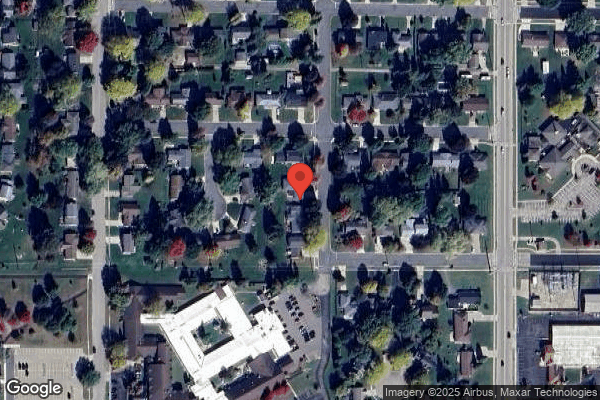
Nov 2022 6 deficiencies 2 IJ (2 affecting multiple)
CRITICAL (K) 📢 Someone Reported This

A family member, employee, or ombudsman was alarmed enough to file a formal complaint

Immediate Jeopardy (IJ) - the most serious Medicare violation

Deficiency F0624 (Tag F0624)

Someone could have died · This affected multiple residents

**NOTE- TERMS IN BRACKETS HAVE BEEN EDITED TO PROTECT CONFIDENTIALITY** Based on interview and record review the facility failed to provide and document sufficient preparation and orientation to ensur...

Read full inspector narrative →
**NOTE- TERMS IN BRACKETS HAVE BEEN EDITED TO PROTECT CONFIDENTIALITY** Based on interview and record review the facility failed to provide and document sufficient preparation and orientation to ensure safe and orderly transfer or discharge from the facility for 5 (R7, R8, R9, R10 and R11) of 11 residents reviewed for discharge. R7, R8, R9, and R10 were involuntarily discharged on 10/31/22 without prior notice or care planning. R11 was emergently transferred to a local hospital on [DATE] and had a bed hold. R11 was not allowed to return to the facility, but rather discharged to another facility without prior care planning and an adequate reason for not being allowed to return. The facility stated this was due to a lack of respiratory therapists as these residents resided on a ventilation unit, however, the facility did not have an emergency plan to ensure adequate staffing of respiratory therapists and subsequent investigation showed the facility had options to maintain respiratory therapist staffing on 10/31/22. The facility did not orient and prepare the residents regarding their discharge in a form and manner that each resident could understand and did not take into consideration factors that may affect the each resident's ability to understand. Residents possessions were left behind and the details of each resident's discharge was not sufficiently conveyed to each resident and/or their representative. The facility's failure to provide sufficient preparation and orientation for discharge for R7, R8, R9, R10 and R11 created a finding of an IJ (Immediate Jeopardy) that began on 10/31/22. The NHA A (Nursing Home Administrator) was notified of the IJ on 11/2/22 at 4:00 PM. The immediate jeopardy was not removed at the completion of the survey. Findings include According to http://www.hastingsconlawquarterly.org/archives/V9/I2/[NAME].pdf, .substantial evidence shows not only that transfer trauma exists, but that it is foreseeable and can be substantially mitigated through proper relocation planning. The medical literature and the leading expert research .stand for two propositions: 1) That elderly residents who are forced to move suffer higher mortality rates than non-relocated control groups; and 2) That pre-relocation preparation programs increase the predictability of the new environment and effectively reduce mortality rates. According the resident relocation manual (https://www.dhs.wisconsin.gov/publications/p01440.pdf), Relocation Stress Syndrome is defined as Physiologic and/or psychosocial disturbances as a result of transfer from one environment to another. ([NAME] International formerly North American Nursing Diagnostic Association, 1992). The manual states the following: * The resident is the primary decision maker in their relocation. They need to be included in all aspects. The selection of an alternate setting is ultimately their choice. Residents will rely heavily on family members, case workers and other representatives to facilitate their relocation. The more control they exercise the more they will be accepting of their relocation. *The resident may want to consider moving to an alternate placement where other residents are relocating and/or may wish to have another resident as a roommate in their relocation setting. *The resident needs to tour any potential alternate settings and exercise choice in deciding on a living environment/arrangement. *Receiving facility staff should visit the closing facility and the perspective resident for the purpose of assessing the resident in their environment. It is important to discuss the resident and their needs with the closing facility staff. *Closing facility staff should accompany the resident when the actual relocation takes place. It is important that the resident's new physical environment be set up to reflect their preferences and how it appeared and functioned at the closing facility. *Closing facility staff should, if at all feasible, go onsite to review the care routines of the resident with staff who will actually provide the care. *It is important to document resident preferences and the aspects of their personality that contribute to their personal uniqueness. Closing facility staff should review resident needs and preferences with the new facility. Many residents can't or won't express their preferences. *Resident records need to be up to date and reflect the resident's physical and emotional status including their reaction to the need to relocate. These records will allow the receiving facility to identify any changes in resident condition and accurately assess their current status *Guardian and Staff Fears: Best practice includes many conversations with the Resident and Guardian. Guardians and current staff may have fears regarding the upcoming transition due to facility downsizing or closure. Questions should be openly discussed and options should be given to the Resident and Guardian. *See the section above regarding choice. Many of the fears and apprehension of the Resident and Guardian stem form the Unknown: o Who will advocate for the Resident? o What will happen to the Resident when she/he moves out? o Who will protect the Resident from being victimized in the community? o Who will the staff be? o Where will she/he live? o Where will she/he work? o How will she/he stay connected to family, friends and other important people in their life. The facility's policy, titled Notice Requirements Before Transfer/Discharge, states the following: *Before the facility transfers or discharges a resident, the facility will: *Notify the resident and, if known, a family member or the resident's representative(s) of the transfer or discharge and the reasons for the move in writing and in a language and manner they understand. *The facility will send a copy of the notice toa representative of the Office of the State Long-Term Care Ombudsman. *Include in the notice the following items: the reason for the transfer or discharge; the effective date of the transfer or discharge; the location to which the resident is transferred or discharged ; a statement that the resident has the right to appeal the action to the State; the name, address and telephone number of the state long term care Ombudsman. *The facility will provide sufficient preparation to residents to ensure safe and orderly transfer and/or discharge from the facility *In the case of facility closure, the individual who is the administrator of the facility will provide written notification prior to the impending closure to the State Survey Agency, the Office of the State Long-Term Care Ombudsman, residents of the facility, and the resident representatives, as well as the plan for the transfer and adequate relocation of the residents. *Written Notice: *The notice will be in writing and will contain all information required by state and federal law, rules or regulations applicable to Medicaid or Medicare cases. The agency shall develop a standard document to be used by all facilities licensed under this part for purposes of notifying residents of a discharge or transfer. Such document must include a means for a resident to requires the local long-term care ombudsman council to review the notice and request information about or assistance with initiating a fair hearing with the department's office of appeals hearings. *In addition to any other pertinent information included, the form shall specify the reason allowed under federal or state law that the resident is being discharged or transferred, with an explanation to support this action. Further, the form shall state the effective date of the discharge or transfer and the location to which the resident is being discharged or transferred. The form shall cl early describe the resident's appeal rights and the procedures for filing an appeal, including the right to request the local ombudsman council to review the notice of discharge or transfer. A copy of the notice must be placed in the residents clinical record, and a copy must be transmitted to the resident's legal guardian or representative and to the local ombudsman council within five business days after signature by the resident or resident designee. *The facility will provide and document sufficient preparation and orientation to residents to ensure safe and orderly transfer or discharge from the facility. The orientation must be provided in a form and manner that the resident can understand. The facility contracts with a company comprised of physicians and respiratory therapists to operate the facility's ventilation unit. On 11/1/22 during survey, it was revealed that the facility had abruptly discharged its remaining 4 residents (R7, R8, R9, and R10) requiring ventilation services the day before on 10/31/22. A fifth resident, R11, had been discharged to a local hospital on [DATE] due to medical reasons and then discharged to another facility. The receiving facility for all 5 residents has a ventilator unit, is approximately 80 miles away from the facility, and shares the same contracted respiratory therapist/physician company. Additional details of the discharges were revealed at that time (11/1/22) through the following interviews with Surveyors: At 1:45 PM, ANHA C (Assistant Nursing Home Administrator) stated: *The facility decided on 10/31/22 to discharge residents due to a respiratory therapist call-in. The facility did not have any respiratory therapists to cover the shift. The facility was aware in the morning of 10/31/22 and attempted to get additional staff to come in but it was apparent by around 3:00 PM that nobody was available and the facility began discharging residents, which was completed by around 9:00 PM that night. *R7 and R8 were transported via ambulance to the receiving facility on 10/31/22 *R10 was still at a local hospital as the ambulance service used for R7 and R8 had no availability and did not consider R10 an emergency. *R9 did not have placement and was waiting for at a local hospital for placement. ANHA C checked this morning and R9 was still there. *R11 was having episodes of unresponsiveness and was still having those in the hospital. Has not been stabilized. (Of note, R11 had a bed hold and was still a resident of the facilty). *There were no discharge plans or summaries detailing the residents' discharge to any receiving facility. The facility would work on discharge plans now. *Had not seen a contingency staffing policy or document behalf of the contracted respiratory company. *There had not been a definitive plan or date to close the vent unit, but ideally it would be done by next year. At 3:37 PM SW D (Social Worker) stated: *All residents were care planned for long term placement with no plan of going to the receiving facility prior to yesterday (10/31/22). *On 10/28/22 SW D was notified by NHA A (Nursing Home Administrator) to start getting stuff ready to send residents to the receiving facility. The facility sent demographics, orders, nurses notes, H&P. *The State Long-Term Care Ombudsman was not contacted regarding any of the discharges. At 6:00 PM, NHA A stated to Surveyor that although the facility had talked recently about creating a plan to close the vent unit, there was absolutely no plan in place to close the vent unit of the facility. There was no goal date. Example 1 R7 was admitted to the facility on [DATE] and has diagnoses of anoxic brain damage and is in a persistent vegetative state. R7 requires a tracheostomy and a ventilator to breath. R7 has no discharge care plan in place and has co-guardians, one a sister and the other her husband. A facility progress note documented by SW D (Social Worker) regarding R7, dated 11/1/22 at 4:16 PM, states, This writer was in contact with her (R7) guardian on 10/31/22 to inform her that we were looking to close the vent unit and that we are looking for the resident to be transferred .She was not opposed to this but did want to confer with the resident's husband. She did notify this writer later in the day to say that the husband was ok with the intended facility but did not want anything further away. She was notified at this time that the resident was transferring on this date (10/31/22) to the new facility. On 11/1/22 at 4:15 PM, Surveyor interviewed CG J (Co-Guardian) who stated she got a call yesterday (10/31/22) in the morning sometime (unsure of exact time) from SW D stating the facility was temporarily closing the vent unit and needed to move people but didn't give an explanation as to why or what temporarily meant. CG J stated she needed to talk to CG K (Co-Guardian) first as CG K is R7's husband and they (R7 and CG K) have a 6 year old son together. However, CG J could not speak with CG K until after 3:00 PM due to his work schedule. CG J stated the facility provided her with a few options to refer R7 to, but most were too far from CG K. CG J stated she spoke with CG K at around 3:40 PM on 10/31/22 and then sent an email to SW D at 3:44 PM that day stating that she and CG K had agreed on a facility, but CG J stated that she believed this was a preliminary decision and she and CG K would be further notified of the exact time R7 would be moved. CG J stated she believed a referral would take 3 or 4 days--at a minimum--so they (her and CG K) had time to prepare. CG J stated the facility gave no indication R7 would be transferred immediately. According to CG J, after she emailed the facility at 3:44 PM, she closed her computer for the day, and it wasn't until the next morning (11/1/22) when she looked at her computer that she discovered SW D had emailed her back on 10/31/22 at 4:09 PM stating that the facility would be transporting R7 to a new facility at 5:30 PM that night (10/31/22). CG J said, I about fell off my chair. I contacted CG K to tell him, and he was not happy. His plan was to see R7, along with their son, before she left so they could say goodbye. CG J stated that visiting was extremely important to CG K because R7's previous facility was over 2 and a half hours away and their (R7 and CG K) son was only able to see R7 from a window due to COVID and it was very difficult for them (CG K and son). Additionally, CG J stated the new facility would make visiting difficult as R7 and CG K's son is in school, so visitation would be much more difficult for CG K than the current 20-minute commute. CG J stated it is super traumatic to have R7 transported anywhere. CG J said, It's very physically painful for her to move anywhere. She shows signs of pain in her face still and it is hard for her to move. This whole thing was handled very poorly. It seemed like the only reason they contacted me was to make sure their (the facility's) predetermined decision was ok with us but didn't tell us the truth. It felt like they lied to us. Something wonky was going on. They failed to give us enough time to evaluate our options. What if we would have changed or minds? On 11/1/22 at 4:45, Surveyor interviewed CG K who stated he was unaware of where and when exactly R7 was going to be discharged and he was not happy with the lack of communication. Example 2 R8 was admitted to the facility on [DATE] and has diagnoses that include acute and chronic respiratory failure with hypoxia and requires the use of a ventilator. R8's care plan states that she is at the facility for a short-term rehab stay and once therapies and goals have been met, will return to her group home. Additionally R8's care plan states, The resident is dependent on staff for meeting emotional, intellectual, physical and social needs related to cognitive deficits . A facility progress note documented by SW D (Social Worker) regarding R8, dated 11/1/22 at 4:24 PM, states, This writer was in contact with her community care team on 10/28/22 to inform them that we are looking at closing the vent unit. It was noted that we are looking at referring the resident to another vent facility. It was asked of them if they have a contract with that facility. They did note that they had received a call from the resident's guardian regarding her thoughts about moving the resident closer to her, so this conversation was in line. The community care staff were going to contact the resident's guardian in regard to my call. Community care staff were contacted on 10/31/22 to inform them of the transfer on that date to the receiving facility and indicated that they were going to contact the residents guardian. SW D stated to Surveyors on 11/1/22 at 3:37 PM that she had not contacted R8's guardian regarding the details of the impending transfer to the receiving facility. It should be noted that R8's guardian lives closer to the receiving facility. On 11/2/22 at 10:58 AM, Surveyor interviewed R8's CCW E (Community Case Worker) regarding R8's transfer to another facility with a ventilator unit. CCW E indicated she received a call from the SW D saying they needed to temporarily shut down and needed to get their residents out as soon as possible to transition them elsewhere. CCW E asked if receiving facility would be an okay placement, and CCW E indicated yes, and was told SW D would send a referral last Friday (10/28/22). CCW E indicated she was told on 10/31/22 that R8 was accepted, and they arranged a non-emergency ambulance transport for 8:00 PM on 10/31/22. CCW E indicated on 11/1/22 she called the receiving facility to confirm that R8 was transferred to them on 10/31/22, and she had been. CCW E indicated she notified R8's primary care physician and that SW D did not notify them. CCW E indicated the receiving facility set up a care conference today (11/1/22) with CCW E and R8's family. CCW E indicated no care conference or planning was held prior to R8 being sent to her new placement. CCW E indicated they normally would have a care conference related to relocating/discharging to another facility and have a plan in place to ensure the move goes as planned. CCW E indicated this happened pretty fast. Example 3 R9 was admitted to the facility on [DATE] and has diagnoses that include muscular dystrophy and chronic respiratory failure with hypoxia. R9 requires oxygen at night via respirator. R9 is his own responsible party. R9's care plan states, Per resident, he has been bedbound for 6 months but hopes to return home when able. His mother and friends are a support but live up north a distance away from him. A facility progress note documented by SW D (Social Worker) regarding R9, dated 11/1/22 at 4:33 PM, states, This writer spoke with the resident in the afternoon of 10/31/22 to inform him that he was being transferred to the hospital due to the vent unit being closed and inability to meet his respiratory needs at night. Explained that the ambulance would be coming soon to transport him to the hospital and he asked for different belongings to be gathered for him which was done. He also asked multiple questions that were answered to the best of this writer's ability. This writer did leave a message on his mom's cell phone to call this facility when able (so that she could be informed of this). Resident is his own person. This writer did receive a call from his mom this morning asking what the plan was and she was informed that the hospital had been recommended to contact the facility near her (resident's mom) for transfer there as they are able to handle his respiratory needs. His mom was reassured that this was done to ensure his health and safety needs were met. In the Surveyor interview with SW D on 11/1/22 at 3:37 PM, SW D stated that R9 was a little shocked and surprised. He understood, but he wasn't happy. He wanted to know where he was going. The facility told him he was going to the hospital for the respiratory care he needs at night. SW D stated she told R9 the hospital could help him find placement up north near family. SW D stated R9 was sent to the hospital with no receiving facility lined up and that the receiving facility that other residents had been discharged to had declined R9 for an unknown reason. On 11/7/22 at 4:30 PM, Surveyor interviewed FR L (Family Representative), who is R9's mother. FR L stated that she and R9 had just had a care conference on 10/31/22 at 2:30 PM and stayed until after 3:30 PM and nobody at the facility said anything about a discharge. FR L stated, Me and my husband left and we felt so good about everything. We were so happy that our son was in such a good place. FR L stated it is a long drive from the facility to her home, over 3 hours. FR L stated she turns her cell phone off when she drives so when she got home she saw that the facility had left a message, which was 30-45 minutes after she had left the facility. She then found out that the facility was discharging R9 as R9 called her shortly after she got home on [DATE]. In the call with R9, FR L stated R9 was upset and was saying he was told he needed to pack up because the higher ups were ending the contract with the respiratory therapists. FR L stated this was all very upsetting because if the facility would have told her about the discharge when she was at the facility, she would have stayed with R9 so he was not alone and until things were figured out as to where his new home would be. FR L stated she has stayed overnight in the past due to the long drive and definitely would have stayed overnight in this situation had the facility told her of the discharge in a timely manner. R9 remained at the hospital until he was admitted to another facility on 11/7/22. Example 4 R10 was admitted to the facility on [DATE] and has diagnoses that include acute respiratory failure with hypoxia and hypercapnia, Chronic Obstructive Pulmonary Disease and requires a ventilator. R10 has an activated healthcare power of attorney (HCPOA), who is also R10's son. The facility is approximately 1 hour and 6 minutes from where R10's HCPOA lives. R10's care plan states, Resident has impaired cognitive function or impaired thought process and impaired decision making. Her HCPOA is activated. A facility progress note documented by SW D (Social Worker) regarding R9, dated 11/1/22 at 4:29 PM, states, This writer had been in contact with the resident's care management team on 10/28/22 to inform them that we were looking to close the vent unit and that alternative placement was being looked at at the receiving facility. This writer did speak with the resident in the afternoon of 10/31/22 to inform her that she was being transferred to the hospital to ensure respiratory care at night as we couldn't meet that need. Also, that the unit was being closed and that a referral had been sent to the receiving facility which is likely where she would transfer to from the hospital. In the 11/1/22 interview with Surveyors, SW D stated the facility did not contact R10's HCPOA and as of 11/1/22, R10 was still at the hospital waiting to be transported to the receiving facility. It should be noted that the receiving facility is approximately 2 and a half hours from R10's HCPOA. On 11/10/22 at 1:00 PM, Surveyor interviewed HCPOA M (Healthcare Power of Attorney), R10's HCPOA. HCPOA M stated that R10 was living with him at home before she got sick resulting in the need for her to be at the facility. HCPOA M stated the decision to discharge his mother was very sudden and without warning. It was like a day's notice and it made him feel rushed and unable to have time to make a decision on R10's next facility. Additionally, HCPOA M stated that when R10 was living at home, he would make all her meals. When she was at the facility, it became harder for him to see her as he does not have his license and requires his uncle to give him a ride to see her. However, HCPOA M stated he would still visit her twice a month and before each time he would visit, would make her a few days worth of food. HCPOA M stated R10 would tell all the staff how he was coming to bring her food, like she was bragging. HCPOA M stated it was hard when she was discharged because he didn't have enough time to make arrangements to come and see her. HCPOA M said, I would have made her a few days worth of food and I know that would have made her happy. On 11/2/22 at 11:47 AM, Surveyor interviewed MS F (member support) from R10's managed care organization regarding R10's transfer out of the facility on 10/31/22. MS F indicated she received an email on 10/31/22 from SW D indicated she was the new director and that they will be temporarily closing the vent unit. MS F indicated she was not able to get a hold of R10's power of attorney to discuss the move. MS F indicated on 11/1/22 she received an email from SW D notifying them that R10 was discharged to the hospital. MS F indicated on Friday (10/28) SW D sent a basic email indicating they would be temporarily closing the unit and would like to transfer R10 to (facility with vent unit). MS F indicated they don't have a contract with that facility and that MS F tried to reach out to SW D for more information on why she was transferred, why they were closing, if DHS was involved etc., as MS F received an email indicating she was transferred at 9pm to the hospital and needed additional information for their documentation on why she was sent. MS F indicated she received an email of not having an RT (respiratory therapist) in the building. MS F stated, came out of nowhere, did not get anything and she was discharged . Example 5 R11 was admitted to the facility on [DATE] and has diagnoses that include quadriplegia and interstitial pulmonary disease. R11 requires the use of a ventilator. R11 is his own person. On 10/18/22, R11 was transferred to acute care at a local hospital. R11 did sign a bed hold stating his desire to return to the facility, however, the facility discharged R11 to another facility on 11/1/22 and was not given the opportunity to return. On 11/3/22 at 8:22 AM, Surveyor interviewed SW G (Social worker from receiving facility w/ vent unit) regarding R8, R11, and R7, who were discharged to their facility. SW G indicated her understanding was that the vent unit was closing, and they were coordinating with the facility and their medical group of Physicians (Respiratory Therapist contracted company). SW G indicated that on 10/31/22 at about 2:30 PM or 3:00 PM, they were informed they were getting 2 to 3 patients that day due to not having an RT (Respiratory Therapist) in the building. SW G indicated that R7 and R8 came on 10/31/22 and R11 came on 11/1/22 from the hospital. SW G indicated that R11 came on Tuesday and had been struggling the first day due to confusion and a new environment because he is alert and oriented. SW G indicated the facility did not send the new facility any power of attorney paperwork or pre-admission screen and resident reviews (PASRR). SW G indicated she has not received a whole lot of information on R11, R7 or R8 from the previous facility and that communication with them has been a barrier. SW G indicated the administration and dietician at the new facility are reaching out to their previous facility to try to get clarification and additional information on R11, R7 and R8 such as tube feeding orders. SW G indicated she was not sent any information ahead of time and was told this was emergency due to no longer having Respiratory Therapists in the building. SW G indicated they were not able to take R10. SW G indicated that R11, R8, and R7 came without any belongings, no clothes, no photos, nothing but themselves. SW G indicated last week they were told they were getting 5 trach and ventilator patients then Monday (10/31) told it was emergent, as they were working on getting everything set up for a smooth transition, then it was emergent and not able to work on a process or plan to get them here. SW G indicated that R8's family is mad and difficult to direct due to staff not knowing R8 and her routine or care needs. SW G indicated staff had to check the orders and care plan before providing care for R8 and the family was upset by this. SW G indicated she has not had any contact with R11 or R7's family yet and will be contacting them to set up a care conference meeting, which should have been done before they left their previous facility. On 11/3/22 at 10:34 AM, Surveyor interviewed RTRM H (Respiratory Therapy Regional Manager) regarding coverage for the vent unit. RTRM H indicated they had an RT call off and were trying to find coverage on 10/31/22. RTRM H indicated they found 2 RT's who could come in and split the shift. RTRM H indicated one RT was going to work 6:30PM to 4 AM and the day shift RT would come in early at 4AM. RTRM H indicated DON B (Director of Nursing) instructed them not to have the RTs come in and that they were sending them (Residents) out. RTRM H indicated they called to confirm with the facility around 2:30PM that RTs were coming in. RTRM H indicated they were working with the facility on a plan related to planning on doing a respite period for the facility by transitioning them to another facility for a while, to allow them to hire more staff and get more staff trained on the vent unit last Friday (10/28), the discharge on Monday was not planned and they had RT coverage coming in. RTRM H indicated the way the discharges happened was not good, especially for the residents. RTRM H again indicated to Surveyor that they had RT coverage and a backup plan in case coverage fell through and that the RT from day shift stayed until the last resident was transitioned to another facility. RTRM H indicated she would have come in also, if they weren't able to find coverage. On 11/3/22 at 10:49 AM, Surveyor interviewed RT I regarding staffing of RTs and what happened on 10/31/22. RT I indicated he got a call last Friday (10/28) that the facility had decided they wanted to do a respite, in order to get more staff and staff education done. RT I indicated that on Monday, the night RT called off and they were reaching out to other RTs for coverage. RT I indicated they found someone who would work 6:30PM to 4AM and the day shift RT would come in 2 hours early at 4:00 AM to cover. RT I indicated that DON B (Director of Nursing) indicated they've had issues with the one RT in the past, who could cover and would be coming in. RT I indicated that DON B told the RT company no, absolutely not. RT I indicated they had a backup person, who was willing to drive 6 hours there and work through the night, since the person local was who DON B did not want. DON B told RT I 'No.' RT I indicated that the RT manager would cover the shift but this facility currently doesn't have an RT manager, so other individuals such as RT I and RTRM H were covering this position at the facility. RT I indicated they were told late in the afternoon on 10/31/22 no and that a decision was made to send residents out. RT I indicated they had coverage for the unit, but DON B told them no. RT I indicated he sent screen shots of text messages verifying coverage to ANHA C, who relayed to him she was not aware they had coverage. RT I indicated the RT who worked that day stayed until 9 PM to ensure the residents were transported safely. RT I indicated that a male member of the building's management team told RT I he was leaving at 4:30PM due to trick or treaters. The facility was aware they had the staffing to care for residents on the ventilation unit on 10/31/22. Despite this, the facility chose to discharge all 4 remaining residents requiring specialized vent care (R7, R8, R9 and R10) and additionally discharged R11, who was at the hospital due to an acute transfer on 10/18/22, even though R11 indicated he wanted to return. The facility did not prepare the necessary documentation for the receiving facility including POA (Power of Attorney) paperwork, did not notify all resident POAs and guardians and, in the case of R9 and R10, did not have a receiving facility determined at the time of discharge. The facility did not consider the potential trauma involved with relocating residents. The facility did not contact R10's son, did not allow R7's husband and 6-year-old son to say goodbye be[TRUNCATED]
CRITICAL (K) 📢 Someone Reported This

A family member, employee, or ombudsman was alarmed enough to file a formal complaint

Immediate Jeopardy (IJ) - the most serious Medicare violation

Administration (Tag F0835)

Someone could have died · This affected multiple residents

**NOTE- TERMS IN BRACKETS HAVE BEEN EDITED TO PROTECT CONFIDENTIALITY** Based on interview and record review, administration was not promoting the highest practicable mental and psychosocial well-bein...

Read full inspector narrative →
**NOTE- TERMS IN BRACKETS HAVE BEEN EDITED TO PROTECT CONFIDENTIALITY** Based on interview and record review, administration was not promoting the highest practicable mental and psychosocial well-being of residents by failing to discharge residents appropriately and in a manner that considers the potential trauma associated with relocating and discharging residents for 5 of 5 residents (R7, R8, R9, R10, and R11) reviewed for discharge of a total sample of 11 residents. The facility abruptly discharged 5 residents that resided on the facility's ventilation unit 10/31/22 without discharge care plans or a discharge summary that included a post-discharge plan of care developed with the participation of the resident and/or their representatives in order to assist the resident to adjust to his or her new living environment. The facility did not contact or communicate thoroughly what was occurring inside the facility when it had decided, as early as 10/28/31 that the vent unit was going to be closing. Resident guardians, POAs (Powers of Attorney) and family members were not told specifically what was going on and the abruptness prevented them from being able to provide the emotional support they needed to transition to their new facility. Additionally, the facility stated the reason for the discharging of the residents was due to a lack of staffing on their vent unit. The facility did not have a contingency plan for staffing and was unable to provide a policy or plan to Surveyors. The facility's failure to discharge residents appropriately and create a staffing contingency for their ventilation unit created a finding of Immediate Jeopardy (IJ) beginning on 10/31/22. The NHA A (Nursing Home Administrator) was notified of the IJ on 11/2/22 at 4:00 PM. The immediate jeopardy was not removed at the completion of survey. Findings include: According to http://www.hastingsconlawquarterly.org/archives/V9/I2/[NAME].pdf, .substantial evidence shows not only that transfer trauma exists, but that it is foreseeable and can be substantially mitigated through proper relocation planning. The medical literature and the leading expert research .stand for two propositions: 1) That elderly residents who are forced to move suffer higher mortality rates than non-relocated control groups; and 2) That pre-relocation preparation programs increase the predictability of the new environment and effectively reduce mortality rates. According the resident relocation manual (https://www.dhs.wisconsin.gov/publications/p01440.pdf), Relocation Stress Syndrome is defined as Physiologic and/or psychosocial disturbances as a result of transfer from one environment to another. ([NAME] International formerly North American Nursing Diagnostic Association, 1992). The manual states the following: * The resident is the primary decision maker in their relocation. They need to be included in all aspects. The selection of an alternate setting is ultimately their choice. Residents will rely heavily on family members, case workers and other representatives to facilitate their relocation. The more control they exercise the more they will be accepting of their relocation. *The resident may want to consider moving to an alternate placement where other residents are relocating and/or may wish to have another resident as a roommate in their relocation setting. *The resident needs to tour any potential alternate settings and exercise choice in deciding on a living environment/arrangement. *Receiving facility staff should visit the closing facility and the perspective resident for the purpose of assessing the resident in their environment. It is important to discuss the resident and their needs with the closing facility staff. *Closing facility staff should accompany the resident when the actual relocation takes place. It is important that the resident's new physical environment be set up to reflect their preferences and how it appeared and functioned at the closing facility. *Closing facility staff should, if at all feasible, go onsite to review the care routines of the resident with staff who will actually provide the care. *It is important to document resident preferences and the aspects of their personality that contribute to their personal uniqueness. Closing facility staff should review resident needs and preferences with the new facility. Many residents can't or won't express their preferences. *Resident records need to be up to date and reflect the resident's physical and emotional status including their reaction to the need to relocate. These records will allow the receiving facility to identify any changes in resident condition and accurately assess their current status *Guardian and Staff Fears: Best practice includes many conversations with the Resident and Guardian. Guardians and current staff may have fears regarding the upcoming transition due to facility downsizing or closure. Questions should be openly discussed and options should be given to the Resident and Guardian. *See the section above regarding choice. Many of the fears and apprehension of the Resident and Guardian stem form the Unknown: -Who will advocate for the Resident? o What will happen to the Resident when she/he moves out? -Who will protect the Resident from being victimized in the community? -Who will the staff be? o Where will she/he live? -Where will she/he work? -How will she/he stay connected to family, friends and other important people in their life. The Wisconsin Board on Aging and Long Term Care's bulletin Relocation Stress Syndrome (WI-BOA_OP-Relocation-Awareness-Brochure_WEB_10-19-21_v01.pdf) states, Measures to Minimize Relocation Stress: The involvement of familiar people, the maintaining of consistent daily patterns and routines, and assisting the resident in becoming acquainted with new surroundings can help minimize stress associated with relocation. Slow and thorough discharge planning that provides the resident with an opportunity to tour alternate living arrangements and, most importantly, that asks the residents what it is that they want can help ease the adjustment of needing to move. The facility's policy, titled Notice Requirements Before Transfer/Discharge, states the following: *Before the facility transfers or discharges a resident, the facility will: *Notify the resident and, if known, a family member or the resident's representative(s) of the transfer or discharge and the reasons for the move in writing and in a language and manner they understand. *The facility will send a copy of the notice toa representative of the Office of the State Long-Term Care Ombudsman. *Include in the notice the following items: the reason for the transfer or discharge; the effective date of the transfer or discharge; the location to which the resident is transferred or discharged ; a statement that the resident has the right to appeal the action to the State; the name, address and telephone number of the state long term care Ombudsman. *The facility will provide sufficient preparation to residents to ensure safe and orderly transfer and/or discharge from the facility *In the case of facility closure, the individual who is the administrator of the facility will provide written notification prior to the impending closure to the State Survey Agency, the Office of the State Long-Term Care Ombudsman, residents of the facility, and the resident representatives, as well as the plan for the transfer and adequate relocation of the residents. *Written Notice: *The notice will be in writing and will contain all information required by state and federal law, rules or regulations applicable to Medicaid or Medicare cases. The agency shall develop a standard document to be used by all facilities licensed under this part for purposes of notifying residents of a discharge or transfer. Such document must include a means for a resident to requires the local long-term care ombudsman council to review the notice and request information about or assistance with initiating a fair hearing with the department's office of appeals hearings. *In addition to any other pertinent information included, the form shall specify the reason allowed under federal or state law that the resident is being discharged or transferred, with an explanation to support this action. Further, the form shall state the effective date of the discharge or transfer and the location to which the resident is being discharged or transferred. The form shall cl early describe the resident's appeal rights and the procedures for filing an appeal, including the right to request the local ombudsman council to review the notice of discharge or transfer. A copy of the notice must be placed in the residents clinical record, and a copy must be transmitted to the resident's legal guardian or representative and to the local ombudsman council within five business days after signature by the resident or resident designee. *The facility will provide and document sufficient preparation and orientation to residents to ensure safe and orderly transfer or discharge from the facility. The orientation must be provided in a form and manner that the resident can understand. The facility contracts with a company comprised of physicians and respiratory therapists to operate the facility's ventilation unit. On 11/1/22 during survey, it was revealed that the facility had abruptly discharged its remaining 4 residents (R7, R8, R9, and R10) requiring ventilation services the day before on 10/31/22. A fifth resident, R11, had been discharged to a local hospital on [DATE] due to medical reasons and then discharged to another facility. The receiving facility for all 5 residents has a ventilator unit, is approximately 80 miles away from the facility, and shares the same contracted respiratory therapist/physician company. Additional details of the discharges were revealed at that time (11/1/22) through the following interviews with Surveyors: At 1:45 PM, ANHA C (Assistant Nursing Home Administrator) stated: *The facility decided on 10/31/22 to discharge residents due to a respiratory therapist call-in. The facility did not have any respiratory therapists to cover the shift. The facility was aware in the morning of 10/31/22 and attempted to get additional staff to come in but it was apparent by around 3:00 PM that nobody was available and the facility began discharging residents, which was completed by around 9:00 PM that night. *R7 and R8 were transported via ambulance to the receiving facility on 10/31/22 *R10 was still at a local hospital as the ambulance service used for R7 and R8 had no availability and did not consider R10 an emergency. *R9 did not have placement and was waiting for at a local hospital for placement. Checked this morning and was still there. *R11 was having episodes of unresponsiveness and was still having those in the hospital. Has not been stabilized. *There were no discharge plans or summaries detailing the residents' discharge to any receiving facility. The facility would work on discharge plans now. *Had not seen a contingency staffing policy or document behalf of the contracted respiratory company. *There had not been a definitive plan or date to close the vent unit, but ideally it would be done by next year. At 3:37 PM SW D (Social Worker) stated: *All residents were care planned for long term placement with no plan of going to the receiving facility prior to yesterday (10/31/22). *On 10/28/22 was notified by NHA A (Nursing Home Administrator to start getting stuff ready to send residents to the receiving facility. The facility sent demographics, orders, nurses notes, H&P. *The State Long-Term Care Ombudsman was not contacted regarding any of the discharges. At 6:00 PM, NHA A stated to Surveyor that although the facility had talked recently about creating a plan to close the vent unit, there was absolutely no plan in place to close the vent unit of the facility. There was no goal date. NHA A stated he thought there was a contingency plan for the vent unit but did not provide it to surveyors. Example 1 R7 was admitted to the facility on [DATE] and has diagnoses of anoxic brain damage and is in a persistent vegetative state. R7 requires a tracheostomy and a ventilator to breath. R7 has no discharge care plan in place and has co-guardians, one a sister and the other her husband. A facility progress note documented by SW D (Social Worker) regarding R7, dated 11/1/22 at 4:16 PM, states, This writer was in contact with her (R7) guardian on 10/31/22 to inform her that we were looking to close the vent unit and that we are looking for the resident to be transferred .She was not opposed to this but did want to confer with the resident's husband. She did notify this writer later in the day to say that [NAME] husband was ok with the intended facility but did not want anything further away. She was notified at this time that the resident was transferring on this date (10/31/22) to the new facility. On 11/1/22 at 4:15 PM, Surveyor interviewed CG J (Co-Guardian) who stated she got a call yesterday (10/31/22) in the morning sometime (unsure of exact time) from SW D stating the facility was temporarily closing the vent unit and needed to move people but didn't give an explanation as to why or what temporarily meant. CG J stated she needed to talk to CG K (Co-Guardian) first as CG K is R7's husband and they (R7 and CG K) have a 6 year old son together. However, CG J could not speak with CG K until after 3:00 PM due to his work schedule. CG J stated the facility provided her with a few options to refer R7 to, but most were too far from CG K. CG J stated she spoke with CG K at around 3:40 PM on 10/31/22 and then sent an email to SW D at 3:44 PM that day stating that she and CG K had agreed on a facility, but CG J stated that she believed this was a preliminary decision and she and CG K would be further notified of the exact time R7 would be moved. CG J stated she believed a referral would take 3 or 4 days--at a minimum--so they (her and CG K) had time to prepare. CG J stated the facility gave no indication R7 would be transferred immediately. According to CG J, after she emailed the facility at 3:44 PM, she closed her computer for the day, and it wasn't until the next morning (11/1/22) when she looked at her computer that she discovered SW D had emailed her back on 10/31/22 at 4:09 PM stating that the facility would be transporting R7 to a new facility at 5:30 PM that night (10/31/22). CG J said, I about fell off my chair. I contacted CG K to tell him, and he was not happy. His plan was to see R7, along with their son, before she left so they could say goodbye. CG J stated that visiting was extremely important to CG K because R7's previous facility was over 2 and a half hours away and their (R7 and CG K) son was only able to see R7 from a window due to COVID and it was very difficult for them (CG K and son). Additionally, CG J stated the new facility would make visiting difficult as R7 and CG K's son is in school, so visitation would be much more difficult for CG K than the current 20-minute commute. CG J stated it is super traumatic to have R7 transported anywhere. CG J said, It's very physically painful for her to move anywhere. She shows signs of pain in her face still and it is hard for her to move. This whole thing was handled very poorly. It seemed like the only reason they contacted me was to make sure their (the facility's) predetermined decision was ok with us but didn't tell us the truth. It felt like they lied to us. Something wonky was going on. They failed to give us enough time to evaluate our options. What if we would have changed or minds? On 11/1/22 at 4:45, Surveyor interviewed CG K who stated he was unaware of where and when exactly R7 was going to be discharged and he was not happy with the lack of communication. Example 2 R8 was admitted to the facility on [DATE] and has diagnoses that include acute and chronic respiratory failure with hypoxia and requires the use of a ventilator. R8's care plan states that she is at the facility for a short-term rehab stay and once therapies and goals have been met, will return to her group home. Additionally R8's care plan states, The resident is dependent on staff for meeting emotional, intellectual, physical and social needs related to cognitive deficits . A facility progress note documented by SW D (Social Worker) regarding R8, dated 11/1/22 at 4:24 PM, states, This writer was in contact with her community care team on 10/28/22 to inform them that we are looking at closing the vent unit. It was noted that we are looking at referring the resident to another vent facility. It was asked of them if they have a contract with that facility. They did note that they had received a call from the resident's guardian regarding her thoughts about moving the resident closer to her, so this conversation was in line. The community care staff were going to contact the resident's guardian in regard to my call. Community care staff were contacted on 10/31/22 to inform them of the transfer on that date to the receiving facility and indicated that they were going to contact the residents guardian. SW D stated to Surveyors on 11/1/22 at 3:37 PM that she had not contacted R8's guardian regarding the details of the impending transfer to the receiving facility. It should be noted that R8's guardian lives closer to the receiving facility. On 11/2/22 at 10:58 AM, Surveyor interviewed R8's CCW E (Community Case Worker) regarding R8's transfer to another facility with a ventilator unit. CCW E indicated she received a call from the SW D saying they needed to temporarily shut down and needed to get their residents out as soon as possible to transition them elsewhere. CCW E asked if receiving facility would be an okay placement, and CCW E indicated yes, and was told SW D would send a referral last Friday (10/28/22). CCW E indicated she was told on 10/31 that R8 was accepted, and they arranged a non-emergency ambulance transport for 8:00 PM on 10/31/22. CCW E indicated on 11/1 she called the receiving facility to confirm that R8 was transferred to them on 10/31, and she had been. CCW E indicated she notified R8's primary care physician and that SW D did not notify them. CCW E indicated the receiving facility set up a care conference today (11/1/22) with CCW E and R8's family. CCW E indicated no care conference or planning was held prior to R8 being sent to her new placement. CCW E indicated they normally would have a care conference related to relocating/discharging to another facility and have a plan in place to ensure the move goes as planned. CCW E indicated this happened pretty fast. Example 3 R9 was admitted to the facility on [DATE] and has diagnoses that include muscular dystrophy and chronic respiratory failure with hypoxia. R9 requires oxygen at night via respirator. R9 is his own responsible party. R9's care plan states, Per resident, he has been bedbound for 6 months but hopes to return home when able. His mother and friends are a support but live up north a distance away from him. A facility progress note documented by SW D (Social Worker) regarding R9, dated 11/1/22 at 4:33 PM, states, This writer spoke with the resident in the afternoon of 10/31/22 to inform him that he was being transferred to the hospital due to the vent unit being closed and inability to meet his respiratory needs at night. Explained that the ambulance would be coming soon to transport him to the hospital and he asked for different belongings to be gathered for him which was done. He also asked multiple questions that were answered to the best of this writer's ability. This writer did leave a message on his mom's cell phone to call this facility when able (so that she could be informed of this). Resident is his own person. This writer did receive a call from his mom this morning asking what the plan was and she was informed that the hospital had been recommended to contact the facility near her (resident's mom) for transfer there as they are able to handle his respiratory needs. His mom was reassured that this was done to ensure his health and safety needs were met. In the Surveyor interview with SW D on 11/1/22 at 3:37 PM, SW D stated that R9 was a little shocked and surprised. He understood, but he wasn't happy. He wanted to know where he was going. The facility told him he was going to the hospital for the respiratory care he needs at night. SW D stated she told R9 the hospital could help him find placement up north near family. SW D stated R9 was sent to the hospital with no receiving facility lined up and that the receiving facility that other residents had been discharged to had declined R9 for an unknown reason. On 11/7/22 at 4:30 PM, Surveyor interviewed FR L (Family Representative), who is R9's mother. FR L stated that she and R9 had just had a care conference on 10/31/22 at 2:30 PM and stayed until after 3:30 PM and nobody at the facility said anything about a discharge. FR L stated, Me and my husband left and we felt so good about everything. We were so happy that our son was in such a good place. FR L stated it is a long drive from the facility to her home, over 3 hours. FR L stated she turns her cell phone off when she drives so when she got home she saw that the facility had left a message, which was 30-45 minutes after she had left the facility. She then found out that the facility was discharging R9 as R9 called her shortly after she got home on [DATE]. In the call with R9, FR L stated R9 was upset and was saying he was told he needed to pack up because the higher ups were ending the contract with the respiratory therapists. FR L stated this was all very upsetting because if the facility would have told her about the discharge when she was at the facility, she would have stayed with R9 so he was not alone and until things were figured out as to where his new home would be. FR L stated she has stayed overnight in the past due to the long drive and definitely would have stayed overnight in this situation had the facility told her of the discharge in a timely manner. R9 remained at the hospital until he was admitted to another facility on 11/7/22. Example 4 R10 was admitted to the facility on [DATE] and has diagnoses that include acute respiratory failure with hypoxia and hypercapnia, Chronic Obstructive Pulmonary Disease and requires a ventilator. R10 has an activated healthcare power of attorney (HCPOA), who is also R10's son. The facility is approximately 1 hour and 6 minutes from where R10's HCPOA lives. R10's care plan states, Resident has impaired cognitive function or impaired thought process and impaired decision making. Her HCPOA is activated. A facility progress note documented by SW D (Social Worker) regarding R9, dated 11/1/22 at 4:29 PM, states, This writer had been in contact with the resident's care management team on 10/28/22 to inform them that we were looking to close the vent unit and that alternative placement was being looked at at the receiving facility. This writer did speak with the resident in the afternoon of 10/31/22 to inform her that she was being transferred to the hospital to ensure respiratory care at night as we couldn't meet that need. Also, that the unit was being closed and that a referral had been sent to the receiving facility which is likely where she would transfer to from the hospital. In the 11/1/22 interview with Surveyors, SW D stated the facility did not contact R10's HCPOA and as of 11/1/22, R10 was still at the hospital waiting to be transported to the receiving facility. It should be noted that the receiving facility is approximately 2 and a half hours from R10's HCPOA. On 11/10/22 at 1:00 PM, Surveyor interviewed HCPOA M (Healthcare Power of Attorney), R10's HCPOA. HCPOA M stated that R10 was living with him at home before she got sick resulting in the need for her to be at the facility. HCPOA M stated the decision to discharge his mother was very sudden and without warning. It was like a day's notice and it made him feel rushed and unable to have time to make a decision on R10's next facility. Additionally, HCPOA M stated that when R10 was living at home, he would make all her meals. When she was at the facility, it became harder for him to see her as he does not have his license and requires his uncle to give him a ride to see her. However, HCPOA M stated he would still visit her twice a month and before each time he would visit, would make her a few days' worth of food. HCPOA M stated R10 would tell all the staff how he was coming to bring her food, like she was bragging. HCPOA M stated it was hard when she was discharged because he didn't have enough time to make arrangements to come and see her. HCPOA M said, I would have made her a few days worth of food and I know that would have made her happy. HCPOA M stated he talks to his mom daily on the phone or messenger. On 11/2/22 at 11:47 AM, Surveyor interviewed MS F (member support) from R10's managed care organization regarding R10's transfer out of the facility on 10/31/22. MS F indicated she received an email on 10/31/22 from SW D indicated she was the new director and that they will be temporarily closing the vent unit. MS F indicated she was not able to get a hold of R10's power of attorney to discuss the move. MS F indicated on 11/1/22 she received an email from SW D notifying them that R10 was discharged to the hospital. MS F indicated on Friday (10/28) SW D sent a basic email indicating they would be temporarily closing the unit and would like to transfer R10 to (facility with vent unit). MS F indicated they don't have a contract with that facility and that MS F tried to reach out to SW D for more information on why she was transferred, why they were closing, if DHS was involved etc., as MS F received an email indicating she was transferred at 9pm to the hospital and needed additional information for their documentation on why she was sent. MS F indicated she received an email of not having an RT (respiratory therapist) in the building. MS F stated, came out of nowhere, did not get anything and she was discharged . Example 5 R11 was admitted to the facility on [DATE] and has diagnoses that include quadriplegia and interstitial pulmonary disease. R11 requires the use of a ventilator. R11 is his own person. On 10/18/22, R11 was transferred to acute care at a local hospital. R11 did sign a bed hold stating his desire to return to the facility, however, the facility discharged R11 to another facility on 11/1/22 and was not given the opportunity to return. On 11/3/22 at 8:22 AM, Surveyor interviewed SW G (Social worker from receiving facility w/ vent unit) regarding R8, R11, and R7, who were discharged to their facility. SW G indicated her understanding was that the vent unit was closing, and they were coordinating with the facility and their medical group of Physicians (Respiratory Therapist contracted company). SW G indicated that on 10/31/22 at about 2:30 PM or 3:00 PM, they were informed they were getting 2 to 3 patients that day due to not having an RT (Respiratory Therapist) in the building. SW G indicated that R7 and R8 came on 10/31/22 and R11 came on 11/1/22 from the hospital. SW G indicated that R11 came on Tuesday and had been struggling the first day due to confusion and a new environment because he is alert and oriented. SW G indicated the facility did not send the new facility any power of attorney paperwork or pre-admission screen and resident reviews (PASRR). SW G indicated she has not received a whole lot of information on R11, R7 or R8 from the previous facility and that communication with them has been a barrier. SW G indicated the administration and dietician at the new facility are reaching out to their previous facility to try to get clarification and additional information on R11, R7 and R8 such as tube feeding orders. SW G indicated she was not sent any information ahead of time and was told this was emergency due to no longer having Respiratory Therapists in the building. SW G indicated they were not able to take R10. SW G indicated that R11, R8, and R7 came without any belongings, no clothes, no photos, nothing but themselves. SW G indicated last week they were told they were getting 5 trach and ventilator patients then Monday (10/31) told it was emergent, as they were working on getting everything set up for a smooth transition, then it was emergent and not able to work on a process or plan to get them here. SW G indicated that R8's family is mad and difficult to direct due to staff not knowing R8 and her routine or care needs. SW G indicated staff had to check the orders and care plan before providing care for R8 and the family was upset by this. SW G indicated she has not had any contact with R11 or R7's family yet and will be contacting them to set up a care conference meeting, which should have been done before they left their previous facility. 11/3/22 at 10:34 AM, Surveyor interviewed RTRM H (Respiratory Therapy Regional Manager) regarding coverage for the vent unit. RTRM H indicated they had an RT call off and were trying to find coverage on 10/31/22. RTRM H indicated they found 2 RT's who could come in and split the shift. RTRM H indicated one RT was going to work 6:30PM to 4 AM and the day shift RT would come in early at 4AM. RTRM H indicated DON B (Director of Nursing) instructed them not to have the RTs come in and that they were sending them (Residents) out. RTRM H indicated they called to confirm with the facility around 2:30PM that RTs were coming in. RTRM H indicated they were working with the facility on a plan related to planning on doing a respite period for the facility by transitioning them to another facility for a while, to allow them to hire more staff and get more staff trained on the vent unit last Friday (10/28), the discharge on Monday was not planned and they had RT coverage coming in. RTRM H indicated the way the discharges happened was not good, especially for the residents. RTRM H again indicated to Surveyor that they had RT coverage and a backup plan in case coverage fell through and that the RT from day shift stayed until the last resident was transitioned to another facility. RTRM H indicated she would have come in also, if they weren't able to find coverage. On 11/3/22 at 10:49 AM, Surveyor interviewed RT I regarding staffing of RTs and what happened on 10/31/22. RT I indicated he got a call last Friday (10/28) that the facility had decided they wanted to do a respite, in order to get more staff and staff education done. RT I indicated that on Monday, the night RT called off and they were reaching out to other RTs for coverage. RT I indicated they found someone who would work 6:30PM to 4AM and the day shift RT would come in 2 hours early at 4:00 AM to cover. RT I indicated that DON B (Director of Nursing) indicated they've had issues with the one RT in the past, who could cover and would be coming in. RT I indicated that DON B told the RT company no, absolutely not. RT I indicated they had a backup person, who was willing to drive 6 hours there and work through the night, since the person local was who DON B did not want. DON B told RT I 'No.' RT I indicated that the RT manager would cover the shift but this facility currently doesn't have an RT manager, so other individuals such as RT I and RTRM H were covering this position at the facility. RT I indicated they were told late in the afternoon on 10/31/22 no and that a decision was made to send residents out. RT I indicated they had coverage for the unit, but DON B told them no. RT I indicated he sent screen shots of text messages verifying coverage to ANHA C, who relayed to him she was not aware they had coverage. RT I indicated the RT who worked that day stayed until 9PM to ensure the residents were transported safely. RT I indicated that a male member of the building's management team told RT I he was leaving at 4:30PM due to tr[TRUNCATED]
CONCERN (E) 📢 Someone Reported This

A family member, employee, or ombudsman was alarmed enough to file a formal complaint

Potential for Harm - no one hurt, but risky conditions existed

Transfer Requirements (Tag F0622)

Could have caused harm · This affected multiple residents

On 11/2/22 at 4:00 PM, the facility was informed that an immediate jeopardy existed at F622 Transfer and Discharge Requirements. This was cited at a scope and severity level of K (Immediate Jeopardy/P...

Read full inspector narrative →
On 11/2/22 at 4:00 PM, the facility was informed that an immediate jeopardy existed at F622 Transfer and Discharge Requirements. This was cited at a scope and severity level of K (Immediate Jeopardy/Pattern) on Statement of Deficiency dated 11/1/22, Event: 5FS311. Based on interviews and record review on 11/9/22, it was determined that the Immediate Jeopardy was removed on 11/3/22, by which time the facility completed the following; Compliance Date: 11.3.22 11/9/22 Process Review Process Review ~ ~Facility has identified a discharge planning committee to ensure appropriate discharge planning at admission and time of discharge. This includes Administrator, Director of Nursing, Director of Social Service, Director of Rehabilitation, and Social Service Representatives. Executive Director and Administrator will be responsible to ensure appropriate education and training is completed for those involved in the discharge planning process. Executive Director and Administrator will be responsible to monitor all audits related to discharge planning. ~The dischage planning committe has been educated on the following: *Facility policy and procedure on transfer and discharge requirements. *Transfer or discharge of a resident while the appeal is pending cannot occur; *Providing residents a discharge plan, to provide choices of place to relocate, and/or an ability to appeal their discharge. *Ensure tansfer trauma related to an abrupt discharge does not occur through proper communication with residents and family members (if needed). ~The facility has educated its respiratory therapy company on ensuring a contigency policy is in place due to staffing concerns. Lincare services have temporarily been suspended until services offered can meet regulations. ~The discharge plannnig committee and respiratory therapy company have been educated on discharging residents based on a medical issue, not staffing concerns. ~The discharge planning committee will conduct audits 5 times per week for 4 weeks for residents that have transferred and/or discharged from the facility to ensure all required components are in place. The discharge planning committee will ensure discharges meet the requirements for discharge through checklists and following requirements to ensure the event does not occur again. Results of the audits will be reviewed at the QAPI meeting (to include Medical Director) for further recommendations and to ensure administration is following all the functions of proper discharge planning. Executive Director and Administrator will audit every discharge for the next 4 weeks to ensure facility remains in compliance. Facility will submit monthly discharge summaries to local Ombudsman to ensure appropriate discharges have taken place. Facility assessment will be updated related to G-tube care requirements.
CONCERN (E) 📢 Someone Reported This

A family member, employee, or ombudsman was alarmed enough to file a formal complaint

Potential for Harm - no one hurt, but risky conditions existed

Transfer Notice (Tag F0623)

Could have caused harm · This affected multiple residents

**NOTE- TERMS IN BRACKETS HAVE BEEN EDITED TO PROTECT CONFIDENTIALITY** Based on interview and record review, the facility did not notify the resident and the resident's representative(s) of the trans...

Read full inspector narrative →
**NOTE- TERMS IN BRACKETS HAVE BEEN EDITED TO PROTECT CONFIDENTIALITY** Based on interview and record review, the facility did not notify the resident and the resident's representative(s) of the transfer or discharge and the reasons for the move in writing and in a language and manner they understand and did not send a copy of the notice to a representative of the Office of the State Long-Term Care Ombudsman for 5 out of 5 (R7, R8, R9, R10, and R11) Residents reviewed for discharge Findings include The facility's policy, titled Notice Requirements Before Transfer/Discharge, states the following: *Before the facility transfers or discharges a resident, the facility will: *Notify the resident and, if known, a family member or the resident's representative(s) of the transfer or discharge and the reasons for the move in writing and in a language and manner they understand. *The facility will send a copy of the notice toa representative of the Office of the State Long-Term Care Ombudsman. *Include in the notice the following items: the reason for the transfer or discharge; the effective date of the transfer or discharge; the location to which the resident is transferred or discharged ; a statement that the resident has the right to appeal the action to the State; the name, address and telephone number of the state long term care Ombudsman. *The facility will provide sufficient preparation to residents to ensure safe and orderly transfer and/or discharge from the facility *In the case of facility closure, the individual who is the administrator of the facility will provide written notification prior to the impending closure to the State Survey Agency, the Office of the State Long-Term Care Ombudsman, residents of the facility, and the resident representatives, as well as the plan for the transfer and adequate relocation of the residents. *Written Notice: *The notice will be in writing and will contain all information required by state and federal law, rules or regulations applicable to Medicaid or Medicare cases. The agency shall develop a standard document to be used by all facilities licensed under this part for purposes of notifying residents of a discharge or transfer. Such document must include a means for a resident to requires the local long-term care ombudsman council to review the notice and request information about or assistance with initiating a fair hearing with the department's office of appeals hearings. *In addition to any other pertinent information included, the form shall specify the reason allowed under federal or state law that the resident is being discharged or transferred, with an explanation to support this action. Further, the form shall state the effective date of the discharge or transfer and the location to which the resident is being discharged or transferred. The form shall cl early describe the resident's appeal rights and the procedures for filing an appeal, including the right to request the local ombudsman council to review the notice of discharge or transfer. A copy of the notice must be placed in the residents clinical record, and a copy must be transmitted to the resident's legal guardian or representative and to the local ombudsman council within five business days after signature by the resident or resident designee. *The facility will provide and document sufficient preparation and orientation to residents to ensure safe and orderly transfer or discharge from the facility. The orientation must be provided in a form and manner that the resident can understand. The facility contracts with a company comprised of physicians and respiratory therapists to operate the facility's ventilation unit. On 11/1/22 during survey, it was revealed that the facility had abruptly discharged its remaining 4 residents (R7, R8, R9, and R10) requiring ventilation services the day before on 10/31/22. A fifth resident, R11, had been discharged to a local hospital on [DATE] due to medical reasons but had a bedhold and then discharged to another facility. The intended receiving facility for all 5 residents has a ventilator unit, is approximately 80 miles away from the facility, and shares the same contracted respiratory therapist/physician company. Additional details of the discharges were revealed at that time (11/1/22) through the following interviews with Surveyors: At 1:45 PM, ANHA C (Assistant Nursing Home Administrator) stated: *The facility decided on 10/31/22 to discharge residents due to a respiratory therapist call-in. *There were no discharge plans or summaries detailing the residents' discharge to any receiving facility. The facility would work on discharge plans now. *Notices were not sent to residents or families/representatives but ideally would have been done. At 3:37 PM SW D (Social Worker) stated: *All residents (R7, R8, R9, R10, and R11) were care planned for long term placement with no plan of going to the receiving facility prior to yesterday (10/31/22). *The State Long-Term Care Ombudsman was not contacted or given notice regarding any of the discharges. *Neither R8's guardian nor R10's HCPOA (Health Care Power of Attorney) were notified of the discharge. Additionally, Surveyors conducted the following interviews: On 11/1/22 at 4:15 PM CG J (Co Guardian), one of the co-guardians for R7, stated she was called by the SW D on 10/31/22 in the morning (no exact time known) regarding potential discharge of R7. CG J stated to SW D that she would have to confer with CG K (Co-Guardian) before making a decision. CG J stated that she then conferred with CG K around 3:40 PM and then sent SW D an email stating what facility they would be OK sending R7 in the future. CG J stated she received an email this morning from SW D that was sent late in the afternoon yesterday (10/31/22) stating that R7 was being discharged to another facility at 5:30 PM that night. CG J stated that she was upset with this decision as it was not explained to her that R7 was going to be discharged that day. CG J stated she was under the impression that R7 would be moved soon, but there would be time for referrals to go through and plans to be made for moving R7. On 11/7/22 at 4:30 PM FR L (Family Representative), who is R9's mother, stated that she and R9 had just had a care conference on 10/31/22 at 2:30 PM and stayed until after 3:30 PM and nobody at the facility said anything about a discharge. FR L stated, Me and my husband left and we felt so good about everything. We were so happy that our son was in such a good place. FR L stated it is a long drive from the facility to her home, over 3 hours. FR L stated she turns her cell phone off when she drives so when she got home she saw that the facility had left a message, which was 30-45 minutes after she had left the facility. She then found out that the facility was discharging R9 as R9 called her shortly after she got home on [DATE]. In the call with R9, FR L stated R9 was upset and was saying he was told he needed to pack up because the higher ups were ending the contract with the respiratory therapists. FR L stated this was all very upsetting because if the facility would have told her about the discharge when she was at the facility, she would have stayed with R9 so he was not alone and until things were figured out as to where his new home would be. FR L stated she has stayed overnight in the past due to the long drive and definitely would have stayed overnight in this situation had the facility told her of the discharge in a timely manner. Additionally, R11 was emergently transferred to a local hospital on [DATE]. Although R11 signed a bed hold stating his intentions to return to the facility, the facility discharged him on 10/31/22 with no prearranged or pre care planned goal of discharging. The facility was unable to provide any care planning documentation that R7, R8, R9, R10 or R11 had any plans to discharge to another facility on or around 10/31/22. The facility discharged R7, R8, R9, R10 and R11 on 10/31/22 without a care plan for the discharge, a discharge summary or notification to the Office of the State Long-Term Care Ombudsman. The facility did not contact the representatives of R8 and R10, did not accurately notify R7's representatives and did not notify R9 or his family during his care conference on 10/31/22, hours before being discharged .
CONCERN (E) 📢 Someone Reported This

A family member, employee, or ombudsman was alarmed enough to file a formal complaint

Potential for Harm - no one hurt, but risky conditions existed

Deficiency F0660 (Tag F0660)

Could have caused harm · This affected multiple residents

**NOTE- TERMS IN BRACKETS HAVE BEEN EDITED TO PROTECT CONFIDENTIALITY** Based on interview and record review, the facility did not develop and implement an effective discharge planning process for 5 o...

Read full inspector narrative →
**NOTE- TERMS IN BRACKETS HAVE BEEN EDITED TO PROTECT CONFIDENTIALITY** Based on interview and record review, the facility did not develop and implement an effective discharge planning process for 5 of 5 (R7, R8, R9, R10 and R11) residents reviewed for discharge of a total sample of 11. R7, R8, R9, R10 and R11 were abruptly discharged to another facility and no discharge planning occurred to be transferred to another facility. Findings include: According to http://www.hastingsconlawquarterly.org/archives/V9/I2/[NAME].pdf, .substantial evidence shows not only that transfer trauma exists, but that it is foreseeable and can be substantially mitigated through proper relocation planning. The medical literature and the leading expert research .stand for two propositions: 1) That elderly residents who are forced to move suffer higher mortality rates than non-relocated control groups; and 2) That pre-relocation preparation programs increase the predictability of the new environment and effectively reduce mortality rates. The facility's policy, titled Notice Requirements Before Transfer/Discharge, states the following: *Before the facility transfers or discharges a resident, the facility will: *Notify the resident and, if known, a family member or the resident's representative(s) of the transfer or discharge and the reasons for the move in writing and in a language and manner they understand. *The facility will send a copy of the notice toa representative of the Office of the State Long-Term Care Ombudsman. *Include in the notice the following items: the reason for the transfer or discharge; the effective date of the transfer or discharge; the location to which the resident is transferred or discharged ; a statement that the resident has the right to appeal the action to the State; the name, address and telephone number of the state long term care Ombudsman. *The facility will provide sufficient preparation to residents to ensure safe and orderly transfer and/or discharge from the facility *In the case of facility closure, the individual who is the administrator of the facility will provide written notification prior to the impending closure to the State Survey Agency, the Office of the State Long-Term Care Ombudsman, residents of the facility, and the resident representatives, as well as the plan for the transfer and adequate relocation of the residents. *Written Notice: *The notice will be in writing and will contain all information required by state and federal law, rules or regulations applicable to Medicaid or Medicare cases. The agency shall develop a standard document to be used by all facilities licensed under this part for purposes of notifying residents of a discharge or transfer. Such document must include a means for a resident to requires the local long-term care ombudsman council to review the notice and request information about or assistance with initiating a fair hearing with the department's office of appeals hearings. *In addition to any other pertinent information included, the form shall specify the reason allowed under federal or state law that the resident is being discharged or transferred, with an explanation to support this action. Further, the form shall state the effective date of the discharge or transfer and the location to which the resident is being discharged or transferred. The form shall cl early describe the resident's appeal rights and the procedures for filing an appeal, including the right to request the local ombudsman council to review the notice of discharge or transfer. A copy of the notice must be placed in the residents clinical record, and a copy must be transmitted to the resident's legal guardian or representative and to the local ombudsman council within five business days after signature by the resident or resident designee. *The facility will provide and document sufficient preparation and orientation to residents to ensure safe and orderly transfer or discharge from the facility. The orientation must be provided in a form and manner that the resident can understand. The facility contracts with a company comprised of physicians and respiratory therapists to operate the facility's ventilation unit. On 11/1/22 during survey, it was revealed that the facility had abruptly discharged its remaining 4 residents (R7, R8, R9, and R10) requiring ventilation services the day before on 10/31/22. A fifth resident, R11, who had a bed hold, had been discharged to a local hospital on [DATE] due to medical reasons and then discharged to another facility. The receiving facility for all 5 residents has a ventilator unit, is approximately 80 miles away from the facility, and shares the same contracted respiratory therapist/physician company. Additional details of the discharges were revealed at that time (11/1/22) through the following interviews with Surveyors: At 1:45 PM, ANHA C (Assistant Nursing Home Administrator) stated: *The facility decided on 10/31/22 to discharge residents due to a respiratory therapist call-in. The facility did not have any respiratory therapists to cover the shift. The facility was aware in the morning of 10/31/22 and attempted to get additional staff to come in but it was apparent by around 3:00 PM that nobody was available and the facility began discharging residents, which was completed by around 9:00 PM that night. *R7 and R8 were transported via ambulance to the receiving facility on 10/31/22 *R10 was still at a local hospital as the ambulance service used for R7 and R8 had no availability and did not consider R10 an emergency. *R9 did not have placement and was waiting for at a local hospital for placement. Checked this morning and was still there. *R11 was having episodes of unresponsiveness and was still having those in the hospital. Has not been stabilized. *There were no discharge plans or summaries detailing the residents' discharge to any receiving facility. The facility would work on discharge plans now. *Had not seen a contingency staffing policy or document behalf of the contracted respiratory company. *There had not been a definitive plan or date to close the vent unit, but ideally it would be done by next year. At 3:37 PM SW D (Social Worker) stated: *All residents were care planned for long term placement with no plan of going to the receiving facility prior to yesterday (10/31/22). *On 10/28/22 was notified by NHA A (Nursing Home Administrator to start getting stuff ready to send residents to the receiving facility. The facility sent demographics, orders, nurses notes, H&P. *At 6:00 PM, NHA A (Nursing Home Administrator) stated to Surveyor that although the facility had talked recently about creating a plan to close the vent unit, there was absolutely no plan in place to close the vent unit of the facility. There was no goal date. Example 1 R7 was admitted to the facility on [DATE] and has diagnoses of anoxic brain damage and is in a persistent vegetative state. R7 requires a tracheostomy and a ventilator to breath. R7 has no discharge care plan in place and has co-guardians, one a sister and the other her husband. A facility progress note documented by SW D (Social Worker) regarding R7, dated 11/1/22 at 4:16 PM, states, This writer was in contact with her (R7) guardian on 10/31/22 to inform her that we were looking to close the vent unit and that we are looking for the resident to be transferred .She was not opposed to this but did want to confer with the resident's husband. She did notify this writer later in the day to say that [NAME] husband was ok with the intended facility but did not want anything further away. She was notified at this time that the resident was transferring on this date (10/31/22) to the new facility. On 11/1/22 at 4:15 PM, Surveyor interviewed CG J (Co-Guardian) who stated she got a call yesterday (10/31/22) in the morning sometime (unsure of exact time) from SW D stating the facility was temporarily closing the vent unit and needed to move people but didn't give an explanation as to why or what temporarily meant. CG J stated she needed to talk to CG K (Co-Guardian) first as CG K is R7's husband and they (R7 and CG K) have a 6 year old son together. However, CG J could not speak with CG K until after 3:00 PM due to his work schedule. CG J stated the facility provided her with a few options to refer R7 to, but most were too far from CG K. CG J stated she spoke with CG K at around 3:40 PM on 10/31/22 and then sent an email to SW D at 3:44 PM that day stating that she and CG K had agreed on a facility, but CG J stated that she believed this was a preliminary decision and she and CG K would be further notified of the exact time R7 would be moved. CG J stated she believed a referral would take 3 or 4 days--at a minimum--so they (her and CG K) had time to prepare. CG J stated the facility gave no indication R7 would be transferred immediately. According to CG J, after she emailed the facility at 3:44 PM, she closed her computer for the day, and it wasn't until the next morning (11/1/22) when she looked at her computer that she discovered SW D had emailed her back on 10/31/22 at 4:09 PM stating that the facility would be transporting R7 to a new facility at 5:30 PM that night (10/31/22). CG J said, I about fell off my chair. I contacted CG K to tell him, and he was not happy. His plan was to see R7, along with their son, before she left so they could say goodbye. CG J stated that visiting was extremely important to CG K because R7's previous facility was over 2 and a half hours away and their (R7 and CG K) son was only able to see R7 from a window due to COVID and it was very difficult for them (CG K and son). Additionally, CG J stated the new facility would make visiting difficult as R7 and CG K's son is in school, so visitation would be much more difficult for CG K than the current 20-minute commute. They failed to give us enough time to evaluate our options. What if we would have changed or minds? On 11/1/22 at 4:45, Surveyor interviewed CG K who stated he was unaware of where and when exactly R7 was going to be discharged and he was not happy with the lack of communication. Example 2 R8 was admitted to the facility on [DATE] and has diagnoses that include acute and chronic respiratory failure with hypoxia and requires the use of a ventilator. R8's care plan states that she is at the facility for a short-term rehab stay and once therapies and goals have been met, will return to her group home. Additionally R8's care plan states, The resident is dependent on staff for meeting emotional, intellectual, physical and social needs related to cognitive deficits . A facility progress note documented by SW D (Social Worker) regarding R8, dated 11/1/22 at 4:24 PM, states, This writer was in contact with her community care team on 10/28/22 to inform them that we are looking at closing the vent unit. It was noted that we are looking at referring the resident to another vent facility. It was asked of them if they have a contract with that facility. They did note that they had received a call from the resident's guardian regarding her thoughts about moving the resident closer to her, so this conversation was in line. The community care staff were going to contact the resident's guardian in regard to my call. Community care staff were contacted on 10/31/22 to inform them of the transfer on that date to the receiving facility and indicated that they were going to contact the residents guardian. SW D stated to Surveyors on 11/1/22 at 3:37 PM that she had not contacted R8's guardian regarding the details of the impending transfer to the receiving facility. It should be noted that R8's guardian lives closer to the receiving facility. On 11/2/22 at 10:58 AM, Surveyor interviewed R8's CCW E (Community Case Worker) regarding R8's transfer to another facility with a ventilator unit. CCW E indicated she received a call from the SW D saying they needed to temporarily shut down and needed to get their residents out as soon as possible to transition them elsewhere. CCW E asked if receiving facility would be an okay placement, and CCW E indicated yes, and was told SW D would send a referral last Friday (10/28/22). CCW E indicated she was told on 10/31 that R8 was accepted, and they arranged a non-emergency ambulance transport for 8:00 PM on 10/31/22. CCW E indicated on 11/1/22 she called the receiving facility to confirm that R8 was transferred to them on 10/31/22, and she had been. CCW E indicated she notified R8's primary care physician and that SW D did not notify them. CCW E indicated the receiving facility set up a care conference today (11/1/22) with CCW E and R8's family. CCW E indicated no care conference or planning was held prior to R8 being sent to her new placement. CCW E indicated they normally would have a care conference related to relocating/discharging to another facility and have a plan in place to ensure the move goes as planned. CCW E indicated this happened pretty fast. Example 3 R9 was admitted to the facility on [DATE] and has diagnoses that include muscular dystrophy and chronic respiratory failure with hypoxia. R9 requires oxygen at night via respirator. R9 is his own responsible party. R9's care plan states, Per resident, he has been bedbound for 6 months but hopes to return home when able. His mother and friends are a support but live up north a distance away from him. A facility progress note documented by SW D (Social Worker) regarding R9, dated 11/1/22 at 4:33 PM, states, This writer spoke with the resident in the afternoon of 10/31/22 to inform him that he was being transferred to the hospital due to the vent unit being closed and inability to meet his respiratory needs at night. Explained that the ambulance would be coming soon to transport him to the hospital and he asked for different belongings to be gathered for him which was done. He also asked multiple questions that were answered to the best of this writer's ability. This writer did leave a message on his mom's cell phone to call this facility when able (so that she could be informed of this). Resident is his own person. This writer did receive a call from his mom this morning asking what the plan was and she was informed that the hospital had been recommended to contact the facility near her (resident's mom) for transfer there as they are able to handle his respiratory needs. His mom was reassured that this was done to ensure his health and safety needs were met. In the Surveyor interview with SW D on 11/1/22 at 3:37 PM, SW D stated that R9 was a little shocked and surprised. He understood, but he wasn't happy. He wanted to know where he was going. The facility told him he was going to the hospital for the respiratory care he needs at night. SW D stated she told R9 the hospital could help him find placement up north near family. SW D stated R9 was sent to the hospital with no receiving facility lined up and that the receiving facility that other residents had been discharged to had declined R9 for an unknown reason. On 11/7/22 at 4:30 PM, Surveyor interviewed FR L (Family Representative), who is R9's mother. FR L stated that she and R9 had just had a care conference on 10/31/22 at 2:30 PM and stayed until after 3:30 PM and nobody at the facility said anything about a discharge. FR L stated, Me and my husband left and we felt so good about everything. We were so happy that our son was in such a good place. FR L stated it is a long drive from the facility to her home, over 3 hours. FR L stated she turns her cell phone off when she drives so when she got home she saw that the facility had left a message, which was 30-45 minutes after she had left the facility. She then found out that the facility was discharging R9 as R9 called her shortly after she got home on [DATE]. In the call with R9, FR L stated R9 was upset and was saying he was told he needed to pack up because the higher ups were ending the contract with the respiratory therapists. FR L stated this was all very upsetting because if the facility would have told her about the discharge when she was at the facility, she would have stayed with R9 so he was not alone and until things were figured out as to where his new home would be. FR L stated she has stayed overnight in the past due to the long drive and definitely would have stayed overnight in this situation had the facility told her of the discharge in a timely manner. R9 remained at the hospital until placement was found and he was admitted to another facility on 11/7/22. Example 4 R10 was admitted to the facility on [DATE] and has diagnoses that include acute respiratory failure with hypoxia and hypercapnia, Chronic Obstructive Pulmonary Disease and requires a ventilator. R10 has an activated healthcare power of attorney (HCPOA), who is also R10's son. The facility is approximately 1 hour and 6 minutes from where R10's HCPOA lives. R10's care plan states, Resident has impaired cognitive function or impaired thought process and impaired decision making. Her HCPOA is activated. A facility progress note documented by SW D (Social Worker) regarding R9, dated 11/1/22 at 4:29 PM, states, This writer had been in contact with the resident's care management team on 10/28/22 to inform them that we were looking to close the vent unit and that alternative placement was being looked at at the receiving facility. This writer did speak with the resident in the afternoon of 10/31/22 to inform her that she was being transferred to the hospital to ensure respiratory care at night as we couldn't meet that need. Also, that the unit was being closed and that a referral had been sent to the receiving facility which is likely where she would transfer to from the hospital. In the 11/1/22 interview with Surveyors, SW D stated the facility did not contact R10's HCPOA and as of 11/1/22, R10 was still at the hospital waiting to be transported to the receiving facility. It should be noted that the receiving facility is approximately 2 and a half hours from R10's HCPOA. On 11/2/22 at 11:47 AM, Surveyor interviewed MS F (member support) from R10's managed care organization regarding R10's transfer out of the facility on 10/31/22. MS F indicated she received an email on 10/31/22 from SW D indicated she was the new director and that they will be temporarily closing the vent unit. MS F indicated she was not able to get a hold of R10's power of attorney to discuss the move. MS F indicated on 11/1/22 she received an email from SW D notifying them that R10 was discharged to the hospital. MS F indicated on Friday (10/28) SW D sent a basic email indicating they would be temporarily closing the unit and would like to transfer R10 to (facility with vent unit). MS F indicated they don't have a contract with that facility and that MS F tried to reach out to SW D for more information on why she was transferred, why they were closing, if DHS was involved etc., as MS F received an email indicating she was transferred at 9pm to the hospital and needed additional information for their documentation on why she was sent. MS F indicated she received an email of not having an RT (respiratory therapist) in the building. MS F stated, came out of nowhere, did not get anything and she was discharged . Example 5 R11 was admitted to the facility on [DATE] and has diagnoses that include quadriplegia and interstitial pulmonary disease. R11 requires the use of a ventilator. R11 is his own person. On 10/18/22, R11 was transferred to acute care at a local hospital. R11 did sign a bed hold stating his desire to return to the facility, however, the facility discharged R11 to another facility on 11/1/22 and was not given the opportunity to return. On 11/3/22 at 8:22 AM, Surveyor interviewed SW G (Social worker from receiving facility w/ vent unit) regarding R8, R11, and R7, who were discharged to their facility. SW G indicated her understanding was that the vent unit was closing, and they were coordinating with the facility and their medical group of Physicians (Respiratory Therapist contracted company). SW G indicated that on 10/31/22 at about 2:30 PM or 3:00 PM, they were informed they were getting 2 to 3 patients that day due to not having an RT (Respiratory Therapist) in the building. SW G indicated that R7 and R8 came on 10/31/22 and R11 came on 11/1/22 from the hospital. SW G indicated that R11 came on Tuesday and had been struggling the first day due to confusion and a new environment because he is alert and oriented. SW G indicated the facility did not send the new facility any power of attorney paperwork or pre-admission screen and resident reviews (PASRR). SW G indicated she has not received a whole lot of information on R11, R7 or R8 from the previous facility and that communication with them has been a barrier. SW G indicated the administration and dietician at the new facility are reaching out to their previous facility to try to get clarification and additional information on R11, R7 and R8 such as tube feeding orders. SW G indicated she was not sent any information ahead of time and was told this was emergency due to no longer having Respiratory Therapists in the building. SW G indicated they were not able to take R10. SW G indicated that R11, R8, and R7 came without any belongings, no clothes, no photos, nothing but themselves. SW G indicated last week they were told they were getting 5 trach and ventilator patients then Monday (10/31) told it was emergent, as they were working on getting everything set up for a smooth transition, then it was emergent and not able to work on a process or plan to get them here. SW G indicated that R8's family is mad and difficult to direct due to staff not knowing R8 and her routine or care needs. SW G indicated staff had to check the orders and care plan before providing care for R8 and the family was upset by this. SW G indicated she has not had any contact with R11 or R7's family yet and will be contacting them to set up a care conference meeting, which should have been done before they left their previous facility. The facility discharged all 4 remaining residents requiring specialized vent care (R7, R8, R9 and R10) and additionally discharged R11, who was at the hospital due to an acute transfer on 10/18/22, even though R11 indicated he wanted to return. The facility did not have discharge care plans indicating the residents goals and the relation to the receiving facility. The facility did not prepare the necessary documentation for the receiving facility including POA (Power of Attorney) paperwork, did not notify all resident POAs and guardians and, in the case of R9 and R10, did not have a receiving facility determined at the time of discharge. The facility did not consider the potential trauma involved with relocating residents. The facility did not contact R10's son, did not allow R7's husband and 6-year-old son to say goodbye before being transferred, and did not notify R9's family of the discharge, despite the family being at the facility. R9's mother (FR L) indicated she would have remained with R9 so he did not have to be alone during the transfer.
CONCERN (E) 📢 Someone Reported This

A family member, employee, or ombudsman was alarmed enough to file a formal complaint

Potential for Harm - no one hurt, but risky conditions existed

Deficiency F0661 (Tag F0661)

Could have caused harm · This affected multiple residents

**NOTE- TERMS IN BRACKETS HAVE BEEN EDITED TO PROTECT CONFIDENTIALITY** Based on interview and record review, the facility did not ensure that a Discharge Summary was developed for 5 of 5 residents (R...

Read full inspector narrative →
**NOTE- TERMS IN BRACKETS HAVE BEEN EDITED TO PROTECT CONFIDENTIALITY** Based on interview and record review, the facility did not ensure that a Discharge Summary was developed for 5 of 5 residents (R7, R8, R9, R10, and R11) reviewed out of a total sample of 11. Findings include The facility's policy, titled Notice Requirements Before Transfer/Discharge, states the following: *Before the facility transfers or discharges a resident, the facility will: *Notify the resident and, if known, a family member or the resident's representative(s) of the transfer or discharge and the reasons for the move in writing and in a language and manner they understand. *The facility will send a copy of the notice toa representative of the Office of the State Long-Term Care Ombudsman. *Include in the notice the following items: the reason for the transfer or discharge; the effective date of the transfer or discharge; the location to which the resident is transferred or discharged ; a statement that the resident has the right to appeal the action to the State; the name, address and telephone number of the state long term care Ombudsman. *The facility will provide sufficient preparation to residents to ensure safe and orderly transfer and/or discharge from the facility *In the case of facility closure, the individual who is the administrator of the facility will provide written notification prior to the impending closure to the State Survey Agency, the Office of the State Long-Term Care Ombudsman, residents of the facility, and the resident representatives, as well as the plan for the transfer and adequate relocation of the residents. *Written Notice: *The notice will be in writing and will contain all information required by state and federal law, rules or regulations applicable to Medicaid or Medicare cases. The agency shall develop a standard document to be used by all facilities licensed under this part for purposes of notifying residents of a discharge or transfer. Such document must include a means for a resident to requires the local long-term care ombudsman council to review the notice and request information about or assistance with initiating a fair hearing with the department's office of appeals hearings. *In addition to any other pertinent information included, the form shall specify the reason allowed under federal or state law that the resident is being discharged or transferred, with an explanation to support this action. Further, the form shall state the effective date of the discharge or transfer and the location to which the resident is being discharged or transferred. The form shall cl early describe the resident's appeal rights and the procedures for filing an appeal, including the right to request the local ombudsman council to review the notice of discharge or transfer. A copy of the notice must be placed in the residents clinical record, and a copy must be transmitted to the resident's legal guardian or representative and to the local ombudsman council within five business days after signature by the resident or resident designee. *The facility will provide and document sufficient preparation and orientation to residents to ensure safe and orderly transfer or discharge from the facility. The orientation must be provided in a form and manner that the resident can understand. The facility contracts with a company comprised of physicians and respiratory therapists to operate the facility's ventilation unit. On 11/1/22 during survey, it was revealed that the facility had abruptly discharged its remaining 4 residents (R7, R8, R9, and R10) requiring ventilation services the day before on 10/31/22. A fifth resident, R11, had been discharged to a local hospital on [DATE] due to medical reasons and then discharged to another facility. The receiving facility for all 5 residents has a ventilator unit, is approximately 80 miles away from the facility, and shares the same contracted respiratory therapist/physician company. Additional details of the discharges were revealed at that time (11/1/22) through the following interviews with Surveyors: At 1:45 PM, ANHA C (Assistant Nursing Home Administrator) stated: *The facility decided on 10/31/22 to discharge residents due to a respiratory therapist call-in. The facility did not have any respiratory therapists to cover the shift. The facility was aware in the morning of 10/31/22 and attempted to get additional staff to come in but it was apparent by around 3:00 PM that nobody was available and the facility began discharging residents, which was completed by around 9:00 PM that night. *R7 and R8 were transported via ambulance to the receiving facility on 10/31/22 *R10 was still at a local hospital as the ambulance service used for R7 and R8 had no availability and did not consider R10 an emergency. *R9 did not have placement and was waiting for at a local hospital for placement. Checked this morning and was still there. *R11 was having episodes of unresponsiveness and was still having those in the hospital. Has not been stabilized. *There were no discharge plans or summaries detailing the residents' discharge to any receiving facility. The facility would work on discharge plans now. *Had not seen a contingency staffing policy or document behalf of the contracted respiratory company. *There had not been a definitive plan or date to close the vent unit, but ideally it would be done by next year. At 3:37 PM SW D (Social Worker) stated: *All residents were care planned for long term placement with no plan of going to the receiving facility prior to yesterday (10/31/22). *The State Long-Term Care Ombudsman was not contacted regarding any of the discharges. *Discharge summaries including a recapitulation, had not been completed. Example 1 R7 was admitted to the facility on [DATE] and has diagnoses of anoxic brain damage and is in a persistent vegetative state. R7 requires a tracheostomy and a ventilator to breath. R7 has no discharge care plan in place and has co-guardians, one a sister and the other her husband. A facility progress note documented by SW D (Social Worker) regarding R7, dated 11/1/22 at 4:16 PM, states, This writer was in contact with her (R7) guardian on 10/31/22 to inform her that we were looking to close the vent unit and that we are looking for the resident to be transferred .She was not opposed to this but did want to confer with the resident's husband. She did notify this writer later in the day to say that [NAME] husband was ok with the intended facility but did not want anything further away. She was notified at this time that the resident was transferring on this date (10/31/22) to the new facility. On 11/1/22 at 4:15 PM, Surveyor interviewed CG J (Co-Guardian) who stated she got a call yesterday (10/31/22) in the morning sometime (unsure of exact time) from SW D stating the facility was temporarily closing the vent unit and needed to move people but didn't give an explanation as to why or what temporarily meant. CG J stated she needed to talk to CG K (Co-Guardian) first as CG K is R7's husband and they (R7 and CG K) have a 6 year old son together. However, CG J could not speak with CG K until after 3:00 PM due to his work schedule. CG J stated the facility provided her with a few options to refer R7 to, but most were too far from CG K. CG J stated she spoke with CG K at around 3:40 PM on 10/31/22 and then sent an email to SW D at 3:44 PM that day stating that she and CG K had agreed on a facility, but CG J stated that she believed this was a preliminary decision and she and CG K would be further notified of the exact time R7 would be moved. CG J stated she believed a referral would take 3 or 4 days--at a minimum--so they (her and CG K) had time to prepare. CG J stated the facility gave no indication R7 would be transferred immediately. According to CG J, after she emailed the facility at 3:44 PM, she closed her computer for the day, and it wasn't until the next morning (11/1/22) when she looked at her computer that she discovered SW D had emailed her back on 10/31/22 at 4:09 PM stating that the facility would be transporting R7 to a new facility at 5:30 PM that night (10/31/22). CG J said, I about fell off my chair. I contacted CG K to tell him, and he was not happy. His plan was to see R7, along with their son, before she left so they could say goodbye. CG J stated that visiting was extremely important to CG K because R7's previous facility was over 2 and a half hours away and their (R7 and CG K) son was only able to see R7 from a window due to COVID and it was very difficult for them (CG K and son). Additionally, CG J stated the new facility would make visiting difficult as R7 and CG K's son is in school, so visitation would be much more difficult for CG K than the current 20-minute commute. CG J stated it is super traumatic to have R7 transported anywhere. CG J said, It's very physically painful for her to move anywhere. She shows signs of pain in her face still and it is hard for her to move. This whole thing was handled very poorly. It seemed like the only reason they contacted me was to make sure their (the facility's) predetermined decision was ok with us but didn't tell us the truth. It felt like they lied to us. Something wonky was going on. They failed to give us enough time to evaluate our options. What if we would have changed or minds? On 11/1/22 at 4:45, Surveyor interviewed CG K who stated he was unaware of where and when exactly R7 was going to be discharged and he was not happy with the lack of communication. Example 2 R8 was admitted to the facility on [DATE] and has diagnoses that include acute and chronic respiratory failure with hypoxia and requires the use of a ventilator. R8's care plan states that she is at the facility for a short-term rehab stay and once therapies and goals have been met, will return to her group home. Additionally R8's care plan states, The resident is dependent on staff for meeting emotional, intellectual, physical and social needs related to cognitive deficits . A facility progress note documented by SW D (Social Worker) regarding R8, dated 11/1/22 at 4:24 PM, states, This writer was in contact with her community care team on 10/28/22 to inform them that we are looking at closing the vent unit. It was noted that we are looking at referring the resident to another vent facility. It was asked of them if they have a contract with that facility. They did note that they had received a call from the resident's guardian regarding her thoughts about moving the resident closer to her, so this conversation was in line. The community care staff were going to contact the resident's guardian in regard to my call. Community care staff were contacted on 10/31/22 to inform them of the transfer on that date to the receiving facility and indicated that they were going to contact the residents guardian. SW D stated to Surveyors on 11/1/22 at 3:37 PM that she had not contacted R8's guardian regarding the details of the impending transfer to the receiving facility. It should be noted that R8's guardian lives closer to the receiving facility. On 11/2/22 at 10:58 AM, Surveyor interviewed R8's CCW E (Community Case Worker) regarding R8's transfer to another facility with a ventilator unit. CCW E indicated she received a call from the SW D saying they needed to temporarily shut down and needed to get their residents out as soon as possible to transition them elsewhere. CCW E asked if receiving facility would be an okay placement, and CCW E indicated yes, and was told SW D would send a referral last Friday (10/28/22). CCW E indicated she was told on 10/31 that R8 was accepted, and they arranged a non-emergency ambulance transport for 8:00 PM on 10/31/22. CCW E indicated on 11/1 she called the receiving facility to confirm that R8 was transferred to them on 10/31, and she had been. CCW E indicated she notified R8's primary care physician and that SW D did not notify them. CCW E indicated the receiving facility set up a care conference today (11/1/22) with CCW E and R8's family. CCW E indicated no care conference or planning was held prior to R8 being sent to her new placement. CCW E indicated they normally would have a care conference related to relocating/discharging to another facility and have a plan in place to ensure the move goes as planned. CCW E indicated this happened pretty fast. Example 3 R9 was admitted to the facility on [DATE] and has diagnoses that include muscular dystrophy and chronic respiratory failure with hypoxia. R9 requires oxygen at night via respirator. R9 is his own responsible party. R9's care plan states, Per resident, he has been bedbound for 6 months but hopes to return home when able. His mother and friends are a support but live up north a distance away from him. A facility progress note documented by SW D (Social Worker) regarding R9, dated 11/1/22 at 4:33 PM, states, This writer spoke with the resident in the afternoon of 10/31/22 to inform him that he was being transferred to the hospital due to the vent unit being closed and inability to meet his respiratory needs at night. Explained that the ambulance would be coming soon to transport him to the hospital and he asked for different belongings to be gathered for him which was done. He also asked multiple questions that were answered to the best of this writer's ability. This writer did leave a message on his mom's cell phone to call this facility when able (so that she could be informed of this). Resident is his own person. This writer did receive a call from his mom this morning asking what the plan was and she was informed that the hospital had been recommended to contact the facility near her (resident's mom) for transfer there as they are able to handle his respiratory needs. His mom was reassured that this was done to ensure his health and safety needs were met. In the Surveyor interview with SW D on 11/1/22 at 3:37 PM, SW D stated that R9 was a little shocked and surprised. He understood, but he wasn't happy. He wanted to know where he was going. The facility told him he was going to the hospital for the respiratory care he needs at night. SW D stated she told R9 the hospital could help him find placement up north near family. SW D stated R9 was sent to the hospital with no receiving facility lined up and that the receiving facility that other residents had been discharged to had declined R9 for an unknown reason. On 11/7/22 at 4:30 PM, Surveyor interviewed FR L (Family Representative), who is R9's mother. FR L stated that she and R9 had just had a care conference on 10/31/22 at 2:30 PM and stayed until after 3:30 PM and nobody at the facility said anything about a discharge. FR L stated, Me and my husband left and we felt so good about everything. We were so happy that our son was in such a good place. FR L stated it is a long drive from the facility to her home, over 3 hours. FR L stated she turns her cell phone off when she drives so when she got home she saw that the facility had left a message, which was 30-45 minutes after she had left the facility. She then found out that the facility was discharging R9 as R9 called her shortly after she got home on [DATE]. In the call with R9, FR L stated R9 was upset and was saying he was told he needed to pack up because the higher ups were ending the contract with the respiratory therapists. FR L stated this was all very upsetting because if the facility would have told her about the discharge when she was at the facility, she would have stayed with R9 so he was not alone and until things were figured out as to where his new home would be. FR L stated she has stayed overnight in the past due to the long drive and definitely would have stayed overnight in this situation had the facility told her of the discharge in a timely manner. R9 remained at the hospital until he was admitted to another facility on 11/7/22. Example 4 R10 was admitted to the facility on [DATE] and has diagnoses that include acute respiratory failure with hypoxia and hypercapnia, Chronic Obstructive Pulmonary Disease and requires a ventilator. R10 has an activated healthcare power of attorney (HCPOA), who is also R10's son. The facility is approximately 1 hour and 6 minutes from where R10's HCPOA lives. R10's care plan states, Resident has impaired cognitive function or impaired thought process and impaired decision making. Her HCPOA is activated. A facility progress note documented by SW D (Social Worker) regarding R9, dated 11/1/22 at 4:29 PM, states, This writer had been in contact with the resident's care management team on 10/28/22 to inform them that we were looking to close the vent unit and that alternative placement was being looked at at the receiving facility. This writer did speak with the resident in the afternoon of 10/31/22 to inform her that she was being transferred to the hospital to ensure respiratory care at night as we couldn't meet that need. Also, that the unit was being closed and that a referral had been sent to the receiving facility which is likely where she would transfer to from the hospital. In the 11/1/22 interview with Surveyors, SW D stated the facility did not contact R10's HCPOA (Health Care Power of Attorney) and as of 11/1/22, R10 was still at the hospital waiting to be transported to the receiving facility. It should be noted that the receiving facility is approximately 2 and a half hours from R10's HCPOA. On 11/2/22 at 11:47 AM, Surveyor interviewed MS F (member support) from R10's managed care organization regarding R10's transfer out of the facility on 10/31/22. MS F indicated she received an email on 10/31/22 from SW D indicated she was the new director and that they will be temporarily closing the vent unit. MS F indicated she was not able to get a hold of R10's power of attorney to discuss the move. MS F indicated on 11/1/22 she received an email from SW D notifying them that R10 was discharged to the hospital. MS F indicated on Friday (10/28) SW D sent a basic email indicating they would be temporarily closing the unit and would like to transfer R10 to (facility with vent unit). MS F indicated they don't have a contract with that facility and that MS F tried to reach out to SW D for more information on why she was transferred, why they were closing, if DHS was involved etc., as MS F received an email indicating she was transferred at 9pm to the hospital and needed additional information for their documentation on why she was sent. MS F indicated she received an email of not having an RT (respiratory therapist) in the building. MS F stated, came out of nowhere, did not get anything and she was discharged . Example 5 R11 was admitted to the facility on [DATE] and has diagnoses that include quadriplegia and interstitial pulmonary disease. R11 requires the use of a ventilator. R11 is his own person. On 10/18/22, R11 was transferred to acute care at a local hospital. R11 did sign a bed hold stating his desire to return to the facility, however, the facility discharged R11 to another facility on 11/1/22 and was not given the opportunity to return. On 11/3/22 at 8:22 AM, Surveyor interviewed SW G (Social worker from receiving facility w/ vent unit) regarding R8, R11, and R7, who were discharged to their facility. SW G indicated her understanding was that the vent unit was closing, and they were coordinating with the facility and their medical group of Physicians (Respiratory Therapist contracted company). SW G indicated that on 10/31/22 at about 2:30 PM or 3:00 PM, they were informed they were getting 2 to 3 patients that day due to not having an RT (Respiratory Therapist) in the building. SW G indicated that R7 and R8 came on 10/31/22 and R11 came on 11/1/22 from the hospital. SW G indicated that R11 came on Tuesday and had been struggling the first day due to confusion and a new environment because he is alert and oriented. SW G indicated the facility did not send the new facility any power of attorney paperwork or pre-admission screen and resident reviews (PASRR). SW G indicated she has not received a whole lot of information on R11, R7 or R8 from the previous facility and that communication with them has been a barrier. SW G indicated the administration and dietician at the new facility are reaching out to their previous facility to try to get clarification and additional information on R11, R7 and R8 such as tube feeding orders. SW G indicated she was not sent any information ahead of time and was told this was emergency due to no longer having Respiratory Therapists in the building. SW G indicated they were not able to take R10. SW G indicated that R11, R8, and R7 came without any belongings, no clothes, no photos, nothing but themselves. SW G indicated last week they were told they were getting 5 trach and ventilator patients then Monday (10/31) told it was emergent, as they were working on getting everything set up for a smooth transition, then it was emergent and not able to work on a process or plan to get them here. SW G indicated that R8's family is mad and difficult to direct due to staff not knowing R8 and her routine or care needs. SW G indicated staff had to check the orders and care plan before providing care for R8 and the family was upset by this. SW G indicated she has not had any contact with R11 or R7's family yet and will be contacting them to set up a care conference meeting, which should have been done before they left their previous facility. The facility discharged 5 residents on 10/31/22, all of which required specialized vent care. The facility did not complete a discharge summary that includes a recapitulation of stay, a final summary of the resident's status, and a post-discharge plan of care developed with the resident and/or their representatives. The facility did not prepare the necessary documentation for the receiving facility including POA (Power of Attroney) paperwork, did not notify all resident POAs and guardians and, in the case of R9 and R10, did not have a receiving facility determined at the time of discharge.
Understanding Severity Codes (click to expand)
Life-Threatening (Immediate Jeopardy)
J - Isolated K - Pattern L - Widespread
Actual Harm
G - Isolated H - Pattern I - Widespread
Potential for Harm
D - Isolated E - Pattern F - Widespread
No Harm (Minor)
A - Isolated B - Pattern C - Widespread

Questions to Ask on Your Visit

  • "What changes have you made since the serious inspection findings?"
  • "Why is there high staff turnover? How do you retain staff?"
  • "Can I speak with families of current residents?"
  • "What's your RN coverage like on weekends and overnight?"

Our Honest Assessment

Strengths
  • • Licensed and certified facility. Meets minimum state requirements.
Concerns
  • • Multiple safety concerns identified: 5 life-threatening violation(s), 2 harm violation(s), $156,291 in fines, Payment denial on record. Review inspection reports carefully.
  • • 44 deficiencies on record, including 5 critical (life-threatening) violations. These warrant careful review before choosing this facility.
  • • $156,291 in fines. Extremely high, among the most fined facilities in Wisconsin. Major compliance failures.
  • • Grade F (0/100). Below average facility with significant concerns.
Bottom line: This facility has 5 Immediate Jeopardy findings. Serious concerns require careful evaluation.

About This Facility

What is Waunakee Valley Senior Living's CMS Rating?

CMS assigns WAUNAKEE VALLEY SENIOR LIVING an overall rating of 2 out of 5 stars, which is considered below average nationally. Within Wisconsin, this rating places the facility higher than 0% of the state's 100 nursing homes. A rating at this level reflects concerns identified through health inspections, staffing assessments, or quality measures that families should carefully consider.

How is Waunakee Valley Senior Living Staffed?

CMS rates WAUNAKEE VALLEY SENIOR LIVING's staffing level at 1 out of 5 stars, which is much below average compared to other nursing homes. Staff turnover is 60%, which is 14 percentage points above the Wisconsin average of 46%. High turnover can affect care consistency as new staff learn residents' individual needs. RN turnover specifically is 85%, which is notably high. RNs provide skilled clinical oversight, so turnover in this role can affect medical care quality.

What Have Inspectors Found at Waunakee Valley Senior Living?

State health inspectors documented 44 deficiencies at WAUNAKEE VALLEY SENIOR LIVING during 2022 to 2025. These included: 5 Immediate Jeopardy (the most serious level, indicating potential for serious harm or death), 2 that caused actual resident harm, 36 with potential for harm, and 1 minor or isolated issues. Immediate Jeopardy findings are rare and represent the most serious regulatory concerns. They require immediate corrective action.

Who Owns and Operates Waunakee Valley Senior Living?

WAUNAKEE VALLEY SENIOR LIVING is owned by a for-profit company. For-profit facilities operate as businesses with obligations to shareholders or private owners. The facility is operated by TRILOGY HEALTH SERVICES, a chain that manages multiple nursing homes. With 94 certified beds and approximately 57 residents (about 61% occupancy), it is a smaller facility located in WAUNAKEE, Wisconsin.

How Does Waunakee Valley Senior Living Compare to Other Wisconsin Nursing Homes?

Compared to the 100 nursing homes in Wisconsin, WAUNAKEE VALLEY SENIOR LIVING's overall rating (2 stars) is below the state average of 3.0, staff turnover (60%) is significantly higher than the state average of 46%, and health inspection rating (1 stars) is much below the national benchmark.

What Should Families Ask When Visiting Waunakee Valley Senior Living?

Based on this facility's data, families visiting should ask: "What changes have been made since the serious inspection findings, and how are you preventing similar issues?" "How do you ensure continuity of care given staff turnover, and what is your staff retention strategy?" "Can you walk me through typical staffing levels on day, evening, and night shifts?" "Can I visit during a mealtime to observe dining assistance and food quality?" These questions are particularly relevant given the facility's Immediate Jeopardy citations, the facility's high staff turnover rate, and the below-average staffing rating.

Is Waunakee Valley Senior Living Safe?

Based on CMS inspection data, WAUNAKEE VALLEY SENIOR LIVING has documented safety concerns. Inspectors have issued 5 Immediate Jeopardy citations (the most serious violation level indicating risk of serious injury or death). The facility has a 2-star overall rating and ranks #100 of 100 nursing homes in Wisconsin. Families considering this facility should ask detailed questions about what corrective actions have been taken since these incidents.

Do Nurses at Waunakee Valley Senior Living Stick Around?

Staff turnover at WAUNAKEE VALLEY SENIOR LIVING is high. At 60%, the facility is 14 percentage points above the Wisconsin average of 46%. Registered Nurse turnover is particularly concerning at 85%. RNs handle complex medical decisions and coordinate care — frequent RN changes can directly impact care quality. High turnover means new staff may not know residents' individual needs, medications, or preferences. It can also be disorienting for residents, especially those with dementia who rely on familiar faces. Families should ask: What is causing the turnover? What retention programs are in place? How do you ensure care continuity during staff transitions?

Was Waunakee Valley Senior Living Ever Fined?

WAUNAKEE VALLEY SENIOR LIVING has been fined $156,291 across 3 penalty actions. This is 4.5x the Wisconsin average of $34,642. Fines at this level are uncommon and typically indicate a pattern of serious deficiencies, repeated violations, or failure to correct problems promptly. CMS reserves penalties of this magnitude for facilities that pose significant, documented risk to resident health or safety. Families should request specific documentation of what issues led to these fines and what systemic changes have been implemented.

Is Waunakee Valley Senior Living on Any Federal Watch List?

WAUNAKEE VALLEY SENIOR LIVING is not on any federal watch list. The most significant is the Special Focus Facility (SFF) program, which identifies the bottom 1% of nursing homes nationally based on persistent, serious quality problems. Not being on this list means the facility has avoided the pattern of deficiencies that triggers enhanced federal oversight. This is a positive indicator, though families should still review the facility's inspection history directly.