Wood Aven Health and Rehabilitation
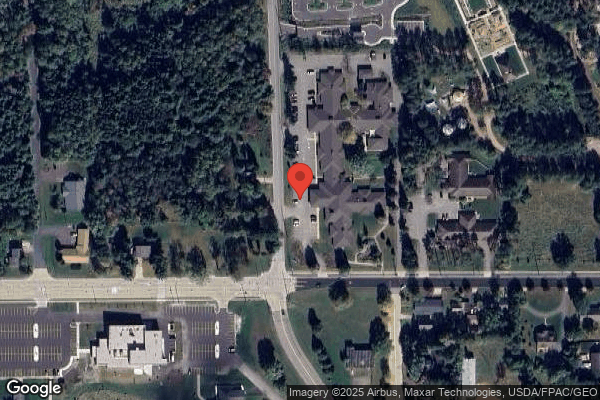
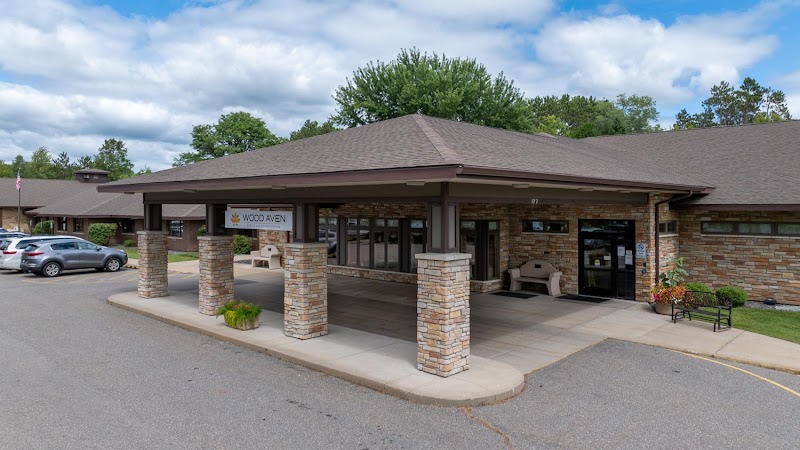
1821 N 4TH AVE, WAUSAU, WI 54401 (715) 675-9451
For profit - Corporation 82 Beds BENEDICTINE HEALTH SYSTEM Data: November 2025
Trust Grade
65/100
#185 of 321 in WI
Last Inspection: January 2025

Within standard 12-15 month inspection cycle. Federal law requires annual inspections.

Overview

Wood Aven Health and Rehabilitation has a Trust Grade of C+, which means it's slightly above average but not exceptional. It ranks #185 out of 321 facilities in Wisconsin, placing it in the bottom half of the state, and #6 out of 8 in Marathon County, indicating limited local options that are better. The facility’s trend is worsening, with issues increasing from 2 in 2023 to 4 in 2025. Staffing is a strength here, with a turnover rate of 0%, which is significantly better than the state average, and it has more RN coverage than 80% of facilities in Wisconsin. However, there are concerning incidents, such as a resident being hospitalized due to a failure to follow bowel protocol, which caused actual harm, and issues related to inadequate dish drying practices that could lead to contamination. Overall, while the staffing situation is strong, the recent increase in issues and some serious concerns warrant careful consideration.
Trust Score
C+
65/100
In Wisconsin
#185/321
Bottom 43%
Safety Record
Moderate
Needs review
Inspections
Getting Worse
2 → 4 violations
Staff Stability
○ Average
Turnover data not reported for this facility.
Penalties
✓ Good
No fines on record. Clean compliance history, better than most Wisconsin facilities.
Skilled Nurses
✓ Good
Each resident gets 65 minutes of Registered Nurse (RN) attention daily — more than 97% of Wisconsin nursing homes. RNs are the most trained staff who catch health problems before they become serious.
Violations
○ Average
6 deficiencies on record. Average for a facility this size. Mostly minor or procedural issues.
★★★☆☆
3.0
Overall Rating
★★★☆☆
3.0
Staff Levels
★★★☆☆
3.0
Care Quality
★★★☆☆
3.0
Inspection Score
Stable
2023: 2 issues
2025: 4 issues

The Good

  • Full Sprinkler Coverage · Fire safety systems throughout facility
  • No fines on record

Facility shows strength in fire safety.

The Bad

3-Star Overall Rating

Near Wisconsin average (3.0)

Meets federal standards, typical of most facilities

Chain: BENEDICTINE HEALTH SYSTEM

Part of a multi-facility chain

Ask about local staffing decisions and management

The Ugly 6 deficiencies on record

1 actual harm
Mar 2025 1 deficiency
CONCERN (D) 📢 Someone Reported This

A family member, employee, or ombudsman was alarmed enough to file a formal complaint

Potential for Harm - no one hurt, but risky conditions existed

Investigate Abuse (Tag F0610)

Could have caused harm · This affected 1 resident

Based on interview and policy review, the facility did not ensure allegations of mistreatment were thoroughly investigated for 1 of 1 (R3) resident reviewed. Certified Nursing Assistant (CNA) C made a...

Read full inspector narrative →
Based on interview and policy review, the facility did not ensure allegations of mistreatment were thoroughly investigated for 1 of 1 (R3) resident reviewed. Certified Nursing Assistant (CNA) C made a comment about the way R3 smelled, allegedly stating R3 needed a bath because he smells like he came out of a barn. The facility investigation did not include all nursing staff working R3's rehabilitation unit during the time of the reported incident. This is evidenced by: The facility policy, Resident Rights-Abuse Prevention, which was not dated, included in part: Policy: It is the policy of this facility that each resident has the right to be free from abuse .Residents must not be subjected to abuse by anyone . Procedures: Investigation-All identified events are reported to the Administrator/Designee immediately and will be thoroughly investigated. The investigation shall consist of: 5. An interview with staff members (on all shifts) having contact with the resident during the period of the alleged incident. 7. An interview with staff members (on all shifts) having contact with the accused employee . R3's most recent Minimum Data Set (MDS) Brief Interview for Mental Status (BIMS), completed 3/05/25, indicated a score of 15/15, meaning R3 is alert and oriented and able to answer questions correctly. Surveyor reviewed the Alleged Nursing Home Resident Mistreatment, Neglect, and Abuse Report submitted to the State of Wisconsin by the facility. Surveyor noted the following: Briefly Describe the Incident: On 1/05/25 [R3] refused a bath and an agency CNA made a comment to the effect of 'you should (have a bath) because you smell like you just came out a barn.' The Resident [R3], a former Social Services Director, took offense and assumed the comment made was with hurtful intent. Resident Specifics: 69 y/o (year old) male who is his own self. Resident Statement: I felt degraded when during my initial contact with [CNA C]. R3 stated he was told, He smelled like I came out of a barn. He never came back to state that was a joke or jest at any point in time. It was degrading. He then stated that I need to soak my fingers and said I am going to soak your hands today. I have sores on both my hands and my orthopedic surgeon said I should not get them wet. He said I am still going to and made derogatory remarks about the ortho surgeon. He did not soak my hands. As he got ready to go leave the room I felt he was overall disrespectful and degrading. At one point he said 'I've never worked someplace where so many people were rude to me.' I said, Did you consider it is your behavior eliciting that treatment. He said nothing and left the room. Ultimately, I felt like I was being bullied. Surveyor noted the facility investigation included interviews conducted with 12 residents who reported no concerns of staff treatment. Surveyor also noted two staff interviews that had been conducted as follows: 1/07/25 at 4:15 via phone: CNA C who stated, The resident [R3] had been refusing care since his return from the hospital. [CNA C] acknowledged he told [R3] his room had odor but respected [R3's] wishes to refuse care. 1/08/25 (no noted time): CNA D who indicated she went with CNA C to give R3 a bed bath. R3 refused a bath stating he had a bath in the hospital. [CNA C] told him he had to take a one in a very blunt manner which made the resident agitated. Facility did not provide any evidence of other staff interviews being conducted. Surveyor reviewed the nursing staff schedules for 1/04/25 and 1/05/25 and noted 9 other nursing staff working R3's rehabilitation unit. On 3/26/25 at 10:12 AM, Surveyor spoke with Nursing Home Administrator (NHA) A about the facility investigation. NHA A indicated he was the individual who conducted and submitted the facility report. NHA A explained he began an investigation immediately upon learning of the report of mistreatment, which was submitted to the State of Wisconsin. NHA A expressed he immediately placed CNA C on suspension, NHA A expressed residents on the rehabilitation wings were interviewed as well as CNA C and D. The facility concluded the incident occurred, and CNA C will not be returning to the facility. NHA A stated he believed he talked with other staff but has no proof of who he spoke with. NHA A further expressed he should have spoken with all staff working the rehabilitation on all shifts per the facility policy to ensure no other staff had seen any other potential mistreatment of residents.
Jan 2025 3 deficiencies 1 Harm
SERIOUS (G)

Actual Harm - a resident was hurt due to facility failures

Quality of Care (Tag F0684)

A resident was harmed · This affected 1 resident

**NOTE- TERMS IN BRACKETS HAVE BEEN EDITED TO PROTECT CONFIDENTIALITY** Based on interview and record review, the facility did not ensure that a resident (R) received treatment and care in accordance ...

Read full inspector narrative →
**NOTE- TERMS IN BRACKETS HAVE BEEN EDITED TO PROTECT CONFIDENTIALITY** Based on interview and record review, the facility did not ensure that a resident (R) received treatment and care in accordance with professional standards of practice for 1 out of 18 residents sampled. (R321) R321 has a history of daily opiate use and constipation. The facility bowel protocol was not followed or a thorough GI assessment completed, causing actual harm to R321. R321 was hospitalized with severe pain and was admitted with a fecal impaction. Findings include: The facility's bowel protocol, reviewed on 11/18/24, includes, in part: Bowel and Bladder Management . Bowel: Constipation (If no bowel movement in > 48 hours; Perform steps sequentially) -Perform rectal check to determine if impaction is present - Encourage 2,000 ml daily fluid intake unless contraindicated -Consult Dietician for dietary recommendations -Sennoside 8.6 mg take 2 tablets by mouth at evening prn for 3 days -Bisacodyl suppository 10 mg per rectum daily prn for 3 days - Reattempt Sennoside or Bisacodyl if no results after 24 hours and notify provider - Fleets enema per rectum x1 if no results from suppository -Monitor and record results from treatment. Lipincott 2020 Critical Care: Assessing the abdomen Use sight, sound, and touch to assess your patient's abdomen for abnormalities. Assessing your patient's abdomen can provide critical information about his internal organs. Always follow this sequence: inspection, auscultation, percussion, and palpation. https://www.ncbi.nlm.nih.gov/books A digital rectal examination is mandatory as the first diagnostic evaluation to confirm the diagnosis of fecal impaction. R321 was admitted to the facility on [DATE] with the following pertinent diagnoses: chronic pain syndrome, constipation by delayed chronic transit, Raynaud's syndrome with gangrene, unspecified severe protein-calorie malnutrition. The Minimum Data Set (MDS) dated [DATE] indicates R321 had a Brief Interview for Mental Status (BIMS) of 15 out of 15 which indicates R321 is cognitively intact. R321's MDS indicates R321 is dependent on toileting, hygiene, bed, and wheelchair transfers. MDS indicates frequently incontinent of bowel, no toileting program in place, and no bowel patterns. R321's Medication Administration Record (MAR) indicates the following orders: HYDROcodone-Acetaminophen Oral Tablet 7.5-325 MG (Hydrocodone-Acetaminophen) Give 1 tablet by mouth six times a day for pain Senna Oral Tablet 8.6 MG (Sennosides) Give 1 tablet by mouth every 12 hours as needed for constipation -Ordered on 12/10/2024 at 05:56 PM. No documentation that this was given. Dulcolax Suppository 10 MG (Bisacodyl) Insert 1 suppository rectally every 24 hours as needed for Bowel Care. Order on 12/02/2024 at 03:18 PM. No documentation this was given in December 2024. Fleet Oil Rectal Enema (Mineral Oil) Insert 1 application rectally as needed for constipation *use residents home supply in room* -Ordered on 12/21/2024 at 08:35 PM. On 01/06/25 at 12:02 PM, Surveyor interviewed R321 regarding his general care at the facility. R321 indicated that he was still in bed because he was recently hospitalized . R321 reported he is still weak and tired. R321 had been hospitalized on [DATE] due to a fecal impaction. R321 reported that at approximately 11:30 AM on 12/22/24, he had told Licensed Practical Nurse (LPN) O that he had intense rectal pain and needed something done. R321 indicated LPN O called the charge nurse who gave the direction to LPN O to observe him for the afternoon. R321 then explained to LPN O he had a history of fecal impaction, once resulting in a bowel perforation and he could not wait because the pain was unbearable. R321 reported that LPN O again called the charge nurse, and LPN O then told R321 she was waiting to hear from the nurse. R321 reported he then asked LPN O that he be sent to the hospital. When LPN O did not send him, R321 called 911 himself, shortly after 1:00 PM. R321 reported he went to the ER where it was discovered R321 had a fecal impaction. R321 reported he is unsure if the facility was aware that he had not had a bowel movement (BM) in several days. Medical record was reviewed; no documentation of abdominal pain prior to 12/22/24. On 1/08/25, Surveyor reviewed R321's bowel movement records which indicated that R321's last BM was 12/18/24 at 7:06 PM med BM. No BM recorded for the next 4 days 12/19/24 through 12/22/24. Surveyor reviewed R321's progress notes. -nursing note indicates in part on 12/21/24- GASTROINTESTINAL: Bowel Sounds are Present Bowel Sounds are Hypoactive -Active SX: constipation. No GI appliance(s) used No nutritional deficits observed. 12/21/2024 20:36 Nursing -Note Text: HUCU message sent: Resident brought in his own supply of Fleet enemas that he says he uses if he has not had a BM in several days. May we have order for Fleet enema PRN? HUCU message received: OK to use the enema. Please update if no BM Resident is refusing enema at this time On 12/22/24- GASTROINTESTINAL: Bowel Sounds are Present Bowel Sounds are Active Active SX: constipation. No GI appliance(s) used Active SX: meal intolerance or PO intake less than 25%. Of note, R321 has a history of daily opiate use and constipation. Despite this history the facility failed to complete a thorough GI assessment including palpating the abdomen, rectal check and bowel sounds. There is no evidence the facility staff checked to see when R321 had his last BM. R321 had to call 911 on his own due to severe pain and was admitted with a fecal impaction. On 01/07/25 at 10:17 AM, Surveyor interviewed LPN O. When asked about interventions for residents who are experiencing constipation, LPN O reported she would follow the bowel protocol when a resident is symptomatic of constipation. When asked about R321's constipation, LPN O reported an enema order was obtained the day prior and the enema was given per R321's request on 12/22/24. LPN O stated, [R321] was screaming he wanted to go to the hospital, but I was in with another resident and before I got a chance to go back in by him, [R321] had already called 911 LPN O then notified DON via telephone. On 12/22/24 at 12:19 AM, documentation in the MAR shows Fleet Oil enema was given; no results reported or documented from administering the enema. No documentation found, or provided by facility, that the provider was notified that this was day 4 with no bowel movement or that the enema given on 12/22/24 failed to produce results of a BM for R321. On 1/08/25, Surveyor reviewed R321's hospital discharge summary, which indicates in part, R321 .who presents with abdominal pain and was admitted for fecal impaction. On admission, he had a large fecal mass palpable in the rectal vault. Imaging showed a 7.6 CM stool ball with surrounding inflammation .was evaluated by GI. He is a difficult situation secondary to chronic opiate use, chronic immobility, and medical noncompliance in the past. He was treated with as needed suppositories and enemas here which seemed to work. Patient was treated for a urinary tract infection (UTI) with Keflex. Raynaud's, chronic diastolic heart failure, and atrial fibrillation were managed with patient home regimen. His chronic pain from neuropathy/scleroderma was treated with his home hydrocodone PRN. While here, he requested this whenever it could be given. Opiate use is thought to be a contributing to his constipation issues. R321 was hospitalized and treated for fecal impaction on 12/22/24 through 1/3/25. On 01/08/25, Surveyor requested facility's bowel protocol and documentation of interventions done for R321's constipation prior to his hospitalization from Director of Nursing (DON) B. On 01/08/25 at 11:00 AM, Surveyor interviewed DON B, who provided documentation of a late entry completed on 01/08/25 by LPN O after Surveyor asked questions about R321's constipation. This late entry for 12/22/24 states, Writer performed abdominal assessment including listening to bowel sounds that were present in all four quadrants. Writer also performed rectal exam .informed resident stool was at anus. Writer encouraged resident to drink water and resident stated he would rather drink soda than water. Encouraged resident to use bathroom to defecate rather than laying in the bed and going in the depends. Resident refused to use bathroom. DON B provided documentation that staff education was provided to LPN O about proper and timely documentation. DON B verbalized that the interventions documented on the late entry were not in R321's records prior to Surveyor's request of bowel interventions performed for R321 as indicated by the facility's Bowel Protocol. DON B verbally agreed there was no evidence to indicate that R321's constipation was addressed or that the facility's Bowel Protocol was followed, resulting in R321 experiencing pain and requiring hospitalization for fecal impaction.
CONCERN (D)

Potential for Harm - no one hurt, but risky conditions existed

Medication Errors (Tag F0758)

Could have caused harm · This affected 1 resident

**NOTE- TERMS IN BRACKETS HAVE BEEN EDITED TO PROTECT CONFIDENTIALITY** Based on observation, interview and record review, the facility did not effectively monitor psychotropic medications to ensure r...

Read full inspector narrative →
**NOTE- TERMS IN BRACKETS HAVE BEEN EDITED TO PROTECT CONFIDENTIALITY** Based on observation, interview and record review, the facility did not effectively monitor psychotropic medications to ensure residents are receiving the lowest possible effective dose. The facility practice had the potential to affect 1 of 5 residents reviewed for unnecessary medications (R19). This is evidenced by: Surveyor requested and reviewed the facility policy titled Psychoactive Medications dated as most recently reviewed on 12/2024. The policy in part read: Policy: It is the policy of this facility to maintain every resident's right to be free from the use of psychoactive medication. ~Psychoactive medications .are to be administered only when required to treat the residents' medical symptoms. ~No psychoactive medications will be utilized without .a diagnosed specific condition and will include the target behavior .with the goal of reducing the duration and/or dose of the medication. ~Monitor and track progress towards the therapeutic goal (s) . ~Perform gradual dose reductions (GDR) as per regulatory guidelines to find the optimal dose or to determine whether continued use of the medication is benefiting the resident. Tapering may be indicated when the resident's clinical condition has improved or stabilized, the underlying causes of the target symptoms have resolved and/or non-pharmacological interventions, including behavioral interventions, have been effective in reducing the symptoms. Surveyor reviewed R19's record and noted the following: R19's most recent quarterly Minimum Data Set (MDS) assessment completed 12/27/24, indicated resident understands, is understood and has severely impaired cognition. R19 has no mood or behavioral symptoms of verbal, physical or other behaviors. R19 has delusions and rejects care. R19's diagnoses include unspecified dementia-unspecified severity with behavioral disturbance, anxiety and dysthymic disorder (persistent depressive disorder). R19 takes antipsychotic, antianxiety and antidepressant medications. Has a gradual dose reduction been attempted: No. R19's annual MDS, dated [DATE], indicated resident understands, is understood and is cognitively intact. R19 has no mood or behavioral symptoms of verbal, physical or other behaviors. R19 has no delusions and does not reject care. R19's diagnoses include unspecified dementia-unspecified severity with behavioral disturbance, anxiety and dysthymic disorder (persistent depressive disorder). R19 takes antipsychotic and antidepressant medications. Has a gradual dose reduction been attempted: No. R19's Orders: 11/01/24: Rexulti Oral Tablet 2 MG (Brexpiprazole) Give 1 tablet by mouth one time a day for Dementia with behavioral disturbances Surveyor reviewed summary of Rexulti medications since the facility's last recertification survey and noted: Rexulti: ~9/08/23-3/24/24 Dose: 1 mg oral QD, Diagnosis: unspecified dementia, unspecified severity with other behavioral disturbance ~3/25/24-4/01/24 Dose: 1.5 mg oral QD, Diagnosis: unspecified dementia, unspecified severity with other behavioral disturbance ~ 4/02/24 to present: Dose: 2 mg oral QD, Diagnosis: unspecified dementia, unspecified severity with other behavioral disturbance R19's care plan which transitioned to facility's new electronic record November 2024 included: Focus: Resident receives antipsychotic, and SSRI (selective serotonin reuptake inhibitors/antidepressant) medication related to dementia with behaviors. Goal: Resident will be prescribed the lowest effective dose of medication. Date Initiated: 11/21/24, Target date: 3/19/25. Interventions: ~Attempt a gradual dose reduction per facility protocol. ~Monitor for targeted behaviors r/t (related to) rexulti use physical aggression, verbal aggression. ~Monitor for target behaviors every shift: tearfulness, low mood. Care plan in facility's previous electronic record from previous recertification survey to 11/2024. The care plan had no visible dates for initiation or target dates. Resident has a history of accusatory/paranoid comments, refusing cares, meals and medications r/t dx of dysthymic disorder and undiagnosed personality disorder per husband. I have a HX (history) of experiencing anger/agitation related to my cognitive functioning deficits/memory issues r/t DX of Dementia, my cognitive deficit, decline in ADL ability As evidenced by: HX of persistent anger with self or others HX of delusional thoughts/verbal expressions HX of unpleasant mood HX of verbalizations of anger over loss HX of verbalization of non-acceptance over change of status day, persons involved, and situations. Document behavior and potential causes. Resident has a history of resisting care (e.g., blood work, taking medications, ADL assistance). Surveyor reviewed R19's record in the facility's previous medical record (Matrix Care) from previous recertification survey and the facility's current medical record (Point Click Care) and found no notes showing R19 had targeted behavioral concerns. Surveyor reviewed Consultant Pharmacist Recommendation to Physician reports and noted the following: ~12/22/24: Federal guidelines state antipsychotic drugs should have an attempt at gradual dose reduction (GDR) twice per year for the first year in 2 different quarters with a least 1 month between attempts, then annually thereafter. This resident has been taking Rexulti 2 mg QD (every day) since 3/04/24 without a GDR. Could we attempt a dose reduction at this time to perhaps Rexulti 1 mg QD to verify this resident is on the lowest possible dose? if not, please indicate response below: Response signed by physician 1/07/25: Reduce the dose of Rexulti to 1 mg po (orally) QD (every day). 3/18/24: Federal guidelines state antipsychotic drugs should have an attempt at gradual dose reduction (GDR) twice per year for the first year in 2 different quarters with a least 1 month between attempts, then annually thereafter. This resident has been taking Rexulti 1 mg since 9/8/23 without a GDR. Could we attempt a dose reduction at this time to perhaps Rexulti 0.5 mg QD to verify this resident is on the lowest possible dose? If not, please indicate response below: Response from physician: Box checked: Use in accordance with relevant current standards of practice for psychiatric disorder (i.e.: schizophrenia, delusional behavior, bipolar, atypical psychosis in absence of dementia, huntingtons, mania) All options require clinical rationale for continuing by physician stated below . Physician/Prescriber Response Contraindicated increase 3/25/24 r/t (related to) increased agitation/restlessness Although the physician noted R19 with increased agitation/restlessness, R19's record showed no targeted behaviors of physical/verbal aggression. Surveyor observed R19 throughout survey in her room eating meals, watching television and interacting with staff. No behavioral or mood concerns were observed. On 1/07/25 at 8:03 AM, Surveyor spoke with Certified Nursing Assistant (CNA) E regarding R19's routine, preferences, and behavioral concerns. CNA E expressed R19's cares had been done already this morning and are done when she wakes up which is sometimes day shift and sometimes night shift. R19 is given the choice if she wants to get up out of bed. Most often R19 prefers to stay in bed and eats her meals in bed in her room. R19 enjoys certain television shows that are turned on her TV. R19 is also offered a busy box in bed for her to manipulate. Sometimes R19 wants it and sometimes not. R19 does not show indicators of pain and is good as far as behaviors when her routine is kept. On 1/08/25 at 10:52 AM, Surveyor spoke with Registered Nurse (RN) F who has worked at the facility several years and is familiar with R19 regarding R19's behavioral concerns. RN F indicated R19 has no recent mood or behavioral concerns. R19 has history years ago of intense behaviors. R19 will occasionally get a little agitated with cares which is very sporadic. R19 is not combative and does not appear in any distress. On 1/08/24 at 11:02 AM, Surveyor spoke with Director of Nursing (DON) B, Regional Administrator Lead (RAL) G and Clinical Resource Registered Nurse (CRRN) H about the facility's process for monitoring effectiveness of psychoactive medications and ensuring residents are on the lowest possible effective dose of medications when treating behavioral disturbance for residents with dementia; specifically, R19. DON B explained nurses chart daily on behaviors. If behaviors occur nurses do a corresponding note. The facility transitioned from one medical record system to another during change of ownership in November 2024. R19 has a history of verbal and physical aggression towards staff. R19 is treated with Rexulti for her behaviors associated with dementia. R19 had a care plan in the previous medical record for her targeted behaviors of aggression that was transitioned to point click care in November 2024. Both record systems were checked and R19 has not demonstrated targeted behaviors. The facility has a behavioral committee that looks at residents on psych medications and review pharmacist recommendations for GDRs. Surveyor asked DON B for clinical rationale for increasing R19's Rexulti (antipsychotic medications) when no targeted behaviors were occurring. DON B expressed there was one occasion R19 attempted to crawl out of bed. The team thought she may have had increased restlessness when she attempted to crawl from bed thus her medication was increased. Surveyor asked DON B if the team considered R19's lack of targeted behaviors when the increases in the Rexulti occurred. DON B expressed there was no clinical rationale based on R19's targeted behaviors to increase her medication. DON B further expressed she would continue to check R19's record and provide surveyor with any information that would support the increase and lack of GDR if anything was found. RAL G expressed the facility is aware the process for monitoring residents on psychoactive medications needs improvement. The facility has not yet implemented a process improvement plan since acquisition of the facility in November 2024.
CONCERN (F)

Potential for Harm - no one hurt, but risky conditions existed

Food Safety (Tag F0812)

Could have caused harm · This affected most or all residents

Based on observation, record review and interview, the facility did not allow clean dishes sufficient time to air dry or store the clean dishes in a manner to prevent potential contamination. The faci...

Read full inspector narrative →
Based on observation, record review and interview, the facility did not allow clean dishes sufficient time to air dry or store the clean dishes in a manner to prevent potential contamination. The facility practice has the potential to affect all 76 residents. This is evidenced by: The facility policy tilted Dishwashing and Ware Washing which was not dated was requested and received by Surveyor. The policy in part read: Objective: To ensure cleaning, sanitization and infection control in the dishwashing area to promote food safety, prevent contamination and minimize the risk of spreading infections. Washing (Mechanical or Manual): Dish Drying: ~Dishes, utensils and cookware will be allowed to air dry completely on clean, sanitized racks or drying shelves. Inverting Dishes: Inversion: All plates, bowls, cups and similar items will be inverted (placed upside down) during storage to prevent contamination from airborne particles and dust. On 1/07/25 at 9:55 AM, Surveyor observed Dietary Aide (DA) C doing dishes in the dish room. DA C was observed spraying dirty dishes and loading dishes to a dish rack. DA C removed her apron and gloves and performed hand hygiene. DA C donned a clean apron and gloves and proceeded to the clean dishes to stack the coffee cups and bowls on trays. The coffee cups and bowls were not completely air dried. The bowls were not inverted and placed on the racks to store. Surveyor observed the bowls to have standing water in the bottom of the bowls. Surveyor observed racks of bowls that were stacked below the rack DA C had placed the bowls just removed from the dish rack/dish machine. Surveyor and DA C observed standing water in the bowls that had been stacked and not allowed sufficient time to air dry or inverted when stacked. Surveyor asked DA C to observe the coffee cups that had been removed from the dishwasher and not allowed to air dry before being stacked on trays in an inverted manner. Surveyor and DA C observed the coffee cups to have water that had not air dried in the bottom of the coffee cups. Surveyor asked DA C how long she has been in her position and if dish washing is part of her responsibilities. DA C expressed she has been on staff 36 years and doing breakfast dishes is part of her daily responsibilities. Surveyor asked DA C if the observed process of washing dishes, unloading immediately from dish machine and stacking to trays as observed by Surveyor is her normal process. DA C indicated the observed process is the way she does dishes each day for breakfast. Surveyor asked DA C if the observed standing water in the dishes may pose a risk for contamination. DA C responded the water in the dishes could grow mold and other bacteria and pose a risk for contamination. Following the observation Surveyor was joined by Dietary Supervisor (DS) D in the dish room. Surveyor spoke with DS D about the observation and the still remaining water in the bottom of the bowls that were not inverted and the slight water in the coffee cups that were not allowed to air dry. DS D instructed DA C on allowing more time for dishes to air dry and stacking the bowls in a different manner to invert and not allow for standing water. Surveyor asked DS D if the current manner of dish washing poses a risk for contamination of the presumed clean dishes. DS D responded she understood how the process and the water in the clean dishes could pose a risk for contamination. She will be changing the manner the dishes would be stacked and instructing staff to allow more time for the dishes to air dry.
Nov 2023 2 deficiencies
CONCERN (D)

Potential for Harm - no one hurt, but risky conditions existed

Pressure Ulcer Prevention (Tag F0686)

Could have caused harm · This affected 1 resident

**NOTE- TERMS IN BRACKETS HAVE BEEN EDITED TO PROTECT CONFIDENTIALITY** Based on observation, interview and record review, the facility did not provide measures to prevent and treat Pressure Injuries ...

Read full inspector narrative →
**NOTE- TERMS IN BRACKETS HAVE BEEN EDITED TO PROTECT CONFIDENTIALITY** Based on observation, interview and record review, the facility did not provide measures to prevent and treat Pressure Injuries (PI) while completing wound care for a PI, ensure that pressure relieving air mattress was operational and in continuous working order, and did not document pressure injury assessment including wound staging at least weekly for R12, R31 was not provided off-loading of pressure or repositioned timely. The facility practices had the potential to affect 2 of 3 (R12 and R31) residents reviewed for pressure injuries. This is evidenced by: Example 1 Surveyor reviewed facility policy titled, Prevention and Treatment of Skin Breakdown, noting NPUAP as reference included, in part: Those residents' who experience a break in skin integrity or wounds are provided care and service to heal the skin according to professional standards of care. Professional standards of practice as suggested by Centers for Disease Control and Prevention (CDC) include cleaning and disinfecting patient care equipment, instruments, and devices, clean and disinfect environment appropriately, and practice proper hand hygiene as warranted. On 11/29/23 at 10:07 a.m., Surveyor observed Registered Nurse (RN) E complete wound care for R12 who was admitted to facility on 10/30/23 with a pressure injury on coccyx. RN E used resident's bedside table as surface to place supplies for wound care and dressing change. Surveyor observed that RN E did not sanitize surface or place any kind of barrier on table. Surveyor observed multiple incidents of not practicing proper hand hygiene by completing tasks with dirty gloves on that included: reaching into pocket, documenting in paper binder, touching resident's personal items, and looking for items in clean supply box. After completing wound care, RN E brought dirty scissors used during wound care to nurses station, set on counter, and grabbed sanitizing wipes to clean. Surveyor observed that RN did not wipe counter surface that dirty scissors had been on. On 11/29/23, following the observation, Surveyor asked RN E what infection prevention measures should be used and how they know what Personal Protective Equipment (PPE) and supplies are needed for wound care. RN E replied that it depended on the wound. If there is a possibility of coming into contact with blood or fluids, then a gown and glasses would be used. RN E states to otherwise follow the standard infection prevention methods which would include cleaning surface to be used for wound care supplies, use of a barrier, and cleaning surface after use. RN E stated that she is currently in the process of being certified in wound care and that she is responsible for all the wound care at the facility. RN E states that she can be quite busy at times and forgets things. On 11/28/23 at 10:52 a.m., Surveyor observed R12 lying supine (on back) in bed, in lowest position, with air mattress in use and operating. The bed appeared to be slanting to the right with R12 very close to the edge. Surveyor asked R12 if his bed is always like this and he responded, I guess. It deflates every night. On 11/29/23 at 7:48 a.m., Surveyor observed R12 supine in bed, lowest position, and air mattress appeared to be off. Surveyor asked R12 if the mattress was inflated and in working order. R12 stated that he didn't think so. R12 stated that it turns off every night like this. Director of Nursing (DON) B came into the room to assess the bed and stated that it had been unplugged from the wall. She plugged the unit back in and the bed reinflated. Surveyor asked DON B whose responsibility it was to assess if air mattress was on and working. DON B stated that all nursing staff are responsible. DON B was not aware of the pressure mattress issue until Surveyor asked about it. On 11/29/23, following the observation, Surveyor interviewed DON B regarding standard of practice in ensuring pressure relieving devices are in place and in working order. DON B stated that they currently did not have any practice in place for assessing and documenting pressure relieving devices. DON B and RN E stated that they implemented all interventions noted in care plan and wound care orders, but despite their best efforts, R12 developed new pressure injuries to both heels after being in their care. DON B acknowledges that no measures were in place to assess and document pressure relieving device was in place and working and likely contributed to the development of the new pressure injuries. Surveyor reviewed R12's record and noted: R12 was admitted to facility on 10/30/23 following hospitalization for rehabilitation services. R12 has medical diagnoses that include rhabdomyolysis, congestive heart failure, hypertension, diabetes mellitus type II, a flutter, coronary artery disease, and fracture of right toe(s). The following wound documentation was reviewed: 10/31/2023 buttocks injury measures at 3.8cm x 2.2cm, depth <0.1cm, bloody serous drainage, minimal pain, calazime cream applied as ordered. 11/1/2023 Buttocks pressure injury measures at 5.5cm x 6cm, depth <0.1cm. Pain with pressure injury when sitting for to long in wheelchair. Mild serosanguineous drainage. Wound bed has about 80% yellow slough, 10% slight black eschar, wound cleansed with gentle cleanser, thick layer of calazime applied to wound, no brief on he is open to air (OTA). 11/16/23 (First notation of documentation of R12's bilateral heel pressure injuries) Left heel Deep Tissue Injury (DTI) measures at 1cm x 0.8cm x depth <0.1cm. Skin intact, minimal pain. Heel prepped with skin prep, heel cupped with ABD and wrapped with kerlix. Prevalon boot applied once wound care complete. Right heel DTI measures at 1.5cm x 4.7cm x depth <0.1cm. Skin intact, minimal pain. Heel prepped with skin prep, heel cupped with ABD and wrapped with kerlix. Prevalon boot applied once wound care complete. Order for Prevalon boots to be worn bilaterally at all times when in bed and up in wheelchair. 11/22/23 Buttocks pressure injury measures at 4.5cm x 5cm, depth <0.1cm. Pain with pressure injury when sitting for to long in wheelchair. Mild serosanguineous drainage. Wound cleansed with gentle cleanser, thick layer of calazime applied to wound. Left heel measures at 0.5cm x 1cm, depth <0.1cm. Heel painted with betadine, let dry, covered with heel cover and wrapped with kerlix. No pain, skin intact nothing open. Right heel DTI measures at 0.7cm x 3.3cm x Depth <0.1cm. Skin intact, minimal pain. Heel prepped with betadine, heel cupped and wrapped with kerlix. Prevalon boot applied once wound care complete. 11/29/23 Buttocks pressure injury measures at 3.5cm x 7.5cm, depth <0.1cm. Pain with pressure injury when sitting for to long in wheelchair. Mild serosanguineous drainage. Wound cleansed with gentle cleanser stoma powder applied, then thick layer of calazime applied over stoma powder. Resident repositioned wound care done. Left heel measures at 0.5cm x 0.5cm x <0.1cm. Heel painted with betadine, let dry, covered with heel cover and wrapped with kerlix. No pain, skin intact. nothing open. Prevalon boot applied once wound care complete. Pillow placed under legs to float heels. Right heel DTI measures at 0.8cm x 3.5cm x depth <0.1cm. Skin intact, minimal pain. Heel prepped with betadine, heel cupped and wrapped with kerlix. Prevalon boot applied once wound care complete. Facility documentation did not include staging and was not completed on a weekly basis per facility policy titled, Prevention and Treatment of Skin Breakdown. Surveyor did not find any wound assessment documentation between 11/1/23 - 11/16/23. Surveyor reviewed R12's most recent wound care orders as followed: 11/22/23 Left buttock/coccyx ulcer: Apply a nickel thick layer of calazime cream PRN. Special lnstructions: May use stoma powder to assist with adhering cream to the wound. Use foaming cleanser to remove the soiled cream. Do not scrub off soiled cream. Every shift and As Needed. 11/22/23 Wound Clinic Standing orders: Limit sitting in wheelchair or chair to no longer than 2 hours at a time. Offloading cushion to wheelchair or chair. Avoid laying in a supine position. Remove hoyer sling from underneath patient while sitting in wheelchair every shift. 11/22/23 Bilateral deep tissue pressure injuries of the heels: Apply betadine daily. Let dry. Cover with an ABD heel cups and secure with rolled gauze daily and as needed. Surveyor reviewed R12's most recent care plan dated 11/27/22, which in part states: Skin - I have the following skin protective measures in place: air mattress, heel protectors with offloading when in bed, skin treatment as ordered. I must use a full body sling for safety and comfort to my skin, and unable to remove when sitting in wheelchair. I have aquagel wheelchair (w/c) cushion. Update MD as required. Prevalon boots on at all times ordered on 11/16/23 when in bed and up in w/c. On 11/30/23 at 12:47 p.m., Surveyor interviewed DON B and RN E regarding findings. RN E stated that she thought she had documented appropriately as there is a template that is used in wound documentation. Surveyor requested and received facility policy titled, Prevention and Treatment of Skin Breakdown with a copyrighted date of 2018 and identifying CMS State Operations Manual, Appendix PP and NPUAP as reference source states in part: Resident skin integrity is assessed upon admission and weekly thereafter. A skin risk assessment is completed upon admission and weekly for 4 weeks upon significant change, and quarterly thereafter. Those residents at an increased risk for impaired skin integrity are provided preventative measures to reduce the potential for skin breakdown. Those residents' who experience a break in skin integrity or wounds are provided care and service to heal the skin according to professional standards of care. Weekly the licensed nurse will stage, measure, and examine the wound bed and surrounding skin. Example 2 R31's diagnosis includes stroke, heart failure, hemiplegia/hemiparesis, morbid obesity and restless leg syndrome. R31's quarterly Minimum Data Set (MDS) dated [DATE] notes R31 has no behaviors and does not reject care. R31 has a bims of 15 indicating he is cognitively intact. R31 requires extensive assist of 2 for bed mobility and is dependent on 2 staff for transfer. R31 has range of motion impairments on one side upper and lower. R31 has a catheter and is incontinent of bowel. R31 is at risk for developing pressure injury with no actual pressure injury. R31's significant change in status MDS dated [DATE] notes the same status as above MDS. R31's most recent Skin Risk Assessment with Braden Scale dated 9/29/23 notes the following: Clinical Risk Factors: chronic end stage disease-heart, liver, renal, decreased ROM (range of motion), diabetes. Hemiplegia, terminal illness Evaluation of Braden: 14 (moderate risk) Interventions: pressure reducing device for chair, applications of ointments Continue care plan. R31's care plan shows the following: start date: 2/24/20. Category: Skin I am at risk for alteration of skin status related to CVA (cardiovascular accident) with left sided weakness, bowel incontinence and foley catheter. Goal: I will not develop any skin alterations target date: 1/09/2024 The comprehensive care plan and Certified Nursing Assistant (CNA) care card give no approaches or direction to staff on frequency of repositioning or when to offload. On 11/28/23 at 9:56 AM, Surveyor observed R31 being propelled to his room in his broda type wheelchair. CNA C reclined R31 slightly in his wheelchair and told him he will be laid down after lunch. R31 remained in his room in his wheelchair until he was taken to the dining room for lunch. Surveyor observed R31 in the dining room being assisted by staff. On 11/28/23 at 1:22 PM, Surveyor noted R31 continued up in his wheelchair in his room. Again, CNA C slightly reclined R31 in his wheelchair, emptied his urinary catheter and exited R31's room. Following the observation Surveyor spoke with R31 about his repositioning schedule. R31 expressed he is gotten up into his chair very early and is not laid down to bed until after lunch. Surveyor asked R31 if he would like to lay down to bed after breakfast. R31 responded on some days he might want to lay down after breakfast, but staff do not ask him. R31 further expressed some days he wants to go to activities, but he gets tired. Surveyor asked R31 if he has other options for repositioning. R31 responded he was not aware of any. On 11/28/23 at 1:58 PM, CNA C and another staff entered R31's room and laid R31down in bed. This is almost 4 hours of observation where R31 was not repositioned to prevent a pressure injury from occurring. Following R31 being laid down, Surveyor spoke with CNA C about R31's routine and repositioning/off-loading pressure. CNA C indicated she routinely cares for R31. R31 gets up in morning by night shift. R31 is up when CNA C starts her shift at 6:00 am. This morning R31 was up to his wheelchair at 3:00 am. R31 is not repositioned out of wheelchair until after lunch, shortly before shift change at approximately 1:00-2:00pm. CNA C expressed this is R31's routine. CNA C expressed R31 does not wish to lay down in bed after breakfast and no other off-loading of pressure or repositioning is offered. R31 is reclined in his wheelchair around 10:00 am and after lunch when catheter is emptied. Surveyor asked CNA C if a slight shift or recline in the wheelchair is pressure relief. CNA C responded CNA C was not sure. CNA C further expressed R31 is at risk for pressure injuries as R31 cannot move self to off load pressure. On 11/29/23 at 7:19 AM, Surveyor noted R31 was up and seated in his wheelchair in his room. On 11/29/23 at 10:12 AM, Surveyor noted R31 up in wheelchair in church activity. On 11/29/23 at 10:15 AM, Surveyor spoke with CNA D about R31. CNA D explained R31 was gotten up by the night shift and was up when she started her shift at 6:00 AM this morning. CNA D explained R31 gets up daily by the night shift and should be laid down after breakfast. R31 was not laid down yet as he went to exercise class then church. No repositioning was offered or done after breakfast. This observation is almost 3 hours without repositioning. CNA D indicated she will try to lay him down after church and before lunch. CNA D expressed R31 should be repositioned every two hours as he is at risk for pressure injury as he cannot physically move himself. On 11/29/23 at 10:42 AM, Surveyor spoke with Director of Nursing (DON) B about observations of R31 and her expectations related to offloading pressure and repositioning. DON B expressed she would expect someone like R31 to be offered to lay down after all meals including breakfast. If the resident does not want to lay down staff should off load pressure by other means. DON B further expressed it is important to off load pressure for dependent residents who cannot reposition themselves. R31 cannot reposition himself, he has left sided weakness and cannot lift himself. Staff should ask him if he wants to get up so early. Allowing him to stay in bed longer would not have him up in his chair for so long. Staff can ask to him to use the bathroom and offer laying down every 2-3 hours. If he does not wish to lay down staff should offload pressure with the hoyer lift. Shifting/reclining him slightly in his wheelchair would not relieve pressure. DON B further expressed R31's care plan does not direct staff to reposition him every 2-3 hours and will be updated to reflect this.
CONCERN (D)

Potential for Harm - no one hurt, but risky conditions existed

Infection Control (Tag F0880)

Could have caused harm · This affected 1 resident

Based on observation, interview and policy review, the facility did not establish and maintain an infection prevention and control program when staff did not offer hand hygiene prior to meal service f...

Read full inspector narrative →
Based on observation, interview and policy review, the facility did not establish and maintain an infection prevention and control program when staff did not offer hand hygiene prior to meal service for 3 of 8 residents (R) R209, R210 and R214, or provide wound care in a manner to prevent infection for (R) 42. Findings include: Facility policy titled, Hand Hygiene by Residents, dated June 2017, stated in part .3. Residents are asked and encouraged to perform hand hygiene before and after meals . On 11/30/23 at 12:13 PM, Surveyor observed trays passed to residents on the 500 hall by Registered Nurse (RN) D. R209, R210 and R214 were not offered any hand hygiene in their rooms when the trays arrived. Surveyor asked RN D, Do the residents get hand hygiene offered to them prior to meals being delivered? RN D replied, They all have hand sanitizer in their rooms for the residents to use. Surveyor replied to RN D, These 3 residents observed were not offered any hand hygiene today when I was observing trays passed. RN D replied, Oh. On 11/30/23 at 1:42 PM, Surveyor interviewed Director of Nursing (DON) B and Quality Management Coordinator (QMC) F. Surveyor asked, How do you offer hand hygiene prior to meal service to the residents? DON B replied, Well we offer them hand sanitizer. QMC F replied, Well actually we have hand sanitizer wipes on the food carts to offer the residents. Surveyor informed them that Surveyor did not observe any hand hygiene offered on the 500 hall to these three residents. QMC F replied, We will definitely work on that. Example 2 R42 has medical diagnoses that include but are not limited to, heart failure, type 2 diabetes mellitus with diabetic neuropathy, type 2 diabetes mellitus with diabetic polyneuropathy, hypothyroidism and essential (primary) hypertension. According to the most recent Minimum Data Set Assessment (MDSA) dated 11/8/23 which is an admission assessment, R42 has no mood or behavior indicators. There was no Brief Interview of Mental Status (BIMS) score, but the assessment scored R42 as having intact long-term and short-term memory. Also according to this MDSA, R42 required some set up assistance with meals and oral and personal hygiene tasks, partial to moderate assistance with dressing upper body and substantial to maximal assistance for lower body dressing. R42 was dependent on staff for toileting. R42 has no limitations with range of motion abilities. R42 was admitted to the facility under hospice services. Surveyor then reviewed the Comprehensive Care Plan for R42 and noted the following included: 1. I require protein d/t (due to) my multiple open areas. 2. Resident requires an indwelling urinary catheter R/T (related to) neurogenic bladder. 3. I have a self care deficit with the following activities of daily living; bathing, grooming, oral cares, ambulation, transferring, mobility, vision, bowel and bladder. 4. I am at risk for alteration of skin status d/t weakness, immobility, diabetes, poor nutritional status and history of diabetic ulcers to BLE (Bilateral Lower Extremities) and open areas to buttocks. R42 was admitted to the facility 11/3/23 with numerous diabetic and vascular ulcers on her lower extremities, currently in the healing phase. On 11/29/23 at 10:47 AM, Surveyor observed Registered Nurse (RN) E conduct wound care for R42. Upon entering the room, RN E placed a small white binder with wound assessments on the soiled linen hamper. RN E then opened the binder to check the wound care orders and then removed the needed supplies from a box in R42's room and placed these supplies on top of the soiled hamper. R42 granted Surveyor permission to observe the wound care. RN E sanitized her hands and donned a gown and gloves. A surgical mask was already on RN E as facility was practicing precautions for Covid-19 tested in the city water system. RN E then placed the supplies on the over the bed table of R42. RN E did not sanitize the table beforehand, nor was there a protective covering placed on top of the table. RN E proceeded to complete wound care first on R42's left leg. RN E removed the gauze dressing from R42's calf, which contained drainage from the wounds, with her bandage scissors. Once removed, RN E did not sanitize the bandage scissors, instead placed the contaminated scissors on the table with other clean supplies. RN E then poured normal saline over one wound covered with Xeroform and proceeded to remove the old Xeroform from the medial shin (wound 1). RN E did not then remove her gloves and sanitize her hands. Instead RN E proceeded to cleanse the wound with wound cleanser. RN E then poured wound cleanser over the other three wounds on R42's left leg and then removed the Xeroform from these. Note: Wound #2 was located approximately 2 centimeters below Wound 1, on the medial ankle bone. Wound 3 was located on the lateral ankle, and wound 4 was located on the lateral calf area. RN E did not wash or sanitize her hands and don a fresh pair of gloves in between each wound cleansing. RN E then proceeded to measure each wound with paper rulers, one for each wound. Once completed, RN E did not wash or sanitize her hands, and with the same gloves from cleansing each wound, pulled off pieces of tape from the tape roll and proceeded to dress the wounds, cutting off Xeroform pieces to fit each wound from the clean large square of Xeroform in the package and using the contaminated scissors that were not sanitized earlier from cutting off the old dressing. RN E then wrapped the leg with Kerlix gauze. RN E then removed her soiled gloves and dated and initialed the left leg dressing. RN E then sanitized her hands and donned a fresh pair of gloves, then replaced R42's sock. RN E then felt under R42's left knee and noted a wound located in this area was weeping. RN E washed this wound with wound cleanser and again, cut off a piece of Xeroform to fit the area with the dirty scissors. The wound was then wrapped with Kerlix and fresh tape was torn from the roll. RN E then proceeded to R42's right leg wounds. The old dressing was again cut off with the same dirty scissors. The scissors had not yet been sanitized. RN E sanitized her hands and donned a fresh pair of gloves. There were two small wounds located on the shin of this leg. RN E washed each with wound cleanser, one at a time with fresh gauze for each. However, after cleansing each wound, RN E did not remove her soiled gloves, wash or sanitize her hands and don a fresh pair of gloves. Also, RN E again used the dirty scissors to again cut off pieces of Xeroform to fit each wound. RN E then dressed R42's right leg with Kerlix, dated and initialed the dressing, then removed her soiled gloves. RN E did not yet sanitize her hands and proceeded to replace R42's sock, covered R42 with the bed sheet and blanket and cleaned up her supplies, replacing unused supplies into the box of supplies in R42's room. RN E then cleaned up R42's over the bed table of uneaten breakfast items (yogurt and empty milk glass), emptied the garbage and disposed of these in the room hamper. RN E then removed the plastic bag from this hamper and replaced it with a clean bag. RN E then removed her gloves and gown, sanitized hands, and then sanitized the scissors. At 12:02 PM, Surveyor interviewed RN E regarding her practice and the expectation of infection control during a dressing change. RN E stated, I always want to protect the resident from anything I may be carrying by using a gown, gloves and mask with weepy wounds or splash risks. I should perform hand washing or sanitizing when changing gloves and going from dirty to clean. Surveyor explained the observations made as noted above regarding the placement of the binder and clean supplies on the soiled hamper cover, no protective barrier or sanitization of the over the bed table and the missed opportunities for hand hygiene, as well as not sanitizing the scissors after removing soiled dressings and before cutting off clean Xeroform. RN E stated, That makes sense. Thank you for your input. I am always open for learning. I wasn't aware of that.
Understanding Severity Codes (click to expand)
Life-Threatening (Immediate Jeopardy)
J - Isolated K - Pattern L - Widespread
Actual Harm
G - Isolated H - Pattern I - Widespread
Potential for Harm
D - Isolated E - Pattern F - Widespread
No Harm (Minor)
A - Isolated B - Pattern C - Widespread

Questions to Ask on Your Visit

  • "Can I speak with families of current residents?"
  • "What's your RN coverage like on weekends and overnight?"

Our Honest Assessment

Strengths
  • • No fines on record. Clean compliance history, better than most Wisconsin facilities.
Concerns
  • • 6 deficiencies on record, including 1 serious (caused harm) violation. Ask about corrective actions taken.
Bottom line: Mixed indicators with Trust Score of 65/100. Visit in person and ask pointed questions.

About This Facility

What is Wood Aven Health And Rehabilitation's CMS Rating?

CMS assigns Wood Aven Health and Rehabilitation an overall rating of 3 out of 5 stars, which is considered average nationally. Within Wisconsin, this rating places the facility higher than 0% of the state's 100 nursing homes. This mid-range rating indicates the facility meets federal standards but may have areas for improvement.
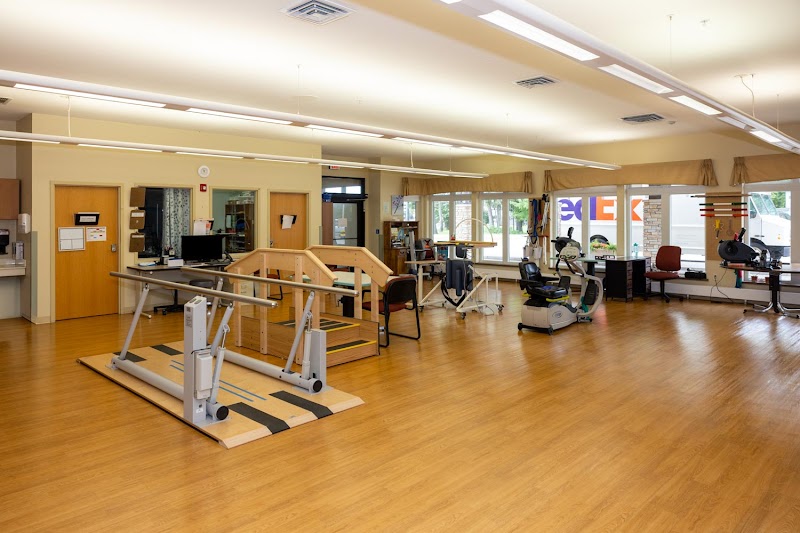
How is Wood Aven Health And Rehabilitation Staffed?

CMS rates Wood Aven Health and Rehabilitation's staffing level at 3 out of 5 stars, which is average compared to other nursing homes.

What Have Inspectors Found at Wood Aven Health And Rehabilitation?

State health inspectors documented 6 deficiencies at Wood Aven Health and Rehabilitation during 2023 to 2025. These included: 1 that caused actual resident harm and 5 with potential for harm. Deficiencies causing actual harm indicate documented cases where residents experienced negative health consequences.
Who Owns and Operates Wood Aven Health And Rehabilitation?

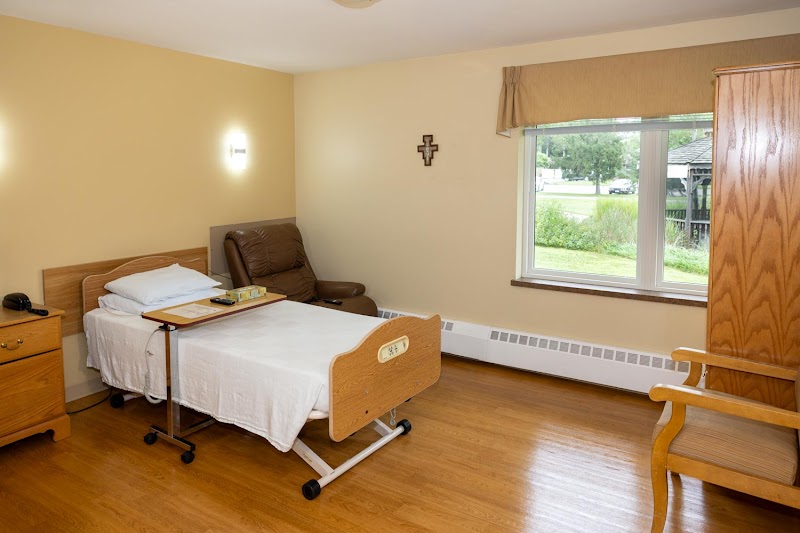
Wood Aven Health and Rehabilitation is owned by a for-profit company. For-profit facilities operate as businesses with obligations to shareholders or private owners. The facility is operated by BENEDICTINE HEALTH SYSTEM, a chain that manages multiple nursing homes. With 82 certified beds and approximately 76 residents (about 93% occupancy), it is a smaller facility located in WAUSAU, Wisconsin.

How Does Wood Aven Health And Rehabilitation Compare to Other Wisconsin Nursing Homes?

Compared to the 100 nursing homes in Wisconsin, Wood Aven Health and Rehabilitation's overall rating (3 stars) matches the state average and health inspection rating (3 stars) is at the national benchmark.

What Should Families Ask When Visiting Wood Aven Health And Rehabilitation?

Based on this facility's data, families visiting should ask: "Can I visit during a mealtime to observe dining assistance and food quality?" "How do you handle medical emergencies, and what is your hospital transfer rate?" "Can I speak with family members of current residents about their experience?"

Is Wood Aven Health And Rehabilitation Safe?

Based on CMS inspection data, Wood Aven Health and Rehabilitation has a clean safety record: no substantiated abuse findings (meaning no confirmed cases of resident harm), no Immediate Jeopardy citations (the most serious violation level indicating risk of serious injury or death), and is not on the Special Focus Facility watch list (a federal program monitoring the lowest-performing 1% of nursing homes). The facility has a 3-star overall rating and ranks #1 of 100 nursing homes in Wisconsin. While no facility is perfect, families should still ask about staff-to-resident ratios and recent inspection results during their visit.

Do Nurses at Wood Aven Health And Rehabilitation Stick Around?

Wood Aven Health and Rehabilitation has not reported staff turnover data to CMS. Staff turnover matters because consistent caregivers learn residents' individual needs, medications, and preferences. When staff frequently change, this institutional knowledge is lost. Families should ask the facility directly about their staff retention rates and average employee tenure.

Was Wood Aven Health And Rehabilitation Ever Fined?

Wood Aven Health and Rehabilitation has no federal fines on record. CMS issues fines when nursing homes fail to meet care standards or don't correct problems found during inspections. The absence of fines suggests the facility has either maintained compliance or corrected any issues before penalties were assessed. This is a positive indicator, though families should still review recent inspection reports for the full picture.

Is Wood Aven Health And Rehabilitation on Any Federal Watch List?

Wood Aven Health and Rehabilitation is not on any federal watch list. The most significant is the Special Focus Facility (SFF) program, which identifies the bottom 1% of nursing homes nationally based on persistent, serious quality problems. Not being on this list means the facility has avoided the pattern of deficiencies that triggers enhanced federal oversight. This is a positive indicator, though families should still review the facility's inspection history directly.