ARIA AT MITCHELL MANOR
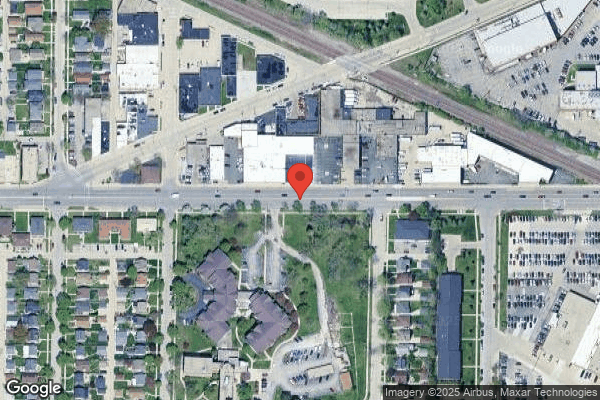
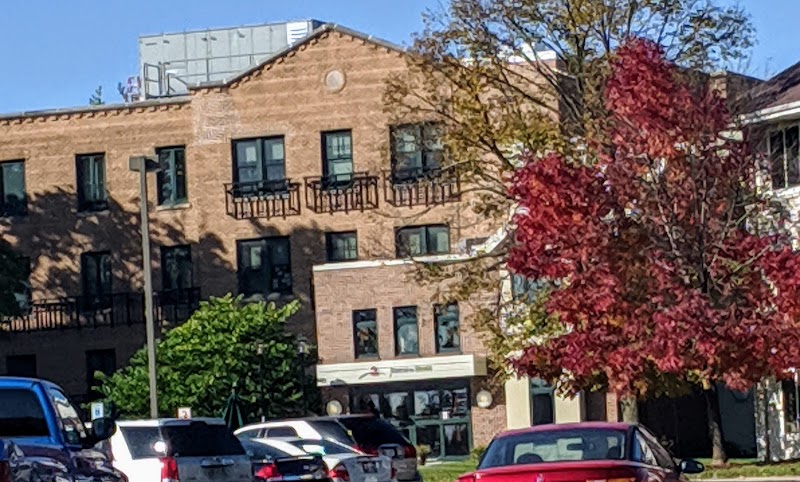
5301 W LINCOLN AVE, WEST ALLIS, WI 53219 (414) 615-7100
For profit - Individual 50 Beds ARIA HEALTHCARE Data: November 2025 1 Immediate Jeopardy citation
Trust Grade
41/100
#188 of 321 in WI
Last Inspection: January 2025

Within standard 12-15 month inspection cycle. Federal law requires annual inspections.

Overview

Aria at Mitchell Manor has a Trust Grade of D, indicating below-average performance with some significant concerns. It ranks #188 out of 321 nursing homes in Wisconsin, placing it in the bottom half of facilities in the state, and #12 out of 32 in Milwaukee County, meaning only 11 local options are better. The facility's situation is worsening, with issues increasing from 2 in 2024 to 4 in 2025. Staffing is rated at 3 out of 5 stars, showing an average level of staffing with a turnover rate of 44%, which is slightly better than the state average. However, they have concerningly low RN coverage, less than 96% of other facilities, which is critical as RNs can identify issues that CNAs might miss. Recent inspection findings highlighted serious problems, including failure to provide appropriate care for a resident with a pressure injury, leading to hospitalization. Additionally, the facility did not maintain proper infection control practices, risking the spread of diseases, and food safety standards were not met, with expired and unsafe food being served to residents. While there are some strengths, such as average staffing levels, the overall weaknesses and ongoing issues may cause concern for families considering this facility.

Trust Score
D
41/100
In Wisconsin
#188/321
Bottom 42%
Safety Record
High Risk
Review needed
Inspections
Getting Worse
2 → 4 violations
Staff Stability
○ Average
44% turnover. Near Wisconsin's 48% average. Typical for the industry.
Penalties
○ Average
$15,872 in fines. Higher than 73% of Wisconsin facilities. Some compliance issues.
Skilled Nurses
⚠ Watch
Each resident gets only 29 minutes of Registered Nurse (RN) attention daily — below average for Wisconsin. Fewer RN minutes means fewer trained eyes watching for problems.
Violations
⚠ Watch
20 deficiencies on record. Higher than average. Multiple issues found across inspections.
★★☆☆☆
2.0
Overall Rating
★★★☆☆
3.0
Staff Levels
★★★★☆
4.0
Care Quality
★★☆☆☆
2.0
Inspection Score
Stable
2024: 2 issues
2025: 4 issues

The Good

  • 4-Star Quality Measures · Strong clinical quality outcomes
  • Full Sprinkler Coverage · Fire safety systems throughout facility
  • No fines on record
  • Staff turnover below average (44%)

    4 points below Wisconsin average of 48%

Facility shows strength in quality measures, fire safety.

The Bad

2-Star Overall Rating

Below Wisconsin average (3.0)

Below average - review inspection findings carefully

Staff Turnover: 44%

Near Wisconsin avg (46%)

Typical for the industry

Federal Fines: $15,872

Below median ($33,413)

Minor penalties assessed

Chain: ARIA HEALTHCARE

Part of a multi-facility chain

Ask about local staffing decisions and management

The Ugly 20 deficiencies on record

1 life-threatening
Apr 2025 1 deficiency
CONCERN (E) 📢 Someone Reported This

A family member, employee, or ombudsman was alarmed enough to file a formal complaint

Potential for Harm - no one hurt, but risky conditions existed

Safe Environment (Tag F0584)

Could have caused harm · This affected multiple residents

Based on observation and interview, the facility did not ensure the residents environment was clean, comfortable and homelike for 25 of 25 residents on the 3rd floor. During the Survey the 3rd floor ...

Read full inspector narrative →
Based on observation and interview, the facility did not ensure the residents environment was clean, comfortable and homelike for 25 of 25 residents on the 3rd floor. During the Survey the 3rd floor was noted to have dirty stained carpeting in the resident hallway. Urine smell in 3rd floor resident hallway. Debris and dead insects in the light covers on the 3rd floor resident hallway. 2 fans used on the 3rd floor resident dining area were dirty and unclean. The floor transition on the back elevator was covered in food particles and debris. * The 3rd floor community hallway carpeting, light fixtures, back elevator and dining room fans were not maintained in a clean and sanitary manner. Findings include: On 4/8/25, at 08:15 AM, Surveyor observed the carpet on the 3rd floor as stained and appeared dirty. Surveyor noted a strong odor of urine when Surveyor stepped off the elevator on the 3rd floor and at the midway point of the hallway. Surveyor did not note any residents around the urine smell. Surveyor noted what looked like dead insects and debris in most of the 3rd floor resident hallway ceiling light fixtures. On 4/8/25, at 01:20 PM, Surveyor observed a window box fan in the dining area. The fan blades and screen guards were covered in dirt, dust and debris. On 4/8/25, at 02:20 PM, Surveyor observed food particles, dirt and a wrapper in the transition grooves of the back elevator. The debris appeared to the Surveyor to interfere with the elevators ability to close and allow the elevator to function. Surveyor moved some of the dirt and wrapper away with the Surveyor's foot and the door closed and the elevator operated. On 4/8/25, at 02:37 PM, Surveyor informed the Nursing Home Administrator (NHA)-A that the elevator was not closing appropriately, and that the Surveyor cleared an obstruction with the Surveyor's foot that seemed to allow the elevator door to close. The NHA-A informed the Surveyor the facility would have the elevator looked at. On 4/9/25, at 08:00 AM, Surveyor observed the resident hallway on 3rd floor. Surveyor noted urine smell at the midway point of the hallway. Surveyor observed the same dirt and staining on the carpets and the same dirt and dead insects in the light fixtures as observed on 4/8/25. The elevator still had the same wrapper and food particles in the elevator door slides from the prior day. On 4/9/25, at 08:11 AM, Surveyor observed the dining area. Surveyor observed a large standing fan facing the resident's eating area. Surveyor observed the fan was very dirty and full of dust and debris. The fan blades had debris, dust and dirt caked on them. The wire guards around the fan were full of debris, dust and dirt. Surveyor noted the window fan observed on 4/8/25 in the dining room remained caked with debris, dust and dirt. On 4/9/25, at 09:26 AM, Surveyor observed 3rd floor resident hallway. Urine smell remained in the midway point of the hallway with no residents around the immediate area. The carpet along with the staining had scraps from breakfast, paper lids, and condiment package pieces. On 4/9/25, at 09:37, Surveyor interviewed Environmental Services Director (EVS)-C about the cleaning responsibilities and cleaning schedules. Surveyor was starting an interview with Housekeeper-E and EVS-C came down the hall and introduced EVS-C as the Environmental Services Director. EVS-C informed Surveyor that EVS-C could answer any questions the Surveyor had. Housekeeper-E informed Surveyor that Housekeeper-E had only been employed for a week. Surveyor asked EVS-C what the facility cleaning schedules were for the carpeting, light fixtures and transition areas like the elevator floor and closure areas. EVS-C informed Surveyor that maintenance cleaned the light fixtures and contracted out for carpet cleaning. EVS-C informed Surveyor that housekeepers would run a duster over the outside of the light if it was noticed to been dirty, but there was no schedule for housekeeping to clean the lights. EVS-C informed Surveyor that all floors are mopped daily and as needed by housekeeping. EVS-C informed Surveyor that housekeeping did not do full carpet cleaning but would spot clean right away if there were accidents or spillage. EVS-C asked Surveyor if there was something specific about the carpet the Surveyor wanted to know. Surveyor informed EVS-C that the carpet was stained and looked dirty. Surveyor informed EVS-C that there was frequently an odor of urine on the 3rd floor when no residents were in the area. EVS-C informed Surveyor that it depends on the time of the day before and after cares. EVS-C informed Surveyor that the staff and residents sometimes dispose of used depends in the garbage in the rooms. EVS-C informed Surveyor that they ask staff not to leave depends in the rooms when staff are finished with the cares. EVS-C informed Surveyor our staff will clean up any accidents right away and would never try to mask odors. EVS-C informed Surveyor that the residents often leave their depends in the garbage themselves. Surveyor asked EVS-C if EVS-C could provide the Surveyor with cleaning schedules for light fixtures and other equipment like the fans in the resident dining room area. Surveyor requested documentation and or logs verifying when these areas are cleaned. EVS-C informed Surveyor the Maintenance Supervisor would oversee that. Surveyor asked EVS-C who would have the carpet cleaning schedules and documentation. EVS-C informed Surveyor that the Maintenance Supervisor would oversee that also. On 4/9/25, at 09:45 AM Surveyor interviewed Maintenance Supervisor (MS)-D about cleaning and inspection schedules including documentation, invoices, contracts that verify when the carpet cleaning is completed. Surveyor asked MS-D how often the carpets are cleaned in the resident areas on the 3rd floor. MS-D informed Surveyor the facility contracts out carpet cleaning services. MS-D informed Surveyor carpet cleaning was done maybe 1 to 2 times a year. MS-D then informed Surveyor maybe every 6 months. Surveyor asked MS-D when the last time the carpet was cleaned by their contractor. MS-D informed Surveyor after consulting with EVS-C maybe 3 months ago. Surveyor asked MS-D for the invoice, contract or any documentation on the cleaning of the carpets 3 months ago. MS-D informed Surveyor that there wasn't any documentation kept for the carpet cleaning 3 months ago. MS-D informed Surveyor that MS-D did not keep that information. Surveyor asked for any invoices or contracts from the last year with the company the facility contracted with for carpet cleaning. MS-D informed the Surveyor that MS-D had no invoices or contracts. Surveyor asked MS-D who is responsible for inspecting and cleaning the fans in the dining area on 3rd floor. MS-D informed Surveyor that maintenance supplies the fans in the dining room and some of the residents' room fans if a resident did not have a fan. Surveyor asked MS-D who was responsible for inspecting and cleaning the ceiling light fixtures in the resident's hallway on 3rd floor. MS-D informed Surveyor that maintenance was responsible for the ceiling lights. Surveyor asked MS-D for any invoices, contracts, logs and or schedules/policies for cleaning the fans and the ceiling lights. MS-D informed Surveyor that MS-D did not have any documentation or schedules for the Surveyor. MS-D informed Surveyor that MS-D did not keep records like that. Surveyor asked MS-D how the facility knew to clean the lights and fans or other equipment in the residents' areas that maintenance may be responsible to inspect and have cleaned. MS-D informed Surveyor when the fans or lights looked dirty, or if someone reports that something in the resident areas needed repair or cleaning. Surveyor asked MS-D to confirm there is no documentation, logs, records kept that the Surveyor could verify cleaning of the carpet, light fixtures or fans on 3rd floor. MS-D informed Surveyor that MS-D doesn't have anything to show the Surveyor. On 4/9/25, at 10:04 AM, Surveyor informed Nursing Home Administrator (NHA)-A about Surveyor's observations and concerns over cleanliness and sanitary conditions in the facility. Surveyor informed NHA-A about urine odors frequently noted on 3rd floor. Surveyor informed NHA-A of the observation the carpet on 3rd floor was dirty and stained. Surveyor informed NHA-A of observations of the dead insects and debris in the ceiling lights on the 3rd floor resident hallway. Surveyor informed NHA-A of observations of the dining room fans being caked with dirt and debris especially in a resident food service area. Surveyor informed NHA-A of the back elevator still had food and dirt particles in the transition area of the door. Surveyor informed NHA-A that EVS-C and MS-D could not provide any records, documentation, logs, schedules, invoices or contracts to verify the cleaning of the fans, carpet or ceiling lights in the resident areas on 3rd floor. NHA-A informed Surveyor NHA-A shared Surveyors concerns. NHA-A informed Surveyor NHA-A was currently working with the Assisted Living Administrator on implementing a maintenance and environmental services process for scheduling these types of building maintenance and cleaning tasks. NHA-A informed Surveyor NHA-A was aware there was no regular scheduled cleaning of the light fixtures, fans, and carpets. NHA-A informed Surveyor NHA-A agrees there should be a set schedule for cleaning lights and fans. NHA-A informed Surveyor the facility contracts out the facility carpet cleaning when its needed. NHA-A informed Surveyor the 3 facilities did have access to a shared carpet cleaner that will be utilized more with a scheduled cleaning program. NHA-A informed Surveyor a discussion was already had with the maintenance and housekeeping staff about expectations for building cleanliness. NHA-A informed Surveyor these issues would be fixed immediately. No further information on the facility cleaning procedures were provided to Surveyors prior to exiting the facility.
Jan 2025 3 deficiencies
CONCERN (D)

Potential for Harm - no one hurt, but risky conditions existed

Deficiency F0883 (Tag F0883)

Could have caused harm · This affected 1 resident

**NOTE- TERMS IN BRACKETS HAVE BEEN EDITED TO PROTECT CONFIDENTIALITY** Based on interviews and record review, the facility did not ensure that each resident is offered a pneumococcal immunization, un...

Read full inspector narrative →
**NOTE- TERMS IN BRACKETS HAVE BEEN EDITED TO PROTECT CONFIDENTIALITY** Based on interviews and record review, the facility did not ensure that each resident is offered a pneumococcal immunization, unless the immunization is medically contraindicated or the resident has already been immunized; and each resident is offered an influenza immunization October 1 through March 31 annually, unless the immunization is medically contraindicated or the resident has already been immunized during this time period, for 2 of 5 (R10 and R20) residents reviewed for immunizations. * R10 did not receive the Pneumococcal 20 vaccine as requested. * R20 did not receive the Pneumococcal 20 vaccine as requested and did not receive the Influenza vaccine for this years influenza season. Findings include: The facility policy titled Infection Control - Influenza, Covid and Pneumoccocal Immunizations for Residents revised 2/1/22 documents (in part) . .The facility's policy ensures that the resident receives influenza and pneumoccocal immunizations per state and federal regulations and national guidelines. Influenza Immunization: 1. Before offering the influenza immunization, each resident and or the resident representative will receive education regarding the benefits and potential side effects of the vaccine. 2. Each resident is offered an influenza immunization throughout the influenza season or annually, unless the immunization is medically contraindicated or the resident has already been immunized during this time period. Pneumococcal Immunization: 1. Before offering the influenza immunization, each resident and or the resident representative will receive education regarding the benefits and potential side effects of the vaccine. 3. Each resident is offered pneumococcal immunization unless the immunization is medically contraindicated or the resident has already been immunized. 1.) R10 was admitted to the facility on [DATE]. Review of R10's medical record documented: Prevnar 20 Pending Immunization consent confirmed by DON (Director of Nursing)-B 10/25/23. On 1/28/25 at 11:13 AM, DON-B reported the pharmacy coordinates the vaccine clinic and divides them up, for example; Covid/flu together, RSV (Respiratory Syncytial)/Pneumonia together. The pharmacy needs 15 residents and then schedules the clinic. Surveyor advised DON-B that R10's medical record documented pending immunization dated 10/25/23. DON-B stated, Oh, I'm not sure, maybe the date got entered wrong. Surveyor advised, even if the date was supposed to be for 2024, it has still been 3 months, and asked how long pharmacy waits to get 15 residents before doing the immunization clinic. For example, what if it takes 6 or 8 months to get up to 15 residents? DON-B reported she would follow up and get back to Surveyor. Surveyor asked if there is a reason the facility does not provide immunizations on an as needed basis versus waiting for the vaccination clinic. DON-B stated, I just know the pharmacy said they wait until 15 residents need the pneumonia vaccine before they schedule a vaccine clinic. On 1/28/25 at 1:09 PM, DON-B reported the facility offered the vaccine to R10, who did still want it and it will be provided to R10 and any other resident in need on 2/5/25 per pharmacy. 2.) R20 was admitted to the facility on [DATE]. Review of R20's medical record documented: Prevnar 20 Pending Immunization consent confirmed by DON-B 12/6/24. 2024-2025 Influenza, Administration 3/5/24. Surveyor advised DON-B the Flu vaccine given on 3/5/24 would be for last years influenza season and asked if R20 received the influenza vaccine for this season. DON-B stated, I see what you're saying. Yes, it looks like the one in March 2024 was for last season. I don't know if she was offered or given the vaccine for this season. On 1/28/25 at 1:08 PM, DON-B confirmed the Flu vaccine given to R20 in March 2024 was for last season and R20 was administered the Flu vaccine for this season today. DON-B reported R20 will also receive the pneumonia vaccine on 2/5/25 per pharmacy. On 1/29/24 at 3:00 PM, during the daily exit meeting, NHA (Nursing Home Administrator)-A and DON-B were advised of the above findings. No additional information was provided.
CONCERN (E)

Potential for Harm - no one hurt, but risky conditions existed

Transfer Notice (Tag F0623)

Could have caused harm · This affected multiple residents

**NOTE- TERMS IN BRACKETS HAVE BEEN EDITED TO PROTECT CONFIDENTIALITY** Based on interview and record review, the facility did not ensure 5 (R8, R9, R19, R41, and R42) of 5 residents reviewed for hosp...

Read full inspector narrative →
**NOTE- TERMS IN BRACKETS HAVE BEEN EDITED TO PROTECT CONFIDENTIALITY** Based on interview and record review, the facility did not ensure 5 (R8, R9, R19, R41, and R42) of 5 residents reviewed for hospitalizations received a written notice of transfer/discharge to include resident or responsible party signature. * R8 was transferred to the hospital on [DATE] for a change in condition. R8 or their representative did not receive written notification of transfer to the hospital. * R9 was transferred to the hospital on 1/8/25 for a change in condition. R9 or their representative did not receive written notification of transfer to the hospital. * R19 was transferred to the hospital on [DATE] for a change in condition. R19 or their representative did not receive written notification of transfer to the hospital. * R41 was transferred to the hospital on [DATE] for a change in condition. R41 or their representative did not receive written notification of transfer to the hospital. * R42 was transferred to the hospital on [DATE] for a change in condition. R42 or their representative did not receive written notification of transfer to the hospital. Findings include: The facility policy entitled, Notice of Requirement before Transfer/Discharge, dated 5/1/2021, documents, in part: It is the policy of the facility to ensure residents are treated equally regarding transfer, discharge, and the provision of services, regardless of their payment source. It is the policy of the facility to notify the resident and or their legal guardian of the transfer and/or discharge according to state and federal regulations. Before the facility transfers or discharges a resident, the facility will notify the resident and, if known, a family member or he resident's representative(s) of the transfer or discharge and the reasons for the move in writing and in a language and manner they understand include in the notice the following items: the reason for the transfer or discharge; the effective date of transfer discharge or discharge; the location to which the resident is transferred or discharged 1.) R8 was initially admitted to the facility on [DATE] with a readmission date of 12/12/24 following R8's hospitalization on 12/5/24. R8's Health Status Notes on 12/5/24 documents, due to residents elevated WBC (White Blood Count) she would like resident to be sent to hospital. Writer spoke with resident, and she is agreeable to transfer, resident took her tan purse, cell phone and cell phone charger and eyeglasses. Resident will leave by bell ambulance and going to hospital. R8's Discharge summary dated [DATE] documents, Patient admitted with leukocytosis, reported fever/chills and positive UA (Urine Analysis). Has a history recurrent UTI's (Urinary Tract Infection) most recently growing pseudomonas. Went into anaphylactic shock following ceftriaxone therapy in 2023. Urine so far growing pseudomonas aeruginosa. Pan-susceptible. No growth in blood for 4 days. On 1/28/25 at 3:35 PM and on 1/28/25 at 8:44 AM, Surveyor requested evidence from the facility that a notice of transfer was provided to R8 at time of R8's hospitalization 0n 12/5/24. On 01/28/25 at 12:05 PM, NHA (Nursing Home Administrator)-A, provided Surveyor with a copy of notice of transfer for resident hospitalization on 12/05/24. R8's notice of transfer did not have resident or representative signature. On 01/28/25 at 12:10 PM, Surveyor interviewed NHA-A if he has any evidence when there is not a signature on the notices of transfers if they are provided to the resident or representative at time of transfer/discharge or if there is any other documentation the resident or representative has acknowledgement of reason for transfer/discharge, where resident will be transferred and the appeal process and NHA-A states, no. Surveyor notified NHA-A of concern regarding notice of transfers not being provided to resident or representative at the time of transfer/discharge. On 1/28/25 at 3:11PM NHA-A states he has additional information regarding the notice of transfer/discharge process. He states, the floor nurse is to get the signature for the notice of transfer/discharge prior to resident hospitalization/discharge and send a copy in the admission folder with them or if unable to obtain due the emergent nature of hospitalizations, sometimes the floor nurse is unable to. In this situation, NHA-A follows up with a verbal communication to a representative and documents on form. No further information was provided as to why the facility did not ensure that R8 or R8's representative did not receive a written notice of transfer/discharge upon hospitalization. 3.) R19 was transferred to the hospital on [DATE] for a change in condition. R19 or their representative did not receive written notification of transfer to the hospital. On 1/27/25, at 3:00 PM, Surveyor requested the notification of transfer for R19 for her hospitalization on 12/30/24. Nursing Home Administrator (NHA)- A provided Surveyor a copy of the notification of transfer that is not signed by R19 or their representative. Surveyor notes the written notification is signed by NHA- A stating it was verbally discussed and dated 12/30/24. Surveyor requested additional information and notified NHA- A of concerns of the notification of transfer not being signed by R19 or their representative. On 1/28/25, at 3:11 PM, Surveyor interviewed NHA- A and Director of Nursing (DON)- B who indicate floor nursing is responsible for providing the written notification of transfer to the hospital if a resident is sent out to the hospital. NHA- A states the facility Social Worker (SW) or NHA- A will complete the written notification of transfer if the resident is sent out of the facility unstable, unresponsive, or if 911 is called. Surveyor again requested the written notification of transfer with a signature from R19 or their representative dated 12/30/24. No additional information was provided. 4.) R41 was admitted to the facility on [DATE] and has diagnoses that include Parkinson's Disease, presence of Coronary Angioplasty implant and graft, Chronic Congestive Heart Failure, Myocardial Infarction, Asthma, Type 2 Diabetes Mellitus, Venous Insufficiency and history of malignant neoplasm of breast. R41 was hospitalized on [DATE] for a change in condition. The facility eInteract form documents: 11/30/24 1:01 AM, the Change In Condition/s reported are/were: Edema (new or worsening) Shortness of breath. Nursing observations, evaluation, and recommendations are: C/O (Complained of) SOB (shortness of breath). RR (respiratory rate) increased, no pedal pulse present in left leg and cold to touch. +3 pitting edema. Lips cyanotic. Dizzy, lightheaded. Denies chest pain. Primary Care Provider Feedback: Primary Care Provider recommendations: Send to ER (emergency room) for eval (evaluation) and treatment. R41 was subsequently admitted to the hospital. Surveyor was unable to locate evidence the resident or resident's representative was notified of the transfer and discharge and the reasons for the move in writing and in a language and manner they understand. The facility was unable to provide evidence the transfer form was provided. 4.) R42 was admitted to the facility on [DATE] and had diagnoses that included right femur fracture, severe protein calorie malnutrition, Chronic Lymphocytic Leukemia, urine retention, Hypertension, Anxiety, Depression and Alzheimer's Disease. R42 was hospitalized on [DATE] for a change in condition. The facility eInteract form documents: 11/14/24 1:53 PM, he Change In Condition/s reported are/were: Nausea/Vomiting. R42 was subsequently admitted to the hospital. Surveyor was unable to locate evidence the resident or resident's representative was notified of the transfer and discharge and the reasons for the move in writing and in a language and manner they understand. The facility was unable to provide evidence the transfer form was provided. On 1/29/25 at 3:00 PM the facility was notified of the above concerns. No additional information was provided. 2.) R9 was transferred to the hospital on 1/17/25. R9 verbalized complaints of not feeling well. R9 was not transferred to the hospital for an emergency situation. R9 remained in the hospital until 1/23/25. R9 was transferred back into the facility on 1/23/25 in the same room. On 1/27/25, at 9:29 AM, Surveyor interviewed R9. R9 could not recall any paperwork. R9 had a kidney infection for the hospitalization. Surveyor reviewed R9 medical record. There was no documentation of a Transfer Notice information for 1/17/25. On 1/27/25, at 3:00 PM, Surveyor requested the transfer documents at the facility exit meeting with (Nursing Home Administrator) NHA-A and (Director of Nurses) DON-B. On 1/28/25, at 11:06 AM, Surveyor received the Transfer Notice from NHA-A. The NHA-A stated they try to send the Transfer Notice, and Bed- Hold documentation, with resident transfers. They will go over it verbally then scan the documents into the medical record. The NHA-A stated it is not part of the transfer paperwork to the hospital. The NHA-A went over the Transfer Notice verbally and did not provide a written copy with R9 transfer.
CONCERN (F)

Potential for Harm - no one hurt, but risky conditions existed

Infection Control (Tag F0880)

Could have caused harm · This affected most or all residents

**NOTE- TERMS IN BRACKETS HAVE BEEN EDITED TO PROTECT CONFIDENTIALITY** Based on observations, interviews, and record review, the facility did not establish and maintain an infection prevention and co...

Read full inspector narrative →
**NOTE- TERMS IN BRACKETS HAVE BEEN EDITED TO PROTECT CONFIDENTIALITY** Based on observations, interviews, and record review, the facility did not establish and maintain an infection prevention and control program designed to provide a safe, sanitary and comfortable environment and to help prevent the development and transmission of communicable diseases and infections. * The facility does not have a current comprehensive water management plan that includes flow charts specific to the facility to determine areas of concern or interventions implemented on closed units to prevent the spread of opportunistic pathogens (Legionella) in the facility's water systems, and the water management plan was not included in the facility assessment. * R27 was on droplet precautions. Staff did not utilize proper PPE (Personal Protective Equipment) when entering his room. This deficient practice has the potential to affect all 43 residents residing in the facility. Findings include: The facility policy titled Legionella Prevention (not dated) documents (in part) . . The facility will prevent outbreak of Legionella and other opportunistic pathogens by properly maintaining water systems. 1. The infection preventions or designee shall identify if the facility is in need of a water management program. This will be determined by using he worksheet in the CDC (Centers of Disease Control) Legionella toolkit. 2. The facility will take steps to prevent Legionella including but not limited to: a. Looking at internal and external factors that can lead to Legionella growth. b. Identify areas where Legionella could grow and spread. c. Implementing and monitoring control measures by visual inspection, checking disinfection levels, and temperatures. d. Following steps outlined in the CDC Legionella toolkit. The facility policy titled Infection Control - Standard and Transmission Precautions revised 7/7/23 documents (in part) . .It is the facility's policy to ensure that appropriate infection prevention and control measures are taken to prevent the spread of communicable diseases and infections in accordance with state and federal regulations and national guidelines. 14. Droplet precautions are implemented most often for residents who have a respiratory illness. a. Staff are to put on a mask upon room entry and removed upon room exit of a resident placed on droplet precautions 1.) On 1/28/25 at 10:46 AM, EVS (Environmental Service Director)-E provided Surveyor the facility water management binder. EVS-E stated, We've been doing it, but we haven't been keeping up on the documentation. Surveyor initial review of the water management binder revealed no documentation of what was being done in the facility, with the exception of documentation from EMSL Analytical Incorporated which documented Legionella detection testing by culture method last collected 3/15/24 and 9/11/24. There was no map or flow charts identifying specific areas of concern and no documentation a plan was developed regarding the 2nd floor closed unit. On 1/28/25 at 1:11 PM, after reviewing the facility water management plan, Surveyor spoke with DON (Director of Nursing)-B. Surveyor asked how long the 2nd floor has been a closed unit. DON-B reported the 2nd floor has been closed since before she became employed at the facility, at least 3.5 years ago. DON-B confirmed there have been no Legionella cases in the facility since the last recertification survey. DON-B reported she and IP (Infection Preventionist)-D are not really involved in the water management plan, but it is discussed in QAPI (Quality Improvement). Surveyor confirmed the binder provided was the entirety of the facility water management plan. Surveyor advised DON-B the water management plan includes no maps or flow charts identifying water flow, risk assessment by map or narrative, for example; risk areas where Legionella can develop. DON-B reported she would have EVS-E speak with Surveyor. On 1/28/25 at 3:00 PM, NHA (Nursing Home Administrator)-A asked to look at the water management binder provided to Surveyor, stating I'm not sure that is the right binder. Surveyor advised NHA-A that EVS-E informed Surveyor this is the water management binder and stated, We've been doing it, but we haven't been keeping up on the documentation. Surveyor advised NHA-A of concern there is no documentation indicating the facility is following any type of water management plan, for example routine flushing of the 2nd floor, which is closed. NHA-A advised he will have EVS-E speak with Surveyor tomorrow. On 1/29/25 at 07:59 AM Surveyor made the following observations of the 2nd floor closed unit by room: The hallway was dirty with garbage including mask, gloves, paper towel, tissues and a plastic bag. Utility room - Hopper was dry/no water in the bowl. Sink has an eye was station. Dirty mop head on the floor. Shower room - the toilet had water in the bowl. The shower head was attached to the wall by the hose only, no shower head. EVS-E reported she removed the shower head because she uses the shower to clean wheelchairs. 201 - the toilet tank lid was off. The toilet bowl contained water with wads of hair and debris. The sink had brown debris. There was debris, dirty linen and garbage on the floor. 202 - the toilet bowl had no water, there was toilet paper containing a brown substance, resembling BM (bowel movement/stool). The floor was dirty with visible garbage and equipment. 203 - the toilet bowl had no water and there was linen and garbage on the floor. 204 - the toilet had no water in the bowl or tank. The toilet bowl contained toilet paper. Dirty linen on the floor. 205 - the toilet bowl had water with debris. Equipment on the floor of the room. 206 - the toilet bowl had no water, rust stains, visible rust pieces in the bottom of the bowl and toilet paper inside the bowl. The room contained a garbage bag and garbage on the floor. 207 - the toilet bowl had water with a rust stain ring and brown substance resembling BM on the inside of the bowl. There was a large brown dried spill/stain on the bathroom floor. 208 - the toilet bowl had no water, visible rust and contained toilet paper with a brown substance resembling BM and BM smeared on the toilet seat. 209 - the toilet bowl had no water and visible rust stain. Garbage, debris, equipment and O2 tubing was on the floor. 210 - the toilet bowl had no water, visible rust, toilet paper with brown substance resembling BM. Garbage, mask and paper towel on floor of room. 211 - did not visualize toilet. Noted garbage and equipment on floor of room. 212 - the toilet bowl had water, toilet paper and a brown substance. Dirty linen on the floor. 213 - did not visualize toilet. Garbage on the floor of room. 214 - the toilet had no water and visible rust. Dirty linen and garbage on the floor. On 1/29/25 at 8:33 AM, EVS-E provided Surveyor a paper titled, Water Management Plan Education dated 1/28/25, which documented: Administrator reviewed facility water management plan and procedure with EVS Director and Maintenance Supervisor to ensure plan is being followed and all water temperatures and testing are being routinely conducted according to policy. Surveyor asked what this was for. EVS-E stated, We went over it to make sure we're following the plan. Surveyor asked what plan the facility implemented regarding the 2nd floor closed unit. EVS reported she flushes all sinks and toilets on the 2nd floor weekly. Surveyor noted there is no evidence. On 1/29/25 at 8:35 AM, while Surveyor was on the 2nd floor conducting observations, Surveyor heard EVS-E entering rooms and flushing toilets. Surveyor heard EVS-E on the phone say, Did someone turn off the water in 204? Surveyor spoke with EVS and asked again what is the plan implemented on the 2nd floor, as it looks as if it was shut down and has not been cleaned since. EVS-E stated, Oh no, we come up here weekly and flush all the toilets and sinks. We identified the inlets and outlets of water and go over them again and again and the company comes and tests the water every few months. Surveyor asked where is evidence a plan was implemented and is being followed, as there is no documentation in the binder. EVS stated, We just know we have to flush everything weekly, we try to do it Wednesday or Thursday. Surveyor asked if there was a schedule or plan implemented and if it recorded anywhere. EVS-E stated, No, we just do it. Surveyor confirmed EVS-E reported she flushed all the toilets on the 2nd floor last week. Surveyor showed EVS-E several toilets on the 2nd floor which did not contain water, had visible rust, debris and those that contained toilet paper and brown substance resembling BM. EVS-E stated, Staff do come up here and use the toilets, which is why there might be toilet paper in the bowl. On 1/29/25 at 8:59 AM, Surveyor advised Chief Innovation Officer-C of concern there is no evidence the facility has implemented and is following a water management plan. Surveyor advised there is no evidence a risk assessment and plan was implemented for the 2nd floor closed unit. Surveyor advised although EVS-E reported the toilets are flushed weekly, there is no evidence to support this statement, and there is nothing in the water management binder regarding the closed unit. Surveyor advised of observations of the 2nd floor including the toilets. Chief Innovation Officer-C reported he will talk to NHA-A, adding My understanding is that the company they hired did the assessment. On 1/29/25 at 9:11 AM, NHA-A reported he spoke to the company who did a complete assessment with diagrams and everything, adding we are trying to locate it. Surveyor advised the water management plan provided does not include a risk assessment identifying areas of concern specific to the facility and there is no evidence anything has been done on the 2nd floor closed unit, in addition, the IP is not involved in the facility water management plan. On 1/29/25 at 11:30 AM, NHA-A provided Surveyor a water flow chart. NHA-A reported the company that completed the flow chart sent it today. Surveyor reviewed the flow chart and advised of concern the flow chart is not specific to the facility and does not identify where areas of concern are located. In addition, no evidence was provided indicating the facility identified the 2nd floor closed unit as a risk area and implemented a plan. On 1/29/25 at 12:40 PM, Surveyor met with NHA-A and EVS-E. EVS-E reported the facility filled out the risk assessment form and plan, and created flowchart today. EVS-E reported she was assisted by the assessor and Director of operations of the company they hired, who is basically running our water management plan and does the sample testing for Legionnaires. Surveyor explained the expectation of a water management program according to the regulations. EVS-E reported it was her understanding that as long as testing was performed and is clear, all is good. Surveyor advised the facility of concern high risk areas are not identified, there is no risk assessment or plan for the 2nd floor closed unit and no evidence of implementation of any plan. Surveyor advised the closed unit has standing water in toilets, toilets that are completely dry with no water in the bowl, with water in the tank, the utility room with hopper and eye wash station. Surveyor advised there is no evidence anything has been done regarding the 2nd floor since the unit was closed. Surveyor provided resource information for the CDC (Centers of Disease Control)/LTC (Long Term Care website). NHA-A thanked Surveyors and no additional information was provided. 2.) R27 was admitted to the facility on [DATE] with diagnoses that include Chronic Obstructive Pulmonary Disease, Chronic Congestive Heart Failure, Chronic Kidney Disease, Atherosclerotic Heart Disease, Peripheral Vascular Disease, Atrial Fibrillation, and urine retention. R27's medical progress notes documented: 1/22/25 10:41 AM, CXR (chest xray) ordered as reported by Hospice nurse that resident has abnormal lung sounds and SOB (shortness of breath). Hospice nurse verbalized she will update residents Wife. 1/22/25 9:15 AM APNP (Advance Practice Nurse Practitioner) note: Patient seen up in recliner, patient was having sob, wheezing and cough, chest xray showing left lower lobe infiltrate, levaquin ordered x 10 days, receiving nebulizers, no wheezing on visit, sats 93% on NC (nasal cannula) oxygen. Afebrile. R27's Physician's Orders documented: Levaquin Oral Tablet 750 MG (milligrams) Give 1 tablet by mouth one time a day for LLL (left lower lobe) pneumonia for 10 Days. Droplet isolation r/t (related to) pneumonia x 10 days every shift - dated 1/23/25. On 1/28/25 at 8:03 AM, Surveyor observed 2 separate signs on R27's room door which documented: Droplet precautions. Everyone must clean their hands including before entering and when leaving the room. Make sure their eyes, nose and mouth are fully covered before room entry. Remove face protection before room exit. Enhanced barrier precautions. Everyone must: Clean their hands, including before entering and when leaving the room. Providers and staff must also wear gloves and a gown for the following high contact resident care activities: Dressing, bathing/showering, transferring, changing linens, providing hygiene, changing briefs or assisting with toileting. Device care or use: Central line, urinary catheter, feeding tube, tracheostomy. Wound care: Any skin opening requiring a dressing. Surveyor noted a cart outside of R27's room which contained masks, gloves and gowns. There was no eye protection or face shields in the cart. On 1/28/25 at 8:13 AM, Surveyor observed LPN (Licensed Practical Nurse)-F standing at the medication cart outside of R27's room. LPN-F entered R27's room, not wearing any PPE (no gloves, gown, mask or eye protection) and Surveyor heard her say, Hi, are you getting ready for breakfast? Can I have a finger? LPN-F then said aloud 82 and exited the room. LPN-F sanitized her hands, applied gloves and removed an insulin pen from the medication cart. LPN-F then walked back into R27's room, wearing only gloves (no mask, gown or eye protection). Surveyor observed LPN-F standing next to R27 who was sitting in his recliner. LPN-F was wearing only gloves, no mask or eye protection. LPN-F exited the room, discarded the gloves in the medication cart garbage and sanitized her hands. Surveyor asked LPN-F what PPE should I wear if I want to go into the room and speak with R27. LPN-F looked at the signage on the door and stated, Oh, you should be wearing a mask, I screwed up. Surveyor advised the sign for droplet precautions indicates eye protection as well. LPN-F stated, Yes, you should wear that too. Surveyor advised LPN-F the cart outside of R27's room does not contain eye protection. LPN-F stated, Maybe it's in the other cart. Surveyor and LPN-F looked in the other cart 2 rooms away, which did not contain eye protection. Surveyor confirmed R27 is on both Droplet precautions and Enhanced Barrier precautions. LPN-F stated, Yes, he's just finishing up his antibiotic for pneumonia. R27's January, 2025 Medication Administration Record documents an order for Levaquin 750 MG Give 1 tablet by mouth one time a day for LLL pneumonia for 10 Days with a start date of 1/24/25. Surveyor noted R27 has only been on the antibiotic for pneumonia for 4 days. On 1/28/25 at 9:14 AM, Surveyor observed MT (Medication Technician)-G standing at the medication cart outside of R27's room preparing medications. MT-G entered R27's room wearing a mask, gown and gloves, but no eye protection. On 1/28/25 at 11:13 AM, Surveyor asked DON (Director of Nursing)-B what is the expectation for droplet precautions. DON-B replied, Mask, gown and gloves. Surveyor advised the signage for droplet precautions indicates eye protection. DON-B reported she did not think eye protection was needed for droplet precautions, and looked at the signage. DON-B stated, It does say eye protection, I didn't think you needed eye protection. Surveyor advised DON-B of observation LPN-F entering R27's room not wearing any PPE to include a mask or eye protection and the carts on the unit do not contain eye protection. DON-B reported she was frustrated because she does education all the time. On 1/28/25 at 1:11 PM, DON-B clarified if residents have a productive cough, eye protection would be encouraged. DON-B stated, I reviewed his notes, there was only 2 entries of cough, and it does not indicate it was productive. Surveyor asked what if R27's cough became productive at a moment when staff was in his room, bent over and providing cares. DON-B stated, I see what you're saying. Surveyor advised droplet precautions include eye protection. On 1/29/25 at 3:00 PM, the facility was advised of the above findings. No additional information was provided.
Nov 2024 1 deficiency
CONCERN (D) 📢 Someone Reported This

A family member, employee, or ombudsman was alarmed enough to file a formal complaint

Potential for Harm - no one hurt, but risky conditions existed

Pharmacy Services (Tag F0755)

Could have caused harm · This affected 1 resident

**NOTE- TERMS IN BRACKETS HAVE BEEN EDITED TO PROTECT CONFIDENTIALITY** Based on observation, interview, record review, and policy review, the facility failed to ensure medications were available in t...

Read full inspector narrative →
**NOTE- TERMS IN BRACKETS HAVE BEEN EDITED TO PROTECT CONFIDENTIALITY** Based on observation, interview, record review, and policy review, the facility failed to ensure medications were available in the facility to administer as ordered for 1 (Resident (R) 2 out of a total sample of 10 residents reviewed. R2 did not receive Folic acid at the prescribed strength as the facility did not have R2's prescription in the facility and administered stock medication which was at a different dose than ordered. Additionally, the facility did not ensure R2's Disulfram was available to administer as ordered. Findings include: Review of the facility's Preparation and General Guidelines medication policy, dated January 2018 and provided by the facility, revealed, . Medications are administered as prescribed . Five Rights - Right resident, right drug, right dose, right route and right time are applied for each medication being administered . Review of the undated admission Record in the Electronic Medical Record (EMR) under the Profile tab, revealed R2 was admitted to the facility on [DATE] with diagnoses including dementia. Review of the Clinical Physician's Orders, in the EMR under the Orders tab, revealed on 09/04/24, R2 was prescribed folic acid (Vitamin B9) one milligram (mg), by mouth once a day and on 09/11/24, R2 was prescribed Disulfram tablet 250 mg once a day by mouth for alcohol abuse disorder. During observation of medication administration on 11/25/24 at 9:22 AM, Medication Technician (Med Tech)1 pulled out a stock pill bottle of folic acid from the medication cart and stated the dose was 400 micrograms (mcg) and administered one tablet to R2. The label on the folic acid was observed to read 400 mcg. Med Tech 1 did not administer Disulfram tablet 250 mg prescribed once a day for alcohol abuse disorder. Med Tech 1 made no comment related to the Disulfram. Review of the Medication Administration Record (MAR), from 11/01/24 through 11/25/24 and located in the EMR under the Orders tab, revealed under morning medications for 11/25/24, folic acid, one mg was administered, not the 400 mcg that was observed. A code of 10 was recorded on the MAR for Disulfram tab 250 mg once a day. The MAR documented a code of 10 for other/see progress notes. The MAR indicated the Disulfram was to be administered on the day shift. Review of the Nurse's Progress Note on 11/25/24 in the EMR under the Progress Notes tab for Disulfram read, Give 1 tablet by mouth one time a day for Alcohol Abuse Disorder. Awaiting pharmacy. During an interview on 11/25/24 at 4:07 PM, Licensed Practical Nurse (LPN)1 looked in the medication cart for R2's Disulfram and stated the medication was not in the medication cart and verified the Progress Note on 11/25/24 that indicated the facility was awaiting delivery of the medication from the pharmacy. LPN1 verified the medication would not be administered on 11/25/24 since there was no supply in the facility. LPN1 looked in the medication cart for folic acid one mg per R2's order. LPN1 stated the stock medication of folic acid was at a strength of 400 mcg, and there was none in stock in the medication cart at a strength of one mg. During an interview on 11/25/24 at 3:15 PM, the Pharmacist stated Disulfram was an unusual drug not prescribed much and a supply was not kept in the facility's emergency kit. The Pharmacist stated he did not see any notes about Disulfram indicating the pharmacy had been contacted to fill the prescription. The Pharmacist stated if a medication was administered at a different dose than what was prescribed, it was considered an error. During an interview on 11/25/24 at 5:52 PM, the Director of Nursing (DON) stated R2's Disulfram medication should have automatically been refilled, further stating the bubble packs of medications came on the 16th of the month. The DON stated the AM shift nurse on 11/25/24 should have contacted the pharmacist to get the Disulfram filled. The DON verified 400 mcg was not the same dose as one mg for the folic acid, and that was an error. The DON stated the folic acid was prescribed as a supplement for R2 related to a history of alcohol abuse. During an interview on 11/25/24 at 6:17 PM, the Administrator verified R2's Disulfram medication was not administered to R2 on 11/25/24.
Aug 2024 1 deficiency
CONCERN (E) 📢 Someone Reported This

A family member, employee, or ombudsman was alarmed enough to file a formal complaint

Potential for Harm - no one hurt, but risky conditions existed

Accident Prevention (Tag F0689)

Could have caused harm · This affected multiple residents

**NOTE- TERMS IN BRACKETS HAVE BEEN EDITED TO PROTECT CONFIDENTIALITY** Based on observation, interview, and record review, the Facility did not eliminate accident hazards in the resident environment ...

Read full inspector narrative →
**NOTE- TERMS IN BRACKETS HAVE BEEN EDITED TO PROTECT CONFIDENTIALITY** Based on observation, interview, and record review, the Facility did not eliminate accident hazards in the resident environment affecting 22 of 22 residents, of which, according to the Brief Interview for Mental Status scores of residents on this first floor unit, four have moderately impaired cognition and two have severe cognitive impairment. One (R3) of 3 residents reviewed for falls did not have their fall interventions in place. The Facility did not ensure insulin/blood glucose medications were kept in a secure location when not in use. R3's fall interventions were not in place on 8/22/2024 and 8/26/2024. Findings include: 1.) The Facility policy and procedure titled Medication Administration-General Guidelines revised in December of 2019 documents (in part): Policy: Medications are administered as prescribed in accordance with good nursing principles and practices and only by persons legally authorized to do so . Procedures: . B. Administration . 16. During administration of medications, the medication cart is kept closed and locked when out of sight of the medication nurse or aide. No medications are kept on top of the cart. The cart must be clearly visible to the personnel administering medications, and all outward sides must be inaccessible to residents or others passing by . On 8/22/2024, at 9:12 am, Surveyor was making observations in the 114-124 hallway of the facility and noticed a treatment cart with a basket on top containing approximately 12 insulin/blood glucose medication pens, insulin syringes, lancets, and a glucometer with no staff around. On 8/22/2024, at 9:22 am, two Licensed Practical Nurses (LPN) returned to the cart and moved it to a charting area and proceeded to use the computer located there. On 8/22/2024, at 9:28 am, both LPNs left the charting area and walked down the other hallway on the unit. The cart was left unattended with the basket on top with insulin/blood glucose medications and supplies fully accessible. On 8/22/2024, at 9:31 am, the LPNs returned to the charting area and resumed working on the computer. Surveyor approached and asked if it was common practice to leave the insulin pens/blood glucose medications on the treatment cart. LPN-D and LPN-E responded that yes, they do that when using the medications, otherwise the basket is stored in the bottom drawer of the cart and excess pens are kept in the fridge because they are only good for 28 days unrefrigerated. On 8/22/2024, at 9:40 am, Surveyor observed the LPN's outside a resident room in the 101-112 hallway getting gowns on. They then entered the resident's room and shut the door behind them leaving the cart in the hallway with the basket with insulin/blood glucose medication pens on top unattended and fully accessible. On 8/22/2024, at 1:16 pm, Surveyor interviewed Assistant Director of Nursing (ADON)-C and asked if insulin/blood glucose medication should be left unattended to which the response was no. On 8/22/2024, at 1:17 pm, Surveyor spoke with Director of Nursing (DON)-B and was informed any medication, including insulin/blood glucose medication should be locked when not in use. On 8/22/2024, at 3:02 pm, Surveyor Spoke with Nursing Home Administrator-A and DON-B and let them know of the concern that the insulin/blood glucose medication basket was observed three times by Surveyor left out and unattended. No additional information was provided. 2.) The facility's policy titled, Fall Policy and last reviewed on 7/17/24 under the Policy Statement documents All residents will receive adequate supervision, assistance, and assistive devices to prevent falls. Each resident will be evaluated for safety risks, including falls and accidents. Care plans will be created and implemented based on the individual's risk factors to aid in preventing falls. All Falls are to be investigated and monitored. R3's diagnoses includes Alzheimer's Disease, chronic atrial fibrillation, hypertension, dementia and delusional disorders. The at risk for falls care plan initiated 4/5/19 & revised on 3/28/24 documents the following interventions: * Educate the resident/family/caregivers about safety reminders and what to do if a fall occurs. Initiated 4/5/19. * My caregivers will ensure that I am wearing appropriately fitting foot wear and clothing. Initiated 4/5/19. * My caregivers will provide me with a safe environment free of clutter. Initiated 4/5/19. * Anticipate and meet the resident's needs. Initiated 4/8/19. * Be sure The resident's call light is within reach and encourage the resident to use it for assistance as needed. Initiated 4/8/19. * Fall mat to right side of bed, when I am in bed. Initiated 9/1/20 & revised 6/23/21. * Bed to be at lowest position. Initiated 9/21/20 & revised on 6/23/21. * Soft touch call light. Initiated 9/21/20 & revised on 6/23/21. * Right sided Body Pillow. Initiated 11/17/20 & revised 6/23/21. The fall risk scoring tool dated 6/21/24 documents a score of 10. A score of 10 indicates high risk for falls. The quarterly MDS (minimum data set) with an assessment reference date of 6/25/24 assesses R3 as having short term & long term memory problems and has severe impairment for cognitive skills for daily decision making. R3 is assessed as requiring substantial/maximal assistance for toileting hygiene & rolling left & right and dependent for chair/bed to chair transfer. R3 is always incontinent of urine and bowel. R3 has not had any falls since prior assessment period. The CNA (Certified Nursing Assistant) [NAME] as of 8/26/24 under the Resident Care section includes * Soft touch call light. The safety section documents * Approach resident slowly, tell her repeated what you are about to do. * Bed to be at lowest position. * Fall mat to right side of bed, when I am in bed. * Right sided Body Pillow. On 8/22/24, at 9:07 a.m., Surveyor observed R3 in bed on their back. Surveyor observed there is not a body pillow along the right side. There is not a soft touch call light and R3 has a red button type call light. On 8/22/24, at 10:21 a.m., Surveyor observed R3 in the dining room sitting in a Broda chair which is slightly reclined back wearing green pressure relieving boots. On 8/22/24, at 1:38 p.m., Surveyor observed R3 continues to be sitting in a Broda chair in the dining room. On 8/22/24, at 3:21 p.m., Surveyor observed R3 in bed on her back towards the mattress attached to the wall on R3's left. Surveyor observed R3's bed is up high and is not at the lowest position. There is not a mat on the floor on the right side and there is not a body pillow along R3's right side. The red button type call light is on the small dresser next to R3's bed and not within R3's reach. On 8/22/24, at 3:42 p.m., Surveyor observed R3 is in bed on her back. Surveyor observed the bed is now down low and there is a floor mat on the right side. Surveyor observed there is still not a body pillow along the right side and the call light is within reach but the call light is not a soft touch. On 8/22/24, at 4:03 p.m., Surveyor observed R3 in bed. Surveyor observed there is not a body pillow on the right side of R3's bed. On 8/26/24, at 7:11 a.m., Surveyor observed R3 wearing a gown, awake in bed on her back holding onto the call light cord. Surveyor observed R3 does not have a soft touch call light. Surveyor observed the bed is down low, there is a body pillow along the right side & a mat on the floor. On 8/26/24, at 8:08 a.m., Surveyor observed R3 in bed on her back, dressed for the day. R3's bed was up high and is not at the lowest position. A minute later CNA (Certified Nursing Assistant)-F entered R3's room asked R3 if she was ready to get out of bed and was going to get the lift. CNA-F then left R3's room. R3's bed was not lowered to the lowest position when CNA-F left R3's room. On 8/26/24, at 8:10 a.m., CNA-F entered R3's room and informed R3 she was going to turn her to put the sling under her. CNA-F positioned R3 from side to side to place the Hoyer sling under R3. After placing the sling under R3, CNA-F asked CNA-H, who was assisting R3's roommate, if he could help her get R3 up. Surveyor observed CNA-F then left R3's room. Surveyor observed R3's bed was in the high position and there is not a body pillow along the right side. On 8/26/24, at 8:14 a.m., CNA-F entered R3's room and placed gloves on. CNA-F placed a pillow between R3's legs, the body pillow along the right side of R3's bed, and raised the head of the bed. Surveyor observed the call light is now the soft pad. CNA-F stayed by R3's bed. On 8/26/24, at 8:18 a.m., Surveyor asked CNA-F about R3's call light. CNA-F informed Surveyor R3 used to have the button type but couldn't press it that's why it was changed to the pad. Surveyor asked when R3 is in bed should there be a body pillow on the right side. CNA-F replied yes. On 8/26/24, at 8:26 a.m., Surveyor observed CNA-F and CNA-H transfer R3 from the bed into the Broda chair using the Hoyer lift. On 8/26/24, at 9:04 a.m., Surveyor asked LPN (Licensed Practical Nurse)-G if she knew why R3 didn't have the soft touch call light last week and early this morning. LPN-G informed R3 needs the soft pad because she is non verbal. Surveyor asked LPN-G if the fall interventions should be in place for R3. LPN-G replied yes and explained R3 has a floor mat, the bed down low at all times, a body pillow which she thinks is on the right side and there is mat on the wall for some bruising. On 8/26/24, at 11:14 a.m., Surveyor asked DON (Director of Nursing)-B if staff should be following a residents care plan and/or [NAME]. DON-B replied yes. Surveyor informed DON-B of the observations of R3 not having a soft touch call light, R3's bed up high and not at the lowest position, the body pillow not on the right side and the mat not on the floor.
Oct 2023 5 deficiencies 1 IJ
CRITICAL (J) 📢 Someone Reported This

A family member, employee, or ombudsman was alarmed enough to file a formal complaint

Immediate Jeopardy (IJ) - the most serious Medicare violation

Pressure Ulcer Prevention (Tag F0686)

Someone could have died · This affected 1 resident

**NOTE- TERMS IN BRACKETS HAVE BEEN EDITED TO PROTECT CONFIDENTIALITY** Based on observation, interview, and record review, the facility did not ensure that residents with a pressure injury or at risk...

Read full inspector narrative →
**NOTE- TERMS IN BRACKETS HAVE BEEN EDITED TO PROTECT CONFIDENTIALITY** Based on observation, interview, and record review, the facility did not ensure that residents with a pressure injury or at risk for pressure injuries received necessary treatment and services, consistent with professional standards of practice, to prevent the development of pressure injuries and to promote healing for 1 (R39) of 3 Residents reviewed for pressure injuries. The facility did not routinely assess R39's skin condition, did not implement or update care plans in response to skin changes, and did not evaluate the effectiveness of current care planned interventions and implement effective and timely interventions to prevent R39's pressure injury from becoming an infected stage 4 pressure injury that led to two weeks of hospitalization. * R39 was admitted to the facility on [DATE] with no skin impairment. R39 was assessed to be at risk for the development of pressure injuries. On 05/16/23, R39 developed a Deep Tissue Injury (DTI) to the left ischial tuberosity. The facility indicated on 5/16/23 they ordered/requested a Roho cushion for R39 however it was not immediately available. There is no indication that staff assessed the appropriateness of continuing to use R39's high density foam pommel cushion to ensure it would not be a contributing factor in possible deterioration of the wound until the Roho was obtained. The facility did not get a Roho cushion until 5/30/23. A care plan initiated on 5/16/23 said to encourage R39 to reposition every 2-3 hours. MDS dated [DATE] indicated, however, that R39 needed extensive assist of 2 for transfer and bed mobility and needed partial/moderate assistance to roll left to right. On 05/17/23, a nurse's progress note documents the DTI was opened and the facility updated the physician and received new treatment orders. During the following week, the facility indicated that ongoing assessments of the wound were taking place, as noted on the facility 24-hour boards. However, review of the facility 24 hour boards for the dates of 5/16-5/23/23 do not identify that staff routinely completed the 24-hour board information, and it is noted the 24-hour boards do not contain the information/details that would constitute an assessment of the wound. On 05/23/23 a nurse practitioner (NP) documented that the DTI was an open and unstageable pressure injury due to 80% slough. Review of the facility 24 hour board does not indicate a decline in the wound to an unstageable pressure injury or new treatment details. The 24-hour board entries for this date indicate the dressing is intact. On 5/23/23, the facility implemented new treatment orders but did not update/revise other areas of R39's care plan; R39 continued to sit on a high density foam pommel cushion on the wheelchair, and R39 did not have nutritional, incontinence, nor repositioning care plans updated or revised. On 5/23/2023, the Nurse Practitioner discussed the plan of care for diligent offloading and incontinence cares and cushion in wheelchair at all times while up, no longer than 2 hours at a time in wheelchair. The intervention up no longer than 2 hours at a time in wheelchair was not implemented until 06/15/23, after R39 returned from the hospital for treatment, debridement, and IV (intravenous) therapy for an infected pressure injury, returning to the facility with a Stage 4 pressure injury. Some staff indicated that R39 was noncompliant with repositioning. There is no care plan addressing noncompliance or alternatives. On 05/30/23, the pressure injury was assessed as having 70% necrotic tissue, heavy seropurulent drainage with moderate odor and the surrounding peri wound skin was assessed as black/blue/reddened and hot. On 05/30/23 the facility sent R39 to the hospital, and the hospital sent R39 back to the facility the same day with oral antibiotics. At the facility's request, R39 went to the wound clinic on 06/01/23. The wound clinic had R39 admitted to inpatient for Intravenous (IV) Antibiotics and surgical debridement of the ischial pressure injury. R39 was in the hospital from [DATE] to 06/14/23. R39 returned to the facility on [DATE], the left ischial pressure injury was a stage four and R39 had a wound vac. Since re-admission to the facility, R39 continues with the pressure injury. R39 developed a facility acquired, unstageable pressure injury requiring hospitalization, debridement, and IV antibiotic for infection. The facility failure to implement interventions to prevent R39's deep tissue injury from becoming an infected stage 4 pressure injury created a finding of Immediate Jeopardy that began on 05/23/23. Surveyor notified the Nursing Home Administrator of the Immediate Jeopardy on 10/05/23 at 3:08 PM. The Immediate Jeopardy was removed on 10/6/23, however, the deficient practice continues at a scope and severity level of D (potential for harm/isolated) as the facility continues to monitor their plan. Findings include: The facility policy, not dated, entitled, Etiology and Risk Factors for Pressure Injury, documented: Definition: Pressure Injury-A pressure injury is localized damage to the skin and/or underlying soft tissue over a bony prominence or related to a medical device or other devices. The injury can present as intact skin or an open ulcer and may be painful. The injury occurs as a result of intense/prolonged pressure in combination with shear .A pressure injury is considered unavoidable if the resident developed a pressure ulcer even though the facility had evaluated the resident's clinical condition and pressure ulcer risk factors; defined and implemented interventions that are consistent with resident needs, goals, and revised the approaches as appropriate . Limit time in chairs: All residents at risk for skin breakdown should avoid long periods of sitting in a chair without being repositioned. A teachable resident should, be taught to shift his/her weight approximately every 15 minutes while sitting in a chair. According to AHRQ [sic] guidelines, the resident should be repositioned, shifting the points of pressure at least every hour or be placed back in bed . Resident Choice: When a resident refuses, evaluate the basis for the refusal and identify potential alternatives. On 10/3 through 10/5/23, Surveyor reviewed R39's medical record which included in part, the following; R39 was admitted to the facility on [DATE] and had diagnoses including, Left-sided Hemiparesis related to Cerebral Vascular accident, Peripheral Vascular Disease, and Diabetes Mellitus type 2. R39 smoked tobacco. R39's Braden Scale Assessment score on 01/24/23 was 18, indicating R39 was at risk for pressure injury development. Interventions initiated on 01/24/23 included: Encourage good nutrition and hydration in order to promote healthier skin. Follow facility protocols for treatment of injury. Turn and reposition as necessary. On 01/25/23, the care plan was updated to include: Float heels while in bed. R39's care plans also included (in part): R39's fall risk care plan, initiated 01/24/23, documented the following intervention, 1/31/23 pommel cushion for wheelchair. R39's Nutrition care plan, initiated 01/26/23 documented, Resident is at Risk for Maintaining Nutritional Status R/T (related to): S/P (Status Post) CVA (Cerebral Vascular Accident), Insulin .G (Gastrostomy) Tube was pulled on March 17 as no longer needed for Nutrition Support .Has Increased Cal + Protein Needs R/T DTI PI (Pressure Injury). Q [sic] June 2023 Wt Stable at 30 + 90d . Sept Q [sic] Wt stable @ 1,3,6 mo review and had the following intervention in part: Provide 8 oz (ounces) Ensure + 30 mls (mililiters) Prostat SF [sic]+ 8oz Water TID (three times a day). R39's admission Minimum Data Set (MDS) assessment dated , 01/31/23, assessed R39 to have a Brief Interview for Mental Status (BIMs) of 9, indicating R39 had moderate cognitive impairment. R39 had no pressure injuries upon admission but was assessed to be at risk for skin impairment r/t (related to) impaired mobility and incontinence and documented to follow current interventions listed in skin care plan. R39's Braden Scale Assessments scores on 02/1/23 was documented as 15 indicating at risk for the development of pressure injuries. R39's Bladder Incontinence care plan, initiated 02/06/23, documented, The resident has bladder incontinence r/t impaired mobility, and had the following interventions: Check and change every 2-3 hours and prn (as needed). Date Initiated: 01/27/2023 Clean peri-area with each incontinence episode, establish voiding patterns. Date Initiated: 02/06/2023 . R39's Bowel Incontinence care plan documented, The resident (R39) has bowel incontinence r/t impaired mobility. This care plan was initiated on 02/08/23 and had the following interventions, all initiated on 02/08/23: Call light kept within reach. Check and change every 2-3 hours and prn [as needed] Provide loose fitting, easy to remove clothing Provide pericare after each incontinent episode Staff will assist with incontinence care as needed . R39's Nutrition care plan was updated on 3/10/23 to include 3/10/23 .Provide 8 oz (ounces) Ensure + 30 mls (milliliters) Prostat SF [sic]+ 8oz Water TID (three times a day). 3/10/23 .Provide FROZEN NUTRITION TREAT on Lunch Tray. ***Give Shake when substitute needed . R39's Peripheral Vascular Disease care plan, initiated 03/22/23 documented the following intervention, Encourage resident to change position frequently, not sitting in one position for long periods of time. R39's quarterly MDS, dated [DATE], documented R39 had no pressure injuries but was at risk for pressure injury development and R39 should have a pressure reducing cushion and mattress; R39 was assessed as needing extensive assist of two staff for transfers and bed mobility. This MDS also indicates that R39 needed partial to moderate assistance rolling left to right. R39's Braden Scale Assessments score on 05/8/23 was documented as 16 indicating at risk for the development of pressure injuries. On 05/16/2023 at 12:05 PM a nursing progress note documented; It was reported to writer by CNA (Certified Nursing Assistant) that resident had an area of discoloration to left outer buttocks. Writer along with wound NP (nurse practitioner) assessed area. To the left ischial tuberosity there appears to be a DTI (deep tissue injury). CNA states that this morning the resident was sitting on the edge of the bed on mattress and upon grab bar calling out for help as she wanted to get in her w/c (wheelchair). Area may be bruising from sitting on outer edge of the grab bar but will consider to be a DTI. New orders received for site care. Resident will have application of air mattress. [R39's] weight is monitored weekly. Lab values also closely monitored by [NP-Q]. [R39] denies pain to the site and said [R39] did not know it was there. PMD (Primary Medical Doctor) updated as well as call placed to POA (Power of Attorney). Dietician updated. On 05/16/23 R39's Skin and Wound Evaluation form documented R39 had a Deep Tissue Injury that was In-House Acquired and measured 2.7 cm (centimeters) x (by) 1.8 cm. The wound bed was documented as 100% epithelial tissue, with no drainage, peri wound skin blanchable and there was an order for skin prep to the site. A resident Skin Impairment Data Collection sheet was provided to Surveyor that indicated the original date of area being noted was 5/16/23. This document indicated it was unwitnessed, but with a known origin, pressure area of (L) left ischial tuberosity. Pressure area 5/16/23. Location where impairment occurred was room. Skin preventative measures previously in place per plan of care checked is: preventative topical treatments, specialty alternating air mattress, protective boots. No anticoagulants. Immediate intervention put in place indicates: Roho ordered - wound consult - tx (treatment) monitoring. Surveyor noted the alternating mattress was documented as added on this date and had not previously been in place. R39's skin care plan was updated to indicate: The resident has actual impairment to skin integrity: 05/16/23 - Actual skin impairment - facility acquired - DTI to left ischial tuberosity. Encourage resident to turn and reposition every 2-3 hours, initiated: 05/16/2023 Air mattress applied to bed. Check for function every shift, initiated: 05/16/2023 Encourage resident to turn and reposition every 2-3 hours. Resident often refuses to change position. Resident educated on the importance of frequent position change to help prevent wounds and heal wounds. Date Initiated: 05/16/2023, and revised on 05/30/23 The care plan said to encourage resident to turn and reposition every 2-3 hours, yet the MDS assessment on 4/26/23 indicated R39 needed extensive assist of two for bed mobility and partial to moderate assistance rolling left to right. The Resident skin impairment data collection worksheet provided to Surveyor was noted to have added on 5/17/23: per Licensed Practical Nurse (LPN)-H small OA (open area) within DTI (0.6 x 0.4) pink red/surrounding tissue purple - scant drainage. MD aware - new treatment orders. Surveyor noted it is unclear if this area was assessed by an RN at this time as the documentation indicates the OA was conveyed to DON-B by LPN-H. On 5/17/2023 at 9:53 PM, a nurse progress note documented: Called [name of medical office] and updated NP [name of NP] about resident's wound to left outer hip now open and skin around wound is reddened. NP [name of NP] said to go ahead and apply Xeroform and bordered foam dressing to wound daily and PRN. NP said she will let regular NP know about wound change on resident. Surveyor noted R39's nutritional care plan was revised on 05/17/23 to include Give shake when substitute needed (for Frozen Nutritional Supplement with lunch which was added on 3/10/23). R39's nutritional care plan was not revised further until 06/22/23 when R39 received an order for Prostat, which is a protein supplement. R39's Nutrition care plan was revised on 06/22/23 to include the 30 mls of Prostat and 8oz water TID (three times a day) and also revised on 06/22/23 from Glucerna to Ensure. On 05/23/23 R39's Skin and Wound Evaluation form documented R39's DTI was now Unstageable with 20% granulation and 80% slough. It measured 2.6 cm x 2.9 cm x 0.1 cm with moderate serosanguineous drainage. Peri wound skin was documented as having erythema and normal temperature. The wound was documented as deteriorating, but healable. At this time the treatment was changed to medihoney and foam daily. Surveyor reviewed R39's Electronic Medication Administration Record (EMAR) and noted the wound care orders were changed appropriately and per physician's recommendations. Surveyor did not note any gaps in wound care treatments. Surveyor also reviewed R39's nurse's progress notes from 05/17/23 to 05/23/23 and noted the nurses progress notes did not mention any change to R39's wound. Multiple notes during this time document either dressing changed with no concerns, no drainage noted or dressing is clean, dry, and intact. However, the 24 hour boards do not contain any assessment information, nor do they include who completed the documentation on who entered the information on the 24 hour board. Per documentation, the first time the wound appeared with slough and fully opened was on 05/23/23 when the wound NP did a weekly assessment. Surveyor interviewed Assistant Director of Nursing (ADON)-C on 10/5/23 at 8:19 AM. ADON-C informed Surveyor the wound first opened on 5/23/23 when NP-G was assessing the wound. Surveyor read R39's 5/17/23 progress note, which documented the wound being opened and receiving a new treatment. Surveyor asked if measurements and an assessment were done at that time. ADON-C informed Surveyor because it was the same wound as the DTI, there would not have been another risk management, and ADON-C stated she did not believe the staff would get another set of measurements or stage the wound. Surveyor explained the concern there was documentation R39's DTI changed on 05/17/23, but there was not a comprehensive wound assessment documented until 05/23/23. ADON-C reviewed R39's EMR and informed Surveyor, the staff did what they were supposed to do by notifying the doctor and getting a new order. ADON-C did not think another assessment would have been done at that time. Surveyor reviewed NP-G's progress note dated 05/23/23 which documented, .Wound Care Follow up .Patient seen resting in bed. Seen for wound to left ischium of surgery as a deep tissue pressure injury last week and has now developed into an unstageable pressure injury per wound RN (Registered Nurse). Patient denies pain, fever, chills. [R39] is eating and sleeping per her baseline . ***Diagnosis that could affect wound healing*** Cervical cancer Coronary artery disease Diabetes mellitus History of tobacco use Hyperlipidemia Hypertension Iron deficiency anemia Myocardial infarction ***Interventions in Place*** Pressure reduction devices, bed, cushion per facility protocol; nursing and wound care, nutritional support, PT/OT (physical therapy/occupational therapy) if needed. ***Physical Examination*** Left ischium (unstageable pressure injury) Full-thickness wound measuring 2.6 x 2.9 x 0.1 cm. 20% granulation, 80% slough. Moderate serosanguineous drainage. Peri wound denuded, fragile. No signs or symptoms of infection Status? [sic] decline Plan? [sic] Medihoney and bordered foam daily and as needed . Reviewed medical records Discussed plan of care with ADON Diligent offloading and incontinence cares Cushion in wheelchair at all times while up, no longer than 2 hours at a time in wheelchair Air mattress Protein supplementation as necessary per dietary Follow-up 1 week for reassessment . Surveyor noted R39's fall risk care plan was revised on 5/30/23 (7 days after the NP assessment and 14 days after the area developed) the pommel cushion was changed to a Roho for skin issue . R39's skin care plan was updated to include: The resident has actual impairment to skin integrity: 5/23/23 changed to Unstageable, with the following interventions; Encourage resident to turn and reposition every 2-3 hours. Resident often refuses to change position. Resident educated on the importance of frequent position change to help prevent wounds and heal wounds. Date Initiated: 05/16/2023, and revised on 05/30/23 Roho cushion to wheelchair. Date Initiated: 05/30/2023 Surveyor noted R39's plan of care was not updated to include up no longer than 2 hours at a time in wheelchair until 06/15/23 but was recommended by NP-G on 05/23/23. Surveyor also noted there were no incontinence care plan revisions at this time, even though NP-G indicated diligent offloading and incontinence cares. The next assessment of R39's wound occured on 05/30/23 when NP-G came to the facility for her weekly wound rounds. R39's Skin and Wound Evaluation form, dated 05/30/23, documented: R39 had an unstageable wound measuring 4.1 cm x 5.6 cm x N/A (depth) with 30% epithelial tissue and 70% necrotic tissue, there was increased drainage, redness/inflammation and warmth with heavy seropurulent drainage and moderate odor after cleansing; the peri wound tissue had discoloration of black/blue with erythema and was hot. This form documented R39 was educated on the importance of repositioning in bed as much as tolerated and to not spend long amounts of time up in wheelchair. This form also documented R39 would be sent to the emergency room for further evaluation and documented R39 regularly refuses to get out of the wheelchair and spends a long amount of time in the wheelchair. R39 was sent to the hospital on [DATE] and the hospital sent R39 back to the facility on the same day with an order for oral antibiotics. Per facility documentation, the hospital did not feel the wound needed debridement. Surveyor reviewed R39's EMR and noted the following documented in nurses' progress notes between 05/23/23 and 05/30/23: On 5/24/2023, resident repos. [sic] as tolerated Q2 (every 2) hours. DTI to Lt. buttock. VS (vital signs) WNL (within defined limits). On 5/24/2023 16:43, Dressing change DTI of left buttock. No noted bleeding/drainage. No c/o (complaints of) of pain/discomfort. On 5/25/2023, repositioned as tolerated Q2 hours. DTI to Lt. buttock. VSS (vital signs stable). slept well. On 5/25/2023, Treatment done this shift to L buttock for DTI. Cleaned with normal saline, medihoney applied to open area and covered with a bordered foam. On 5/25/2023, Dressing changed to left buttock. Scant drainage and soiled with urine on old dressing. States wound hurts when touched. On 5/26/2023, resident repositioned as tolerated Q2 hours d/t (due to) inability to move on own and DTI to Lt. (left) buttock. VSS. On 5/28/2023, Patient had x-large BM (bowel movement) that covered wound dressing on L outer buttocks. Writer cleaned wound and reapplied dressing. No visible S/S (signs/symptoms) of infection. bleeding or C/O pain or discomfort. On 5/29/2023, Dressing changed to left buttock. VSS and BSS [sic]. C/o pain when wound was touched; otherwise, states it does not hurt. On 5/30/2023, resident repositioned as tolerated Q2 hours. DTI to Lt. buttock. drsg. CDI (clean, dry, intact). VS WNL. Surveyor noted there was no mention of a change in R39's wound appearance until 05/30/23 when NP-G did her weekly assessment. Surveyor noted the 05/24/23, 05/25/23, 05/26/23, and 05/30/23 progress notes document the left buttock as a DTI however as of 05/23/23 the area was assessed to be deteriorating and was assessed as unstageable with 80% slough and 20% granulation. On 5/30/2023 there was an Interdisciplinary Team (IDT) progress note in R39's EMR which documented, IDT met to discuss resident's skin issues. Resident currently has a pommel cushion in her wheelchair from a fall in January. It was discussed that a Roho cushion would be more beneficial at this time to help prevent skin breakdown and to promote healing. Cushions changed. Surveyor noted there was reference to changing the cushion to a Roho going back to the 5/16/23 Resident Skin Impairment Data Collection sheet that was provided to Surveyor by DON-B. This was the first mention of a follow up to changing the pommel cushion that Surveyor could locate. R39's care plan was updated to include the Roho cushion on 05/30/23. Surveyor was provided with information regarding the pommel cushion R39 sat on until replaced by the Roho cushion on 05/30/23. The manufacturer's information for the pommel cushion documented, The four 3D Quadra gel compartments allow for even distribution of gel under the ischials and seated areas while dual density foam layer provides a soft layer of comfort and molded foam base for support and pressure redistribution .and a coccyx relief cutout . There was nothing in the manufacturer's information documenting this cushion would be appropriate for someone who has a DTI or an unstageable pressure injury. Surveyor reached out to the company for additional information but has not heard back. Surveyor reviewed an Unavoidable Pressure Injury document completed by the facility and signed by the NP-G on 05/30/23 which documented: (R39) was not at end of life and was not on hospice, did not have a history of healed skin issues; (R39) had the following diagnoses-severe peripheral vascular disease; chronic bowel incontinence; diabetes; hemiplegia/paraplegia/quadriplegia; R39's serum albumin was below 3.9, hemoglobin less than 12 and protein less than 6.4; (R39) had pale and poor skin; and (R39) was non-compliant with recommendations regarding off-loading of pressure areas such as floating heels, cushions, alternating times up in the chair with times in bed; (R39) did not comply with diet or supplements to increase wound healing and (R39) refused to be turned/repositioned. Surveyor is uncertain if this form is for the development of the wound, the decline in the wound or the infection of the wound. Surveyor reviewed R39's lab work and noted lab work completed on 05/15/23 documented R39's albumin was 3.2 (low with a range of 3.8-5); Protein, Total 5.8 (low with a range of 6.1-8.2) and hemoglobin 10.2 (low with a range of 11.3-15.1). R39's lab results form 06/26/23 documented an albumin of 3 (low); Protein, Total of 6.5 (normal) and hemoglobin 9.3 (low). Surveyor reviewed R39's EMAR (Medication Administration Record) from May and noted a physician's order documenting, Encourage resident to reposition in bed and w/c every 2-3 hours, every shift, with a start date of 05/16/23. Surveyor noted this order was documented as completed every shift. There were no refusals documented. Surveyor noted a physician's order documenting, Glucerna every evening shift for [sic] Give 8 oz, with a start date of 5/11/23. Surveyor noted this order was documented as completed every evening shift except 5/02/23 which documented R39 drank 50%. There were no refusals documented. Surveyor reviewed R39's April EMAR and noted the same Glucerna order which documented R39 refused the supplement two times; R39 drank 0% one day; R39 drank 50% one day and R39 drank 100% the remaining days in April. Of note, R39's Skin and Wound evaluation forms had a section entitled Goal of Care with three options to choose from: 1.) Healable, 2.) Slow to heal: wound healing slow or stalled but stable, little/no deterioration, 3.) Monitor/Manage: Wound healing not achievable due to untreatable underlying condition. On 05/16/23, 05/23/23 and 05/30/23 these Skin and Wound evaluation forms document 1.) Healable. On 5/30/23 the facility made an appointment for R39 at the wound clinic. R39 was seen at the wound clinic on 06/01/23. The wound clinic consult form documented large full thickness left ischial eschar with surrounding cellulitis, developed over last 2-3 weeks .admit for IV antibiotics and surgical debridement. R39 was admitted to the hospital until 06/14/23 when R39 returned to the facility. Surveyor reviewed R39's hospital discharge history and physical, dated 6/11/23 (with a discharge date of 06/14/23) which documented, Indication for admission: Infected Left ischial pressure wound, unstageable with necrosis and surrounding cellulitis .Hospital Course .underwent debridement on 06/02, repeat debridement on 06/07 and wound vac placement on 06/09 .Seen by infectious disease and was treated with cefepime, metronidazole, and vancomycin from 06/01-06/07. Upon readmission to the facility, R39's skin care plan was updated to include: The resident has actual impairment to skin integrity: 6/20/23 changed to stage 4. Resident not to be up in wheelchair for more than 2 hours per day to promote wound healing. Date Initiated: 06/15/2023. Surveyor noted this was originally recommended by the NP on 5/23/23 and not implemented until 6/15/23. On 6/15/23, R39 had the following active physician's order: Resident is not to be up in wheelchair for more than two hours a day to promote wound healing. Every shift for monitoring. On 9/13/23, R39 had the following active physician's orders: Wound TX: Left ischial tuberosity- Cleanse with NS (Normal Saline), pat dry. Apply Derma (hydrafera) blue from restorix and cover with super silicone dressing. Change three times a week and prn. one time a day every Tue, Thu, Sat for Wound Care AND as needed for wound care. R39's most recent MDS assessment, dated 09/30/23, documented R39 had one stage 4 pressure injury; R39 required extensive assistance of two staff for bed mobility and total staff assistance for transfers and R39's BIMS was a 9, indicating R39 had moderate cognitive impairment. On 10/03/23 at 8:52 AM, Surveyor observed R39 lying in bed with the head of the bed elevated about 45 degrees. Wound Nurse Practitioner (NP)-G and Assistant Director of Nursing (ADON)-C were outside of R39's room preparing for R39's wound care. ADON-C informed Surveyor R39 had the wound since May 16, 2023, and then it was unstageable. Per ADON-C, R39 went to the hospital for surgical debridement and now the wound is healing. ADON-C informed Surveyor, R39 had a lot of non-compliance issues such as sitting in the wheelchair all day. Per ADON-C, R39 has diabetes, smokes and leans to the left side due to a stroke. ADON-C informed Surveyor R39 is more compliant with off-loading and R39's son comes around 5 PM every day and that is when R39 gets up in the wheelchair. NP-G agreed with what ADON-C told Surveyor. On 10/03/23 at 8:54 AM, Surveyor observed NP-G and ADON-C perform wound care treatment on R39's left ischial tuberosity pressure injury. The wound appeared clean with no signs or symptoms of infection. Surveyor did not identify concerns with the observed wound care treatment. On 10/03/23 at 9:30 AM, Surveyor observed R39 lying in bed. R39 informed Surveyor R39's wound is getting better and does not hurt. R39 stated R39 usually gets out of bed in the afternoon when R39's son comes to visit and takes R39 out to smoke. Surveyor asked if staff provide education on repositioning or encourage R39 not to stay in the wheelchair for long periods. R39 could not remember and stated to Surveyor I do not think so. R39 informed Surveyor if staff suggested something like repositioning [R39] would do it. R39 did not think [R39] refused treatments, cares or repositioning. R39 did not have any concerns. At this time, Surveyor noted there was a Roho cushion in R39's wheelchair. On 10/04/23 at 1:25 PM, Surveyor observed R39 sitting upright in wheelchair. Surveyor asked R39 when staff assisted R39 into the wheelchair. Per R39, R39 got up before lunch and that is when R39 likes to get up. Surveyor asked how long R39 stays in the wheelchair. R39 informed Surveyor [R39] was unaware of how long [R39] stays up in the wheelchair because [R39] has never timed it. R39 did not think there was any time limit for [R39] to be up in the wheelchair. Surveyor asked R39 if staff encourage R39 to only stay in the wheelchair for a couple of hours and R39 replied I do not think so. Surveyor asked R39 if staff ask R39 to lay down or to change positions does [R39] ever refuse or not want to. R39 replied no, if staff want me to do something I do it. On 10/04/23 at 1:29 PM, Surveyor interviewed Certified Nursing Assistant (CNA)-I. CNA-I was on R39's unit and per CNA-I, was familiar with R39's care. Per CNA-I, R39 was only getting up in the wheelchair when R39's son was in the building, but now per CNA-I R39 can stay up in the wheelchair longer. CNA-I informed Surveyor prior to R39's DTI, R39 would get up in the wheelchair around 1:30 PM. CNA-I informed Surveyor R39 was incontinent of bowel and bladder and usually would not call for assistance after an incontinence episode. Per CNA-I staff usually had to initiate incontinence cares for R39. CNA-I stated she was the one who found the DTI and informed the nurse of the area. Per CNA-I, R39 did not have any other wounds prior to the DTI. CNA-I stated she thought R39's DTI opened quickly. CNA-I stated R39 was not non-compliant and did not refuse cares or repositioning, but per CNA-I if staff placed R39 on R39's right side with a pillow under R39's left side, R39 would occasionally remove the pillow. CNA-I informed Surveyor R39 could move side to side in bed by self. CNA-I stated this is the first week R39 can get up in the wheelchair and stay up longer than when she was restricted to the 2 hours. On 10/04/23 at 3:47 PM, Surveyor interviewed PM Supervisor Licensed Practical Nurse (LPN)-H. LPN-H informed Surveyor R39's wound started as a DTI[TRUNCATED]
CONCERN (D)

Potential for Harm - no one hurt, but risky conditions existed

Quality of Care (Tag F0684)

Could have caused harm · This affected 1 resident

**NOTE- TERMS IN BRACKETS HAVE BEEN EDITED TO PROTECT CONFIDENTIALITY** Based on observation, record review, and interview, the facility did not ensure residents with non-pressure injuries received tr...

Read full inspector narrative →
**NOTE- TERMS IN BRACKETS HAVE BEEN EDITED TO PROTECT CONFIDENTIALITY** Based on observation, record review, and interview, the facility did not ensure residents with non-pressure injuries received treatment in accordance with professional standards of practice for 2 (R41 and R396) of 3 residents reviewed for non-pressure injuries. * R41's rectovaginal wound had a treatment order for calcium alginate to the wound base. Licensed Practical Nurse (LPN)-J did not apply the treatment as ordered by the physician until Surveyor intervened. * R396's right hip incisional wound treatment was to apply gentamycin followed by calcium alginate and cover with a border dressing. Surveyor observed Licensed Practical Nurse (LPN)-J apply gentamycin to the area surrounding wound, not directly to the wound base, and use calcium alginate from an opened package that was in R396's room. Findings: 1. R41 was admitted to the facility on [DATE] with diagnoses of malignant neoplasm of the colon and fistula of the vagina to the large intestine requiring a colostomy, anemia, and rheumatoid arthritis. While at the facility, R41 developed a rectovaginal fistula. R41's significant change Minimum Data Set (MDS) assessment dated [DATE] indicated R41 was cognitively intact with a Brief Interview for Mental Status (BIMS) score of 14 and the facility assessed R41 as needing extensive assistance with bed mobility, transfers, dressing, eating, hygiene, and bathing. On 9/15/2023, R41 had a treatment order for the rectovaginal wound: quarter-strength Dakin soak to rectovaginal for 10 minutes, then apply Melgisorb Ag (calcium alginate with silver) to open area, cover with two ABD pads daily and as needed. On 10/5/2023 at 8:23 AM, Surveyor observed LPN-J providing wound care to R41. LPN-J removed the old dressing from R41's rectovaginal area. The dressing had a moderate amount of bloody drainage. LPN-J soaked the calcium alginate with silver dressing in the quarter-strength Dakin solution and applied the dressing to the rectovaginal area for 10 minutes. When the 10 minutes had passed, LPN-J removed the blood-soaked dressing and prepared to place two ABD pads to the area. Surveyor stopped LPN-J from continuing and asked LPN-J if R41 had a dressing that went onto the wound base. LPN-J read the treatment order and stated gauze should have been soaked in the Dakin solution rather than the calcium alginate. LPN-J opened a second package with calcium alginate with silver and applied the dressing to the wound base and then covered the dressing with two ABD pads. On 10/5/2023 at 9:24 AM, Surveyor shared with Director of Nursing (DON)-B the observation of LPN-J providing wound care to R41 and the concern LPN-J would not have completed the treatment correctly if Surveyor had not intervened. DON-B stated the order was written unclearly and DON-B would rewrite the order to be more clear. No further information was provided at that time. 2. R396 was admitted to the facility on [DATE] with diagnoses of cerebral infarction, chronic obstructive pulmonary disease, cardiac arrest, osteomyelitis of the right femur due to right hip replacement, and diabetes. On 9/29/2023, R396 had a treatment order for the right thigh wound: cleanse with normal saline, pat dry, and apply calcium alginate and cover with border dressing daily. On 10/3/2023 after a wound culture had been completed, R396 had an order to apply gentamycin ointment 0.1% to the right thigh wound daily for 14 days. On 10/5/2023, the gentamycin was combined with the previous treatment order: cleanse with normal saline, pat dry, apply gentamycin followed by calcium alginate and cover with border dressing daily and as needed; do not reapply gentamycin for as needed changes. On 10/5/2023 at 8:05 AM, Surveyor observed LPN-J providing wound care to R396. LPN-J removed the old dressing from R396's right hip. The dressing had a small amount of serous drainage. R396 had a large incision to the right hip with an open area to the distal end of the incision where the wound base not visible. The surrounding skin was pink and healthy appearing. LPN-J cleansed the wound with normal saline and pat the area dry. LPN-J applied gentamycin to the surrounding skin, not directly to the wound base. LPN-J took calcium alginate out of an opened package. Surveyor asked LPN-J if the dressing package had been previously opened. LPN-J stated LPN-J had opened the package earlier so the dressing was all ready to be used. Surveyor asked LPN-J if a new package is opened each time the dressing change is completed. LPN-J stated the calcium alginate is a multi-use package but is designated to one resident and the opened package is left in R396's room to be used for multiple treatments. LPN-J cut a piece of the calcium alginate dressing and put the unused calcium alginate back in the packaging and placed the opened package in a bin in R396's room. LPN-J applied the calcium alginate to R396's wound base and covered it with a border dressing. On 10/5/2023 at 9:25 AM, Surveyor shared with Director of Nursing (DON)-B the observation of LPN-J providing wound care to R396 and the concerns LPN-J applied gentamycin to the surrounding skin rather than to the wound and the calcium alginate is used multiple times with the open packaging left in R396's room. DON-B stated the gentamycin should have been applied to the wound. DON-B stated the calcium alginate may say on the packaging that it could be used for multiple dressing changes and would get that information and supply it to Surveyor. On 10/5/2023 at 2:00 PM, DON-B provided the manufacturer's instructions for use of the calcium alginate. The instructions state: Do not re-use. Do not use if individual package is damaged/opened. Surveyor shared that information with DON-B. DON-B agreed a new package of calcium alginate should be used every time the dressing change is completed. No further information was provided at that time.
CONCERN (E)

Potential for Harm - no one hurt, but risky conditions existed

Infection Control (Tag F0880)

Could have caused harm · This affected multiple residents

Based on observation, interview and record review the facility did not maintain an infection prevention and control program designed to provide a safe, sanitary and comfortable environment and to help...

Read full inspector narrative →
Based on observation, interview and record review the facility did not maintain an infection prevention and control program designed to provide a safe, sanitary and comfortable environment and to help prevent the development and transmission of communicable diseases and infections. On 10/03/23 Surveyor observed Licensed Practical Nurse (LPN)-R utilize a glucometer to conduct point of care testing for R23. LPN-R did not clean and disinfect the facility's shared glucometer according to the manufacturer instructions. This deficient practice had the potential to affect 9 residents residing on the third floor. Findings include: The third floor had two glucometers which were shared between 9 residents requiring point of care testing. The glucometers were not cleaned according to the facility policy and the manufacturers directions. The facility policy revised on 02/21/04, entitled, Infection Control Point of Care Devices, documented, .1) A shared or individual point of care device must be cleaned and disinfected before and after each use with a disinfectant wipe included on Environmental Protection Agency (EPA) List D. Ensure to follow the contact time requirement for the disinfectant product. If a device is visibly soiled, it is to be wiped clean before using a disinfectant wipe . The facility uses Microdot Bleach wipes to clean the glucometers. The Microdot Bleach wipe label read, .Disinfection: .5) Apply towelette and wipe desired surface to be disinfected. A 30 second contact time is required to kill the bacteria and viruses** on the label except a 1 minute contact time is required to kill Candida albicans and Trichophyton interdigitale, and a 3 minute contact time is required to kill Clostridium difficile spores. Reapply as necessary to ensure that the surface remains visibly wet for the entire contact time . On 10/03/23 at 11:19 AM, Surveyor observed Licensed Practical Nurse (LPN)-R perform point of care testing on R23. LPN-R informed Surveyor the residents on the third floor share two glucometers and she alternates using one while the other one dries from being cleaned. Surveyor asked LPN-R how the glucometers are cleaned. LPN-R pointed to the Microdot Bleach wipe container and stated I wipe one glucometer and let it sit for five minutes. Per LPN-R the glucometer will stay wet for three to four minutes. On 10/03/23 at 11:26 AM, Surveyor observed LPN-R wipe the used glucometer with a Microdot Bleach wipe and then place the glucometer on a paper towel on top of the medication cart. Surveyor noted LPN-R wiped the machine for less than five seconds and only one area by the button was visibly wet. Surveyor asked LPN-R if the glucometer was visibly wet. LPN-R pointed by the button of the machine and stated it is wet there. Surveyor asked if the rest of the glucometer was wet. LPN-R did not respond. After one minute Surveyor noted the glucometer did not appear wet at all. Surveyor asked LPN-R if the glucometer was wet and informed LPN-R it had only been a minute. LPN-R and Surveyor reviewed the Microdot Bleach wipes label and noted the label stated visibly wet for 3 minutes . LPN-R asked Surveyor how she would ensure the glucometers stayed wet for 3 minutes. Surveyor informed LPN-R she should check her facility policy and the Microdot recommendations for the appropriate way to clean the glucometers. On 10/03/23 at 11:36 AM, Surveyor interviewed Director of Nursing (DON)-B. DON-B informed Surveyor each floor had two glucometers and the nurses were instructed to use one glucometer than wipe it with the bleach wipe and keep the glucometer wrapped with the bleach wipe for three minutes. The other glucometer was to be used while the other one was wrapped in the bleach wipe. Surveyor explained the concern of the observation of LPN-R not cleaning the glucometer the way DON-B had described. Per DON-B she had just provided the nursing staff with education regarding the cleaning of the glucometers and LPN-R was at the training. Surveyor asked for a list of residents on the third floor who receive point of care testing. On 10/03/23 at 12:12 PM, DON-B provided Surveyor with a list of the residents on the third floor who receive point of care testing. Surveyor reviewed the residents and noted there was no documentation that any of the residents had blood bourne pathogens. DON-B also showed Surveyor education from 09/29/23 with LPN-R's name on it. No additional information was provided.
CONCERN (F)

Potential for Harm - no one hurt, but risky conditions existed

Food Safety (Tag F0812)

Could have caused harm · This affected most or all residents

Based on observation, record review, and interview, the facility did not ensure food was stored, prepared, or served in accordance with professional standards for food service safety potentially affec...

Read full inspector narrative →
Based on observation, record review, and interview, the facility did not ensure food was stored, prepared, or served in accordance with professional standards for food service safety potentially affecting all 48 residents in the facility. Food stored in the refrigerator and freezer were not labeled or dated, moldy vegetables were in the refrigerator, expired milk was used in cooking and was served to residents, and food temperatures were not documented on the temperature log for multiple meals during a week. Findings: The facility policy and procedure entitled Food Storage undated states: Procedure: . 11. Leftover food will be stored in covered containers or wrapped carefully and securely. Each item will be clearly labeled and dated before being refrigerated. 12. Refrigerator food storage: . f. All food should be covered, labeled and dated. All foods will be checked to assure that foods (including leftovers) will be consumed by their safe use by dates, or frozen (where applicable), or discarded. 13. Frozen Foods: . c. All foods should be covered, labeled and dated. On 10/3/2023 at 8:28 AM, Surveyor accompanied Dietary Manager (DM)-D on a tour of the kitchen and food storage areas. In the walk-in freezer, Surveyor observed frozen cooked chicken breasts in an open box lined with a plastic bag. The plastic bag was open, exposing the chicken breasts to the air. Surveyor observed frozen hamburger patties in an open box lined with a plastic bag. The plastic bag was open, exposing the hamburger patties to the air. Surveyor observed frozen meatballs wrapped in plastic wrap that were unlabeled and undated. Surveyor observed a sheet pan with aluminum foil covering the pan. DM-D stated there was leftover cake in the pan. The pan was unlabeled and undated. In the walk-in refrigerator on the first floor, Surveyor observed a sheet pan covered in aluminum foil with a corner of the aluminum foil ripped open exposing cake. The pan was unlabeled and undated. Surveyor observed a metal bin with four packages of ground meat thawing. Red juices were dripping into the bin. The meat was undated and unlabeled. In the walk-in refrigerator in the basement, Surveyor observed a box with lettuce that was open to the air, a box of grapes that were open to the air, two boxes of moldy cucumbers with liquid in the bottom of the box that were open to the air, and a rotten black onion in one of two netted bags of onions. DM-D stated all the food should have been labeled and dated and items should have been in closed containers or bags. On 10/4/2023 at 11:54 AM, Surveyor observed Dietary Aide plating the food for lunch service. A bin of ice with two pitchers of lemonade and two half-gallons of milk in the bin was on top of the food cart where the prepared trays were being placed. Surveyor noted the two half-gallons of milk had an expiration date of 9/13/2023. The milk had expired 20 days ago. Surveyor brought the expired milk to the attention of DM-D. DM-D removed the milk from the cart and went to get fresh milk from the refrigerator. DM-D returned from the refrigerator and reported to Surveyor the milk that was expired had been delivered to the facility the day before, on 10/3/2023. DM-D stated 9 crates of milk containing 6 half-gallons each were delivered, and all the milk had the same expiration date of 9/13/2023. DM-D stated they would substitute other beverages for the lunch meal and DM-D would contact the distributor. On 10/4/2023 at 1:37 PM, Surveyor interviewed DM-D to determine if any of the expired milk had been consumed by any of the residents. DM-D stated milk was used to make scrambled eggs that morning and DM-D would provide a list of all the residents that ate scrambled eggs. DM-D showed Surveyor the crate the milk was delivered in. The crate had the expiration date of 9/13/2023 stamped on the side of the box and a sticker with the delivery date of 10/3/2023. DM-D stated when the milk was delivered, DM-D looked at the sticker with the delivery date but did not look at the expiration date at that time. DM-D stated DM-D did not expect the distributor would deliver expired milk. Surveyor asked DM-D if any of the residents had consumed milk at breakfast with cereal or in a glass. DM-D stated DM-D would find out and get back to Surveyor. On 10/4/2023 at 1:57 PM, Surveyor observed the lunch food cart being returned to the kitchen from one of the units by DA-L with an opened half-gallon of milk in the bin on top of the cart; the half-gallon of milk was approximately two-thirds full. Surveyor observed the milk to have the expiration date of 9/13/2023. Surveyor brought the milk to the attention of DM-D. DM-D asked DA-L where DA-L had obtained the milk and how many residents consumed the milk. DA-L stated the milk was pulled from the walk-in refrigerator. DM-D told Surveyor DM-D thought DM-D had gotten rid of all the expired milk. DM-D stated DM-D would let Surveyor know how many residents consumed the milk during lunch. On 10/4/2023 at 3:07 PM during the daily exit with the facility, Surveyor shared with Nursing Home Administrator (NHA)-A and Director of Nursing (DON)-B the concern expired milk was consumed by multiple residents. DON-B stated DM-D had told NHA-A and DON-B about an hour ago about the milk being expired and given to residents. DON-B stated the Medical Director was contacted and all residents that consumed scrambled eggs and drank milk would be monitored for gastrointestinal symptoms for the next 72 hours. On 10/4/2023 at 3:26 PM, DM-D provided to Surveyor a list of all the residents that had consumed scrambled eggs made with the expired milk and the residents that had consumed milk at lunchtime that day. 39 residents had eaten scrambled eggs at breakfast time and three residents had drunk milk at lunchtime. DM-D updated that list on 10/5/2023 at 10:21 AM: five more residents had milk for breakfast, either in cereal, coffee, or in a glass. A total of 40 residents had consumed expired milk on 10/4/2023. On 10/5/2023 at 9:36 AM, Surveyor interviewed Cook-K regarding the temping of foods. Cook-K stated the food is temped as it comes out of the oven and is temped again when it is in the steam table. Cook-K stated there is a daily form they use for the temping of the food. Surveyor asked to look at the form for 10/4/2023. Temperatures were logged for each food item coming out of the oven and on the steam table for breakfast and lunch. The supper log was blank. Surveyor met with DM-D and shared the concern the supper temp log for 10/4/2023 was not filled out. DM-D stated all foods should be temped twice, once from the oven and once from the steam table. Surveyor requested the last week of temp forms. DM-D provided 9/24/2023-10/4/2023. -9/24/2023: the breakfast and lunch forms were blank -9/29/2023: the breakfast form did not include temps for breakfast pizza or eggs in any form (scrambled, egg substitute, or pureed) and lunch form did not include temps for breaded fish, cooked vegetables -9/30/2023: no log for any meal was found for that day -10/4/2023: the supper form was blank On 10/5/2023 at 11:49 AM, Surveyor met with NHA-A, DON-B, and DM-D to share the concern of unlabeled, undated food in the freezer and refrigerator, the use of expired milk, and temperatures of food not being recorded in the temp logs. NHA-A stated the facility is aware the kitchen is not what it should be and will be working on it to bring it up to standards. No further information was provided at that time.
CONCERN (F) 📢 Someone Reported This

A family member, employee, or ombudsman was alarmed enough to file a formal complaint

Potential for Harm - no one hurt, but risky conditions existed

Deficiency F0925 (Tag F0925)

Could have caused harm · This affected most or all residents

**NOTE- TERMS IN BRACKETS HAVE BEEN EDITED TO PROTECT CONFIDENTIALITY** Based on observation, record review, staff and resident interviews, the facility did not ensure a pest control program effective...

Read full inspector narrative →
**NOTE- TERMS IN BRACKETS HAVE BEEN EDITED TO PROTECT CONFIDENTIALITY** Based on observation, record review, staff and resident interviews, the facility did not ensure a pest control program effectively addressed rodents in the facility. This has the potential to affect all 48 residents that reside in the facility. Surveyors became aware of concerns with rodents, cockroaches and bed bugs within the facility. 3 of 4 residents (R10, R14, R30) who attended the Surveyor's resident council group meeting held on 10/4/23 expressed concerns regarding rodents in the facility. Findings include: The facility does not have a pest control policy. On 10/03/23 at 8:15 AM, upon entrance to the facility, Surveyor observed food debris and wrappers on the ground in the front reception area and food debris along the 1st floor carpeted hallway. Tin Cat box traps were observed in corners, under heating vents and along walls of the corridors. On 10/03/23 at 10:38 AM, Surveyor observed an [Orkin] employee at the facility. He was carrying a black trash bag. The [Orkin] employee informed Surveyor that he was at the facility for the monthly routine service call. He stated that staff did not ask him to look into any specific area on today's visit. The [Orkin] employee stated he had not seen any rodents or bugs on today's visit yet, however on past visits there were findings of dead mice. On 10/04/23, at 08:24 AM, Surveyor interviewed Licensed Practical Nurse (LPN)-M who stated that she has not seen any mice but does hear that others have seen them. LPN-M stated that there are traps all around and when they do catch one it can start to smell. On 10/04/23, 08:36 AM, Surveyor spoke with Certified Nursing Assistant (CNA)-N who stated that she has not personally seen any mice on the 3rd floor, however the 1st floor does have them, and the bed bugs are coming in from the CBRF (Community Based Residential Facility) residents. On 10/04/23, at 11:00 AM, Surveyor held a resident council meeting with four residents. Residents in attendance resided on the 1st and 3rd floors. R10, R14 and R30 agreed that there was a mice problem in the facility. None of the residents observed a mouse directly but did hear staff and other residents talk about seeing mice. R30 stated that he has smelled an odor in the hallway like a mouse was dead in a trap. On 10/04/23, at 12:36 PM, Surveyor spoke with Social Services Director (SSD)-E who stated that she last saw a mouse this past Monday right outside her door. SSD-E stated that maintenance put a mouse trap outside her door after the incident. SSD-E stated that staff in general mention they have seen mice on both 1st and 3rd floor. SSD-E stated that last month one of her residents on the 1st floor saw a mouse in her room, however she has discharged now. SSD-E stated that she is aware that an outside pest control company comes in monthly as their own maintenance trying to put traps out as well. SSD-E stated that the problem is that many residents bring in food from the outside and store it in their rooms. They eat throughout the day so it's hard to stay on top of the crumbs. SSD-D showed Surveyor a plastic Ziploc bag that she was instructed to hand out to residents for them to store food in if she sees someone with open food in their room. She stated that the facility just got the Ziploc bags within the past month. SSD-E could not say if the bags were helping reduce the rodent problem in the building. On 10/05/23, at 07:44 AM, Surveyor interviewed Maintenance Director-F who has been working at the facility for the past 6 years. Maintenance Director-F confirmed that the facility has had a mouse problem and that they are addressing it with Tin Cats that are located throughout the building and that they do regularly catch mice. Maintenance Director-F stated that the reason there is a rodent problem is because the residents have food in their rooms . we try to stay on top of cleaning, and we put out our own traps in addition to the ones that [Orkin] puts out. Maintenance Director-F stated that with the changes in the season the rodents in the building can increase or decrease. She stated that the mice started to come in more towards the end of summer. She also stated that they are trying to find holes outside on the walls and caulk them. On 10/05/23, at 09:02 AM, Surveyor spoke to Human Resources (HR)-O who stated that she has not ever seen any mice herself but has seen dropping and heard other staff mention that they have seen mice. HR-O stated that where she works in the basement, there is a gnat problem and that all summer they are bad. On 10/05/23, at 09:07 AM, Surveyor spoke with Housekeeping-P who stated that residents have their rooms cleaned daily. This includes dusting, mopping and emptying garbage cans. Housekeeping-P stated that she has not observed any mice recently but has in the past. She stated that many residents eat in their rooms and that there is always a lot of food on the floors. They try to stay on top of it, but there always seems to be food on the floor. She thinks the food is attracting the mice. Surveyor reviewed [Orkin] invoices which documented; 4/24/23 service type - standard Monthly Inspected all multi catch traps and monitors in Kitchen areas, maintenance areas, boiler areas, garbage room areas. No activity found. Changed glue boards and monitors as needed. Treated lobby and maintenance office for reported ant activity. Insect monitor placed in common area to target German cockroaches. 5/22/23 service type - standard Monthly Performed service to all interior rodent devices. Rodent activity found. Glue boards replaced. Interior main building pest count: 12 mice found. 6/8/23 service type - standard Monthly Performed service to all interior rodent devices. Rodent activity found. Glue boards were replaced. Interior main building pest count: 7 mice found. 6/28/23 service type - Odd Job 1st Service Bed Bug Inspected and treated with steri-fab and crossfire. 7/6/23 - canine bed bug inspection 7/7/23 service type - bed bugs Performed a bed bug treatment. No bed bug activity found. 7/14/23 service type - bed bug - Odd job 1st service Treated bed, mattress, dresser drawers, recliner and baseboards for bed bugs. No bed bug activity found. 8/1/23 service type -standard Monthly Serviced and inspected all interior and exterior rodent stations replacing bait and glue boards as needed. There is moderate mouse activity in the Manor kitchen. I placed snap traps throughout the kitchen and also changed the glue boards in the fly lights. Interior main building pest count: 7 mice found. 8/31/23 - Bed bug service 9/1/23 - standard monthly Serviced and inspected all interior and exterior rodent stations replacing bait and glue boards as needed. There is still moderate mouse activity in the kitchen at the manor however, there is less activity this month. Extra rodent stations and snap traps were placed out throughout the building to help reduce activity. Interior main building pest count: 1 mouse found. 10/3/23 - standard monthly Serviced and inspected all interior and exterior rodent stations. Replacing bait and glue boards as needed. Also serviced and inspected interior. Fly lights replacing glue boards. There is minor rodent activity present better than last month. Interior main building pest count: 1 mouse found. Surveyor notes that on all 3 days of survey the two garbage cans with trash were located in the [NAME] Room where Surveyors were working from were not emptied. In the corner next to fireplace was a Tin Cat container to catch mice. On 10/05/23, at 09:24 AM, Surveyor spoke with Nursing Home Administrator (NHA)-A who stated that he has never seen a mouse personally however he has heard staff reporting that they have seen the mice. NHA-A stated that they have a pest control company that comes in monthly for routine services and that they do find rodents throughout the facility as well as maintenance department also puts out traps of their own. The pest control company is finding mice in the traps in the hallways and common areas. NHA-A stated that one of the issues is that residents eat out of their rooms, and they are trying to stay on top of cleaning, but there still is food on the floors. NHA-A stated that last month they passed out Ziploc bags to the Caring Partners to pass out on rounds if they see residents with open food. NHA-A stated that outside of staff checking in daily and being mindful they have not implemented anything more. Surveyor expressed concern that even with current interventions in place there continues to be a pest control problem. NHA-A understood and stated that they could be doing more however they are under the impression that the number of mice being found was trending downward. NHA-A stated that they have not consulted with a pest control company to see if they have any specific recommendations to reduce the rodent problem nor have they implement any intervention to specifically address residents eating in their rooms, other than zip loc bags. NHA-A expressed that they will look into getting storage boxes that rodents can not chew threw for storage of resident food instead of Ziploc bags. No additional information was provided.
Aug 2023 2 deficiencies
CONCERN (F)

Potential for Harm - no one hurt, but risky conditions existed

Deficiency F0838 (Tag F0838)

Could have caused harm · This affected most or all residents

Based on staff interview and record review, the facility did not update the facility-wide assessment to determine/identify what resources were necessary to provide care for its residents. This had the...

Read full inspector narrative →
Based on staff interview and record review, the facility did not update the facility-wide assessment to determine/identify what resources were necessary to provide care for its residents. This had the potential to affect all 44 residents residing in the facility. The facility assessment did not identify or include details describing the role of the facility's Infection Preventionist including qualifications, working hours, competencies, or training. Findings include: On 8/7/23, at 11:00 AM, Surveyor conducted a review of the facility assessment. Review of the facility's Facility Assessment Tool with a revision date of 5/29/23 reads: Nursing facilities will conduct, document, and annually review a facility-wide assessment, which includes both their population and the resources the facility needs to care for their residents .This assessment aims to determine what resources are necessary to care for residents competently during both day to day operations and emergencies. This assessment is used to make decisions about our direct care staff needs as well as our capabilities to provide services to the residents in your facility. Review of the facility's Facility Assessment Tool, page 1, revealed the facility's name, persons involved in completing the assessment, and dates when the facility assessment was reviewed and updated. Review of the same document indicated the Facility Assessment was reviewed by the Quality Assurance Committee (QAC) and updated 7/31/23. Surveyor reviewed the facility assessment and could not identify any documentation describing the role of the facility's Infection Preventionist including qualifications, working hours, competencies, or training. On 8/7/23, at 3:05 PM, Surveyor conducted interview with NHA (Nursing Home Administrator)-A and DON (Director of Nursing)-B. Surveyor shared concerns related to the facility's assessment not addressing the role of the facility's Infection Preventionist including qualifications, working hours, competencies, or training. No additional information was provided by the facility at this time.
CONCERN (F)

Potential for Harm - no one hurt, but risky conditions existed

Deficiency F0882 (Tag F0882)

Could have caused harm · This affected most or all residents

Based on interviews and review of facility records, the facility did not ensure the Infection Preventionist had completed specialized training in Infection Prevention and Control. This had the potenti...

Read full inspector narrative →
Based on interviews and review of facility records, the facility did not ensure the Infection Preventionist had completed specialized training in Infection Prevention and Control. This had the potential to affect all 44 residents who reside in the facility. The facility's designated Infection Preventionists (IPs) did not complete the required specialized training related to infection prevention and control prior to assuming the role as the facility's IP. Findings include: On 8/7/23, at 11:30 AM, Surveyor conducted an interview with DON (Director of Nursing)-B. Surveyor asked if she was the facility's IP (Infection Preventionist.) DON-B responded that they take a role in overseeing the Infection Prevention and Control Program. DON-B continued to explain that ADON (Assistant Director of Nursing)-C and PM (evening shift) Supervisor-D are the designated Infection Preventionists and share the task. Surveyor asked the facility to provide evidence of the specialized training in infection prevention and control for both ADON-C and PM Supervisor-D that was obtained prior to their assuming the role as the facility IP. On 8/7/23, at 12:40 PM, DON-B came back to speak to Surveyor. DON-B told Surveyor that they are looking for evidence of ADON-C's completion of specialized training as they are not working today. DON-B confirmed PM Supervisor-D has not completed a training program related to Infection Prevention and Control but added that PM Supervisor-D only oversees the facility's COVID testing. DON-B asked Surveyor to speak with facility's VP (Vice President) of Clinical Services-E to speak about their role in the facility's Infection Prevention and Control Program. On 8/7/23 at 12:48 PM, Surveyor contacted VP of Clinical Services-E via telephone. Surveyor asked VP of Clinical Services-E what their role is regarding the facility's Infection Prevention and Control? VP of Clinical Services-E responded that they oversee 3 facilities and monitor their Infection Prevention and Control. Surveyor asked VP of Clinical Services-E how many hours they spend at the facility overseeing the Infection Prevention and Control. VP of Clinical Services-E responded that it depends on what is going on at each facility. VP of Clinical Services-E said that they are part of the Quality Assurance and Performance Improvement (QAPI) team and will at least attend those sessions via phone or in person depending on what is going on at each facility. VP of Clinical Services-E told Surveyor that they have completed specialized training related to Infection Prevention and Control. On 8/7/23 at 3:05 PM, Surveyor conducted interview with Nursing Home Administrator (NHA)-A and DON-B. Surveyor asked DON-B if they were able to locate evidence of ADON-C's specialized training related to Infection Prevention and Control? DON-B responded that ADON-C has partially completed a specialized training related to Infection Prevention and Control but are not able to furnish a completion certificate. Surveyor shared concerns related to facility's ADON-C who is designated to the role of Infection Preventionist and has not completed their specialized training related to Infection Prevention and Control. No additional information was supplied by the facility at this time.
May 2023 1 deficiency
CONCERN (D) 📢 Someone Reported This

A family member, employee, or ombudsman was alarmed enough to file a formal complaint

Potential for Harm - no one hurt, but risky conditions existed

Accident Prevention (Tag F0689)

Could have caused harm · This affected 1 resident

**NOTE- TERMS IN BRACKETS HAVE BEEN EDITED TO PROTECT CONFIDENTIALITY** Based on interview, record review and review of incident reports, the facility failed to ensure two (Resident (R)1 and R2), of s...

Read full inspector narrative →
**NOTE- TERMS IN BRACKETS HAVE BEEN EDITED TO PROTECT CONFIDENTIALITY** Based on interview, record review and review of incident reports, the facility failed to ensure two (Resident (R)1 and R2), of six sampled residents were free of accidents. Specifically, R1 fell to the floor during a mechanical lift procedure. R2 set the bed in the room on fire when unsupervised with a lighter. Findings include: 1. Review of R1's admission Record located in the Electronic Medical Record (EMR) indicated R1 was admitted on [DATE] with diagnoses including quadriplegia, contracture of right wrist and hand, impingement of left shoulder and osteoarthritis. Review of the annual Minimum Data Set (MDS) with an Assessment Reference Date (ARD) of 07/29/22, located in the EMR under the MDS tab, indicated R1 was non-ambulatory and required extensive assistance for transfer requiring two persons for physical assistance. Review of the comprehensive Care Plan dated 07/21/22, located in the EMR under the Care Plan tab, indicated R1 required assistance of two staff for transfers with a mechanical lift due to limited physical mobility, contractures, and quadriplegia. Review of a Fall Incident Report provided by the Director of Nursing (DON) B dated 10/19/22 indicated, Resident was being transferred with mechanical lift, per CNA (Certified Nursing Assistant) [CNA G], one strap of the sling popped off the lift . the residents body weight shifted to the side and as a result he fell from sling to floor. Resident sustained laceration to the left posterior calf . He was evaluated at the hospital with no additional injuries . CNA (name) stated she was transferring resident with the mechanical lift by herself, and she reported that the right bottom strap popped off lift and resident fell off sling. Review of a Wound Care Assessment located in the Assessment tab of the EMR, dated 10/24/22, indicated Left calf-laceration (trauma) full thickness wound measuring 4 x 1.4 x 0.2 centimeters (cm) . (approximately 2.5 inches) cleanse with wound cleanser. Apply skin prep to surrounding skin . change three times weekly and when needed. Review of the Treatment Administration Record (TAR) dated 10/19/22 through 11/28/22, located in the EMR, under the Administration Records indicated the laceration on R1's left calf acquired at the time of the fall to the floor, was treated for a period of 40 days when healed. During an interview on 05/23/23 at 10:50 AM, R1 stated, I had just gotten back from a doctor's appointment, and I was in my wheelchair. She (referring to CNA G) was by herself and tried to use the lift by herself. I was as high as the doorknob when the lift broke and I landed on the floor. I heard the nurse say my leg was bleeding and I needed to go to the hospital to get checked out. I felt pain in my leg, I just wanted to get into bed. During an interview on 05/23/23 at 2:30 PM, CNA G stated, I could not find another aide to help me with the lift, so I used the lift by myself. When I lifted him out of the wheelchair, the bottom left strap fell off and he slid to the floor. His left leg hit the wheelchair when he slid out and his leg was bleeding. During an interview on 05/24/23 at 8:30 AM, Licensed Practical Nurse (LPN) D stated, She (referring to CNA G), came out of the room and said, We have a fall, when I went into the room, I saw him (referring to R1) lying on the floor with his legs over the base of the lift. His left leg was bleeding. She stated she tried to put him to bed by herself and the strap popped off the bracket. I called the nurse practitioner and she said to send him to the hospital. He did not have any fractures or other injuries. Review of facility policy titled Resident Transfer Policy dated 1/11/21, indicated, The Resident Transfer Policy exists to ensure a safe working environment for residents . the transfers will be designated into one of the following categories: independent, 1 person transfer, 2-person transfer . Sling Lift (Hoyer) (requires 2 caregivers). 2. Review of the admission Record located in the EMR indicated R2 was admitted on [DATE] with diagnoses including congestive heart failure, cerebral infarction (disrupted blood flow to the brain), diabetes, and tobacco use. Review of the quarterly MDS with an ARD of 04/26/23, located in the EMR under the MDS tab, indicated R2 had moderate cognitive impairment. R2 required physical assistance of two for transfer from bed to chair. Review of a Smoking Evaluation, located in the EMR under the Assessment tab, dated 01/26/23, indicated, Planning and Interventions: the resident will not smoke without supervision, will not suffer injury from unsafe smoking practices, will be assisted to and from smoking area, the resident requires supervision while smoking. The assessment indicated R2 was not able to keep a lighter at bedside. Review of an incident report provided by the DON B, dated 04/13/23 at 9:00 PM, indicated, Incident occurred in resident's room (referring to R2) this evening. Resident took the lighter her son left for her and intentionally set a small section of her bed sheet on fire . staff immediately removed resident and her roommate from the room and extinguished the fire with water. The resident was placed on 1:1 monitoring. The resident was transferred to the hospital for further evaluation of mental health stability. During an interview on 05/23/23 at 10:30 AM, R2 stated she could not recall where she got the lighter or how long she had the lighter before using it to start the fire on her bed. R2 stated she was angry because her roommate was calling for help. R2 stated, I know it was a dumb thing to do and I called out fire when I saw the flames. During an interview on 05/24/23 at 8:50 AM, CNA H, who was the first responder to the fire, stated he was going to the resident's room to put her to bed. CNA H stated, I saw the flames and I heard her (referring to R2) calling out Fire. When I went into the room she was sitting next to the bed in her wheelchair and the sheets were on fire. I used the water from the bedside and poured it on the flames. The fire did not go out, so I threw the sheets on the floor and stomped on the flames. The sheets were crumpled up and about half of the top sheet was burned. A hole in the mattress the size of a baseball was smoldering, and I used more water to put it out. I saw a lighter on her bedside table and gave it to the nurse. During an interview on 05/25/23 at 8:15 AM, the Administrator A stated, We never allow residents to have lighters or matches at the bedside. The family has been told not to leave lighters with the residents. Review of a Resident Smoking Policy dated 3/30/22, indicated, The facility provides a safe and healthy environment for residents, visitors, and employees, including safety related to smoking . smoking materials refer to the use of cigarettes, cigars . to include matches, lighters, and other sources of ignition . unsafe smokers will have smoking materials and associated articles . lighters, matches, stored at the nurses' station. Staff to monitor distribution of smoking materials during smoking sessions.
Jul 2022 6 deficiencies
CONCERN (D)

Potential for Harm - no one hurt, but risky conditions existed

ADL Care (Tag F0677)

Could have caused harm · This affected 1 resident

**NOTE- TERMS IN BRACKETS HAVE BEEN EDITED TO PROTECT CONFIDENTIALITY** Based on observation, interview, and record review, the facility did not ensure 2 (R37 and R19) of 2 residents reviewed for ADL ...

Read full inspector narrative →
**NOTE- TERMS IN BRACKETS HAVE BEEN EDITED TO PROTECT CONFIDENTIALITY** Based on observation, interview, and record review, the facility did not ensure 2 (R37 and R19) of 2 residents reviewed for ADL (Activities of Daily Living) assistance received the necessary services to maintain good grooming and personal hygiene. *R37 did not receive a shower or bed bath per their plan of care. *R19 did not receive nail care per their plan of care. Findings include: The facility policy, entitled Bathing Policy, dated 03/01/2021, states: .Guidelines: 1. All residents are given a bath or shower at least twice a week. 2. If a resident requires a bed bath, a complete bed bath is given two times per week . Procedure .13. Care of fingers and toenails is part of the bath. Be sure nails are clean . 1.) R37 was admitted to the facility on [DATE], and has diagnoses that include congestive heart failure, chronic pain, polyneuropathy, and osteoarthritis. R37's Quarterly MDS (Minimum Data Set) dated, 7/1/22, documents a BIMS (Brief Interview for Mental Status) score of 13, indicating R37 is cognitively intact. Section G (Functional Status) documents R37 requires total assistance of one-person physical assist for bathing needs. R37's Annual MDS, dated [DATE], documents under the ADL (Functional / Rehabilitation Potential CAA (Care Area Assessment) under the Care Plan Considerations section, triggered CAA related to need for assistance with ADLs secondary to impaired mobility, impaired vision and incontinence. Requires extensive assist from staff. Staff is to assist resident as needed with ADL cares. Observe for any changes or declines. Refer to therapy if indicated. Proceed to plan of care. Section F0400 (Interview for Daily Preferences): C. How important is it to you to choose between a tub bath, shower, bed bath, or sponge bath? Very Important. R37's ADL care plan documents, The resident requires set-up assist with washing face, and upper body, max (maximum) assist with perineal area, back, and lower extremities with showering 2x (times)/week on Wednesday and Sunday AM (morning) Shift and as necessary. R37's CNA (Certified Nursing Assistant) tasks, which directs CNAs how to care for R37, documents under the bathing section R37 should receive a shower or bed bath on Wednesday and Sunday, AM shift. On 7/19/22, at 9:30 a.m., Surveyor interviewed R37 regarding the quality of life at the facility. R37 informed Surveyor they were not given a shower or bed bath on the days they are supposed to in several weeks. On 7/20/22, at 9:00 a.m., Surveyor requested R37's shower and bath sheets for the last 30 days from DON (Director of Nursing)-B. On 7/20/22, at approximately 11:12 a.m., Surveyor reviewed R37's CNA tasks documentation and shower/bath sheets for the last 30 days. R37's shower/bath sheet documents on 6/26/22, R37 refused a shower and a bed bath was given. On 7/10/22 R37's shower/bath sheet documents R37 refused a shower but does not document a a bed bath was given. On 7/17/22, R37's shower/bath sheet documents R37 refused a shower and a bed bath was given at the resident's request. Surveyor was unable to locate documentation R37 received a shower or bed bath on 6/19/22, 6/29/22, and 7/3/22, which were R37's scheduled bathing days per R37's care plan. On 7/20/22, at 1:21 p.m., Surveyor interviewed LPN (Licensed Practical Nurse)-C. LPN-C reported R37 does have a history of refusing showers. LPN-C reported when R37 refuses a shower, a bed bath would be given instead. On 7/20/22, at 3:00 p.m., during the daily exit conference, Surveyor informed NHA (Nursing Home Administrator)-A and DON (Director of Nursing)-B of the above findings. There was no additional information provided by the facility. 2.) R19's Care Plan, revised 1/12/21, documents: The resident has an ADL (Activity of Daily Living) self-care performance deficit related to Dementia. The resident has a behavior problem rummaging through other resident belongings, refusing cares, swatting out at staff, playing in own stool related to Dementia - revised 3/17/21. Interventions include: BATHING/SHOWERING: Check nail length and trim and clean on bath day and as necessary. Report any changes to the nurse. R19's Quarterly Minimum Data Set, dated [DATE] documents: G0110: Activities of Daily Living (ADL) Assistance, Section J: Personal hygiene - how resident maintains personal hygiene, including combing hair, brushing teeth, shaving, applying makeup, washing/drying face and hands - extensive 1 person physical assist. G0120: Bathing - total dependence, 1 person physical assist. On 7/19/22, at 9:35 AM, Surveyor observed R19's fingernails on both hands to be very long and dirty with a black substance underneath all nails. On 7/20/22, at 9:35 AM, Surveyor observed R19 sitting in a wheelchair in the dining room eating breakfast. Surveyor noted R19's fingernails on both hands remain very long and dirty with a black substance underneath as previously observed. Surveyor located a binder on R19's unit titled Bath/shower schedule 3rd floor Surveyor noted R19's is to receive a shower every Monday and Friday PM (evening) shift. Surveyor was provided R19's bath/shower body check forms. R19's body check form dated 7/18/22, documents: Did the resident refuse a shower or bath and/or body check? Surveyor noted a check mark next to No. Did the resident receive nail care with shower/bath and body check? Surveyor noted a check mark next to Yes. On 7/20/22, Surveyor spoke with Certified Nursing Assistant (CNA)-F, who usually works PM (evening) shift. CNA-F reported she is familiar with R19. CNA-F stated (R19) does refuse care sometimes, it depends if he likes you. He does not like the hoyer sling, but there are times I've been able to get him in the shower, he'd be yelling in the sling, but once I got him in the shower, he actually liked it. Surveyor asked CNA-F if she does nail care with showers. CNA-F stated: Sometimes, it depends if they're diabetic. We don't cut the diabetics nails, the nurse does. Surveyor asked CNA-F if R19 was diabetic. CNA-F replied: I'm not sure. If I don't know, then I ask the nurse. On 7/20/22. at 12:05 AM, Surveyor spoke with Director of Nursing (DON)-B. Surveyor advised DON-B of observation of R19's long, dirty fingernails observed the past 2 days of survey. Surveyor advised DON-B of concern R19's bath/body check form dated 7/18/22 indicated R19 did not refuse shower or bath and that R19 received nail care. Surveyor observation on 7/19/22 (the morning following R19's scheduled shower) revealed R19 with very long, dirty fingernails. DON-B asked: Who filled out that form? DON-B looked at the body check form to identify the name of the CNA. The Assistant Director of Nursing (who was present in the room) stated: Well he does put his hands down his pants often, so they night have been dirty from that. Surveyor advised the DON-B that all of R19's nails were very long and black underneath, and R19's Care Plan indicates to check nail length and trim and clean on bath day, which was not done as evidenced by Surveyors' observations on 7/19/22. No additional information was provided.
CONCERN (D)

Potential for Harm - no one hurt, but risky conditions existed

Deficiency F0692 (Tag F0692)

Could have caused harm · This affected 1 resident

**NOTE- TERMS IN BRACKETS HAVE BEEN EDITED TO PROTECT CONFIDENTIALITY** Based on staff interviews and record review, the facility did not ensure 1 (R4) of 4 residents reviewed for weight loss maintain...

Read full inspector narrative →
**NOTE- TERMS IN BRACKETS HAVE BEEN EDITED TO PROTECT CONFIDENTIALITY** Based on staff interviews and record review, the facility did not ensure 1 (R4) of 4 residents reviewed for weight loss maintained acceptable parameters of nutritional status such as usual body weight. R4 was admitted to the facility in January 2022, and the facility did not document an accurate admission weight. The facility continued to document inaccurate weights for R4 which were used to conduct comprehensive nutritional assessments. The facility was unable to accurately determine if R4 had lost a significant amount of weight at 30 days, 3 months or 6 months with the data they had collected. Findings include: Policy Review: Weight Management, dated 3/1/2021, documents: Policy Statement: The facility's policy is to provide care and services to weight management by State and Federal regulations. Procedure: (includes in part) . 4.) Dietary should evaluate weights, notify appropriate disciplines of significant changes and take corrective measures. 5.) A reweight will be obtained for any weight change of +/- (3) pounds from the previous weight unless the physician had ordered other parameters. 8.) If possible, the weights should be obtained at the same time of the day, preferable in the morning and with the same scale to ensure accuracy. 10.) For residents being weighed in a wheelchair, be sure to obtain the wheelchair weight first, including any cushions/ devices in use, and subtract weight from the total weight each time the resident is weighed. R4 was admitted to the facility on [DATE], with diagnosis that included History of CVA (Cerebrovascular Accident), acute respiratory failure, congestive heart failure, legal blindness, major depressive disorder, anxiety and communication deficits. The facility conducted an admission Nutritional Assessment on 1/21/22 which assessed R4 to be at risk for malnutrition. The facility also conducted a Mini Nutritional Assessment dated 1/21/22. R4's weight was noted to be 175 pounds with no weight loss noted. R4 is admitted w/S/P (with status post) Covid, 12/30/21; HTN (Hypertension), CHF (Congestive Heart Failure), Anemia, Asthma, CVA Rt (right) side affected, Hi Lipids, Resp (Respiratory) Failure, Obesity, Is Legally BLIND. Ht (height) 62 (inches) Wt (weight) 175 Hospital (Fac (Facility) Wt (Weight) Pending) BMI (Body Mass Index) 32 Obese, Diet: General. R4 was seen by RD-H (Registered Dietician), R4 was asked if she is getting enough to eat and she replied, yes. Per Nursing note R4 is edentulous. During Interview RD-H able to see R4 has lower teeth; is edentulous for upper teeth. R4 states she can chew foods and needs meats cut up. R4 likes Coffee + Juice. Dislikes include cows milk. R4 denies fluid loss, swallowing problem, or pain, coughing w/ (with) eating or drinking. R4 on NAS (No Added Salt) diet in Hosp (Hospital). R4 was informed by RD-H for need of NAS diet. RD informed R4 to ask for ground meat if desired + she will receive hot cereal daily, as she doesn't drink milk. Estimated needs based on IBW (Ideal Body Weight): 1250-1500 cals (calories), 50g pro (Protein), 1250-1500ccs/d (25-30cal/kg) (1g/kg) (1cc/cal) Meds (Medications): Vit (Vitiman) D, Laxative, Metoprolol, MOM (Milk of Magnesia), Senna, Pantoprazole. Labs: Na (Sodium) 138, K+ (Potasium)4.1, Glu (glucose) 92, BUN (Blood Urea Nitrogen) 16, Cr (Creatine Phosphokinase) 0.74, Ca (Calcium) 8.3 Slightly Lo (low), Alb (Albumin) 3.8, Hgb (Hemoglobin count) 10 Lo Recs (Recommendations) : 1) Add Cut up Meats to Meal Ticket + CP (Care Plan) 2) Change to NAS Diet. 3) D/C (Discontinue) Milk from Meal Tickets per Pref (Preference). 4) Set Up Meal Assistance R/T (Related to) Blindness The admission MDS (Minimum Data Set), dated 1/27/22, stated R4 weighed 175 pounds and did not have any significant weight loss or gain noted. A review of R4's Individual Plan of Care documented R4 is at Risk of Maintaining Nutritional Status due to dx (Diagnosis) of CHF, HTN, CVA, Hyperlipidemia, Legally Blind and Partially Edentulous. 3/18/22 CNA (Certified Nursing Assistant) requesting FINGER FOODS; Staff will place daily entree (as appropriate) in 2 Slices of Bread so [Resident's name] can eat with her hands; without UTENSIL. April 2022 No Added Salt Diet [Resident's name] Now Able to eat w/utensil. Food to be served in plastic bowls. Wt Stable at est (estimated) 30 + 80 days Date Initiated: 01/21/2022 Revision on: 05/09/2022 Interventions included: o [R4's] weight will remain within +/-5% thru review date. Date Initiated: 01/21/2022 Revision on: 03/09/2022; o 4 oz (ounces) Med Pass BID (Twice a Day) to increase Lo Alb. Date Initiated: 04/30/2022 Revision on: 04/30/2022; o Resident will be weighed as ordered by MD (Medical Doctor). Date Initiated: 01/21/2022. The quarterly MDS, dated [DATE] stated R4 weighed 212 pounds and no weight loss/gain is noted. (note that the admission MDS, dated [DATE] states R4 weighed 175 pounds) The quarterly Nutrition Assessment, dated 4/29/22, documented that R4 was still at risk for malnutrition. R4's weight was documented to be 212 pounds with no weight loss. The nutritional progress note for the quarterly assessment dated [DATE] included the following information: R4's Height 62 inches and weight Review in pounds: 4/18/22 212# 3/18/22 211.6# Wt Stable at est 30 day 1/27 /22 206 # Wt stable at est 80 day R4 was seen by RD (Registered Dietician)-H, however not able to respond. RD-H observed 75% of Lunch eaten. CNAs report she does not have any coughing or choking or loss of fluids when eating. Aver (Average) intake = 40-64% via meals, meeting needs as wt stable. Per Nursing R4 is edentulous. During Interview RD-H able to see [R4] has lower teeth; is edentulous for upper teeth. Foods are to be cut up by staff. + (and) placed in plastic bowls for her to self-feed. Likes Coffee + Juice. Dislikes include cows milk. [R4] on NAS diet in Hosp + cont (continue in Fac (facility). [R4] likes hot cereal daily, doesn't drink milk. [R4] is able to hold food, folded in a slice of bread + does so often, for self-feeding. Recommendations: 1) Add Cut up Meats to Meal Ticket + CP 2) Change to NAS Diet. 3) D/C Milk from Meal Tickets per Pref. 4) Set Up Meal Assistance R/T Blindness 5) 4 oz Med Pass BID for + 480 cals, + 20 g protein to assist in increasing lo Albumin. Surveyor conducted a review of R4's weights: 7/5/2022 201.0 Lbs Mechanical 6/24/2022 152.2 Lbs Wheelchair 6/8/2022 153.5 Lbs Sitting 5/25/2022 152.5 Lbs Wheelchair 5/20/2022 176.0 Lbs Wheelchair 5/20/2022 1 138.0 Lbs Wheelchair Inaccurate documentation (facility notation) 5/20/2022 200.0 Lbs Wheelchair 5/5/2022 161.8 Lbs Wheelchair Incorrect Documentation (facility notation) 4/18/2022 212.0 Lbs Wheelchair 4/7/2022 210.7 Lbs (Manual) 3/22/2022 211.6 Lbs Wheelchair 3/20/2022 148.0 Lbs Standing 3/18/2022 211.6 Lbs Wheelchair 3/8/2022 210.5 Lbs Wheelchair 2/25/2022 177.6 Lbs Wheelchair R4's admission weight was originally documented at 168.5 pounds by the facility. The hospital Discharge summary, dated [DATE] had R4's weight as 175 pounds which was used by the facility as the admitting weight. A review of the above weights shows that the facility continued to document weights that showed significant changes from week to week and month to month. Further review of the medical record did not show that the physician was notified of the possible significant weight changes, nor did anyone question the accuracy of the weights being documented. Nutrition Note dated 5/28/2022 :Weight Review in pounds: 5/20/22 200#'s 5/5/22 161.8 #'s Not used; doesn't follow weight pattern 4/7/22 210.7 #'s = 5.1% wt loss at 43 days = substantial change (vs significant) as greater than 30 day duration. 3/18/22 211.6 #'s 3/8/22 210.5 #'s 2/9/22 212.8 #'s = 6% wt loss at est 100 day,wt stable. Intake est 63% (50-75%)=1130 cals,47 g pro/meals, +100%/4 oz Med Pass BD = 480 cals,20 G pro/supp= 1610 cals,67 g protein/day, meeting cal + pro needs; therefore wt. loss is doubtful. With above weight discrepancies noted, RD- H will cont to monitor. It was noted following this nutrition note,RD-H does recognize there may be discrepancies in the accuracy of the weights the staff are recording. RD- H states they will continue to monitor but does not investigate the possible causes of the inaccurate weights such as a broken scale, not weighing R4 in the same manner each time, not weighing properly in the wheelchair or a possible weight loss may be occurring. Nutrition noted dated 7/1/2022, at 10:22 a.m.; Weight Review in pounds: 6/24/22 152.2 #'s BMI 27.8 WNL 6/ 8/22 153.5 #'s 5/25/22 152.5 #'s This shows a 59.5# wt loss over 36 days, not probable. 5/20/ 22 176 #'s Not used; doesn't follow weight pattern 4/18/22 212 #'s = 28.1% weight loss at est 60 days not probable. 4/7/22 210.7#'s 3/18/ 22 211.6#'s = 28.1% weight loss at est 98 days, doubtful. 3/ 8/22 211.6#'s 2/17/22 174.7 #'s Not used; doesn't follow weight pattern 2/9/22 212.8 #'s 1/27/ 22 206.5 #'s [R4] on NAS (no added salt) diet, intake est at 51-75% + taking 4 oz Med Pass BID = 1614 cals, = 95% cal goal, 67 g pro/d = 97% of pro goal, therefore wt loss amounts are not probable. Discrepancy could be a R/T scale differences. Will continue to monitor. Recommendation: Continue 4 oz Medpass BID. RD- H does note there are weight discrepancies and is not sure if weight loss is probable or due to the inaccurate weights. RD- H does not follow-up with staff as to why there has been large discrepancies in the weights they are documenting. On 07/21/22, at 10:10 AM, Surveyor interviewed Corporate Registered Dietician Consultant - G in regard to R4's potential for significant weight loss and the large discrepancies in R4's weights since admission in January 2022. RD- G stated she reviewed what weight schedule R4 was on and R4 is to be weighed monthly. RD- G stated the CNA is responsible for obtaining weights and records them in [the name of the Electronic Medical Record]. RD- G stated we want to try to have weights taken in the same method each time the staff member weights a resident such as always standing if they are able, or always in hoyer sling or wheelchair if this is the safest method for the resident. RD- G stated the Dietician (RD- H) will monitor the weights and will investigate the weight change and if any interventions need to be added to the plan of care they would complete this as well. RD- G stated RD- H did write a progress note on 5/28/22 and 7/1/22 and acknowledged the weight variances. Surveyor asked RD- G what was done to attempt to fix the situation about the weight variances such as staff education. RD- G stated they did mention to the Director of Nursing a re-calibration of the scale should be done. We did talk awhile. Surveyor asked RD- G if there was any other residents whose weights were being inaccurately taken and recorded. RD- G stated this was a concern in previous months but has gotten better, R4 is the only remaining concern. On 07/21/22, at 11:40 AM, Surveyor interviewed RD- G after RD- G was able to follow-up with RD- H for further information about R4. RD- G stated they requested staff re-weigh R4 as soon as possible. RD- G stated R4's wheelchair weighs 38 pounds. RD- G stated the higher weights maybe because they did not subtract the wheelchair weight from the weight on the scale to reflect R4's actual weight. RD- G stated she went through all the weights and subtracted 38 pounds. RD- G stated with this new information it does not appear R4 has lost a significant amount of weight over the past 6 months. RD- G stated the admission weight was 168.5 #'s per the Director of Nursing but they questioned if that was accurate so they went off the hospital weight of 175 pounds. RD- G stated R4 has been in the same wheelchair since admission. RD- G stated when RD- H completed the admission assessment she used the hospital weight because she didn't feel like 206 pounds was an accurate weight for R4. RD- G stated they should have re-evaluated R4's weight discrepancies and re-educated staff regarding how to properly obtain a weight while having a resident seated in a wheelchair. RD- G confirmed the weight taken on 7/21/22 is 155.6 pounds. RD- G stated with today's (7/21/22) (weight) of 155.6 #'s , there is a 7% weight loss over 6 months which is not significant. This is using the weight of 168.5 pounds. Surveyor asked what the percentage of weight loss would be using the 175 #'s noted on admission assessment. RD- G stated it would be 11% weight loss over 6 months which is significant. RD- G stated although the weights were noted to have large discrepancies, RD- H still made assessments of the meal intakes and added interventions such as Med Pass (supplement) and updated preferences and also updated means in which R4 can eat more independently with the use of plastic bowls. RD- G stated the plan moving forward is weekly weights times 4 weeks. RD- G also stated she would talk to DON- B about conducting an in-service regarding weighing R4 and being sure to subtract the wheelchair weight. Surveyor conducted an interview 11:50 a.m., with DON- B and ADON- I (Assistant Director of Nursing)-regarding R4's possible significant weight loss and the large discrepancies in her documented weights since her admission on [DATE]. ADON-I stated a new weight was taken today. We figured out they (staff) were weighing R4 and documenting with the wheelchair weight. So, if you go and get her weight and subtract the wheelchair weight it does not really show any weight loss. DON- B stated she was not aware of the request to have the scale calibrated. DON- B stated they are not sure why the nursing staff didn't recognize the weights were being documented with wheelchair weight. Surveyor informed DON-B and ADON-I R4 has experienced some weight loss over 6 months, and this is reflected in the recalculation of the weights using the admission weight of 175 pounds. Surveyor asked if DON- B knew what R4's baseline weight was and why staff were conducting comprehensive assessments with inaccurate information. DON- B was not able to provide any additional information at this time.
CONCERN (D)

Potential for Harm - no one hurt, but risky conditions existed

Unnecessary Medications (Tag F0759)

Could have caused harm · This affected 1 resident

Based on observation, interview and record review the facility did not ensure medication error rates were not 5 percent or greater. The facility medication error rate was 7.14%. Findings include: T...

Read full inspector narrative →
Based on observation, interview and record review the facility did not ensure medication error rates were not 5 percent or greater. The facility medication error rate was 7.14%. Findings include: The Facility Policy and Procedure entitled Medication Administration - General Guidelines (which was not dated) documented (in part) . .Procedures . 4). Five Rights - Right resident, right drug, right dose, right route and right time, are applied for each medication being administered. A triple check of these 5 rights is recommended at three steps in the process of preparation of a medication for administration: (1) when the medication is selected, (2) when the dose is removed from the container, and finally (3) just after the dose is prepared and the medication is put away. 5). The medication administration record (MAR) is always employed during medication administration. Prior to administration of any medication, the medication and dosage schedule on the MAR are compared with the medication label. The Facility Policy and Procedure entitled Specific Medication Administration Procedures (which was not dated) documented (in part) . .IIB14: Injectable Medication Administration Purpose: To administer medications via subcutaneous, intradermal and intramuscular routes in a safe, accurate and effective manner. Procedure: Check order on the medication administration record to see that an injection is currently ordered and due. Check 5 rights as medication selected is checked against order. Check 5 rights again as dose is prepared. On 7/20/22, at 7:50 AM, Surveyor observed Licensed Practical Nurse (LPN)-D prepare medications for R24. The following medications were prepared and placed in a plastic medication cup: Vitamin D (Cholecalciferol) 25 mcg (micrograms (1000 units) - 1 tablet. Senna Plus - 1 tablet Amlodipine 10 mg (milligrams) - 1 tablet Venlafloxine ER (extended release) 75 mg - 1 tablet Venlafloxine ER 37.5 mg - 1 tablet Metoprolol Tartrate 25 mg - 1 tablet Lisinopril 40 mg - 1 tablet Ferrous Sulfate 325 mg - 1 tablet. Surveyor verified the number of tablets (8) in the medication cup with LPN-D. The medications were administered to R24 followed by water. R24's Physician's Order dated 2/17/21, documented: Cholecalciferol 1000 units give 2 tablets by mouth one time a day for supplement. Surveyor noted LPN-D administered only 1 tablet instead of 2 tablets as ordered. On 7/20/22, at 8:00 AM, Surveyor observed LPN-E standing in the hallway in front of R18's room with a small cart. Surveyor observed several insulin pens on the cart. Surveyor asked LPN-E if she had any inhalers or insulin to administer. LPN-E stated: There's a med tech (medication technician) today, so I'm just doing the insulin's and the treatments. LPN-E stated: I'm getting ready to do (R18's) insulin now. Surveyor asked LPN-E if it was OK to watch R18's insulin administration. LPN-E stated: Sure. Surveyor noted there was no computer laptop on the cart, which contained the insulin pens, and was positioned in front of R18's room. LPN-E stated: I already checked it against the MAR, but I'll go do it again if you want. LPN-E proceeded to walk (with the cart) to the nurses station, which had a computer on the desk. As LPN-E was logging onto the computer, she stated aloud: She (referring to R18) gets 25 units of Humalog and 45 units of Levemir. LPN-E picked up an insulin pen from the cart and handed it to Surveyor. Surveyor verified the insulin pen as Humalog and noted it was dialed to 45 units. LPN-E proceeded to open R18's Medication Administration Record on the computer. Surveyor asked LPN-E how much Humalog R18 is supposed to get. LPN-E stated again: 25 units. Surveyor verified the number on the dial of R18's Humalog insulin pen to be 45 units. Surveyor advised LPN-E the dial on R18's Humalog insulin pen read 45 units. Surveyor asked LPN-E to verify the number of units. LPN-E took the Humalog insulin pen from Surveyor, looked at it and turned the dial down to 25 units. Surveyor asked LPN-E So, it was dialed to 45 but you changed it to 25? LPN-E stated: Yes. She only gets 25 units. LPN-E then verified both the Humalog and Levemir insulin on the MAR. LPN-E walked back to R18's room and administered the insulin. R18's Physician Orders, dated 5/27/22, documented: Humalog 100 u (units)/ml (milliliter) inject 25 units subq (subcutaneous) with meals. Surveyor noted LPN-E prepared 45 units instead of the 25 units as ordered. Surveyor asked for a copy of R18's Physician Orders, however the facility was unable to print due to computer issues. The facility provided a copy of R18's MAR which documented the same Humalog insulin order as the Physician's Orders. On 7/20/22, at 3:00 PM, Director of Nursing (DON)-B was advised of the above observations and the medication error rate. No additional information was provided. On 7/21/22, at 7:41, AM DON-B advised surveyor education was provided to both nurses.
CONCERN (D)

Potential for Harm - no one hurt, but risky conditions existed

Deficiency F0760 (Tag F0760)

Could have caused harm · This affected 1 resident

**NOTE- TERMS IN BRACKETS HAVE BEEN EDITED TO PROTECT CONFIDENTIALITY** Based on observation, interview and record review the facility did not ensure residents are free of any significant medication e...

Read full inspector narrative →
**NOTE- TERMS IN BRACKETS HAVE BEEN EDITED TO PROTECT CONFIDENTIALITY** Based on observation, interview and record review the facility did not ensure residents are free of any significant medication errors for 1 of 5 (R18) residents observed during medication pass. R18 had the potential to receive an incorrect dose of insulin had Surveyor not intervened. The Facility Policy and Procedure entitled Medication Administration - General Guidelines (which was not dated) documented (in part) . .Procedures 4). Five Rights - Right resident, right drug, right dose, right route and right time, are applied for each medication being administered. A triple check of these 5 rights is recommended at three steps in the process of preparation of a medication for administration: (1) when the medication is selected, (2) when the dose is removed from the container, and finally (3) just after the dose is prepared and the medication is put away. 5). The medication administration record (MAR) is always employed during medication administration. Prior to administration of any medication, the medication and dosage schedule on the MAR are compared with the medication label. The Facility Policy and Procedure entitled Specific Medication Administration Procedures (which was not dated) documented (in part) . .IIB14: Injectable Medication Administration Purpose: To administer medications via subcutaneous, intradermal and intramuscular routes in a safe, accurate and effective manner. Procedure: Check order on the medication administration record to see than an injection is currently ordered and due. Check 5 rights as medication selected is checked against order. Check 5 rights again as dose is prepared. R18 was admitted to the facility on [DATE], and has diagnoses that include Diabetes Mellitus Type 2 and Chronic Kidney Disease stage 3. On 7/20/22, at 8:00 AM ,Surveyor observed LPN-E standing in the hallway in front of R18's room with a small cart. Surveyor observed several insulin pens on the cart. Surveyor asked LPN-E if she had any inhalers or insulin to administer. LPN-E stated: There's a med tech (medication technician) today, so I'm just doing the insulin's and the treatments. LPN-E stated: I'm getting ready to do (R18's) insulin now. Surveyor asked LPN-E if it was OK to watch R18's insulin administration. LPN-E stated: Sure. Surveyor noted there was no computer laptop on the cart, which contained the insulin pens, and was positioned in front of R18's room. LPN-E stated: I already checked it against the MAR, but I'll go do it again if you want. LPN-E proceeded to walk (with the cart) to the nurses station, which had a computer on the desk. As LPN-E was logging onto the computer, she stated aloud: She (referring to R18) gets 25 units of Humalog and 45 units of Levemir. LPN-E picked up an insulin pen from the cart and handed it to Surveyor. Surveyor verified the insulin pen as Humalog, and noted it was dialed to 45 units. LPN-E proceeded to open R18's Medication Administration Record on the computer. Surveyor asked LPN-E how much Humalog R18 is supposed to get. LPN-E stated again: 25 units. Surveyor verified the number on the dial of R18's Humalog insulin pen to be 45 units. Surveyor advised LPN-E the dial on R18's Humalog insulin pen read 45 units and asked LPN-E to verify the number of units. LPN-E took the Humalog insulin pen from Surveyor, looked at it, and turned the dial down to 25 units. Surveyor asked LPN-E So, it was dialed to 45 but you changed it to 25? LPN-E stated: Yes. She only gets 25 units. LPN-E then verified both the Humalog and Levemir insulin on the MAR. LPN-E walked back to R18's room and administered the insulin. R18's Physician Orders, dated 5/27/22, documented: Humalog 100 u (units)/ml (milliliter) inject 25 units subq (subcutaneous) with meals. Surveyor noted LPN-E prepared 45 units instead of the 25 units as ordered. Surveyor asked for a copy of R18's Physician Orders, however the facility was unable to print due to computer issues. The facility provided a copy of R18's MAR which documented the same Humalog insulin order as the Physician's Orders. On 7/20/22, at 3:00 PM, Director of Nursing (DON)-B was advised of the above observation and concern of significant medication error related to R18's Humalog insulin. DON-B advised Surveyor she spoke with LPN-E who reported she had not dialed the Humalog pen to 45 units, it must have landed on 45 units when she was shaking the pen to mix it. Surveyor advised DON-B that LPN-E reported to Surveyor she was getting ready to do R18's insulin while she was standing in front of R18's room (which did not have a computer/MAR) and LPN-E stated she had already checked it against the MAR, but I'll go do it again if you want. In addition, Surveyor advised DON-B Humalog is not a long acting insulin, therefore it does not need to be mixed. No additional information was provided.
CONCERN (E)

Potential for Harm - no one hurt, but risky conditions existed

Abuse Prevention Policies (Tag F0607)

Could have caused harm · This affected multiple residents

Based on staff interviews and record review, the facility did not ensure their abuse policy and procedures that prohibit mistreatment, abuse and neglect of residents were implemented for 6 of 8 employ...

Read full inspector narrative →
Based on staff interviews and record review, the facility did not ensure their abuse policy and procedures that prohibit mistreatment, abuse and neglect of residents were implemented for 6 of 8 employees reviewed for Care Giver Background checks. The facility was unable to provide evidence that background checks were completed for Dietary Aide-J, Dietary Manager-K, Cook-L, CNA (Certified Nursing Assistant)-M, CNA-N and CNA-O. Findings include: The facility's policy with no date and titled Abuse Prevention Program Facility Procedures Training Program and Staff Materials documents, Procedures: 1. Pre-Employment Screening of Potential Employees; The facility will not knowingly employ any individual convicted by a court of law of resident abuse, neglect, exploitation, mistreatment, or misappropriation of resident property; Prior to a new employee starting a work schedule, this facility will: Initiate a reference check from previous employer(s) in accordance with facility policy; Obtain a Wisconsin Criminal History Record from the Wisconsin Department of Justice; Division of Law Enforcement Services for the individual being hired and; Obtain a Caregiver Background Check from the Department of Health Services for the individual being hired. 1. Dietary Aide-J was hired by the facility on 12/1/20. Surveyor was provided with a BID (Background Information Disclosure) dated 10/17/18, DOJ (Department of Justice) and IBIS (Integrated Background Information System Letter) background checks both dated 7/19/22. Surveyor noted that Dietary Aide-J did not have a complete caregiver background check upon hire and not since the dates listed above. 2. Dietary Manager-K was hired by the facility on 12/1/20. Surveyor was provided with a BID (Background Information Disclosure) dated 8/31/16, DOJ (Department of Justice) and IBIS (Integrated Background Information System Letter) background checks both dated 7/19/22. Surveyor noted that Dietary Manager-K did not have a complete caregiver background check upon hire and not since the dates listed above. 3. Cook-L was hired by the facility on 7/20/21. Surveyor was provided with a DOJ (Department of Justice) and IBIS (Integrated Background Information System Letter) background checks both dated 7/19/22. Surveyor noted Cook-L did not have a complete caregiver background check upon hire and not since the dates listed above. 4. CNA-M was hired by the facility on 12/1/20. Surveyor was provided with a BID (Background Information Disclosure) dated 10/17/16, DOJ (Department of Justice) and IBIS (Integrated Background Information System Letter) background checks both dated 10/24/16. Surveyor noted that CNA-M did not have a complete caregiver background check upon hire and not since the dates listed above. 5. CNA-N was hired by the facility on 12/1/20. Surveyor was provided with a BID (Background Information Disclosure), DOJ (Department of Justice) and IBIS (Integrated Background Information System Letter) background checks all dated 6/21/22. Surveyor noted that CNA-N did not have a complete caregiver background check upon hire and not since the dates listed above. 6. CNA-O was hired by the facility on 12/23/21. Surveyor was not provided with a BID (Background Information Disclosure), DOJ (Department of Justice) and IBIS (Integrated Background Information System Letter) background checks both dated 7/19/22. Surveyor noted that CNA-O did not have a complete caregiver background check upon hire and not since the dates listed above. On 7/20/22, at 3:46 p.m., Surveyor informed NHA (Nursing Home Administrator)-A and DON (Director of Nursing)-B of the above findings. NHA-A and DON-B informed Surveyor they would speak with HR (Human Resources) and attempt to gather more documentation for Surveyor. On 7/21/22, at 8:51 a.m., NHA-A and HR (Human Resources)-Q informed Surveyor they could not provide any additional information regarding the above employee's background checks. HR-Q and NHA-A informed Surveyor the facility transitioned between ownership groups and that the current ownership group retained and used the above employees background checks. NHA-A informed Surveyor they were unable to locate some previous background information and going forward the facility would audit all current employees and obtain updated background checks for all employees. No additional information was provided.
CONCERN (F)

Potential for Harm - no one hurt, but risky conditions existed

Food Safety (Tag F0812)

Could have caused harm · This affected most or all residents

Based on observation, record review, and interview the facility did not ensure food was prepared, distributed, and served in accordance with professional standards for food service safety in 1 of 1 se...

Read full inspector narrative →
Based on observation, record review, and interview the facility did not ensure food was prepared, distributed, and served in accordance with professional standards for food service safety in 1 of 1 serving kitchens. * Dietary Aide-P was observed not taking the temperature of all of the food being served to ensure all food being served was at safe serving temperatures. * Dietary Aide-P was also observed touching ready to eat food with gloved hands and place it on plates for residents to eat after contaminating her gloves by touching non-sterilized food surfaces. Dietary Aide-P did not remove her gloves or wash her hands after contaminating their gloves after touching non-sanitized food surfaces. This deficient practice has the potential to affect 42 of 42 residents who eat and receive their meals from the main serving kitchen. Findings include: 1.) On 7/20/22, at 8:08 a.m., Surveyor observed Dietary Aide-P take the temperature of the food being served to all residents from the main serving table for the breakfast meal. On 7/20/22, at 8:15 a.m., Surveyor observed Dietary Aide-P drop the food thermometer on the floor after taking the temperature of all the food with exception of the oatmeal and hash browns. Surveyor then observed Dietary Aide-P began serving food onto plates, including the oatmeal and hash browns, for residents to eat. On 7/20/22, at 1:05 p.m., Surveyor informed Dietary Manager-K of the above findings. Surveyor asked Dietary Manager-K if dietary staff should be taking the temperature of all the food prior to serving to ensure that food is at a safe temperature to prevent food borne illnesses. Dietary Manager-K informed Surveyor dietary staff should be taking the temperature of all the food prior to serving. No additional information was provided as to why the facility did not ensure food was prepared and served in accordance with professional standards for food service safety. 2.) Food Handling On 7/20/22, at 8:17 a.m., Surveyor observed Dietary Aide-P serve food from the main serving table that serves all of the residents in the facility. Surveyor observed Dietary Aide-P wearing gloves on both hands pick up a thermometer with her left gloved hand and place it on a counter. Surveyor then observed Dietary Aide-P grab a piece of ready to eat food with her left gloved hand and place it on a plate for a resident to eat. Surveyor noted Dietary Aide-P did not remove her gloves or wash her hands after contaminating her gloves after touching non sanitized food surfaces and before touching ready to eat food. On 7/20/22, at 8:18 a.m., Surveyor observed Dietary Aide-P touch the top of the serving table with her left and right gloved hands, touch the plate lids and then with her left gloved hand grab two pieces of ready to eat toast and place them on a plate for residents to eat. Surveyor noted Dietary Aide-P did not remove her gloves or wash her hands after contaminating her gloves after touching non sanitized food surfaces and before touching ready to eat food. On 7/20/22, at 8:21 a.m., Surveyor observed Dietary Aide-P touch the serving table and plate lids with both gloved hands and then with her left gloved hand grab a piece of ready to eat toast and place it on a plate for residents to eat. Surveyor noted Dietary Aide-P did not remove her gloves or wash her hands after contaminating her gloves after touching non sanitized food surfaces and before touching ready to eat food. On 7/20/22, at 8:23 a.m., Surveyor observed Dietary Aide-P grab paper slips with both gloved hands and then grab a piece of ready to eat toast with her left gloved hand and place it on a plate for residents to eat. Surveyor noted that Dietary Aide-P did not remove her gloves or wash her hands after contaminating her gloves after touching non sanitized food surfaces and before touching ready to eat food. On 7/20/22, at 8:24 a.m., Surveyor observed Dietary Aide-P gab a metal food cart with both gloved hands. Surveyor then observed Dietary Aide-P grab a piece of ready to eat toast with both gloved hands and place it on a plate for residents to eat. Surveyor noted that Dietary Aide-P did not remove her gloves or wash her hands after contaminating her gloves after touching non sanitized food surfaces and before touching ready to eat food. On 7/20/22, at 8:27 a.m., Surveyor observed Dietary Aide-P touch her face mask and face shield with both gloved hands. Surveyor then observed Dietary Aide-P grab ready to eat easy over eggs with both gloved hands a place them on plates for residents to eat. Surveyor noted that Dietary Aide-P did not remove her gloves or wash her hands after contaminating her gloves after touching non sanitized food surfaces and before touching ready to eat food. On 7/20/22, at 8:30 a.m., Surveyor observed Dietary Aide-P push a metal food cart and then return to the serving table, grab a piece of ready to eat toast with her left gloved hand and place it on a plate for residents to eat. Surveyor noted that Dietary Aide-P did not remove her gloves or wash her hands after contaminating her gloves after touching non sanitized food surfaces and before touching ready to eat food. On 7/20/22, at 8:32 a.m., Surveyor observed Dietary Aide-P touch her apron with her left and right gloved hands and then grab two easy over eggs with both gloved hands and place them on a plate for residents to eat. Surveyor noted that Dietary Aide-P did not remove her gloves or wash her hands after contaminating her gloves after touching non sanitized food surfaces and before touching ready to eat food. On 7/20/22, at 1:05 p.m., Surveyor informed Dietary Manager-K of the above findings. Surveyor asked Dietary Manager-K if dietary staff should be washing their hands and changing their gloves after touching non sanitized food surfaces and before touching ready to eat food. Dietary Manager-K informed Surveyor that dietary staff should be washing their hands and changing their gloves after touching non sanitized food surfaces and before touching ready to eat food. No additional information was provided as to why the facility did not ensure that food was prepared and served in accordance with professional standards for food service safety.
Understanding Severity Codes (click to expand)
Life-Threatening (Immediate Jeopardy)
J - Isolated K - Pattern L - Widespread
Actual Harm
G - Isolated H - Pattern I - Widespread
Potential for Harm
D - Isolated E - Pattern F - Widespread
No Harm (Minor)
A - Isolated B - Pattern C - Widespread

Questions to Ask on Your Visit

  • "What changes have you made since the serious inspection findings?"
  • "Can I speak with families of current residents?"
  • "What's your RN coverage like on weekends and overnight?"

Our Honest Assessment

Strengths
  • • 44% turnover. Below Wisconsin's 48% average. Good staff retention means consistent care.
Concerns
  • • Multiple safety concerns identified: 1 life-threatening violation(s). Review inspection reports carefully.
  • • 20 deficiencies on record, including 1 critical (life-threatening) violation. These warrant careful review before choosing this facility.
  • • $15,872 in fines. Above average for Wisconsin. Some compliance problems on record.
  • • Grade D (41/100). Below average facility with significant concerns.
Bottom line: Trust Score of 41/100 indicates significant concerns. Thoroughly evaluate alternatives.

About This Facility

What is Aria At Mitchell Manor's CMS Rating?

CMS assigns ARIA AT MITCHELL MANOR an overall rating of 2 out of 5 stars, which is considered below average nationally. Within Wisconsin, this rating places the facility higher than 0% of the state's 100 nursing homes. A rating at this level reflects concerns identified through health inspections, staffing assessments, or quality measures that families should carefully consider.
How is Aria At Mitchell Manor Staffed?

CMS rates ARIA AT MITCHELL MANOR's staffing level at 3 out of 5 stars, which is average compared to other nursing homes. Staff turnover is 44%, compared to the Wisconsin average of 46%. This relatively stable workforce can support continuity of care.

What Have Inspectors Found at Aria At Mitchell Manor?

State health inspectors documented 20 deficiencies at ARIA AT MITCHELL MANOR during 2022 to 2025. These included: 1 Immediate Jeopardy (the most serious level, indicating potential for serious harm or death) and 19 with potential for harm. Immediate Jeopardy findings are rare and represent the most serious regulatory concerns. They require immediate corrective action.
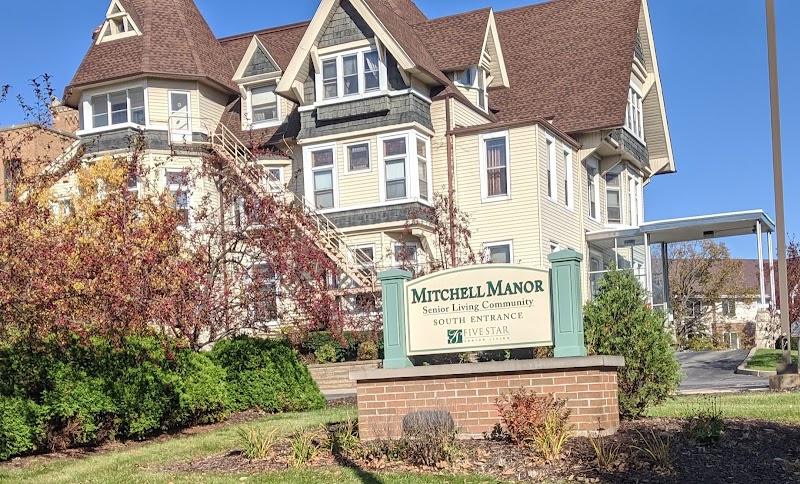
Who Owns and Operates Aria At Mitchell Manor?

ARIA AT MITCHELL MANOR is owned by a for-profit company. For-profit facilities operate as businesses with obligations to shareholders or private owners. The facility is operated by ARIA HEALTHCARE, a chain that manages multiple nursing homes. With 50 certified beds and approximately 47 residents (about 94% occupancy), it is a smaller facility located in WEST ALLIS, Wisconsin.
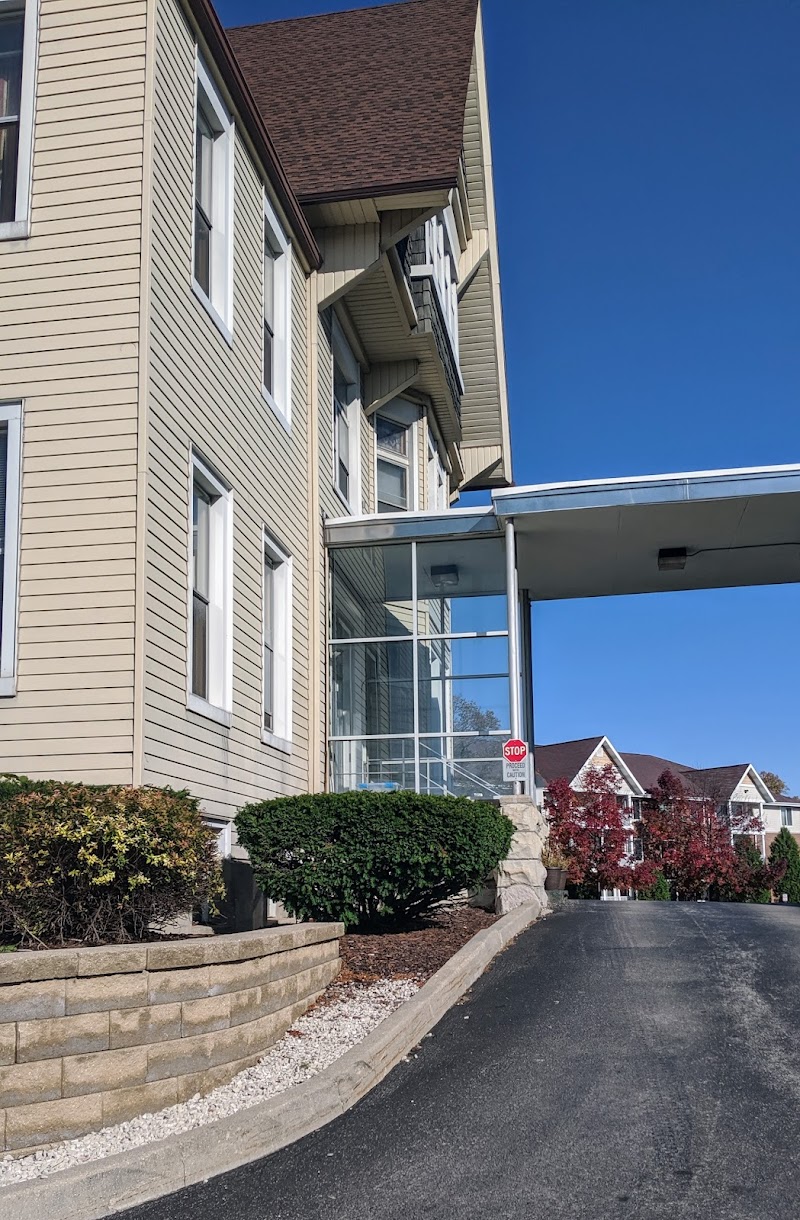
How Does Aria At Mitchell Manor Compare to Other Wisconsin Nursing Homes?

Compared to the 100 nursing homes in Wisconsin, ARIA AT MITCHELL MANOR's overall rating (2 stars) is below the state average of 3.0, staff turnover (44%) is near the state average of 46%, and health inspection rating (2 stars) is below the national benchmark.

What Should Families Ask When Visiting Aria At Mitchell Manor?

Based on this facility's data, families visiting should ask: "What changes have been made since the serious inspection findings, and how are you preventing similar issues?" "Can I visit during a mealtime to observe dining assistance and food quality?" "How do you handle medical emergencies, and what is your hospital transfer rate?" "Can I speak with family members of current residents about their experience?" These questions are particularly relevant given the facility's Immediate Jeopardy citations.

Is Aria At Mitchell Manor Safe?

Based on CMS inspection data, ARIA AT MITCHELL MANOR has documented safety concerns. Inspectors have issued 1 Immediate Jeopardy citation (the most serious violation level indicating risk of serious injury or death). The facility has a 2-star overall rating and ranks #100 of 100 nursing homes in Wisconsin. Families considering this facility should ask detailed questions about what corrective actions have been taken since these incidents.

Do Nurses at Aria At Mitchell Manor Stick Around?

ARIA AT MITCHELL MANOR has a staff turnover rate of 44%, which is about average for Wisconsin nursing homes (state average: 46%). Moderate turnover is common in nursing homes, but families should still ask about staff tenure and how the facility maintains care continuity when employees leave.

Was Aria At Mitchell Manor Ever Fined?

ARIA AT MITCHELL MANOR has been fined $15,872 across 1 penalty action. This is below the Wisconsin average of $33,238. While any fine indicates a compliance issue, fines under $50,000 are relatively common and typically reflect isolated problems that were subsequently corrected. Families should ask what specific issues led to these fines and confirm they've been resolved.

Is Aria At Mitchell Manor on Any Federal Watch List?

ARIA AT MITCHELL MANOR is not on any federal watch list. The most significant is the Special Focus Facility (SFF) program, which identifies the bottom 1% of nursing homes nationally based on persistent, serious quality problems. Not being on this list means the facility has avoided the pattern of deficiencies that triggers enhanced federal oversight. This is a positive indicator, though families should still review the facility's inspection history directly.