CEDAR LAKE HEALTH AND REHAB CENTER
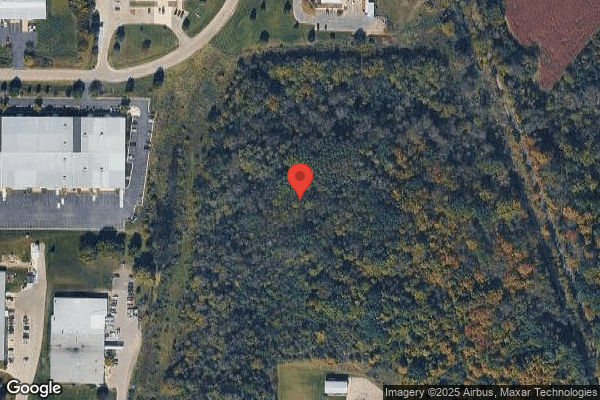
5595 CTY RD Z, WEST BEND, WI 53095 (262) 306-2100
Non profit - Church related 75 Beds Independent Data: November 2025
Trust Grade
93/100
#15 of 321 in WI
Last Inspection: February 2025

Within standard 12-15 month inspection cycle. Federal law requires annual inspections.

Overview

Cedar Lake Health and Rehab Center has received an impressive Trust Grade of A, indicating it is an excellent facility that is highly recommended. It ranks #15 out of 321 nursing homes in Wisconsin, placing it in the top half of state facilities, and is the best option among the four nursing homes in Washington County. However, the facility’s trend is concerning, as it has seen an increase in reported issues, climbing from 2 in 2023 to 7 in 2025. Staffing is a strength, with a 5/5 star rating and a turnover rate of only 29%, which is significantly below the state average. While there are no fines on record, some specific incidents raised concerns, such as failure to ensure food was stored and prepared in a sanitary manner, and not investigating an allegation of resident-to-resident abuse, indicating areas that need improvement. Overall, Cedar Lake Health and Rehab Center has many strengths but also has critical areas that require attention to ensure resident safety and well-being.

Trust Score
A
93/100
In Wisconsin
#15/321
Top 4%
Safety Record
Low Risk
No red flags
Inspections
Getting Worse
2 → 7 violations
Staff Stability
✓ Good
29% annual turnover. Excellent stability, 19 points below Wisconsin's 48% average. Staff who stay learn residents' needs.
Penalties
✓ Good
No fines on record. Clean compliance history, better than most Wisconsin facilities.
Skilled Nurses
✓ Good
Each resident gets 94 minutes of Registered Nurse (RN) attention daily — more than 97% of Wisconsin nursing homes. RNs are the most trained staff who catch health problems before they become serious.
Violations
○ Average
9 deficiencies on record. Average for a facility this size. Mostly minor or procedural issues.
★★★★★
5.0
Overall Rating
★★★★★
5.0
Staff Levels
★★☆☆☆
2.0
Care Quality
★★★★☆
4.0
Inspection Score
Stable
2023: 2 issues
2025: 7 issues

The Good

  • 5-Star Staffing Rating · Excellent nurse staffing levels
  • Low Staff Turnover (29%) · Staff stability means consistent care
  • Full Sprinkler Coverage · Fire safety systems throughout facility
  • No fines on record
  • Staff turnover is low (29%)

    19 points below Wisconsin average of 48%

Facility shows strength in staffing levels, staff retention, fire safety.

The Bad

No Significant Concerns Identified

This facility shows no red flags. Among Wisconsin's 100 nursing homes, only 1% achieve this.

The Ugly 9 deficiencies on record

Jun 2025 2 deficiencies
CONCERN (D) 📢 Someone Reported This

A family member, employee, or ombudsman was alarmed enough to file a formal complaint

Potential for Harm - no one hurt, but risky conditions existed

Investigate Abuse (Tag F0610)

Could have caused harm · This affected 1 resident

**NOTE- TERMS IN BRACKETS HAVE BEEN EDITED TO PROTECT CONFIDENTIALITY** Based on interview, record review, and policy review, the facility failed to investigate an allegation of resident-to-resident a...

Read full inspector narrative →
**NOTE- TERMS IN BRACKETS HAVE BEEN EDITED TO PROTECT CONFIDENTIALITY** Based on interview, record review, and policy review, the facility failed to investigate an allegation of resident-to-resident abuse for 2 residents (R) (R4 and R3) of 3 residents reviewed for abuse. Findings include: Review of R4's Face Sheet located in the electronic medical record (EMR) revealed R4 was re-admitted to the facility on [DATE] with diagnoses which included chronic obstructive pulmonary disease (COPD). Review of R4's Quarterly Minimum Data Set (MDS) assessment, with an Assessment Reference Date (ARD) of 5/1/25, revealed a Brief Interview for Mental Status (BIMS) score of 15 out of 15 which indicated R4 was cognitively intact. Review of R3's Face Sheet located in the EMR revealed R3 was re-admitted to the facility on [DATE] with diagnoses which included major depressive disorder. Review of R3's Quarterly MDS assessment, with an ARD of 3/13/25, revealed a BIMS score of 12 out of 15 which indicated R3 was moderately cognitively impaired. Review of the facility's summary of incident, dated 5/13/25, revealed on 5/13/25 at approximately 4:30 PM, Medication Aide (MA) 1 went in R3's room to administer medication. R3 stated R3's roommate (R4) was often in an angry mood and when R4 entered the room a few minutes earlier, R4 stated, You better watch out because you are next. Review of the facility's investigation, dated 5/20/25, revealed the only resident interviewed was R3. There were no interviews with other cognitively intact residents, including R4. During an interview on 6/12/25 at 1:07 PM, Registered Nurse Manager (RN) 1 confirmed there were no other residents interviewed during the investigation. RN 1 indicated the Social Worker spoke with R4 but not about what R4 allegedly said to R3. RN 1 agreed the investigation was lacking and other residents, including R4, should have been interviewed.
CONCERN (D) 📢 Someone Reported This

A family member, employee, or ombudsman was alarmed enough to file a formal complaint

Potential for Harm - no one hurt, but risky conditions existed

Medical Records (Tag F0842)

Could have caused harm · This affected 1 resident

**NOTE- TERMS IN BRACKETS HAVE BEEN EDITED TO PROTECT CONFIDENTIALITY** Based on interview, record review, and policy review, the facility failed to ensure the medical record was complete, accurate, a...

Read full inspector narrative →
**NOTE- TERMS IN BRACKETS HAVE BEEN EDITED TO PROTECT CONFIDENTIALITY** Based on interview, record review, and policy review, the facility failed to ensure the medical record was complete, accurate, and readily accessible for 1 resident (R) (R1) of 10 sampled residents. This failure had the potential for staff not to have knowledge about the resident and/or other residents residing in the facility. Findings include: Review of the facility's Documentation-Guidelines policy, revised 1/2025, revealed: .2. Record the services or care given to the resident and his reaction to it as an assurance of quality care. 3. Record the resident's condition and progress shown. 4. Serves as a source of legal protection against libel, fraudulent charges, or claims. 5. Serves as a source of information for statistics, chart audit, and research. 6. Provides a basis for planning resident care. Enter time care was provided in note. 2. Chart only the services you have given, a) Each licensed nurse and nursing assistant are responsible for his/her own acts and documentation of the same. Follow through from shift to shift is extremely important, a) This provides for continuity in total resident care. Review of R1's undated admission Record located in the electronic medical record (EMR) indicated R1 was admitted to the facility on [DATE] with a diagnosis of need for assistance with personal care. Review of a facility incident report, dated 5/29/25, revealed R1 had an unwitnessed fall when attempting to get to the bathroom. R1 had a skin tear on the elbow and hit R1's head. Range of motion varied, but discomfort was noted. A Nurse Practitioner was notified of the fall. Because R1 hit R1's head and was on Eliquis, an order was given to send R1 to the Emergency Department (ED) for evaluation. Review of toileting documentation in R1's EMR revealed no documentation that R1 was toileted on 5/28/25 after 7:21 PM through 5/29/25 at 5:00 AM. During an interview on 6/11/25 at 4:14 PM, Registered Nurse (RN) 1 said staff must offer R1 the bed pan frequently because R1 will not call for assistance and will try to get up on R1's own. RN 1 said on the night of 5/28/25 through the morning of 5/29/25, RN 1 provided toileting twice for R1. RN 1 said R1 didn't want the bed pan the first time so RN 1 checked R1's brief and pad. RN 1 said when RN 1 saw R1 later, R1 used the bed pan and voided. RN 1 stated RN 1 forgot to document the toileting in the Certified Nurse Aide (CNA) task section of R1's medical record. During an interview on 6/12/25 at 12:55 PM, RN 2 stated staff do not have to chart every time they toilet a resident, but should chart/document at least once per shift and more if able. RN 2 stated RN 2 did not know if anyone spoke with RN1 about not documenting any toileting during RN 1's shift, however, all nursing staff should have been reeducated on the expectation to document. During an interview on 6/12/25 at 1:20 PM, Director of Nursing (DON) B stated staff should offer toileting or use of the bed pan every two to two and half hours. DON-B stated staff do not have to document every encounter, but should document at least once per shift unless something unusual or uncommon occurs.
Feb 2025 5 deficiencies
CONCERN (D)

Potential for Harm - no one hurt, but risky conditions existed

Transfer Notice (Tag F0623)

Could have caused harm · This affected 1 resident

**NOTE- TERMS IN BRACKETS HAVE BEEN EDITED TO PROTECT CONFIDENTIALITY** Based on staff interview and record review, the facility did not ensure the Ombudsman was notified of a hospital transfer for 1 ...

Read full inspector narrative →
**NOTE- TERMS IN BRACKETS HAVE BEEN EDITED TO PROTECT CONFIDENTIALITY** Based on staff interview and record review, the facility did not ensure the Ombudsman was notified of a hospital transfer for 1 resident (R) (R52) of 1 resident. R52 was transferred to the hospital on [DATE]. The Ombudsman was not notified of R52's hospital transfer. Findings include: The facility's Transfer and Discharge policy, dated 7/2024, indicates: It is the policy of this facility to permit each resident to remain in the facility, and not initiate transfer or discharge for the resident from the facility, except in limited circumstances .24. The Social Services Director will send a monthly report of all discharges to the Ombudsman .Emergency Transfer/Discharges: .8. The Social Services Director or designee will provide copies of notices for emergency transfers to the Ombudsman, but they may be sent when practicable, such as in a list of residents on a monthly basis, as long as the list meets all requirements for content of such notices. From 2/17/25 to 2/19/25, Surveyor reviewed R52's medical record. R52 was admitted to the facility on [DATE] and had diagnoses including dementia, cognitive communication deficit, congestive heart failure (CHF), spinal stenosis, and abnormal gait. R52 had an activated Power of Attorney for Healthcare (POAHC). R52's medical record indicated R52 was transferred to the hospital on [DATE] due to a fall and elbow fracture. R52 was provided a written transfer notice, however, the facility did not notify the Ombudsman of R52's hospital transfer. Surveyor reviewed the December 2024 Ombudsman notifications and noted R52 was not on the monthly notification list. On 2/19/25 at 12:25 PM, Surveyor interviewed Social Worker (SW)-C who indicated if a resident transfers to the hospital and returns the same day, the facility does not notify the Ombudsman. SW-C indicated if a resident remains in the hospital overnight or is discharged , the facility notifies the Ombudsman.
CONCERN (D)

Potential for Harm - no one hurt, but risky conditions existed

ADL Care (Tag F0677)

Could have caused harm · This affected 1 resident

**NOTE- TERMS IN BRACKETS HAVE BEEN EDITED TO PROTECT CONFIDENTIALITY** Based on staff and resident interview and record review, the facility did not ensure 2 residents (R) (R3 and R12) of 21 sampled ...

Read full inspector narrative →
**NOTE- TERMS IN BRACKETS HAVE BEEN EDITED TO PROTECT CONFIDENTIALITY** Based on staff and resident interview and record review, the facility did not ensure 2 residents (R) (R3 and R12) of 21 sampled residents who required assistance for activities of daily living (ADLs) were provided care in a timely manner. On multiple occasions from 1/1/25 to 2/19/25, staff did not answer R3 or R12's call lights or provide care in a timely manner. Findings include: The facility's Call Pendant and Indicator Lights policy, dated January 2025, indicates: The purpose of this policy is to ensure the facility is adequately equipped with a call pendant to allow residents to call for assistance .3. Each resident will be evaluated for unique needs and preferences to determine any special accommodations that may be needed in order for the resident to utilize the call system. 4. Special accommodations will be identified on the resident's person-centered plan of care and provided accordingly . 1. On 2/18/25, Surveyor reviewed R3's medical record. R3 was admitted to the facility on [DATE] and had diagnoses including cognitive communication deficit, urinary tract infection (UTI), viral intestinal infection, intervertebral disc degeneration, syncope and collapse, history of falls, and chronic nephritic syndrome. R3's Minimum Data Set (MDS) assessment, dated 2/15/25, had a Brief Interview for Mental Status (BIMS) score of 15 out of 15 which indicated R3 had intact cognition. On 2/18/25 at 10:24 AM, Surveyor interviewed R3 who stated R3 often waits more than 30 minutes and up to an hour to go to the bathroom. R3 stated R3 cannot go to the bathroom independently and needs staff assistance. R3 indicated R3 is often incontinent due to the wait but does not want to wet R3's self. On 2/19/25, Surveyor reviewed a call light activity report for R3 from 1/1/25 to 2/19/25. The report indicated R3 had 117 call light response times that were over 20 minutes long. The 117 call lights response times included the following: ~20-29:59 minute response time = 59 instances ~30-39:59 minute response time = 29 instances ~40-49:59 minute response time = 8 instances ~50-59:59 minute response time = 9 instances ~60-89:59 minute response time = 10 instances ~90-120 minute response time = 2 instances 2. On 2/17/25, Surveyor reviewed R12's medical record. R12 was admitted to the facility on [DATE] and had diagnoses including cognitive communication deficit, retention of urine, need for assistance with personal care, difficulty in walking, irritable bowel syndrome, history of falling, and anxiety. R12's MDS assessment, dated 2/15/25, had a BIMS score of 12 out of 15 which indicated R12 had moderately impaired cognition. On 2/17/25 at 12:00 PM, Surveyor interviewed R12 who stated R12 often waits more than 20 or 30 minutes for assistance to use the bathroom. R12 indicated R12 had to wait over 40 minutes that morning and was not happy about it. On 2/19/25, Surveyor reviewed a call light activity report for R12 from 1/30/25 to 2/19/25. The report indicated R12 had 55 call light response times that were over 20 minutes long. The 55 call lights response times included the following: ~20-29:59 minute response time = 23 instances ~30-39:59 minute response time = 14 instances ~40-49:59 minute response time = 11 instances ~50-59:59 minute response time = 2 instances ~60-89:59 minute response time = 4 instances ~90-120 minute response time = 1 instance. On 2/19/25 at 9:40 AM, Surveyor interviewed Registered Nurse Supervisor (RNS)-F who indicated 20 minutes or less is the goal for call light response times. RNS-F indicated there are times when staff forget to shut off the call light after they respond to residents. RNS-F indicated staff should answer a resident's call light in a timely manner and turn off the light once they've met the resident's needs. RNS-F indicated staff should communicate with residents if there will be a longer call light response time, ensure residents' safety, and try to meet residents' needs as soon as possible. On 2/19/25 at 9:50 AM, Surveyor interviewed Certified Nursing Assistant (CNA)-H who indicated call lights over 20 minutes are not acceptable. CNA-H indicated CNA-H tries to answer call lights within 15 to 20 minutes. CNA-H stated call light responses may have been longer the last few days due to staff having to don and doff personal protective equipment (PPE) for residents with COVID-19. On 2/19/25 at 10:02 AM, Surveyor interviewed Nursing Home Administrator (NHA)-A who indicated call lights should be answered in 20 minutes or less. NHA-A indicated some staff forget to deactivate call lights after they answer them. On 2/19/25 at 11:17 AM, Surveyor completed a follow-up interview with R3 who stated the average call light response time is close to an hour. R3 indicated R3 does not feel staff address R3's needs but forget to turn off the call light. R3 stated R3 is adamant that staff turn off the call light before they exit the bathroom and leave R3 on the toilet. R3 stated R3 does that to ensure R3 can use the call light again to signal when R3 is finished or in case R3 needs more help or has an emergency. R3 stated long call light response times negatively impact R3's life because R3 does not want to sit in a wet brief or wet clothes.
CONCERN (D)

Potential for Harm - no one hurt, but risky conditions existed

Deficiency F0757 (Tag F0757)

Could have caused harm · This affected 1 resident

**NOTE- TERMS IN BRACKETS HAVE BEEN EDITED TO PROTECT CONFIDENTIALITY** Based on staff interview and record review, the facility did not ensure 2 residents (R) (R18 and R46) of 5 sampled residents wer...

Read full inspector narrative →
**NOTE- TERMS IN BRACKETS HAVE BEEN EDITED TO PROTECT CONFIDENTIALITY** Based on staff interview and record review, the facility did not ensure 2 residents (R) (R18 and R46) of 5 sampled residents were monitored for adverse reactions to high-risk medications. R18 was prescribed a fentanyl transdermal patch (an opioid medication) and oxycodone oral concentrate (an opioid medication) for pain. R18's plan of care did not contain monitoring interventions for adverse reactions to the high-risk medications. R46 was prescribed morphine (an opioid medication) and oxycodone (an opioid medication) for pain, spironolactone (a diuretic medication) for high blood pressure, and gabapentin (an anticonvulsant medication) for nerve pain. R46's plan of care did not contain monitoring interventions for adverse reactions to the high-risk medications. Findings include: Per the Federal Food and Drug Administration (FDA), opioid medications have a black box warning. A black box warning is the FDA's strongest safety warning given to medication. These medications have the potential for severe side effects. The facility's High Risk Medications policy, dated 7/2024, indicates: This facility recognizes that some medications are associated with greater risks of adverse consequences than other medications. These high-risk medications can include .opioids, diuretics .and any other medication that can bear a heightened risk. This policy addresses the facility's collaborative, systematic approach to managing high-risk medications for efficacy and safety .6) The resident's plan of care shall alert staff to monitor for adverse consequences of any high-risk medications given. 7) The resident's plan of care shall include interventions to minimize the risk of adverse consequences. 1. On 2/19/25, Surveyor reviewed R18's medical record. R18 was admitted to the facility on [DATE] and had diagnoses including vascular dementia, anxiety, and giant cell arteritis (GCA) with polymyalgia rheumatica (PMR) (GCA is blood vessel inflammation of the head/temporal region that causes head pain, scalp tenderness, and jaw pain. PMR is a condition that causes pain, stiffness, and inflammation in the muscles around the shoulders, neck, and hips). R18's Minimum Data Set (MDS) assessment, dated 1/16/25, had a Brief Interview for Mental Status (BIMS) score of 6 out of 15 which indicated R18 had severely impaired cognition. R18 received Hospice services and had an activated Power of Attorney (POA). R18's medical record indicated R18 was prescribed the following medications: ~Fentanyl transdermal (on skin) patch 72 hour 12 micrograms (mcg)/hour apply 12 mcg transdermally one time a day every 3 day(s) for pain ~Oxycodone oral concentrate 100 milligrams (mg)/5 milliliters (ml) give 0.5 ml every hour as needed (PRN) for severe pain/dyspnea (shortness of breath). R18's medical record and plan of care did not contain monitoring interventions for adverse reactions to opioid use including sedation, dizziness, nausea, vomiting, constipation, and respiratory depression. 2. On 2/19/25, Surveyor reviewed R46's medical record. R46 was admitted to the facility on [DATE] and had diagnoses including osteoarthritis, neuropathy, and hypertension. R46's MDS assessment, dated 1/13/25, had a BIMS score of 14 out of 15 which indicated R46 had intact cognition. R46 received Hospice services and had an activated POA. R46's medical record indicated R46 was prescribed the following medications: ~Morphine sulfate oral solution 20 mg/5 ml give 1 ml by mouth every hour PRN for severe pain or dyspnea, 0.5 ml for moderate pain or dyspnea, and 0.25 ml for mild pain or dyspnea ~Spironolactone oral tablet 25 mg give 1 tablet one time a day for diuretic ~Oxycodone oral tablet 5 mg give 2.5 mg by mouth every 4 hours PRN for severe pain ~Gabapentin oral capsule 100 mg give 1 capsule by mouth three times a day for neuropathy R46's plan of care indicated R46 had acute pain and contained interventions to encourage use of analgesics prior to physical therapy, evaluate for non-verbal indicators of pain, and evaluate vital signs. R46's plan of care also indicated R46 had hypertension and contained interventions to evaluate blood pressure. R46's medical record and plan of care did not contain monitoring for adverse reactions to opioid use including sedation, dizziness, nausea, vomiting, constipation, and respiratory depression; for adverse reactions to diuretic use including dehydration, headache, nausea, dizziness, and loss of appetite; and for anticonvulsant use including fatigue, tremors, rash, blurred vision, and weight gain. On 2/19/25 at 2:03 PM, Surveyor interviewed Nurse Manager (NM)-E who confirmed R18 and R46's care plans did not contain monitoring interventions for adverse reactions to the high-risk medications. On 2/19/25 at 2:07 PM, Surveyor interviewed Director of Nursing (DON)-B who indicated staff should monitor for adverse reactions to high-risk medications, however, the facility has a new electronic health record system and staff are still learning how to use it. DON-B indicated nurses had pharmacology classes and know the side effects of high-risk medications. DON-B indicated Medication Technicians know even more since they administer medication daily. When asked what the facility's policy indicates regarding high-risk medication monitoring, DON-B indicated DON-B was unsure.
CONCERN (D)

Potential for Harm - no one hurt, but risky conditions existed

Deficiency F0887 (Tag F0887)

Could have caused harm · This affected 1 resident

**NOTE- TERMS IN BRACKETS HAVE BEEN EDITED TO PROTECT CONFIDENTIALITY** Based on staff interview and record review, the facility did not ensure a COVID-19 vaccine was administered for 2 residents (R) ...

Read full inspector narrative →
**NOTE- TERMS IN BRACKETS HAVE BEEN EDITED TO PROTECT CONFIDENTIALITY** Based on staff interview and record review, the facility did not ensure a COVID-19 vaccine was administered for 2 residents (R) (R52 and R18) of 5 sampled residents. R52 and R18 were not administered a COVID-19 vaccine that R52 and R18's activated [NAME] of Attorney for Healthcare (POAHC) signed consent for. Findings include: The Centers for Disease Control and Prevention (CDC) guidelines at https://www.dcd.gov/mmwr/volumes/73/wr/mm7337e2.htm indicate: COVID-19 vaccination provides additional protection against severe COVID-19-associated illness and death. Since September 2023, 2023-2024 Formula monovalent XBB.1-strain COVID-19 vaccines have been recommended for use in the United States for all persons aged >6 months. However, SARS-CoV-2 continues to evolve, and since winter 2023-2024, Omicron JN.1 lineage strains of SARS-CoV-2, including the JN.1 strain and the KP.2 strain, have been widely circulating in the United States. Further, COVID-19 vaccine effectiveness is known to wane. On June 27, 2024, the Advisory Committee on Immunization Practices (ACIP) recommended 2024-2025 COVID-19 vaccination with a Food and Drug Administration (FDA)-approved or authorized vaccine for all persons aged >6 months. On August 22, 2024, the FDA approved the 2024-2025 COVID-19 vaccines by Moderna and Pfizer-BioNTech (based on the KP.2 strain) for use in persons aged >12 years and authorized these vaccines for use in children aged 6 months-11 years under Emergency Use Authorization (EUA). 1. On 2/18/25, Surveyor reviewed R52's medical record. R52 was admitted to the facility on [DATE] and had diagnoses including Alzheimer's disease, congestive heart failure (CHF), and cerebral vascular accident (CVA) (otherwise known as stroke). R52's Minimum Data Set (MDS) assessment, dated 1/7/25, had a Brief Interview for Mental Status (BIMS) score of 9 out of 15 which indicated R52 had moderate cognitive impairment. R52 had an activated Power of Attorney for Healthcare (POACH). R52's medical record indicated R52 received a COVID-19 vaccine on 1/12/21. R52's medical record did not indicate R52 was offered or administered an updated COVID-19 vaccine. 2. On 2/18/25, Surveyor reviewed R18's medical record. R18 was admitted to the facility on [DATE] and had diagnoses including dementia, diabetes, and CVA. R18's MDS assessment, dated 1/6/25, had a BIMS score of 13 out of 15 which indicated R18 had intact cognition. R18 had an activated POAHC. R18's medical record indicated R18 received a COVID-19 vaccine on 3/12/21. R18's medical record did not indicate R18 was offered or administered an updated COVID-19 vaccine. On 2/19/25 at 9:29 AM, Surveyor interviewed Infection Preventionist (IP)-D who indicated the facility sent COVID-19 vaccination consent forms to R52 and R18's POAHC. The consent forms were reviewed and indicated R52 and R18's POAHC signed consent for R52 and R18 to receive a COVID-19 vaccine. R52's consent form was signed and dated 11/28/24. R18's consent form was signed and dated 10/10/24. IP-D verified R52 and R18 did not receive updated COVID-19 vaccines. IP-D indicated the facility is implementing a new tracking system for when residents' vaccines are due and/or have been administered.
CONCERN (F)

Potential for Harm - no one hurt, but risky conditions existed

Food Safety (Tag F0812)

Could have caused harm · This affected most or all residents

Based on observation, staff interview, and record review, the facility did not ensure food was stored and prepared in a sanitary manner. This practice had the potential to affect all 59 residents resi...

Read full inspector narrative →
Based on observation, staff interview, and record review, the facility did not ensure food was stored and prepared in a sanitary manner. This practice had the potential to affect all 59 residents residing in the facility. The dry storage area, coolers, and freezer contained multiple open, undated, unlabeled, and/or expired items. Documentation logs for the parts per million (PPM) of the sanitizing solution in the sanitizing buckets and 3-compartment sink were not completed. Staff did not appropriately test and maintain dishwasher temperatures. Staff did not maintain a sanitary dishwashing practice. Findings include: On 2/17/25, Director of Culinary Operations (DCO)-I verified the facility follows the Food and Drug Administration (FDA) Food Code as their standard of practice. Food Labeling/Storage: The 2022 FDA Food Code documents at 3-501.17 Ready-to-Eat, Time/Temperature Control for Safety Food, Date Marking: (A) Except when packaging food using a reduced oxygen packaging method as specified under § 3-502.12, and except as specified in (E) and (F) of this section, refrigerated, ready-to-eat, time/temperature control for safety food prepared and held in a food establishment for more than 24 hours shall be clearly marked to indicate the date or day by which the food shall be consumed on the premises, sold, or discarded when held at a temperature of 5º Celsius (C) (41º Fahrenheit (F)) or less for a maximum of 7 days. The day of preparation shall be counted as day 1. The 2022 FDA Food Code documents at 3-501.18 Ready-to-Eat, Time/Temperature Control for Safety Food, Disposition: (A) A food specified in 3-501.17(A) or (B) shall be discarded if it: (1) Exceeds the temperature and time combination specified in 3-501.17(A), except time that the product is frozen; (2) Is in a container or package that does not bear a date or day; or (3) Is inappropriately marked with a date or day that exceeds a temperature and time combination as specified in 3-501.17(A). The facility's Food Service Safety policy, dated 11/2000, indicates: It is the policy of this facility to procure food from sources approved or considered satisfactory by federal, state, and local authorities. Food will also be stored, prepared, distributed, and served in accordance with professional standards for food service safety .3. Facility staff shall inspect all food, food products, and beverages for safe transport and quality upon delivery/receipt and ensure timely proper storage .iv. Label, date, and monitor refrigerated food, including but not limited to leftovers, so it is used by its use-by date, or frozen (where applicable), or discarded. v. Keep foods covered or in tight containers . The facility's Cold and Dry Storage policy, dated 8/2024, indicates: .8. All items are to be properly labeled and dated if removed from their original packaging. Perishable meats must contain a seven day use-by date . The facility's undated Labeling and Dating Cooler Items policy, dated 1/5/25, indicates: All items taken from the cooler need dates put on them unless they already have dates .Fresh fruit-five day expiration .Lettuce-five day expiration .Bread-open date .Juice concentrates-open date .If an item does not have a date and you plan to keep it, it must have an expiration date. During an initial kitchen tour that began at 9:45 AM on 2/17/25, Surveyor and DCO-I observed the following undated, open and/or expired items: Dry Storage: ~A plastic container of ground pretzels dated 2/3 (opened date per DCO-I) with no use-by date ~An unlabeled and undated container of bulk flour (per DCO-I) ~An unlabeled and undated container of bulk oatmeal (per DCO-I) Cooler: ~An unlabeled and undated pan of prepared potatoes (per DCO-I) ~Three containers of macaroni salad dated 2/16 (prepared date per DCO-I) with no use-by dates ~Three containers of creamy cucumber salad dated 2/16 (prepared date per DCO-I) with no use-by dates ~Two containers of pureed creamy cucumber salad dated 2/16 (prepared date per DCO-I) with no use-by dates ~An open bag of cheddar cheese squares dated 1/25 with no use-by date ~An open bag of Monterey [NAME] cheese squares dated 1/25 with no use-by date ~A container of chopped onions dated 2/16 (prepared date per DCO-I) with no use-by date ~A container of pureed sugar cookies dated 2/21 (prepared date per DCO-I) with no use-by date ~A container of pureed oatmeal raisin dated 2/18 (prepared date per DCO-I) with no use-by date ~A bowl of pureed bread dated 2/12/25 (prepared date per DCO-I) with no use-by date. (The container was covered with plastic wrap, however, part of the wrap was peeled back which left the pureed bread open to air.) ~A container of stroganoff dated 2/8 (prepared date per DCO-I) with no use-by date ~Two containers of chocolate frosting dated 2/15 (prepared date per DCO-I) with no use-by dates ~A container of tomato paste dated 1/20 (opened date per DCO-I) with no use-by date ~A container of blueberry filling dated 2/12 (opened date per DCO-I) with no use-by date ~A container of cherries dated 2/12 (opened date per DCO-I) with no use-by date ~Five bags of shredded cheese: mozzarella dated 2/14, cheddar dated 2/15, Parmesan dated 2/15, two cheese blends dated 2/16 (all dates were opened dates per DCO-I) with no use-by dates Freezer: ~Eleven unlabeled bags (hamburger patties per DCO-I) dated 2/13 (opened date per DCO-I) with no use-by dates ~Numerous unlabeled and undated portioned cups (ice cream per DCO-I) ~A pan of frozen sliders dated 1/25/25 with no use-by date ~An unlabeled bag (breakfast sausage per DCO-I) dated 2/16 (opened date per DCO-I) with no use-by date ~An unlabeled bag (Italian sausage per DCO-I) dated 2/16 (opened date per DCO-I) with no use-by date ~Eight unlabeled bags (chicken breasts per DCO-I) dated 2/9 (opened date per DCO-I) with no use-by dates ~A pan of frozen pizza dated 2/14 with no use-by date ~An open, unlabeled, and undated package of food items (french fries per DCO-I) ~A bag of crumbled cooked sausage dated 2/12 (opened date per DCO-I) with no use-by date ~An open bag of pepperoni dated 2/12 (opened date per DCO-I) with no use-by date ~Three loaves of lemon blueberry bread dated 1/27 (prepared date per DCO-I) with no use-by dates ~A package of unidentified food (most likely diced ham per DCO-I) dated 2/4 (opened date per DCO-I) with no use-by date Unit Kitchen Storage: ~Eight unlabeled portioned cups (Jell-O per Dietary Aide (DA)-J) dated 2/17 with no use-by dates ~Twelve unlabeled portioned cups (Jell-O per DA-J) dated 2/26 (most likely the use-by date per DA-J) ~Four unlabeled bags of food (hamburger patties per DA-J) dated 2/6 (opened date per DA-J) with no use- by dates ~One unlabeled bag of food (breakfast sausage links per DJ-A) dated 2/15 (opened date per DJ-A) with no use-by date ~One metal container of portioned items labeled sausage 1/5. The items in the container included: eight containers of pureed bacon, two containers of ground bacon, six containers of pureed sausage, one container of chicken, and 3 unlabeled and unidentified items (each was a different color) with no expiration dates ~Five unlabeled and undated containers of portioned items (ice cream per DA-J) On 2/17/25 at 9:45 AM, Surveyor toured the kitchen and coolers with DCO-I who indicated opened and pre-made food should contain open or made dates and use-by dates. DCO-I indicated staff should be aware of and date food items appropriately. DCO-I was unsure when the bulk flour and oatmeal were opened. DCO-I thought the items were good for 30 days but there was no way to tell when they were opened. DCO-I was unsure of the facility's policy regarding bulk flour and oatmeal. When asked how would staff know if items are still good if they are not dated, DCO-I was unsure. On 2/18/25 at 12:20 PM, Surveyor interviewed DA-J in the unit kitchen. DA-J did not know what the unlabeled and undated food items were and did not know when they were made or should be used by. DA-J was not familiar with the facility's food storage policies but indicated food should be labeled and dated. Sanitizing Solution: The 2022 FDA Food Code documents at 4-501.114 Manual and Mechanical Warewashing Equipment, Chemical Sanitization-Temperature, pH, Concentration, and Hardness: A chemical sanitizer used in a sanitizing solution for a manual or mechanical operation at contact times specified under 4-703.11(C) shall meet the criteria specified under 7-204.11 Sanitizers, Criteria, shall be used in accordance with the EPA-registered label use instructions. The 2022 FDA Food Code documents at 4-501.116 Warewashing Equipment, Determining Chemical Sanitizer Concentration: Concentration of the sanitizing solution shall be accurately determined by using a test kit or other device. Ecolab Oasis 146 Multi-Quat Sanitizer data sheet indicate the sanitizing solution should be tested for effectiveness by measuring the PPM dilution range. The Hydrion Quat test strips are the appropriate testing strips. The sanitizer solution temperature needs to be tested and within 65-75 degrees Fahrenheit . The effective PPM range is 150-400 PPM. Surveyor requested the facility's policy for testing the sanitizing solution. A policy was not provided. During an initial kitchen tour on that began at 9:45 AM on 2/17/25, Surveyor observed sanitizer buckets, a sink filled with sanitizing solution, and a large container of Oasis 146 Multi-Quat Sanitizer. Surveyor requested to see sanitization logs for the 3-compartment sink and sanitizing buckets. DCO-I stated the facility did not have sanitization testing logs. DCO-I indicated kitchen staff test the sanitizer, but do not log or record the PPM. On 2/18/25 at 12:31 PM, Surveyor interviewed [NAME] (CK)-K who indicated CK-K knew how to test the sanitizing solution and used an Ecolab chlorine test strip. CK-K was not aware that the chlorine test strip was not the appropriate test strip for the sanitizing solution. In addition, CK-K did not test the temperature of the solution and was not aware CK-K needed to do so. On 2/18/25 at 12:35 PM, Surveyor interviewed Assistant [NAME] (AC)-L who had just prepared a bucket of sanitizing solution. When Surveyor asked AC-L to test the sanitizing solution, AC-L used an Ecolab sink and surface cleaner test strip. AC-L was not aware the sink and surface cleaner test strip was not the appropriate test strip for the sanitizing solution. In addition, AC-L did not test the temperature of the solution and was not aware AC-L needed to do so. On 2/18/25 at 3:03 PM, Surveyor interviewed DCO-I and Assistant Director of Dining (ADD)-M who confirmed the facility did not have a policy for testing the sanitizing solution and did not keep a log for testing. ADD-M was aware the appropriate sanitizing test strips were the Hydrion Quat test strips and indicated the facility had the appropriate test strips. ADD-M indicated ADD-M needed to review the process with kitchen staff. Dishwasher Temperatures: The 2022 FDA Food Code documents at 4-302.13 Temperature Measuring Devices, Manual Warewashing: Water temperature is critical to sanitization in warewashing operations. This is particularly true if the sanitizer being used is hot water. The effectiveness of cleaners and chemical sanitizers is also determined by the temperature of the water used. A temperature measuring device is essential to monitor manual warewashing and ensure sanitization. Effective mechanical hot water sanitization occurs when the surface temperatures of utensils passing through the warewashing machine meet or exceed the required 71° C (160° F). Parameters such as water temperature, rinse pressure, and time determine whether the appropriate surface temperature is achieved. Although the Food Code requires integral temperature measuring devices and a pressure gauge for hot water mechanical warewashers, the measurements displayed by these devices may not always be sufficient to determine that the surface temperatures of utensils are reaching 71° C (160° F). The regular use of irreversible registering temperature indicators provides a simple method to verify that the hot water mechanical sanitizing operation is effective in achieving a utensil surface temperature of 71º C (160º F). The 2022 FDA Food Code documents at 4-501.112 Mechanical Warewashing Equipment, Hot Water Sanitization Temperatures: The temperature of hot water delivered from a warewasher sanitizing rinse manifold must be maintained according to the equipment manufacturer's specifications and temperature limits specified in this section to ensure surfaces of multi-use utensils such as kitchenware and tableware accumulate enough heat to destroy pathogens that may remain on such surfaces after cleaning. The surface temperature must reach at least 160 degrees F as measured by an irreversible registering temperature measuring device to affect sanitization. When the sanitizing rinse temperature exceeds 194 degrees F at the manifold, the water becomes volatile and begins to vaporize reducing its ability to convey sufficient heat to utensil surfaces. The lower temperature limits of 165 degrees F for a stationary rack single temperature machine, and 180 degrees F for other machines are based on the sanitizing rinse contact time required to achieve the 160 degree F utensil surface temperature. The 2022 FDA Food Code documents at 4-302.13 Temperature Measuring Devices, Manual and Mechanical Warewashing: (B) In hot water mechanical warewashing operations, an irreversible registering temperature indicator shall be provided and readily accessible for measuring the utensil surface temperature. The facility's Primary Dish Machine Operation Instructions policy, dated 6/2024, indicates: Sensor tags are sent through the machine three times per week to ensure the machine is functioning properly. Monday/Wednesday/Friday send a temperature sensor tab strip through the machine and record on the monthly temperature log sheet. During an initial kitchen tour that began at 9:45 AM on 2/17/25, Surveyor and DCO-I noted the dishwasher temperature did not reach the appropriate wash temperature. The three wash temperatures observed were 148 degrees F, 142 degrees F, and 144 degrees F. On 2/18/25 at 12:43 PM, Surveyor and DCO-I noted the dishwashing rinse temperature was 170 degrees F. On 2/18/25, Surveyor and DCO-I observed the dishwashing surface temperature log which did not contain sensor tags. DCO-I indicated staff are instructed to obtain dishwasher surface temperatures three times per week, however, staff throw away the sensors after use. DCO-I verified the log did not indicate whether or not the surface temperatures obtained were appropriate. On 2/18/25 at 2:53 PM, Surveyor interviewed AC-L and ADD-M who confirmed staff do not keep sensor tags. AC-L and ADD-M indicated there was no way to verify if the sensor tags reached the required temperature for safe dishwashing. On 2/18/25 at 3:03 PM, Surveyor interviewed DCO-I and ADD-M who confirmed temperature gauges on the outside of the dishwasher are not always reliable for temperature control and verified surface temperatures should be obtained and documented to ensure proper sanitization of dishes and silverware. Unsanitary Dishwashing: The 2022 FDA Food Code documents at 2-301.14 When to Wash: Food employees shall clean their hands and exposed portions of their arms as specified under § 2-301.12 immediately before engaging in food preparation including working with exposed food, clean equipment and utensils, and unwrapped single-service and single-use articles, and: .(E) After handling soiled equipment or utensils .(H) Before putting on gloves to initiate a task that involves working with food, and (I) After engaging in other activities that contaminate the hands. During an initial kitchen tour that began at 9:45 AM on 2/17/25, Surveyor and DCO-I observed the dishwashing area. DA-N was in the dirty dish area and another staff was in the clean dish area. Surveyor and DCO-I observed DA-N (who was processing dirty dishes) walk to the clean dish area and touch clean dishes and dish racks twice within 3 minutes without removing gloves, changing gloves, or performing hand hygiene. Immediately following the observation, Surveyor interviewed DA-N who confirmed DA-N did not complete hand hygiene and should not have touched clean dishes and dish racks. DA-N indicated DA-N forgot to complete hand hygiene but knows DA-N should do so. On 2/18/25 at 3:03 PM, Surveyor interviewed DCO-I and ADD-M who confirmed staff are trained on appropriate dishwashing techniques including proper hand hygiene and infection control practices. DCO-I indicated staff should not contaminate clean dishes or the clean dish area and should perform appropriate sanitary dish washing techniques and hand hygiene.
Dec 2023 2 deficiencies
CONCERN (D)

Potential for Harm - no one hurt, but risky conditions existed

Respiratory Care (Tag F0695)

Could have caused harm · This affected 1 resident

**NOTE- TERMS IN BRACKETS HAVE BEEN EDITED TO PROTECT CONFIDENTIALITY** Based on observation, staff and resident interview, and record review, the facility did not ensure a CPAP (continuous positive a...

Read full inspector narrative →
**NOTE- TERMS IN BRACKETS HAVE BEEN EDITED TO PROTECT CONFIDENTIALITY** Based on observation, staff and resident interview, and record review, the facility did not ensure a CPAP (continuous positive airway pressure) machine was ordered by a physician and routinely cleaned for 1 Resident (R) (R13) of 19 sampled residents. The facility did not ensure R13 had a physician order for CPAP use and that R13's CPAP equipment was routinely cleaned per the facility's policy and the manufacturer's recommendations. Findings include: The facility's undated Cleaning of Respiratory Equipment policy indicated: To maintain clean and sanitary equipment .wipe machine with a damp rag containing soap and water solution on a weekly basis . The Manufacturer's User Guide for R13's LinCare ResMed AirSense 10 machine indicated: It is important that you regularly clean your AirSense 10 device to make sure you receive optimal therapy .Regularly clean your tubing assembly, water tub and mask to receive optimal therapy and to prevent the growth of germs that can adversely affect your health . On 12/4/23, Surveyor reviewed R13's medical record. R13 was admitted to the facility on [DATE] with diagnoses including obstructive sleep apnea (when throat muscles intermittently relax and block the airway during sleep). R13's most recent Minimum Data Set (MDS) assessment contained a Brief Interview for Mental Status (BIMS) score of 15 out of 15 which indicated R13 was not cognitively impaired. On 12/4/23 at 11:23 AM, Surveyor interviewed R13 who stated R13's CPAP equipment used to get cleaned, but had not been cleaned for several months. R13 stated AM shift staff used to clean the equipment so it had time to dry during the day. R13 verified R13 used the CPAP machine on a nightly basis. Surveyor observed R13's CPAP equipment and noted the mask was attached to the hose (inside R13's open bedside table drawer) which was attached to the machine. The water reservoir was empty and closed with visible condensation. Surveyor observed the mask and hose in the same position and location on multiple occasions during the survey from 12/4/23 through 12/6/23. On 12/4/23, Surveyor reviewed R13's medical record which did not contain physician orders for CPAP use or cleaning. R13's Treatment Administration Record (TAR) also did not indicate R13's CPAP equipment was routinely cleaned. R13's progress notes also did not indicate R13's CPAP equipment was routinely cleaned. On 12/5/23 at 12:16 PM, Surveyor interviewed Nurse Manager (NM)-C who verified R13 did not have a physician's order for use of the CPAP machine and R13's TAR did not contain an order to clean the CPAP equipment. NM-C stated when R13 returned to the facility from a previous hospitalization, physician's orders were not obtained for CPAP use or cleaning which is why the equipment was not being cleaned
CONCERN (F)

Potential for Harm - no one hurt, but risky conditions existed

Food Safety (Tag F0812)

Could have caused harm · This affected most or all residents

Based on observation, staff interview, and record review, the facility did not ensure food was stored and prepared in a sanitary manner. This practice had the potential to affect all 50 residents resi...

Read full inspector narrative →
Based on observation, staff interview, and record review, the facility did not ensure food was stored and prepared in a sanitary manner. This practice had the potential to affect all 50 residents residing in the facility. The facility did not monitor and document food cooling temperatures. The facility did not monitor and document dishwasher surface temperatures. There were multiple open, undated, and/or expired food items in the dry storage area, and three coolers. Findings include: On 12/5/23 Dietary Manager (DM)-D verified the facility follows the Food and Drug Administration (FDA) Food Code 2022 as the facility's standard of practice. The facility's Food Service Safety policy, dated 11/2000, indicated: It is the policy of this facility to procure food from sources approved or considered satisfactory by federal, state, and local authorities. Food will also be stored, prepared, distributed, and served in accordance with professional standards for food service safety .3. Facility staff shall inspect all food, food products, and beverages for safe transport and quality upon delivery/receipt and ensure timely proper storage .iv. Labeling, dating, and monitoring refrigerated food, including, but not limited to leftovers, so it is used by its use by date, or frozen (where applicable)/discarded .4. When preparing food, staff shall take precautions in critical control points in the food preparation process to prevent, reduce, or eliminate potential hazards .c. Cooling-various strategies (e.g., placing foods in shallow pans, cutting roasts into smaller portions, utilizing ice water baths, and stirring periodically) shall be implemented to cool foods so that the total time for cooling does not exceed six hours . The facility's Food Storage-Use and Monitoring policy, with a review date of 8/2020, indicated: To ensure all products for dietary department are properly received .3. Everything should be stamped with date of received . The facility's undated Label and Dating Cooler Items policy indicated: All items taken from cooler need dates put on them unless they already have dates .Fresh fruit-five day expiration .Lettuce-five day expiration .Bread-open date .Juice concentrates-open date. The facility's undated Label and Dating for Dry Items policy indicated: All items taken from storeroom need dates put on them unless they already have dates .All items taken out of a box need to be put in a bag with the date on it. The facility's Primary Dish Machine Operation Instructions policy, with a review date of 8/2020, indicated: Monday/Wednesday/Friday send a temperature sensor tab strip through the machine and record on log sheet, date, and time. Food Cooling Temperatures: The FDA Food Code 2022 documents at 3-501.14 Cooling. (A) Cooked time/temperature control for safety food shall be cooled: (1) Within 2 hours from 57°Celsius (C) (135°Fahrenheit) (F) to 21°C (70°F); and (2) Within a total of 6 hours from 57°C (135°F) to 5°C (41°F) or less. (B) Time/temperature control for safety food shall be cooled within 4 hours to 5°C (41°F) or less. The FDA Food Code 2022 section 3-501.15 documents Cooling Methods. (A) Cooling shall be accomplished in accordance with the time and temperature criteria specified under § 3-501.14 by using one or more of the following methods based on the type of food being cooled: (1) Placing the food in shallow pans; (2) Separating the food into smaller or thinner portions; (3) Using rapid cooling equipment; (4) Stirring the food in a container placed in an ice water bath; (5) Using containers that facilitate heat transfer; (6) Adding ice as an ingredient; or (7) Other effective methods. During a continuous kitchen observation beginning at 7:35 AM on 12/5/23, Surveyor and DM-D observed the following foods in the reach-in freezer. DM-D confirmed the following foods were either leftovers from previous meals or pre-made and frozen for future use: -Chicken pot pie labeled with a date of 11/29 -Pizza casserole labeled with a date of 11/28 -Tater tot casserole labeled with a date of 11/27 -Tuna casserole labeled with a date of 11/22 -Minestrone soup in a stock pot labeled with a date of 11/16 -Lasagna labeled with a date of 9/29 -Breakfast sausage labeled with a date of 12/4 -Ground pork labeled with a date of 11/24 -Puree bacon labeled with a date of 11/16 -Broccoli wild rice soup in a stock pot labeled with a date of 11/11 Following the observation, Surveyor asked to review the facility's food cooling log. DM-D stated the facility does not have a food cooling log and indicated staff put food in uncovered shallow pans in the freezer, and do not cover the food until the temperature reaches 70 degrees. DM-D indicated DM-D was not aware food temperatures should be monitored and documented. When Surveyor asked DM-D if food is being cooled to the proper temperature within the food safety standard time frame, DM-D expressed understanding of why food temperatures should be monitored and documented and verified without monitoring, there is no way to ensure foods are safely and properly cooled. Dishwasher Surface Temperatures: The FDA Food Code 2022 documents at 4-302.13 Temperature Measuring Devices, Manual Warewashing. Water temperature is critical to sanitization in warewashing operations. This is particularly true if the sanitizer being used is hot water. The effectiveness of cleaners and chemical sanitizers is also determined by the temperature of the water used. A temperature measuring device is essential to monitor manual warewashing and ensure sanitization. Effective mechanical hot water sanitization occurs when the surface temperatures of utensils passing through the warewashing machine meet or exceed the required 71°C (160°F). Parameters such as water temperature, rinse pressure, and time determine whether the appropriate surface temperature is achieved. Although the Food Code requires integral temperature measuring devices and a pressure gauge for hot water mechanical warewashers, the measurements displayed by these devices may not always be sufficient to determine that the surface temperatures of utensils are reaching 71°C (160°F). The regular use of irreversible registering temperature indicators provides a simple method to verify that the hot water mechanical sanitizing operation is effective in achieving a utensil surface temperature of 71ºC (160ºF). During an initial kitchen tour beginning at 9:46 AM on 12/4/23, Surveyor and DM-D noted the dishwasher temperature log did not contain dishwasher surface temperatures. DM-D indicated staff are instructed to obtain dishwasher surface temperatures three times weekly, but stated staff throw away the test strip following the test. DM-D verified the log does not contain documentation to indicate surface temperatures are obtained and appropriate. DM-D indicated the facility used to keep the test strips to ensure the surface temperatures were appropriate, but stated the facility no longer follows that practice. On 12/5/23 at 2:40 PM, Surveyor interviewed DM-D who confirmed temperature gauges on the outside of the dishwasher are not always reliable for proper temperature control and verified surface temperatures need to be obtained and documented to ensure proper sanitization of dishes and silverware. Food Labeling/Storage: The FDA Food Code 2022 documents at 3-501.17 Ready-to-Eat, Time/Temperature Control for Safety Food, Date Marking. (A) Except when packaging food using a reduced oxygen packaging method as specified under § 3-502.12, and except as specified in (E) and (F) of this section, refrigerated, ready-to-eat, time/temperature control for food safety food prepared and held in a food establishment for more than 24 hours shall be clearly marked to indicate the date or day by which the FOOD shall be consumed on the premises, sold, or discarded when held at a temperature of 5ºC (41ºF) or less for a maximum of 7 days. The day of preparation shall be counted as Day 1. The FDA Food Code 2022 documents at 3-501.18 Ready-to-Eat, Time/Temperature Control for Safety Food, Disposition. (A) A food specified in 3-501.17(A) or (B) shall be discarded if it: (1) Exceeds the temperature and time combination specified in 3-501.17(A), except time that the product is frozen; (2) Is in a container or package that does not bear a date or day; or (3) Is inappropriately marked with a date or day that exceeds a temperature and time combination as specified in 3-501.17(A). During an initial kitchen tour beginning at 9:46 AM on 12/4/23, Surveyor and DM-D observed the following items in the dry storage area, walk-in cooler, dairy walk-in cooler, and produce walk-in cooler that were undated, opened and/or expired: Dry Storage Area Undated Food Items: -One container of dry beans -Four cans of diced tomatoes -Ten cans of cream of mushroom soup -Twelve cans of cream of celery soup -Two bags of seashell pasta plus one open, undated bag of seashell pasta -Four bags of rotini noodles plus one open, undated bag of rotini noodles -Six bags of egg noodles plus one open, undated bag of egg noodles -Two bags of penne noodles -Three bags of spaghetti noodles -IDDSI Level 4/5 puree bread mix with a best use by date of July 2023 -Twenty four bottles of ketchup -Five bags of chocolate pudding mix -One bag of chocolate mousse mix -Five yellow cake boxes -One open and undated cheesecake mix -Four boxes of basic muffin mix -One box of open and undated 1/2 biscuit mix Walk-In Cooler Undated Items: -Six pre-made boxed pies Walk-In Dairy Cooler Undated Items: -Ten packs of Swiss cheese -Seven packs of provolone cheese -Two 5 pound packs of American cheese -1 pound of butter -Two 32 ounce garlic herb spreads -Twelve unopened containers of concentrated juice and two open, undated containers of concentrated juice Walk-In Produce Cooler Undated Items: -One box of lemons -One box of oranges -One box of lettuce plus three heads of lettuce and one open, undated bag of lettuce -One box of 1 1/9 bushel of green peppers -One box of 1 1/9 bushel of cucumbers -10 pounds of mushrooms -One case of pineapple -One case of cantaloupe -One case of muskmelon Following the observation, Surveyor interviewed DM-D who indicated the facility's process is to ensure all items have a received or best buy date. DM-D stated when an item is opened, staff should label the item with an open date and ensure the item is discarded within the required time frame. DM-D verified the items noted above should have been dated with either a received date or use by date. DM-D was unsure why the food items were not dated.
Understanding Severity Codes (click to expand)
Life-Threatening (Immediate Jeopardy)
J - Isolated K - Pattern L - Widespread
Actual Harm
G - Isolated H - Pattern I - Widespread
Potential for Harm
D - Isolated E - Pattern F - Widespread
No Harm (Minor)
A - Isolated B - Pattern C - Widespread

Questions to Ask on Your Visit

  • "Can I speak with families of current residents?"
  • "What's your RN coverage like on weekends and overnight?"

Our Honest Assessment

Strengths
  • • Grade A (93/100). Above average facility, better than most options in Wisconsin.
  • • No major safety red flags. No abuse findings, life-threatening violations, or SFF status.
  • • No fines on record. Clean compliance history, better than most Wisconsin facilities.
  • • 29% annual turnover. Excellent stability, 19 points below Wisconsin's 48% average. Staff who stay learn residents' needs.
Concerns
  • • No significant concerns identified. This facility shows no red flags across CMS ratings, staff turnover, or federal penalties.
Bottom line: Generally positive indicators. Standard due diligence and a personal visit recommended.

About This Facility

What is Cedar Lake Health And Rehab Center's CMS Rating?

CMS assigns CEDAR LAKE HEALTH AND REHAB CENTER an overall rating of 5 out of 5 stars, which is considered much above average nationally. Within Wisconsin, this rating places the facility higher than 99% of the state's 100 nursing homes. This rating reflects solid performance across the metrics CMS uses to evaluate nursing home quality.

How is Cedar Lake Health And Rehab Center Staffed?

CMS rates CEDAR LAKE HEALTH AND REHAB CENTER's staffing level at 5 out of 5 stars, which is much above average compared to other nursing homes. Staff turnover is 29%, compared to the Wisconsin average of 46%. This relatively stable workforce can support continuity of care.

What Have Inspectors Found at Cedar Lake Health And Rehab Center?

State health inspectors documented 9 deficiencies at CEDAR LAKE HEALTH AND REHAB CENTER during 2023 to 2025. These included: 9 with potential for harm.

Who Owns and Operates Cedar Lake Health And Rehab Center?

CEDAR LAKE HEALTH AND REHAB CENTER is owned by a non-profit organization. Non-profit facilities reinvest revenue into operations rather than distributing to shareholders. The facility operates independently rather than as part of a larger chain. With 75 certified beds and approximately 56 residents (about 75% occupancy), it is a smaller facility located in WEST BEND, Wisconsin.

How Does Cedar Lake Health And Rehab Center Compare to Other Wisconsin Nursing Homes?

Compared to the 100 nursing homes in Wisconsin, CEDAR LAKE HEALTH AND REHAB CENTER's overall rating (5 stars) is above the state average of 3.0, staff turnover (29%) is significantly lower than the state average of 46%, and health inspection rating (4 stars) is above the national benchmark.

What Should Families Ask When Visiting Cedar Lake Health And Rehab Center?

Based on this facility's data, families visiting should ask: "Can I visit during a mealtime to observe dining assistance and food quality?" "How do you handle medical emergencies, and what is your hospital transfer rate?" "Can I speak with family members of current residents about their experience?"

Is Cedar Lake Health And Rehab Center Safe?

Based on CMS inspection data, CEDAR LAKE HEALTH AND REHAB CENTER has a clean safety record: no substantiated abuse findings (meaning no confirmed cases of resident harm), no Immediate Jeopardy citations (the most serious violation level indicating risk of serious injury or death), and is not on the Special Focus Facility watch list (a federal program monitoring the lowest-performing 1% of nursing homes). The facility has a 5-star overall rating and ranks #1 of 100 nursing homes in Wisconsin. While no facility is perfect, families should still ask about staff-to-resident ratios and recent inspection results during their visit.

Do Nurses at Cedar Lake Health And Rehab Center Stick Around?

Staff at CEDAR LAKE HEALTH AND REHAB CENTER tend to stick around. With a turnover rate of 29%, the facility is 17 percentage points below the Wisconsin average of 46%. Low turnover is a positive sign. It means caregivers have time to learn each resident's needs, medications, and personal preferences. Consistent staff also notice subtle changes in a resident's condition more quickly. Registered Nurse turnover is also low at 17%, meaning experienced RNs are available to handle complex medical needs.

Was Cedar Lake Health And Rehab Center Ever Fined?

CEDAR LAKE HEALTH AND REHAB CENTER has no federal fines on record. CMS issues fines when nursing homes fail to meet care standards or don't correct problems found during inspections. The absence of fines suggests the facility has either maintained compliance or corrected any issues before penalties were assessed. This is a positive indicator, though families should still review recent inspection reports for the full picture.

Is Cedar Lake Health And Rehab Center on Any Federal Watch List?

CEDAR LAKE HEALTH AND REHAB CENTER is not on any federal watch list. The most significant is the Special Focus Facility (SFF) program, which identifies the bottom 1% of nursing homes nationally based on persistent, serious quality problems. Not being on this list means the facility has avoided the pattern of deficiencies that triggers enhanced federal oversight. This is a positive indicator, though families should still review the facility's inspection history directly.