PRIDE TLC THERAPY AND LIVING CAMPUS
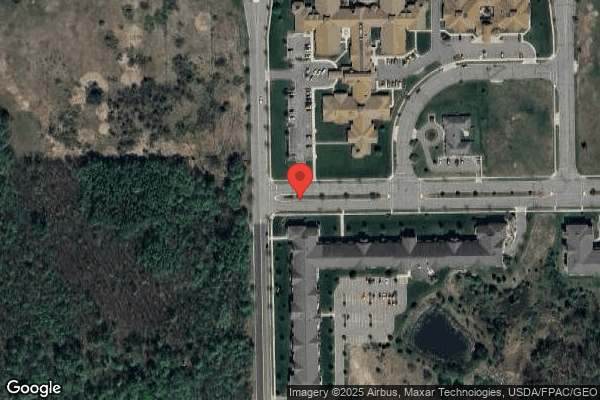
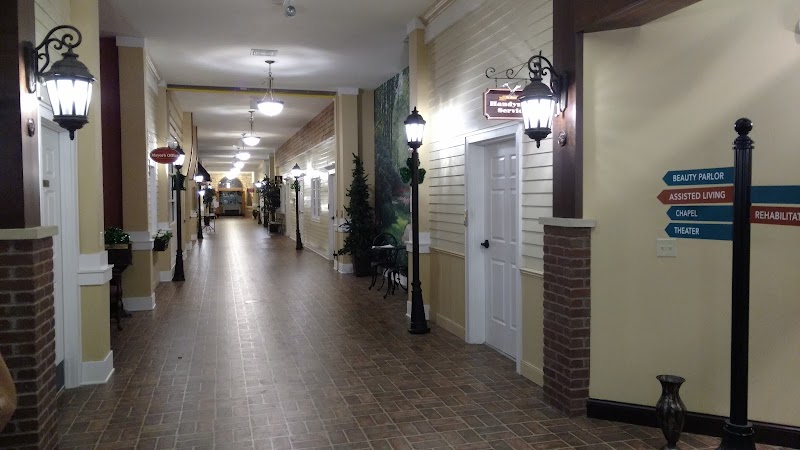
7805 BIRCH ST, WESTON, WI 54476 (715) 298-3833
For profit - Corporation 25 Beds Independent Data: November 2025
Trust Grade
90/100
#57 of 321 in WI
Last Inspection: July 2025

Inspected within the last 6 months. Data reflects current conditions.

Overview

Pride TLC Therapy and Living Campus in Weston, Wisconsin, has received an excellent Trust Grade of A, indicating a high level of care and service quality. Ranked #57 out of 321 facilities statewide, they are in the top half, and they are the top-rated facility out of 8 in Marathon County. However, the facility's trend is concerning as issues have increased from 3 in 2024 to 5 in 2025. Staffing is a strong point, with a perfect rating of 5/5 and a turnover rate of only 31%, significantly lower than the state average. Despite having no fines, which is a positive sign, there have been specific incidents, such as staff failing to follow hand hygiene protocols and not properly handling food, which raises concerns about sanitation. Overall, while there are notable strengths in staffing and compliance, families should be aware of the growing number of concerns.

Trust Score
A
90/100
In Wisconsin
#57/321
Top 17%
Safety Record
Low Risk
No red flags
Inspections
Getting Worse
3 → 5 violations
Staff Stability
○ Average
31% turnover. Near Wisconsin's 48% average. Typical for the industry.
Penalties
✓ Good
No fines on record. Clean compliance history, better than most Wisconsin facilities.
Skilled Nurses
✓ Good
Each resident gets 172 minutes of Registered Nurse (RN) attention daily — more than 97% of Wisconsin nursing homes. RNs are the most trained staff who catch health problems before they become serious.
Violations
○ Average
8 deficiencies on record. Average for a facility this size. Mostly minor or procedural issues.
★★★★★
5.0
Overall Rating
★★★★★
5.0
Staff Levels
★★★★★
5.0
Care Quality
★★★★☆
4.0
Inspection Score
Stable
2024: 3 issues
2025: 5 issues

The Good

  • 5-Star Staffing Rating · Excellent nurse staffing levels
  • 5-Star Quality Measures · Strong clinical quality outcomes
  • Full Sprinkler Coverage · Fire safety systems throughout facility
  • No fines on record
  • Staff turnover below average (31%)

    17 points below Wisconsin average of 48%

Facility shows strength in staffing levels, quality measures, fire safety.

The Bad

Staff Turnover: 31%

15pts below Wisconsin avg (46%)

Typical for the industry

The Ugly 8 deficiencies on record

Jul 2025 5 deficiencies
CONCERN (D)

Potential for Harm - no one hurt, but risky conditions existed

Deficiency F0628 (Tag F0628)

Could have caused harm · This affected 1 resident

**NOTE- TERMS IN BRACKETS HAVE BEEN EDITED TO PROTECT CONFIDENTIALITY** Based on interview and record review, the facility transferred a resident (R) (R29) to acute care and did not notify R29 or the ...

Read full inspector narrative →
**NOTE- TERMS IN BRACKETS HAVE BEEN EDITED TO PROTECT CONFIDENTIALITY** Based on interview and record review, the facility transferred a resident (R) (R29) to acute care and did not notify R29 or the Long-Term Care (LTC) Ombudsman of R29's discharge or provide a bed hold notice per the facility policy.Findings: The facility's Resident admission Agreement read in part, Before a resident is transferred to a hospital, the facility will provide written information to the resident that specifies the duration of the state bed-hold policy (up to 15 days). If the facility determines a resident who was transferred with the expectation of returning cannot return, the facility will issue a discharge notice.The facility's policy, Bed Hold Policy read in part, Upon hospitalization the resident shall be provided the right to a bed-hold via the facility's Bed-holding Agreement. The form will be filled out by the nurse and will be filed in the resident's chart and a copy given to the resident. All resident's, regardless of pay source, have the right to bed-hold for 15 days. If the resident waives their right to a bed-hold, this will be documented with a signature on the Bed-holding Agreement. R29 was admitted to the facility on [DATE], after hospitalization following fall at home. R29 was hospitalized from [DATE]-[DATE]. Diagnoses included low back pain, type 2 diabetes, hemiplegia following a stroke, and pain/numbness or weakness of low back. Minimum Data Set (MDS) assessment, completed on 05/20/25, confirmed R29 scored 15/15 during Brief Interview for Mental Status, indicating intact cognition. R29 makes his own medical decisions.R29's NURSING NOTES: -5/23/25 at 9:39 AM, R29 reported a fall in his bathroom. -05/23/25 at 1:22 PM, writer [ED] was informed of resident's fall from earlier this date, while in the bathroom. The nursing note from the fall report and the PT assessment indicates a change of condition that warrants an ER visit and work up.Writer called ER and spoke to RN. Writer provided report to RN regarding resident, hospitalization and fall today, which was described as: while finishing his toileting task and as he stood from the toilet, his legs gave out and he fell to the floor, hitting his buttock on the toilet stool, then landing on his buttock with his legs pointing out and sitting in front of the toilet Writer spoke to resident with NHA and DON, admission RN and discussed the course of action given his change of condition. Writer expressed that the attending provider, provided orders to facility for resident to be sent to the ER via non urgent EMS . Writer shared with resident the goal for him to be seen in the ER to determine if something changed in his back post fall, given his reported change in sensation. Writer did review that his time in the hospital was due to a protruded disc in his back and that they may have to do imaging or additional work up to determine what may be causing the change in sensation.Writer is assisting the facility and ER with transitional planning. There is no need for a bed hold, as resident was independent prior to this recent fall, which is indicated as an unexpected change in plane. -05/23/25 at 1:25 PM, EMS was contacted for non-ambulatory ambulance transportation to ER. On 07/16/25 at 7:11 AM, Surveyor interviewed Nursing Home Administrator (NHA) A. NHA A stated bed-hold policy is discussed with residents at the time of admission. NHA A reported when a resident is transferred to the ER, the facility sends a transfer document, physician orders, and verbal communication is made with the ER. The bed-hold policy is again discussed with the resident and a signature is obtained. If the resident has Medicaid, the facility holds the resident's bed for 15 days. Surveyor requested and reviewed transfers and discharges NHA A made to the LTC Ombudsman. Surveyor noted R29 was not included in the update. NHA A acknowledged she did not add R29 to the transfers and discharges update to the LTC Ombudsman. On 7/16/25 at 7:13 a.m., Surveyor interviewed Executive Director (ED) C about the lack of information on the bed hold notice for R29. ED C acknowledged the documentation related to bed-hold discussion with R29 was not well documented in his record.
CONCERN (D)

Potential for Harm - no one hurt, but risky conditions existed

Deficiency F0685 (Tag F0685)

Could have caused harm · This affected 1 resident

**NOTE- TERMS IN BRACKETS HAVE BEEN EDITED TO PROTECT CONFIDENTIALITY** Based on observation, interview, and record review the facility did not ensure residents (R) received proper treatment and assis...

Read full inspector narrative →
**NOTE- TERMS IN BRACKETS HAVE BEEN EDITED TO PROTECT CONFIDENTIALITY** Based on observation, interview, and record review the facility did not ensure residents (R) received proper treatment and assistive devices to maintain hearing abilities for 1 of 1 resident reviewed. (R6)R6 did not have a recent audiologist screening and hearing aids were not working. This is evidenced by:R6 was admitted to the facility on [DATE] with pertinent diagnosis of unspecified hearing loss.R6's most recent quarterly Minimum Data Set (MDS) assessment, dated 05/08/25, noted a Brief Interview for Mental Status (BIMS) score of 02/15 indicating severe cognitive impairment. R6 was noted to have highly impaired hearing and has hearing aids.R6's care plan, dated 06/27/21, with a target date of 05/13/25, states: .communication problem related to hearing deficit with interventions of bilateral hearing aids, charge hearing aids daily, and make sure hearing aids are clean and batteries are working.R6's orders:08/30/23 May flush patient's ears with warm water 3/4 and peroxide 3% 1/4 ratio every 24 hours as needed for ear care.01/17/23 (new hearing aids - not chargeable) Ensure hearing aids are opened to disconnect battery QHS at bedtime.Surveyor reviewed R6's electronic medical record (EMR) and noted the last audiologist visit occurred on 12/27/22. Surveyor reviewed R6's progress notes and noted:06/25/25 contacted R6's Activated Power of Attorney (APOA) to let him know that left hearing aid is not working despite replacing with new battery.Of note: no further follow-up documented.On 07/14/25 at 12:31 PM, Surveyor observed R6 sitting in wheelchair in room. Surveyor knocked and introduced self. R6 repeated numerous times that she could not hear Surveyor. Surveyor observed hearing aids in place in both ears. Surveyor asked Certified Nursing Assistant (CNA) I to assist with ensuring hearing aids were working. CNA I looked at hearing aids and stated they haven't been working.On 07/15/25 at 1:56 PM, Surveyor interviewed Health Unit Coordinator (HUC) J regarding appointments. HUC J stated when residents have an appointment, nursing staff will alert HUC to schedule appointment and set up transport. Surveyor asked HUC J if R6 had any audiology appointments scheduled within the last year. HUC J stated no; family typically handles all of R6's appointments and transportations. Surveyor asked HUC J if this would be documented when family takes R6 to an appointment. HUC J stated yes, there should be a progress note entered.Of note: no progress notes were documented of family taking R6 to audiology appointment within the last 12 months.On 07/16/25 at 7:47 AM, Surveyor observed Certified Nursing Assistant (CNA) D assisting R6 with using bed pan. CNA D attempted to inform R6 when needing to roll from side to side and when putting on new brief. R6 was observed to become agitated during cares asking CNA D what she was doing. CNA D repeated numerous times each task, but R6 kept repeating, What? Surveyor asked CNA D if R6's hearing aids were working. CNA D then looked on bedside table for hearing aids; they were not there. CNA D then looked in R6's ears and stated they were still in her ears. CNA D stated that the nighttime aids must not have charged them.Of note: R6's hearing aids use batteries and do not require charging.On 07/16/25 at 9:08 AM, Surveyor interviewed CNA F regarding R6's hearing aids. CNA F stated that R6's hearing aids haven't been working for a while. Surveyor asked CNA F if anyone was notified of R6's hearing aids not working. CNA F stated the nurse was notified.On 07/16/25 at 9:18 AM, Surveyor interviewed Director of Nursing (DON) B regarding R6's hearing aids and audiology appointments. DON B stated that family insisted on handling all of R6's appointments. Surveyor asked if the facility follows up with family to ensure hearing appointments are conducted. DON B stated no. Surveyor asked DON B if any follow-up was done after notifying family R6's hearing aids were not working on 06/25/25. DON B stated being unsure as most communication is informal and not documented. DON B stated that better follow-up should be completed if no resolution or concern is not quickly addressed and that this process will be looked.
CONCERN (D)

Potential for Harm - no one hurt, but risky conditions existed

Pressure Ulcer Prevention (Tag F0686)

Could have caused harm · This affected 1 resident

**NOTE- TERMS IN BRACKETS HAVE BEEN EDITED TO PROTECT CONFIDENTIALITY** Based on observation, interview and record review, the facility did not ensure that a resident with pressure ulcers receives nec...

Read full inspector narrative →
**NOTE- TERMS IN BRACKETS HAVE BEEN EDITED TO PROTECT CONFIDENTIALITY** Based on observation, interview and record review, the facility did not ensure that a resident with pressure ulcers receives necessary treatment and services, consistent with professional standards of practice, to promote healing, prevent infections and prevent new ulcers from developing for 1 of 2 residents (R), (R5). This is evidenced by:The facility policy, titled Skin and Wound Management Program, last reviewed 4/2025, states in part, Ongoing Skin and Wound Assessment (6) Progress toward healing is monitored, Part C: The complexity of a resident's condition may affect responsiveness or tolerance to treatments, and this is considered in the review of the care plan and goals of treatment. Part D: Benefit and risk documentation shall occur as needed based on resident expressed preferences, choice and participation in skin and wound management recommended treatments and interventions. (7) Wounds are identified as avoidable or unavoidable through the facility QAPI review process Wound Management Principles (2) Wound management principles include and are not limited to: Part A: Control or elimination of causative factors such as: pressure, shear, friction, moisture, circulatory impairment.R5 was admitted to the facility on [DATE] and has diagnoses that include displaced fracture of base of neck of left femur resulted from fall, displaced intertrochanteric fracture of right femur resulted from fall, unspecified dementia with unspecified severity and with other behavioral disturbance, unspecified anxiety disorder.R5's admission Minimum Data Set (MDS) Assessment, dated 06/27/25, which indicated a Brief Interview for Mental Status (BIMS) of 3/15, meaning R5 has moderately impaired cognition. R5 has an appointed guardian, and requires substantial/maximum assist for ADLs, positioning in bed/wheelchair, and mobility. The MDS identifies a stage 3 PI.R5's care plan, dated 07/07/25, states: I have a potential for skin breakdown related to hip fracture and decreased mobility, dementia, potential for friction and shearing, coccyx and right buttock wounds present upon readmitting from hospital. Goal includes, My coccyx and buttocks wounds will heal or show signs of healing. Interventions include, Roho cushion, check for incontinence upon rising, before and after meals, before bed and prn during the night. Do peri-care when I am incontinent.complete my Braden Scale weekly and prn with skin checks to assess my potential for skin breakdown and any potential problems .encourage me to reposition myself in bed. Assess my ability to do independently or reposition me every 2 hours.R5's Braden Scale Assessment, completed 07/11/25, showed a Predicting Pressure Score Risk of 13, which indicated moderate risk for pressure injury development.Physician notes dated 7/14/25 in part: .Per nursing team patient has a pressure sore to his buttocks, this is currently being treated and skin interventions are in place .On 07/14/25 at 1:10 PM until 3:11 PM, Surveyor observed R5 seated on his buttocks. On 07/16/25 from 7:27 AM to 9:23 AM, Surveyor observed R5 sitting in BRODA chair in common area in front of TV with tray table and crossword puzzle in front of him without repositioning assistance performed by staff to relieve pressure on known PIs on coccyx and buttock areas for each of these dates. On 07/15/25 at 11:52 AM, Surveyor observed toileting assist of R5 with Occupational Therapy Assistant (OTA) K. R5 was cooperative during cares, when coccyx area was assessed. R5 stated, I hate when sitting and watching TV and something is digging into me, referring to buttock area. OTA K stated, I know, you do sit a lot. On 07/14/25 at 1:10 PM, Surveyor attempted to interview R5, but R5 did not respond to questions and was determined not interviewable.On 07/15/25 at 7:26 AM, following AM cares, Surveyor interviewed CNA F regarding R5's coccyx wound care which is indicated on CNA Care Delivery Guide (CDG). CNA F was not aware of PI area on coccyx or interventions being in place on CDG.On 07/15/25 at 1:20 PM, Surveyor interviewed CNA F and CNA L regarding CNA plan of care regarding repositioning interventions for R5. CNA L stated, We lay [R5] down in the afternoon. [R5] needs to always be in line of site (due to fall risk) and has been a bit more combative lately.That is why [R5] sits in wheelchair in common area. CNA F stated, [R5] often refuses to lay down, preferring to stay in wheelchair. [R5] becomes combative so we do not force [R5] to lay down. Surveyor asked CNA L how it is tracked when last time R5 was repositioned. CNA L showed Surveyor a binder kept in the common area to track certain residents' toileting and ambulating schedules to communicate to other staff. R5 was not listed in binder for communication of repositioning or toileting. Surveyor asked CNA L how repositioning is documented, or refusals to lay down or reposition. CNA L stated repositioning, or refusal to do so by R5, is documented in the progress notes and/or CNA tasks by CNAs. On 07/16/25 at 9:16 AM, Surveyor interviewed DON B what the expectations of staff are when a resident is at risk for pressure injury or has known pressure injury. DON B indicated all direct care staff do ongoing assessments and make sure pressure relieving devices are in place, repositioning is done, and preventative measures are established. Documentation consists of weekly assessments and interventions are placed in care plans for high-risk residents. DON B confirmed there is a repositioning program in place for residents as indicated in their policy and procedures for pressure injuries. DON B stated, CNAs should be repositioning residents based off their Care Delivery Guides. If a resident refuses repositioning, they attempt other approaches such as activities, and document refusals in charting. Surveyor asked DON B if interventions were in R5's care plan when behaviors interfere with repositioning attempts. DON B reported R5 is challenging for staff to comply with pressure injury management and was unable to confirm interventions were in place in the CDG.On 07/15/25 at 3:13 PM, record review did not show any nursing/CNA documentation in R5's chart of refusals to reposition while in wheelchair or lay down after long periods of sitting. CNA task documentation for repositioning showed R5 was repositioned on 07/04/25, 07/05/25 and 07/06/25 only. No care plan interventions are in place for repositioning R5 for pressure relief to coccyx area during daytime, nor acknowledgement to R5's tendencies to refuse or become combative when attempting to reposition. No alternative interventions or approaches have been developed if R5 refuses to allow staff to assist with repositioning.On 07/16/25 at 12:15 PM, DON B was unable to provide evidence of care plan interventions for repositioning in place for R5, or alternative interventions in recognition of R5's behaviors/refusals. DON B was also unable to provide documentation by staff in R5's chart of both completion and refusals of repositioning.
CONCERN (D)

Potential for Harm - no one hurt, but risky conditions existed

Deficiency F0688 (Tag F0688)

Could have caused harm · This affected 1 resident

**NOTE- TERMS IN BRACKETS HAVE BEEN EDITED TO PROTECT CONFIDENTIALITY** Based on observations, interviews and record review, facility did not ensure a resident with an identified decline in range of m...

Read full inspector narrative →
**NOTE- TERMS IN BRACKETS HAVE BEEN EDITED TO PROTECT CONFIDENTIALITY** Based on observations, interviews and record review, facility did not ensure a resident with an identified decline in range of motion (ROM) received services and treatment to prevent further decline for 1 of 2 residents (R) (R6) reviewed. R6 had contracture with impaired ROM in right hand and did not receive therapy services.This is evidenced by:R6 was admitted to the facility on [DATE] with pertinent diagnoses of malignant neoplasm of temporal lobe, disorientation, left foot drop, localized edema, and unspecified hearing loss.R6's most recent quarterly Minimum Data Set (MDS) assessment, dated 05/08/25, noted a Brief Interview for Mental Status (BIMS) score of 02 indicating severe cognitive impairment. R6 has impaired ROM on one side in upper and lower extremities, uses a wheelchair, requires substantial assistance with oral hygiene, shower/bathe self, upper dressing, personal hygiene, and rolling left to right. R6 requires dependent assist with toilet transfers, lower body dressing, putting on footwear, sit to lying, sit to stand, and chair/bed transfers. R6 did not receive occupational or physical therapy services and no restorative nursing services.R6's care plan, initiated date of 04/11/22 and revised date of 05/14/24, with a target date of 05/13/25, states: .a mobility deficit with potential for falls with a goal to retain prior level of function and interventions to place foam wrapped in kerlix in contracted hand overnight as tolerated. Surveyor reviewed R6's orders:03/08/24 CONTRACTOR MANAGMENT: Soak Right hand to loose contractor and allow cleansing. Dry and place tan foam tubing with a light layer of kerlix into right hand. Leave as long as tolerated in the morning for wound care & contractor management AND one time only for wound care & contractor management for 1 Day.Surveyor reviewed R6's therapy notes:03/07/24 OT screen completed in regards to right finger contractures. Self-feeding without difficulty as R6 is left-handed. Wheelchair mobility also observed managing well. Had patient soak R hand in warm water followed by light massage to palmar MCPs which helped open fingers up a bit more. ROM is guarded to R D3 and D4 due to PIP flexion contractures. Able to extend small digit to nearly full range. Short piece of tan foam tubing with light layer of kerlix was placed in patient's R hand to open up MCPs. After soaking, did have quite a bit of dead skin come off with a slight odor to it. Recommend hand soak 1x daily with hygiene followed by placement of foam tubing in R hand to care plan. We will need to see how long she can tolerate keeping the foam tubing in there and add more kerlix to widen if it goes well. OT can look in to more of a resting hand splint to order if we are able to get her fingers extended more.Of note: this is the only documented therapy screen and evaluation documented. No additional assessments completed. No prior documentation of right-hand contracture noted.On 07/16/25 at 7:47 AM, Surveyor observed R6 lying supine in bed being assisted with AM cares. Surveyor observed R6's right hand to have a slight tremor and digits folded in with small movements in finger noted. Surveyor did not observe foam tube in R6's right hand. When R6 was rolled, R6 did not open hand or extend finger to use grab bar with right hand. On 07/16/25 at 9:02 AM, Surveyor interviewed Certified Nursing Assistant (CNA) D. CNA D stated that the foam roll gets placed in R6's hand at bedtime but falls out a lot of times during the night. Surveyor asked if this was communicated to OT for modification or changes. CNA D did not know.On 07/16/25 at 9:18 AM, Surveyor interviewed Director of Nursing (DON) B regarding R6's contracture treatment. DON B stated that R6 is currently on palliative care and therapy services are not being completed per R6's activated power of attorney (APOA). Surveyor asked for documentation of this. DON B stated not having it as most conversations are informal and not documented.On 07/16/25 at 11:04 AM, Surveyor interviewed Occupational Therapist (OT) E regarding R6's contracture. OT E stated no formal evaluation and treatment was completed for R6 as R6 is on palliative care. OT E confirmed there is no documentation to determine if contracture was present prior to the initial assessment on 03/07/24 and no further evaluations were completed after this date. OT E stated that R6 is seen frequently within the facility in an informal manner and is able to observe R6 completing ADLs with no decline. OT E stated that nursing staff will typically update therapy if there is a change or concern, but this is typically done informally with verbal communication. Surveyor asked OT E how they determine if R6 has had a decline. OT E stated by using observations. Surveyor asked OT E if formal assessments should have been completed after first documenting the contracture. OT E said yes. On 07/16/25 at 11:49 AM, Surveyor interviewed DON B. DON B stated recognition of facility's lack of documentation in assessments and communication in the treatment of R6's contracture.
CONCERN (F)

Potential for Harm - no one hurt, but risky conditions existed

Infection Control (Tag F0880)

Could have caused harm · This affected most or all residents

Based on observation, interview and record review, the facility failed to provide a sanitary environment to help prevent the development and transmission of communicable diseases and infections with t...

Read full inspector narrative →
Based on observation, interview and record review, the facility failed to provide a sanitary environment to help prevent the development and transmission of communicable diseases and infections with the potential to affect 17 of 17 residents. - Facility staff did not perform appropriate hand hygiene during cares and while serving meals. - Facility staff did not ensure a dropped cover to a milk jug from dining room refrigerator was properly cleaned before replacing it. - Facility did not ensure covers were available and utilized for transporting fluids to resident rooms.Findings include:Facility policy titled, Hand Hygiene Policy, last reviewed 04/2025, reads in part: Staff will perform hand hygiene by washing hands for fifteen-twenty seconds.under the following conditions.before moving from a contaminated body site to a clean body site.after providing direct resident care. If hands are not visibly soiled use an alcohol-based hand rub.after contact with inanimate objects in the immediate vicinity of the resident.Facility policy titled, Safe Food Handling and Sanitation, last reviewed 03/2025, reads in part: Examples of when hands must be washed.before setting tables or serving food.picking an item up off the floor.On 07/15/25 at 8:12 AM, Surveyor observed facility staff entering the dining room to retrieve drinks for residents eating in their rooms. Surveyor observed some staff did not perform hand hygiene prior to obtaining the cups/glasses and filling them after aiding residents or performing other tasks. Surveyor observed uncovered drinks delivered to resident rooms with no cover by multiple staff members. On 07/15/25 at 8:15 AM, Surveyor observed a staff member drop the cover of a milk jug on the dining room floor, pick it up, and immediately replace it on the milk jug. Surveyor observed the staff member did not sanitize hands and took the glass of milk down the hallway uncovered.On 07/16/25 at 7:10 AM, Surveyor observed Certified Nursing Assistant (CNA) F perform peri care. CNA F washed the buttocks area. CNA F did not change gloves or wash/sanitize hands after cares were completed. CNA F continued cares with the same pair of gloves to assist with clean undergarment and clothing. CNA F did not remove gloves until resident was in wheelchair.On 07/16/25 at 7:29 AM, Surveyor interviewed CNA F. CNA F stated if she were to pour a glass of milk and the milk jug cover fell on the floor, CNA F would ensure the cap was thoroughly cleaned prior to replacing it. CNA F also stated when taking drinks to resident rooms, CNA F would make sure they are covered before taking them to the rooms. CNA F also stated, I want to apologize for yesterday. We didn't have any covers out here.On 07/16/25 at 8:05 AM, Surveyor observed breakfast in dining room. Surveyor observed Physical Therapy Assistant (PTA) H did not perform initial hand hygiene upon entrance of dining room. Surveyor observed covers for drinks are now available and being used. Surveyor observed CNA D rub the back of two separate residents while talking to them and then grab a third resident's food tray to deliver it to their room. No hand hygiene performed in between.On 07/16/25 at 8:22 AM, Surveyor interviewed CNA D. CNA D stated she would throw away the cover of a milk jug if it landed on the floor. CNA D also stated she would contact dietary for an appropriate alternative container to put the rest of the milk in. CNA D stated if getting fluids for residents in their rooms she would sanitize her hands, check the dates, pour the drinks, make sure they are covered, verify the drinks are appropriate for that resident, and take them to the resident. CNA D also stated staff is to wash or sanitize their hands before and after resident contact.On 07/16/25 at 8:24 AM, Surveyor interviewed PTA H. PTA H stated if obtaining drinks for resident rooms, PTA H would go to the dining room, sanitize hands, pour the drinks, place covers on drinks, deliver the drinks, and sanitize hands again.
May 2024 3 deficiencies
CONCERN (D)

Potential for Harm - no one hurt, but risky conditions existed

Accident Prevention (Tag F0689)

Could have caused harm · This affected 1 resident

Based on observation, interview and record review, facility staff did not ensure adequate supervision and safety to prevent accidents from occurring by not using a gait belt when warranted for a resid...

Read full inspector narrative →
Based on observation, interview and record review, facility staff did not ensure adequate supervision and safety to prevent accidents from occurring by not using a gait belt when warranted for a resident transfer affecting 1 of 3 residents (R) reviewed for transfer and falls (R7). This is evidenced by: Facility policy titled Transfer and Body Mechanics Policy, dated as most recently revised on 12/03/23 was reviewed by Surveyor. The policy in part reads: Procedure: The intent of this policy is to ensure every resident receives specialized rehabilitive services as determined by their comprehensive plan of care to assist them to attain, maintain or restore their highest practicable level . Protocol: Guidelines and tips for using proper body Mechanics: ~Use a gait belt at all times. Surveyor reviewed R7's admission Minimum Data Set (MDS) completed on 4/20/24 which noted R7 understands, is understood and is cognitively intact. R7's admission diagnoses included vertigo (a sensation of motion or spinning that is often described as dizziness) and displaced left hip fracture. R7 has a fall history prior to her admission. R7 requires partial to moderate assistance of one staff for transfers sitting to standing, toilet transfer, and shower transfer. Surveyor reviewed R7's care plan and noted the following: I have a mobility deficit with potential for falls R/T (related to) hip fracture s/p (status post) nailing and weakness. Goal: I will regain my prior level of function and will not have a fall with injury through the review date. Review Date: Overdue Interventions: My mobility devices are W/C (wheelchair), FWW (front wheeled walker) My weight bearing status is: WBAT LLE (weight bearing as tolerated, left lower extremity) I ambulate assist of one using FWW I transfer assist of one I need assist of one for toileting On 5/07/24 at 7:19 AM, Surveyor observed Certified Nursing Assistant (CNA) C assist R7 with morning care. CNA C offered R7 the toilet and took R7 to the bathroom via her wheelchair. CNA C assisted R7 to stand at the toilet, lowered R7's brief and assisted R7 to sit on the toilet. CNA C did not use a gait belt (transfer belt) when assisting R7 with her transfer. CNA took R7's wheelchair from the bathroom and brought in her walker. CNA C placed a gait belt around R7's waist and assisted her to stand and take a few steps with the walker to a shower chair in the shower in R7's bathroom. CNA C assisted R7 with the shower and told R7 the gait belt that had been removed from R7 had gotten wet from the shower spray. CNA C told R7 she needed to obtain a dry gait belt and proceeded to assist R7 in drying off from her shower. CNA C did not obtain a dry gait belt and proceeded to dry R7's feet. CNA C placed a towel on the shower floor and brought R7's walker closer to R7. CNA C assisted R7 to stand without the use of the gait belt. CNA C dried R7's back, applied lotion to R7's back and barrier cream to the buttocks as R7 stood with the walker. CNA C pulled up R7's brief/pants and transferred R7 to her wheelchair. No gait belt was used. On 5/07/24 at 9:55 AM, Surveyor interviewed Certified Nursing Assistant (CNA) C about the observation and expectation related to use of a gait belt with residents who need staff assistance to transfer. CNA C responded she should have used a gait belt as it is a facility expectation to not move residents without one as you would not want residents to fall when moving them. On 5/07/24 at 10:04 AM, Surveyor interviewed Physical Therapist (PT) D about R7's transfer abilities, the observation and the facility expectation related to gait belt use. PT D expressed the expectation is a resident would need a gait belt whenever it is indicated in a resident care plan that staff assistance is required for transfer. Physical Therapy does ongoing evaluation of resident transfer abilities and informs staff verbally as well as updated resident care plan. Staff should always use a gait belt when resident care plan specifies assist of one for transfers. It is important for both resident and staff safety. On 5/07/24 at 10:12 AM, Surveyor spoke with Nursing Home Administrator (NHA) A about the observation and the facility expectation regarding gait belt use. NHA A indicated gait belts are absolutely required for all resident transfers requiring one or two staff persons. All nursing staff are trained on this expectation including CNA C.
CONCERN (D)

Potential for Harm - no one hurt, but risky conditions existed

Infection Control (Tag F0880)

Could have caused harm · This affected 1 resident

Based on observation, interview and record review, the facility did not maintain an infection prevention and control program designed to provide a safe, sanitary, and comfortable environment. Staff di...

Read full inspector narrative →
Based on observation, interview and record review, the facility did not maintain an infection prevention and control program designed to provide a safe, sanitary, and comfortable environment. Staff did not perform hand hygiene when warranted while providing care to 1 of 3 residents (R) observed for care (R7). This is evidenced by: Surveyor requested and reviewed the facility policy titled Hand Hygiene Policy. The policy in part reads: This policy will provide staff for hand washing and hand hygiene techniques that will aid in the prevention of the transmission of infections. Hand washing with soap and water: Staff will perform hand hygiene by washing their hands .under the following conditions: Before moving from a contaminated body site to a clean site during resident care; for example: after providing peri care, before applying moisture barrier cream . After providing direct resident care. Using alcohol-based gel: If hands are not visibly soiled, use an alcohol-based hand rub for all the following: Before applying gloves and after removing gloves . Before moving from a contaminated body site to a clean body site during resident care; example: after providing peri care, before applying barrier cream After contact with inanimate objects in the immediate vicinity of the resident On 5/07/24 at 7:19 AM, Surveyor observed Certified Nursing Assistant (CNA) C provide care to R7. CNA took R7 to the bathroom via her wheelchair and donned gloves in the bathroom. CNA C did not perform hand hygiene before donning the gloves. CNA assisted R7 to stand, lowered her brief and transferred R7 to the toilet. R7 urinated in the toilet and CNA C assisted R7 to stand and wiped her peri area with a wipe. With the same gloved hands CNA C assisted R7 to walk to shower chair in her shower and assisted R7 to sit in the chair. CNA C assisted R7 with removing her gown and slippers, adjusted the shower water and handed the shower hose to R7 to spray herself. CNA C wet R7's back and hair and proceeded to shampoo, apply conditioner and rinse R7's hair. CNA C applied soap to a cloth and washed and rinsed R7's back and underarms. CNA C proceeded to wash R7's body, legs and feet. CNA C dried her gloved hands and brought R7's walker closer to R7. CNA C placed a clean towel on floor and assisted R7 to stand. CNA C washed and rinsed R7's peri area and provided R7 a clean towel to dry her front. CNA C dried R7's back, legs and feet and assisted R7 back to shower chair. CNA C obtained lotion from counter, removed her gloves and donned clean gloves. CNA C did not perform hand hygiene. CNA C applied lotion to R7's back and gave R7 deodorant to apply. CNA C provided R7 with a clean shirt that she put on. CNA C applied clean tubi-grip stockings after lotion was applied to R7's legs. CNA C placed a clean brief, clean pants and slippers on R7. CNA C removed her gloves and donned clean gloves with no hand hygiene after drying water from R7's bathroom floor. CNA C assisted R7 to stand to apply barrier cream to her buttocks. CNA C pulled up R7's brief and pants and assisted R7 to transfer to her wheelchair. CNA C brought R7 into her room and provided her with a comb. CNA C returned to the bathroom to bag dirty linens. CNA C removed her gloves and performed hand hygiene. This is the first hand hygiene Surveyor observed during R7's care. On 05/07/24 at 9:55 AM, Surveyor interviewed CNA C about the facility expectation for hand hygiene and R7's morning care observation. CNA C expressed she should have performed hand hygiene prior to donning gloves, when removing gloves and when going from dirty to clean. Hand hygiene is important to not move germs from one place to another. On 5/08/24 at 9:15 AM, Surveyor spoke with Registered Nurse (RN) E about the observation. RN E is the facility's Infection Control Preventionist (ICP). RN E expressed RN E would expect hand hygiene before donning gloves. RN E would expect staff to perform hand hygiene after removing gloves and expect staff to remove gloves, do hand hygiene and don clean gloves every time when going from dirty to clean to prevent the spread of infection.
CONCERN (F)

Potential for Harm - no one hurt, but risky conditions existed

Food Safety (Tag F0812)

Could have caused harm · This affected most or all residents

Based on observations, record review and interview, the facility did not store and distribute foods in a sanitary manner. The facility practice has the potential to affect all 21 residents. This is ev...

Read full inspector narrative →
Based on observations, record review and interview, the facility did not store and distribute foods in a sanitary manner. The facility practice has the potential to affect all 21 residents. This is evidenced by: Surveyor reviewed the facility policy titled Food Handling and Sanitation, most recently revised on 3/2024. The policy in part read: Policy: The food service department will comply with federal, state and county food codes to ensure food safety. Cover all equipment with a garbage bag when not in use and at the end of the business day: this includes but not limited to small and large equipment (utensils, can openers, mixers, blenders ect.) ~Hairnets shall cover 100% of the hairline, beards nets will be worn if not shaved. On 05/06/24 at 8:14 AM, Surveyor conducted the initial tour in the facility kitchen with Dietary Manager (DM) I. Surveyor observed a kitchen aide mixer with mixing bowl which was not inverted or covered on the food preparation counter. Surveyor observed a can opener and robo-coup food processor. The items were not in use or covered. Surveyor asked DM I if this is the normal way the equipment is stored and if the means of storage has a potential for contamination. DM I responded this was a normal means of storage and the means of storage is Pretty high potential for contamination. On 05/07/24 at 11:38 AM, Surveyor observed lunch service in the kitchen. Surveyor observed [NAME] F at the steam table plating foods for resident consumption. [NAME] F's hair was visibly hanging below the hair net at the back of the neck. Dietary Aide (DA) G was assisting with service by placing items on resident lunch trays. DA G had visible sideburns/beard with no beard net worn. DA G's hair net was only partially covering the hair in back. DA H was also observed in the kitchen assisting with tray line with hair hanging below the hair net at her ears and back of head. Surveyor asked DA G about hair restraint in the kitchen. DA G explained the facility has never provided him with a beard restraint stating, They are not used because they are not provided. Surveyor asked DM I about the expectation of hair restraint in the kitchen. DM I expressed all visible hair is to be covered in the kitchen. On 5/07/24 at 12:38 PM, Surveyor observed dishwashing and food preparation in the kitchen. Surveyor observed DA G loading dirty dishes to a rack, spraying the dishes and loading them to a tray which was loaded into the dish machine. DA G was wearing a hair net with visible hair at back of head and neckline and a surgical mask that was only partially covering the beard. DA H was observed unloading clean dishes with hair at sides of her face and back of head as DA H unloaded the clean dishes. DA H was observed walking throughout kitchen for various containers and lids and in and out of the walk in refrigerator. Surveyor observed [NAME] F taking clean shallow pans from rack at the 3 compartment sink. The pan was taken to the food preparation counter where [NAME] F scooped yogurt and coleslaw to individual containers. [NAME] F continued with visible hair at back of [NAME] F's head while completing food preparation.
Understanding Severity Codes (click to expand)
Life-Threatening (Immediate Jeopardy)
J - Isolated K - Pattern L - Widespread
Actual Harm
G - Isolated H - Pattern I - Widespread
Potential for Harm
D - Isolated E - Pattern F - Widespread
No Harm (Minor)
A - Isolated B - Pattern C - Widespread

Questions to Ask on Your Visit

  • "Can I speak with families of current residents?"
  • "What's your RN coverage like on weekends and overnight?"

Our Honest Assessment

Strengths
  • • Grade A (90/100). Above average facility, better than most options in Wisconsin.
  • • No major safety red flags. No abuse findings, life-threatening violations, or SFF status.
  • • No fines on record. Clean compliance history, better than most Wisconsin facilities.
  • • 31% turnover. Below Wisconsin's 48% average. Good staff retention means consistent care.
Concerns
  • • No significant concerns identified. This facility shows no red flags across CMS ratings, staff turnover, or federal penalties.
Bottom line: Generally positive indicators. Standard due diligence and a personal visit recommended.

About This Facility

What is Pride Tlc Therapy And Living Campus's CMS Rating?

CMS assigns PRIDE TLC THERAPY AND LIVING CAMPUS an overall rating of 5 out of 5 stars, which is considered much above average nationally. Within Wisconsin, this rating places the facility higher than 99% of the state's 100 nursing homes. This rating reflects solid performance across the metrics CMS uses to evaluate nursing home quality.

How is Pride Tlc Therapy And Living Campus Staffed?

CMS rates PRIDE TLC THERAPY AND LIVING CAMPUS's staffing level at 5 out of 5 stars, which is much above average compared to other nursing homes. Staff turnover is 31%, compared to the Wisconsin average of 46%. This relatively stable workforce can support continuity of care.

What Have Inspectors Found at Pride Tlc Therapy And Living Campus?

State health inspectors documented 8 deficiencies at PRIDE TLC THERAPY AND LIVING CAMPUS during 2024 to 2025. These included: 8 with potential for harm.
Who Owns and Operates Pride Tlc Therapy And Living Campus?

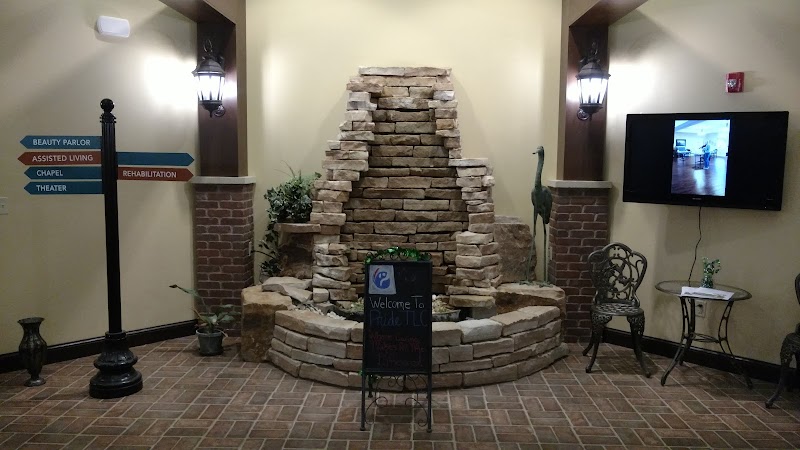
PRIDE TLC THERAPY AND LIVING CAMPUS is owned by a for-profit company. For-profit facilities operate as businesses with obligations to shareholders or private owners. The facility operates independently rather than as part of a larger chain. With 25 certified beds and approximately 17 residents (about 68% occupancy), it is a smaller facility located in WESTON, Wisconsin.
How Does Pride Tlc Therapy And Living Campus Compare to Other Wisconsin Nursing Homes?

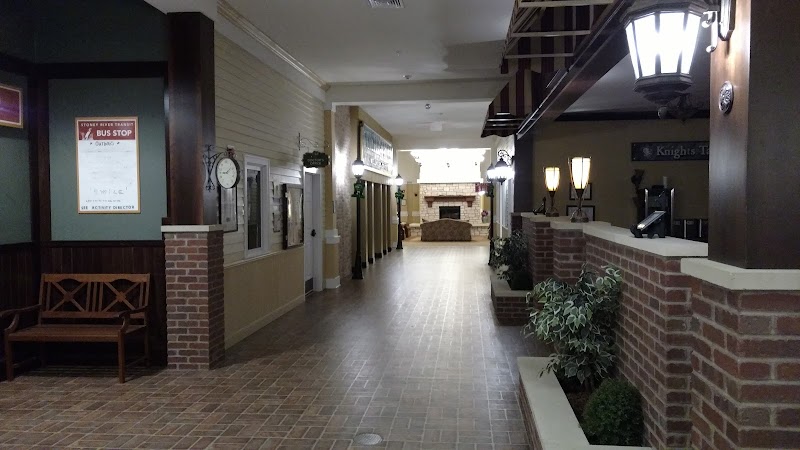
Compared to the 100 nursing homes in Wisconsin, PRIDE TLC THERAPY AND LIVING CAMPUS's overall rating (5 stars) is above the state average of 3.0, staff turnover (31%) is significantly lower than the state average of 46%, and health inspection rating (4 stars) is above the national benchmark.

What Should Families Ask When Visiting Pride Tlc Therapy And Living Campus?

Based on this facility's data, families visiting should ask: "Can I visit during a mealtime to observe dining assistance and food quality?" "How do you handle medical emergencies, and what is your hospital transfer rate?" "Can I speak with family members of current residents about their experience?"

Is Pride Tlc Therapy And Living Campus Safe?

Based on CMS inspection data, PRIDE TLC THERAPY AND LIVING CAMPUS has a clean safety record: no substantiated abuse findings (meaning no confirmed cases of resident harm), no Immediate Jeopardy citations (the most serious violation level indicating risk of serious injury or death), and is not on the Special Focus Facility watch list (a federal program monitoring the lowest-performing 1% of nursing homes). The facility has a 5-star overall rating and ranks #1 of 100 nursing homes in Wisconsin. While no facility is perfect, families should still ask about staff-to-resident ratios and recent inspection results during their visit.

Do Nurses at Pride Tlc Therapy And Living Campus Stick Around?

PRIDE TLC THERAPY AND LIVING CAMPUS has a staff turnover rate of 31%, which is about average for Wisconsin nursing homes (state average: 46%). Moderate turnover is common in nursing homes, but families should still ask about staff tenure and how the facility maintains care continuity when employees leave.

Was Pride Tlc Therapy And Living Campus Ever Fined?

PRIDE TLC THERAPY AND LIVING CAMPUS has no federal fines on record. CMS issues fines when nursing homes fail to meet care standards or don't correct problems found during inspections. The absence of fines suggests the facility has either maintained compliance or corrected any issues before penalties were assessed. This is a positive indicator, though families should still review recent inspection reports for the full picture.

Is Pride Tlc Therapy And Living Campus on Any Federal Watch List?

PRIDE TLC THERAPY AND LIVING CAMPUS is not on any federal watch list. The most significant is the Special Focus Facility (SFF) program, which identifies the bottom 1% of nursing homes nationally based on persistent, serious quality problems. Not being on this list means the facility has avoided the pattern of deficiencies that triggers enhanced federal oversight. This is a positive indicator, though families should still review the facility's inspection history directly.