EDENBROOK OF WISCONSIN RAPIDS
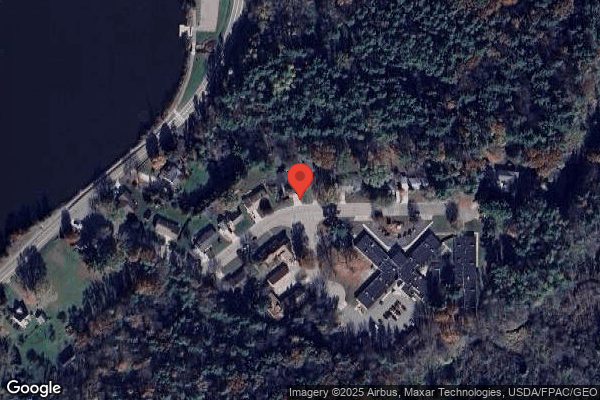
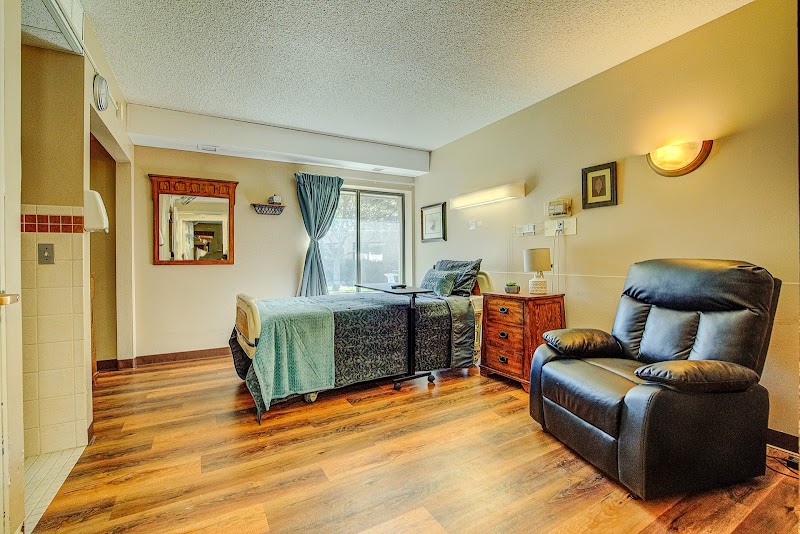
130 STRAWBERRY LN, WISCONSIN RAPIDS, WI 54494 (715) 424-1600
For profit - Corporation 80 Beds EDEN SENIOR CARE Data: November 2025
Trust Grade
90/100
#32 of 321 in WI
Last Inspection: February 2025

Within standard 12-15 month inspection cycle. Federal law requires annual inspections.

Overview

Edenbrook of Wisconsin Rapids has received a Trust Grade of A, indicating it is considered excellent and highly recommended. It ranks #32 out of 321 facilities in Wisconsin, placing it in the top half, and is the best option among the five nursing homes in Wood County. However, the facility is currently facing a worsening trend, increasing from 2 issues noted in 2023 to 3 in 2025. Staffing is rated average at 3 out of 5 stars, with a turnover rate of 50%, which is close to the state average. On a positive note, the facility has no fines on record, suggesting good compliance, but there have been concerning incidents, such as staff leaving a medication cart unlocked, which could affect resident safety, and failing to notify residents about room changes, causing confusion. Additionally, there was a lack of monitoring for a resident on a high-risk medication, which indicates potential oversight in care.

Trust Score
A
90/100
In Wisconsin
#32/321
Top 9%
Safety Record
Low Risk
No red flags
Inspections
Getting Worse
2 → 3 violations
Staff Stability
⚠ Watch
50% turnover. Above average. Higher turnover means staff may not know residents' routines.
Penalties
✓ Good
No fines on record. Clean compliance history, better than most Wisconsin facilities.
Skilled Nurses
✓ Good
Each resident gets 53 minutes of Registered Nurse (RN) attention daily — more than average for Wisconsin. RNs are trained to catch health problems early.
Violations
○ Average
7 deficiencies on record. Average for a facility this size. Mostly minor or procedural issues.
★★★★★
5.0
Overall Rating
★★★☆☆
3.0
Staff Levels
★★★★★
5.0
Care Quality
★★★★★
5.0
Inspection Score
Stable
2023: 2 issues
2025: 3 issues

The Good

  • 5-Star Quality Measures · Strong clinical quality outcomes
  • Full Sprinkler Coverage · Fire safety systems throughout facility
  • No fines on record

Facility shows strength in quality measures, fire safety.

The Bad

Staff Turnover: 50%

Near Wisconsin avg (46%)

Higher turnover may affect care consistency

Chain: EDEN SENIOR CARE

Part of a multi-facility chain

Ask about local staffing decisions and management

The Ugly 7 deficiencies on record

Jul 2025 1 deficiency
CONCERN (E) 📢 Someone Reported This

A family member, employee, or ombudsman was alarmed enough to file a formal complaint

Potential for Harm - no one hurt, but risky conditions existed

Deficiency F0761 (Tag F0761)

Could have caused harm · This affected multiple residents

Based on observation, staff interview, and record review, the facility did not ensure a medication cart was locked when unattended and that medications were stored appropriately. This practice had the...

Read full inspector narrative →
Based on observation, staff interview, and record review, the facility did not ensure a medication cart was locked when unattended and that medications were stored appropriately. This practice had the potential to affect more than 4 of the 51 residents residing in the facility. On 7/25/25, staff left a medication cart unlocked and unattended on multiple occasions. In addition, staff left medications on top of an unattended medication cart. Findings include:The facility's Administering Medications policy, revised 1/22/24, indicates: .Medication will remain secured in a locked cabinet/cart unless in direct view of the individual administering the medication. 1.On 7/25/25 at 8:28 AM, Surveyor observed Licensed Practical Nurse (LPN)-C prepare medication. LPN-C then walked down the 500 wing to ask a question and left the medication cart unlocked. Eight residents were in the vicinity of the cart at the time.On 7/25/25 at 8:34 AM, Surveyor interviewed LPN-C who confirmed the medication cart should have been locked when unattended. On 7/25/25 at 10:42 AM, Surveyor approached the nurses' station between the 500 and 600 wings and noted the 600 wing medication cart was pushed against the wall near the outside door. The cart was unlocked and unattended and out of LPN-C's view.On 7/25/25 at 10:42 AM, Surveyor interviewed LPN-C in the nurses' station who confirmed the medication cart should have been locked when unattended. Two residents were in the lobby at the time. 2. On 7/25/25 at 8:46 AM, Surveyor observed LPN-C prepare medications. LPN-C then walked down the 600 wing to administer the medications and left five medication cards and two bottles of medication unattended on top of the medication cart. On 7/25/25 at 8:57 AM, Surveyor observed Director or Nursing (DON)-B inform LPN-C that medications were left unattended on top of the medication cart. LPN-C returned to the cart and secured the medications.On 7/25/25 at 2:13 PM, Surveyor interviewed DON-B who confirmed medication carts should be locked when unattended and medications should not be left on top of an unattended medication cart.
Feb 2025 2 deficiencies
CONCERN (D)

Potential for Harm - no one hurt, but risky conditions existed

Deficiency F0757 (Tag F0757)

Could have caused harm · This affected 1 resident

**NOTE- TERMS IN BRACKETS HAVE BEEN EDITED TO PROTECT CONFIDENTIALITY** Based on staff interview and record review, the facility did not ensure 1 resident (R) (R10) of 5 sampled residents was monitore...

Read full inspector narrative →
**NOTE- TERMS IN BRACKETS HAVE BEEN EDITED TO PROTECT CONFIDENTIALITY** Based on staff interview and record review, the facility did not ensure 1 resident (R) (R10) of 5 sampled residents was monitored for adverse reactions to a high-risk medication. R10 was prescribed furosemide (a diuretic medication). R10's care plan did not contain monitoring interventions for adverse reactions to the high-risk medication. Findings include: According to medlineplus.gov, furosemide may cause side effects including, but not limited to: frequent urination, blurred vision, headache, constipation, diarrhea, fever, ringing in the ears, loss of hearing, rash, hives, blisters or peeling of the skin, itching, difficulty breathing or swallowing, or yellowing of the skin or eyes. Between 2/24/25 and 2/26/25, Surveyor reviewed R10's medical record. R10 was admitted to the facility on [DATE] and had diagnoses including dementia, Alzheimer's disease, hypertension (high blood pressure), restless leg syndrome, bradycardia (slow heart beat), and presence of aortocoronary bypass graft and coronary heart disease. R10's Minimum Data Set (MDS) assessment, dated 1/6/25, had a Brief Interview for Mental Status (BIMS) score 15 out of 15 which indicated R10 had intact cognition. R10 had a physician order for furosemide 20 milligrams (mg) by mouth once daily for edema (dated 9/3/24). R10's care plan did not indicate R10 received diuretic medication or include monitoring interventions for adverse reactions to furosemide. On 2/26/25 at 12:37 PM, Surveyor interviewed Nursing Home Administrator (NHA)-A who confirmed R10's plan of care should contain monitoring interventions for adverse reactions to furosemide. On 2/26/25 at 12:56 PM, Director of Nursing (DON)-B confirmed R10's plan of care did not contain monitoring interventions for furosemide. DON-B indicated DON-B added monitoring interventions to R10's plan of care and planned to audit other residents' plans of care
CONCERN (D)

Potential for Harm - no one hurt, but risky conditions existed

Infection Control (Tag F0880)

Could have caused harm · This affected 1 resident

**NOTE- TERMS IN BRACKETS HAVE BEEN EDITED TO PROTECT CONFIDENTIALITY** Based on observation, staff interview, and record review, the facility did not ensure staff completed proper hand hygiene during...

Read full inspector narrative →
**NOTE- TERMS IN BRACKETS HAVE BEEN EDITED TO PROTECT CONFIDENTIALITY** Based on observation, staff interview, and record review, the facility did not ensure staff completed proper hand hygiene during the provision of cares for 1 resident (R) (R28) of 3 residents. On 2/26/25, Certified Nursing Assistant (CNA)-D did not complete appropriate hand hygiene during the provision of cares for R28. Findings include: The facility's Hand Hygiene policy, revised 5/8/24, indicates: To provide guidelines to staff for proper and appropriate hand washing and hygiene techniques that will aid in the prevention of the transmission of infections .3. Hand hygiene is always the final step after removing and disposing of personal protective equipment (PPE) .Using alcohol-based hand gel: 1. If hands are not visibly soiled, use an alcohol-based hand rub for all the following situations: .d. Before applying gloves and after removing gloves or other PPE .f. Before moving from a contaminated body sit to a clean body site during resident care; example: after providing peri-care, before applying moisture barrier or other treatments . On 2/26/25, Surveyor reviewed R28's medical record. R28 was admitted to the facility on [DATE] and had diagnoses including hemiplegia (paralysis on one side of the body) and hemiparesis (weakness on one side of the body) following cerebral infarction (also known as stroke) affecting the left non-dominant side. R28's Minimum Data Set (MDS) assessment, dated 12/28/24, indicated R28 was dependent on staff for personal hygiene. On 2/26/25 at 11:38 AM, Surveyor observed CNA-C and CNA-D provide incontinence care for R28. During the provision of care, Surveyor observed CNA-D provide rear perineal care and remove R28's soiled brief with gloved hands. With the same soiled gloves, CNA-D placed a clean brief under R28, applied protective cream to R28's buttocks, and assisted CNA-C with repositioning R28. CNA-D then removed gloves and completed hand hygiene. After R28 was repositioned in bed, Surveyor observed CNA-D remove gloves, raise the head of the bed, and place R28's call light within reach before completing hand hygiene. On 2/26/25 at 11:45 AM, Surveyor interviewed CNA-D who verified CNA-D should have completed hand hygiene immediately following glove removal. CNA-D also verified CNA-D should have changed gloves and completed hand hygiene after CNA-D provided perineal care and removed R28's brief and before CNA-D provided a clean brief and applied protective cream. On 2/26/25 at 11:56 AM, Surveyor interviewed Director of Nursing (DON)-B who indicated staff are expected to complete hand hygiene before moving from dirty to clean tasks and immediately following glove removal.
Dec 2023 1 deficiency
CONCERN (D)

Potential for Harm - no one hurt, but risky conditions existed

Incontinence Care (Tag F0690)

Could have caused harm · This affected 1 resident

**NOTE- TERMS IN BRACKETS HAVE BEEN EDITED TO PROTECT CONFIDENTIALITY** Based on observation, interview and record review, the facility did not provide the necessary services, care, and to prevent uri...

Read full inspector narrative →
**NOTE- TERMS IN BRACKETS HAVE BEEN EDITED TO PROTECT CONFIDENTIALITY** Based on observation, interview and record review, the facility did not provide the necessary services, care, and to prevent urinary tract infection for 1 of 3 residents (R) reviewed with urinary catheter (R31). This is evidenced by: Surveyor received policy titled, Hand Hygiene, with the most recent revision date of 01/16/23 which states in part: Staff will perform hand hygiene by washing hands before applying gloves and after removing gloves. Surveyor also received policy titled, Foley Catheter Insertion, with the most recent revision date of 02/09/18 which states in part to: .verify physician's order for procedure. Policy also states, After completing perineal care, perform hand hygiene. Arrange supplies on a clean surface within easy reach. Open catheter tray using sterile technique. Apply sterile gloves. Once sterile procedure of catheter insertion is completed, Remove gloves and complete hand hygiene. Surveyor reviewed R31's record and noted his diagnosis includes neuromuscular bladder dysfunction. R31's admission MDS dated [DATE] and quarterly MDS dated [DATE] show R31 was admitted with and has an indwelling catheter. R31's care plan indicates: Actual alteration in elimination r/t (related to) suprapubic catheter in place due to neurogenic bladder secondary to multiple sclerosis, urge incontinence. ·Resident will have no complications r/t indwelling catheter through next review. ·Apply barrier cream to peri area after each incontinent episode. ·Catheter size 22 F 10 ml (There is no order in place specifying this catheter size). ·Change suprapubic catheter as ordered. (There is no physician order in place regarding catheter change). ·Check and change resident as needed due to incontinence. ·Monitor/document/report s/sx (signs and symptoms) of UTI (urinary tract infection): fever, abd (abdominal) pain, mental status change, weakness, functional decline, nausea, vomiting, dark cloudy urine, foul smelling urine, blood in urine, pus in urine. R31's physician orders include: 05/25/23: Flush catheter with acetic acid solution 60 ml QID. Use the hemostat to clamp catheter and leave solution in for 10 minutes, then open and allow to drain four times a day. 08/01/23: Urology consult/orders: continued scheduled SP (suprapubic) tube changes & flushes eval/Tx (evaluation and treatment) for uti (urinary tract infection) only if symptomatic (bladder spasm, suprapubic pain, hematuria, fever). The orders did not have listed scheduled SP tube changes and catheter size. R31's record shows no facility clarification from urology provider's order from 08/01/23 of when scheduled SP tube changes, size, and flushes are to be conducted. The facility did not clarify orders from the 11/01/23 follow-up urology appointment. Orders did not include any information regarding when suprapubic catheter is to be changed and size of catheter. Surveyor completed record review of nursing care provided for R31 and found the following: 10/05/23: Catheter changed 22 foley. 11/09/23: Catheter change due to clogging 20f with 20cc NS. Provider, POA, DON notified. 11/24/23: Suprapubic catheter was changed this morning after unsuccessful attempt to flush. Little output in cath at beginning of shift and wet x1. Urine returns with slight blood tinge due to change. 22fr placed with 20cc NS. On-call provider and DON notified. On 12/06/23 at 10:20 AM, Surveyor was observing Certified Nursing Assistant (CNA) D provide R31 with personal cares when Licensed Practical Nurse (LPN) C entered R31's room to complete his catheter flush. LPN C completed hand hygiene and donned gloves. LPN C set the supplies on bedside table next to wash basin filled with water, soap, towels, and resident personal items. There was no cleaning of the table or barrier applied. LPN C disconnected the catheter bag tubing, kinked tube, and capped end. LPN C attempted to insert the acetic acid and was unable to flush the catheter. LPN C uncapped R31's catheter, wiped with alcohol pad and reconnected Foley bag. LPN C unclamped the catheter and indicated the tube won't flush, so will change suprapubic catheter. LPN C removed her gloves but did not perform hand hygiene. At 10:28 AM, LPN C returned to R31's room with new Foley catheter supplies and placed the items on R31's bedside table with wash basin. LPN C did not complete hand hygiene and removed sterile glove pack from kit and donned gloves. LPN C deflated the catheter balloon leaving catheter inserted and placed the syringe in the garbage. LPN C removed her gloves but did not perform hand hygiene. LPN C left the room to get a new Foley kit as the first one was not correct. With sterile gloves on, LPN C holding the new catheter kit, instructed CNA D to grab Foley catheter to open the packaging. LPN C took the catheter out of the in sterile pack and placed directly on R31's bare abdomen. The catheter was now not sterile as it has touched R31's skin. LPN C removed the old catheter tube and placed in garbage. LPN C placed the new catheter in catheter kit tray with lube. LPN C with the same gloves was observed touching dirty area of suprapubic site. LPN C took a cotton ball with betadine to clean insertion site 3 times. LPN C with the same contaminated gloves proceeded to grab new catheter tube and inserted new catheter tubing to R31's suprapubic site. LPN C had CNA D get another Foley bag while she was holding catheter. CNA D with the same contaminated gloves from providing personal cares disconnected the new bag that was attached to the first new Foley catheter that was not used. LPN C took the new Foley bag and connected to new catheter tube. LPN C discarded supplies, removed gloves, and washed her hands with soap and water at sink. LPN C applied clean gloves and applied a new stat lock to secure catheter and placed gauze under R31's tube at site. LPN C discarded the gloves, emptied the trash, and did not perform hand hygiene and left R31's room. On 12/06/23 at 11:02 AM, following the observation, Surveyor interviewed LPN C. Surveyor asked LPN C about sterility and education on the importance of it during catheter treatment. Surveyor explained area of concern with infection control breaches. LPN C stated understanding. LPN C commented she has been doing this job for many years and is disappointed in self. On 12/06/23 at 4:33 PM, Surveyor interviewed Director of Nursing (DON) B about the observation and repeated breaks in sterility and infection prevention errors during observed catheter change. DON B stated the expectation for staff completing task would be to follow hand hygiene practices stated in Foley catheter management policy. DON B also stated the expectation would be the nurse carrying out the task would know what size catheter to use and how much to inflate the balloon inside the bladder. DON B indicated she is aware the order for R31's catheter did not meet these expectations. DON B further stated that it would be expected for nursing staff to question physician orders if they do not meet expectations of providing all necessary information to include size and frequency.
Mar 2023 1 deficiency
CONCERN (E) 📢 Someone Reported This

A family member, employee, or ombudsman was alarmed enough to file a formal complaint

Potential for Harm - no one hurt, but risky conditions existed

Deficiency F0559 (Tag F0559)

Could have caused harm · This affected multiple residents

**NOTE- TERMS IN BRACKETS HAVE BEEN EDITED TO PROTECT CONFIDENTIALITY** Based on interview and record review, the facility did not notify the residents of a room change in writing nor notify them of t...

Read full inspector narrative →
**NOTE- TERMS IN BRACKETS HAVE BEEN EDITED TO PROTECT CONFIDENTIALITY** Based on interview and record review, the facility did not notify the residents of a room change in writing nor notify them of the reason they were being moved for 4 of 4 residents reviewed, Resident (R) R5, R6, R7, and R8. The facility did not explain to residents who were being moved, why they were being moved, nor did they provide written notice. R5 was moved from room [ROOM NUMBER] to 610 on 3/9/23. R5 had a BIMS score of 14 indicating they were cognitively intact. R5 was responsible for self. R6 was moved from room [ROOM NUMBER] to room [ROOM NUMBER] on 3/13/23. R6 had a BIMS score of 15 indicating they were cognitively intact. R6 was responsible for self. R7 was moved from room [ROOM NUMBER] to room [ROOM NUMBER] on 3/9/23. R7 had a BIMS score of 14, indicating they were cognitively intact. R7 was responsible for self. R8 was moved from room [ROOM NUMBER] to room [ROOM NUMBER] on 3/9/23. R8 had a BIMS score of 13 indicating they were cognitively intact. R8 was responsible for self. On 3/14/23, Surveyor interviewed R5 regarding satisfaction with care. At that time R5 told Surveyor that she had been moved from the front of the building to the back recently. R5 stated that she did not know why she was moved, and that she was not notified of the move. R5 asked Surveyor to look into this. Surveyor interviewed R6 and R7 regarding the move. Both residents stated that they had been moved, that they did not know why, and that they were not notified in writing. R8 was not available to interview as he was sleeping. On 3/14/23, Surveyor interviewed Registered Nurse (RN) C who functions as the facility case manager and Social Services person. RN C had been functioning in this role since August of 2022. Surveyor asked why residents were moved from the front to the back of the building. RN C stated that in the past few months a lot of long term residents had gone home, and they needed to open up some rehab rooms up front. Surveyor asked if the residents were notified of the moves, and RN C stated that yes, the person that moves them lets them know. RN C stated further that recently they were trying to give notice a day in advance of the move. Surveyor asked if there was a note made on the moves in the resident's medical record and RN C stated only if they had to notify the POA. RN C stated that if the resident is responsible for self, the Housekeeper is the one who moves them and tells them they are moving. On 3/14/23, Surveyor interviewed Nursing Home Administrator (NHA) A regarding the moving of residents. Surveyor asked who notifies residents that they will be moving. NHA A stated the Housekeeping Supervisor. Surveyor asked how this notification is done, and NHA A stated the Housekeeping Supervisor talks to them, has a conversation. Surveyor asked if written notice was given and NHA A stated no. Housekeeping Supervisor was not in the building or available to interview regarding the moving of residents. On 3/14/23, Surveyor reviewed the facility policy on Room Changes. Under Procedure it states: 1. Notify and explain the reason for transfer to the resident and or family or responsible party of the resident. 2. Obtain residents'/DPOA agreement to transfer. On 3/14/23, Surveyor reviewed a document that the NHA presented that residents sign on admission, this document is titled Center Room Change/Bed Change Policy. This document is an acknowledgement of the policy at the time of admission, and consent to a future room change should it become necessary based on changes to the payor source. Surveyor notes that the residents had signed. However, these room changes were not based on payor source, nor were they given notification of an eminent room change or room mate change. The facility was not providing written notice of a room change, nor giving an explanation to the residents of the reason for the change.
Nov 2022 2 deficiencies
CONCERN (D)

Potential for Harm - no one hurt, but risky conditions existed

Notification of Changes (Tag F0580)

Could have caused harm · This affected 1 resident

Based on record review and staff interview, the facility did not notify the physician of a significant weight loss for 1 Resident (R) (R38) of 24 sampled residents. R38 lost a significant amount of we...

Read full inspector narrative →
Based on record review and staff interview, the facility did not notify the physician of a significant weight loss for 1 Resident (R) (R38) of 24 sampled residents. R38 lost a significant amount of weight (defined as a 10% loss in 6 months, a 7.5% loss in 3 months, or a 5% loss in 1 month) between 8/11/22 and 9/7/22. The facility did not notify the physician of the significant weight loss. Findings include: The facility's undated policy titled Resident Heights and Weights states, All residents will be weighed upon admission and subsequently as the policy directs to provide a baseline and ongoing record for monitoring stability of weight as an indicator of nutritional status and medical condition over a period of time. Purpose .It is also to provide guidelines for MD (Medical Doctor) notification and documentation of significant weight changes. 12. The Dietician and/or designee will review individual weights recorded in the EMR (Electronic Medical Record) monthly to identify trends over time. Unplanned weight trends will be assessed and addressed by the Dietician and MD notification will be made by nursing staff if applicable. On 11/7/22, the Surveyor reviewed R38's medical record which documented diagnoses of unspecified dementia (a mental disorder in which a person loses the ability to think, remember, learn, make decisions, and solve problems), unspecified severity without behavioral disturbance, psychotic disturbance, mood disturbance, or anxiety. R38's MDS (Minimum Data Set), dated 9/10/22, section K0300 was marked yes for weight loss and not on a physician prescribed weight loss program. R38's care plan titled I have a potential for altered nutritional status had an intervention of weigh resident per facility policy, or as ordered. Notify MD/NP (Nurse Practitioner) per order or with significant changes. R38's documented weight in pounds on 8/11/22 was 115.6 and on 9/7/22 was 109 which indicated a significant weight loss of 5.71%. The facility was not able to provide documentation to the Surveyor of physician notification for R38's significant weight loss. On 11/8/22 at 8:30 AM, the Registered Dietician (RD)-H explained to the Surveyor that physician notification of weight loss was nursing's responsibility per the facility's policy. RD-H provided the facility Resident Heights and Weights policy to the Surveyor. On 11/8/22 at 10:04 AM, the Surveyor interviewed Director of Nursing (DON)-B regarding physician notification of R38's significant weight loss. DON-B told the Surveyor it was DON-B's understanding when the Dietician completed residents' dietary assessments, reviewed weights, and identified weight concerns, the Dietician then updated residents' physicians with the findings.
CONCERN (D)

Potential for Harm - no one hurt, but risky conditions existed

Deficiency F0657 (Tag F0657)

Could have caused harm · This affected 1 resident

**NOTE- TERMS IN BRACKETS HAVE BEEN EDITED TO PROTECT CONFIDENTIALITY** Based on observation, resident interview and staff interview, the facility did not reassess the effectiveness of interventions a...

Read full inspector narrative →
**NOTE- TERMS IN BRACKETS HAVE BEEN EDITED TO PROTECT CONFIDENTIALITY** Based on observation, resident interview and staff interview, the facility did not reassess the effectiveness of interventions and revise the plan of care to meet the resident's needs for 1 Resident (R) (R41) of 2 residents reviewed for nutritional needs. R41's plan of care did not reflect the assistance R41 needed to eat. Per medical record review, R41 admitted to the facility on [DATE] after an acute hospital stay for treatment of a fractured arm. R41 had diagnoses to include severe protein-calorie malnutrition, macular degeneration, cataract, elder neglect, fecal impaction, adult failure to thrive, repeated falls and muscle wasting. R41 was cognitively impaired. On 11/7/22 at 12:00 PM, Surveyor observed R41 during the noon meal. R41 was sitting in R41's room in a wheelchair with a meal tray on a table in front of R41. Surveyor observed the tray which contained a partitioned plate with noodles, broccoli, a piece of meat, a bowl of fruit cocktail and a piece of garlic bread. Surveyor observed R41 pick up a noodle with R41's fingers and place the noodle in R41's mouth. R41 also picked several pieces of fruit from the bowl and placed them in R41's mouth. R41 then removed the pieces of fruit from R41's mouth and placed them on the tray. R41 picked up the piece of meat and asked, What is this? Surveyor told R41 it was a piece of meat and asked if R41 wanted staff to cut up the meat. R41 said, Yes. Surveyor asked a staff person to assist R41 with cutting the meat. R41 picked up a piece of meat with R41's fingers, placed the meat in R41's mouth, chewed the meat, removed the meat from R41's mouth and placed the meat on the tray. R41 stated, I can't swallow it. Surveyor observed R41 feel around the tray, pick up a spoon, attempt to poke the food with the spoon and put the empty spoon in R41's mouth. R41 was unable to reach the fluids on R41's tray. R41 indicated to Surveyor that R41 was hungry. Surveyor noted R41 was motivated to eat and was active in attempting to eat. R41 indicated R41 had difficulty seeing items on the food tray and was unable to swallow some of the food. R41 did not consume any of the meat or broccoli. R41 ate a couple of the noodles and a few pieces of fruit. R41 also ate the inner part of the garlic bread, but left the crust on the tray. R41 then stated to Surveyor that R41 was tired and needed to lay down. On 11/8/22 at 8:00 AM, Surveyor observed R41 during the breakfast meal. R41 was eating in R41's room while sitting up in bed with a food tray on a table in front of R41. R41 was holding a piece of sausage. Surveyor observed R41 takes bites of the sausage, chew the sausage, remove the sausage from R41's mouth and place the sausage on the tray. R41 stated to Surveyor, I need help with the oatmeal. Surveyor observed Med Tech (MT)-E looking in R41's room and asked Surveyor if R41 needed anything. Surveyor responded that R41 needed assistance with eating. MT-E indicated to Surveyor that R41 ate well on R41's own; that R41 Licked the platter clean, look at her, she's eating now. Surveyor indicated R41 removed all bites of the sausage and placed the sausage on the tray. MT-E asked another staff person, Certified Nursing Assistant (CNA)-D, to assist R41. CNA-D assisted R41 with the breakfast meal. R41 stated to CNA-D, I need help with the oatmeal. R41 asked for sugar for the oatmeal. CNA-D left to get sugar and placed sugar in R41's oatmeal. CNA-D assisted R41 with drinking fluids and with eating the oatmeal. CNA-D stated CNA-D would ask the speech therapist to evaluate R41 due to R41's difficulty with eating. On 11/8/22 at 10:35 AM, Surveyor interviewed Speech Therapist (ST)-C who indicated ST-C had not assessed R41 since admission to the facility as staff had not alerted ST-C of any problems. ST-C stated ST-C was going to observe R41 during the noon meal. On 11/8/22 at 12:10 PM, Surveyors observed R41 with a meal tray in R41's room. Staff were not in the room assisting R41 with eating. The meal tray contained meat, green beans and cut up potatoes with skin. Two Surveyors observed R41 feel around the tray, place food in R41's mouth, chew, remove the food and place the food on the tray. The Surveyors noted R41 chewed the softer part of the potato from the skin and placed the skins on the tray. On 11/8/22 at 2:00 PM, ST-C approached Surveyor and stated ST-C observed R41 eat and noted R41 removed food from R41's mouth and placed the food on the tray. ST-C stated ST-C did not know if that was a behavior of R41 or if there was something else going on. ST-C stated an order was requested of the provider for a speech therapy evaluation. R41's medical record contained a care plan for nutrition risk. The care plan was initiated on 10/7/22 (the day of admission) with revisions on 11/1/22 to include use of a divided plate and adaptive silverware. R41's medical record contained a comprehensive assessment, dated 10/14/22, that indicated R41 needed extensive assistance of one staff (physical assist) for eating. R41's plan of care was not revised after the comprehensive assessment was completed to reflect R41's need for extensive assistance with eating. On 11/9/22 at 11:00 AM, Surveyor interviewed Director of Nursing (DON)-B who stated DON-B was unaware how the coordinator for comprehensive assessments received information to code R41 as needing extensive assistance with eating. (The coordinator was out of work the week of the survey). On 11/9/22 at 11:50 AM, Surveyor interviewed Certified Occupational Therapy Assistant (COTA)-F who stated R41's care plan was revised to include a divided plate and adaptive silverware so the food would not spill off the plate. COTA-F stated other therapy staff indicated R41 was legally blind so staff could tell R41 where the food was on the divided plate. Therapy indicated R41 always used R41's hands to eat and, due to being blind, had to feel around the plate for food. On 11/9/22 at 12:45 PM, Surveyor observed R41 in the dining room sitting at a table with three other residents and two staff. R41's food was cut into small pieces. R41 was actively eating the meal including the cut-up meat. R41 stated to Surveyor that R41 enjoyed eating in the dining room. On 11/9/22 at 1:00 PM, Nursing Home Administrator (NHA)-A indicated NHA-A learned R41's comprehensive assessment was coded that R41 required extensive assistance with eating because staff documented on three occasions during the assessment period that R41 required extensive assistance with eating and thus had to code R41 as requiring such.
Understanding Severity Codes (click to expand)
Life-Threatening (Immediate Jeopardy)
J - Isolated K - Pattern L - Widespread
Actual Harm
G - Isolated H - Pattern I - Widespread
Potential for Harm
D - Isolated E - Pattern F - Widespread
No Harm (Minor)
A - Isolated B - Pattern C - Widespread

Questions to Ask on Your Visit

  • "Can I speak with families of current residents?"
  • "What's your RN coverage like on weekends and overnight?"

Our Honest Assessment

Strengths
  • • Grade A (90/100). Above average facility, better than most options in Wisconsin.
  • • No major safety red flags. No abuse findings, life-threatening violations, or SFF status.
  • • No fines on record. Clean compliance history, better than most Wisconsin facilities.
Concerns
  • • No significant concerns identified. This facility shows no red flags across CMS ratings, staff turnover, or federal penalties.
Bottom line: Generally positive indicators. Standard due diligence and a personal visit recommended.

About This Facility

What is Edenbrook Of Wisconsin Rapids's CMS Rating?

CMS assigns EDENBROOK OF WISCONSIN RAPIDS an overall rating of 5 out of 5 stars, which is considered much above average nationally. Within Wisconsin, this rating places the facility higher than 99% of the state's 100 nursing homes. This rating reflects solid performance across the metrics CMS uses to evaluate nursing home quality.
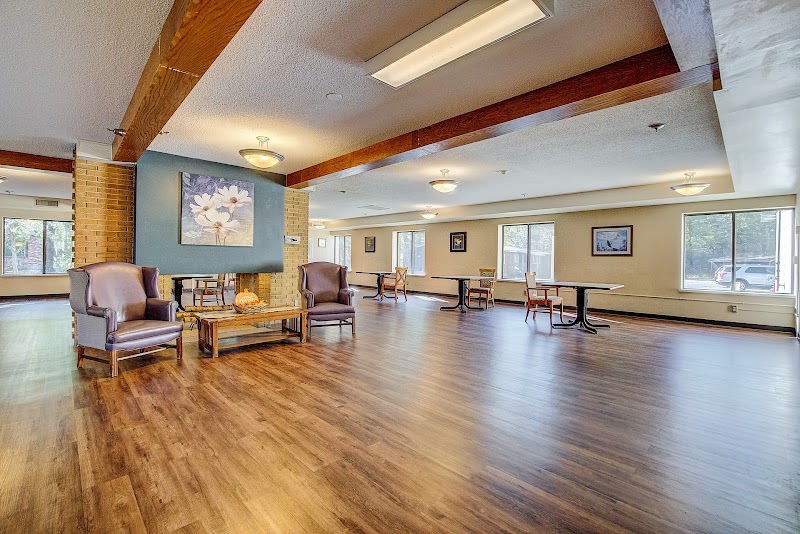
How is Edenbrook Of Wisconsin Rapids Staffed?

CMS rates EDENBROOK OF WISCONSIN RAPIDS's staffing level at 3 out of 5 stars, which is average compared to other nursing homes. Staff turnover is 50%, compared to the Wisconsin average of 46%.

What Have Inspectors Found at Edenbrook Of Wisconsin Rapids?

State health inspectors documented 7 deficiencies at EDENBROOK OF WISCONSIN RAPIDS during 2022 to 2025. These included: 7 with potential for harm.
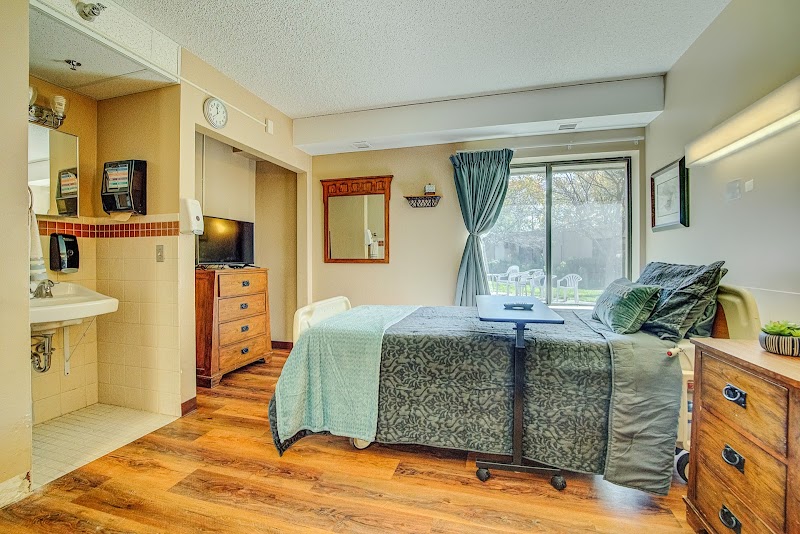
Who Owns and Operates Edenbrook Of Wisconsin Rapids?

EDENBROOK OF WISCONSIN RAPIDS is owned by a for-profit company. For-profit facilities operate as businesses with obligations to shareholders or private owners. The facility is operated by EDEN SENIOR CARE, a chain that manages multiple nursing homes. With 80 certified beds and approximately 50 residents (about 62% occupancy), it is a smaller facility located in WISCONSIN RAPIDS, Wisconsin.
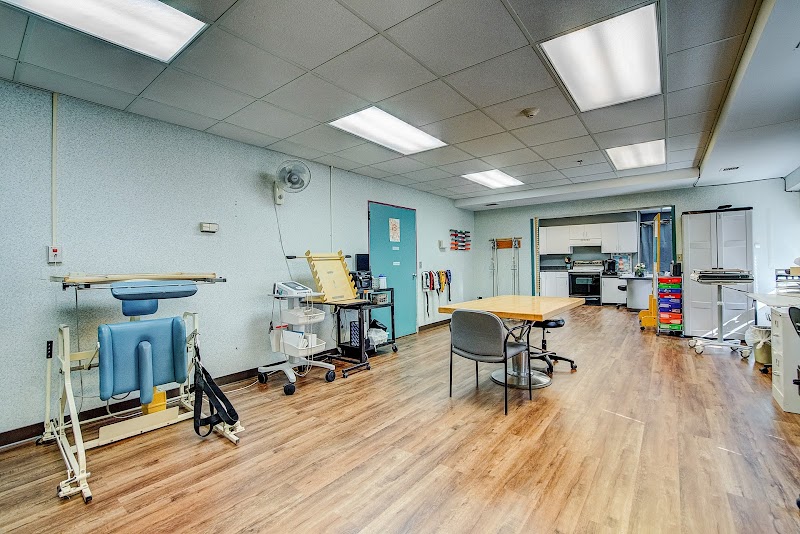
How Does Edenbrook Of Wisconsin Rapids Compare to Other Wisconsin Nursing Homes?

Compared to the 100 nursing homes in Wisconsin, EDENBROOK OF WISCONSIN RAPIDS's overall rating (5 stars) is above the state average of 3.0, staff turnover (50%) is near the state average of 46%, and health inspection rating (5 stars) is much above the national benchmark.

What Should Families Ask When Visiting Edenbrook Of Wisconsin Rapids?

Based on this facility's data, families visiting should ask: "Can I visit during a mealtime to observe dining assistance and food quality?" "How do you handle medical emergencies, and what is your hospital transfer rate?" "Can I speak with family members of current residents about their experience?"

Is Edenbrook Of Wisconsin Rapids Safe?

Based on CMS inspection data, EDENBROOK OF WISCONSIN RAPIDS has a clean safety record: no substantiated abuse findings (meaning no confirmed cases of resident harm), no Immediate Jeopardy citations (the most serious violation level indicating risk of serious injury or death), and is not on the Special Focus Facility watch list (a federal program monitoring the lowest-performing 1% of nursing homes). The facility has a 5-star overall rating and ranks #1 of 100 nursing homes in Wisconsin. While no facility is perfect, families should still ask about staff-to-resident ratios and recent inspection results during their visit.

Do Nurses at Edenbrook Of Wisconsin Rapids Stick Around?

EDENBROOK OF WISCONSIN RAPIDS has a staff turnover rate of 50%, which is about average for Wisconsin nursing homes (state average: 46%). Moderate turnover is common in nursing homes, but families should still ask about staff tenure and how the facility maintains care continuity when employees leave.

Was Edenbrook Of Wisconsin Rapids Ever Fined?

EDENBROOK OF WISCONSIN RAPIDS has no federal fines on record. CMS issues fines when nursing homes fail to meet care standards or don't correct problems found during inspections. The absence of fines suggests the facility has either maintained compliance or corrected any issues before penalties were assessed. This is a positive indicator, though families should still review recent inspection reports for the full picture.

Is Edenbrook Of Wisconsin Rapids on Any Federal Watch List?

EDENBROOK OF WISCONSIN RAPIDS is not on any federal watch list. The most significant is the Special Focus Facility (SFF) program, which identifies the bottom 1% of nursing homes nationally based on persistent, serious quality problems. Not being on this list means the facility has avoided the pattern of deficiencies that triggers enhanced federal oversight. This is a positive indicator, though families should still review the facility's inspection history directly.