Wyoming Retirement Center
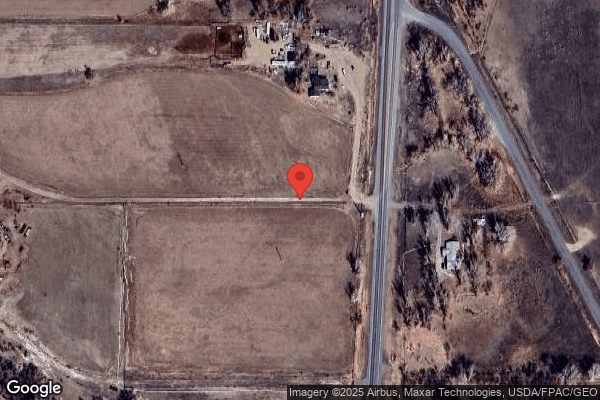
890 US HWY 20 SOUTH, Basin, WY 82410 (307) 568-2431
Government - State 90 Beds Independent Data: November 2025
Trust Grade
5/100
#26 of 33 in WY
Last Inspection: December 2024

Within standard 12-15 month inspection cycle. Federal law requires annual inspections.

Overview

The Wyoming Retirement Center has received a Trust Grade of F, indicating significant concerns and a poor quality of care. Ranking #26 out of 33 facilities in Wyoming places it in the bottom half, and it is the second-best option in Big Horn County, meaning there is only one facility that performs better. The situation seems to be worsening, as issues increased from five in 2023 to eight in 2024. While staffing is a relative strength with a rating of 4 out of 5 stars and a turnover rate of 50%, which is below the state average, the facility has concerning aspects, such as $48,644 in fines, which is higher than 80% of Wyoming facilities. Additionally, there have been serious incidents, including a failure to protect residents from physical and verbal abuse, resulting in harm to some residents, indicating that care and safety protocols may be inadequate. Overall, while staffing appears stable, the facility has significant weaknesses that families should carefully consider.

Trust Score
F
5/100
In Wyoming
#26/33
Bottom 22%
Safety Record
High Risk
Review needed
Inspections
Getting Worse
5 → 8 violations
Staff Stability
⚠ Watch
50% turnover. Above average. Higher turnover means staff may not know residents' routines.
Penalties
✓ Good
$48,644 in fines. Lower than most Wyoming facilities. Relatively clean record.
Skilled Nurses
✓ Good
Each resident gets 50 minutes of Registered Nurse (RN) attention daily — more than average for Wyoming. RNs are trained to catch health problems early.
Violations
⚠ Watch
18 deficiencies on record. Higher than average. Multiple issues found across inspections.
★★☆☆☆
2.0
Overall Rating
★★★★☆
4.0
Staff Levels
★★☆☆☆
2.0
Care Quality
★★☆☆☆
2.0
Inspection Score
Stable
2023: 5 issues
2024: 8 issues

The Good

  • 4-Star Staffing Rating · Above-average nurse staffing levels
  • Full Sprinkler Coverage · Fire safety systems throughout facility
  • No fines on record

Facility shows strength in staffing levels, fire safety.

The Bad

2-Star Overall Rating

Below Wyoming average (2.9)

Below average - review inspection findings carefully

Staff Turnover: 50%

Near Wyoming avg (46%)

Higher turnover may affect care consistency

Federal Fines: $48,644

Above median ($33,413)

Moderate penalties - review what triggered them

The Ugly 18 deficiencies on record

6 actual harm
Dec 2024 6 deficiencies 2 Harm
SERIOUS (G) 📢 Someone Reported This

A family member, employee, or ombudsman was alarmed enough to file a formal complaint

Actual Harm - a resident was hurt due to facility failures

Free from Abuse/Neglect (Tag F0600)

A resident was harmed · This affected 1 resident

**NOTE- TERMS IN BRACKETS HAVE BEEN EDITED TO PROTECT CONFIDENTIALITY** Based on medical record review, incident review, staff interview, and policy and procedure review, the facility failed to protec...

Read full inspector narrative →
**NOTE- TERMS IN BRACKETS HAVE BEEN EDITED TO PROTECT CONFIDENTIALITY** Based on medical record review, incident review, staff interview, and policy and procedure review, the facility failed to protect the residents' right to be free from physical abuse by a resident for 3 of 12 sample residents (#29, #71, #73) and verbal abuse by a staff member for 1 of 12 sample residents (#72). This failure resulted in actual physical harm to resident #71 and mental harm, based on a reasonable person, to resident #72. The findings were: 1. Review of an incident report dated 10/25/24 showed the administrator and nurse manager were notified at approximately 9:15 AM of a verbal incident involving CNA #1 and resident #72. The incident report showed resident #72 was upset and began to follow CNA #1 while being verbally aggressive. At some point, the CNA turned around and engaged verbally with the resident causing other staff members to respond by assisting with redirection of the resident and staff member. The following concerns were identified: a. Review of the significant change MDS assessment dated [DATE] showed resident #72 had a BIMS score of 5 out 15, which indicated severe cognitive impairment, and diagnoses which included non-Alzheimer's dementia and depression. b. Review of the camera footage without sound from 10/25/24 on 12/12/24 09:52 AM showed CNA #1 walked down the hall toward resident #72's room with resident #72 walking behind him. CNA #1 entered resident #72's room. The resident entered the room and the CNA exited with a mechanical lift. Shortly after, the resident exited the room and walked in the same direction the CNA walked, toward the common area by the nurses' station. The CNA went to another room off camera, and the resident went to a table in the common area. The CNA returned to the common area and the resident got up from a table and walked toward MA-C #1 at the nurse's cart. At that time, the CNA began pointing at the resident followed by the resident pointing at the CNA. The CNA and resident moved toward one another, becoming very close to each other, while additional staff members arrived in the common area and attempted to get between the resident and CNA. The additional staff members assisted the resident out of the common area, toward his/her room, while the CNA continued to move toward the resident. Continued review showed the additional staff members attempted to prevent CNA #1 from moving toward resident #72. Additional staff members were able to separate the CNA and the resident; however, the CNA got free from them and headed toward the resident, who was down the hall. Staff continued to attempt to redirect the CNA and eventually, were able to get him to go toward the nurses' station. c. Interview with CNA #2 on 12/11/24 at 6:51 PM revealed CNA #2 was in the restorative room when she heard some yelling. CNA #2 went down the hall where she observed resident #72 and CNA #1 positioned chest to chest and yelling at each other. CNA #2 revealed multiple staff attempted to get CNA #1 and the resident away from each other. CNA #2 revealed after staff were able to get distance between them, the resident started making noises which upset CNA #1 again and, at one point, CNA #1 started running toward the resident with his fists up. When the resident was redirected to his/her room, s/he wanted to call the police on CNA #1. Further interview revealed she did not recall specific phrases stated by either the resident or CNA #1; however, she revealed both were using a lot of profanity. d. Interview with RN #1 on 12/11/24 at 7 PM revealed resident #72 had been agitated that day and when the RN came out of the nurse's station, the resident was by the door. The RN revealed the resident made comments about wanting to leave the facility. The RN revealed approximately an hour later, she was giving report and could hear CNA #1 speaking in a loud voice saying Get the F out of here. The RN revealed the CNA was positioned very close to resident #72 and was in [his/her] face. The RN revealed the resident was making inappropriate comments and noises toward CNA #1 and the CNA went after [him/her]. At that time, the RN attempted to stop the interaction by pulling the CNA away; however, he broke away and another staff member attempted to stop the CNA. The RN revealed she and another staff member were eventually able to get the resident to his/her room and get the resident calmed down. The RN revealed the CNA was the aggressor and charged at the resident using profanity and yelling loudly. The RN stated CNA #1 was using more physical intimidation versus verbal threats; however, the CNA did repeatedly tell the resident to get the F out here. Further interview revealed the resident did not seem afraid of the CNA and was more worried other staff would be upset with him/her; however, the resident did say s/he wanted to call the cops. e. Interview with CNA #3 on 12/11/24 at 7:09 PM revealed during the incident, she was in a resident room down the hall, by the pool table, and she heard screaming going on. CNA #3 walked out, observed CNA #1 yelling at resident #72, and observed other employees were separating them. CNA #3 revealed the resident was making inappropriate noises toward CNA #1 and calling the CNA names which caused CNA #1 to attempt to charge toward the resident with his hand in a fist. CNA #1 was telling the resident to go back to [his/her] F-ing room and CNA #3 remembered CNA #1 cursing at the resident. CNA #3 revealed the resident was angry when CNA #1 was saying things and the resident was trying to push through staff. Further interview revealed the resident was angry all day after that; however, s/he did not verbalize any fear. f. Interview with CNA #1 on 12/12/24 at 9:06 AM revealed he was assisting the roommate of resident #72 and while getting a hoyer lift, resident #72 was making very upsetting remarks about the CNA assisting the roommate. CNA #1 revealed the resident was trying to prevent him from providing care to the roommate, was using profanity toward the CNA, and was calling the CNA the N word. CNA #1 revealed resident #72 began following him and, in the past, the resident had been violent. When the resident was following him, CNA #1 got upset. CNA #1 revealed the resident was very alert, very knowledgeable, and very competent. CNA #1 stated he tried going to the nurses' station to get assistance; however, the doors were locked because the nurses were afraid of the residents. CNA #1 stated he went into the bathroom and when he came out of the bathroom, he realized it was himself and the resident, alone. CNA #1 revealed he had to shout at the resident because he felt the resident was going to do something. CNA #1 revealed he eventually told the resident Do not call me the f-ing N word. CNA #1 revealed the other staff held him back, which he felt was very disturbing. CNA #1 stated he felt embarrassed staff were holding him. CNA #1 revealed he told the resident to stop calling him the N word and the resident continued calling the CNA names. CNA #1 revealed the other staff were all hiding and he felt it was a hostile environment. CNA #1 revealed the resident had attacked other employees and CNA #1 made a report with the police following the incident. After being separated by other staff, CNA #1 was startled and the resident was still calling him names. CNA #1 revealed he walked away from the situation at that time and was escorted to the office. CNA #1 confirmed he was terminated from the facility; however, he stated he did not threaten the resident. CNA #1 revealed the resident wanted to do him harm and the CNA did not want to be intimidated by the resident. CNA #1 revealed he did not request to move to the other unit due to male staff were not allowed to go the other unit. g. Interview with the administrator and infection preventionist/education specialist on 12/12/24 at 10 AM revealed CNA #1 went after resident #72 and was saying the resident knew better. They revealed the CNA could have walked away at any time and when the resident was still upset, the CNA should have left the area. They revealed the CNA felt the resident was cognitively intact and was purposely antagonizing staff. They revealed on the day of the incident, resident #72 had met with the doctor and did not like his/her doctor's answer, which caused him/her to be upset prior to the altercation with CNA #1. Additionally, the resident had eaten breakfast, and when staff cleared his/her plate, the resident returned, and which also upset the resident because s/he believed s/he did not get any food. 2. Review of an incident report dated 8/10/24 showed resident #73 was resting in his/her bed when resident #71 entered the room and attempted to get in the bed. CNA #1 did not witness the incident; however, she heard a slap sound, heard resident #71 say ouch, and heard resident #73 say get [him/her] out. A mark was observed on the left side of resident #71's face. The following concerns were identified: a. Review of the quarterly MDS assessment dated [DATE] showed resident #71 had short-term and long-term memory impairment and diagnoses which included Alzheimer's disease, anxiety disorder, and depression. b. Review of the quarterly MDS assessment dated [DATE] showed resident #73 had a brief interview for mental status score of 1 out 15, which indicated severe cognitive impairment, and diagnoses which included non-traumatic brain dysfunction, non-Alzheimer's dementia, and anxiety disorder. c. Review of a progress note for resident #71 dated 8/10/24 and timed 10:13 AM showed Called to locked unit per CNA. CNA stated [resident #71] was noted walking into another resident's room. While she directed herself to redirect resident, she heard slap-like sounds x 2. [Resident #71] was redirected from the room and was noted with erythema to left side of face. Assessed resident. Erythema noted to left side of face. No edema noted. No other skin abnormalities noted. No visible or vocal s/s of pain noted . d. Review of a progress note for resident #71 dated 8/11/24 and timed 12:18 AM showed [Resident #71] is on alert charting related to being post resident on resident altercation with [resident #71] being the receiver from 8/10/24. Light redness noted to Left side of face this evening. [Resident #71] showed no signs or symptoms of fear from other community members. No signs or symptoms of distress related to altercation noted/reported at this time. No new injuries noted/reported at this time. Staff will continue to monitor . e. Review of a progress note for resident #71 dated 8/11/24 and timed 8:45 AM showed .Minimal erythema noted to left side of face. Denies any pain or discomfort at this time . f. Review of a progress note for resident #71 dated 8/12/2024 and timed 12:40 AM showed [Resident #71] is on alert charting related to being post resident on resident altercation with ____(resident's name) being the receiver from 8/10/24. Redness to face is resolved at time of assessment . g. Interview with CNA #4 on 12/11/24 at 6:22 PM revealed the CNA heard resident # 71 say ow and heard a slap. The CNA couldn't remember if resident #71 had injuries. 3. Review of an incident report dated 11/3/24 showed resident #72 was upset because his/her meal was not to his/her liking. The resident became verbal aggressive towards staff then walked away. At that time, resident #29 was moving up the hallway in his/her power wheelchair and both residents declined to step around or give room for the other to get by. Resident #72 stepped in front of resident #29 then accused resident #29 of running into him/her. Resident #72 then struck resident #29 with an open hand on the right side of his/her face. The following concerns were identified: a. Review of the significant change MDS assessment dated [DATE] showed resident #72 had a BIMS score of 5 out 15, which indicated severe cognitive impairment, and diagnoses which included non-Alzheimer's dementia and depression. b. Review of the quarterly MDS assessment dated [DATE] showed resident #29 had a BIMS score of 15 out of 15, which indicated the resident was cognitively intact, and diagnoses which included anxiety disorder and depression. c. Review of a progress note for resident #29 dated 11/3/24 and timed 6:24 PM showed [Resident #29] was coming back from dinner in [his/her] power wheelchair. A previously agitated resident walked in path of [resident #29]. [Resident #29] stated get out of my way. The agitated resident then hit [his/her] ankle on the foot rest of the w/c. The agitated resident then said ow!' and spun around and smacked [resident #29] on R [right] side of face. [Resident #29] and the other resident were separated. [Resident #29] went to room and was instructed to stay away from aggressive resident. [Resident #29] complied and not sought out [sic] other resident. The other resident has not sought [sic] further interactions with [resident #29]. [Resident #29] was assessed for injury but none noted at this time . d. Review of a progress noted for resident #29 dated 11/3/24 and timed 6:39 PM showed . [resident #29] was involved in incident where [s/he] received physical aggression in form of a slap to the R side of face. [Resident #29] was initially upset but has no noted injuries at this time . e. Review of a progress note for resident #29 dated 11/3/24 at 11:54 PM showed Victim in resident to resident altercation earlier this evening. Resident initially upset and wanting to know what was being done in regard to incident and asking to press charges. Resident was reassured that staff would do their best to keep [him/her] and aggressor away from each other for safety. Resident agreeable and eventually made no further mention of incident. Appears to be anxious but denies being fearful . f. Review of a progress note for resident #29 dated 11/4/24 and timed 5:19 PM showed Resident is on alert charting for having received physical aggression. [S/He] has been out of [his/her] room and has been in a pleasant mood. [S/He] did become anxious when the aggressor came near the nurse station for a soda. [S/He] said, get [him/her] out of here. The other resident was redirected and no other issues noted. Resident did not raise any concerns about [him/her] other wise [sic] and did not complain of any issues from the incident. [S/He] has been calm and relaxed . g. Interview with resident #29 on 12/12/24 at 9:01 AM confirmed s/he was hit by another resident; however, s/he did not want to discuss the incident further. h. Interview with LPN #1 on 12/11/24 at 8:14 PM revealed resident #72 was very upset that day. The resident began to walk off and walked in front of resident #29. Resident #72 turned around to yell at the LPN and when s/he turned, s/he walked into resident #29's wheelchair. Resident #72 then turned and hit resident #29. The LPN revealed resident #29 was pretty upset and wanted to press charges. The LPN revealed resident #29's face was pink immediately after; however, it did not last. Further interview revealed resident #29 was not afraid of resident #72, just mad at him/her. 4. Review of a facility incident report dated 7/16/24 showed resident #131 came out of his/her room with a garbage can and hit resident #73 in the head, right shoulder, and arm. Staff immediately contained resident #131 and took him/her to his/her room. Residents were kept separated and RN #2 was called into the unit by the aides. The RN assessed resident #73 for injuries and none were noted. Resident #73 was noted to be shocked and didn't understand what had happened. The following concerns were identified: a. Review of the quarterly MDS assessment dated [DATE] showed resident #73 had a BIMS score of 1 out 15, which indicated severe cognitive impairment, and diagnoses which included non-traumatic brain dysfunction, non-Alzheimer's dementia, and anxiety disorder. b. Review of the significant change MDS assessment dated [DATE] showed resident #131 had short-term and long-term memory impairment and diagnoses which included non-Alzheimer's dementia and depression. c. Review of a progress note for resident #132 dated 7/16/24 and timed 7:05 PM showed .At approximately 1846 [6:46 PM] this nurse was called into the unit related to an altercation between [resident #131] and another community member. When this nurse arrived in unit other community member was sitting in a stationary chair with back against wall outside of room [ROOM NUMBER] rubbing [his/her] right upper arm and shoulder. A metal trash can was noted on the other side of the doorway of room [ROOM NUMBER] and trash was noted on the floor. Staff reported that [resident #131] suddenly came out of room [ROOM NUMBER] with trash can and began hitting other community member with it. [Resident #131] was in [his/her] room pacing back and forth with CNA .When asked what happened [resident #131] stated I don't know. When this nurse asked why [s/he] hit the other community member [resident #131] stated I didn't, maybe you should call 911 . d. Interview with MA-C #1 on 12/11/24 at 6:39 PM revealed resident #131 had been having a lot of behaviors on the day of the incident. Resident #131 was in his/her room and resident #73 was sitting in chair in the common area. MA-C #1 revealed out of nowhere, resident #131 walked out of his/her room and hit resident #73 with a metal trash can. MA-C #1 intervened right away and notified the nurse. The MA-C revealed resident #73 was shocked and didn't really know what happened. MA-C #1 revealed resident #73 was rubbing his/her arm and face following the incident. e. Interview with CNA #5 on 12/12/24 at 8:31 AM confirmed resident #131 was in his/her room then came out and hit resident #73 with a trash can. The CNA revealed resident #73 was upset; however, s/he did not react to the incident. 5. Review of a facility incident report dated 10/7/24 showed a resident-to-resident altercation occurred when resident #67 began to shadow box and pace around the unit following a denied sexual proposition to a staff member. As resident #67 passed resident #71, s/he struck resident #71 in the head. The following concerns were identified: a. Review of the quarterly MDS assessment dated [DATE] showed resident #71 had short-term and long-term memory impairment and diagnoses which included Alzheimer's disease, anxiety disorder, and depression. b. Review of the significant change MDS assessment dated [DATE] showed resident #67 had short-term and long-term memory impairment and diagnoses which included non-Alzheimer's dementia, manic depression, and psychotic disorder. c. Review of a progress note for resident #71 dated 10/8/24 and timed 1:11 AM showed Aides alerted nurse(s)that resident had been in an altercation with another resident. Just prior to the incident, resident was sitting in a recliner in the community lounge area. Aggressor was observed by staff hitting at the air in front resident's face and made [sic]. It is unknown exactly which side of resident's face where contact was made. Resident did not react or say anything following the incident. Staff immediately separated resident from aggressor. Head to toe assessment completed. No injuries noted. Resident did not respond when asked if [s/he] is afraid. Resident remained standing near exit of unit following incident. Does not appear to be fearful at this time. Staff continued to observe resident for any behavior changes or signs of fear . d. Interview with CNA #6 on 12/11/24 at 6:06 PM revealed resident #67 had an idea the CNA was his/her significant other and at times s/he would get inappropriate. S/he was walking around the unit saying they should do inappropriate things. The CNA told the resident no and asked another CNA to step in. CNA #6 went to provide one on one care with another resident and had to close the door because resident #67 was upset. After that, CNA #6 heard resident #67 had hit resident #71; however, she did not observe it. Further interview revealed she did not recall resident #71 having any injuries. e. Interview with CNA #7 on 12/11/24 at 6:26 PM revealed resident #67 was very upset and had been inappropriate with another aide. The CNAs switched assignments as a result. The CNA revealed resident #67 was going up and down the unit and hit resident #71. Following the strike, CNA #7 revealed resident #71 was confused; however, s/he can't really verbalize things. The CNA revealed resident #71 seemed confused about why s/he got hit, there were no physical injuries, and the resident was hit on the side of his/her face. CNA #7 was unsure if resident #67 meant to hit resident #71 because resident #67 was upset and was swinging his/her arms. f. Interview with RN #3 on 12/12/24 at 9:30 AM revealed when she went back to assess resident #71, s/he had no response and there was no evidence of an injury. Following the incident, a staff member was placed with each resident to keep them apart. The RN revealed she thought resident #67 was just triggered. Further interview revealed resident #71 did not say much verbally. g. Interview with RN #4 on 12/11/24 at 7:40 PM revealed resident #71 was very demented and s/he did not attempt to protect him/herself from others. She revealed following the incident the resident did not have injuries and did not display fear; however, if resident #71 were in the right state of mind, s/he would probably be fearful of resident #67. 6. Review of the policy titled Resident Abuse/Neglect Including Misappropriation of Resident Property and Resident-to-Resident Altercations last revised 11/7/19 showed .The resident had the right to be free from abuse, neglect, misappropriation of resident property, and exploitation .It is the policy and practice of WRC that all residents will be protected from abuse and neglect .
SERIOUS (G) 📢 Someone Reported This

A family member, employee, or ombudsman was alarmed enough to file a formal complaint

Actual Harm - a resident was hurt due to facility failures

Accident Prevention (Tag F0689)

A resident was harmed · This affected 1 resident

**NOTE- TERMS IN BRACKETS HAVE BEEN EDITED TO PROTECT CONFIDENTIALITY** Based on incident review, medical record review, staff interview, and policy review, the facility failed to ensure residents wer...

Read full inspector narrative →
**NOTE- TERMS IN BRACKETS HAVE BEEN EDITED TO PROTECT CONFIDENTIALITY** Based on incident review, medical record review, staff interview, and policy review, the facility failed to ensure residents were free of accidents for 2 of 9 sample residents (#48, #78) reviewed for accident hazards. This failure resulted in actual harm to residents #48 and #78. The findings were: 1. Review of the significant change MDS assessment dated [DATE] showed resident #48 had short-term and long-term memory problems and diagnoses which included fracture of the right femur, atrial fibrillation, and dementia. The resident had a BIMS score of 3 out of 15, which indicated severe cognitive impairment. Review of the care plan last revised on 9/12/24 showed resident #48 is dependent on staff for all transfers, using a gait belt. The following concerns were identified: a. Review of a progress note dated 10/20/24 and timed 5:30 AM showed CNA states that resident was being transferred X [times] 1 assist from wheelchair to bed. At this time staff member states that resident was trying to pull [his/her] brief down, and CNA attempted to help resident pull it back up mid-transfer. At this time, resident lost his/her balance and sat down hard on the armrest of the wheelchair. Resident unable to re-state what had happened, stating s/he just fell, and hit that thing hard, (pointing to the arm of the wheelchair). Resident was assessed for acute injuries. Resident has facial grimacing, and is observed to be in severe pain when attempting to assist resident back to bed. Resident continued to be in extreme pain when staff attempted to roll resident to either side to put a clean brief on resident. b. Review of a history and physical dated 10/20/24 and timed 11:05 AM showed the resident was brought in by ambulance and was unable to ambulate. The x-ray showed a right hip intertrochanteric fracture. c. Interview with LPN #2 on 12/12/24 at 9:42 AM revealed that around 5:30 AM to 6 AM the CNA transfered resident #48 from the bed to the wheelchair when the resident's knees buckled and s/he hit [his/her] crotch on the armrest of the wheelchair. The nurse reported the resident was in the wheelchair when the CNA let her know about the fall. The resident complained of pain in his/her pelvis and was assessed by the nurse. The nurse noted no bruising or internal rotation at that time. The nurse administered the resident's scheduled pain medication and when it did not decrease the resident's pain, the nurse called the resident's daughter who asked the nurse to send the resident to the emergency department. The nurse revealed it was the policy for a gait belt to be used for all transfers however there was not a gait belt used for the transfer. d. Interview with the education specialist on 12/12/24 at 10:34 AM revealed gait belts were to be used for every transfer and staff were educated at orientation, annually, and when they were caught not using gait belts during transfers. 2. Review of the admissions MDS dated [DATE] showed resident #78 had diagnoses of a urinary tract infection (UTI) and non-Alzheimer's dementia. Further review showed the resident experienced repeated falls and wandering, and had a BIMS score of 6 out of 15, which indicated severe cognitive impairment. The following concerns were identified: a. Review of a facility incident report dated 10/19/24 showed sometime between 9 PM and 10 PM on 10/18/24 the North patio back door alarm went off. Several aides walked outside but did not find anyone. On 10/19/24 at 12:30 AM the back door alarm went off again, and CNA #8 found resident #8 outside in the fenced patio area. S/he was immediately brought in and taken to his/her room and assessed and warmed up. The resident told staff s/he was going to find his/her spouse in the truck. Further review showed staff reviewed video footage of resident #78 which showed the resident exited the North patio west gate at 10:24 PM camera time. At 10:47 PM camera time two staff members were seen investigating the patio. On 10/19/24 at 1:02 AM camera time the resident entered the North patio [NAME] gate and entered back on the patio. b. Review of a progress note dated 10/19/24 at 7:36 AM showed the resident was assessed by nursing and found to have had wet clothing, deep red knees with a top layer of skin rubbed off, and a bruised second toe on his/her left foot. A wanderguard was placed on the resident's right wrist. c. Review of the care plan dated 10/19/24 showed the resident was an elopement risk/wanderer, disoriented to place, had a history of attempts to leave the facility unattended, impaired safety awareness and wandered aimlessly. d. Interview with the facility administrator on 12/11/24 at 5:57 PM revealed there was not clear video footage of the resident leaving or returning to the building, and there was no longer any video footage to review. e. Interview with the facility administrator on 12/12/24 at 11:24 AM revealed the policy for door alarms was to go and visually check the area. The administrator revealed the staff had not been aware of the resident's elopement, a headcount was not performed, and she could not explain how the resident was gone that long. Further, the administrator revealed the facility policy addressed how to search for a resident that is known to be missing but did not address steps to be taken when doors were alarmed. 4. Review of the Elopement and Missing Resident policy revised on 4/2019 showed the policy did not address steps to take when the doors are alarmed. 5. Review of the Safe Lifting and Movement of Resident Policy revised on July 2017 showed .4. Staff responsible for direct resident care will be trained in the use of manual (gait/transfer belts .).
CONCERN (D) 📢 Someone Reported This

A family member, employee, or ombudsman was alarmed enough to file a formal complaint

Potential for Harm - no one hurt, but risky conditions existed

Comprehensive Care Plan (Tag F0656)

Could have caused harm · This affected 1 resident

**NOTE- TERMS IN BRACKETS HAVE BEEN EDITED TO PROTECT CONFIDENTIALITY** Based on medical record review, staff interview, facility investigation review, and policy review, the facility failed to implem...

Read full inspector narrative →
**NOTE- TERMS IN BRACKETS HAVE BEEN EDITED TO PROTECT CONFIDENTIALITY** Based on medical record review, staff interview, facility investigation review, and policy review, the facility failed to implement treatment in accordance with the care plan for 1 of 9 sample residents (#48) reviewed for accident hazards. The findings were: 1. Review of the significant change MDS assessment dated [DATE] showed resident #48 had short-term and long-term memory problems and diagnoses which included fracture of the right femur, atrial fibrillation, and dementia. The resident had a BIMS score of 3 out 15, which indicated severe cognitive impairment. Review of the care plan last revised on 9/12/24 showed resident #48 was dependent on staff for all transfers, using a gait belt. The following concerns were identified: a. Review of a progress note dated 10/20/24 and timed 5:30 AM showed CNA states that resident was being transferred X [times] 1 assist from wheelchair to bed. At this time staff member states that resident was trying to pull [his/her] brief down, and CNA attempted to help resident pull it back up mid-transfer. At this time, resident lost his/her balance and sat down hard on the armrest of the wheelchair. Resident unable to re-state what had happened, stating s/he just fell, and hit that thing hard, (pointing to the arm of the wheelchair.) Resident was assessed for acute injuries. Resident has facial grimacing, and is observed to be in severe pain when attempting to assist resident back to bed. Resident continued to be in extreme pain when staff attempted to roll resident to either side to put a clean brief on resident. b. Review of a history and physical dated 10/20/24 and timed 11:05 AM showed the resident was brought in by ambulance and was unable to ambulate. The x-ray showed a right hip intertrochanteric fracture. 2. Interview with LPN #2 on 12/12/24 at 9:42 AM revealed that around 5:30 AM to 6 AM the CNA transfered resident #48 from the bed to the wheelchair when the resident's knees buckled and s/he hit [his/her] crotch on the armrest of the wheelchair. The nurse reported the resident was in the wheelchair when the CNA let her know about the fall. The resident complained of pain in his/her pelvis and was assessed by the nurse. The nurse noted no bruising or internal rotation at that time. The nurse administered the resident's scheduled pain medication and when it did not decrease the resident's pain, the nurse called the resident's daughter who asked the nurse to send the resident to the emergency department. Further interview revealed it was the facility policy for a gait belt to be used for all transfers; however, she revealed there was not a gait belt used for the transfer. 3. Interview with the education specialist on 12/12/24 at 10:34 AM revealed gait belts were to be used for every transfer and staff were educated at orientation, annually, and when they were caught not using gait belts during transfers. 4. Review of the Safe Lifting and Movement of Resident Policy revised on July 2017 showed .4. Staff responsible for direct resident care will be trained in the use of manual (gait/transfer belts .).
CONCERN (D)

Potential for Harm - no one hurt, but risky conditions existed

Medication Errors (Tag F0758)

Could have caused harm · This affected 1 resident

**NOTE- TERMS IN BRACKETS HAVE BEEN EDITED TO PROTECT CONFIDENTIALITY** 2. Review of the significant change in status MDS assessment dated [DATE] showed resident #67 had a BIMS score of 5 out of 15, w...

Read full inspector narrative →
**NOTE- TERMS IN BRACKETS HAVE BEEN EDITED TO PROTECT CONFIDENTIALITY** 2. Review of the significant change in status MDS assessment dated [DATE] showed resident #67 had a BIMS score of 5 out of 15, which indicated severe cognitive impairment, and diagnoses including dementia, bipolar disease, a psychotic disorder other than schizophrenia and psychoactive substance abuse in remission. The resident exhibited physical behaviors such as hitting, kicking and pushing 4-6 days per week, verbal behaviors such as screaming or cursing at others daily and other behavioral symptoms such as pacing and screaming daily. The following concerns were identified: a. Review of the physician orders for resident #67 showed the resident had two separate orders for lorazepam (antianxiety) dated 9/17/24 for agitation related to psychotic disorder with delusions due to known physiological condition. The first was for lorazepam 1 milligram (mg) scheduled two times daily. The second was for lorazepam 0.5 mg every 2 hours as needed up to a maximum of 2 times in a 24-hour period. The PRN lorazepam did not have an end date indicated. b. Review of the medical record showed no physician documentation or resident specific rationale why the PRN lorazepam should be administered longer than 14 days. c. Review of the MAR for November and December 2024 showed the resident received the PRN lorazepam 18 times. d. Interview with the DON and MDS coordinator on 12/12/24 at 11:41 AM revealed they were aware a physician rationale was needed to continue a PRN psychotropic medication order beyond 14 days and had not realized resident #67 did not have one. 3. Review of the policy title Drug Regimen Review January 2019 showed .5. The attending physician will document in the resident record that the identified irregularity has been reviewed and what, if any action has been taken to address it. If the physician chooses not to act upon the pharmacy consultant recommendations, the physician must document rationale as to why the change is not indicated in the resident record . Based on medical record review, staff interview, and policy and procedure review, the facility failed to ensure target symptoms were identified and monitored for 1 of 5 sample residents (#36) and failed to ensure PRN orders for psychotropic medications were limited to 14 days for 1 of 5 sample residents (#67) reviewed for unnecessary psychotropic medications. The findings were: 1. Review of the quarterly MDS assessment dated [DATE] showed resident #36 had a BIMS score of 9 out 15, which indicated moderate cognitive impairment, and diagnoses which included non-traumatic brain dysfunction, depression, and schizophrenia. The MDS showed the resident had a mood score of 0, which indicated no signs or symptoms of depression, and there were no behaviors exhibited. Further review showed the resident received antipsychotic medication and antidepressant medication during the look-back period. Review of the physician orders showed the resident received risperidone (antipsychotic) 0.5 mg by mouth daily at bedtime for mood disorder due to known physiological condition with depressive features, Paxil (antidepressant) 30 MG by mouth in the morning for depression, and trazodone (antidepressant) 50 mg by mouth every night for insomnia. The following concerns were identified: a. Review of the psychotropic medications care plan last revised on 5/29/24 showed the facility should monitor medications for side effects and effectiveness every shift. Further review showed side effects were identified; however, there was no evidence the facility identified resident or medication specific target symptoms to evaluate to the effectiveness. b. Review of the medical record showed no evidence the facility identified or monitored resident or medication specific target symptoms to evaluate effectiveness. c. Interview with the administrator on 12/12/24 at 11:22 AM confirmed there were no specific target symptoms identified for the individual psychotropic medications.
CONCERN (E) 📢 Someone Reported This

A family member, employee, or ombudsman was alarmed enough to file a formal complaint

Potential for Harm - no one hurt, but risky conditions existed

Report Alleged Abuse (Tag F0609)

Could have caused harm · This affected multiple residents

**NOTE- TERMS IN BRACKETS HAVE BEEN EDITED TO PROTECT CONFIDENTIALITY** 3. Review of a Resident Grievance Record dated 11/5/24 and signed by resident #24 showed I do not feel safe in my room with my r...

Read full inspector narrative →
**NOTE- TERMS IN BRACKETS HAVE BEEN EDITED TO PROTECT CONFIDENTIALITY** 3. Review of a Resident Grievance Record dated 11/5/24 and signed by resident #24 showed I do not feel safe in my room with my roommate. Further review showed the resident was interviewed by the facility on 11/6/24 at 7:15 AM. S/he indicated s/he was kicked out of his/her room, If I don't leave s/he was going to break my neck basically in my sleep and the [roommate] is getting worse and more aggressive towards people, which resulted in resident #24 changing rooms. The following concerns were identified: a. Interview with resident #24 on 12/10/24 at 1:27 PM confirmed the resident previously had a roommate until the roommate flipped out on the resident. Resident #24 confirmed the roommate threatened to break his/her neck. Further interview revealed the roommate put a foot in front of resident #24's wheelchair and s/he accidentally ran over it, the roommate lunged at resident #24, and staff grabbed the roommate before s/he could harm resident #24. b. Review of a progress note for resident #24 dated 11/5/24 at 7:45 PM showed that Resident moved to [a different room] in the unit per on call manager approval due to verbal altercation with roommate that was nearly physical. Resident very somber and keeps reporting that [s/he] is sorry and feels [s/he] is at fault. Reassurance provided. Resident was assisted to fill out a grievance form per request. States [s/he] is fearful of his roommate. c. Review of a progress note for [resident #72] dated 11/5/24 at 6:30 PM showed that s/he became increasingly agitated and began yelling at [his/her] roommate stating that [his/her] roommate had stolen from [him/her]. Remained agitated and continued to yell . Resident made statements such as, 'If I'm going down then I'm taking people with me with the knives I have hidden around here.' As this nurse, medication aide and [resident #24] were exiting room, [resident #72] continued to be intrusive and [his/her] foot got caught under [resident #24's] wheelchair. Resident made an attempt to strike [resident #24] on the side of [his/her] face. This nurse was in between both residents and no contact was made. d. Interview with the administrator on 12/11/24 at 5:07 PM revealed the 11/5/24 incident between resident #24 and his/her roommate was not reported as an allegation of abuse. e. Review of the state survey agency incident database showed no evidence the incident was reported. 4. Review of the policy titled Resident Abuse/Neglect Including Misappropriation of Resident Property and Resident-to-Resident Altercations last revised 11/7/19 showed .3. The immediate Supervisor or charge nurse, must then report the incident immediately by personally speaking to (no e-mails, voicemails or texts) the Facility Social Worker, Director of Nursing or Administrator for direction and implementation of additional investigation. The facility (Administrator, Director of Nursing or Social Services Director or other designee) will report the allegation to the Wyoming Office of Healthcare Licensing and Survey ([NAME]) immediately, but not later than 2 hours after the allegation is made, if the events that cause the allegation involve abuse or result in serious bodily injury; or not later than 24 hours if the events that cause the allegation do not result in serious bodily injury . Based on incident and grievance review, resident and staff interview, state survey agency incident database review, and policy and procedure review, the facility failed to ensure allegations of abuse were reported timely for 3 of 12 sample residents (#24, #29, #33) reviewed for abuse allegations. The findings were: 1. Review of an incident report dated 11/3/24 showed resident #72 was upset because his/her meal was not to his/her liking. The resident became verbally aggressive towards staff then walked away. At that time, resident #29 was moving up the hallway in his/her power wheelchair and both residents declined to step around or give room for the other to get by. Resident #72 stepped in front of resident #29 then accused resident #29 of running into him/her. Resident #72 then struck resident #29 with an open hand on the right side of his/her face. Further review showed the allegation was not reported until 11/12/24, 9 days after the incident. 2. Review of a Resident Grievance Record dated 11/5/24 showed resident #33 made statements of I want my table back, Table mate is being mean to me, and I don't want to eat because of [him/her]. Further review showed the resident was eating in his/her room as a result. The following concerns were identified: a. Interview with resident #33 on 12/12/24 at 8:58 AM revealed his/her previous tablemate said mean things to him/her and wanted to fight him/her. The statements upset the resident and s/he decided to eat in the unit instead of the main dining room. The resident revealed s/he did not want to return to the main dining room because of what was said to him/her. b. Review of a progress note for resident #33 dated 11/5/24 and timed 12:38 PM showed . [Resident #33] has been upset this morning, [s/he] refused to eat breakfast and is now refusing to go eat lunch. Upon inspection and a conversation with [resident #33], [s/he] states that [his/her] table mate is mean to [him/her] and [his/her] table mate told [him/her] to go jump off a bridge. Management notified of incident. Staff are having [his/her] tray brought down here so that [s/he] is more comfortable . c. Interview with the administrator on 12/11/24 at 5:06 PM revealed she believed the incident was reported as a grievance and was not reported as an allegation of abuse. d. Review of the state survey agency incident database showed no evidence the incident was reported.
CONCERN (E) 📢 Someone Reported This

A family member, employee, or ombudsman was alarmed enough to file a formal complaint

Potential for Harm - no one hurt, but risky conditions existed

Investigate Abuse (Tag F0610)

Could have caused harm · This affected multiple residents

**NOTE- TERMS IN BRACKETS HAVE BEEN EDITED TO PROTECT CONFIDENTIALITY** 2. Review of a Resident Grievance Record dated 11/5/24 and signed by resident #24 showed I do not feel safe in my room with my r...

Read full inspector narrative →
**NOTE- TERMS IN BRACKETS HAVE BEEN EDITED TO PROTECT CONFIDENTIALITY** 2. Review of a Resident Grievance Record dated 11/5/24 and signed by resident #24 showed I do not feel safe in my room with my roommate. Further review showed the resident was interviewed by the facility on 11/6/24 at 7:15 AM. S/he indicated s/he was kicked out of his/her room, If I don't leave s/he was going to break my neck basically in my sleep and the [roommate] is getting worse and more aggressive towards people, which resulted in resident #24 changing rooms. The following concerns were identified: a. Interview with resident #24 on 12/10/24 at 1:27 PM confirmed the resident previously had a roommate until the roommate flipped out on the resident. Resident #24 confirmed the roommate threatened to break his/her neck. Further interview revealed the roommate put a foot in front of resident #24's wheelchair and s/he accidentally ran over it, the roommate lunged at resident #24, and staff grabbed the roommate before s/he could harm resident #24. b. Review of a progress note for resident #24 dated 11/5/24 at 7:45 PM showed that Resident moved to [a different room] in the unit per on call manager approval due to verbal altercation with roommate that was nearly physical. Resident very somber and keeps reporting that he is sorry and feels he is at fault. Reassurance provided. Resident was assisted to fill out a grievance form per request. States he is fearful of his roommate. c. Interview with the administrator on 12/11/24 at 5:07 PM revealed that there was not an internal investigation completed related to the 11/5/24 incident between resident #24 and his/her roommate. d. Review of the facility incidents showed no evidence the incident was investigated. 3. Review of the policy titled Resident Abuse/Neglect Including Misappropriation of Resident Property and Resident-to-Resident Altercations last revised 11/7/19 showed .1. Should an allegation of potential resident abuse, neglect, exploitation, misappropriation, suspicious injury of unknown origin be reported, the Facility Administrator or his/her designee will be notified and will initiate an investigation into the allegation . Based on medical record review, resident and staff interview, facility incident and grievance review, and policy and procedure review, the facility failed to ensure allegations of abuse were thoroughly investigated for 2 of 12 sample residents (#24, #33) with reviewed for abuse. The findings were: 1. Review of a Resident Grievance Record dated 11/5/24 showed resident #33 made statements of I want my table back, Table mate is being mean to me, and I don't want to eat because of [him/her]. Further review showed the resident was eating in his/her room as a result. The following concerns were identified: a. Interview with resident #33 on 12/12/24 at 8:58 AM revealed his/her previous tablemate said mean things to him/her and wanted to fight him/her. The statements upset the resident and s/he decided to eat in the unit instead of the main dining room. The resident revealed s/he did not want to return to the main dining room because of what was said to him/her. b. Review of a progress note for resident #33 dated 11/5/24 and timed 12:38 PM showed . [Resident #33] has been upset this morning, [s/he] refused to eat breakfast and is now refusing to go eat lunch. Upon inspection and a conversation with [resident #33], [s/he] states that [his/her] table mate is mean to [him/her] and [his/her] table mate told [him/her] to go jump off a bridge. Management notified of incident. Staff are having [his/her] tray brought down here so that [s/he] is more comfortable . c. Interview with the administrator on 12/11/24 at 5:06 PM revealed she believed the incident was reported as a grievance and was not reported as an allegation of abuse and confirmed an investigation was not completed. d. Review of the facility incidents showed no evidence the allegation was investigated.
Jul 2024 1 deficiency 1 Harm
SERIOUS (G) 📢 Someone Reported This

A family member, employee, or ombudsman was alarmed enough to file a formal complaint

Actual Harm - a resident was hurt due to facility failures

Free from Abuse/Neglect (Tag F0600)

A resident was harmed · This affected 1 resident

Based on review of incident reports and facility documentation, staff and resident interviews, medical record review, and review of facility policies, the facility failed to ensure the resident was fr...

Read full inspector narrative →
Based on review of incident reports and facility documentation, staff and resident interviews, medical record review, and review of facility policies, the facility failed to ensure the resident was free from verbal abuse by another resident for 2 of 4 allegations reviewed (residents #5 and #7), which resulted in psychosocial harm to resident to resident #5. The findings were: The facility had implemented corrective action prior to the survey and was determined to be in substantial compliance as of 6/20/24. 1. Review of the 3/30/24 quarterly Minimum Data Set (MDS) assessment showed resident #6 (perpetrator) had a Brief Interview for Mental Status (BIMS) score of 15 out of 15, indicating no cognitive impairment and had a diagnosis of Schizophrenia. Review of the 5/18/24 annual MDS assessment showed resident #5 (victim) had a BIMS score of 8 out of 15, indicating moderate cognitive impairment. The following concerns were identified: a. Review of an incident report showed on 6/12/24 resident #5 was walking into the dining room. Resident #6 yelled at the resident Trash! You're nothing but trash! Why don't you get some shorter shorts, you're just trashy! Resident #5 also told staff that resident #6 told him/her if you come near me, I'll hit you. Certified nurse aide (CNA) #1 walked with resident #5 back to the north unit, and the resident was in tears. Review of the facility's investigation findings showed As is often the case on a daily basis, [resident #6] made rude and unnecessary remarks to [resident #5] causing [him/her] to feel emotional distress and fear. b. During an interview on 7/2/24 at 5:04 PM CNA #1 stated resident #6 called resident #5 trashy and stated don't come near me. She stated she walked with resident #5 who was crying. c. Review of the medical record for resident #5 showed the following progress notes: 6/13/24- resident expressed fear of the other resident; 6/14/24- the resident continued to feel anxious and fearful of resident #6; 6/16/24- resident reports s/he feels anxious and fearful of resident #6; 6/17/24- the resident reported s/he continues to feel anxious and fearful of resident #6; and 6/18/24- resident continues to feel anxious when in common areas when resident #6 was around. d. On 7/3/24 at 9:14 AM resident #5 was interviewed. When asked if s/he ever had any issues with another resident, the resident replied just with [resident #6]. The resident stated resident #6 called him/her names and was mean to him/her. The resident stated I was scared of [him/her]. The resident stated s/he felt better today because resident #6 was just discharged . e. Resident #6 was unable to be interviewed because the resident was transferred to another facility on 7/2/24. f. During an interview on 7/3/24 at 9:17 AM the administrator confirmed resident #5 was upset after the incident with resident #6. She stated the resident was checked in on weekly by staff and continued to say s/he was fearful of resident #6. 2. Review of the 4/6/24 quarterly MDS assessment showed resident #7 (victim) had a BIMS score of 9 out of 15, indicating moderate cognitive impairment. A BIMS dated 7/2/24 showed resident #7 scored 11 out of 15, indicating moderate cognitive impairment. Review of the 4/20/24 quarterly MDS assessment showed resident #8 (perpetrator) had a BIMS score of 15 out of 15, indicating intact cognition. The following concerns were identified: a. Review of an incident report showed on 6/8/24 resident #7 came out of his/her room visibly upset and stated I cannot do it anymore with my roommate .[S/he] just said that [s/he] is going to get a double aught six and blow my head off because I'm a pedophile rapist. The nurse spoke to the resident's roommate, resident #8, who stated s/he told the resident that I ought to get someone to get me a thirty aught six so I can shoot [him/her] in the head . Resident #7 was offered another room and was moved to another room away from resident #8. The facility's investigation findings showed Verbal aggression and abuse was verified in this investigation. [Resident #8] did threaten [his/her] roommate [Resident #7] on the evening of 6/8/24 causing [him/her] to feel scared, unsafe and uncomfortable in [his/her] room. b. On 7/3/24 at 9 AM resident #7 stated s/he moved to the current room about a month ago because resident #8 threatened him/her. The resident stated s/he couldn't take it anymore and s/he was afraid if s/he stayed, it would get physical. The resident stated s/he was happy with the room change. c. An interview with resident #8 was attempted, but the resident was asleep. d. During an interview on 7/3/24 at 11:23 AM licensed practical nurse (LPN) #1 stated resident #7 told her that his/her roommate had threatened to shoot him/her. The resident stated s/he couldn't stay with the other resident anymore. She stated she ensured the resident didn't actually have a weapon. She further stated they moved resident #7 to another room that night and the resident has been doing good since the room change. 3. Review of the facility's policy Resident Abuse/Neglect Including Misappropriation of Resident Property and Resident-to-Resident Altercations, revised 11/7/19, showed The resident has the right to be free from abuse, neglect, misappropriation of resident property, and exploitation was defined in this subpart . 4. The following plan of correction was implemented by the facility by 6/20/24: a. Resident #6 was offered counseling, but refused to see them. The resident was placed on a title 25 hold for transfer to the psychiatric hospital. Resident #7 was moved away from resident #8. b. Facility developed a weekly check-in with all residents to enhance monitoring for abuse. c. Staff completed training on de-escalation and abuse. d. The facility reached out to an outside source for resources on abuse training. The facility developed a library for staff education. e. The facility has an active performance improvement project (PIP) in quality assurance for abuse.
May 2024 1 deficiency 1 Harm
SERIOUS (G) 📢 Someone Reported This

A family member, employee, or ombudsman was alarmed enough to file a formal complaint

Actual Harm - a resident was hurt due to facility failures

Free from Abuse/Neglect (Tag F0600)

A resident was harmed · This affected 1 resident

Based on medical record review, staff and resident interviews, and review of incident documentation, the facility failed to ensure residents were free from abuse by other residents for 1 of 3 allegati...

Read full inspector narrative →
Based on medical record review, staff and resident interviews, and review of incident documentation, the facility failed to ensure residents were free from abuse by other residents for 1 of 3 allegations of abuse reviewed (#1). Resident #1 experienced physical and psychosocial harm as a result of an interaction with another resident. The findings were: 1. Review of the 4/6/24 admission Minimum Date Set (MDS) assessment showed resident #1 (victim) had a Brief Interview for Mental Status (BIMS) score of 13, indicating intact cognition, and had the ability to understand others and makes self understood. 2. Review of the 3/30/24 admission MDS assessment showed resident #2 (perpetrator) had a BIMS score of 1, indicating severe cognitive impairment, and a diagnosis of dementia. 3. Review of an incident report showed on 4/28/24 resident #1 came out of his/her room and told licensed practical nurse (LPN) #1 that resident #2 had thrown a water cup at him/her. The cup struck the resident in the face causing a small scratch near the mouth and soaked him/her in water. The facility's conclusion of their investigation was .conclude that a physical resident on resident altercation did occur. Residents were immediately separated and a temporary room move was conducted that day .[resident #2] was then moved to a private room on 4/30/24 on the men's secure unit .[Resident #1] was noted by some staff to be more somber after the incident but had no major behavioral changes. 4. Review of a progress note dated 4/28/24 showed resident #1 stated his/her roommate threw a water pitcher at him/her. There were two marks on the resident's face; a small scratch on the upper lip and one on the right upper cheek. The resident's clothes were covered with water. The note further showed Client is afraid to go back to [his/her] room. Another note dated 4/29/24 showed Resident did not enter into his original room this shift, stating [s/he] did not want to be around [his/her] roommate. Resident is currently staying in a temporary room at this time. 5. On 5/23/24 at 8:38 AM resident #1 stated s/he did not have any issues with their current roommate, but had issues with the previous one. When asked what happened, the resident stated [name of resident #2] tried to kill me. When asked for details, the resident stated resident #2 took a water mug and .scratched my face all to hell. When asked how that made him/her feel, the resident stated I'm scared of [him/her]. The resident stated s/he doesn't see the other resident as much now, except in the dining room .but there are security cameras there. 6. An interview with resident #2 was attempted on 5/23/24 at 9:43 AM, but the resident didn't recall an incident with a roommate. 7. During an interview on 5/23/24 at 9:50 AM LPN #1 stated resident #1 told her that resident #2 had thrown a water mug at him/her. She stated the resident had two marks on his/her face; one on the forehead and one on the cheek. She stated water was all over. She further stated resident #1 was alert and oriented and after the incident told her that s/he was afraid of resident #2. She stated after the incident resident #1 stayed in the common area with staff the rest of the day, which was unusual for him/her. 8. On 5/23/24 at 10:08 AM the administrator confirmed the incident involving residents #1 and #2. She stated resident #1 refused to go back to his/her room as long as that [guy/gal] is there. When asked what had been done since the incident, the administrator stated around the time of the incident staff were assigned chapters 1-3 in the MANDT book, which covered triggers, communication, de-escalation, etc. However, she stated not all staff had completed the training. When asked if the incident had been reviewed in quality assurance, she stated they review abuse incidents but they had not had a QA meeting since the incident. The next meeting was in June.
Dec 2023 1 deficiency 1 Harm
SERIOUS (G) 📢 Someone Reported This

A family member, employee, or ombudsman was alarmed enough to file a formal complaint

Actual Harm - a resident was hurt due to facility failures

Free from Abuse/Neglect (Tag F0600)

A resident was harmed · This affected 1 resident

**NOTE- TERMS IN BRACKETS HAVE BEEN EDITED TO PROTECT CONFIDENTIALITY** Based on observation, medical record review, resident representative and staff interview, state survey agency incident database ...

Read full inspector narrative →
**NOTE- TERMS IN BRACKETS HAVE BEEN EDITED TO PROTECT CONFIDENTIALITY** Based on observation, medical record review, resident representative and staff interview, state survey agency incident database review, and policy and procedure review, the facility failed to protect the resident's right to be free from physical abuse by another resident for 2 of 4 sample residents (#2, #4) reviewed for abuse allegations. This failure resulted in actual harm to resident #2 and resident #4 who sustained injuries during a resident-to-resident altercation. The findings were: 1. Review of the facility incident reported to the state survey agency incident database dated 12/5/23 and timed 6 PM showed resident #2 and resident #4 were involved in a resident-to-resident physical altercation in the room of resident #4. The residents were observed on the floor with resident #2's arm wrapped around the head of resident #4. Resident #4 was observed hitting resident #2, with a closed fist, in the face. Immediate interventions included removing resident #2 from the room and assisting him/her to his/her room at the opposite end of the unit. The residents were placed on increased monitoring to prevent interactions. Both residents were placed on neurological evaluations and a stop sign was placed on the doorway of resident #4 to prevent others from entering his/her room. Further review showed both residents sustained injuries as a result of the altercation. 2. Observation on 12/26/23 at 4 PM showed resident #4's room was no longer located on the secure unit near resident #2. 3. Review of the significant change MDS assessment dated [DATE] showed resident #4 had a BIMS score of 4 out of 15, which indicated severe cognitive impairment, and diagnoses which included non-Alzheimer's dementia, delusions, and an anxiety disorder. Further review showed the resident walked without assistance, had no skin problems, no fractures, and received antianxiety and antidepressant medications during the 7-day look-back period. The following concerns were identified: a. Review of a progress note dated 12/5/23 and timed 8:27 PM showed .This nurse was called into another [resident #4's] room by [CNA #5] in the [locked unit] at approximately 1800 [6 PM]. When this nurse arrived in room [resident #4] was on the floor next to the empty bed in room with other community members [other resident's] arm around [his/her] neck [NAME] [sic] head lock, both community member's legs were intertwined, and [resident #4] hit other community member in the face, under the left eye and left side of nose, with a closed hand. As staff were pulling community members apart [resident #4] hit other community member in the face again in the same spot with a closed fist. Prior to incident [resident #4] was noted pacing in [his/her] room. [CNA #5] stated that she had been in another community members room with the door shut providing cares when she heard a commotion. Whensheexited [sic] room she heard other community member say get off me, get off me. She noticed other community member wasn't in [his/her] chair and entered room to find community members on the floor intertwined. [CNA #5] stated she then immediately came and got help. Community members were pulled apart from one another. Other community member was immediately taken out of [resident #4's] room and to [his/her] own. Head to toe physical assessment performed. [Resident #4] had no red areas noted to bilateral lower extremities or bilateral upperextremities [sic]. Laceration approximately 1 cm long noted to lobe of right ear. Hematoma noted to top right side of head. No other red or areas of discoloration noted/reported atthis [sic] time. No other injuries noted at this time. Neurological checks initiated related to altercation and unwitnessed fall. Stop sign placed on [resident #4's] door to dissuade other community members from entering [his/her] room. When asked what happened [resident #4] stated What are you going to do about that asshole? If [s/he] comes back in here again I will kick [his/her] ass again. [S/He's] tough, but so am I . b. Review of a progress note dated 12/8/23 and timed 11:01 AM showed .Resident was in Res [resident] on Res altercation, has bruising to hand, and face. Resident stated [his/her] lower back was hurting today. PRN [as needed] APAP [analgesic] administered. Resident reports it is effective . c. Review of a hospital discharge note dated 12/9/23 showed the resident had rib fractures and a lumbar transverse process fracture. d. Review of a physician note dated 12/17/23 showed .[S/He] is being seen today for follow up rib fractures, decreased appetite, debility. Rib Fractures: Patient with recent hospitalization for rib fractures after an altercation with another resident and fall. Patient reports right upper, outer chest pain to which Tylenol [analgesic] is effective . e. Interview with the resident representative for resident #4 on 12/27/23 at 11:53 AM confirmed the resident's room was moved outside the secure unit, away from resident #2. Further interview, confirmed the resident sustained 3 broken ribs and a broken vertebra, had a hematoma to his/her head, had a bruise to his/her eyes, and had a dark bruise to his/her hand following the altercation. 3. Review of the quarterly MDS assessment dated [DATE] showed resident #2 had a BIMS score of 6 out of 15, which indicated severe cognitive impairment, and diagnoses which included non-Alzheimer's dementia. Further review showed the resident received antipsychotic medication and had behavioral symptoms not directed toward others on 1 to 3 days during the look-back period. The following concerns were identified: a. Review of a progress note dated 12/5/23 and timed 8:59 PM showed .This nurse was called into another community member's room by [CNA #5] in the [locked unit] at approximately 1800 [6 PM]. When this nurse arrived in room [resident #2] was on the floor next to the empty bed in room with [his/her] arm around other community member'sneck [sic] in a head lock, both community member's legs were intertwined, and other community member hit [resident #2] in the face, under the left eye and left side of nose, with a closed hand. As staff were pulling community members apart other community member hit [resident #2] in the face again in the same spot with a closed fist. Prior to incident [resident #2] was sitting in chair out in common area. [CNA #5] stated that she had been in another community members [sic] room with the door shut providing cares when she heard a commotion. Whenshe [sic] exited room she heard other community member say get off me, get off me. She noticed [resident #2] wasn't in [his/her] chair and entered room to find community members on the floor intertwined. [CNA #5] stated she then immediately came and got help. Community members were pulled apart from one another. [Resident #2] was immediately taken out of other community members [sic] room and to [his/her] own. Once in [resident #2's] room [resident #2] began settling down and sat in [his/her] recliner. This nurse performed a head to toe physical assessment. No red or discolored areas noted to torso bilateral lower extremities, upper left extremity or head at this time. A skin tear approximately 2 cm x 1 cm was noted to right lateral wrist. [Resident #2] had blood noted to the left corner of [resident #2's] mouth and lower lip. Thorough oral assessment was completed and no injury to mouth or face was noted. No hematomas noted to head. [Resident #2] did complain of right wrist pain and a headache at this time. Neurological checks initiated related to unwitnessed fall and being hit in the head. Staff hung a stop don't enter banner over other community members door to dissuade [resident #2] from entering room again. b. Review of a progress note dated 12/6/23 and timed 8:10 PM showed the resident .remains on alert charting post unwitnessed fall and resident to resident altercation, with injury to left wrist, dressing on left wrist clean dry and intact. resident [sic] denies pain and discomfort at this time. will [sic] continue to monitor through out [sic] shift . 4. Interview with RN #1 on 12/27/23 at 12:40 PM revealed she heard resident #4 yelling for resident #2 to get out of his/her room and upon entering witnessed the residents punching each other and fall to the floor while fighting. The nurse revealed both residents received injuries from the fight. Further interview revealed the residents were immediately separated, both residents remained in their own rooms the remainder of the night, and a stop sign was placed across the doorway of resident #4. 5. Interview with RN #2 on 12/27/23 at 9:50 AM revealed resident #4 was sent to the hospital 3 days after the altercation due to chest pain and the family refused to allow the resident to return unless the facility could ensure the resident's safety. 6. Interview with the DON on 12/28/23 at 12:05 PM revealed resident #4 did not complain of pain right after the altercation but when s/he did, it was of chest pain so s/he was sent to the hospital on [DATE]. At that time, the facility was notified of the fractures to resident #4 by the hospital. The DON revealed the facility was not sure if the fractures were from the resident-to-resident altercation because the resident was mostly independent and did not have pain immediately after the altercation. The DON did confirm resident #2 received a skin tear to the right wrist and resident #4 received a laceration to the right ear lobe, a hematoma to top of his/her head, bruising to the left hand, face, and right upper chest, and required more staff assistance for a few days. 7. Review of the facility policy dated September 1999 titled Resident Abuse/Neglect Including Misappropriation of Resident Property and Resident-to-Resident Altercations showed .all residents will be protected from abuse and neglect .1. Abuse, is .the willful infliction of injury, unreasonable confinement, intimidation, or punishment with resulting physical harm, pain or mental anguish .
Sept 2023 3 deficiencies
CONCERN (D)

Potential for Harm - no one hurt, but risky conditions existed

Assessment Accuracy (Tag F0641)

Could have caused harm · This affected 1 resident

**NOTE- TERMS IN BRACKETS HAVE BEEN EDITED TO PROTECT CONFIDENTIALITY** 2. Review of the annual MDS assessment dated [DATE] showed resident #19 was coded as having one fall with no injury. Review of t...

Read full inspector narrative →
**NOTE- TERMS IN BRACKETS HAVE BEEN EDITED TO PROTECT CONFIDENTIALITY** 2. Review of the annual MDS assessment dated [DATE] showed resident #19 was coded as having one fall with no injury. Review of the quarterly MDS assessment dated [DATE] showed the resident did not receive any scheduled or PRN (as needed) pain medication, and had no falls since admission/entry, reentry, or prior assessment. The following concerns were identified: a. Review of the risk management report for the resident showed the resident had falls on 12/4/22, 2/13/23, 4/12/23 and 6/15/23, for a total of 4 falls. b. Review of the medication administration record for July 2023 and August 2023 showed the resident received scheduled pain medication for 7 out of 7 days during the MDS look-back period. c. Interview with the DON on 9/27/23 at 2:50 PM confirmed the MDS assessments were not accurate. d. According to the MDS RAI Manual version 1.71.1 page 362, Coding Instructions for J0100A, Been on a Scheduled Pain Medication Regimen Code 0, no: if the medical record does not contain documentation that a scheduled pain medication was received. Code 1, yes: if the medical record contains documentation that a scheduled pain medication was received. Coding Instructions for J0100B, Received PRN Pain Medication Code 0, no: if the medical record does not contain documentation that a PRN medication was received or offered. o Code 1, yes: if the medical record contains documentation that a PRN medication was either received OR was offered but declined . e. According to the MDS RAI Manual version 1.71.1 page 391, .J1800: Any Falls Since Admission/Entry or Reentry or Prior Assessment (OBRA or Scheduled PPS), whichever is more recent Code 0, no: if the resident has not had any fall since the last assessment. Skip to Swallowing Disorder item (K0100) if the assessment being completed is an OBRA assessment. If the assessment being completed is a Scheduled PPS assessment, skip to Prior Surgery item (J2000). Code 1, yes: if the resident has fallen since the last assessment. Continue to Number of Falls since Admission/Entry or Reentry or Prior Assessment (OBRA or Scheduled PPS) item (J1900), whichever is more recent . Based on medical record review, staff interview, MDS 3.0 RAI manual review, and policy and procedure review, the facility failed to ensure MDS assessment information was an accurate reflection of resident status for 2 of 18 sample residents (#19, #25). The findings were: 1. Review of the quarterly MDS assessment dated [DATE] showed resident #25 was coded as having a stage 3 pressure ulcer. Review of the comprehensive MDS assessment dated [DATE] showed the resident was coded as having a stage 3 pressure ulcer. The following concerns were identified: a. Review of the medical record showed no evidence the resident had a pressure ulcer since 2021. b. Interview with DON on 9/27/23 at 9:54 AM confirmed the resident did not have an actual wound since 2021 and the MDS assessments were not accurate. c. According to the MDS RAI Manual version 1.71.1 page 440 showed .Coding Instructions for M0300C M0300C1 Enter the number of pressure ulcers that are currently present and whose deepest anatomical stage is Stage 3. Enter 0 if no Stage 3 pressure ulcers are present and skip to M0300D, Stage 4 .
CONCERN (D)

Potential for Harm - no one hurt, but risky conditions existed

Deficiency F0692 (Tag F0692)

Could have caused harm · This affected 1 resident

**NOTE- TERMS IN BRACKETS HAVE BEEN EDITED TO PROTECT CONFIDENTIALITY** Based on medical record review, staff interview, and policy and procedure review, the facility failed to ensure an adequate asse...

Read full inspector narrative →
**NOTE- TERMS IN BRACKETS HAVE BEEN EDITED TO PROTECT CONFIDENTIALITY** Based on medical record review, staff interview, and policy and procedure review, the facility failed to ensure an adequate assessment was performed and appropriate interventions were implemented for 1 of 4 sample residents (#25) reviewed for nutrition. The findings were: 1. Review of the quarterly MDS assessment dated [DATE] showed resident #25 had diagnoses which included renal insufficiency, renal failure, or end-stage renal disease, Parkinson's disease, other specified nutrition deficiencies, and gastro-esophageal reflux disease. Further review showed the resident required extensive physical assistance of 1 person for eating and no weight loss was indicated. The following concerns were identified: a. Review of the resident's weight history showed the resident weighed 167.3 pounds on 7/30/23 and 151 pounds on 8/7/23 which was a 16.3 pound or 9.74% loss, in 8 days. The resident weighed 129.8 pounds on 8/30/23 which was a 37.5 pound or 22.41% loss, in 31 days. The resident's weight continued to decrease to 127.4 on 9/17/23 and 126.8 on 9/24/23. Further review showed there was no evidence a re-weight was obtained for the 8/7/23 or 8/30/23 weights. b. Review of the meal intake record from 7/31/23 to 8/7/23 showed out of 27 meals, the resident consumed 0 percent to 25 percent of meals 5 times, 26 percent to 50 percent 9 times, 51 percent to 75 percent 5 times, 76 percent to 100 percent 6 times, and refused meals 2 times. Review of the meal intake record from 8/8/23 to 8/30/23 showed out of 69 meals, the resident consumed 0 percent to 25 percent 9 times, 26 percent to 50 percent 5 times, 51 percent to 75 percent 17 times, 76 percent to 100 percent 35 times, refused meals 1 time, and was documented not applicable 2 times. c. Review of the nutritional supplement intake record for 7/31/23 through 8/7/23 showed the resident consumed a daily average of 215 milliliters (ml) in the morning, 180 ml at lunch time, and 150 ml in the evening, of his/her nutritional supplements. Review of the nutritional supplement intake record for 8/8/23 through 8/30/23 showed the resident consumed a daily average of 172 ml in the morning, 196 ml at lunch time, and 105 ml in the evening, of his/her nutritional supplements d. Review of the medical record showed the last nutrition note was 7/31/23, prior to the weight loss. There was no evidence the weight loss had been identified and evaluated, nor had interventions been implemented as a result of the weight loss. 2. Interview with the dietary manager on 9/27/23 at 9:22 AM revealed the resident received ensure, mighty shakes 3 times per day, and boosted pudding; however, she confirmed the supplements were all ordered prior to the weight loss and there were no interventions implemented subsequent to the weight loss. Further interview revealed the dietary manager felt the weight loss was due to the resident's disease progression and the facility's practice was for the dietitian to be notified of any identified weight loss. 3. Interview with the dietitian on 9/27/23 at 9:28 AM revealed she was unsure why the resident had such a large weight loss and confirmed she was not aware the weight loss had occurred. She revealed the resident was listed on the schedule for discussion at the weight meeting scheduled for that day and the facility IDT (interdisciplinary team) discussed all weight loss in the weight meeting. She revealed when weight loss was identified, the facility monitored weights twice per month as an IDT in the weight meeting and attempt to identify reasons the weight loss occurred to develop appropriate interventions. Further interview revealed she was unsure what additional interventions could be implemented for the resident and stated the resident was at a healthy body mass index. 4. Review of the policy titled Weight Assessment and Intervention last revised March 2022 showed .3. Any weight change of 5% or more since the last weight assessment is retaken the next day for confirmation. 4. Unless notified of significant weight change, the dietitian will review the unit weight record monthly to follow individual weight trends over time .5. The threshold for significant unplanned and undesired weight loss will be based on the following criteria [where percentage of body weight loss = (usual weight-actual weight)/(usual weight) x 100]: a. 1 month-5% weight loss is significant; greater than 5% is severe. b. 3 months-7.5% weight loss is significant; greater than 7.5% is severe. c. 6 months-10% weight loss is significant; greater than 10% is severe .Evaluation .1. Undesirable weight change is evaluated by the treatment team whether or not the criteria for significant weight change has been met. The evaluation includes: a. the resident's target weight range (including rationale if different from ideal body weight); b. the resident's calorie, protein, and other nutrient needs compared with the resident's current intake; c. the relationship between current medical condition or clinical situation and recent fluctuations in weight; and d. whether and to what extent weight stabilization or improvement can be anticipated .
CONCERN (D)

Potential for Harm - no one hurt, but risky conditions existed

Medication Errors (Tag F0758)

Could have caused harm · This affected 1 resident

**NOTE- TERMS IN BRACKETS HAVE BEEN EDITED TO PROTECT CONFIDENTIALITY** Based on medical record review, staff interview and facility policy review, the facility failed to ensure a gradual dose reducti...

Read full inspector narrative →
**NOTE- TERMS IN BRACKETS HAVE BEEN EDITED TO PROTECT CONFIDENTIALITY** Based on medical record review, staff interview and facility policy review, the facility failed to ensure a gradual dose reduction or risk versus benefit was performed for 1 of 5 sample residents (#39) reviewed for unnecessary medications. In addition, the facility failed to ensure as needed psychotropic medications were not ordered for greater than 14 days without physician rationale for 1 of 5 sample residents (#4) unnecessary medications. The findings were: 1. Review of the 9/16/23 quarterly MDS assessment for resident #4 showed the resident had a brief interview for mental status (BIMS) score of 11 out of 15, which indicated moderate cognitive impairment, and diagnoses which included anxiety and depression. Review of the physician's orders for September 2023 showed the resident received lorazepam 0.5 mg1 tablet by mouth every 12 hours as needed (PRN) for lifetime of patient, related to anxiety disorder ordered on 2/23/22. Review of the resident's care plan last revised on 6/27/23 showed to consult with the pharmacy and the physician to consider dosage reduction when clinically appropriate at least quarterly. The following concerns were identified: a. Review of a pharmacy consultation report dated 5/15/23 showed the resident was on lorazepam twice a day and a gradual dose reduction was recommended; however, there was no recommendation for the as needed lorazepam. Further review showed there was no evidence the physician provided a risk versus benefit or rationale for continued use of the as needed lorazepam. b. Interview with the DON on 9/28/23 at 10:15 AM revealed the order was not an error and the resident had been on the as needed lorazepam for several years. Further interview revealed the resident went through cycles of taking the as needed lorazepam and had a for lifetime of patient duration per the doctor; however, the resident had not received the as needed lorazepam from 7/1/23 through 9/28/23. 2. Review of the quarterly MDS assessment dated [DATE] showed resident #39 had a BIMS score of 9 out 15, which indicated moderate cognitive impairment, and had diagnoses which included non-Alzheimer's dementia, anxiety disorder, depression, psychotic disorder other than schizophrenia, and post-traumatic stress disorder. Further review showed the resident received antipsychotic medication, antianxiety medication, and antidepressant medication on 7 out 7 days during the look-back period. Review of the September 2023 physician orders showed the resident received escitalopram (antidepressant) 20 milligrams (mg) by mouth every night shift for major depressive disorder, single episode, severe with psychotic features, lorazepam (antianxiety) 1 mg by mouth twice per day for generalized anxiety and panic disorder, and risperidone (antipsychotic) 0.5 mg every morning and at bedtime for delusional disorders. The following concerns were identified: a. Review of a pharmacy consultation report dated 4/7/22 showed escitalopram 10 mg every HS (hours of sleep) was ordered on 10/20/21 and was increased to 20 mg on 12/18/21 and lorazepam 1 mg as needed was ordered on 10/20/21 and changed from as needed to twice per day on 12/13/21. Recommendations included Please review both medications and consider a gradual dose reduction to lorazepam 0.5 mg BID, while concurrently monitoring for reemergence of target and/or withdrawal symptoms. If a reduction is escitalopram [sic] would be more appropriate at this time, consider 10 mg QHS [every hours of sleep]. Recommend only making changes to one medication at a time . Further review showed no evidence of a physician response to the recommendation and a note which indicated psych will eval [evaluate] tx [treatment]. b. Review of the medical record showed no evidence a gradual dose reduction or risk versus benefit statement and physician rationale for the lorazepam or escitalopram since they were ordered. In addition, the facility was unable to provide evidence a gradual dose reduction or risk versus benefit was performed. 3. Interview with the administrator on 9/28/23 at 10:49 AM revealed she expected the gradual dose reduction to be completed at least annually for psychotropic medications. 4. Interview with the DON on 9/28/23 at 11:08 AM revealed gradual dose reductions and risk versus benefit were to be completed twice per year. 5. Review of a policy titled Gradual Dose Reduction provided by the facility on 9/28/23 showed .1. The WRC Multidisciplinary Care Planning Team and/or Pharmacist will review each resident's drug regimen, identify psychotropic medications, and determine if initiation of a Request for Gradual Dose Reduction is indicated per required Federal Regulation timetable for such medication(s) .3. After review of the resident's medication regimen and clinical record, the attending physician will determine if a dosage reduction is appropriate, and will write and order to reflect this determination. Justification of why a particular drug/dosage is in the best interest of the resident may include, but are not limited to: A. A physician's note indicating that the use of the drug, or continued use of the drug is clinically appropriate and the reasons why this use is clinically appropriate. This note must demonstrate that the physician has carefully considered the risk/benefit to the resident in using drugs outside the guidelines .
Feb 2023 1 deficiency 1 Harm
SERIOUS (G) 📢 Someone Reported This

A family member, employee, or ombudsman was alarmed enough to file a formal complaint

Actual Harm - a resident was hurt due to facility failures

Free from Abuse/Neglect (Tag F0600)

A resident was harmed · This affected 1 resident

**NOTE- TERMS IN BRACKETS HAVE BEEN EDITED TO PROTECT CONFIDENTIALITY** Based on observation, review of facility incident reports, review of medical records, staff interview, and review of policy and ...

Read full inspector narrative →
**NOTE- TERMS IN BRACKETS HAVE BEEN EDITED TO PROTECT CONFIDENTIALITY** Based on observation, review of facility incident reports, review of medical records, staff interview, and review of policy and procedures, the facility failed to protect the resident's right to be free from physical abuse by a staff member for 1 of 7 sample residents (#1) reviewed for abuse. This failure resulted in harm to resident #1, who had injuries including a bloody nose, a goose egg to the forehead, and complaints of pain that required transport to the emergency department (ED) for evaluation. The findings were: Review of the admission MDS assessment dated [DATE] showed resident #1 had diagnoses which included renal insufficiency, non-Alzheimer's dementia, malnutrition, and asthma. Further review of the MDS showed the resident wore a wander/elopement alarm, required daily antipsychotic medications and frequent antianxiety medications. Review of the BIMS score showed the resident had a score of 6 out of 15, signifying severe cognitive impairment. Review of the care plan for the resident dated 1/19/23 showed the resident is an elopement risk/wanderer related to disoriented to place. Resident wanders aimless, significantly intrudes on the privacy or activities. Further review of the care plan showed Upon admission [resident name] was easily agitated and could become verbally and physically aggressive (especially in late afternoon/evenings). Interventions included COMMUNICATION: provide physical and verbal cues to alleviate anxiety; give positive feedback, assist verbalization of source of agitation, assist to set goals for more pleasant behavior, encourage seeking out of staff member when agitated. Review of the nursing progress note dated 1/24/23 at 7:30 PM and authored by LPN #1 showed the resident was going in and out of other resident's rooms and throwing things. S/he was trying to hit other residents. Further review of this nursing progress note entry showed .directed this patient to [his/her] room and got there and patient went down to the floor. This nurse was trying to get under this pt's arms to assist [him/her] and around [his/her] chest and got [him/her] up off the floor while CNA was taking care of the resident's roommate. The resident was over [his/her] bed and grabbed this nurse by the left wrist and swung [his/her] fist punching this nurse in the right temple causing this nurse to fall and unable to control fall landing with right shoulder to this resident's nose and face. The resident's nose began to bleed and this nurse tried to stop it and get some tissues to do so and this pt stated to this nurse to get away from [him/her] or [s/he] would kill this nurse before [s/he] got killed. On 1/24/23 an incident report was initiated related to this incident showing LPN #1 was suspended from duty, and law enforcement was called the night of the incident. The following concerns were identified: 1. Review of the facility's incident report initiated on 1/24/23 showed the resident was assessed by the facility on 1/24/23 at approximately 9:45 PM and noted to have a bloody nose, a goose egg on [his/her] forehead, and is complaining of rib pain. It was determined the resident's injuries required evaluation at the ED. 2. Review of the nursing progress note dated 1/24/23 at 11:40 PM showed Resident left facility at this time via stretcher/EMS to emergency department . 3. Further review of the facility's incident report showed CNA #1 was identified as the CNA who was in the resident's room at the time of the incident. CNA #1 told the facility he was initially afraid to tell the truth about the incident, but he did see LPN #1 cock back his arm and hit resident #1. Additionally, the incident report showed CNA #2 told the facility she saw LPN #1 in the nurse's station after the incident. The LPN was visibly upset and when CNA #2 asked him what happened he told her, I f*cking hit him. CNA #2 reported LPN #1 later told her he had fallen on the resident and his shoulder hit the resident. 4. Review of a statement written by CNA #1 dated 1/27/23 at 3:29 PM showed .after the new resident fell down like 5 times [LPN #1] dragged the new resident in [his/her] room and the new resident got up and tried to attack [LPN #1] again [LPN #1] took the resident down another time in [his/her] room and had the new resident in a head lock and was choking [him/her] and after the new resident tried to bite him [LPN #1] picked [the resident] up and slammed [him/her] on the bed I after that the new resident hit [LPN #1] in the face broke his glasses and [LPN #1] hit the new resident back with a closed fist how I know it was a closed fist is because he cocked back his arm and hit him. CNA #1 was on leave at the time of the investigation and unavailable for interview. 5. Observation of resident #1 on 2/14/23 from 1:45 PM to 3:15 PM showed the resident in the common area of the secure unit and regularly stood over and yelled at residents who were seated. Staff frequently redirected the resident by attempting to divert his/her attention to other things, such a magazines, or by attempting to convince the resident to go to his/her room. This redirection would only be effective for a short time before the resident was once again yelling at staff or other residents. An attempt to interview the resident during the observation was unsuccessful. 6. Interview with the DON on 2/14/23 at 10:30 AM confirmed interviews with staff members in the course of the facility's investigation of the incident resulted in the facility calling law enforcement with new information. Review of the facility's incident report showed LPN #1 was arrested. 7. Interview with the DON on 2/15/23 at 11 AM revealed it was the desire and intent of the facility to prevent all abuse for all residents, and confirmed the facility's investigation had shown that abuse occurred. 8. Review of the policy titled Abuse, Neglect, Exploitation and Misappropriation Prevention Program dated 2001 showed Residents have the right to be free from abuse, neglect, misappropriation of resident property and exploitation .The resident abuse, neglect and exploitation prevention program consists of a facility-wide commitment and resource allocation to support the objectives.
Jul 2022 5 deficiencies
CONCERN (D)

Potential for Harm - no one hurt, but risky conditions existed

Comprehensive Care Plan (Tag F0656)

Could have caused harm · This affected 1 resident

Based on observation, medical record review, review of the facility infection control line listing, and staff interview, the facility failed to develop and/or implement the care plan for 3 of 22 sampl...

Read full inspector narrative →
Based on observation, medical record review, review of the facility infection control line listing, and staff interview, the facility failed to develop and/or implement the care plan for 3 of 22 sample residents (#29, #32, #68). The findings were: 1. Review of progress notes showed on 5/6/22 at 3:15 AM resident #68 was not in his/her room. Facility staff searched for the resident and found the resident outside of the south courtyard laying on the ground (in the grassy area). The resident stated I was trying to get back in. Review of the care plan provided by the DON on 7/13/22 at 12:32 PM showed the resident had exited the building and was found outside by staff. Interventions included Verify wanderguard placement daily and monitor battery function weekly. The following concerns were identified: a. Review of the medical record, including the medication administration record (MAR) and treatment administration record (TAR), showed no documentation staff were verifying wanderguard placement daily or checking the battery function weekly. b. On 7/13/22 at 5:05 PM the DON reviewed the medical record and confirmed there lacked documentation to show the wanderguard checks were done. 2. Review of current physician orders for resident #32 showed a 7/8/22 order for In room isolation with droplet precautions every shift related to Covid-19 until 7/16/22. Review of the current care plan, last revised 7/13/22, showed a problem area as At risk for Covid-19 infection [related to] global pandemic. Tested positive for Covid on 7/7/22 with interventions that included Promote social distancing and mask use as well as . resident has attempted to leave [his/her] room and requires redirection to return to [his/her] room until 7/17/22 . The following concerns were identified: a. Observation on 7/12/22 at 10:12 AM showed the resident was seated in the common area in a chair outside of his/her room, wearing a surgical mask; however, the mask was under his/her chin, and not covering the mouth or nasal passages. Continued observation showed CNA #1 approached the resident to take his/her meal order. She did not attempt to correct or redirect the resident to apply the mask correctly, or return to his/her room. b. Observation on 7/12/22 at 9:43 AM showed the resident outside of his/her room wandering in the common area without a mask. Further observation showed resident #67 was seated in the common area at that time; review of the current infection line listing showed resident #67 was not positive for COVID-19 at that time. Continued observation showed resident #32 continued to wander through the common area and around the pool table before sitting in a chair next to his/her room, passing within 6 feet of resident #67 on three separate occasions. CNA #2 and LPN #1 were present in the common area at that time, and did not attempt to correct or redirect the resident regarding mask application or returning to his/her room. c. Interview with the DON on 7/14/22 at 10:23 AM revealed the expectation for staff is to . approach and re-approach, direct and re-direct and offer a mask if [he/she] isn't wearing one. She further stated the resident . can come out of his/her room if no other residents are out. 3. Review of the active order list dated 4/5/22 for resident #29 showed oxygen at 2 liters [per minute] continuously via nasal cannula at night.Oxygen at 2 liters [per minute] during the day PRN [as required] to keep oxygen saturation greater than 90%. and check oxygen saturation [every] shift related to chronic obstructive pulmonary disease. Review of the progress notes from 7/1/22 through 7/8/22 showed nursing staff monitored oxygen saturation every shift for resident #29. The following concerns were identified: a. Review of the current care plan (not dated) showed the resident's use of oxygen was not included in the plan. b. Interview with the DON on 7/14/22 at 11:15 AM revealed oxygen use should be identified in the care plan. Further interview confirmed resident #29 was on oxygen.
CONCERN (D)

Potential for Harm - no one hurt, but risky conditions existed

Deficiency F0661 (Tag F0661)

Could have caused harm · This affected 1 resident

Based on medical record review and staff interview, the facility failed to ensure all components of the discharge summary were incorporated and documented for 1 of 1 sample residents (#73) reviewed fo...

Read full inspector narrative →
Based on medical record review and staff interview, the facility failed to ensure all components of the discharge summary were incorporated and documented for 1 of 1 sample residents (#73) reviewed for discharge. The findings were: Review of the 6/22/22 discharge MDS assessment showed resident #73 was discharged on 6/22/22. Review of a 6/22/22 discharge summary progress note timed 1:15 PM showed .Resident left with staff member to be taken to [an assisted living facility]. Resident left with all personal belongings, all medications (copies of bubble packs made), any money [s/he] had locked in office safe . The following concerns were identified: a. Review of the medical record and discharge documentation showed a post-discharge plan of care, and a reconciliation of the resident's medications. However, there was no documentation of a recapitulation of the resident's stay, or a final summary of the resident's status at the time of discharge. b. Interview on 7/14/22 at 11:29 AM with the administrator and medical records director confirmed the two components were missing. They revealed they were under the impression the post-discharge plan of care was the equivalent to the recapitulation of stay.
CONCERN (D)

Potential for Harm - no one hurt, but risky conditions existed

Quality of Care (Tag F0684)

Could have caused harm · This affected 1 resident

**NOTE- TERMS IN BRACKETS HAVE BEEN EDITED TO PROTECT CONFIDENTIALITY** Based on medical record review, staff interview, review of facility incident reports, and policy and procedure review, the facil...

Read full inspector narrative →
**NOTE- TERMS IN BRACKETS HAVE BEEN EDITED TO PROTECT CONFIDENTIALITY** Based on medical record review, staff interview, review of facility incident reports, and policy and procedure review, the facility failed to provide appropriate assessments and monitoring for 1 of 2 sample residents (#21) reviewed for falls. The findings were: Review of the 5/7/22 quarterly MDS assessment showed resident #21 was admitted to the facility on [DATE], with diagnoses that included Parkinson's disease, pain, fall from non-moving wheelchair, and chronic fatigue. Review of the current care plan, last revised 5/18/22, showed The resident has had an actual fall with no injury related to poor balance 1/24/20, 3/1/20, 4/28/22 with interventions that included Check range of motion at time of fall, Monitor/document/report [as needed] x 72h to MD for [signs and symptoms]: pain, bruises, change in mental status, new onset: confusion, sleepiness, inability to maintain posture, agitation, Neuro-checks per facility policy, and Vital signs [once per shift]. Take [blood pressure] lying/sitting/standing x1 in first 24hr. Review of the incident report showed the resident suffered an unwitnessed fall on 4/28/22 at 3:45 PM. The following concerns were identified: a. Review of the 4/28/22 incident report showed Immediate action taken: Assessed resident head to toe and found no evidence of injury, performed initial neuros . However, review of the medical record showed no documented assessment related to the fall, or any documented initial or subsequent neurological checks. b. Review of the 4/28/22 nursing fall risk assessment timed 5:45 PM only showed one temperature documented, and only one seated blood pressure recorded. Review of the medical record showed a full set of complete vital signs were not documented, or any additional subsequent vital signs were documented related to the fall. c. Review of facility policy Fall Prevention and Management, last revised March 2019, showed . 2. Fall Evaluations . The nurse will document the medical assessment for injuries, including vital signs . 3. Fall Prevention Interventions . Staff Actions . Check blood pressure - lying and standing, to see if the resident has orthostatic hypotension . d. Interview with the DON on 7/14/22 at 10:02 AM revealed the expectation is for nursing staff to document nursing progress notes related to the fall, as well as document neurological assessments on the facility neuro check form. She confirmed there had been no assessment, neuro assessment, or correlating vital signs documented related to the fall. e. Interview with the medical records director revealed the facility had high nursing turnover and the facility had struggled with training and documentation during March and April of 2022. She stated the facility . scrambled trying to get interventions in place and step by step instructions to assist and encourage staff to document like they should be, and where they should be .
CONCERN (D)

Potential for Harm - no one hurt, but risky conditions existed

Accident Prevention (Tag F0689)

Could have caused harm · This affected 1 resident

Based on observation, medical record review, and staff interview, the facility failed to implement interventions to prevent re-occurrence for 1 of 3 sample residents (#68) who eloped from the facility...

Read full inspector narrative →
Based on observation, medical record review, and staff interview, the facility failed to implement interventions to prevent re-occurrence for 1 of 3 sample residents (#68) who eloped from the facility. The findings were: Review of the 4/9/22 quarterly MDS assessment revealed resident #68 had a BIMS score of 0 (severe cognitive impairment), required limited assistance with ambulation, and wandered 1-3 days. Observation on 07/12/22 at 11:48 AM showed the resident ambulated to the dining room by him/herself using a walker. Review of progress notes showed on 5/6/22 at 3:15 AM the resident was not in his/her room. Facility staff searched for the resident and found the resident outside of the south courtyard laying on the ground (in the grassy area). The resident stated I was trying to get back in. During an interview on 7/12/22 at 4:37 PM the DON stated the resident eloped out of the front doors and did not have a wanderguard (bracelet worn by resident which triggers door alarm) at the time of the incident because s/he had never tried to exit the facility. Review of a 5/6/22 elopement risk assessment showed frequent monitoring and a wanderguard were added as interventions. Review of physician orders dated 5/6/22 showed staff were to check the wanderguard placement every night, and do a wanderguard battery check every Tuesday night. Review of the care plan provided by the DON on 7/13/22 at 12:32 PM showed interventions related to elopement included Verify wanderguard placement daily and monitor battery function weekly. The following concerns were identified: a. Review of the medical record, including the medication administration record (MAR) and treatment administration record (TAR), showed no documentation staff were verifying wanderguard placement daily or checking the battery function weekly. b. On 7/13/22 at 5:05 PM the DON looked at the medical record and confirmed the MAR and TAR did not have documentation regarding the wanderguard checks. She stated the physician's orders were not put into the system the correct way, so they weren't added to the MAR/TAR.
CONCERN (D)

Potential for Harm - no one hurt, but risky conditions existed

Infection Control (Tag F0880)

Could have caused harm · This affected 1 resident

**NOTE- TERMS IN BRACKETS HAVE BEEN EDITED TO PROTECT CONFIDENTIALITY** Based on observation, medical record review, review of the facility infection control line listing, staff interview, and review ...

Read full inspector narrative →
**NOTE- TERMS IN BRACKETS HAVE BEEN EDITED TO PROTECT CONFIDENTIALITY** Based on observation, medical record review, review of the facility infection control line listing, staff interview, and review of policy and procedure, the facility failed to ensure infection control practices were enforced for 1 of 6 residents (#32) reviewed who had tested positive for COVID-19. At the time of the survey, the facility had 19 residents who had tested positive for COVID-19. The findings were: Review of the 5/21/22 quarterly MDS assessment showed resident #32 was admitted to the facility on [DATE], with diagnoses that included hypertension, nasal congestion, wheezing, unspecified dementia without behavioral disturbance, allergic rhinitis, and shortness of breath. Review of current physician orders showed a 7/8/22 order for In room isolation with droplet precautions every shift related to Covid-19 until 7/16/22. Review of the current care plan, last revised 7/13/22, showed a problem area as At risk for Covid-19 infection [related to] global pandemic. Tested positive for Covid on 7/7/22 with interventions that included Promote social distancing and mask use as well as . resident has attempted to leave [his/her] room and requires redirection to return to [his/her] room until 7/17/22 . The following concerns were identified: a. Observation on 7/12/22 at 10:12 AM showed the resident seated in the common area in a chair outside of his/her room, wearing a surgical mask. The mask was under his/her chin, and not covering the mouth or nasal passages. Continued observation showed CNA #1 approached the resident to take his/her meal order. She did not attempt to correct or redirect the resident to apply his/her mask, or return to his/her room. b. Observation on 7/12/22 at 9:43 AM showed the resident outside of his/her room wandering in the common area without a mask. Further observation showed resident #67 was seated in the common area at that time; review of the current infection line listing showed resident #67 was not positive for COVID-19 at that time. Continued observation showed resident #32 continued to wander through the common area and around the pool table before sitting in a chair next to his/her room, passing within 6 feet of resident #67 on three separate occasions. CNA #2 and LPN #1 were present in the common area at that time, and did not attempt to correct or redirect the resident regarding mask application or returning to his/her room. c. Interview with the DON on 7/14/22 at 10:23 AM revealed the expectation for staff was to . approach and re-approach, direct and re-direct and offer a mask if [he/she] isn't wearing one. She further stated the resident . can come out of his/her room if no other residents are out. d. Review of the facility infection control policy Personal Protective Equipment - Using Face Masks, last revised September 2010, showed . Objectives . 1. To prevent transmission of infectious agents through the air . 3. To prevent transmission of some infections that are spread by direct contact with mucous membranes . Miscellaneous . 2. Be sure that face mask covers the nose and mouth . 4. Do not hang the face mask around the neck . When to Use a Mask . 1. When providing treatment or services to a patient who has a communicable respiratory infection; 2. When providing treatment or services to a patient and the use of a mask is indicated .
Understanding Severity Codes (click to expand)
Life-Threatening (Immediate Jeopardy)
J - Isolated K - Pattern L - Widespread
Actual Harm
G - Isolated H - Pattern I - Widespread
Potential for Harm
D - Isolated E - Pattern F - Widespread
No Harm (Minor)
A - Isolated B - Pattern C - Widespread

Questions to Ask on Your Visit

  • "What safeguards are in place to prevent abuse and neglect?"
  • "Can I speak with families of current residents?"
  • "What's your RN coverage like on weekends and overnight?"

Our Honest Assessment

Strengths
  • • Licensed and certified facility. Meets minimum state requirements.
Concerns
  • • Multiple safety concerns identified: Federal abuse finding, 6 harm violation(s), $48,644 in fines. Review inspection reports carefully.
  • • 18 deficiencies on record, including 6 serious (caused harm) violations. Ask about corrective actions taken.
  • • $48,644 in fines. Higher than 94% of Wyoming facilities, suggesting repeated compliance issues.
  • • Grade F (5/100). Below average facility with significant concerns.
Bottom line: This facility has a substantiated abuse finding. Extreme caution advised. Explore alternatives.

About This Facility

What is Wyoming Retirement Center's CMS Rating?

CMS assigns Wyoming Retirement Center an overall rating of 2 out of 5 stars, which is considered below average nationally. Within Wyoming, this rating places the facility higher than 0% of the state's 100 nursing homes. A rating at this level reflects concerns identified through health inspections, staffing assessments, or quality measures that families should carefully consider.

How is Wyoming Retirement Center Staffed?

CMS rates Wyoming Retirement Center's staffing level at 4 out of 5 stars, which is above average compared to other nursing homes. Staff turnover is 50%, compared to the Wyoming average of 46%.

What Have Inspectors Found at Wyoming Retirement Center?

State health inspectors documented 18 deficiencies at Wyoming Retirement Center during 2022 to 2024. These included: 6 that caused actual resident harm and 12 with potential for harm. Deficiencies causing actual harm indicate documented cases where residents experienced negative health consequences.

Who Owns and Operates Wyoming Retirement Center?

Wyoming Retirement Center is owned by a government entity. Government-operated facilities are typically run by state, county, or municipal agencies. The facility operates independently rather than as part of a larger chain. With 90 certified beds and approximately 68 residents (about 76% occupancy), it is a smaller facility located in Basin, Wyoming.

How Does Wyoming Retirement Center Compare to Other Wyoming Nursing Homes?

Compared to the 100 nursing homes in Wyoming, Wyoming Retirement Center's overall rating (2 stars) is below the state average of 2.9, staff turnover (50%) is near the state average of 46%, and health inspection rating (2 stars) is below the national benchmark.

What Should Families Ask When Visiting Wyoming Retirement Center?

Based on this facility's data, families visiting should ask: "What safeguards and monitoring systems are in place to protect residents from abuse or neglect?" "Can I visit during a mealtime to observe dining assistance and food quality?" "How do you handle medical emergencies, and what is your hospital transfer rate?" "Can I speak with family members of current residents about their experience?" These questions are particularly relevant given the substantiated abuse finding on record.

Is Wyoming Retirement Center Safe?

Based on CMS inspection data, Wyoming Retirement Center has documented safety concerns. The facility has 1 substantiated abuse finding (meaning confirmed case of resident harm by staff or other residents). The facility has a 2-star overall rating and ranks #100 of 100 nursing homes in Wyoming. Families considering this facility should ask detailed questions about what corrective actions have been taken since these incidents.

Do Nurses at Wyoming Retirement Center Stick Around?

Wyoming Retirement Center has a staff turnover rate of 50%, which is about average for Wyoming nursing homes (state average: 46%). Moderate turnover is common in nursing homes, but families should still ask about staff tenure and how the facility maintains care continuity when employees leave.

Was Wyoming Retirement Center Ever Fined?

Wyoming Retirement Center has been fined $48,644 across 3 penalty actions. The Wyoming average is $33,565. While any fine indicates a compliance issue, fines under $50,000 are relatively common and typically reflect isolated problems that were subsequently corrected. Families should ask what specific issues led to these fines and confirm they've been resolved.

Is Wyoming Retirement Center on Any Federal Watch List?

Wyoming Retirement Center is not on any federal watch list. The most significant is the Special Focus Facility (SFF) program, which identifies the bottom 1% of nursing homes nationally based on persistent, serious quality problems. Not being on this list means the facility has avoided the pattern of deficiencies that triggers enhanced federal oversight. This is a positive indicator, though families should still review the facility's inspection history directly.