New Horizons Care Center

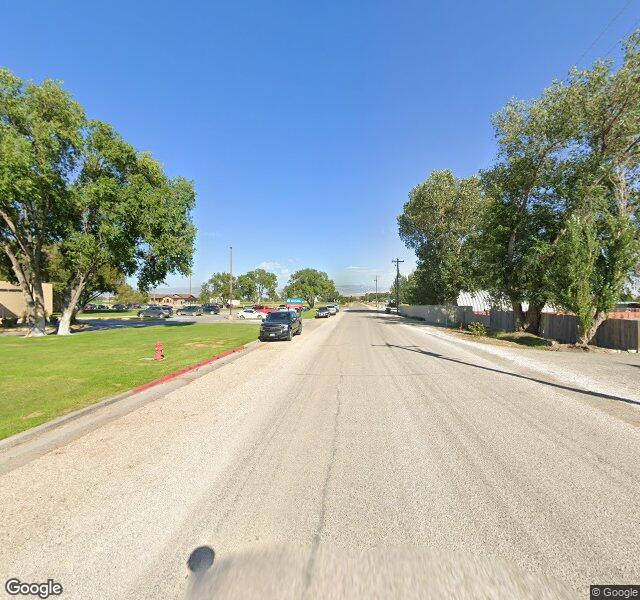
1111 Lane 12, Lovell, WY 82431 (307) 548-5200
Government - Hospital district 85 Beds Independent Data: November 2025
Trust Grade
53/100
#17 of 33 in WY
Last Inspection: January 2025

Within standard 12-15 month inspection cycle. Federal law requires annual inspections.

Overview

New Horizons Care Center in Lovell, Wyoming has a Trust Grade of C, indicating that it falls within the average range compared to other facilities. It ranks #17 out of 33 statewide, placing it in the bottom half, but is the top choice in Big Horn County, where there are only two options. Unfortunately, the facility's performance is worsening, with issues increasing from 3 in 2024 to 5 in 2025. While staffing is a strong point, with a turnover rate of 0%, indicating that staff remain consistent and familiar with residents, the facility has faced serious concerns, including incidents of physical abuse between residents, which resulted in actual harm. Additionally, they have incurred fines totaling $24,499, which is average for the area, and their RN coverage is only average, meaning there may not be enough registered nurses to catch all potential issues.

Trust Score
C
53/100
In Wyoming
#17/33
Bottom 49%
Safety Record
Moderate
Needs review
Inspections
Getting Worse
3 → 5 violations
Staff Stability
○ Average
Turnover data not reported for this facility.
Penalties
✓ Good
$24,499 in fines. Lower than most Wyoming facilities. Relatively clean record.
Skilled Nurses
✓ Good
Each resident gets 54 minutes of Registered Nurse (RN) attention daily — more than average for Wyoming. RNs are trained to catch health problems early.
Violations
⚠ Watch
13 deficiencies on record. Higher than average. Multiple issues found across inspections.
★★★☆☆
3.0
Overall Rating
★★★☆☆
3.0
Staff Levels
★★★☆☆
3.0
Care Quality
★★★☆☆
3.0
Inspection Score
Stable
2024: 3 issues
2025: 5 issues

The Good

  • Full Sprinkler Coverage · Fire safety systems throughout facility
  • No fines on record

Facility shows strength in fire safety.

The Bad

3-Star Overall Rating

Near Wyoming average (2.9)

Meets federal standards, typical of most facilities

Federal Fines: $24,499

Below median ($33,413)

Minor penalties assessed

The Ugly 13 deficiencies on record

2 actual harm
Apr 2025 1 deficiency
CONCERN (D) 📢 Someone Reported This

A family member, employee, or ombudsman was alarmed enough to file a formal complaint

Potential for Harm - no one hurt, but risky conditions existed

Notification of Changes (Tag F0580)

Could have caused harm · This affected 1 resident

**NOTE- TERMS IN BRACKETS HAVE BEEN EDITED TO PROTECT CONFIDENTIALITY** Based on medical record review, resident representative and staff interview, and policy and procedure review, the facility faile...

Read full inspector narrative →
**NOTE- TERMS IN BRACKETS HAVE BEEN EDITED TO PROTECT CONFIDENTIALITY** Based on medical record review, resident representative and staff interview, and policy and procedure review, the facility failed to notify family of changes for 1 of 3 sample residents (#1). The findings were: 1. Review of the annual MDS assessment dated [DATE] showed resident #1 had a BIMS score of 12 out of 15, which indicated s/he had moderate cognitive impairment, and diagnoses which included cerebral infarction due to occlusion. Review of the facility incident review showed the resident had a fall during a transfer on 2/16/25. The following concerns were identified: a. Review of a progress note dated 2/18/25 and timed 3:30 AM showed the resident's representative called the facility on 2/17/25 at 7:40 PM to express a concern that the resident had a fall on 2/16/25 that was not reported to her, and the resident may have hurt [his/her] wrist. Further review showed that following the call the resident was assessed by the nurse and had no obvious open areas, no deformities or swelling, no apparent guarding or motor deficits in any limb; close inspection of left wrist shows no grimace or overt signs of pain elicited upon passive manipulation and observed active motion of the wrist: there is a slight bluish-colored bruising with indistince margins at lateral aspect of the wrist and a small, dry scab approx 1cm [centimeter] long x 2mm [millimeter] wide on the dorsal aspect of the wrist and this does not appear to need a bandage. b. Review of a progress note dated 2/18/25 and timed 3:24 PM showed an x-ray of the resident's left wrist showed no fracture. c. Interview with CNA #1 on 4/2/25 at 10:31 AM revealed the resident pulled his/her right foot up during the transfer, and when s/he started to slide out of the sling, the CNA called for assistance and lowered the resident to the floor. Further interview revealed the resident had not lifted his/her foot before during a transfer. The CNA revealed she reported the incident to the nurse on duty at that time. d. Interview with the DON on 4/2/25 at 11:04 AM confirmed the resident's representative was not called after the fall, and the facility policy was to notify the resident's family after a fall. Further interview revealed the nurse on duty was a traveler and was not aware of the policy to notify family after an assisted fall. Further interview revealed immediate education was given to the nurse on the policy. e. Interview with the resident representative for resident #1 on 4/2/25 at 12:25 PM revealed that during a visit with the resident on 2/17/25 the resident had told her s/he had a fall during a transfer on 2/16/25. Further interview revealed the resident had a bruise on his/her wrist, and the representative was upset she had not been notified about the fall. 2. Review of the policy titled Resident Falls last reviewed on 5/1/23 showed .In the event of a fall, family members of residents will be notified as well as the provider if the resident sustains an injury or possible injury .**A fall is anytime a patient falls, or a patient would have fallen if staff would not have been there to assist the patient to the floor.
Jan 2025 4 deficiencies
CONCERN (D)

Potential for Harm - no one hurt, but risky conditions existed

Deficiency F0578 (Tag F0578)

Could have caused harm · This affected 1 resident

Based on medical record review, staff interview, and facility policy and procedure review, the facility failed to ensure residents right to request/refuse/discontinue treatment for 1 of 1 sample resid...

Read full inspector narrative →
Based on medical record review, staff interview, and facility policy and procedure review, the facility failed to ensure residents right to request/refuse/discontinue treatment for 1 of 1 sample residents (#45) with a do not resuscitate (DNR) status. The findings were: 1. Review of the electronic medical record on 1/7/25 at 2:26 PM showed resident #45 had a DNR code status, however there was no evidence the resident elected the DNR code status. 2. Interview with the DON on 1/9/25 at 10 AM revealed the electronic medical record showed no sign of a declaration of code status. Further interview revealed the provider should have filled out the code status; however, it was not in the electronic medical record. 3. Review of the facility's policy DNR Policy updated 3/15/18 showed .1. At the time of admission the Social Services person or Charge Nurse shall determine if the resident has executed a Living Will or has a signed statement for DNR.5. The physician shall assume the responsibility for writing the DNR order by: a. Writing and dating the order on the Physician's order sheet b. The order will be updated every 30 days and signed by the Physician. 6. If the resident is mentally incompetent (determined by a Physician), the resident's guardian and/or the Durable POA for health care decisions (designated by the Living Will or by written statement from the resident prior to the mental incompetency) may make the DNR designation.
CONCERN (D)

Potential for Harm - no one hurt, but risky conditions existed

ADL Care (Tag F0677)

Could have caused harm · This affected 1 resident

**NOTE- TERMS IN BRACKETS HAVE BEEN EDITED TO PROTECT CONFIDENTIALITY** Based on resident and staff interview, medical record review, and policy and procedure review, the facility failed to ensure res...

Read full inspector narrative →
**NOTE- TERMS IN BRACKETS HAVE BEEN EDITED TO PROTECT CONFIDENTIALITY** Based on resident and staff interview, medical record review, and policy and procedure review, the facility failed to ensure residents received services to maintain good personal hygiene for 2 of 3 sample residents (#7, #33) reviewed for activities of daily living. The findings were: 1. Review of the quarterly MDS assessment dated [DATE] showed resident #7 had a BIMS score of 14 out of 15, which indicated the resident was cognitively intact, and had diagnoses which included cerebrovascular accident, transient ischemic attack, or stroke and Parkinson's disease. Further review showed the resident required partial/moderate assistance with bathing and upper and lower body dressing. The following concerns were identified: a. Interview with the resident on 1/7/25 at 9:21 AM revealed s/he did not feel there was enough staff because s/he did not get showers regularly. b. Review of the bathing records for October, November, and December of 2024 and January of 2025 showed the resident went 6 days without a shower from 10/18/24 to 10/25/24, 11/22/24 to 11/29/24, 12/6/24 to 12/13/24, and 12/13/24 to 12/20/24. Further review showed the resident went 10 days without a shower from 12/27/24 to 1/7/25. There were no documented refusals for the resident. 2. Review of the quarterly MDS assessment dated [DATE] showed resident #33 had a BIMS score of 15 out 15, which indicated the resident was cognitively intact, and had diagnoses which included Parkinson's disease. Further review showed the resident required partial/moderate assistance with bathing and lower body dressing. The following concerns were identified: a. Interview with the resident on 1/7/25 at 11:03 AM revealed the facility only offered showers 2 days per week and at times s/he did not receive a shower because there was not enough staff. b. Review of the bathing records for October, November, and December of 2024 and January of 2025 showed the resident went 6 days without a shower from 10/1/24 to 10/9/24, for 9 days from 10/15/24 to 10/25/24, for 10 days from 10/25/24 to 11/5/24, for 6 days from 11/8/24 to 11/15/24, for 9 days from 11/19/24 to 11/29/24, for 6 days from 12/6/24 to 12/13/24 and 12/13/24 to 12/20/24, and for 10 days from 12/27/24 to 1/7/25. Further review showed the resident refused bathing on 10/4/24, 10/18/24, 10/29/24, 11/12/24, and 11/22/24 and there was no evidence the resident was offered bathing on another day. 3. Interview with the DON on 1/8/25 at 4:24 PM revealed residents should get at least 1 shower per week and ideally would have 2 showers per week. She confirmed showers were only provided on scheduled days and the facility did not have a plan to ensure bathing when the staff member who provided bathing was not available. 4. Review of the facility policy titled Resident Baths last revised on 6/15/18 showed .All residents will receive a full-body bath at least once a week. An exception to this may be made if the resident is so ill that it would not be in their best interest to insist. For residents who are ill or unable to tolerate the tub or shower bath, a bed bath is an acceptable substitute .3. All residents will be bathed more frequently as the desire, or if soiling has occurred that requires a tub bath or shower .10. We recognize that all residents have the right to refuse baths, clothing changes, and other measures of good hygiene. If any resident chooses not to accept these services, the CNA will inform the nurse in charge of that resident's care, of the refusal. The nurse will then have the responsibility of persuading the resident to accept care. If the resident still adamantly refuses the bath, the nurse will document in the resident's chart. Offers for the bath will be continued until the resident will accept .12. Residents will be scheduled for baths on two days per week, as has been the practice. If residents refuse a bath on one day, or if the care center staffing does not allow for baths on one of those days, it may be postponed until the next shift, the next day, or the next scheduled bath day. All schedules and cares give must always be in the best interest of care and comfort for the resident .
CONCERN (D)

Potential for Harm - no one hurt, but risky conditions existed

Incontinence Care (Tag F0690)

Could have caused harm · This affected 1 resident

**NOTE- TERMS IN BRACKETS HAVE BEEN EDITED TO PROTECT CONFIDENTIALITY** Based on observation, staff interview, medical record review, and policy and procedure review, the facility failed to ensure an ...

Read full inspector narrative →
**NOTE- TERMS IN BRACKETS HAVE BEEN EDITED TO PROTECT CONFIDENTIALITY** Based on observation, staff interview, medical record review, and policy and procedure review, the facility failed to ensure an appropriate diagnoses and attempt removal of an indwelling urinary catheter for 1of 1 sample resident (#7). The findings were: 1. Review of the quarterly MDS assessment dated [DATE] showed resident #7 had a BIMS score of 14 out 15, which indicated the resident was cognitively intact, and no genitourinary diagnoses except renal insufficiency, renal failure, or end-stage renal disease. Further review showed the resident was independent with toileting hygiene, personal hygiene, and toilet transfer, was always continent of bowel, was not on a toileting program, and had an indwelling catheter placed. The following concerns were identified: a. Observation on 1/7/25 at 9:21 AM showed the resident was in his/her room and a catheter drainage bag was hanging on the side of the resident's trash can. b. Review of a hospital discharge note dated 6/13/24 showed the resident was discharged from the hospital to the facility following antibiotic therapy for 21 days. Further review showed .[S/he] will continue with Foley catheter secondary to urine incontinence and recurrent infection . c. Review of the physician orders showed no evidence of an appropriate diagnosis for the placement of a foley catheter. d. Interview with the DON on 1/8/25 at 4:16 PM revealed the resident previously had wounds on his/her legs and the catheter was placed to prevent infections in the legs. She revealed the facility had not attempted an external catheter or bladder retraining and she was aware the resident did not have an appropriate diagnosis for catheter placement. 2. Review of a facility policy titled Bowel & Bladder Training last revised on 8/15/18 showed .All residents who are admitted to [the facility] will be evaluated for Bowel and Bladder training The functions of the bowel and bladder conditions of each resident will be reassessed on a quarterly basis in conjunction with the care plan and MDS conferences, to assure the monitoring of these conditions and to enable prompt treatment if a problem should occur in bowel and bladder function .Residents will not qualify for Bowel or Bladder retraining if they have the following conditions: Multiple Sclerosis, Quadriplegia, neurogenic bladder, severe benign prostatic hypertrophy, comatose, Alzheimer's disease, combative and uncooperative to retraining, and if the resident is unable to cooperate due to being cognitively impaired .
CONCERN (E)

Potential for Harm - no one hurt, but risky conditions existed

Medication Errors (Tag F0758)

Could have caused harm · This affected multiple residents

**NOTE- TERMS IN BRACKETS HAVE BEEN EDITED TO PROTECT CONFIDENTIALITY** 6. Review of the admission MDS assessment dated [DATE] showed resident #2 resident had short-term memory loss and diagnoses whic...

Read full inspector narrative →
**NOTE- TERMS IN BRACKETS HAVE BEEN EDITED TO PROTECT CONFIDENTIALITY** 6. Review of the admission MDS assessment dated [DATE] showed resident #2 resident had short-term memory loss and diagnoses which included Alzheimer's dementia, anxiety disorder, and depression. Further review showed the resident didn't exhibit any behaviors during the look-back period. Review of the medication administration record showed the resident received fluoxetine (antidepressant) 20 mg daily, buspirone (antianxiety) 10 mg daily, lorazepam (antianxiety) 0.5 mg twice daily, and olanzapine (antipsychotic) 10 mg daily. The following concerns were identified: a. Review of the medical record showed no evidence the facility had identified or was monitoring medication specific target symptoms related to the psychotropic medications. 7. Interview with the DON on 1/8/25 at 4:31 PM confirmed the facility had not identified and did not monitor medication specific target symptoms for the psychotropic medications. 8. Review of the policy titled Antipsychotic medication use/PRN psychotropic/ antipsychotic order procedure last reviewed 5/1/23 showed 1. Residents will only receive antipsychotic medications when necessary to treat specific conditions for which they are indicated and effective. 2. The attending physician and other staff will gather and document information to clarify a resident's behavior, mood, function, medical condition, specific symptoms, and risks to the resident and others. 3. The attending physician will identify, evaluate, and document, with input from other disciplines and consultants as needed, symptoms that may warrant the use of psychotropic medications .PRN orders for psychotropic drugs are limited to 14 days initially. PRN orders for anxiolytics and antipsychotics must be reviewed for appropriateness 14 days after initiation. Providers must document the rational [sic]/benefit for continuing this prn order in the clinical record and must also indicate when this order will be re-evaluated. 1. Stop dates will be put in when ordering PRN psychotropic. They will not exceed 14 days for initial order. If provider documents the continue [sic] need and extends the timeframe, order can be adjusted to fit the timeframe. Timeframe cannot be indefinite or lifetime, 2-12 months max. This can be repeated as deemed necessary . Based on medical record review, staff interview, and policy and procedure review, the facility failed to ensure target symptoms were identified and monitored for 6 of 6 sample residents (#2, #9, #36, #44, #45, #47) and failed to ensure PRN orders for psychotropic medications were limited to 14 days for 1 of 6 sample residents (#44) reviewed for unnecessary psychotropic medications. The findings were: 1. Review of the quarterly MDS assessment dated [DATE] showed resident #44 had a BIMS score of 5 out of 15, which indicated severe cognitive impairment and diagnoses which included Alzheimers/dementia with agitation and depression. The MDS showed the resident had a mood score of 0, which indicated no signs or symptoms of depression, and the resident exhibited behaviors such as verbal behavior directed at others and wandering. Further review showed the resident received antipsychotic medication and antidepressent medication during the look-back period. Review of the physician orders showed the resident received olanzapine (antipsychotic) 7.5 milligrams (mg) by mouth twice a day, sertraline (antidepressant) 50 mg by mouth every day, and lorazepam (antipsychotic) 0.5 mg by mouth every day, PRN. The following concerns were identified: a. Review of the medical record showed no evidence the facility had identified or was monitoring medication specific target symptoms related to the psychotropic medications. b. Review of the physician's progress notes dated 10/23/24 showed the physician re-ordered the use of lorazepam 0.5 mg by mouth daily as needed, however there was no indication of a stop date. 2. Review of the quarterly MDS assessment dated [DATE] showed resident #36 had a BIMS score of 0 out of 15, which indicated severe cognitive impairment, and diagnoses which included Alzheimers/dementia, anxiety and depression. The MDS showed the resident had a mood score of 0, which indicated no signs or symptoms of depression, and exhibited behaviors of inattention, disorganized thinking, physical behavior directed toward others, rejection of care, and wandering. Further review showed the resident received antipsychotic medication and antidepressent medication during the look-back period. Review of the physician orders showed the resident received lorazepam (antidepressant) 0.5 mg by mouth three times a day, quetiapine (antipsychotic) 150mg by mouth twice a day, and quetiapine (antipsychotic) 75mg by mouth at every lunch. The following concerns were identified: a. Review of the medical record showed no evidence the facility had identified or was monitoring medication specific target symptoms related to the psychotropic medications. 3. Review of the quarterly MDS assessment dated [DATE] showed resident #45 had a BIMS score of 2 out of 15, which indicated severe cognitive impairment, and diagnoses which included Alzheimer's dementia, anxiety, and agitation due to dementia. The MDS showed the resident had a mood score of 0, which indicated no signs or symptoms of depression, and the resident exhibited behaviors such as verbal behavior directed at others and wandering. Further review showed the resident received antipsychotic medication and antidepressant medication during the look-back period. Review of the physician orders showed the resident received sertraline (antidepressant) 50 mg by mouth daily and lorazepam (antianxiety) .5mg by mouth every day as needed (PRN) for agitation-sedation. The following concerns were identified: a. Review of the medical record showed no evidence the facility had identified or was monitoring medication specific target symptoms related to the psychotropic medications. 4. Review of the quarterly MDS assessment dated [DATE] showed resident #47 had a BIMS score of 7 out of 15, which indicated severe cognitive impairment, and diagnoses which included Alzheimers/dementia, anxiety and depression. The MDS showed the resident had a mood score of 1, which indicated minimal signs or symptoms of depression, and exhibited behaviors of inattention, delusions, verbal behavior symptoms directed toward others, rejection of care, and wandering. Further review showed the resident received antipsychotic medication and antidepressant medication during the look-back period. Review of the physician orders showed the resident received quetiapine (antipsychotic) 100 mg by mouth twice a day, lorazepam (antianxiety) 1 mg by mouth at noon and 1 mg by mouth at night. The following concerns were identified: a. Review of the medical record showed no evidence the facility had identified or was monitoring medication specific target symptoms related to the psychotropic medications. 5. Review of the quarterly MDS assessment dated [DATE] showed resident #9 had a BIMS score of 14 out of 15, which indicated intact cognition, and diagnoses which included anxiety disorder, depression and insomnia. Review of the physician orders for the resident showed an order for venlafaxine (antidepressant) 150 mg daily and trazodone (antidepressant) 50 mg daily. The following concerns were identified: a. Review of the medical record showed no evidence the facility had identified or was monitoring medication specific target symptoms related to the psychotropic medications.
Aug 2024 3 deficiencies 1 Harm
SERIOUS (G) 📢 Someone Reported This

A family member, employee, or ombudsman was alarmed enough to file a formal complaint

Actual Harm - a resident was hurt due to facility failures

Free from Abuse/Neglect (Tag F0600)

A resident was harmed · This affected 1 resident

Based on medical record review, resident representative and staff interview, and policy and procedure review, the facility failed to protect the residents' right to be free from physical abuse by a re...

Read full inspector narrative →
Based on medical record review, resident representative and staff interview, and policy and procedure review, the facility failed to protect the residents' right to be free from physical abuse by a resident for 2 of 4 sample residents (#1, #3) reviewed for allegations of abuse. This failure resulted in actual harm to resident #1. The findings were: 1. Review of an incident dated 8/4/24 showed resident #2 punched resident #1 in the mouth with his/her fist. Further review showed resident #1 had a small cut and mild swelling. The following concerns were identified: a. Interview with RN #1 on 8/28/24 at 10:32 AM revealed resident #1 was demonstrating sundowners and was moving and straightening chairs. The RN revealed 2 residents near resident #1 asked the resident to leave the chairs alone and when s/he didn't, resident #2 stood up and popped resident #1 in the mouth. Further interview revealed resident #1 received an exterior abrasion, was upset, and was shocked. b. Interview with CNA #1 on 8/28/24 at 10:52 AM confirmed resident #1 was moving furniture and resident #2 punched resident #1 on the right side of his/her face. The CNA revealed resident #1 had bleeding and swelling to his/her face and s/he was cursing. The CNA revealed the resident continued to hold his/her face after it happened. Further interview revealed resident #2 was kind of dangerous, attacked staff, was aggressive without provocation, and usually goes after resident #1. c. Interview with CNA #2 8/28/24 at 10:22 AM revealed she did not observe the altercation; however, after it occurred, she observed the resident bleeding from his/her upper lip and would hold his/her face after the incident occurred. 2. Review of an incident dated 7/21/24 showed resident #3 walked up to resident #1, grabbed resident #1's face and resident #1 slapped resident #3 in the face. Review of Actions Taken to Prevent Incident in Future showed suggest scheduling Ativan twice per day for resident #3. The following concerns were identified: a. Interview with RN #1 on 8/28/24 at 10:32 PM revealed she did not witness the incident between the residents; however, the CNA reported both residents were shocked by the incident. b. Interview with CNA #3 on 8/28/24 at 10:48 AM revealed she was the only CNA on shift at the time of the incident and multiple residents were getting riled up. Resident #1 was sitting at the table, Resident #3 hit resident #1 in the face then resident #1 hit resident #3 in the face. Further interview revealed both residents were surprised by the incident. 3. Interview with the resident representative for resident #1 on 8/27/24 at 5:35 PM revealed he was unsure how the resident would have reacted to prior to current health state as the resident would not get into altercations; however, he revealed the resident would probably be surprised. 4. Interview with the resident representative for resident #3 on 8/27/24 at 6:02 PM revealed prior to the resident's current health state the resident would have been shocked and fearful if a similar incident had occurred. 5. Review of the policy titled Abuse Prevention Program last reviewed 5/1/23 showed .1. Protect our residents from abuse by anyone including, but not limited to: facility staff, other residents, consultants, volunteers, staff from other agencies, family members, legal representatives, friends, visitors, or any other individual .
CONCERN (D) 📢 Someone Reported This

A family member, employee, or ombudsman was alarmed enough to file a formal complaint

Potential for Harm - no one hurt, but risky conditions existed

Report Alleged Abuse (Tag F0609)

Could have caused harm · This affected 1 resident

Based on resident representative and staff interview, grievance review, state survey agency incident database review, and policy and procedure review, the facility failed to ensure allegations of abus...

Read full inspector narrative →
Based on resident representative and staff interview, grievance review, state survey agency incident database review, and policy and procedure review, the facility failed to ensure allegations of abuse were reported for 1 of 4 sample residents (#3) reviewed for allegations for abuse. The findings were: 1. Interview with the resident representative for resident #3 on 8/27/24 at 6:02 PM revealed the resident's spouse reported a CNA had pushed the resident down onto a chair on 8/25/24; however, she did not think the facility believed the spouse. 2. Review of a Complaint/Grievance form dated 8/25/24 showed [Spouse of resident #3] said CNA pushed [resident] down to sit in chair. 2. Review of the state survey agency incident database showed no evidence an allegation of abuse was reported for resident #3 on or after 8/25/24. 3. Interview with CNA #4 on 8/27/24 at 6:21 PM revealed she was providing 1 to 1 care for resident #3 on 8/25/24. Further interview revealed the DON arrived at the facility and sent the CNA home due to an allegation of abuse; however, after the DON watched the camera footage, she was told there was no evidence she abused the resident. 4. Interview with the DON on 8/28/24 at 11:22 AM confirmed the spouse of resident #3 reported a staff member had pushed the resident down into a chair roughly; however, the spouse was unable to see if the CNA did anything. The DON revealed the CNA was sent home and an investigation was initiated. Further interview confirmed the allegation was not reported to the state survey agency. 5. Review of the policy titled Abuse Prevention Program last revised on 5/1/23 showed .7. Investigate and report any allegations of abuse within timeframes as required by federal requirements .
CONCERN (D) 📢 Someone Reported This

A family member, employee, or ombudsman was alarmed enough to file a formal complaint

Potential for Harm - no one hurt, but risky conditions existed

Comprehensive Care Plan (Tag F0656)

Could have caused harm · This affected 1 resident

Based on medical record review, staff interview, and policy and procedure review, the facility failed to ensure care plans were developed and implemented for 2 of 4 sample residents (#1, #2) following...

Read full inspector narrative →
Based on medical record review, staff interview, and policy and procedure review, the facility failed to ensure care plans were developed and implemented for 2 of 4 sample residents (#1, #2) following resident to resident altercations. The findings were: 1. Review of an incident dated 8/4/24 showed resident #2 punched resident #1 in the mouth with his/her fist. Further review showed resident #1 had a small cut and mild swelling. Review of an incident dated 7/21/24 showed resident #3 walked up to resident #1, grabbed resident #1's face, and resident #1 slapped resident #3 in the face. The following concerns were identified: a. Review of the care plan for resident #1 last updated 7/1/24 showed no resident specific interventions related to altercations on 7/21/24 or 8/4/24. b. Review of the care plan for resident #2 last updated 7/20/24 showed no resident specific interventions related to aggression toward other residents or staff and no updated interventions related to the altercation on 8/4/24. 2. Interview with CNA #1 on 8/28/24 at 10:58 PM revealed resident #2 was kind of dangerous, attacked staff, was aggressive without provocation, and usually goes after resident #1. Further interview revealed staff implemented things they knew about residents because resident specific interventions were not on the care plans. 3. Interview with the MDS assessment coordinator on 8/28/24 at 11:22 PM revealed care plans should communicate interventions to staff and care plans have been a struggle. Further interview revealed the facility did not complete any type of analysis following incidents and confirmed care plans were not updated with all identified interventions. 4. Review of the policy titled Resident to Resident Altercations last revised on 6/2/20 showed .If two residents are involved in an altercation, staff will .e. Review the events with Nursing Supervisor and Director of Nursing, and possible measures to try to prevent additional incidents .g. Make any necessary changes in the care plan approaches to any or all of the involved individuals .
Oct 2023 2 deficiencies
CONCERN (D)

Potential for Harm - no one hurt, but risky conditions existed

Deficiency F0661 (Tag F0661)

Could have caused harm · This affected 1 resident

Based on medical record review and staff interview, the facility failed to complete a discharge summary which included a recapitulation of the resident's stay for 1 of 1 resident (#58) reviewed for di...

Read full inspector narrative →
Based on medical record review and staff interview, the facility failed to complete a discharge summary which included a recapitulation of the resident's stay for 1 of 1 resident (#58) reviewed for discharge to another nursing home or swing bed. The findings were: 1. Review of the 9/13/23 discharge MDS assessment for resident #58 showed s/he had been discharged to Another nursing home or swing bed and a return to the facility was not anticipated. The following concerns were identified: a. Review of the resident's medical record showed a 9/13/23 Facility Transfer form had been completed which indicated the resident had been transferred to a swing bed. Further review of the medical record showed no evidence a discharge summary had been completed. Interview with the DON on 10/17/23 at 5:19 PM confirmed the discharge summary had not been completed.
MINOR (B)

Minor Issue - procedural, no safety impact

Staffing Information (Tag F0732)

Minor procedural issue · This affected multiple residents

Based on review of the posted daily nurse staffing data and staff interview, the facility failed to ensure the daily posted nurse staffing information included all required elements. The census was 58...

Read full inspector narrative →
Based on review of the posted daily nurse staffing data and staff interview, the facility failed to ensure the daily posted nurse staffing information included all required elements. The census was 58. The findings were: 1. Review of the posted daily nurse staffing information for the dates 8/6/23 through 10/15/23 showed the following concerns: a. Review of the daily nurse information postings failed to include the number of RNs, LPNs, or CNAs on duty for each shift. 2. Interview with the DON on 10/19/23 at 9:02 AM revealed the facility was not aware of the requirement and confirmed the information posted was incomplete.
May 2023 1 deficiency 1 Harm
SERIOUS (G) 📢 Someone Reported This

A family member, employee, or ombudsman was alarmed enough to file a formal complaint

Actual Harm - a resident was hurt due to facility failures

Free from Abuse/Neglect (Tag F0600)

A resident was harmed · This affected 1 resident

**NOTE- TERMS IN BRACKETS HAVE BEEN EDITED TO PROTECT CONFIDENTIALITY** Based on review of medical records, staff interview and policy review the facility failed to protect the resident's right to be ...

Read full inspector narrative →
**NOTE- TERMS IN BRACKETS HAVE BEEN EDITED TO PROTECT CONFIDENTIALITY** Based on review of medical records, staff interview and policy review the facility failed to protect the resident's right to be free from physical abuse by other residents for 1 of 8 sample residents (#7) reviewed for resident-to-resident abuse. This failure resulted in harm to resident #7, who sustained bruising from altercations with other residents. The findings were: 1. Review of the [DATE] admission MDS assessment for resident #7 showed the resident was admitted on [DATE] and had diagnoses which included arthritis, Alzheimer's disease, anxiety disorder, depression, cervical disc disorder with radiculopathy and other chronic pain. Further review showed the resident was unable to be understood and unable to complete a BIMS interview. The following concerns were identified: a. Review of the nursing progress note dated [DATE] at 12:50 AM showed This Resident entered a room that belongs to someone else and the other resident hit this Resident with [his/her] cane repeatedly on the legs. CNA intervened and prevented further abuse. Several bruises are noted on this Resident's legs. This Resident was agitated after altercation and continued to wander .On call provider gave one time 5 mg Haldol order which was given for this Resident's safety . b. Further review of the nursing progress note dated [DATE] at 5:08 AM showed .Bruising noted to head at hairline and [left] arm with multiple bruises in various places on [his/her] body . c. Review of the nursing progress note dated [DATE] at 3:43 PM showed .This afternoon resident has been very busy, wandering the halls, slamming doors, going in other residents rooms, etc. Resident has been hard to redirect at times. Resident continues to walk the halls . d. Review of the nursing progress note dated [DATE] at 3:12 PM showed This resident was sitting on the edge of a couch in the atrium and one of the men on the unit saw [resident #7] as [s/he] was sitting in a recliner across from this resident and he stood up and grabbed [resident #7's] arms and told [resident #7] [s/he] needed to get out of here. This RN went over and got him away from [resident #7] and other staff came to help and the man resident was yelling to get [him/her] gone. This [resident] when assessed on [his/her] arms, had a small thumb sized bruise on [his/her] right mid forearm and also a thumb sized bruise on [his/her] left wrist area . e. Review of the nursing progress note dated 3:43 PM on [DATE] showed [resident #7] was walking in the atrium and went in front of [another resident] and this resident stood up and pushed [his/her] walker into [resident #7] causing [him/her] to fall down . 2. Review of the care plan for resident #7 which was created at the resident's admission on [DATE] showed a lack of updated interventions for protecting the resident from injury due to wandering and resident to resident altercations. 3. Interview on [DATE] at 3:55 PM with the resident care coordinator revealed the resident spends time looking for his/her deceased spouse, displays exit-seeking behavior, goes into others' rooms and is difficult to redirect. 4. Interview with RN #1 on [DATE] at 9:33 AM revealed the main goal in keeping the resident safe was trying to keep him/her away from other residents that are touchy or react unpredictably. 5. Review of the undated Resident's Admit Package showed under Resident Rights Residents have the right to be free from verbal, sexual, physical or mental abuse; punishment for behaviors or involuntary seclusion. 6. Interview on [DATE] at 3 PM with the DON verified residents had a right to be safe from all abuse. The DON stated investigation on these cases was difficult because of the level of dementia of all of the residents. The DON confirmed the information in the nursing progress notes was all of the documentation there was on the incidents. The DON stated the facility should have tried harder to prevent the altercations.
Aug 2022 2 deficiencies
CONCERN (D)

Potential for Harm - no one hurt, but risky conditions existed

Comprehensive Care Plan (Tag F0656)

Could have caused harm · This affected 1 resident

Based on observation, medical record review, staff interview, and review of policy and procedures the facility failed to develop and implement a comprehensive person-centered care plan or 1 of 6 resid...

Read full inspector narrative →
Based on observation, medical record review, staff interview, and review of policy and procedures the facility failed to develop and implement a comprehensive person-centered care plan or 1 of 6 residents (# 18) reviewed for behavior indicators. The findings were: 1. Review of the care plan for resident #18, dated 6/10/22, showed diagnoses of Alzheimer's dementia, history of cerebral vascular accident, and chronic left hip pain. Review of the progress note dated 7/9/22 at 11:44 PM showed [Res #18] and another resident wanting to go out outside after supper. Review of the progress note dated 7/12/22 at 6:24 PM showed Resident has attempted at least 5 times during 3p-7p shift to go out the patio doors. Resident has attempted to get on the elevator twice, stating [s/he] needed to go downstairs and outside to look for [her/his] phone. Review of the progress note dated 7/13/22 at 9:11 PM showed Resident wanting to go out on the patio or downstairs this evening; no extra staff to go with [her/him]. Complains to other residents which makes them angry also. Trying to get on elevator to get downstairs. Intervention by this RN. Resident did go over to [special care unit] and then could not get back out the doors. Heard banging on the doors by this RN. Review of the progress note dated 7/16/22 at 8:28 PM showed Resident consistently trying to get out patio doors. Wants to be outside. The following concerns were identified: a. Observations performed on 8/15/22 through 8/17/22 showed resident #18 frequently tried to get on the elevator with staff and visitors. b. Review of the care plan for resident #18 last dated 6/10/22 showed the only behavior indicator to be [S/he] tends to take things that don't belong to [her/him]. c. Interview with the DON on 8/17/22 at 4:47 PM revealed the resident attempted to elope frequently. It was further revealed this behavior should have been addressed in the care plan, along with interventions. d. Review of Policy and Procedure CCN-100-46 last reviewed on 12 /28/21, showed It will be the policy of the New Horizons Care Center to have a care plan on each resident admitted to the Care Center. These will be reviewed and revised quarterly and more often if the resident's condition warrants it.
CONCERN (E)

Potential for Harm - no one hurt, but risky conditions existed

Deficiency F0804 (Tag F0804)

Could have caused harm · This affected multiple residents

Based on observation, resident interview, staff interview, and policy review the facility failed to ensure food temperatures were maintained at an acceptable temperature for 1 of 3 units (Pod 2). The ...

Read full inspector narrative →
Based on observation, resident interview, staff interview, and policy review the facility failed to ensure food temperatures were maintained at an acceptable temperature for 1 of 3 units (Pod 2). The findings were: Observation on 8/17/22 at 11 AM showed covered food was in the steamer table ready for staff to plate. Further observation showed plated food was delivered to Pod 2 at 12 PM. At 12:15 PM one of the last trays was served to the residents. The last tray of food was checked by the dietary manager. The meat temperature was measured at 102 Fahrenheit (F) and the vegetables at 120 degrees F. Interview at that time with the dietary manager confirmed the temperatures were lower than they should be. Further, she stated the cook takes the temperature of the food prior to serving the plates. The food temperature is not checked again after that initial check. Once the trays are loaded in the carts they go directly to the different pods. Once delivered to the pod, it is the nursing staff that serves the trays to the residents. Interview with resident #31 on 8/16/22 at 1:19 PM revealed the food was cold, and did not taste good. Interview with dietitian on 8/17/22 at 3:41 PM revealed the facility needed to recheck the food temperature once it gets out to the residents. It is something we need to improve on. Review of the policy Food Temperatures last reviewed 12/29/21, showed Food temperatures will be within state guidelines . 4. The Dietary Supervisor will monitor and take appropriate steps if temperatures are not in acceptable ranges.
Understanding Severity Codes (click to expand)
Life-Threatening (Immediate Jeopardy)
J - Isolated K - Pattern L - Widespread
Actual Harm
G - Isolated H - Pattern I - Widespread
Potential for Harm
D - Isolated E - Pattern F - Widespread
No Harm (Minor)
A - Isolated B - Pattern C - Widespread

Questions to Ask on Your Visit

  • "Can I speak with families of current residents?"
  • "What's your RN coverage like on weekends and overnight?"

Our Honest Assessment

Strengths
  • • Licensed and certified facility. Meets minimum state requirements.
Concerns
  • • 13 deficiencies on record, including 2 serious (caused harm) violations. Ask about corrective actions taken.
  • • $24,499 in fines. Higher than 94% of Wyoming facilities, suggesting repeated compliance issues.
  • • Grade C (53/100). Below average facility with significant concerns.
Bottom line: Mixed indicators with Trust Score of 53/100. Visit in person and ask pointed questions.

About This Facility

What is New Horizons Care Center's CMS Rating?

CMS assigns New Horizons Care Center an overall rating of 3 out of 5 stars, which is considered average nationally. Within Wyoming, this rating places the facility higher than 99% of the state's 100 nursing homes. This mid-range rating indicates the facility meets federal standards but may have areas for improvement.

How is New Horizons Care Center Staffed?

CMS rates New Horizons Care Center's staffing level at 3 out of 5 stars, which is average compared to other nursing homes.

What Have Inspectors Found at New Horizons Care Center?

State health inspectors documented 13 deficiencies at New Horizons Care Center during 2022 to 2025. These included: 2 that caused actual resident harm, 10 with potential for harm, and 1 minor or isolated issues. Deficiencies causing actual harm indicate documented cases where residents experienced negative health consequences.

Who Owns and Operates New Horizons Care Center?

New Horizons Care Center is owned by a government entity. Government-operated facilities are typically run by state, county, or municipal agencies. The facility operates independently rather than as part of a larger chain. With 85 certified beds and approximately 56 residents (about 66% occupancy), it is a smaller facility located in Lovell, Wyoming.

How Does New Horizons Care Center Compare to Other Wyoming Nursing Homes?

Compared to the 100 nursing homes in Wyoming, New Horizons Care Center's overall rating (3 stars) is above the state average of 2.9 and health inspection rating (3 stars) is at the national benchmark.

What Should Families Ask When Visiting New Horizons Care Center?

Based on this facility's data, families visiting should ask: "Can I visit during a mealtime to observe dining assistance and food quality?" "How do you handle medical emergencies, and what is your hospital transfer rate?" "Can I speak with family members of current residents about their experience?"

Is New Horizons Care Center Safe?

Based on CMS inspection data, New Horizons Care Center has a clean safety record: no substantiated abuse findings (meaning no confirmed cases of resident harm), no Immediate Jeopardy citations (the most serious violation level indicating risk of serious injury or death), and is not on the Special Focus Facility watch list (a federal program monitoring the lowest-performing 1% of nursing homes). The facility has a 3-star overall rating and ranks #1 of 100 nursing homes in Wyoming. While no facility is perfect, families should still ask about staff-to-resident ratios and recent inspection results during their visit.

Do Nurses at New Horizons Care Center Stick Around?

New Horizons Care Center has not reported staff turnover data to CMS. Staff turnover matters because consistent caregivers learn residents' individual needs, medications, and preferences. When staff frequently change, this institutional knowledge is lost. Families should ask the facility directly about their staff retention rates and average employee tenure.

Was New Horizons Care Center Ever Fined?

New Horizons Care Center has been fined $24,499 across 2 penalty actions. This is below the Wyoming average of $33,324. While any fine indicates a compliance issue, fines under $50,000 are relatively common and typically reflect isolated problems that were subsequently corrected. Families should ask what specific issues led to these fines and confirm they've been resolved.

Is New Horizons Care Center on Any Federal Watch List?

New Horizons Care Center is not on any federal watch list. The most significant is the Special Focus Facility (SFF) program, which identifies the bottom 1% of nursing homes nationally based on persistent, serious quality problems. Not being on this list means the facility has avoided the pattern of deficiencies that triggers enhanced federal oversight. This is a positive indicator, though families should still review the facility's inspection history directly.