Casper Mountain Rehabilitation and Care Center

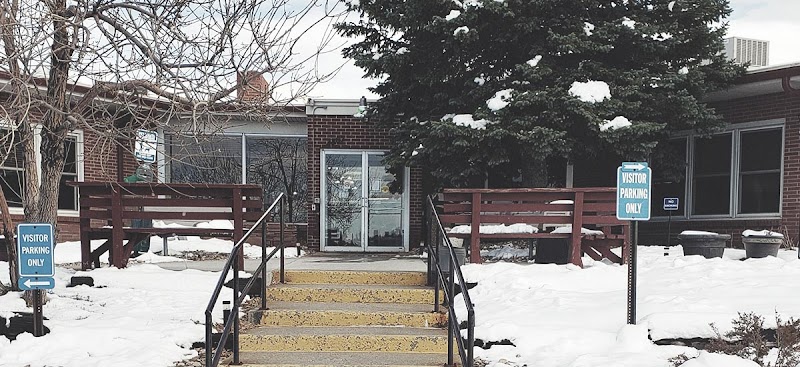
4305 S Poplar, Casper, WY 82601 (307) 237-2561
For profit - Limited Liability company 120 Beds Independent Data: November 2025
Trust Grade
10/100
#27 of 33 in WY
Last Inspection: June 2024

Within standard 12-15 month inspection cycle. Federal law requires annual inspections.

Overview

Casper Mountain Rehabilitation and Care Center has received a Trust Grade of F, indicating significant concerns about the facility’s quality of care. It ranks #27 out of 33 nursing homes in Wyoming, placing it in the bottom half of facilities in the state, and #2 out of 3 in Natrona County, meaning only one local option is better. Unfortunately, the facility is worsening, with issues increasing from 12 in 2024 to 22 in 2025. Staffing is rated poorly with a 1/5 star rating and a turnover rate of 53%, which is around the state average, indicating instability among caregivers. Specific incidents of concern include a resident developing pressure ulcers due to a lack of treatment and another resident requiring hospitalization for an infection related to inadequate wound care, along with failures in infection control practices that may have exposed residents to further health risks. While there have been no fines, which is a positive aspect, the overall picture suggests that families should approach this facility with caution.

Trust Score
F
10/100
In Wyoming
#27/33
Bottom 19%
Safety Record
Moderate
Needs review
Inspections
Getting Worse
12 → 22 violations
Staff Stability
⚠ Watch
53% turnover. Above average. Higher turnover means staff may not know residents' routines.
Penalties
✓ Good
No fines on record. Clean compliance history, better than most Wyoming facilities.
Skilled Nurses
○ Average
Each resident gets 32 minutes of Registered Nurse (RN) attention daily — about average for Wyoming. RNs are the most trained staff who monitor for health changes.
Violations
⚠ Watch
56 deficiencies on record. Higher than average. Multiple issues found across inspections.
★☆☆☆☆
1.0
Overall Rating
★☆☆☆☆
1.0
Staff Levels
★★★★☆
4.0
Care Quality
★☆☆☆☆
1.0
Inspection Score
Stable
2024: 12 issues
2025: 22 issues

The Good

  • 4-Star Quality Measures · Strong clinical quality outcomes
  • Full Sprinkler Coverage · Fire safety systems throughout facility
  • No fines on record

Facility shows strength in quality measures, fire safety.

The Bad

1-Star Overall Rating

Below Wyoming average (2.9)

Significant quality concerns identified by CMS

Staff Turnover: 53%

Near Wyoming avg (46%)

Higher turnover may affect care consistency

The Ugly 56 deficiencies on record

2 actual harm
Aug 2025 12 deficiencies 1 Harm
SERIOUS (G) 📢 Someone Reported This

A family member, employee, or ombudsman was alarmed enough to file a formal complaint

Actual Harm - a resident was hurt due to facility failures

Pressure Ulcer Prevention (Tag F0686)

A resident was harmed · This affected 1 resident

Based on resident representative and staff interview, and medical record review, the facility failed to provide services to prevent, treat, and heal pressure ulcers for 1 of 4 sampled residents (#98) ...

Read full inspector narrative →
Based on resident representative and staff interview, and medical record review, the facility failed to provide services to prevent, treat, and heal pressure ulcers for 1 of 4 sampled residents (#98) reviewed for pressure ulcers. This failure resulted in actual harm to resident #98 who developed pressure ulcers. The findings were: 1. Review of the admission MDS assessment, dated 5/18/25, showed resident (#98) had a BIMS score of 3 out of 15, which indicated s/he had severe cognitive impairment, and diagnoses which include type 2 diabetes mellitus, chronic kidney disease, coronary artery disease, and heart failure. Further review showed no wounds were present upon admission and the resident was at risk for pressure ulcers / injuries. The following concerns were identified: a. Review of a physician note, dated 5/15/25, showed the resident had a nickel sized unstageable pressure ulcer located on his/her right buttocks with orders for wound care and monitoring. Review of the medical record showed no treatment orders for wound care or monitoring.b. Review of the skilled nursing evaluation, dated 5/21/25 and timed 1:30 PM, showed the resident had an abraded area noted to the buttocks and cream was applied by RN #1. c. Review of the skilled nursing evaluation, dated 5/22/25 and timed 11:25 PM showed new pressure ulcers were present to the right and left heels, left medial calf, and an abrasion to the coccyx. Further review showed RN #1 notified the DON of the new ulcers, the DON observed pressure areas, and the DON planned to discuss the new ulcers with the certified wound nurse regarding treatment options. d. Review of a physician note dated 5/25/25 showed the resident had prevalon boots and orders to continue with wound care until completely healed. Review of the resident's medical record showed no evidence the prevalon boots, or wound care was added to the orders until 5/27/25. e. Interview with the resident's representative on 8/27/25 at 5:12 PM revealed the resident had been sent to the emergency room for another matter on 5/26/25 and the physician found concerning pressure ulcers on the resident's heels and buttocks. The resident did not return to the facility following the emergency room visit.f. Interview with the interim DON on 8/27/25 at 5:30 PM confirmed there were no wound care orders or documentation the facility was treating the resident's pressure ulcers prior to 5/27/25, after the resident had discharged .
CONCERN (D) 📢 Someone Reported This

A family member, employee, or ombudsman was alarmed enough to file a formal complaint

Potential for Harm - no one hurt, but risky conditions existed

Deficiency F0578 (Tag F0578)

Could have caused harm · This affected 1 resident

**NOTE- TERMS IN BRACKETS HAVE BEEN EDITED TO PROTECT CONFIDENTIALITY** Based on medical record review, staff interview, and policy and procedure review, the facility failed to ensure the advanced dir...

Read full inspector narrative →
**NOTE- TERMS IN BRACKETS HAVE BEEN EDITED TO PROTECT CONFIDENTIALITY** Based on medical record review, staff interview, and policy and procedure review, the facility failed to ensure the advanced directive was formulated and accurate for 2 of 28 sample residents (#84, #93) reviewed. The findings were: 1. Review of the electronic medical record (EMR) showed resident #84 was listed as do not resuscitate (DNR). Further review of the medical record showed no evidence the resident had signed and dated an advance directive. Interview with the interim DON and MDS coordinator on [DATE] at 5:37 PM confirmed there was no evidence the resident had elected a DNR status. 2. Review of the EMR showed resident #93 was listed as a full code status. Review of a cardiopulmonary resuscitation (CPR) designation form provided by the interim DON on [DATE] at 4:48 PM was initialed No, do not administer CPR and signed and dated by the resident on [DATE]. Interview with the interim DON on [DATE] at 4:48 PM confirmed the EHR did not match the most recent election of no CPR. 3. Review of the Advance Directive policy showed . 7. Prior to or upon admission of a resident, the social services director or designee will inquire of the resident, his/her family members and/or his or her legal representative, about the existence of any written advance directives. 8. If the resident indicates that he or she has not established advance directives, the facility staff will offer assistance in establishing advance directives .10. The plan of care for each resident will be consistent with his or her documented treatment preferences and/or advance directive .
CONCERN (D) 📢 Someone Reported This

A family member, employee, or ombudsman was alarmed enough to file a formal complaint

Potential for Harm - no one hurt, but risky conditions existed

Deficiency F0605 (Tag F0605)

Could have caused harm · This affected 1 resident

**NOTE- TERMS IN BRACKETS HAVE BEEN EDITED TO PROTECT CONFIDENTIALITY** Based on medical record review and staff interview, the facility failed to ensure residents were free from unnecessary medicatio...

Read full inspector narrative →
**NOTE- TERMS IN BRACKETS HAVE BEEN EDITED TO PROTECT CONFIDENTIALITY** Based on medical record review and staff interview, the facility failed to ensure residents were free from unnecessary medications for 2 of 5 residents (#9, #20) reviewed for unnecessary medications. The findings were: 1. Review of the 3/10/25 quarterly MDS assessment showed resident #9 was admitted to the facility on [DATE] and had a diagnosis of schizophrenia. The resident was coded as receiving antipsychotic, antianxiety, and antidepressant medications during the 7-day look-back period. The last attempted gradual dose reduction (GDR) was documented as occurring on 12/31/24. The following concerns were identified: a. Review of the 8/24/25 Psychotropic Medication Utilization Report showed the resident was prescribed quetiapine fumarate (antipsychotic) and buspirone hydrochloride (an antianxiety medication), for paranoid schizophrenia with the last risk-benefit statement completed on 9/17/24; however, the facility was unable to locate the risk-benefit statement signed by the resident's physician or documentation to support the 12/31/24 GDR as noted on the 3/10/25 quarterly MDS assessment. b. Review of the physician orders showed the resident was prescribed 1 milligram (mg) of lorazepam (an antianxiety medication) every 8 hours as needed (PRN) on 8/1/25 for comfort focused care; however, no stop date was indicated. Review of the August 2025 medication administration record showed the resident had not been administered a PRN dose of lorazepam during the month. c. Interview with the interim DON on 8/27/25 at 12:56 PM confirmed the physician order for PRN lorazepam did not have a stop date. In addition, the interim DON revealed she was currently working on organizing the psychotropic medication review process. An additional interview with the interim DON at 3:15 PM confirmed the GDR documentation for resident #9 could not be located. 2. Review of the 6/26/25 quarterly MDS assessment showed resident #98 was admitted to the facility on [DATE] and had a diagnosis of depression. The resident was coded as receiving antipsychotics and antidepressants during the 7-day look-back period. The MDS showed no GDR was attempted or documented as being clinically contraindicated. The following concerns were identified: a. Review of the physician orders showed that the resident was prescribed 100 mg of Sertraline daily for depression on 1/23/24. b. Review of the 10/28/24 Medication Regimen Review, signed by the physician, showed that no reduction of Sertraline was ordered at that time, and no clinical rationale was documented. c. Interview with the interim DON on 8/27/25 at 11:30 AM confirmed that no GDR was attempted and no rationale was documented for the resident.
CONCERN (D) 📢 Someone Reported This

A family member, employee, or ombudsman was alarmed enough to file a formal complaint

Potential for Harm - no one hurt, but risky conditions existed

Assessment Accuracy (Tag F0641)

Could have caused harm · This affected 1 resident

Based on medical record review, staff interview, and review of the MDS RAI manual, the facility failed to ensure MDS assessments were accurate for 3 of 28 sample residents (#10, #12, #55). The finding...

Read full inspector narrative →
Based on medical record review, staff interview, and review of the MDS RAI manual, the facility failed to ensure MDS assessments were accurate for 3 of 28 sample residents (#10, #12, #55). The findings were: 1. Review of the 2/9/22 Wyoming PASRR (pre-admission screening and resident review) Level II Determination Summary Report showed resident #12 had psychiatric diagnoses which included bipolar disorder, generalized anxiety disorder, post-traumatic stress disorder, and sleep terror. Further review showed the resident met the state definition of mental illness. The following concerns were identified: a. Review of the 7/1/25 annual MDS assessment showed section A1500 was marked no to the question if the resident was currently considered by the state level II PASRR process to have serious mental illness and/or intellectual disability. b. Interview on 8/26/25 at 2:38 PM with the MDS coordinator confirmed section A1500 was marked inaccurately. 2. Review of the 4/18/25 annual MDS assessment for resident #55 showed section GG (used to assess functional abilities and goals) was marked as not assessed. Interview on 8/26/25 at 2:38 PM with the MDS coordinator revealed the facility did not have staff available at that time to perform the assessment so section GG was dashed out. 3. Review of the Long-Term Care Facility Resident Assessment Instrument 3.0 User Manual version 1.19.11 last revised October 2024 showed .A1500: Preadmission Screening and Resident Review (PASRR) .code 1, yes: if PASRR Level II screening determined that the resident has a serious mental illness and/or ID/DD or related condition, and continue to A1520, Level II Preadmission Screening and Resident Review (PASRR) Conditions. Section GG of the RAI manual showed the intent of this section included items focused on prior function, admission and discharge performance, discharge goals, performance throughout a resident's stay, mobility device use, and range of motion. Functional status was assessed based on the resident's need for assistance when performing self-care and mobility activities.
CONCERN (D) 📢 Someone Reported This

A family member, employee, or ombudsman was alarmed enough to file a formal complaint

Potential for Harm - no one hurt, but risky conditions existed

Drug Regimen Review (Tag F0756)

Could have caused harm · This affected 1 resident

**NOTE- TERMS IN BRACKETS HAVE BEEN EDITED TO PROTECT CONFIDENTIALITY** Based on medical record review, staff interview, and review of the interim DON's pharmacist monthly medication review binder, th...

Read full inspector narrative →
**NOTE- TERMS IN BRACKETS HAVE BEEN EDITED TO PROTECT CONFIDENTIALITY** Based on medical record review, staff interview, and review of the interim DON's pharmacist monthly medication review binder, the facility failed to have a system in place to ensure the pharmacist's monthly medication reviews and recommendations were acted upon and documented in the resident's record for 1 of 5 sample residents (#9) reviewed for unnecessary medications. The findings were: Review of the 3/10/25 quarterly MDS assessment showed resident #9 was admitted to the facility on [DATE] and had a diagnosis of schizophrenia. The resident was coded as receiving antipsychotic, antianxiety, and antidepressant medications during the 7-day look-back period. Review of the resident's medical record and the interim DON's pharmacist monthly medication review binder showed no evidence the pharmacist had performed a monthly medication review which included any irregularities or recommendations for March, April, May, or June of 2025. Interview with the interim DON on 8/27/25 at 12:56 PM revealed she was in the process obtaining the missing documentation and updating the binder.
CONCERN (D) 📢 Someone Reported This

A family member, employee, or ombudsman was alarmed enough to file a formal complaint

Potential for Harm - no one hurt, but risky conditions existed

Deficiency F0883 (Tag F0883)

Could have caused harm · This affected 1 resident

**NOTE- TERMS IN BRACKETS HAVE BEEN EDITED TO PROTECT CONFIDENTIALITY** Based on medical record review, staff interview, and review of facility policies, the facility failed to have a system in place ...

Read full inspector narrative →
**NOTE- TERMS IN BRACKETS HAVE BEEN EDITED TO PROTECT CONFIDENTIALITY** Based on medical record review, staff interview, and review of facility policies, the facility failed to have a system in place to maintain documentation residents were provided education regarding the benefits and potential side effects of the pneumococcal and influenza vaccines and documentation of the consent or refusal of the immunization for 1 of 4 sample residents (#59) reviewed for immunizations. The findings were: 1. Review of the 8/8/25 annual MDS assessment showed resident #59 was admitted to the facility on [DATE]. Further review of the MDS assessment showed the resident was offered and had declined the influenza and pneumococcal vaccines. Further review of the medical record failed to show evidence the resident was educated on the benefits and risks of the vaccines and a copy of the consent/declination form was maintained. 2. Interview with the interim DON and ADON on 8/26/25 at 3:14 PM confirmed no further documentation was available. 3. Review of the Influenza Vaccine policy showed 1. Between October 1st and March 31st each year, the influenza vaccine shall be offered to residents and employees, unless the vaccine is medically contraindicated or the resident or employee has already been immunized .4. Prior to the vaccination, the resident (or resident's legal representative) or employee will be provided information and education regarding the benefits and potential side effects of the influenza vaccine .Provision of such education shall be documented in the resident's/employee's medical record. 5. For those who receive the vaccine, the date of vaccination, lot number, expiration date, person administering, and the site of vaccination will be documented in the resident's/employee's medical record. 6. A resident's refusal of the vaccine shall be documented on the informed consent for influenza vaccine and placed in the resident's medical record. 4. Review of the Pneumococcal Vaccine policy showed 1. Prior to or upon admission, residents are assessed for eligibility to receive the pneumococcal vaccine series, and when indicated, are offered the vaccine series within thirty (30) days of admission to the facility unless medically contraindicated or the resident has completed the current recommended vaccine series .3. Before receiving a pneumococcal vaccine, the resident or legal representative receives information and education regarding the benefits and potential side effects of the pneumococcal vaccine .Provision of such education is documented in the resident's medical record .5. Residents/representatives have the right to refuse vaccination. If refused, appropriate information is documented in the resident's medical record indicating the date of refusal of the pneumococcal vaccination. 6. For each resident who receives the vaccine, the date of vaccination, lot number, expiration date, person administering, and the site of vaccination are documented in the resident's medical record .
CONCERN (E) 📢 Someone Reported This

A family member, employee, or ombudsman was alarmed enough to file a formal complaint

Potential for Harm - no one hurt, but risky conditions existed

Deficiency F0553 (Tag F0553)

Could have caused harm · This affected multiple residents

**NOTE- TERMS IN BRACKETS HAVE BEEN EDITED TO PROTECT CONFIDENTIALITY** Based on resident and staff interview, medical record review, and policy and procedure review, the facility failed to include re...

Read full inspector narrative →
**NOTE- TERMS IN BRACKETS HAVE BEEN EDITED TO PROTECT CONFIDENTIALITY** Based on resident and staff interview, medical record review, and policy and procedure review, the facility failed to include residents in the care planning process for 3 of 5 sample residents (#12, #30, #84) reviewed. The findings were: 1. Review of the 7/17/25 annual MDS assessment showed resident #12 was admitted to the facility on [DATE] and had a BIMS score of 15 out of 15 (cognitively intact). Further review showed the resident had a quarterly MDS assessment completed on 9/30/24, 12/31/24, and 4/2/25. The following concerns were identified: a. Interview with the resident on 8/24/25 at 3:47 PM revealed s/he did not recall being invited to a care conference meeting. b. Review of the resident's medical record showed the last documented care conference was held on 5/9/23. 2. Review of the quarterly MDS assessment showed resident #84 was admitted to the facility on [DATE] and had a BIMS score of 15 out of 15 (cognitively intact). The following concerns were identified: a. Interview with the resident on 8/25/25 at 9:27 AM revealed s/he had not been invited to a care conference meeting. b. Review of the resident's medical record showed the last documented care conference was held on 3/25/25. c. Review of the resident's care plan showed it was last revised on 6/30/25. 3. Review of the review of the comprehensive MDS assessment dated [DATE] showed resident #30 was initially admitted to the facility on [DATE], with the most recent reentry date of 8/26/23. Further review showed the resident had a BIMS score of 15 out of 15 (cognitively intact). The following concerns were identified: a. Interview with the resident on 8/25/25 at 9:50 AM revealed s/he recalled only being invited to one care conference meeting. b. Review of the resident's medical record showed the last 2 documented care conferences were held on 8/20/24 and 5/14/25. c. Review of the resident's care plan showed it was last revised on 7/24/25. 4. Interview with the interim DON on 8/26/25 at 5:42 PM revealed care conferences were held on a quarterly basis. Further interview revealed there was no evidence the residents participated in the planning process. 5. Review of the Care Planning-Resident Participation policy and procedure showed .The facility will discuss the plan of care with the resident and/or representative at regularly scheduled care plan conferences, and allow them to see the care plan, initially, at routine intervals, and after significant changes. The facility will make an effort to schedule the conference at the best time of the day for the resident/resident's representative. The facility will obtain a signature from the resident and/or resident representative after discussion or viewing of the care plan .
CONCERN (E) 📢 Someone Reported This

A family member, employee, or ombudsman was alarmed enough to file a formal complaint

Potential for Harm - no one hurt, but risky conditions existed

Deficiency F0628 (Tag F0628)

Could have caused harm · This affected multiple residents

Based on medical record review, staff interview, and policy and procedure review, the facility failed to provide a notice of transfer prior to a facility-initiated hospital transfer and provide writte...

Read full inspector narrative →
Based on medical record review, staff interview, and policy and procedure review, the facility failed to provide a notice of transfer prior to a facility-initiated hospital transfer and provide written information on the bed-hold policy to the resident or the resident's representative for 3 of 5 sample residents (#6, #89, #94) reviewed for facility-initiated transfers. In addition, the facility failed to send a copy of the transfer notice to a representative of the Office of the State Long-Term Care Ombudsman. The findings were: 1. Review of the medical record showed resident #6 was transferred to the hospital on 7/16/25. Further review showed no evidence the facility had issued a written transfer notice and written information on the bed-hold policy to the resident and/or the resident representative. There was no evidence a representative of the Office of the State Long-Term Care Ombudsman was notified of the transfer. 2. Review of the medical record showed resident #89 was transferred to the hospital on 7/18/25. Further review showed the Notice of Transfer/Discharge was not signed by the facility representative, and there was no verification of receipt of notice by the resident or responsible party. 3. Review of the medical record showed resident #94 was transferred to the hospital on 8/4/25. Further review showed no evidence the facility had issued a written transfer notice and written information on the bed-hold policy to the resident and/or the resident representative. There was no evidence a representative of the Office of the State Long-Term Care Ombudsman was notified of the transfer. In addition, the resident was transferred to the hospital on 8/24/25. The facility provided a written transfer notice to the surveyor; however, it was not signed by the administrator/administrative officer or the resident/resident's representative. 4. Interview with the NHA on 8/27/25 at 3:29 PM confirmed there was no record the notices were provided to the resident or resident representative or sent to the Ombudsmen. 5. Interview with the NHA on 8/27/25 at 3:29 PM confirmed no further documentation was available and was unable to locate documentation the Ombudsman had been notified of the transfers. 6. Review of the Bed Hold Notice policy showed It is the policy of this facility to provide written information to the resident and/or the resident representative regarding bed hold practices both well in advance, and at the time of, a transfer for hospitalization or therapeutic leave .1. As part of the admission packet and at the time of a transfer to the hospital or therapeutic leave, the facility will provide the resident and/or the resident representative written information that specifies . 2. In the event of an emergency transfer of a resident, the facility will provide written notice of the facility's bed-hold policies to the resident and/or the resident representative within 24 hours. The facility will document multiple attempts to reach the resident's representative in cases where the facility was unable to notify the representative. 3. The facility will keep a signed and dated copy of the bed-hold notice information given to the resident and/or resident representative in the resident's file and/or medical record . 7. Review of the Transfer and Discharge (including AMA) policy showed .10. Emergency Transfer to Acute Care .g. Provide a notice of transfer and the facility's bed hold notice policy to the resident and representative as indicated. h. The Social Services Director, or designee, will provide copies of notices for emergency transfers to the Ombudsman, but they may be sent when practicable, such as a list of residents on a monthly basis, as long as the list meets all requirements for content of such notices .
CONCERN (E) 📢 Someone Reported This

A family member, employee, or ombudsman was alarmed enough to file a formal complaint

Potential for Harm - no one hurt, but risky conditions existed

Food Safety (Tag F0812)

Could have caused harm · This affected multiple residents

Based on observation and staff interview, the facility failed to ensure a sanitary environment in 1 of 1 food preparation area. The census was 82. The findings were: 1. Observation on 8/24/25 at 1:10 ...

Read full inspector narrative →
Based on observation and staff interview, the facility failed to ensure a sanitary environment in 1 of 1 food preparation area. The census was 82. The findings were: 1. Observation on 8/24/25 at 1:10 PM showed an upright fan was blowing on a food preparation area located in front of the 3-compartment sink. On the food preparation counter was a cutting board and knife. The fan was darkened and soiled with debris. Further observation showed a rack used to store clean utensils and cookware was located directly behind the hooded gas cooking area. Between the grill/oven area and the storage rack were pipes that were visibly dirty and soiled.2. Observation on 8/26/25 at 9:04 AM showed the upright fan was blowing on the same food preparation area where dietary aide #1 was preparing individual syrup cups for residents. Interview with the dietary manager and cook #1 at that time confirmed the fan was not clean. [NAME] #1 immediately disconnected the fan and took it apart to clean it. The area behind the grill/oven remained the same.3. Interview with the dietary manager on 8/26/25 at 12:15 PM confirmed the area behind the grill/oven area was not clean and was not included on the cleaning schedule.
CONCERN (E) 📢 Someone Reported This

A family member, employee, or ombudsman was alarmed enough to file a formal complaint

Potential for Harm - no one hurt, but risky conditions existed

Deficiency F0887 (Tag F0887)

Could have caused harm · This affected multiple residents

**NOTE- TERMS IN BRACKETS HAVE BEEN EDITED TO PROTECT CONFIDENTIALITY** Based on medical record review, staff interview, and review of policy and procedures, the facility failed to have a system in pl...

Read full inspector narrative →
**NOTE- TERMS IN BRACKETS HAVE BEEN EDITED TO PROTECT CONFIDENTIALITY** Based on medical record review, staff interview, and review of policy and procedures, the facility failed to have a system in place to maintain documentation residents were provided education regarding the benefits and potential side effects of the COVID-19 vaccination and documentation of the consent or refusal of the immunization for 4 of 4 sample residents (#9, #10, #59, #84) reviewed for immunizations. The findings were: 1. Review of the 7/28/25 quarterly MDS assessment for resident #9 showed s/he was admitted to the facility on [DATE] and was coded as not being up-to-date on the COVID-19 vaccination. Further review of the medical record failed to show evidence the resident was educated on the benefits and risks of the vaccines and a copy of the consent/declination form was maintained. 2. Review of the 8/8/25 quarterly MDS assessment for resident #10 showed s/he was admitted to the facility on [DATE] and was coded as not being up-to-date on the COVID-19 vaccination. Further review of the medical record failed to show evidence the resident was educated on the benefits and risks of the vaccines and a copy of the consent/declination form was maintained. 3. Review of the 8/8/25 annual MDS assessment for resident #59 showed s/he was admitted to the facility on [DATE] and was coded as not being up-to-date on the COVID-19 vaccination. Further review of the medical record failed to show evidence the resident was educated on the benefits and risks of the vaccines and a copy of the consent/declination form was maintained. 4. Review of the 6/22/25 quarterly MDS assessment fore resident #84 showed s/he was admitted to the facility on [DATE] and was coded as not being up-to-date on the COVID-19 vaccination. Further review of the medical record failed to show evidence the resident was educated on the benefits and risks of the vaccines and a copy of the consent/declination form was maintained. 5. Interview with the interim DON and ADON on 8/26/25 at 3:14 PM confirmed no further documentation was available. 6. Review of the Coronavirus Disease (COVID-19) - Vaccination of Residents policy showed Each resident is offered the COVID-19 vaccine unless the immunization is medically contraindicated or the resident is fully vaccinated. 1. Residents who are eligible to receive the COVID-19 vaccine are strongly encouraged to do so. 2. The resident (or resident representative) can accept or refuse a COVID-19 vaccine and can change his/her decision. 3. COVID-19 vaccine education, documentation and reporting are overseen by the infection preventionist and coordinated by his or her designee .6. Before the COVID-19 vaccine is offered, the resident is provided with education regarding the benefits, risks, and potential side effects associated with the vaccine .10. Residents must sign a consent to vaccinate form prior to receiving the vaccine. The form is provided to the resident in a language and format understood by the resident or representative
CONCERN (F) 📢 Someone Reported This

A family member, employee, or ombudsman was alarmed enough to file a formal complaint

Potential for Harm - no one hurt, but risky conditions existed

Infection Control (Tag F0880)

Could have caused harm · This affected most or all residents

Based on observation, staff interview, review of the facility Outbreak Investigation Tool, State Licensing incident database review, and policy and procedure review, the facility failed to implement a...

Read full inspector narrative →
Based on observation, staff interview, review of the facility Outbreak Investigation Tool, State Licensing incident database review, and policy and procedure review, the facility failed to implement a water management program to prevent, detect, and control the risk of water-borne pathogens, failed to report an outbreak of infectious disease involving 14 residents, and failed to ensure effective infection control practices were followed during 2 random observations. The census was 82. The findings were: 1. Observation on 8/24/25 at 5:08 PM showed resident #84 was in bed and his/her catheter bag was lying flat on the floor. Interview with CNA #1 at that time revealed the bed did not have a place to hang the bag so it was put on the floor. Observation on 8/25/25 at 9:25 AM showed resident #84 was in bed and his/her catheter bag was placed in a dignity bag and lying flat on the floor. Interview with the interim DON and the ADON on 8/26/25 at 3:14 PM confirmed catheter bags should not be placed directly on the floor. 2. Review of the Legionella Water Safety Program policy, dated 7/29/25 showed control measures had been identified and the facility was to Maintain logs for each control measure, including corrective actions taken for out-of-range values. Review data monthly to detect trends or deficiencies. Interview with the NHA on 8/27/25 at 2:15 PM revealed the water management plan for Legionella had not been implemented. 3. Observation on 8/24/25 at 1 PM showed several residents had been confined to their room due to a gastrointestinal outbreak with symptoms of nausea, diarrhea, and vomiting. Review of the Outbreak Investigation Tool showed the outbreak began on 8/22/25 and involved 14 residents. Review of the state licensing agency incident data base showed no evidence the facility had reported an infectious disease outbreak. Interview with the interim DON on 8/27/2025 at 3:41 PM revealed she was unaware of the requirement.
MINOR (B) 📢 Someone Reported This

A family member, employee, or ombudsman was alarmed enough to file a formal complaint

Minor Issue - procedural, no safety impact

Deficiency F0582 (Tag F0582)

Minor procedural issue · This affected multiple residents

Based on medical record review, staff interview, and policy and procedure review, the facility failed to ensure the appropriate Notice of Medicare Provider Non-Coverage (NOMNC) and Skilled Nursing Fac...

Read full inspector narrative →
Based on medical record review, staff interview, and policy and procedure review, the facility failed to ensure the appropriate Notice of Medicare Provider Non-Coverage (NOMNC) and Skilled Nursing Facility (SNF) Advance Beneficiary Notice of Non-coverage (ABN) were issued correctly for 2 of 3 sample residents (#13, #32). The findings were: 1. Review of the NOMNC/ABN for resident #13 indicated the last covered day for Medicare Part A services was 2/7/25. The following concerns were identified:a. Review of the NOMNC form showed a written note of Verbal received by [resident #13's representative] and the form was signed by the social services director on 2/4/25.b. Review of the SNF ABN form provided by the facility for resident #13 showed resident #32's name was at the top of the form. The form showed Medicare may not pay for physical therapy/occupational therapy following discharge from Medicare Part A services; however, the reason Medicare may not pay or the estimated cost was not included on the form. The form showed a written note of Verbal received by [resident #13's representative] and the form was signed by the social services director on 2/4/25.2. Review of the SNF ABN form for resident #32 indicated the last covered day for Medicare Part A services was 4/14/25. The form showed Medicare may not pay for Skilled nursing and skilled therapy; however, the reason Medicare may not pay or the estimated cost was not included on the form. 3. Interview with the interim DON and MDS coordinator on 8/26/25 at 5:37 PM confirmed the NOMNC and ABN forms were inaccurate.4. Review of the Medicare Advanced Beneficiary Notice policy showed Residents are informed in advance when changes will occur to their bills .1. If the director of admissions or benefits coordinator believes (upon admission or during the resident's stay) that Medicare (Part A of the Fee for Service Medicare Program) will not pay for an otherwise covered skilled services(s), the resident (or representative) is notified in writing why the service(s) may not be covered and of the resident's potential liability for payment of the non-covered service(s). a. The facility issues the Skilled Nursing Facility Advanced Beneficiary Notice .to the resident prior to providing care that Medicare usually covers, but may not pay for because the care is considered not medically reasonable and necessary, or custodial. b. The resident (or representative) may choose to continue receiving the skilled services that may not be covered, and assume financial responsibility. 2. If the resident's Medicare Part A benefits are terminating for coverage reasons, the director of admissions or benefits coordinator issues the Notice of Medicare Non-Coverage .to the resident at least two calendar days before Medicare covered services end (for coverage reasons). a. The Notice of Medicare Non-Coverage informs the resident of the pending termination of coverage and of his/her right to an expedited review of service determination .
May 2025 3 deficiencies 1 Harm
SERIOUS (G) 📢 Someone Reported This

A family member, employee, or ombudsman was alarmed enough to file a formal complaint

Actual Harm - a resident was hurt due to facility failures

Quality of Care (Tag F0684)

A resident was harmed · This affected 1 resident

**NOTE- TERMS IN BRACKETS HAVE BEEN EDITED TO PROTECT CONFIDENTIALITY** Based on observation, medical record review, staff interview, and policy and procedure review, the facility failed to implement ...

Read full inspector narrative →
**NOTE- TERMS IN BRACKETS HAVE BEEN EDITED TO PROTECT CONFIDENTIALITY** Based on observation, medical record review, staff interview, and policy and procedure review, the facility failed to implement treatment to maintain or improve conditions for 1 of 4 sample residents (#1) reviewed with non-pressure wound care. This failure resulted in actually harm to resident #1 who was transferred to the hospital and treated for an infection related to the wound. The findings were: 1. Review of the admission MDS assessment dated [DATE] showed resident #1 admitted to the facility on [DATE] and had a BIMS score of 15 out 15, which indicated the resident was cognitively intact. The resident had diagnoses which included congestive heart failure, hypertension, renal insufficiency, benign prostatic hyperplasia, and encephalopathy. Further review showed the resident was at risk of pressure injury development with no pressure injuries present and no wounds, venous ulcers, or arterial ulcers present. The following concerns were identified: a. Review of a physician note dated 3/27/25 showed the resident was seen for an initial evaluation of multiple wounds to his/her bilateral lower extremities. The wound assessment showed .1. RLE [right lower extremity] lateral non-pressure ulceration stage 2-onset 3/27/25 -16.0cm x [by] 8.0cm x 0.2cm - cluster of open areas with + [positive] slough, minimal granulation. Large amount of SS [serosanguious] drainage, no odor, no erythema, no s/s of elevated bacterial burden. Peri-wound pink/edematous/moist. Wound edges are not well-defined. 2. RLE [right lower extremity] anterior non-pressure ulceration - stage 2 - onset 3/27/25 -3.5cm x 2.5cm x 0.1cm - cluster of open areas with + slough, minimal granulation. Large amount of SS drainage, no odor, no erythema, no s/s [signs or symptoms] of elevated bacterial burden. Peri-wound pink/edematous/moist. Wound edges are not well-defined. 3. RLE posterior non-pressure ulceration - stage 2 - onset 3/27/25 - 4.5cm x 1.0cm x 0.1cm - cluster of open areas with + slough, minimal granulation. Large amount of SS drainage, no odor, no erythema, no s/s of elevated bacterial burden. Peri-wound pink/edematous/moist. Wound edges are not well-defined. 4. LLE [left lower extremity] anterior non-pressure ulceration - stage 2 - onset 3/27/25 -0.6cm x 0.8cm x 0.1cm - 1 small open area with +slough, minimal granulation. Large amount of SS drainage, no odor, no erythema, no s/s of elevated bacterial burden. Peri-wound pink/edematous/moist. Wound edges are not well-defined. 5. L 5th toe -stage 2 - onset 3/27/25 - 0.8cm x 0.5cm x 0.1cm - 1 small punched out appearing open area with m+ [sic] slough, no drainage. No odor, no erythema, no s/s of elevated bacterial burden. Peri-wound pink/edematous/moist. Wound edges are well-defined . b. Review of a physician note dated 4/22/25 showed the resident was seen to evaluate the chronic BLE [bilateral lower extremities] venous ulcerations. The wound assessment showed .1. RLE lateral non-pressure ulceration - stage 2 - onset 3/27/25 -10.3cm x 7.5cm x 0.1cm - cluster of open areas with + slough, minimal granulation. Large amount of SS drainage, no odor, no erythema, no s/s of elevated bacterial burden. Peri-wound pink/edematous/moist. Wound edges are not well-defined. 2. RLE anterior non-pressure ulceration - stage 2 - onset 3/27/25 -18.0cm x 13.0cm x 0.1cm - cluster of open areas with + slough, moderate granulation. Large amount of SS drainage, no odor, no erythema, no s/s of elevated bacterial burden. Peri-wound pink/edematous/moist. Wound edges are not well-defined. 3. RLE posterior non-pressure ulceration - stage 2 - onset 3/27/25 -11.4cm x 9.0cm x 0.1cm - cluster of open areas with + slough, moderate granulation. Large amount of SS drainage, no odor, no erythema, no s/s of elevated bacterial burden. Peri-wound pink/edematous/moist. Wound edges are not well-defined. 4. LLE anterior non-pressure ulceration - stage 2 - onset 3/27/25 -17.0cm x 15.0cm x 0.1cm - 1 small open area with + slough, moderate granulation. Large amount of SS drainage, no odor, no erythema, no s/s of elevated bacterial burden. Peri-wound pink/edematous/moist. Wound edges are not well-defined. 5. L 5th toe -stage 2 - onset 3/27/25 - 0.8cm x 0.5cm x 0.1cm - 1 small punched out appearing open area with m+ slough, no drainage. No odor, no erythema, no s/s of elevated bacterial burden. Peri-wound pink/edematous/moist. Wound edges are well-defined. 6. L Great toenail - the nail is only attached at the root. See below procedure. 7. R Great toe - stage 2 - onset 4/22/25 - 1.6cm x 3.2cm x 0.1cm - new onset circular open area d/t increased moisture exposure from large amount of drainage from BLE - +slough, light SS drainage, no erythema, no s/s of infection. 8. R foot 2nd toe - stage 2 - onset 4/22/25 - 3.0cm x 2.5cm x 0.1cm - small circular open area with +slough, light SS drainage, no erythema, no s/s of infection . The procedure indicated the resident's left great toenail was cut back to the root, betadine painted and wrapped with kerlix . c. Review of a wound picture of the resident's left foot 5th toe dated 3/27/25 showed a yellow area near the toenail which measured 0.8 cm by 0.5 cm by 0.1 cm. Further review showed the resident's surrounding skin on his/her foot was pink in color, which was normal for him/her, with slight edema and there were no additional wounds observed at that time, the 5th toenail was light yellow; however, the other nails appeared normal in color. d. Review of wound picture of the resident's left foot 5th toe dated 4/22/25 showed a yellow/brown area near the toenails which measured 0.8 cm by 0.5 cm by 0.1 cm. The review showed the resident's foot appeared darker in color with more edema present and the resident's 5th toenail was dark yellow. Further review showed open areas to the 3rd toe and great toe and a discoloration present on the 4th toe which was red, yellow, orange, and brown in color. Review of a wound picture for the resident left foot 3rd toe dated 4/22/25 showed the open area had a light pink wound bed which appeared wet, the edges appeared to be rolled up and were white with some yellow discoloration noted. The wound measured 1.5 cm by 2.3 cm by 0.1 cm. The review showed an open area on the 2nd toe near the nail bed and an open area on the nail bed of the great toe where a large portion of the nail had been removed. Further review showed discoloration to 2nd toenail with a dark area near the cuticle and large dark discoloration on the tip of the great toe. Review of a picture of the resident's left foot 2nd toe showed the open area measured 1.9 cm by 1.0 cm by 0.1 cm. Further review of the resident's medical record showed no evidence the open area to the resident's great toe, where the toenail was missing, was measured. e. Review of a wound picture of the resident's right lateral leg dated 3/27/25 showed scattered areas which varied in color including yellow, red, and pink. The yellow areas were located near the resident's ankle and the surrounding tissue appeared normal in color for the resident. Further review showed the area measured 16.0 cm by 8.0 cm by 0.2 cm. Review of a wound picture of the resident's right anterior leg dated 3/27/25 showed an area which had scattered open areas and the wound beds were red in color. Further review showed the area measured 3.5 cm by 2.5 cm by 0.1 cm and the surrounding skin was normal for the resident. Review of a wound picture of the resident's right posterior leg showed an area with some light brown discoloration and the area measured 4.5 cm by 1.0 cm by 0.1 cm. Further review showed the surrounding skin was normal for the resident. f. Review of a wound picture of the resident's right lateral leg dated 4/22/25 showed a large open area with a bright red wound bed. There were small scattered areas that appeared pink with yellow edges and some with white tissue. Further review showed the wound appeared wet and measured 18 cm by 13 cm by 0.1 cm. Review of a wound picture of the resident's right posterior leg dated 4/22/25 showed the wound bed bright red with area of shiny white tissue. The wound bed appeared wet and draining. Further review showed the wound measured 11.4 cm by 9.8 cm by 0.1 cm. g. Review of a wound picture of the resident's left anterior leg dated 3/27/25 showed an open area with a wound bed that was yellow and slightly tan in color. Further review showed the area measured 0.6 cm by 0.8 cm by 0.1 cm. h. Review of a wound picture of the resident's left anterior leg dated 4/22/25 showed a large open area that was bright red and dark red in color. There were other areas of intact tissue in the wound bed that had yellow and white color. The wound appeared wet with drainage noted and measured 17.0 cm by 15.0 cm by 0.1 cm. i. Review of a wound picture of the resident's right 2nd toe showed the resident's toenail was dark yellow in color and there was an open area which had a white wound bed. The surrounding tissue was darker in color and the wound appeared to be draining fluid. Further review showed the wound measured 3.0 cm by 2.5 cm by 0.1 cm. There were no previous pictures of the right 2nd toe wound in the medical record. j. Review of a wound picture of the resident's right great toe dated 4/22/25 showed the toenail was very thick and yellow with some black areas noted to the lateral nail fold. Further review showed an open area on the top of the foot with a slightly yellow wound bed and white tissue surrounding the wound and an area on the later toe which was white and yellow in color. The tip of the resident's toe was bright red in color. Further review showed the wound measure 1.6 cm by 3.2 cm by 0.1 cm. There was no previous picture of the right great toe in the medical record. k. Review of the progress notes showed no evidence of wound monitoring or identification of new wounds. j. Review of the TAR for April 2025 showed resident #1 had an order for .Saturate Kerlix with Vashe and wrap R leg and L leg for 15min followed by light scrub. Pat dry. [NAME] Lotion to legs. K2 Lite [compression wraps] to both legs starting at base of toes to below knee. one time a day every Fri for wound care which began on 4/3/25. The review showed treatments on 4/4 and 4/18 were performed by a MA-C and no treatment was performed on 4/11 or 4/25. Further review showed no evidence of as needed dressing changes, refusals of dressing changes, or dressing changes performed by the wound team. l. Interview with MA-C #1 on 5/16/25 at 10:38 AM revealed she was not able to perform wound measurements or assessment because she was not a nurse. Further interview revealed the wound team measured and assessed wounds on Tuesdays. Interview with MA-C #1 on 5/16/25 at 11:43 AM revealed the resident's wounds had gotten worse during his/her stay and as needed dressing changes and refusals of dressing changes should be documented on the treatment administration record. m. Review of a hospital history and physical note dated 4/25/25 and timed 9:46 PM showed the resident arrived to the hospital in very poor condition and his/her dressing to the bilateral lower extremities were saturated. The resident reported increasing leg pain with his/her right leg being worse than the left. The note showed .On arrival [s/he] was noted to be covered in feces, [s/he] had dressings on [his/her] lower extremities that were feces soaked as well. Patient is supposed to have wound care changes every Tuesday but [s/he] is unclear when [his/her] last change was . The physical exam showed .[his/her] lower extremities have wounds from the knees down, skin is sloughed off, [his/her] right lower extremity is erythematous up to med thigh, [s/he] has wounds on [his/her] toes. No heel wounds . The Assessment/Plan showed .Sepsis (WBC, HR) Right lower extremity cellulitis. Likely secondary to multiple lower extremity wounds. Follow-up blood cultures. Wound care consult for wounds. Continue vancomycin and ceftriaxone . 2. Interview with the infection preventionist/staff development coordinator on 5/16/25 at 1:22 PM revealed if wound care was not performed or if additional PRN [as needed] dressings were performed, the nurse should document the care in the progress notes or in a note on the TAR. She revealed she was not able to oversee wound care in the facility and the facility did not have a staff performing oversight for the wound program. Further interview confirmed both residents experienced wound deterioration. 3. Review of the facility policy titled Wound Treatment Management dated 2024 showed .8. The effectiveness of treatments will be monitored through ongoing assessment of the wound. Considerations for needed modifications include: a. lack of progression towards healing. b. Changes in characteristics of the wound .
CONCERN (D) 📢 Someone Reported This

A family member, employee, or ombudsman was alarmed enough to file a formal complaint

Potential for Harm - no one hurt, but risky conditions existed

Deficiency F0726 (Tag F0726)

Could have caused harm · This affected 1 resident

**NOTE- TERMS IN BRACKETS HAVE BEEN EDITED TO PROTECT CONFIDENTIALITY** Based on observation, medical record review, staff interview, and scope of practice review, the facility failed to ensure staff ...

Read full inspector narrative →
**NOTE- TERMS IN BRACKETS HAVE BEEN EDITED TO PROTECT CONFIDENTIALITY** Based on observation, medical record review, staff interview, and scope of practice review, the facility failed to ensure staff provided care appropriate for their scope of practice for 2 of 6 sample residents (#1, #14) reviewed for wound care. The findings were: 1. Observation on 5/16/25 at 10:38 AM showed MA-C #1 entered the room of resident #14. The MA-C performed hand hygiene, donned gloves, and placed a barrier under the resident's legs. She removed a dressing on the resident's left shin which exposed an open wound with visible discoloration and a pudding thick discharge which was yellow in color. The MA-C applied Vashe solution (hypochlorous acid) on a gauze pad and placed the gauze on the wound which she told the resident had to sit for 10 minutes. The MA-C doffed her gloves and washed her hands, donned clean gloves, and applied lotion to right leg. The MA-C removed her gloves and washed her hands, donned clean gloves, and removed the gauze from the resident's left shin wound. At that time, the yellow drainage was gone and the wound appeared red with dark colored edges. The staff member patted the wound bed with gauze then applied a border gauze. The MA-C doffed her gloves and donned clean gloves, removed xeroform (petrolatum and bismuth tribromophenate impregnated gauze), cut off a small section, placed it on the resident's left toe wound, and covered the wound with gauze. The MA-C doffed her gloves, donned clean cloves, wrapped the resident's left foot with kerlix, and secured the wrap with tape. Interview with the MA-C at that time she did not perform measurements or an assessment on the wounds due to not being a nurse. Further interview revealed the wound team measured and assessed wounds on Tuesdays. 2. Review of the treatment administration record for April 2025 showed resident #1 had an order for .Saturate Kerlix with Vashe and wrap R leg and L leg for 15min followed by light scrub. Pat dry. [NAME] Lotion to legs. K2 Lite [compression wraps] to both legs starting at base of toes to below knee. one time a day every Fri for wound care which began on 4/3/25. The review showed treatments on 4/4 and 4/18 were performed by a MA-C and no treatment was performed on 4/11 or 4/25. 3. Interview with MA-C #1 on 5/16/25 at 11:43 AM revealed she was unsure if the Vashe treatment was medicated; however, she confirmed she performed the treatments for resident #1 and resident #14 and she performed wound care for residents who had topical medications applied. 4. Interview with the infection preventionist/staff development coordinator on 5/16/25 at 1:22 PM revealed she was attempting to find competencies for MA-Cs to demonstrate their ability to perform wound care and she revealed MA-Cs were able to perform wound care which did not include applying topical medication. No MA-C wound competencies were provided by the facility. She confirmed the Vashe solution and xeroform would be topical medications and revealed she had not researched the treatments to determine what was a topical medication. Further interview revealed an RN did not complete a wound assessment prior to wound care by a MA-C. 5. Review of the Wyoming State Board of Nursing advisory opinion titled CNA II Role & Course Requirements last revised June 2024 showed .Wound Care (only after assessment by a provider or RN) .*The CNA II is NOT allowed to apply medication to any wound, including topical medications . 6. Review of the Wyoming State Board of Nursing advisory opinion titled Medication Assistant-Certified (MA-C) last revised August 2024 showed .Role of the MA-C: The role of the Medication Assistant-Certified Role (MA-C), in addition to all functions of the CNA, is as follows provide routine medications by the following routes: oral, inhalation (nebulizer treatments must be pre-measured), topical, instillation into the eyes, ears, and nose, rectal, vaginal . Further review showed no evidence the topical medication could be applied to an open wound during dressing changes.
CONCERN (D) 📢 Someone Reported This

A family member, employee, or ombudsman was alarmed enough to file a formal complaint

Potential for Harm - no one hurt, but risky conditions existed

Infection Control (Tag F0880)

Could have caused harm · This affected 1 resident

Based on observation, staff interview, and policy and procedure review, the facility failed to ensure enhanced barrier precautions were implemented for 1 of 2 sample residents (#14) during wound care....

Read full inspector narrative →
Based on observation, staff interview, and policy and procedure review, the facility failed to ensure enhanced barrier precautions were implemented for 1 of 2 sample residents (#14) during wound care. The findings were: 1. Observation on 5/16/25 at 10:38 AM showed MA-C #1 entered the room of resident #14. The MA-C performed hand hygiene and donned gloves and performed wound care for the resident. Observation showed the resident had wound care performed to an open wound on his/her left shin and an open area to one of his/her left toes. Observation showed a plastic container which contained personal protective equipment, including gowns, was located near the resident's bed. Further observation showed the MA-C did not wear a gown during the wound care. 2. Interview with the infection preventionist/staff development coordinator on 5/16/25 at 1:22 PM revealed enhanced barrier precautions should be used for all residents with wounds, catheters, and dialysis or other types of ports. Further interview revealed gloves and gowns should be worn for enhanced barrier precautions during wound care and she confirmed resident #14 was on enhanced barrier precautions. 3. Review of the policy titled Enhanced Barrier Precautions provided by the infection preventionist/staff development coordinator on 5/16/25 showed .2 .b. An order for enhanced barrier precautions will be obtained for residents with any of the following: i. Wounds (e.g., chronic wounds such as pressure ulcers, diabetic foot ulcers, unhealed surgical wounds, and chronic venous stasis ulcer) .even if the resident is not known to be infected or colonized with MDRO [multi-drug resistant organism] .
Apr 2025 1 deficiency
CONCERN (D) 📢 Someone Reported This

A family member, employee, or ombudsman was alarmed enough to file a formal complaint

Potential for Harm - no one hurt, but risky conditions existed

Pharmacy Services (Tag F0755)

Could have caused harm · This affected 1 resident

Based on medical record review, family, resident, physician and staff interview, and policy and procedure review, the facility failed to give medications according to physician instruction for 1 of 3 ...

Read full inspector narrative →
Based on medical record review, family, resident, physician and staff interview, and policy and procedure review, the facility failed to give medications according to physician instruction for 1 of 3 sample residents (#1) reviewed. The findings were: 1. Review of the 3/26/25 admission MDS assessment showed resident #1 had diagnoses that included infrarenal abdominal aortic aneurysm, acute kidney failure, atherosclerosis of renal artery, anxiety disorder, congenital renal artery stenosis and cerebral infarction due to unspecified occlusion or stenosis of left posterior cerebral artery. Review of the medical record showed the resident re-admitted to the facility from the hospital on 3/26/25 at 4:55 PM. The following concerns were identified: a. Review of the March 2025 MAR showed an order for Nifedipine ER Oral Tablet extended release 24 Hour, give 30 milligrams by mouth at bedtime. Further review showed the box that indicated who provided the medication was marked with an x. b. Review of a physician note dated 3/27/25 and timed at 9:59 AM showed CMR was unable to get [his/her] nifedipine 30 mg dose last night, and [s/he] did not take it until around 5:30 AM. 2. Interview with resident #1's representative on 4/15/25 at 2:39 PM revealed the facility had assured the resident and family that the medication would be available when the resident returned to the facility. Further interview revealed the medication was not provided until the morning of 3/27/25. 3. Interview with resident #1 on 4/15/25 at 3:58 PM revealed the nifedipine had not been available upon his/her readmission to the facility, and had not been provided until the following morning. 4. Interview with resident #1's physician on 4/16/25 at 12:06 PM revealed medications for the facility came from Colorado, and if they could not be provided, the facility needed to obtain them locally. Further interview revealed she was not notified by the facility if a dose was missed. 5. Interview with the DON on 4/16/25 at 2:00 PM revealed the expectation for medication that was not available was to have the facility pharmacy which was located in Colorado call the medication in to a local pharmacy, or to pull the medication out of stat lock. Further interview revealed the DON reported to have pulled the medication out of stat lock for the resident, and medication did not get marked in the MAR in Point Click Care (PCC) if it came out of the stat lock. The DON was unable to provide confirmation that the medication had been obtained from the stat lock and provided to the resident. 6. Interview with the administrator on 4/18/25 at 10:33 AM revealed the facility had an ad-hoc performance improvement plan (PIP)in place to obtain 24-hour physician care and pharmacy care from the hospital as the facility was often under pressure to receive residents from the hospital sooner than they were ready. 7. Review of the Medication Administration policy, undated, provided on 4/16/25 at 2:35 PM showed .Medications are administered by licensed nurses, or other staff who are legally authorized to do so in this state, as ordered by the physician .20. Sign MAR after administered . Medication timing HS (bedtime) 9pm .
Mar 2025 4 deficiencies
CONCERN (D) 📢 Someone Reported This

A family member, employee, or ombudsman was alarmed enough to file a formal complaint

Potential for Harm - no one hurt, but risky conditions existed

Deficiency F0563 (Tag F0563)

Could have caused harm · This affected 1 resident

Based on resident, friend and staff interviews, and review of policies and procedures and incident reports, the facility failed to ensure the resident had the right to receive visitors of his/her choo...

Read full inspector narrative →
Based on resident, friend and staff interviews, and review of policies and procedures and incident reports, the facility failed to ensure the resident had the right to receive visitors of his/her choosing for 1 of 5 sample residents (#7) reviewed for residents rights/visitation. The findings were: 1. During an interview on 3/5/25 at 3:20 PM resident #7 stated that his/her friend was no longer able to visit because the facility issued a no trespass order with the police. The resident stated in February his/her friend visited in the facility. When the friend was headed to the front door to leave, another resident accused resident #7 of hitting him/her when resident #7 wheeled by in the w/c. The resident stated s/he didn't hit the other resident. The resident stated his/her friend saw the whole thing and was yelling at that other resident [s/he] didn't hit you. Later, the police called the resident's friend and stated s/he was no longer allowed to visit because a no trespass order was issued by the facility. The resident was upset his/her friend was no longer able to visit. 2. On 3/6/25 at 10:24 AM the friend of resident #7 was interviewed. The friend stated s/he was told s/he was not allowed to visit anymore. The friend stated in February when s/he visited, another resident accused resident #7 of hitting him/her. The friend stated resident #7 did not hit the other resident. The friend stated s/he went up and tapped the other resident on the shoulder and told the resident that resident #7 did not hit him/her. 3. Review of an incident report reported to Healthcare Licensing and Surveys (HLS) showed on 2/9/25 at 6 PM resident #7 and resident #10 bumped into each other in the hallway and there were reports of them pushing each other. The report further read .Additionally, a visitor of one of the residents contributed to the situation by verbally expressing frustration toward the other resident. However, this visitor had left the premises before the arrival of the [NAME] Police Department. Law enforcement later contacted the visitor and informed [him/her] that [s/he] was no longer permitted to visit the facility. 4. During an interview on 3/6/25 at 3:28 PM the administrator stated the friend of resident #7 yelled at another resident and so a no trespass order was issued by the police. When asked if the visitor threatened the other resident, or was abusive, the administrator stated it did not rise to verbal abuse, but was disrespectful. When asked if this behavior was a pattern of the visitor, the administrator stated the visitor had previously disregarded some facility policies related to pets, but did not state the visitor had any other incidents of yelling at other residents. When asked if the facility had tried any other least restrictive measures to allow some visitation, such as supervised visits or visits only in the resident's room, the administrator stated no. He stated the facility had talked about setting up a meeting, but that meeting had not happened yet. 5. Review of the facility's policy Resident Right to Access and Visitation (copyright date 2025) showed .The facility will provide immediate access to a resident by others who are visiting with the consent of the resident, subject to reasonable clinical and safety restrictions and the resident's right to deny or withdraw consent at any time .Reasonable clinical and safety restrictions that protect the health and security of all residents and staff, which may include, but are not limited to: .d. Denying access or providing limited and supervised access to a visitor if that individual has been found to be abusing, exploiting, or coercing a resident . The facility's policy did not include restricting visitation for behavior that was disrespectful but not abusive.
CONCERN (D) 📢 Someone Reported This

A family member, employee, or ombudsman was alarmed enough to file a formal complaint

Potential for Harm - no one hurt, but risky conditions existed

Notification of Changes (Tag F0580)

Could have caused harm · This affected 1 resident

Based on medical record review, and staff and family interview, the facility failed to ensure the resident's physician was notified of a significant change in condition for 1 of 3 sample residents (#4...

Read full inspector narrative →
Based on medical record review, and staff and family interview, the facility failed to ensure the resident's physician was notified of a significant change in condition for 1 of 3 sample residents (#4) reviewed for changes in condition. The findings were: 1. Review of the 1/16/25 admission MDS assessment showed resident #4 had diagnoses including heart failure and diabetes mellitus and did not have any wounds. Review of progress notes dated 1/17/25 showed the resident did not have any edema and had no documented skin concerns. The following concerns were identified: a. Review of a skilled nursing evaluation dated 1/18/25 showed the resident had edema. The resident had +2 pitting edema to the right and left lower legs. b. Review of a skilled nursing evaluation dated 1/19/25 showed the resident had +1 pitting edema to the left lower leg and +2 pitting edema to the right lower leg. c. Review of skilled nursing evaluations dated 1/20/25 and 1/21/25 showed the resident had +1 pitting edema to the left lower leg. d. Review of a wound evaluation dated 1/21/25 showed the resident had a venous wound on the left foot which was being treated with Unna boots. Review of wound evaluations dated 1/28/25 and 2/4/25 showed the venous wound to the left foot remained. e. Review of the medical record showed no evidence the resident's physician was notified of the new edema to the lower legs nor the venous wound on the left foot. f. During an interview on 3/6/25 at 9:57 AM a family member stated the resident developed edema in the lower extremities while in the facility and also developed a wound on one foot. The family member stated s/he was not aware of the physician being notified. S/he stated a nurse notified the facility's wound team about the wound on the left foot. g. On 3/6/25 at 2:59 PM the DON stated a physician rounded with the wound care team, but it was not the resident's physician. She stated she was not sure if that physician communicated with the resident's physician. She also confirmed there was no physician orders for the wound care on the left foot. The facility did not provide any documentation to show the resident's physician was notified of the new edema on the legs and the wound to the left foot.
CONCERN (D) 📢 Someone Reported This

A family member, employee, or ombudsman was alarmed enough to file a formal complaint

Potential for Harm - no one hurt, but risky conditions existed

Quality of Care (Tag F0684)

Could have caused harm · This affected 1 resident

Based on medical record review, staff and family interviews, and review of policies and procedures, the facility failed to ensure care was provided in accordance with physician orders and professional...

Read full inspector narrative →
Based on medical record review, staff and family interviews, and review of policies and procedures, the facility failed to ensure care was provided in accordance with physician orders and professional standards for non pressure-related wounds for 2 of 3 sample residents (#4, #7) reviewed for wounds. The findings were: 1. Review of the 1/16/25 admission MDS assessment showed resident #4 had diagnoses including heart failure and diabetes mellitus and did not have any wounds. The following concerns were identified: a. Review of a wound evaluation dated 1/21/25 showed the resident had a venous wound on the left foot which was treated with Unna boots [type of compression bandage] and Coban. The evaluation was signed by a physical therapist. b. Review of a wound evaluation dated 1/28/25 showed the venous wound on the left foot remained and was being treated with Unna boots and Coban. The evaluation was signed by a physical therapist. c. Review of wound evaluation dated 2/4/25 showed the venous wound on the left foot remained. The treatment was changed to Cleanse with wound cleanser, apply zinc to bases, cover with bordered gauze. The evaluation was signed by a physical therapist. d. Review of the medical record showed no evidence the resident's physician was notified of the wound to the left foot. e. Further review of the medical record showed no evidence of physician's orders for the treatment of the wound. f. During an interview on 3/6/25 at 9:57 AM a family member stated the resident developed edema in the lower extremities while in the facility and also developed a wound on one foot. The family member stated s/he was not aware of the physician being notified. S/he stated a nurse notified the facility's wound team about the wound on the left foot. g. On 3/6/25 at 2:59 PM the DON stated a physician rounded with the wound care team weekly, but it was not the resident's physician. She stated she was not sure if that physician communicated with the resident's physician. She also confirmed there was no physician orders for the wound care on the left foot. She stated the physical therapist was the wound specialist and recommended the treatment. The facility did not provide any physician orders for wound care, nor evidence the resident's physician was notified of the wound. 2. Review of the 1/17/25 admission MDS assessment showed resident #7 had a surgical wound. Review of a 1/15/25 progress note showed the resident had a surgical wound to the right thumb amputation site. The wound was covered and orders were to keep the dressing intact until a follow-up in 1 week with orthopedics. Review of a 1/23/25 progress note from orthopedics showed the resident was seen for follow-up for partial right thumb amputation. The examination showed the site was healing well and sutures were in place. The documented plan was for daily dressing changes and to return in 2 weeks. The following concerns were identified: a. Review of the medical record showed no physician orders for daily dressing changes. b. Further review of the medical record showed no documentation that daily dressing changes were completed. c. During an interview on 3/6/25 at 2:59 PM the DON confirmed there were no physician orders for the daily dressing changes. She stated the facility had not seen that note from orthopedics until this week and the resident did not say anything when s/he returned from the appointment that day. She stated during that time period the resident would occasionally ask nursing staff for a band-aid. 3. Review of the facility's policy Wound Treatment Management (copyright date at bottom of 2024) showed .Wound treatments will be provided in accordance with physician orders, including the cleansing method, type of dressing, and frequency of dressing change .in the absence of treatment orders, the licensed nurse will notify the physician to obtain treatment orders .Treatments will be documented on the Treatment Administration Record or in the electronic health record.
CONCERN (D) 📢 Someone Reported This

A family member, employee, or ombudsman was alarmed enough to file a formal complaint

Potential for Harm - no one hurt, but risky conditions existed

Deficiency F0757 (Tag F0757)

Could have caused harm · This affected 1 resident

Based on medical record review, and staff and family interview, the facility failed to ensure the drug regimen was free from unnecessary drugs for 1 of 3 sample residents (#5) reviewed for medications...

Read full inspector narrative →
Based on medical record review, and staff and family interview, the facility failed to ensure the drug regimen was free from unnecessary drugs for 1 of 3 sample residents (#5) reviewed for medications. Resident #5 received a drug without adequate indication for its use. The findings were: 1. Review of the 2/9/25 admission MDS assessment showed resident #5 had diagnoses which included history of falling and unspecified pain. The assessment further showed the resident did not have pain during the look-back period. Review of the original admission orders dated 2/3/25 showed an order for Tramadol 50 milligrams (mg), 1 tab, every 6 hours as needed [PRN] for pain. The instructions further read pt normally takes 1 tab at bedtime, but frequency was increased after a fall about a week prior to 1/28/25 admit to every [sic] 6 hours PRN. The following concerns were identified: a. Review of the February MAR showed the Tramadol order was transcribed as 50 mg every 6 hours. The order was put in as a routine order, and not as a PRN order. The order was in place until 2/14/25 when it was changed to every 6 hours PRN. Further review of the MAR for 2/3/25 through 2/14/25 showed the resident was given the Tramadol 7 times when his/her pain level was 0. b. Review of progress notes showed on 2/9/25 the family requested no scheduled Tramadol except at bedtime. The family requested scheduled Tylenol Arthritis. c. During an interview on 3/5/25 at 3:10 PM a family member stated the facility had been giving the resident Tramadol 4 times a day. The family member stated they noticed the resident was out of it so they requested the Tramadol not be given so much. d. On 3/6/25 at 2:59 PM the DON confirmed the order was for PRN, but was incorrectly transcribed as every 6 hours routinely.
Jan 2025 2 deficiencies
CONCERN (D) 📢 Someone Reported This

A family member, employee, or ombudsman was alarmed enough to file a formal complaint

Potential for Harm - no one hurt, but risky conditions existed

Grievances (Tag F0585)

Could have caused harm · This affected 1 resident

**NOTE- TERMS IN BRACKETS HAVE BEEN EDITED TO PROTECT CONFIDENTIALITY** Based on medical record review, resident representative and staff interview, review of grievance logs, and policy and procedure ...

Read full inspector narrative →
**NOTE- TERMS IN BRACKETS HAVE BEEN EDITED TO PROTECT CONFIDENTIALITY** Based on medical record review, resident representative and staff interview, review of grievance logs, and policy and procedure review, the facility failed to ensure prompt efforts were made to resolve grievances for 1 of 4 sample residents (#1). The following concerns were identified: 1. Review of the quarterly minimum data set (MDS) assessment dated [DATE] showed resident #1 had a brief interview for mental status (BIMS) score of 10 out of 15, which indicated s/he had moderately impaired cognition, and diagnoses which included Alzheimer's dementia. The social services assessment note dated 8/5/24 showed the residents hearing was marked as highly impaired. 2. Review of a care conference note dated 9/14/23 showed resident #1's family had voiced concerns about his/her missing hearing aids. 3. Review of facility grievance logs showed no further documentation in relation to the missing hearing aids. 4. Review of the care plan last updated 1/12/25 showed the resident had difficulty hearing related to advanced age. Further review showed the intervention was to ensure hearing aid(s) were in place. 5. Review of the resident's medical record and activity of daily living (ADL) tasks performed by the CNAs dated 12/16/24 to 1/14/24 showed the resident was marked as not owning hearing aids. 6. Interview with the resident's representative on 1/14/25 at 4:25 PM revealed the resident's hearing aids had been missing for 2 years, and the family did not know they should fill out a grievance form. Further interview revealed they had verbally told the staff in every care plan meeting at least every 2 months for the last 2 years that the resident's hearing aids had been missing, and nothing was ever done to locate or replace them. 7. Interview with the administrator on 1/15/25 at 10:40 AM revealed it was the first he had heard of missing hearing aids and he was going to follow up with the social services director (SSD). 8. Interview with the SSD on 1/15/25 at 11:50 AM revealed he was unaware of any missing hearing aids, and if it had come up with the family it would have been in a care conference with the previous SSD last September. Further interview revealed the protocol to locate missing items would be that a grievance form was filled out by a resident's family or direct care staff and then given to him for follow up. 9. Interview with medication aide #1 on 1/15/25 at 3:03 PM revealed he had never seen the resident wear hearing aids in the 6 years he provided care to the resident. 10. Interview with the administrator on 1/15/25 at 4:10 PM revealed he was unable to find an inventory of the resident's belongings that would have been taken on admission to the facility. 11. Observation of the resident on 1/15/25 at 3 PM showed the resident was not wearing hearing aids. 12. Review of the policy titled Resident and Family Grievances last reviewed on 5/21/24 showed . 4. A resident or family member may voice grievances with respect to care and treatment which has been furnished as well as that which has not been furnished . 8. Grievances may be voiced in the following forums: a. Verbal complaint to a staff member or Grievance Official.d. Verbal complaint during resident or family council meetings .10. b. The staff member receiving the grievance will record the nature and specifics of the grievance on the designated grievance form, or assist the resident or family member to complete the form. i. Take any immediate actions needed to prevent further potential violations of any resident right. ii. Report any allegations involving neglect, abuse, injuries of unknown source, and/or misappropriation of resident property immediately to the administrator and follow procedures for those allegations . 12. The facility will make prompt efforts to resolve grievances.
CONCERN (D) 📢 Someone Reported This

A family member, employee, or ombudsman was alarmed enough to file a formal complaint

Potential for Harm - no one hurt, but risky conditions existed

Comprehensive Care Plan (Tag F0656)

Could have caused harm · This affected 1 resident

**NOTE- TERMS IN BRACKETS HAVE BEEN EDITED TO PROTECT CONFIDENTIALITY** Based on observation, medical record review, and staff interview, the facility failed to ensure the comprehensive care plan was ...

Read full inspector narrative →
**NOTE- TERMS IN BRACKETS HAVE BEEN EDITED TO PROTECT CONFIDENTIALITY** Based on observation, medical record review, and staff interview, the facility failed to ensure the comprehensive care plan was implemented for 1 of 3 sample residents (#1) reviewed for care plans. The findings were: 1. Review of the quarterly MDS assessment dated [DATE] showed resident #1 had a BIMS score of 10 out of 15, which indicated s/he had moderately impaired cognition, and diagnoses which included Alzheimer's dementia. The social services assessment note dated 8/5/24 showed the resident's hearing was marked as highly impaired. 2. Review of the care plan last updated 1/12/25 showed the resident had difficulty hearing related to advanced age. Further review showed the intervention was to ensure hearing aid(s) were in place. 3. Review of the resident's medical record and ADL tasks performed by the CNA staff dated 12/16/24 to 1/14/24 showed the resident was marked as not owning hearing aids. 4. Observation of the resident on 1/15/25 at 3 PM showed s/he was not wearing hearing aids. 5. Interview with medication aide #1 on 1/15/25 at 3:03 PM revealed he had never seen the resident wear hearing aids in the 6 years he provided care to the resident. He stated the expectation was that the CNAs documented in the chart if a resident wore hearing aids. 6. Interview with the administrator on 1/15/25 at 4:10 PM revealed he was unable to find an inventory of the resident's belongings that were taken upon admission to the facility. He confirmed the resident had not been wearing hearing aids.
Jun 2024 9 deficiencies
CONCERN (D) 📢 Someone Reported This

A family member, employee, or ombudsman was alarmed enough to file a formal complaint

Potential for Harm - no one hurt, but risky conditions existed

Deficiency F0582 (Tag F0582)

Could have caused harm · This affected 1 resident

Based on review of beneficiary protection notice information, staff interview, and policy and procedure review, the facility failed to ensure the Notice of Medicare Provider Non-Coverage (NOMNC) and t...

Read full inspector narrative →
Based on review of beneficiary protection notice information, staff interview, and policy and procedure review, the facility failed to ensure the Notice of Medicare Provider Non-Coverage (NOMNC) and the Skilled Nursing Facility-Advanced Beneficiary Notice of Non-coverage (SNF-ABN) forms were issued to the resident or the resident's representative in a timely manner for 1 of 3 sample residents (#76) reviewed. The findings were: 1. Review of the SNF Beneficiary Protection Notification Review form completed by the facility showed resident #76 had a Medicare Part A stay that started on 12/29/23 with the last covered day of Part A services on 3/12/24. The following concerns were identified: a. Review of the medical record showed no evidence a SNF ABN or NOMNC form was completed at the end of part A services. b. Interview with the business office manager on 6/12/24 at 5:52 PM revealed the resident should have been issued the notices; however, she was unable to find evidence the notices were issued. 2. Review of the policy titled Advance Beneficiary Notice provided by the facility on 6/13/24 showed .5 .a. For Part A items and services, the facility shall use the Skilled Nursing Facility Advance Beneficiary Notice (SNFABN), form CMS-10055 .c. A Notice of Medicare Non-Coverage (NOMNC), Form CMS-10123, shall be issued to the resident/representative when Medicare covered service(s) are ending, no matter if resident is leaving the facility or remaining in the facility. This informs the resident on how to request an appeal or expedited determination from their Quality Improvement Organization (QIO) .
CONCERN (D)

Potential for Harm - no one hurt, but risky conditions existed

Deficiency F0645 (Tag F0645)

Could have caused harm · This affected 1 resident

Based on medical record review, and staff interview, the facility failed to ensure a pre-admission screening and resident review (PASARR) Level II was performed for 1 of 3 sample residents (#54) with ...

Read full inspector narrative →
Based on medical record review, and staff interview, the facility failed to ensure a pre-admission screening and resident review (PASARR) Level II was performed for 1 of 3 sample residents (#54) with a qualifying diagnosis. The findings were: 1. Review of the 3/27/24 quarterly MDS assessment showed resident #54 had a brief interview for mental status (BIMS) score of 8, which indicated moderate cognitive impairment, and had diagnoses which included anxiety disorder and post-traumatic stress disorder. The following concerns were identified: a. Review of a PASARR level I assessment completed on 8/3/23 showed the resident had post-traumatic stress disorder listed as primary psychiatric diagnosis. Further review showed the resident was indicated as categorically appropriate for convalescent care after acute hospital stay, not to exceed 120 days, an individual Level II determination will be required on the 120th day if client stay will be extended. Review of the resident's medical record showed no evidence a PASARR level II was completed. b. Interview with the DON on 6/11/24 at 4:58 PM revealed she was unable to find a PASARR level II assessment for the resident. Interview with the DON on 6/12/24 at 9:55 AM revealed social services were responsible for the completion of PASARR assessments; however, the facility did not have social services staff at that time. Further interview revealed the facility did not have a PASARR policy and the DON indicated the facility would follow CMS requirements.
CONCERN (D)

Potential for Harm - no one hurt, but risky conditions existed

ADL Care (Tag F0677)

Could have caused harm · This affected 1 resident

**NOTE- TERMS IN BRACKETS HAVE BEEN EDITED TO PROTECT CONFIDENTIALITY** Based on observation, medical record review, staff interview, and policy and procedure review, the facility failed to ensure res...

Read full inspector narrative →
**NOTE- TERMS IN BRACKETS HAVE BEEN EDITED TO PROTECT CONFIDENTIALITY** Based on observation, medical record review, staff interview, and policy and procedure review, the facility failed to ensure residents received assistance with activities of daily living for 1 of 4 sample residents (#36) reviewed during dining. The findings were: 1. Review of the quarterly MDS assessment dated [DATE] showed resident #36 had short-term memory and long-term memory impairment and had diagnoses which included diabetes mellitus, non-Alzheimer's dementia, and dysphagia. Further review showed the resident required set-up or clean-up assistance with eating. Review of the nutrition care plan last revised on 1/3/24 showed interventions which included staff provide cues and encouragement, physical assistance as needed. The following concerns were identified: a. Observation in the sunflower dining room on 6/10/24 beginning at 4:42 PM showed a dietary staff member was passing meal trays. At that time, an unidentified resident was attempting to reposition resident #36 to a table for dinner, where his/her meal was on the table. Resident #36 began piling items such as a drink, a napkin, and silverware on top of his/her plate. The resident had not consumed any food at that time. At 4:50 PM resident #36 began banging the table. Resident #55 and resident #61 attempted to provide verbal cues for resident #36 to eat his/her food. At 4:59 PM resident #61 went the table of resident #36, picked up a glass of fluid, and attempted to physically assist resident #36 to drink the fluid from the glass. Continued observation showed resident #61 picked up the pizza off resident #36's plate with his/her bare hands, and attempted to physically assist resident #36 to eat the pizza. The dietary staff member did not attempt to intervene. Resident #51 continued to try and assist resident #36 to eat until 5:05 PM when the dietary staff member obtained a grilled cheese sandwich and placed it on the table of resident #36. No physical assistance or verbal cues were provided by facility staff. At 5:06 PM resident #55 stood and walked to the table of resident #36, obtained a glass of fluid for resident #36, and attempted to assist resident #36 to drink the fluid. At 5:12 PM a staff member entered the dining room and administered medication to resident #36. No physical assistance or verbal cues for eating were provided to resident #36 by the staff member. At 5:15 PM the DON entered the dining room and sat near the fireplace. The DON remained in the dining room until 5:22 PM when she assisted resident #36 out of the dining room. No physical assistance or verbal cues for eating were provided to resident #36 by the DON. 2. Interview with the DON on 6/13/24 at 8:48 AM revealed staff should follow a resident's care plan for eating assistance. Further interview revealed it would not be appropriate for other residents to assist a resident to eat and the facility would not normally want residents touching another resident's food or attempting to assist another resident to eat or drink. 3. Interview with the infection preventionist on 6/13/24 at 11:02 AM revealed staff should not allow other residents to touch the food of another resident. She revealed residents' hands may be dirty and the food does not belong to them. 4. Review of the policy titled Activities of Daily Living provided by the facility on 6/13/24 showed .3. A resident who is unable to carry out activities of daily living will receive the necessary services to maintain good nutrition, grooming, and personal and oral hygiene . 5. Review of a policy titled Meal Supervision and Assistance provided by the facility on 6/13/24 showed .2. The facility will develop and implement an individualized care plan based the Resident Assessment Instrument (RAI) to address the resident's needs and goals, and to monitor the results of the planned interventions such as adequate supervision during meal time .15. If the resident refuses to eat, inform the supervisor .17. Encourage the resident to participate with his or her meal as much as possible .
CONCERN (D)

Potential for Harm - no one hurt, but risky conditions existed

Deficiency F0761 (Tag F0761)

Could have caused harm · This affected 1 resident

**NOTE- TERMS IN BRACKETS HAVE BEEN EDITED TO PROTECT CONFIDENTIALITY** Based on observation, staff interview, policy and procedure, and manufactory recommendation review the facility failed to ensure...

Read full inspector narrative →
**NOTE- TERMS IN BRACKETS HAVE BEEN EDITED TO PROTECT CONFIDENTIALITY** Based on observation, staff interview, policy and procedure, and manufactory recommendation review the facility failed to ensure expired medication were not available for use in 1 of 3 medication storage units (200 hall medication cart). The findings were: 1. Observation of the 200-hall medication cart on [DATE] at 10:35 AM with RN #1, showed one insulin Aspart flex pen 100 units per milliliter (u/ml) and one Basaglar (insulin glargine) injection 100 u/ml with no expiration dates. 2. Interview with the RN #1 on [DATE] at 10:35 AM confirmed the medication was for resident use, and revealed the insulin pens were to be dated when taken out of the refrigerator. 3. Interview with the DON on [DATE] at 12:52 PM revealed it was the facility expectation for staff to put an open date on the insulin pens. Further, she stated the nurse informed her the observed pens were not labeled with an open or expiration date. 4. Review of policy Medication Administration dated [DATE] showed .13. Identify expiration date. If expired, notify nurse manager . 5. Review of policy Insulin Pen dated [DATE] showed .2. Insulin pens must be clearly labeled with the resident name, physician name, date dispensed .and expiration date .9. Insulin pen should be disposed of after 28 days or according to manufacturer's recommendation . 6. Review of www.mynovoinsulin.com accessed on [DATE] showed the NovoLog pen was to be disposed of after 28 days even if there was insulin left in the pen or vial. 7. Review of basaglar.lilly.com accessed on [DATE] showed the Basaglar insulin pen was to be thrown away after 28 days.
CONCERN (E)

Potential for Harm - no one hurt, but risky conditions existed

Infection Control (Tag F0880)

Could have caused harm · This affected multiple residents

**NOTE- TERMS IN BRACKETS HAVE BEEN EDITED TO PROTECT CONFIDENTIALITY** Based on observation, staff interview, and policy and procedure review, the facility failed to ensure infection prevention guide...

Read full inspector narrative →
**NOTE- TERMS IN BRACKETS HAVE BEEN EDITED TO PROTECT CONFIDENTIALITY** Based on observation, staff interview, and policy and procedure review, the facility failed to ensure infection prevention guidelines were followed during meal service for 1 of 2 dining areas (sunflower). The findings were: 1. Review of the quarterly MDS assessment dated [DATE] showed resident #36 had short-term memory and long-term memory impairment and had diagnoses which included diabetes mellitus, non-Alzheimer's dementia, and dysphagia. Further review showed the resident required set-up or clean-up assistance with eating. Review of the nutrition care plan last revised on 1/3/24 showed interventions which included staff provide cues and encouragement, physical assistance as needed. The following concerns were identified: a. Observation in the sunflower dining room on 6/10/24 beginning at 4:42 PM showed a dietary staff member was passing meal trays. At that time, an unidentified resident was attempting to reposition resident #36 to a table for dinner, where his/her meal was on the table. Resident #36 began piling items such as a drink, a napkin, and silverware on top of his/her plate. The resident had not consumed any food at that time. At 4:50 PM resident #36 began banging the table. Resident #55 and resident #61 attempted to provide verbal cues for resident #36 to eat his/her food. At 4:59 PM resident #61 went the table of resident #36, picked up a glass of fluid, and attempted to physically assist resident #36 to drink the fluid from the glass. Continued observation showed resident #61 picked up the pizza off resident #36's plate with his/her bare hands, and attempted to physically assist resident #36 to eat the pizza. The dietary staff member did not attempt to intervene. Resident #51 continued to try and assist resident #36 to eat until 5:05 PM when the dietary staff member obtained a grilled cheese sandwich and placed it on the table of resident #36. No physical assistance or verbal cues were provided by facility staff. At 5:06 PM resident #55 stood and walked to the table of resident #36, obtained a glass of fluid for resident #36, and attempted to assist resident #36 to drink the fluid. At 5:12 PM a staff member entered the dining room and administered medication to resident #36. No physical assistance or verbal cues for eating were provided to resident #36 by the staff member. At 5:15 PM the DON entered the dining room and sat near the fireplace. The DON remained in the dining room until 5:22 PM when she assisted resident #36 out of the dining room. No physical assistance or verbal cues for eating were provided to resident #36 by the DON. 2. Interview with the DON on 6/13/24 at 8:48 AM revealed staff should follow a resident's care plan for eating assistance. Further interview revealed it would not be appropriate for other residents to assist a resident to eat and the facility would not normally want residents touching another resident's food or attempting to assist another resident to eat or drink. 3. Interview with the infection preventionist on 6/13/24 at 11:02 AM revealed staff should not allow other residents to touch the food of another resident. She revealed residents' hands may be dirty and the food does not belong to them. 4. Review of the policy titled Activities of Daily Living provided by the facility on 6/13/24 showed .3. A resident who is unable to carry out activities of daily living will receive the necessary services to maintain good nutrition, grooming, and personal and oral hygiene .
CONCERN (F)

Potential for Harm - no one hurt, but risky conditions existed

Food Safety (Tag F0812)

Could have caused harm · This affected most or all residents

Based on observation, staff interview, manufacturer's instructions review, facility cleaning schedule review, facility policy and procedure review, and 2022 FDA Food Code review, the facility failed t...

Read full inspector narrative →
Based on observation, staff interview, manufacturer's instructions review, facility cleaning schedule review, facility policy and procedure review, and 2022 FDA Food Code review, the facility failed to ensure a sanitary environment in 1 out of 1 food preparation area (kitchen). The census was 74. The findings were: 1. Regarding unsanitary items in the kitchen preparation area: a. Observation on 6/10/24 at 1:40 PM during the initial brief tour showed a non-working hand washing sink in the dishwashing room. The drain pipe was disconnected and lying on the floor under the sink, with the water line still connected, and the ability to be turned on. Further observation showed a bucket of standing water under the sink to catch the water and two containers of hand sanitizer on the sink. b. Observation on 6/10/24 at 1:40 PM showed the floor under the dishwasher was dirty with grime, food particles, and hard water build-up on the floor and pipes. c. Observation on 6/12/24 at 10:07 AM showed the cleaning schedule was posted on the wall in the kitchen with no initials demonstrating cleaning as of 6/9/24. d. Interview with cook #1 on 6/12/24 at 10:07 AM revealed the faucet in the third section of the 3-compartment sink was broken and the hot water faucet was constantly running. Further interview revealed the facility was waiting on the faucet to be fixed. e. Interview with dietary aide #2 on 6/12/24 at 11:10 AM revealed the pipe under the handwash sink had been broken and the drain under the floor would need to be replaced. f. Interview with dietary aide #2 on 6/13/24 at 10:50 AM revealed the kitchen cleaning schedule was usually filled out and she was unsure why no one had done it so far that month. g. Review of the facility policy titled Sanitation Inspection provided by the facility administration on 6/13/24 showed .4. Sanitation inspections will be conducted in the following manner: a. Daily: Food service staff shall inspect refrigerators/coolers, freezers, storage area temperatures and dishwasher temperatures daily. b. Weekly: The dietary manager shall inspect all food service areas weekly to ensure the areas are clean and comply with sanitation and food service regulations . h. According to the 2022 FDA Food Code: .5-205.15 System Maintained in Good Repair. Improper repair or maintenance of any portion of the plumbing system may result in potential health hazards such as cross connections, backflow, or leakage. These conditions may result in the contamination of food, equipment, utensils, linens, or single service or single-use articles. Improper repair or maintenance may result in the creation of obnoxious odors or nuisances, and may also adversely affect the operation of ware washing equipment or other equipment which depends on sufficient volume and pressure to perform its intended functions . Regarding dishwasher temperature requirements: 2. Observation on 6/10/24 at 1:40 PM showed the facility used an Ecolab ES-4000 chemical sanitizing low temperature dishwasher. The temperature of the water was to be monitored at breakfast, lunch, and dinner. Review of the Ecolab dishwasher manufacturer's instructions showed the minimum temperature of the wash and rinse water was to be 120 degrees Fahrenheit (F), with a recommended temperature of 140 degrees F. Review of the dish room temperature log showed the temperature of the wash water should be at 120 degrees, and if not in range, to let management know. The following concerns were identified: a. Observation on 6/12/24 at 10:21 AM showed dietary aide #1 was washing and sanitizing dishes in the Ecolab ES4000 dishwasher. Interview at that time revealed the temperature of the dishwasher water started at 110 degrees F and might get up to 120 degrees F by the time all the dishes were washed. b. Observation on 6/13/24 at 10:04 AM showed dietary aide #2 tested the dishwasher temperature, obtained a temperature of 115 degrees F after running the dishwasher twice, and 120 degrees F after the third run of the dishwasher. Interview with the dietary aide #2 at that time revealed the facility maintenance staff and the technician from Ecolab were aware of the low temperatures. c. Review of the March 2024 dishwasher temperature log sheets showed the temperature of the wash water reached 120 degrees F, 1 out of 93 opportunities. d. Review of the May 2024 dishwasher temperature log sheets showed the temperature of the wash water reached 120 degrees F, 4 out of 93 opportunities. e. Review of the facility dishwasher temperature policy provided by the facility on 6/12/24 showed .2. Manufacturer's instructions shall be followed for machine washing and sanitizing .4. For low temperature dishwashers (chemical sanitization): a. The wash temperatures shall be 120 degrees F . f. According to the 2022 FDA Food Code 4-703.11 Hot Water and Chemical, .Efficacious sanitization depends on ware washing being conducted within certain parameters. Time is a parameter applicable to both chemical and hot water sanitization. The time hot water or chemicals contact utensils or food-contact surfaces must be sufficient to destroy pathogens that may remain on surfaces after cleaning. Other parameters, such as rinse pressure, temperature, and chemical concentration are used in combination with time to achieve sanitization. When surface temperatures of utensils passing through ware washing machines using hot water for sanitizing do not reach the required 71ºC (160ºF), it is important to understand the factors affecting the decreased surface temperature. A comparison should be made between the machine manufacturer's operating instructions and the machine's actual wash and rinse temperatures and final rinse pressure. The actual temperatures and rinse pressure should be consistent with the machine manufacturer's operating instructions and within limits specified in §§ 4-501.112 and 4-501.113. If either the temperature or pressure of the final rinse spray is higher than the specified upper limit, spray droplets may disperse and begin to vaporize resulting in less heat delivery to utensil surfaces. Temperatures below the specified limit will not convey the needed heat to surfaces. Pressures below the specified limit will result in incomplete coverage of the heat-conveying sanitizing rinse across utensil surfaces .
CONCERN (F) 📢 Someone Reported This

A family member, employee, or ombudsman was alarmed enough to file a formal complaint

Potential for Harm - no one hurt, but risky conditions existed

Deficiency F0837 (Tag F0837)

Could have caused harm · This affected most or all residents

Based on observation and staff interview, the facility failed ensure a licensed administrator was responsible for the management of the facility. The census was 74. The findings were: 1. Interview wit...

Read full inspector narrative →
Based on observation and staff interview, the facility failed ensure a licensed administrator was responsible for the management of the facility. The census was 74. The findings were: 1. Interview with the facility administrator on 6/13/24 at 10:23 AM confirmed she did not live in the same town the facility was located. She revealed she communicated with the facility via email and phone calls and she confirmed she was unable to work on premise due to be employed with another agency in the town where she lived. Further interview confirmed her other employment requirements prevented her from being on-site at the facility and she revealed she had never been to the facility. 2. Observation between 6/10/24 and 6/13/24 showed the identified facility administrator was not present, on the premises, during the survey. Further observation throughout the survey showed the unlicensed administrator in training occupied the administrator's office and performing the management functions. 3. Interview with the DON and administrator in training on 6/10/24 at 1:41 PM revealed the facility administrator did not work on-site and had weekly calls with the facility. 4. Interview with the chief operating officer on 6/13/24 at 9:56 AM revealed the previous administrator went on leave on 5/20/24 and he was expected to return on 6/24/24 (6 weeks). She confirmed the current licensed administrator did not work on-site at the facility and revealed the she was employed at another agency in the town where she lived.
CONCERN (F)

Potential for Harm - no one hurt, but risky conditions existed

Room Equipment (Tag F0908)

Could have caused harm · This affected most or all residents

Based on observation, staff interview, and review of the dishwasher temperature log sheets, manufacturer's instructions and the 2022 FDA Food code, the facility failed to ensure essential equipment wa...

Read full inspector narrative →
Based on observation, staff interview, and review of the dishwasher temperature log sheets, manufacturer's instructions and the 2022 FDA Food code, the facility failed to ensure essential equipment was in safe operating condition in 1 of 1 food preparation areas (kitchen). The census was 74. The findings were: 1. Observation on 6/10/24 at 1:40 PM showed the facility used an Ecolab ES-4000 chemical sanitizing low temperature dishwasher. The temperature of the water was to be monitored at breakfast, lunch and dinner. Review of the Ecolab dishwasher manufacturer's instructions showed the minimum temperature of the wash and rinse water was to be 120 degrees Fahrenheit (F), with a recommended temperature of 140 degrees F. Review of the dish room temperature log shows that temperature of the wash water should be at 120 degrees F, and if not in range to let management know. The following concerns were identified: a. Observation on 6/12/24 at 10:21 AM showed dietary aide #1 washing and sanitizing dishes in the Ecolab ES4000 dishwasher. Dietary aide #1 revealed the temperature of the dishwasher water started at 110 degrees F and might get up to 120 degrees F by the time all the dishes were washed. b. Observation on 6/13/24 10:04 AM showed dietary aide #2 tested dishwasher water temperature, obtaining temperatures of 115 degrees F after running the dishwasher twice and 120 degrees F after the third run of the dishwasher. c. Interview on 6/13/24 at 10:04 AM with dietary aide #2 revealed facility maintenance and the technician from Ecolab were aware of the low water temperatures. d. Review of the March 2024 dishwasher temperature log sheets showed the temperature of the wash water reached 120 degrees F 1 out of 93 opportunities. e. Review of the May 2024 dishwasher temperature log sheets showed the temperature of the wash water reached 120 degrees F 4 out of 93 opportunities. 2. Review of the facility dishwasher temperature policy provided by the facility administration on 6/12/24 showed 2. Manufacturer's instructions shall be followed for machine washing and sanitizing. 4. For low temperature dishwashers (chemical sanitization): a. The wash temperatures shall be 120 degrees F. 3. According to the 2022 FDA Food code 4-703.11 Hot Water and Chemical, Efficacious sanitization depends on ware washing being conducted within certain parameters. Time is a parameter applicable to both chemical and hot water sanitization. The time hot water or chemicals contact utensils or food-contact surfaces must be sufficient to destroy pathogens that may remain on surfaces after cleaning. Other parameters, such as rinse pressure, temperature, and chemical concentration are used in combination with time to achieve sanitization. When surface temperatures of utensils passing through ware washing machines using hot water for sanitizing do not reach the required 71ºC (160ºF), it is important to understand the factors affecting the decreased surface temperature. A comparison should be made between the machine manufacturer's operating instructions and the machine's actual wash and rinse temperatures and final rinse pressure. The actual temperatures and rinse pressure should be consistent with the machine manufacturer's operating instructions and within limits specified in §§ 4-501.112 and 4-501.113. If either the temperature or pressure of the final rinse spray is higher than the specified upper limit, spray droplets may disperse and begin to vaporize resulting in less heat delivery to utensil surfaces. Temperatures below the specified limit will not convey the needed heat to surfaces. Pressures below the specified limit will result in incomplete coverage of the heat-conveying sanitizing rinse across utensil surfaces.
MINOR (C)

Minor Issue - procedural, no safety impact

Staffing Information (Tag F0732)

Minor procedural issue · This affected most or all residents

Based on observation, staff posting review, and staff interview, the facility failed to provide accurate data on the daily staff postings for a 2 week look back period. The findings were: 1. Observati...

Read full inspector narrative →
Based on observation, staff posting review, and staff interview, the facility failed to provide accurate data on the daily staff postings for a 2 week look back period. The findings were: 1. Observation of the posted nurse staffing on 6/10/24 showed the census was 74 and the LPNs and MA-Cs staffing data was combined on one line of the posting. 2. Review of the daily staff postings for a 2 week look back period from 6/11/24 showed the LPN and MA-Cs staffing data was combined on one line of the postings. 3. Interview with DON on 6/12/24 at 10:02 AM confirmed the daily staff postings did show the LPN/LVNs and MA-Cs were combined together. Further, she stated the LPN's/LVNs and MA-Cs should have been counted separately.
May 2024 1 deficiency
CONCERN (E) 📢 Someone Reported This

A family member, employee, or ombudsman was alarmed enough to file a formal complaint

Potential for Harm - no one hurt, but risky conditions existed

Deficiency F0839 (Tag F0839)

Could have caused harm · This affected multiple residents

Based on review of personnel records, staff interview, and medical record review, the facility failed to ensure the director of nursing was licensed by the State of Wyoming before providing nursing ca...

Read full inspector narrative →
Based on review of personnel records, staff interview, and medical record review, the facility failed to ensure the director of nursing was licensed by the State of Wyoming before providing nursing care to facility residents for 5 of 13 (#1, #2, #3, #4, #5) residents reviewed. The facility census was 74. The findings were: 1. Review of the former DON's personnel record showed she was hired on 3/11/24. There was no evidence the former DON had a valid Wyoming nursing license upon hire. The following concerns were identified: a. Review of the medical record for resident #1 showed an Abnormal Involuntary Movement Scale (AIMS) assessment was completed by the former DON on 3/19/24. b. Review of the medical record for resident #2 showed an Alert Charting Note had been completed by the former DON on 3/22/24. c. Review of the medical record for resident #3 showed a Braden Scale (assessment used for predicting pressure sore risk) was completed by the former DON on 3/19/24. d. Review of the medical record for resident #4 showed a medication reconciliation form had been completed by the former DON on 3/18/24. e. Review of the medical record for resident #5 showed medications had been added to the electronic medical record by the former DON on 3/25/24. 2. Interview with the chief of operations on 5/1/24 at 2:06 PM revealed the facility was aware the former DON did not have a Wyoming nursing license upon hire, and was only to be doing administrative duties until she was granted a license from the Wyoming Board of Nursing. Further, the former DON was recently terminated; however, she had been granted a license before she left. 3. Review of a License Verification Report showed the former DON was granted a Wyoming nursing license on 4/17/24. 4. Interview with the human resource director on 5/2/24 at 8:39 AM revealed the former DON's last day in the facility was 4/22/24. 5. Interview with the nursing home administrator and interim DON on 5/2/24 at 10:25 AM confirmed the former DON had provided nursing care without a Wyoming nursing license.
Mar 2024 2 deficiencies
CONCERN (D) 📢 Someone Reported This

A family member, employee, or ombudsman was alarmed enough to file a formal complaint

Potential for Harm - no one hurt, but risky conditions existed

ADL Care (Tag F0677)

Could have caused harm · This affected 1 resident

**NOTE- TERMS IN BRACKETS HAVE BEEN EDITED TO PROTECT CONFIDENTIALITY** Based on medical record review, resident and staff interview, and policy and procedure review, the facility failed to ensure res...

Read full inspector narrative →
**NOTE- TERMS IN BRACKETS HAVE BEEN EDITED TO PROTECT CONFIDENTIALITY** Based on medical record review, resident and staff interview, and policy and procedure review, the facility failed to ensure residents received necessary services to maintain good personal hygiene for 2 of 5 sample residents (#1, #3). The findings were: 1. Review of the quarterly MDS assessment dated [DATE] showed resident #1 had a BIMS score of 9 out of 15 (moderately cognitive impairment), and required extensive assistance with mobility, dressing, toileting, and hygiene. Review of the care plan last revised on 1/26/24 showed the resident had ADL self-care performance deficit and needed assistance with self care tasks that included bathing. The resident preferred showers on Tuesdays and Fridays. The following concerns were identified: a. Review of January 2024 bathing record showed from 1/19/24 through 1/26/24 the resident went 5 days without a bath/shower. On 1/23/24 the staff marked the bath/shower as Not Applicable. b. Review of February 2024 bathing record showed from 1/30/24 through 2/9/24 the resident went 9 days without a bath/shower. On 2/2/24 and 2/6/24 the staff marked the bath/shower as Not Applicable. c. Review of March 2024 bathing record showed from 3/14/24 through 3/20/24 the resident went 5 days without a bath/shower. The staff had marked on 3/15/24 and 3/19/24 as Not Applicable. d. Review of the facility incident report dated 1/18/24 at 1:45 PM showed resident #1 was in a poor state of hygiene, and the resident's legs were dirty when taken to a doctor's appointment. e. Interview with the resident on 3/20/24 at 10:10 AM revealed the staff do not give him/her showers like they are suppose to. 2. Review of the annual MDS assessment dated [DATE] showed resident #3 had a BIMS score of 15 out of 15 (cognitively intact), and required substantial/maximal assistance with toileting, showers, upper and lower body dressing. Review of the ADL bathing/shower record showed the resident preferred bathing/showers on Mondays and Wednesdays. The following concerns were identified: a. Review of February 2024 bathing record showed from 2/1/24 through 2/12/24 the resident went 10 days without a bath/shower with a Not Applicable on 2/5/24. b. Interview with resident's #3 family member on 3/21/24 at 12:07 PM revealed she had talked to the facility multiple times related to the resident not getting his/her baths. She stated she was very unhappy about the resident not getting his/her baths when s/he was supposed to. 3. Interview with CNA #1 on 3/20/24 at 10 AM revealed the CNAs try to get the residents their baths on the days they are due. There are times they just can't always get them done. 4. Review of the policy Resident Showers implementation date 8/1/23 showed .Residents will be provided showers as per request or as per facility schedule protocols and based upon resident safety. 5. Review of the AD HOC QAPI dated 1/19/24 showed Introduction of new Performance Improvement Plans. ADL Bathing-goal increased completion/compliance of showers for neighbors.
CONCERN (D) 📢 Someone Reported This

A family member, employee, or ombudsman was alarmed enough to file a formal complaint

Potential for Harm - no one hurt, but risky conditions existed

Quality of Care (Tag F0684)

Could have caused harm · This affected 1 resident

**NOTE- TERMS IN BRACKETS HAVE BEEN EDITED TO PROTECT CONFIDENTIALITY** Based on medical record review, staff interview, and compliant investigation review, the facility failed to ensure residents rec...

Read full inspector narrative →
**NOTE- TERMS IN BRACKETS HAVE BEEN EDITED TO PROTECT CONFIDENTIALITY** Based on medical record review, staff interview, and compliant investigation review, the facility failed to ensure residents received care according to professional standards for 1 of 5 sample residents (#1). The findings were: 1. Review of the quarterly MDS assessment dated [DATE] showed resident #1 had a BIMS score of 9 out of 15 (moderately cognitive impairment), and required extensive assistance with mobility, dressing, toileting, and hygiene. Diagnoses included Diabetes Mellitus, depression, chronic inflammatory demyelinating polyneuritis, cirrhosis of liver, muscle weakness lipodystrophy, secondary throbocytopenia. The following concerns were identified: a. Review of the physician orders showed start date of 9/1/20 for Blood Sugar (BS) over 400 milligrams per deciliter (mg/dl) call medical director (MD). Below 60 mg/dl call MD. b. Review of the January 2024 medication administration record showed on 1/18/24 at 10:39 AM the BS reading was 452. c. Review of the progress notes failed to show the MD was notified of the elevated BS on 1/18/24. Further review showed on 1/18/24 at 10:37 AM the resident went to appointment with an endocrinologist and the residents BS was 400 in the office. 2. Interview with with RN #1 on 3/20/24 at 9:50 AM revealed if a resident's BS is elevated at 400 or greater, we would call the doctor. 3. Interview with the administrator on 3/20/24 at 8:59 AM revealed it is the facility's expectation for nursing staff to follow the physician's orders.
Aug 2023 2 deficiencies
CONCERN (D) 📢 Someone Reported This

A family member, employee, or ombudsman was alarmed enough to file a formal complaint

Potential for Harm - no one hurt, but risky conditions existed

Deficiency F0563 (Tag F0563)

Could have caused harm · This affected 1 resident

Based on resident representative interview, staff interview, medical record review, and policy and procedure review the facility failed to ensure residents were allowed visitation for 1 of 6 sample re...

Read full inspector narrative →
Based on resident representative interview, staff interview, medical record review, and policy and procedure review the facility failed to ensure residents were allowed visitation for 1 of 6 sample residents (#2). The findings were: 1. Review of the medical record for resident #2 showed the resident re-admitted to the facility with orders for comfort focused care on 7/25/23 and an allegation of abuse by family members was reported on 7/29/23. Further review showed the resident was evaluated by hospice on 7/30/23 and discharged from the facility on 7/31/23. Review of a Durable Power of Attorney and Authority to Access Health Information dated 11/2/15 identified the resident's grandson as the durable power of attorney. The following concerns were identified: a. Interview with the social services director on 8/3/23 at 10:19 AM revealed the grandson visited the resident on 7/29/23 and he was told family was not able to visit the resident due to an ongoing investigation and the social services director notified local law enforcement. The social services director stated the grandson left the facility for approximately 1.5 hours when he returned to meet with law enforcement; however, he stayed in the lobby during the interview with law enforcement. The social services director revealed law enforcement told the facility and the grandson he could visit the resident as he was not identified in the allegation. However, he stated the administrator was not notified the grandson was allowed to visit. b. Interview with Registered Nurse (RN) #1 on 8/3/23 at 12:11 PM confirmed the grandson was allowed to visit the resident on 7/29/23; however, the administrator told the grandson he could not be at the facility on 7/30/23. c. Interview with the grandson on 8/3/23 at 12:43 PM confirmed the resident was on end of life care and he was not allowed to visit the resident on 7/29/22 upon start of an investigation and again on 7/30/23. He revealed he was told he was not identified in the allegation of abuse. d. Interview with the administrator on 8/3/23 at 1:35 PM confirmed an abuse investigation was initiated following an allegation of abuse by the resident's family members and he notified the grandson he could not visit the resident. Further interview revealed the administrator did not know the grandson was not involved at that time and he wanted to keep the resident safe. 2. Review of the Bill of Rights for Residents of Nursing home made by Compliance Poster Company, hand delivered by the administrator on 8/2/23 at 1:02 PM showed .Receive visitors during visiting hours . 3. Review of the policy titled Resident Right to Access and Visitation provided by the Director of Nursing (DON) on 8/3/23 at 2:20 PM showed .2. The facility will provide immediate access to a resident by immediate family and other relatives of the resident, subject to the resident's right to deny or withdraw consent at the time. Resident's family members are not subject to visiting hour limitations or other restrictions not imposed by the resident, with the exception of reasonable clinical and safety restrictions, placed by the facility according to CDC guidelines, and/or local health department recommendations .7. The facility will inform each resident of the right, subject his or her consent, to receive the visitors who he or she designates as well as deny visitation, including but not limited to: .c. Another family member .
CONCERN (D) 📢 Someone Reported This

A family member, employee, or ombudsman was alarmed enough to file a formal complaint

Potential for Harm - no one hurt, but risky conditions existed

Investigate Abuse (Tag F0610)

Could have caused harm · This affected 1 resident

Based on review of investigation documentation, resident representative and staff interview, medical record review, and policy and procedure review, the facility failed to ensure a thorough investigat...

Read full inspector narrative →
Based on review of investigation documentation, resident representative and staff interview, medical record review, and policy and procedure review, the facility failed to ensure a thorough investigation was performed for 1 of 2 sample residents (#2) reviewed for allegations of abuse. The findings were: 1. Review of investigation documentation provided by the social services director on 8/3/23 showed an allegation of abuse was received from the facility's compliance hotline on 7/29/23 at 11:35 AM. Review of a Skin-Weekly Head to Toe Skin Checks dated 7/25/23 and timed 11:21 PM showed resident still has many bruises on arms and legs where [s/he] bumps them on things and falls. The following concerns were identified: a. Interview with the resident's grandson on 8/3/23 at 12:43 PM revealed after attempting to advocate for the resident and a stern conversation with a certified nurse aide (CNA), an allegation of abuse was made toward two members of his family. He stated he was not part of the investigation. b. Interview with the facility administrator on 8/3/23 at 1:35 PM confirmed the facility initiated an abuse investigation following an allegation against the resident's family. c. Interview with CNA #2 on 8/3/23 at 9:34 AM revealed on 7/25/23 she witnessed 2 female family members of the resident grab the resident's shoulders and force the resident to lay back down in the bed. The CNA revealed one of the family members grabbed the resident's feet and dropped them back on the bed. Further interview revealed she reported the allegation of abuse. d. Review of the medical record showed no evidence a skin assessment was performed and no new injuries were identified following the allegation of abuse. e. Interview with the social services director on 8/3/23 at 10:19 AM revealed during the investigation he interviewed 1 Registered Nurse (RN), 1 dietary aide, and 2 CNAs. Further interview revealed the resident was not interviewed due to confusion and no family members were interviewed related to the allegation; however, he substantiated the allegation based on the interview of 1 staff member. He confirmed a thorough investigation was not completed. 2. Review of policy titled Abuse, Neglect, Exploitation or Misappropriation -Reporting and Investigating last revised April 2021 showed .Investigating Allegations 1. All allegations are thoroughly investigated . 7. The individual conducting the investigation as a minimum: a. reviews the documentation and evidence; b. reviews the resident's medical record to determine the resident's physical and cognitive status at the time of the incident and since the incident; c. observes the alleged victim, including his or her interactions with staff and other residents; f. interview the resident (as medically appropriate) or the resident's representative; h. interviews staff members (on all shifts) who have had contact with the resident during the period of the alleged incident; j. interviews the resident's roommate, family members and visitors; k. reviews all events leading up to the alleged incident, and documents the investigation completely and thoroughly .
Jun 2023 1 deficiency
CONCERN (D) 📢 Someone Reported This

A family member, employee, or ombudsman was alarmed enough to file a formal complaint

Potential for Harm - no one hurt, but risky conditions existed

Medical Records (Tag F0842)

Could have caused harm · This affected 1 resident

**NOTE- TERMS IN BRACKETS HAVE BEEN EDITED TO PROTECT CONFIDENTIALITY** Based on medical record review, staff interview, and hospital record review, the facility failed to ensure a timely assessment f...

Read full inspector narrative →
**NOTE- TERMS IN BRACKETS HAVE BEEN EDITED TO PROTECT CONFIDENTIALITY** Based on medical record review, staff interview, and hospital record review, the facility failed to ensure a timely assessment for 1 of 5 sample residents (#1) reviewed regarding change in condition assessments. The findings were: Review of the admission documentation showed resident #1 was admitted to the facility on [DATE] with diagnoses which included end stage renal disease, hyponatremia, diabetes mellitus II, hyperglycemia, and hypertension. Review of the 6/8/23 Nursing admission Data Collection documentation showed the resident's vital signs on admission included a temperature of 97.5, pulse of 84, respirations of 20, blood pressure of 155/99, and an oxygen saturation of 89%. The resident was alert and confused, had long-term memory loss, and difficulty being understood. Further review showed the resident was in no acute distress and was calm. The review showed the resident received hemodialysis. The following concerns were identified: a. Review of the nursing progress notes for resident #1 showed the following: On 6/9/23 at 1400 [2 PM] .Resident [spouse] called back and writer was able to notify [spouse] of hospital transfer. We then discussed medication given while [s/he] was at the facility. Further review of the nursing progress notes showed no assessment or progress notes was documented explaining the resident's health status or why the resident was transferred to the local hospital. b. Review of the entire medical record showed no documented assessment or explanation as to why or when the resident was transferred to the local hospital. Interview with the director of nursing (DON) on 6/15/23 at 2:15 PM revealed she was unable to find an assessment or other documentation related to the resident having a decline in condition and subsequently being transferred to the local hospital on 6/9/23. She stated the internet was down at that time, and her expectation was for staff to manually document in resident records in the absence of an internet connection, as their electronic medical record system was internet-based. c. Review of the hospital record showed resident #1 was discharged on 6/8/23 to the facility, and readmitted to the hospital on [DATE]. Review of the 6/9/23 hospital admission History and Physical included the following, Assessment/Plan .1. AMS (altered mental status) I suspect this is related to not having been to dialysis today with a component of uremia ([s/he] is likely oversensitive to this given [his/her] recent stroke and metabolic derangements from prior hospitalization plus urinary tract infection. As the discharging physician [s/he] was not sent out on any narcotics or other controlled substances. Although a potential infarct is mentioned on the CT scan, this is likely related to [his/her] previous stroke and this is already treated with Plavix and aspirin . d. Review of additional documentation provided on 6/16/23 at 11 AM by email from the DON showed LPN #1 (the nurse on duty when the resident was sent to the hospital on 6/9/23) had sent the DON an email on 6/15/23 documenting her 6/9/23 assessment of the resident and the reason for the transfer to the hospital. Interview with LPN #1 on 6/19/23 at 11:38 AM confirmed she wrote the email note to the DON on 6/15/23 at 4:41 PM. She further stated she had not previously documented the 6/9/23 assessment for the resident because the internet was down.
Apr 2023 2 deficiencies
CONCERN (D) 📢 Someone Reported This

A family member, employee, or ombudsman was alarmed enough to file a formal complaint

Potential for Harm - no one hurt, but risky conditions existed

Report Alleged Abuse (Tag F0609)

Could have caused harm · This affected 1 resident

**NOTE- TERMS IN BRACKETS HAVE BEEN EDITED TO PROTECT CONFIDENTIALITY** Based on medical record review, staff interview, facility incident report review, State Survey Agency incident database review, ...

Read full inspector narrative →
**NOTE- TERMS IN BRACKETS HAVE BEEN EDITED TO PROTECT CONFIDENTIALITY** Based on medical record review, staff interview, facility incident report review, State Survey Agency incident database review, and policy and procedure review, the facility failed to develop and/or implement policies and procedures for ensuring the reporting of a reasonable suspicion of a crime in accordance with section 1150B of the Act for 2 of 11 sample residents (#1, #2). The findings were: 1. Interview with staff member #1 on 4/14/23 at 9:20 AM revealed resident #1 reported CNAs had grabbed him/her by the ankles and hurt him/her. The staff member revealed the resident had bruising on the ankles and after the allegation was made, no additional staff entered the room until the social services assistant began interviewing the resident. Further interview revealed the allegation occurred about a month before [the resident] passed away and the social services assistant reported the resident said s/he must have bumped him/herself. The following concerns were identified: a. Review of a progress note dated 1/11/23 and timed 6:07 PM showed .Resident has bruise to right inner ankle. Investigated with [name], Social Services. Resident states that [s/he] is super itchy all over [his/her] body and [s/he] may have scratched at it. [S/he] also states that [s/he] is on blood thinners (confirmed) and that [s/he] bruises easy and [his/her] itching with [his/her] other heel may have caused it. No reason to suspect abuse. Resident states [s/he], feels safe . b. Interview with staff member #2 on 4/14/23 at 10:26 AM revealed the resident alleged someone had hurt him/her in the middle of the night and the resident had a new bruise on his/her ankle where the resident alleged s/he was grabbed. The staff member revealed the resident said CNAs were rough when they were changing him/her on the night shift. The staff member revealed she was informed of the allegation after the night shift had left. She reported the allegation to the administrator and social services, and the social services assistant interviewed the resident within 30 minutes of the report. c. Interview with the social services assistant on 4/14/23 at 1:23 PM revealed he was unable to find any notes related to the allegation a staff member hurt the resident. The social services assistant revealed he was prompted to interview the resident related to an allegation of abuse and confirmed the resident had bruising to his/her ankle. The social services assistant revealed when he interviewed the resident s/he said nobody had mistreated him/her. The social services assistant observed that the resident kept trying to reach for his/her legs. d. Review of an Alleged Resident Physical or Verbal Abuse Incident Report dated 1/11/23 showed the Nature of suspected abuse included a check mark for bruise. Further review showed the section for Reportable Occurrence report filed with Health Department was not completed. e. Review of the State Survey Agency incident database showed no indication this allegation of abuse was reported. 2. Interview with staff member #2 on 4/14/23 at 10:26 AM revealed she was aware of an incident of staff to resident abuse involving resident #2 which occurred recently. a. Review of the progress notes showed no evidence of an incident of staff to resident abuse involving resident #2. b. Review of the facility incident log showed no evidence of an incident of staff to resident abuse involving resident #2. c. Interview with the administrator, DON, and ADON on 4/14/23 at 12:15 PM confirmed staff member #3 reported she overheard resident #2 say another staff member had smacked him/her. Further interview revealed staff member #3 was unsure if she heard the resident correctly. d. Review of the State Survey Agency incident database showed no indication the allegation of abuse on 4/12/23 was reported. 3. Interview with the administrator and DON on 4/14/23 at 2:40 PM revealed the incidents should have been reported and were not and the team did not have a process for making the reports implemented at that time. Further interview revealed they thought the allegations had been reported. 4. Review of the policy titled Abuse, Neglect, Exploitation or Misappropriation-Reporting and Investigating last revised 4/2021 showed .1. If resident abuse, neglect, exploitation of resident property or injury of unknown source is suspected, the suspicion must be reported immediately to the administrator and to other officials according to state law. 2. The administrator or individual making the allegation immediately reports his or her suspicion to the following persons or agencies: a. The state licensing/certification agency responsible for surveying/licensing the facility; .Upon receiving any allegations of abuse, neglect, exploitation, misappropriation of resident property or injury of unknown source, the administrator is responsible for determining what actions (if any) are needed for the protection of residents .
CONCERN (D) 📢 Someone Reported This

A family member, employee, or ombudsman was alarmed enough to file a formal complaint

Potential for Harm - no one hurt, but risky conditions existed

Investigate Abuse (Tag F0610)

Could have caused harm · This affected 1 resident

Based on medical record review, staff interview, facility incident investigation review, State Survey Agency incident database review, and policy and procedure review, the facility failed to ensure a ...

Read full inspector narrative →
Based on medical record review, staff interview, facility incident investigation review, State Survey Agency incident database review, and policy and procedure review, the facility failed to ensure a thorough investigation was completed and to report the results of the investigation to the State Agency for 2 of 11 sample residents (#1, #2) with allegations of abuse. The findings were: 1. Interview with staff member #1 on 4/14/23 at 9:20 AM revealed resident #1 reported CNAs had grabbed him/her by the ankles and hurt him/her. The staff member revealed the resident had bruising on the ankles and no additional staff entered the room until the social services assistant began interviewing the resident. Further interview revealed the allegation occurred about a month before [the resident] passsed away and the social services assistant reported the resident said s/he must have bumped him/herself. The following concerns were identified: a. Interview with staff member #2 on 4/14/23 at 10:26 AM revealed the resident alleged someone had hurt him/her in the middle of the night and the resident had a new bruise on his/her ankle where the resident alleged s/he was grabbed. The staff member revealed the resident said CNAs were rough when they were changing him/her on the night shift. The staff member revealed she was informed of the allegation after the night shift had left, reported the allegation to the administrator and social services, and the social services assistant interviewed the resident within 30 minutes of the report. b. Interview with the social services assistant on 4/14/23 at 1:23 PM revealed he was unable to find any notes related to the allegation a staff member hurt the resident. The social services assistant revealed he was prompted to interview the resident related to an allegation of abuse and confirmed the resident had bruising to his/her ankle. The social services assistant revealed when he interviewed the resident s/he said nobody had mistreated him/her and the resident kept trying to reach for his/her legs. c. Review of an Alleged Resident Physical or Verbal Abuse Incident Report dated 1/11/23 showed the resident had moderate cognitive impairment with a brief interview for mental status (BIMS) score of 10 out 15. Nature of suspected abuse included a check mark for bruise. The section for Reportable Occurrence report filed with Health Department was not completed. Further review showed no evidence other resident interviews or stafff interviews were completed related to the allegation. d. Review of an Occurence Documentation Checklist (revised 4/13/23) provided by the facility on 4/19/23 showed it was completed for resident #1's allegation on 1/1/23 and signed on 4/17/23. Further review showed other resident interviews and family interviews were marked n/a [not applicable], and the ombudsman was not notified until 4/17/23. e. Review of the State Survey Agency incident database showed no indication a 1/11/23 allegation of abuse was reported for this resident. 2. Interview with staff member #2 on 4/14/23 at 10:26 AM revealed she was aware of an allegation of staff to resident abuse that involved resident #2. The following concerns were identified: a. Review of the progress notes showed no evidence of an allegation of staff to resident abuse for resident # 2. b. Review of the facility incident log showed no evidence of an allegation of staff to resident abuse for resident #2. c. Interview with the administrator, DON, and ADON on 4/14/23 at 12:15 PM confirmed staff member #3 reported she overheard resident #2 say another staff member had smacked him/her. Further interview revealed staff member #3 was unsure if she heard the resident correctly and written statements were obtained for all staff members involved. d. Review of a written statement from staff member #3 dated 4/12/23 showed the staff member heard the resident yelling for help and the staff member went to the resident's room and found staff member #4 caring for the resident. Staff member #3 thought the resident said staff member #4 had hit him/her. e. Interview with staff member #3 on 4/14/23 at 1:46 PM revealed on 4/12/23 the staff member heard the resident screaming, and upon entry to the room, observed staff member #4 providing care to the resident. Staff member #3 asked the resident why s/he was yelling and thought the resident said she smacked me. Staff member #3 revealed staff member #4 began nervously talking over the resident and staff member #3 could not hear anything the resident was saying. Staff member #3 stated she took over care of the resident and asked the other staff member to leave the room. Staff member #3 revealed after she finished care of resident, she asked staff member #5 to talk to the resident to confirm she heard the resident say staff member #4 had hit him/her. Staff member #3 revealed she had not had previous issues or concerns with staff member #4. Further interview revealed she did not document the allegation in the resident's record; however, she was asked to provide a written statement. f. Interview with staff member #5 on 4/14/23 at 12:57 PM revealed on 4/12/23 staff member #3 reported she needed to speak to her. The staff members went outside and staff member #3 told her the resident had been yelling and the resident's yells were different than usual. Staff member #5 revealed staff member #3 said she entered the resident's room and asked the resident what was wrong. Staff member #5 revealed staff member #3 reported the resident said she hit me. Staff member #5 revealed she went to the charge nurse and staff member #6, and both staff members interviewed the resident. Staff member #5 revealed when the resident was interviewed, s/he said staff member #4 did not hit him/her and s/he did not report s/he had been hit to staff member #3. Staff member #5 revealed staff member #6 contacted leadership after the interview and she was told by leadership the staff members should not have interviewed the resident. Further interview revealed leadership requested written statements from all staff members involved. Staff member #5 did not know of any previous issues between staff member #3 and staff member #4. g. Review of the State Survey Agency incident database showed no indication an allegation of abuse of resident #2 on 4/12/23 was reported. h. The facility did not provide any evidence, except written statements from staff involved, an investigation was completed. i. Interview with the administrator and DON on 4/14/23 at 2:40 PM revealed an investigation should have been initiated immediately, and confirmed the facility failed to do so. 5. Review of the policy titled Abuse, Neglect, Exploitation or Misappropriation-Reporting and Investigating last revised 4/2021 showed .Investigating Allegations 1. All allegations are thoroughly investigated. The administrator initiates investigations .7. The individual conducting the investigation as a minimum: a. Reviews the documentation and evidence; b. reviews the resident's medical record to determine the resident's physical and cognitive status at the time of the incident and since the incident; c. observes the alleged victim, including his or her interactions with staff and other residents; d. interviews the person (s) reporting the incident; e. interviews any witnesses to the incident; f. interviews the resident (as medically appropriate) or the resident's representative; g. interviews the resident's attending physician as needed to determine the resident's condition; h. interviews staff members (on all shifts) who have had contact with the resident during the period of the alleged incident; i. interviews the resident's roommate, family members, and visitors; j. interviews other residents to whom the accused employee provides care or services; reviews all events leading up to the alleged incident; and l. documents the investigation completely and thoroughly .
Mar 2023 7 deficiencies
CONCERN (D)

Potential for Harm - no one hurt, but risky conditions existed

Deficiency F0761 (Tag F0761)

Could have caused harm · This affected 1 resident

**NOTE- TERMS IN BRACKETS HAVE BEEN EDITED TO PROTECT CONFIDENTIALITY** Based on observation, staff interview, and policy and procedure review, the facility failed to ensure medications were not expir...

Read full inspector narrative →
**NOTE- TERMS IN BRACKETS HAVE BEEN EDITED TO PROTECT CONFIDENTIALITY** Based on observation, staff interview, and policy and procedure review, the facility failed to ensure medications were not expired for 1 of 4 medication storage units ( 400 hall medication cart). The findings were: 1. Observation on [DATE] 9:30 AM of the 400 hall medication cart with MAC #1 showed the following concerns: a. One insulin glargine 100 unit/ milliliter flex pen without an open date. b. One insulin Lispro 100 unit/milliliter kwik pen without an open date. 2. Interview with the MAC on [DATE] at 9:30 AM revealed the medications were for resident use, and would be administered as ordered. She confirmed the insulins were not dated and she was not sure of the open date. She revealed the label on the pens showed the insulins would expire in 2024. 3. Interview with the DON on [DATE] at 11:55 AM confirmed it was the facility expectation for insulin pens to be dated with an open date when they come out of the refrigerator. 4. Reviewed of the policy and procedure Storage of Medications hand delivered by the DON on [DATE] at 12:05 PM showed .4. Drug containers that have missing, incomplete, improper, or incorrect labels are returned to the pharmacy for proper labeling before storing. Discontinued, outdated, or deteriorated drugs or biologicals are returned to the dispensing pharmacy or destroyed. 5. Review of the policy Labeling of Medication Containers hand delivered by the Administrator on [DATE] at 9:01 AM showed .3. Labels for individual drug containers shall include all necessary information, such as: .f. The date that the medication was dispensed; .h. The expiration date when applicable .
CONCERN (E)

Potential for Harm - no one hurt, but risky conditions existed

Transfer Notice (Tag F0623)

Could have caused harm · This affected multiple residents

**NOTE- TERMS IN BRACKETS HAVE BEEN EDITED TO PROTECT CONFIDENTIALITY** Based on medical record review and staff interview, the facility failed to provide a written transfer notice to the resident and...

Read full inspector narrative →
**NOTE- TERMS IN BRACKETS HAVE BEEN EDITED TO PROTECT CONFIDENTIALITY** Based on medical record review and staff interview, the facility failed to provide a written transfer notice to the resident and/or the resident's representative for 3 of 6 sample residents (#6, #47, #51) who were hospitalized . The findings were: 1. Review of nursing notes showed on 2/3/23 resident #51 was found on the floor and told the facility s/he fell. The resident was sent to the emergency room. Further review of nursing notes showed the resident returned from the hospital on 2/9/23. Review of the hospital discharge summary showed the resident was admitted to the hospital on [DATE] and discharged back to the facility on 2/9/23. The following concerns were identified: a. Review of the medical record showed no evidence a written transfer notice was provided to the resident or the resident's representative. b. Interview with the administrator on 3/22/23 at 5:10 PM confirmed the facility could not provide evidence of a transfer notice for this resident's hospitalization. 2. Review of the medical record for resident #47 showed the resident was sent to the hospital on 8/22/22, with a return to facility on 8/25/23. The resident was again sent to the hospital on [DATE] and returned on 11/30/22. Lastly, the resident was sent to the hospital on [DATE] and returned to the facility on [DATE]. The following concerns were identified: a. Further review of the medical record showed no evidence a written transfer notice was provided to the resident or the resident's representative for any of the resident's hospital transfers. 3. Review of the medical records for resident #6 showed the resident went to the hospital on 2/15/23 and returned on 2/20/23. The following concerns were identified: a. Further review of the medical record showed no evidence a written transfer notice was provided to the resident or the resident's representative. 4. Interview with the DON on 3/20/23 at 4:29 PM confirmed the facility did not provide written notices of transfer. The facility relied on phone call communication to relay transfer information. Further interview revealed the facility did not have a policy regarding resident transfer notification.
CONCERN (E)

Potential for Harm - no one hurt, but risky conditions existed

Deficiency F0625 (Tag F0625)

Could have caused harm · This affected multiple residents

**NOTE- TERMS IN BRACKETS HAVE BEEN EDITED TO PROTECT CONFIDENTIALITY** Based on medical record review, staff interview, and policy review, the facility failed to provide written notice of the bed-hol...

Read full inspector narrative →
**NOTE- TERMS IN BRACKETS HAVE BEEN EDITED TO PROTECT CONFIDENTIALITY** Based on medical record review, staff interview, and policy review, the facility failed to provide written notice of the bed-hold policy to the resident and the resident's representative for 3 of 6 sample residents (#6, #47, #51) who were hospitalized . The findings were: 1. Review of nursing notes showed on 2/3/23 resident #51 was found on the floor and stated s/he fell. The resident was send to the emergency room. Further review of nursing notes showed the resident returned from the hospital on 2/9/23. The following concerns were identified: a. Review of the medical record showed no evidence written notice of the bed-hold policy was provided to the resident or the resident's representative. b. Interview on 3/22/23 at 5:10 PM with the administrator confirmed the facility did not have documentation pertaining to the bed-hold notice for this resident's hospitalization. 2. Review of the medical record for resident #47 showed the resident was sent to the hospital on 8/22/22 the resident was sent to the hospital. The resident returned to the long term care facility on 8/25/23. The resident was again sent to the hospital on [DATE] and returned on 11/30/22. Finally, the resident was sent to the hospital on [DATE] and returned on 12/16/22. The following concerns were identified: a. Further review of the medical record showed no evidence the facility provided a written notice of bed hold policy to the resident or the resident's representative. 3. Review of the nursing progress notes for resident #6 showed the resident was sent to the hospital on 2/15/23 and returned to the facility on 2/20/23. The following concerns were identified: a. Further, review of the medical records showed no evidence the facility provided a written notice of the bed hold policy to the resident or the resident's representative. 4. Interview with the DON on 3/20/23 at 4:29 PM revealed the facility did not provide written bed hold notices. The facility relied on phone call communication to relay transfer information. 5. Review of the policy Bed-Holds and Returns revision dated 2022 showed All residents/representatives are provided written information regarding the facility bed-hold policies, which address holding or reserving a resident's bed during periods of absence (hospitalization or therapeutic leave). Residents are provided written information about these policies at least twice: a. well in advance of any transfer (e.g., in the hospital packet); and b. at the time of transfer (or, if the transfer was an emergency, within 24 hours).
CONCERN (E)

Potential for Harm - no one hurt, but risky conditions existed

Comprehensive Care Plan (Tag F0656)

Could have caused harm · This affected multiple residents

Based on medical record review, staff interview, and policy review, the facility failed to ensure a person-centered care plan was developed for 4 of 27 sample residents (#2, #21, #60, #76). The findin...

Read full inspector narrative →
Based on medical record review, staff interview, and policy review, the facility failed to ensure a person-centered care plan was developed for 4 of 27 sample residents (#2, #21, #60, #76). The findings were: 1. Review of the 1/18/23 quarterly MDS assessment showed resident #2 had diagnoses that included non-Alzheimer's dementia, anxiety disorder and depression. The resident received an antianxiety medication and an antidepressant medication on 7 days during the look-back period. Review of the physician orders showed citalopram (antidepressant) 20 mg everyday (ordered 11/3/22), buspirone (antianxiety)10 mg 3 times per day (ordered 10/22/22) and alprazolam (antianxiety) 0.25 mg as needed every 6 hours (ordered 9/14/22). The following concerns were identified: a. Review of the care plan provided by the facility on 3/22/23 at 9:20 AM showed the resident received Buspirone for anxiety. The care plan listed the target behaviors as Anxiety, verbal aggression, restlessness. Anxiety was not further defined and the plan lacked specific behaviors that staff could monitor. b. Review of the care plan provided by the facility on 3/22/23 at 9:20 AM showed the resident received citalopram for depression. The care plan listed the target behaviors as Depression, sadness, isolation. Depression was not further defined and the plan lacked specific behaviors that staff could monitor. c. During an interview on 3/23/23 at 9:02 AM the administrator, DON, and social services director all confirmed that the behavior monitoring for psychotropic medications needed improvement. The administrator confirmed the care plans contained vague terms and should be more defined for each resident. 2. Review of the 2/17/23 quarterly MDS assessment showed resident #21 had diagnoses that included Alzheimer's dementia and depression and received an antipsychotic medication and an antidepressant medication for 7 days during the look-back period. Review of physician orders showed the following orders: sertraline (antidepressant) 50 mg everyday (ordered 7/15/21), quetiapine (antipsychotic) 300 mg twice per day (ordered 3/11/23), and Trileptal (anticonvulsant) 150 mg 3 tablets twice per day (ordered 9/27/22). The following concerns were identified: a. Review of the care plan provided by the facility on 3/22/23 at 9:20 AM showed the resident received Trileptal for anxiety. The care plan listed the target behaviors as Anxiety, Behavior management, grabbing, hitting. Anxiety and behavior management were not further defined and the plan lacked specific behaviors that staff could monitor. b. Review of the care plan provided by the facility on 3/22/23 at 9:20 AM showed the resident received quetiapine for behaviors. The care plan listed the target behaviors as Behavior management, grabbing, hitting. Behavior management was not further defined and the plan lacked specific behaviors that staff could monitor. c. Review of the care plan provided by the facility on 3/22/23 at 9:20 AM showed the resident received sertraline for depression. The care plan listed the target behaviors as Depression, sadness, behavior/mood management. Depression and behavior/mood management were not further defined and the plan lacked specific behaviors that staff could monitor. d. During an interview on 3/23/23 at 9:02 AM the administrator, DON, and social services director all confirmed that the behavior monitoring for psychotropic medications needed improvement. The administrator confirmed the care plans contained vague terms and should be more defined for each resident. 3. Review of the 2/14/23 admission MDS assessment showed resident #76 had a diagnosis of Alzheimer's dementia. The resident received an antipsychotic medication and an antidepressant medication on 7 days during the look-back period. Review of physician orders showed trazadone (antidepressant) 50 mg at bedtime (ordered 2/7/23), and Zyprexa (antipsychotic) 5 mg twice per day (ordered 2/7/23). The following concerns were identified: a. Review of the care plan provided by the facility on 3/22/23 at 9:20 AM showed the resident had a mood problem. The care plan instructed staff to Observe/record/report to MD prn mood patterns s/sx of depression, anxiety, sad mood as per facility Behavior Monitoring protocols. Depression and anxiety were not further defined and the plan lacked specific behaviors that staff could monitor. b. Review of the care plan provided by the facility on 3/22/23 at 9:20 AM showed antipsychotic use was not addressed. There lacked target behaviors for staff to monitor in order to determine the effectiveness. c. During an interview on 3/23/23 at 9:02 AM the administrator, DON, and social services director all confirmed that the behavior monitoring for psychotropic medications needed improvement. The administrator confirmed the care plans contained vague terms and should be more defined for each resident. 4. Review of the 12/15/22 quarterly MDS assessment showed resident #60 had diagnoses which included dementia, anxiety, depression, and had a BIMS score 11 (moderate cognitive impairment). The resident routinely took an antipsychotic medication and an antidepressant medication. Review of the care plan, last revised 12/29/22, showed a care area for behavior problem related to dementia. The interventions included administer medications as ordered, nursing staff to educate regarding the indwelling catheter, and to explain why yelling was inappropriate. Further review of the care plan showed a care area for medication use for anxiety and dementia. The interventions included to administer medications as ordered and observe for side effects and effectiveness. Review of the Treatment Administration Record (TAR) from 3/1/23 to 3/21/23 showed behavior monitoring and interventions were documented. The following concerns were identified: a. Review of the care plan, with a revision date of 12/29/23, failed to show individualized person-centered interventions related to redirection, and meaningful activities based on personal preference. b. Interview on 3/23/23 at 9:29 AM with the social services director confirmed the care plan was not individualized. He stated he made rounds with the nursing staff to see if resident behaviors have changed. He further stated they did not have care planning meetings and confirmed the meetings would help evaluate the resident's behaviors and make changes to the care plan as needed. 5. Interview with the administrator on 3/23/23 at 9:35 AM revealed the electronic medical record did not allow an area to make the behavior monitoring personalized, but the staff knew the interventions that work best. 6. Review of the facility policy, Care Plans, Comprehensive Person Centered, last revised 12/16, showed, .7. the care planning process will: a. facilitate the resident and/or representative involvement; b. include an assessment of the resident's strengths and needs; and c. incorporate the resident's personal and cultural preferences in developing the goals of care.
CONCERN (E) 📢 Someone Reported This

A family member, employee, or ombudsman was alarmed enough to file a formal complaint

Potential for Harm - no one hurt, but risky conditions existed

Deficiency F0657 (Tag F0657)

Could have caused harm · This affected multiple residents

Deficiency Text Not Available

Read full inspector narrative →
Deficiency Text Not Available
CONCERN (E)

Potential for Harm - no one hurt, but risky conditions existed

Medication Errors (Tag F0758)

Could have caused harm · This affected multiple residents

**NOTE- TERMS IN BRACKETS HAVE BEEN EDITED TO PROTECT CONFIDENTIALITY** Based on medical record review, staff interview, and policy review, the facility failed to ensure residents were free from unnec...

Read full inspector narrative →
**NOTE- TERMS IN BRACKETS HAVE BEEN EDITED TO PROTECT CONFIDENTIALITY** Based on medical record review, staff interview, and policy review, the facility failed to ensure residents were free from unnecessary medications for 7 of 8 residents (#2, #19, #21, #24, #46, #76, #77). The findings were: 1. Review of the 2/8/23 quarterly MDS assessment for resident #46 showed the resident had diagnoses which included anxiety, depression, and manic depression (bipolar depression). Review of March 2023 MAR showed the resident received divalproex sodium (anti-convulsant) 500 mg in the morning and at bedtime, with an order date 7/23/21, trazodone (antidepressant) 100 mg at bedtime, with an order date 12/3/21, and Lexapro (antidepressant) 10 mg daily, with an order date 12/13/21. The following concerns were identified: a. Review of the Psychotropic Medication Management Review dated 12/13/22 showed the resident was stable with no changes. Interview on 3/23/23 at 9:29 AM with the social services director confirmed neither a GDR nor contraindication statement was done. b. Review of the 9/23/22 annual MDS assessment and the 2/8/23 MDS assessment showed a GDR was not performed, nor was there a physician contraindication statement. Interview on 3/23/23 at 9:29 AM with the social services director confirmed neither a GDR or contraindication statement was done. 2. Review of the 1/18/23 quarterly MDS assessment showed resident #2 had diagnoses including non-Alzheimer's dementia, anxiety disorder and depression. The resident received an antianxiety medication and an antidepressant medication on 7 days during the look-back period. Review of the physician orders showed citalopram (antidepressant) 20 mg everyday (ordered 11/3/22), buspirone (antianxiety)10 mg three times per day (ordered 10/22/22) and alprazolam (antianxiety) 0.25 mg as needed every 6 hours (ordered 9/14/22). The following concerns were identified: a. Review of the care plan provided by the facility on 3/22/23 at 9:20 AM showed the resident received buspirone for anxiety. The care plan listed the target behaviors as Anxiety, verbal aggression, restlessness. Anxiety was not further defined and lacked specific behaviors that staff could monitor. Review of the behavior monitoring task in the electronic medical record (EMR) showed anxiety was not listed as a choice for staff to monitor. b. Review of the care plan provided by the facility on 3/22/23 at 9:20 AM showed the resident received citalopram for depression. The care plan listed the target behaviors as Depression, sadness, isolation. Depression was not further defined and lacked specific behaviors that staff could monitor. Review of the behavior monitoring task in the electronic medical record (EMR) showed depression was not listed as a choice for staff to monitor. c. During an interview on 3/23/23 at 9:02 AM the administrator, DON, and social services director all confirmed that the behavior monitoring for psychotropic medications needed improvement. The DON stated she needed to check with the EMR company to see if they could make changes to the behavior monitoring task. The administrator stated the target behaviors should not be vague and should be more defined for each resident. 3. Review of the 2/17/23 quarterly MDS assessment showed resident #21 had diagnoses including Alzheimer's dementia and depression and received an antipsychotic medication and an antidepressant medication for 7 days during the look-back period. Review of physician orders showed the following orders: sertraline (antidepressant) 50 mg everyday (ordered 7/15/21), quetiapine (antipsychotic) 300 mg twice per day (ordered 3/11/23), and Trileptal (anticonvulsant) 150 mg 3 tablets twice per day (ordered 9/27/22). The following concerns were identified: a. Review of the medical record showed no evidence a GDR for the sertraline was attempted or a statement from the physician showing why a GDR was contraindicated. On 3/23/23 at 8:51 AM the administrator stated she could not find evidence of a GDR for the sertraline or physician statement saying a GDR was contraindicated. b. Review of the care plan provided by the facility on 3/22/23 at 9:20 AM showed the resident received Trileptal for anxiety. The care plan listed the target behaviors as Anxiety, Behavior management, grabbing, hitting. Anxiety and behavior management were not further defined and lacked specific behaviors that staff could monitor. Review of the behavior monitoring task in the electronic medical record (EMR) showed anxiety and behavior management were not listed as choices for staff to monitor. c. Review of the care plan provided by the facility on 3/22/23 at 9:20 AM showed the resident received quetiapine for behaviors. The care plan listed the target behaviors as Behavior management, grabbing, hitting. Behavior management was not further defined and lacked specific behaviors that staff could monitor. Review of the behavior monitoring task in the electronic medical record (EMR) showed behavior management was not listed as a choice for staff to monitor. d. Review of the care plan provided by the facility on 3/22/23 at 9:20 AM showed the resident received sertraline for depression. The care plan listed the target behaviors as Depression, sadness, behavior/mood management. Depression and behavior/mood management were not further defined and lacked specific behaviors that staff could monitor. Review of the behavior monitoring task in the electronic medical record (EMR) showed depression and behavior/mood management were not listed as choices for staff to monitor. e. During an interview on 3/23/23 at 9:02 AM the administrator, DON, and social services director all confirmed that the behavior monitoring for psychotropic medications needed improvement. The DON stated she needed to check with the EMR company to see if they could make changes to the behavior monitoring task. The administrator stated the target behaviors should not be vague and should be more defined for each resident. 4. Review of the 2/14/23 initial MDS assessment showed resident #76 had a diagnosis of Alzheimer's dementia. The resident received an antipsychotic medication and an antidepressant medication on 7 days during the look-back period. Review of physician orders showed trazadone (antidepressant) 50 mg at bedtime (ordered 2/7/23), and Zyprexa (antipsychotic) 5 mg twice per day (ordered 2/7/23). The following concerns were identified: a. Review of the care plan provided by the facility on 3/22/23 at 9:20 AM showed the resident had a mood problem. The care plan instructed staff to Observe/record/report to MD prn mood patterns s/sx of depression, anxiety, sad mood as per facility Behavior Monitoring protocols. Depression and anxiety were not further defined and lacked specific behaviors that staff could monitor. Review of the behavior monitoring task in the electronic medical record (EMR) showed anxiety and depression were not listed as choices for staff to monitor. b. Review of the care plan provided by the facility on 3/22/23 at 9:20 AM showed antipsychotic use was not addressed. There lacked target behaviors for staff to monitor in order to determine the effectiveness. On 3/18/23 the care plan was revised due to .has a behavior problem of trying to push furniture such as chairs around the main common area in the SCU while in [his/her] wheelchair. However, review of the behavior monitoring task in the EMR showed that specific behavior was not an option for staff to monitor. c. During an interview on 3/23/23 at 9:02 AM the administrator, DON, and social services director all confirmed that the behavior monitoring for psychotropic medications needed improvement. The DON stated she needed to check with the EMR company to see if they could make changes to the behavior monitoring task. The administrator stated the target behaviors should not be vague and should be more defined for each resident. 5. Review of the annual MDS assessment dated [DATE] showed resident #24 was readmitted on [DATE] with diagnoses that included arthritis, non-Alzheimer's disease, depression, psychotic disorder, and psychophysiologic insomnia. Further review showed the resident had a BIMS score of 9 out of 15 indicating moderately impaired cognition. Review of the Medication Administration Record (MAR) for the month of January 2023 showed fluoxetine HCl (antidepressant) ordered on 3/7/22, risperidone (anti-psychotic) ordered on 3/7/22, and trazodone (antidepressant) ordered on 3/7/22 had been administered daily. The following concerns were identified: a. Review of the medication regimen reviews for the resident showed no current recommendations and/or comments and recommendations for the time periods 12/28/22 - 12/31/22, 1/30/23 - 1/31/23, and 2/26/23 - 2/28/23. b. Review of the 12/13/22 psychotropic medication management review of fluoxetine 10 mg, risperidone 0.5 mg and trazodone 200 mg showed needs benefit/risks assessment for psychotropic medications, however, risk/benefit assessments for the psychotropic medications were not available. 6. Review of the quarterly MDS assessment dated [DATE] showed resident #19 was admitted on [DATE] with diagnoses that included renal insufficiency, viral hepatitis, malnutrition, schizophrenia, respiratory failure, paroxysmal atrial fibrillation, and alcohol abuse. Further review showed the resident had a BIMS score of 14 out of 15 indicating intact cognition. Review of the MAR for the month of February 2023 showed quetiapine fumarate (anti-psychotic) ordered on 7/2/22, and buspirone HCl (anti-anxiety) ordered on 7/26/22 had been administered. The following concerns were identified: a. Review of the medication regimen reviews for the resident showed no current recommendations and/or comments and recommendations for the time periods 12/28/22 - 12/31/22, 1/30/23 - 1/31/23, and 2/26/23 - 2/28/23. b. The psychotropic medication management review (being used to document GDR) were not available for the resident. 7. Review of the annual MDS assessment dated [DATE] showed resident #77 was admitted on [DATE] with diagnoses which included hypertension, thyroid disorder, anxiety disorder, bipolar disorder, post traumatic stress disorder, suicidal ideations, sleep terrors, insomnia and chronic pain. Further review showed the resident had a BIMS score of 15 out of 15 which indicated an intact cognitive ability. Review of the MAR for March 2023 showed medications ordered included lemborexant (insomnia treatment) 5 mg at bedtime ordered on 11/28/22, desvenlafaxine ER (antidepressant) 100 mg daily ordered on 6/13/22, diazepam (anti-anxiety) 2.5 mg at bedtime ordered on 2/15/22, and cariprazine HCl (anti-psychotic) 1.5 mg each day ordered on 8/10/22 for treatment of insomnia, depression, anxiety and suicidal ideation. The following concerns were identified: a. Review of the medication regimen reviews for the resident showed no current recommendations and/or comments and recommendations for the time periods 12/28/22 - 12/31/22, 1/30/23 - 1/31/23, and 2/26/23 - 2/28/23. b. The psychotropic medication management review (being used to document GDR) were not available for the resident. 8. Review of the Tapering Medications and Gradual Drug Dose Reduction policy, last revised 4/07, showed, .2. The attending physician and staff will identify target symptoms for which a resident is receiving various medications. The staff will monitor for improvement in those target symptoms, and provide the physician with that information .4. The staff and practitioner will consider tapering under certain circumstances, including when: c nonp-pharmacological interventions, including behavioral interventions have been effective in reducing symptoms, d. a resident's condition has not responded to treatment or has declined despite treatment .5. The physician will review periodically whether current medications are still necessary in their current doses .
CONCERN (E)

Potential for Harm - no one hurt, but risky conditions existed

Menu Adequacy (Tag F0803)

Could have caused harm · This affected multiple residents

Based on observation, review of the menus, production sheets, and diet order reports, and staff interview, the facility failed to ensure the menu was followed during 1 of 1 observation of trayline ser...

Read full inspector narrative →
Based on observation, review of the menus, production sheets, and diet order reports, and staff interview, the facility failed to ensure the menu was followed during 1 of 1 observation of trayline service. The findings were: 1. Review of the daily spreadsheet menu and production sheet for the evening meal on 3/22/23 revealed the regular diet consisted of sweet and sour chicken, steamed white rice, and stir fry vegetable blend. Further review showed the mechanical soft diet was supposed to have ground sweet and sour chicken minus the tomato and pineapple and seasoned broccoli instead of the stir fry vegetables. The pureed diet was supposed to have pureed sweet and sour chicken minus the pineapple and pureed seasoned broccoli instead of the stir fry vegetables. The following concerns were identified: a. Observation on 3/22/23 at 3:54 PM showed dietary aide #1 was dishing up resident meals at the steam table. Further observation showed residents with mechanical soft diets (residents #4, #67, #76, #82) received ground chicken (with no tomato and pineapple). However, the dietary aide then poured sweet and sour sauce with tomatoes and pineapples over the ground meat. Those residents with mechanical soft diets also received stir fry vegetables. Additional observation showed a resident with a pureed diet (resident #48) received pureed stir fried vegetables. b. During an interview on 3/22/23 at 4:19 PM the dietary manager stated residents on mechanical soft diets and pureed diets should have received broccoli instead of stir fry vegetables. He also confirmed the mechanical soft sweet and sour chicken should not have contained tomatoes and pineapple. c. On 3/22/23 at 4:26 PM dietary aide #1 confirmed she poured sauce which contained tomatoes and pineapples over the mechanical soft chicken. d. Review of the Diet Type Report showed 15 residents had mechanical soft or ground diets and 3 residents had pureed diets.
Nov 2022 1 deficiency
CONCERN (D) 📢 Someone Reported This

A family member, employee, or ombudsman was alarmed enough to file a formal complaint

Potential for Harm - no one hurt, but risky conditions existed

Transfer Notice (Tag F0623)

Could have caused harm · This affected 1 resident

**NOTE- TERMS IN BRACKETS HAVE BEEN EDITED TO PROTECT CONFIDENTIALITY** Based on medical record review, and staff interview, the facility failed to ensure required information regarding resident appea...

Read full inspector narrative →
**NOTE- TERMS IN BRACKETS HAVE BEEN EDITED TO PROTECT CONFIDENTIALITY** Based on medical record review, and staff interview, the facility failed to ensure required information regarding resident appeal rights was included in the notice of discharge for 2 of 3 residents ( #1, #2) who received a facility-initiated discharge notice. The findings were: 1. Review of the 10/19/22 annual Minimum Data Set (MDS) assessment showed resident #1 was admitted on [DATE] with diagnoses which included cerebral infarction, hemiplegia, encephalopathy, and kidney failure. Review of the medical record showed the resident's representative received a facility-initiated discharge notice dated 10/28/22. The following concern was identified: a. Review of the 10/28/22 notice of discharge showed the notice failed to include accurate information regarding the resident's appeal rights. The resident was directed to appeal to an agency that does not handle discharge appeals. b. Interview with the nursing home administrator on 1/21/22 at 2:30 PM revealed he was not aware the discharge notice did not have the contact information for the correct agency. 2. Review of the 10/13/22 quarterly MDS assessment showed resident #2 was admitted on [DATE] with diagnoses which include COVID-19 and chronic kidney disease. Review of the medical record showed the resident's representative received a facility-initiated discharge notice dated 10/28/22. The following concern was identified: a. Review of the 10/28/22 notice of discharge showed the notice failed to include accurate information regarding the resident's appeal rights. The resident was directed to appeal to an agency that does not handle discharge appeals. b. Interview with the nursing home administrator on 1/21/22 at 2:30 PM revealed he was not aware the discharge notice did not have the contact information for the correct agency.
Dec 2021 9 deficiencies
CONCERN (D)

Potential for Harm - no one hurt, but risky conditions existed

Transfer Notice (Tag F0623)

Could have caused harm · This affected 1 resident

**NOTE- TERMS IN BRACKETS HAVE BEEN EDITED TO PROTECT CONFIDENTIALITY** Based on medical record review, and resident and staff interview, the facility failed to include all required elements of notifi...

Read full inspector narrative →
**NOTE- TERMS IN BRACKETS HAVE BEEN EDITED TO PROTECT CONFIDENTIALITY** Based on medical record review, and resident and staff interview, the facility failed to include all required elements of notification for 1 of 2 sample residents (#52) reviewed for discharge notices. The findings were: 1. Review of the 9/9/21 admission MDS assessment showed resident #52 was admitted to the facility on [DATE]. On 12/1/21, the facility initiated a discharge for the resident, with the discharge effective 12/31/21. The following concerns were identified: a. Interview with the resident on 12/14/21 at 10:15 AM revealed the facility had notified the resident s/he would be discharged . at the end of the month . S/he further stated the facility had given her a letter explaining the circumstances surrounding the discharge, and that facility staff were helping him/her . make plans for when I get out of here. b. Review of the 12/1/21 involuntary discharge notification letter showed a discharge effective date of 12/31/21, along with instruction resources for appeal. These instruction resources included contact information for the facility social worker, the county health department, the state and local ombudsmen, and resources for the developmentally disabled and those with mental illness. However, there was no contact information for the Wyoming Department of Health Aging Division, Healthcare Licensing and Surveys. c. Interview with the Admissions/Marketing Director on 12/17/21 at 10:12 AM confirmed the letter issued to the resident did not contain the contact information for the Wyoming Department of Health Aging Division, Healthcare Licensing and Surveys, or reference the resident's right to appeal the involuntary discharge to that agency. She further stated the mistake would be corrected, and a new letter would be issued to the resident; the new letter would contain a new effective date 30 days from the date of notification.
CONCERN (D)

Potential for Harm - no one hurt, but risky conditions existed

Accident Prevention (Tag F0689)

Could have caused harm · This affected 1 resident

**NOTE- TERMS IN BRACKETS HAVE BEEN EDITED TO PROTECT CONFIDENTIALITY** Based on observation, medical record review, staff interview, and review of manufacturer's instructions, the facility failed to ...

Read full inspector narrative →
**NOTE- TERMS IN BRACKETS HAVE BEEN EDITED TO PROTECT CONFIDENTIALITY** Based on observation, medical record review, staff interview, and review of manufacturer's instructions, the facility failed to ensure accident hazards were evaluated for 1 of 10 sample residents (#10) reviewed for falls. The findings were: 1. Review of the 9/2/21 quarterly MDS assessment showed resident #10 was admitted to the facility on [DATE] with diagnoses that included dementia, chronic pain, localized edema, and muscle weakness. Review of current physician orders showed an 8/4/21 order for Occupational Therapy Evaluation and Treatment for [wheelchair] positioning and mobility an order dated 6/30/20 to Check Air-Mattress to ensure properly inflated every shift, and a 3/13/20 order for Fall Precautions every shift. Review of the resident's 1/16/21 Interdisciplinary Post Fall review showed the resident fell out of bed, sustaining a laceration to his/her left eyebrow and a wound to his/her left cheek. Further review showed intervention recommendations were .inflated bolsters on air bed. Review of the resident's current care plan, last revised 9/9/21, showed ADL interventions included Bed Mobility: [resident] is anywhere from supervision/set-up to extensive assistance of 1-2 with bed mobility and fall risk interventions included Air mattress with bolsters. Observation on 12/13/21 at 1:58 PM showed the resident sitting up in bed, with the head of the bed raised. The resident was on a specialty air mattress that appeared to be curved and raised along the outer edges, with additional triangular pads that appeared to be attached to the mattress along the edges of the bed. The following concerns were identified: a. Review of the resident's 12/13/21 Interdisciplinary Post Fall Review showed the resident fell out of bed. Further review showed [The resident] was given a new air mattress and it did not have bolsters. This is the cause of fall and Therapy was notified and bolsters are being ordered. b. Interview with the therapy director on 12/16/21 at 1:16 PM confirmed the resident had sustained falls from his/her bed, and bolstered mattresses were used as an intervention. She further stated the resident had recently received a new air mattress that did not have bolsters, and the resident fell out of bed on 12/13/21. She stated the old bolsters were attached and correct ones had been ordered. When asked about a safety evaluation performed for the bolstered mattress, she confirmed the facility had no documented risk assessment for the resident and his/her bolstered mattress. c. Interview with the regional nurse on 12/15/21 at 12:40 PM revealed .a bolstered mattress is implemented after a resident has a fall . When asked about evaluating safety risk for the bolstered mattresses on 12/15/21 at 5:35 PM, she revealed .the bolsters were designed specifically for the mattress .so we don't do that. d. Review of the 11/24/21 Occupational Therapy Discharge Summary showed the resident had been evaluated for wheelchair positioning, safety, and ability. Further review showed no documentation related to mobility, or risk assessments in relation to the air mattress, or the bolsters. e. Review of the undated manufacturer's operation manual for the air mattress showed .variations in .conditions such as dementia .could create an entrapment risk. Proper patient assessment, monitoring, equipment use, and maintenance are required to reduce entrapment risk.
CONCERN (D)

Potential for Harm - no one hurt, but risky conditions existed

Incontinence Care (Tag F0690)

Could have caused harm · This affected 1 resident

**NOTE- TERMS IN BRACKETS HAVE BEEN EDITED TO PROTECT CONFIDENTIALITY** Based on observation, medical record review, staff interview, and policy and procedure review, the facility failed to ensure ap...

Read full inspector narrative →
**NOTE- TERMS IN BRACKETS HAVE BEEN EDITED TO PROTECT CONFIDENTIALITY** Based on observation, medical record review, staff interview, and policy and procedure review, the facility failed to ensure appropriate indwelling catheter care was performed for 2 of 2 sample residents (#33, #50) with an indwelling catheter. The findings were: 1. Review of the quarterly MDS assessment dated [DATE] showed resident #33 had diagnoses which included diabetes mellitus, anxiety disorder, depression, parastomal hernia with obstruction, pressure ulcer of right hip, muscle wasting and atrophy, and acute pyelonephritis. The resident had a BIMS score of 14 out 15 which indicated the resident was cognitively intact. Further review showed the resident had an indwelling catheter, and required total physical assistance of 2 or more people for transfers, required extensive physical assistance of 2 or more people for bed mobility, dressing, and toilet use, and required extensive assistance of 1 or more people for personal hygiene. Review of the Urinary Indwelling Catheter care plan last revised on 12/15/21 showed interventions which included .position catheter bag and tubing below the level of the bladder . The following concerns were identified: a. Observation on 12/15/21 at 3:35 PM showed medication aide (MA-C) #1 and CNA #2 entered the resident's room, explained care, and applied gloves. MA-C #1 removed the resident's brief and CNA #2 performed incontinence care. The CNA used the wipe in a back and forth manner without changing the side of the wipe used and wiped toward the resident's genitals. The CNA and MA-C assisted the resident to lay on his/her right side toward the window, at that time, stool was visible on the resident's buttocks. The CNA performed incontinence care by wiping back and forth 3 times with a wipe, wiping stool toward the resident's genitals. The CNA obtained a pair of pants while the MA-C removed the catheter drainage bag from the side of the bed. The MA-C handed the drainage bag to the CNA, who attempted to thread the bag through the resident's pants. At that time, the drainage bag was observed to be above the level of the resident's bladder, and urine in the tube was observed to flow backward toward the resident's bladder. The MA-C and CNA dressed the resident in his/her pants and prepared the resident for transfer by placing a lift sling under the resident. The sling was attached to the mechanical lift, and the MA-C then attached the drainage bag to the lift sling. As the resident was lifted in the sling, the drainage bag was elevated above the resident's bladder and urine was observed to flow backward toward the resident's bladder. After positioning the resident in the wheelchair, the MA-C disconnected the drainage bag from the mechanical lift sling and placed the drainage bag directly on the floor. 2. Review of the 10/20/21 quarterly MDS assessment showed resident #50 was admitted to the facility with diagnoses that included rhabdomyolysis, acute kidney failure, benign prostatic hyperplasia with lower urinary tract symptoms, other obstructive and reflux uropathy, retention of urine, urinary tract infection, and other specified sepsis. Review of current physician orders showed orders written 6/17/21 that included Encourage resident to drink at least 2-3[liters] per day to prevent catheter clogging every shift . Encourage use of leg catheter bag during day while awake and bed bag at night. Document refusals of leg bag every day shift . Flush foley catheter every 6 hours . Insert 18 [French] Urethral indwelling urinary catheter, 10 [cubic centimeter] balloon due to urinary retention with closed drainage system . Provide catheter cleansing and perineal hygiene daily and [as needed] if soiled every shift and Use catheter securing device to reduce excessive tension on the tubing and facilitate urine flow. Rotate site of securement daily and [as needed] every day shift. Review of the current care plan, last updated 12/15/21, showed the resident .is at risk for back flow and UTI with interventions that included . Position catheter bag and tubing below the level of the bladder, Check tubing for kinks frequently each shift, and Observe/document for pain/discomfort due to catheter. The following concerns were identified: a. Observation of the resident on 12/13/21 at 2:35 PM showed the resident lying on his back on his bed. S/he was crying out, and pulling at his/her catheter tubing. The tubing was stretched somewhat tight, with very little slack, and the catheter bag was attached to the side of the bed. The bed was in its lowest position, resulting in the catheter bag lying on the floor. b. Observation of the resident on 12/13/21 at 4:51 PM showed the resident asleep in his/her bed. The catheter bag was attached to the side of the bed, with the bed in the lowest position, again leaving the bag lying on the floor. 3. Interview with the infection preventionist on 12/16/21 at 11:15 AM revealed the expectation during incontinence care was to use a wipe one time, wipe front to back, and discard the wipe. Further interview with the infection preventionist and ADON on 12/16/21 at 12:40 PM revealed the expectation for the catheter bag was .to be below the bladder and hanging of the side of the bed. Both staff members confirmed the bag should never be lying on the floor. 4. Review of the policy titled Catheter Care, Urinary last revised on September 2014 showed .Maintaining Unobstructed Urine Flow .3. The urinary drainage bag must be held or positioned lower than the bladder at all times to prevent the urine in the tubing and drainage bag from flowing back into the urinary bladder .Infection Control .2 .b. Be sure the catheter tubing and drainage bag are kept off the floor .
CONCERN (D)

Potential for Harm - no one hurt, but risky conditions existed

Tube Feeding (Tag F0693)

Could have caused harm · This affected 1 resident

**NOTE- TERMS IN BRACKETS HAVE BEEN EDITED TO PROTECT CONFIDENTIALITY** Based on observation, staff interview, medical record review, and policy and procedure review, the facility failed to ensure sta...

Read full inspector narrative →
**NOTE- TERMS IN BRACKETS HAVE BEEN EDITED TO PROTECT CONFIDENTIALITY** Based on observation, staff interview, medical record review, and policy and procedure review, the facility failed to ensure standards and orders were followed for 1 of 1 sample residents (#67) related to an enteral feeding tube. The findings were: 1. Review of the current physician orders showed resident #67 was admitted to the facility on [DATE] with diagnoses that included gastrostomy status, acute embolism and thrombosis of left femoral vein, hypertensive crisis, muscle weakness, dementia, atrial fibrillation, personal history of transient ischemic attack (TIA), hypertension, chronic embolism and thrombosis of unspecified femoral vein and tibial vein, drug induced subacute dyskinesia, dysphagia, and bed confinement status. Further review showed 10/22/21 orders for Enteral Feed Order every shift Flush with 30-60ml water before and after meds, before initiating feedings or when there is an interruption of feeding to maintain tube patency and Enteral Feed Order every shift Flush with 5-10mLs [water] between each medication. The following concerns were identified: a. Observation of medication administration on 12/16/21 at 8:27 AM showed RN #2 preparing medications for the resident. She prepared one diltiazem (treats high blood pressure) 30 milligram (mg) tab, one apixaban (for blood clot prevention) 5 mg tab, one Lisinopril (treats high blood pressure) 5 mg tab, 10 milliliters (mL) of levetiracetam (seizure prevention), and 10 mL of amantadine (used to help control involuntary muscle movements). The three pills were all crushed together and placed into a cup, then the two liquid medications were added to the cup. RN #2 then stirred all the medications together with a tongue depressor. After entering the resident's room, she stopped the continuous enteral feed pump, clamped the tubing, placed a washcloth on the resident's abdomen, and disconnected the tubing from the enteral tube, placing the enteral tube on the washcloth. After checking placement and stomach residual, she drew the mixture of medications up into a large syringe, inserted the syringe into the enteral tube, unclamped the tubing, and administered the medications by pushing the plunger of the syringe, administering all the medications at once. She then drew up approximately 50 mL of water into the same syringe, and flushed the enteral tube by administering the water. She stated she didn't want to do additional flushes since the resident was incontinent, and received water through his/her feedings. The RN then reattached the continuous enteral feed tubing and restarted the pump. b. Interview with RN #2 on 12/16/21 at 11:27 AM confirmed she administered all the medications at once. She further revealed she was not aware the medications needed to be administered separately, or to administer flushes between each medication. c. Review of the facility policy Administering Medications through an Enteral Tube, last revised November 2018, showed Preparation 1. Verify that there is a physician's medication order for this procedure. General Guidelines .3. Administer each medication separately and flush between medications .6. Use warm, purified water for diluting medications and for flushing. Steps in the Procedure .7. Stop feeding and flush tubing with at least 15 mL warm purified water (or prescribed amount) .9. Dilute medication: .b. Dilute crushed (powdered) medication with at least 30 mL purified water (or prescribed amount). c. Dilute liquid medication with 30 mL or more (depending on viscosity) purified water. 10. Administer each medication separately .13. If administering more than one medication, flush with 15 mL of warm purified water (or prescribed amount) between medications.
CONCERN (D)

Potential for Harm - no one hurt, but risky conditions existed

Unnecessary Medications (Tag F0759)

Could have caused harm · This affected 1 resident

Based on observation, staff interview, and policy and procedure review, the facility failed to maintain a medication error rate of less than 5%. Errors occurred with 5 out of 27 medications observed r...

Read full inspector narrative →
Based on observation, staff interview, and policy and procedure review, the facility failed to maintain a medication error rate of less than 5%. Errors occurred with 5 out of 27 medications observed resulting in an error rate of 18.52%. The findings were: 1. Observation of medication administration on 12/16/21 at 8:27 AM showed RN #2 prepared one diltiazem (treats high blood pressure) 30 milligram (mg) tab, one apixaban (for blood clot prevention) 5 mg tab, one Lisinopril (treats high blood pressure) 5 mg tab, 10 milliliters (mL) of levetiracetam (seizure prevention), and 10 mL of amantadine (used to help control involuntary muscle movements). The three pills were all crushed together and placed into a cup, then the two liquid medications were added to the cup. RN #2 stirred all the medications together with a tongue depressor. After entering the resident's room, she stopped the continuous enteral feed pump, clamped the tubing, placed a washcloth on the resident's abdomen, and disconnected the tubing from the enteral tube, placing the enteral tube on the washcloth. After checking placement and stomach residual, she drew the mixture of medications up into a large syringe, inserted the syringe into the enteral tube, unclamped the tubing, and administered the medications by pushing the plunger of the syringe, administering all the medications at once. She then drew up approximately 50 mL of water into the same syringe, and flushed the enteral tube by administering the water. She stated she didn't want to do additional flushes since the resident was incontinent, and received water through his/her feedings. The RN then reattached the continuous enteral feed tubing and restarted the pump. The following concerns were identified: a. Interview with RN #2 on 12/16/21 at 11:27 AM confirmed she administered all the medications at once. She further revealed she was not aware the medications needed to be administered separately, or to administer flushes between each medication. b. Review of the facility policy Administering Medications through an Enteral Tube, last revised November 2018, showed Preparation 1. Verify that there is a physician's medication order for this procedure. General Guidelines .3. Administer each medication separately and flush between medications .6. Use warm, purified water for diluting medications and for flushing. Steps in the Procedure .7. Stop feeding and flush tubing with at least 15 mL warm purified water (or prescribed amount) .9. Dilute medication: .b. Dilute crushed (powdered) medication with at least 30 mL purified water (or prescribed amount). c. Dilute liquid medication with 30 mL or more (depending on viscosity) purified water. 10. Administer each medication separately .13. If administering more than one medication, flush with 15 mL of warm purified water (or prescribed amount) between medications.
CONCERN (E)

Potential for Harm - no one hurt, but risky conditions existed

Infection Control (Tag F0880)

Could have caused harm · This affected multiple residents

**NOTE- TERMS IN BRACKETS HAVE BEEN EDITED TO PROTECT CONFIDENTIALITY** Based on observation, staff interview, and policy and procedure review, the facility failed to ensure appropriate infection cont...

Read full inspector narrative →
**NOTE- TERMS IN BRACKETS HAVE BEEN EDITED TO PROTECT CONFIDENTIALITY** Based on observation, staff interview, and policy and procedure review, the facility failed to ensure appropriate infection control practices to prevent cross-contamination were met during 1 of 3 observations of resident care care (resident #33). Further, the facility failed to ensure COVID-19 policies and procedures were reviewed at least annually. The findings were: Related to infection control practices: 1. Review of the quarterly MDS assessment dated [DATE] showed resident #33 had diagnoses which included diabetes mellitus, anxiety disorder, depression, parastomal hernia with obstruction, pressure ulcer of right hip, muscle wasting and atrophy, and acute pyelonephritis. The resident had a BIMS score of 14 out 15 which indicated the resident was cognitively intact. Further review showed the resident had an indwelling catheter, and required total physical assistance of 2 or more people for transfers, required extensive physical assistance of 2 or more people for bed mobility, dressing, and toilet use, and required extensive assistance of 1 or more people for personal hygiene. The following concerns were identified: a. Observation on 12/15/21 at 3:35 PM showed medication aide (MA-C) #1 and CNA #2 entered the resident's room, explained care, and applied gloves. MA-C #1 removed the resident's brief and CNA #2 performed incontinence care. The CNA used the wipe in a back and forth manner without changing the side of the wipe used and wiped toward the resident's genitals. The CNA and MA-C assisted the resident to lay on his/her right side toward the window, at that time, stool was visible on the resident's buttocks. The CNA performed incontinence care by wiping back and forth 3 times with a wipe, wiping stool toward the resident's genitals. After removing the stool, the CNA placed her gloved hands on the resident's thigh without removing gloves. Observation showed the CNA moved her hands to the resident's back, onto the resident's shirt to assist the resident with positioning while the MA-C performed wound care. The CNA did not change her gloves prior to touching the resident's clothing. While performing the wound care, the CNA removed her gloves and returned her ungloved hands to the resident's contaminated shirt. Further observation showed the MA-C and CNA assisted the resident out of bed and into his/her wheelchair, and the resident's shirt was not changed. b. Interview with the infection control nurse on 12/16/21 at 11:15 AM confirmed the CNA should not have wiped back and forth while performing perineal care, and should have changed gloves prior to touching the resident or resident's clothing to prevent cross-contamination. Related to COVID-19 policies and procedures: 2. Review of the infection control policies showed the facility used the Infection Control Policy and Procedure Manual produced by MED-PASS, Inc. for the majority of the Coronavirus Disease (COVID-19) related policies. Further review showed the following COVID-19 policies and procedures were not reviewed or updated annually: a. Education and Training (Revised July 2020) b. Managing Supplies and Resources (Revised July 2020) c. Overview of Prevention and Control Strategies (Revised July 2020) d. Phased Reopening (Dated July 2020) e. Reporting Facility Data to Residents and Families (Dated May 2020) f. Occupational Health (Revised July 2020) g. Testing and Return to Work Criteria for Healthcare Personnel (Dated August 2020) h. Visitation (this policy and procedure was undated and was not part of the MED-PASS, Inc. manual). 4. Interview with the administrator on 12/17/21 at 9:45 AM verified they had not reviewed all COVID-19 policies annually. Further, when there were updates from CMS they would usually print out the guidance and use the CMS issued memos as the current process. However, the administrator confirmed he was unaware of the CMS memo or guidance from the QSO-20-38-NH Interim Final Rule (IFC), CMS-3401-IFC, Additional Policy and Regulatory Revisions in Response to the COVID-19 Public Health Emergency related to Long-Term Care (LTC) Facility Testing Requirements. Revised on 9/10/21.
CONCERN (E)

Potential for Harm - no one hurt, but risky conditions existed

Deficiency F0883 (Tag F0883)

Could have caused harm · This affected multiple residents

Based on medical record review, immunization reports, policy and procedure review, and staff interview, the facility failed to ensure all required documentation was included in the resident's medical ...

Read full inspector narrative →
Based on medical record review, immunization reports, policy and procedure review, and staff interview, the facility failed to ensure all required documentation was included in the resident's medical record for 4 of 5 sample residents (#25, #38, #62, #65) reviewed for immunizations. The findings were: 1. Review of the medical record showed resident #25 was administered an influenza vaccination on 11/11/21. Review of the immunization report showed the resident was administered the Pneumovax 23 immunization on 4/15/21. However, further review failed to show evidence the resident or resident's representative was provided education regarding the benefits and potential side effects of either immunization. 2. Review of the medical record showed resident #38 was administered an influenza vaccination on 11/11/21. Review of the immunization report showed the resident was administered the pneumovax immunization on 4/22/21. However, further review failed to show evidence the resident or resident's representative was provided education regarding the benefits and potential side effects of either immunization. 3. Review of the medical record showed resident #62 was administered an influenza vaccination on 11/17/21. Review of the immunization report showed the resident refused the pneumovax immunization on 2/25/21. However, further review failed to show evidence the resident or resident's representative was provided education regarding the benefits and potential side effects of either immunization 4. Review of the medical record showed resident #65 refused an influenza vaccination on 11/11/21. Review of the immunization report showed the resident was not eligible for a Pneumovax 23 immunization on 4/13/21 related to refusal of the physician. However, further review failed to show evidence the resident or resident's representative was provided education regarding the benefits and potential side effects of either immunization 5. Interview with the infection preventionist, the regional RN, and the MDS coordinator on 12/16/21 at 2:48 PM revealed although education was provided to the residents regarding the immunizations, it was not documented as provided in the resident's medical record. 6. Review of the Pneumococcal Vaccine policy showed it was revised August 2016. The policy showed 3. Before receiving a pneumococcal vaccine, the resident or legal representative shall receive information and education regarding the benefits and potential side effects of the pneumococcal vaccine .Provisions of such education shall be documented in the resident's medical record . 7. Review of the policy Influenza, Prevention and Control of Seasonal showed it was revised August 2014 and failed to include aspects of required information and education regarding the benefits and potential side effects of the influenza vaccine. Further, there was no mention of needed documentation in the resident's medical record related to the resident's acceptance or refusal of the vaccination.
CONCERN (F)

Potential for Harm - no one hurt, but risky conditions existed

Food Safety (Tag F0812)

Could have caused harm · This affected most or all residents

Based on observation, staff interview and review of cleaning schedules, the facility failed to ensure hand hygiene practices were followed and that kitchen and dish room surfaces were maintained in a ...

Read full inspector narrative →
Based on observation, staff interview and review of cleaning schedules, the facility failed to ensure hand hygiene practices were followed and that kitchen and dish room surfaces were maintained in a clean and sanitary manner for 1 of 1 kitchens and 1 of 1 dish room. The census was 83. The findings were: 1. Observation showed the following hand hygiene concerns: a. On 12/15/21 at 11:25 AM cook #1 handled the walk-in door with her gloved hands and put food into the microwave oven with no disposal of the gloves. She then proceeded to dish up the resident's food while continuing to wear the gloves. b. On 12/15/21 at 11:42 AM cook #1 handled the walk-in door with her gloved hands and without hand hygiene or changing gloves she handled the ham and bread to make grilled sandwiches. c. On 12/15/21 at 11:43 AM dietary aide #1 entered the kitchen wearing gloves and handled the closed door into the kitchen. Without removing the gloves, the aide left the kitchen and when she returned a couple of minutes later she continued to be wearing gloves. The aide then disposed of the gloves; however, there was no hand washing or hand hygiene prior to donning new gloves and proceeding to dish up food for the residents. 2. Observation on 12/13/21 at 1:55 PM showed the following concerns related to cleanliness in the kitchen: a. The hood vents were soiled with a coating of grease and dust. b. The kitchen floor was soiled around the room edges and under equipment with food, grime, and paper debris. c. The area under the sink was soiled with accumulated grime and crumbling flooring. d. Two ceiling vents and the surrounding tiles in the kitchen above food preparation areas were soiled with dust and grease. 3. Observation in the kitchen on 12/15/21 at 11:18 AM showed the hood vents had been cleaned, however, the other items remained in need of cleaning. 4. Observation in the dish room on 12/15/21 at 10:55 AM showed the ceiling vent in the center of the room had thick accumulated dust in the visible interior/exterior spaces. In addition, the area under the dish machine was in poor condition with greenish/black discoloration on the wall and floor. 5. Review of the cleaning schedules showed the hood vents and floors in the kitchen and dish room were included to be deep cleaned weekly. 6. Interview with the dietary director on 12/15/21 at 12:30 PM verified these items needed to be cleaned more frequently, including the ceiling tiles, and the floors. He further confirmed the staff should be changing gloves when they became contaminated and prior to new gloves. 7. According to Food Code 2017, U.S. Public Health Service: 2-301.14 FOOD EMPLOYEES shall clean their hands and exposed portions of their arms as specified under § 2-301.12 immediately before engaging in FOOD preparation including working with exposed FOOD, clean EQUIPMENT and UTENSILS, and unwrapped SINGLE-SERVICE and SINGLE-USE ARTICLE and: (A) After touching bare human body parts other than clean hands and clean, exposed portions of arms; (B) After using the toilet room; (C) After caring for or handling SERVICE ANIMALS or aquatic animals as specified in 2-403.11(B); (D) Except as specified in 2-401.11(B), after coughing, sneezing, using a handkerchief or disposable tissue, using tobacco, eating, or drinking; (E) After handling soiled EQUIPMENT or UTENSILS; (F) During FOOD preparation, as often as necessary to remove soil and contamination and to prevent cross contamination when changing tasks; (G) When switching between working with raw FOOD and working with READY-TO-EAT FOOD; (H) Before donning gloves to initiate a task that involves working with FOOD; and (I) After engaging in other activities that contaminate the hands. 8. According to Food Code 2017, U.S. Public Health Service: 4-601.11 (A) Equipment food-contact surfaces and utensils shall be clean to sight and touch. (B) The food-contact surfaces of cooking equipment and pans shall be kept free of encrusted grease deposits and other soil accumulations. (C) Nonfood-contact surfaces of equipment shall be kept free of an accumulation of dust, dirt, food residue, and other debris.
CONCERN (F)

Potential for Harm - no one hurt, but risky conditions existed

Deficiency F0886 (Tag F0886)

Could have caused harm · This affected most or all residents

Based on observation, staff interview, review of infection control policies and procedures, review of CMS guidance, and review of Centers for Disease Control and Prevention's (CDC) standards, the faci...

Read full inspector narrative →
Based on observation, staff interview, review of infection control policies and procedures, review of CMS guidance, and review of Centers for Disease Control and Prevention's (CDC) standards, the facility failed to ensure personal protective equipment, social distancing and disinfection requirements were followed during 1 of 1 observation of COVID-19 testing procedures. Further, the facility failed to ensure COVID-19 testing was completed at a frequency required by CMS guidance. The census was 85. The findings were: 1. Interview with the infection preventionist and the administrator on 12/16/21 at 10 AM revealed the infection preventionist wore her personal prescription eye glasses, a N95 mask, and gloves during COVID-19 specimen collection unless the individual being tested had symptoms. If the individual had symptoms of COVID-19, the infection preventionist revealed she also applied a gown. Further interview revealed she tested staff and sometimes residents in her office, and the only surface she sanitized after specimen collection was her cart. The administrator revealed, the facility was testing all residents and staff for COVID-19 weekly. He stated the testing frequency was based on the county's positivity rate, which was at 6%. The following concerns were identified: a. Review of CMS guidance found in QSO-20-38-NH, updated 9/10/21 showed The facility should test all unvaccinated staff at the frequency prescribed in the Routine Testing table based on the level of community transmission reported in the past week. Facilities should monitor their level of community transmission every other week (e.g., first and third Monday of every month) and adjust the frequency of performing staff testing according to the table above. Review of the routine testing table in the memo showed facilities located in an area of High community transmission should test unvaccinated staff twice weekly. Review of the CDC COVID Data Tracker found at https://covid.cdc.gov/covid-data-tracker/#county-view?list_select_state=all_states&list_select_county=all_counties&data-type=Risk and retrieved on 12/17/21 showed Natrona County was an area of High community transmission. b. Follow up interview with the administrator on 12/17/21 at 9:45 AM revealed he was unaware of the updated testing guidance found in QSO-20-38-NH, revised 9/10/2021. 2. Observation on 12/16/21 at 2:56 PM showed the infection preventionist entered her office, opened a clean N95 mask and applied it. The infection preventionist performed hand sanitation with alcohol based hand gel and then applied gloves. She obtained a specimen bag, removed the nasal swab, and inserted it into an employee's nares. The infection preventionist placed the swab into a vial, placed the vial in a biohazard bag, and sealed the bag. The following concerns were identified: a. Observation at that time of the infection preventionist's office showed it was a small area which housed computer networking equipment as well as a desk, some shelves, and a small plastic cart. The office opened directly into a common area where residents were frequently observed to gather. b. At the time of collection, the infection preventionist wore gloves, an N95 mask, and personal prescription eye glasses. No gown or eye protection were worn. c. The employee being tested stood just outside the door of the office (in the common area), and this is where the infection preventionist obtained the specimen. d. After obtaining the specimen, the infection preventionist disinfected only the top of the plastic cart where the specimen was handled. No other surfaces within six feet of the specimen collection site, including handrails and doorknobs, were disinfected. 3. Review of the policy Coronavirus Disease (COVID-19)- Testing and Return to Work Criteria for Healthcare Personnel showed it was dated August 2020. The policy and procedure referred to the county positivity rate for the frequency of testing, however, was not updated to include the new CMS guidance and tables for frequency of testing. In addition, the policy did not cover collecting and handling of clinical specimens for COVID-19 testing. 4. Review of the CMS memo QSO-20-38-NH, page 9, last revised on 9/10/21 showed Collecting and handling specimens correctly and safely is imperative to ensure the accuracy of test results and prevent any unnecessary exposures. The specimen should be collected and, if necessary, stored in accordance with the manufacturer's instructions for use for the test and CDC guidelines. During specimen collection, facilities must maintain proper infection control and use recommended personal protective equipment (PPE), which includes a NIOSH-approved N95 or equivalent or higher-level respirator (or facemask if a respirator is not available), eye protection, gloves, and a gown, when collecting specimens. 5. Review of the Centers for Disease Control and Prevention's (CDC) Interim Guidelines for Collecting and Handling of Clinical Specimens for COVID-19 Testing last revised on 10/25/21 showed .Collecting and Handling Specimens Safely .For healthcare providers collecting specimens or working within 6 feet of patients suspected to be infected with SARS-CoV-2, maintain proper infection control and use recommended personal protective equipment (PPE), which includes an N95 or higher-level respirator (or face mask if a respirator is not available), eye protection, gloves, and a gown . 6. Review of the CDC's NIOSH Eye Safety archive last revised on 7/29/13 showed .The Centers for Disease Control and Prevention (CDC) recommends eye protection for a variety of potential exposure settings where workers may be at risk of acquiring infectious diseases via ocular exposure . Workers should understand that regular prescription eyeglasses and contact lenses are not considered eye protection .
Understanding Severity Codes (click to expand)
Life-Threatening (Immediate Jeopardy)
J - Isolated K - Pattern L - Widespread
Actual Harm
G - Isolated H - Pattern I - Widespread
Potential for Harm
D - Isolated E - Pattern F - Widespread
No Harm (Minor)
A - Isolated B - Pattern C - Widespread

Questions to Ask on Your Visit

  • "Can I speak with families of current residents?"
  • "What's your RN coverage like on weekends and overnight?"

Our Honest Assessment

Strengths
  • • No fines on record. Clean compliance history, better than most Wyoming facilities.
Concerns
  • • Multiple safety concerns identified: Special Focus Facility, 2 harm violation(s). Review inspection reports carefully.
  • • 56 deficiencies on record, including 2 serious (caused harm) violations. Ask about corrective actions taken.
  • • Grade F (10/100). Below average facility with significant concerns.
Bottom line: This facility is on CMS's Special Focus list for poor performance. Consider alternatives strongly.

About This Facility

What is Casper Mountain Rehabilitation And Care Center's CMS Rating?

CMS assigns Casper Mountain Rehabilitation and Care Center an overall rating of 1 out of 5 stars, which is considered much below average nationally. Within Wyoming, this rating places the facility higher than 0% of the state's 100 nursing homes. A rating at this level reflects concerns identified through health inspections, staffing assessments, or quality measures that families should carefully consider.

How is Casper Mountain Rehabilitation And Care Center Staffed?

CMS rates Casper Mountain Rehabilitation and Care Center's staffing level at 1 out of 5 stars, which is much below average compared to other nursing homes. Staff turnover is 53%, compared to the Wyoming average of 46%.

What Have Inspectors Found at Casper Mountain Rehabilitation And Care Center?

State health inspectors documented 56 deficiencies at Casper Mountain Rehabilitation and Care Center during 2021 to 2025. These included: 2 that caused actual resident harm, 52 with potential for harm, and 2 minor or isolated issues. Deficiencies causing actual harm indicate documented cases where residents experienced negative health consequences.

Who Owns and Operates Casper Mountain Rehabilitation And Care Center?

Casper Mountain Rehabilitation and Care Center is owned by a for-profit company. For-profit facilities operate as businesses with obligations to shareholders or private owners. The facility operates independently rather than as part of a larger chain. With 120 certified beds and approximately 84 residents (about 70% occupancy), it is a mid-sized facility located in Casper, Wyoming.

How Does Casper Mountain Rehabilitation And Care Center Compare to Other Wyoming Nursing Homes?

Compared to the 100 nursing homes in Wyoming, Casper Mountain Rehabilitation and Care Center's overall rating (1 stars) is below the state average of 2.9, staff turnover (53%) is near the state average of 46%, and health inspection rating (1 stars) is much below the national benchmark.

What Should Families Ask When Visiting Casper Mountain Rehabilitation And Care Center?

Based on this facility's data, families visiting should ask: "Can you walk me through typical staffing levels on day, evening, and night shifts?" "Can I visit during a mealtime to observe dining assistance and food quality?" "How do you handle medical emergencies, and what is your hospital transfer rate?" "Can I speak with family members of current residents about their experience?" These questions are particularly relevant given the below-average staffing rating.

Is Casper Mountain Rehabilitation And Care Center Safe?

Based on CMS inspection data, Casper Mountain Rehabilitation and Care Center has documented safety concerns. The facility is currently on the Special Focus Facility watch list (a federal program monitoring the lowest-performing 1% of nursing homes nationwide). The facility has a 1-star overall rating and ranks #100 of 100 nursing homes in Wyoming. Families considering this facility should ask detailed questions about what corrective actions have been taken since these incidents.

Do Nurses at Casper Mountain Rehabilitation And Care Center Stick Around?

Casper Mountain Rehabilitation and Care Center has a staff turnover rate of 53%, which is 7 percentage points above the Wyoming average of 46%. Moderate turnover is common in nursing homes, but families should still ask about staff tenure and how the facility maintains care continuity when employees leave.

Was Casper Mountain Rehabilitation And Care Center Ever Fined?

Casper Mountain Rehabilitation and Care Center has no federal fines on record. CMS issues fines when nursing homes fail to meet care standards or don't correct problems found during inspections. The absence of fines suggests the facility has either maintained compliance or corrected any issues before penalties were assessed. This is a positive indicator, though families should still review recent inspection reports for the full picture.

Is Casper Mountain Rehabilitation And Care Center on Any Federal Watch List?

Casper Mountain Rehabilitation and Care Center is currently an SFF Candidate, meaning CMS has identified it as potentially qualifying for the Special Focus Facility watch list. SFF Candidates have a history of serious deficiencies but haven't yet reached the threshold for full SFF designation. The facility is being monitored more closely — if problems continue, it may be added to the official watch list. Families should ask what the facility is doing to address the issues that led to this status.