Shepherd of the Valley SNF Operations LLC
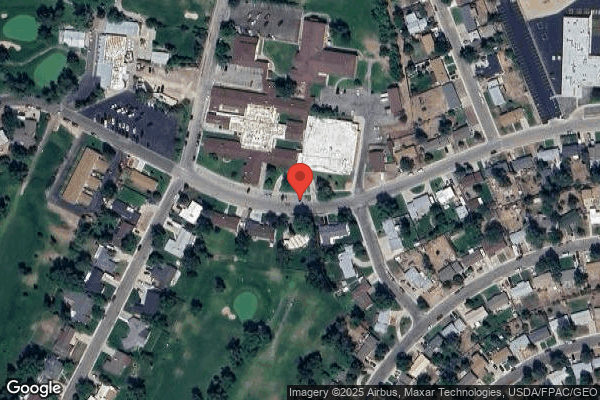
60 Magnolia St, Casper, WY 82604 (307) 234-9381
For profit - Corporation 192 Beds EMPRES OPERATED BY EVERGREEN Data: November 2025
Trust Grade
0/100
#33 of 33 in WY
Last Inspection: October 2024

Within standard 12-15 month inspection cycle. Federal law requires annual inspections.

Overview

Shepherd of the Valley SNF Operations LLC has received a Trust Grade of F, indicating significant concerns about the quality of care provided. They rank #33 out of 33 nursing facilities in Wyoming, placing them in the bottom tier of all facilities in the state and #3 of 3 in Natrona County, suggesting there are no better local options available. Although the facility's trend is improving, with issues decreasing from 12 in 2024 to 4 in 2025, the overall inspection results remain troubling, with 37 issues found, including serious incidents that led to actual harm for some residents. Staffing is a relative strength, earning a 4/5 star rating, with a turnover rate of 46%, lower than the state average, but the facility has faced fines totaling $93,771, which is concerning as it is higher than 75% of similar facilities in Wyoming. Specific incidents include a failure to protect a resident from physical abuse by another resident, and not notifying physicians of significant changes in the condition of two residents, resulting in serious health complications for them. While staffing levels are good, the facility's overall performance raises red flags that families should carefully consider.
Trust Score
F
0/100
In Wyoming
#33/33
Bottom 1%
Safety Record
High Risk
Review needed
Inspections
Getting Better
12 → 4 violations
Staff Stability
⚠ Watch
46% turnover. Above average. Higher turnover means staff may not know residents' routines.
Penalties
○ Average
$93,771 in fines. Higher than 56% of Wyoming facilities. Some compliance issues.
Skilled Nurses
✓ Good
Each resident gets 49 minutes of Registered Nurse (RN) attention daily — more than average for Wyoming. RNs are trained to catch health problems early.
Violations
⚠ Watch
37 deficiencies on record. Higher than average. Multiple issues found across inspections.
★☆☆☆☆
1.0
Overall Rating
★★★★☆
4.0
Staff Levels
★☆☆☆☆
1.0
Care Quality
★☆☆☆☆
1.0
Inspection Score
Stable
2024: 12 issues
2025: 4 issues

The Good

  • 4-Star Staffing Rating · Above-average nurse staffing levels
  • Full Sprinkler Coverage · Fire safety systems throughout facility
  • No fines on record

Facility shows strength in staffing levels, fire safety.

The Bad

1-Star Overall Rating

Below Wyoming average (2.9)

Significant quality concerns identified by CMS

Staff Turnover: 46%

Near Wyoming avg (46%)

Higher turnover may affect care consistency

Federal Fines: $93,771

Well above median ($33,413)

Moderate penalties - review what triggered them

Chain: EMPRES OPERATED BY EVERGREEN

Part of a multi-facility chain

Ask about local staffing decisions and management

The Ugly 37 deficiencies on record

7 actual harm
May 2025 1 deficiency 1 Harm
SERIOUS (G) 📢 Someone Reported This

A family member, employee, or ombudsman was alarmed enough to file a formal complaint

Actual Harm - a resident was hurt due to facility failures

Free from Abuse/Neglect (Tag F0600)

A resident was harmed · This affected 1 resident

**NOTE- TERMS IN BRACKETS HAVE BEEN EDITED TO PROTECT CONFIDENTIALITY** Based on medical record review, resident representative and staff interview, facility incident review, and performance improveme...

Read full inspector narrative →
**NOTE- TERMS IN BRACKETS HAVE BEEN EDITED TO PROTECT CONFIDENTIALITY** Based on medical record review, resident representative and staff interview, facility incident review, and performance improvement plan review, the facility failed to protect the residents' right to be free from physical abuse by another resident for 1 of 8 sample residents (#12). This failure resulted in actual harm to resident #12. Corrective measures were implemented prior to the survey and compliance was determined to be met on 5/16/25. The findings were: 1. Review of the discharge MDS assessment dated [DATE] for resident #12 showed the resident admitted to the facility on [DATE] and a brief interview for mental status score of 2 out of 15, which indicated severe cognitive impairment. Further review showed the resident had wandering behaviors which occurred daily and diagnoses which included encephalopathy and restlessness and agitation. The following concerns were identified: a. Review of a facility incident report dated 4/28/25 and timed 3:50 PM showed resident #12 wandered into the room of resident #11, which was located on the memory care unit. Resident #11 asked resident #12 to leave and when s/he didn't, resident #11 hit resident #12 in the nose, which resulted in a bloody nose. Further review showed resident #11 admitted to hitting resident #12 in the nose. b. Review of a progress note dated 4/28/25 and timed 3:30 PM showed Resident wandered into another residents room and that resident punched [him/her] in the nose. Resident did have a nose bleed but was able to stop the bleeding. c. Interview with the resident representative for resident #12 on 5/21/25 at 2:32 PM revealed she was notified the resident was punched by another resident the day s/he admitted to the facility. d. Interview with RN #1 on 5/22/25 at 8:09 AM revealed following the altercation between the residents, she performed an assessment. She confirmed resident #12 had a bloody nose, which continued to bleed for 2 minutes, and she thinks his/her feelings were hurt after the incident. She confirmed resident #11 admitted to punching resident #12 because s/he was in his/her room. She revealed a stop sign and 1 to 1 staffing was implemented immediately as a result. 2. Interview with the DON on 5/21/25 at 4:37 PM confirmed resident #11 punching resident #12 resulted in a bloody nose for resident #12. She confirmed immediate correction included implementing 1 to 1 staffing for resident #11 and placement of a stop sign to resident #11's door. Additionally, she revealed resident #11's care plan was updated and verbal training was provided to staff. She revealed resident #12 was discharged on 5/3/25, as s/he was at the facility for respite care, and resident #11 remained on 1 to 1 staffing until s/he was hospitalized on [DATE]. 3. Interview with the DON on 5/22/25 at 8:58 AM revealed the IDT reevaluated the 1 to 1 staffing and determined on 5/5/25 that it was not necessary for resident #11. Further she revealed the facility's plan of correction was fully implemented on 5/16/25. 4. The following plan of correction was implemented by the facility by 5/16/25 and verified during the survey: a. Resident #12 discharged from the facility on 5/3/25. Resident #11 had 1 to 1 staffing implemented and a stop sign was placed on the resident's door immediately following the incident. b. Medication reviews and care plan review and updates were performed for resident #11. c. Staff education was performed for the use of stop signs, redirecting residents, and caring for residents with dementia. d. Audits were performed to evaluate the stop sign placement and effectiveness. e. Review and removal of 1 to 1 staffing for resident #11 following return from the hospital.
Mar 2025 3 deficiencies 3 Harm
SERIOUS (G) 📢 Someone Reported This

A family member, employee, or ombudsman was alarmed enough to file a formal complaint

Actual Harm - a resident was hurt due to facility failures

Notification of Changes (Tag F0580)

A resident was harmed · This affected 1 resident

**NOTE- TERMS IN BRACKETS HAVE BEEN EDITED TO PROTECT CONFIDENTIALITY** Based on resident representative and staff interview, medical record review, and policy review, the facility failed to notify re...

Read full inspector narrative →
**NOTE- TERMS IN BRACKETS HAVE BEEN EDITED TO PROTECT CONFIDENTIALITY** Based on resident representative and staff interview, medical record review, and policy review, the facility failed to notify residents' physicians with changes of condition or treatment for 2 of 10 sample residents reviewed (#9, #10). This failure resulted in actual harm to resident #9 who required additional surgical intervention. The findings were: 1. Review of the admission MDS assessment dated [DATE] showed resident #9 had a BIMS score of 15 out 15, which indicated the resident was cognitively intact, and had diagnoses which included wound infection, displaced simple supracondylar fracture without intercondylar fracture of the right humerus, unspecified open wound of the right elbow, and methicillin resistant staphylococcus aureus. Further review showed the resident had a surgical wound. Review of the care plan, initiated on 10/22/24 showed .I admitted with a right elbow surgical wound that has an infection and interventions included dressing changes as ordered. The following concerns were identified: a. Review of the medication administration record (MAR) for October 2024 showed the resident was to receive a wound vac change on Monday, Wednesday, and Friday which was ordered on 10/2/24. Further review showed the order was discontinued on 10/7/24. b. Review of a physician notification to the facility physician dated 10/7/24 showed the wound nurse requested to discontinue the wound vac and the reason showed Per wound nurse not applied. The order was signed by the PA-C on 10/7/24. There was no evidence the orthopedic surgeon was notified. c. Review of the Operative Note Final Report dated 10/11/24 showed .postop approximately 6 weeks status post Open Reduction and Internal Fixation (ORIF) right distal humerus extra-articular fracture and 2 weeks status post right elbow wound dehiscence Incision and Drainage (I & D) with placement of A stem cell therapy (A cell) and wound vac. Patient presented to clinic yesterday and has been staying at a skilled nursing facility. [S/he] is present with [his/her] wound Vac not in place and states that the facility decided to discontinue the wound vac. In clinic, the triceps tendon was obviously exposed and began developing eschar overlying it. Given the concern for possible contamination and the need to have a wound vac in place to provide a healthy soft tissue bed for potential plastic surgery coverage, we recommend returning to the OR [operating room] for irrigation debridement of wound and placement of wound vac. d. Review of a progress note dated 10/13/24 and timed 10:54 PM showed Daily Skilled Evaluation for Fracture/Orthopedic Surgery/Spinal Surgery: Pt with hx [history] of falls, fracture of right elbow with post-surgical infection of deep tissue. NWB [non weight bearing] RUE [right upper extremity]. Pt had debridement of wound yesterday at [hospital] per [clinic] with a wound vac placed . e. Review of progress note dated 10/14/2024 and timed 3:36 PM showed .Pt had surgical debridement 10-11-24 on [his/her] right elbow wound making this the 4th surgical intervention. Pt returned with a wound vac in place and no new orders for a F/U or future wound care. This nurse did add wound vac orders on 10-12-24 to change every MWF [Monday, Wednesday, Friday] as that is standard for a wound vac. On this date this nurse went in to change wound vac per [clinic name], [clinic staff member name]. Wound vac canister was found with minimal clear drainage (75% of dry pack still dry). Wound vac dressing removed in which black foam was used and directly on Tendon that was thought to be fascia in prior assessment. Wound is completely dry at this time and foam stuck to parts of wound. Tendon is dry and frayed in areas. Facility PA-C in room during the entire assessment. PA-C agrees to not put wound vac back on as it is causing more damage. PA-C called [clinic name] whom stated both the surgeon and PA, [name] are out of the office this date, but they will have their nurse call back. This nurse placed hydrogel impregnated gauze over entire wound to help add moisture then secured it in place. Approximately 1 hour later [clinic name] nurse called PA-C with this nurse present. This nurse explained what wound looked like and that this nurse will not be able to replace the wound vac as it is contraindicated. [Clinic name] nurse states one of her providers will call back. A phone call was received from [clinic name's] PA, [name]. Both our facility PA-C and this nurse informed [PA] of what the wound looked like and that the black foam was placed directly on the tendon the PA, [name] stated at that time that she did not place the wound vac and that this nurse should place adaptic over tendon before placing the black foam, this nurse informed [name], PA that she will not be able to place the wound vac as it is not appropriate [name], PA became very mad and stated she did not want to talk to this nurse, so this nurse left the room. Per transportation [name], PA called to have appt set up for 10-15-24 with [clinic name] for wound vac placement. Transportation also states [clinic name] has now requested a consult with [alternate clinic name] on this date 10-14-24 for a skin graft. That appt is 10-17-24. f. Interview with the Orthopedic Surgeon on 3/20/25 at 1:15 PM revealed the resident required additional surgeries due to the facility's failure to apply the wound vac per the surgeon's orders. g. Interview with the DON on 3/20/25 at 11:46 AM revealed the wound care nurse should have called the surgeon, and she did not. 2. Review of an admission MDS assessment dated [DATE] showed resident #10 had a BIMS score of 11 out 15, which indicated moderate cognitive impairment, and diagnoses which included displaced bicondylar fracture of right tibia, subsequent encounter for closed fracture with routine healing and history of falling. Further review showed the resident had a surgical wound. The following concerns were identified: a. Review of physician communication dated 2/10/25 showed Orders paint surgical incisions [with] betadine 2 x [times] daily begin keflex 500 mg QIb [sic] until follow up. FU [follow up] 1 wk [week]. The PA-C signed the note on 2/10/25 and it was marked noted MAR [medication administration record] updated 2/10/25. b. Review of the MAR and Treatment Administration Record (TAR) showed start dates for both orders were 2/15/25. c. Interview with the DON on 3/20/25 at 11:46 AM revealed the nurse failed to update the physician orders for wound care and antibiotic therapy and the delayed orders were identified on 2/15/25. d. Interview with the Orthopedic Surgeon on 3/20/25 at 1:15 PM revealed the facility failed to notify them of a delay to start wound care and Keflex orders. 3. Review of the policy titled Skin Integrity last revised January 2025 showed .6. If skin impairment is noted after admission (in addition to the above steps), the LN [licensed nurse]: b. Completes (and documents) notifications to the physician and Resident or Resident Representative .8. Wounds are evaluated weekly by center clinicians. arterial, pressure, stasis, and venous ulcers, significant surgical wounds, and burns are evaluated, measured, and findings documented in the medical record. This evaluation includes pain associated with the wound during care. If a wound condition fails to improve after 2 weeks of treatment or the condition of the wound deteriorates, the Physician and Resident's Representative are notified. If a new treatment order is obtained the LN: a. Re-evaluates POC [plan of care] and resident's condition (e.g. off-loading pressure from skin impairment area, nutritional intake, blood sugars, and lab values) .
SERIOUS (G) 📢 Someone Reported This

A family member, employee, or ombudsman was alarmed enough to file a formal complaint

Actual Harm - a resident was hurt due to facility failures

Quality of Care (Tag F0684)

A resident was harmed · This affected 1 resident

**NOTE- TERMS IN BRACKETS HAVE BEEN EDITED TO PROTECT CONFIDENTIALITY** Based on observation, resident representative and staff interview, medical record review, and policy review, the facility failed...

Read full inspector narrative →
**NOTE- TERMS IN BRACKETS HAVE BEEN EDITED TO PROTECT CONFIDENTIALITY** Based on observation, resident representative and staff interview, medical record review, and policy review, the facility failed to provide quality of care for 3 of 10 sample residents (#2, #4, #10). This failure resulted in actual harm to resident #4 who was hospitalized for sepsis infection. The findings were: 1. Review of the quarterly MDS assessment dated [DATE] showed resident #4 had a BIMS score of 15 out of 15, which indicated the resident was cognitively intact, and had diagnoses which included diabetes mellitus, neuropathy, and renal insufficiency, renal failure, or end-stage renal disease. Further review showed the resident was at-risk for developing pressure ulcers/ injuries, had no venous or arterial ulcers, and no other ulcers, wounds, or skin problems present. Review of the care plan initiated on 1/27/25 showed I have potential for pressure ulcer development and skin breakdown . and interventions which included an air mattress for skin integrity. The following concerns were identified: a. Review of a progress note dated 2/13/25 and timed 4:46 AM showed .Skin Issue (New/Worsened/Change) Acute signs and symptoms (s/s): tachycardia, fever, chills, n/v, wound drainage, pain, mentation, interventions, outcomes, Vitals: Right (Rt) buttock wound noted with increased depth from last week. Upper aspect noted yellow/green sluff [sic] and blackened area. Noted foul odor, cleansed with NS and gauze. Applied zinc cream as ordered. Please advise, thank you. Further review showed no additional notes related to wound condition or possible infection until 2/21/25. b. Review of a progress note dated 2/21/25 and timed 8:12 PM showed .MD evaluated resident due to swollen left side of face. Orders received to culture drainage. Drainage cultured by day shift and sent to lab. Orders received for Rocephin 1 gram IM/IV every 24 hours times 6 days. Orders received for Metronidazole 500 milligram (mg) oral (po) every 8 hours times 7 days. Orders entered and faxed to pharmacy. c. Review of a progress note dated 2/22/25 and timed 5:10 AM showed .Infection Signs/symptoms tachycardia, fever/chills, n/v, pain, mental status. List clinical findings.: Resident continues on oral antibiotics for UTI. Resident remains A&O at baseline. Starting IM abx [antibiotic] injections this afternoon for possible facial infection. Resident resting in bed with eyes closed. vital signs (VS) stable. No adverse reactions noted. WCTM [will continue to monitor]. Vitals: 113/76, 97.3, 93, 15, 92%. d. Review of a progress note dated 2/22/2025 and timed 7:35 AM showed Family came in to visit resident. Family concerned about residents [sic] condition. Family requesting resident to be sent to WMC ER for evaluation due to not being [him/herself] per granddaughter. MOD [manager on duty] notified and came to unit to assist. VS obtained and resident was tachypneic and hypoxic at 82% on 2L. Oxygen adjusted up to 5L and sats [saturation] rose to 88%. 911 called and left with resident at 738 AM. MD called by MOD and notified of situation. e. Interview with the resident's representative on 3/19/25 at 1:38 PM revealed they were not notified of the skin breakdown or tunneling of the wound until 2/22/25. The representative revealed upon hospitalization it was learned the resident was septic and s/he should have gone to the hospital sooner. 2. Review of an admission MDS assessment dated [DATE] showed resident #10 had a BIMS score of 11 out 15, which indicated moderate cognitive impairment, and diagnoses which included displaced bicondylar fracture of right tibia, subsequent encounter for closed fracture with routine healing and history of falling. Further review showed the resident had a surgical wound. The following concerns were identified: a. Review of physician communication dated 2/10/25 showed Orders paint surgical incisions [with] betadine 2 x [times] daily begin keflex 500 mg QIb [sic] until follow up. FU [follow up] 1 wk [week]. The PA-C signed the note on 2/10/25 and it was marked noted MAR [medication administration record] updated 2/10/25. b. Review of the MAR and Treatment Administration Record (TAR) showed start dates for both orders were 2/15/25. c. Interview with the DON on 3/20/25 at 11:46 AM revealed the nurse failed to update the physician orders for wound care and antibiotic therapy and the delayed orders were identified on 2/15/25. d. Interview with the Orthopedic Surgeon on 3/20/25 at 1:15 PM revealed the facility failed to notify them of a delay to start wound care and Keflex orders. 3. Review of the admission MDS dated [DATE] showed resident #5 had severely impaired cognitive skills for daily decision making, and diagnoses which included depression. Further medical record review showed a diagnosis of altered mental status, and a Morse Fall Scale of 80, which indicated s/he was at a high risk for falls. The following concerns were identified: a. Review of a progress note dated 1/22/25 at 5:34 PM showed the resident fell in his/her room. Further review showed no observed bruising, skin tears or abrasions, range of motion to all extremities with no difficulties, and neurological checks were started at 5:15 PM. b. Review of a progress note dated 1/23/25 at 5:19 AM showed Resident noted walking down the hall without walker/wheelchair/oxygen. Staff responded to assist [him/her] back to [him/her] room and in w/c. Upon assessment noted bruising under left eye, on bridge of nose, and an abrasion area on forehead. When asked resident if [s/he] had fallen [s/he] stated 'you know I did you helped me up and then took me to eat dinner. I was walking up that incline and then was on the floor on my face' [sic] Resident did have an unwitnessed fall last evening at 15:04 [3:04 PM] in his/her room. Neuros have been WNL. Resident pleasantly confused . c. Review of the neurological evaluation showed one neuro assessment documented on 1/22/25 at 5 PM, and no further assessments documented, with a note on the form stating refused. d. Review of the emergency room report dated 1/23/25 at 11:16 PM showed a maxillofacial CT had been completed with the result of a nondisplaced acute nasal bone fracture. e. Interview with the DON on 3/19/25 at 4:15 PM revealed the resident had an unwitnessed fall in his/her room on 1/22/25, and there was a red mark on his/her forehead but no bruising at that time. Further interview revealed the facility protocol for neuro checks after a fall was every hour for the first 4 hours, and every 4 hours for the next 24 hours, with fall charting for 72 hours to monitor for any symptoms. f. Interview with the DON on 3/20/25 at 11:55 AM revealed she was the nurse on duty on 1/23/25 at 5:19 AM when the resident came out of his/her room and said s/he had fallen again, though the DON was unaware of any other falls. Further interview revealed neuro assessments had been completed but she did not know where the records were, or why the facility only had the first set of vitals taken. 4. Review of the Fall Management and Neurological Check policy last updated January 2025 showed .Head Injury/Unwitnessed Fall .1. In the event of a head injury or fall that is unwitnessed and the occurrence leads the nurse to conclude a head injury is likely, neurological checks are initiated .a. Example of when neurological checks may not be required: i. Resident is cognitively intact and able to state what occurred and there is no evidence of head injury .b. Neurological checks are completed per evidenced based guidance (See reference below): i. Hourly for four (4) hours then. ii. Every four (4) hours for 24 hours. c. Neurological checks include: i. Vital signs ii. Pupillary Response using light accommodation. iii. Motor function including 1. Hand grasp 2. Extremity Review iv. Monitoring for seizure, new onset vomiting, new onset headache, and new onset amnesia .
SERIOUS (G) 📢 Someone Reported This

A family member, employee, or ombudsman was alarmed enough to file a formal complaint

Actual Harm - a resident was hurt due to facility failures

Pressure Ulcer Prevention (Tag F0686)

A resident was harmed · This affected 1 resident

**NOTE- TERMS IN BRACKETS HAVE BEEN EDITED TO PROTECT CONFIDENTIALITY** Based on observation, resident representative and staff interview, and medical record review, the facility failed to ensure resi...

Read full inspector narrative →
**NOTE- TERMS IN BRACKETS HAVE BEEN EDITED TO PROTECT CONFIDENTIALITY** Based on observation, resident representative and staff interview, and medical record review, the facility failed to ensure residents received necessary treatment and services to promote healing, prevent infection, and prevent new ulcer development for 1 of 5 sample residents (#9) review for pressure ulcers. This failure resulted in actual harm to resident #9 who required additional surgical intervention. The findings were: 1. Review of the admission MDS assessment dated [DATE] showed resident #9 had a BIMS score of 15 out 15, which indicated the resident was cognitively intact, and diagnoses which included wound infection, displaced simple supracondylar fracture without intercondylar fracture of the right humerus, unspecified open wound of the right elbow, and methicillin resistant staphylococcus aureus. Further review showed the resident had a surgical wound. Review of the care plan, initiated on 10/22/24 showed .I admitted with a right elbow surgical wound that has an infection and interventions included dressing changes as ordered. The following concerns were identified: a. Review of the medication administration record (MAR) for October 2024 showed the resident was to receive a wound vac change on Monday, Wednesday, and Friday which was ordered on 10/2/24. Further review showed the order was discontinued on 10/7/24. b. Review of a physician notification to the facility physician dated 10/7/24 showed the wound nurse requested to discontinue the wound vac and the reason showed Per wound nurse not applied. The order was signed by the PA-C on 10/7/24. There was no evidence the orthopedic surgeon was notified. c. Review of the Operative Note Final Report dated 10/11/24 showed .postop approximately 6 weeks status post Open Reduction and Internal Fixation (ORIF) right distal humerus extra-articular fracture and 2 weeks status post right elbow wound dehiscence Incision and Drainage (I & D) with placement of A stem cell therapy (A cell) and wound vac. Patient presented to clinic yesterday and has been staying at a skilled nursing facility. [S/he] is present with [his/her] wound Vac not in place and states that the facility decided to discontinue the wound vac. In clinic, the triceps tendon was obviously exposed and began developing eschar overlying it. Given the concern for possible contamination and the need to have a wound vac in place to provide a healthy soft tissue bed for potential plastic surgery coverage, we recommend returning to the OR for irrigation debridement of wound and placement of wound vac. d. Review of a progress note dated 10/13/24 and timed 10:54 PM showed Daily Skilled Evaluation for Fracture/Orthopedic Surgery/Spinal Surgery: Pt with hx [history] of falls, fracture of right elbow with post-surgical infection of deep tissue. NWB [non weight bearing] RUE [right upper extremity]. Pt had debridement of wound yesterday at [hospital] per [clinic] with a wound vac placed . e. Review of progress note dated 10/14/2024 and timed 3:36 PM showed .Pt had surgical debridement 10-11-24 on [his/her] right elbow wound making this the 4th surgical intervention. Pt returned with a wound vac in place and no new orders for a F/U or future wound care. This nurse did add wound vac orders on 10-12-24 to change every MWF [Monday, Wednesday, Friday] as that is standard for a wound vac. On this date this nurse went in to change wound vac per [clinic name], [clinic staff member name]. Wound vac canister was found with minimal clear drainage (75% of dry pack still dry). Wound vac dressing removed in which black foam was used and directly on Tendon that was thought to be fascia in prior assessment. Wound is completely dry at this time and foam stuck to parts of wound. Tendon is dry and frayed in areas. Facility PA-C in room during the entire assessment. PA-C agrees to not put wound vac back on as it is causing more damage. PA-C called [clinic name] whom stated both the surgeon and PA, [name] are out of the office this date, but they will have their nurse call back. This nurse placed hydrogel impregnated gauze over entire wound to help add moisture then secured it in place. Approximately 1 hour later [clinic name] nurse called PA-C with this nurse present. This nurse explained what wound looked like and that this nurse will not be able to replace the wound vac as it is contraindicated. [Clinic name] nurse states one of her providers will call back. A phone call was received from [clinic name's] PA, [name]. Both our facility PA-C and this nurse informed [PA] of what the wound looked like and that the black foam was placed directly on the tendon the PA, [name] stated at that time that she did not place the wound vac and that this nurse should place adaptic over tendon before placing the black foam, this nurse informed [name], PA that she will not be able to place the wound vac as it is not appropriate [name], PA became very mad and stated she did not want to talk to this nurse, so this nurse left the room. Per transportation [name], PA called to have appt set up for 10-15-24 with [clinic name] for wound vac placement. Transportation also states [clinic name] has now requested a consult with [alternate clinic name] on this date 10-14-24 for a skin graft. That appt is 10-17-24. f. Interview with the Orthopedic Surgeon on 3/20/25 at 1:15 PM revealed the resident required additional surgeries due to the facility's failure to apply the wound vac per the surgeon's orders. g. Interview with the DON on 3/20/25 at 11:46 AM revealed the wound care nurse contacted the facility's provider related to the wound vac and it was decided the vac was causing damage to the wound. The DON revealed the order was changed by the facility provider with the wound care nurse; however, she revealed the wound care nurse should have notified the surgeon and confirmed the surgeon was not notified.
Oct 2024 7 deficiencies
CONCERN (D)

Potential for Harm - no one hurt, but risky conditions existed

Deficiency F0676 (Tag F0676)

Could have caused harm · This affected 1 resident

**NOTE- TERMS IN BRACKETS HAVE BEEN EDITED TO PROTECT CONFIDENTIALITY** Based on resident and staff interview, medical record review, and policy and procedure review, the facility failed to ensure res...

Read full inspector narrative →
**NOTE- TERMS IN BRACKETS HAVE BEEN EDITED TO PROTECT CONFIDENTIALITY** Based on resident and staff interview, medical record review, and policy and procedure review, the facility failed to ensure restorative nursing care was provided to maintain residents' ability to carry out activities of daily living for 2 of 3 sample residents (#22, #100) reviewed for restorative nursing. The findings were: 1. Review of the annual MDS assessment dated [DATE] showed resident #22 had a BIMS score of 15 out 15, which indicated the resident was cognitively intact, and had diagnoses which included an unspecified fracture of right lower leg, morbid obesity, and other muscle spasms. Further review showed the resident had functional limitation in range of motion for bilateral upper and lower extremities and no restorative programming was performed during the 7-day lookback period. The following concerns were identified: a. Interview with the resident on 10/29/24 at 2:12 PM revealed s/he recently declined with transfers and now had to use a full body mechanical lift instead of a sit-to-stand mechanical lift. The resident revealed s/he had an active restorative nursing plan, which was not being performed, and s/he would like to complete the restorative plan; however, the restorative staff was being pulled to the floor to work open shifts. Further interview revealed s/he mentioned his/her desire to participate in restorative during the last care plan meeting and was told the facility was short staffed. b. Review of the August 2024 Documentation Survey Report showed the resident was to receive Nursing Rehab/Restorative: Active ROM [range of motion] Program: Bike 1-2x/week [1 to 2 times per week] as tolerated and Nursing Rehab/Restorative: Transfer Program: Standing neurogym/parallel bars 1-2x/week as tolerated. Further review showed each of the programs were provided twice during the month, on 8/13/24 and 8/14/24. Review of the September 2024 Documentation Survey Report showed the resident received each program once during the month, on 9/19/24. Review of the October 2024 Documentation Survey Report showed the resident received each program once during the month, on 10/24/24. 2. Review of the quarterly MDS assessment dated [DATE] showed resident #100 had a BIMS score of 7 out 15, which indicated severe cognitive impairment, and diagnoses which included non-Alzheimer's dementia, fibromyalgia, inflammatory polyarthropathy, and unspecified neuralgia and neuritis. Further review showed the resident had no range of motion impairment and no restorative programming was performed during the 7-day look back period. The following concerns were identified: a. Review of the August 2024 Documentation Survey Report showed the resident was to receive Nursing Rehab/Restorative: Active ROM Program: Bike or NuStep 1-2x/week as tolerated and Nursing Rehab/Restorative: Walking Program: Ambulate distance tolerated with assist 1-2x/week as tolerated. Further review showed each of the programs were provided four times during the month, on 8/2/24, 8/15/24, 8/21/24, and 8/30/24. Review of the September 2024 Documentation Survey Report showed the resident received each program once during the month, on 9/30/24. Review of the October 2024 Documentation Survey Report showed the resident received each program twice during the month, on 10/8/24 and 10/24/24. 3. Interview with the DON and MDS coordinator on 10/31/24 at 8:30 AM confirmed the lack of restorative nursing was due to restorative aides working the floor. 4. Review of the policy titled Restorative Program, last updated March 2019, showed .The following residents may be appropriate for a restorative program: Any resident identified and evaluated to be appropriate on admission for a restorative program to reach their highest potential. Any resident who has a decline in level of function from baseline. Any resident discontinued from active therapy that requires ongoing restorative to maintain their functional gains. Any resident at risk for declining in function .
CONCERN (D)

Potential for Harm - no one hurt, but risky conditions existed

Infection Control (Tag F0880)

Could have caused harm · This affected 1 resident

Based on observation, staff interview, and policy review, the facility ensure infection control procedures were implemented for 1 of 2 sample residents (#77) reviewed for enhanced barrier precautions....

Read full inspector narrative →
Based on observation, staff interview, and policy review, the facility ensure infection control procedures were implemented for 1 of 2 sample residents (#77) reviewed for enhanced barrier precautions. The findings were: 1. Observation of resident #77's room door on 10/29/24 at 9:56 AM revealed an Enhanced Barrier Precaution (EBP) stop sign posted on the outside of the room door. Observation of personal care for the resident at that time showed RN #2, wore gloves and no gown and was crawling on the residents' mattresses, which were on the floor. The RN removed the resident's gastric tube dressing then assisted CNA #1 to reposition the resident to the edge of the mattress. RN #1 bear hugged the resident and lifted him/her up and onto the shower chair while CNA #1 held and positioned the shower chair. Further observation showed there were no gowns in the room; however, the RN stated there was a whole box at one time. Further interview with the RN at that time revealed the EBP sign on the door indicated that staff were supposed to wear a gown along with gloves for high contact resident care; however, she stated we didn't. 5. Interview with CNA #2 on 10/30/24 at 11:10 AM revealed she had never heard about wearing gowns when assisting residents until 10/29/24. Further interview revealed staff were told to wear PPE when caring for residents with wounds and catheters; however, she was unsure why. 6. Interview with infection preventionist (IP) #1 and #2 on 10/31/24 at 12:45 PM revealed EBP are to be used with high contact care on residents with wounds, catheters, feeding tubes, central lines, PICC lines, and residents receiving dialysis. IP #2 stated stop signage was on the door to make staff aware of EBP. IP #1 stated the expectation of staff and EBP was for gowns and gloves to be worn with high contact care. 7. Review of policy titled Enhanced Barrier Precautions last revised on 3/26/24 showed EBP were used in conjunction with standard precautions and to expand the use of PPE to donning of gown and gloves during high contact resident care activities that provide opportunities for transfer of multi-drug resistant organisms to staff hands and clothing. Further review showed EBP were indicated for residents with indwelling medical devices and examples included feeding tubes.
CONCERN (E)

Potential for Harm - no one hurt, but risky conditions existed

Deficiency F0679 (Tag F0679)

Could have caused harm · This affected multiple residents

**NOTE- TERMS IN BRACKETS HAVE BEEN EDITED TO PROTECT CONFIDENTIALITY** Based on resident and staff interview and medical record review, the facility failed to ensure activities meet the interest/nee...

Read full inspector narrative →
**NOTE- TERMS IN BRACKETS HAVE BEEN EDITED TO PROTECT CONFIDENTIALITY** Based on resident and staff interview and medical record review, the facility failed to ensure activities meet the interest/needs of each resident for 4 of 6 sample residents (#22, #30, #41, #61) reviewed for activities. The findings were: 1. Review of the significant change MDS assessment dated [DATE] showed resident #30 had a BIMS score of 15 out 15, which indicated the resident was cognitively intact, and diagnoses which included amputation. Further review showed the resident indicated it was very important to go outside and get fresh air when the weather was good and somewhat important to listen to music s/he liked and to do his/her favorite activities. Review of the care plan last revised on 10/22/24 showed the resident would like staff to continue to invite him/her to activities that may be of interest, and encourage him/her to participate in activities of interest. The following concerns were identified a. Interview with the resident on 10/28/24 at 2:45 PM revealed s/he was unaware of any group activities that were available. b. Review of the activity participation log for the resident showed the resident actively participated in the independent activities of watching television and sensory stimulation on 11 of 48 days reviewed, and actively participated in the independent activities of reading, puzzles, and newspaper on 3 of 48 days reviewed. There was no participation in any other activities indicated. c. Interview with the activity director on 10/31/24 at 1:31 PM revealed activity aides should tell residents about activities upon admission. 2. Review of the significant change MDS assessment dated [DATE] showed resident #61 had a BIMS score of 10 out of 15, which indicated moderate cognitive impairment, and diagnoses which included depression, partial amputation of right foot, and phantom limb syndrome with pain. Review of the care plan last revised on 10/8/24 showed the resident would like staff to continue to invite him/her to activities that may be of interest, and encourage him/her to participate in activities of interest. a. Interview with resident #61 on 10/29/24 at 8:59 AM revealed s/he would like to play BINGO. b. Review of the activity participation log showed the resident actively participated in the independent activities of watching television and sensory stimulation on 12 of 64 days reviewed, and actively participated in the independent activities of reading, puzzles, and newspaper on 5 of 64 days reviewed. There was no participation in any other activities indicated, including BINGO. 3. Review of the annual MDS assessment dated [DATE] showed resident #41 had a BIMS score of 15 out 15, which indicated the resident was cognitively intact, and had diagnoses which included hemiplegia or hemiparesis, seizure disorder or epilepsy, anxiety disorder, and depression. Further review showed the resident indicated it was very important to listen to music s/he liked, to be around animals, to do his/her favorite activities, to go outside to get fresh air when the weather was good, and to participate in religious services or practices. In addition, the resident indicated it was somewhat important to have books, newspapers, and magazines to read and do things with groups of people. Review of the care plan last revised on 10/21/24 showed the resident would like staff to continue to invite him/her to activities that may be of interest, and encourage him/her to participate in activities of interest. a. Interview with the resident on 10/29/24 at 10:23 AM revealed the resident would attend activities when .they're good enough to go to. I would go if they weren't for old people and if it was interesting. b. Review of the activity participation log for the resident showed s/he actively participated in the independent activities of watching television and sensory stimulation on 25 of 96 days reviewed, and actively participated in the independent activities of reading, puzzles, and newspaper on 4 of 96 days reviewed. There was no participation in any other activities indicated. c. Interview with the activity director on 10/31/24 at 1:26 PM revealed the resident participated in fishing, fair and rodeo events last summer; however, she revealed the facility was not able to do many outings at that time due to low staffing and the facility only having one van in use. She confirmed the resident did not participate in the group activities they provided at the facility. 4. Review of the annual MDS assessment dated [DATE] showed resident #22 had a BIMS score of 15 out 15, which indicated the resident was cognitively intact, and had diagnoses which included an unspecified fracture of right lower leg, morbid obesity, and other muscle spasms. Further review showed it very important to the resident to have books, newspapers, and magazines to read, listen to music s/he liked, keep up with the news, do his/her favorite activities, and go outside to get fresh air when the weather is good. Review of the resident's care plan, last revised on 9/16/23 showed activities of interest included animals and pets, helping others and volunteering, cooking and baking, dining out, movies, politics, listening to the radio, reading, shopping, television, and theater/plays. The following concerns were identified: a. Interview with the resident on 10/29/24 at 2:12 PM revealed s/he taught first and second grade and felt the activities s/he did with his/her classes were the same kind of activities offered at the facility and s/he did not care for them. b. Review of the activity participation record from 9/1/24 through 10/30/24 showed the resident was an active participant in independent activities on 26 out of 60 days reviewed. Further review showed no other type of activity participation was documented and the independent activities included reading, puzzles, television, sensory stimulation, mail delivery, newspaper, and snacks. c. Interview with the activity director on 10/31/24 at 1:11 PM revealed she was aware the resident did not like to participate in the offered group activities and the resident had been offered 1 to 1 activities. She revealed staff check in with the resident once each month and they try to have outings. 5. Interview with the activity director on 10/31/24 at 1:31 PM revealed the facility needed to get better about activity aides inviting residents from all the units and the activity department had been without full staff for a few months. The activity director had been trying to hire two more staff for most of the summer. Further interview revealed they try to assess residents for activities they would like to participate in.
CONCERN (E) 📢 Someone Reported This

A family member, employee, or ombudsman was alarmed enough to file a formal complaint

Potential for Harm - no one hurt, but risky conditions existed

Deficiency F0725 (Tag F0725)

Could have caused harm · This affected multiple residents

Based on resident and staff interviews and medical record review, the facility failed to ensure sufficient staffing to attain or maintain the highest practicable physical, mental, and psychosocial wel...

Read full inspector narrative →
Based on resident and staff interviews and medical record review, the facility failed to ensure sufficient staffing to attain or maintain the highest practicable physical, mental, and psychosocial well-being of each resident on 2 of 5 resident care units (south, east). The census was 155. The findings were: 1. Interview with 10 residents during the resident council meeting on 10/29/24 at 9:28 AM revealed turnover in CNAs and the facility being short-staffed has resulted in care not being provided timely, call lights were not answered for 30 to 40 minutes, beds were not made, and rooms did not look nice. The group felt the facility needed more staff. 2. Interview with resident #41 on 10/29/24 at 10:21 AM revealed there was never enough staff. 3. Interview with resident #67 on 10/29/24 at 2:42 PM revealed sometimes the facility did not have enough staff. 4. Interview with resident #24 on 10/29/24 at 10:03 AM revealed s/he felt the facility could use more staff and call lights were not always answered timely. 5. Interview with resident #22 on 10/29/24 at 2:12 PM revealed s/he did not always receive showers. The resident revealed s/he went without showers for a while at the end of September and beginning of October and then was only provided 1 shower per week due to staffing issues. S/he revealed s/he recently declined with transfers and now had to use a full body mechanical lift instead of a sit-to-stand mechanical lift. The resident revealed s/he had an active restorative nursing plan, which was not being performed, and s/he would like to complete the restorative plan; however, the restorative staff was being pulled to the floor to work open shifts. Further interview revealed s/he mentioned his/her desire to participate in restorative during the last care plan meeting and was told the facility was short staffed. The following concerns were identified: a. Review of the 30-day bathing record on 10/30/24 showed the resident received no showers prior to 10/21/24 and the resident was marked not applicable on 10/10/24 and 10/16/24. Review of the updated 30-day bathing record on 10/31/24 showed the resident received showers on 10/3/24, 10/8/24, and 10/14/24, which were not previously documented. Further review showed the showers were documented by the DON. Review of East Station Bath Schedule logs for 10/3/24, 10/8/24, and 10/14/24 showed the resident was listed with other residents, there were 8 columns, and there was no evidence the resident received showers. b. Review of the August 2024 Documentation Survey Report showed the resident was to receive Nursing Rehab/Restorative: Active ROM [range of motion] Program: Bike 1-2x/week [1 to 2 times per week] as tolerated and Nursing Rehab/Restorative: Transfer Program: Standing neurogym/parallel bars 1-2x/week as tolerated. Further review showed each of the programs were provided twice, on 8/13/24 and 8/14/24. Review of the September 2024 Documentation Survey Report showed the resident received each program once, on 9/19/24. Review of the October 2024 Documentation Survey Report showed the resident received each program once, on 10/24/24. 6. Review of the 30-day bathing record on 10/30/24 showed resident #27 received a bath 10/8/24 and was marked not applicable on 10/1/24, 10/15/24, 10/17/24, 10/22/24, and 10/24/24. Review of the updated 30-day bathing record on 10/31/24 showed the resident received showers on 10/1/24, 10/15/24, 10/24/24, and 10/29/24 which were not previously documented. Further review showed the showers were documented by the DON. Review of East Station Bath Schedule logs for 10/1/24, 10/15/24, 10/24/24, and 10/29/24 showed the resident was listed with other residents, there were 8 columns, and there was no evidence the resident received showers. 7. Review of the 30-day bathing record on 10/30/24 showed resident #130 received no bathing and was marked not applicable on 10/16/24 and 10/23/24. Review of the updated 30-day bathing record on 10/31/24 showed the resident received showers on 10/3/24, 10/10/24, 10/17/24, and 10/24/24 which were not previously documented. Further review showed the showers were documented by the DON. Review of East Station Bath Schedule logs for 10/3/24, 10/10/24, 10/17/24, and 10/24/24 showed the resident was listed with other residents, there were 8 columns, and there was no evidence the resident received showers. 8. Review of the August 2024 Documentation Survey Report showed resident #100 was to receive Nursing Rehab/Restorative: Active ROM Program: Bike or NuStep 1-2x/week as tolerated and Nursing Rehab/Restorative: Walking Program: Ambulate distance tolerated with assist 1-2x/week as tolerated. Further review showed each of the programs were provided four times, on 8/2/24, 8/15/24, 8/21/24, and 8/30/24. Review of the September 2024 Documentation Survey Report showed the resident received each program once, on 9/30/24. Review of the October 2024 Documentation Survey Report showed the resident received each program twice, on 10/8/24 and 10/24/24. 9. Interview with the DON and MDS coordinator on 10/31/24 at 8:30 AM revealed the shower information was updated in the system because the bath aides keep a bath schedule log list in the bath house with showers that were provided. They confirmed the system was updated, after the bathing records were requested, with information from the bath schedule logs and the staff member who completed the logs no longer worked at the facility. Further interview confirmed the lack of restorative nursing was due to restorative aides working the floor. 10. Interview with the administrator and regional clinical director on 10/31/24 at 1:55 PM revealed the East Station Bath Schedule logs were not part of resident records. Further interview confirmed bathing was expected to be documented in resident records when they occurred.
CONCERN (E)

Potential for Harm - no one hurt, but risky conditions existed

Medication Errors (Tag F0758)

Could have caused harm · This affected multiple residents

**NOTE- TERMS IN BRACKETS HAVE BEEN EDITED TO PROTECT CONFIDENTIALITY** 3. Review of the 5-day Medicare MDS assessment dated [DATE] showed resident #120 had a BIMS score of 3 out of 15, which indicate...

Read full inspector narrative →
**NOTE- TERMS IN BRACKETS HAVE BEEN EDITED TO PROTECT CONFIDENTIALITY** 3. Review of the 5-day Medicare MDS assessment dated [DATE] showed resident #120 had a BIMS score of 3 out of 15, which indicated severe cognitive impairment, and diagnosis which included non-Alzheimer's dementia, depression, and post-traumatic stress disorder (PTSD). Review of the physician orders showed the resident received escitalopram (antidepressant) 5mg by mouth daily for major depressive disorder, olanzapine (antipsychotic) 10mg by mouth daily for mood disorder, and divalproex (anticonvulsant) 500 mg by mouth three times a day for unspecified dementia with other behavioral disturbance. The following concerns were identified: a. Review of the physician orders showed no evidence the facility had identified or was monitoring medication or resident specific target symptoms to evaluate the effectiveness of each medication. b. Review of the care plan showed no evidence the facility had identified medication or resident specific target symptoms. 4. Review of the annual MDS assessment dated [DATE] showed resident #72 had a BIMS score of 0 out of 15, which indicated severe cognitive impairment, and diagnosis which included non-Alzheimer's dementia and anxiety disorder. Review of the physician orders showed the resident received Seroquel (antipsychotic) 50 mg by mouth daily for unspecified dementia, behavioral, psychotic and mood disturbance, mirtazapine (antidepressant) 7.5mg by mouth daily for unspecified dementia and anxiety disorder, and fluoxetine (antidepressant) 40mg by mouth daily for unspecified dementia. The following concerns were identified: a. Review of the physician orders showed no evidence the facility had identified or was monitoring medication or resident specific target symptoms to evaluate the effectiveness of each medication. b. Review of the care plan showed no evidence the facility had identified medication or resident specific target symptoms. 5. Review of the significant change MDS dated [DATE] showed resident #114 had a BIMS score of 5 out of 15, which indicated severe cognitive impairment and diagnosis which included dementia, depression, and bipolar disorder. Review of the physician orders showed the resident received fluoxetine (antidepressant) 20mg by mouth daily for bipolar disorder and olanzapine (antipsychotic) 10 mg by mouth daily for bipolar disorder. The following concerns were identified: a. Review of the physician orders showed no evidence the facility had identified or was monitoring medication or resident specific target symptoms to evaluate the effectiveness of each medication. b. Review of the care plan showed no evidence the facility had identified medication or resident specific target symptoms. 6. Review of the policy titled Psychotropic Drugs last updated October 2022, showed .2. Psychotropic drugs can be therapeutic and enhancing quality of life for residents suffering from mental illnesses (schizophrenia, depression, etc.), the Interdisciplinary Team (IDT) validates there are appropriate diagnoses of behavioral symptoms, so the underlying cause of the symptoms is recognized, and the condition is treated appropriately .5 .d. The Interdisciplinary Team (IDT) evaluates the resident's medication regime to validate the resident is not receiving duplicate drug therapy. Duplicate drug therapy is any drug that duplicates a particular drug effect on the resident, whether from the same drug class or not . Based on medical record review, staff interview, and policy and procedure review, the facility failed to ensure target symptoms were identified for 5 of 5 sample residents (#45, #96, #72, #114, #120) reviewed for unnecessary psychotropic medications. The findings were: 1. Review of the quarterly MDS assessment dated [DATE] showed resident #45 had a BIMS score of 7 out of 15, which indicated severe cognitive impairment, and diagnoses which included non-Alzheimer's dementia, seizure disorder, anxiety disorder, depression, psychophysiological insomnia, and severe intellectual disabilities or severe mental retardation. Further review showed the resident received antipsychotic medication, antianxiety medication, and antidepressant medication during the look back period. Review of the physician orders showed the resident received Ativan (antianxiety) 1 milligram (mg) by mouth three times per day for anxiety, bupropion (antidepressant) 300 mg by mouth daily for depression, buspirone (antianxiety) 10 mg by mouth three times per day for anxiety, sertraline (antidepressant) 60 mg by mouth daily for major depressive disorder, and trazadone (antidepressant) 25 mg by mouth daily for insomnia. a. Review of the physician orders showed no evidence the facility had identified or was monitoring medication or resident specific target symptoms to evaluate the effectiveness of each medication. b. Review of the care plan showed no evidence the facility had identified medication or resident specific target symptoms. 2. Review of the quarterly MDS assessment dated [DATE] showed resident #96 BIMS score of 12 out 15, which indicated the resident was cognitively intact, and had diagnoses which included non-Alzheimer's dementia, depression, unspecified sequelae infarction, cognitive communication deficit, and suicidal ideation. Further review showed the resident received antipsychotic and antidepressant medication during the look back period. Review of the physician orders showed the resident received quetiapine (antipsychotic) 25 mg by mouth daily for sleep and agitation and sertraline (antidepressant) 150 mg by mouth daily for major depressive disorder. The following concerns were identified: a. Review of the physician orders showed no evidence the facility had identified or was monitoring medication or resident specific target symptoms to evaluate the effectiveness of each medication. b. Review of the care plan showed no evidence the facility had identified medication or resident specific target symptoms.
CONCERN (E)

Potential for Harm - no one hurt, but risky conditions existed

Deficiency F0761 (Tag F0761)

Could have caused harm · This affected multiple residents

Based on observation, staff interview, and policy review, the facility failed to label and provide the date medications were opened in 2 of 6 medication storage areas (south hall medication cart #1, s...

Read full inspector narrative →
Based on observation, staff interview, and policy review, the facility failed to label and provide the date medications were opened in 2 of 6 medication storage areas (south hall medication cart #1, south hall medication cart #2). The findings were: 1. Observation of the South Hall medication cart #1 on 10/29/24 at 2:50 PM showed the following three Lantus Solostar Insulin pens, two Novolog Insulin Aspart pens, and a Humalog Insulin pen which were opened and not dated. 2. Observation of the South Hall medication cart #2 on 10/29/24 at 2:35 PM showed the following one Novolog Insulin Aspart pen which was opened and not dated. 3. Interview with the RN #1 on 10/29/24 at 2:35 PM revealed insulin pens should be labeled with the date they were opened. 4. Interview with the DON on 10/31/24 at 10:41 AM revealed the nursing staff were responsible for labeling multidose medications with the resident's name and the date the medication was opened. 5. Review of the policy titled Medication Storage and Handling dated 6/23 showed .multi-dose vials which have been opened or accessed should be dated and discarded within 28 days unless the manufacturer specifies a different (shorter or longer) date for that opened vial .
CONCERN (E)

Potential for Harm - no one hurt, but risky conditions existed

Medical Records (Tag F0842)

Could have caused harm · This affected multiple residents

Based on resident and staff interview, medical record review, bath schedule log review, and policy and procedure review, the facility failed to ensure medical records were accurately documented for 3 ...

Read full inspector narrative →
Based on resident and staff interview, medical record review, bath schedule log review, and policy and procedure review, the facility failed to ensure medical records were accurately documented for 3 of 5 sample residents (#22, #27, #130) reviewed for bathing. The findings were: 1. Interview with resident #22 on 10/29/24 at 2:12 PM revealed s/he did not always receive showers. The resident revealed during the beginning of October, s/he went without showers for a while at the end of September and beginning of October and then only provided 1 shower per week due to staffing issues. Review of the 30-day bathing record on 10/30/24 showed the resident received no showers prior to 10/21/24 and the resident was marked not applicable on 10/10/24 and 10/16/24. Review of the updated 30-day bathing record on 10/31/24 showed the resident received showers on 10/3/24, 10/8/24, and 10/14/24, which were not previously documented. Further review showed the showers were documented by the DON. Review of East Station Bath Schedule logs for 10/3/24, 10/8/24, and 10/14/24 showed the resident was listed with other residents, there were 8 columns, and there was no evidence the resident received showers. 2. Review of the 30-day bathing record on 10/30/24 showed resident #27 received a bath 10/8/24 and was marked not applicable on 10/1/24, 10/15/24, 10/17/24, 10/22/24, and 10/24/24. Review of the updated 30-day bathing record on 10/31/24 showed the resident received showers on 10/1/24, 10/15/24, 10/24/24, and 10/29/24 which were not previously documented. Further review showed the showers were documented by the DON. Review of East Station Bath Schedule logs for 10/1/24, 10/15/24, 10/24/24, and 10/29/24 showed the resident was listed with other residents, there were 8 columns, and there was no evidence the resident received showers. 3. Review of the 30-day bathing record on 10/30/24 showed resident #130 received no bathing and was marked not applicable on 10/16/24 and 10/23/24. Review of the updated 30-day bathing record on 10/31/24 showed the resident received showers on 10/3/24, 10/10/24, 10/17/24, and 10/24/24 which were not previously documented. Further review showed the showers were documented by the DON. Review of East Station Bath Schedule logs for 10/3/24, 10/10/24, 10/17/24, and 10/24/24 showed the resident was listed with other residents, there were 8 columns, and there was no evidence the resident received showers. 4. Interview with the DON and MDS coordinator on 10/31/24 at 8:30 AM revealed the shower information was updated in the system because the bath aides keep a bath schedule log list in the bath house with showers that were provided. Further interview confirmed the system was updated, after the bathing records were requested, with information from the bath schedule logs and the staff member who completed the logs no longer worked at the facility. 5. Interview with the administrator and regional clinical director on 10/31/24 at 1:55 PM revealed the East Station Bath Schedule logs were not part of resident records. Further interview revealed bathing was expected to be documented in resident records when it occurred.
Sept 2024 2 deficiencies 1 Harm
SERIOUS (G) 📢 Someone Reported This

A family member, employee, or ombudsman was alarmed enough to file a formal complaint

Actual Harm - a resident was hurt due to facility failures

Free from Abuse/Neglect (Tag F0600)

A resident was harmed · This affected 1 resident

Based on medical record review, staff interview, review of incident and facility documentation, and policy and procedure review, the facility failed to ensure residents were free from physical abuse b...

Read full inspector narrative →
Based on medical record review, staff interview, review of incident and facility documentation, and policy and procedure review, the facility failed to ensure residents were free from physical abuse by other residents for 1 of 4 allegations reviewed, which resulted in actual harm to resident #1. The findings were: The facility had implemented corrective action prior to the survey and was determined to be in substantial compliance as of 9/6/24. 1. Review of the 8/18/24 quarterly MDS assessment showed resident #1 (victim) had severely impaired cognitive skills, had a diagnosis of non-Alzheimer's dementia, wandered daily, and exhibited physical behaviors 1-3 days a week. 2. Review of the 7/17/24 quarterly MDS assessment showed resident #2 (perpetrator) had a BIMS score of 10, indicating moderate impairment. In addition, the resident had diagnoses including traumatic brain injury and non-Alzheimer's dementia, and did not exhibit behaviors. Review of the the care plan, initiated 11/13/23, showed the resident had a behavior problem of making comments about being violent to women in the past, and stating how s/he was still capable of these actions. The resident would say that and then laugh, and say s/he would never do that. 3. Review of an incident report showed on 8/14/24 at 6:45 PM resident #1 approached resident #2 and was waving his/her fingers near the other resident's face and was saying something. Resident #2 said something back, and then resident #1 grabbed the arms of resident #2. The two residents then were shoving back and forth. The residents were separated and neither had injuries. 4. Review of an incident report showed on 8/18/24 at 12:45 PM resident #1 approached resident #2 in the hallway and was getting in [his/her] face. Resident #2 then punched resident #1 in the face, causing the resident to fall on his/her bottom. The incident report showed the resident stated s/he hit the other resident because the other resident flipped me off and threatened to hit me, so I hit [him/her] first. The resident was taken to the hospital and found to have a nasal bone fracture. 5. Review of the history and physical from the hospital dated 8/18/24 showed resident #1 was punched in the face by another resident. The resident had a small skin tear and bruise noted to the bridge of the nose. The documentation showed .[s/he] has a nasal bone fracture with what looks like chronic sinusitis on CT scan. 6. During an interview on 9/9/24 at 5:09 PM LPN #1 stated she was outside on the phone with a doctor on 8/18/24 when CNA students came out and got her and stated resident #2 punched resident #1 in the face. When she went inside she saw that resident #1 was on the ground, his/her nose looked broken, and his/her face was swelling. 7. During an interview on 9/9/24 at 5:11 PM CNA student #1 stated she witnessed resident #2 hit resident #1 in the face. She stated she saw his/her fist connect with the other resident's face, and then the resident fell down. 8. Review of the facility's policy Freedom from Abuse, Neglect, Corporal Punishment, Involuntary Seclusion, Mistreatment, Misappropriation of Resident Property, and Exploitation, updated October 2022, showed .Each resident has the right to be free from abuse . The definition of abuse was The willful infliction of injury, unreasonable confinement, intimidation, or punishment with resulting physical harm, pain, or mental anguish .willful, as used in this definition of abuse, means the individual acted deliberately, not that the individual must have intended to inflict injury or harm. The definition of physical abuse included punching. 9. The facility implemented the following correction action by 9/6/24: a. Resident #2 was moved out of the secure unit with a wanderguard and increased supervision. b. Resident #1 had increased supervision when s/he returned from the hospital. c. A facility-wide audit was done to ensure no other physical altercations had taken place. d. Education was provided to staff to ensure escalating behaviors were being redirected before physical aggression took place. e. Weekly audits were started to ensure escalating behaviors were being redirected. Audits to be done weekly then monthly for 12 weeks and discussed in the QAPI meetings.
CONCERN (D) 📢 Someone Reported This

A family member, employee, or ombudsman was alarmed enough to file a formal complaint

Potential for Harm - no one hurt, but risky conditions existed

Comprehensive Care Plan (Tag F0656)

Could have caused harm · This affected 1 resident

Based on medical record review, staff interview, and review of incident reports, the facility failed to develop an individualized, comprehensive care plan for 1 of 5 sample residents (#2). The finding...

Read full inspector narrative →
Based on medical record review, staff interview, and review of incident reports, the facility failed to develop an individualized, comprehensive care plan for 1 of 5 sample residents (#2). The findings were: 1. Review of the 7/17/24 quarterly MDS assessment showed resident #2 had a BIMS score of 10, indicating moderate impairment. In addition, the resident had diagnoses including traumatic brain injury and non-Alzheimer's dementia, and did not exhibit behaviors. Review of the the care plan, initiated 11/13/23, showed the resident had a behavior problem of making comments about being violent to women in the past, and stating how s/he was still capable of these actions. The resident would say that and then laugh, and say s/he would never do that. The following concerns were identified: a. Review of an incident report showed on 8/14/24 at 6:45 PM resident #1 approached resident #2 and was waving his/her fingers near the other resident's face and was saying something. Resident #2 said something back, and then resident #1 grabbed the arms of resident #2. The two residents then were shoving back and forth. The residents were separated and neither had injuries. b. Review of an incident report showed on 8/18/24 at 12:45 PM resident #1 approached resident #2 in the hallway and was getting in [his/her] face. Resident #2 then punched resident #1 in the face, causing the resident to fall on his/her bottom. The incident report showed the resident stated s/he hit the other resident because the other resident flipped me off and threatened to hit me, so I hit [him/her] first. The resident was taken to the hospital and found to have a nasal bone fracture. c. Review of the care plan showed the care plan was updated on 8/18/24 to add an intervention of I like to visit about sports, etc.; engage me in conversation as a distraction if I am anxious. However, the care plan did not address the physical behaviors of the resident, including punching another resident in the face. d. During an interview on 9/10/24 at 11:19 AM the DON confirmed the resident's care plan did not include potential or actual physical aggression, including the resident's history of punching another resident.
Aug 2024 1 deficiency
CONCERN (D) 📢 Someone Reported This

A family member, employee, or ombudsman was alarmed enough to file a formal complaint

Potential for Harm - no one hurt, but risky conditions existed

Infection Control (Tag F0880)

Could have caused harm · This affected 1 resident

**NOTE- TERMS IN BRACKETS HAVE BEEN EDITED TO PROTECT CONFIDENTIALITY** Based on observation, resident, resident representative, and staff interview, medical record review, facility policy review, and...

Read full inspector narrative →
**NOTE- TERMS IN BRACKETS HAVE BEEN EDITED TO PROTECT CONFIDENTIALITY** Based on observation, resident, resident representative, and staff interview, medical record review, facility policy review, and the Centers for Disease Control and Prevention (CDC) guidance review, the facility failed to ensure appropriate interventions for infection prevention were implemented to prevent the spread of infection for 1 of 1 sample resident (#1) with acute respiratory symptoms. The findings were: 1.Review of the admission MDS assessment dated [DATE] showed resident #1 had brief interview for mental status (BIMS) score of 13, which indicated the resident was cognitively intact, and had diagnosis of atrial fibrillation, morbid obesity, diaphragmatic hernia without obstruction, and obstructive sleep apnea. The following concerns were identified: a. Interview with resident #1 on 8/15/24 at 8:15 AM revealed s/he not feeling good and had symptoms which included weakness, feeling worn out, and a runny nose for 3-4 days prior to testing positive for COVID-19. The resident revealed s/he told staff how bad s/he felt and an RN gave him/her Mucinex for coughing and phlegm. The resident revealed staff had told him/her COVID had been in the building and when s/he told his/her representative, the representative asked the nurse if the resident could be tested. The resident revealed staff responded to the request by saying they could not test the resident. b. Interview with the resident's representative on 8/14/24 at 10:46 AM revealed resident #1 had not been feeling well for several days prior to testing positive. The resident representative revealed on 7/28/24 resident #1 was heard audibly wheezing and due to the wheezing, the resident not feeling well prior, and hearing about positive cases in the facility, the resident representative asked a nurse if the resident could be tested for COVID. The resident representative revealed the nurse responded to the request by saying no, we don't do that. The resident representative revealed she brought a COVID test into the facility and tested resident #1, which yielded a positive result. c. Interview with RN #1 on 8/14/24 at 8:45 AM revealed if residents had COVID symptoms, the nurse was to follow up with the doctor and infection prevention regarding testing. d. Interview with RN #2 on 8/15/24 at 11:16 AM confirmed the resident had complained of a cough and congestion and was administered Mucinex per standing orders, the nurse did not contact the physician, and COVID-19 testing was not performed. Further interview revealed RN #2 had no concerns regarding resident #1 as the resident felt better. e. Review of a progress note dated 7/28/24 and timed 12:24 PM showed the resident was coughing and Mucinex was initiated per standing order with effective relief noted. f. Review of the physician orders showed the resident received guaifenesin (Mucinex) ER 600mg every 12 hours as needed for cough/congestion ordered on 7/28/24. g. Review of meeting minutes from a meeting with the ombudsman dated 8/2/24 showed the resident was upset the facility did not COVID test her when the resident's representative asked for it to be done. The resident's representative tested the resident and the resident felt staff did not do a good job with listening to his/her needs. The meeting notes further indicated .Nursing explained that we no longer test for COVID if someone is not showing symptoms without a doctors order . 2. Interview with the infection preventionist (IP) on 8/14/24 at 2:40 PM revealed if a resident was having respiratory symptoms, staff were expected to notify the IP staff of the symptoms and notify the physician for a COVID-19 order. Further interview confirmed rapid COVID tests were always available in the facility. 3. Interview with the administrator on 8/15/24 at 9:24 AM revealed there were certain screening criteria for testing and the nurses monitor for signs and symptoms and if symptoms get worse, they then call the doctor for an order. The administrator revealed it is up to the doctor to test; some want it done and some do not. 4. Interview with the DON on 8/15/24 at 12:45 PM confirmed the nurse's responsibility with COVID testing was to monitor for signs and symptoms of COVID and if residents are symptomatic and getting worse, they should notify infection preventionist and the doctor. The DON confirmed there was a standing order on resident #1's chart to perform COVID testing, and clarified the nurse does not need to call the doctor for testing if the resident is symptomatic. 5. Review of the facility policy titled Prevention and management of COVID-19 in Long Term Care, last revised 9/6/24 showed .Evaluation, Monitoring and Treatment of Residents .All residents are monitored for signs/symptoms of respiratory illness. If symptoms exist testing is to be done immediately . 6. Review of the CDC guidance titled Testing and Management Considerations for Nursing Home Residents with Acute Respiratory Illness Symptoms when SARS-CoV-2 and Influenza Viruses are Co-circulating (found at https://www.https://www.cdc.gov/flu/professionals/diagnosis/testing-management-considerations-nursinghomes.htm) last updated 11/14/23 showed .Because some of the signs and symptoms of influenza and COVID-19 are similar, it may be difficult to tell the difference between these two respiratory diseases based on symptoms alone. Residents in the facility who develop symptoms of acute illness consistent with influenza or COVID-19 should be moved to a single room, if available, or remain in their current room, pending results of viral testing. They should not be placed in a room with new roommates, nor should they be moved to a COVID-19 care unit (if one exists), unless they are confirmed to have COVID-19 by SARS-CoV-2 testing. Nursing home residents, including older adults, those who are medically fragile and those with neurological or neurocognitive conditions, may manifest atypical signs and symptoms of SARS-CoV-2 or influenza virus infection and may not have fever. Older adults with COVID-19 may not always manifest fever or respiratory symptoms. Less common symptoms can include new or worsening malaise, headache, or new dizziness, nausea, vomiting, diarrhea, and loss of taste or smell .Test any resident with symptoms of COVID-19 or influenza for both viruses. Because SARS-CoV-2 and influenza virus co-infection can occur, a positive influenza test result without SARS-CoV-2 testing does not exclude SARS-CoV-2 infection, and a positive SARS-CoV-2 test result without influenza testing does not exclude influenza virus infection .
Mar 2024 1 deficiency 1 Harm
SERIOUS (G) 📢 Someone Reported This

A family member, employee, or ombudsman was alarmed enough to file a formal complaint

Actual Harm - a resident was hurt due to facility failures

Quality of Care (Tag F0684)

A resident was harmed · This affected 1 resident

**NOTE- TERMS IN BRACKETS HAVE BEEN EDITED TO PROTECT CONFIDENTIALITY** Based on medical record review, family and staff interview, and the resident's family's written timeline, the facility failed to...

Read full inspector narrative →
**NOTE- TERMS IN BRACKETS HAVE BEEN EDITED TO PROTECT CONFIDENTIALITY** Based on medical record review, family and staff interview, and the resident's family's written timeline, the facility failed to ensure timely assessment and treatment for 1 of 5 sample residents (#1) with a change of condition. This failure resulted in actual harm for resident #1 who was transferred to the hospital and passed away while in the emergency room waiting area. The findings were: 1. Review of the admission MDS assessment dated [DATE], showed resident #1 had a brief interview for mental status score of 9 out of 15, which indicated moderate cognitive impairment, and required moderate assistance with toileting, dressing, and personal hygiene. Further review showed the resident received antiplatelet therapy (to prevent blood clots). 2. Review of the physician orders for February 2024 showed resident #1 received Reglan (anti-emetic) 10 mg by mouth 4 times a day for 7 days for treatment of enteritis and ondansetron (anti-emetic) 4 mg by mouth every 6 hours as needed for nausea/vomiting. Further review showed the Reglan order had a start date of 2/14/24 and end date of 2/21/24. 3. Review of the Nutrition/Hydration care plan initiated on 2/18/24 showed resident #1 was at increased nutritional risk impacted by diagnoses, fluctuating oral intake, and a history of slightly elevated body mass index. Interventions included .Observe for s/s [signs and symptoms] dehydration: i.e. [id est or that is] dry mouth, cracked lips, dry skin, concentrated urine/decrease urine output, rapid weight loss, dry or sunken eyes, changes in mental status, fever, vomiting, dizziness, increased combativeness or confusion . 4. Review of the 2/13/24 at 4:55 PM Situation, Background, Assessment, and Recommendation showed the resident's change in condition, at that time, was decreased food and/or fluid intake, functional decline, and nausea and vomiting which began on 2/12/24. Review of a progress note dated 2/13/24 and timed 8:21 PM showed Note Text: 6:02 PM non-emergent [transport] called per MD [orders]. 6:20 PM EMTs arrived and assisted the Pt to the ER. 6:37 PM report called to ER. Review of a progress note dated 2/14/24 and timed 2:42 AM showed the resident was returning to the facility from the hospital with a prescription for Reglan 10mg by mouth 4 times per day and s/he should return to the hospital with any worsening abdominal pain, inability to tolerate oral intake, concern for dehydration or any other concerns. Review of a progress note dated 2/14/24 and timed 00:59 AM PM showed the resident returned to the facility with a diagnosis of enteritis (inflammation of the small intestine.) The following concerns were identified: a. Review of the medication administration record for February 2024 showed the resident received ondansetron on 2/24/24 at 4:09 PM, on 2/25/24 at 5:15 PM and 8:41 PM (3 hours and 26 minutes after the previous dose), and on 2/26/24 at 5:24 AM and 10 25 AM (5 hours and 1 minute after the previous dose). Further review showed all administration times were indicated as effective except the 10:25 AM dose on 2/26/24. b. Review of a progress noted dated 2/25/24 and timed 6:38 PM showed the resident had refused all meals and his/her only intake was a small orange in the morning and Pepsi. In addition, the resident had vomited around 5 PM and Zofran (ondansetron) was administered. Further review showed no evidence the physician was notified at that time. c. Review of a Medical Change of condition note dated 2/25/24 and timed 1:56 AM showed the resident had small amounts of emesis about every 2 hours and Zofran was administered. At that time the resident was asked if s/he wanted to go to the hospital and s/he declined stating s/he would wait until the physician came to the facility. Further review showed no evidence the physician was notified at that time. d. Review of a progress note dated 2/26/24 and timed 8:09 AM showed the resident had emesis and nausea; however, the order for Reglan had been discontinued after 7 days per the hospital discharge orders. Further review showed .MD to consider restarting the same medication or please advise on other course of action; however, further review showed no evidence the physician was contacted or notified of the resident's condition, at that time. e. Interview with the DON on 3/20/24 at 12:15 PM revealed the facility did not consider the resident's condition critical and his/her vital signs were stable. Further interview revealed the resident was transported via facility van because the van was at the facility and emergency medical services would have taken between 30 and 40 minutes to get to the facility. f. Review of a progress note dated 2/26/24 and timed 3:14 PM showed the resident had three to four episodes of emesis which were dark in color, all liquid. The resident's spouse was in contact with the facility and requested the resident be taken to the emergency room for evaluation. Further review showed the physician was contacted at 1:57 PM, 19 hours and 19 minutes after the first episode of vomiting, and the physician ordered non-emergent transport to the hospital related to multiple emesis episodes. Further review showed the resident left the facility at approx. [approximately] 2:45 PM, 48 minutes after the physician notification. There was no evidence the resident's vital signs were assessed prior to the transfer. g. Interview with the resident's son on 3/20/24 at 11:10 AM revealed the resident's family kept a written timeline of events during the resident's stay, including the day the resident passed away. Further interview revealed no facility health care staff members accompanied the resident during the transfer to the hospital and the resident was transferred via the facility van. h. Review of the written timeline provided by the resident's family showed on 2/26/24 at 8:57 AM the resident called family to express s/he had a horrible night, had not stopped throwing up, and s/he was being taken back to the emergency room. Review of the timeline showed on 2/26/24 at approximately 1:35 PM the resident's spouse contacted the facility and they had decided to wait until the doctor came in on Tuesday [2/27/24]; however, the timeline confirmed the spouse wanted the resident transported due to the resident still throwing up after days and couldn't even keep water down and s/he would take the resident to the hospital or meet the resident at the hospital if necessary. The timeline showed on 2/26/24 at approximately 2:15 PM the resident was transported to the hospital via facility van, no facility healthcare staff was present, and s/he was left in the emergency department waiting area with his/her spouse and facility staff. The timeline showed on 2/26/24 at 3:50 PM the son called the spouse while in the waiting area. At that time the resident was bent over and throwing up. Further review of the timeline showed on 2/26/24 at approximately 4:15 PM the resident had collapsed in the waiting room and there was blood all over. i. Review of a SNF/NF to Hospital Transfer Form dated 2/26/24 and timed 1:59 PM showed the reason(s) for transfer was indicated as Nausea/vomiting. j. Interview with the facility transportation administrator on 3/20/24 at 11:40 AM revealed on 2/26/24 the facility transportation staff member took the resident to the emergency room, checked him/her in, and left the resident at the hospital with his/her spouse. The transportation administrator revealed facility staff normally go with the resident or stay in the waiting room with the resident when there was no family, the resident had dementia, or the resident was really sick. Further interview revealed normally when a resident was really sick they were transported via ambulance and not the facility van. k. Interview with the facility transportation administrator and transportation staff member on 3/20/24 at 11:50 AM confirmed the transportation staff member took the resident to the emergency room and revealed a nurse said the resident had to go related to complaints of nausea and the resident was going to throw up. The transportation staff obtained a vomit bag for the resident and described him/her as doubled over with his/her chest to his/her thighs. Further interview revealed the normal procedure was to transport stable residents by facility transportation and transport unstable resident by ambulance. l. Interview with the DON on 3/20/24 at 1:30 PM revealed the facility sends a CNA with residents when they were transferred to the emergency room at times; however, it was up to the nurse's judgement to determine when a CNA should accompany a resident. Further interview revealed the facility did not feel the resident needed a staff member to accompany him/her even when s/he was doubled over. m. Interview with the DON on 3/22/24 at 11:47 AM confirmed the resident was doubled over and nauseated at the time of transfer to the emergency room. n. Review of a progress note dated 2/26/24 and timed 7:30 PM showed the resident's family .came by the facility to notify [the facility the] pt [patient] deceased at hospital.
Feb 2024 1 deficiency
CONCERN (D) 📢 Someone Reported This

A family member, employee, or ombudsman was alarmed enough to file a formal complaint

Potential for Harm - no one hurt, but risky conditions existed

Deficiency F0602 (Tag F0602)

Could have caused harm · This affected 1 resident

**NOTE- TERMS IN BRACKETS HAVE BEEN EDITED TO PROTECT CONFIDENTIALITY** Based on medical record review, resident and staff interview, and facility investigation review, the facility failed to protect ...

Read full inspector narrative →
**NOTE- TERMS IN BRACKETS HAVE BEEN EDITED TO PROTECT CONFIDENTIALITY** Based on medical record review, resident and staff interview, and facility investigation review, the facility failed to protect the residents' right to be free from misappropriation of resident property by a staff member for 1 of 2 sample residents (#1). Corrective measures were implemented by the facility prior to the survey and compliance was determined to be met on 1/23/24. The findings were: 1. Review of the quarterly MDS assessment dated [DATE] showed resident #1 was sometimes understood when expressing ideas and wants, wandered daily, and had delusions and hallucinations. Further review showed the resident had diagnoses which included depression, PTSD, and had a memory deficit. The following concerns were identified: a. Interview with the resident on 2/1/24 at 4 PM revealed s/he had some money, which the facility had been storing for him/her and went missing. Further interview revealed the facility reimbursed him/her when it was identified the money was missing. b. Review of a facility investigation provided by the DON on 2/1/24 at 3:23 PM showed the resident had money in the medication cart totaling $1,165 on 1/12/24. On 1/16/24 the amount present in the medication cart was $705 dollars; however, there was no indication where the additional money went. Further review showed an investigation was initiated on 1/16/24. c. Interview with MA-C #2 on 2/1/24 at 11:50 AM revealed on 1/12/24 prior to finishing her shift at 5 PM there was $1,165 present in the medication cart which belonged to resident #1. She revealed when she returned on 1/16/24, after being off, she observed there was $705 dollars in the resident's wallet, in the medication cart, and she alerted management. Interview with LPN #1 on 2/1/24 at 3:30 PM confirmed the amount of money present on 1/12/24 was $1,165 and revealed she counted the money with MA-C #2 on 1/12/24. d. Interview with the DON on 2/1/24 at 3:20 PM confirmed resident #1's money was reported missing, and an investigation was started on 1/16/24. She revealed $705 dollars was reimbursed to the resident 1/16/24. The DON revealed the resident, the resident representative, local law enforcement, the department of family services, the ombudsman, and the department of health were notified. The DON revealed the investigative findings failed to show intent of misappropriation of resident property and all staff with access to the medication cart from 1/12/24 to 1/16/24 were interviewed. She revealed the resident trust account was reviewed, the resident's room was checked with permission from the resident, and the laundry area was checked; however, the facility was unable to determine how the resident's money went missing and the facility was unable to identify an alleged perpetrator. e. Review of the nurse's medication cart count documentation showed the monitoring of the amount of money present in the medication cart from 1/12/24 to 1/16/24 was not recorded by staff with access to the medication cart. 2. Review of the facility policy titled Freedom from Abuse, Neglect, Corporal Punishment .Misappropriation of Resident Property, and Exploitation. Last updated October 2022 showed Each resident has the right to be free from abuse, including .misappropriation of resident property . and showed the definition of misappropriation of resident property was the deliberate misplacement .wrongful, temporary, or permanent use of a resident's .money without the resident's consent . 3. Review of the facility's performance improvement plan of correction dated 1/16/24 showed: a. Corrective action included immediate resident reimbursement on 1/16/24, the money was moved from the medication cart and locked in the business office trust account, and an investigation was started. The facility notified the resident, resident representative, ombudsman, local law enforcement, department of family services, and reported the incident to the state survey agency. b. Interviews were conducted with staff and residents between 1/16/24 and 1/18/24. A facility wide audit was conducted to ensure no other residents' money was kept in the nursing carts on 1/22/24. c. The facility conducted education of all staff with access to the medication cart on resident funds and storage in a safe location in the business office for resident funds/money by 1/23/24. Further review showed all additional staff which included nursing, dietary, housekeeping, maintenance, activities staff, therapy, transportation and administration, were provided education between 1/23/24 to 1/31/24. d. The facility implemented weekly audits for 12 weeks on 1/22/24 and results were to be discussed in QAPI meeting monthly to determine compliance. e. The facility was determined to be in substantial compliance as of 1/23/24.
Nov 2023 1 deficiency
CONCERN (D) 📢 Someone Reported This

A family member, employee, or ombudsman was alarmed enough to file a formal complaint

Potential for Harm - no one hurt, but risky conditions existed

Comprehensive Care Plan (Tag F0656)

Could have caused harm · This affected 1 resident

**NOTE- TERMS IN BRACKETS HAVE BEEN EDITED TO PROTECT CONFIDENTIALITY** Based on medical record review and staff interview, the facility failed to develop and implement a comprehensive care plan for 2...

Read full inspector narrative →
**NOTE- TERMS IN BRACKETS HAVE BEEN EDITED TO PROTECT CONFIDENTIALITY** Based on medical record review and staff interview, the facility failed to develop and implement a comprehensive care plan for 2 of 5 sample residents (#1, #2). The finding were: 1. Review of the admission MDS assessment dated [DATE] showed the resident had a BIMS score of 10 out 15, which indicated moderate cognitive impairment, and diagnoses which included atrial fibrillation, heart failure, diabetes mellitus, thyroid disorder, and chronic respiratory failure with hypoxia. Further review showed no skin conditions indicated. The following concerns were identified: a. Review of the physician orders showed weekly skin observations were to be completed every Friday on day shift beginning on 9/22/23. b. Review of a nursing progress note dated 9/19/23 at and timed 3 AM showed Patient is requesting furosemide for edema in lower extremities. c. Review of a nursing progress note dated 9/22/23 and timed 9:45 PM showed .[S/he] has +2 bilateral lower extremity edema and wears ted hose. d. Review of the baseline care plan initiated on 9/15/23 showed the facility failed to ensure a care plan was developed for the identified edema or other skin conditions. 2. Review of the admission MDS assessment dated [DATE] showed resident #2 was readmitted to the facility on [DATE], had a BIMS score of 14 out of 15, which indicated the resident was cognitively intact, and had diagnoses which included pressure ulcer of the sacral region, paraplegia, pain, and sepsis. Further review showed the resident had treatments which included pressure ulcer/injury care, a turning/repositioning program, and a pressure reducing device for his/her bed. The following concerns were identified: a. Review of the Admission-readmission Nursing Evaluation dated 9/27/23 showed the resident had an IV to the left upper arm with a dressing intact for antibiotic therapy only, a urinary catheter size 16 French with a 30 cc balloon, and a nonsurgical wound with a wound vacuum device in place on his/her sacrum. Further review showed the resident preferred to take a bath once a week and there was no mention of showers. b. Review of a nurse progress note dated 9/28/23 and timed 9:58 PM showed the resident had a midline picc to his/her left upper extremity and received an antibiotics via IV and another antibiotic by mouth. Further review showed the resident had a pressure ulcer on the left buttock and sacral region and had a vacuum device in place which was to be changed three times a week. c. Review of the 10/10/23 care plan for resident #2 showed the facility failed to address the need for antibiotic therapy, pressure injuries, a wound vacuum device, and an intravenous device. 3. Interview with the DON on 11/7/23 at 12:50 PM confirmed it was the facility's expectation for a care plan to be developed if they were treating a resident for a specific condition.
Aug 2023 10 deficiencies
CONCERN (D)

Potential for Harm - no one hurt, but risky conditions existed

Deficiency F0554 (Tag F0554)

Could have caused harm · This affected 1 resident

Based on observation, resident and staff interview, medical record and policy review, the facility failed to ensure residents who self-administered medications were assessed and determined safe to do ...

Read full inspector narrative →
Based on observation, resident and staff interview, medical record and policy review, the facility failed to ensure residents who self-administered medications were assessed and determined safe to do so by the interdisciplinary team for 1 of 12 residents (#35) reviewed for medication administration. The findings were: 1. Review of the 6/15/23 quarterly MDS assessment showed resident #35 wore corrective lenses, had a BIMS score of 15 out of 15, which indicated the resident was cognitively intact, and had diagnoses which included heart failure, depression, and glaucoma. Review of the August 2023 medication administration record showed on 8/9/23 at 8 AM the resident received a potassium chloride tablet, Systane eye drops, a PreserVision tablet, fluticasone proprionate nose spray, a Floranex tablet, an acetaminophen tablet, a spironolactone tablet, a cholecalciferol tablet, polyethylene glycol powder, a tolterodine tartrate tablet, an apixaban tablet, and a docusate sodium tablet. Observation on 8/9/23 at 7:46 AM showed 12 oral medications were in a small, white paper cup, a cloudy liquid with a spoon was in a plastic cup, a box which contained eye drops, and a plastic cup with a white cream, which was labeled hydrocortisone, were located on the resident's bedside table. There were no nursing staff in the vicinity of the resident's room. The following concerns were identified: a. Review of the 6/15/23 Quarterly Nursing Review showed the resident was not on a self-medication program. b. Review of the resident's medical record showed no evidence a medication self-administration assessment had been completed. c. Interview with the resident on 8/9/23 at 7:46 AM revealed the medication had been in his/her room since 6:30 AM when the nursing staff brought then in and left them. In addition, the resident stated s/he had not been evaluated to self-administer medications. Further, the resident was not able to describe what the medications were which were left in his/her possession and admitted that sometimes s/he dropped the medication on the floor. d. Interview with LPN #1 on 8/9/23 at 1:35 PM revealed a resident required an order and an evaluation before the facility would allow a resident to self-administer medications. e. Interview with the DON on 8/9/23 at 5:32 PM confirmed the resident had not been evaluated to self-administer medications. 2. Review of the facility policy titled Self-Administration of Medication, last updated September 2017, showed 1. If the resident desires to self-administer medication, the Self-Medication Evaluation is completed. This evaluation is completed before the resident is able to self-administer. 2. If it is determined the resident may self-administer medications, the nurse: a. Obtains a physician order for self-administration for the specific medications(s). b. Initiates the Self-Medication Administration Care Plan. 3. Review of the Medication Administration policy, dated June 2017, showed .4. Medications are not to be left at bedside for the resident to take later.
CONCERN (D)

Potential for Harm - no one hurt, but risky conditions existed

Comprehensive Care Plan (Tag F0656)

Could have caused harm · This affected 1 resident

**NOTE- TERMS IN BRACKETS HAVE BEEN EDITED TO PROTECT CONFIDENTIALITY** Based on observation, medical record review and staff interview, the facility failed to ensure the care plan was implemented for...

Read full inspector narrative →
**NOTE- TERMS IN BRACKETS HAVE BEEN EDITED TO PROTECT CONFIDENTIALITY** Based on observation, medical record review and staff interview, the facility failed to ensure the care plan was implemented for 1 of 29 sample residents (#107). The findings were: 1. Review of the admission MDS assessment dated [DATE], showed resident #107 had severely impaired cognition, required extensive assistance with transfers, and had no falls since admission. Review of progress notes showed the resident fell on 7/14/23 and 7/19/23. After the fall on 7/19/23, the facility documented an interdisciplinary team (IDT) fall review in the progress notes on 7/20/23. Review of that progress note showed a pommel cushion was added to the wheelchair as an intervention. Review of the care plan showed on 7/20/23 a pommel cushion to the wheelchair was added due to falls. The following concerns were identified: a. Review of progress notes showed on 8/2/23 the resident was found on the floor in the common room. Further review of an 8/2/23 IDT fall review progress note showed .Education with staff to make sure pommel cushion is buckled on to the w/c. b. Observation on 8/8/23 at 8:43 AM and 8:56 AM showed the resident was in a wheelchair without a pommel cushion. c. Observation on 8/8/23 at 11:34 AM showed CNA #1 and CNA #2 transferred the resident to a wheelchair. A pommel cushion was not in place. d. Observation on 8/9/23 at 4:31 PM showed CNA #3 transferred the resident to a wheelchair. A pommel cushion was not in place. e. An interview with CNA #3 on 8/9/23 at 4:37 PM revealed the resident only had a regular wheelchair cushion. She stated the resident did not have a pommel cushion. f. During an interview on 8/10/23 at 10:47 AM the administrator and the DON stated the pommel cushion was implemented after the resident fell. They stated staff were reminded to ensure the pommel cushion was buckled on. In addition, they confirmed the pommel cushion was a current intervention that should be used due to falls.
CONCERN (D) 📢 Someone Reported This

A family member, employee, or ombudsman was alarmed enough to file a formal complaint

Potential for Harm - no one hurt, but risky conditions existed

Quality of Care (Tag F0684)

Could have caused harm · This affected 1 resident

Based on medical record review, staff interview, and facility policy review, the facility failed to implement interventions to manage diabetes in accordance with physician orders and professional stan...

Read full inspector narrative →
Based on medical record review, staff interview, and facility policy review, the facility failed to implement interventions to manage diabetes in accordance with physician orders and professional standards of practice for 1 of 3 sample residents (#20) reviewed for diabetes management. The findings were: 1. Review of the most current physician orders for resident #20 showed a 12/4/22 order for the resident's blood glucose level to be checked before meals and at bedtime and to call the physician if the resident's glucose was below 70mg/dl or above 400 mg/dl every shift. The following concerns were identified: a. Review of the resident's blood glucose log showed the resident's blood glucose level was below 70 mg/dl on 6/15/23, 7/5/23, 7/19/23, and 7/27/23, and was above 400 mg/dl on 5/30/23, 6/3/23, 6/19/23, 6/21/23, 7/10/23, 7/14/23, and 7/26/23. There were no evidence the physician had been notified as directed. b. Review of the nurse progress notes from 5/29/23 to 8/5/23 showed the resident's insulin had been held with no documentation the physician had been notified on 5/29/23, 6/06/23, 6/11/23, 6/12/23, 6/19/23, 7/03/23, 7/07/23, 7/12/23, 7/13/23, 7/23/23, 7/31/23, and 8/5/23. c. Interview with RN #1 on 8/10/23 at 10:59 AM confirmed medications should be given as ordered and the physician notified if blood glucose levels were outside the specified parameters. 2. Review of the facility policy Blood Glucose Monitoring Protocol, last updated October 2017 showed .Policy Statement: Blood glucose levels are monitored per physician orders. The physician is notified when levels are below 80 or above 350 unless otherwise specified by physician.4. In the event the resident's blood glucose is <80 mg/dl or the resident exhibits signs/symptoms of hypoglycemia, the licensed nurse holds insulin or oral anti-diabetic medication and institutes hypoglycemia protocol, then notifies the physician.
CONCERN (D) 📢 Someone Reported This

A family member, employee, or ombudsman was alarmed enough to file a formal complaint

Potential for Harm - no one hurt, but risky conditions existed

Deficiency F0688 (Tag F0688)

Could have caused harm · This affected 1 resident

Based on observation, medical record review, staff interview, and review of therapy and restorative documentation, the facility failed to provide services to maintain range of motion for 1 of 9 sample...

Read full inspector narrative →
Based on observation, medical record review, staff interview, and review of therapy and restorative documentation, the facility failed to provide services to maintain range of motion for 1 of 9 sample residents (#114) with limited range of motion. The findings were: 1. Review of the 4/27/23 and 7/14/23 quarterly MDS assessments showed resident #114 had diagnoses including cerebral palsy, contractures of the right and left hands and had range of motion limitations to both the upper and lower extremities. Observation on 8/8/23 at 11:51 AM showed the resident had contractures to both upper extremities, including the hands, and had a cloth roll in the left hand. Review of restorative documentation provided by the facility showed the resident did not receive range of motion restorative services. Review of a progress note written 6/15/23 by a physician's assistant showed .Caregiver expresses concerns that patient had been keeping closed tight fists on [his/her] bilateral hands. She confirms that patient has regular followups with orthopedic surgeon for evaluation and management of contractures on left hand. She denies that patient currently has PT sessions .Recommendation: .2. Ordered PT and OT sessions for contractures on fingers of bilateral hands. Review of a physician communication form showed on 6/15/23 the physician's assistant ordered PT/OT eval & tx [evaluate and treat] left hand contractures. The following concerns were identified: a. Review of therapy documentation provided by the facility showed no evidence the resident had been evaluated by PT or OT since the order was written on 6/15/23. b. During an interview on 8/10/23 at 10:21 AM the administrator and DON confirmed the order for OT and PT on 6/15/23 was in the electronic medical record. They stated they would need to check with therapy to determine if OT or PT evaluated the resident. c. On 8/10/23 at 11:45 AM the DON stated she checked with therapy and they had not received the 6/15/23 order.
CONCERN (D) 📢 Someone Reported This

A family member, employee, or ombudsman was alarmed enough to file a formal complaint

Potential for Harm - no one hurt, but risky conditions existed

Accident Prevention (Tag F0689)

Could have caused harm · This affected 1 resident

**NOTE- TERMS IN BRACKETS HAVE BEEN EDITED TO PROTECT CONFIDENTIALITY** Based on observation, medical record review and staff interview, the facility failed to provide adaptive equipment to prevent ac...

Read full inspector narrative →
**NOTE- TERMS IN BRACKETS HAVE BEEN EDITED TO PROTECT CONFIDENTIALITY** Based on observation, medical record review and staff interview, the facility failed to provide adaptive equipment to prevent accidents for 1 of 6 sample residents (#107) who were reviewed for falls or accident hazards. The findings were: 1. Review of the admission MDS assessment dated [DATE] showed resident #107 had severely impaired cognition, required extensive assistance with transfers, and had no falls since admission. Review of the care area assessment (CAA) for falls showed the resident scored 90 on the Morse fall rating scale, indicating the resident was at high risk for falls. Review of progress notes showed the resident fell on 7/14/23 and 7/19/23. After the fall on 7/19/23, the facility documented an interdisciplinary team (IDT) fall review in the progress notes on 7/20/23. Review of that progress note showed a pommel cushion was added to the wheelchair as an intervention. Review of the care plan showed on 7/20/23 a pommel cushion to the wheelchair was added due to falls. The following concerns were identified: a. Review of progress notes showed on 8/2/23 the resident was found on the floor in the common room. Further review of an 8/2/23 IDT fall review progress note showed .Education with staff to make sure pommel cushion is buckled on to the w/c. b. Observation on 8/8/23 at 8:43 AM and 8:56 AM showed the resident was in a wheelchair without a pommel cushion. c. Observation on 8/8/23 at 11:34 AM showed CNA #1 and CNA #2 transferred the resident to a wheelchair. A pommel cushion was not in place. d. Observation on 8/9/23 at 4:31 PM showed CNA #3 transferred the resident to a wheelchair. A pommel cushion was not in place. e. An interview with CNA #3 on 8/9/23 at 4:37 PM revealed the resident only had a regular wheelchair cushion. The CNA stated the resident did not have a pommel cushion. f. During an interview on 8/10/23 at 10:47 AM the administrator and DON stated the pommel cushion was implemented after the resident fell. They stated staff were reminded to ensure the pommel cushion was buckled on. In addition, they confirmed the pommel cushion was a current intervention that should be used due to falls.
CONCERN (D) 📢 Someone Reported This

A family member, employee, or ombudsman was alarmed enough to file a formal complaint

Potential for Harm - no one hurt, but risky conditions existed

Respiratory Care (Tag F0695)

Could have caused harm · This affected 1 resident

Based on observation, medical record review, resident and staff interview, the facility failed to implement the necessary respiratory care for 1 of 8 sample residents (#130) reviewed for oxygen servic...

Read full inspector narrative →
Based on observation, medical record review, resident and staff interview, the facility failed to implement the necessary respiratory care for 1 of 8 sample residents (#130) reviewed for oxygen services. The findings were: 1. Review of the 7/23/23 significant change MDS assessment for resident #130 showed the resident had diagnoses which included pneumonia, Alzheimer's dementia, and respiratory failure with hypoxia. Further review showed the resident required oxygen therapy. Review of the care plan, revised on 7/31/23, showed the resident required oxygen for safety and was at risk for altered respiratory status, difficulty with breathing, aspiration pneumonia, and acute respiratory failure. Interventions were to monitor for respiratory distress using a pulse oximeter (device to measure the oxygen saturation in the blood). Review of the 8/9/23 physician orders showed the resident required 4 liters of oxygen per minute via nasal cannula or oxygen mask, and the oxygen level may be titrated as needed. The following concerns were identified: a. Continuous observation on 8/9/23 at 8:37 AM to 9:10 AM showed the resident was sitting in his/her wheelchair next to the medication cart in the common area in the vicinity of LPN #1 with no oxygen present and indentations on the resident's cheeks from where the nasal cannula had been removed. At 8:37 AM at the request of the surveyor, LPN #1 checked the resident's oxygen saturation level and results showed 90% on room air and the resident's color was pale yellow/tan (no oxygen was applied at that time) and the nurse left the area. At 9:10 AM a second request to check the resident's oxygen saturation from the surveyor from RN #2 showed the resident's oxygen saturation ranged from 82% to 87% on room air. During the continuous observation the resident's skin color worsened from pale yellow to dusky pale gray and yellow. When RN #2 tried to communicate with the resident, the resident was non-verbal at that time. b. LPN #1 arrived at 9:12 AM and confirmed after checking the orders in the medication administration record the resident should have had continuous 4 liters of oxygen per minute via nasal cannula and took the resident to his/her room and placed him/her on oxygen in the room. Observation at 9:51 AM showed the resident was in the hallway with a nasal cannula and oxygen in place and the resident responded that s/he felt better and the resident's color had improved to a normal tan skin color. c. Interview on 8/10/23 at 10:59 AM with RN #1 confirmed all residents should have medications given as ordered including oxygen.
CONCERN (D)

Potential for Harm - no one hurt, but risky conditions existed

Menu Adequacy (Tag F0803)

Could have caused harm · This affected 1 resident

Based on observation, medical record review, staff interview, and review of menus, the facility failed to ensure the menu was followed during 1 of 2 meal observations. This failure affected resident #...

Read full inspector narrative →
Based on observation, medical record review, staff interview, and review of menus, the facility failed to ensure the menu was followed during 1 of 2 meal observations. This failure affected resident #36 and #91. The findings were: 1. Review of the menu for the lunch meal on 8/9/23 showed the main meal was a chicken filet sandwich, sweet potato fries, cucumber tomato salad, and fruit tart. The menu for the CCHO [consistent carbohydrate] diet [to manage diabetes] was a chicken filet sandwich, cucumber tomato salad, and canned fruit (no sweet potato fries and fruit instead of the fruit tart). Further review of the menu showed the alternate meal was a taco salad, refried beans, cheese sauce, sour cream and salsa. The menu for the CCHO diet was taco salad, salsa and sour cream (no refried beans or cheese). The following concerns were identified: a. Observation on 8/9/23 from 11:07 AM until 12:02 PM revealed dietary aide #1 prepared and served the meals in the South unit. The aide served resident #36 a taco salad with refried beans and a fruit tart for dessert. Resident #91 was served a chicken filet sandwich, sweet potato fries and a fruit tart for dessert. b. Review of physician orders showed residents #36 and #91 both were ordered CCHO diets. c. During an interview on 8/10/23 at 9:54 AM the certified dietary manager (CDM) stated some residents with CCHO diets were non-compliant, but was not able to provide evidence that residents #36 and #91 specifically had refused the CCHO meal on 8/9/23. d. Review of the care plans for residents #36 and #91 showed diet as ordered. Neither showed the residents were non-compliant with their CCHO diet.
CONCERN (D) 📢 Someone Reported This

A family member, employee, or ombudsman was alarmed enough to file a formal complaint

Potential for Harm - no one hurt, but risky conditions existed

Deficiency F0919 (Tag F0919)

Could have caused harm · This affected 1 resident

Based on observation, medical record review, and staff interview, the facility failed to adequately provide a call system to 2 of 44 sample residents (#13, #20) observed for resident call systems. The...

Read full inspector narrative →
Based on observation, medical record review, and staff interview, the facility failed to adequately provide a call system to 2 of 44 sample residents (#13, #20) observed for resident call systems. The findings were: 1. Review of the 5/22/23 quarterly MDS assessment for resident #20 showed the resident had a BIMS score of 9 out of 15 which indicated the resident had moderate cognitive impairment. Further review showed the resident was totally dependent on staff for locomotion. The following concerns were identified: a. Observation on 8/8/23 at 2:04 PM showed the resident was sitting in a wheelchair in the middle of his/her room. The call light was lying on the bed and not within reach of the resident. b. Observation on 8/8/23 at 2:49 PM showed RN #3 entered the resident's room and exited the room after trimming the resident's nails and failed to offer or provide the resident's call light. c. Observation on 8/9/23 at 1:25 PM showed the resident was sitting in a wheelchair in the middle of his/her room. The call light was lying on the bed out of reach or sight of the resident. Observation at that time showed CNA #5 entered and exited the resident's room. Interview with the CNA confirmed she had not given the call light to the resident prior to leaving the room. 2. Review of the 7/23/23 significant change assessment for resident #13 showed the resident was rarely/never understood and was totally dependent on staff for locomotion. The following concerns were identified: a. Observation on 8/9/23 at 10:10 AM showed the resident was sleeping in his/her bed and the call light was wedged between the bed and wall by the foot of the bed. The call light was not within reach of the resident. 3. Interview with RN #1 on 8/10/23 at 10:59 AM confirmed all residents should have their call lights within reach and available.
CONCERN (E)

Potential for Harm - no one hurt, but risky conditions existed

Food Safety (Tag F0812)

Could have caused harm · This affected multiple residents

Based on observation, staff interview, and review of the 2022 Food Code, the facility failed to ensure hand hygiene/gloving and hair restraint use was done in accordance with accepted standards to min...

Read full inspector narrative →
Based on observation, staff interview, and review of the 2022 Food Code, the facility failed to ensure hand hygiene/gloving and hair restraint use was done in accordance with accepted standards to minimize cross contamination during 2 of 2 observations of meal service. The findings were: 1. Observation of tray line service in the [NAME] unit on 8/7/23 starting at 4:55 PM showed dietary aide #2 was at the steam table dishing up food for residents. The aide was not observed to be wearing a hair restraint. At 5:28 PM the aide was observed to touch handles on the refrigerator and cupboard doors with his gloved hands. Then, with the same gloved hands, he removed two pieces of bread from a loaf and then used his gloved hands to touch the bread as he spread peanut butter on it. 2. Observation on 8/9/23 from 11:07 AM until 12:02 PM showed dietary aide #1 was in the South unit pantry/kitchen handling food and serving residents' food at the steam table. She was wearing a hairnet, but the hairnet did not cover her bangs. 3. During an interview on 8/10/23 at 9:54 AM the certified dietary manager (CDM) stated staff had recently been inserviced on hand hygiene. She stated staff should not wear gloves unless they will be touching food. Then, she stated, staff should wash their hands and put on gloves. When told of the observations regarding hairnets, she stated dietary aide #2 had short hair and she thought if hair was 1/4 inch or shorter, hairnets did not need to be used. 4. Review of the 2022 Food Code by the U.S. Food and Drug Administration showed 2-301.14 When to Wash. Food employees shall clean their hands and exposed portions of their arms as specified under 2-301.12 immediately before engaging in food preparation including working with exposed food, clean equipment and utensils, and unwrapped single-service and single-use articles and: .(E) After handling soiled equipment or utensils; (F) During food preparation, as often as necessary to remove soil and contamination and to prevent cross contamination when changing tasks; .(H) Before donning gloves to initiate a task that involves working with food; and (I) After engaging in other activities that contaminate the hands. In addition, 2-402.11 Effectiveness. (A) Except as provided in (B) of this section, FOOD EMPLOYEES shall wear hair restraints such as hats, hair coverings or nets, beard restraints, and clothing that covers body hair, that are designed and worn to effectively keep their hair from contacting exposed FOOD; clean EQUIPMENT, UTENSILS, and LINENS; and unwrapped SINGLE-SERVICE and SINGLE-USE ARTICLES. (B) This section does not apply to FOOD EMPLOYEES such as counter staff who only serve BEVERAGES and wrapped or PACKAGED FOODS, hostesses, and wait staff if they present a minimal RISK of contaminating exposed FOOD; clean EQUIPMENT, UTENSILS, and LINENS; and unwrapped SINGLE-SERVICE and SINGLE-USE ARTICLES.
CONCERN (E)

Potential for Harm - no one hurt, but risky conditions existed

Infection Control (Tag F0880)

Could have caused harm · This affected multiple residents

Based on observation, medical record review, staff interview, policy and procedure review, and professional reference review, the facility failed to ensure infection control procedures were followed f...

Read full inspector narrative →
Based on observation, medical record review, staff interview, policy and procedure review, and professional reference review, the facility failed to ensure infection control procedures were followed for 2 of 2 sample residents (#86, #313) who required wound care. The findings were: 1. Observation on 8/9/23 at 10:23 AM showed LPN #2 (wound care nurse) performed wound care on resident #86. The LPN donned gloves, removed the dressing, and cleansed the wound. Then, using the same gloves, the LPN placed a clean dressing on the wound. Interview at that time with the LPN revealed she considered the whole procedure as dirty. When asked about the glove change and hand hygiene, she stated she normally does not change gloves and hand hygiene between removing the old dressing and applying a new dressing. 2. Review of the admission MDS assessment for resident #313 dated 7/21/23 showed the resident was admitted to the facility with diagnoses that included diabetes mellitus, bipolar disorder, legal blindness, chronic ulcer of the left foot, and acquired absence of the right great toe. Further review showed the resident had a BIMS score of 10/15 which indicated moderate cognitive impairment. Bed mobility, transfers, locomotion on unit, toilet use and personal hygiene required one person physical assist. The following concerns were identified: a. Observation on 8/8/23 at 11:28 AM showed LPN #2 (wound care nurse) assisted by RN #4 performed wound care for the resident. The wound care nurse donned gloves, removed the dressings on the open wound areas on the right foot, used wound cleaner, applied medi-honey (an ointment used to aid wound healing), and dressed the wounds individually. The nurse then removed the original gloves. Hand hygiene was not performed after removing gloves and before returning to the dressing cart. b. Interview with LPN #2 at the time of dressing change revealed they did not maintain a sterile procedure because they considered the entire foot as dirty and didn't require glove changes between cleaning the wounds and applying a clean dressing or between wound sites. 3. Review of policy Handwashing/Hand Hygiene, updated March 2018, showed .7. Use an alcohol-based hand rub containing at least 62% alcohol, or, alternatively, soap (antimicrobial or non-antimicrobial) and water for the following situations: b. Before and after direct contact with residents; . g. Before handling clean or soiled dressings, gauze pads, etc.; h. Before moving from a contaminated body site to a clean body site during resident care; i. After contact with a resident's intact skin; j. After contact with blood or bodily fluids; k. After handling used dressings, contaminated equipment, etc.; m. After removing gloves. 4. Review of the website Healewoundcare.com Clean and Aseptic Technique accessed 8/17/23 showed . 1. Wash hands before starting a procedure and decontaminate before/after glove changes. 3. Fresh clean gloves are required if it is necessary to directly touch the wound. These gloves should not contact anything other than the wound or the sterile products being used on it. 6. The outer surface of the dressing should not be touched by gloves used to clean the wound. This applies to tape and any wraps used for the dressing. 7. Fresh clean gloves should be worn to tuck/pack a primary dressing into a wound.
May 2023 2 deficiencies 1 Harm
SERIOUS (G) 📢 Someone Reported This

A family member, employee, or ombudsman was alarmed enough to file a formal complaint

Actual Harm - a resident was hurt due to facility failures

Accident Prevention (Tag F0689)

A resident was harmed · This affected 1 resident

Based on observation, medical record review and resident and staff interview, the facility failed to ensure staff were trained in the appropriate use of a mechanical lift for 1 of 5 sample residents (...

Read full inspector narrative →
Based on observation, medical record review and resident and staff interview, the facility failed to ensure staff were trained in the appropriate use of a mechanical lift for 1 of 5 sample residents (#4) reviewed for falls. This failure resulted in actual harm to resident #4 who suffered back pain, and head impact causing a hematoma as a result of the fall. The facility implemented corrective actions prior to the survey. These actions were verified by the survey team and the facility was determined to be in compliance on 3/8/23. The findings were: 1. Review of the 4/23/23 quarterly minimum data set (MDS) assessment showed resident #4 had a brief interview for mental status (BIMS) score of 11 out of 15 indicating moderate impairment. The resident had diagnoses which included multiple sclerosis and weakness, and was dependent on staff for transfers. Additionally, the resident had a history of falls and a fall risk score of 40 indicating the resident was at moderate risk of failling. a. Review of the 2/17/23 care plan showed staff used a mechanical lift with 2 staff members for transferring the resident, and that the resident had experienced a fall on 2/17/23. b. Review of the 2/17/23 nurse progress note time stamped 9:28 AM showed The resident was in the hoyer sling when the hoyer hook lifted and unhooked the sling and the resident fell to the ground. The resident did hit [his/her] head and has a goose egg on the back of [his/her] head. Review of the 2/17/23 at 10:56 AM nurse progress note showed the resident wanted to go to the hospital due to the fall and was experiencing back pain. c. Interview on 5/16/23 at 12:45 PM with resident #4 confirmed a fall from the mechanical lift causing a hematoma to his/her head, and back pain. d. Interview on 5/18/23 at 8:30 AM with CNA #4 and LPN #2, who were transferring the resident with the mechanical lift on 2/17/23, confirmed after getting the resident into the sling on the mechanical lift the sling became unhooked and the resident fell to the floor hitting his/her head causing a bump. Both staff members revealed they had not been trained on how to use that specific type of lift until after the resident fall. Interview on 5/18/23 at 10:56 AM with CNA #3 revealed she had not been trained how to use that specific lift until after resident #4 fell during transfer with the lift, and that other staff didn't like to use that lift because it was crappy. Interview on 5/17/23 at 4:35 PM with LPN #3 revealed she did not like to use that specific lift because it felt sketchy and not safe. e. The facility implemented a performance improvement plan which included maintenance checks all mechanical lifts on 2/20/23 to include the type of lift that was used when resident #4 fell, training of all staff who use lifts on 3/8/23, and ongoing audits of lift safety. These interventions were reviewed, and the facility was determined to be in substantial compliance as of 3/8/23.
CONCERN (D) 📢 Someone Reported This

A family member, employee, or ombudsman was alarmed enough to file a formal complaint

Potential for Harm - no one hurt, but risky conditions existed

Quality of Care (Tag F0684)

Could have caused harm · This affected 1 resident

**NOTE- TERMS IN BRACKETS HAVE BEEN EDITED TO PROTECT CONFIDENTIALITY** Based on medical record review and staff interview, the facility failed to ensure a chronic condition was addressed for 1 of 4 r...

Read full inspector narrative →
**NOTE- TERMS IN BRACKETS HAVE BEEN EDITED TO PROTECT CONFIDENTIALITY** Based on medical record review and staff interview, the facility failed to ensure a chronic condition was addressed for 1 of 4 residents (#3) reviewed for an ongoing chronic condition. The findings were: 1. Review of the 3/13/23 admission minimum data set (MDS) assessment showed resident #3 was admitted to the facility on [DATE] with diagnoses which included disabling cardiorespiratory conditions, respiratory failure, and disseminated intravascular coagulation. The review showed the resident had a brief interview for mental status score of 13, indicating the resident was cognitively intact. Review of the 3/6/23 Admission-readmission Nursing Evaluation showed the resident had pitting edema bilaterally to the lower extremities. The following concerns were identified: a. Review of the resident's care plan showed the facility failed to include a plan to address the resident's bilateral pitting edema of the lower extremities. b. Review of the physician orders showed no order to address the resident's bilateral pitting edema of the lower extremities. c. Review of the nursing progress notes from 3/6/23 to discharge on [DATE] showed periodic notes that included the resident having had bilateral lower extremity wraps. However, review of the March and April 2023 medication administration record and treatment administration record showed no documentation to indicate facility staff were wrapping and/or unwrapping the resident's bilateral lower extremities. d. Interview with the DON on 5/16/23 at 1 PM showed she was aware the resident had a chronic condition of bilateral lower leg edema upon admission. She further stated the facility disagreed with the treatment of wraps that was utilized prior to admission by the resident's family member, and the family member insisted on continuing to apply the wraps as utilized prior to admission. She stated the facility then left the interventions to address the resident's bilateral lower extremity edema up to the family member, and when there were issues related to the wraps the staff called the family member to address them. She confirmed the facility failed to contact the physician, no physician order was obtained, and no care plan was implemented to address the resident's chronic bilateral lower extremity edema.
Aug 2022 8 deficiencies
CONCERN (D)

Potential for Harm - no one hurt, but risky conditions existed

Deficiency F0637 (Tag F0637)

Could have caused harm · This affected 1 resident

**NOTE- TERMS IN BRACKETS HAVE BEEN EDITED TO PROTECT CONFIDENTIALITY** Based on medical record review, staff interview, and review of the RAI manual, the facility failed to complete a significant cha...

Read full inspector narrative →
**NOTE- TERMS IN BRACKETS HAVE BEEN EDITED TO PROTECT CONFIDENTIALITY** Based on medical record review, staff interview, and review of the RAI manual, the facility failed to complete a significant change MDS assessment for 1 of 2 sample residents (#20) who required a significant change MDS assessment. The findings were: 1. Review of the 12/31/21 quarterly MDS assessment for resident #20 showed the resident did not receive hospice services. Review of the medical record showed a 2/4/22 election of hospice benefit form. The following concerns were identified: a. Review of the medical record showed no evidence a significant change MDS assessment was completed after the resident started receiving hospice services. b. Review of the medical record showed the subsequent MDS assessment was a quarterly MDS assessment dated [DATE], which indicated the resident was receiving hospice services. c. During an interview on 08/31/22 at 10:52 AM the ADON confirmed the resident received hospice services and stated she was aware a significant change MDS assessment was required when a resident elected hospice. She further stated she was unsure why the assessment was missed. 2. Review of the Long Term Care Facility Resident Assessment Instrument 3.0 User's Manual by Centers for Medicare and Medicaid Services, October 2019, showed .An SCSA [significant change in status assessment] is required to be performed when a terminally ill resident enrolls in a hospice program (Medicare-certified or State-licensed hospice provider) or changes hospice providers and remains a resident at the nursing home. The ARD [assessment reference date] must be within 14 days from the effective date of the hospice election (which can be the same or later than the date of the hospice election statement, but not earlier than).
CONCERN (D)

Potential for Harm - no one hurt, but risky conditions existed

Deficiency F0657 (Tag F0657)

Could have caused harm · This affected 1 resident

**NOTE- TERMS IN BRACKETS HAVE BEEN EDITED TO PROTECT CONFIDENTIALITY** Based on medical record review and staff interview, the facility failed to ensure care plans were updated and revised for 1 of 3...

Read full inspector narrative →
**NOTE- TERMS IN BRACKETS HAVE BEEN EDITED TO PROTECT CONFIDENTIALITY** Based on medical record review and staff interview, the facility failed to ensure care plans were updated and revised for 1 of 31 sample residents (#102) reviewed. The findings were: 1. Review of the 7/25/22 quarterly MDS assessment showed resident #102 was admitted to the facility on [DATE] with diagnoses that included type I and type II diabetes mellitus. Review of the current care plan, last revised 4/25/22, showed a problem area described as Skin: [the resident's] skin is intact . with interventions that included . staff to monitor for any potential skin breakdown and [The resident's] skin will be observed at least weekly by staff . The following concerns were identified: a. Review of current physician orders showed a 5/11/22 order to Monitor rash to bilateral inner thighs. Cleanse and apply protective cream (calazyme or barrier cream) with each check and change. Every shift for heat rash from briefs. Further review showed a 6/24/22 order to Monitor shearing to right buttock, apply barrier cream until resolved, as well as an 8/28/22 order for Skin prep water blisters to right thigh every day until healed . b. Review of the current care plan showed no updated documentation related to the identified skin issues, or their correlating physician orders. c. Interview with the DON and ADON on 8/31/22 at 2:16 PM revealed the care plan should have been updated to reflect the changes in the resident's skin condition.
CONCERN (D)

Potential for Harm - no one hurt, but risky conditions existed

Deficiency F0676 (Tag F0676)

Could have caused harm · This affected 1 resident

2. Review of the 7/11/22 admission MDS assessment showed resident #79 was cognitively intact (BIMS score of 15) and required extensive assistance with locomotion. Further review showed s/he had Occupa...

Read full inspector narrative →
2. Review of the 7/11/22 admission MDS assessment showed resident #79 was cognitively intact (BIMS score of 15) and required extensive assistance with locomotion. Further review showed s/he had Occupational Therapy (OT) for 5 days, and Physical Therapy (PT) for 2 days. The expectation was to discharge back to the community. The CAA indicated a care plan for ADLs. The care plan showed I have an ADL self-care performance deficit related to (r/t) impaired balance, limited mobility, arthritic pain, [Restorative]. I will improve current level of function in ADLs through the review date. PT/OT evaluation and treatment as per MD orders. The following concerns were identified: a. Interview with the resident on 8/29/22 at 1:28 PM revealed s/he was not getting restorative aide help. The resident stated s/he wants to go home and they are not helping me get better. The facility does therapy for the arms, and they would not continue therapy for legs. They [PT] said I was not progressing fast enough. They [PT] said I could do it on my own. b. Review of 8/18/22 PT treatment notes showed .Restorative nursing program written. Discharge summary completed. c. Review of the restorative therapy notes showed a start date of 8/19/22, and failed to show the resident had received any restorative care. d. Interview on 8/31/22 at 10:52 AM with the ADON stated the restorative aides were pulled from their duties to work the floor as a CNA due to staffing challenges. Further, she stated the restorative program is not functioning as it should be right now. Based on medical record review, and resident and staff interview, the facility failed to ensure residents were given the treatment and services to maintain abilities in activities of daily living for 2 of 3 residents (#26, #79) reviewed for restorative care. The findings were: 1. Review of the 6/6/22 annual MDS assessment showed resident #26 was cognitively intact (BIMS score of 15) and required supervision for ambulation. Review of the 6/6/22 activities of daily living (ADL) care area assessment (CAA) showed the resident had a healed fracture to the left lower leg and the resident was at risk for decline in ADLs. The CAA indicated a care plan would be developed to work with the resident to maintain the current level of functioning. Review of the current care plan provided by the facility on 8/31/22 at 9:30 AM showed the resident had a restorative program which included Ambulation with FWW [front wheel walker] x 15-20 minutes 2-3 x week as tolerated. The following concerns were identified: a. Review of the June 2022 restorative documentation showed only two dates documented (6/9/22 and 6/16/22); both were refusals. b. Review of the July 2022 restorative documentation showed services were only provided on 7/5/22. c. Review of the August 2022 restorative documentation showed services were only provided on 8/1/22. d. During an interview on 8/29/22 at 1:36 PM the resident stated staff used to work with him/her on exercises and ambulation .but not anymore. e. During an interview on 8/31/22 at 10:52 AM the ADON stated in the past couple of months the restorative aides were pulled from their duties to work the floor as a CNA due to staffing challenges.
CONCERN (D)

Potential for Harm - no one hurt, but risky conditions existed

Deficiency F0839 (Tag F0839)

Could have caused harm · This affected 1 resident

Based on employee file review, staff interview, and review of the Nursys QuickConfirm License Verification Report, the facility failed to ensure professional staff had credentials to practice in accor...

Read full inspector narrative →
Based on employee file review, staff interview, and review of the Nursys QuickConfirm License Verification Report, the facility failed to ensure professional staff had credentials to practice in accordance with State law for 1 of 2 (RN #4) professional license reviews. The findings were: 1. Review of the employee file for RN #4 showed the employee received a change in job status from LPN (licensed practical nurse) to RN (registered nurse) on 7/29/22. Review of the Nursys QuickConfirm License Verification Report showed the employee obtained an RN license in Colorado. Review of the Compact Status showed Single State. Further review of the report showed Nurse Licensure Compact (NLC) Information .Single state license: A license issued by a state board of nursing that authorizes practice only in the state of issuance . 2. Interview with the DON on 8/31/22 at 10:30 AM revealed she believed that because Wyoming was a compact licensure state, nurses from Colorado could practice in Wyoming.
CONCERN (D)

Potential for Harm - no one hurt, but risky conditions existed

Infection Control (Tag F0880)

Could have caused harm · This affected 1 resident

Based on observation, staff interview, and policy review the facility failed to ensure infection control procedures were followed during 1 random observation of wound care (#89). The finding were: 1. ...

Read full inspector narrative →
Based on observation, staff interview, and policy review the facility failed to ensure infection control procedures were followed during 1 random observation of wound care (#89). The finding were: 1. Observation on 8/29/22 at 3:13 PM showed RN #1 performed wound care on resident #89. The RN donned gloves, removed the dressing, and cleansed the wound. The RN then doffed her gloves and, without performing hand hygiene, donned cleaned gloves and applied the new dressing on the wound. Interview with RN #1 at that time confirmed she did not perform hand hygiene when going from a dirty procedure to a clean procedure. a. Interview with the Regional RN on 8/29/22 at 4:22 PM revealed it is the expectation of the facility that the nurse perform hand hygiene between dirty and clean dressing changes. b. Review of the policy titled Handwashing/Hand Hygiene provided by the ADON on 8/29/22 showed .7. Use an alcohol-based hand rub containing at least 62% alcohol, or, alternatively, soap (antimicrobial or non-antimicrobial and water for the following situations: .g. Before handling clean or soiled dressings, gauze pads, etc.: . i. After contact with a resident's intact skin; j. After contact with blood or bodily fluids; k. After handling used dressings, contaminated equipment, etc.;
CONCERN (E)

Potential for Harm - no one hurt, but risky conditions existed

Comprehensive Assessments (Tag F0636)

Could have caused harm · This affected multiple residents

**NOTE- TERMS IN BRACKETS HAVE BEEN EDITED TO PROTECT CONFIDENTIALITY** Based on review of the CMS Resident Assessment Instrument (RAI) manual version 3.0, medical record review, and staff interview, ...

Read full inspector narrative →
**NOTE- TERMS IN BRACKETS HAVE BEEN EDITED TO PROTECT CONFIDENTIALITY** Based on review of the CMS Resident Assessment Instrument (RAI) manual version 3.0, medical record review, and staff interview, the facility failed to ensure comprehensive admission assessments were completed as required for 3 of 7 residents (#298, #300, #312) reviewed for comprehensive admission assessments. The findings were: 1. Review of the CMS RAI manual version 3.0 showed comprehensive assessments were to be completed within 14 days of admission. The following concerns were identified: a. Review of the medical record for resident #298 showed s/he was admitted on [DATE]. Review of the admission MDS showed a completion date of 8/25/22, 7 days past due. b. Review of the medical record for resident #300 showed s/he was admitted [DATE]. Review of the MDS 5 day assessment showed the assessment was still in progress. The completion due date was 8/25/22. c. Review of the medical record for resident #312 showed s/he was admitted on [DATE]. Review of the admission MDS assessment showed it had not been completed. The completion due date was 8/26/22. 2. Interview with the ADON on 8/30/22 at 1:48 PM confirmed the admission assessments were not completed within the 14 day timeframe. She stated they had one MDS coordinator who was in the hospital. She further stated they had another MDS coordinator they were training. She stated she and the corporate nurse were helping with the assessments.
CONCERN (E)

Potential for Harm - no one hurt, but risky conditions existed

Comprehensive Care Plan (Tag F0656)

Could have caused harm · This affected multiple residents

**NOTE- TERMS IN BRACKETS HAVE BEEN EDITED TO PROTECT CONFIDENTIALITY** Based on observation, resident and staff interview, and medical record review, the facility failed to develop and/or implement a...

Read full inspector narrative →
**NOTE- TERMS IN BRACKETS HAVE BEEN EDITED TO PROTECT CONFIDENTIALITY** Based on observation, resident and staff interview, and medical record review, the facility failed to develop and/or implement a comprehensive care plan that addressed necessary care and treatment for 5 of 31 sample residents (#7, #26, #112, #135, #193) reviewed. The findings were: 1. Review of the 7/29/22 admission MDS assessment showed resident #112 was admitted to the facility on [DATE] with diagnoses that included unspecified open wound of the left foot. Further review showed the resident was cognitively intact with a BIMS score of 15 out of 15. Review of current physician orders showed a 3/9/22 order for skin assessments to be performed during the day shift every Monday, as well as an 8/9/22 order for Wound Care: left lateral foot/pinky toe - monitor and apply skin prep as needed. (Currently covered with circular bandaid.) Notify wound care of any changes. Every shift, only wear shoes for transfers and therapy. Rubbing feet raw [due to] edema. The following concerns were identified: a. Observation of the resident on 8/29/22 at 1:15 PM showed the resident seated in his/her wheelchair with his/her left foot in a blue padded boot that extended halfway up his/her lower leg. Interview with the resident at that time revealed s/he wore the boot every day due to foot drop in both feet, with the left foot much worse than the right. The resident further stated s/he receives daily dressing changes to a wound s/he had on the left foot prior to the padded boot application. b. Review of the current care plan, last revised 8/30/22, showed no documentation related to the padded boot. Further review showed a problem area stating the resident had . actual impairment to skin integrity of the left lateral foot [related to] edema. However, this care area was not implemented until 8/30/22. c. Interview with the DON and ADON on 8/31/22 at 2:16 PM confirmed the lack of documentation related to the padded boot, as well as the identified wound/skin integrity problem area. 2. Review of the 5/19/22 admission MDS assessment showed resident #7 was admitted to the facility on [DATE] with diagnoses that included pressure ulcer of sacral region, stage 4, as well as unspecified open wound, unspecified lower leg. Review of physician orders showed a 5/17/22 order for skin assessments to be performed during the day shift every Monday, as well as a 7/19/22 order for dressing changes to occur every Tuesday, Thursday, Saturday, and Sunday; this order was currently on hold. Continued review of physician orders showed a 7/28/22 order for wound care to the coccygeal/sacral area, as well as an 8/24/22 order for wound care to be performed to the resident's bilateral lower extremities during the day shift every other day. Review of the Weekly Skin Evaluation assessments showed on 7/7/22, wounds to the right and left rear lower legs were documented as worsening. The following concerns were identified: a. Observation of the resident on 8/29/22 at 3:08 PM showed the resident in his/her wheelchair wearing special shoes. The resident had dressings and padding placed between his/her toes, as well as dressings in place to both of his/her lower legs. b. Review of the resident's discontinued orders showed many different orders utilized in treatment of wounds to his/her bilateral lower extremities since his/her admission. c. Review of the current care plan, last revised 7/8/22, showed no documentation related to the special shoes, or the dressings to both of his/her lower legs or between the toes. d. Interview with the DON and ADON on 8/31/22 at 2:16 PM confirmed the lack of documentation in the care plan related to the resident's lower legs and feet. 3. Review of the 8/8/22 annual MDS assessment showed resident #135 had diagnoses which included arthritis, osteoporosis, vertebrogenic low back pain, scoliosis, cervicalgia, neuralgia and neuritis. Further, the pain medication section showed the resident should be assessed for pain, and was on scheduled and as needed pain medication. Review of the physician orders showed monitor pain every shift indicate pain level and location, if applicable document non-pharmacological pain interventions. Further review of the physician orders showed the following medications were ordered for pain relief: Biofreeze gel 4%, Lidocaine patch 4%, Tramodol, and Tylenol. The resident had received opioid medications for 2 days out of the 7 day look back period. Review of the care area assessment (CAA) showed pain was not triggered. The following concerns were identified: a. Interview on 8/29/22 at 9:06 AM with the resident revealed s/he had pain in the right hip and knee. b. Review of the care plan failed to show a plan for pain. c. Interview with the ADON on 8/31/22 at 12:27 PM revealed the resident did not have a care plan for pain, and should have. 4. Review of the 6/6/22 annual MDS assessment showed resident #26 had range of motion (ROM) limitations to one lower extremity and required supervision for ambulation. Review of the 6/6/22 activities of daily living (ADL) care area assessment (CAA) showed the resident had a healed fracture to the left lower leg and the resident was at risk for decline in ADLs. The CAA indicated a care plan would be developed to work with the resident to maintain the current level of functioning. Review of the current care plan provided by the facility on 8/31/22 at 9:30 AM showed the resident had a restorative program which included lower extremity exercises and ambulation 2 to 3 times per week. The following concerns were identified: a. Review of the June 2022 restorative documentation showed only two dates documented (6/9/22 and 6/16/22); both were refusals. b. Review of the July 2022 restorative documentation showed services were only provided on 7/5/22. c. Review of the August 2022 restorative documentation showed services were only provided on 8/1/22. d. During an interview on 8/31/22 at 10:52 AM the ADON confirmed restorative was not provided in accordance with the care plan. 5. Review of the 8/9/22 initial MDS assessment showed resident #193 had severe cognitive impairment (BIMS score of 6) and moderately impaired vision. Review of the 8/9/22 care area assessments (CAA) for visual function and cognitive loss/dementia indicated the facility was going to develop a care plan that addressed these areas. The following concerns were identified: a. Review of the care plan provided by the facility on 8/31/22 at 9:30 AM showed cognitive loss/dementia was not addressed (no problem, goals or interventions). Further review showed the care plan included a problem and a goal for impaired vision, but no interventions were included. b. On 8/31/22 at 10:52 AM the ADON confirmed the care plan did not have dementia/cognition addressed and stated the visual function care plan was incomplete and lacked interventions.
CONCERN (E)

Potential for Harm - no one hurt, but risky conditions existed

Deficiency F0761 (Tag F0761)

Could have caused harm · This affected multiple residents

**NOTE- TERMS IN BRACKETS HAVE BEEN EDITED TO PROTECT CONFIDENTIALITY** Based on observation, staff interview, and policy and procedure review the facility failed to ensure medications were labeled wi...

Read full inspector narrative →
**NOTE- TERMS IN BRACKETS HAVE BEEN EDITED TO PROTECT CONFIDENTIALITY** Based on observation, staff interview, and policy and procedure review the facility failed to ensure medications were labeled with an open date, and medications available for use were not expired in 3 of 4 medication carts (Rapid Recovery cart B, East cart 1, [NAME] cart). The findings were: 1. Observation on [DATE] at 5:52 AM of the east hall medication cart showed 1 Lantus (insulin) flexpen 100 unit/milliliter (ml) was not dated with an opened date. Interview with RN #3 confirmed the injection pen was not dated and was for resident use. 2. Observation on [DATE] at 10:05 AM of the rapid recovery medication cart B showed 1 Novolog (Insulin Aspart) PenFill 100 unit/ml with no open date, and 1 Humalog (insulin) KwikPen 100 unit/ml with no open date written on the pen. Interview at that time with MAC #1 and unit manager #1 confirmed medications were for resident use, and should have been dated when they came out of the refrigerator. 3. Observation on [DATE] at 10:54 AM of the west station medication cart showed 1 Humalog KwikPen solution 100 unit/ml (Insulin Lispro) with no open date written on the pen. Interview with RN #2 at that time confirmed the pen had no open date written on it, and was for resident use. 4. Review of the policy and procedure Medication Administration Subcutaneous Insulin hand delivered by the administrator on [DATE] showed .5. Obtain insulin. Check expiration date. If refrigerated, allow warming to room temperature. Review manufacturer specific administration and storage instructions for pen devices. 6. Date vial or device after first use.
Understanding Severity Codes (click to expand)
Life-Threatening (Immediate Jeopardy)
J - Isolated K - Pattern L - Widespread
Actual Harm
G - Isolated H - Pattern I - Widespread
Potential for Harm
D - Isolated E - Pattern F - Widespread
No Harm (Minor)
A - Isolated B - Pattern C - Widespread

Questions to Ask on Your Visit

  • "What safeguards are in place to prevent abuse and neglect?"
  • "Can I speak with families of current residents?"
  • "What's your RN coverage like on weekends and overnight?"

Our Honest Assessment

Strengths
  • • Licensed and certified facility. Meets minimum state requirements.
Concerns
  • • Multiple safety concerns identified: Federal abuse finding, Special Focus Facility, 7 harm violation(s), $93,771 in fines. Review inspection reports carefully.
  • • 37 deficiencies on record, including 7 serious (caused harm) violations. Ask about corrective actions taken.
  • • $93,771 in fines. Extremely high, among the most fined facilities in Wyoming. Major compliance failures.
  • • Grade F (0/100). Below average facility with significant concerns.
Bottom line: This facility has a substantiated abuse finding. Extreme caution advised. Explore alternatives.

About This Facility

What is Shepherd Of The Valley Snf Operations Llc's CMS Rating?

CMS assigns Shepherd of the Valley SNF Operations LLC an overall rating of 1 out of 5 stars, which is considered much below average nationally. Within Wyoming, this rating places the facility higher than 0% of the state's 100 nursing homes. A rating at this level reflects concerns identified through health inspections, staffing assessments, or quality measures that families should carefully consider.
How is Shepherd Of The Valley Snf Operations Llc Staffed?

CMS rates Shepherd of the Valley SNF Operations LLC's staffing level at 4 out of 5 stars, which is above average compared to other nursing homes. Staff turnover is 46%, compared to the Wyoming average of 46%. This relatively stable workforce can support continuity of care.

What Have Inspectors Found at Shepherd Of The Valley Snf Operations Llc?

State health inspectors documented 37 deficiencies at Shepherd of the Valley SNF Operations LLC during 2022 to 2025. These included: 7 that caused actual resident harm and 30 with potential for harm. Deficiencies causing actual harm indicate documented cases where residents experienced negative health consequences.

Who Owns and Operates Shepherd Of The Valley Snf Operations Llc?

Shepherd of the Valley SNF Operations LLC is owned by a for-profit company. For-profit facilities operate as businesses with obligations to shareholders or private owners. The facility is operated by EMPRES OPERATED BY EVERGREEN, a chain that manages multiple nursing homes. With 192 certified beds and approximately 156 residents (about 81% occupancy), it is a mid-sized facility located in Casper, Wyoming.

How Does Shepherd Of The Valley Snf Operations Llc Compare to Other Wyoming Nursing Homes?

Compared to the 100 nursing homes in Wyoming, Shepherd of the Valley SNF Operations LLC's overall rating (1 stars) is below the state average of 2.9, staff turnover (46%) is near the state average of 46%, and health inspection rating (1 stars) is much below the national benchmark.

What Should Families Ask When Visiting Shepherd Of The Valley Snf Operations Llc?

Based on this facility's data, families visiting should ask: "What safeguards and monitoring systems are in place to protect residents from abuse or neglect?" "Can I visit during a mealtime to observe dining assistance and food quality?" "How do you handle medical emergencies, and what is your hospital transfer rate?" "Can I speak with family members of current residents about their experience?" These questions are particularly relevant given the substantiated abuse finding on record.

Is Shepherd Of The Valley Snf Operations Llc Safe?

Based on CMS inspection data, Shepherd of the Valley SNF Operations LLC has documented safety concerns. The facility has 1 substantiated abuse finding (meaning confirmed case of resident harm by staff or other residents). The facility is currently on the Special Focus Facility watch list (a federal program monitoring the lowest-performing 1% of nursing homes nationwide). The facility has a 1-star overall rating and ranks #100 of 100 nursing homes in Wyoming. Families considering this facility should ask detailed questions about what corrective actions have been taken since these incidents.

Do Nurses at Shepherd Of The Valley Snf Operations Llc Stick Around?

Shepherd of the Valley SNF Operations LLC has a staff turnover rate of 46%, which is about average for Wyoming nursing homes (state average: 46%). Moderate turnover is common in nursing homes, but families should still ask about staff tenure and how the facility maintains care continuity when employees leave.

Was Shepherd Of The Valley Snf Operations Llc Ever Fined?

Shepherd of the Valley SNF Operations LLC has been fined $93,771 across 5 penalty actions. This is above the Wyoming average of $34,017. Fines in this range indicate compliance issues significant enough for CMS to impose meaningful financial consequences. Common causes include delayed correction of deficiencies, repeat violations, or care failures affecting resident safety. Families should ask facility leadership what changes have been made since these penalties.

Is Shepherd Of The Valley Snf Operations Llc on Any Federal Watch List?

Shepherd of the Valley SNF Operations LLC is currently an SFF Candidate, meaning CMS has identified it as potentially qualifying for the Special Focus Facility watch list. SFF Candidates have a history of serious deficiencies but haven't yet reached the threshold for full SFF designation. The facility is being monitored more closely — if problems continue, it may be added to the official watch list. Families should ask what the facility is doing to address the issues that led to this status.