Granite SNF Operations LLC
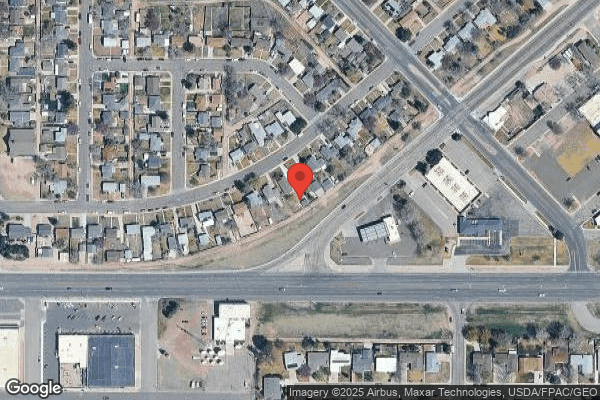
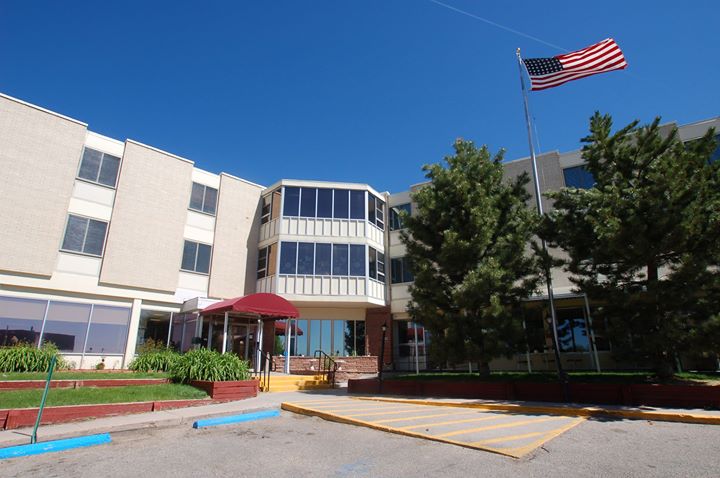
3128 Boxelder Dr, Cheyenne, WY 82001 (307) 634-7901
For profit - Limited Liability company 146 Beds EMPRES OPERATED BY EVERGREEN Data: November 2025
Trust Grade
25/100
#30 of 33 in WY
Last Inspection: August 2024

Within standard 12-15 month inspection cycle. Federal law requires annual inspections.

Overview

Granite SNF Operations LLC in Cheyenne, Wyoming, has received a Trust Grade of F, indicating significant concerns and a poor standing among nursing facilities. They rank #30 out of 33 in Wyoming, placing them in the bottom half, and #3 out of 3 in Laramie County, meaning only one local option is better. The facility is reportedly improving, having reduced issues from 12 in 2024 to just 2 in 2025, but the overall quality remains low with a 1/5 star rating for both overall quality and quality measures. Staffing is average with a 3/5 star rating, but the turnover rate is concerning at 53%, and there is less RN coverage than 76% of facilities in Wyoming, which could impact the quality of care. Specific incidents raise alarm, such as a failure to provide adequate treatment for a resident with dementia, resulting in harm that led to an arrest, and another incident where a resident experienced sexual abuse due to insufficient safeguards. Additionally, residents have reported inadequate staffing leading to delays in care, further complicating their well-being. Overall, while there are some signs of improvement, potential residents and their families should be cautious given the serious past issues and current challenges.

Trust Score
F
25/100
In Wyoming
#30/33
Bottom 10%
Safety Record
Moderate
Needs review
Inspections
Getting Better
12 → 2 violations
Staff Stability
⚠ Watch
53% turnover. Above average. Higher turnover means staff may not know residents' routines.
Penalties
✓ Good
$25,529 in fines. Lower than most Wyoming facilities. Relatively clean record.
Skilled Nurses
○ Average
Each resident gets 35 minutes of Registered Nurse (RN) attention daily — about average for Wyoming. RNs are the most trained staff who monitor for health changes.
Violations
⚠ Watch
26 deficiencies on record. Higher than average. Multiple issues found across inspections.
★☆☆☆☆
1.0
Overall Rating
★★★☆☆
3.0
Staff Levels
★☆☆☆☆
1.0
Care Quality
★★☆☆☆
2.0
Inspection Score
Stable
2024: 12 issues
2025: 2 issues

The Good

  • Full Sprinkler Coverage · Fire safety systems throughout facility
  • No fines on record

Facility shows strength in fire safety.

The Bad

1-Star Overall Rating

Below Wyoming average (2.9)

Significant quality concerns identified by CMS

Staff Turnover: 53%

Near Wyoming avg (46%)

Higher turnover may affect care consistency

Federal Fines: $25,529

Below median ($33,413)

Moderate penalties - review what triggered them

Chain: EMPRES OPERATED BY EVERGREEN

Part of a multi-facility chain

Ask about local staffing decisions and management

The Ugly 26 deficiencies on record

2 actual harm
Jun 2025 2 deficiencies 1 Harm
SERIOUS (G) 📢 Someone Reported This

A family member, employee, or ombudsman was alarmed enough to file a formal complaint

Actual Harm - a resident was hurt due to facility failures

Deficiency F0740 (Tag F0740)

A resident was harmed · This affected 1 resident

**NOTE- TERMS IN BRACKETS HAVE BEEN EDITED TO PROTECT CONFIDENTIALITY** Based on medical record review and staff interview, the facility failed to ensure residents with dementia received the appropria...

Read full inspector narrative →
**NOTE- TERMS IN BRACKETS HAVE BEEN EDITED TO PROTECT CONFIDENTIALITY** Based on medical record review and staff interview, the facility failed to ensure residents with dementia received the appropriate treatment and services to attain their highest practicable physical, mental, and psychosocial well-being for 1 of 3 residents (#1) reviewed for behavioral and emotional needs. This failure resulted in actual harm to resident #1 who was arrested for aggravated assault and taken to jail. The findings were: 1. Review of the 1/25/25 admission MDS assessment showed resident #1 was admitted to the facility on [DATE] with diagnoses which included diabetes mellitus, non-Alzheimer's dementia, anxiety disorder, depression, and an unspecified injury of the head. The resident had a BIMS score of 3 out of 10 which indicated severe cognitive impairment, exhibited disorganized thinking which was continuously present, and did not exhibit any behaviors or rejection of care during the 7-day look-back period; however, the resident wandered daily. The resident required partial/moderate assistance with oral hygiene, toileting hygiene, showering, dressing, personal hygiene; and required supervision for eating. Further the resident required supervision to minor assistance to perform the functional abilities of rolling left and right, sitting to lying, lying to sitting, sitting to standing, transfers, and walking. The pain assessment interview showed the resident denied being in pain; however, received as needed pain medication. The resident was 67 inches tall, weighed 184 pounds, was continent of both bowel and bladder, and received an antidepressant, an antipsychotic, and an anticoagulant during the look-back period. Review of the care area assessment showed the facility was to develop a comprehensive care plan in the areas of cognitive loss/dementia, visual function, communication, urinary incontinence, behavioral symptoms, falls, nutritional status, dental care, pressure ulcer, and psychotropic drug use. Review of a 1/17/25 history and physical from the resident's provider showed the resident had diagnoses which included severe early onset Alzheimer's dementia with mood disturbance, anxiety, and a current moderate episode of major depressive disorder. The provider noted the resident was on Seroquel (an antipsychotic) and had no behaviors since arriving at the facility. A follow-up was to occur in 1 month or sooner for acute concerns. The following concerns were identified: a. Review of the 1/13/25 hospitalist history and physical examination notes showed the resident presented to the emergency room following an episode of syncope which resulted in a fall with head trauma. The resident was administered intravenous halolperidol (antipsychotic medication used to treat mental and behavioral health conditions) due to agitation; blood work and imaging were completed and the resident was admitted to the hospital. Review of the assessment and plan showed the principal problem was syncope and collapse with an active problem of severe dementia with mood disturbance. The physician noted due to the resident's dementia with mood disturbance s/he would be started on a low dose of Seroquel at bedtime, provide PRN (as needed) halolperidol, and a 1-to-1 sitter at his/her bedside. Review of a 1/14/25 hospitalist progress note showed the resident did not sleep much .Has been up and fidgety. Has been pulling off telemetry leads, [s/he] has been redirectable but [s/he] is just constantly up and moving around. Further review showed the physician increased the dose of Seroquel to 25 mg at bedtime, and continued the PRN halolperidol and 1-to-1 sitter at bedside. b. Review of the 1/16/25 After Visit Summary showed a medication list which included quetiapine (antipsychotic); allopurinol (used to treat gout); atorvastatin (hypercholesterol medication); donepezil (medication to treat dementia associated with Alzheimer's disease); apixaban (an anticoagulant); fluoxetine (an antidepressant); levothyroxine (medication to treat hypothyroidism), and melatonin (used to treat insomnia). Review of a hospitalist progress note showed Patient likes to wander. Hard to redirect to be still for a prolonged period of time. Agree with not prusuing (sic) furhter (sic) testing given [his/her] dementia. c. Review of the resident's care plan, initiated 1/23/25, showed [resident name] has a behavior problem (wandering) r/t [related to] diagnosis of dementia and nursing home adjustment. Interventions were to administer medications as ordered .anticipate and meet [resident's] needs; caregivers to provide opportunity for positive interaction, attention. Stop and talk with [him/her] as passing by .Intervene as necessary to protect the rights and safety of others. Approach/speak in a calm manner. Divert attention. Remove from situation and take to alternate location as needed . Further the care plan showed [Resident] has impaired cognitive function/dementia or impaired thought processes, impaired decision-making, long-term memory loss, short-term memory loss. Interventions were to Administer medications as ordered .Ask yes/no questions in order to determine the resident's needs .Use [resident's] preferred name. Identify yourself at each interaction. Face the resident when speaking and make eye contact. Reduce any distractions-turn off TV, radio, close door, etc. The resident understands consistent, simple, directive sentences. Provide the resident with necessary cues-stop and return if agitated .Cue, reorient and supervise as needed .Keep [resident's] routine consistent and try to provide consistent care givers as much as possible in order to decrease confusion. d. Review of the resident's care plan, initiated on 1/17/25, showed [Resident] uses antipsychotic medications (Seroquel) r/t Dementia in other diseases classified elsewhere, severe, with mood disturbance. Interventions included Administer PSYCHOTROPIC medications as ordered by physician .Monitor target behaviors: verbal aggression, irritable (sic) .Non-drug interventions: redirect. In addition, [Resident] is on sedative/hypnotic therapy (melatonin) r/t sleep disorder unspecified. Interventions included to Administer SEDATIVE/HYPNOTIC medications as ordered by physician .Monitor target behaviors: disturbed sleep pattern .Non-drug intervention: encourage good sleep hygiene and [Resident] uses antidepressant medication (fluoxetine) r/t Depression, unspecified. Interventions included Administer ANTIDEPRESSANT medications as ordered by physician .Monitor target behaviors: tearfulness, isolation .Non-drug interventions: encourage activities, encourage family friends to visit. e. Review of the resident's care plan, revised on 1/24/25, showed [Resident] has a d/x [diagnoses] of depression, unspecified, and Generalized anxiety disorder. Interventions included to Administer medications as ordered .Monitor/record/report to MD prn risk for harming others: increased anger, labile mood or agitation, feels threatened by others, or thoughts of harming someone, possession of weapons or objects that could be used as weapons. There was no evidence an assessment had been completed to address the resident's wandering and behaviors or a resident-centered care plan which included non-pharmacological interventions had been developed. f. A nurse's note dated 1/21/25 and timed 12:02 AM showed resting in bed at this time. Monitored for intrusive wandering. No attempts at exit seeking at this time . g. A nurse's note dated 1/21/25 and timed 6:23 AM showed Resident is a fall risk, dementia, behaviors. Resident wanders up and down halls, often intrusively, and in [his/her] confusion will disturb others' belongings. Is cooperative and is easily redirectable. Very confused and forgetful, does not have social awareness. Has difficulty speaking when overstimulated. Unable to follow simple commands and is frequently reminded on fall precautions and call light. Has been continent, requires help finding room and BR (bathroom), but can perform ADL's (activities of daily living) with cueing. h. A nurse's note dated 1/22/25 and timed 2:49 PM showed .Resident walks up and down halls. Touches other residents belongings. Moves chairs around. Very confused. Resident peed in the trash can today. Hard to redirect. Unable to follow simple commands. Very hard to educate, due to dementia. Educated to not pick up things off the floor. No signs or symptoms of pain. i. A social services note dated 1/23/25 and timed 12:10 PM showed .Son reported that he wanted to come and see [the resident] and have [him/her] sign POA paperwork. SSD (social service director) discussed with son that [the resident] does not have the mental capacity to legally sign POA paperwork. SSD informed him that he would need to pursue guardianship . j. A nurse's note dated 1/24/25 and timed 5:30 PM showed Resident kept coming through the nurses station and [s/he] was asked not to on several occasions so when this nurse stood up and asked [him/her] to please turn around, [s/he] grabbed my R arm and shoved me out of the way. This nurse called for help from the CNA to assist in redirection. k. A nurse's note dated 1/25/25 and timed 10:59 PM showed [Resident] has been wandering and more restless than usual this evening. Had visit from [his/her] sons this evening that seems to have left [him/her] wound up a bit. More difficult to redirect this evening, and a bit more on edge when answering questions, slightly becoming verbally aggressive. l. A nurse's note dated 1/26/25 and timed 2:37 PM showed .resident walks up and down halls. Touches other residents belongings and goes behind the nurses desk and gets into stuff. Moves chairs around. Very confused. Unable to follow simple commands. Needs cueing all the time. Very hard to educate, due to dementia. Educated to not pick up things off the floor. Educated on not going into other residents rooms. No signs or symptoms of pain. Continues to work with PT (physical therapy). m. A nurse's note dated 1/28/25 and timed 11:12 AM showed Resident has been trying to help [resident room number] stand up and pulling [female resident]. [The resident] was also noted to be rubbing [female resident's] legs this morning . The resident was redirected and educated not to touch other residents. n. A nurse's note dated 1/29/25 and timed 12:24 PM showed Resident was walking around dining room with fork and butter knife. When this nurse approached and asked if I could hold those for [him/her] and show [him/her] where to sit [the resident] hit my R index finger with the butter knife and left red indentation. No break in skin. CNA came to help redirect Resident to table and took [his/her] silverware until meal time. o. A nurse's note dated 1/30/25 and timed 4:11 PM showed [Provider name] contacted regarding increase in physically aggressive behaviors towards staff and increased intrusive wandering. Order received for PRN Seroquel 25 mg every 6 hours for 1 day as [provider name] will see resident and evaluate change in behaviors further . p. A nurse's note dated 1/30/25 and timed 5:13 PM showed Resident noted to be urinating on fake plant, resident educated that this is not appropriate behavior, resident told this nurse to fuck off. Will continue to monitor. q. A nurse's note dated 1/30/25 and timed 5:37 PM showed [Provider name] was here this afternoon and notified of resident going into rooms and getting into residents beds, by a resident. Review of the resident's medical record showed no evidence of this provider visit. Interview with the DON on 6/24/25 at 1:27 PM confirmed the progress note was not in the resident's record; however, was able to retrieve it from the provider's electronic medical record system. r. A nurse's note dated 1/31/25 and timed 8:24 PM showed [Res] generally confused and disoriented, requiring very frequent redirection. Res did show some aggression toward this nurse immediately after [his/her] blood was drawn, making a mean face and mumbling while trying to kick toward me and shaking [his/her] fist. Res reassured and given space, now resting in bed. s. A nurse's note dated 2/1/25 and timed 2:34 PM showed [Resident] is getting agitated this afternoon after having a calm morning. [S/he] is following very closely behind people in the hallway, going into rooms, getting in personal space, messing with things on the counters and carts, trying to get into the elevator and getting upset with redirection. t. A nurse's note dated 2/2/25 and timed 10:51 AM showed We have noticed that [the resident] is cooperative in the am, but as the day goes on [s/he] starts to get more agitated and less cooperative. Appears to sundown. [The resident] does not take [his/her] evening meds well as we often have to switch nurses to try to give them . u. A nurse's note dated 2/2/25 and timed 11:58 AM showed .[resident] likes to follow females (staff and residents) down the hall at a close distance. [S/he] also likes to hide in the cubbies at the end of the hallways and needs redirection back to the dining room. v. A nurse's note dated 2/2/25 and timed 1:40 PM showed CNA reported that Resident walked down hallway and was attempting to go into another resident's room and upon redirection, Resident called CNA a fucking bitch. w. A late entry nurse's note written by LPN #2, dated 2/2/25 at 4:55 PM, showed Resident went into another resident's room and I was behind [him/her] with that resident's pills and I asked [him/her] to get out of the room because it wasn't [his/her] room. [The resident] got angry and grabbed the tray table like [the resident] was going to shove it into [the female resident] The nurse intervened to prevent the female resident from being harmed. The note further described the resident as getting physically aggressive by stepping on the nurse's left foot to immobilize her and grabbed her throat with both of [his/her] hands. Assistance arrived at the scene and the resident was escorted to his/her room. The nurse notified the DON and called the police. The police arrived at the facility and arrested the resident for aggravated assault. 2. Review of a 1/31/25 skilled nursing progress note from the resident's provider (retrieved from the provider's electronic medical record by the DON) showed the chief complaint was the resident had been urinating in and on the plants around the unit and crawling into the beds of female residents on the unit. The assessment and plan showed Due to increase in behaviors and sexual tendencies, will increase Prozac from 10 to 30 mg daily. Increase seroquel to BID (twice a day). Monitor for medication effectiveness and any worsening of behaviors. A follow-up was to occur in 1 month or sooner for acute concerns. There was no evidence a behavioral care plan had been developed. 3. Interview with the social service director on 6/24/25 at 1:01 PM revealed the resident had severe dementia; was confrontational; would wander in and out of other resident's rooms; was not easily de-escalated; and required a lot of redirection. Further, the social service director stated the facility was hesitant about placing the resident in the secure unit because the resident would not do well behind locked doors. Documentation was requested from the social service director related to what interventions were attempted; however, no documentation was received. 4. Interview with the DON on 6/24/25 at 1:27 PM revealed the resident exhibited both verbal and physical aggressive behaviors from the beginning and had a history of alcohol abuse and polysubstance abuse. The DON stated the resident was difficult to redirect and she thought the resident purposefully repeated some behaviors. Further the DON stated residents requesting admission to the facility were evaluated by the admissions department and were determined to be green which was to admit; yellow which required more review, and red was denied. The DON was not aware of what color the resident's review was; however, the facility required 48 hours without a 1-to-1 sitter and without chemical intervention before the resident could be admitted . 5. Interview with LPN #1 on 6/24/25 at 3:52 PM revealed upon admission the resident wandered the halls; needed to be busy; and an intervention was to redirect and offer the resident an activity. In addition, the LPN stated she talked to the resident's providers daily; however, confirmed she had failed to chart the conversations. The LPN stated following the incident on 2/2/25 the police arrested the resident and handcuffed him/her before being escorted out of the facility. The LPN described the resident as being angry as s/he was taken away. 6. Interview with the ED on 6/24/25 at 3:52 PM revealed she thought the facility was misled by the resident's referral documentation as they thought the resident was nonverbal. In addition, the ED stated many of the residents that come from the hospital have notes related to 1-to-1 sitters and the use of chemical interventions for behaviors and there was nothing in the resident's history to indicate s/he could be violent. 7. Interview with the DON on 6/24/25 at 3:52 PM revealed the facility determined the secure unit would increase the resident's agitation due to the locked doors and therefore was placed where the resident was not as restricted.
CONCERN (D) 📢 Someone Reported This

A family member, employee, or ombudsman was alarmed enough to file a formal complaint

Potential for Harm - no one hurt, but risky conditions existed

Deficiency F0627 (Tag F0627)

Could have caused harm · This affected 1 resident

**NOTE- TERMS IN BRACKETS HAVE BEEN EDITED TO PROTECT CONFIDENTIALITY** Based on medical record review, staff interview, and policy and procedure review, the facility failed to ensure a safe and order...

Read full inspector narrative →
**NOTE- TERMS IN BRACKETS HAVE BEEN EDITED TO PROTECT CONFIDENTIALITY** Based on medical record review, staff interview, and policy and procedure review, the facility failed to ensure a safe and orderly discharge from the facility for 1 of 5 sample residents (#1) reviewed for discharge. The findings were: 1. Review of the 1/25/25 admission MDS assessment showed resident #1 was admitted to the facility on [DATE] with diagnoses which included diabetes mellitus, non-Alzheimer's dementia, anxiety disorder, depression, and an unspecified injury of the head. The resident had a BIMS score of 3 out of 10 which indicated severe cognitive impairment. Review of the medical record showed the resident was discharged from the facility on 2/2/25. The following concerns were identified: a. Review of a late entry note written by LPN #1, dated 2/2/25 and timed 4:55 PM, showed Resident went into another resident's room and I was behind [him/her] with that resident's pills and I asked [him/her] to get out of the room because it wasn't [his/her] room. [The resident] got angry and grabbed the tray table like [the resident] was going to shove it into [the female resident] The nurse intervened to prevent the female resident from being harmed. The note further described the resident as getting physically aggressive by stepping on the nurse's left foot to immobilize her and grabbed her throat with both of [his/her] hands. Assistance arrived at the scene and the resident was escorted to his/her room. The nurse notified the DON and called the police. The police arrived at the facility and arrested the resident for aggravated assault. Further review showed .Then one of the policeman (sic) came back up to take pictures of the facility and my neck and arm and then they asked me to print off any documentation that I had regarding [his/her] and behaviors. b. Interview with LPN #1 on 6/24/25 at 3:52 PM revealed following the incident on 2/2/25 the police arrested the resident and handcuffed him/her as s/he left the facility. The LPN described the resident as being angry as s/he was taken away. Further, the LPN stated the police officer returned to the facility after taking the resident to jail, interviewed her, took pictures, and requested information related to the resident. The LPN stated she provided the resident's information to the police office; however, did not document what information was provided. c. Review of the 2/2/25 discharge notice addressed to the resident at the [local detention center] showed This letter will serve as formal notification that it is the intention of Granite Rehabilitation and Wellness to discharge you on February 2, 2025, as you assaulted a staff member and were arrested for aggravated assault. You are being immediately discharged for the following reasons 1. for placing the safety of the individuals in the facility in danger, 2. the health of individuals in the facility are in danger, and 3. you have not resided in the facility for 30 days. You are being discharged to the [NAME] County Detention Center . d. Review of a social services note dated 2/2/25 and timed 6:23 PM showed ED called Son/POA [proper name] and notified him that the [local law enforcement] arrested [the resident] for aggravated assault on [LPN #1]. Also informed him that an immediate discharge notice is being given to [the resident]. e. Review of a social services note dated 2/2/25 and timed 7:39 PM showed ED drove to the [local detention center] to deliver the discharge notice to [resident name]. Was told by the deputy that they could not accept the notice tonight. Let her know that the ED would be back in the morning to provide the notice. Deputy stated that the regular business hours would be better for the jail staff. f. Review of a social services note dated 2/3/25 and timed 10:15 AM showed ED took the discharge notice to the [local detention center] gave it to [jail staff name] at the information desk who said she would get it to [the resident]. Also sent a copy regular mail and Certified mail to [the resident]. Sent a copy regular mail and Certified mail to [resident's son/POA]. Son called ED this morning and asked if [the resident] could come back. Reminded him of our conversation last night about discharge. Again, informed him that [the resident] stepped on the nurse's foot so she couldn't move, looked at her and said, I am going to fucking kill you put both hands around her neck and tried to strangle her. [The resident] was arrested by the [local law enforcement], taken to jail and charged with aggravated assault. 2. Review of the recapitulation of resident stay, signed by the DON on 2/20/25, showed Resident discharged on 2/2/2025 after attempting to strangle a nurse while restraining her. Police were called for assistance, and the resident was arrested for aggravated assault. After arrest [nurse practitioner] was contacted regarding incident and stated that [the resident] is not safe to be in this setting and the medical group, he works for would no longer treat [the resident]. The DON was unable to provide the nurse practitioner's assessment. 3. Review of the medical record showed no evidence the facility had ensured the receiving facility could meet the needs of the resident; the appropriate information was communicated to the receiving provider; and documentation from a healthcare provider as to why the discharge was necessary. 4. Interview with the DON and ED on 6/24/25 at 3:52 PM confirmed no further documentation was available. 5. Review of the Transfer and Discharge policy, published May 2002, showed .3. Transfers and discharges may occur for any of these reasons: .c. The safety of individuals in the facility is endangered due to the clinical or behavioral status of the resident. d. The health of individuals in the facility would otherwise be endangered .4. When the facility transfers or discharges a resident under any of the above circumstances outlines (sic) in 3 (a-f), the facility documents the transfer or discharge in the medical record and appropriate information is communicated to the receiving care institution or provider. At a minimum the following information is provided: a. Contact information of the practitioner responsible for the care of the resident. b. Resident representative information, including contact information. c. Advanced Directive information. d. Special instructions or precautions for ongoing care. e. Comprehensive care plan goals. f. Other necessary information including a copy of the discharge summary.
Aug 2024 7 deficiencies
CONCERN (D)

Potential for Harm - no one hurt, but risky conditions existed

Comprehensive Care Plan (Tag F0656)

Could have caused harm · This affected 1 resident

**NOTE- TERMS IN BRACKETS HAVE BEEN EDITED TO PROTECT CONFIDENTIALITY** Based on medical record review, staff interview, and policy and procedure review, the facility failed to ensure a care plan was ...

Read full inspector narrative →
**NOTE- TERMS IN BRACKETS HAVE BEEN EDITED TO PROTECT CONFIDENTIALITY** Based on medical record review, staff interview, and policy and procedure review, the facility failed to ensure a care plan was developed for 1 of 2 sample residents (#10) with post-traumatic stress disorder. The findings were: 1. Review of the quarterly MDS assessment dated [DATE] showed resident #10 had a BIMS score of 12 out 15, which indicated the resident was cognitively intact, and diagnoses which included anxiety disorder, depression, bipolar disorder, psychotic disorder, schizophrenia, and post-traumatic stress disorder. Review of a PASRR Level II review dated 4/16/23 showed recommended services included individual therapy. The following concerns were identified: a. Review of the care plan last revised on 6/30/24 showed no evidence a care plan was developed related to behavioral health related to post-traumatic stress disorder or bipolar disorder. d. Interview with the social services assistant on 8/6/24 at 10:57 AM revealed the resident did not receive any behavioral health support and she was not aware residents needed to receive behavioral health services. 2. Review of the policy titled Trauma-informed care last revised October 2022 showed .1. Upon new admissions, the trauma-informed care evaluation is completed by the Licensed Nurse. 2. Based on the evaluation results, the appropriate provider and IDT notifications are made to support the care of a resident with past or present history of trauma. 3. The resident's care plan is updated to reflect goals and interventions including non-pharmacological means to provide care for the resident .
CONCERN (D)

Potential for Harm - no one hurt, but risky conditions existed

Deficiency F0679 (Tag F0679)

Could have caused harm · This affected 1 resident

**NOTE- TERMS IN BRACKETS HAVE BEEN EDITED TO PROTECT CONFIDENTIALITY** Based on observation, resident and staff interview, medical record review, and policy review, the facility failed to ensure resi...

Read full inspector narrative →
**NOTE- TERMS IN BRACKETS HAVE BEEN EDITED TO PROTECT CONFIDENTIALITY** Based on observation, resident and staff interview, medical record review, and policy review, the facility failed to ensure resident activities of interest were provided for 1 of 1 sample resident (#12) with activity concerns. The findings were: 1. Review of the quarterly MDS assessment dated [DATE] showed resident #12 had a [BIMS] score of 15 out of 15, which indicated s/he was cognitively intact, and diagnoses which included anxiety disorder and schizophrenia. Review of the activities care plan last revised on 2/19/24 showed the resident had little or no activity involvement related to [s/he] wishes not to participate. [Resident name] enjoys music. Interventions included explaining the importance of social interaction, encourage participation, invite/encourage family members to attend activities with the resident, assist/escort the resident to activity functions, and remind the resident s/he can leave activities at any time. The following concerns were identified: a. Interview with the resident on 8/5/24 at 11:08 AM revealed the facility did not offer activities s/he would like to attend and the facility did not provide one-to-one activities for the resident; however, s/he revealed It would be nice if they did. b. Review of an activity progress note dated 5/7/24 showed the resident had no activity participation and the resident enjoyed visits from his/her father and watching television. c. Interview with the activity director on 8/6/24 at 2:44 PM revealed the resident did not participate in activities and activity staff performed one-to-one activities; however, she was unable to say what type of one-to-one activities were performed which the resident was unable to do independently. Further she revealed the care plan should indicate the resident's activities. 2. Review of the policy titled Activity Program last revised July 2015 showed .5. Activities include individual, small and large groups, one-to-one, and independent activities to meet resident's needs, abilities, and interests. For residents confined to, or who choose to, remain in their room, the Activity Department provides and assists with in-room activities/projects/leisure pursuits in keeping with needs, abilities, and interests .
CONCERN (D)

Potential for Harm - no one hurt, but risky conditions existed

Deficiency F0742 (Tag F0742)

Could have caused harm · This affected 1 resident

**NOTE- TERMS IN BRACKETS HAVE BEEN EDITED TO PROTECT CONFIDENTIALITY** Based on medical record review, staff interview, and policy and procedure review, the facility failed to ensure behavioral healt...

Read full inspector narrative →
**NOTE- TERMS IN BRACKETS HAVE BEEN EDITED TO PROTECT CONFIDENTIALITY** Based on medical record review, staff interview, and policy and procedure review, the facility failed to ensure behavioral health services were provided to 1 of 2 sample residents (#10) with post-traumatic stress disorder. The findings were: 1. Review of the quarterly MDS assessment dated [DATE] showed resident #10 had a BIMS score of 12 out 15, which indicated the resident was cognitively intact, and diagnoses which included anxiety disorder, depression, bipolar disorder, psychotic disorder, schizophrenia, and post-traumatic stress disorder. Review of a preadmission screening and resident review (PASARR) Level II review dated 4/16/23 showed recommended services included individual therapy. The following concerns were identified: a. Review of a social services note dated 4/25/24 and timed 10:09 AM showed the facility contacted a behavioral health facility, at the request of the resident, to schedule mental health services. The behavioral health facility sent paperwork to be completed and returned prior to scheduling an appointment. Review of a social services note dated 4/29/24 and timed 10:32 AM showed the facility contacted the behavioral health facility as the required paperwork was not received. b. Review of a social services note dated 7/29/24 and timed 11:58 showed the behavioral health facility was unable to accept new patients and social services was going to speak with the resident about scheduling with a new provider. c. Review of the care plan last revised on 6/30/24 showed no evidence a care plan was developed for behavioral health related to post-traumatic stress disorder or bipolar disorder. d. Interview with the social services assistant on 8/6/24 at 10:57 AM revealed in April, the resident was experiencing some grief and she attempted to schedule behavioral health services. The social services assistant revealed she thought the services had been scheduled; however, when she called and checked in July, she was told they were not accepting new patients. Further interview revealed the resident did not receive any behavioral health support and she was not aware residents needed to receive behavioral health services. 2. Review of the policy titled Trauma-informed care last revised October 2022 showed .1. Upon new admissions, the trauma-informed care evaluation is completed by the Licensed Nurse. 2. Based on the evaluation results, the appropriate provider and IDT notifications are made to support the care of a resident with past or present history of trauma. 3. The resident's care plan is updated to reflect goals and interventions including non-pharmacological means to provide care for the resident . 3. Review of the policy titled Mental Health Rehabilitation Services last revised July 2015 showed .1. Social Services review all residents receiving a Level II PASARR screening for indication of mental health rehabilitation services. 2. The services are coordinated by Social Services and performed by qualified professionals from inside the Center or from community as provided or arranged through state agency .
CONCERN (D)

Potential for Harm - no one hurt, but risky conditions existed

Infection Control (Tag F0880)

Could have caused harm · This affected 1 resident

**NOTE- TERMS IN BRACKETS HAVE BEEN EDITED TO PROTECT CONFIDENTIALITY** Based on observation, medical record review, staff interview, and professional standard of practice review, the facility failed ...

Read full inspector narrative →
**NOTE- TERMS IN BRACKETS HAVE BEEN EDITED TO PROTECT CONFIDENTIALITY** Based on observation, medical record review, staff interview, and professional standard of practice review, the facility failed to ensure infection prevention practices were implemented during for 1 of 2 sample residents (#81) observed for personal care. The findings were: 1. Review of the admission MDS assessment dated [DATE] showed resident #81 had a BIMS score of 9 out 15, which indicated moderate cognitive impairment, and diagnoses which included benign prostatic hyperplasia and cerebrovascular accident. Further review showed the resident had an indwelling catheter, was always continent of bowel, and was dependent on staff for toileting hygiene. The following concerns were identified: a. Observation on 8/6/24 at 8:58 AM showed CNA #1 assisted the resident to his/her room, applied a gown, gloves, and facemask, and prepared to transfer the resident from the wheelchair to bed. The CNA placed the resident's catheter drainage bag on her gown, positioning it above the resident's bladder, and allowed visible urine in the tubing to flow backward toward the resident's bladder. After being unable to find a gait belt, the CNA placed the drainage bag under the resident's wheelchair, and removed a gait belt from her torso, under her gown. The CNA applied the gait belt to the resident's torso and again placed the resident's catheter drainage bag on her gown, above the resident's bladder, which allowed the visible urine in the tubing to flow backward toward the resident's bladder. CNA #2 assisted CNA #1 to transfer the resident into bed. CNA #1 placed the resident's catheter drainage bag in a pink basin by the resident's bed, and removed the resident's pants. CNA #1 performed perineal care to the resident, cleaning the resident front to back and clean to dirty; however, the resident was incontinent of stool and, after removing feces from the resident's rectal area, the CNA used her contaminated gloved hand to obtain more wipes from inside the wipe container. b. Interview with the DON on 8/6/24 at 3:04 PM confirmed the catheter drainage bag should not have been raised above the resident's bladder and the CNA should not have used her contaminated hand to obtain additional wipes from the wipe container. 2. Review of [NAME]/[NAME] seventh edition Nursing Interventions & Clinical Skills copyright 2020 showed .Care and Removal of an Indwelling Catheter .Implementation .Routinely check drainage tubing and bag .e. drainage bag is positioned below level of the bladder with urine flowing freely into bag .
CONCERN (E)

Potential for Harm - no one hurt, but risky conditions existed

Medication Errors (Tag F0758)

Could have caused harm · This affected multiple residents

**NOTE- TERMS IN BRACKETS HAVE BEEN EDITED TO PROTECT CONFIDENTIALITY** Based on medical record review, staff interview, and policy and procedure review, the facility failed to ensure target symptoms ...

Read full inspector narrative →
**NOTE- TERMS IN BRACKETS HAVE BEEN EDITED TO PROTECT CONFIDENTIALITY** Based on medical record review, staff interview, and policy and procedure review, the facility failed to ensure target symptoms were identified and monitoring of target symptoms was completed for 1 of 5 sample residents (#10) reviewed for unnecessary psychotropic medications. The findings were: 1. Review of the quarterly MDS assessment dated [DATE] showed resident #10 had a BIMS score of 12 out 15, which indicated the resident was cognitively intact, and diagnoses which included anxiety disorder, depression, bipolar disorder, psychotic disorder, schizophrenia, and post-traumatic stress disorder. Review of the physician's orders showed the resident received risperidone (antipsychotic) 2 milligrams (MG) by mouth daily for schizoaffective disorder and buspirone (antianxiety) 10 MG by mouth 3 times per day for anxiety disorder. The following concerns were identified: a. Review of the care plan last revised on 7/23/24 showed no evidence the facility identified resident specific target symptoms for each medication. b. Review of the medication administration record for June, July, and August 2024 showed no evidence the facility identified resident specific target symptoms for each medication or had a process to monitor resident specific target symptoms. 2. Interview with the DON on 8/7/24 at 11:04 AM confirmed the target symptoms had not been identified as medication specific and revealed the facility was unable to evaluate the effectiveness of medications. 3. Review of the policy titled Psychotropic Drugs last revised October 2022 showed .2. Psychotropic drugs can be therapeutic and enhancing quality of life for residents suffering from mental illnesses (schizophrenia, depression, etc.), the Interdisciplinary Team (IDT) validates there are appropriate diagnoses of behavioral symptoms, so the underlying cause of the symptoms is recognized, and the condition is treated appropriately .
CONCERN (E)

Potential for Harm - no one hurt, but risky conditions existed

Deficiency F0761 (Tag F0761)

Could have caused harm · This affected multiple residents

**NOTE- TERMS IN BRACKETS HAVE BEEN EDITED TO PROTECT CONFIDENTIALITY** Based on observation, staff interview, and policy review, the facility failed to ensure medications available for resident use w...

Read full inspector narrative →
**NOTE- TERMS IN BRACKETS HAVE BEEN EDITED TO PROTECT CONFIDENTIALITY** Based on observation, staff interview, and policy review, the facility failed to ensure medications available for resident use were not expired in 1 of 3 storage areas (2nd floor medication room). The findings were: 1. Observation of the 2nd floor medication storage room refrigerator on [DATE] at 4:44 PM showed a box of Bisacodyl (laxative) suppositories with an expiration date of 7/24. Review of the manufacturer's literature indicated not to use after the expiration which was on the carton and blister. Further review showed the expiration date referred to the last day of that month. 2. Interview with RN #1 on [DATE] at 4:44 PM revealed the all medications stored in the medication storage room refrigerator were available for resident use. 3. Review of the policy titled House Supplied (Floor Stock) Medications dated 1/23 showed .Floor stock medications kept in the original manufacturer's container must have expiration date and lot numbers clearly visible. Unless otherwise specified, the expiration date is limited to the expiration date on the original container or one years' time from date of opening, whichever comes first .
CONCERN (F)

Potential for Harm - no one hurt, but risky conditions existed

Deficiency F0725 (Tag F0725)

Could have caused harm · This affected most or all residents

**NOTE- TERMS IN BRACKETS HAVE BEEN EDITED TO PROTECT CONFIDENTIALITY** Based on observation, resident and staff interviews, review of payroll-based journal (PBJ) data, and review of facility staff po...

Read full inspector narrative →
**NOTE- TERMS IN BRACKETS HAVE BEEN EDITED TO PROTECT CONFIDENTIALITY** Based on observation, resident and staff interviews, review of payroll-based journal (PBJ) data, and review of facility staff postings, the facility failed to ensure sufficient nursing staff was provided to ensure sufficient nursing staff to provide resident care. The census was 83. The findings were: 1. Interview with resident #13 on 8/4/24 at 2:15 PM revealed the facility did not have enough staff. Interview with the resident on 8/5/24 at 9:59 AM revealed the facility had set days for showers but It doesn't always work out that way due to short staffing. The resident revealed s/he cannot sit up in the wheelchair for very long due to pain and staffing was short which made him/her not want to get up as it resulted in longer periods of sitting and increased pain. 2. Interview with resident #41 on 8/4/24 at 2:15 PM revealed there is not enough CNAs. It can take 45 minutes to 1 hour to answer call bells. 3. Interview with resident #75 on 8/5/24 at 2:38 PM revealed there was not enough CNAs and staff does not fill water mugs. 4. Interview with resident #58 on 8/5/24 at 11 AM revealed his/her call light was not always answered and they definitely don't have enough [staff]. 5. Interview with resident #9 on 8/5/24 at 1:57 PM revealed the first thing out of their mouth is they're understaffed; they don't have enough staff tonight. I hear this every night. There's only 1 of them here instead of 2. The resident stated it's gotten bad in reference to answering the call light. 6. Interview with resident #14 on 8/5/24 at 10:11 AM revealed the facility needed more staff on all shifts and s/he was unable to get help in a timely manner. 7. Interview with resident #60 on 8/5/24 at 9:49 AM revealed the facility did not have enough staff to provide assistance to residents. 8. Interview with resident #45 on 8/5/24 at 1:45 PM revealed staffing was ok; however, sometimes the resident did not receive showers because there was not enough staff. 9. Interview with resident #12 on 8/5/24 at 11:08 AM revealed the facility did not have enough staff and s/he had to wait between 35 and 40 minutes to get assistance. 10. Interview with resident #32 on 8/5/24 at 10:48 AM revealed the facility did not have enough staff and resident had to wait between 30 and 40 minutes for someone to answer the call light. Further interview revealed, at times, staff would enter his/her room, shut off the call light without providing assistance and s/he did not always get showers as scheduled. 11. Observation of 3rd floor on 8/4/24 at 4:58 PM showed 2 CNAs assisting residents with care and answering call lights. Interview with CNA #3 at that time revealed staffing was not sufficient to provide care to residents. 12. Observation of 2nd floor on 8/5/24 at 9:46 AM showed there were 2 CNAs assisting residents with care and answering call lights. Interview at that time with CNA #2 confirmed 2nd floor had 2 CNAs and she revealed it was supposed to be staffed with 3 CNAs. She revealed staff were unable to provide care to 43 residents with 2 CNAs and some residents did not receive showers or other types of care. 13. Interview with LPN #1 on 8/5/24 at 5:26 PM revealed this staffing [during the survey] is not normal, usually it's only 1 nurse and 1 CNA on this unit. 2nd floor only has 2 aides. Sometimes the food is an hour late. 14. Review of payroll-based journal (PBJ) data for the previous 4 quarters showed low weekend staffing and 1 star staff rating triggered for all 4 quarters. 15. Review of facility staff posting on 8/7/24 at 8:45 AM revealed NA (nurse aide) hours were included in the daily staff posting. 16. Interview with the DON on 8/6/24 at 3:52 PM revealed the facility did not employ NAs, they use hospitality aides (HSA), which were unable to provide resident care, and the HSAs hours were indicated as NA on the daily staff posting. 17. Review of Hospitality Aide job description on 08/07/24 at 8:30 PM showed .the Hospitality Aide may not perform direct patient care . 18. Review of facility wide self-assessment dated [DATE] showed the facility required 160 care hours for CNAs with an average census of 84. 19. Review of the daily staff postings for July 2024 showed the facility had an average of 148 hours for CNAs and an average daily census of 83.2 20. Interview with the nursing staffer on 8/7/24 at 8:36 AM revealed the corporation provides minimum staffing based on resident census. She revealed minimum staffing on day shift and evening shift would be 3 CNAs for 2nd floor, 2 CNAs on 3rd floor, and 1 CNA in the secure unit. She revealed night shift minimum staffing would be 2 or 3 CNAs on 2nd floor, depending on the census, 2 CNAs on 3rd floor, and 1 CNA in the secure unit. Further interview confirmed HSAs were not able to provide direct resident care; however, they were counted as part of and figured into the daily nursing staff hours.
Apr 2024 5 deficiencies
CONCERN (D) 📢 Someone Reported This

A family member, employee, or ombudsman was alarmed enough to file a formal complaint

Potential for Harm - no one hurt, but risky conditions existed

Infection Control (Tag F0880)

Could have caused harm · This affected 1 resident

Based on observation, staff interview, and review of the facility's policy, the facility failed to ensure staff correctly donned personal protective equipment (PPE) prior to resident care for 1 of 5 s...

Read full inspector narrative →
Based on observation, staff interview, and review of the facility's policy, the facility failed to ensure staff correctly donned personal protective equipment (PPE) prior to resident care for 1 of 5 sample residents (#17) who were on transmission-based precautions. The findings were: 1. Observation on 4/10/24 at 12:05 PM showed resident #17 had a sign on the outside of the room that indicated the resident was on droplet/contact precautions and a PPE cart was outside the door that contained gowns, masks, gloves, and eye shields. Staff member #1 was observed at that time donning PPE and entered the room with the gown on backwards, tied at the neck and open in the front leaving the staff member unprotected by the gown as she entered the resident's room. An additional observation at 12:07 PM showed the gown was open in the front and clothing was exposed when the staff member opened the door to exit and removed the PPE inside the room. 2. Interview with staff member #1 on 4/10/24 at 12:07 PM confirmed the resident was on transmission-based precautions but she was not concerned about the improper donning of the gown because the resident was not symptomatic. 3. Interview with LPN #1 on 4/10/24 at 12:13 PM regarding the observation revealed the staff member needed education regarding the proper way to wear the gown before entering the room of residents in isolation. 4. Interview with the nurse manager #1 on 4/10/24 at 4:15 PM verified remedial training for donning and doffing PPE was being conducted in the facility, at that time, and it would include staff member #1. 5. Review of the facility's policy, Standard Precautions'', dated May, 2015 showed 1. Standard Precautions apply to the care of all residents regardless of their diagnosis, or suspected or confirmed infectious status .4 .a. Wear a gown (clean, non-sterile) to protect skin and prevent soiling of clothing during procedures and resident care activities .
CONCERN (E) 📢 Someone Reported This

A family member, employee, or ombudsman was alarmed enough to file a formal complaint

Potential for Harm - no one hurt, but risky conditions existed

Grievances (Tag F0585)

Could have caused harm · This affected multiple residents

**NOTE- TERMS IN BRACKETS HAVE BEEN EDITED TO PROTECT CONFIDENTIALITY** Based on observation, resident, resident representative, and staff interview, and grievance log review, the facility failed to e...

Read full inspector narrative →
**NOTE- TERMS IN BRACKETS HAVE BEEN EDITED TO PROTECT CONFIDENTIALITY** Based on observation, resident, resident representative, and staff interview, and grievance log review, the facility failed to ensure prompt efforts were made to resolve grievances for 1 of 4 grievance areas (food service and palatability). The census was 72. The findings were: 1. Review of a grievance form dated 1/9/24 showed the daughter of resident #1 was angry the resident was getting a roommate and stated the resident was only served a small amount of soup . Further review showed Action Taken: Interview with RD [registered dietitian] who was assisting /monitoring meal observed resident bowls appropriately filled .Resident discharged AMA on 1/9/24 .prior to resident leaving dinner tray was observed and was consistent with what resident ordered for dinner. Soup bowl empty with soup ring at appropriate level . 2. Review of a grievance form dated 3/12/24 showed resident #2 reported breakfast is always cold and was promised lunch would be saved and reheated upon arrival from dialysis. The review showed Department Manager Investigation and Findings: Was brought up at resident meeting. I checked with [resident name] and [s/he] said everything was much better .Action Taken: Kitchen was notified. We are now heating residents [sic] meals appropriately when [s/he] is gone for meetings . Further review showed the grievance was not marked as resolved or unresolved. 4. Review of a grievance form dated 3/21/24 showed resident #3 reported Resident did not like dinner meal, [s/he] was very disappointed and refused to eat, [s/he] was offered an alternate and as refused that because [s/he] said [his/her] appetite was ruined. Further review showed Department Manager Investigation and Findings: Spoke with resident [s/he] stated [s/he] would just start eating McDonalds because management sucks .Action taken: We are changing this meal to grilled cheese and tomato soup from now on . 5. Review of a grievance form dated 3/21/24 showed resident #4 reported Resident said [his/her] dinner was not fit to eat. The dinner was French onion soup with grilled cheese sandwich and German cucumber salad. Further review showed Department Manager Investigation and Findings: Spoke with resident. [S/he] did not remember the grievance but was thankful the menu would be changed .Action Taken: We are on a new menu and will be changing this menu to tomato soup and grilled cheese . 6. Review of a grievance form dated 4/2/24 showed 5 residents reported chicken over cooked, meal slow, not flavorful. Further review showed Department Manager Investigation and Findings: [NAME] no longer here, new cook hired . 7. Review of a grievance form dated 4/2/24 showed resident #5 reported Dinner was supposed to start at 4:30 PM. It is now 6 PM and we have yet to be served anything other than beverages. Further review showed Department Manager Investigation and Findings: Dinner service starts at 5:30, Working with staff on timing. 8. Review of a grievance form dated 4/7/24 showed resident #6 reported clearly ordered turkey sandwich no cheese was given ham. Further review showed Department Manager Investigation and Findings: Resident was given turkey sandwich after was served ham .Action Taken: Staff was instructed to serve the proper meal that was ordered. 9. Review of a grievance form dated 4/8/24 showed resident #7 reported tomato soup is burned. Food is late and cold. I don't always get what I order. Further review showed Department Manager Investigation and Findings: Statements are true. Corrective actions have been taken. Corrective action taken with staff .Action Taken: Retrain staff. 10. Review of a grievance form dated 4/9/24 showed resident #2 reported Grill [sic] cheese sandwich was burnt again. Bosses went home and no one else would fix another one. Had 1/2 egg salad sand and 4 strips [NAME] [chicken] for dinner. Further review showed Department Manager Investigation and Findings: Meeting was held. assured [him/her] I am here long days. New cook is cooking manager in center for all 3 meals. Served Cesar [sic] salad [with] chicken .Action Taken: New cook making grilled cheese Egg salad sand [sandwich] served as snack only. Alternates were available. 11. Observation on 4/10/24 showed residents on second floor were seated at tables, waiting for lunch service, by 12 PM. Further observation showed the meal service in the 2nd floor dining room began at 1 PM. 12. Observation on 4/11/24 showed lunch service on second floor began at 1:02 PM. Further observation showed the meal service was stopped at 1:12 PM to obtain additional hoagie buns and 1 resident was served a meatball sandwich on a hamburger bun at 1:30 PM because the facility ran out of hoagie buns a second time during meal service. All meals were served by 1:30 PM. Interview with resident #8 at that time revealed the meal was cold. 13. Interview with resident #35 on 4/10/24 at 11:59 AM revealed residents had recently discussed meal concerns during resident council; however, they were trying to be understanding of a recent tragedy suffered by dietary staff members. 14. Interview with resident #34 on 4/10/24 at 2:50 PM revealed meat served with meals was not thoroughly cooked and the only alternatives offered were sandwiches or soup. The resident revealed the facility reported dining concerns were related to not having enough staff and not being able to hire new staff. Further interview revealed the meals were always late, up to an hour, and the facility did not respond to resident concerns. 15. Interview with resident #30 on 4/10/24 at 3:09 PM revealed meals were always late, were not cooked properly, did not follow the menu, and had small portions. 16. Interview with resident #31 on 4/10/24 at 3:10 PM revealed the facility reported they had seven dietary staff members recently quit and the food was not cooked well. The resident revealed meals were served an hour after they were supposed to be and the portions kept getting smaller. 17. Interview with the administrator and dietary manager on 4/12/24 at 9:15 AM revealed meals were scheduled to be served at 7:30 AM, 12 PM, and 5:30 PM. They revealed the dietary department had turned over pretty much all the staff and had recently changed food providers. The new menu required meals to be made from scratch and they were still training new staff. They revealed 2 staff members in dietary were off due to a traumatic event and food service issues had been ongoing. Further interview revealed there were three additional staff openings in dietary and performance improvement plan had been developed; however, it had not been fully implemented at that time and the dietary concerns had not been resolved. 18. Interview with the social services director on 4/12/24 at 11:50 AM revealed residents could verbalize or write down grievances. After grievances were received, they were passed on to the department manager to address. The social services director revealed the department manager was responsible for resolution and notification of individuals who filed the grievance. Further interview confirmed the meal concerns had not been resolved.
CONCERN (E) 📢 Someone Reported This

A family member, employee, or ombudsman was alarmed enough to file a formal complaint

Potential for Harm - no one hurt, but risky conditions existed

ADL Care (Tag F0677)

Could have caused harm · This affected multiple residents

**NOTE- TERMS IN BRACKETS HAVE BEEN EDITED TO PROTECT CONFIDENTIALITY** Based on observation, resident, resident representative, and staff interview, medical record review, and facility grievance revi...

Read full inspector narrative →
**NOTE- TERMS IN BRACKETS HAVE BEEN EDITED TO PROTECT CONFIDENTIALITY** Based on observation, resident, resident representative, and staff interview, medical record review, and facility grievance review, the facility failed to ensure bathing was performed per the plan of care on 2 of 2 resident care units (second floor, third floor). The census was 72. The findings were: 1. Review of a Grievance Form dated 3/12/24 showed resident #7 reported s/he was not being asked if s/he wanted a shower; however, it was documented s/he refused. Further review showed Department Manager Investigation and Findings: Times the I'm asked don't work with activities, I would like later showers and Actions/Recommendations: Shower times changed to evenings 2. Review of the .ADL self-care performance . care plan last revised on 1/10/24 showed resident #1 prefers to bathe/shower twice weekly and PRN and Provide sponge bath when a full bath or shower cannot be tolerated. The following concerns were identified: a. Review of the bathing record between 12/1/23 and 1/15/24 showed the resident had showers documented as being provided on 14 times during the period and a bed bath was documented twice on the same day. b. Interview with the resident on 4/11/24 at 12:46 PM revealed s/he discharged from the facility following care and food concerns by him/her and family. S/he revealed s/he only received 2 showers during his/her short stay, the first shower was provided 3 weeks after s/he admitted to the facility and the second was given 2 weeks later. Further interview revealed the resident's daughter voiced concerns about care and food to the facility; however, nothing was done to correct it. c. Interview with the resident's representative on 4/11/24 at 3:18 PM confirmed the resident was discharged due to concerns with care and food while the resident was at the facility. Further interview revealed the resident did not receive showers as frequently as s/he was supposed to. 3. Review of the . ADL self-care performance . care plan last revised on 3/30/24 showed resident #22 prefers to bathe/shower twice weekly and PRN. The following concerns were identified: a. Observation on 4/10/24 at 11:51 AM showed a sour body odor smell was present in the hallway, on second floor B hall, near the room of resident #22. b. Observation on 4/10/24 at 3:02 PM showed the resident had a sour body odor present in his/her room. Interview with the resident at that time revealed s/he received bed baths in lieu of showers due to showers being hard on him/her. Further interview revealed s/he would prefer to take a shower; however, it was easier on him/her and for staff to perform a bed bath. c. Review of the bathing record between 1/11/24 and 4/8/24 showed the resident received a shower 6 times on 1/17/24, 2/1/24, 2/15/24, 2/28/24, 3/4/24, 3/10/24 and 4/1/24; however, the resident was also documented as refused on 2/1/24. Further review showed the resident received a bed bath 23 times during the time period. 4. Review of the medical record showed resident #6 was admitted on [DATE] and was scheduled for bathing on Tuesday and Fridays. The following concerns were identified: a. Observation on 4/10/24 at 3:10 PM showed the resident required a lift and 2 people to transfer, assist with positioning and hygiene/grooming assistance. The resident was provided a partial bed bath, during the transfer, to include peri-care with wipes. Interview with the resident at that time revealed the resident would prefer a shower; however, the water got cold before the shower is completed so a bed bath was routinely performed. b. Review of the bathing record between 1/11/24 through 4/8/24 showed the resident had not received a shower and had received 18 bed baths. 5. Review of the plan of care showed resident #29 preferred a shower on Tuesday and Friday evenings. The following concerns were identified: a. Observation of the resident on 4/10/24 at 1:05 PM showed the resident was wheelchair bound and dependent on others for ADLs. The resident's hair that was long and appeared greasy. b. Review of the bathing record for February 2024, March 2024, and April 2024 showed the resident received 9 showers, 7 bed baths and had 9 documented refusals. The resident's last shower was provided on 4/5/24. 6. Observation on 4/11/24 at 1:23 PM of resident #17 showed the resident was in isolation for infection prevention, sitting in a wheelchair. Interview with the resident at that time revealed the resident was admitted 2 days prior and was offered a shower the second night s/he was at the facility and the resident stayed up as late as I could;'' however, nobody arrived for the shower. The resident further revealed that on the morning of the interview a CNA offered a shower and when the resident agreed the resident was told that only a bed bath was available, not a shower, so the resident declined the bed bath and stated, so I am still in my pajamas. Interview with the resident's daughter on 4/11/24 at 11 AM confirmed the resident moved in on Tuesday (4/9/24) and during a visit on Wednesday evening, they were told the resident was on the shower list that night; however, the resident did not get a shower. 7. Observation on 4/10/24 at 11:49 AM showed a sour body odor smell was present in the hallway, on second floor B hall, near the room of resident #36. Observation on 4/10/24 at 3:57 PM showed the sour body odor remained present near the room of the resident. Observation on 4/11/24 at 10:30 AM showed the resident's room had a sour body odor present. Interview with the resident at that time revealed the facility only provided the resident with bed baths; however, the resident stated it was his/her choice. 8. Interview with resident #31 on 4/10/24 at 3:10 PM revealed some residents did not receive showers as often as they should and they had bad body odor. Further interview revealed s/he thought it was due to staff not wanting to use the mechanical lift to transfer residents to the shower. 9. Interview with the social services director on 4/12/24 at 12:05 PM confirmed residents should be showered per their preference and if the resident refused a shower, they should receive a bed bath. Further interview revealed that resident #6 may not be aware that the hot water issues have been resolved and showers may be an option again in the future. 10. Interview with the DON on 4/12/24 at 11 AM revealed she expected staff to offer residents a shower and if they refused, offer a bed bath. She revealed the facility found out some staff members were only providing bed baths to residents who were on COVID precautions because they thought the residents could not leave their room for a shower. She revealed the facility had performed staff education because of a high number of resident refusals and documented bed baths. Further interview revealed the bed baths did not clean residents as thoroughly as a shower.
CONCERN (E) 📢 Someone Reported This

A family member, employee, or ombudsman was alarmed enough to file a formal complaint

Potential for Harm - no one hurt, but risky conditions existed

Deficiency F0804 (Tag F0804)

Could have caused harm · This affected multiple residents

**NOTE- TERMS IN BRACKETS HAVE BEEN EDITED TO PROTECT CONFIDENTIALITY** Based on observation, resident and staff interview,review of grievance forms, and medical record review, the facility failed to ...

Read full inspector narrative →
**NOTE- TERMS IN BRACKETS HAVE BEEN EDITED TO PROTECT CONFIDENTIALITY** Based on observation, resident and staff interview,review of grievance forms, and medical record review, the facility failed to ensure palatable food was served in 1 of 1 kitchen (main kitchen). The census was 72. The findings were: 1. Review of a grievance form dated 3/21/24 showed resident #1 reported tortilla was dry and chewy, could not eat. Further review showed Discussed with resident. There was nothing unusual about tortilla, maybe it was the brand. 2. Review of a grievance form dated 3/12/24 showed resident #2 reported breakfast is always cold and was promised lunch would be saved and reheated upon arrival from dialysis. Further review showed Department Manager Investigation and Findings: Was brought up at resident meeting. I checked with [resident name] and [s/he] said everything was much better .Action Taken: Kitchen was notified. We are now heating residents meals appropriately when [s/he] is gone for meetings . 3. Review of a grievance form dated 3/21/24 showed resident #3 reported Resident did not like dinner meal, [s/he] was very disappointed and refused to eat, [s/he] was offered an alternate and as refused that because [s/he] said [his/her] appetite was ruined. Further review showed Department Manager Investigation and Findings: Spoke with resident [s/he] stated [s/he] would just start eating McDonalds because management sucks .Action taken: We are changing this meal to grilled cheese and tomato soup from now on . 4. Review of a grievance form dated 3/21/24 showed resident #4 reported Resident said [his/her] dinner was not fit to eat. The dinner was French onion soup with grilled cheese sandwich and German cucumber salad. Further review showed Department Manager Investigation and Findings: Spoke with resident. {S/he did not remember the grievance but was thankful the menu would be changed .Action Taken: We are on a new menu and will be changing this menu to tomato soup and grilled cheese . 5. Review of a grievance form dated 4/2/24 showed 5 residents reported chicken over cooked, meal slow, not flavorful. Further review showed Department Manager Investigation and Findings: [NAME] no longer here, new cook hired . 6. Review of a grievance form dated 4/7/24 showed resident #6 reported clearly ordered turkey sandwich no cheese was given ham. Further review showed Department Manager Investigation and Findings: Resident was given turkey sandwich after was served ham .Action Taken: Staff was instructed to serve the proper meal that was ordered. 7. Review of a grievance form dated 4/8/24 showed resident #7 reported tomato soup is burned. Food is late and cold. I don't always get what I order. Further review showed Department Manager Investigation and Findings: Statements are true. Corrective actions have been taken. Corrective action taken with staff .Action Taken: Retrain staff. 8. Review of a grievance form dated 4/9/24 showed resident #2 reported Grill [sic] cheese sandwich was burnt again. Bosses went home and no one else would fix another one. Had 1/2 egg salad sand and 4 strips [NAME] [chicken] for dinner. Further review showed Department Manager Investigation and Findings: Meeting was held. assured [him/her] I am here long days. New cook is cooking manager in center for all 3 meals. Served Cesar salad [with] chicken .Action Taken: New cook making grilled cheese Egg salad sand [sandwich] served as snack only. Alternates were available. 9. Observation on 4/11/24 showed lunch service on second floor began at 1:02 PM. Further observation showed the meal service was stopped at 1:12 PM to obtain additional hoagie buns and 1 resident was served a meatball sandwich on a hamburger bun at 1:30 PM because the facility ran out of hoagie buns a second time during meal service. All meals were served by 1:30 PM. Interview with resident #8 at that time revealed the meal was cold. 10. Observation of resident #6 on 4/10/24 at 3:10 PM showed the resident had no teeth. Review of the medical record showed the resident required a high protein diet for wound healing. Interview with the resident on 4/10/24 at 3:20 PM revealed the food served at the facility was too tough to chew and/or needed to be cut into bite sized pieces for the resident. The resident revealed s/he was served food that could not be eaten and meals had been served progressively later than the meal time window. Further interview revealed the resident had resorted to ordering fast food delivery and supplementing meals with protein shakes to meet food preferences and improve intake. 11. Interview with the daughter of resident #17 on 4/11/24 at 11:05 AM revealed that the food served for dinner on Tuesday night was not appetizing to the resident so the daughter brought dinner in for the resident the second night, in addition, that the resident complained about receiving cold eggs for breakfast this morning. 12. Interview with resident #37 on 4/10/24 at 1 PM confirmed the food service was consistently slow and the result was cold food and/or long wait times for the meals to be delivered to the residents. An additional interview on 4/10/24 at 2:52 PM revealed the meals were often delivered cold and tasteless and the resident considered this a long time problem. 13. Interview with resident #34 on 4/10/24 at 2:50 PM revealed meat served with meals was not thoroughly cooked and the only alternatives offered were sandwiches or soup. The resident revealed the facility reported dining concerns were related to not having enough staff and not being able to hire new staff. Further interview revealed the meals were always late, up to an hour, and the facility did not respond to resident concerns. 14. Interview with resident #30 on 4/10/24 at 3:09 PM revealed meals were always late, were not cooked properly, did not follow the menu, and had small portions. 15. Interview with resident #31 on 4/10/24 at 3: 10 PM revealed the facility reported they had seven dietary staff members recently quit and the food was not cooked well. The resident revealed meals were served an hour after they were supposed to be and the portions kept getting smaller. 16. Interview with resident #38 on 4/11/24 at 10:20 AM revealed the meat served at meals was dry and tough and the vegetables were either mush or raw. 17. Interview with the administrator and dietary manager on 4/12/24 at 9:15 AM revealed dietary department had turned over pretty much all the staff and had recently changed food providers. The new menu required meals to be made from scratch and they were still training new staff. They revealed 2 staff members in dietary were off due to a traumatic event and confirmed food service issues had been ongoing. Further interview revealed performance improvement plan had been developed; however, it had not been fully implemented at that time. They confirmed the meal issues had not been corrected.
CONCERN (F) 📢 Someone Reported This

A family member, employee, or ombudsman was alarmed enough to file a formal complaint

Potential for Harm - no one hurt, but risky conditions existed

Deficiency F0802 (Tag F0802)

Could have caused harm · This affected most or all residents

Based on observation, resident and staff interview, medical record review, and resident grievance form review, the facility failed to ensure adequate staffing in 1 of 1 kitchen (main kitchen). The cen...

Read full inspector narrative →
Based on observation, resident and staff interview, medical record review, and resident grievance form review, the facility failed to ensure adequate staffing in 1 of 1 kitchen (main kitchen). The census was 72. The findings were: 1. Review of a grievance form dated 3/12/24 showed resident #2 reported breakfast is always cold and was promised lunch would be saved and reheated upon arrival from dialysis. Further review showed Department Manager Investigation and Findings: Was brought up at resident meeting. I checked with [resident name] and [s/he] said everything was much better .Action Taken: Kitchen was notified. We are now heating residents meals appropriately when [s/he] is gone for meetings . 2. Review of a grievance form dated 4/2/24 showed 5 residents reported chicken over cooked, meal slow, not flavorful. Further review showed Department Manager Investigation and Findings: [NAME] no longer here, new cook hired . 3. Review of a grievance form dated 4/2/24 showed resident #5 reported Dinner was supposed to start at 4:30 PM. It is now 6 PM and we have yet to be served anything other than beverages. Further review showed Department Manager Investigation and Findings: Dinner service starts at 5:30, Working with staff on timing. 4. Review of a grievance form dated 4/8/24 showed resident #7 reported tomato soup is burned. Food is late and cold. I don't always get what I order. Further review showed Department Manager Investigation and Findings: Statements are true. Corrective actions have been taken. Corrective action taken with staff .Action Taken: Retrain staff. 5. Observation of a sign posted on the wall by the elevator on the 3rd floor showed residents meal times were: breakfast at 7:30 AM, lunch at 12 and supper at 5:30 PM. 6. Observation on 4/10/24 showed residents on second floor were seated at tables, waiting for lunch service, by 12 PM. Further observation showed the meal service, in the 2nd floor dining room, began at 1 PM. 7. Observation on 4/11/24 showed lunch service on second floor began at 1:02 PM. Further observation showed the meal service was stopped at 1:12 PM to obtain additional hoagie buns and 1 resident was served a meatball sandwich on a hamburger bun at 1:30 PM because the facility ran out of hoagie buns a second time during meal service. All meals were served by 1:30 PM. Interview with resident #8 at that time revealed the meal was cold. 8. Observation of the 3rd floor lunch service on 4/10/24 at 11:56 AM the food arrived to the 3rd floor. Lunch service continued until 1:08 AM when the final resident meals were delivered. Observation of the lunch meal on 4/11/24 showed by noon there were 8 residents in the dining room and room trays were being delivered. At 12:40 PM there were 11 residents in the dining room and all residents were served by 12:50 PM. 9. Observation of resident #6 on 4/10/24 at 3:10 PM showed the resident had no teeth. Review of the medical showed the resident required a high protein diet for wound healing. Interview with the resident on 4/10/24 at 3:20 PM revealed the food served at the facility was too tough to chew and/or needed to be cut into bite sized pieces for the resident. The resident complained of the facility serving food that could not be eaten and meals that had been served progressively later than the meal time window. The resident had resorted to ordering fast food delivered and supplementing meals with protein shakes to meet food preferences and improve intake. 10. Interview with resident #37 on 4/10/24 at 1 PM confirmed the food service was consistently slow and the result was cold food and/or long wait times for the meals to be delivered to the residents. An additional interview on 4/10/24 at 2:52 PM revealed the meals were often delivered cold and tasteless and the resident considered this a long time problem. 11. Interview with the daughter of resident #17 on 4/11/24 at 11:05 AM revealed that the food served for dinner on Tuesday night was not appetizing to the resident so the daughter brought dinner in for the resident the second night. Further interview revealed the resident complained about receiving cold eggs for breakfast this morning. 12. Interview with resident #38 on 4/11/24 at 10:20 AM revealed the meat served at meals was dry and tough and the vegetables were either mush or raw. 13. Interview with resident #35 on 4/10/24 at 11:59 AM revealed residents had recently discussed meal concerns during resident council; however, they were trying to be understanding of a recent tragedy suffered by dietary staff members. 14. Interview with resident #34 on 4/10/24 at 2:50 PM revealed meat served with meals was not thoroughly cooked and the only alternatives offered were sandwiches or soup. The resident revealed the facility reported dining concerns were related to not having enough staff and not being able to hire new staff. Further interview revealed the meals were always late, up to an hour, and the facility did not respond to resident concerns. 15. Interview with resident #30 on 4/10/24 at 3:09 PM revealed meals were always late, were not cooked properly, did not follow the menu, and had small portions. 16. Interview with resident #31 on 4/10/24 at 3: 10 PM revealed the facility reported they had seven dietary staff members recently quit and the food was not cooked well. The resident revealed meals were served an hour after they were supposed to be and the portions kept getting smaller. 17. Interview with the administrator and dietary manager on 4/12/24 at 9:15 AM revealed meals were scheduled to be served at 7:30 AM, 12 PM, and 5:30 PM. They revealed the dietary department had turned over pretty much all the staff and had recently changed food providers. The new menu required meals to be made from scratch and they were still training new staff. They revealed 2 staff members in dietary were off due to a traumatic event and food service issues had been ongoing. Further interview revealed there were three additional staff openings in dietary and performance improvement plan had been developed; however, it had not been fully implemented at that time.
Oct 2023 1 deficiency
CONCERN (E) 📢 Someone Reported This

A family member, employee, or ombudsman was alarmed enough to file a formal complaint

Potential for Harm - no one hurt, but risky conditions existed

Quality of Care (Tag F0684)

Could have caused harm · This affected multiple residents

Based on medical record review, receiving facility staff interview, and staff interview, the facility failed to obtain and/or implement physician orders for follow-up care for 2 of 4 sample residents(...

Read full inspector narrative →
Based on medical record review, receiving facility staff interview, and staff interview, the facility failed to obtain and/or implement physician orders for follow-up care for 2 of 4 sample residents(#1, #11) admitted following a hospitalization. The findings were: 1. Review of the surgeon's operative notes, dated 7/16/23, showed resident #11 had a procedure to repair an intertrochanteric hip fracture. Upon completion of the procedure the wound was irrigated and closed with absorbable sterile sutures and skin staples, and a sterile dressing was applied. Review of the 7/19/23 admission nursing evaluation, signed as complete on 7/21/23, showed the resident had a surgical wound on his/her left trochanter which measured 22 centimeters, had sutures, and had a wound dressing that was dry and intact. Further review showed the wound had no signs of infection. Review of the 7/26/23 admission MDS assessment showed the resident was coded as having a surgical wound. Review of a nurse progress note, dated 7/19/23 and timed 4:40 PM, showed the resident had a small bruise with stitches on the outer side of the fractured left hip and According to hospital's report the surgery site has to be cleaned every 5 days. The resident was discharged to another facility on 8/31/23. The following concerns were identified: a. Review of the physician orders failed to show instructions for follow-up care had been obtained. b. Review of the Daily Skilled Evaluation notes beginning on 7/20/23 and ending on 8/20/23 showed no indication wound care had been provided to the surgical site. c. Interview with the DNS on 10/11/23 at 11:29 AM revealed the surgeon usually removed the surgical site staples after 10 to 14 days in his office. An additional interview with the DNS at 2:26 PM confirmed the resident had not seen the surgeon for a follow-up appointment and there was no documentation wound care had been performed, or the resident's staples had been removed by the facility. Further, the DNS revealed the orders noted for wound care in the nurse progress notes should have been transcribed into the resident's medical record to ensure the task was completed. d. Interview with the director of nursing (DON) of the receiving facility on 10/11/23 at 4:22 PM revealed the resident's staples were in place upon admission to the receiving facility and were removed by an in-home provider. The DON stated the surgical site showed no signs of infection and the staples were removed without incident. 2. Review of a 9/27/23 SBAR showed resident #1 was found on the floor after a fall and sent to the emergency department for evaluation. Review of a nurse progress note, dated 10/1/23, showed the resident was readmitted from the hospital with a 4 centimeter by 1 centimeter incision to his/her left hip with 8 staples noted. Review of a nurse progress note, dated 10/5/23 and timed 7:41 PM showed the resident was seen by the wound physician which noted the wound was to be left open to air and it showed no signs or symptoms of infection. The note stated the resident would be evaluated for staple removal in approximately one week. The following concerns were identified: a. Review of the physician orders failed to show instructions for wound care had been obtained. b. Review of the October 2023 treatment administration record showed the facility was to Monitor Staples to left hip until they are removed. Notify MD of any changes. This order had a start date of 10/7/23 and an end date of 10/10/23. c. Interview with the DNS on 10/11/23 at 12:40 PM revealed she had received verbal orders for wound care from the physician when the resident was readmitted from the hospital; however, she had failed to transcribe the orders into the medical record. Further, the DNS stated the resident's wounds had been evaluated with the daily skilled nursing assessments.
May 2023 5 deficiencies
CONCERN (D) 📢 Someone Reported This

A family member, employee, or ombudsman was alarmed enough to file a formal complaint

Potential for Harm - no one hurt, but risky conditions existed

Incontinence Care (Tag F0690)

Could have caused harm · This affected 1 resident

Based on observation, resident and staff interview, and medical record review, the facility failed to provide timely assistance with toileting care for 1 of 7 residents (#48) reviewed for ADLs. The fi...

Read full inspector narrative →
Based on observation, resident and staff interview, and medical record review, the facility failed to provide timely assistance with toileting care for 1 of 7 residents (#48) reviewed for ADLs. The findings were: 1. Review of the 5/10/23 quarterly MDS assessment showed resident #48 had severely impaired cognition and required the extensive assistance of 2 staff members for toileting, transfers, and personal hygiene. The resident was frequently incontinent of bowel and bladder and, according to the assessment, no toileting program had been attempted during the resident's stay at the facility. Further, the resident had a diagnosis of dementia. Review of the resident's care plan for ADL self-care performance deficit related to toilet use and last revised on 7/9/20 showed [Resident] requires assist with toilet use. The following concerns were identified: a. Continuous observation on 5/22/23 from 11:51 AM to 1:50 PM showed the resident was at a table in the common room sitting in a wheelchair. The resident stated s/he needed to use the bathroom several times to staff, was restless, and appeared agitated. Staff acknowledged the resident's request for toileting; however; failed to provide toileting assistance. b. Continuous observation on 5/23/23 from 8:30 AM to 11:55 AM showed the resident was lying in bed on his/her left side with a wedge behind his/her back. At no time was the resident checked for incontinence, repositioned, or offered toileting. c. Observation on 5/23/23 at 11:55 AM with CNA #2 showed the resident had been incontinent of urine with the bed sheets, the resident's clothing, and the resident's skin visibly wet. The resident complained at this time that s/he .was all wet. The CNA indicated everything was wet and she thought the resident was last changed about 9:30 AM. d. Interview with CNA #1 on 5/23/23 at 12:10 PM revealed the resident was last changed at 6 AM. 2. Interview with the DON and NHA on 5/25/23 at 3:15 PM revealed it was the facility's expectation staff were to provide toileting and incontinence care frequently and per the residents' care plans.
CONCERN (D) 📢 Someone Reported This

A family member, employee, or ombudsman was alarmed enough to file a formal complaint

Potential for Harm - no one hurt, but risky conditions existed

Medication Errors (Tag F0758)

Could have caused harm · This affected 1 resident

Based on medical record review and staff interview, the facility failed to ensure medication-specific target behaviors and appropriate monitoring were in place for 1 of 5 (#43) sample residents review...

Read full inspector narrative →
Based on medical record review and staff interview, the facility failed to ensure medication-specific target behaviors and appropriate monitoring were in place for 1 of 5 (#43) sample residents reviewed for psychotropic medication use. The findings were: 1. Review of the 3/29/23 significant change MDS assessment showed resident #43 had a BIMS score of 15 out of 15, which indicated the resident was cognitively intact, and diagnoses which included dementia, anxiety disorder, and depression. Further review showed the resident received an antipsychotic and an antidepressant 7 days of the 7-day look-back period. Review of physician orders showed the resident was prescribed Abilify (an antipsychotic) 5 milligrams (mg) by mouth daily related to generalized anxiety disorder and delusions; Depakote (an anticonvulsant) 375 mg by mouth one time a day related to major depressive disorder; and venlafaxine (an antidepressant) 75 mg by mouth one time a day related to major depressive disorder. The following concerns were identified: a. Review of the resident's psychotropic medication care plan related to depression, last revised 3/17/22, showed to monitor/record occurrence of for target behavior symptoms (EX: pacing, wandering, disrobing, inappropriate response to verbal communication, violence/aggression toward staff/others. etc.) and document per facility protocol). Interventions included to administer medications as ordered. Further review showed no medication-specific target symptoms were identified for each medication used. b. Review of the treatment administration record for April 2023 and May 2023 showed the facility had monitoring in place for behaviors and non-pharmacological interventions; however, there were no medication-specific target symptoms identified. 2. Interview with the DON on 5/25/23 at 2:54 PM confirmed medication-specific target behaviors had not been developed for each medication used to treat the resident's anxiety and depression.
CONCERN (D) 📢 Someone Reported This

A family member, employee, or ombudsman was alarmed enough to file a formal complaint

Potential for Harm - no one hurt, but risky conditions existed

Deficiency F0800 (Tag F0800)

Could have caused harm · This affected 1 resident

Based on observation, resident and staff interview, the facility failed to ensure residents received additional portions of food according to their personal preferences for 2 of 3 (#36, #287) sample r...

Read full inspector narrative →
Based on observation, resident and staff interview, the facility failed to ensure residents received additional portions of food according to their personal preferences for 2 of 3 (#36, #287) sample residents reviewed for satisfaction with food services. The census was 82. The findings were: 1. Observation on 5/22/23 at 12:20 PM showed resident #36 was in the dining room for the noon meal. At 12:41 PM the resident requested an additional portion of tomatoes and was told by a staff member that the food had already been taken back to the kitchen. The staff member offered the resident a sandwich instead. Interview with the resident on 5/22/23 at 5:25 PM revealed s/he had to be okay with receiving a sandwich; however, s/he would have preferred to have more tomatoes. 2. Interview on 5/23/23 at 10:14 AM with resident #287 revealed the facility did not have enough of the food that was served. The resident stated s/he had requested additional pancakes during the morning meal and was told they were not available. In addition, during the previous evening meal s/he had requested more meatballs and was given a sandwich which s/he did not want. 3. Interview on 5/23/23 at 9:18 AM with the CDM and the dietary manager revealed the facility did not skimp on food and the CNAs just needed to call the kitchen if a resident requested an additional portion. In addition, the CDM and the dietary manager thought perhaps the food should be kept on the steam tables until the residents had a chance to request an additional portion, if desired.
CONCERN (E) 📢 Someone Reported This

A family member, employee, or ombudsman was alarmed enough to file a formal complaint

Potential for Harm - no one hurt, but risky conditions existed

Infection Control (Tag F0880)

Could have caused harm · This affected multiple residents

Based on observation, medical record review, staff interview, and policy and procedure review, the facility failed to ensure infection control measures were implemented for 1 observation of resident w...

Read full inspector narrative →
Based on observation, medical record review, staff interview, and policy and procedure review, the facility failed to ensure infection control measures were implemented for 1 observation of resident wound care (#73), and 3 random observations related to personal hygiene and incontinence care which affected residents #8, #13, #26, and #48. The findings were: 1. Review of physician orders for resident #73 showed the resident had a stage 4 pressure ulcer on his/her left gluteal fold with orders to cleanse the wound with wound cleanser; pat dry; soak a strip of gauze with betadine; loosely pack the wound with the betadine-soaked gauze; and cover with an absorbent dressing. Wound care was to be performed daily and as needed. The following concerns were identified: a. Observation on 5/25/23 at 9:32 AM showed LPN #1 was in the resident's room preparing to change the pressure ulcer dressing. The resident was lying on his/her left side with help from CNAs. LPN #1 brought the dressing change supplies into the room and placed them on the dresser by the resident's bed. Plastic cups were used to contain the pre-moistened dressings and packing material. LPN #1 donned gloves and proceeded to remove the soiled dressing from the area as well as the packing material from the wound, and placed the old dressing on an incontinence pad on the resident's bed. LPN #1 attempted to spray the area with the wound cleanser; however, the fluid did not spray and she placed the bottle on the bed. At that time the resident began passing stool and LPN #1 stopped the dressing change and had the CNA provide incontinence care. Once the CNA finished, LPN #1 picked up the cleanser bottle, sprayed the skin and cleansed the area. No gloves were changed or hand hygiene performed after cleansing the wound. LPN #1 then, while still wearing the gloves donned prior to removing the old dressing and cleansing the wound, picked up the pre-moistened gauze and a swab and packed the wound. A dressing of clear film and gauze was then applied to the skin, covering the open area. b. Interview with LPN #1 on 5/25/23 at 10:56 AM revealed the facility's expectations for a clean dressing change was to prepare the dressing materials, perform hand hygiene, cleanse the wound, change gloves if needed, apply the new dressing, and perform hand hygiene. c. Interview with the infection control nurse on 5/25/23 at 1:56 PM revealed it was the facility's expectation the procedure for a clean dressing change be adhered to at all times. d. Review of the facility's licensed nurse competency dressing technique aseptic competency dated July 2014 showed .wash hands and apply gloves . remove soiled dressing and dispose in plastic bag with gloves .wash hands if visible soiled or use gel hand sanitizer .open supplies .apply new gloves . 2. Observation on 5/22/23 at 1:14 PM showed CNA #2 retrieved a brush from a drawer in the common area. CNA #2 brushed the hair of resident #8 and without disinfecting the brush returned it to the drawer. Observation on 5/23/23 at 8:30 AM showed CNA #1 retrieved a brush from the same drawer in the common room and used it to brush the hair of resident #26. Observation of the drawer showed the brush was placed next to a comb and an electric razor with visible hair particles on the brush and the razor. 3. Observation on 5/23/23 at 11:55 AM showed CNA #2 was performing incontinence care for resident #48. CNA #2 removed one wipe from the container and cleaned the resident's perineal area while touching the resident's inner thigh and labia with her gloved hand, used the wipe to cleanse the area, and threw the wipe in the trash. CNA #2 then placed her contaminated gloved hand inside the wipes container and pulled out another wipe and proceeded to provide peri care. After completing the frontal peri care CNA #2 retrieved a clean brief and put it under the resident, still wearing the contaminated gloves. CNA #2 did not provide incontinence care to the buttocks, which were wet with urine. Without taking off the contaminated gloves CNA #2 touched the door handle and opened the door then removed the contaminated gloves, and exited the room without performing hand hygiene. Immediately after the CNA left the room she entered the common dining area and touched glasses and silverware that was placed in front of other residents. a. Interview with CNA #2 at that time confirmed she should have washed her hands before providing peri care, before leaving the resident's room, and before touching other resident's belongings. 4. Observation on 5/24/23 at 8:57 AM showed CNA #2 assisting resident #13 in the bathroom after an episode of diarrhea. While providing peri care to the resident, CNA #2 reached into the inside of the wipe's container several times to obtain fresh wipes. Interview with CNA #2 at that time revealed she was unaware she should not place her contaminated gloved hands into a clean container. 5. Interview with the DON on 5/25/23 at 3:15 PM revealed it was the facility's expectation for staff to provide proper peri care, hand hygiene, incontinence care, and not use communal grooming tools.
CONCERN (F) 📢 Someone Reported This

A family member, employee, or ombudsman was alarmed enough to file a formal complaint

Potential for Harm - no one hurt, but risky conditions existed

Food Safety (Tag F0812)

Could have caused harm · This affected most or all residents

Based on review of the dishwasher temperature log sheet, policy and procedure, and the 2017 U.S. Public Health Service Food Code, and staff interview, the facility failed to ensure the water temperatu...

Read full inspector narrative →
Based on review of the dishwasher temperature log sheet, policy and procedure, and the 2017 U.S. Public Health Service Food Code, and staff interview, the facility failed to ensure the water temperature of the dishwasher was at the proper temperature and/or the sanitizer concentration was checked for 11 of 69 meals. The census was 82. The findings were: 1. Review of the dishwasher temperature log sheet showed the temperature of the wash and rinse water, and the concentration of the chemical sanitizer was to be checked with each meal. The following concerns were identified: a. Review of the May 2023 dishwasher temperature log sheet showed no water temperature or sanitizer concentration was recorded for the evening meals on 5/17, 5/18, and 5/19. b. Review of the May 2023 dishwasher temperature log sheet showed on 5/20 and 5/21 the facility failed to ensure the chemical sanitizer was at the proper concentration for the evening meal. c. Review of the May 2023 dishwasher temperature log sheet showed no water temperature was recorded for the morning and noon meals on 5/21. d. Review of the May 2023 dishwasher temperature log sheet showed no water temperature or sanitizer concentration was recorded for the noon or evening meals on 5/22 and 5/23. 2. Interview with the dietary manager on 5/24/23 at 9:40 AM confirmed the temperature of the water and/or the concentration of the sanitizer had not been documented on the log sheets as required. 3. Review of the Dishwashing policy, last revised 10/2/20, showed 1. Before washing dishes and utensils from each meal, water temperatures are checked and documented. For low temperature machines also check and document sanitizer levels per meal in parts per million (PPM) . The temperature of the wash and rinse water must be maintained at a minimum of 120 degrees Fahrenheit and the chemical sanitizer level must be equal to 100 PPM. 4. Review of the 2017 U.S. Public Health Service Code showed 4-302.14 Sanitizing Solutions, Testing Devices. Testing devices to measure the concentration of sanitizing solutions are required for 2 reasons: 1. The use of chemical sanitizers requires minimum concentrations of the sanitizer during the final rinse step to ensure sanitization; and 2. Too much sanitizer in the final rinse water could be toxic.
Mar 2023 1 deficiency
CONCERN (D) 📢 Someone Reported This

A family member, employee, or ombudsman was alarmed enough to file a formal complaint

Potential for Harm - no one hurt, but risky conditions existed

Deficiency F0697 (Tag F0697)

Could have caused harm · This affected 1 resident

**NOTE- TERMS IN BRACKETS HAVE BEEN EDITED TO PROTECT CONFIDENTIALITY** Based on medical record review, resident interview, staff interview, and policy review, the facility failed to ensure opiod pain...

Read full inspector narrative →
**NOTE- TERMS IN BRACKETS HAVE BEEN EDITED TO PROTECT CONFIDENTIALITY** Based on medical record review, resident interview, staff interview, and policy review, the facility failed to ensure opiod pain medications were available as ordered to manage resident pain for 1 of 4 sample residents (#1). The findings were: Review of the 2/10/23 significant change minimum data set (MDS) assessment showed resident #1 was admitted to the facility on [DATE] with diagnoses which included heart failure, atrial fibrillation, arthritis, diabetes mellitus II, and end stage renal disease. Further review showed the resident had a brief interview for mental status score of 15/15, indicating the resident was cognitively intact. Interview with the resident on 3/7/23 at 1:59 PM revealed s/he was experiencing generalized pain, with resident describing the pain as a 3 on a scale of 1 to 5 with 5 being the most severe pain. The resident also stated s/he normally took opiod pain medication to alleviate the pain when it reached that level. The resident further stated s/he experienced pain at this level or higher on a daily basis which was relieved daily with opiod pain medication. Review of physician orders showed the following 1/23/23 order, Norco (opiod analgesic) Oral Tablet 5-325 MG (hydrocodone-Acetaminophen). Give 1 tablet by mouth every 6 hours as needed for Pain. The following concerns were identified: 1. Further interview with the resident on 3/7/23 at 1:59 PM revealed the facility had failed to have the ordered opiod pain medication available for several days. S/he confirmed the facility had administered Tylenol to him/her once, but s/he had received none of the ordered opiod pain medication. The resident was told the facility failed to order the medication in time to receive it before it ran out, and s/he stated the Tylenol had not helped with pain relief. The resident stated s/he would just have to wait until the medication became available. The resident further stated s/he had to take opiod pain medication for pain on most days in order to function normally, and s/he anticipated no change for this in the future. 2. Interview with licensed practical nurse (LPN) #1 on 3/7/23 at 2:05 PM revealed the resident's opiod pain medication had not been available since the morning of 3/6/23, as it had not been reordered in a timely manner. She stated the arrival of the resident's opiod pain medication should be at any time. She confirmed the same opiod pain medication was available as part of the facility emergency supply, and a call to the physician was the facility protocol to access that medication. The LPN stated this procedure had not been implemented the resident's opiod pain medication should arrive at any time. 3. Review of the resident's care plan showed a 2/3/23 problem as follows, [Resident #1] has chronic pain RT (related to) diagnosis of Osteoarthritis. The goal initiated on 2/3/23 and revised on 2/21/23 was as follows, [Resident #1] will not have an interruption in normal activities due to pain through the review date. The intervention/tasks were as follows, with initiation date of 2/3/23: Administer analgesic per MD (medical doctor) order. Anticipate [resident #1's] need for pain relief and respond immediately to any complaint of pain. Monitor/record pain characteristics every shift and PRN (as needed): Quality (e.g. sharp, burning); Severity (1 to 10 scale);Anatomical location; Onset; Duration (e.g. continuous, intermittent); Aggravating factors; Relieving factors .Monitor/record/report to Nurse resident complaints of pain or requests for pain treatment. Notify physician if interventions are unsuccessful or if current complaint is a significant change from resident's past experience of pain. 4. Review of the February 2023 MAR showed the resident received Norco on 25 of 28 days for pain levels ranging from 3 to 10. 5. Review of the resident's March 2023 medication administration record (MAR) showed the following: a. On 3/1/23 Norco was administered for a pain level of 4/10. b. On 3/2/23 Norco was administered for a pain level of 8/10. c. On 3/3/23 Norco was administered for a pain level of 6/10. d. On 3/4/23 Norco was administered for a pain level of 8/10. Norco was not administered again until 3/7/23 at 3:14 PM (after facility staff were interviewed about the resident's pain management). e. On 3/5/23 at 6 PM the resident reported a pain level of 6/10. No pain medication was administered. f. On 3/6/23 at 6 AM the resident reported a pain level of 7/10. No pain medication was administered. g. On 3/6/23 at 6 PM the resident reported a pain level of 6/10. No pain medication was administered. h. On 3/7/23 at 6 AM the resident reported a pain level of 5/10. Tylenol 650 mg was administered at 1 PM. 6. Interview with the DON on 3/7/23 at 4:45 PM confirmed Norco was available in the Cubex (emergency supply), and her expectation was for staff to contact the physician and pharmacy if a resident's medication was not available, and an order should be obtained to access the Cubex for medications such as Norco when needed. 7. According to the facility policy titled, Pain Management last updated June 2016, the policy statement shows, The Center evaluates for, and attempts to manage/minimize, pain in residents. The procedure included, 1. Residents are evaluated by a Licensed Nurse (LN) at admission using the Pain Evaluation, as needed (PRN) medication review, and record review. 2. Resident's pain level is evaluated every shift by the LN. Noted pain is evaluated and treated accordingly by the LN. Pain is also evaluated quarterly and PRN using the RAI/nursing process .a. Pain level is monitored and documented on the MAR using the Wong-Baker Pain Scale. 3. When pain is not adequately controlled by current regimen, I, or if there is newly identified pain, the LN contacts the physician for consideration of new or modified treatment orders . 8. According to the facility policy titled, Emergency Pharmacy Service and Emergency Kits (E-Kits) dated 01/20, the policy stated, Emergency pharmaceutical service is available on a 24-hour basis. Emergency needs for medication are met by using the nursing care center's approved emergency medication supply or by special order from the provider pharmacy. Emergency medications and supplies are provided by the pharmacy in compliance with applicable state and federal regulations. The procedures include, .5. Medications are not borrowed from other residents. The ordered medication is obtained either from the emergency kit or from the provider pharmacy .
Nov 2022 1 deficiency 1 Harm
SERIOUS (G) 📢 Someone Reported This

A family member, employee, or ombudsman was alarmed enough to file a formal complaint

Actual Harm - a resident was hurt due to facility failures

Free from Abuse/Neglect (Tag F0600)

A resident was harmed · This affected 1 resident

**NOTE- TERMS IN BRACKETS HAVE BEEN EDITED TO PROTECT CONFIDENTIALITY** Based on observation, medical record review, resident, guardian and staff interview, facility-reported incident review, and poli...

Read full inspector narrative →
**NOTE- TERMS IN BRACKETS HAVE BEEN EDITED TO PROTECT CONFIDENTIALITY** Based on observation, medical record review, resident, guardian and staff interview, facility-reported incident review, and policy and procedure review, the facility failed to ensure residents were free from abuse for 1 of 3 residents (#2) reviewed for resident-to-resident altercations. This failure resulted in harm to resident #2 who experienced sexual abuse a reasonable person would have found humiliating, intimidating, demeaning, and degrading. The findings were: Review of the 10/28/22 quarterly minimum data set (MDS) assessment showed resident #2 had a brief interview for mental status (BIMS) score of 9 of 15, indicating moderate cognitive impairment. Further review showed the resident had diagnoses which included multiple sclerosis and non-Alzheimer's dementia. Observation and an unsuccessful interview with the resident on 11/23/22 at 11 AM showed the resident in his/her room in a wheelchair in no distress. At that time an interview was attempted, and the resident appeared confused and could only respond to questions in the moment that included, How are you today? The resident was unable recall the past. Review of the 8/29/22 annual MDS assessment showed resident #1 had a BIMS score of 15 of 15, indicating intact cognition. Further review showed the resident had diagnoses which included other symptoms and signs involving cognitive functions and awareness, anxiety disorder, unspecified impulse disorder, dysthymic disorder, and mild cognitive impairment of uncertain or unknown etiology. Observation and interview with the resident on 11/23/22 at 11:05 AM showed the resident sitting on the side of his/her bed in no distress, and at that time s/he could answer simple questions appropriately, though s/he denied ever having any negative contact with residents or staff. Review of the resident's care plan showed the following plan initiated 4/6/21 and revised on 10/31/22: [Resident's name] has times of being sexually inappropriate. [Resident name] has a history of exhibiting sexual attraction/feelings towards minors. A revision on 10/31/22 showed the resident had touched another resident in an unwanted sexual manner, and interventions that included supervision when the resident was near other residents in order to ensure the resident was not close enough to touch other residents were included. An additional care plan initiated 1/14/21 and revised 6/7/22 showed the resident's inappropriate sexual behavior did not include other individuals. The issues identified were: Bold sexual behaviors, fondling, masturbation, and self flogging. The following concerns were identified: 1. Review of a facility incident reported to the state survey agency on 10/31/22 showed an incident between residents #1 and #2 occurred on 10/30/22. The review showed resident #1 had allegedly touched resident #2 in an unwanted manner on the leg and in the groin area. 2. Interview with certified nurse aide (CNA) #2 on 11/23/22 at 10:40 AM revealed she witnessed resident #1 touch the leg of resident #2, then grab resident #2 in the groin. She then stated resident #2 was saying no and pushing resident #1 away with his/her hand. CNA #2 stated there were no other witnesses to this incident. She stated she removed resident #2 to safety in his/her room and reported the incident to the charge nurse. Interview with licensed practical nurse #1 on 11/23/22 at 10:30 AM revealed she did not witness the incident on 10/30/22 between resident #1 and resident #2. She was told by a CNA that the incident occurred, and she reported it at that time to supervision. 3. Review of the progress notes for resident #2 showed the following notes: a. 10/30/22 at 20:29 [8:29 PM]: Resident was in the dining room when another resident placed [his/her] hand on [his/her] lap, grabbing [his/her] groin area. Resident was very upset, yelling at [him/her]. Residents separated, this resident was taken to [his/her] room and comforted. ADON [assistant director of nursing] and DON [director of nursing] notified. b. 11/2/22 at 23:32 [11:32 PM]: Observation continues r/t [related to] previous episode of unwanted touching from another res [resident]. The other res [resident #1] was observed after supper to come into the dining room and go over to table where this res [resident #2] was sitting with [his/her] tablemate's playing cards. [Resident #2] sat up very stiff with shoulders squared and stopped talking. This nurse instructed the other res to leave the area and come back over to the nurse's station, then went back to check on this res. [Resident #2] thanked this nurse for intervening, stating 'I don't want [him/her] around me'. Res reassured [s/he] is being watched and we will keep [him/her] away. Later in the evening [resident #2] was observed self-propelling w/c [wheelchair] past nurse's station to try and head to [his/her] room. [Resident #1] was at the station at the time near the phone. As [resident #2] approached the nurse's station res made contact with this nurse. I helped res go quickly past the station keeping wide [NAME] of space between the two residents, and took [the resident] to [his/her] room. Upon arriving at the room res again thanked this nurse, stating [s/he] didn't want [him/her] to talk to [him/her]. When I asked res questions regarding how [s/he] is feeling, [s/he] stated [s/he] does not feel afraid of [him/her], only angry at [him/her], and wants to be left alone. Stated [s/he] forgets about it until [s/he] sees [him/her] and then remembers. Also stated [s/he] feels a bit like nobody believes [him/her]. Res reassured that I have known [him/her] for almost 15 years now and I know [s/he] would never make an accusation like that which was untrue and that we do believe [him/her], and that [s/he] is not alone in feeling this way. Encouraged to keep talking and let us know how [s/he] is doing, even if [s/he] just needs to be angry or cuss about it. Res became a bit tearful and thanked this nurse and gave me a hug. Res states [s/he] hopes [s/he] will forget about it again. 4. Review of the care plan for resident #2 showed a plan initiated on 10/31/22 and revised on 11/22/22 to address the following: Problem: [Resident's name] is at risk for feelings of trauma or re-traumatization due to past trauma [s/he] has experienced that includes sexual abuse. The plan included goals and interventions to address sexual abuse. 5. Interview with the guardian of resident #1 on 11/23/22 at 10:20 AM revealed the facility notified her of the 10/30/22 sexual abuse allegation against resident #1 which involved resident #2. She further stated she had never heard an allegation of sexual misconduct between resident #1 and anyone else until that allegation. 6. Interview with the administrator on 11/23/22 at 3:45 PM revealed the facility took the sexual abuse allegation of 10/30/22 between resident #1 and resident #2 seriously, protected resident #2 by making staff aware, reported to the state, and resident #1 was relocated to the first floor for additional oversight, as s/he continued to approach resident #2. 7. Review of the policy titled, Freedom from Abuse, Neglect, Corporal Punishment, Involuntary Seclusion, Mistreatment, Misappropriation of Resident Property, and Exploitation published December 2003 and updated October 2022, showed a Policy Statement as follows, Each resident has the right to be free from abuse including .sexual . Further review showed sexual abuse included any non-consensual sexual contact of any type with a resident. Review of the Procedure showed, .3. Prevention: The Center implements written policies and procedures to prevent and prohibit all types of abuse, neglect, misappropriation of resident property, and exploitation.
Apr 2022 4 deficiencies
CONCERN (D)

Potential for Harm - no one hurt, but risky conditions existed

Incontinence Care (Tag F0690)

Could have caused harm · This affected 1 resident

**NOTE- TERMS IN BRACKETS HAVE BEEN EDITED TO PROTECT CONFIDENTIALITY** Based on medical record review, staff interview, and policy and procedure review, the facility failed to ensure catheter orders ...

Read full inspector narrative →
**NOTE- TERMS IN BRACKETS HAVE BEEN EDITED TO PROTECT CONFIDENTIALITY** Based on medical record review, staff interview, and policy and procedure review, the facility failed to ensure catheter orders and parameters were implemented and followed for 1 of 4 sample residents (#85) reviewed for catheter use and care. The findings were: 1. Review of the 3/17/22 significant change MDS assessment showed resident #85 was re-admitted to the facility on [DATE], with diagnoses that included sepsis due to methicillin resistant staphylococcus aureus (MRSA), need for assistance with personal care, urinary tract infection (UTI), and neuromuscular dysfunction of bladder. Further review showed the resident required extensive assistance of one person for toilet use and personal hygiene. The resident also received an antibiotic on 6 of 7 days during the 7-day look-back period. Review of the current care plan, last revised 4/12/22, showed the resident had a problem area initiated on 2/23/22 stating s/he had . a colostomy/suprapubic catheter in place with interventions that included Cleanse area around ostomy/suprapubic catheter site per MD order/PRN. Further review showed a problem area initiated on 3/11/22 stating s/he was . on oral [antibiotics] [related to] UTI. The following concerns were identified: a. Review of current physician orders showed a 3/16/22 order for Suprapubic catheter. Further review showed no directions or indications for the order related to interventions, cares, assessments, or maintenance. b. Review of the CNA task documentation [Bowel & Bladder] - Catheter Care to be performed every shift and PRN showed the resident did not have cares documented as performed from 2/10/22 - 2/14/22 (4 days), or from 3/11/22 - 4/11/22 (31 days). c. Review of nursing progress notes from 3/4/22 showed the resident was sent to the hospital for evaluation due to altered mental status, a rapid new-onset irregular pulse, and a fever of 102.1 degrees Fahrenheit. Further review showed the resident returned to the facility on 3/11/22, with diagnoses of sepsis due to MRSA, as well as a UTI. Review of the March 2022 and April 2022 MARs showed the resident required vancomycin (a powerful antibiotic) intravenously, as well as oral antibiotics cefdinir and levofloxacin, to treat the infections. 2. Interview with the administrator, DON, and regional nurse revealed staff . know what to do and how to care for a catheter, and refer to the care plan if not sure. They confirmed the suprapubic catheter order did not specify directions for insertion, removal, maintenance, or assessments of the catheter or the suprapubic catheter site. They further confirmed catheter cares were to be done and documented daily during every shift, stating it was a standard of practice. 3. Review of Nursing Interventions and Clinical Skills by [NAME], [NAME], and [NAME] (2020), seventh edition, showed Urinary Elimination - Suprapubic Catheter Care . 19.4 . Evaluation . 2. Monitor for signs of infection (e.g., fever, elevated white blood count) and observe urine for clarity, sediment, unusual color, or odor . Suprapubic catheters increase risk for UTI . 3. Observe catheter insertion site for erythema, edema, discharge, tenderness. Check dressing at minimum of every 8 hours . Recording - Record condition of insertion site, character of urine, type of dressing change, and patient's comfort level with the catheter and dressing change.
CONCERN (E)

Potential for Harm - no one hurt, but risky conditions existed

ADL Care (Tag F0677)

Could have caused harm · This affected multiple residents

**NOTE- TERMS IN BRACKETS HAVE BEEN EDITED TO PROTECT CONFIDENTIALITY** Based on observation, medical record review, and staff and resident interview, the facility failed to ensure bathing was provide...

Read full inspector narrative →
**NOTE- TERMS IN BRACKETS HAVE BEEN EDITED TO PROTECT CONFIDENTIALITY** Based on observation, medical record review, and staff and resident interview, the facility failed to ensure bathing was provided as scheduled for 4 of 14 sample residents (#10, #29, #43, #312) who required assistance with bathing. The findings were: 1. Review of the 1/15/22 admission MDS assessment showed resident #10 was admitted to the facility on [DATE] with diagnoses that included multiple sclerosis, repeated falls, difficulty walking, muscle weakness, fracture of unspecified part of neck of left femur, and need for assistance with personal care. The resident was cognitively intact with a BIMS score of 15 out of 15. Further review showed s/he required extensive assistance of one person for bed mobility, transfers, dressing, toilet use, and personal hygiene, and physical assistance of one staff member for bathing. Review of the current care plan, last revised 1/25/22, showed the resident preferred bathing to occur at least once per week, and required the assistance of 1 person for bathing/showering. The following concerns were identified: a. Interview with the resident on 4/12/22 at 1:43 PM revealed s/he .hadn't had a shower in 3 weeks . S/he also stated she would like at least 2 showers per week, but the facility .can barely get me one. Interview with the resident on 4/14/22 at 2:19 PM revealed s/he was . under the impression Sundays are my shower days . b. Review of the CNA task documentation for bathing and ADL care for the past 30 days showed the resident was scheduled for Friday showers. Further review showed the resident had 2 documented showers, 3/18/22 and 4/10/22, in the 30-day look back period; it was noted the shower on 3/18/22 was documented as refused. 2. Review of the current physician orders showed resident #312 was admitted to the facility on [DATE] with diagnoses that included multiple sclerosis, hemiplegia and hemiparesis following cerebral infarction affecting left non-dominant side, cognitive communication deficit, weakness, and need for assistance with personal care. Review of the current care plan, last revised 4/12/22, showed the resident's bathing days were Monday and Friday, and the resident required assistance of staff with bathing/showering, dressing, transfers, and personal hygiene. The following concerns were identified: a. Observation of the resident on 4/12/22 at 1:43 PM showed the resident in his/her recliner and wearing gray sweatpants and a gray sweatshirt, which were both noted to be visibly dirty, with debris and what appeared to be new, wet stains from spills. His/her hair was unkempt, greasy, had not been combed, and contained pieces of debris and dandruff. b. Review of CNA task documentation for bathing and ADL care for the past 30 days showed the resident was scheduled for showers on Wednesday and Saturday. Further review only showed a shower documented on 4/9/22, and a bed bath documented on 4/13/22. c. Interview with LPN #2 on 4/13/22 at 1:42 PM revealed she had given the resident a bed bath early that morning. However, observations of the resident on 4/13/22 at 11:05 AM and 12:05 PM showed the resident wearing the same clothes s/he wore on 4/12/22, and was in the same unkempt condition as previously observed. d. Interview with the resident on 4/13/22 at 12:05 PM revealed the resident had not had a shower or bed bath that day. S/he stated s/he was hopeful to possibly get one later that afternoon. 3. Review of the 2/24/22 significant change MDS assessment showed resident #43 had diagnoses that included hemiparesis or hemiplegia. The assessment showed the staff assessed the resident's cognitive status as modified independence for cognitive skills for daily decision making. The resident required extensive assistance with 1 person physical assist for personal hygiene and physical help in part with 1 person physical assist for bathing. Review of the care plan with a revised date of 7/16/21 showed the resident preferred to bathe/shower twice weekly. The following concerns were identified: a. Review of the bathing records for the last 30 days showed the resident had 4 showers documented (one on 3/18/22, two showers on 3/25/22 and one shower on 3/29/22). There had been no documented baths/showers for 15 days from 3/29/22 to 4/13/22. 4. Review of the 2/28/22 admission MDS assessment showed resident #29 had moderate cognitive impairment with a BIMS score of 12 out of 15 and required supervision and set-up help for personal hygiene, and physical help in part for bathing. Review of the 2/16/22 care plan showed the resident preferred to bathe/shower twice weekly, and as needed. The following concerns were identified: a. Review of the bathing records for the last 30 days showed the resident had 5 showers documented, and 1 documented refusal from 3/15/22 to 4/13/22. There were no recorded bathes/showers for 13 days from 3/31/22 to 4/13/22. b. Interview with the resident on 4/14/22 at 10:17 AM revealed the resident was not sure the last time s/he received a shower. 5. Interview with LPN #1 on 4/14/22 at 9:46 AM revealed showers were to be provided by the CNAs working the halls. She stated the CNAs were responsible to get their assigned residents showered on their shower schedule days. If a resident refused they kept a note to try and get those done another time. 6. Interview with the DON on 4/13/22 at 4:18 PM confirmed the documentation showed there had been concerns regarding showers in the past 2 weeks.
CONCERN (E)

Potential for Harm - no one hurt, but risky conditions existed

Infection Control (Tag F0880)

Could have caused harm · This affected multiple residents

**NOTE- TERMS IN BRACKETS HAVE BEEN EDITED TO PROTECT CONFIDENTIALITY** Based on observation, staff interview, and policy and procedure review, the facility failed to ensure infection control practice...

Read full inspector narrative →
**NOTE- TERMS IN BRACKETS HAVE BEEN EDITED TO PROTECT CONFIDENTIALITY** Based on observation, staff interview, and policy and procedure review, the facility failed to ensure infection control practices were implemented during 7 random observations. The census was 112. The findings were: 1. The following concerns were identified related to resident care equipment: a. Observation on 4/11/22 at 2:10 PM showed a mechanical sit-to-stand lift outside of room [ROOM NUMBER] was visibly dirty with dried substances that had dripped on top of and to the interior of the knee pad areas. Further observation showed the foot platform contained a large amount of dirt and debris. b. Observation on 4/11/22 at 2:13 PM showed two mechanical sit-to-stand lifts outside of room [ROOM NUMBER], both with visibly dirty knee pad areas, as well as dirt and debris on the foot platform. Further observation showed one lift had a blue padded cover that was visibly stained and dirty. c. Observation on 4/11/22 at 2:52 PM showed a mechanical sit-to-stand lift outside of room [ROOM NUMBER], with the foot platform visibly dirty with debris. d. Observation on 4/12/22 at 1:11 PM showed a mechanical lift outside of room [ROOM NUMBER], and another outside of room [ROOM NUMBER]. Both had visibly dirty foot platforms, containing dirt and debris. e. Observation on 4/13/22 at 4:39 PM showed a mechanical lift outside of room [ROOM NUMBER], with a foot platform that was visibly dirty with debris. f. Interview with CNA #1 on 4/11/22 at 4:43 PM revealed they were supposed to clean the lifts between each resident. 2. The following concerns were identified related to mask use: a. Observation on 4/11/22 at 3:23 PM showed RN #1 sitting at the nurses station in the resident common area with his mask on his ears but under his chin, not covering his mouth or nasal passages. b. Observation on 4/11/22 at 3:29 PM showed RN #1 walking down the hall and sitting down at the nurse's station in the resident common area with his mask on his ears but under his chin. c. Observation on 4/11/22 at 5:32 PM showed RN #2 wearing her mask below her nasal passages. 3. Interview with the administrator on 4/14/22 at 3:22 PM revealed it was the facility's expectation for the face mask to be worn over the mouth and the nose. In addition, she revealed the expectation was for the mechanical lifts to be cleaned between residents, and when visibly dirty. Review of facility policy Standard Precautions, last revised May 2015, showed Standard precautions include the following practices: . 3. Masks, Eye Protection, Face Shields . a. Wear a mask and eye protection or a face shield to protect mucous membranes of the eyes, nose, and mouth during procedures and resident care activities . 5. Resident-Care Equipment . a. Handle used resident-care equipment soiled with blood, body fluids, secretions, and excretions in a manner that protects skin and mucous membrane exposures, contamination of clothing, and transfer of other microorganisms to other residents and environments . b. Ensure that reusable equipment is not used for the care of another resident until it has been appropriately cleaned and reprocessed .
CONCERN (F)

Potential for Harm - no one hurt, but risky conditions existed

Food Safety (Tag F0812)

Could have caused harm · This affected most or all residents

Based on observation, staff interview, and review of the Food Code, the facility failed to ensure sanitation requirements were met in the facility kitchen and dish room. The census was 112. The findin...

Read full inspector narrative →
Based on observation, staff interview, and review of the Food Code, the facility failed to ensure sanitation requirements were met in the facility kitchen and dish room. The census was 112. The findings were: 1. Observation on 4/11/22 at 1:40 PM showed there were cleanliness issues in the kitchen and dish room. The following areas needed cleaning: a. The wall and shelving in the back preparation area were soiled with dried food debris. b. The walk-in-cooler and freezer door handles were visibly soiled with food debris. c. The container for the plastic wrap located on a shelf in the back preparation area was soiled with dried-on food debris. d. The wall near the opening to the dish room was soiled with blackish grease/grime. The door to the office from the kitchen was soiled with blackish grease/grime. e. The ceiling vents above the clean dish area were soiled with dark-colored dust. f. The ceiling vents and tiles above the cooking equipment were soiled and damaged with discoloration and dried water spots. g. The exterior of the cooking equipment including the range, and the ovens had accumulated dried food and grease on the surfaces. h. The toaster located on the front preparation table appeared to be very aged and had worn, flaking material on the top and front surfaces. i. The wall behind the dish machine was splattered and discolored with food debris. j. The floor around the foot pedals to operate the hand washing sink in the kitchen as well as the hand washing sink in the dish room had accumulated grime surrounding the devices and the devices were not functioning to turn on the hot water. 2. Interview with the dietary manager on 4/13/22 at 11:33 AM revealed deep cleaning had been done about 1 month prior and more was needed to address these areas. 3. According to Food Code 2017, U.S. Public Health Service: 4-601.11 (A) Equipment food-contact surfaces and utensils shall be clean to sight and touch. (B) The food-contact surfaces of cooking equipment and pans shall be kept free of encrusted grease deposits and other soil accumulations. (C) Nonfood-contact surfaces of equipment shall be kept free of an accumulation of dust, dirt, food residue, and other debris. 4. According to Food Code 2017, U.S. Public Health Service: 6-501.18 Handwashing facilities are critical to food protection and must be maintained in operating order at all times so they will be used. 5. According to Food Code 2017, U.S. Public Health Service: 5-202.12 Warm water is more effective than cold water in removing the fatty soils encountered in kitchens. An adequate flow of warm water will cause soap to lather and aid in flushing soil quickly from the hands. ASTM Standards for testing the efficacy of handwashing formulations specify a water temperature of 40°C ± 2°C (100 to 108°F). An inadequate flow or temperature of water may lead to poor handwashing practices by food employees. A mixing valve or combination faucet is needed to provide properly tempered water for handwashing. Steam mixing valves are not allowed for this use because they are hard to control and injury by scalding is a possible hazard.
Understanding Severity Codes (click to expand)
Life-Threatening (Immediate Jeopardy)
J - Isolated K - Pattern L - Widespread
Actual Harm
G - Isolated H - Pattern I - Widespread
Potential for Harm
D - Isolated E - Pattern F - Widespread
No Harm (Minor)
A - Isolated B - Pattern C - Widespread

Questions to Ask on Your Visit

  • "Can I speak with families of current residents?"
  • "What's your RN coverage like on weekends and overnight?"

Our Honest Assessment

Strengths
  • • Licensed and certified facility. Meets minimum state requirements.
Concerns
  • • 26 deficiencies on record, including 2 serious (caused harm) violations. Ask about corrective actions taken.
  • • $25,529 in fines. Higher than 94% of Wyoming facilities, suggesting repeated compliance issues.
  • • Grade F (25/100). Below average facility with significant concerns.
Bottom line: Trust Score of 25/100 indicates significant concerns. Thoroughly evaluate alternatives.

About This Facility

What is Granite Snf Operations Llc's CMS Rating?

CMS assigns Granite SNF Operations LLC an overall rating of 1 out of 5 stars, which is considered much below average nationally. Within Wyoming, this rating places the facility higher than 0% of the state's 100 nursing homes. A rating at this level reflects concerns identified through health inspections, staffing assessments, or quality measures that families should carefully consider.

How is Granite Snf Operations Llc Staffed?

CMS rates Granite SNF Operations LLC's staffing level at 3 out of 5 stars, which is average compared to other nursing homes. Staff turnover is 53%, compared to the Wyoming average of 46%.

What Have Inspectors Found at Granite Snf Operations Llc?

State health inspectors documented 26 deficiencies at Granite SNF Operations LLC during 2022 to 2025. These included: 2 that caused actual resident harm and 24 with potential for harm. Deficiencies causing actual harm indicate documented cases where residents experienced negative health consequences.

Who Owns and Operates Granite Snf Operations Llc?

Granite SNF Operations LLC is owned by a for-profit company. For-profit facilities operate as businesses with obligations to shareholders or private owners. The facility is operated by EMPRES OPERATED BY EVERGREEN, a chain that manages multiple nursing homes. With 146 certified beds and approximately 83 residents (about 57% occupancy), it is a mid-sized facility located in Cheyenne, Wyoming.

How Does Granite Snf Operations Llc Compare to Other Wyoming Nursing Homes?

Compared to the 100 nursing homes in Wyoming, Granite SNF Operations LLC's overall rating (1 stars) is below the state average of 2.9, staff turnover (53%) is near the state average of 46%, and health inspection rating (2 stars) is below the national benchmark.

What Should Families Ask When Visiting Granite Snf Operations Llc?

Based on this facility's data, families visiting should ask: "Can I visit during a mealtime to observe dining assistance and food quality?" "How do you handle medical emergencies, and what is your hospital transfer rate?" "Can I speak with family members of current residents about their experience?"

Is Granite Snf Operations Llc Safe?

Based on CMS inspection data, Granite SNF Operations LLC has a clean safety record: no substantiated abuse findings (meaning no confirmed cases of resident harm), no Immediate Jeopardy citations (the most serious violation level indicating risk of serious injury or death), and is not on the Special Focus Facility watch list (a federal program monitoring the lowest-performing 1% of nursing homes). The facility has a 1-star overall rating and ranks #100 of 100 nursing homes in Wyoming. While no facility is perfect, families should still ask about staff-to-resident ratios and recent inspection results during their visit.

Do Nurses at Granite Snf Operations Llc Stick Around?

Granite SNF Operations LLC has a staff turnover rate of 53%, which is 7 percentage points above the Wyoming average of 46%. Moderate turnover is common in nursing homes, but families should still ask about staff tenure and how the facility maintains care continuity when employees leave.

Was Granite Snf Operations Llc Ever Fined?

Granite SNF Operations LLC has been fined $25,529 across 2 penalty actions. This is below the Wyoming average of $33,334. While any fine indicates a compliance issue, fines under $50,000 are relatively common and typically reflect isolated problems that were subsequently corrected. Families should ask what specific issues led to these fines and confirm they've been resolved.

Is Granite Snf Operations Llc on Any Federal Watch List?

Granite SNF Operations LLC is not on any federal watch list. The most significant is the Special Focus Facility (SFF) program, which identifies the bottom 1% of nursing homes nationally based on persistent, serious quality problems. Not being on this list means the facility has avoided the pattern of deficiencies that triggers enhanced federal oversight. This is a positive indicator, though families should still review the facility's inspection history directly.