Polaris Rehabilitation and Care Center
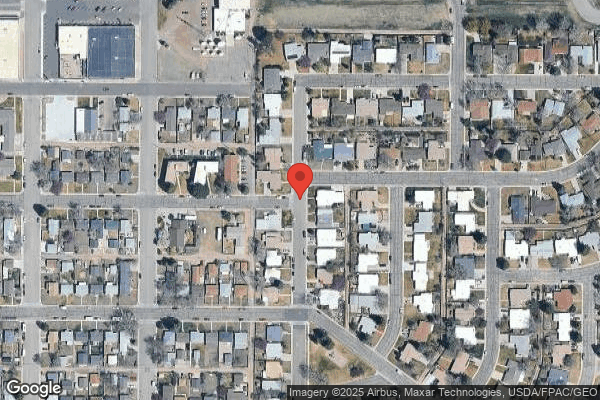
2700 E 12th Street, Cheyenne, WY 82001 (307) 634-7986
For profit - Limited Liability company 105 Beds Independent Data: November 2025
Trust Grade
45/100
#21 of 33 in WY
Last Inspection: June 2024

Within standard 12-15 month inspection cycle. Federal law requires annual inspections.

Overview

Polaris Rehabilitation and Care Center has a Trust Grade of D, indicating below-average quality with some concerns about care. It ranks #21 out of 33 facilities in Wyoming, placing it in the bottom half of nursing homes in the state, but it is #2 out of 3 in Laramie County, meaning there is only one better local option. The facility is improving, having reduced reported issues from 12 in 2024 to just 3 in 2025. Staffing is average with a turnover rate of 63%, which is concerning as it is higher than the state average. While there are no fines on record, which is a positive sign, some critical incidents have been noted, such as a lack of sufficient nursing staff to meet residents' needs and failures in food safety practices in the kitchen, highlighting areas that still require attention.
Trust Score
D
45/100
In Wyoming
#21/33
Bottom 37%
Safety Record
Low Risk
No red flags
Inspections
Getting Better
12 → 3 violations
Staff Stability
⚠ Watch
63% turnover. Above average. Higher turnover means staff may not know residents' routines.
Penalties
✓ Good
No fines on record. Clean compliance history, better than most Wyoming facilities.
Skilled Nurses
✓ Good
Each resident gets 55 minutes of Registered Nurse (RN) attention daily — more than average for Wyoming. RNs are trained to catch health problems early.
Violations
⚠ Watch
28 deficiencies on record. Higher than average. Multiple issues found across inspections.
★★☆☆☆
2.0
Overall Rating
★★★☆☆
3.0
Staff Levels
★★☆☆☆
2.0
Care Quality
★★☆☆☆
2.0
Inspection Score
Stable
2024: 12 issues
2025: 3 issues

The Good

  • Full Sprinkler Coverage · Fire safety systems throughout facility
  • No fines on record

Facility shows strength in fire safety.

The Bad

2-Star Overall Rating

Below Wyoming average (2.9)

Below average - review inspection findings carefully

Staff Turnover: 63%

17pts above Wyoming avg (46%)

Frequent staff changes - ask about care continuity

Staff turnover is elevated (63%)

15 points above Wyoming average of 48%

The Ugly 28 deficiencies on record

Aug 2025 3 deficiencies
CONCERN (E) 📢 Someone Reported This

A family member, employee, or ombudsman was alarmed enough to file a formal complaint

Potential for Harm - no one hurt, but risky conditions existed

ADL Care (Tag F0677)

Could have caused harm · This affected multiple residents

**NOTE- TERMS IN BRACKETS HAVE BEEN EDITED TO PROTECT CONFIDENTIALITY** Based on resident and staff interview, medical record review, resident grievance review, and policy and procedure review, the fa...

Read full inspector narrative →
**NOTE- TERMS IN BRACKETS HAVE BEEN EDITED TO PROTECT CONFIDENTIALITY** Based on resident and staff interview, medical record review, resident grievance review, and policy and procedure review, the facility failed to ensure routine bathing was provided for 5 of 10 sample residents (#1, #2, #3, #4, #6) reviewed for activities of daily living. The findings were: 1. Review of the quarterly MDS assessment dated [DATE] showed resident #2 had a BIMS score of 15 out of 15, which indicated the resident was cognitively intact, and had diagnoses which included morbid obesity, acute respiratory failure, and disorder of skin and subcutaneous tissue. Further review showed the resident had bilateral lower extremity impairment and required partial/moderate assistance with personal hygiene and substantial/maximal assistance with bathing/showering. The following concerns were identified: a. Interview with the resident on 8/28/25 at 11:52 AM revealed the facility did not have enough staff and call lights could take between 15 and 30 minutes to be answered. The resident revealed s/he did not receive bathing regularly and prior to 8/26/25, the last shower s/he received was while s/he was in the hospital. Further interview revealed s/he had to contact the director to get the bed bath s/he received on 8/26/25. b. Review of a Concern Form dated 8/26/25 showed the resident reported s/he had not received a bed bath after requesting one for the prior 2 days. The immediate intervention showed a bed bath was provided on 8/26/25 at 4:21 PM. c. Review of the bathing record from 6/1/25 to 8/28/25 showed the resident did not receive any bathing for 20 days between 6/21/25 and 7/11/25, 23 days between 7/22/25 and 8/15/25, and 10 days between 8/15/25 and 8/26/25. 2. Review of the quarterly MDS assessment dated [DATE] showed resident #4 had a BIMS score of 14 out 15, which indicated the resident was cognitively intact, and had diagnoses which included non-traumatic brain dysfunction and non-Alzheimer's dementia. Further review showed the resident required supervision or touching assistance with bathing. The following concerns were identified: a. Review of the bathing record from 6/1/25 to 8/28/25 showed the resident did not receive any bathing for 19 days between 6/24/25 and 7/14/25, 23 days between 7/22/25 and 8/15/25, and 12 days between 8/16/25 and 8/28/25. 3. Review of the annual MDS assessment dated [DATE] showed resident #1 had a BIMS score of 15 out 15, which indicated the resident was cognitively intact, and had diagnoses which included peripheral vascular disease, obesity, right below the knee amputation, depression, toxic encephalopathy, and respiratory failure. Further review showed upper extremity impairment on 1 side, lower extremity impairment on both sides, and was dependent on staff for bathing/showering and personal hygiene. The following concern was identified: a. Review of the bathing record for August 2025 showed the resident went 11 days without bathing from 8/17/25 through 8/28/25. b. Interview with the resident on 8/28/25 at 11:45 AM revealed s/he had not received bathing in last couple of weeks, and was not happy about it. 4. Review of the admission MDS assessment dated [DATE] showed resident #3 had a BIMS score of 7 out of 15, which indicated severe cognitive impairment, and diagnoses which included fractures and other multiple trauma. Further review showed the resident had upper extremity impairment on one side and required partial/moderate assistance with personal hygiene and bathing/showering. The following concern was identified: a. Review of the bathing record for August 2025 showed the resident did not receive bathing for 9 days between 8/19/25 and 8/28/25. 5. Review of the quarterly MDS assessment dated [DATE] showed resident #6 had a BIMS score of 15 out of 15, which indicated the resident was cognitively intact, and diagnoses which included non-traumatic spinal cord injury, wound infection, quadriplegia, and depression. Further review showed the resident had upper and lower extremity impairment on both sides and was dependent for personal hygiene and bathing. The following concern was identified: a. Review of the bathing record for August 2025 showed the resident did not receive bathing for 9 days between 8/7/25 and 8/16/25 and 6 days between 8/19/25 and 8/26/25. b. Interview with the resident on 8/28/25 at 12:52 PM revealed s/he was not getting showers. The resident revealed the facility provided bed baths; however, s/he did not like bed baths and wanted a shower. 6. Interview with RA #1 on 8/28/25 at 11:24 AM revealed there were no CNAs in the building. The South only had a CIT and two RA’s. Further, s/he stated no baths were given that day. 7. Review of a Concern Form dated 7/18/25 showed the Resident Council reported residents would like staff to stop saying they were Short staffed a reason residents could not receive timely care such as showers, bed changes, late meds, and getting up or laying down. 8. Review of a Concern Form dated 7/7/25 showed resident #9 verbalized concerns of a staff member pushing him/her back to his/her room instead of providing a shower because the facility was to [sic] short staffed to give [him/her] a shower at that time, staff shutting off the call light without asking what the resident needed help with, and not performing shaving during showers. The actions taken showed Staff member was educated on informing residents of staffing issues as inappropriate. Residents needs must be met anytime entering the room and to not shut off the call-light until all of those needs were met in a timely manner. Showers to always be offered no matter amount of staff on floor. Nurse to assist staff member with shaves as needed. 9. Interview with the regional clinical director on 8/28/25 at 4:45 PM confirmed resident bathing was not being performed as it should be. She confirmed there were no additional bathing records for residents. 10. Review of the facility policy titled Resident Showers provided by the facility on 8/28/25 showed .1. Residents will be provided showers as per request or as per facility schedule protocols and based upon resident safety .
CONCERN (E) 📢 Someone Reported This

A family member, employee, or ombudsman was alarmed enough to file a formal complaint

Potential for Harm - no one hurt, but risky conditions existed

Staffing Information (Tag F0732)

Could have caused harm · This affected multiple residents

Based on daily staff posting review and staff interview the facility failed to ensure the total number and the actual hours worked by the following categories of licensed and unlicensed nursing staff ...

Read full inspector narrative →
Based on daily staff posting review and staff interview the facility failed to ensure the total number and the actual hours worked by the following categories of licensed and unlicensed nursing staff directly responsible for resident care per shift: RN, LPN, CNA were documented on the posting. The census was 69. The findings were:1. Review of the daily staff postings from 7/28/25 through 8/28/25 showed staff names, position worked, and number of hours individual staff worked; however, the posting failed to identify the total hours worked for all RNs, LPNs, and CNAs.2. Interview with the administrator on 8/28/25 at 2:47 PM confirmed the daily staff posting did not give the total number of hours for the RNs, LPNs, and the CNAs.
CONCERN (F) 📢 Someone Reported This

A family member, employee, or ombudsman was alarmed enough to file a formal complaint

Potential for Harm - no one hurt, but risky conditions existed

Deficiency F0725 (Tag F0725)

Could have caused harm · This affected most or all residents

**NOTE- TERMS IN BRACKETS HAVE BEEN EDITED TO PROTECT CONFIDENTIALITY** Based on observation, medical record review, staff and resident interview, facility staffing review, grievance review, facility ...

Read full inspector narrative →
**NOTE- TERMS IN BRACKETS HAVE BEEN EDITED TO PROTECT CONFIDENTIALITY** Based on observation, medical record review, staff and resident interview, facility staffing review, grievance review, facility assessment review, and policy and procedure review, the facility failed to ensure sufficient nursing staff to provide the highest practicable physical, mental, and psychosocial well-being on 2 of 2 resident care units (North unit, South unit). The census was 69. The findings were:1. Review of the quarterly MDS assessment dated [DATE] showed resident #2 had a BIMS score of 15 out of 15, which indicated the resident was cognitively intact, and had diagnoses which included morbid obesity, acute respiratory failure, and disorder of skin and subcutaneous tissue. Further review showed the resident had bilateral lower extremity impairment and required partial/moderate assistance with personal hygiene and substantial/maximal assistance with bathing/showering. The following concerns were identified:a. Interview with the resident on 8/28/25 at 11:52 AM revealed the facility did not have enough staff and call lights could take between 15 and 30 minutes to be answered. The resident revealed s/he did not receive bathing regularly and prior to 8/26/25, the last shower s/he received was while s/he was in the hospital. Further interview revealed s/he had to contact the director to get the bed bath s/he received on 8/26/25.b. Review of a Concern Form dated 8/26/25 showed the resident reported s/he had not received a bed bath after requesting one for the prior 2 days. The immediate intervention showed a bed bath was provided on 8/26/25 at 4:21 PM.c. Review of the bathing record from 6/1/25 to 8/28/25 showed the resident did not receive any bathing for 20 days between 6/21/25 and 7/11/25, 23 days between 7/22/25 and 8/15/25, and 10 days between 8/15/25 and 8/26/25.2. Review of the quarterly MDS assessment dated [DATE] showed resident #4 had a BIMS score of 14 out 15, which indicated the resident was cognitively intact, and had diagnoses which included non-traumatic brain dysfunction and non-Alzheimer's dementia. Further review showed the resident required supervision or touching assistance with bathing. The following concerns were identified:a. Review of the bathing record from 6/1/25 to 8/28/25 showed the resident did not receive any bathing for 19 days between 6/24/25 and 7/14/25, 23 days between 7/22/25 and 8/15/25, and 12 days between 8/16/25 and 8/28/25.3. Review of the annual MDS assessment dated [DATE] showed resident #1 had a BIMS score of 15 out 15, which indicated the resident was cognitively intact, and had diagnoses which included peripheral vascular disease, obesity, right below the knee amputation, depression, toxic encephalopathy, and respiratory failure. Further review showed upper extremity impairment on 1 side, lower extremity impairment on both sides, and was dependent on staff for bathing/showering and personal hygiene. The following concern was identified:a. Review of the bathing record for August 2025 showed the resident went 11 days without bathing from 8/17/25 through 8/28/25.b. Interview with the resident on 8/28/25 at 11:45 AM revealed s/he had not received bathing in last couple of weeks, and was not happy about it.4. Review of the admission MDS assessment dated [DATE] showed resident #3 had a BIMS score of 7 out of 15, which indicated severe cognitive impairment, and diagnoses which included fractures and other multiple trauma. Further review showed the resident had upper extremity impairment on one side and required partial/moderate assistance with personal hygiene and bathing/showering. The following concern was identified:a. Review of the bathing record for August 2025 showed the resident did not receive bathing for 9 days between 8/19/25 and 8/28/25.5. Review of the quarterly MDS assessment dated [DATE] showed resident #6 had a BIMS score of 15 out of 15, which indicated the resident was cognitively intact, and diagnoses which included non-traumatic spinal cord injury, wound infection, quadriplegia, and depression. Further review showed the resident had upper and lower extremity impairment on both sides and was dependent for personal hygiene and bathing. The following concerns was identified:a. Review of the bathing record for August 2025 showed the resident did not receive bathing for 9 days between 8/7/25 and 8/16/25 and 6 days between 8/19/25 and 8/26/25.b. Interview with the resident on 8/28/25 at 12:52 PM revealed s/he was not getting showers. The resident revealed the facility provided bed baths; however, s/he did not like bed baths and wanted a shower.6. Interview with resident #10 on 8/28/25 at 3:06 PM revealed at times it took up to an hour to get call lights answered and s/he didn't always get assistance to the bathroom when needed.7. Interview with MA-C #1 on 8/28/25 at 11:46 AM revealed the facility did not have enough staff and she had to pass medications then transition to assisting residents with ADLs. Further interview revealed the North unit had close to 50 residents and staff were unable to get all the care done.8. Interview with RA #1 on 8/28/25 at 11:24 AM revealed there was no CNAs in the building and the South unit only had a CIT and two RAs . Further s/he stated no baths were given that day.9. Review of a Concern Form dated 8/27/25 showed the resident representative for resident #8 verbalized concerns about the resident's call light being left on for 20 minutes and the resident's oxygen not being on the resident.10. Review of a Concern Form dated 7/18/25 showed the Resident Council reported residents would like staff to stop saying they were Short staffed a reason residents could not receive timely care such as showers, bed changes, late meds, and getting up or laying down. Further review showed the residents requested a list of what RAs were able to help with due to often being told the RAs cannot help and the residents wanted to be able to tell the difference between RAs and CNAs. The actions taken showed the facility began a process for CNAs to wear coral scrubs and RAs to wear maroon scrubs, educated staff regarding telling residents they were short staffed, and a Significant amount of RAs transitioning to CNA's [sic].11. Review of a Concern Form dated 7/7/25 showed resident #9 verbalized concerns of a staff member pushing him/her back to his/her room instead of providing a shower because the facility was to [sic] short staffed to give [him/her] a shower at that time, staff shutting off the call light without asking what the resident needed help with, and not performing shaving during showers. The actions taken showed Staff member was educated on informing residents of staffing issues as inappropriate. Residents needs must be met anytime entering the room and to not shut off the call-light until all of those needs were met in a timely manner. Showers to always be offered no matter amount of staff on floor. Nurse to assist staff member with shaves as needed.12. Review of the Facility assessment dated [DATE] showed the minimum staffing needed based on hours per resident day (HPRD) for a census of 72.2 on the day shift (6 AM to 6 PM) was 3 RNs, 3 LPNs, and 5 CNAs, or 11 nursing staff members (132 actual hours). The HPRD for a census of 72.2 on the night shift (6 PM to 6AM) was 2 RNs, 2 LPNs, and 4 CNAs, or 8 nursing staff members (96 actual hours). The HPRD was 1.83 HPRD for day shift minimum nursing staff, 1.33 HPRD for night shift minimum nursing staff, and 3.18 HPRD for the 24-hour minimum nursing staff. 13. Review of the nursing staff schedules for from 7/28/25 through 8/28/25 showed the 24-hour HPRD for 7/28 was 2.54, 7/29 was 2.16, 8/1 was 2.42, 8/2 was 1.95, 8/3 was 2.1, 8/4 was 2.44, 8/5 was 2.54, 8/6 was 2.36, 8/7 was 2.15, 8/8 was 1.88, 8/9 was 2.08, 8/10 was 2.23, 8/11 was 2.49, 8/12 was 2.16, 8/13 was 2.18, 8/14 was 2.13, 8/15 was 2.38, 8/16 was 2.25, 8/17 was 1.95, 8/18 was 2.26, 8/17 was 1.96, 8/18 was 2.26, 8/19 was 2.14, 8/20 was 2.33, 8/21 was 2.29, 8/22 was 2.30, 8/23 was 1.96, 8/24 was 2.13, 8/25 was 1.99, 8/26 was 2.22, and 8/27 was 2.22. Further review showed the day shift nursing staff HPRD on 8/28 was 1.01. 14. Interview with the human resources coordinator on 8/28/25 at 4:02 PM revealed he completed the facility assessment and confirmed the minimum staffing HPRD could be calculated by taking the minimum staff numbers times 12 hours and dividing the total hours by the census of 72.2. Further he confirmed the daily calculation for HPRD would be the number of actual hours worked by nursing staff divided by the census.15. Interview with the regional clinical director on 8/28/25 at 4:45 PM confirmed the facility continued to have staffing challenges and confirmed the bathing was not being performed as it should be.
Oct 2024 2 deficiencies
CONCERN (E) 📢 Someone Reported This

A family member, employee, or ombudsman was alarmed enough to file a formal complaint

Potential for Harm - no one hurt, but risky conditions existed

Deficiency F0561 (Tag F0561)

Could have caused harm · This affected multiple residents

**NOTE- TERMS IN BRACKETS HAVE BEEN EDITED TO PROTECT CONFIDENTIALITY** Based on medical record review, staff interview, and resident representative interview, the facility failed to have a system in ...

Read full inspector narrative →
**NOTE- TERMS IN BRACKETS HAVE BEEN EDITED TO PROTECT CONFIDENTIALITY** Based on medical record review, staff interview, and resident representative interview, the facility failed to have a system in place to ensure changes in health care appointments were communicated to the resident or the resident's representative for 2 of 4 residents (#1, #8) reviewed for post-hospitalization follow-up appointments. The findings were: 1. Interview with resident #1's representative on 10/24/24 at 10:53 AM revealed the resident was admitted to the facility on [DATE] from an out-of-state acute care hospital. Following discharge, the resident had an appointment with a urologist scheduled for 4/1/24 (Monday). The resident's representative revealed she had confirmed the appointment with the resident's nurse the weekend before the appointment and an arrangement had been made for a family member to meet the resident at the appointment; however, when the family member arrived for the follow-up appointment, she was told the appointment had been rescheduled by the facility for patient convenience to 4/4/24. Review of the Discharge Plan of Care, dated 3/22/24, confirmed an appointment had been scheduled with an out-of-state urologist on 4/1/24 at 10 AM. The following concerns were identified: a. Interview with the director of social services on 10/23/24 at 2:58 PM revealed she did not have any documentation related to the change of the resident's appointment. b. Interview with receptionist #1 on 10/23/24 at 3:02 PM revealed she had a computer program which she used to keep track of resident appointments; however, if an appointment was canceled, she would delete it from the calendar. This was done so the appointment schedule for the day was current for the transportation staff. Review of the April 2024 calendar, with the receptionist, showed no appointments were scheduled for the resident. c. Review of the resident's medical record showed no documentation the appointment had been rescheduled. 2. Review of the Discharge Plan of Care for resident #8 showed the resident had a follow-up appointment scheduled for 10/18/24. The following concerns were identified: a. Review of the October 2024 appointment calendar with receptionist #1, showed no evidence of an appointment for the resident. Interview with the receptionist on 10/24/24 at 9:40 AM revealed she had called the provider's office and the provider stated a medical assistant from their office had canceled the appointment; however, the appointment was not rescheduled. b. Review of the resident's medical record showed no documentation the appointment had been canceled. 3. Interview with the director of social services on 10/24/24 at 8:28 AM revealed changes in resident appointments were handled by the DON and receptionist #1. 4. Interview with the DON on 10/24/24 at 11:31 AM revealed she was unaware of how the change in appointment times were communicated.
CONCERN (F) 📢 Someone Reported This

A family member, employee, or ombudsman was alarmed enough to file a formal complaint

Potential for Harm - no one hurt, but risky conditions existed

Infection Control (Tag F0880)

Could have caused harm · This affected most or all residents

**NOTE- TERMS IN BRACKETS HAVE BEEN EDITED TO PROTECT CONFIDENTIALITY** Based on review of the facility's COVID-19 infection control outbreak records, staff interview, and policy and procedure review,...

Read full inspector narrative →
**NOTE- TERMS IN BRACKETS HAVE BEEN EDITED TO PROTECT CONFIDENTIALITY** Based on review of the facility's COVID-19 infection control outbreak records, staff interview, and policy and procedure review, the facility failed to ensure a system was in place for documenting resident and staff SARS-CoV-2 test results during an outbreak. The census was 81. The findings were: 1. Review of the facility's COVID-19 infection control outbreak records showed one staff member tested positive for SARS-CoV-2 on 9/12/24 and another on 9/13/24. Further review showed residents were tested on [DATE], 9/17/24, 9/20/24, 9/23/24, 9/26/24, 10/1/24, 10/4/24, and 10/7/24. One resident tested positive on 9/20/24, one resident on 9/23/24, two residents on 10/1/24, and three residents on 10/4/24 (7 total). Further review of the facility's documentation showed staff were screened for symptoms and tested from 9/13/24 through 10/7/24. Two staff members tested positive on 9/26/24. There was no further documentation available. 2. Telephone interview with the former infection preventionist on 10/24/24 at 9:35 AM revealed she had resigned her position on 10/9/24 and had not been in the facility since that date. 3. Interview with the NHA on 10/24/24 at 10:25 AM confirmed there was no documentation of the testing done after 10/7/24; however, the screening and testing of residents and staff was completed and discussed during their morning meetings. The NHA provided documentation from the morning meeting minutes which showed on 10/9/24 the facility had two residents and one staff member with unresolved cases of COVID-19. The documentation showed no further positive test results. 4. Interview with RN #1 on 10/24/24 at 10:47 AM revealed she had tested CNA #1 on 10/10/24, due to the CNA showing symptoms, and again on 10/16/24; however, she had not documented the results. 5. Interview with RN #2 on 10/24/24 at 10:48 AM revealed she had tested CNA #1 on 10/18/24; however, she had not documented the results. 6. Telephone interview with RN #3 on 10/24/24 at 12:09 PM revealed the former infection preventionist had instructed her to test residents and staff every 3 days until the outbreak was resolved. RN #3 confirmed she had performed the testing, as instructed, and all tests were negative; however, she had not documented the results. 7. Interview with the NHA on 10/24/24 at 11:35 AM revealed he determined the outbreak was resolved on 10/22/24. 8. Review of the facility's Covid Guidelines Outbreak Status showed .Staff and residents must test twice a week until there are no new cases for 14 days .OUTBREAK STATUS IS OVER 14 DAYS AFTER THE LAST COVID POSITIVE TEST.
Aug 2024 1 deficiency
CONCERN (D) 📢 Someone Reported This

A family member, employee, or ombudsman was alarmed enough to file a formal complaint

Potential for Harm - no one hurt, but risky conditions existed

Respiratory Care (Tag F0695)

Could have caused harm · This affected 1 resident

Based on observation, medical record review, resident and staff interview, review of staff training records, and review of the facility's policy, the facility failed to ensure tracheostomy care was pe...

Read full inspector narrative →
Based on observation, medical record review, resident and staff interview, review of staff training records, and review of the facility's policy, the facility failed to ensure tracheostomy care was performed as ordered for 1 of 1 resident with a tracheostomy (#4). The findings were: 1. Observation of resident #4 on 8/22/24 at 9:39 AM showed the resident had a capped tracheostomy and was wearing oxygen per nasal cannula. There were a number of various supplies piled on the additional bed in the room and by 9:44 AM the supplies were organized and included the items needed to provide tracheostomy care to the resident. There was a suction machine with a suction catheter attached on the bedside table. The resident made gestures and could whisper words to communicate. Review of the medical record for resident #4 showed an admission date of 7/21/24 and diagnosis which include acute respiratory failure with tracheostomy placement, pneumonitis, chronic obstructive pulmonary disease and multiple comorbidities. Review of the care plan for resident #4 showed an admission date of 7/21/24 that included a diagnosis of acute respiratory failure and tracheostomy. In addition, the resident's care plan showed s/he was at risk for infection because of indwelling medical devices and included the tracheostomy as a focus area. The following concerns were identified: a. Interview with resident #4 on 8/22/24 at 2:30 PM revealed the dressing had not been changed that day and when asked how many days it had been since the last dressing change the resident held up 3 fingers. When asked how many days since the cannula had been cleaned or change the resident held up 5 fingers and nodded yes to confirm the answers. b. Review of the treatment administration record (TAR) for July and August 2024 showed clean or change inner cannula .one time a day was not performed on 7/20/24, 7/27/24, 8/1/24, 8/8/24, 8/12/24, 8/13/24, 8/20/24, and 8/21/24. c. Review of the TAR for July and August 2024 showed change trach ties daily and PRN if soiled two times a day was not performed on 7/20/24. d. Review of the TAR for July and August 2024 showed observe for changes in skin integrity of stoma site .every shift during care was not performed on the night shift of 7/19/24, neither the day or night shift on 7/20/24, nor the day shift on 8/8/24. e. Review of the TAR for July and August 2024 showed suction tracheostomy tube as needed to clear airway. Document results .two times a day and results were not documented on the night shift of 7/19/24, neither day or night shift on 7/20/24, nor the day shifts on 7/27/24, 8/8/24, 8/19/24, and 8/20/24. f. Review of the TAR for July and August 2024 showed Tracheostomy Care every shift and PRN was not performed on the day shifts of 7/20/24, 8/8/24, 8/13/24, 8/19/24, 8/20/24, and 8/21/24. g. Review of the TAR for July and August 2024 showed Tracheostomy site dressing change every shift and PRN if soiled was not performed on the shift of 7/19/24, neither day or night shift of 7/20/24, nor the day shift on 7/27/24, 8/8/24, 8/13/24, 8/19/24, 8/20/24, and 8/21/24. h. Review of the training records for staff who had provided care to the resident showed no evidence of education or competency for LPN #1 or RN #4. i. Review of the progress notes for resident #4 showed the resident coughed out the tracheostomy cannula at the facility on 8/3/24 and was transported by ambulance to the emergency room to have it replaced. The discharge instructions included directions related to tracheostomy care and included how to clean the cannula. 2. Interview with LPN#1 on 8/22/24 at 2:46 PM verified the resident required daily tracheostomy care and she had provided care a few times. Further interview revealed the resident preferred minimal care and s/he may have refused care on some shifts. 3. Interview with RN #3 on 8/22/24 at 4 PM confirmed she had cared for resident #4 and completed the daily assessment as ordered; however, the resident was at times resistant to tracheostomy care. 4. Interview with RN #2 on 8/23/24 at 8:46 AM revealed there is often a provider onsite and they should be notified of any changes in the residents care. Notification should be documented in the record. 5. Interview with the DON on 8/22/24 at 1:35 PM revealed resident #4 had daily orders for tracheostomy care and verified the omissions on the TAR were because either the resident had not received the care as ordered or staff had not documented the care but in either case, there should have been something documented for each treatment. 6. Interview with the administrator regarding competency of LPN #1 and RN #4 revealed he considered them subject matter experts based on their education and experience and confirmed the facility did not have documentation of competency for either of those nurses. 7. Review of the facility policy Notification of Changes, dated 10/23/23, showed The purpose of this policy is to ensure the facility promptly informs the resident, consults with the resident's physician .when there is a change requiring notification .3. Circumstances that require a need to alter treatment .iv. Care issues including refusals which should be documented and part of the care plan .
Jun 2024 6 deficiencies
CONCERN (D)

Potential for Harm - no one hurt, but risky conditions existed

Deficiency F0655 (Tag F0655)

Could have caused harm · This affected 1 resident

Based on medical record review and staff interview, the facility failed to develop a baseline care plan which addressed the immediate needs of the residents for 1 of 5 (#117) newly admitted residents ...

Read full inspector narrative →
Based on medical record review and staff interview, the facility failed to develop a baseline care plan which addressed the immediate needs of the residents for 1 of 5 (#117) newly admitted residents reviewed. The findings were: 1. Review of the medical record for resident #117 showed the resident was admitted from the hospital on 6/6/24 and had diagnoses which included hypertensive chronic kidney disease with stage 5 chronic kidney disease and dependence on renal dialysis. Review of the resident's 6/7/24 baseline care plan showed the focus area of dialysis was left blank. 2. Interview on 6/26/24 at 10:40 AM with the DON confirmed the resident's baseline care plan was incomplete.
CONCERN (D)

Potential for Harm - no one hurt, but risky conditions existed

Deficiency F0657 (Tag F0657)

Could have caused harm · This affected 1 resident

Based on medical record review, staff and resident interview, and policy and procedure review, the facility failed to ensure the comprehensive care plan was revised as needed to reflect the resident's...

Read full inspector narrative →
Based on medical record review, staff and resident interview, and policy and procedure review, the facility failed to ensure the comprehensive care plan was revised as needed to reflect the resident's current needs for 1 of 5 sample residents (#58) reviewed for smoking. The findings were: 1. Review of the 3/10/24 MDS assessment showed resident #58 had a BIMS score of 5 out of 15 which indicated severe cognitive impairment. Interview with the resident on 6/25/24 at 8:19 AM revealed s/he smoked on a regular basis. Review of the 6/17/24 safe smoking assessment showed the resident was required to wear a smoking apron. The following concerns were identified: a. Review of the resident's care plan showed the care plan had not been revised to include goals and interventions related to the use of tobacco. 2. Interview with the DON on 6/25/24 at 2:15 PM confirmed the care plan had not been updated to reflect the resident's use of tobacco. 3. Review of the 5/2/24 Resident Smoking Policy showed .8. Any resident who is deemed safe to smoke, with or without supervision, will be allowed to smoke in designated smoking areas (weather permitting), at designated times, and in accordance with his/her care plan .10. All safe smoking measures will be documented on each resident's care plan and communicated to all staff, visitors, and volunteers who will be responsible for supervising residents while smoking. Supervision will be provided as indicated on each resident's care plan.
CONCERN (D)

Potential for Harm - no one hurt, but risky conditions existed

Accident Prevention (Tag F0689)

Could have caused harm · This affected 1 resident

**NOTE- TERMS IN BRACKETS HAVE BEEN EDITED TO PROTECT CONFIDENTIALITY** Based on observation, staff interview, medical record review, and policy and procedure review, the facility failed to ensure the...

Read full inspector narrative →
**NOTE- TERMS IN BRACKETS HAVE BEEN EDITED TO PROTECT CONFIDENTIALITY** Based on observation, staff interview, medical record review, and policy and procedure review, the facility failed to ensure the environment was free of accident hazards for 1 of 5 sample residents (#117) reviewed for smoking. The findings were: 1. Review of the 6/9/24 admission MDS assessment showed resident #117 had a BIMS score of 15, which indicated the resident was cognitively intact, and was coded as not using tobacco. The findings were: a. Observation on 6/23/24 at 11:36 AM showed the resident was smoking in the designated outdoor smoking area under staff supervision. b. Interview with the resident on 6/25/24 at 7:56 AM revealed the s/he did not start smoking until 2 weeks after s/he was admitted . The resident stated s/he wore a smoking apron while smoking but otherwise did not have any restrictions. c. Review of the smoking assessment dated [DATE] showed the resident was a non-smoker. There was no evidence a safe smoking assessment had been completed after the resident had chosen to begin smoking. 2. Interview with the DON on 6/25/24 at 2:22 PM revealed a safe smoking assessment had not been completed. 3. Review of the policy and procedure provided by the DON on 6/25/24 at 1:50 PM showed .5. All resident's will be asked about tobacco use during the admission process, and during each quarterly or comprehensive MDS assessment process. 6. Residents who smoke will be further assessed, using the Resident Safe Smoking Assessment, to determine whether or not supervision is required for smoking, or if resident is safe to smoke at all. 10. All safe smoking measures will be documented on each resident's care plan and communicated to all staff, visitors, and volunteers who will be responsible for supervising residents while smoking. Supervision will be provided as indicated on each resident's care plan .
CONCERN (D)

Potential for Harm - no one hurt, but risky conditions existed

Deficiency F0883 (Tag F0883)

Could have caused harm · This affected 1 resident

**NOTE- TERMS IN BRACKETS HAVE BEEN EDITED TO PROTECT CONFIDENTIALITY** Based on medical record review, staff interview, and review of facility policies, and review of the CDC immunization recommendat...

Read full inspector narrative →
**NOTE- TERMS IN BRACKETS HAVE BEEN EDITED TO PROTECT CONFIDENTIALITY** Based on medical record review, staff interview, and review of facility policies, and review of the CDC immunization recommendations, the facility failed to ensure residents received the pneumococcal immunization based on CDC recommendations for 1 of 5 sample residents (#43) reviewed for immunizations. The findings were: 1. Review of the medical record showed resident #43 was [AGE] years old. Further review showed the resident received the Prevnar 23 vaccine on 1/18/17 and had signed a consent form on 9/11/23 to receive the PCV20 vaccine. There was no evidence the resident had received the vaccination. 2. Interview with the infection preventionist on 6/26/24 at 11:09 AM revealed the resident had not been administered the PCV 15 or PCV20 vaccine due to an oversight. 3. Review of the 9/8/23 Pneumococcal Vaccine policy showed .The type of pneumococcal vaccine (PCV15, PCV20, or PPSV23) offered will depend upon the recipient's age and susceptibility to pneumonia, in accordance with current CDC guidelines and recommendations. 4. According to the Adult Immunization Schedule by the CDC located at https://www.cdc.gov/vaccines/schedules/hcp/imz/adult-schedule-notes.html#note-pneumo (accessed on 6/27/24) showed individuals 65 or older who previously received only the PPSV23 vaccine should be administered either the PCV15 or PCV20 at least 1 year after the PPSV23 dose.
CONCERN (E)

Potential for Harm - no one hurt, but risky conditions existed

Deficiency F0698 (Tag F0698)

Could have caused harm · This affected multiple residents

**NOTE- TERMS IN BRACKETS HAVE BEEN EDITED TO PROTECT CONFIDENTIALITY** Based on medical record review and staff interview, the facility failed to have a system in place to ensure communication with t...

Read full inspector narrative →
**NOTE- TERMS IN BRACKETS HAVE BEEN EDITED TO PROTECT CONFIDENTIALITY** Based on medical record review and staff interview, the facility failed to have a system in place to ensure communication with the dialysis center was documented in the medical record for 3 of 4 residents (#11, #35, #117) who received dialysis services. The findings were: 1. Review of the medical record showed resident #11 was admitted to the facility on [DATE], discharged with return anticipated on 5/20/24, and readmitted to the facility on [DATE]. Review of the resident's care plan showed the resident was to receive dialysis from an offsite dialysis center every Monday, Wednesday, and Friday. Review of the 2024 May and June Dialysis Communication Record forms between the dialysis center and the facility showed no documentation for the 5/17, 5/31, 6/12, 6/17, 6/19, 6/21, and 6/24 treatments. 2. Review of the 3/31/24 quarterly MDS assessment showed resident #35 was admitted to the facility on [DATE] and received dialysis services. Review of the physician orders showed the resident was to receive dialysis from an offsite dialysis center every Tuesday, Thursday, and Saturday. Review of the 2024 March, April, May, and June Dialysis Communication Record forms between the dialysis center and the facility showed no documentation for the 3/5, 3/7, 3/9, 3/21, 6/4, 6/6, and 6/8 treatments. 2. Review of the medical record for resident #117 showed s/he was admitted to the facility on [DATE]. Review of the physician orders showed the resident was to receive dialysis from an offsite dialysis center every Monday, Wednesday, and Friday. Review of the June 2024 Dialysis Communication Record forms between the dialysis center and the facility showed no documentation for the 6/12 treatment. 3. Interview on 6/25/24 at 3:26 PM with RN #1 revealed the facility used to have dialysis binders to keep track of the communication forms; however, the facility had discontinued the binders.
MINOR (B)

Minor Issue - procedural, no safety impact

Staffing Information (Tag F0732)

Minor procedural issue · This affected multiple residents

Based on observation, and staff interview, the facility failed to ensure the daily staff posting was updated daily for 1 of 2 random observations (6/23/24). The census was 64. The findings were: 1. Ob...

Read full inspector narrative →
Based on observation, and staff interview, the facility failed to ensure the daily staff posting was updated daily for 1 of 2 random observations (6/23/24). The census was 64. The findings were: 1. Observation on 6/23/24 at 1:34 PM showed the facility's daily staff posting was on the front wall by the main entrance and was dated 6/20/24. 2. Observation on 6/23/24 at 5:30 PM showed the staff posting had been changed to Sunday 6/23/24. Interview with the nursing home administrator at that time confirmed the posting had been recently changed to reflect the current day's information. 3. Interview with the scheduler on 6/24/24 at 10:39 AM revealed she was normally responsible for the daily staff posting; however, she did not work weekends. In addition, the scheduler confirmed she did not change the daily staff posting on Friday 6/21/24, because she was working on the floor. The scheduler was not aware of whose responsibility it was on the weekends to update the posting. 4. Interview with the DON on 6/24/24 at 10:39 AM revealed it was the responsibility of the manager on duty to update the daily staff posting on the weekend.
Jan 2024 3 deficiencies
CONCERN (D) 📢 Someone Reported This

A family member, employee, or ombudsman was alarmed enough to file a formal complaint

Potential for Harm - no one hurt, but risky conditions existed

Accident Prevention (Tag F0689)

Could have caused harm · This affected 1 resident

**NOTE- TERMS IN BRACKETS HAVE BEEN EDITED TO PROTECT CONFIDENTIALITY** Based on medical record review, resident representative and staff interview, facility policy and procedure review, and review of...

Read full inspector narrative →
**NOTE- TERMS IN BRACKETS HAVE BEEN EDITED TO PROTECT CONFIDENTIALITY** Based on medical record review, resident representative and staff interview, facility policy and procedure review, and review of facility corrective action documentation, the facility failed to prevent an avoidable accident for 1 of 3 sample residents (#2) reviewed for accidents. This failure resulted in past non-compliance for resident #2 who had a fall as a result of staff error. Corrective measures were implemented by the facility prior to the survey and compliance was determined to be met on 12/21/23. The findings were: 1. Review of the Nursing admission Data Collection for resident #2 showed the resident was admitted to the facility on [DATE] for rehabilitation due to a right hip fracture, Further review showed a summary AROM and PROM limited on right side due to pain and weakness from surgery. Currently toe touch weight bearing on right leg. Review of the Transfer Evaluation dated 12/11/23 showed the resident was Currently toe touch weight bearing on right. The transfer evaluation scored the resident at 9, which indicated the resident which indicated the resident should be transferred with a mechanical lift (total body or stand assist as appropriate). The following concerns were identified: a. Review of the baseline care plan dated 12/13/23 showed it was incomplete and failed to identify how to transfer the resident and with how many staff. b. Review of the nurse progress note created on 12/16/23 at 12:15 PM showed CNA in to assist with toileting, CNA thought resident was one assist d/t miscommunication about transfer status. Resident was standing in front of toilet when aid [sic] was assisting with cleaning [him/her] when resident's legs gave out and resident fell on floor. Resident was assessed for injuries, no injuries noted . Resident has only minor c/o pain at this time. c. Review of the 12/16/23 risk management report showed CNA in to assist with toileting, CNA thought resident was one assist d/t [due to] miscommunication about transfer status. Resident was standing in front of toilet when aid [sic] was assisting with cleaning [him/her] when resident's legs gave out and resident fell on floor. Resident was assessed for injuries, no injuries noted. d. Interview on 1/18/24 at 3:45 PM with CNA #1 revealed s/he used the report sheet to gather information on how to transfer resident #2 and confirmed a sit to stand machine or mechanical lift was not used to transfer the resident, and three staff members lifted the resident off of the floor. Furthermore, the CNA stated s/he was not aware of a [NAME] in the resident chart or how to find the correct information. e. Interview on 1/18/24 at 12:05 PM with resident #4's representative revealed they were informed by a nurse the resident had fallen due to the CNA not using the appropriate transfer method identified in the resident's care plan. 2. Interview on 1/19/24 at 12:30 PM with the NHA revealed nursing staff were expected to use the mechanical lifts and transfer residents according to the care plans and [NAME]. 3. Review of the policy titled Safe Resident Handling/Transfers last revised on 1/18/24 showed Policy: It is the policy of this facility to ensure that residents are handled and transferred safely to prevent or minimize risks for injury .10. Two staff members must be utilized when transferring residents with a mechanical lift. 11. Staff will be educated on the use of safe handling/transfer practices to include use of mechanical lift devices upon hire, annually and as the need arises or changes in equipment occur. 12. The staff must demonstrate competency in the use of mechanical lifts prior to use and .13. Staff members are expected to maintain compliance with safe handling/transfer practices .14. Resident lifting and transferring will be performed according to the resident's individual plan of care. 4. Review of the facility ' s documentation of corrective action for the fall due to improper transfer technique showed the actions taken by the facility included the following: a. The CNA was suspended on 12/18/23 and has not been allowed to provide direct resident care since the incident. b. Management team reviewed and investigated the incident that occurred on 12/16/23 and was educated on change of shift information and proper transfer status. c. Education was provided to nursing staff on proper transfer status and where to find current transfer information on 12/21/23. d. Report sheets were removed and updated accordingly. e. Audits were started on 12/20/23 on lift monitoring and technique.
CONCERN (D) 📢 Someone Reported This

A family member, employee, or ombudsman was alarmed enough to file a formal complaint

Potential for Harm - no one hurt, but risky conditions existed

Deficiency F0806 (Tag F0806)

Could have caused harm · This affected 1 resident

Based on medical record review, observation, staff and resident representative interview, and facility policy and procedure review, the facility failed to ensure residents were offered choices during ...

Read full inspector narrative →
Based on medical record review, observation, staff and resident representative interview, and facility policy and procedure review, the facility failed to ensure residents were offered choices during meal times for 1 out of 6 (#4) sample residents related to resident rights. The findings were: 1. Review of the care plan last revised 1/16/24 for resident #4 showed interventions of: offer preferred foods, HELP resident #4 with choices as needed. S/he may need only a few options to avoid overwhelming him/her. Review of the 11/30/23 Brief Interview for Mental Status (BIMS) showed the resident had a score of 5 out of 15 indicating severe cognitive impairment. Review of the CNA charting for how the resident eats and drinks showed the resident needed Oversight, encouragement or cueing from 12/19/23 to 1/17/24. Review of the meal preference ticket for resident #4 showed Salt, pepper each tray, and condiments with burgers Mightyshake .at each meal . Add milk to Oatmeal. Salt/Pepper with all meals. The following concerns were identified: a. Observation on 1/17/24 at 4:25 PM showed customer service representative #1 served resident #4 a pulled pork sandwich, beans, and coleslaw, but failed to provide or offer salt, pepper, condiments, or a mighty shake. Interview with therapist #17 at that time confirmed the resident did not have salt or pepper provided or offered with the meal. b. Observation on 1/18/24 at 7:55 AM showed resident #4 was served eggs, dry toast, mighty shake, oatmeal, and coffee by the NHA. However staff failed to add milk to resident #4's oatmeal and no salt or pepper was offered as marked on the meal ticket. c. Interview with customer service representative #1 on 1/17/24 at 12:00 PM revealed resident preferences were listed on the meal ticket and prepared for by the kitchen staff and should be honored. d. Interview on 1/17/24 at 2:02 PM with the dietary manager revealed staff should provide resident requests and preferences that were listed on the meal ticket. e. Interview on 1/18/24 at 4 PM with resident #4's representative revealed a concern and had witnessed on 12/2/23 the facility was not offering or providing salt, pepper or ketchup to several residents including a resident with very poor memory that preferred salt and pepper with each meal. f. Interview with the NHA and HR manager on 1/19/24 at 12:30 PM revealed the facility expectation was for staff to offer choices which included salt, pepper and ketchup. 2. Review of the 1/1/24 Dining Room Protocol showed d. staff will provide condiments as requested by resident or meal ticket preference.
CONCERN (E) 📢 Someone Reported This

A family member, employee, or ombudsman was alarmed enough to file a formal complaint

Potential for Harm - no one hurt, but risky conditions existed

Food Safety (Tag F0812)

Could have caused harm · This affected multiple residents

Based on observation, staff interview, and facility policy and procedure review, and review of the Food Code, the facility failed to ensure staff used beard restraints in accordance with professional ...

Read full inspector narrative →
Based on observation, staff interview, and facility policy and procedure review, and review of the Food Code, the facility failed to ensure staff used beard restraints in accordance with professional standards during 1 of 3 meals. The facility census was 74. The findings were: 1. Observation on 1/17/24 at 11:50 AM showed cook #1, in the kitchen serving window, standing in the food distribution area, and dispensing resident meals on plates wearing a hat on his/her head, gloves and a long sleeve shirt. Further observation showed resident #4 received a meal at 12:01 PM. The following concerns were identified: a. Observation on 1/17/24 at 11:50 AM showed cook #1 had a short beard, but was not wearing a beard restraint. b. Interview on 1/17/24 at 12:05 PM with the HR Director confirmed staff members were expected to wear a beard restraint and hair nets when distributing food to residents. c. Interview on 1/17/24 at 2:02 PM with the dietary manager revealed cook #1 should have worn a beard restraint. d. Interview on 1/18/24 at 4 PM with resident #4's representative revealed a concern and had witnessed kitchen staff not wearing appropriate hair restraints on 12/15/23 while distributing resident meals. e. Interview on 1/19/24 at 12:30 PM with the NHA confirmed staff were expected to wear beard restraints and hair nets around food and when preparing food in the kitchen. 2. Review of the facility policy titled Maintaining a Sanitary Tray Line last revised 1/18/24 showed 3. During tray assembly, staff shall .h. Wear hair restraints (bonnets, caps, nets, to cover hair) when preparing or handling food. 3. Review of the 2022 FDA Food Code showed 2-402 Hair Restraints 2-402.11 Effectiveness. (A) Except as provided in ¶ (B) of this section, FOOD EMPLOYEES shall wear hair restraints such as hats, hair coverings or nets, beard restraints, and clothing that covers body hair, that are designed and worn to effectively keep their hair from contacting exposed FOOD; clean EQUIPMENT, UTENSILS, and LINENS; and unwrapped SINGLE-SERVICE and SINGLE-USE ARTICLES.
Jun 2023 4 deficiencies
CONCERN (D)

Potential for Harm - no one hurt, but risky conditions existed

Deficiency F0578 (Tag F0578)

Could have caused harm · This affected 1 resident

**NOTE- TERMS IN BRACKETS HAVE BEEN EDITED TO PROTECT CONFIDENTIALITY** Based on medical record review, staff interview, facility incident report review, and policy and procedure review, the facility ...

Read full inspector narrative →
**NOTE- TERMS IN BRACKETS HAVE BEEN EDITED TO PROTECT CONFIDENTIALITY** Based on medical record review, staff interview, facility incident report review, and policy and procedure review, the facility failed to honor residents' right to refuse treatment for 1 of 18 sample residents (#57). The findings were: 1. Review of the significant change MDS assessment dated [DATE] showed resident #57 had a BIMS score of 0 out 15, indicating severe cognitive impairment, and diagnoses which included non-Alzheimer's dementia and psychotic disorder other than schizophrenia. Further review showed the resident exhibited no behavioral symptoms and no restraints or alarms were in use. The following concerns were identified: a. Review of the facility incident report dated 5/9/23 showed the administrator was notified RN #1 and RN #2 attempted to provide medication to resident #57 while the resident was combative. The report indicated the nurses held the resident's hands against his/her body and braced the resident's jaw to keep him/her from moving away during medication administration. Further review showed both nurses were suspended pending investigation and, upon return to the facility, were educated related to residents' right to refuse medications, and restraining residents. b. Review of an IDT progress note dated 5/10/23 and timed 12:47 PM showed .Date, Time and Type of Incident: 5/9/23 @ [at] 21:57 [9:57 PM] Alleged Abuse Description of Incident: Nurse had administered Medications successfully to resident with Yogurt and crushed meds. When it came time to administer Potassium, resident became combative and refusing to take medications. Resident had been in the hospital within the prior 48 hours for low potassium levels and needed this medication to prevent re-hospitilization [sic]. Resident continues to show confusion and refuses medications on a regular basis. Nurse tried 3 other techniques to administer Potassium and they were unsuccessful. Nurse asked 2nd nurse for assistance to administer medication. Resident with their altered mental status continued to swip [sic] and move moouth [sic] away from staff. Nurses held hands against body to prevent staff from being hit. 2nd Nurse braced jaw to alleviate the hard movements so they could administer medications with a syringe for dilluted [sic] liquid potassium. Resident continued to refuse and spit medications out and tried to bite nurse who administered medications. CNA and another staff member witnessed the last attempt to administer and contacted NHA. Both nurses were suspended pending investigation into incident and allegation . c. Review of the behavior care plan last revised on 4/19/23 showed the resident had behavior problems which included hitting staff during care and refusing medications. Further review showed no interventions to hold the resident's arms or head when behaviors occurred. d. Interview with RN #1 on 6/22/23 at 1:24 PM revealed she was involved in the incident on 5/9/23. The RN revealed the resident had previously been sent to the hospital for low potassium and the resident's representative wanted staff to try to get the resident to take his/her medications. At the time of the incident, the nurse was able to administer the other medications, without issue, by putting them in yogurt; however, the resident refused the potassium. The nurse revealed she attempted to administer the potassium 3 different times, (in a medication cup, in juice, and in a syringe) without success. Further interview revealed RN #1 and RN #2, who was assisting her, held the resident's jaw in an attempt to get the resident to take the medication. e. Interview with RN #2 on 6/22/23 at 3:01 PM revealed she was involved with the incident on 5/9/23 as another nurse had asked her to assist to give resident #57 medications. At that time, the other nurse had given the resident's other medications in pudding; however, the resident refused potassium. She stated the other nurse held the resident's hands and RN #2 attempted to give the potassium. She revealed she supported the resident's cheek, but did not grab anything. f. Interview with CNA #1 on 6/22/23 at 1:39 PM revealed during the incident on 5/9/23, resident #57 refused some medications and the nurse asked CNA #1 to hold the resident's arms against his/her body so she could give the resident the medication; however, he held the resident's hands instead, as a distraction. The CNA revealed when he first observed the nurses with the resident, one of them was restricting the resident's arm movement by placing her hands, palm down, on the resident's forearms against the resident's abdomen. The other nurse grabbed the resident's face and squeezed the resident's cheeks to get him/her to open his/her mouth. The CNA revealed he notified another CNA, who also attempted to hold the resident's hands, and both CNAs reported the incident to the nurse on the other unit. Further interview revealed he did not recall the resident verbalizing pain; however, the resident did spit the medication on RN #1's face. g. Review of interventions implemented following the incident showed the facility performed 1 to 1 education for the nurses involved on 5/9/23 and all staff were educated on resident rights and restraints on 5/10/23. Review of the QAPI notes dated 5/11/23 showed the facility would implement weekly monitoring for 4 weeks and monthly monitoring for 2 months to include unit/floor observations, observations of nurses involved in the incident, and monitoring of items that may be a resident right violation; however, the facility was unable to provide evidence of the monitoring identified in QAPI. 2. Interview with the DON on 6/22/23 at 2:33 PM revealed if a resident was refusing a medication, she expected staff to attempt to redirect the resident, leave the resident alone, and attempt to re-approach later. Further interview confirmed staff restricting the resident's movement was a restraint and removed the resident's right to refuse medication. 3. Interview with the administrator on 6/22/23 at 2:39 PM revealed he expected staff to follow resident rights. If residents refuse something, staff should return at a later time to offer again. Further interview confirmed grabbing the resident's face was considered a restraint, and was not a practice that should be performed by staff. 4. Review of the facility policy titled Resident Rights last revised December 2016 showed .1. Federal and state laws guarantee certain basic rights to all residents of this facility. These rights include the resident's right to: . g. exercise his or her rights as a resident of the facility and as a resident or citizen of the united states; . i. exercise his or her rights without interference, coercion, discrimination or reprisal from the facility; . be informed of, and participate in; his her care planning and treatment; . s. choose an attending physician and participate in decision-making regarding his or her care; .
CONCERN (D)

Potential for Harm - no one hurt, but risky conditions existed

Deficiency F0604 (Tag F0604)

Could have caused harm · This affected 1 resident

**NOTE- TERMS IN BRACKETS HAVE BEEN EDITED TO PROTECT CONFIDENTIALITY** Based on medical record review, staff interview, facility incident report review, and policy and procedure review, the facility ...

Read full inspector narrative →
**NOTE- TERMS IN BRACKETS HAVE BEEN EDITED TO PROTECT CONFIDENTIALITY** Based on medical record review, staff interview, facility incident report review, and policy and procedure review, the facility failed to ensure residents were free from physical restraints for 1 of 2 sample residents (#57) reviewed for restraint use. The findings were: 1. Review of the significant change MDS assessment dated [DATE] showed resident #57 had a BIMS score of 0 out 15, indicating severe cognitive impairment, and diagnoses which included non-Alzheimer's dementia and psychotic disorder other than schizophrenia. Further review showed the resident exhibited no behavioral symptoms and no restraints or alarms were in use. The following concerns were identified: a. Review of the facility incident report dated 5/9/23 showed the administrator was notified RN #1 and RN #2 attempted to provide medication to resident #57 while the resident was combative. The report indicated the nurses held the resident's hands against his/her body and braced the resident's jaw to keep him/her from moving away during medication administration. Further review showed both nurses were suspended pending investigation and, upon return to the facility, were educated related to residents' right to refuse medications, and restraining residents. b. Review of an IDT progress note dated 5/10/23 and timed 12:47 PM showed .Date, Time and Type of Incident: 5/9/23 @ [at] 21:57 [9:57 PM] Alleged Abuse Description of Incident: Nurse had administered Medications successfully to resident with Yogurt and crushed meds. When it came time to administer Potassium, resident became combative and refusing to take medications. Resident had been in the hospital within the prior 48 hours for low potassium levels and needed this medication to prevent re-hospitilization [sic]. Resident continues to show confusion and refuses medications on a regular basis. Nurse tried 3 other techniques to administer Potassium and they were unsuccessful. Nurse asked 2nd nurse for assistance to administer medication. Resident with their altered mental status continued to swip [sic] and move moouth [sic] away from staff. Nurses held hands against body to prevent staff from being hit. 2nd Nurse braced jaw to alleviate the hard movements so they could administer medications with a syringe for dilluted [sic] liquid potassium. Resident continued to refuse and spit medications out and tried to bite nurse who administered medications. CNA and another staff member witnessed the last attempt to administer and contacted NHA. Both nurses were suspended pending investigation into incident and allegation . c. Review of the behavior care plan last revised on 4/19/23 showed the resident had behavior problems which included hitting staff during care and refusing medications. Further review showed no interventions to hold the residents arms or head when behaviors occurred. d. Interview with RN #1 on 6/22/23 at 1:24 PM revealed she was involved in the incident on 5/9/23. The RN revealed the resident had previously been sent to the hospital for low potassium and the resident's representative wanted staff to try to get the resident to take his/her medications. At that time, the nurse was able to administer the other medications, without issue, by putting them in yogurt; however, the resident refused the potassium. The nurse revealed she attempted to administer the potassium 3 different times, (in a medication cup, in juice, and in a syringe) without success. Further interview revealed RN #1 and RN #2, who was assisting her, held the resident's jaw in an attempt to get the resident to take the medication. e. Interview with RN #2 on 6/22/23 at 3:01 PM revealed she was involved with the incident on 5/9/23 as another nurse had asked her to assist to give resident #57 medications. At that time, the other nurse had given the resident's other medications in pudding; however, the resident refused potassium. She revealed the other nurse held the resident's hands and RN #2 attempted to give the potassium. She stated she supported the resident's cheek, but did not grab anything. f. Interview with CNA #1 on 6/22/23 at 1:39 PM revealed during the incident on 5/9/23, resident #57 refused some medications and the nurse asked CNA #1 to hold the resident's arms against his/her body so she could give the resident the medication; however, he held the resident's hands instead, as a distraction. The CNA revealed when he first observed the nurses with the resident, one of them was restricting the resident's arm movement by placing her hands, palm down, on the resident's forearms against the resident's abdomen. The other nurse grabbed the resident's face and squeezed the resident's cheeks to get him/her to open his/her mouth. The CNA revealed he notified another CNA, who also attempted to hold the resident's hands, and both CNAs reported the incident to the nurse on the other unit. Further interview revealed he did not recall the resident verbalizing pain; however, the resident did spit the medication on RN #1's face. g. Review of interventions implemented following the incident showed the facility performed 1 to 1 education for the nurses involved on 5/9/23 and all staff were educated on resident's rights and restraints on 5/10/23. Review of the QAPI notes dated 5/11/23 showed the facility would implement weekly monitoring for 4 weeks and monthly monitoring for 2 months to include unit/floor observations, observations of nurses involved in the incident, and monitoring of items that may be a resident right violation; however, the facility was unable to provide evidence of the monitoring identified in QAPI. 2. Interview with the DON on 6/22/23 at 2:33 PM revealed if a resident was refusing a medication, she expected staff to attempt to redirect the resident, leave the resident alone, and attempt to re-approach later. Further interview confirmed staff restricting the resident's movement was a restraint and removed the resident's right to refuse medication. 3. Interview with the administrator on 6/22/23 at 2:39 PM revealed he expected staff to follow resident rights. If residents refuse something, staff should return at a later time to offer again. Further interview confirmed grabbing the resident's face was considered a restraint and was not a practice that should be performed by staff. 4. Review of the facility policy titled Resident Rights last revised December 2016 showed .1. Federal and state laws guarantee certain basic rights to all residents of this facility. These rights include the resident's right to: . d. be free from corporal punishment or involuntary seclusion, and physical or chemical restraints not required to treat the resident's symptoms . 5. Review of the facility policy titled Identifying Involuntary Seclusion and Unauthorized Restraint last revised April 2021 showed .Unauthorized Physical Restraints .2. Physical restraint is defined as any manual method, physical or mechanical device, equipment, or material that meets all of the following criteria: a. Is attached or adjacent to a resident's body; b. Cannot be removed easily by the resident (in the same manner it was applied by the staff); and c. Restricts the resident's freedom of movement or normal access to his/her body. 3. Inappropriate or unauthorized use of a restraint occurs when it: a. is used for discipline or convenience; b. unnecessarily inhibits a resident's freedom of movement or activity; c. is not the least restrictive option or used for the least amount of time needed; and/or d. is not accompanied by ongoing re-evaluation of the need for the restraint. 4. Sometimes the use of restraints is not intentional, but this does not absolve the staff of the responsibility to recognize and report the unauthorized use of restraints. Examples of physical restraints (intentional or unintentional) include: .h. holding down a resident in response to a behavioral symptom or during the provision of care if the resident is resistive or refusing the care .
CONCERN (D)

Potential for Harm - no one hurt, but risky conditions existed

Medication Errors (Tag F0758)

Could have caused harm · This affected 1 resident

**NOTE- TERMS IN BRACKETS HAVE BEEN EDITED TO PROTECT CONFIDENTIALITY** Based on medical record review, staff interview, and review of policy and procedure, the facility failed to ensure appropriate b...

Read full inspector narrative →
**NOTE- TERMS IN BRACKETS HAVE BEEN EDITED TO PROTECT CONFIDENTIALITY** Based on medical record review, staff interview, and review of policy and procedure, the facility failed to ensure appropriate behavior monitoring and interventions were in place for 2 of 6 sample residents (#5, #11) who received psychotropic medications. The findings were: 1. Review of the quarterly MDS assessment dated [DATE] showed resident #5 had a BIMS score of 12 out of 15, indicating the resident was cognitively intact, and diagnoses which included anxiety, bipolar disorder, and attention deficit hyperactivity disorder. Review of section N, Medications, showed the resident received antipsychotic medications and antianxiety medications on 7 days during the look-back period. Review of physician orders showed the resident received Klonopin (antianxiety) 0.5 milligram (mg) for anxiety, lithium carbonate (mood stabilizer) 300 mg two times per day related to bipolar disorder, quetiapine fumarate (antipsychotic) 25 mg two times a day related to bipolar disorder, and Topamax (anticonvulsant) tablet 50 mg three times a day related to bipolar disorder. The following concerns were identified: a. Review of the care plan for psychotropic medication related to bipolar disorder last revised on 10/26/22 showed interventions which included to administer psychotropic medications as ordered by physician, monitor for side effects and effectiveness every shift, monitor/document/report as needed any adverse reactions of psychotropic medications: unsteady gait, tardive dyskinesia, EPS (shuffling gait, rigid muscles, shaking), frequent falls, refusal to eat, difficulty swallowing, dry mouth, depression, suicidal ideation's, social isolation, blurred vision, diarrhea, fatigue, insomnia, loss of appetite, weight loss, muscle cramps nausea, vomiting, and behavior symptoms not usual to the person. Further review showed no evidence of specific target symptoms related to the use of individual medications. b. Review of the medication administration record (MAR) and treatment administration record (TAR) for June 2023 showed no evidence of monitoring the resident for side effects related to the use of psychotropic medications, identified target symptoms, nor effectiveness specific to the use of each psychotropic medication. 2. Review of the quarterly MDS assessment dated [DATE] showed resident #11 had a BIMS score of 15 out of 15, indicating the resident was cognitively intact, and diagnoses which included anxiety, bipolar disorder, schizophrenia, and PTSD. Review of section N, medications, showed the resident received antipsychotic and antianxiety medications on 7 days of the look-back period. Review of the physician orders showed the resident received aripiprazole (antipsychotic) 15 mg one time a day related to bipolar disorder, Depakote (anticonvulsant) delayed release 250 mg at bedtime related to bipolar disorder, Effexor (antidepressant) extended release 150 mg one time a day related to bipolar disorder, and quetiapine fumarate (antipsychotic) tablet 200 mg at bedtime for bipolar/schizophrenia. The following concerns were identified: a. Review of the care plan for antipsychotic medications last revised on 10/13/22 showed interventions which included to administer antipsychotic medications as ordered by physician, observe for side effects and effectiveness every shift, and educate [resident name], legal guardian, family/caregivers about risks, benefits and the side effects and/or toxic symptoms related to psychotropic medication drugs being given. Further review showed no evidence of specific target symptoms related to the use of individual medications. c. Review of the medication administration record (MAR) and treatment administration record (TAR) for June 2023 showed no evidence of monitoring of the resident for side effects related to the use of psychotropic medications, identified target symptoms, nor effectiveness specific to the use of each psychotropic medication. 3. Interview with LPN #1 on 6/21/23 at 2:21 PM revealed the nursing staff monitor for behaviors in the treatment administration records (TAR). At that time, she verified that the monitoring for psychotropic medications was not on the TAR and stated since it was not on the TAR the facility was not monitoring resident behaviors. 4. Interview with the administrator and the regional director of clinical compliance on 6/21/23 at 3:50 PM revealed the facility was monitoring behaviors in the task table; however, the behaviors were not targeted to the medications and staff were expected to document on the TAR. Further, they confirmed the orders were not on the TAR. 5. Review of the Behavior Documentation Protocol not dated showed .If a resident has a psychotropic medication facility must ensure that there is behavior tracking in place for each medication with specific behaviors for the medication based on residents' behavioral history .
CONCERN (D)

Potential for Harm - no one hurt, but risky conditions existed

Infection Control (Tag F0880)

Could have caused harm · This affected 1 resident

Based on observation, medical record review, staff interview, and policy and procedure review, the facility failed to ensure infection control techniques were implemented for 1 of 5 residents (#177) r...

Read full inspector narrative →
Based on observation, medical record review, staff interview, and policy and procedure review, the facility failed to ensure infection control techniques were implemented for 1 of 5 residents (#177) reviewed for wounds. The findings were: 1. Review of the current physician orders showed resident #177 received amoxicilillin-pot clavilanate (antibiotic) 875-125 mg by mouth every 12 hours for a bacterial infection of the left forearm. The following concerns were identified: a. Observation on 6/21/23 at 9:52 AM showed LPN #1 entered the room of the resident, donned gloves and prepared supplies to apply a dressing to the resident's left forearm. At that time, the wound on the resident's left forearm was open to air. The LPN cleaned the wound, applied silvadene cream, applied non-adherent pads, and then applied a clean rolled gauze over the wound. Upon completing the dressing application, she doffed her gloves. No hand hygiene or glove change was performed between cleaning the wound, and applying the dressing. Interview with the LPN on 6/21/23 at 9:58 AM revealed she normally performed wound dressing changes in the manner observed. Further interview confirmed she had not changed gloves or performed hand hygiene between cleansing the wound and the clean dressing application. 3. Interview with the regional director of clinical compliance on 6/21/23 at 10:05 AM revealed the facility expectation was for staff to wash their hands and don clean gloves between each step of the wound care treatment. 4. Review of policy and procedure Wound Care Med-Pass, Inc. (revised October 2010) showed . 4. Put on exam gloves. Loosen tape and remove dressing. 5. Pull glove over the dressing and discard into the appropriate receptacle. Wash and dry your hands thoroughly. 6. Put on gloves . 13. Dress wound .
Dec 2022 9 deficiencies
CONCERN (D)

Potential for Harm - no one hurt, but risky conditions existed

Comprehensive Care Plan (Tag F0656)

Could have caused harm · This affected 1 resident

Based on resident and staff interview, and medical record review, the facility failed to ensure care plans were developed with resident-specific interventions to reflect individual needs for pain mana...

Read full inspector narrative →
Based on resident and staff interview, and medical record review, the facility failed to ensure care plans were developed with resident-specific interventions to reflect individual needs for pain management for 1 of 5 residents (#25) reviewed for pain. The findings were: 1. Review of the 9/10/22 quarterly MDS assessment for resident #25 showed the resident was cognitively intact with a BIMS score of 14 out of 15, and had diagnoses which included type 2 diabetes mellitus, cerebral vascular accident, multiple sclerosis, seizure disorder, and a fractured lumbar vertebra. The resident was on a scheduled pain medication regimen along with medication for breakthrough pain. The resident did not receive non-pharmacological interventions for pain relief. Further, the resident had frequent pain which made it hard to sleep at night and interfered with day-to-day activities. Review of the MAR for December 2022 showed the resident received tramadol 50 milligrams (mg) (pain medication) twice daily, and baclofen 10 mg (muscle relaxant) every 8 hours as needed for pain. Review of the treatment administration record (TAR) for December 2022 showed an order to .observe pain every shift and to document pain level and treat, trying non-pharmacologic interventions prior to medicating . Review of the care plan last revised 11/11/22 showed a care area for chronic pain related to arthritis and diabetic neuropathy. The following concerns were identified: a. Interview on 12/20/22 at 10:43 AM with the resident stated s/he only received pain medication to alleviate his/her pain. b. Review of the care plan for chronic pain showed no goals were identified, and the interventions failed to show an acceptable pain level or non-pharmacological interventions to help alleviate pain. 2. Interview on 12/21/22 at 3:10 PM with the DON confirmed the care plan had not been developed to include non-pharmacological interventions.
CONCERN (D) 📢 Someone Reported This

A family member, employee, or ombudsman was alarmed enough to file a formal complaint

Potential for Harm - no one hurt, but risky conditions existed

Deficiency F0657 (Tag F0657)

Could have caused harm · This affected 1 resident

**NOTE- TERMS IN BRACKETS HAVE BEEN EDITED TO PROTECT CONFIDENTIALITY** Based on observation, medical record review, and staff interview, the facility failed to revise the care plan to reflect the res...

Read full inspector narrative →
**NOTE- TERMS IN BRACKETS HAVE BEEN EDITED TO PROTECT CONFIDENTIALITY** Based on observation, medical record review, and staff interview, the facility failed to revise the care plan to reflect the resident's needs for 1 of 21 (#2) sample residents reviewed. The findings were: 1. Review of the 11/6/22 quarterly MDS assessment showed resident #2 was readmitted to the facility from the hospital on [DATE] and had diagnoses which included pneumonia, respiratory failure, and obstructive sleep apnea. Observation on 12/19/22 at 2:28 PM showed a continuous positive airway pressure (CPAP) machine was at the resident's bedside. Review of a 10/21/22 progress note showed the resident's physician had been notified that the resident had chosen to begin using the CPAP machine s/he had previously refused. The following concerns were identified: a. Review of respiratory care plan, last revised on 7/5/22, showed the use of the CPAP had not been included. b. Interview with the DON on 12/21/22 at 1:59 PM revealed it was the facility's expectation the resident's care plan should reflect the use of the CPAP and confirmed the resident's care plan had not been revised.
CONCERN (D) 📢 Someone Reported This

A family member, employee, or ombudsman was alarmed enough to file a formal complaint

Potential for Harm - no one hurt, but risky conditions existed

Deficiency F0688 (Tag F0688)

Could have caused harm · This affected 1 resident

Based on resident and staff interview, and medical record review, the facility failed to provide range of motion services for 1 of 2 sample residents (#61) with limited mobility. The findings were: 1....

Read full inspector narrative →
Based on resident and staff interview, and medical record review, the facility failed to provide range of motion services for 1 of 2 sample residents (#61) with limited mobility. The findings were: 1. Review of the 10/20/22 quarterly MDS assessment showed resident #61 was cognitively intact with a BIMS score of 15 out of 15 and had diagnoses which included functional quadriplegia, generalized muscle weakness, right and left wrist and foot drop, and end stage renal disease which required dialysis. The resident required extensive assistance of one staff member for transfers, bed mobility, and dressing due to impaired range of motion in the upper and lower extremities. Further, the resident received occupational therapy and physical therapy from 8/23/22 to 10/20/22. The following concerns were identified: a. Interview on 12/20/22 at 10 AM with the resident revealed s/he only got out of bed to go to dialysis and the facility did not provide any range of motion exercises. b. Interview on 12/22/22 at 12:15 PM with the DON revealed the facility did not have a restorative nursing program, and confirmed the resident was not receiving services to maintain range of motion. She further stated implementing a restorative nursing program was one of her goals.
CONCERN (D) 📢 Someone Reported This

A family member, employee, or ombudsman was alarmed enough to file a formal complaint

Potential for Harm - no one hurt, but risky conditions existed

Incontinence Care (Tag F0690)

Could have caused harm · This affected 1 resident

Based on observation, medical record review, professional reference review, and staff interview, the facility failed to ensure urinary catheter bags were kept below the level of the bladder for 2 of 2...

Read full inspector narrative →
Based on observation, medical record review, professional reference review, and staff interview, the facility failed to ensure urinary catheter bags were kept below the level of the bladder for 2 of 2 sample residents (#322, #326) with catheters. The findings were: 1. Review of a nurse's progress note showed resident #322 entered the facility on 12/12/22. The physician progress notes showed the resident had diagnoses which included overactive bladder, history of extended-spectrum beta-lactomases (ESBL- antibiotic resistance), Klebsiella pneumoniae infection, neurogenic bladder, and urinary tract infection. Review of the care plan showed the resident required extensive assistance with 2 staff using a sit-to-stand lift to move between surfaces. Further review showed the resident requires use of Catheter. The resident will be/remain free from catheter-related trauma through review date. The resident has 16 French, 5 milliliter (ml) indwelling Catheter. Position catheter bag and tubing below the level of the bladder and away from the entrance room door. The following concerns were identified: a. Observation on 12/19/22 at 2:38 PM showed CNA #2 and CNA #3 transferred the resident from the wheelchair to the bed using a sit-to-stand lift. The urinary drainage bag was lifted above the bladder with urine observed returning to the bladder. The CNAs then placed the urinary bag on the foot rest of the lift while moving the lift. b. Interview with CNA #3 on 12/19/22 at 5:18 PM revealed we normally pick the Foley bag up to keep it out of the way, or sit it on the foot rest, there's nowhere to hook it on the lifts. So, just we lift it up. She denied having training on placement of the urinary bag. 2. Review of the 12/5/22 admission MDS assessment for resident #326 showed diagnoses which included quadriplegia, Methacillin-resistant Staphylococcles aureus, bacterial infections, septicemia, and obstructive uropathy which required an indwelling catheter. The assessment further showed the resident required extensive assistance with activities of daily living. The following concerns were identified: a. Observation on 12/19/22 at 2:09 PM showed CNA #3 and CNA #4 transferred the resident using a mechanical lift. The CNAs lifted the urinary drainage bag above the bladder and the urine in the tubing was observed flowing back into the bladder. The CNAs kept the urinary bag above the bladder until the resident was placed on the bed. b. Interview at that time with the CNAs revealed this was there normal procedure when transferring a resident with a urinary catheter. 3. Interview with the DON on 12/21/22 at 10:38 AM revealed the facility's expectation was for the urinary drainage bags to be at or below the level of the bladder. 4. Review of the wound, Ostomy, and Continence Nurses Society Care and Management of patients with Urinary Catheters: a clinical resource guide found at https://cdn.ymaws.com/member.wocn.org/resource/resmgr/document_library/care_&_mgmt_pts_w_urinary_ca.pdf, retrieved on 1/4/23 showed .Place the bag in a dependent position, about 12 inches (30 cm) below the level of the hips. Do not rest the bag on the floor. Keep the tubing above the level of the drainage bag and free of kinks. If the tubing must be raised for an extended period of time (e.g., transporting the patient), care should be taken to prevent backflow of urine from the bag .
CONCERN (D) 📢 Someone Reported This

A family member, employee, or ombudsman was alarmed enough to file a formal complaint

Potential for Harm - no one hurt, but risky conditions existed

Pharmacy Services (Tag F0755)

Could have caused harm · This affected 1 resident

Based on resident and staff interview, and medical record, the facility failed to ensure the timely administration of physician-ordered medications for 1 of 2 sample residents (#323) who were receivin...

Read full inspector narrative →
Based on resident and staff interview, and medical record, the facility failed to ensure the timely administration of physician-ordered medications for 1 of 2 sample residents (#323) who were receiving intravenous antibiotics. The findings were: 1. Review of the medical record for resident #323 showed physician diagnoses which included cellulitis, cellulitis of lower limb, sepsis, acute osteomyelitis, and type 2 diabetes mellitus. Further review showed the resident was admitted to the facility on Saturday,12/17/22. Review of the physician orders showed the resident was to receive cefazolin sodium solution (an antibiotic), 2 grams (gm) intravenously three times a day for acute osteomyelitis of the right ankle and foot. The following concerns were identified: a. Interview with the resident on 12/19/22 at 3 PM revealed s/he had not received the first two doses of the antibiotic and was concerned the missed doses would make the infection worse. b. Review of the MAR showed the facility failed to provide the first two doses of the antibiotic. c. Review of a nurse's progress note dated 12/17/22 and timed 5:46 PM showed cefazolin sodium solution 2 gm administration [his/her] meds are not yet in the medication cart. In addition, a nurse's progress note dated 12/18/22 and timed 10:57 AM showed Spoke with pharmacy will bring in stat today. d. Interview with the DON on 12/21/22 at 5:29 PM confirmed the resident did not get the first 2 doses of the antibiotic. Further, she stated the facility received their medications from Denver, which did not deliver on Sunday. However, the facility could get medications from a local pharmacy, if needed. In addition, she revealed the facility had a Stat Save (medication Pyxis) the nurses could have used.
CONCERN (E) 📢 Someone Reported This

A family member, employee, or ombudsman was alarmed enough to file a formal complaint

Potential for Harm - no one hurt, but risky conditions existed

Assessment Accuracy (Tag F0641)

Could have caused harm · This affected multiple residents

Based on medical record review and staff interview, the facility failed to ensure the MDS assessment information was an accurate reflection of resident status for 6 of 21 sample residents (#2, #5, #8,...

Read full inspector narrative →
Based on medical record review and staff interview, the facility failed to ensure the MDS assessment information was an accurate reflection of resident status for 6 of 21 sample residents (#2, #5, #8, #22, #33, #58). The findings were: 1. Review of the 9/28/22 and 11/6/22 quarterly MDS assessments showed the cognitive and mood assessments for resident #2 had not been completed. 2. Review of the 10/29/22 quarterly MDS assessment showed the cognitive and mood assessments for resident #5 had not been completed. 3. Review of the 9/22/22 annual MDS assessment showed the cognitive and mood assessments for resident #8 had not been completed. 4. Review of the 11/13/22 annual MDS assessment showed the cognitive and mood assessments for resident #22 had not been completed. 5. Review of the 10/25/22 significant change MDS assessment and the 11/7/22 quarterly MDS assessment showed the cognitive and mood assessments for resident #33 had not been completed. 6. Review of the 11/14/22 quarterly MDS assessment showed the cognitive and mood assessments for resident #58 had not been completed. 7. Interview with the MDS coordinator on 12/21/22 at 2:25 PM confirmed the MDS assessments were incomplete.
CONCERN (E) 📢 Someone Reported This

A family member, employee, or ombudsman was alarmed enough to file a formal complaint

Potential for Harm - no one hurt, but risky conditions existed

Deficiency F0761 (Tag F0761)

Could have caused harm · This affected multiple residents

**NOTE- TERMS IN BRACKETS HAVE BEEN EDITED TO PROTECT CONFIDENTIALITY** Based on observation, staff interview, and review of policy and procedure and manufacturer's instructions, the facility failed t...

Read full inspector narrative →
**NOTE- TERMS IN BRACKETS HAVE BEEN EDITED TO PROTECT CONFIDENTIALITY** Based on observation, staff interview, and review of policy and procedure and manufacturer's instructions, the facility failed to ensure medications available for use were not expired in 2 of 3 medication storage areas (northeast and northwest medication carts). The findings were: 1. Observation of the northwest station medication cart on [DATE] at 3:14 PM with LPN #1 showed the following concerns: a. An over-the-counter (OTC) bottle of calcium with vitamin D had an original manufacturer's expiration date of 11/2024 with a save bottle label on the container. Interview with LPN #1 revealed revealed the container was used to store medications; however, she was not aware how many times the bottle had been refilled, by whom, or where the OTC medication came from. b. One Victoza (non-insulin medication to treat diabetes) pen-injector had an open date of [DATE] (52 days from opening). c. One vial of Novolog (insulin) had an open date of [DATE] (41 days post opening). d. One vial of Novolog with an open date of 11/22. It could not be determined as to what date the vial was actually opened. 2. Observation of the northeast medication cart on [DATE] at 3:25 PM with RN #1 showed the following concerns: a. An over-the-counter bottle of calcium with vitamin D had an original manufacturer's expiration date of 11/2024 with a save bottle label on the container. Interview with RN #1 revealed the container was used to store medications; however, she did not know how many times the bottle had been refilled, by whom, or where the OTC medication came from. 3. Interview with the DON on [DATE] at 2:45 PM revealed it was the facility's expectation that medications not be used after the expiration date. In addition, the DON confirmed multi-use insulin vials expired 28 days after being accessed. 4. Review of the Novolog manufacturer's instructions retrieved at https://www.accessdata.fda.gov/drugsatfda_docs/label/2015/020986s082lbl.pdf on [DATE] showed after initial use vials may be kept for up to 28 days. 5. Review of the Vitroza manufacturer's instructions retrieved at https://www.novo-pi.com/victoza.pdf#patient on [DATE] showed the pen-injector must be discarded 30 days after being opened. 6. Review of the policy and procedure titled Storage of Medications , last revised 11/2020, showed 2. Drugs and biologicals are stored in the packaging, containers or other dispensing systems in which they are received. Only the issuing pharmacy is authorized to transfer medications between containers 4. Drug containers that have missing, incomplete, improper, or incorrect labels are returned to the pharmacy for proper labeling before storing. Discontinued, outdated, or deteriorated drugs or biologicals are returned to the dispensing pharmacy or destroyed.
CONCERN (F) 📢 Someone Reported This

A family member, employee, or ombudsman was alarmed enough to file a formal complaint

Potential for Harm - no one hurt, but risky conditions existed

Food Safety (Tag F0812)

Could have caused harm · This affected most or all residents

Based on observation, staff interview, and review of the 2017 US Food Code, the facility failed to ensure food was stored in a manner that was safe for consumption in 1 of 1 kitchen. The census was 77...

Read full inspector narrative →
Based on observation, staff interview, and review of the 2017 US Food Code, the facility failed to ensure food was stored in a manner that was safe for consumption in 1 of 1 kitchen. The census was 77. The findings were: 1. Observation on 12/19/22 at 1:40 PM of the kitchen refrigerator #1, #2, and #3 showed multiple items were labeled with a prepared date; however, were not marked with a use-by date. Multiple items were unlabeled or had exceeded their expiration date. The following concerns were identified: a. A container of relish had a prepared date of 11/17/22. b. A container of gravy had a prepared date of 10/10/22. c. A plastic container of ketchup had a prepared date of 10/19/22. d. A container of jalapeno salsa had a prepared date of 11/27/22. e. A container of pumpkin had a prepared date of 11/23/22 and was observed to have two small areas of what appeared to be mold on the surface. f. An undated container of lemon wedges. g. An undated plastic bag of whipped topping. h. A cucumber, an onion, and a stalk of celery were wrapped in plastic and not dated. i. A 14.2 ounce container of lingonberry preserves had an expiration date of 10/15/22. j. A container of sweet potatoes had a use-by date of 12/6/22. k. A container of diced ham had a use-by date of 12/15/22. 2. Interview on 12/19/22 at 1:40 PM with cook #1, revealed the food in the refrigerators were for resident use. Additionally he confirmed all foods which were prepared and held in the refrigerators should be labeled with an open/prepared date, a use by date, staff initials and the day of the week it was prepared/opened. 3. Interview on 12/21/22 at 9:53 AM with the certified dietary manager confirmed the food in the refrigerator should be labeled with a prepared date and used within 7 days. 4. According to the US Food Code -2017 (A) Except when PACKAGING FOOD using a REDUCED OXYGEN PACKAGING method as specified under § 3-502.12, and except as specified in (E) and (F) of this section, refrigerated, READY-TOEAT, TIME/TEMPERATURE CONTROL FOR SAFETY FOOD prepared and held in a FOOD ESTABLISHMENT for more than 24 hours shall be clearly marked to indicate the date or day by which the FOOD shall be consumed on the PREMISES, sold, or discarded when held at a temperature of 5ºC (41ºF) or less for a maximum of 7 days. The day of preparation shall be counted as Day 1. Pf commercially processed food open and hold cold (B) Except as specified in (E) - (G) of this section, refrigerated, READY-TO-EAT TIME/TEMPERATURE CONTROL FOR SAFETY FOOD prepared and PACKAGED by a FOOD PROCESSING PLANT shall be clearly marked, at the time the original container is opened in a FOOD ESTABLISHMENT and if the FOOD is held for more than 24 hours, to indicate the date or day by which the FOOD shall be consumed on the PREMISES, sold, or discarded, based on the temperature and time combinations specified in (A) of this section and: Pf (1) The day the original container is opened in the FOOD ESTABLISHMENT shall be counted as Day 1; Pf and (2) The day or date marked by the FOOD ESTABLISHMENT may not exceed a manufacturer's use-by date if the manufacturer determined the use-by date based on FOOD safety. Pf (C) A refrigerated, READY-TO-EAT TIME/TEMPERATURE CONTROL FOR SAFETY FOOD ingredient or a portion of a refrigerated, READY-TO-EAT, TIME/TEMPERATURE CONTROL FOR SAFETY FOOD that is subsequently combined with additional ingredients or portions of FOOD shall retain the date marking of the earliest-prepared or first-prepared ingredient. Pf
MINOR (C) 📢 Someone Reported This

A family member, employee, or ombudsman was alarmed enough to file a formal complaint

Minor Issue - procedural, no safety impact

Deficiency F0888 (Tag F0888)

Minor procedural issue · This affected most or all residents

Based on review of policy and procedures and staff vaccination records, and staff interview, the facility failed to ensure the process to mitigate the transmission and spread of COVID-19 for all staff...

Read full inspector narrative →
Based on review of policy and procedures and staff vaccination records, and staff interview, the facility failed to ensure the process to mitigate the transmission and spread of COVID-19 for all staff who were not fully vaccinated for COVID-19 was implemented. The census was 77. The findings were: 1. Review of the facility's vaccination records showed 14 staff members were granted exemptions to the COVID-19 vaccination requirements. 2. Interview with the NHA, DON, and clinical consultant on 12/22/22 at 10:45 AM revealed the facility had stopped requiring the use of N95 masks or additional testing for unvaccinated staff when CMS memo QSO-20-38-NH, revised 9/23/22, was released which stated routine testing for asymptomatic staff was no longer recommended but may be performed at the discretion of the facility. In addition, the facility was using the CDC Interim Infection Prevention and Control Recommendations for Healthcare Personnel During the Coronavirus Disease 2019 (COVID-19) Pandemic updated September 23, 2022 which stated Updated to note that vaccination status is no longer used to inform source control, screening testing, or post-exposure recommendations. The NHA, DON, and clinical consultant confirmed the facility's policy had not been revised. 3. Review of the policy and procedure titled Polaris Healthcare Mandatory Covid-19 Vaccine Policy and Procedure received from the facility upon entry showed III. Additional Precautions to Mitigate the Transmission and Spread of Covid-19 For All Staff Not Fully Vaccinated for Covid-19: Staff who are not yet fully vaccinated, have a pending exemption request, have been granted an exemption, or who have a temporary delay in vaccination approval must adhere to additional precautions based on national infection prevention and control standards for unvaccinated health care personnel that are intended to mitigate the spread of COVID-19. The Facility will take or require the following precautions, as deemed appropriate or necessary: C. Requiring, at a minimum, weekly testing for exempted Staff .Weekly testing will be required regardless of whether the Facility is located in a county with low to moderate community transmission .D. Staff who have not completed their primary vaccination series will be required to use a NIOSH approved N95 or equivalent or higher-lever respirator (and may also be required to wear a face shield or goggles) at all times when in the Facility, regardless of whether they are providing direct care to or otherwise interacting with residents .
Understanding Severity Codes (click to expand)
Life-Threatening (Immediate Jeopardy)
J - Isolated K - Pattern L - Widespread
Actual Harm
G - Isolated H - Pattern I - Widespread
Potential for Harm
D - Isolated E - Pattern F - Widespread
No Harm (Minor)
A - Isolated B - Pattern C - Widespread

Questions to Ask on Your Visit

  • "Why is there high staff turnover? How do you retain staff?"
  • "Can I speak with families of current residents?"
  • "What's your RN coverage like on weekends and overnight?"

Our Honest Assessment

Strengths
  • • No major safety red flags. No abuse findings, life-threatening violations, or SFF status.
  • • No fines on record. Clean compliance history, better than most Wyoming facilities.
Concerns
  • • 28 deficiencies on record. Higher than average. Multiple issues found across inspections.
  • • Grade D (45/100). Below average facility with significant concerns.
  • • 63% turnover. Above average. Higher turnover means staff may not know residents' routines.
Bottom line: Trust Score of 45/100 indicates significant concerns. Thoroughly evaluate alternatives.

About This Facility

What is Polaris Rehabilitation And Care Center's CMS Rating?

CMS assigns Polaris Rehabilitation and Care Center an overall rating of 2 out of 5 stars, which is considered below average nationally. Within Wyoming, this rating places the facility higher than 0% of the state's 100 nursing homes. A rating at this level reflects concerns identified through health inspections, staffing assessments, or quality measures that families should carefully consider.
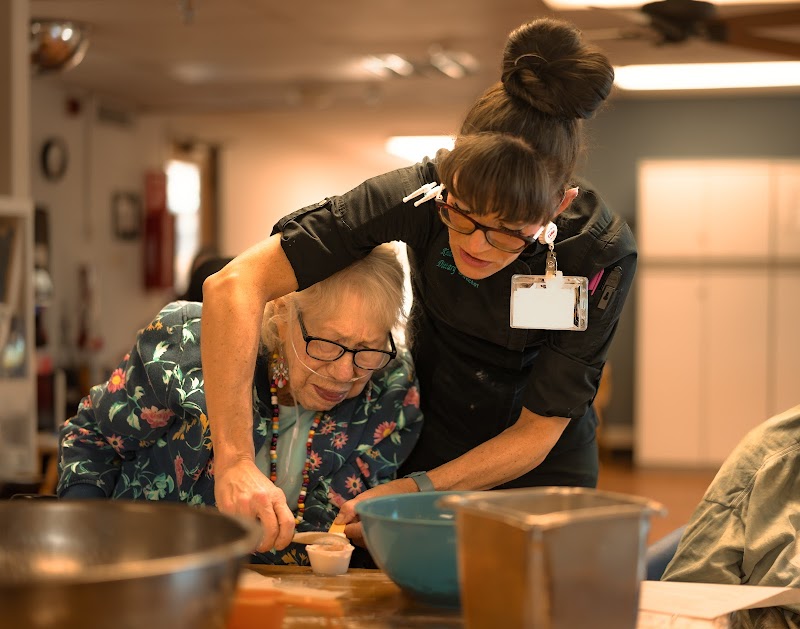
How is Polaris Rehabilitation And Care Center Staffed?

CMS rates Polaris Rehabilitation and Care Center's staffing level at 3 out of 5 stars, which is average compared to other nursing homes. Staff turnover is 63%, which is 17 percentage points above the Wyoming average of 46%. High turnover can affect care consistency as new staff learn residents' individual needs.

What Have Inspectors Found at Polaris Rehabilitation And Care Center?

State health inspectors documented 28 deficiencies at Polaris Rehabilitation and Care Center during 2022 to 2025. These included: 26 with potential for harm and 2 minor or isolated issues.

Who Owns and Operates Polaris Rehabilitation And Care Center?

Polaris Rehabilitation and Care Center is owned by a for-profit company. For-profit facilities operate as businesses with obligations to shareholders or private owners. The facility operates independently rather than as part of a larger chain. With 105 certified beds and approximately 69 residents (about 66% occupancy), it is a mid-sized facility located in Cheyenne, Wyoming.

How Does Polaris Rehabilitation And Care Center Compare to Other Wyoming Nursing Homes?

Compared to the 100 nursing homes in Wyoming, Polaris Rehabilitation and Care Center's overall rating (2 stars) is below the state average of 2.9, staff turnover (63%) is significantly higher than the state average of 46%, and health inspection rating (2 stars) is below the national benchmark.

What Should Families Ask When Visiting Polaris Rehabilitation And Care Center?

Based on this facility's data, families visiting should ask: "How do you ensure continuity of care given staff turnover, and what is your staff retention strategy?" "Can I visit during a mealtime to observe dining assistance and food quality?" "How do you handle medical emergencies, and what is your hospital transfer rate?" "Can I speak with family members of current residents about their experience?" These questions are particularly relevant given the facility's high staff turnover rate.

Is Polaris Rehabilitation And Care Center Safe?

Based on CMS inspection data, Polaris Rehabilitation and Care Center has a clean safety record: no substantiated abuse findings (meaning no confirmed cases of resident harm), no Immediate Jeopardy citations (the most serious violation level indicating risk of serious injury or death), and is not on the Special Focus Facility watch list (a federal program monitoring the lowest-performing 1% of nursing homes). The facility has a 2-star overall rating and ranks #100 of 100 nursing homes in Wyoming. While no facility is perfect, families should still ask about staff-to-resident ratios and recent inspection results during their visit.

Do Nurses at Polaris Rehabilitation And Care Center Stick Around?

Staff turnover at Polaris Rehabilitation and Care Center is high. At 63%, the facility is 17 percentage points above the Wyoming average of 46%. High turnover means new staff may not know residents' individual needs, medications, or preferences. It can also be disorienting for residents, especially those with dementia who rely on familiar faces. Families should ask: What is causing the turnover? What retention programs are in place? How do you ensure care continuity during staff transitions?

Was Polaris Rehabilitation And Care Center Ever Fined?

Polaris Rehabilitation and Care Center has no federal fines on record. CMS issues fines when nursing homes fail to meet care standards or don't correct problems found during inspections. The absence of fines suggests the facility has either maintained compliance or corrected any issues before penalties were assessed. This is a positive indicator, though families should still review recent inspection reports for the full picture.

Is Polaris Rehabilitation And Care Center on Any Federal Watch List?

Polaris Rehabilitation and Care Center is not on any federal watch list. The most significant is the Special Focus Facility (SFF) program, which identifies the bottom 1% of nursing homes nationally based on persistent, serious quality problems. Not being on this list means the facility has avoided the pattern of deficiencies that triggers enhanced federal oversight. This is a positive indicator, though families should still review the facility's inspection history directly.