Sage View SNF Operations LLC
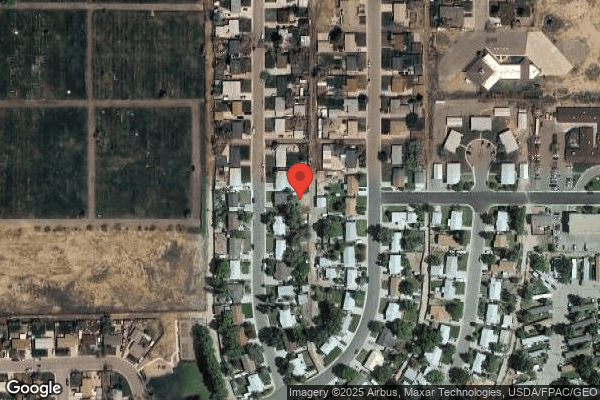
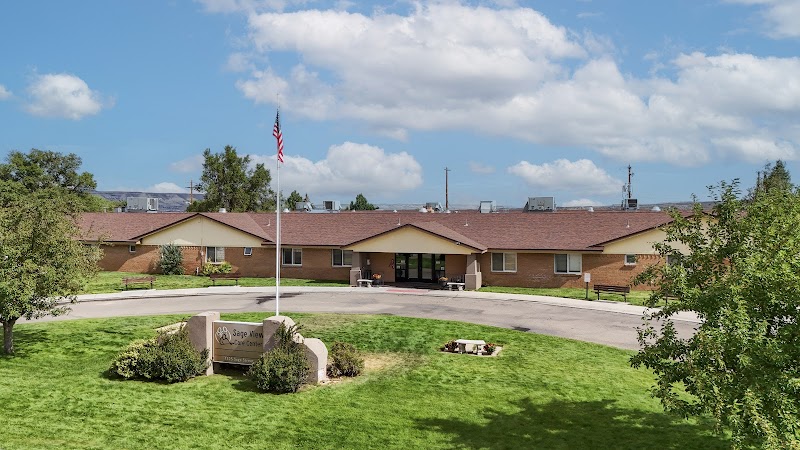
1325 Sage St, Rock Springs, WY 82901 (307) 362-3780
For profit - Corporation 82 Beds EMPRES OPERATED BY EVERGREEN Data: November 2025
Trust Grade
80/100
#13 of 33 in WY
Last Inspection: February 2025

Within standard 12-15 month inspection cycle. Federal law requires annual inspections.

Overview

Sage View SNF Operations LLC in Rock Springs, Wyoming has a Trust Grade of B+, indicating it is above average and recommended for families considering care options. It ranks #13 out of 33 nursing facilities in Wyoming, placing it in the top half, and is the highest-rated facility in Sweetwater County. The facility is stable, with no significant increase in issues reported over the last two years, maintaining a total of 11 concerns. Staffing is generally good with a rating of 4 out of 5 stars and a turnover rate of 51%, which is slightly below the state average; however, there was an incident where an RN was not scheduled to work for a full eight-hour shift on one day, which raises concerns about consistent coverage. While there have been no fines, there were issues with proper hand hygiene and disinfection practices, which could pose potential health risks. Overall, while Sage View has strengths in staffing and stability, families should be aware of the specific incidents that need addressing.
Trust Score
B+
80/100
In Wyoming
#13/33
Top 39%
Safety Record
Low Risk
No red flags
Inspections
Holding Steady
2 → 2 violations
Staff Stability
⚠ Watch
51% turnover. Above average. Higher turnover means staff may not know residents' routines.
Penalties
✓ Good
No fines on record. Clean compliance history, better than most Wyoming facilities.
Skilled Nurses
✓ Good
Each resident gets 44 minutes of Registered Nurse (RN) attention daily — more than average for Wyoming. RNs are trained to catch health problems early.
Violations
⚠ Watch
11 deficiencies on record. Higher than average. Multiple issues found across inspections.
★★★★☆
4.0
Overall Rating
★★★★☆
4.0
Staff Levels
★★★☆☆
3.0
Care Quality
★★★★☆
4.0
Inspection Score
Stable
2024: 2 issues
2025: 2 issues

The Good

  • 4-Star Staffing Rating · Above-average nurse staffing levels
  • Full Sprinkler Coverage · Fire safety systems throughout facility
  • No fines on record

Facility shows strength in staffing levels, fire safety.

The Bad

Staff Turnover: 51%

Near Wyoming avg (46%)

Higher turnover may affect care consistency

Chain: EMPRES OPERATED BY EVERGREEN

Part of a multi-facility chain

Ask about local staffing decisions and management

The Ugly 11 deficiencies on record

Feb 2025 2 deficiencies
CONCERN (D)

Potential for Harm - no one hurt, but risky conditions existed

Deficiency F0825 (Tag F0825)

Could have caused harm · This affected 1 resident

Based on medical record review, and resident, and staff interview the facility failed to provide rehabilitative services for 1 of 8 sample residents(#150). The findings were: 1. Review of the initial ...

Read full inspector narrative →
Based on medical record review, and resident, and staff interview the facility failed to provide rehabilitative services for 1 of 8 sample residents(#150). The findings were: 1. Review of the initial care plan dated 1/24/25 showed resident #150 had diagnoses which included hemiplegia and hemiparesis following a cerebral infarction affecting the left non-dominant side, myocardial infarction, and weakness. Further review showed a physician's order dated 1/23/25 to evaluate and treat for physical and occupational therapy. The following concerns were identified: a. Interview with the resident on 2/11/25 at 8:40 AM revealed s/he had been in the facility for more than a week and had not received any therapy. b. Interview with the DON on 2/12/25 at 1:46 PM revealed she had been unaware that the resident had therapy orders and confirmed the resident had not received any therapy services. c. Interview with the DOR on 2/12/25 at 2:12 PM revealed she had been unaware the resident had therapy orders, and confirmed the resident had not received any therapy services.
CONCERN (F)

Potential for Harm - no one hurt, but risky conditions existed

Deficiency F0727 (Tag F0727)

Could have caused harm · This affected most or all residents

Based on staff schedule review, daily staff posting review, time punch history review, and staff interview, the facility failed to ensure an RN was on duty for 8 consecutive hours per day, 7 days per ...

Read full inspector narrative →
Based on staff schedule review, daily staff posting review, time punch history review, and staff interview, the facility failed to ensure an RN was on duty for 8 consecutive hours per day, 7 days per week. The census was 533. The findings were: 1. Review of the February 2025 nursing schedule failed to show an RN had been scheduled for 2/8/25. 2. Review of the daily staff postings failed to show there was an RN on duty for 2/8/25. 3. Review of the time punch history for RN #1 showed on 2/8/25 she worked for 3.25 hours from 11:53 AM to 3:12 PM. 4. Interview with the DON on 2/12/25 at 1:49 PM revealed the RN on duty had been on-call and only worked 3.5 hours on 2/8/25. She stated she understood the nurse needed to be on duty for 8 hours; however, she confirmed the RN did not work 8 hours.
Jul 2024 1 deficiency
CONCERN (D) 📢 Someone Reported This

A family member, employee, or ombudsman was alarmed enough to file a formal complaint

Potential for Harm - no one hurt, but risky conditions existed

Accident Prevention (Tag F0689)

Could have caused harm · This affected 1 resident

Based on observation, medical record review, staff interview, and review of incident reports, facility documentation and manufacturer's instructions, the facility failed to provide adequate supervisio...

Read full inspector narrative →
Based on observation, medical record review, staff interview, and review of incident reports, facility documentation and manufacturer's instructions, the facility failed to provide adequate supervision to prevent an elopement for 1 of 2 sample residents (#1) reviewed for elopement. In addition, the facility failed to ensure the wander management system (wanderguard) was tested per manufacturer's instructions to ensure it was working. The facility had 11 residents with a wanderguard. The findings were: The facility had implemented corrective action prior to the survey and was determined to be in substantial compliance as of 7/5/24. 1. Review of the 6/24/24 admission Minimum Data Set (MDS) assessment showed resident #1 had a diagnosis of non-Alzheimer's dementia and wandered daily. Review of the 6/17/24 elopement/exit seeking evaluation showed the resident had a history of wandering and was at risk for elopement. Review of physician orders showed a 6/17/24 order for a wanderguard [bracelet that is worn and triggers an alarm when the resident is near an opened exit door]. Review of progress notes dated 6/22/24 to 6/29/24 showed the resident was exit seeking and had tried to leave out the front door on 6/28/24. The following concerns were identified: a. Review of an incident report dated 6/29/24 showed on 6/29/24 at 6:05 PM a Code White was initiated because the resident was unable to be located. The resident was last seen about 45 minutes prior walking the halls. Staff implemented their elopement protocol and the police were notified. The police department found the resident at his/her house about 30 minutes after the search began. The facility investigation showed a visitor of another resident had come to the facility, let resident #1 out, and gave the resident a ride home without the staff's knowledge. b. Interview with registered nurse (RN) #1 (nurse in charge at the time of the elopement) on 7/22/24 at 5:33 PM revealed on 6/29/24 about 6 PM she was notified resident #1 could not be located. She stated they started an inside and outside search and the police were notified. She stated the resident was found by police at his/her house. She stated a family member who had been outside the facility said she saw the resident get into a vehicle. The RN stated the resident's Wanderguard was working. She stated she and another nurse were in a resident's room doing a skin assessment when they heard the front door alarm. She stated licensed practical nurse (LPN) #1 responded to the alarm and shut it off. c. Interview with LPN #1 on 7/22/24 at 5:42 PM revealed she was working on the back hallway the day of the elopement. She stated she was in the middle of administering medications to a resident when she heard the front door alarm go off. She stated she finished giving the medications and went to the front door. She stated she looked outside and only saw a visitor sitting on the porch. She did not see any residents, so she turned off the alarm. Later, when staff realized the resident was missing, she called the visitor who had been sitting outside and was told she saw the resident leave with another person. Resident #1 asked the other person for a ride and the person agreed and they left in a vehicle. 2. Observation on 7/22/24 at 5 PM of the exit doors showed the facility used the Code Alert- 9450 wander management system (wanderguard). Review of documentation provided by the facility showed 11 residents currently utilized the wanderguard system, including sample residents #1 and #2. The following concerns were identified: a. Review of the July 2024 medication administration records (MARs) for residents #1 and #2 showed nursing staff checked placement of the wanderguard every shift. There lacked evidence the function of the wanderguard was checked. b. Documentation of resident Wanderguard checks to ensure function was requested. The facility provided evidence of weekly wanderguard checks for July 2024, but not earlier months. c. On 7/23/24 at 8:17 AM the administrator stated the maintenance staff was new as of 6/28/24. After the 6/29/24 elopement she asked him to find documentation of wanderguard checks from the previous maintenance staff, but he was unable to find any. She stated the facility did not have evidence of wanderguard checks for any of the residents prior to July. She stated weekly checks have been done since the beginning of July. d. Review of the RF Technology's Code Alert Wander Management Transmitters User Guide (https://www.rft.com/wp-content/uploads/2018/11/0510-1122-J_Code-Alert-Transmitter-User-Guide.pdf, accessed 7/26/24) showed weekly testing was required for transmitters in use on residents. 3. The following plan of correction was implemented by the facility by 7/5/24: a. Resident #1 was placed on 1:1 supervision until s/he was discharged to a facility with a secure unit. b. The facility implemented checks on all the wanderguards to ensure function, and continues weekly. c. The facility educated all staff on elopement prevention and elopement policy. This included a reminder to respond immediately to door alarms and the following instructions: If no resident is found, immediately investigate why the alarm went off. A head count needs to be completed on all residents. d. An elopement/wanderguard performance improvement project (PIP) was initiated 7/1/24. This includes audits for wanderguard testing and education to staff.
Feb 2024 1 deficiency
CONCERN (E) 📢 Someone Reported This

A family member, employee, or ombudsman was alarmed enough to file a formal complaint

Potential for Harm - no one hurt, but risky conditions existed

Infection Control (Tag F0880)

Could have caused harm · This affected multiple residents

Based on observation, medical record review, staff interview, and review of facility policy and procedures, the facility failed to ensure appropriate disinfection of reusable equipment was performed b...

Read full inspector narrative →
Based on observation, medical record review, staff interview, and review of facility policy and procedures, the facility failed to ensure appropriate disinfection of reusable equipment was performed before contact with 4 of 4 sample residents (#1, #3, #7, #11). In addition, the facility failed to implement appropriate hand hygiene practices during 1 of 4 meal observations. The census was 39. The findings were: 1. Review of the medical record for resident #11 showed s/he most recent admission was on 1/30/24 and had diagnoses which included pneumonia. The following concerns were identified: a. Observation on 2/20/24 at 3 PM showed resident #1 and resident #11 were in their room and resident #1 was coughing. CNA #16 entered the residents' room, with the vitals tower brought from the nurse's station, applied the blood pressure cuff to resident #11's left arm, applied the pulse oximeter to a finger on the right hand, removed the thermometer from the tower, and slid it across the resident's forehead. Without cleaning the vitals tower equipment, the CNA performed same procedures for resident #1. The CNA exited the room with the vitals equipment and returned it to the nurse's station to charge; however, no disinfection of the equipment was performed. Observation at 3:19 PM showed CNA #16 retrieved vitals equipment from the nurse's station, approached resident #7 in the common area, and applied the equipment to resident #7. The CNA placed the blood pressure cuff on the resident's right arm, the pulse oximeter on the resident's middle finger of his/her left hand, and slid the thermometer across the resident's forehead. No disinfection of the equipment was performed before or after contact with resident #7, and the CNA returned the equipment to the nurse's station. Observation at 4:04 PM showed CNA #16 obtained the vitals tower and entered resident #3's room. The CNA applied the blood pressure cuff to the resident's right arm, slid the thermometer across the resident's forehead, and put the pulse oximeter on a finger of the resident's left hand. The CNA returned the equipment to the nurse's station and no disinfection of the equipment was performed before or after resident contact. 2. Observation on 2/20/24 from 4:40 PM to 5:40 PM in the main dining room showed the maintenance supervisor coughed into his right shoulder, poured fluids into a plastic mug, and rested the mug on the table in front of a resident. The maintenance supervisor touched his own nose, kneeled down got a tea bag from the beverage cart with the same hand that touched his nose, put into a cup for another resident with hot water and provided it to the resident. The maintenance supervisor obtained 2 small glasses of juice, holding the cups by the lip where residents would drink from. The maintenance supervisor left the cart, grabbed an oxygen canula for another resident which was located over the resident's shoulder, and handed it to the resident. The maintenance supervisor returned to the beverage cart and provided a straw to a resident their beverage, after unwrapping the straw and touching the straw top with bare fingers. No hand hygiene was performed. At that time, CNA #20 entered the dining room, sat at the corner of a table between 2 residents, and assisted the resident on her right side with eating, using her right hand. The CNA touched the right side of her head with her right hand, turned, and used her right hand to assist the resident on her left side to eat. No hand hygiene was performed. 3. Interview with the executive director on 2/21/24 at 9:45 AM revealed she expected staff to follow cough hygiene, wash hands between resident contact, and to clean equipment between residents. 4. Review of the facility policy titled Cleaning and Disinfecting Resident Care Items and Equipment dated May 2015 showed .i. Non-critical resident-care items include bedpans, blood pressure cuffs, crutches and computers .d. Reusable items are cleaned and disinfected or sterilized between residents (e.g., stethoscopes, durable medical equipment) .3. Durable medical equipment (DPE) is cleaned and disinfected before reuse by another resident . 5. Review of the facility policy titled Handwashing/Hand Hygiene dated March 2018 showed .2. Personnel follow the handwashing/ hand hygiene procedures to help prevent the spread of infections to other personnel, residents, and visitors .7. Use an alcohol-based hand rub .for the following situations .c. Before and after direct contact with residents .l. After contact with objects (e.g., medical equipment) in the immediate vicinity of the resident; and m. After removing gloves .o. Before and after eating or handling food; p. Before and after assisting a resident with meals . 6. Review of the policy titled Standard Precautions dated May 2015 showed .b. Ensure that reusable equipment is not used for the care of another resident until it has been appropriately cleaned .
Nov 2023 3 deficiencies
CONCERN (D) 📢 Someone Reported This

A family member, employee, or ombudsman was alarmed enough to file a formal complaint

Potential for Harm - no one hurt, but risky conditions existed

Free from Abuse/Neglect (Tag F0600)

Could have caused harm · This affected 1 resident

**NOTE- TERMS IN BRACKETS HAVE BEEN EDITED TO PROTECT CONFIDENTIALITY** Based on observation, medical record review, staff interview, facility incident and employee record review, and review of facili...

Read full inspector narrative →
**NOTE- TERMS IN BRACKETS HAVE BEEN EDITED TO PROTECT CONFIDENTIALITY** Based on observation, medical record review, staff interview, facility incident and employee record review, and review of facility policies and procedures and facility monitoring documentation, the facility failed to protect the resident's right to be free from verbal abuse and physical abuse by staff for 1 of 3 sample residents (#10) reviewed for abuse allegations. Corrective measures were implemented by the facility prior to the survey and compliance was determined to be met on 10/29/23. The findings were: 1. Review of a quarterly MDS assessment dated [DATE] showed resident #10 had a BIMS score of 6 out 15, which indicated severe cognitive impairment, and diagnoses which included non-Alzheimer's dementia, malnutrition, anxiety disorder, gastrointestinal hemorrhage, and diverticulosis of the large intestine without perforation, abscess, or bleeding. Further review showed the resident required moderate assistance (helper does less than half the effort) with eating, had weight loss which was not physician prescribed, and was on a mechanically altered diet. Review of the care plan related to the resident's refusal to eat, resistance to assistance with eating, and decreased appetite last revised on 8/3/23 showed interventions which included family provided snacks and favorite food items, allowing choices related to meal time, menu selection, and dining location, invitations to food related activities, and monitor/document circumstances surrounding mealtimes/refusals to eat. Review of the care plan related to a psychosocial well-being problem due to dementia and depression last revised on 9/13/22 showed interventions which included allowing the resident time to answer questions and verbalize feelings, perceptions and fears as needed. The following concerns were identified: a. Review of a facility incident report dated 10/21/23 showed CNA #1 allegedly told resident #10 take another bite or I will make you have 3 more and grabbed the resident's cheeks to put more food in the resident's mouth. The resident's response was to yell for help. Further review showed when another staff member stopped the interaction, CNA #1 yelled profanities and was acting inappropriately. CNA #1 was placed on leave pending investigation and terminated when the investigation was concluded. b. Review of a progress note dated 10/21/23 and timed 1:24 PM showed CNA reported alleged verbal and physical abuse against resident by another CNA during lunch. Reporting CNA witnessed alleged offending CNA pinched resident's cheek and tried to force [his/her] mouth open to take another bite. Reporting CNA then stated she used the spoon to try and keep the food in [his/her] mouth when resident tried to spit it out. This RN overheard alleged offending CNA state if you don't take a bite, I will put 3 more in there. CNA was told to leave the table away from resident and then removed from the building. Resident assessed for injury, no redness, swelling, or other injury noted to resident's face or mouth. Abuse coordinator, MD and family notified. c. Review of a progress note dated 10/22/23 and timed 2:11 AM showed Resident had no bruising to face at this time. No c/o [complaints of] pain to chin or cheek. Resident voiced being frightened r/t [related to] incident in dining room at lunch. I thought she was going to kill me Resident asked this writer to check on the resident frequently throughout the night. d. Review of a progress note dated 10/23/23 and timed 11 AM showed ED [executive director] and DON talked to resident and completed a safety survey. No concerns from the interview. When asked if [s/he] has ever felt uncomfortable or scared at any meals times, [resident] stated yes and that [s/he] could not remember what happened but [s/he] remembers a staff member making her feel scared. This staff reassured resident that the staff member who made [him/her] feel this way, would no longer provide [him/her] cares and that [s/he] would not have to see them as they no longer work here. [The resident] responded oh really? when asked how that made [him/her] feel, [s/he] said Much better, I feel safe here [the resident] stated [s/he] feels comfortable reporting concerns, staff treat [him/her] with respect, [s/he] currently feels safe and comfortable, and decline anyone inappropriately touching [him/her]. [The resident] will stay on increased monitoring to ensure physical and psychosocial well-being and safety. e. Interview with CNA #1 on 11/16/23 at 8:39 AM confirmed she was terminated from the facility for the allegation; however, she denied the incident occurred. f. Interview with RN #1 on 11/16/23 at 9:01 AM confirmed she was on shift the day of the incident and revealed she heard CNA #1 tell resident #10 I need you to take another bite or I'm going to give you 3 more. The nurse revealed as she was going to the dining room following the statement she heard CNA #2 tell CNA #1 what she was doing was not acceptable and to stop. The RN revealed CNA #2 reported CNA #1 was pinching the resident's face and the resident's mouth was full of food. The RN confirmed she told CNA #1 she needed to leave the facility at that time and the CNA responded by saying everyone fed the resident that way. The RN revealed the resident appeared shaky and upset following the incident. g. Interview with CNA #2 on 11/16/23 at 9:36 AM confirmed the incident happened during lunch and she observed CNA #1 hold resident #10's cheek and force food into his/her mouth. CNA #2 revealed she attempted to politely tell CNA #1 she couldn't force the resident to eat and the resident was yelling for help. The CNA revealed when she observed the resident's mouth was full of food, she attempted to get CNA #1 stop for a second time; however, the CNA told her to mind her own business. CNA #2 revealed at that time, she stood and asked the resident if s/he was done eating and the resident said yes. The CNA revealed she observed CNA #1 attempt to prevent the resident from spitting food out by placing a spoon in front of the resident's mouth to block the spitting. She revealed when she assisted the resident out of the dining room and back to his/her room, the resident told her thank you for saving his/her life. CNA #2 confirmed she reported the allegation to the charge nurse and CNA #1 was placed on suspension, then terminated from the facility. h. Interview with CNA #3 on 11/16/23 at 9:46 AM revealed she heard CNA #1 tell resident #10 to take another bite or she would shove 4 more down his/her throat. Further interview revealed she heard the resident yell which did not normally happen; however, when she turned around she did not observe anything abnormal. 2. Interview with the DON, ED, and divisional director of clinical operations on 11/16/23 at 10:07 AM confirmed the allegation of abuse was reported and investigated. They confirmed as a result of the investigation, CNA #1 was terminated from the facility. Review of the employee record verified the termination. They revealed resident #10 did not have a change in baseline feelings as a result of the incident. Observations during the survey showed no evidence of ongoing physical or mental outcome as a result of the incident. They revealed residents were interviewed for additional allegations of abuse and resident safety, and staff education was performed from 10/25/23 through 10/29/23 related to abuse and neglect. Review of the incident investigation verified resident interviews were completed and the education sign in sheet verified the completion of the training. They revealed the leadership team was conducting monitoring through manager on duty meal supervision, daily leadership rounding with documentation of rounding performed twice per week with notes related to safety, abuse observations, resident concerns, and random audits of staff knowledge of abuse through clinical scenarios which were reported to QAPI. They revealed monthly abuse reporting audits were also performed and reported to QAPI. Review of the meal monitoring schedule and training initiated on 2/28/23, leadership rounds for November 2023, and random staff audits for November 2023 verified the completion of ongoing monitoring. Observations during the survey verified meal monitors were present during meals. 3. Review of the facility policy titled Freedom from Abuse, Neglect, Corporal Punishment, Involuntary Seclusion, Mistreatment, Misappropriation of Resident Property, and Exploitation last updated October 2022 showed .Each resident has the right to be free from abuse, including verbal, mental, sexual, or physical abuse, corporal punishment, involuntary seclusion, mistreatment, neglect, misappropriation of resident property, exploitation, and any physical or chemical restraint not required to treat the resident's medical condition. The Center implements policies and processes so that residents are not subjected to abuse by staff, other residents, volunteers, consultants, family members, and others who may have unsupervised access to residents. These policies address screening, training, preventions, identification, investigation, protection, and reporting/response .
CONCERN (D)

Potential for Harm - no one hurt, but risky conditions existed

Comprehensive Care Plan (Tag F0656)

Could have caused harm · This affected 1 resident

**NOTE- TERMS IN BRACKETS HAVE BEEN EDITED TO PROTECT CONFIDENTIALITY** Based on observation, medical record review, resident and staff interview, and policy and procedure review the facility failed ...

Read full inspector narrative →
**NOTE- TERMS IN BRACKETS HAVE BEEN EDITED TO PROTECT CONFIDENTIALITY** Based on observation, medical record review, resident and staff interview, and policy and procedure review the facility failed to develop comprehensive care plans for 1 of 12 sample residents (#39). The findings were: 1. Review of the quarterly MDS assessment dated [DATE] showed resident #39 had an admission date of 4/18/23, a BIMS score of 7 out of 15, which indicated severe cognitive deficits, and diagnoses which included non-Alzheimer dementia, anxiety, and depression. The following concerns were identified: a. Observation on 11/13/23 at 4:17 PM showed the resident was packing his/her bags. At that time, s/he stated s/he was getting discharged and was ready to go home. Observation on 11/15/23 at 9:53 AM showed the resident was located in the front hall by the main entrance and had just got his/her nails painted. At that time, the resident stated the bracelet on his/her left wrist was an alarm and would go off if s/he goes out the door. b. Review of the physician orders showed Device: Wander guard every shift with an active date of 8/14/23. c. Review of the Elopement/Exit-Seeking Evaluation dated 8/18/23 for the resident showed -Wanders, verbalizes desire to go home, has dementia and attempts to leave the facility at times in belief she is okay to go home. There were no interventions identified and no indication of the wander-guard use. d. Review of the care plan last revised on 11/1/23 showed the resident had dementia and confusion; however, there was no care plan developed for wandering or elopement. 2. Interview with DON on 11/16/23 at 8:24 AM revealed anyone with dementia and is at risk of elopement or exit seeking, or verbal exit seeking would get a wander-guard and the facility would care plan it. 3. Review of the policy and procedure Devices hand delivered by the DON on 11/16/23 at 9:10 AM showed .2. e. Are addressed on the care plan and updated appropriately .
CONCERN (D)

Potential for Harm - no one hurt, but risky conditions existed

Infection Control (Tag F0880)

Could have caused harm · This affected 1 resident

**NOTE- TERMS IN BRACKETS HAVE BEEN EDITED TO PROTECT CONFIDENTIALITY** Based on observation, staff interview, medical record review, and policy and procedure review, the facility failed to ensure app...

Read full inspector narrative →
**NOTE- TERMS IN BRACKETS HAVE BEEN EDITED TO PROTECT CONFIDENTIALITY** Based on observation, staff interview, medical record review, and policy and procedure review, the facility failed to ensure appropriate hand hygiene and glove use to prevent cross-contamination for 1 of 2 sample residents (#19) observed during perineal care. The findings were: 1. Review of the annual MDS assessment dated [DATE] showed resident #19 had a BIMS score of 12 out 15, which indicated the resident was cognitively intact, and diagnoses which included non-traumatic brain dysfunction, depression, Wernicke's encephalopathy, muscle weakness, and other symptoms and signs involving cognitive functions and awareness. Further review showed the resident was dependent on staff for toileting hygiene. The following concerns were identified: a. Observation on 11/15/23 at 4:16 PM showed CNA #4 removed the resident's brief and performed perineal care on the resident, who was incontinent of urine, by wiping front to back. The CNA assisted the resident to roll to his/her left side, placed a clean brief under the resident, and performed perineal care to the resident's buttocks by wiping front to back. After finishing perineal care, the CNA attached the brief tabs, then pulled up the resident's pants and blanket. No glove change was performed before touching the clean items. b. Interview with CNA #4 on 11/15/23 at 4:23 PM confirmed the resident was incontinent of urine and revealed staff should remove gloves after performing perineal care, prior to touching anything else, to prevent cross contamination. 2. Interview with the DON on 11/15/23 at 4:32 PM revealed staff should perform glove changes when going from dirty to clean, including after perineal care to a resident who was incontinent of urine. 3. Review of the policy titled Standard Precautions provided by the DON on 11/15/23 at 4:40 PM showed .e. Change gloves, as necessary, during care of a resident to prevent cross-contamination from one body site to another(when moving from a dirty site to a clean one) .
Oct 2022 4 deficiencies
CONCERN (D)

Potential for Harm - no one hurt, but risky conditions existed

Transfer Notice (Tag F0623)

Could have caused harm · This affected 1 resident

**NOTE- TERMS IN BRACKETS HAVE BEEN EDITED TO PROTECT CONFIDENTIALITY** Based on medical record review and staff interview, the facility failed to provide a written notice of transfer to 1 of 4 sample...

Read full inspector narrative →
**NOTE- TERMS IN BRACKETS HAVE BEEN EDITED TO PROTECT CONFIDENTIALITY** Based on medical record review and staff interview, the facility failed to provide a written notice of transfer to 1 of 4 sample residents (#17) reviewed for a facility-initiated transfer. The findings were: 1. Review of the medical record for resident #17 showed the resident was hospitalized on [DATE] for evaluation and treatment for Geripsych. There was no evidence a written transfer notice was provided to the resident or resident's representative. 2. Interview with the DON on 10/19/22 at 5:24 PM revealed the facility was unable to locate the form for the discharge/ transfer. Further, she stated the resident knew about the discharge/transfer and wanted to go.
CONCERN (D)

Potential for Harm - no one hurt, but risky conditions existed

Deficiency F0761 (Tag F0761)

Could have caused harm · This affected 1 resident

Based on observation, staff interview, and review manufacturer's instructions, the facility failed to ensure medications available for use were not expired in 1 of 3 medication storage units (rehabili...

Read full inspector narrative →
Based on observation, staff interview, and review manufacturer's instructions, the facility failed to ensure medications available for use were not expired in 1 of 3 medication storage units (rehabilitation hall cart). The findings were: 1. Observation on 10/19/22 at 11:22 AM of the rehabilitation hall medication cart showed 2 humalog 100 units/milliliter (ml) kwikpens without a written open date. Interview with RN #1 at that time confirmed the medications were not dated and were for resident use. 2. Interview with the DON on 10/19/22 at 11:29 AM revealed it was the facility's expectation for the nurses to put an open date on insulin pens when they were removed from the refrigerator and then dispose of them when the medication expired. Further, she revealed the facility did not have a policy of medication expiration. She stated .the nurses are to follow what the pharmacy says. 3. Review of manufacturer's instructions for Humalog KwikPens found at http://www.humalog.com/taking-humalog/using-u100-u200-kwikpen#storage-and-disposal-kwikpens, retrieved 10/20/22, showed .Opened Humalog prefilled pens must be thrown away 28 days after first use, even if they still contain insulin .
CONCERN (E)

Potential for Harm - no one hurt, but risky conditions existed

Staffing Information (Tag F0732)

Could have caused harm · This affected multiple residents

Based on review of daily staffing records, and staff interview, the facility failed to accurately post daily nurse staffing data. The census was 40. The findings were: 1. Review of the Daily Staffing ...

Read full inspector narrative →
Based on review of daily staffing records, and staff interview, the facility failed to accurately post daily nurse staffing data. The census was 40. The findings were: 1. Review of the Daily Staffing for Nursing sheets for 10/6/22 through 10/18/22 failed to show the actual hours worked by the registered nurses, licensed practical nurses, and the certified nurse aides responsible for resident care per shift. 2. Interview with the administrator on 10/19/22 at 12:05 PM confirmed the daily staff posting failed to include the actual hours worked by the resident care staff.
CONCERN (E)

Potential for Harm - no one hurt, but risky conditions existed

Menu Adequacy (Tag F0803)

Could have caused harm · This affected multiple residents

Based on observation, review of the menu, staff and resident interview, and medical record review, the facility failed to follow the controlled carbohydrate (CCHO) diet menu for 9 of 9 residents (#1, ...

Read full inspector narrative →
Based on observation, review of the menu, staff and resident interview, and medical record review, the facility failed to follow the controlled carbohydrate (CCHO) diet menu for 9 of 9 residents (#1, #4, #5, #6, #7, #10, #12, #13, #16) observed who required that diet. The findings were: 1. Review of medical records showed the following diet orders: a. Resident #1 had an order for a CCHO diet dated 9/15/22. b. Resident #4 had an order for a CCHO diet dated 10/16/19. c. Resident #5 had an order for a CCHO diet dated 7/26/22. d. Resident #6 had an order for CCHO diet dated 9/2/22. e. Resident #7 had an order for a CCHO diet dated 8/18/22. f. Resident #10 had an order for a CCHO diet dated 7/21/17. g. Resident #12 had an order for a CCHO diet dated 10/11/22. h. Resident #13 had an order for a CCHO diet dated 7/6/22. i. Resident #16 had an order for a CCHO diet dated 3/15/22. 2. During an interview on 10/18/22 at 9:15 AM resident #5 stated the facility did not always follow his/her diabetic diet during meals. 3. Review of the menu for the lunch meal on 10/19/22 (signed by the certified dietary manager and registered dietitian on 9/14/22) showed the main meal consisted of a chicken filet sandwich, sweet potato fries, cucumber tomato salad, and a fruit tart. Review of the menu for the CCHO diet showed sweet potato fries were not to be served, and canned fruit was to replace the dessert. The following concerns were identified: a. Observation of the trayline in the kitchen on 10/19/22 from 11:51 AM until 12:21 PM showed cook #1 served sweet potato fries to the nine residents who had CCHO diets (#1, #4, #5, #6, #7, #10, #12, #13, #16). b. During an interview on 10/19/22 at 12:26 PM cook #1 and the certified dietary manager (CDM) both confirmed that sweet potato fries were served to residents with a CCHO diet. The CDM stated the menu did show that sweet potato fries should have been omitted for the CCHO diet. The CDM further stated this was a new menu and this was the first time this meal had been served, but acknowledged that staff should have reviewed and followed the menu.
Understanding Severity Codes (click to expand)
Life-Threatening (Immediate Jeopardy)
J - Isolated K - Pattern L - Widespread
Actual Harm
G - Isolated H - Pattern I - Widespread
Potential for Harm
D - Isolated E - Pattern F - Widespread
No Harm (Minor)
A - Isolated B - Pattern C - Widespread

Questions to Ask on Your Visit

  • "Can I speak with families of current residents?"
  • "What's your RN coverage like on weekends and overnight?"

Our Honest Assessment

Strengths
  • • Grade B+ (80/100). Above average facility, better than most options in Wyoming.
  • • No major safety red flags. No abuse findings, life-threatening violations, or SFF status.
  • • No fines on record. Clean compliance history, better than most Wyoming facilities.
Concerns
  • • 11 deficiencies on record. Higher than average. Multiple issues found across inspections.
Bottom line: Generally positive indicators. Standard due diligence and a personal visit recommended.

About This Facility

What is Sage View Snf Operations Llc's CMS Rating?

CMS assigns Sage View SNF Operations LLC an overall rating of 4 out of 5 stars, which is considered above average nationally. Within Wyoming, this rating places the facility higher than 99% of the state's 100 nursing homes. This rating reflects solid performance across the metrics CMS uses to evaluate nursing home quality.
How is Sage View Snf Operations Llc Staffed?

CMS rates Sage View SNF Operations LLC's staffing level at 4 out of 5 stars, which is above average compared to other nursing homes. Staff turnover is 51%, compared to the Wyoming average of 46%.

What Have Inspectors Found at Sage View Snf Operations Llc?

State health inspectors documented 11 deficiencies at Sage View SNF Operations LLC during 2022 to 2025. These included: 11 with potential for harm.
Who Owns and Operates Sage View Snf Operations Llc?

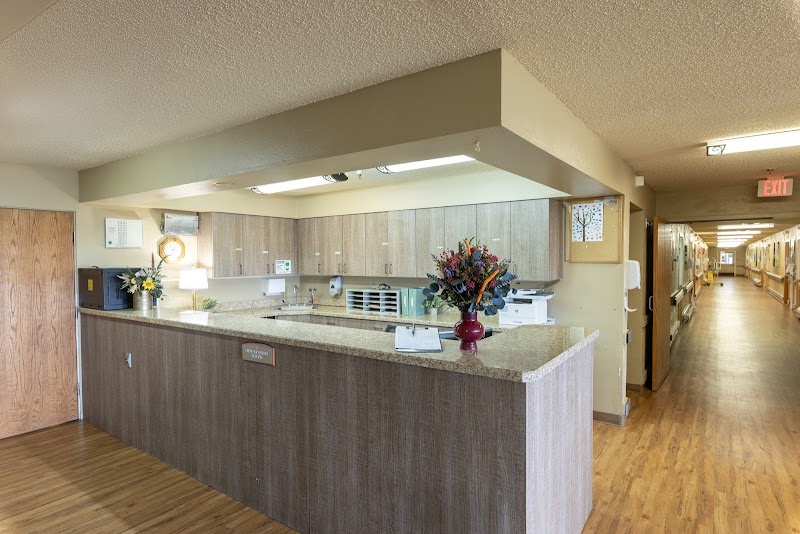
Sage View SNF Operations LLC is owned by a for-profit company. For-profit facilities operate as businesses with obligations to shareholders or private owners. The facility is operated by EMPRES OPERATED BY EVERGREEN, a chain that manages multiple nursing homes. With 82 certified beds and approximately 48 residents (about 59% occupancy), it is a smaller facility located in Rock Springs, Wyoming.

How Does Sage View Snf Operations Llc Compare to Other Wyoming Nursing Homes?

Compared to the 100 nursing homes in Wyoming, Sage View SNF Operations LLC's overall rating (4 stars) is above the state average of 3.0, staff turnover (51%) is near the state average of 46%, and health inspection rating (4 stars) is above the national benchmark.

What Should Families Ask When Visiting Sage View Snf Operations Llc?

Based on this facility's data, families visiting should ask: "Can I visit during a mealtime to observe dining assistance and food quality?" "How do you handle medical emergencies, and what is your hospital transfer rate?" "Can I speak with family members of current residents about their experience?"

Is Sage View Snf Operations Llc Safe?

Based on CMS inspection data, Sage View SNF Operations LLC has a clean safety record: no substantiated abuse findings (meaning no confirmed cases of resident harm), no Immediate Jeopardy citations (the most serious violation level indicating risk of serious injury or death), and is not on the Special Focus Facility watch list (a federal program monitoring the lowest-performing 1% of nursing homes). The facility has a 4-star overall rating and ranks #1 of 100 nursing homes in Wyoming. While no facility is perfect, families should still ask about staff-to-resident ratios and recent inspection results during their visit.

Do Nurses at Sage View Snf Operations Llc Stick Around?

Sage View SNF Operations LLC has a staff turnover rate of 51%, which is about average for Wyoming nursing homes (state average: 46%). Moderate turnover is common in nursing homes, but families should still ask about staff tenure and how the facility maintains care continuity when employees leave.

Was Sage View Snf Operations Llc Ever Fined?

Sage View SNF Operations LLC has no federal fines on record. CMS issues fines when nursing homes fail to meet care standards or don't correct problems found during inspections. The absence of fines suggests the facility has either maintained compliance or corrected any issues before penalties were assessed. This is a positive indicator, though families should still review recent inspection reports for the full picture.

Is Sage View Snf Operations Llc on Any Federal Watch List?

Sage View SNF Operations LLC is not on any federal watch list. The most significant is the Special Focus Facility (SFF) program, which identifies the bottom 1% of nursing homes nationally based on persistent, serious quality problems. Not being on this list means the facility has avoided the pattern of deficiencies that triggers enhanced federal oversight. This is a positive indicator, though families should still review the facility's inspection history directly.