Green House Living for Sheridan
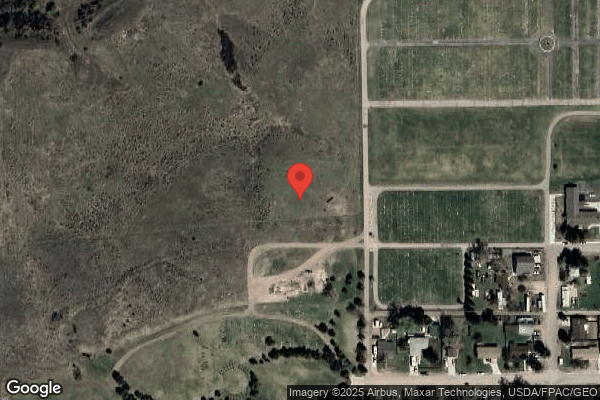
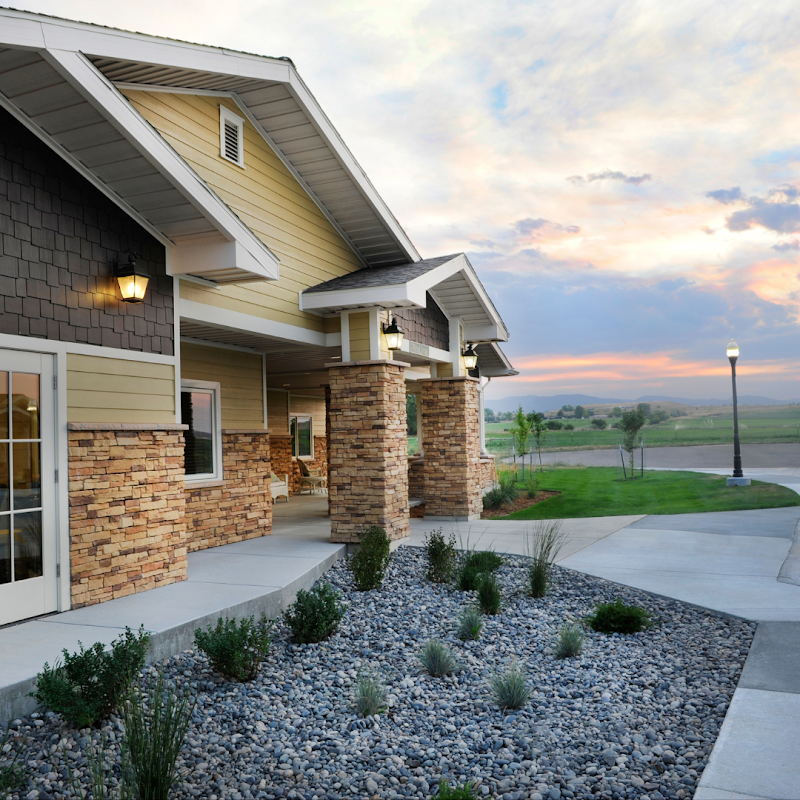
2311 Shirley Cove, Sheridan, WY 82801 (307) 672-0600
For profit - Corporation 48 Beds Independent Data: November 2025
Trust Grade
0/100
#31 of 33 in WY
Last Inspection: March 2025

Within standard 12-15 month inspection cycle. Federal law requires annual inspections.

Overview

Green House Living for Sheridan has a Trust Grade of F, indicating poor quality and significant concerns with care. It ranks #31 out of 33 facilities in Wyoming, placing it in the bottom half of the state, and #3 out of 3 in Sheridan County, meaning there are no better local options available. The facility's performance trend is stable, with 11 issues reported consistently over the past two years. Staffing is a relative strength, boasting a 4/5 star rating and an impressive 0% turnover rate, meaning staff members are likely to be experienced and familiar with the residents. However, the facility has a troubling $112,544 in fines, the highest in Wyoming, which raises red flags about compliance issues. Specific incidents include a failure to maintain proper nutritional oversight for a resident, leading to severe weight loss, and two cases where timely care for skin conditions was not provided, resulting in infections and delayed hospitalization. While the RN coverage is strong, exceeding 91% of state facilities, these serious deficiencies indicate that families should carefully consider the overall quality of care provided at this nursing home.

Trust Score
F
0/100
In Wyoming
#31/33
Bottom 7%
Safety Record
High Risk
Review needed
Inspections
Holding Steady
11 → 11 violations
Staff Stability
○ Average
Turnover data not reported for this facility.
Penalties
⚠ Watch
$112,544 in fines. Higher than 81% of Wyoming facilities, suggesting repeated compliance issues.
Skilled Nurses
✓ Good
Each resident gets 119 minutes of Registered Nurse (RN) attention daily — more than 97% of Wyoming nursing homes. RNs are the most trained staff who catch health problems before they become serious.
Violations
⚠ Watch
34 deficiencies on record. Higher than average. Multiple issues found across inspections.
★☆☆☆☆
1.0
Overall Rating
★★★★☆
4.0
Staff Levels
★★★★☆
4.0
Care Quality
★☆☆☆☆
1.0
Inspection Score
Stable
2024: 11 issues
2025: 11 issues

The Good

  • 4-Star Staffing Rating · Above-average nurse staffing levels
  • 4-Star Quality Measures · Strong clinical quality outcomes
  • Full Sprinkler Coverage · Fire safety systems throughout facility
  • No fines on record

Facility shows strength in staffing levels, quality measures, fire safety.

The Bad

1-Star Overall Rating

Below Wyoming average (2.9)

Significant quality concerns identified by CMS

Federal Fines: $112,544

Well above median ($33,413)

Significant penalties indicating serious issues

The Ugly 34 deficiencies on record

4 actual harm
Mar 2025 11 deficiencies 1 Harm
SERIOUS (G)

Actual Harm - a resident was hurt due to facility failures

Deficiency F0692 (Tag F0692)

A resident was harmed · This affected 1 resident

**NOTE- TERMS IN BRACKETS HAVE BEEN EDITED TO PROTECT CONFIDENTIALITY** Based on observation, medical record review, staff interview, and policy and procedure review, the facility failed to maintain a...

Read full inspector narrative →
**NOTE- TERMS IN BRACKETS HAVE BEEN EDITED TO PROTECT CONFIDENTIALITY** Based on observation, medical record review, staff interview, and policy and procedure review, the facility failed to maintain acceptable parameters of nutritional status for 1 of 2 sample residents (resident #4) with nutritional status concerns. This failure resulted in harm to resident #4 who experienced severe weight loss. The findings were: 1. Review of the annual MDS assessment dated [DATE] showed resident #4 had a BIMS score of 8 out of 15, which indicated moderate cognitive impairment, and diagnoses which included dementia, depression, and chronic obstructive pulmonary disease. Review of the physician orders showed a regular fortified low sodium diet with snacks 3/8/23. Review of the resident's care plan last updated 2/15/25 showed the resident had the potential for unplanned weight loss related to eating small meals. Interventions included Offer me snacks, and I do prefer ritz crackers. Encourage me to have small, frequent feedings instead of large meals. Give me supplements if needed to maintain adequate nutrition. The following concerns were identified: a. Review of resident's weight history showed the resident weight had decreased from 88.5 lbs. on 2/1/25 to 82.0 lbs. on 3/2/25, a 7.34% weight loss, which was a severe weight loss in one month. b. Observation on 3/11/25 at 8:28 AM showed the resident was seated in his/her wheelchair at the breakfast table eating without assistance. The resident was very thin appearing with hollow cheeks and temples. c. Observation on 3/12/25 from 8:48 AM to 10:30 AM showed the resident was seated in his/her wheelchair at the breakfast table. The breakfast plates had been cleared; however, the resident remained at the table for over 90 minutes. During that time, the resident was offered coffee; however, no snacks were offered or provided. d. Observation on 3/12/25 from 2:04 PM to 4:25 PM showed the resident was seated at the table in his/her wheelchair. No snacks were provided or offered during that time. e. Review of snack documentation from 2/12/25 to 3/12/25 showed no documentation the resident was offered or accepted PRN snacks. f. Review of a progress note dated 3/5/25 at 3:32 PM showed [Resident #4] has continued to lose weight and has triggered for a 5% weight loss in 30 days. [S/he] will be weighed weekly for 4 weeks to monitor weight .RD has encouraged snacks such as cookies with butter, peanut butter on cookies and desserts after each lunch and dinner. 2. Interview with dietitian on 3/13/25 at 10:40 AM revealed her expectation for staff was to offer snacks to the resident, especially between lunch and dinner. She stated, [Resident #4] will never turn down a cookie. If you offer [him/her] string cheese, [s/he] will turn it down. [S/he] might turn down a nutritional supplement, but s/he would not turn down a milkshake. Further interview confirmed offering snacks to the resident was not currently a task in the resident's medical record. 3. Review of facility policy titled Weight Assessment and Intervention Policy last reviewed 5/23/22 showed .5% weight loss [in one month] is significant; greater than 5% is severe and care planning for weight loss or impaired nutrition will be a multidisciplinary effort and will include the physician, nursing staff, the dietician, the consultant pharmacist, and the elder or elder's legal surrogate. Individualized care plans shall address to the extent possible: a. the identified causes of weight loss, b. goals and benchmarks for improvement, c. time frames and parameters for monitoring and reassessment .
CONCERN (D)

Potential for Harm - no one hurt, but risky conditions existed

Deficiency F0744 (Tag F0744)

Could have caused harm · This affected 1 resident

**NOTE- TERMS IN BRACKETS HAVE BEEN EDITED TO PROTECT CONFIDENTIALITY** Based on observation, medical record review, and resident representative and staff interview, the facility failed to ensure resi...

Read full inspector narrative →
**NOTE- TERMS IN BRACKETS HAVE BEEN EDITED TO PROTECT CONFIDENTIALITY** Based on observation, medical record review, and resident representative and staff interview, the facility failed to ensure residents with dementia received the appropriate treatment and services to attain their highest practicable physical, mental, and psychosocial well-being for 1 of 4 residents (#20) reviewed for dementia care. The findings were: 1. Review of the annual MDS assessment dated [DATE] showed resident #20 had a BIMS score of 0 out of 15, which indicated severe cognitive impairment, and diagnoses which included dementia. Review of the resident's care plan last revised on 12/18/24 showed I enjoy 1:1 time with staff. I like to talk about elk hunting, cars, and motors. I like going for strolls outside . Further review showed I may have behaviors of being verbally mean or getting agitated r/t [related to]dementia and I may wander or try to leave my cottage r/t History of attempts to leave facility unattended. The following concerns were identified: a. Observation in the [NAME] cottage on 3/12/25 from 1:34 PM to 4:53 PM showed the resident independently ambulated throughout the cottage. The resident occupied the common area and his/her room with intermittent staff redirection. Observation at 4:57 PM showed the resident was attempted to exit the facility into the courtyard. RN #1 attempted to redirect the resident and held the door closed until the resident ambulated away. Interview with the RN at that time revealed the cottage needed a 1 to 1 staff member to redirect the resident. Observation at 4:59 PM showed the resident ambulated over to the table near resident #7. Resident #7 became visually upset and asked staff to get the resident away from him/her. Resident #20 was redirected by CNA #5 to sit in arm chair near the resident's room. Further observation showed Domino's was performed in the cottage from 1:34 PM to 1:58 PM which 3 residents from the cottage, which did not include resident #20, and 1 resident from another cottage attended. Further observation showed no additional activities were performed in the cottage. b. Review of a progress note dated 3/10/25 and timed 3:47 AM showed Elder was very restless last evening, and at times even agitated and combative. He took [his/her] medications mixed in ice cream, but no effect noted. In earlier part of shift [s/he] was fairly steady on [his/her] feet, but became more unsteady as the shift progressed. No falls this shift. No limping or signs and symptoms of pain noted from fall yesterday. Unable to obtain 2245 vitals from elder d/t [due to] [his/her] constant activity. By 2345 [11:45 PM] elder laid [him/herself] into bed, and has been resting quietly there ever since . c. Review of a progress note dated 3/9/35 and timed 5:45 AM showed Elder generally very restless and wakeful this [night]. [S/He] slept on and off for one to two hours, but then would sit up on side of bed, or get up and pace around a bit. Generally preoccupied [him/herself with moving chairs, at one point threw a pillow into the kitchen, or rearranging [his/her] blankets. PRN Haldol was given at about 2045 [8:45 PM], it was ineffective. [His/her] muscular coordination seemed impaired, [s/he] was more unsteady on [his/her] feet, and [his/her] speech seemed more slurred than before. No agitation or aggressiveness noted this shift. At this time sitting on bedside and trying to put on [his/her] jacket like they were pants . d. Review of a progress noted dated 3/7/25 and timed 1:10 AM showed this elder has continued to pace and touch anything that catches his eye. [S/He] often stops whenever there is a change in design on the carpeted floor to touch and scratch at the seams of the squares. [S/He] also picks up non-existent items from the floor and holds the items until [s/he] sees someone to give it to . e. Review of a progress note dated 3/4/25 and timed 11:03 PM showed Elder has been very restless so far this shift, pacing up and down hallway, trying to climb up onto kitchen island counter, moving chairs around, etc. No real agitation noted, although [s/he] didn't like it when [s/he] was redirected from going outside. Occasionally [s/he] verbalizes toward staff, but speech comes out as hushed whispers, and is mostly incomprehensible. PRN Haldol given at 2115 [9:15 PM], no beneficial effects noted until about an hour later. Elder is resting in [his/her] bed with eyes closed at this time and appears to be settled in for this [night], but will continue to monitor . f. Review of a progress note dated 2/27/25 and timed 3:25 PM showed Elder wandering cottage. Grabbing and trying to move objects: (table, chairs, trim on wall, closed/locked doors), touching other elders, very unsteady. Difficult to redirect. High risk for falls. Very frequent observation by staff. Elder refused breakfast and ate 25-50% of lunch. Drank small amounts of water . g. Review of a progress note dated 2/25/25 and timed 11:30 AM showed This nurse went to founder's house to fax something and when I was leaving out the front door the elder was right there. The two-[NAME] CNAs were just then running across the street. Elder was aggressively trying to get into founders with founder's family members having to use the back door to get in. Several attempts were made to redirect the elder back to [NAME] house, but this nurse was shoved by the elder. Another nurse (male) came to help and grabbed a wheelchair in hopes to get [him/her] to sit in it. After about 30 minutes the nurse and CNA were able to direct [him/her] into the back door of [NAME]. [S/He] was still agitated so this nurse gave [him/her] a PRN Haldol shot. The elder was trying to get into other residents' rooms. Daughter and DON were notified of current behaviors. Daughter mentioned to call her back if the PRN didn't help. Earlier in the morning, elder also tried to have a bowel movement on a recliner in the living room. CNA got him sat on the toilet and then [s/he] proceeded to stand back up and have a BM on the floor and spreading it with [his/her] foot. h. Interview with the resident representative on 3/11/25 at 1:13 PM revealed the facility did not engage the resident in activities and staff could be more patient with the resident. The representative revealed staff approach with the resident could be better and it did not seem like staff were trained on dementia care as they did not allow the resident time to process requests or reapproach when the resident refused care. i. Interview with patient care tech #1 and RN #1 on 3/12/25 at 1:38 PM revealed the [NAME] Cottage should have a 1 to 1 for resident #20 and staff were unable to perform showers and other household duties, including activities which they were responsible for. Further interview revealed at that time there was 1 CNA, the RN, and the patient care tech on shift due to another CNA not showing up for the shift as scheduled and resident #20 was difficult to manage due to his/her behaviors. j. Interview with LPN #1 and CNA #2 on 3/12/25 at 2:44 PM revealed the activities director almost never came to the houses to do activities with the residents. The interview further revealed they don't do bingo anymore, and they used to do that a lot. The previous activities director used to frequently come around and do 1:1 activities like playing a game or doing crafts. Activities and 1:1 time were very helpful for the residents in [NAME] and Founders cottages who wander. They really benefited from the 1:1 time and were a lot more calm and less likely to wander as a result.
CONCERN (D)

Potential for Harm - no one hurt, but risky conditions existed

Deficiency F0757 (Tag F0757)

Could have caused harm · This affected 1 resident

Based on medical record review, staff interview, and policy and procedure review, the facility failed to ensure residents' drug regimen was free of unnecessary drugs for 1 of 6 sample residents (#26) ...

Read full inspector narrative →
Based on medical record review, staff interview, and policy and procedure review, the facility failed to ensure residents' drug regimen was free of unnecessary drugs for 1 of 6 sample residents (#26) reviewed for unnecessary medications. The findings were: 1. Review of the physician orders for resident #26 showed the resident had an order for Cephalexin 250 milligrams (mg) 1 tablet by mouth one time a day for infection management which was ordered on 9/27/24 and didn't have a stop date. Review of a hospital discharge note-physician 9/26/24 showed the discharge plan indicated the resident had recurrent infection with no current symptoms and Cephalexin 250 mg was ordered daily for prophylaxis. Further review showed no evidence a physician rationale was provided for long-term antibiotic use. 2. Interview with the DON and administrator on 3/13/25 at 10:04 AM confirmed the physician had not provided rationale for the long-term use of the antibiotic. 3. Review of the policy titled Antibiotic Stewardship last revised on 8/20/23 showed .The Antibiotic Stewardship Committee Will: 1. Support and promote antibiotic use protocols which include: b. Therapeutic decisions regarding antibiotic prescriptions based on evidence (e.g., guidelines and consensus statements from clinical and academic societies) that is appropriate for the care of long-term facility residents .
CONCERN (D)

Potential for Harm - no one hurt, but risky conditions existed

Deficiency F0804 (Tag F0804)

Could have caused harm · This affected 1 resident

Based on observation, resident and staff interview, and recipe review, the facility failed to ensure palatable food was served to 1 of 4 resident cottages (Founders). The cottage census was 9. The fin...

Read full inspector narrative →
Based on observation, resident and staff interview, and recipe review, the facility failed to ensure palatable food was served to 1 of 4 resident cottages (Founders). The cottage census was 9. The findings were: 1. Observation on 3/12/25 at 12:06 PM showed the lunch meal was Creamy Chicken and [NAME] Soup; however, the soup appeared to have a thick texture with no visible fluid similar to clay. Interview with resident #6 at that time revealed the flavor was ok; however, the soup was supposed to be creamy and it was too thick to eat. Interview with resident #19 at that time revealed s/he did not want to discuss the meal because there was nothing good to say. 2. Interview with the dietitian on 3/12/25 at 4:06 PM confirmed the soup prepared for lunch was thicker than it should have been. She revealed the staff member who prepped the meal the previous night did not prepare it correctly and the dietitian had added broth to the recipe following the meal for future servings. Further interview confirmed there should have been broth in the soup. 3. Review of the recipe for Creamy Chicken [NAME] Soup a picture of the prepared meal which had visible liquid broth.
CONCERN (E)

Potential for Harm - no one hurt, but risky conditions existed

Resident Rights (Tag F0550)

Could have caused harm · This affected multiple residents

**NOTE- TERMS IN BRACKETS HAVE BEEN EDITED TO PROTECT CONFIDENTIALITY** Based on observation, staff interview, and policy and procedure review, the facility failed to ensure residents were treated wit...

Read full inspector narrative →
**NOTE- TERMS IN BRACKETS HAVE BEEN EDITED TO PROTECT CONFIDENTIALITY** Based on observation, staff interview, and policy and procedure review, the facility failed to ensure residents were treated with respect and dignity in 1 of 4 resident cottages ([NAME]). The cottage census was 7. The findings were: 1. Observation on 3/11/25 at 4:47 PM showed seven residents and two resident family members were seated at the dining table. At that time, two CNAs, CNA #1 and CNA #2, were discussing resident health information at a volume that could easily be heard across the room. CNA #1 asked resident #3 how many bowel movements s/he had that day and the resident held up two fingers. Then the CNA asked CNA #2, How many times did you change [resident #18]? CNA #2 replied, Four times. 2. Observation on 3/12/25 at 4:25 PM showed three residents seated at the dining table. Two CNAs, CNA #2 and CNA #3, were discussing resident health information and CNA #2 stated loudly from the other side of the room, the nurse said she'll mark all of [resident #4]'s smearing as a small BM. 3. Interview with the administrator and DON on 3/13/25 at 9:35 AM revealed they expected staff to ask about private matters privately, not in front of other residents or visitors, because it was personal information. They confirmed discussing private health information at the dining table was not an appropriate type of interaction with residents and could be undignified. 4. Review of facility policy titled Elder Dignity and Respect Policy last updated 11/21/23 shows Elders shall always be treated with dignity and respect . and Staff shall maintain an environment in which confidential clinical information is protected, for example 'Verbal staff-to-staff communication (e.g. change of shift reports) shall be conducted outside the hearing range of elders and the public .'
CONCERN (E) 📢 Someone Reported This

A family member, employee, or ombudsman was alarmed enough to file a formal complaint

Potential for Harm - no one hurt, but risky conditions existed

Deficiency F0679 (Tag F0679)

Could have caused harm · This affected multiple residents

**NOTE- TERMS IN BRACKETS HAVE BEEN EDITED TO PROTECT CONFIDENTIALITY** Based on observation, resident and staff interview, medical record review, activity calendar review, and policy and procedure re...

Read full inspector narrative →
**NOTE- TERMS IN BRACKETS HAVE BEEN EDITED TO PROTECT CONFIDENTIALITY** Based on observation, resident and staff interview, medical record review, activity calendar review, and policy and procedure review, the facility failed to ensure resident choice of activities were provided for 3 of 4 resident cottages ([NAME], [NAME], Founders) with activity concerns. The findings were: 1. Review of the activity calendar for March 2025 showed on 3/12/25 the scheduled activities were 10 AM activities binder exercise CNA pick and assist and 2 PM Dominos in [NAME] game room. Further review showed the PM activity every day was This day in History reading by staff (read at lunch or dinner). 2. Review of the quarterly MDS assessment dated [DATE] showed resident #6 had a brief interview for mental status (BIMS) score of 15 out 15, which indicated the resident was cognitively intact, and had diagnoses which included depression. Review of the annual MDS assessment dated [DATE] showed it was very important to have books, newspapers, and magazines to read, listen to music, be around animals, keep up with the news, do his/her favorite activities, and participate in religious services or activities. Review of an Activities-Quarterly/Annual Participation Review dated 3/18/24 showed the resident enjoyed both group and individual activities, facility events and celebrations, crafts appropriate for his/her age, and music when piano players visited the facility. Review of the resident's care plan last revised on 1/20/25 showed the resident enjoyed art activities and helping with household duties such as cooking and prepping food and wanted to participate in streaming exercise. Further review showed I enjoy music. I enjoy crafts projects that have a purpose. For example, card making, jewelry making, etc. I enjoy socializing with others but also enjoy my alone time because I grew up as an only child and I find it relaxing. The following concerns were identified: a. Interview with the resident on 3/11/25 at 10:04 AM revealed the facility no longer performed activities in the cottage and s/he did most of his/her activities alone in the room. b. Observation on 3/12/25 from 9:03 AM to 9:18 AM showed a staff member was playing cards at the dining room table with 2 residents in the Founders cottage when resident #6 arrived at the table for breakfast. Further observation showed resident #6 was not invited to play cards at that time. Upon completion of breakfast at 9:18 AM, the resident returned to his/her room. Observation from 9:33 AM to 12:09 PM showed no activities were performed in the Founders cottage. Observation at 9:08 AM showed resident #6 arrived at the dining table positioned him/herself up to the dining table. Further observation showed the resident was not offered to participate in the card game being played between a staff member and another resident. c. Review of the activity participation record from 2/11/25 to 3/12/25 showed the resident participated in Coffee and Visit 6 times, Conversation 21 times, and Current Events 8 times. Further review showed no other activities were attended. 3. Review of the quarterly MDS assessment dated [DATE] showed resident #11 had BIMS score of 4 out 15, which indicated severe cognitive impairment and diagnoses which included Alzheimer's disease and major depressive disorder. Review of the annual MDS assessment dated [DATE] showed it was very important to listen to music s/he liked, keep up with the news, do things with groups, do his/her favorite activities, and go outside to get fresh air when the weather was good. Review of an Activities-Quarterly/Annual Participation Review dated 3/14/24 showed the resident enjoyed painting, watching television, and enjoys the company of other residents when s/he can hear them. Review of the resident's care plan last revised on 1/29/24 showed Ensure that the activities I am attending are: Compatible with my physical and mental capabilities; Compatible with my known interests and preferences; Adapted as needed (such as large print, holders if resident lacks hand strength, task segmentation), Compatible with my individual needs and abilities; and age appropriate .I like spending time with staff 1:1. I would like to be assisted to my painting area, and paint. I like doing art related projects also .I need assistance/escort to activity functions and assistance during activities .Invite me to scheduled activities. Provide a program of activities that is of interest and empowers me by encouraging/allowing choice, self-expression and responsibility. Notify me of any changes to the calendar of activities . The following concerns were identified: a. Observation on 3/12/25 from 9:02 AM to 9:33 AM showed resident #11 was seated at the dining table in the Founders cottage, playing cards with another resident and a staff member. Observation at 9:36 AM showed CNA #4 assisted the resident to his/her room. Observation at 9:44 AM showed CNA #4 assisted the resident to the common area and into a recliner. Observation from 9:44 AM to 11:07 AM showed the resident remained in the recliner. Observation at 11:46 AM showed CNA #4 assisted the resident to stand and ambulate to the dining table. No activities were performed from 9:33 AM to 12:09 PM. b. Review of the activity participation record from 2/11/25 to 3/12/25 showed the resident participated in Coffee and Visit 3 times, Conversation 33 times, and Current Events 2 times. Further review showed no other activities were attended. 4. Review of the annual MDS assessment dated [DATE] showed resident #20 had a BIMS score of 0 out of 15, which indicated severe cognitive impairment, and diagnoses which included dementia. Further review showed it was very important to be around animals and go outside for fresh air when the weather was good, and somewhat important to have books newspaper, and magazines to read, keep up with the news, and do his/her favorite activities. Review of the resident's care plan last revised on 12/18/24 showed I enjoy 1:1 time with staff. I like to talk about elk hunting, cars, and motors. I like going for strolls outside . The following concerns were identified: a. Observation in the [NAME] cottage on 3/12/25 from 1:34 PM to 4:53 PM showed the resident independently ambulated throughout the cottage. The resident occupied the common area and his/her room with intermittent staff redirection. Observation at 4:57 PM showed the resident was attempted to exit the facility into the courtyard. RN #1 attempted to redirect the resident and held the door closed until the resident ambulated away. Interview with the RN at that time revealed the cottage needed a 1 to 1 staff member to redirect the resident. Observation at 4:59 PM showed the resident ambulated over to the table near resident #7. Resident #7 became visually upset and asked staff to get the resident away from him/her. Resident #20 was redirected by CNA #5 to sit in arm chair near the resident's room. Further observation showed Domino's was performed in the cottage from 1:34 PM to 1:58 PM which 3 residents from the cottage, which did not include resident #20, and 1 resident from another cottage attended. Further observation showed no additional activities were performed in the cottage. b. Review of the activity participation record from 2/11/25 to 3/12/25 showed the resident participated in Coffee and Visit 1 time, Conversation 34 times, and Current Events 11 times. Further review showed no other activities were attended. c. Interview with patient care tech #1 and RN #1 on 3/12/25 at 1:38 PM revealed the [NAME] Cottage should have a 1 to 1 for resident #20 and staff were unable to perform showers and other household duties, including activities which they were responsible for. Further interview revealed at that time there was 1 CNA, the RN, and the patient care tech on shift due to another CNA not showing up for the shift as scheduled and resident #20 was difficult to manage due to his/her behaviors. 5. Review of the quarterly MDS assessment dated [DATE] showed resident #26 had a BIMS score of 10 out 15, which indicated moderate cognitive impairment, and diagnoses which included depression. Review of the admission MDS assessment dated [DATE] showed it was very important for the resident to keep up with the news and somewhat important to have books, newspapers, and magazines to read and do his/her favorite activities. The following concerns were identified: a. Review of the resident's care plan last revised on 1/5/25 showed no evidence the resident's activity preferences were identified. b. Observation in the [NAME] cottage on 3/12/25 from 1:34 PM to 1:58 PM showed a Dominos game was performed in the cottage; however, the resident did not attend. Observation from 1:58 PM to 5 PM showed no other activities were performed in the cottage. 6. Review of annual MDS assessment dated [DATE] showed resident #3 had a BIMS score of 15 out of 15, which indicated the resident was cognitively intact. Further review showed it was very important to do things with groups of people and to do his/her favorite activities. Review of the resident's care plan, last updated 12/26/24, showed [resident] likes to stay busy and attend lots of activities. Interventions included Invite me to scheduled activities and Provide a program of activities that is of interest to me and empowers me by encouraging/allowing choice, self-expression and responsibility. My preferred activities are: group activities, crafts, music, outdoor activities, pet visits, community outings. The following concerns were identified: a. Interview with the resident on 3/10/25 at 4:03 PM revealed s/he liked to go to bingo and dominoes but mostly spent time in his/her room doing solo activities. S/he stated s/he would like to learn how to crochet and that a staff member had begun to teach him/her but hadn't continued. S/he further stated, Every time I ask for puzzles, they don't know where they're at. b. Observation on 3/12/25 from 8:48 AM to 10:30 AM showed the activities board in [NAME] cottage said 10:00 AM activities binder; however, no activities were observed taking place with any residents during that time period. Further observation on 3/12/25 at 2:04 PM showed resident #3 returned from playing dominoes at [NAME] cottage. S/he had been gone for approximately 30 minutes and was the only resident from [NAME] cottage who participated in the group activity. 7. Interview with LPN #1 and CNA #2 on 3/12/25 at 2:44 PM revealed the activities director almost never came to the houses to do activities with the residents. The interview further revealed they don't do bingo anymore, and they used to do that a lot. The previous activities director used to frequently come around and do 1:1 activities like playing a game or doing crafts. Activities and 1:1 time were very helpful for the residents in [NAME] and Founders cottages who wander. They really benefited from the 1:1 time and were a lot more calm and less likely to wander as a result. 8. Interview with the activities director on 3/13/25 at 8:54 AM revealed the staff in each cottage were expected to perform activities for the cottage and she expected them to follow the activity guidance provided in the activity binder. She revealed she expected to staff to do more activities than observed during the survey. Further interview revealed she did not feel staff could perform the activities tasks with the staffing levels of the facility. 9. Review of the policy titled Elder Preference of Activities last updated 2/16/22 showed .1. Elders are encouraged to choose the types of recreational, cultural, and religious activities and social events in which they prefer to participate .
CONCERN (E) 📢 Someone Reported This

A family member, employee, or ombudsman was alarmed enough to file a formal complaint

Potential for Harm - no one hurt, but risky conditions existed

Deficiency F0725 (Tag F0725)

Could have caused harm · This affected multiple residents

**NOTE- TERMS IN BRACKETS HAVE BEEN EDITED TO PROTECT CONFIDENTIALITY** Based on observation, staff, resident representative, and resident interview, and facility staffing review, the facility failed ...

Read full inspector narrative →
**NOTE- TERMS IN BRACKETS HAVE BEEN EDITED TO PROTECT CONFIDENTIALITY** Based on observation, staff, resident representative, and resident interview, and facility staffing review, the facility failed to ensure adequate staff in 1 of 4 cottages ([NAME]). The cottage census was 9. The findings were: 1. Review of the annual MDS assessment dated [DATE] showed resident #20 had a BIMS score of 0 out of 15, which indicated severe cognitive impairment, and diagnoses which included dementia. Review of the resident's care plan last revised on 12/18/24 showed I enjoy 1:1 time with staff. I like to talk about elk hunting, cars, and motors. I like going for strolls outside . Further review showed I may have behaviors of being verbally mean or getting agitated [related to] dementia and I may wander or try to leave my cottage r/t History of attempts to leave facility unattended. The following concerns were identified: a. Observation in the [NAME] cottage on 3/12/25 from 1:34 PM to 4:53 PM showed the resident independently ambulated throughout the cottage. The resident occupied the common area and his/her room with intermittent staff redirection. Observation at 4:57 PM showed the resident attempted to exit the facility into the courtyard. RN #1 attempted to redirect the resident and held the door closed until the resident ambulated away. Interview with the RN at that time revealed the cottage needed a 1 to 1 staff member to redirect the resident. b. Observation on 3/12/25 at 4:59 PM showed the resident ambulated over to the table near resident #7. Resident #7 became visually upset and asked staff to get the resident away from him/her. Resident #20 was redirected by CNA #5 to sit in arm chair near the resident's room. c. Review of a progress note dated 3/10/25 and timed 3:47 AM showed Elder was very restless last evening, and at times even agitated and combative. He took [his/her] medications mixed in ice cream, but no effect noted. In earlier part of shift [s/he] was fairly steady on [his/her] feet, but became more unsteady as the shift progressed. No falls this shift. No limping or signs and symptoms of pain noted from fall yesterday. Unable to obtain 2245 [10:45 PM] vitals from elder d/t [due to] [his/her] constant activity. By 2345 [11:45 PM] elder laid [him/herself] into bed, and has been resting quietly there ever since . d. Review of a progress note dated 3/9/35 and timed 5:45 AM showed Elder generally very restless and wakeful this [night]. [S/He] slept on and off for one to two hours, but then would sit up on side of bed, or get up and pace around a bit. Generally preoccupied [him/herself] with moving chairs, at one point threw a pillow into the kitchen, or rearranging [his/her] blankets. PRN Haldol was given at about 2045 [8:45 PM], it was ineffective. [His/her] muscular coordination seemed impaired, [s/he] was more unsteady on [his/her] feet, and [his/her] speech seemed more slurred than before. No agitation or aggressiveness noted this shift. At this time sitting on bedside and trying to put on [his/her] jacket like they were pants . e. Review of a progress noted dated 3/7/25 and timed 1:10 AM showed this elder has continued to pace and touch anything that catches [his/her] eye. [S/He] often stops whenever there is a change in design on the carpeted floor to touch and scratch at the seams of the squares. [S/He] also picks up non-existent items from the floor and holds the items until [s/he] sees someone to give it to . f. Review of a progress note dated 3/4/25 and timed 11:03 PM showed Elder has been very restless so far this shift, pacing up and down hallway, trying to climb up onto kitchen island counter, moving chairs around, etc. No real agitation noted, although [s/he] didn't like it when [s/he] was redirected from going outside. Occasionally [s/he] verbalizes toward staff, but speech comes out as hushed whispers, and is mostly incomprehensible. PRN Haldol given at 2115 [9:15 PM], no beneficial effects noted until about an hour later. Elder is resting in [his/her] bed with eyes closed at this time and appears to be settled in for this noc, but will continue to monitor . g. Review of a progress note dated 2/27/25 and timed 3:25 PM showed Elder wandering cottage. Grabbing and trying to move objects: (table, chairs, trim on wall, closed/locked doors), touching other elders, very unsteady. Difficult to redirect. High risk for falls. Very frequent observation by staff. Elder refused breakfast and ate 25-50% of lunch. Drank small amounts of water . h. Review of a progress note dated 2/25/25 and timed 11:30 AM showed This nurse went to founder's house to fax something and when I was leaving out the front door the elder was right there. The two-[NAME] CNAs were just then running across the street. Elder was aggressively trying to get into founders with founder's family members having to use the back door to get in. Several attempts were made to redirect the elder back to [NAME] house, but this nurse was shoved by the elder. Another nurse (male) came to help and grabbed a wheelchair in hopes to get [him/her] to sit in it. After about 30 minutes the nurse and CNA were able to direct [him/her] into the back door of [NAME]. [S/He] was still agitated so this nurse gave [him/her] a PRN Haldol shot. The elder was trying to get into other residents' rooms. Daughter and DON were notified of current behaviors. Daughter mentioned to call her back if the PRN didn't help. Earlier in the morning, elder also tried to have a bowel movement on a recliner in the living room. CNA got him sat on the toilet and then [s/he] proceeded to stand back up and have a BM on the floor and spreading it with [his/her] foot. i. Interview with the resident representative on 3/11/25 at 1:13 PM revealed she did not feel the facility had adequate staff to provide the care the resident required. 2. Interview with resident #7 on 3/11/25 at 11:15 AM revealed resident #20 had severe dementia and required a significant amount of staff's time. Further, the resident revealed staff did not have time to assist other residents in the cottage due to insufficient staff and resident #20's required needs. 3. Review of the posted staff schedule in the [NAME] cottage on 3/12/25 at 3:16 PM showed there was 1 CNA, a patient care tech, and an RN working in the cottage at that time. 4. Interview with patient care tech #1 and RN #1 on 3/12/25 at 1:38 PM revealed the [NAME] Cottage should have a 1 to 1 staff member for resident #20 and staff were unable to perform showers and other household duties, including activities which they were responsible for. The patient care tech revealed she was currently in a CNA program; however, she had not completed the course. She revealed she had worked at the facility for 5 days and on day 2 when they did not have enough staff for the cottage, she was told to provide resident care such as perineal care and transfers. The patient care tech revealed on 3/10/25 she was told she was not allowed to perform resident care due to the survey. Further interview confirmed at that time there was 1 CNA, the RN, and the patient care tech on shift due to another CNA not showing up for the shift as scheduled and resident #20 was difficult to manage due to his/her behaviors.
CONCERN (E) 📢 Someone Reported This

A family member, employee, or ombudsman was alarmed enough to file a formal complaint

Potential for Harm - no one hurt, but risky conditions existed

Deficiency F0883 (Tag F0883)

Could have caused harm · This affected multiple residents

Based on medical record review, staff interview and policy and procedure review, the facility failed to document if residents were educated about the benefits and potential side effects of the influen...

Read full inspector narrative →
Based on medical record review, staff interview and policy and procedure review, the facility failed to document if residents were educated about the benefits and potential side effects of the influenza and pneumococcal immunizations and if residents received the immunizations for 4 of 6 sample residents (#12, #14, #24, #28) reviewed for immunization status. The findings were: 1. Review of the immunization records for resident #12 showed there was no evidence of education, offer, refusal or receipt of a current pneumococcal immunization. 2. Review of the immunization records for resident #14 showed there was no evidence of education, offer, refusal or receipt of an annual influenza, current COVID-19, or current pneumococcal immunization. 3. Review of the immunization records for resident #24 showed there was no evidence of education, offer, refusal or receipt of an annual influenza or current pneumococcal immunization. 4. Review of the immunization records for resident #28 showed there was no evidence of education, offer, refusal or receipt of an annual influenza, current COVID-19, or current pneumococcal immunization. 5. Interview with the administrator and director of nursing on 3/13/25 at 9:35 AM revealed the facility should offer and encouraged all immunizations. Further interview confirmed the facility did not have evidence the immunizations were offered or provided for resident #12, #14, #24 and #28. 6. Review of facility policy titled Vaccination of Elders Policy last updated 3/3/22 showed .Prior to receiving vaccinations, the elder or legal representative will be provided information and education regarding the benefits and potential side effects of the vaccinations. Provision of such education shall be documented in the elder's medical record . If vaccinations are refused, the refusal shall be documented in the elder's medical record. If the elder receives a vaccination, at least the following information shall be documented in the elder's medical record: a. Site of administration, b. Date of administration, c. Lot number of the vaccine, d. Expiration date, e. Name of person administering the vaccine .
CONCERN (F) 📢 Someone Reported This

A family member, employee, or ombudsman was alarmed enough to file a formal complaint

Potential for Harm - no one hurt, but risky conditions existed

Antibiotic Stewardship (Tag F0881)

Could have caused harm · This affected most or all residents

Based on medical record review, staff interview, and policy and procedure review, the facility failed to ensure an antibiotic stewardship program was implemented. The census was 28. The findings were:...

Read full inspector narrative →
Based on medical record review, staff interview, and policy and procedure review, the facility failed to ensure an antibiotic stewardship program was implemented. The census was 28. The findings were: 1. Review of the physician orders for resident #26 showed the resident had an order for Cephalexin 250 milligrams (mg) 1 tablet by mouth one time a day for infection management which was ordered on 9/27/24 and didn't have a stop date. Review of a hospital discharge note-physician 9/26/24 showed the discharge plan indicated the resident had recurrent infection with no current symptoms and Cephalexin 250 mg was ordered daily for prophylaxis. Further review showed no evidence a physician rationale was provided for long-term antibiotic use. Interview with the DON and administrator on 3/13/25 at 10:04 AM confirmed the physician had not provided rationale for the long-term use of the antibiotic and the facility had not implemented an antibiotic stewardship program to review antibiotic usage. 2. Review of the policy titled Antibiotic Stewardship last revised on 8/20/23 showed .Antimicrobial Stewardship is a coordinated program that appropriate use of antimicrobials (including antibiotics), improves patient outcomes, reduces microbial resistance, and decreases the spread of infections caused by multidrug-resistant organisms. The Infection Control Committee and Infection Preventionist shall take an active and effective role in monitoring the use of antibiotics at GHLS .
CONCERN (F) 📢 Someone Reported This

A family member, employee, or ombudsman was alarmed enough to file a formal complaint

Potential for Harm - no one hurt, but risky conditions existed

Deficiency F0882 (Tag F0882)

Could have caused harm · This affected most or all residents

Based on staff interview, the facility failed to ensure a qualified infection preventionist was designated. The census was 28. The findings were: Interview with the facility administrator on 3/10/25 a...

Read full inspector narrative →
Based on staff interview, the facility failed to ensure a qualified infection preventionist was designated. The census was 28. The findings were: Interview with the facility administrator on 3/10/25 at 3:28 PM revealed the infection preventionist position was open and she was keeping up with the program with assistance from the hospital. Further interview confirmed there was nobody on staff who had completed specialized training in infection prevention and control.
MINOR (C) 📢 Someone Reported This

A family member, employee, or ombudsman was alarmed enough to file a formal complaint

Minor Issue - procedural, no safety impact

Deficiency F0729 (Tag F0729)

Minor procedural issue · This affected most or all residents

Based on employee file review and staff interview, the facility failed to ensure the CNA abuse registry was checked prior to resident contact for 4 of 4 CNA files (#6, #7, #8, #9) reviewed. The census...

Read full inspector narrative →
Based on employee file review and staff interview, the facility failed to ensure the CNA abuse registry was checked prior to resident contact for 4 of 4 CNA files (#6, #7, #8, #9) reviewed. The census was 28. The findings were: 1. Review of the employee filed for CNA #6 showed the CNA had an active Wyoming certification and there was no evidence the abuse registry was checked prior to resident contact. 2. Review of the employee filed for CNA #7 showed the CNA had an active Wyoming certification and there was no evidence the abuse registry was checked prior to resident contact. 3. Review of the employee filed for CNA #8 showed the CNA had an active Wyoming certification and there was no evidence the abuse registry was checked prior to resident contact. 4. Review of the employee filed for CNA #9 showed the CNA had an active Wyoming certification and there was no evidence the abuse registry was checked prior to resident contact. 5. Interview with human resources #1 and human resources #2 on 3/13/25 at 12:39 PM revealed the facility only checked for abuse through the department of family services and did not check the state CNA abuse registry. Further interview revealed they were not aware CNA abuse registry needed to be checked prior to resident contact.
Apr 2024 1 deficiency
CONCERN (E) 📢 Someone Reported This

A family member, employee, or ombudsman was alarmed enough to file a formal complaint

Potential for Harm - no one hurt, but risky conditions existed

Safe Environment (Tag F0921)

Could have caused harm · This affected multiple residents

**NOTE- TERMS IN BRACKETS HAVE BEEN EDITED TO PROTECT CONFIDENTIALITY** Based on resident and staff interview, medical record review, and facility incident report review, the facility failed to ensure...

Read full inspector narrative →
**NOTE- TERMS IN BRACKETS HAVE BEEN EDITED TO PROTECT CONFIDENTIALITY** Based on resident and staff interview, medical record review, and facility incident report review, the facility failed to ensure a safe functional environment in 3 of 4 cottages ([NAME], [NAME], Founders). The findings were: 1. Review of a facility incident report dated 3/29/24 and timed 7:30 AM showed staff entered the room of resident #1 to assist him/her out of bed. At that time, the room was extremely hot with a thermostat reading of 97 degrees Fahrenheit, despite being set to 71 degrees Fahrenheit. In addition, the resident was lethargic and flushed with red skin. Further review showed the resident had a temperature of 100.4 degrees Fahrenheit and was transferred to the hospital for intravenous rehydration and further evaluation. Review of a progress note dated 3/29/2024 and timed 12:07 PM showed the resident was ordered antibiotic therapy for suspected pneumonia during the hospital evaluation. 2. Interview with resident #2 on 4/4/24 at 4:50 PM revealed the resident was previously located in the [NAME] cottage; however, s/he had to be moved after the heater in his/her room began to smoke. Further interview revealed the temperature was often cold when it should have been hot and hot when it should have been cold. 3. Interview with RN #1 on 4/4/24 at 4:33 PM revealed both the [NAME] and [NAME] cottages were having heat/AC issues and administration was aware and was working on it. 4. Interview with the maintenance director on 4/4/24 at 5:25 PM revealed the baseboard heat in the cottages had been shut off and central heat and air conditioning was used to regulate the cottage temperatures. She revealed an electrician was in room [ROOM NUMBER] this morning to test the bathroom fan and it was working properly; however, the facility had not identified the root cause of the increase in the room temperature and the resident was returned to the room after discharge from the hospital. The director had requested a temperature log for room [ROOM NUMBER] with timestamps from the vendor to evaluate the change in room temperature during that time frame. Further interview revealed there were previous concerns in the [NAME] cottage room [ROOM NUMBER], relay replaced in the baseboard heater and the resident was moved to another cottage because of smoke coming out of the heater and a smell which was reported about 2 weeks ago in the Founders cottage room [ROOM NUMBER] and the baseboard heat was shut off. She revealed the long term plan was to remove all 48 baseboard heaters and upgrade the HVAC system from a multi zone system to a split zone system. 5. Interview with the maintenance director on 4/4/24 at 6:01 PM confirmed the facility initially turned off the breaker to the heating lamp in resident #1's bathroom as they believed it was the source of the elevated temperature; however, an electrician assessed the heating lamp and was unable to find a malfunction. She confirmed the breaker was turned back on, the resident remained in the room, and the facility could not ensure a similar even with the resident's heating system would not occur.
Mar 2024 4 deficiencies
CONCERN (D) 📢 Someone Reported This

A family member, employee, or ombudsman was alarmed enough to file a formal complaint

Potential for Harm - no one hurt, but risky conditions existed

Respiratory Care (Tag F0695)

Could have caused harm · This affected 1 resident

Based on medical record review, and elder and staff interview, the facility failed to have a system in place to ensure respiratory care was provided consistent with the elder's goals and preferences f...

Read full inspector narrative →
Based on medical record review, and elder and staff interview, the facility failed to have a system in place to ensure respiratory care was provided consistent with the elder's goals and preferences for 1 of 1 elder reviewed (#3) for respiratory care. The findings were: 1. Review of the 1/24/24 quarterly MDS assessment showed elder #3 had a BIMS score of 15 out of 15 (cognitively intact) and had a diagnosis which included an unspecified pulmonary disease such as asthma, chronic obstructive pulmonary disease, or chronic lung disease. The following concerns were identified: a. Interview on 3/19/24 at 8:21 AM with the elder revealed s/he had been having problems with his/her CPAP (continuous positive airway pressure) mask for approximately 3 months. The elder stated s/he had spoken with the former DON and nothing was done so s/he called the respiratory service company in [NAME] and was informed the DON had to make the inquiry. The elder stated the SW recently brought him/her a grievance form and s/he was going to submit it today. b. Review of a communication note, dated 2/26/24, showed LATE ENTRY .Elder had some concerns about [his/her] CPAP mask not fitting properly and causing [his/her] eyes to become red, dry, and irritated. Elder was frustrated that the concern was not being addressed. SW advised Elder to reach out to regional ombudsman if she felt she wasnot (sic) being heard. Elder also asked to call the CPAP POC. SW obtained the CPAP number from DON and shared it with Elder. Elder called and was told [s/he] can have a consult with a CPAP representative but [Green House] has to set it up. SW informed DON. 2. Interview with the current DON on 3/20/24 at 11:47 AM revealed the CPAP representative had been called on 3/19/24. The former DON had recently resigned and was unavailable.
CONCERN (F) 📢 Someone Reported This

A family member, employee, or ombudsman was alarmed enough to file a formal complaint

Potential for Harm - no one hurt, but risky conditions existed

Deficiency F0725 (Tag F0725)

Could have caused harm · This affected most or all residents

**NOTE- TERMS IN BRACKETS HAVE BEEN EDITED TO PROTECT CONFIDENTIALITY** Based on observation, review of medical records, staff job descriptions, facility incident reports, the payroll report, and the ...

Read full inspector narrative →
**NOTE- TERMS IN BRACKETS HAVE BEEN EDITED TO PROTECT CONFIDENTIALITY** Based on observation, review of medical records, staff job descriptions, facility incident reports, the payroll report, and the daily nursing staff postings, and elder and staff interview, the facility failed to ensure sufficient nursing staff to provide nursing and related services to assure elder safety and attain or maintain the highest practicable physical, mental, and psychosocial well-being of the elders. The census was 38. The findings were: Review of the Shahbaz Job Description showed the Shahbaz were responsible for the following: a. Recognize and respond to the needs of Elders and assure their safety at-all-times. b. Report changes in the Elder's condition to the RN's per change in condition protocols. c. Promptly observe, report and provide skin care and alert the presence of pressure areas to prevent decubitus as according to policy. d. Maintain occupied and unoccupied beds, to include changing bed linens, when necessary. e. Assist moving, positioning and transporting Elders into/from beds, chairs, bathtubs, wheelchairs, lifts, etc. f. Assist elders with personal care functions, including: bathing, dressing, grooming, dental and mouth care, hair and nail care, bowel and/or bladder care, and as-needed personal hygiene care. g. Assure that call notifications by the Elders are answered promptly and professionally. h. Assist in performing restorative and rehabilitative procedures as outlined by care plans. i. Obtain and record vital signs, such as temperature, pulse, respirations, weight, height, anatomical dimension and circumference, etc. j. Assist with the application of slings, elastic bandages, binders, etc., as directed. k. Facilitate and/or assist Elder daily range-of-motion exercises, as needed. l. Follow safety precautions to observe, monitor, intervene or report any unsafe conditions. m. Prepare and serve meals; kitchen and dining room clean-up after meals; provide snacks as requested consistent with the posted menu and stated preferences of the Elder. n. Launder Elder's clothing, linen and other articles, as needed. o. Perform routine housekeeping duties including cleaning Elder living areas and environment. p. Perform other clinical support related duties, as requested. Related to [NAME] Cottage (Census = 7): 1. Review of the 1/11/24 admission MDS assessment showed elder #1 had a diagnosis of non-Alzheimer's dementia, a BIMS score of 4 out of 15 (indicating severe cognitive impairment), and was independent with bed mobility, transfers, and had the ability to walk at least 150 feet. Review of the resident's care plan, dated 1/26/24, showed I may wander or try to leave my cottage r/t History of attempts to leave facility unattended. The following concerns were identified: a. Review of a facility incident report, dated 2/3/24 and timed 9:20 AM, showed Shabaz reported to nurse that they found Elder outside the cottage trying to leave campus . b. Review of a facility incident report, dated 2/25/24 and timed 10:40 PM, showed .CNA called RN to come outside right away as [the elder] was trying to escape the compound & unable to redirect [elder]. Four staff showed up in front of the [NAME] building to try & get [the elder] to return .very angry and confused. [11:30 PM]-[the elder] managed to slip out the front door with soap dispenser . c. Review of a general progress note, dated 3/3/24 and timed 7:15 PM showed the Elder was in the common room watching television and spoke with the RN about walking tonight to pick up a gas can for tomorrow . (only 1 CNA present in house & giving a shower to another resident.) RN stayed within house to watch [the elder] closely with [his/her] past history of elopement till CNA was finished giving a shower. Observed [the elder] walking around & looking into the kitchen but also walking over to the exit doors. [The elder] asked nurse about the locks on the doors. On 3/1, back door found open by another resident & very sure it was [the elder] . d. Review of an incident report, dated 3/10/24 showed Shabhaz called this nurse to ask for help with Elder after elder struck shabhaz in the chest. Before nurse could arrive the shabhaz called again informing that the Elder had picked up a broom and was swinging it. The shabhaz got hit by the broom .The shabhaz was able to regain the broom from the elder and then called the Elder's daughter to calm the Elder down. This was effective. Immediate action taken showed This nurse went to the house the elder is staying in and sat with him/her ([the elder] was calm by this time [9 PM]). The elder's daughter arrived at 9:30 PM . e. Review of a Communication note dated 3/11/24 and timed 4:21 PM showed .SW also informed Elders daughter we will be sure to not schedule male Shahbaz in the cottage as it triggers Elder. SW clarified that there might be instances where a male might need to work in [NAME] due to staffing shortages. f. Review of a General Progress Note dated 3/17/24 and timed 3:58 AM showed The elder continues to roam throughout the facility and excited (sic) the facility twice between the hours of 2000 (8 PM) and 2100 (9 PM). g. Review of a General Progress Note, dated 3/18/24 and timed 12:32 AM showed This elder continues to wander throughout the unit. [The elder] becomes frustrated and attempts to break the sliding doors into the kitchen area and goes through any closed door. [The elder] has gone outside into the parking lot and into the fenced in area in the back . h. Observation on 3/19/24 at 11:18 AM showed the elder was sitting in the common room of [NAME] cottage with no staff in the vicinity. The elder was observed to ambulate independently. i. Review of the daily nurse postings showed on 2/3/24 the census was 3 with 2 CNAs and 1 nurse scheduled during the day shift; on 2/25/24 the census was 5 with 1 CNA and .5 nurse scheduled on the night shift; on 3/3/24 the census was 7 with 1 CNA and .5 nurse scheduled on the night shift; and on 3/17/24 the census was 7 with 1 CNA and .5 nurse scheduled on the night shift. j. Review of the [NAME] call history report showed on 2/25/24 at 9:47 PM the elder departed his/her room at 9:48 PM, the door alarm at the lobby entrance triggered and was canceled at 9:52 PM; and at 9:52 PM an exit door alarm was triggered and was canceled at 11:08 PM. k. Interview with on 3/19/24 at 10:19 AM with elder #4 revealed that elder #1 had behaviors and attempted to exit the cottage. Elder #4 stated often times the staff were not readily available and the other elders in the cottage felt like it was their duty to keep the elder #1 from leaving the cottage. l. Interview with the DON on 3/20/24 at 11:47 AM revealed the [NAME] call system was launched at the beginning of March 2024 and the elder was going to be the first to be outfitted with the pendant which would monitor the elder's whereabouts. The DON was unsure how to interpret the [NAME] call history reports as they were still learning the system. Related to [NAME] Cottage (Census = 10): 1. Review of the 12/30/23 quarterly MDS assessment for elder #5 showed the elder had a BIMS score of 6 out of 15 (indicating severe cognitive impairment) and wandered 1 to 3 days of the look-back period. Review of the elder's care plan, last revised on 6/29/23, showed the elder was independent with transfers and used a cane for walking. The following concerns were identified: a. Review of an incident report, dated 2/13/24 and timed 5:26 AM, showed Elder exited facility and was brought back into [NAME] cottage by day shift shahbaz who came early. [The elder] did not fall and had [his/her] jacket on .Employee exit alarm shows it had been ringing for 3 minutes. b. Review of an incident report, dated 3/2/24 and timed 9:40 PM, showed Elder was found outside ambulating on east side of Founder's cottage at around [6:30 PM] Further review showed the nurses that found the resident took him/her into Founder's cottage and then notified the shahbaz at [NAME]. The note section of the incident report showed somewhat tired after ambulating a great distance. [RN] states that [the elder] had walked past south side of cottage before turning northward on east side of cottage. c. Review of the daily staff posting from 2/1/24 through 3/19/24 (47 days) showed the cottage was staffed during the day with 3 CNAs on 15 days, 2 CNAs on 15 days, 5 CNAs on 1 day, and 16 days were left blank. During the night shift the cottage was staffed with 2 CNAs on 16 days, 3 CNAs on 2 days, 1 CNA on 1 day, and 28 days were left blank. Related to [NAME] Cottage (Census = 10): a. Observation on 3/19/24 at 11:18 AM showed 4 elders were sitting at the dining table in the common room in their wheelchairs. Activities assistant #1 and CNA #2 were in the kitchen area. The activity assistant left the cottage to obtain ice and upon her return began washing the dishes from the morning meal. CNA #1 returned to the cottage at 11:35 AM. At 11:39 AM the life enrichment coordinator entered the cottage and began assisting with the meal service. At 11:51 AM the maintenance director entered the cottage and began assisting with meal service. b. Observation on 3/19/24 at 11:23 AM showed elder #2 was sitting in his/her wheelchair accompanied by his/her representative. Interview with the elder's representative at that time revealed the elder had dementia and slept a lot. The representative stated he had been asking to have the elder transferred to a recliner for 1 and 1/2 hours with no response. The elder's representative was becoming upset with the staff using a raised voice when speaking. At 11:27 AM the elder's representative asked CNA #2 again to transfer the resident to a recliner. CNA #2 stated her care partner was on break and she was unable to transfer the elder by herself. The elder was transferred to the recliner at 11:41 AM and then at 12:16 PM was transferred back to his/her wheelchair and brought to the dining room table for the noon meal. c. Observation on 3/19/24 at 11:43 AM showed CNA #1 and CNA #2 entered elder #6's room and closed the door. The CNAs exited the room at 12:04 PM and brought the resident to the dining table for the noon meal. The nurse assigned to the cottage was observed to go in and out of the room two times from 11:43 AM to 12:04 PM. d. Interview with CNA #1 on 3/19/24 at 3:20 PM revealed the census of [NAME] Cottage was 10 with 2 independent elders, 2 elders which required toileting/transferring assistance, and 6 elders which were dependent on 2 staff members for assistance. Two elders required assistance with eating. The CNA stated there were days that there was not enough time to do all of the tasks they were responsible for. In addition, the CNA stated the mid-shift staff member called off, and administration stepped in to help, which was not typical. e. Interview with CNA #2 on 3/19/24 at 3:35 PM revealed mornings at the cottage were crazy and when the night shift CNAs did not do the preparation for the morning meal it put them behind. f. Interview with the life enrichment coordinator (LEC) on 3/19/24 at 4 PM revealed she thought 3 CNAs should be scheduled for [NAME] Cottage at all times due to the amount of time the CNAs needed to care for the elders. The LEC stated it took the CNAs at least 30 to 45 minutes to care for elder #2 at times. Further, the LEC stated she had obtained her CNA license; however, she only worked part-time at the facility. g. Review of the daily staff posting for [NAME] Cottage from 2/2/24 to 3/19/24 (47 days) showed the cottage was staffed during the day with 2 CNAs on 12 days; 3 CNAs on 22 days; 4 CNAs on 2 days; and 11 days were not documented. During the night shift the cottage was staffed with 2 CNAs on 36 days; 3 CNAs on 2 days; 4 CNAs on 1 day; and 8 days were not documented. Related to the general facility: 1. Interview with the SW on 3/19/24 at 2:31 PM revealed at the beginning of February nine CNAs submitted their resignations on the same day, citing an issue related to a member of the management team. Further, the SW stated the board of trustees were aware of the concern and an investigation was started. 2. Interview with the CEO on 3/20/24 at 12:03 PM confirmed 9 CNAs resigned giving two week's notice at the beginning of February. The CNAs had voiced a grievance with the board of trustees present. The board immediately placed the CNAs on administrative leave; not allowing them to fulfill the 2 week's notice. 3. Review of the payroll hours report provided by the facility showed the following concerns: a. CNA #3 worked from 5:56 AM to 4:15 PM with no lunch on 2/1/24 and then worked from 11:52 PM until 6:36 AM on 2/2/24 for a total of 17.06 hours. In addition, the CNA worked 58.48 hours the week of 2/4 to 2/10; 48.9 hours the week of 2/11 to 2/17; 52.25 hours from 2/18 to 2/24; 62.35 hours from 2/25 to 3/2; and 61.8 hours from 3/3 to 3/9. Interview with the CNA on 3/19/24 at 5:45 PM confirmed she worked a lot of hours and stated it takes its toll. b. CNA #4 worked 70.68 hours the week of 2/4 to 2/10; 37.03 hours the week of 2/11 to 2/17; 64.92 hours the week of 2/18 to 2/24; 49 hours the week of 2/25 to 3/2; and 39.76 hours the week of 3/3 to 3/9. c. CNA #1 worked 22 hours the week of 2/18 to 2/24; 24.92 hours the week of 2/25 to 3/2; 24.79 hours the week of 3/3 to 3/9; and 24.92 hours the week of 3/10 to 3/16. Interview with the CNA on 3/19/24 at 3:20 PM revealed she was agency staff. d. CNA #2 worked 56.44 hours the week of 3/3 to 3/9 and 61.83 hours the week of 3/10 to 3/16. Interview with CNA #2 on 3/19/24 at 3:35 PM revealed she had been employed by the facility since 3/2/24. 4. Interview with the human resource director (HRD) on 3/20/24 at 11:14 PM revealed the full-time CNAs normal working schedule included 36 hours one week with a mandatory 48 hours the following week. When the facility needed a shift staffed, a notice would be sent out electronically to the staff requesting volunteers. Further the HRD stated the facility currently had 2 agency staff and 3 full-time CNA openings. He stated the scheduling for CNA #1 was an error and she should have been scheduled for more than 2 shifts per week.
CONCERN (F) 📢 Someone Reported This

A family member, employee, or ombudsman was alarmed enough to file a formal complaint

Potential for Harm - no one hurt, but risky conditions existed

Deficiency F0837 (Tag F0837)

Could have caused harm · This affected most or all residents

Based on review of the Wyoming Administrative Rules, Nursing Home Administrators, Chapter 2: Licensure Requirements, the facility assessment, the Wyoming Healthcare Facility Change Form, and staff and...

Read full inspector narrative →
Based on review of the Wyoming Administrative Rules, Nursing Home Administrators, Chapter 2: Licensure Requirements, the facility assessment, the Wyoming Healthcare Facility Change Form, and staff and board of trustee interview, the facility failed to appoint a licensed, administrator as established by the Wyoming Board of Nursing Home Administrators. The census was 38. The findings were: 1. Review of the Wyoming Nursing Home Administrators Chapter 2 Rules, effective 12/19/19, showed Section 1. License Required. No individual shall perform any function specifically authorized for a Nursing Home Administrator nor function as a Nursing Home Administrator nor represent himself as a Nursing Home Administrator unless licensed by the Board. 2. Review of the Wyoming Department of Health Healthcare Facility Change in Personnel/E-mail Address Form, dated, 2/13/23, showed the CEO was named as the new Administrator/Director. The form did not include a Wyoming professional license number. 3. Review of the facility assessment, last updated on 1/29/24, showed Part 3: Facility Resources Needed to Provide Competent Support and Care for our Elder Population Every Day and During Emergencies Staff type 1.1 Outlined below are the type of staff members, other health care professionals, and medical practitioners that we have identified are needed to provide support and care for our elders. A CEO was listed as being on-staff; however, there was no evidence the facility employed a NHA. 4. The facility was unable to locate a job description for the CEO or NHA. 5. Interview with the CEO on 3/19/24 at 12:39 PM revealed her title was CEO and she did not have a license from the Wyoming Board of Nursing Home Administrators. 6. Interview with the president of the Board of Directors on 3/19/24 at 3 PM revealed the board had recently become aware of the regulation and was taking immediate action. Further, the president stated the CEO had been acting as the nursing home administrator since February of 2023.
MINOR (B) 📢 Someone Reported This

A family member, employee, or ombudsman was alarmed enough to file a formal complaint

Minor Issue - procedural, no safety impact

Staffing Information (Tag F0732)

Minor procedural issue · This affected multiple residents

**NOTE- TERMS IN BRACKETS HAVE BEEN EDITED TO PROTECT CONFIDENTIALITY** Based on review of the posted nurse staffing data and staff interview, the facility failed to ensure the posted 24/7 hour nursin...

Read full inspector narrative →
**NOTE- TERMS IN BRACKETS HAVE BEEN EDITED TO PROTECT CONFIDENTIALITY** Based on review of the posted nurse staffing data and staff interview, the facility failed to ensure the posted 24/7 hour nursing staff included all required information. The census was 38. The findings were: 1. Review of the 2/1/24 to 3/18/24 daily nurse staffing information for Founders Cottage showed the following concerns: a. Review of 14 out of 47 days (2/11, 2/12, 2/13, 2/16, 2/17, 2/21, 2/22, 2/26, 2/27, 2/29, 3/1, 3/2, 3/6, 3/18) failed to include the elder census, the total number and actual hours worked by the CNAs, registered nurses, and the licensed practical nurses per shift. 2. Review of the 2/2/24 to 3/18/24 daily nurse staffing information for [NAME] Cottage showed the following concerns: a. Review of 14 out of 46 days (2/4, 2/5, 2/8, 2/11, 2/13, 2/17, 2/18, 3/3, 3/4, 3/5, 3/10, 3/16, 3/17, 3/18) failed to include the elder census, the total number and actual hours worked by the CNAs, registered nurses, and the licensed practical nurses per shift. 3. Review of the 2/1/24 to 3/18/24 daily nurse staffing information for [NAME] Cottage showed the following concerns: a. Review of 29 out of 47 days (2/2, 2/4, 2/5, 2/6, 2/7, 2/8, 2/9, 2/11, 2/12, 2/13, 2/14, 2/20, 2/21, 2/27, 2/28, 3/4, 3/5, 3/6, 3/8, 3/9, 3/10, 3/11, 3/12, 3/13, 3/14, 3/15, 3/16, 3/17, 3/18) failed to include the elder census, the total number and actual hours worked by the CNAs, registered nurses, and the licensed practical nurses per shift. 4. Interview with the DON on 3/19/24 at 2:56 PM confirmed the daily nurse staffing data information posts were incomplete.
Feb 2024 6 deficiencies 2 Harm
SERIOUS (G) 📢 Someone Reported This

A family member, employee, or ombudsman was alarmed enough to file a formal complaint

Actual Harm - a resident was hurt due to facility failures

Deficiency F0658 (Tag F0658)

A resident was harmed · This affected 1 resident

**NOTE- TERMS IN BRACKETS HAVE BEEN EDITED TO PROTECT CONFIDENTIALITY** Based on medical record review, staff interview, facility investigation review, performance improvement plan review, professiona...

Read full inspector narrative →
**NOTE- TERMS IN BRACKETS HAVE BEEN EDITED TO PROTECT CONFIDENTIALITY** Based on medical record review, staff interview, facility investigation review, performance improvement plan review, professional standard review, and policy review, the facility failed to ensure timely care and treatment was provided for 1 of 5 sample elders (#90) reviewed for skin conditions. This failure resulted in actual harm to elder #90 who developed a wound infection and had delayed hospitalization. Corrective measures were implemented by the facility prior to the survey and compliance was determined to be met on 1/5/24. The findings were: 1. Review of the significant change MDS assessment dated [DATE] showed elder #90 had short-term and long-term memory problems and diagnoses which included Parkinson's disease with dyskinesia, pain, and a personal history of diseases of the skin and subcutaneous tissue. The elder had a functional limitation in range of motion on one side of lower extremities, required substantial/maximal assistance for rolling left and right, moving from sitting to lying, moving from lying to sitting, moving from sitting to standing, and transfers. Further review showed the elder was at risk for pressure injury development and was marked as having no skin issues. Review of the care plan last revised on 1/9/24 showed the resident had potential for impaired skin integrity related to Parkinson's disease, impaired mobility, and a Braden score of 15, which indicated a mild risk for skin breakdown. Further review showed the resident had a Large hematoma L [left] shin The following concerns were identified: a. Review of a Late Entry progress note dated 11/23/23 and timed 3:30 AM showed .This nurse and Shahbaz went in to do rounds on elder .As Shahbaz was drying off the elder I noticed a bruise to left lower leg. Upon assessment of the area it was fluid filled, was cool to the touch and elder denied pain to area. Wound measured 4.5 cm [centimeters] by 3 cm. Applied a dressing to the area at time of assessment to protect area if blisterpops [sic] open. Wound care nurse informed family of wound and treatment plan. b. Review of a Late Entry progress note dated 12/9/23 and timed 2:10 AM showed .wound nurse contacted via email regard L lower shin wound. Read as follows: Hi [wound nurse name], [room number]'s wound looks fairly concerning. The bottom part of the wound is open and red. There's a fair amount of edema in [his/her] ankle and feet, and when you handle the dressing, you can tell it's pretty painful for [him/her]. In the middle of this wound it also feels unnaturally warm, almost hot. I had to get the last allevyn dressing changed tonight, but I didn't see where there were anymore, so I applied an ABD [abdominal] pad held in place with kerlix wrap. Sorry! That's really all I had. Thought you should know. Wound nurse replied at 1049 [10:49 AM] as follows: Hi [nurse name], I sent an email to purpose [sic] to hopefully be available to take a look Monday, however I'd [sic] it continues to get worse please send a cerner [email] and escalate the problem. If [s/he] is showing signs of infection I think it best if [s/he] is evaluated by a provider. Please monitor closely. Thank you, [wound nurse name]. On shift nurse replied once more at 2344 [11:44 PM] stating: Will do [wound nurse name]. I had to change the dressing again tonight, it doesn't look quite as bad as yesterday night. The wound appears pretty much the same, but the pain was a little less when handling [his/her] leg, and there wasn't the localized warmth that I noticed last night. There was I would say a moderate amount of serous drainage on the old pad. When applying the ABD pad, I applied a generous amount of TAO [triple antibiotic ointment], if that'll help . c. Review of a progress note dated 12/11/23 and timed 4:31 AM showed .[S/he] is incredibly uncomfortable and every time you move [his/her] leg or touch around the burn or inflammation [s/he] yelps out in pain. This is becoming increasingly concerning and the redness continues to creep down to [his/her] ankle & toes . d. Review of a progress note dated 12/11/23 and timed 4:32 AM showed .Swelling in left leg diminished, there still is edema right near the edges of wound. Appearance of wound has not changed. No localized warmth noted, and when elder turned in bed [s/he] did not yell out ow! like [s/he has been doing the past couple of nights. Silicone hyrcocellular [sic] dressings remain. Previous dressing that was applied Saturday night had gotten frazzled and needed to be replaced. Only a moderate amount of serous drainage noted. Will report to wound nurse . e. Review of a progress note dated 12/11/23 and timed 4:32 AM showed .Elders burn on [his/her] left leg seems to be increasingly getting worse. [His/Her] shin to ankle is incredibly inflamed and is double the size of [his/her] other leg. The inflammation and burn is hot to the touch and very red . f. Review of a progress note dated 12/11/23 and timed 12:49 PM showed Advance wound care was with nurse to assess the wound. When bandage was taken off wound bed was red, inflamed and had moderate purulent drainage. Wound bed also had areas of necrotic skin and a black whole [sic] to what advanced wound care noted as bone. Dispatch was called right away and elder was sent to ER [emergency room]. POA [Power of Attorney] was notified and incident protocol was initiated . g. Review of a progress note dated 12/13/23 and timed 3:42 PM showed the elder returned from the hospital and an advanced wound care referral request was initiated. h. Review of a progress note dated 12/15/23 and timed 9:41 AM showed .Large hematoma to lower left leg, Black Escar [sic] with moderate purulent drainage. Pt [patient] shows signs of pain such as moaning and pulling back when area is touched. Sent to hospital for assessment, currently following wound care orders, advanced wound care to evaluate and treat on 12/18/23 [5 days after the elder's return to the facility] . 2. Interview with Shahbaz #1 on 1/31/24 at 2:53 PM revealed elder #90 had and area which developed into a wound, became infected, and resulted in the elder's hospitalization. The Shahbaz revealed when the elder returned from the hospital, his/her family initiated comfort care and the elder passed away. 3. Interview with LPN #1 on 1/31/24 at 7:17 PM confirmed he was the night nurse on 12/8/23 through 12/11/23 who was assigned care to elder #90. The LPN revealed the resident had received a burn to his/her shin when the elder's leg had been hanging off the bed and positioned on the heater vent; however, he was not on shift when it was discovered. The LPN revealed the facility had been performing dressing changes for a week or two; however, the wound had deteriorated from what originally appeared as blistering with discoloration to the presence of eschar (dead tissue that forms over healthy skin and then, over time, falls off). The LPN revealed when he was caring for the resident from the evening of 12/8/23 through the morning of 12/9/23, he notified the wound care nurse of an increase in the elder's pain, a fair amount of drainage, and localized warmth to the wound, and was told to monitor the wound and notify the provider if it worsened. The LPN revealed on the Saturday (12/9/23) evening through Sunday 12/10/23 morning shift, the localized warmth was not as severe and the elder's wound continued to have drainage. The LPN revealed on 12/10/23 he did not observe signs of deterioration; however, he confirmed on 12/11/23 the elder was transferred to the hospital after he left the facility. The LPN confirmed he did not call the physician and was unable to say why he notified the wound nurse instead. He stated he may have messaged the physician at that time; however, he could not remember. The LPN revealed the facility policy was to notify the physician if an elder had a need for immediate medical treatment and he confirmed the resident was diagnosed with and infection resulting in treatment while at the hospital. The LPN revealed the elder's wound improved when s/he returned; however, s/he was placed on comfort measures and passed away. Further interview revealed the elder was gradually declining and the wound made day-to-day living more difficult. 4. Interview with Shahbaz #2 on 1/31/24 at 7:40 PM revealed elder #90 had an area with a blister on his/her leg and after the blister popped, the elder developed an infection and was sent to the hospital for treatment. The Shahbaz stated the elder was in a lot of pain and would cry, as a result of the wound. The Shahbaz confirmed the elder was placed on comfort care and passed away after s/he returned from the hospital. 5. Interview with the wound care nurse on 2/1/24 at 8:33 AM revealed elder #90's wound was first identified on a night shift; however, she did not know the date. She revealed initially the area appeared to be a blister with the peri area intact; however, it then began to drain the fluid. She revealed the facility was observing the area daily and during the weekend of 12/8/23 through 12/11/23 the nurse reported the area was more red and more inflamed. She revealed she recommended the nurse escalate it to the provider if it worsened. The wound nurse revealed when she returned on Monday, the area had hardened and deteriorated and the elder was admitted to the hospital. Further interview revealed triple antibiotic ointment and an abdominal pad were not an appropriate treatment for the wound and she would expect the nurses to send an elder out for treatment based on what the nurse had reported to her about the wound's condition and what she observed the following Monday. 6. Interview with the RN QA/Educator on 1/31/24 at 5:42 PM revealed the facility identified concerns with elder #90's wound deterioration and change of condition and as a result initiated an investigation on 12/13/23. She revealed when the investigation was complete, education was provided to all nurses related to wound assessment, wound care, and change of condition. She revealed during the investigation, the facility was unable to identify a wound origin and she revealed she did not observe the wound until after the investigation was initiated, following the elder's return from the hospital. She revealed the expectation was for nurses to notify the physician and family any time there was a change of condition. She revealed LPN #1 notified the physician via cerner, which was an email system; however, in this situation the physician should have been notified via telephone or sent to the ER. She revealed the LPN should not have delayed the resident's treatment and confirmed the elder's treatment was delayed as a result of the nurse's failure to notify the physician or transport to the ER. She revealed corrective action included education and disciplinary action for the LPN. She revealed the facility identified all residents were potentially at risk and as a result the entire staff was educated as part of the facility's system changes. She revealed additional system changes included hiring another nurse to create a wound team. She revealed the facility was monitoring for compliance through weekly audits for wound care, change of condition, and physician notification and were reviewing audits in QA. Further interview revealed the facility's plan was implemented on 1/5/24. 7. Review of the Change in Elder Condition policy last updated 12/14/23 showed .1. The Nurse will notify the elder's Attending Physician or On-Call Physician when there has been: .d. A significant change in the elder's physical/emotional/mental condition. e. A need to alter the elder's medical treatment significantly .g. A need to transfer the elder to a hospital/treatment center . 8. According to [NAME], [NAME], [NAME] in Nursing Interventions & Clinical Skills, 7th edition, 2020, page 654: Wound Care and Irrigation .Safe Patient Care .Compare the wound assessment to previous assessment and determine progress toward healing. If there is no movement toward healing or if you notice deterioration, consider a wound care consultation. Lack of wound healing is often related to infection. Notify health care provider and wound, ostomy, continence nurse or wound care team . 9. Review of the facility's investigation showed it was initiated on 12/13/23. The following interventions were implemented: a. LPN #1 received disciplinary action. In addition, the nurse received individual training and signed off on understanding on 1/5/24. b. Quality performance audits were initiated on 1/1/24 to review family/power of attorney notification, physician notification, elder change of condition and transfer, and wound nurse notification. Review of the Facility QAPI meeting minutes performance improvement plan discussed on 1/10/24 confirmed the audits were implemented. c. All nurses were educated on 1/5/24. d. Facility wound care policy updated on 1/5/24. e. Facility compliance was determined to be met on 1/5/24 when all nurses were educated, including LPN #1 and the wound care policy was updated. All other interventions were implemented prior to 1/5/24.
SERIOUS (G) 📢 Someone Reported This

A family member, employee, or ombudsman was alarmed enough to file a formal complaint

Actual Harm - a resident was hurt due to facility failures

Quality of Care (Tag F0684)

A resident was harmed · This affected 1 resident

**NOTE- TERMS IN BRACKETS HAVE BEEN EDITED TO PROTECT CONFIDENTIALITY** Based on medical record review, staff interview, facility investigation review, performance improvement plan review, and policy ...

Read full inspector narrative →
**NOTE- TERMS IN BRACKETS HAVE BEEN EDITED TO PROTECT CONFIDENTIALITY** Based on medical record review, staff interview, facility investigation review, performance improvement plan review, and policy review, the facility failed to implement interventions and treatment to prevent the deterioration of wounds for 1 of 5 sample elders (#90) reviewed for skin conditions. This failure resulted in actual harm to elder #90 who developed a wound infection and had delayed hospitalization. Corrective measures were implemented by the facility prior to the survey and compliance was determined to be met on 1/5/24. The findings were: 1. Review of the significant change MDS assessment dated [DATE] showed elder #90 had short-term and long-term memory problems and diagnoses which included Parkinson's disease with dyskinesia, pain, and a personal history of diseases of the skin and subcutaneous tissue. The elder had a functional limitation in range of motion on one side of lower extremities, required substantial/maximal assistance for rolling left and right, moving from sitting to lying, moving from lying to sitting, moving from sitting to standing, and transfers. Further review showed the elder was at risk for pressure injury development and was marked as having no skin issues. Review of the care plan last revised on 1/9/24 showed the resident had potential for impaired skin integrity related to Parkinson's disease, impaired mobility, and a Braden score of 15, which indicate a mild risk for skin breakdown. Further review showed the resident had a Large hematoma L [left] shin The following concerns were identified: a. Review of a Late Entry progress note dated 11/23/23 and timed 3:30 AM showed .This nurse and Shahbaz went in to do rounds on elder .As Shahbaz was drying off the elder I noticed a bruise to left lower leg. Upon assessment of the area it was fluid filled, was cool to the touch and elder denied pain to area. Wound measured 4.5 cm [centimeters] by 3 cm. Applied a dressing to the area at time of assessment to protect area if blisterpops [sic] open. Wound care nurse informed family of wound and treatment plan. b. Review of a progress note dated 11/23/23 and timed 5:38 AM showed Elder has fluid filled area to upper leg. Has bruising in area the fluid sits. Covered with foam dressing to protect if opens up. c. Review of a progress note dated 11/23/23 and timed 1:37 PM showed Skin Condition Observed via Shahbaz-Nursing to observe and document observation for new skin observations. Nurse observed left shin. Area is fluid filled and tender to touch. Area is covered with bandage for protection. Compression socks not applied. d. Review of a progress note dated 11/25/23 and timed 11:03 AM showed L [left} lateral shin with dk [dark] purple bruising. Fluid noted to epidermal layer. Approximated edges with erythema/warmth 15x6cm [sic]. Tagederm [sic] in place per/noc [per night] shift. Elder to state discomfort when gently pressed. PRN Tylenol administered. This was stated byelder [sic] to be effective. Fluids encouraged. e. Review of a progress note dated 11/26/23 and timed 2:45 PM showed Large bruise noted on L lower extremity with fluid filled blister on top. Slight clear drainage noted during dressing change. Wound in tact [sic] and cool to touch, pt [patient] states wound only hurts when touched. See PCC [point click care] picture for measurement, Standing orders initiated. f. Review of the Point Click Care Wound Evaluation dated 11/26/23 and timed 2:20 PM showed the elder appeared to have a discolored area to the lower left leg which started just below the knee. The area had red and purple discoloration on the upper portion and what appeared to be a fluid filled area toward the bottom. Further review showed the area measured 12.57 cm by 5.27 cm. g. Review of a Point Click Care Wound Evaluation dated 11/30/23 and timed 3:39 PM showed the elder appeared to have a discolored area to the lower left leg which started just below the knee. The area had red and purple discoloration throughout and what appeared to be an open area toward the bottom. Further review showed the area measured 15.81 cm by 6.39 cm. h. Review of a progress note dated 12/1/23 and timed 1:42 PM showed .large bruise on L shin with popped blister on top. Pictures in PCC. Scant drainage no s/s [signs or symptoms] of infection. Provider notified . i. Review of a Point Click Care Wound Evaluation dated 12/4/23 and timed 3:42 PM showed the elder appeared to have a discolored area to the lower left leg which started just below the knee. The area had red and purple discoloration throughout with a larger open area toward the bottom. Further review showed the area measured 19.34 cm by 6.55 cm. j. Review of a progress note dated 12/7/23 and timed 1:01 PM showed Large bruising on L shin with popped blister on top. Bottom of blister is open. Scant drainage still occurring. Red and inflamed. Not hot to touch, pt has no fever. Pt reports pain on [his/her] leg. Provider notified . k. Review of a Late Entry progress note dated 12/9/23 and timed 2:10 AM showed .wound nurse contacted via email regard L lower shin wound. Read as follows: Hi [wound nurse name], [room number]'s wound looks fairly concerning. The bottom part of the wound is open and red. There's a fair amount of edema in [his/her] ankle and feet, and when you handle the dressing, you can tell it's pretty painful for [him/her]. In the middle of this wound it also feels unnaturally warm, almost hot. I had to get the last allevyn dressing changed tonight, but I didn't see where there were anymore, so I applied an ABD [abdominal] pad held in place with kerlix wrap. Sorry! That's really all I had. Thought you should know. Wound nurse replied at 1049 [10:49 AM] as follows: Hi [nurse name], I sent an email to purpose [sic] to hopefully be available to take a look Monday, however I'd [sic] it continues to get worse please send a cerner [email] and escalate the problem. If [s/he] is showing signs of infection I think it best if [s/he] is evaluated by a provider. Please monitor closely. Thank you, [wound nurse name]. On shift nurse replied once more at 2344 [11:44 PM] stating: Will do [wound nurse name]. I had to change the dressing again tonight, it doesn't look quite as bad as yesterday night. The wound appears pretty much the same, but the pain was a little less when handling [his/her] leg, and there wasn't the localized warmth that I noticed last night. There was I would say a moderate amount of serous drainage on the old pad. When applying the ABD pad, I applied a generous amount of TAO [triple antibiotic ointment], if that'll help . l. Review of a progress note dated 12/11/23 and timed 4:31 AM showed .[S/he] is incredibly uncomfortable and every time you move [his/her] leg or touch around the burn or inflammation [s/he] yelps out in pain. This is becoming increasingly concerning and the redness continues to creep down to [his/her] ankle & toes . m. Review of a progress note dated 12/11/23 and timed 4:32 AM showed .Swelling in left leg diminished, there still is edema right near the edges of wound. Appearance of wound has not changed. No localized warmth noted, and when elder turned in bed [s/he] did not yell out ow! like [s/he has been doing the past couple of nights. Silicone hyrcocellular [sic] dressings remain. Previous dressing that was applied Saturday night had gotten frazzled and needed to be replaced. Only a moderate amount of serous drainage noted. Will report to wound nurse . n. Review of a progress note dated 12/11/23 and timed 4:32 AM showed .Elders burn on [his/her] left leg seems to be increasingly getting worse. [His/Her] shin to ankle is incredibly inflamed and is double the size of [his/her] other leg. The inflammation and burn is hot to the touch and very red . o. Review of a progress note dated 12/11/23 and timed 12:49 PM showed Advance wound care was with nurse to assess the wound. When bandage was taken off wound bed was red, inflamed and had moderate purulent drainage. Wound bed also had areas of necrotic skin and a black whole [sic] to what advanced wound care noted as bone. Dispatch was called right away and elder was sent to ER [emergency room]. POA [Power of Attorney] was notified and incident protocol was initiated . p. Review of a progress note dated 12/13/23 and timed 3:42 PM showed the elder returned from the hospital and an advanced wound care referral request was initiated. q. Review of a progress note dated 12/15/23 and timed 9:41 AM showed .Large hematoma to lower left leg, Black Escar [sic] with moderate purulent drainage. Pt [patient] shows signs of pain such as moaning and pulling back when area is touched. Sent to hospital for assessment, currently following wound care orders, advanced wound care to evaluate and treat on 12/18/23 [5 days after the elder's return to the facility] . r. Review of a progress note dated 12/17/23 and timed 6:33 AM showed .At 4am rounds this nurse noticed that the elder's dressing had moved and needed to be changed. Elder complained of pain while this writer removed the old dressing. Upon removal this writer noticed the wound bed was black in color and around 6 inches long. Attempted to clean the wound with wound wash per wound nurse's orders but elder could not tolerate and was in pain. Unable to locate zincpaste [sic] in the elder's room or in the nurses office. Attempted to apply med honey per wound nurse orders but again elder was in too much pain to continue. Applied antimicrobial dressings per wound nurse orders. This writer brought her concerns to the day shift nurse. Wound nurse notified as well as management . Review of a progress note dated 12/17/23 and timed 2:09 PM showed .Wound nurse received email stating concerns on dressing application. Looked over dressing and noted that dressing was put on well. Wrapping is still in place and no drainage is noted through wrapping. Emailed DON informing her that advanced wound care will be here on 12/18/23 to treat and evaluate lower L wound . s. Review of a progress note dated 12/20/23 and timed 2:39 PM showed .Large hematoma to lower left leg, Black Escar [sic] with moderate purulent drainage. Pt shows signs of pain such as moaning and pulling back when area is touched. Evaluated with advanced wound care- Change in orders per recommendations . t. Review of a Late Entry progress note dated 12/27/23 and timed 11:11 AM showed the elder was placed on comfort care due to the elder's family .does not like seeing Elder in pain and would like to improve [his/her] quality of life . Review of a progress note dated 1/6/23 and timed 12:35 AM showed the elder passed away. 2. Interview with Shahbaz #1 on 1/31/24 at 2:53 PM revealed when elder #90 developed the wound, s/he was assisted to bed and his/her leg was positioned against the heater; however, she did not recall the date of the incident. The Shahbaz revealed when the elder's position was identified, the elder was repositioned, and the nurse was notified. The Shahbaz revealed the resident developed a wound in the area where his/her leg was positioned against the heater; however, some nurses indicated it was a hematoma and others indicated it was a burn. The Shahbaz indicated the area developed into a wound which became infected and the elder was hospitalized . The Shahbaz revealed when the elder returned from the hospital, his/her family initiated comfort care and the elder passed away. 3. Interview with LPN #1 on 1/31/24 at 7:17 PM confirmed he was the night nurse on 12/8/23 through 12/11/23 who was assigned care to elder #90. The LPN revealed the resident had received a burn to his/her shin when the elder's leg had been hanging off the bed and positioned on the heater vent; however, he was not on shift when it was discovered. The LPN revealed the facility had been performing dressing changes for a week or two; however, the wound had deteriorated from what originally appeared as blistering with discoloration to the presence of eschar (dead tissue that forms over healthy skin and then, over time, falls off). The LPN revealed when he was caring for the resident from the evening of 12/8/23 through the morning of 12/9/23, he notified the wound care nurse of an increase in the elder's pain, a fair amount of drainage, and localized warmth to the wound, and was told to monitor the wound and notify the provider if it worsened. The LPN revealed on the Saturday (12/9/23) evening through Sunday 12/10/23 morning shift, the localized warmth was not as severe and the elder's wound continued to have drainage. The LPN revealed on 12/10/23 he did not observe signs of deterioration; however, he confirmed on 12/11/23 the elder was transferred to the hospital after he left the facility. The LPN confirmed he did not call the physician and was unable to say why he notified the wound nurse instead. He stated he may have messaged the physician at that time; however, he could not remember. The LPN revealed the facility policy was to notify the physician if an elder had a need for immediate medical treatment and he confirmed the resident was diagnosed with and infection resulting in treatment while at the hospital. The LPN revealed the elder's wound improved when s/he returned; however, s/he was placed on comfort measures and passed away. Further interview revealed the elder was gradually declining and the wound made day-to-day living more difficult. 4. Interview with Shahbaz #2 on 1/31/24 at 7:40 PM revealed she was caring for the elder on the day s/he obtained the wound; however, she did not recall the date. The Shahbaz revealed she attempted to get the nurse on shift to assess the elder's leg as the Shahbaz had found the elder with his/her leg wrapped in a blanket and positioned up against the heater. The Shahbaz revealed the blanket and the elder's leg were both hot to the touch and the elder developed a blister in the area. The Shahbaz revealed the nurse observed the area twice; however, there was no documentation in the record. The Shahbaz revealed she was told the wound being caused by a burn was speculation. The Shahbaz revealed after the blister popped, the elder developed an infection and was sent to the hospital for treatment. The Shahbaz stated the elder was in a lot of pain and would cry, as a result of the wound. The Shahbaz confirmed the elder was placed on comfort care and passed away after s/he returned from the hospital. 5. Interview with the wound care nurse on 2/1/24 at 8:33 AM revealed elder #90's wound was first identified on a night shift; however, she did not know the date. She confirmed it was reported the elder's leg was wrapped in a blanket, against the heater, and the blanket was warm to the touch. The wound care nurse revealed initially the area appeared to be a blister with the peri area intact; however, it then began to drain the fluid. She revealed the facility was observing the area daily and during the weekend of 12/8/23 through 12/11/23 the nurse reported the area was more red and more inflamed. She revealed she recommended the nurse escalate it to the provider if it worsened. The wound nurse revealed when she returned on Monday, the area had hardened and deteriorated and the elder was admitted to the hospital. Upon return from the hospital, the facility treated the wound with medi-honey for debridement and as the wound progressed, the eschar moved inwards. The wound nurse revealed she classified the wound as unstageable and the hospital called it a hematoma; however, the facility was unable to identify an origin. She confirmed one thought was the wound could have been a burn; however, physical therapy did not believe it was and the hospital did not classify it as a burn. The wound nurse revealed interventions implemented were the development of a wound care team, advance wound care services, and moving the elder's bed away from the heater. Further interview revealed triple antibiotic oinment and an abdominal pad were not an appropriate treatment for the wound and she would expect the nurses to send an elder out for treatment based on what the nurse had reported to her about the wound's condition and what she observed the following Monday. 6. Interview with the RN QA/Educator on 1/31/24 at 5:42 PM revealed the facility identified concerns with elder #90's wound deterioration and change of condition which resulted in hospitalization, and as a result initiated an investigation on 12/13/23, 20 days after the first wound note was documented. She revealed when the investigation was complete, education was provided to all nurses related to wound assessment, wound care, and change of condition. She revealed during the investigation, the facility was unable to identify a wound origin and she revealed she did not observe the wound until after the investigation was initiated, following the elder's return from the hospital. She revealed the expectation was for nurses to notify the physician and family any time there was a change of condition. She revealed LPN #1 notified the physician via cerner, which was an email system; however, in this situation the physician should have been notified via telephone or sent to the ER. She revealed the LPN should not have delayed the resident's treatment and confirmed the elder's treatment was delayed as a result of the nurse's failure to notify the physician or transport to the ER. She revealed corrective action included education and disciplinary action for the LPN. She revealed the facility identified all residents were potentially at risk and as a result the entire staff was educated as part of the facility's system changes. She revealed additional system changes included hiring another nurse to create a wound team. She revealed the facility was monitoring for compliance through weekly audits for wound care, change of condition, and physician notification and were reviewing audits in QA. 7. Review of the Change in Elder Condition policy last updated 12/14/23 showed .1. The Nurse will notify the elder's Attending Physician or On-Call Physician when there has been: .d. A significant change in the elder's physical/emotional/mental condition. e. A need to alter the elder's medical treatment significantly .g. A need to transfer the elder to a hospital/treatment center . 8. Review of the facility's investigation showed it was initiated on 12/13/23. The following interventions were implemented: a. LPN #1 received disciplinary action. In addition, the nurse received individual training and signed off on understanding on 1/5/24. b. Quality performance audits were initiated on 1/1/24 to review family/power of attorney notification, physician notification, elder change of condition and transfer, and wound nurse notification. Review of the Facility QAPI meeting minutes performance improvement plan discussed on 1/10/24 confirmed the audits were implemented. c. All nurses were educated on 1/5/24. d. Facility wound care policy updated on 1/5/24. e. Facility compliance was determined to be met on 1/5/24 when all nurses were educated, including LPN #1, and the wound care policy was updated. All other interventions were implemented prior to 1/5/24.
CONCERN (D) 📢 Someone Reported This

A family member, employee, or ombudsman was alarmed enough to file a formal complaint

Potential for Harm - no one hurt, but risky conditions existed

Investigate Abuse (Tag F0610)

Could have caused harm · This affected 1 resident

**NOTE- TERMS IN BRACKETS HAVE BEEN EDITED TO PROTECT CONFIDENTIALITY** Based on medical record review, staff interview, and facility investigation review, the facility failed to ensure a thorough inv...

Read full inspector narrative →
**NOTE- TERMS IN BRACKETS HAVE BEEN EDITED TO PROTECT CONFIDENTIALITY** Based on medical record review, staff interview, and facility investigation review, the facility failed to ensure a thorough investigation of injuries of unknown source for 1 of 1 sample elder (#90). The findings were: 1. According to the Centers for Medicare and Medicaid Services State Operations Manual Appendix PP last revised on 2/3/23 .An Injury should be classified as an injury of unknown source when all of the following criteria are met: The source of the injury was not observed by any person; and The source of the injury could not be explained by the resident; and The injury is suspicious because of the extent of the injury or the location of the injury (e.g. the injury is located in an area not generally vulnerable to trauma) or the number of injuries observed at one particular point in time or the incidence of injuries over time .Initiate an investigation of an alleged violation of abuse, neglect, exploitation, and mistreatment, including injuries of unknown source . 2. Review of the significant change MDS assessment dated [DATE] showed elder #90 had short-term and long-term memory problems and diagnoses which included Parkinson's disease with dyskinesia, pain, and a personal history of diseases of the skin and subcutaneous tissue. The elder had a functional limitation in range of motion on one side of lower extremities, required substantial/maximal assistance for rolling left and right, moving from sitting to lying, moving from lying to sitting, moving from sitting to standing, and transfers. Further review showed the elder was at risk for pressure injury development and was marked as having no skin issues. Review of the care plan last revised on 1/9/24 showed the resident had potential for impaired skin integrity related to Parkinson's disease, impaired mobility, and a Braden score of 15, which indicated a mild risk for skin breakdown. Further review showed the resident had a Large hematoma L [left] shin The following concerns were identified: a. Review of a Late Entry progress note dated 11/23/23 and timed 3:30 AM showed .This nurse and Shahbaz went in to do rounds on elder .As Shahbaz was drying off the elder I noticed a bruise to left lower leg. Upon assessment of the area it was fluid filled, was cool to the touch and elder denied pain to area. Wound measured 4.5 cm [centimeters] by 3 cm. Applied a dressing to the area at time of assessment to protect area if blisterpops [sic] open. Wound care nurse informed family of wound and treatment plan. b. Review of a progress note dated 11/23/23 and timed 5:38 AM showed Elder has fluid filled area to upper leg. Has bruising in area the fluid sits. Covered with foam dressing to protect if opens up . c. Review of a progress note dated 12/11/23 and timed 4:31 AM showed .[S/he] is incredibly uncomfortable and every time you move [his/her] leg or touch around the burn or inflammation [s/he] yelps out in pain. This is becoming increasingly concerning and the redness continues to creep down to [his/her] ankle & toes . d. Review of a progress note dated 12/11/23 and timed 4:32 AM showed .Elders burn on [his/her] left leg seems to be increasingly getting worse. [His/Her] shin to ankle is incredibly inflamed and is double the size of [his/her] other leg. The inflammation and burn is hot to the touch and very red . d. Review of a progress note dated 12/15/23 and timed 9:41 AM showed .Large hematoma to lower left leg, Black Escar [sic] with moderate purulent drainage. Pt [patient] shows signs of pain such as moaning and pulling back when area is touched. Sent to hospital for assessment, currently following wound care orders, advanced wound care to evaluate and treat on 12/18/23 . e. Review of the progress notes from 11/23/23 through 12/27/23 showed no evidence the source of the injury was identified or an investigation for origin was initiated. 3. Review of the facility's investigation showed it was initiated on 12/13/23, 20 days after the first documented wound note. Further review showed the investigation was completed related to the wound deterioration and change of condition resulting in hospitaliztion, from 12/8/23 through 12/11/23. There was no evidence the wound source was investigated or identified. 4. Interview with Shahbaz #1 on 1/31/24 at 2:53 PM revealed elder #90 developed a wound after s/he was assisted to bed and his/her leg was positioned against the heater; however, she was not aware when the incident had occurred. The Shahbaz revealed the resident developed a wound in the area where his/her leg was positioned against the heater; however, some nurses indicated it was a hematoma and others indicated it was a burn. 5. Interview with LPN #1 on 1/31/24 at 7:17 PM revealed resident #90 had received a burn to his/her shin when the elder's leg had been hanging off the bed and positioned on the heater vent; however, he was not on shift when it was discovered. The LPN revealed the facility had been performing dressing changes for a week or two; however, the wound had deteriorated from what originally appeared as blistering with discoloration to the presence of eschar (dead tissue that forms over healthy skin and then, over time, falls off). 6. Interview with Shahbaz #2 on 1/31/24 at 7:40 PM revealed she was caring for the elder on the day s/he obtained the wound; however, she did not recall the date. The Shahbaz revealed she attempted to get the nurse on shift to assess the elder's leg as the Shahbaz had found the elder with his/her leg wrapped in a blanket and positioned up against the heater. The Shahbaz revealed the blanket and the elder's leg were both hot to the touch and the elder developed a blister in the area. The Shahbaz revealed the nurse observed the area twice; however, there was no documentation in the record on the date the incident occurred. The Shahbaz revealed she was told the wound being caused by a burn was speculation. 7. Interview with the wound care nurse on 2/1/24 at 8:33 AM revealed elder #90's wound was first identified on a night shift; however, she did not know the date. She confirmed it was reported the elder's leg was wrapped in a blanket, against the heater, and the blanket was warm to the touch. The wound care nurse revealed initially the area appeared to be a blister with the peri area intact; however, it then began to drain the fluid. She revealed the facility was observing the area daily and during the weekend of 12/8/23 through 12/11/23 the nurse reported the area was redder and more inflamed. The wound nurse revealed she classified the wound as unstageable and the hospital called it a hematoma; however, the facility was unable to identify an origin. She confirmed one thought was the wound could have been a burn; however, physical therapy did not believe it was and the hospital did not classify it as a burn. 8. Interview with the RN QA/Educator on 1/31/24 at 5:42 PM revealed the facility identified concerns with elder #90's wound deterioration and change of condition which resulted in hospitalizaltion, and as a result, initiated an investigation on 12/13/23, 20 days after the first wound note was documented. She revealed during the investigation, the facility was unable to identify a wound origin and she revealed she did not observe the wound until after the investigation was initiated, following the elder's return from the hospital.
CONCERN (E)

Potential for Harm - no one hurt, but risky conditions existed

Infection Control (Tag F0880)

Could have caused harm · This affected multiple residents

**NOTE- TERMS IN BRACKETS HAVE BEEN EDITED TO PROTECT CONFIDENTIALITY** In regard to wound care: 1. Observation of wound care for elder #3 on 1/31/24 at 11:13 AM showed the wound care nurse donned glo...

Read full inspector narrative →
**NOTE- TERMS IN BRACKETS HAVE BEEN EDITED TO PROTECT CONFIDENTIALITY** In regard to wound care: 1. Observation of wound care for elder #3 on 1/31/24 at 11:13 AM showed the wound care nurse donned gloves and removed an old dressing. The wound care nurse doffed the gloves and, without performing hand hygiene, donned a new pair of gloves, picked up and opened clean gauze packaging, and cleaned the elder's wound with saline and a 4 by 4 gauze. Without performing hand hygiene or changing her gloves, she picked up and opened additional dressing supplies, removed a pen from her scrub pocket, and dated the mepilex dressing. Without performing hand hygiene or changing gloves, she placed the clean dressing on the elder's wound, assisted RN #1 to position the elder's clothing back in place, and doffed her gloves. 2. Observation of wound care for elder #15 on 1/31/24 at 11:34 AM showed the wound care nurse performed hand hygiene, donned gloves, removed the elder's pillow, adjusted clothing for wound care access, provided pericare, and, without performing hand hygiene or doffing her gloves, removed the elder's dressing. At that time she doffed the gloves and donned clean gloves; however, no hand hygiene was performed. The wound care nurse transfered the sealed dressing supplies to the bed and no barrier was placed. She opened a package of 4 by 4 gauze, cleaned the wound with saline and the 4 by 4 gauze, doffed her gloves and donned clean gloves; however, no hand hygiene was performed. She obtained her cell phone, took pictures and measurements with the phone, opened the packaging for the dressing, removed her pen from her scrub pocket, and dated the dressing. She opened the skin prep package and applied skin prep to the outer edge of the wound, and placed the dressing to the elder's wound. She assisted repositioning the elder's clothing, doffed her gloves, and performed hand hygiene. At that time, she began changing the dressing to the elders right great toe by donning gloves, and removing the dressing. She performed hand hygiene and donned gloves, placed the sealed supplies on the bed-side table, opened the packaging, and cut dressing with scissors. She doffed her gloves and donned clean gloves; however, there was no hand hygiene performed. The wound nurse cleaned the wound with saline and a 4 by 4 gauze, and took pictures and measurements with her phone. She doffed her gloves and donned clean gloves, obtained her pen from off the bed and dated the dressing. She then doffed her gloves and donned clean gloves, applied medihoney to a cotton tip applicator, then to the wound and applied the dressing to the wound. Interview with the wound care nurse revealed she was performing clean dressing changes. 3. Interview with wound care nurse on 1/31/24 at 3:23 PM confirmed she performed the wound care as it was observed and revealed she did not know she needed to do hand hygiene prior to re-gloving, and between dirty and clean dressing changes. 4. Interview with the administrator on 1/31/24 at 3:29 PM revealed she expected staff to follow the policy with hand hygiene and donning and doffing of gloves. 5. Review of the policy Hand Hygiene last updated 5/30/22 showed hand hygiene should be performed .u. After removing gloves or aprons .6 .e. Before handling clean or soiled dressings, gauze pads, etc. f. Before moving from a contaminated body site to a clean body site during resident care .h. After handling used dressings, contaminated equipment, etc . 6. Review of [NAME]/[NAME] seventh edition Nursing Interventions & Clinical Skills copy written in 2020 showed Performing a Wound Assessment .5. Perform hand hygiene. b. expose only the area of the wound . 8. Apply clean gloves and remove soiled dressings . 10. Perform hand hygiene and apply clean gloves. 11. Inspect wound . 14. Apply dressings per order. Place time, date, and initials on new dressing . 7. Review of the Journal of Wound, Ostomy and Continence Nursing on 2/13/24 showed Clean vs. Sterile Dressing Techniques for Management of Chronic Wounds.Clean technique. Clean means free of dirt, marks, or stains. Clean technique involves strategies used in patient care to reduce the overall number of microorganisms or to prevent or reduce the risk of transmission of microorganisms from one person to another or from one place to another. Clean technique involves meticulous hand washing, maintaining a clean environment by preparing a clean field, using clean gloves and sterile instruments, and preventing direct contamination of materials and supplies. No sterile to sterile rules apply. This technique may also be referred to as non-sterile. Clean technique is considered most appropriate for long-term care, home care, and some clinic settings; for patients who are not at high risk for infection; and for patients receiving routine dressings for chronic wounds such as venous ulcers, or wounds healing by secondary intention with granulation tissue. Based on observation, staff interview, review of the Centers for Disease Control (CDC) guidance, professional reference review, and review of the policy and procedure, the facility failed to ensure staff used appropriate personal protective equipment (PPE) in 2 of 4 cottages (Founders, [NAME]) while in elder care areas. In addition, the facility failed to ensure proper hand hygiene was performed and failed to prevent cross-contamination during wound care for 2 of 3 sample residents (#3, #15) with wounds. The findings were: In regard to PPE use: 1. The following PPE use concerns were observed in the [NAME] cottage: a. Observation on 1/29/24 at 6:15 showed at the time entrance there were signs posted on the Founders cottage door indicating a need for mask use due to COVID-19. Interview with LPN #2 revealed the facility was experiencing active COVID-19 cases amongst residents. b. Interview with the DON and administrator on 1/29/24 at 6:53 PM confirmed the facility had active COVID-19 cases amongst residents and masks were to be worn in all 4 cottages. c. Observation on 1/31/24 at 9:47 AM showed Shahbaz #3 was wearing a surgical mask; however, mask was positioned below the Shahbaz's nose. d. Observation on 1/31/24 at 10:03 AM showed maintenance tech #1 and an unidentified male staff member entered the [NAME] cottage and walked through the common area where residents were present. Neither staff member wore a face mask. e. Observation on 1/31/24 at 10:10 AM showed Shahbaz #3 visiting with elders in common area. The Shahabaz wore a surgical mask; however, mask was positioned below the Shahbaz's nose. f. Observation on 1/31/24 at 10:11 AM showed maintenance tech #1 exited [NAME] cottage by walking through the common area where elders were present. No facemask was used. g. Observation on 1/31/24 at 10:15 AM showed the unidentified male staff member exited [NAME] cottage by walking through the common area where elders were present. No facemask was used. h. Observation on 1/31/24 at 10:26 AM showed maintenance tech #1 entered [NAME] cottage and had a surgical facemask on; however, the mask was positioned below the maintenance tech's nose. i. Observation on 1/31/24 at 10:43 AM showed the unidentified male staff member entered the [NAME] cottage and walked through the common area where residents were present. No facemask was used. j. Observation on 1/31/24 at 10:45 AM showed the unidentified male staff member exited [NAME] cottage by walking through the common area where elders were present. No facemask was used. k. Observation on 1/31/24 at 10:55 AM showed Shahbaz #3 was standing in the kitchen area and her face mask positioned below her nose. 2. The following PPE use concerns were observed in the Founders cottage a. Observation on 1/29/24 at 6:45 PM showed Shahbaz #4 donned a gown, gloves, 2 surgical masks, and a face shield. The Shahbaz entered an elder's room, who was on COVID-19 isolation. Upon exiting the room, she doffed the PPE, except the 2nd surgical mask, which she continued to wear while interacting with other elders in the cottage. Interview, at that time, with LPN #2 revealed the expectation is for us to double mask if we don't have N95s, gloves, gown, face shield. b. Observation on 1/30/24 at 12:58 PM showed RN #1 donned a gown, gloves, 2 surgical masks, and a face shield and entered a COVID-19 positive resident isolation room. Upon exiting the room, she doffed the PPE, except the 2nd surgical mask, which she continued to wear while interacting with other elders in the cottage. c. Observation on 1/30/24 at 1:11 PM showed the wound care nurse and RN #1 donned a gown, gloves, 2 surgical masks, and a face shield and entered a COVID-19 isolation room. Upon exiting the room, they doffed the PPE, except the 2nd surgical mask. 3. Interview with RN #1 and the DON on 1/31/24 at 5:09 PM revealed staff donned 2 surgical masks due to not having any N95 masks available in the facility. Further interview revealed they thought it was appropriate to double mask instead of utilizing an N95 mask. 4. Observation of room [ROOM NUMBER] of [NAME] cottage on 1/29/24 at 6:15 PM showed a box of N95 masks was available and sitting on a table. 5. Interview with the DON and infection preventionist on 1/31/24 at 5:05 PM confirmed the facility had active COVID-19 cases in some of the cottages and revealed all staff were expected to wear surgical masks over their nose and mouth when inside the cottages. Further interview revealed the infection preventionist was told double masking was approved for care of elders with COVID-19 when N95 masks were unavailable. The facility was unable to provide evidence of a standard of practice for health care personnel double masking when caring for COVID positive elders. 6. Review of the policy titled COVID-19 Policies and Procedures last updated 8/24/23 showed .Procedure for Fully Vaccinated and Un-vaccinated Employees for GHL [Green House Living] COVID-19 Outbreak .1. Staff that are fully vaccinated will be required to: a. Wear source control when indicated per guidelines as recommended by CD, CMS, and the local health departments. 2. In the case of identified COVID-19 cases with GHL, the facility will provide a clean, undamaged N95 or Surgical Mask. a. It is the responsibility of the manager to ensure N95 or Surgical masks are properly worn by the employee over the nose and mouth when indoors, inquiries should be made to infection control . 7. Review of the CDC's Interim Infection Prevention and Control Recommendations for Healthcare Personnel [HCP] During the Coronavirus Disease 2019 (COVID-19) Pandemic last revised 5/8/23 showed .Source control options for HCP include: A NIOSH Approved particulate respirator with N95 filters or higher; A respirator approved under standards used in other countries that are similar to NIOSH Approved N95 filtering facepiece respirators (Note: These should not be used instead of a NIOSH approved respirator when respiratory protection is indicated); A barrier face covering that meets ASTM F3502-21 requirements including Workplace Performance and Workplace Performance Plus masks; OR A well-fitting facemask .Personal Protective Equipment .HCP who enter the room of a patient with suspected or confirmed SARS-CoV-2 infection should adhere to Standard Precautions and use a NIOSH Approved particulate respirator with N95 filters or higher , gown, gloves, and eye protection (i.e., goggles or a face shield that covers the front and sides of the face). Respirators should be used in the context of a comprehensive respiratory protection program, which includes medical evaluations, fit testing and training in accordance with the Occupational Safety and Health Administration's (OSHA) Respiratory Protection standard (29 CFR 1910.134) Additional information about using PPE is available in Protecting Healthcare Personnel .
CONCERN (F)

Potential for Harm - no one hurt, but risky conditions existed

Deficiency F0576 (Tag F0576)

Could have caused harm · This affected most or all residents

**NOTE- TERMS IN BRACKETS HAVE BEEN EDITED TO PROTECT CONFIDENTIALITY** Based on resident and staff interview, the facility failed to ensure elders' right to receive mail delivery including Saturdays....

Read full inspector narrative →
**NOTE- TERMS IN BRACKETS HAVE BEEN EDITED TO PROTECT CONFIDENTIALITY** Based on resident and staff interview, the facility failed to ensure elders' right to receive mail delivery including Saturdays. The census was 37. The findings were: 1. Interviews with the resident council president of Founders Cottage on 1/30/24 at 1:44 PM revealed the facility did not distribute mail on Saturdays. 2. Interview with the resident council president of [NAME] Cottage on 1/30/24 at 2:09 PM revealed the facility did not distribute mail on Saturdays. 3. Interview with the resident council president of [NAME] cottage on 1/30/24 at 2:17 PM revealed the facility did not distribute mail on Saturdays. 4. Interview with 3 residents, including the resident council president, of [NAME] cottage on 1/30/24 at 2:58 PM revealed the facility did not distribute mail on Saturdays. 5. Interview with Shahbaz #5 on 1/30/24 at 2:18 PM revealed staff obtained elders' mail once per week when soomeone from the administration delivered it to the cottages. 6. Interview with the administrator on 1/31/24 at 4:53 PM revealed the mail service delivers the mail to the administration building where it was sorted by cottage and someone would deliver the mail to the individual cottages. 7. Interview with the administrative coordinator on 2/1/24 at 8:21 AM revealed mail was delivered to the administrative building and she sorted it to deliver to the individual cottages. Further interview revealed she only worked Monday through Friday and on Saturday the mail stayed locked in the mailbox until she returned on Monday.
CONCERN (F)

Potential for Harm - no one hurt, but risky conditions existed

Deficiency F0727 (Tag F0727)

Could have caused harm · This affected most or all residents

Based on schedule review, daily staff posting review, and staff interview, the facility failed to ensure an RN was on duty for at least 8 consecutive hours a day, 7 days a week. The Census was 37. The...

Read full inspector narrative →
Based on schedule review, daily staff posting review, and staff interview, the facility failed to ensure an RN was on duty for at least 8 consecutive hours a day, 7 days a week. The Census was 37. The findings were: 1. Review of the November 2023 nursing schedule showed the facility failed to ensure an RN was on duty 8 hours on the 1st, 3rd, 4th, 5th, 8th, 9th, 10th, 11th, 15th, 16th, 17th, 18th, 19th, 22nd, 24th, 25th, and 29th. 2. Review of the December 2023 nursing schedule showed the facility failed to ensure an RN was on duty 8 hours on the 1st, 2nd, 3rd, 16th, 17th, 23rd, and 24th. 3. Interview with the DON on 2/1/24 at 8:38 AM confirmed the facility did have an RN shortage and additional staff were needed. She revealed due to her salary status she was unable to provide evidence of days and times she may have been at the facility on the identified days. Further interview revealed she was on leave from 12/8/23 until the week of 1/22/24 and confirmed she worked Monday through Friday.
Mar 2023 3 deficiencies 1 Harm
SERIOUS (G) 📢 Someone Reported This

A family member, employee, or ombudsman was alarmed enough to file a formal complaint

Actual Harm - a resident was hurt due to facility failures

Transfer Requirements (Tag F0622)

A resident was harmed · This affected 1 resident

**NOTE- TERMS IN BRACKETS HAVE BEEN EDITED TO PROTECT CONFIDENTIALITY** Based on review of medical records, and staff and elder representative interview, the facility failed to demonstrate the need fo...

Read full inspector narrative →
**NOTE- TERMS IN BRACKETS HAVE BEEN EDITED TO PROTECT CONFIDENTIALITY** Based on review of medical records, and staff and elder representative interview, the facility failed to demonstrate the need for an elder to be discharged due to a facility inability to meet their needs for 1 of 6 (#6) elders reviewed for transfer or discharge. This failure resulted in harm to elder #6, who was discharged from the hospital to a different nursing home and was unable to return to his/her home at the facility as desired; events a reasonable person would find distressing. The findings were: Review of the 10/28/22 admission minimum data set assessment showed elder #6 was admitted to the facility on [DATE]. Review of a progress note dated 10/20/22 and timed 9:38 AM showed the elder had a BIMS score of 8 of 15, indicating moderate cognitive impairment. Review of progress notes showed the elder was sent to the hospital on [DATE] for a surgical procedure. The following concerns were identified: a. Interview with the elder's representative on 3/30/23 at 4:33 PM revealed when it came time for the elder to be discharged from the hospital, the facility refused to allow the elder to return, stating they did not have the capability to provide the care the elder required. The representative stated the elder had been stressed by all the confusion. b. Review of the medical record showed no evidence the elder's physician documented the specific elder needs the facility could not meet, the facility's efforts to meet those needs, and the specific services the receiving facility would provide to meet the needs of the elder that could not be met at the current facility, as required. c. Interview with the DON and ADON on 3/31/23 at 11:35 AM revealed after hospitalization the elder required the infusion of an intravenous antibiotic 3 times daily for an extended period of time, and the facility had a limited number of RNs working at the facility. Further, nursing staff did not have the experience or the equipment to safely perform the intravenous antibiotic infusions. They stated the decision not to readmit the elder was made by the administration at the facility, and confirmed there was no physician documentation, or any other documentation of efforts made by the facility to allow the elder to return to his/her home at the facility.
CONCERN (D) 📢 Someone Reported This

A family member, employee, or ombudsman was alarmed enough to file a formal complaint

Potential for Harm - no one hurt, but risky conditions existed

Deficiency F0573 (Tag F0573)

Could have caused harm · This affected 1 resident

**NOTE- TERMS IN BRACKETS HAVE BEEN EDITED TO PROTECT CONFIDENTIALITY** Based on medical record review, staff and elder representative interview, and review of policy and procedures the facility faile...

Read full inspector narrative →
**NOTE- TERMS IN BRACKETS HAVE BEEN EDITED TO PROTECT CONFIDENTIALITY** Based on medical record review, staff and elder representative interview, and review of policy and procedures the facility failed to ensure elders, or their representatives, received a copy of medical records in a timely manner after request for 1 of 4 elders (#6) reviewed. The findings were: 1. Review of medical records showed elder #6 was admitted to the facility on [DATE]. Interview with the elder's representative on 3/30/23 at 4:33 PM revealed family had requested a copy of the elder's medical file on 11/7/22. Further interview revealed on 11/17/22 requested the records again and received them 3 days later. The following concerns were identified: a. Interview with the elder's representative on 3/30/23 at 4:33 PM revealed no medical records were received after the 11/7/22 request. The family requested the records a second time on 11/17/22, and received the records 3 days later. b. Review of the administrative records for medical record access and release showed the facility did not keep a log of requests for medical records, or a log of any medical records released. c. Interview with the DON on 3/31/23 at 11:35 AM revealed the facility did not currently have any policy that addressed release of medical records. Further interview revealed the facility was not able to tell when or if any medical records had been released. d. Review of the undated Admissions Agreement provided to all elders in the admission packet showed The Elder or his/her legal representative has the right: Upon written request, to access all records pertaining to himself/herself including current clinical records within 24 hours (excluding weekends and holidays)
CONCERN (D) 📢 Someone Reported This

A family member, employee, or ombudsman was alarmed enough to file a formal complaint

Potential for Harm - no one hurt, but risky conditions existed

Transfer Notice (Tag F0623)

Could have caused harm · This affected 1 resident

**NOTE- TERMS IN BRACKETS HAVE BEEN EDITED TO PROTECT CONFIDENTIALITY** Based on review of medical records, and staff and elder representative interview, the facility failed to ensure a written notice...

Read full inspector narrative →
**NOTE- TERMS IN BRACKETS HAVE BEEN EDITED TO PROTECT CONFIDENTIALITY** Based on review of medical records, and staff and elder representative interview, the facility failed to ensure a written notice of discharge was provided to 1 of 6 elders (#6) reviewed for transfer and discharge. The findings were: 1. Review of the 10/28/22 admission minimum data set assessment showed elder #6 was admitted to the facility on [DATE]. The assessment showed at the time of the assessment the elder had a brief interview for mental status score of 13 of 15, indicating the elder was cognitively intact. Review of progress notes showed the elder was sent to the hospital on [DATE] for a surgical procedure. The following concerns were identified: a. Interview with the elder's representative on 3/30/23 at 4:33 PM revealed when it came time for the elder to be discharged from the hospital, the facility refused to allow the elder to return, stating they did not have the capability to provide the care the elder required. The representative stated a discharge notice was never received from the facility. b. Review of the medical record showed no evidence a written discharge notice containing all required information was issued to the elder, the elder's representative, and the Office of the State Long Term Care Ombudsman before the discharge, as required. c. Interview with the DON and ADON on 3/31/23 at 11:35 AM revealed the facility did not have a form to notify elders or their representative of transfers or discharges. The primary style of communication was by phone call. Further interview at that time revealed the DON and ADON were unaware the discharge notice needed to be in writing.
Nov 2022 9 deficiencies
CONCERN (D)

Potential for Harm - no one hurt, but risky conditions existed

Transfer Notice (Tag F0623)

Could have caused harm · This affected 1 resident

Based on medical record review, staff interview, and policy and procedure review, the facility failed to ensure elders or elders' representatives received a written transfer notice for 1 of 1 sample e...

Read full inspector narrative →
Based on medical record review, staff interview, and policy and procedure review, the facility failed to ensure elders or elders' representatives received a written transfer notice for 1 of 1 sample elder (#26) reviewed for hospitalization. The findings were: 1. Review of a progress note dated 11/9/22 and timed 9:15 AM showed elder #26 was a direct admit to the hospital for placement of a PICC (peripherally inserted central catheter) line and was scheduled for surgical debridement of a left leg post-surgical wound. The following concerns were identified: a. Review of the medical record showed no evidence a written transfer notice was provided to the elder, or elder's representative at the time of transfer. b. Interview with the DON on 11/17/22 at 10:31 AM revealed the elder went to a physician visit and returned to the facility for 1 night. After returning to the facility, the physician notified the facility the elder needed to be sent to the hospital for admission. The elder was sent to the hospital the day after the physician visit. c. Interview with LPN #1 on 11/17/22 at 11:30 AM confirmed she was the nurse that prepared documents for the elder at the time of the transfer. Further interview revealed she did not provide a written transfer/discharge notice to the elder or the elder's representative at the time of the elder's transfer. 2. Review of the policy titled Notice of a Transfer and/or Discharge dated December 2011 showed .1. Except as specified below, an Elder, and/or his or her representative (sponsor) will be given a thirty (30)-day advance notice of an impending transfer or discharge from our facility: .f. An immediate transfer or discharge is required by the Elder's urgent medical needs; .2. The Elder and/or representative (sponsor) will be provided with the following information: a. The reason for the transfer or discharge; b. The effective date of the transfer or discharge; The location to which the Elder is being transferred or discharged ; d. The name, address, and telephone number of the state long-term care ombudsman; e. The name, address, and telephone number of each individual or agency responsible for the protection and advocacy of mentally ill or developmental disabled individuals (as applies); and f. The name address, and telephone number of the state health department agency that has been designated to handle appeals of transfers and discharge notices .
CONCERN (D)

Potential for Harm - no one hurt, but risky conditions existed

Deficiency F0625 (Tag F0625)

Could have caused harm · This affected 1 resident

Based on medical record review, staff interview, and policy and procedure review, the facility failed to ensure elders or elders' representatives received a written notice of the bed-hold policy for 1...

Read full inspector narrative →
Based on medical record review, staff interview, and policy and procedure review, the facility failed to ensure elders or elders' representatives received a written notice of the bed-hold policy for 1 of 1 sample elders (#26) reviewed for hospitalization. The findings were: 1. Review of a progress note dated 11/9/22 and timed 9:15 AM showed elder #26 was a direct admit to the hospital for placement of a PICC (peripherally inserted central catheter) line and was scheduled for surgical debridement of a left leg post-surgical wound. The following concerns were identified: a. Review of the medical record showed no evidence a written bed-hold policy was provided to the elder, or elder's representative at the time of transfer. b. Interview with the DON on 11/17/22 at 10:31 AM revealed the elder went to a physician visit and returned to the facility for 1 night. After returning to the facility, the physician notified the facility the elder needed to be sent to the hospital for admission. The elder was sent to the hospital the day after the physician visit. c. Interview with LPN #1 on 11/17/22 at 11:30 AM confirmed she was the nurse that prepared documents for the elder at the time of the transfer. Further interview revealed she did not provide a written bed-hold policy to the elder or the elder's representative at the time of the elder's transfer. 2. Review of the policy titled Holding Bed Space provided by the facility 11/17/22 showed .2. When emergency transfers are necessary, GHLS will provide the Elder or representative (sponsor) with information concerning our bed-hold policy within twenty four (24) to forty-eight (48) hours of such transfer .
CONCERN (D)

Potential for Harm - no one hurt, but risky conditions existed

Comprehensive Care Plan (Tag F0656)

Could have caused harm · This affected 1 resident

**NOTE- TERMS IN BRACKETS HAVE BEEN EDITED TO PROTECT CONFIDENTIALITY** Based on observation, medical record review, and staff interview, the facility failed to ensure a care plan was comprehensive re...

Read full inspector narrative →
**NOTE- TERMS IN BRACKETS HAVE BEEN EDITED TO PROTECT CONFIDENTIALITY** Based on observation, medical record review, and staff interview, the facility failed to ensure a care plan was comprehensive regarding pressure ulcer prevention for 1 of 6 sample elders (#3) reviewed regarding pressure ulcer care. The findings were: Review of the 10/18/22 quarterly MDS assessment showed the elder was admitted to the facility on [DATE]. The elder had diagnoses which included Parkinson's disease, and s/he had no pressure ulcers identified. Further review showed the elder required extensive assistance of two staff members for transfers, and s/he was rarely understood and could not answer any of the cognition questions. Observation on 11/15/22 at 11:49 AM showed the elder was in bed with heel protectors applied to both feet. Review of the facility Roster/Sample Matrix showed the elder had a pressure ulcer. The following concerns were identified: a. Review of the 4/14/22 and 10/6/22 Braden Scale for Predicting Pressure Ulcer Risk showed the elder's score was 11, or at a high risk of developing a pressure ulcer. b. Observation on 11/16/22 at 10:31 AM showed the elder had a sacral area dressing, which was removed by LPN #2. The area appeared to be open and whitish in the center, and the area was small. Interview with LPN #2 at that time confirmed the wound was a pressure ulcer, and she stated the wound was not stageable. c. Interview on 11/16/22 at 4:02 PM with the consultant physical therapist for wound care confirmed the elder's wound was a pressure ulcer, which she stated was a stage III, particularly in the middle of the wound. The consultant stated it was imperative that implementation of an adequate plan for both prevention and treatment include repositioning and offloading the elder routinely. d. Review of a 9/27/22 skin/wound note timed 3:45 AM showed the elder received a bed bath and staff discovered a left gluteal cleft skin open area suspected as an ulcer. e. Review of the care plan for the elder showed the following problem initiated on 10/27/22 (17 days after identification of a pressure ulcer on the elder) , Problem: I have a moisture associated injury to my coccyx r/t [related to] incontinence. Goal: My skin injury will be healed by review date .target date 1/17/23. Interventions: Encourage/educate me and/or my representative to shift my weight frequently, about proper skin care to prevent skin breakdown, the importance of keeping skin clean and moisturized, and nutrition. If I refuse treatment, confer with me, the IDT and my family/caregiver to determine why and try alternative methods to gain compliance. Document alternative methods. Nursing to conduct skin check per protocol for any breakdown. Shahbaz to report skin concerns to nursing with cares and observations. Keep my skin clean and dry. Use barrier creams per protocol and as ordered. Nursing to educate me and/or my family/caregivers as to causes of skin breakdown; including: transfer/positioning requirements; importance of taking care during ambulating/mobility, good nutrition and frequent repositioning. Position me off of the affected areas. Change my position per my positioning schedule and as needed for comfort and pressure reducing measures. Weekly and daily assessment/treatment of wound status to be conducted by nursing per policy and protocol. f. Interview with the administrator, DON, and IP on 11/17/22 at 11:20 AM revealed the care plan for the elder should take into account the Braden assessment regarding pressure ulcer risk, and the plan should address measurable preventative measures to reduce pressure ulcers before they occur, which would include staff assistance for repositioning.
CONCERN (D)

Potential for Harm - no one hurt, but risky conditions existed

Accident Prevention (Tag F0689)

Could have caused harm · This affected 1 resident

**NOTE- TERMS IN BRACKETS HAVE BEEN EDITED TO PROTECT CONFIDENTIALITY** Based on observation, medical record review, and staff interview, the facility failed to ensure appropriate safety devices were ...

Read full inspector narrative →
**NOTE- TERMS IN BRACKETS HAVE BEEN EDITED TO PROTECT CONFIDENTIALITY** Based on observation, medical record review, and staff interview, the facility failed to ensure appropriate safety devices were utilized during transfers for 2 of 4 sample elders (#7, #13) reviewed for accident hazards. The findings were: 1. Review of the quarterly MDS assessment dated [DATE] showed elder #13 had a BIMS score of 2 out 15, which indicated severe cognitive impairment, and diagnoses which included non-Alzheimer's dementia and hemiplegia or hemiparesis. Further review showed the elder required total physical assistance of 2 or more people for transfers and extensive physical assistance of 2 or more people for bed mobility. The following concerns were identified: a. Observation on 11/16/22 at 10:24 AM showed shahbaz #1 and shahbaz #2 attempted to reposition the elder in the wheelchair by standing on each side of the elder with each shahbaz placing an arm under the resident's arms and lifting. During the attempt, the resident said no, no, no and made a loud groaning noise when the shabazim lifted. Following the attempt shahbaz #1 said they did not move the elder and they asked shahbaz #3 to assist. During the second attempt, shahbaz #1 and shahbaz #2 each stood on each side of the resident and placed their arms under the resident's arms, and shahbaz #3 stood at the elder's feet and placed her arms under the elder's legs. The elder stated no, no, no and when the 3 shahbazim physically lifted the resident out of the chair, the elder made a loud groaning noise. After the repositioning, the elder verbalized s/he felt better. b. Observation of a ball toss exercise on 11/16/22 at 11:19 AM showed the elder did not want to attempt to throw the ball and verbalized to shahbaz #1 his/her shoulders hurt. c. Observation of a stretching exercise on 11/16/22 at 11:21 AM showed the elder attempted to move his/her arms from side to side and had limited range of motion. At that time shahbaz #1 told the elder Oh, your shoulders are stiff. 2. Review of the quarterly MDS assessment dated [DATE] showed elder #7 had a BIMS score of 11 out 15, which indicated moderate cognitive impairment, and diagnoses which included hemiplegia or hemiparesis, anxiety disorder, manic depression, and unspecified pain . Further review showed the elder required extensive physical assistance of 2 or more people for transfers and bed mobility. Review of the care plan showed the resident required extensive assistance of 2 staff for transfers. The following concerns were identified: a. Observation on 11/14/22 at 4:39 PM showed LPN #1 and shahbaz #4 assisted the elder to stand from a recliner to a wheelchair. The LPN and shahbaz lowered the recliner's leg rest and, the staff members standing on each side of the resident, assisted the elder by placing an arm under the elder's arms and lifting the elder to a standing position. The staff members assisted the elder to pivot, then sit into a wheelchair. There was no gait belt used during the transfer. b. Interview with shahbaz #4 on 11/14/22 at 4:56 PM revealed staff normally use a gait belt for the transfer and for any transfer of elders without a mechanical lift; however, the facility just moved residents to the Founders cottage from the [NAME] cottage and some of their equipment was not available. 3. Interview with the DON on 11/17/22 at 11:55 AM revealed lifts were available to use for everyone. Further interview revealed it would not be appropriate to lift an elder under their arms. If the elder was unable to grab the staff member's hands, a device should be utilized for elder and staff's safety.
CONCERN (D)

Potential for Harm - no one hurt, but risky conditions existed

Medication Errors (Tag F0758)

Could have caused harm · This affected 1 resident

**NOTE- TERMS IN BRACKETS HAVE BEEN EDITED TO PROTECT CONFIDENTIALITY** Based on medical record review, staff interview, and review of policy and procedure, the facility failed to ensure appropriate b...

Read full inspector narrative →
**NOTE- TERMS IN BRACKETS HAVE BEEN EDITED TO PROTECT CONFIDENTIALITY** Based on medical record review, staff interview, and review of policy and procedure, the facility failed to ensure appropriate behavior monitoring and interventions were in place for 1 of 4 sample elders (#13) who received psychotropic medications. The findings were: 1. Review of the quarterly MDS assessment dated [DATE] showed elder #13 had a BIMS score of 2 out of 15, which indicated severe cognitive impairment, and diagnoses which included non-Alzheimer's dementia and depression. Further review showed the elder had a depression score of 0 out of 27, which indicated minimal depression, and verbal behavior symptoms directed at others which occurred daily. Review of the physician orders showed the elder received escitalopram oxalate (antidepressant) 10 mg by mouth every day for depressive disorder and quetiapine fumerate (anti-psychotic) 25 mg bid (twice a day) by mouth for behavioral disorders associated with dementia. The following concerns were identified: a. Review of the I use antidepressant medications r/t depression care plan last revised on 5/12/22 showed interventions which included monitor me for and report as needed any changes in mood or increase in depressive symptoms. Further review showed no evidence of resident specific target symptoms. b. Review of the I use the antipsychotic medication r/t Behavior Management care plan last revised on 8/3/22 showed interventions which included Monitor/record occurrence of my target behavior symptoms include the identification of risks or contributing factors to my behavior, the desired outcomes, the use/effectiveness of any non-pharmacological interventions, and potential adverse effects. Further review showed no evidence of resident specific target symptoms. c. Review of the MAR and TAR for September 2022, October 2022, and November 2022 showed the facility had monitoring in place for withdrawal symptoms related to the use of psychotropic medication; however, there was no evidence the facility was monitoring the elder for identified target symptoms specific to the use of each psychotropic medication. d. Interview with LPN #1, DON, and administrator on 11/17/22 at 11:55 AM revealed the elder had combativeness and anxiety; however, the facility had not identified specific target symptoms or non-pharmacological interventions for the use of the psychotropic medications. 2. Review of the policy titled Antipsychotic Medication Use Policy last reviewed 5/23/22 showed .1. Elders will only receive antipsychotic medications when necessary to treat specific conditions for which they are indicated and effective .4. Nursing staff will document in detail an individual's target symptom(s) .
CONCERN (D)

Potential for Harm - no one hurt, but risky conditions existed

Deficiency F0865 (Tag F0865)

Could have caused harm · This affected 1 resident

**NOTE- TERMS IN BRACKETS HAVE BEEN EDITED TO PROTECT CONFIDENTIALITY** Based on the review of the 10/28/21 recertification 2567, QAPI meeting minutes review and staff interview, the facility failed t...

Read full inspector narrative →
**NOTE- TERMS IN BRACKETS HAVE BEEN EDITED TO PROTECT CONFIDENTIALITY** Based on the review of the 10/28/21 recertification 2567, QAPI meeting minutes review and staff interview, the facility failed to ensure the QAPI program adequately addressed identified infection control concerns in 3 of 3 cottages (Founders, [NAME], [NAME]) where elders resided. The findings were: Review of the 10/28/21 recertification 2567 showed the facility was cited at F-880 for staff not wearing protective PPE as required in 2 of 4 cottages. Review of the 5/18/22, 6/9/22, 7/25/22, 8/15/22, and 9/21/22 QAPI meeting minutes showed the facility had a QAPI program with the required staff members, and issues were identified and addressed; however, the facility failed to address infection control concerns, which included staff wearing PPE as required in 3 of 3 cottages (Founders, [NAME], [NAME]) where elders resided, and that remained an issue. Interview on 11/17/22 at 1:55 PM with the administrator confirmed the facility had not adequately addressed staff non-compliance with utilization of PPE when appropriate.
CONCERN (E)

Potential for Harm - no one hurt, but risky conditions existed

Antibiotic Stewardship (Tag F0881)

Could have caused harm · This affected multiple residents

Based on medical record review, staff interview, and policy and procedure review, the facility failed to ensure an effective antibiotic stewardship program was implemented to identify appropriate use ...

Read full inspector narrative →
Based on medical record review, staff interview, and policy and procedure review, the facility failed to ensure an effective antibiotic stewardship program was implemented to identify appropriate use of antibiotics for 2 of 3 sample elders (#1, #8) with prophylactic antibiotic orders. The findings were: 1. Review of the physician orders showed elder #1 had an order to receive ciprofloxacin hydrochloride (antibiotic) 500 MG by mouth as needed for Prophylaxis one hour prior to supra pubic catheter change once a month dated 8/14/22. The following concerns were identified: a. Interview with LPN #1 11/17/22 at 12:03 PM confirmed she was the infection preventionist and revealed she was not aware of a standard of practice to utilize antibiotics as was ordered for the elder. Further interview revealed she was not aware of a physician rationale for the medication usage. 2. Review of the physician orders showed elder #8 had a 1/20/22 order to receive cephalexin (antibiotic) 250 mg every other day for UTI [urinary tract infection] prophylaxis. The following concerns were identified: a. Review of the July 2022 pharmacy recommendation showed the pharmacist recommendation was to stop the cephalexin. The review showed the physician signed the form and declined to change the order. However, the physician failed to include a rationale to continue the order. 3. Interview with LPN #1 on 11/17/22 at 12:03 PM confirmed the facility did not have an antibiotic stewardship program in place to monitor and ensure appropriate use of antibiotics at the facility. 4. Review of the policy titled Antibiotic Stewardship Policy last reviewed on 6/6/22 showed .2. Develop and maintain a system to monitor antibiotic use, which includes: a. Review antibiotics prescribed to residents upon their admission or transfer to the facility, in response to an acute illness by their PCP, and those prescribed during an outside evaluation by a practitioner who is not part of the facility's staff (e.g., emergency department provided, specialty provider). b. Periodically review a subset of antibiotic prescriptions for inclusion of dose, duration and indication, (or for length of therapy, documentation of an antibiotic time-out, appropriateness based on antibiotic use protocols and written documentation of clinical justification for antibiotic use that does not comply with the facility antibiotic use protocols). Periodically review rates of prescriptions for any antibiotics or conditions identified by the committee as being of special interest. c. At least annually, review antibiotic use data by the facility and by individual providers to determine if there is excessive use of specific antimicrobial agents. The assessment will measure antibiotic starts (antibiotic days of therapy, defined daily doses of antibiotics) per 1000 resident days of care (and/or length of therapy). If excessive use or other conditions are identified, the facility will take actions to address these problems .4. Provide education on antibiotic stewardship, which will: a. At least annually, provide education on antibiotic stewardship and on the facility's antibiotic use protocols to prescribing practitioners and nursing staff .
CONCERN (F)

Potential for Harm - no one hurt, but risky conditions existed

Infection Control (Tag F0880)

Could have caused harm · This affected most or all residents

**NOTE- TERMS IN BRACKETS HAVE BEEN EDITED TO PROTECT CONFIDENTIALITY** Based on observation, staff interview, review of the Centers for Disease Control (CDC) guidance, review of the CDC community tra...

Read full inspector narrative →
**NOTE- TERMS IN BRACKETS HAVE BEEN EDITED TO PROTECT CONFIDENTIALITY** Based on observation, staff interview, review of the Centers for Disease Control (CDC) guidance, review of the CDC community transmission rates, and review of the policy and procedure, the facility failed to ensure staff used appropriate PPE in 3 of 3 cottages (Founders, [NAME], [NAME]) while in elder care areas. In addition, the facility failed to ensure appropriate infection control techniques were implemented to prevent cross contamination during 1 random observation of catheter care which affected elder #4. The findings were: Related to PPE use: 1. Observation in Founders cottage on 11/14/22 at 4:39 PM showed LPN #1 and household assistant #1 were assisting in care areas and no face masks or other personal protective equipment was worn. 2. Observation in [NAME] cottage on 11/15/22 at 10:52 AM showed shahbaz #1 and household assistant #2, were assisting in care areas and no face masks or other personal protective equipment was worn. 3. Observation in [NAME] cottage on 11/16/22 at 10:07 AM showed shahbaz #1, household assistant #2, shahbaz #3, and shahbaz #2 were assisting in care areas and no face masks or other personal protective equipment was worn. 4. Interview with LPN #1 11/17/22 at 12:30 PM revealed she was the infection preventionist and she had been checking infection rates when she got to the facility; however, she did not check the community transmission rates. She confirmed all staff should wear a face mask when the rates were high and when the facility was in outbreak status. 5. Review of the CDC's COVID-19 Integrated County View showed the community transmission rate for the county in which the facility was located increased to high on 11/10/22 and remained high on 11/14, 11/15, and 11/16. 6. Review of the CDC's Interim Infection Prevention and Control Recommendations for Healthcare Personnel During the Coronavirus Disease 2019 (COVID-19) Pandemic last revised on 9/23/22 showed .Community Transmission is the metric currently recommended to guide select practices in healthcare settings to allow for earlier intervention, before there is strain on the healthcare system and to better protect the individuals seeking care in these settings. The Community Transmission metric is different from the COVID-19 Community Level metric used for non-healthcare settings. Community Transmission refers to measures of the presence and spread of SARS-CoV-2. COVID-19 Community Levels place an emphasis on measures of the impact of COVID-19 in terms of hospitalizations and healthcare system strain, while accounting for transmission in the community .When SARS-CoV-2 Community Transmission levels are high, source control is recommended for everyone in a healthcare setting when they are in areas of the healthcare facility where they could encounter patients. HCP [health care personnel] could choose not to wear source control when they are in well-defined areas that are restricted from patient access (e.g., staff meeting rooms) if they do not otherwise meet the criteria described below and Community Levels are not also high. When Community Levels are high, source control is recommended for everyone. When SARS-CoV-2 Community Transmission levels are not high, healthcare facilities could choose not to require universal source control. However, even if source control is not universally required, it remains recommended for individuals in healthcare settings who: Have suspected or confirmed SARS-CoV-2 infection or other respiratory infection (e.g., those with runny nose, cough, sneeze); or Had close contact (patients and visitors) or a higher-risk exposure (HCP) with someone with SARS-CoV-2 infection, for 10 days after their exposure; or Reside or work on a unit or area of the facility experiencing a SARS-CoV-2 outbreak; universal use of source control could be discontinued as a mitigation measure once no new cases have been identified for 14 days; or Have otherwise had source control recommended by public health authorities . Related to catheter care: 1. During a random observation on 11/16/22 at 4:26 PM, LPN #3 performed hand hygiene and donned gloves to assess and clean the urinary catheter of elder #4 in his/her bathroom. During the observation, after donning gloves but just prior to cleaning the catheter of elder #4 with alcohol wipes, LPN #3 touched her gloves to a support rail, the elder's wheelchair, and the elder's shoulder. Then, without changing gloves, she proceeded to clean the elder's catheter with alcohol wipes, and she held the catheter with the contaminated gloved hands. Interview at that time with LPN #3 confirmed she should have changed gloves and performed hand hygiene after touching contaminated surfaces. 2. Review of the Infection Control Policy last updated on 9/24/22 included the following, .3. The IP will be responsible for implementing, monitoring, and evaluating the infection control program. Duties will include: a. Surveillance, including calculating infection rates, developing a plan of action to reduce identified problems, and compliance with process measures, such as hand hygiene use of PPE, and indwelling catheter care and maintenance .
MINOR (C)

Minor Issue - procedural, no safety impact

Deficiency F0888 (Tag F0888)

Minor procedural issue · This affected most or all residents

Based on staff interview, staff vaccine documentation review, and policy and procedure review, the facility failed to ensure a procedure was in place to monitor for compliance regarding additional pre...

Read full inspector narrative →
Based on staff interview, staff vaccine documentation review, and policy and procedure review, the facility failed to ensure a procedure was in place to monitor for compliance regarding additional precautionary measures intended to prevent the transmission and spread of COVID-19 for those staff who were not fully vaccinated. There were 19 of 50 employees and 2 of 7 contracted employees who were granted exemptions. The findings were: Review of the 4/7/2022 policy and procedure titled, COVID-19 Vaccination Mandate Requirement Policy showed the facility had a policy and procedure to address COVID-19 vaccination status for staff. The following concerns were identified: a. Review of the 4/7/2022 policy and procedure regarding staff vaccination and exemptions for COVID-19 showed the facility had a process in place for staff to apply for medical and religious exemptions. Further review showed the following, .E. GHLS will develop and implement procedures to: .3. Request and document Exemption Applications and their outcomes, 4. Mitigate the transmission of COVID-19 for all employees who are not fully vaccinated .a. Any employee or volunteer who is not fully vaccinated must continue to wear a mask until fully vaccinated. Further review showed the facility failed to develop procedures to monitor staff for compliance with this requirement. b. Interview with the administrator, DON, and IP on 11/17/22 at 12:32 PM confirmed the facility failed to ensure a procedure was in place to monitor staff who were not up-to-date with COVID-19 vaccinations for compliance with the policy requirement for mandatory wearing of masks.
Understanding Severity Codes (click to expand)
Life-Threatening (Immediate Jeopardy)
J - Isolated K - Pattern L - Widespread
Actual Harm
G - Isolated H - Pattern I - Widespread
Potential for Harm
D - Isolated E - Pattern F - Widespread
No Harm (Minor)
A - Isolated B - Pattern C - Widespread

Questions to Ask on Your Visit

  • "Can I speak with families of current residents?"
  • "What's your RN coverage like on weekends and overnight?"

Our Honest Assessment

Strengths
  • • Licensed and certified facility. Meets minimum state requirements.
Concerns
  • • Multiple safety concerns identified: Special Focus Facility, 4 harm violation(s), $112,544 in fines, Payment denial on record. Review inspection reports carefully.
  • • 34 deficiencies on record, including 4 serious (caused harm) violations. Ask about corrective actions taken.
  • • $112,544 in fines. Extremely high, among the most fined facilities in Wyoming. Major compliance failures.
  • • Grade F (0/100). Below average facility with significant concerns.
Bottom line: This facility is on CMS's Special Focus list for poor performance. Consider alternatives strongly.

About This Facility

What is Green House Living For Sheridan's CMS Rating?

CMS assigns Green House Living for Sheridan an overall rating of 1 out of 5 stars, which is considered much below average nationally. Within Wyoming, this rating places the facility higher than 0% of the state's 100 nursing homes. A rating at this level reflects concerns identified through health inspections, staffing assessments, or quality measures that families should carefully consider.

How is Green House Living For Sheridan Staffed?

CMS rates Green House Living for Sheridan's staffing level at 4 out of 5 stars, which is above average compared to other nursing homes.

What Have Inspectors Found at Green House Living For Sheridan?

State health inspectors documented 34 deficiencies at Green House Living for Sheridan during 2022 to 2025. These included: 4 that caused actual resident harm, 27 with potential for harm, and 3 minor or isolated issues. Deficiencies causing actual harm indicate documented cases where residents experienced negative health consequences.

Who Owns and Operates Green House Living For Sheridan?

Green House Living for Sheridan is owned by a for-profit company. For-profit facilities operate as businesses with obligations to shareholders or private owners. The facility operates independently rather than as part of a larger chain. With 48 certified beds and approximately 30 residents (about 62% occupancy), it is a smaller facility located in Sheridan, Wyoming.

How Does Green House Living For Sheridan Compare to Other Wyoming Nursing Homes?

Compared to the 100 nursing homes in Wyoming, Green House Living for Sheridan's overall rating (1 stars) is below the state average of 2.9 and health inspection rating (1 stars) is much below the national benchmark.

What Should Families Ask When Visiting Green House Living For Sheridan?

Based on this facility's data, families visiting should ask: "Can I visit during a mealtime to observe dining assistance and food quality?" "How do you handle medical emergencies, and what is your hospital transfer rate?" "Can I speak with family members of current residents about their experience?"

Is Green House Living For Sheridan Safe?

Based on CMS inspection data, Green House Living for Sheridan has documented safety concerns. The facility is currently on the Special Focus Facility watch list (a federal program monitoring the lowest-performing 1% of nursing homes nationwide). The facility has a 1-star overall rating and ranks #100 of 100 nursing homes in Wyoming. Families considering this facility should ask detailed questions about what corrective actions have been taken since these incidents.

Do Nurses at Green House Living For Sheridan Stick Around?

Green House Living for Sheridan has not reported staff turnover data to CMS. Staff turnover matters because consistent caregivers learn residents' individual needs, medications, and preferences. When staff frequently change, this institutional knowledge is lost. Families should ask the facility directly about their staff retention rates and average employee tenure.

Was Green House Living For Sheridan Ever Fined?

Green House Living for Sheridan has been fined $112,544 across 12 penalty actions. This is 3.3x the Wyoming average of $34,204. Fines at this level are uncommon and typically indicate a pattern of serious deficiencies, repeated violations, or failure to correct problems promptly. CMS reserves penalties of this magnitude for facilities that pose significant, documented risk to resident health or safety. Families should request specific documentation of what issues led to these fines and what systemic changes have been implemented.

Is Green House Living For Sheridan on Any Federal Watch List?

Green House Living for Sheridan is currently an SFF Candidate, meaning CMS has identified it as potentially qualifying for the Special Focus Facility watch list. SFF Candidates have a history of serious deficiencies but haven't yet reached the threshold for full SFF designation. The facility is being monitored more closely — if problems continue, it may be added to the official watch list. Families should ask what the facility is doing to address the issues that led to this status.