Westview Health Care Center
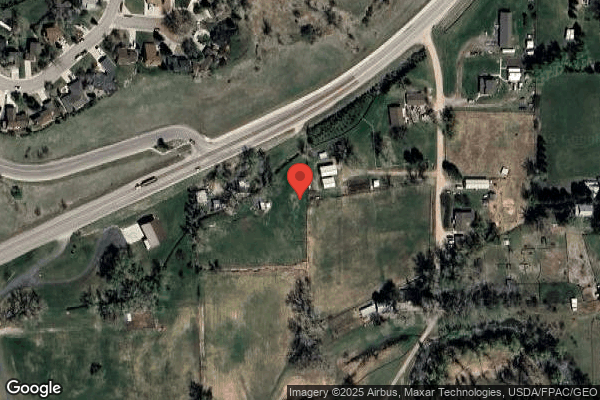
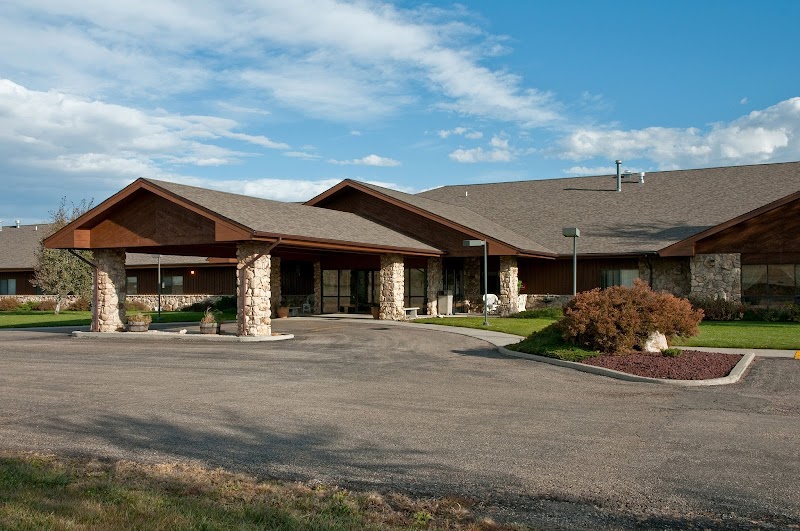
1990 West Loucks St, Sheridan, WY 82801 (307) 672-9789
For profit - Corporation 102 Beds LIFE CARE CENTERS OF AMERICA Data: November 2025
Trust Grade
90/100
#5 of 33 in WY
Last Inspection: February 2025

Within standard 12-15 month inspection cycle. Federal law requires annual inspections.

Overview

Westview Health Care Center in Sheridan, Wyoming has earned an impressive Trust Grade of A, which indicates it is highly recommended and provides excellent care. The facility ranks #5 out of 33 in Wyoming, placing it in the top tier of nursing homes in the state, and holds the top position in Sheridan County, showing it is the best option locally. The trend is improving, with the number of issues decreasing from three in 2023 to zero in 2025, which is a positive sign for families considering this home. Staffing is rated at 4 out of 5 stars, with a turnover rate of 38%, which is better than the state average, suggesting that staff are experienced and familiar with the residents’ needs. However, there were some concerning incidents, such as a cook failing to wash their hands after removing gloves and before handling clean dishes, which poses a risk for infection, and issues with failing to provide written notices for resident transfers, indicating potential communication gaps. Overall, while the facility has strong staffing and a solid reputation, families should be aware of these specific concerns.
Trust Score
A
90/100
In Wyoming
#5/33
Top 15%
Safety Record
Low Risk
No red flags
Inspections
Getting Better
3 → 0 violations
Staff Stability
○ Average
38% turnover. Near Wyoming's 48% average. Typical for the industry.
Penalties
✓ Good
No fines on record. Clean compliance history, better than most Wyoming facilities.
Skilled Nurses
✓ Good
Each resident gets 43 minutes of Registered Nurse (RN) attention daily — more than average for Wyoming. RNs are trained to catch health problems early.
Violations
○ Average
9 deficiencies on record. Average for a facility this size. Mostly minor or procedural issues.
★★★★★
5.0
Overall Rating
★★★★☆
4.0
Staff Levels
★★★★★
5.0
Care Quality
★★★★★
5.0
Inspection Score
Stable
2023: 3 issues
2025: 0 issues

The Good

  • 4-Star Staffing Rating · Above-average nurse staffing levels
  • 5-Star Quality Measures · Strong clinical quality outcomes
  • Full Sprinkler Coverage · Fire safety systems throughout facility
  • No fines on record
  • Staff turnover below average (38%)

    10 points below Wyoming average of 48%

Facility shows strength in staffing levels, quality measures, fire safety.

The Bad

Staff Turnover: 38%

Near Wyoming avg (46%)

Typical for the industry

Chain: LIFE CARE CENTERS OF AMERICA

Part of a multi-facility chain

Ask about local staffing decisions and management

The Ugly 9 deficiencies on record

Nov 2023 1 deficiency
CONCERN (F) 📢 Someone Reported This

A family member, employee, or ombudsman was alarmed enough to file a formal complaint

Potential for Harm - no one hurt, but risky conditions existed

Food Safety (Tag F0812)

Could have caused harm · This affected most or all residents

Based on observation, staff interview, review of the kitchen training manual, and the 2022 FDA Food Code, the facility failed to ensure a sanitary environment in 1 of 1 food preparation area. The cens...

Read full inspector narrative →
Based on observation, staff interview, review of the kitchen training manual, and the 2022 FDA Food Code, the facility failed to ensure a sanitary environment in 1 of 1 food preparation area. The census was 61. The findings were: 1. Observation on 11/1/23 at 9:19 AM showed cook #1 was starting the food preparation tasks for the noon meal. The following concerns were identified: a. At 9:45 AM the cook washed her hands and donned gloves to place frozen breaded shrimp into hot oil to fry. After placing the shrimp into the oil the cook removed her gloves and without washing her hands proceeded to put away clean dishes. At 9:54 AM the cook washed her hands and donned gloves to place the second batch of shrimp into the oil; removed her gloves; transferred the first batch of shrimp into a pan to keep warm in the oven; and then began preparing the rice and the broccoli for the noon meal. Observation at 10:33 AM showed the cook washed her hands; donned gloves, and transferred frozen hamburger patties with her gloved hands to a prepared baking pan. The cook doffed her gloves and without washing her hands returned the box of frozen hamburger patties back to the freezer, and continued to tend to the shrimp. This pattern of washing her hands; donning gloves to perform a task; doffing her gloves; and starting a new task without washing her hands, was repeated several times throughout the food preparation process. 2. Observation on 11/1/23 at 10:15 AM showed dietary aide #1 donned gloves; scratched his armpit; entered the dietary manager's office; obtained supplies from the walk-in refrigerator and various utensils and food items from different areas of the kitchen. The aide was observed draining a can of pineapple over a colander in the sink which resulted in the pineapple juice soiling his gloves. Without changing his gloves the dietary aide entered the dry storage room and obtained a bag of marshmallows; poured the drained pineapple into a large container; checked the mixer; entered the walk-in refrigerator to obtain a jar of maraschino cherries; and opened a can of peaches over a colander in the sink with the juice once again soiling his gloves. With the same gloved hands the dietary aide removed the paddle from the mixing bowl of whipped cream and took it to the dishwashing room; retrieved a spatula, cutting board, and a knife; opened the bag of marshmallows and using his gloved hands transferred a portion of the marshmallows to the mixing bowl. The dietary aide then opened the container of maraschino cherries and using the same gloved hands reached into the container to remove some cherries and cut them up. The dietary aide was observed to add more marshmallows and cherries to the mixing bowl with his gloved hands until he doffed his gloves at 10:37 AM. 3. Observation at 10:13 AM showed cook #1 used a knife to slice butter for the rice. After using the knife she placed it in the hand washing sink. Continued observation showed both cook #1 and dietary aide #1 used the sink to wash their hands. At 10:42 AM cook #1 rinsed the knife in the hand washing sink and placed it back onto the counter for reuse. 4. Interview on 11/1/23 at 11:02 AM with cook #1 confirmed she had washed her hands in the sink with the knife. Further, the cook stated she was trained to place the knives in the hand washing sink because they cannot go in the dishwasher. 5. Interview on 11/1/23 at 10:46 AM with the dietary manager confirmed hand washing should occur before gloves were donned, after the gloves had been removed, and gloves should be changed between tasks. In addition, the dietary manager stated knives should be hand washed in the 3 compartment sink. 6. Review of the Food and Nutrition Services In-Service Training Manual Chapter 1: Food Safety and Infection Control document received from the facility on 11/1/23 showed .Important: Gloves are not a substitute for hand washing. Before you put on gloves: Gather all food items needed for the task at hand. Wash your hands. Wash hands each time new gloves are used. Change gloves: When they tear or become soiled or contaminated. Before changing tasks. After no more than four hours of continual use. After handling cooked or ready-to-eat food. After handling raw food. After touching any unsanitary or unclean item or surface such as an oven door, refrigerator handle, scoop or spoodle handle, the bottom of a plate or pan, or the outside of a bread bag. Note: Wash your hands each time you change into new gloves . 7. According to the 2022 FDA Food Code showed 2-301.14 When to Wash. FOOD EMPLOYEES shall clean their hands and exposed portions of their arms as specified under § 2-301.12 immediately before engaging in FOOD preparation including working with exposed FOOD, clean EQUIPMENT and UTENSILS, and unwrapped SINGLE-SERVICE and SINGLE-USE ARTICLES and: (A) After touching bare human body parts other than clean hands and clean, exposed portions of arms; (B) After using the toilet room; (C) After caring for or handling SERVICE ANIMALS or aquatic animals as specified in ¶ 2-403.11(B); (D) Except as specified in ¶ 2-401.11(B), after coughing, sneezing, using a handkerchief or disposable tissue, using TOBACCO PRODUCTS, eating, or drinking; (E) After handling soiled EQUIPMENT or UTENSILS; (F) During FOOD preparation, as often as necessary to remove soil and contamination and to prevent cross contamination when changing tasks; (G) When switching between working with raw FOOD and working with READY-TO-EAT FOOD; (H) Before donning gloves to initiate a task that involves working with FOOD; and (I) After engaging in other activities that contaminate the hands. 8. According to the 2022 FDA Food Code showed 6-301.13 Hand washing Aids and Devices, Use Restrictions. A sink used for FOOD preparation or UTENSIL washing, or a service sink or curbed cleaning facility used for the disposal of mop water or similar wastes, may not be provided with the hand washing aids and devices required for a HAND WASHING SINK as specified under §§ 6-301.11 and 6-301.12 and ¶ 5-501.16(C). 9. According to the 2022 FDA Food Code showed 4-603.15 Washing, Procedures for Alternative Manual Warewashing Equipment. If washing in sink compartments or a WAREWASHING machine is impractical such as when the EQUIPMENT is fixed or the UTENSILS are too large, washing shall be done by using alternative manual WAREWASHING EQUIPMENT as specified in ¶ 4-301.12(C) in accordance with the following procedures: (A) EQUIPMENT shall be disassembled as necessary to allow access of the detergent solution to all parts; (B) EQUIPMENT components and UTENSILS shall be scraped or rough cleaned to remove FOOD particle accumulation; and (C) EQUIPMENT and UTENSILS shall be washed as specified under ¶ 4-603.14(A) .4-603.16 Rinsing Procedures. Washed UTENSILS and EQUIPMENT shall be rinsed so that abrasives are removed and cleaning chemicals are removed or diluted through the use of water or a detergent-sanitizer solution by using one of the following procedures: (A) Use of a distinct, separate water rinse after washing and before SANITIZING if using: (1) A 3-compartment sink, (2) Alternative manual WAREWASHING EQUIPMENT equivalent to a 3-compartment sink as specified in ¶ 4-301.12(C), or (3) A 3-step washing, rinsing, and SANITIZING procedure in a WAREWASHING system for CIP (clean in place) EQUIPMENT; (B) Use of a detergent-SANITIZER as specified under § 4-501.115 if using: (1) Alternative WAREWASHING EQUIPMENT as specified in ¶ 4-301.12(C) that is APPROVED for use with a detergent-SANITIZER, or (2) A WAREWASHING system for CIP EQUIPMENT; (C) Use of a nondistinct water rinse that is integrated in the hot water SANITIZATION immersion step of a 2-compartment sink operation .
Jul 2023 2 deficiencies
CONCERN (D) 📢 Someone Reported This

A family member, employee, or ombudsman was alarmed enough to file a formal complaint

Potential for Harm - no one hurt, but risky conditions existed

Notification of Changes (Tag F0580)

Could have caused harm · This affected 1 resident

Based on resident, resident representative, and staff interviews, medical record review, and review of facility policy, the facility failed to notify the appropriate entities for 2 of 6 (#22, #28) sam...

Read full inspector narrative →
Based on resident, resident representative, and staff interviews, medical record review, and review of facility policy, the facility failed to notify the appropriate entities for 2 of 6 (#22, #28) sample residents reviewed for notification of changes. The findings were: 1. During an interview with resident #22 on 7/10/23 at 3:35 PM the resident stated 2 night shift staff threw the resident in a wheelchair and slapped his/her left cheek causing a little stinging to the cheek. The resident stated s/he reported it to the head lady and the facility did not tell the family representative about the event. a. Interview with the resident's representative on 7/10/23 at 3:41 PM revealed the resident notified him/her of the event however, s/he never heard anything from the facility about the event. b. Interview with nurse aide (NA) #3 on 7/11/23 at 3:20 PM revealed resident #22 did tell her in June 2023 about being thrown around, and NA #3 told the nurse but didn't remember who the nurse was. c. Interview with the DON on 7/10/23 at 1:30 PM revealed the facility did not have any reports and was unaware of the event. Further review failed to show the resident had been assessed or monitored. 2. Interview with the resident #28 on 7/11/23 at 2:30 PM revealed the resident had been slapped by a staff member on the shoulder after he pinched her bottom. a. Interview with staff #3 on 7/11/23 at 3:20 PM confirmed she had slapped the resident on the shoulder as a reaction on 6/25/23 after this resident pinched her bottom. The staff member herself notified the nurse on duty at that time. b. Interview with resident #28 representative on 7/11/23 at 5 PM revealed he had not been notified by the facility the resident was slapped by a staff member. c. Interview with the DON on 7/11/23 at 4:20 PM showed the facility did not start an investigation, notify the doctor, state agencies or the family because the NA slapped the resident with an open hand and did not cause an injury. Further review failed to show a thorough investigation, and no assessments or monitoring in the resident's record. d. Review of the facility policy titled Protection of Residents: Reducing the Threat of Abuse & Neglect last revised 1/21/19 showed; 2. All associates are mandated to immediately report suspected resident abuse and/or neglect to their immediate supervisor and/ or facility representative. 3. All alleged or suspected violations involving mistreatment, abuse, neglect, injuries of unknown origin (e.g.,bruising and skin tears) will be immediately reported to the administrator and/or director of nursing. 4. when an incident of resident abuse is suspected, the incident must be reported to the supervisor regardless of the time lapse since the incident occurred. The supervisor notifies the director of nursing and the executive director of the alleged incident. 6. the charge nurse will complete and sign the Incident Report and notify the physician and the resident's representative of the occurrence.8. The charge nurse will immediately assess the resident and offer medical attention, if necessary. Findings of the assessment and any treatment provided will be documented in the resident's medical record 11 . Retaliation by staff is abuse, regardless of whether harm was intended, and must be cited 12. Facilities must ensure that all alleged violations involving abuse, neglect, exploitation or mistreatment, including injuries of unknown source and misappropriation of resident property, are reported immediately and to other officials (including the State Survey Agency and adult protective services where state law provides for jurisdiction in long-term care facilities) in accordance with State law through established procedures. Failure to do so will mean that the facility is not in compliance with the federal regulations.
CONCERN (D) 📢 Someone Reported This

A family member, employee, or ombudsman was alarmed enough to file a formal complaint

Potential for Harm - no one hurt, but risky conditions existed

Report Alleged Abuse (Tag F0609)

Could have caused harm · This affected 1 resident

Based on resident and staff interviews, medical record review, and review of facility policy, the facility failed to report a reasonable suspicion of a crime against a resident for 1 of 2 (#28) sample...

Read full inspector narrative →
Based on resident and staff interviews, medical record review, and review of facility policy, the facility failed to report a reasonable suspicion of a crime against a resident for 1 of 2 (#28) sample residents reviewed for abuse allegations. The findings were: Review of the quarterly minimum data set (MDS) assessment the 6/5/23 for resident #28 showed the resident had a brief interview for mental status (BIMS) score of 3 out of 15, which indicated severe cognitive impairment and diagnoses which included diabetes mellitus, hypertension, and post traumatic stress disorder. Interview with the resident on 7/11/23 at 2:30 PM revealed the resident had been slapped by a staff member on the shoulder after s/he pinched the staff member's bottom. The following concerns were identified: 1. Interview with NA (non-certified nursing assistant) #3 on 7/11/23 at 3:20 PM confirmed s/he had slapped the resident on the shoulder on 6/23/25 as a reaction after this resident pinched his/her bottom. The staff member notified the nurse on duty at that time. a. Interview with the DON on 7/11/23 at 4:20 PM confirmed the facility did not start a risk management report, or report the incident to the state agency. The DON verbalized the resident was slapped by a staff member with an open hand which did not cause an injury. b. Review of the Wyoming Department of Healthcare Licensing and Survey incident data base showed no incidents of staff-to-resident abuse had been reported by the facility from 1/1/23 to 7/5/23. c. Review of the facility list of incident reports from 1/1/23 to 7/10/23 failed to show any reports created for resident #28 on 6/23/23. d. Interview with the Executive Director and Director of Nursing on 7/12/23 at 1:35 PM confirmed the incident was not reported to the state survey agency as required because the resident admitted to pinching the staff member's bottom and no injury occurred. d. Review of the facility policy titled Protection of Residents: Reducing the Threat of Abuse & Neglect last revised 1/21/19 showed; 3. All alleged or suspected violations involving mistreatment, abuse, neglect, injuries of unknown origin (e.g.,bruising and skin tears) will be immediately reported to the administrator and/or director of nursing .12. Facilities must ensure that all alleged violations involving abuse, neglect, exploitation or mistreatment, including injuries of unknown source and misappropriation of resident property, are reported immediately and to other officials (including the State Survey Agency and adult protective services where state law provides for jurisdiction in long-term care facilities) in accordance with State law through established procedures. Failure to do so will mean that the facility is not in compliance with the federal regulations.
Sept 2022 6 deficiencies
CONCERN (D)

Potential for Harm - no one hurt, but risky conditions existed

Deficiency F0658 (Tag F0658)

Could have caused harm · This affected 1 resident

Based on observation, staff interview, and review of professional standards of practice for feeding tubes, the facility failed to ensure professional standards of practice were followed for 1 of 1 obs...

Read full inspector narrative →
Based on observation, staff interview, and review of professional standards of practice for feeding tubes, the facility failed to ensure professional standards of practice were followed for 1 of 1 observation of medication administration via a feeding tube (resident #13). The findings were: 1. Observation on 9/21/22 at 1 PM showed LPN #2 administered medications to resident #13, who had a feeding tube. Continued observation showed the resident lying flat in bed. The following concerns were identified: a. Interview with the LPN on 9/21/22 at 1 PM confirmed the patient was lying flat in bed, and the head of the bed should have been elevated while administering medication through the feeding tube to prevent aspiration. b. Review of Lippincott Nursing Procedures, Seventh Edition showed .Keep the head of the patient's bed elevated at a 30-to 45-degree angle at all times during the enteral tube feeding administration and for 30 to 60 minutes after the feeding has been completed or stopped for any reason .
CONCERN (D)

Potential for Harm - no one hurt, but risky conditions existed

Deficiency F0761 (Tag F0761)

Could have caused harm · This affected 1 resident

**NOTE- TERMS IN BRACKETS HAVE BEEN EDITED TO PROTECT CONFIDENTIALITY** Based on observation, staff interview and policy and procedure review, the facility failed to ensure medications and supplies fo...

Read full inspector narrative →
**NOTE- TERMS IN BRACKETS HAVE BEEN EDITED TO PROTECT CONFIDENTIALITY** Based on observation, staff interview and policy and procedure review, the facility failed to ensure medications and supplies for patient use were not expired in 1 of 2 medication rooms (central medication room) observed. Additionally, the facility failed to ensure medications and supplies were kept secure for 1 of 1 random observations of medication rooms (Saddle Ridge Unit medication room). The findings were: 1. Observation on [DATE] at 1:36 PM of the central medication room showed the following items were expired: a. 5 Buff NA Citrate 3.2% vacutainers (for blood collection) with an expiration date [DATE]. b. 3 Universal Viral Transport for viruses, chlamydia, & mycoplasmas & urea plasmas swab & collection containers with an expiration date [DATE]. c. 1 bottle of Tums Calcium Carbonate Smoothies Berry Fusion with an expiration date 1/22. d. 1 1 ounce tube of Sunmark hydrocortisone cream 1% with an expiration date 5/22. e. 1 4 mm Integra Miltex Disposable Dermal Curette with an expiration date [DATE]. f. [NAME] Skin Protectant Ointment with vitamins A&D 5 G tubes: 3 with an expiration date 8/21, 2 with an expiration date 1/22, 2 with an expiration date 2/22, 1 with an expiration date 6/22, and 2 with an expiration date 7/22. g. 1 packet of [NAME] Lubricating Jelly with an expiration date [DATE]. h. 1 Cutimed Sorbact WCL 4 inch by 5 inch (wound dressing) with an expiration date 5/21. i. 5 Xeroform Occlusive Gauze Patch 4 inch by 4 inch (wound dressing) with an expiration date [DATE]. j. 1 Melgisorb AG 4 inch by 4 inch (wound dressing) with an expiration date 7/2. k. Interview with LPN #2 confirmed the items in the medication room were for patient use. l. Review of the facility policy 5.3 Storage and Expiration Dating of Medications, Biologicals, Syringes and Needles, with a revision date [DATE], showed .4. Facility should ensure that medications and biological that: (1) have an expired date on the label; 92) have been retained longer than recommended by manufacturer or supplier guidelines; or (3) have been contaminated or deteriorated, are stored separate from other medications until destroyed or returned to the pharmacy or supplier . 2. Observation of the Saddle Ridge Unit medication room on [DATE] at 2:55 PM showed the door was open, unattended and no staff was in the area. a. The nurse returned at 3:00 PM, interview at that time with RN #1 confirmed the door to the medication room was left open and it should be kept closed and locked. b. Review of the facility policy 5.3 Storage and Expiration Dating of Medications, Biological's, Syringes and Needles, with a revision date [DATE], showed .3.3 Facility should ensure that all medications and biological's, including treatment items, are securely stored in a locked cabinet/cart or locked medication room that is inaccessible to residents and visitors .
CONCERN (D)

Potential for Harm - no one hurt, but risky conditions existed

Infection Control (Tag F0880)

Could have caused harm · This affected 1 resident

Based on observation, staff interview, policy and procedure review, and review of manufacturer's instructions, the facility failed to perform hand hygiene as required during one random observation dur...

Read full inspector narrative →
Based on observation, staff interview, policy and procedure review, and review of manufacturer's instructions, the facility failed to perform hand hygiene as required during one random observation during dining services. In addition, the facility failed to ensure glucometers were disinfected as required for 1 of 2 random observations of glucometer disinfection. The following concerns were identified: 1. Observation on 9/19/22 at 4:45 PM showed LA #1 serving drinks to residents during the dinner service. It was noted he was not wearing gloves at that time. Continued observation showed pushing the beverage cart around to residents, and making contact with the residents and their items. No observations of hand hygiene were observed between resident contacts. Continued observation showed the LA inserted his right hand down the back of his own pants three times to tuck his shirt in. No hand hygiene was observed after these actions. 2. Observation on 9/19/22 at 5:01 PM showed LA #1 serving drinks from the beverage cart. After preparing a cup of hot chocolate, he plunged his right arm up to his elbow down into a trash bag that was hanging from the side of the cart, which was approximately one quarter of the way full of garbage. He then used his right hand to handle the hot water pitcher and spoon to stir the beverage, then used his right hand to deliver the beverage to the resident. No hand hygiene was observed after these actions. 3. Interview with LA #1 on 9/19/22 at 5:03 PM revealed he typically serves beverages to the residents during the lunch and dinner services. Further, he didn't think about needing to wash his hands after tucking his shirt in, putting his arm in the trash, or in between contact with residents and their items. 4. Observation on 9/20/22 at 4:35 PM with LPN #1 showed she used a Oxyvir TB wipe on a glucometer. She wiped the glucometer and set it down. The surface of the glucometer was dry within 40 seconds. Interview with the LPN at that time revealed she was not aware of the necessary wet contact time to achieve disinfection of the glucometer. Review of the directions for use on the container showed the surface must remain wet for 1 minute. 5. Review of facility policy Standard Precautions, last reviewed 12/31/20, showed Standard precautions include: (1) Hand hygiene . Perform hand hygiene: . a. Before and after all resident contact; . c. Contact with blood, body fluids, or visibly contaminated surfaces; . (5) Safe handling of equipment or items that are likely contaminated with infectious body fluids . (6) Cleaning and disinfecting or sterilizing of potentially contaminated surfaces and equipment between resident use .
CONCERN (E)

Potential for Harm - no one hurt, but risky conditions existed

Transfer Notice (Tag F0623)

Could have caused harm · This affected multiple residents

**NOTE- TERMS IN BRACKETS HAVE BEEN EDITED TO PROTECT CONFIDENTIALITY** Based on medical record review, staff interview, and policy review the facility failed to ensure a written notice of transfer wa...

Read full inspector narrative →
**NOTE- TERMS IN BRACKETS HAVE BEEN EDITED TO PROTECT CONFIDENTIALITY** Based on medical record review, staff interview, and policy review the facility failed to ensure a written notice of transfer was provided as required for 3 of 4 sample residents (#9, #23, #54) reviewed for facility-initiated transfer. The findings were: 1. Review of current physician orders showed resident #9 was admitted to the facility on [DATE] with diagnoses that included dementia. The following concerns were identified: a. Review of the resident's order history showed two separate physician orders, written on 5/30/22 and 9/1/22, to transfer the resident to the hospital for evaluation. b. Review of the medical record showed no evidence the resident, representative, family members, or the ombudsman were provided a written notice of either transfer to the hospital. 2. Review of the medical record for resident #23 showed the resident was admitted with diagnoses which included non-Alzheimer's dementia, and other abnormalities of gait and mobility. The following concerns where identified: a. Review of the progress notes showed the resident was hospitalized on [DATE] following a fall causing right hip pain. Further review of the medical record failed to show evidence a written notice of transfer was provided to the resident's representative. 3. Review of the progress notes showed resident #54 was admitted with diagnoses which included rheumatoid arthritis, diabetes mellitus, and atrial fibrillation with a cardiac pacemaker. The following concerns were identified: a. Review of the nursing progress notes showed the resident was transferred to the emergency department on 9/14/22 with an irregular heart rate. b. Review of the medical record failed to show a written notice of transfer was provided to the resident and the resident representative. c. Interview on 9/22/22 at 9:03 AM with the administrator confirmed the resident and the resident representative were not provided with a notice of transfer. 4. Interview with the DON on 9/21/22 at 5:44 PM confirmed written notices of transfer had not been provided to the residents or resident representatives. 5. Review of the facility policy Bedhold/Reservation of Room, effective 5/2/19, showed Procedure . 2. Before the resident transfers to a hospital or the resident goes on therapeutic leave, the facility will provide written information for the resident or responsible party that specifies: .In cases of emergency transfer, notice at the time of transfer means that the family, surrogate, or responsible party are provided with written notification within 24 hours of the transfer.
CONCERN (E)

Potential for Harm - no one hurt, but risky conditions existed

Deficiency F0625 (Tag F0625)

Could have caused harm · This affected multiple residents

**NOTE- TERMS IN BRACKETS HAVE BEEN EDITED TO PROTECT CONFIDENTIALITY** Based on medical record review, staff interview, and review of facility policy, the facility failed to provide written informati...

Read full inspector narrative →
**NOTE- TERMS IN BRACKETS HAVE BEEN EDITED TO PROTECT CONFIDENTIALITY** Based on medical record review, staff interview, and review of facility policy, the facility failed to provide written information on the bed-hold policy for 3 of 4 sample resident (#9, #23, #54) reviewed for facility-initiated transfers. The findings were: 1. Review of current physician orders showed resident #9 was admitted to the facility on [DATE] with diagnoses that included dementia. The following concerns were identified: a. Review of the resident's order history showed two separate physician orders, written on 5/30/22 and 9/1/22, to transfer the resident to the hospital for evaluation. b. Review of the medical record showed no evidence the resident or the resident's representative were provided a bed hold policy for either transfer to the hospital. 2. Review of the medical record for resident #23 showed the resident was admitted with diagnoses which included non-Alzheimer's dementia, and other abnormalities of gait and mobility. The following concern where identified: a. Review of the progress notes showed the resident was hospitalized on [DATE] following a fall causing right hip pain. Further review of the medical record failed to show evidence the facility issued a written notice of the bed-hold policy to the resident or resident's representative. 3. Review of the progress notes showed resident #54 was admitted with diagnoses which included atrial fibrillation with a cardiac pacemaker. The following concerns were identified: a. Review of the nursing progress notes showed the resident was transferred to the emergency department on 9/14/22 with an irregular heart rate. b. Review of the medical record showed no evidence the bed hold policy was provided to the resident and the resident representative. c. Interview on 9/22/22 at 9:03 AM with the administrator confirmed the resident and the resident representative were not provided with a bed hold policy. 4. Interview with the DON on 9/21/22 at 5:44 PM confirmed the facility had not issued a bed hold policy to the residents or resident representatives. 5. Review of the facility policy Bedhold/Reservation of Room, effective 5/2/19, showed Procedure . 2. Before the resident transfers to a hospital or the resident goes on therapeutic leave, the facility will provide written information for the resident or responsible party that specifies: . The duration of the state bed hold policy, if any, during which the resident is permitted to return and resume residence in the nursing facility .The reserve bed payment policy in the state plan, if any .The facility policies regarding bed-hold .In cases of emergency transfer, notice at the time of transfer means that the family, surrogate, or responsible party are provided with written notification within 24 hours of the transfer.
CONCERN (E)

Potential for Harm - no one hurt, but risky conditions existed

Food Safety (Tag F0812)

Could have caused harm · This affected multiple residents

Based on observation, staff interview, and policy and procedure review, the facility failed to ensure safe food handling practices were implemented and maintained during inspection of 1 of 1 food prep...

Read full inspector narrative →
Based on observation, staff interview, and policy and procedure review, the facility failed to ensure safe food handling practices were implemented and maintained during inspection of 1 of 1 food preparation and storage areas. The following concerns were identified: 1. Observation of the kitchen, food preparation areas, and food storage areas on 9/19/22 at 3:24 PM showed an upright reach-in freezer with a temperature log for September 2022 posted on the front of the unit. Further review of the log showed AM temperatures were not documented on 9/3/22, 9/9/22, 9/10/22, 9/15/22, or 9/16/22, and PM temperatures were not documented on 9/6/22, 9/7/22, 9/14/22, or 9/18/22. Continued review showed every documented temperature was above 0 degrees Fahrenheit. 2. Observation of the kitchen, food preparation areas, and food storage areas on 9/19/22 at 3:24 PM showed a temperature log for September 2022 posted for documentation of temperatures for the walk-in freezer. Further review of the log showed AM temperatures were not documented on 9/3/22, 9/9/22, 9/10/22, 9/15/22, or 9/16/22, and PM temperatures were not documented on 9/6/22, 9/7/22, 9/13/22, 9/14/22, or 9/18/22. Continued review showed all documented temperatures were above 0 degrees Fahrenheit. 3. Observation of the kitchen, food preparation areas, and food storage areas on 9/19/22 at 3:24 PM showed an upright reach-in refrigerator with a temperature log for September 2022 posted on the front of the unit. Further review of the log showed AM temperatures were not documented on 9/3/22, 9/9/22, 9/10/22, 9/12/22, 9/15/22, or 9/16/22, and PM temperatures were not documented on 9/6/22, 9/7/22, 9/14/22, or 9/18/22. Continued review showed a documented temperature of 45 degrees Fahrenheit. 4. Observation of the kitchen, food preparation areas, and food storage areas on 9/19/22 at 3:24 PM showed a walk-in refrigerator with a temperature log for September 2022 posted on the front of the unit. Further review of the log showed AM temperatures were not documented on 9/3/22, 9/9/22, 9/10/22, 9/15/22, or 9/16/22, and PM temperatures were not documented on 9/6/22, 9/7/22, 9/14/22, or 9/18/22. 5. Observation of the kitchen, food preparation areas, and food storage areas on 9/19/22 at 3:24 PM showed a thick build-up of grease on the surfaces of the stove burners and griddle. Further observation showed the burners of the stove had a large build-up of burnt-on food and grease, and the area underneath the burners had a large amount of burnt crumbs and debris. 6. Observation of the kitchen, food preparation areas, and food storage areas on 9/19/22 at 3:24 PM showed the conveyor toaster had a build-up of burnt food and grease on the face, conveyor, and interior surfaces of the appliance. 7. Observation of the kitchen, food preparation areas, and food storage areas on 9/19/22 at 3:24 PM showed the range hood above the stove and a food preparation cart with a large amount of dust and debris along the interior surfaces of the hood. 8. Interview with the dietary manager on 9/21/22 at 1:13 PM confirmed the temperature logs were all lacking multiple temperature checks. She stated a new employee was working those shifts, and she wasn't sure if the new employee was aware of all her responsibilities yet. The dietary manager further confirmed the range hood, stove, and conveyor toaster all were needing cleaned. She stated she was in the process of implementing a new weekly cleaning schedule to address cleanings as a team on a regular basis. 9. Review of undated facility policy Food in Storage Areas showed guidelines for refrigeration as Keep temperatures between 34oF and 38oF. Record temperatures a minimum of twice daily. Further review showed freezer guidelines as Keep at 0oF or below or per state regulation. 10. According to Food Code 2017, U.S. Public Health Service: 3-501.16 (A) Except during preparation, cooking, or cooling, or when time is used as the public health control as specified under §3-501.19, and except as specified under (B) and in (C ) of this section, TIME/TEMPERATURE CONTROL FOR SAFETY FOOD shall be maintained: (1) At 57°C (135°F) or above, except that roasts cooked to a temperature and for a time specified in 3-401.11(B) or reheated as specified in 3-403.11(E) may be held at a temperature of 54°C (130°F) or above; or (2) At 5ºC (41ºF) or less.
Understanding Severity Codes (click to expand)
Life-Threatening (Immediate Jeopardy)
J - Isolated K - Pattern L - Widespread
Actual Harm
G - Isolated H - Pattern I - Widespread
Potential for Harm
D - Isolated E - Pattern F - Widespread
No Harm (Minor)
A - Isolated B - Pattern C - Widespread

Questions to Ask on Your Visit

  • "Can I speak with families of current residents?"
  • "What's your RN coverage like on weekends and overnight?"

Our Honest Assessment

Strengths
  • • Grade A (90/100). Above average facility, better than most options in Wyoming.
  • • No major safety red flags. No abuse findings, life-threatening violations, or SFF status.
  • • No fines on record. Clean compliance history, better than most Wyoming facilities.
  • • 38% turnover. Below Wyoming's 48% average. Good staff retention means consistent care.
Concerns
  • • No significant concerns identified. This facility shows no red flags across CMS ratings, staff turnover, or federal penalties.
Bottom line: Generally positive indicators. Standard due diligence and a personal visit recommended.

About This Facility

What is Westview Health Care Center's CMS Rating?

CMS assigns Westview Health Care Center an overall rating of 5 out of 5 stars, which is considered much above average nationally. Within Wyoming, this rating places the facility higher than 99% of the state's 100 nursing homes. This rating reflects solid performance across the metrics CMS uses to evaluate nursing home quality.
How is Westview Health Care Center Staffed?
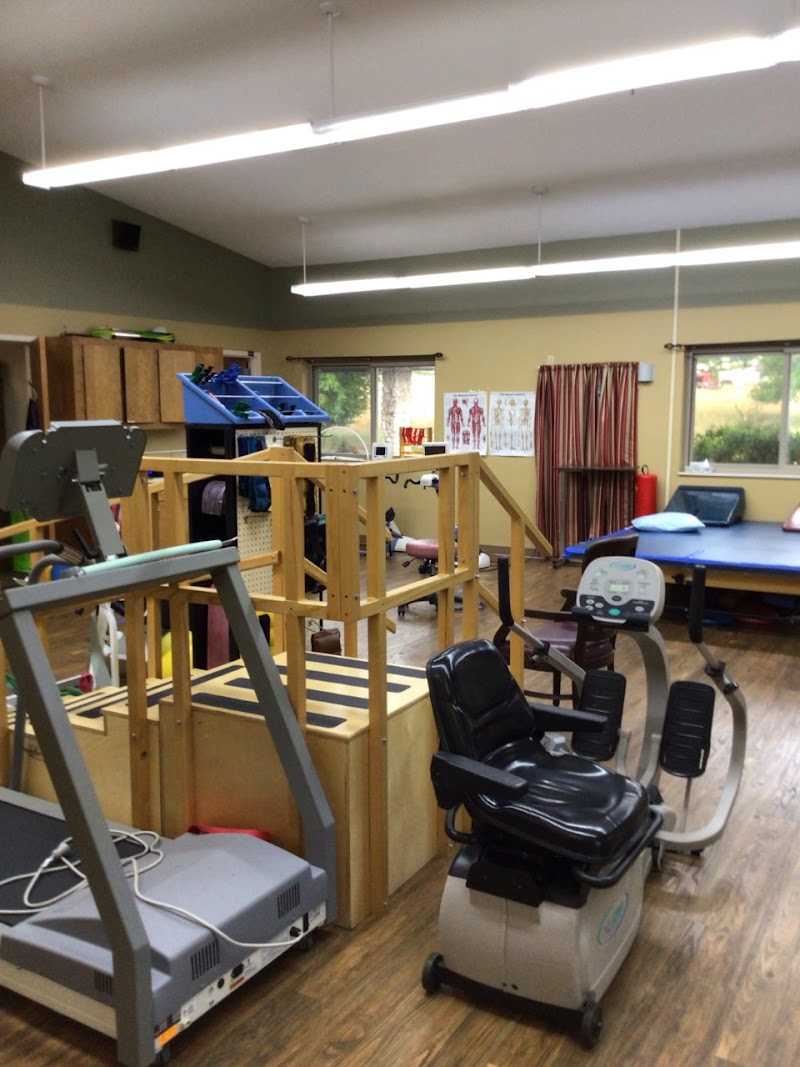
CMS rates Westview Health Care Center's staffing level at 4 out of 5 stars, which is above average compared to other nursing homes. Staff turnover is 38%, compared to the Wyoming average of 46%. This relatively stable workforce can support continuity of care.

What Have Inspectors Found at Westview Health Care Center?

State health inspectors documented 9 deficiencies at Westview Health Care Center during 2022 to 2023. These included: 9 with potential for harm.

Who Owns and Operates Westview Health Care Center?

Westview Health Care Center is owned by a for-profit company. For-profit facilities operate as businesses with obligations to shareholders or private owners. The facility is operated by LIFE CARE CENTERS OF AMERICA, a chain that manages multiple nursing homes. With 102 certified beds and approximately 63 residents (about 62% occupancy), it is a mid-sized facility located in Sheridan, Wyoming.

How Does Westview Health Care Center Compare to Other Wyoming Nursing Homes?

Compared to the 100 nursing homes in Wyoming, Westview Health Care Center's overall rating (5 stars) is above the state average of 3.0, staff turnover (38%) is near the state average of 46%, and health inspection rating (5 stars) is much above the national benchmark.

What Should Families Ask When Visiting Westview Health Care Center?

Based on this facility's data, families visiting should ask: "Can I visit during a mealtime to observe dining assistance and food quality?" "How do you handle medical emergencies, and what is your hospital transfer rate?" "Can I speak with family members of current residents about their experience?"

Is Westview Health Care Center Safe?

Based on CMS inspection data, Westview Health Care Center has a clean safety record: no substantiated abuse findings (meaning no confirmed cases of resident harm), no Immediate Jeopardy citations (the most serious violation level indicating risk of serious injury or death), and is not on the Special Focus Facility watch list (a federal program monitoring the lowest-performing 1% of nursing homes). The facility has a 5-star overall rating and ranks #1 of 100 nursing homes in Wyoming. While no facility is perfect, families should still ask about staff-to-resident ratios and recent inspection results during their visit.

Do Nurses at Westview Health Care Center Stick Around?

Westview Health Care Center has a staff turnover rate of 38%, which is about average for Wyoming nursing homes (state average: 46%). Moderate turnover is common in nursing homes, but families should still ask about staff tenure and how the facility maintains care continuity when employees leave.

Was Westview Health Care Center Ever Fined?

Westview Health Care Center has no federal fines on record. CMS issues fines when nursing homes fail to meet care standards or don't correct problems found during inspections. The absence of fines suggests the facility has either maintained compliance or corrected any issues before penalties were assessed. This is a positive indicator, though families should still review recent inspection reports for the full picture.

Is Westview Health Care Center on Any Federal Watch List?

Westview Health Care Center is not on any federal watch list. The most significant is the Special Focus Facility (SFF) program, which identifies the bottom 1% of nursing homes nationally based on persistent, serious quality problems. Not being on this list means the facility has avoided the pattern of deficiencies that triggers enhanced federal oversight. This is a positive indicator, though families should still review the facility's inspection history directly.