CHAPMAN HEALTHCARE CENTER, INC
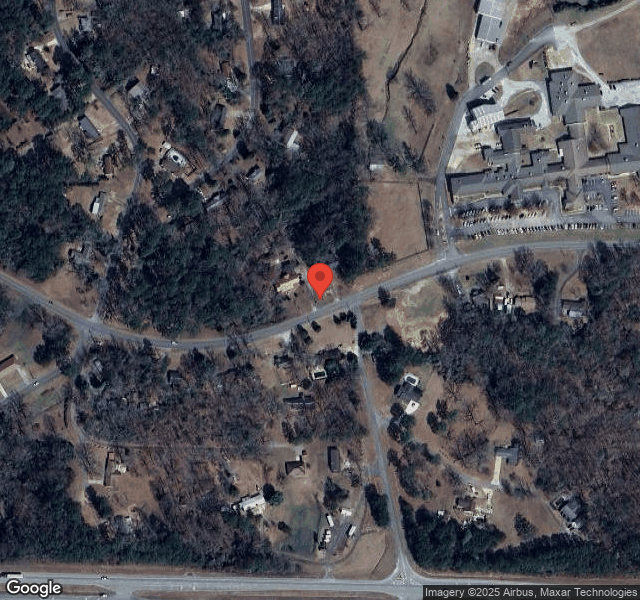
3701 DADEVILLE ROAD, ALEXANDER CITY, AL 35010 (256) 234-6366
For profit - Corporation 188 Beds PRIME HEALTH CARE ENTERPRISES Data: November 2025 1 Immediate Jeopardy citation
Trust Grade
66/100
#40 of 223 in AL
Last Inspection: September 2021

Over 2 years since last inspection. Current conditions may differ from available data.

Overview

Chapman Healthcare Center, Inc. has a Trust Grade of C+, which indicates it is slightly above average but not outstanding. Ranked #40 out of 223 nursing homes in Alabama, this places it in the top half of facilities within the state, and it is #3 out of 4 in Tallapoosa County, meaning only one local option is better. However, the facility's trend is worsening, as the number of issues reported has increased from 0 in 2021 to 1 in 2022. Staffing is relatively strong, with a 4 out of 5 star rating and a turnover rate of 37%, lower than the state average, but the RN coverage is concerning, with less coverage than 88% of facilities in Alabama. Despite these strengths, there have been significant compliance issues, including a critical incident where a resident with dementia accessed and ingested a staff member's medication, leading to an emergency department visit. Other concerns include improper food handling practices, with outdated food not being discarded and a lack of proper labeling for food storage. Overall, while the facility has some strengths in staffing and quality ratings, the rising number of issues and critical incidents is cause for concern for families considering this nursing home for their loved ones.

Trust Score
C+
66/100
In Alabama
#40/223
Top 17%
Safety Record
High Risk
Review needed
Inspections
Getting Worse
0 → 1 violations
Staff Stability
○ Average
37% turnover. Near Alabama's 48% average. Typical for the industry.
Penalties
○ Average
$22,340 in fines. Higher than 61% of Alabama facilities. Some compliance issues.
Skilled Nurses
⚠ Watch
Each resident gets only 27 minutes of Registered Nurse (RN) attention daily — below average for Alabama. Fewer RN minutes means fewer trained eyes watching for problems.
Violations
○ Average
6 deficiencies on record. Average for a facility this size. Mostly minor or procedural issues.
★★★★☆
4.0
Overall Rating
★★★★☆
4.0
Staff Levels
★★★☆☆
3.0
Care Quality
★★★★☆
4.0
Inspection Score
Stable
2021: 0 issues
2022: 1 issues

The Good

  • 4-Star Staffing Rating · Above-average nurse staffing levels
  • Full Sprinkler Coverage · Fire safety systems throughout facility
  • No fines on record
  • Staff turnover below average (37%)

    11 points below Alabama average of 48%

Facility shows strength in staffing levels, fire safety.

The Bad

Staff Turnover: 37%

Near Alabama avg (46%)

Typical for the industry

Federal Fines: $22,340

Below median ($33,413)

Minor penalties assessed

Chain: PRIME HEALTH CARE ENTERPRISES

Part of a multi-facility chain

Ask about local staffing decisions and management

The Ugly 6 deficiencies on record

1 life-threatening
Dec 2022 1 deficiency 1 IJ
CRITICAL (J) 📢 Someone Reported This

A family member, employee, or ombudsman was alarmed enough to file a formal complaint

Immediate Jeopardy (IJ) - the most serious Medicare violation

Accident Prevention (Tag F0689)

Someone could have died · This affected 1 resident

**NOTE- TERMS IN BRACKETS HAVE BEEN EDITED TO PROTECT CONFIDENTIALITY** Based on record review, interviews, review of a facility INCIDENT INVESTIGATION FORM, and review of a facility investigative sum...

Read full inspector narrative →
**NOTE- TERMS IN BRACKETS HAVE BEEN EDITED TO PROTECT CONFIDENTIALITY** Based on record review, interviews, review of a facility INCIDENT INVESTIGATION FORM, and review of a facility investigative summary, the facility failed to ensure the residents' environment remained free of accident hazards by failing to ensure staff's personal medication was stored in a secure location that was not accessible to residents. Specifically, on [DATE], Resident Identifier (RI) #1, who had a diagnosis of Dementia with Behaviors, accessed and ingested an unspecified amount of Acetaminophen (a pain reliever/fever reducer also known as Tylenol) from a bottle belonging to Employee Identifier (EI) #5, a Certified Nursing Assistant (CNA). RI #1 was able to obtain the medication because EI #5 placed her purse, which contained the medication, on a table in the 100 hall lobby and left it unsupervised. Subsequently, RI #1 was transferred to the local Emergency Department (ED) on [DATE] for possible overdose of Acetaminophen. This deficient practice placed RI #1, one of seven residents with wandering behaviors, in immediate jeopardy, as it was likely to result in serious injury, serious harm, serious impairment or death. On [DATE] at 6:35 PM, EI #2, Administrator, was provided a copy of the immediate jeopardy template and notified of the findings of substandard quality of care at the immediate jeopardy level in the area of Quality of Care, F689-Free of Accidents Hazards/Supervision/Devices. The immediate jeopardy began on [DATE] and continued until [DATE] when the facility implemented corrective actions to address the identified deficient practice, including ongoing monitoring; thus, immediate jeopardy past noncompliance was cited. Findings Include: On [DATE] at 2:56 PM, the facility submitted an initial report to the State Survey Agency via the Alabama Department of Public Health Online Incident Reporting System. This report indicated RI #1 took Tylenol from an employee's purse, ingested them, and was sent to the ED for further evaluation. RI #1 was admitted to the facility on [DATE] and readmitted on [DATE] with a diagnosis of Dementia with Behavioral Disturbances. A review of RI #1's Significant Change in Status Minimum Data Set (MDS) assessment with an Assessment Reference Date (ARD) of [DATE] indicated RI #1 had both short and long term memory impairment and moderately impaired cognitive skills for daily decision making. A list provided by the facility, dated [DATE], identified RI #1 as a wandering resident. A facility INCIDENT INVESTIGATION FORM, completed [DATE] by EI #6, Licensed Practical Nurse (LPN), documented: .CNA informs writer she found resident on Hall 100 in dining room (with) pills in hand eating them Resident had gotten into another CNA's purse, obtained a bottle of 500mg (milligram) Tylenol (and) had ingested an unknown amount of the medication. The CNA whom the Tylenol belonged to stated there was 25 pills in the bottle . (resident) took between 3-5 (three to five) Extra Strength Tylenol. Nurse assessed resident. (Up) in w/c (wheelchair) @ (at) table. Mental status checked noted @ baseline .(resident) unable to say what happened. Baseline confusion . A review of the facility's investigative summary, dated [DATE], indicated: .At approximately 7:35 p.m. on Sunday, [DATE], [NAME] CNA (EI #7) observed (RI #1) holding Tylenol tablets taken from the purse of CNA (EI #5). (RI #1) could not state if (he/she) had taken any of the Tylenol and, if so, how many. Staff thus sent (RI #1) to the Emergency Room. Staff also notified Alabama Poison Control. Alabama Poison Control informed staff that given (RI #1's) weight, (he/she) would have had to take at least fifteen tablets of Tylenol to be toxic. RI #1's hospital HISTORY/PHYSICAL EXAMINATION, dated [DATE], documented: .History of Present Illness . patient (RI #1) somehow acquired the purse of . (a facility staff member) and took some pills earlier today. The nurse suspects that it was Tylenol and estimates that patient took about 4-5 500mg tablets. Given concern for overdose, patient brought via EMS (Emergency Medical Services) to ED. In ED, patient initially awake and alert at normal baseline mentation. A few hours after arrival, patient reportedly somnolent prompting RN (Registered Nurse) to sternal rub . Patient woke to sternal rub but was noted to be excessively lethargic . RI #1's hospital DISCHARGE SUMMARY, dated [DATE], documented a final diagnosis of Accidental Drug Overdose, suspected Acetaminophen. A written statement made by EI #7, CNA, dated [DATE], that was included in the facility's investigation, documented: . (EI #7) went to Dining Room on hall 100. (EI #7) turned on lights and (RI #1) was at the . (table) with a pill on . (table) and tablets in hands. According to EI #7's statement, EI #7 informed the nurse and also informed EI #5, since the purse belonged to her. In an interview on [DATE] at 5:39 PM, EI #5, CNA, reported she set her purse down in the 100 hall lobby on the table closest to the hallway. EI #5 stated she did not put her purse in the locker where she had been instructed to put her personal items. EI #5 stated she sat the purse down briefly but got busy and forgot about her purse. EI #5 stated she was in another resident's room when EI #7, CNA, told her RI #1 was in her purse. EI #5 stated she ran down to the 100 hall lobby and saw RI #1 with her purse and the pill bottle in his/her hand. EI #5 identified the medication as Acetaminophen 500mg. EI #5 stated RI #1's mouth was red, the same color as the pills. EI #5 stated she did not see RI #1 put the pills in his/her mouth but the resident's mouth was the same color as the pills. EI #5 stated she counted 25 pills in the bottle prior to coming to work. She stated two pills looked like they had been in the resident's mouth because the outer coating color was off the pills. EI #5 stated she should have put her purse in her locker. EI #5 stated the concern with a resident getting in her purse was the resident could get into something harmful. In a follow-up interview on [DATE] at 1:59 PM, EI #5, CNA, reported she laid her purse on the table in the 100 hall lobby at the beginning of her shift on [DATE]. She stated her purse was left unattended for at least three hours. In an interview on [DATE] at 7:39 AM, EI #6, LPN, reported at about 7:30 PM, EI #7, CNA, told her she found RI #1 at the end of the hallway and the resident had gotten into someone's medication. EI #6 assessed the situation. EI #6 stated EI #5 told her that RI #1 took 500mg Tylenol from her purse that she left at the end of the hall. EI #6 assessed RI #1. EI #6 stated RI #1's mental status was okay, but she was concerned that the resident ingested an unknown amount of Tylenol. EI #6 stated she observed the pill having a red coating, and RI #1's mouth was tinted the same color. EI #6 stated she saw one pill on the floor. EI #6 stated EI #7 stayed with RI #1 while EI #8, RN, assessed the situation. EI #6 stated she started the process for sending the resident to the ED. EI #6 stated staff could use lockers provided by the facility to store personal items. EI #6 stated staff were to never leave items in residents' rooms or anywhere a resident had access. EI #6 stated the medication RI #1 ingested could cause liver failure. In an interview on [DATE] at 3:52 PM, EI #8, RN, reported she was working a different hallway the night RI #1 ingested a staff member's medication. EI #8 stated she found the resident sitting in a wheelchair in the 100 hall dining room (lobby) with EI #5, EI #6 and EI #7. EI #8 stated she observed a red pill on the table that EI #5, CNA, identified as Tylenol. EI #8 stated she observed RI #1 with a red mouth. EI #8 stated EI #5 reported the bottle contained 25 pills but the bottle was labeled as a 100 count bottle. EI #8 stated she instructed EI #7, CNA, to stay with the resident. She instructed EI #5 to get the Tylenol and her belongings and report the incident to EI #9, RN Supervisor. EI #8 said she called Alabama Poison Control, who reported the toxicity level for RI #1 was 15 pills. EI #8 stated the resident could have overdosed, become hypertensive, had liver failure, become unresponsive, become sick or died. In an interview on [DATE] at 4:55 PM, EI #9, RN Supervisor, stated she was working another station when EI #5, CNA, reported to her that RI #1 took Tylenol out of her unattended purse. EI #9 reported EI #5 told her the bottle contained 25 pills when she counted them that morning. EI #9 counted 19 recovered pills. EI #5 told EI #9 that RI #1 spit some of the pills out. They recovered pills from the table that were discolored pink, like the pills had been in someone's mouth. They recovered a total of 21 pills. EI #9 stated she looked up the medication on the internet and confirmed it was Tylenol. In an interview on [DATE] at 4:39 PM, EI #10, CNA, reported she did not see the incident, but she had just checked on RI #1 fifteen to twenty minutes prior to the incident. EI #10 stated RI #1 was in the 100 hall lobby looking at the Christmas tree. EI #10 stated RI #1 had been there most of her shift. When asked if she saw any staff belongings in the 100 hall lobby at that time, EI #10 said she did not see any, but she did not look. In an interview on [DATE] at 9:18 AM, EI #3, Director of Nursing (DON), reported EI #8 called her at home to notify her RI #1 got into EI #5's purse, took Tylenol out, and had possibly ingested three pills. EI #3 instructed her to count the remaining pills and call Poison Control. EI #3 stated the purse should have been in EI #5's locker or vehicle. EI #3 stated staff, including EI #5, were instructed during orientation to use lockers for personal items. EI #3 stated residents could get into something harmful or unsafe if staff left personal items where residents had access. In an interview on [DATE] at 7:07 PM, EI #1, Medical Director, reported RI #1 was found in the act of ingesting Tylenol, but they did not know how many the resident ingested. EI #1 sent the resident to the ED. EI #1 stated 4000mg (eight tablets) of Tylenol would be toxic and could cause liver damage or inflammation. In an interview on [DATE] at 8:11 AM, EI #2, Administrator, reported they did not know why EI #5's purse was available to RI #1, because EI #5 had a locker available for use. EI #2 stated EI #5 assured her that the bottle of Acetaminophen 500mg contained 25 pills, although the bottle was labeled for 100 pills. EI #2 stated the bottle of Tylenol was currently in her possession. During the interview, EI #2 was asked to count the pills remaining in the Tylenol bottle. In the presence of the surveyor, EI #2 counted and confirmed 21 pills remained in the bottle, three of which were lighter pink in color with some of the outer coating gone. EI #2 stated it is unknown how many pills RI #1 ingested. EI #2 stated EI #5 should not have had her purse out, because residents could go through the staff's belongings and get something, such as Tylenol. EI #2 stated the bottle of Tylenol had a warning that severe liver damage could occur if more than 4000mg was taken within a 24 hour period. This deficient practice was cited as a result of the investigation of complaint/report number AL00042551. The facility took immediate action to correct the noncompliance by: 1. Alabama Poison Control notified, and RI #1 sent to the ED on [DATE]. 2. Quality Assurance and Performance Improvement (QAPI) meeting held [DATE] concerning the incident. 3. Education done with EI #5 on [DATE] about not leaving personal items in unsecured areas. 4. Education with all staff about not leaving personal items in unsecured areas initiated [DATE] and completed [DATE]. 5. Rounding sheet for each shift, each hall completed and documented for 10 days ([DATE] to [DATE]) to ensure no staff belongings out in any area of the halls/resident areas. Thereafter, supervisors will round throughout their shifts to ensure staff continue to place their belongings in a secure location. 6. RI #1's care plan was reviewed and updated [DATE] to include approaches to verify potentially hazardous areas are kept locked, to check room for items that pose risk daily and remove if noted and monitor common areas are free from environmental issues and locked areas are maintained secure. After review and verification of the information provided in the facility's corrective action plan, inservice/education records, monitoring tools and the facility's investigation, as well as staff interviews, the survey team determined the facility implemented corrective actions from [DATE] through [DATE] with ongoing monitoring implemented; thus, immediate jeopardy past noncompliance was cited.
May 2019 3 deficiencies
CONCERN (D)

Potential for Harm - no one hurt, but risky conditions existed

Safe Environment (Tag F0584)

Could have caused harm · This affected 1 resident

Based on observations, interviews and review of a facility document titled Daily Duties of Housekeeping, and a facility Policy titled, Housekeeping Policies, the facility failed to ensure showers on t...

Read full inspector narrative →
Based on observations, interviews and review of a facility document titled Daily Duties of Housekeeping, and a facility Policy titled, Housekeeping Policies, the facility failed to ensure showers on the 700 hallway were clean, sanitary and free of a black substance on the wall. This was observed one of four days of the survey and affected two of eleven facility showers. Findings Include: A review of a facility document titled Daily Duties of Housekeeping with no date revealed, .3. Clean all . shower . A review of a facility policy titled, Housekeeping Policies with no date revealed, . 12. Spot clean walls/chair as needed in rooms, and bathroom daily. A resident council meeting was held on 5/7/2019 at 1:30 p.m. During the meeting Resident Identifier (RI) #85 and RI #26 complained of the showers on the 700 hall being dirty. On 05/08/2019 at 10:50 a.m., shower number one on hall 700 was observed with a black mole like substance in the tile, eight blocks up from the floor. There was a black substance in the tile grout line. Facing the shower in the right corner in front of shower wall, was dirt like substance. There were black spots under the rail. On 5/8/2019 at 10:52 a.m., in shower number two on the 700 hall, black spots were in tile facing the shower on the side wall, eleven tiles, 11.5 inches up. There were brown steak running down tile under a hand cleaner container on the wall. The cleaner container was opened with no top on it. There was a brown mat with white spots covering the mat. On 05/09/19 10:56 AM, observations were again made of the showers on the 700 hall. Shower I the same as 5/8/19, black/substance mole like on the wall and shower II, same as the day before with a brown substance looking on floor under shower chair. On 5/09/19 at 11:00 a.m., an interview was conducted with RI #85. RI #85 was asked to tell the surveyor about the showers on the 700 hall. RI #85 replied, there was black stuff on the wall. RI #85 was asked what did the shower walls look like. RI #85 replied, look like mole, mildew, and dirt. RI #85 was asked who did she/he tell. RI #85 replied, the people in activities. RI #85 was asked what did she/he think needed to be done with the showers on the 700 hall. RI #85 replied, cleaned up. RI #85 was asked when did she/he tell someone. RI #85 replied, about a month ago. RI #85 was asked how did she/he feel about the showers. RI #85 replied, she/he did not want to stand on the shower mat. RI #85 replied, the lack of cleaning made her/him feel dirty. RI #85 stated other residents felt the same way but were afraid to say anything about it. On 05/09/2019 at 11:08 a.m., an interview was conducted with RI #26. RI #26 was asked to tell the surveyor about the showers on the 700 halls. RI #26 replied there was mold still in the cracks and under the hand rails and there was a jelly feeling when touching it. RI #26 was asked what did the shower walls look like. RI #26 replied, there was black mold and dirt in the cracks of the tiles. RI #26 was asked who did she/he tell. RI #26 replied, she mention it to the owner wife a while ago. RI #26 was asked what did she/he think needed to be done with the showers on the 700 hall. RI #26 replied, they need a brush to clean in the cracks. RI #26 was asked when did she/he tell someone. RI #26 replied, last month at resident council she/he brought up the mold in the showers and several other residents agreed that it was dirty and needed to be cleaned. RI #26 replied, mold had been there since she/he had been here. RI # 26 replied she/he had been here since last September. RI #26 was asked how did the mole like substance in the shower make he/she feel. RI #26 replied, not clean, he/she felt like it was not sanitary. RI #26 said he/she would not allow it in his/her home. On 05/092019 at 11:23 a.m., an interview was conducted with Employee Identifier (EI) # 5, Housekeeping Environmental Service. EI #5 was asked what did she see on the wall in shower one. EI #5 replied, mold, grime on the shower wall and the brown stuff was caked up soap on the wall. EI #5 was asked what did she see on the wall in shower two. EI #5 replied, it all looked like mold, and caked up soap was on the wall. EI #5 replied, the soap was white but after it sits it turns into brownish color. EI #5 was asked what was on the floor under the shower chair in shower two. EI #5 replied, BM (bowel movement). EI #5 was asked when did she clean the hand rail in the showers. EI #5 replied, daily. EI #5 was asked in shower number two what was on the floor where the floor met the wall. EI #5 replied, dirt. EI #5 was asked why was the black substance on the shower walls. EI #5 replied, she did not know why. EI #5 was asked how long had the black substance been there. EI #5 replied, she was not sure. EI #5 was asked who was responsible for cleaning residents showers. EI #5 replied, she was housekeeping. EI #5 was asked when should the showers be cleaned. EI #5 replied, daily after 1 p.m. EI #5 was asked why should the showers be cleaned. EI #5 replied, to keep down germs and everything. EI #5 was asked when did residents complaint of a dirty showers. EI #5 replied, in March and April it had been brought up twice to her. EI #5 was asked how often was the shower cleaned along the grout. EI #5 replied, once per week. EI #5 was asked would she take a shower in there. EI #5 replied, she would not take a shower in there. EI #5 was asked had she told someone about the black substance on the wall in the shower. EI #5 replied, yes. EI #5 was asked who did she tell. EI #5 replied, she told her supervisor, EI #6. EI #5 was asked when did she tell her. EI #5 replied maybe three weeks ago. EI #5 was asked what was in the corner in front of the shower. EI #5 replied, dirt. On 5/092019 at 11:35 a.m., EI #6, Environmental Service Supervisor, was asked what did she see on the wall in shower number one. EI #6 replied, that was a mold stain. EI #6 was asked why was it there. EI #6 replied, probably because the housekeeper did not keep it scrubbed down as well as she should have. EI #6 was asked how long had it been there. EI #6 replied, longer than a week. EI #6 was asked who was responsible for cleaning residents showers. EI #6 replied, EI #5. EI #6 was asked when should the shower be cleaned. EI #6 replied, at the end of each day. EI #6 was asked why should the showers be cleaned. EI #6 replied, because germs being spread. EI #6 was asked when did she receive the resident's complaint of a dirty shower. EI #6 replied March or April. EI #6 was asked would she take a shower in there. EI #6 replied, no. EI #6 was asked what did she see in shower number two. EI #6 replied, spots of mold on the wall, under the chair a spot of BM. EI #6 was asked why was the black substance on the wall. EI #6 replied probably because it was not cleaned that well. EI #6 was asked why was the BM there. EI #6 replied, it was left after giving someone a shower. EI #6 was asked what did she see on the floor where the floor met the wall . EI #6 replied dirt. On 5/09/19 11:54 at a.m., an interview was conducted with EI #7 Maintenance Supervisor. EI #7 was asked what was on the wall in shower number one. EI # 7 replied, it looked like caulking has mildew on it. EI #7 was asked how long had it been there. EI #7 replied, last week. EI #7 was asked when was he first told about the shower on the 700 hall. EI # 7 replied, probably 2 weeks ago. EI #7 was asked would he take a shower in there. EI #7 replied, depend on how dirty he was. EI #7 stated, it was what it was, and it did not happen overnight and housekeeping should have pointed it out a long time ago. EI #7 was asked what was on the wall in shower two. EI #7 replied, some missing grout and some mildew. EI #7 was asked what was the process when something needed to be done related to mold and mildew in the showers. EI #7 replied, housekeeping should notice it and notify supervisor and they notify him. RI #7 replied, if he did not know, he could not fix it. EI #7 replied, this had got out of hand there. On 5/09/19 at 12:25 p.m., an interview was conducted with EI #8, Administrator. EI #8 was asked what did she see in shower number one on the wall. EI #8 replied, dirt or mold. EI #8 was asked how long had it been there. EI #8 replied, she was not sure. EI #8 was asked should it be there. EI #8 replied, no.
CONCERN (D)

Potential for Harm - no one hurt, but risky conditions existed

Comprehensive Care Plan (Tag F0656)

Could have caused harm · This affected 1 resident

**NOTE- TERMS IN BRACKETS HAVE BEEN EDITED TO PROTECT CONFIDENTIALITY** Based on record reviews and interviews, the facility failed to ensure: 1. Resident Identifier (RI) #140 and RI #58 had care pla...

Read full inspector narrative →
**NOTE- TERMS IN BRACKETS HAVE BEEN EDITED TO PROTECT CONFIDENTIALITY** Based on record reviews and interviews, the facility failed to ensure: 1. Resident Identifier (RI) #140 and RI #58 had care plans for receiving anticoagulation medication and 2. RI #110 had a care plan for nutrition to address the resident's severe weight loss. This affected 3 of 32 residents for which care plans were reviewed. Findings Include: A review of an undated facility form Anticoagulants revealed, .There is no level testing for other anticoagulants, ASA, Plavix, Lovenox, Eliquis, Xarelto, etc. Monitoring for side effects done per assessment of resident: Serious issues: Bruising Prolonged bleed from small cuts Nosebleed Headache Other less serious may include nausea, vomiting, diarrhea, flatulence, cramps and loss of appetite. 1) RI #140 was admitted to the facility 10/31/16 with a diagnosis of Hemiplegia following Cerebral Infarction affecting right nondominant side. A review of RI # 140's May 2019 Physician orders revealed . 3/04/19 . BRILINTA 60 MG (milligrams) . BID (two times daily) . A review of RI #140's care plan did not reveal a care plan for anticoagulation medication. RI #58 was admitted to the facility 2/10/18 with a diagnosis of Complete Traumatic Amputation of lower leg. A review of RI #58;s May 2019 Physician Orders revealed . 2/14/19 . ELIQUIS 5 MG 1 Tablet BID . A review of RI #58's care plan did not reveal a care plan for anticoagulation medication. On 5/8/19 at 11:00 AM, an interview was conducted with Employee Identifier (EI) #1, Director of Nursing (DON) EI #1 was asked if RI #140 and RI #58 were receiving anticoagulation medication. EI #1 replied, yes RI #140 was receiving Brilinta and RI #58 was receiving Eliquis. EI #1 was asked if she could show the surveyor each resident's care plan for the anticoagulation medication. EI #1 replied, she did not see it and she did not think the facility had been care planning for anticoagulation medications. EI #1 was asked why were anticoagulation medications not care planned for. EI #1 replied, she was not sure and would talk to those doing care plans and MDS later. On 5/8/19 at 11:30 AM, an interview was conducted with EI #2, Registered Nurse ( RN), Minimal Data Set (MDS) Coordinator. EI #2 was asked who was responsible for care plans. EI #2 replied two of the nurses do them. EI #2 was asked what was the policy for doing care plans. EI #2 replied, they did not have one. EI #2 was asked if RI #140 and RI #58 were receiving anticoagulation medication. EI #2 replied, yes. EI #2 was asked where were the care plans for each. EI #2 replied there was not one. EI #2 was asked why there was no care plan for anticoagulation medication. EI #2 replied, as nurses they know to look for those signs related to anticoagulation medications, nurses do weekly audits and the Certified Nursing Assistants report any changes they may see. EI #2 was asked if anticoagulation medications should be care planned. EI #2 replied, they were learning now, that yes they should. EI #2 was asked what would the risks be in anticoagulation medication not being care planned. EI #2 replied, one may not be familiar with resident on medication and the possible side effects. EI #2 was asked how did the CNAs know what to observe for residents that received anticoagulation medication. EI #2 replied, by the nurse telling them and the CNAs observing residents during care if there was new bruising or bleeding they were to report to the nurse immediately. On 5/09/19 at 10:53 AM, another interview was conducted with EI #1, DON. EI #1 was asked to review the facility form Anticoagulants and then asked to explain the purpose. EI #1 replied It was just some things they should look for. EI #1 was asked if anticoagulation medication was considered a significant medication. EI #1 replied, yes because there was risk for bleeding that may or may not be visible, such as a Gastric Bleed. EI #1 was asked if the monitoring on the facility form be on a care plan for those residents receiving anticoagulation medications. EI #1 replied, yes they should, this was not a replacement for the care plan. EI #1 was asked what would the risk be in anticoagulation medications not being care planned. EI #1 replied, if a resident was on an anticoagulation medication it should be care planned for any one that reviews the resident record to assure there was interventions for a significant medication. 2. RI #110 was readmitted to the facility on [DATE] following a hip fracture, with repair. A review of the medical record revealed RI #110 had suffered a severe weight loss of 21 pounds (13.6%) between 11/2/18 and 5/3/19. Despite the loss, a care plan related to this nutritional concern could not be found. On 05/08/19 at 4:50 PM, the surveyor asked the MDS/Care Plan Coordinator, EI #2 whether or not a care plan had been developed to address the resident's weight loss. After reviewing the chart, EI #2 responded that she may not have written a care plan. but she could develop one and add it to the chart. When asked if a care plan to address the weight loss was necessary, EI #2 stated she did not think RI #110 needed one because the issue had been addressed in the record by the Registered Dietitian, and it was noted on the resident's weight sheet. EI #2 then verified she had not developed a care plan.
CONCERN (F)

Potential for Harm - no one hurt, but risky conditions existed

Food Safety (Tag F0812)

Could have caused harm · This affected most or all residents

Based on observations, interviews and a review of the facility policy titled, Labeling and Dating Foods, as well as mandated food temperatures from the 2017 Food Code, the facility failed to: 1) label...

Read full inspector narrative →
Based on observations, interviews and a review of the facility policy titled, Labeling and Dating Foods, as well as mandated food temperatures from the 2017 Food Code, the facility failed to: 1) label and date a container of left-over meat prior to storage on 05/06/19; and 2) serve a potentially hazardous milk-based dessert (cheesecake) at a temperature of 41 degrees or less from the 05/08/19 lunch tray line. This had the potential to affect all 146 residents for whom meals were prepared and served at the time of this survey. Findings Included: 1) A facility policy dated 2016, titled, Labeling and Dating Foods (Date Marking) states: Guidelines: All foods stored will be properly labeled according to the following guidelines. Procedure: . 2. Date marking for refrigerated storage food items * Once opened all ready to eat, potentially hazardous food will be re-dated with a use by date according to current safe food storage guidelines . .4. Prepared food or opened food items should be discarded when: .The food item is leftover for more than 72 hours . During the initial tour of the facility on 05/06/19 at 5:30 PM, a Styrofoam box was observed in the reach-in refrigerator. The box was unlabeled (no date or time) and contained five pieces of fried, breaded meat (chicken or fish). On 05/09/19 at 8:37 AM, the Certified Dietary Manager, Employee Identifier (EI) #4, and the Assistant Dietary Manager, EI #3 were questioned about the unlabeled left-over meat, which appeared to be chicken fingers. When asked why it was important to date and label left-over food, EI #3 stated the left-overs posed a potential hazard; without a date, no one would know how long it had been stored. EI #3 stated they rarely had left-over chicken fingers, but if they did, they were thrown away. EI #3 surmised the food was most likely an employee's. 2) The 2017 Food Code mandates under regulation 3-501.16, Time/Temperature Control for Safety Food, Hot and Cold Holding. (A) .FOOD shall be maintained: . (2) At . (41 degrees F (Fahrenheit) or less. On 05/08/19 at 11:13 AM, a cart of individually portioned cheesecake was brought to the lunch tray line (from refrigerated storage). The surveyor asked EI #3 what ingredients the cheesecake included. EI #3 stated she had prepared the dessert on the previous day, with a mix and milk. The surveyor then requested a temperature check of the dessert. EI #3 determined the internal temperature of both a regular (cheesecake topped with cherry glaze) and a pureed portion were 44 degrees F each, three degrees above the recommendation of 41 degrees F or less. On 05/09/19 at 8:37 AM, the surveyor asked EI #3 and EI #4 what the goal temperature (for service) was for the cheesecake. Both staff members responded, 41 degrees F or below. When asked if they had served the cheesecake despite this temperature, EI #3 responded, yes. Both staff were aware a temperature above 41 degrees posed a potential hazard.
Jul 2018 2 deficiencies
CONCERN (D)

Potential for Harm - no one hurt, but risky conditions existed

Infection Control (Tag F0880)

Could have caused harm · This affected 1 resident

**NOTE- TERMS IN BRACKETS HAVE BEEN EDITED TO PROTECT CONFIDENTIALITY** Based on observation of medication administration on 07/24/2018 and a review of a facility policy titled, Handwashing Procedure,...

Read full inspector narrative →
**NOTE- TERMS IN BRACKETS HAVE BEEN EDITED TO PROTECT CONFIDENTIALITY** Based on observation of medication administration on 07/24/2018 and a review of a facility policy titled, Handwashing Procedure, the facility failed to ensure Employee Identifier (EI) #5, a Licensed Practical Nurse (LPN), did not contaminate her hands by turning the faucet off with her bare hands and then continuing with medication administration. This affected one of three staff members and two of eight residents, Resident Identifier (RI ) #35 and RI #31, who were observed during medication administration. Findings Include: A review of an undated facility policy titled, Handwashing Procedure documented: . 3. Rinse hands . 4. Dry your hands using a paper towel . 5. Use . paper towel to turn off the faucet. RI #35 was admitted to the facility on [DATE] with diagnoses to include Cerebral Infarction. A review of RI #35's Significant Change Minimum Data Set (MDS) with an Assessment Reference Date (ARD) of 07/16/2018, revealed RI #35 had a Brief Interview for Mental Status (BIMS) score of 11, indicating moderately impaired cognition. RI #31 was readmitted to the facility on [DATE] with diagnoses to include Gastrointestinal Hemorrhage. A review of RI #31's Significant Change MDS with an ARD of 04/13/2018, revealed RI #31's BIMS score of 7, indicating severely impaired cognition. On 07/24/2018 at 3:50 p.m., during an observation of the medication administration with EI #5, the medication LPN, the following was observed. EI #5 entered RI #35's room and administered the medication. EI #5 then entered the bathroom, washed her hands, and turned the faucet off with her bare hands. EI #5 then exited the room and returned to the medication cart, resuming the medication administration. On 07/24/2018 at 3:55 p.m., EI #5 entered RI #31's room, administered the medication, entered the bathroom and washed her hands. EI #5 then turned the faucet off with her bare hands. EI #5 exited the room and returned to the medication cart to resume medication administration. On 07/24/2018 at 4:00 p.m., an interview was conducted with EI #5. The surveyor asked EI #5 how did she turn the faucet off in RI #35 and RI #31's bathroom after washing her hands. EI #5 explained she used her bare hands. The surveyor asked EI #5 what she should have done. EI #5 said, she should have used a paper towel (to turn off the faucet). The surveyor asked EI #5 why she should have used a towel, to which EI #5 replied, because of contamination.
CONCERN (E)

Potential for Harm - no one hurt, but risky conditions existed

Food Safety (Tag F0812)

Could have caused harm · This affected multiple residents

Based on observations, interviews and a review of the 2017 Food Code, and the facility's policy related to the use of the nursing unit refrigerators, the facility failed to ensure out-dated food for r...

Read full inspector narrative →
Based on observations, interviews and a review of the 2017 Food Code, and the facility's policy related to the use of the nursing unit refrigerators, the facility failed to ensure out-dated food for residents' use was routinely discarded from two of two nursing station refrigerators. This had the potential to affect residents throughout the facility. Findings include: The 2017 Food and Drug Administration Food Code specifies under 3-501.17 Ready-to-Eat, Time/Temperature Control for Safety Food, Date Marking the following: (A) .READY-TO-EAT, TIME/TEMPERATURE CONTROL FOR SAFETY FOOD prepared and held in a FOOD ESTABLISHMENT for more than 24 hours shall be clearly marked to indicate the date or day by which the FOOD shall be consumed on the PREMISES, sold, or discarded when held at a temperature of 41 degrees F (Fahrenheit) or less for a maximum of 7 days The Food Code mandates under 3-501.17 (B) the following related to commercially processed food: .refrigerated READY-TO-EAT TIME/TEMPERATURE CONTROL FOR SAFETY FOOD prepared and PACKAGED by a FOOD PROCESSING PLANT shall be clearly marked, at the time the original container is opened in a FOOD ESTABLISHMENT and if the FOOD is held for more than 24 hours, to indicate the date or day by which the FOOD shall be consumed on the PREMISES, sold, or discarded . (2) The day or date marked by the FOOD ESTABLISHMENT may not exceed a manufacturer's use-by date if the manufacturer determined the use-by date based on FOOD safety . On 07/25/18 at 6:05 PM, the Surveyor requested staff to show her the contents of the nursing station refrigerators. The Director of Nursing, Employee Indentifer (EI #1), the Registered Nurse Unit Manager, EI #2 and an Environmental Services staff member, EI #3 observed the Station 1 refrigerator which contained the following out-dated, or undated food items as follows: 1) one expired 12-oz package of unopened Deli Ham (labeled with a resident's name), with a date of 06/20/18, 2) an (undated) container with a 1/2 raw tomato. The cut surface of the tomato was covered with a fuzzy residue, 1/4 inch in height, 3) three 6-oz containers of yogurt with expired use by dates of 07/21/18, 07/21/18 and 07/13/18, 4) a 1/2-gallon pitcher of orange juice with a date of 07/20/18 marked on the side, 5) one jar of ranch dressing with an expiration date of 07/21/18, 6) one 12-oz squeeze bottle of mayonnaise, with an expiration date of 04/18/18, 7) one 4-oz container of expired Danimal yogurt (staff immediately discarded it) and 8) one 60-oz bottle of cranberry juice marked with a resident's name and a stamped expiration date of 05/19/18. On 07/25/18 at 6:15 PM, EI #2 and EI #3 were asked whose responsibility it was to monitor the refrigerator contents. EI #2 stated it was EI #3. The surveyor asked EI #3 how often she monitored the refrigerator. EI #3 explained she checked the internal temperature of the refrigerator daily, but the dates of the food inside were checked only randomly. When asked why it was important to ensure the stored food was in-date, EI #2 responded it was to prevent bacterial growth. On 07/25/18 at 6:22 PM, EI #1 accompanied the Surveyor to the Station 2 nursing unit, to check the refrigerator. The following expired food items were found: 1) one 48-oz container of thickened iced tea with a use-by date of 12/02/17; and 2) one 4-oz portion (unopened) of thickened iced tea with a use-by date of 07/16/18. When asked for a copy of the policy related to the dating, storage and monitoring of residents' food in the nursing refrigerators, EI #1 stated the facility had no policy.
Understanding Severity Codes (click to expand)
Life-Threatening (Immediate Jeopardy)
J - Isolated K - Pattern L - Widespread
Actual Harm
G - Isolated H - Pattern I - Widespread
Potential for Harm
D - Isolated E - Pattern F - Widespread
No Harm (Minor)
A - Isolated B - Pattern C - Widespread

Questions to Ask on Your Visit

  • "What changes have you made since the serious inspection findings?"
  • "Can I speak with families of current residents?"
  • "What's your RN coverage like on weekends and overnight?"

Our Honest Assessment

Strengths
  • • 37% turnover. Below Alabama's 48% average. Good staff retention means consistent care.
Concerns
  • • Multiple safety concerns identified: 1 life-threatening violation(s). Review inspection reports carefully.
  • • 6 deficiencies on record, including 1 critical (life-threatening) violation. These warrant careful review before choosing this facility.
  • • $22,340 in fines. Higher than 94% of Alabama facilities, suggesting repeated compliance issues.
Bottom line: Mixed indicators with Trust Score of 66/100. Visit in person and ask pointed questions.

About This Facility

What is Chapman Healthcare Center, Inc's CMS Rating?

CMS assigns CHAPMAN HEALTHCARE CENTER, INC an overall rating of 4 out of 5 stars, which is considered above average nationally. Within Alabama, this rating places the facility higher than 99% of the state's 100 nursing homes. This rating reflects solid performance across the metrics CMS uses to evaluate nursing home quality.

How is Chapman Healthcare Center, Inc Staffed?

CMS rates CHAPMAN HEALTHCARE CENTER, INC's staffing level at 4 out of 5 stars, which is above average compared to other nursing homes. Staff turnover is 37%, compared to the Alabama average of 46%. This relatively stable workforce can support continuity of care.

What Have Inspectors Found at Chapman Healthcare Center, Inc?

State health inspectors documented 6 deficiencies at CHAPMAN HEALTHCARE CENTER, INC during 2018 to 2022. These included: 1 Immediate Jeopardy (the most serious level, indicating potential for serious harm or death) and 5 with potential for harm. Immediate Jeopardy findings are rare and represent the most serious regulatory concerns. They require immediate corrective action.

Who Owns and Operates Chapman Healthcare Center, Inc?

CHAPMAN HEALTHCARE CENTER, INC is owned by a for-profit company. For-profit facilities operate as businesses with obligations to shareholders or private owners. The facility is operated by PRIME HEALTH CARE ENTERPRISES, a chain that manages multiple nursing homes. With 188 certified beds and approximately 142 residents (about 76% occupancy), it is a mid-sized facility located in ALEXANDER CITY, Alabama.

How Does Chapman Healthcare Center, Inc Compare to Other Alabama Nursing Homes?

Compared to the 100 nursing homes in Alabama, CHAPMAN HEALTHCARE CENTER, INC's overall rating (4 stars) is above the state average of 3.0, staff turnover (37%) is near the state average of 46%, and health inspection rating (4 stars) is above the national benchmark.

What Should Families Ask When Visiting Chapman Healthcare Center, Inc?

Based on this facility's data, families visiting should ask: "What changes have been made since the serious inspection findings, and how are you preventing similar issues?" "Can I visit during a mealtime to observe dining assistance and food quality?" "How do you handle medical emergencies, and what is your hospital transfer rate?" "Can I speak with family members of current residents about their experience?" These questions are particularly relevant given the facility's Immediate Jeopardy citations.

Is Chapman Healthcare Center, Inc Safe?

Based on CMS inspection data, CHAPMAN HEALTHCARE CENTER, INC has documented safety concerns. Inspectors have issued 1 Immediate Jeopardy citation (the most serious violation level indicating risk of serious injury or death). The facility has a 4-star overall rating and ranks #1 of 100 nursing homes in Alabama. Families considering this facility should ask detailed questions about what corrective actions have been taken since these incidents.

Do Nurses at Chapman Healthcare Center, Inc Stick Around?

CHAPMAN HEALTHCARE CENTER, INC has a staff turnover rate of 37%, which is about average for Alabama nursing homes (state average: 46%). Moderate turnover is common in nursing homes, but families should still ask about staff tenure and how the facility maintains care continuity when employees leave.

Was Chapman Healthcare Center, Inc Ever Fined?

CHAPMAN HEALTHCARE CENTER, INC has been fined $22,340 across 1 penalty action. This is below the Alabama average of $33,302. While any fine indicates a compliance issue, fines under $50,000 are relatively common and typically reflect isolated problems that were subsequently corrected. Families should ask what specific issues led to these fines and confirm they've been resolved.

Is Chapman Healthcare Center, Inc on Any Federal Watch List?

CHAPMAN HEALTHCARE CENTER, INC is not on any federal watch list. The most significant is the Special Focus Facility (SFF) program, which identifies the bottom 1% of nursing homes nationally based on persistent, serious quality problems. Not being on this list means the facility has avoided the pattern of deficiencies that triggers enhanced federal oversight. This is a positive indicator, though families should still review the facility's inspection history directly.