DADEVILLE HEALTHCARE CENTER
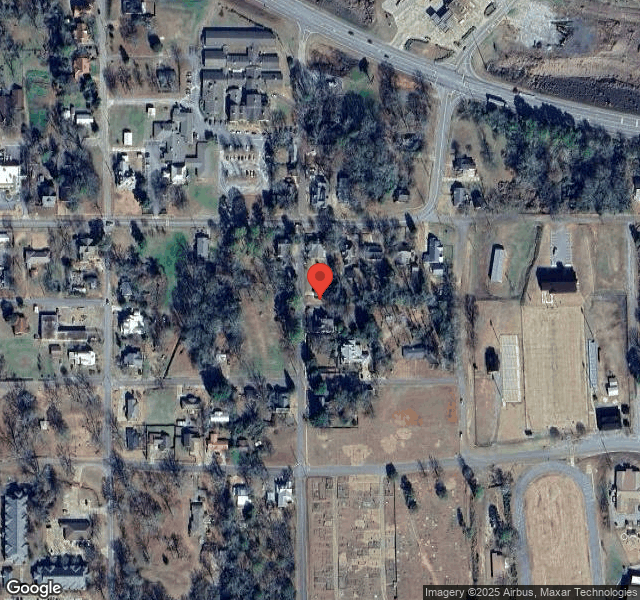
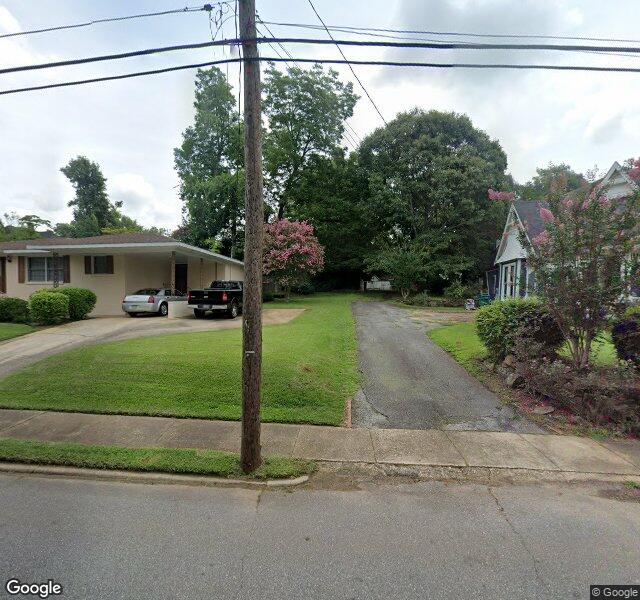
351 NORTH EAST STREET, DADEVILLE, AL 36853 (256) 825-9244
For profit - Limited Liability company 144 Beds PRIME HEALTH CARE ENTERPRISES Data: November 2025
Trust Grade
65/100
#97 of 223 in AL
Last Inspection: April 2021

Over 2 years since last inspection. Current conditions may differ from available data.

Overview

Dadeville Healthcare Center has a trust grade of C+, which indicates that it is slightly above average. It ranks #97 out of 223 facilities in Alabama, placing it in the top half, but it is last in its county at #4 out of 4, meaning only one other local option is better. The facility is experiencing a worrying trend, with issues increasing from 1 in 2019 to 7 in 2021. Staffing is a strong point, earning a 5-star rating with a turnover rate of 34%, which is significantly lower than the state average of 48%. On a positive note, there have been no fines recorded, which is a good sign of compliance. However, the health inspection rating of 2 out of 5 is concerning, and there have been specific incidents where the facility did not properly assess Certified Nursing Assistants’ performance, which could affect resident care. Additionally, a resident with extensive mobility needs was observed without necessary support for transfers, raising safety concerns. There was also an incident where medications were not securely stored, posing a risk to residents. Overall, while there are strengths in staffing and compliance, families should consider the facility's recent trend of increasing incidents and specific care deficiencies.

Trust Score
C+
65/100
In Alabama
#97/223
Top 43%
Safety Record
Low Risk
No red flags
Inspections
Getting Worse
1 → 7 violations
Staff Stability
○ Average
34% turnover. Near Alabama's 48% average. Typical for the industry.
Penalties
✓ Good
No fines on record. Clean compliance history, better than most Alabama facilities.
Skilled Nurses
○ Average
Each resident gets 39 minutes of Registered Nurse (RN) attention daily — about average for Alabama. RNs are the most trained staff who monitor for health changes.
Violations
⚠ Watch
16 deficiencies on record. Higher than average. Multiple issues found across inspections.
★★★☆☆
3.0
Overall Rating
★★★★★
5.0
Staff Levels
★★☆☆☆
2.0
Care Quality
★★☆☆☆
2.0
Inspection Score
Stable
2019: 1 issues
2021: 7 issues

The Good

  • 5-Star Staffing Rating · Excellent nurse staffing levels
  • Full Sprinkler Coverage · Fire safety systems throughout facility
  • No fines on record
  • Staff turnover below average (34%)

    14 points below Alabama average of 48%

Facility shows strength in staffing levels, fire safety.

The Bad

3-Star Overall Rating

Near Alabama average (2.9)

Meets federal standards, typical of most facilities

Staff Turnover: 34%

12pts below Alabama avg (46%)

Typical for the industry

Chain: PRIME HEALTH CARE ENTERPRISES

Part of a multi-facility chain

Ask about local staffing decisions and management

The Ugly 16 deficiencies on record

Apr 2021 7 deficiencies
CONCERN (D)

Potential for Harm - no one hurt, but risky conditions existed

Resident Rights (Tag F0550)

Could have caused harm · This affected 1 resident

**NOTE- TERMS IN BRACKETS HAVE BEEN EDITED TO PROTECT CONFIDENTIALITY** Based on observation, interview, and record review, the facility failed to provide dignity in toileting for one of 23 sampled re...

Read full inspector narrative →
**NOTE- TERMS IN BRACKETS HAVE BEEN EDITED TO PROTECT CONFIDENTIALITY** Based on observation, interview, and record review, the facility failed to provide dignity in toileting for one of 23 sampled residents (Resident Identifier (RI) #8). The facility staff failed to provide RI #8 with interventions, such as assisting to the bathroom, a bedside commode, or bed pan, to remain continent but instead provided adult briefs for bowel and bladder function. Findings include: Review of the admission Record located in the paper medical chart revealed RI #8 was originally admitted to the facility on [DATE]. RI #8 was discharged back to the assisted living and was readmitted to the facility on [DATE] and on 10/16/20 after receiving care at the hospital for fractures. On 04/19/21 at 3:16 PM, RI #8 was observed lying in bed. This surveyor interviewed RI #8 who stated he/she wore a diaper, so he/she didn't have to get up to go to the bathroom. RI #8 stated, he/she had been continent, and it was awful being incontinent and having to wear an adult incontinence brief, but he/she was used to wearing the brief. RI #8 stated he/she knew when he/she needed to urinate and have a bowel movement. RI #8 stated once he/she voided, he/she activated the call button so staff could come and remove the soiled brief. When asked if staff could take him/her to the toilet since he/she knew when he/she needed to urinate and/ or have a bowel movement, RI #8 indicated a lift was now needed for transferring him/her and he/she had pain in his/her affected leg (that had been fractured). RI #8 stated, I put the call light on after I have voided. Then they come and change me. During a subsequent interview on 04/22/21 at 10:23 AM, RI #8 again stated he/she now had a diaper but would prefer to go to the bathroom and was previously continent. RI #8 stated he/she had a bedside commode chair when he/she was receiving rehab but had not seen it since his/her room changed after rehab was finished. RI #8 stated, There is not a bathroom in this room. There were bathrooms located across and down the hall from RI #8's room. RI #8 stated staff had not offered to take him/her to one of the bathrooms in the hallway. Review of the Nursing Assessment, dated 10/16/20 and located in the paper medical record, revealed RI #8 had a current diagnosis of Fall, femur (thigh bone) fracture, pain left femur. RI #8 was admitted from the hospital with an immobilizer on the left leg due to the fracture. RI #8 was non-weight bearing, bedfast, and chair fast. RI #8 was assessed as being continent of both bowel and bladder. Review of the admission Minimum Data Set (MDS) with an Assessment Reference Date (ARD) of 10/23/20 revealed RI #8 had a Brief Interview for Mental Status Score (BIMS) of 15 out of 15, indicating the resident was cognitively intact. RI #8 was admitted with fractures and other trauma. RI #8 required extensive assistance from one person for bed mobility and dressing. RI #8 was assessed as totally dependent on one staff for toileting. Continued review of this admission MDS revealed the nursing staff assessed RI #8 as always incontinent of urine and always incontinent of bowel. A bowel and bladder toileting program had not been attempted. Review of the Care Plan, dated 10/29/20 and located in the paper medical record under care plan tab, identified the problem of, Incontinent of B & B (bowel and bladder). The goal was for the resident to have no skin breakdown. Approaches were: Provide brief as needed, Report signs and symptoms of UTI [urinary tract infection] . Report s/s (signs and symptoms) of skin breakdown . Provide incontinent care q (every) 2 hrs (hours) and PRN (as needed). No interventions were initiated to assist RI #8 to void in the toilet only to void both bowel and bladder in an adult brief. Review of the undated Total Plan of Patient Care (Certified Nursing Assistant (CNA) care plan) located in a binder at the nurses' station, indicated RI #8 was incontinent of bowel and bladder. Interventions such as checking and changing the resident's incontinence brief, going to the bathroom, use of a bed pan, or a toileting plan were not checked as being pertinent. The Total Plan of Patient Care did not direct staff what to do to address bowel and bladder function. During an interview on 04/20/21 at 1:34 PM, EI #19, CNA, stated RI #8 required a mechanical lift for transferring. EI #19 stated RI #8 was continent but wore a brief. EI #19 stated RI #8 used the call light if he/she was wet [urinated in the adult brief]. Otherwise, EI #19 checked and changed RI #8 (the adult brief) every two hours. During an interview on 04/22/21 at 11:14 AM, EI #8, a Licensed Practical Nurse (LPN), stated RI #8 turned on the call light after he/she voided in the brief, adding the resident knew when he/she was wet. EI #8 stated RI #8 could use a bed pan or be toileted but a lift would have to be used because the resident was non-weight bearing due to a fracture. EI #8 stated, I think at times (he/she) may know when he/she needs to go. EI #8 stated the Rehab Nurse would be the individual to put a resident on a toileting plan. EI #8 stated the nurses could make a referral for an evaluation of incontinence if a new problem was brought to their attention. EI #8 showed the surveyor where on the CNA care plan that indicated the resident was incontinent . Review of the Nursing Assessment, dated 10/16/20 and located in the paper medical record, revealed RI #8 was assessed as being continent of both bowel and bladder. During an interview on 04/21/21 at 1:31 PM, EI #4, the Rehab Registered Nurse (RN), stated the baseline assessment of continence/incontinence (three-day voiding record) was not completed when residents were admitted to the facility. EI #4 stated residents were asked if they were continent or there might be information coming from the hospital and that was the data nurses used when they completed the initial Nursing Assessment (Nursing Assessment, dated 10/16/20 and located in the paper medical record, revealed RI #8 was assessed as being continent of both bowel and bladder). EI #4 stated when the MDS was completed (about a week after the Nursing Assessment) the CNAs and nurses were asked if the resident was continent or not. EI #4 verified there was no evidence the resident had been assessed to determine the causes of incontinence or type of incontinence. During an interview on 04/21/21 at 3:00 PM, EI #6, the MDS Coordinator RN, stated she reviewed the Nursing Assessments and MDS Assessments for continence of bowel and bladder. She stated when the resident was first admitted the resident was assisted to the bathroom with a walker. She stated she thought the initial Nursing Assessment showing the resident was primarily continent was accurate. She stated upon the second admission, the resident had hip surgery and was using the bed pan. She stated in October 2020, the resident had another fall with femur fracture and became non-weight bearing and became more incontinent. EI #6 stated the CNA documentation did not indicate if a resident was continent or not and that this information was obtained from staff interviews. EI #6 verified voiding patterns were not determined and the resident was not assessed for a toileting program or for incontinence. During an interview on 04/22/21 at 12:29 PM, EI #2, the Director of Nursing (DON) stated the facility got report from the hospital on newly admitted residents and that was the information documented on the Nursing Assessment. EI #2 verified on the resident's first admission a bedside commode had been used but not on the second admission.
CONCERN (D)

Potential for Harm - no one hurt, but risky conditions existed

Transfer Notice (Tag F0623)

Could have caused harm · This affected 1 resident

Based on record review and interview, the facility failed to provide written notice of a transfer for one of one resident (Resident Identifier (RI) #31) reviewed for hospital transfers to the resident...

Read full inspector narrative →
Based on record review and interview, the facility failed to provide written notice of a transfer for one of one resident (Resident Identifier (RI) #31) reviewed for hospital transfers to the resident and the resident representative when the resident was transferred to the hospital; and failed to notify the State office of the Ombudsman of resident transfers. Findings include: Review of RI #31's Face Sheet, dated 02/05/21, located in RI #31's paper medical record, showed a facility admission date of 10/26/20 and a re-admission date of 02/05/21. Review of RI #31's nursing Progress Notes, dated 01/31/21 at 11:45 AM, located in RI #31's paper record under the nurses notes tab, revealed Res [resident] still has had no results from Lactulose on 01/29/21 or MOM [Milk of Magnesia] + senna syrup on 01/30/21 . PC [placed call] to . CRNP [Certified Registered Nurse Practitioner], order received . to send to (local hospital) ER (Emergency Room) for eval [evaluation] of positive ABD [abdominal] x-ray for ileus. Review of RI #31's nursing Progress Notes, dated 01/31/21 at 12:35 PM, located in RI #31's paper record under the nurses notes tab, revealed PC to sponsor . to inform res being sent to (local hospital) ER for eval. In response to a request for the written notice of transfer, the facility did not provide any documented evidence that RI #31, his/her sponsor, or the state Ombudsman were provided written notice of the transfer. Review of the paper chart did not show any documentation RI #31, his/her sponsor, or the state Ombudsman had been provided written notice of transfer. During an interview on 04/22/21 at 12:50 PM, Employee Identifier (EI) #1, the Director of Nursing (DON), stated, the facility calls the family to notify them of the transfer but does not notify the Ombudsman of the transfer. The facility only provides verbal notification and does not provide written notification to families, residents, or the Ombudsman. During an interview on 04/22/21 at 1:05 PM, EI #16, Social Services (SS), stated, the facility calls the family to notify them of the transfer but does not notify the Ombudsman of the transfer. The facility only provides verbal notification and does not provide written notification to families, residents, or the Ombudsman. During a phone interview on 04/22/21 at 3:05 PM, the State Ombudsman (SO), stated there are no records of resident transfers on file from the facility. The facility should be reporting the transfers, but we have not received any reports. During an interview on 04/22/21 at 3:15 PM, EI #1, the DON stated, the facility does not have any policy that addresses providing written notification of transfers/discharges to the resident, their sponsor, or the State Ombudsman.
CONCERN (D)

Potential for Harm - no one hurt, but risky conditions existed

Accident Prevention (Tag F0689)

Could have caused harm · This affected 1 resident

**NOTE- TERMS IN BRACKETS HAVE BEEN EDITED TO PROTECT CONFIDENTIALITY** Based on observation, interview, and record review, the facility failed to have an effective system to identify safety risks rel...

Read full inspector narrative →
**NOTE- TERMS IN BRACKETS HAVE BEEN EDITED TO PROTECT CONFIDENTIALITY** Based on observation, interview, and record review, the facility failed to have an effective system to identify safety risks related to side rails for one of one resident (Resident Identifier (RI) #11) reviewed for side rails. The facility failed to ensure the correct assessed side rail was utilized to prevent potential accidents hazards. Findings include: Review of the admission Minimum Data Set (MDS) with an Assessment Reference Date (ARD) of 01/28/21, Resident Identifier (RI) #11 was admitted to the facility on [DATE] with diagnoses which included seizures and a fracture of the left leg. This MDS showed RI #11 was cognitively intact for daily decision-making skills and required extensive assistance with bed mobility and transfers. Review of the Care Plans, located in the paper medical chart under the care plan tab, revealed a Risk for Falls care plan, dated 01/21/21, with an approach for side rails up x 2 for turning and repositioning. Review of the Physicians Orders, dated 01/21/21 and located in the paper medical chart under the orders tab, revealed an order for Siderails up x 2 for turning and repositioning. Review of an Evaluation for the use of Bed Rails, dated 01/22/21 and located in the paper medical record, revealed the diagnosis related to bed rail use was CVA (Cerebral Vascular Accident .stroke). The assessment showed the bed rails were to be used for turning and repositioning purposes, due to the resident's balance deficit. The evaluation determined the resident would have ½ side rails on the upper portion of the bed, both sides and that they were recommended to be up at all times when the resident was in bed. In an initial observation/interview with RI #11 on 04/20/21 at 9:22 AM, one full-length padded side rail was observed on the left side of the bed next to the wall. The right full-length padded side rail was observed in the down position. RI #11 was asked if he/she could get him/herself out of bed when the side rail was up. RI #11 stated when he/she wanted to get out of bed, he/she would slide to the bottom of the bed and squeeze him/herself out at the opening between the bed and the side rail. RI #11 confirmed that he/she had not fallen due to the side rails being up. When asked if he/she needed to have padded side rails, RI #11 stated, no. In an observation on 04/21/21 at 2:37 PM, RI #11 was observed in bed with his/her eyes closed and the room lights off. The right-sided full-length padded side rail was in the down position. During an interview on 04/21/21 at 12:29 PM, Employee Identifier (EI) #20, Physical Therapy Assistant (PTA), was asked if therapy was involved in the assessment, for the use of side rails, for RI #11. She stated that therapy could be involved, but not necessarily was. EI #20 further stated that she had told RI #11 multiple times, while the resident was on the rehab unit, not to get up by him/herself without help, but was not aware that the resident was trying to get up without staff assistance. During an interview on 04/21/21 at 3:13 PM, EI #4, Rehab Nurse, was asked how she came to the conclusion that RI #11 needed full-length padded side rails. EI #4 stated that RI #11 had only ½ side rails used for positioning and turning. EI #4 was told that during observations RI #11 had full-length, bilateral, padded side rails. EI #4 stated that RI #11 did not need full-length padded side rails. On 04/22/21 at 2:00 PM, the Director of Nursing was asked for a facility policy regarding side rail assessments and safety. She stated there was no facility policy on side rails however, she presented the survey team with a facility In-Service on Side Rail and Bed Safety, dated September 25, 2017. The in-service did not address identification, evaluation, and implementation of the correct side rail usage, monitoring of side rail effectiveness, or the need for modifications of the intervention, if necessary.
CONCERN (D)

Potential for Harm - no one hurt, but risky conditions existed

Medication Errors (Tag F0758)

Could have caused harm · This affected 1 resident

**NOTE- TERMS IN BRACKETS HAVE BEEN EDITED TO PROTECT CONFIDENTIALITY** Based on observation, interview, record review, and policy review, the facility failed to ensure one out of five residents revie...

Read full inspector narrative →
**NOTE- TERMS IN BRACKETS HAVE BEEN EDITED TO PROTECT CONFIDENTIALITY** Based on observation, interview, record review, and policy review, the facility failed to ensure one out of five residents reviewed for unnecessary medications (Resident Identifier (RI)# 47) had a medication regimen free of unnecessary medications. The resident was prescribed as needed (PRN) antipsychotic medication without a stop order and without a physician re-evaluation after 14 days. Findings include: Review of the facility's Anti-Psychotic Drugs policy (undated) revealed antipsychotic medication would be used only when it was necessary to treat a specific condition. The only guidance regarding PRN antipsychotic medications was, PRN anti-psychotic drugs should not be used more than five (5) times in any seven (7) day period without a review of the resident's condition by a physician. The requirement for a PRN antipsychotic prescription of no more than 14 days and the requirement for Physician reassessment was not included in the policy. Review of the admission Face Sheet, dated 01/29/21 and located in the paper medical record, RI #47 was admitted to the facility on [DATE] with diagnoses that included in pertinent part insomnia, cerebrovascular accident (stroke), and dementia without behavioral disturbance Review of the admission Minimum Data Set (MDS) with an Assessment Reference Date (ARD) of 12/20/20 revealed RI #47 was admitted to the facility from home. The MDS indicated RI #47 did not have a serious mental illness; however, was moderately impaired in cognition with a Brief Interview for Mental Status (BIMS) score of 11 out of 15. This MDS revealed that RI #47 did not exhibit any mood or behaviors during the look back period. Review of this MDS revealed RI #47 had not taken any antipsychotic medication during the seven-day lookback period. Review of the quarterly MDS with an ARD of 03/07/21 revealed RI #47 had the following mood indicators: little interest or pleasure in doing things, feeling down or depressed or hopeless, trouble falling or staying asleep or sleeping too much, poor appetite or overeating, and trouble concentrating on things. RI #47 exhibited no behavioral indicators. Review of this MDS revealed RI #47 took antipsychotic medication three times during the seven-day assessment lookback period. Review of the Care Plan, dated 02/05/21 and located in the paper medical record, revealed RI #47 was wandering up and down the hall in search of his/her son. The goals were for RI #47 to be free of harm or injury to him/herself from wandering and for no elopement to occur. Approaches included in pertinent part explaining to the resident what you were doing, providing reassurance, walking with the resident and conversing with him/her, calling his/her family, offering him/her a baby doll, assessing for comfort, encouraging activities, notifying the physician and administering prescribed medications. Review of Physician's Orders, for April 2021 and located in the paper medical record under the physician's orders tab, revealed an order initiated on 03/01/21 for Haldol .5 mg every four hours, PRN was prescribed related to increased anxiety; in addition, Haldol .5 mg at bedtime (HS) was prescribed on 03/23/21 for anxiety. Haldol is an antipsychotic medication used to treat serious mental illness such as schizophrenia. There was no stop date on the prn Haldol order. Review of a Certified Registered Nurse Practitioner Psych Progress Note, dated 03/23/21 and located in the paper medical record under the physician progress notes tab, revealed RI #47 was evaluated for dementia with behavior disturbance. RI #47 had been restless and agitated a few times a week. RI #47 had packed his/her belongings in anticipation of going home. Haldol .5 mg every four hours PRN was prescribed for agitation. The note indicated the resident denied psychiatric admission or treatment. The order indicated staff was to continue PRN Haldol and to use it as a last resort (after nonpharmacological interventions attempted). Review of the Medication Administration Record (MAR) for March 2021 revealed PRN Haldol was administered for agitation on 03/02/21, 03/03/21, 03/04/21 03/05/21, 03/09/21, 03/13/21, and on 03/23/21. Review of the MAR for April 2021 revealed PRN Haldol was administered once for agitation on 4/11/21. Observations during the survey revealed: On 04/19/21 at 10:29 AM and at 10:41 AM the resident was in bed lying on his/her left side with his/her walker next to the bed. The blankets covered the resident's body and his/her eyes were closed. On 4/19/21 at 11:25 AM the resident was sitting on the edge of the bed with the overbed table above his/her lap. RI #47 was feeding him/herself lunch The resident responded pleasantly to the surveyor's introduction and stated the meal was good. On 04/19/21 at 2:29 PM the resident was lying on the right side in bed with blankets covering his/her body and his/her eyes closed. On 04/19/21 at 4:54 PM the resident was up and out of bed. On 04/20/21 at 8:56 AM the resident was lying in bed on the left side with his/her eyes closed. On 04/20/21 11:20 AM the resident was sitting up in bed feeding him/herself; RI #47 stated he/she was doing okay. On 04/20/2l at 1:55 PM the resident was lying in the bed on the left side with his/her eyes closed and blankets covering him/her. On 04/21/21 08:39 AM the resident was lying in bed on the left side, wearing a bathrobe. The resident was partially covered by the blankets with his/her eyes closed. During an interview on 04/20/21 at 1:42 PM, EI #19 Certified Nurse Assistant (CNA), stated RI #47 had removed Wanderguard (alarm system to help protect residents from elopement out specific doors) bracelet by cutting it off with a butter knife. EI #19 stated the resident walked back and forth in the unit and tried to elope by trying to push open the door. EI #19 stated this behavior had decreased and did not occur much anymore. During an interview on 04/22/21 at 10:37 AM, EI #18 CNA, stated RI #47 had moments of agitation; the resident exhibited behaviors of wanting to call his/her kids to take him/her home. During an interview on 04/20/21 at 2:15 PM, EI #12, a Licensed Practical Nurse (LPN), stated RI #47 was on hospice for a diagnosis of cerebrovascular accident (stroke). EI #12 stated RI #47 had a hard time adjusting and could not understand why his/her family put him/her in the facility. EI #12 stated RI #47 had three sons who tried to keep the resident at home. EI #12 stated RI #47 slept a lot during the day and was up at night with sundowning behavior which made it difficult for them to care for the resident. EI #12 stated within the past month RI #47 had started to settle down, indicating RI #47 used to go to door and try to get out repeatedly. EI #12 stated that the antipsychotic medication had been necessary because the resident became so exhausted from the distress, walking and trying to find a way out, RI #47 needed to rest. EI #12 reviewed the Haldol order in the record and verified there was no stop date for the PRN medication. During an interview on 04/22/21 10:56 AM, EI #8, a LPN, stated that on 03/01/21, RI #47 was prescribed Haldol every four hours, to be administered PRN. EI #8 reviewed the Physician's Order dated 03/01/21 and verified there was no stop date for the medication and the order remained current on 04/22/21, the date of the interview. EI #8 stated she was aware of the requirement for PRN antipsychotic medications to be ordered for no more than 14 days and requirement for physician evaluation and a new order to continue the medication. She stated the resident had been exhibiting exit seeking behaviors and was very tearful at times. The resident called his/her children, stated he/she was in jail and wanted them to come and get him/her. EI #8 reviewed the record and verified that the physician had not been into the facility or reassessed the resident since the most recent visit on 03/23/21 During an interview on 04/22/21 at approximately 9:30 AM, EI #22, the Pharmacist, stated the maximum timeframe for use of PRN antipsychotic medications was 14 days before requiring re-evaluation by the physician before reordering for an additional 14 days. EI #22 stated if he saw an order without a stop date, he wrote a recommendation to the physician to address this. EI #22 stated, for RI #47, the April 2021 drug regimen review had not been completed as of 04/22/21.
CONCERN (E)

Potential for Harm - no one hurt, but risky conditions existed

Deficiency F0688 (Tag F0688)

Could have caused harm · This affected multiple residents

**NOTE- TERMS IN BRACKETS HAVE BEEN EDITED TO PROTECT CONFIDENTIALITY** 2. Review of the annual Minimum Data Set (MDS) with an Assessment Reference Date (ARD) of 03/28/21, revealed RI #73 had diagnose...

Read full inspector narrative →
**NOTE- TERMS IN BRACKETS HAVE BEEN EDITED TO PROTECT CONFIDENTIALITY** 2. Review of the annual Minimum Data Set (MDS) with an Assessment Reference Date (ARD) of 03/28/21, revealed RI #73 had diagnoses which included a fracture of the left ankle and hemiplegia (paralysis on one side of the body). In addition, the assessment indicated RI #73 was cognitively intact for daily decision-making skills and required extensive assistance from one staff person for transfers and ambulation. During an initial resident observation and interview on 04/19/21 at 11:03 AM, RI #73 was observed to be seated in a wheelchair in his/her room. The resident's left arm/hand was resting in his/her lap with the two middle fingers observed to be contracted (a condition of shortening and hardening of muscles, tendons, or other tissue, often leading to deformity and rigidity of joints.). No splint or brace was observed on the hand. During the interview on 04/19/21 at 11:03 AM, RI #73 was asked if he/she had a brace or splint for his/her hand. RI #73 stated yes, he/she had one in 2010 when he/she was at home, however had not used the splint since admission to the facility in 2018. RI #73 was asked if he/she received any restorative therapy (a form of physical therapy designed to restore or maintain function) while at the facility. RI #73 stated he/she had physical therapy for his/her ankle, upon admission, but when he/she was discharged from therapy, nursing was to walk with him/her. RI #73 further stated that someone would walk with him/her on occasion. RI #73 answered, yes when asked if he/she felt that his/her ability to use his/her arm or walk had declined. A review of RI #73's current care plan, with an admit date of 05/11/18, did not show specific interventions, exercises and/or restorative therapy, to maintain or improve the resident's range of motion [ROM]. During an interview on 04/21/21 at 10:50 AM, EI # 4, Rehab Nurse, was asked about the process when a resident was discharged from physical therapy and started their maintenance program. EI #4 stated that once therapy was completed, the therapist would set up a plan, called an FMP. EI# 4 stated that she would go through the plan within the first two weeks, put the exercises on the Activities of Daily Living (ADL) sheets for the nurse assistants who would be responsible to perform the exercises and document this on the residents' daily ADL sheets. EI #4 was asked if RI #73 had an FMP. EI #4 stated she was aware RI #73 was assisted to walk by a nurse on the floor however, if the nurse was off duty, then she did not get the resident walking in that day. EI #4 stated, no when asked if she was aware RI #73 had a splint at home for the left hand. A review of the Certified Nursing Assistant (CNA) documentation book revealed an ambulation FMP, dated 07/30/18, for RI #73. The FMP indicated RI #73 transferred with stand-by-assistance and could ambulate 30 feet with a quad cane (a cane which has four legs for stability) utilizing stand-by-assistance, as this was the resident's level of functioning at the time of discharge from therapy. Further review of the FMP revealed that, .Rehab and/or nursing staff to ambulate pt daily/as needed in room/hallways with quad cane. Continue ROM to right ankle as needed . A review of the CNA documentation sheets did not list the FMP ambulation program. During an interview on 04/21/21 at 11:26 AM, EI #17, CNA, stated, no when asked if there were any residents on the hall who had an FMP. EI #17 was asked how she becomes aware if a resident had exercises that need to be performed and where did she document this information. EI #17 stated the nurse would tell her if anyone needed specific exercises and that she would document this on the ADL sheet. EI #17 further stated that she was not aware of anyone on her hall that required braces or splints or anyone with an ambulation program. During an interview on 04/22/21 at 11:43 AM, EI #1, Director of Nursing, stated that she expected either nursing staff or therapy to assess the residents upon admission to determine their functional needs and to provide care, if needed. 3. Review of the admission Minimum Data Set (MDS) with an Assessment Reference Date (ARD) of 01/28/21, revealed RI #11 admitted on [DATE] with diagnoses which included a fracture of the left leg. This MDS further indicated that RI #11 was cognitively intact for daily decision-making skills and required extensive assistance of one staff person for transfers and did not ambulate. A review of RI #11's current care plan, dated 01/21/21 and located in the paper medical chart under the care plan tab, did not show specific interventions, exercises and/or restorative therapy, to maintain or improve the resident's range of motion [ROM]. During an initial interview on 04/20/21 at 9:27 AM, RI #11 stated that he/she was supposed to walk every day, but that it did not always happen. RI #11 further stated that he/she could hardly lift his/her left leg any longer. During the interview, it was observed that RI #11 had a contracted left hand. RI #11 stated that he/she had a stroke in 2017 and had a hand brace at home but not at the facility. RI #11 stated that every night he/she exercised his/her own fingers by opening and closing them with the right hand so they would not stay that way. During an an interview on 04/21/21 at 10:56 AM, EI #4, Rehab nurse, as asked about RI #11's FMP. EI #4 stated that RI #11 had been on therapy services when the resident was admitted . EI #4 stated she was not aware what the therapist had scheduled for RI #11 as far as a maintenance program and there was no nursing staff responsible to ensure RI #11 received restorative exercises consistently. EI #4 was asked if she was aware of RI #11's contracted left hand and if there was a splint or brace for the resident. EI #4 stated she was not aware of any contracture or splint. A review of the CNA documentation book did not show interventions or exercises to maintain or improve RI #11's range of motion ability, however, did show documentation that RI #11 had left arm paralysis. In an interview on 04/21/21 at 12:23 PM, EI #20, Physical Therapy Assistant (PTA), stated that she had wanted staff to continue walking with RI #11 as she did not want the resident to lose the ability but was aware that it happened only on an as needed basis. EI #20 was asked if she was aware the resident had stated he/she had a brace for his/her hand. She stated she was aware that RI #11 had a brace, and had repeatedly asked family to bring it in, but they had not done so yet. Based on observations, interviews, record review, and policy review, the facility failed to provide services to three of eight residents (Resident Identifier (RI) #67, #11, and #73) reviewed for limitations in range of motion (ROM) in a total sample of 23. The facility failed to assess residents with ROM impairments and provide services to maintain function or prevent declines. In addition, the facility failed to implement established restorative programs for residents with programs in place. Findings include: A policy for the Functional Maintenance Plan (FMP)/Restorative Nursing was requested. The Rehab Nurse, Employee Identifier (EI) #4, brought a policy to the surveyor dated 04/21/21. EI #4 stated she just wrote the policy; there was no policy previously. Review of the policy revealed therapy staff would give the FMP to the restorative nurse who would initiate the plan as recommended on the FMP. The policy read, After approx (approximately) 2 weeks the nurse will forward the FMP to the therapy department staff member, who will give the FMP to the restorative nurse who will obtain and included (sic) in the activities of daily living (ADLs). The restorative nurse will follow resident's progress. The therapy department on discharge of the resident provides functional maintenance plans as determined by therapist and resident's progress. If the FMP cannot be carried out due to decline in the resident, the restorative nurse will discuss this with the appropriate therapy staff member and proceed accordingly with new goals and interventions. 1. Review of RI #67's paper medical record Face Sheet revealed RI #67 was originally admitted to the facility on [DATE]; the most recent readmission was on 01/28/21 from the hospital. Review of the paper medical record Physician Orders for April 2021 revealed the RI #67's diagnoses included cerebral infarction (stroke), spastic hemiplegia, and other specified paralytic syndromes. During the initial tour of the facility on 04/19/21 at 10:22 AM, RI #67 was sitting in a chair in his/her room. RI #67 stated he/she was no longer able to walk, although he/she had been having therapy previously. RI #67 stated he/she was not currently receiving any therapy or an exercise program to help improve function and/or to try to get to walk. RI #67 stated he/she had left sided limitations to the hand and leg. RI #67's left hand was observed curled into a fist. RI #67 stated the facility staff knew he/she desired to have therapy or an exercise program (restorative). Review of the annual Minimum Data Set (MDS) with an Assessment Reference Date (ARD) of 03/28/21, revealed RI #67's cognition was intact with a Brief Interview for Mental Status (BIMS) score of 13 out of 15. RI #67 required extensive staff assistance with activities of daily living (ADLs) such as bed mobility, transfers, and dressing. RI #67 had not walked during the assessment period. RI #67 was not steady and could only stabilize with staff assistance for moving from a seated to standing position, moving on and off the toilet and surface to surface transfer (between bed and hair or wheelchair). RI #67 had ROM limitations on one side to both her upper and lower extremities (arms, hands, legs, feet). Review of the Care Plan, dated 04/06/21 and located in the paper medical record under the care plan tab, revealed RI #67's requirement for extensive assistance with ADLs. The goal was for the resident's needs to be met. The Care Plan did not include provision of therapy or restorative services to assist the resident to maintain or improve ROM limitations to the left side. Review of a Physician Progress Note, dated 04/16/21 and located in the paper medical record, revealed RI #67 was alert and oriented, with medical problems including CVA with left sided hemiparesis, severe spastic left hemiplegia (paralysis), and Todd's paralysis. Staff were to continue with the current plan of care. Review of physician progress notes, dated 01/19/21 through 04/16/21, revealed no documentation concerning RI#67's left hand contracture (permanent shortening and fixation of joints) or services/devices to address the limitations in ROM. Observations during the survey included: On 04/19/21 11:37 AM, RI #67 was observed wheeling him/herself slowly in the wheelchair using his/her right hand and foot and minimal movement with the left leg/foot. On 04/19/21 at 4:49 PM the resident wheeled him/herself back to the room slowly from an outdoor courtyard. On 04/20/21 at 01:57 PM the resident wheeled him/herself out of the dining room where an ice cream activity had taken place. The resident used his/her right foot and hand primarily to wheel slowly down the hall. During a second interview on 04/22/21 at 10:42 AM, RI #67 showed the surveyor his/her left hand. RI #67's fingers were curled with the fingertips nearly touching the palm. RI #67 stated he/she could not use the left hand and he/she could not straighten his/her fingers. RI #67 stated he/she did not have a splint or any other device for the contracted hand. RI #67 stated he/she could not remember being evaluated for one. RI #67 stated he/she felt he/she had declined. RI #67 stated, I cannot use my [left] leg at all. RI #67 stated he/she needed some exercises or something so she could improve. During an interview on 04/20/21 at 1:41 PM, EI #19, Certified Nursing Assistant (CNA), stated RI #67 needed staff assistance for ADLs. EI #19 stated RI #67 had a stroke and did not have use of one of his/her hands. EI #19 stated RI #67 could use the toilet, could stand, and could feed self with staff assistance, but the resident could not walk. EI #19 stated she was not aware of RI #67 receiving any restorative nursing services. During an interview on 04/22/21 at 10:34 AM, EI #18, CNA, stated RI #67 needed help with everything. EI #18 stated RI #67 could not move his/her left leg much, the resident could only toss it a little bit. EI #18 stated RI #67 could not use the affected arm at all. During an interview on 04/20/21 at 2:10 PM, EI # 12, Licensed Practical Nurse (LPN) stated RI #67 had left sided paralysis and needed help with dressing, transfers, and the resident could not walk. EI #12 stated RI #67 told staff he/she wanted to go home all the time and wanted to exercise to get stronger physically. EI # 12 stated RI #67 rolled his/her wheelchair using one arm and one leg (non-affected side). EI #12 stated RI # 67 had not received restorative services. During an interview on 04/22/21 at 10:52 AM, EI #8, LPN, stated RI #67 exhibited difficulty with transfers recently. EI #8 stated the resident could stand before getting COVID (coronavirus) but now some days RI #67 needed maximum assistance from staff. EI #8 stated she was not sure if RI #67 had ever worn a splint or other device in his/her contracted hand. EI #8 stated the nurses could inform the physician of limitations in ROM and obtain an order for a restorative program or for physical therapy. EI #8 stated RI #67 had expressed a desire to walk. During an interview on 04/21/21 at 10:14 AM, EI #20, Physical Therapy Assistant (PTA), stated RI #67 had not received therapy services. EI #20 stated therapy had not been recommended or come to their attention there was a need. EI #20 stated she assisted with developing specific restorative programs for residents and passed the information along to nursing staff at the start of a new program. During an an interview on 04/21/21 at 12:26 PM, EI #21, Occupational Therapist (OT), stated staff had not talked to him about RI #67. EI #21 stated, We [therapy] have never talked to her [R#67]. EI #21 stated therapy could do an evaluation of a resident and provide therapy services with a physician's order. EI #21 stated the therapists could refer residents for restorative nursing without the resident receiving treatment from physical or occupational therapy. During an interview on 04/21/21 at 11:02 AM, EI #4, the Rehabilitation Registered Nurse (RN), stated she oversaw the restorative nursing program. EI #4 stated she was not aware of RI #67's desire for therapy/exercise program. EI #4 verified that R#I #67 had not been referred for therapy since readmission on [DATE] and did not have a restorative program. During an interview on 04/22/21 12:23 PM, EI #1, the Director of Nursing (DON), stated the Rehab Nurse could make some suggestions for a restorative program. EI #1 stated if a resident had a contracture, it should be addressed on the care plan.
CONCERN (E)

Potential for Harm - no one hurt, but risky conditions existed

Deficiency F0761 (Tag F0761)

Could have caused harm · This affected multiple residents

Based on observation and interviews, the facility failed to keep medications under safe and secure storage with limited access and under direct observation of authorized staff for one of six medicatio...

Read full inspector narrative →
Based on observation and interviews, the facility failed to keep medications under safe and secure storage with limited access and under direct observation of authorized staff for one of six medication carts observed. In addition, the facility failed to ensure insulin vials and pens were dated when opened for four of six medication carts observed which affected six of 21 residents identified by the facility as having used insulin. Findings include: 1. Review of an undated facility policy titled, Administration of Medications, revealed .Medication carts shall be kept in sight or locked whenever back is turned or away from the cart .No one shall have access to drugs in the medication carts except the licensed nurses for that specific unit . On 04/19/21 at 12:45 PM, an observation of the medication cart on Hall Two Long-Term Care (LTC) was observed unlocked. The licensed nurse was away from the cart and there was no licensed nurse on the hall. During a continuous observation of the medication cart from 12:45 PM to 1:16 PM, the medication cart remained unlocked. During an observation and interview on 04/19/21 at 1:16 PM, Employee Identifier (EI) #3, Registered Nurse RN, returned to the cart, immediately locked the cart, and proceeded to remove the cart from the hallway. EI #3 was asked if medication carts were to be locked when away from them. EI#3 stated, Yes, it should be locked but I was working and got busy. During an interview on 04/19/21 at 1:37 PM, EI #1, Director of Nursing, confirmed that medication carts should be always locked. 2. Review of a facility policy titled, Vials and Ampules of Injectable Medications, dated August 2018, revealed, .EXPIRATION DATES: Unopened vials expire on the manufacturer's expiration date. Opening a vial triggers a shortened expiration date that is unique for that product. The date opened and this triggered expiration date are both important to be recorded on multidose vials . Review of the Patient Information guide for Lantus Insulin (a long-acting insulin), revised November 2019, revealed .The LANTUS vials you are using should be thrown away after 28 days, even if it still has insulin left in it . Review of an undated Patient Information guide for Levemir Insulin (long-acting insulin), revealed, .Unrefrigerated LEVEMIR should be discarded 42 days after it is first kept out of the refrigerator, even if the FlexTouch Pen or vial still contains insulin . Review of the Patient Information guide for Humalog Insulin (a short-acting insulin), dated 04/2020, revealed, .Do not use HUMALOG past the expiration date printed on the label or 28 days after you first use it . Review of the undated Patient Information guide for Tresiba Flex Pen Insulin (long-acting insulin), revealed that Tresiba insulin pens IN-USE TIME (expiration date once opened) was six weeks. Review of the Patient Information guide for Humulin R insulin (short-acting insulin), dated November 2019, revealed , .Unopened vials should be thrown away after 31 days if they are stored at room temperature . Observation of the Hall Two Rehab Cart on 04/20/21 at 10:50 AM, revealed Resident Identifier (RI) #282 had an opened, used vial of Lantus insulin which did not contain an open date. EI #3 Registered Nurse (RN), observed the vial and verified there was no date on the vial. During an observation of Hall Three Large Cart on 04/20/21 at 11:00 AM, EI #10, Licensed Practical Nurse (LPN) opened the top drawer of the medication cart which contained individually packaged insulin vials for the residents on the hall. RI #48's vial of Lantus Insulin was observed to be opened and undated. In addition, RI #66's vial of Levemir Insulin was also observed to be open and undated. EI #10 confirmed that insulin vials should be dated when they are opened. During an observation of the Hall One Cart on 04/20/21 at 11:05 AM, with EI #12, LPN, an open, undated vial of Humalog insulin for RI #72 was observed. EI#12 confirmed that insulin should be dated after being opened. During an observation of Hall Two LTC medication cart on 04/20/21 at 11:16 AM with EI#3, the top drawer of the cart contained a Tresiba Insulin Flex Pen for RI #22 which had been used. There was no date on the flex pen to indicate when it was opened. In addition, RI #7 had an opened, undated vial of Humulin R insulin which had been used and undated.
CONCERN (E)

Potential for Harm - no one hurt, but risky conditions existed

Infection Control (Tag F0880)

Could have caused harm · This affected multiple residents

Based on observation, interview, and record review, the facility failed to ensure three of three residents (Resident Identifier (RI) #28, RI #50 and RI #282) reviewed for oxygen (O2) therapy in a samp...

Read full inspector narrative →
Based on observation, interview, and record review, the facility failed to ensure three of three residents (Resident Identifier (RI) #28, RI #50 and RI #282) reviewed for oxygen (O2) therapy in a sample of 23 residents received O2 therapy with equipment that was cleaned and stored in a way to prevent possible contamination. The concentrators had dusty filters and the nasal cannulas were not dated to indicated when the tubing had been changed and the nasal cannulas were not placed in a bag when not in use. This deficient practice had the potential to allow residents to receive therapy with equipment that was not stored properly between uses and increased their risk of infection and/or illness. Findings include: Review of undated maintenance instructions revealed on page 25, under 7.3 Cleaning the Cabinet Filter .1. Remove the filter and clean as needed. Environmental conditions that may require more frequent inspection and cleaning of the filter include but are not limited to high dust, air pollutions, etc. 2. Clean the cabinet filter with a vacuum cleaner or wash with a mild liquid dish detergent .and water. Rinse thoroughly. 3. Thoroughly dry the filter and inspect for fraying, crumbling, tears, and holes. Replace filter if any change is found . Review of the facility policy titled, Oxygen Therapy Policy, revised 10/24/2017, revealed:. 2. Oxygen tubing and humidifier bottles shall be changed weekly, on the 7P-7A shift on Friday . 1. On 04/19/21 at 9:43 AM, an O2 concentrator was observed in the room of RI #50. The concentrator had two filters on each side of the machine. Both filters appeared to have dust and lint on them. The undated nasal cannula was draped across the top of the concentrator. The uncovered nose prongs hung down toward the floor. On 04/21/21 at 8:34 AM, an O2 concentrator was observed in the room of RI #50. The concentrator had two filters on each side of the machine. Both filters appeared to have dust and lint on them. The undated nasal cannula was draped across the top of the concentrator. The uncovered nose prongs hung down toward the floor. Review of RI #50's paper medical record revealed an undated Face Sheet with an original admission date of 08/09/19 and a readmission date of 06/18/20 with diagnoses which included acute respiratory failure with hypoxia (low oxygen levels). Review of RI #50's paper medical record Physician Orders for the month of April 2021 revealed an order, dated 06/18/20, for O2 AT 2LITERS PRN (as needed) SOB (shortness of breath). 2. On 04/19/21 at 8:40 AM, an O2 concentrator was observed in the room of RI #28. The concentrator had two filters on each side of the machine. Both filters appeared to have dust and lint on them. The undated nasal cannula was draped across the top of the concentrator. The uncovered nose prongs hung down toward the floor. On 04/19/21 at 10:00 AM, an O2 concentrator was observed in the room of RI #28. The concentrator had two filters on each side of the machine. Both filters appeared to have dust and lint on them. The undated nasal cannula was draped across the top of the concentrator. The uncovered nose prongs hung down toward the floor. Review of RI #28's paper medical record revealed an undated Face Sheet with an original admission date of 12/18/18 and a readmission of 06/15/20 with diagnoses which included chronic obstructive pulmonary disease (COPD). Review of RI #28's paper medical record revealed a physician orders sheet with an order, dated 03/10/21, for O2 at 2L/min PRN for O2 sats [levels] below 92% dx [diagnosis] COPD. 3. On 04/19/21 at 12:01 PM, an O2 concentrator was observed in the room of RI #282. The filter in the back had lint and the filter was torn on the bottom corner. The tubing hung loosely on the concentrator and the prongs were not covered. On 04/19/21 at 4:45 PM, an O2 concentrator was observed in the room of RI #282. The filter in the back had minor lint and the filter was torn on the bottom corner. The tubing hung loosely on the concentrator and the prongs were not covered. During review of RI #282's paper medical record revealed an undated Face Sheet with an admission date of 04/08/21. Review of RI #282's paper medical record under physicians orders for April 2021 revealed an order, dated 04/08/21, for O2 at 2LPM (Liters per minute) via NC (nasal cannula) q (every) shift PRN SOB. During an interview on 04/21/21 at 3:32 PM, Employee Identifier (EI) #5, Registered Nurse (RN), Quality Assurance Nurse and Infection Preventionist (IP), was shown the concentrator in RI #50's room. EI #5 verified there was no date on the tubing. EI #5 stated, The tubing is changed every Friday and should be dated at the time of change. EI #5 also stated, The nasal cannula should be bagged when not in use and not hanging toward the floor. When EI #5 was shown the filters on the concentrator, EI #5 stated, The filters are dusty and should not look like that. The filters should be cleaned by the housekeeping staff routinely. During an interview on 04/22/21 at 8:40 AM, EI #13 Housekeeper (HK) was asked if housekeeping cleaned the concentrators and filters. EI #13 stated, I've never cleaned the filters, but I wipe the concentrators off. I've never been told I need to clean the filters. During an interview on 04/22/21 at 8:45 AM, EI #14 Housekeeping Supervisor (HKS) was asked about cleaning the filters and the concentrators. EI #14 stated, Housekeeping staff have never been told to clean the filters or the concentrators. Housekeeping use to do it about 15 years ago but we were told it was a nursing duty. During an interview on 04/22/21 at 9:50 AM, EI #23, a Licensed Nurse Practitioner (LPN) was asked about nursing cleaning the concentrator filters. EI #23 stated, We have not been told we have to clean them.
Feb 2019 1 deficiency
CONCERN (D)

Potential for Harm - no one hurt, but risky conditions existed

Report Alleged Abuse (Tag F0609)

Could have caused harm · This affected 1 resident

Based on interview and a review of the facility policy titled Abuse, Neglect, Misappropriation of Resident Property, Exploitation, and Injuries of Unknown Source, the facility failed to ensure an alle...

Read full inspector narrative →
Based on interview and a review of the facility policy titled Abuse, Neglect, Misappropriation of Resident Property, Exploitation, and Injuries of Unknown Source, the facility failed to ensure an allegation of abuse, involving Resident Identifier (RI) #155, was reported to the State Agency (SA). This affected one of three sampled residents reviewed for abuse. A review of a facility policy titled, Abuse, Misappropriation of Resident Property, Exploitation, and Injuries of Unknown Source, with an effective date of 11/28/2016, revealed: PURPOSE: To ensure the safety and well-being of each resident, the facility will promote and protect the rights of each resident.VII. REPORTING /RESPONSE A. In response to allegations of abuse . are reported immediately, but not later than 2 hours after the allegation is made . to other officials (including to the State Survey Agency .). On 08/16/2018 the State Agency received a complaint from a family member of RI #155. The family member reported that she spoke to the owner and ( Employee Identifier #5 ) alleging that RI #155 was mistreated by a male staff at the facility. The family member also reported the spouse of RI #155 spoke with the Administrator regarding the alleged abuse. The family member also reported that when they questioned the resident, the resident refused to say what happened. From speaking to the family member, the facility did not report an allegation of abuse to the SA. At the alleged time, the resident was in the facility for a 5 day respite care. On 02/14/19 at 2:18 PM, Employee Identifier (EI) #1, the Administrator was interviewed. EI #1 was asked what was the nature of the incident that RI #155's spouse spoke to her about. She said the spouse talked to her about the resident being scared of someone named pooch or poky. That was the name RI #155 gave the spouse after being discharged from the facility back home. EI #1 said the spouse could not get the resident to say why this was said or what lead to the resident feeling scared. EI #1 was asked what was the results of her investigation. She reported she did not have a staff member that went by pooch or pokey. She said she talked with the staff that cared for the resident while the resident was there. EI #1 said she reviewed incident reports for the resident and there was not any. EI #1 was asked when did she report it to the State. She replied they did not. When asked why not, EI #1 said there was no incidents. EI #1 was asked what type of allegation/abuse should be report to the State. She replied physical, verbal, mental, sexually, misappropriation, neglect. EI #1 was asked if EI #5 told her that the spouse had stated that RI #155 said two male aides held the resident down and beat the resident across the back with a belt. EI #1 replied, yes. EI #1 said she did not believe that.
Jan 2018 8 deficiencies
CONCERN (D)

Potential for Harm - no one hurt, but risky conditions existed

Deficiency F0582 (Tag F0582)

Could have caused harm · This affected 1 resident

Based on interviews, review of the Form Instructions for the Notice of Medicare Non-Coverage (NOMNC) CMS-10095 and Form Instructions Advance Beneficiary Notice of Noncoverage (ABN), and review of Resi...

Read full inspector narrative →
Based on interviews, review of the Form Instructions for the Notice of Medicare Non-Coverage (NOMNC) CMS-10095 and Form Instructions Advance Beneficiary Notice of Noncoverage (ABN), and review of Resident Indentifer (RI)# 54's beneficiary notifications, the facility failed to ensure Resident #54 and/or the resident representative were issued beneficiary liability notices at least two days prior to the end of Medicare Part A covered days. This affected one of three residents reviewed for liability notices. Findings include: On 01/02/18 at 5:38 PM the facility Administrator stated the facility did not have a policy addressing NOMNC or SNFABNs. Review of the Form Instructions for the Notice of Medicare Non-Coverage (NOMNC) CMS-10095 revealed the following: When to Deliver the NOMNC A Medicare health provider must give an advance, completed copy of the Notice of Medicare Non-Coverage (NOMNC) to enrollees receiving skilled nursing .no later than two days before the termination of services . Review of the Form Instructions Advance Beneficiary Notice of Noncoverage (ABN) revealed the following: . Overview The ABN is a notice given to beneficiaries in Original Medicare to convey that Medicare is not likely to provide coverage in a specific case. The ABN must be reviewed with the beneficiary or his/her representative and any questions raised during that review must be answered before it is signed. The ABN must be delivered far enough in advance that the beneficiary or representative has time to consider the options and make an informed choice. Review of RI# 54's SNF Beneficiary Protection Notification Review form, completed by the facility, indicated RI# 54's Medicare Part A Skilled Episode Start Date was 7/17/2017, and the last covered day of Part A Services was 8/23/2017. This form also indicated the facility/provider initiated the discharge from Part A Services when Resident #54's benefit days were not exhausted. However, review of RI# 54's NOMNC and SNFABN revealed the facility had not issued these notices until the last covered day of Part A Services, on 08/23/2017. Employee Identifier (EI) #1, the facility's Bookkeeper, was interviewed on 1/03/18 at 8:34 AM. She indicated she was responsible for issuing the Beneficiary Notices. When asked what time frames the notices should be issued, EI #1 stated normally the NOMNC and SNFABN should be issued at least two days in advance. EI #1 explained RI# 54 was a long term resident prior to the start covered Part A days. She also confirmed the notice was issued verbally via telephone on the last day of coverage. She agreed RI#54's notices were not issued two days in advance. EI #1 said notices should be issued in advance so residents and/or their representatives are aware of when insurance will stop paying, and also to allow them the time to contact someone if they do not agree with the discharge from therapy.
CONCERN (D)

Potential for Harm - no one hurt, but risky conditions existed

Deficiency F0635 (Tag F0635)

Could have caused harm · This affected 1 resident

**NOTE- TERMS IN BRACKETS HAVE BEEN EDITED TO PROTECT CONFIDENTIALITY** Based on record review, interviews, and review of facility's Resident admission Checklist, the facility failed to ensure Residen...

Read full inspector narrative →
**NOTE- TERMS IN BRACKETS HAVE BEEN EDITED TO PROTECT CONFIDENTIALITY** Based on record review, interviews, and review of facility's Resident admission Checklist, the facility failed to ensure Resident Indentifer (RI)# 88 had orders in place from the time of admission, addressing the need for oxygen. This affected one of 21 residents for whom physician's orders were reviewed Findings include: Review of the facility's Resident admission Checklist revealed upon admission all admission orders should be transcribed and the chart contents should be verified, including admission orders, history and physical, and all physician's orders. RI# 88 was admitted to the facility on [DATE] with diagnoses of Acute Diastolic Congestive Heart Failure, Left Ventricular Failure, Chronic Kidney Disease Stage 3, and Paroxysmal Atrial Fibrillation. A review of hospital records prior to RI# 88's admission to the facility, dated 9/8/2017, indicated RI# 88 reported using oxygen while at home, and documented the resident used a flow rate of 2 L/min (liters per minute). A review of RI# 88's Nurses Notes revealed an admission note dated 09/14/2017 that documented the following: .New admission to rehab unit from hospital . O2 (oxygen) @ (at) 2 l/nc (Liters per nasal cannula) in place . A review of RI# 88's admission Minimum Data Set assessment, with an Assessment Reference Date of 09/21/2017, also indicated RI# 88 used oxygen while not a resident and also while a resident in the facility. A review of Nurses Notes from the time of admission through 10/6/2017 revealed RI# 88 utilized oxygen for the duration of his/her stay in the facility. However, a review of RI# 88's Physician's Orders for September and October 2017, revealed no orders for oxygen. During an interview with Employee Identifier (EI) #2, the facility's Certified Nurse Practitioner, on 1/04/18 at 8:32 AM, EI #2 was provided a copy of RI# 88's orders and asked what was the oxygen order. EI #2 said there was no order for the oxygen. She said according to her documentation on 9/19/2017, the treatment plan included oxygen at 2 liters. EI #2 explained an order should have been written for the oxygen. On 1/04/18 at 10:09 AM, EI #3, the Director of Nursing, was asked what was RI# 88's oxygen order. EI #3 said there was no order from admission for the oxygen. She further stated the resident's progress notes reflected the use of oxygen. EI #3 said on admission, there should have been an order written for oxygen; it was just an oversight. The DON said the facility failed to obtain an order for the oxygen the resident needed, and indicated, It just fell through the cracks. When asked why orders should be in place for oxygen, EI #3 said it was like a medication error because they are giving the oxygen without an order for it. During a follow up interview with EI #3, the Director of Nursing, on 1/04/18 at 2:51 PM, EI #3 said at the time RI# 88 was admitted to the facility, the nurse should have contacted the admitting physician who would be taking care of the resident at the facility to get an order for the oxygen.
CONCERN (D)

Potential for Harm - no one hurt, but risky conditions existed

Deficiency F0637 (Tag F0637)

Could have caused harm · This affected 1 resident

**NOTE- TERMS IN BRACKETS HAVE BEEN EDITED TO PROTECT CONFIDENTIALITY** Based on record review and interviews, the facility failed to ensure a Significant Change in Status Minimum Data Set (MDS) Asses...

Read full inspector narrative →
**NOTE- TERMS IN BRACKETS HAVE BEEN EDITED TO PROTECT CONFIDENTIALITY** Based on record review and interviews, the facility failed to ensure a Significant Change in Status Minimum Data Set (MDS) Assessment was initiated after a decline in two areas, indwelling urinary catheter and pressure ulcer. This affected Resident Identifier (RI) #72one of 21 residents for whom MDS assessments were reviewed. Findings include: Resident Identifier (RI) #72 was admitted to the facility on [DATE], and discharged on 11/23/17. On 11/27/17, RI #72 was readmitted to the facility with the following diagnosis including Sepsis, Hypertension, and Stage III pressure ulcer A review of the most recent Quarterly MDS with an assessment reference date of 10/ 08/2017, revealed in section H, the resident was incontinent of bowel and bladder and used no appliances. Also in Section M on the MDS the resident was identified as at risk of developing pressure ulcers but at the time of this assessment no pressure ulcer was identified. Employee identifier (EI) #10 Registered Nurse (RN) MDS Coordinator, was interviewed on 1/04/2018, at 3:19 PM and was asked if significant change assessment had been completed on RI #72 when he was re admitted from the hospital with a foley catheter and a pressure ulcer. EI # 10 RN replied No, saying the resident does have a pressure ulcer and a Foley catheter and a significant change assessment should have been done for him.
CONCERN (D)

Potential for Harm - no one hurt, but risky conditions existed

Comprehensive Care Plan (Tag F0656)

Could have caused harm · This affected 1 resident

**NOTE- TERMS IN BRACKETS HAVE BEEN EDITED TO PROTECT CONFIDENTIALITY** Based on record review and interviews, the facility failed to ensure: 1) Resident #35's dialysis care plan approach to monitor f...

Read full inspector narrative →
**NOTE- TERMS IN BRACKETS HAVE BEEN EDITED TO PROTECT CONFIDENTIALITY** Based on record review and interviews, the facility failed to ensure: 1) Resident #35's dialysis care plan approach to monitor fluid intake was implemented; 2) care plan was developed to address Resident #72's catheter. Further, Resident #72's skin integity care plan did not include measurable approaches specifying the frequency of turning and repositioning. These failures affected 2of 21 residents for whom care plans were reviewed. Based on record review and interviews, the facility failed to ensure: 1) Resident Identifier (RI) #35's dialysis care plan approach to monitor fluid intake was implemented; 2) A care plan was developed to address RI #72's catheter. These failures affected 2 of 21 residents for whom care plans were reviewed. Findings include: 1. RI #35 was admitted to the facility on [DATE], and readmitted on [DATE], with diagnoses including Type Two Diabetes, and End Stage Renal Disease. A review of RI #35's Quarterly Minimum Data Set with an Assessment Reference Date of 10/29/2017 revealed his brief interview for mental score was a 15 indicated the resident was cognitively intact. Also in section O of the MDS the resident was identified as requiring treatment for Dialysis. A review of the physician orders dated December 2017, revealed the resident goes out of the facility for dialysis three days a week on Monday , Wednesday, and Friday, and was on a 1500 cubit centimeters(cc) fluid restriction. A review of the resident medical record revealed no care plan for how the resident was to receive the 1500 cc of fluid daily. 01/04/18 10:22 AM an interview with Employee identifier (EI) 11, how do you know how much fluid RI #35 receiving. EI #11 said he gets so much form dietary and then we give him some to take his meds. The nurse said there used to be a sheet she looked through the chart and could not find one. The nurse was asked if the resident had a sheet on the Medication administration record (MAR) now. The nurse replied No. The nurse was asked if this is how they kept up with how much fluids the resident drank. She replied yes. She was asked how long have they been with out the fluid sheets. EI #11 was unable to answer. After the nurse reviewed the chart she was unable to find fluid sheets for October, November, and December. 01/04/18 10:37 AM also review of the nurses notes revealed no fluid sheets. 01/04/18 10:54 AM interview with EI #12 the Dietitian, was asked how is dietary provided RI # 35 with his fluids? EI #12 provided a copy of the resident's diet card for all three meals. A review of the dietary tray card revealed the resident received 960 cc of fluid from dietary. On 01/04/18, 11:33 AM spoke with EI#3 DON and EI#13 (MDS) were interview regarding the fluid restriction care plan. They had no addition information to provide. 2. RI #72 was admitted to the facility on [DATE], and discharged on 11/23/17. On 11/27/17, RI #72 was readmitted to the facility with the following diagnosis including Sepsis, Hypertension, and Stage III pressure ulcer A review of the most recent Quarterly MDS with an assessment reference date of 10/ 08/2017, revealed in section H, the resident was incontinent of bowel and bladder and used no appliances. Also in Section M on the MDS the resident was identified as at risk of developing pressure ulcers but at the time of this assessment no pressure ulcer was identified. A review of the resident care plan with problem onset Incontinent of bowel foley catheter with a readmit date of 11/29/2017 revealed readmitted to facility on 11/27/2017, has a foley catheter in place draining to GU (genito-urinary bag). However , the care place failed to identify any approaches with measurable goals for the care of the foley catheter. 01/04/18 03:36 PM, during an interview with EI #14 RN, the surveyor requested a care plan that addressed the resident foley's catheter . EI #14, replied she took the incontinence care plan and added the foley catheter to it. EI #14 was asked if the care plan addressed how the staff were to care for the catheter. EI #14 , replied, No, not exactly . EI#14, asked if the care plan addressed catheter care daily or every shift . EI #14 replied No it just said incontinent care as needed . EI #14 was asked if incontinent care and catheter care was the same, she replied, No, not when you say it out like that. When asked should a care plan for catheter care been completed. EI #14 replied Yes.
CONCERN (D)

Potential for Harm - no one hurt, but risky conditions existed

Deficiency F0658 (Tag F0658)

Could have caused harm · This affected 1 resident

**NOTE- TERMS IN BRACKETS HAVE BEEN EDITED TO PROTECT CONFIDENTIALITY** Based on record review, interviews, and review of [NAME] and [NAME], Fundamentals of Nursing, EIGHTH EDITION, the facility faile...

Read full inspector narrative →
**NOTE- TERMS IN BRACKETS HAVE BEEN EDITED TO PROTECT CONFIDENTIALITY** Based on record review, interviews, and review of [NAME] and [NAME], Fundamentals of Nursing, EIGHTH EDITION, the facility failed to ensure staff completed an order for O2 (oxygen) saturations every shift for five days from 9/27-10/1/2017. This affected one of 21 residents for whom physician's orders were reviewed. Findings include: Review of [NAME] and [NAME]'s 'Fundamentals of Nursing, Eighth Edition, copyright 2013, revealed the following: . Chapter 23 Legal Implications in Nursing Practice . Health Care Providers' Orders. The health care provider (physician .) is responsible for directing medical treatment. Nurses follow health care providers' orders unless they believe the orders are in error or harm patients. Resident # 88 was admitted to the facility on [DATE] with diagnoses of Acute Diastolic Congestive Heart Failure, Left Ventricular Failure, Chronic Kidney Disease Stage 3, and Paroxysmal Atrial Fibrillation. Review of Resident # 88's Physician Orders revealed a written order dated 9/27/2017 to monitor oxygen saturations every shift for five days. However, review of Resident #88's Medication Administration Records revealed staff had only monitored oxygen saturations on 9/27-9/29/2017 and once on 9/30/2017. On 01/03/18 at 4:05 PM, Employee Identifier (EI) #3, the Director of Nursing, was asked where the oxygen saturations should be documented. She provided a copy Resident #88's Medication Administration Record, reflecting three and a half days of oxygen saturations When asked where the rest of them were, EI #3 said the nurse who signed the orders off for the month did not carry the order forward, and she could not find them. EI #3 then reviewed the orders for October 2017 and said she was the nurse who signed them off, so she was the one who did not pull the order forward.
CONCERN (D)

Potential for Harm - no one hurt, but risky conditions existed

Deficiency F0698 (Tag F0698)

Could have caused harm · This affected 1 resident

**NOTE- TERMS IN BRACKETS HAVE BEEN EDITED TO PROTECT CONFIDENTIALITY** Based on record review and interviews, the facility failed to ensure staff monitored Resident #35's fluid intake, a resident dep...

Read full inspector narrative →
**NOTE- TERMS IN BRACKETS HAVE BEEN EDITED TO PROTECT CONFIDENTIALITY** Based on record review and interviews, the facility failed to ensure staff monitored Resident #35's fluid intake, a resident dependent on hemodialysis with orders for fluid restriction. This affected one of three residents reviewed for Dialysis. Findings include: RI #35 was admitted to the facility on [DATE], and readmitted on [DATE], with diagnoses including Type Two Diabetes, and End Stage Renal Disease. A review of RI #35's Quarterly Minimum Data Set with an Assessment Reference Date of 10/29/2017 revealed his brief interview for mental score was a 15 indicated the resident was cognitively intact. Also in section O of the MDS the resident was identified as requiring treatment for Dialysis. A review of the physician orders dated December 2017, revealed the resident goes out of the facility for Dialysis three days a week on Monday , Wednesday, and Friday, and was on a 1500 cubit centimeter (cc) fluid restriction. 01/04/18 10:22 AM an interview with Employee identifier (EI) 11, how do you know how much fluid RI #35 receiving. EI #11 said he gets so much form dietary and then we give him some to take his meds. The nurse said there used to be a sheet she looked through the chart and could not find one. The nurse was asked if the resident had a sheet on the Medication administration record (MAR) now. The nurse replied No. The nurse was asked if this is how they kept up with how much fluids the resident drank. She replied yes. She was asked how long have they been with out the fluid sheets. EI #11 was unable to answer. After the nurse reviewed the chart she was unable to find fluid sheets for October, November, and December. 01/04/18 10:37 AM also review of the nurses notes revealed no fluid sheets. 01/04/18 10:54 AM interview with EI #12 the Dietitian, was asked how is dietary provided RI # 35 with his fluids? EI #12 provided a copy of the resident's diet card for all three meals. A review of the dietary tray card revealed the resident received 960 cc of fluid from dietary. On 01/04/18, 11:33 AM spoke with EI#3 DON and EI#13 (MDS) were interview regarding the fluid restriction care plan. They had no addition information to provide.
CONCERN (D)

Potential for Harm - no one hurt, but risky conditions existed

Medical Records (Tag F0842)

Could have caused harm · This affected 1 resident

**NOTE- TERMS IN BRACKETS HAVE BEEN EDITED TO PROTECT CONFIDENTIALITY** Based on record review, interviews, and review of [NAME] and [NAME], Fundamentals of Nursing, EIGHTH EDITION, the facility faile...

Read full inspector narrative →
**NOTE- TERMS IN BRACKETS HAVE BEEN EDITED TO PROTECT CONFIDENTIALITY** Based on record review, interviews, and review of [NAME] and [NAME], Fundamentals of Nursing, EIGHTH EDITION, the facility failed to ensure nursing staff documented in Resident #88's medical record that the resident collapsed while being assisted to the bathroom on [DATE]. Further, nursing staff did not document their response to Resident #88, including resuscitation efforts, or the subsequent need to transfer him/her to the hospital. This affected one of 21 residents for whom medical records were reviewed. Findings include: Review of [NAME] and [NAME]'s 'Fundamentals of Nursing, Eighth Edition, copyright 2013, revealed the following: .Chapter 26 Documentation and Informatics . GUIDELINES FOR QUALITY DOCUMENTATION AND REPORTING High-quality documentation and reporting are necessary to enhance efficient, individualized patient care. Quality documentation and reporting have five important characteristics: they are factual, accurate, complete, current, and organized . Resident # 88 was admitted to the facility on [DATE] with diagnoses of Acute Diastolic Congestive Heart Failure, Left Ventricular Failure, Chronic Kidney Disease Stage 3, and Paroxysmal Atrial Fibrillation. Review of Resident #88's Physician Progress Notes, dated [DATE], revealed the facility's Medical Director, Employee Identifier (EI) #8, documented the following: . Unresponsive. No pulse . Upon eval (evaluation) found to be unresponsive after assist to restroom. BLS (Basic Life Support) initiated with O2 (oxygen) via ambubag and continuous compressions. No palpable pulse obtained . However, review of Resident #88's Nurses Notes for [DATE] revealed no documentation related to the incident the Medical Director referenced. During an interview with EI #2, the facility's Nurse Practitioner, on [DATE] at 8:32 AM, EI #2 reviewed Resident #88's medical record and said she saw no nurses note documenting when the resident was coded in the facility and what staff's response was. She said the code should have been documented by staff. On [DATE] at 10:09 AM, EI #3, the Director of Nursing, stated she had a chance to review Resident #88's chart. EI #3 agreed Resident #88's record did not reflect what happened. On [DATE] at 12:02 PM, during a phone interview with EI #9, the Registered Nurse caring for Resident #88 at the time he/she coded, EI # 9 explained the events that led up to Resident's #88's code and subsequent transfer to the Emergency Room. EI #9 explained shortly before Resident #88 coded, he/she used the call light and said he/she had to go to the bathroom to have a bowel movement. Since the Certified Nursing Assistant was in another room, EI #9 assisted Resident #88 to the toilet. EI #9 said she asked the resident to sit back on the toilet, but he/she did not. EI #9 reported the resident then gasped and collapsed. She utilized the call light pull cord in in the bathroom and the Director of Nursing, who was rounding with Medical Director, entered room and the Medical Director initiated CPR (Cardio Pulmonary Resuscitation). When asked who would be responsible for documenting the occurrences involving Resident #88 on [DATE] and staff's response, EI #9 said she would or whoever was helping her fill out paperwork for the transfer to the Emergency Room. She indicated the notes should have bean entry should have been documented in the Nurses Notes. EI #9 said complete documentation of what occurred was important.
CONCERN (F)

Potential for Harm - no one hurt, but risky conditions existed

Deficiency F0730 (Tag F0730)

Could have caused harm · This affected most or all residents

Based on interviews, record review, and review of annual Certified Nursing Assistant (CNA) competency/performance review documentation, the facility failed to ensure a system was in place to assess CN...

Read full inspector narrative →
Based on interviews, record review, and review of annual Certified Nursing Assistant (CNA) competency/performance review documentation, the facility failed to ensure a system was in place to assess CNAs performance at least once every twelve months. This affected three of three CNAs reviewed and had the potential to affect all 86 residents residing in the facility. Findings include: On at 01/03/18 at 11:18 AM Employee Identifier (EI) #4, Director of Nursing Assistant, provided information related to yearly Certified Nursing Assistant (CNA) competencies. This documentation included a page from the Facility Assessment indicating the facility would conduct and document annual competency reviews. Also included were QAPI (Quality Assurance Process Improvement)Committee Minutes dated 11/17/2017. These minutes indicated staff would be inserviced on the need for annual training. They also indicated annual skills check-offs would start on 01/01/2018. When asked for annual competencies on EI #s 5, 6, and 7, CNAs, the facility was only able to provide pericare/incontinence care sign-offs for EI #5. No annual sign-offs or competencies were provided for EI #s 6 or 7. EI #4, the Director of Nursing Assistant, was interviewed on 01/03/18 at 11:24 AM. She indicated she and the QA Director were responsible for ensuring staff received training and annual competencies. When asked what was done prior to changes effective 1/01/2018 for annual competencies, EI #4 said they would provide inservices on paydays to discuss certain topics, but as far as annual check-offs, the only thing she was doing was peri-care/incontinence care. EI #4 explained she did not have any documentation for EI #6 because she was a part time employee and did not have any for EI #7 because she worked on third shift. When asked why it was important to do annual competencies for staff, she said it was important so staff could continue to be educated, as well as address changes in the way things are done. During an interview with EI #3, the Director of Nursing, on 01/03/18 at 11:36 AM , EI #3 said the facility attended a meeting at another facility, and realized at that time they had not started doing the annual competencies, so they came back and discussed in the QAPI meeting and developed a skills checklist. EI #3 said since it was the end of the year, they decided they would start the competencies in January 2018, to allow time for all staff to have one completed. When asked why annual competencies were not done prior to 01/01/2018, EI #3 said it was something they had just overlooked. EI #3 explained annual competencies were important to make sure everyone was carrying out skills correctly and to improve quality of patient care. When asked if the facility had developed a policy related to the need for annual competencies, she said they had not yet developed one.
Understanding Severity Codes (click to expand)
Life-Threatening (Immediate Jeopardy)
J - Isolated K - Pattern L - Widespread
Actual Harm
G - Isolated H - Pattern I - Widespread
Potential for Harm
D - Isolated E - Pattern F - Widespread
No Harm (Minor)
A - Isolated B - Pattern C - Widespread

Questions to Ask on Your Visit

  • "Can I speak with families of current residents?"
  • "What's your RN coverage like on weekends and overnight?"

Our Honest Assessment

Strengths
  • • No major safety red flags. No abuse findings, life-threatening violations, or SFF status.
  • • No fines on record. Clean compliance history, better than most Alabama facilities.
  • • 34% turnover. Below Alabama's 48% average. Good staff retention means consistent care.
Concerns
  • • 16 deficiencies on record. Higher than average. Multiple issues found across inspections.
Bottom line: Mixed indicators with Trust Score of 65/100. Visit in person and ask pointed questions.

About This Facility

What is Dadeville Healthcare Center's CMS Rating?

CMS assigns DADEVILLE HEALTHCARE CENTER an overall rating of 3 out of 5 stars, which is considered average nationally. Within Alabama, this rating places the facility higher than 99% of the state's 100 nursing homes. This mid-range rating indicates the facility meets federal standards but may have areas for improvement.

How is Dadeville Healthcare Center Staffed?

CMS rates DADEVILLE HEALTHCARE CENTER's staffing level at 5 out of 5 stars, which is much above average compared to other nursing homes. Staff turnover is 34%, compared to the Alabama average of 46%. This relatively stable workforce can support continuity of care.

What Have Inspectors Found at Dadeville Healthcare Center?

State health inspectors documented 16 deficiencies at DADEVILLE HEALTHCARE CENTER during 2018 to 2021. These included: 16 with potential for harm.

Who Owns and Operates Dadeville Healthcare Center?

DADEVILLE HEALTHCARE CENTER is owned by a for-profit company. For-profit facilities operate as businesses with obligations to shareholders or private owners. The facility is operated by PRIME HEALTH CARE ENTERPRISES, a chain that manages multiple nursing homes. With 144 certified beds and approximately 99 residents (about 69% occupancy), it is a mid-sized facility located in DADEVILLE, Alabama.

How Does Dadeville Healthcare Center Compare to Other Alabama Nursing Homes?

Compared to the 100 nursing homes in Alabama, DADEVILLE HEALTHCARE CENTER's overall rating (3 stars) is above the state average of 2.9, staff turnover (34%) is significantly lower than the state average of 46%, and health inspection rating (2 stars) is below the national benchmark.

What Should Families Ask When Visiting Dadeville Healthcare Center?

Based on this facility's data, families visiting should ask: "Can I visit during a mealtime to observe dining assistance and food quality?" "How do you handle medical emergencies, and what is your hospital transfer rate?" "Can I speak with family members of current residents about their experience?"

Is Dadeville Healthcare Center Safe?

Based on CMS inspection data, DADEVILLE HEALTHCARE CENTER has a clean safety record: no substantiated abuse findings (meaning no confirmed cases of resident harm), no Immediate Jeopardy citations (the most serious violation level indicating risk of serious injury or death), and is not on the Special Focus Facility watch list (a federal program monitoring the lowest-performing 1% of nursing homes). The facility has a 3-star overall rating and ranks #1 of 100 nursing homes in Alabama. While no facility is perfect, families should still ask about staff-to-resident ratios and recent inspection results during their visit.

Do Nurses at Dadeville Healthcare Center Stick Around?

DADEVILLE HEALTHCARE CENTER has a staff turnover rate of 34%, which is about average for Alabama nursing homes (state average: 46%). Moderate turnover is common in nursing homes, but families should still ask about staff tenure and how the facility maintains care continuity when employees leave.

Was Dadeville Healthcare Center Ever Fined?

DADEVILLE HEALTHCARE CENTER has no federal fines on record. CMS issues fines when nursing homes fail to meet care standards or don't correct problems found during inspections. The absence of fines suggests the facility has either maintained compliance or corrected any issues before penalties were assessed. This is a positive indicator, though families should still review recent inspection reports for the full picture.

Is Dadeville Healthcare Center on Any Federal Watch List?

DADEVILLE HEALTHCARE CENTER is not on any federal watch list. The most significant is the Special Focus Facility (SFF) program, which identifies the bottom 1% of nursing homes nationally based on persistent, serious quality problems. Not being on this list means the facility has avoided the pattern of deficiencies that triggers enhanced federal oversight. This is a positive indicator, though families should still review the facility's inspection history directly.