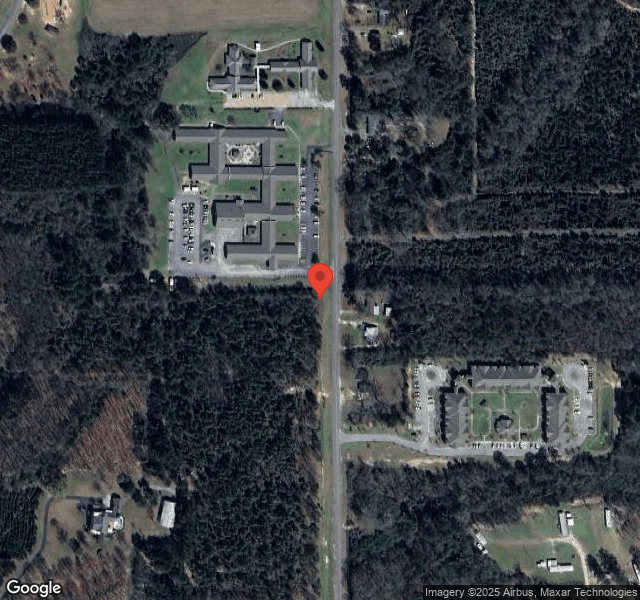

ANDALUSIA MANOR

670 MOORE RD, ANDALUSIA, AL 36420 (334) 222-4544
For profit - Limited Liability company 154 Beds Independent Data: November 2025
Trust Grade
70/100
#80 of 223 in AL
Last Inspection: January 2024

Within standard 12-15 month inspection cycle. Federal law requires annual inspections.

Overview

Andalusia Manor in Andalusia, Alabama, has a Trust Grade of B, indicating it is a good choice for families seeking care, though it is not at the highest level. It ranks #80 out of 223 facilities in Alabama, placing it in the top half, and is the best option among three in Covington County. The facility's performance has been stable, with the same number of issues reported in both 2019 and 2024. Staffing is a relative strength, rated 4 out of 5 stars, although their turnover rate is 55%, slightly higher than the state average. While there have been no fines, some concerns have been raised, such as food storage not adhering to safety protocols, which could impact all 82 residents, and staff not following proper hand hygiene practices, posing a risk of infection. Overall, while there are notable strengths, families should be aware of the existing concerns regarding food safety and hygiene.

Trust Score
B
70/100
In Alabama
#80/223
Top 35%
Safety Record
Low Risk
No red flags
Inspections
Holding Steady
2 → 2 violations
Staff Stability
⚠ Watch
55% turnover. Above average. Higher turnover means staff may not know residents' routines.
Penalties
✓ Good
No fines on record. Clean compliance history, better than most Alabama facilities.
Skilled Nurses
✓ Good
Each resident gets 44 minutes of Registered Nurse (RN) attention daily — more than average for Alabama. RNs are trained to catch health problems early.
Violations
⚠ Watch
11 deficiencies on record. Higher than average. Multiple issues found across inspections.
★★★☆☆
3.0
Overall Rating
★★★★☆
4.0
Staff Levels
★★☆☆☆
2.0
Care Quality
★★★☆☆
3.0
Inspection Score
Stable
2019: 2 issues
2024: 2 issues

The Good

  • 4-Star Staffing Rating · Above-average nurse staffing levels
  • Full Sprinkler Coverage · Fire safety systems throughout facility
  • No fines on record

Facility shows strength in staffing levels, fire safety.

The Bad

3-Star Overall Rating

Near Alabama average (2.9)

Meets federal standards, typical of most facilities

Staff Turnover: 55%

Near Alabama avg (46%)

Higher turnover may affect care consistency

The Ugly 11 deficiencies on record

Jan 2024 2 deficiencies
CONCERN (D)

Potential for Harm - no one hurt, but risky conditions existed

Respiratory Care (Tag F0695)

Could have caused harm · This affected 1 resident

**NOTE- TERMS IN BRACKETS HAVE BEEN EDITED TO PROTECT CONFIDENTIALITY** Based on observations, interview, resident record review, and review of a facility policy titled Oxygen Therapy, the facility fa...

Read full inspector narrative →
**NOTE- TERMS IN BRACKETS HAVE BEEN EDITED TO PROTECT CONFIDENTIALITY** Based on observations, interview, resident record review, and review of a facility policy titled Oxygen Therapy, the facility failed to ensure Resident Identifier (RI) #33, one of one resident sampled for Respiratory Care, received oxygen (O2) at two liters per minute (2 l/m) as ordered by physician, on 01/02/2024 and 01/03/2024, two of three days of the survey. Findings include: An undated facility policy titled Oxygen Therapy documented: Policy: Oxygen is administered to residents who need it, . Oxygen is only administered with a Physician's order. RI #33 was admitted to the facility 02/13/2023 and readmitted on [DATE] and had diagnoses to include: Chronic Obstructive Pulmonary Disease. RI #33's Physician Order List documented an as needed order dated 03/26/2023 for RI #33 to receive oxygen at two liters per minute. On 01/02/2024 at 5:36 PM RI #33 was observed receiving O2 at three liters per minute. On 01/03/2024 at 9:38 AM RI #33 was observed receiving O2 at three liters per minute per nasal cannula. On 01/03/2024 at 1:56 PM RI #33 was observed receiving O2 at three liters per minute per nasal cannula. On 01/03/2024 at 1:59 PM Registered Nurse (RN) #9 was asked about RI #33 receiving oxygen. RN #9 said, RI #33 used O2 as needed and she thought it should be at 2 l/m. RN #9 said, RI #33's O2 was set at three liters per minute. RN #9 reviewed RI #33's physician orders and said, it should be at two l/m. RN #9 said, the concern for O2 not administered at the ordered liters per minute was the doctor's orders were not being followed.
CONCERN (F)

Potential for Harm - no one hurt, but risky conditions existed

Food Safety (Tag F0812)

Could have caused harm · This affected most or all residents

Based on observations, interviews, the facility's document Associate In-Service Record, and the 2022 United States (U.S.) Food and Drug Administration (FDA) Food Code, the facility failed to ensure fo...

Read full inspector narrative →
Based on observations, interviews, the facility's document Associate In-Service Record, and the 2022 United States (U.S.) Food and Drug Administration (FDA) Food Code, the facility failed to ensure food stored in the walk-in cooler was completely covered, sealed, labeled properly, and outdated food was discarded on 01/02/2024 during the initial kitchen observation. This had the potential to affect 82 of 82 residents receiving food from the kitchen. Findings include: A facility in-service record dated 05/08/2023, documented: . Topic: Labeling, Dating, and Expired Foods Procedures Refresh For Already Refrigerated Foods: All Refrigerated Food, assumed as Ready To Eat, must contain the following: Item Description ., In On Date ., Opened On Date ., and Use By Date . Once Deli Meats are opened, they have a 7 (seven) day life span. The day it was opened is counted as Day 1. Food Storage and Retention Guide . Ready-to-Eat/Prepared Foods- Food in a form that is edible without additional preparation to achieve food safety. (Example: leftovers, deli salads, cut produce) Up to 7 (seven) days Day 1 is the day of preparation . The 2022 U.S. FDA Food Code included the following: 3-305.11 Food Storage. (A) . FOOD shall be protected from contamination by storing the FOOD: . (2) Where it is not exposed to splash, dust, or other contamination . On 01/02/2024 at 1:31 PM, during the initial kitchen tour an observation was made of food stored in the walk-in cooler to include: a small aluminum pan of cranberry sauce partially covered with foil had no label, half an unsealed bag of broccoli had no label, and a round aluminum pan covered in foil was labeled, tuna fish, and was dated 12/23/2023. An interview was conducted with the Dietary Manager (DM) on 01/02/2024 at 1:51 PM. The DM admitted that the cranberry sauce and broccoli was not sealed properly and was not labeled. The DM stated open items should be stored and labeled with the item description, date, and completely sealed. The DM stated, the concern of food not being labeled and covered was anything could have gotten in the food and be harmful to the residents. The DM admitted the tuna fish observed in the walk- in cooler dated 12/23/2023 should have been discarded seven (7) days from date on label. The DM stated the concern of outdated tuna fish being stored in the walk-in cooler was it could have been served to residents and they could have become sick.
Oct 2019 2 deficiencies
CONCERN (D)

Potential for Harm - no one hurt, but risky conditions existed

Respiratory Care (Tag F0695)

Could have caused harm · This affected 1 resident

**NOTE- TERMS IN BRACKETS HAVE BEEN EDITED TO PROTECT CONFIDENTIALITY** Based on observations, interviews, record review and a review of a facility policy titled, OXYGEN THERAPY AEROSOL TREATMENT, the...

Read full inspector narrative →
**NOTE- TERMS IN BRACKETS HAVE BEEN EDITED TO PROTECT CONFIDENTIALITY** Based on observations, interviews, record review and a review of a facility policy titled, OXYGEN THERAPY AEROSOL TREATMENT, the facility failed to ensure Resident Identifier (RI) #220's breathing treatment mask was stored in a Ziploc bag and the mask and the tubing was dated. This affected RI #220, one of two residents sampled with respiratory treatments. Findings Include: A review of a facility policy titled, OXYGEN THERAPY AEROSOL TREATMENT with no date, revealed: .7. Store nebulizer sets in plastic bag change weekly and as needed. 8. Change oxygen and nebulizer sets and bags weekly. Date when changed. RI #220 was admitted to the facility on [DATE] and re-admitted [DATE], with diagnoses of Chronic Diastolic Heart Failure and Chronic Obstructive Pulmonary Disease. A review of physician orders for RI #220, dated 9/12/19, revealed the order for Ipratropium Bromide 0.02% solution 0.5% (Atrovent) inhaled every six hours. On 10/15/19 at 3:29 PM, RI #220 was resting in bed watching TV. A nebulizer machine was on the nightstand table beside the bed. A breathing treatment mask was attached to the side of the machine. The treatment mask was not in a bag. There were no dates on the mask or the tubing. On 10/16/19 at 8:25 AM, an interview was conducted with Employee Identifier (EI) #2, Licensed Practical Nurse (LPN). EI #2 was asked, who was the nurse for RI #220. EI #2 stated, she was. EI #2 was asked, if RI #220 received breathing treatments. EI #2 replied, yes. EI #2 was asked, what was the order. EI #2 replied, Atrovent inhaled every six hours while awake. EI #2 was asked how often were the treatment masks changed. EI #2 replied, once a week. EI #2 was asked where should the treatment mask be placed between treatments. EI #2 replied, in the plastic bag. EI #2 was asked who was responsible for replacing the mask to the proper place. EI #2 replied, any nurse who gave the breathing treatment. EI #2 was asked, what was the potential harm in the mask not being stored properly. EI #2 replied, infection control. On 10/17/19 at 1:23 PM, an interview was conducted with EI #1, Registered Nurse (RN), Infection Control Specialist. EI #1 was asked, how often were the treatment masks changed. EI #1 replied, they were changed at least weekly and on an as needed basis. EI #1 was asked where should the treatment mask be placed between treatments. EI #1 replied, they should be in the plastic bag or discarded, if for once only treatments. EI #1 was asked how often were the Ziploc bags changed. EI #1 replied, they were changed when tubing and masks were replaced on a weekly basis. EI #1 was asked who was responsible for replacing the mask to the proper place. EI #1 replied, once the treatment was done, the nurse should place the treatment mask back into the Ziploc bag. EI #1 was asked what was the potential harm in the mask not being cared for properly. EI #1 replied, infection.
CONCERN (F)

Potential for Harm - no one hurt, but risky conditions existed

Food Safety (Tag F0812)

Could have caused harm · This affected most or all residents

Based on observation, interview, and a review of a facility policy titled,Manual Warewashing, the facility failed to ensure 10 metal pans were not wet and stacked on a shelf, ready for use. This was ...

Read full inspector narrative →
Based on observation, interview, and a review of a facility policy titled,Manual Warewashing, the facility failed to ensure 10 metal pans were not wet and stacked on a shelf, ready for use. This was observed on 10/16/19, and had the potential to affect 132 of 132 residents receiving meals from the kitchen. Findings Include: A review of a facility policy titled, Manual Warewashing with a revised date of 9/2017, revealed: . Procedures . 3. All serviceware and cookware will be air dried prior to storage . On 10/16/19 at 5:10 PM, the surveyor observed 10 pans stacked on a shelf wet with water. The surveyor, along with Employee Identifier (EI) #4, Certified Dietary Manager (CDM), observed the wetness of the pans. EI #4 began to remove the pans that were wet. A total of 10 pans were removed from the shelf. EI #3, Dietary Manager, was asked if the pans that were wet were supposed to be clean. EI #3 replied, yes. On 10/17/19 at 1:50 PM, an interview was conducted with EI #3. EI #3 was asked if the metal pans were ready for use. EI #3 replied, yes. EI #3 was asked, what was the potential for harm in storing wet metal pans in a manner that prevented air-drying (stacked on a shelf). EI #3 replied, bacteria control for residents.
Oct 2018 7 deficiencies
CONCERN (D)

Potential for Harm - no one hurt, but risky conditions existed

Assessment Accuracy (Tag F0641)

Could have caused harm · This affected 1 resident

**NOTE- TERMS IN BRACKETS HAVE BEEN EDITED TO PROTECT CONFIDENTIALITY** Based on record review and interview, the facility failed to ensure Resident Identifier (RI) # 112's Significant Change Minimum ...

Read full inspector narrative →
**NOTE- TERMS IN BRACKETS HAVE BEEN EDITED TO PROTECT CONFIDENTIALITY** Based on record review and interview, the facility failed to ensure Resident Identifier (RI) # 112's Significant Change Minimum Data Set (MDS) assessment, dated 9/4/18, reflected hospice. Findings Include: RI #112 was admitted to the facility on [DATE] with a diagnosis to include Alzheimer's disease with late onset. On 10/11/18 at 1:48 PM a review of RI #112's September 2018 Physician orders revealed, . Admit to . Hospice 8/29/18 . A review of RI #112's Significant Change MDS assessment, dated 9/4/18, did not indicated hospice service checked. On 10/11/18 at 2:00 PM, an interview was conducted Employee Identifier (EI) #10, Registered Nurse MDS/Care Plan Coordinator. EI #10 was asked if RI #112 was receiving hospice services. EI #10 replied, yes. EI #10 was asked when was RI #112 admitted to hospice. EI #10 replied, 8/29/18. EI #10 was asked if a Significant Change MDS was completed. EI #10 replied, yes. EI #10 was asked if hospice was coded on the 9/4/18 MDS. EI #10 replied, no. When asked why not, EI #10 replied, it was an oversight. EI #10 was asked who was responsible for coding the MDS. EI #10 replied she was. EI #10 was asked what was the risk in the MDS not being coded correctly. EI #10 replied, it did not accurately reflect the resident's condition and services.
CONCERN (D)

Potential for Harm - no one hurt, but risky conditions existed

Deficiency F0658 (Tag F0658)

Could have caused harm · This affected 1 resident

**NOTE- TERMS IN BRACKETS HAVE BEEN EDITED TO PROTECT CONFIDENTIALITY** Based on record review, interview and the review of a facility policy titled, Medication Administration, the facility failed to ...

Read full inspector narrative →
**NOTE- TERMS IN BRACKETS HAVE BEEN EDITED TO PROTECT CONFIDENTIALITY** Based on record review, interview and the review of a facility policy titled, Medication Administration, the facility failed to ensure a licensed nurse did not prepare medication for Resident Identifier (RI) # 73 and then give the medication to a Certified Nursing Assistant (CNA) to give to the resident. This practice resulted in the CNA accidentally giving the medication to another resident, RI # 175. This occurred on 4/26/18 and was cited as a result of the investigation of complaint # AL00035677. Findings Include: A review of an undated facility policy titled, MEDICATION ADMINISTRATION: revealed .POLICY : Medications are administered only by licensed nursing personnel . PROCEDURES: .11. Give the resident the medication . RI #73 was admitted to facility on 3/17/17 with diagnoses to include Parkinson's disease, Dementia with Lewy Bodies, History of Transient Ischemic Attack (TIA) and Cerebral Infarction. A review of RI #73's April 2018 Physician Orders revealed: .SENOKOT .BID (two times a day) .SINEMET .BID .SEROQUEL 25 milligram BID . METOPROLOL . BID . A review of RI #73's April 2018 Medication Administration Record (MAR) indicated the BID medications were scheduled to be given at 4:00 PM. RI # 175 was admitted to the facility on [DATE] with diagnoses to include Alzheimer's disease, History of TIA and Cerebral Infarction. A review of RI #175's April 2018 Physician Orders revealed the resident was not ordered the medications Senokot, Sinemet, Seroquel or Metoprolol. A review of RI #175's hospital admission History and Physical revealed: .Date of Service April 26- 2018 .04/26 23:46 . was accidentally given the wrong medication.According to the nursing home nurse .was given Seroquel an unknown dose, Sinemet 10 mg, Metoprolol 25 mg and Senna . On 10/11/18 at 2:50 PM, an interview was conducted with Employee Identifier (EI) #3, CNA. EI #3 was asked if she gave residents medications. EI #3 replied, no because she was not a nurse. EI #3 was asked if she gave medications to RI #175 on 4/26/18. EI #3 replied, she did not know there was medication in the Ensure. The surveyor asked EI #3 to please explain. EI #3 said EI #2 gave her a carton of Ensure and told her to give it to RI #73. EI #3 said she accidentally gave it to RI #175. She said when she went back in the hall another CNA asked where RI #73's Ensure was and EI #3 said she gave it to RI #175. EI #3 went and told EI #2, the nurse. EI #3 said EI #2 yelled at her and went to RI #175's room and took the carton away. EI #2 told her she gave it to the wrong resident, it had RI #73's medicine in it. EI #3 was asked if EI #2 ever asked her to give Ensure with medications to any residents. EI #3 replied, no. On 10/11/18 at 3:35 PM, an interview was conducted with EI #9 Unit Registered Nurse. EI #9 was asked if a CNA gave RI #175 medication. EI #9 explained RI #175's son came to the nurses station questioning why EI #2 took the Ensure from RI #175. EI #9 replied she spoke to EI #2, with her first denying it. She then admitted to putting RI #73's medication in the Ensure and told EI #3 to give it to RI #73. EI #3 gave it to the wrong resident, RI #175. EI #9 was asked how was the CNA responsible for the error. EI #9 replied, she should not have been placed in that situation; it was the fault of EI #2. On 10/11/18 at 3:50 PM, an interview was conducted with EI #1, Director of Nursing. EI #1 was asked if a CNA gave a resident medication. EI #1 replied, yes that was what she was told. The CNA was EI #3 and the nurse was EI #2. EI #1 was asked if the CNA knew medication was in the Ensure carton. EI #1 replied, after the investigation and interview with the nurse and the CNA, it appeared not. EI #1 was asked to give a recap of the occurrence. She reported EI #9 called her after it was over and said EI #2 gave a carton of Ensure to EI #3 to give to RI #73. Instead EI #3 gave it to RI #175. Another CNA had asked where RI #73's Ensure was and EI #3 then went to EI #2, who accused EI #3 of giving the Ensure to the wrong resident. EI #2 went and took the carton from RI #175, then the son started asking questions. EI #2 denied medication was in carton and then admitted to it. When asked how was the CNA at fault, EI #1 said she was not because she did not know medication was in the drink. When asked what EI #2's response was, EI #1 said EI #2 said it was everyone else's fault. When asked if she asked EI #2 was that a usual practice for her, EI #1 said she tried denying it, but EI #1 assumed it was. EI #1 reported she made a comment to EI #2 that if you do wrong eventually it will catch up to you. EI #1 was asked what action was taken when it occurred. She replied, EI #2 was sent home, and an investigation was done. Then they called EI #2 in and asked her some questions and terminated her. EI #1 commented they also reported the incident to the Board of Nursing. When asked what EI #2 was counseled on, EI #1 replied, policies and procedures and expected nurse performance. EI #1 was asked what was the harm in CNAs giving medication. She replied, they are not qualified. EI #1 was asked if a licensed nurse should know that CNAs were not qualified to give medications. She replied, yes. EI #1 was asked if the Medical Doctor was notified. She replied, yes immediately when it was discovered and the MD ordered monitoring of vitals every four hours. The son requested RI #175 be sent out to the hospital for evaluation.
CONCERN (D)

Potential for Harm - no one hurt, but risky conditions existed

Pressure Ulcer Prevention (Tag F0686)

Could have caused harm · This affected 1 resident

Based on observation, interview, record review and review of facility policy titled, DRESSING CHANGE CLEAN, the facility failed to ensure licensed staff did not: 1. place the wound cleaner bottle on ...

Read full inspector narrative →
Based on observation, interview, record review and review of facility policy titled, DRESSING CHANGE CLEAN, the facility failed to ensure licensed staff did not: 1. place the wound cleaner bottle on Resident Identifier (RI) #176 and RI #105's bed, then return the bottle to the treatment cart; 2. use the same gloves to clean the wounds and then place the treatment and clean dressing on RI #176 and RI #105 wounds and 3. remove a pen from her uniform pocket with soiled gloves and initial and date the outer dressing, then return the pen to her pocket and remove and use again on another resident. This was observed on 10/10/18 and affected RI #176 and RI #105, two of five residents identified by the facility with pressure ulcers. Findings Include: A review of an undated facility policy titled, DRESSING CHANGE CLEAN revealed .PROCEDURE: .2. Wash Hands 3. Assemble equipment and take to bedside, cover bedside table with clean towel . 8. Wash hands 9. Open dressing supplies and cleaning solution. Assure that area is clean and free of contaminates. 10. Put on gloves . RI #176 was admitted to the facility 8/2/18. A review of RI #176's October 2018 Physician Orders revealed . 8/29/18 CLEAN WOUND TO RIGHT OUTER ANKLE .WITH WOUND CLEANSER DRY APPLY SKIN PREP TO PERIWOUND. COVER WITH SANTYL OINTMENT AND APPLY COVADERM DAILY . On 10/10/18 at 9:20 AM, the surveyor observed Employee Identifier (EI) #4, Licensed Practical Nurse, perform wound care for RI #176. EI #4 gathered supplies to include 4x4s, wound cleaner, barrier, coverderm and a bottle of skin prep. EI #4 took the supplies into the room. EI #4 placed the wound cleaner bottle on RI #176's bed then opened the barrier and placed it on the foot of the resident bed and placed the supplies on the barrier. During the process EI #4 sprayed wound cleaner on some 4x4s and cleaned the wound. EI #4 patted the wound dry with 4x4's and then, with same soiled gloves, picked up the skin prep bottle and sprayed around the wound. EI #4 then, with the same gloves she cleaned the wound with, applied the Santyl ointment and the outer covering. EI #4 then took a pen from her uniform pocket and wrote the date and her initials on the outer dressing. With the same soiled gloves on, EI #4 cleaned up the area, placing the bottle of wound cleaner in her uniform pocket, then washed her hands after discarding the soiled items. She then returned the bottle of wound cleaner to the treatment cart. RI #105 was admitted to the facility 8/18/18. A review of RI #105's October 2018 Physician Orders revealed 8/31/18 . DTI RIGHT HEEL CLEANSE WITH WOUND CLEANSER DRY WITH 4 X4 APPLY SKIN PREP .DTI LEFT HEEL . 9/17/18 STAGE 2 PRESSURE INJURY LEFT BUTTOCKS . On 10/10/18 at 9:45 AM, EI #4 was observed performing wound care for RI #105. EI #4 gathered supplies to include a bottle of wound cleaner, skin prep bottle, 4x4s, duoderm, trash bag and gloves. EI #4 took the supplies in RI #105's room and placed the items on the barrier on the overbed table. EI #4 removed the same pen used on RI #176 and predated the duoderm. During the process, EI #4 cleaned both heels with the wound cleaner. EI #4 then placed the wound cleaner bottle on the resident's bed. EI #4, with the same gloves, picked up the bottle of skin prep and sprayed on each heel. EI #4 then, with the same gloves removed the soiled dressing from RI #105's left buttocks. EI #4 removed her gloves and washed her hands and put on clean gloves. EI #4 cleaned the wound on the left buttock with the wound cleaner, that she had picked up off the bed. She then placed the wound cleaner bottle on the barrier. EI #4, with the same soiled gloves, patted the wound dry and then sprayed around the wound with skin prep. EI #4, with the same soiled gloves, then placed the duoderm dressing to the left buttock wound. After cleaning up the area, wearing the same soiled gloves, EI #4 returned the wound cleaner bottle to the treatment cart. On 10/10/18 at 10:00 AM, an interview was conducted with EI #4. EI #4 was asked what was the policy on changing gloves during wound care. EI #4 replied, after cleaning a wound. EI #4 was asked if she changed gloves after cleaning the heels or the buttocks before placing the clean treatment. EI #4 replied, no. EI #4 was asked what was the harm in not changing gloves after cleaning wounds. EI #4 replied, could contaminate the wounds. EI # 4 was asked where did she put the wound cleaner after spraying on the 4x4 for cleaning the heels. EI #4 replied, on the bed. EI #4 was asked where should the cleaner have been placed. EI #4 replied, on the barrier. EI #4 was asked what was the harm in placing it on the resident's bed . EI # 4 replied, contamination. EI #4 was asked if the wound cleaner was used on other residents. EI #4 replied, yes. EI #4 was asked what was the harm in returning the wound cleaner bottle to the treatment cart after having placed it on the resident's bed. EI #4 replied taking it to another resident room could cause contamination. EI #4 was asked what was the harm in using the same pen she had touched with dirty gloves on another resident to date this resident's dressing. EI #4 replied, it could have germs on the pen and then be transferred to the next resident. EI #4 was asked how could not changing gloves after cleaning the wounds and touching clean items with dirty gloves impact these resident's wounds. EI #4 replied, it maybe could alter the healing if it caused infection in them. On 10/11/18 at 5:20 PM, an interview was conducted with EI #11, Infection Control Nurse. EI #11 was asked what was the policy on when to change gloves during wound care. EI #11 replied, change gloves after removing the soiled dressing and after cleaning the wound. EI #11 was asked where should the nurse place the wound cleaner during wound care. EI #11 replied, preferably on a barrier. EI #11 was asked should the wound cleaner be placed on resident's bed then return it to the treatment cart. EI #11 replied, no. EI #11 was asked what was the harm in not changing gloves after cleaning a wound. EI #11 replied, possibly putting dirty back into a clean wound. EI #11 was asked what was the harm in placing the wound cleaner bottle on a resident's bed then return it to the treatment cart. EI #11 replied, cross contamination. EI #11 was asked when should a nurse take a pen from her uniform pocket with the same gloves she had on to clean a wound, then return the pen to her pocket and remove it, then use it for dating another resident's dressing. EI #11 replied, never. When EI #11 was asked why not, he replied, cross contamination.
CONCERN (D)

Potential for Harm - no one hurt, but risky conditions existed

Tube Feeding (Tag F0693)

Could have caused harm · This affected 1 resident

**NOTE- TERMS IN BRACKETS HAVE BEEN EDITED TO PROTECT CONFIDENTIALITY** Based on observations, interview, record reviews and review of facility policy titled, Tube Feedings, the facility failed to ens...

Read full inspector narrative →
**NOTE- TERMS IN BRACKETS HAVE BEEN EDITED TO PROTECT CONFIDENTIALITY** Based on observations, interview, record reviews and review of facility policy titled, Tube Feedings, the facility failed to ensure Resident Identifier (RI) # 83's and RI #8's tube feeding were running at the correct rates, as ordered by the physician for the tube feeding and the hourly water flush. This was observed on 10/11/2018 and affected two of two residents sampled who were receiving tube feedings Findings Include: A review of a facility policy, no date, titled, Tube Feedings revealed .POLICY: . A physician order specifying type of solution, amount, and frequency is required. PROCEDURE: . Pump Feeding . 4. set prescribed rate . 1) RI #83 was readmitted to the facility on [DATE] with diagnoses of anoxic brain damage and gastrostomy status. A review of RI #83's Quarterly Minimum Data Set (MDS) with an Assessment Reference Date (ARD) of 8/20/18, revealed: RI #8 had a Brief Interview for Mental Status (BIMS) of severe impairment for daily decision making and short/long term memory deficit. Section K - Swallowing/Nutritional Status indicated RI #8 received tube feedings. A review of RI #83's October 2018 Physician Orders (PO) reflected the order for Jevity 1.5 at 50 cc/hr (cubic centimeters an hour) and water flushes at 55 cc/hr. On 10/11/18 at 10:12 AM, the surveyor observed the tube feeding for RI #83 infusing by the pump at a rate of 50 milliliters per hour (ml/hr) for Jevity 1.5 and water flush at 30 ml/hr. On 10/11/18 at 11:05 AM, Employee Identifier (EI) #16 Licensed Practical Nurse, was interviewed. She was asked what was the current rate of tube feeding and water flushes for RI #83. EI #16 replied 50 ml/hr for Jevity 1.5 and 30 ml/hr for water. EI #16 was asked to review the PO for the rates. When asked what were the rates, EI #16 said 55 ml/hrs for Jevity 1.5 and 55 ml/hr for water. On 10/11/18 at 11:14 AM, the surveyor and EI #16 observed RI #83's tube feeding. EI #16 was asked were the rates on the feeding correct. She replied, no sir. 2) RI #8 was readmitted to the facility on [DATE] with diagnoses of intracranial injury and gastrostomy status. A review of RI #83's Quarterly Minimum Data Set (MDS) with an Assessment Reference Date (ARD) of 6/25/18, revealed: RI #8 had a Brief Interview for Mental Status (BIMS) of severe impairment for daily decision making and short/long term memory deficit. Section K - Swallowing/Nutritional Status indicated RI #8 received tube feedings. A review of RI #8's October 2018 PO reflected the order for Jevity 1.5 to run at 50 cc/hr and 40 cc/hr for water. On 10/11/18 at 10:02 AM, the surveyor observed RI #8's tube feed rate at 50 ml/hr for Jevity 1.5 and water flush at 35 ml/hr. On 10/11/18 at 11:05 AM, an interview was conducted with EI #16. EI #16 was asked what were the tube feeding orders for RI #8. EI #16 stated 50 ml/hr for Jevity 1.5 and 40 ml/hr for water flushes. On 10/11/18 at 11:26 AM the surveyor and Employee Identifier (EI) #16 observed RI #8's tube feeding. She was asked were the rates correct. EI #16 replied the rate of the tube feeding was correct, but the water was not. EI #16 was asked who was responsible for ensuring these rates were correct on the feeding tubes. EI #16 replied, she was. EI #16 was asked what was the potential harm of not administering tube feeding and water flushes at the ordered rates. EI # 16 replied, fluid overload or underload.
CONCERN (D)

Potential for Harm - no one hurt, but risky conditions existed

Deficiency F0726 (Tag F0726)

Could have caused harm · This affected 1 resident

Based on record review, interview and review of the facility Job Description and Performance Standards Position Title Charge Nurse and Position Title Certified Nursing Assistant (CNA),the facility fai...

Read full inspector narrative →
Based on record review, interview and review of the facility Job Description and Performance Standards Position Title Charge Nurse and Position Title Certified Nursing Assistant (CNA),the facility failed to ensure a licensed nurse did not give prepared medication to a CNA to give to a resident, which in turn was given to the wrong resident. This deficiency is cited as a result of the investigation of complaint # AL00035677, and affected two of two residents. Findings Include: A review of a facility JOB DESCRIPTION AND PERFORMANCE STANDARDS Charge Nurse revealed .1. Follow established standards of nursing practices and implement facility policies and procedures.18. Administer and document direct resident care, medications and treatments per physicians orders and accurately record all care provided. A review of an undated policy MEDICATION ADMINISTRATION revealed .POLICY: Responsibility of the nursing professional . Medications are administered only by licensed nursing personnel . A review of Job Description for Certified Nursing Assistant revealed .Purpose of this position . is to provide direct care to residents under the supervision of a licensed nurse. A review of a facility Employee Warning Notice revealed . date of incident 4/26/18 time 18:00 Description: LPN mixed resident's medication in 8 ounces of ensure liquid and gave it to a CNA to administer to the resident. CNA subsequently gave it to .the wrong resident, the resident consumed two/ thirds of the bottle . On 10/09/18 at 3:43 PM, an interview was conducted by phone with RI #175's son. The son revealed a CNA entered RI #175's room with carton of what appeared to be Ensure and said to the resident she needed to drink it. Shortly thereafter nurse EI #2 entered the room and took the carton away. He followed the nurse to the station and asked what was wrong. EI #2 replied, medications were in the drink. When he asked what medications the nurse denied medications were in the drink, He said he observed the nurse throw the carton in the trash in the medication room. He asked again, with her denying any medications were in the drink. EI #2 then admitted medications was in the drink and they were not RI #175's medications. On 10/11/18 at 2:50 PM, a interview was conducted with EI #3, CNA. EI #3 was asked how long she had been employed at the facility and how long she had been certified. EI #3 replied, almost a year, to both questions. EI #3 was asked if she provided care for, and what type for RI #175. EI #3 replied, yes mostly at night. She said she worked night shift and came in during the days to do tasks for day shift. EI #3 was asked what were CNA duties. EI #3 replied feed residents, change and toilet residents and just take care of them. EI #3 was asked if she gave residents medications. EI #3 replied, no, because she was not a nurse. EI #3 was asked if she gave medications to RI #175 on 4/26/18. EI #3 replied, she did not know there was medication in the Ensure. The surveyor asked EI #3 to please explain. EI #3 replied EI #2 gave her a carton of Ensure and told her to give it to RI #73. EI #3 said she accidentally gave it to RI #175. She said when she went back in the hall another CNA asked where RI #73's Ensure was and she told the CNA she gave it to RI #175. EI #3 said she went and told EI #2, the nurse. EI #3 said EI #2 yelled at her and went to RI #175's room and took the carton away. EI #3 was asked if EI #2 had ever asked her to give Ensure with medications to any residents. EI #3 replied, no. On 10/11/18 at 3:35 PM, EI #9 Registered Nurse was asked if she recalled RI #175. She replied yes. She was asked if a CNA gave the resident medication. EI #9 said she heard she did. EI #9 was asked to explain what occurred. She reported the son of RI #175 came to the station and said a CNA brought in an Ensure drink for his mother. He said after a while EI #2 came in and abruptly took the carton away and said it had medication in it. EI #9 said she talked to EI #2 and she denied it at first, then said she had put RI #73's medication in it and told EI #3 to give it to RI #73. EI #3 gave it to the wrong resident. EI #9 was asked how was the CNA responsible for the error. EI #9 said EI #3 should not have been placed in that situation, it was the fault of EI #2. EI #9 was asked if EI #2 was counseled. She said yes, she talked to her and told her she was responsible for giving medications. The DON told her to send EI #2 home and not to return until they called her. When asked what was done after discovering the wrong medications were given to the wrong resident, EI #9 said the Medical Doctor was notified and he ordered to monitor vital signs, if the resident's heart rate got low to send her out for a evaluation. The son stayed with the resident asking each time about the vitals and what they were. He then insisted the resident go for an evaluation at hospital. On 10/11/18 3:50 PM, an interview was conducted with EI #1, RN/ Director of Nursing. When asked if she recalled RI # 175, she said yes. EI #1 was asked if a CNA gave a resident medication. She replied, yes that was what she was told. When asked who the aide was, she said EI #3. When asked who the nurse was, she said EI #2. When asked if the CNA knew medications were in the Ensure carton, EI #1 said after the investigation and interviews with the nurse and CNA, it appeared not. EI #1 was asked to give a recap of the incident. She reported that EI #9 called her after it was over and said EI #2 gave a carton of Ensure to EI #3 to give to RI #73, and instead she gave it to RI #175. Another CNA asked where RI #73's Ensure was. EI #1 said EI #3 then went to EI #2, who yelled at EI #3 and accused her of giving the Ensure to the wrong resident, that it had medicine in it. EI #2 went and took the carton from RI #175 and the son started asking questions. EI #2 denied medication was in the carton, then admitted to it. When asked how the CNA was at fault, EI #1 said she was not because she did not know medication was in drink. When asked how EI #2 responded, the DON said EI #2 acted like it was everyone else's fault. When asked if she asked EI #2 if that was a usual practice for her, EI #1 said she tried denying it, but the DON assumed it was. EI #1 said she made a comment to EI #2, if you do wrong eventually it will catch up to you. EI #1 was asked what action was taken when the incident occurred. She reported EI #2 was sent home, the investigation done, then they called EI #2 in and asked some questions and terminated her. EI #1 said they also reported the incident to the Board of Nursing. When asked what EI #2 was counseled on, the DON replied, policies and procedures and expected nurse performance. When asked what was the harm in CNAs giving medication, EI #1 replied, they are not qualified. She was asked if a licensed nurse should know that CNAs were not qualified to give medications. EI #1 replied, yes.
CONCERN (D)

Potential for Harm - no one hurt, but risky conditions existed

Infection Control (Tag F0880)

Could have caused harm · This affected 1 resident

**NOTE- TERMS IN BRACKETS HAVE BEEN EDITED TO PROTECT CONFIDENTIALITY** Based on observation, interview, record review and review of facility policy titled, MEDICATION ADMINISTRATION, the facility fai...

Read full inspector narrative →
**NOTE- TERMS IN BRACKETS HAVE BEEN EDITED TO PROTECT CONFIDENTIALITY** Based on observation, interview, record review and review of facility policy titled, MEDICATION ADMINISTRATION, the facility failed to ensure a licensed staff did not remove gloves from her uniform pocket and put them on prior to administering medications by a gastrostomy tube for Resident Identifier (RI) #30. This was observed during medication administration on 10/10/18 and affected one of five nurses observed. Findings Include: A review of an undated facility policy titled, MEDICATION ADMINISTRATION revealed .PROCEDURES: 1. c. Clean gloves to be worn as appropriate when risk of contact with secretions/excretions blood or body fluids . RI #20 was admitted to the facility on [DATE] and readmitted on [DATE] with a diagnosis to include Gastrostomy status. A review of RI #20's October 2018 Physician Orders revealed . DEMECLOCYCLINE 300 MG (milligram) GIVE 1 TABLET PER GTUBE (gastrostomy tube) . at . 1200 . On 10/10/18 at 11:15 AM Employee Identifier (EI) #12, Licensed Practical Nurse, was observed preparing and administering RI #20's medication by gastrostomy tube. EI #12 prepared the medication, took gloves from a box on the medication cart and put them in her uniform pocket. EI #12 went to RI #20's room, washed her hands and removed the gloves from her pocket and put them on. EI #12 then proceeded to administer the medication. On 10/10/18 at 11:30 AM, an interview was conducted with EI #12. EI #12 was asked where did she place the gloves when she took them from the box. EI #12 replied, in her uniform pocket. EI #12 was asked if her uniform pocket was considered clean. EI #12 replied, no. EI #12 was asked what was the harm in using gloves that she had removed from her uniform pocket to administer medication. EI #12 replied, they could be contaminated and then contaminate the medication. On 10/11/18 at 5:20 PM, an interview was conducted with EI #11, Registered Nurse/ Infection control. EI #11 was asked if staff should use gloves pulled from their uniform pocket for medication administration. EI #11 replied, no, the uniform would be considered dirty. EI #11 was asked what would the harm be in using gloves taken from a uniform pocket. EI #11 replied, cross contamination any time going from dirty to clean or clean to dirty.
CONCERN (F)

Potential for Harm - no one hurt, but risky conditions existed

Food Safety (Tag F0812)

Could have caused harm · This affected most or all residents

Based on observations, interviews and review of facility policies titled, Food Preparation, Service Line Checklist and Manual Warewashing, the facility failed to ensure: 1. staff washed hands before p...

Read full inspector narrative →
Based on observations, interviews and review of facility policies titled, Food Preparation, Service Line Checklist and Manual Warewashing, the facility failed to ensure: 1. staff washed hands before putting on a new pair of gloves; 2. the temperatures of all food items on the tray line were taken; and 3. spoons, forks and trays were not wet at the tray line. This was observed on 10/10/2018 and had the potential to affect 128 of 128 residents receiving meals from the kitchen. Findings Include: 1) A review of a facility policy titled, Food Preparation with a revised date of 9/2017 revealed: .Procedures 1. All staff will practice proper hand washing techniques and glove use. On 10/10/2018 at 11:09 a.m., the surveyor observed (Employee Identifier) EI #14, dietary assistant, touch the trash can lid to put her gloves in the trash can. EI #14 then did not wash her hands prior to putting on a clean pair of gloves and started washing dishes in the three compartment sink. On 10/10/2018 at 11:28 a.m., EI #14 came out of dish room and put on clean gloves. EI #14 did not wash her hands. EI #14 started stirring and taking up chicken. On 10/12/2018 at 12:38 p.m., the surveyor conducted an interview with EI #14, dietary assistant. EI #14 was asked when should staff wash their hands in the kitchen. EI #14 replied, when you walk through the kitchen door. EI #14 was asked should staff wash their hands after pulling off gloves and putting on new gloves. EI #14 replied, yes ma'am. EI #14 was asked why was it important to wash hands while in the kitchen. EI #14 replied, because of a lot of germs. EI #14 was asked what was the facility policy on washing hands in the kitchen. EI #14 replied,when you walk through the door stop at the sink, wash your hands, put a hair net on, and put gloves on. EI #14 was asked what was the potential to the resident when staff did not wash their hands properly in the kitchen. EI #14 replied, germs. EI #14 was asked did she wash her hands after coming out of the dish room and putting on a new pair of gloves. EI #14 replied, no. EI #14 was asked should she have washed her hands. EI #14 replied, yes ma'am. EI #14 was asked what did she do after putting clean gloves on. EI #14 replied, she thought she pulled the chicken up. (EI #14 was talking about the chicken in the fryer) 2) A review of a facility policy titled Food: Preparation, with a revised date of 9/2017, revealed: .Procedures .13. All foods will be held at appropriate temperature, greater than 135 .for hot holding, and less than 41 degree for cold food holding. Temperature for . foods will be recorded at time of service and monitored periodically during meal services periods A review of a document titled, Service Line Checklist with a date of 10/10, revealed there was no documented temperatures recorded to indicate the milk, baked chicken and regular mash potatoes were taken for the lunch meal. On 10/10/2018 at 10:47 a.m., EI #17, the cook, took the temperature of the mash potatoes with the cheese in it. EI #17 did not take the temperature of the second container of mash potatoes with no cheese in it. EI #17 did not take the temperature of the milk, nor the temperature of the baked chicken. EI #17 took all food temperatures on the tray line except the baked chicken, milk and regular mash potatoes. EI #17 also stuck the thermometer through the foil paper when taking the temperature of the rice. On 10/12/2018 at 12:48 p.m., the surveyor conducted an interview with EI #13, the staff who observed the cook take the food temps with the surveyor. EI #13 was asked what was the temperature of the milk, regular mash potatoes and baked chicken. EI #13 replied, she (the cook) did not take it. EI #13 was asked why no temperatures were taken. EI #13 replied, she (the cook) was supposed to take temperatures of everything on the steam table. EI #13 was asked what did the facility policy say regarding taking all food temperatures on the tray line. EI #13 replied, they were supposed to take temperatures of all food items on the tray line; meats, vegetables, starches, pureed foods, grind meats, alternates, everything, the milk, the tea, beverages and desserts. EI #13 was asked why should all food temperatures be taken on the tray line. EI #13 replied, it was important to take the temperatures of foods because of the danger zone. EI #13 said if she did not take the temperature of the foods it could be in the danger zone and the residents could get sick. EI #13 was asked who was responsible for taking food temperatures on the tray line. EI #13 replied, the cook. EI #13 was asked when should food temperatures be taken on the tray line. EI #13 replied, take it twice on the tray line, at the beginning and the middle of the tray line service. EI #13 was asked did she observe the cook stick a thermometer through the foil paper to take the temperature of the rice. EI #13 replied, yes, she did. 3) A review of a facility policy titled, Manual Warewashing with a revised date of 9/2017 revealed: .Procedures 3. All serviceware and cookware will be air dried prior to storage. 10/10/18 at 10:47 a.m., the surveyor observed two forks with water on it and two spoon with water on them. One of the forks with water on it also had a brown spot on it. In other ready to go utensil bags, about four had water in the bags. On 10/10/18 at 11:09 a.m., the surveyor observed water in three food trays and a dome. The surveyor observed the cook wiping the trays out with paper napkins. On 10/12/18 at 12:58 p.m., the surveyor conducted an interview with EI #15 dietary aide. EI #15 was asked what did she observe in utensil bags on some forks and spoons. EI #15 replied, water spots. EI #15 was asked why was the water there. EI #15 replied, the blower was on it, could have been a crunch of time to get the food on the tray line. EI #15 was asked how should utensils be allowed to dry. EI #15 replied, utensils should be placed under the air blower until they are dry. EI #15 was asked what did the facility policy say about serving wet utensil to the residents. EI #15 replied, they should not do it. EI #15 was asked why should wet utensils not be on the residents trays. EI #15 replied, it was unsanitary. EI #15 was asked did she observed wet trays on the tray line. EI #15 replied, yes.
Understanding Severity Codes (click to expand)
Life-Threatening (Immediate Jeopardy)
J - Isolated K - Pattern L - Widespread
Actual Harm
G - Isolated H - Pattern I - Widespread
Potential for Harm
D - Isolated E - Pattern F - Widespread
No Harm (Minor)
A - Isolated B - Pattern C - Widespread

Questions to Ask on Your Visit

  • "Can I speak with families of current residents?"
  • "What's your RN coverage like on weekends and overnight?"

Our Honest Assessment

Strengths
  • • No major safety red flags. No abuse findings, life-threatening violations, or SFF status.
  • • No fines on record. Clean compliance history, better than most Alabama facilities.
Concerns
  • • 11 deficiencies on record. Higher than average. Multiple issues found across inspections.
Bottom line: Mixed indicators with Trust Score of 70/100. Visit in person and ask pointed questions.

About This Facility

What is Andalusia Manor's CMS Rating?

CMS assigns ANDALUSIA MANOR an overall rating of 3 out of 5 stars, which is considered average nationally. Within Alabama, this rating places the facility higher than 99% of the state's 100 nursing homes. This mid-range rating indicates the facility meets federal standards but may have areas for improvement.

How is Andalusia Manor Staffed?

CMS rates ANDALUSIA MANOR's staffing level at 4 out of 5 stars, which is above average compared to other nursing homes. Staff turnover is 55%, compared to the Alabama average of 46%.

What Have Inspectors Found at Andalusia Manor?

State health inspectors documented 11 deficiencies at ANDALUSIA MANOR during 2018 to 2024. These included: 11 with potential for harm.

Who Owns and Operates Andalusia Manor?

ANDALUSIA MANOR is owned by a for-profit company. For-profit facilities operate as businesses with obligations to shareholders or private owners. The facility operates independently rather than as part of a larger chain. With 154 certified beds and approximately 95 residents (about 62% occupancy), it is a mid-sized facility located in ANDALUSIA, Alabama.

How Does Andalusia Manor Compare to Other Alabama Nursing Homes?

Compared to the 100 nursing homes in Alabama, ANDALUSIA MANOR's overall rating (3 stars) is above the state average of 2.9, staff turnover (55%) is near the state average of 46%, and health inspection rating (3 stars) is at the national benchmark.

What Should Families Ask When Visiting Andalusia Manor?

Based on this facility's data, families visiting should ask: "Can I visit during a mealtime to observe dining assistance and food quality?" "How do you handle medical emergencies, and what is your hospital transfer rate?" "Can I speak with family members of current residents about their experience?"

Is Andalusia Manor Safe?

Based on CMS inspection data, ANDALUSIA MANOR has a clean safety record: no substantiated abuse findings (meaning no confirmed cases of resident harm), no Immediate Jeopardy citations (the most serious violation level indicating risk of serious injury or death), and is not on the Special Focus Facility watch list (a federal program monitoring the lowest-performing 1% of nursing homes). The facility has a 3-star overall rating and ranks #1 of 100 nursing homes in Alabama. While no facility is perfect, families should still ask about staff-to-resident ratios and recent inspection results during their visit.

Do Nurses at Andalusia Manor Stick Around?

ANDALUSIA MANOR has a staff turnover rate of 55%, which is 9 percentage points above the Alabama average of 46%. Moderate turnover is common in nursing homes, but families should still ask about staff tenure and how the facility maintains care continuity when employees leave.

Was Andalusia Manor Ever Fined?

ANDALUSIA MANOR has no federal fines on record. CMS issues fines when nursing homes fail to meet care standards or don't correct problems found during inspections. The absence of fines suggests the facility has either maintained compliance or corrected any issues before penalties were assessed. This is a positive indicator, though families should still review recent inspection reports for the full picture.

Is Andalusia Manor on Any Federal Watch List?

ANDALUSIA MANOR is not on any federal watch list. The most significant is the Special Focus Facility (SFF) program, which identifies the bottom 1% of nursing homes nationally based on persistent, serious quality problems. Not being on this list means the facility has avoided the pattern of deficiencies that triggers enhanced federal oversight. This is a positive indicator, though families should still review the facility's inspection history directly.