FLORALA HEALTH AND REHABILITATION LLC
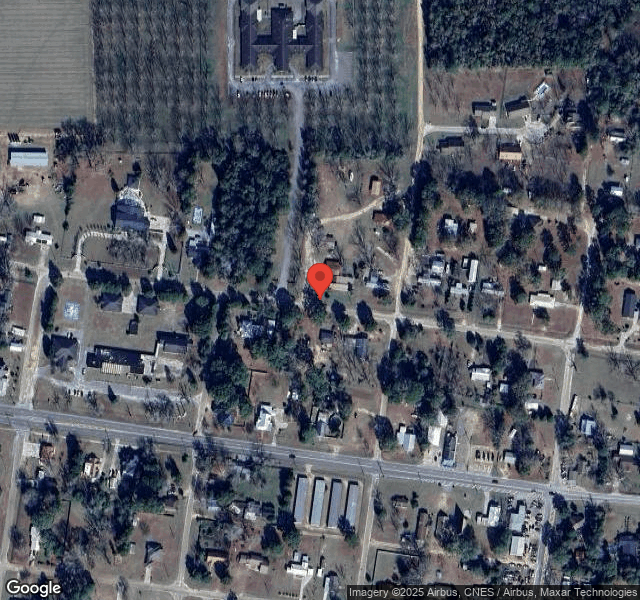

23621 GOLDENROD AVENUE, FLORALA, AL 36442 (334) 858-8585
For profit - Corporation 85 Beds NHS MANAGEMENT Data: November 2025
Trust Grade
70/100
#105 of 223 in AL
Last Inspection: August 2022

Over 2 years since last inspection. Current conditions may differ from available data.

Overview

Florala Health and Rehabilitation LLC has a Trust Grade of B, indicating it is a good choice among nursing homes, but not the top option. It ranks #105 out of 223 facilities in Alabama, placing it in the top half, and #2 out of 3 in Covington County, meaning only one other local facility ranks higher. Unfortunately, the facility's performance is worsening, with issues increasing from 2 in 2018 to 5 in 2022. Staffing is a strength, with a 4 out of 5 stars rating and a turnover rate of 43%, which is better than the state average of 48%. On the negative side, there have been specific concerns, such as staff failing to properly wash hands and change gloves during resident care, which raises infection risks. Additionally, the facility did not adequately investigate potential scabies cases among residents, affecting the entire population. However, it is worth noting that there have been no fines reported, which is a positive sign of compliance. Overall, while there are notable strengths, families should be aware of the recent issues raised during inspections.

Trust Score
B
70/100
In Alabama
#105/223
Top 47%
Safety Record
Low Risk
No red flags
Inspections
Getting Worse
2 → 3 violations
Staff Stability
○ Average
43% turnover. Near Alabama's 48% average. Typical for the industry.
Penalties
✓ Good
No fines on record. Clean compliance history, better than most Alabama facilities.
Skilled Nurses
○ Average
Each resident gets 39 minutes of Registered Nurse (RN) attention daily — about average for Alabama. RNs are the most trained staff who monitor for health changes.
Violations
✓ Good
Only 5 deficiencies on record. Cleaner than most facilities. Minor issues only.
★★★☆☆
3.0
Overall Rating
★★★★☆
4.0
Staff Levels
★★★☆☆
3.0
Care Quality
★★★☆☆
3.0
Inspection Score
Stable
2018: 2 issues
2022: 3 issues

The Good

  • 4-Star Staffing Rating · Above-average nurse staffing levels
  • Full Sprinkler Coverage · Fire safety systems throughout facility
  • No fines on record
  • Staff turnover below average (43%)

    5 points below Alabama average of 48%

Facility shows strength in staffing levels, fire safety.

The Bad

3-Star Overall Rating

Near Alabama average (2.9)

Meets federal standards, typical of most facilities

Staff Turnover: 43%

Near Alabama avg (46%)

Typical for the industry

Chain: NHS MANAGEMENT

Part of a multi-facility chain

Ask about local staffing decisions and management

The Ugly 5 deficiencies on record

Nov 2022 2 deficiencies
CONCERN (D) 📢 Someone Reported This

A family member, employee, or ombudsman was alarmed enough to file a formal complaint

Potential for Harm - no one hurt, but risky conditions existed

Medical Records (Tag F0842)

Could have caused harm · This affected 1 resident

**NOTE- TERMS IN BRACKETS HAVE BEEN EDITED TO PROTECT CONFIDENTIALITY** Based on review of the medical record, an interview and a review of a facility policy titled, Charting and Documentation Guideli...

Read full inspector narrative →
**NOTE- TERMS IN BRACKETS HAVE BEEN EDITED TO PROTECT CONFIDENTIALITY** Based on review of the medical record, an interview and a review of a facility policy titled, Charting and Documentation Guidelines, the facility failed to ensure a treatment was documented that had been provided to Resident Identifier (RI) # 3. This affected one of twenty resident's charts reviewed for documentation. Findings include: Review of the facility policy titled, Charting and Documentation Guidelines with and Effective Date of April 24, 2019, revealed: . PROCESS: I. Rules for Charting and Documentation a) Chart all pertinent changes in the resident's condition, reaction to treatments, medication, as well as routine observations. d) Chart sufficient information to identify . services provided . A review of RI # 3's medical record revealed he/she had been admitted to the facility on [DATE] and readmitted on [DATE]. A review of a copy of RI #3's face sheet that Employee Identifier (EI) #12, a Licensed Practical Nurse, had sent to the doctor revealed: . * red bumps all over body. resident states (he/she's) miserable from itching. signed by EI #12, a Licensed Practical Nurse. The MAR (Medication Administration Record) revealed no documentation of Permethrin 5% cream ordered or given. An interview was conducted with EI #3, a Licensed Practical Nurse on 11/17/2022 at 2:08 PM. EI #3 was asked what she could tell the surveyor about a treatment that she had provided to RI #3. She responded yes, she did do that. She came in to work at 1:00 AM. She reported it was before RI #3 went out to the hospital. EI #3 was asked what medication she put on the resident, and she answered Permethrin. EI #3 was asked had she asked for the Permethrin for RI #3, and she answered yes. EI #3 was asked why. She responded RI #3 was itching and had a couple of red spots that were a little raised. She added RI #3's scratching was what made her notice them. EI #3 was asked where she documented the treatment, she provided for RI #3. She answered she did not remember if she did document it. EI #3 was asked what was the facility policy regarding documentation of treatments provided. She answered they were supposed to document whatever they do for residents. EI #3 was asked what was the concern of not documenting treatments that she provided. She answered the record would not show what was done and could be duplicated.
CONCERN (F) 📢 Someone Reported This

A family member, employee, or ombudsman was alarmed enough to file a formal complaint

Potential for Harm - no one hurt, but risky conditions existed

Infection Control (Tag F0880)

Could have caused harm · This affected most or all residents

**NOTE- TERMS IN BRACKETS HAVE BEEN EDITED TO PROTECT CONFIDENTIALITY** Based on observations, interviews, record review, facility policies, Infection Prevention and Control Officer- Job Duties, and I...

Read full inspector narrative →
**NOTE- TERMS IN BRACKETS HAVE BEEN EDITED TO PROTECT CONFIDENTIALITY** Based on observations, interviews, record review, facility policies, Infection Prevention and Control Officer- Job Duties, and Infection Prevention & (and) Control Program Overview, and facility forms titled, Weekly Infection Analysis, and Outbreak Investigation Form, the facility failed to investigate and implement appropriate control measures when Resident Identifiers (RI) #'s 12, 4, 7, 6, 8 and Employee Identifiers (EI) #'s 8, 7, 6, 4 were identified to have possible scabies, the facility further failed to investigate after RI #3 was identified with a rash and treated with permethrin cream. This had the potential to effect 73 of 73 residents residing in the facility. Findings include: A review of the facility policy titled, Infection Prevention and Control Officer- Job Duties, with an Effective Date of June 11, 2020, revealed, . POSITION TITLE: Infection Prevention and Control Officer/Designee . JOB SUMMARY: Evaluates quality of resident/guest care and resident/guest outcomes as they relate to healthcare-associated infections; collects, prepares and analyzes healthcare-associated infection data; . implements programs to protect the healthcare workers, visitors, and others in the healthcare environment; . promotes compliance with regulations and guidelines . DUTIES AND RESPONSIBILITIES: . 6. Conducts outbreak investigation and initiates control measures . 10. Initiates follow-up on employee/resident/guest exposures . A review of the facility policy titled, Infection Prevention & Control Program Overview, with an Effective Date of September 14, 2020, revealed, . GOALS The goals of the Infection Prevention & Control Program are to: A. Decrease the risk of infection to resident/guest(s) and personnel by breaking the chain of infection, preventing development and transmission of communicable diseases B. Monitor for occurrence of infection and implement appropriate control measures, including when and how isolation should be used. A facility document titled, Weekly Infection Analysis dated 9/06/2022, revealed: . Were there any observations of educational opportunities related to infection control identified this week? Yes. If yes, please explain: Monitor Resident for possible scabies - (RI #12 named) . Actions recommended: no Were any changes implemented in facility related to infection control this week? No . Signed by EI #1, the DON (Director of Nursing)/Infection Preventionist. No tracking or investigation of the rash was performed by the Infection Preventionist. No tracking analysis or investigation was found in the Infection Control Log regarding the findings above for RI #12. A document titled, Weekly Infection Analysis dated 9/13/2022, revealed: . Were there any observations of educational opportunities related to infection control identified this week? Yes. If yes, please explain: Monitor Residents for possible scabies - (RI #'s 12, 4, 7, 6, and 8 named) . Actions recommended: Hydrate skin moisturizing Vaseline applied to skin Permethrin cream ordered . Were any changes implemented in facility related to infection control this week? No . Signed by Employee Identifier 1, the DON/Infection Preventionist. No tracking or investigation of the rash was performed by the Infection Preventionist. No tracking analysis or investigation was found in the Infection Control Log regarding the findings above for RI #'s 12, 4, 7, 6 or 8. A document titled, OUTBREAK INVESTIGATION FORM , dated 10/26/2022, revealed: . 1. Verify the diagnosis; identify the agent. Describe the initial magnitude of the problem and what symptoms got the facility's attention. Itching Rash What diagnosis has been established? Rash What agent . has been identified? Possible scabies . 4. Characterize the cases by person, place, time. Person: . (Lists the names of EI #'s 8, 7, 6, and 4 were listed. EI #4 was the only one with Permethrin 5% cream listed) Place: (Consider ward, hall, room, outside exposures. May use facility maps.) Halls 1 & 2 Time: What is the period of the outbreak? What is the probable source of exposure: Source - unknown 10/24 Record dates of onset and demonstrate the progress and digress of the outbreak Bumps to side of face, staff members arms & side 5. Attempt to determine where outbreak began. Review data to determine common host factors and exposures. Develop a best guess on the: System Involved Itching, Rash Redness Source . Unknown . 6. Institute preliminary control measures. Initiate control measures based on what you know. (Hand hygiene, isolation, cohorting, etc. {Et Cetera}) Determine if you need outside assistance. Control measures Hand hygiene, contact, monitoring - treatment in progress Date implemented 10/25/2022-cream order .7. Add additional control measures. Control Measure Additional order - may see workmen comp (compensation) physician if needed Date added 10/25/2022. 8. Monitor and evaluate the control measures. Date: 10/26/2022 Signed by Employee Identifier 1, the DON/Infection Preventionist. No tracking of resident caregivers or of residents that the staff had cared for prior to presenting with scabies was conducted by the DON/Infection Preventionist in the Infection Control Log. No complete treatment and follow-up of cases and prophylactic treatment of staff, other patients, and household members who had prolonged skin-to-skin contact with suspected and confirmed cases. The Infection Control Log had no monitoring of the possible scabies rash. A review of RI #12's medical record revealed he/she had been admitted to the facility on [DATE] and re-admitted on [DATE]. The Nurse's note on RI #12 dated 9/14/2022 and timed 4:42 PM, revealed: . SKIN ASSESSMENT COMPLETED ON RESIDENT WITH UNIT MANAGER PRESENT RESIDENT HAS RASH TO CHEST AND ABD (ABDOMEN) AREA UNKNOWN SOURCE NO OTHER AREA AFFECTED TREATMENT IN PROGRESS RESIDENT WAS TREATED WITH PERMETHRIN ON 9/6/2022 . SECOND APPLICATION DUE 9/20/2022 . A body audit was performed on RI #12 with the DON on 11/15/2022 at 4:16 PM. Findings include: three red raised spots on the left shoulder, 2 red raised spots on the left upper chest, six red raised spots on the right upper shoulder and four on the right chest wall. Four of the spots were pustular. A review of RI 4's medical record revealed he/she had been admitted on [DATE]. The Nurse's note on RI #4 dated 9/14/2022 at 4:59 PM revealed: . SKIN ASSESSMENT COMPLETED WITH UNIT MANGER (MANAGER) RESIDENT HAS RASH TO ABD (ABDOMEN) AND UPPER AND LOWER EXTS (EXTREMITIES) UNKNOWN ORIGIN RESIDENT . A review of RI #6's medical record revealed he/she had been admitted to the facility on [DATE] and re-admitted on [DATE]. A review of RI #7's medical record revealed he/she had been admitted to the facility on [DATE] and re-admitted on [DATE]. On 11/14/22 at 5:36 PM RI #7 was observed with raised reddened areas - one on the right wrist and two on the front of the right upper arm. A body audit was performed on RI #7 with EI #1, the DON on 11/15/2022 at 4:30 PM. Findings include: two reddened, raised areas on the left shoulder and one on the right side of the abdomen. All of the areas were scratched and scabbed. A review of RI #8's medical record revealed he/she had been admitted to the facility on [DATE] and re-admitted [DATE]. A review of RI #3's medical record revealed he/she had been admitted to the facility on [DATE] and readmitted on [DATE]. A review of a copy of RI #3's face sheet that EI #12, a Licensed Practical Nurse, had sent to the doctor revealed: . * red bumps all over body. resident states (he/she's) miserable from itching. Please let me know what I need to do about that. hydroxyzine 25 mg (milligrams) (1) PO (by mouth) TID (three times a day) PRN (as needed) itching signed by EI #12 and dated 10/21/2022 hydrocortisone 0.5% cream bid (twice daily) to affected area . An initial interview was conducted with EI #1, the DON/Infection Preventionist (IP), on 11/15/22 at 1:08 PM. EI #1 said she had not determined the root cause of the rashes. When asked what her Weekly Infection Analysis indicated, she answered possible scabies. As related to staff skin issues, EI #1 reported EI #8, a Certified Nursing Assistant (CNA), was given some scabies cream (Permethrin) ordered on 10/25/22. EI #1 reported EI #8 improved after using the cream. EI #1 was asked if any residents or family were treated regarding EI #8 and she said no. EI #1 stated EI #8 worked on hall 1 and 2. EI #1 also named EI #7, CNA, as having received the cream she ordered on 10/25/22. EI #7 worked on hall 1. EI #4, a CNA, received her cream on 10/25/22. She works on both halls 1 and 2. EI #1 reported EI #6, a CNA, got her cream on 10/25/22. These are the four CNAs that presented to the DON/Infection Preventionist with bumps on their neck, arms and side that itched really bad. EI #1 said no one else assessed the CNAs but the house doctor ordered the Permethrin. EI #1 was asked if all four CNAs continued providing care for residents while treated for scabies and she answered yes. She reported the four CNAs came to her office on 10/24/22 and complained of bumps on the neck, arms and side that itched really bad. EI #1 was asked what she put in place to prevent the spread of possible scabies and she said nothing. An interview was conducted with EI #4, a CNA, on 11/16/22 at 5:59PM. This CNA was listed on the Outbreak Investigation EI #1 had written. EI #4 described the rash she observed on RI 3 as red, pimple-like bumps that itched until the resident clawed their skin. EI #4 described her own rash as red, pimple-like bumps that itched so bad. She did not think she had ever itched that bad. EI #4 reported EI #1 told her it was scabies and gave her Permethrin cream. The red, pimple-like bumps on her went away after she used the cream. EI #4 was asked if scabies was contagious, and she reported it was very contagious. When EI #4 was asked how to ensure it did not spread, she answered, isolation but there was not any. EI #4 was asked if she had worked before she presented to the DON with the red, pimple-like bumps and given the scabies cream and she answered yes. EI #4 was asked what the Infection Control Protocol was for staff that were contagious. She answered they were supposed to isolate. EI #4 was asked what EI #1 did to prevent the spread of the red, itchy, pimple-like bumps by staff. She answered nothing, adding she kept them working. An interview was conducted with EI #6, a CNA on 11/17/22 at 10:34 AM. This CNA was listed on the Outbreak Investigation EI #1 had written. EI #6 was asked about her rash. She described it as red, itchy raised bumps. She reported EI #1 gave her some cream and it was effective. EI #6 was asked what management had instructed her to observe for in residents, after staff had worked with residents, before being treated for scabies and she answered, nothing. EI #6 was asked what Infection Control precautions were put in place while she had the rash and she answered nothing. EI #6 was asked what EI #1 told her to do to prevent the spread of the rash. She reported EI #1 just said to put the cream all over her body and wash it off the next day. She added EI #1 did not say what it was, or to stay home. EI #6 was asked what the Infection Control protocol was for staff when they were contagious. She answered to stay home, that way you don't spread it. EI #6 was asked what EI #1 did to prevent the spread of the red, itchy, pimple-like bumps. She answered the cream that EI #1 gave her, but they still had to work. An interview was conducted with EI #7, a CNA, on 11/17/2022 at 11:10 AM. This CNA was listed on the Outbreak Investigation EI #1 had written. She reported she observed red bump pimples in tracks and patches on the arms, thighs, and the back of RI #3. She reported she, herself, had red bumps that itched like crazy on her arms. She admitted they looked like the same tiny, red, raised bumps. She was asked if scabies was contagious, and she answered yes. When asked what she was supposed to do if she was contagious and she answered call in, let them know. Adding, don't come in and chance exposing residents or other staff members. EI #7 was asked about staff getting treated for scabies and she responded staff were provided Permethrin cream and told to apply over entire skin of her body and bath it off the next day. EI #7 reported that no Infection Control precautions were put in place while she had the rash. She added they just gave them the cream. EI #7 was asked what EI #1 told her to do to prevent the spread of scabies and she answered nothing. EI #7 was asked if she was working before, she went to the DON/IP with the red, pimple-like bumps and given scabies cream. She answered yes, she was on the clock. She added the DON/IP had to order the Permethrin and she came and got it the next day. EI #7 added the DON/IP did not look at her. She just told her she was itchy and had a rash on her arms and needed the cream for scabies. EI #7 was asked what the Infection Control protocol was for staff when they are contagious. She answered you don't come to work if you are contagious. When asked why she came to work after she had went to get treatment for scabies. She answered they did not tell her not to. When asked what the DON/IP did to prevent spread of the red, itchy, pimple-like bumps. She answered they gave her the cream. An interview was conducted with EI 10, the Pharmacist on 11/17/2022 at 1:52 PM. EI 10 reported the medical director ordered Permethrin 5% cream for staff on 7/3/2022, 10/25/2022 and 11/3/2022. When asked what Permethrin 5% cream was used to treat, he answered it is used for skin rashes and scabies. He added they would normally treat everyone in the surrounding area or unit or the entire facility. An interview was conducted with EI #8, a CNA, on 11/17/2022 at 2:27 PM. This CNA was listed on the Outbreak Investigation EI #1 had written. EI #8 reported she had observed residents with a red, itchy rash. She described it as red, rash, bump raised, and very itchy. EI #8 reported she has had it a few times since she has been here, in the last three years. EI #8 was asked to describe the rash she had, and she answered it was the same as the residents. EI #8 was asked if it was a recurring problem and she answered off and on. When asked what the cause was, she answered she thought it was scabies. EI #8 was asked if scabies was contagious, and she answered yes. EI #8 was asked how to ensure it does not spread and she answered avoid contact. When EI #8 was asked about staff being treated for scabies, she responded she and two other CNAs went to the DON's/IP's office on 10/24/2022. They asked for something to prevent the bumps and they all showed them to her. EI #8 reported she had the bumps on her chest, both sides, her arms, her thigh and between fingers. EI 8 was asked what the DON/IP's response was. She answered that EI #1 said how did they know they got it from the facility. EI #8 told her she only goes to work, goes to get her child, and goes home. Then the DON/IP said she would get them some cream. EI #8 was asked what Infection Control precautions were put in place while she had a rash, after you told the DON/IP. She answered EI #1 said the cream would be delivered. She added EI #1 just told them to put on gloves and wash their hands. EI #8 was asked if her rash/spots were covered by the gloves and she answered, no. EI #8 reported she had worked hall 1 before she presented to the DON/IP with the red, itchy rash. EI #8 was asked what the Infection Control protocol was for staff when they are contagious. She answered to stay home. She admits she should have stayed home. EI #8 was asked what the DON/IP did to stop the spread of the red, itchy pimple-like bumps by staff. She answered the DON/IP only gave them the cream and told them to wash their hands. An interview was conducted with EI #9, a CNA, on 11/17/2022 at 2:45 PM. EI #9 was asked if she had reported red, itchy bumps to the DON/IP, and she said yes. EI #9 was asked when this happened, and she answered on 10/24/2022. She added that the DON/IP gave them some Permethrin cream. EI #1 said she would order the cream but kept saying it was not scabies. EI #9 added when she came to the facility to get her cream, the DON/IP wanted to see the spots. EI #9 was asked if the DON/IP said why she was treating her for scabies if that was not what it was. She answered that she did not, but she felt like the DON/IP wanted them to keep their mouths shut. EI #9 was asked if she had worked prior to presenting to the DON/IP with the bumps, and she said yes, and every day since we reported it, and the DON/IP visibly saw the bumps. EI #9 was asked if scabies was contagious, and she answered yes. EI #9 was asked if she was supposed to come to work when she was contagious. She answered no. EI #9 was asked what Infection Control precautions were put in place while you had the rash and she answered, nothing. An interview was conducted with EI #13, a CNA, on 11/17/2022 at 3:18 PM. EI #13 was asked about residents with red, itchy rashes. She responded it had occurred, it was ongoing since about July and then showed back up in September or October. She described what she saw on residents as a dot-to-dot streak and then it spreads as the resident's scratch until the area was covered. EI #13 reported when she and three other CNAs went in to tell the DON/IP that they felt like they were exhibiting the same symptoms as the residents, the DON/IP said nobody in the building had scabies and told us she had to order some more Permethrin, the scabies cream. EI #13 was asked what the CNA's rashes looked like. She answered they had the dot-to-dot with itching just like the residents. EI #13 said that scabies was contagious. EI #13 was asked what Infection Control precautions were put in place while she had the rash and she answered nothing but the cream, wear gloves and hand washing. EI #13 was asked what the Infection Control protocol was for staff when they are contagious. She answered not coming to work, but that doesn't happen because of staffing, they are short staffed. EI #13 was asked if that meant it was okay to expose residents and she said she did not think so. EI #13 was asked what the DON/IP did to prevent the spread of the red, itchy pimple-like bumps by staff. She answered nothing. She added the DON/IP said the residents did not have scabies and did nothing to keep us from giving it to residents. A follow-up interview was conducted with EI #1, the DON/Infection Preventionist on 11/17/2022 at 6:25PM. EI #1 reported her duties as Infection Preventionist were to monitor infections, any outbreaks and investigate them. She said she was supposed to track and trend anything infectious or possibly infectious. EI #1 was asked what she had tracked for 9/6/22 through 9/13/22 and she answered five residents for possible scabies as she had documented. EI #1 was asked if she ruled out scabies for RI #'s 12, 4, 7, 6, and 8 and she said only for RI #4. EI #1 admitted she just tried to treat the rashes and reviewed medications, but there was no change and she had not ruled out scabies. EI #1 was asked what caregivers the identified residents had in common and where it was documented. She said she did not document. EI #1 was asked what she did to try to contain what she had identified as possible scabies and she said she did not investigate; she went in to nurse mode and was trying to treat the condition. EI #1 was asked what the CDC recommended regarding surveillance, when possible, scabies was identified, and she said she did not know. EI #1 was asked what the root cause analysis of the possible scabies was, and she answered she did not do one. EI #1 described the red itchy bumps on the residents as raised, red, little bumps, some of which you could tell had been scratched. EI #1 described the red, itchy bumps on the CNAs as red, raised bumps that itched. EI #1 was asked what interventions she put in place to address the spreading (of the red, itchy bumps) to other residents, and she answered, none. EI #1 was asked if she should have tracked the spreading and she answered she did not track the possible scabies rash. EI #1 was asked if a pattern was identified, and she said yes. EI #1 said the similarities were the caregivers. EI #1 was asked if the CNAs that were treated for scabies were the same ones that had cared for RI #'s 12, 4, 7, 6, and 8 and she said yes. EI #1 was asked how many residents were treated with Permethrin 5% cream and she answered one. EI #1 was asked what preventative measures were put in place after CNAs presented to her with itchy, red, pimple-like bumps and she answered, nothing. EI #1 was asked which residents, the infectious CNA's provided care for, had been isolated or monitored. She replied none. When EI #1 was asked what the policy indicated for staff when they are contagious, she answered they need to stay home. EI #1 was asked if that happened, and she said no. When asked why, she answered short staffing. EI #1 was asked how she determined the rash identified on RI #'s 12, 4, 7, 6, and 8 was not contagious and she stated she did not make that determination. EI #1 reported RI #7's possible scabies rash was identified on 9/13/22, they hydrated his skin, and she had no root cause. EI #1 reported she did not know when RI #3's rash was identified, they treated her 1 time with Permethrin 5%, she did not know about it, her condition was not tracked, and there was no root cause because it was not investigated. EI #1 was asked when RI #6's rash was identified (that she had documented as possible scabies on 9/13/22) and she answered when she started working in the facility in the spring. She reported he/she was being treated for contact dermatitis. EI #1 reported RI #12's rash was identified 9/13/22 and admitted he/she had been treated with Permethrin 5% cream. EI #1 was asked if RI #12 was being monitored (listed on list of possible scabies rash), and what did she do after he/she was treated for scabies and she answered, nothing. EI #1 was asked what she should have done, and she answered to put him/her on contact isolation and monitored him/her. EI #1 was asked why she did not do that, and she answered she just did not. EI #1 admitted she did not do a root cause analysis. EI #1 was asked if EI #8 cared for any of the listed residents after she complained of scabies and she said yes. She also reported EI #'s 4, 7, and 6 also cared for residents after coming to her office with complaints of scabies or red, itchy bumps, being treated with Permethrin 5% cream and being included in her outbreak investigation. She admitted two other CNAs came to her and complained of red, itchy rash after 10/24/2022. When asked what she did with them regarding her investigation, she said she did nothing. EI #1 admitted this was an increase in staff cases. EI #1 was asked from her investigation protocol did that indicate additional actions should have taken place and she answered yes, an outbreak was possible. EI #1 was asked why she implemented an outbreak investigation dated 10/26/2022 for staff with red, itchy bumps, but not for RI #12 on 9/6/2022 and RIs 4, 7, 6 and 8 on 9/13/2022. EI #1 answered she did not know, but she should have. This deficiency was cited as a result of the investigations of complaint/report #'s Al00042185 and Al00042165.
Aug 2022 1 deficiency
CONCERN (F)

Potential for Harm - no one hurt, but risky conditions existed

Infection Control (Tag F0880)

Could have caused harm · This affected most or all residents

**NOTE- TERMS IN BRACKETS HAVE BEEN EDITED TO PROTECT CONFIDENTIALITY** Based on observations, interviews, record reviews and review of a facility check sheet titled PERINEAL CARE, the facility failed...

Read full inspector narrative →
**NOTE- TERMS IN BRACKETS HAVE BEEN EDITED TO PROTECT CONFIDENTIALITY** Based on observations, interviews, record reviews and review of a facility check sheet titled PERINEAL CARE, the facility failed to ensure Certified Nursing Assistants (CNAs) performed incontinent care for Resident Identifier (RI) #37 with handwashing and glove changes to prevent the spread of infection. Employee Identifier (EI) #2 and EI #3 cleaned RI #37's perineum, then applied a clean brief to RI #37, while wearing the same soiled gloves. This was observed on 8/23/22 and affected one of two residents observed for incontinent care. Findings Include: Review of an undated facility check sheet titled, PERINEAL CARE revealed, . Washes hands before applying gloves and after removing gloves. Removes any fecal matter thoroughly or urine . Remove gloves, wash hands and re-apply gloves. RI #37 was admitted to the facility on [DATE]. Review of RI #37's quarterly Minimum Data Set with an Assessment Reference Date of 7/13/22 revealed RI #37 to be totally dependant on staff for toileting needs. On 8/23/22 at 4:10 PM EI #2 CNA and EI #3 CNA provided incontinent care to RI #37. EI #2 loosened RI #37's brief and folded it down, then EI #3 wiped the front of RI #37's perineum. Both CNAs assisted the resident to turn to the left side. EI #2 wiped RI #37's buttocks and removed the soiled brief from under RI #37. EI #2 placed a clean brief under RI #37 and EI #3 pulled the brief in place and both secured the brief. Both EI #2 and EI #3, without performing hand hygiene and while wearing the same soiled gloves, cleaned RI #37's perineum and buttocks, then placed and secured a clean brief on RI #37. On 8/23/22 at 4:20 PM, both EI #2 and EI #3 were interviewed. Both were asked, what was the policy for glove changes during incontinent care. EI #3 replied, they should change gloves after cleaning the resident's perineal area, before they place the clean brief. Both were asked, when should staff change gloves during incontinent care. EI #2 replied, after touching dirty, then before touching a clean item like the brief. EI #3 was asked, when did she and EI #2 change gloves after cleaning RI #37, but before placing the clean brief. EI #3 replied, they did not change their gloves and had on the same gloves worn while they cleaned the perineum and buttocks. Both were asked, what would be the harm in not changing gloves when going from a dirty area before touching and placing a clean brief on the resident. EI #3 replied, the resident could get an infection like a UTI (Urinary Tract Infection). On 8/24/22 at 4:01 PM, an interview was conducted with EI #1, Director of Nursing and Infection Control Nurse. EI #1 was asked, what was the policy regarding glove changes during incontinent care. EI #1 replied, if soiled, when going from dirty to clean, and before touching clean items such as the brief. EI #1 was asked, when should staff change gloves during perineal care. EI #1 replied, after cleaning the resident, if soiled if cleaning bowel movement from a resident, and before placing the clean brief. EI #1 was asked, what would the harm be in the staff not changing gloves during the provision of incontinent care. EI #1 replied, cross contamination, spread contaminates, and could cause a UTI.
Dec 2018 2 deficiencies
CONCERN (D)

Potential for Harm - no one hurt, but risky conditions existed

Resident Rights (Tag F0550)

Could have caused harm · This affected 1 resident

**NOTE- TERMS IN BRACKETS HAVE BEEN EDITED TO PROTECT CONFIDENTIALITY** Based on interviews, record reviews, and a review of the facility's policy titled, Voting, the facility failed to ensure residen...

Read full inspector narrative →
**NOTE- TERMS IN BRACKETS HAVE BEEN EDITED TO PROTECT CONFIDENTIALITY** Based on interviews, record reviews, and a review of the facility's policy titled, Voting, the facility failed to ensure residents were provided absentee ballots and voted in the November 2018 election. This affected six of eight residents, Resident Identifier (RI) #12, #13, #41, #48, #61, and RI #74, who attended the Resident Council meeting. Findings Include: A review of the facility's policy titled, Voting with an effective date of 05/01/2002, revealed the following: PURPOSE: To assist residents in the exercise of their rights as a citizen of the United States . On 12/12/18 at 3:13 PM, during the Resident Council meeting, RI #12, #13, #41, #48, #61, and RI #74 voiced the following: 1. staff did not remind them of the voting day; 2. they were not provided with absentee ballots to vote; and 3. they did not participate in the November 2018 election. 1. RI #12 was admitted to the facility on [DATE], with a diagnosis of Other Polyosteoarthritis. A review of RI #12's current Quarterly Minimum Data Set (MDS), dated [DATE], revealed RI #12's Brief Interview for Mental Status (BIMS) score of 9, indicating moderate impairment in cognition. 2. RI #13 was admitted to the facility on [DATE], with a diagnosis of Essential Hypertension. A review of RI #13's Significant Change MDS, dated [DATE], revealed RI #13's BIMS score of 14, indicating intact cognition. 3. RI #41 was re-admitted to the facility on [DATE], with a diagnosis of Essential Hypertension. A review of RI #41's current Annual MDS, dated [DATE], revealed RI #41's BIMS score of 13, indicating intact cognition. 4. RI #42 was re-admitted to the facility on [DATE], with a diagnosis of Type II Diabetes. A review of RI #42's current Quarterly MDS, dated [DATE], revealed RI #42's BIMS score of 15, indicating intact cognition. 5. RI #61 was admitted to the facility on [DATE], with a diagnosis of Type II Diabetes. A review of RI #61's current Quarterly MDS, dated [DATE], revealed RI #61's BIMS score of 15, indicating intact cognition. 6. RI #74 was re-admitted to the facility on [DATE], with a diagnosis of Heart Failure, Unspecified. A review of RI #74's current Quarterly MDS, dated [DATE], revealed RI #74's BIMS score of 14, indicating intact cognition. On 12/12/18 at 4:30 PM, during an interview Employee Identifier (EI) #1, Licensed Social Worker, the surveyor asked who was responsible to ensure residents voted, whether by transportation or by absentee ballots. EI #1 stated, I do the absentee ballots. The surveyor asked did all the residents who wanted to vote get to vote in the last election. EI #1 stated, We had two residents who voted . The surveyor asked EI #1 what happened with the other residents. EI #1 stated, (RI #74) was only one that brought the voting concern to me that I had spoken with. The surveyor asked what about (RI #12, #13, #41, #48, and #61), who did not vote, ballots were not brought to them nor were they reminded of the voting day. EI #1 stated, I did not have any concerns or grievances with them regarding voting. The surveyor asked EI #1 how did he ensure all residents who wanted to vote absentee were provided that opportunity. EI #1 stated, I asked each cognitive residents if they would like to vote. The surveyor asked did he speak with those residents (RI #12, #13, #41, #48 and #61). EI #1 stated, I only spoke to (RI #74). The surveyor asked EI #1 should he have spoken with all of the cognitive residents regarding voting for the last election. EI #1 stated, Yes. The surveyor asked was that the facility's policy regarding voting, and was he responsible to ensure all cognitive residents were asked by him if they wanted to vote. EI #1 stated, Yes. The surveyor asked EI #1, regarding this last election, what was it for and when. EI #1 stated, November, 2018, we had a general election voting for house and senate. The surveyor asked for this last general election in November 2018, was policy and procedure followed. EI #1 stated, Not in full.
CONCERN (D)

Potential for Harm - no one hurt, but risky conditions existed

Infection Control (Tag F0880)

Could have caused harm · This affected 1 resident

**NOTE- TERMS IN BRACKETS HAVE BEEN EDITED TO PROTECT CONFIDENTIALITY** Based on observation, interview, record review and a review of the facility's policy titled, Medication Administration Procedure...

Read full inspector narrative →
**NOTE- TERMS IN BRACKETS HAVE BEEN EDITED TO PROTECT CONFIDENTIALITY** Based on observation, interview, record review and a review of the facility's policy titled, Medication Administration Procedures Eye Drops, the facility failed to ensure a licensed staff member did not put Resident Identifier (RI) #63's eye drop (gtt) container in her pocket prior to the administration of the eye gtts to RI #63. This affected RI #63, one of 14 residents observed during medication administration who received eye drops. Findings Include: A review of the facility's policy titled, Medication Administration Procedures Eye Drops dated 03/11, revealed the following: .Opthalmic solutions are to be administered into .the eye in a safe .manner . RI #63 was admitted to the facility on [DATE] with diagnosis of Hypertension. A review of RI #63's current Quarterly Minimum Data Set, dated [DATE], revealed RI #63's Brief Interview for Mental Status score was 9, indicating moderate impairment in cognition. On 12/12/18 at 11:45 AM, Employee Identifier (EI) #7 was observed preparing medication for RI #63. EI #7 removed the Neomycin (eye gtt medication) container/bottle out of the box and placed the Neomycin container in the right pocket of her scrub top. EI #7 entered RI #63's room. EI #7 reached inside of the right pocket of her scrub top with a gloved hand and obtained the Neomycin bottle. EI #7 removed the cap and administered the Neomycin to RI #63's right and left eye. EI #7 placed the Neomycin container back in her right scrub pocked with her gloved right hand. EI #7 removed her gloves and washed her hands. EI #7 exited RI #63's room, and removed the Neomycin container from her right scrub pocket and placed the medication in the medication cart drawer. On 12/12/18 at 12:20 PM, during an interview with EI #7, the surveyor asked why was RI #63 receiving Neomycin eye gtts. EI #7 said for irritation in both eyes. The surveyor asked EI #7 where did she place the eye gtt bottle after she took it out of the medication box. EI #7 said she put it in her scrub pocket. The surveyor asked EI #7 why she put the eye gtt bottle in her scrub pocket. EI #7 said to keep the bottle from becoming contaminated, and because she was going into the bathroom to wash her hands. The surveyor asked EI #7 was her scrub pocket considered clean. EI #7 said no the scrub pocket was dirty. The surveyor asked EI #7 what was the potential harm in placing the eye gtt medication bottle in her scrub pocket, reaching in the pocket with her gloved hand to obtain the bottle, and administering the eye gtt medication. EI #7 said contamination. On 12/13/18 at 7:22 PM, during an interview with EI #6, Director of Nurses (DON) Infection Control, the surveyor asked what was the facility's policy for handling the eye gtt medication container during medication administration. EI #6 said place a barrier on the overbed table. The surveyor asked why should staff not place an eye gtt bottle in their scrub pocket. EI #6 said that would be contamination. The surveyor asked what was the potential harm in placing the eye gtt container in a scrub pocket, reach in the pocket with gloved hand, take the eye gtt bottle out and administer the eye gtt medication to the resident. EI #6 said that would be contamination and infection.
Understanding Severity Codes (click to expand)
Life-Threatening (Immediate Jeopardy)
J - Isolated K - Pattern L - Widespread
Actual Harm
G - Isolated H - Pattern I - Widespread
Potential for Harm
D - Isolated E - Pattern F - Widespread
No Harm (Minor)
A - Isolated B - Pattern C - Widespread

Questions to Ask on Your Visit

  • "Can I speak with families of current residents?"
  • "What's your RN coverage like on weekends and overnight?"

Our Honest Assessment

Strengths
  • • No major safety red flags. No abuse findings, life-threatening violations, or SFF status.
  • • No fines on record. Clean compliance history, better than most Alabama facilities.
  • • Only 5 deficiencies on record. Cleaner than most facilities. Minor issues only.
  • • 43% turnover. Below Alabama's 48% average. Good staff retention means consistent care.
Concerns
  • • No major red flags. Standard due diligence and a personal visit recommended.
Bottom line: Mixed indicators with Trust Score of 70/100. Visit in person and ask pointed questions.

About This Facility

What is Florala Llc's CMS Rating?

CMS assigns FLORALA HEALTH AND REHABILITATION LLC an overall rating of 3 out of 5 stars, which is considered average nationally. Within Alabama, this rating places the facility higher than 99% of the state's 100 nursing homes. This mid-range rating indicates the facility meets federal standards but may have areas for improvement.

How is Florala Llc Staffed?

CMS rates FLORALA HEALTH AND REHABILITATION LLC's staffing level at 4 out of 5 stars, which is above average compared to other nursing homes. Staff turnover is 43%, compared to the Alabama average of 46%. This relatively stable workforce can support continuity of care.

What Have Inspectors Found at Florala Llc?

State health inspectors documented 5 deficiencies at FLORALA HEALTH AND REHABILITATION LLC during 2018 to 2022. These included: 5 with potential for harm.

Who Owns and Operates Florala Llc?

FLORALA HEALTH AND REHABILITATION LLC is owned by a for-profit company. For-profit facilities operate as businesses with obligations to shareholders or private owners. The facility is operated by NHS MANAGEMENT, a chain that manages multiple nursing homes. With 85 certified beds and approximately 76 residents (about 89% occupancy), it is a smaller facility located in FLORALA, Alabama.

How Does Florala Llc Compare to Other Alabama Nursing Homes?

Compared to the 100 nursing homes in Alabama, FLORALA HEALTH AND REHABILITATION LLC's overall rating (3 stars) is above the state average of 2.9, staff turnover (43%) is near the state average of 46%, and health inspection rating (3 stars) is at the national benchmark.

What Should Families Ask When Visiting Florala Llc?

Based on this facility's data, families visiting should ask: "Can I visit during a mealtime to observe dining assistance and food quality?" "How do you handle medical emergencies, and what is your hospital transfer rate?" "Can I speak with family members of current residents about their experience?"

Is Florala Llc Safe?

Based on CMS inspection data, FLORALA HEALTH AND REHABILITATION LLC has a clean safety record: no substantiated abuse findings (meaning no confirmed cases of resident harm), no Immediate Jeopardy citations (the most serious violation level indicating risk of serious injury or death), and is not on the Special Focus Facility watch list (a federal program monitoring the lowest-performing 1% of nursing homes). The facility has a 3-star overall rating and ranks #1 of 100 nursing homes in Alabama. While no facility is perfect, families should still ask about staff-to-resident ratios and recent inspection results during their visit.

Do Nurses at Florala Llc Stick Around?

FLORALA HEALTH AND REHABILITATION LLC has a staff turnover rate of 43%, which is about average for Alabama nursing homes (state average: 46%). Moderate turnover is common in nursing homes, but families should still ask about staff tenure and how the facility maintains care continuity when employees leave.

Was Florala Llc Ever Fined?

FLORALA HEALTH AND REHABILITATION LLC has no federal fines on record. CMS issues fines when nursing homes fail to meet care standards or don't correct problems found during inspections. The absence of fines suggests the facility has either maintained compliance or corrected any issues before penalties were assessed. This is a positive indicator, though families should still review recent inspection reports for the full picture.

Is Florala Llc on Any Federal Watch List?

FLORALA HEALTH AND REHABILITATION LLC is not on any federal watch list. The most significant is the Special Focus Facility (SFF) program, which identifies the bottom 1% of nursing homes nationally based on persistent, serious quality problems. Not being on this list means the facility has avoided the pattern of deficiencies that triggers enhanced federal oversight. This is a positive indicator, though families should still review the facility's inspection history directly.