OPP HEALTH AND REHABILITATION, LLC
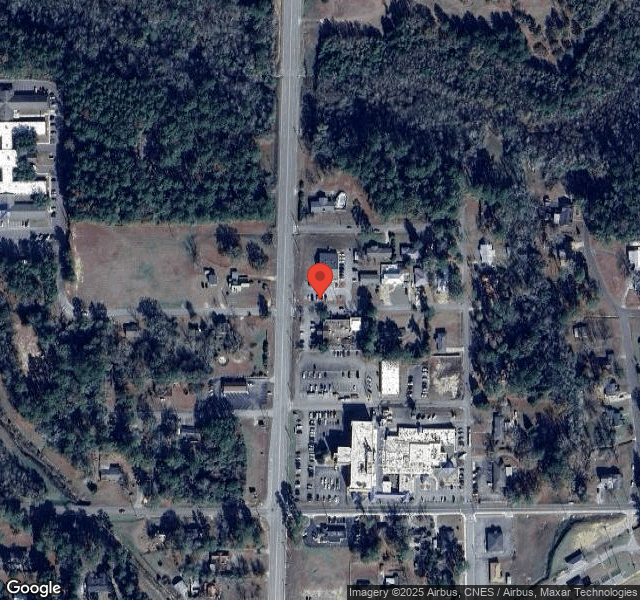

115 PAULK AVENUE, OPP, AL 36467 (334) 493-4558
For profit - Corporation 197 Beds NHS MANAGEMENT Data: November 2025
Trust Grade
70/100
#128 of 223 in AL
Last Inspection: March 2020

Over 2 years since last inspection. Current conditions may differ from available data.

Overview

Opp Health and Rehabilitation, LLC has a Trust Grade of B, indicating it is a good choice for families looking for a nursing home. However, its state rank of #128 out of 223 facilities places it in the bottom half for Alabama, and it is last among three options in Covington County. The facility is on an improving trend, reducing its issues from three in 2019 to just one in 2020. Staffing is average with a 3/5 rating and a turnover rate of 49%, which is similar to the state average, but it has concerning RN coverage, being less than 91% of other state facilities. While there are no fines on record, there have been specific incidents, such as expired food items not being discarded and improper care for residents with urinary catheters, highlighting areas for improvement alongside its strengths.

Trust Score
B
70/100
In Alabama
#128/223
Bottom 43%
Safety Record
Low Risk
No red flags
Inspections
Getting Better
3 → 1 violations
Staff Stability
⚠ Watch
49% turnover. Above average. Higher turnover means staff may not know residents' routines.
Penalties
✓ Good
No fines on record. Clean compliance history, better than most Alabama facilities.
Skilled Nurses
⚠ Watch
Each resident gets only 25 minutes of Registered Nurse (RN) attention daily — below average for Alabama. Fewer RN minutes means fewer trained eyes watching for problems.
Violations
○ Average
6 deficiencies on record. Average for a facility this size. Mostly minor or procedural issues.
★★★☆☆
3.0
Overall Rating
★★★☆☆
3.0
Staff Levels
★★☆☆☆
2.0
Care Quality
★★★☆☆
3.0
Inspection Score
Stable
2019: 3 issues
2020: 1 issues

The Good

  • Full Sprinkler Coverage · Fire safety systems throughout facility
  • No fines on record

Facility shows strength in fire safety.

The Bad

3-Star Overall Rating

Near Alabama average (2.9)

Meets federal standards, typical of most facilities

Staff Turnover: 49%

Near Alabama avg (46%)

Higher turnover may affect care consistency

Chain: NHS MANAGEMENT

Part of a multi-facility chain

Ask about local staffing decisions and management

The Ugly 6 deficiencies on record

Mar 2020 1 deficiency
CONCERN (F)

Potential for Harm - no one hurt, but risky conditions existed

Food Safety (Tag F0812)

Could have caused harm · This affected most or all residents

Based on observation, interviews, and a review of the facility policies titled Food Receipt and Storage and Food Cooking and Serving Temperatures, the facility failed to ensure: 1) a medium box of ope...

Read full inspector narrative →
Based on observation, interviews, and a review of the facility policies titled Food Receipt and Storage and Food Cooking and Serving Temperatures, the facility failed to ensure: 1) a medium box of opened patty sausage was sealed, a clear plastic bag of french toast, a bag of hash browns, and a half a bag of frozen biscuits in the freezer had a used by date, and 2) the temperature was taken on the second and third pan of ribs, a second pan of seasoned greens, and a second pan of rice. This had the potential to affect 48 of 96 residents who received a regular diet from the kitchen. Findings Include: 1) A review of a facility policy titled Food Receipt and Storage, with an effective date of 8/23/17, revealed: PURPOSE: Foods should be received and stored properly to prevent food borne illnesses. PROCESS: . II. Storage of Foods: . k. Open food items should be covered, labeled, and dated; . On 2/24/20 at 3:20 PM, the surveyor and the dietary manager made an observation of the freezer. The surveyor observed a medium box of patty sausage that was opened and not sealed, a clear plastic bag of 8 to 10 French toast pieces, with no use by date, and a clear bag of 12 to 15 hash browns with no use by date. Further observation revealed a half of bag of biscuits with no use by date. On 2/26/20 at 3:36 PM, an interview was conducted with Employee Identifier (EI) #3, Certified Dietary Manager. EI #3 was asked, who was responsible for labeling and dating open food items in the freezer. EI #3 replied, all employees that use items out of the freezer. EI #3 was asked, where was the label on the French toast, hash browns or the biscuits on 2/24/20, during the observation of the freezer. EI #3 replied, no ma'am, there was not one. EI #3 was asked, why were the French toast, hash browns and biscuits not labeled or had a use by date. EI #3 replied, perhaps who used them got in a rush and forgot. EI #3 was asked, when should food items in the freezer be labeled after they are opened. EI #3 replied, immediately. EI #3 was asked, what was the potential concern with the food when there was no label or a use by date. EI #3 replied, staff would be unaware of possible spoilage and could make somebody sick. EI #3 was asked, when should food items be put in the freezer open and not closed. EI #3 replied, never. EI #3 was asked when was the box of patty sausage opened. EI #3 replied, they were opened on 2/24/20. EI #3 was asked, why was the box of patty sausage open in the freezer. EI #3 replied, she did not know, she guessed they forgot and were in a hurry. EI #3 was asked, what was the facility policy on labeling, dating, and closing opened food items. EI #3 replied, all items should be labeled and dated immediately after use or opening them. 2) A review of a facility policy titled Food Cooking and Serving Temperatures with an effective date of 8/23/17 revealed: PURPOSE: Safe and sanitary food handling practices include effective control of food temperatures, in order to prevent food borne illnesses. PROCESS: . III. General Guidelines . b. (When replenishing or batching items to the steamtable new products should not be mixed with existing product, and the temperature of the new product should be recorded. On 2/26/20 at 11:52 AM, the surveyor observed the tray line. EI #5, dietary aide, was observed bringing out a second pan of ribs for the tray line. There was no observation of the temperature taken. EI #5 then brought a second pan of greens to the tray line, there was no temperature taken. At 12:01 PM, EI #5 brought out a second pan of rice to the tray line, there was no temperature taken. At 12:13 PM, EI #5 brought out the third pan of ribs to the tray line, there was no temperature taken. On 2/27/20 at 10:31 AM, EI #4, the breakfast cook was interviewed. EI #4 was asked, who was responsible for checking the temperatures on food at the tray line. EI #4 replied, the server. EI #4 was asked, when were the temperatures taken on the second and third pan of ribs, the second pan of greens and second pan of rice. EI #4 replied, she did not know. EI #4 was asked, where were the second pan and third pan of ribs, the second pan of greens, and the second pan of rice sent. EI #4 replied, to the residents who were on regular diets. EI #4 was asked, how many residents where fed from the second and third pans of ribs, the second pan of greens, and the second pan of rice. EI #4 replied, half of the residents had all ready been fed. EI #4 was asked, why were the temperatures not taken on the second and third pan of ribs, the second pan of greens, or the second pan of rice. EI #4 replied, she forgot to take the temperatures. EI #4 was asked, when should temperatures be taken of food on the tray line. EI #4 replied, before the cook brings it out to the trayline, it should be taken before it gets on the tray line. EI #4 was asked, should the temperatures be taken on foods that were brought out when the food runs out on the tray line. EI #4 replied, yes ma'am. EI #4 was asked, what was the facility policy on checking food temperatures on the tray line. EI #4 replied, she knew it was not suppose to drop below red line because it would be in the danger zone and could cause a bacteria and a virus. EI #4 was asked, what were some concerns in not checking the temperatures on the tray line. EI #4 replied, she did not want anyone to get sick or anything happen to the residents or the workers. On 2/27/20 at 1:16 PM, an interview was conducted with EI #5, dietary aide. EI #5 was asked, who was responsible for taking the temperature of foods at the tray line. EI #5 replied, it usually was tempted before handing to her by the cook. EI #5 was asked, what were the temperatures taken on the second and third pan of ribs, the second pan of greens, and the second pan of rice when it was brought to the tray line. EI #5 replied, she did not know; she did not see any one check the temperatures of the food. EI #5 was asked, why was the temperatures not taken on the second and third pan of ribs, the second pan of greens, and the second pan of rice. EI #5 replied, she did not know. EI #5 was asked, when should the temperatures be taken. EI #5 replied, when food was first prepared, right before serving, and each time before it was replenished. EI #5 was asked what were some concerns in not taking temperatures of foods on the tray lines. EI #5 replied, the food may not be hot or cold enough and make people sick. On 2/27/20 at 1:54 PM, an interview was conducted with EI #3, the Certified Dietary Manager. EI #3 was asked, who was responsible for checking temperatures on the tray line. EI #3 replied, the breakfast cook at breakfast and lunch and the float cook during supper. EI #3 was asked, what would be the reason for the food items not being tempted on the tray line. EI #3 replied, just forgot. EI #3 was asked, how would she know if the cook checked the temp before the food came out to the tray line. EI #3 replied, it would be documented. EI #3 was asked, if the temperatures on the second and third pans of ribs, the second pan of greens, and the second pan of rice was documented. EI #3 replied, no it was not. EI #3 was asked, how often should temperatures be taken at the tray line. EI #3 replied, when it was first put out on the tray line and each time it had been replenished. EI #3 was asked, what was the facility policy on tempting foods on the tray line. EI #3 replied, it should be tempted on the first round before serving, then each time when it was replenished. EI #3 was asked, what was the potential concern in not tempting foods at the tray line. EI #3 replied, food-borne illness. EI #3 was asked, how many residents were fed on a regular diet from the kitchen. EI #3 replied, 96. EI #3 was asked, how many would have been served from the second and third pan of ribs, the second pan of greens, and the second pan rice. EI #3 replied, half of 96 (48).
May 2019 3 deficiencies
CONCERN (D)

Potential for Harm - no one hurt, but risky conditions existed

Incontinence Care (Tag F0690)

Could have caused harm · This affected 1 resident

**NOTE- TERMS IN BRACKETS HAVE BEEN EDITED TO PROTECT CONFIDENTIALITY** Based on observation, interviews, record reviews and review of facility policies titled: Perineal Care and Urinary Catheter Care...

Read full inspector narrative →
**NOTE- TERMS IN BRACKETS HAVE BEEN EDITED TO PROTECT CONFIDENTIALITY** Based on observation, interviews, record reviews and review of facility policies titled: Perineal Care and Urinary Catheter Care, the facility failed to ensure: 1. a Certified Nursing Assistant (CNA) cleaned Resident Identifier (RI) #114, a resident with a history of Urinary Tract Infections (UTI)s, from front to back of the perineal area, during catheter and incontinent care; and 2. the catheter tubing was not dragging on the floor as RI #114 and RI #27 propelled their wheelchairs on and off the unit. This affected one of one residents observed for catheter and incontinent care, and two of two residents with catheter tubing observed on the floor. Findings Include: A facility policy titled Perineal Care with an effective date of 12/08/06 revealed the PURPOSE: Good perineal care helps prevent infection, irritation and skin breakdown. PROCESS: . II. b) Turn the resident on his/her side and wipe from front to back wiping from . area to rectum extending over the buttocks . 1) RI #114 was admitted to the facility on [DATE] with a diagnosis of overactive bladder. A review of a facility form Physician Orders List revealed . 3/15/19 . CEFTIN 500 milligrams . BID (two times a day) (UTI) . 3/11/19 . FOLEY CATHETER .TO CLOSED URINARY DRAINAGE BAG . (URINARY RETENTION) . A review of a hospital laboratory report revealed . PROCEDURE --- CULT URINE .ORDERED 3/13/19 . CULTURE -CATH URINE .Specimen Comments . E COLI Escherichia coli . A review of another hospital laboratory report revealed .PROCEDURE --- CULT URINE .ORDERED 4/04/19 . CULTURE -CATH URINE .Organisms Identified .Escherichia coli . On 5/21/19 at 9:01 AM, the surveyor observed Employee Identifier (EI) #4, CNA performing catheter and incontinent care for RI #114. After preparing for the task, EI #4 cleaned the front of the perineal area without any issues. EI #4, with clean gloves, then turned RI #114 to the left side and wiped the left buttock from back to front. EI #4 wiped the right buttock in the same manner, back to front. EI #4 wiped the middle, in a back to front direction. EI #4 removed her gloves and washed her hands, put on new gloves and placed the clean brief. The surveyor asked EI #4 to recap when she wiped the resident's buttock area. As EI #4 was moving her hands she replied, Oh my, I wiped toward the opening instead away. The surveyor asked EI #4 which direction did she wipe. EI #4 replied, from the back down to the opening. The surveyor asked EI #4 if that was the right way to wipe. EI #4 replied, no. On 5/21/19 at 11:47 AM, another interview was conducted with EI #4, CNA. EI #4 was asked what was the policy on which direction to wipe during incontinent care. EI #4 replied, she was supposed to wipe down in front and on the back side she was suppose to wipe up. EI #4 was asked which way did she wipe the buttock area as she was cleaning the resident. EI #4 replied, she wiped from the back down to the opening, which was toward the opening and the wrong way. EI #4 was asked what would the risks be in wiping a resident in a back to front direction. EI #4 replied, spread infection. On 5/21/19 at 3:19 PM, an interview was conducted with EI #2, Licensed Practical Nurse / Staff Development/ Infection Control Nurse. EI #2 was asked what was the policy for wiping a resident during incontinent care. EI #2 replied, front to back. EI #2 was asked when should the CNA wipe in a back to front direction. EI #2 replied, never. EI #2 was asked what would the risk be in the CNA wiping in a back to front direction. EI #2 replied, UTI's, wounds and infections. 2) A review of a facility policy titled Urinary Catheter Care with an effective date of 12/1/06 revealed . Urinary Catheter care helps to prevent urinary tract infection. PROCESS: I. General . i) Catheter tubing and drainage bags are kept off the floor to prevent contamination . RI #114 was admitted to the facility on [DATE] with a diagnosis of overactive bladder. On 5/21/19 at 11:30 AM, the surveyor observed RI #114 up in a wheelchair self propelling in the hall to the main dining room. The surveyor observed the catheter tubing dragging on the floor. At 11:40 AM, the resident propelled to the main dining room. The surveyor observed the catheter tubing still dragging the floor. At 12:00 PM, RI #114 was eating lunch in the dining room; the catheter tubing remained on the floor. At 12:40 PM, RI #114 was observed propelling self back to the unit from the dining room. The catheter tubing was observed to still be dragging on the floor. On 5/21/19 at 12:45 PM, the surveyor observed RI #114, with EI #3 LPN, propelling the wheelchair on the unit. The surveyor asked EI #3 what was observed with the catheter. EI #3 replied, the tubing was dragging the floor. EI #3 was asked if the tubing was to be on the floor or dragging the floor. EI #3 replied, no. EI#3 was asked what would the harm be in the catheter tubing dragging the floor, or on the floor. EI #3 replied, infection control and the tubing would be picking up germs. On 5/21/19 at 3:19 PM, the Infection Control Nurse (EI #2) was asked how should catheter tubing hang when a resident was in a wheelchair. EI #2 replied, the tubing was to be looped and placed in a privacy bag. EI #2 was asked when should the catheter tubing drag the floor. EI #2 replied, never. EI #2 was asked what would the harm be in catheter tubing dragging on the floor. EI #2 replied, it could pick up bacteria that could introduce infection in the urinary tract. 3) RI #27 was re-admitted to the facility on [DATE] with diagnoses including Chronic Cystitis with Hematuria and Personal History of Urinary (Tract) Infections. On 04/30/19, the Physician ordered for RI #27, the placement of a Foley Catheter (with leg bag) for a diagnosis of Hemorrhagic Cystitis. On 05/19/19 at 10:55 AM, RI #27 was observed propelling his/her wheelchair down the hallway. The catheter tubing extended out from the resident's pant leg and drug along the floor, beneath the wheel chair, as the resident moved down the hall. On 05/21/19 at 3:41 PM, the above observation was discussed with the Registered Nurse Supervisor, Employee Identifier #5. The surveyor asked what concern would this situation pose to RI #27. EI #5 replied, Infection. When asked if RI #27 had a history of Urinary Tract Infections, EI #5 stated the resident had them chronically.
CONCERN (D)

Potential for Harm - no one hurt, but risky conditions existed

Respiratory Care (Tag F0695)

Could have caused harm · This affected 1 resident

**NOTE- TERMS IN BRACKETS HAVE BEEN EDITED TO PROTECT CONFIDENTIALITY** Based on observations, interviews, record reviews and review of facility policies titled: Oxygen Administration and Nebulizer, t...

Read full inspector narrative →
**NOTE- TERMS IN BRACKETS HAVE BEEN EDITED TO PROTECT CONFIDENTIALITY** Based on observations, interviews, record reviews and review of facility policies titled: Oxygen Administration and Nebulizer, the facility failed to ensure: 1. the humidifier bottle and nasal cannula for Resident Identifier (RI) #370 were dated to show that they were changed in a timely manner, and 2. the masks for nebulizer treatments for RI #371 and RI #370 were not lying on top of the bedside table. The nebulizer machine was also left uncovered. This affected two of five residents observed for oxygen administration and nebulizer treatments. Findings Include: A review of a facility policy titled, OXYGEN ADMINISTRATION with an effective date of December 8, 2005 revealed: Purpose: To administer high purity oxygen for the treatment of certain diseases or conditions. . Process . 11. Cannulas and masks should be changed weekly . A review of a facility policy titled, NEBULIZER with a revised date of May 1, 2004, revealed: . Process . V. After completion of therapy . e). store in plastic bag. A. RI #370 was readmitted to the facility on [DATE], with diagnoses to include shortness of breath and cough. Physician orders (PO), dated 05/12/19 for RI #370 revealed the order for oxygen (O2) at 2 liters per minute per nasal cannula as needed for shortness of breath and low O2 (below 92%) saturations. The PO also revealed an order dated 5/12/19 for Iprat-Albut per nebulizer. On 05/19/19 at 11:28 AM, RI #370 was observed resting in bed. An oxygen concentrator was observed with oxygen running through a nasal cannula. The cannula was lying on the bed beside the resident. No dates were observed on the nasal cannula or humidifier bottle. Also observed was a treatment mask lying on the bedside table beside the breathing treatment machine (nebulizer), uncovered (not in a bag). On 05/19/19 at 12:50 PM, the surveyor asked Licensed Practical Nurse (LPN), Employee Identifier (EI) #14 if RI #370 had an order for oxygen. EI #14 replied yes, O2 at 2 liters per minute as needed for O2 saturations less than 92 percent and/or shortness of breath. EI #14 was asked did the humidifier bottle for RI #370's oxygen concentrator have a date on it. EI #14 replied, no it did not. EI #14 was asked did the nasal cannula have a date on it. EI # 14 replied, no. EI #14 was asked should the humidifier and cannula be dated. EI #14 replied, yes. EI #14 was asked how do you know when the humidifier and cannula were replaced. EI #14 replied, if not dated, you do not know. EI #14 was asked, who was responsible for changing the humidifier and cannula EI #14 replied, 10 pm to 6 am nurses on Saturday night. EI #14 was asked, what was the potential harm of not having the humidifier and cannula with a date labeled on them. EI #14 replied, infection. EI #14 was asked where the mask was. She replied not in a bag, lying on the bedside table uncovered. EI #14 was asked who was responsible for placing the mask in a bag when finished with the treatments. She replied the LPNs. EI #14 was asked what the potential harm was in leaving the mask on top of the bedside table. She replied, infection control. B) RI #371 was admitted to the facility on [DATE] with a diagnosis of Chronic Obstructive Pulmonary Disease and cough. A Physician order, dated 05/18/19, revealed the order, Iprat-Albut . per nebulizer . On 05/19/19 at 10:33 AM, RI #371 was resting in bed, confused but alert. The surveyor observed a breathing treatment machine on the bedside table with the mask placed on top of the machine. On 05/19/19 at 12:41 PM, the surveyor asked LPN (EI #3) if RI #371 received breathing treatments. EI #3 replied, yes. When asked where the mask should be placed between treatments, EI #3 replied, in a Ziploc bag. EI #3 was asked, where the mask was at that time. EI #3 replied, sitting on top of the machine. EI #3 was asked, who was responsible for placing the mask in a bag when done with the treatment. EI #3 replied, the nurse. The surveyor asked why the mask was lying on the bedside table and not in a bag. EI #3 responded, Oversight. When asked what potential harm could result in leaving the mask uncovered on top of the machine on the bedside table, EI #3 replied, germs and infection control. On 5/22/19 at 9:06 AM, the surveyor interviewed EI #2, Staff Development/ Infection Control Nurse. EI #2 was informed that on the initial tour of facility on Sunday May 19, the nasal cannula and humidifier bottle were observed in EI #370's room, neither of which were dated. Additionally, RI #370's and #371's nebulizer masks were lying uncovered on top of the nebulizer machines on the bedside tables. EI #2 was asked, what was the policy on changing and dating the cannula and humidifier bottles. EI #2 replied, they were changed weekly, on Saturday nights during the 10 pm to 6 am shift. EI #2 was asked, who was responsible for changing these. EI #2 replied, the LPN Charge Nurse. EI #2 was asked why was it important to change these. EI #2 replied, infection. EI #2 was asked, why was it important to put dates on the cannula's and humidifiers. EI #2 explained you would not know when they were last changed. EI #2 was asked, why it was important to keep these masks covered. EI #2 replied, infection control.
CONCERN (F)

Potential for Harm - no one hurt, but risky conditions existed

Food Safety (Tag F0812)

Could have caused harm · This affected most or all residents

Based on observations, interviews and a review of the the 2017 Food Code, facility staff failed to ensure: 1) expired milk was discarded by the use by date and 2) the dish machine rinse temperatures ...

Read full inspector narrative →
Based on observations, interviews and a review of the the 2017 Food Code, facility staff failed to ensure: 1) expired milk was discarded by the use by date and 2) the dish machine rinse temperatures were maintained at recommended temperatures (no greater than 194 degrees Fahrenheit). This had the potential to affect 169 residents for whom meals were prepared and served at the time of this survey. Findings included: 1. On 05/20/19 at 4:21 PM, the pantry refrigerator located on Hall 2 was observed to have an 8-oz carton of fat free skim milk with a stamped best by date of 05/18/19. 2. The 2017 U.S. Food and Drug Administration Food Code mandates under 4-501.112 (A) Mechanical Warewashing Equipment, Hot Water Sanitization Temperatures the following: . in a mechanical operation, the temperature of the fresh hot water SANITIZING rinse as it enters the manifold may not be more than 194 degrees F (Fahrenheit) . The Food Code annex, explains further: When the sanitizing rinse temperature exceeds 194 degrees F at the manifold, the water becomes volatile and begins to vaporize reducing its ability to convey sufficient heat to utensil surfaces. On 05/21/19 at 09:25 AM, three dietary staff members were in the latter stages of processing dishes and flatware from the breakfast meal. Of eight total cycles of dish washing observed, the rinse temperatures exceeded the 194 degree F maximum temperature during five cycles. These temperatures were observed and confirmed by the Certified Dietary Manager (EI #12) and dietary staff member, EI #11. On 05/21/19 at 9:35 AM, the surveyor asked EI #12 why rinse temperatures above 194 degrees F were a problem. EI #12 explained that above 194 degrees, sanitizing was counter-acted. The surveyor then asked the staff member (EI #11), responsible for documenting the dish machine temperatures, if the rinse water could get too hot. EI #11 replied, yes, and stated 190 degrees was too hot. When asked why, EI #11 did not know.
Jul 2018 2 deficiencies
CONCERN (D)

Potential for Harm - no one hurt, but risky conditions existed

Incontinence Care (Tag F0690)

Could have caused harm · This affected 1 resident

**NOTE- TERMS IN BRACKETS HAVE BEEN EDITED TO PROTECT CONFIDENTIALITY** Based on observation, interviews, record review and review of a facility policy, Perineal Care, the facility failed to ensure a ...

Read full inspector narrative →
**NOTE- TERMS IN BRACKETS HAVE BEEN EDITED TO PROTECT CONFIDENTIALITY** Based on observation, interviews, record review and review of a facility policy, Perineal Care, the facility failed to ensure a Certified Nursing Assistant (CNA) wiped a resident with a history of Urinary Tract Infections, Resident Identifier (RI) #53's, buttocks in an upward direction during the provision of pericare. This was observed on 7/24/18 and affected one of one residents observed for pericare. Findings Include: A review of a facility policy Perineal Care with an effective date of October 1, 2010 revealed PURPOSE: Good perineal care helps prevent infection, . PROCESS: .II. b) Wash the anal area, moving upward toward the back. RI #53 was admitted to the facility on [DATE] and readmitted on [DATE] with a diagnosis of Personal history of Urinary Tract Infections. A review of a facility report dated 7/3/18 of a Urinalysis revealed: .BACTERIA 2+ the report further indicated . CULTURE .Pseudomonas aeruginosa Organism identified 07/05/18 . On 7/24/18 at 3:32 PM Employee Identifier (EI) # 2, CNA was observed performing perineal care for RI # 53. EI #2 cleaned the front side of RI #53 then assisted to turn to the left side. EI #2 wiped the buttocks area of RI #53 in a downward direction. EI #2 wiped the buttocks area three times going from the back towards the urinary opening. EI #2 washed her hands put on new gloves and placed the clean brief. On 7/24/18 at 3:40 PM an interview was conducted with EI #2, CNA. EI #2 was asked what was the policy on the direction to wipe the buttocks area during perineal care. EI #2 replied, wipe from the legs up toward the back. EI #2 was asked which way did she wipe. EI #2 replied, from the hips down toward the urine opening. EI #2 was asked if that was the correct way. EI #2 replied, no. EI #2 was asked what was the risk for wiping toward the urinary opening. EI #2 replied, if the resident had a bowel movement it could get in that area and cause an infection. On 7/26/18 at 10:18 AM an interview was conducted with EI #1, Licensed Practical Nurse. EI #1 was asked what was the policy on wiping the buttocks during the provision of perineal care. EI #1 replied, the staff should wipe the buttocks area in an upward direction away from urinary opening. EI #1 was asked if it would be an acceptable practice for staff to wipe the buttocks area in a downward motion. EI #1 replied, no. EI #1 was asked what would the harm be in wiping the buttocks in a downward direction. EI #1 replied, infections.
CONCERN (D)

Potential for Harm - no one hurt, but risky conditions existed

Infection Control (Tag F0880)

Could have caused harm · This affected 1 resident

**NOTE- TERMS IN BRACKETS HAVE BEEN EDITED TO PROTECT CONFIDENTIALITY** Based on observation, interviews and a review of a facility policy titled, Hand Hygiene, the facility failed to ensure a Certifi...

Read full inspector narrative →
**NOTE- TERMS IN BRACKETS HAVE BEEN EDITED TO PROTECT CONFIDENTIALITY** Based on observation, interviews and a review of a facility policy titled, Hand Hygiene, the facility failed to ensure a Certified Nursing Assistant (CNA) washed her hands after removing her gloves after providing assistance to Resident Identifier (RI) #123 and washed her hands prior to assisting RI #88 with his/her bread. This had the potential to affect two of 16 residents observed during a meal. Findings Include: A review of a facility policy titled, Hand Hygiene with a effective date of 9/1/2017 revealed: PURPOSE: To provide guidelines to employees for proper and appropriate hand washing techniques that will aide in the prevention of the transmission of infections III Hand Hygiene .when coming on duty, . Before and after assisting a resident . with meals. RI #88 was readmitted to the facility on [DATE] with diagnoses including Adult failure to thrive, Major depressive disorder, and Dementia. RI #88's Annual Minimum Data (MDS) with an (ARD) Assessment Reference Date of 5/16/2018 revealed RI #88's cognitive skills for daily decision making were severely impaired. RI #123 was admitted to the facility on [DATE] with diagnoses to include Hypertensive Chronic Kidney Disease. RI #123's most recent MDS, dated [DATE], the resident had short/long term memory deficit and severely impaired for decision making. On 7/24/18 at 12:41 p.m, (Employee Identifier) EI #3, CNA, entered RI #123's room. She put on gloves, pulled the resident up in his/her bed. She pulled her gloves off and did not wash her hands. She then turned the crank at the bottom of RI #123's bed with her bare hands and left the room without washing her hands. EI #3 then entered RI #88's room with the resident's food tray. She was helping the resident set up his/her meal. She touched RI #88's slice of white bread with her bare hands and opened the resident's milk carton with her bare hands. EI #3 did not wash her hands or place gloves on her hands prior to handling the resident's bread or milk carton. On 7/24/18 at 12:53 p.m., the Surveryor conducted an interview with EI #3. EI #3 was asked did she wash her hands after pulling RI #123 up in the bed. EI #3 replied, she did not immediately. EI #3 was asked why not. EI #3 replied there was a problem with RI #88. EI #3 was asked what did the facility policy say regarding when she should wash her hands. EI #3 replied, wash hands after every interaction with a resident. EI #3 was asked did she touch RI #88's bread and milk. EI #3 replied, apparently she did. EI #3 was asked did she crank RI #123's bed. EI #3 replied, she rolled up his bed. EI #3 was asked when pulling off her gloves should she have washed her hands or sanitizer her hands. EI #3 replied, if a sink was available, other wise she should sanitize her hands. EI #3 was asked was a sink available. EI #3 replied, a sink was available. EI #3 was asked what was the potential harm to the resident when staff did not wash their hands after rolling the resident bed and pulling the resident up in bed. EI #3 replied, infection control, and the spreading of germs that she may have had on her hands prior to cranking the bed. EI #3 was asked did she go from room to room passing out the resident's trays and not sanitize her hands. EI #3 replied, yes she did. EI #3 was asked what task did she perform last after leaving RI #123's room. EI #3 replied, cranked his/her bed. EI #3 was asked did she wash her hands after leaving RI #123's bed. EI #3 replied, she did not. On 7/25/18 at 9:27 a.m., the surveyor conducted an interview with EI #4, CNA/Supply Clerk. EI #4 was asked did EI #3 sanitize her hands after cranking RI #123's bed. EI #4 replied, no ma'am. EI #4 was asked should she have washed or sanitized her hands after cranking the bed. EI #4 replied, yes ma'am before and after. EI #4 was asked what was the potential harm to the resident when staff do not wash their hands after cranking a bed and passing out trays. EI #4 replied, an infection could appear. On 7/26/18 at 12:13 p.m., the surveyor conducted an interview with EI #1, Infection Control Nurse/Staff Development Prevention. EI #1 was asked when should CNAs wash their hands. EI #1 replied, when coming on duty, going off duty, and when gloves were on hands, when touching food, resident contact care and coughing or sneezing. EI #1 was asked should a CNA wash her hands after touching the bed crank on a bed and proceeding to another resident's room to help set up a meal. EI #1 replied, yes ma'am, she went from one resident to another. EI #1 was asked why was it important that CNAs wash their hands. EI #1 replied, to prevent the spread of infection and to keep the residents safe. EI #1 was asked what was the potential harm when staff did not wash their hands after touching a bed crank and proceeding to set up another resident meal and touching the resident food. EI #1 replied, the spreading of infection to the resident, other residents and themselves.
Understanding Severity Codes (click to expand)
Life-Threatening (Immediate Jeopardy)
J - Isolated K - Pattern L - Widespread
Actual Harm
G - Isolated H - Pattern I - Widespread
Potential for Harm
D - Isolated E - Pattern F - Widespread
No Harm (Minor)
A - Isolated B - Pattern C - Widespread

Questions to Ask on Your Visit

  • "Can I speak with families of current residents?"
  • "What's your RN coverage like on weekends and overnight?"

Our Honest Assessment

Strengths
  • • No major safety red flags. No abuse findings, life-threatening violations, or SFF status.
  • • No fines on record. Clean compliance history, better than most Alabama facilities.
Concerns
  • • No major red flags. Standard due diligence and a personal visit recommended.
Bottom line: Mixed indicators with Trust Score of 70/100. Visit in person and ask pointed questions.

About This Facility

What is Opp, Llc's CMS Rating?

CMS assigns OPP HEALTH AND REHABILITATION, LLC an overall rating of 3 out of 5 stars, which is considered average nationally. Within Alabama, this rating places the facility higher than 99% of the state's 100 nursing homes. This mid-range rating indicates the facility meets federal standards but may have areas for improvement.

How is Opp, Llc Staffed?

CMS rates OPP HEALTH AND REHABILITATION, LLC's staffing level at 3 out of 5 stars, which is average compared to other nursing homes. Staff turnover is 49%, compared to the Alabama average of 46%.

What Have Inspectors Found at Opp, Llc?

State health inspectors documented 6 deficiencies at OPP HEALTH AND REHABILITATION, LLC during 2018 to 2020. These included: 6 with potential for harm.

Who Owns and Operates Opp, Llc?

OPP HEALTH AND REHABILITATION, LLC is owned by a for-profit company. For-profit facilities operate as businesses with obligations to shareholders or private owners. The facility is operated by NHS MANAGEMENT, a chain that manages multiple nursing homes. With 197 certified beds and approximately 156 residents (about 79% occupancy), it is a mid-sized facility located in OPP, Alabama.

How Does Opp, Llc Compare to Other Alabama Nursing Homes?

Compared to the 100 nursing homes in Alabama, OPP HEALTH AND REHABILITATION, LLC's overall rating (3 stars) is above the state average of 2.9, staff turnover (49%) is near the state average of 46%, and health inspection rating (3 stars) is at the national benchmark.

What Should Families Ask When Visiting Opp, Llc?

Based on this facility's data, families visiting should ask: "Can I visit during a mealtime to observe dining assistance and food quality?" "How do you handle medical emergencies, and what is your hospital transfer rate?" "Can I speak with family members of current residents about their experience?"

Is Opp, Llc Safe?

Based on CMS inspection data, OPP HEALTH AND REHABILITATION, LLC has a clean safety record: no substantiated abuse findings (meaning no confirmed cases of resident harm), no Immediate Jeopardy citations (the most serious violation level indicating risk of serious injury or death), and is not on the Special Focus Facility watch list (a federal program monitoring the lowest-performing 1% of nursing homes). The facility has a 3-star overall rating and ranks #1 of 100 nursing homes in Alabama. While no facility is perfect, families should still ask about staff-to-resident ratios and recent inspection results during their visit.

Do Nurses at Opp, Llc Stick Around?

OPP HEALTH AND REHABILITATION, LLC has a staff turnover rate of 49%, which is about average for Alabama nursing homes (state average: 46%). Moderate turnover is common in nursing homes, but families should still ask about staff tenure and how the facility maintains care continuity when employees leave.

Was Opp, Llc Ever Fined?

OPP HEALTH AND REHABILITATION, LLC has no federal fines on record. CMS issues fines when nursing homes fail to meet care standards or don't correct problems found during inspections. The absence of fines suggests the facility has either maintained compliance or corrected any issues before penalties were assessed. This is a positive indicator, though families should still review recent inspection reports for the full picture.

Is Opp, Llc on Any Federal Watch List?

OPP HEALTH AND REHABILITATION, LLC is not on any federal watch list. The most significant is the Special Focus Facility (SFF) program, which identifies the bottom 1% of nursing homes nationally based on persistent, serious quality problems. Not being on this list means the facility has avoided the pattern of deficiencies that triggers enhanced federal oversight. This is a positive indicator, though families should still review the facility's inspection history directly.