ARLINGTON REHABILITATION & HEALTHCARE CENTER
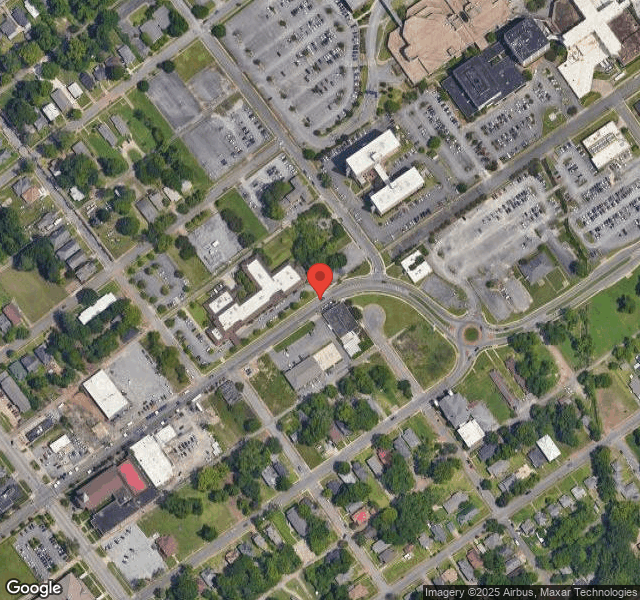
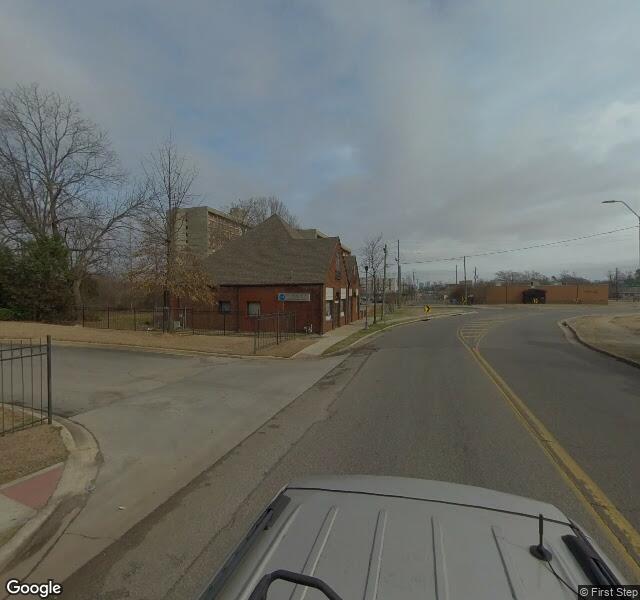
1020 TUSCALOOSA AVENUE, SW, BIRMINGHAM, AL 35211 (205) 788-6330
For profit - Corporation 117 Beds BALL HEALTHCARE SERVICES Data: November 2025
Trust Grade
65/100
#88 of 223 in AL
Last Inspection: April 2021

Over 2 years since last inspection. Current conditions may differ from available data.

Overview

Arlington Rehabilitation & Healthcare Center in Birmingham, Alabama has a Trust Grade of C+, which indicates it is slightly above average among nursing homes. It ranks #88 out of 223 facilities in Alabama, placing it in the top half, and #2 of 34 in Jefferson County, meaning only one other local option is better. The facility is showing improvement, with issues decreasing from 2 in 2021 to 1 in 2024. However, staffing is a concern, rated only 1 out of 5 stars with a high turnover rate of 60%, significantly above the state average of 48%. While the center has no fines on record, which is a positive indicator, there are specific incidents of concern. For example, staff did not follow a resident's care plan that required them to leave the resident alone when agitated, and there were failures in maintaining cleanliness around waste disposal areas, which could attract vermin. Overall, while there are strengths in its ranking and lack of fines, families should be aware of staffing issues and specific care deficiencies that may impact residents' well-being.

Trust Score
C+
65/100
In Alabama
#88/223
Top 39%
Safety Record
Low Risk
No red flags
Inspections
Getting Better
2 → 1 violations
Staff Stability
⚠ Watch
60% turnover. Above average. Higher turnover means staff may not know residents' routines.
Penalties
✓ Good
No fines on record. Clean compliance history, better than most Alabama facilities.
Skilled Nurses
⚠ Watch
Each resident gets only 26 minutes of Registered Nurse (RN) attention daily — below average for Alabama. Fewer RN minutes means fewer trained eyes watching for problems.
Violations
⚠ Watch
11 deficiencies on record. Higher than average. Multiple issues found across inspections.
★★★☆☆
3.0
Overall Rating
★☆☆☆☆
1.0
Staff Levels
★★☆☆☆
2.0
Care Quality
★★★★☆
4.0
Inspection Score
Stable
2021: 2 issues
2024: 1 issues

The Good

  • Full Sprinkler Coverage · Fire safety systems throughout facility
  • No fines on record

Facility shows strength in fire safety.

The Bad

3-Star Overall Rating

Near Alabama average (2.9)

Meets federal standards, typical of most facilities

Staff Turnover: 60%

14pts above Alabama avg (46%)

Frequent staff changes - ask about care continuity

Chain: BALL HEALTHCARE SERVICES

Part of a multi-facility chain

Ask about local staffing decisions and management

Staff turnover is elevated (60%)

12 points above Alabama average of 48%

The Ugly 11 deficiencies on record

Feb 2024 1 deficiency
CONCERN (D) 📢 Someone Reported This

A family member, employee, or ombudsman was alarmed enough to file a formal complaint

Potential for Harm - no one hurt, but risky conditions existed

Deficiency F0740 (Tag F0740)

Could have caused harm · This affected 1 resident

**NOTE- TERMS IN BRACKETS HAVE BEEN EDITED TO PROTECT CONFIDENTIALITY** Based on interviews, record review, and the facility's policy titled Behavior Management Program the facility failed to ensure s...

Read full inspector narrative →
**NOTE- TERMS IN BRACKETS HAVE BEEN EDITED TO PROTECT CONFIDENTIALITY** Based on interviews, record review, and the facility's policy titled Behavior Management Program the facility failed to ensure staff implemented Resident Identifier (RI) #3's behavioral care plan approaches. RI #3 had care planned behaviors of being combative and resisting care with an approach to leave the resident alone and return later when the resident resisted care. On 03/31/2023 staff continued to provide care to RI #3 after staff observed the resident was agitated and the resident asked to be left alone. This deficient practice affected RI #3, one of 12 sampled residents whose plan of care was reviewed. Findings include: The facility's policy titled Behavior Management Program with most recent date of 02/2013 documented: .PURPOSE: To provide facilities with a standardized process for identifying, assessing, and managing residents who display mental or psychosocial adjustment difficulties. PROCESS: . II. Behavior Management Programs a) The plan of care should be developed by the interdisciplinary team. e) Formal Behavior Intervention/Modification program: . if a resident is determined to require a formal (BIMP), an individualized plan of care will be developed to address the identified behavior . the effectiveness of approaches will be reflected in the Social Services notes. Approaches for the identified behavior(s) will remain on the plan of care while effective . f) Evaluation of the program - . A resident who exhibits behavior symptoms which are easily altered, i.e. (for example), yelling, cursing . will be maintained with the identified approaches outlined in the plan of care . RI #3 was admitted to the facility on [DATE] and readmitted on [DATE], with diagnoses to include Cerebral Palsy, Mixed Receptive-Expressive Language Disorder, Major Depressive Disorder and Cognitive Communication Deficit. RI #3's care plan included Problem/Need . Problem Onset: 04/28/2022 . Resident has combative/aggressive behaviors, including but not limited to cursing at staff, exhibiting child like behaviors by calling staff names, physical aggression towards staff . throwing items at staff and on the floor . resisting care . This care plan included Approaches . When resident is combative, verbally or resisting care, leave resident alone and return later . The Quarterly Minimum Data Set (MDS) assessment for RI #3, with an Assessment Reference date of 02/10/2023, indicated RI #3's Brief Interview for Mental Status was 12 of 15, indicating moderately impaired cognition. According to this MDS, RI #3 was noted to need extensive assistance with hygiene and was totally dependent on staff for bathing. A review of Departmental Notes for RI #3 revealed a Social Services Note dated 02/15/2023 which documented Quarterly Note: .Patient has periods of when she is combative or verbally abusive towards staff. Not a new or worsening behavior . Will review/update care plans as needed and will continue to follow plan of care . On 03/31/2023 the facility submitted an allegation to the Alabama Department of Public Health (ADPH) via the Online Incident Reporting System. The initial report documented (Certified Nursing Assistant (CNA) #4) was assisting another CNA with providing care to (RI #3). (RI #3) was agitated and aggressive and kicked (CNA #4) in the chest. (CNA #4) stayed in the room while care was provided. Review of the facility's investigative file revealed a written statement by Certified Nursing Assistant (CNA) #3, with an incident date of 03/31/2023 at 12:50 PM, and a statement date of 03/31/2023, documented the following: . Name: (CNA #3) . I went into the room to do care for (RI #3) . When I first walked into the room I noticed (RI #3) had a attitude so I asked what was bothering (him/her), to which (he/she) replied leave (him/her) alone, I continued care and (RI #3) was still very bothered and upset (he/she) began throwing things and cursing . I continued care and (RI #3) threw the wet bed pad at (CNA #4) . I then went to get (CNA #5) to help me calm down (RI #3) . The Assistant of Director of Nursing (ADON) signed this form on 03/31/2023, as the interviewer. Review of the facility's investigative file revealed a written statement given by CNA #3, with an incident date of 03/31/2023 and a statement date of 04/03/2023, documented the following: . Name: (CNA #3) . I was in the room with (CNA #4) who was orienting with me. We were trying to provide care to (RI #3) . (RI #3) was agitated and aggressive . (he/she) just kept kicking the entire time .What made (RI #3) to become agitated? . when we first walked in (he/she) was already irritated. What all care did you provide to (RI #3)? . I gave a partial bed bath. I cleaned (his/her) upper body, (his/her) lower body, private area, changed (his/her) pad and clothes. I couldn't do a full bath because (he/she) was refusing and not being cooperative. (He/She) wouldn't follow commands . The former DON signed this form on 04/04/2023, as the Interviewer. Review of the facility's investigative file revealed a written statement given by CNA #4, with an incident date of 03/31/2023 and a statement date of 04/03/2023, documented the following: . Name: (CNA #4) . Why was (RI #3) so upset . when we were trying to get (him/her) cleaned up (he/she) kept fussing and calling us out of our names. When (CNA #3) was cleaning (him/her) (he/she) kept kicking . This was a telephone interview conducted by the former Director of Nursing (DON) on 04/03/2023. Review of the facility's investigative file revealed a written statement by CNA #5, with an incident date of 03/31/2023 and a statement date of 04/03/2023, documented the following: . Name: (CNA #5) . I was asked to come into the room by (CNA #3) to help calm (RI #3) down . (CNA #3) asked me to come in to help because (RI #3) was kicking and agitated . (He/She) was very irritated . When you went in (RI #3's) room to help calm (him/her) down was (name of RI #3) still having behaviors? . Yes, I am normally able to calm (him/her) down but (he/she) was throwing all of (his/her) teddy bears on the floor . they were trying to give (him/her) a bath . (CNA #3) was giving a bath . normally (he/she) would calm down and stop acting up, but this time (he/she) was acting worse than normal. (He/She) just wouldn't calm down . The former DON signed this form on 04/04/2023, as the Interviewer. On 02/21/2024 at 9:57 AM, an interview was conducted with CNA #5. The CNA said on 03/31/2023, CNA #3 asked her to assist with RI #3 and try to get RI #3 to calm down so she (CNA #3) could bathe RI #3. CNA #5 said when she walked into RI #3's room RI #3 was mad and yelling, cursing at staff and throwing his/her stuffed animals on the floor. CNA #5 said she asked RI #3 to let CNA #3 clean him/her up before his/her sponsor came to visit and left the room to assist another resident with bathing. On 02/22/2024 at 8:57 AM, the surveyor conducted a telephone interview with the former DON. The former DON said RI #3 had childlike behaviors and got frustrated easily. The former DON said RI #3's care plan directed staff to give RI #3 some time alone and to not try to provide care when RI #3 was agitated. The former DON said when RI #3 began to exhibit behaviors on 03/31/2023, staff should have allowed RI #3 to calm down then reapproached RI #3. On 02/22/2024 at 5:50 PM, the surveyor conducted an interview with the ADON. The ADON said CNA #3 and CNA #4 should not have provided care for RI #3 after RI #3 asked to be left alone. On 02/22/2024 at 5:56 PM, a telephone interview was conducted with RI #3's sponsor. RI #3's sponsor said he participated in RI #3's care plan meetings, and he agreed with the intervention to leave RI #3 alone when he/she was agitated. This deficiency was cited as a result of the investigation of complaint/report #AL00043773.
Apr 2021 2 deficiencies
CONCERN (D)

Potential for Harm - no one hurt, but risky conditions existed

Assessment Accuracy (Tag F0641)

Could have caused harm · This affected 1 resident

**NOTE- TERMS IN BRACKETS HAVE BEEN EDITED TO PROTECT CONFIDENTIALITY** Based on interview, record review and review of the Centers for Medicare and Medicaid Services (CMS) Resident Assessment Instrum...

Read full inspector narrative →
**NOTE- TERMS IN BRACKETS HAVE BEEN EDITED TO PROTECT CONFIDENTIALITY** Based on interview, record review and review of the Centers for Medicare and Medicaid Services (CMS) Resident Assessment Instrument (RAI) 3.0 User's Manual, the facility failed to accurately code the resident's status on the completed Minimum Data Set (MDS) Assessment for three (3) residents (Resident #21, #25 and #94) out of 21 sampled residents. The findings include: Interview with the Director of Nursing (DON), on 4/1/21 at 3:00 p.m. revealed the facility did not have a policy to ensure MDS assessments were accurately coded. Review of the CMS RAI 3.0 User's Manual, Version 1.17.1, dated October 2019, Chapter 3, revealed under Section O Special Treatments, Procedures, and Programs, for item O0100C oxygen therapy code continuous or intermittent oxygen administered via mask, cannula, etc., delivered to a resident to relieve hypoxia in this item. For item O0100K Hospice care code residents identified as being in a hospice program for terminally ill persons where an array of services is provided for the palliation and management of terminal illness and related conditions. 1. Review of the medical record for Resident #21 revealed he/she was admitted to the facility on [DATE]. Diagnoses included but were not limited to Alzheimer's Disease, Dysphagia, Osteoarthritis, Spinal Stenosis, Osteoporosis with Pathological Fracture of the Right Femur, Weakness, and Adult Failure to Thrive. An additional diagnosis of COVID-19 was added on 8/6/2020. Review of the discontinued Physician's Orders for Resident #21 revealed an order dated 2/3/2020 for oxygen at two (2) Liters per Minute (LPM) via nasal cannula. Review of the current Physician's Orders for Resident #21 revealed an order for oxygen at two (2) LPM via nasal cannula as needed if saturation is below 92% dated 1/28/21. Review of the Nurse's Progress Note for Resident #21, dated 12/28/2020, revealed Resident #21 had an oxygen saturation level of 94% on two (2) LPM of oxygen via nasal cannula. Review of the Nurse's Progress Note for Resident #21, dated 10/11/2020 as a late entry for 10/9/2020, noted use of oxygen per nasal cannula. Review of Resident #21's Quarterly MDS assessment dated [DATE] did not identify the use of oxygen therapy under Section O Special Treatment, Procedures, and Programs. Additionally, review of the Annual MDS assessment for Resident #21, dated 10/20/2020 did not identify the use of oxygen therapy under Section O Special Treatment, Procedures, and Programs. Interview with the MDS Coordinator, (Registered Nurse (RN) #3) on 4/1/21 at 1:30 p.m., revealed the documentation for the use of oxygen was overlooked and should have been coded on the MDS to reflect the use of oxygen by Resident #21. 2. Review of the medical record for Resident #25 revealed he/she was admitted to the facility on [DATE]. Diagnoses included but were not limited to Anemia, Goiter, Morbid Obesity, Hyperlipidemia, Hypertension, Chronic Kidney Disease, Ischemic Heart Disease, Cerebral Infarction, Gastro-esophageal Reflux Disease (GERD), Gout, and Osteoarthritis. Review of the current Physician's Order for Resident #25 revealed an order, dated 1/15/2020, for continuous supplemental Oxygen at three (3) LPM via nasal cannula and to notify the physician if unable to maintain oxygen saturation greater than 92%. Review of the Annual MDS assessment for Resident #25, dated 8/7/2020, did not identify the use of oxygen therapy under Section O Special Treatment, Procedures, and Programs. Additionally, review of Resident #25's Quarterly MDS assessment dated [DATE] did not identify the use of oxygen therapy under Section O Special Treatment, Procedures, and Programs. Review of the Medication Administration Record (MAR) in the medical record of Resident #25, for the months of August 2020 and January 2021 revealed the use of oxygen was documented daily at three (3) LPM via nasal cannula with oxygen saturation levels greater than 92%. However, the MDS assessments completed on 8/7/2020 and 1/19/21 wasn't coded accurately for oxygen use. Interview with the MDS Coordinator (RN #3) on 4/1/21 at 1:30 p.m., revealed the documentation for the use of oxygen was overlooked and should have been coded on the MDS to reflect the use of oxygen by Resident #25. 3. Review of the medical record for Resident #94 revealed he/she was admitted to the facility on [DATE]. He/She was admitted to Hospice services on 3/4/21. Diagnoses included but were not limited to Anemia, Severe Protein-Calorie Malnutrition, Hyperlipidemia, Chronic Pain, Essential Hypertension, Asthma, Gastro-esophageal Reflux disease (GERD), Diverticulosis, Pressure Ulcers, Arthritis, Osteomyelitis and Dysphagia. Review of the medical record for Resident #94 revealed a written certification from the physician, for the period of 3/4/21 through 6/1/21, that he/she was terminally ill with a life expectancy of six (6) months or less if the terminal illness ran it's normal course. Review of the Significant Change MDS assessment, dated 3/10/21, revealed the assessment wasn't coded to reflect that Resident #94 had a condition that may result in a life expectancy of less than six (6) months. Interview with the MDS Coordinator (RN #3) on 4/1/21 at 1:30 p.m., confirmed the MDS did not reflect the life expectancy of less than six (6) months for Resident #94 as written by the physician on 3/4/21. He/She stated the statement of terminal illness from the physician was overlooked and should have been coded on the MDS.
CONCERN (D)

Potential for Harm - no one hurt, but risky conditions existed

Medical Records (Tag F0842)

Could have caused harm · This affected 1 resident

**NOTE- TERMS IN BRACKETS HAVE BEEN EDITED TO PROTECT CONFIDENTIALITY** Based on interview, record review and facility policy review, the facility failed to accurately document the code status of two ...

Read full inspector narrative →
**NOTE- TERMS IN BRACKETS HAVE BEEN EDITED TO PROTECT CONFIDENTIALITY** Based on interview, record review and facility policy review, the facility failed to accurately document the code status of two (2) out of 24 sampled residents (Resident #17 and #94). The facility failed to properly transcribe the correct code status of Resident #17 and #94 to the Physician's Order. The findings include: Review of the facility's policy titled, Advance Directive and Refusal of Treatment, dated 11/2013, revealed the policy did not address the use of the Physician's Order for Life Sustaining Treatment (POLST) as the POLST is not considered an Advance Directive by definition of an Advance Directive. 1. Review of the Face Sheet for Resident #17 revealed admission into the facility on [DATE]. The resident's diagnoses included but were not limited to Hemiplegia following Intracerebral Hemorrhage affecting Left Non-dominant Side, Chronic Respiratory Failure, Tracheostomy, Gastrostomy, Persistent Vegetative State, Type II Diabetes Mellitus, Dysphagia, Contact and Exposure to Other Viral Communicable Disease. Review of the admission Minimum Data Set (MDS) Assessment for Resident #17 dated [DATE] indicated admission from an acute hospital. The resident was admitted in a persistent vegetative state with no discernable consciousness. The resident was totally dependent on staff for all activities of daily living (ADLs). Review of the Physician's Orders dated [DATE] through [DATE] for Resident #17 revealed an order for a Full Code. Subsequent review of the Physician's Order for Resident #17 revealed a new order dated [DATE] for a DNR. Review of the Alabama Portable Physician Do Not Attempt Resuscitation Order No CPR/Allow Natural Death form dated [DATE] revealed that Resident #17 was not to be resuscitated. The form was signed by the Medical Doctor and surrogate. Observation on [DATE] at 12:15 p.m., revealed a small red round sticker located on outside of Resident #17's paper chart. Review of the Care Plan for Resident #17, dated [DATE], revealed Do Not Resuscitate (DNR) family and resident's wish for DNR will be honored and respected. Honor and respect family and resident's wishes for DNR, ensure DNR order is on the chart, provide spiritual support as needed, and Social Services to consult as needed. Interview with Registered Nurse (RN) #6 on [DATE] at 12:10 p.m. revealed that he/she was certain Resident #17 was not to be resuscitated as indicated by the red sticker on his/her chart. Interview with RN #5 on [DATE] at 12:15 p.m. revealed that there should be a red sticker on the front of the resident's chart to indicate that he/she is a do not resuscitate (DNR). RN #5 stated that he/she was certain Resident #17 was not to be resuscitated. Interview with the Director of Nursing (DON) on [DATE] at 12:25 p.m. revealed that Resident #17 is not to be resuscitated. The DON stated that there was a discrepancy between the Physician's Orders and the DNR choice of the resident's family. The DON stated that he/she would clarify the Physician's Order now. 2. Review of the medical record for Resident #94 revealed he/she was admitted to the facility on [DATE]. He/she was admitted to Hospice services on [DATE]. Diagnoses included Anemia, Severe Protein-Calorie Malnutrition, Hyperlipidemia, Chronic Pain, Essential Hypertension, Asthma, Gastro-esophageal Reflux Disease (GERD), Diverticulosis, Pressure Ulcers, Arthritis, Osteomyelitis and Dysphagia. Review of the medical record for Resident #94 revealed a form titled, Resident's Rights and Advance Directive Acknowledgement was signed by Resident #94 on [DATE]. Review of the form titled, Appendix II, Alabama Portable Physician Do Not Attempt Resuscitation Order, No CPR (Cardiopulmonary Resuscitation)/Allow Natural Death revealed the form was signed by Resident #94's health care proxy on [DATE] when Resident #94 was admitted to Hospice services. This form was signed by the physician on [DATE]. Review of the Monthly Physician's Orders for the month of [DATE] were signed by the physician on [DATE]. These monthly physician's orders contained an order for Full Code. Additional review of the Physician's Orders on [DATE] revealed a new order for a DNR dated [DATE]. Review of the Care Plan for Resident #94 revealed an identified problem of Do Not Resuscitate (DNR). A goal to honor wishes of the resident and family was documented. Interventions included: Honor and respect the family and resident's wishes for DNR; Ensure the DNR order is on chart; Provide spiritual support as needed; and Social Services to consult as needed. On [DATE] at 10:30 a.m. during an interview with Licensed Practical Nurse (LPN) #1, he/she stated Resident #94 had a code status of DNR. LPN #1 verified the statement by confirming the order was signed by the health care proxy on [DATE] and the physician on [DATE]. When questioned regarding the [DATE] monthly Physician's Orders, he/she stated this was in conflict with the DNR form and would need clarification. On [DATE] at 10:45 a.m. during an interview with the DON, he/she confirmed the DNR form and the March monthly Physician's Orders did not match. He/she stated clarification from the physician would need to be obtained and he/she would clarify the discrepancy immediately.
Mar 2019 3 deficiencies
CONCERN (D)

Potential for Harm - no one hurt, but risky conditions existed

Resident Rights (Tag F0550)

Could have caused harm · This affected 1 resident

**NOTE- TERMS IN BRACKETS HAVE BEEN EDITED TO PROTECT CONFIDENTIALITY** Based on observation, interview, record review and review of a facility policy titled, Resident Privacy, the facility failed to ...

Read full inspector narrative →
**NOTE- TERMS IN BRACKETS HAVE BEEN EDITED TO PROTECT CONFIDENTIALITY** Based on observation, interview, record review and review of a facility policy titled, Resident Privacy, the facility failed to ensure Resident Identifier (RI) #147's Foley catheter bag was in a privacy bag and not visible from the hallway on 03/21/19. This deficient practice affected RI #147, one of two residents sampled with a Foley catheter. Findings Include: A facility policy titled, Resident Privacy, dated 12/04, revealed the following: It is the policy of Ball HealthCare Services, Inc. (BHS) . that all residents have the right to personal privacy, including privacy in . medical treatment . RI #147 was admitted to the facility on [DATE] with diagnoses to include Hypertension and Pressure Ulcer of Sacral Region, Unspecified Stage. On 03/21/19 at 9:11 a.m., the surveyor observed RI #147's Foley catheter bag did not have a covering and could be seen from the hallway. RI #147's roommate was observed coming from the bathroom, passing the side of the bed where RI #147's Foley catheter could be observed. Staff was observed in the hallway walking past RI #147's room. On 03/21/19 at 9:26 a.m., the surveyor conducted an interview with Employee Identifier (EI) #3, the Licensed Practical Nurse (LPN) assigned to care for RI #147 on the 7 AM - 3 PM shift. The surveyor asked EI #3 could RI #147's Foley catheter bag be seen from the hallway. EI #3 said yes. The surveyor asked EI #3 how the Foley catheter bags were normally kept. EI #3 said the facility had Foley catheter bags with the built in covering. The surveyor asked EI #3 what type of concern/issue was it when a Foley catheter bag did not have a covering and could be seen from the hallway. EI #3 said dignity.
CONCERN (D)

Potential for Harm - no one hurt, but risky conditions existed

Deficiency F0658 (Tag F0658)

Could have caused harm · This affected 1 resident

**NOTE- TERMS IN BRACKETS HAVE BEEN EDITED TO PROTECT CONFIDENTIALITY** Based on observations, interview and record review, the facility failed to ensure Resident Identifier (RI) #146 had a Physician'...

Read full inspector narrative →
**NOTE- TERMS IN BRACKETS HAVE BEEN EDITED TO PROTECT CONFIDENTIALITY** Based on observations, interview and record review, the facility failed to ensure Resident Identifier (RI) #146 had a Physician's Order for the use of Oxygen and suctioning. RI #146 was observed utilizing Oxygen at 2 liters via (by way of) nasal cannula and having suction set up at the bedside on three of four days of the survey. This deficient practice affected RI #146, one of 37 sampled residents whose Physician Orders were reviewed. Findings Include: RI #146 was admitted to the facility on [DATE], with a diagnoses of Personal History of Recurrent Pneumonia. RI #146's Problem/Need care plan titled, (RI #1) is at risk for difficulty breathing related to HX (history) of Pneumonia and diagnosis Asthma with a Problem Onset date of 03/07/19, revealed the following approaches: . * O2 (Oxygen) per NC (Nasal Cannula) as ordered *Suction as ordered . A review of RI #146's March 2019 Physicians Orders revealed RI #146 did not have an order for the O2 or suctioning. A review of RI #146's Departmental Notes revealed the following: 3/7/2019 8:04 PM . 5:50 p.m. Resident requires suctioning, RT (Respiratory Therapy) in for setup . O2 at 2L (liters)/min (minute) via NC . 3/7/2019 8:28 PM . 8:00 p.m., RT called to set up suction in resident's room . Resident will need oral care along with suctioning prn (as needed) . 3/8/2019 3:21 PM . Suction provided . 3/11/2109 4:20 AM . O2 @ (at) 2L . On 03/19/19 at 2:27 p.m., the surveyor observed RI #146 utilizing O2 at 2 liters per minute via NC. A suction machine was observed on top of the dresser with a scant amount of secretions in the canister. On 03/20/19 at 9:23 a.m., the surveyor observed the suction machine to remain in RI #146's room and RI #146's O2 remained at 2 liters via NC. On 03/21/19 at 7:41 a.m., the suction machine was again observed in RI #146's room and RI #146 continued to utilize the O2 which was infusing at 2 liters per minute via NC. On 03/21/19 at 8:36 a.m., the surveyor conducted an interview with Employee Identifier (EI) #4, the Assistant Director of Nursing (ADON). EI #4 said RI #146 had been a resident at the facility since 3/07/19. EI #4 said she did not see where RI #146 was admitted on O2. The surveyor asked EI #4, looking at the Physicians Order, did she see an order for the O2. EI #4 said no. The surveyor asked EI #4 should there be an order for the O2. EI #4 said yes. When asked did RI #146 have an order for suctioning, EI #4 said she did not see an order for suctioning. The surveyor asked EI #4 should there be an order for the suctioning if RI #146 was being suctioned. EI #4 said yes.
CONCERN (D)

Potential for Harm - no one hurt, but risky conditions existed

Infection Control (Tag F0880)

Could have caused harm · This affected 1 resident

**NOTE- TERMS IN BRACKETS HAVE BEEN EDITED TO PROTECT CONFIDENTIALITY** Based on observations, interview and record review, the facility failed to ensure Resident Identifier (RI) #146's suction machin...

Read full inspector narrative →
**NOTE- TERMS IN BRACKETS HAVE BEEN EDITED TO PROTECT CONFIDENTIALITY** Based on observations, interview and record review, the facility failed to ensure Resident Identifier (RI) #146's suction machine and Yankauer (oral suctioning tool) were covered while not in use on three of four days of the survey. This deficient practice affected RI #146, one of three residents sampled requiring suctioning. Findings Include: RI #146 was admitted to the facility on [DATE], with a diagnoses of Personal History of Recurrent Pneumonia. On 03/19/19 at 2:27 p.m., the surveyor observed a suction machine on top of RI #146's dresser. A Yankauer, which was connected to the suction machine was observed to be lying on the inside of the dresser drawer. Neither the suction machine nor Yankauer were in a covering. On 03/20/19 at 9:23 a.m., RI #146's suction machine and Yankauer, which remained on the insider of the dresser drawer, remained uncovered. 03/20/19 at 3:42 p.m., RI #146's suction machine and Yankauer remained uncovered. On 03/21/19 at 7:41 a.m., RI #146's suction machine and Yankauer, which remained on the inside of the dresser drawer, both remained uncovered. On 03/21/19 at 8:36 a.m., the surveyor conducted an interview with Employee Identifier (EI) #4, the Assistant Director of Nursing (ADON)/Infection Control Nurse. The surveyor asked EI #4 how should the suction machine be stored when not in use. EI #4 said they should be cleaned and a bag placed over them. The surveyor asked how should the Yankauer be stored. EI #4 said it should be in a bag also. When asked when not stored this way, what was that a potential for, EI #4 said infection.
Mar 2018 5 deficiencies
CONCERN (D)

Potential for Harm - no one hurt, but risky conditions existed

Deficiency F0583 (Tag F0583)

Could have caused harm · This affected 1 resident

**NOTE- TERMS IN BRACKETS HAVE BEEN EDITED TO PROTECT CONFIDENTIALITY** Based on observation, interview, medical record review and review of a facility policy titled, Resident Privacy, the facility fa...

Read full inspector narrative →
**NOTE- TERMS IN BRACKETS HAVE BEEN EDITED TO PROTECT CONFIDENTIALITY** Based on observation, interview, medical record review and review of a facility policy titled, Resident Privacy, the facility failed to ensure licensed staff provided privacy during suctioning and Tracheostomy care for Resident Identifier (RI) #89. This deficient practice affected RI #89, one of one resident observed during Tracheostomy care. Findings Include: A review of a facility policy titled, Resident Privacy, revealed: It is the policy .that all residents have the right to personal privacy, including privacy in accommodations, medical treatment . RI #89 was admitted to the facility on [DATE] with diagnoses including, Respiratory Failure Unspecified With Hypoxia or Hypercapnia and Tracheostomy Status. On 03/15/18 at 10:45 a.m., Employee Identifier (EI) #2, a Respiratory Therapist, was observed suctioning and providing Tracheostomy care for RI #89. The privacy curtain was not pulled and the door remained open during RI #89's medical treatment. On 03/15/18 at 2:11 p.m., an interview was conducted with EI #2. EI #2 was asked if the privacy curtain was pulled during RI #89's suctioning and Tracheostomy care. EI #2 said no. EI #2 was asked if RI #89's door was closed. EI #2 said no. EI #2 was asked should a resident be provided privacy during suctioning and Tracheostomy care. EI #2 answered yes, all the time. EI #2 was asked did he provide RI #89 privacy while he was suctioning and providing Tracheostomy care. EI #2 said no, he did not.
CONCERN (D)

Potential for Harm - no one hurt, but risky conditions existed

Comprehensive Care Plan (Tag F0656)

Could have caused harm · This affected 1 resident

**NOTE- TERMS IN BRACKETS HAVE BEEN EDITED TO PROTECT CONFIDENTIALITY** Based on interview, medical record review, and review of facility documents titled, ADMINISTRATIVE POLICY, the facility failed t...

Read full inspector narrative →
**NOTE- TERMS IN BRACKETS HAVE BEEN EDITED TO PROTECT CONFIDENTIALITY** Based on interview, medical record review, and review of facility documents titled, ADMINISTRATIVE POLICY, the facility failed to ensure a care plan was developed for the use of a psychoactive medication for Resident Identifier (RI) #16. This deficient practice affected one of 28 residents reviewed for care plans. Findings Include: A review of a facility document titled, ADMINISTRATIVE POLICY with a revised date of 09/2009, revealed: SUBJECT: Care Plans PURPOSE: Plans of Care are developed . to coordinate and communicate the plan of care for the resident. A review of a facility document titled, ADMINISTRATIVE POLICY with a revised date of 02/2013, revealed: SUBJECT: Psychoactive Medications . PROCESS: I. Unnecessary Drugs . (f)Nursing service, social service and other members of the interdisciplinary team will address behavior symptoms . in the plan of care . According to record review, RI #16 was readmitted on [DATE] with the diagnoses including, Cognitive Communication Deficit, Alzheimer's Disease and Adjustment Disorder With Depressed Mood. On 3/15/2018 at 2:58 p.m., a review of the March 2018 Physician Orders revealed: . 9/22/17 . ZYPREXA 5 mg (MILLIGRAMS) TABLET GIVE ONE TABLET BY MOUTH AT BEDTIME (DX [DIAGNOSIS]: DISTURBED BEHAVIORS) . On 3/15/2018 at 3:13 p.m., a review of RI #16's current care plan revealed no care plan addressing a psychoactive medication. On 3/15/2018 at 4:55 p.m., an interview was conducted with Employee Identifier (EI) #6, Minimum Data Set (MDS) Coordinator. EI #6 was asked, while RI #16 was a resident in the facility, was RI #16 on a psychotropic medication. EI #6 stated the care plan did not show the resident was on a psychotropic medication, but according to the Electronic Medication Administration Record (EMAR), RI #16 was on Zyprexa. EI #6 was asked what kind of drug Zyprexa was. EI #6 replied it was a psychotropic medication. EI #6 was asked if RI #16 was care planned for the psychotropic medication. EI #6 stated no. EI #6 was asked why should RI #16 be care planned for the psychotropic medication. EI #6 answered to give better care. EI #6 was asked why RI #6 was not care planned for the psychotropic medication. EI #6 replied it was just overlooked.
CONCERN (D)

Potential for Harm - no one hurt, but risky conditions existed

Deficiency F0658 (Tag F0658)

Could have caused harm · This affected 1 resident

**NOTE- TERMS IN BRACKETS HAVE BEEN EDITED TO PROTECT CONFIDENTIALITY** Based on observation, interview, medical record review, review of a facility policy titled, Oral and Nasal Inhalation Administra...

Read full inspector narrative →
**NOTE- TERMS IN BRACKETS HAVE BEEN EDITED TO PROTECT CONFIDENTIALITY** Based on observation, interview, medical record review, review of a facility policy titled, Oral and Nasal Inhalation Administration and Fundamentals of Nursing the facility failed to ensure: 1.) a Licensed Nurse remained with Resident Identifier (RI) #53 during administration of a nebulizer treatment, and 2.) Licensed Nurses followed physician's orders for flushes between medications for Resident Identifier (RI) #3 and RI #25. These deficient practices affected RI #53, RI #3 and RI #25, three of eight residents and three of seven nurses observed during medication administration observation. Findings Include: A review of a facility policy titled, Oral and Nasal Inhalation Administration, dated 8-2007 revealed: PURPOSE: To administer oral, nasal and aerosol inhalation medications in a safe and accurate manner. .III. Aerosol/Hand Held/Mask Nebulizer Therapy .d. Monitor delivery of medication until completely delivered. A review of Fundamentals of Nursing Ninth Edition, 2017, by [NAME] Stockert and Hall, Page 632 included, .Carefully monitor a patient's response to a medication . 1.) RI #53 was readmitted to the facility on [DATE] with diagnoses including, Aphasia and Hemiplegia Following Cerebral Infarction Affecting Right Dominant Side. On 03/14/18 at 9:36 a.m., Employee Identifier (EI) #4, Licensed Practical Nurse (LPN) was observed placing a nebulizer mask on RI #53's face and turning on RI #53's nebulizer machine. EI #4 was then observed going in the bathroom to wash her hands and return to the cart to sign out RI #53's medications. EI #4 was then observed preparing medications and going into another resident's room. On 03/15/18 at 2:59 p.m., an interview was conducted with EI #4. EI #4 was asked did she remain with RI #53 during his/her nebulizer treatment on 03/14/18. EI #4 said not directly in the room, but in the vicinity. EI #4 was asked what did she do while RI #53's nebulizer was infusing. EI #4 stated she gave his/her roommate's medications and medications to a resident in another room, but could still hear RI #53's machine going. EI #4 was asked could she tell if RI #53's mask slipped down just by listening. EI #4 said no. EI #4 was asked did RI #53 have an order to self administer his medications. EI #4 said no. EI #4 was asked should she have remained with RI #53 while his nebulizer treatment was administered. EI #4 said yes. EI #4 was asked what was the concern with not remaining with a resident during medication administration. EI #4 answered he/she could have aspirated or the mask could have come off and he/she would not have gotten the breathing treatment. On 03/15/18 at 4:02 p.m., an interview was conducted with EI #7, Registered Nurse/Staff Development Coordinator/Infection Control Coordinator. EI #7 was asked what would she expect a nurse to do while a nebulizer treatment is being administered. EI #7 said the nurse should have the resident in view while the treatment is administered. 2.) RI #3 was admitted to the facility on [DATE] with diagnoses including, Type 2 Diabetes Mellitus Without Complications, Chronic Obstructive Pulmonary Disease and Gastrostomy Status. A review of RI #3's medical record revealed the following: Physician Order for March 2018: .FLUSH WITH 5 ML(milliliter) OF WATER BETWEEN EACH MEDICATION . On 03/14/18 at 5:25 p.m., Employee Identifier (EI) #5, Registered Nurse (RN), was observed administering medications by gastrostomy tube for RI #3. EI #5 was observed administering 30 cc's (cubic centimeters= milliliters) of water after administration of each medication. On 03/15/18 at 3:24 p.m., an interview was conducted with EI #5. EI #5 was asked, how much flush should be administered between each of RI #3's medications. EI #5 said at least 5 cc's. EI #5 was asked how much water did she administer after each of RI #3's medications on 03/14/18. EI #5 answered 30 cc's before and after each of his/her medications. When asked was the correct amount of water given between medications, EI #5 replied no. 3.) RI #25 was admitted to the facility on [DATE] with diagnoses including, Gastrostomy Status and Personal History of Pneumonia (recurrent). A review of RI #25's medical record revealed the following Physician Order for March 2018: .FLUSH 5 ML OF WATER BETWEEN MEDICATIONS . On 03/14/18 at 8:54 a.m., EI #3, Licensed Practical Nurse (LPN), was observed administering medications by gastrostomy tube for RI #25. EI #3 was observed administering 30 cc's of water after each medication. On 03/15/18 at 2:20 p.m., an interview was conducted with EI #3. EI #3 was asked how much were RI #25's flushes supposed to be before, during and after medication administration. EI #3 looked at RI #25's chart and said 30 cc's before and after medication administration and 5 cc's of water between medications. EI #3 was asked how much flush did she administer between each of RI #25's medications on 03/14/18. EI #3 answered 30 cc's. EI #3 was asked was that the correct amount. EI #3 replied no. EI #3 was asked what was the concern with administering too much water. EI #3 said fluid overload.
CONCERN (D)

Potential for Harm - no one hurt, but risky conditions existed

Infection Control (Tag F0880)

Could have caused harm · This affected 1 resident

**NOTE- TERMS IN BRACKETS HAVE BEEN EDITED TO PROTECT CONFIDENTIALITY** Based on observations, interviews, medical record reviews and review of a facility document titled, Standard Precautions, the fa...

Read full inspector narrative →
**NOTE- TERMS IN BRACKETS HAVE BEEN EDITED TO PROTECT CONFIDENTIALITY** Based on observations, interviews, medical record reviews and review of a facility document titled, Standard Precautions, the facility failed to ensure licensed staff: 1. changed gloves after gastrostomy tube medication administration for Resident Identifier (RI) #3 before rinsing, drying and storing RI #3's syringe, 2. did not manipulate a paper towel dispenser lever while wearing gloves during RI #3's medication administration, and 3. rinsed and dried both pieces of RI #25's piston syringe before storing them in a plastic bag, These deficient practices affected RI #3 and RI #25, two of eight residents and two of seven nurses observed during medication pass observations. Findings Include: A review of a facility document titled, Standard Precautions revised 12/2009 revealed: Standard Precautions will be used in the care of all residents regardless of their diagnosis or presumed infection status.POLICY INTERPRETATION AND IMPLEMENTATION: 1. Hand Hygiene .b. Wash hands immediately after gloves are removed, between resident contacts, and when otherwise indicated to avoid transfer of microorganisms to other residents or environments. 2. Gloves .c. Remove gloves promptly after use, before touching non-contaminated items and environmental surfaces, .and wash hands immediately after providing care to residents to avoid transfer of microorganisms to other residents or environments. 1.) RI #3 was admitted to the facility on [DATE] with diagnoses including, Type 2 Diabetes Mellitus Without Complications, Chronic Obstructive Pulmonary Disease and Gastrostomy Status. On 03/14/18 at 5:25 p.m., Employee Identifier (EI) #5, Registered Nurse (RN), was observed wearing gloves while administering RI #3's medications by gastrostomy tube. EI #5 was then observed entering RI #3's bathroom, manipulating the paper towel dispenser lever, rinsing and drying RI #3's piston syringe while wearing the same gloves she wore during medication administration. On 03/15/18 at 3:24 p.m., an interview was conducted with EI #5. EI #5 was asked, when you should wash hands. EI #5 said, before putting gloves on and after taking them off. EI #5 was asked, should she have worn the same gloves that she wore while administering RI #3's medications and to rinse and dry. EI #5 replied, no ma'am. EI #5 was asked, what was the concern with wearing the same gloves. EI #5 answered infection control. 2.) RI #25 was admitted to the facility on [DATE] with diagnoses including, Gastrostomy Status and Personal History of Pneumonia (recurrent). On 03/14/18 at 8:54 a.m., EI #3, Licensed Practical Nurse (LPN), was observed administering medications by gastrostomy tube for RI #25. EI #3 then went into RI #25's bathroom and was observed rinsing and drying the barrel of the piston syringe without rinsing and drying the plunger and storing both pieces in a plastic bag. On 03/15/18 at 2:20 p.m., an interview was conducted with EI #3. EI #3 was asked, when she rinsed RI #25's syringe, did she rinse both pieces. EI #3 said no she just rinsed the barrel. EI #3 was asked what was the concern with not rinsing both the plunger and the barrel. EI #3 answered infection control. On 03/15/18 at 4:02 p.m., an interview was conducted with EI #7, Registered Nurse/Staff Development Coordinator/Infection Control Coordinator. EI #7 was asked how should a nurse rinse and dry the piston syringe after tube medication administration. EI #7 said both pieces should be rinsed and dried before returning them to the bag. EI #7 was asked should a nurse manipulate the paper towel dispenser lever while wearing gloves. EI #7 said no.
CONCERN (F)

Potential for Harm - no one hurt, but risky conditions existed

Garbage Disposal (Tag F0814)

Could have caused harm · This affected most or all residents

Based on observation, interview, the 2013 Food Code, and the facility's policy on Waste Disposal, the facility failed to ensure the area around the outside oil refuse receptacle was free from food rel...

Read full inspector narrative →
Based on observation, interview, the 2013 Food Code, and the facility's policy on Waste Disposal, the facility failed to ensure the area around the outside oil refuse receptacle was free from food related garbage and trash, so as to discourage attracting vermin. This had the potential to affect all residents in the facility, 109 of 109 residents. Findings Include: 2013 Food Code by the United States Public Health Service and Food and Drug Administration documented the following: . 5-501.15 Outside Receptacles. (B) Receptacles and waste handling units for REFUSE . shall be installed so that accumulation of debris and insect and rodent attraction and harborage are minimized and effective cleaning is facilitated around and . under the unit. 5-501.115 Maintaining Refuse Areas and Enclosures. A storage area . for REFUSE . shall be maintained free of unnecessary items, as specified under . 6-501.114, and clean. 6-501.114 Maintaining Premises, Unnecessary Items and Litter. The PREMISES shall be free of: . (B) Litter. The facility's policy and procedure for Waste Disposal, last revised on 9/2014, included the following: . Policy: Garbage and trash are removed . to prevent . pests . Procedure: . 4. Outside storage areas are: . d. Kept clean of garbage and debris. On 3/13/18 at 2:31 PM, the outside dumpster area was observed with Employee Identifier (EI) #1, the Dietary Manager. At the base of the oil refuse receptacle the following debris was observed: one chicken bone, one plastic glove, one plastic spoon, one straw, one ice cream lid and six Q-tips. On 3/13/18 at 2:32 PM, EI #1 was asked what would be the problem with the items observed around the base of the oil refuse container. EI #1 replied it could attract rodents.
Understanding Severity Codes (click to expand)
Life-Threatening (Immediate Jeopardy)
J - Isolated K - Pattern L - Widespread
Actual Harm
G - Isolated H - Pattern I - Widespread
Potential for Harm
D - Isolated E - Pattern F - Widespread
No Harm (Minor)
A - Isolated B - Pattern C - Widespread

Questions to Ask on Your Visit

  • "Why is there high staff turnover? How do you retain staff?"
  • "Can I speak with families of current residents?"
  • "What's your RN coverage like on weekends and overnight?"

Our Honest Assessment

Strengths
  • • No major safety red flags. No abuse findings, life-threatening violations, or SFF status.
  • • No fines on record. Clean compliance history, better than most Alabama facilities.
Concerns
  • • 11 deficiencies on record. Higher than average. Multiple issues found across inspections.
  • • 60% turnover. Above average. Higher turnover means staff may not know residents' routines.
Bottom line: Mixed indicators with Trust Score of 65/100. Visit in person and ask pointed questions.

About This Facility

What is Arlington Rehabilitation & Healthcare Center's CMS Rating?

CMS assigns ARLINGTON REHABILITATION & HEALTHCARE CENTER an overall rating of 3 out of 5 stars, which is considered average nationally. Within Alabama, this rating places the facility higher than 99% of the state's 100 nursing homes. This mid-range rating indicates the facility meets federal standards but may have areas for improvement.

How is Arlington Rehabilitation & Healthcare Center Staffed?

CMS rates ARLINGTON REHABILITATION & HEALTHCARE CENTER's staffing level at 1 out of 5 stars, which is much below average compared to other nursing homes. Staff turnover is 60%, which is 14 percentage points above the Alabama average of 46%. High turnover can affect care consistency as new staff learn residents' individual needs.

What Have Inspectors Found at Arlington Rehabilitation & Healthcare Center?

State health inspectors documented 11 deficiencies at ARLINGTON REHABILITATION & HEALTHCARE CENTER during 2018 to 2024. These included: 11 with potential for harm.

Who Owns and Operates Arlington Rehabilitation & Healthcare Center?

ARLINGTON REHABILITATION & HEALTHCARE CENTER is owned by a for-profit company. For-profit facilities operate as businesses with obligations to shareholders or private owners. The facility is operated by BALL HEALTHCARE SERVICES, a chain that manages multiple nursing homes. With 117 certified beds and approximately 112 residents (about 96% occupancy), it is a mid-sized facility located in BIRMINGHAM, Alabama.

How Does Arlington Rehabilitation & Healthcare Center Compare to Other Alabama Nursing Homes?

Compared to the 100 nursing homes in Alabama, ARLINGTON REHABILITATION & HEALTHCARE CENTER's overall rating (3 stars) is above the state average of 2.9, staff turnover (60%) is significantly higher than the state average of 46%, and health inspection rating (4 stars) is above the national benchmark.

What Should Families Ask When Visiting Arlington Rehabilitation & Healthcare Center?

Based on this facility's data, families visiting should ask: "How do you ensure continuity of care given staff turnover, and what is your staff retention strategy?" "Can you walk me through typical staffing levels on day, evening, and night shifts?" "Can I visit during a mealtime to observe dining assistance and food quality?" "How do you handle medical emergencies, and what is your hospital transfer rate?" These questions are particularly relevant given the facility's high staff turnover rate and the below-average staffing rating.

Is Arlington Rehabilitation & Healthcare Center Safe?

Based on CMS inspection data, ARLINGTON REHABILITATION & HEALTHCARE CENTER has a clean safety record: no substantiated abuse findings (meaning no confirmed cases of resident harm), no Immediate Jeopardy citations (the most serious violation level indicating risk of serious injury or death), and is not on the Special Focus Facility watch list (a federal program monitoring the lowest-performing 1% of nursing homes). The facility has a 3-star overall rating and ranks #1 of 100 nursing homes in Alabama. While no facility is perfect, families should still ask about staff-to-resident ratios and recent inspection results during their visit.

Do Nurses at Arlington Rehabilitation & Healthcare Center Stick Around?

Staff turnover at ARLINGTON REHABILITATION & HEALTHCARE CENTER is high. At 60%, the facility is 14 percentage points above the Alabama average of 46%. High turnover means new staff may not know residents' individual needs, medications, or preferences. It can also be disorienting for residents, especially those with dementia who rely on familiar faces. Families should ask: What is causing the turnover? What retention programs are in place? How do you ensure care continuity during staff transitions?

Was Arlington Rehabilitation & Healthcare Center Ever Fined?

ARLINGTON REHABILITATION & HEALTHCARE CENTER has no federal fines on record. CMS issues fines when nursing homes fail to meet care standards or don't correct problems found during inspections. The absence of fines suggests the facility has either maintained compliance or corrected any issues before penalties were assessed. This is a positive indicator, though families should still review recent inspection reports for the full picture.

Is Arlington Rehabilitation & Healthcare Center on Any Federal Watch List?

ARLINGTON REHABILITATION & HEALTHCARE CENTER is not on any federal watch list. The most significant is the Special Focus Facility (SFF) program, which identifies the bottom 1% of nursing homes nationally based on persistent, serious quality problems. Not being on this list means the facility has avoided the pattern of deficiencies that triggers enhanced federal oversight. This is a positive indicator, though families should still review the facility's inspection history directly.