WOODLAND VILLAGE REHABILITATION AND HEALTHCARE CEN
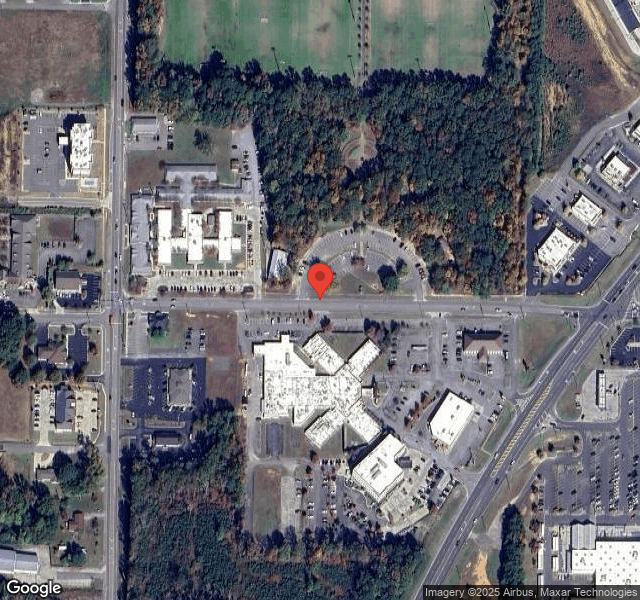
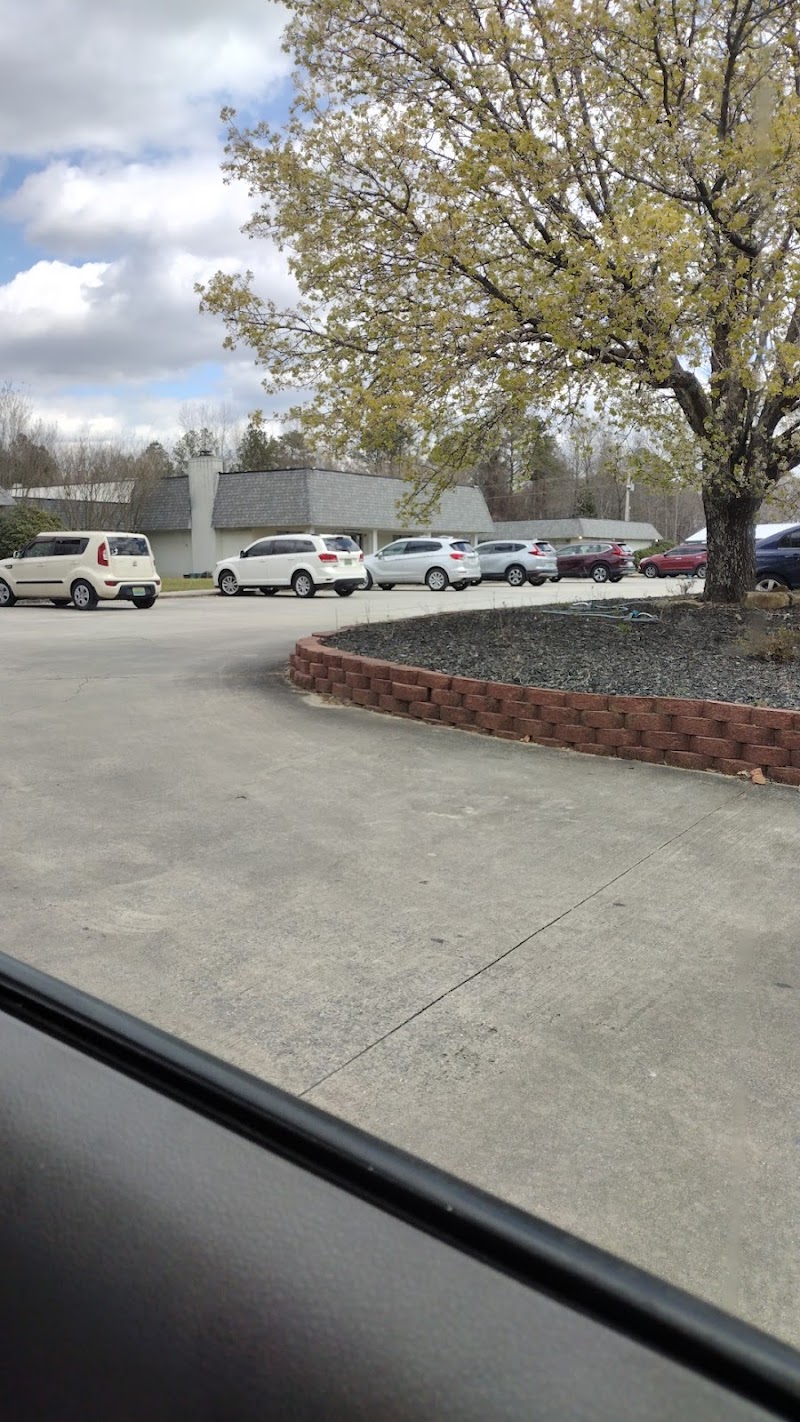
1900 OLIVE STREET SW, CULLMAN, AL 35056 (256) 739-1430
For profit - Corporation 149 Beds VENZA CARE MANAGEMENT Data: November 2025
Trust Grade
93/100
#35 of 223 in AL
Last Inspection: May 2021

Over 2 years since last inspection. Current conditions may differ from available data.

Overview

Woodland Village Rehabilitation and Healthcare Center has received an excellent Trust Grade of A, indicating that it is highly recommended and performs well compared to other facilities. It ranks #35 out of 223 nursing homes in Alabama, placing it in the top half, and is #2 out of 4 in Cullman County, meaning only one local facility is rated higher. The facility's performance has been stable, with a consistent number of issues reported over the past few years, and it has not incurred any fines, which is a positive sign. Staffing is a strength, as it boasts a perfect 5-star rating with only 30% turnover, much lower than the state average, meaning that staff are experienced and familiar with residents. However, there have been some concerns noted, such as failures to maintain proper food safety protocols, including issues with ensuring an air gap in the drainage system and not consistently meeting temperature requirements for dishwashing, which could pose risks to residents. Overall, while there are strengths in staffing and trust, families should be aware of the specific operational concerns highlighted in inspections.

Trust Score
A
93/100
In Alabama
#35/223
Top 15%
Safety Record
Low Risk
No red flags
Inspections
Holding Steady
1 → 1 violations
Staff Stability
✓ Good
30% annual turnover. Excellent stability, 18 points below Alabama's 48% average. Staff who stay learn residents' needs.
Penalties
✓ Good
No fines on record. Clean compliance history, better than most Alabama facilities.
Skilled Nurses
○ Average
Each resident gets 37 minutes of Registered Nurse (RN) attention daily — about average for Alabama. RNs are the most trained staff who monitor for health changes.
Violations
✓ Good
Only 3 deficiencies on record. Cleaner than most facilities. Minor issues only.
★★★★★
5.0
Overall Rating
★★★★★
5.0
Staff Levels
★★☆☆☆
2.0
Care Quality
★★★★☆
4.0
Inspection Score
Stable
2019: 1 issues
2021: 1 issues

The Good

  • 5-Star Staffing Rating · Excellent nurse staffing levels
  • Low Staff Turnover (30%) · Staff stability means consistent care
  • Full Sprinkler Coverage · Fire safety systems throughout facility
  • No fines on record
  • Staff turnover is low (30%)

    18 points below Alabama average of 48%

Facility shows strength in staffing levels, staff retention, fire safety.

The Bad

Chain: VENZA CARE MANAGEMENT

Part of a multi-facility chain

Ask about local staffing decisions and management

The Ugly 3 deficiencies on record

May 2021 1 deficiency
CONCERN (D)

Potential for Harm - no one hurt, but risky conditions existed

Menu Adequacy (Tag F0803)

Could have caused harm · This affected 1 resident

**NOTE- TERMS IN BRACKETS HAVE BEEN EDITED TO PROTECT CONFIDENTIALITY** Based on interviews, record review and review of a facility policy titled Select Menus, the facility failed to ensure Resident I...

Read full inspector narrative →
**NOTE- TERMS IN BRACKETS HAVE BEEN EDITED TO PROTECT CONFIDENTIALITY** Based on interviews, record review and review of a facility policy titled Select Menus, the facility failed to ensure Resident Identifier (RI) #81's food preferences for his/her supper meals on 05/04/21 and 05/05/21 were honored. This affected RI #81, one of five sampled residents reviewed for food preferences. Findings Include: Review of a facility policy titled Select Menus, with an effective date of 11/28/16, revealed the following: . Policy Selective menus will be provided to all residents within allowed dietary restrictions . Procedure 1. Selective menus are provided to all residents to make their own menu selections . Responsibility The Dietary Director is responsible for the implementation and overall compliance of this policy and procedure. RI #81 was admitted to the facility on [DATE]. RI #81's quarterly Minimum Data Set assessment, with an Assessment Reference Date of 04/14/21, revealed RI #81 scored 15 on the Brief Interview for Mental Status, indicating RI #81 was cognitively intact. On 05/04/21 at 8:56 AM, RI #81 informed the surveyor sometimes dietary would not send what he/she requested them to send. RI #81 said the residents get to choose what they want the day before by writing their request on a piece of paper. On 05/04/21 at 5:59 PM, RI #81's supper meal was observed by the surveyor. RI #81 was served a peanut butter and jelly sandwich, a bowl of cream of chicken soup, a bowl of ambrosia salad, a pack of Ms. Dash and a pack of salt and pepper. RI #81 said he/she did not want the ambrosia salad and he/she did not get his/her apple sauce and ice cream. Review of RI #81's supper meal tray card, dated 05/04/21, revealed RI #81 received everything he/she requested except the apple sauce and marble ice cream. On 05/04/21 at 6:10 PM, the surveyor conducted an interview with Employee Identifier (EI) #3, the Certified Nursing Assistant (CNA) assigned to care for RI #81. When asked who would be responsible for ensuring food items the resident requested were on the meal tray, EI #3 said the kitchen. On 05/05/21 at 6:22 PM, RI #81 was observed feeding him/herself the supper meal. RI #81 was served a peanut butter and jelly sandwich, potato wedges, a bowl of cream of chicken soup and marble ice cream. Review of RI #81's supper meal tray card, dated 05/05/21, revealed RI #81 received everything he/she requested except the apple sauce. On 05/06/21 at 10:27 AM, the surveyor conducted an interview with EI #1, the Registered Dietician. The surveyor asked EI #1 what system did the facility have in place for residents to request food items for their meals. EI #1 said the residents have tray tickets that were printed out which go to the hall the day before. EI #1 said typically the CNAs go around and ask the residents what they would like to eat for the next day for breakfast, lunch and dinner all at the same time. EI #1 said the tray tickets were returned to dietary and used to prepare the residents' food request. When asked who was responsible for ensuring the residents receive the requested food items, EI #1 said the staff on the tray preparing line. The surveyor asked EI #1 if a resident did not receive the requested food items, were their food preferences being honored. EI #1 said no.
Jun 2019 1 deficiency
CONCERN (F)

Potential for Harm - no one hurt, but risky conditions existed

Food Safety (Tag F0812)

Could have caused harm · This affected most or all residents

Based on observation, interview, review of the Food and Drug Administration (FDA) 2017 Code, review of the facility's procedure for cleaning the coffee machine, and review of the facility's Dietary Cl...

Read full inspector narrative →
Based on observation, interview, review of the Food and Drug Administration (FDA) 2017 Code, review of the facility's procedure for cleaning the coffee machine, and review of the facility's Dietary Cleaning - Daily Cleaning Schedule, the facility failed to: 1) ensure there was an air gap between the sewer system and the drains from the dishwashing machine, the three-compartment pot and pan sink, and the two-compartment food preparation sink; 2) prevent flies from entering the kitchen and contaminating food, food-contact surfaces and nonfood-contact surfaces; 3) ensure the final rinse of the dishwasher consistently reached a minimum of 180 degrees Fahrenheit (F) to sanitize the dishware, utensils and equipment for each wash and rinse cycle of the dishwashing machine; 4) ensure the steam table was working properly to maintain the temperature of foods at 135 degrees F or higher; 5) ensure the coffee machine was cleaned daily; 6) keep the personal belongings of staff separate from stored food items; and 7) ensure the fan grill of Walk-in Cooler #1 was clean and free of an accumulation of a dark-colored substance. This had the potential to affect 128 residents receiving meals from the facility's kitchen, 128 of 130 residents. Findings include: 1) The FDA 2017 Food Code included the following: . 5-402.11 Backflow Prevention. (A) . a direct connection may not exist between the SEWAGE system and a drain originating from EQUIPMENT in which FOOD, portable EQUIPMENT, or UTENSILS are placed. On 06/24/19 at 04:10 PM, there were no air gaps observed for three PVC (polyvinyl chloride) drain pipes, which extended through a wall opening from the dirty side of dishwashing area into the clean side of the dishwashing area. These drain pipes extended down into a floor drain located on the clean side of the dishwashing area with no air gaps between the ends of the drain pipes and the top of the floor drain. On 06/24/19 at 04:22 PM, the three-compartment pot and pan sink was observed to have a P-trap style drain. There was no air gap. The three-compartment pot and pan sink drain appeared to have a direct connection to the sewer. Also, the two-compartment food preparation sink had a P-trap drain and there was no air gap. The two-compartment food preparation sink drain appeared to be a direct connection to the sewer. In addition, one of the previously noted PVC pipes (coming through the wall and down into a floor drain) was a drain from the dishwashing machine. The dishwashing machine drain pipe descended into the sewer floor drain and there was no air gap. On 06/25/19 at 09:11 AM, Employee Identifier (EI) #2, a Dietary Manager (DM), was asked what was the potential problem with the dishwashing machine drain pipe not having an air gap, due to the drain pipe extending down into the floor drain. EI #2 stated backflow could be a problem. EI #2 was asked if there was an air gap for the dishwashing machine drain pipe. EI #2 answered, No. Upon being asked what was the potential problem, EI #2 said, Contamination. On 06/25/19 at 10:30 AM, EI #8, the facility's contract plumber, was interviewed. EI #8 confirmed that the three-compartment pot and pan sink drain and the two-compartment food preparation sink drain each needed an air gap. 2) The FDA 2017 Food Code included the following: . 6-202.15 Outer Openings, Protected. (A) . outer openings of a FOOD ESTABLISHMENT shall be protected against the entry of insects . by: . (D) . the opening shall be protected by the entry of insects . by: . (2) Properly designed and installed air curtains to control flying insects; or (3) Other effective means. 6-501.111 Controlling Pests. . The PREMISES shall be maintained free of insects . On 06/24/19 at 03:30 PM, during the initial tour of the facility's kitchen, three flies were observed. Two flies were seen to land on the door of the reach-in refrigerator. On 06/25/19 at 09:30 AM, the control of the fly fan at the kitchen's back door was noted to be on the low setting. The air flow was felt. The air flow was very lightly coming out of one side of the fly fan. The fly fan was not producing enough air flow to prevent flies from entering the kitchen. In addition, two bug lights were noted in the kitchen area; one of the two bug lights was not lit and therefore was not functioning. On 06/25/19 at 11:32 AM, a fly was observed sitting on a tray cart rack in the kitchen. On 06/25/19 at 11:37 AM, a fly was observed sitting on the tray line in the kitchen. On 06/25/19 at 11:51 AM, a fly was observed on a resident tray located on the tray line in the kitchen. On 06/25/19 at 11:53 AM, a fly landed on a bowl lid on the tray line in the kitchen. On 06/25/19 at 11:57 AM, a fly landed on the handle of a serving spoon for the pureed greens in the kitchen. On 06/25/19 at 04:03 PM, EI #2, DM, was interviewed. Upon being asked if he had noticed the flies in the kitchen, EI #2 said yes. When asked how long he had seen flies in the kitchen, EI #2 said today. EI #2 was asked what was being done to help prevent the flies. EI #2 said the bug light was working now, but was not previously plugged in (when observed by the surveyor). EI #2 further said half of the (fly fan) blower was not working. EI #2 also said the facility had a pest control contract for the kitchen. On 06/25/19 at 04:15 PM, EI #1, the Registered Dietitian (RD), was asked if she had noticed flies in the kitchen. EI #1 answered yes, yesterday. EI #1 stated she had been at this facility full-time for one week, but previously had come to the facility weekly. EI #1 was asked how long she had noticed the flies. EI #1 said they come and go. EI #1 further said there was a truck delivery yesterday and the driver propped the door open. When asked if she was referring to the outside door of the dry goods storage room being propped open, EI #1 said yes. EI #1 was asked what was being done to prevent the flies from entering the kitchen. EI #1 stated they had pest control, try to keep things clean, and try to keep the doors closed. When asked if she was aware of the nonfunctional fly fan on the door to the dry goods storage room, EI #1 stated no. On 06/26/19 at 06:39 AM, the surveyor entered the kitchen for breakfast tray line and observed flies. The flies noted included the following: one on the tray line roller, one on a plastic lid, and one flying around the bacon. On 06/26/19 at 06:56 AM, one fly was observed resting on a slice of toast on the steam table. On 06/26/19 at 07:25 AM, one fly was observed on the plastic bag containing pancakes to be used for service on the steam table. 3) The FDA 2017 Food Code included the following: . 4-501.11 Good Repair and Proper Adjustment. (A) EQUIPMENT shall be maintained in a state of repair . 4-501.112 Mechanical Warewashing Equipment, Hot Water Sanitization Temperatures. (A) . in a mechanical operation, the temperature of the fresh hot water SANITIZING rinse as it enters the manifold may not be more than . 194 . (degrees) F . or less than: (2) . 180 . (degrees) F . On 06/25/19 at 09:00 AM, EI #4, a Dietary Aide (DA) and EI #5, a DA, were working in the dirty side of the dishwashing room. EI #4 placed the dirty dishes in racks and then into the conveyer-style dishwasher. The final rinse temperature was observed to be 176 degrees F for this cycle. When asked what was the final rinse temperature supposed to be, EI #4 stated, right in there. Then EI #4 said, in a questioning manner, 160 degrees F. The other DA, EI #5, said it should be 180 degrees F and she further stated it was 180 degrees F this morning. The dietary aides were asked who usually checked the final rinse temperature. EI #5 answered I do. When asked if the final rinse temperature was now reaching 180 degrees F, EI #4 and EI #2, DM, both answered, No. When asked what would be the harm of the dishes not being sanitized at 180 degrees F, EI #4 stated I don't know. EI #2 stated the problem would be bacteria and contamination and it could make people sick. On 06/25/19 at 09:05 AM, EI #6, the Maintenance Director, and EI #7, the Corporate Maintenance Director, came to the kitchen to work on the dishwasher final rinse temperature issue. The final rinse temperature was noted to go back up to 182 degrees F once, but it would not consistently stay at 180 degrees F or above for each cycle. For subsequent cycles it fell back to 176 degrees F and therefore did not sanitize the dishes. 4) The FDA 2017 Food Code included the following: . 3-501.16 Time/Temperature Control for Safety Food, Hot and Cold Holding. (A) . TIME/TEMPERATURE CONTROL FOR SAFETY FOOD shall be maintained: (1) At . 135 . (degrees) F . or above . 4-501.11 Good Repair and Proper Adjustment. (A) EQUIPMENT shall be maintained in a state of repair . On 06/25/19 at 10:50 AM, the lunch tray line was observed. EI #9, the AM Cook, was observed to properly calibrate the thermometer and then check the temperatures of the food being held on the steam table for the lunch tray line. One of the steam table tanks was missing the light over its control knob and the knob appeared damaged. The pureed foods were located in this tank and most of the pureed items were below the acceptable holding temperature of 135 degrees F. These temperatures were as follows: - pureed pork chop 110 degrees F - pureed baked chicken 80 degrees F - pureed rice 100 degrees F - pureed squash 100 degrees F 06/25/19 11:53 AM, the water temperature in the pureed foods' steam table tank was checked and found to be 90 degrees F. On 06/26/19 at 06:39 AM, the breakfast tray line was observed. EI #10, the AM [NAME] properly calibrated the thermometer and checked the temperatures of the food being held on the steam table for breakfast. The following items were below the acceptable holding temperature of 135 degrees F: - Pureed Eggs 130 degrees F - Mechanical Meat - EI #10 said it was cold These items were in the same steam table tank as the pureed foods from the day before that were not at the appropriate temperature. This steam table tank was still missing the light over its control knob and the knob still appeared damaged. EI #10 stated she had told two previous bosses about the broken light and that it had not been working for about two to three years. On 06/26/19 at 07:44 AM, EI #1, the RD, said the steam table had just recently quit working and she had previously been watching the temperatures and they had been okay. EI #1 said a work order had been placed the day before for the steam table tank (element) in question. When asked how long the light had not been working on the steam table for that tank (element), EI #1 stated she did not know. 5) The FDA 2017 Food Code included the following: . 4-601.11 Equipment, Food-Contact Surfaces, Nonfood-Contact Surfaces, and Utensils. (A) EQUIPMENT FOOD-CONTACT SURFACES and UTENSILS shall be clean to sight and touch. (C) NonFOOD-CONTACT SURFACES of EQUIPMENT shall be kept free of an accumulation of dust, dirt, FOOD residue, and other debris. On 06/24/19 at 03:53 PM, upon opening the front of the coffee machine dispenser, a dark sticky substance was observed inside the machine. EI #2, DM, was asked what was the issue with the dark sticky substance accumulated inside the coffee machine. EI #2 stated contamination and potential for pests. On 06/24/19 at 04:30 PM, EI #1, the RD, was asked how often the coffee machine's dispenser spouts were cleaned. EI #1 said daily. When asked who was responsible for cleaning the coffee machine, EI #1 said she would find out. EI #1 then walked to meet with EI #3, a DA. EI #3 was asked who was responsible for cleaning the coffee machine. EI #3 answered the night shift dietary aide. On 06/25/19 at 04:48 PM, the Dietary Cleaning - Daily Cleaning Schedule was viewed with EI #1. The Dietary Cleaning - Daily Cleaning Schedule documented June 18, 2019 as the last date the coffee machine was cleaned. EI #1 also provided the procedure for cleaning the coffee machine and it documented that the coffee machine was to be cleaned at the end of shift daily. EI #1 stated, according to the cleaning schedule documentation, it looked like the coffee machine had not been cleaned since June 19th. EI #1 was asked had the coffee machine not been cleaned from June 19, 2019 to June 23, 2019 per the cleaning sign-off sheet and if it had been a total of five days that the coffee machine not been cleaned. EI #1 answered correct. 6) The FDA 2017 Food Code included the following: .3-305.12 Food Storage, Prohibited Areas. FOOD may not be stored: (A) In locker rooms; . (C) In dressing rooms; . On 06/24/19 at 03:43 PM, the emergency food and water supplies were observed to be located within a room containing staff personal items, to include: a half consumed bottle of water, a jacket, and a purse. These personal staff items were stored on top of the boxes of food and water. EI #2, DM, was present for this observation. On 06/25/19 at 04:03 PM, EI #2 was interviewed about the room containing emergency food and water supplies along with staff personal items. EI #2 was asked what was the function of this room. EI #2 said it previously was a staff break room and it was changed to an emergency food storage room. When asked what was the problem with personal items being stored with food, EI #2 said contamination. During an interview on 06/25/19 at 04:15 PM, EI #1, the RD, was asked what was the function of the room by the back door of the kitchen. EI #1 said staff puts their stuff in the closet/cabinet there and it also holds the food for emergency use. EI #1 was asked if a purse, a jacket, and a half consumed bottle of water should be placed upon the food and water boxes stored in the room. EI #1 said it should not be there. EI #1 further said it could be an infection control problem. When asked how she would define this room, if it was a break room or a locker room or a storeroom, EI #1 said it is a locker room. 7) ) The FDA 2017 Food Code included the following: . 3-305.11 Food Storage. (A) . FOOD shall be protected from contamination by storing the FOOD: (2) Where it is not exposed to . dust, or other contamination . On 06/24/19 at 03:37 PM, during the initial kitchen tour with EI #2, DM, an accumulation of a dark-colored substance was seen on the fan grill of Walk-in Cooler #1. When asked what was the problem with the dark-colored substance blowing through the fan grill and into the cooler, EI #2 said possible contamination. On 06/24/19 at 04:30 PM, the surveyor along with EI #1, the RD, viewed Walk-in Cooler #1. EI #1 was asked what was the dark-colored substance on the fan grill. EI #1 said lint, it's dirty.
Jun 2018 1 deficiency
CONCERN (D)

Potential for Harm - no one hurt, but risky conditions existed

Assessment Accuracy (Tag F0641)

Could have caused harm · This affected 1 resident

**NOTE- TERMS IN BRACKETS HAVE BEEN EDITED TO PROTECT CONFIDENTIALITY** Based on record review, a facility policy titled MDS (Minimum Data Set) 3.0 Completion, a facility document titled Resident Smok...

Read full inspector narrative →
**NOTE- TERMS IN BRACKETS HAVE BEEN EDITED TO PROTECT CONFIDENTIALITY** Based on record review, a facility policy titled MDS (Minimum Data Set) 3.0 Completion, a facility document titled Resident Smokers and interview, the facility failed to ensure Resident Identifier (RI) #89's Annual MDS with an Assessment Reference Date (ARD) of 4-16-18 was marked to show RI # 89 was a smoker. This affected 1 of 27 sampled residents whose MDS's were reviewed Findings Include: A facility policy tilted MDS 3.0 Completion, revised 2-1-17, documented: . Policy Residents are assessed, using comprehensive assessment process, in order to identity care needs . RI # 89 was readmitted to the facility on [DATE]. A review of an undated facility document tilted Resident Smokersrevealed RI # 89 was a smoker. RI # 89's Annual MDS, with an ARD of 4-16-18, was not marked to show he/she was a smoker. An interview was conducted with Employee Indentifier (EI) # 1, MDS Coordinator, on 6-7-18 at 9:17 a.m. EI # 1 stated she was familiar with RI # 89 and he/she was a smoker. EI # 1 stated the MDS dated [DATE] should be marked to show he/she was a smoker. EI # 1 stated it was not marked due to a data entry error. EI # 1 further stated it was important for the MDS to be coded correctly to show an accurate picture of the resident.
Understanding Severity Codes (click to expand)
Life-Threatening (Immediate Jeopardy)
J - Isolated K - Pattern L - Widespread
Actual Harm
G - Isolated H - Pattern I - Widespread
Potential for Harm
D - Isolated E - Pattern F - Widespread
No Harm (Minor)
A - Isolated B - Pattern C - Widespread

Questions to Ask on Your Visit

  • "Can I speak with families of current residents?"
  • "What's your RN coverage like on weekends and overnight?"

Our Honest Assessment

Strengths
  • • Grade A (93/100). Above average facility, better than most options in Alabama.
  • • No major safety red flags. No abuse findings, life-threatening violations, or SFF status.
  • • No fines on record. Clean compliance history, better than most Alabama facilities.
  • • Only 3 deficiencies on record. Cleaner than most facilities. Minor issues only.
Concerns
  • • No significant concerns identified. This facility shows no red flags across CMS ratings, staff turnover, or federal penalties.
Bottom line: Generally positive indicators. Standard due diligence and a personal visit recommended.

About This Facility

What is Woodland Village Rehabilitation And Healthcare Cen's CMS Rating?

CMS assigns WOODLAND VILLAGE REHABILITATION AND HEALTHCARE CEN an overall rating of 5 out of 5 stars, which is considered much above average nationally. Within Alabama, this rating places the facility higher than 99% of the state's 100 nursing homes. This rating reflects solid performance across the metrics CMS uses to evaluate nursing home quality.
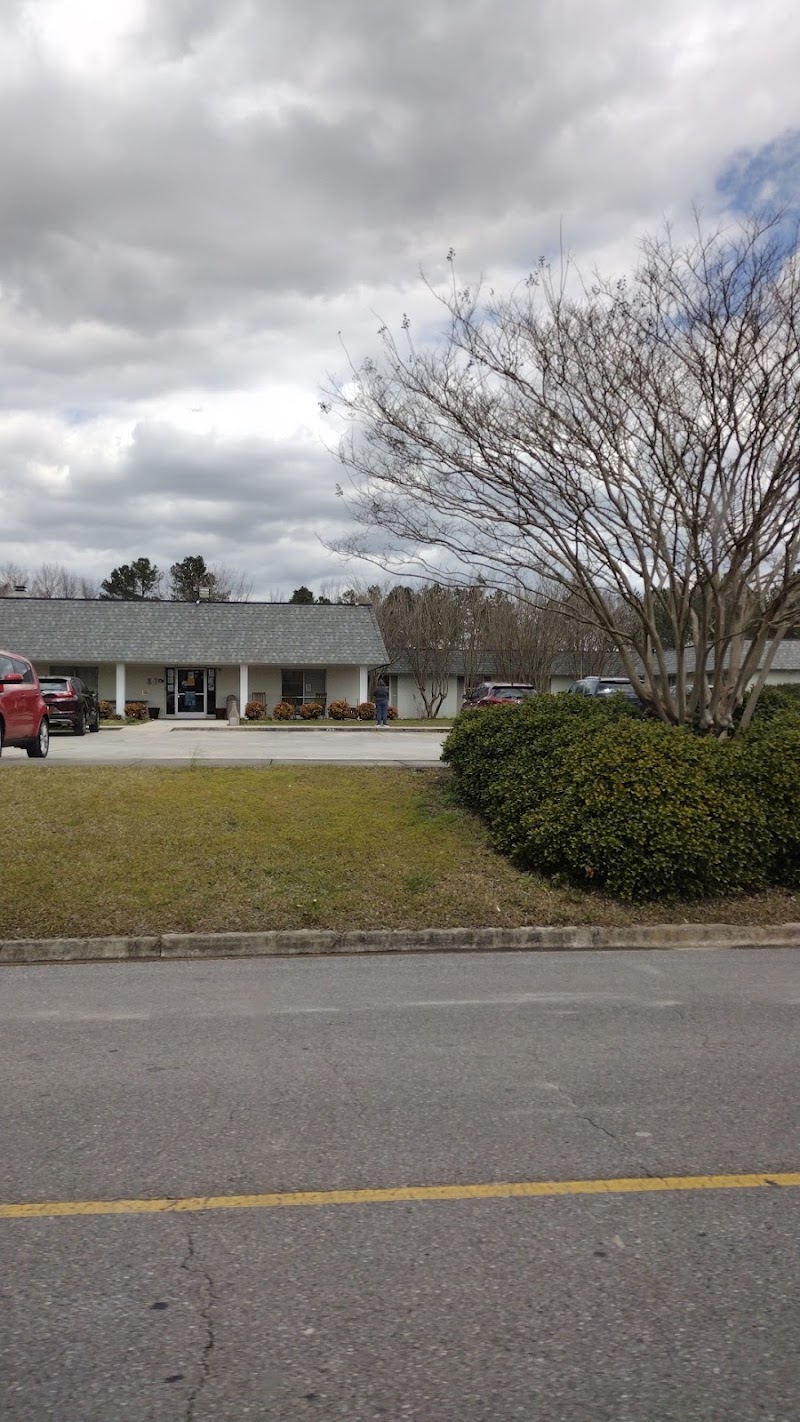
How is Woodland Village Rehabilitation And Healthcare Cen Staffed?

CMS rates WOODLAND VILLAGE REHABILITATION AND HEALTHCARE CEN's staffing level at 5 out of 5 stars, which is much above average compared to other nursing homes. Staff turnover is 30%, compared to the Alabama average of 46%. This relatively stable workforce can support continuity of care.

What Have Inspectors Found at Woodland Village Rehabilitation And Healthcare Cen?

State health inspectors documented 3 deficiencies at WOODLAND VILLAGE REHABILITATION AND HEALTHCARE CEN during 2018 to 2021. These included: 3 with potential for harm.
Who Owns and Operates Woodland Village Rehabilitation And Healthcare Cen?

WOODLAND VILLAGE REHABILITATION AND HEALTHCARE CEN is owned by a for-profit company. For-profit facilities operate as businesses with obligations to shareholders or private owners. The facility is operated by VENZA CARE MANAGEMENT, a chain that manages multiple nursing homes. With 149 certified beds and approximately 137 residents (about 92% occupancy), it is a mid-sized facility located in CULLMAN, Alabama.

How Does Woodland Village Rehabilitation And Healthcare Cen Compare to Other Alabama Nursing Homes?

Compared to the 100 nursing homes in Alabama, WOODLAND VILLAGE REHABILITATION AND HEALTHCARE CEN's overall rating (5 stars) is above the state average of 3.0, staff turnover (30%) is significantly lower than the state average of 46%, and health inspection rating (4 stars) is above the national benchmark.

What Should Families Ask When Visiting Woodland Village Rehabilitation And Healthcare Cen?

Based on this facility's data, families visiting should ask: "Can I visit during a mealtime to observe dining assistance and food quality?" "How do you handle medical emergencies, and what is your hospital transfer rate?" "Can I speak with family members of current residents about their experience?"

Is Woodland Village Rehabilitation And Healthcare Cen Safe?

Based on CMS inspection data, WOODLAND VILLAGE REHABILITATION AND HEALTHCARE CEN has a clean safety record: no substantiated abuse findings (meaning no confirmed cases of resident harm), no Immediate Jeopardy citations (the most serious violation level indicating risk of serious injury or death), and is not on the Special Focus Facility watch list (a federal program monitoring the lowest-performing 1% of nursing homes). The facility has a 5-star overall rating and ranks #1 of 100 nursing homes in Alabama. While no facility is perfect, families should still ask about staff-to-resident ratios and recent inspection results during their visit.

Do Nurses at Woodland Village Rehabilitation And Healthcare Cen Stick Around?

Staff at WOODLAND VILLAGE REHABILITATION AND HEALTHCARE CEN tend to stick around. With a turnover rate of 30%, the facility is 16 percentage points below the Alabama average of 46%. Low turnover is a positive sign. It means caregivers have time to learn each resident's needs, medications, and personal preferences. Consistent staff also notice subtle changes in a resident's condition more quickly. Registered Nurse turnover is also low at 16%, meaning experienced RNs are available to handle complex medical needs.

Was Woodland Village Rehabilitation And Healthcare Cen Ever Fined?

WOODLAND VILLAGE REHABILITATION AND HEALTHCARE CEN has no federal fines on record. CMS issues fines when nursing homes fail to meet care standards or don't correct problems found during inspections. The absence of fines suggests the facility has either maintained compliance or corrected any issues before penalties were assessed. This is a positive indicator, though families should still review recent inspection reports for the full picture.

Is Woodland Village Rehabilitation And Healthcare Cen on Any Federal Watch List?

WOODLAND VILLAGE REHABILITATION AND HEALTHCARE CEN is not on any federal watch list. The most significant is the Special Focus Facility (SFF) program, which identifies the bottom 1% of nursing homes nationally based on persistent, serious quality problems. Not being on this list means the facility has avoided the pattern of deficiencies that triggers enhanced federal oversight. This is a positive indicator, though families should still review the facility's inspection history directly.