PARKWOOD HEALTH CARE FACILITY
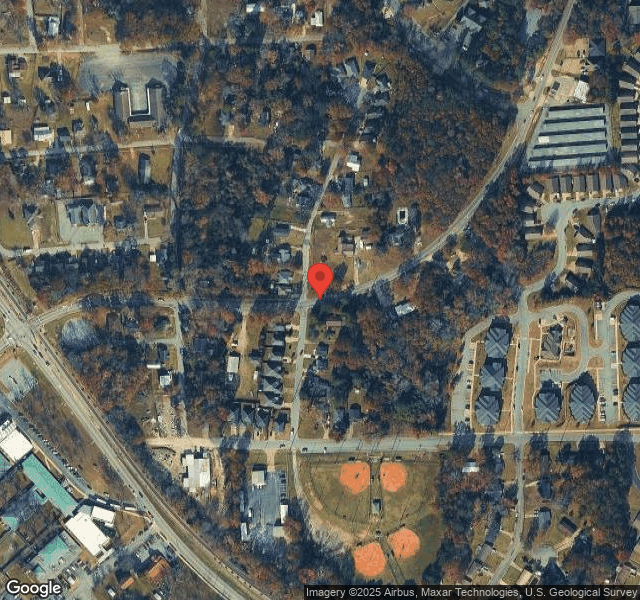
3301 STADIUM DRIVE, PHENIX CITY, AL 36867 (334) 297-0237
For profit - Corporation 74 Beds CROWNE HEALTH CARE Data: November 2025
Trust Grade
85/100
#26 of 223 in AL
Last Inspection: December 2019

Over 2 years since last inspection. Current conditions may differ from available data.

Overview

Parkwood Health Care Facility in Phenix City, Alabama, has a Trust Grade of B+, which means it is recommended and performs above average compared to other nursing homes. It ranks #26 out of 223 facilities in the state, placing it in the top half, and it is #1 out of 3 in Russell County, indicating it is the best local option. The facility is improving, with issues decreasing from 8 in 2018 to just 2 in 2019. Staffing is a strong point, as it received a 5/5 star rating with a turnover rate of only 36%, well below the state average of 48%, suggesting that staff are experienced and familiar with residents. However, there have been some concerns, including instances where food carts were not properly sanitized after use, and dietary staff failed to wash hands before handling food, which could pose hygiene risks. Overall, while there are some weaknesses, the strong staffing and improving trend make it a viable option for families considering care for their loved ones.

Trust Score
B+
85/100
In Alabama
#26/223
Top 11%
Safety Record
Low Risk
No red flags
Inspections
Getting Better
8 → 2 violations
Staff Stability
○ Average
36% turnover. Near Alabama's 48% average. Typical for the industry.
Penalties
✓ Good
No fines on record. Clean compliance history, better than most Alabama facilities.
Skilled Nurses
✓ Good
Each resident gets 51 minutes of Registered Nurse (RN) attention daily — more than average for Alabama. RNs are trained to catch health problems early.
Violations
⚠ Watch
15 deficiencies on record. Higher than average. Multiple issues found across inspections.
★★★★★
5.0
Overall Rating
★★★★★
5.0
Staff Levels
★★★★★
5.0
Care Quality
★★★☆☆
3.0
Inspection Score
Stable
2018: 8 issues
2019: 2 issues

The Good

  • 5-Star Staffing Rating · Excellent nurse staffing levels
  • 5-Star Quality Measures · Strong clinical quality outcomes
  • Full Sprinkler Coverage · Fire safety systems throughout facility
  • No fines on record
  • Staff turnover below average (36%)

    12 points below Alabama average of 48%

Facility shows strength in staffing levels, quality measures, fire safety.

The Bad

Staff Turnover: 36%

Near Alabama avg (46%)

Typical for the industry

Chain: CROWNE HEALTH CARE

Part of a multi-facility chain

Ask about local staffing decisions and management

The Ugly 15 deficiencies on record

Dec 2019 2 deficiencies
CONCERN (D)

Potential for Harm - no one hurt, but risky conditions existed

Resident Rights (Tag F0550)

Could have caused harm · This affected 1 resident

**NOTE- TERMS IN BRACKETS HAVE BEEN EDITED TO PROTECT CONFIDENTIALITY** Based on observation, interview, resident record review and review of a facility document titled F550 Resident Rights, the facil...

Read full inspector narrative →
**NOTE- TERMS IN BRACKETS HAVE BEEN EDITED TO PROTECT CONFIDENTIALITY** Based on observation, interview, resident record review and review of a facility document titled F550 Resident Rights, the facility failed to ensure Resident Identifier (RI) #112 and RI #9 were not left in the hall for 25 minutes, lined up parallel to the wall, in their wheel chairs, wrapped in sheets, while waiting for showers near the front entrance of the facility. This affected two of 23 sampled residents. Findings include: Review of an undated facility document titled F550 Resident Rights revealed the following: .Resident Rights. The resident has a right to a dignified existence, . A facility must treat each resident with respect and dignity and care for each resident in a manner and in an environment that promotes maintenance or enhancement of his or her quality of life, recognizing each resident's individuality. The facility must protect and promote the rights of the resident. RI #112 was readmitted to the facility on [DATE] with diagnoses to include: Osteoarthritis and Hemaplegia. Review of RI #112's quarterly Minimum Data Set (MDS) assessment with an Assessment Reference Date of 11/12/19 revealed RI #112 had a Brief Interview for Mental Status (BIMS) score of 15 of 15, which indicated RI #112 had intact cognition for daily decision making. Review of the MDS also revealed RI #112 required one person physical assistance for transfer, locomotion on and off the unit, dressing, personal hygiene and bathing. RI #9 was readmitted to the facility on [DATE] with diagnoses to include: Myasthenia Gravis and Muscle Weakness. Review of RI #9's quarterly MDS assessment with an Assessment Reference Date of 8/29/19 revealed RI #9 had a BIMS score of 15 of 15, which indicated RI #9 had intact cognition for daily decision making. Review of the MDS also revealed RI #9 required one person physical assistance for transfer, locomotion off the unit, dressing, personal hygiene and bathing. On 12/4/19 at 9:15 AM, RI #112 and RI #9 were observed in the hall outside the shower room, in view of the facility entrance, in wheel chairs, lined up parallel to the wall and wrapped in sheets. RI #112 was wearing a hospital gown under the sheet. RI #112's lower legs were exposed. RI #112 stated, he/she was having to hold stuff. RI #112 was holding the sheet up and clothes to put on after the shower. RI #112 stated, he/she was hoping it would not be much longer. RI #9 was wearing a t-shirt under the sheet. Staff were in the hall, walking and going about their work. At 9:23 AM, a staff member came out of the shower room wheeling another resident, wrapped in a sheet, down the hall. There was a male visitor in the lobby waiting to see a resident. RI #112 and RI #9 remained lined up in the hall wrapped in sheets, outside of the shower room until 9:40 AM (25 minutes later) when RI #112 was taken into the shower room and RI #9 was taken back to his/her room to wait while RI #112 received a shower. On 12/5/19 at 11:30 AM, RI #112 and RI #9, who were roommates, were asked how they felt about waiting in the hall wearing sheets. RI #9 stated, it was not right and he/she did not know why they could not wait in their room instead of in the hall. When asked how often it happened, RI #9 said, five or six people were often lined up in the hall outside the shower room. When asked how it made them feel to sit in the hall wrapped in a sheet near the entrance of the facility, RI #112 said, it was like someone coming into your house uninvited and it affected his/her self worth. RI #9 said the facility staff should know it was not right. On 12/5/19 at 2:11 PM, Employee Identifier (EI) #3, Certified Occupational Therapy Assistant who was observed speaking to the residents in the hall while they waited for their shower on 12/4/19, was interviewed. EI #3 was asked how well she knew RI #112 and RI #9. EI #3 replied, she had worked with both of them for a while, so, fairly well. When asked if there was anything in particular she discussed with the residents when she saw them in the hallway on 12/4/19, EI #3 said, nothing in particular, she was just being friendly. When asked who in the facility was responsible for ensuring the dignity of residents was maintained, EI #3 said, everyone that came in contact with a resident. EI #3 was asked to describe how she saw RI #112 and RI #9. EI #3 said, she knew RI #112 and RI #9 were waiting for showers because of the sheets in which they were wrapped. When asked how she thought they would feel about sitting in the hall for 25 minutes like that, EI #3 said, not good, and she could not imagine why a Certified Nursing Assistant (CNA) would let them sit that long draped in a sheet in the busy area in front of the front door with people coming in and out of the facility. EI #3 said, that would be too long. On 12/5/19 at 2:54 PM, EI #4, CNA, was asked why RI #112 and RI #9 were parked, in the hall in sheets before their shower on 12/4/19. EI #4 said, because it was their shower day and their CNA brought them while she already had a resident for the shower. When asked if it was the facility practice for residents to line up in the hallway to wait for showers, EI #4 said, it had happened. When asked who was responsible to ensure the dignity of residents was maintained, EI #4 said, everyone. On 12/05/19 at 3:57 PM, EI #, CNA, was asked what the facility procedure was for taking residents to the shower room. EI #5 said, get them up, usually in a gown, wrap them in a sheet or blanket, and take them to the shower room door. When asked how many residents are usually waiting in line, EI #5 replied, two and they may wait for 10 to 15 minutes. EI #5 was asked how long RI #112 and RI #9 waited in the hall on 12/4/19. EI #5 said, she was not sure, she took them up there and went to start her other residents. When asked why she took them to wait at the shower room entrance, EI #5 stated, that was what they normally did, and that is where they park them. When asked why they waited for 25 minutes, EI #5 said, she did not know. EI #5 said, the shower team told them who they were ready for and they take the residents to sit near the shower room. EI #5 said she thought the facility should find a different way of getting residents to the shower. When asked who was responsible to ensure dignity was maintained, EI #5 said, everybody. When asked how it could affect their dignity, EI #5 replied, they could be embarrassed while sitting there waiting.
CONCERN (D)

Potential for Harm - no one hurt, but risky conditions existed

ADL Care (Tag F0677)

Could have caused harm · This affected 1 resident

**NOTE- TERMS IN BRACKETS HAVE BEEN EDITED TO PROTECT CONFIDENTIALITY** Based on observation, interview, record review and review of facility policies titled Incontinent Care and Catheter Care Using D...

Read full inspector narrative →
**NOTE- TERMS IN BRACKETS HAVE BEEN EDITED TO PROTECT CONFIDENTIALITY** Based on observation, interview, record review and review of facility policies titled Incontinent Care and Catheter Care Using Disposable Wipes and Hand Hygiene Policy and Procedure, the facility failed to ensure a Certified Nursing Assistant (CNA) washed her hands between glove changes during perineal care and prior to the application of a moisture barrier and a clean brief to Resident Identifier (RI) #46, a resident who required staff assistance with both toileting and personal hygiene. This affected one of one resident observed for incontinence care. Findings include: Review of a facility policy titled Incontinent Care and Catheter Care Using Disposable Wipes, with a revised date of 12/2012, revealed the following: OBJECTIVE: To cleanse the perineum . 2. Wash hands. Apply gloves. 9. Remove and dispose of gloves, wash hands. Apply clean gloves. 12. Remove gloves and wash hands prior to leaving the room. Review of a facility policy titled Hand Hygiene Policy and Procedure, with a revised date of 6/2017, revealed the following: Purpose: Hand hygiene is recommended to reduce the transmission of infection to residents, staff and visitors in the health-care setting. Procedure: . 3. prior to donning and after gloves are removed, . RI #46 was admitted to the facility on [DATE] and readmitted on [DATE]. A review of RI #46's admission Minimum Data Set (MDS) assessment, with an Assessment Reference Date (ARD) of 10/22/19 revealed RI #46 was always incontinent of bowel and bladder and required extensive assistance of staff for toileting and personal hygiene. On 12/4/19 at 08:15 AM, Employee Identifier (EI) #1, Certified Nursing Assistant (CNA), performed Hand Hygiene (HH) and applied gloves. EI #1 wiped RI #46's perineal area front to back. EI #1 changed gloves (without washing her hands) and cleaned the resident's buttocks front to back. EI #1 then changed gloves (without washing her hands) and applied a barrier cream. After applying the cream, EI #1 again changed gloves (without washing hands) and placed a clean brief on RI #46. EI #1 then changed gloves (without washing hands) and applied more barrier cream to the front of the resident's perineum. EI #1 then changed gloves again (with out washing hands) and closed the brief. On 12/4/19 at 8:28 AM, an interview was conducted with EI #1. EI #1 was asked to explain the facility policy for hand washing. EI #1 stated they were to wash hands before and after giving service. EI #1 was asked if the policy stated anything about hand hygiene after glove changes. EI #1 replied, yes, after you change your gloves. EI #1 was asked if she washed her hands after changing gloves while giving care to RI #46. EI #1 replied no, she did not. EI #1 was asked what was the concern for the resident. EI #1 stated the resident would not get proper care. On 12/5/19 at 2:54 PM, an interview was conducted with EI #2, Registered Nurse (RN)/Staff Development/Infection Control. EI #2 was asked to explain the process for hand hygiene during incontinence care. EI #2 replied, wash hands, apply gloves then do perineal care on the front, remove gloves, wash hands and apply new gloves. EI #1 continued and said staff should then clean the back, remove gloves, wash hands again, apply gloves, place the brief, remove gloves, wash hands and take soiled items to the soiled utility. EI #1 said after taking the soiled items to the soiled utility, staff should then wash hands or use hand sanitizer.
Oct 2018 8 deficiencies
CONCERN (D)

Potential for Harm - no one hurt, but risky conditions existed

Deficiency F0567 (Tag F0567)

Could have caused harm · This affected 1 resident

**NOTE- TERMS IN BRACKETS HAVE BEEN EDITED TO PROTECT CONFIDENTIALITY** Based on interviews, record reviews and a review of the Resident Handbook, the facility failed to ensure resident personal funds...

Read full inspector narrative →
**NOTE- TERMS IN BRACKETS HAVE BEEN EDITED TO PROTECT CONFIDENTIALITY** Based on interviews, record reviews and a review of the Resident Handbook, the facility failed to ensure resident personal funds/petty cash was available after business hours and on the weekends. This affected three of eleven residents, Resident Identifier (RI) #24, #26 and #39, who attended resident council/group meeting. Findings Include: A review of the Resident Handbook revealed the following: . You should anticipate your cash needs for weekends and withdraw funds accordingly on Friday before the business office closes . RI #24 was admitted to the facility on [DATE]. RI #26 was admitted to the facility on [DATE]. RI # 39 was admitted to the facility on [DATE]. On 10/24/18 at 11:00 AM, during the group meeting, residents were asked if funds were available on evenings and weekends. RI #39 said he/she was told to get money by Friday because no one was at the facility on Friday after the office closed, so he/she would see Employee Identifier (EI) #9/Human Resources Employee, on Friday before the office closed. RI #26 said approximately one month ago he/she wanted 20-30 dollars, but could not get any money because it was on a weekend and EI #9 was not working. RI #24 said he/she asked one of the staff members about his/her money approximately a month ago and was told the front office was not open on the weekend. On 10/24/18 at 10:50 AM, during an interview with EI #9, the surveyor asked who was responsible for the residents' personal funds. EI #9 stated, Would be me, for resident's trust. The surveyor asked what was the process for residents who requested money. EI #9 stated, They come see me, tell me what they want or how much they want, fill out a slip, sign the slip and I give them cash, that goes into my lock box. The surveyor asked when can residents get their money. EI #9 stated, Immediately everyday, and on the weekends cash left on the cart. The surveyor asked which cart. EI #9 stated, A med cart. The surveyor asked which one. EI #9 stated, Lets do south hall. The surveyor asked who was responsible for placing the money in the medication cart. EI #9 stated, I do, I give it to the nurse. The surveyor asked how long was the money there. EI #9 stated, From Friday afternoon until Monday morning. The surveyor asked, so the money is placed there on Friday afternoon and removed on Monday morning, would that be correct. EI #9 stated, Yes ma'am. The surveyor asked when was the next time money would be placed on the medication cart for residents. EI #9 stated, The next Friday. The surveyor asked was that a weekly process. EI #9 stated, Yes ma'am. The surveyor asked what time do you leave in the evenings. EI #9 stated, 4 PM. The surveyor asked what do residents get if they want money after 4 PM. EI #9 stated, They would have to wait and see me the next morning. On 10/24/18 at 11:36 AM, a telephone interview was conducted with EI #7, Licensed Practical Nurse/LPN. EI #7 was asked did she work on the weekend of 10/20/18. EI #7 said, Saturday and Sunday, Yes. EI #7 was asked what resident's monies were on her medication cart. EI #7 said, I never had any resident's monies on my cart during my shift. EI #7 was asked what resident requested monies from her medication cart. EI #7 said, No resident. On 10/24/18 at 11:37 AM, a telephone interview was conducted with EI #4, Registered Nurse/RN. EI #4 was asked did she work on the weekend of 10/20/18. EI #4 said, Saturday. EI #4 was asked were resident's monies on her medication cart. EI #4 said, No ma'am. EI #4 was asked what resident requested monies from her medication cart. EI #4 said, Nobody, no resident asked. On 10/24/18 at 11:44 AM, a telephone interview was conducted with EI #6, LPN. EI #6 was asked did she work on the weekend of 10/20/18. EI #6 said, Yes, Saturday and Sunday. EI #6 was asked what resident's monies were on her medication cart. EI #6 said, I wasn't handed any money to put on my cart . EI #6 was asked what resident requested monies from her medication cart. EI #6 said, No resident requested any monies. On 10/24/18 at 12:15 PM, a telephone interview was conducted with EI #5, RN Supervisor. EI #5 was asked did she work on the weekend of 10/20/18. EI #5 said, Saturday and Sunday. EI #5 was asked what resident's monies were on her medication cart. EI #5 said, I didn't have any money on either cart. I worked a split cart on Sunday, East and North cart and no monies on my cart. EI #5 was asked what resident requested monies from her medication cart. EI #5 said, Nobody requested money.
CONCERN (D)

Potential for Harm - no one hurt, but risky conditions existed

Deficiency F0583 (Tag F0583)

Could have caused harm · This affected 1 resident

**NOTE- TERMS IN BRACKETS HAVE BEEN EDITED TO PROTECT CONFIDENTIALITY** Based on observation, interview, record review and a review of the facility's policies titled, ENTERAL TUBE ADMINISTRATION and M...

Read full inspector narrative →
**NOTE- TERMS IN BRACKETS HAVE BEEN EDITED TO PROTECT CONFIDENTIALITY** Based on observation, interview, record review and a review of the facility's policies titled, ENTERAL TUBE ADMINISTRATION and MEDICATION ADMINISTRATION - GENERAL GUIDELINES, the facility failed to ensure licensed staff provided privacy to Resident Identifier (RI) #167, during an observation of medication administration via (by) G (Gastrostomy) Tube (GT). This affected one of one sampled resident observed for medications administered via GT. Findings Include: A review of the facility's policy titled, ENTERAL TUBE ADMINISTRATION dated 01/12, revealed the following: . Procedures 1. Explain the procedure and screen the resident for privacy . A review of the facility's policy titled, MEDICATION ADMINISTRATION - GENERAL GUIDELINES dated 01/12, revealed the following: . Procedures . 18. Provide privacy for resident . RI #167 was admitted to the facility on [DATE], with diagnoses to include Encounter for Attention to Gastrostomy and End Stage Renal Disease. On 10/24/18 at 9:00 AM, Employee Identifier (EI) #4, Registered Nurse (RN) was observed preparing the following medications for administration to RI #167 via GT. 1. Multivitamin one per GT QD (every day) 2. Ascorbic Acid 500 mg (milligram) one per GT QD 3. Metoprolol Tartrate 25 mg give 1/4 tablet (6.25 mg) one per GT BID (twice a day) EI #4 placed the crushed medications and cups of water on a white tray and entered RI #167's room. EI #4 washed her hands. RI #167's roommate was seated in the wheelchair and the therapist was at the resident's bedside. EI #4 checked RI #167's GT placement, administered the medications, clamped RI #167's GT and discarded the syringe. RI #167's room door was left opened. RI #167's bathroom door was opened. RI #167's window blinds were left opened and RI #167's curtain was not pulled completely around RI #167. Other residents and staff were observed in the hallway. On 10/24/18 at 9:25 AM, during an interview with EI #4, the surveyor asked what was left open when she administered RI #167's medications via GT. EI #4 stated, The resident's curtain wasn't pulled, blinds were opened, the doors to the bathroom and the resident's room were left opened. The surveyor asked what type of issue would this be. EI #4 stated, Privacy.
CONCERN (D)

Potential for Harm - no one hurt, but risky conditions existed

Free from Abuse/Neglect (Tag F0600)

Could have caused harm · This affected 1 resident

**NOTE- TERMS IN BRACKETS HAVE BEEN EDITED TO PROTECT CONFIDENTIALITY** Based on observation, interview, record review, review of a Walmart receipt and a review of the facility's policy titled, ABUSE ...

Read full inspector narrative →
**NOTE- TERMS IN BRACKETS HAVE BEEN EDITED TO PROTECT CONFIDENTIALITY** Based on observation, interview, record review, review of a Walmart receipt and a review of the facility's policy titled, ABUSE POLICY, the facility failed to ensure RI #62's 32 inch LED (Light Emitting Diodes) television (TV) was mounted in his/her room after purchase with RI #62's funds on 9/18/18. This affected one of one sampled resident whose purchases were reviewed. Findings Include: A review of the facility's policy titled, ABUSE POLICY dated November 2016, revealed the following: . Misappropriation of Resident's Property - Misappropriation of resident property is the deliberate misplacement, exploitation or wrongful, temporary or permanent use of resident's belongings, property . without the resident's consent. Acts that constitute the misappropriation of resident property include, but are not limited to, the theft or attempted theft of a resident's . personal property, . or the inappropriate use of a resident's funds or property. RI #62 was re-admitted to the facility on [DATE], with diagnoses including Type II Diabetes, Unspecified Glaucoma and Muscle Weakness. A review of RI #62's current Quarterly Minimum Data Set (MDS), dated [DATE] revealed RI #62 had a Brief Interview for Mental Status (BIMS) score of 13, indicating cognition was intact. A review of a Walmart receipt for RI #62 revealed the purchase of a 32 LED HD (High Definition) TV, Product Serial #LAUSUVNKU2217339 and a 2YR (year) PROTECTPL (Protection Plan), for a total of a $186.00 on 9/18/18. On 10/25/18 at 11:30 AM, RI #62's resident's trust account was reviewed. At that time, an observation of RI #62's TV, positioned on a dresser in his/her room, revealed a smaller TV than the one purchased on 09/18/18. On 10/25/18 at 11:35 AM, the surveyor requested that Employee Identifier (EI) #11, Maintenance Assistant, measure the TV in RI #62's room. The TV in RI #62's room measured 19 inches. The surveyor asked who was responsible for placing TVs in the residents' room. EI #11 stated, Social Service usually will come and verbally tell us that a TV needs to be placed in a specific resident's room. When Social Service purchases the TV, I get that (TV) from the Social Service office and I put (it) in which ever room they asked me to. If the TV has a wall mount, we put it on the wall. If the TV does not have a mount, it goes on the dresser or the night stand. The surveyor asked EI #11 who put the TV up in RI #62's room. EI #11 stated, I believe (Maintenance Director) did, I don't believe I did. The surveyor asked EI #11 was Social Services the department that would give him the directive as to who the item belonged to and what room to put the item in. EI #11 stated, Yes ma'am, only for items that require the use of tools and things too heavy to lift, even if a TV sits on the night stand or dresser, we have to put the base on, we would still handle or put up the TVs. A review of a facility document signed by the Director of Nursing, EI #12 and EI # 8, Administrator, revealed the following: 10/25/18 After our initial investigation of checking every TV in resident's room, we were unable to locate the missing TV serial #LAUSVMKU2217339. The resident's TV has been replaced with a comparable TV. We will continue or (our) investigation in regards to the missing TV serial #LAUSVMKU2217339. We will speak with the resident and sponsor and offer to replace funds of the missing TV and protection plan. (signed by EI #12 and EI #8) On 10/25/18 at 6:04 PM, an interview was conducted with EI #8 and EI #12. The surveyor asked EI #8 and EI #12, regarding the property that the facility purchased with RI #62's funds, which the facility could not locate, what type of issue would this be considered. EI #8 stated, Missing items issue. The surveyor asked EI #8 and EI #12 when were they made aware that RI #62's TV was not in his/her room and by whom. EI #8 stated, Today, 10/25 by surveyor The surveyor asked EI #8 and EI #12 where was RI #62's TV. EI #8 stated, Currently it is missing. The surveyor asked EI #8 and EI #12 where was the TV when it was first purchased. EI #8 stated, It was brought into the front, in the Social Service office with the rest of the purchases. The surveyor asked EI #8 and EI #12 were all the purchases delivered to RI #62. EI #8 stated, Everything but the TV, it appears all items were placed in the resident's room at this time but the TV. The surveyor asked EI #8 and EI #12 had they located the TV in the facility or anywhere on the grounds. EI #8 stated, No ma'am not yet. The surveyor asked EI #8 and EI #12 was the TV in the facility's possession after the purchase was made at Walmart. EI #8 stated, Yes ma'am it was.
CONCERN (D)

Potential for Harm - no one hurt, but risky conditions existed

Deficiency F0761 (Tag F0761)

Could have caused harm · This affected 1 resident

**NOTE- TERMS IN BRACKETS HAVE BEEN EDITED TO PROTECT CONFIDENTIALITY** Based on observation, interview and record review the facility failed to ensure licensed staff did not leave Resident Identifier...

Read full inspector narrative →
**NOTE- TERMS IN BRACKETS HAVE BEEN EDITED TO PROTECT CONFIDENTIALITY** Based on observation, interview and record review the facility failed to ensure licensed staff did not leave Resident Identifier (RI) #167's medications unattended and out of licensed staff's line of sight. This affected one of eight residents observed during medication administration. Findings Include: RI #167 was admitted on [DATE] with diagnoses to include Encounter for Attention to Gastrostomy and End Stage Renal Disease. On 10/24/18 at 9:00 AM, Employee Identifier (EI) #4, Registered Nurse (RN) was observed preparing the following medications for administration to RI #167 via GT. 1. Multivitamin one per GT QD (every day) 2. Ascorbic Acid 500 mg (milligram) one per GT QD 3. Metoprolol Tartrate 25 mg give 1/4 tablet (6.25 mg) one per GT BID (twice a day) EI #4 entered RI #167's room. RI #167's roommate was seated in the wheelchair and the therapist was at the resident's bedside. EI #4 placed RI #167's medications and water on RI #167's bedside table and entered RI #167's bathroom. The medications were left unattended and out of EI #4's visual line of sight. EI #4 washed her hands, exited the room to get additional water and obtained the tray containing the medications. EI #4 returned to RI #167's room, placed the tray of medications on RI #167's bedside table and entered RI #167's bathroom. RI #167's tray of medications were left unattended and out of EI #4's visual line of sight. RI #167's door was left opened. Other residents and staff were observed on the hallway. On 10/24/18 at 9:25 AM, during an interview with EI #4, the surveyor asked when she entered RI #167's bathroom both times to wash her hands, were RI #167's medications in her visual sight at all times. EI #4 stated, No ma'am. The surveyor asked who else was in the room when she left RI #167's medications unattended and out of her view or vision. EI #4 stated, The other resident and the therapist. The surveyor asked what would be a potential harm, EI #4 stated, Another resident or staff could take the medications.
CONCERN (D)

Potential for Harm - no one hurt, but risky conditions existed

Infection Control (Tag F0880)

Could have caused harm · This affected 1 resident

**NOTE- TERMS IN BRACKETS HAVE BEEN EDITED TO PROTECT CONFIDENTIALITY** Based on observations, interviews, record reviews, and a review of the facility's policy titled, Glove Use and Policy and Proced...

Read full inspector narrative →
**NOTE- TERMS IN BRACKETS HAVE BEEN EDITED TO PROTECT CONFIDENTIALITY** Based on observations, interviews, record reviews, and a review of the facility's policy titled, Glove Use and Policy and Procedure for Aseptic Technique With Dressing Changes, the facility failed to ensure licensed staff washed their hands after removing unclean gloves and before applying clean gloves during an observation of medication administration and wound care. This affected Resident Identifier (RI) #167, who was one of eight residents observed during medication administration and one of three residents observed during wound care. Findings Include: A review of the facility's policy titled, Glove Use with a revised date of 6/17, revealed the following: . PROCEDURE: . 9. Hand hygiene is necessary prior to donning (putting on) and after gloves are removed. A review of the facility's policy titled, Policy and Procedure for Aseptic Technique With Dressing Changes dated May 2015, revealed the following: . II. Procedure . J. Apply topical treatment . K. Place all contaminated items in trash bag, including gloves. Tie bag and remove . Wash your hands . RI #167 was admitted on [DATE] with diagnoses to include Encounter for Attention to Gastrostomy and End Stage Renal Disease. On 10/24/18 at 9:00 AM, Employee Identifier (EI) #4, Registered Nurse (RN) was observed preparing the following medications for administration to RI #167 via GT. 1. Multivitamin one per GT QD (every day) 2. Ascorbic Acid 500 mg (milligram) one per GT QD 3. Metoprolol Tartrate 25 mg give 1/4 tablet (6.25 mg) one per GT BID (twice a day) EI #4 removed a crush bag, placed her left thumb inside the crush bag and opened the crush bag. EI #4 placed the pill in the crush bag by placing her left thumb inside the bag to open the crush bag. EI #4 crushed the pill and opened the crush bag by placing her left thumb inside the crush bag. EI #4 repeated the process with the crush bag for the Ascorbic Acid and the Metoprolol when crushing the medications. EI #4 administered the medications to RI #167. On 10/24/18 at 9:25 AM, during an interview with EI #4, the surveyor asked what did she place on the inside of the crush bag to open it before placing the medication in the bag and after crushing the medication. EI #4 stated, My finger, my thumb. The surveyor asked what type of concern was that. EI #4 stated, Contamination. On 10/24/18 at 9:05 AM, EI #13, Licensed Practical Nurse(LPN)/Treatment Nurse and EI #14, Registered Nurse/RN, were observed during the wound care of RI #167. EI #13 and EI #14 washed their hands and applied gloves. EI #13 obtained a measuring device from the medication cart, removed her gloves and applied clean gloves. EI #13 did not wash her hands after removing gloves and before applying clean gloves. EI #13 lowered RI #167's head of bed, removed RI #167's sock, then removed her unclean gloves and applied clean gloves. EI #13 did not wash her hands after removing unclean gloves and before applying clean gloves. EI #13 provided care to RI #167's right heel wound. EI #13 replaced RI #167's sock, removed her unclean gloves and applied clean gloves. EI #13 did not wash her hands after removing unclean gloves and before applying clean gloves. EI #13 and EI #14 repositioned RI #167 in bed. On 10/24/18 at 9:17 AM, during an interview with EI #13, the surveyor asked what should be done after removing unclean gloves and before applying clean gloves. EI #13 stated, Wash hands. The surveyor asked was that what she had done every time she removed her unclean gloves and before applying clean gloves. EI #13 stated, No. The surveyor asked what was the potential for harm. EI #13 stated, Infection.
CONCERN (F)

Potential for Harm - no one hurt, but risky conditions existed

Food Safety (Tag F0812)

Could have caused harm · This affected most or all residents

Based on observation, interviews, review of the facility policy related to the cleaning of food carts, and recommendations from the manufacturers of the Auto-Chlor dish machine, the facility failed to...

Read full inspector narrative →
Based on observation, interviews, review of the facility policy related to the cleaning of food carts, and recommendations from the manufacturers of the Auto-Chlor dish machine, the facility failed to ensure: 1) staff sanitized a cart used for transporting resident trays after use; and 2) resident dishes/trays were consistently washed at recommended water temperatures. This had the potential to affect all 70 residents for whom meals were prepared and served at the time of this survey. Findings include: 1) The facility policy related to the cleaning and sanitization of food carts (undated) states the carts will be cleaned and sanitized immediately after each use. The procedure specifies: .2. The inside and outside of all food carts will be cleaned and sanitized after each meal 3. Food carts are to be washed inside and outside to remove all residual debris with soapy water 4. Each food cart is to be rinsed 5. Each food cart will then be sprayed or wiped down with sanitizer solution. The sanitizer solution is to remain on the cart to dry. On 10/23/18 at 8:35 AM, the Diet Aide (Employee Identifier) EI #1, was observed washing a standing, open-sided aluminum rack (Speed Rack) with a rag dipped into a bucket of soapy water. In response, the surveyor asked EI #1 what solution she was using to wipe the rack. EI #1 responded, Soapy water. On 10/23/18 at 8:40 AM, the surveyor asked the Dietary Manager, EI #2, to explain the department's procedure. EI #2 stated staff were to wipe down the racks with soapy water, then use sanitizer, usually D-33; but they had no D-33. When asked the purpose of the sanitizer, EI #2 stated it was to kill germs. When asked the purpose of the speed rack, EI #2 stated it was to transport resident trays to the dining room. The surveyor asked EI #1 how she had been taught to clean the Speed Rack, to which EI #1 replied, Soap and water only. When asked what the purpose of the of the sanitizer was, EI #1 responded, To kill germs with the sanitizer and wipe off the dirt with soap and water. When asked why the speed rack was not sanitized, EI #1 explained if they sprayed with the sanitizer, most of the spray would go on the floor. 2) Specifications of the facility's low energy dishmachine include a minimum water temperature of 120 degrees Fahrenheit (F). On 10/23/18 at 8:45 AM, staff were processing dirty dishes from the breakfast meal. Two cycles of dish racks were processed by staff at a wash temperature of 110 degrees F. The surveyor asked EI #1 (who was at the clean end of the dishmachine) what the temperature of the wash water was supposed to be. EI #1 responded 150 degrees F. The surveyor then asked the Diet Aide, EI #3, who was putting the dirty dishes into the dishmachine, what happened if the wash temperature was not hot enough. EI #3 explained she would lift up the door of the dishmachine and lower it (run the rack through another cycle) until the temperatures got to be 150 degrees for the wash and 180 degrees for the rinse. The data plate affixed to the side of the dishmachine specified a wash temperature of 120 degrees F, and chlorine concentration of 50 parts per million. The staff did not re-wash the two racks of trays which had been processed at a wash temperature below the manufacturer's recommendations.
MINOR (C)

Minor Issue - procedural, no safety impact

Deficiency F0576 (Tag F0576)

Minor procedural issue · This affected most or all residents

Based on interviews and a review of the facility's Resident Handbook, the facility failed to ensure resident's received mail on Saturdays and received mail unopened. This affected eleven of eleven res...

Read full inspector narrative →
Based on interviews and a review of the facility's Resident Handbook, the facility failed to ensure resident's received mail on Saturdays and received mail unopened. This affected eleven of eleven residents who attended the Resident Council meeting on 10/24/18, who said they did not receive mail on Saturday and three of eleven residents who received mail that had been opened. This deficient practice had the potential to affect all residents in the facility who receive mail. Findings Include: A review of the facility's Resident Handbook revealed the following: .11. Mail. You have the right to privacy in written communications, including the right to . promptly receive mail that is unopened . On the morning of 10/24/18, during the resident council meeting, eleven out of eleven residents in attendance stated they did not receive mail on Saturdays and three of eleven residents stated they received their mail opened. On 10/24/18 at 10:50 AM, during an interview with Employee Identifier (EI) # 9, Human Resources, the surveyor asked who got the resident's mail. EI #9 stated,Between me and the business office across the hall. The surveyor asked who in the business office. EI #9 stated, the business office staff she was referring to was on vacation. EI #9 said if mail came on the weekend, EI #10, Activities Director, would get the mail and disperse it. The surveyor asked what residents' mail was opened and reviewed. EI #9 stated, Anything that looks like a statement or a bill is opened. The surveyor asked even if the resident's name is on it, do you still open the mail. EI #9 stated, Yes ma'am. On 10/24/18 at 11:13 AM, during an interview with EI #9 and EI #10, the surveyor asked EI #10 when was the last time she delivered mail to residents on Saturday or on the weekend. EI #10 stated, I'm not usually here on the weekends, the mailman does run on weekends and I pick the mail up from my mailbox on Monday to deliver the mail. It's delivered Monday through Friday. EI #9 stated, The mailman does run on Saturday and the mail is left in the mailbox out front until Monday morning; either I or (business office staff) pick the mail up from the mail box and if it is a resident's mail, I give it to (EI #10) to deliver to the residents. The surveyor asked EI #10 was that correct. EI #10 stated, That's correct.
MINOR (C)

Minor Issue - procedural, no safety impact

Deficiency F0577 (Tag F0577)

Minor procedural issue · This affected most or all residents

Based on observation and interviews, the facility failed to ensure a notice was posted to indicate the availability of the most recent survey results. This deficient practice had the potential to affe...

Read full inspector narrative →
Based on observation and interviews, the facility failed to ensure a notice was posted to indicate the availability of the most recent survey results. This deficient practice had the potential to affect all 72 residents who currently reside in the facility, as well as visitors and other individuals who visit the facility. Findings Include: On 10/23/18 at 10:30 AM, the survey results were observed in a plastic binder outside of and adjacent to Employee Identifier (EI) #8's, Administrator, office which was located in the front lobby. There was a label on the binder that documented the following: The last 3 annual ADPH (Alabama Department of Public Health) survey results. There were no postings or signs observed in the facility as to the location of the survey results. On 10/24/18 at 10:00 AM, the survey results were observed in a plastic binder outside of and adjacent to EI #8's office which was located in the front lobby. There was a label on the binder that documented the following: The last 3 annual ADPH (Alabama Department of Public Health) survey results. No postings or signs observed in the facility as to the location of the survey results. On 10/24/18 at 11:00 AM, during the Resident Council meeting, eleven of eleven residents did not know the location of the survey results. On 10/24/18 at 3:49 PM, during an interview with the EI #8, the surveyor asked who was responsible for the sign that indicated where the survey results were located. EI #8 stated, I am. The surveyor asked where was the sign located. EI #8 stated, Right outside my door. The surveyor informed EI #8 the only document that was posted was the actual survey result booklet, and asked where was the sign that told where the survey results were located. The surveyor and EI #8 observed where the survey results were located and asked what did the document say and what was it attached to. EI #8 stated, It says the last 3 ADPH annual ADPH survey results and it is attached to the binder holding the survey results. The surveyor informed EI #8 that none of the residents that attended the Resident council meeting at 11 AM knew where the location of the survey results were, and asked if he could explain why. EI #8 stated, I can't explain why they didn't know.
Oct 2017 5 deficiencies
CONCERN (D)

Potential for Harm - no one hurt, but risky conditions existed

Deficiency F0246 (Tag F0246)

Could have caused harm · This affected 1 resident

**NOTE- TERMS IN BRACKETS HAVE BEEN EDITED TO PROTECT CONFIDENTIALITY** Based on observations, medical record review and interview, the facility failed to ensure RI (Resident Identifier) #17's call li...

Read full inspector narrative →
**NOTE- TERMS IN BRACKETS HAVE BEEN EDITED TO PROTECT CONFIDENTIALITY** Based on observations, medical record review and interview, the facility failed to ensure RI (Resident Identifier) #17's call light was within reach. This was observed on two of three days of the survey and affected one of 15 residents whose call lights were observed. Findings Include: RI #17 was re-admitted to the facility on [DATE] with diagnoses to include Contracture of Muscle and Cerebrovascular Disease. RI #17's most recent Quarterly MDS(Minimum Data Set) with an ARD (Assessment Reference Date) of 09/15/2017 revealed RI #17 had a BIMS (Brief Interview for Mental Status) score of 3, which indicated the resident was severely impaired for daily decision making. RI #17's MDS revealed the resident sometimes was able to make him/her self understood and could sometimes understand others. On 10/03/2017 at 6:46 p.m. Eastern Standard Time (EST), RI #17 was observed laying in bed with the call light not within reach. The call light was hanging low to the floor. On 10/04/2017 at 4:54 p.m. EST, an observation was made of RI #17's call light under the bed hanging to the floor on the right side. RI # 17 was laying in bed on his/her right side. On 10/04/2017 at 4:55 p.m. EST, the surveyor asked RI #17 if he/she was able to use the call light. RI #17 replied, I can't reach it. On 10/04/2017 at 5:00 p.m., EST, the surveyor interviewed EI (Employee Identifier) #6, the CNA (Certified Nursing Assistant) assigned to work with RI #17. EI #6 was asked if she was assigned to RI #17 that day. EI #6 said yes. EI #6 was asked if RI #17 was able to make his/her needs known to her. EI #6 explained sometimes RI #17 could tell her if he/she needed to be changed and if he/she wanted something to drink or eat. EI #6 was asked to look under RI #17's bed. EI #6 was asked where was RI #17's call light located. EI #6 said almost on the floor. During the surveyor's interview with EI #6, RI #17 said, I need to be cleaned. EI #6 was asked was RI #17's call light within reach. EI #6 said not then, it was not. EI #6 was asked why should RI #17's call light be within reach. EI #6 said because if RI #17 needed something, he/she could call. EI #6 was asked who was responsible for ensuring RI #17's call light was within reach. EI #6 said the CNAs and nurses. EI #6 was asked how did she think it made RI #17 feel not being able to reach his/her call light. EI #6 explained it may make him/her feel bad. EI #6 was asked what was the potential harm in not having RI #17's call light within reach. EI #6 said, they would not know if he/she was in need of something.
CONCERN (D)

Potential for Harm - no one hurt, but risky conditions existed

Deficiency F0248 (Tag F0248)

Could have caused harm · This affected 1 resident

**NOTE- TERMS IN BRACKETS HAVE BEEN EDITED TO PROTECT CONFIDENTIALITY** Based on interviews, medical record review and review of Activity Assessments and Activities Rosters, the facility failed to ind...

Read full inspector narrative →
**NOTE- TERMS IN BRACKETS HAVE BEEN EDITED TO PROTECT CONFIDENTIALITY** Based on interviews, medical record review and review of Activity Assessments and Activities Rosters, the facility failed to individualize RI (Resident Identifier) #1's activities to reflect his/her interests. This affected one of 15 residents whose Activities were reviewed. Findings Include: RI #1 was re-admitted to the facility on [DATE] with diagnoses to include Chronic Obstructive Pulmonary Disease, Hypertension and Muscle Weakness. A review of RI #1's most recent Quarterly MDS (Minimum Data Set) with an ARD (Assessment Reference Date) of 09/01/2017 revealed RI #1 had a BIMS (Brief Interview for Mental Status) score of 15, which indicated RI #1 was cognitively intact. A review of RI #1's ACTIVITY ASSESSMENT dated 12/06/2016 revealed the following: .Type of Assessment Reason for Assessment admission . Speech Clear . Activity History/Preference .Establishes own goals .Preferred Activity Location Own Room . Lifelong/Potential Interests: CURRENT . News .TV/Radio . A review of RI #1's Activities Roster dated 07/01/2017 through 09/30/2017 revealed the following: .7/1/17 .One on One TV/Radio . .8/1/17 . Fun/Relaxation/Socialization TV/Radio .8/2/17 .Education/Cognitive Learning .Newspaper . .9/1/17 . One on One TV/Radio .9/7/17 .One on One .Sensory-Smells/Tastes/Textures/Bright Object/Sounds . The review of RI #1's Activities Rosters dated 07/01/2017 through 09/30/2017 revealed RI #1 was offered and provided TV/radio, newspaper and sensory activities, which were not reflective of RI #1's interests. RI #1 stated he/she did not watch TV nor had a radio. RI #1 stated he/she did not watch TV due to bad things going on. The newspaper was not reflective of RI #1's interest due to him/her stating too many bad things going on. On 10/04/2017 at 10:13 a.m., EST (Eastern Standard Time) an interview was conducted with RI #1 regarding activities. RI #1 was asked what types of activities had the facility provided him/her with. RI #1 explained activity staff used to ask him/her what he/she liked but activity staff did not come every week, but came to his/her room every now and then. RI #1 explained he/she enjoyed music and voiced the different types of music he/she enjoyed. RI #1 further stated he/she did not watch TV(Television). On the same date during the interview with RI #1, at 10:30 a.m, EST, the surveyor observed RI #1's television off and did not observe a radio in the room. RI #1 explained he/she had a CD player, however, the surveyor did not observe a CD player in the resident's room. On 10/04/2017 at 5:13 p.m., EST, a second interview was conducted with RI#1. RI #1 was asked if he/she told the Activity Department he/she did not watch TV. RI #1 replied, Yes, I told them too many bad things going on, so I don't watch it. RI #1 was asked who did he/she tell in the Activity Department about not watching television. RI #1 said he/she could not remember. The surveyor asked RI #1 if someone from the Activity Department were to ask what he/she enjoyed, would he/she tell them. RI #1 said, Yes. RI #1 was asked had activity staff offered him/her any CD's with music she enjoyed. RI #1 said, No. RI #1 was asked if he/she had a radio. RI #1 said no, he/she did not have a radio but had a CD player with earplugs. The surveyor did not observe a CD player. On 10/04/2017 at 5:27 p.m., EST, an interview was conducted with EI (Employee Identifier) #8, Activity Director. EI #8 was asked when completing a resident's Activity Assessment, how did she determine what the resident enjoyed. EI #8 explained when she interviewed the resident, she went over their likes and that was how she determined what they liked to do. EI #8 further explained she also conducted an interview with the family and asked them what the resident liked to do. EI #8 was asked how she determined RI #1 enjoyed watching TV and listening to the radio. EI #8 explained RI #1 was alert and could answer all of her questions and RI #1 could tell her what he/she enjoyed. EI #8 further explained RI #1 enjoyed staying in his/her room. EI #8 was asked if RI #1 told her he/she enjoyed watching TV and listening to the radio. EI #8 said yes. EI #8 was asked did RI #1 have a radio in his/her room. EI #8 said he/she had one. EI #8 was asked if RI #1 was alert enough to tell her what he/she enjoyed. EI #8 said yes. The surveyor informed EI #8 that RI #1 did not watch TV nor did RI #1 have a radio. EI #8 was asked was she aware of this. EI #8 said no. EI #8 was asked what did resident centered mean regarding activities. EI #8 explained it should be their interest so activity staff would know what to offer. EI #8 was asked if RI #1's Activities Roster which stated radio/TV was an activity, a true reflection of RI #1's preferred likes. EI #8 said, no. EI #8 was asked if the Activities Roster which indicated TV as a provided activity a reflection of RI #1's likes. EI #8 said no, it should not have been on RI #1's Activities Roster. On 10/05/2017 at 1:30 p.m., EST, an interview was conducted with EI #9, CNA (Certified Nursing Assistant). EI #9 was asked if she was familiar with RI #1. EI #9 said yes. EI #9 was asked what did RI #1 enjoy doing. EI #9 stated RI #1 loved music and further explained she was going to let the facility know how much RI #1 enjoyed music. EI #9 stated she was going to see if the facility could get RI #1 a radio or if she could get RI #1 a radio. EI #9 was asked if RI #1 watched TV. EI #9 said no, RI #1 enjoyed music and would sleep. EI #9 was asked did RI #1 have a CD player or radio. EI #9 stated no, she had never seen one in RI #1's room.
CONCERN (D)

Potential for Harm - no one hurt, but risky conditions existed

Deficiency F0252 (Tag F0252)

Could have caused harm · This affected 1 resident

Based on observations and interview, the facility failed to ensure RL (Room Locator) #1 and the East Hall were free of strong urine odors. This was observed on three of three days of the survey and a...

Read full inspector narrative →
Based on observations and interview, the facility failed to ensure RL (Room Locator) #1 and the East Hall were free of strong urine odors. This was observed on three of three days of the survey and affected one of four halls and one of 74 resident rooms located in the facility. Findings Include: On 10/03/2017 at 6:12 p.m. EST (Eastern Standard Time), an observation was made of the East Hall and a strong urine smell was present. On 10/04/2017 at 8:03 a.m. EST, an observation was made of the East Hall and a strong urine smell was present. On 10/04/2017 at 10:15 a.m. CST (Central Standard Time), an observation was made of RL #1 and the East hall and a urine smell was present. On 10/05/2017 at 9:29 a.m., EST, an observation was made of the East Hall and a strong urine smell was present. On 10/05/2017 at 12:31 p.m., EST, an interview was conducted with EI (Employee Identifier)#7, Environmental Manager. EI #7 was asked how often resident rooms and lobbies/halls were cleaned by housekeeping. EI #7 said daily. EI #7 was asked why should resident rooms and halls be free of odors. EI #7 explained because you would want to keep a clean environment for the residents and visitors and you would want the residents to feel at home because the facility was their home. EI #7 was asked who was responsible for ensuring residents' rooms and halls were clean. EI #7 said, I am. EI #7 was asked how often did she make environmental rounds. EI #7 said all day through out the day. EI #7 was asked what was the potential harm for residents' rooms and halls to have strong odors. EI #7 explained if residents refused to bathe and change their clothes, it could cause body odors or urine odors. This deficiency was cited as a result of the investigation of complaint/report #AL00035351.
CONCERN (D)

Potential for Harm - no one hurt, but risky conditions existed

Deficiency F0282 (Tag F0282)

Could have caused harm · This affected 1 resident

**NOTE- TERMS IN BRACKETS HAVE BEEN EDITED TO PROTECT CONFIDENTIALITY** Based on a review of a facility policy titled, Care Planning Policy and Procedure, medical record review, review of RI (Resident...

Read full inspector narrative →
**NOTE- TERMS IN BRACKETS HAVE BEEN EDITED TO PROTECT CONFIDENTIALITY** Based on a review of a facility policy titled, Care Planning Policy and Procedure, medical record review, review of RI (Resident Identifier) #1's Activity Care Plan and Activities Rosters and interviews, the facility failed to implement RI #1's Care Plan by not providing RI #1 with a radio to listen to music, which was identified as an interest and an approach on RI #1's Activities Roster. The facility also failed to ensure RI #1's Activity Care Plan reflected an interest of TV (Television) which was present on RI #1's Activities Roster. This affected one of 15 residents whose Care Plans were reviewed. Findings Include: A review of a facility policy titled, Care Planning Policy and Procedure with a revised date of 07/2011 revealed: Policy: The care plan is a guide for all staff on a course of action that will attain or maintain a resident's highest practicable level of well being. RI #1 was re-admitted to the facility on [DATE] with diagnoses to include Chronic Obstructive Pulmonary Disease, Hypertension and Muscle Weakness. A review of RI #1's most recent Quarterly MDS (Minimum Data Set) with an ARD (Assessment Reference Date) of 09/01/2017, revealed RI #1 had a BIMS (Brief Interview for Mental Status) score of 15, which indicated RI #1 was cognitively intact. A review of RI #1's Care Plan revealed the following: Care Plan .Goal .resident will confirm contentment with current program schedule during one-to-one visits wkly (weekly) .Approaches .Check-in with resident weekly to ensure resident is satisfied with current Independent activity pattern .Periodically inform resident of .music . A review of RI #1's Activities Roster, dated from 08/01/2017 through 09/30/2017, revealed RI #1 received one on one activities which included TV(Television)/Radio. RI #1's Activities Roster also revealed a one on one activity of Sensory-Smells/Taste/Textures/Bright Objects/Sounds. The documented one on one activities provided were not listed as approaches on RI #1's Activity Care Plan. A hand written one on one activity schedule, with no date, was provided to the surveyor by EI (Employee Identifier) #8, Activity Director, which revealed RI #1's scheduled one on one activities were scheduled for Wednesdays and Thursdays. On 10/04/2017 at 5:13 p.m., EST (Eastern Standard Time), the surveyor interviewed RI #1. RI #1 was asked when was the last time the Director of Activity, EI #8, spoke with him/her about his/her Care Plan for activities. RI #1 said he/she could not remember but it had been months. RI #1 was asked did he/she let the Activity Director know he/she did not watch TV. RI #1 replied, Yes I told them to many bad things going on so I don't watch it. RI #1 was asked who he/she told in the Activity department regarding not wanting to watch TV. RI #1 said he/she could not remember. RI #1 was asked did he/she have a radio. RI #1 said, no, he/she did not have a radio. On 10/04/2017 at 5:27 p.m., an interview was conducted with EI #8. EI #8 was asked how she determined what RI #1 enjoyed. EI #8 said RI #1 was alert and could answer all of her questions and could tell what he/she enjoyed. EI #8 was asked did RI #1 have a radio in his/her room. EI #8 said he/she had one. EI #8 was asked should an Activity Care Plan be resident centered. EI #8 said yes. EI #8 was asked why. EI #8 explained because the Care Plan showed what the resident liked. EI #8 was asked did the Activity Care Plans reflect one on one activity. EI #8 said yes because they offered one on one. EI #8 was informed, on RI #1's Activities Roster, radio and TV was offered. EI #8 was asked was that a reflection of RI #1's preferred activities. EI #8 said no. EI #8 explained the approaches documented on RI #1's Activity Care Plan were group and not one on one activity. EI #8 was asked should RI #1's Activity Care Plan approaches reflect what was done in RI #1's one on one activity. EI #8 said yes it needed to be added. EI #8 was asked why should RI #1's Activity Care Plan be reflective of RI #1's one on one activities that were offered and documented on RI #1's Activities Roster. EI #8 explained so it would be person centered for RI #1's one on one activities. On 10/05/2017 at 9:01 a.m., EST, an interview was conducted with EI #10, Activity Assistant. EI #10 was asked how she knew what activity approaches the residents that received one on one activities were to receive. EI #10 explained because the Care Plans and the Activity Director let the Activity staff know what the resident liked. EI #10 was informed on RI #1's one of one Activities Roster it was charted RI #1 received Sensory-Smells/Taste/Textures/Bright Objects/Sounds. EI #1 was asked was that an approach identified on RI #1's Activity Care Plan. EI #10 said no. EI #10 was asked why she would chart that activity on RI #1's Activities Roster. EI #10 explained because that was what she did with RI #1. EI #10 was asked did she follow RI #1's Activity Care Plan. EI #10 said no. On 10/05/2017 at 12:03 p.m., EST, a second interview was conducted with EI #8. EI #8 was asked what weekly meant on the Activity Care Plans. EI #8 explained it meant three times a week or whatever was on the one on one schedule. EI #8 was asked why Care Plan approaches should be followed by the Activity staff. EI #8 explained so staff would know what the resident liked and disliked. EI #8 was asked why Care Plans were developed. EI #8 explained so they could know what to offer the resident. EI #8 was asked who was responsible for ensuring Care Plan approaches for activities were followed. EI #8 said, I am. EI #8 was asked were the activities identified as one on one activities for RI #1 regarding Sensory-Smells/Taste/Textures/Bright Objects/Sounds an approach identified on RI #1's Activity Care Plan. EI #8 replied, No it's not on there. EI #8 was asked should it be an approach on RI #1's Activity Care Plan if it was provided to RI #1. EI #8 said yes. On 10/05/2017 at 1:30 p.m., EST, an interview was conducted with EI #9, CNA (Certified Nursing Assistant). EI #9 was asked if she was familiar with RI #1. EI #9 said yes. EI #9 was asked what RI #1 enjoyed doing. EI #9 stated RI #1 loved music and further explained she was going to let the facility know how much RI #1 enjoyed music. EI #9 stated she was going to see if the facility could get RI #1 a radio or if she could get RI #1 a radio. EI #9 was asked if RI #1 watched TV. EI #9 said no, RI #1 enjoyed music and would sleep. EI #9 was asked did RI #1 have a CD player or radio. EI #1 stated no, she had never seen one in RI #1's room.
CONCERN (F)

Potential for Harm - no one hurt, but risky conditions existed

Deficiency F0371 (Tag F0371)

Could have caused harm · This affected most or all residents

Based on observations, interviews and a review of facility policies titled, Cleaning Dishes/Dish Machine, Hand Washing, Food Temperatures, and a Temperature Log Sheet, the facility failed to ensure: ...

Read full inspector narrative →
Based on observations, interviews and a review of facility policies titled, Cleaning Dishes/Dish Machine, Hand Washing, Food Temperatures, and a Temperature Log Sheet, the facility failed to ensure: 1) dietary staff removed soiled plastic gloves and washed hands prior to removing hot food from the oven, 2) dietary staff took the temperature of the milk and recorded the temperature of the mashed potatoes, 3) plates, bowls, and trays were free of food and 4) a container of peanut butter in dry storage was free of peanut butter on the outside of the container. This had the potential to affect 67 of 72 residents who received meals from the kitchen. Findings Include: 1) A review of a policy titled, Cleaning Dishes/Dish Machine with a date of 2013 revealed: .Procedure: . 10. Remove the dishes, inspect for cleanliness . and put them away if clean . On 10/4/2017 at 10:40 a.m., the surveyor observed the Cook, (Employee Identifier) EI #1 plating food. EI #1 placed food on three plates with food debris already in the plate. One plate had a large amount of food debris in it. EI #1 placed food in one bowl with food debris already in it and four trays with food debris in them. On 10/4/2017 at 12:50 p.m., the surveyor conducted an interview with EI #1. EI #1 was asked what was the substance in some of the bowls, plates and trays on the trayline. EI #1 replied, food. EI #1 was asked did she put food in some of the plates. EI #1 replied, she did but the surveyor caught her. EI #1 was asked why she put food in the plates with the substance in it. EI #1 replied, really she did not see it until you ask what is that right there. EI #1 was asked what did the facility policy say about putting food in a plate with food substance in it. EI #1 replied, they were not supposed to do it. EI #1 added it was cross contamination. EI #1 was asked what was the potential harm to the residents when putting food in plates with food debris. EI #1 replied, cross contamination. On 10/4/2017 at 5:00 p.m., an interview was conducted with EI #2, Dietary Manager. EI #2 was asked what was the substance in some of the plates and trays. EI #2 replied, it looked like food particles and one particle looked like a piece of bacon. EI #2 was asked why was it there. EI #2 replied, an employee did not look at it when pulling dishes from the dish room to stack. EI #2 was asked what did the facility policy say about putting food in plates with food debris already in the plate. EI #2 replied, the food should be discarded and the plate taken back to the dish room. EI #2 was asked what was the potential harm to the residents when plating food in plates with food debris already in the plate. EI #2 replied, it can cause the residents to get sick if it has already gone through the dish machine. 2) A review of a facility policy titled, Hand Washing with a date of 2013 revealed: . Procedure: .1. When to Wash Hands: . After engaging in other activities that contaminate the hands. On 10/4/2017 at 10:40 a.m., the surveyor observed EI #1 pulling a black binder out with plastic gloves on. EI #1 flipped from page to page trying to find the utensil size she should use for a food item. There was food on her gloves and white spots on the inside of the binder. After flipping pages in the binder with the plastic gloves on, she went to the oven and put on a pair of cloth gloves over the plastic gloves and pulled food out of the oven. On 10/4/2017 at 12:53 p.m., the surveyor conducted an interview with EI #1. EI #1 was asked when should she wash her hands in the kitchen. EI #1 replied, any time she went to a dirty place or before putting on clean gloves. EI #1 was asked should she wash her hands after touching a binder and taking food out of the oven. EI #1 replied, yes. EI #1 was asked what was the potential harm in not changing her gloves after turning pages in a binder and taking food out of the oven. EI #1 replied, cross contamination. EI #1 was asked when was the last time she was inservice on infection control. EI #1 replied, a month ago. On 10/4/2017 at 5:10 p.m., the surveyor conducted an interview with EI #2. EI #2 was asked when should she wash her hands in the kitchen. EI #2 replied, before starting a job, soon as she came into the kitchen, and touching something that was dirty. EI #2 was asked should she wash her hands after touching a binder and taking food out of the oven. EI #2 replied, yes. EI #2 was asked what was the potential harm in not changing her gloves after turning pages in a binder and taking food out of the oven. EI #2 replied, she did not know where the binder and paper had been and EI #2 stated that EI #1 was cross contaminating. EI #2 was asked when was the last time staff was inserviced on infection control. EI #2 replied, they have not had one recently. On 10/4/2017 at 5:30 p.m., the surveyor conducted an interview with EI #3, RN (Registered Nurse), infection control. EI #3 was asked when should staff wash their hands in the kitchen. EI #3 replied, before preparing a meal, having become contaminated and before and after gloving. EI #3 was asked why should staff wash their hands in the kitchen. EI #3 replied, to prevent food borne illness or contaminate food. EI #3 was asked should staff wash their hands after taking a binder off a shelf, flipping through the pages and taking food out of the oven. EI #3 replied, yes. 3) A review of a policy titled, Food Temperatures with a date of 2013 revealed: Policy: The temperatures of the food items will be taken and properly recorded for each meal. 2. All cold food items must be maintained and served at a temperature of 41 (degrees) F (Fahrenheit) or below. A review of a facility temperature log listed the food items served for breakfast, lunch and dinner. The surveyor reviewed the lunch meal section. The milk section of the form was blank on 10/4/2017. There was no temperature recording for the mashed potatoes. On 10/4/2017 at 10:40 a.m., the surveyor observed EI #1 taking food temperatures on the tray line. The surveyor observed no one taking the temperature of the milk and no one recorded the temperature of the mashed potatoes. On 10/4/2017 at 5:23 p.m., the surveyor conducted an interview with EI #2. EI #2 was asked where was the temperature recording for the mashed potatoes on the temperature log. EI #2 replied, it was not recorded. EI #2 was asked where was the temperature for the milk recorded on the temperature log. EI #2 replied, it was not recorded. EI #2 was asked what was the facility policy on taking food temperatures on the trayline. EI #2 replied, temperatures should be taken prior to meal service of all the foods including the milk. EI #2 was asked who was responsible for taking food item temperatures on the tray line. EI #2 replied, the [NAME] and Dietary Aide that put the milk in the cooler. EI #2 was asked who took the milk temperature. EI #2 replied, no one. EI #2 was asked who took the temperature of the mashed potatoes. EI #2 replied, the Supervisor took it but did not record it. 4) A review of a facility policy titled, Dry Storage Areas with a date of 2013 revealed: Policy: Dry storage areas will be kept in a condition which protects stored foods from infestation. On 10/3/2017 at 5:10 p.m., the surveyor observed a five pound container of peanut butter in dry storage. The container had a large amount of peanut butter under the lid, in the middle and at the bottom of the container. On 10/5/2017 at 11:05 a.m., the survey conducted an interview with EI #2. EI #2 was asked what was the facility policy on food on the outside of a container after being opened. EI #2 replied, all containers needed to be cleaned on the outside. EI #2 was asked what was the potential harm when peanut butter was on the outside of a container at the lid, side and at the bottom of the container. EI #2 replied, it could cause rodents to come, and the potential to get in food. On 10/5/2017 at 11:15 a.m., the surveyor conducted an interview with EI #4, evening cook. EI #4 was asked what was on the outside of the peanut butter container. EI #4 replied, peanut butter. EI #4 was asked why was it there. EI #4 replied, some one did not wipe it down after use. EI #4 was asked how much of peanut butter was on the outside of the container. EI #4 replied, a medium amount all at the top and outside of the container. EI #4 was asked what was the facility policy on food on the outside of a container after being opened. EI# 4 replied, it should be thrown away or washed off. EI #4 was asked where was the peanut butter located. EI #4 replied, on a shelf in storage. EI #4 was asked what was the potential harm when peanut butter was on the outside of a container at the top of the lid, side of the container and at the bottom of the container. EI #4 replied, it could attract insects.
Understanding Severity Codes (click to expand)
Life-Threatening (Immediate Jeopardy)
J - Isolated K - Pattern L - Widespread
Actual Harm
G - Isolated H - Pattern I - Widespread
Potential for Harm
D - Isolated E - Pattern F - Widespread
No Harm (Minor)
A - Isolated B - Pattern C - Widespread

Questions to Ask on Your Visit

  • "Can I speak with families of current residents?"
  • "What's your RN coverage like on weekends and overnight?"

Our Honest Assessment

Strengths
  • • Grade B+ (85/100). Above average facility, better than most options in Alabama.
  • • No major safety red flags. No abuse findings, life-threatening violations, or SFF status.
  • • No fines on record. Clean compliance history, better than most Alabama facilities.
  • • 36% turnover. Below Alabama's 48% average. Good staff retention means consistent care.
Concerns
  • • 15 deficiencies on record. Higher than average. Multiple issues found across inspections.
Bottom line: Generally positive indicators. Standard due diligence and a personal visit recommended.

About This Facility

What is Parkwood Health Care Facility's CMS Rating?

CMS assigns PARKWOOD HEALTH CARE FACILITY an overall rating of 5 out of 5 stars, which is considered much above average nationally. Within Alabama, this rating places the facility higher than 99% of the state's 100 nursing homes. This rating reflects solid performance across the metrics CMS uses to evaluate nursing home quality.

How is Parkwood Health Care Facility Staffed?

CMS rates PARKWOOD HEALTH CARE FACILITY's staffing level at 5 out of 5 stars, which is much above average compared to other nursing homes. Staff turnover is 36%, compared to the Alabama average of 46%. This relatively stable workforce can support continuity of care.

What Have Inspectors Found at Parkwood Health Care Facility?

State health inspectors documented 15 deficiencies at PARKWOOD HEALTH CARE FACILITY during 2017 to 2019. These included: 13 with potential for harm and 2 minor or isolated issues.

Who Owns and Operates Parkwood Health Care Facility?

PARKWOOD HEALTH CARE FACILITY is owned by a for-profit company. For-profit facilities operate as businesses with obligations to shareholders or private owners. The facility is operated by CROWNE HEALTH CARE, a chain that manages multiple nursing homes. With 74 certified beds and approximately 72 residents (about 97% occupancy), it is a smaller facility located in PHENIX CITY, Alabama.

How Does Parkwood Health Care Facility Compare to Other Alabama Nursing Homes?

Compared to the 100 nursing homes in Alabama, PARKWOOD HEALTH CARE FACILITY's overall rating (5 stars) is above the state average of 3.0, staff turnover (36%) is near the state average of 46%, and health inspection rating (3 stars) is at the national benchmark.

What Should Families Ask When Visiting Parkwood Health Care Facility?

Based on this facility's data, families visiting should ask: "Can I visit during a mealtime to observe dining assistance and food quality?" "How do you handle medical emergencies, and what is your hospital transfer rate?" "Can I speak with family members of current residents about their experience?"

Is Parkwood Health Care Facility Safe?

Based on CMS inspection data, PARKWOOD HEALTH CARE FACILITY has a clean safety record: no substantiated abuse findings (meaning no confirmed cases of resident harm), no Immediate Jeopardy citations (the most serious violation level indicating risk of serious injury or death), and is not on the Special Focus Facility watch list (a federal program monitoring the lowest-performing 1% of nursing homes). The facility has a 5-star overall rating and ranks #1 of 100 nursing homes in Alabama. While no facility is perfect, families should still ask about staff-to-resident ratios and recent inspection results during their visit.

Do Nurses at Parkwood Health Care Facility Stick Around?

PARKWOOD HEALTH CARE FACILITY has a staff turnover rate of 36%, which is about average for Alabama nursing homes (state average: 46%). Moderate turnover is common in nursing homes, but families should still ask about staff tenure and how the facility maintains care continuity when employees leave.

Was Parkwood Health Care Facility Ever Fined?

PARKWOOD HEALTH CARE FACILITY has no federal fines on record. CMS issues fines when nursing homes fail to meet care standards or don't correct problems found during inspections. The absence of fines suggests the facility has either maintained compliance or corrected any issues before penalties were assessed. This is a positive indicator, though families should still review recent inspection reports for the full picture.

Is Parkwood Health Care Facility on Any Federal Watch List?

PARKWOOD HEALTH CARE FACILITY is not on any federal watch list. The most significant is the Special Focus Facility (SFF) program, which identifies the bottom 1% of nursing homes nationally based on persistent, serious quality problems. Not being on this list means the facility has avoided the pattern of deficiencies that triggers enhanced federal oversight. This is a positive indicator, though families should still review the facility's inspection history directly.