GENERATIONS OF RED BAY, LLC
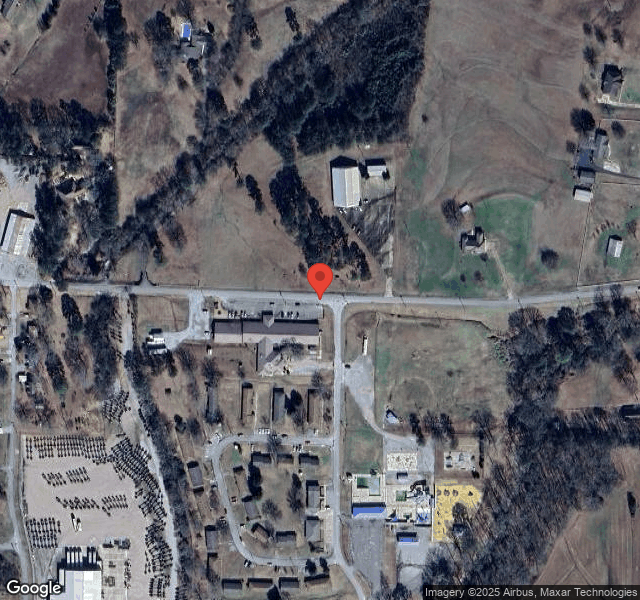

106 TENTH AVENUE NORTHWEST, RED BAY, AL 35582 (256) 356-4982
For profit - Corporation 90 Beds Independent Data: November 2025 2 Immediate Jeopardy citations
Trust Grade
14/100
#200 of 223 in AL
Last Inspection: March 2022

Over 2 years since last inspection. Current conditions may differ from available data.

Overview

Generations of Red Bay, LLC has received a Trust Grade of F, indicating significant concerns about the quality of care provided, which is poor compared to other facilities. It ranks #200 out of 223 nursing homes in Alabama, placing it in the bottom half of the state, and is the least favorable option in Franklin County. While the facility is reportedly improving, going from seven issues in 2022 to four in 2023, it still faces serious staffing challenges with a turnover rate of 62%, much higher than the state average, and received $14,521 in fines, which is concerning. Although RN coverage is average, there have been critical incidents, such as a resident falling and sustaining serious injuries due to a lack of proper assistance during bathing. Additionally, expired medications were found in the crash cart, which poses a risk to residents needing emergency care.

Trust Score
F
14/100
In Alabama
#200/223
Bottom 11%
Safety Record
High Risk
Review needed
Inspections
Getting Better
7 → 4 violations
Staff Stability
⚠ Watch
62% turnover. Above average. Higher turnover means staff may not know residents' routines.
Penalties
○ Average
$14,521 in fines. Higher than 53% of Alabama facilities. Some compliance issues.
Skilled Nurses
⚠ Watch
Each resident gets only 28 minutes of Registered Nurse (RN) attention daily — below average for Alabama. Fewer RN minutes means fewer trained eyes watching for problems.
Violations
⚠ Watch
17 deficiencies on record. Higher than average. Multiple issues found across inspections.
★☆☆☆☆
1.0
Overall Rating
★★☆☆☆
2.0
Staff Levels
★★☆☆☆
2.0
Care Quality
★☆☆☆☆
1.0
Inspection Score
Stable
2022: 7 issues
2023: 4 issues

The Good

  • Full Sprinkler Coverage · Fire safety systems throughout facility
  • No fines on record

Facility shows strength in fire safety.

The Bad

1-Star Overall Rating

Below Alabama average (2.9)

Significant quality concerns identified by CMS

Staff Turnover: 62%

16pts above Alabama avg (46%)

Frequent staff changes - ask about care continuity

Federal Fines: $14,521

Below median ($33,413)

Minor penalties assessed

Staff turnover is elevated (62%)

14 points above Alabama average of 48%

The Ugly 17 deficiencies on record

2 life-threatening
Mar 2023 4 deficiencies 2 IJ
CRITICAL (J) 📢 Someone Reported This

A family member, employee, or ombudsman was alarmed enough to file a formal complaint

Immediate Jeopardy (IJ) - the most serious Medicare violation

Comprehensive Care Plan (Tag F0656)

Someone could have died · This affected 1 resident

**NOTE- TERMS IN BRACKETS HAVE BEEN EDITED TO PROTECT CONFIDENTIALITY** Bsed on interviews, review of Resident Identifier (RI) #1's medical record, a revview of the Hospital Discharge Summary Report, ...

Read full inspector narrative →
**NOTE- TERMS IN BRACKETS HAVE BEEN EDITED TO PROTECT CONFIDENTIALITY** Bsed on interviews, review of Resident Identifier (RI) #1's medical record, a revview of the Hospital Discharge Summary Report, and review of a facility's policy titled, Resident Care Planning, the facility failed to ensure RI #1's ADL Flow Record, which was part of the resident's care plan that provided instructions to direct care staff on how to care for a resident, accurately reflected RI #1's care planned intervention of two-person assistance with bathing, which resulted in RI #1 being hospilized with sustaining serious injuries. On 01/16/2023, RI #1 fell from the bed to the floor during a bed bath, that was provided by Employee Identifier (EI) #4, Certified Nursing Assistant (CNA). EI #4 reported while providing a bed bath by herself to RI #1, she repositioned RI #1 on to his/herside. RI #1 slid off the alternating air mattress on the bed and hit the floor. EI #4 stated she could not prevent RI #1 from falling, because she was on the opposite side of the bed but was unaware that RI #1 required the assistance of two people when performing care. RI #1 complained of pain in his/her legs and was sent to the emergency room by ambulance. As a resulto of the fall, RI #1 was admitted to the hospital and diagnosed with fractures to his/her Tibia and Fibula. This deficient practice placed RI #1; one of three residents sampled for falls, in immediate jeopardy, as it was likely to result in serious injury, serious harm, serious impairment, or death. On 03/24/2023 at 5:33 PM, the Administrator, EI #1; the Director of Nursing (DON), EI #2; the Assistant Director of Nursing (ADON), EI #5; Minimum Data Set (MDS)/Care Plan Coordinator, EI #3; Medical Record, EI #8; Corporate Nurse, EI #6, and Corporate Liaison, EI #7; were provided a copy of the Immediate Jeopardy Template and notified of the findings at the immediate jeopardy level in the area of Comprehensive Resident Centered Care Plan, at F656-Develop/Implement Comprehensive Care Plan. The immediate jeopardy began on 01/16/2023 and continued until 03/25/2023, when the facility implemented corrective actions to remove the immediacy and prevent further recurrences. Findings Include: A facility policy titled, Resident Care Planning, dated September 2003, documented, Purpose: To assure each resident has a Resident Care Plan that is current, individualized . Procedure: . 7. Implementation a. Action or nursing intervention is specific . b. Times and actions are stated so that care givers new to resident can carry out care with complete continuity. c. The ADL (Activity of Daily Living) record is a part of the resident's Care Plan. RI #1 was admitted to the facility 03/27/2018 and readmitted on [DATE] with fracture Tibia, Fibula and Osteoarthritis. RI #1's Falls care plan, dated 03/11/2021, documented an intervention of RI #1 requiring the assistance of two people with turning, repositioning, bathing and perineal care. RI #1's ADL Flow Record for December 2022, failed to provide guidance on how many staff members were required to provide RI #1 a bed bath. A review of a Quarterly MDS, with an Assessment Reference Date of 10/20/2022, identified RI #1's BIMS (Brief Interview for Mental Status) of nine (moderately impaired cognition). RI #1's Hospital Discharge Summary Report documented: . Date of admission: [DATE] Date of discharge: [DATE] . Significant Findings . (He/She) was found to have a left acute minimally displaced bicondylar tibial plateau fx (fracture) and proximal fibula fx . On 03/21/2023 at 2:37 PM, an interview was conducted with EI #4, CNA. EI #4 said that she was providing a bath to RI #1 on 01/16/2023 when RI #1 slid off the bed to the floor. EI #4 reported hearing RI #1 saying his/her leg was hurting bad. EI #4 reported RI #1 was a two-person assistance at the time of the fall for transferring, but she did not know that RI #1 required the assistance of two people for bathing. EI #4 reported residents' level of assistance required for ADLs was doucmented on the ADL Flow Record in the ADL books, that are kept at the nurses' station. On 03/21/2023 at 3:44 PM, an interview was conducted with EI #9, Licensed Practical Nurse (LPN). EI #9 reported she responded to RI #1's room on 01/16/2023 after becoming aware of the fall. EI #9 said she observed RI #1 on the floor on his/her left side. EI #9 reported when staff assisted RI #1 back to bed, he/she was complaining of discomfort in his/her back and within 15 minutes he/she began stated he/she was hurting everywhere. EI #9 stated RI #1 required two-person assistance at the time of the fall. On 03/22/2023 at 12:09 PM, an interview was conducted with EI #3, LPN, MDS and Care Plan Coordinator. EI #3 said her duties included completing the residents' care plans and MDS. EI #3 said prior to the fall on 01/16/2023, RI #1's care plan indicated he/she required the assistance of two people with turning, repositioning, bathing, and perineal care. On 03/22/2023 at 4:23 PM, EI #3 was interviewed. EI #3 reported the direct care staff, CNAs, used the ADL Flow Records to determne what level of assistance was required for each resident. EI #3 stated after RI #1's fall, staff noticed the level of assistance for bathing on the ADL Flow Record and care plan did not match because the care plan reflected RI #1 required two person assist. EI #3 stated it was a danger to a resident when the CNAs did not know a resident was care planned for two person assistance. On 03/24/2023 at 8:41 AM, a follow up interview was conducted with EI #3/MDS and Care Plan Coordinator. EI #3 stated that she did not know when two-person assistance for bathing was added to RI #1's care plan, but knew it was prior to RI #1's fall on 01/16/2023. EI #3 said that she was responsible for ensuring the ADL Flow Record was updated when a care plan was updated. EI #3 was asked when RI #1's care plan for two-person assist with bathing was changed, why was the ADL Flow sheets not updated. EI #3 replied, sometimes interventions did not get carried over like they should. On 03/22/2023 at 4:46 PM, an interview was conducted with EI #2, Registered Nurse, DON. EI #2 reported on 01/16/2023, a CNA was giving RI #1 a bed bath and RI #1 slid off the bed to the floor. EI #2 reported RI #1 was care planned for two-person assistance with bathing at the time of the fall. EI #2 stated the CNAs used the ADL Flow Record to find the level of assistance needed for each resident. EI #2 stated RI #1's ADL Flow Record for January, prior to RI #1's fall, did not have an assistance level for bathing documented. EI #2 said the ADL Flow Record should specify an assistance level for bathing so the CNAs would know which level was required for each resident. EI #2 said it was EI #3's (Care Plan Coordinator) responsibility to ensure the ADL Flow Record and care plan matched. EI #2 stated the concern of the care plan and ADL Flow Record not matching is the correct assistance was not provided, which led to RI #1 rolling out of the bed. EI #2 said RI #1 was a two-person assistance for bathing at the time of the fall, which resulted in RI #1 sustaining a left acute Tibia and Fibula fracture. On 03/22/2023 at 5:25 PM, an interview was conducted with EI #1, Administrator. EI #1 confirmed RI #1's care plan, prior to the fall on 01/16/2023, indicated RI #1 required the assistance of two people for turning, bathing, and positioning. EI #1 was asked how did the CNAs know the level of assistance the residents needed. EI #1 replied, CNAs were to follow the ADL Flow Record. EI #1 said the ADL Flow Record and the care plan should match and have the same instructions for level of assistance. EI #1 stated safety was the concern with RI #1's ADL Flow Record not providing instruction for two-person assistance with bathing as care planned. ****************************************************************************************************** The facility took immediate action to correct the noncompliance by: 1. RI #1's care plan was updated for a two person assistance for ADLs including bathing by the MDS Coordinator and an in-service was completed for staff assigned to care for RI #1 by the Director of Nursing on 01/19/2023. Nursing staff were re-trained on following the plan of care as communicated on the ADL documentation flow sheet when providing ADL care by the Assistant Director of Nursing/Staff Development Coordinator and/or Director of Nursing on 03/25/2023. Nursing staff who are not present on 03/25/2023 will be re-trained at the beginning of their shift on their next scheduled day prior to receiving their assignment. by the Staff Development Coordinator and/or Director of Nursing. EI #4 was re-trained on following the care plan for a two person assist while bathing RI #1 on 01/19/2023 by the Director of Nursing. RI #1's ADL flow sheet was updated for use of the alternating pressure air mattress on 03/24/2023. EI #4 has not worked since 03/18/2023 and is scheduled to be trained on the use of an alternating pressure air mattress by the Assistant Director of Nursing/Staff Development Nurse on her return date 03/27/2023 at 7p prior to accepting her assignment. 2. Interdisciplinary Team members were re-trained by the Corporate Nurse Consultant on 03/25/2023 on conducting care plan meetings to include a review of the MDS Assessment, ADL Care Plans and ADL documentation flow sheets to ensure that the level of assistance the resident requires is communicated on the ADL Care Plan and ADL documentation flow sheets. Attending Interdisciplinary Team members were the Director of Nursing, Assistant Director of Nursing/Staff Development Coordinator, Treatment Nurse, MDS Coordinator, Clinical Dietary/Restorative Nurse and Administrator. 3. All resident care plans, MDS assessments and fall risk assessments were audited and compared to the ADL documentation flow sheets on 03/25/2023 by the Interdisciplinary Team to verify that the level of assistance on the ADL documentation flow sheet matches the ADL care plans, MDS Assessments and fall risk assessments. Any concerns noted during the audits were immediately addressed by the Interdisciplinary Team member conducting the audit. The audits were turned in to the Director of Nursing for review. 4. Direct Care staff were re-trained on following the Plan of Care by the Assistant Director of Nursing/Staff Development Coordinator on 03/25/2023. The Assistant Director of Nursing/Staff Development Coordinator will train direct care staff who were not present on 03/25/2023 on their next scheduled workday prior to them receiving their assignment. 5. RI #1's care plan was updated and implemented on 01/19/2023. RI #1 has not had any further falls since 01/19/2023. ************************************************** After reviewing the facility's information provided in their Removal Plan and verifying the immediate actions had been implemented, the scope/severity level of F656 was lowered to a D level on 03/25/2023, to allow the facility time to monitor and/or revise their corrective actions as necessary to achieve substantial compliance. This deficiency was cited as a result of the investigation of complaint/report number AL00043075.
CRITICAL (J) 📢 Someone Reported This

A family member, employee, or ombudsman was alarmed enough to file a formal complaint

Immediate Jeopardy (IJ) - the most serious Medicare violation

Accident Prevention (Tag F0689)

Someone could have died · This affected 1 resident

**NOTE- TERMS IN BRACKETS HAVE BEEN EDITED TO PROTECT CONFIDENTIALITY** Based on interviews, review of medical records, facility policies titled, Incident and Accident Reporting and Fall Assessment Wo...

Read full inspector narrative →
**NOTE- TERMS IN BRACKETS HAVE BEEN EDITED TO PROTECT CONFIDENTIALITY** Based on interviews, review of medical records, facility policies titled, Incident and Accident Reporting and Fall Assessment Worksheet and Progress Notes, hospital records, and the Alabama State Agency Online Report, it was determined the facility failed to ensure Resident Identifier (RI) #1 was provided two-person assistance with bathing, which resulted in RI #1 being admitted to the hospital with serious injuries. On 01/16/2023, Employee Identifier (EI) #4, CNA provided a bed bath RI #1 without assistance. EI #4 rolled RI #1 onto his/her side and RI #1's legs began sliding off the alternating air pressure mattress. EI #4 stated she could not prevent RI #1 from sliding off the bed onto the floor. RI #1 complained of pain in his/her legs and was sent to the emergency room (ER) by ambulance. RI #1 was admitted to the hospital with a diagnosis of fractures to his/her Tibia and Fibula. Further, through an interview with EI #4, it was determined the facility failed to provide accurate instructions on how to provide a bath to RI #1. EI #4 stated she only had access to RI #1's Activity of Daily Living (ADL) Flow Record, not the resident's care plan, that directed staff to utilize two people when bathing this resident. A review of RI #4, ADL Flow Record revealed it inaccurately directed staff that RI #1 only required the assistance of one person when providing a bath. This deficient practice placed RI #1; one of three residents sampled for falls, in immediate jeopardy, as it was likely to result in serious injury, serious harm, serious impairment, or death. On 03/24/2023 at 5:33 PM, the Administrator, EI #1; the Director of Nursing (DON), EI #2; the Assistant Director of Nursing (ADON), EI #5; MDS/Care plan Coordinator, EI #3; Medical Record, EI #8; Corporate Nurse, EI #6, and Corporate Liaison, EI #7; were provided a copy of the Immediate Jeopardy Templates and notified of the findings of substandard quality of care at the immediate jeopardy level in the area of Quality of Care, at F-689-Free of Accident Hazards/Supervision/Devices. The immediate jeopardy began on 01/16/2023 and continued until 03/25/2023, when the facility implemented corrective actions to remove the immediacy and prevent further recurrences. Findings Include: On 01/18/2023, the State Agency received an online report from the facility documenting, . (representative name) from the State of Alabama Department of Human Resources Adult Protection Services came to (facility) to get information about a fall that a resident, (RI #1), had on 1/16/23 . (RI #1) had some bruising to (his/her) back and left hip area. (RI #1) was assisted back to bed by staff. (RI #1) told (EI #9, Licensed Practical Nurse) that (he/she) was getting a bath and fell off the bed. (RI #1) complained of hip pain and orders were received to send (him/her) to the ER for evaluation post fall. (RI #1) was admitted to the hospital with a diagnosis of bilateral fractures to (his/her) tibia and fibula . A facility policy titled, Incident and Accident Reporting, revised on June 2016, documented, Purpose: To ensure that all incidents are accurately documented, investigated and preventative measures are implemented to ensure resident . safety. Investigation: . 6. Based on the investigation's findings the resident's care plan will be updated with appropriate preventative interventions if applicable by the Care Plan Coordinator. 7. Employees responsible for implementing new interventions will be in serviced on the new interventions by the Care Plan Coordinator and/or the Charge Nurse/Clinical Coordinator. 8. The completed investigation will be turned in to the Quality Assurance Nurse and/or designee for review. A facility policy titled, Fall Assessment Worksheet and Progress Notes, dated August 2000, documented, Purpose: To identify contributing factors surrounding resident falls and to reduce the risk of subsequent falls. Policy: At the time of fall, the Staff/Charge Nurse or Supervisor will complete the Fall Assessment Worksheet and Progress Note to identify possible factors contributing to the fall. Procedure: . 3. The nurse will document immediate steps taken to prevent a recurrence. 5. The Fall Assessment Worksheet/Progress Note will be forwarded to the Assessment Coordinator for continued follow-up and revamping of the resident's plan of care. 7. The resident's Care Plan will be updated by the Assessment Coordinator following each fall assessment, as indicated. 8. Each fall will be reviewed by the Interdisciplinary Care Plan Team (IDT) within seventy- two (72) hours of fall. 9. The MDS Assessment Coordinator and the Resident Care Manager are responsible for ensuring interventions are in place and implemented. RI #1 was admitted to the facility 03/27/2018 and readmitted on [DATE] with diagnosis of Unspecified Fracture Upper end of Tibia, Osteoarthritis. RI #1's Fall care plan documented an intervention of two person assistance with turning, repositioning, bathing and perineal with a start date of 03/11/2021. A review of a Quarterly MDS, with an Assessment Reference Date of 10/20/2022, identified RI #1's BIMS (Brief Interview for Mental Status) of nine (moderately impaired cognition). RI #1's ADL Flow Record for December 2022, documented, BED BATH 3X (times) WEEK INSPECT SKIN & REPORT PROBLEMS M (Monday) /W (Wednesday) /F (Friday) . SPONGE BATH ON ALTERNATING DAYS OF BED BATH MON /WED /FRI . RI #1's,IDT Post Fall Review, completed on 01/19/2023 by EI #2, Director of Nursing (DON), documented, . Description of Event: Resident was being assisted with a bed bath. Resident was on (his/her) side and the CNA was doing (his/her) back. Resident started sliding off the bed CNA was unable to catch resident. Resident Statement: my legs are hurting . RI #1's Hospital Discharge Summary Report documented: . Date of admission: [DATE] Date of discharge: [DATE] . Significant Findings . Per patient reports (he/she) was being turned and subsequently rolled off the bed. After (his/her) fall (he/she) had a significant amount of lower extremity pain prompting (his/her) ER arrival. (He/she) was found to have a left acute minimally displaced bicondylar tibial plateau fx (fracture) and proximal fibula fx . An interview was conducted with RI #1 on 03/21/2023 at 10:06 AM. RI #1 stated he/she rolled off the bed recently and his/her leg was fractured. RI #1 said, he/she had to go to hospital, and they put a cast on his/her leg. An interview was conducted with EI #4, Certified Nursing Assistant (CNA) on 03/21/2023 at 2:37 PM. EI #4 stated she was bathing RI #1 on 01/16/2023. EI #4 stated she rolled RI #1 over facing the door to put sheets on the bed when he/she slid out the bed onto the floor. EI #4 stated she guess the air mattress went down. EI #4 stated she did her best to keep RI #1 from hitting the floor too hard. EI #4 stated RI #1 was holding on to the rails, so she went to the other side to hold RI #1's head to keep him/her from hitting head on the nightstand. EI #4 stated she did not know RI #1 required two people to assist him/her with bathing. In a follow-up interview with EI #4 on 03/23/2023 at 11:05 AM, EI #4 stated in looking at the ADL Flow record it does not have an assistance level listed for bathing. EI #4 stated she assumed RI #1 required assistance of one person for bed baths. An interview was conducted with EI #9, Licensed Practical Nurse (LPN) on 03/21/2023 at 3:44 PM. EI #9 stated when she went into RI #1's room resident was laying in the floor more so on his/her left side. She stated resident was assessed and then put back in bed. EI #9 stated RI #1complained of discomfort all over his/her body and that everything was hurting him/her within 15 minutes of being assessed. EI #9 said she notified the doctor of the fall, and he gave an order to send him/her out. An interview was conducted with EI #3, Care Plan/MDS Coordinator on 03/22/2023 at 12:09 PM. EI #3 stated RI #1's care plan indicated he/she was a two-person assistance with bathing. EI #3 stated RI #1 needed physical assistance with part of his/her bathing activity. A follow-up interview was conducted with EI #3 on 03/22/2023 at 4:23 PM. EI #3 stated the facility was unable to locate RI #1's ADL Flow Record for January prior to the fall, however based on December's Flow Record she thought RI #1 was documented as requiring the assistance of one person for bathing. A follow-up interview was conducted with EI #3 on 03/24/2023 at 8:41 AM. EI #3 stated she was responsible for updating the ADL Flow Record and admitted sometimes changes are not transcribed from care plan to ADL Flow Record as they should. EI #3 said she was responsible for making sure the ADL sheets are updated correctly along with care plans. An interview was conducted with EI #2 (DON) on 03/22/2023 at 4:46 PM. EI #2 stated on 01/16/2023, CNA was giving RI #1 a bed bath and he/she rolled too far to the edge of the bed causing RI #1 to slide to the floor. EI #2 stated the CNAs are made aware of the resident's level of assistance by looking at the ADL Flow Records that are kept at the nurses' station. EI #2 admitted that the facility could not locate RI #1's January's ADL Flow Record prior to the fall, however he stated RI #1's level of assistance was the same as the December ADL Flow record. EI #2 admitted , RI #1 did not have an assistance level for bathing on his/her ADL Flow Record. EI #2 stated the concern of the care plan and ADL Flow Record not matching was the correct assistance was not provided, which led to RI #1 rolling out of the bed. EI #2 stated RI #1 sustained a fractured Tibia and Fibula from the fall. An interview was conducted with EI #1, Administrator on 03/23/2023 at 5:25 PM. EI #1 stated it was her understanding of the incident on 01/16/2023, RI #1 was receiving a bed bath when he/she slid off the bed. When EI #4 turned RI #1 on his/her side to dry his/her back, RI #1's leg came off the bed, and he/she slid to the floor. EI #1 stated RI #1's care plan stated he/she was a two person assist for turning, bathing, and positioning. EI #1 stated RI#1's ADL Flow Record for January 2023, prior to the fall could not be located, therefore she assumed that it would be the same as December 2022 ADL Flow Record. EI #1 admitted she did not see an assistance level for bathing on RI #1's December ADL Flow Record. EI #1 stated since no level of assistance was documented for bathing, the CNAs would probably assume RI #1 was a one person assistance for bathing. EI #1 admitted there were discrepancies between the care plan and ADL Flow Record, and they should match. She stated the concern of them not matching is safety. EI #1 stated RI #1 sustained broken bones of the leg from the fall on 01/16/2023. ****************************************************************************************************** The facility took immediate action to correct the noncompliance by: 1. RI #1's fall investigation that revealed resident had a fall with injuries from (his/her) bed during ADL care from an air mattress deflating while receiving a bed bath from EI#4. EI #4 was re-trained by the Director of Nursing on 01/19/2023 to use two persons assist when giving a bed bath to RI #1. The service representative from (name of company) Medical was contacted on 03/23/2023 and came to the facility to provide training to dayshift nursing staff and therapy staff present on 03/23/2023 including the Director of Nursing and Assistant Director of Nursing/Staff Development Coordinator, on the use of alternating pressure air mattresses including the Prius Salute RDX 3-1 Alternating Anti-Decubitus System on how to turn the mattress to a firm setting during ADL care and transfers. A video recording of the in-service was done on 03/23/2023 to assist in the training of staff who were not present at this time for the in-service provided by the STAT Medical service representative. 16 staff members attended the in-service by the STAT Medical service representative. 18 staff members were trained by the Assistant Director of Nursing and the Director of Nursing on 03/23/2023, 03/24/2023 and 03/25/2023. The Assistant Director of Nursing/Staff Development Coordinator will use the video to train staff. Check offs were completed with return demonstration by the STAT Medical service representative on 03/23/2023 and by the Director of Nursing and Assistant Director of Nursing/Staff Development Coordinator on 03/23/2023, 03/24/2023 and 03/25/2023. The Administrator was trained and checked off by the Assistant Director of Nursing/Staff Development Coordinator on 03/25/2023. 2. The Director of Nursing and Staff Development Coordinator trained nursing staff and therapy staff working on 03/23/2023, 03/24/2023 and 03/25/2023 on the use of alternating pressure air mattresses including the Prius Salute RDX 3-1 Alternating Anti-Decubitus System during ADL care and transfers on 03/23/2023 and 03/24/2023 with return demonstration required at the beginning of their shift. There are 11 staff members who have not been trained and are scheduled to be trained by the Assistant Director of Nursing/Staff Development Coordinator Nursing at the beginning of their next scheduled shift prior to providing resident care. 3. The ADL care plans and ADL documentation flow sheets for all residents who currently are on an alternating pressure air mattress were reviewed and updated to reflect that alternating pressure air mattresses are placed on the appropriate setting during ADL care and transfers and that staff assistance needed during ADL care is consistent on the ADL care plan and the ADL documentation flow sheets by the Director of Nursing and Assistant Director of Nursing on 03/25/2023. 4. The Corporate Nurse Consultant reviewed the manufacturer's manuals for alternating pressure air mattresses used in the facility and generated a policy and procedure for proper use of alternating pressure air mattresses on 03/25/2023 and in-serviced the Administrator, Director of Nursing and Staff Development Coordinator and QA committee on the new policy and procedure. Nursing staff will be in-serviced on the new policy and procedure by the Staff Development Coordinator and/or the Director of Nursing on 03/25/2023. Nursing and/or therapy staff who were not trained on 03/25/2023 will be trained at the beginning of their next scheduled shift prior to performing resident care by the Assistant Director of Nursing/Staff Development Coordinator. 5. The QA Committee had an ad hoc meeting on 03/25/2023 to review for approval the new policy and procedure for the use of alternating pressure air mattresses. The Medical Director was provided the new policy and procedure and approved it on 03/25/2023. QA Committee members who attended the meeting were the Administrator, the Director of Nursing, Assistant Director of Nursing/Staff Development Coordinator, MDS Coordinator, Infection Prevention Nurse, Clinical Dietary/Restorative Nurse, Treatment Nurse, Medical Records Clerk and Corporate Nurse Consultant. The Director of Nursing reviewed the QA Committee meeting with the Medical Director via phone for approval on 03/25/2023. ************************************************** After reviewing the facility's information provided in their Removal Plan and verifying the immediate actions had been implemented, the scope/severity level of F689 was lowered to a D level on 03/25/2023, to allow the facility time to monitor and/or revise their corrective actions as necessary to achieve substantial compliance. This deficiency was cited as a result of the investigation of complaint/report number AL00043075.
CONCERN (D) 📢 Someone Reported This

A family member, employee, or ombudsman was alarmed enough to file a formal complaint

Potential for Harm - no one hurt, but risky conditions existed

Assessment Accuracy (Tag F0641)

Could have caused harm · This affected 1 resident

**NOTE- TERMS IN BRACKETS HAVE BEEN EDITED TO PROTECT CONFIDENTIALITY** Based on interview, record review, and review of Centers for Medicare & Medicaid Services (CMS) Long-Term Care Facility Resident...

Read full inspector narrative →
**NOTE- TERMS IN BRACKETS HAVE BEEN EDITED TO PROTECT CONFIDENTIALITY** Based on interview, record review, and review of Centers for Medicare & Medicaid Services (CMS) Long-Term Care Facility Resident Assessment Instrument 3.0 User's Manual, the facility failed to ensure Resident Identifier (RI) 1's Minimum Quarterly Data Set (MDS), of 10/20/2022 was coded accurately to reflect the level of assistance (assist) that RI #1 required for bathing. This deficient practice affected RI #1, one of three sampled resident's whose MDS's were reviewed. Findings Include: A review of the Centers for Medicare & Medicaid Services Long-Term Care Facility Resident Assessment Instrument 3.0 User's Manual, dated October 2019, revealed: . SECTION G: FUNCTIONAL STATUS Intent: Items in this section assess the need for assistance with activities of daily living (ADLs), altered gait and balance, and decreased range of motion. G0120: Bathing . DEFINITION BATHING How the resident takes a full body bath, shower, or sponge bath, including transfers in and out of the tub or shower. It does not include the washing of back or hair. Planning for Care The care plan should include interventions to address the resident's unique needs for bathing. These interventions should be periodically evaluated and, if objectives were not met, alternative approaches developed to encourage maintenance of bathing abilities. Coding Instructions for G0120A, Self-Performance . Code 3, physical help in part of bathing activity: if the resident required assistance with some aspect of bathing. Coding Instructions for G0120B, Support Provided Bathing support codes are as defined ADL Support Provided item (G0110), Column 2. (Coding Instructions for G0110, Column 2, ADL Support . Code 2, one-person physical assist: if the resident was assisted by one staff person. Code 3, two+ person physical assist: if the resident was assisted by two or more staff persons.) . RI #1 was admitted to the facility 03/27/2018 and readmitted on [DATE] with diagnosis of Unspecified Fracture Upper end of Tibia, Osteoarthritis. A review of a Quarterly MDS, with an Assessment Reference Date of 10/20/2022, revealed, Section G .G0120 Bathing . how resident takes full-body bath/shower, sponge bath and transfers in/out tube shower. RI #1 was coded a three for Self-performance (indicating RI #1 required physical help in part of bathing activity) and a two for support provided (indicating one person assistance was needed). The assessment identified RI #1's BIMS (Brief Interview for Mental Status) of nine (moderately impaired cognition). RI #1's care plan for Falls, dated 03/11/2021, documented an intervention of two person assistance with turning, repositioning, bathing and perineal. An interview was conducted with Employee Identifier (EI) #3 Licensed Practical Nurse (LPN) MDS/Care plan Coordinator on 03/22/2023 at 12:09 PM. EI #4 stated RI #1 was identifed as needing physical assistacne of one person with part of his/her bathing activity on his/her Quarterly MDS assessment dated [DATE]. EI #3 stated RI #1's care plan had him/her indicated RI #1 needed the assistance of two people. EI #3 confirmed there was a discrepancy regarding RI#1's MDS and care plan. In a follow-up interview with EI #3 on 03/22/2023 at 4:23 PM., EI #3 stated RI #1should have been accurately coded as requiring the support of two people. An interview conducted on 03/22/2023 at 4:46 PM, with the EI #2 Director of Nursing, stated, he held the responsibity for overall nursing. EI #2 said, RI #1''s MDS and the care plan for should have matched and that the MDS Coordinator (EI #3) is responsible for making sure they both match. This deficiency was cited as a result of investigation AL00043075.
CONCERN (D) 📢 Someone Reported This

A family member, employee, or ombudsman was alarmed enough to file a formal complaint

Potential for Harm - no one hurt, but risky conditions existed

Medical Records (Tag F0842)

Could have caused harm · This affected 1 resident

**NOTE- TERMS IN BRACKETS HAVE BEEN EDITED TO PROTECT CONFIDENTIALITY** Based on interviews, review of RI #1's medical records and facility policies titled, Content of the Medical Record, and Thinning...

Read full inspector narrative →
**NOTE- TERMS IN BRACKETS HAVE BEEN EDITED TO PROTECT CONFIDENTIALITY** Based on interviews, review of RI #1's medical records and facility policies titled, Content of the Medical Record, and Thinning of Active Medical Records, the facility failed to ensure RI #1's January 2023 ADL Flow Record became a part of RI #1's medical record. This deficient practice affected RI #1, one of ten sampled residents for medical records. Findings include: Facility's undated policy titled, Content of Medical Record, documented, Purpose: To maintain consistent and accurate medical records. Policy: Each resident's medical record will contain appropriate information to comply with federally mandated procedures. Procedure: A separate medical record shall be maintained for each resident admitted to the facility. Facility's policy titled, Thinning of Active Medical Records, with a date of May 2005, documented, Purpose: To remove excess bulk from current resident records to enable health care professionals' ready access to necessary resident information and to maintain an organized health care record. Policy: Medical records will be thinned every 30 to 60 days. Procedure: 1. Active medical records should be thinned every 30 to 60 days . 3. As a general rule, maintain approximately 3(three) months of reports in the chart holders . RI #1 was admitted to the facility 03/27/2018 and readmitted on [DATE] with diagnosis to include Unspecified Fracture Upper end of Tibia, Osteoarthritis. RI #1's ADL Flow Record for December 2022, documented, BED BATH 3X (times) WEEK INSPECT SKIN & REPORT PROBLEMS M /W /F . SPONGE BATH ON ALTERNATING DAYS OF BED BATH MON /WED /FRI . RI #1's ADL Flow Record for January 19, 2023- January 31, 2023, documented, BED BATH 3X WEEK INSPECT SKIN & REPORT PROBLEMS M (Monday) /W (Wednesday) /F (Friday) Assistance (assist) x 2 (two) . SPONGE BATH ON ALTERNATING DAYS OF BED BATH MON /WED /FRI . Assist x 2 (two) An interview was conducted with EI #3, Licensed Practical Nurse (LPN). Care Plan on 03/22/2023 at 4:23 PM. EI #3 stated the ADL Flow record is a part of RI #1's medical record. EI #3 admitted the facility is still trying to locate the ADL Flow Record for January 1, 2023- January 16, 2023. An interview was conducted with EI #2, Director of Nursing (DON) on 03/23/2023 at 4:25 PM. EI #2 stated RI #1's ADL Flow Record for January 1, 2023- January 16, 2023, could not be located. An interview was conducted with EI # 8, Medical Records on 03/25/2023 at 4:40 PM. EI #8 stated the ADL Flow Record is a part of RI #1's medical record. EI #8 stated RI #1's ADL Flow record for January 1, 2023-Janaury 16, 2023 was never located and the concern of not being able to locate the record is that it's a part of RI #1's permanent medical record.
Mar 2022 7 deficiencies
CONCERN (D)

Potential for Harm - no one hurt, but risky conditions existed

Safe Environment (Tag F0584)

Could have caused harm · This affected 1 resident

**NOTE- TERMS IN BRACKETS HAVE BEEN EDITED TO PROTECT CONFIDENTIALITY** Based on observations and interviews, the facility failed to provide a clean, homelike, and orderly environment for Resident Ide...

Read full inspector narrative →
**NOTE- TERMS IN BRACKETS HAVE BEEN EDITED TO PROTECT CONFIDENTIALITY** Based on observations and interviews, the facility failed to provide a clean, homelike, and orderly environment for Resident Identifier (RI) #48 and RI #29. Specifically, the facility failed to ensure: 1. Maintenance services were provided to address a non-latching door for room [ROOM NUMBER], and a difficult-to-latch door for RI #48. 2. RI #29's room was not used for storage for medical supplies not belonging to RI #29. This deficient practice affected RI #48 and RI #29, two of six residents reviewed during environmental observations. Findings include: 1. On 03/21/2022 at 8:40 AM and 8:51 AM, Resident Identifier (RI) #48 was observed exiting their room and had to slam the door to the room in order to get it to latch. On 03/21/2022 at 9:33 AM, Employee Identifier (EI) #32, Certified Nursing Assistant (CNA), entered the room to give the resident a milkshake. Upon exiting the room, EI #32 had to slam the door to get it to latch. On 03/22/2022 at 9:41 AM, Employee Identifier (EI) #28, Housekeeping Supervisor, exited the resident's room and slammed the door. EI #28 stated the door had to be slammed to get it to close. On 03/23/2022 at 1:56 PM, EI #31, Activity Director, exited the resident's room and had to close it with force to get it to latch. EI #31 stated in an interview at that time that the door had been like that for several months and she was unsure if maintenance had tried to fix it. On 03/23/2022 at 2:21 PM, RI #48's family member entered the resident's room and had to slam the door for it to latch. On 03/23/2022 at 2:21 PM and 2:49 PM, the door to another room, room [ROOM NUMBER], was observed not latching when closed. During an environmental tour and interview with EI #30, Maintenance Director, on 03/25/2022 at 10:04 AM, EI #30 stated he had a binder that was kept at the nurses' station for staff to log issues that needed to be addressed. Per EI #30, there was no documentation on the log regarding issues with the doors to RI #48's room or room [ROOM NUMBER]. EI #30 stated he had not been notified of the doors not closing appropriately. EI #30 was observed attempting to close the doors to Resident #48's room and room [ROOM NUMBER], and the doors would not latch closed. EI #30 stated the latches needed to be adjusted and he would take care of it right away. 2. Observations on 03/21/2022 at 11:01 AM in Resident Identifier (RI) #29's room revealed the spare bed was being used as storage. RI #29 said staff just throw items on the bed. RI #29 stated he/she was the only resident who lived in the room. RI #29 stated some of the items on the spare bed in the room were theirs, but staff were also using it as storage for medical supplies. RI #29 stated he/she had asked the staff to clean and straighten it up, but they had not done so. The dresser in the corner of the room was also cluttered with various items, including loose papers and medical and personal care supplies. During a tour on 03/25/2022 at 10:04 AM with EI #28, Housekeeping Supervisor, EI #28 stated any clutter in the rooms was the nursing department's responsibility. During an interview on 03/25/2022 at 10:08 AM, EI #21, Licensed Practical Nurse (LPN), stated the certified nurse aides (CNAs) were responsible for cleaning the rooms of clutter. During an interview on 03/25/2022 at 10:18 AM with EI #23, CNA, EI #23 stated the CNAs, along with the nurses and housekeeping, were responsible for cleaning and organizing the residents' personal items in their rooms. During an interview on 03/25/2022 at 10:25 AM with EI #24, CNA, EI #24 stated the items on RI #29's bed were the resident's personal belongings and supplies the nurses used. EI #24 indicated since the items were mostly medical supplies, the CNAs would not touch it.
CONCERN (D)

Potential for Harm - no one hurt, but risky conditions existed

Deficiency F0658 (Tag F0658)

Could have caused harm · This affected 1 resident

**NOTE- TERMS IN BRACKETS HAVE BEEN EDITED TO PROTECT CONFIDENTIALITY** Based on record review, observations, and interviews, the facility failed to ensure nursing staff contacted the physician to obt...

Read full inspector narrative →
**NOTE- TERMS IN BRACKETS HAVE BEEN EDITED TO PROTECT CONFIDENTIALITY** Based on record review, observations, and interviews, the facility failed to ensure nursing staff contacted the physician to obtain clarification orders to determine the most appropriate route of administration for Resident Identifier (RI) #8's Atropine eye drops, ordered to treat excess respiratory secretions. This deficient practice affected RI #8, one of one sampled resident reviewed for tracheotomy care and orders. Findings include: A review of RI #8's face sheet revealed the resident was admitted to the facility on [DATE] and readmitted on [DATE] with diagnoses which included Encounter for Attention to Tracheostomy, Anoxic Brain Damage, and Persistent Vegetative State. A review of RI #8's quarterly Minimum Data Set (MDS), dated [DATE], revealed RI #8 was severely impaired in cognitive skills for daily decision-making per a staff assessment for mental status. The MDS also indicated the resident was totally dependent on staff for activities of daily living (ADL) and required suctioning and tracheostomy care A review of RI #8's Physician's Orders for 03/03/2022 through 03/31/2022 revealed: -Atropine 1% eye drops give two drops per tube every eight hours for excessive respiratory secretions. On 03/23/2022 at 7:28 PM, during an observation of staff suctioning RI #8, Employee Identifier (EI) #17, Licensed Practical Nurse (LPN), stated he administered RI #8's atropine eye drops sublingually, under the resident's tongue. During an interview on 03/24/2022 at 10:58 AM, EI #14, Registered Nurse (RN) who provided care to RI #8, stated she put the atropine drops into the resident's eyes. She stated other nurses put the atropine under the resident's tongue. During an interview on 03/24/2022 at 11:35 AM, EI #2, Director of Nursing (DON), stated he was not aware the atropine drops were being administered by different routes. He stated he would have to review the physician order to determine how the order read. EI #2 stated he expected nurses to clarify physician orders if there was a question. During a telephone interview on 03/24/2022 at 1:22 PM, EI #10, Physician, stated he was RI #8's attending physician. EI #10 stated the atropine eye drops were prescribed to reduce secretions because the resident had copious amounts. EI #10 said the original atropine order intended to direct staff to administer the medication through the resident's percutaneous endoscopic gastrostomy (PEG) tube. The physician was informed that interviews with nurses revealed one nurse administered the medication in the resident's eyes and another nurse administered the medication under the tongue. The physician reiterated that the atropine was initially ordered to be administered via PEG tube, noting the order should have been clarified if there were any questions. It was noted after discussing the atropine orders with EI #10, a clarification order was obtained for the atropine eye drops on 3/24/2022 that changed the route of administration to sublingually.
CONCERN (D)

Potential for Harm - no one hurt, but risky conditions existed

ADL Care (Tag F0677)

Could have caused harm · This affected 1 resident

**NOTE- TERMS IN BRACKETS HAVE BEEN EDITED TO PROTECT CONFIDENTIALITY** Based on observations, record review, and interviews, the facility failed to ensure Resident Identifier (RI) #33 was provided sh...

Read full inspector narrative →
**NOTE- TERMS IN BRACKETS HAVE BEEN EDITED TO PROTECT CONFIDENTIALITY** Based on observations, record review, and interviews, the facility failed to ensure Resident Identifier (RI) #33 was provided showers as scheduled. This affected one of two sampled residents reviewed for Activities of Daily Living (ADLs). Findings include: A copy of the facility's policy regarding ADLs/showers was requested from the facility. No policy was provided as of the exit date of the survey on 03/25/2022. A review of RI #33's face sheet revealed RI #33 was initially admitted to the facility on [DATE] and had a readmission date of 01/17/2017. RI #33 had diagnoses which included Alzheimer's Disease and Essential Hypertension. A review of RI #33's quarterly Minimum Data Set (MDS) dated [DATE] indicated RI #33 was severely impaired in cognitive skills for daily decision-making per a staff assessment of mental status. Also, according to this MDS, RI #33 was totally dependent on the assistance of two-plus people for transfers and bathing. A review RI #33's comprehensive care plans revealed a care plan dated 03/20/2015 related to RI #33's need for assistance with ADLs. Interventions included that RI #33 would receive a shower and have their hair washed on Mondays and Thursdays with a sponge bath on alternate days. This care plan initially listed RI #33's shower days as Tuesday, Thursday and Saturday; however, this was struck out without a date or initials of the staff member that made the change. The care plan also directed staff to shave RI #33's facial hair as needed with showers. A review of ADL records dated 02/01/2022 through 02/28/2022 indicated RI #33 was to receive a shower and hair shampooing two times a week on Mondays and Thursdays and a sponge bath on alternate days. According to the record, RI #33 received three showers out of eight opportunities during the month of February 2022. These showers were documented as provided on Monday, 02/21/2022, Friday, 02/25/2022, and Monday, 02/28/2022. The record indicated the resident received sponge baths daily from 02/01/2022 through 02/13/2022 and from 02/20/2022 through 02/22/2022. No showers or sponge baths were documented from 02/14/2022 through 02/20/2022. A review of ADL records dated 03/01/2022 through 03/31/2022 indicated RI #33 received two showers out of six opportunities between 03/01/2022 and 03/23/2022. A shower was documented as provided on 03/03/2022. No further showers were documented until eleven days later, on 3/14/2022. No shower was documented as provided from 03/14/2022 through 03/23/2022. No sponge baths were documented as being provided between 03/01/2022 and 03/23/2022. On 03/21/2022 at 10:10 AM, RI #33 was observed lying in bed. The resident's hair was greasy, and there was dried food on the resident's face. On 03/22/2022 at 8:35 AM, RI #33 was observed lying in bed. The resident's hair was greasy. During the resident group interview on 3/22/2022 at 9:30 AM, RI #26, Resident Council President, stated they used to get showers three times a week, but the facility decreased them to two times a week for a period of time. However, RI #26 indicated the facility was currently starting to give showers three times a week again. On 03/23/2022 at 10:15 AM, RI #33 was observed lying in bed. The resident's hair was greasy and uncombed. On 03/24/2022 at 11:40 AM, RI #33 was observed lying in bed. The resident's hair was greasy and uncombed. During an interview on 03/25/2022 at 10:08 AM, Employee Identifier (EI) #21, Licensed Practical Nurse (LPN), stated she thought showers were given every other day, but she was not sure. She indicated the Certified Nursing Assistants (CNAs) should document if a shower was not given. EI #21 stated RI #33 did not refuse showers. During an interview on 03/25/2022 at 10:25 AM, EI #24, CNA, stated showers were given three times a week and were scheduled according to the residents' preferences. EI #24 further stated if a resident refused their shower, it should be reported to the charge nurse and documented on the ADL sheet. EI #24 explained if they were unable to get a shower done on their shift, they would stay over to get it done, ask the next shift to pick it up, or reschedule it for the following day. During an interview on 03/25/2022 at 10:28 AM, EI #7, Registered Nurse (RN), stated showers were three times a week per the resident's preference of day or evening and particular day of the week. She stated if a resident refused a shower, it should be offered by another staff and, if the resident continued to refuse, they would ask the next shift to do it. EI #7 stated a resident who refused should be offered a shower multiple times but, if the resident still refused, it should be documented on the ADL record by the CNA. During an interview on 03/25/2022 at 12:35 PM, EI #2, Director of Nursing (DON), stated showers were given per the residents' preference. He stated if a resident was independent, they would get them every other day, noting other residents were given showers three times a week. EI #2 stated they did have to go down to two showers a week for a short period of time because of staffing, but they had increased it back up to three times a week starting the prior week. EI #2 stated if a CNA was unable to give a shower, then someone on the nursing management team could give the shower, including himself. EI #2 stated if a resident refused a shower, the CNA should tell the nurse so they could talk to the resident and offer a different staff member to provide the shower or change it to a time the resident would be willing to take it. He stated they tried to accommodate the residents' shower preferences. After reviewing the number of showers RI #33 had received in February 2022 and March 2022 per the ADL records, he indicated this was not enough showers. During an interview on 03/25/2022 at 1:05 PM, EI #1, Administrator, stated showers were to be given three times a week. She stated they were dropped down to twice a week for a short period of time but were changed back to three times weekly last week. EI #1 stated the residents should be offered bed baths in between their showers.
CONCERN (D)

Potential for Harm - no one hurt, but risky conditions existed

Deficiency F0694 (Tag F0694)

Could have caused harm · This affected 1 resident

**NOTE- TERMS IN BRACKETS HAVE BEEN EDITED TO PROTECT CONFIDENTIALITY** Based on observation, record review, and interviews the facility failed to ensure Resident Identifier (RI) #29's PICC (Periphera...

Read full inspector narrative →
**NOTE- TERMS IN BRACKETS HAVE BEEN EDITED TO PROTECT CONFIDENTIALITY** Based on observation, record review, and interviews the facility failed to ensure Resident Identifier (RI) #29's PICC (Peripherally Inserted Central Catheter) line dressing was changed in accordance with professional standards of practice. This deficient practice had the potential to affect RI #29, one of one sampled resident reviewed for IV care. Findings included: A review of RI #29's Face Sheet indicated the facility re-admitted the resident from acute care on 03/11/2022 with diagnoses which included Sepsis due to Escherichia coli and Pressure Ulcer of Unspecified Buttock, Unstageable. A review of the quarterly Minimum Data Set (MDS), dated [DATE], indicated RI #29 had a Brief Interview for Mental Status (BIMS) score of 15, which indicated the resident was cognitively intact. The MDS indicated the resident required extensive to total assistance of one to two people for all activities of daily living (ADLs), except for eating. A review of Physician's Orders dated 03/11/2022 through 03/31/2022 indicated RI #29 had orders for Meropenem (an antibiotic) 500 milligrams (mg) with instructions to give 1,000 mg IV every eight hours for ten days for a urinary tract infection (UTI). There were no orders to change the dressing to the IV site. A review of an Interim admission Care Plan, dated 03/11/2022, indicated RI #29 had a Urinary Tract Infection (UTI). The approaches included administering medications as per physician's orders. The care plan did not address the presence or care of an IV line or PICC line. A review of Nurses' Notes, dated 03/11/2022 at 4:30 PM, revealed RI #29 was readmitted to the facility from the hospital with diagnoses which included Sepsis and UTI. The notes indicated the resident had a PICC line in place to the right upper arm. On 03/21/2022 at 09:24 AM, RI #29 was observed to have a single lumen PICC line to the right upper arm. The dressing over the insertion site was an occlusive dressing dated 03/11/2022. During an interview on 03/24/2022 at 4:01 PM, Employee Identifier (EI) #9, the resident's primary care physician, stated there should be standing orders for the PICC line to be flushed with saline so the line would not get occluded and the dressing to the insertion site should be changed routinely. EI #9 was unsure how often the dressing should be changed without checking the protocol, but he stated he would think 11 days was too long to wait to change the dressing. During an interview on 03/25/2022 at 8:09 AM, EI #22, Registered Nurse (RN) Infection Control Preventionist (ICP), stated the PICC line dressing should be changed weekly but was unsure if an order was needed. During an interview on 03/25/2022 at 12:35 PM, EI #2, Director of Nursing (DON), stated PICC line dressings should be changed every seven days with a physician order.
CONCERN (D)

Potential for Harm - no one hurt, but risky conditions existed

Infection Control (Tag F0880)

Could have caused harm · This affected 1 resident

**NOTE- TERMS IN BRACKETS HAVE BEEN EDITED TO PROTECT CONFIDENTIALITY** 2. A review of RI #29's Face Sheet revealed the resident was readmitted to the facility on [DATE] with diagnoses which included ...

Read full inspector narrative →
**NOTE- TERMS IN BRACKETS HAVE BEEN EDITED TO PROTECT CONFIDENTIALITY** 2. A review of RI #29's Face Sheet revealed the resident was readmitted to the facility on [DATE] with diagnoses which included Pressure Ulcer of Right Buttock. A review of a Physician's Orders form dated 03/11/2022 through 03/31/2022 indicated RI #29 had a physician's order for treatment to a Stage 3 wound to the right buttock. The wound was to be cleaned with sterile saline, packed with silver calcium alginate rope, and covered with an ABD (abdominal) pad daily. During observations on 03/23/22 at 11:38 AM, Employee Identifier (EI) #12, Registered Nurse (RN) who was the facility's wound nurse, provided wound care to RI #29's sacral wound, with the assistance of EI #7, RN Clinical Coordinator. EI #12 removed the old dressing from the resident's sacrum and threw it away, then removed her gloves and donned a clean pair of gloves without performing hand hygiene. EI #12 cleansed the wound and patted it dry, then removed her gloves and donned a clean pair of gloves without performing hand hygiene. EI #12 completed the wound care by applying a dressing and then removed her gloves. During an interview on 03/25/2022 at 8:09 AM, EI #22, RN/Infection Control Preventionist, stated during wound care, hand hygiene should occur before the procedure, between glove changes, and when finished with the procedure. During an interview on 03/25/2022 at 10:28 AM, EI #7 stated hand hygiene should occur before putting on gloves and any time gloves were changed during wound care and after the procedure was completed. During an interview on 03/25/2022 at 11:49 AM, EI #12 stated hand hygiene should occur between all glove changes. During an interview on 03/25/2022 at 12:35 PM, EI #2, Director of Nursing (DON), stated hand hygiene should occur before, during, and after wound care. Based on observations, interviews, record review, and review of a facility policy titled Hand Hygiene, the facility failed to ensure: 1. Nursing staff washed their hands and changed gloves while providing tracheostomy (trach) care and suctioning for Resident Identifier (RI) #8; and 2. Staff performed appropriate hand hygiene during wound care for RI #29. These deficient practices affected RI #8, one of one sampled residents reviewed for tracheostomy care, and RI #29, one of three sampled residents reviewed for wound care. Findings include: A review of the facility's policy titled Hand Hygiene, dated 04/2020, indicated, .Appropriate hand hygiene should be performed: .b. Before performing resident care. c. Before performing invasive procedures .e. After having contact with a resident. f. After handling used dressings, specimen containers, contaminated tissue, linen, etc. [et cetera]. g. After contact with blood or other bodily fluids. h. Before and after glove use . l. After handling items or equipment that are potentially contaminated with blood or other bodily fluids. m. Whenever hands are obviously soiled . 1. A review of RI #8's face sheet revealed the resident was admitted to the facility on [DATE] and readmitted on [DATE] with diagnoses which included Encounter for Attention to Tracheostomy, Anoxic Brain Damage, and Persistent Vegetative State. A review of RI #8's quarterly Minimum Data Set (MDS), dated [DATE], revealed RI #8 was severely impaired in cognitive skills for daily decision-making per a staff assessment for mental status. The MDS also indicated the resident was totally dependent on staff for activities of daily living (ADL) and required suctioning and tracheostomy care. On 03/21/2022 at 10:56 AM, two surveyors observed Employee Identifier (EI) #5, Registered Nurse (RN) assigned to RI #8, retrieve a tracheotomy care kit and place it on the overbed table. EI #5 opened the sterile glove packet and, without washing or sanitizing her hands, donned sterile gloves. EI #5 removed the sterile suction catheter from the package with one hand but used both hands to connect the catheter to the suction canister tubing, contaminating both gloved hands in the process. After completing the suctioning procedure, EI #5 turned the suction machine off and threw the suction catheter into the trash. EI #5 was then observed removing her gloves. She did not wash or sanitize her hands. She donned new gloves to position RI #8's arms, then removed the gloves and still did not wash or sanitize her hands. On 03/21/2022 at 2:59 PM, two surveyors observed EI #7, RN, preparing to suction RI #8. EI #7 sanitized her hands as she entered the room, then donned non-sterile gloves. She cleaned the resident's neck with a washcloth, retrieved a clear bag and placed the soiled washcloth into the bag. She changed gloves but did not sanitize her hands. She opened the trach kit and donned sterile gloves from the kit over the non-sterile gloves. EI #7 removed the sterile suction catheter from the package and used both hands as she connected the sterile catheter to the non-sterile suction tubing, contaminating both hands in the process. After the procedure was completed, EI #7 removed the catheter from suction tubing and removed her gloves. She did not wash or sanitize her hands. EI #7 donned clean gloves and removed the soiled gauze from around the trach. She cleaned the area around the trach with a washcloth as she talked to the resident. The resident continued to expel copious secretions from the trach, so EI #7 indicated she would suction the resident again. EI #7 doffed her gloves and left the room to retrieve an additional suctioning kit. She returned to the resident's room and donned gloves. She opened the catheter kit and donned sterile gloves from the kit over non-sterile blue gloves. EI #7 then removed the sterile suction catheter from the packet and used both hands to connect the catheter to the suction tubing, contaminating both hands in the process. EI #7 suctioned the resident's trach three times, then disconnected the suction catheter from the suction tubing and placed it into the trash. Wearing the same gloves, EI #7 cleaned the area around the resident's trach, then removed and replaced the split 4x4 gauze. EI #7 doffed her gloves, removed the trash bag from the trash can, and placed another bag in the can. On 03/23/2022 at 7:28 PM, two surveyors observed EI #17, Licensed Practical Nurse (LPN), washing his hands and preparing to suction the resident. EI #17 opened a sterile catheter kit and donned the sterile gloves from the kit. He attached the sterile catheter to the non-sterile suction tubing, contaminating both of his hands in the process. After suctioning the resident, EI #17 turned the suction machine off, doffed his gloves, and placed the soiled items in the trash. He did not wash or sanitize his hands after doffing the gloves. He donned new gloves and began cleaning the secretions from the resident's neck and chest. On 03/24/2022 at 11:35 AM, EI #2, Director of Nursing (DON), was interviewed. EI #2 explained the process for hand hygiene during trach/suction care. He indicated staff should wash their hands before putting on gloves and, if their hands became soiled during the procedure, staff should conduct hand hygiene again.
CONCERN (E)

Potential for Harm - no one hurt, but risky conditions existed

Deficiency F0582 (Tag F0582)

Could have caused harm · This affected multiple residents

**NOTE- TERMS IN BRACKETS HAVE BEEN EDITED TO PROTECT CONFIDENTIALITY** Based on record review, document review, and interviews, the facility failed to provide a Skilled Nursing Facility Advance Benef...

Read full inspector narrative →
**NOTE- TERMS IN BRACKETS HAVE BEEN EDITED TO PROTECT CONFIDENTIALITY** Based on record review, document review, and interviews, the facility failed to provide a Skilled Nursing Facility Advance Beneficiary Notice (SNFABN) after Resident Identifier (RI) #301, RI #39, and #21 were discharged from Medicare Part A services. Further, the facility failed to provide documentation of receipt of the Notice of Medicare Non-Coverage (NOMNC) by RI #301, RI #39, and RI #21 and/or their responsible parties. This affected three of three residents sampled for beneficiary protection notification review. Findings include: A review of a Face Sheet indicated the facility admitted Resident Identifier (RI) #301 on 08/11/2021. A review of a Notice of Medicare Non-Coverage document indicated RI #301's coverage would end on 11/08/2021. The form indicated RI #301 had met their maximum potential with therapy and a functional maintenance program had been put in place. This form was not signed to indicate the resident or the resident's responsible party had received and understood the notice. A review of a Skilled Nursing Facility Advance Beneficiary Notice of Non-Coverage (SNFABN) document indicated the resident's responsible party signed the form on 08/09/2021, prior to the resident's admission to the facility on [DATE], instead of prior to discharge from Medicare services. A review of a Face Sheet indicated the facility admitted Resident Identifier (RI) #39 on 08/19/2021. A review of a Notice of Medicare Non-Coverage document indicated RI #39's coverage would end on 09/30/2021. The form indicated RI #39 had met their maximum potential with therapy and a functional maintenance program had been put in place. The form was not signed to indicate the resident or the resident's responsible party had received and understood the notice. A review of a Skilled Nursing Facility Advance Beneficiary Notice of Non-Coverage (SNFABN) documented indicated the RI #39's responsible party signed the form on 08/18/2021, prior to the resident's admission to the facility on [DATE], instead of prior to discharge from Medicare services. A review of a Face Sheet indicated the facility admitted Resident Identifier (RI) #21 on 11/30/2021. A review of a Notice of Medicare Non-Coverage document indicated RI #21's coverage would end on 01/18/2022. The form indicated RI #21 had met their maximum potential with therapy and a functional maintenance program had been put in place. The form was not signed to indicate the resident or the resident's responsible party had received and understood the notice. A review of a Skilled Nursing Facility Advance Beneficiary Notice of Non-Coverage (SNFABN) indicated RI #21's responsible party signed the form on 11/24/2021, prior to the resident's admission to the facility on [DATE], instead of prior to discharge from Medicare services. During an interview on 03/25/2022 at 9:21 AM with Employee Identifier (EI) #15, Director of Finance, and EI #16, Business Office Manager, EI #15 stated a SNFABN was signed by the resident or responsible party upon admission. EI #15 and EI #16 were unaware a SNFABN needed to be done when a resident was discharged from Medicare services. EI #15 stated NOMNCs were done for residents who continued to stay at the facility. EI #16 stated the NOMNCs were not sent out by certified mail and no contact had been made with the responsible parties. During an interview on 03/25/2022 at 1:05 PM, EI #1, Administrator, stated she was not familiar with beneficiary notices but expected them to be done as needed.
CONCERN (F)

Potential for Harm - no one hurt, but risky conditions existed

Deficiency F0761 (Tag F0761)

Could have caused harm · This affected most or all residents

Based on observations, interviews, and review of a facility policy titled Storage and Destruction of Medications, the facility failed to ensure the crash cart did not contain expired intravenous fluid...

Read full inspector narrative →
Based on observations, interviews, and review of a facility policy titled Storage and Destruction of Medications, the facility failed to ensure the crash cart did not contain expired intravenous fluids and an expired prefilled syringe of normal saline. This was observed on one of five days of the survey, and had the potential to affect any resident who may have required treatment from the facility's crash cart. Findings include: A review of an undated facility policy titled Storage and Destruction of Medications revealed in part, Medication rooms, carts, and supplies should be locked or attended by those with authorized access only .Contaminated, deteriorated, or expired medications should be removed immediately and disposed of and reordered from the pharmacy (if applicable) according to policies. 1. An observation on 03/23/2022 at 7:35 PM revealed the facility's crash cart had a bag of 0.045% normal saline intravenous fluid that expired 09/2021 and was not in its original packaging. There was also a prefilled syringe of normal saline in the drawer that expired on 02/29/2020. During an interview on 03/23/2022 at 7:45 PM, Employee Identifier (EI) #13, Registered Nurse (RN) Clinical Coordinator (CC), stated the crash cart should not contain expired medications, fluids, or supplies. She stated night shift staff used to be responsible for checking the cart at night, but she was not sure if that was still the policy. During an interview on 03/25/2022 at 12:35 PM with EI #2, Director of Nursing (DON), he stated no expired medications or supplies should be kept in the crash cart, noting it should be checked routinely by the nursing staff. EI #2 stated no staff was specifically assigned to conduct such routine checks. During an interview on 03/25/2022 at 1:05 PM with EI #1, Administrator, she stated the crash cart should be checked once a week and should not have any expired supplies in it. EI #1 stated she was not sure who was responsible for ensuring the crash cart contained no expired supplies.
Aug 2019 3 deficiencies
CONCERN (D)

Potential for Harm - no one hurt, but risky conditions existed

Resident Rights (Tag F0550)

Could have caused harm · This affected 1 resident

**NOTE- TERMS IN BRACKETS HAVE BEEN EDITED TO PROTECT CONFIDENTIALITY** Based on observation, interview, record review, and a facility document titled RESIDENTS-These are YOUR Rights, the facility fai...

Read full inspector narrative →
**NOTE- TERMS IN BRACKETS HAVE BEEN EDITED TO PROTECT CONFIDENTIALITY** Based on observation, interview, record review, and a facility document titled RESIDENTS-These are YOUR Rights, the facility failed to ensure Resident Identifier (RI) #32's catheter bag was covered with a privacy cover during the Resident Council Meeting on 8/27/2019 with 9 other residents in the room. This affected RI #32 one of two residents sampled with a catheter bag. Findings Include: A review of a facility document, RESIDENTS-These are YOUR Rights, with no date, revealed .Federal law requires us to treat YOU with dignity, privacy, . RI #32 was readmitted to the facility on [DATE]. A review of RI #32's physician order dated 2/22/19 revealed Foley Catheter 18 fr (french) with 30 ml (millimeter) bulb for urinary retention. On 8/27/19 at 10:05 a.m., the surveyor observed RI # 32 sitting in a wheelchair in the Resident Council Meeting in front of the dining room with 9 other residents in the room. The surveyor observed RI #32's catheter bag, without a privacy cover over the bag, attached to the left side of RI #32's wheelchair. On 8/27/19 at 11:14 a.m., the surveyor conducted an interview with RI #32. RI #32 was asked if there was a privacy bag over RI #32's catheter bag during the resident council meeting in the dining room on 08/27/19. RI #32 stated no, there has never been a privacy bag over the catheter bag until that day, after the resident council meeting, when Employee Identifier (EI) #1, a Licensed Registered Nurse, came into RI #32's room and put a blue privacy bag over the catheter bag. RI #32 was asked how did they feel about the catheter bag not having a privacy bag over the bag in the dining room during the resident council meeting. RI #32 stated they did not like it because it was embarrassing,with the other 9 residents in the room, and could see the catheter bag, RI #32 further stated did not know there was a privacy bag cover that could go over the catheter bag until after the meeting. On 8/27/19 at 12:02 p.m., the surveyor conducted an interview with EI #1, a Licensed Register Nurse, Infection Control Preventionist. EI #1 was asked if RI #32 had a privacy cover over her catheter bag in the resident council meeting on 08/27/19. EI #1 stated no. EI #1 was asked who was responsible for ensuring that RI #32 had a privacy cover over RI #32's catheter bag. EI #1 stated she was, the Infection Control Preventionist. EI #1 was asked why RI #32 did not have a privacy cover over the catheter bag during the resident council meeting on 8/27/2019. EI #1 stated that she failed to put one over the bag. EI #1 further stated that when the foley catheter was replaced on 8/2/2019, the catheter bag was replaced with a catheter bag without a flap for privacy over the bag. EI #1 was asked what was the facility policy on dignity for a resident. EI #1 stated that the facility follows the Residents Rights that are given to the resident upon admission and states that the staff will treat the resident with dignity, privacy, and respect. EI #1 was asked if the policy was followed when RI #32's catheter bag did not have a privacy cover over the bag during the resident council meeting on 8/27/2019. EI #1 stated no. EI #1 was asked why should a catheter bag have a privacy cover over the catheter bag. EI #1 stated it should have a privacy cover over a catheter bag for the resident's dignity.
CONCERN (D)

Potential for Harm - no one hurt, but risky conditions existed

Infection Control (Tag F0880)

Could have caused harm · This affected 1 resident

**NOTE- TERMS IN BRACKETS HAVE BEEN EDITED TO PROTECT CONFIDENTIALITY** Based on observation, interviews, medical records, and a facility policy titled Handwashing, the facility failed to ensure a Lic...

Read full inspector narrative →
**NOTE- TERMS IN BRACKETS HAVE BEEN EDITED TO PROTECT CONFIDENTIALITY** Based on observation, interviews, medical records, and a facility policy titled Handwashing, the facility failed to ensure a Licensed Practical Nurse washed her hands: 1. after giving Resident Identifier (RI) #63's oral medications, and prior to putting on gloves to give RI #63's eye drop medication, and 2. after administering RI #63's eye drop medication, removing her gloves, and prior to leaving RI #63's room, before opening the drawer of the medication cart. This affected one of three residents during medication pass and one of three licensed nurses observed during the mediation pass. Findings Include: A review of a facility policy titled Handwashing, with no date, revealed Purpose To provide guidelines to employees for proper and appropriate handwashing techniques that will aid in the prevention of the transmission of infections . When to Wash Hands . 4. Before preparing of handling medication; . 9. After removing gloves; . RI #63 was admitted to the facility on [DATE]. A review of RI #63's medications included Alrex 0.2% Eye Drops. On 8/28/19 at 8:20 a.m., the surveyor observed Employee Identifier (EI) #2, a Licensed Practical Nurse, during a medication pass. The surveyor observed EI #2 administer RI #63's oral medications. She did not wash her hands prior to putting on gloves after the oral meds and prior to administering RI #63's eye drop medication. On 8:25 a.m., the surveyor observed EI #2 administer RI #63's eye drop medication com both eyes, removed her gloves, and did not wash her hands prior to leaving RI #63's room to open the medication cart in the hallway. On 8/28/19 at 3:08 p.m., an interview was conducted with EI #2. EI #2 was asked did she wash her hands after giving RI #63's oral medications and prior to putting on gloves to give RI #63's eye drop medication. EI #2 stated no. EI #2 was asked did she wash her hands after administering RI #63's eye drop medication, remove her gloves, and after removing her gloves, prior to leaving RI #63's room, before opening the drawer of the medication cart. EI #2 stated no. EI #2 was asked why did she not wash her hands after giving RI #63's oral medication and prior to putting on gloves to give RI #63's eye drop medication. EI #2 stated she was nervous. EI #2 was asked why did she not wash her hands after administering RI #63's eye drop medication, remove her gloves, and prior to leaving RI #63's room, before opening the drawer of the medication cart. EI #2 stated she was nervous. EI #2 was asked what was the facility policy on handwashing. EI #2 stated you should wash your hands or gel after removing gloves. EI #2 was asked if the facility policy was followed during RI #63's medication pass. EI #2 stated no. EI #2 was asked what would be the concern with a licensed nurse not washing her hands after giving oral medications, and prior to putting on gloves to give eye drop medication, and after administering eye drop medication, remove the gloves, and after removing the gloves, prior to leaving the resident's room before opening the drawer of the medication cart. EI #2 stated that it could cause cross contaminations infections to anyone. On 8/28/19 at 3:20 p.m., an interview was conducted with EI #1, Registered Nurse/ Infection Control Preventionist. EI #1 was asked what should a licensed nurse do after giving RI #63's oral medications, and prior to putting on gloves to give RI #63's eye drop medication. EI #1 stated you should wash your hands. EI #1 was asked what should a licensed nurse do after administering RI #63's eye drop medication, remove the gloves, and prior to leaving RI #63's room before opening the drawer of the medication cart. EI #1 stated you should wash your hands. EI #1 was asked what was the facility policy on handwashing. EI #1 stated you should wash hands before administering a medication and after removing your gloves. EI #1 was asked what would be the concern in a licensed nurse not washing their hands before administering a medication and after removing the gloves. EI #1 stated it could spread germs to other residents.
CONCERN (F)

Potential for Harm - no one hurt, but risky conditions existed

Food Safety (Tag F0812)

Could have caused harm · This affected most or all residents

Based on observations, interview and review of facility policy titled, Refrigerator/Freezer Storage, the facility failed to ensure: 1. outdated food was not stored in the stand-up refrigerator/walk-i...

Read full inspector narrative →
Based on observations, interview and review of facility policy titled, Refrigerator/Freezer Storage, the facility failed to ensure: 1. outdated food was not stored in the stand-up refrigerator/walk-in freezer; and 2. prepared food items were labeled with a use by date prior to storage in the walk-in freezer. These failures had the potential to affect 71 of 73 residents who received meals from the kitchen. Findings Include: The facility policy titled, Refrigerator/Freezer Storage with a last revised date of 11/08, included, Label all refrigerated food .by its use by date .Outdated food is to be discarded . On 08/26/19 at 4:01 p.m., the surveyor observed food items in the stand-up refrigerator. There was one plastic container of Puree Swedish Meatballs with an open date of 08/22/19 and use by date 08/25/19. On 08/26/19 at 4:18 p.m., the surveyor observed food items in the walk-in freezer. There was one box of popcorn shrimp with a receive by date of 03/11/18 and use by date 08/11/19, one box golden crisp corn nuggets with a receive by date of 10/15/18 and use by date 06/15/19 and one disposable plastic tray of 24 cupcakes with no prepared date or use by date. On 08/28/19 at 9:31 a.m., the surveyor conducted an interview with EI (Employee Identifier) #3, the Dietary Manager. The surveyor asked EI #3, what does a use by date mean. EI #3 stated, use by that date or throw the food items away. The surveyor asked EI #3, why on 08/26/19 in the stand-up refrigerator why was 1 plastic container of puree Swedish meatballs with a use by date of 08/25/19 not discarded. EI #3 stated, morning cook had placed container of meatballs on table before he/she left and a new dietary aide placed it back in refrigerator without looking at the use by date. EI #3 further stated, she spoke with her and re-educated her to always look at the use by date before placing back in refrigerator/ cooler/ freezer. The surveyor asked EI #3, why on 08/26/19, in the walk-in freezer was the following food items not discarded: 1 box Popcorn Shrimp with a use by date of 08/11/19, 1 box golden crisp corn nuggets with a use by date of 06/15/19 and 1 disposable plastic tray of 24 cupcakes with no prepared date or use by date. EI #3 stated, overlooked by staff. The surveyor asked, what was the facility policy on expired used by dates in the refrigerator/ cooler/freezer. EI #3 stated, outdated food was to be discarded and thrown away if it was expired. EI #3 was asked, what was the facility policy on labeling food items before placing in the refrigerator/ cooler/ freezer. EI #3 stated, all food items should be labeled with prep dates and use by dates before placing them in storage. The surveyor asked EI #3, what was the potential concern of not discarding outdated food or labeling prepared food items with a use by date before placing in refrigerator/ cooler/ freezer. EI #3 stated, it could cause food borne illness or potential harm to residents or staff. EI #3 asked, if these food items in stand-up refrigerator and walk-in freezer on 08/26/19 with expired, use by dates or no use by dates, discarded. EI #3 stated, no ma'am they were not.
Jul 2018 3 deficiencies
CONCERN (D)

Potential for Harm - no one hurt, but risky conditions existed

Report Alleged Abuse (Tag F0609)

Could have caused harm · This affected 1 resident

Based on interview, review of the facility's online reports to the State Agency, and review of the facility policy titled, Resident Abuse, the facility failed to ensure allegations of physical abuse w...

Read full inspector narrative →
Based on interview, review of the facility's online reports to the State Agency, and review of the facility policy titled, Resident Abuse, the facility failed to ensure allegations of physical abuse were reported to the state agency within two hours. This affected 1 of 5 reports of abuse reviewed and involved 3 residents: Resident Identifier (RI) #25, #44 and #49. Findings Include: Review of undated policy tilted Resident Abuse documented: .VIII .8. If reportable .the facility will report the alleged event immediately not to exceed 2 hours if the events that cause the allegation involve abuse or result in serious bodily injury . 1) Review of the facility's online report to the state agency revealed the facility became aware of an allegation of physical abuse concerning RI #25 on 7/11/18 at 10:00 a.m The allegation of physical abuse was not reported to the State Agency until 7/11/18 at 2:02 p. m An interview was conducted with Employee Identifier (EI) #3, Director of Nursing (DON), Abuse Coordinator on 7/24/18 at 1:34 p.m. EI # 1 stated the incident of physical abuse involving RI #25 was reported to the facility on July 11, 2018 around 10:00 a.m. EI #3 stated it was reported to the State Agency on July 11, 2018 at 2:02 p.m. EI # 3 further stated the incident should have been reported to the State Agency by 12:00 p.m. within 2 hours. EI # 3 was unsure why it was not reported to the State Agency within 2 hours. EI #3 stated it was important to report allegations of abuse within 2 hours to ensure a timely investigation. 2) Review of the facility's online report to the state agency revealed the facility became aware of an allegation of physical abuse involving RI # 44 and RI #49 on 3/2/18 at 8:45 a.m The allegation of physical abuse was not reported to the State Agency until 3/2/18 at 11:28 a.m An interview was conducted with EI # 3 on 7/24/18 at 1:34 p.m. EI # 3 stated the incident of physical abuse involving RI # 44 and RI # 49 occurred on 3/2/18 at 8:45 a.m. EI # 3 stated the incident was reported to the State Agency on 3/2/18 at 11:28 a.m. EI #3 stated it should have been reported by 10:45 a.m. within 2 hours of the incident occurring. EI #3 stated it was reported late due to the early morning hour and staff would have been busy assisting residents with breakfast. EI #3 further stated it was important to report allegations of abuse within 2 hours to ensure a timely investigation.
CONCERN (D)

Potential for Harm - no one hurt, but risky conditions existed

Comprehensive Care Plan (Tag F0656)

Could have caused harm · This affected 1 resident

**NOTE- TERMS IN BRACKETS HAVE BEEN EDITED TO PROTECT CONFIDENTIALITY** Based on interview, medical record review and a facility policy tilted Comprehensive Care Plans, the facility failed to ensure a...

Read full inspector narrative →
**NOTE- TERMS IN BRACKETS HAVE BEEN EDITED TO PROTECT CONFIDENTIALITY** Based on interview, medical record review and a facility policy tilted Comprehensive Care Plans, the facility failed to ensure a care plan for oxygen use was developed for Resident Identifier (RI) #62. This affected RI # 62, 1 of eighteen residents, whose care plans were reviewed. Findings Include: A review of a policy titled Comprehensive Care Plans with a revised date of November 2017 documented: .Purpose: To assure each resident has a Comprehensive Care Plan that is current, person-centered, and consistent with the medical regimen .8. The resident care plans are kept in the medical record .Residents who are readmitted to the facility .will have their previous Care Plan reviewed and revised as needed . RI # 62 was readmitted to the facility on [DATE] with diagnoses to include shortness of breath (SOB). A review of a Physician's Order Form for RI # 62 documented: .O2(oxygen) @(at) 2 liters per minute via (by) nasal cannula .4/23/18 . On 7/25/18 at 3:00 p.m., a review of Resident # 62 medical chart revealed no care plan for oxygen therapy. An interview was conducted with Employee Identifier (EI) #5, Licensed Practical Nurse (LPN), Minimum Data Set (MDS) Coordinator, on 7/25/18 at 3:10 p.m. EI # 5 stated RI # 62 started receiving oxygen therapy when he/she was admitted on [DATE]. EI # 5 further stated it was changed to a PRN (as needed) order on 7/23/18. EI # 5 stated RI # 62 did not have a care plan prior to 7/25/18 for oxygen therapy. EI # 5 stated the care plan for oxygen should be on the chart and it was overlooked or misplaced. EI #5 stated it should be on the chart so staff would know what to look for and to monitor the resident.
CONCERN (D)

Potential for Harm - no one hurt, but risky conditions existed

Infection Control (Tag F0880)

Could have caused harm · This affected 1 resident

**NOTE- TERMS IN BRACKETS HAVE BEEN EDITED TO PROTECT CONFIDENTIALITY** 2. A review of the facility's policy, titled Hand Washing , no date, revealed: 3.When to Wash Hands . d. Before preparing to han...

Read full inspector narrative →
**NOTE- TERMS IN BRACKETS HAVE BEEN EDITED TO PROTECT CONFIDENTIALITY** 2. A review of the facility's policy, titled Hand Washing , no date, revealed: 3.When to Wash Hands . d. Before preparing to handle medications, e. After having prolonged contact with a resident, . h. After removing gloves, . and l. Upon completion of duty . A review of the facility's Medication Administration policy, titled D. Oral Medications, no date, revealed: Procedure: Wash hands per facility policy. Pour or punch the correct number of tablets or capsules into the medication cup. The medication should not be touched except when opening a capsule to empty the contents. RI #71 was admitted to the facility on [DATE] with diagnosis of unspecified dementia without behavioral disturbance. On 07/24/2018 at 08:28 a.m., during observation of medication administration, EI #1, LPN did not wash hands before beginning medication administration, EI #1 did not wash her hands after administration of eye drops and removing gloves, and EI #1 touched medication tablets with her bare hands during medication administration. An interview on 7/24/2018 at 2:20 p.m., with EI #1 was conducted. The surveyor asked, what was the appropriate way to remove a tablet from a stock medication bottle to be placed into the med cup when preparing oral medications for administration. EI #1 replied, tablet into the lid into the cup. The surveyor asked, how did she transfer stock med tablets from the med bottles to the med cup. EI #1 stated, probably her finger. When asked, why should she use the top lid of the medication bottle to transfer the tablets to the med cup. EI #1 stated, because the tablets go into the patients mouth. When asked, when administering eye drops, when was it appropriate to apply hand gel versus washing hands with soap and water. EI #1 stated, I don't know about that, I've also used hand gel and gloves.When asked, did she wash her hands after patient contact when she administered eye drops. EI #1 stated, No, I put the hand sanitizer on. When asked, what was the harm in failing to wash her hands after patient contact during medication administration, EI #1 stated, I do wash my hands after a med pass. When asked, did she wash her hands after the medication administration the surveyor observed, EI #1 stated, I don't remember. I probably just used the sanitizer. When the surveyor asked, what was the possible consequences of touching the tablets with your fingers, EI #1 stated, possible contamination. An interview on 7/25/18 at 10:42 a.m. with Infection Control Nurse, EI #2 was conducted. The surveyor asked, when preparing po/oral medications for administration, what was the appropriate way to remove a tablet from a stock medication bottle to be placed into the med cup. EI #2 replied, to use gloves, or tear prepackage and pour into cup. When surveyor asked was it appropriate for the medication nurse to touch medications with bare hands/fingers, EI #2 replied, no. When asked, what was the possible consequences to touching medications with bare fingers, EI #2 replied, could cause an infection. When asked by the surveyor, should a medication nurse wash hands with soap and water after completing duties between patients during med pass, EI #2 replied, yes. When asked was it appropriate for the medication nurse to fail to wash her hands after patient contact after administering eye drops, EI #2 replied, no. When asked, what were the consequences of the nurse failing to wash her hands after administering eye drop during med pass, and in between residents during med pass. EI #2 replied, infection/germs to pass from one patient to the next. Based on observation, interview, medical record review, and review of facility policies titled, Small Volume Nebulizer, Hand Washing and Oral Medications, the facility failed to ensure: 1. a Licensed Practical Nurse (LPN) rinsed with water and dried the mouthpiece and cup of the nebulizer after administration of Resident Identifier (RI) #6's nebulizer treatment, and 2. a LPN washed her hands, per facility policy, after having direct contact with RI #71, after removing gloves and after completion of medication administration to RI #71. The LPN further handled medications with her bare hands during the medication administration to RI #71. These deficient practices affected RI #6, one of one resident observed during a nebulizer treatment, and RI #71, one of three residents observed during medication administration, involved two of three nurses observed for medication administration. Findings Include: 1. A document provided by the facility addressing, E. Small Volume Nebulizer revealed, .Procedure: .Disassemble device and rinse the mouthpiece and nebulizer cup with water and dry . RI #6 was readmitted to the facility on [DATE] with diagnoses including Acute Bronchitis. On 07/24/18 at 1:32 p.m., EI #4, LPN, was observed during administration of a nebulizer treatment for RI #6. EI #4 was observed placing the nebulizer mouthpiece and cup in a plastic bag after completion of a RI #6's nebulizer treatment,. without rinsing with water and drying prior to putting in the plastic bag. On 07/24/18 at 04:59 p.m., an interview was conducted with EI #4, LPN. EI #4 was asked, what did she do with the mouthpiece and cup on the nebulizer treatment when RI #6 was finished with the breathing treatment. EI #4 stated she placed the nebulizer mouthpiece and cup in the plastic bag without rinsing and drying. EI #4 was asked what the facility policy stated on care of the nebulizer mouthpiece and cup, after giving a resident a nebulizer treatment. EI #4 stated that they should disassemble the nebulizer, then rinse and dry the nebulizer before placing back in the plastic bag. EI #4 was asked what affect it could have on a resident if she did not rinse the nebulizer mouthpiece and cup after a breathing treatment. EI #4 stated, bacteria could grow in the nebulizer mouthpiece and cup from the moisture. EI #4 further stated there was moisture in the nebulizer cup after RI #6's nebulizer treatment. On 07/24/18 at 05:08 p.m., an interview was conducted with EI #2, a Registered Nurse, Infection Control Coordinator. E #2 was asked what the facility policy on care of the nebulizer mouthpiece and cup, after giving a resident a nebulizer treatment. EI #2 stated after a nebulizer treatment you should rinse the mouthpiece and cup with water and then dry it. EI #2 was asked how this could affect the resident if it was not rinsed and dry after the nebulizer treatment. EI #2 stated a resident could get an infection.
Understanding Severity Codes (click to expand)
Life-Threatening (Immediate Jeopardy)
J - Isolated K - Pattern L - Widespread
Actual Harm
G - Isolated H - Pattern I - Widespread
Potential for Harm
D - Isolated E - Pattern F - Widespread
No Harm (Minor)
A - Isolated B - Pattern C - Widespread

Questions to Ask on Your Visit

  • "What changes have you made since the serious inspection findings?"
  • "Why is there high staff turnover? How do you retain staff?"
  • "Can I speak with families of current residents?"
  • "What's your RN coverage like on weekends and overnight?"

Our Honest Assessment

Strengths
  • • Licensed and certified facility. Meets minimum state requirements.
Concerns
  • • Multiple safety concerns identified: 2 life-threatening violation(s). Review inspection reports carefully.
  • • 17 deficiencies on record, including 2 critical (life-threatening) violations. These warrant careful review before choosing this facility.
  • • $14,521 in fines. Above average for Alabama. Some compliance problems on record.
  • • Grade F (14/100). Below average facility with significant concerns.
Bottom line: Trust Score of 14/100 indicates significant concerns. Thoroughly evaluate alternatives.

About This Facility

What is Generations Of Red Bay, Llc's CMS Rating?

CMS assigns GENERATIONS OF RED BAY, LLC an overall rating of 1 out of 5 stars, which is considered much below average nationally. Within Alabama, this rating places the facility higher than 0% of the state's 100 nursing homes. A rating at this level reflects concerns identified through health inspections, staffing assessments, or quality measures that families should carefully consider.

How is Generations Of Red Bay, Llc Staffed?

CMS rates GENERATIONS OF RED BAY, LLC's staffing level at 2 out of 5 stars, which is below average compared to other nursing homes. Staff turnover is 62%, which is 16 percentage points above the Alabama average of 46%. High turnover can affect care consistency as new staff learn residents' individual needs. RN turnover specifically is 64%, which is notably high. RNs provide skilled clinical oversight, so turnover in this role can affect medical care quality.

What Have Inspectors Found at Generations Of Red Bay, Llc?

State health inspectors documented 17 deficiencies at GENERATIONS OF RED BAY, LLC during 2018 to 2023. These included: 2 Immediate Jeopardy (the most serious level, indicating potential for serious harm or death) and 15 with potential for harm. Immediate Jeopardy findings are rare and represent the most serious regulatory concerns. They require immediate corrective action.

Who Owns and Operates Generations Of Red Bay, Llc?

GENERATIONS OF RED BAY, LLC is owned by a for-profit company. For-profit facilities operate as businesses with obligations to shareholders or private owners. The facility operates independently rather than as part of a larger chain. With 90 certified beds and approximately 57 residents (about 63% occupancy), it is a smaller facility located in RED BAY, Alabama.

How Does Generations Of Red Bay, Llc Compare to Other Alabama Nursing Homes?

Compared to the 100 nursing homes in Alabama, GENERATIONS OF RED BAY, LLC's overall rating (1 stars) is below the state average of 2.9, staff turnover (62%) is significantly higher than the state average of 46%, and health inspection rating (1 stars) is much below the national benchmark.

What Should Families Ask When Visiting Generations Of Red Bay, Llc?

Based on this facility's data, families visiting should ask: "What changes have been made since the serious inspection findings, and how are you preventing similar issues?" "How do you ensure continuity of care given staff turnover, and what is your staff retention strategy?" "Can you walk me through typical staffing levels on day, evening, and night shifts?" "Can I visit during a mealtime to observe dining assistance and food quality?" These questions are particularly relevant given the facility's Immediate Jeopardy citations, the facility's high staff turnover rate, and the below-average staffing rating.

Is Generations Of Red Bay, Llc Safe?

Based on CMS inspection data, GENERATIONS OF RED BAY, LLC has documented safety concerns. Inspectors have issued 2 Immediate Jeopardy citations (the most serious violation level indicating risk of serious injury or death). The facility has a 1-star overall rating and ranks #100 of 100 nursing homes in Alabama. Families considering this facility should ask detailed questions about what corrective actions have been taken since these incidents.

Do Nurses at Generations Of Red Bay, Llc Stick Around?

Staff turnover at GENERATIONS OF RED BAY, LLC is high. At 62%, the facility is 16 percentage points above the Alabama average of 46%. Registered Nurse turnover is particularly concerning at 64%. RNs handle complex medical decisions and coordinate care — frequent RN changes can directly impact care quality. High turnover means new staff may not know residents' individual needs, medications, or preferences. It can also be disorienting for residents, especially those with dementia who rely on familiar faces. Families should ask: What is causing the turnover? What retention programs are in place? How do you ensure care continuity during staff transitions?

Was Generations Of Red Bay, Llc Ever Fined?

GENERATIONS OF RED BAY, LLC has been fined $14,521 across 2 penalty actions. This is below the Alabama average of $33,224. While any fine indicates a compliance issue, fines under $50,000 are relatively common and typically reflect isolated problems that were subsequently corrected. Families should ask what specific issues led to these fines and confirm they've been resolved.

Is Generations Of Red Bay, Llc on Any Federal Watch List?

GENERATIONS OF RED BAY, LLC is not on any federal watch list. The most significant is the Special Focus Facility (SFF) program, which identifies the bottom 1% of nursing homes nationally based on persistent, serious quality problems. Not being on this list means the facility has avoided the pattern of deficiencies that triggers enhanced federal oversight. This is a positive indicator, though families should still review the facility's inspection history directly.